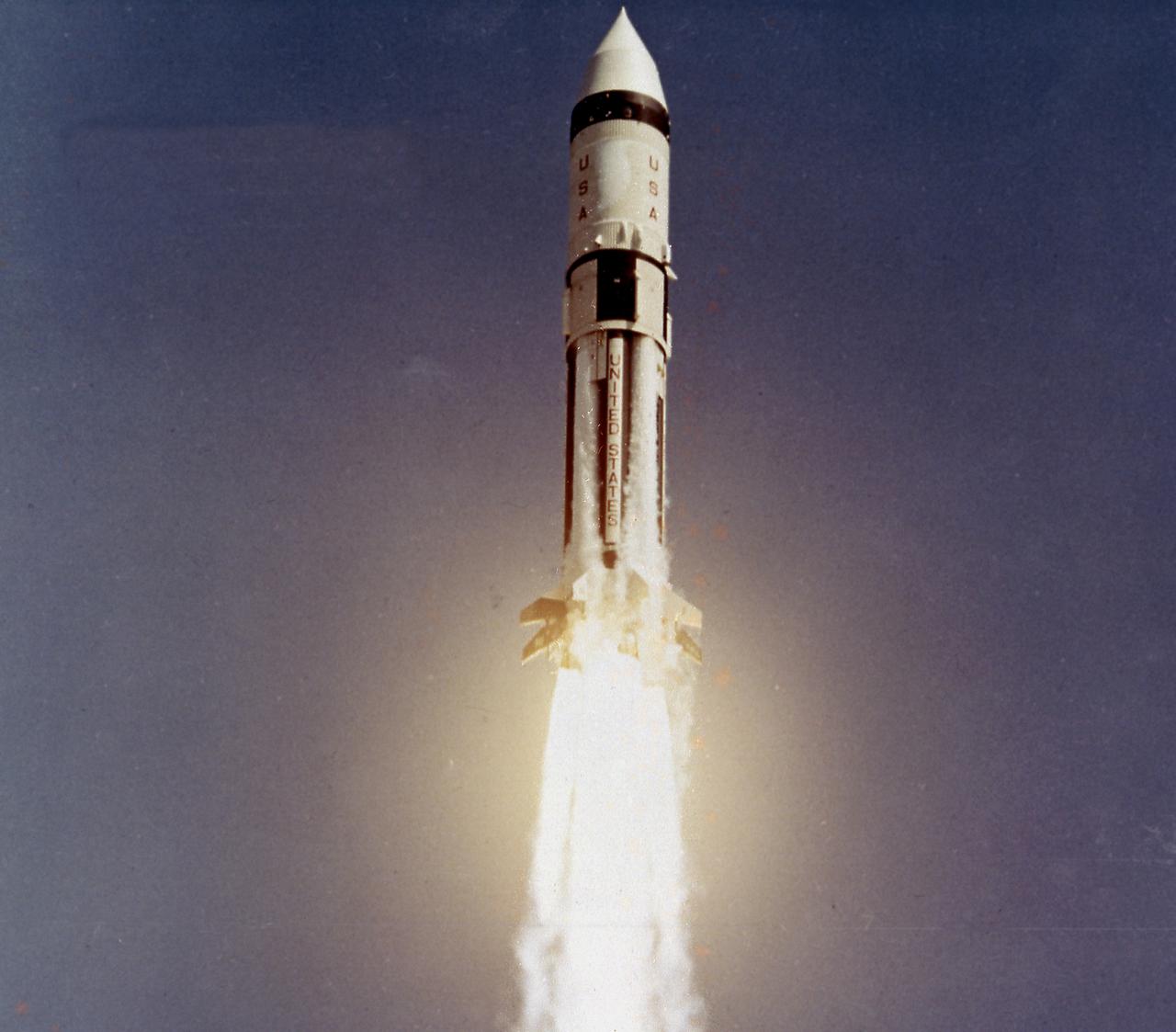
AS-203, the third Saturn IB launch vehicle developed by the Marshall Space Flight Center, lifts off from Cape Canaveral, Florida , July 5, 1966. Primary mission objectives included evaluation of the S-IVB stage's hydrogen venting and engine restart capabilities in an orbital environment. In all, nine Saturn IB flights were made, ending with the Apollo-Soyuz Test Project (ASTP) in July 1975.
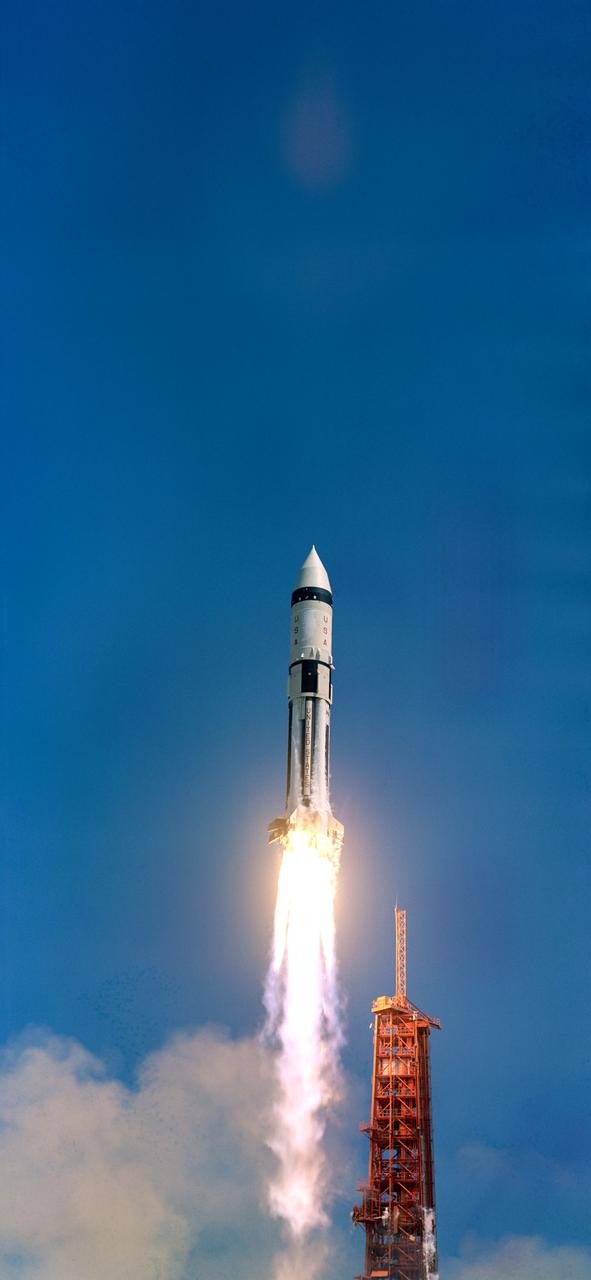
Liftoff of Saturn Mission 203, the second in the uprated Saturn 1 Development Mission Series, was accomplished from the Kennedy Space Center (KSC) Launch Complex 37 at 10:53 a.m., 07/05/1966. KSC, FL
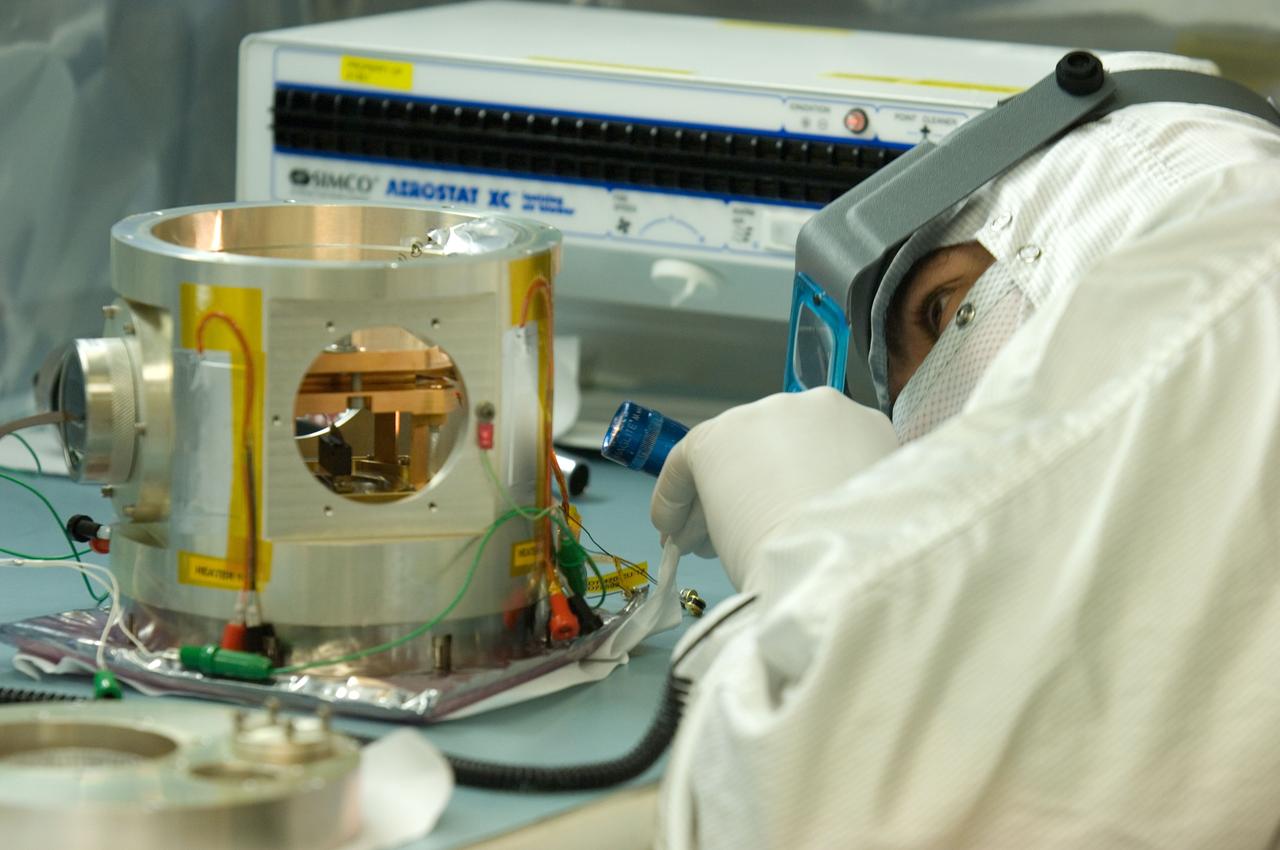
Kepler project; technicians from Ball Aerospace work on and in the test chamber assembled at Nasa Ames Research center testing components
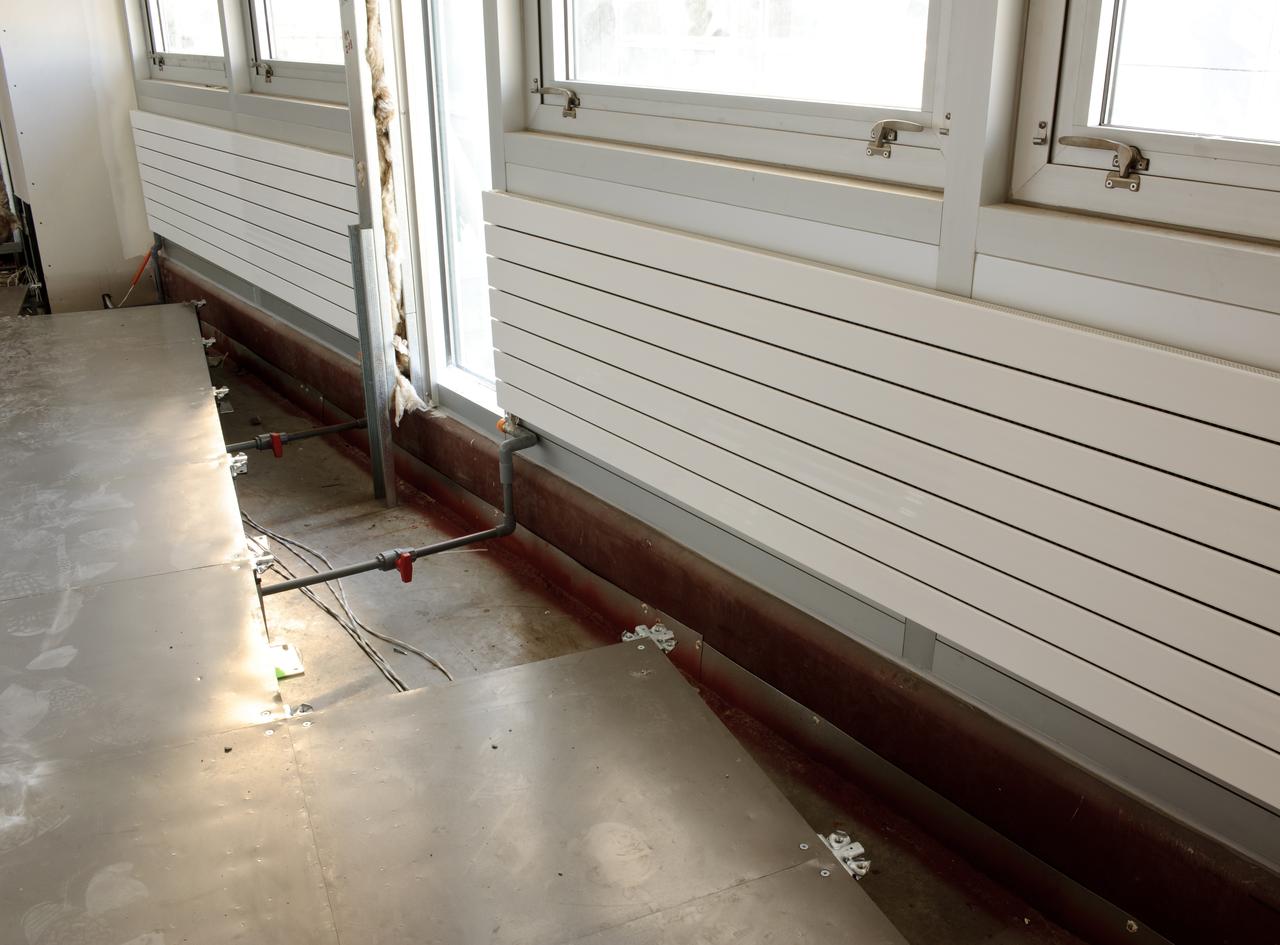
Construction of the new NASA Ames Green Building dubbed Sustainability Base located on the Ames Research Center campus at Moffett Field, CA. Raised floors for heating from beneath.
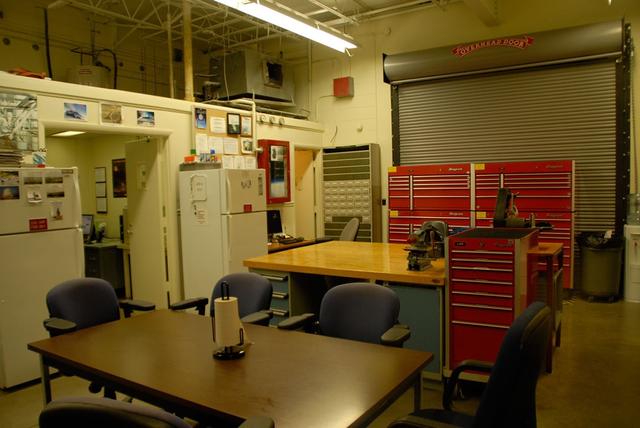
Interior view of Launch Complex 39A

NASA Monsoon Multidisciplinary analysis (NAMMA) deployment, Sal Island, Cape Verde Africia

STS055-203-034 (26 April-6 May 1993) --- Astronaut Steven R. Nagel, STS-55 mission commander, has found an isolated station in the D-2 science module from which to talk to students on Earth. Like many before it, the seven member crew participated in communications with students and licensed radio operators via the Shuttle Amateur Radio Experiment (SAREX). Photo credit: NASA
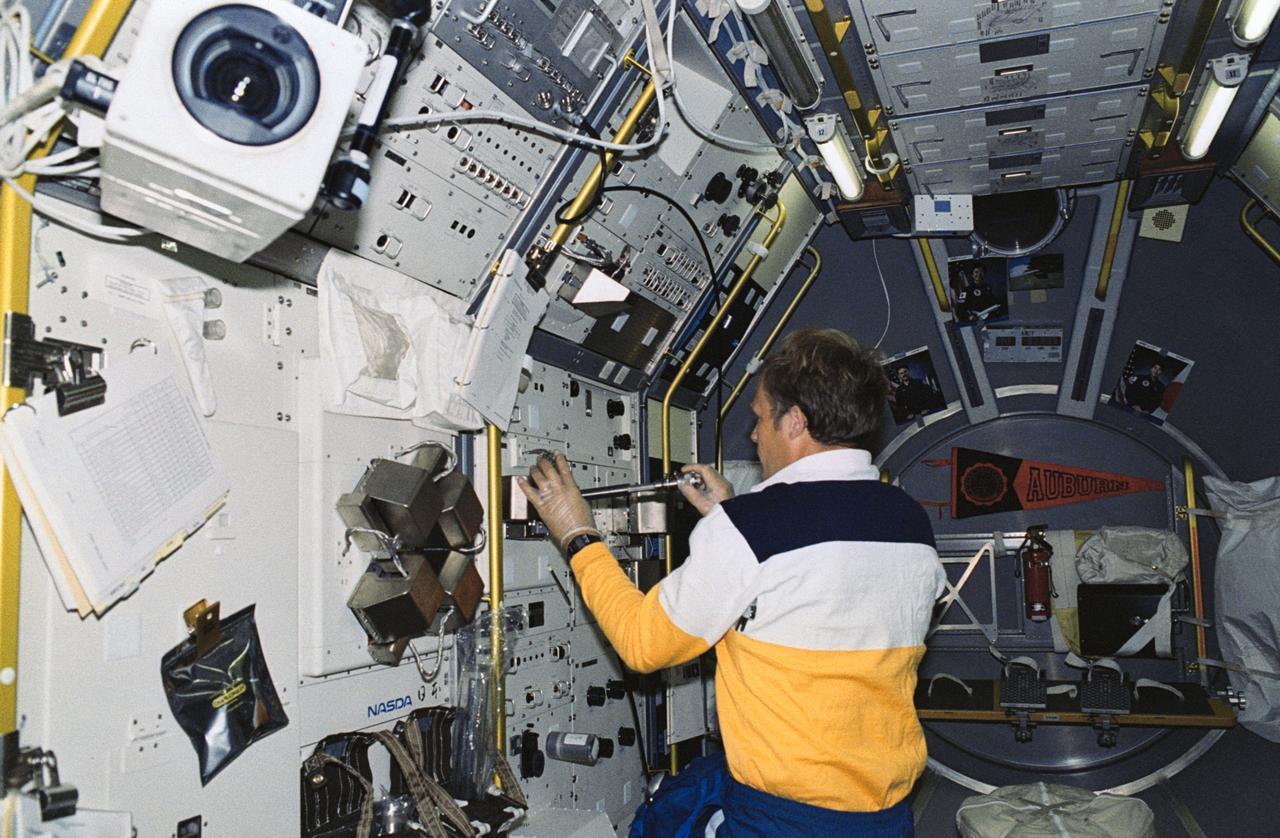
STS047-203-009 (12-20 Sept 1992) --- Astronaut Mark C. Lee, payload commander, inserts a sample into the Gradient Heating Furnace (GHF) in the Spacelab-J Science Module aboard the Earth-orbiting Space Shuttle Endeavour. Lee, along with five other NASA astronauts and a Japanese payload specialist, conducted eight days of research in support of Spacelab-J.
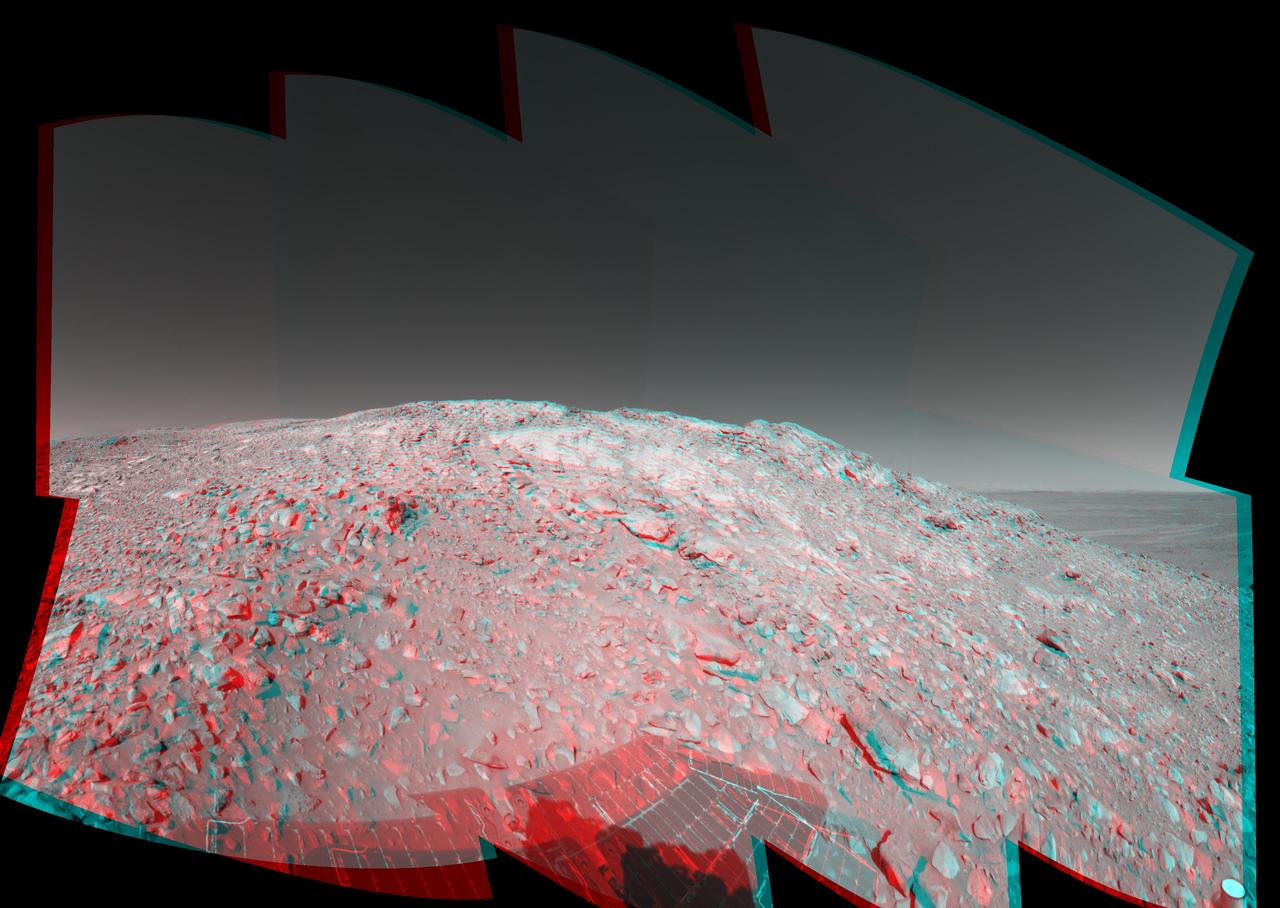
In this stereo image, a rock outcrop with a view of the surrounding landscape beckons NASA Mars Exploration Rover Spirit on sol 203. 3D glasses are necessary to view this image.
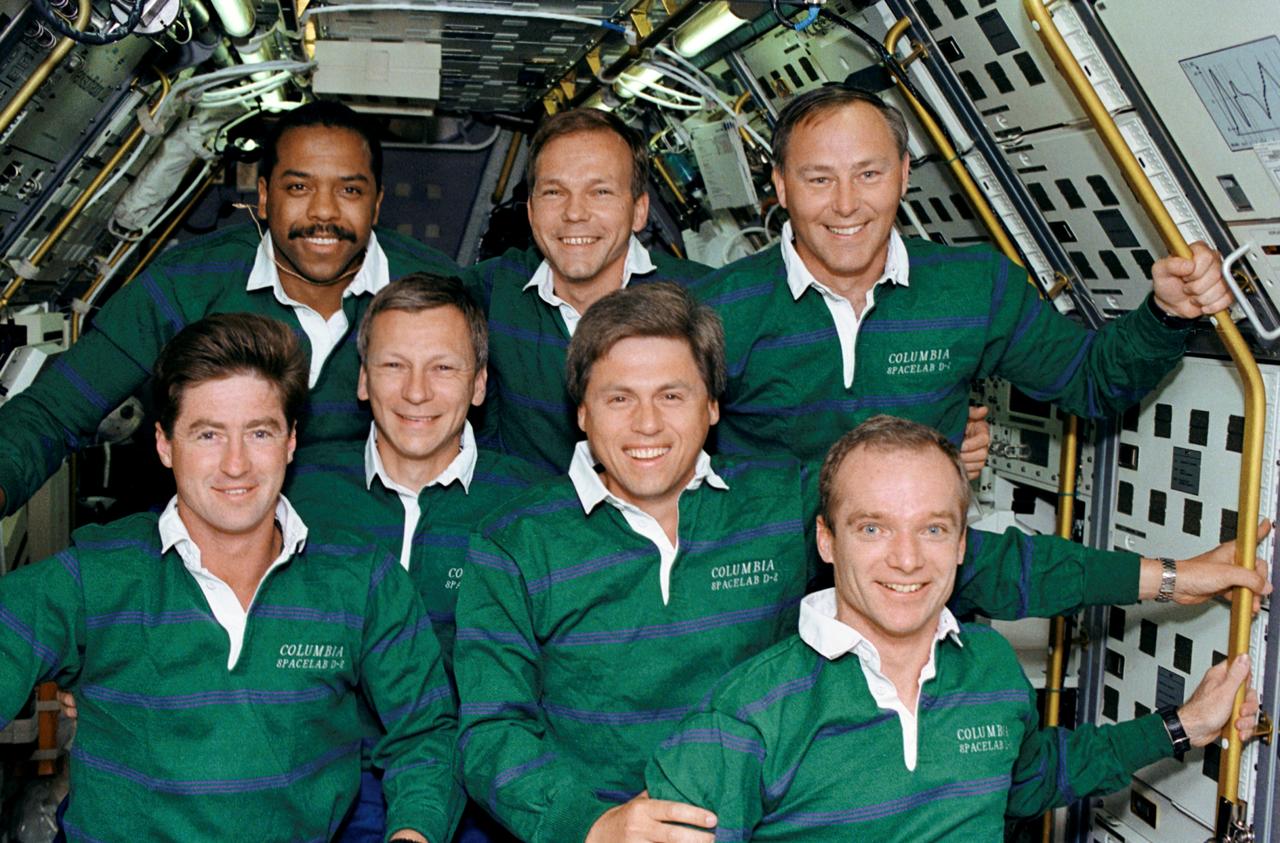
STS055-203-009 (26 April-6 May 1993) --- The seven crew members who spent 10 days aboard the space shuttle Columbia pose for the traditional in-flight portrait in the Spacelab D-2 Science Module. Front, left to right, are Terence T. (Tom) Henricks, Steven R. Nagel, Ulrich Walter and Charles J. Precourt. In the rear are (left to right) Bernard A. Harris Jr., Hans Schlegel and Jerry L. Ross. Nagel served as mission commander; Henricks was the pilot and Ross, the payload commander. Harris and Precourt were mission specialists and Schlegel and Walter were payload specialists representing the German Aerospace Research Establishment (DLR). Photo credit: NASA
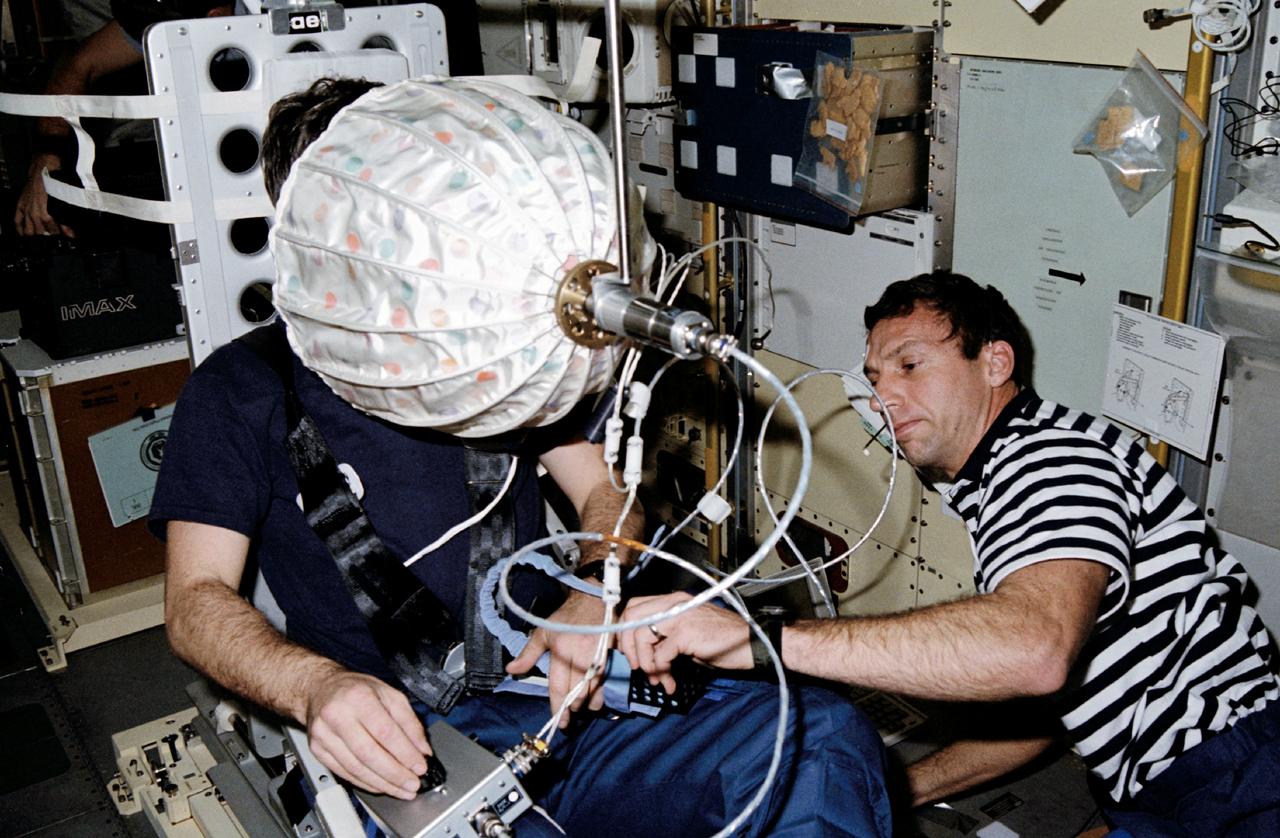
STS042-203-024 (22-30 Jan. 1992) --- Astronaut David C. Hilmers (right), STS-42 mission specialist, assists European Space Agency (ESA) payload specialist Ulf Merbold with the visual stimulator experiment on the Space Shuttle Discovery's middeck. This particular test is part of an ongoing study of the Space Adaptation Syndrome (SAS). Seated in a stationary mini-sled, Merbold (or any other subject for this test) stares at an umbrella-shaped rotating dome with a pattern of colored dots on its interior. While observing the rotating dome, the subject turns a knob to indicate his perception of body rotation. The strength of circular vection is calculated by comparing the signals from the dome and the knob. The greater the false sense of circular vection, the more the subject is relying on visual information instead of otolith information.
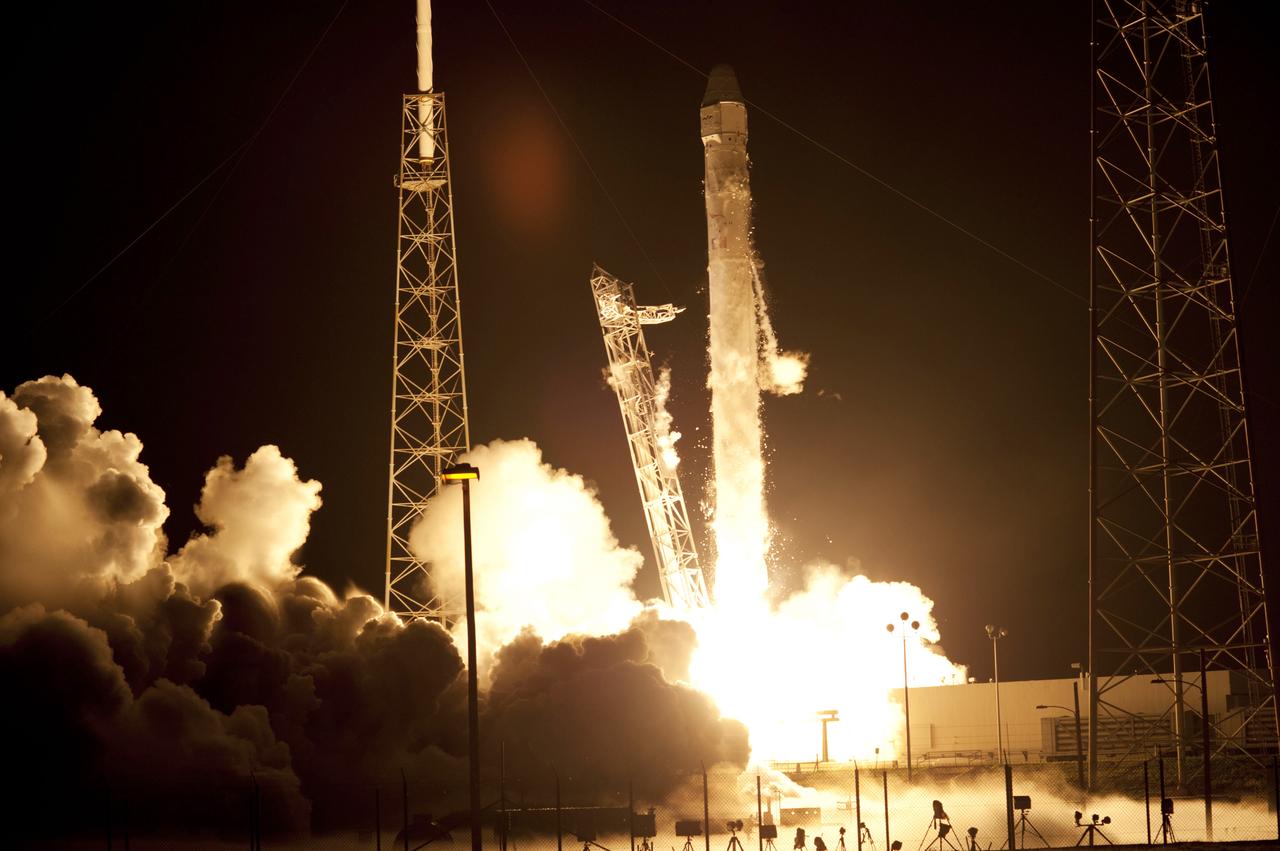
SpaceX Falcon 9/COTS 2 Launch, DD029-203
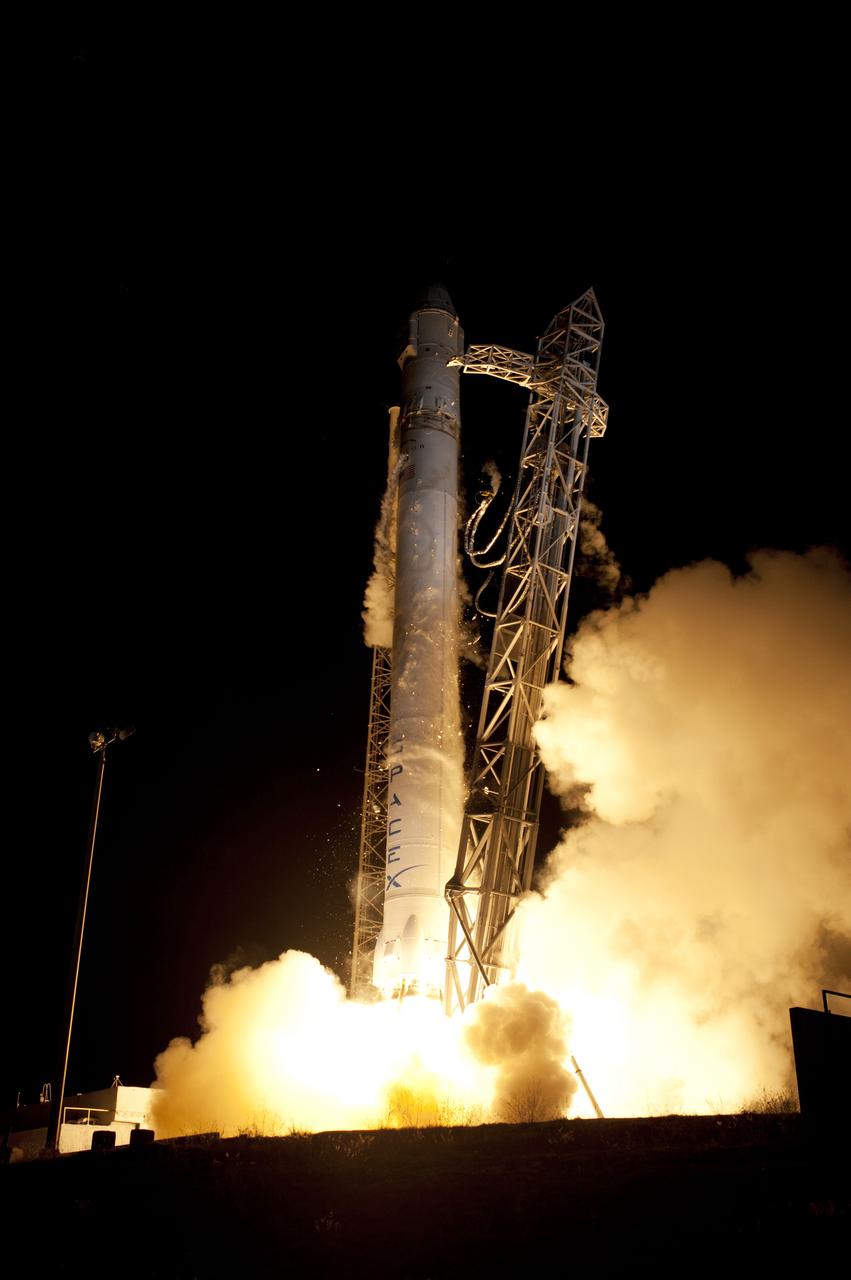
SpaceX Falcon 9/COTS 2 Launch, DD022-203
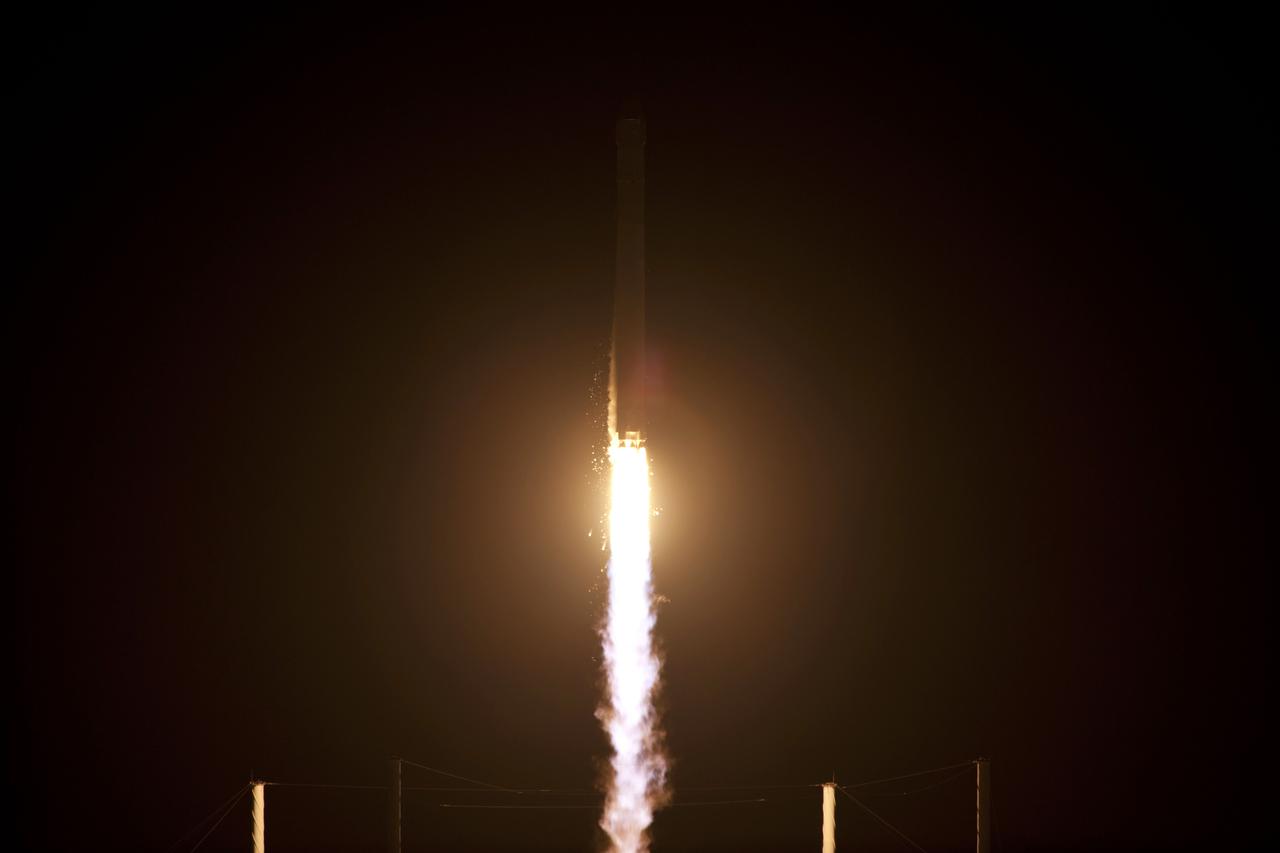
SpaceX Falcon 9/COTS 2 Launch, DD026-203
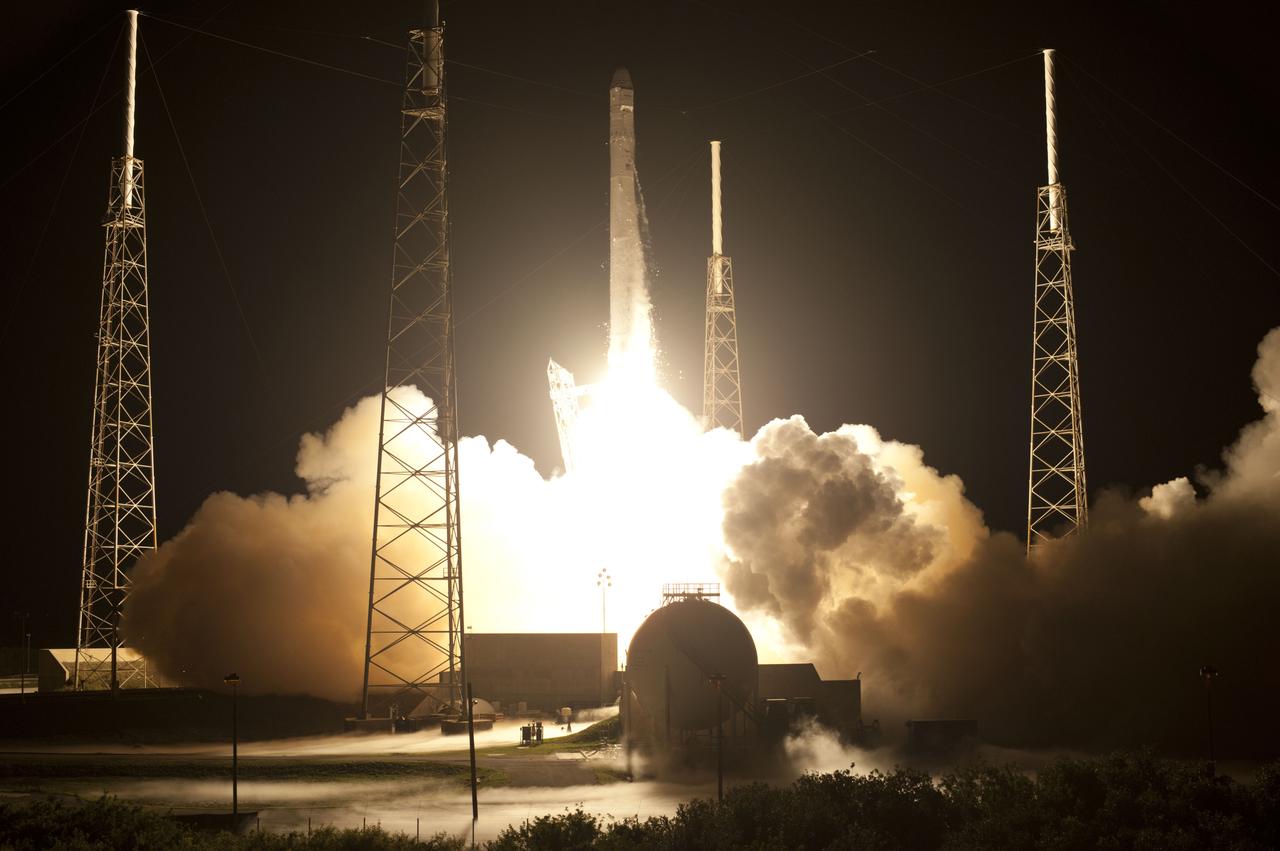
SpaceX Falcon 9/COTS 2 Launch - DD028-203
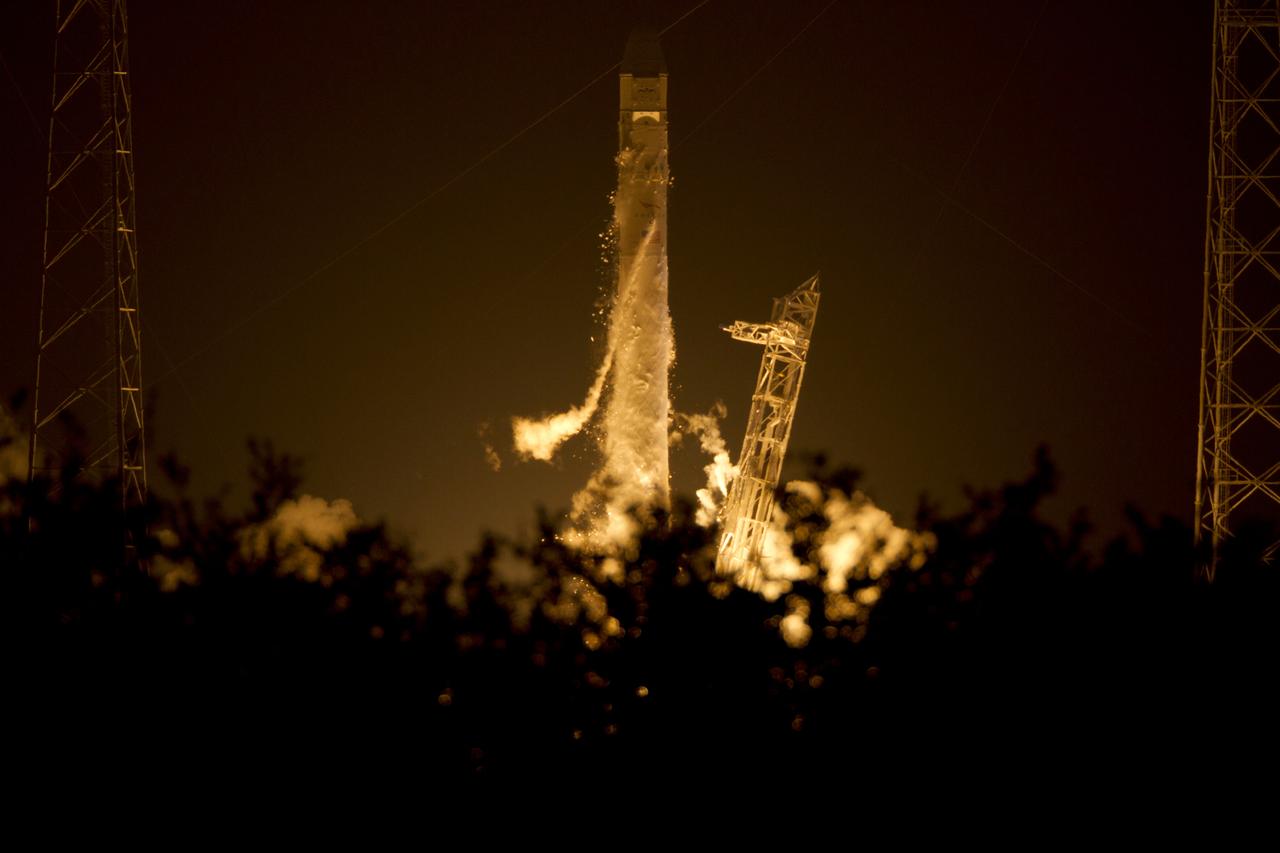
SpaceX Falcon 9/COTS 2 Launch, DD025-203
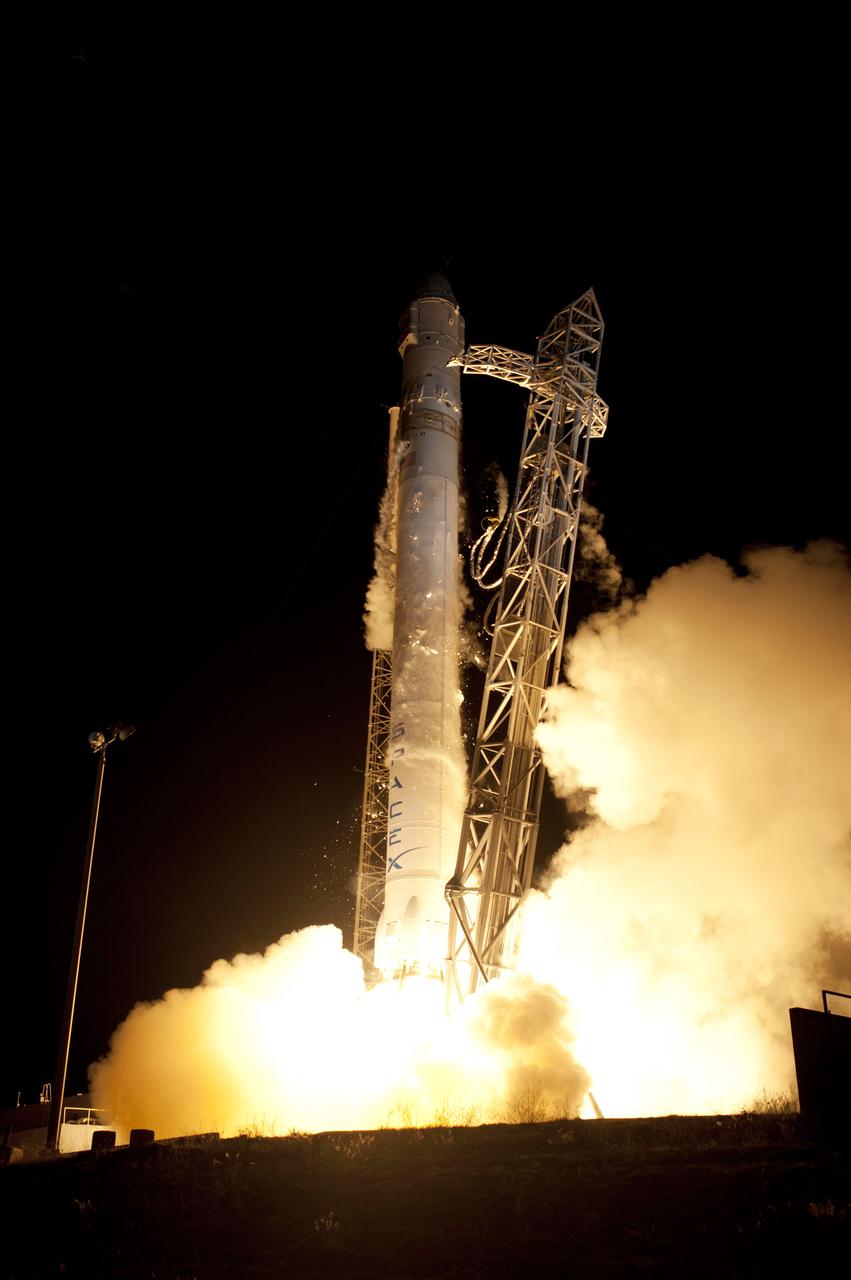
SpaceX Falcon 9/COTS 2 Launch, DD022-203
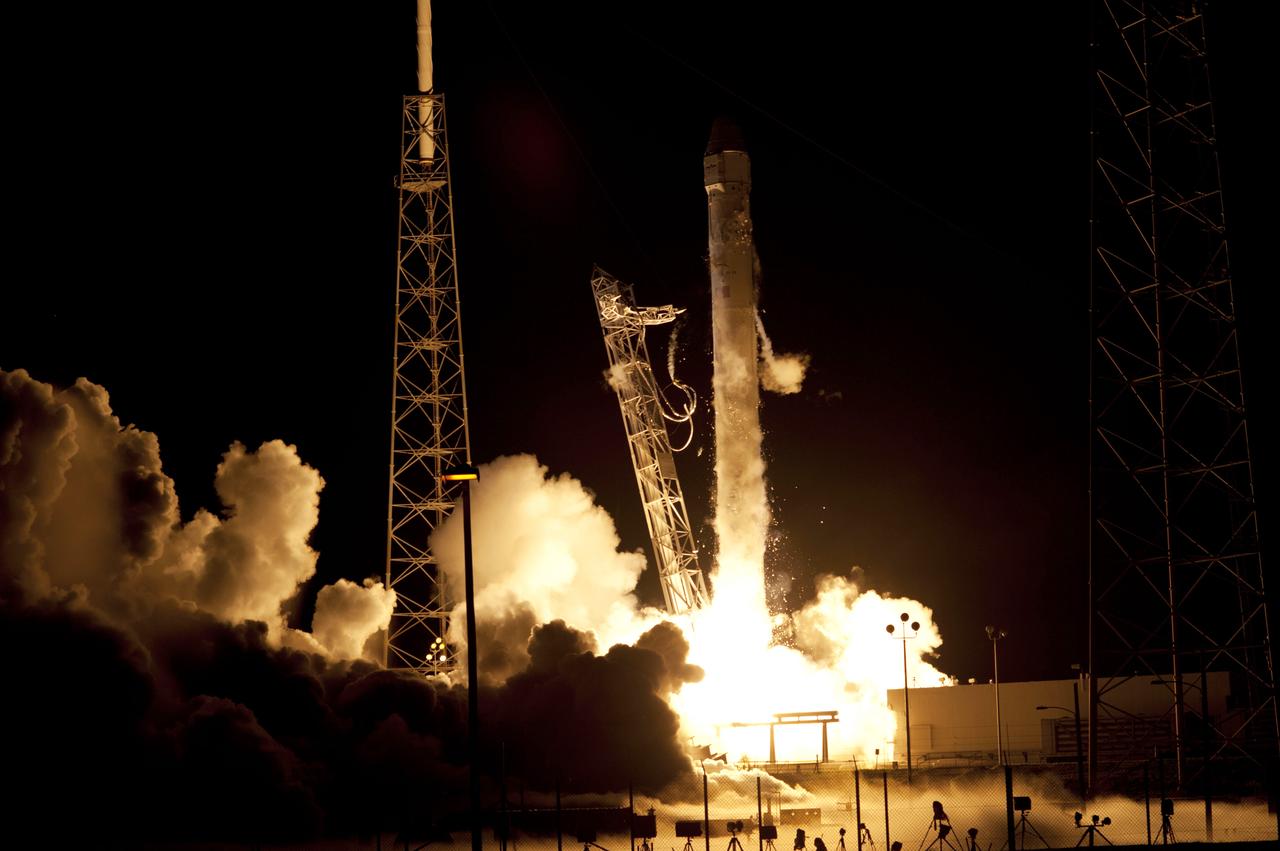
SpaceX Falcon 9/COTS 2 Launch, DD029-203
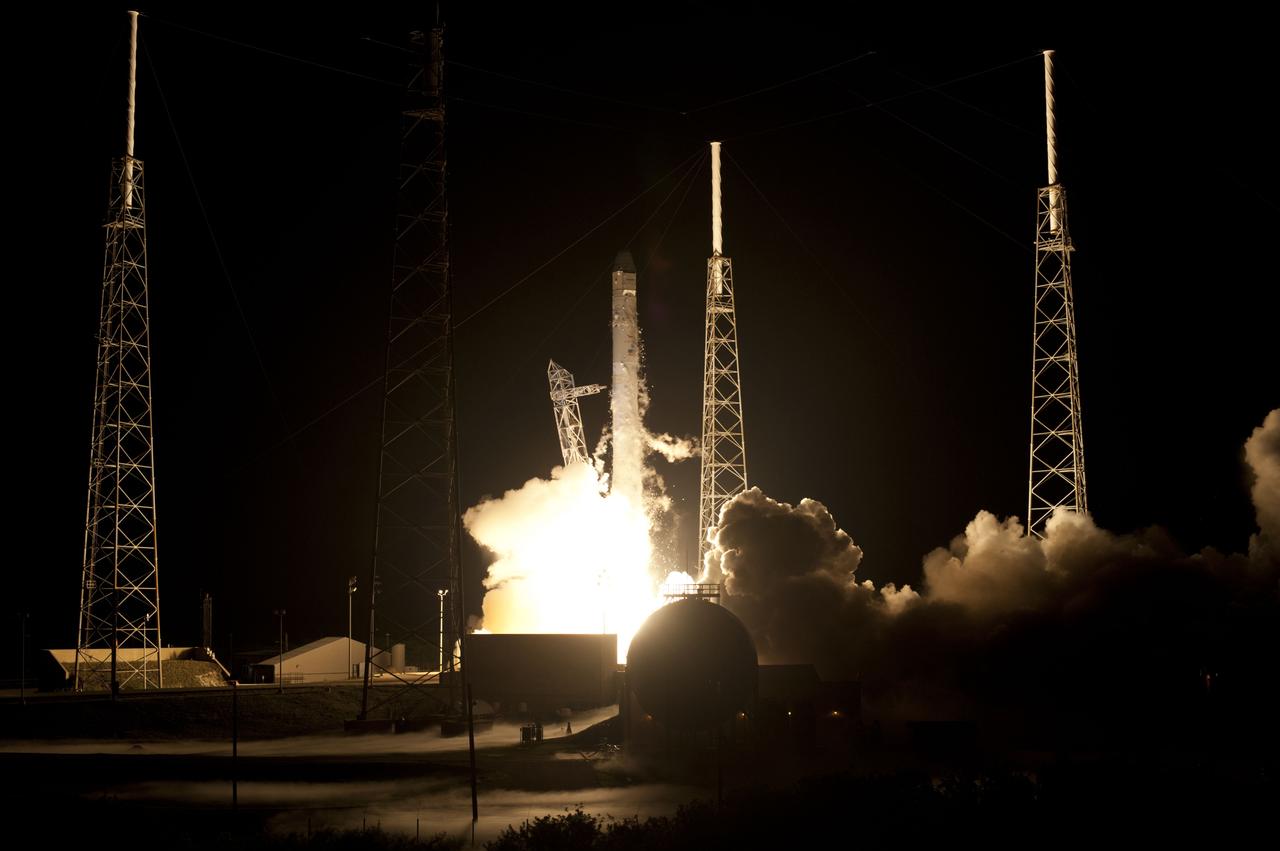
SpaceX Falcon 9/COTS 2 Launch - DD028-203
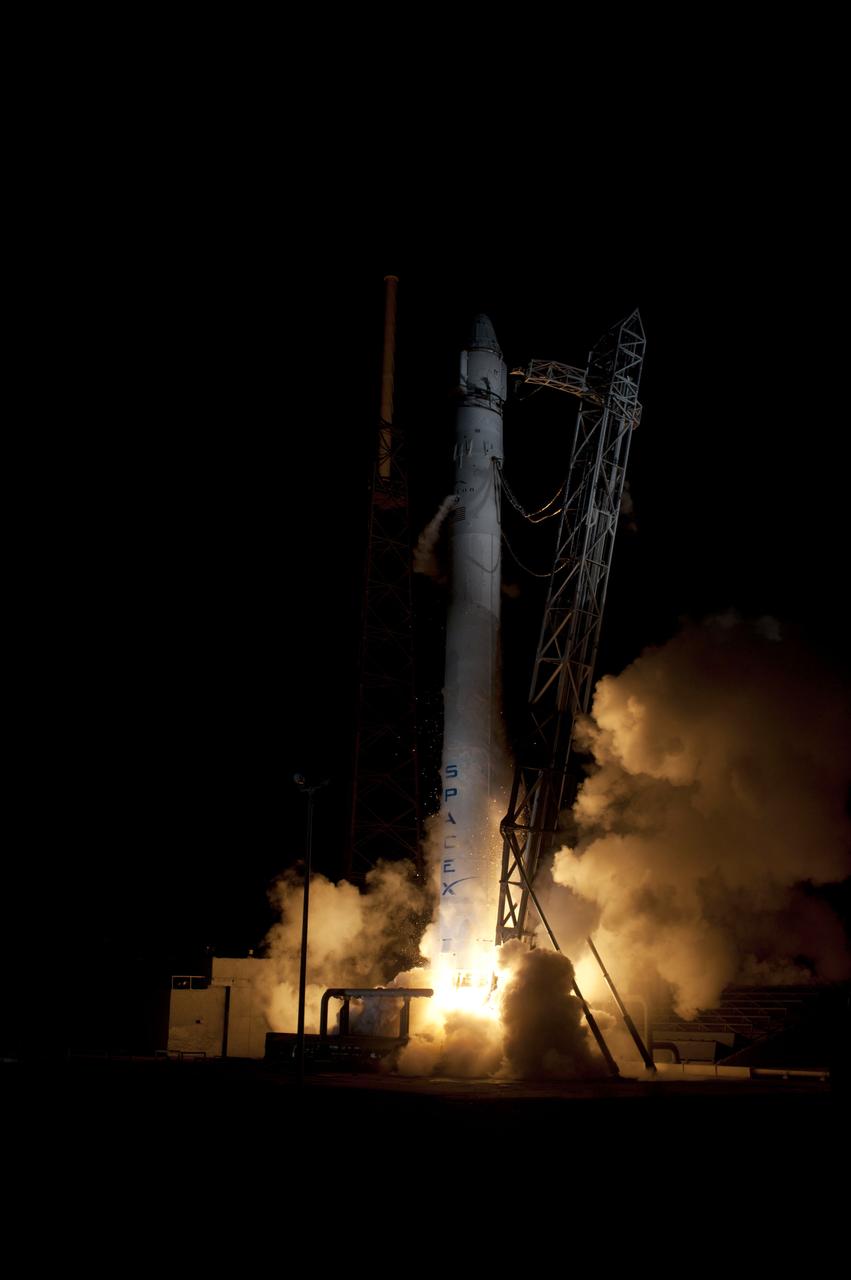
SpaceX Falcon 9/COTS 2 Launch, DD023-203
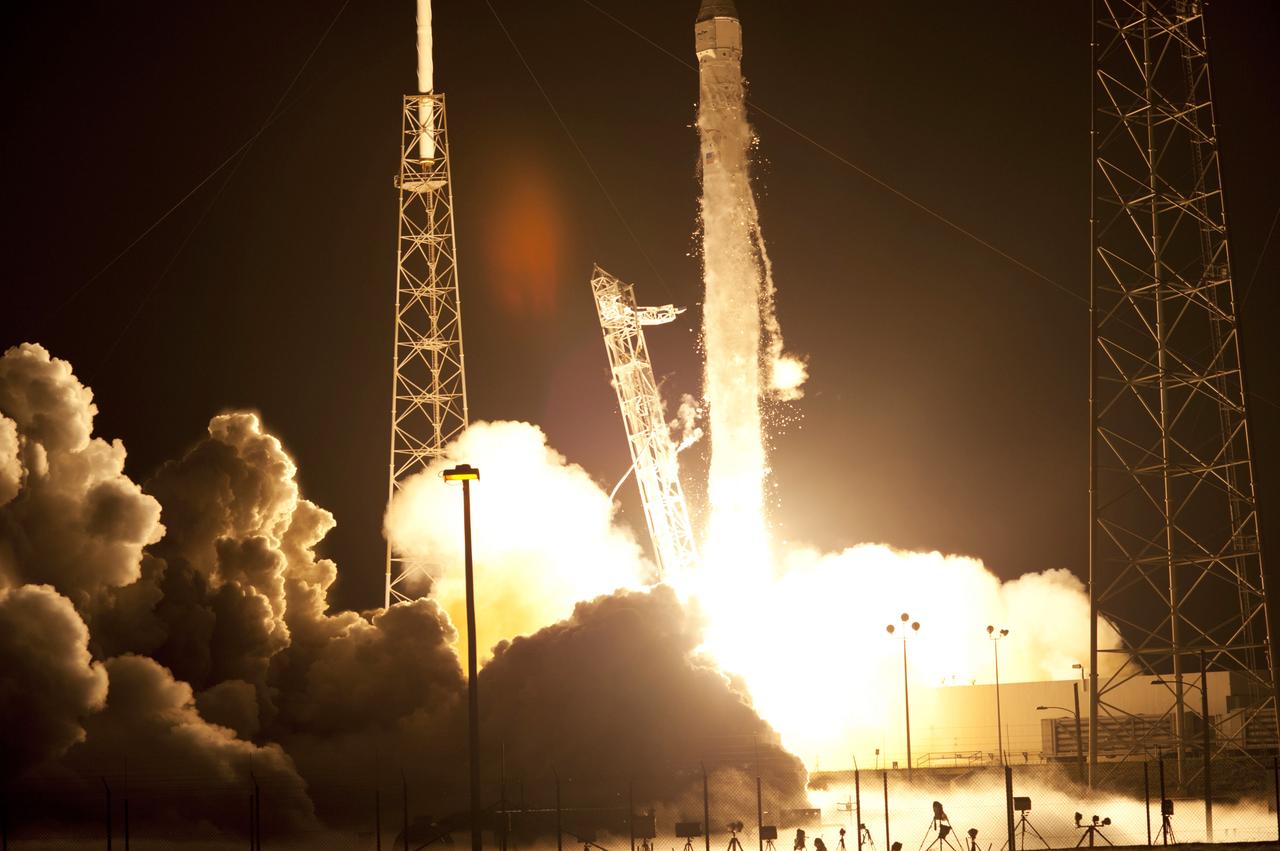
SpaceX Falcon 9/COTS 2 Launch, DD029-203
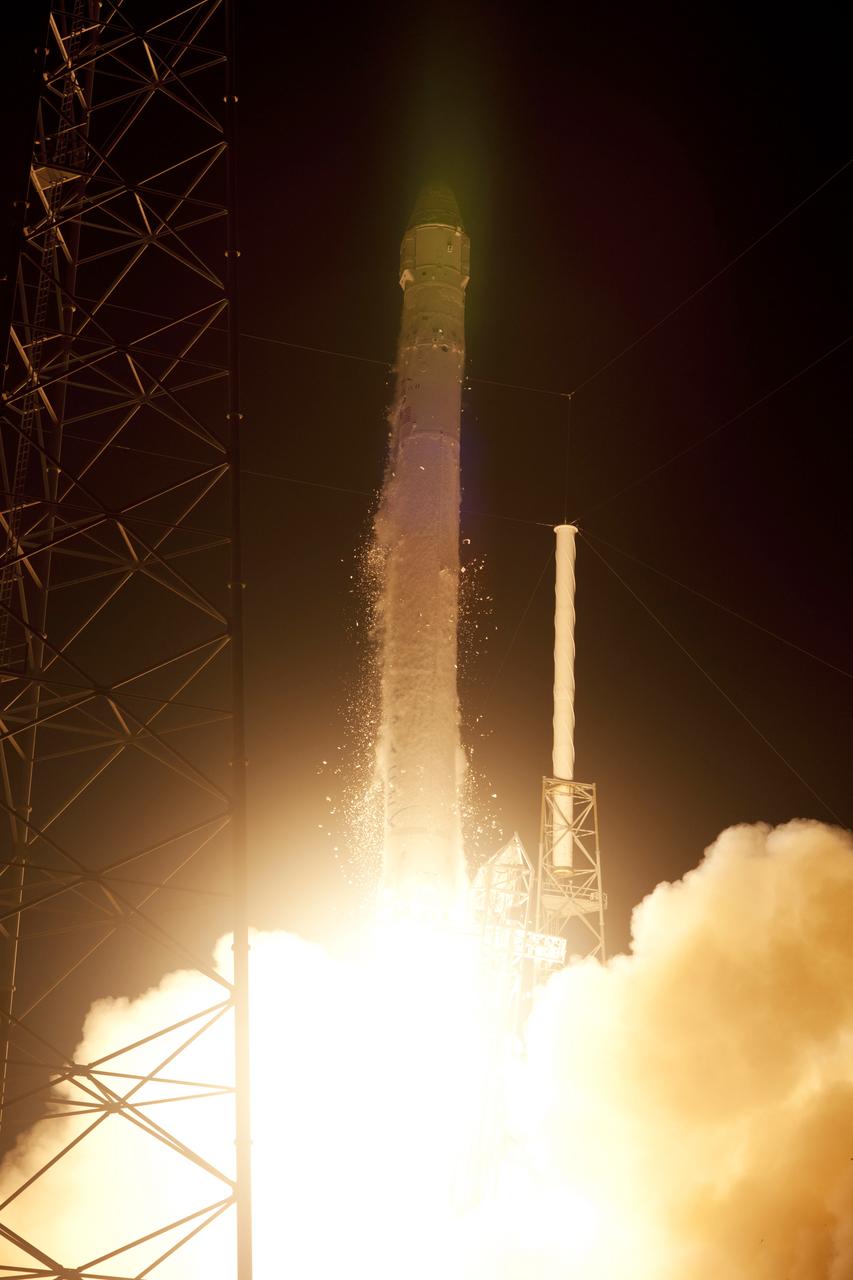
SpaceX Falcon 9/COTS 2 Launch, DD24-203
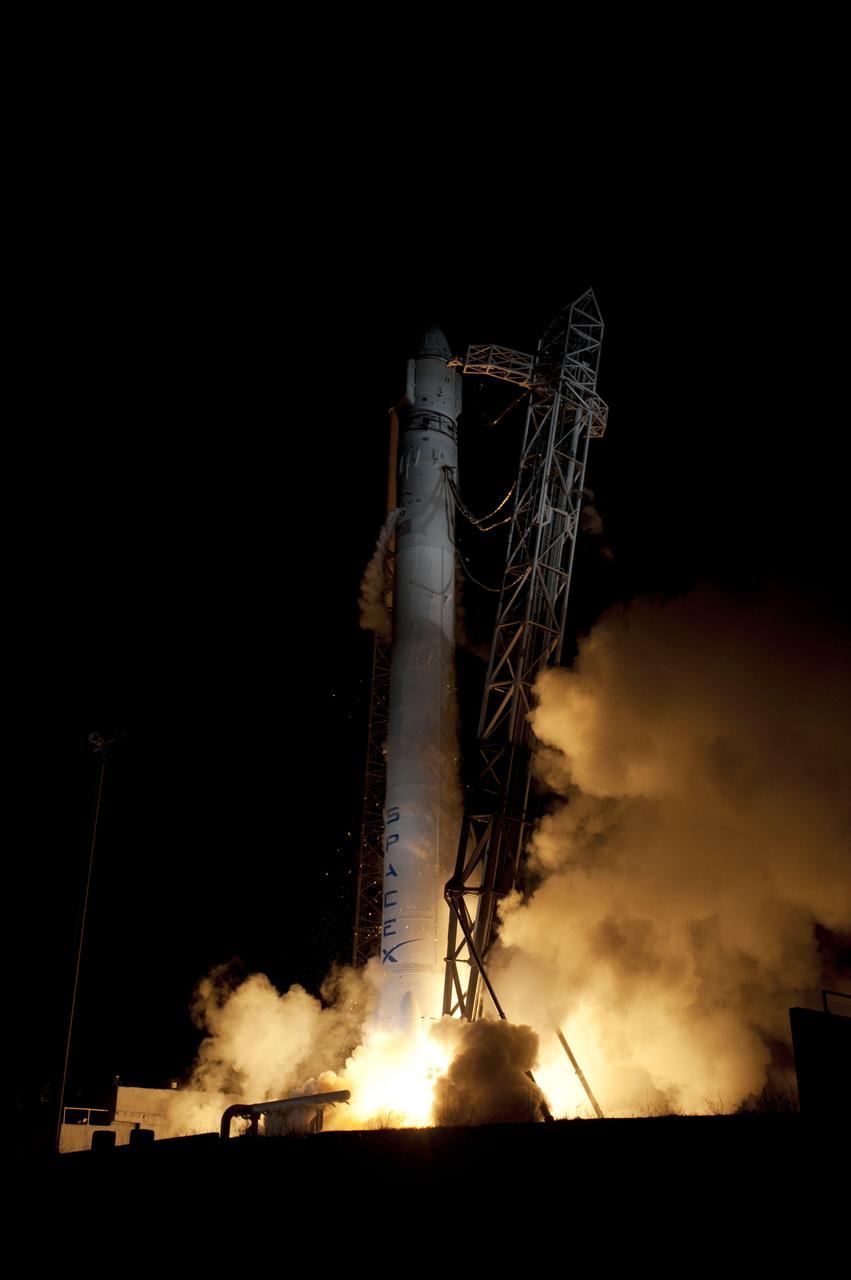
SpaceX Falcon 9/COTS 2 Launch, DD022-203
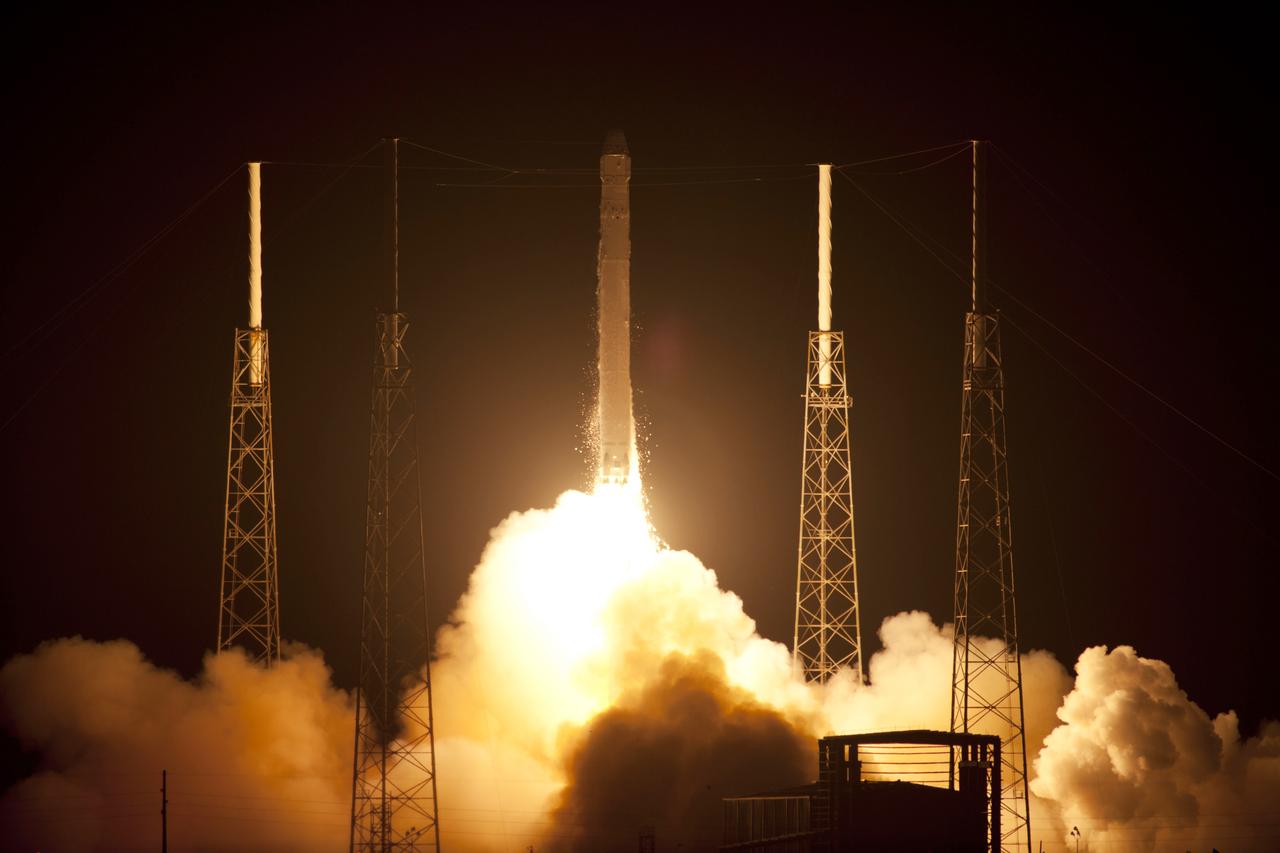
SpaceX Falcon 9/COTS 2 Launch, DD026-203
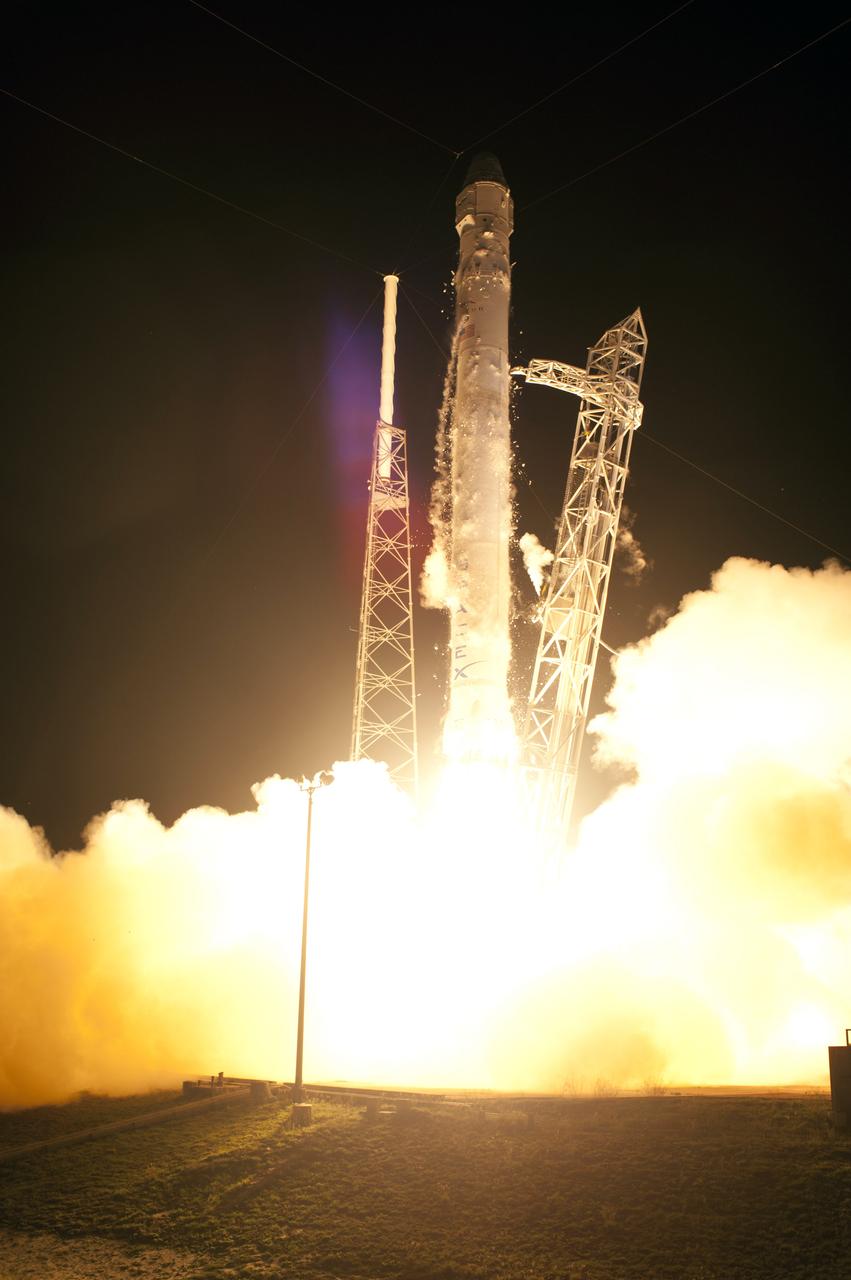
SpaceX Falcon 9/COTS 2 Launch, DD023-203
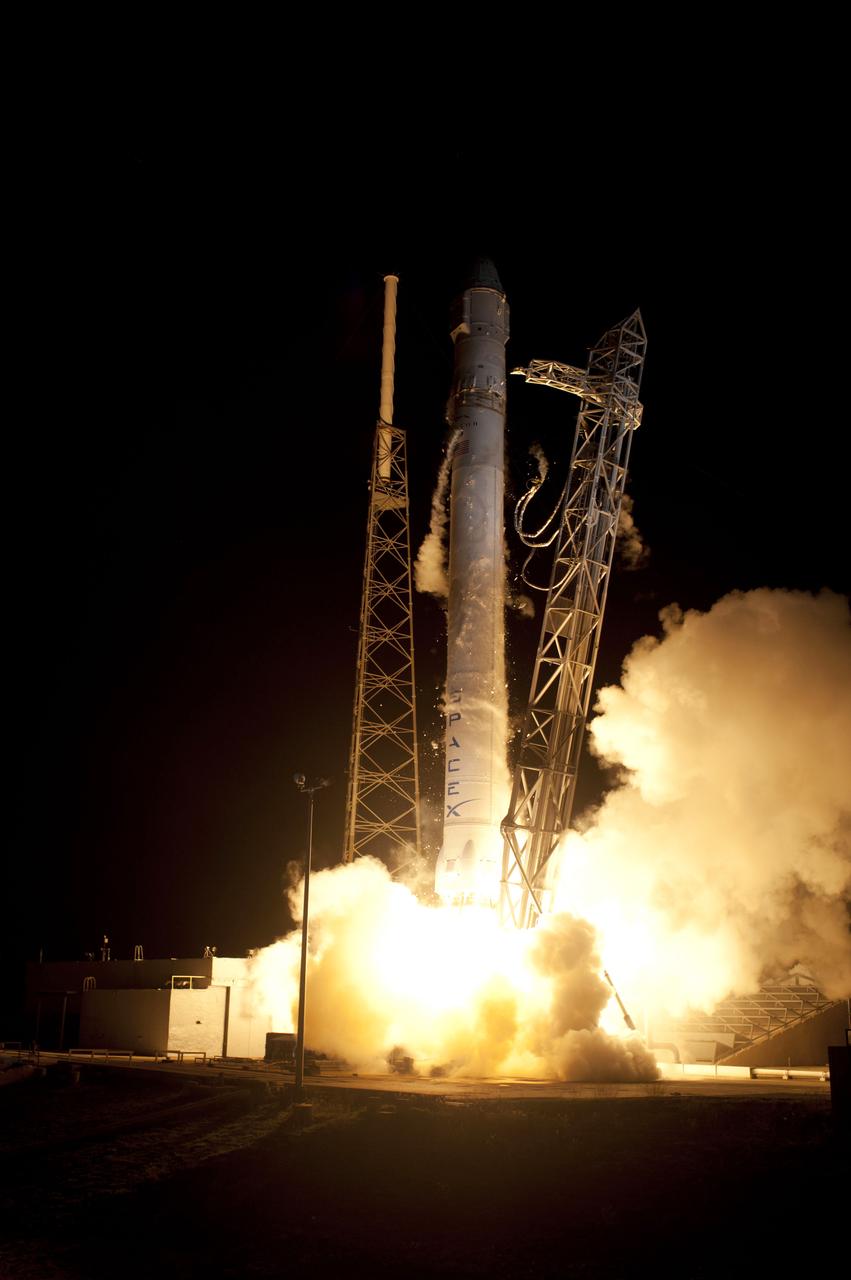
SpaceX Falcon 9/COTS 2 Launch, DD023-203
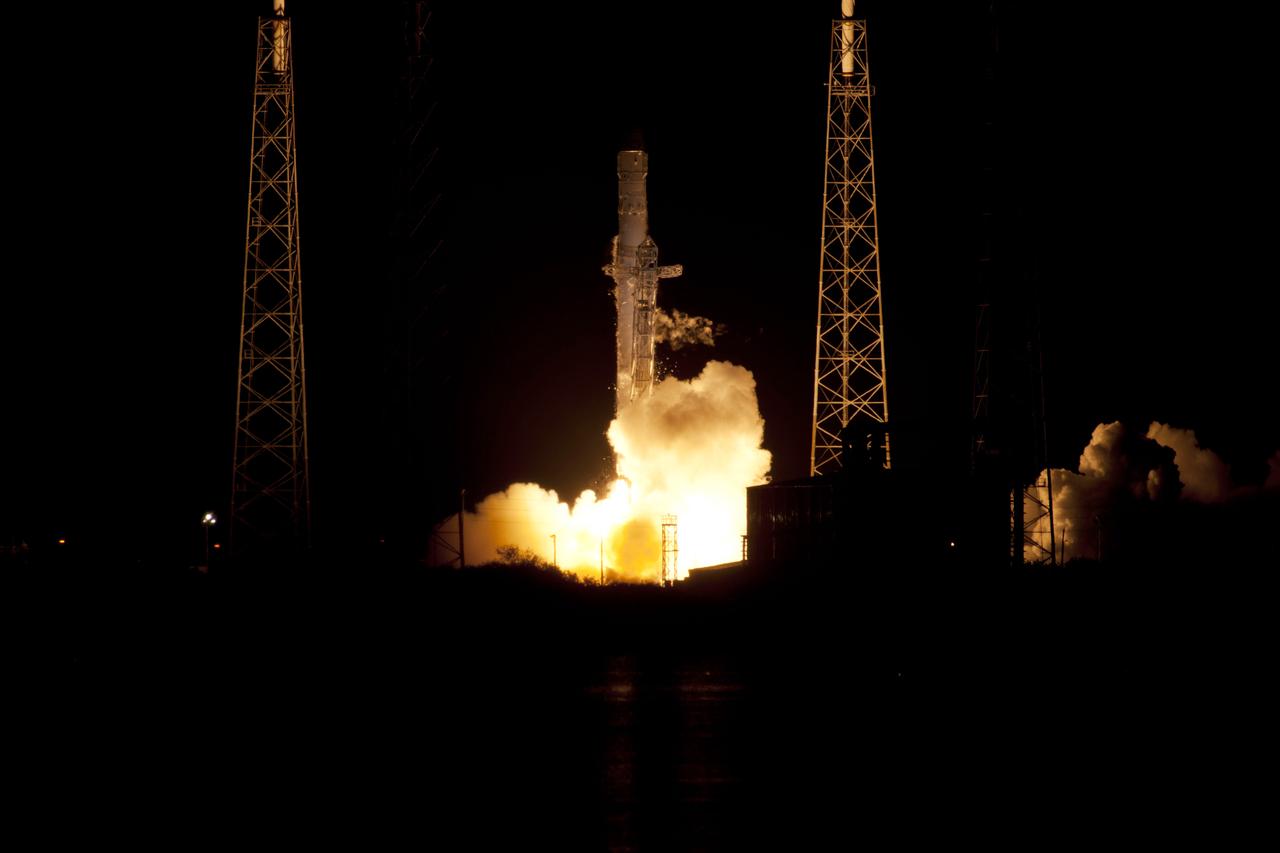
SpaceX Falcon 9/COTS 2 Launch, DD026-203
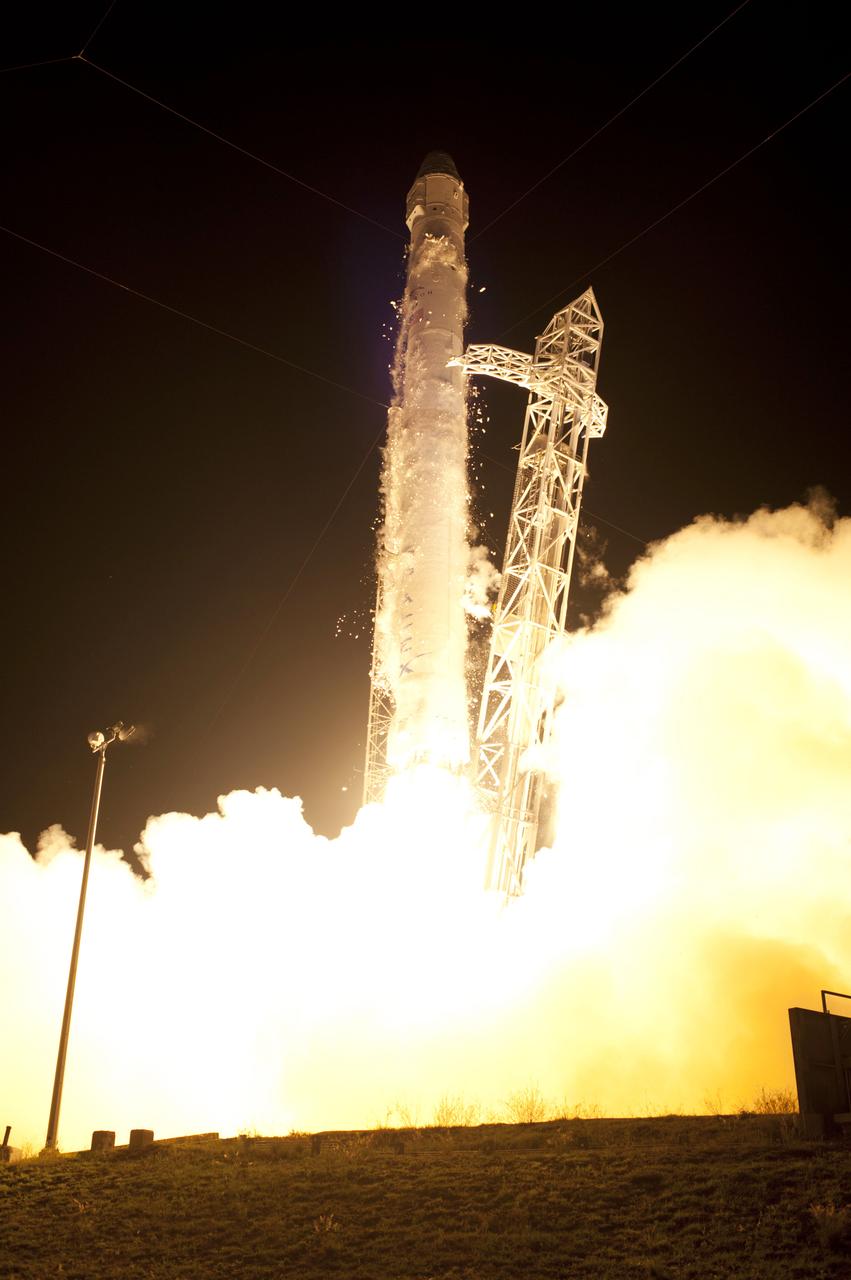
SpaceX Falcon 9/COTS 2 Launch, DD022-203
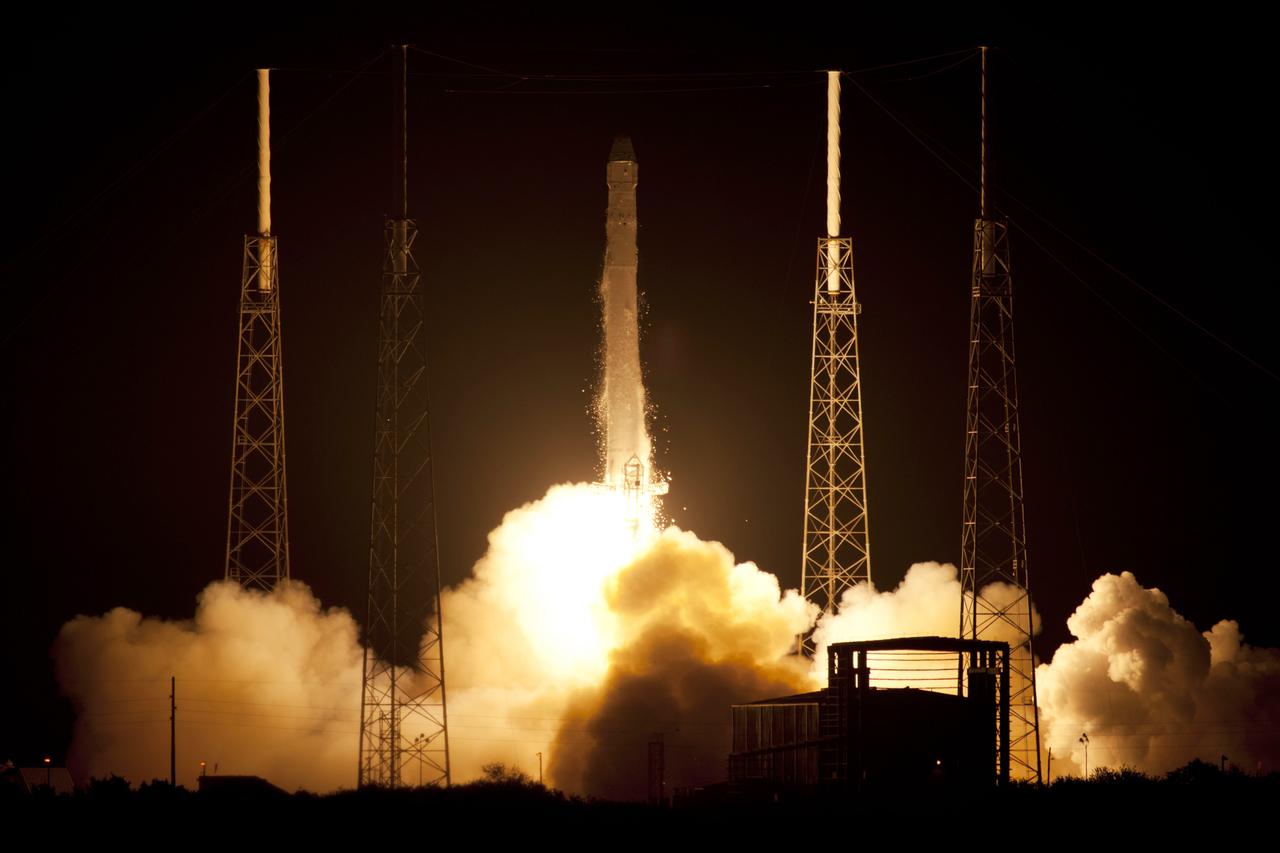
SpaceX Falcon 9/COTS 2 Launch, DD026-203
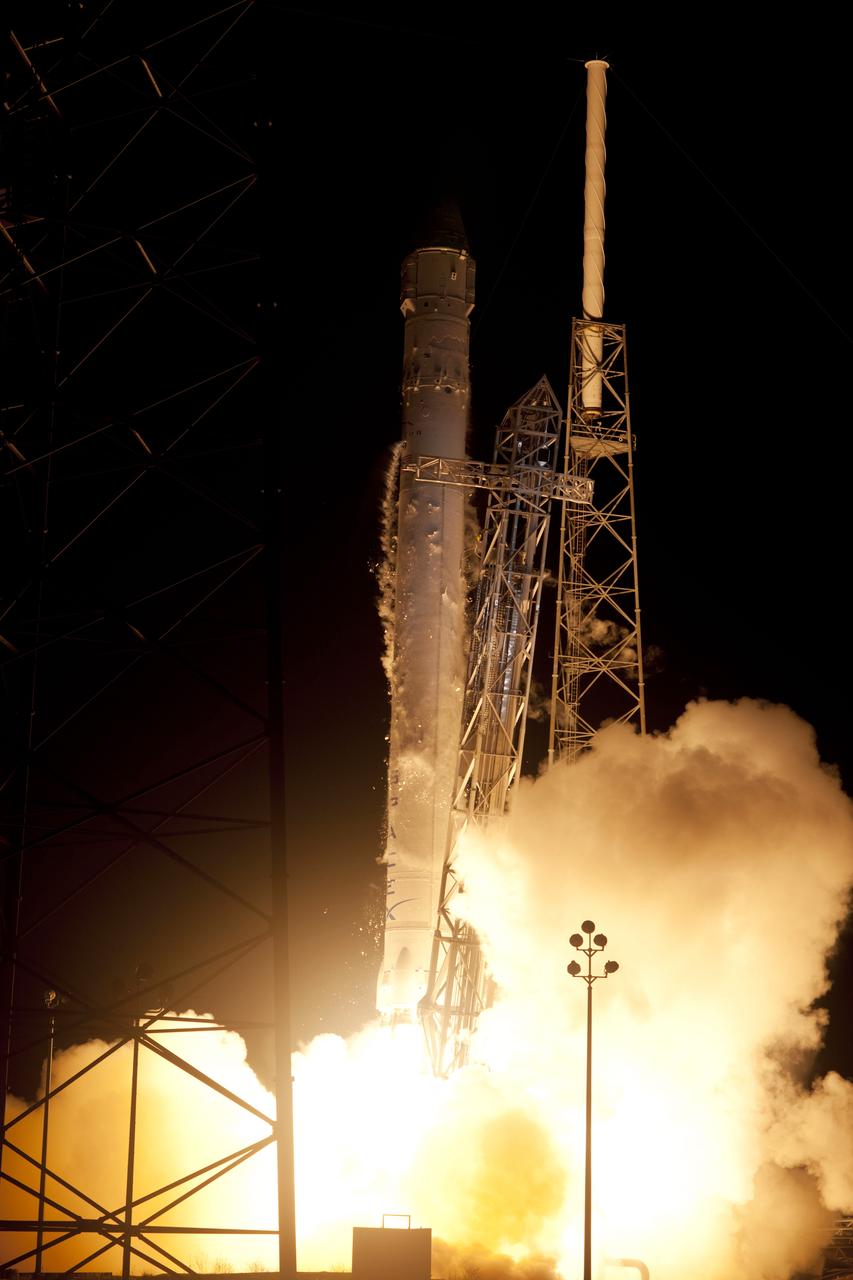
SpaceX Falcon 9/COTS 2 Launch, DD24-203
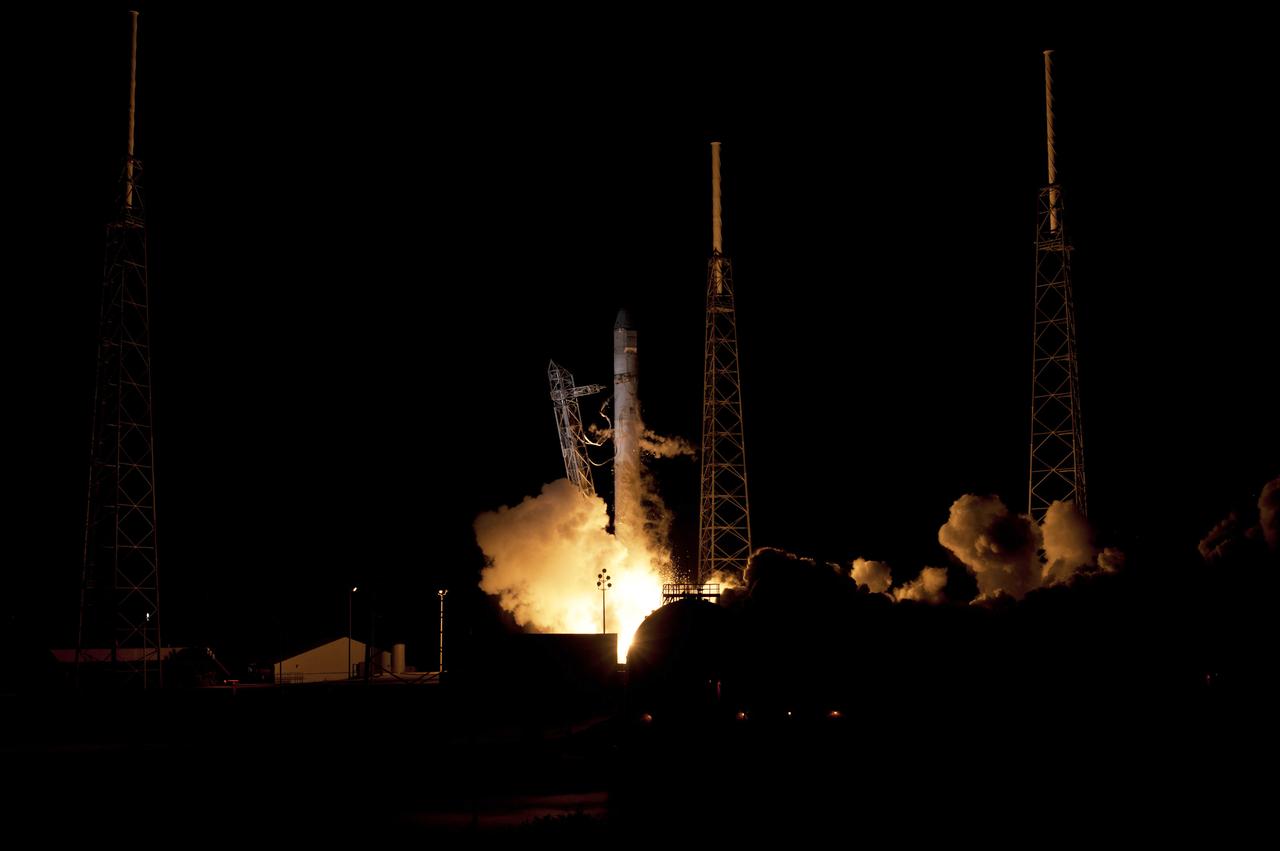
SpaceX Falcon 9/COTS 2 Launch - DD028-203
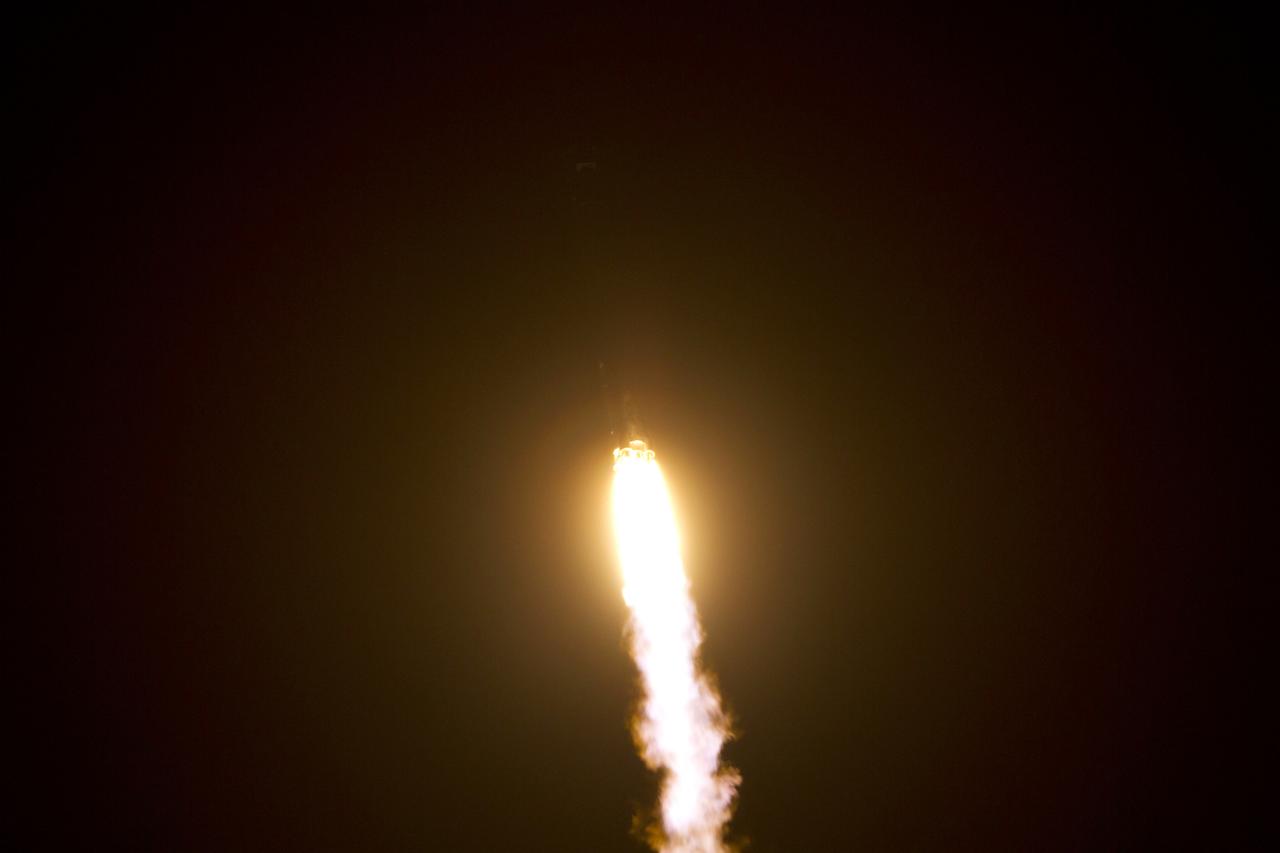
SpaceX Falcon 9/COTS 2 Launch, DD025-203
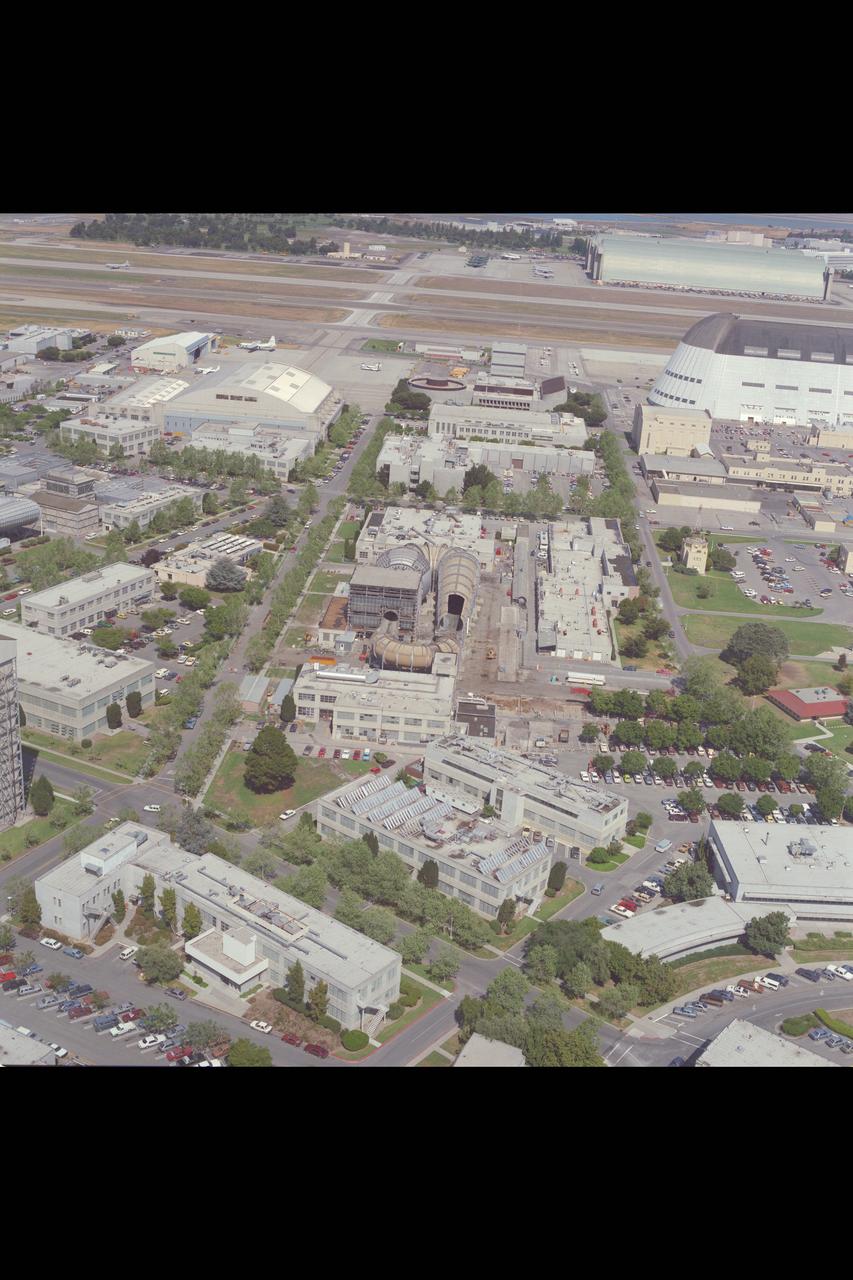
Ames Aerials: N-203, N-204, N-206 looking east
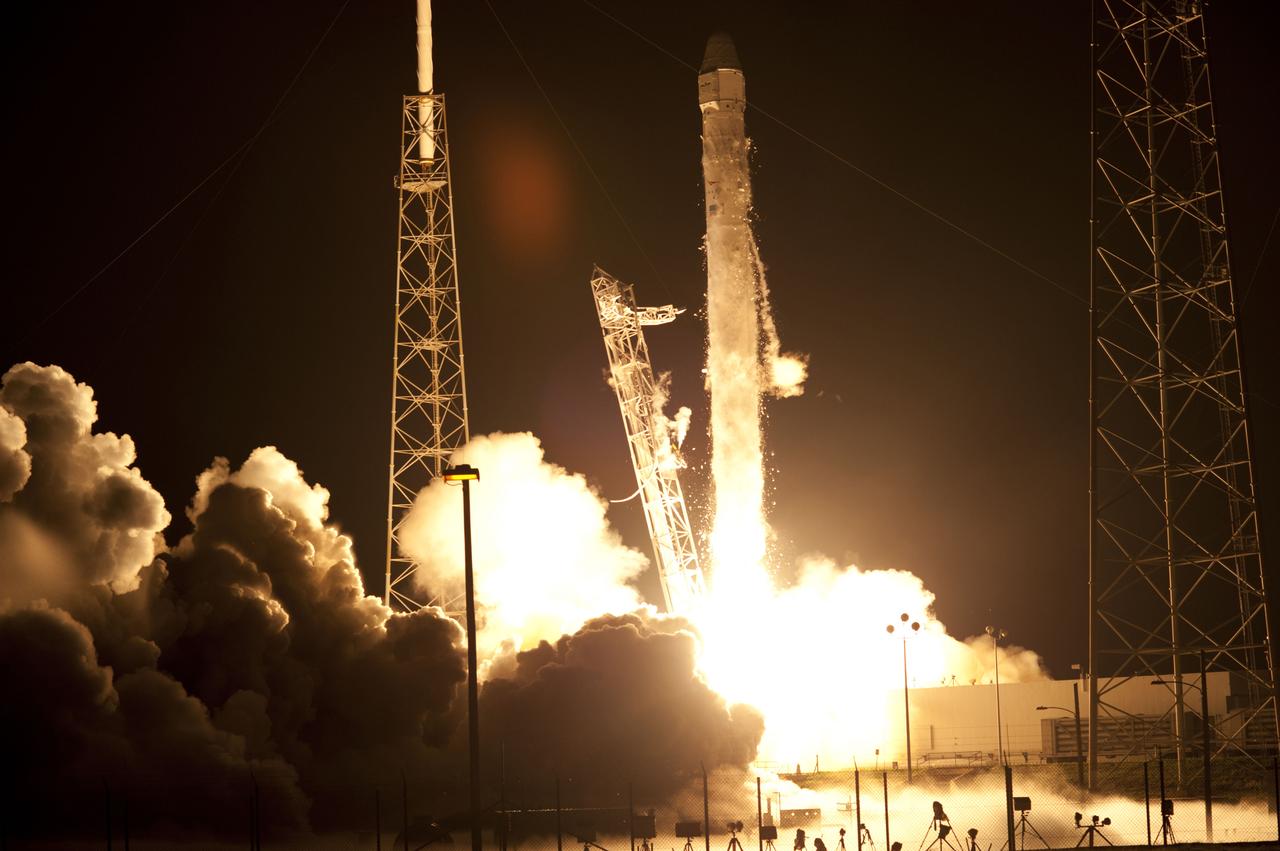
SpaceX Falcon 9/COTS 2 Launch, DD029-203
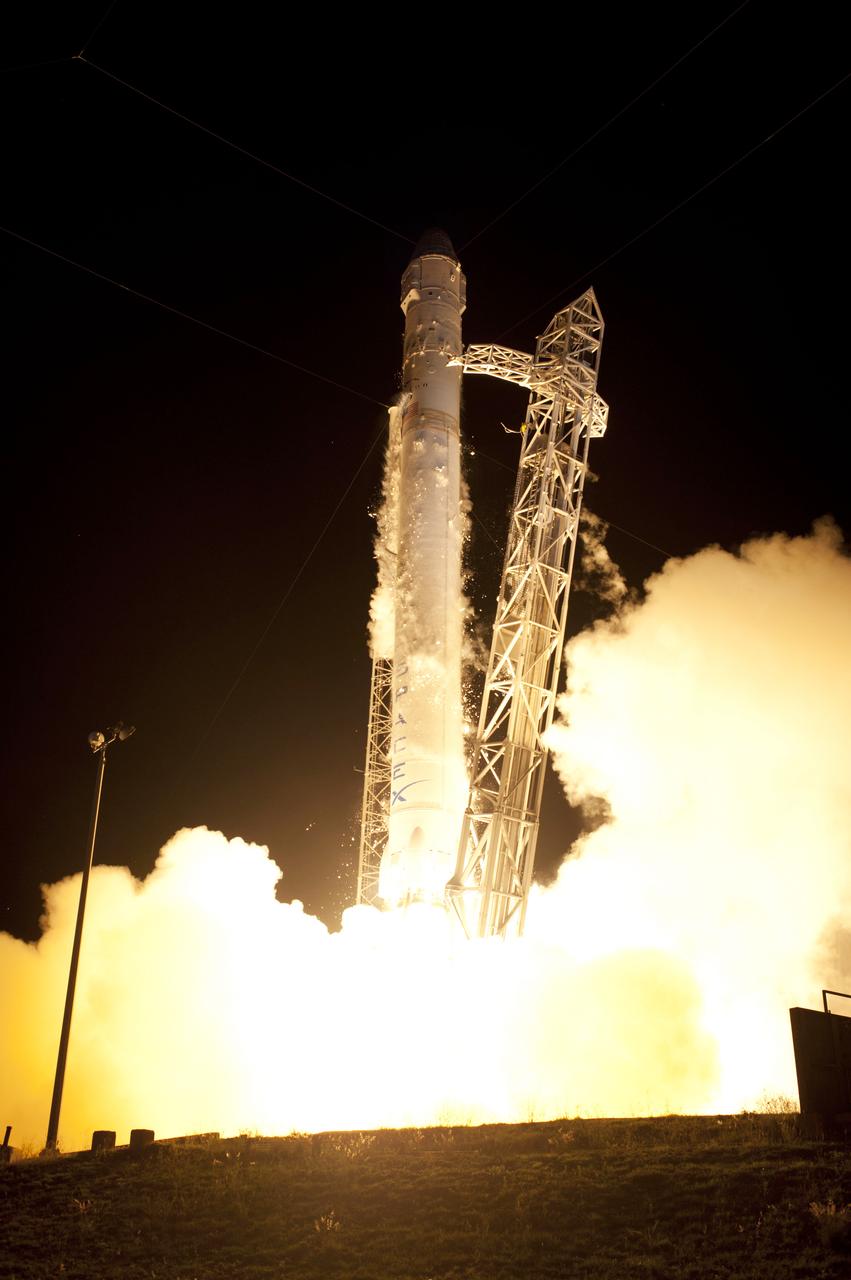
SpaceX Falcon 9/COTS 2 Launch, DD022-203
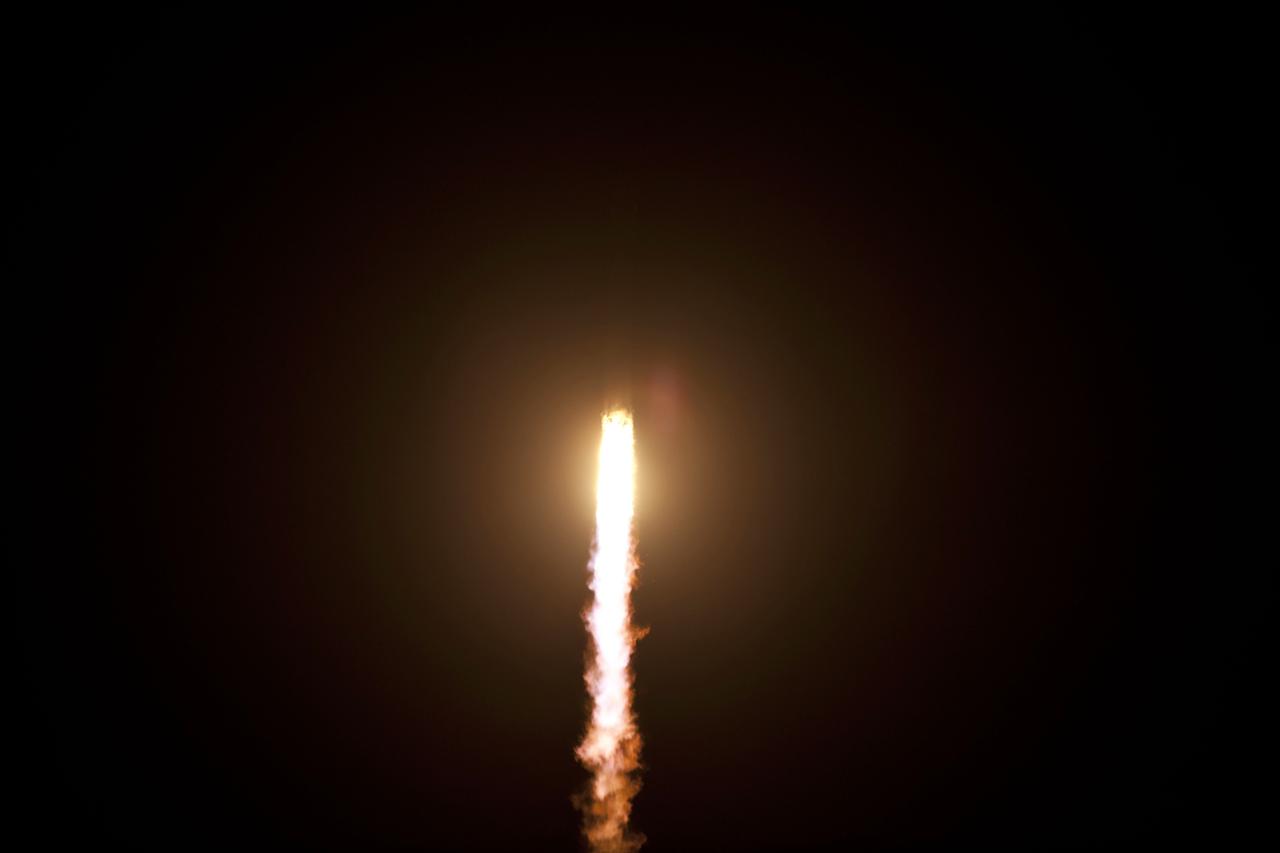
SpaceX Falcon 9/COTS 2 Launch, DD026-203
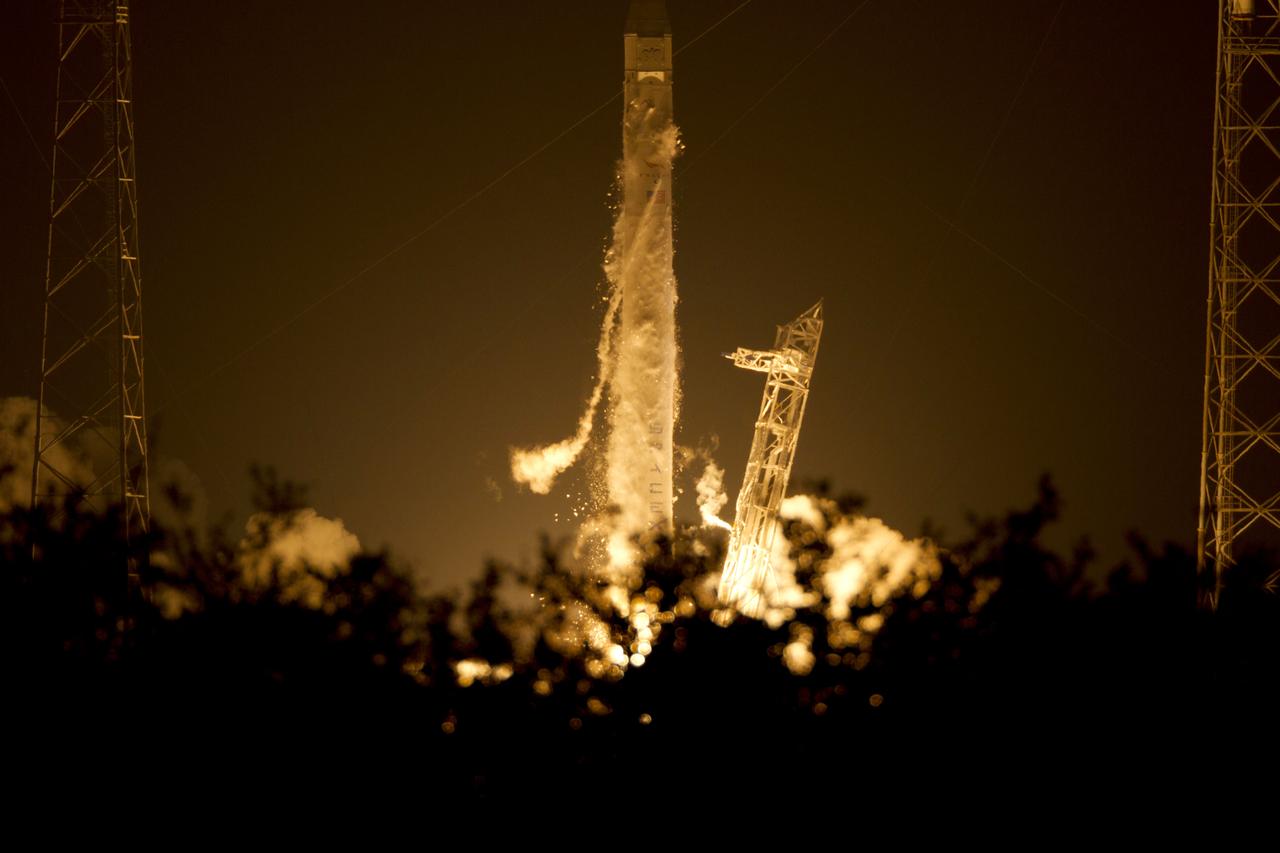
SpaceX Falcon 9/COTS 2 Launch, DD025-203
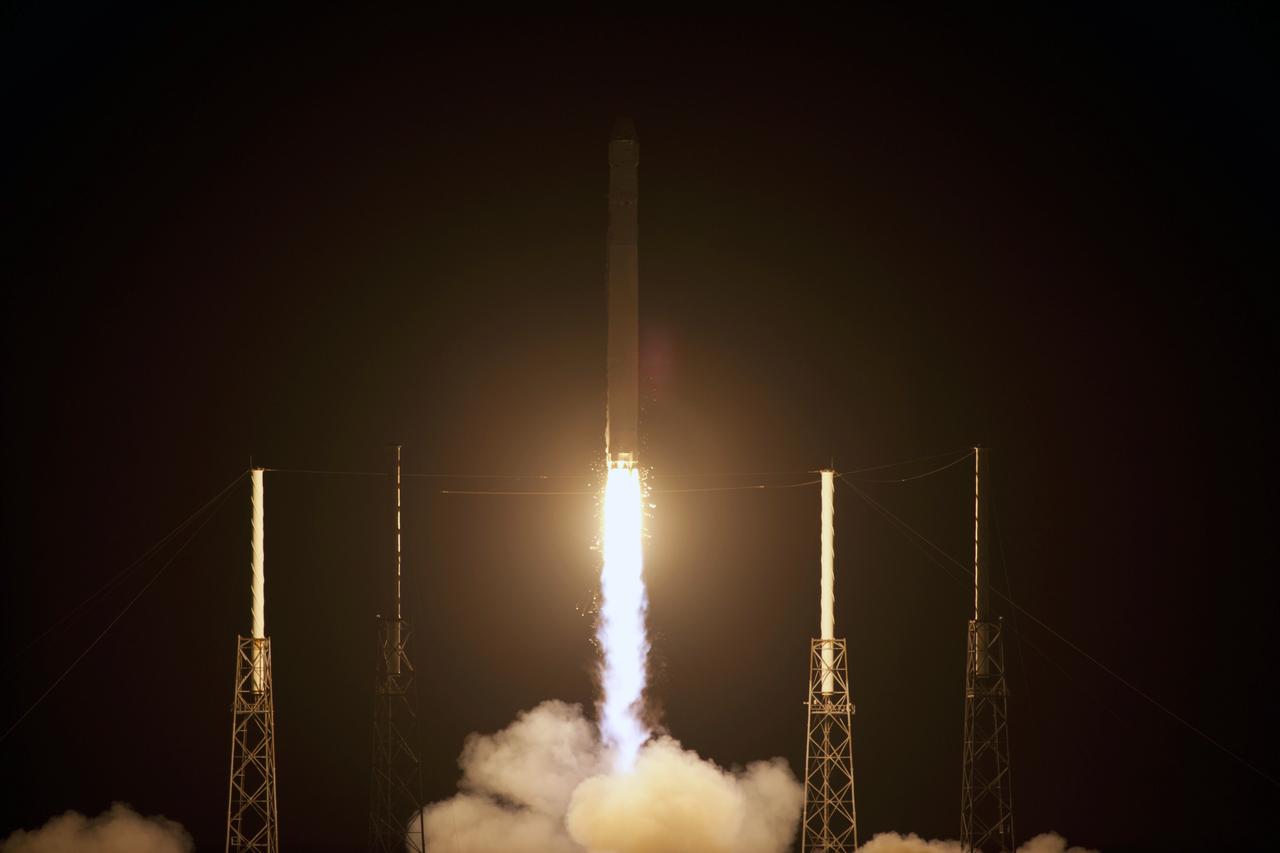
SpaceX Falcon 9/COTS 2 Launch, DD026-203
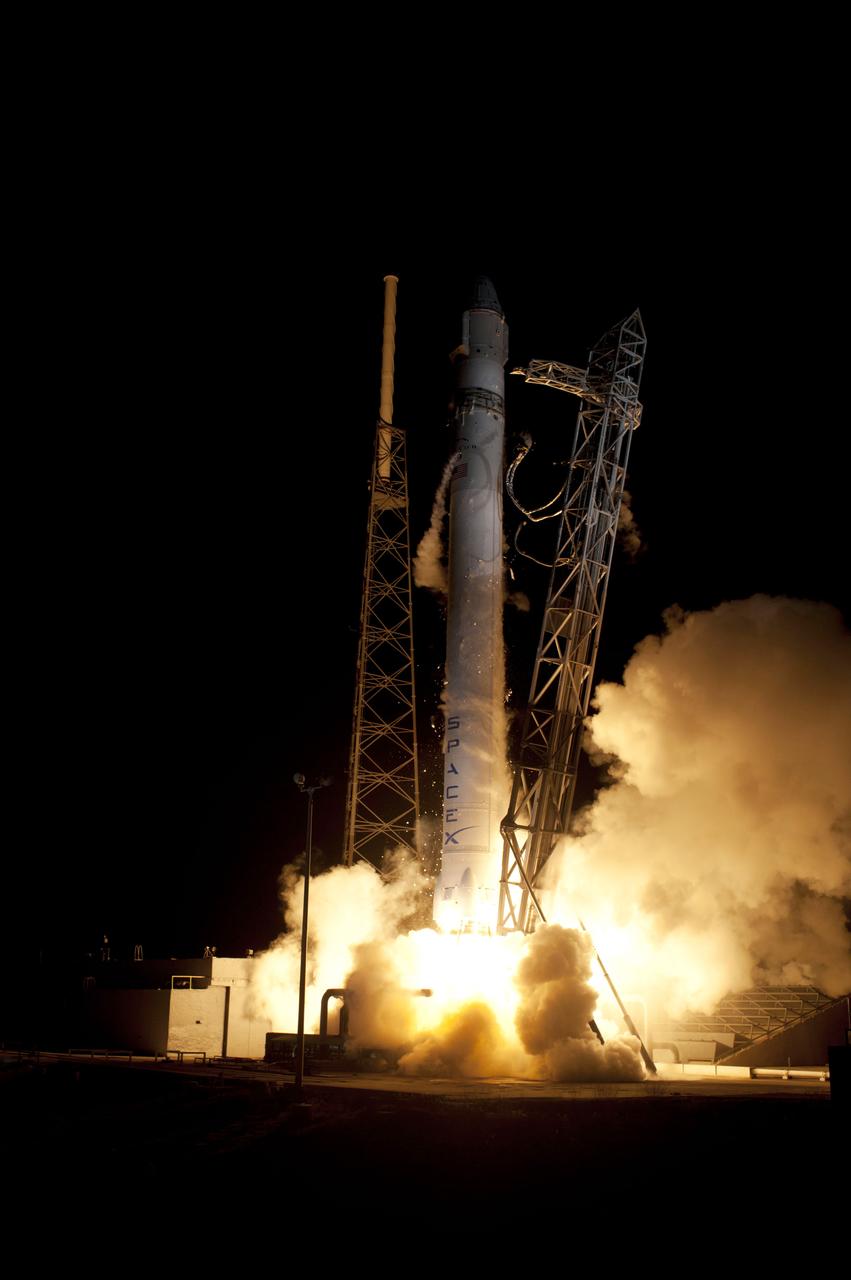
SpaceX Falcon 9/COTS 2 Launch, DD023-203
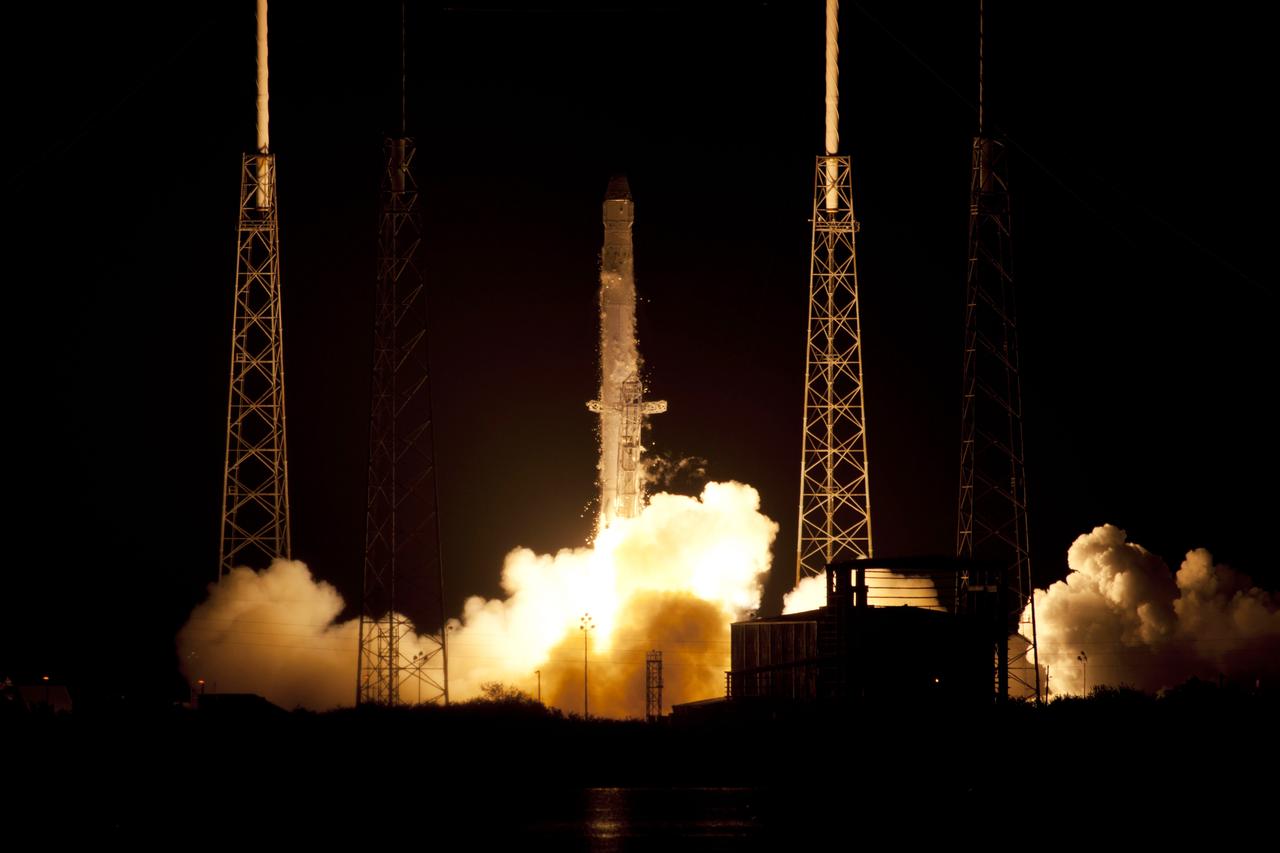
SpaceX Falcon 9/COTS 2 Launch, DD026-203
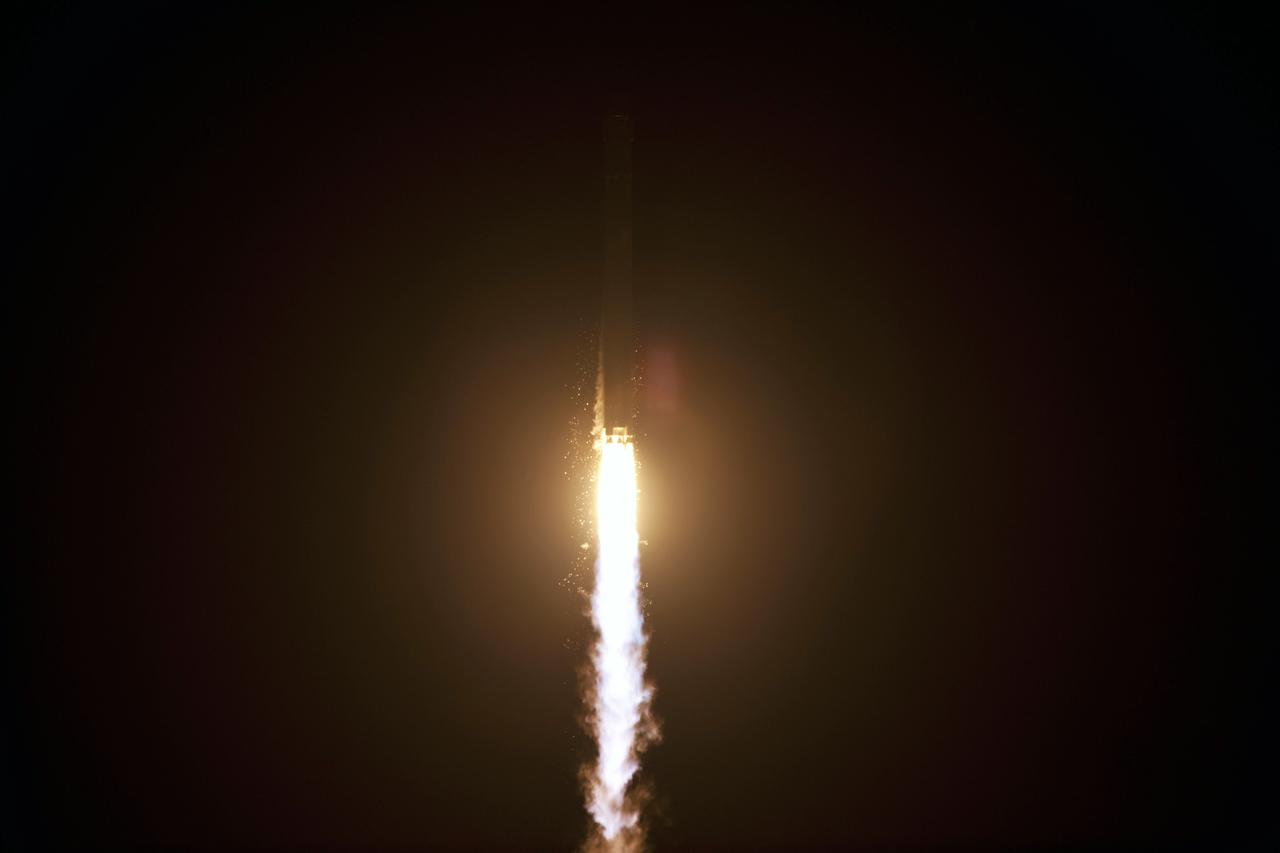
SpaceX Falcon 9/COTS 2 Launch, DD026-203
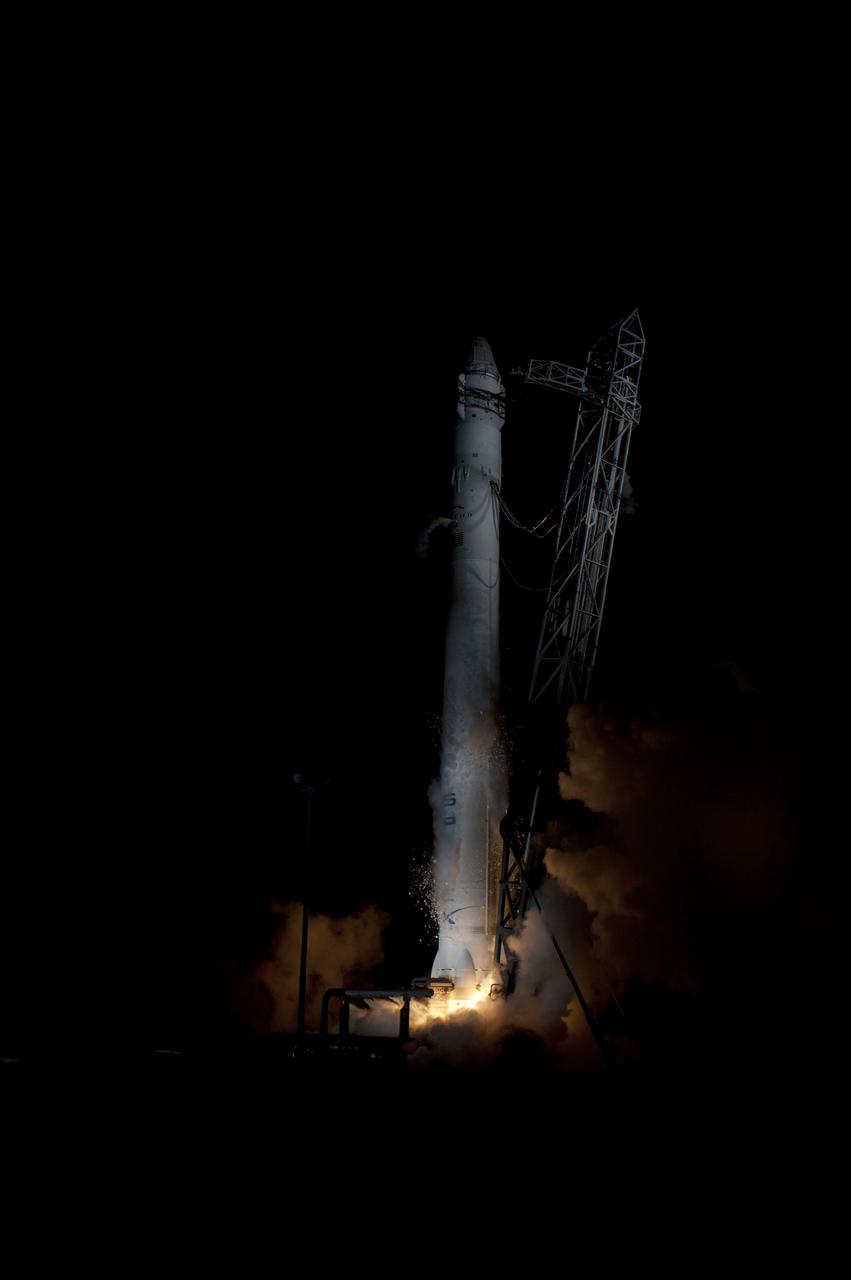
SpaceX Falcon 9/COTS 2 Launch, DD023-203
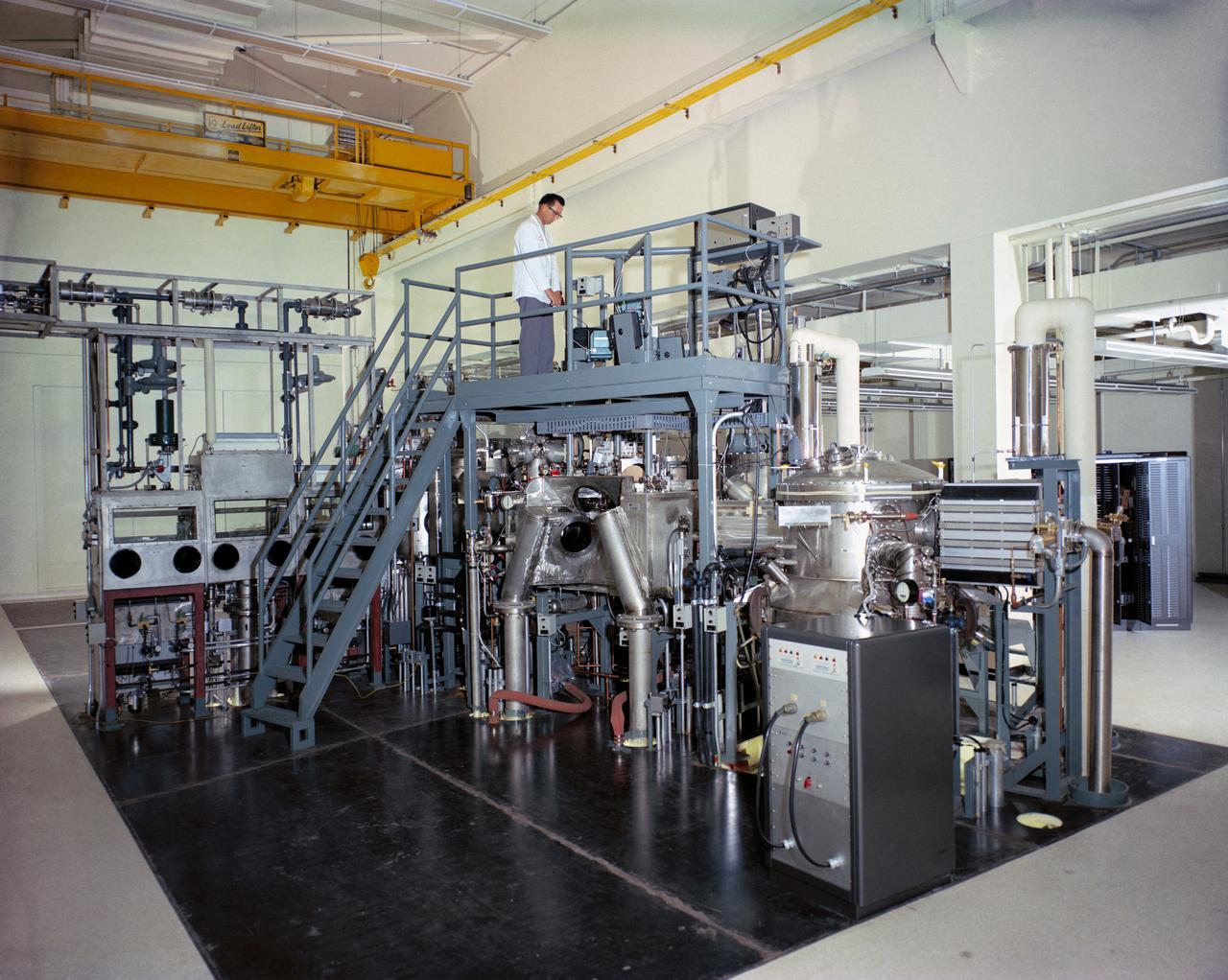
Overall view of the equipment in Room 2-203, Vacuum Laboratory, Sample Operations Area, Lunar Receiving Laboratory, Bldg 37.
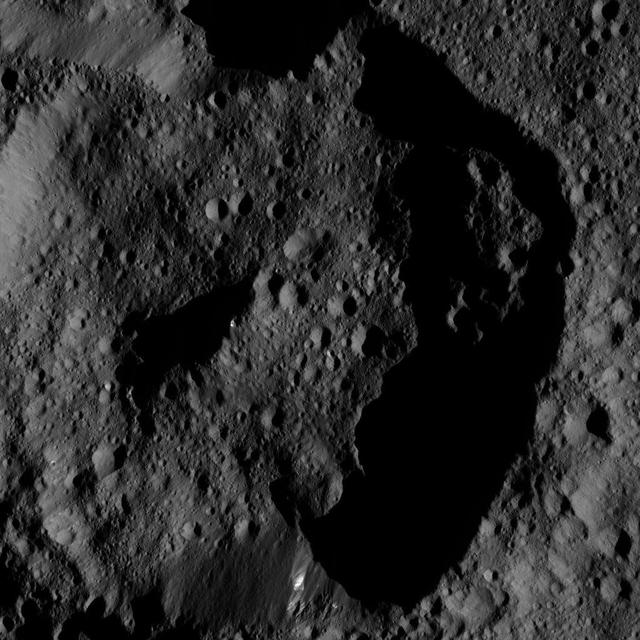
This image from NASA's Dawn spacecraft shows dimly lit, cratered terrain on Ceres. Bright streaks of material are visible on one section of the crater wall (at bottom), and near the top of its central peak. The image is centered at 63 degrees north latitude, 53 degrees east longitude. Dawn took this image on June 12, 2016, from its low-altitude mapping orbit, at a distance of about 240 miles (385 kilometers) above the surface. The image resolution is 120 feet (35 meters) per pixel. http://photojournal.jpl.nasa.gov/catalog/PIA20965
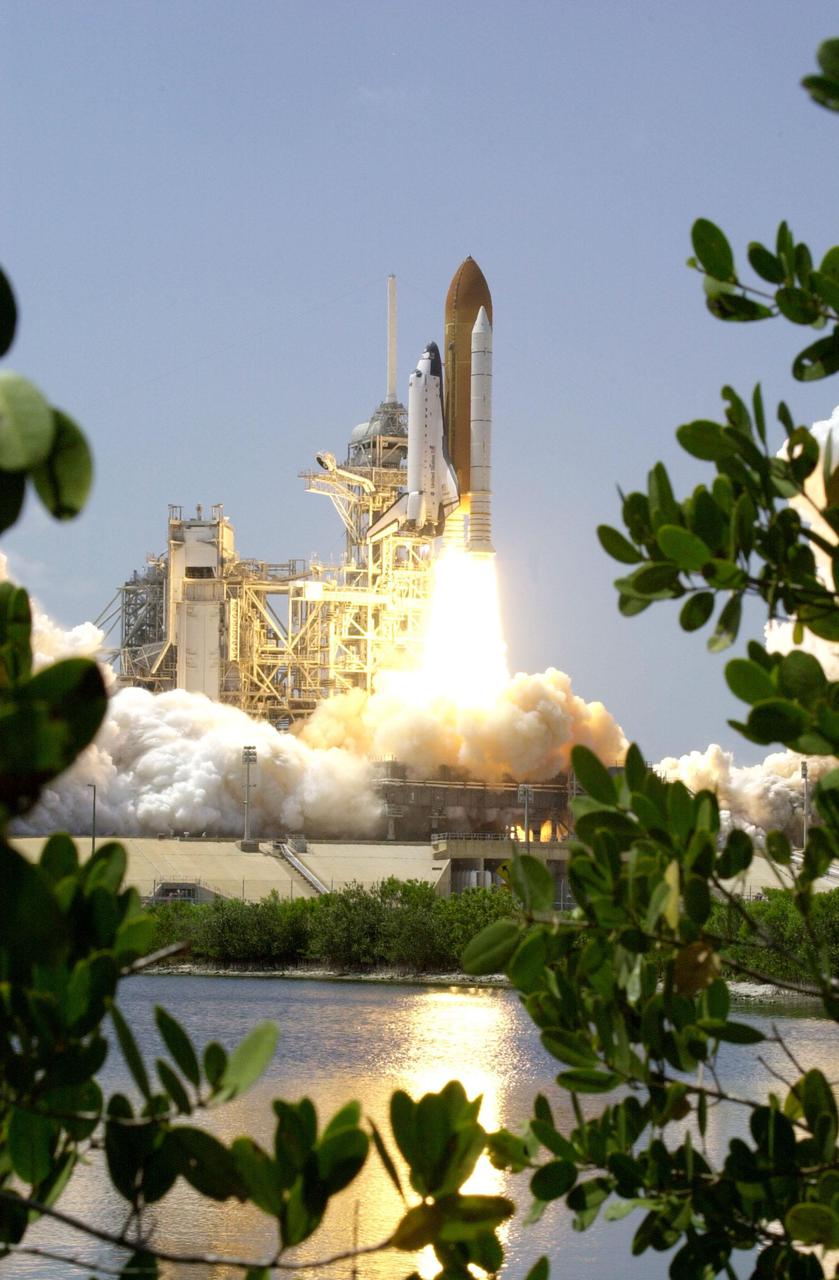
KENNEDY SPACE CENTER, FLA. -- Spring leaves frame the launch of Space Shuttle Endeavour, trailing flames and billows of smoke and steam, as it roars into the blue sky. Liftoff of the ninth flight to the International Space Station occurred at 2:40:42 p.m. EDT. The 11-day mission will deliver and integrate the Spacelab Logistics Pallet_Launch Deployment Assembly, which includes the Space Station Remote Manipulator System and the UHF Antenna. The mission includes two planned spacewalks for installation of the SSRMS on the Station. Also onboard is the Multi-Purpose Logistics Module Raffaello, carrying resupply stowage racks and resupply_return stowage platforms
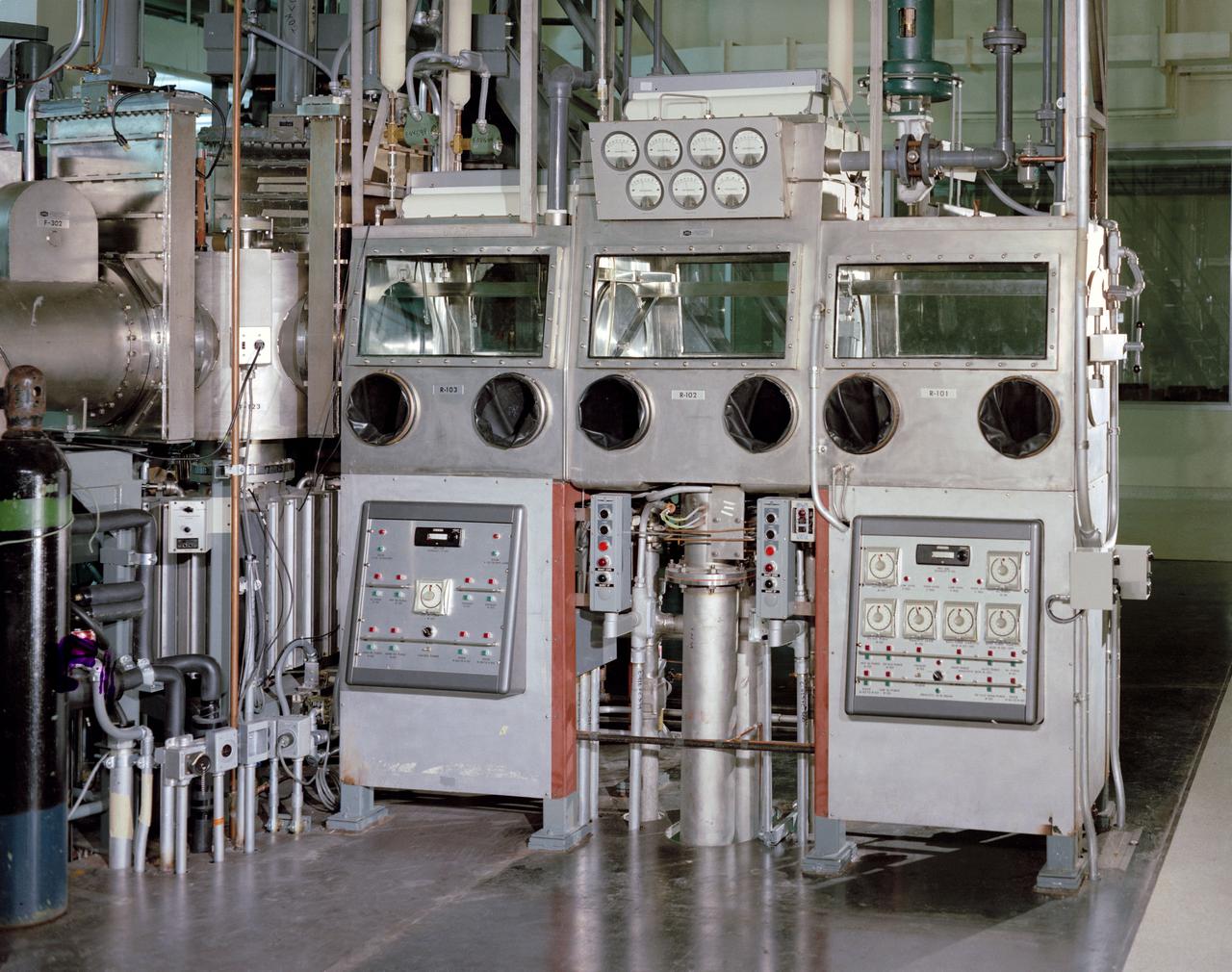
Atmospheric Decontamination System equipment in Room 2-203, Vacuum Laboratory, Sample Operations Area, Lunar Receiving Laboratory, Bldg 37.
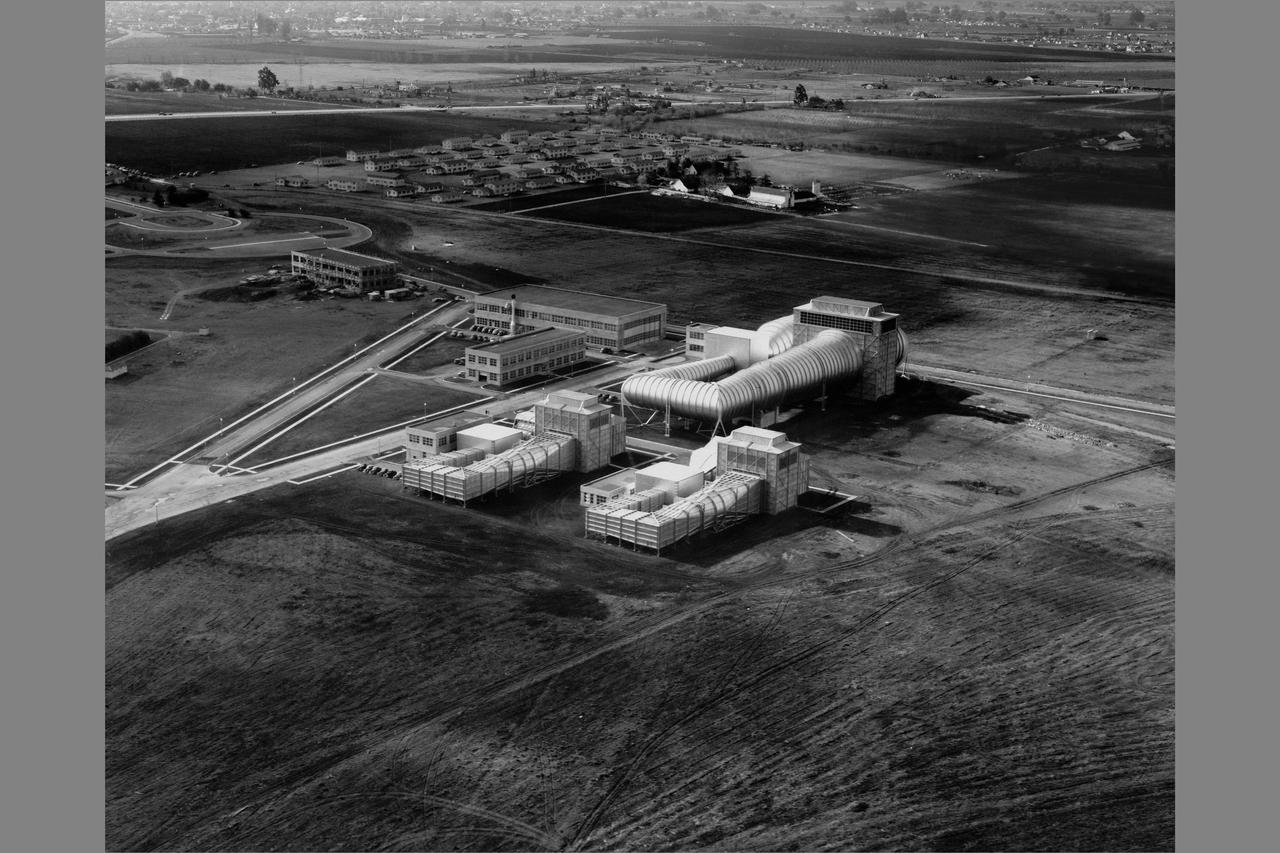
NACA Ames Aeronautical Laboratory aerial; 16ft, 7X10ft#1, 7x10ft#2 wind tunnels, Technical Services Bldg N-220, Utilities later Electrical Services Bldg N-219 and construction on the Science Laboratory, later Engineering Services Bldg N-203
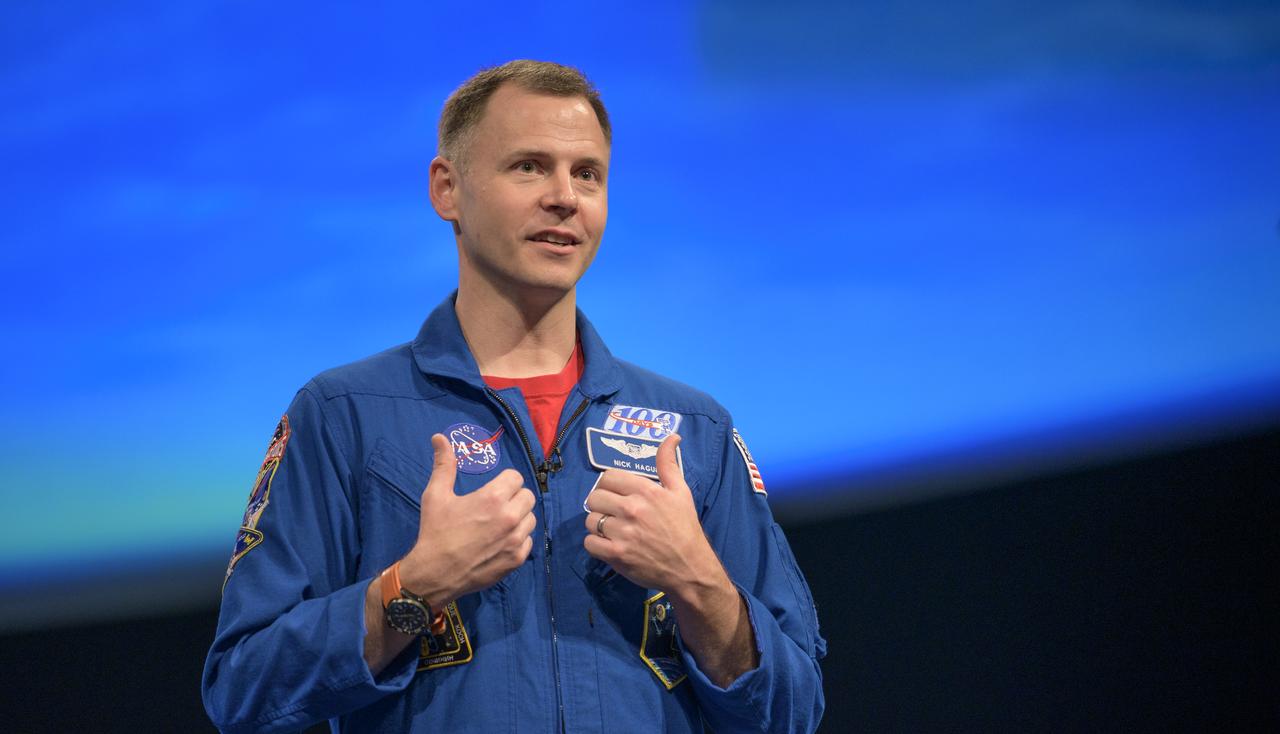
NASA astronaut Nick Hague talks about his experiences onboard the International Space Station, Tuesday, Jan. 14, 2020, at the Smithsonian National Air and Space Museum in Washington. Hague most recently spent 203 days living and working onboard the International Space Station as part of Expeditions 59 and 60. Photo Credit: (NASA/Bill Ingalls)
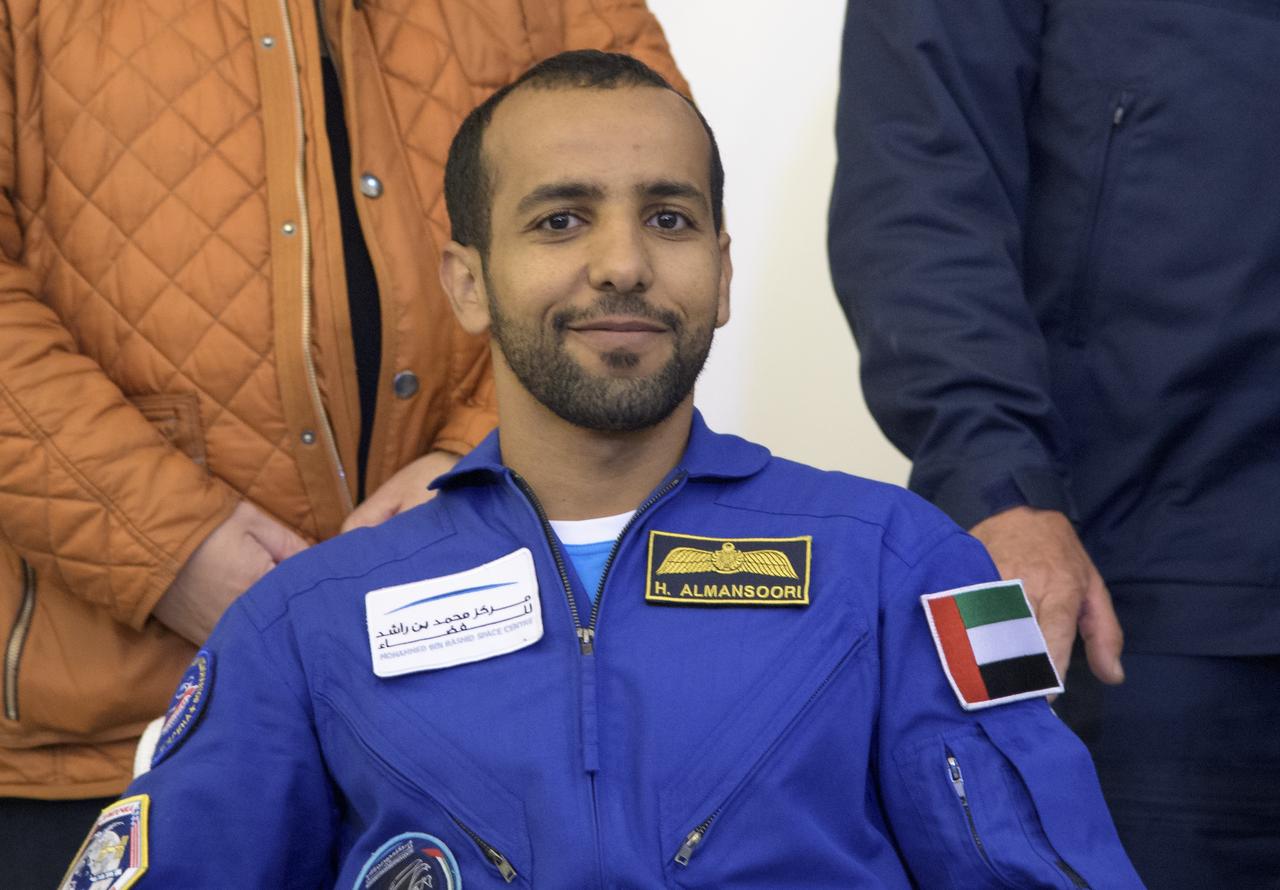
Visiting astronaut Hazzaa Ali Almansoori of the United Arab Emirates attends a Karaganda Airport welcome ceremony in Kazakhstan on Thursday, Oct. 3, 2019. Expedition 60 crewmembers Alexey Ovchinin of Roscosmos and Nick Hague of NASA are returning after 203 days in space where they served as members of the Expedition 59 and 60 crews onboard the International Space Station. Almansoori logged 8 days in space during his first flight as an astronaut. Photo Credit: (NASA/Bill Ingalls)
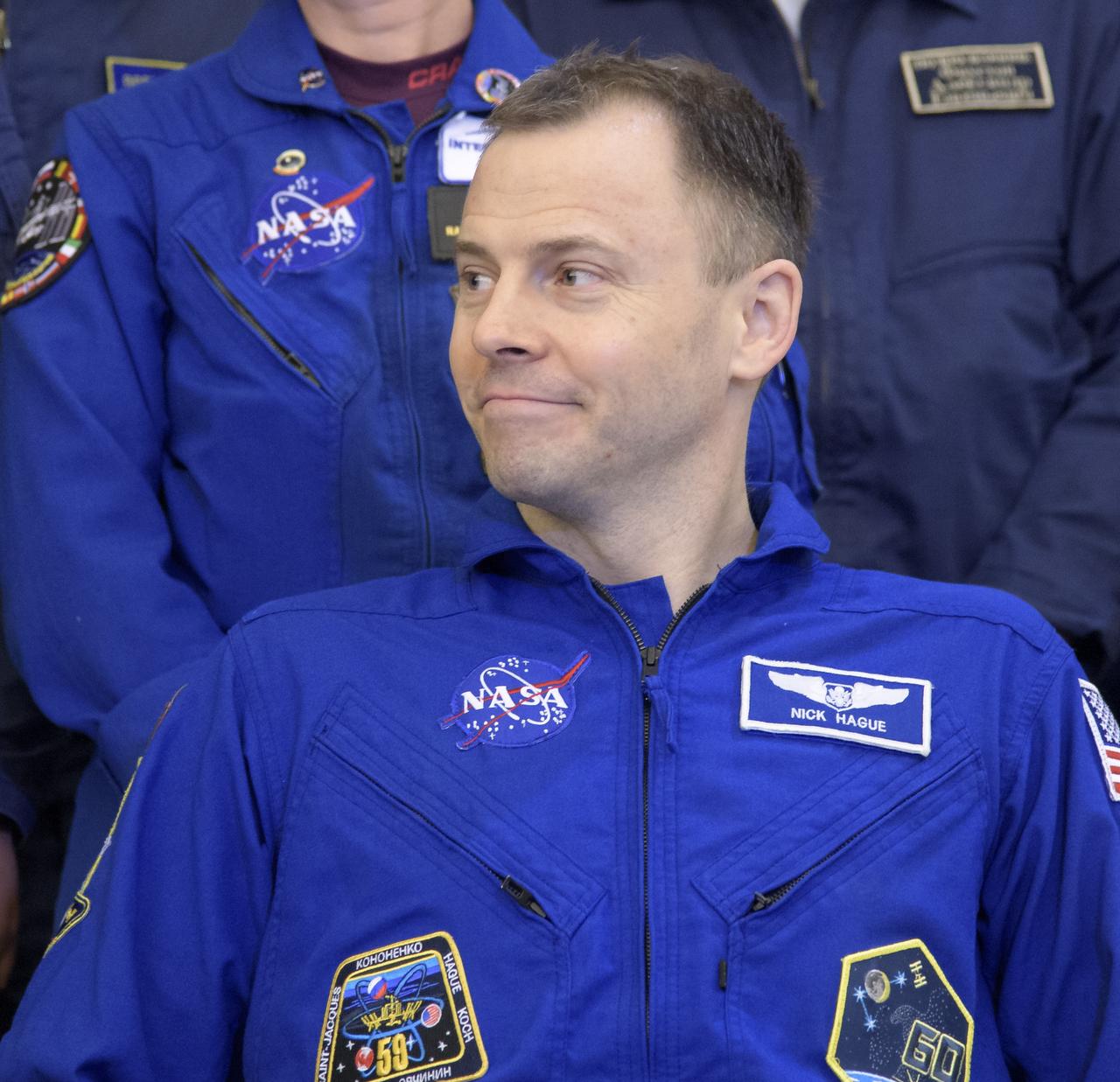
Expedition 60 astronaut Nick Hague of NASA attends a Karaganda Airport welcome ceremony in Kazakhstan on Thursday, Oct. 3, 2019. Expedition 60 crewmembers Alexey Ovchinin of Roscosmos and Hague are returning after 203 days in space where they served as members of the Expedition 59 and 60 crews onboard the International Space Station. Almansoori logged 8 days in space during his first flight as an astronaut. Photo Credit: (NASA/Bill Ingalls)
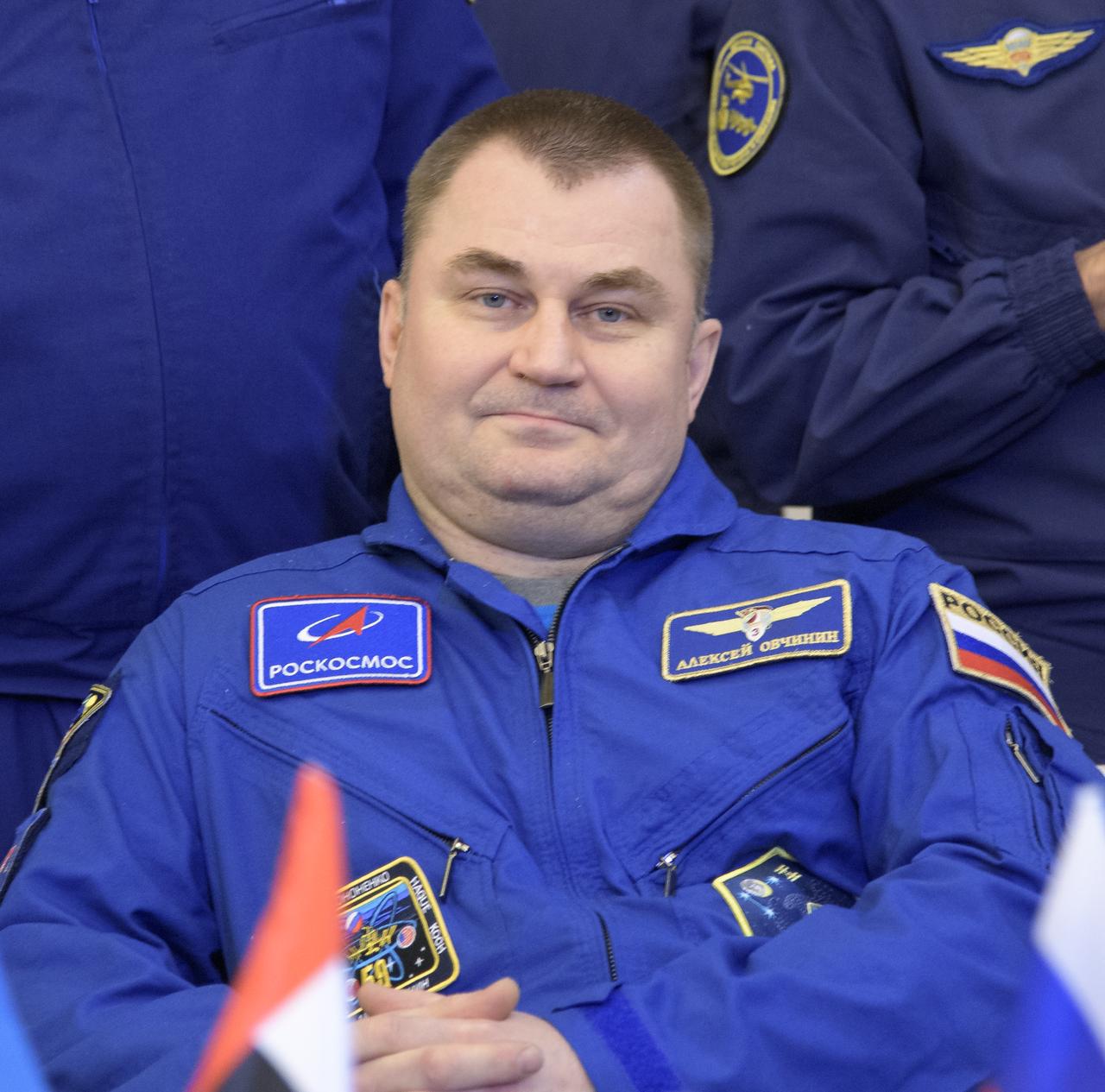
Expedition 60 cosmonaut Alexey Ovchinin of Roscosmos attends a Karaganda Airport welcome ceremony in Kazakhstan on Thursday, Oct. 3, 2019. Expedition 60 crewmembers Ovchinin and Nick Hague of NASA are returning after 203 days in space where they served as members of the Expedition 59 and 60 crews onboard the International Space Station. Almansoori logged 8 days in space during his first flight as an astronaut. Photo Credit: (NASA/Bill Ingalls)
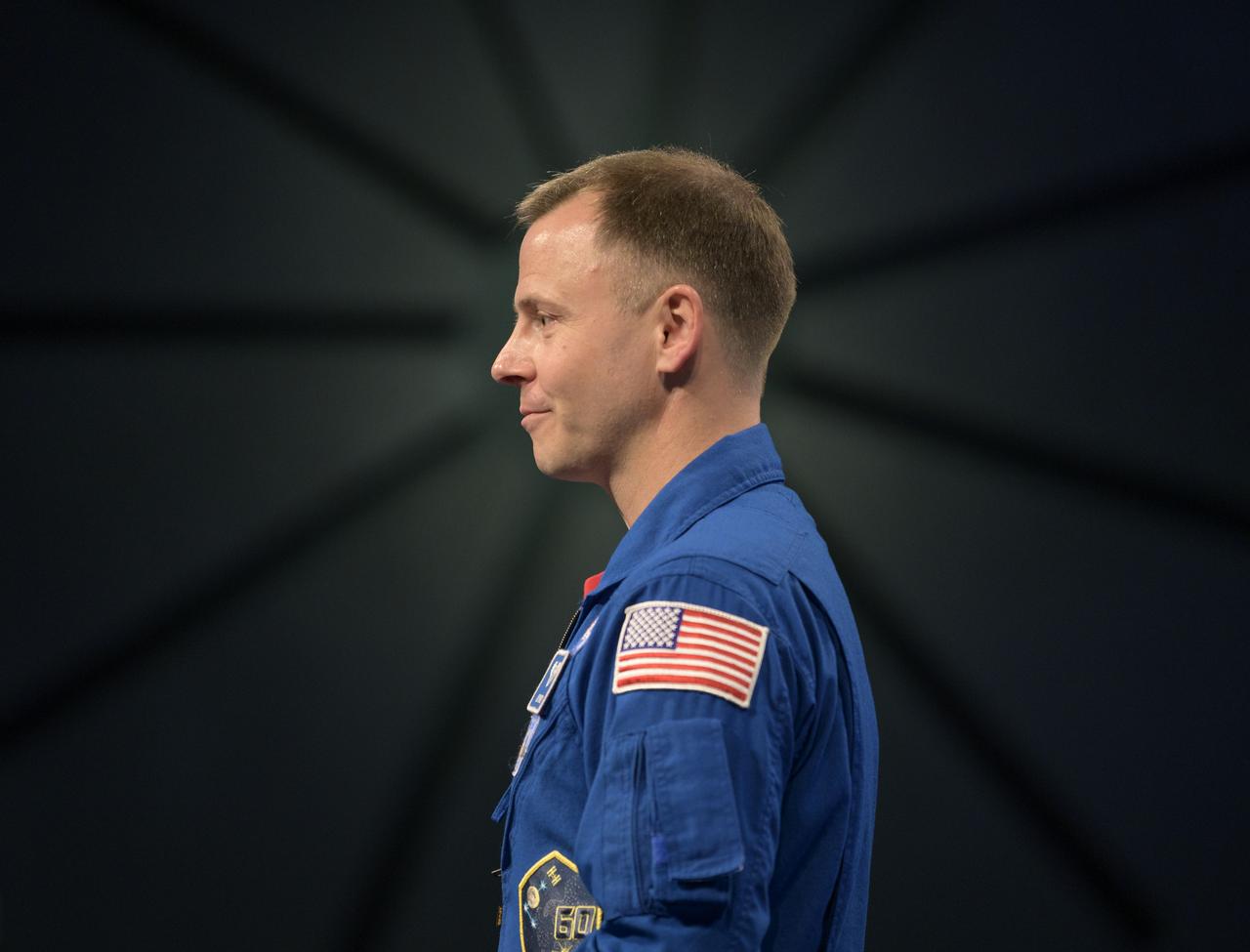
NASA astronaut Nick Hague talks about his experiences onboard the International Space Station, Tuesday, Jan. 14, 2020, at the Smithsonian National Air and Space Museum in Washington. Hague most recently spent 203 days living and working onboard the International Space Station as part of Expeditions 59 and 60. Photo Credit: (NASA/Bill Ingalls)
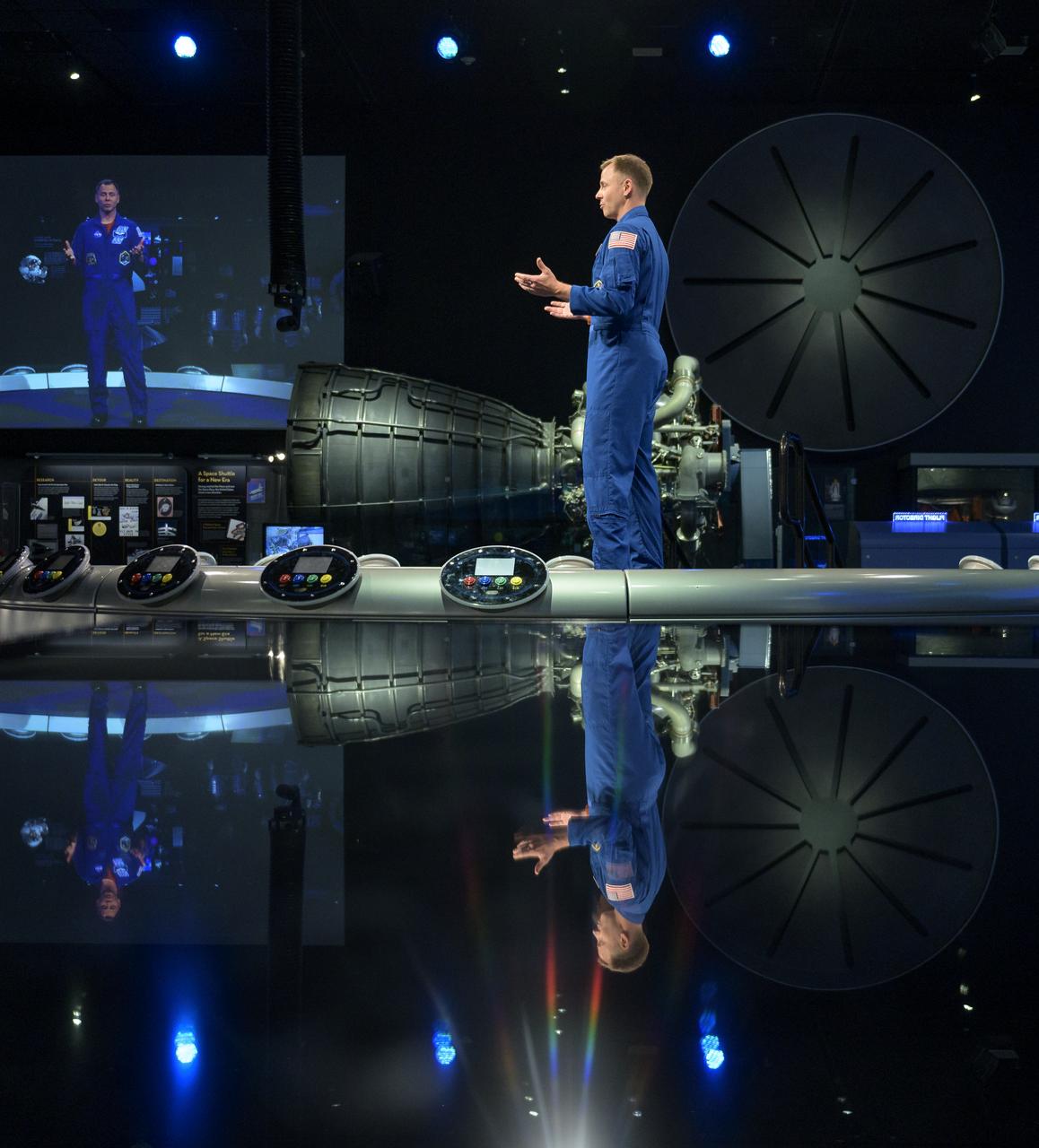
NASA astronaut Nick Hague talks about his experiences onboard the International Space Station, Tuesday, Jan. 14, 2020, at the Smithsonian National Air and Space Museum in Washington. Hague most recently spent 203 days living and working onboard the International Space Station as part of Expeditions 59 and 60. Photo Credit: (NASA/Bill Ingalls)
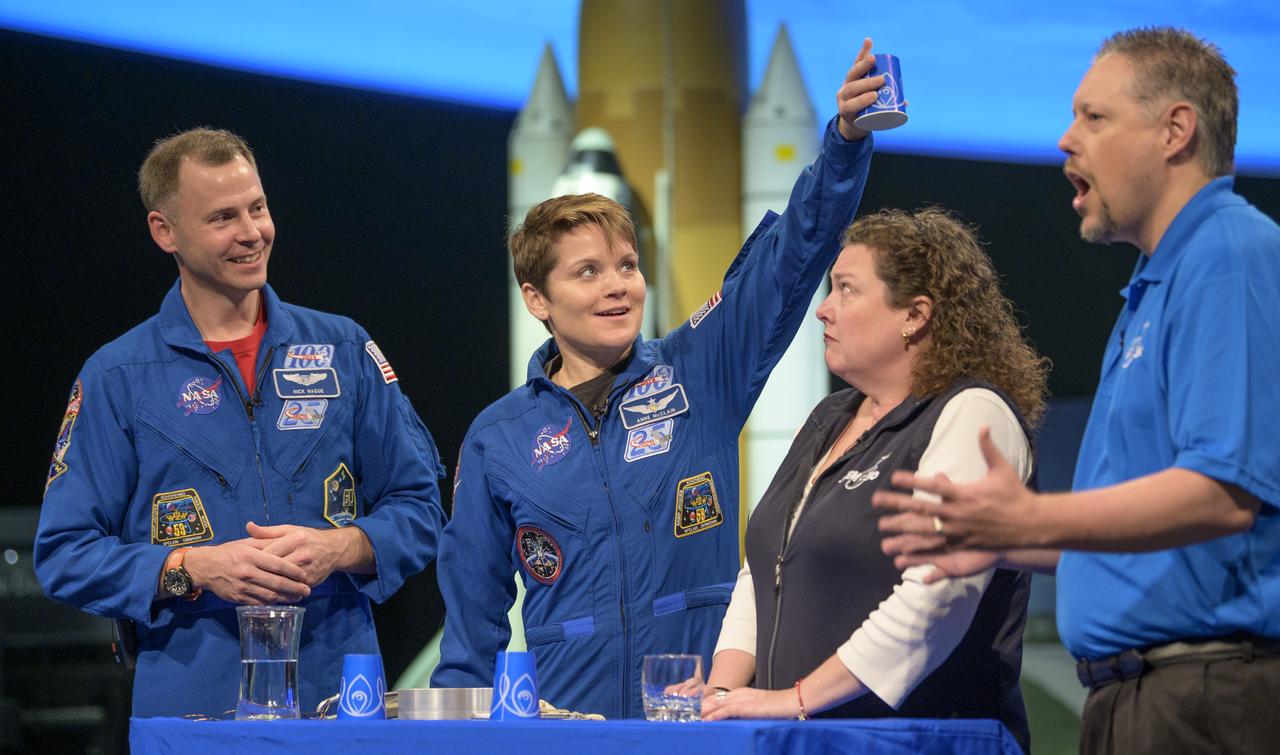
NASA astronauts Nick Hague and Anne McClain join as guests on the program “STEM in 30” with hosts Beth Wilson and Marty Kelsey, Tuesday, Jan. 14, 2020, at the Smithsonian National Air and Space Museum in Washington. Hague most recently spent 203 days living and working onboard the International Space Station as part of Expeditions 59 and 60. McClain most recently spent 204 days living and working onboard the International Space Station as part of Expeditions 58 and 59. Photo Credit: (NASA/Bill Ingalls)
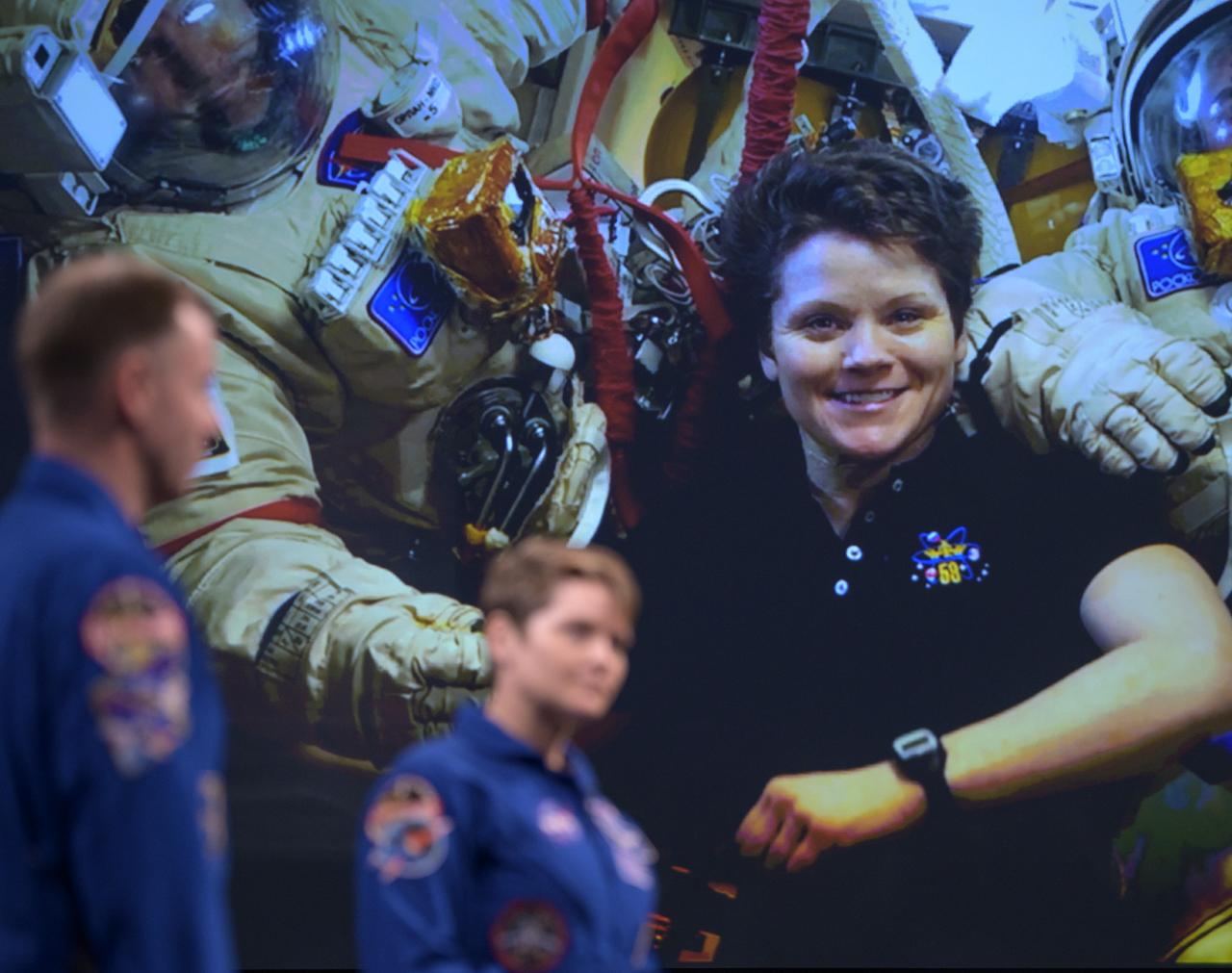
NASA astronauts Nick Hague and Anne McClain talk about their experiences onboard the International Space Station, Tuesday, Jan. 14, 2020, at the Smithsonian National Air and Space Museum in Washington. Hague most recently spent 203 days living and working onboard the International Space Station as part of Expeditions 59 and 60. McClain most recently spent 204 days living and working onboard the International Space Station as part of Expeditions 58 and 59. Photo Credit: (NASA/Bill Ingalls)
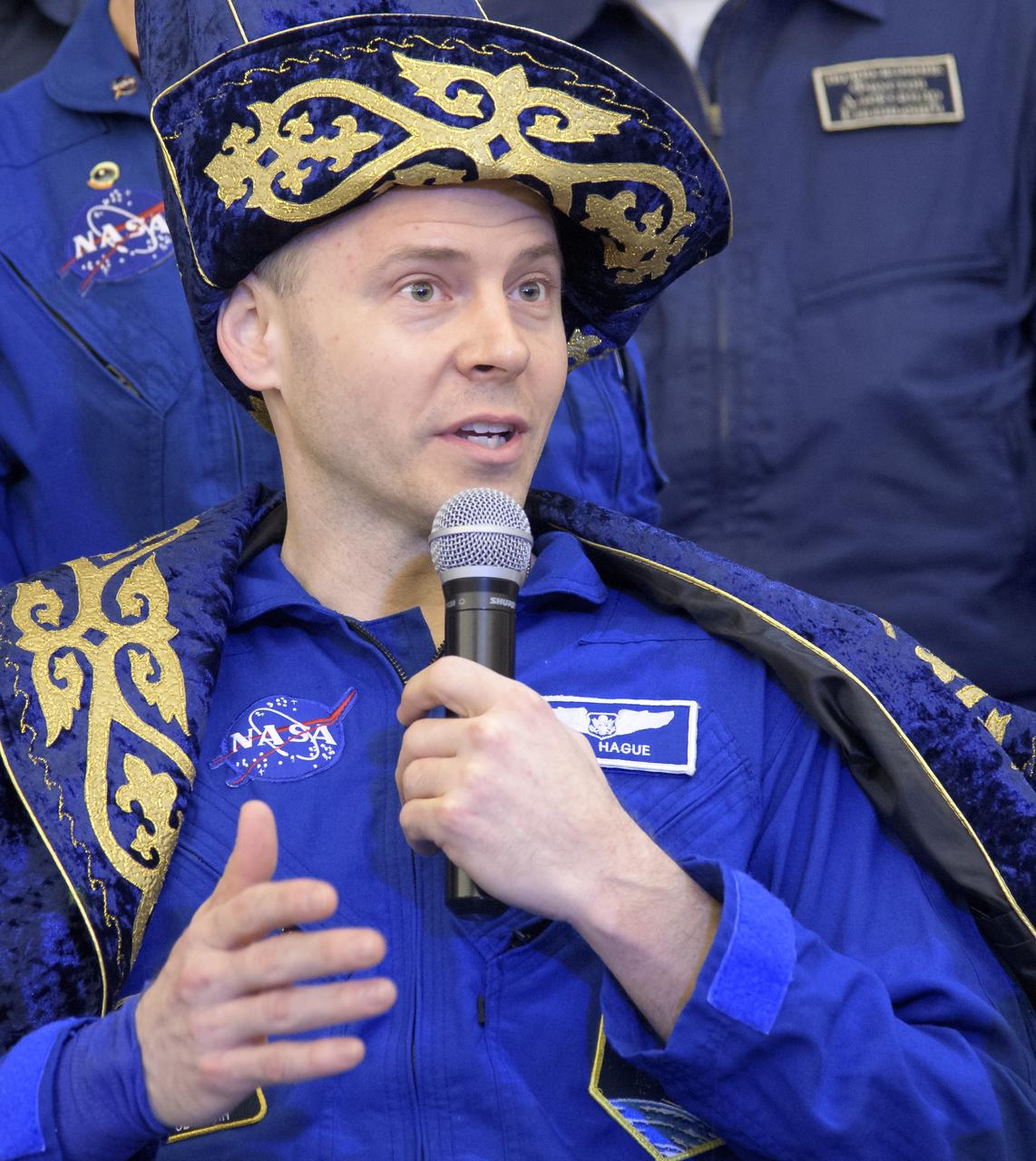
Expedition 60 astronaut Nick Hague of NASA attends a Karaganda Airport welcome ceremony in Kazakhstan on Thursday, Oct. 3, 2019. Expedition 60 crewmembers Alexey Ovchinin of Roscosmos and Hague are returning after 203 days in space where they served as members of the Expedition 59 and 60 crews onboard the International Space Station. Almansoori logged 8 days in space during his first flight as an astronaut. Photo Credit: (NASA/Bill Ingalls)
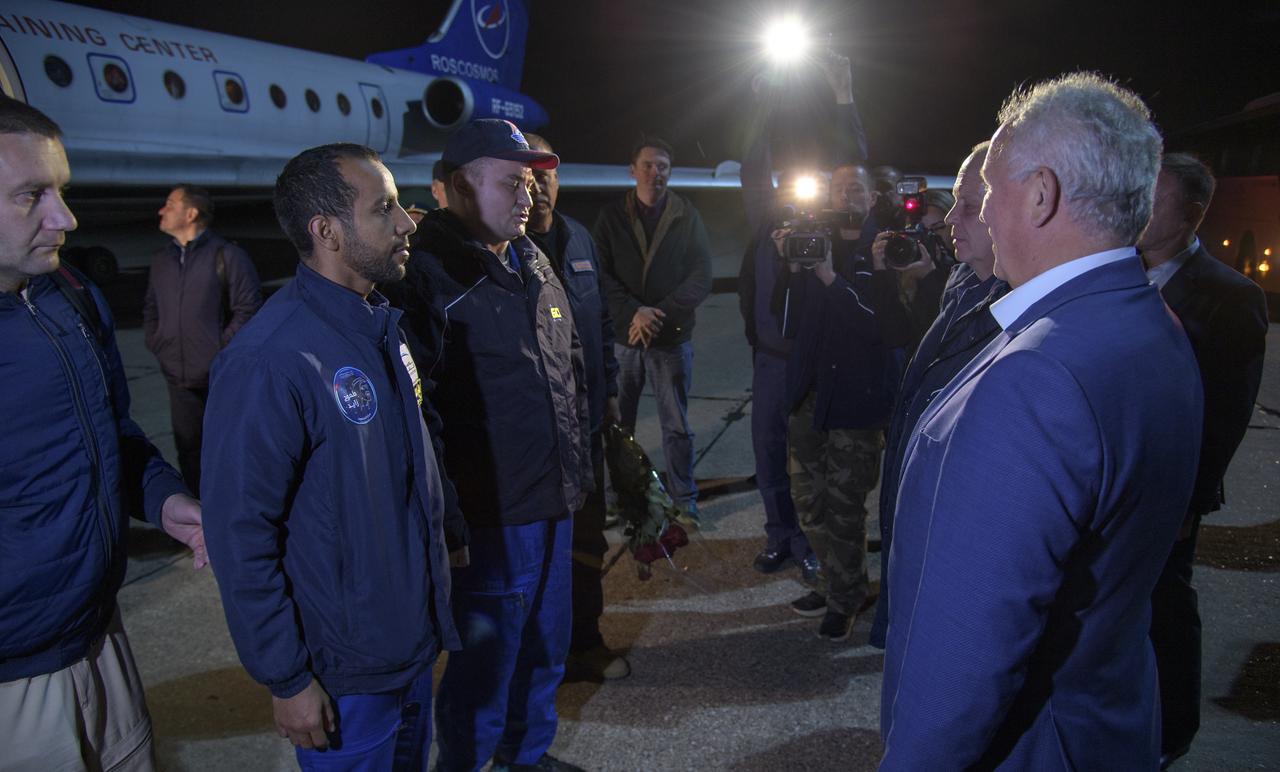
Officials, family and friends welcome home visiting astronaut Hazzaa Ali Almansoori of the United Arab Emirates, left, and Expedition 60 cosmonaut Alexey Ovchinin of Roscosmos, Friday, Oct. 4, 2019 in Star City, Russia. Ovchinin returned after 203 days in space with NASA astronaut Nick Hague where they served as members of the Expedition 59 and 60 crews onboard the International Space Station. Almansoori logged 8 days in space during his first flight as an astronaut. Photo Credit: (NASA/Bill Ingalls)
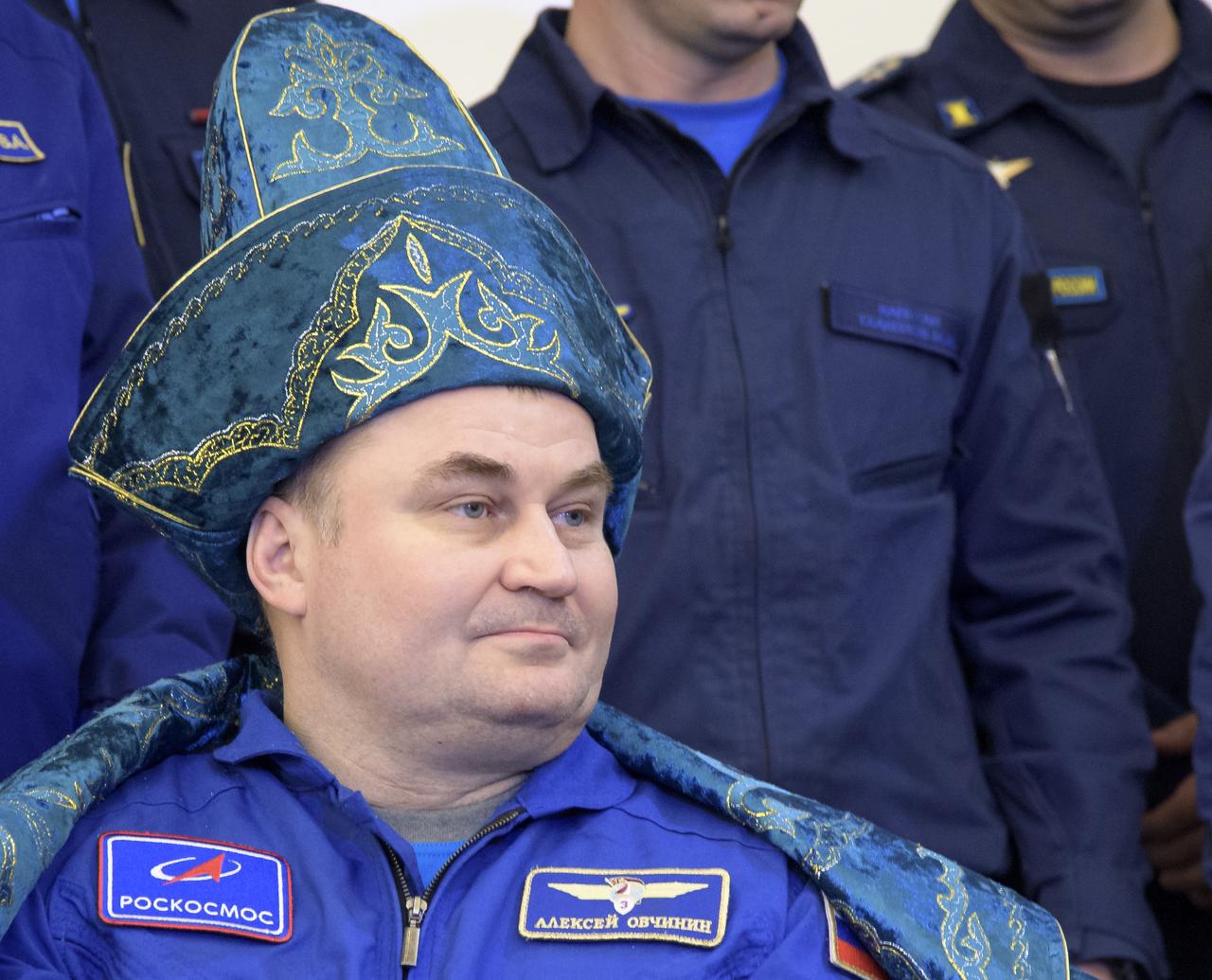
Expedition 60 cosmonaut Alexey Ovchinin of Roscosmos attends a Karaganda Airport welcome ceremony in Kazakhstan on Thursday, Oct. 3, 2019. Expedition 60 crewmembers Ovchinin and Nick Hague of NASA are returning after 203 days in space where they served as members of the Expedition 59 and 60 crews onboard the International Space Station. Almansoori logged 8 days in space during his first flight as an astronaut. Photo Credit: (NASA/Bill Ingalls)
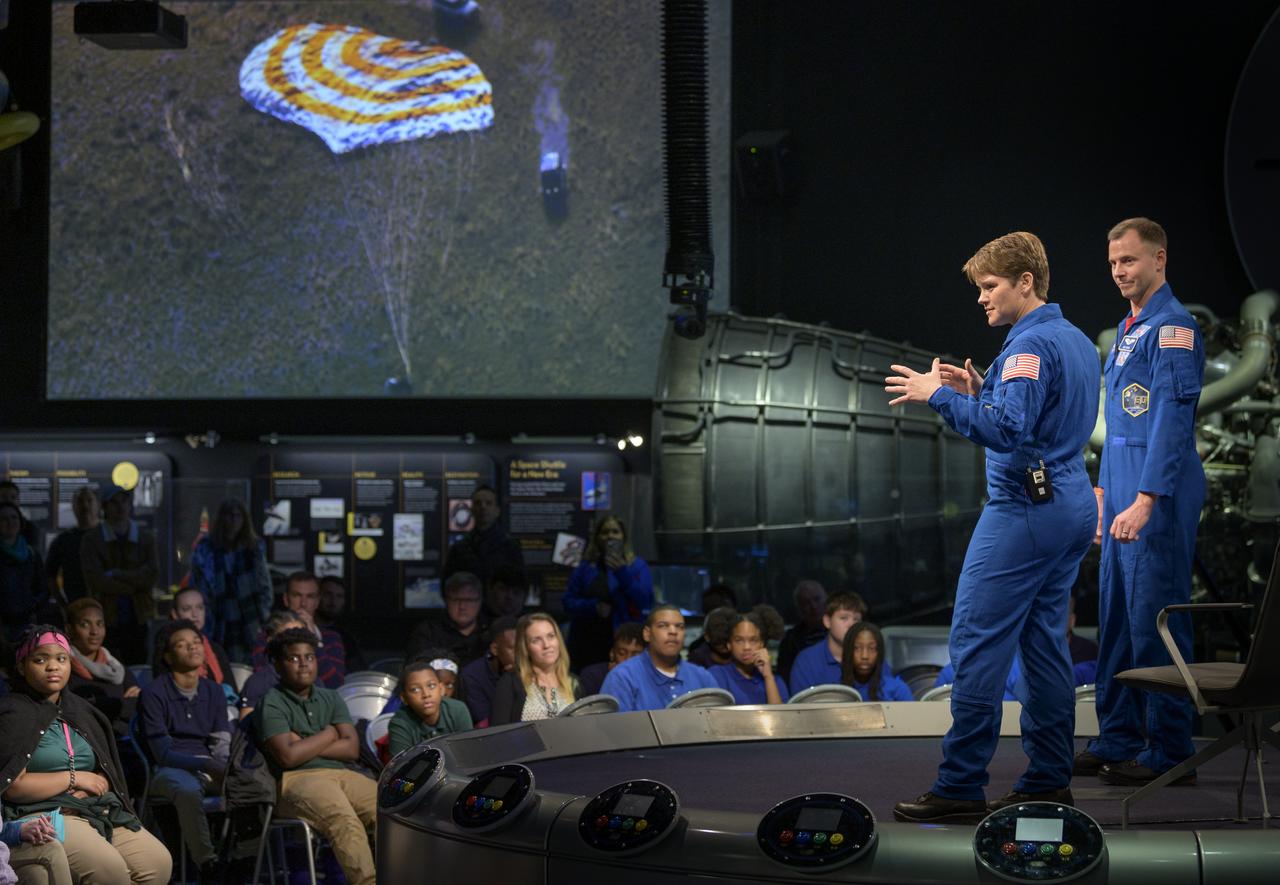
NASA astronauts Nick Hague and Anne McClain talk about their experiences onboard the International Space Station, Tuesday, Jan. 14, 2020, at the Smithsonian National Air and Space Museum in Washington. Hague most recently spent 203 days living and working onboard the International Space Station as part of Expeditions 59 and 60. McClain most recently spent 204 days living and working onboard the International Space Station as part of Expeditions 58 and 59. Photo Credit: (NASA/Bill Ingalls)
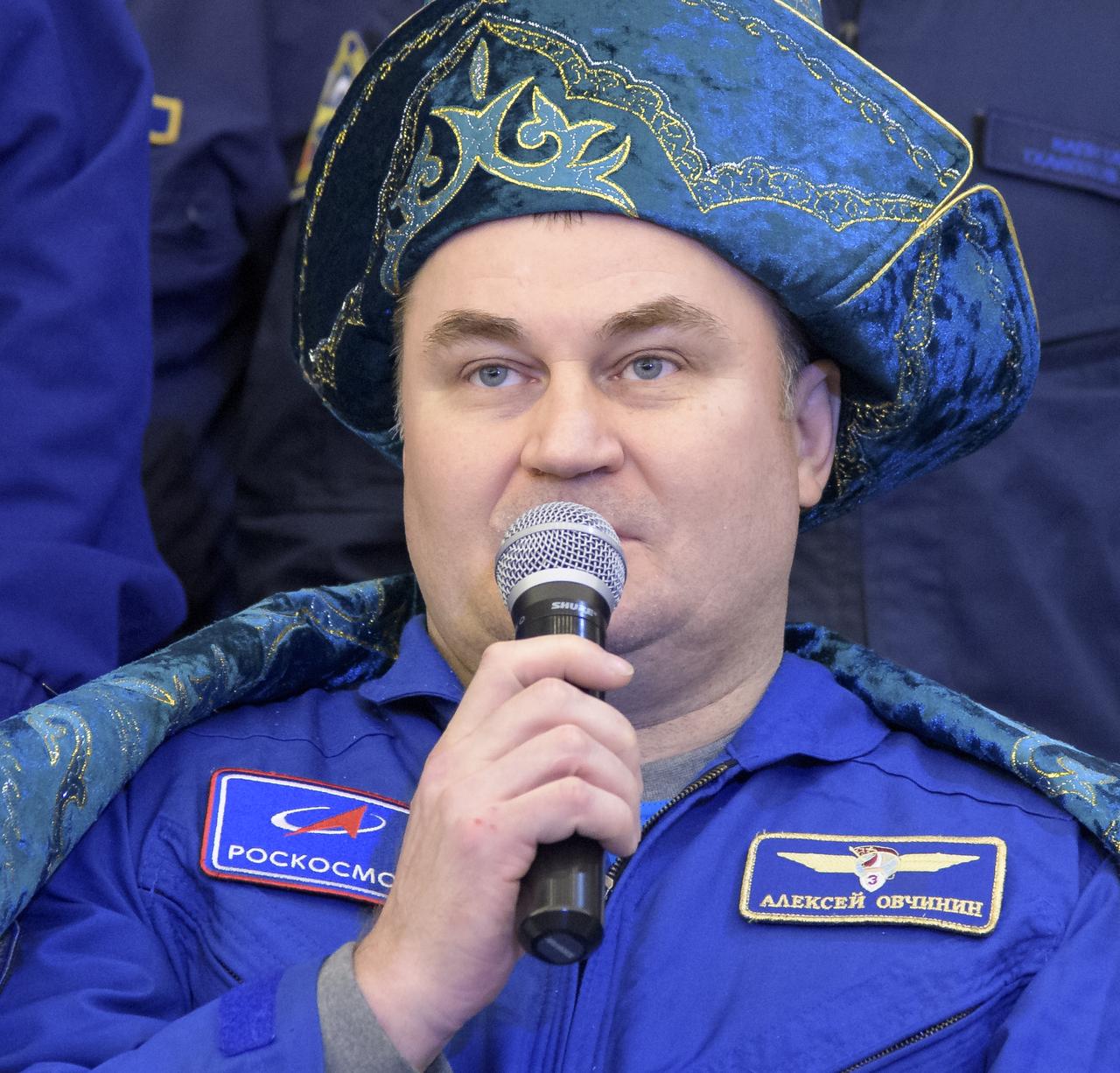
Expedition 60 cosmonaut Alexey Ovchinin of Roscosmos attends a Karaganda Airport welcome ceremony in Kazakhstan on Thursday, Oct. 3, 2019. Expedition 60 crewmembers Ovchinin and Nick Hague of NASA are returning after 203 days in space where they served as members of the Expedition 59 and 60 crews onboard the International Space Station. Almansoori logged 8 days in space during his first flight as an astronaut. Photo Credit: (NASA/Bill Ingalls)
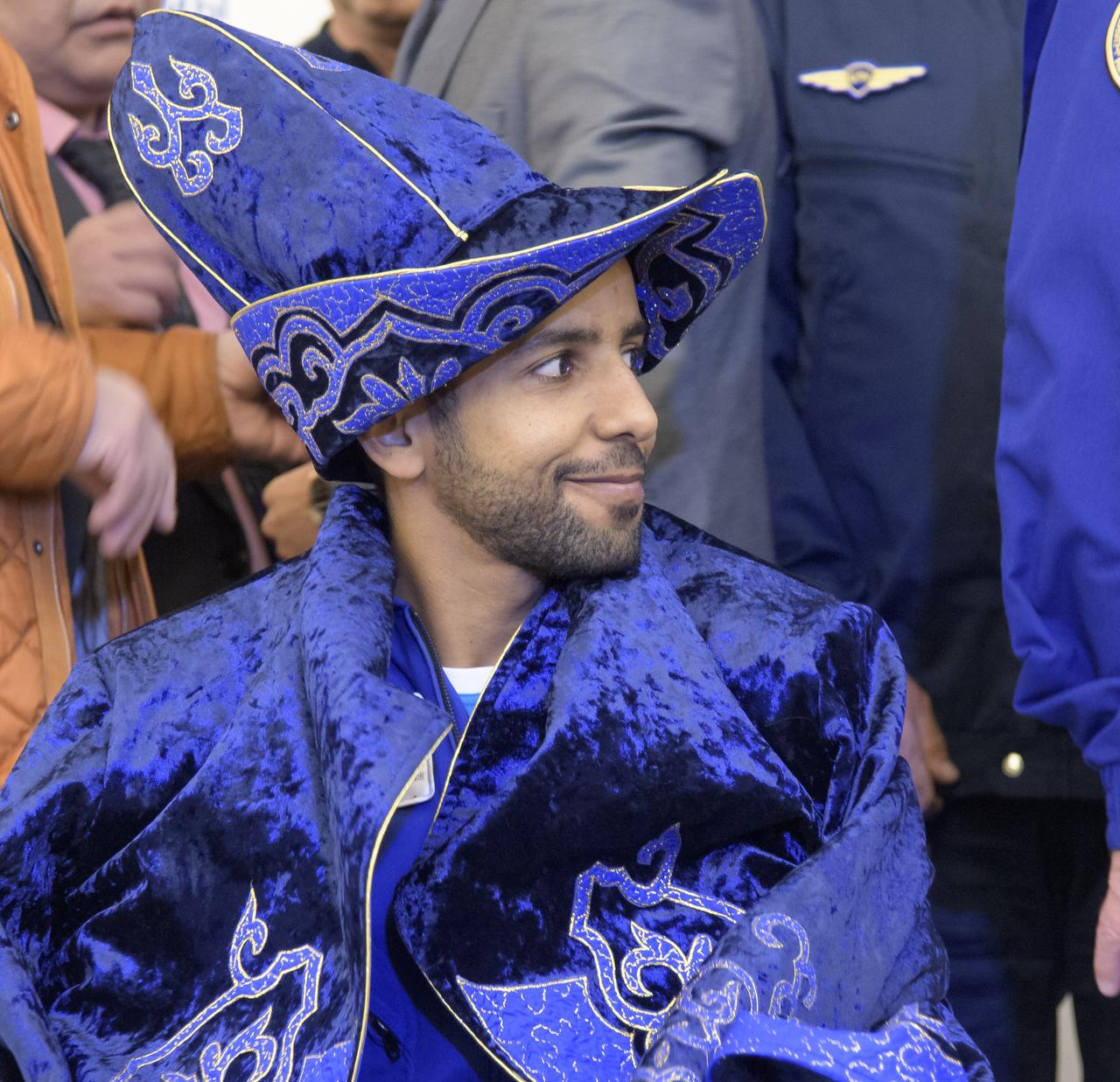
Visiting astronaut Hazzaa Ali Almansoori of the United Arab Emirates attends a Karaganda Airport welcome ceremony in Kazakhstan on Thursday, Oct. 3, 2019. Expedition 60 crewmembers Alexey Ovchinin of Roscosmos and Nick Hague of NASA are returning after 203 days in space where they served as members of the Expedition 59 and 60 crews onboard the International Space Station. Almansoori logged 8 days in space during his first flight as an astronaut. Photo Credit: (NASA/Bill Ingalls)
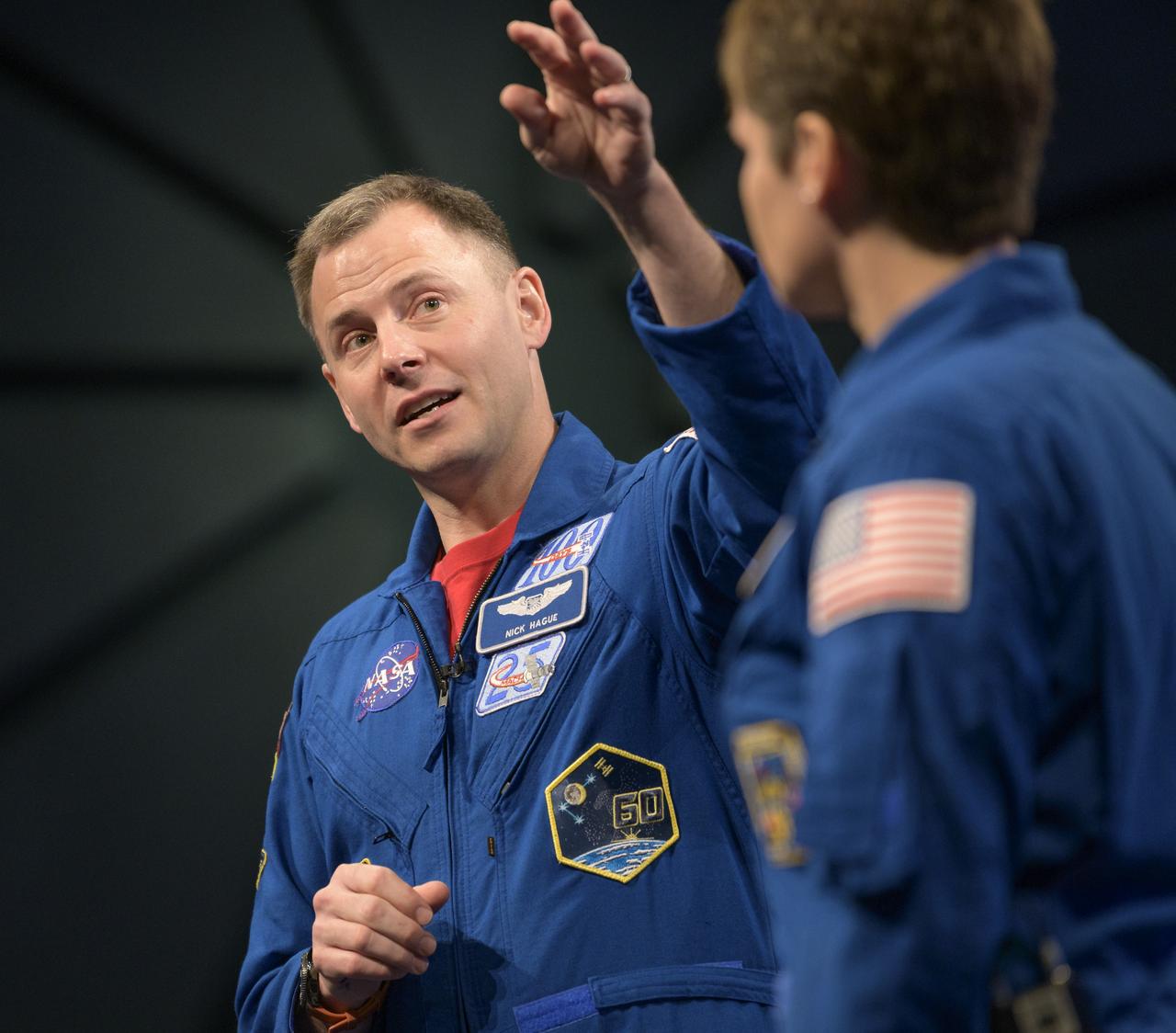
NASA astronaut Nick Hague talks about his experiences onboard the International Space Station, Tuesday, Jan. 14, 2020, at the Smithsonian National Air and Space Museum in Washington. Hague most recently spent 203 days living and working onboard the International Space Station as part of Expeditions 59 and 60. Photo Credit: (NASA/Bill Ingalls)
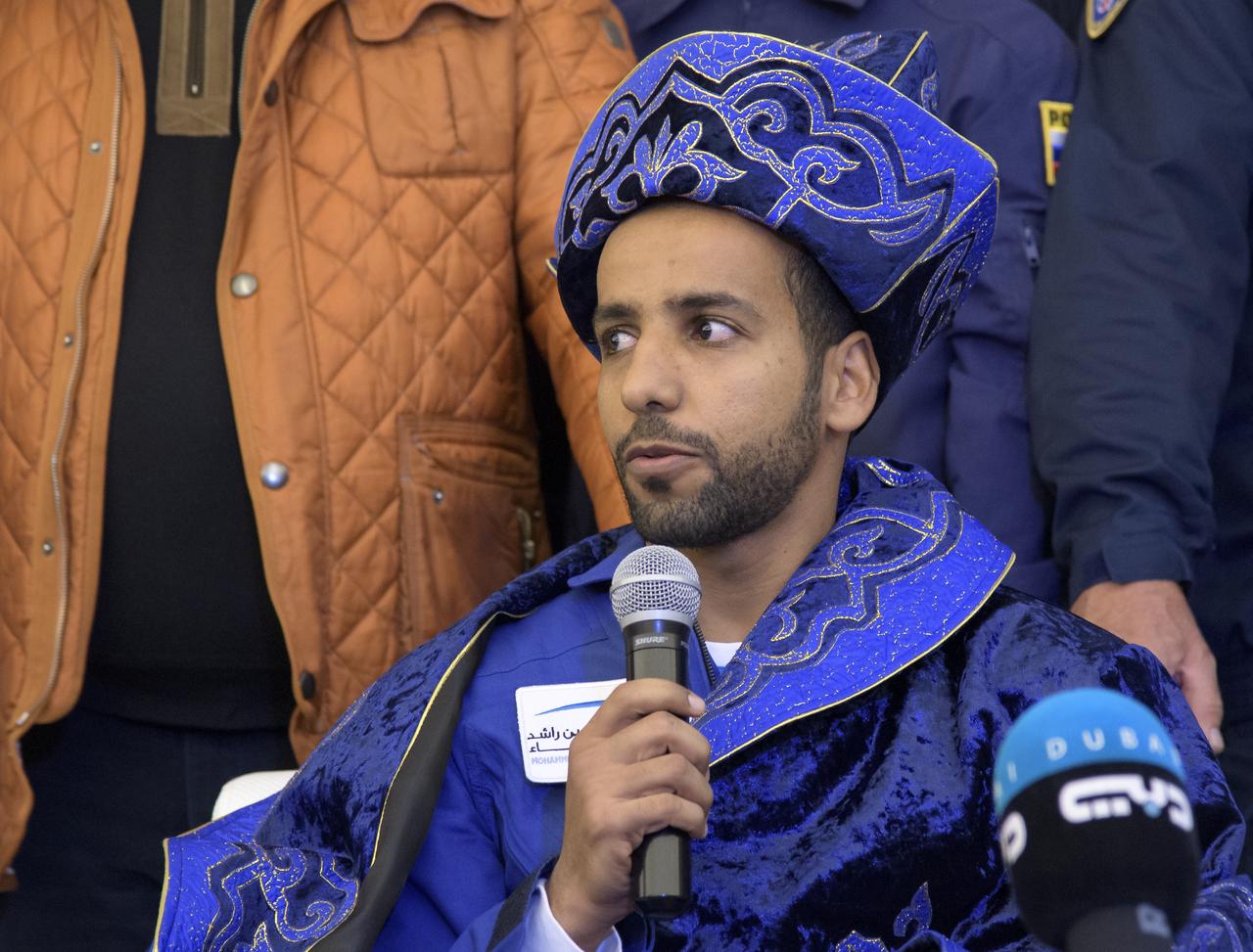
Visiting astronaut Hazzaa Ali Almansoori of the United Arab Emirates attends a Karaganda Airport welcome ceremony in Kazakhstan on Thursday, Oct. 3, 2019. Expedition 60 crewmembers Alexey Ovchinin of Roscosmos and Nick Hague of NASA are returning after 203 days in space where they served as members of the Expedition 59 and 60 crews onboard the International Space Station. Almansoori logged 8 days in space during his first flight as an astronaut. Photo Credit: (NASA/Bill Ingalls)
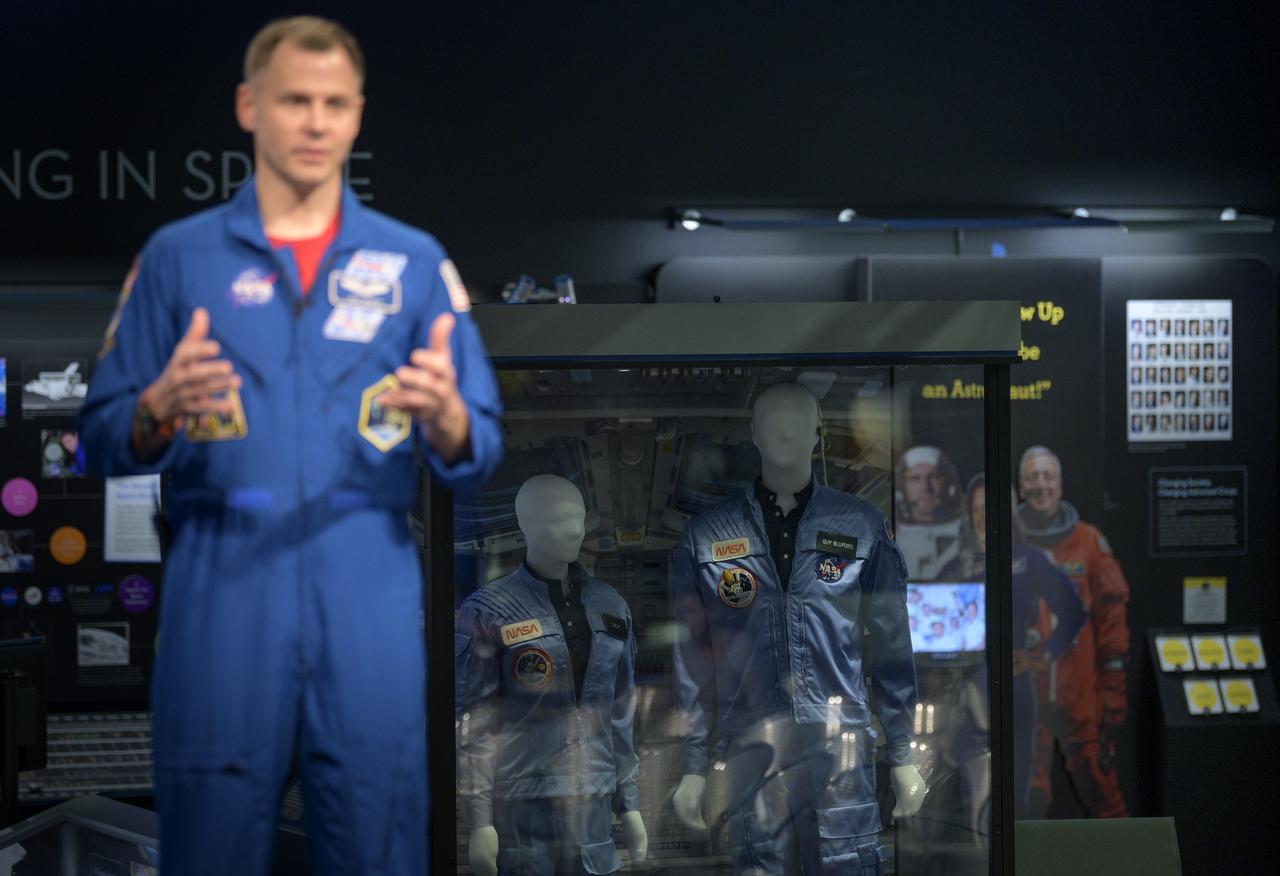
NASA astronaut Nick Hague talks about his experiences onboard the International Space Station, Tuesday, Jan. 14, 2020, at the Smithsonian National Air and Space Museum in Washington. Hague most recently spent 203 days living and working onboard the International Space Station as part of Expeditions 59 and 60. Photo Credit: (NASA/Bill Ingalls)
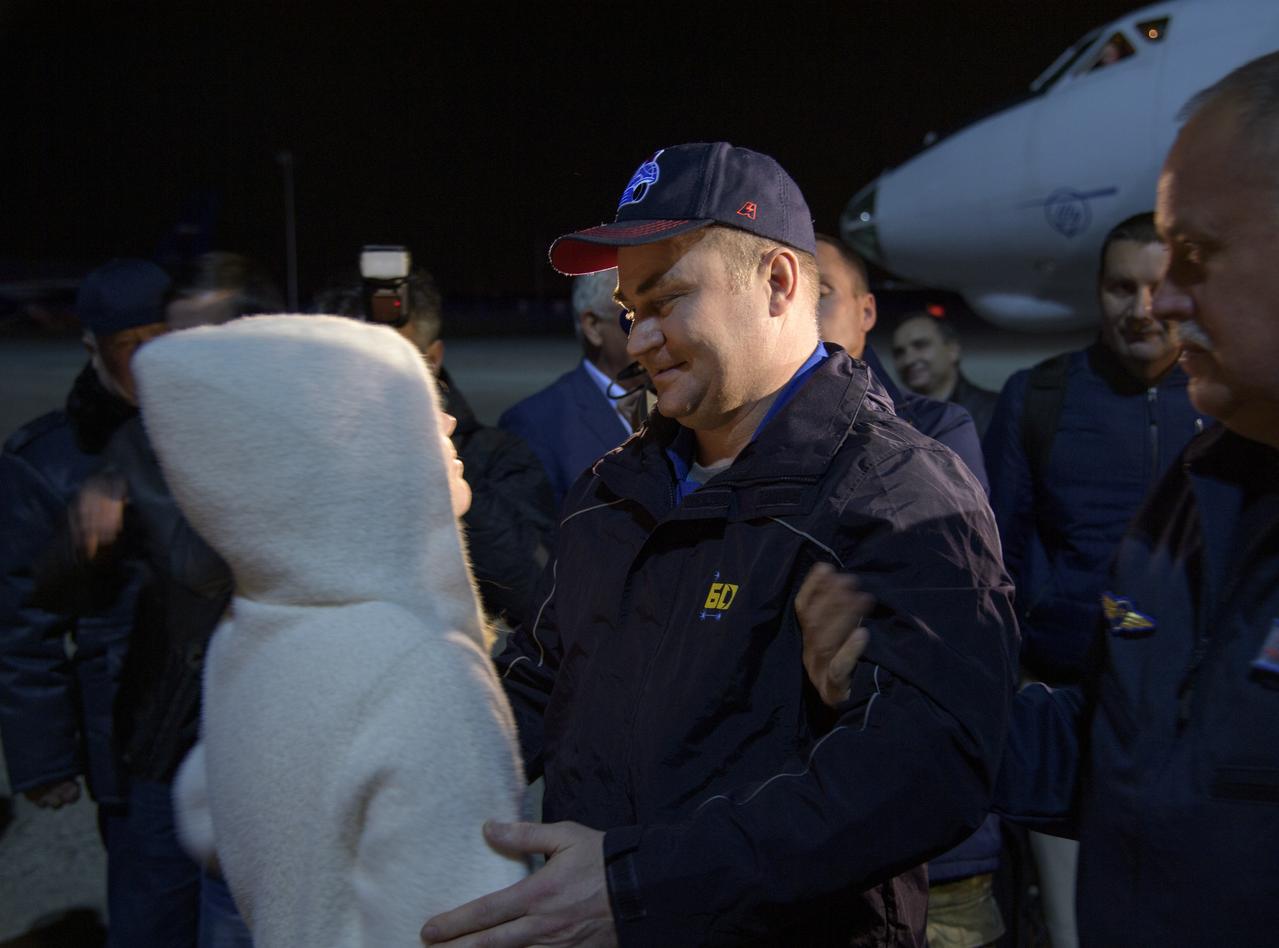
\Expedition 60 cosmonaut Alexey Ovchinin of Roscosmos is welcomed home by his daughter, Friday, Oct. 4, 2019 in Star City, Russia. Ovchinin returned after 203 days in space with NASA astronaut Nick Hague where they served as members of the Expedition 59 and 60 crews onboard the International Space Station. Also returning was Hazzaa Ali Almansoori who logged 8 days in space during his first flight as an astronaut. Photo Credit: (NASA/Bill Ingalls)
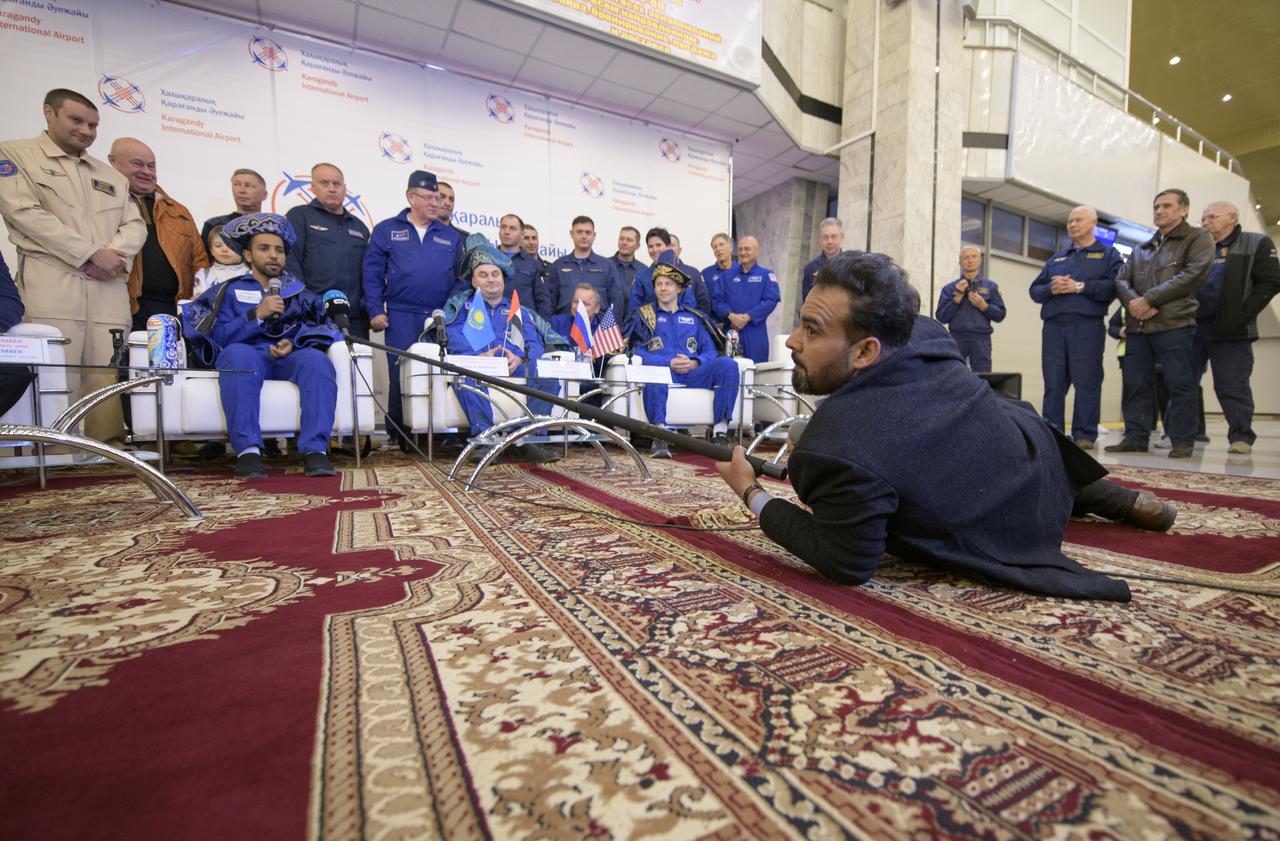
Visiting astronaut Hazzaa Ali Almansoori of the United Arab Emirates, left, and Expedition 60 crewmembers Alexey Ovchinin of Roscosmos and Nick Hague of NASA, right, attend a Karaganda Airport welcome ceremony in Kazakhstan on Thursday, Oct. 3, 2019. Hague and Ovchinin are returning after 203 days in space where they served as members of the Expedition 59 and 60 crews onboard the International Space Station. Almansoori logged 8 days in space during his first flight as an astronaut. Photo Credit: (NASA/Bill Ingalls)
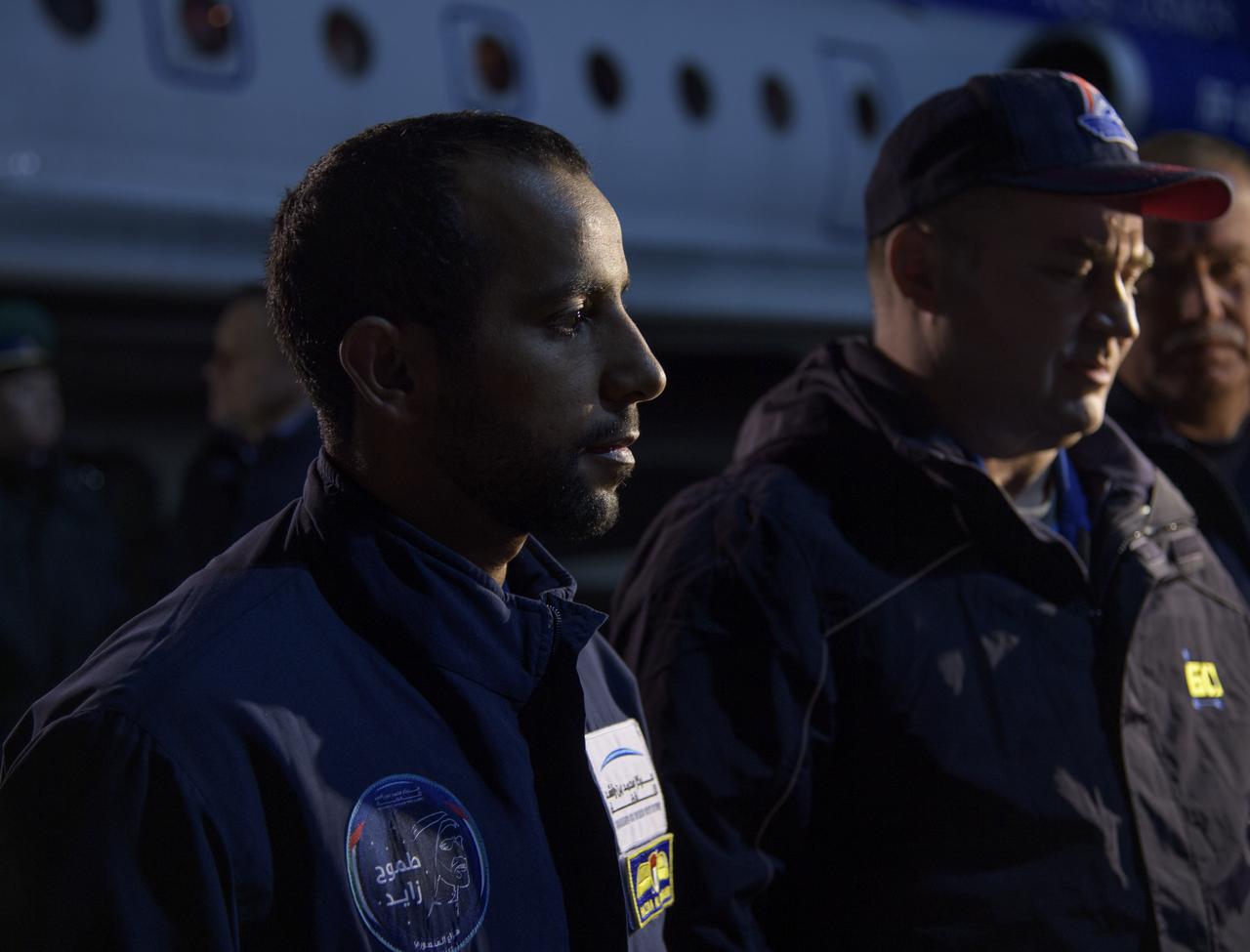
Officials, family and friends welcome home visiting astronaut Hazzaa Ali Almansoori of the United Arab Emirates, left, and Expedition 60 cosmonaut Alexey Ovchinin of Roscosmos, Friday, Oct. 4, 2019 in Star City, Russia. Ovchinin returned after 203 days in space with NASA astronaut Nick Hague where they served as members of the Expedition 59 and 60 crews onboard the International Space Station. Almansoori logged 8 days in space during his first flight as an astronaut. Photo Credit: (NASA/Bill Ingalls)
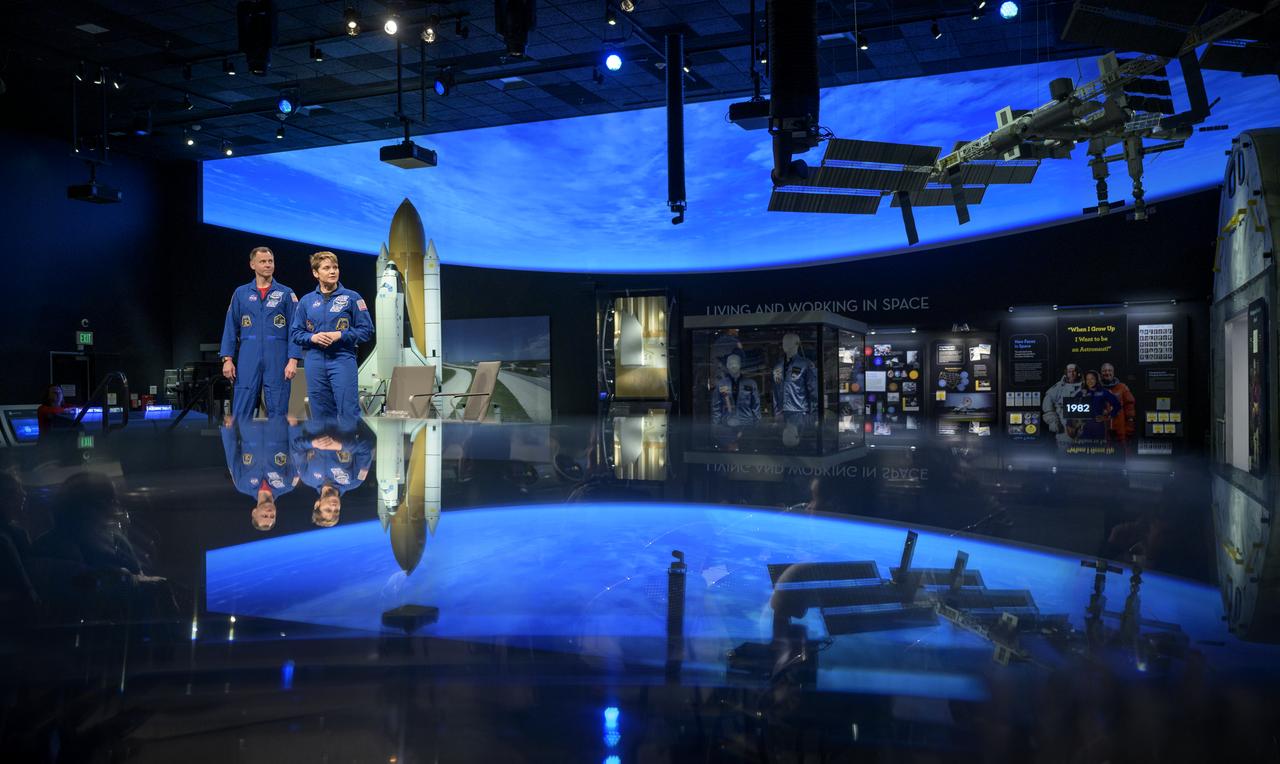
NASA astronauts Nick Hague and Anne McClain talk about their experiences onboard the International Space Station, Tuesday, Jan. 14, 2020, at the Smithsonian National Air and Space Museum in Washington. Hague most recently spent 203 days living and working onboard the International Space Station as part of Expeditions 59 and 60. McClain most recently spent 204 days living and working onboard the International Space Station as part of Expeditions 58 and 59. Photo Credit: (NASA/Bill Ingalls)
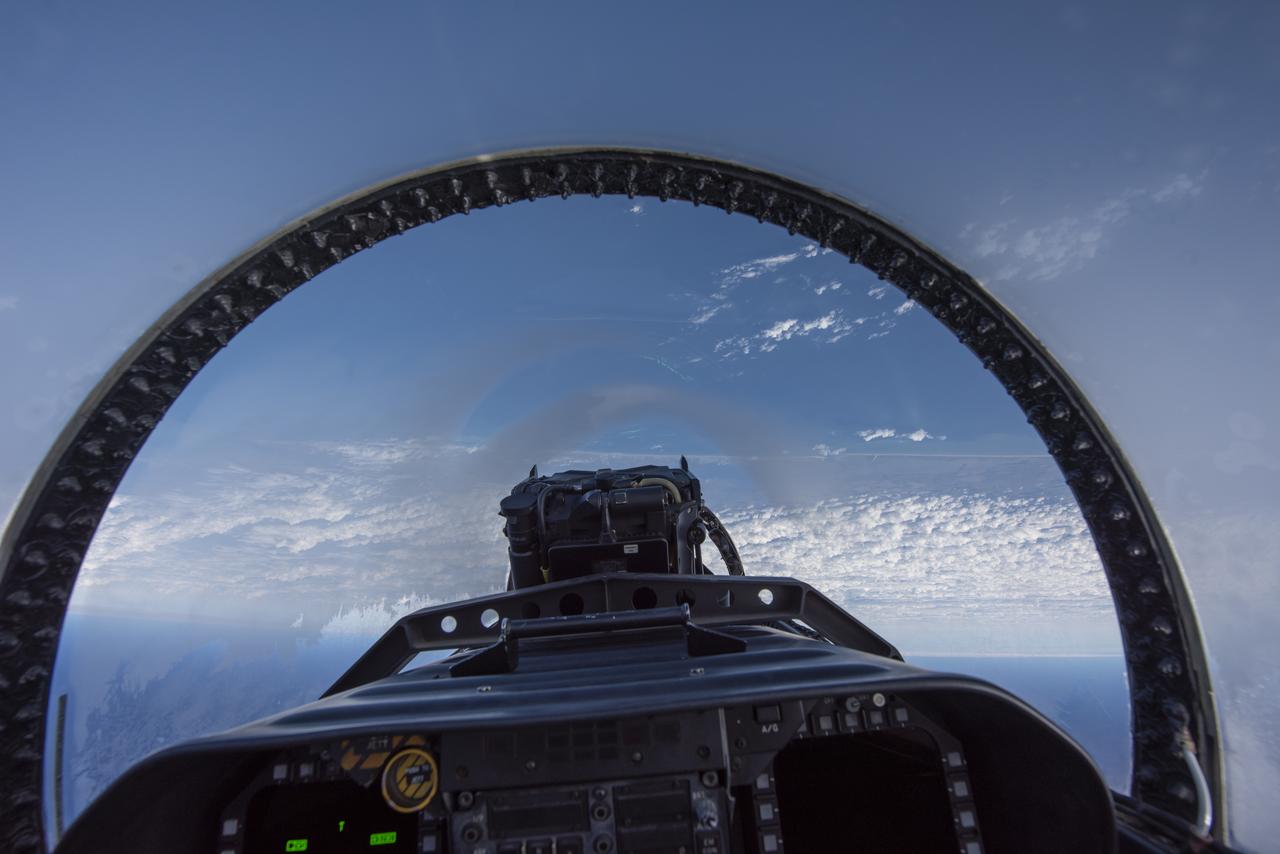
NASA test pilots perform the quiet supersonic dive maneuver off the coast of Galveston, Texas to create a quieter version of the sonic boom, in order to obtain recruited community survey feedback data. The test pilot climbs to around 50,000 feet, followed by a supersonic, inverted dive. This creates sonic boom shockwaves in a way that they are quieter in a specific area. Meanwhile, NASA researchers match community feedback to the sound levels of the flights, using an electronic survey and microphone monitor stations on the ground. This is preparing NASA for community response models for the future X-59 QueSST.
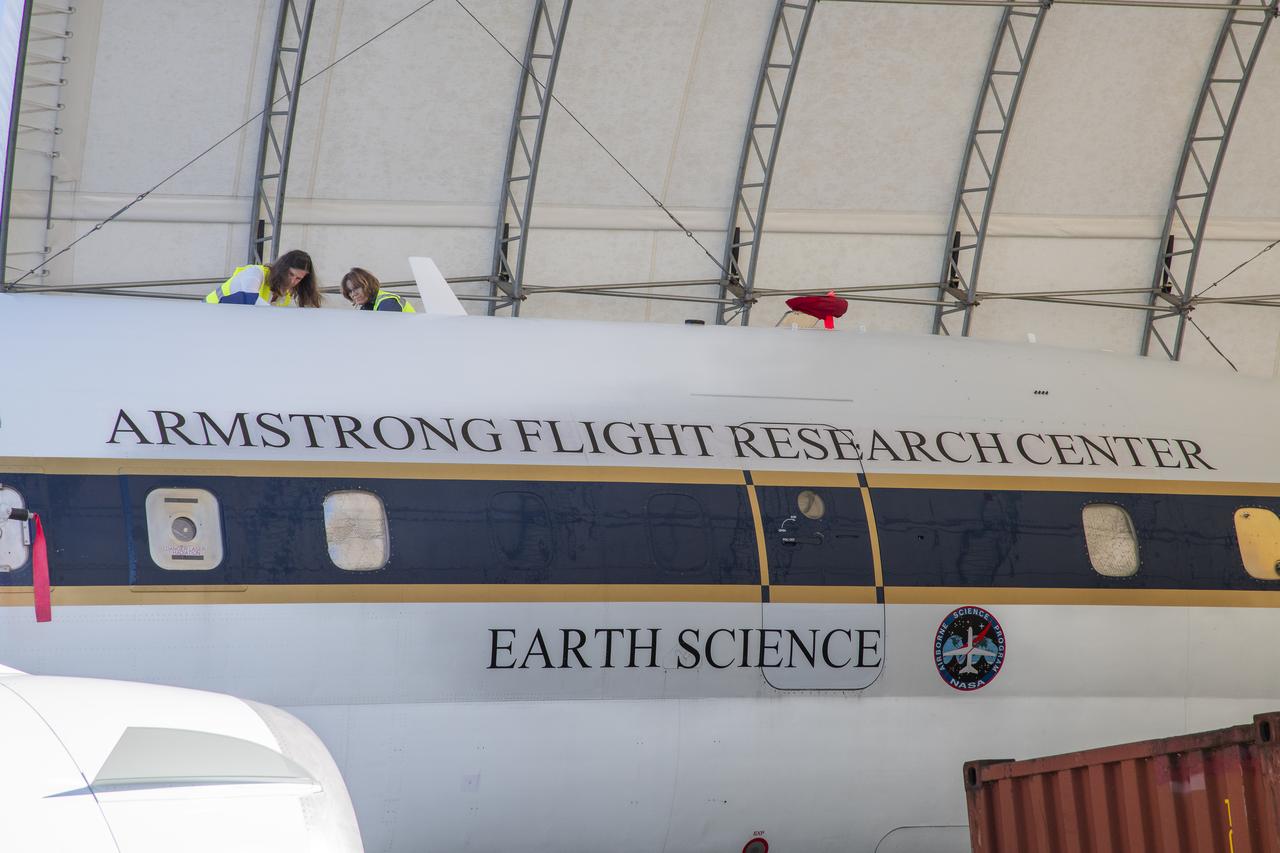
NASA’s DC-8 aircraft from Armstrong Flight Research Center in Edwards, California flies to Everett, Washington to conduct science research about reducing engine particle emissions. Partners include Boeing, United, General Electric Aerospace, German Aerospace Center (DLR), the FAA, and World Energy. Boeing’s new passenger aircraft uses revolutionary Sustainable Aviation Fuel, SAF, and NASA’s DC-8 flies behind the Boeing plane to measure its impact throughout flight. The results of this study will be released publicly to facilitate the improvement of aviation technology worldwide.
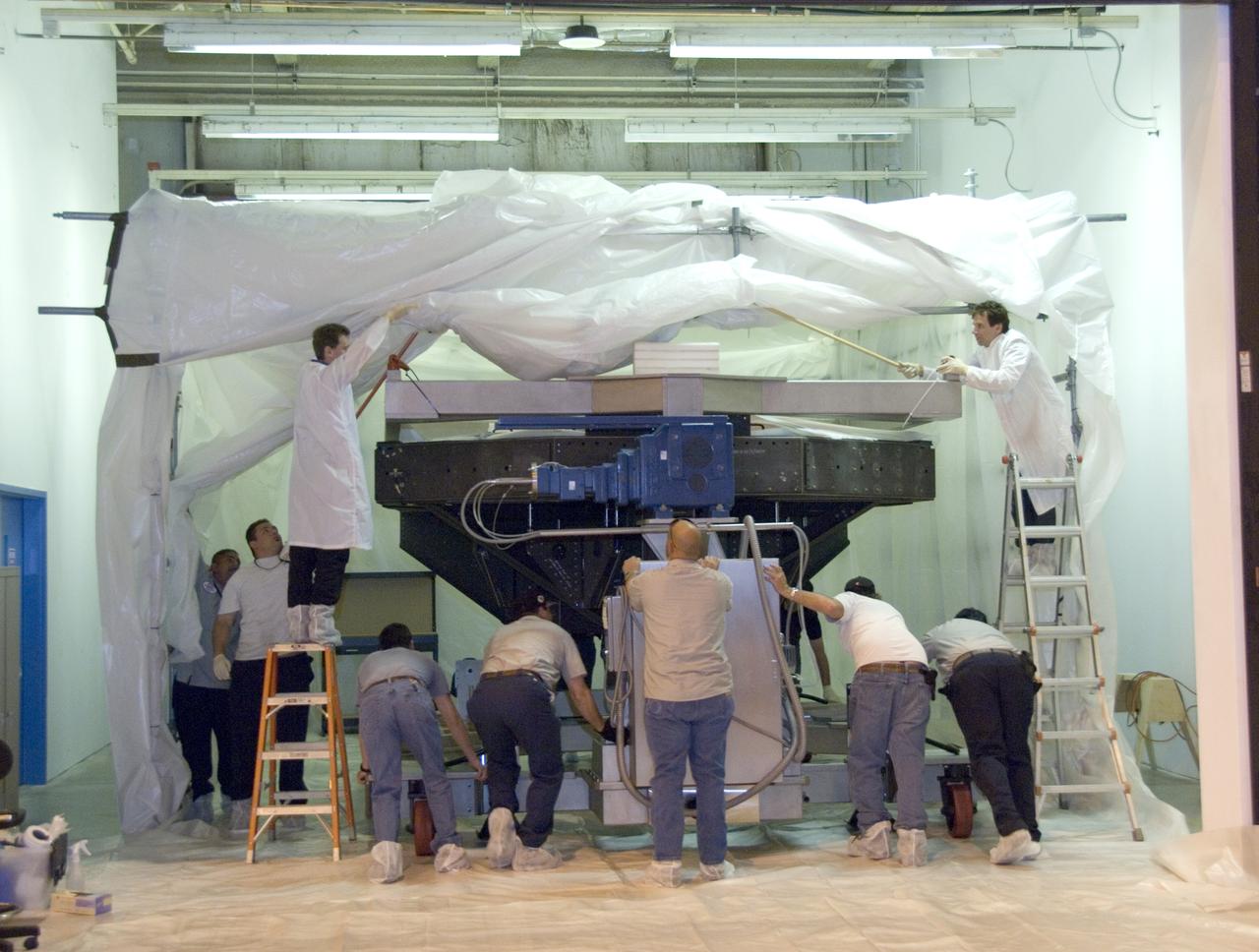
Technicians at the NASA Dryden Aircraft Operations Facility in Palmdale, Calif., removed the German-built primary mirror assembly from the Stratospheric Observatory for Infrared Astronomy, or SOFIA, April 18, 2008 in preparation for the final finish coating of the mirror. A precision crane lifted the more than two-ton mirror assembly from its cavity in the rear fuselage of the highly modified Boeing 747SP. The assembly was then secured in its transport dolly and moved to a clean room where it was prepared for shipment to NASA Ames Research Center at Moffett Field near Mountain View, Calif. where it would receive its aluminized finish coating before being re-installed in the SOFIA aircraft.
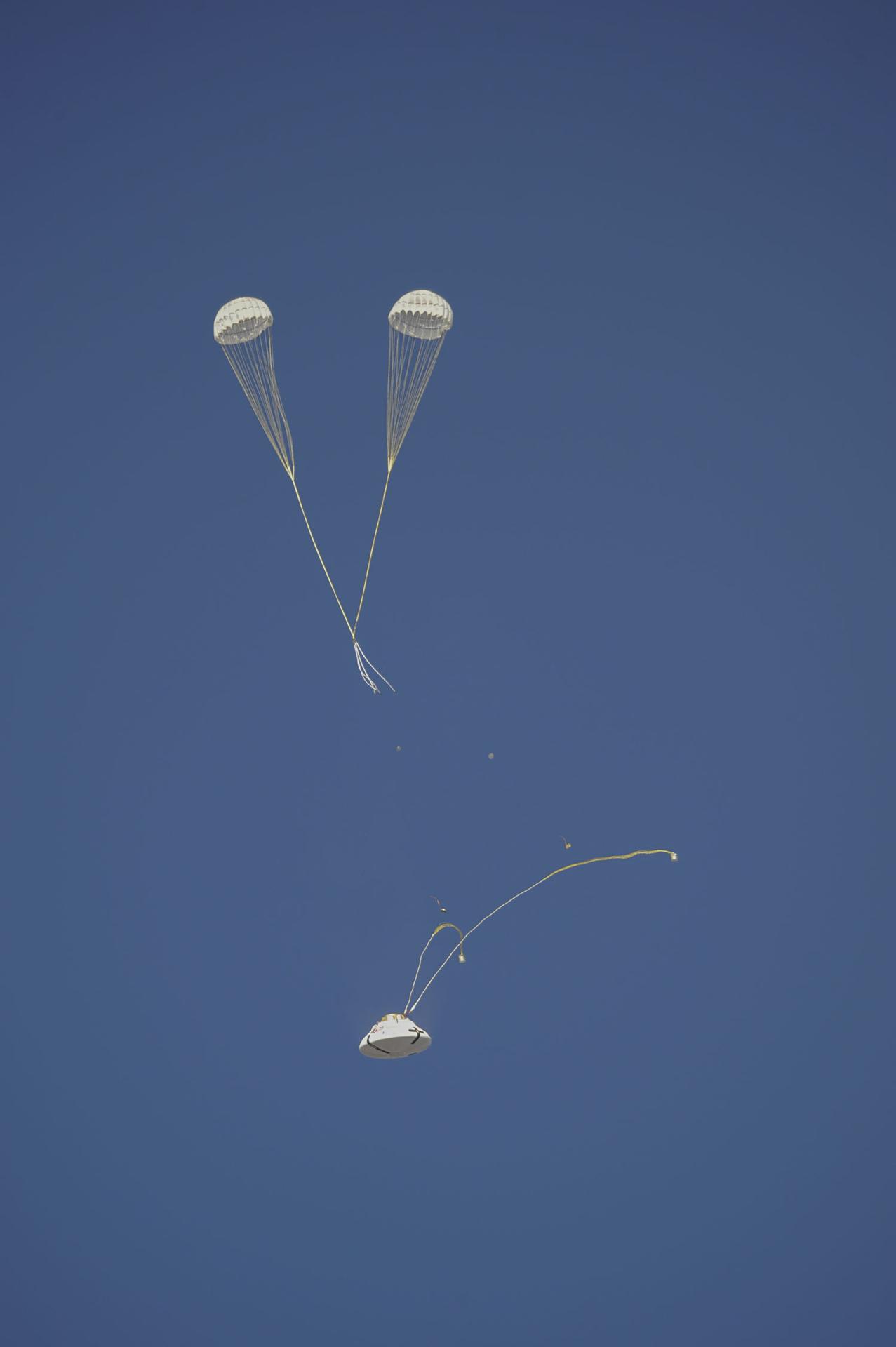
The Orion parachute system enters another phase of its descent after an air launch from a C-17 aircraft on Wednesday, July 18, 2012. Photographers and videographers from NASA’s Armstrong Flight Research Center in Edwards, California, and the agency’s Johnson Space Center in Houston documented a test version of the Orion during Capsule Parachute Assembly System project tests at the U.S. Army Proving Ground, near Yuma, Arizona.
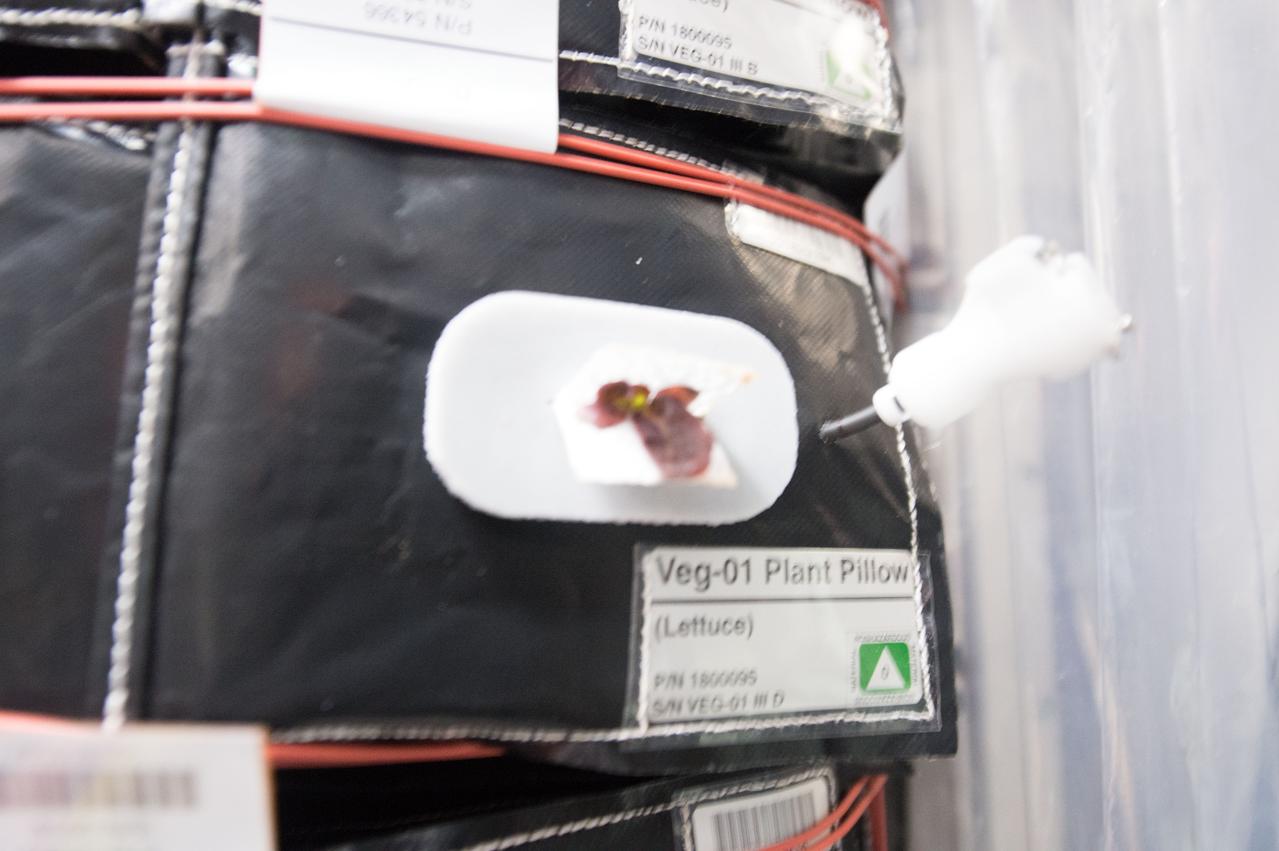
Astronaut Scott Kelly initiated VEG-01 B, the second crop of lettuce, on July, 8, 2015, and both Kelly and Astronaut Kjell Lindgren cared for the plants. The crop grew for 33 days. VEG-01 B included one set of six plant pillows planted with red romaine lettuce seeds. On Aug. 10, 2015, the crew harvested and consumed leaves from each plant. This was the first crop grown and consumed in NASA hardware. They harvested the rest of the plant tissue and froze it in the station’s Minus Eighty-Degree Laboratory Freezer for ISS (MELFI) for return to Earth for further study including microbial analysis, antioxidant capacity, mineral analysis and anthocyanin concentration.

Astronaut Scott Kelly initiated VEG-01 B, the second crop of lettuce, on July, 8, 2015, and both Kelly and Astronaut Kjell Lindgren cared for the plants. The crop grew for 33 days. VEG-01 B included one set of six plant pillows planted with red romaine lettuce seeds. On Aug. 10, 2015, the crew harvested and consumed leaves from each plant. This was the first crop grown and consumed in NASA hardware. They harvested the rest of the plant tissue and froze it in the station’s Minus Eighty-Degree Laboratory Freezer for ISS (MELFI) for return to Earth for further study including microbial analysis, antioxidant capacity, mineral analysis and anthocyanin concentration.
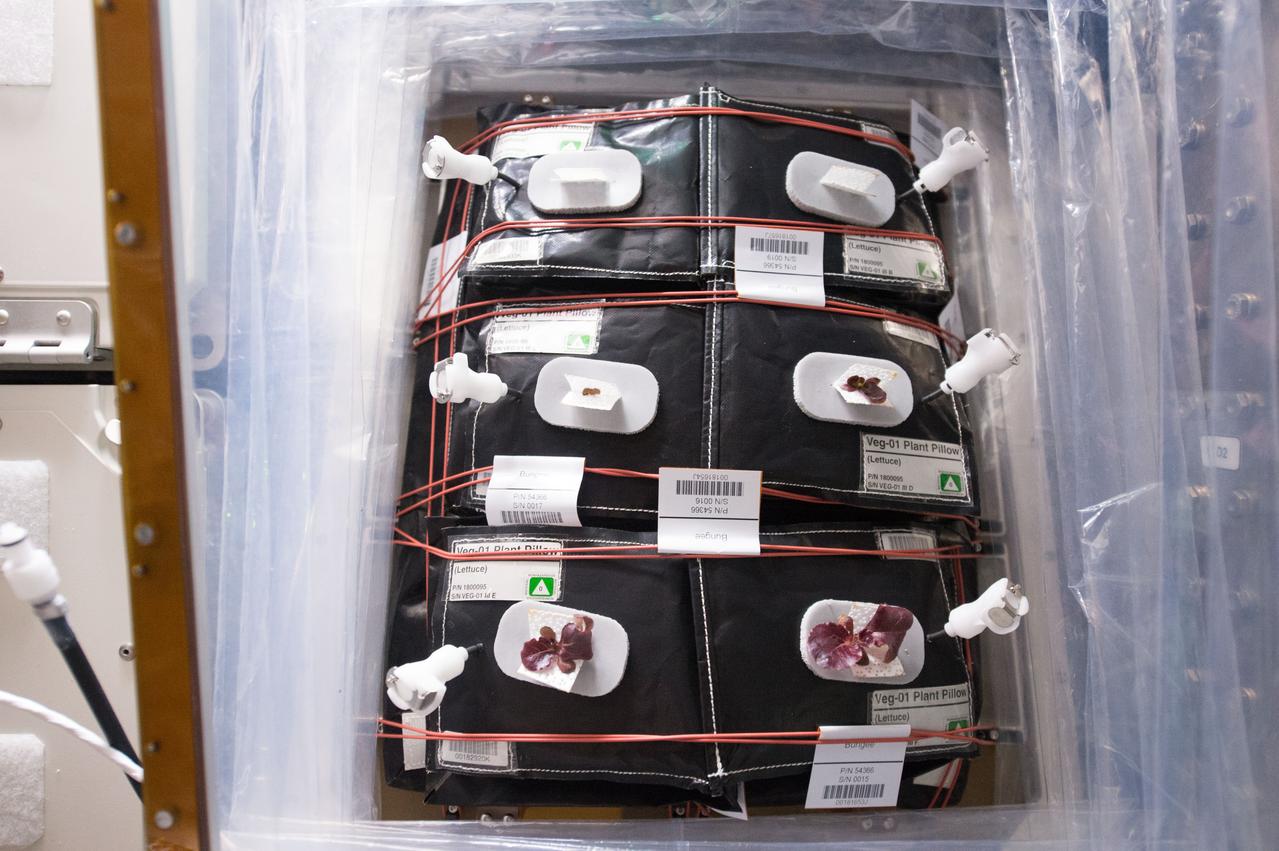
Astronaut Scott Kelly initiated VEG-01 B, the second crop of lettuce, on July, 8, 2015, and both Kelly and Astronaut Kjell Lindgren cared for the plants. The crop grew for 33 days. VEG-01 B included one set of six plant pillows planted with red romaine lettuce seeds. On Aug. 10, 2015, the crew harvested and consumed leaves from each plant. This was the first crop grown and consumed in NASA hardware. They harvested the rest of the plant tissue and froze it in the station’s Minus Eighty-Degree Laboratory Freezer for ISS (MELFI) for return to Earth for further study including microbial analysis, antioxidant capacity, mineral analysis and anthocyanin concentration.
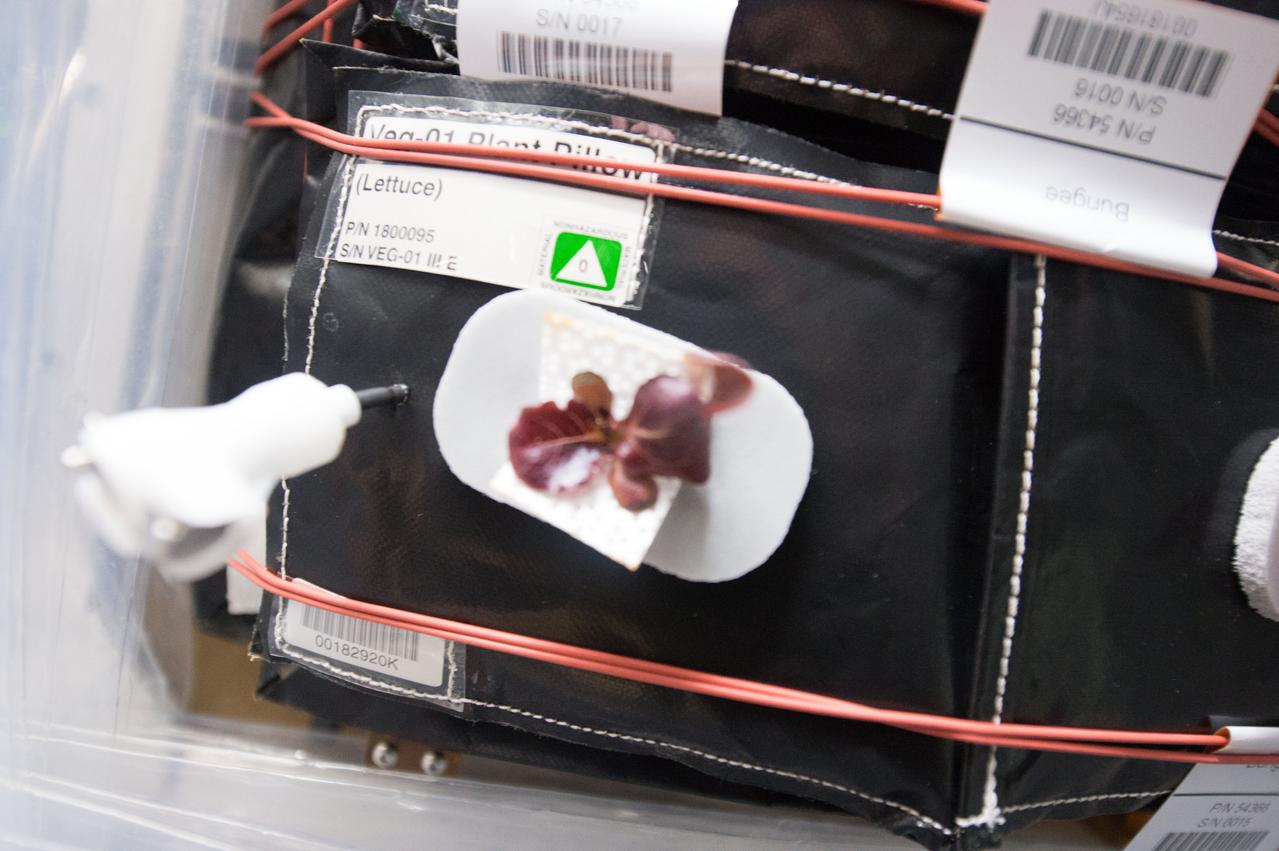
Astronaut Scott Kelly initiated VEG-01 B, the second crop of lettuce, on July, 8, 2015, and both Kelly and Astronaut Kjell Lindgren cared for the plants. The crop grew for 33 days. VEG-01 B included one set of six plant pillows planted with red romaine lettuce seeds. On Aug. 10, 2015, the crew harvested and consumed leaves from each plant. This was the first crop grown and consumed in NASA hardware. They harvested the rest of the plant tissue and froze it in the station’s Minus Eighty-Degree Laboratory Freezer for ISS (MELFI) for return to Earth for further study including microbial analysis, antioxidant capacity, mineral analysis and anthocyanin concentration.

Astronaut Scott Kelly initiated VEG-01 B, the second crop of lettuce, on July, 8, 2015, and both Kelly and Astronaut Kjell Lindgren cared for the plants. The crop grew for 33 days. VEG-01 B included one set of six plant pillows planted with red romaine lettuce seeds. On Aug. 10, 2015, the crew harvested and consumed leaves from each plant. This was the first crop grown and consumed in NASA hardware. They harvested the rest of the plant tissue and froze it in the station’s Minus Eighty-Degree Laboratory Freezer for ISS (MELFI) for return to Earth for further study including microbial analysis, antioxidant capacity, mineral analysis and anthocyanin concentration.

Astronaut Scott Kelly initiated VEG-01 B, the second crop of lettuce, on July, 8, 2015, and both Kelly and Astronaut Kjell Lindgren cared for the plants. The crop grew for 33 days. VEG-01 B included one set of six plant pillows planted with red romaine lettuce seeds. On Aug. 10, 2015, the crew harvested and consumed leaves from each plant. This was the first crop grown and consumed in NASA hardware. They harvested the rest of the plant tissue and froze it in the station’s Minus Eighty-Degree Laboratory Freezer for ISS (MELFI) for return to Earth for further study including microbial analysis, antioxidant capacity, mineral analysis and anthocyanin concentration.

Astronaut Scott Kelly initiated VEG-01 B, the second crop of lettuce, on July, 8, 2015, and both Kelly and Astronaut Kjell Lindgren cared for the plants. The crop grew for 33 days. VEG-01 B included one set of six plant pillows planted with red romaine lettuce seeds. On Aug. 10, 2015, the crew harvested and consumed leaves from each plant. This was the first crop grown and consumed in NASA hardware. They harvested the rest of the plant tissue and froze it in the station’s Minus Eighty-Degree Laboratory Freezer for ISS (MELFI) for return to Earth for further study including microbial analysis, antioxidant capacity, mineral analysis and anthocyanin concentration.
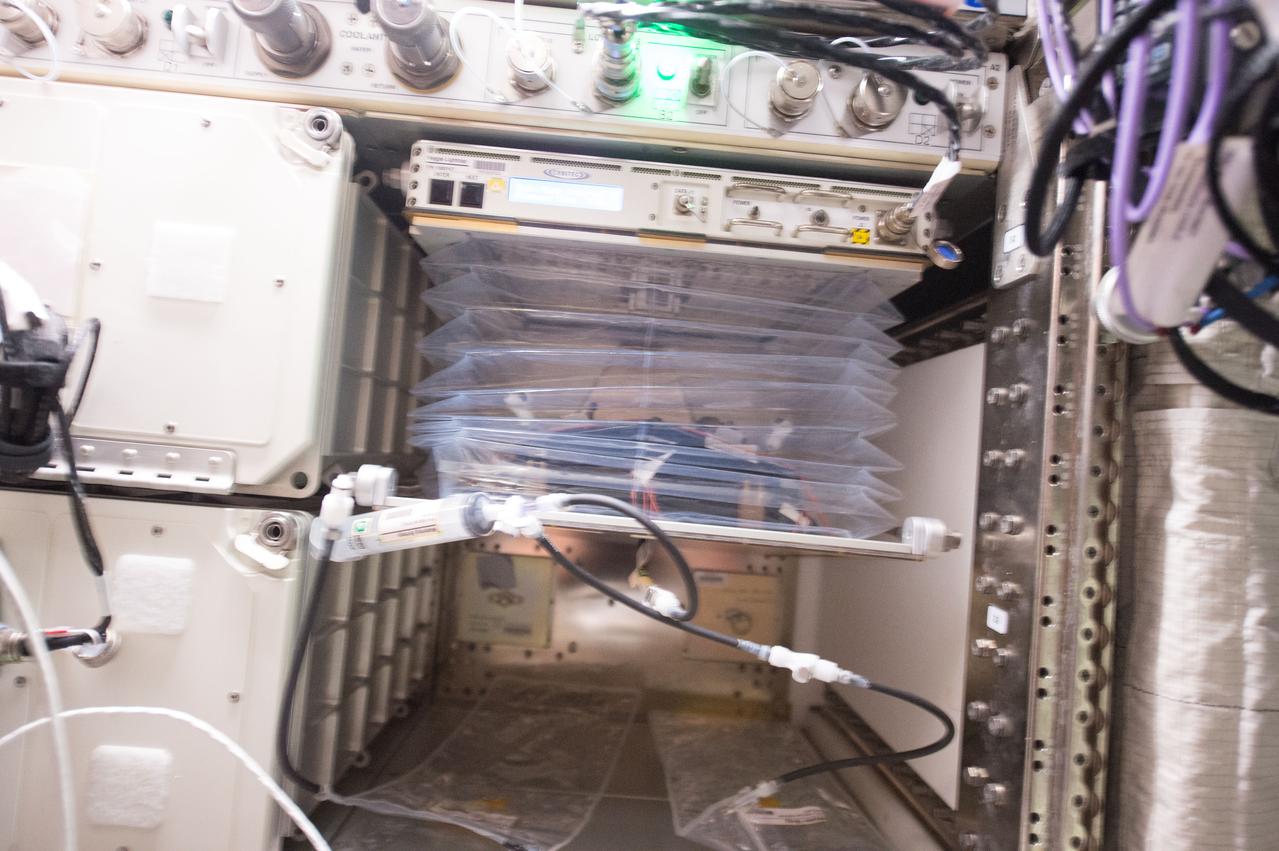
Astronaut Scott Kelly initiated VEG-01 B, the second crop of lettuce, on July, 8, 2015, and both Kelly and Astronaut Kjell Lindgren cared for the plants. The crop grew for 33 days. VEG-01 B included one set of six plant pillows planted with red romaine lettuce seeds. On Aug. 10, 2015, the crew harvested and consumed leaves from each plant. This was the first crop grown and consumed in NASA hardware. They harvested the rest of the plant tissue and froze it in the station’s Minus Eighty-Degree Laboratory Freezer for ISS (MELFI) for return to Earth for further study including microbial analysis, antioxidant capacity, mineral analysis and anthocyanin concentration.
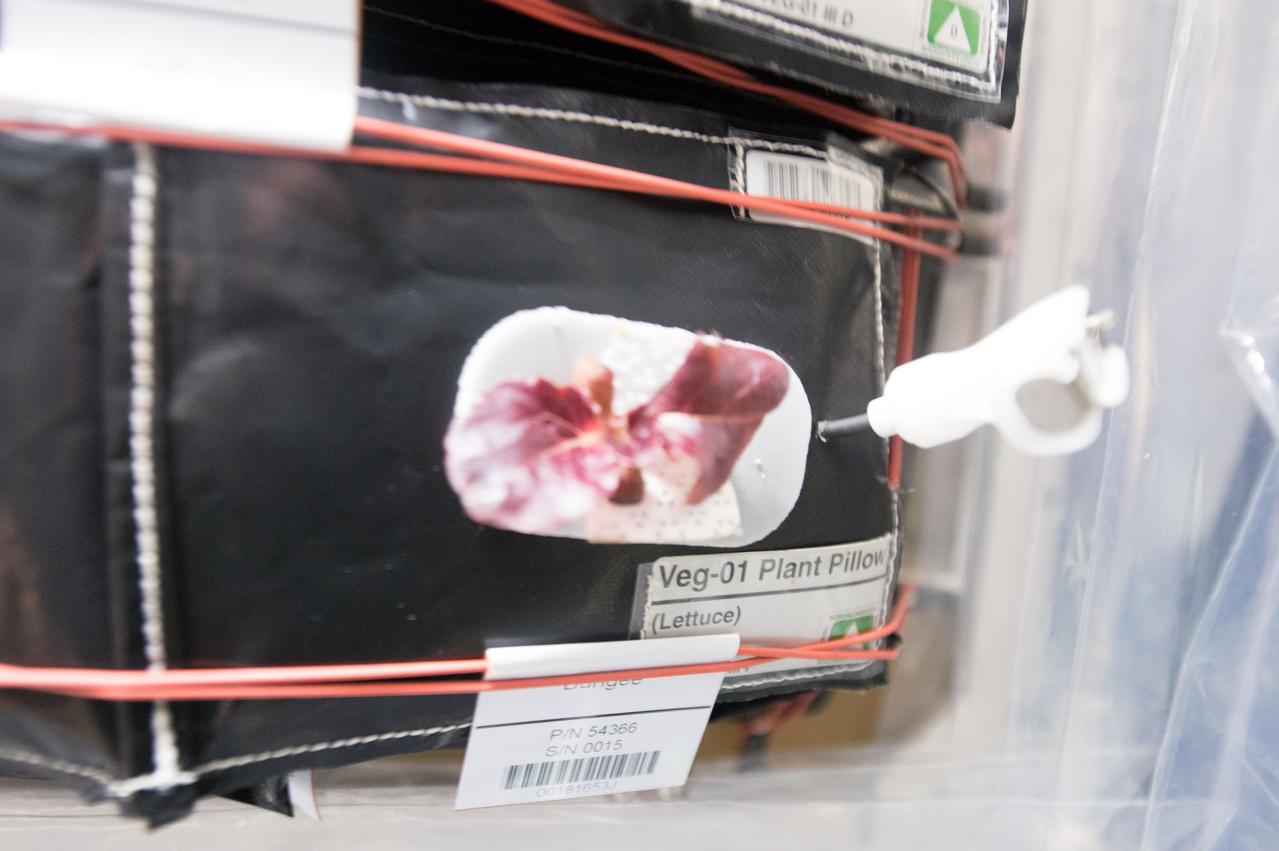
Astronaut Scott Kelly initiated VEG-01 B, the second crop of lettuce, on July, 8, 2015, and both Kelly and Astronaut Kjell Lindgren cared for the plants. The crop grew for 33 days. VEG-01 B included one set of six plant pillows planted with red romaine lettuce seeds. On Aug. 10, 2015, the crew harvested and consumed leaves from each plant. This was the first crop grown and consumed in NASA hardware. They harvested the rest of the plant tissue and froze it in the station’s Minus Eighty-Degree Laboratory Freezer for ISS (MELFI) for return to Earth for further study including microbial analysis, antioxidant capacity, mineral analysis and anthocyanin concentration.

Astronaut Scott Kelly initiated VEG-01 B, the second crop of lettuce, on July, 8, 2015, and both Kelly and Astronaut Kjell Lindgren cared for the plants. The crop grew for 33 days. VEG-01 B included one set of six plant pillows planted with red romaine lettuce seeds. On Aug. 10, 2015, the crew harvested and consumed leaves from each plant. This was the first crop grown and consumed in NASA hardware. They harvested the rest of the plant tissue and froze it in the station’s Minus Eighty-Degree Laboratory Freezer for ISS (MELFI) for return to Earth for further study including microbial analysis, antioxidant capacity, mineral analysis and anthocyanin concentration.

Astronaut Scott Kelly initiated VEG-01 B, the second crop of lettuce, on July, 8, 2015, and both Kelly and Astronaut Kjell Lindgren cared for the plants. The crop grew for 33 days. VEG-01 B included one set of six plant pillows planted with red romaine lettuce seeds. On Aug. 10, 2015, the crew harvested and consumed leaves from each plant. This was the first crop grown and consumed in NASA hardware. They harvested the rest of the plant tissue and froze it in the station’s Minus Eighty-Degree Laboratory Freezer for ISS (MELFI) for return to Earth for further study including microbial analysis, antioxidant capacity, mineral analysis and anthocyanin concentration.
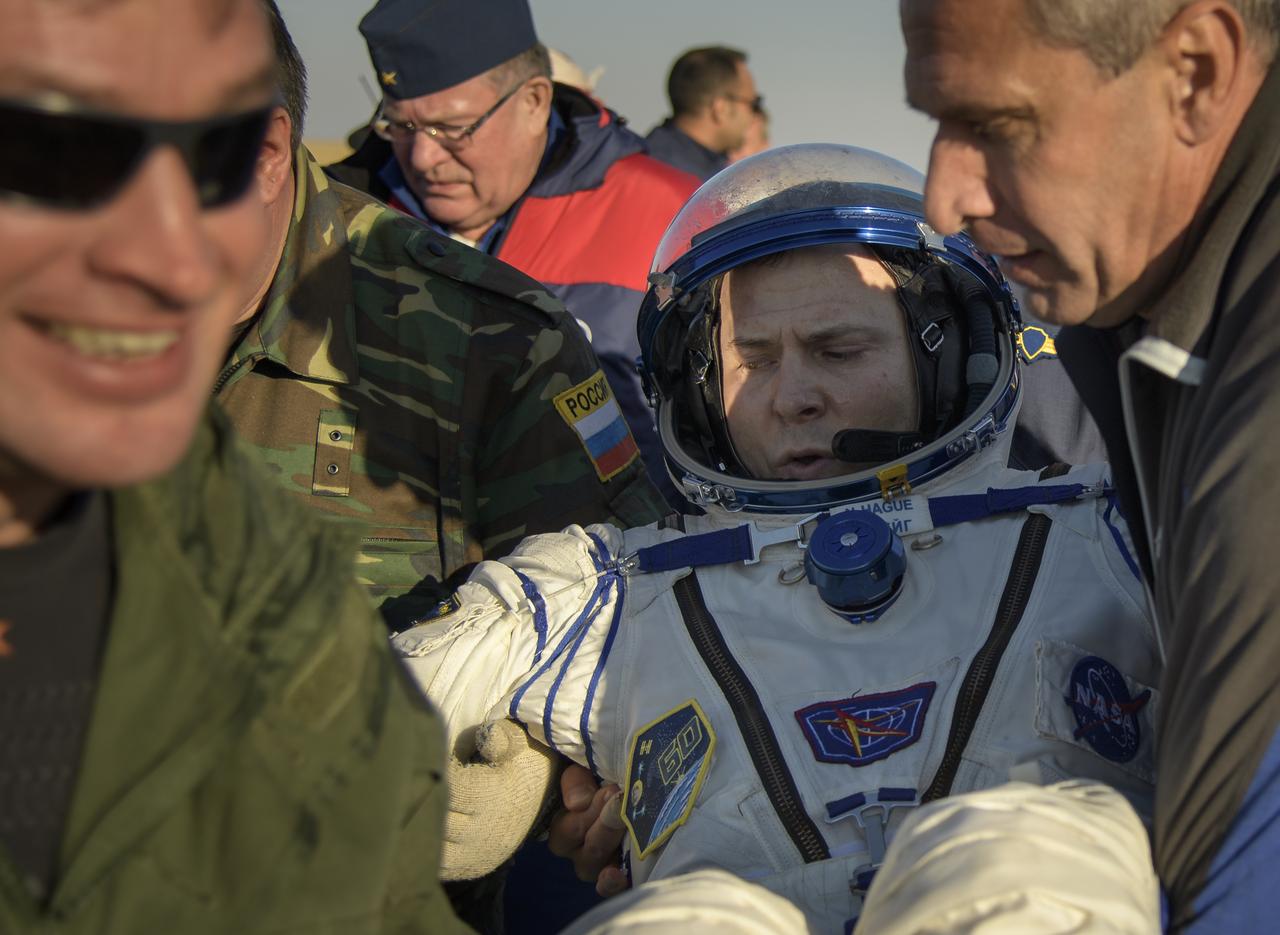
Expedition 60 crewmembers Nick Hague of NASA is helped out of the Soyuz MS-12 spacecraft just minutes after he and fellow crew mate Expedition 60 cosmonaut Alexey Ovchinin of Roscosmos, and visiting astronaut Hazzaa Ali Almansoori of the United Arab Emirates, landed in a remote area near the town of Zhezkazgan, Kazakhstan on Thursday, Oct. 3, 2019. Hague and Ovchinin are returning after 203 days in space where they served as members of the Expedition 59 and 60 crews onboard the International Space Station. Almansoori logged 8 days in space during his first flight as an astronaut. Photo Credit: (NASA/Bill Ingalls)
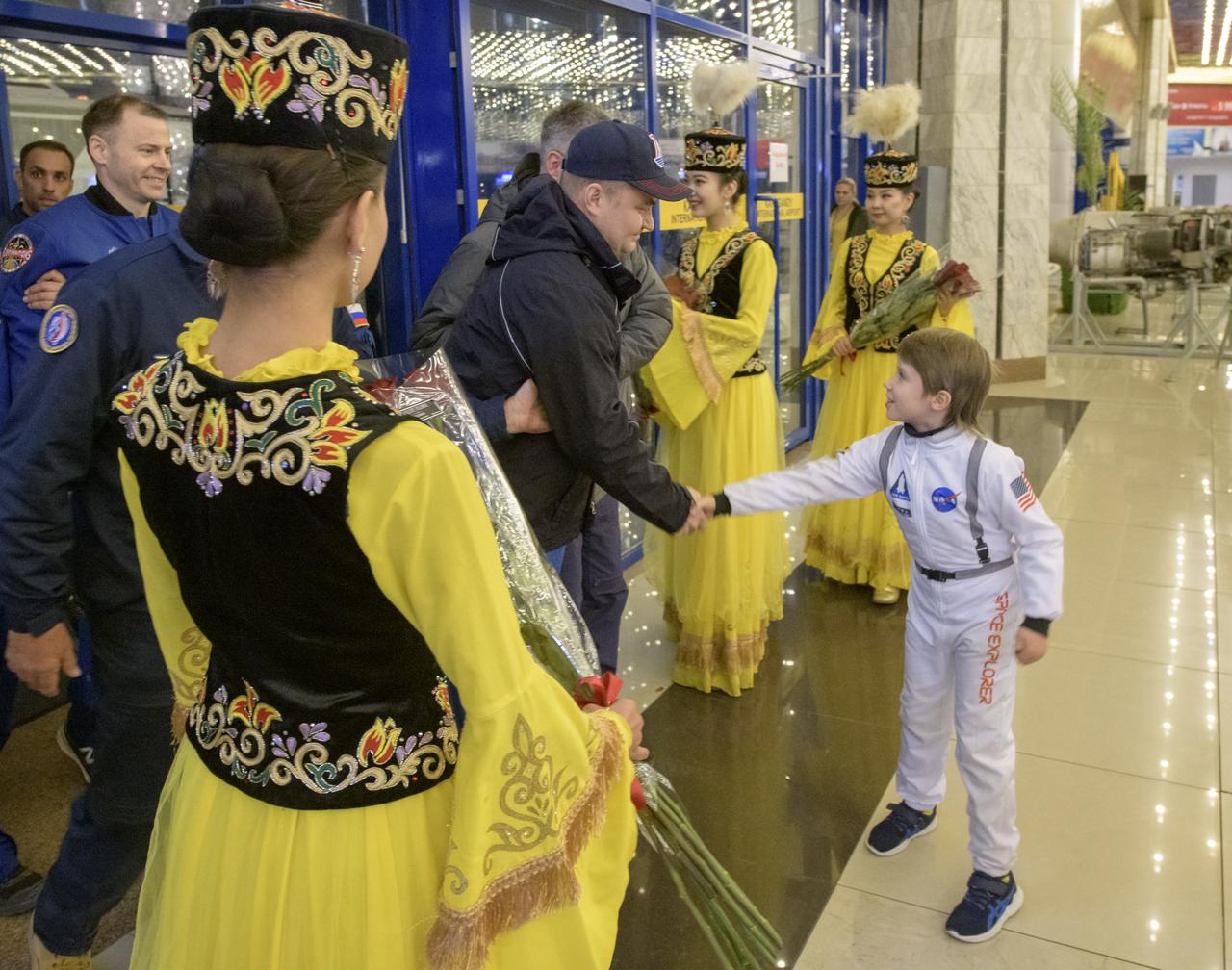
Girls in ceremonial Kazakhstan attire, and a local young man in a space outfit, welcome the return of Expedition 60 crew members Nick Hague of NASA and Alexey Ovchinin of Roscosmos, along with visiting astronaut Hazzaa Ali Almansoori of the United Arab Emirates at a Karaganda Airport welcome ceremony in Kazakhstan on Thursday, Oct. 3, 2019. Hague and Ovchinin are returning after 203 days in space where they served as members of the Expedition 59 and 60 crews onboard the International Space Station. Almansoori logged 8 days in space during his first flight as an astronaut. Photo Credit: (NASA/Bill Ingalls)
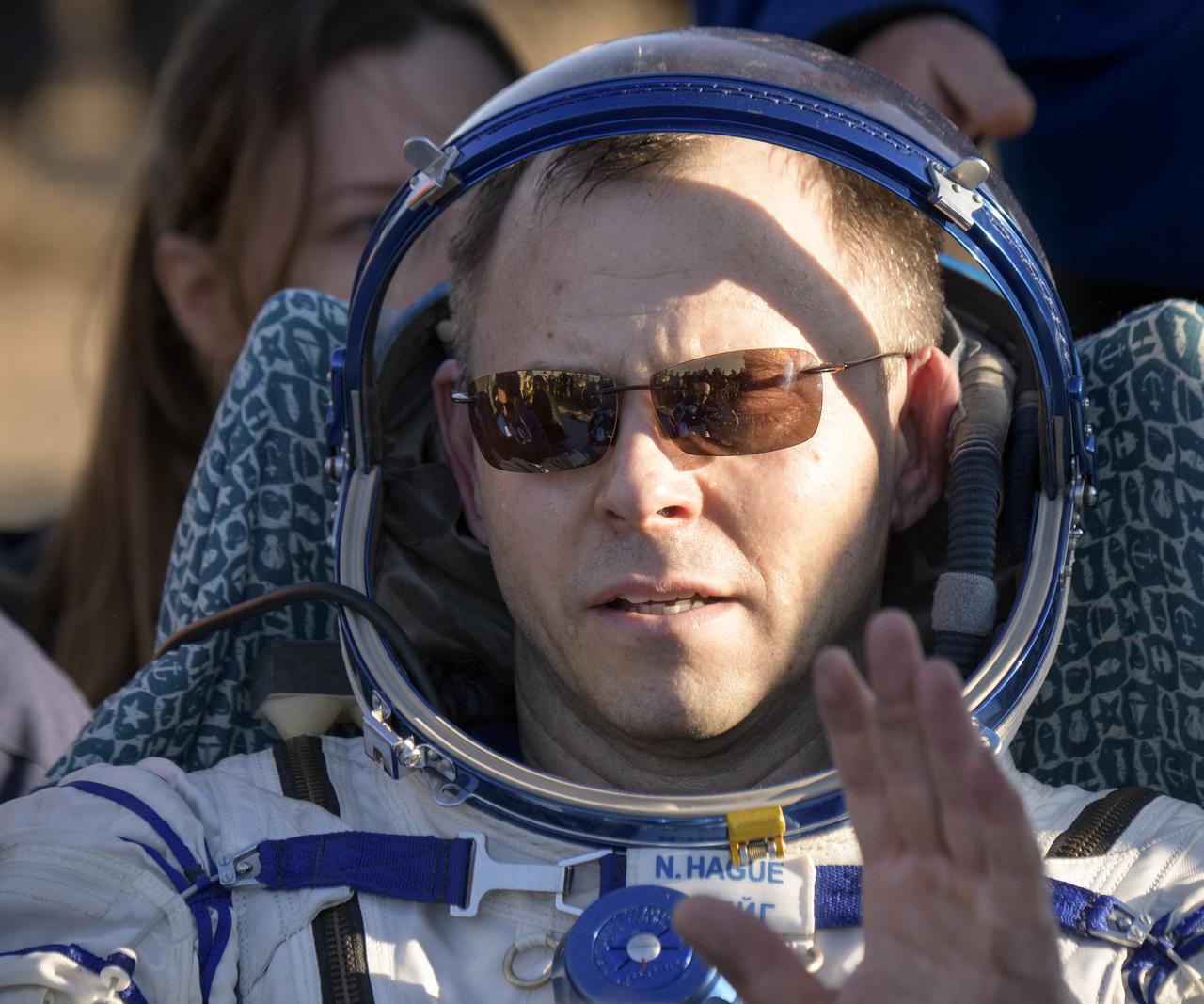
Expedition 60 crewmember Nick Hague of NASA is seen outside the Soyuz MS-12 spacecraft after he landed with fellow crewmember Alexey Ovchinin of Roscosmos and visiting astronaut Hazzaa Ali Almansoori of the United Arab Emirates in a remote area near the town of Zhezkazgan, Kazakhstan on Thursday, Oct. 3, 2019. Hague and Ovchinin are returning after 203 days in space where they served as members of the Expedition 59 and 60 crews onboard the International Space Station. Almansoori logged 8 days in space during his first flight as an astronaut. Photo Credit: (NASA/Bill Ingalls)
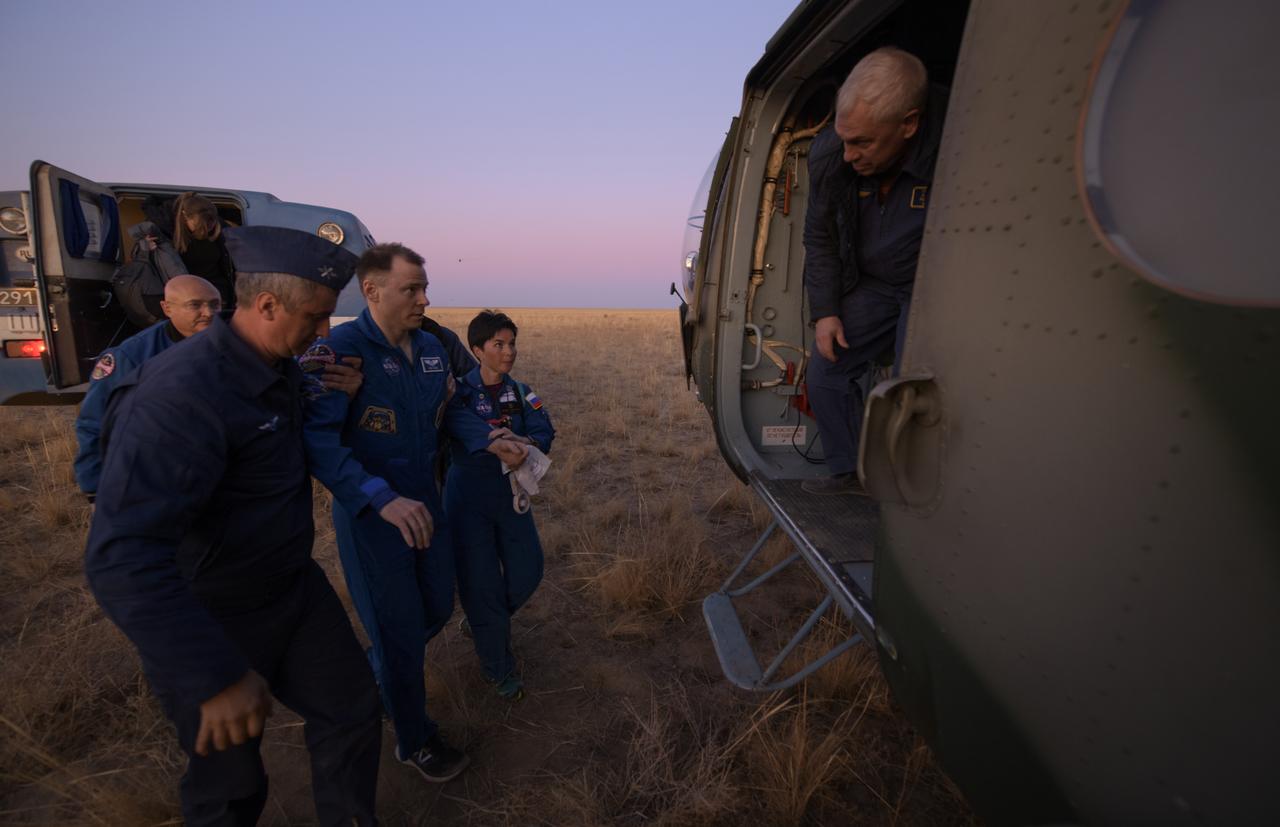
Expedition 60 crewmember Nick Hague of NASA is chelped into a Russian MI-8 helicopter after he and fellow Expedition 60 crewmember Alexey Ovchinin of Roscosmos and visiting astronaut Hazzaa Ali Almansoori of the United Arab Emirates landed in their Soyuz MS-12 spacecraft near the town of Zhezkazgan, Kazakhstan on Thursday, Oct. 3, 2019. Hague and Ovchinin are returning after 203 days in space where they served as members of the Expedition 59 and 60 crews onboard the International Space Station. Almansoori logged 8 days in space during his first flight as an astronaut. Photo Credit: (NASA/Bill Ingalls)
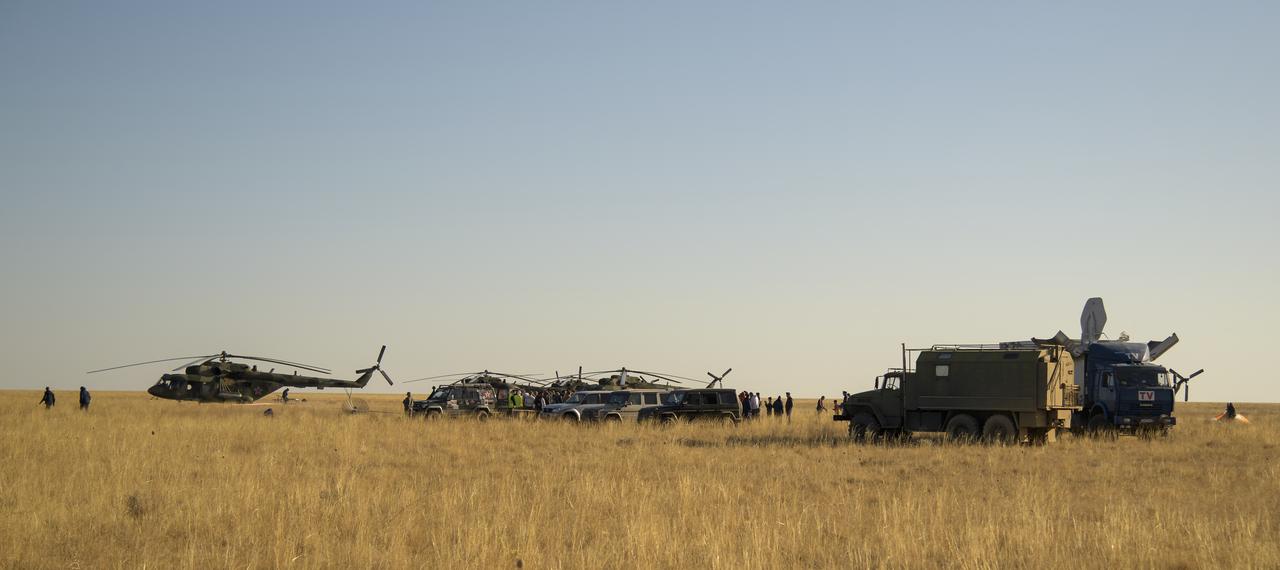
Russian Search and Rescue teams arrive at the Soyuz MS-12 spacecraft shortly after it landed with Expedition 60 crew members Nick Hague of NASA and Alexey Ovchinin of Roscosmos, along with visiting astronaut Hazzaa Ali Almansoori of the United Arab Emirates, Thursday, Oct. 3, 2019. Hague and Ovchinin are returning after 203 days in space where they served as members of the Expedition 59 and 60 crews onboard the International Space Station. Almansoori logged 8 days in space during his first flight as an astronaut. Photo Credit: (NASA/Bill Ingalls)
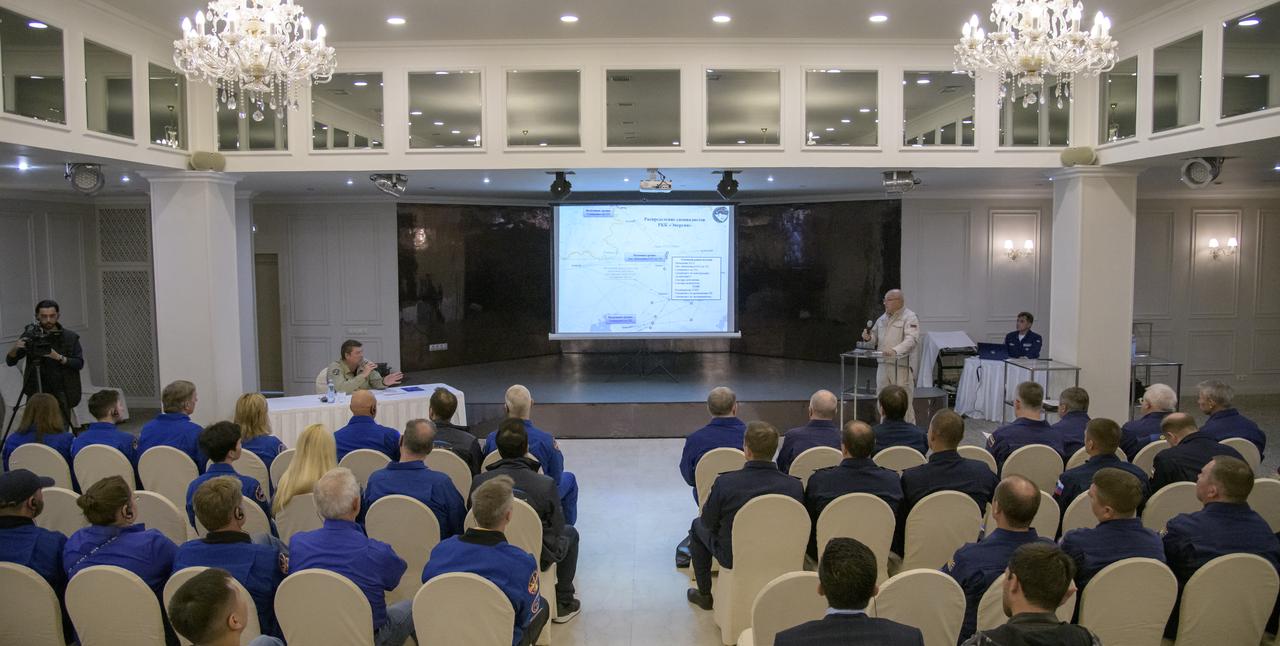
NASA, Roscosmos, and Russian Search and Recovery Forces meet at the Cosmonaut Hotel in Karaganda, Kazakhstan to discuss the readiness for the landing of Expedition 60 crew members Nick Hague of NASA and Alexey Ovchinin of Roscosmos, along with visiting astronaut Hazzaa Ali Almansoori of the United Arab Emirates, Tuesday, Oct. 1, 2019. Hague and Ovchinin are returning after 203 days in space where they served as members of the Expedition 59 and 60 crews onboard the International Space Station. Almansoori will have logged 8 days in space during his first flight as an astronaut. Photo Credit: (NASA/Bill Ingalls)
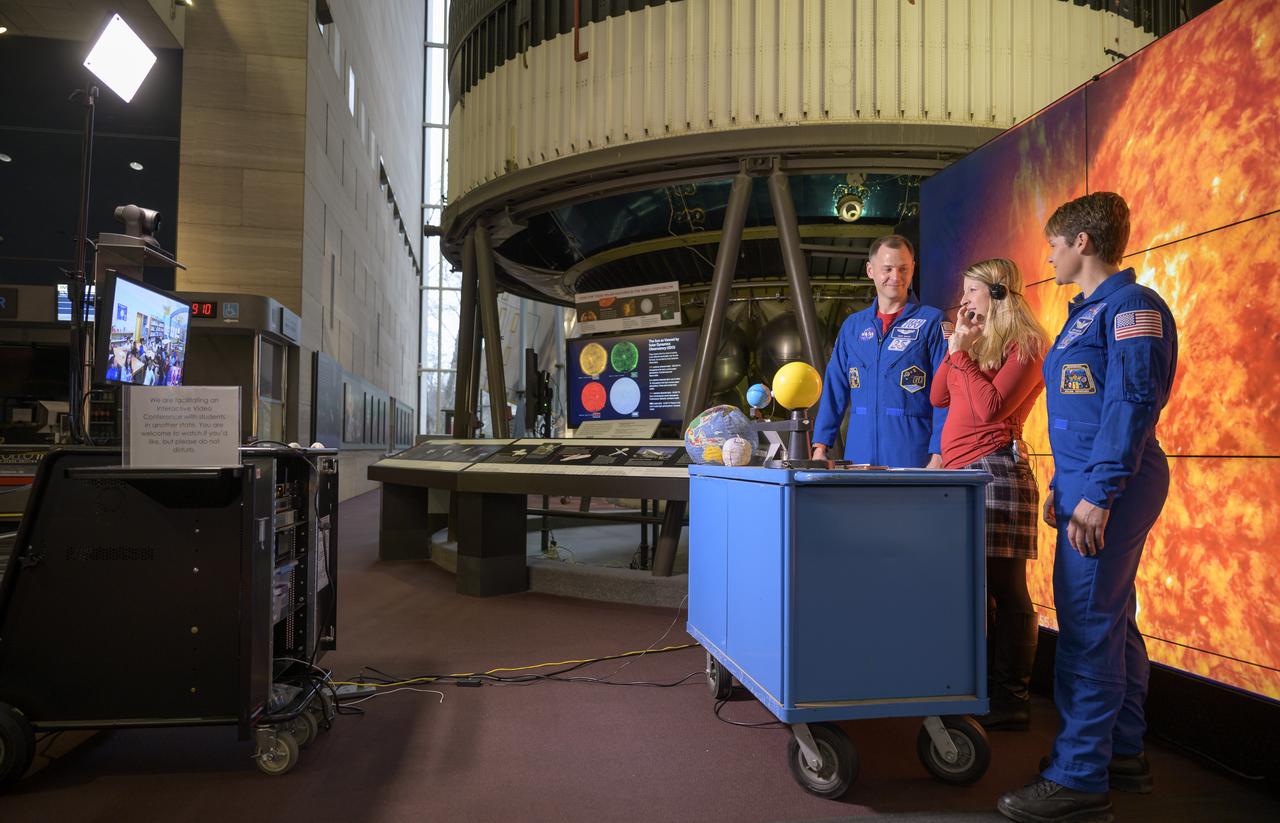
NASA astronauts Nick Hague, left, and Anne McClain, right, join Bevin James of the Smithsonian Air and Space Museum as she hosts an interactive video teleconference with 5th graders at the John P Parker school located in Cincinnati, Ohio, Tuesday, Jan. 14, 2020, from the Smithsonian National Air and Space Museum in Washington. Hague most recently spent 203 days living and working onboard the International Space Station as part of Expeditions 59 and 60. McClain most recently spent 204 days living and working onboard the International Space Station as part of Expeditions 58 and 59. Photo Credit: (NASA/Bill Ingalls)
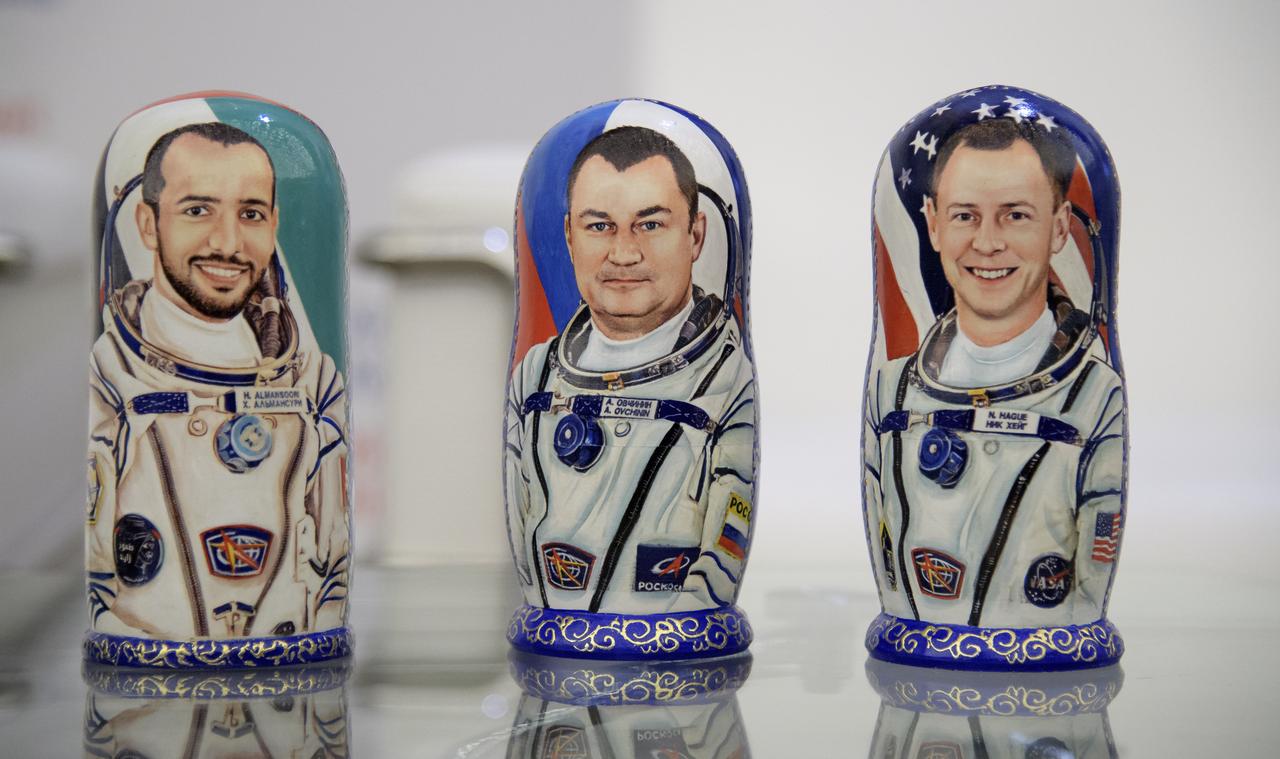
Matryoshka Dolls depicting visiting astronaut Hazzaa Ali Almansoori of the United Arab Emirates, left, Expedition 60 Roscosmos cosmonaut Alexey Ovchinin, center, and Expedition 60 astronaut Nick Hague of NASA are seen at a Karaganda Airport welcome ceremony in Kazakhstan on Thursday, Oct. 3, 2019. Hague and Ovchinin are returning after 203 days in space where they served as members of the Expedition 59 and 60 crews onboard the International Space Station. Almansoori logged 8 days in space during his first flight as an astronaut. Photo Credit: (NASA/Bill Ingalls)

Expedition 60 crewmember Nick Hague of NASA departs the medical tent after he and fellow Expedition 60 crewmember Alexey Ovchinin of Roscosmos and visiting astronaut Hazzaa Ali Almansoori of the United Arab Emirates landed in their Soyuz MS-12 spacecraft near the town of Zhezkazgan, Kazakhstan on Thursday, Oct. 3, 2019. Hague and Ovchinin are returning after 203 days in space where they served as members of the Expedition 59 and 60 crews onboard the International Space Station. Almansoori logged 8 days in space during his first flight as an astronaut. Photo Credit: (NASA/Bill Ingalls)
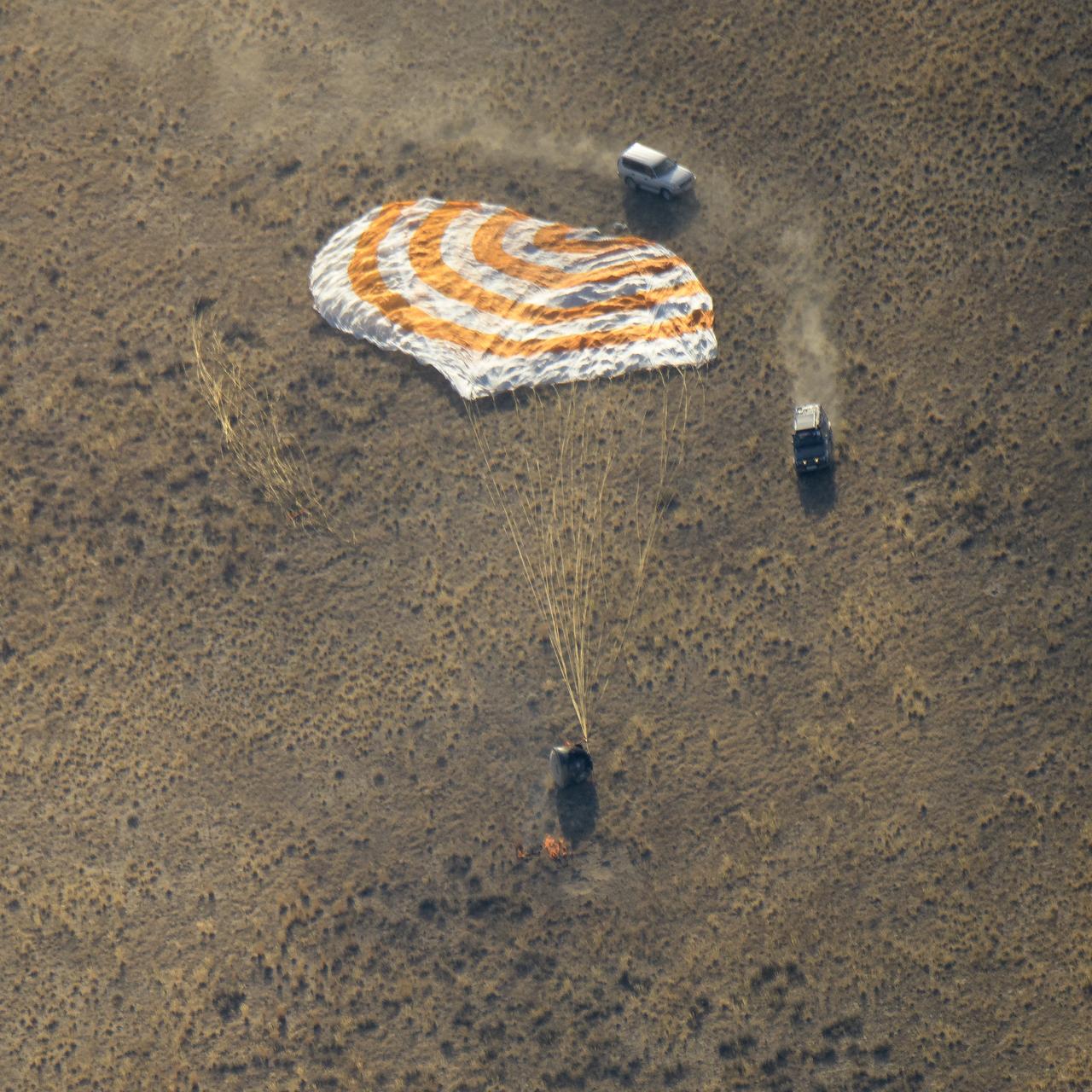
The Soyuz MS-12 spacecraft is seen as it lands in a remote area near the town of Zhezkazgan, Kazakhstan with Expedition 60 crew members Nick Hague of NASA and Alexey Ovchinin of Roscosmos, along with visiting astronaut Hazzaa Ali Almansoori of the United Arab Emirates, Thursday, Oct. 3, 2019. Hague and Ovchinin are returning after 203 days in space where they served as members of the Expedition 59 and 60 crews onboard the International Space Station. Almansoori logged 8 days in space during his first flight as an astronaut. Photo Credit: (NASA/Bill Ingalls)
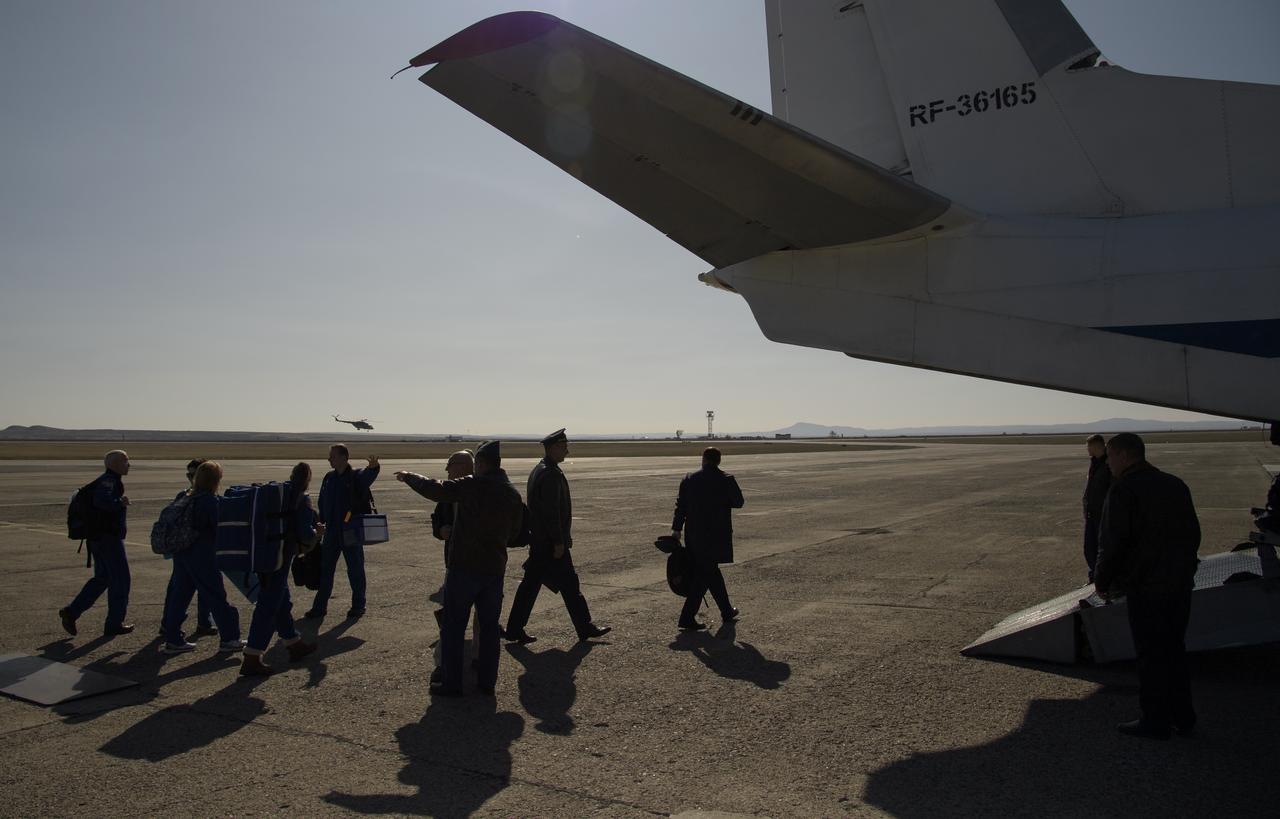
NASA, Roscosmos and Russian Search and Rescue teams depart the Karaganda Airport for Zhezkazgan, Kazakhstan in support of the landing of the Soyuz MS-12 spacecraft with Expedition 60 crew members Nick Hague of NASA and Alexey Ovchinin of Roscosmos, along with visiting astronaut Hazzaa Ali Almansoori of the United Arab Emirates, Thursday, Oct. 3, 2019. Hague and Ovchinin are returning after 203 days in space where they served as members of the Expedition 59 and 60 crews onboard the International Space Station. Almansoori logged 8 days in space during his first flight as an astronaut. Photo Credit: (NASA/Bill Ingalls)
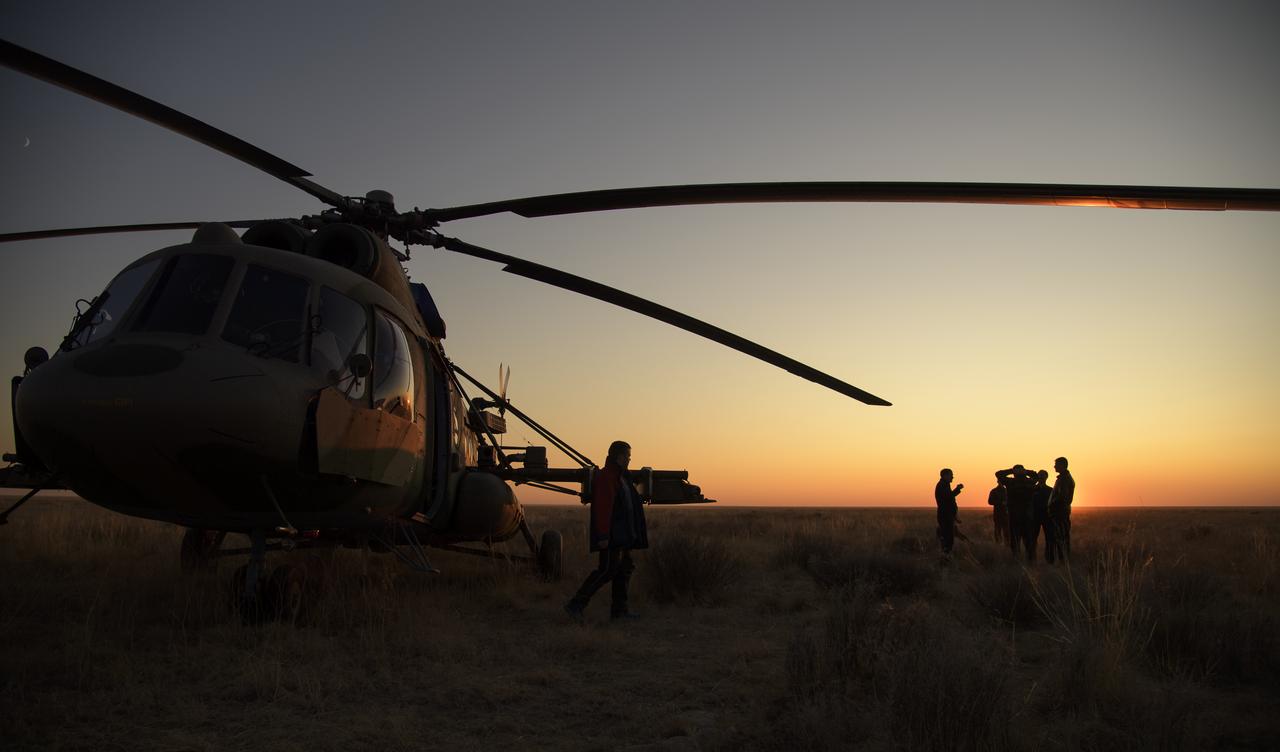
Supports teams wait to depart the Soyuz MS-12 spacecraft landing site after the capsule landed with Expedition 60 crew members Nick Hague of NASA and Alexey Ovchinin of Roscosmos, along with visiting astronaut Hazzaa Ali Almansoori of the United Arab Emirates in a remote area near the town of Zhezkazgan, Kazakhstan, Thursday, Oct. 3, 2019. Hague and Ovchinin are returning after 203 days in space where they served as members of the Expedition 59 and 60 crews onboard the International Space Station. Almansoori logged 8 days in space during his first flight as an astronaut. Photo Credit: (NASA/Bill Ingalls)

NASA, Roscosmos, and Russian Search and Recovery Forces meet at the Cosmonaut Hotel in Karaganda, Kazakhstan to discuss the readiness for the landing of Expedition 60 crew members Nick Hague of NASA and Alexey Ovchinin of Roscosmos, along with visiting astronaut Hazzaa Ali Almansoori of the United Arab Emirates, Tuesday, Oct. 1, 2019. Hague and Ovchinin are returning after 203 days in space where they served as members of the Expedition 59 and 60 crews onboard the International Space Station. Almansoori will have logged 8 days in space during his first flight as an astronaut. Photo Credit: (NASA/Bill Ingalls)
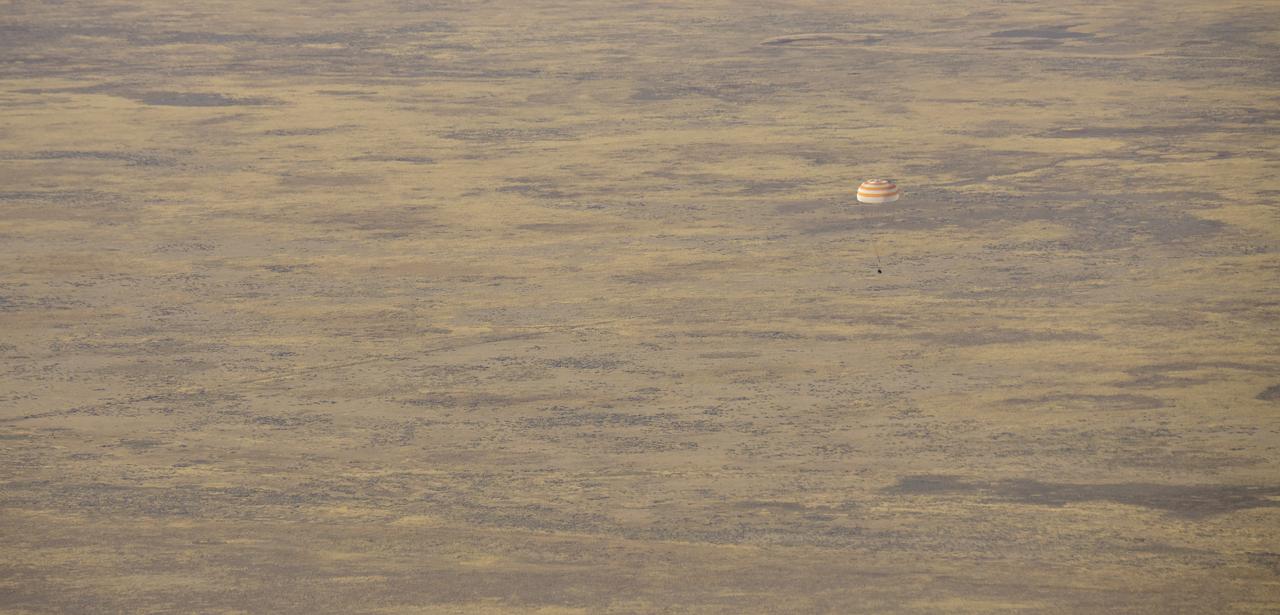
The Soyuz MS-12 spacecraft is seen as it lands in a remote area near the town of Zhezkazgan, Kazakhstan with Expedition 60 crew members Nick Hague of NASA and Alexey Ovchinin of Roscosmos, along with visiting astronaut Hazzaa Ali Almansoori of the United Arab Emirates, Thursday, Oct. 3, 2019. Hague and Ovchinin are returning after 203 days in space where they served as members of the Expedition 59 and 60 crews onboard the International Space Station. Almansoori logged 8 days in space during his first flight as an astronaut. Photo Credit: (NASA/Bill Ingalls)
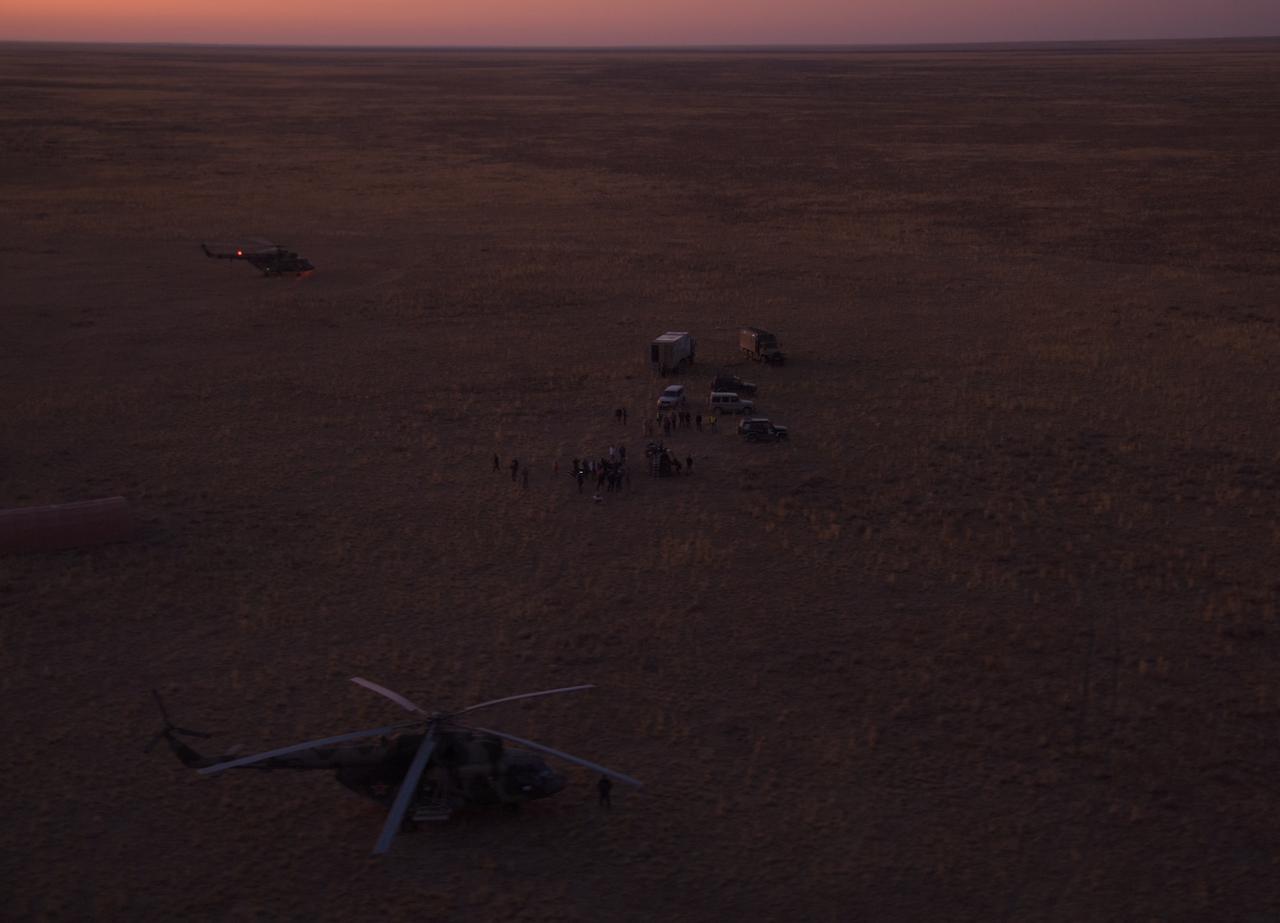
The Soyuz MS-12 spacecraft landing site is seen from the helicopter carrying Expedition 60 crew member Nick Hague of NASA back to Karaganda, Kazakhstan, Thursday, Oct. 3, 2019. Hague and fellow Expedition 60 crewmember Alexey Ovchinin are returning after 203 days in space where they served as members of the Expedition 59 and 60 crews onboard the International Space Station. Visiting astronaut Hazzaa Ali Almansoori of the United Arab Emirates also returned with etc crew after logging 8 days in space during his first flight as an astronaut. Photo Credit: (NASA/Bill Ingalls)
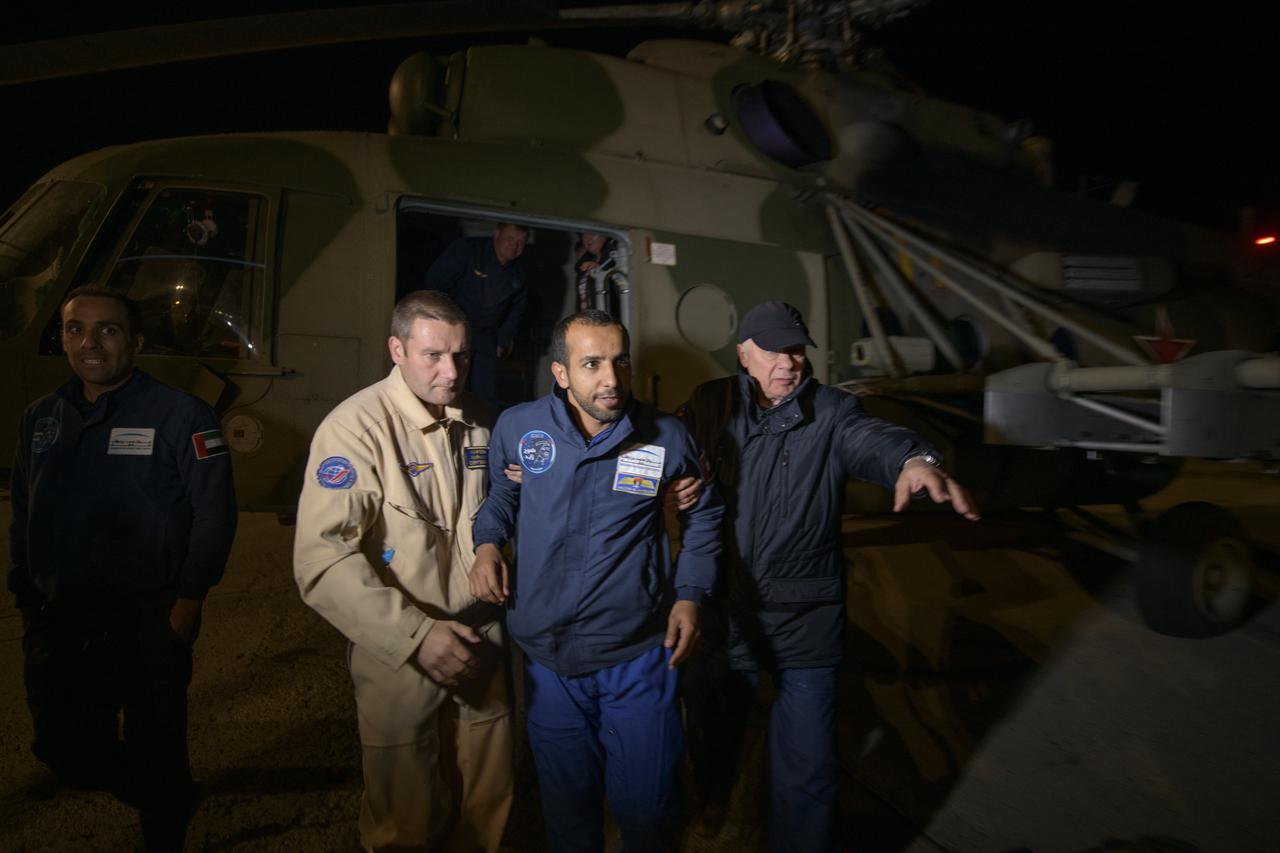
Visiting astronaut Hazzaa Ali Almansoori of the United Arab Emirates arrives at the Karaganda Airport in Kazakhstan after he and Expedition 60 crewmembers Nick Hague of NASA and Alexey Ovchinin of Roscosmos landed in their Soyuz MS-12 spacecraft in a remote area near the town of Zhezkazgan, Kazakhstan on Thursday, Oct. 3, 2019. Hague and Ovchinin are returning after 203 days in space where they served as members of the Expedition 59 and 60 crews onboard the International Space Station. Almansoori logged 8 days in space during his first flight as an astronaut. Photo Credit: (NASA/Bill Ingalls)
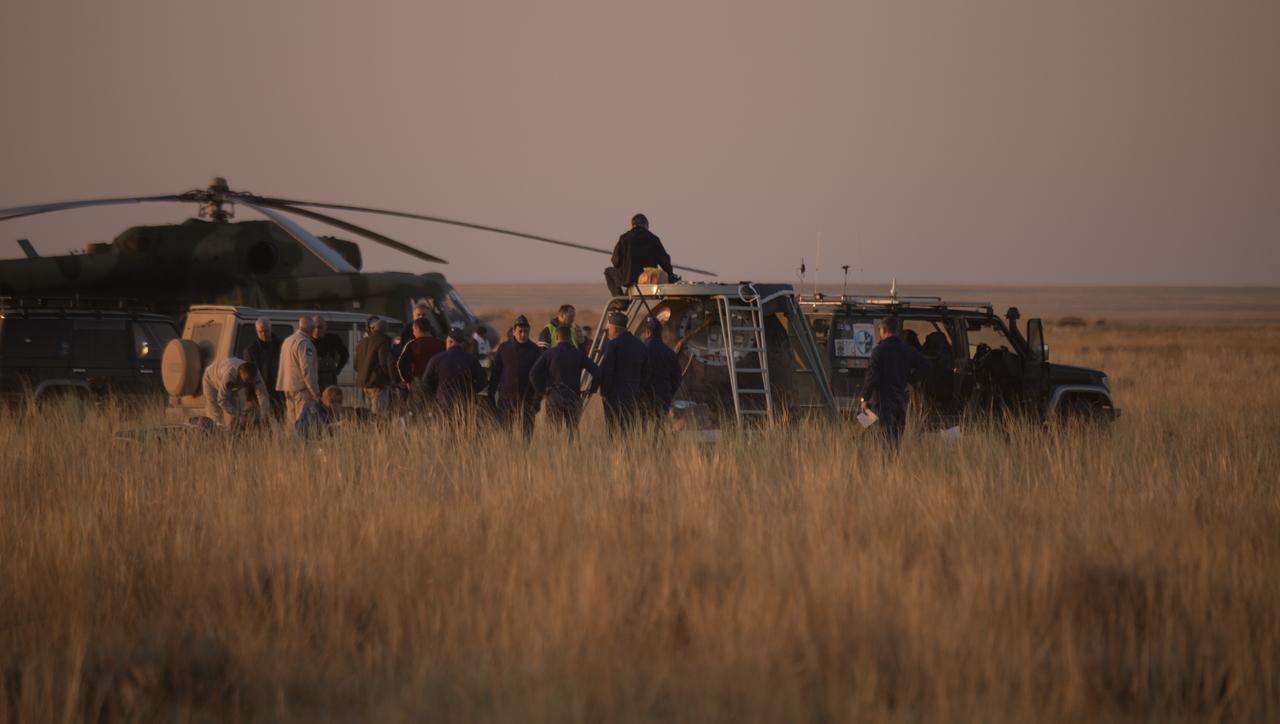
Russian support personnel work around the Soyuz MS-12 spacecraft after it landed with Expedition 60 crew members Nick Hague of NASA and Alexey Ovchinin of Roscosmos, along with visiting astronaut Hazzaa Ali Almansoori of the United Arab Emirates, Thursday, Oct. 3, 2019. Hague and Ovchinin are returning after 203 days in space where they served as members of the Expedition 59 and 60 crews onboard the International Space Station. Almansoori logged 8 days in space during his first flight as an astronaut. Photo Credit: (NASA/Bill Ingalls)