
Ablation Test of Mercury Capsule
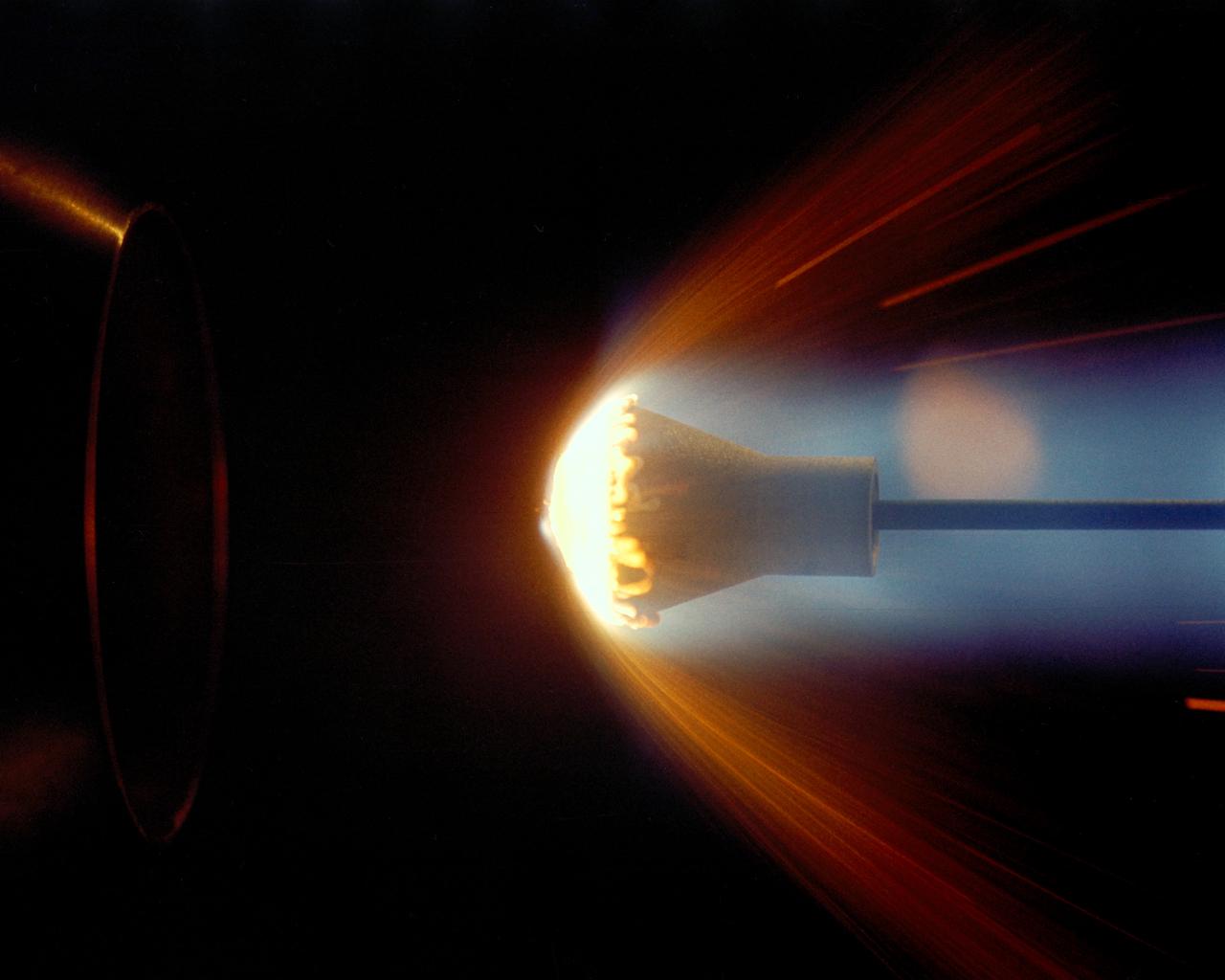
Ablation Test of Mercury Capsule
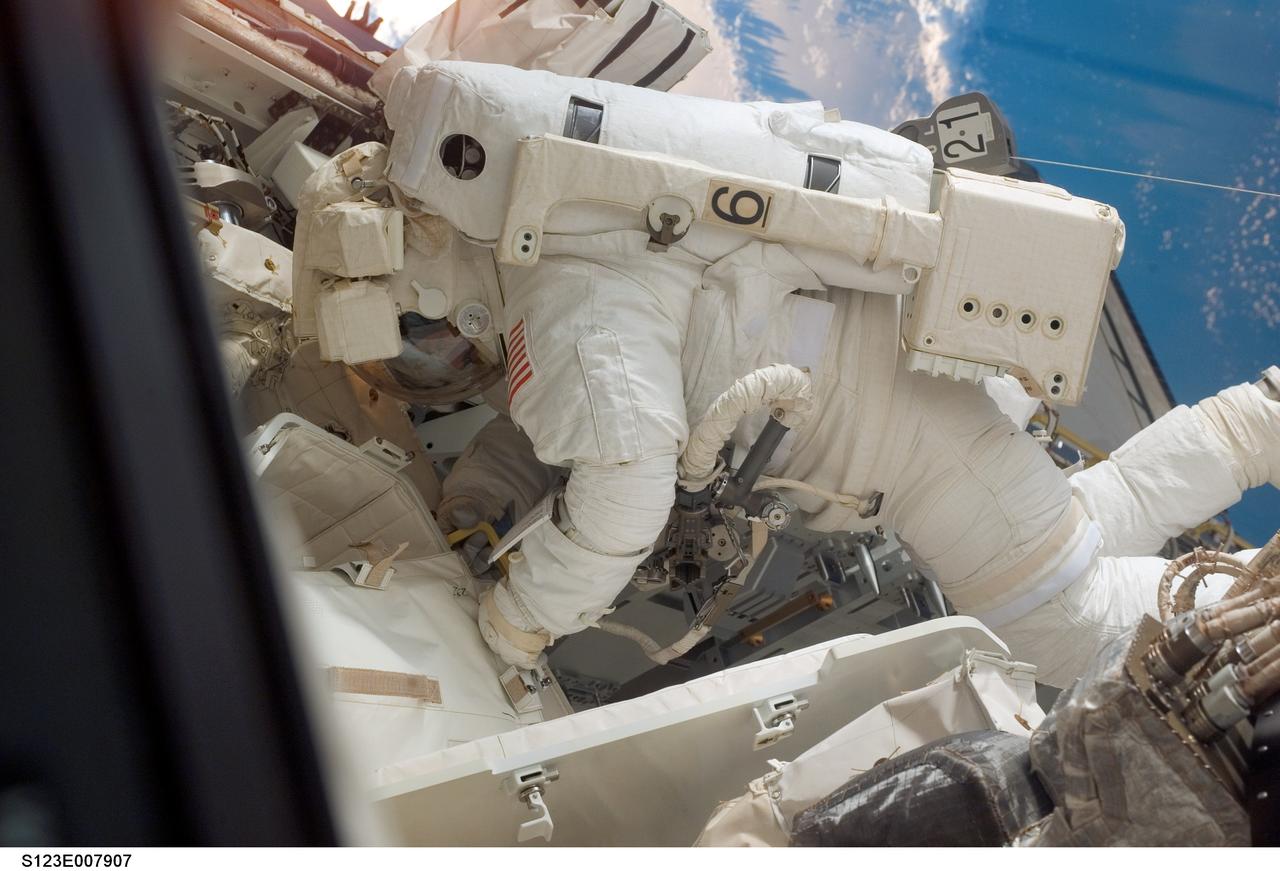
S123-E-007907 (21 March 2008) --- Astronaut Robert L. Behnken, STS-123 mission specialist, participates in the mission's fourth scheduled session of extravehicular activity (EVA) as construction and maintenance continue on the International Space Station. During the 6-hour, 24-minute spacewalk, Behnken and astronaut Mike Foreman (out of frame), mission specialist, replaced a failed Remote Power Control Module -- essentially a circuit breaker -- on the station's truss. The spacewalkers also tested a repair method for damaged heat resistant tiles on the space shuttle. This technique used a caulk-gun-like tool named the Tile Repair Ablator Dispenser to dispense a material called Shuttle Tile Ablator-54 into purposely damaged heat shield tiles. The sample tiles will be returned to Earth to undergo extensive testing on the ground.
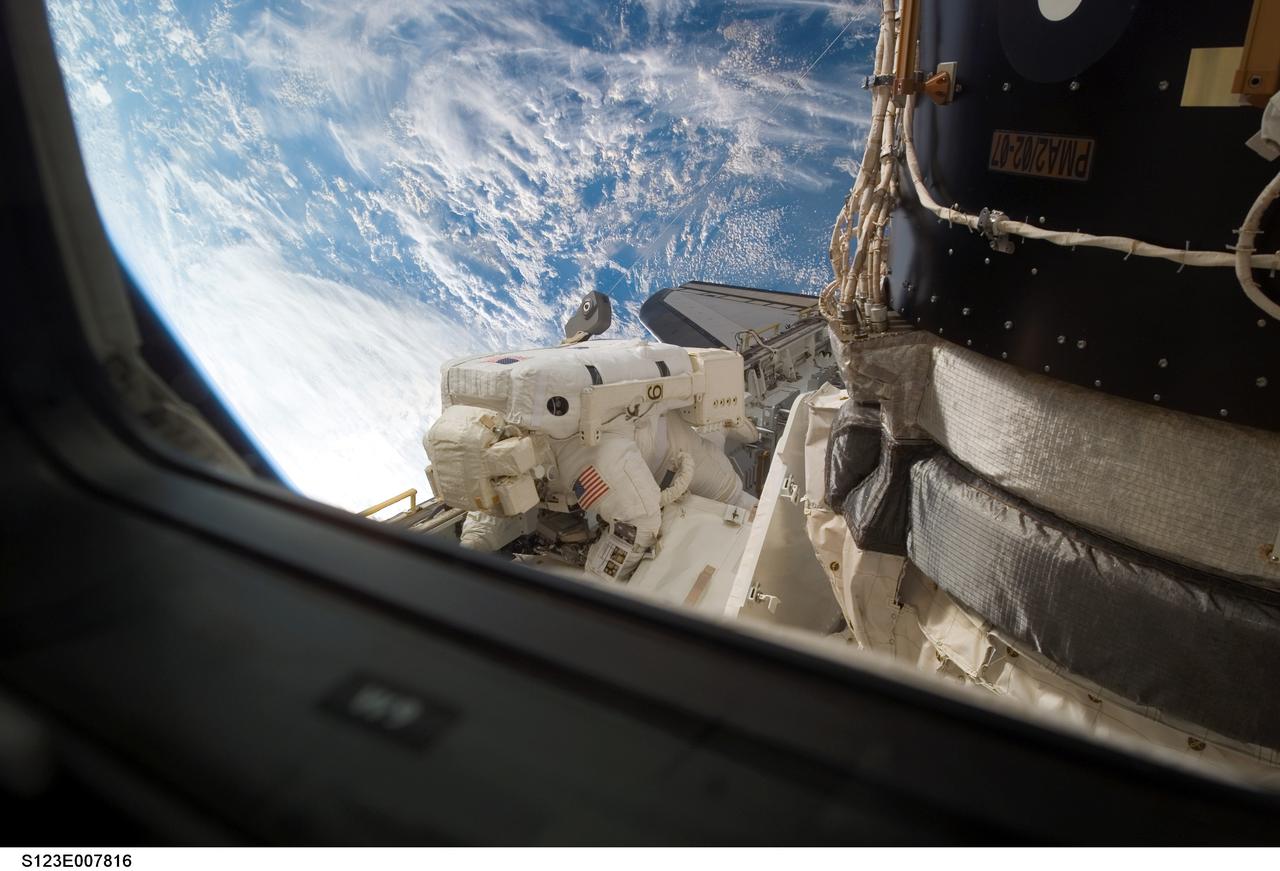
S123-E-007816 (21 March 2008) --- Astronaut Robert L. Behnken, STS-123 mission specialist, participates in the mission's fourth scheduled session of extravehicular activity (EVA) as construction and maintenance continue on the International Space Station. During the 6-hour, 24-minute spacewalk, Behnken and astronaut Mike Foreman (out of frame), mission specialist, replaced a failed Remote Power Control Module -- essentially a circuit breaker -- on the station's truss. The spacewalkers also tested a repair method for damaged heat resistant tiles on the space shuttle. This technique used a caulk-gun-like tool named the Tile Repair Ablator Dispenser to dispense a material called Shuttle Tile Ablator-54 into purposely damaged heat shield tiles. The sample tiles will be returned to Earth to undergo extensive testing on the ground.
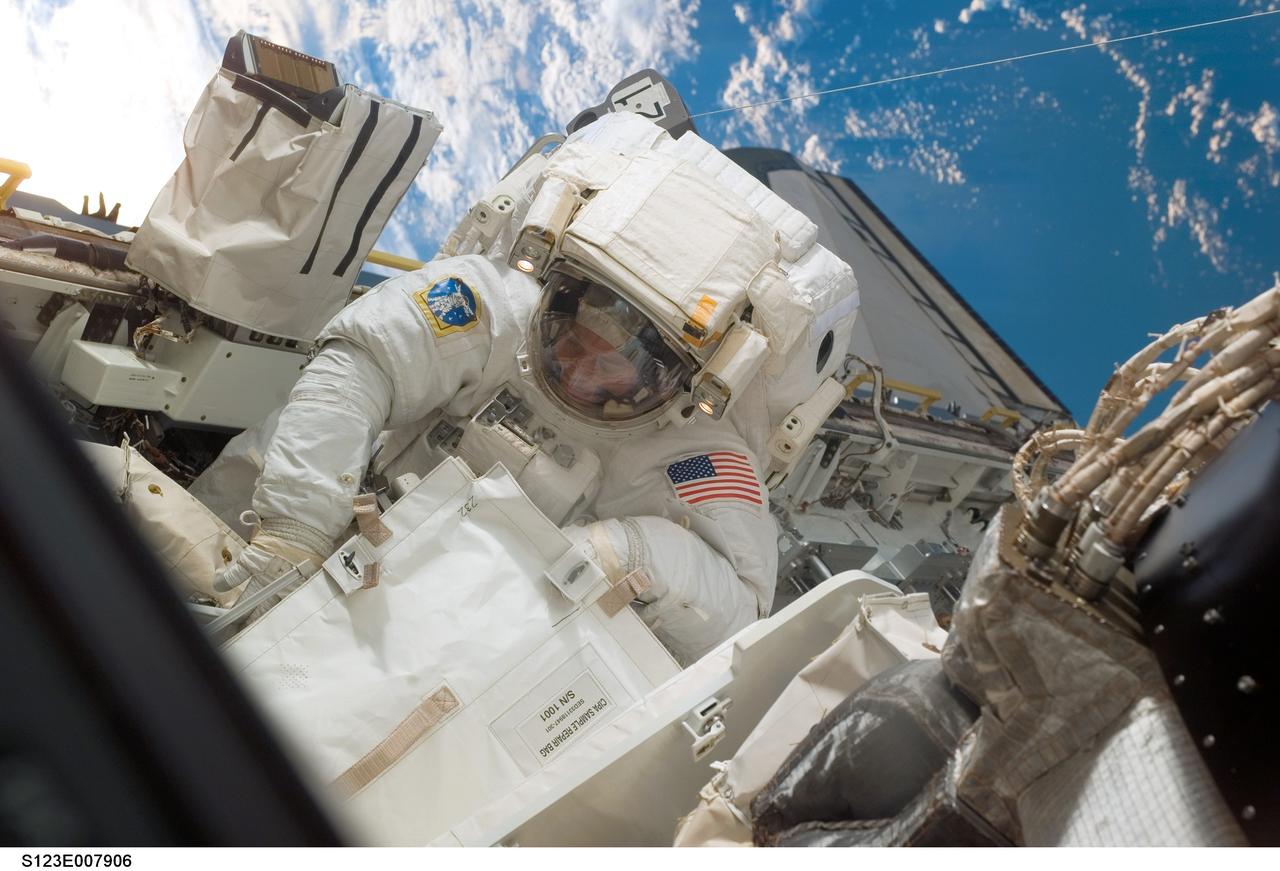
S123-E-007906 (21 March 2008) --- Astronaut Robert L. Behnken, STS-123 mission specialist, participates in the mission's fourth scheduled session of extravehicular activity (EVA) as construction and maintenance continue on the International Space Station. During the 6-hour, 24-minute spacewalk, Behnken and astronaut Mike Foreman (out of frame), mission specialist, replaced a failed Remote Power Control Module -- essentially a circuit breaker -- on the station's truss. The spacewalkers also tested a repair method for damaged heat resistant tiles on the space shuttle. This technique used a caulk-gun-like tool named the Tile Repair Ablator Dispenser to dispense a material called Shuttle Tile Ablator-54 into purposely damaged heat shield tiles. The sample tiles will be returned to Earth to undergo extensive testing on the ground.
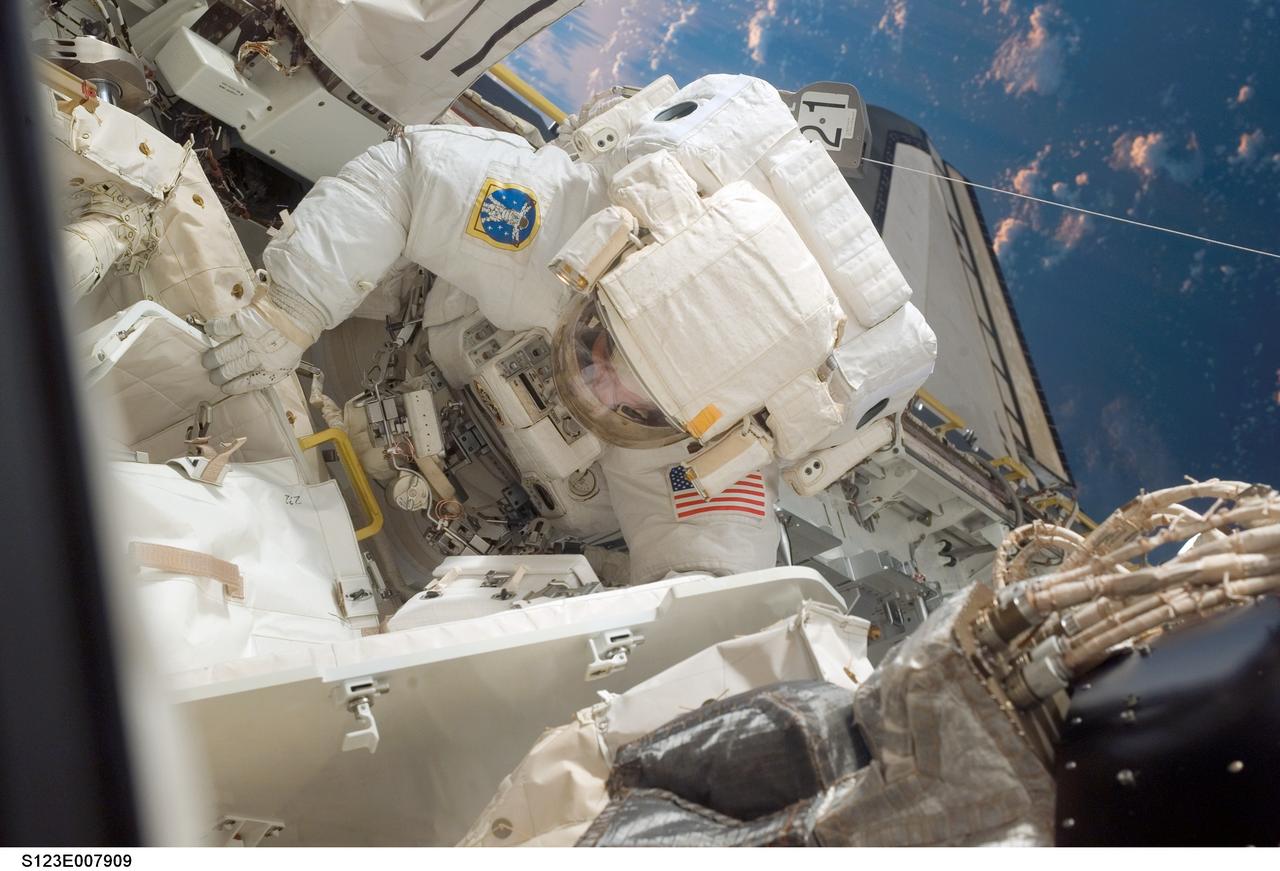
S123-E-007909 (21 March 2008) --- Astronaut Robert L. Behnken, STS-123 mission specialist, participates in the mission's fourth scheduled session of extravehicular activity (EVA) as construction and maintenance continue on the International Space Station. During the 6-hour, 24-minute spacewalk, Behnken and astronaut Mike Foreman (out of frame), mission specialist, replaced a failed Remote Power Control Module -- essentially a circuit breaker -- on the station's truss. The spacewalkers also tested a repair method for damaged heat resistant tiles on the space shuttle. This technique used a caulk-gun-like tool named the Tile Repair Ablator Dispenser to dispense a material called Shuttle Tile Ablator-54 into purposely damaged heat shield tiles. The sample tiles will be returned to Earth to undergo extensive testing on the ground.

S123-E-007838 (21 March 2008) --- Astronauts Robert L. Behnken (top) and Mike Foreman, both STS-123 mission specialists, participate in the mission's fourth scheduled session of extravehicular activity (EVA) as construction and maintenance continue on the International Space Station. During the 6-hour, 24-minute spacewalk, Behnken and Foreman replaced a failed Remote Power Control Module -- essentially a circuit breaker -- on the station's truss. The spacewalkers also tested a repair method for damaged heat resistant tiles on the space shuttle. This technique used a caulk-gun-like tool named the Tile Repair Ablator Dispenser to dispense a material called Shuttle Tile Ablator-54 into purposely damaged heat shield tiles. The sample tiles will be returned to Earth to undergo extensive testing on the ground.
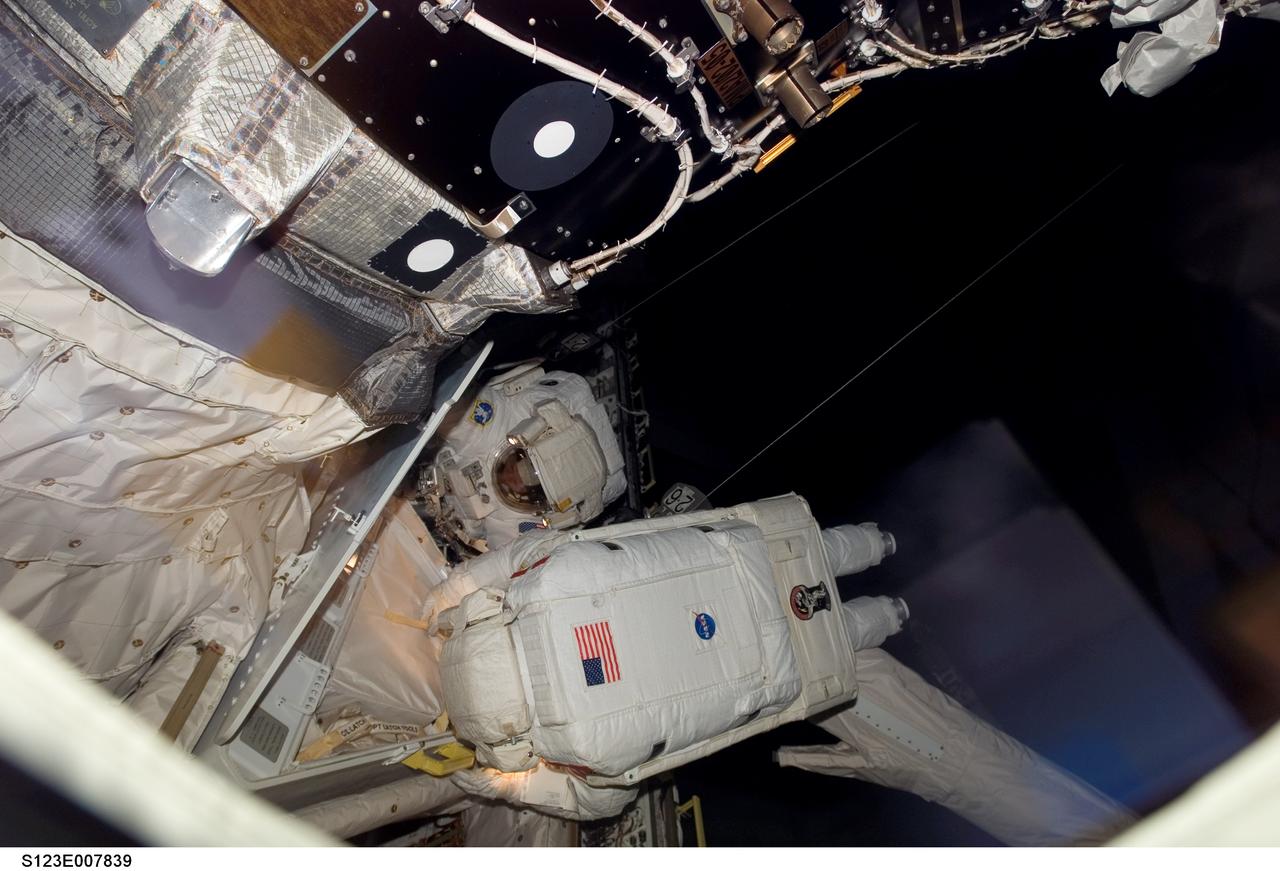
S123-E-007839 (21 March 2008) --- Astronauts Mike Foreman (foreground) and Robert L. Behnken, both STS-123 mission specialists, participate in the mission's fourth scheduled session of extravehicular activity (EVA) as construction and maintenance continue on the International Space Station. During the 6-hour, 24-minute spacewalk, Foreman and Behnken replaced a failed Remote Power Control Module -- essentially a circuit breaker -- on the station's truss. The spacewalkers also tested a repair method for damaged heat resistant tiles on the space shuttle. This technique used a caulk-gun-like tool named the Tile Repair Ablator Dispenser to dispense a material called Shuttle Tile Ablator-54 into purposely damaged heat shield tiles. The sample tiles will be returned to Earth to undergo extensive testing on the ground.
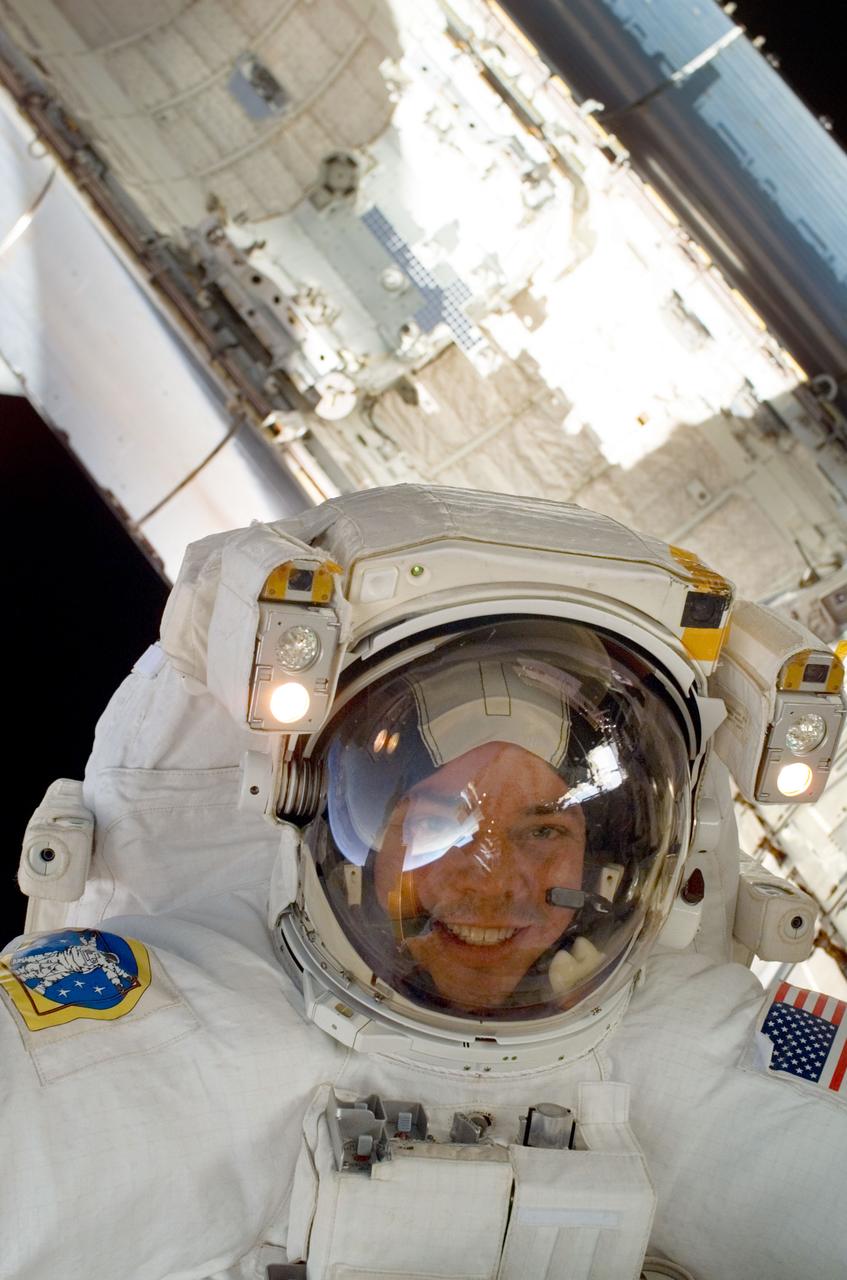
ISS016-E-033400 (21 March 2008) --- Astronaut Robert L. Behnken, STS-123 mission specialist, participates in the mission's fourth scheduled session of extravehicular activity (EVA) as construction and maintenance continue on the International Space Station. During the 6-hour, 24-minute spacewalk, Behnken and astronaut Mike Foreman (out of frame), mission specialist, replaced a failed Remote Power Control Module -- essentially a circuit breaker -- on the station's truss. The spacewalkers also tested a repair method for damaged heat resistant tiles on the space shuttle. This technique used a caulk-gun-like tool named the Tile Repair Ablator Dispenser to dispense a material called Shuttle Tile Ablator-54 into purposely damaged heat shield tiles. The sample tiles will be returned to Earth to undergo extensive testing on the ground. A portion of the Space Shuttle Endeavour payload bay is visible in the background.
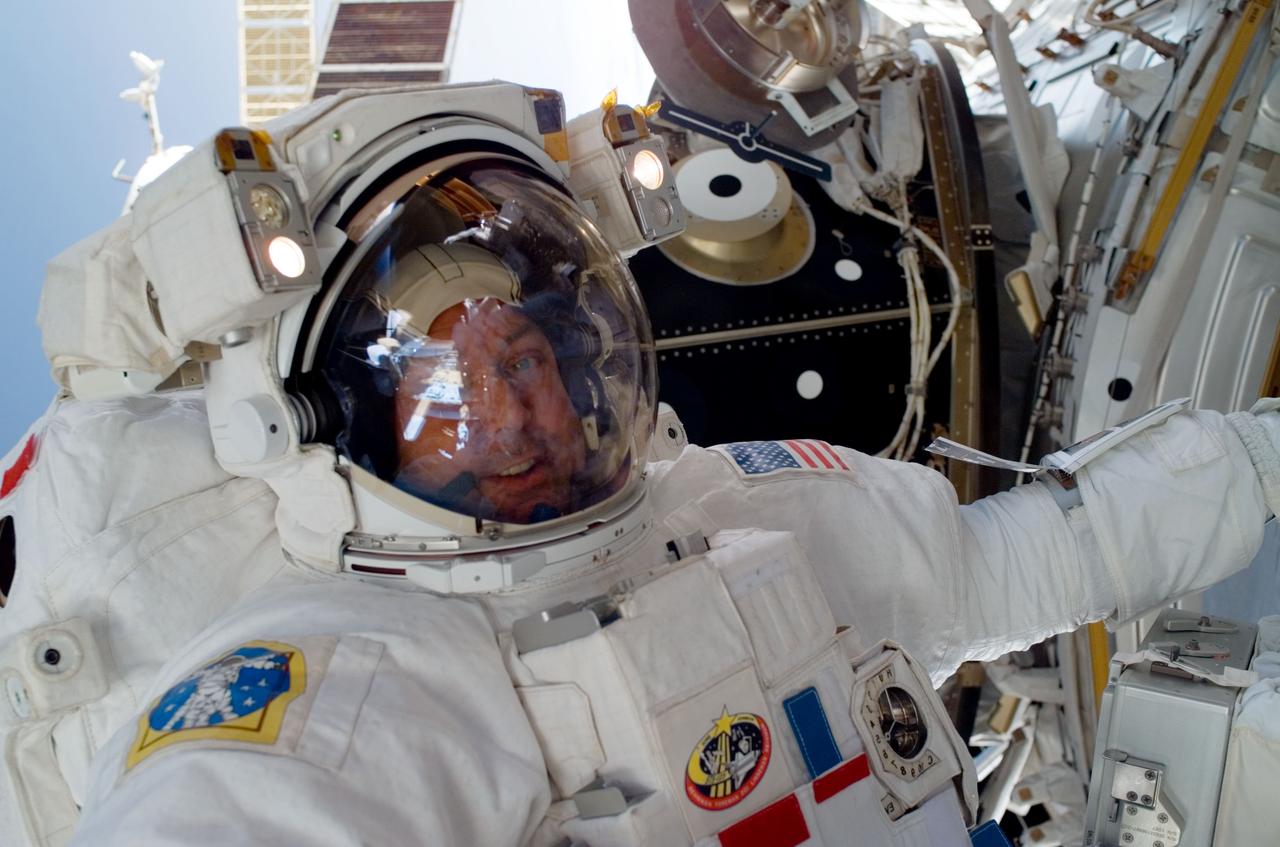
ISS016-E-033394 (21 March 2008) --- Astronaut Mike Foreman, STS-123 mission specialist, participates in the mission's fourth scheduled session of extravehicular activity (EVA) as construction and maintenance continue on the International Space Station. During the 6-hour, 24-minute spacewalk, Foreman and astronaut Robert L. Behnken (out of frame), mission specialist, replaced a failed Remote Power Control Module -- essentially a circuit breaker -- on the station's truss. The spacewalkers also tested a repair method for damaged heat resistant tiles on the space shuttle. This technique used a caulk-gun-like tool named the Tile Repair Ablator Dispenser to dispense a material called Shuttle Tile Ablator-54 into purposely damaged heat shield tiles. The sample tiles will be returned to Earth to undergo extensive testing on the ground.
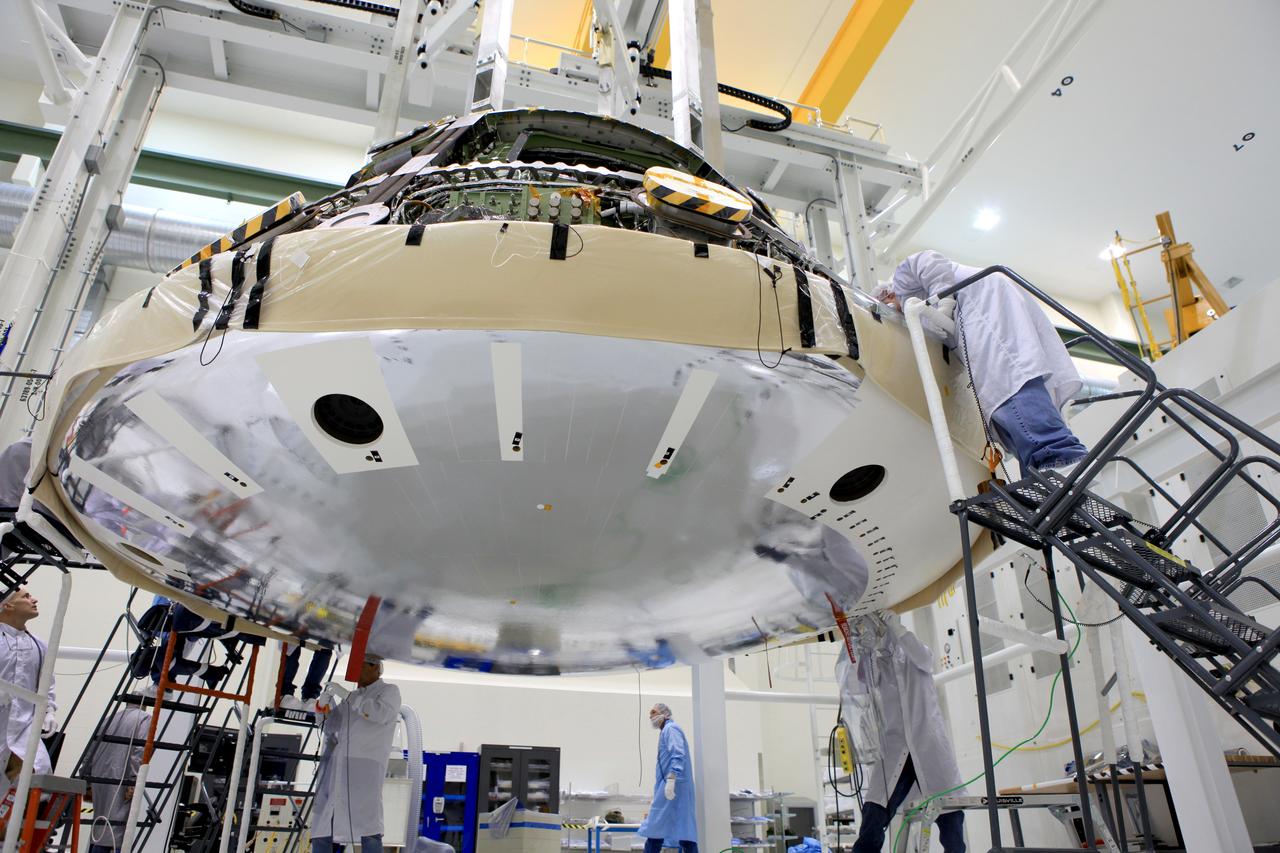
The world’s largest heat shield, measuring 16.5 feet in diameter, is successfully attached to the Orion Exploration Flight Test-1 (EFT-1) spacecraft on May 30, 2014. The heat shield is made from a single seamless piece of Avcoat ablator. The heat shield was tested on Orion’s first flight as it protected the spacecraft from temperatures reaching 4,000 degrees Fahrenheit. Part of Batch image transfer from Flickr.
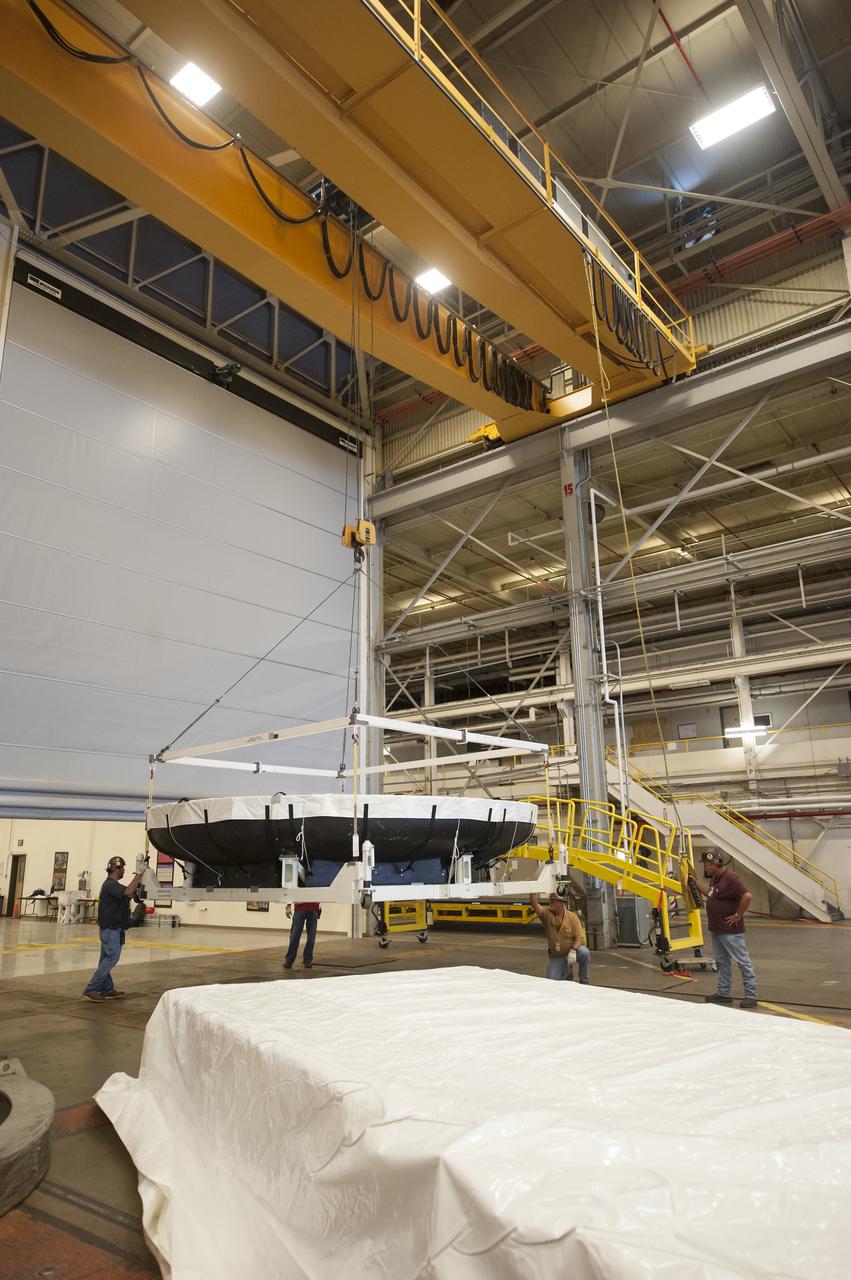
THE ORION HEAT SHIELD, WHICH WAS AT NASA’S MARSHALL SPACE FLIGHT CENTER FROM MARCH-MAY 2015 FOR ENGINEERING AND ANALYSIS, IS READIED FOR DEPARTURE AT THE END OF ITS STAY. THE HEAT SHIELD’S ABLATED SURFACE MATERIAL WAS REMOVED AT MARSHALL FOR ANALYSIS, USING THE CENTER’S STATE-OF-THE-ART SEVEN-AXIS MILLING MACHINE. IT NEXT WILL GO TO NASA’S LANGLEY RESEARCH CENTER FOR WATER-IMPACT TESTING. NASA’S JOHNSON SPACE CENTER LEADS THE ORION PROGRAM FOR NASA.
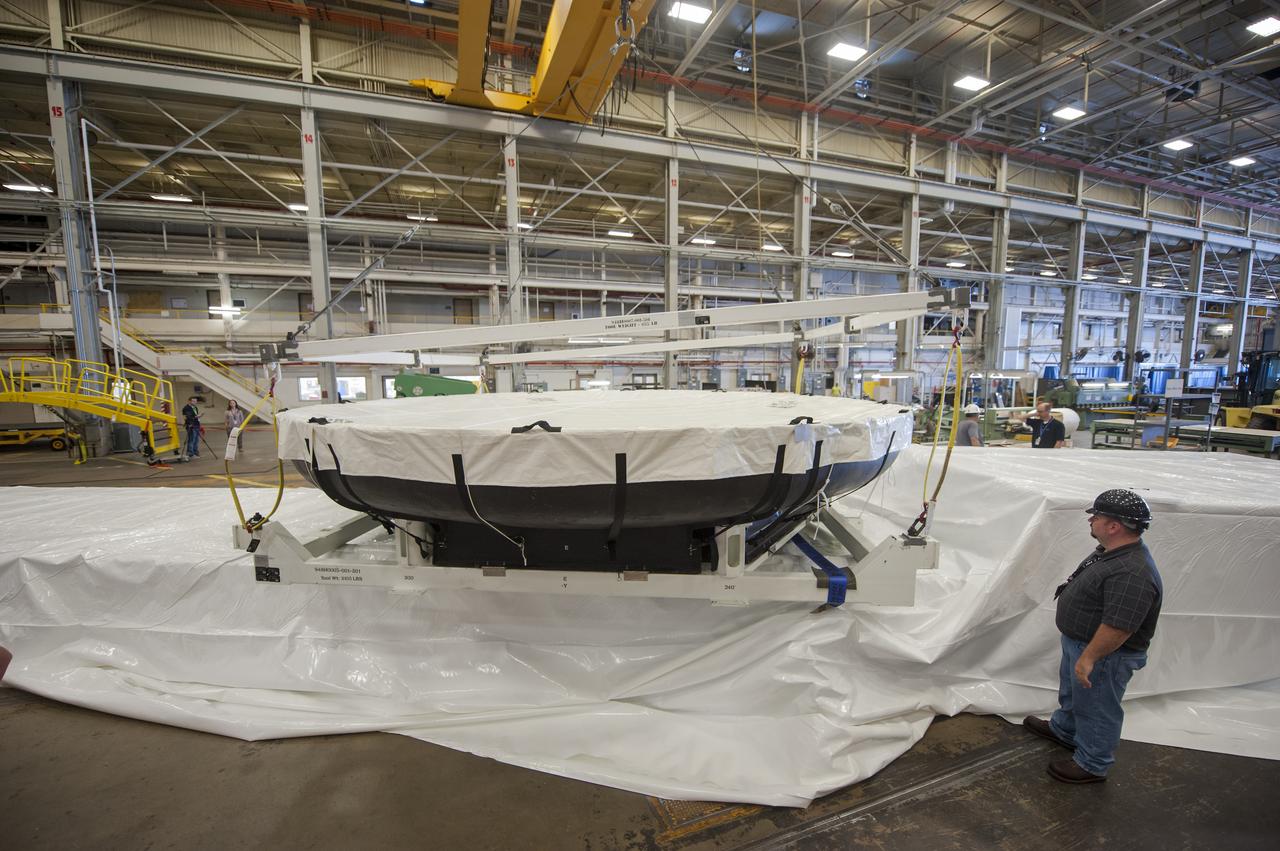
THE ORION HEAT SHIELD, WHICH WAS AT NASA’S MARSHALL SPACE FLIGHT CENTER FROM MARCH-MAY 2015 FOR ENGINEERING AND ANALYSIS, IS READIED FOR DEPARTURE AT THE END OF ITS STAY. THE HEAT SHIELD’S ABLATED SURFACE MATERIAL WAS REMOVED AT MARSHALL FOR ANALYSIS, USING THE CENTER’S STATE-OF-THE-ART SEVEN-AXIS MILLING MACHINE. IT NEXT WILL GO TO NASA’S LANGLEY RESEARCH CENTER FOR WATER-IMPACT TESTING. NASA’S JOHNSON SPACE CENTER LEADS THE ORION PROGRAM FOR NASA.
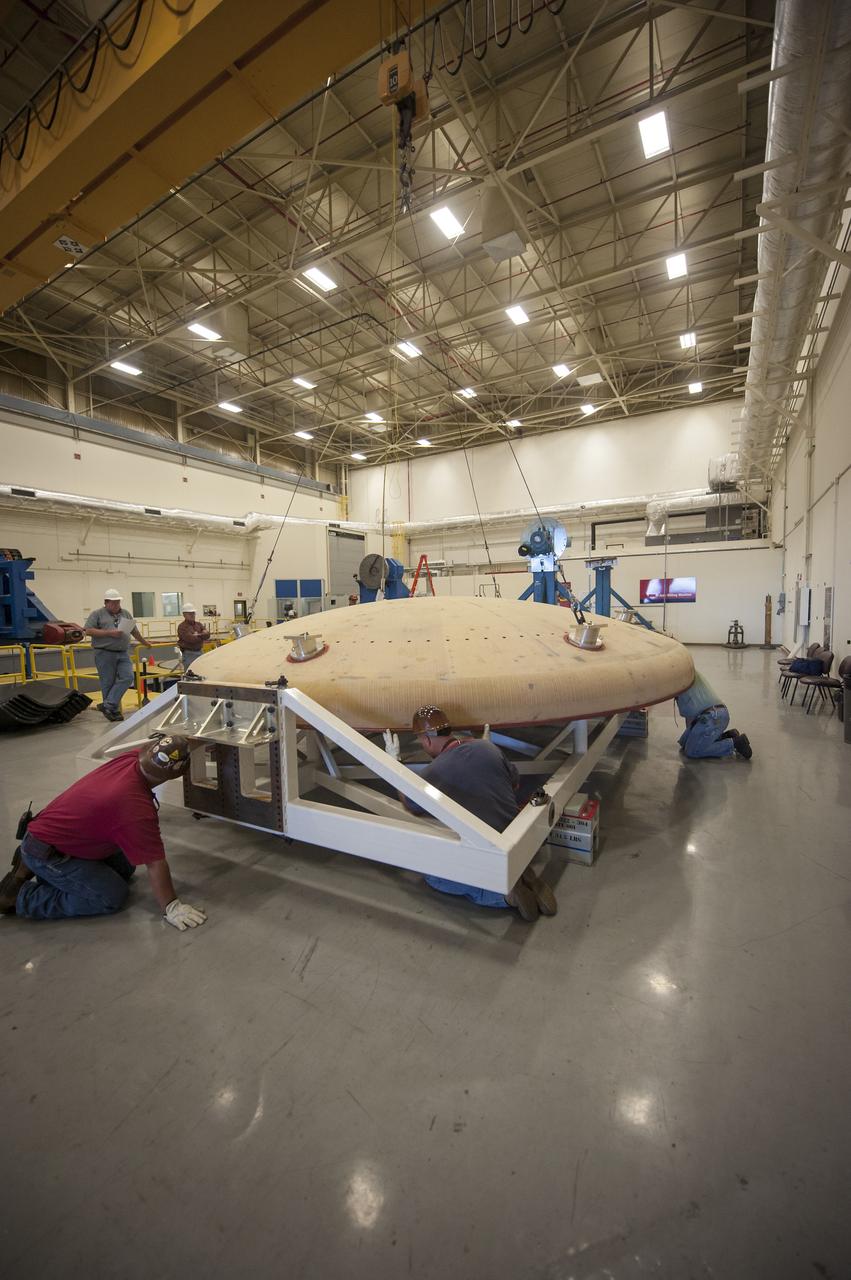
THE ORION HEAT SHIELD, WHICH WAS AT NASA’S MARSHALL SPACE FLIGHT CENTER FROM MARCH-MAY 2015 FOR ENGINEERING AND ANALYSIS, IS READIED FOR DEPARTURE AT THE END OF ITS STAY. THE HEAT SHIELD’S ABLATED SURFACE MATERIAL WAS REMOVED AT MARSHALL FOR ANALYSIS, USING THE CENTER’S STATE-OF-THE-ART SEVEN-AXIS MILLING MACHINE. IT NEXT WILL GO TO NASA’S LANGLEY RESEARCH CENTER FOR WATER-IMPACT TESTING. NASA’S JOHNSON SPACE CENTER LEADS THE ORION PROGRAM FOR NASA.
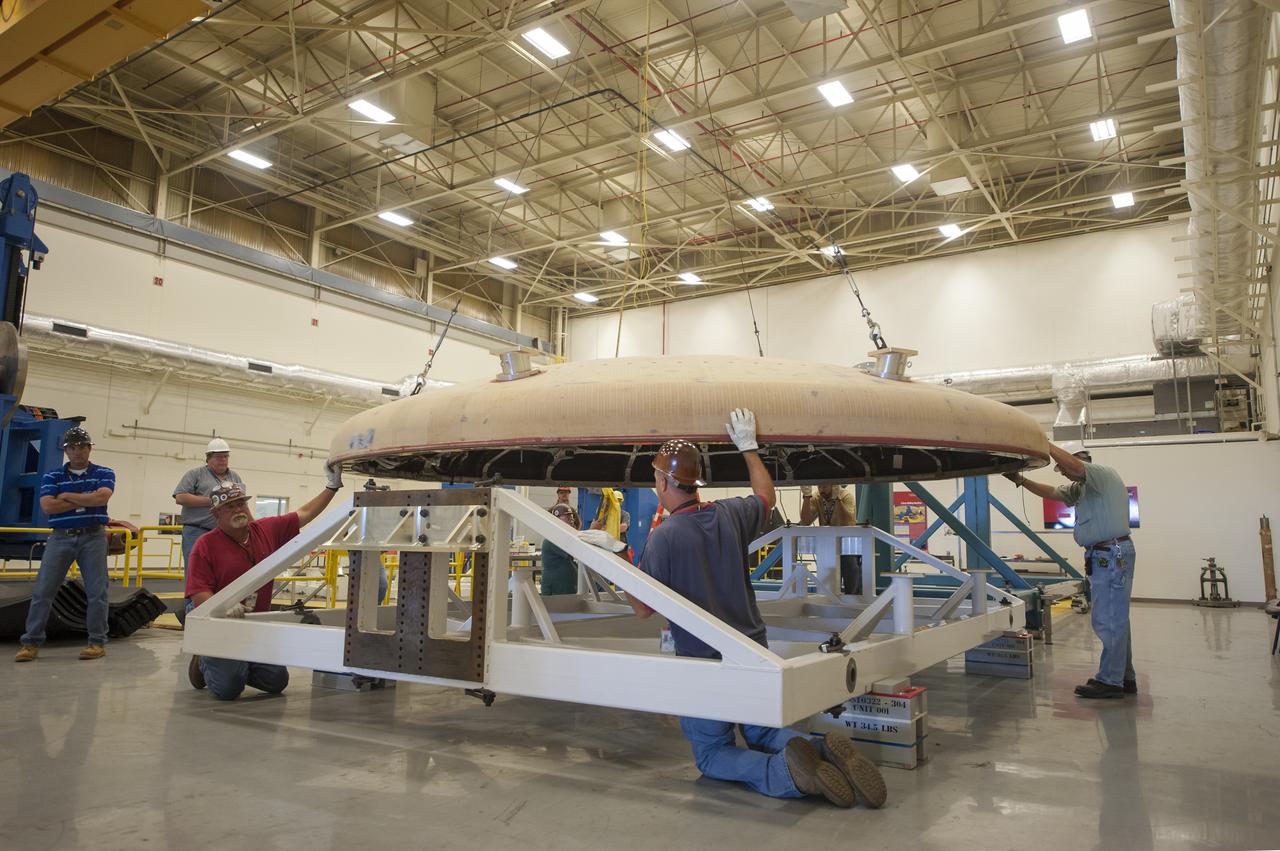
THE ORION HEAT SHIELD, WHICH WAS AT NASA’S MARSHALL SPACE FLIGHT CENTER FROM MARCH-MAY 2015 FOR ENGINEERING AND ANALYSIS, IS READIED FOR DEPARTURE AT THE END OF ITS STAY. THE HEAT SHIELD’S ABLATED SURFACE MATERIAL WAS REMOVED AT MARSHALL FOR ANALYSIS, USING THE CENTER’S STATE-OF-THE-ART SEVEN-AXIS MILLING MACHINE. IT NEXT WILL GO TO NASA’S LANGLEY RESEARCH CENTER FOR WATER-IMPACT TESTING. NASA’S JOHNSON SPACE CENTER LEADS THE ORION PROGRAM FOR NASA.
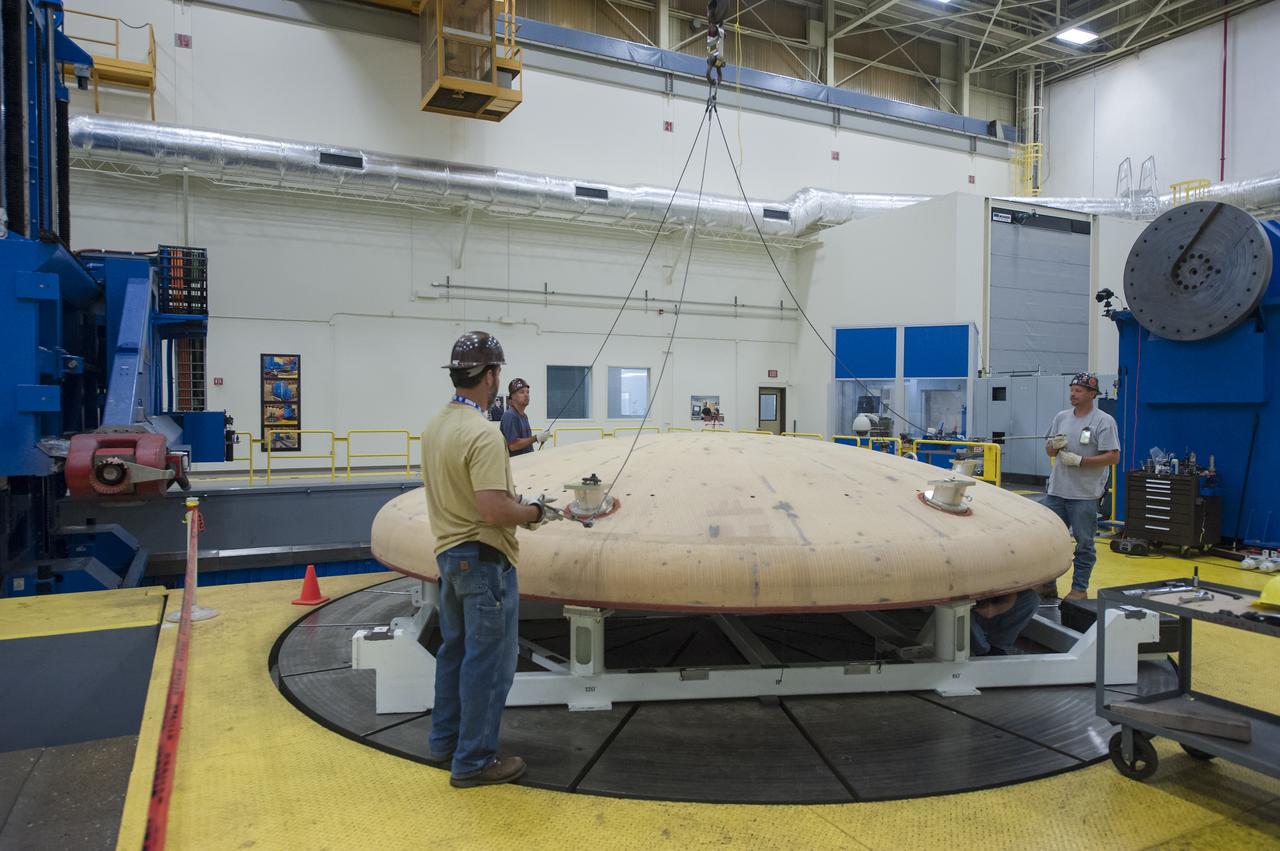
THE ORION HEAT SHIELD, WHICH WAS AT NASA’S MARSHALL SPACE FLIGHT CENTER FROM MARCH-MAY 2015 FOR ENGINEERING AND ANALYSIS, IS READIED FOR DEPARTURE AT THE END OF ITS STAY. THE HEAT SHIELD’S ABLATED SURFACE MATERIAL WAS REMOVED AT MARSHALL FOR ANALYSIS, USING THE CENTER’S STATE-OF-THE-ART SEVEN-AXIS MILLING MACHINE. IT NEXT WILL GO TO NASA’S LANGLEY RESEARCH CENTER FOR WATER-IMPACT TESTING. NASA’S JOHNSON SPACE CENTER LEADS THE ORION PROGRAM FOR NASA.
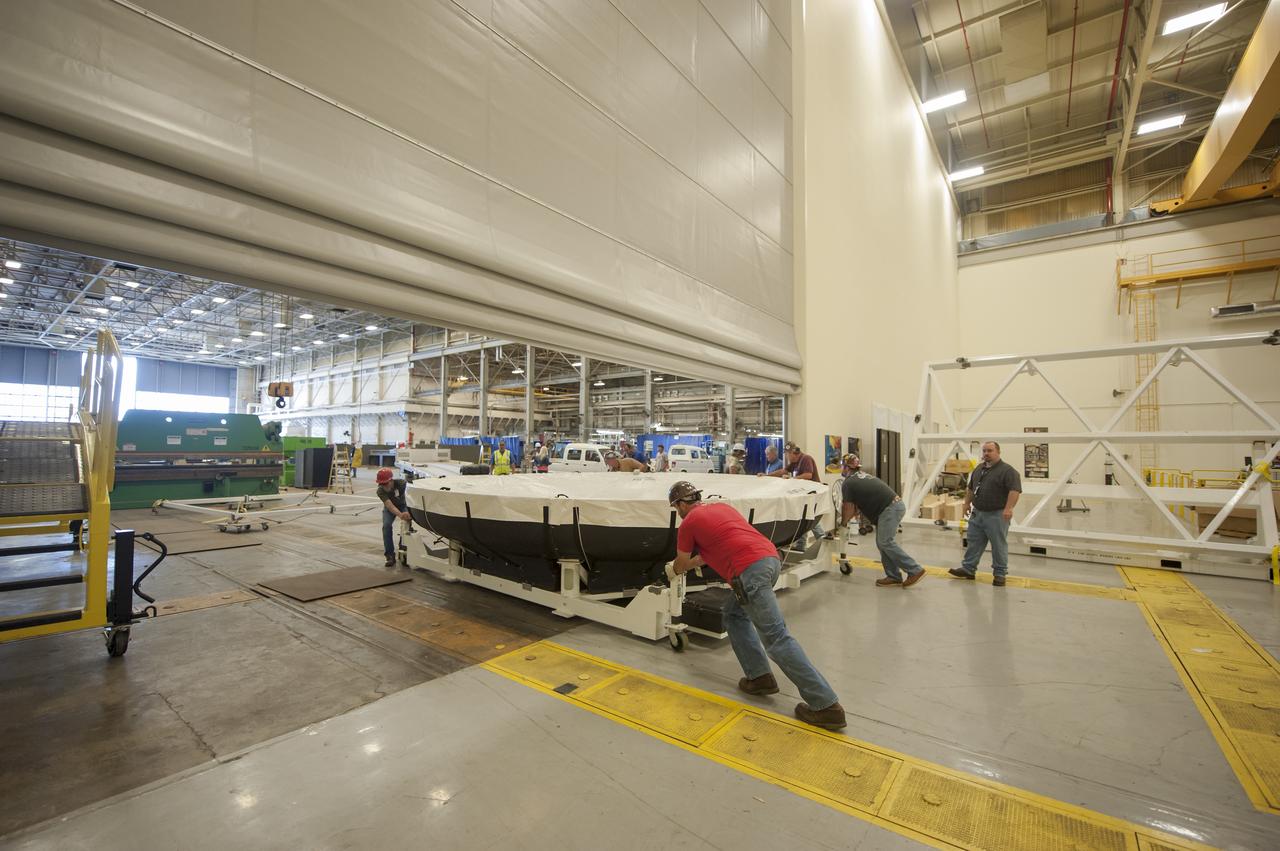
THE ORION HEAT SHIELD, WHICH WAS AT NASA’S MARSHALL SPACE FLIGHT CENTER FROM MARCH-MAY 2015 FOR ENGINEERING AND ANALYSIS, IS READIED FOR DEPARTURE AT THE END OF ITS STAY. THE HEAT SHIELD’S ABLATED SURFACE MATERIAL WAS REMOVED AT MARSHALL FOR ANALYSIS, USING THE CENTER’S STATE-OF-THE-ART SEVEN-AXIS MILLING MACHINE. IT NEXT WILL GO TO NASA’S LANGLEY RESEARCH CENTER FOR WATER-IMPACT TESTING. NASA’S JOHNSON SPACE CENTER LEADS THE ORION PROGRAM FOR NASA.
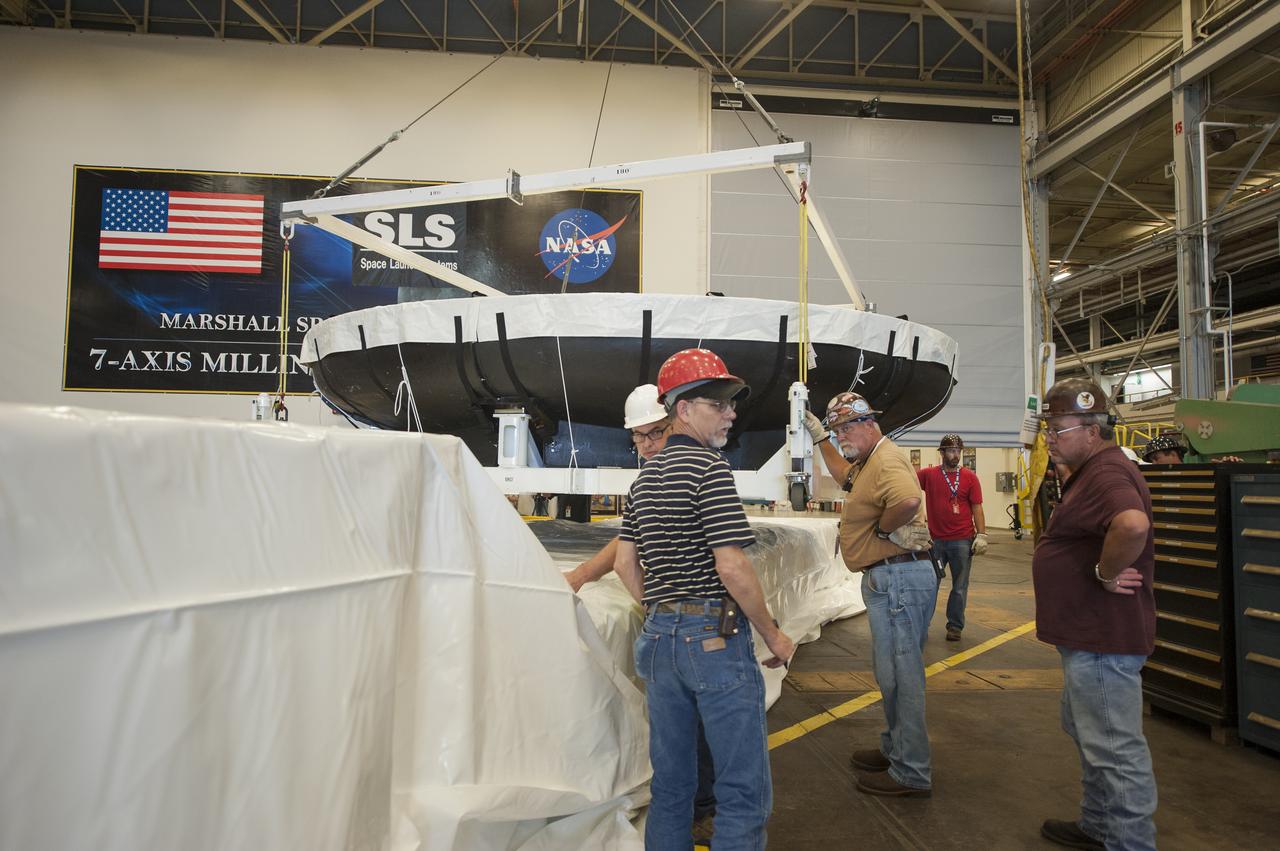
THE ORION HEAT SHIELD, WHICH WAS AT NASA’S MARSHALL SPACE FLIGHT CENTER FROM MARCH-MAY 2015 FOR ENGINEERING AND ANALYSIS, IS READIED FOR DEPARTURE AT THE END OF ITS STAY. THE HEAT SHIELD’S ABLATED SURFACE MATERIAL WAS REMOVED AT MARSHALL FOR ANALYSIS, USING THE CENTER’S STATE-OF-THE-ART SEVEN-AXIS MILLING MACHINE. IT NEXT WILL GO TO NASA’S LANGLEY RESEARCH CENTER FOR WATER-IMPACT TESTING. NASA’S JOHNSON SPACE CENTER LEADS THE ORION PROGRAM FOR NASA.
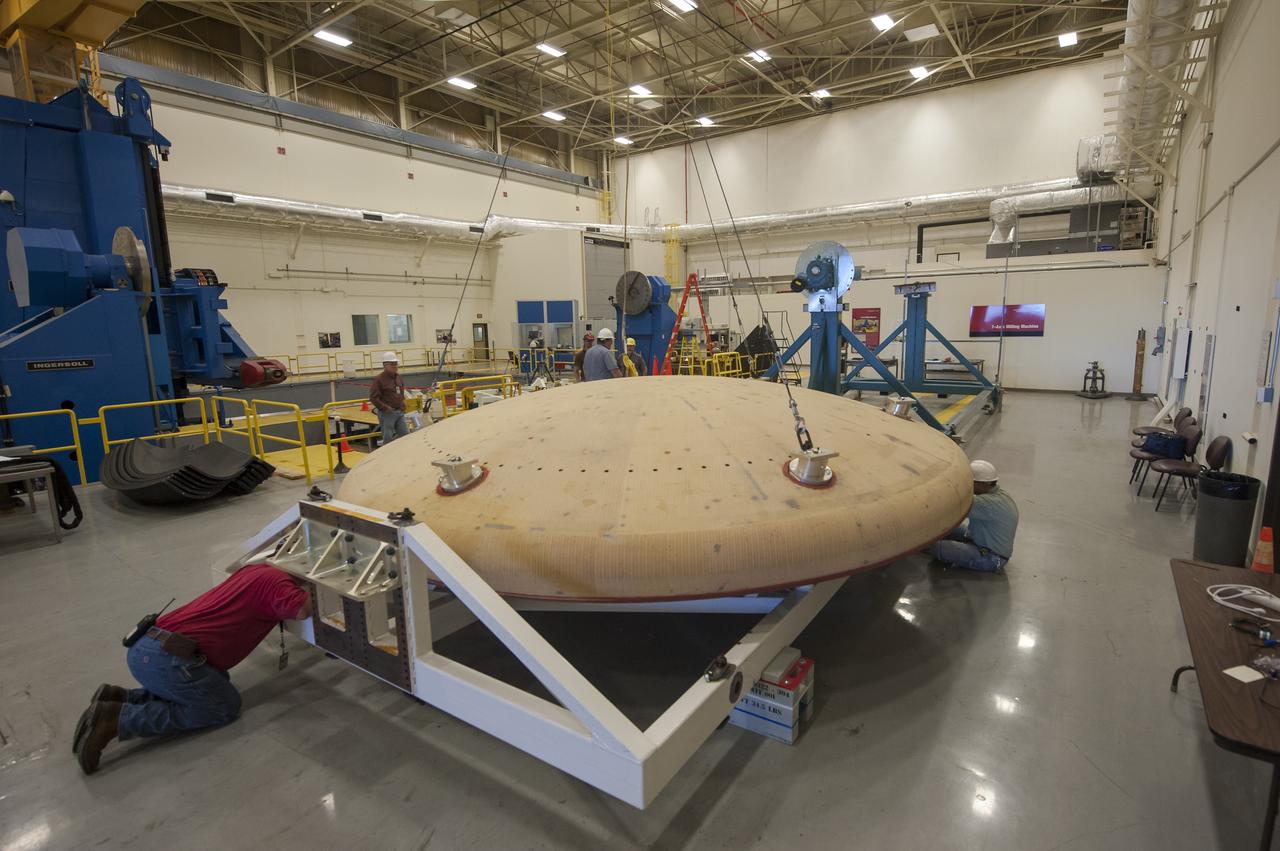
THE ORION HEAT SHIELD, WHICH WAS AT NASA’S MARSHALL SPACE FLIGHT CENTER FROM MARCH-MAY 2015 FOR ENGINEERING AND ANALYSIS, IS READIED FOR DEPARTURE AT THE END OF ITS STAY. THE HEAT SHIELD’S ABLATED SURFACE MATERIAL WAS REMOVED AT MARSHALL FOR ANALYSIS, USING THE CENTER’S STATE-OF-THE-ART SEVEN-AXIS MILLING MACHINE. IT NEXT WILL GO TO NASA’S LANGLEY RESEARCH CENTER FOR WATER-IMPACT TESTING. NASA’S JOHNSON SPACE CENTER LEADS THE ORION PROGRAM FOR NASA.
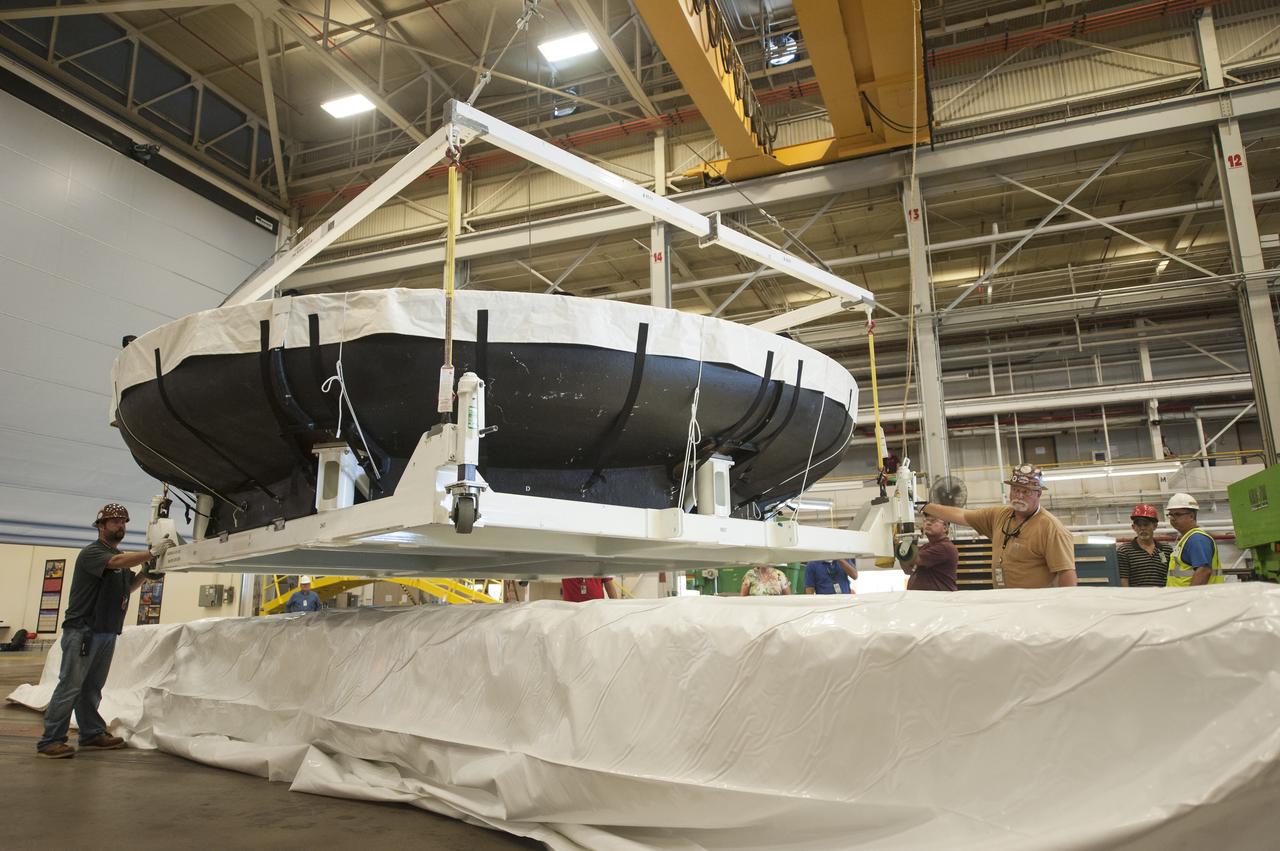
THE ORION HEAT SHIELD, WHICH WAS AT NASA’S MARSHALL SPACE FLIGHT CENTER FROM MARCH-MAY 2015 FOR ENGINEERING AND ANALYSIS, IS READIED FOR DEPARTURE AT THE END OF ITS STAY. THE HEAT SHIELD’S ABLATED SURFACE MATERIAL WAS REMOVED AT MARSHALL FOR ANALYSIS, USING THE CENTER’S STATE-OF-THE-ART SEVEN-AXIS MILLING MACHINE. IT NEXT WILL GO TO NASA’S LANGLEY RESEARCH CENTER FOR WATER-IMPACT TESTING. NASA’S JOHNSON SPACE CENTER LEADS THE ORION PROGRAM FOR NASA.
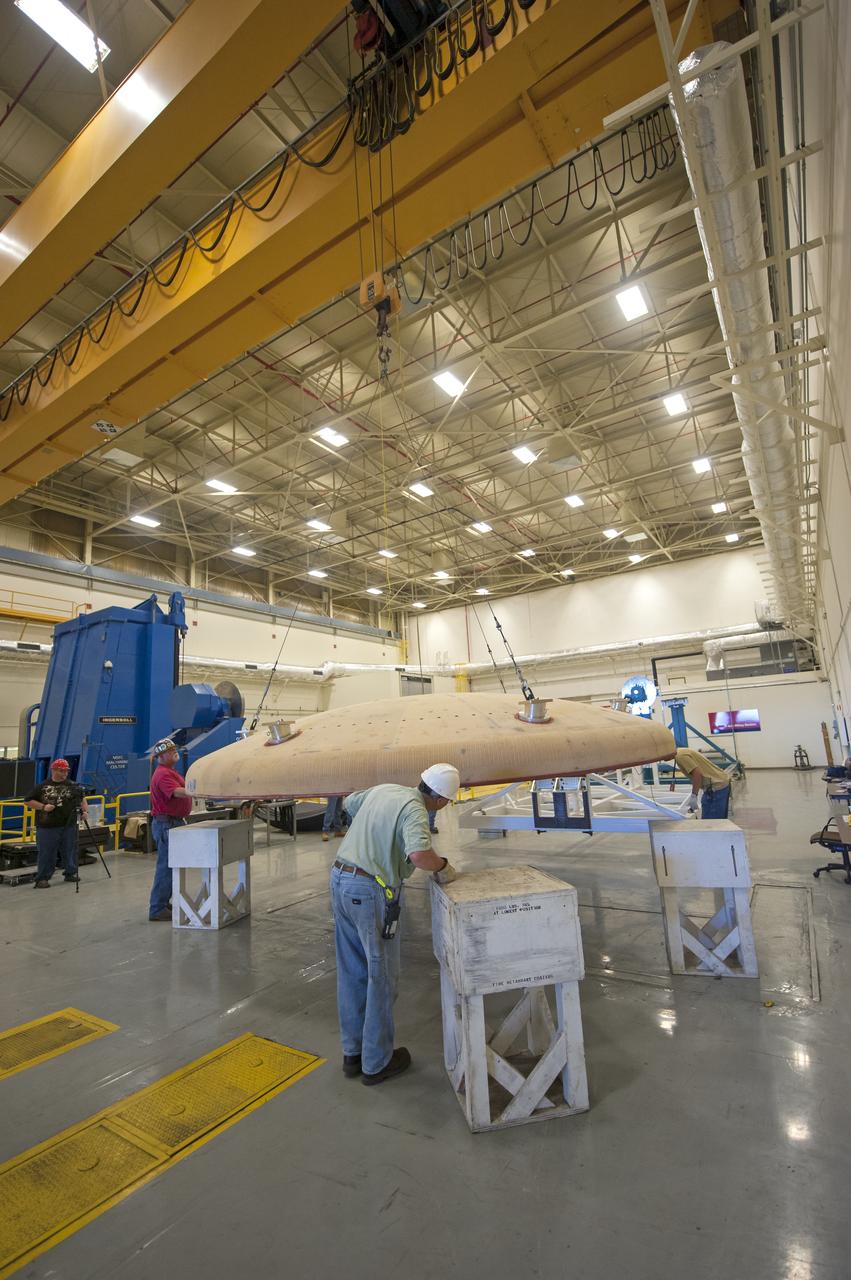
THE ORION HEAT SHIELD, WHICH WAS AT NASA’S MARSHALL SPACE FLIGHT CENTER FROM MARCH-MAY 2015 FOR ENGINEERING AND ANALYSIS, IS READIED FOR DEPARTURE AT THE END OF ITS STAY. THE HEAT SHIELD’S ABLATED SURFACE MATERIAL WAS REMOVED AT MARSHALL FOR ANALYSIS, USING THE CENTER’S STATE-OF-THE-ART SEVEN-AXIS MILLING MACHINE. IT NEXT WILL GO TO NASA’S LANGLEY RESEARCH CENTER FOR WATER-IMPACT TESTING. NASA’S JOHNSON SPACE CENTER LEADS THE ORION PROGRAM FOR NASA.
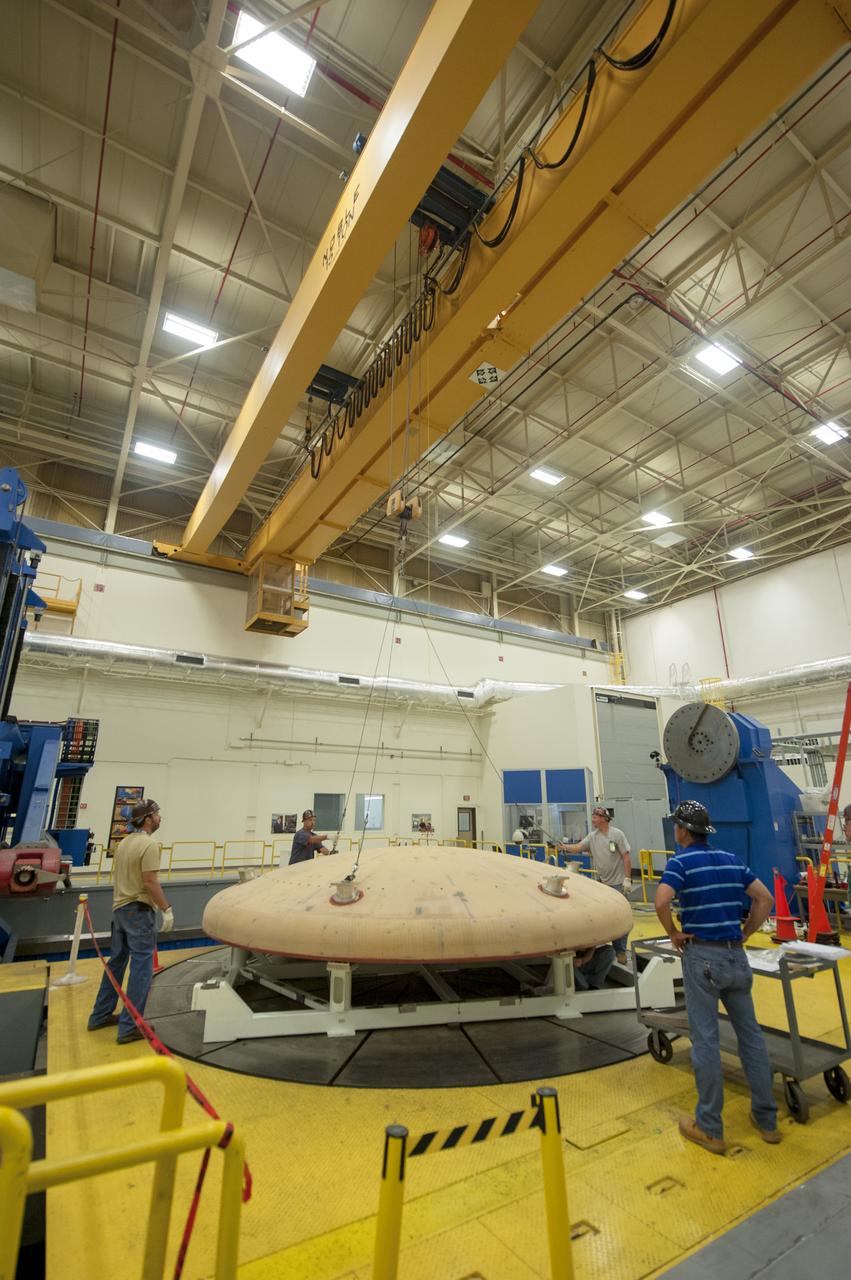
THE ORION HEAT SHIELD, WHICH WAS AT NASA’S MARSHALL SPACE FLIGHT CENTER FROM MARCH-MAY 2015 FOR ENGINEERING AND ANALYSIS, IS READIED FOR DEPARTURE AT THE END OF ITS STAY. THE HEAT SHIELD’S ABLATED SURFACE MATERIAL WAS REMOVED AT MARSHALL FOR ANALYSIS, USING THE CENTER’S STATE-OF-THE-ART SEVEN-AXIS MILLING MACHINE. IT NEXT WILL GO TO NASA’S LANGLEY RESEARCH CENTER FOR WATER-IMPACT TESTING. NASA’S JOHNSON SPACE CENTER LEADS THE ORION PROGRAM FOR NASA.
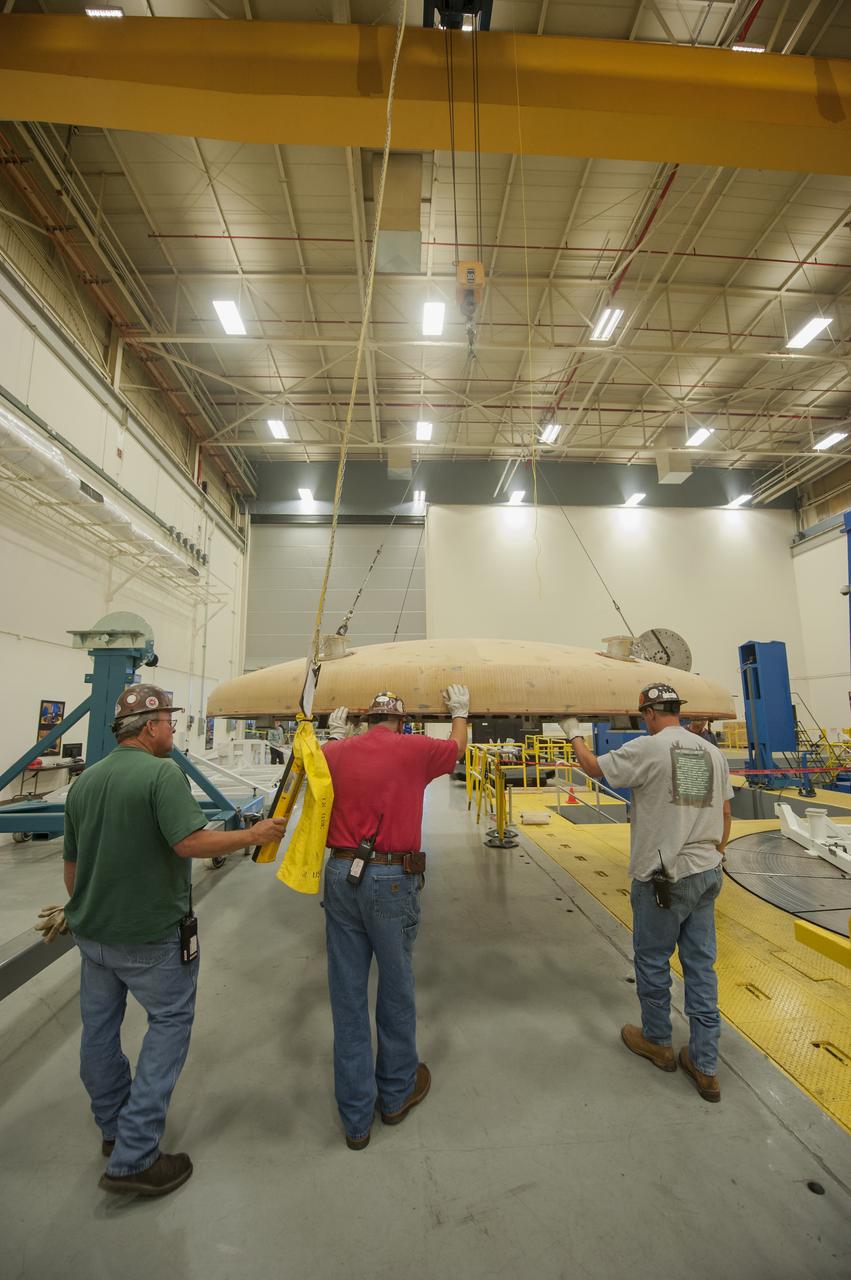
THE ORION HEAT SHIELD, WHICH WAS AT NASA’S MARSHALL SPACE FLIGHT CENTER FROM MARCH-MAY 2015 FOR ENGINEERING AND ANALYSIS, IS READIED FOR DEPARTURE AT THE END OF ITS STAY. THE HEAT SHIELD’S ABLATED SURFACE MATERIAL WAS REMOVED AT MARSHALL FOR ANALYSIS, USING THE CENTER’S STATE-OF-THE-ART SEVEN-AXIS MILLING MACHINE. IT NEXT WILL GO TO NASA’S LANGLEY RESEARCH CENTER FOR WATER-IMPACT TESTING. NASA’S JOHNSON SPACE CENTER LEADS THE ORION PROGRAM FOR NASA.
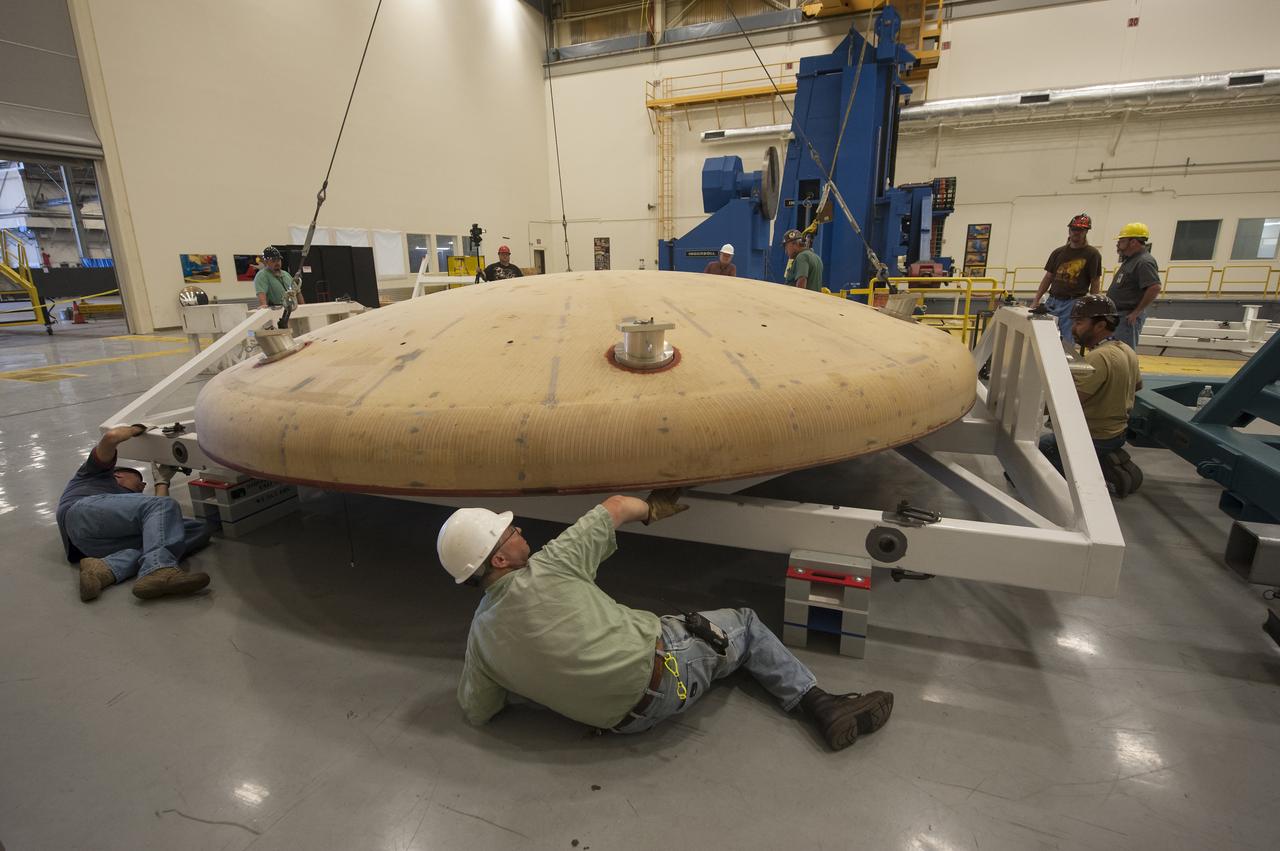
THE ORION HEAT SHIELD, WHICH WAS AT NASA’S MARSHALL SPACE FLIGHT CENTER FROM MARCH-MAY 2015 FOR ENGINEERING AND ANALYSIS, IS READIED FOR DEPARTURE AT THE END OF ITS STAY. THE HEAT SHIELD’S ABLATED SURFACE MATERIAL WAS REMOVED AT MARSHALL FOR ANALYSIS, USING THE CENTER’S STATE-OF-THE-ART SEVEN-AXIS MILLING MACHINE. IT NEXT WILL GO TO NASA’S LANGLEY RESEARCH CENTER FOR WATER-IMPACT TESTING. NASA’S JOHNSON SPACE CENTER LEADS THE ORION PROGRAM FOR NASA.
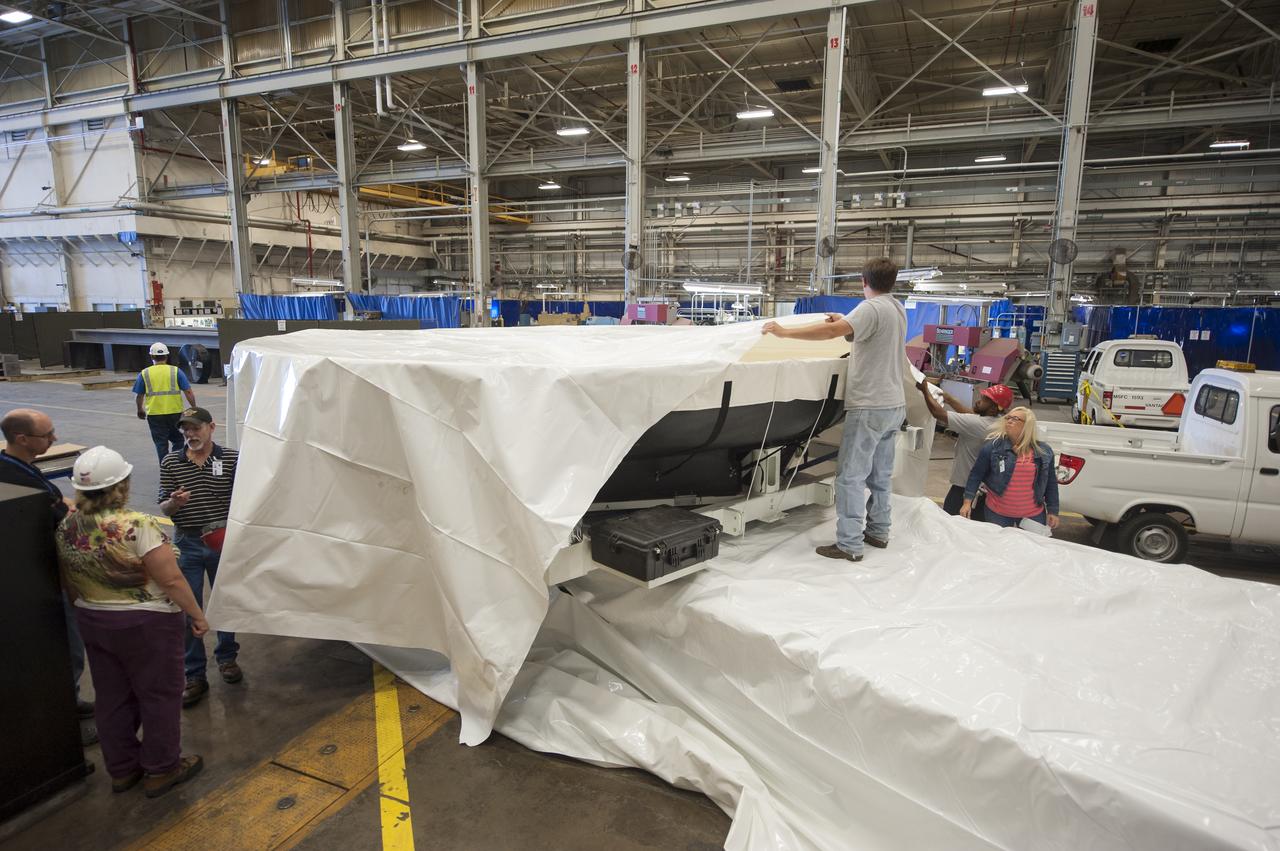
THE ORION HEAT SHIELD, WHICH WAS AT NASA’S MARSHALL SPACE FLIGHT CENTER FROM MARCH-MAY 2015 FOR ENGINEERING AND ANALYSIS, IS READIED FOR DEPARTURE AT THE END OF ITS STAY. THE HEAT SHIELD’S ABLATED SURFACE MATERIAL WAS REMOVED AT MARSHALL FOR ANALYSIS, USING THE CENTER’S STATE-OF-THE-ART SEVEN-AXIS MILLING MACHINE. IT NEXT WILL GO TO NASA’S LANGLEY RESEARCH CENTER FOR WATER-IMPACT TESTING. NASA’S JOHNSON SPACE CENTER LEADS THE ORION PROGRAM FOR NASA.
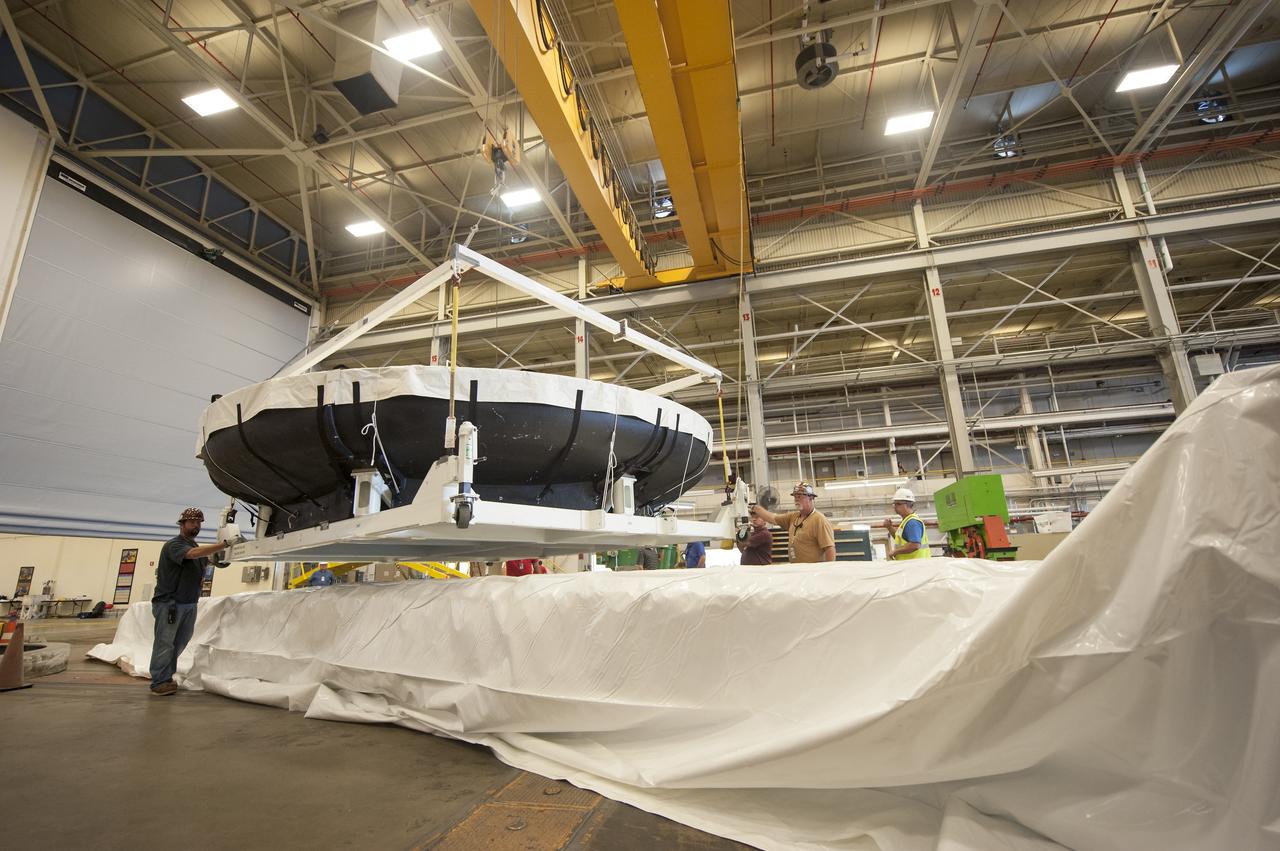
THE ORION HEAT SHIELD, WHICH WAS AT NASA’S MARSHALL SPACE FLIGHT CENTER FROM MARCH-MAY 2015 FOR ENGINEERING AND ANALYSIS, IS READIED FOR DEPARTURE AT THE END OF ITS STAY. THE HEAT SHIELD’S ABLATED SURFACE MATERIAL WAS REMOVED AT MARSHALL FOR ANALYSIS, USING THE CENTER’S STATE-OF-THE-ART SEVEN-AXIS MILLING MACHINE. IT NEXT WILL GO TO NASA’S LANGLEY RESEARCH CENTER FOR WATER-IMPACT TESTING. NASA’S JOHNSON SPACE CENTER LEADS THE ORION PROGRAM FOR NASA.

Members of JPL's assembly, test and launch operations team for NASA's Perseverance mission show appreciation for their newly named rover. The image was taken on March 4, 2020, at a payload processing facility at NASA's Kennedy Space Center. The plate is actually a rock and debris shield, designed to protect a cable that carries power and data from computers in the rover's body to actuators in the arm, as well as to the rotary percussive drill and instruments in the turret. Weighing in at about 104 grams (3.7 ounces), the 17-inch-long by 3.25-inch-wide (43-centimeter-long by 8.26-centimeter-wide) plate was cut using a water jet. The surface was coated with black thermal paint before a computer-guided laser generated the name "Perseverance" by ablating paint off the surface. The nameplate was attached to the rover on March 4, 2020. https://photojournal.jpl.nasa.gov/catalog/PIA23767