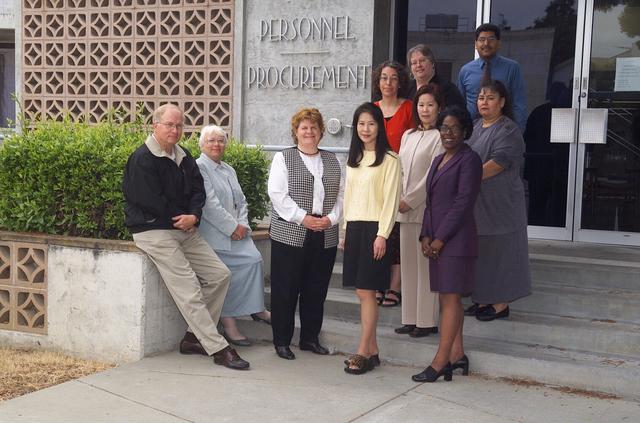
Acquisition Division (Code-JAI) Acquisition Branch for Information Systems; Front Row L-R; Errol Ridgway, Lupe Velasquez, Dolores Morrison, Sue King, Pat Williams: Back Clockwise from bottom; Wendy Takeguchi, Jill Willard, Joanne Comstock, Carlos Torrez, Alma Garcia

Acquisition Division (Code-JA) staff : Seated L-R; Julie Donley, Connie Cunningham, Grace Ann Weiler; Standing Back L-R; Gene Moses, Charles Duff
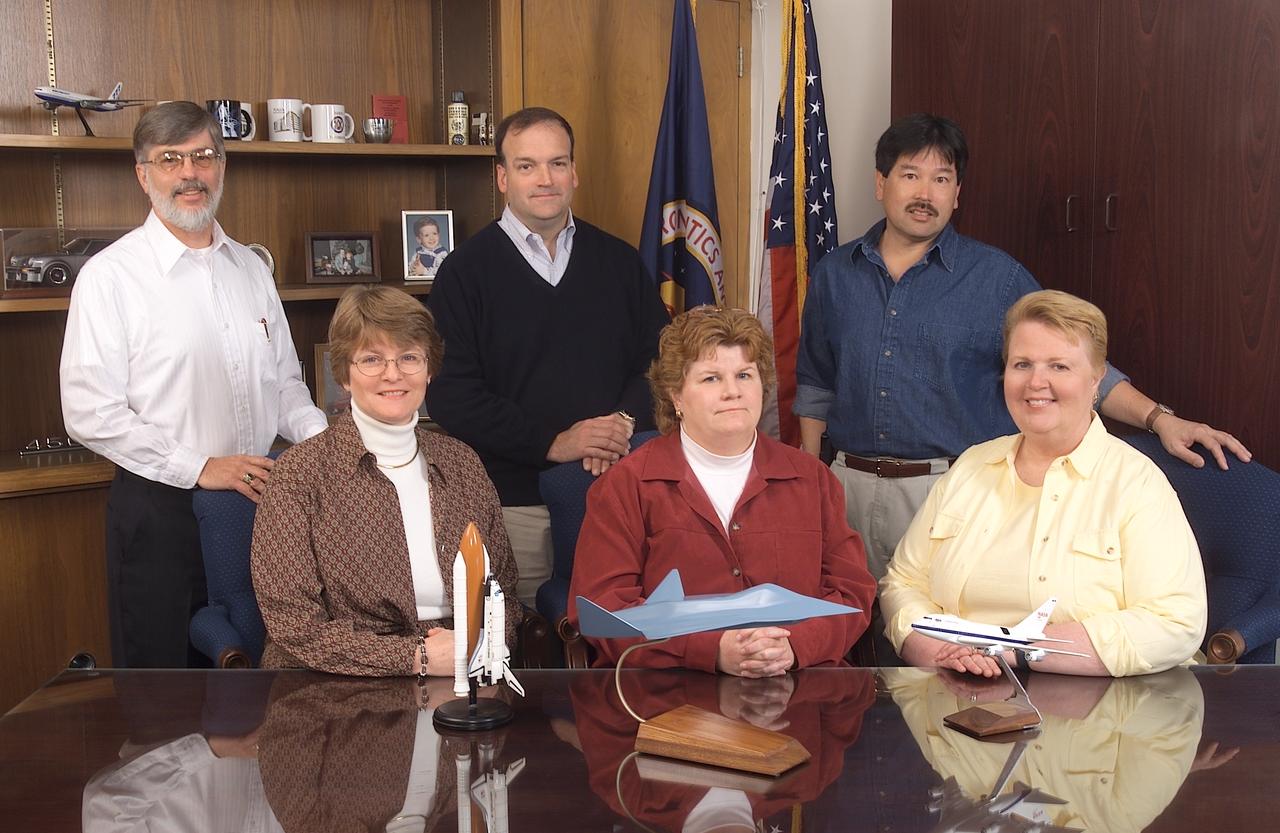
Acquisition Division (Code-JA) staff with Branch Chiefs: Seated L-R; Connie Cunningham, Dee Morison, Carolyn LaFollette: Standing L-R; Gene Moses, Charles Duff, Daryl Wong
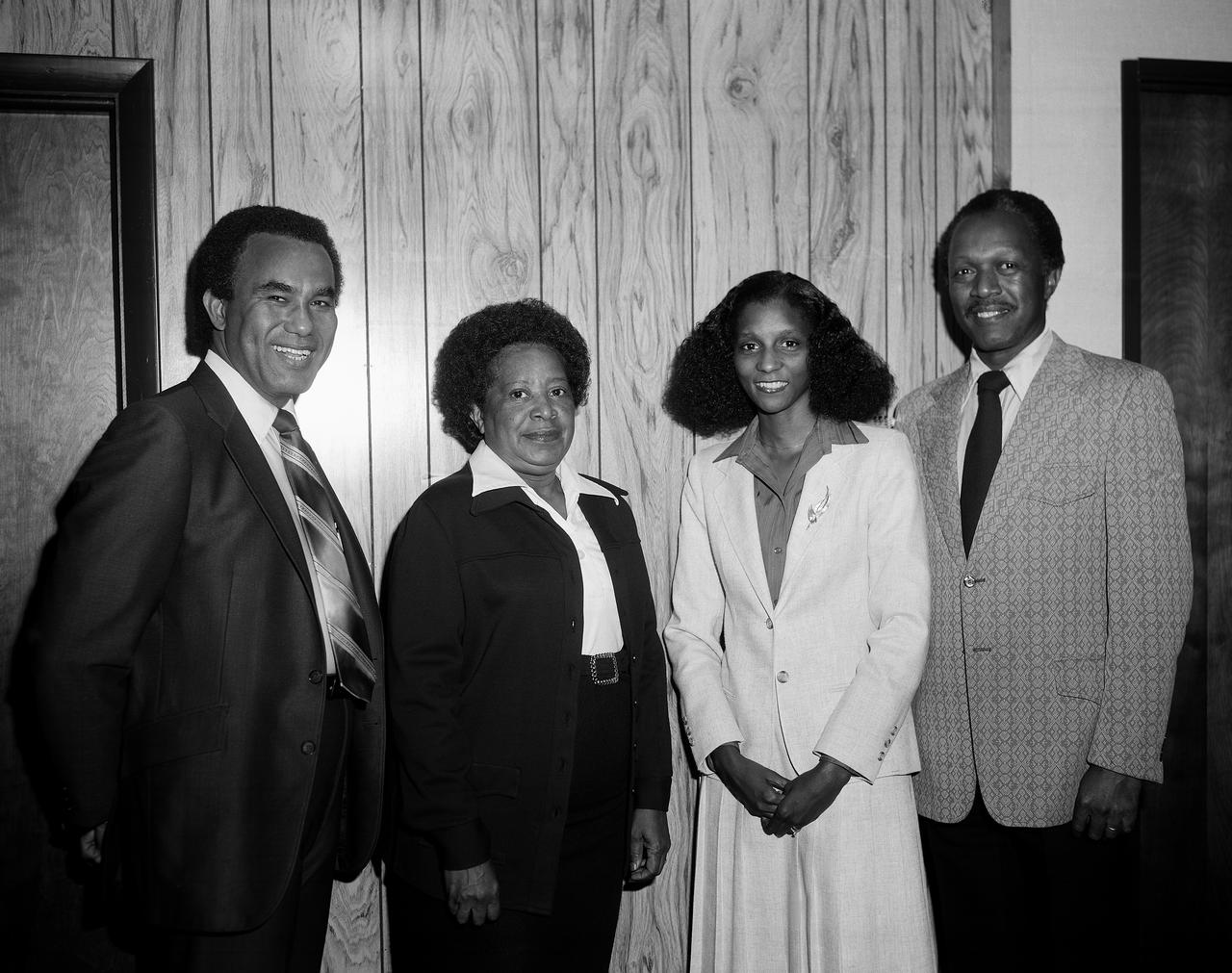
Samuel J. Scott, Administrative Operations Specialist, Acquisition Division; Mary W. Jackson, Federal Women's Program Manager, Office of Equal Opportunity Programs; Fabiola C. Martin, Contract Specialist, Acquisition Division; and Gilbert A. Haynes, Head of the Experimental Avionics Section, Flight Electronics Division, represented Langley recently at the annual National Football League Players' Association Youth Camp in Culpepper, Va. The camp offered four two-week sessions with approximately 60 youngsters attending each session. Serving as role models to minority youth from the Washington, D.C. area, the Langley employees each attended a session for one day discussing their careers and providing information on opportunities at Langley, as part of the community outreach effort of the Office of Equal Opportunity Programs. This was the first year that Langley participated in the camp's activities. Published in the Langley Researcher, August, 28, 1981 page 2.
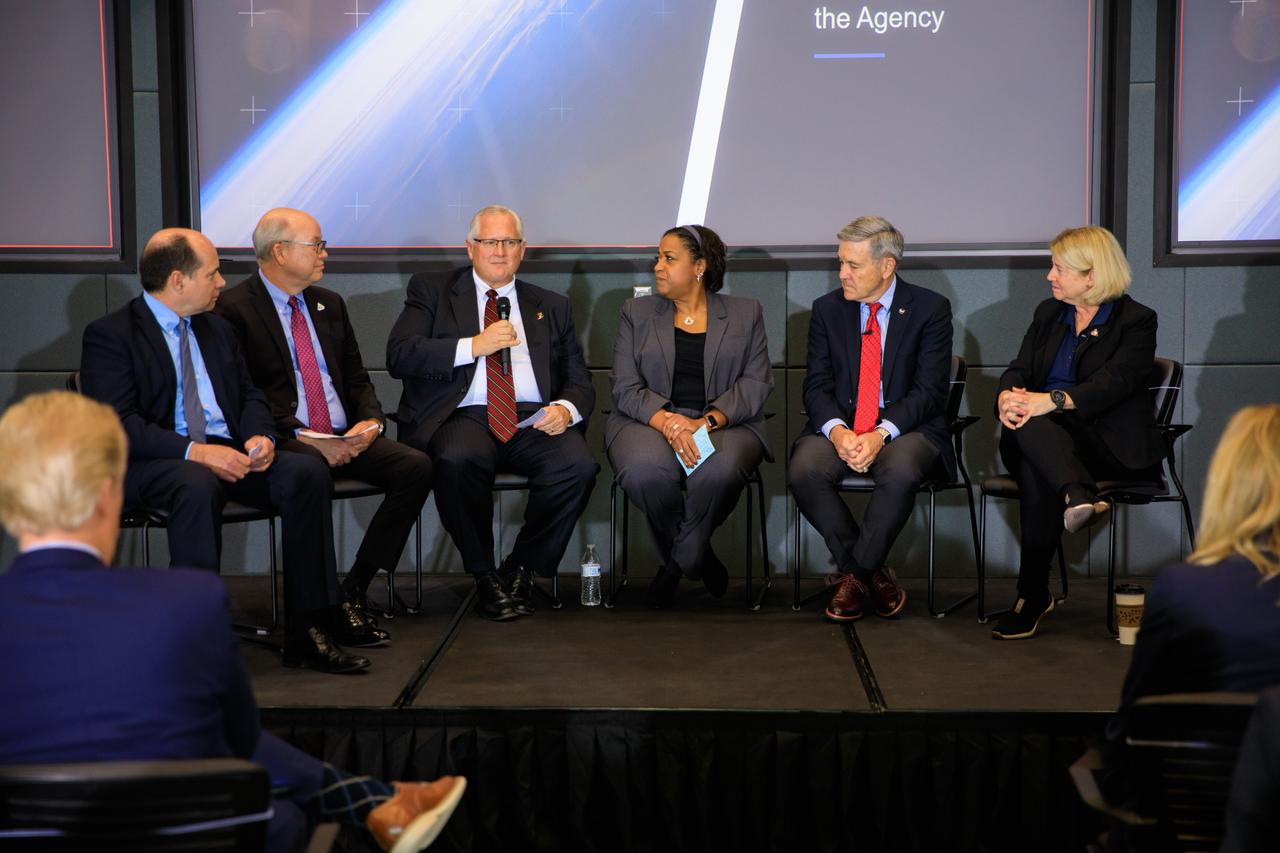
NASA senior leaders participate in a procurement discussion with employees on Nov. 29, 2022, at the agency’s Kennedy Space Center in Florida. The conversation focused on strengthening acquisition and program management within the agency. From left are David Mitchell, chief program management officer; Craig McArthur, OCFO/director for Strategic Investments Division; Scott Barber, associate general counsel for Acquisition Law; Karla Smith Jackson, assistant administrator for Procurement; NASA Associate Administrator Bob Cabana; and NASA Deputy Administrator Pam Melroy.
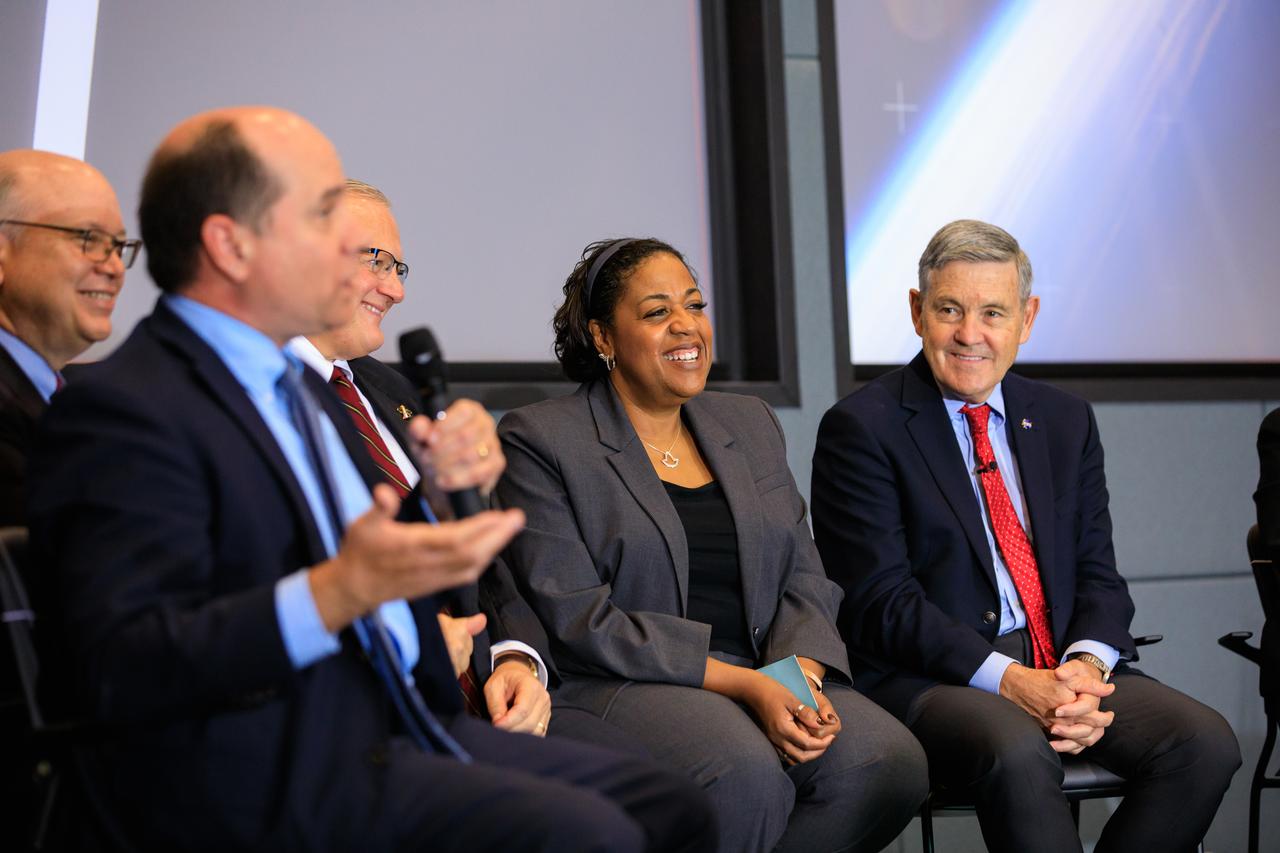
NASA senior leaders participate in a procurement discussion with employees on Nov. 29, 2022, at the agency’s Kennedy Space Center in Florida. The conversation focused on strengthening acquisition and program management within the agency. From left are David Mitchell, chief program management officer; Craig McArthur, (in view behind Mitchell) OCFO/director for Strategic Investments Division; Scott Barber, associate general counsel for Acquisition Law; Karla Smith Jackson, assistant administrator for Procurement; and NASA Associate Administrator Bob Cabana. Also participating, but not pictured, is NASA Deputy Administrator Pam Melroy.
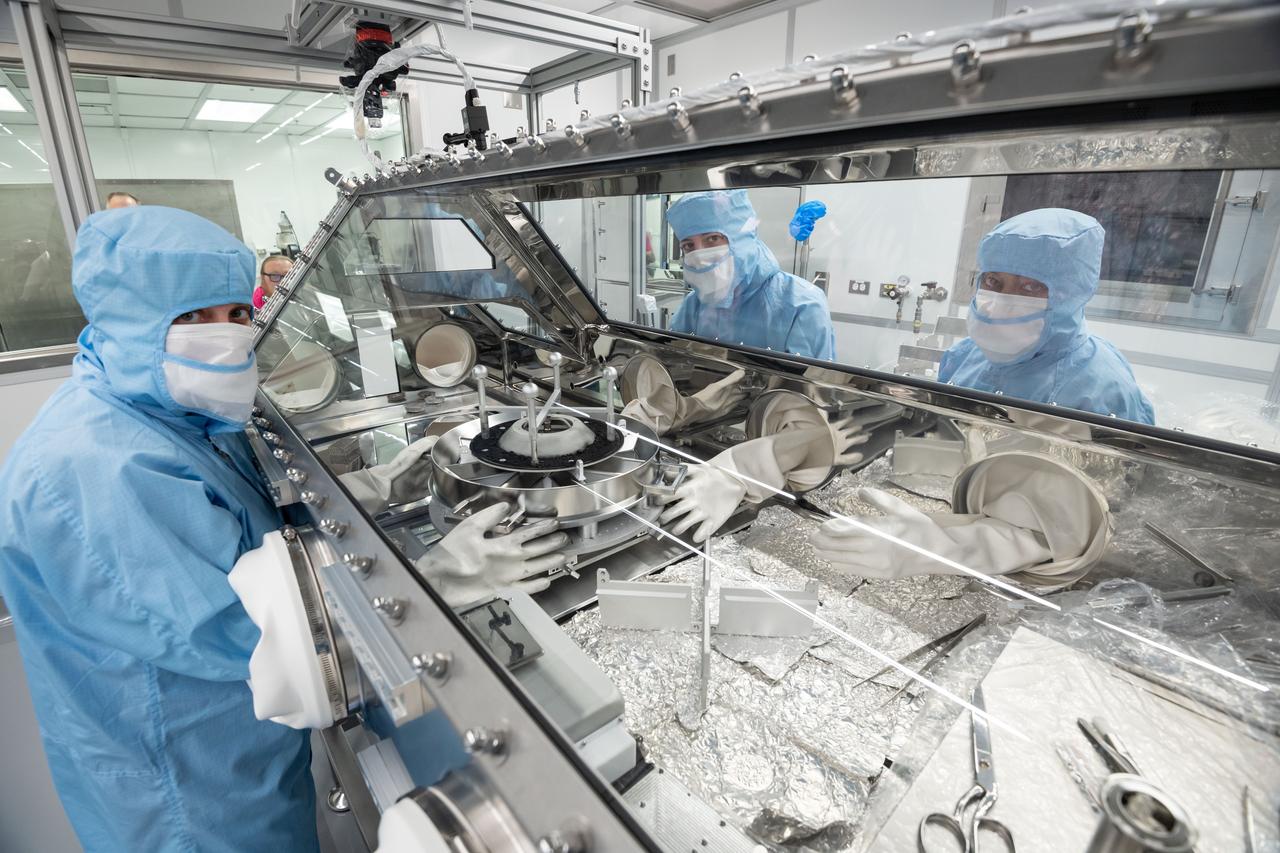
jsc2024e008542 - Curation team members from the Astromaterials Research and Exploration Science (ARES) division at NASA’s Johnson Space Center in Houston perform a pour maneuver to distribute the remaining asteroid sample material from the OSIRIS-REx Touch-and-Go Sample Acquisition Mechanism (TAGSAM) head into sample containers. From left, astromaterials processors Rachel Funk, top right, Julia Plummer, bottom right, Jannatul Ferdous.
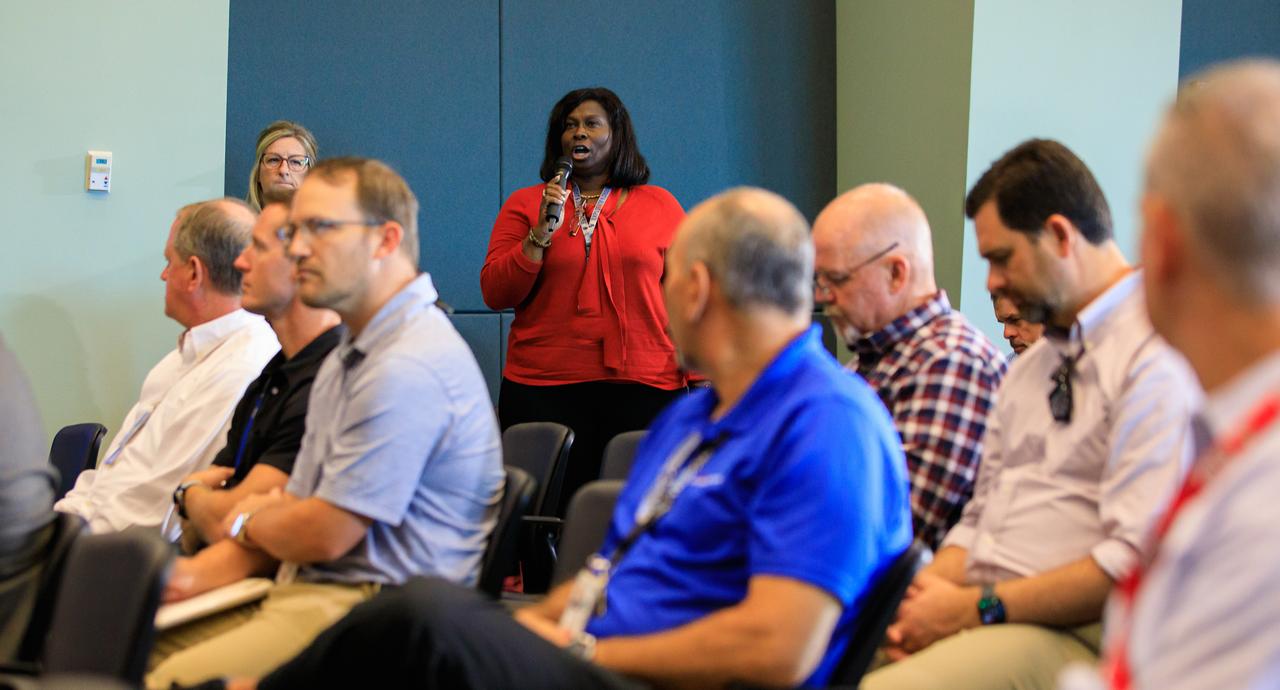
A NASA Kennedy Space Center employee asks a question during a procurement discussion on Nov. 29, 2022, at the space center in Florida. NASA senior leaders participating in the discussion with employees are NASA Deputy Administrator Pam Melroy; NASA Association Administrator Bob Cabana; Karla Smith Jackson, assistant administrator for Procurement; Scott Barber, associate general counsel for Acquisition Law; Craig McArthur, OCFO/director for Strategic Investments Division; and David Mitchell, chief program management officer.
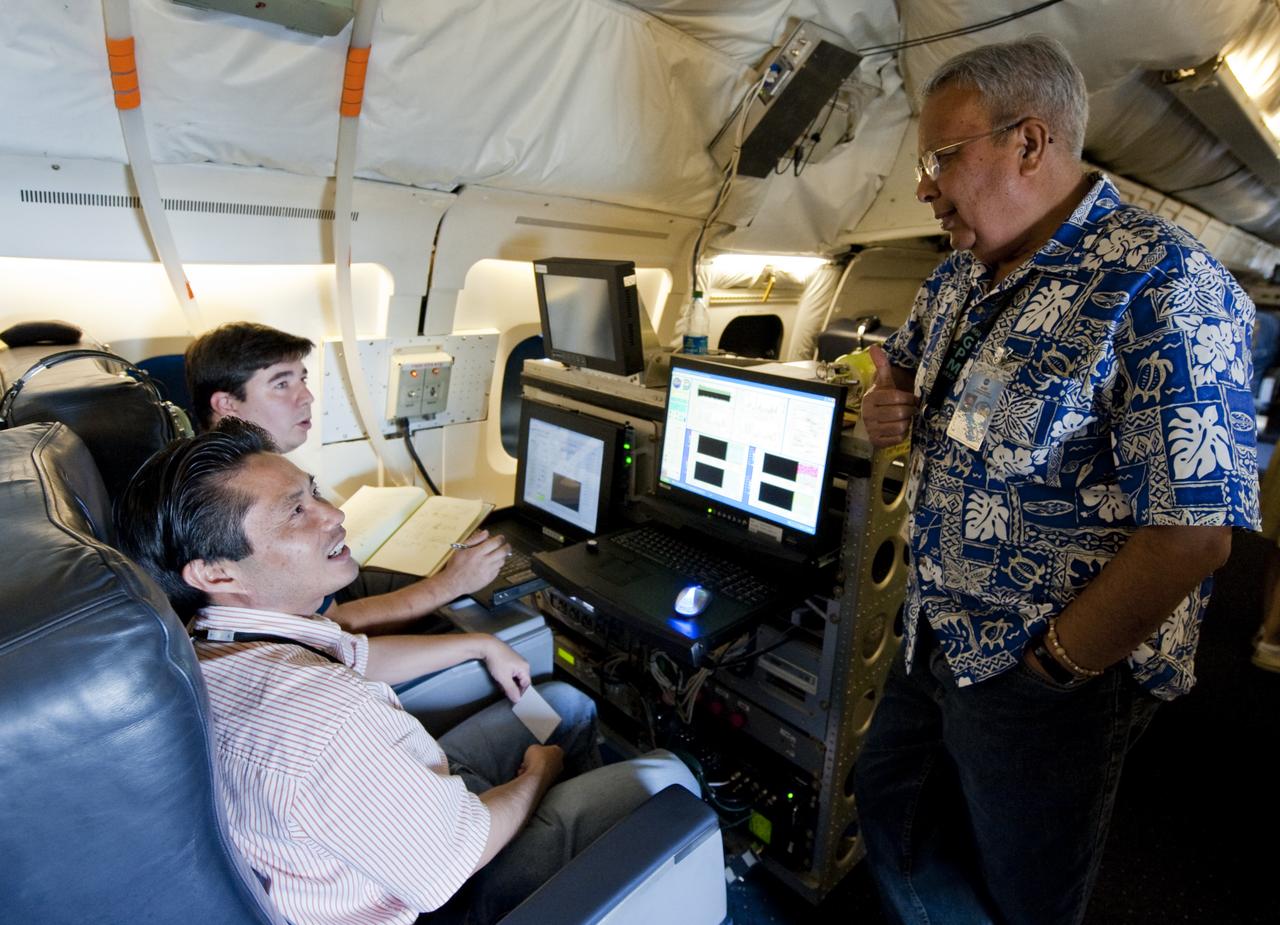
Jeffrey Beyon, lower right, and Paul Joseph Petzar, right, researchers from NASA's Langley Research Center, speak with Ramesh Kakar right, of the NASA Earth Science Division as they work with DAWN Air Data Acquisition and Processing software aboard NASA's DC-8 research aircraft, Sunday, Aug. 15, 2010, in support of the GRIP experiment at Fort Lauderdale International Airport in Fort Lauderdale, Fla. The Genesis and Rapid Intensification Processes (GRIP) experiment is a NASA Earth science field experiment in 2010 that is being conducted to better understand how tropical storms form and develop into major hurricanes. Photo Credit: (NASA/Paul E. Alers)
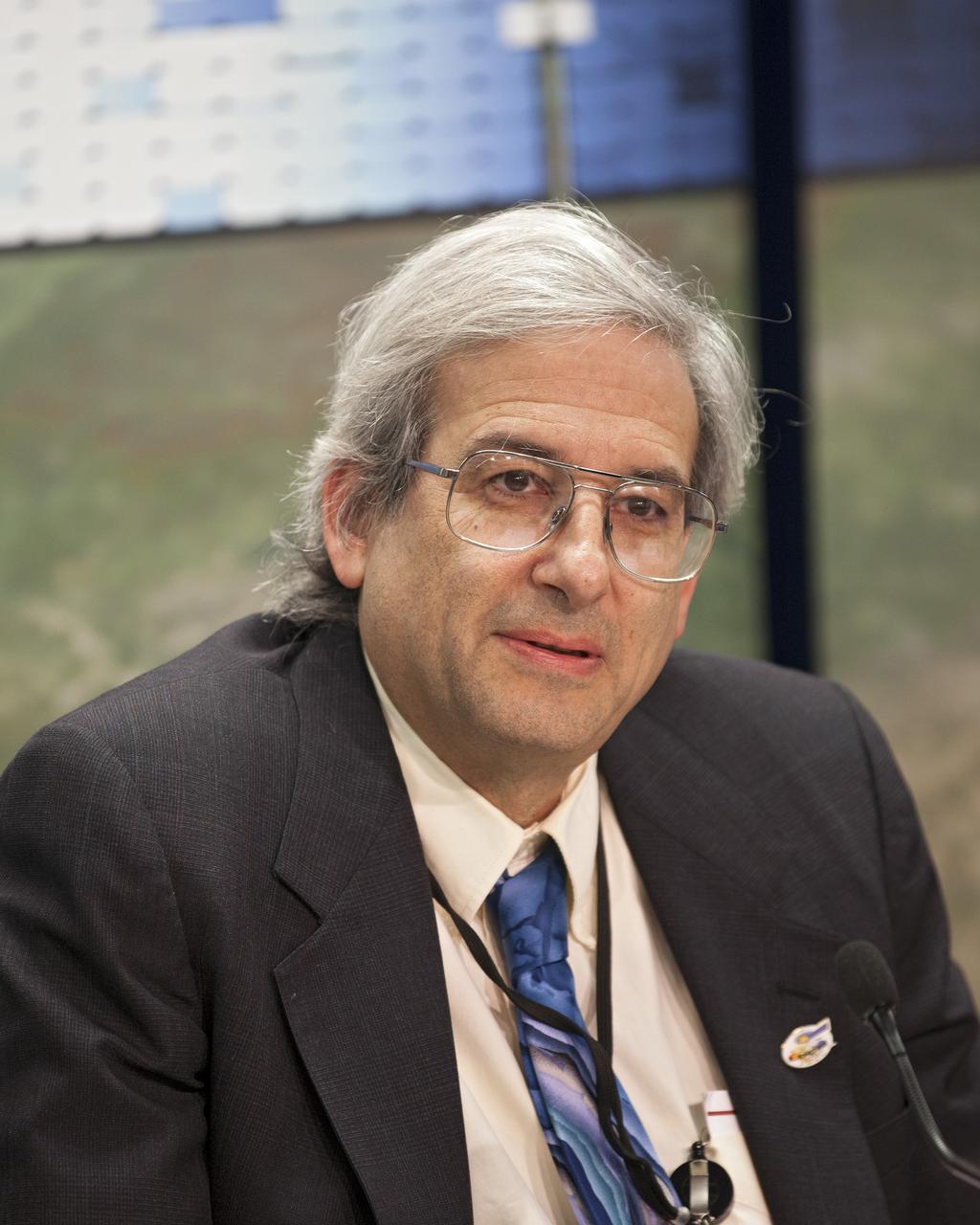
VANDENBERG AIR FORCE BASE, Calif. -- Media attending a post-launch news conference at Vandenberg Air Force Base, Calif. heard from Michael Freilich, director of the Earth Science Division, Science Mission Directorate at Headquarters. The Landsat Data Continuity Mission LDCM is the future of Landsat satellites. It will continue to obtain valuable data and imagery to be used in agriculture, education, business, science, and government. The Landsat Program provides repetitive acquisition of high resolution multispectral data of the Earth's surface on a global basis. The data from the Landsat spacecraft constitute the longest record of the Earth's continental surfaces as seen from space. It is a record unmatched in quality, detail, coverage, and value. Liftoff took place at 10:02 a.m. PST 1:02 P.M. EST) on Feb. 11, 2013 aboard a United Launch Alliance Atlas V rocket. For more information, visit: http:__www.nasa.gov_mission_pages_landsat_main_index.html Photo credit: NASA_Kim Shiflett

VANDENBERG AIR FORCE BASE, Calif. -- Media attending a post-launch news conference at Vandenberg Air Force Base, Calif. heard from officials who described the successful launch of the Landsat Data Continuity Mission, or LDCM. From the left are: George Diller of NASA Public Affairs, Ken Schwer, LDCM project manager Goddard Space Flight Center, Greenbelt, Md., Michael Luther, deputy associate administrator for programs, Science Mission Directorate at NASA Headquarters, Michael Freilich, director of the Earth Science Division, Science Mission Directorate, at Headquarters, Anne Castle, assistant secretary for Water and Science, U.S. Department of the Interior, and Marsha McNutt, director of the U.S. Geological Survey. The Landsat Data Continuity Mission LDCM is the future of Landsat satellites. It will continue to obtain valuable data and imagery to be used in agriculture, education, business, science, and government. The Landsat Program provides repetitive acquisition of high resolution multispectral data of the Earth's surface on a global basis. The data from the Landsat spacecraft constitute the longest record of the Earth's continental surfaces as seen from space. It is a record unmatched in quality, detail, coverage, and value. Liftoff took place at 10:02 a.m. PST 1:02 P.M. EST) on Feb. 11, 2013 aboard a United Launch Alliance Atlas V rocket. For more information, visit: http:__www.nasa.gov_mission_pages_landsat_main_index.html Photo credit: NASA_Kim Shiflett

VANDENBERG AIR FORCE BASE, Calif. -- Media attending a post-launch news conference at Vandenberg Air Force Base, Calif. heard from officials who described the successful launch of the Landsat Data Continuity Mission, or LDCM. From the left are: Ken Schwer, LDCM project manager Goddard Space Flight Center, Greenbelt, Md., Michael Luther, deputy associate administrator for programs, Science Mission Directorate, at NASA Headquarters, Michael Freilich, director of the Earth Science Division, Science Mission Directorate, at Headquarters, Anne Castle, assistant secretary for Water and Science, U.S. Department of the Interior, and Marsha McNutt, director of the U.S. Geological Survey. The Landsat Data Continuity Mission LDCM is the future of Landsat satellites. It will continue to obtain valuable data and imagery to be used in agriculture, education, business, science, and government. The Landsat Program provides repetitive acquisition of high resolution multispectral data of the Earth's surface on a global basis. The data from the Landsat spacecraft constitute the longest record of the Earth's continental surfaces as seen from space. It is a record unmatched in quality, detail, coverage, and value. Liftoff took place at 10:02 a.m. PST 1:02 P.M. EST) on Feb. 11, 2013 aboard a United Launch Alliance Atlas V rocket. For more information, visit: http:__www.nasa.gov_mission_pages_landsat_main_index.html Photo credit: NASA_Kim Shiflett
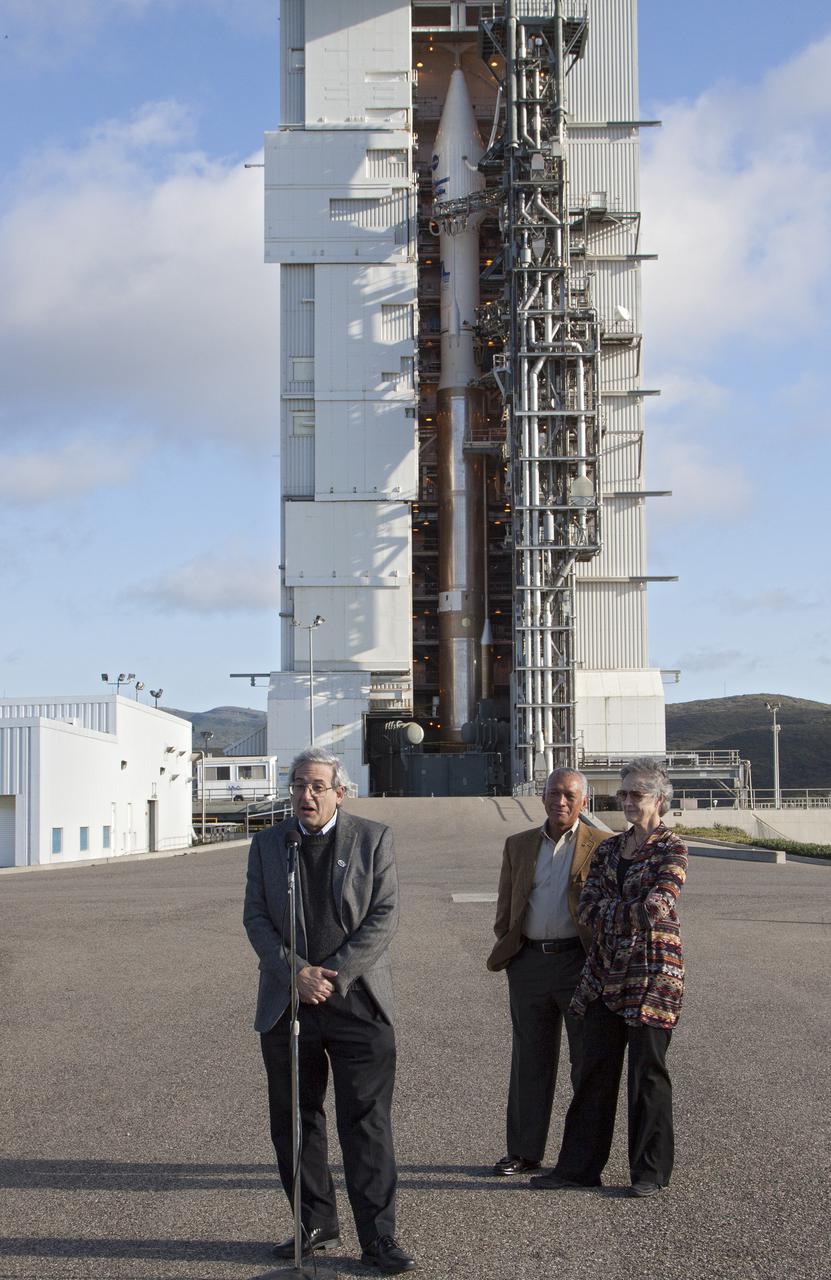
VANDENBERG AFB, Calif. -- At Space Launch Complex 3E at Vandenberg Air Force Base, Michael Freilich, director of the Earth Science Division, Science Mission Directorate, at NASA Headquarters, discuss the Landsat Data Continuity Mission, or LDCM, satellite mission with NASA social media followers. Looking on, to the right, is NASA Administrator Charles Bolden, left, and Anne Castle, assistant secretary for Water and Science, U.S. Department of the Interior. The Landsat Data Continuity Mission LDCM is the future of Landsat satellites. It will continue to obtain valuable data and imagery to be used in agriculture, education, business, science, and government. The Landsat Program provides repetitive acquisition of high resolution multispectral data of the Earth's surface on a global basis. The data from the Landsat spacecraft constitute the longest record of the Earth's continental surfaces as seen from space. It is a record unmatched in quality, detail, coverage, and value. Liftoff is planned for Feb. 11, 2013 aboard a United Launch Alliance Atlas V rocket. For more information, visit: http:__www.nasa.gov_mission_pages_landsat_main_index.html Photo credit: NASA_Kim Shiflett

VANDENBERG AIR FORCE BASE, Calif. -- Media attending a post-launch news conference at Vandenberg Air Force Base, Calif. heard from officials who described the successful launch of the Landsat Data Continuity Mission, or LDCM. From the left are: Ken Schwer, LDCM project manager Goddard Space Flight Center, Greenbelt, Md., Michael Luther, deputy associate administrator for programs, Science Mission Directorate, at NASA Headquarters, Michael Freilich, director of the Earth Science Division, Science Mission Directorate at Headquarters, Anne Castle, assistant secretary for Water and Science, U.S. Department of the Interior, and Marsha McNutt, director of the U.S. Geological Survey. The Landsat Data Continuity Mission LDCM is the future of Landsat satellites. It will continue to obtain valuable data and imagery to be used in agriculture, education, business, science, and government. The Landsat Program provides repetitive acquisition of high resolution multispectral data of the Earth's surface on a global basis. The data from the Landsat spacecraft constitute the longest record of the Earth's continental surfaces as seen from space. It is a record unmatched in quality, detail, coverage, and value. Liftoff took place at 10:02 a.m. PST 1:02 P.M. EST) on Feb. 11, 2013 aboard a United Launch Alliance Atlas V rocket. For more information, visit: http:__www.nasa.gov_mission_pages_landsat_main_index.html Photo credit: NASA_Kim Shiflett