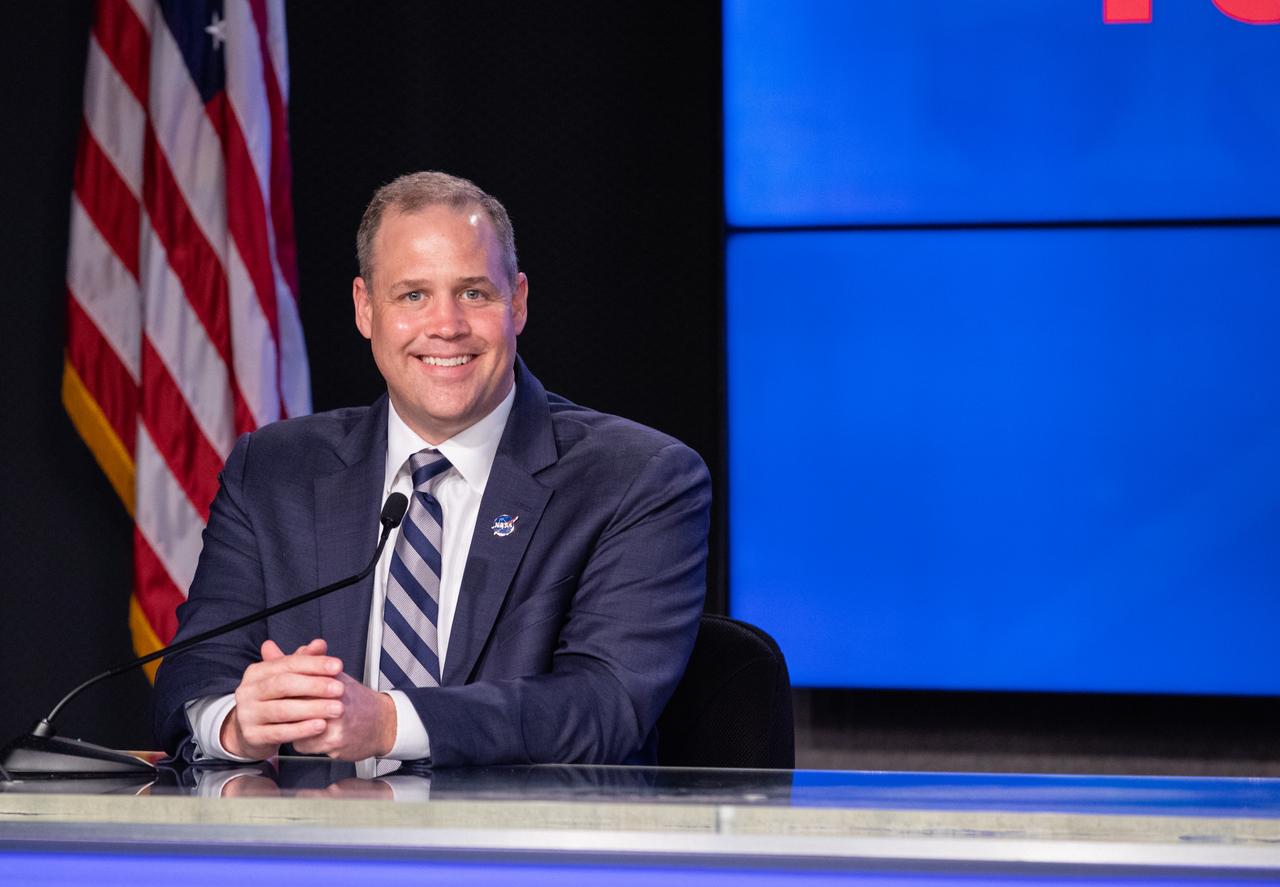
NASA Administrator Jim Bridenstine participates in a press briefing inside the Press Site auditorium on May 26, 2020, at the agency’s Kennedy Space Center in Florida ahead of NASA’s SpaceX Demo-2 launch, slated for Wednesday, May 27. A SpaceX Falcon 9 rocket and Crew Dragon spacecraft are scheduled to lift off from Kennedy’s Launch Complex 39A, carrying NASA astronauts Robert Behnken and Douglas Hurley to the International Space Station. This will mark the first launch of astronauts from U.S. soil to the space station since the conclusion of the Space Shuttle Program in 2011. Part of the agency’s Commercial Crew Program, this will be SpaceX’s final flight test, paving the way for NASA to certify the crew transportation system for regular, crewed flights to the orbiting laboratory. Liftoff is scheduled for 4:33 p.m. EDT.
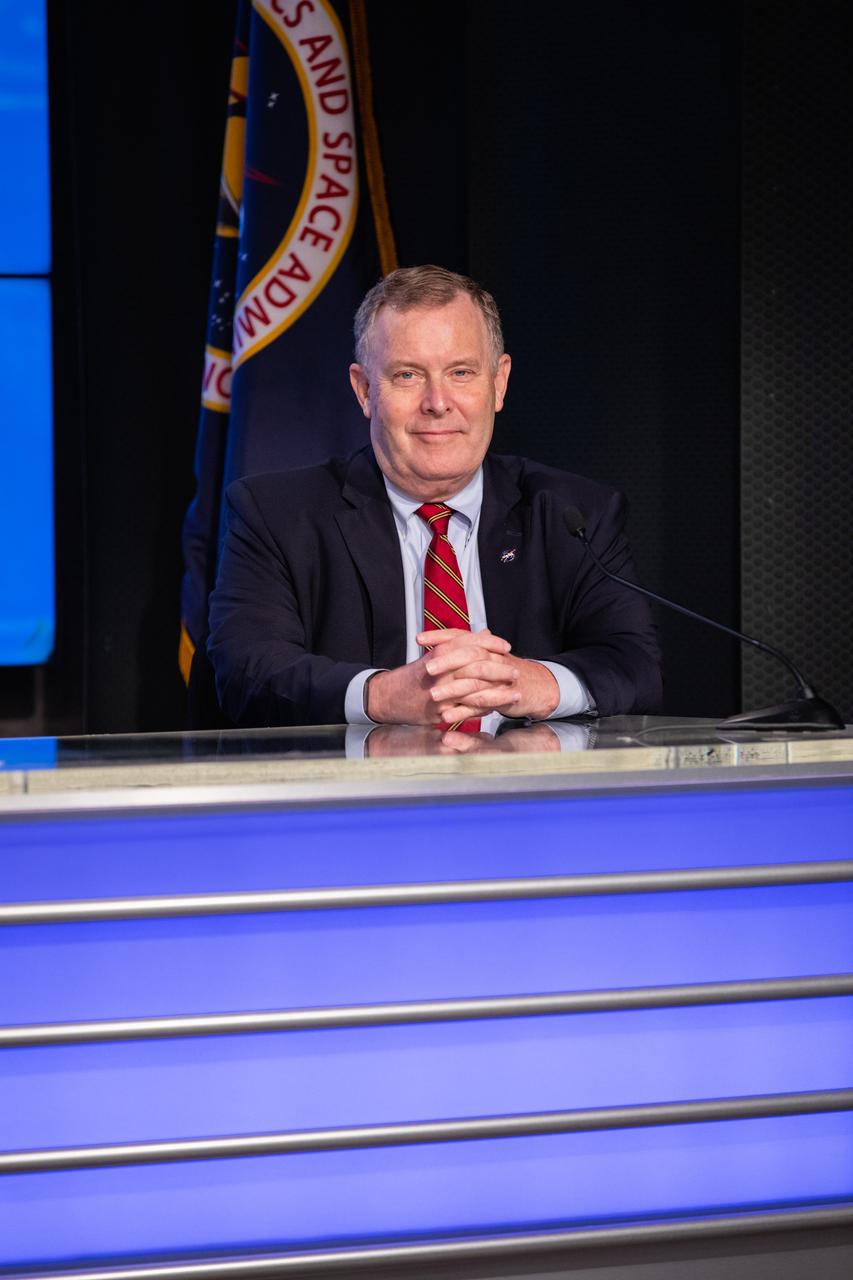
NASA Deputy Administrator Jim Morhard participates in a press briefing inside the Press Site auditorium on May 26, 2020, at the agency’s Kennedy Space Center in Florida ahead of NASA’s SpaceX Demo-2 launch, slated for Wednesday, May 27. A SpaceX Falcon 9 rocket and Crew Dragon spacecraft are scheduled to lift off from Kennedy’s Launch Complex 39A, carrying NASA astronauts Robert Behnken and Douglas Hurley to the International Space Station. This will mark the first launch of astronauts from U.S. soil to the space station since the conclusion of the Space Shuttle Program in 2011. Part of the agency’s Commercial Crew Program, this will be SpaceX’s final flight test, paving the way for NASA to certify the crew transportation system for regular, crewed flights to the orbiting laboratory. Liftoff is scheduled for 4:33 p.m. EDT.
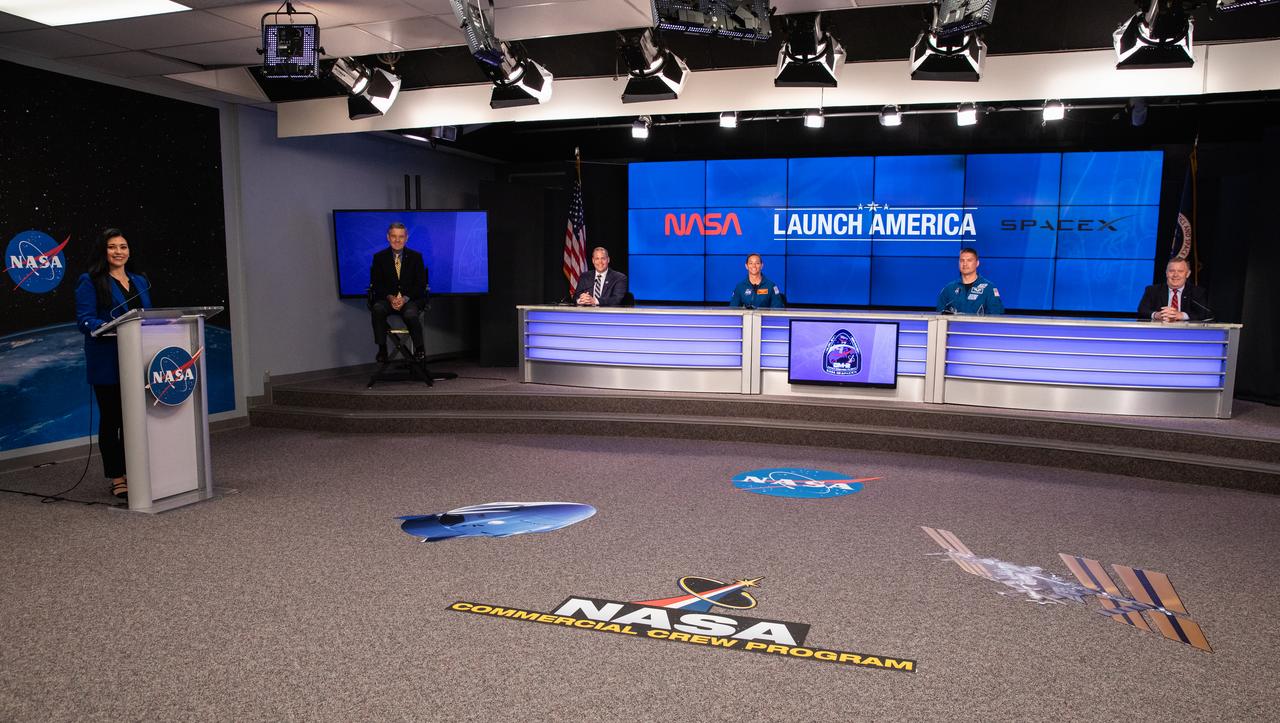
From left, NASA Communications’ Bettina Inclan, Kennedy Space Center Director Bob Cabana, NASA Administrator Jim Bridenstine, NASA astronauts Nicole Mann and Kjell Lindgren, and NASA Deputy Administrator Jim Morhard participate in a press briefing inside Kennedy’s Press Site auditorium on May 26, 2020, ahead of NASA’s SpaceX Demo-2 launch. A SpaceX Falcon 9 rocket and Crew Dragon spacecraft are scheduled to lift off from historic Launch Complex 39A on Wednesday, May 27, carrying NASA astronauts Robert Behnken and Douglas Hurley to the International Space Station. This will mark the first launch of astronauts from U.S. soil to the space station since the conclusion of the Space Shuttle Program in 2011. Part of the agency’s Commercial Crew Program, this will be SpaceX’s final flight test, paving the way for NASA to certify the crew transportation system for regular, crewed flights to the orbiting laboratory. Liftoff is scheduled for 4:33 p.m. EDT.
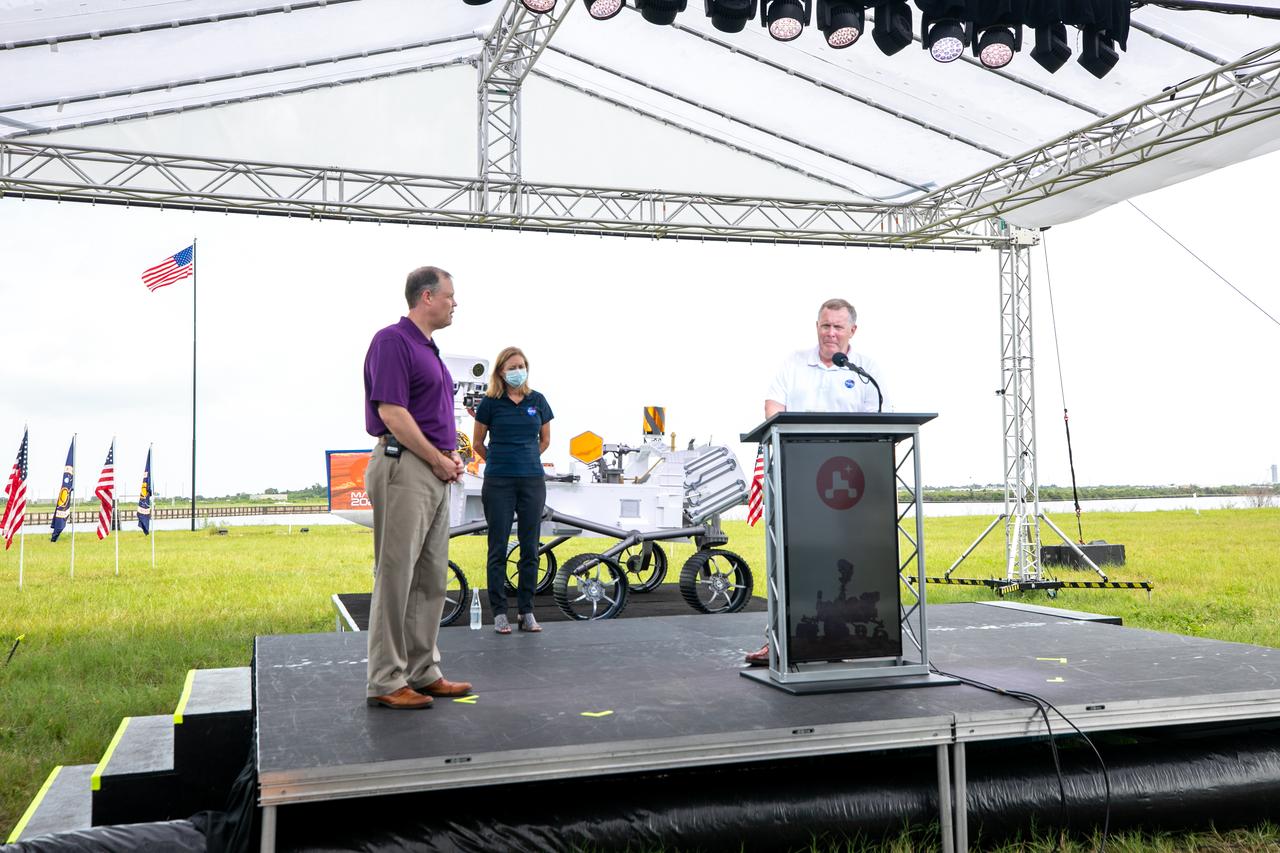
NASA Deputy Administrator Jim Morhard speaks at the podium during a briefing at the agency’s Kennedy Space Center in Florida on July 29, 2020, in advance of the launch of the Mars 2020 Perseverance rover and Ingenuity helicopter scheduled for July 30. Joining him are, from left, NASA Administrator Jim Bridenstine, and NASA astronaut Zena Cardman. Mars 2020 will lift off aboard a United Launch Alliance Atlas V 541 rocket from Space Launch Complex 41 at Cape Canaveral Air Force Station. The two-hour launch window opens at 7:50 a.m. EDT. NASA’s Launch Services Program, based at Kennedy, is managing the launch.
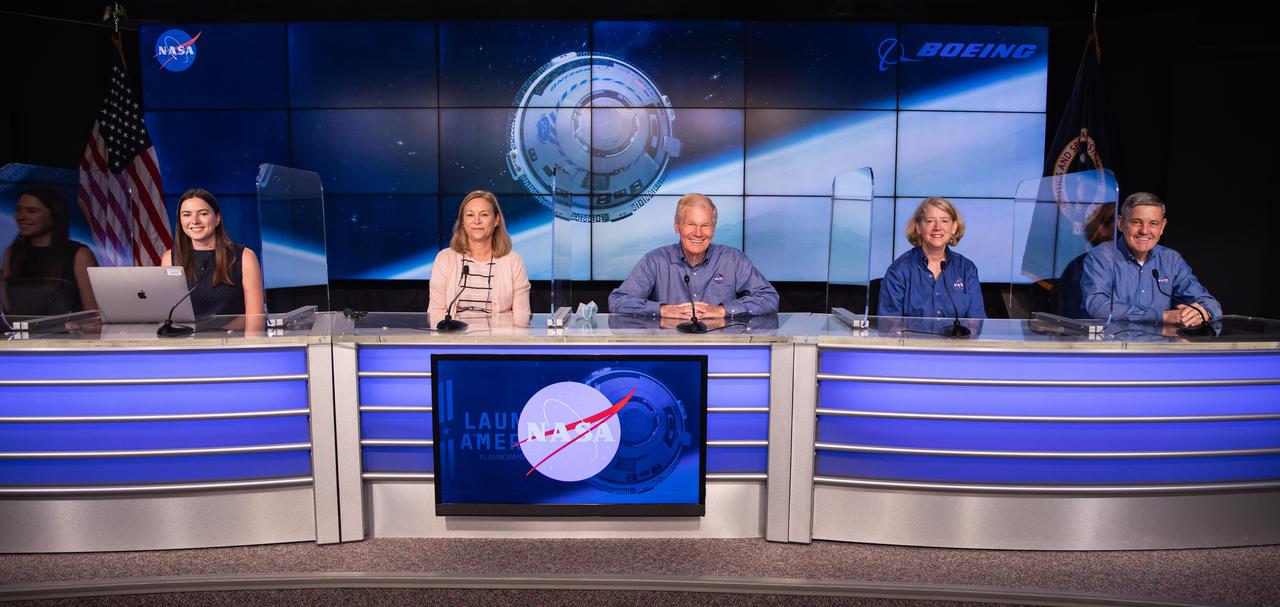
Officials from NASA participate in the NASA Administrator Media Briefing ahead of Boeing’s Orbital Flight Test-2 (OFT-2) at the agency’s Kennedy Space Center in Florida, July 29, 2021. From left to right are Jackie McGuinness, NASA Press Secretary; Janet Petro, director, NASA’s Kennedy Space Center; NASA Administrator Bill Nelson; NASA Deputy Administrator Pam Melroy; NASA Associate Administrator Bob Cabana. The uncrewed OFT-2 will be the Starliner’s second flight for NASA’s Commercial Crew Program.
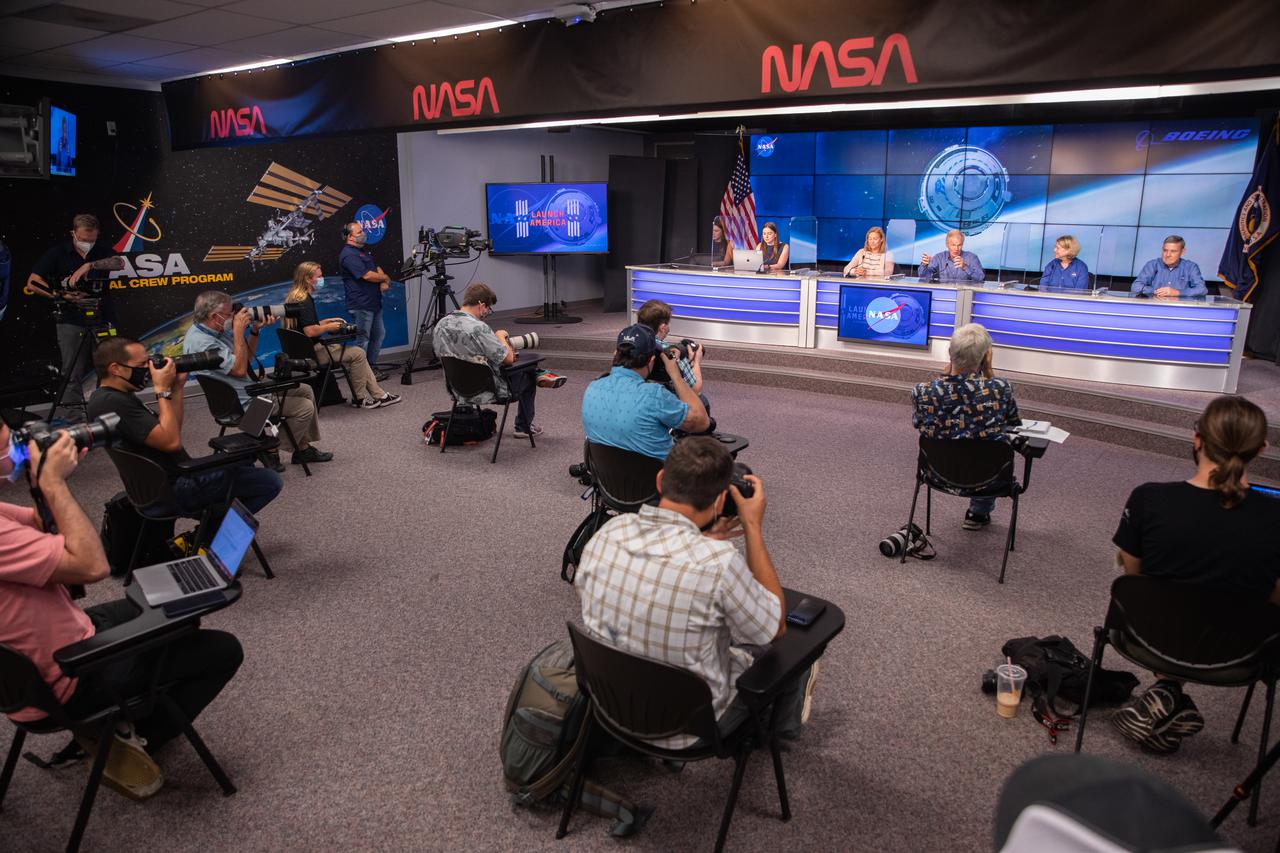
NASA officials take questions from members of the media in the Kennedy Space Center’s Press Site auditorium in Florida during the NASA Administrator Media Briefing ahead of Boeing’s Orbital Flight Test-2 (OFT-2), July 29, 2021. From left to right are Jackie McGuinness, NASA Press Secretary; Janet Petro, director, NASA’s Kennedy Space Center; NASA Administrator Bill Nelson; NASA Deputy Administrator Pam Melroy; NASA Associate Administrator Bob Cabana. The uncrewed OFT-2 will be the Starliner’s second flight for NASA’s Commercial Crew Program.
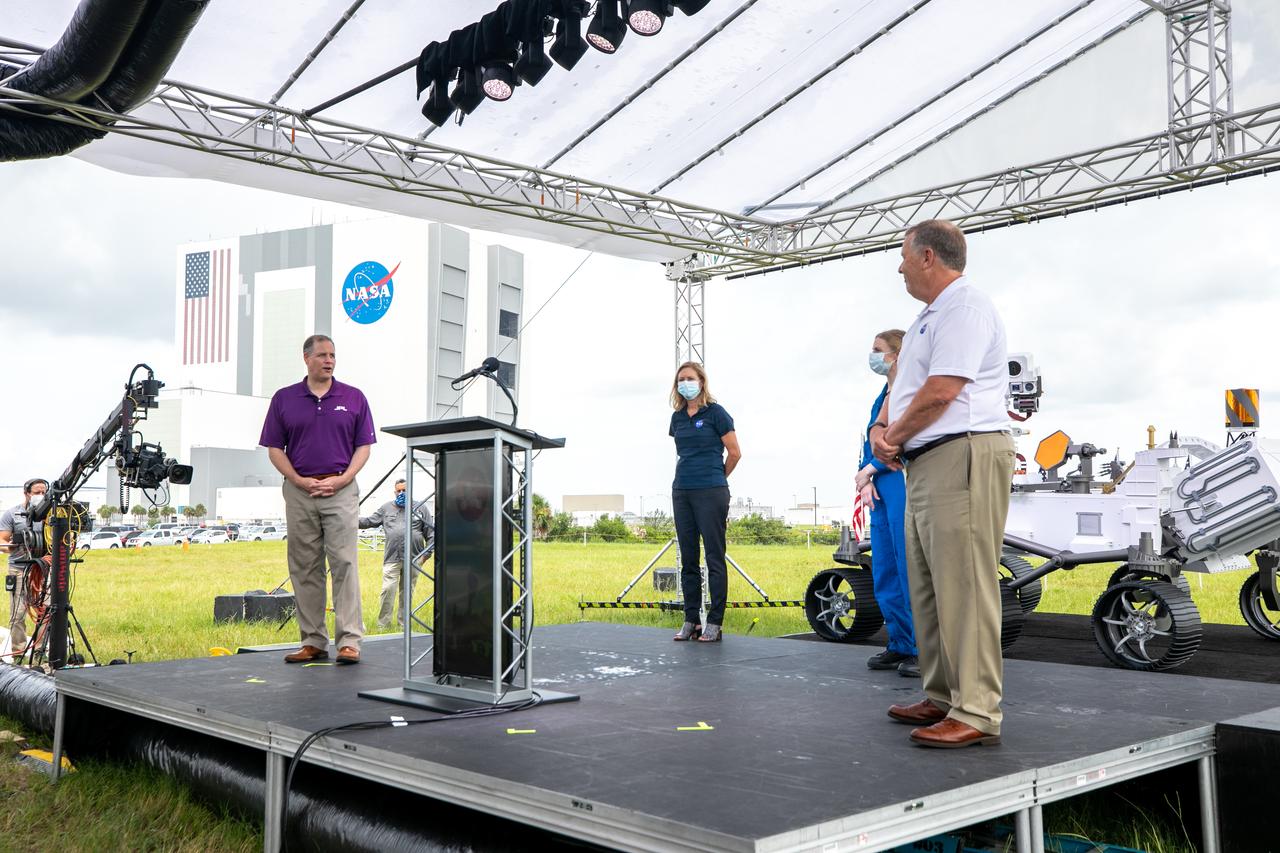
NASA Administrator Jim Bridenstine, far left, conducts a briefing at the agency’s Kennedy Space Center in Florida on July 29, 2020, in advance of the launch of the Mars 2020 Perseverance rover and Ingenuity helicopter scheduled for July 30. Joining him, from left are Kennedy Deputy Director Janet Petro, NASA astronaut Zena Cardman, partially hidden, and NASA Deputy Administrator Jim Morhard. Mars 2020 will lift off aboard a United Launch Alliance Atlas V 541 rocket from Space Launch Complex 41 at Cape Canaveral Air Force Station. The two-hour launch window opens at 7:50 a.m. EDT. NASA’s Launch Services Program, based at Kennedy, is managing the launch.
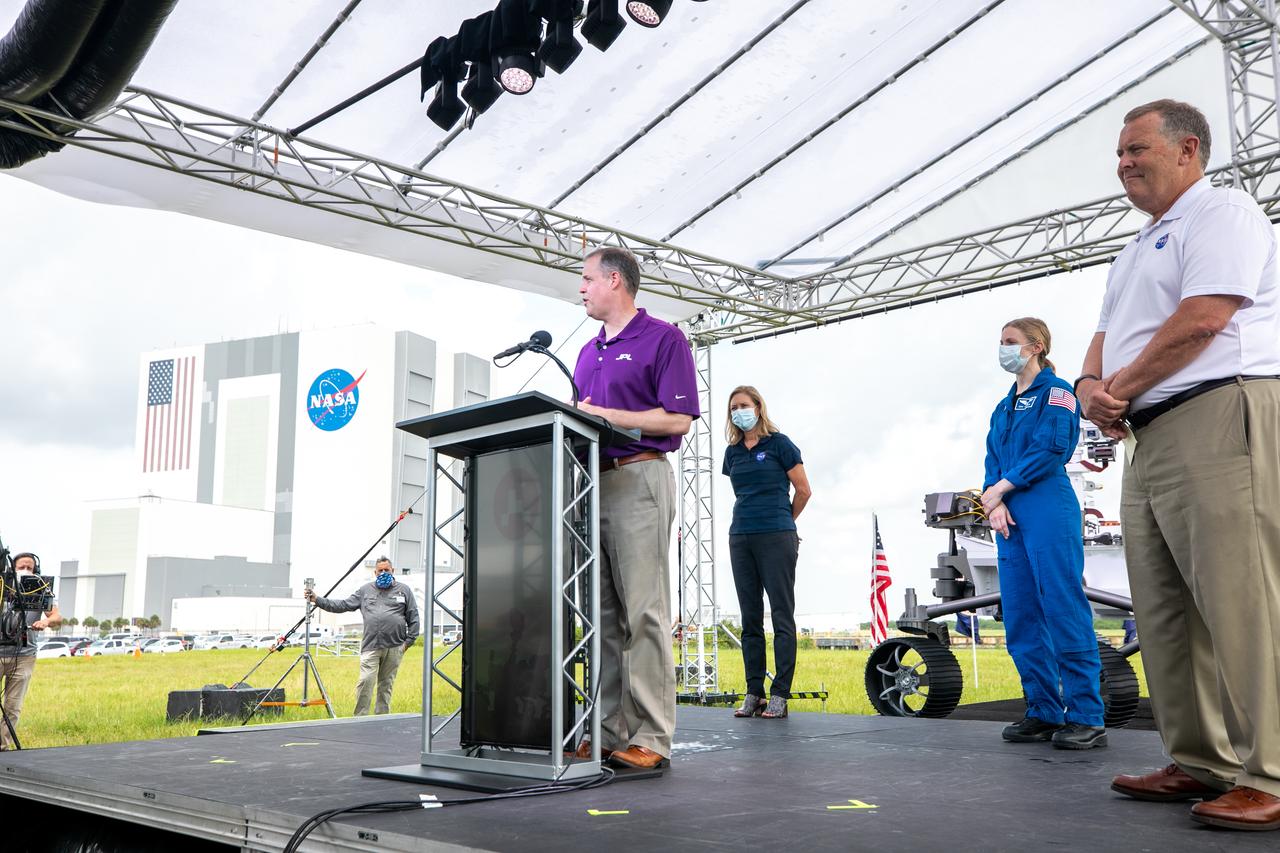
NASA Administrator Jim Bridenstine, far left, conducts a briefing at the agency’s Kennedy Space Center in Florida on July 29, 2020, in advance of the launch of the Mars 2020 Perseverance rover and Ingenuity helicopter scheduled for July 30. Joining him, from left are Kennedy Deputy Director Janet Petro, NASA astronaut Zena Cardman, and NASA Deputy Administrator Jim Morhard. Mars 2020 will lift off aboard a United Launch Alliance Atlas V 541 rocket from Space Launch Complex 41 at Cape Canaveral Air Force Station. The two-hour launch window opens at 7:50 a.m. EDT. NASA’s Launch Services Program, based at Kennedy, is managing the launch.
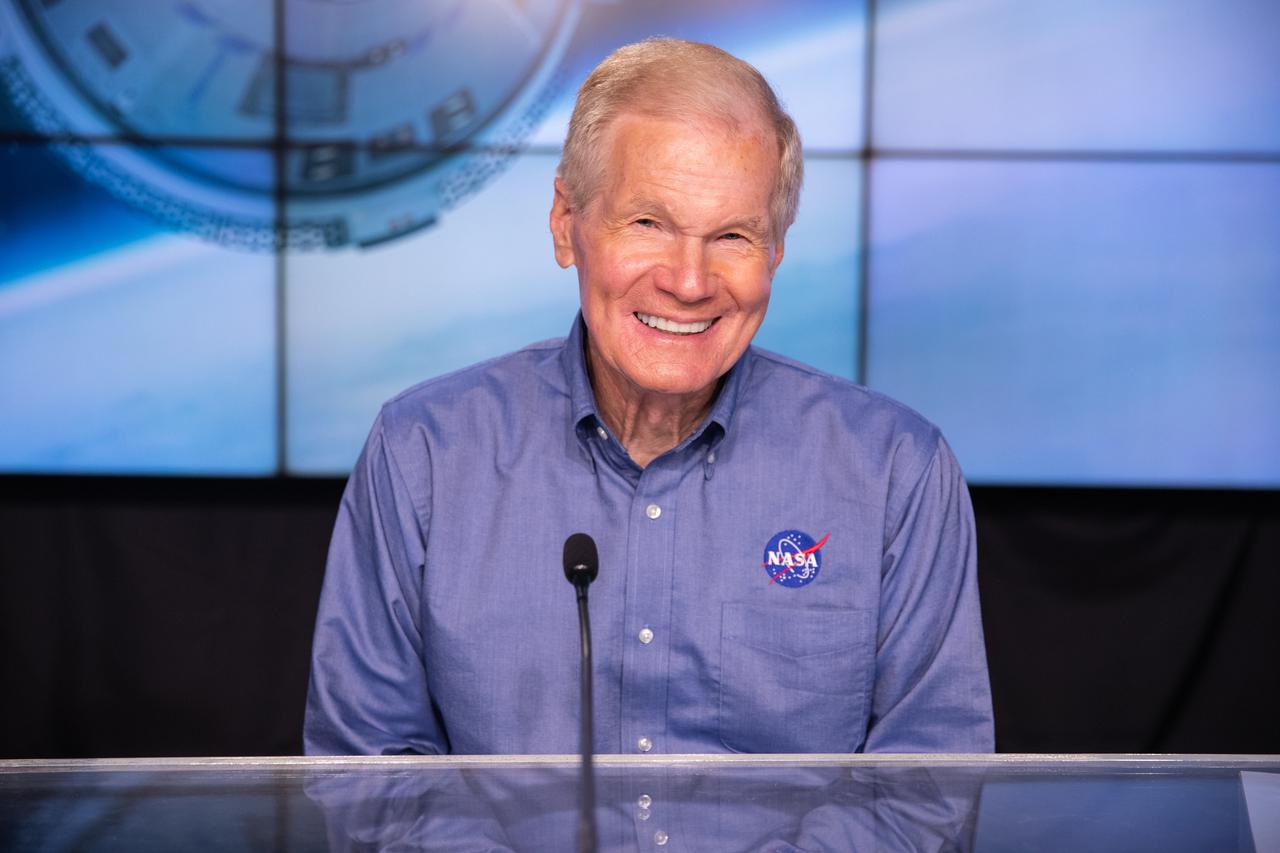
NASA Administrator Bill Nelson participates in the NASA Administrator Media Briefing ahead of Boeing’s Orbital Flight Test-2 (OFT-2) at the agency’s Kennedy Space Center in Florida, July 29, 2021. Boeing’s CST-100 Starliner spacecraft will launch atop a United Launch Alliance Atlas V rocket from Space Launch Complex-41 at Cape Canaveral Space Force Station. The uncrewed OFT-2 will be the Starliner’s second flight for NASA’s Commercial Crew Program.
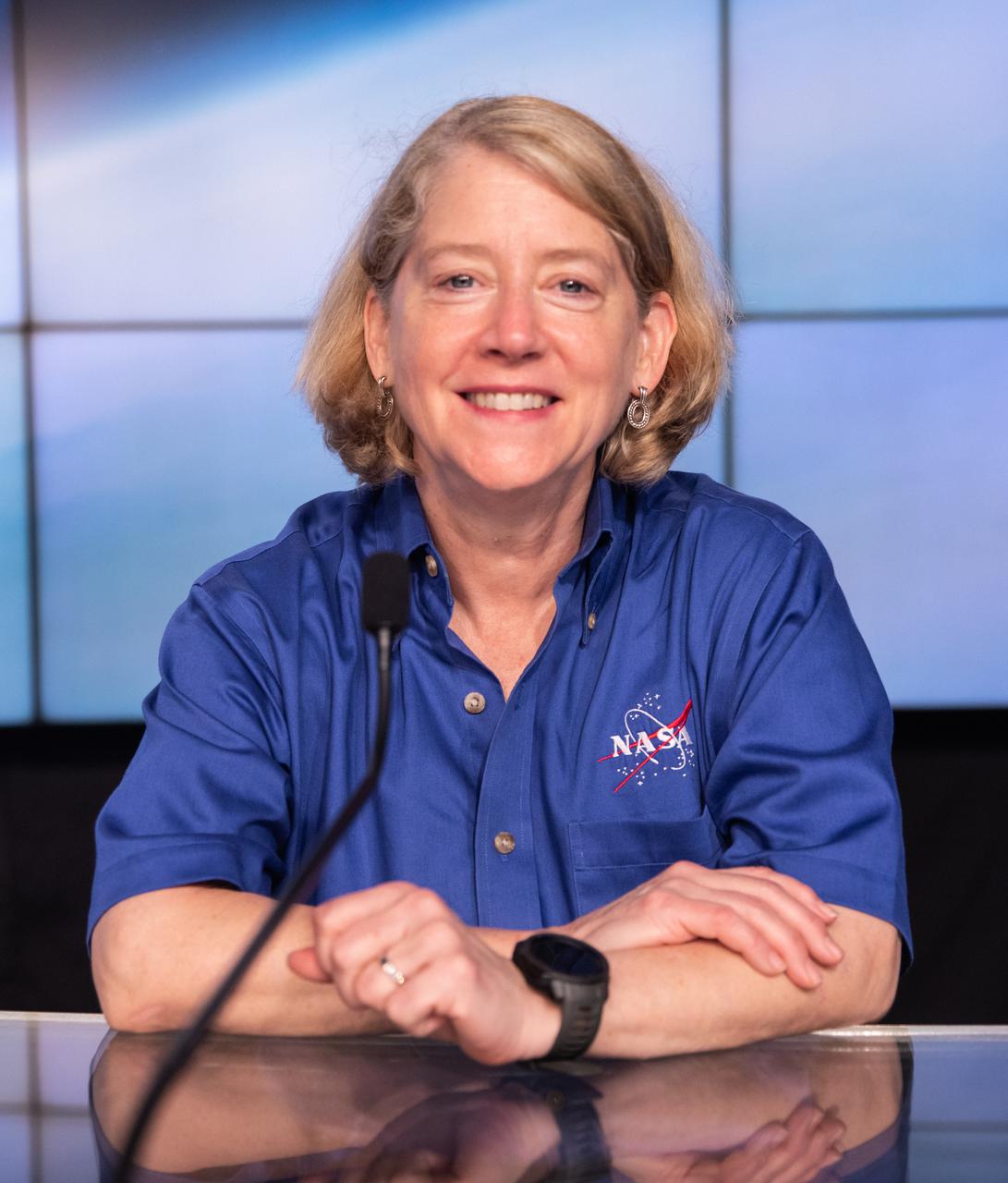
NASA Deputy Administrator Pam Melroy participates in the NASA Administrator Media Briefing ahead of Boeing’s Orbital Flight Test-2 (OFT-2) at the agency’s Kennedy Space Center in Florida, July 29, 2021. Boeing’s CST-100 Starliner spacecraft will launch atop a United Launch Alliance Atlas V rocket from Space Launch Complex-41 at Cape Canaveral Space Force Station. The uncrewed OFT-2 will be the Starliner’s second flight for NASA’s Commercial Crew Program.
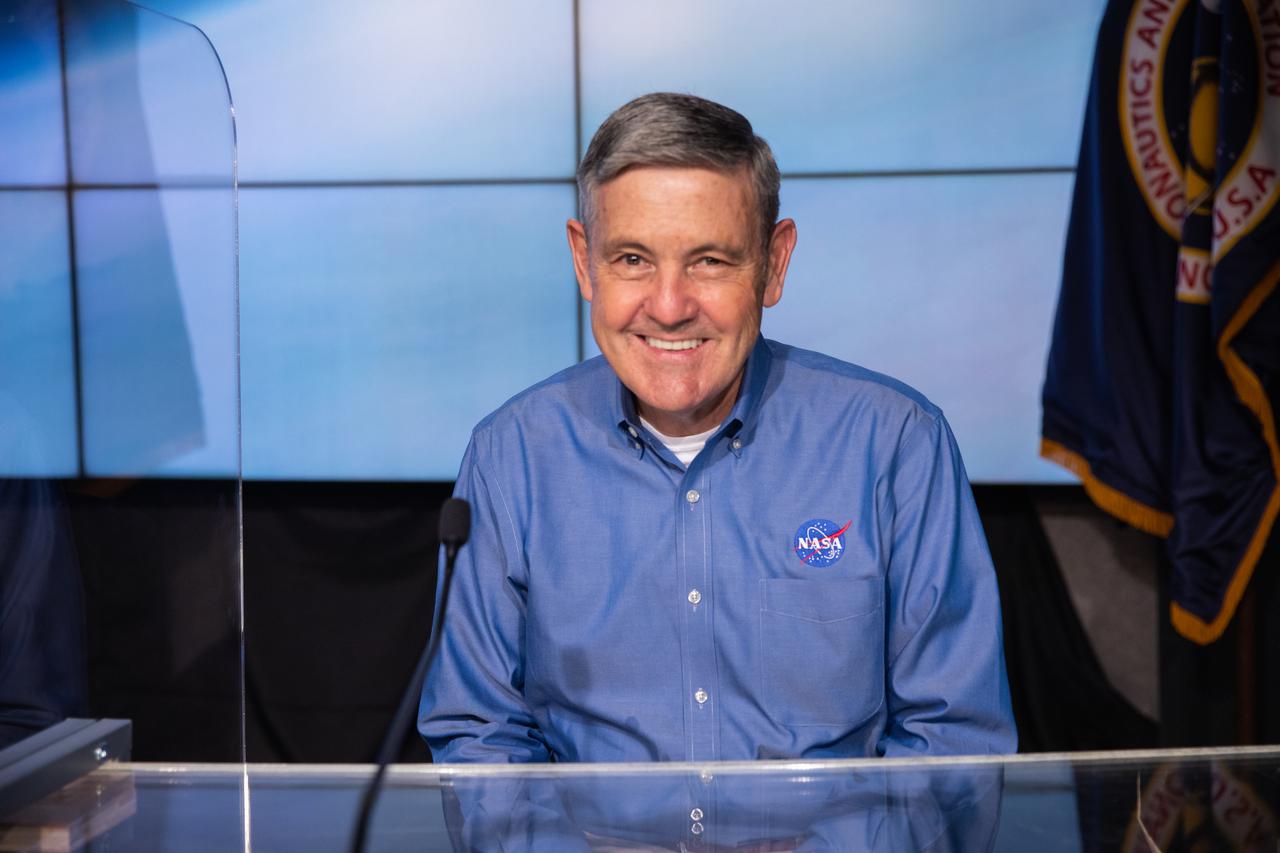
NASA Associate Administrator Bob Cabana participates in the NASA Administrator Media Briefing ahead of Boeing’s Orbital Flight Test-2 (OFT-2) at the agency’s Kennedy Space Center in Florida, July 29, 2021. Boeing’s CST-100 Starliner spacecraft will launch atop a United Launch Alliance Atlas V rocket from Space Launch Complex-41 at Cape Canaveral Space Force Station. The uncrewed OFT-2 will be the Starliner’s second flight for NASA’s Commercial Crew Program.
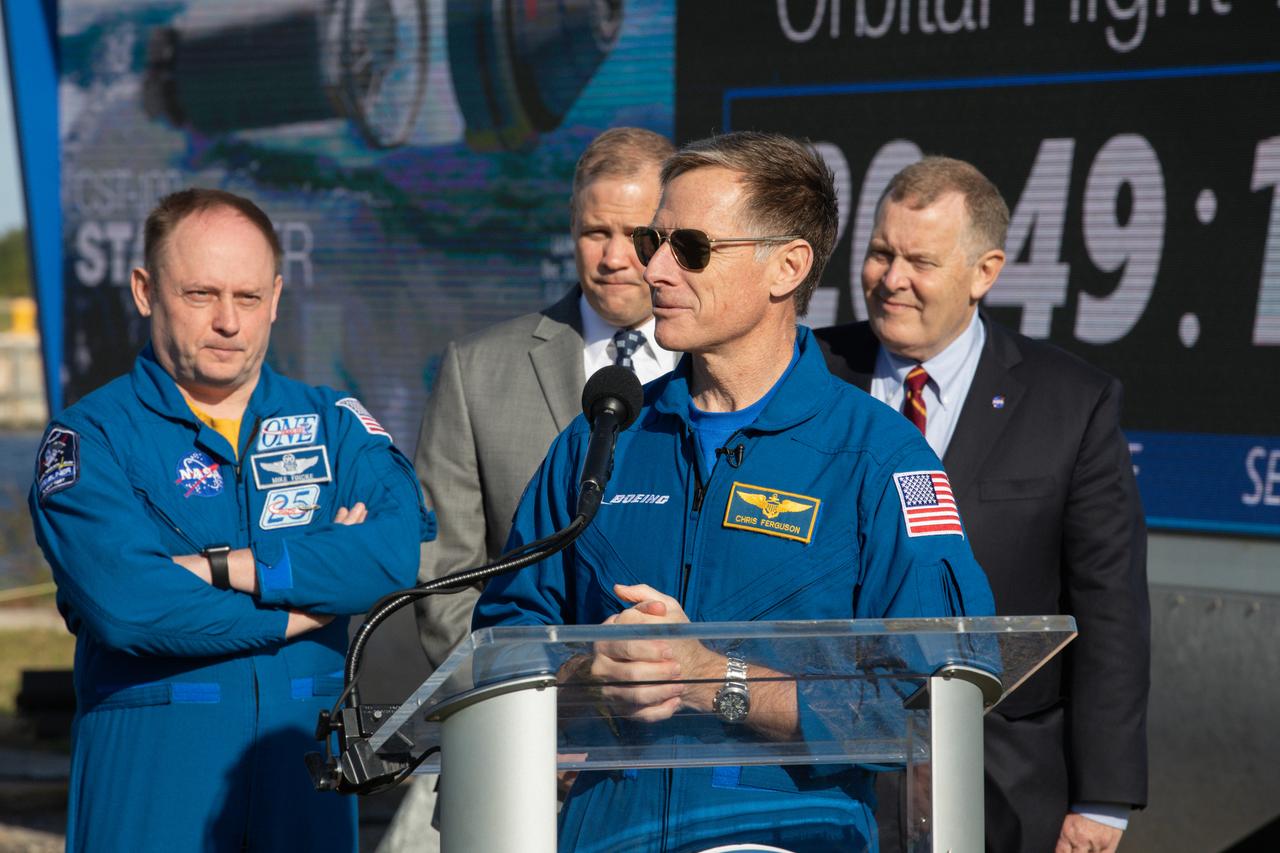
Chris Ferguson, Boeing astronaut, participates in a Boeing Orbital Flight Test media briefing near the countdown clock at the Florida spaceport on Dec. 19, 2019. In the background from left to right are NASA astronaut Mike Finke, NASA Administrator Jim Bridenstine and Deputy Administrator Jim Morhard. Boeing’s CST-100 Starliner spacecraft will launch atop a United Launch Alliance Atlas V rocket from Space Launch Complex 41 at Cape Canaveral Air Force Station. The uncrewed Orbital Flight Test will be the Starliner’s first flight to the International Space Station for NASA’s Commercial Crew Program.
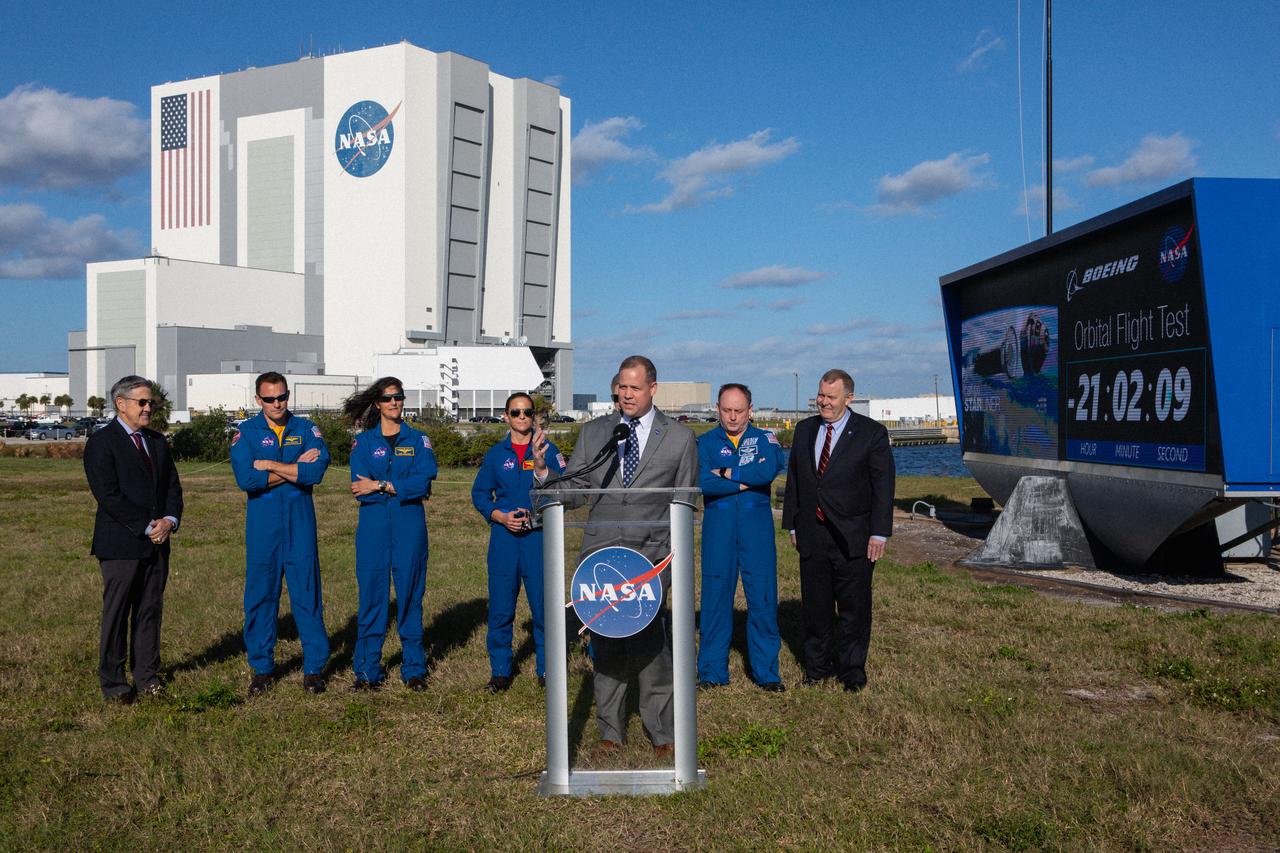
Jim Bridenstine, NASA administrator, participates in a Boeing Orbital Flight Test media briefing near the countdown clock at the Florida spaceport on Dec. 19, 2019. In the background from left to right are Kennedy Space Center Director Bob Cabana; NASA astronauts Josh Cassada, Suni Williams, Nicole Mann and Mike Finke; and NASA Deputy Administrator Jim Morhard. Boeing’s CST-100 Starliner spacecraft will launch atop a United Launch Alliance Atlas V rocket from Space Launch Complex 41 at Cape Canaveral Air Force Station. The uncrewed Orbital Flight Test will be the Starliner’s first flight to the International Space Station for NASA’s Commercial Crew Program.
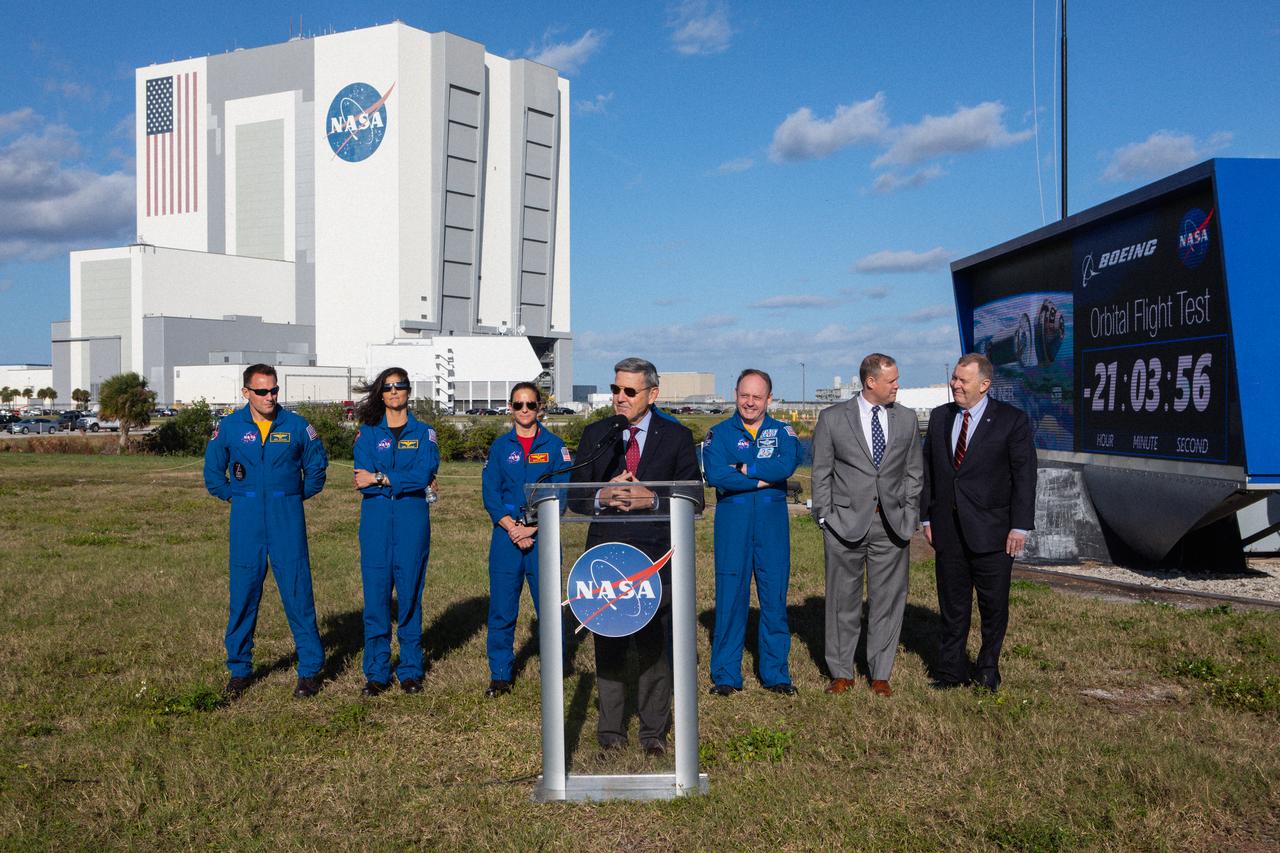
Bob Cabana, Kennedy Space Center director, participates in a Boeing Orbital Flight Test media briefing near the countdown clock at the Florida spaceport on Dec. 19, 2019. In the background from left to right are NASA astronauts Josh Cassada, Suni Williams, Nicole Mann and Mike Finke; NASA Administrator Jim Bridenstine; and Deputy Administrator Jim Morhard. Boeing’s CST-100 Starliner spacecraft will launch atop a United Launch Alliance Atlas V rocket from Space Launch Complex 41 at Cape Canaveral Air Force Station. The uncrewed Orbital Flight Test will be the Starliner’s first flight to the International Space Station for NASA’s Commercial Crew Program.
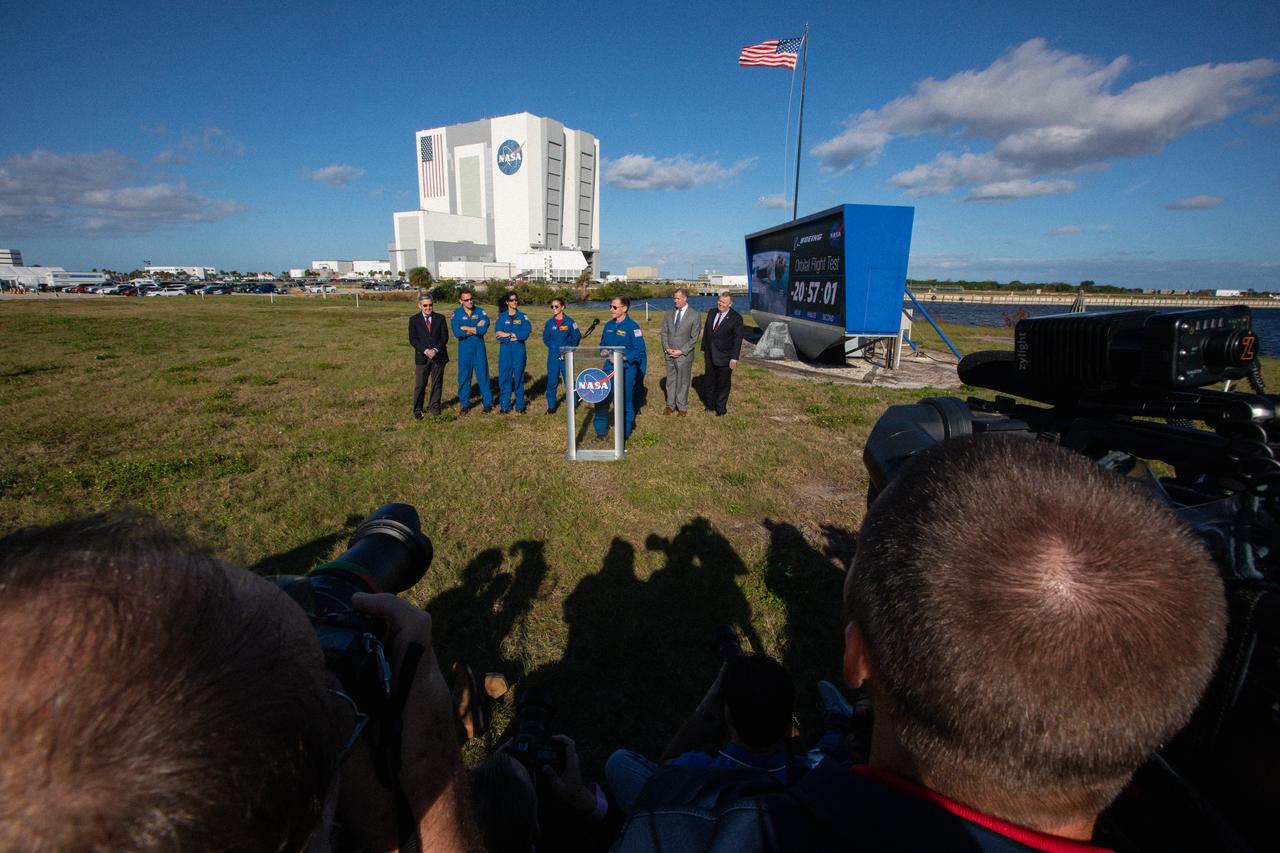
Chris Ferguson, Boeing astronaut, participates in a Boeing Orbital Flight Test media briefing near the countdown clock at the Florida spaceport on Dec. 19, 2019. In the background from left to right are Kennedy Space Center Director Bob Cabana; NASA astronauts Josh Cassada, Suni Williams and Nicole Mann; NASA Administrator Jim Bridenstine; and Deputy Administrator Jim Morhard. Boeing’s CST-100 Starliner spacecraft will launch atop a United Launch Alliance Atlas V rocket from Space Launch Complex 41 at Cape Canaveral Air Force Station. The uncrewed Orbital Flight Test will be the Starliner’s first flight to the International Space Station for NASA’s Commercial Crew Program.
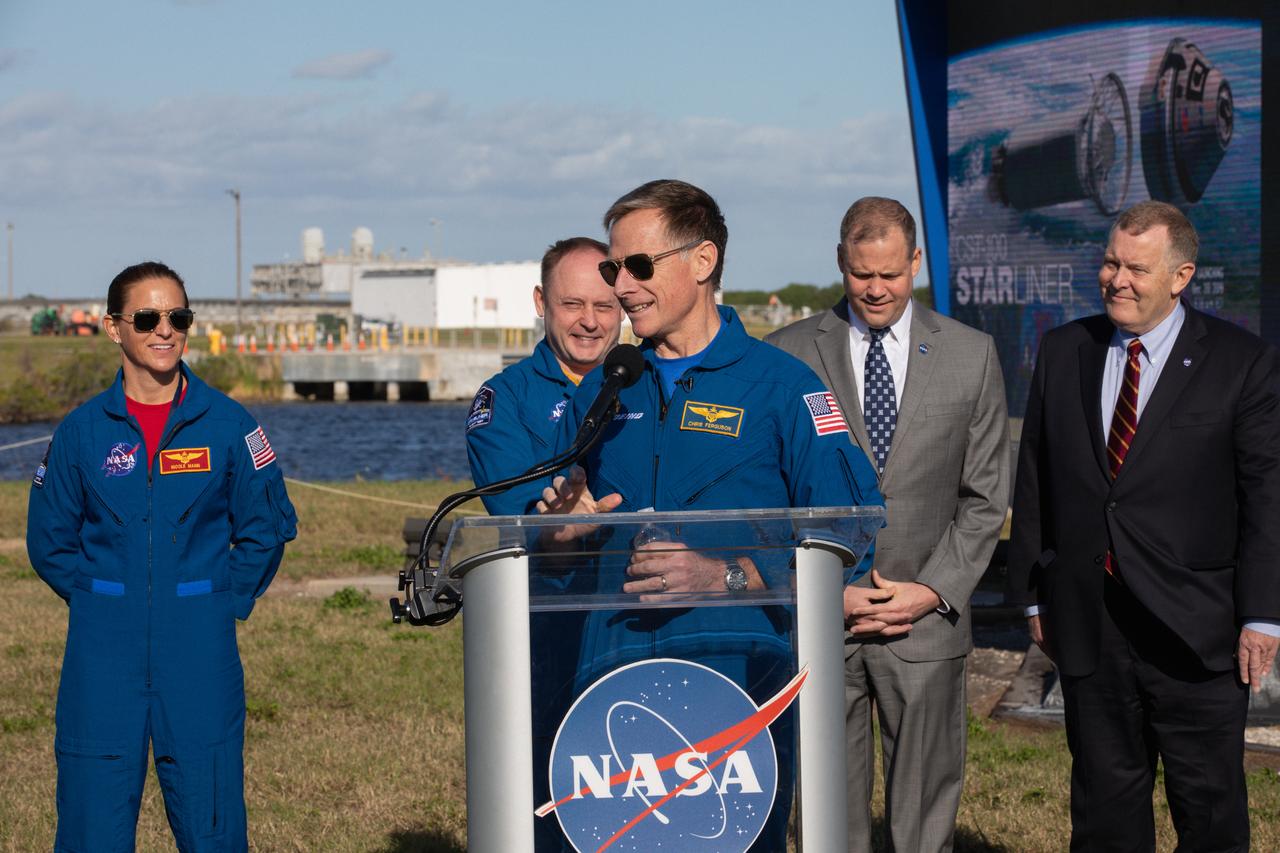
Chris Ferguson, Boeing astronaut, participates in a Boeing Orbital Flight Test media briefing near the countdown clock at the Florida spaceport on Dec. 19, 2019. In the background from left to right are NASA astronauts Nicole Mann and Mike Finke, NASA Administrator Jim Bridenstine and Deputy Administrator Jim Morhard. Boeing’s CST-100 Starliner spacecraft will launch atop a United Launch Alliance Atlas V rocket from Space Launch Complex 41 at Cape Canaveral Air Force Station. The uncrewed Orbital Flight Test will be the Starliner’s first flight to the International Space Station for NASA’s Commercial Crew Program.
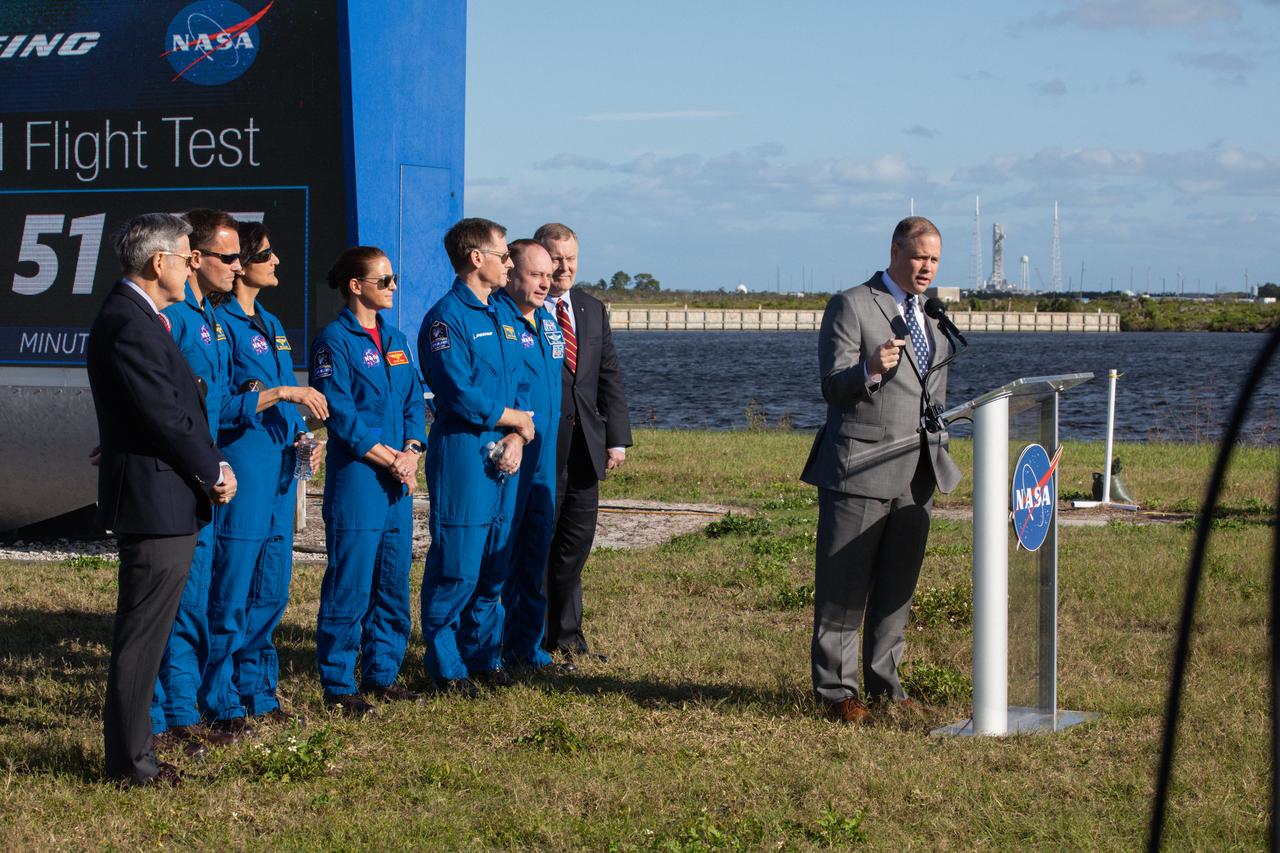
Jim Bridenstine, NASA administrator, participates in a Boeing Orbital Flight Test media briefing near the countdown clock at the Florida spaceport on Dec. 19, 2019. In the background from left to right are Cabana; NASA astronauts Josh Cassada, Suni Williams and Nicole Mann; Boeing astronaut Chris Ferguson; NASA astronaut Mike Finke; and NASA Deputy Administrator Jim Morhard. Boeing’s CST-100 Starliner spacecraft will launch atop a United Launch Alliance Atlas V rocket from Space Launch Complex 41 at Cape Canaveral Air Force Station. The uncrewed Orbital Flight Test will be the Starliner’s first flight to the International Space Station for NASA’s Commercial Crew Program.
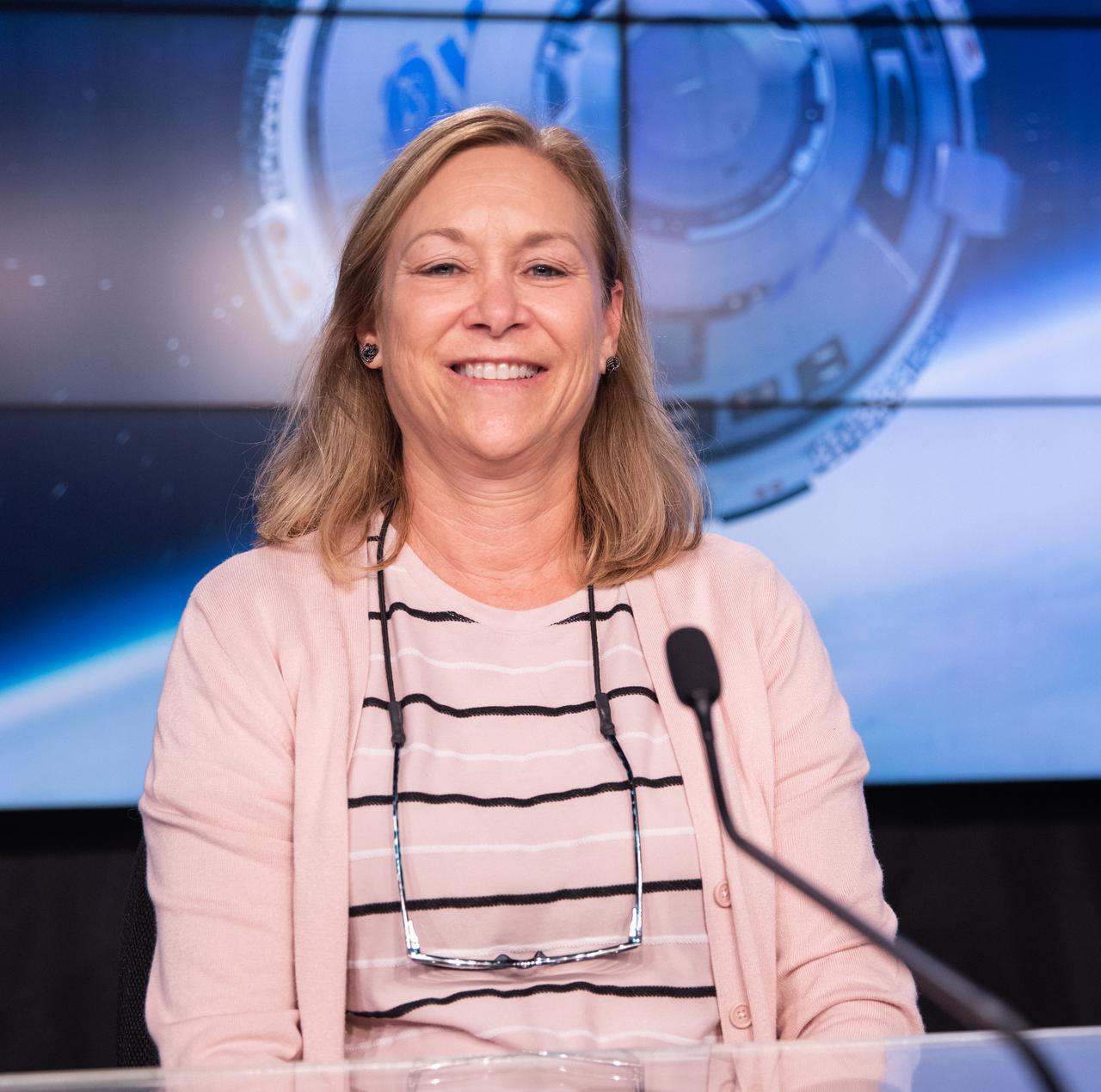
Janet Petro, director, NASA’s Kennedy Space Center, participates in the NASA Administrator Media Briefing ahead of Boeing’s Orbital Flight Test-2 (OFT-2) at the agency’s Kennedy Space Center in Florida, July 29, 2021. Boeing’s CST-100 Starliner spacecraft will launch atop a United Launch Alliance Atlas V rocket from Space Launch Complex-41 at Cape Canaveral Space Force Station. The uncrewed OFT-2 will be the Starliner’s second flight for NASA’s Commercial Crew Program.
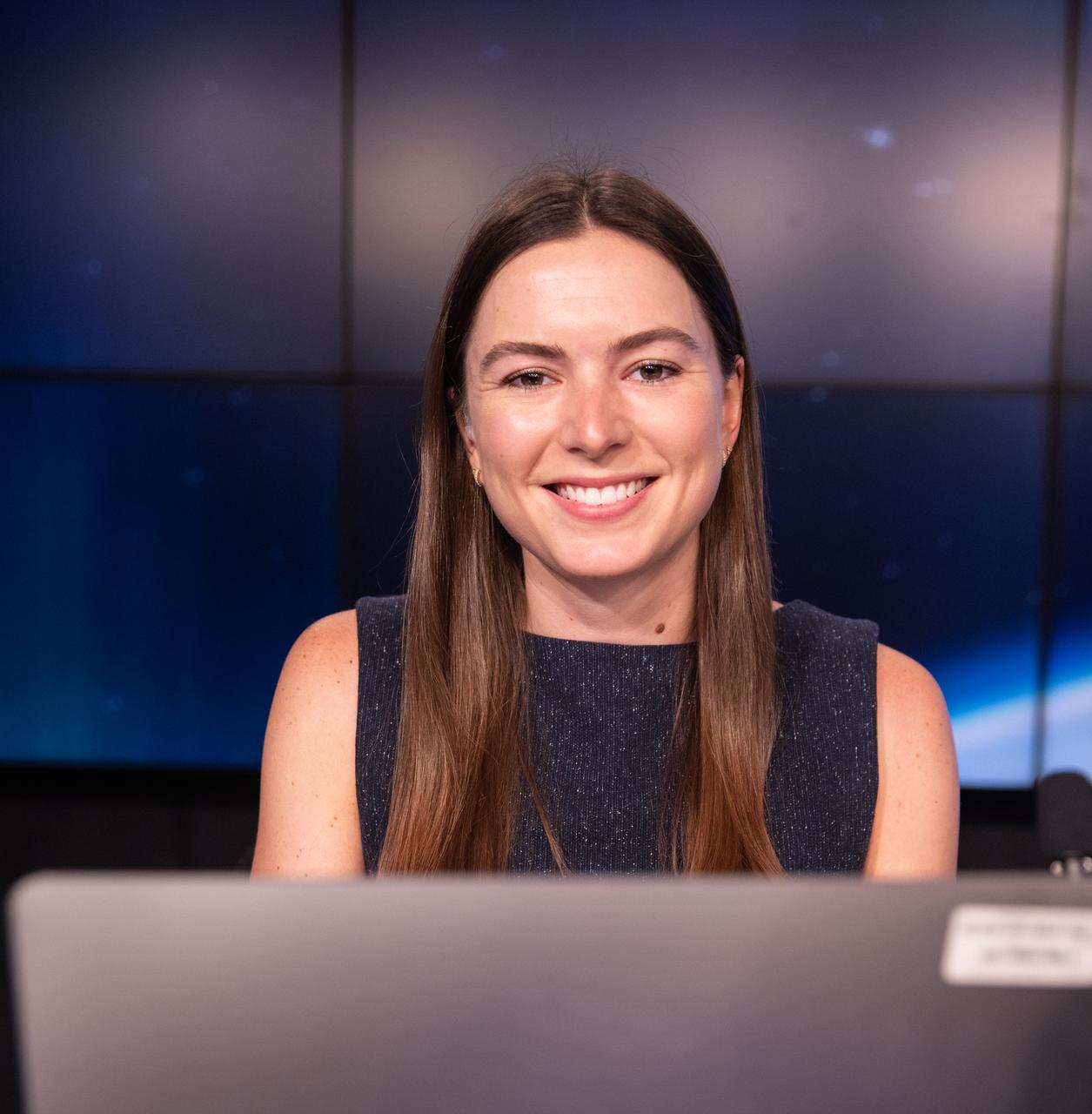
NASA Press Secretary Jackie McGuiness participates in the NASA Administrator Media Briefing ahead of Boeing’s Orbital Flight Test-2 (OFT-2) at the agency’s Kennedy Space Center in Florida, July 29, 2021. Boeing’s CST-100 Starliner spacecraft will launch atop a United Launch Alliance Atlas V rocket from Space Launch Complex-41 at Cape Canaveral Space Force Station. The uncrewed OFT-2 will be the Starliner’s second flight for NASA’s Commercial Crew Program.
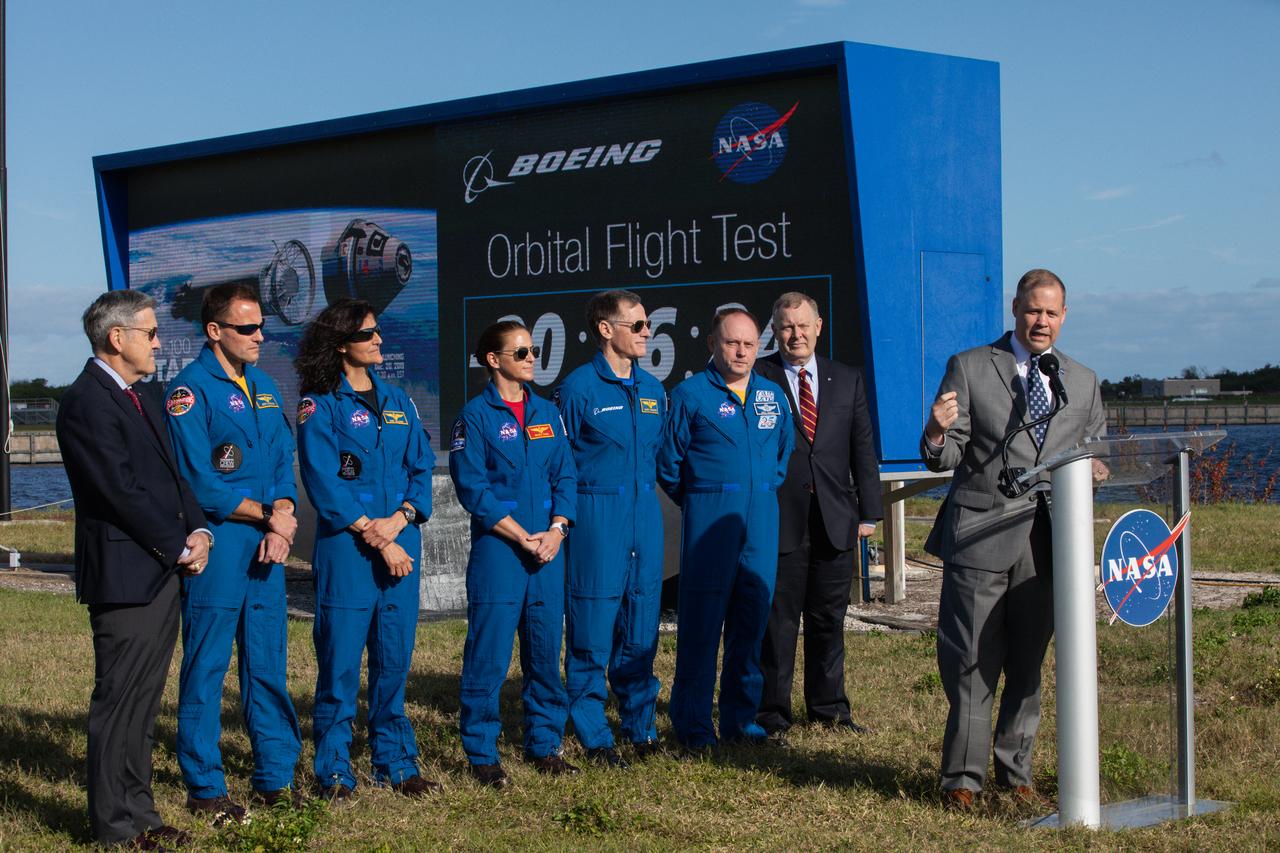
NASA Administrator Jim Bridenstine, Kennedy Space Center Director Bob Cabana, and astronauts representing NASA and Boeing participate in a Boeing Orbital Flight Test media briefing near the countdown clock at the Florida spaceport on Dec. 19, 2019. From left to right are Cabana; NASA astronauts Josh Cassada, Suni Williams and Nicole Mann; Boeing astronaut Chris Ferguson; NASA astronaut Mike Finke; NASA Deputy Administrator Jim Morhard; and Bridenstine. Boeing’s CST-100 Starliner spacecraft will launch atop a United Launch Alliance Atlas V rocket from Space Launch Complex 41 at Cape Canaveral Air Force Station. The uncrewed Orbital Flight Test will be the Starliner’s first flight to the International Space Station for NASA’s Commercial Crew Program.
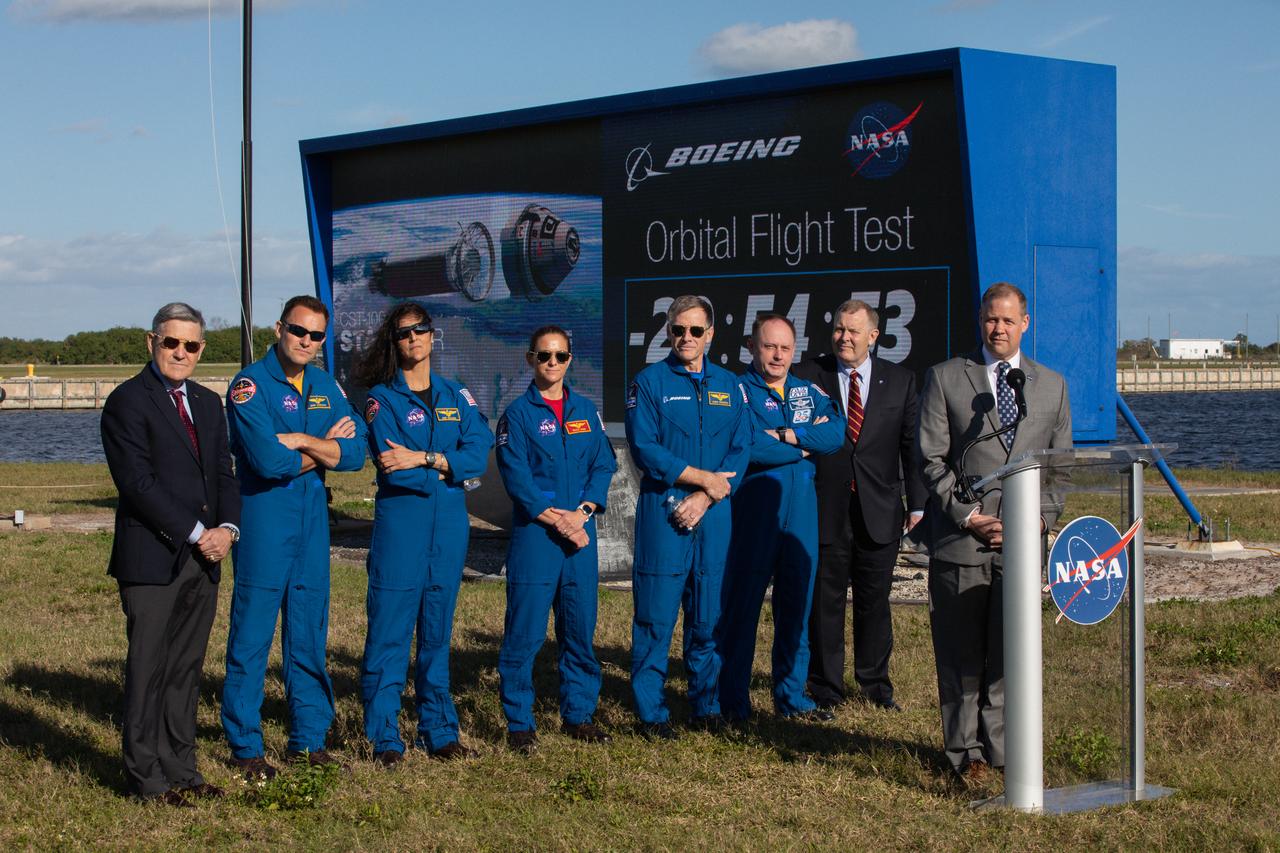
NASA Administrator Jim Bridenstine, Kennedy Space Center Director Bob Cabana, and astronauts representing NASA and Boeing participate in a Boeing Orbital Flight Test media briefing near the countdown clock at the Florida spaceport on Dec. 19, 2019. From left to right are Cabana; NASA astronauts Josh Cassada, Suni Williams and Nicole Mann; Boeing astronaut Chris Ferguson; NASA astronaut Mike Finke; NASA Deputy Administrator Jim Morhard; and Bridenstine. Boeing’s CST-100 Starliner spacecraft will launch atop a United Launch Alliance Atlas V rocket from Space Launch Complex 41 at Cape Canaveral Air Force Station. The uncrewed Orbital Flight Test will be the Starliner’s first flight to the International Space Station for NASA’s Commercial Crew Program.

NASA Administrator Jim Bridenstine, Kennedy Space Center Director Bob Cabana, and astronauts representing NASA and Boeing participate in a Boeing Orbital Flight Test media briefing near the countdown clock at the Florida spaceport on Dec. 19, 2019. From left to right are Cabana; NASA astronauts Josh Cassada, Suni Williams and Nicole Mann; Boeing astronaut Chris Ferguson; NASA astronaut Mike Finke; NASA Deputy Administrator Jim Morhard; and Bridenstine. Boeing’s CST-100 Starliner spacecraft will launch atop a United Launch Alliance Atlas V rocket from Space Launch Complex 41 at Cape Canaveral Air Force Station. The uncrewed Orbital Flight Test will be the Starliner’s first flight to the International Space Station for NASA’s Commercial Crew Program.
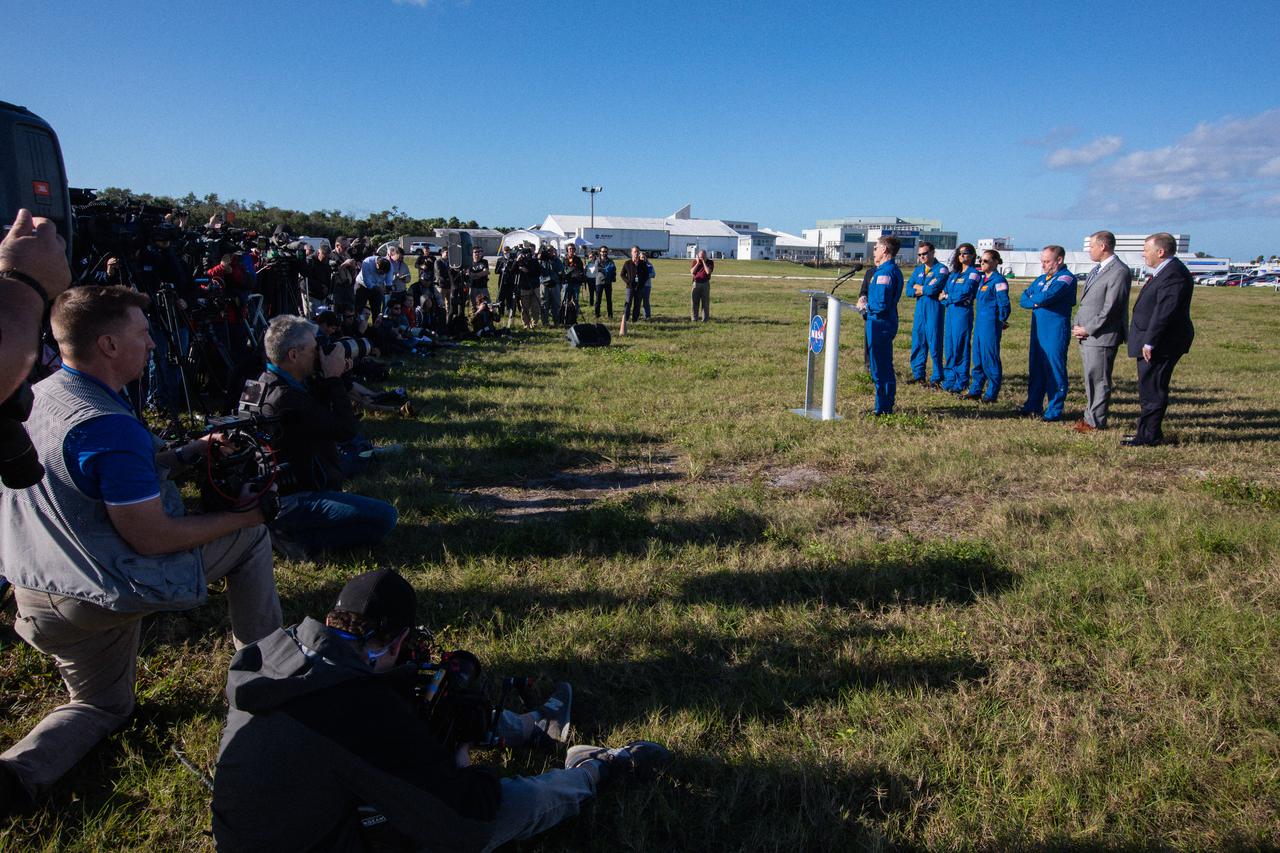
Chris Ferguson, Boeing astronaut, participates in a Boeing Orbital Flight Test media briefing near the countdown clock at the Florida spaceport on Dec. 19, 2019. In the background from left to right are Kennedy Space Center Director Bob Cabana; NASA astronauts Josh Cassada, Suni Williams, Nicole Mann and Mike Finke; NASA Administrator Jim Bridenstine; and Deputy Administrator Jim Morhard. Boeing’s CST-100 Starliner spacecraft will launch atop a United Launch Alliance Atlas V rocket from Space Launch Complex 41 at Cape Canaveral Air Force Station. The uncrewed Orbital Flight Test will be the Starliner’s first flight to the International Space Station for NASA’s Commercial Crew Program.
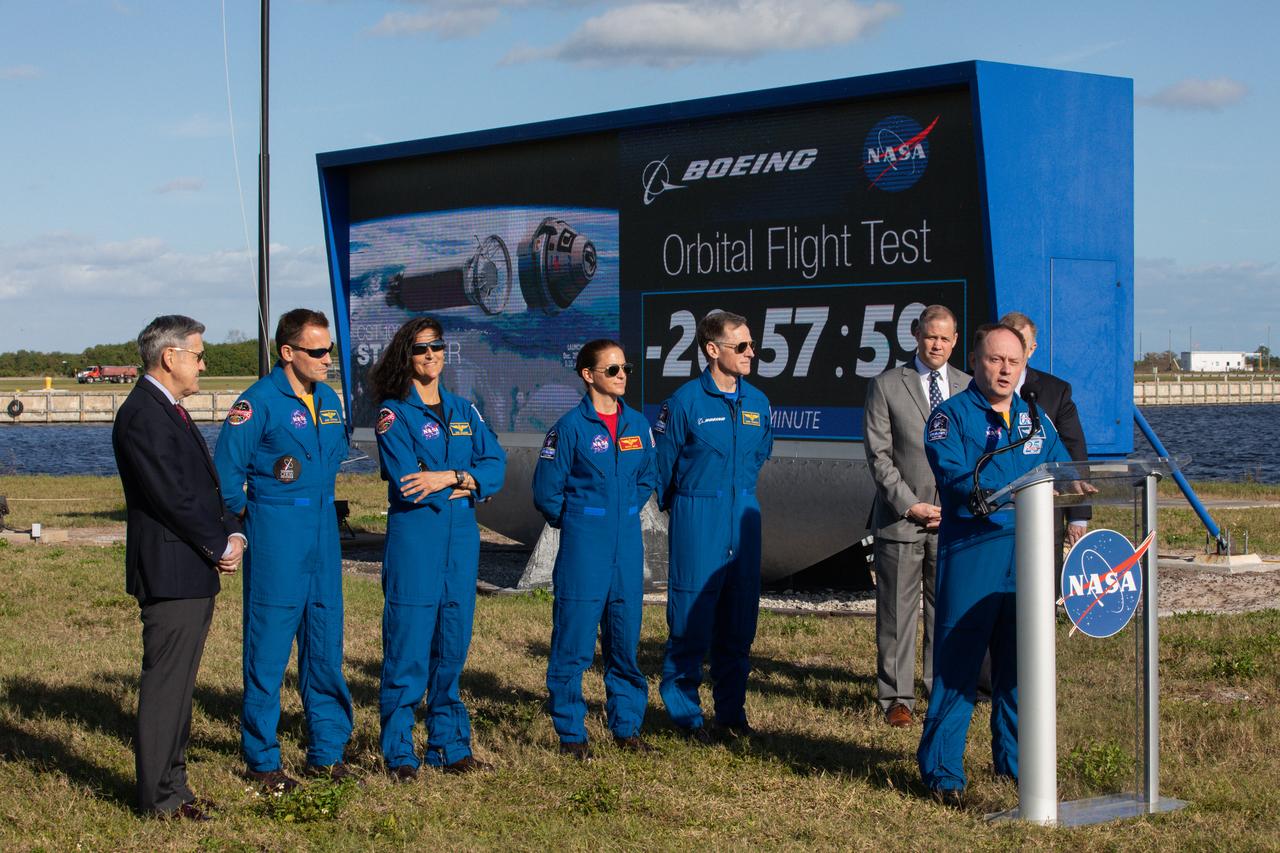
Mike Finke, NASA astronaut, participates in a Boeing Orbital Flight Test media briefing near the countdown clock at the Florida spaceport on Dec. 19, 2019. In the background from left to right are Kennedy Space Center Director Bob Cabana; NASA astronauts Josh Cassada, Suni Williams and Nicole Mann; Boeing astronaut Chris Ferguson; NASA Administrator Jim Bridenstine; and Deputy Administrator Jim Morhard. Boeing’s CST-100 Starliner spacecraft will launch atop a United Launch Alliance Atlas V rocket from Space Launch Complex 41 at Cape Canaveral Air Force Station. The uncrewed Orbital Flight Test will be the Starliner’s first flight to the International Space Station for NASA’s Commercial Crew Program.
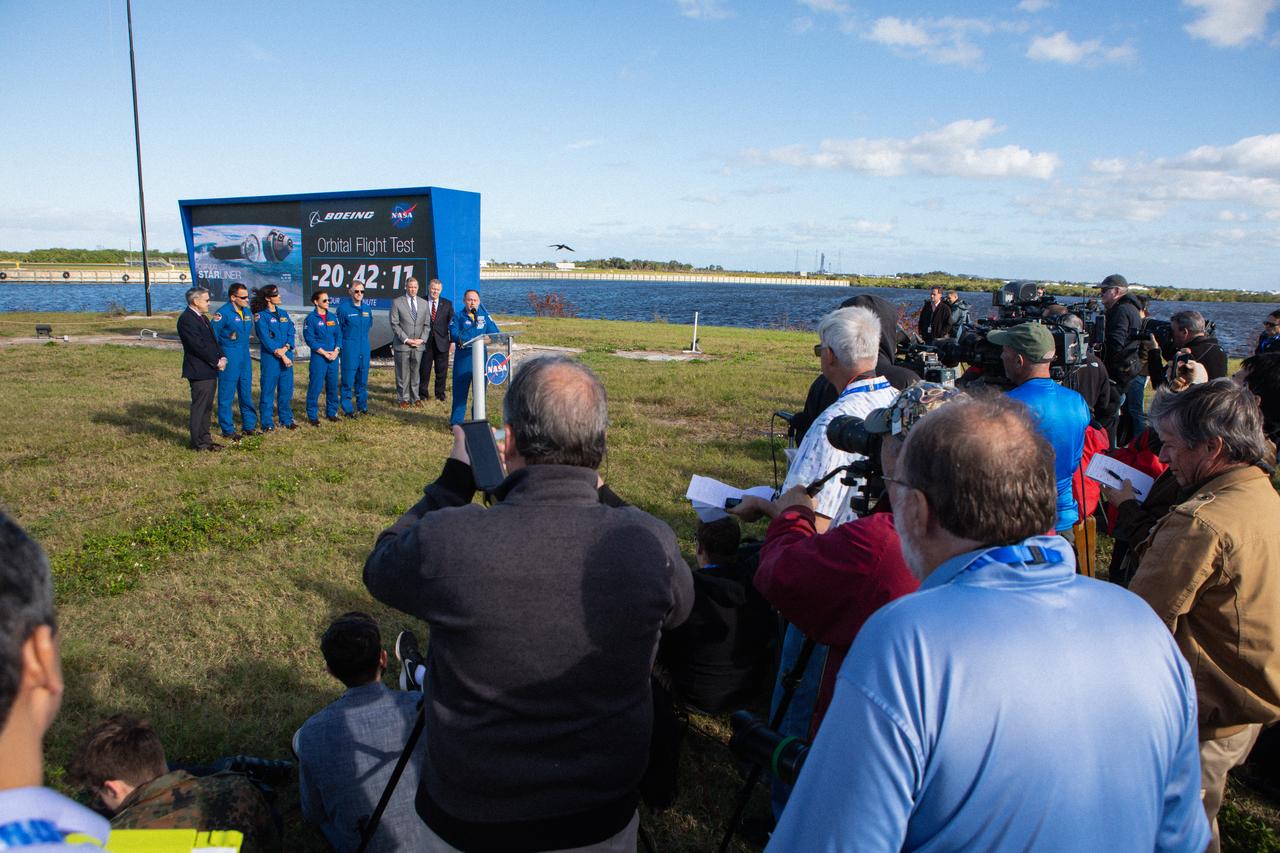
NASA Administrator Jim Bridenstine, Kennedy Space Center Director Bob Cabana, and astronauts representing NASA and Boeing participate in a Boeing Orbital Flight Test media briefing near the countdown clock at the Florida spaceport on Dec. 19, 2019. From left to right are Cabana; NASA astronauts Josh Cassada, Suni Williams and Nicole Mann; Boeing astronaut Chris Ferguson; Bridenstine; NASA Deputy Administrator Jim Morhard; and NASA astronaut Mike Finke. Boeing’s CST-100 Starliner spacecraft will launch atop a United Launch Alliance Atlas V rocket from Space Launch Complex 41 at Cape Canaveral Air Force Station. The uncrewed Orbital Flight Test will be the Starliner’s first flight to the International Space Station for NASA’s Commercial Crew Program.
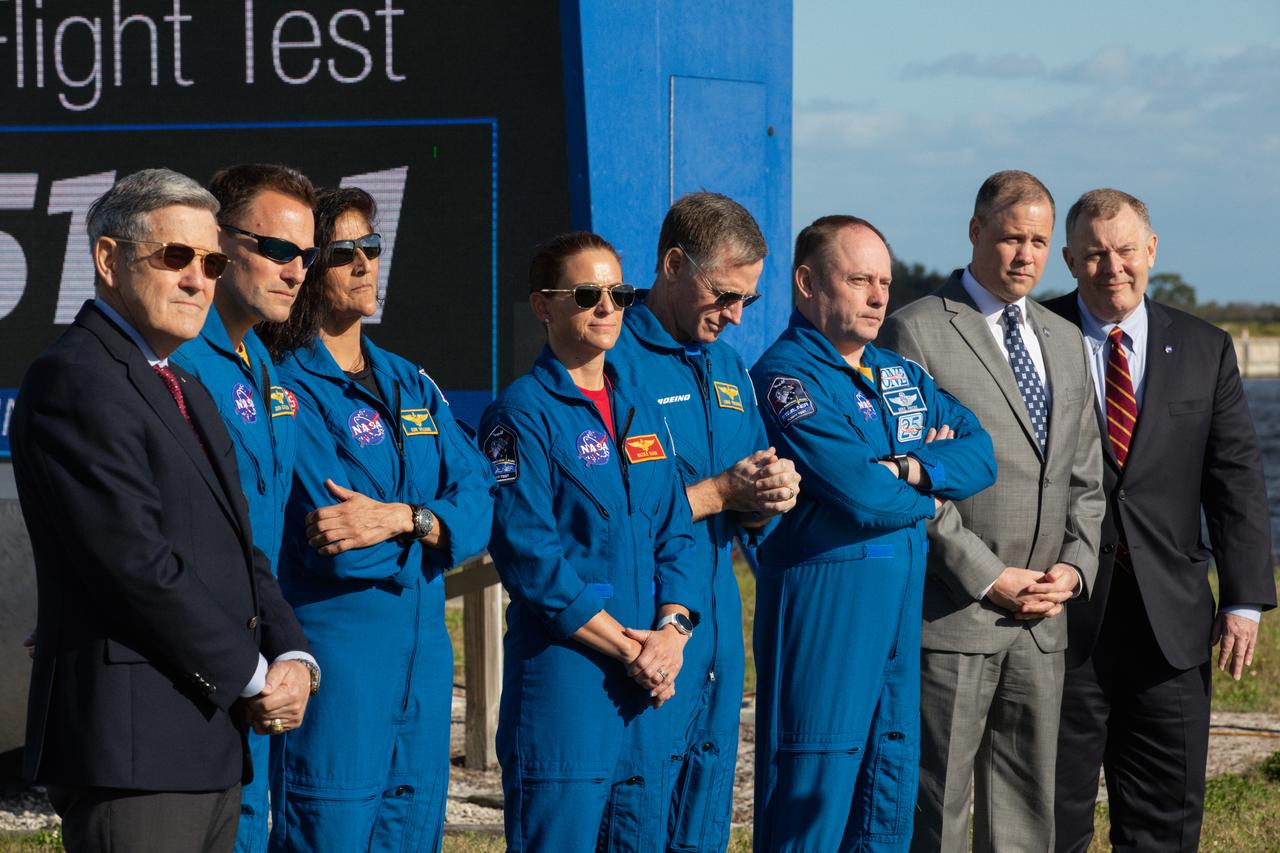
NASA Administrator Jim Bridenstine, Kennedy Space Center Director Bob Cabana, and astronauts representing NASA and Boeing participate in a Boeing Orbital Flight Test media briefing near the countdown clock at the Florida spaceport on Dec. 19, 2019. From left to right are Cabana; NASA astronauts Josh Cassada, Suni Williams and Nicole Mann; Boeing astronaut Chris Ferguson; NASA astronaut Mike Finke; Bridenstine; and NASA Deputy Administrator Jim Morhard. Boeing’s CST-100 Starliner spacecraft will launch atop a United Launch Alliance Atlas V rocket from Space Launch Complex 41 at Cape Canaveral Air Force Station. The uncrewed Orbital Flight Test will be the Starliner’s first flight to the International Space Station for NASA’s Commercial Crew Program.
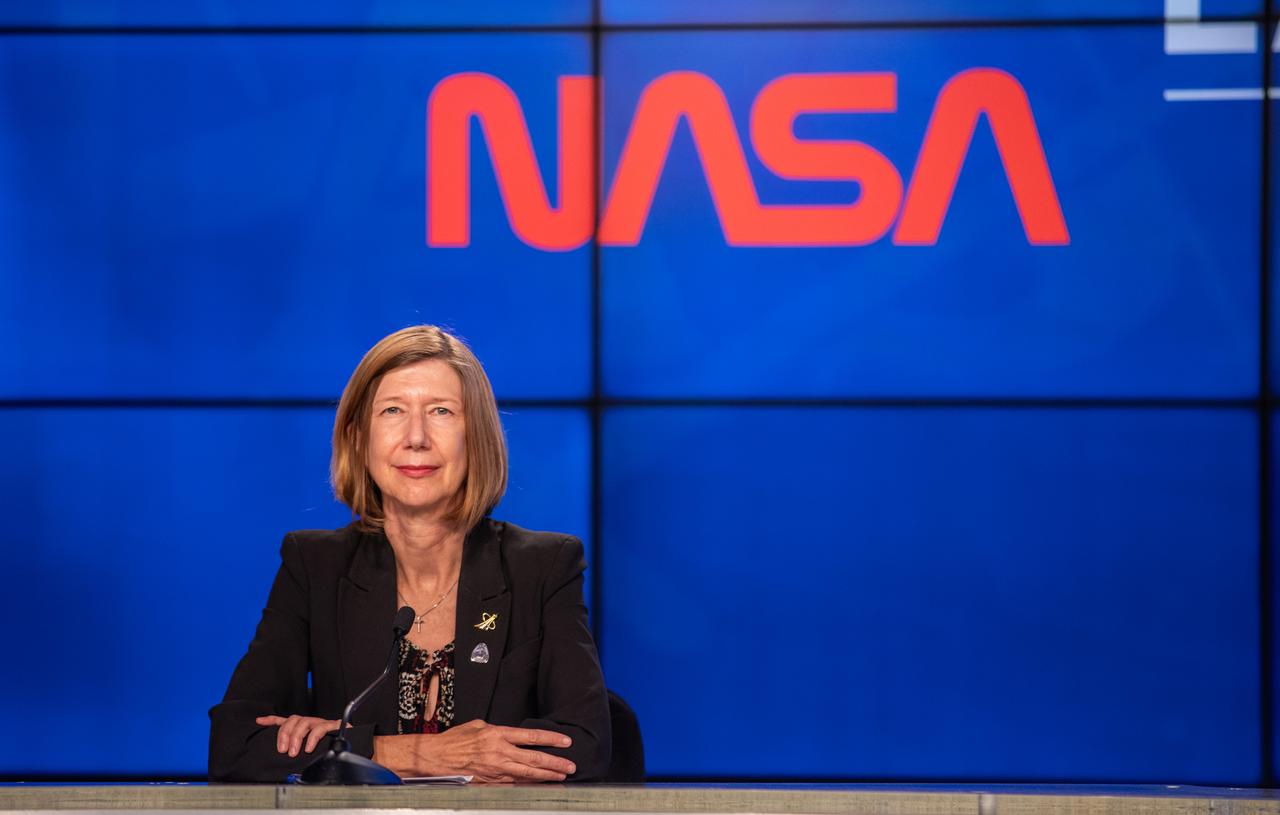
NASA’s Commercial Crew Program Manager, Kathy Lueders, participates in a postlaunch news conference inside the Press Site auditorium at the agency’s Kennedy Space Center in Florida on May 30, 2020, following the launch of NASA’s SpaceX Demo-2 mission to the International Space Station. Liftoff of the SpaceX Falcon 9 rocket and Crew Dragon spacecraft, carrying NASA astronauts Robert Behnken and Douglas Hurley, occurred at 3:22 p.m. EDT from historic Launch Complex 39A. Behnken and Hurley are the first astronauts to launch to the space station from U.S. soil since the end of the Space Shuttle Program in 2011. Part of NASA’s Commercial Crew Program, this will be SpaceX’s final flight test, paving the way for the agency to certify the crew transportation system for regular, crewed flights to the orbiting laboratory.
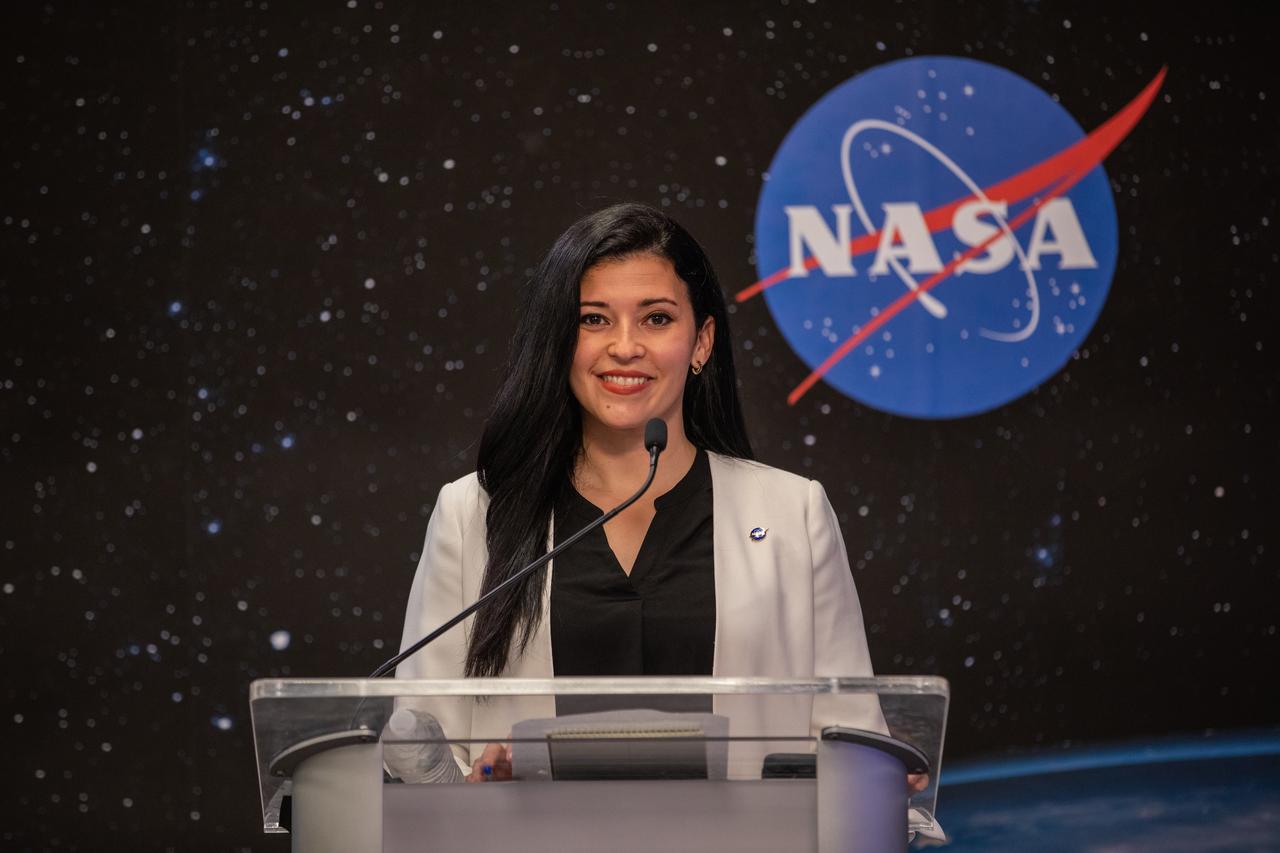
NASA’s Associate Administrator for Communications, Bettina Inclán, moderates a postlaunch news conference inside the Press Site auditorium at NASA’s Kennedy Space Center in Florida on May 30, 2020, following the launch of the agency’s SpaceX Demo-2 mission to the International Space Station. Liftoff of the SpaceX Falcon 9 rocket and Crew Dragon spacecraft, carrying NASA astronauts Robert Behnken and Douglas Hurley, occurred at 3:22 p.m. EDT from historic Launch Complex 39A. Behnken and Hurley are the first astronauts to launch to the space station from U.S. soil since the end of the Space Shuttle Program in 2011. Part of NASA’s Commercial Crew Program, this will be SpaceX’s final flight test, paving the way for the agency to certify the crew transportation system for regular, crewed flights to the orbiting laboratory.
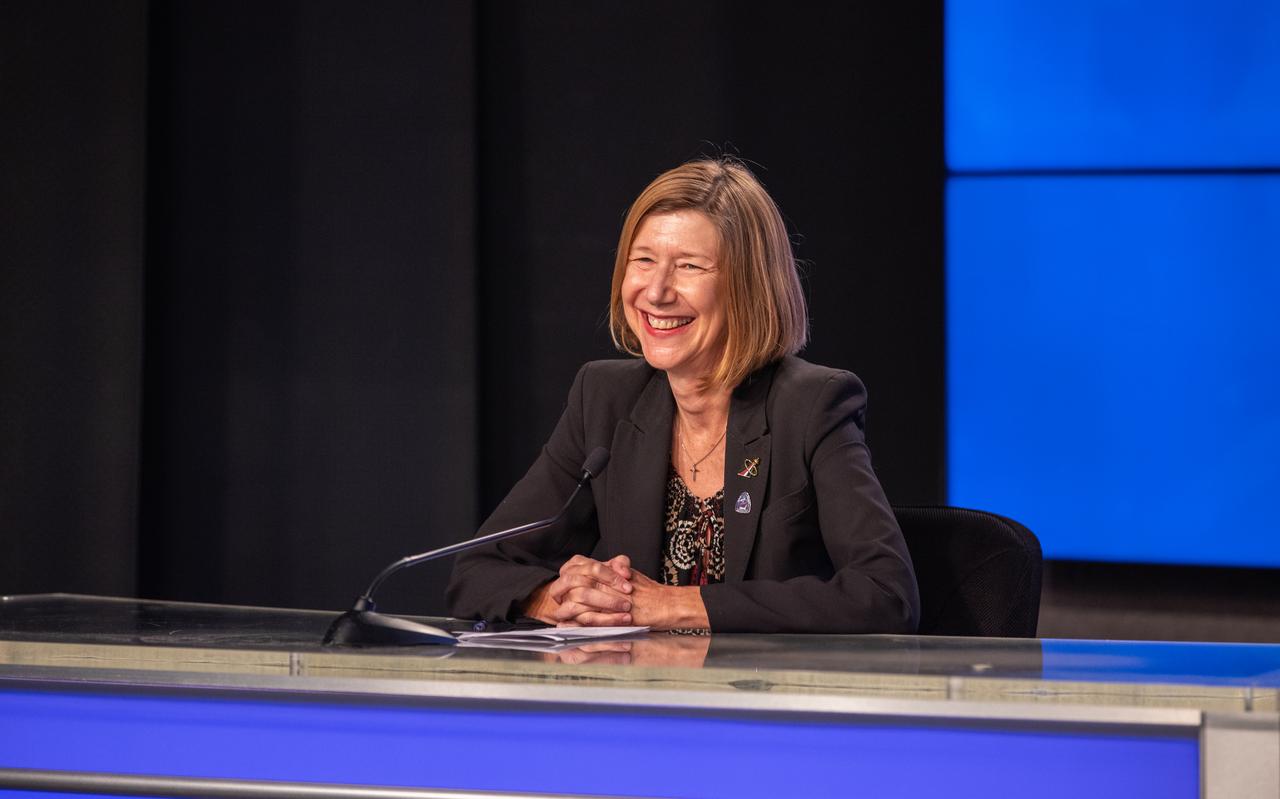
NASA’s Commercial Crew Program Manager, Kathy Lueders, participates in a postlaunch news conference inside the Press Site auditorium at the agency’s Kennedy Space Center in Florida on May 30, 2020, following the launch of NASA’s SpaceX Demo-2 mission to the International Space Station. Liftoff of the SpaceX Falcon 9 rocket and Crew Dragon spacecraft, carrying NASA astronauts Robert Behnken and Douglas Hurley, occurred at 3:22 p.m. EDT from historic Launch Complex 39A. Behnken and Hurley are the first astronauts to launch to the space station from U.S. soil since the end of the Space Shuttle Program in 2011. Part of NASA’s Commercial Crew Program, this will be SpaceX’s final flight test, paving the way for the agency to certify the crew transportation system for regular, crewed flights to the orbiting laboratory.
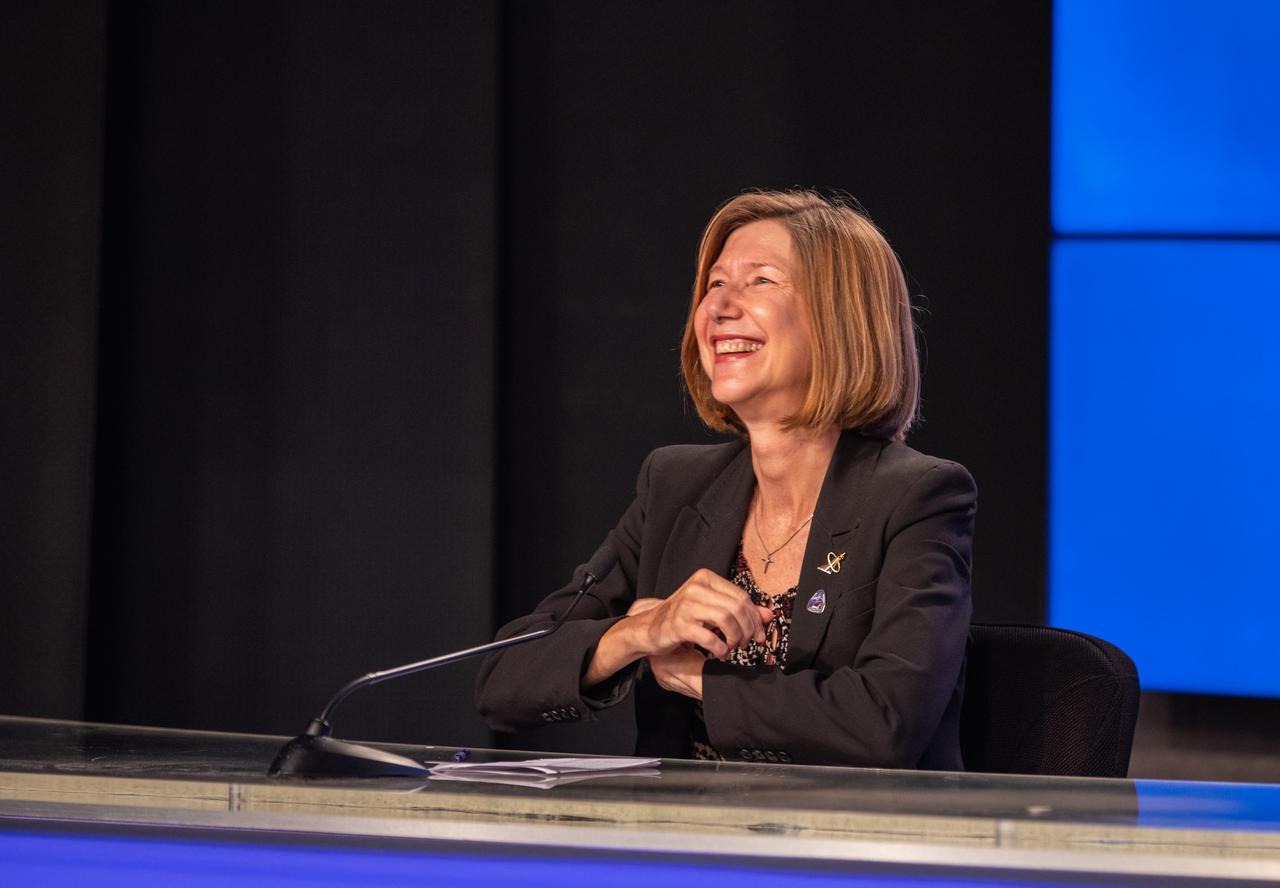
NASA’s Commercial Crew Program Manager, Kathy Lueders, participates in a postlaunch news conference inside the Press Site auditorium at the agency’s Kennedy Space Center in Florida on May 30, 2020, following the launch of NASA’s SpaceX Demo-2 mission to the International Space Station. Liftoff of the SpaceX Falcon 9 rocket and Crew Dragon spacecraft, carrying NASA astronauts Robert Behnken and Douglas Hurley, occurred at 3:22 p.m. EDT from historic Launch Complex 39A. Behnken and Hurley are the first astronauts to launch to the space station from U.S. soil since the end of the Space Shuttle Program in 2011. Part of NASA’s Commercial Crew Program, this will be SpaceX’s final flight test, paving the way for the agency to certify the crew transportation system for regular, crewed flights to the orbiting laboratory.
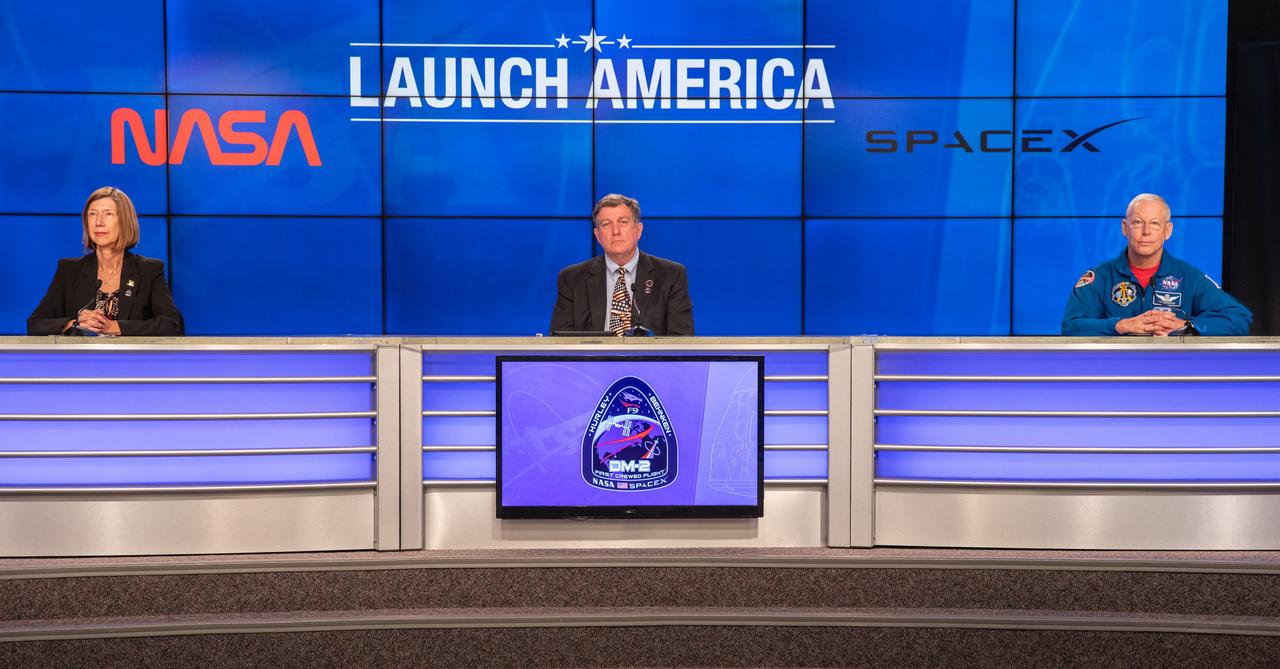
From left, NASA Commercial Crew Program Manager Kathy Lueders, NASA International Space Station Program Manager Kirk Shireman and NASA Chief Astronaut Pat Forrester participate in a postlaunch news conference inside the Press Site auditorium at NASA’s Kennedy Space Center in Florida on May 30, 2020, following the launch of the agency’s SpaceX Demo-2 mission to the International Space Station. Liftoff of the SpaceX Falcon 9 rocket and Crew Dragon spacecraft, carrying NASA astronauts Robert Behnken and Douglas Hurley, occurred at 3:22 p.m. EDT from historic Launch Complex 39A. Behnken and Hurley are the first astronauts to launch to the space station from U.S. soil since the end of the Space Shuttle Program in 2011. Part of NASA’s Commercial Crew Program, this will be SpaceX’s final flight test, paving the way for the agency to certify the crew transportation system for regular, crewed flights to the orbiting laboratory.
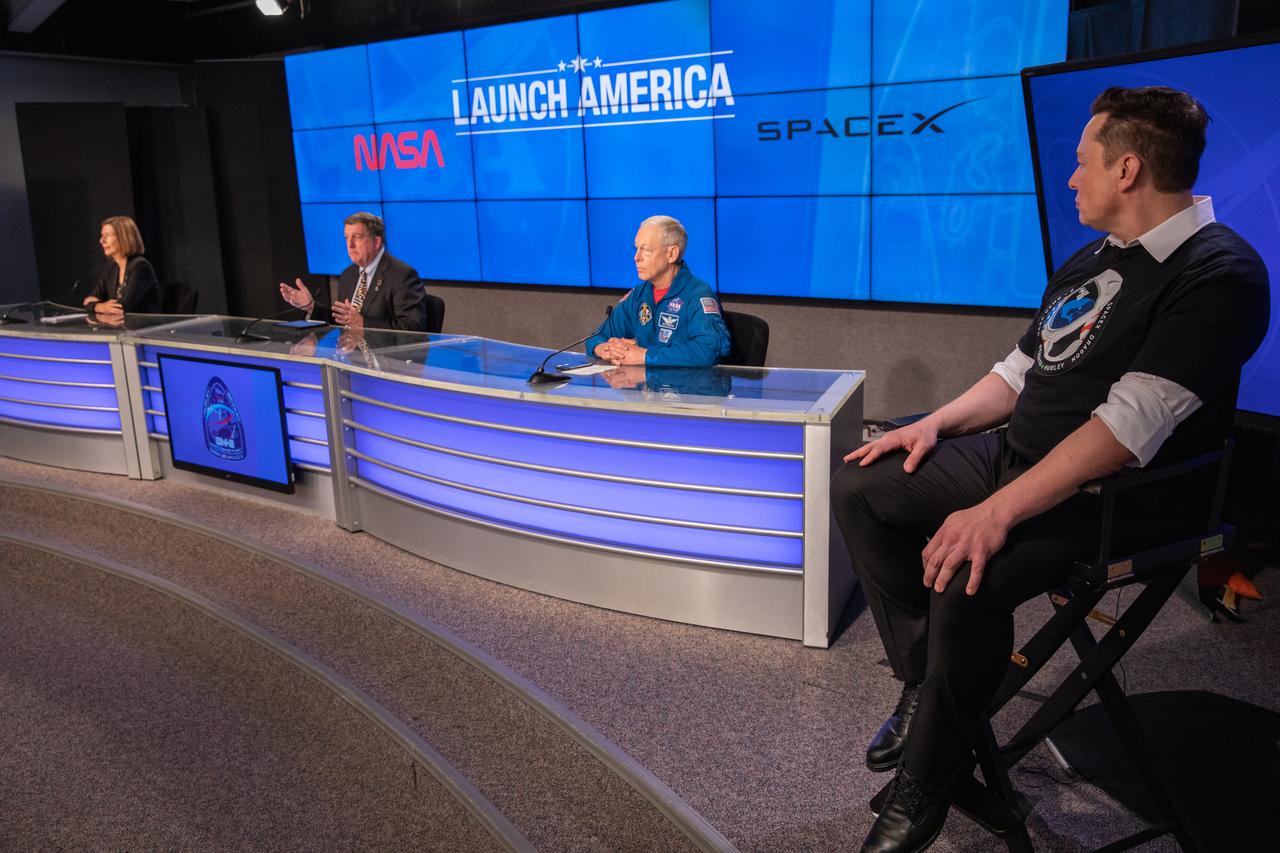
Inside the Press Site auditorium at NASA’s Kennedy Space Center in Florida, NASA and SpaceX officials conduct a postlaunch news conference on May 30, 2020, following the launch of the agency’s SpaceX Demo-2 mission to the International Space Station. From left are: Commercial Crew Program Manager Kathy Lueders; International Space Station Program Manager Kirk Shireman; NASA Chief Astronaut Pat Forrester; and Chief Engineer Elon Musk. Liftoff of the SpaceX Falcon 9 rocket and Crew Dragon spacecraft, carrying NASA astronauts Robert Behnken and Douglas Hurley, occurred at 3:22 p.m. EDT from historic Launch Complex 39A. Behnken and Hurley are the first astronauts to launch to the space station from U.S. soil since the end of the Space Shuttle Program in 2011. Part of NASA’s Commercial Crew Program, this will be SpaceX’s final flight test, paving the way for the agency to certify the crew transportation system for regular, crewed flights to the orbiting laboratory.
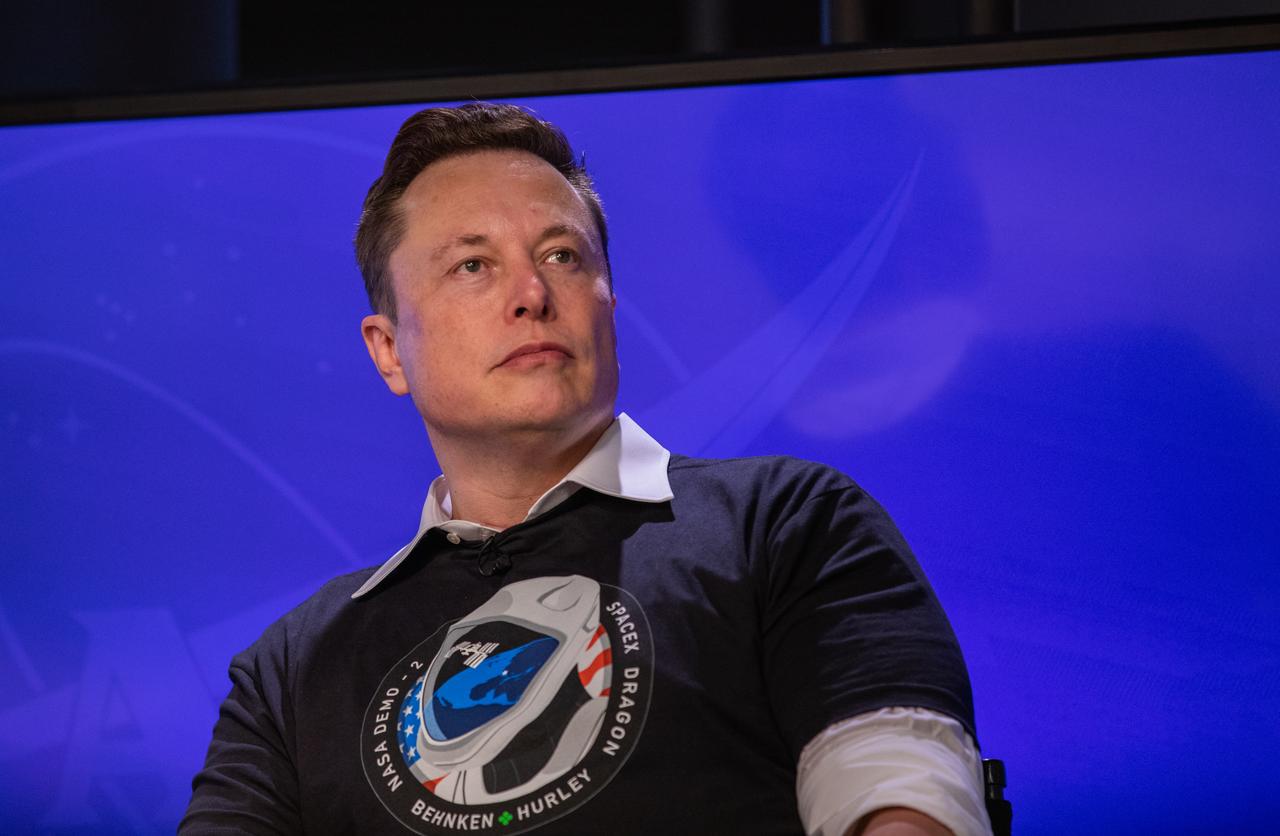
Chief Engineer of SpaceX Elon Musk participates in a postlaunch news conference inside the Press Site auditorium at NASA’s Kennedy Space Center in Florida on May 30, 2020, following the launch of the agency’s SpaceX Demo-2 mission to the International Space Station. Liftoff of the SpaceX Falcon 9 rocket and Crew Dragon spacecraft, carrying NASA astronauts Robert Behnken and Douglas Hurley, occurred at 3:22 p.m. EDT from historic Launch Complex 39A. Behnken and Hurley are the first astronauts to launch to the space station from U.S. soil since the end of the Space Shuttle Program in 2011. Part of NASA’s Commercial Crew Program, this will be SpaceX’s final flight test, paving the way for the agency to certify the crew transportation system for regular, crewed flights to the orbiting laboratory.
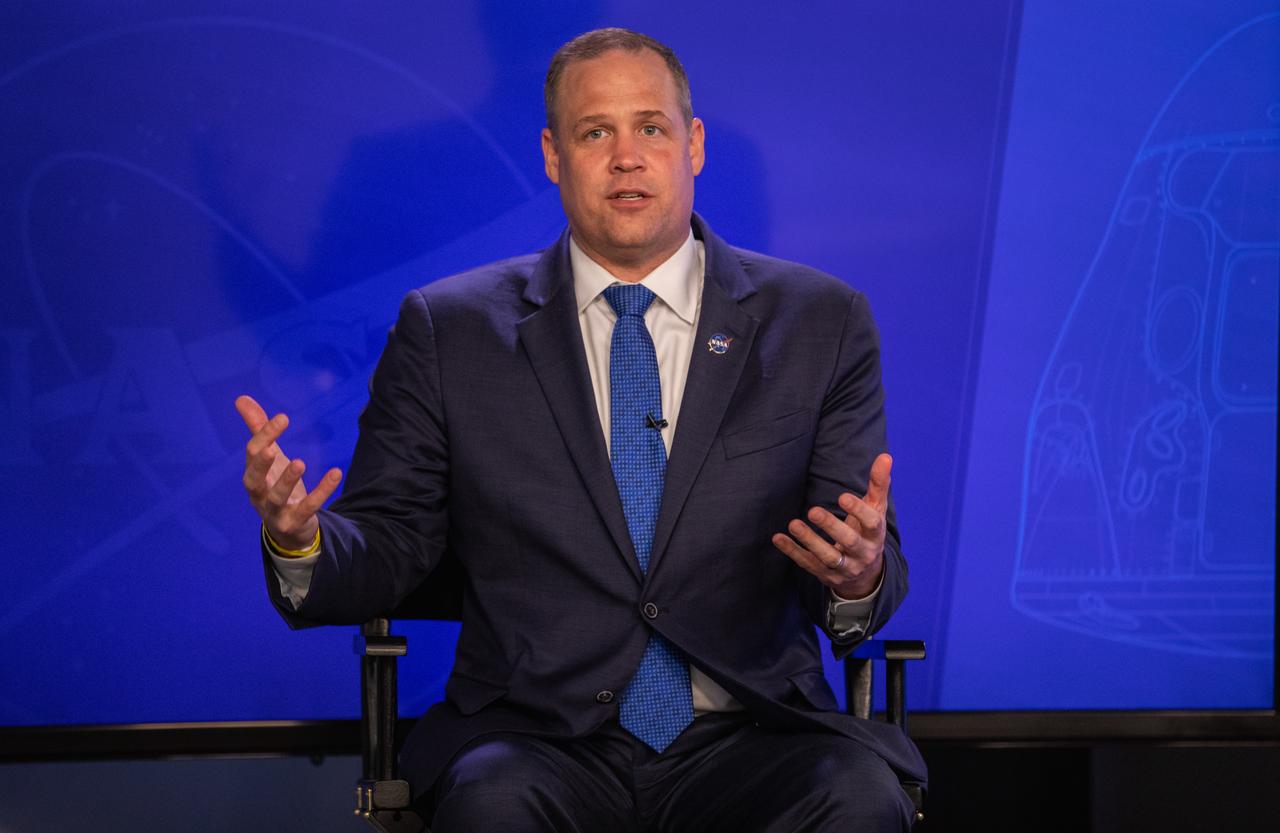
NASA Administrator Jim Bridenstine participates in a postlaunch news conference inside the Press Site auditorium at NASA’s Kennedy Space Center in Florida on May 30, 2020, following the launch of the agency’s SpaceX Demo-2 mission to the International Space Station. Liftoff of the SpaceX Falcon 9 rocket and Crew Dragon spacecraft, carrying NASA astronauts Robert Behnken and Douglas Hurley, occurred at 3:22 p.m. EDT from historic Launch Complex 39A. Behnken and Hurley are the first astronauts to launch to the space station from U.S. soil since the end of the Space Shuttle Program in 2011. Part of NASA’s Commercial Crew Program, this will be SpaceX’s final flight test, paving the way for the agency to certify the crew transportation system for regular, crewed flights to the orbiting laboratory.
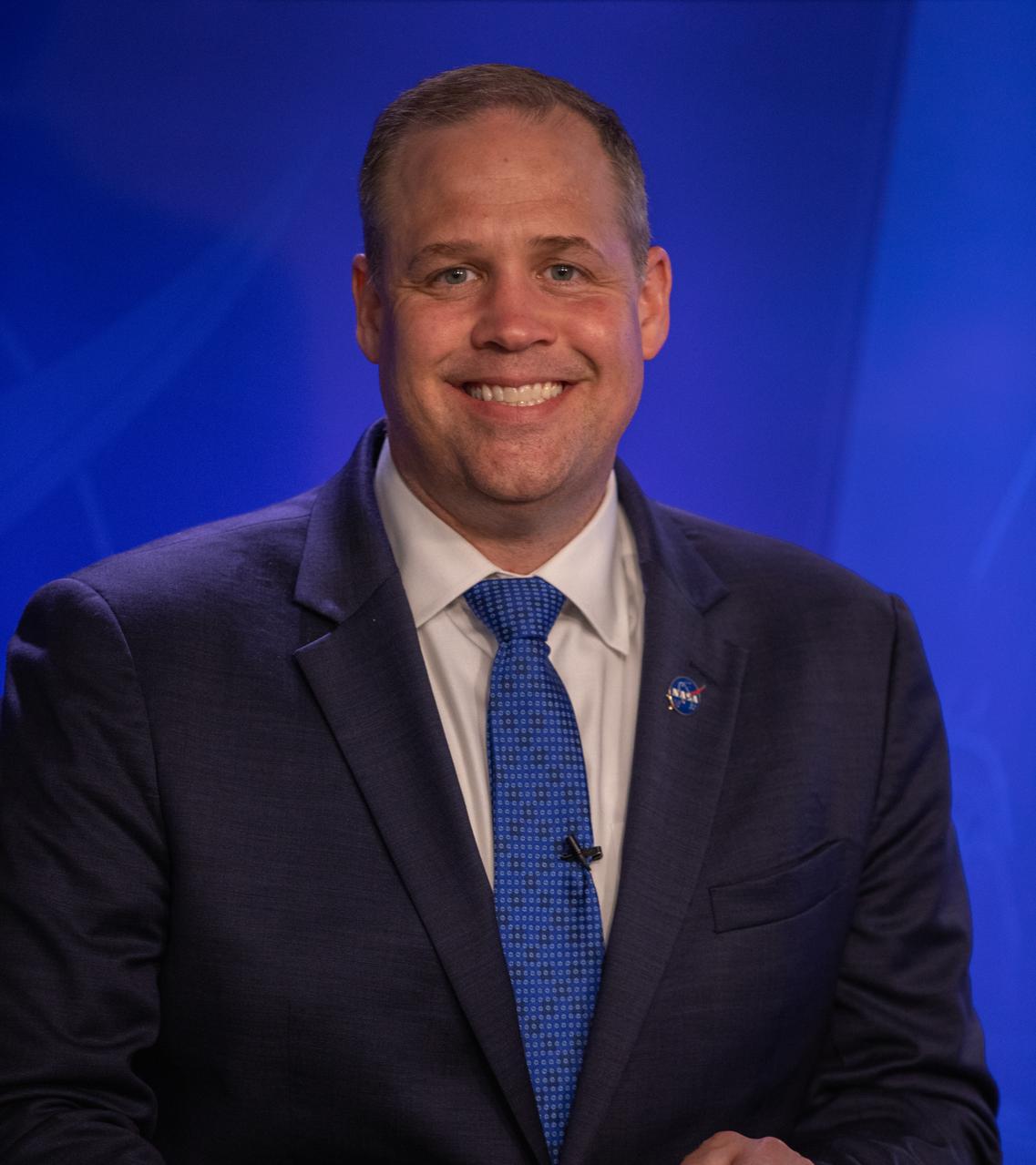
NASA Administrator Jim Bridenstine participates in a postlaunch news conference inside the Press Site auditorium at NASA’s Kennedy Space Center in Florida on May 30, 2020, following the launch of the agency’s SpaceX Demo-2 mission to the International Space Station. Liftoff of the SpaceX Falcon 9 rocket and Crew Dragon spacecraft, carrying NASA astronauts Robert Behnken and Douglas Hurley, occurred at 3:22 p.m. EDT from historic Launch Complex 39A. Behnken and Hurley are the first astronauts to launch to the space station from U.S. soil since the end of the Space Shuttle Program in 2011. Part of NASA’s Commercial Crew Program, this will be SpaceX’s final flight test, paving the way for the agency to certify the crew transportation system for regular, crewed flights to the orbiting laboratory.
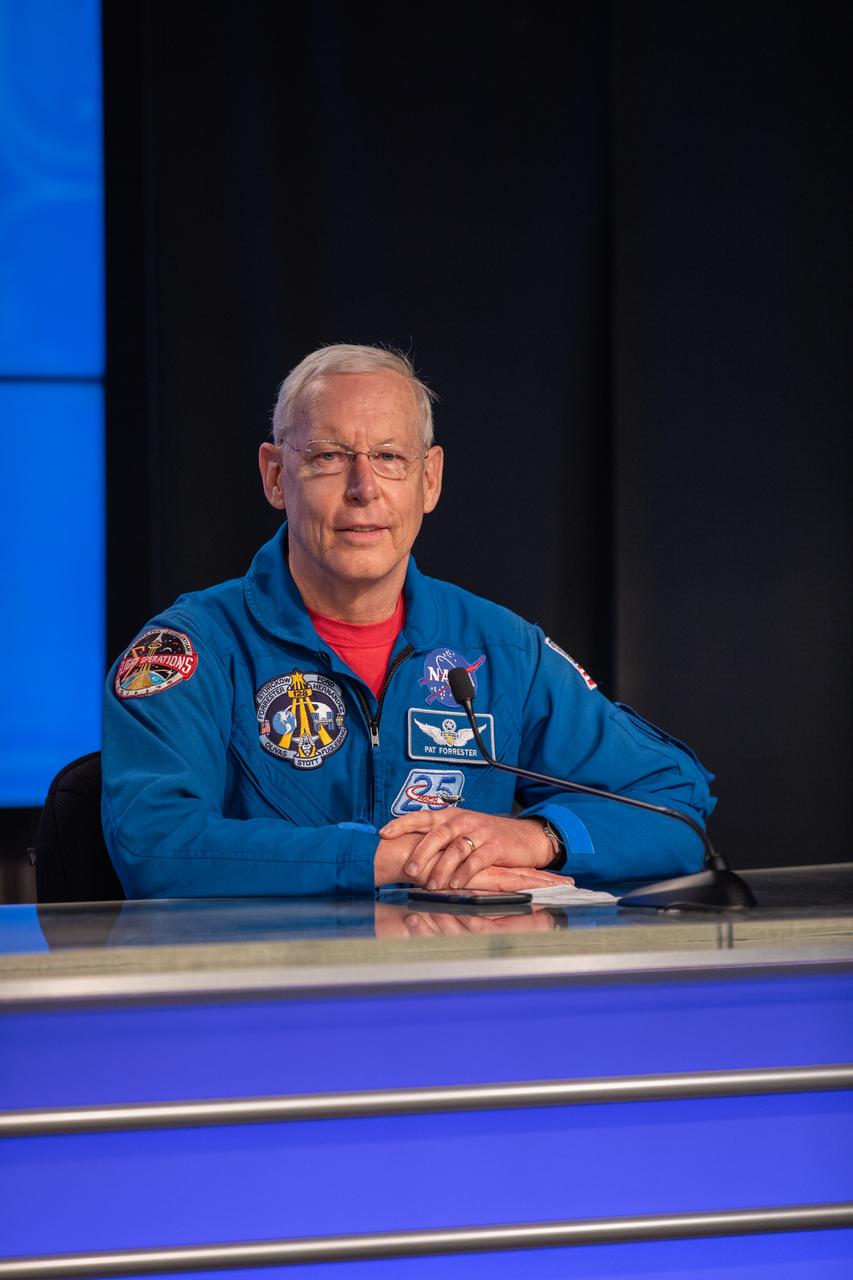
NASA Chief Astronaut Pat Forrester participates in a postlaunch news conference inside the Press Site auditorium at NASA’s Kennedy Space Center in Florida on May 30, 2020, following the launch of the agency’s SpaceX Demo-2 mission to the International Space Station. Liftoff of the SpaceX Falcon 9 rocket and Crew Dragon spacecraft, carrying NASA astronauts Robert Behnken and Douglas Hurley, occurred at 3:22 p.m. EDT from historic Launch Complex 39A. Behnken and Hurley are the first astronauts to launch to the space station from U.S. soil since the end of the Space Shuttle Program in 2011. Part of NASA’s Commercial Crew Program, this will be SpaceX’s final flight test, paving the way for the agency to certify the crew transportation system for regular, crewed flights to the orbiting laboratory.
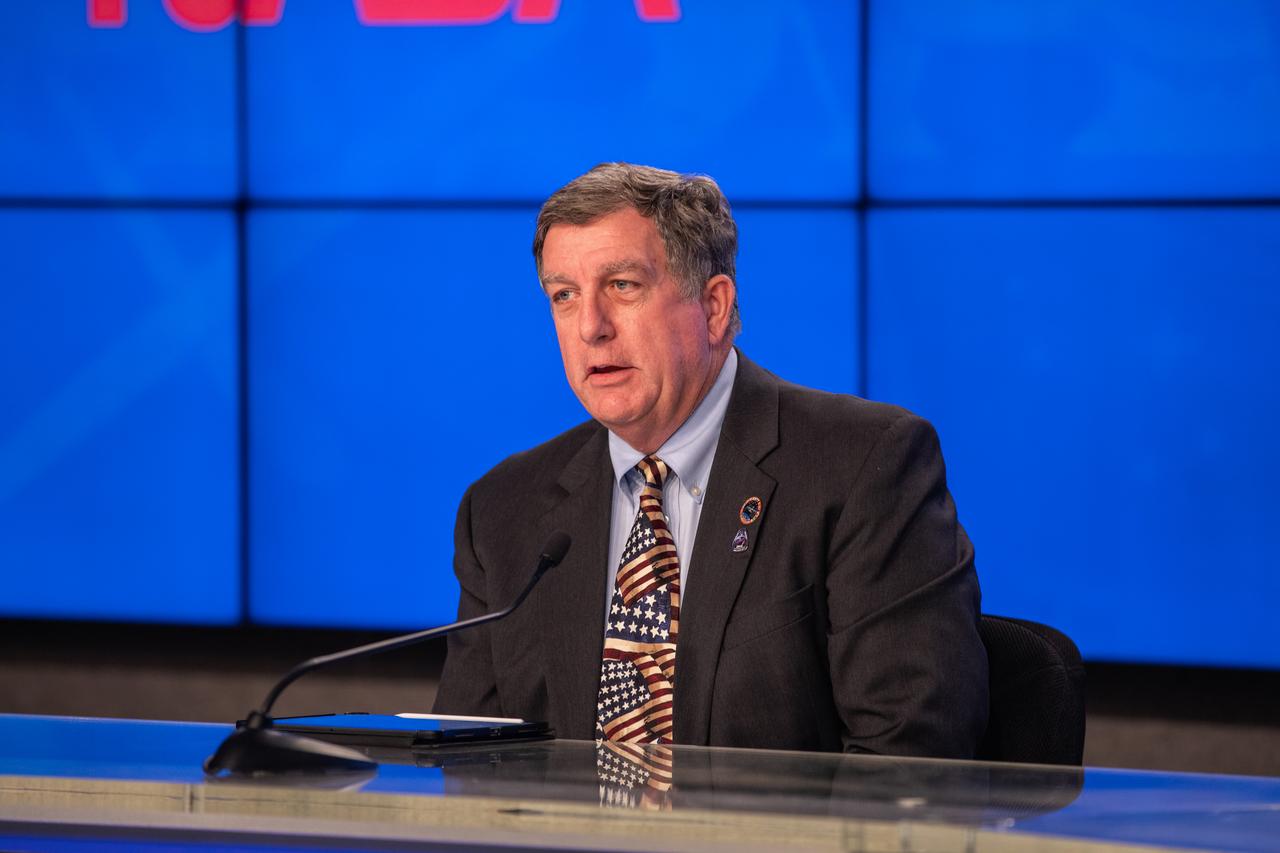
NASA’s International Space Station Program Manager, Kirk Shireman, participates in a postlaunch news conference inside the Press Site auditorium at the agency’s Kennedy Space Center in Florida on May 30, 2020, following the launch of NASA’s SpaceX Demo-2 mission to the International Space Station. Liftoff of the SpaceX Falcon 9 rocket and Crew Dragon spacecraft, carrying NASA astronauts Robert Behnken and Douglas Hurley, occurred at 3:22 p.m. EDT from historic Launch Complex 39A. Behnken and Hurley are the first astronauts to launch to the space station from U.S. soil since the end of the Space Shuttle Program in 2011. Part of NASA’s Commercial Crew Program, this will be SpaceX’s final flight test, paving the way for the agency to certify the crew transportation system for regular, crewed flights to the orbiting laboratory.
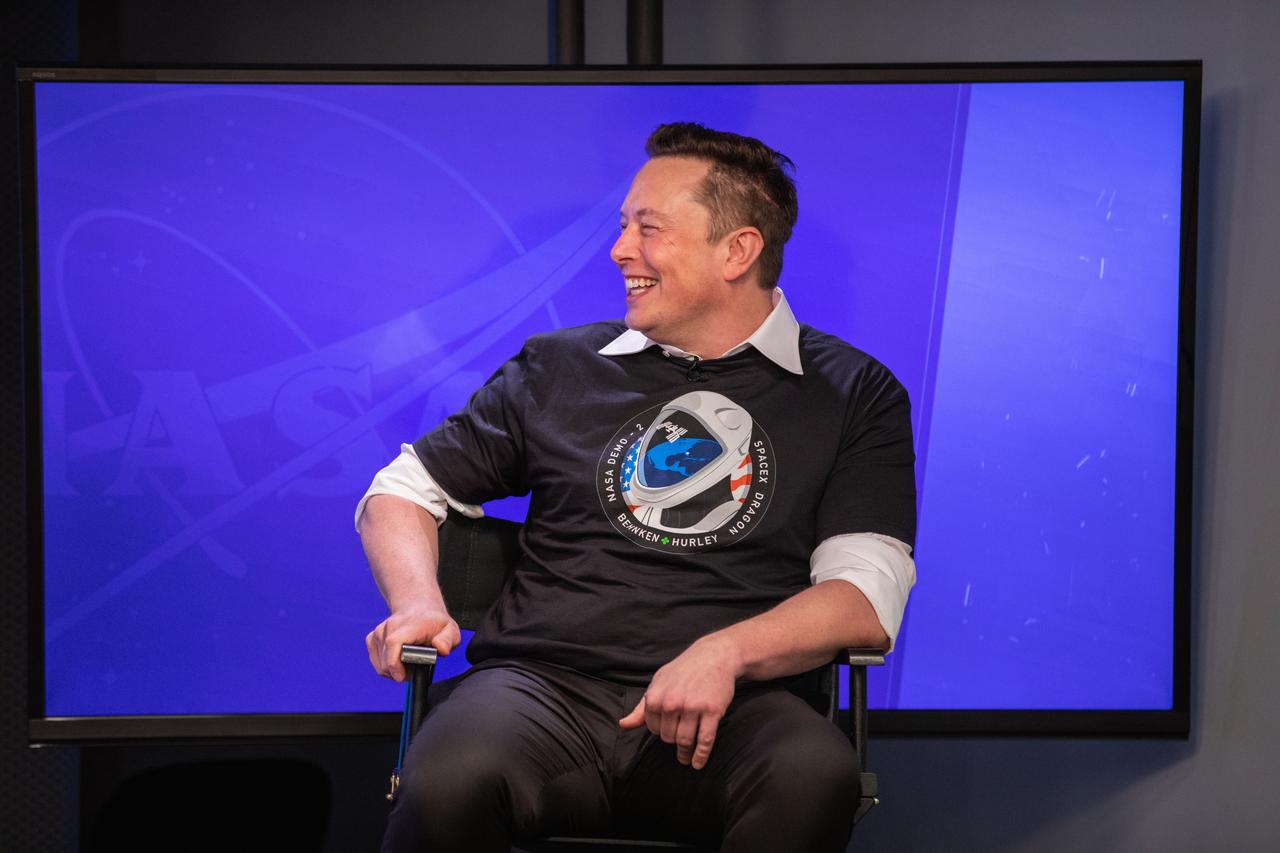
Chief Engineer of SpaceX Elon Musk participates in a postlaunch news conference inside the Press Site auditorium at NASA’s Kennedy Space Center in Florida on May 30, 2020, following the launch of the agency’s SpaceX Demo-2 mission to the International Space Station. Liftoff of the SpaceX Falcon 9 rocket and Crew Dragon spacecraft, carrying NASA astronauts Robert Behnken and Douglas Hurley, occurred at 3:22 p.m. EDT from historic Launch Complex 39A. Behnken and Hurley are the first astronauts to launch to the space station from U.S. soil since the end of the Space Shuttle Program in 2011. Part of NASA’s Commercial Crew Program, this will be SpaceX’s final flight test, paving the way for the agency to certify the crew transportation system for regular, crewed flights to the orbiting laboratory.
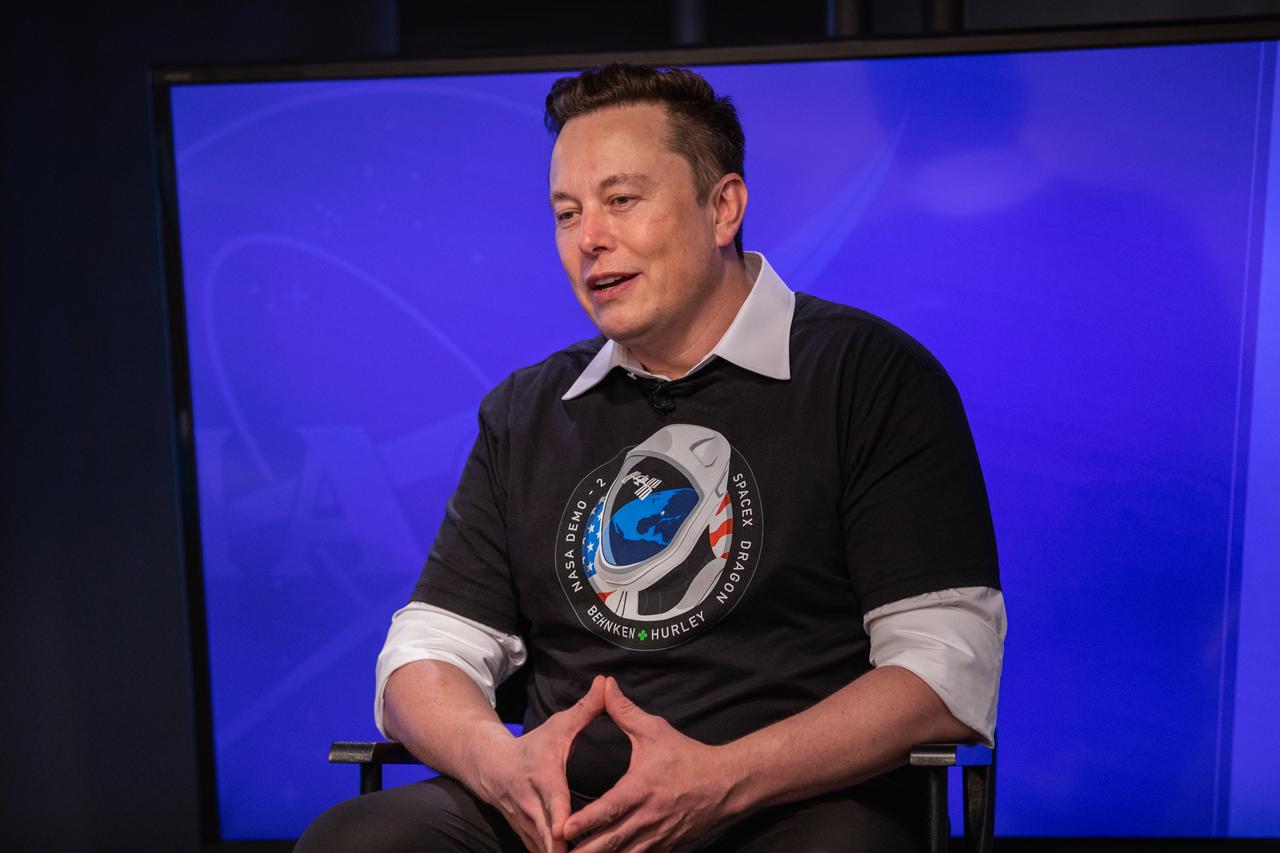
Chief Engineer of SpaceX Elon Musk participates in a postlaunch news conference inside the Press Site auditorium at NASA’s Kennedy Space Center in Florida on May 30, 2020, following the launch of the agency’s SpaceX Demo-2 mission to the International Space Station. Liftoff of the SpaceX Falcon 9 rocket and Crew Dragon spacecraft, carrying NASA astronauts Robert Behnken and Douglas Hurley, occurred at 3:22 p.m. EDT from historic Launch Complex 39A. Behnken and Hurley are the first astronauts to launch to the space station from U.S. soil since the end of the Space Shuttle Program in 2011. Part of NASA’s Commercial Crew Program, this will be SpaceX’s final flight test, paving the way for the agency to certify the crew transportation system for regular, crewed flights to the orbiting laboratory.
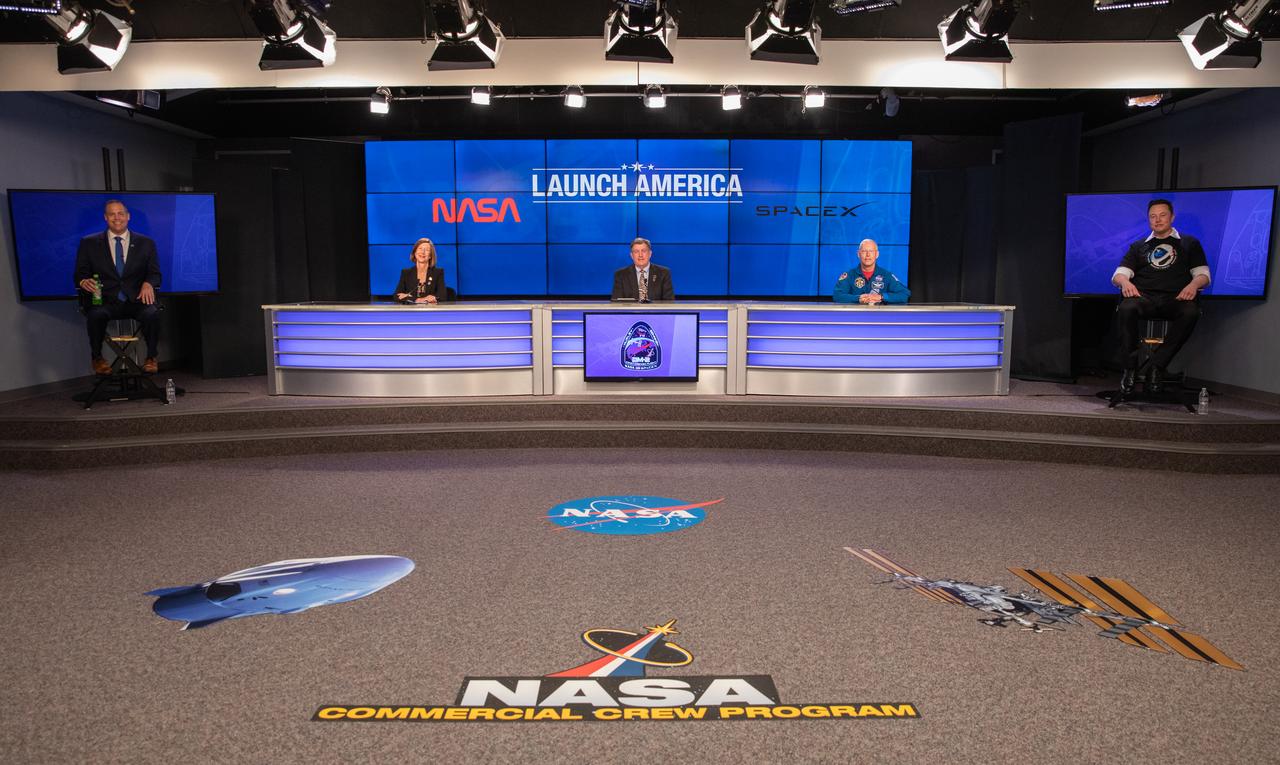
Inside the Press Site auditorium at NASA’s Kennedy Space Center in Florida, NASA and SpaceX officials conduct a postlaunch news conference on May 30, 2020, following the launch of the agency’s SpaceX Demo-2 mission to the International Space Station. From left are: NASA Administrator Jim Bridenstine; NASA Commercial Crew Program Manager Kathy Lueders; NASA International Space Station Program Manager Kirk Shireman; NASA Chief Astronaut Pat Forrester; and Chief Engineer Elon Musk. Liftoff of the SpaceX Falcon 9 rocket and Crew Dragon spacecraft, carrying NASA astronauts Robert Behnken and Douglas Hurley, occurred at 3:22 p.m. EDT from historic Launch Complex 39A. Behnken and Hurley are the first astronauts to launch to the space station from U.S. soil since the end of the Space Shuttle Program in 2011. Part of NASA’s Commercial Crew Program, this will be SpaceX’s final flight test, paving the way for the agency to certify the crew transportation system for regular, crewed flights to the orbiting laboratory.
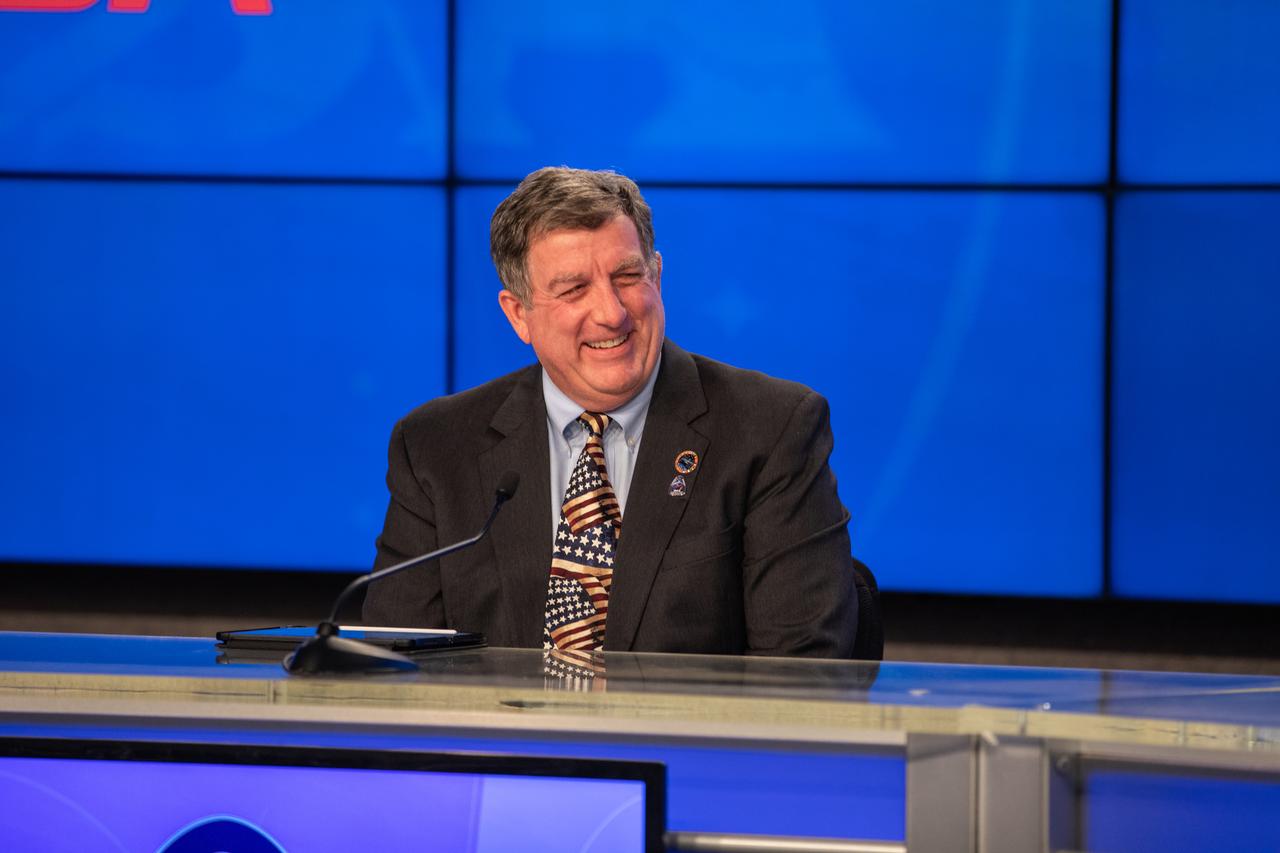
NASA’s International Space Station Program Manager, Kirk Shireman, participates in a postlaunch news conference inside the Press Site auditorium at the agency’s Kennedy Space Center in Florida on May 30, 2020, following the launch of NASA’s SpaceX Demo-2 mission to the International Space Station. Liftoff of the SpaceX Falcon 9 rocket and Crew Dragon spacecraft, carrying NASA astronauts Robert Behnken and Douglas Hurley, occurred at 3:22 p.m. EDT from historic Launch Complex 39A. Behnken and Hurley are the first astronauts to launch to the space station from U.S. soil since the end of the Space Shuttle Program in 2011. Part of NASA’s Commercial Crew Program, this will be SpaceX’s final flight test, paving the way for the agency to certify the crew transportation system for regular, crewed flights to the orbiting laboratory.
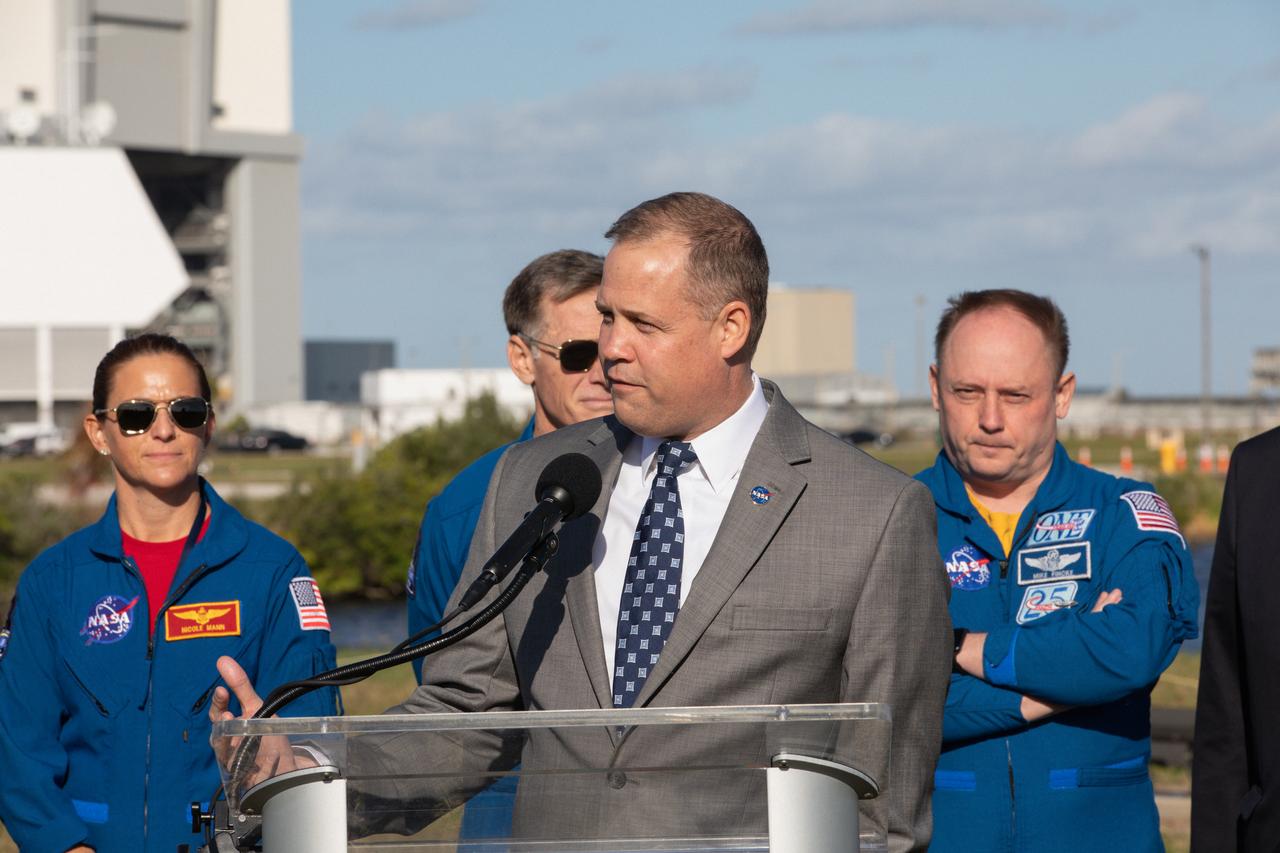
Jim Bridenstine, NASA administrator, participates in a Boeing Orbital Flight Test media briefing near the countdown clock at the Florida spaceport on Dec. 19, 2019. In the background from left to right are NASA astronaut Nicole Mann, Boeing astronaut Chris Ferguson and NASA astronaut Mike Finke. Boeing’s CST-100 Starliner spacecraft will launch atop a United Launch Alliance Atlas V rocket from Space Launch Complex 41 at Cape Canaveral Air Force Station. The uncrewed Orbital Flight Test will be the Starliner’s first flight to the International Space Station for NASA’s Commercial Crew Program.
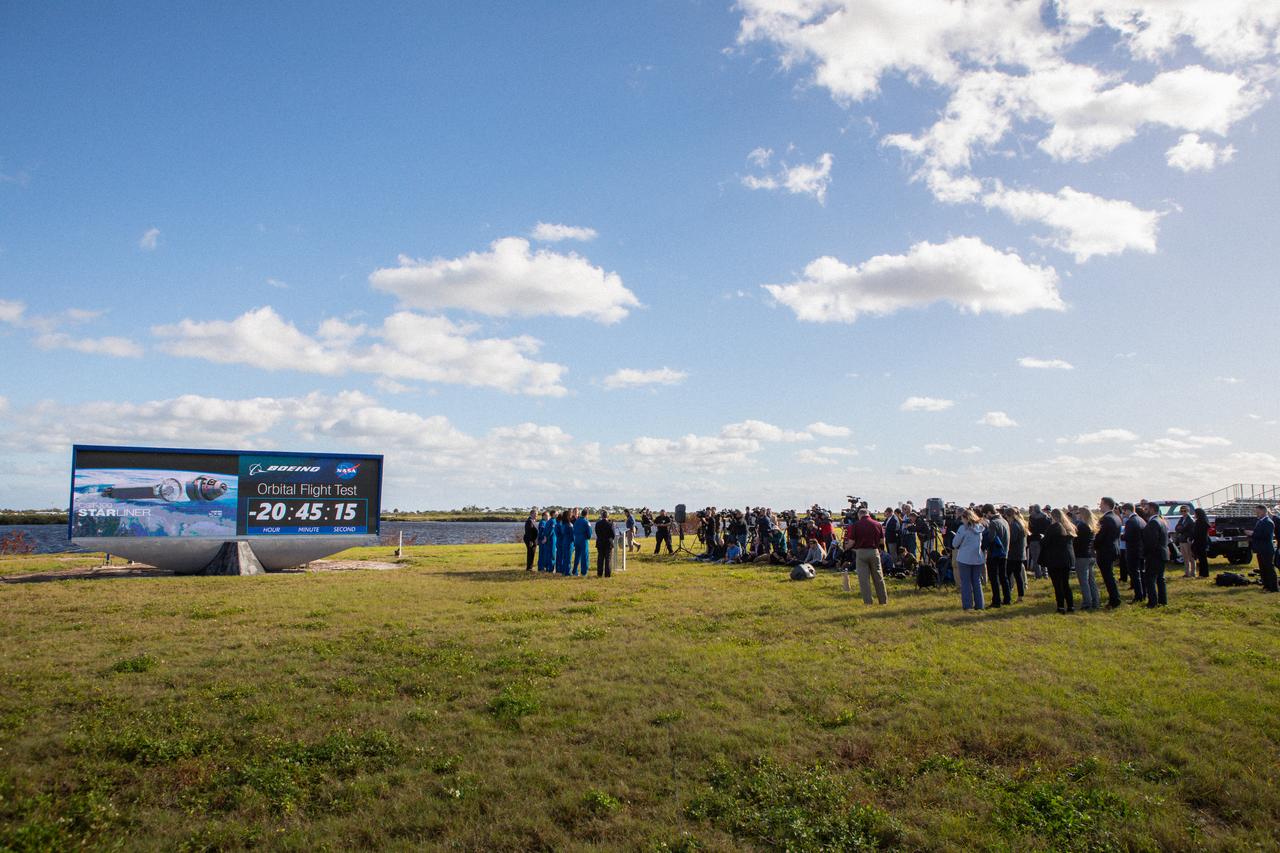
NASA Administrator Jim Bridenstine, Kennedy Space Center Director Bob Cabana, and astronauts representing NASA and Boeing participate in a Boeing Orbital Flight Test media briefing near the countdown clock at the Florida spaceport on Dec. 19, 2019. Boeing’s CST-100 Starliner spacecraft will launch atop a United Launch Alliance Atlas V rocket from Space Launch Complex 41 at Cape Canaveral Air Force Station. The uncrewed Orbital Flight Test will be the Starliner’s first flight to the International Space Station for NASA’s Commercial Crew Program.
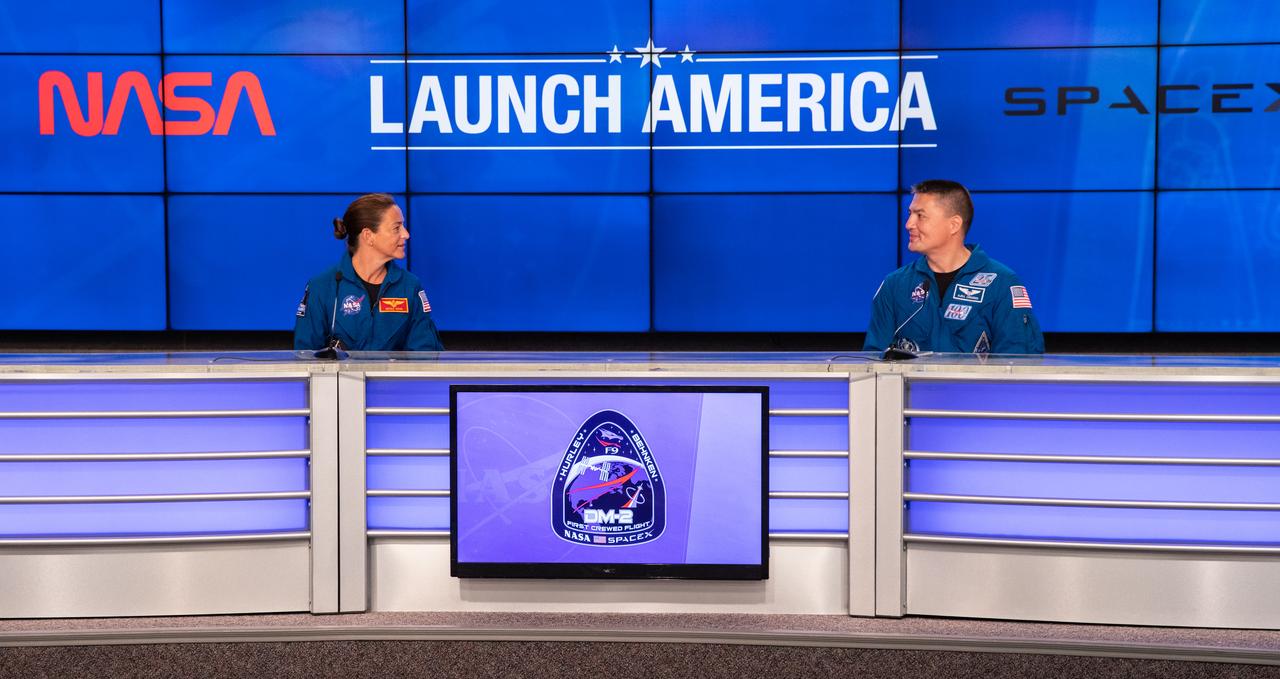
NASA astronauts Nicole Mann (left) and Kjell Lindgren participate in a press briefing inside the Press Site auditorium on May 26, 2020, at the agency’s Kennedy Space Center in Florida ahead of NASA’s SpaceX Demo-2 launch, slated for Wednesday, May 27. A SpaceX Falcon 9 rocket and Crew Dragon spacecraft are scheduled to lift off from Kennedy’s Launch Complex 39A, carrying NASA astronauts Robert Behnken and Douglas Hurley to the International Space Station. This will mark the first launch of astronauts from U.S. soil to the space station since the conclusion of the Space Shuttle Program in 2011. Part of the agency’s Commercial Crew Program, this will be SpaceX’s final flight test, paving the way for NASA to certify the crew transportation system for regular, crewed flights to the orbiting laboratory. Liftoff is scheduled for 4:33 p.m. EDT.
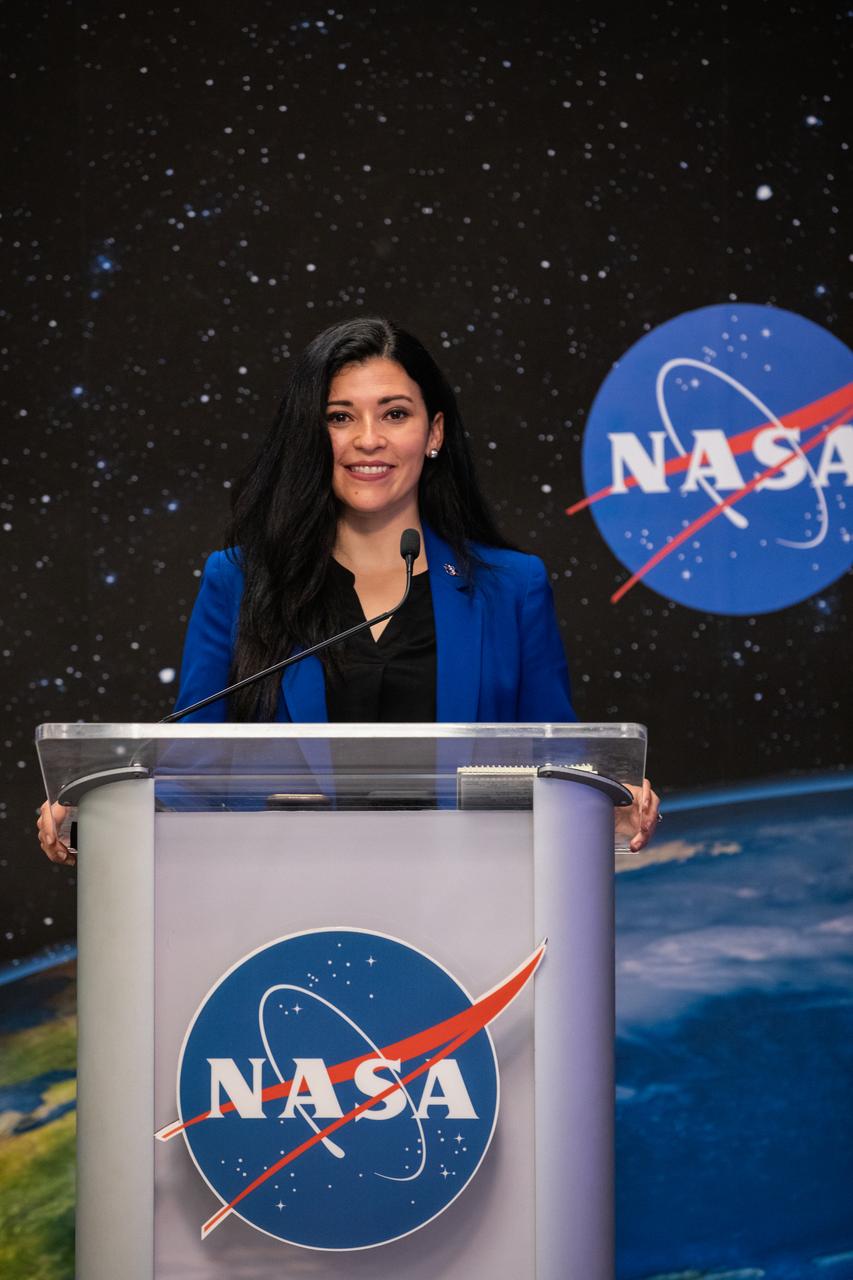
Bettina Inclan, with NASA Communications, moderates a press briefing inside the Press Site auditorium at NASA’s Kennedy Space Center in Florida on May 26, 2020, ahead of NASA’s SpaceX Demo-2 launch. A SpaceX Falcon 9 rocket and Crew Dragon spacecraft are scheduled to lift off from Kennedy’s Launch Complex 39A on Wednesday, May 27, carrying NASA astronauts Robert Behnken and Douglas Hurley to the International Space Station. This will mark the first launch of astronauts from U.S. soil to the space station since the conclusion of the Space Shuttle Program in 2011. Part of the agency’s Commercial Crew Program, this will be SpaceX’s final flight test, paving the way for NASA to certify the crew transportation system for regular, crewed flights to the orbiting laboratory. Liftoff is scheduled for 4:33 p.m. EDT.
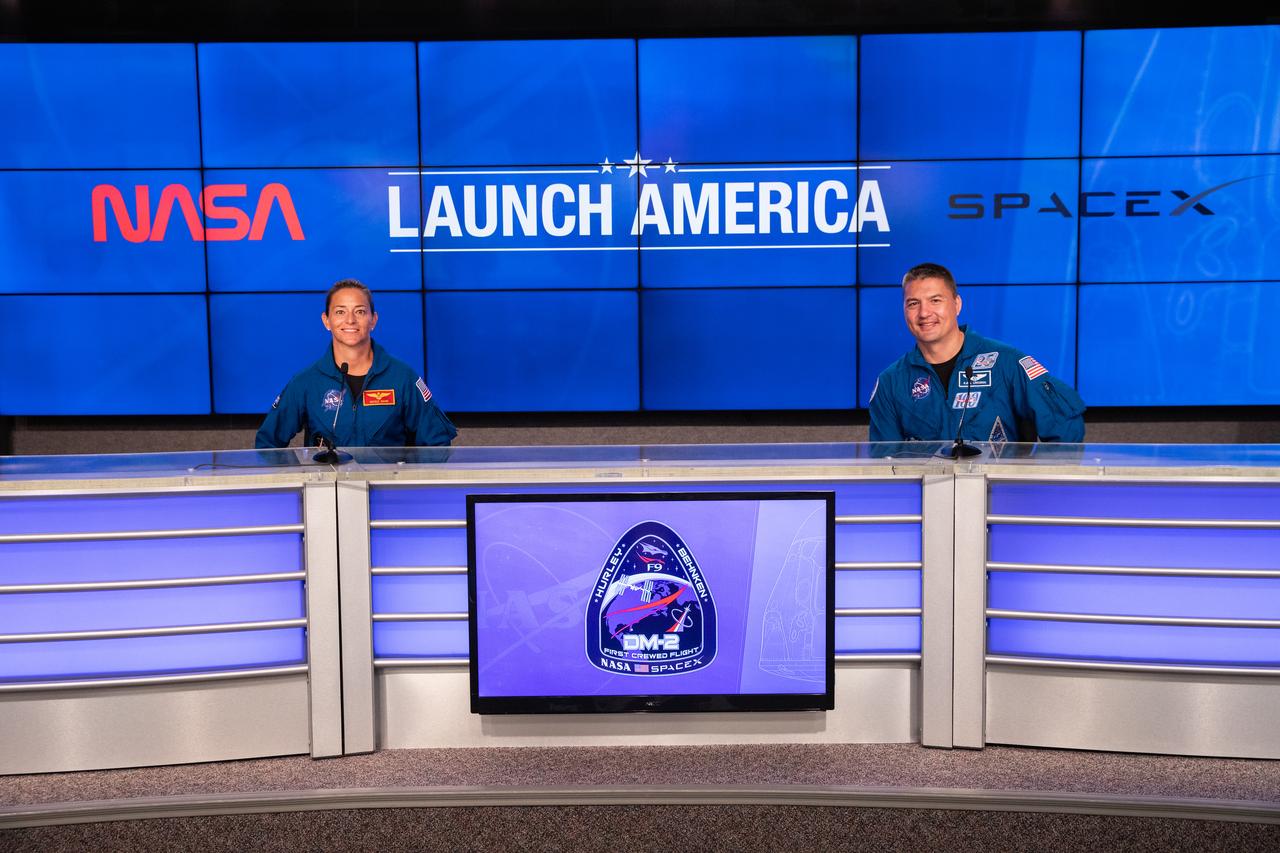
NASA astronauts Nicole Mann (left) and Kjell Lindgren participate in a press briefing inside the Press Site auditorium on May 26, 2020, at the agency’s Kennedy Space Center in Florida ahead of NASA’s SpaceX Demo-2 launch, slated for Wednesday, May 27. A SpaceX Falcon 9 rocket and Crew Dragon spacecraft are scheduled to lift off from Kennedy’s Launch Complex 39A, carrying NASA astronauts Robert Behnken and Douglas Hurley to the International Space Station. This will mark the first launch of astronauts from U.S. soil to the space station since the conclusion of the Space Shuttle Program in 2011. Part of the agency’s Commercial Crew Program, this will be SpaceX’s final flight test, paving the way for NASA to certify the crew transportation system for regular, crewed flights to the orbiting laboratory. Liftoff is scheduled for 4:33 p.m. EDT.
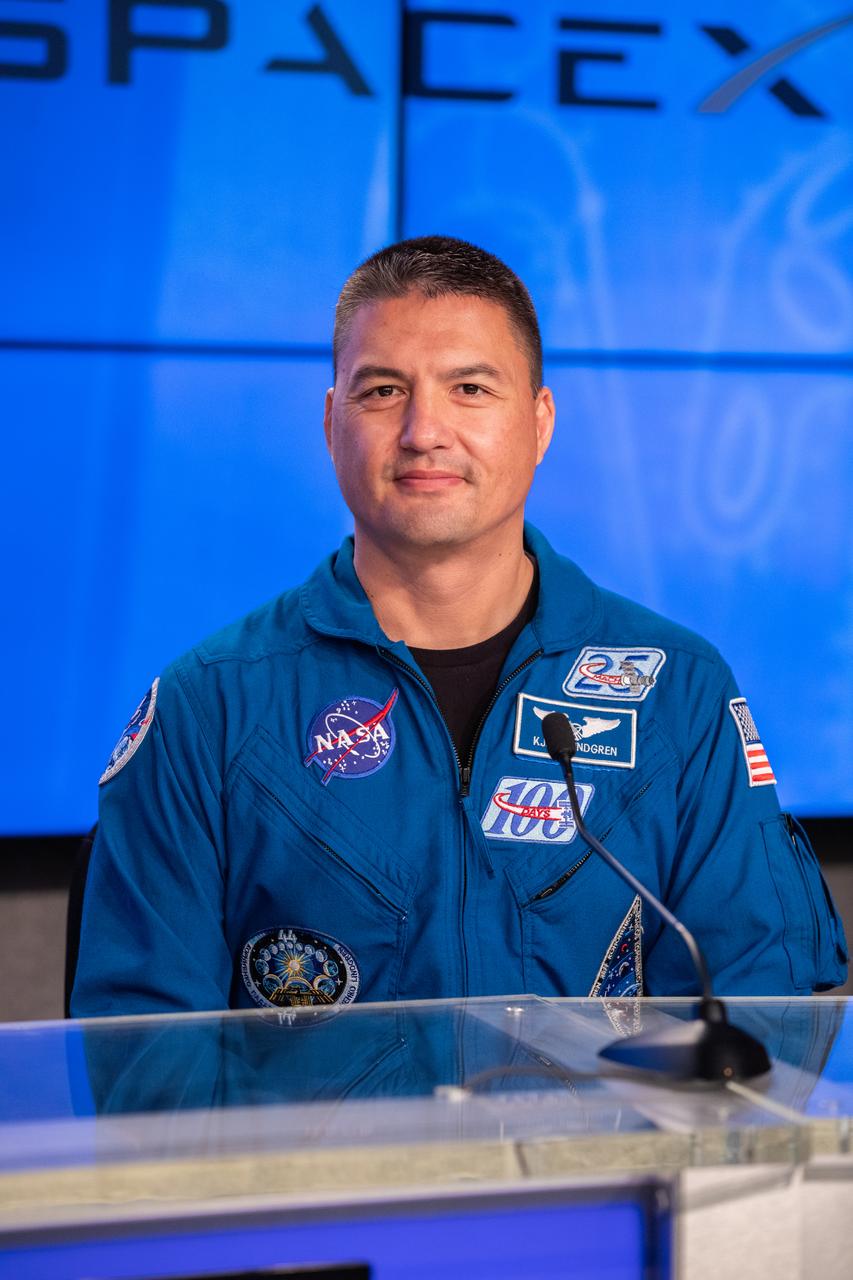
NASA astronaut Kjell Lindgren participates in a press briefing inside the Press Site auditorium on May 26, 2020, at the agency’s Kennedy Space Center in Florida ahead of NASA’s SpaceX Demo-2 launch, slated for Wednesday, May 27. A SpaceX Falcon 9 rocket and Crew Dragon spacecraft are scheduled to lift off from Kennedy’s Launch Complex 39A, carrying NASA astronauts Robert Behnken and Douglas Hurley to the International Space Station. This will mark the first launch of astronauts from U.S. soil to the space station since the conclusion of the Space Shuttle Program in 2011. Part of the agency’s Commercial Crew Program, this will be SpaceX’s final flight test, paving the way for NASA to certify the crew transportation system for regular, crewed flights to the orbiting laboratory. Liftoff is scheduled for 4:33 p.m. EDT.
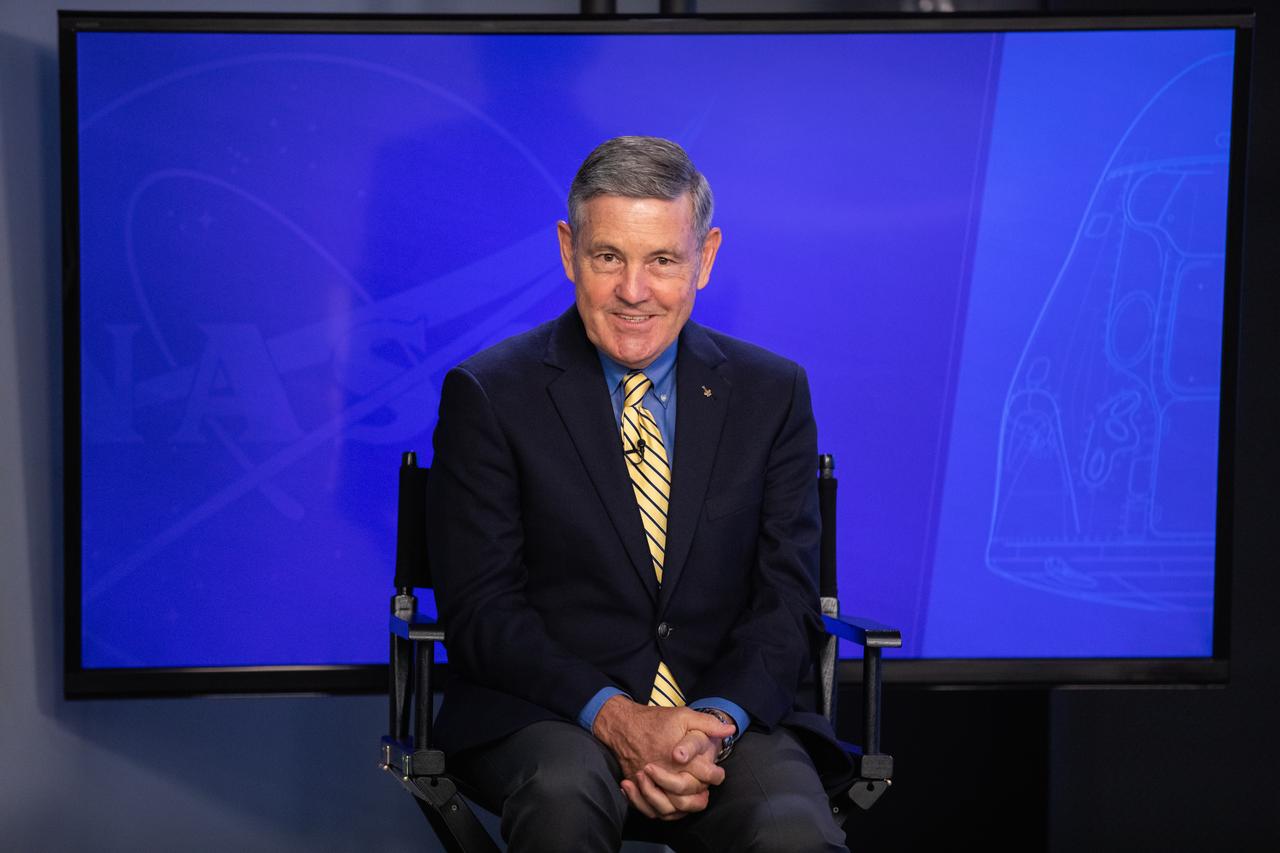
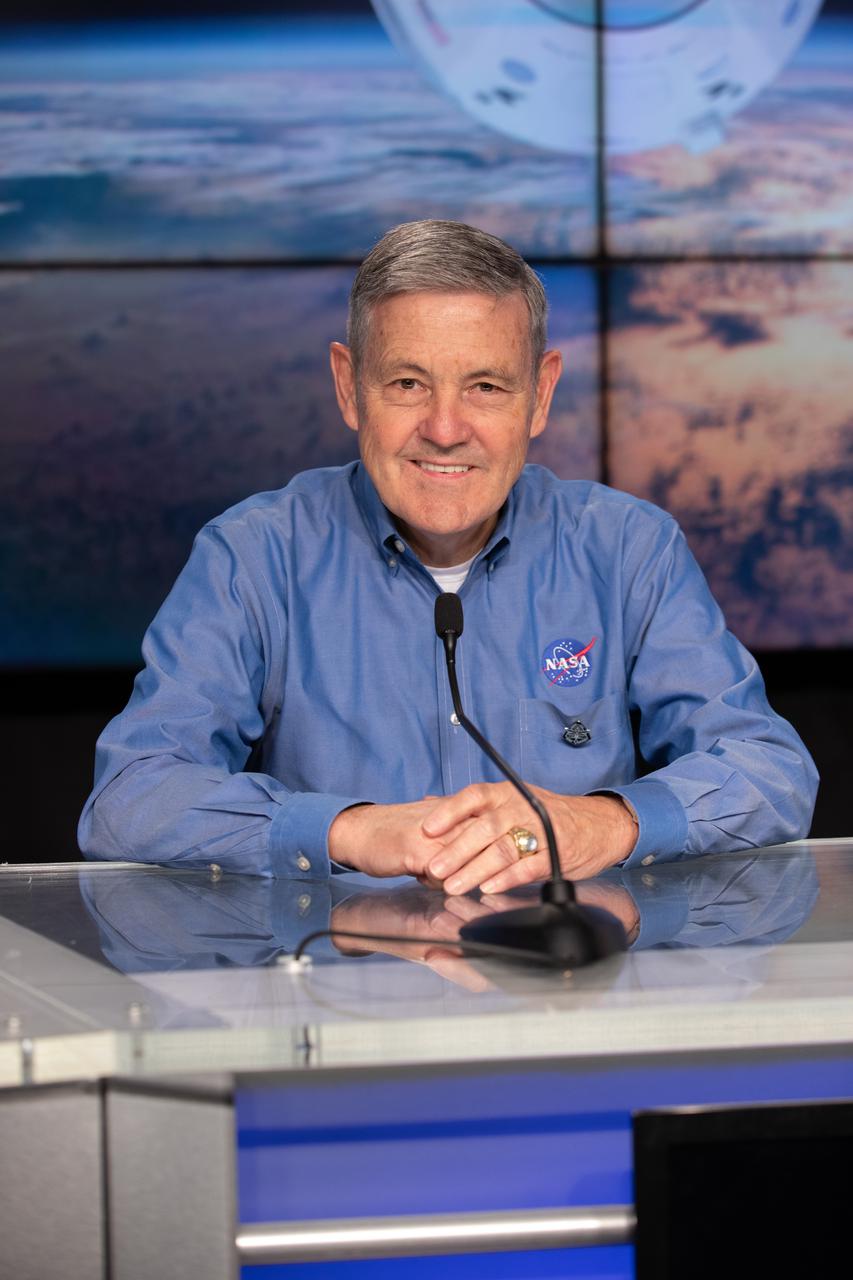
Kennedy Space Center Director Bob Cabana participates in a press briefing inside the Press Site auditorium on May 26, 2020, at Kennedy ahead of NASA’s SpaceX Demo-2 launch, slated for Wednesday, May 27. A SpaceX Falcon 9 rocket and Crew Dragon spacecraft are scheduled to lift off from Kennedy’s Launch Complex 39A, carrying NASA astronauts Robert Behnken and Douglas Hurley to the International Space Station. This will mark the first launch of astronauts from U.S. soil to the space station since the conclusion of the Space Shuttle Program in 2011. Part of the agency’s Commercial Crew Program, this will be SpaceX’s final flight test, paving the way for NASA to certify the crew transportation system for regular, crewed flights to the orbiting laboratory. Liftoff is scheduled for 4:33 p.m. EDT.
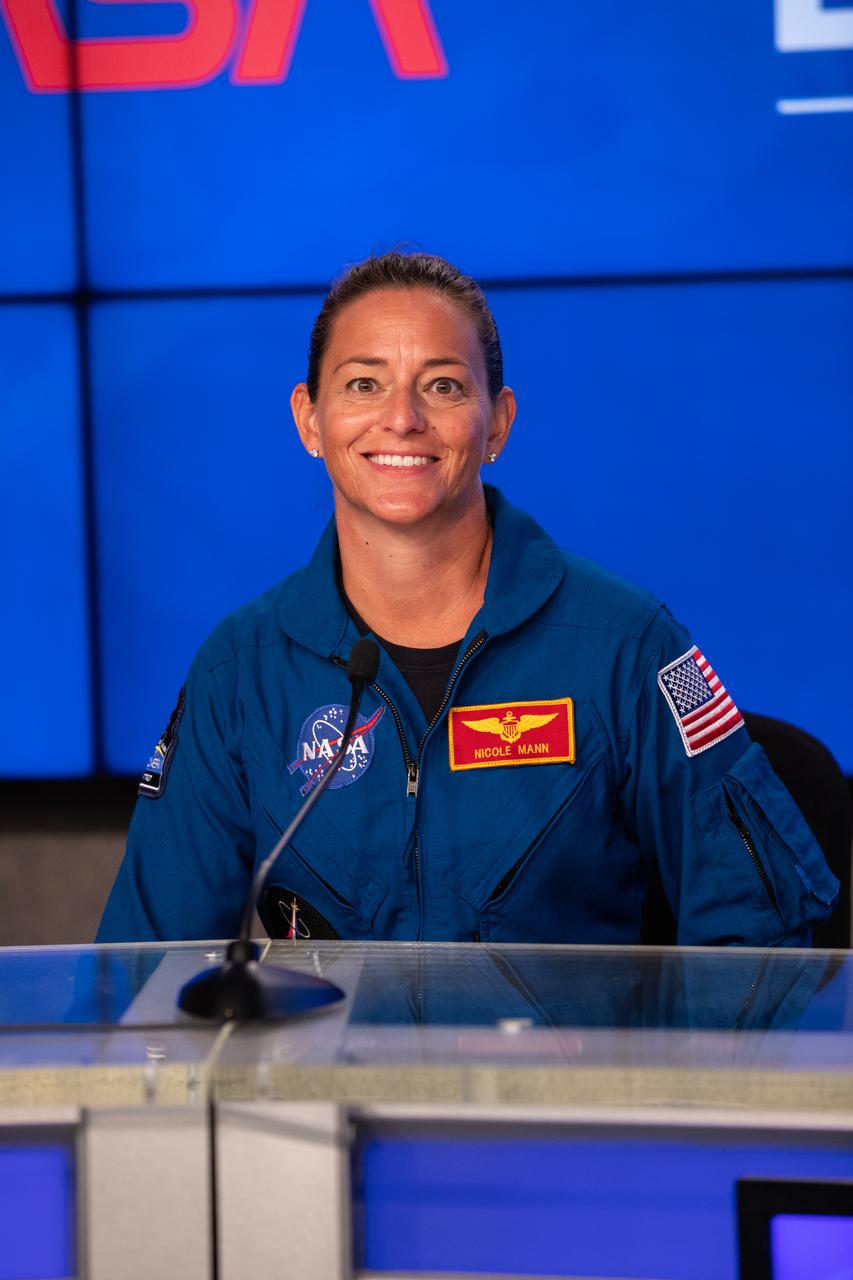
NASA astronaut Nicole Mann participates in a press briefing inside the Press Site auditorium on May 26, 2020, at the agency’s Kennedy Space Center in Florida ahead of NASA’s SpaceX Demo-2 launch, slated for Wednesday, May 27. A SpaceX Falcon 9 rocket and Crew Dragon spacecraft are scheduled to lift off from Kennedy’s Launch Complex 39A, carrying NASA astronauts Robert Behnken and Douglas Hurley to the International Space Station. This will mark the first launch of astronauts from U.S. soil to the space station since the conclusion of the Space Shuttle Program in 2011. Part of the agency’s Commercial Crew Program, this will be SpaceX’s final flight test, paving the way for NASA to certify the crew transportation system for regular, crewed flights to the orbiting laboratory. Liftoff is scheduled for 4:33 p.m. EDT.
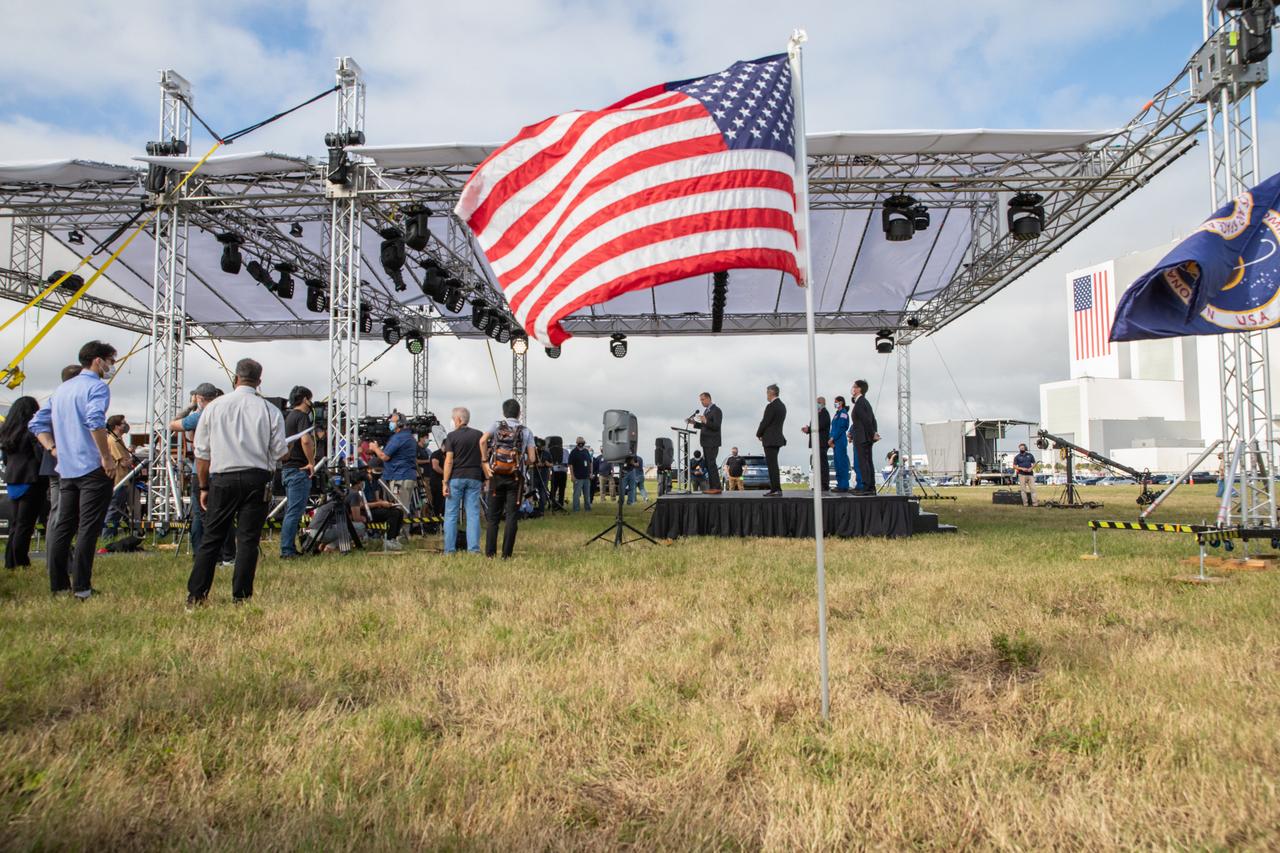
Members of the news media attend a press briefing Nov. 13, 2020, near the Press Site countdown clock at NASA’s Kennedy Space Center in Florida ahead of the agency’s SpaceX Crew-1 launch. Participating in the briefing, on the raised platform, are NASA Administrator Jim Bridenstine; Steve Dickson, administrator, Federal Aviation Administration; Kennedy Center Director Bob Cabana; Hiroshi Sasaki, vice president and director general, JAXA’s Human Spaceflight Technology Directorate; NASA astronaut Jonny Kim; and NASA astronaut Sunita Williams. Crew-1 is the first regular crew mission of a U.S. commercial spacecraft with astronauts to the International Space Station as part of NASA’s Commercial Crew Program. The SpaceX Crew Dragon Resilience capsule will launch atop the company’s Falcon 9 rocket from Launch Complex 39A to the space station for a six-month science mission.
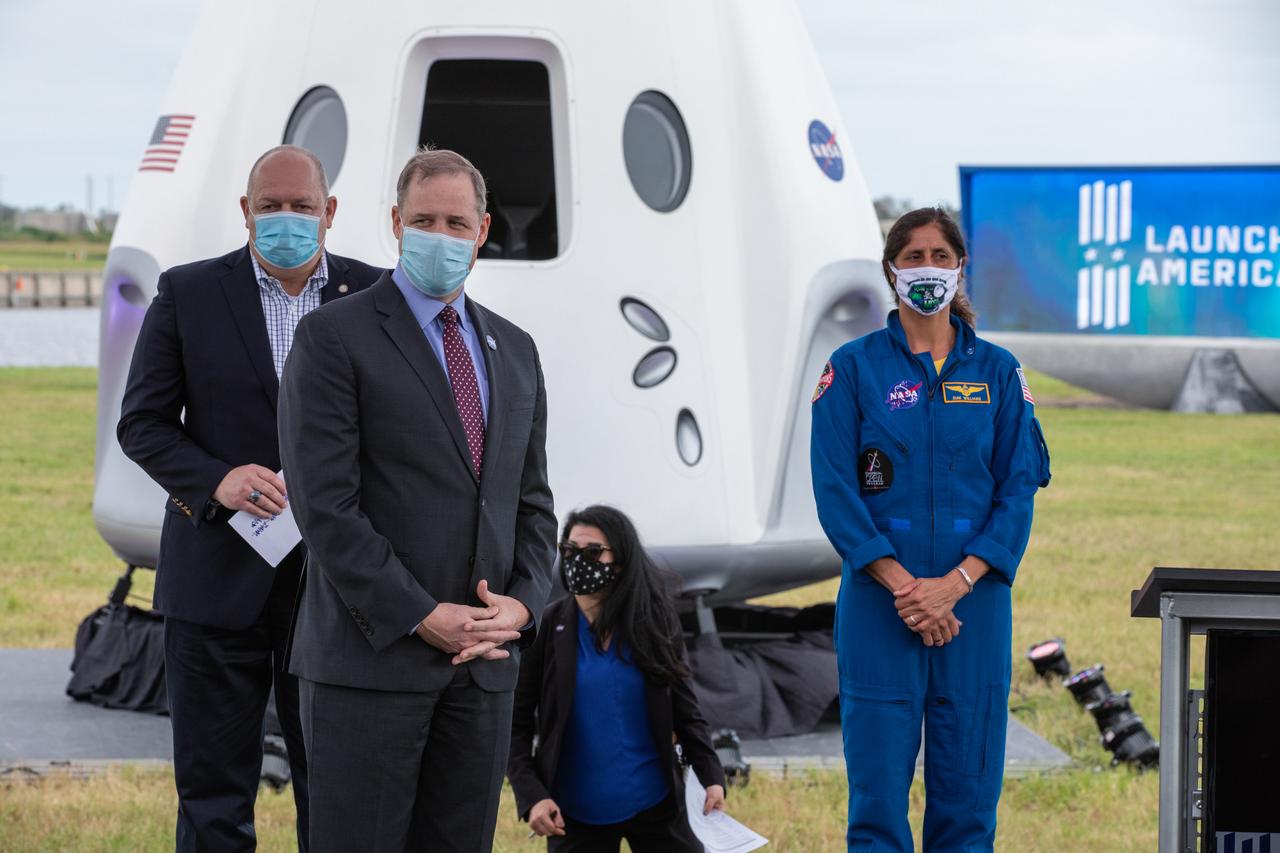
NASA Administrator Jim Bridenstine, center, prepares to speak during a press briefing Nov. 13, 2020, near the Press Site countdown clock at the agency’s Kennedy Space Center in Florida. Behind him, from left are Steve Dickson, administrator, Federal Aviation Administration, and NASA astronaut Sunita Williams. Crew-1 is the first regular crew mission of a U.S. commercial spacecraft with astronauts to the International Space Station as part of NASA’s Commercial Crew Program. The SpaceX Crew Dragon Resilience capsule will launch atop the company’s Falcon 9 rocket from Launch Complex 39A to the space station for a six-month science mission.
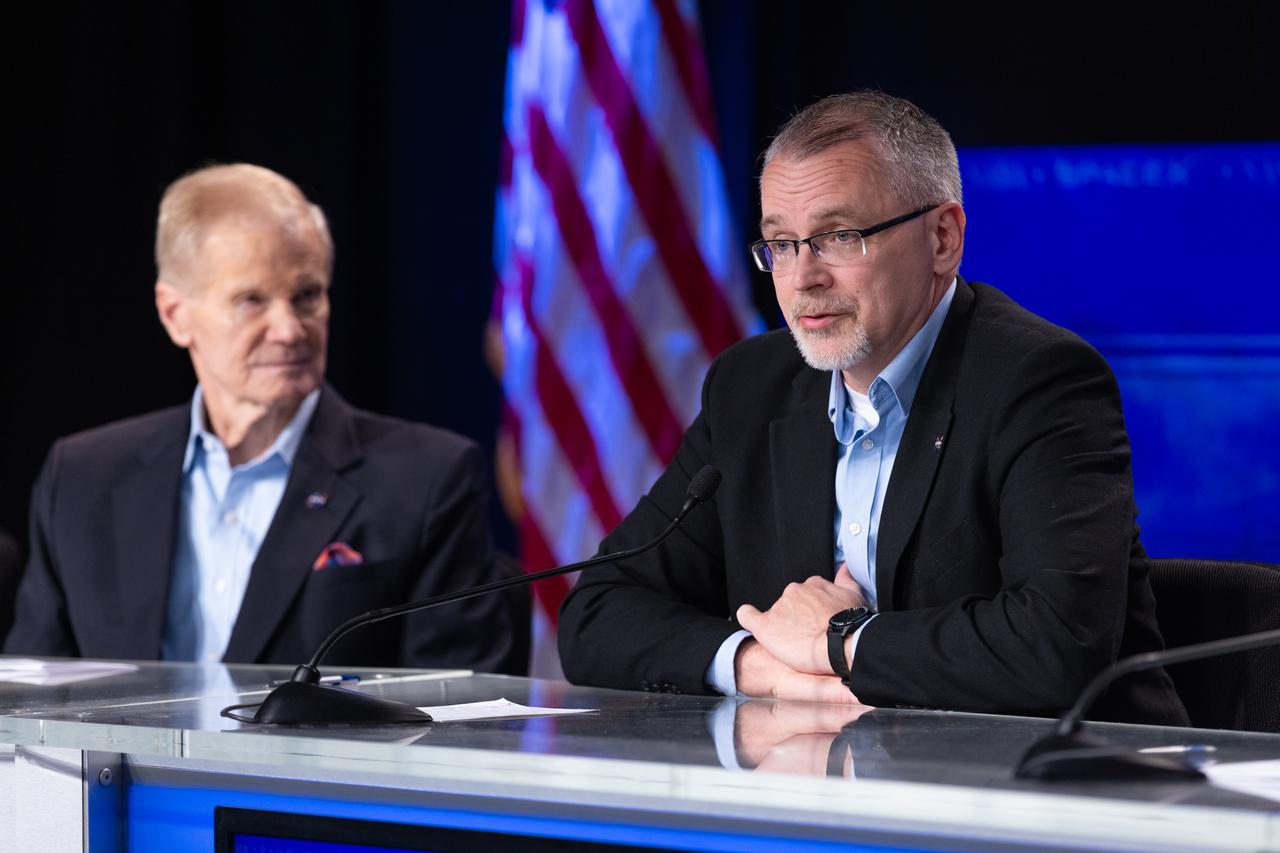
Officials from NASA participate in the NASA Administrator Media Briefing inside the John Holliman Auditorium of the News Center at NASA’s Kennedy Space Center in Florida on Wednesday, Feb. 28, 2024, ahead of NASA’s SpaceX Crew-8 mission to the International Space Station. The launch is targeted for 12:04 a.m. EST, Friday, March 1, from Launch Complex 39A at Kennedy. From left to right are NASA Administrator Bill Nelson and NASA Associate Administrator Jim Free.
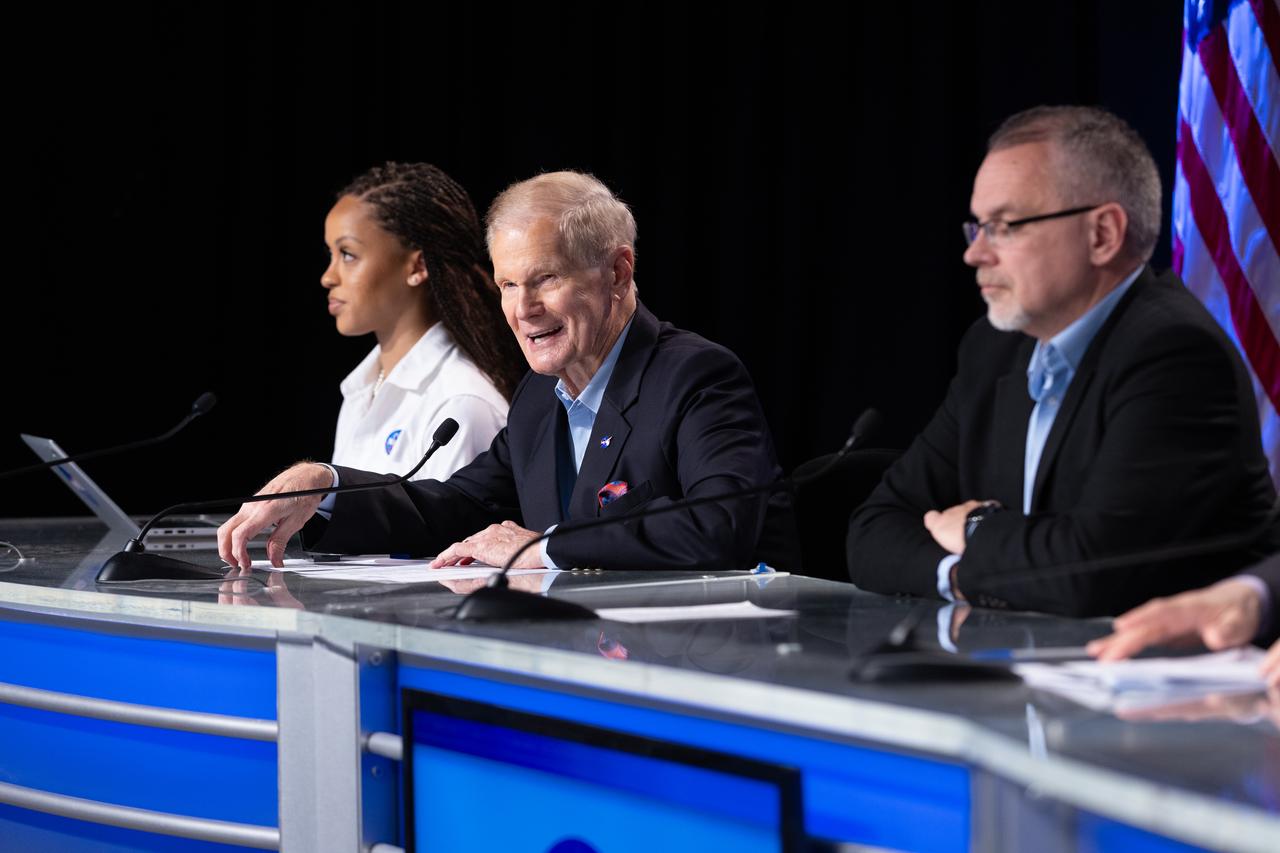
Officials from NASA participate in the NASA Administrator Media Briefing inside the John Holliman Auditorium of the News Center at NASA’s Kennedy Space Center in Florida on Wednesday, Feb. 28, 2024, ahead of NASA’s SpaceX Crew-8 mission to the International Space Station. The launch is targeted for 12:04 a.m. EST, Friday, March 1, from Launch Complex 39A at Kennedy. From left to right are NASA Press Secretary Faith McKie, NASA Administrator Bill Nelson, and NASA Associate Administrator Jim Free.
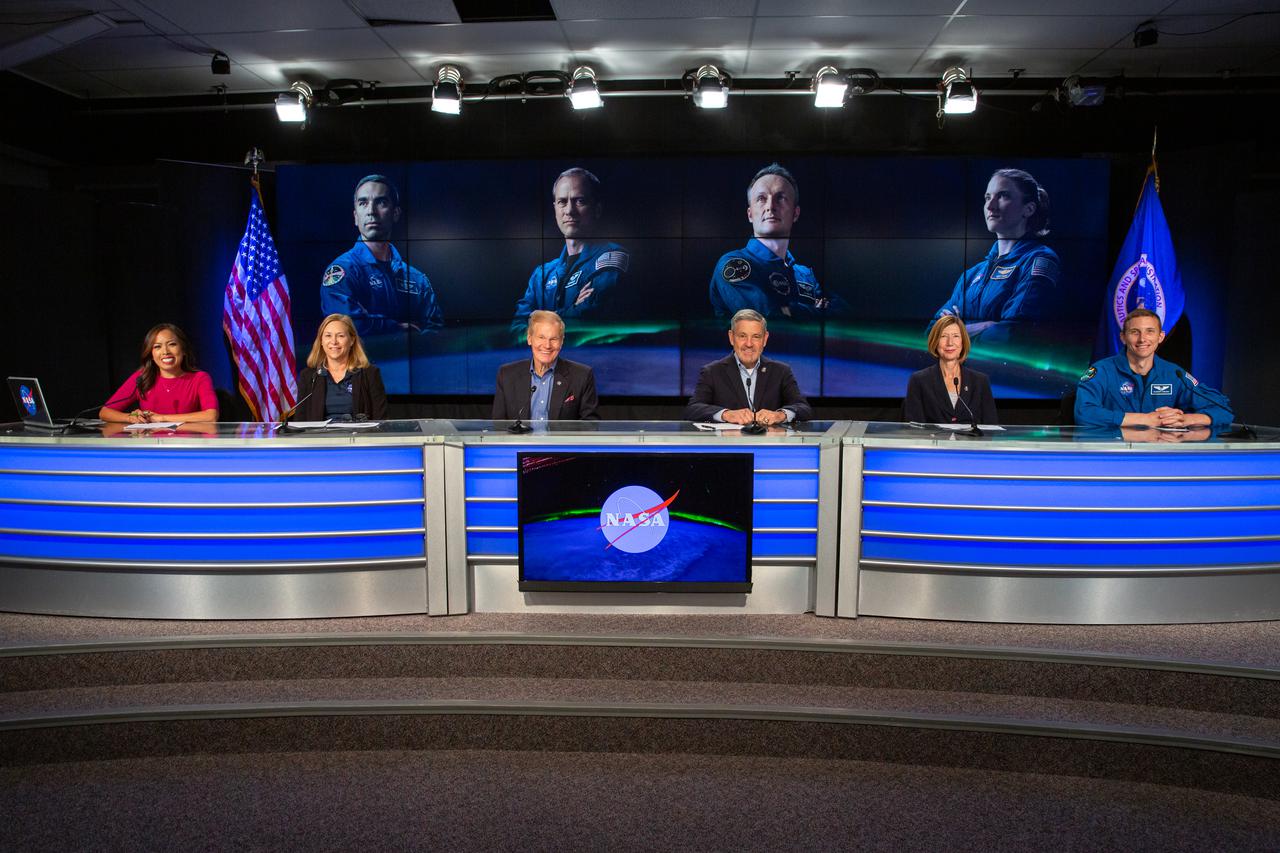
NASA Administrator Bill Nelson, third from left, joins Kennedy Space Center Director Janet Petro, second from left, on Oct. 29, 2021, at the center for a briefing on the upcoming SpaceX Crew-3 mission. The briefing was moderated by Megan Cruz, far left, NASA Communications. Also participating were Bob Cabana, NASA associate administrator; Kathy Lueders, NASA associate administrator for Space Operations; and NASA astronaut Woody Hoburg. The SpaceX Falcon 9 with Crew Dragon atop is scheduled to launch Oct. 31 at 2:21 a.m. EDT from Launch Complex 39A at Kennedy. Crew Dragon will carry four astronauts to the International Space Station for NASA’s Commercial Crew Program. Crew-3 is the third crew rotation flight to the space station, and the first flight of a new Crew Dragon spacecraft.
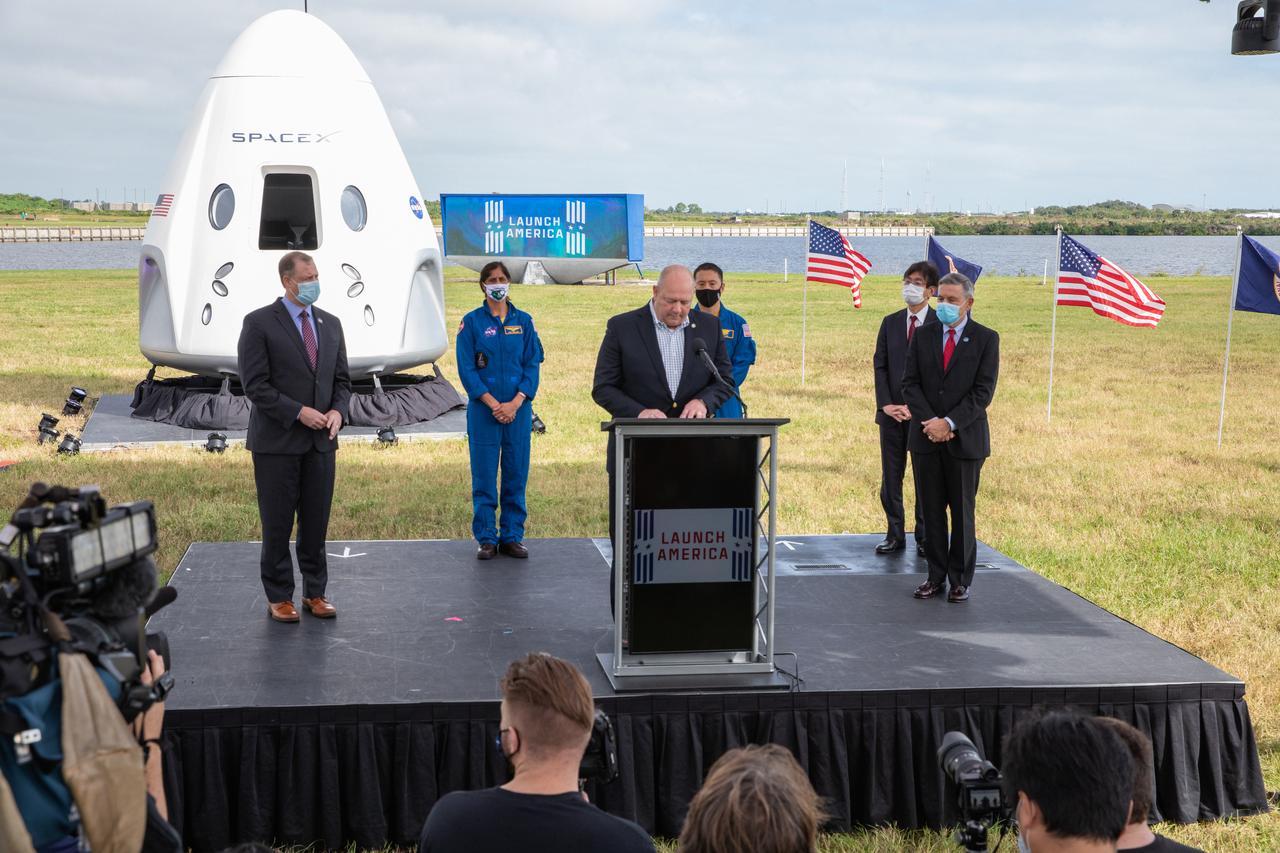
Steve Dickson, administrator, Federal Aviation Administration, speaks during a press briefing Nov. 13, 2020, near the Press Site countdown clock at the agency’s Kennedy Space Center in Florida ahead of NASA’s SpaceX Crew-1 launch. Behind him, from left are NASA Administrator Jim Bridenstine, NASA astronaut Sunita Williams, NASA astronaut Jonny Kim, Hiroshi Sasaki, vice president and director general, JAXA’s Human Spaceflight, and Kennedy Space Center Director Bob Cabana. Crew-1 is the first regular crew mission of a U.S. commercial spacecraft with astronauts to the International Space Station as part of NASA’s Commercial Crew Program. The SpaceX Crew Dragon Resilience capsule will launch atop the company’s Falcon 9 rocket from Launch Complex 39A to the space station for a six-month science mission.
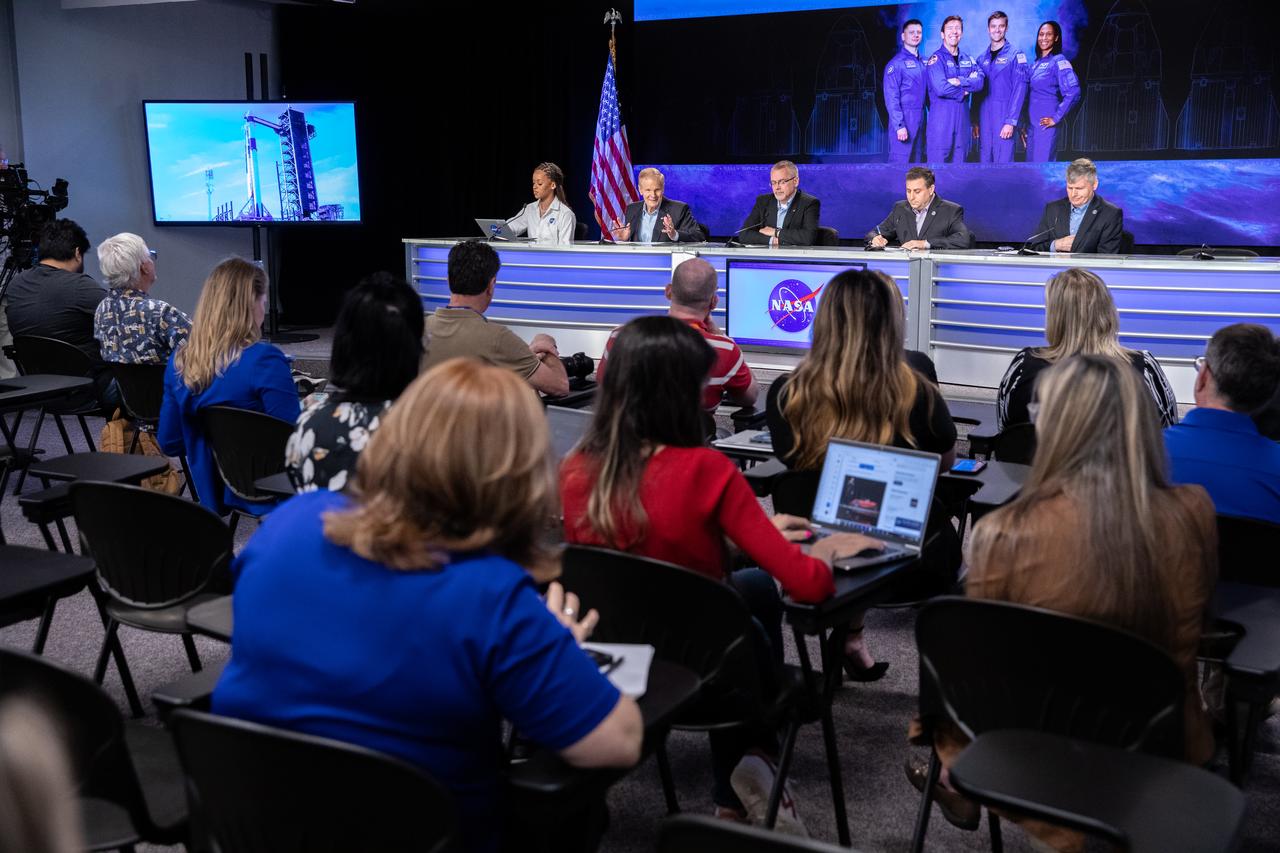
Officials from NASA participate in the NASA Administrator Media Briefing inside the John Holliman Auditorium of the News Center at NASA’s Kennedy Space Center in Florida on Wednesday, Feb. 28, 2024, ahead of NASA’s SpaceX Crew-8 mission to the International Space Station. The launch is targeted for 12:04 a.m. EST, Friday, March 1, from Launch Complex 39A at Kennedy. From left to right are NASA Press Secretary Faith McKie, NASA Administrator Bill Nelson, NASA Associate Administrator Jim Free, International Space Station Program Manager Joel Montalbano, and Commercial Crew Program Manager Steve Stich.
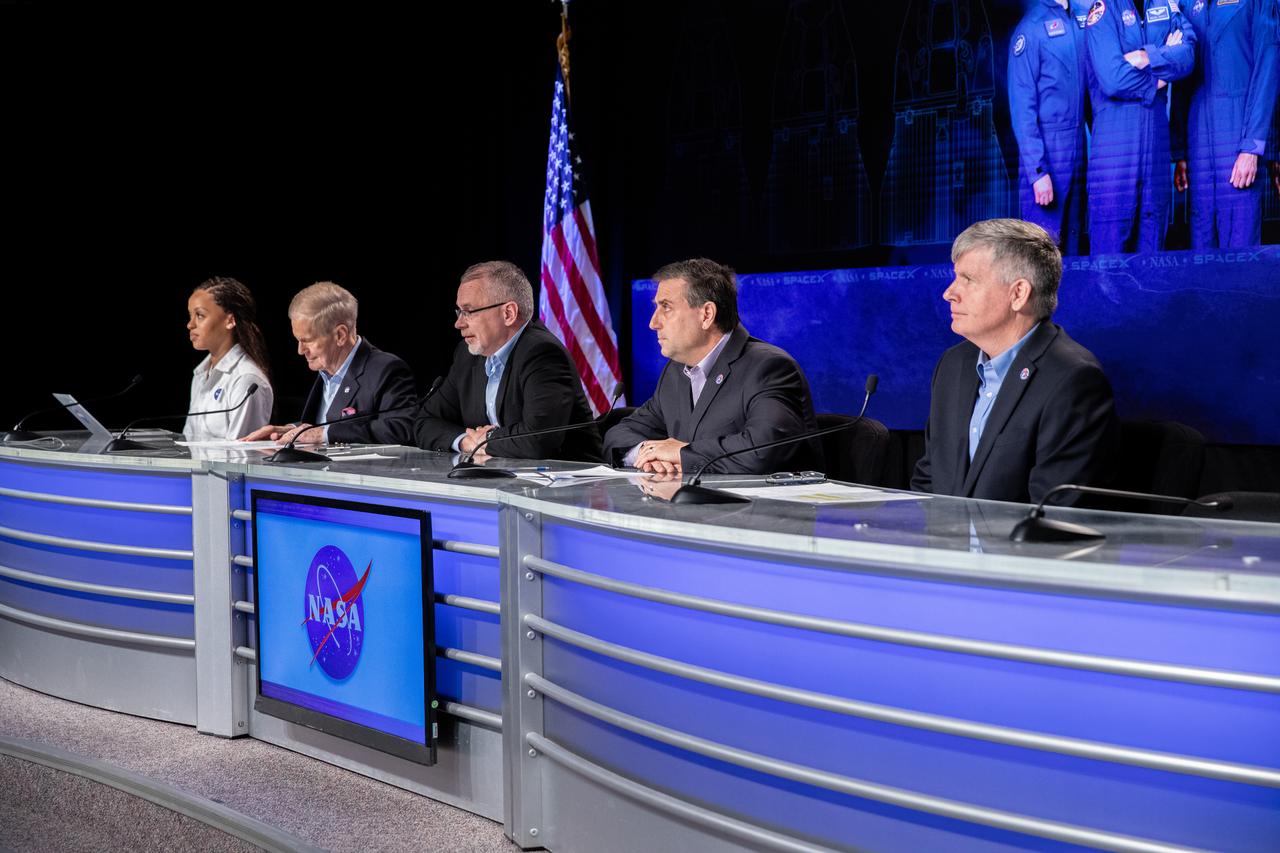
Officials from NASA participate in the NASA Administrator Media Briefing inside the John Holliman Auditorium of the News Center at NASA’s Kennedy Space Center in Florida on Wednesday, Feb. 28, 2024, ahead of NASA’s SpaceX Crew-8 mission to the International Space Station. The launch is targeted for 12:04 a.m. EST, Friday, March 1, from Launch Complex 39A at Kennedy. From left to right are NASA Press Secretary Faith McKie, NASA Administrator Bill Nelson, NASA Associate Administrator Jim Free, International Space Station Program Manager Joel Montalbano, and Commercial Crew Program Manager Steve Stich.
NASA Associate Administrator Bob Cabana is introduced during a Crew-4 press briefing April 26, 2022, at NASA’s Kennedy Space Center in Florida ahead of the agency’s SpaceX Crew-4 launch. NASA astronauts Kjell Lindgren, Bob Hines, and Jessica Watkins, along with ESA (European Space Agency) astronaut Samantha Cristoforetti, will launch aboard the SpaceX Dragon, named Freedom by the Crew-4 crew, atop the company’s Falcon 9 rocket on April 27, 2022, to the International Space Station. Launch is targeted for 3:52 a.m. EDT from Pad 39A.
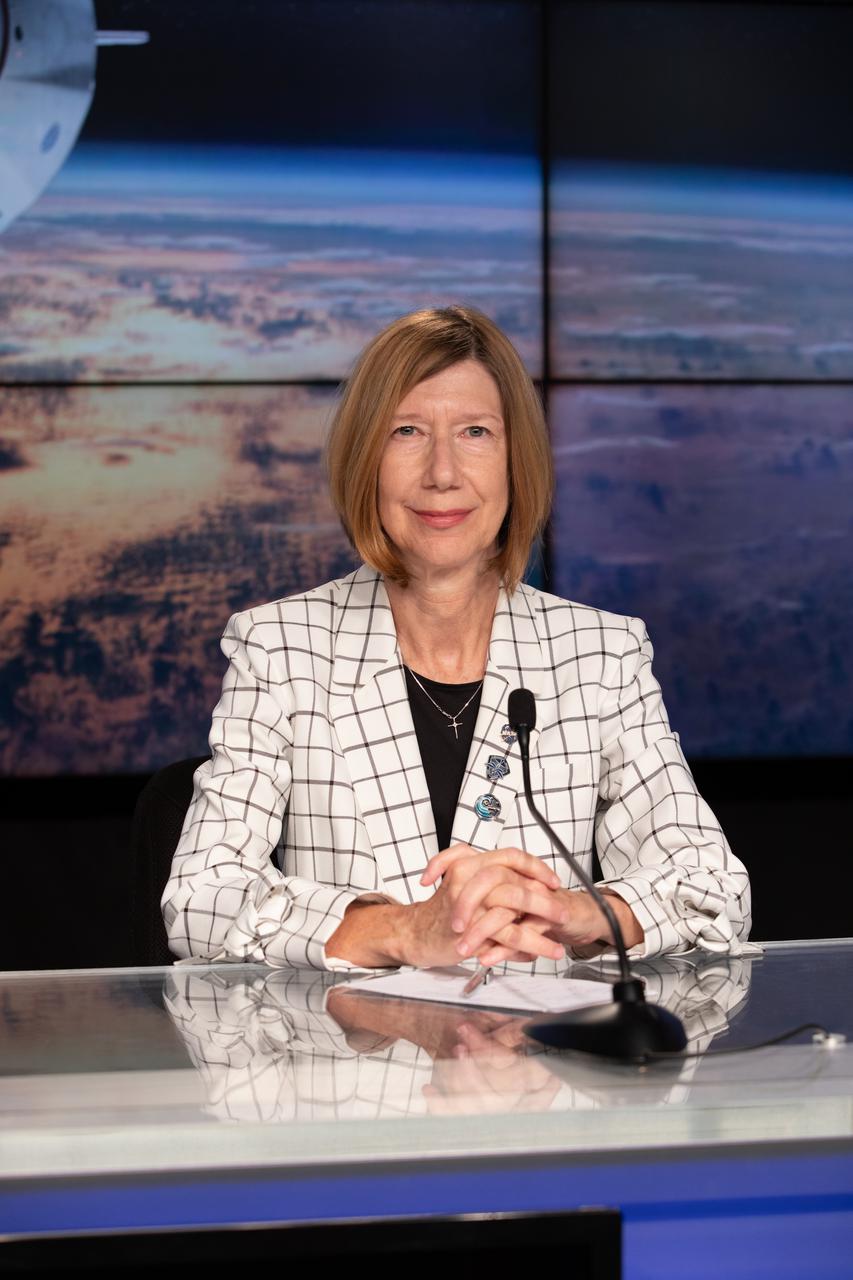
Kathryn Lueders, associate administrator, Space Operations Mission Directorate, NASA Headquarters in Washington, is introduced during a Crew-4 press briefing April 26, 2022, at NASA’s Kennedy Space Center in Florida ahead of the agency’s SpaceX Crew-4 launch. NASA astronauts Kjell Lindgren, Bob Hines, and Jessica Watkins, along with ESA (European Space Agency) astronaut Samantha Cristoforetti, will launch aboard the SpaceX Dragon, named Freedom by the Crew-4 crew, atop the company’s Falcon 9 rocket on April 27, 2022, to the International Space Station. Launch is targeted for 3:52 a.m. EDT from Pad 39A.
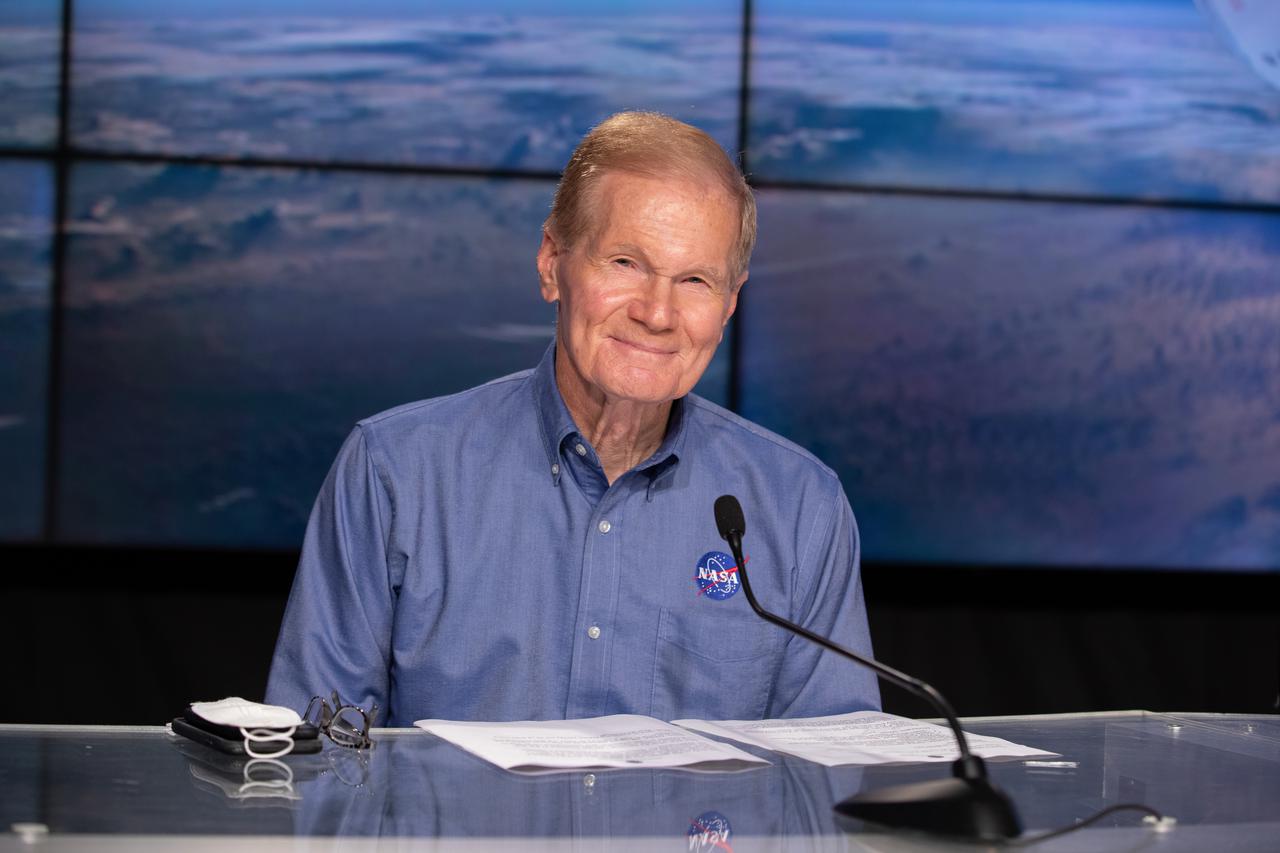
NASA Administrator Bill Nelson is introduced during a Crew-4 press briefing April 26, 2022, at NASA’s Kennedy Space Center in Florida ahead of the agency’s SpaceX Crew-4 launch. NASA astronauts Kjell Lindgren, Bob Hines, and Jessica Watkins, along with ESA (European Space Agency) astronaut Samantha Cristoforetti, will launch aboard the SpaceX Crew Dragon, named Freedom by the Crew-4 crew, atop the company’s Falcon 9 rocket on April 27, 2022, to the International Space Station. Launch is targeted for 3:52 a.m. EDT from Pad 39A.
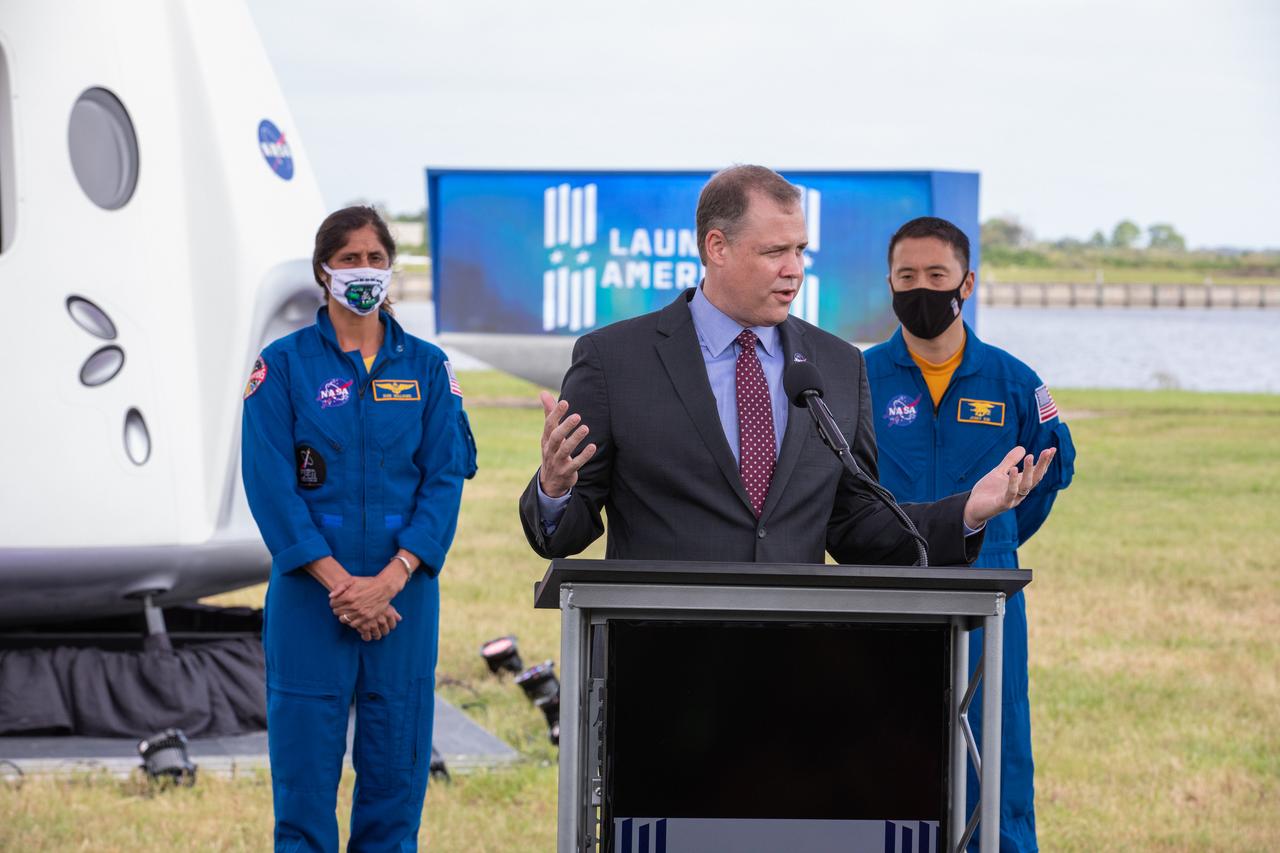
NASA Administrator Jim Bridenstine speaks during a press briefing Nov. 13, 2020, near the Press Site countdown clock at the agency’s Kennedy Space Center in Florida ahead of NASA’s SpaceX Crew-1 launch. Behind him, from left are NASA astronaut Sunita Williams, and NASA astronaut Jonny Kim. Crew-1 is the first regular crew mission of a U.S. commercial spacecraft with astronauts to the International Space Station as part of NASA’s Commercial Crew Program. The SpaceX Crew Dragon Resilience capsule will launch atop the company’s Falcon 9 rocket from Launch Complex 39A to the space station for a six-month science mission.
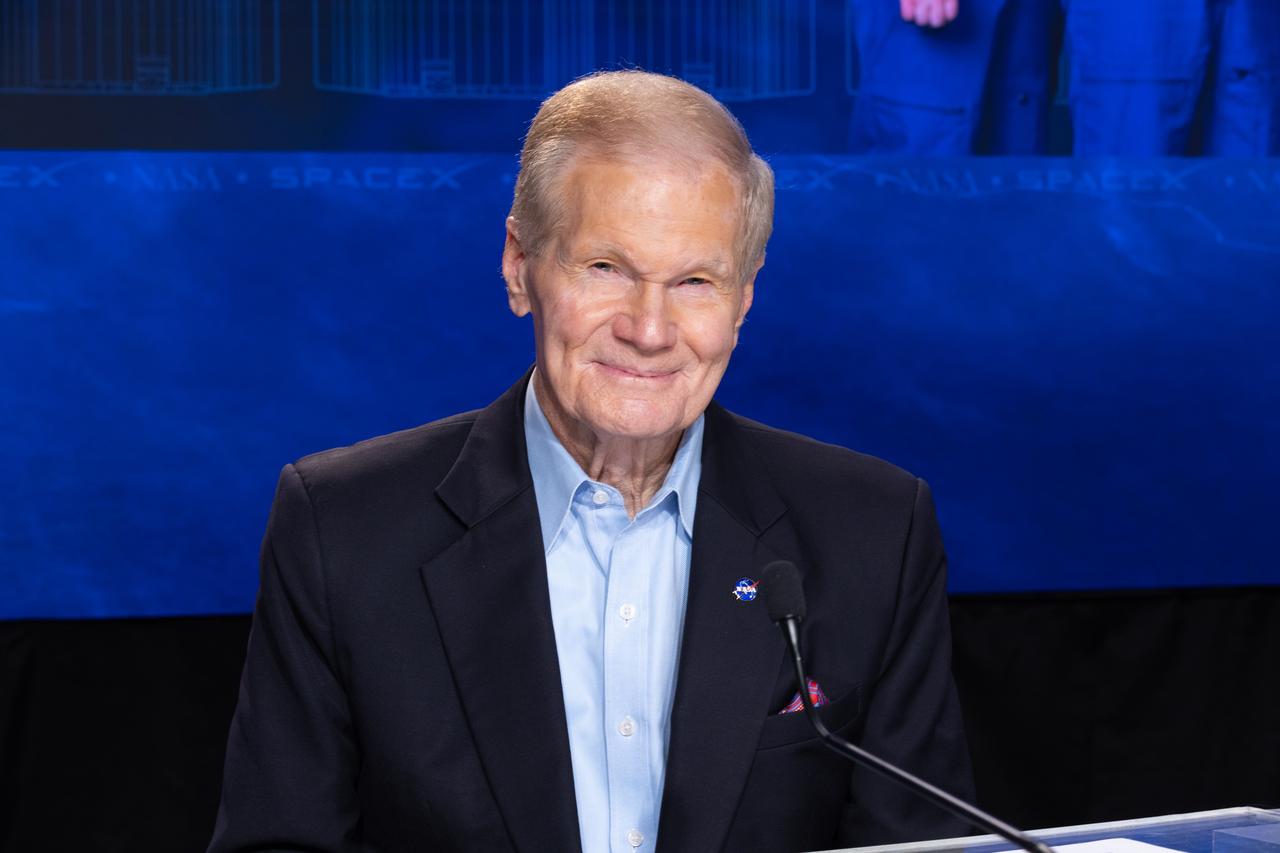
NASA Administrator Bill Nelson participates in the agency’s Administrator Media Briefing inside the John Holliman Auditorium of the News Center at NASA’s Kennedy Space Center in Florida on Wednesday, Feb. 28, 2024, ahead of NASA’s SpaceX Crew-8 mission to the International Space Station. The launch is targeted for 12:04 a.m. EST, Friday, March 1, from Launch Complex 39A at Kennedy and will carry NASA astronauts Commander Matthew Dominick, Pilot Michael Barratt, and Mission Specialist Jeanette Epps, along with Roscosmos cosmonaut Mission Specialist Alexander to the orbiting laboratory for a stay of about six months as part of the agency’s Commercial Crew Program.
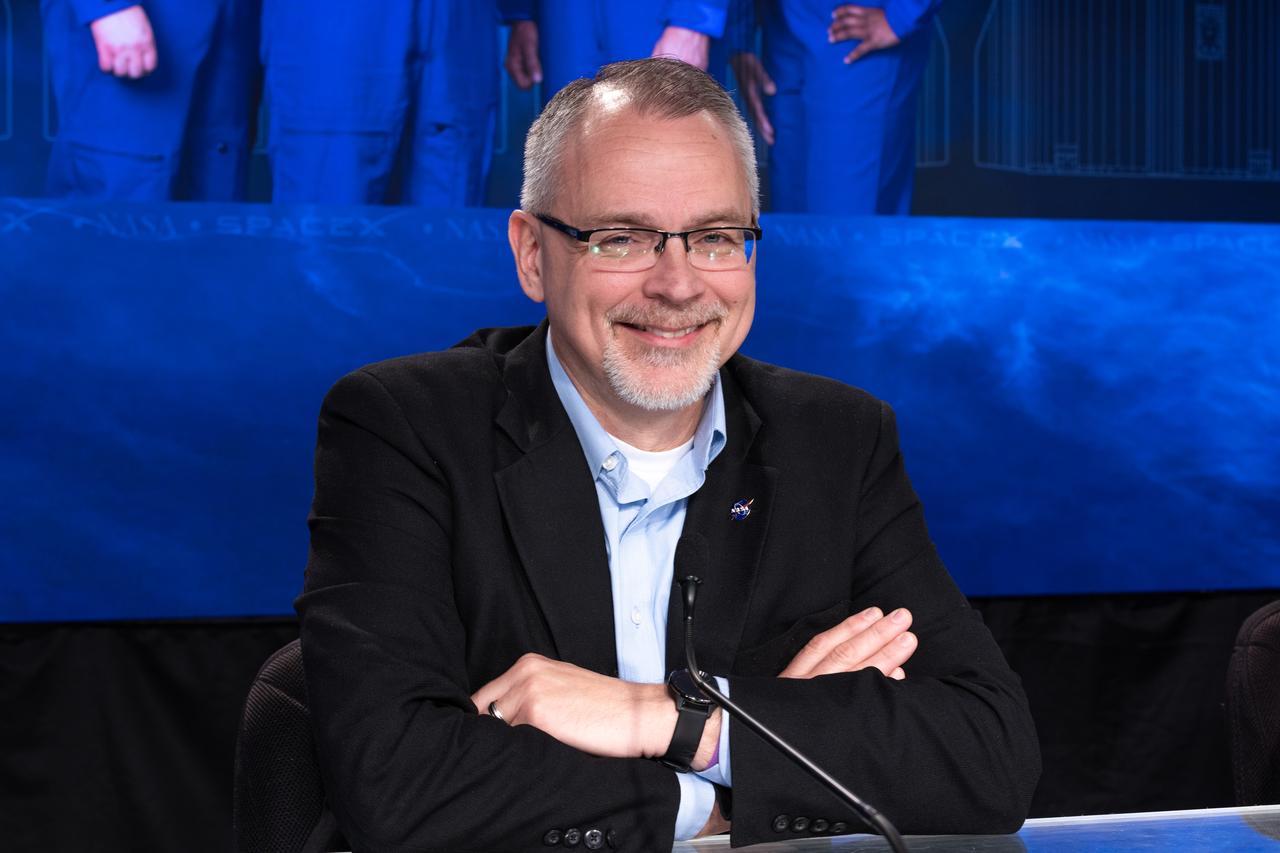
NASA Associate Administrator Jim Free participates in the agency’s Administrator Media Briefing inside the John Holliman Auditorium of the News Center at NASA’s Kennedy Space Center in Florida on Wednesday, Feb. 28, 2024, ahead of NASA’s SpaceX Crew-8 mission to the International Space Station. The launch is targeted for 12:04 a.m. EST, Friday, March 1, from Launch Complex 39A at Kennedy and will carry NASA astronauts Commander Matthew Dominick, Pilot Michael Barratt, and Mission Specialist Jeanette Epps, along with Roscosmos cosmonaut Mission Specialist Alexander Grebenkin to the orbiting laboratory for a stay of about six months as part of the agency’s Commercial Crew Program.
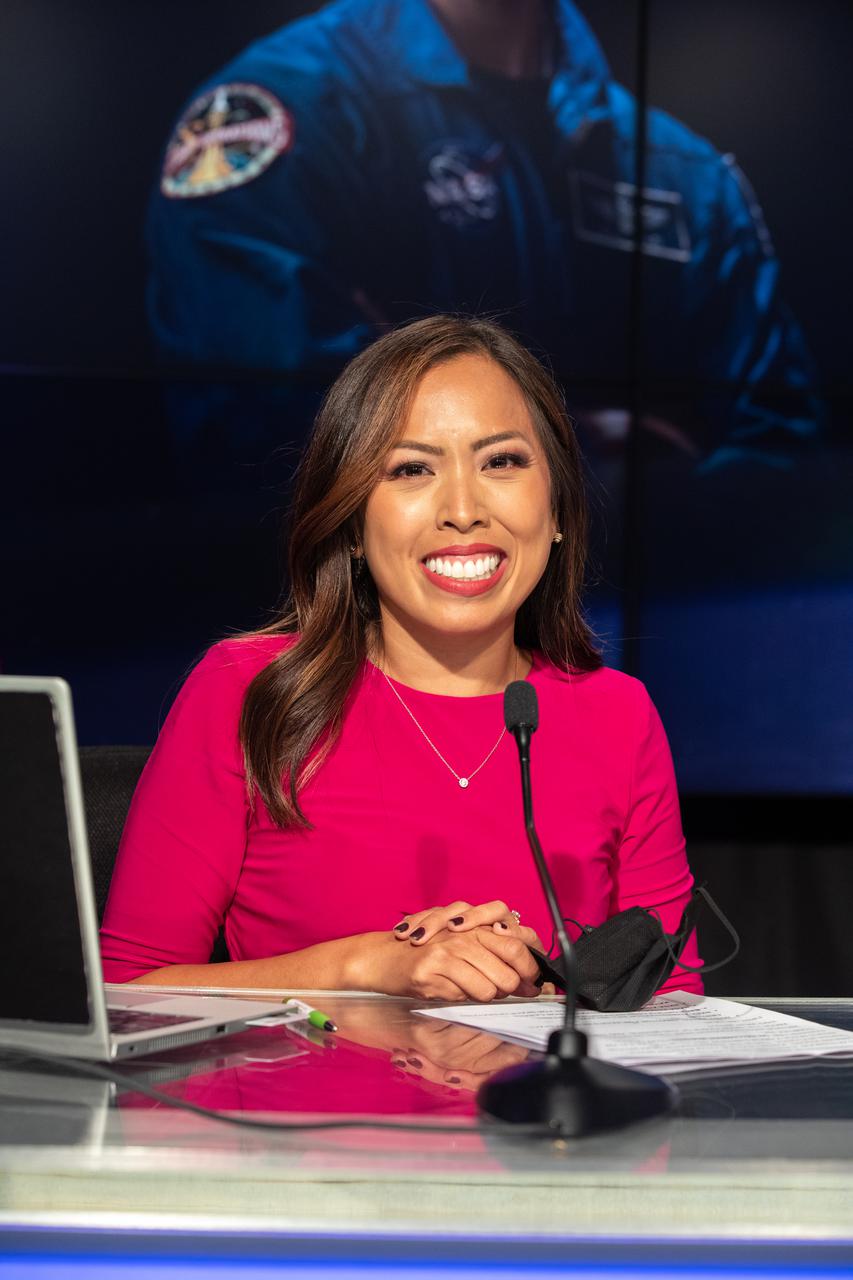
Megan Cruz, NASA Communications, moderates a briefing on the upcoming SpaceX Crew-3 mission, featuring NASA Administrator Bill Nelson, at Kennedy Space Center in Florida on Oct. 29, 2021. Participants included Kennedy Director Janet Petro, Bob Cabana, NASA associate administrator, Kathy Lueders, NASA associate administrator for Space Operations; and NASA astronaut Woody Hoburg. The SpaceX Falcon 9 with Crew Dragon atop is scheduled to launch Oct. 31 at 2:21 a.m. EDT from Launch Complex 39A at Kennedy. Crew Dragon will carry four astronauts to the International Space Station for NASA’s Commercial Crew Program. Crew-3 is the third crew rotation flight to the space station, and the first flight of a new Crew Dragon spacecraft.
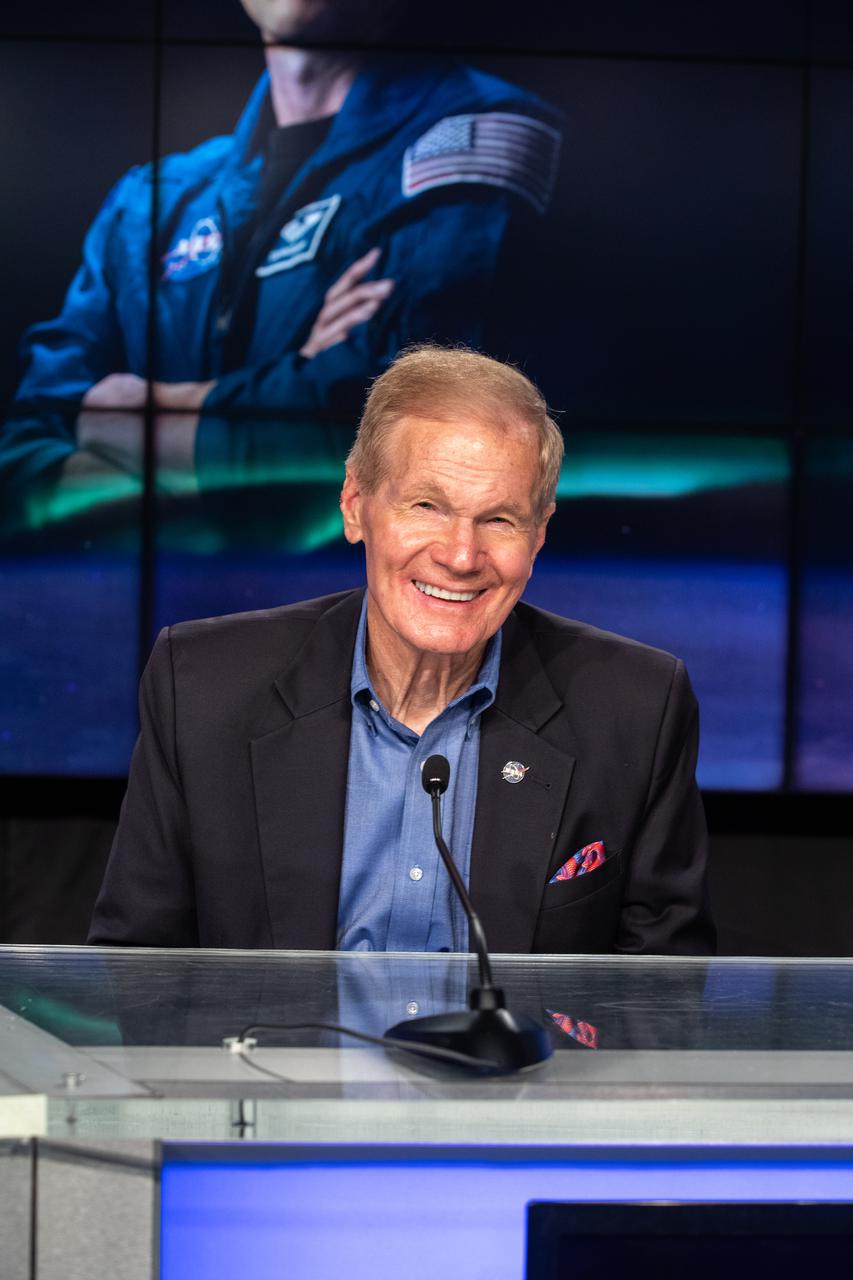
NASA Administrator Bill Nelson speaks during a briefing for the upcoming SpaceX Crew-3 mission at the agency’s Kennedy Space Center in Florida on Oct. 29, 2021. The SpaceX Falcon 9 with Crew Dragon atop is scheduled to launch Oct. 31 at 2:21 a.m. EDT from Launch Complex 39A at Kennedy. Crew Dragon will carry four astronauts to the International Space Station for NASA’s Commercial Crew Program. Crew-3 is the third crew rotation flight to the space station, and the first flight of a new Crew Dragon spacecraft.
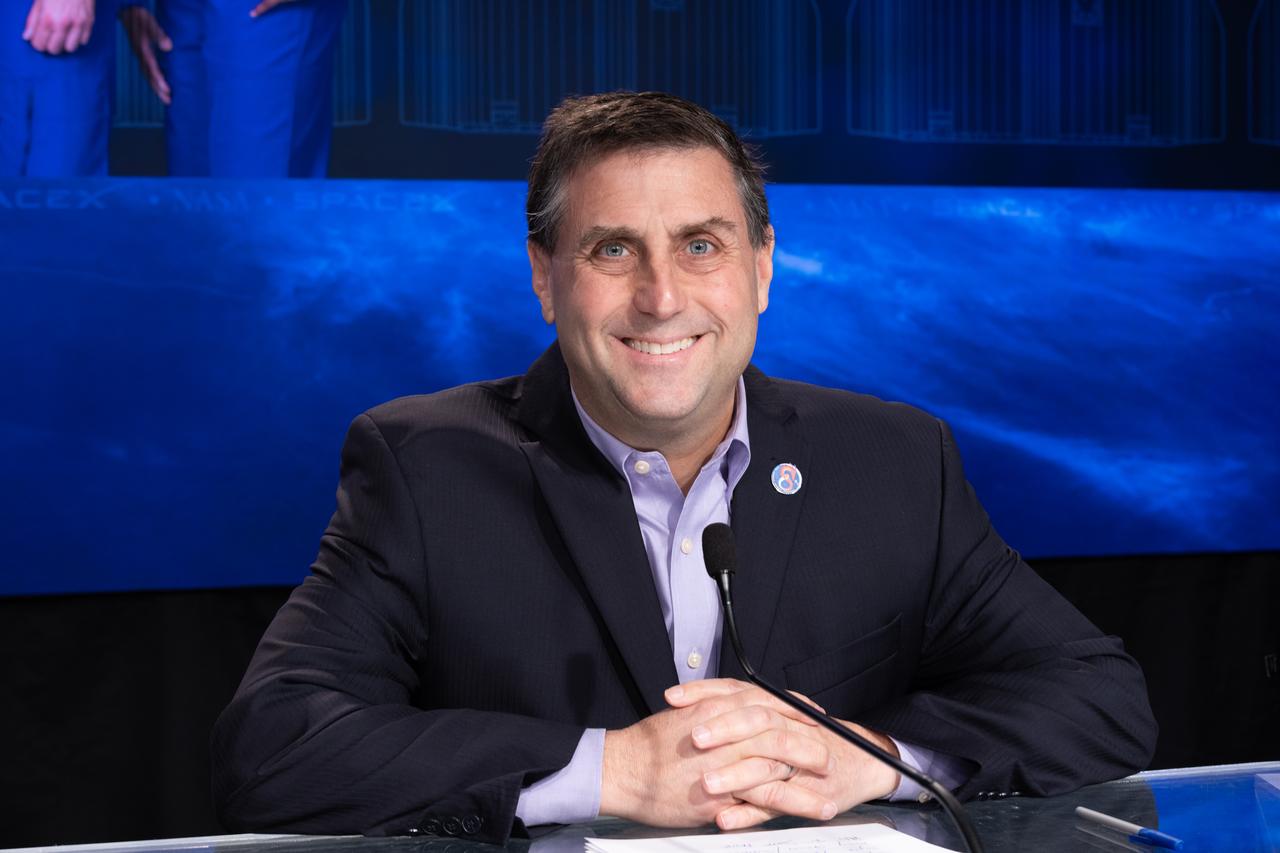
International Space Station Program Manager Joel Montalbano participates in the NASA Administrator Media Briefing inside the John Holliman Auditorium of the News Center at the agency’s Kennedy Space Center in Florida on Wednesday, Feb. 28, 2024, ahead of NASA’s SpaceX Crew-8 mission to the International Space Station. The launch is targeted for 12:04 a.m. EST, Friday, March 1, from Launch Complex 39A at Kennedy and will carry NASA astronauts Commander Matthew Dominick, Pilot Michael Barratt, and Mission Specialist Jeanette Epps, along with Roscosmos cosmonaut Mission Specialist Alexander Grebenkin to the orbiting laboratory for a stay of about six months as part of the agency’s Commercial Crew Program.
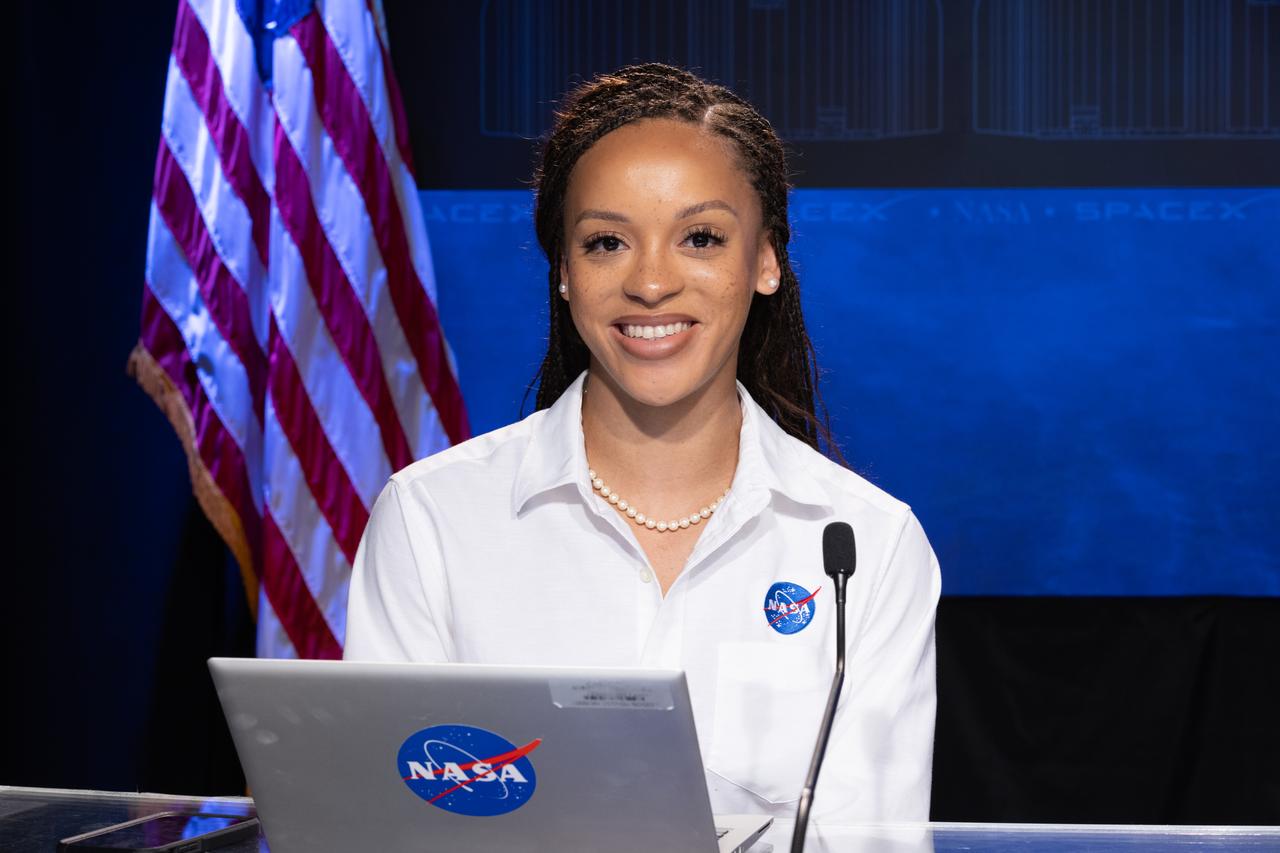
NASA Press Secretary Faith McKie participates in the agency’s Administrator Media Briefing inside the John Holliman Auditorium of the News Center at NASA’s Kennedy Space Center in Florida on Wednesday, Feb. 28, 2024, ahead of NASA’s SpaceX Crew-8 mission to the International Space Station. The launch is targeted for 12:04 a.m. EST, Friday, March 1, from Launch Complex 39A at Kennedy and will carry NASA astronauts Commander Matthew Dominick, Pilot Michael Barratt, and Mission Specialist Jeanette Epps, along with Roscosmos cosmonaut Mission Specialist Alexander Grebenkin to the orbiting laboratory for a stay of about six months as part of the agency’s Commercial Crew Program.
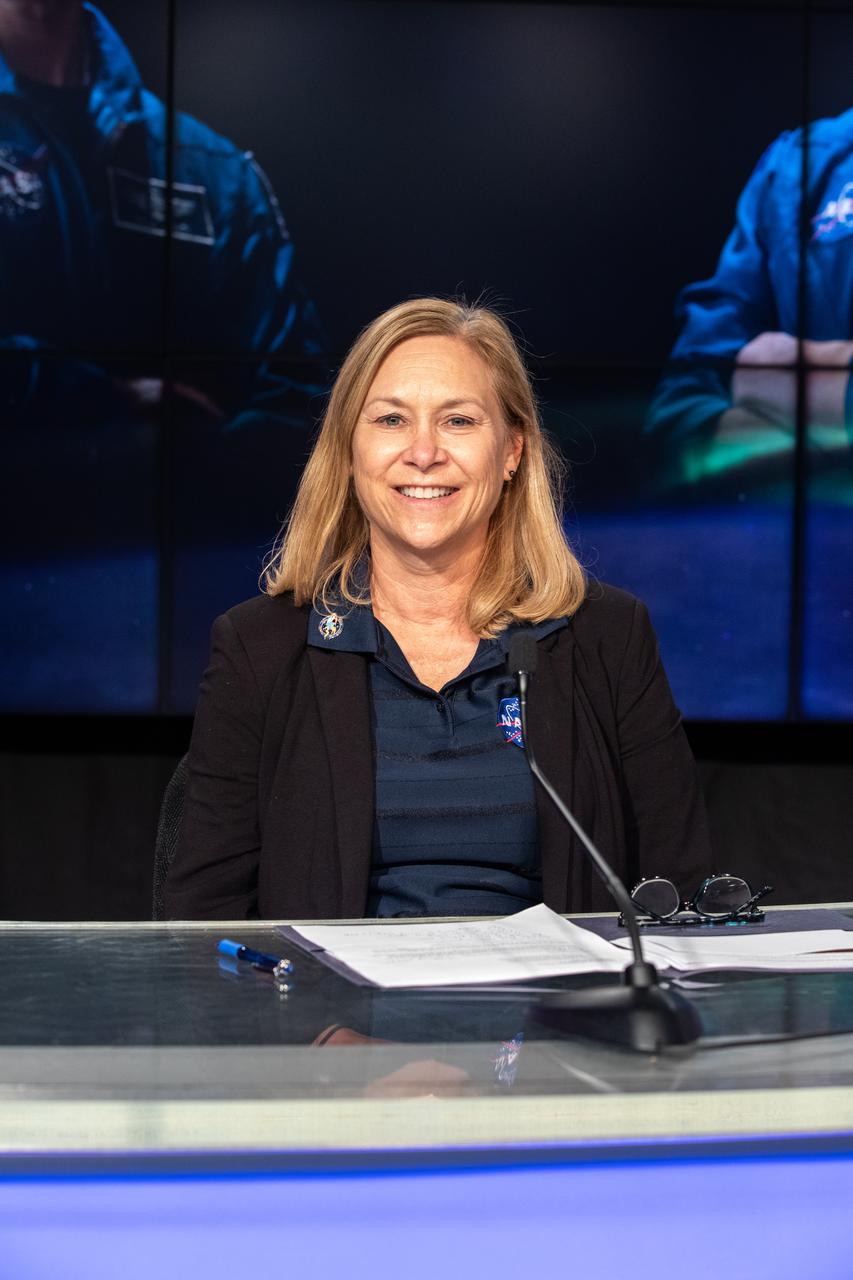
Kennedy Space Center Director Janet Petro speaks during a NASA Administrator briefing for the upcoming SpaceX Crew-3 mission at the center on Oct. 29, 2021. The SpaceX Falcon 9 with Crew Dragon atop is scheduled to launch Oct. 31 at 2:21 a.m. EDT from Launch Complex 39A at Kennedy. Crew Dragon will carry four astronauts to the International Space Station for NASA’s Commercial Crew Program. Crew-3 is the third crew rotation flight to the space station, and the first flight of a new Crew Dragon spacecraft.
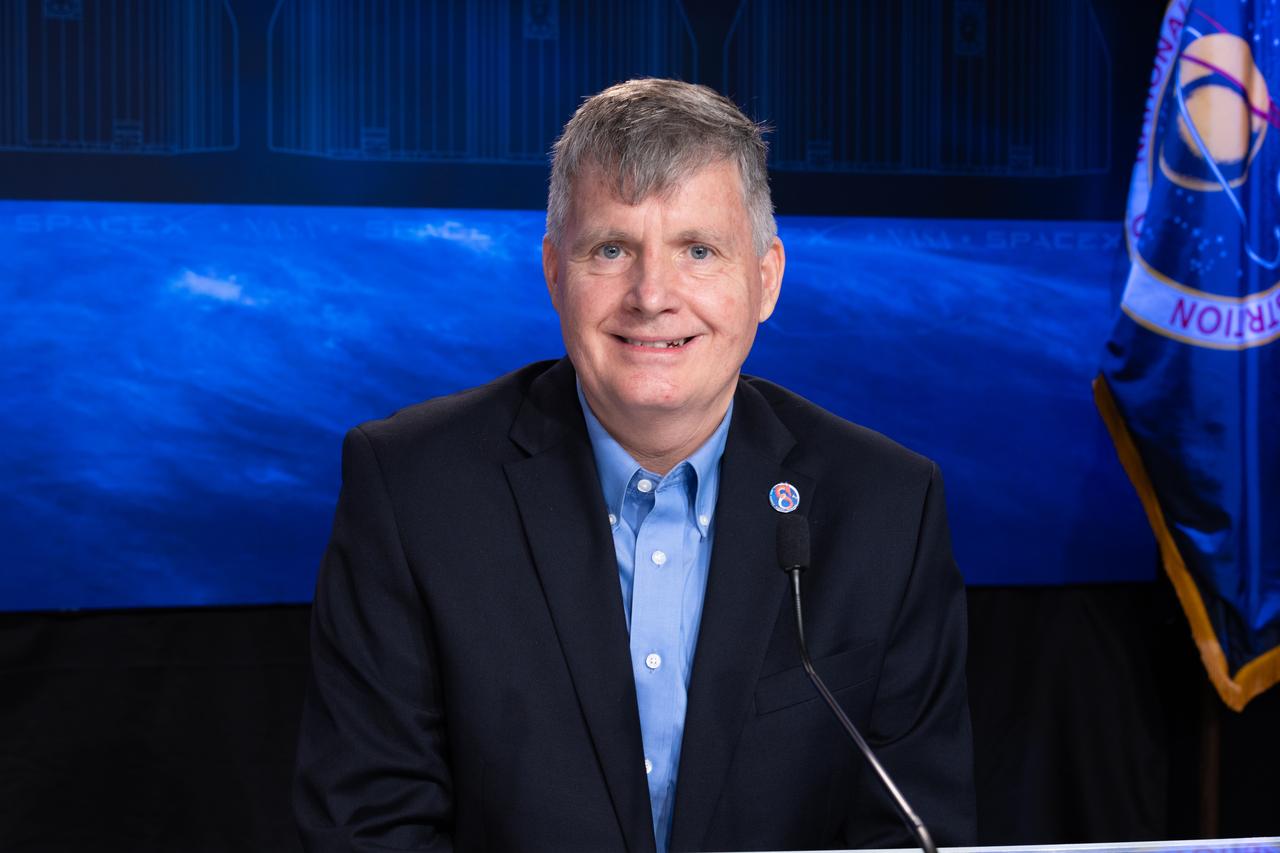
Commercial Crew Program Manager Steve Stich participates in the NASA Administrator Media Briefing inside the John Holliman Auditorium of the News Center at the agency’s Kennedy Space Center in Florida on Wednesday, Feb. 28, 2024, ahead of NASA’s SpaceX Crew-8 mission to the International Space Station. The launch is targeted for 12:04 a.m. EST, Friday, March 1, from Launch Complex 39A at Kennedy and will carry NASA astronauts Commander Matthew Dominick, Pilot Michael Barratt, and Mission Specialist Jeanette Epps, along with Roscosmos cosmonaut Mission Specialist Alexander Grebenkin to the orbiting laboratory for a stay of about six months as part of the agency’s Commercial Crew Program.
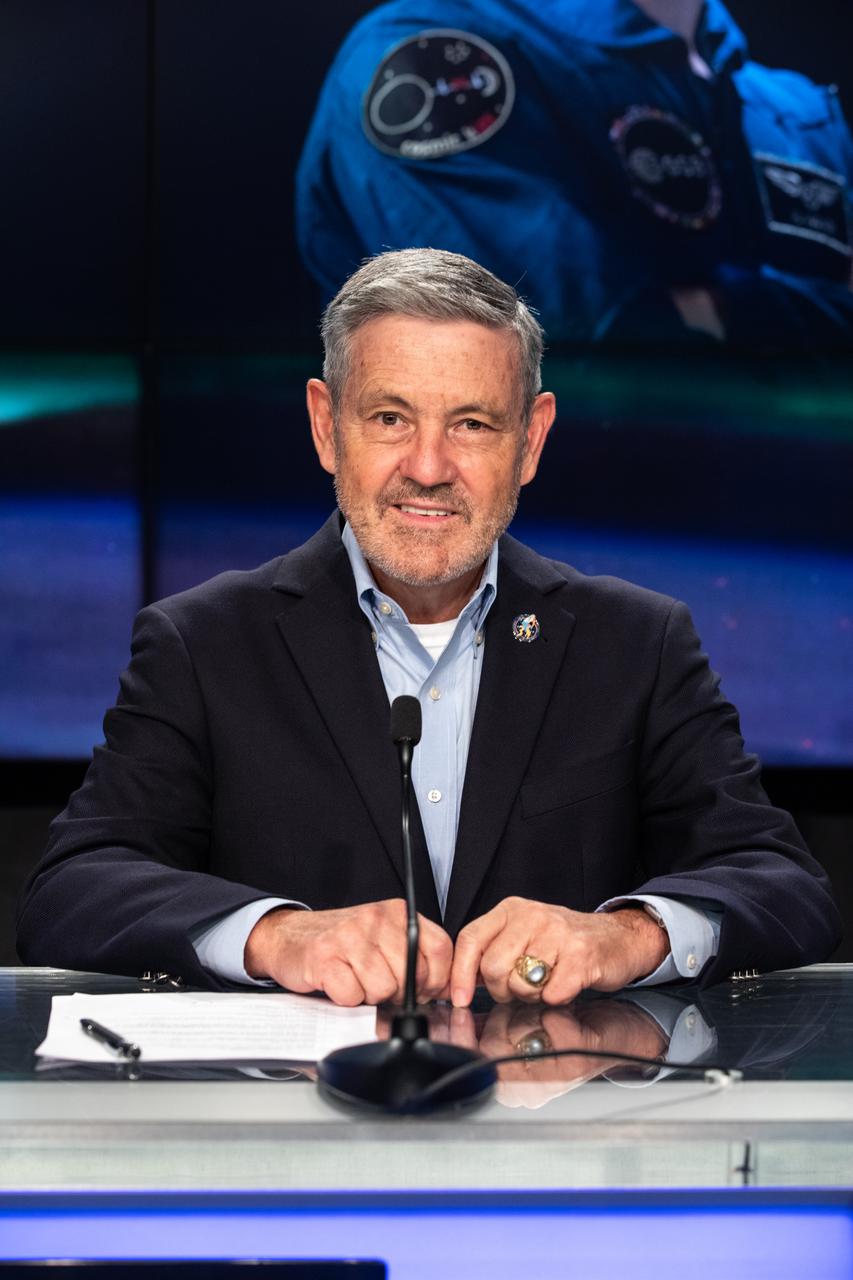
NASA Associate Administrator Bob Cabana speaks during a briefing for the upcoming SpaceX Crew-3 mission at the agency’s Kennedy Space Center in Florida on Oct. 29, 2021. The SpaceX Falcon 9 with Crew Dragon atop is scheduled to launch Oct. 31 at 2:21 a.m. EDT from Launch Complex 39A at Kennedy. Crew Dragon will carry four astronauts to the International Space Station for NASA’s Commercial Crew Program. Crew-3 is the third crew rotation flight to the space station, and the first flight of a new Crew Dragon spacecraft.
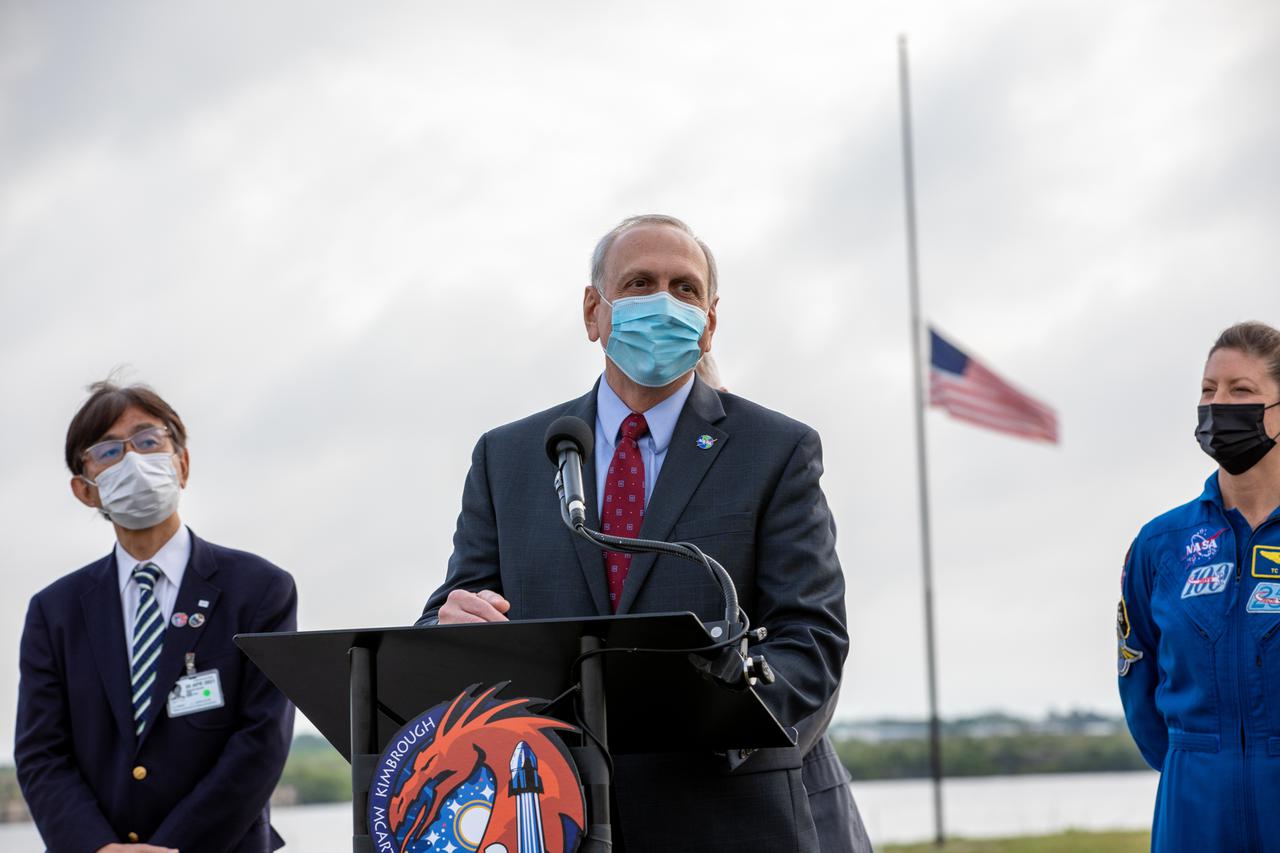
Steve Jurczyk, acting NASA administrator, addresses members of the news media during a press briefing April 21, 2021, near the Press Site countdown clock at NASA’s Kennedy Space Center in Florida ahead of the agency’s SpaceX Crew-2 launch. NASA astronauts Shane Kimbrough and Megan McArthur, JAXA astronaut Akihiko Hoshide, and ESA astronaut Thomas Pesquet will fly on Crew-2, the second crew rotation mission to the International Space Station as part of NASA’s Commercial Crew Program. They will launch aboard SpaceX’s Crew Dragon spacecraft, named Endeavour, powered by the company’s Falcon 9 rocket. Liftoff is set for Friday, April 23, at 5:49 a.m. EDT.
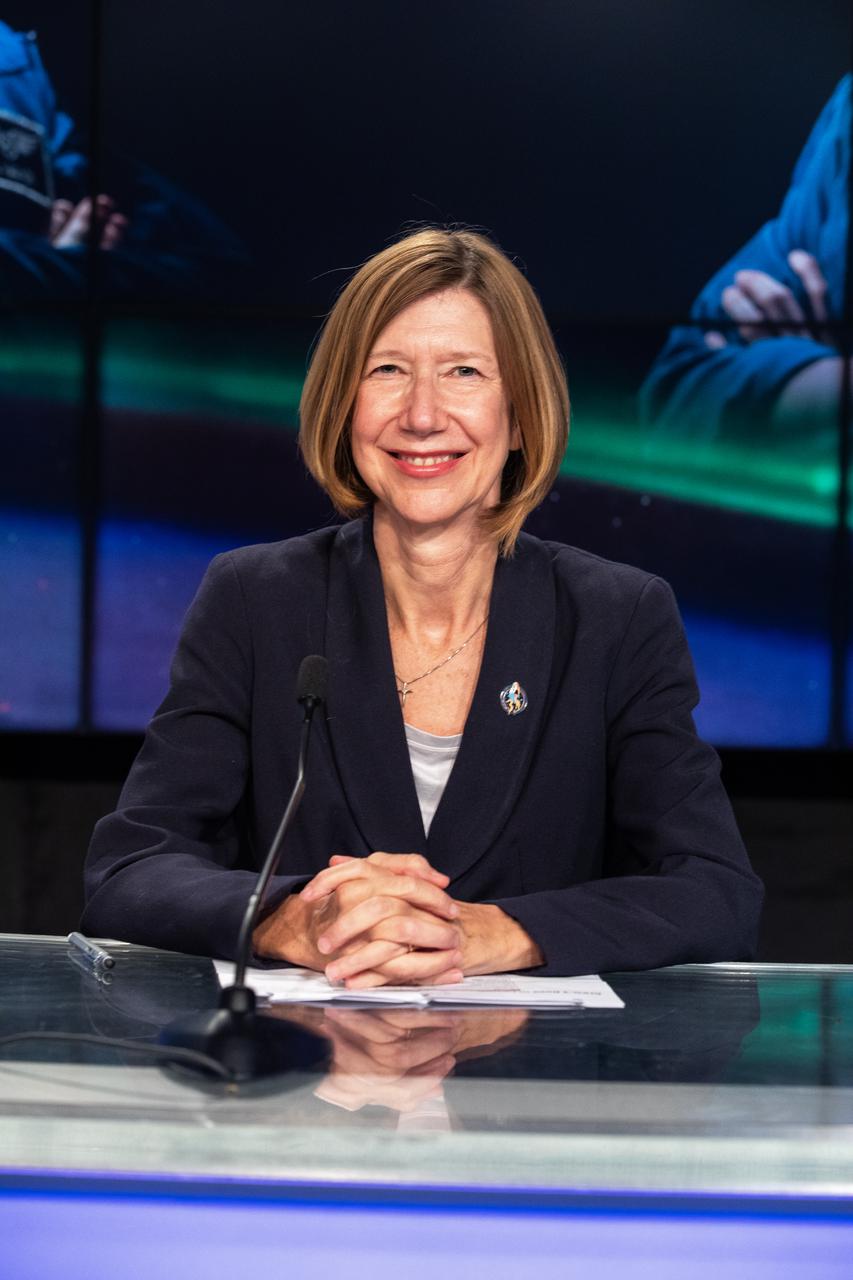
NASA Associate Administrator for Space Operations Kathy Lueders speaks during a briefing for the upcoming SpaceX Crew-3 mission at the agency’s Kennedy Space Center in Florida on Oct. 29, 2021. The SpaceX Falcon 9 with Crew Dragon atop is scheduled to launch Oct. 31 at 2:21 a.m. EDT from Launch Complex 39A at Kennedy. Crew Dragon will carry four astronauts to the International Space Station for NASA’s Commercial Crew Program. Crew-3 is the third crew rotation flight to the space station, and the first flight of a new Crew Dragon spacecraft.
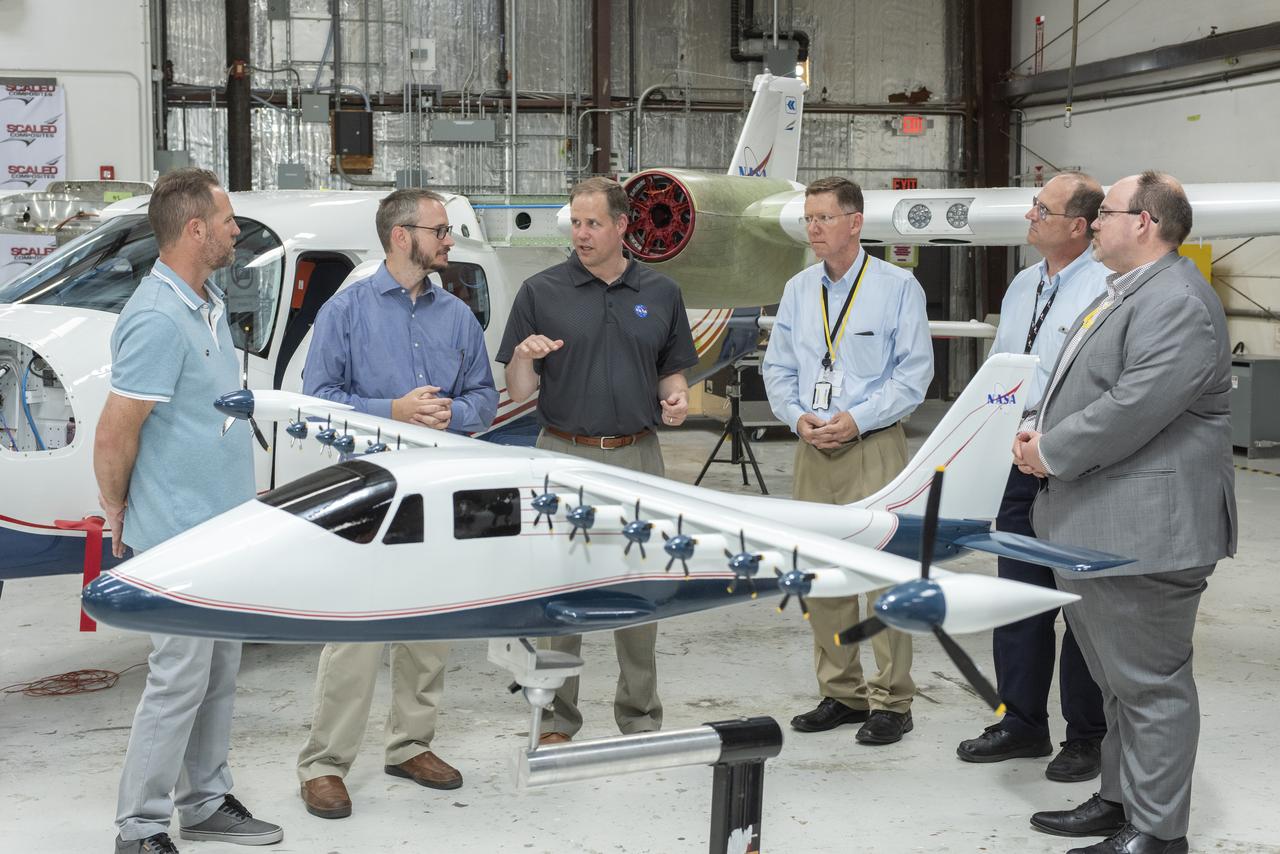
Administrator Bridenstine hears about the progress to modify the Tecnam P2006T from a combustion aircraft to an all-electric aircraft. Armstrong's X-57 team and ESAero, the prime contractor for the plane, are doing the briefing. The final configuration model of X-57 stands in front of group.
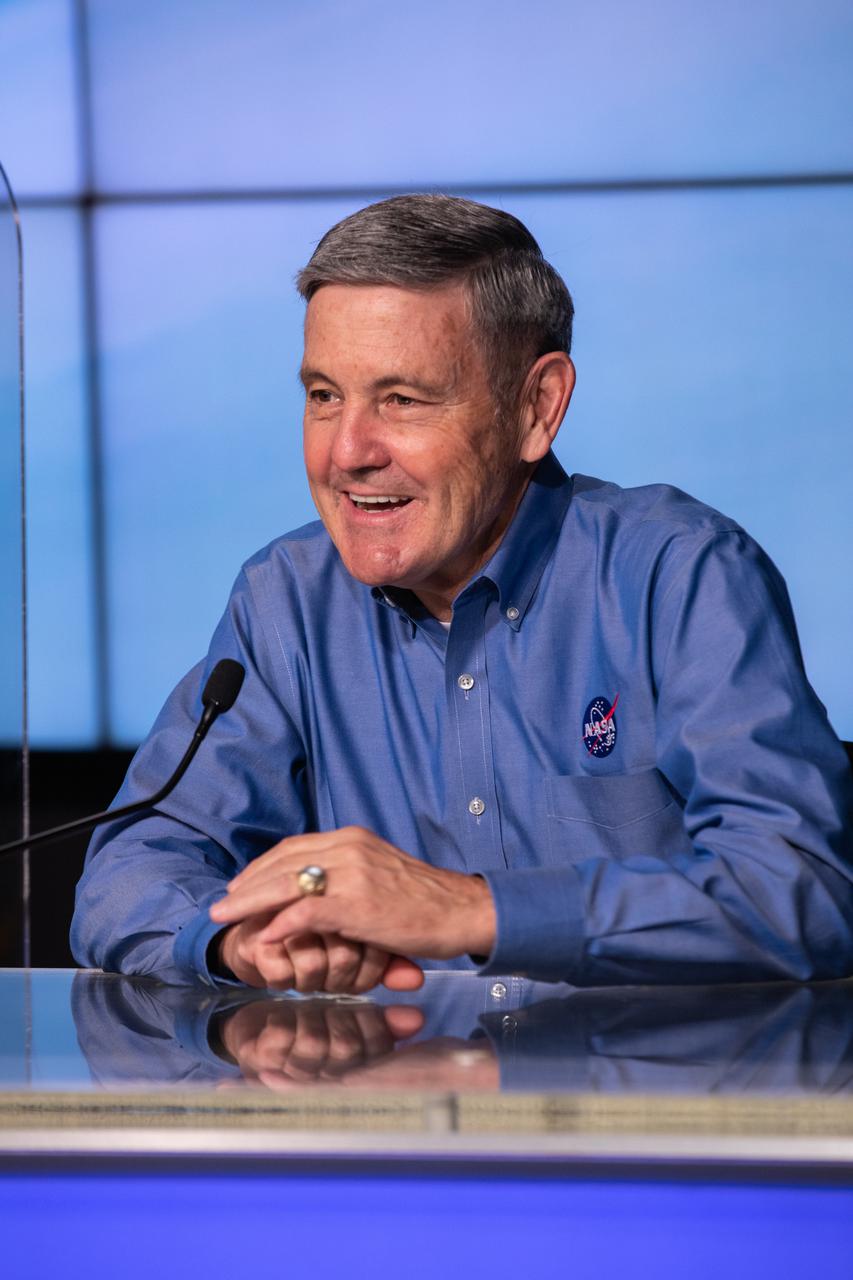
NASA Associate Administrator Bob Cabana speaks to the media ahead of Boeing’s Orbital Flight Test-2 (OFT-2) at the agency’s Kennedy Space Center in Florida, July 29, 2021. Boeing’s CST-100 Starliner spacecraft will launch atop a United Launch Alliance Atlas V rocket from Space Launch Complex-41 at Cape Canaveral Space Force Station. The uncrewed OFT-2 will be the Starliner’s second flight for NASA’s Commercial Crew Program.
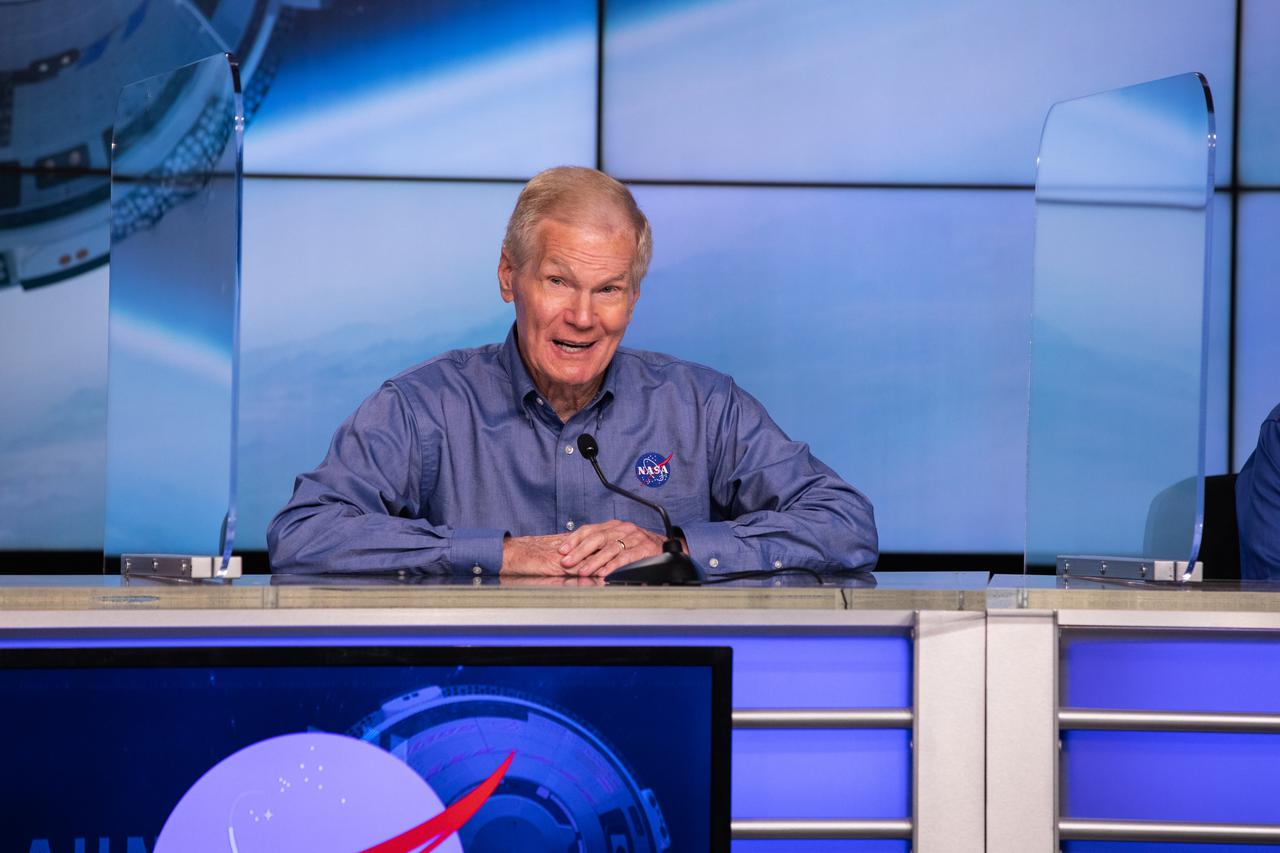
NASA Administrator Bill Nelson (center) speaks to the media ahead of Boeing’s Orbital Flight Test-2 (OFT-2) at the agency’s Kennedy Space Center in Florida, July 29, 2021. Boeing’s CST-100 Starliner spacecraft will launch atop a United Launch Alliance Atlas V rocket from Space Launch Complex-41 at Cape Canaveral Space Force Station. The uncrewed OFT-2 will be the Starliner’s second flight for NASA’s Commercial Crew Program.
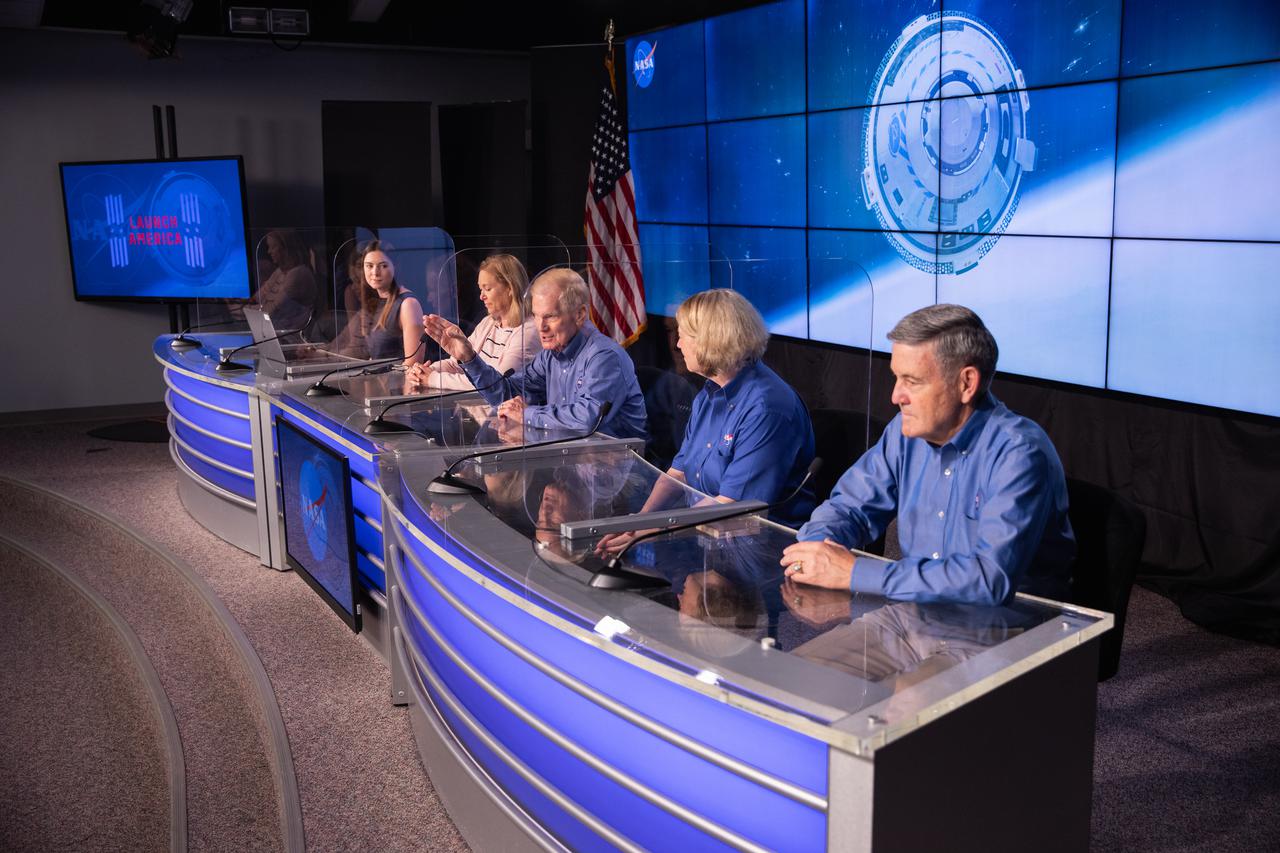
NASA Administrator Bill Nelson (center) speaks to the media ahead of Boeing’s Orbital Flight Test-2 (OFT-2) at the agency’s Kennedy Space Center in Florida, July 29, 2021. NASA officials participating from left to right are Jackie McGuinness, NASA Press Secretary; Janet Petro, director, NASA’s Kennedy Space Center; Nelson; NASA Deputy Administrator Pam Melroy; NASA Associate Administrator Bob Cabana. Boeing’s CST-100 Starliner spacecraft will launch atop a United Launch Alliance Atlas V rocket from Space Launch Complex-41 at Cape Canaveral Space Force Station. The uncrewed OFT-2 will be the Starliner’s second flight for NASA’s Commercial Crew Program.
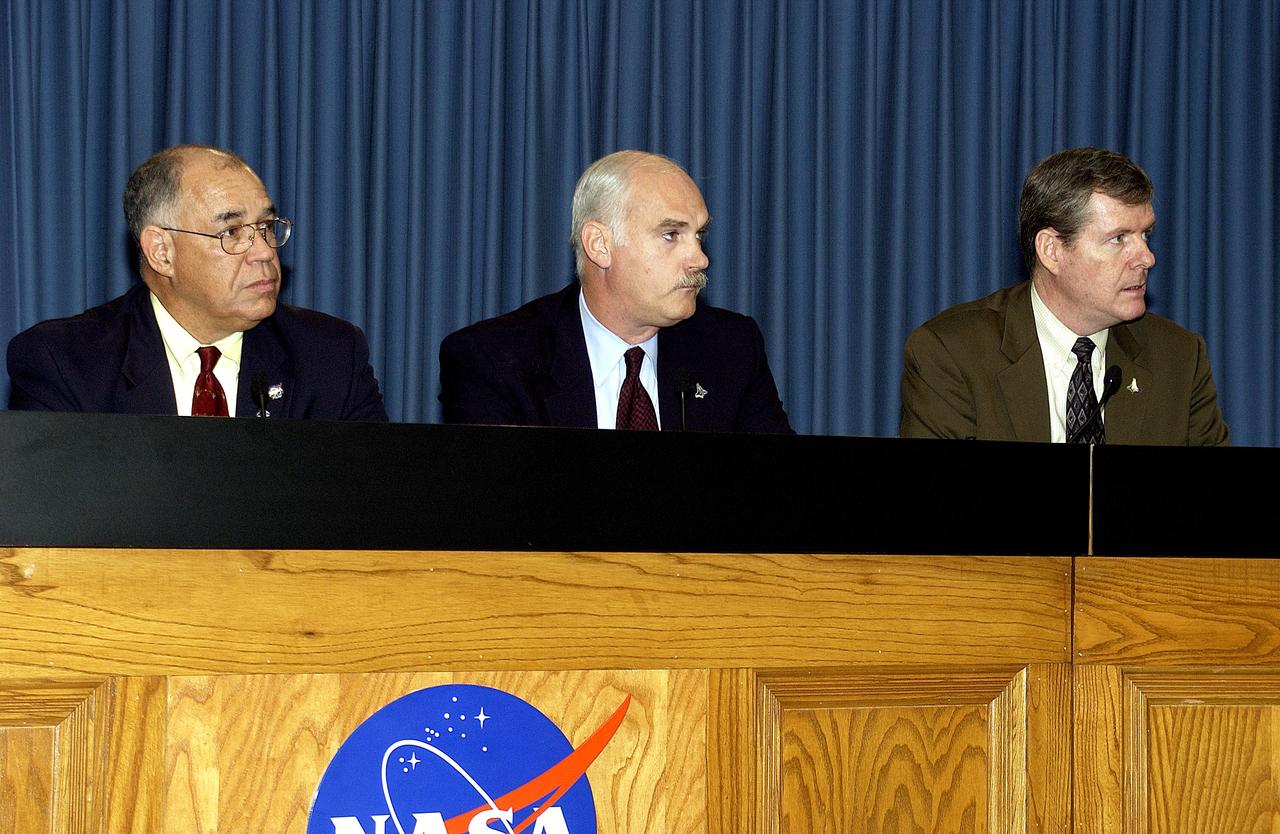
KENNEDY SPACE CENTER, FLA. - NASA officials brief the media at KSC about the agency’s human space flight program. On the panel (left to right) are NASA Deputy Administrator Fred Gregory, Associate Administrator for Space Flight Bill Readdy and Associate Administrator for Safety and Mission Assurance Bryan O’Connor.
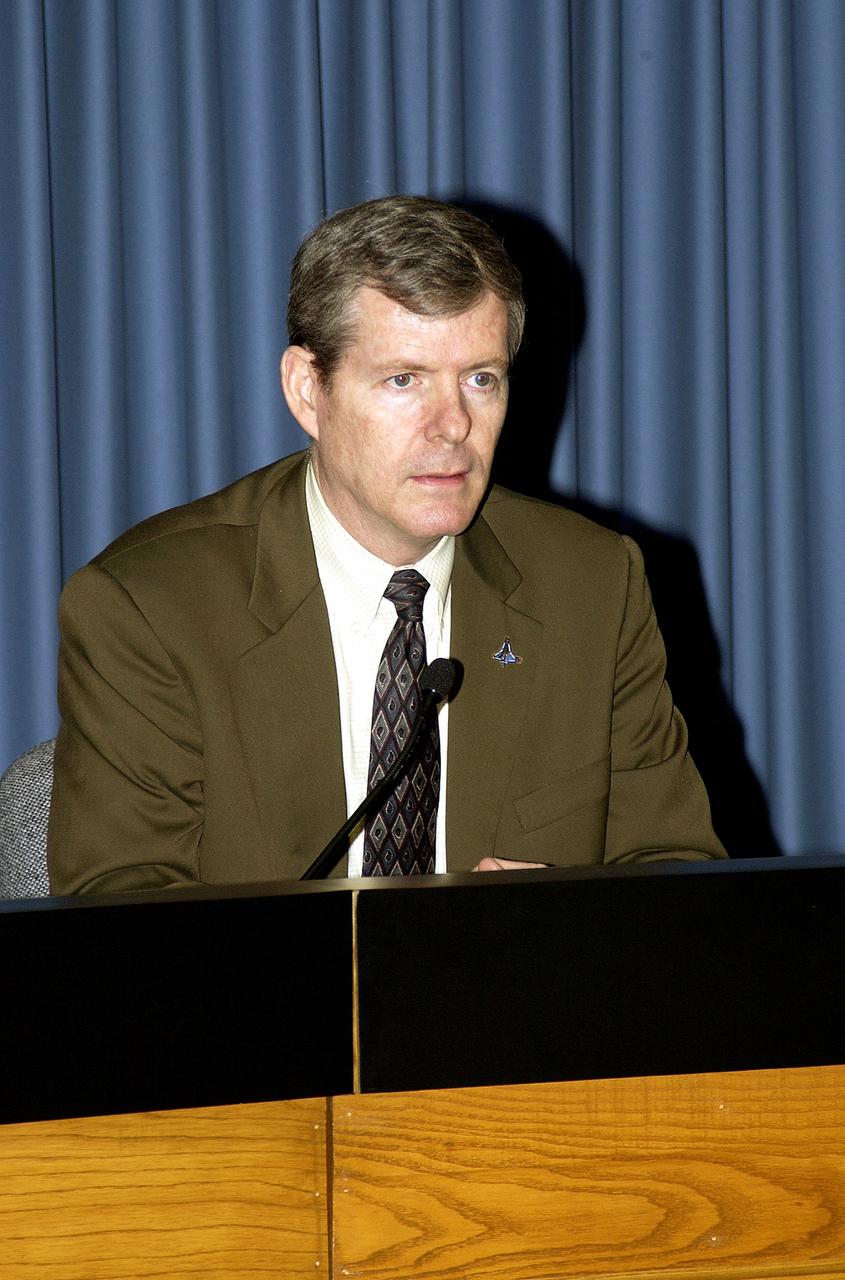
KENNEDY SPACE CENTER, FLA. - Associate Administrator for Safety and Mission Assurance Bryan O’Connor speaks at a media briefing at KSC. NASA officials discussed the agency’s human space flight program. Others on the panel were NASA Deputy Administrator Fred Gregory and Associate Administrator for Space Flight Bill Readdy
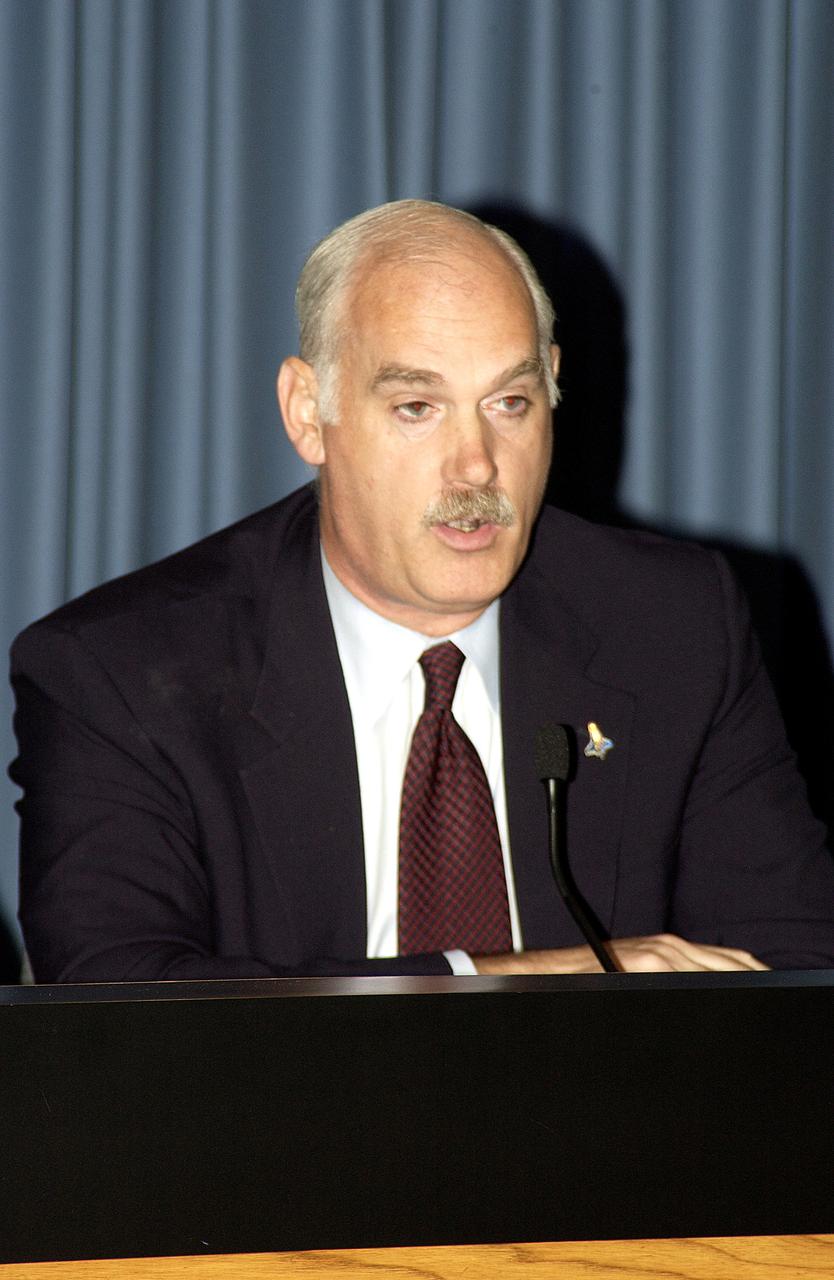
KENNEDY SPACE CENTER, FLA. - Associate Administrator for Space Flight Bill Readdy speaks at a media briefing at KSC. NASA officials discussed the agency’s human space flight program. Others on the panel were NASA Deputy Administrator Fred Gregory and Associate Administrator for Safety and Mission Assurance Bryan O’Connor.
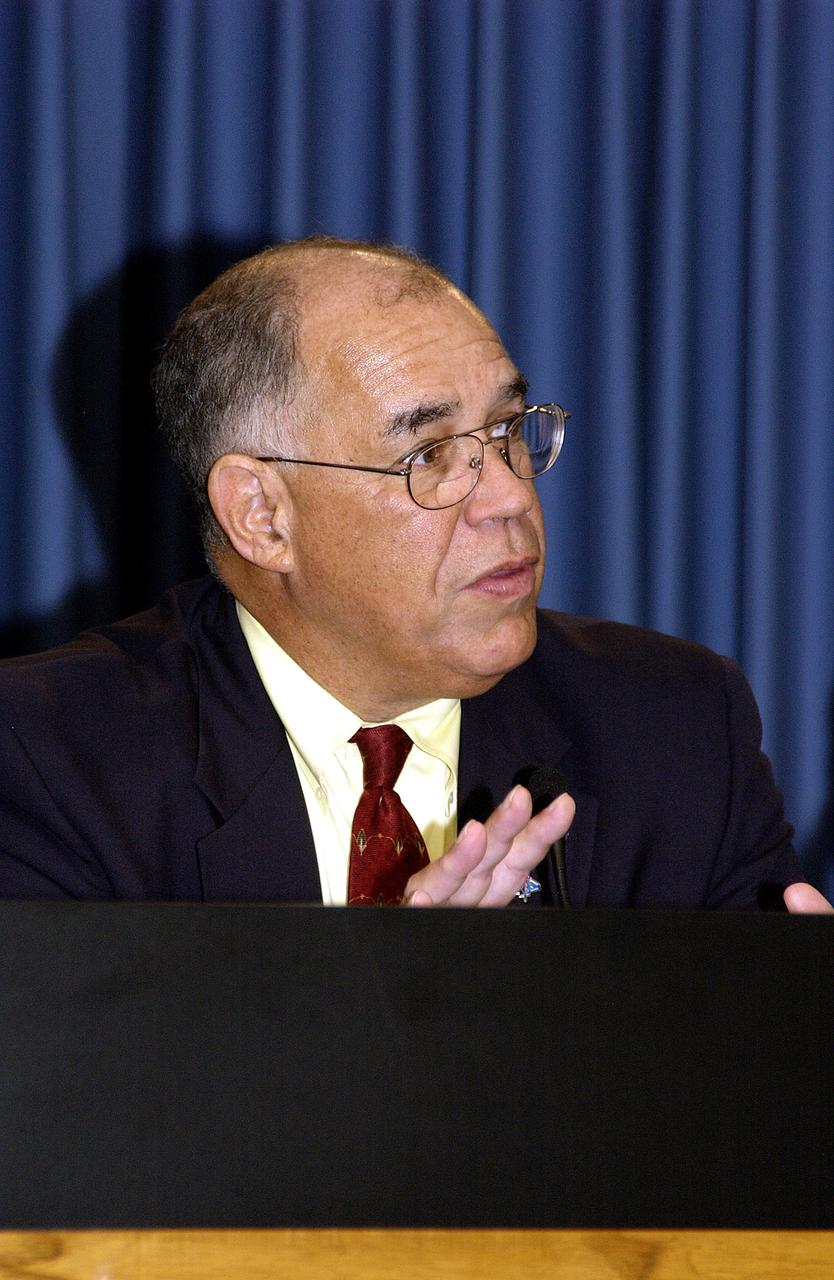
KENNEDY SPACE CENTER, FLA. - NASA Deputy Administrator Fred Gregory speaks at a media briefing at KSC. NASA officials discussed the agency’s human space flight program. Others on the panel were Associate Administrator for Space Flight Bill Readdy and Associate Administrator for Safety and Mission Assurance Bryan O’Connor.
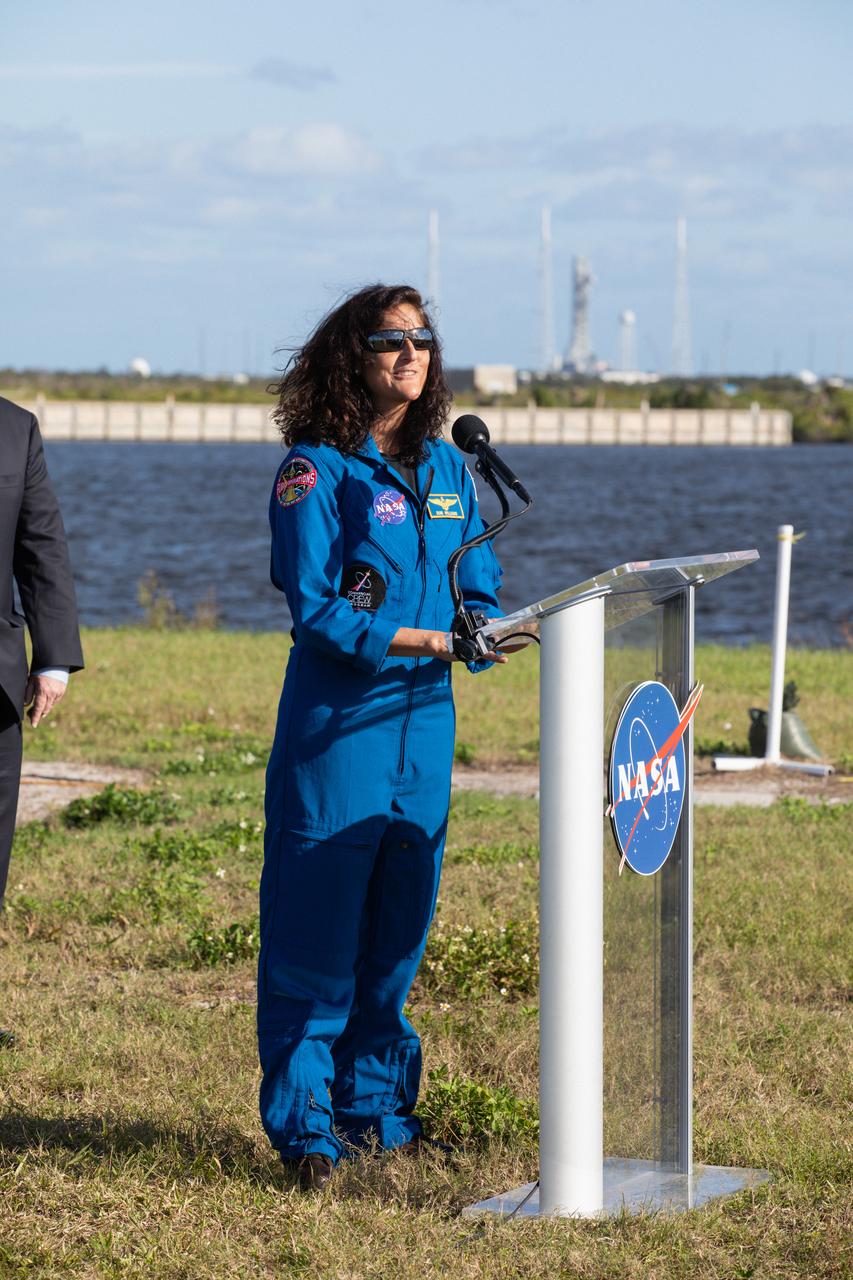
Suni Williams, NASA astronaut, participates in a Boeing Orbital Flight Test media briefing near the countdown clock at the Florida spaceport on Dec. 19, 2019. Boeing’s CST-100 Starliner spacecraft will launch atop a United Launch Alliance Atlas V rocket from Space Launch Complex 41 at Cape Canaveral Air Force Station. The uncrewed Orbital Flight Test will be the Starliner’s first flight to the International Space Station for NASA’s Commercial Crew Program.

Bob Cabana, Kennedy Space Center director, participates in a Boeing Orbital Flight Test media briefing near the countdown clock at the Florida spaceport on Dec. 19, 2019. In the background from left to right are NASA astronaut Nicole Mann, Boeing astronaut Chris Ferguson and NASA astronaut Mike Finke. Boeing’s CST-100 Starliner spacecraft will launch atop a United Launch Alliance Atlas V rocket from Space Launch Complex 41 at Cape Canaveral Air Force Station. The uncrewed Orbital Flight Test will be the Starliner’s first flight to the International Space Station for NASA’s Commercial Crew Program.
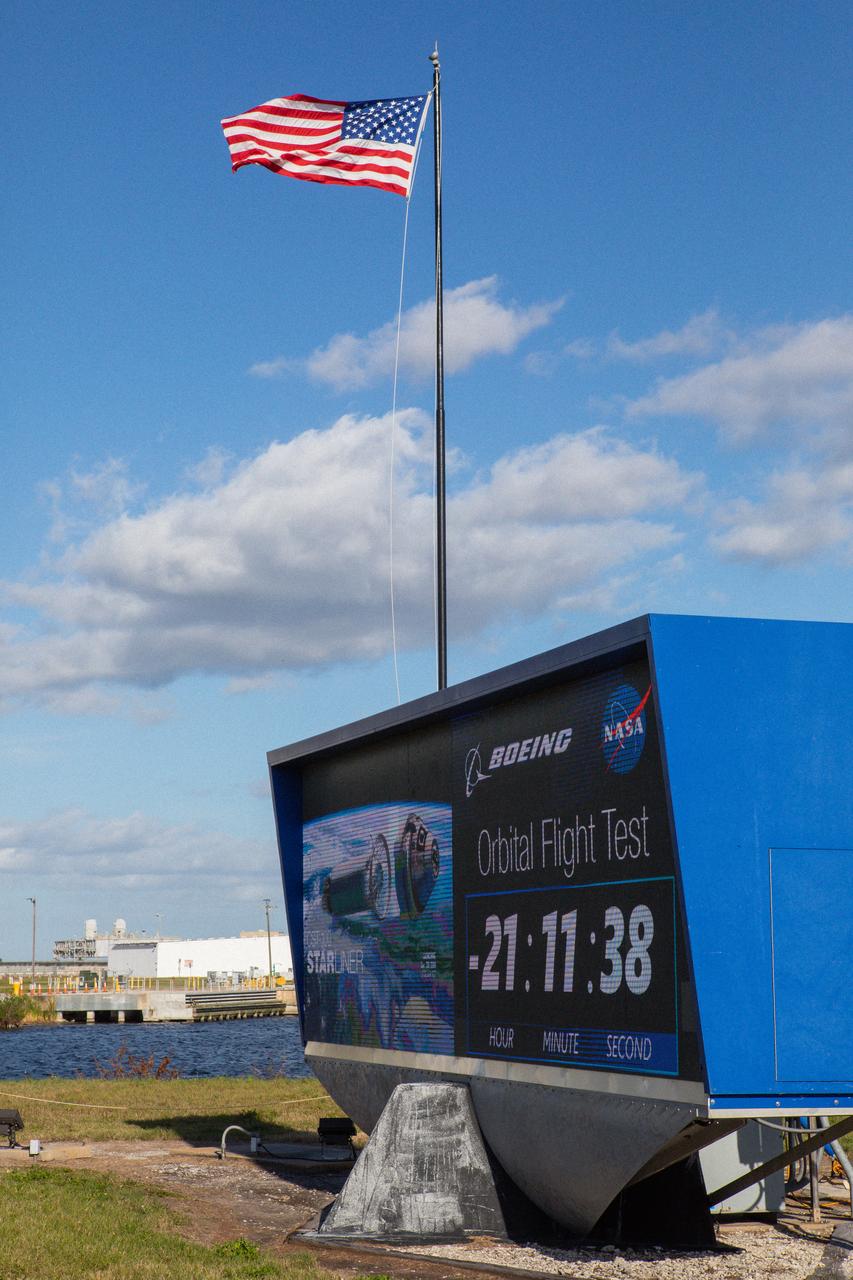
The countdown clock at NASA’s Kennedy Space Center in Florida is photographed during a Boeing Orbital Flight Test media briefing on Dec. 19, 2019. Boeing’s CST-100 Starliner spacecraft will launch atop a United Launch Alliance Atlas V rocket from Space Launch Complex 41 at Cape Canaveral Air Force Station. The uncrewed Orbital Flight Test will be the Starliner’s first flight to the International Space Station for NASA’s Commercial Crew Program.
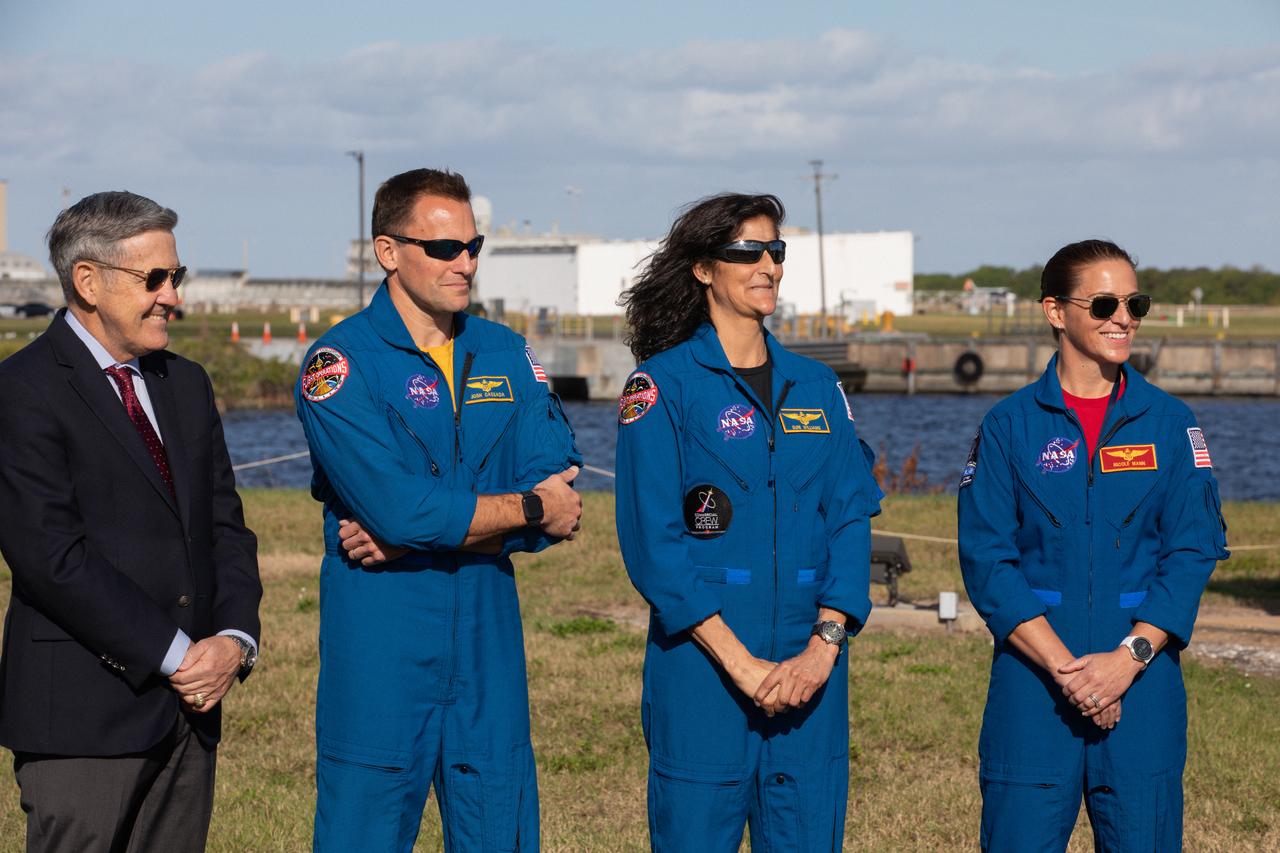
From left, Kennedy Space Center Director Bob Cabana and NASA astronauts Josh Cassada, Suni Williams and Nicole Mann participate in a Boeing Orbital Flight Test media briefing near the countdown clock at the Florida spaceport on Dec. 19, 2019. Boeing’s CST-100 Starliner spacecraft will launch atop a United Launch Alliance Atlas V rocket from Space Launch Complex 41 at Cape Canaveral Air Force Station. The uncrewed Orbital Flight Test will be the Starliner’s first flight to the International Space Station for NASA’s Commercial Crew Program.
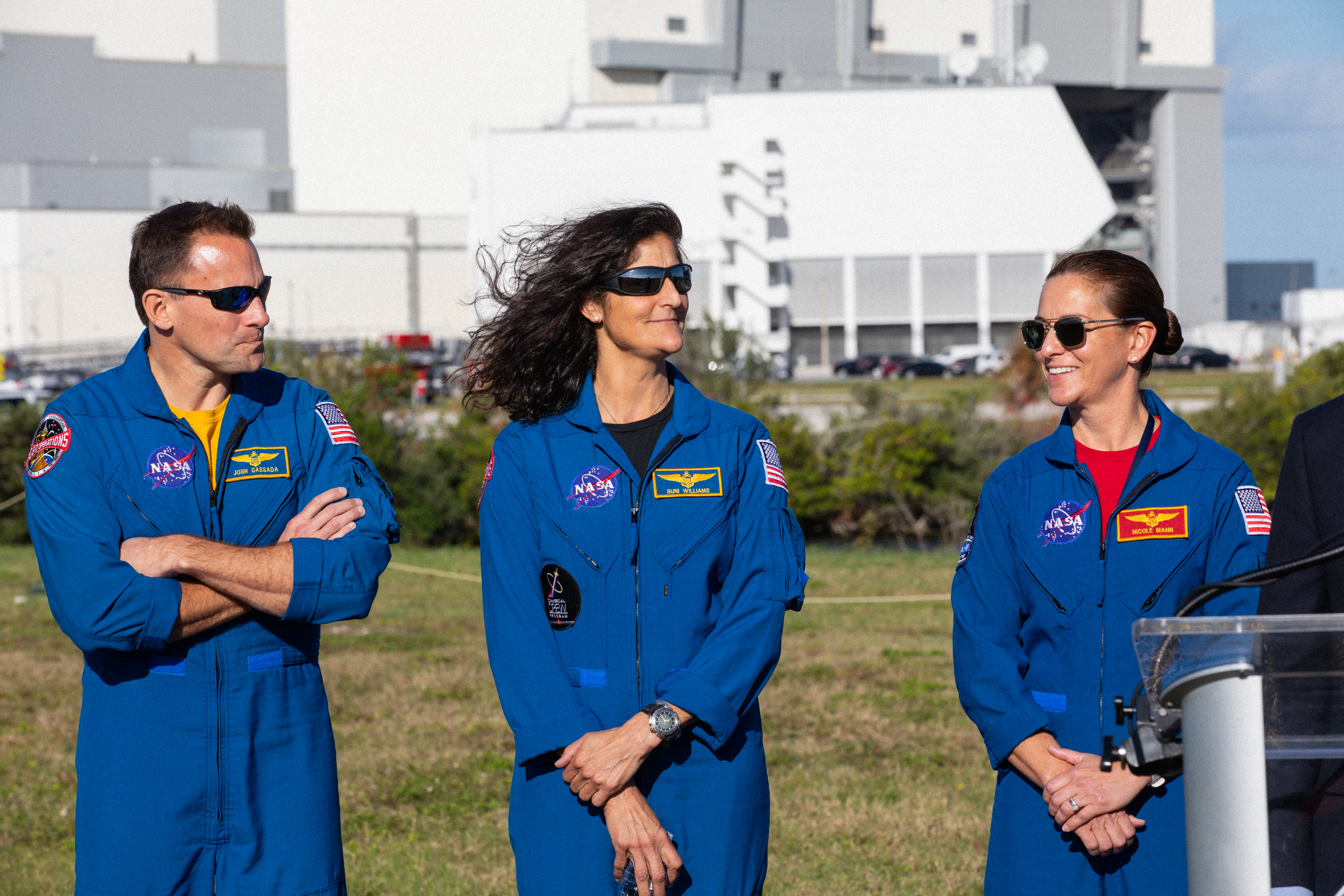
From left, NASA astronauts Josh Cassada, Suni Williams and Nicole Mann participate in a Boeing Orbital Flight Test media briefing near the countdown clock at the Florida spaceport on Dec. 19, 2019. Boeing’s CST-100 Starliner spacecraft will launch atop a United Launch Alliance Atlas V rocket from Space Launch Complex 41 at Cape Canaveral Air Force Station. The uncrewed Orbital Flight Test will be the Starliner’s first flight to the International Space Station for NASA’s Commercial Crew Program.
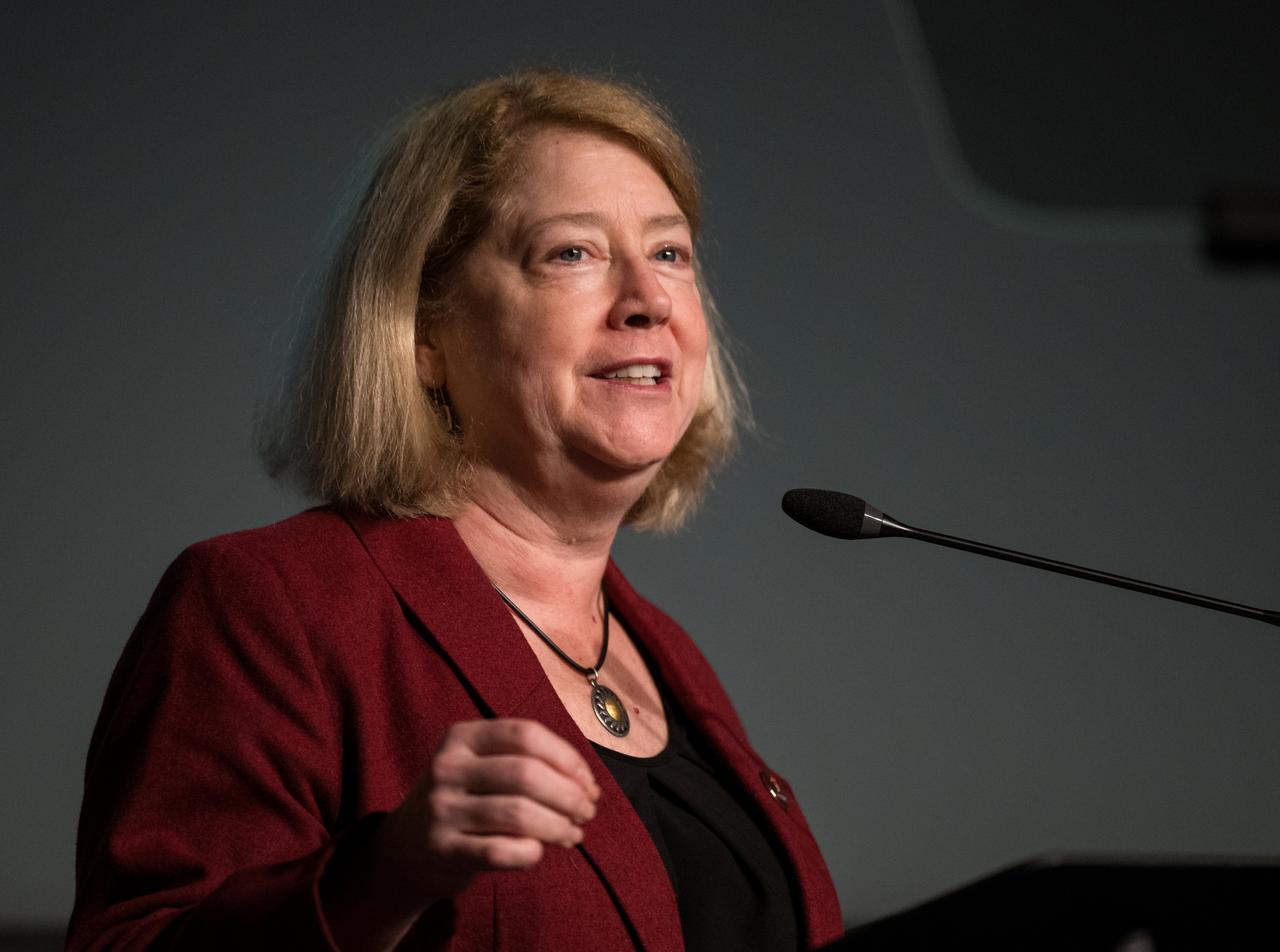
NASA Deputy Administrator Pam Melroy speaks during a media briefing to discuss the upcoming solar eclipse, Tuesday, March 26, 2024 at the Mary W. Jackson NASA Headquarters building in Washington. A total solar eclipse will sweep across a narrow portion of the North American continent from Mexico’s Pacific coast to the Atlantic coast of Newfoundland, Canada on April 8, 2024. A partial solar eclipse will be visible across the entire North American continent along with parts of Central America and Europe. Photo Credit: (NASA/Aubrey Gemignani)
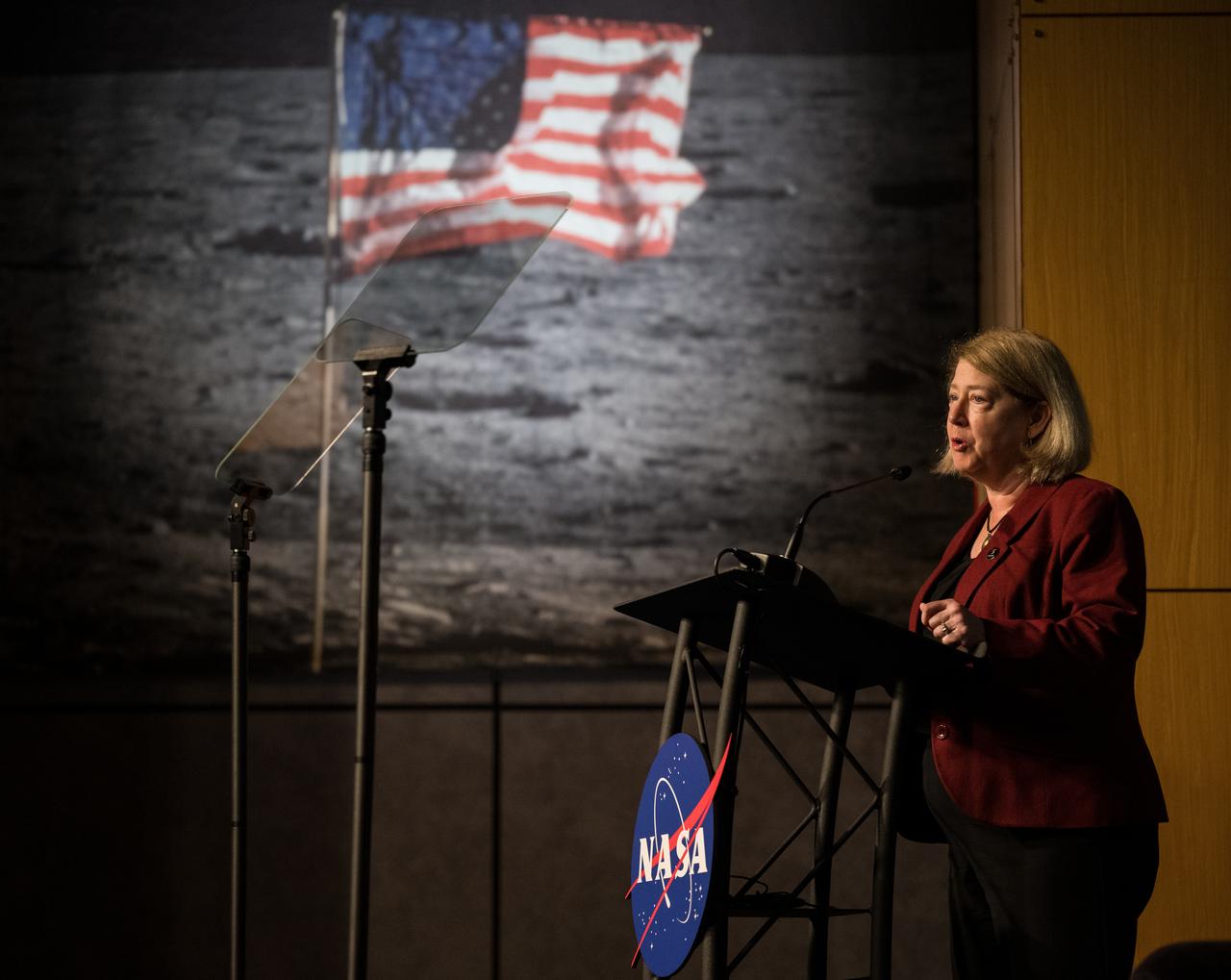
NASA Deputy Administrator Pam Melroy speaks during a media briefing to discuss the upcoming solar eclipse, Tuesday, March 26, 2024 at the Mary W. Jackson NASA Headquarters building in Washington. A total solar eclipse will sweep across a narrow portion of the North American continent from Mexico’s Pacific coast to the Atlantic coast of Newfoundland, Canada on April 8, 2024. A partial solar eclipse will be visible across the entire North American continent along with parts of Central America and Europe. Photo Credit: (NASA/Aubrey Gemignani)
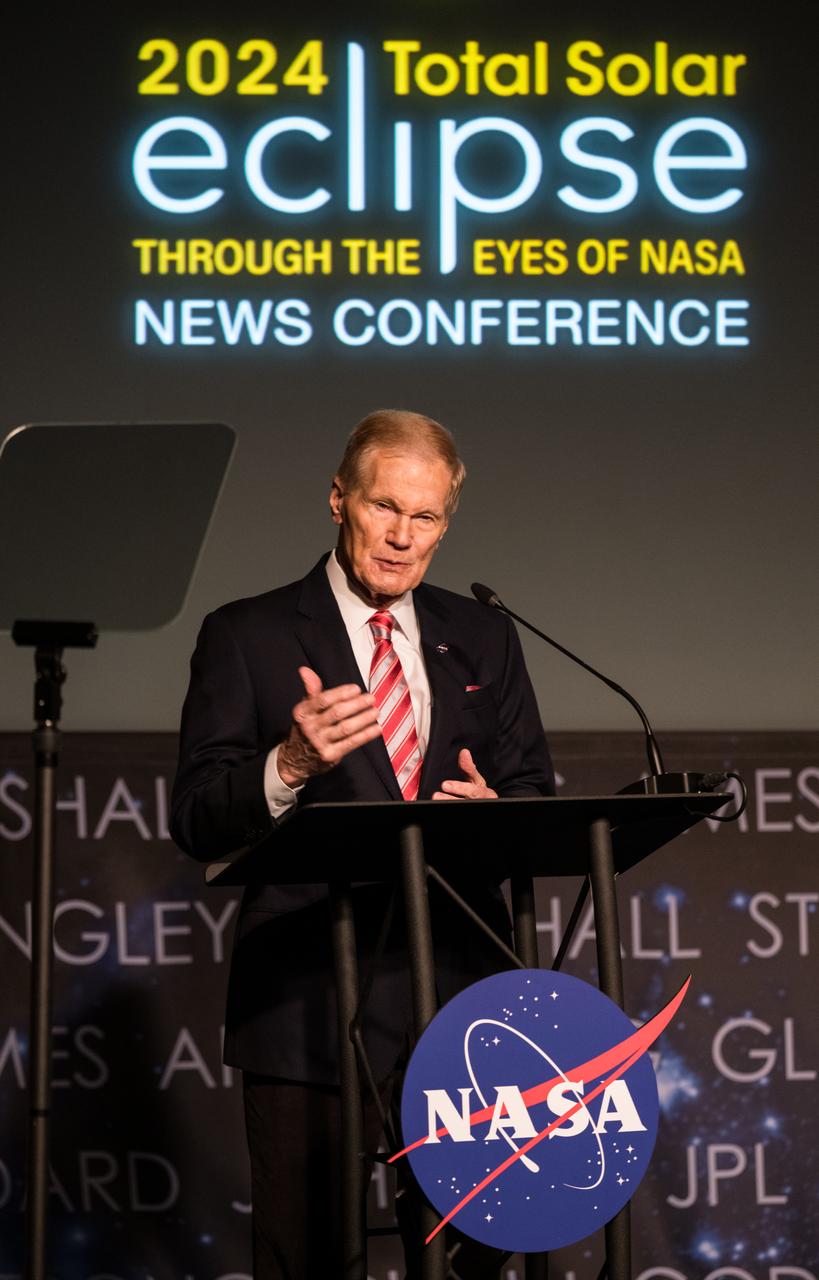
NASA Administrator Bill Nelson speaks during a media briefing to discuss the upcoming solar eclipse, Tuesday, March 26, 2024 at the Mary W. Jackson NASA Headquarters building in Washington. A total solar eclipse will sweep across a narrow portion of the North American continent from Mexico’s Pacific coast to the Atlantic coast of Newfoundland, Canada on April 8, 2024. A partial solar eclipse will be visible across the entire North American continent along with parts of Central America and Europe. Photo Credit: (NASA/Aubrey Gemignani)
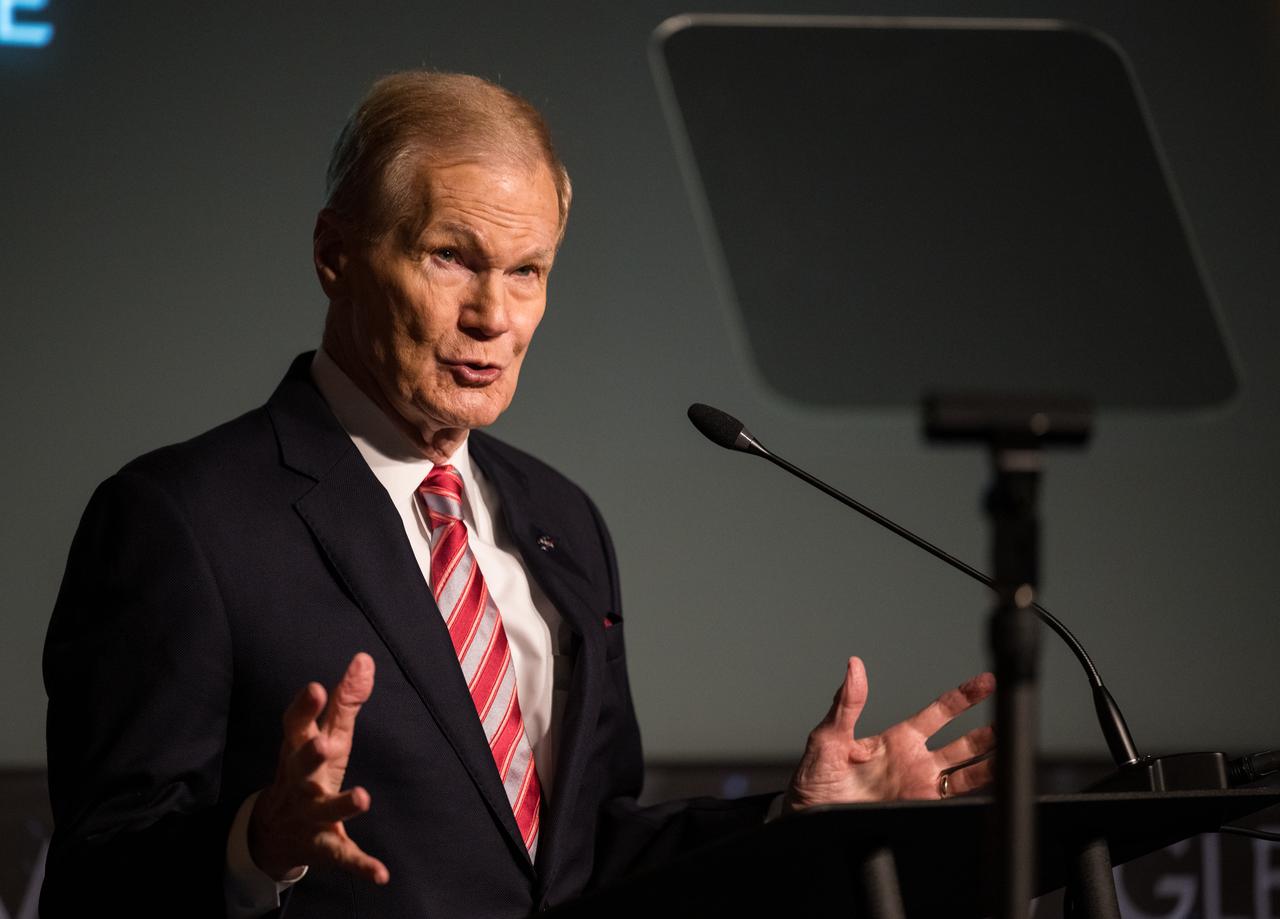
NASA Administrator Bill Nelson speaks during a media briefing to discuss the upcoming solar eclipse, Tuesday, March 26, 2024 at the Mary W. Jackson NASA Headquarters building in Washington. A total solar eclipse will sweep across a narrow portion of the North American continent from Mexico’s Pacific coast to the Atlantic coast of Newfoundland, Canada on April 8, 2024. A partial solar eclipse will be visible across the entire North American continent along with parts of Central America and Europe. Photo Credit: (NASA/Aubrey Gemignani)
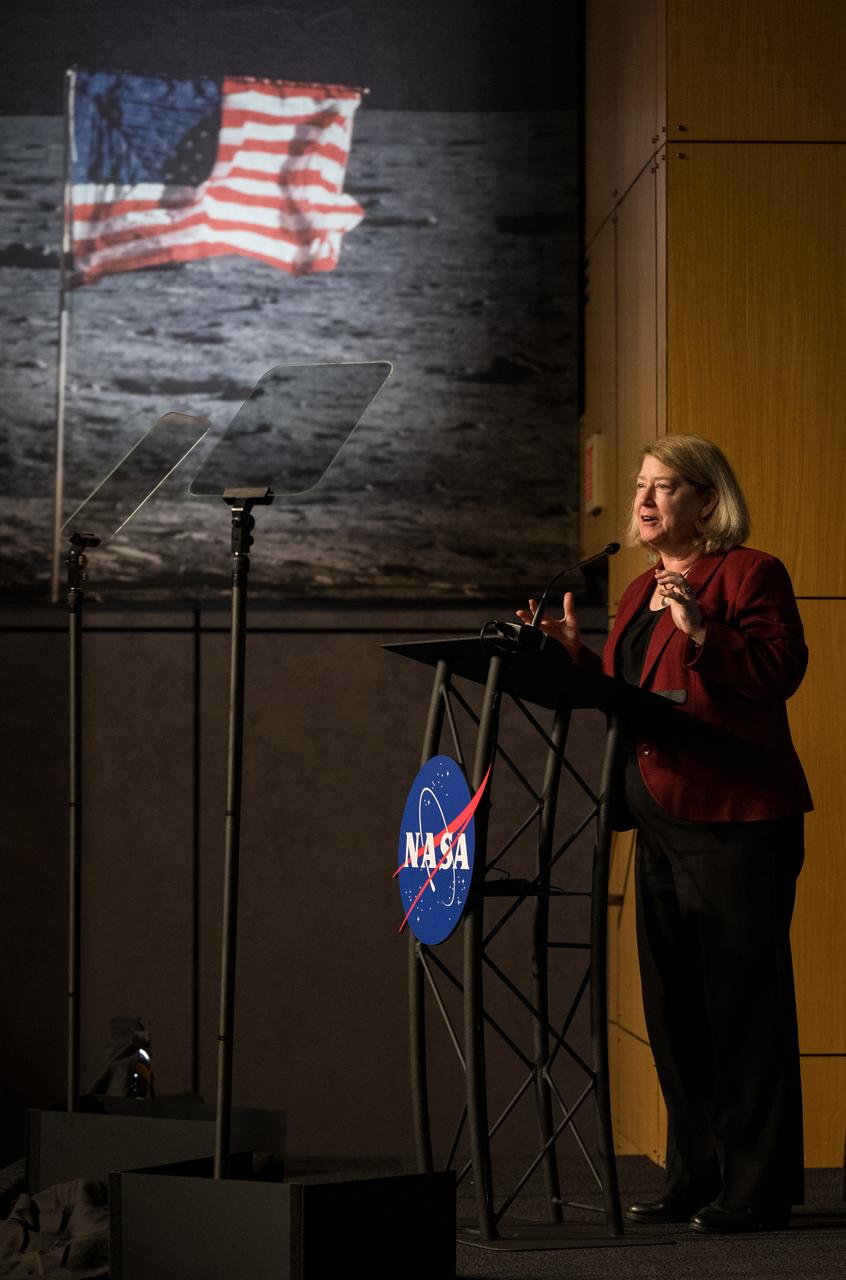
NASA Deputy Administrator Pam Melroy speaks during a media briefing to discuss the upcoming solar eclipse, Tuesday, March 26, 2024 at the Mary W. Jackson NASA Headquarters building in Washington. A total solar eclipse will sweep across a narrow portion of the North American continent from Mexico’s Pacific coast to the Atlantic coast of Newfoundland, Canada on April 8, 2024. A partial solar eclipse will be visible across the entire North American continent along with parts of Central America and Europe. Photo Credit: (NASA/Aubrey Gemignani)
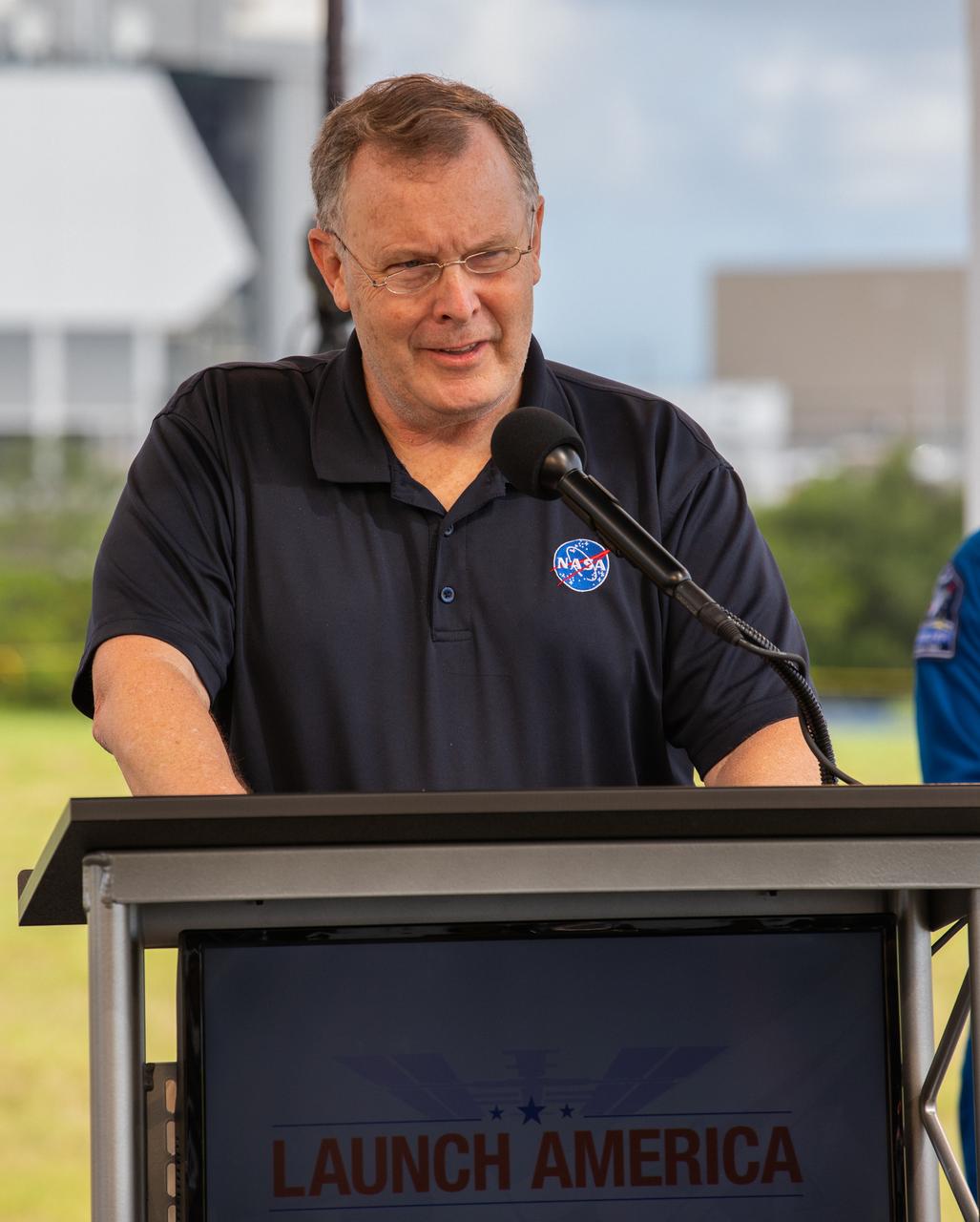
NASA Deputy Administrator Jim Morhard speaks to members of the media during a press briefing May 29, 2020, near the Press Site countdown clock at the agency’s Kennedy Space Center in Florida ahead of NASA’s SpaceX Demo-2 launch. The launch, initially scheduled for May 27, was scrubbed due to unfavorable weather conditions. The next launch attempt is Saturday, May 30. A SpaceX Falcon 9 rocket and Crew Dragon spacecraft are scheduled to lift off from Kennedy’s Launch Complex 39A, carrying NASA astronauts Robert Behnken and Douglas Hurley to the International Space Station. This will mark the first launch of astronauts from U.S. soil to the space station since the conclusion of the Space Shuttle Program in 2011. Part of the agency’s Commercial Crew Program, this will be SpaceX’s final flight test, paving the way for NASA to certify the crew transportation system for regular, crewed flights to the orbiting laboratory. Liftoff is scheduled for 3:22 p.m. EDT.
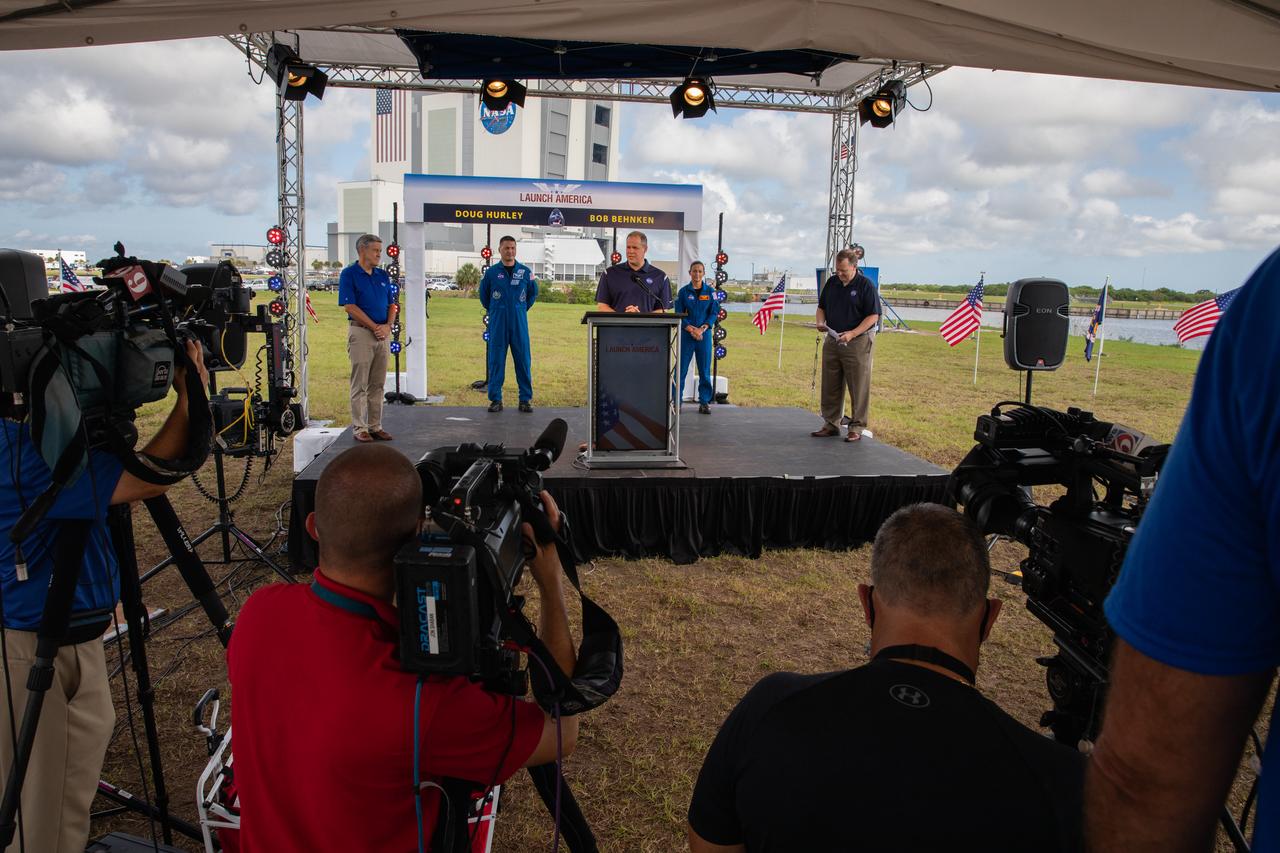
NASA Administrator Jim Bridenstine speaks to members of the media during a press briefing May 29, 2020, near the Press Site countdown clock at the agency’s Kennedy Space Center in Florida ahead of NASA’s SpaceX Demo-2 launch. Behind him are Kennedy Space Center Director Bob Cabana (far left), NASA astronauts Kjell Lindgren and Nicole Mann, and NASA Deputy Administrator Jim Morhard (far right). The launch, initially scheduled for May 27, was scrubbed due to unfavorable weather conditions. The next launch attempt is Saturday, May 30. A SpaceX Falcon 9 rocket and Crew Dragon spacecraft are scheduled to lift off from Kennedy’s Launch Complex 39A, carrying NASA astronauts Robert Behnken and Douglas Hurley to the International Space Station. This will mark the first launch of astronauts from U.S. soil to the space station since the conclusion of the Space Shuttle Program in 2011. Part of the agency’s Commercial Crew Program, this will be SpaceX’s final flight test, paving the way for NASA to certify the crew transportation system for regular, crewed flights to the orbiting laboratory. Liftoff is scheduled for 3:22 p.m. EDT.
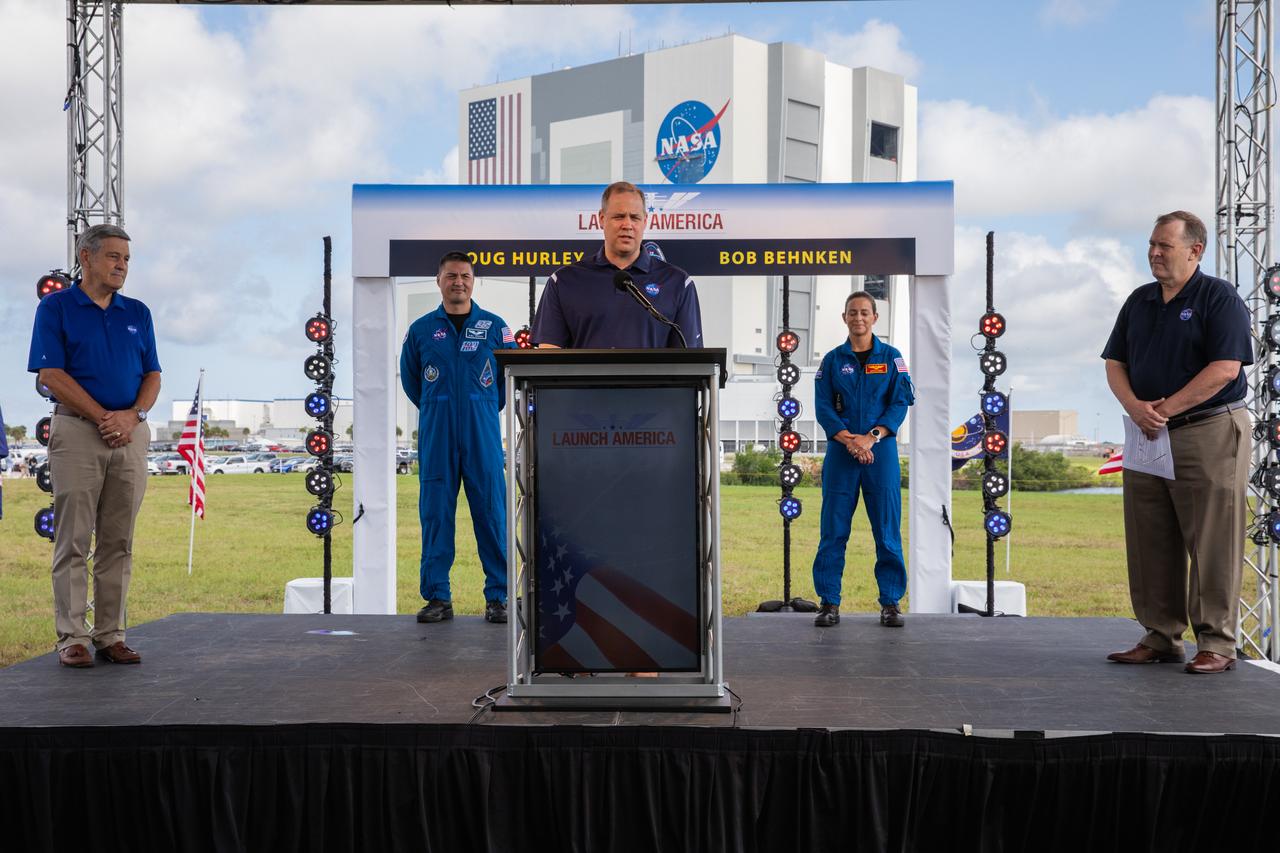
NASA Administrator Jim Bridenstine speaks to members of the media during a press briefing May 29, 2020, near the Press Site countdown clock at the agency’s Kennedy Space Center in Florida ahead of NASA’s SpaceX Demo-2 launch. Behind him are Kennedy Space Center Director Bob Cabana (far left), NASA astronauts Kjell Lindgren and Nicole Mann, and NASA Deputy Administrator Jim Morhard (far right). The launch, initially scheduled for May 27, was scrubbed due to unfavorable weather conditions. The next launch attempt is Saturday, May 30. A SpaceX Falcon 9 rocket and Crew Dragon spacecraft are scheduled to lift off from Kennedy’s Launch Complex 39A, carrying NASA astronauts Robert Behnken and Douglas Hurley to the International Space Station. This will mark the first launch of astronauts from U.S. soil to the space station since the conclusion of the Space Shuttle Program in 2011. Part of the agency’s Commercial Crew Program, this will be SpaceX’s final flight test, paving the way for NASA to certify the crew transportation system for regular, crewed flights to the orbiting laboratory. Liftoff is scheduled for 3:22 p.m. EDT.
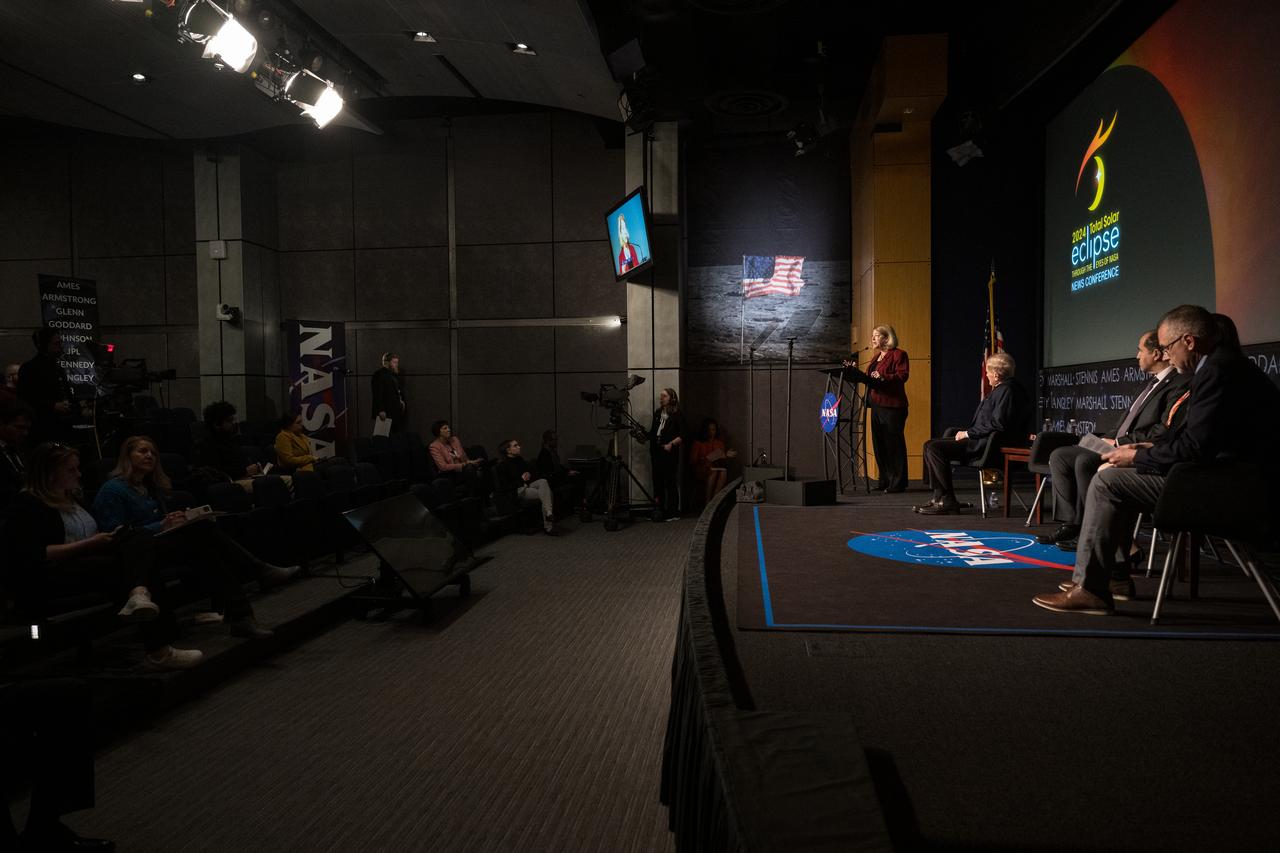
NASA Deputy Administrator Pam Melroy speaks during a media briefing to discuss the upcoming solar eclipse, Tuesday, March 26, 2024 at the Mary W. Jackson NASA Headquarters building in Washington. A total solar eclipse will sweep across a narrow portion of the North American continent from Mexico’s Pacific coast to the Atlantic coast of Newfoundland, Canada on April 8, 2024. A partial solar eclipse will be visible across the entire North American continent along with parts of Central America and Europe. Photo Credit: (NASA/Aubrey Gemignani)
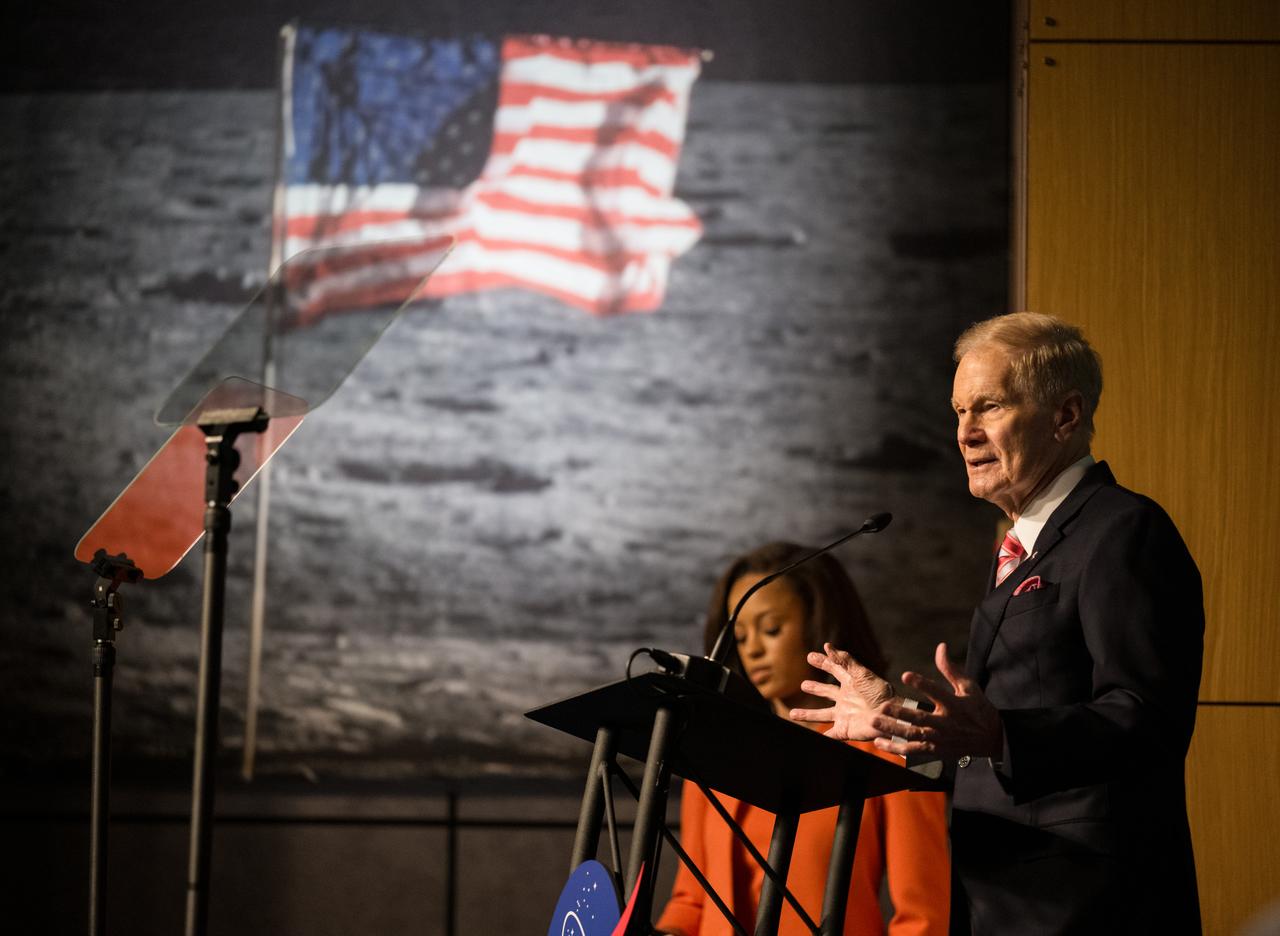
NASA Administrator Bill Nelson speaks during a media briefing to discuss the upcoming solar eclipse, Tuesday, March 26, 2024 at the Mary W. Jackson NASA Headquarters building in Washington. A total solar eclipse will sweep across a narrow portion of the North American continent from Mexico’s Pacific coast to the Atlantic coast of Newfoundland, Canada on April 8, 2024. A partial solar eclipse will be visible across the entire North American continent along with parts of Central America and Europe. Photo Credit: (NASA/Aubrey Gemignani)
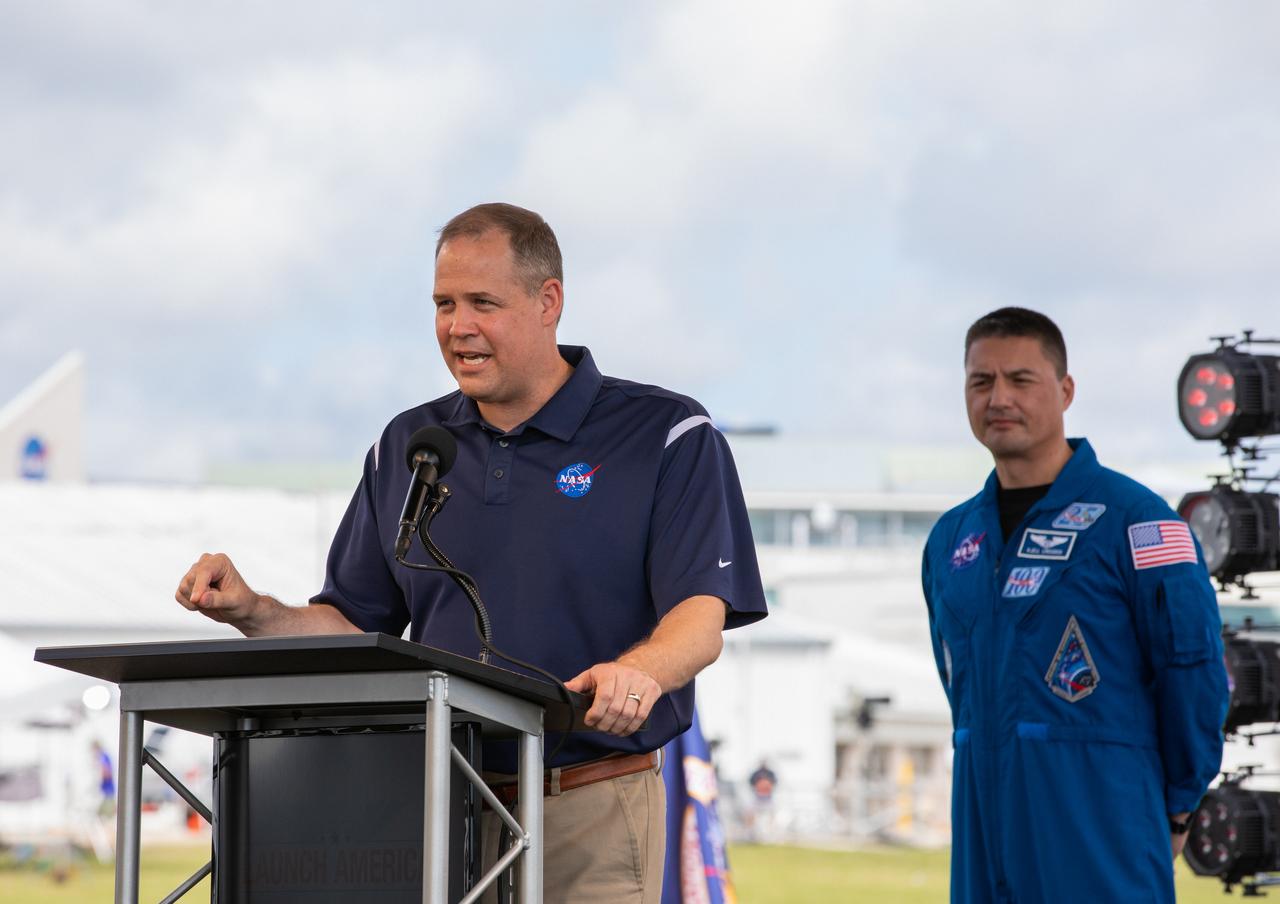
NASA Administrator Jim Bridenstine speaks to members of the media during a press briefing May 29, 2020, near the Press Site countdown clock at the agency’s Kennedy Space Center in Florida ahead of NASA’s SpaceX Demo-2 launch. Behind him is NASA astronaut Kjell Lindgren. The launch, initially scheduled for May 27, was scrubbed due to unfavorable weather conditions. The next launch attempt is Saturday, May 30. A SpaceX Falcon 9 rocket and Crew Dragon spacecraft are scheduled to lift off from Kennedy’s Launch Complex 39A, carrying NASA astronauts Robert Behnken and Douglas Hurley to the International Space Station. This will mark the first launch of astronauts from U.S. soil to the space station since the conclusion of the Space Shuttle Program in 2011. Part of the agency’s Commercial Crew Program, this will be SpaceX’s final flight test, paving the way for NASA to certify the crew transportation system for regular, crewed flights to the orbiting laboratory. Liftoff is scheduled for 3:22 p.m. EDT.
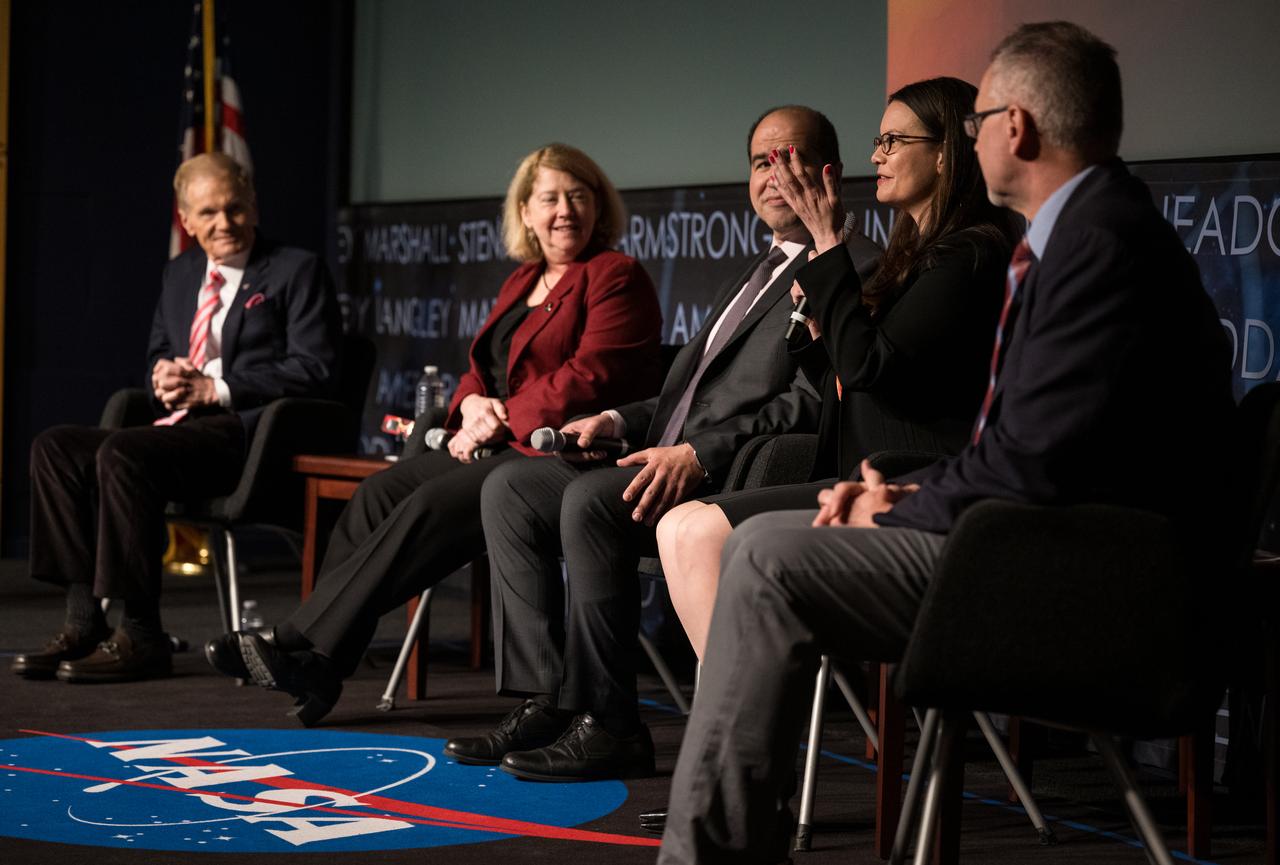
Panelists, from left to right, NASA Administrator Bill Nelson, NASA Deputy Administrator Pam Melroy, Director of the National Oceanic and Atmospheric Administration’s Office of Space Weather Observations, Elsayed Talaat, NASA Headquarters eclipse program manager, Kelly Korreck, and NASA Associate Administrator Jim Free are seen during a media briefing to discuss the upcoming solar eclipse, Tuesday, March 26, 2024 at the Mary W. Jackson NASA Headquarters building in Washington. A total solar eclipse will sweep across a narrow portion of the North American continent from Mexico’s Pacific coast to the Atlantic coast of Newfoundland, Canada on April 8, 2024. A partial solar eclipse will be visible across the entire North American continent along with parts of Central America and Europe. Photo Credit: (NASA/Aubrey Gemignani)
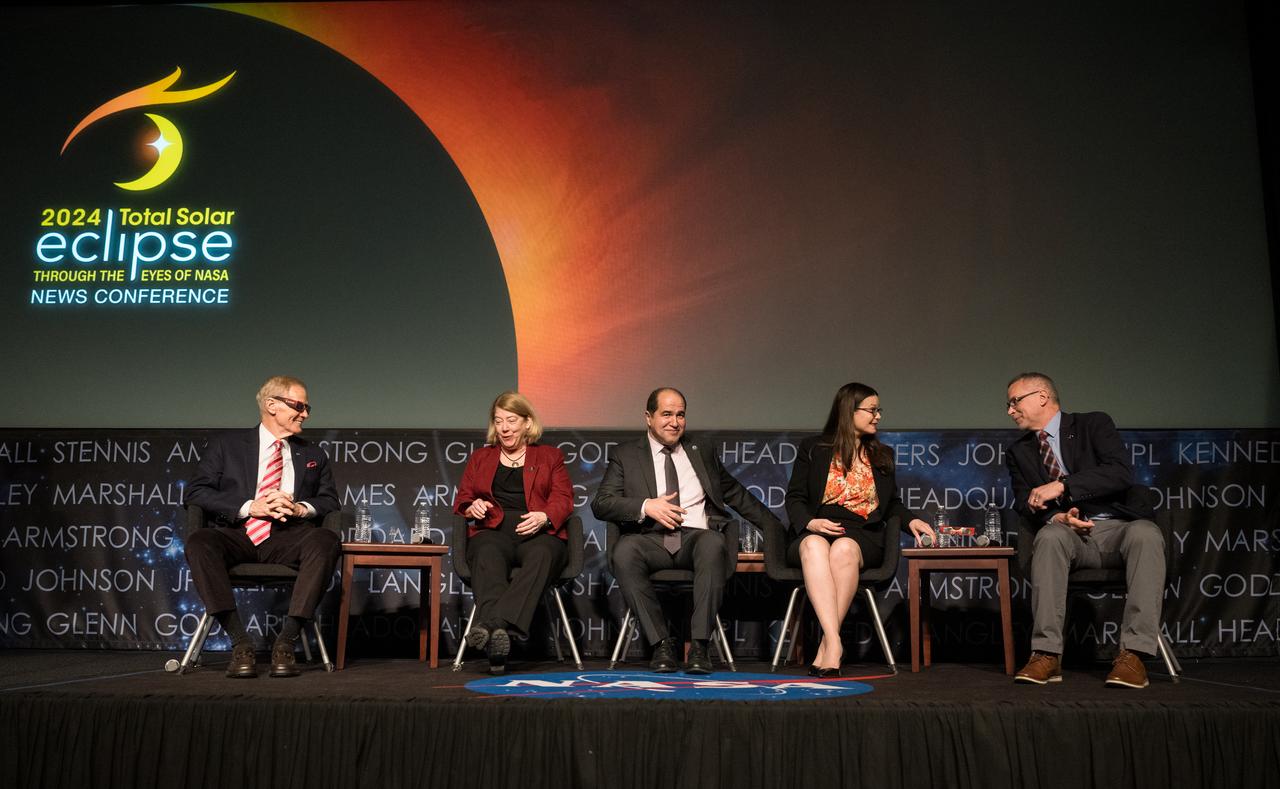
Panelists, from left to right, NASA Administrator Bill Nelson, NASA Deputy Administrator Pam Melroy, Director of the National Oceanic and Atmospheric Administration’s Office of Space Weather Observations, Elsayed Talaat, NASA Headquarters eclipse program manager, Kelly Korreck, and NASA Associate Administrator Jim Free are seen at the conclusion of a media briefing to discuss the upcoming solar eclipse, Tuesday, March 26, 2024 at the Mary W. Jackson NASA Headquarters building in Washington. A total solar eclipse will sweep across a narrow portion of the North American continent from Mexico’s Pacific coast to the Atlantic coast of Newfoundland, Canada on April 8, 2024. A partial solar eclipse will be visible across the entire North American continent along with parts of Central America and Europe. Photo Credit: (NASA/Aubrey Gemignani)

NASA Administrator Bill Nelson tries on some eclipse glasses at the conclusion of a media briefing to discuss the upcoming solar eclipse, Tuesday, March 26, 2024 at the Mary W. Jackson NASA Headquarters building in Washington. A total solar eclipse will sweep across a narrow portion of the North American continent from Mexico’s Pacific coast to the Atlantic coast of Newfoundland, Canada on April 8, 2024. A partial solar eclipse will be visible across the entire North American continent along with parts of Central America and Europe. Photo Credit: (NASA/Aubrey Gemignani)
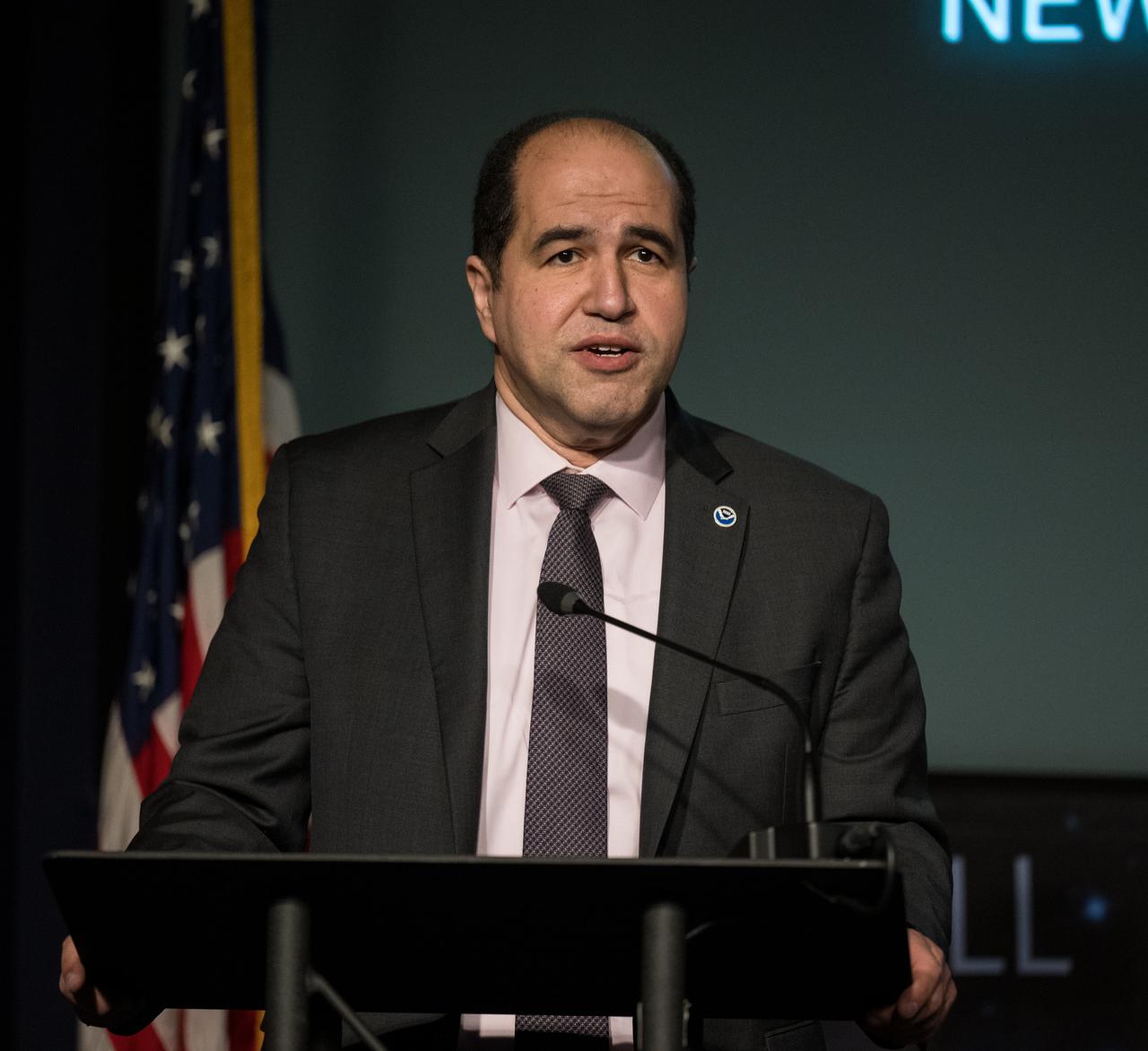
Director of the National Oceanic and Atmospheric Administration’s Office of Space Weather Observations, Elsayed Talaat, speaks during a media briefing to discuss the upcoming solar eclipse, Tuesday, March 26, 2024 at the Mary W. Jackson NASA Headquarters building in Washington. A total solar eclipse will sweep across a narrow portion of the North American continent from Mexico’s Pacific coast to the Atlantic coast of Newfoundland, Canada on April 8, 2024. A partial solar eclipse will be visible across the entire North American continent along with parts of Central America and Europe. Photo Credit: (NASA/Aubrey Gemignani)