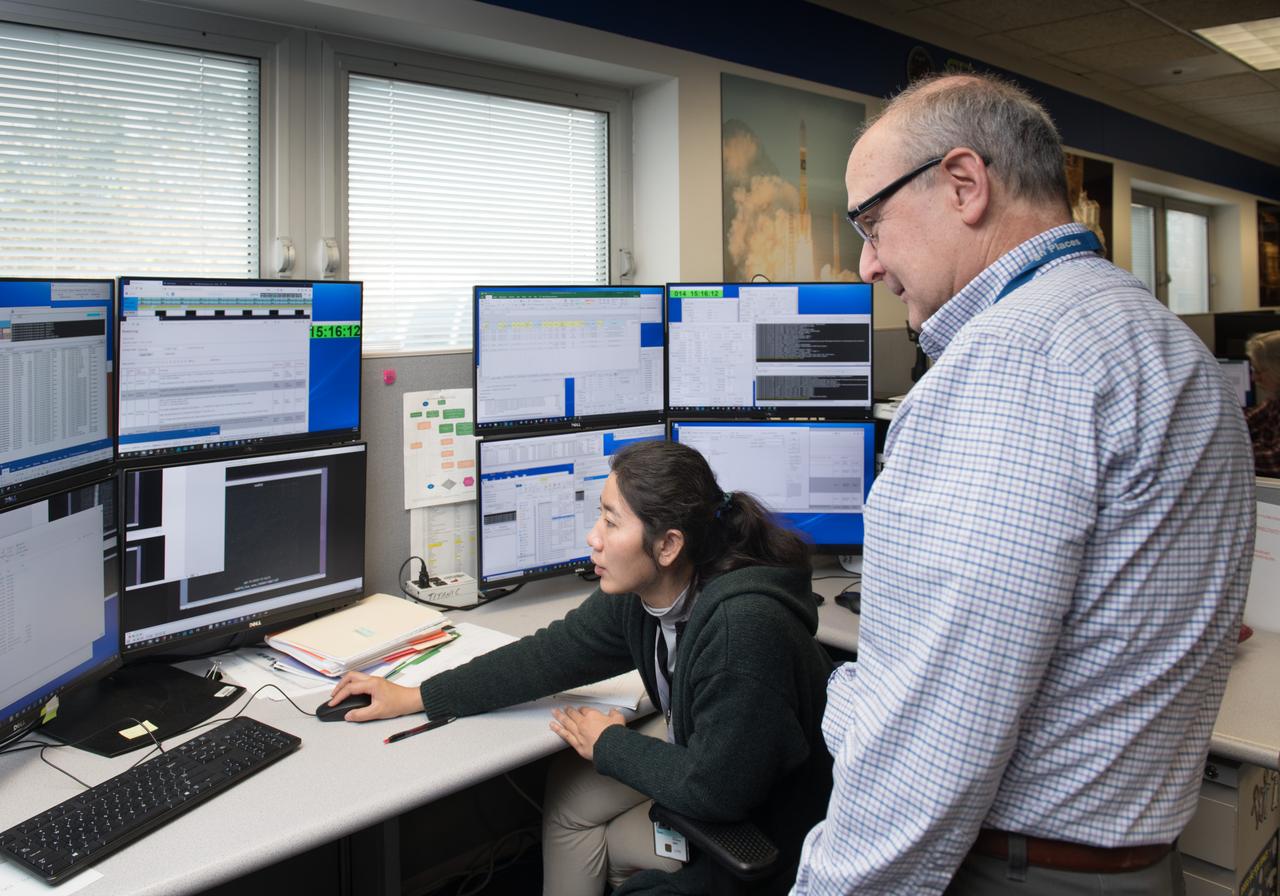
Advanced Colloids Experiment, Thermal 5-2, ACE T5-2 International Space Station, ISS, Fluids Integrated Rack, FIR Operations in the Telescience Support Center, TSC
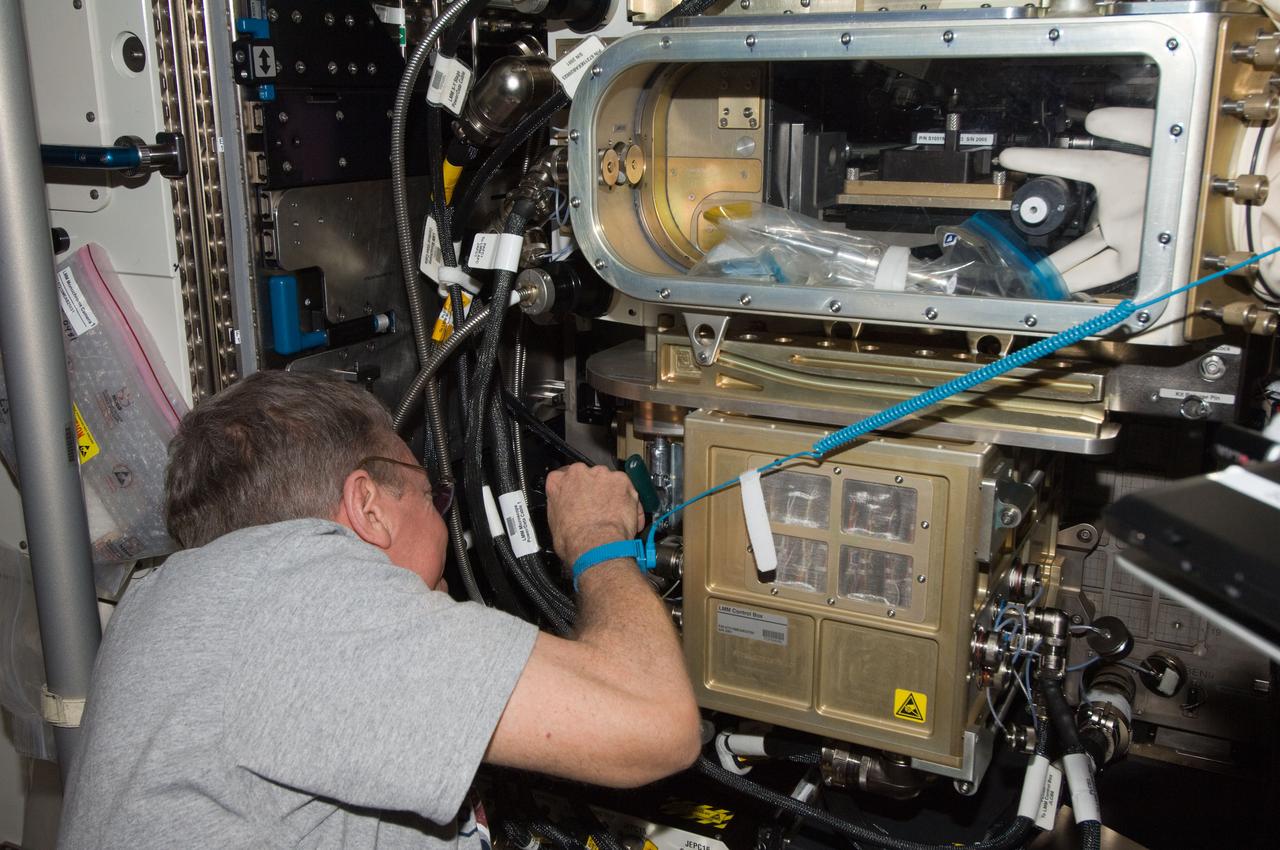
ISS029-E-011867 (29 Sept. 2011) --- NASA astronaut Mike Fossum, Expedition 29 commander, works with the Light Microscopy Module (LMM) control box in the Destiny laboratory of the International Space Station in preparation for another session with the Preliminary Advanced Colloids Experiment (PACE) hardware.
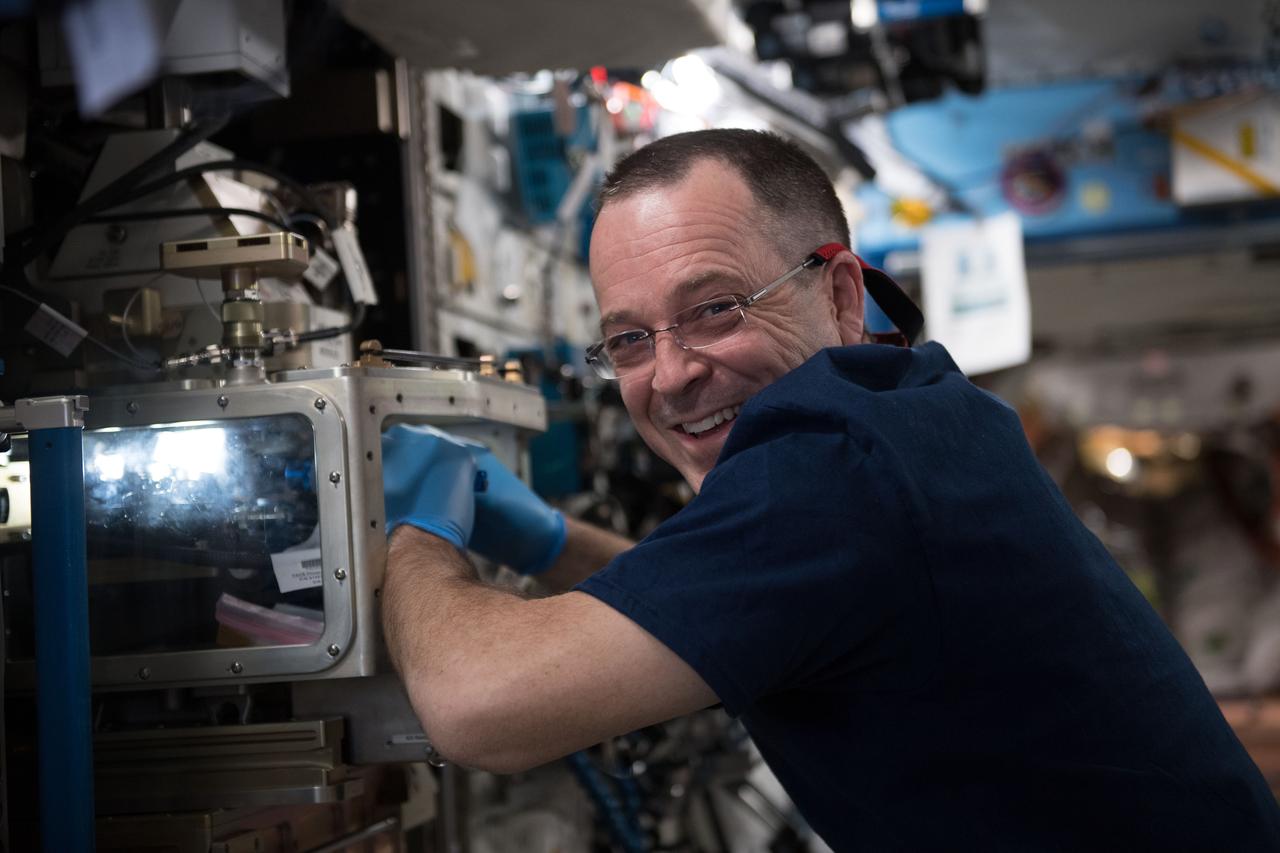
iss055e035366 (April 16, 2018) --- NASA astronaut Ricky Arnold performs maintenance on the Advanced Colloids Experiment Module located inside the Light Microscopy Module which is a modified commercial, highly flexible, state-of-the-art light imaging microscope facility that provides researchers with powerful diagnostic hardware and software in microgravity.
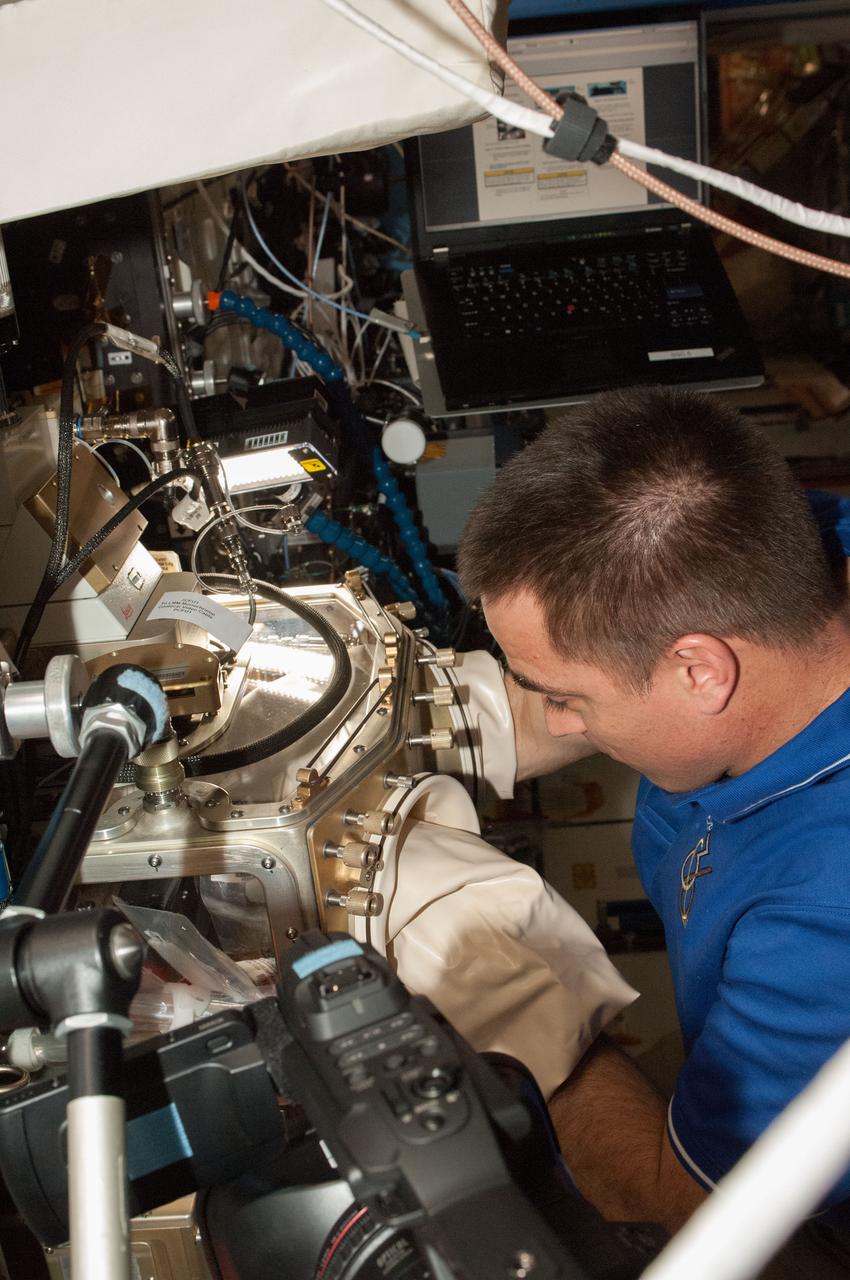
ISS036-E-023770 (22 July 2013) --- NASA astronaut Chris Cassidy, Expedition 36 flight engineer, conducts science work with the ongoing experiment Advanced Colloids Experiment-1 (ACE-1) inside the Fluids Integrated Rack. The experiment observes colloids, microscopic particles evenly dispersed throughout materials, with the potential for manufacturing improved materials and products on Earth. Cassidy is working at the Light Microscopy Module (LMM) in the Destiny laboratory of the International Space Station.

Advanced Colloids Experiment, Thermal 5-2, ACE T5-2 International Space Station, ISS, Fluids Integrated Rack, FIR Operations in the Telescience Support Center, TSC

ACE-TR Operations at GRC-TSC, Advanced Colloids Experiment with Temperature control for the Research, Engineering, and Mission Integration Services, REMIS (JSC) contract
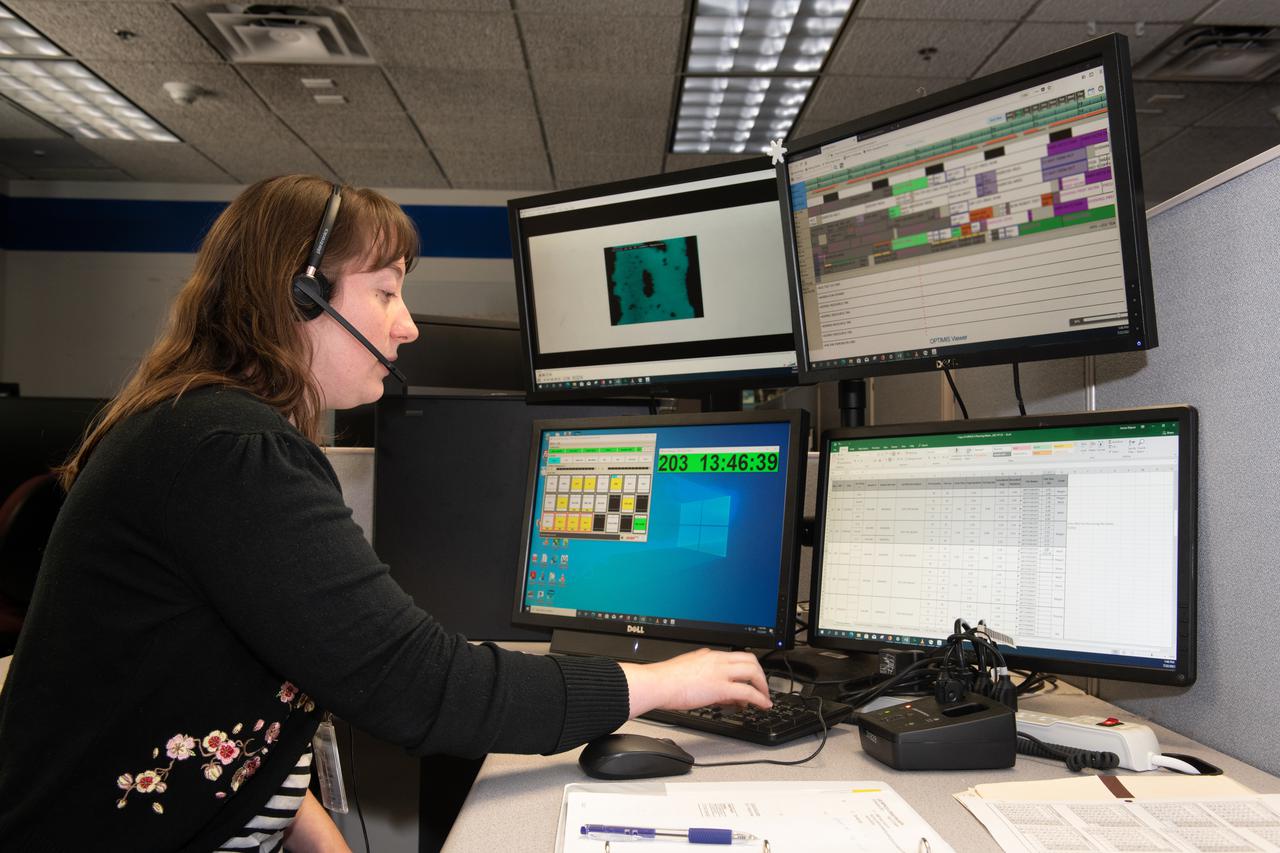
International Space Station, ISS Advanced Colloids Experiment – Thermal 5-3, ACE-T5-3 Operations in the Telescience Support Center, TSC
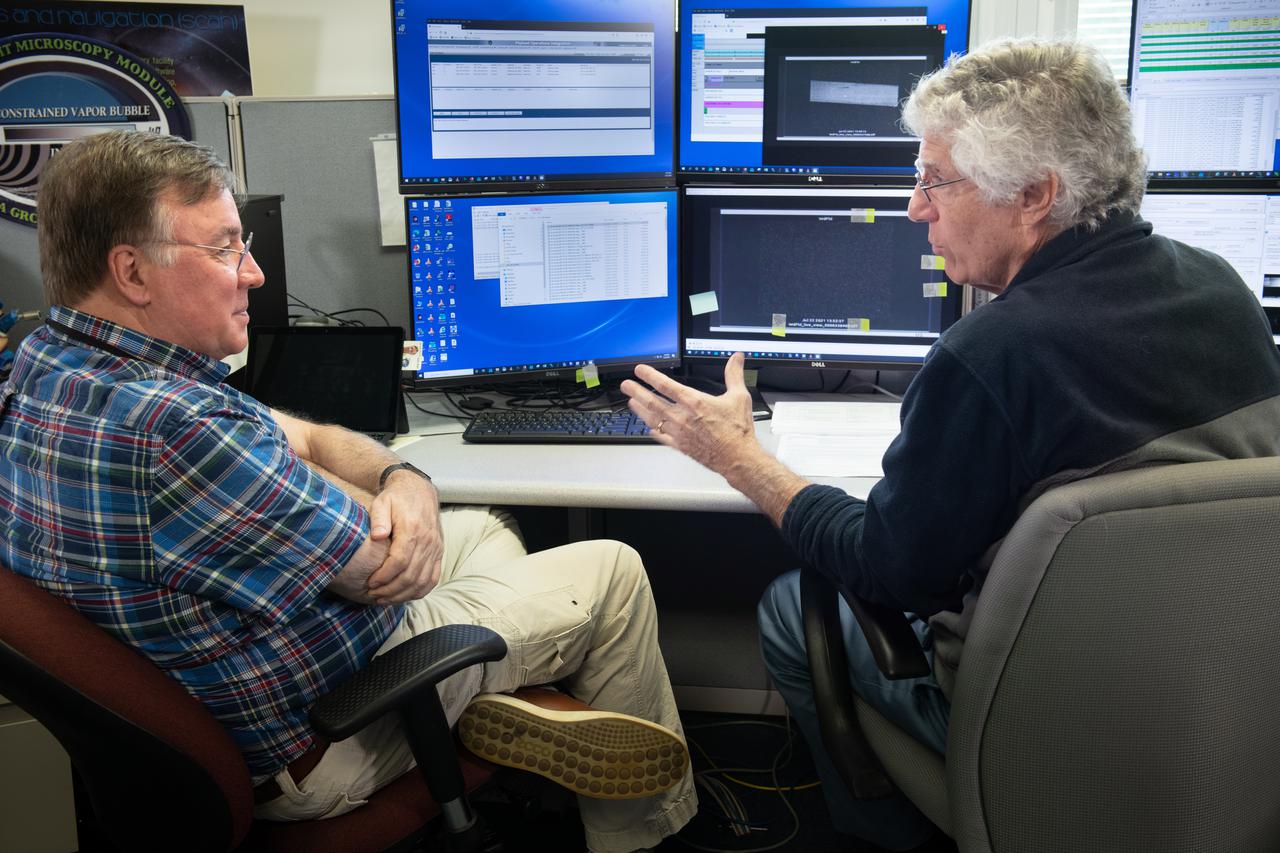
International Space Station, ISS Advanced Colloids Experiment – Thermal 5-3, ACE-T5-3 Operations in the Telescience Support Center, TSC
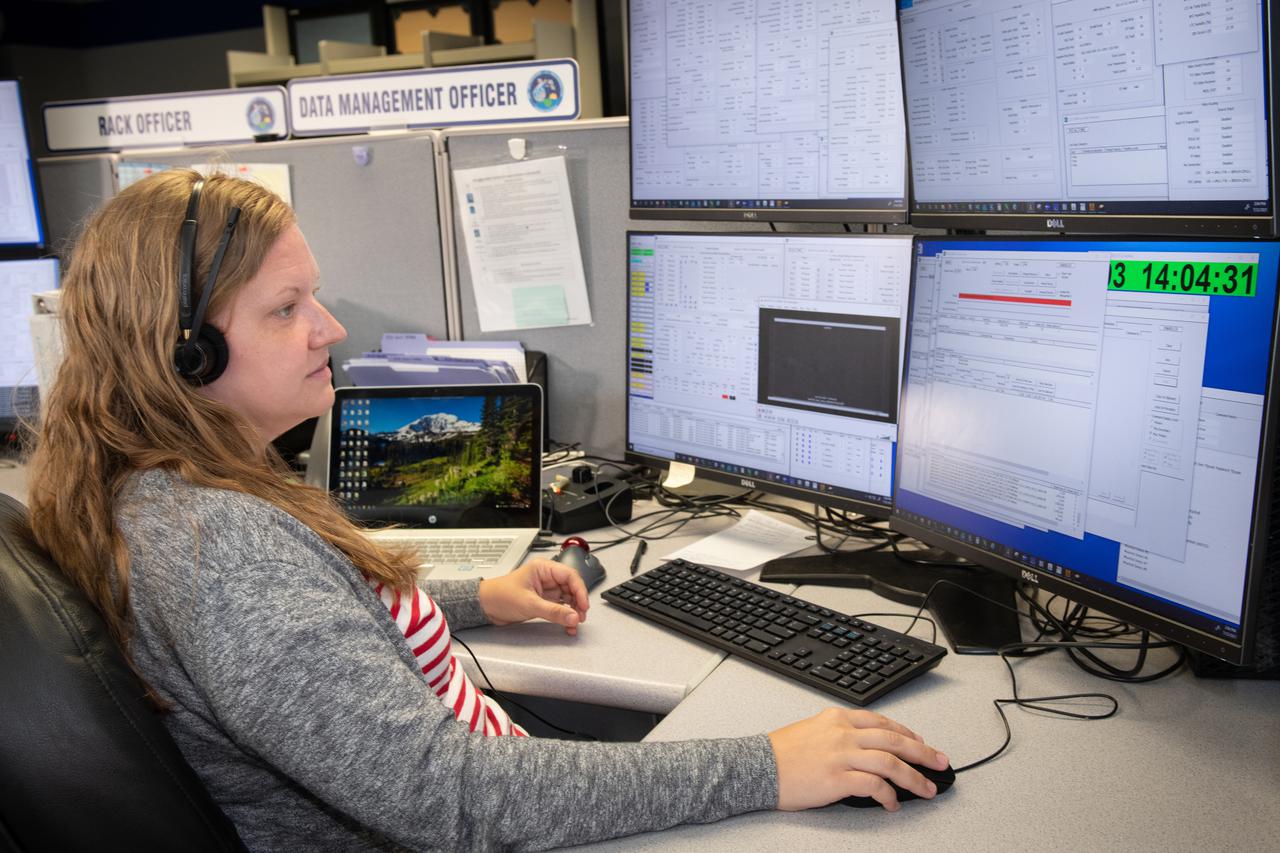
International Space Station, ISS Advanced Colloids Experiment – Thermal 5-3, ACE-T5-3 Operations in the Telescience Support Center, TSC

International Space Station, ISS Advanced Colloids Experiment – Thermal 5-3, ACE-T5-3 Operations in the Telescience Support Center, TSC
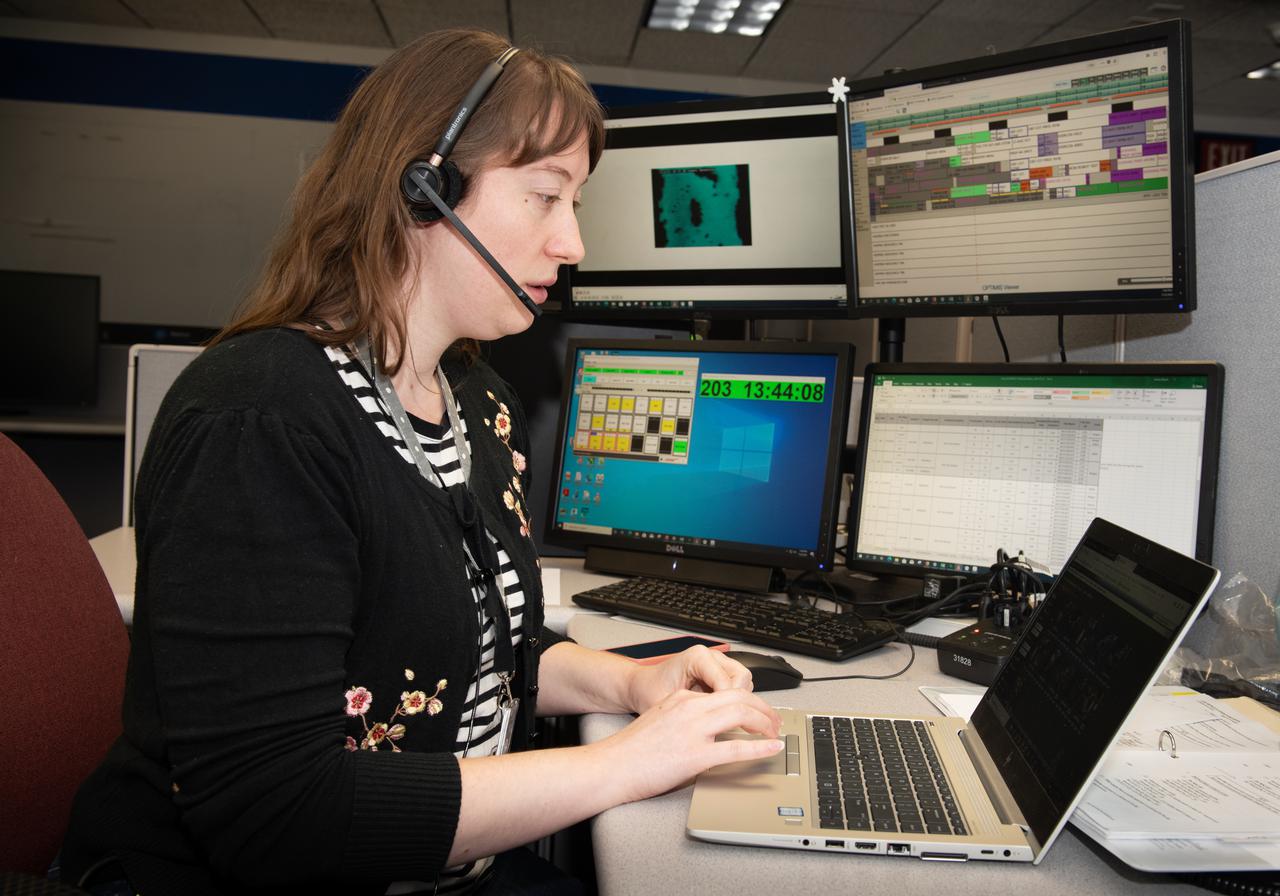
International Space Station, ISS Advanced Colloids Experiment – Thermal 5-3, ACE-T5-3 Operations in the Telescience Support Center, TSC
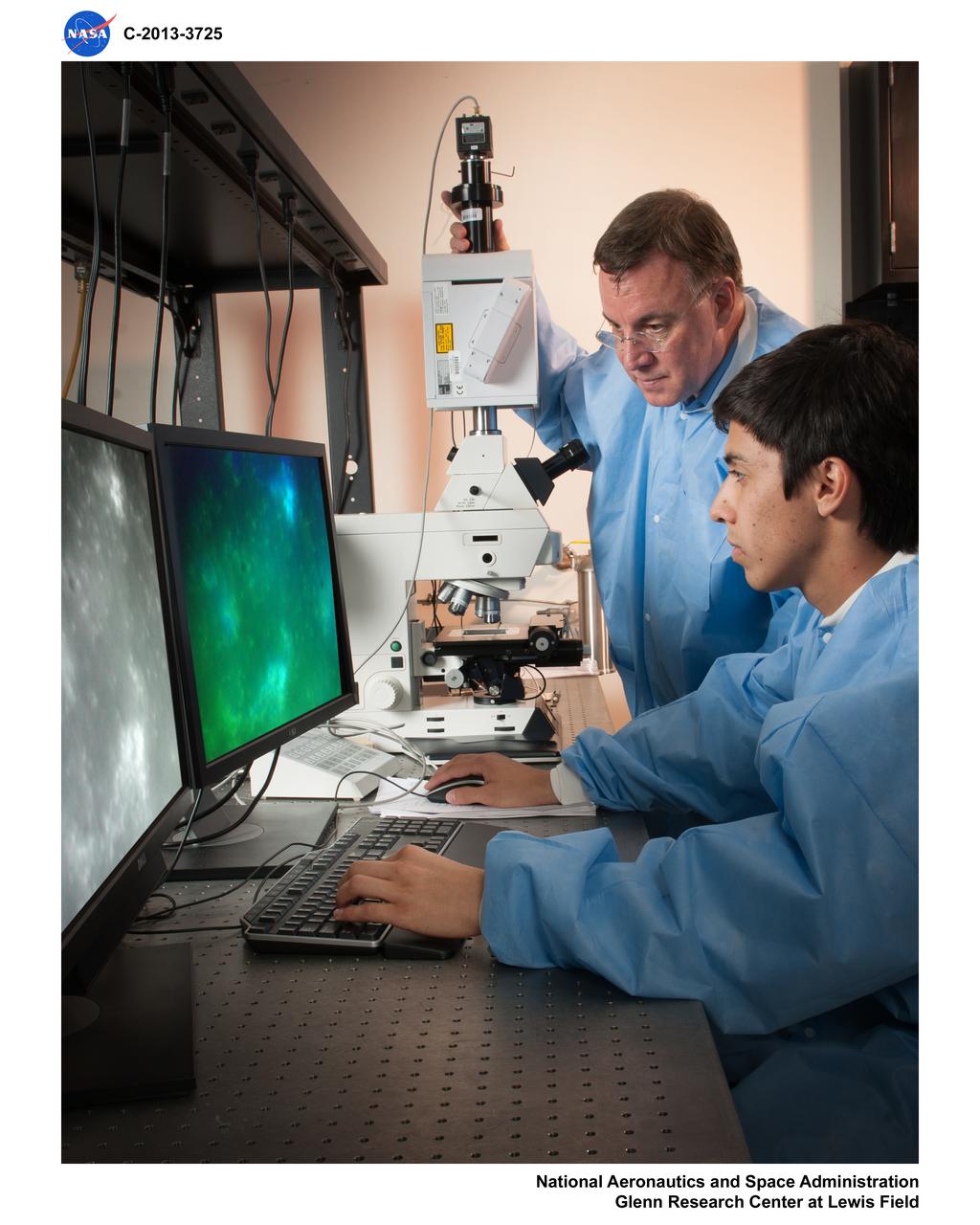
Advanced Colloid Experiment, ACE, Confocal Test Bed
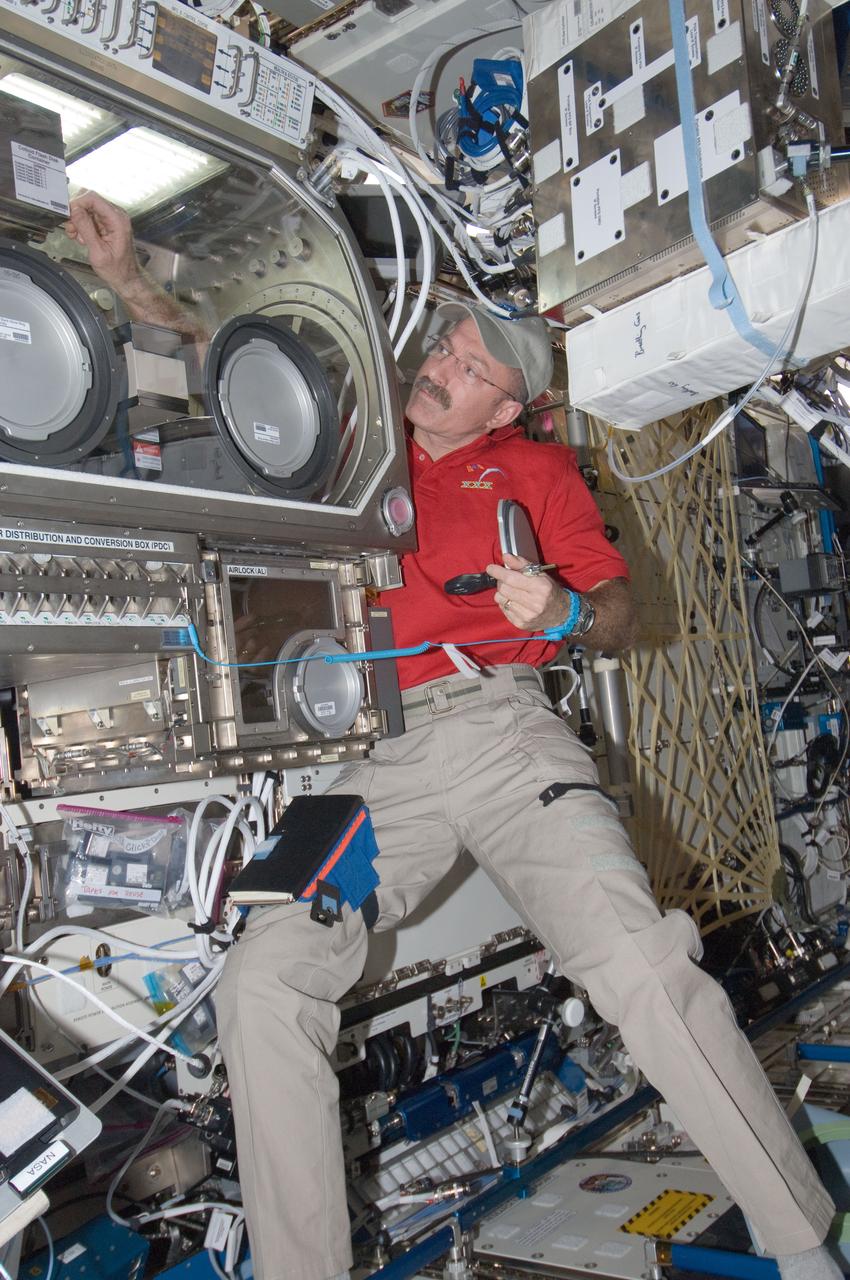
ISS030-E-030125 (10 Jan. 2012) --- NASA astronaut Dan Burbank, Expedition 30 commander, works on the Selectable Optical Diagnostics Instrument C Colloid (SODI-COLLOID) hardware in the Microgravity Science Glovebox in the International Space Station?s Destiny laboratory. Burbank is supporting ground-commanded operations by exchanging out some disks. COLLOID is part of ESA?s triple experiment series for advancement in liquids, diffusion measurements in petroleum reservoirs and the study on growth and properties of advanced photonic materials within colloidal solutions. The commander is currently joined by five other Expedition 30 astronauts and cosmonauts, all flight engineers, aboard the orbital outpost.
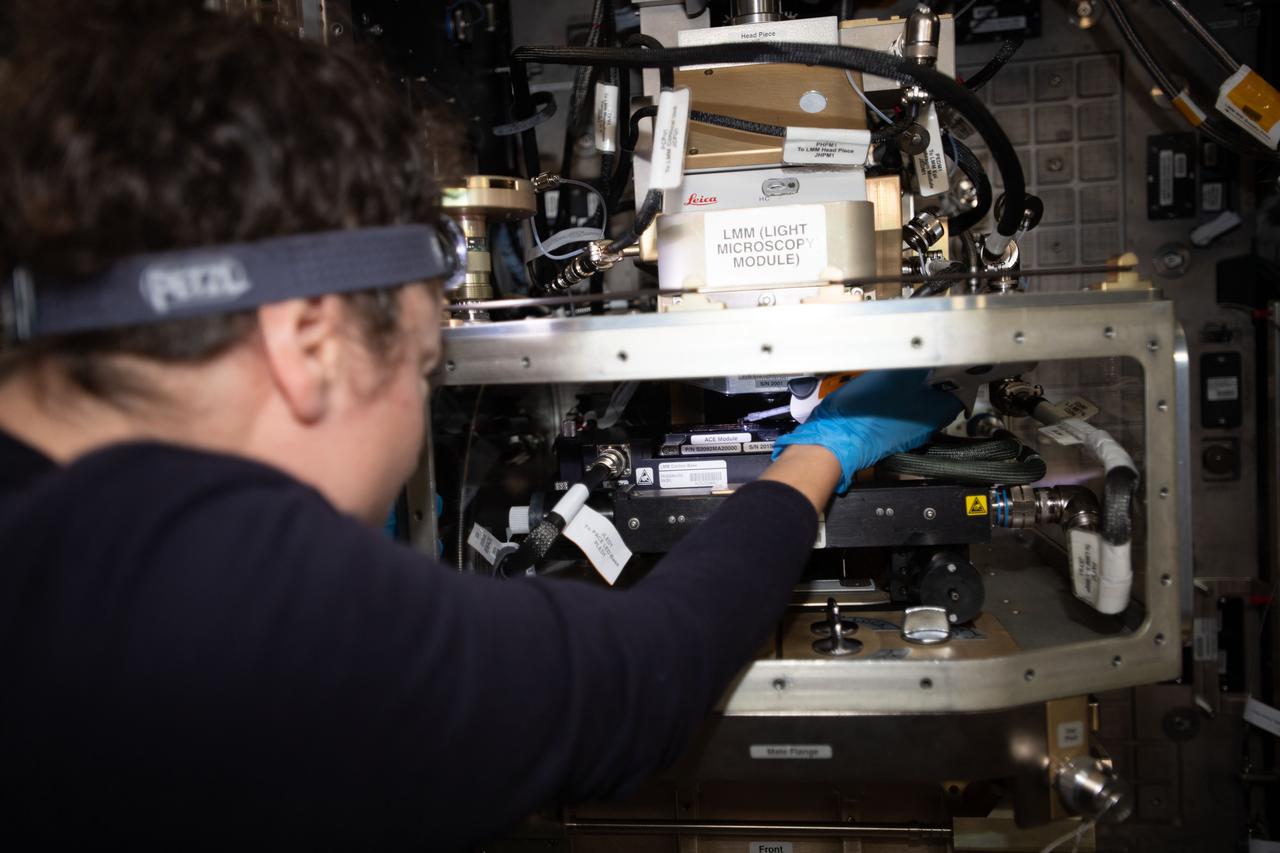
iss062e014345 (2-16-2020) --- A view of NASA astronaut Jessica Meir configuring the Light Microscopy Module (LMM) for the Advanced Colloids Experiment-Temperature-4 (ACE-T-4) science run in the Destiny module aboard the International Space Station (ISS). Introducing disorder to a crystalline system in a controlled way can form glass. Advanced Colloids Experiment-Temperature-4 (ACE-T-4) examines the transition of an ordered crystal to a disordered glass to determine how increasing disorder affects structural and dynamic properties
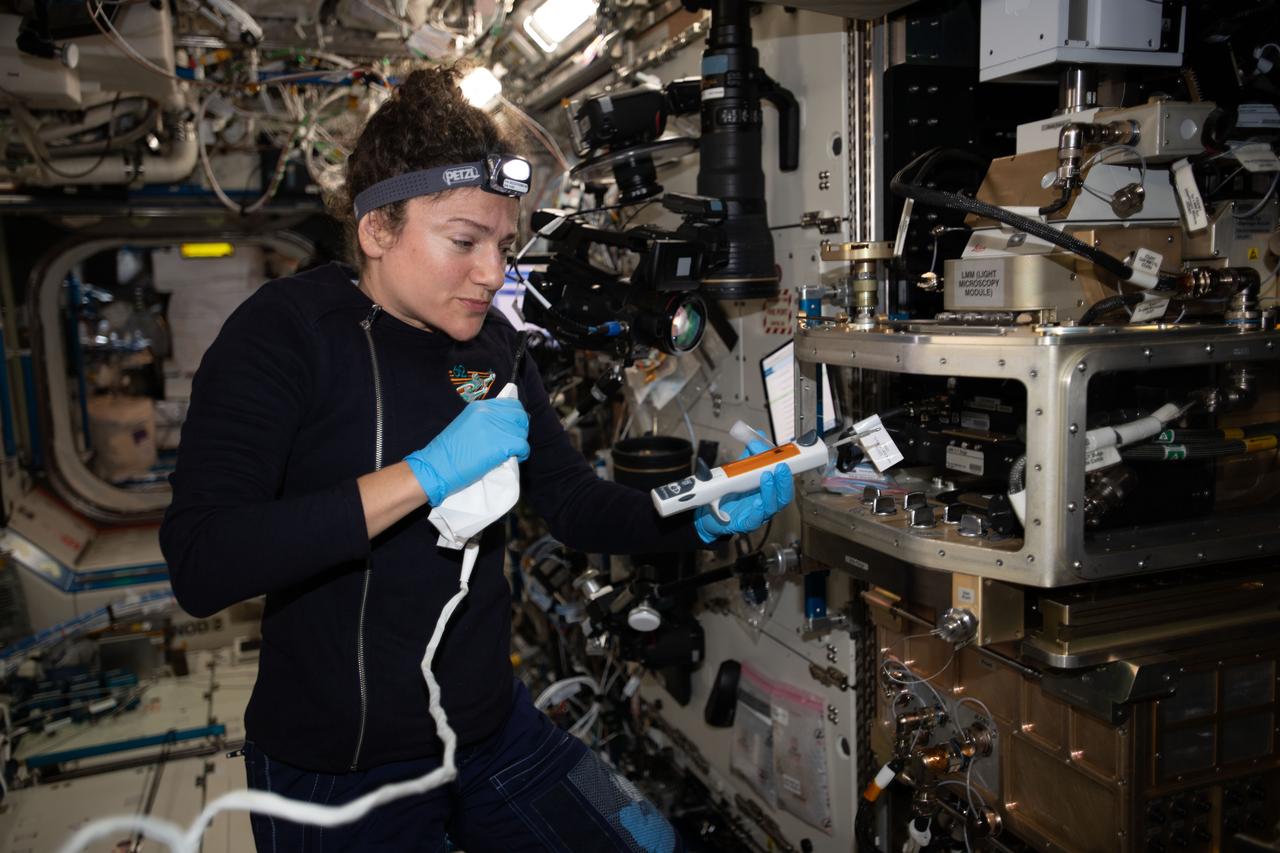
iss062e014349 (Feb. 16, 2020) --- A view of NASA astronaut Jessica Meir configuring the Light Microscopy Module (LMM) for the Advanced Colloids Experiment-Temperature-4 (ACE-T-4) science in the Destiny module aboard the International Space Station (ISS). Introducing disorder to a crystalline system in a controlled way can form glass. Advanced Colloids Experiment-Temperature-4 (ACE-T-4) examines the transition of an ordered crystal to a disordered glass to determine how increasing disorder affects structural and dynamic properties.
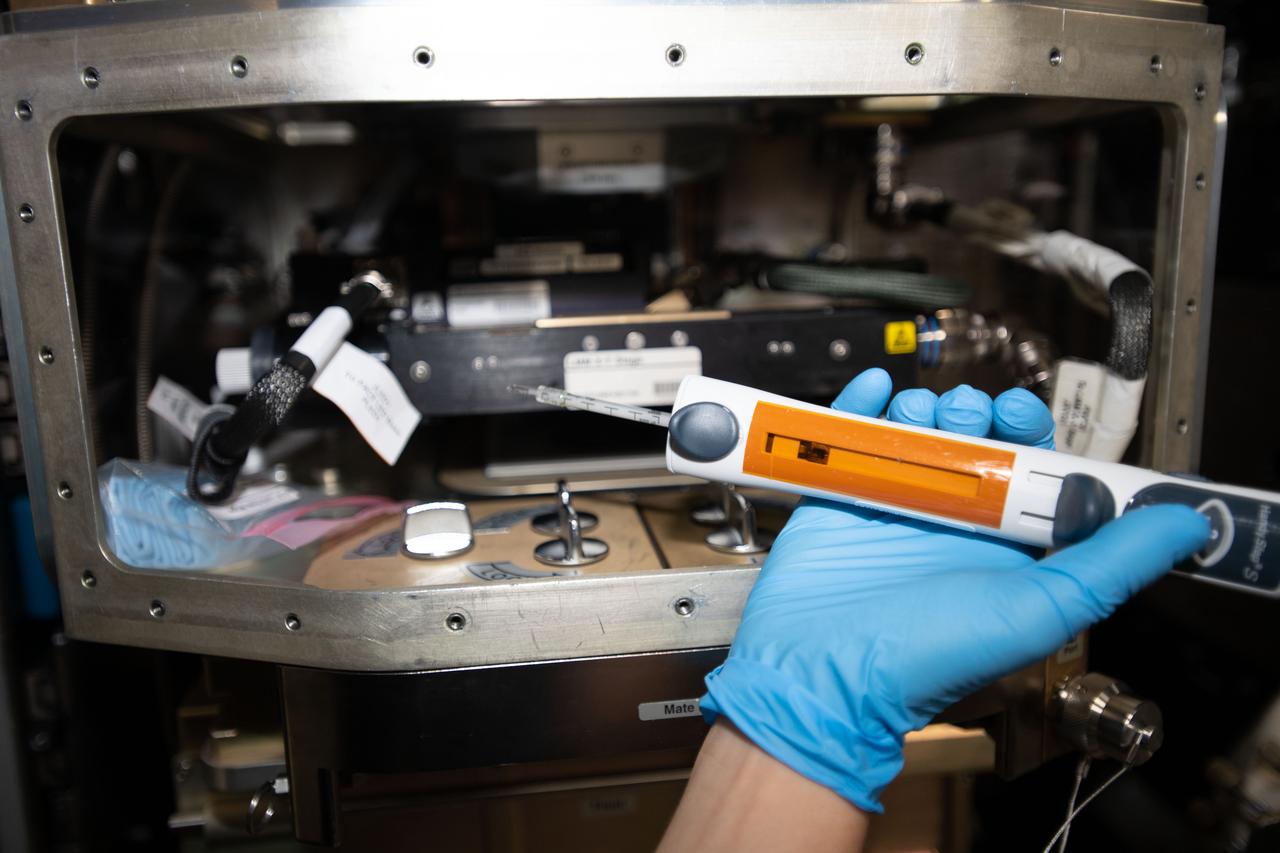
iss062e014342 (2-16-2020) --- A view of NASA astronaut Jessica Meir configuring the Light Microscopy Module (LMM) for the Advanced Colloids Experiment-Temperature-4 (ACE-T-4) science run in the Destiny module aboard the International Space Station (ISS). Introducing disorder to a crystalline system in a controlled way can form glass. Advanced Colloids Experiment-Temperature-4 (ACE-T-4) examines the transition of an ordered crystal to a disordered glass to determine how increasing disorder affects structural and dynamic properties
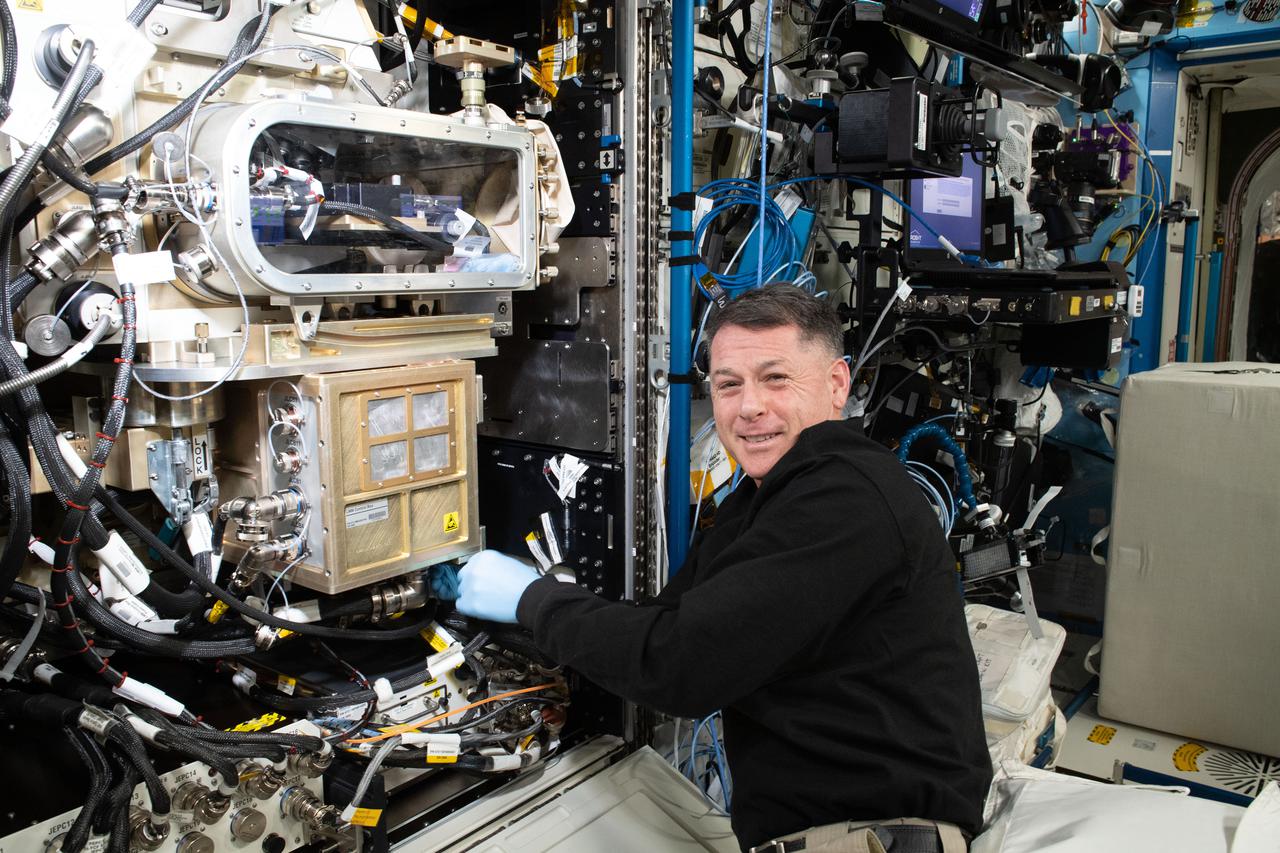
iss065e257486 (Aug. 17, 2021) --- NASA astronaut and Expedition 65 Flight Engineer Shane Kimbrough installs and configures a new Advanced Colloids Experiment module inside the U.S. Destiny laboratory module's Fluids Integrated Rack (FIR). The work supports the ACE-T9 fluid physics study that uses the FIR's Light Microscopy Module to image colloidal molecules for insights into the development of advanced materials not possible to produce in Earth's gravity.
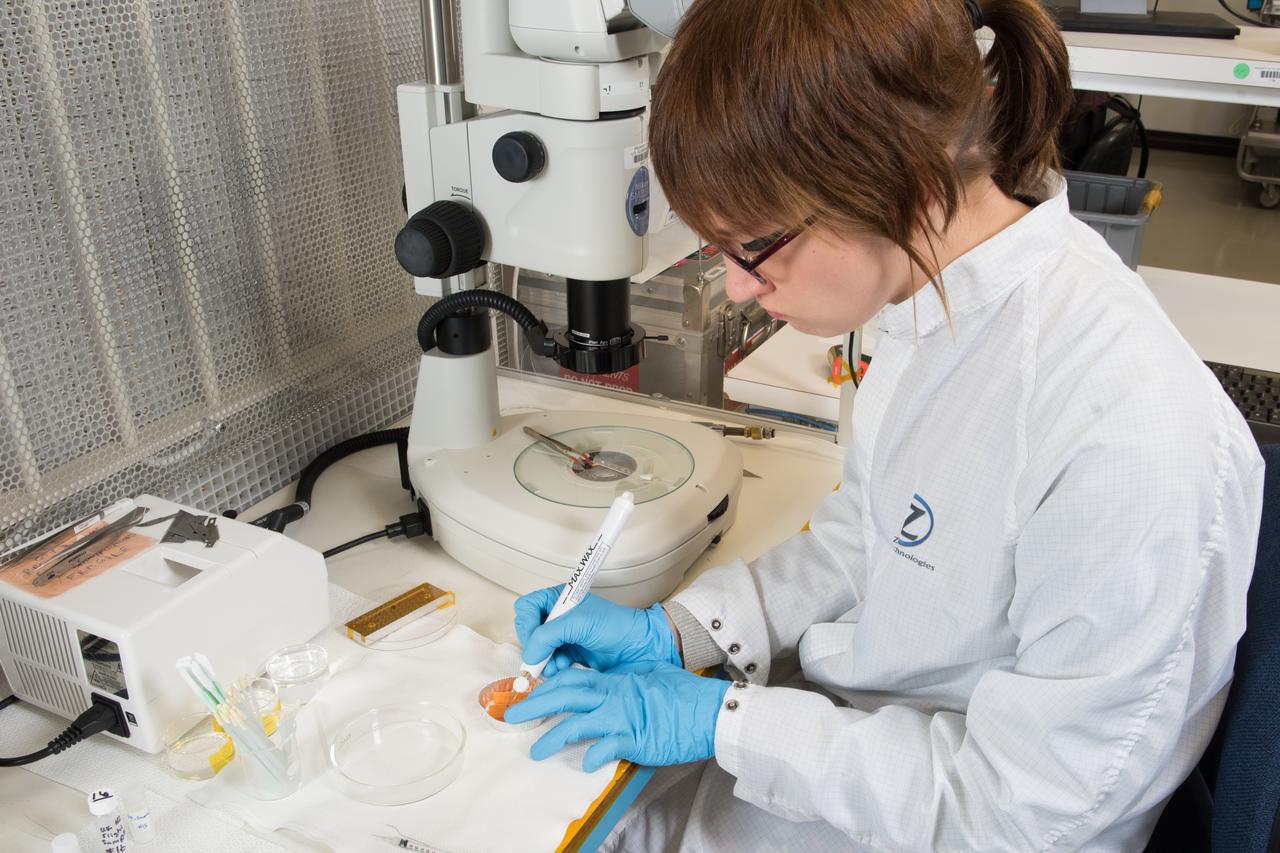
NASA (Zin Technologies) engineer prepares Advanced Colloid Experiment Heated-2 samples that will be analyzed aboard the International Space Station using the zero-gravity Light Microscopy Module, LMM in the Fluids Integrated Rack, FIR
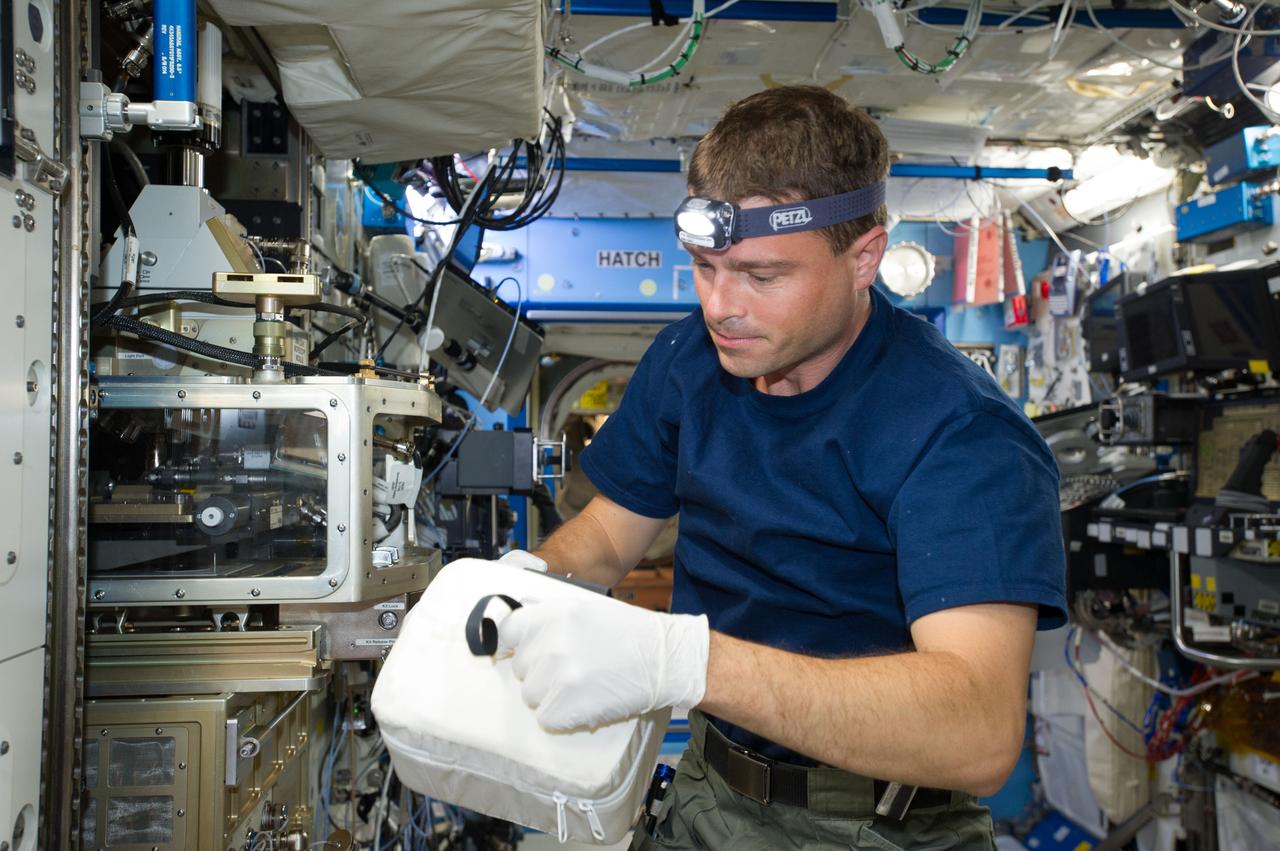
ISS040-E-007368 (5 June 2014) --- NASA astronaut Reid Wiseman, Expedition 40 flight engineer, works with Advanced Colloids Experiment (ACE) samples in the Destiny laboratory of the International Space Station.
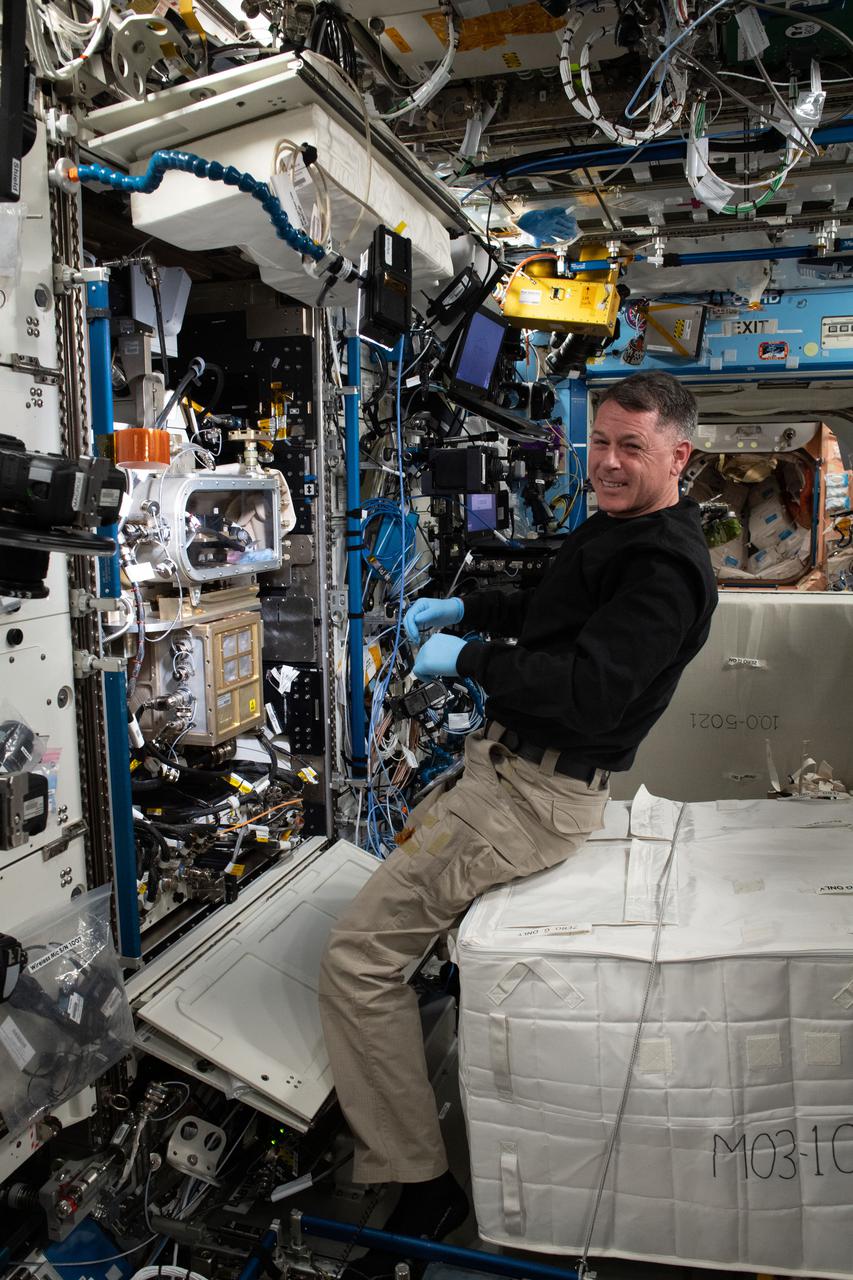
iss065e257487 (Aug. 17, 2021) --- NASA astronaut and Expedition 65 Flight Engineer Shane Kimbrough changes out the ACE (Advanced Colloid Experiment) Module inside the LMM (Light Microscopy Module).
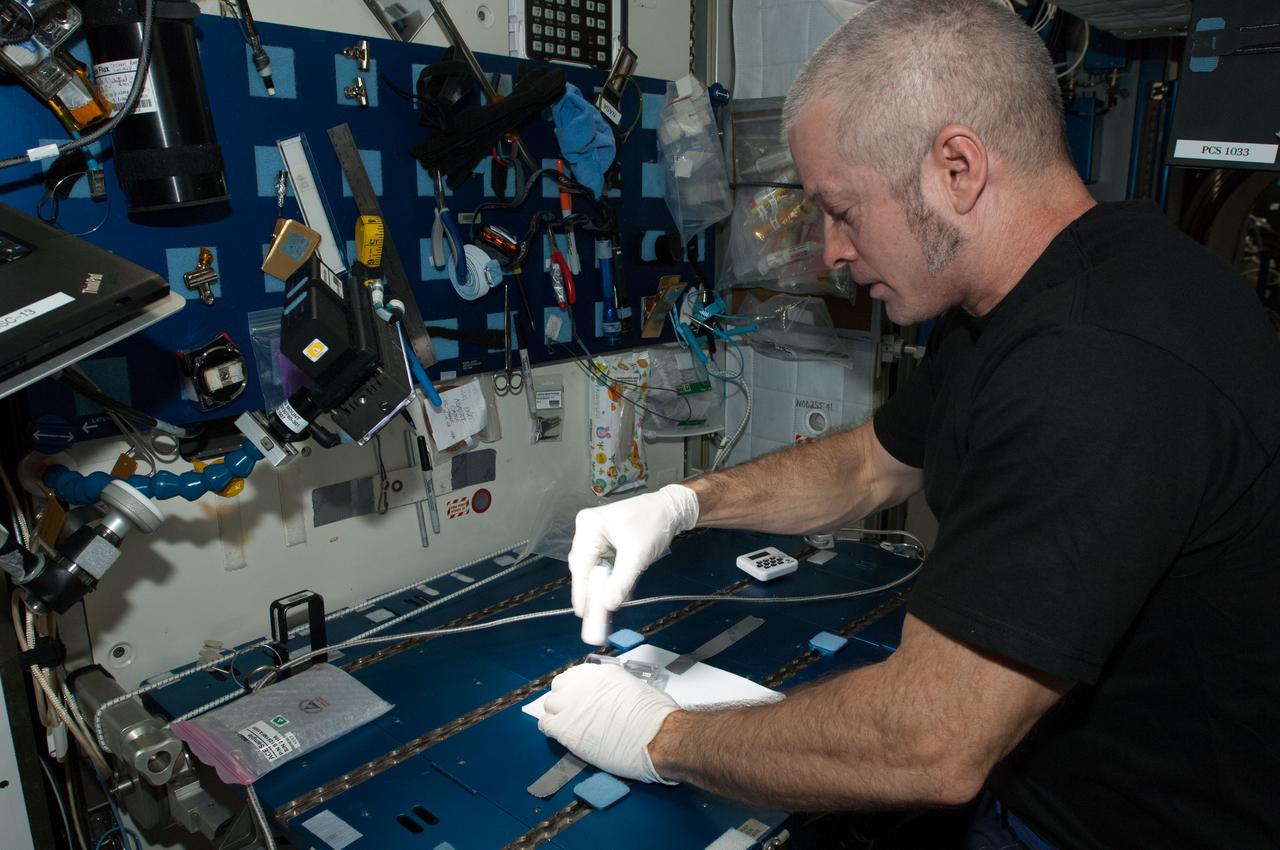
ISS040-E-060673 (14 July 2014) --- NASA astronaut Steve Swanson, Expedition 40 commander, works with test samples for the Advanced Colloids Experiment (ACE) at a work station in the Harmony node of the International Space Station.

iss059e101468 (6/12/2019) — Photo documentation aboard the International Space Station (ISS) of the ACE modules taken in the the Light Microscopy Module (LMM) during the ACE-T10 Module Configuration. The Advanced Colloids Experiment-Temperature-10 (ACE-T-10) investigates the growth kinetics, microscopic dynamics, and restructuring processes in ordered and disordered structures such as colloidal crystals, glasses and gels. The investigation studies crystal nucleation in colloidal fluids, the origin of ageing in glasses and gels, as well as the heterogeneous nature of the microscopic dynamics in these structures. The study must be conducted in microgravity, as gravitational stresses affect the structure and growth of these solids from colloids.
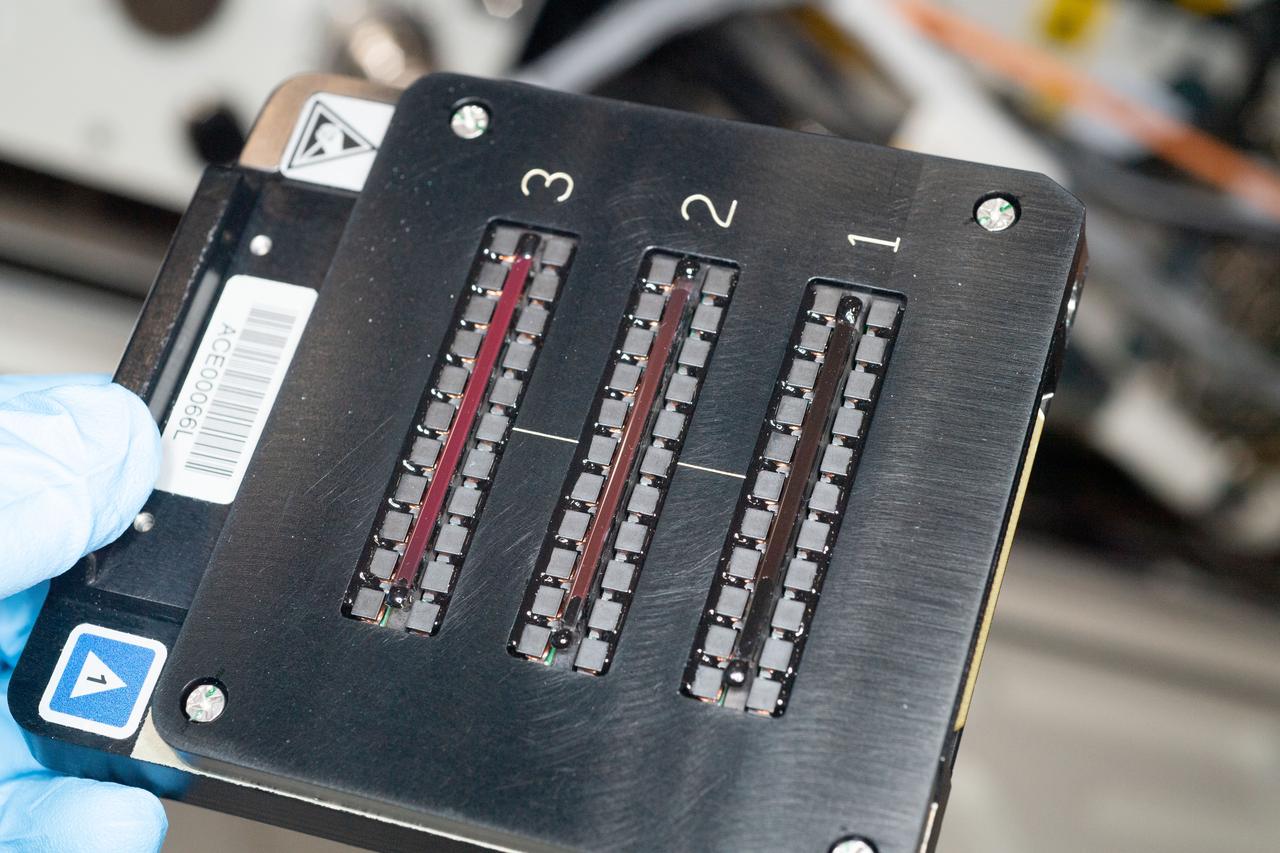
iss059e101463 (6/12/2019) --- Photo documentation aboard the International Space Station (ISS) of the ACE Modules taken during the ACE-T10 Module Configuration. The Advanced Colloids Experiment-Temperature-10 (ACE-T-10) investigates the growth kinetics, microscopic dynamics, and restructuring processes in ordered and disordered structures such as colloidal crystals, glasses and gels. The investigation studies crystal nucleation in colloidal fluids, the origin of ageing in glasses and gels, as well as the heterogeneous nature of the microscopic dynamics in these structures. The study must be conducted in microgravity, as gravitational stresses affect the structure and growth of these solids from colloids.
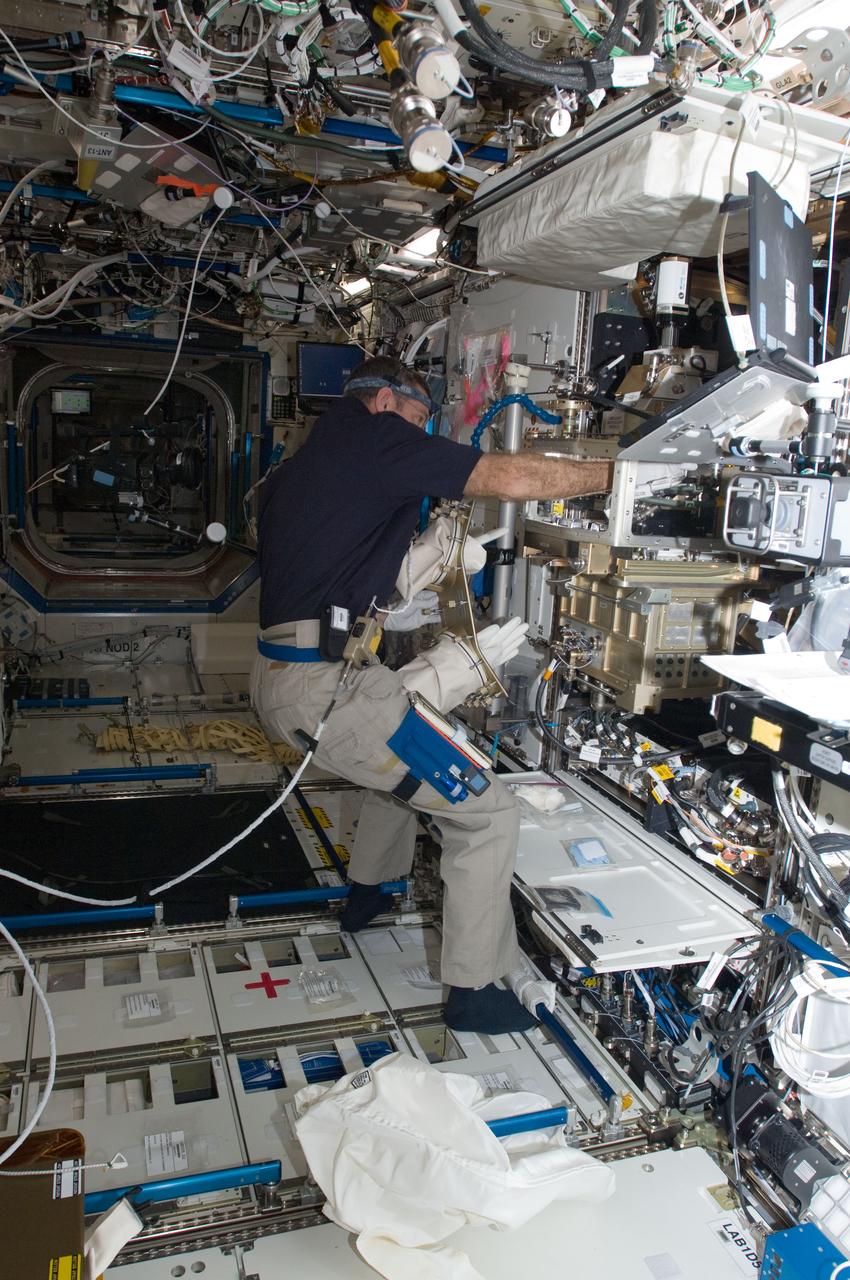
ISS030-E-007418 (1 Dec. 2011) --- In the International Space Station’s Destiny laboratory, NASA astronaut Dan Burbank, Expedition 30 commander, conducts a session with the Preliminary Advanced Colloids Experiment (PACE) at the Light Microscopy Module (LMM) in the Fluids Integrated Rack / Fluids Combustion Facility (FIR/FCF). PACE is designed to investigate the capability of conducting high magnification colloid experiments with the LMM for determining the minimum size particles which can be resolved with it.
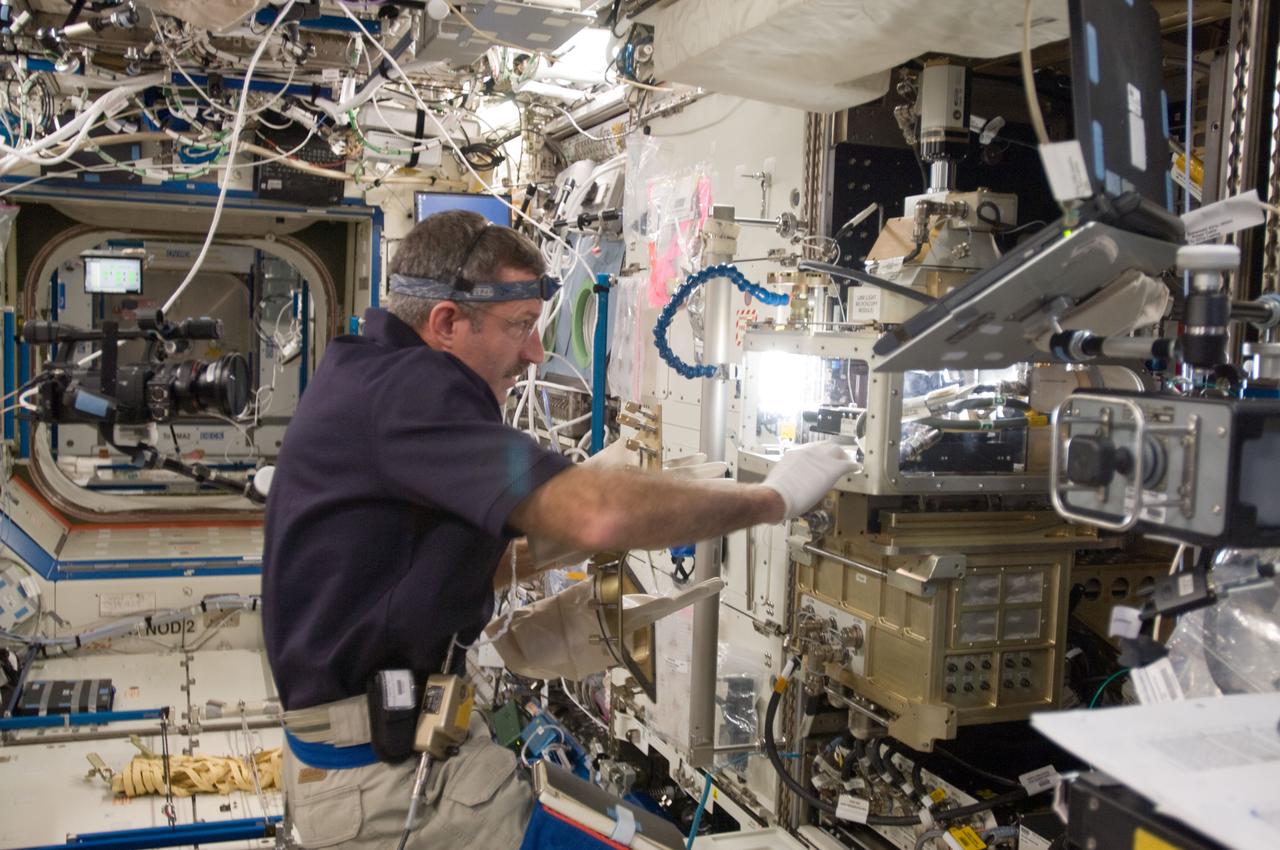
ISS030-E-007417 (1 Dec. 2011) --- In the International Space Station?s Destiny laboratory, NASA astronaut Dan Burbank, Expedition 30 commander, conducts a session with the Preliminary Advanced Colloids Experiment (PACE) at the Light Microscopy Module (LMM) in the Fluids Integrated Rack / Fluids Combustion Facility (FIR/FCF). PACE is designed to investigate the capability of conducting high magnification colloid experiments with the LMM for determining the minimum size particles which can be resolved with it.
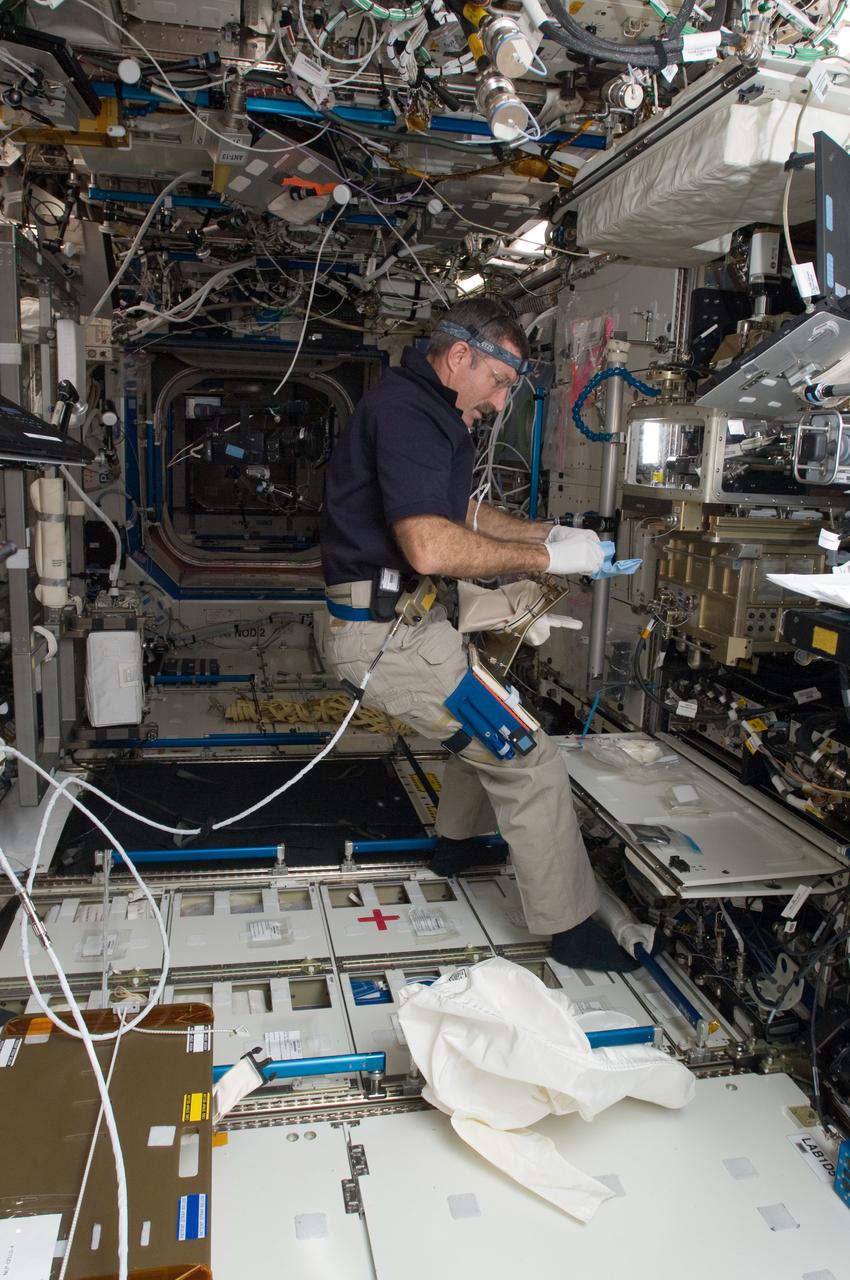
ISS030-E-007419 (1 Dec. 2011) --- In the International Space Station’s Destiny laboratory, NASA astronaut Dan Burbank, Expedition 30 commander, conducts a session with the Preliminary Advanced Colloids Experiment (PACE) at the Light Microscopy Module (LMM) in the Fluids Integrated Rack / Fluids Combustion Facility (FIR/FCF). PACE is designed to investigate the capability of conducting high magnification colloid experiments with the LMM for determining the minimum size particles which can be resolved with it.
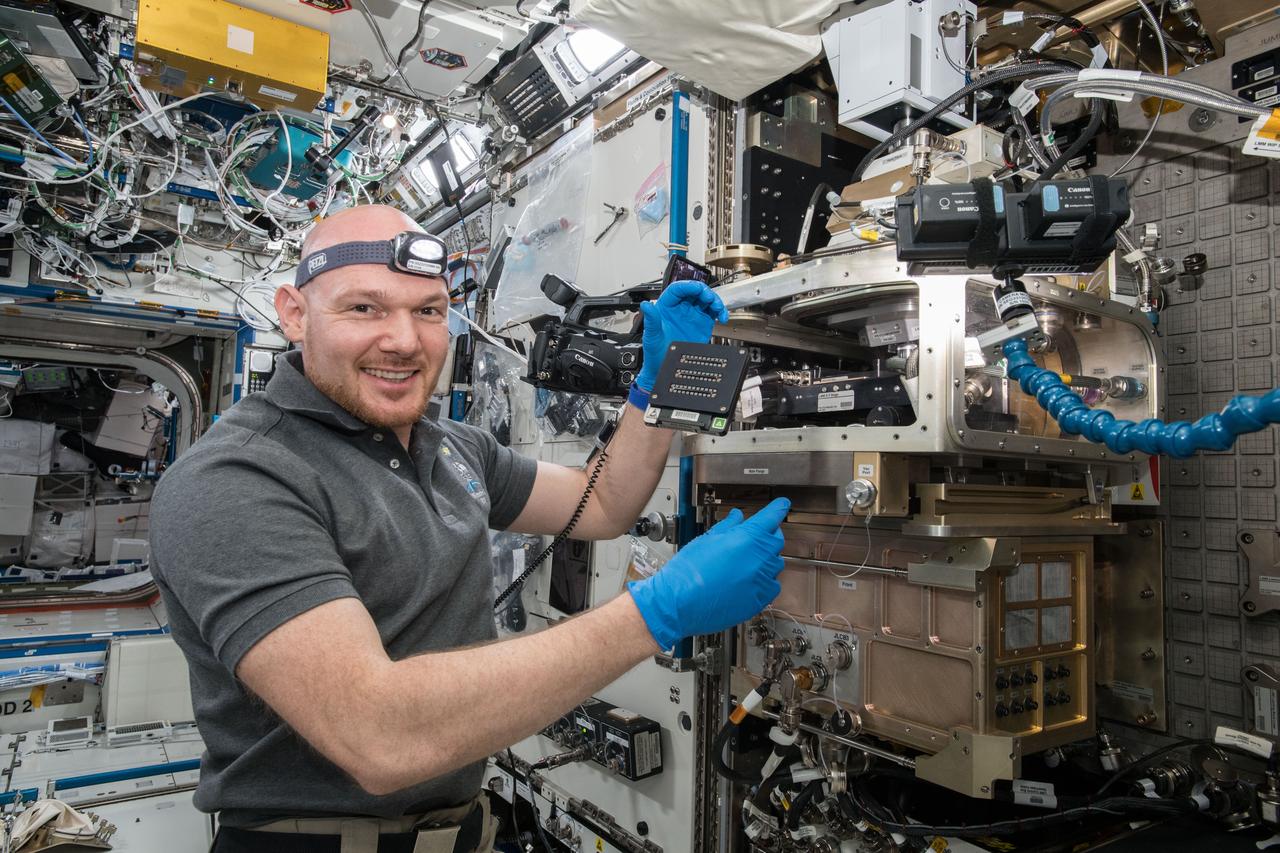
iss057e074544 (Nov. 9, 2018) --- European Space Agency (ESA) astronaut Alexander Gerst configures the Light Microscopy Module (LMM) for the Advanced Colloids Experiment-Temperature-7 (ACE-T-7) experiment. ACE-T-7 involves the design and assembly of complex three-dimensional structures from small particles suspended within a fluid medium. These so-called “self-assembled colloidal structures”, are vital to the design of advanced optical materials and active devices. In the microgravity environment, insight is provided into the relation between particle shape and interparticle interactions on assembly structure and dynamics: fundamental issues in condensed matter science.
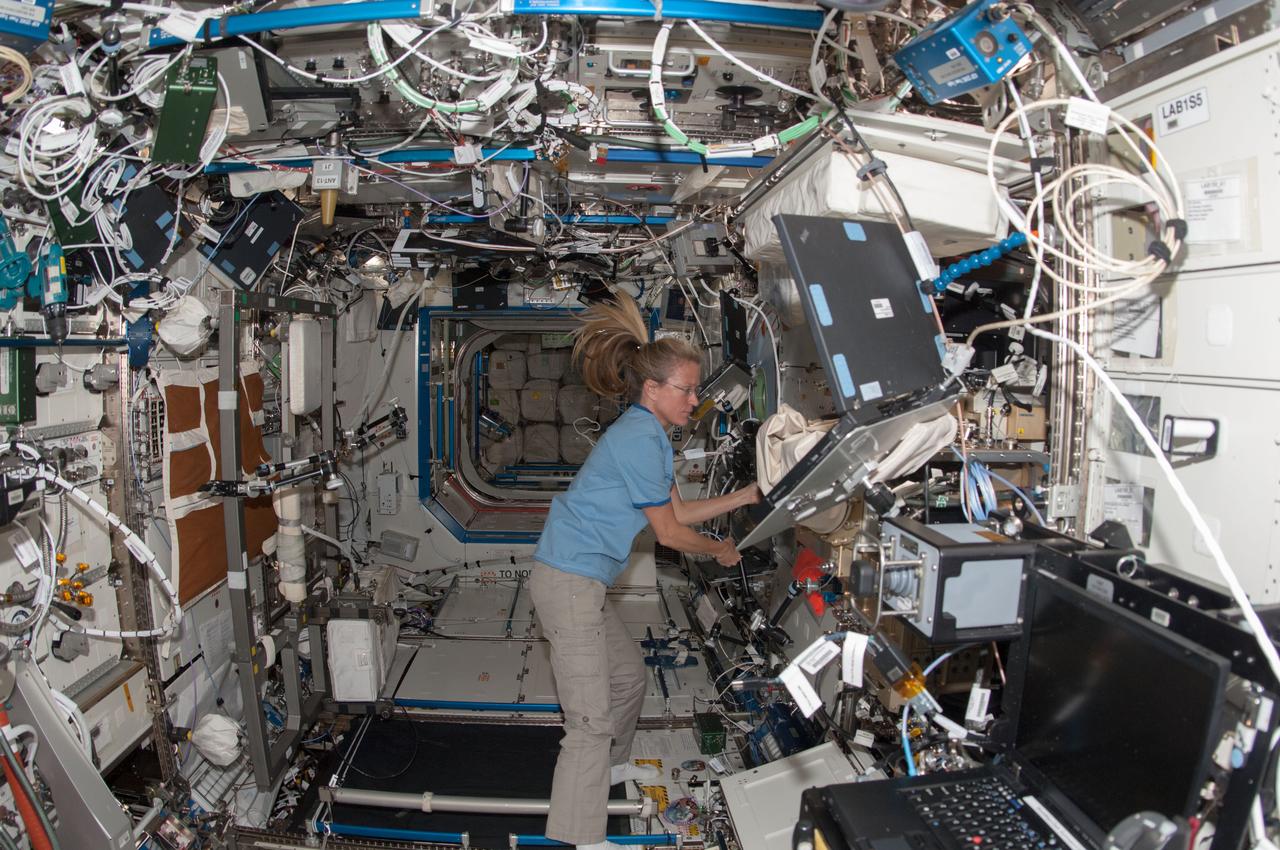
In the International Space Stations Destiny laboratory,NASA astronaut Karen Nyberg,Expedition 36 flight engineer,speaks into a microphone while conducting a session with the Advanced Colloids Experiment (ACE)-1 sample preparation at the Light Microscopy Module (LMM) in the Fluids Integrated Rack / Fluids Combustion Facility (FIR/FCF). ACE-1 is a series of microscopic imaging investigations that uses the microgravity environment to examine flow characteristics and the evolution and ordering effects within a group of colloidal materials.
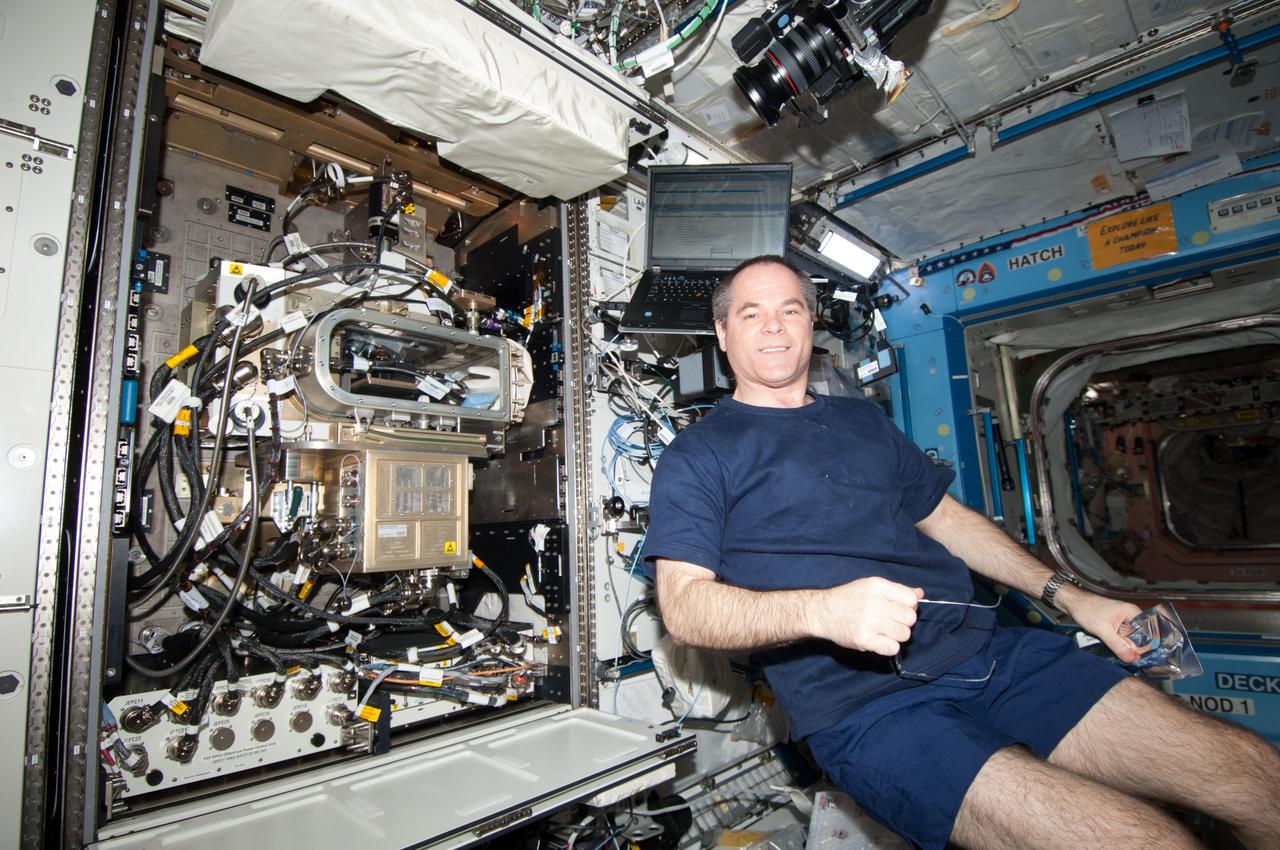
ISS034-E-056144 (21 Feb. 2013) --- Inside the U.S. Laboratory (Destiny) aboard the Earth-orbiting International Space Statio, NASA astronaut Kevin Ford, Expedition 34 commander, is seen with the Fluids Integration Rack (FIR)/Light Microscopy Module (LMM)/Advanced Colloids Experiment (ACE). ACE samples, which produce microscopic images of materials containing small colloidal particles, are scheduled for arrival on SpaceX-2 in the first week of March.
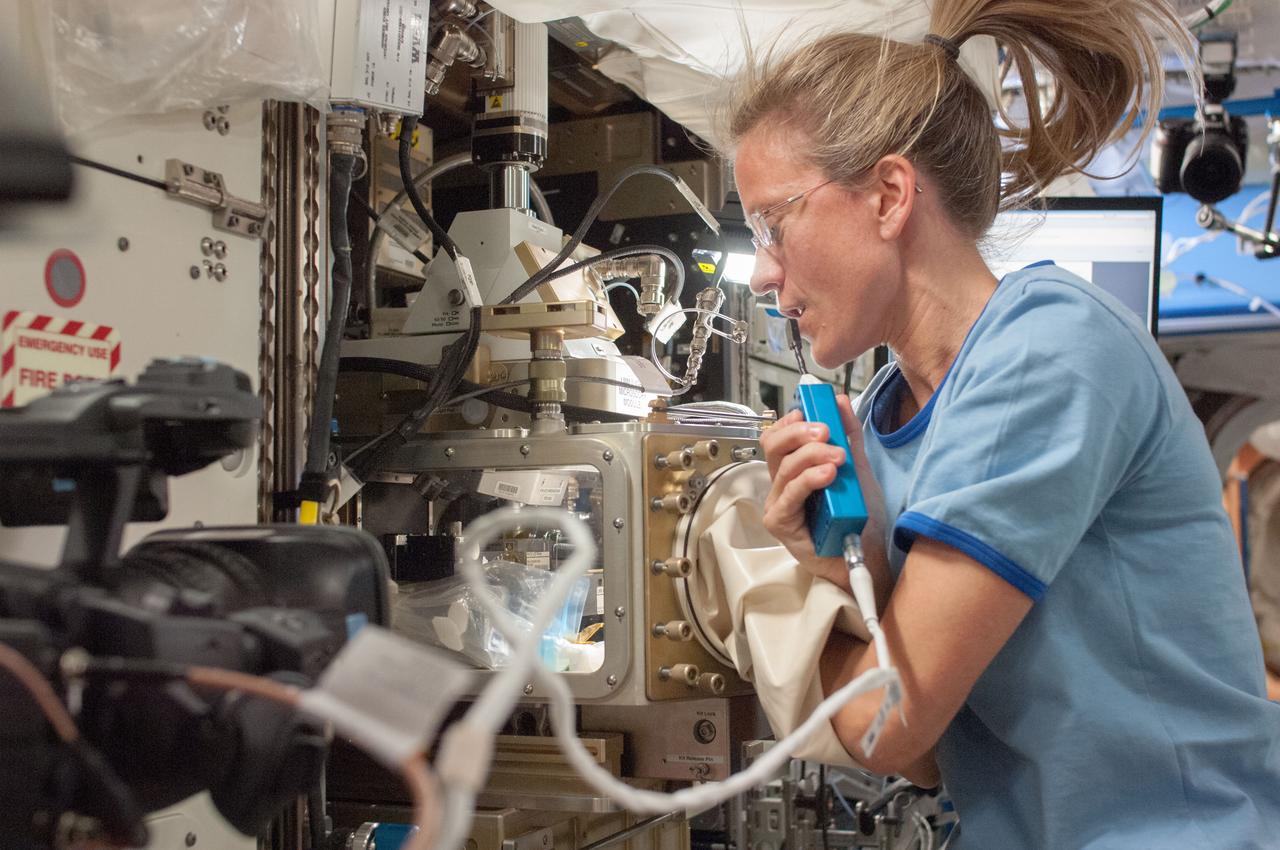
ISS036-E-019830 (24 June 2013) --- In the International Space Station’s Destiny laboratory, NASA astronaut Karen Nyberg, Expedition 36 flight engineer, speaks into a microphone while conducting a session with the Advanced Colloids Experiment (ACE)-1 sample preparation at the Light Microscopy Module (LMM) in the Fluids Integrated Rack / Fluids Combustion Facility (FIR/FCF). ACE-1 is a series of microscopic imaging investigations that uses the microgravity environment to examine flow characteristics and the evolution and ordering effects within a group of colloidal materials.
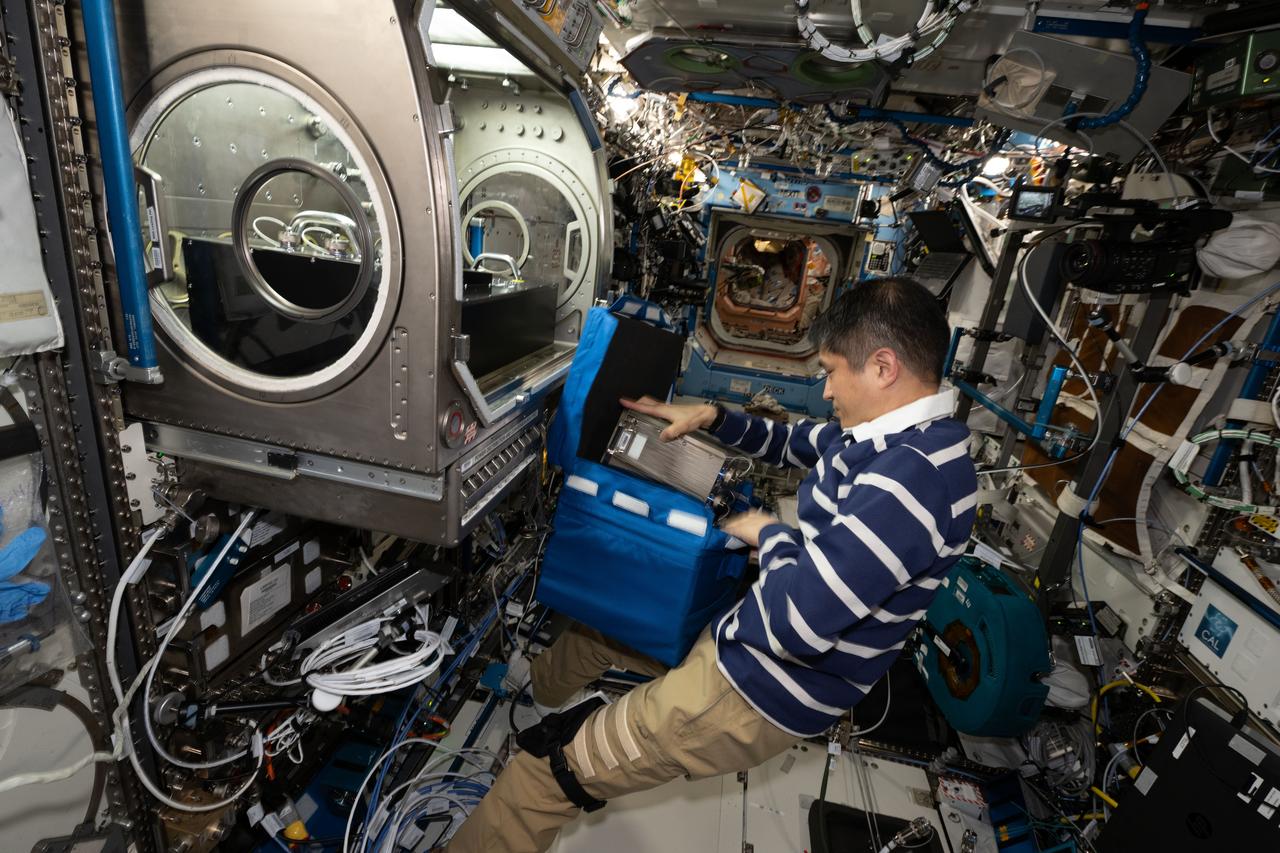
iss073e0134908 (June 6, 2025) --- JAXA (Japan Aerospace Exploration Agency) astronaut and Expedition 73 Commander Takuya Onishi stows physics research hardware used during the Colloidal Solids experiment to understand the behavior of tiny particles (colloids) and proteins in water. Onishi is pictured in front of the Microgravity Science Glovebox, located in the Destiny laboratory module, where the investigation took place that may lead to the space-based production of pharmaceuticals and advances in human health.
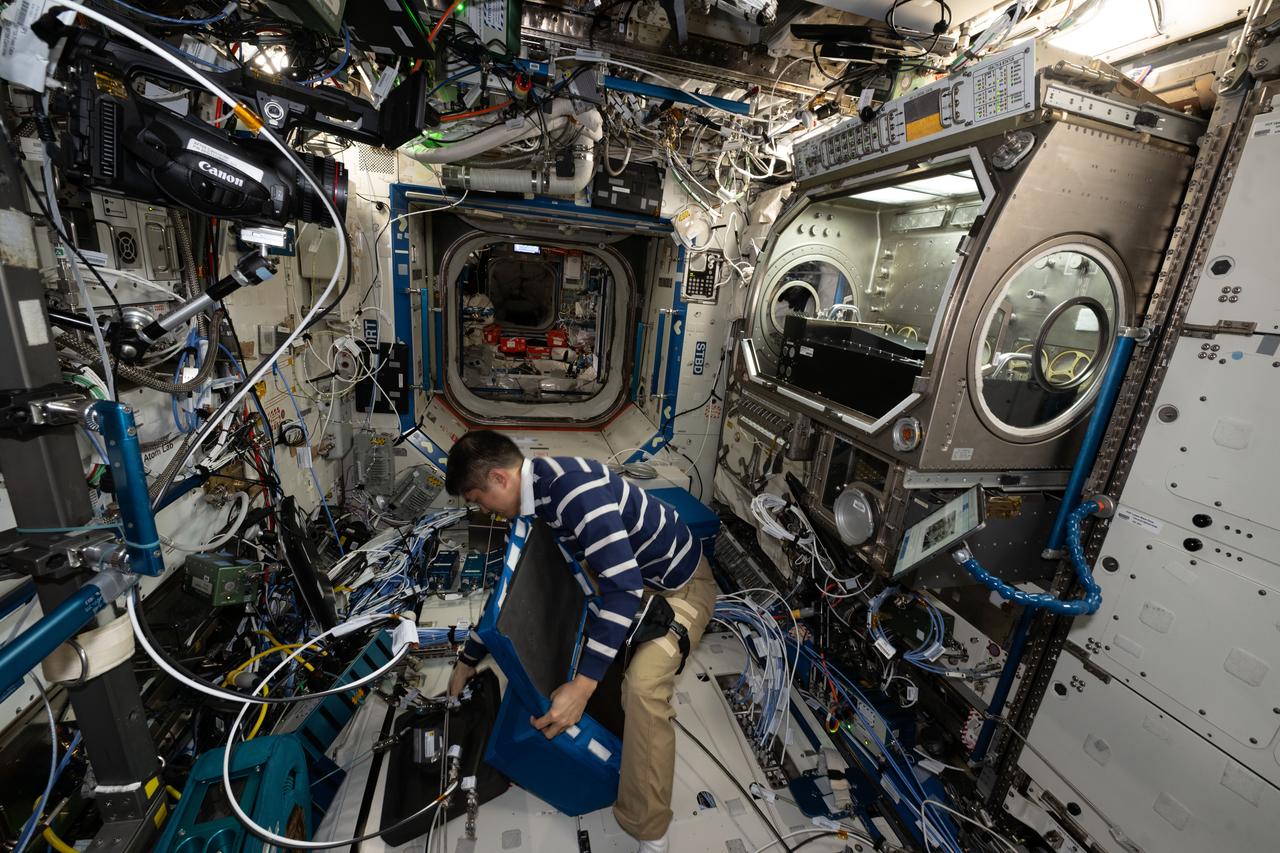
iss073e0134912 (June 6, 2025) --- JAXA (Japan Aerospace Exploration Agency) astronaut and Expedition 73 Commander Takuya Onishi stows physics research hardware used during the Colloidal Solids experiment to understand the behavior of tiny particles (colloids) and proteins in water. Onishi is pictured in front of the Microgravity Science Glovebox, located in the Destiny laboratory module, where the investigation took place that may lead to the space-based production of pharmaceuticals and advances in human health.
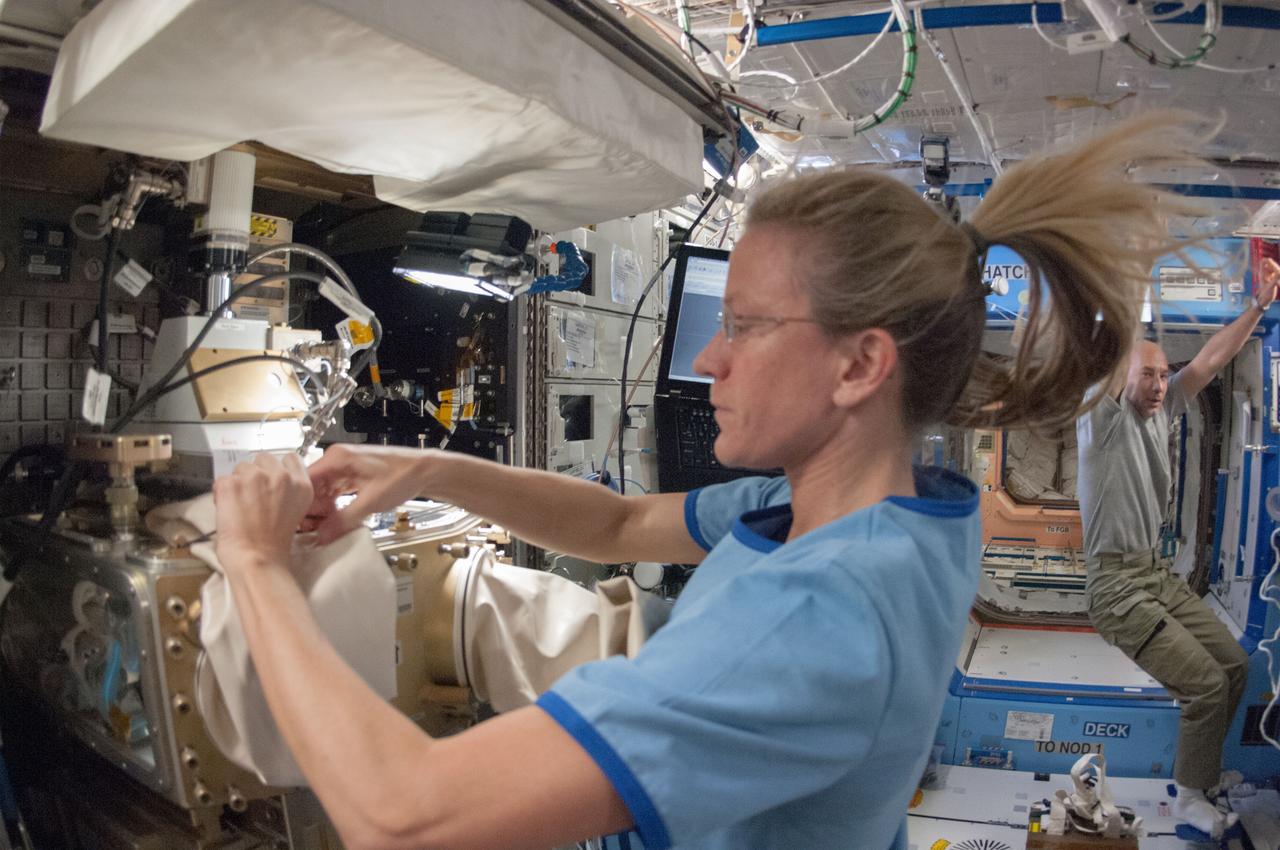
ISS036-E-019760 (24 June 2013) --- In the International Space Station’s Destiny laboratory, NASA astronaut Karen Nyberg, Expedition 36 flight engineer, conducts a session with the Advanced Colloids Experiment (ACE)-1 sample preparation at the Light Microscopy Module (LMM) in the Fluids Integrated Rack / Fluids Combustion Facility (FIR/FCF). ACE-1 is a series of microscopic imaging investigations that uses the microgravity environment to examine flow characteristics and the evolution and ordering effects within a group of colloidal materials.
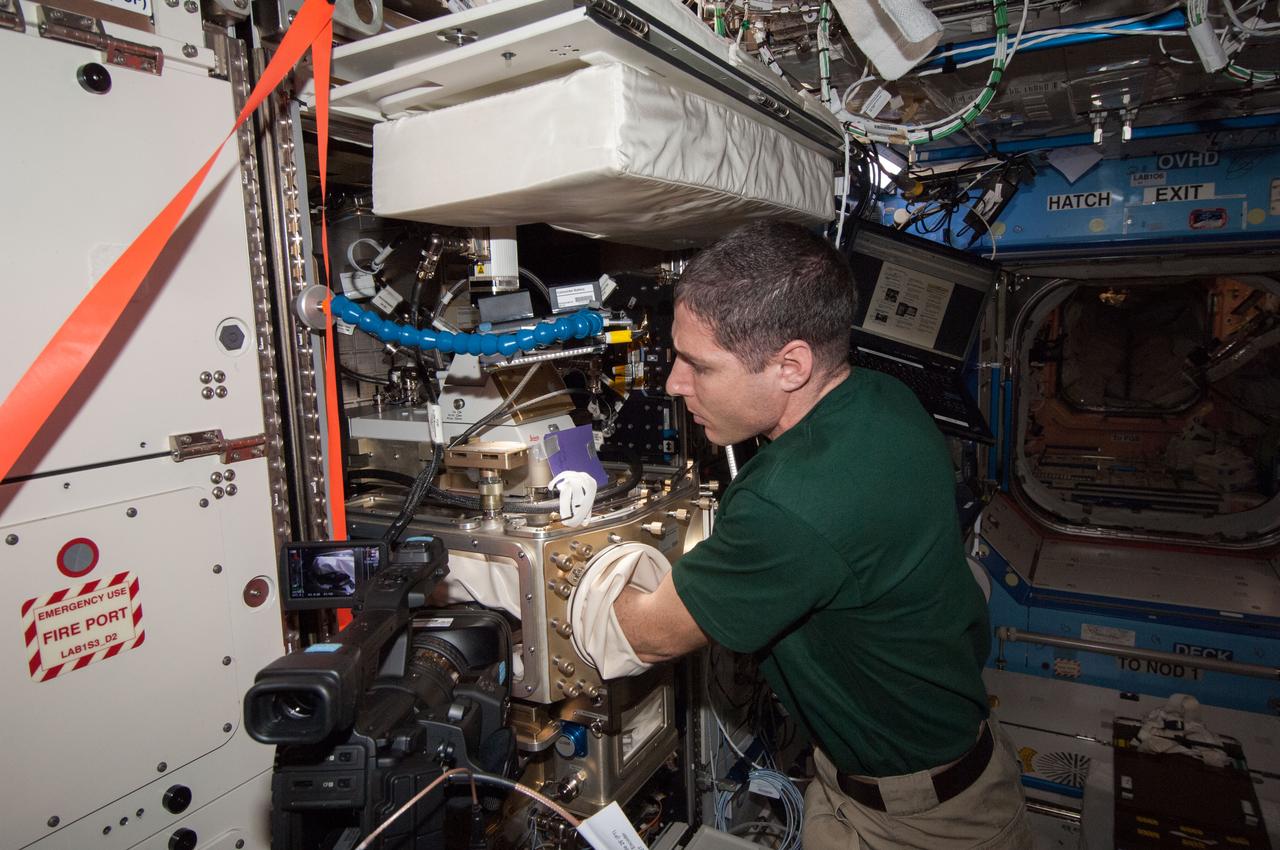
ISS038-E-055240 (24 Feb. 2014) --- In the International Space Station's Destiny laboratory, NASA astronaut Mike Hopkins, Expedition 38 flight engineer, sets up the Advanced Colloids Experiment (ACE) housed in the Light Microscopy Module (LMM) inside the Fluids Integrated Rack. ACE studies microscopic particles suspended in a liquid.
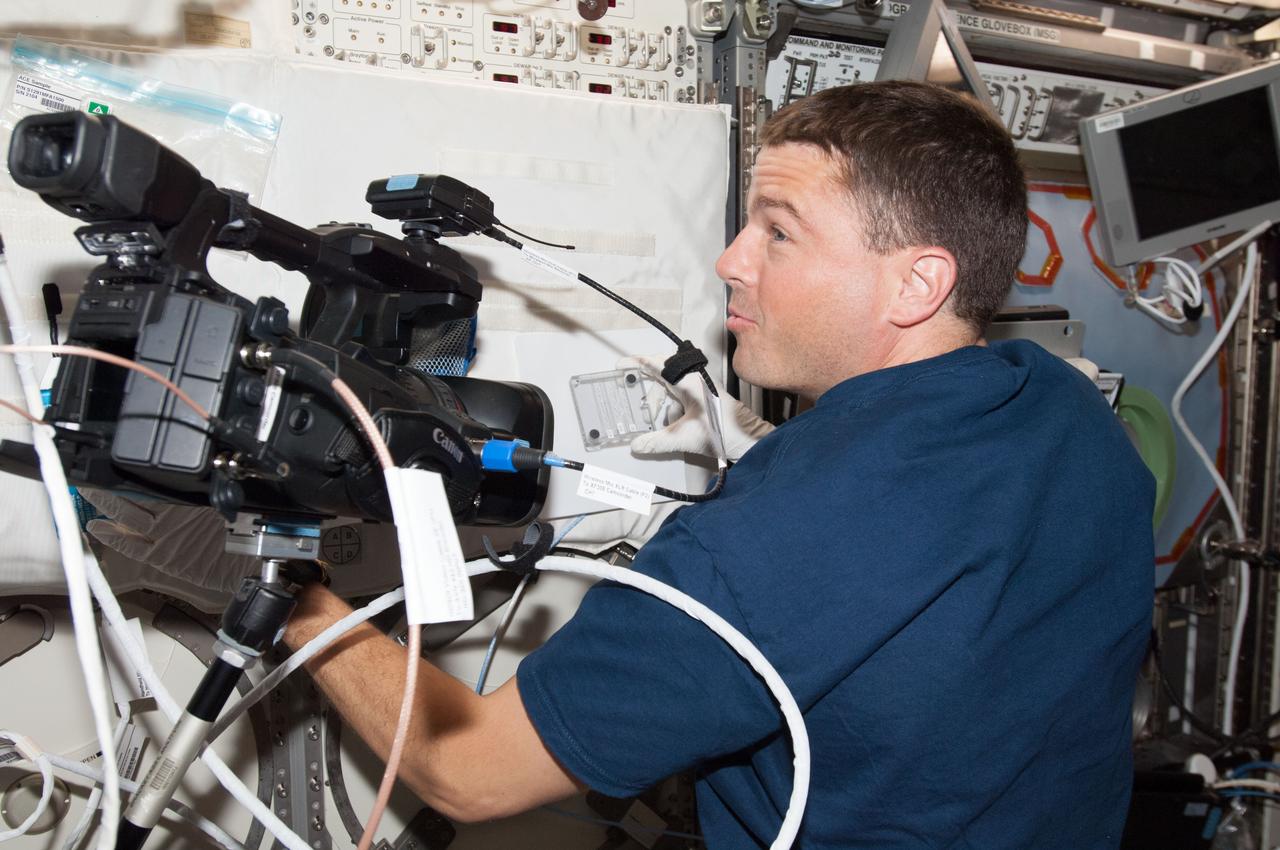
ISS040-E-006569 (2 June 2014) --- NASA astronaut Reid Wiseman, Expedition 40 flight engineer, performs an Advanced Colloids Experiment (ACE) sample 40-minute mixing activity in the Destiny laboratory of the International Space Station.
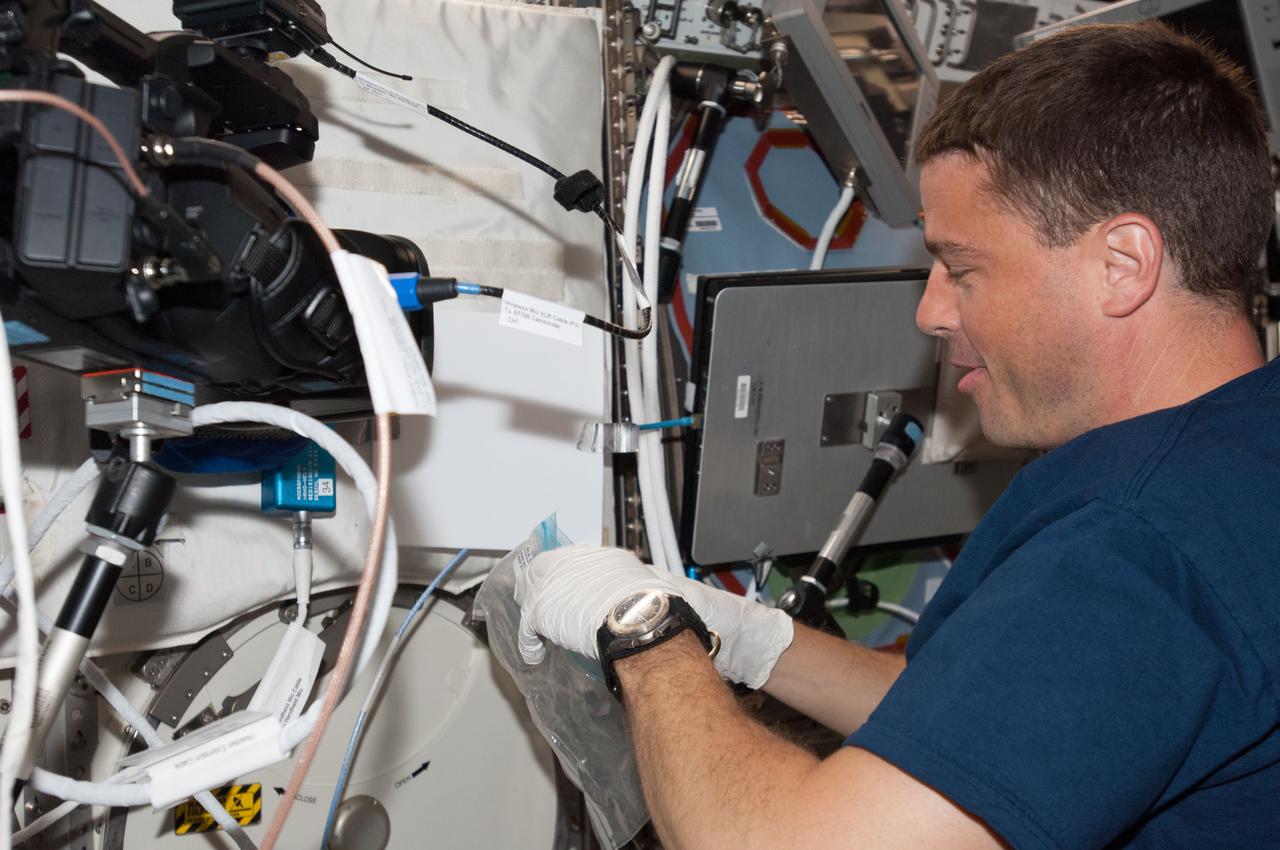
ISS040-E-006567 (2 June 2014) --- NASA astronaut Reid Wiseman, Expedition 40 flight engineer, performs an Advanced Colloids Experiment (ACE) sample 40-minute mixing activity in the Destiny laboratory of the International Space Station.
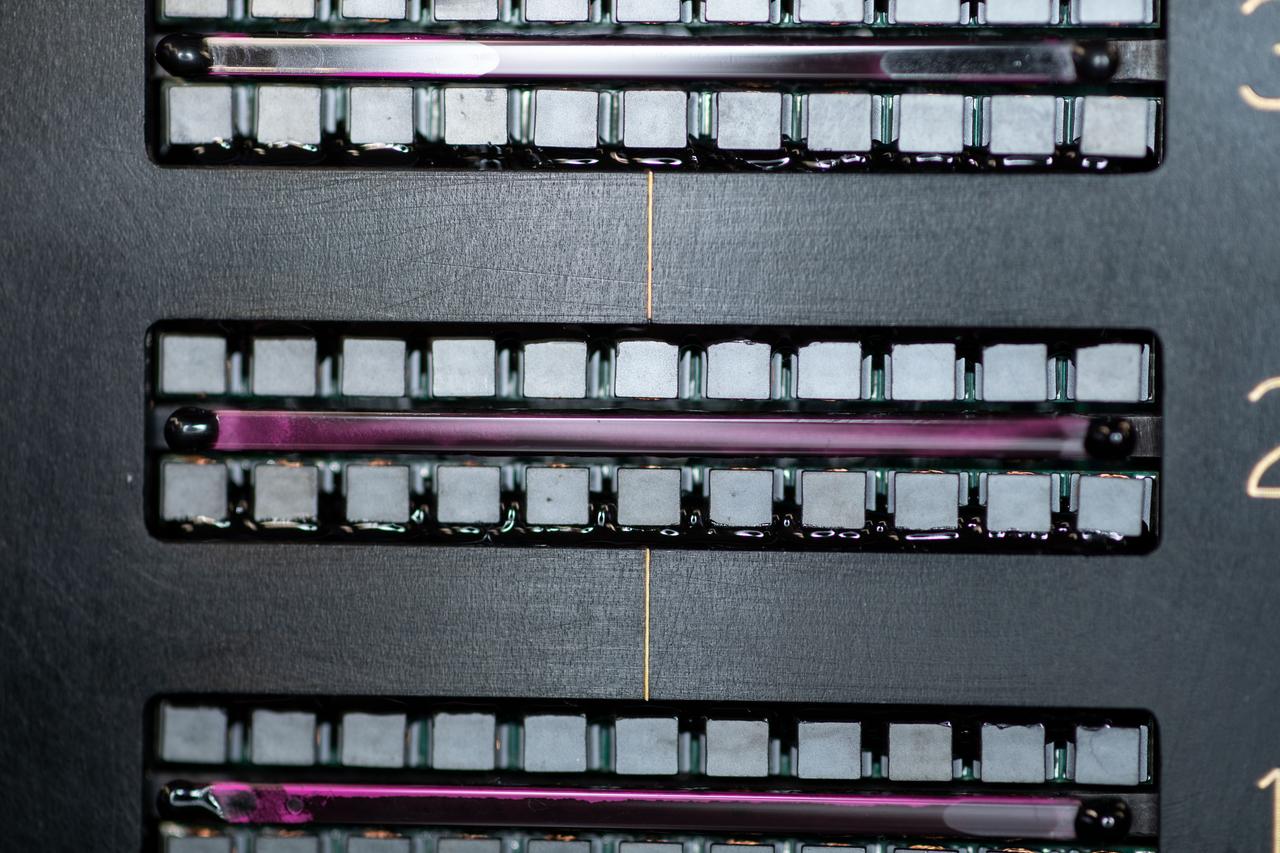
iss059e061932 (5/17/2019) --- Photo documentation onboard the International Space Station (ISS) of the ACE Modules taken during the ACE-T12 Module Configuration. The Advanced Colloids Experiment-Nanoparticle Haloing (ACE-T-12) involves design and assembly of complex three-dimensional (3D) structures from colloids, or particles of different sizes suspended in a fluid. It employs a recently discovered technique, Nanoparticle Haloing (NPH), which uses highly charged nanoparticles to stabilize much larger, non-charged particles. Allowing these structures to form in microgravity provides insight into the relationship between shape, surface charge, and concentration of particles and particle interactions.
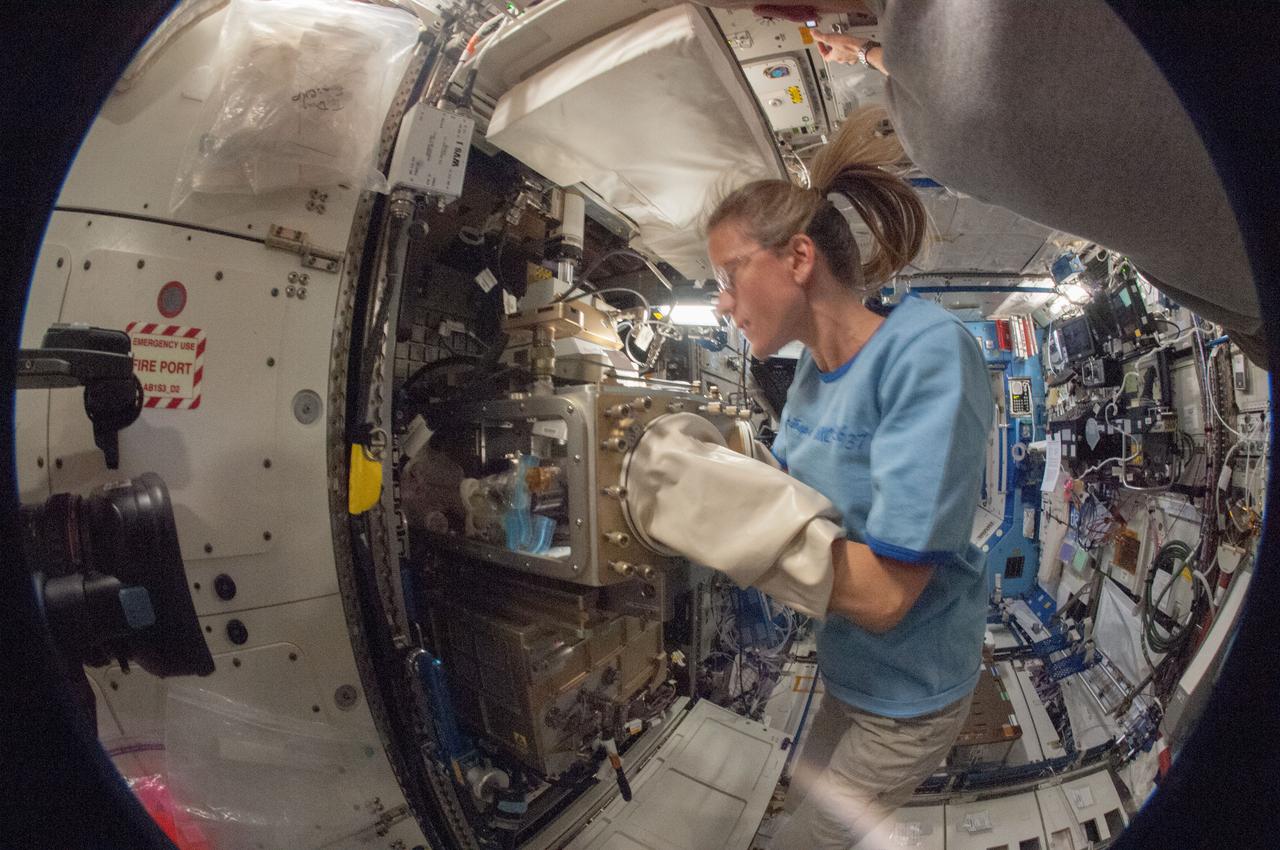
ISS036-E-019783 (24 June 2013) --- In the International Space Station’s Destiny laboratory, a fisheye lens attached to an electronic still camera was used to capture this image of NASA astronaut Karen Nyberg, Expedition 36 flight engineer, as she conducts a session with the Advanced Colloids Experiment (ACE)-1 sample preparation at the Light Microscopy Module (LMM) in the Fluids Integrated Rack / Fluids Combustion Facility (FIR/FCF). ACE-1 is a series of microscopic imaging investigations that uses the microgravity environment to examine flow characteristics and the evolution and ordering effects within a group of colloidal materials.
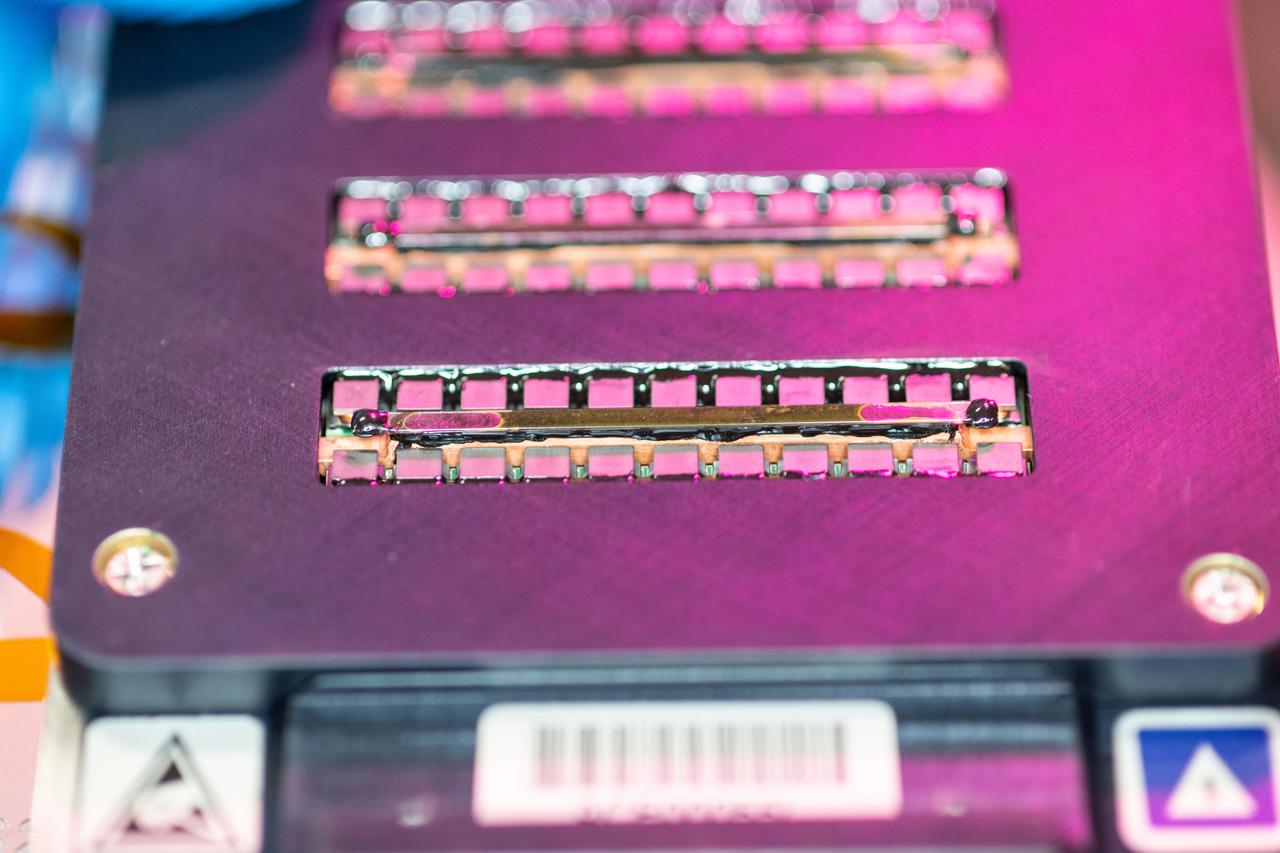
iss059e036890 (4/30/2019) --- Photo documentation onboard the International Space Station (ISS) of the ACE Modules prior to science runs. The Advanced Colloids Experiment-Microscopy-2 (ACE-M-2) observes the microscopic behavior of liquids and gases separating from each other, using a new microscope to record micro-scale events on short time scales, while previous experiments observed large-scale behavior over many weeks.
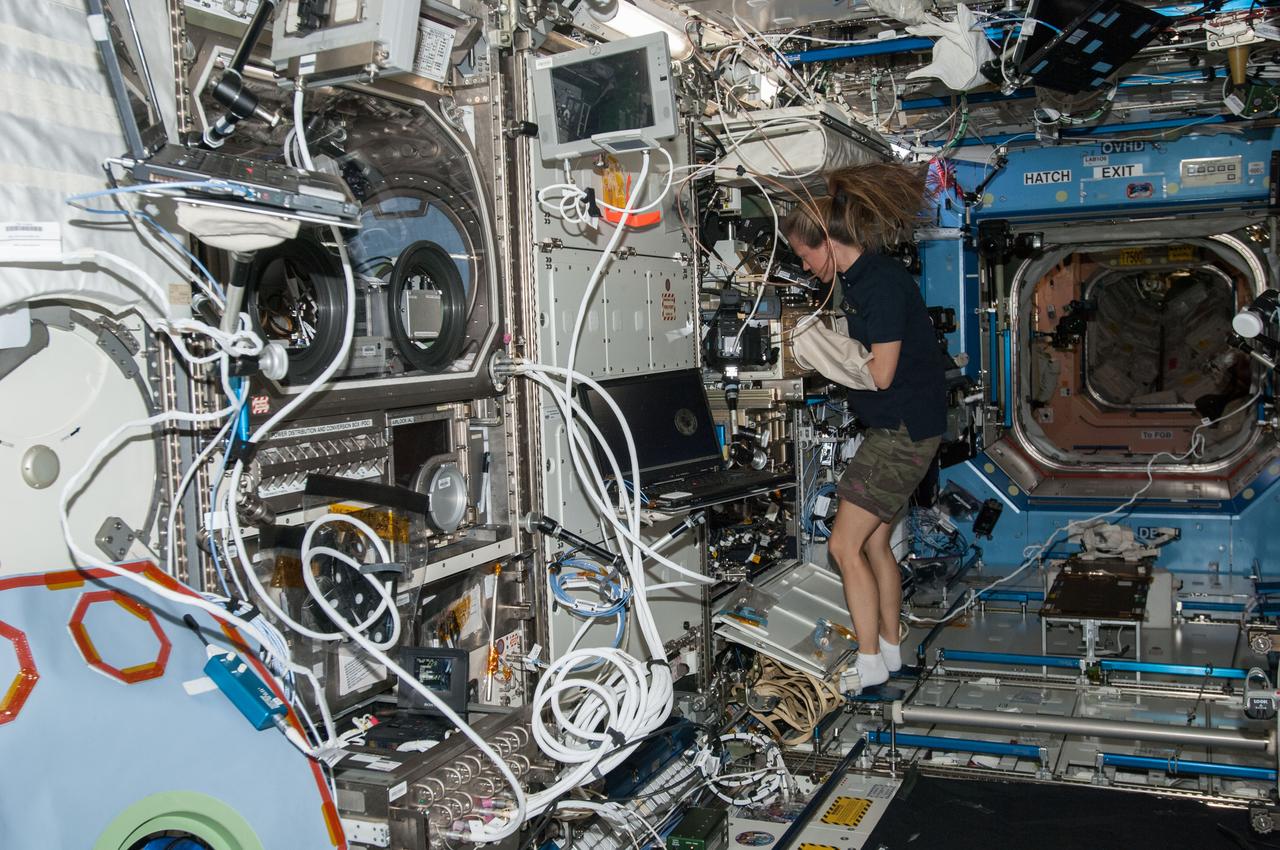
ISS036-E-033948 (18 Aug. 2013) --- NASA astronaut Karen Nyberg, Expedition 36 flight engineer, works with new test samples for the Advanced Colloids Experiment, or ACE, housed in the Light Microscopy Module (LMM) inside the Fluids Integrated Rack of the International Space Station?s Destiny laboratory. Results from ACE will help researchers understand how to optimize stabilizers to extend the shelf life of products like laundry detergent, paint, ketchup and even salad dressing.
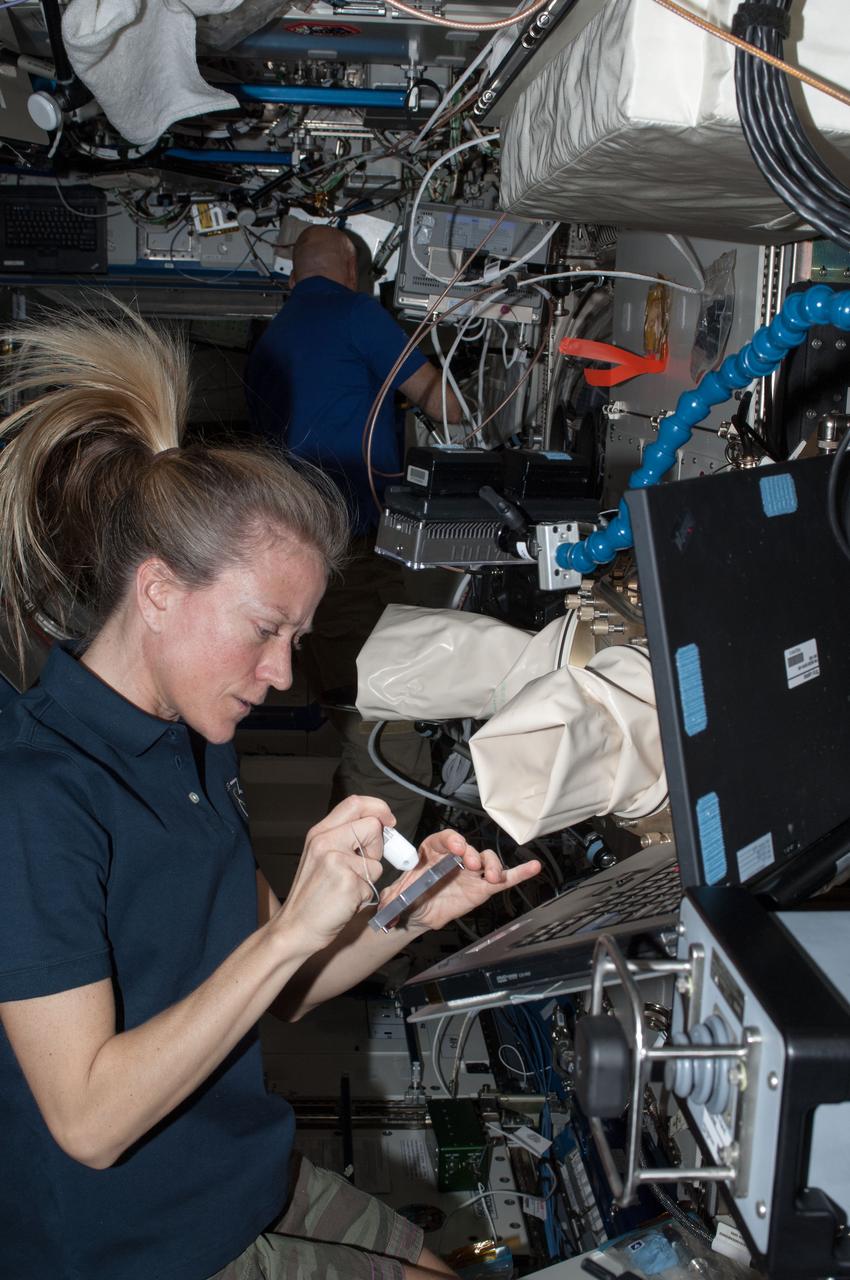
ISS036-E-035770 (18 Aug. 2013) --- NASA astronaut Karen Nyberg, Expedition 36 flight engineer, works with new test samples for the Advanced Colloids Experiment, or ACE, housed in the Light Microscopy Module (LMM) inside the Fluids Integrated Rack of the International Space Station?s Destiny laboratory. Results from ACE will help researchers understand how to optimize stabilizers to extend the shelf life of products like laundry detergent, paint, ketchup and even salad dressing.
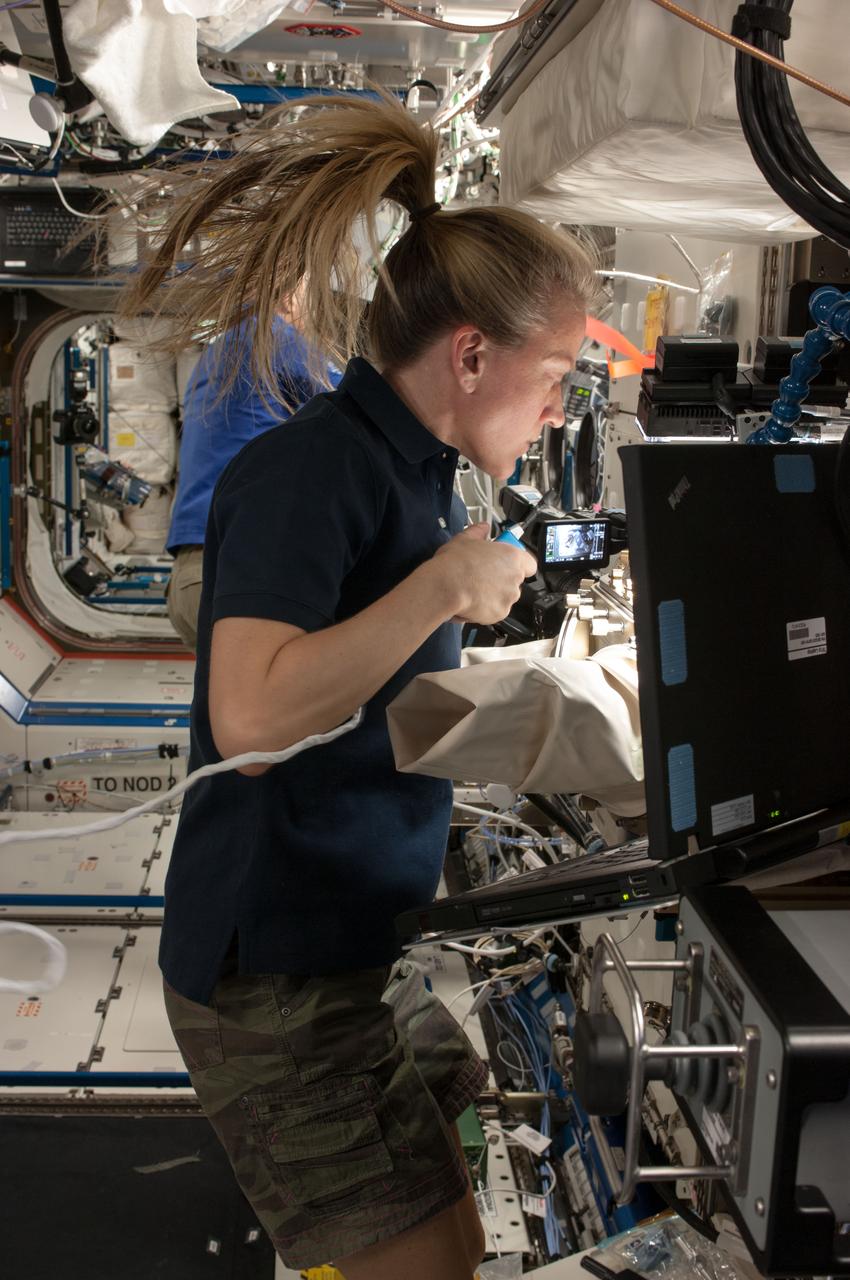
ISS036-E-035780 (18 Aug. 2013) --- NASA astronaut Karen Nyberg, Expedition 36 flight engineer, works with new test samples for the Advanced Colloids Experiment, or ACE, housed in the Light Microscopy Module (LMM) inside the Fluids Integrated Rack of the International Space Station?s Destiny laboratory. Results from ACE will help researchers understand how to optimize stabilizers to extend the shelf life of products like laundry detergent, paint, ketchup and even salad dressing.
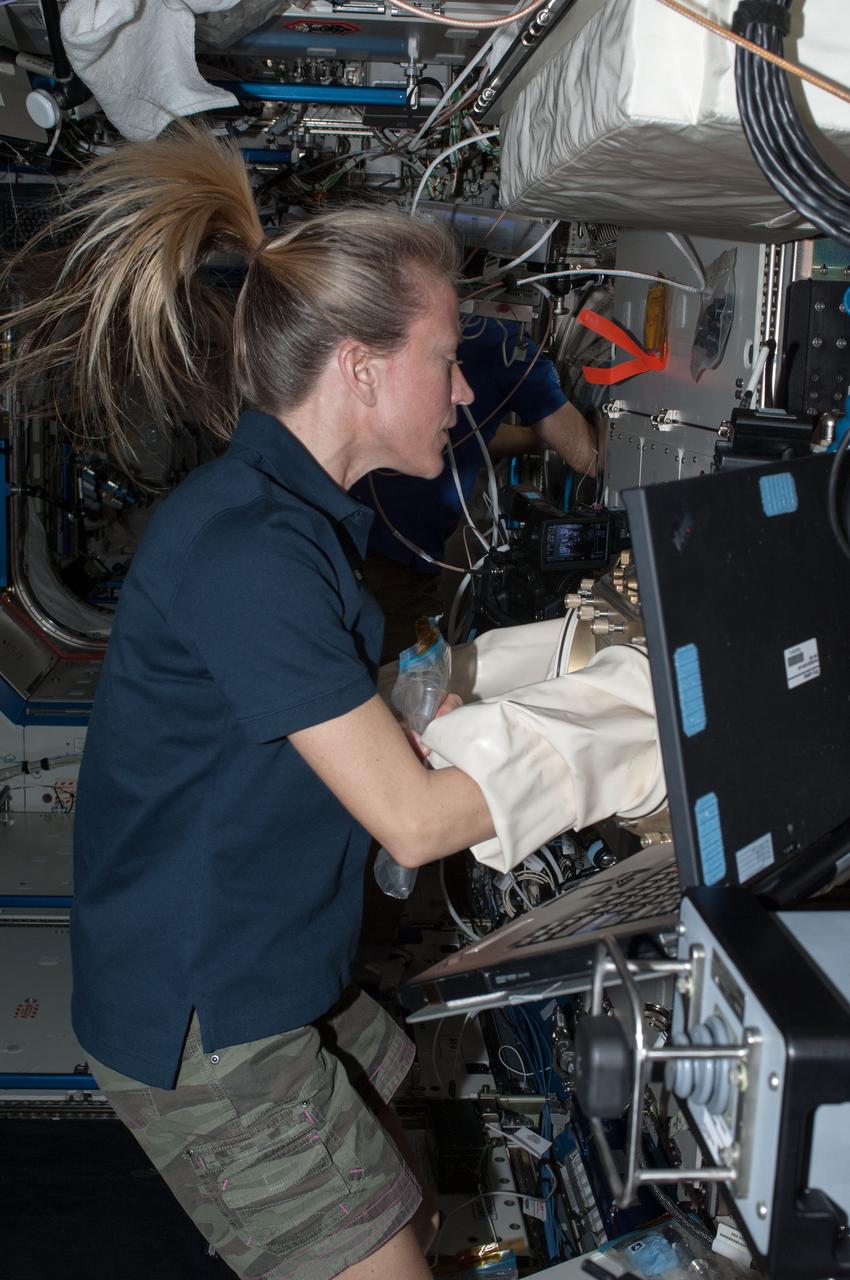
ISS036-E-035767 (18 Aug. 2013) --- NASA astronaut Karen Nyberg, Expedition 36 flight engineer, works with new test samples for the Advanced Colloids Experiment, or ACE, housed in the Light Microscopy Module (LMM) inside the Fluids Integrated Rack of the International Space Station?s Destiny laboratory. Results from ACE will help researchers understand how to optimize stabilizers to extend the shelf life of products like laundry detergent, paint, ketchup and even salad dressing.
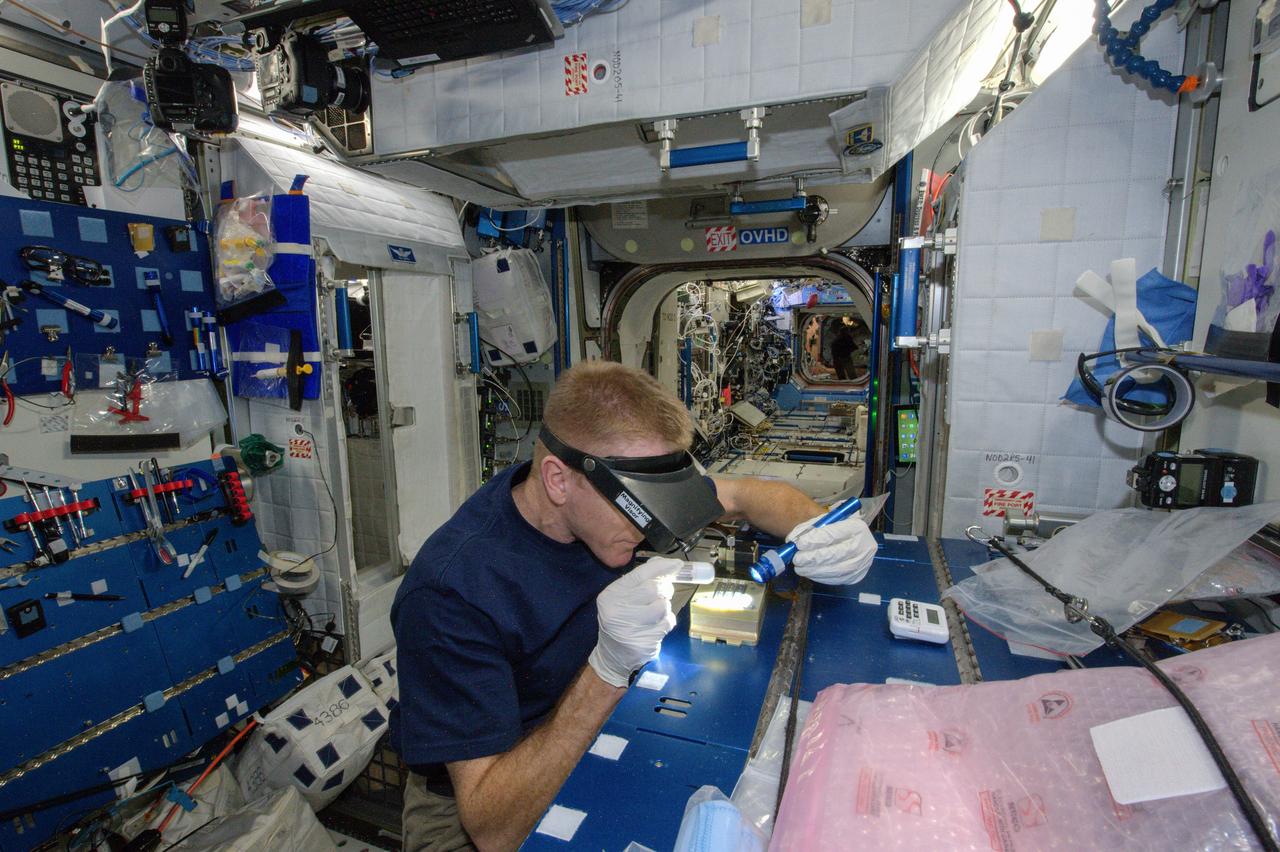
ISS046e005678 (01/04/2016) ---- ESA (European Space Agency) astronaut Tim Peake works on the Advanced Colloids Experiment 2 (ACE H2) Hardware Configuration and Mix Part 1. Peake sent out a Twitter message with this image: Stirring samples using a bar magnet to turn a tiny metal rod - preparing for today's @ISS_Research. #Principia".
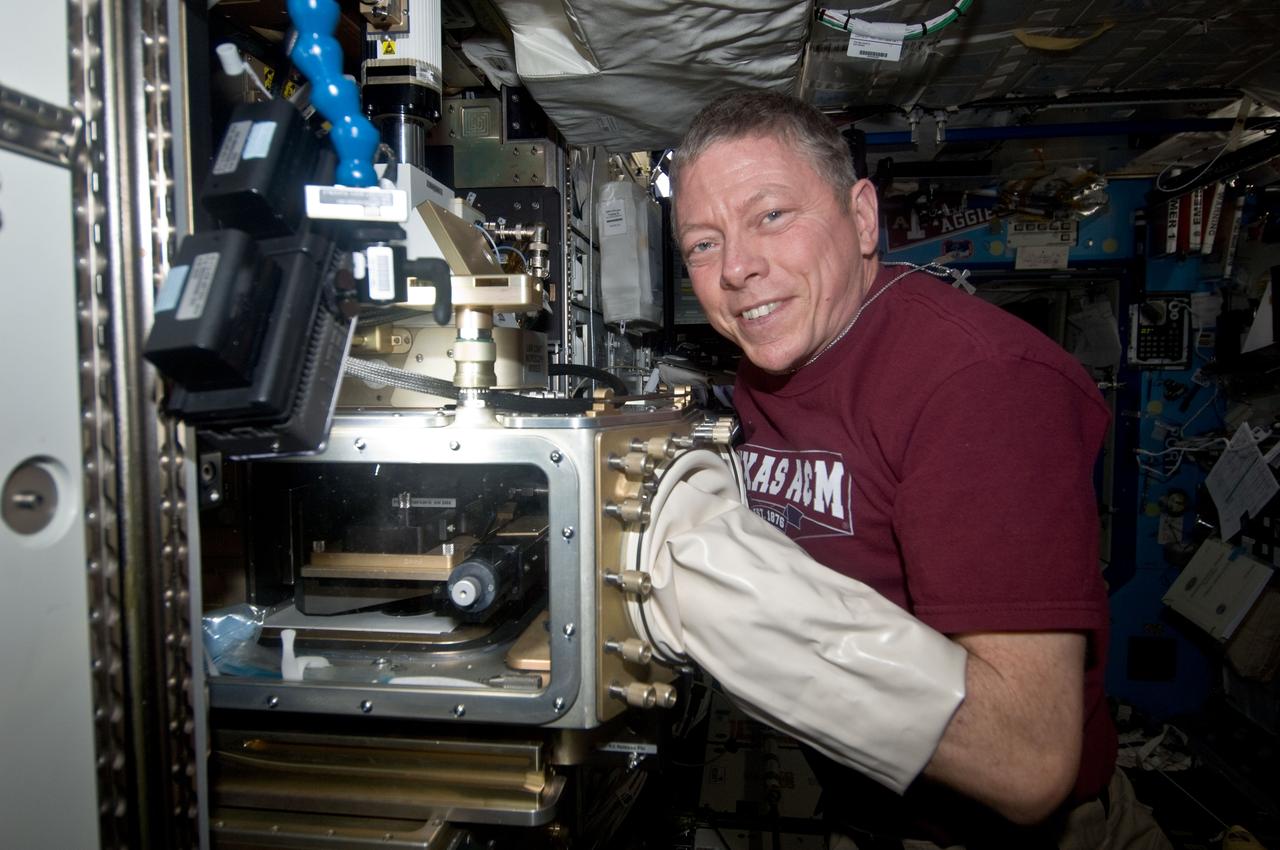
ISS029-E-025108 (11 Oct. 2011) --- NASA astronaut Mike Fossum, Expedition 29 commander, works on the Fluids Integrated Rack/Fluids and Combustion Facility (FIR/FCF), conducting another session with the Preliminary Advanced Colloids Experiment (PACE). Fossum is working at the Light Microscopy Module (LMM) in the Destiny laboratory of the International Space Station.
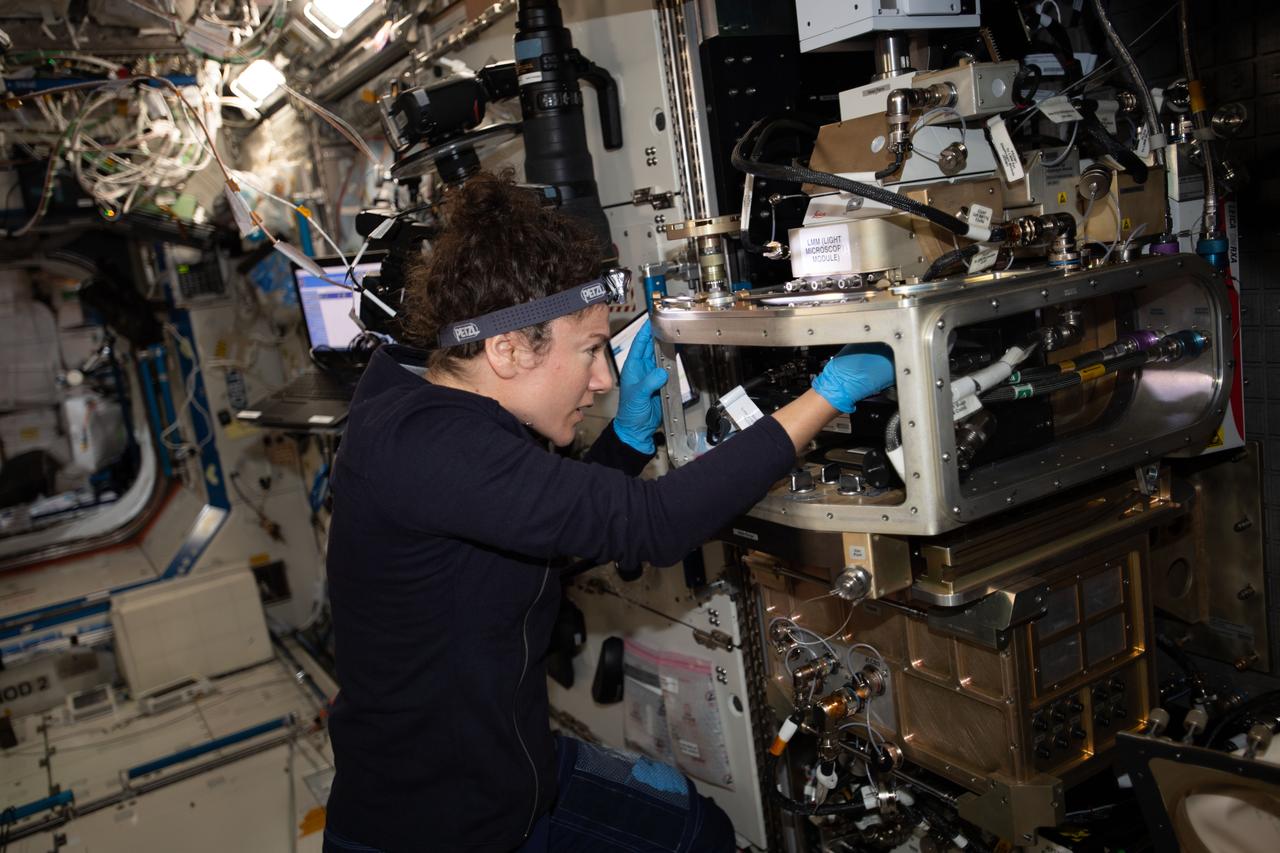
iss062e014339 (Feb. 16, 2020) --- NASA astronaut and Expedition 62 Flight Engineer Jessica Meir configures the Light Microscopy Module inside the Fluids Integrated Rack. The specialized microscope is being readied to examine the transition of an ordered crystal to a disordered glass to determine how increasing disorder affects structural and dynamic properties. The Advanced Colloids Experiment-Temperature-4 (ACE-T-4) investigation controls disorder by controlling temperature in a series of samples and observes the microscopic transition in three dimensions.
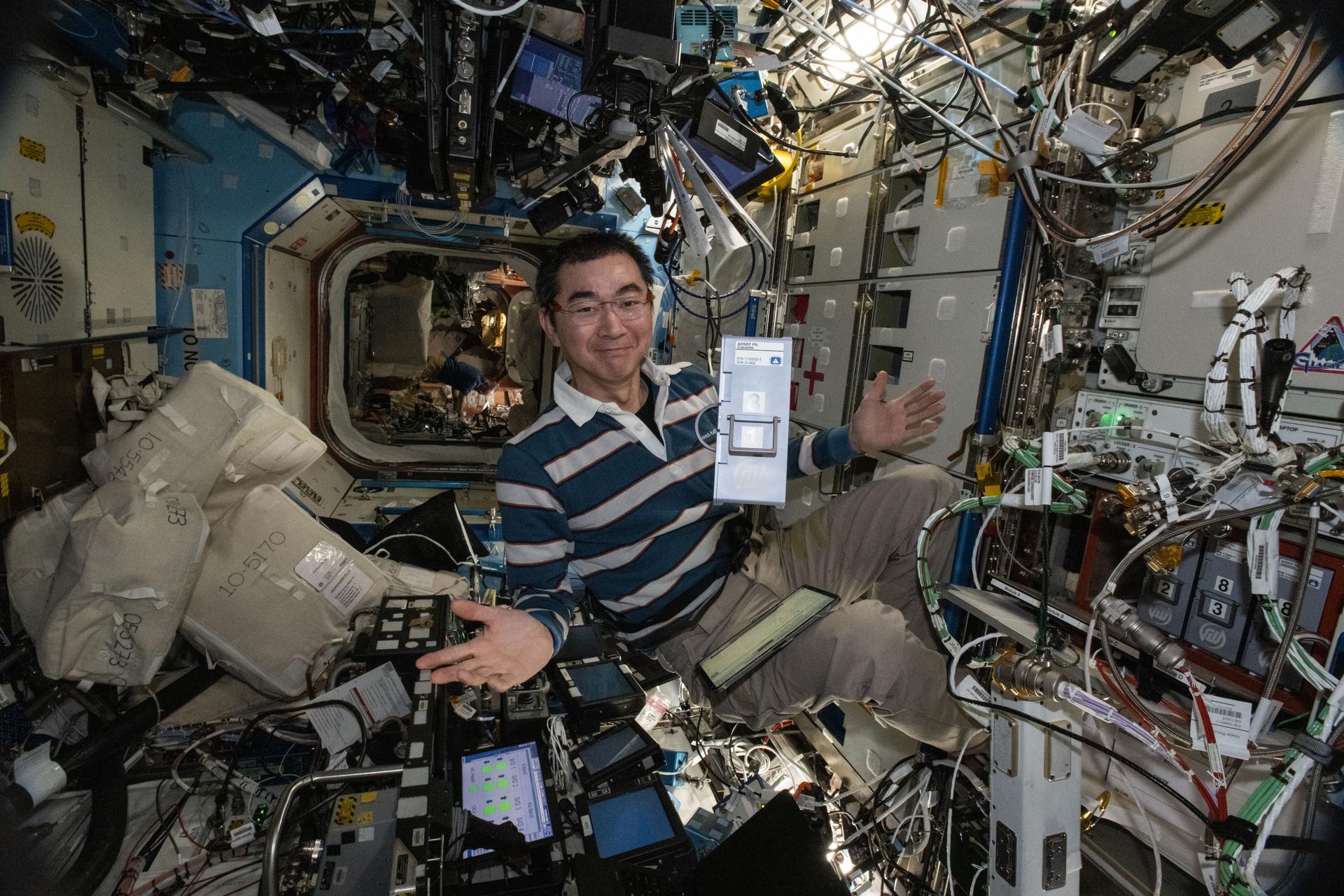
iss074e0046407 (Jan. 9, 2026) --- JAXA (Japan Aerospace Exploration Agency) astronaut and Expedition 74 Flight Engineer Kimiya Yui displays an Advanced Sample Experiment Processor-4 (ADSEP-4) cassette inside the International Space Station’s Destiny laboratory module. ADSEP-4 supports a wide range of microgravity research aboard the orbital outpost and can house samples such as cell and tissue cultures, protein crystals, microbes, colloids, and more. The processor is also capable of supporting powered operations aboard SpaceX Dragon and Northrop Grumman Cygnus XL spacecraft. Credit: NASA/Chris Williams
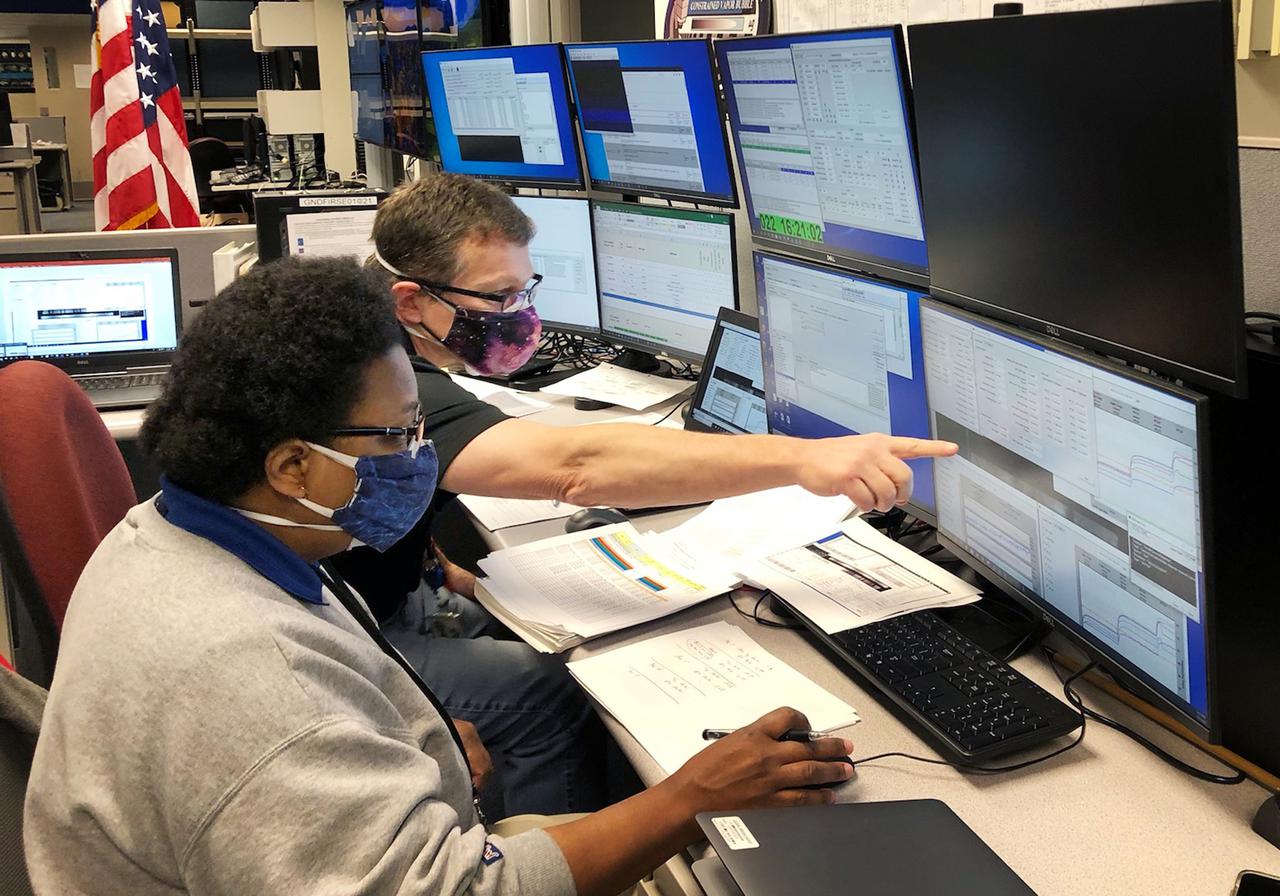
Fuel Boiling Convection Experiment, FBCE Mission Sequence Test
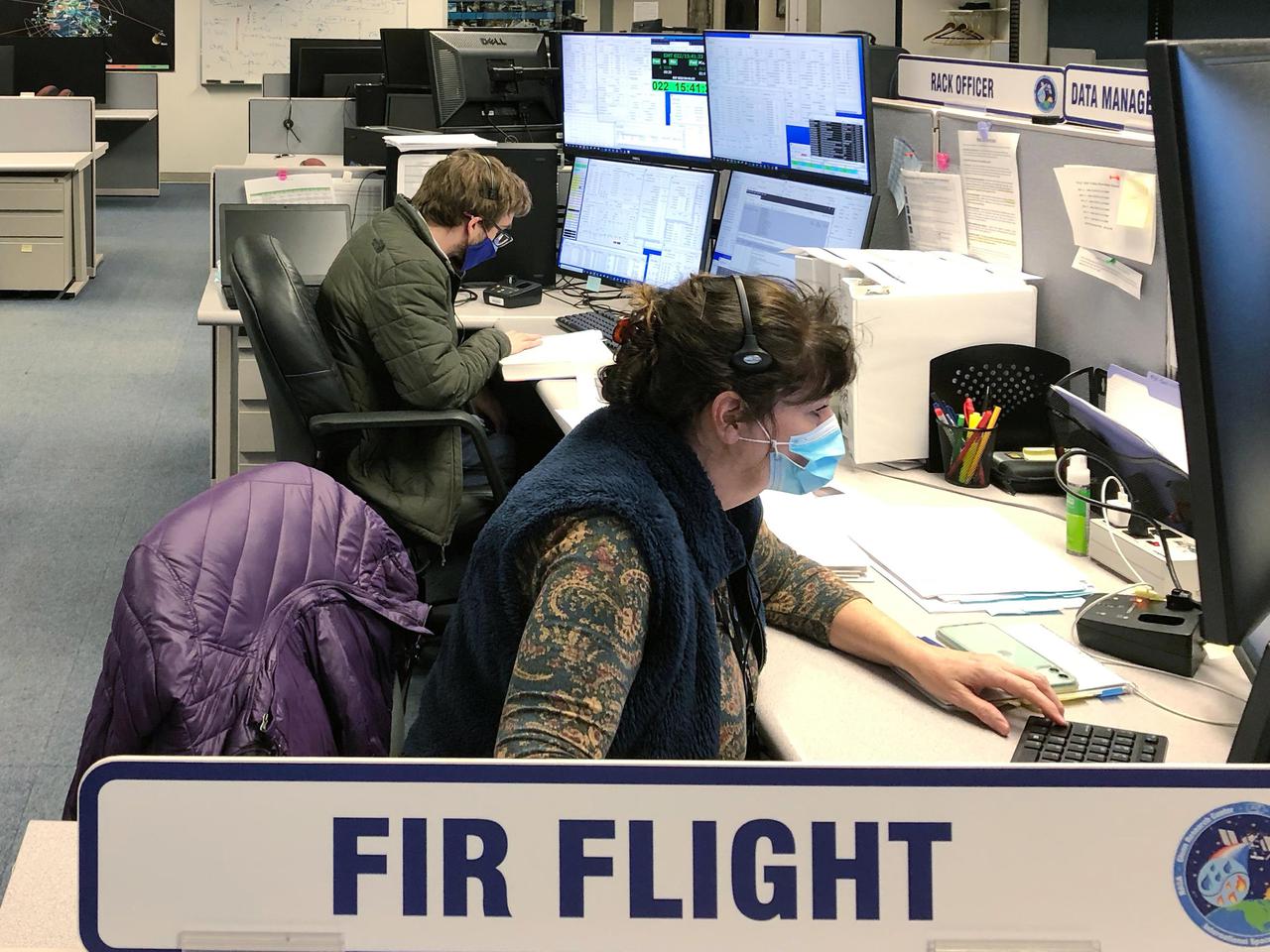
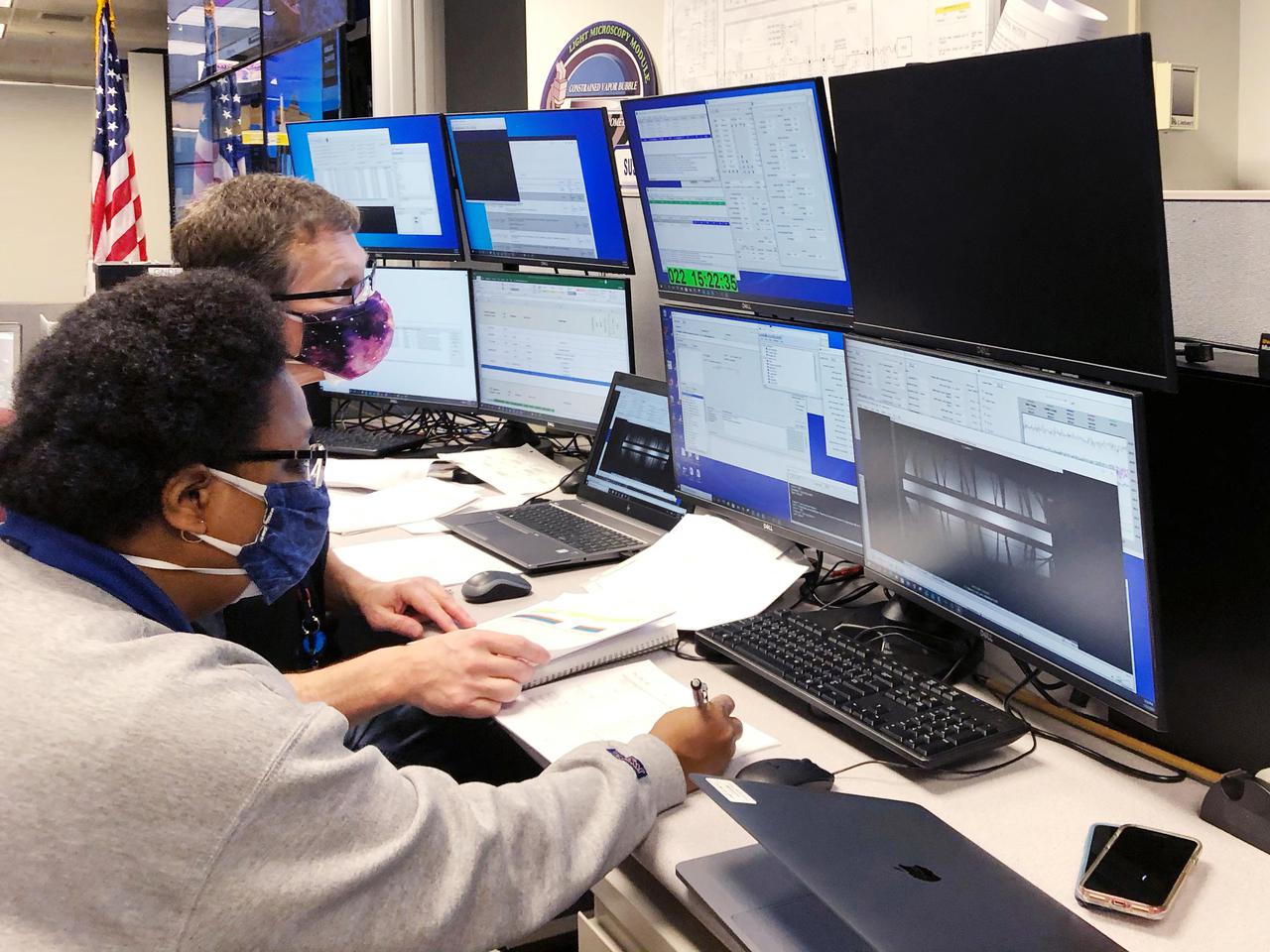
Fuel Boiling Convection Experiment, FBCE Mission Sequence Test
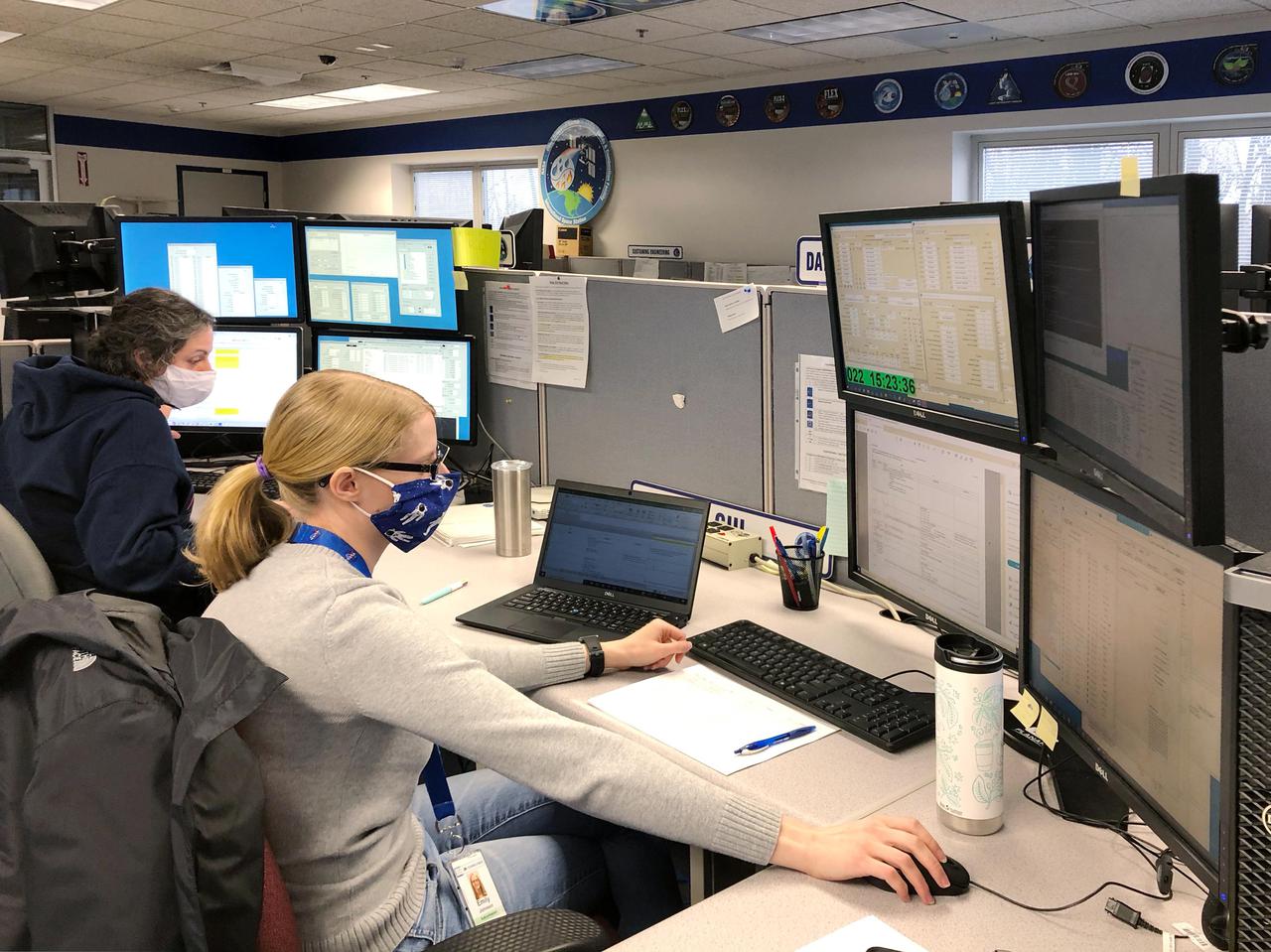
Fuel Boiling Convection Experiment, FBCE Mission Sequence Test
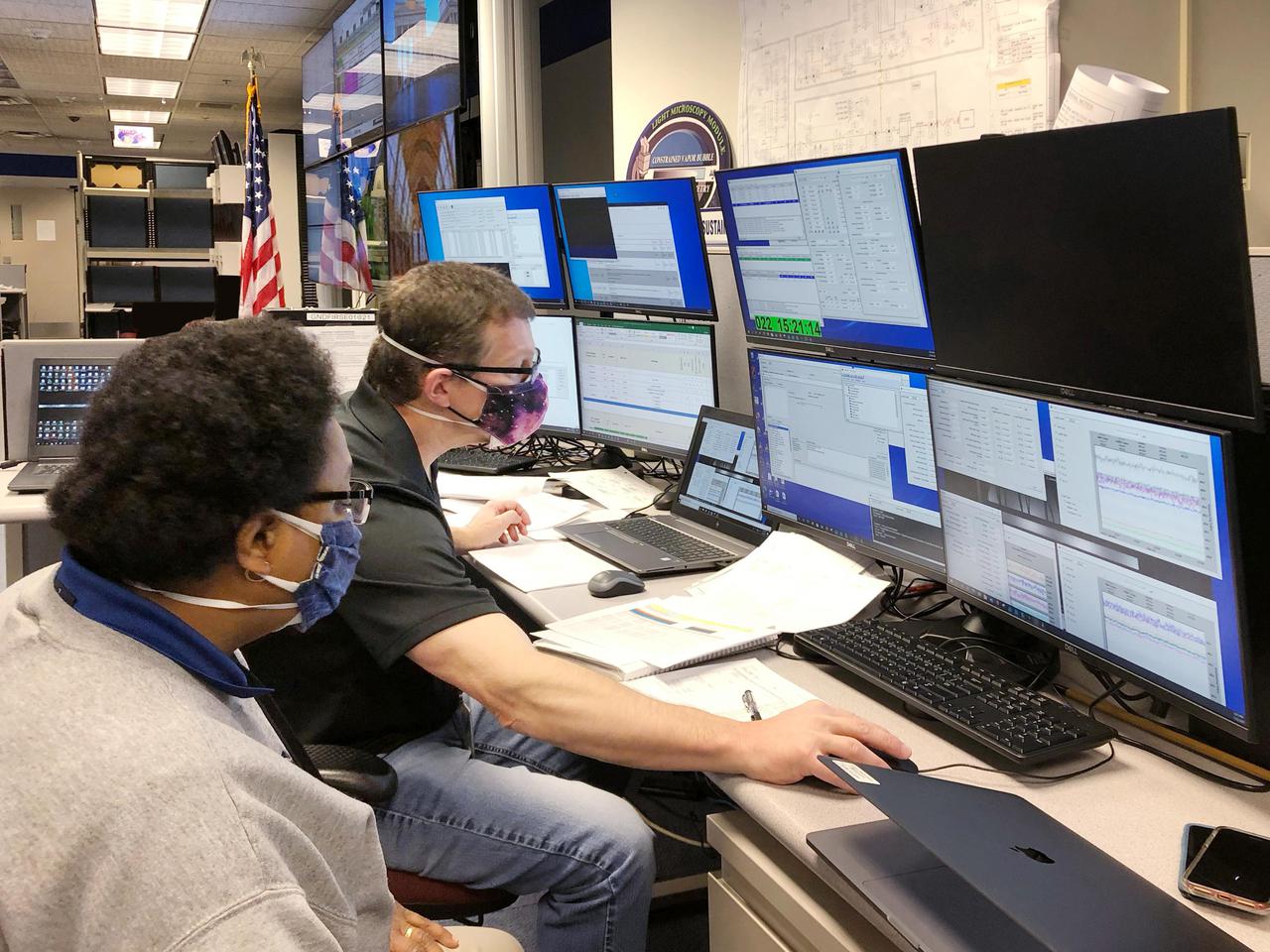
Fuel Boiling Convection Experiment, FBCE Mission Sequence Test