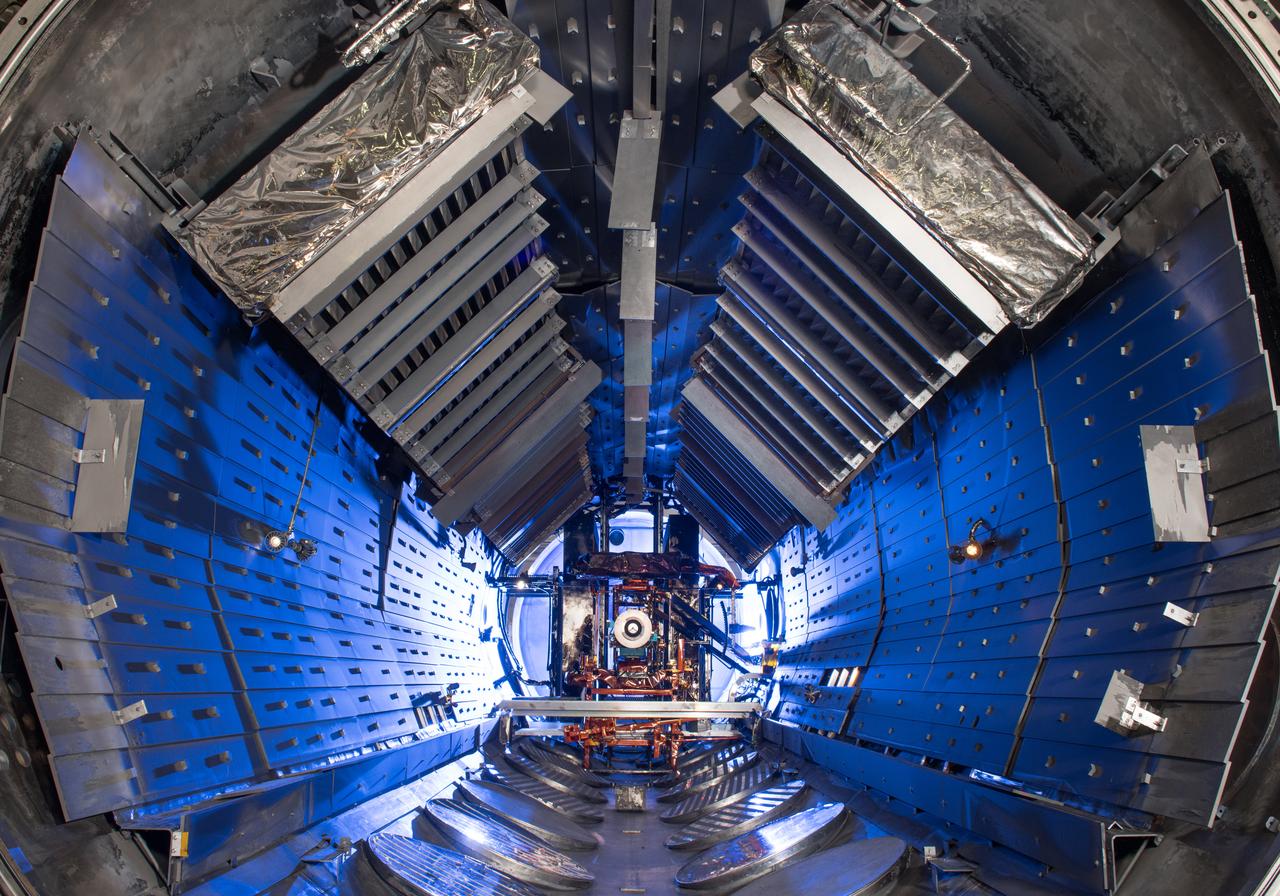
Advanced Electric Propulsion Systems Contract, Technology Demonstration Unit, TDU-3 Checkout Test Hardware Installed in Vacuum Facility 5, VF-5
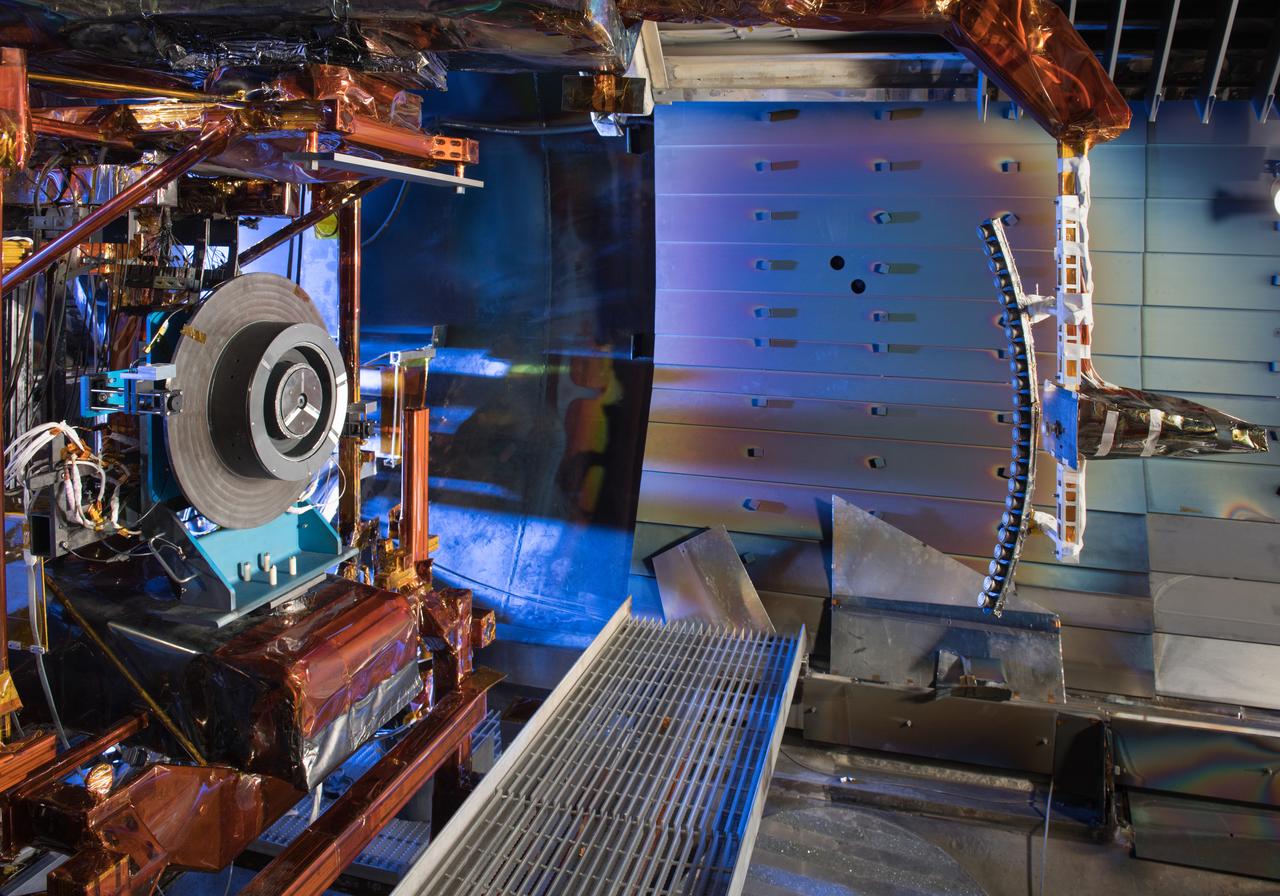
Advanced Electric Propulsion Systems Contract, Technology Demonstration Unit, TDU-3 Checkout Test Hardware Installed in Vacuum Facility 5, VF-5
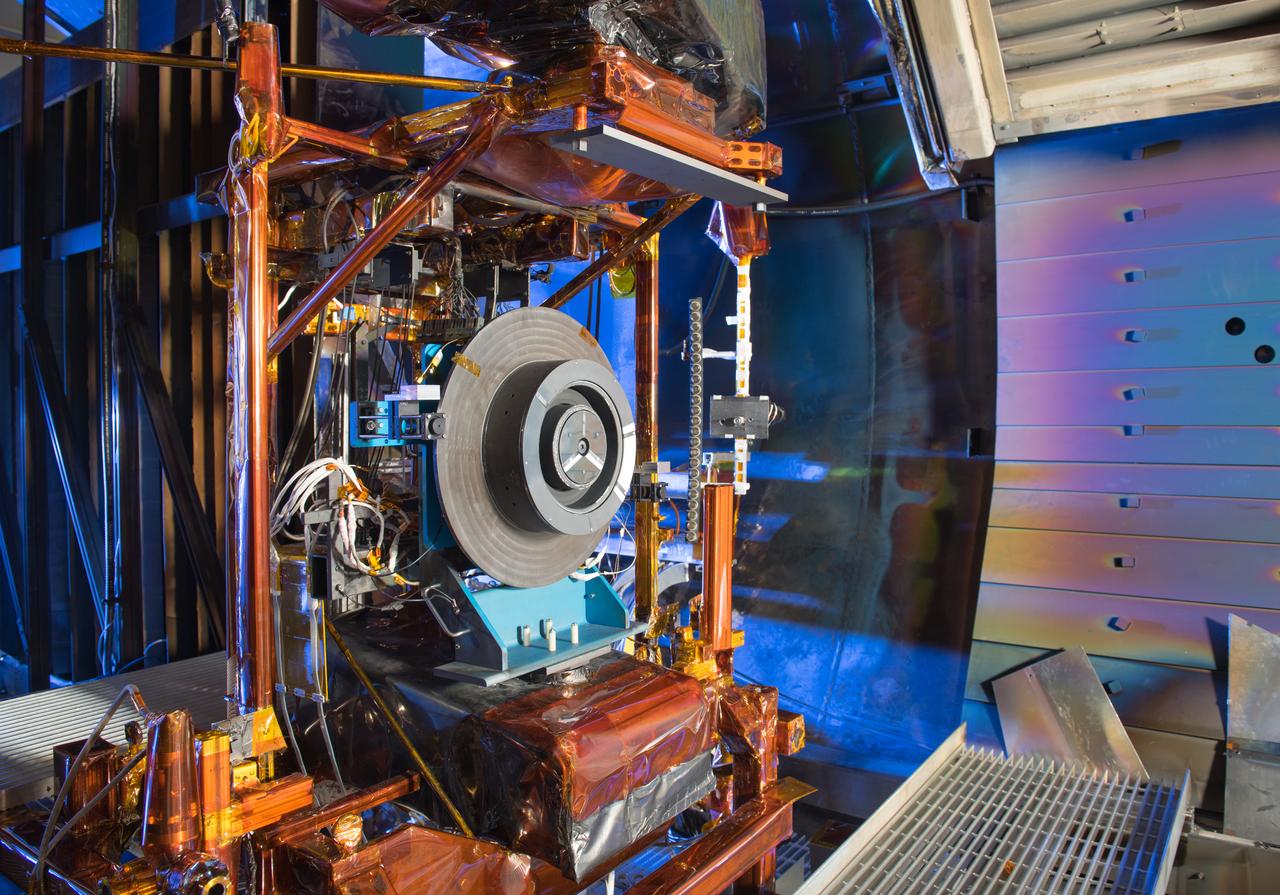
Advanced Electric Propulsion Systems Contract, Technology Demonstration Unit, TDU-3 Checkout Test Hardware Installed in Vacuum Facility 5, VF-5
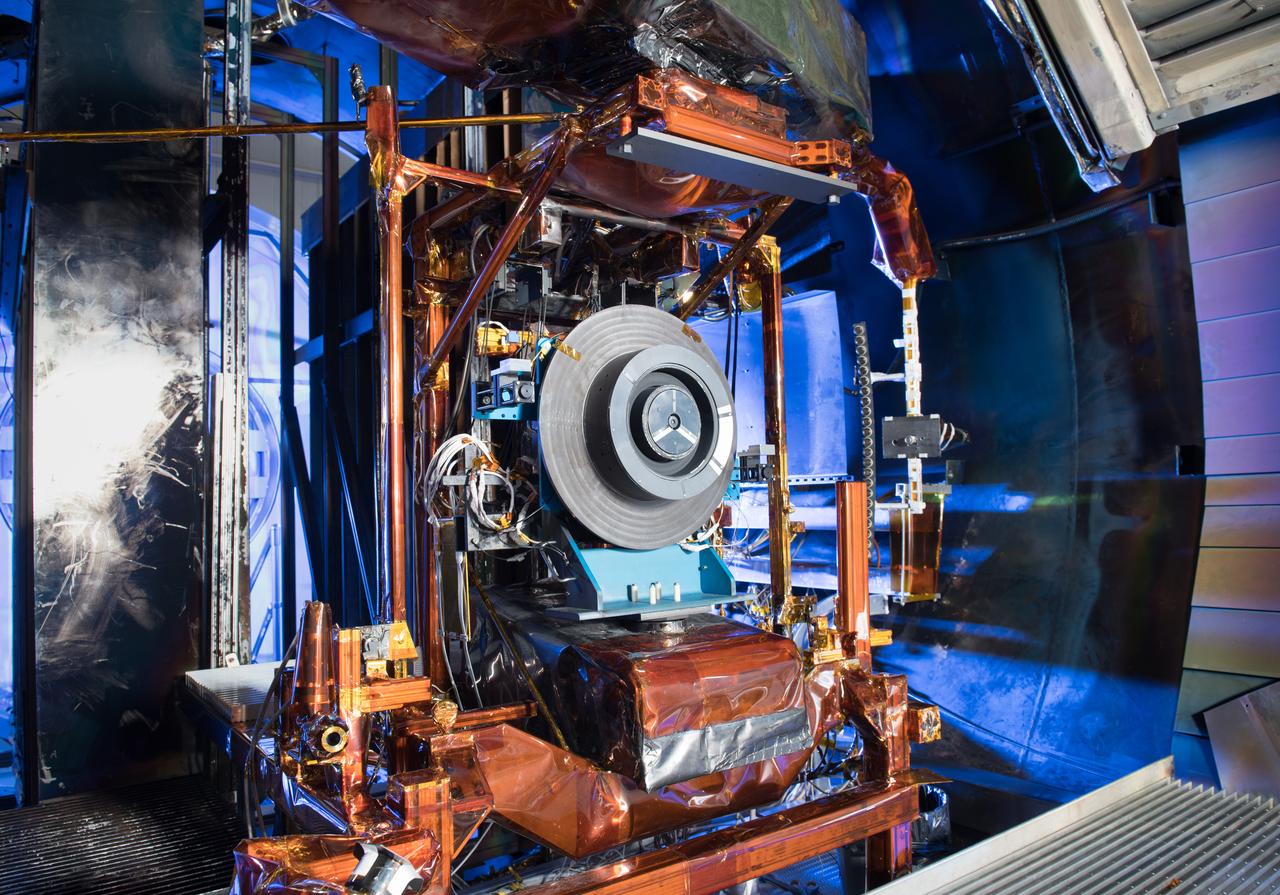
Advanced Electric Propulsion Systems Contract, Technology Demonstration Unit, TDU-3 Checkout Test Hardware Installed in Vacuum Facility 5, VF-5
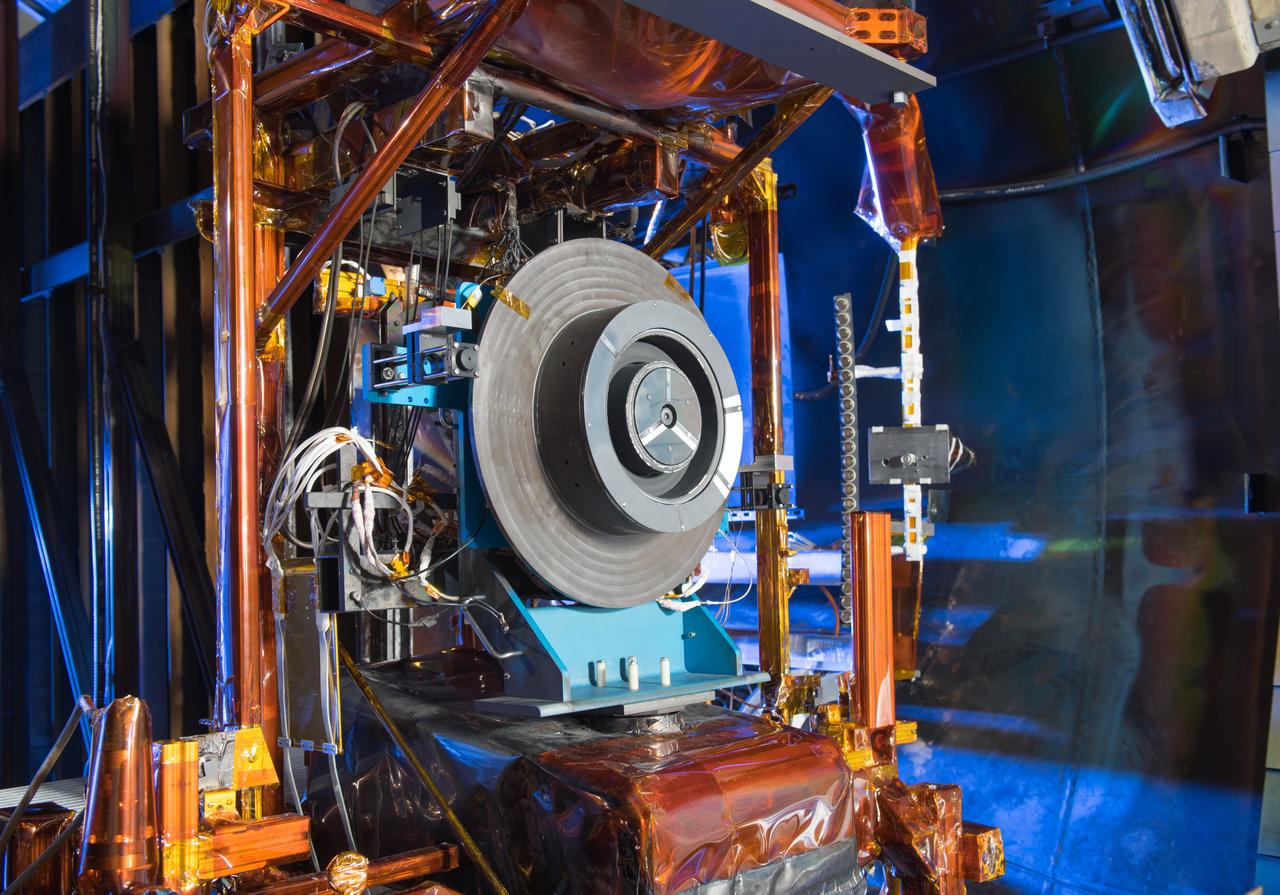
Advanced Electric Propulsion Systems Contract, Technology Demonstration Unit, TDU-3 Checkout Test Hardware Installed in Vacuum Facility 5, VF-5
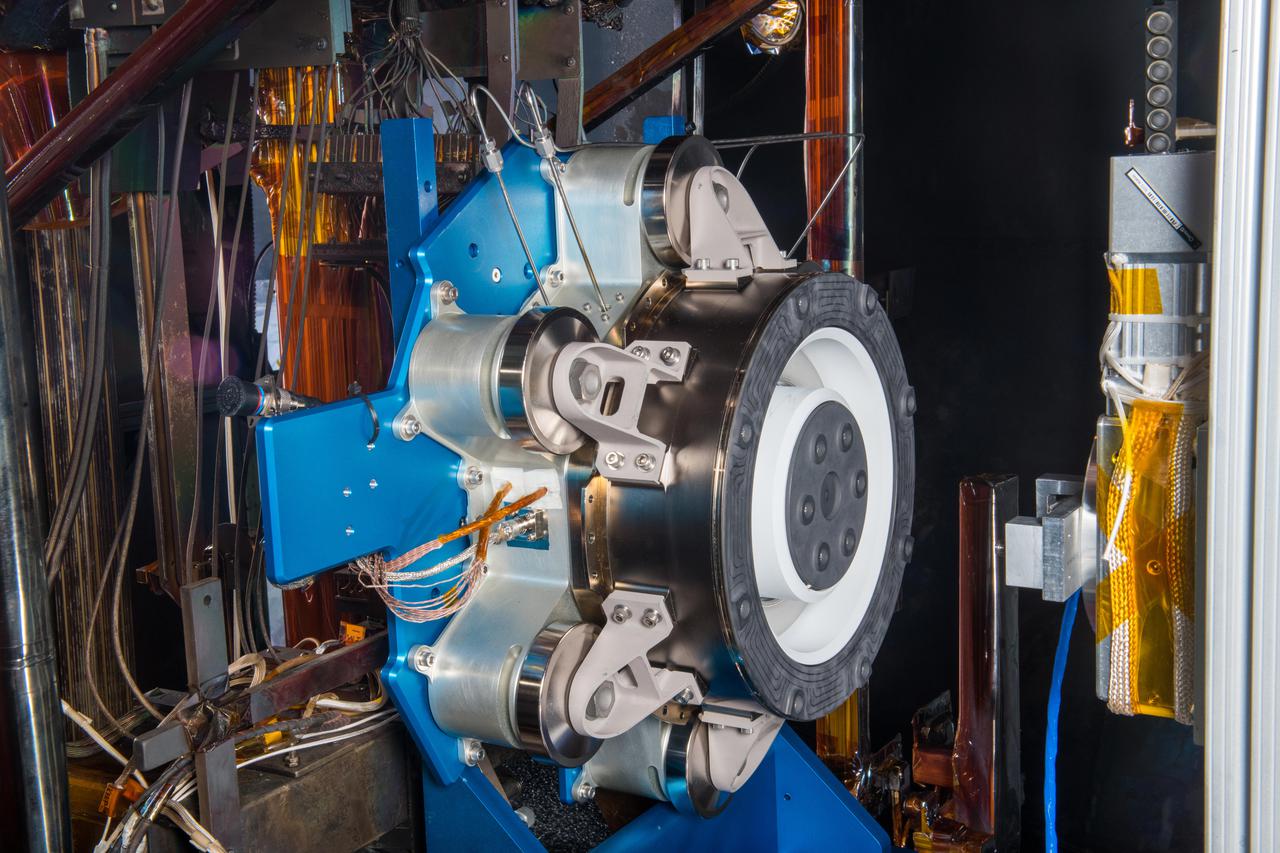
Advanced Electric Propulsion System, AEPS, Engineering Test Unit 2, ETU-2, Thruster Hardware
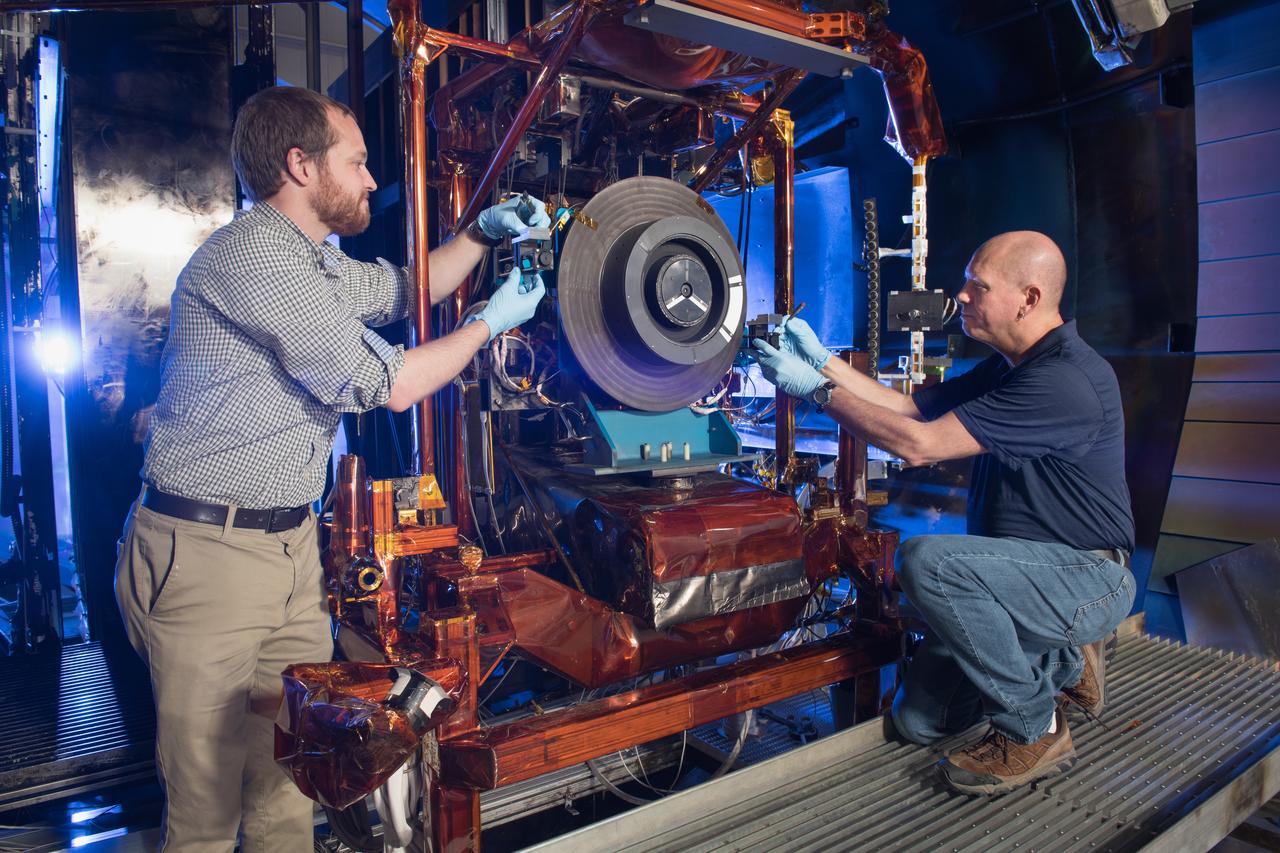
Advanced Electric Propulsion Systems Contract, Technology Demonstration Unit, TDU-3 Checkout Test Hardware Installed in Vacuum Facility 5, VF-5
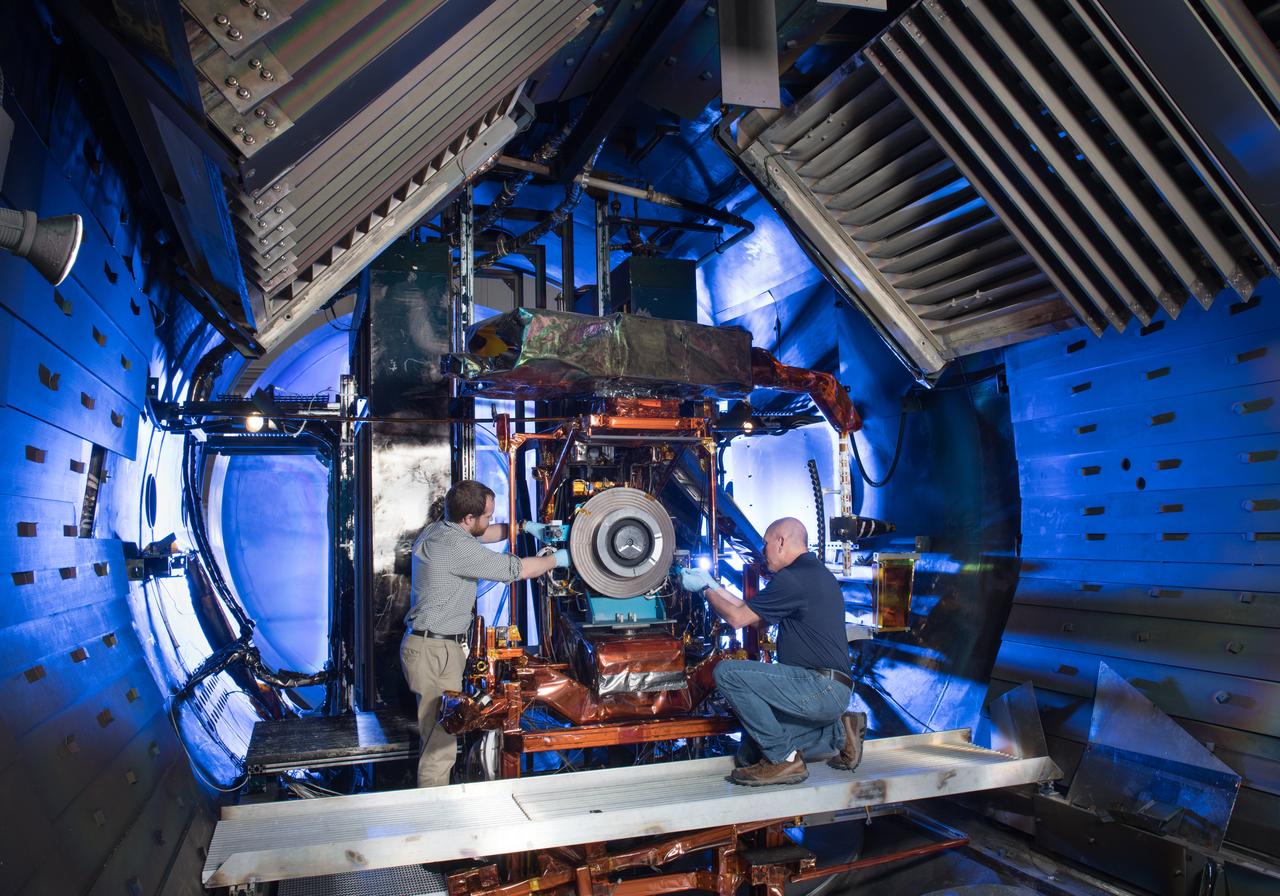
Advanced Electric Propulsion Systems Contract, Technology Demonstration Unit, TDU-3 Checkout Test Hardware Installed in Vacuum Facility 5, VF-5

Advanced Electric Propulsion System, AEPS, Engineering Test Unit 2, ETU-2, Thruster Hardware
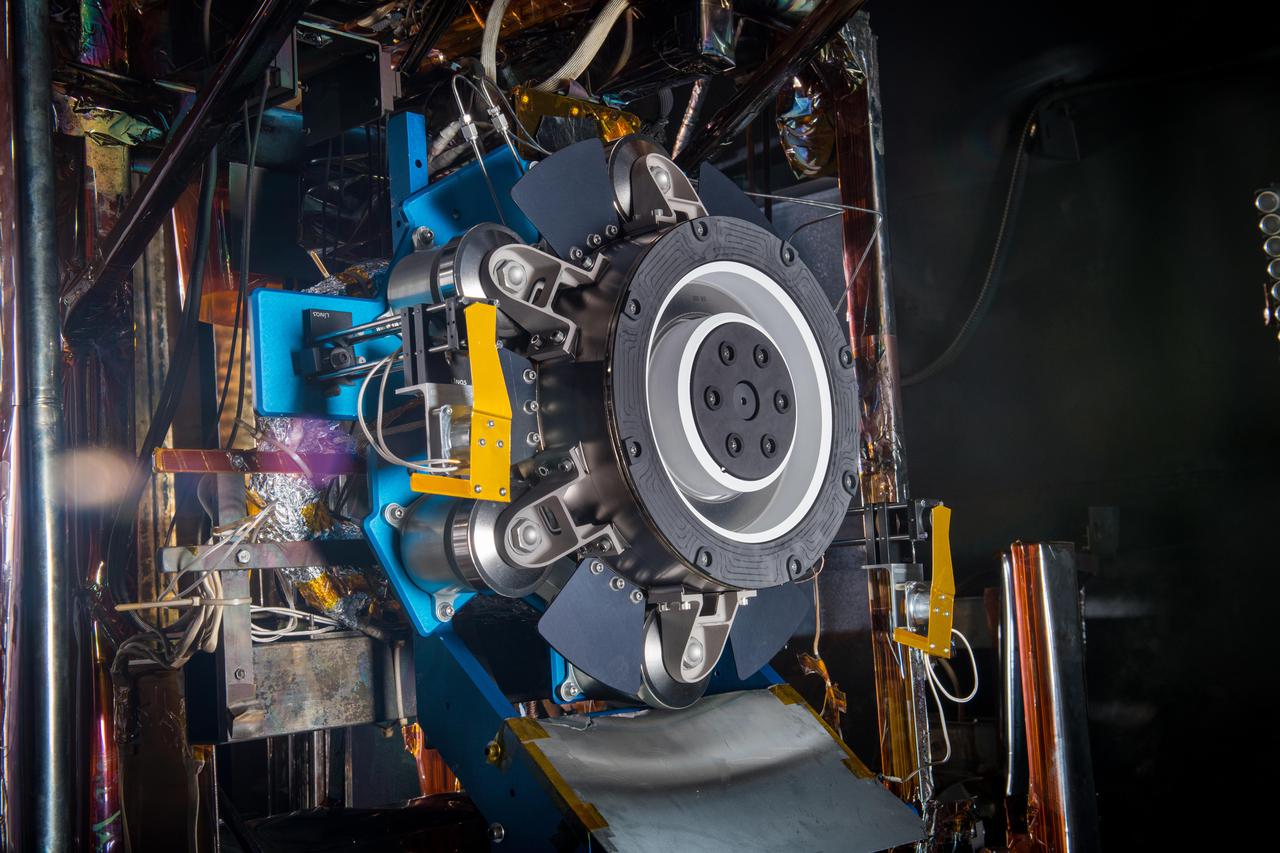
Advanced Electric Propulsion System, AEPS, Engineering Test Unit 2, ETU-2, Thruster Hardware
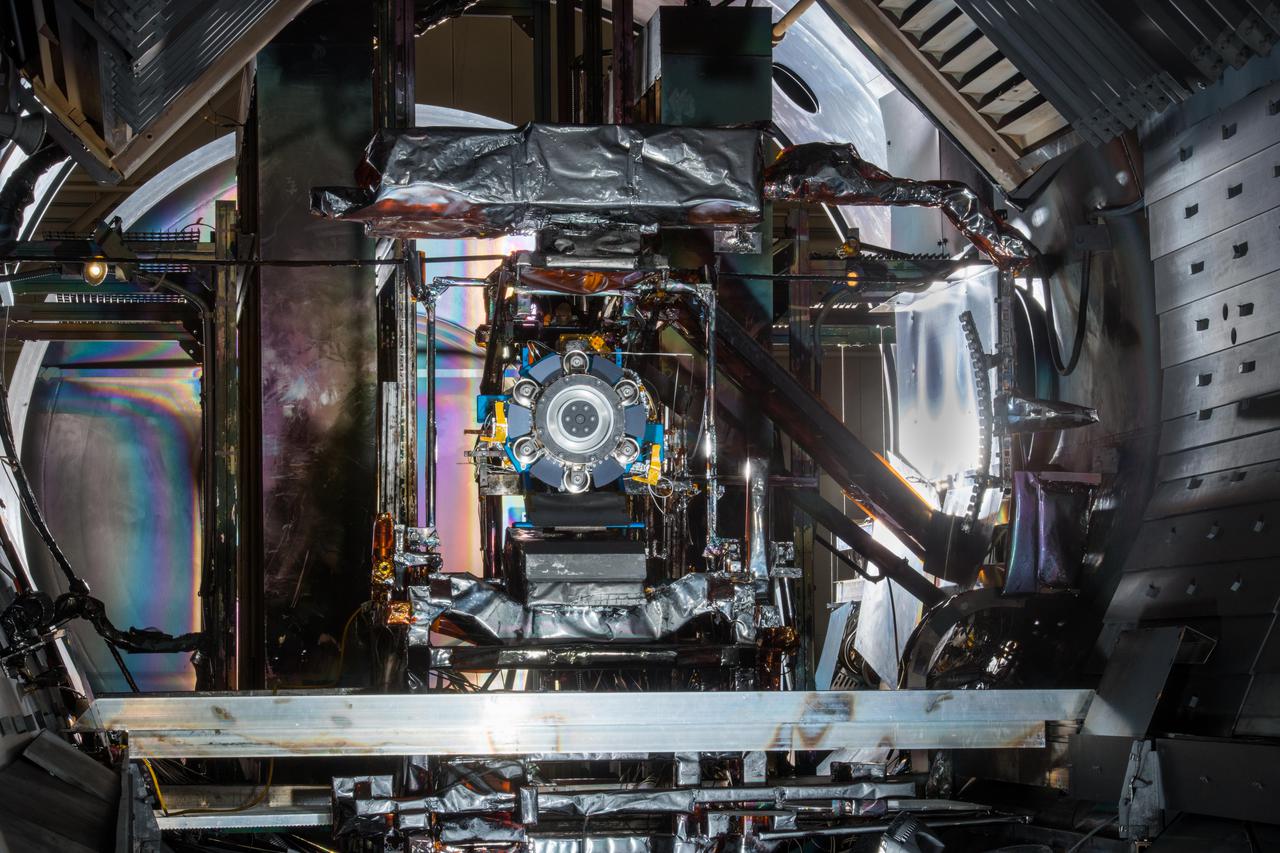
Advanced Electric Propulsion System, AEPS, Engineering Test Unit 2, ETU-2, Thruster Hardware
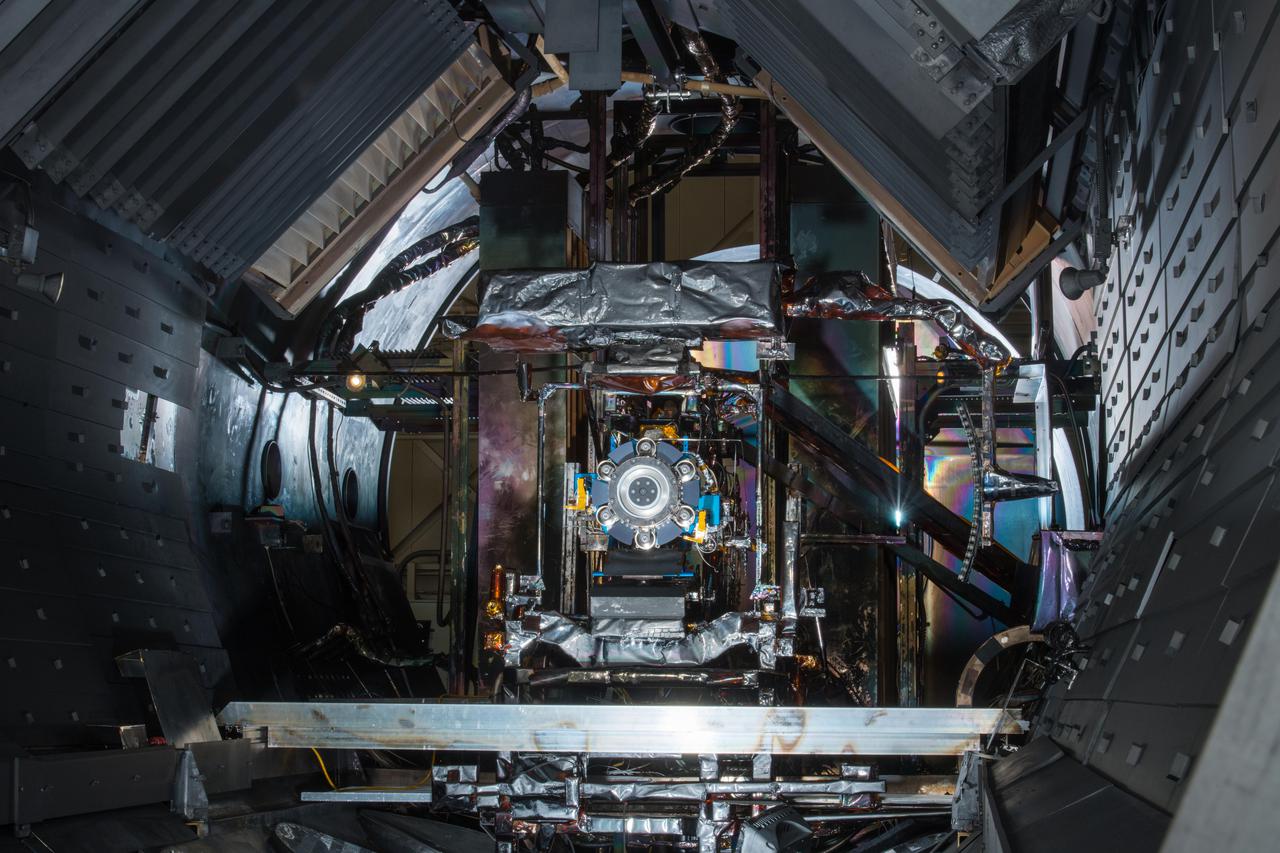
Advanced Electric Propulsion System, AEPS, Engineering Test Unit 2, ETU-2, Thruster Hardware
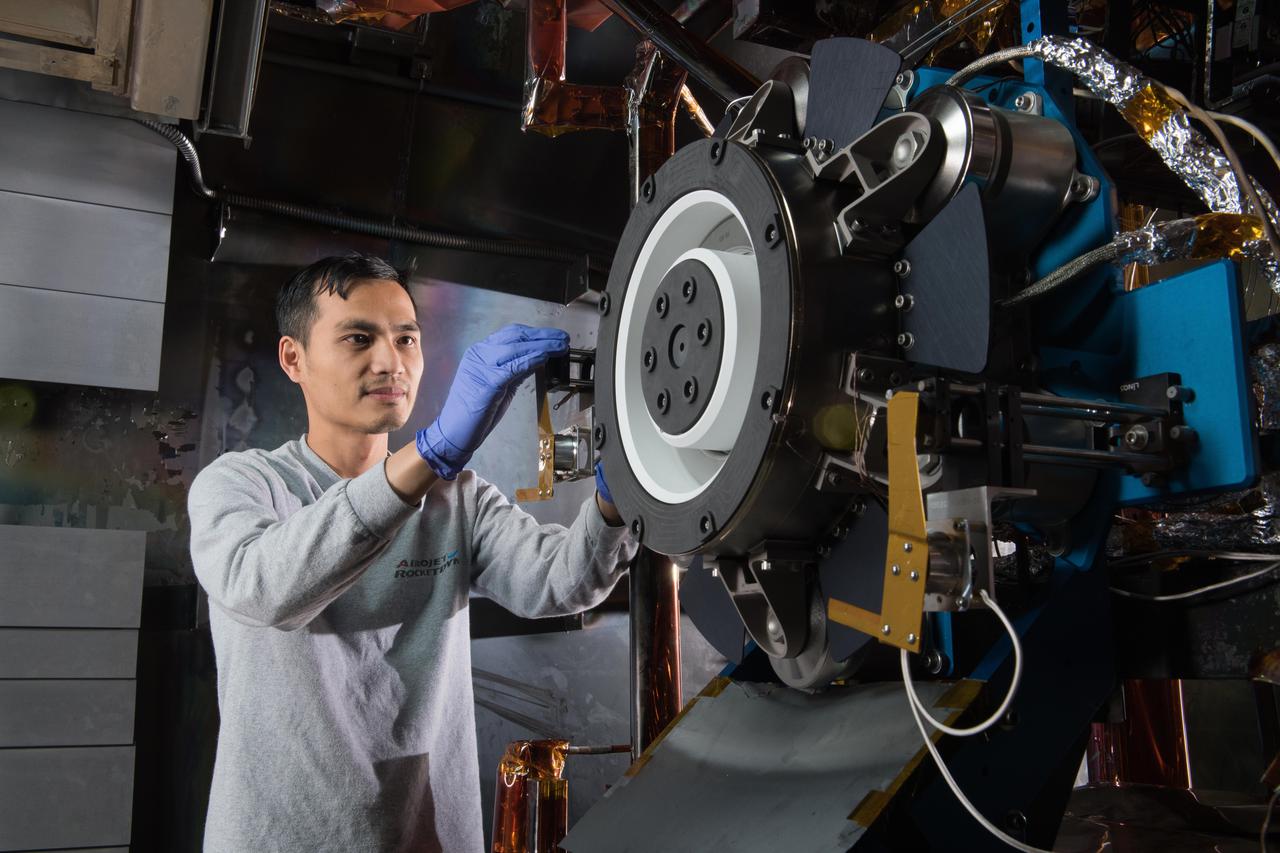
Advanced Electric Propulsion System, AEPS, Engineering Test Unit 2, ETU-2, Thruster Hardware
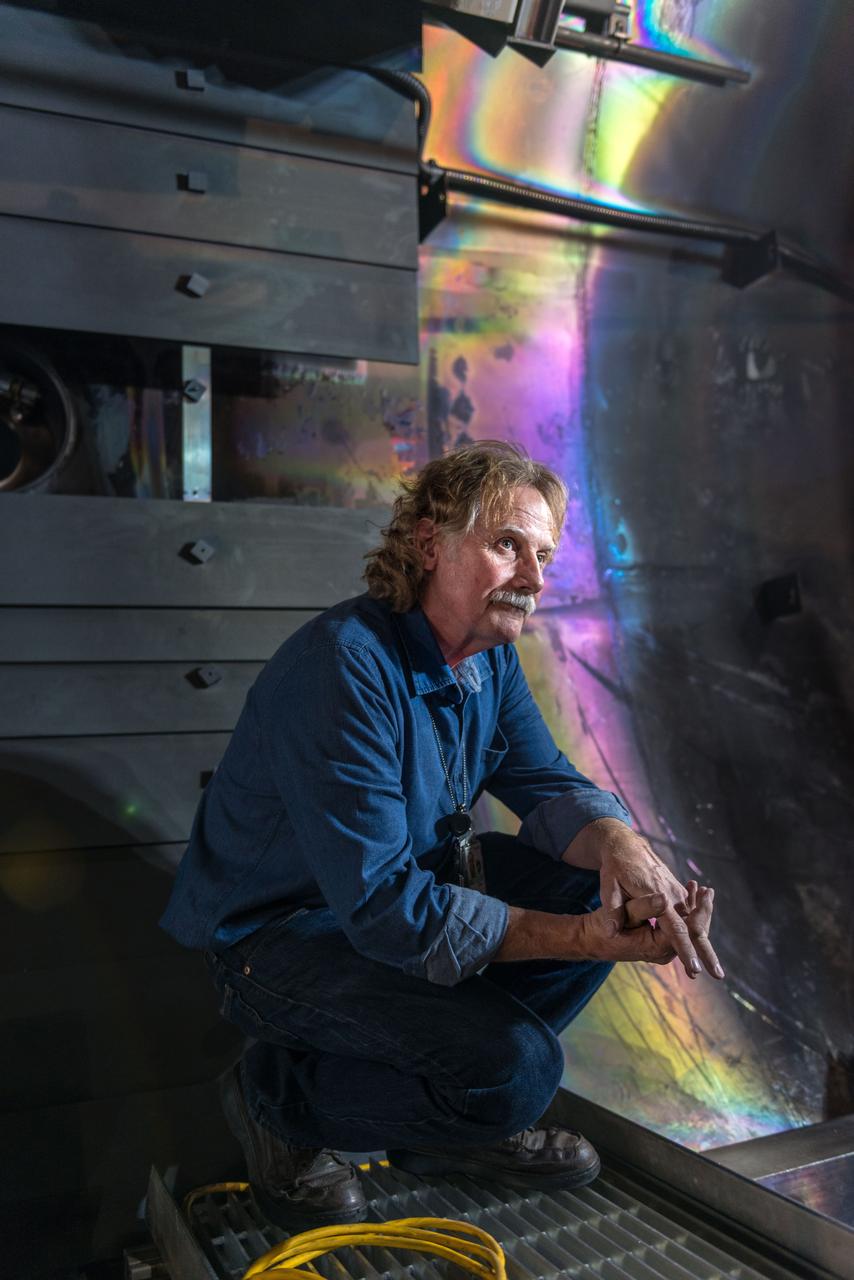
Advanced Electric Propulsion System, AEPS, Engineering Test Unit 2, ETU-2, Thruster Hardware
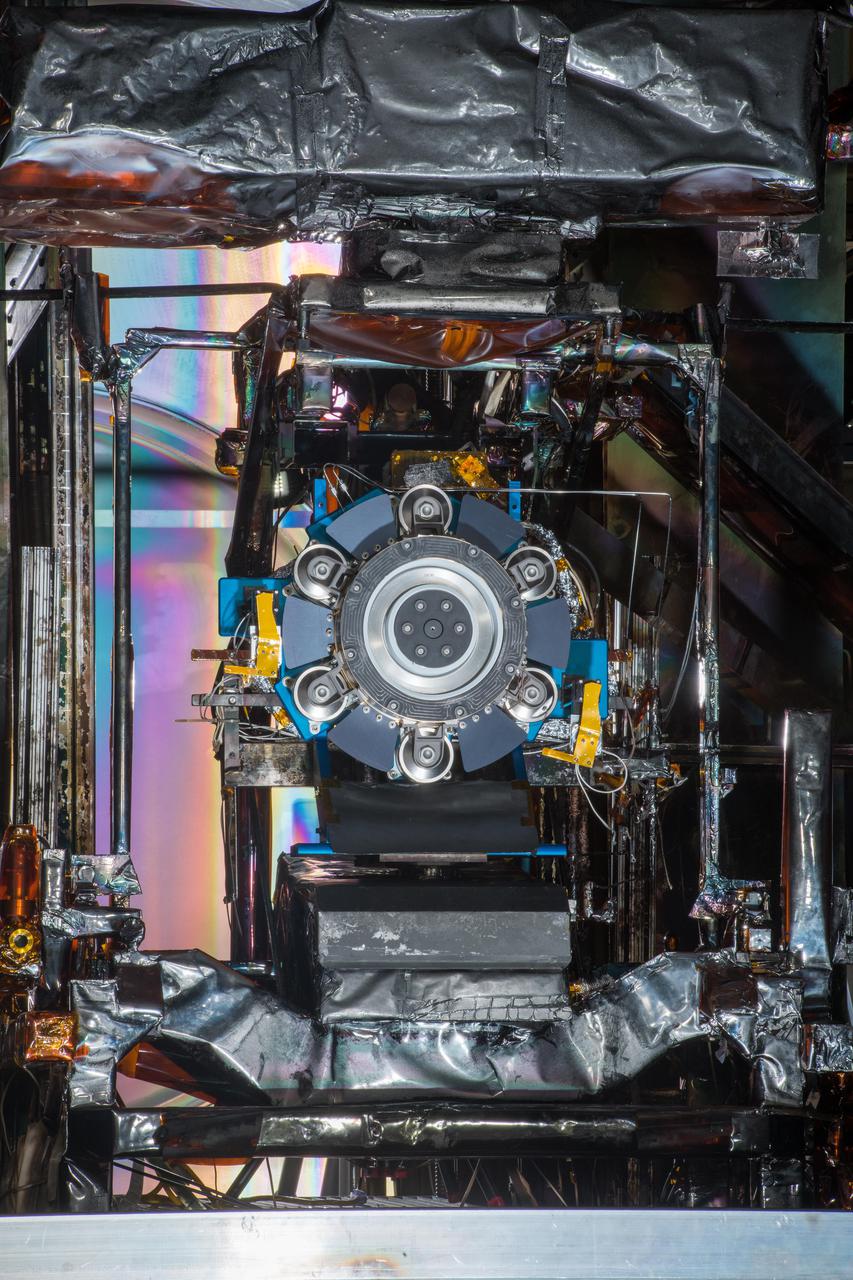
Advanced Electric Propulsion System, AEPS, Engineering Test Unit 2, ETU-2, Thruster Hardware

Advanced Electric Propulsion System, AEPS, Engineering Test Unit 2, ETU-2, Thruster Hardware
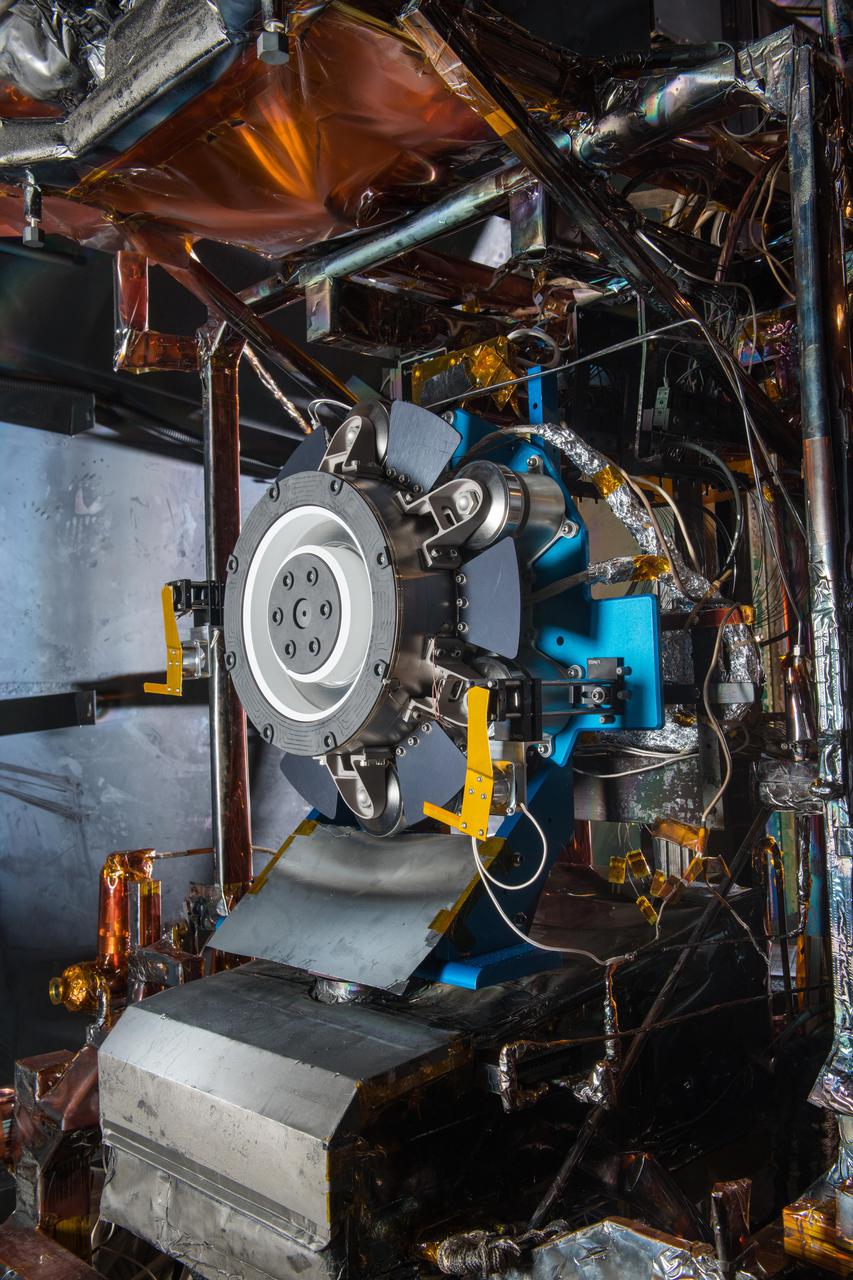
Advanced Electric Propulsion System, AEPS, Engineering Test Unit 2, ETU-2, Thruster Hardware
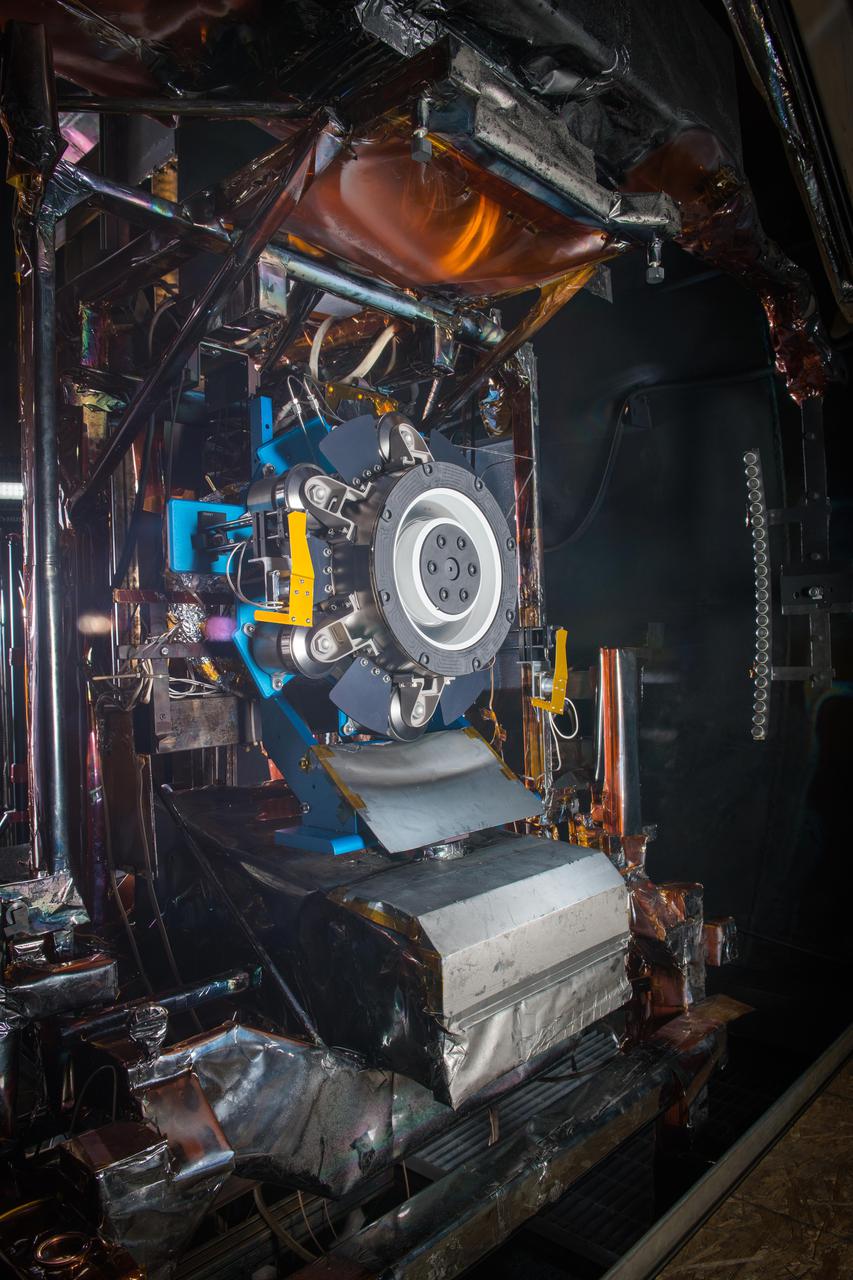
Advanced Electric Propulsion System, AEPS, Engineering Test Unit 2, ETU-2, Thruster Hardware
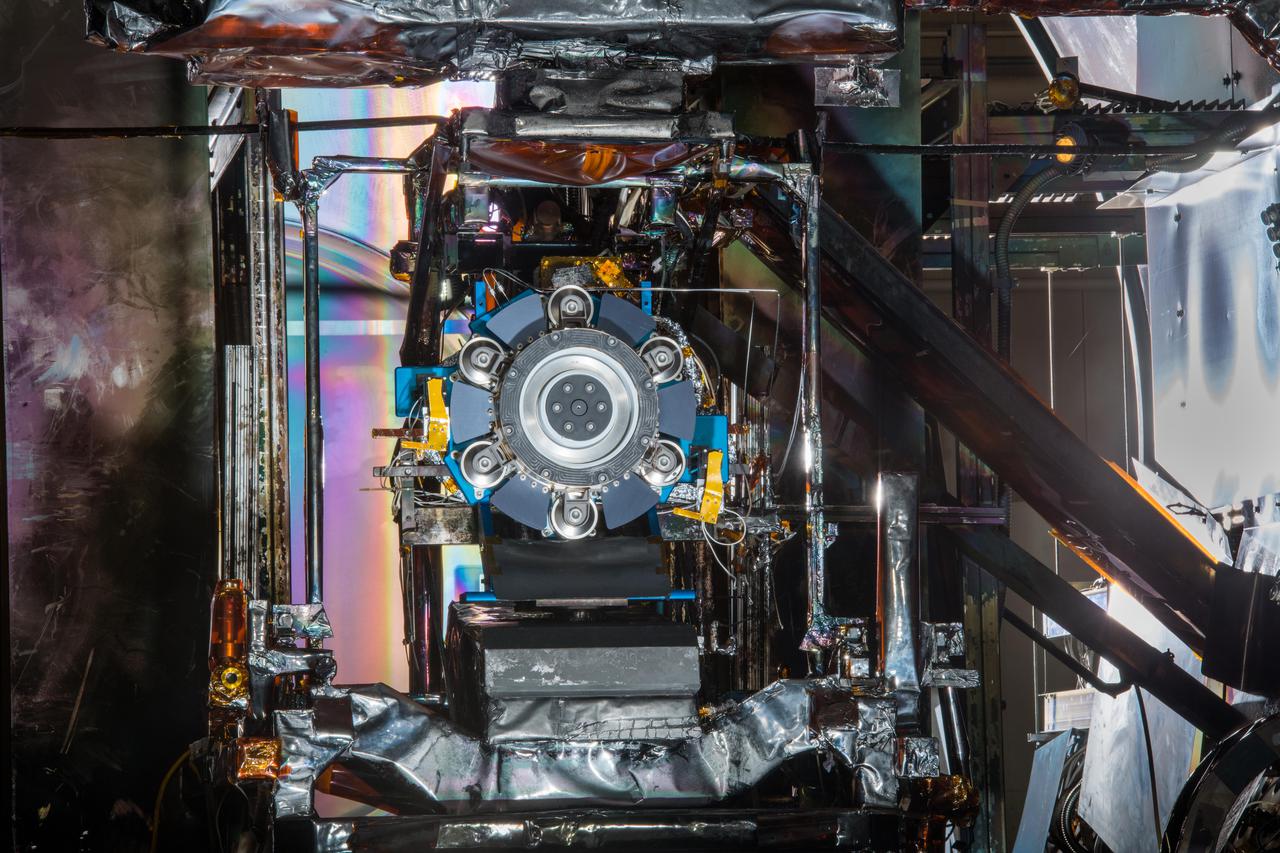
Advanced Electric Propulsion System, AEPS, Engineering Test Unit 2, ETU-2, Thruster Hardware
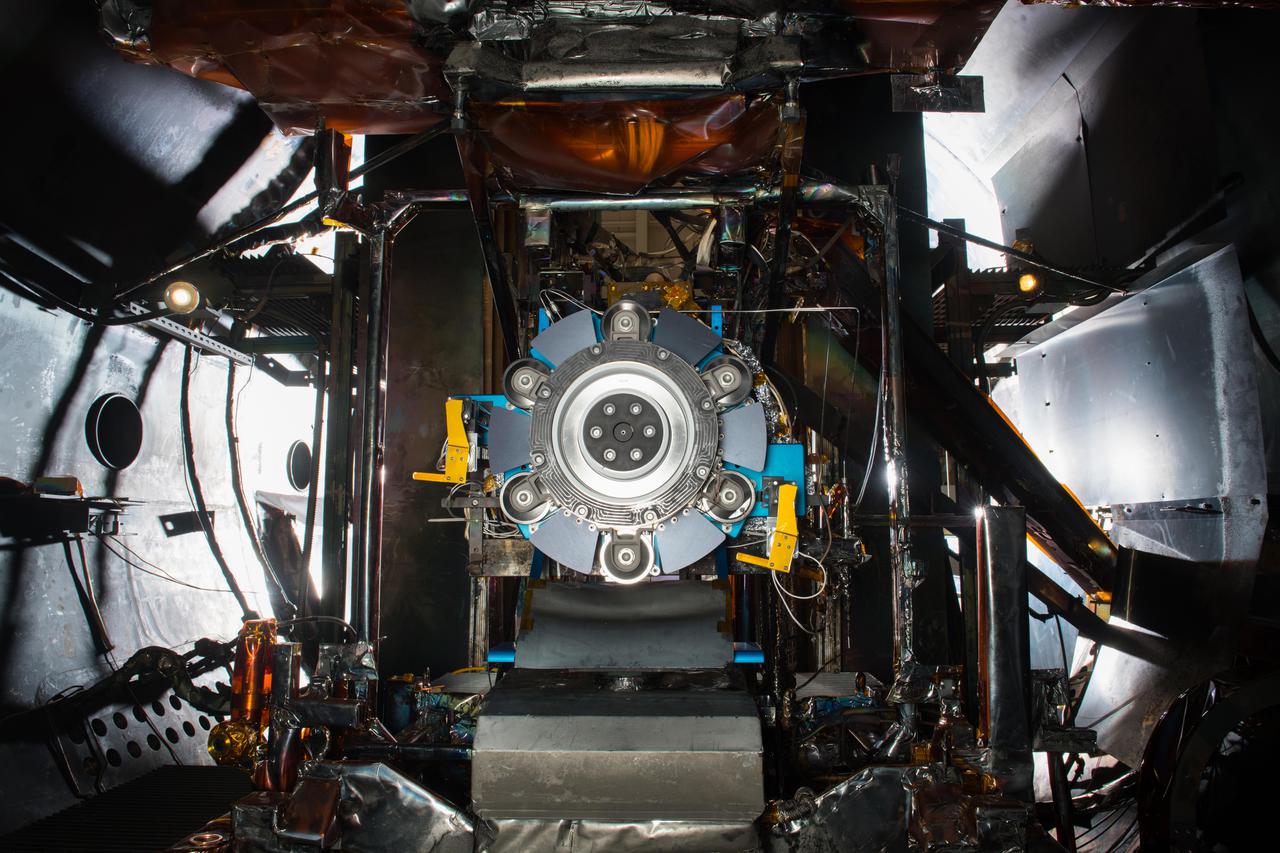
Advanced Electric Propulsion System, AEPS, Engineering Test Unit 2, ETU-2, Thruster Hardware
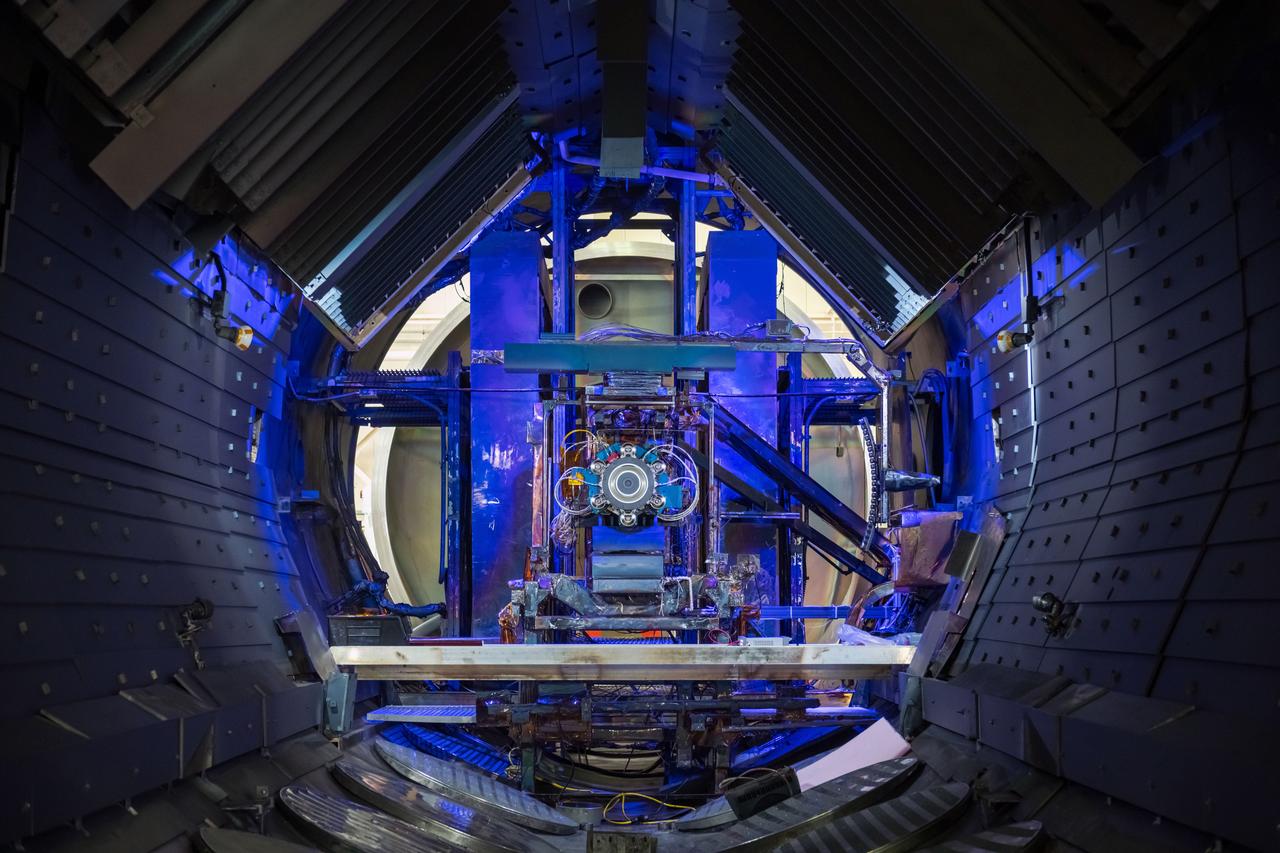
NASA Glenn Research Center has received the first of three Advanced Electric Propulsion System (AEPS) thrusters for the Gateway lunar space station. Built by L3Harris Technologies, the thruster will undergo testing before integration with Gateway’s Power and Propulsion Element, launching with the HALO module ahead of Artemis IV.

NASA Glenn Research Center has received the first of three Advanced Electric Propulsion System (AEPS) thrusters for the Gateway lunar space station. Built by L3Harris Technologies, the thruster will undergo testing before integration with Gateway’s Power and Propulsion Element, launching with the HALO module ahead of Artemis IV.
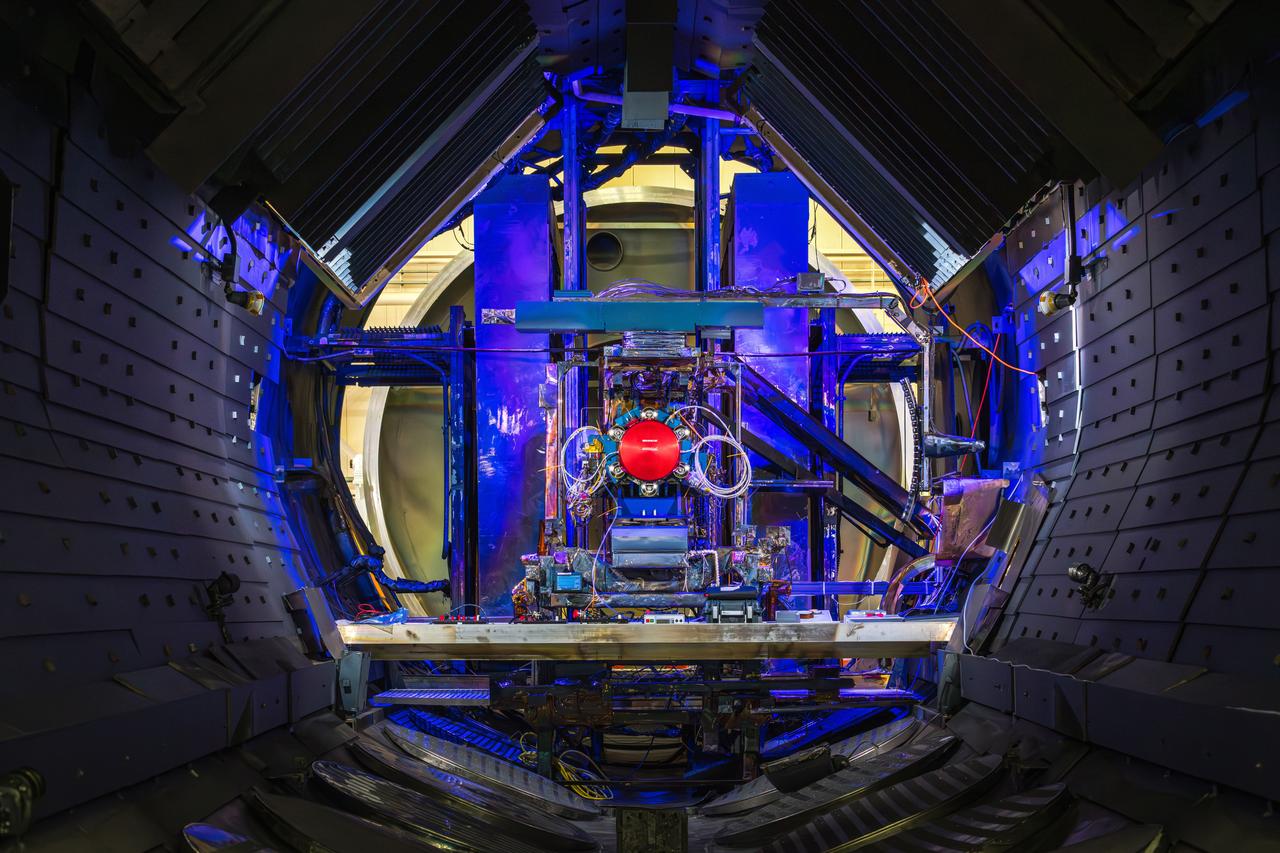
NASA Glenn Research Center has received the first of three Advanced Electric Propulsion System (AEPS) thrusters for the Gateway lunar space station. Built by L3Harris Technologies, the thruster will undergo testing before integration with Gateway’s Power and Propulsion Element, launching with the HALO module ahead of Artemis IV.
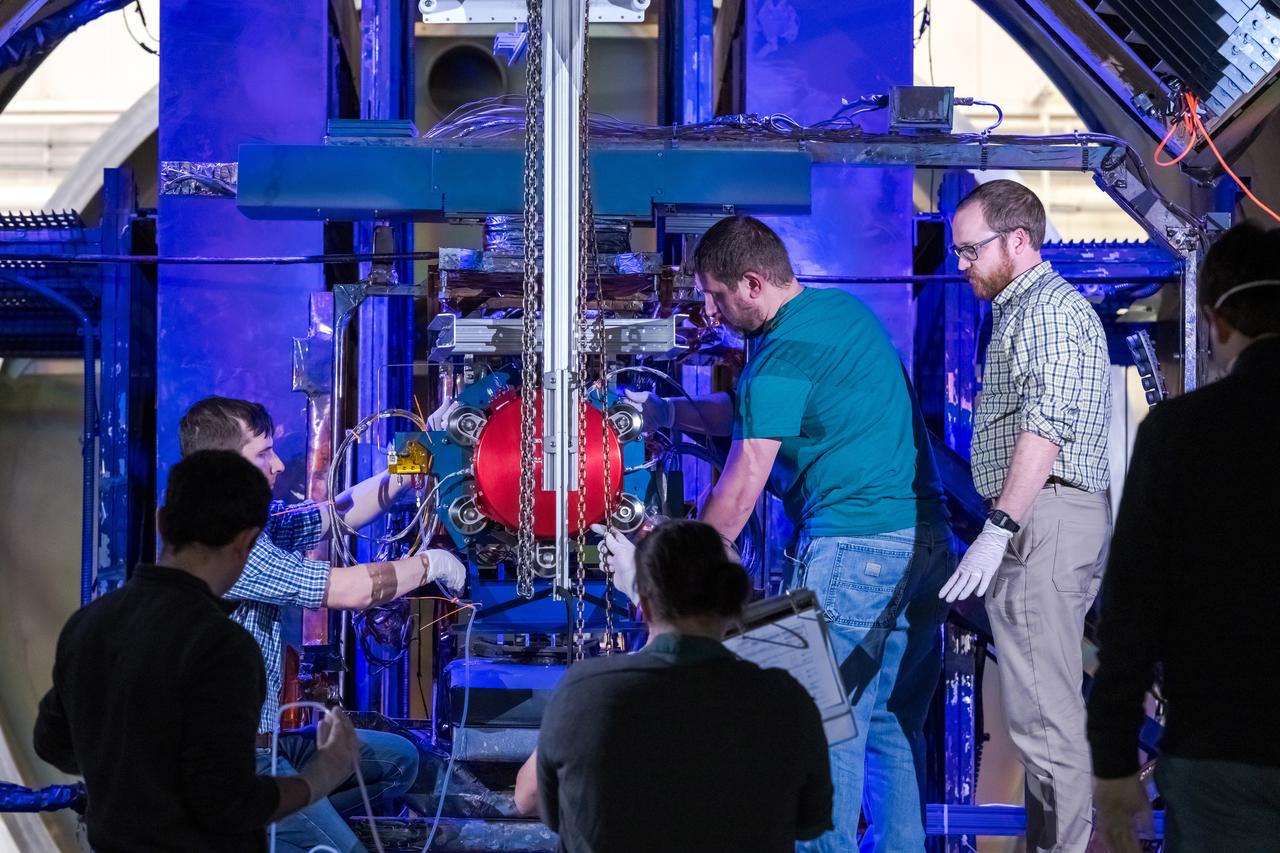
NASA Glenn Research Center has received the first of three Advanced Electric Propulsion System (AEPS) thrusters for the Gateway lunar space station. Built by L3Harris Technologies, the thruster will undergo testing before integration with Gateway’s Power and Propulsion Element, launching with the HALO module ahead of Artemis IV.
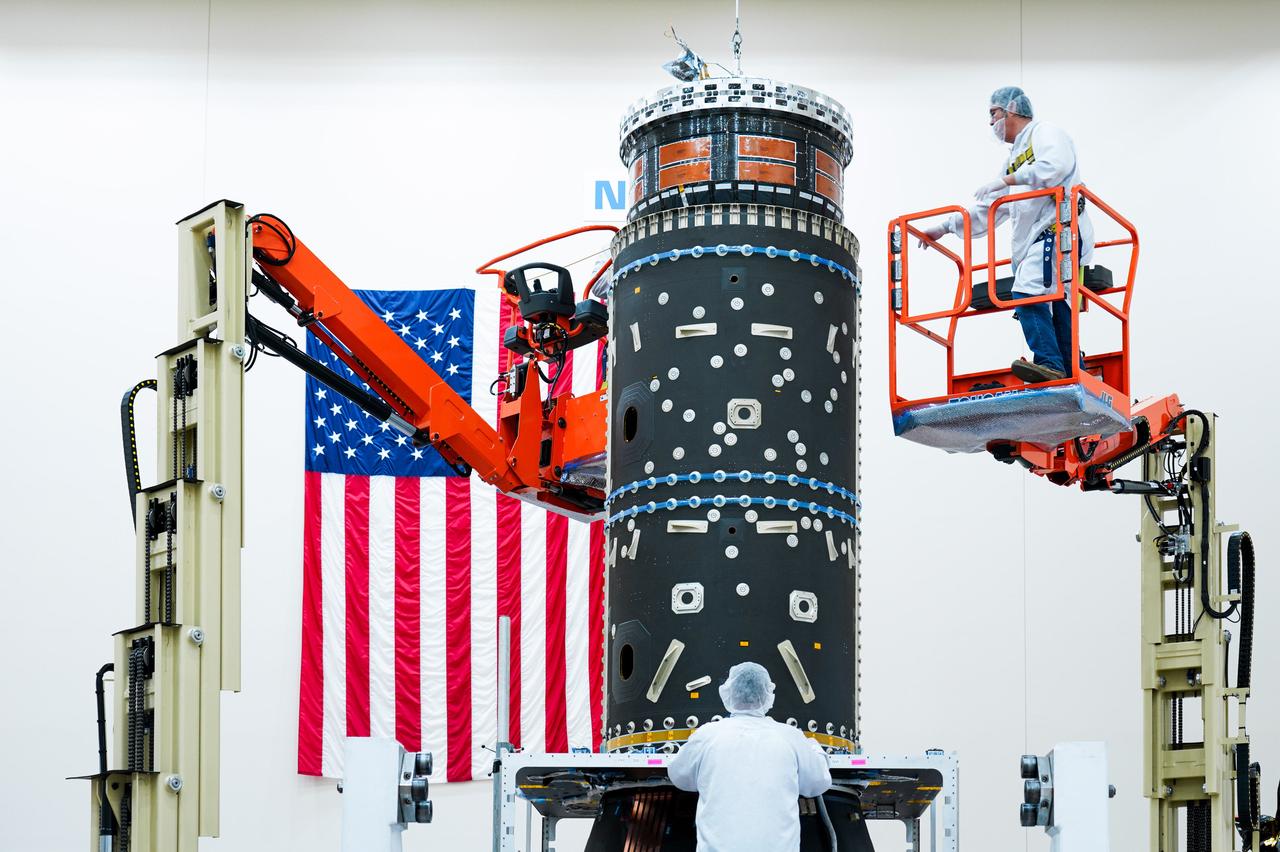
Technicians carefully install a piece of equipment to house Gateway’s xenon fuel tanks, part of its advanced electric propulsion system.
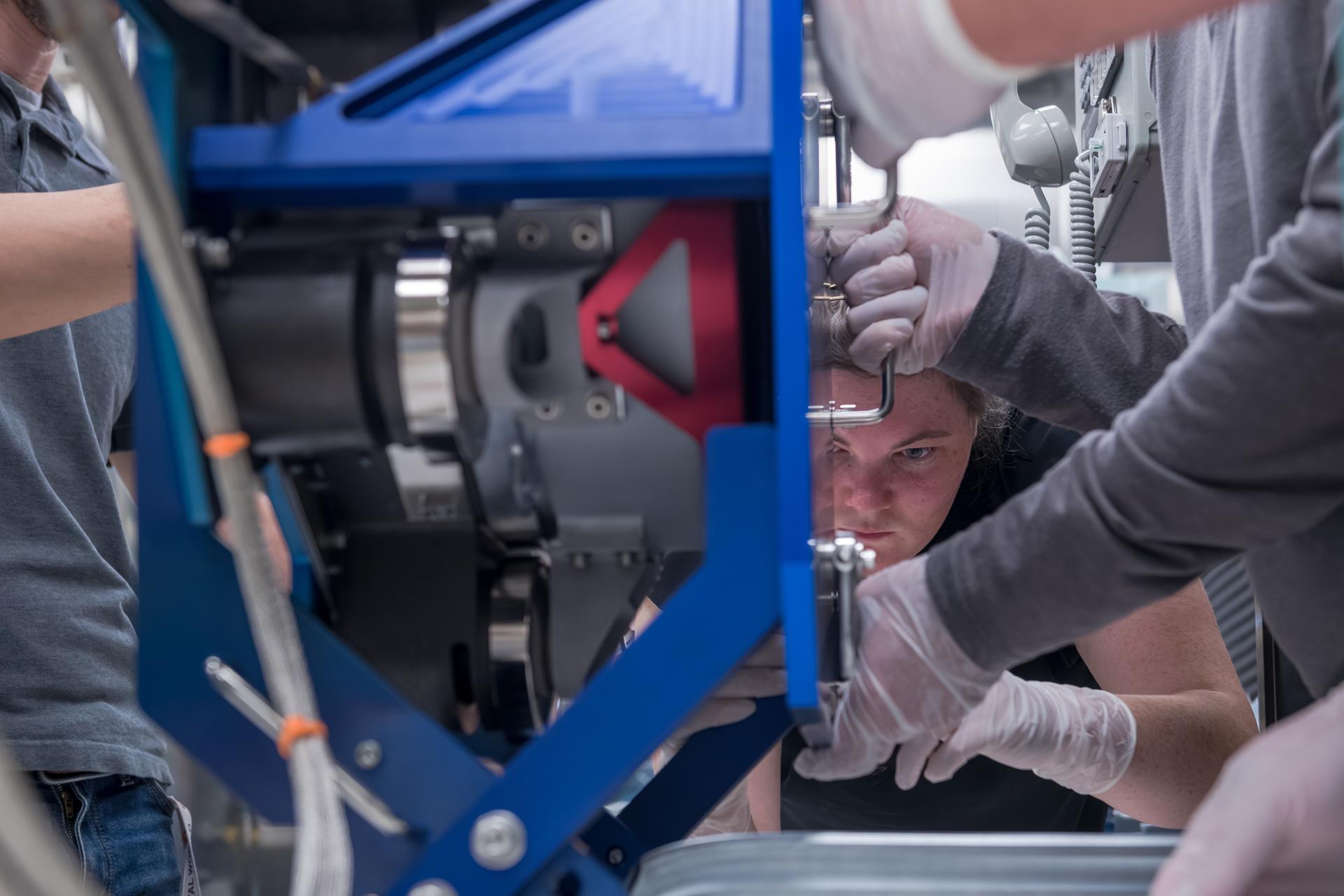
Engineers at NASA’s Glenn Research Center in Cleveland prepare the third and final Advanced Electric Propulsion System (AEPS) thruster for acceptance testing. Following successful testing, the thruster was delivered to Lanteris Space Systems in Palo Alto, California, for installation on the primary structure Gateway’s Power and Propulsion Element. Credit: NASA
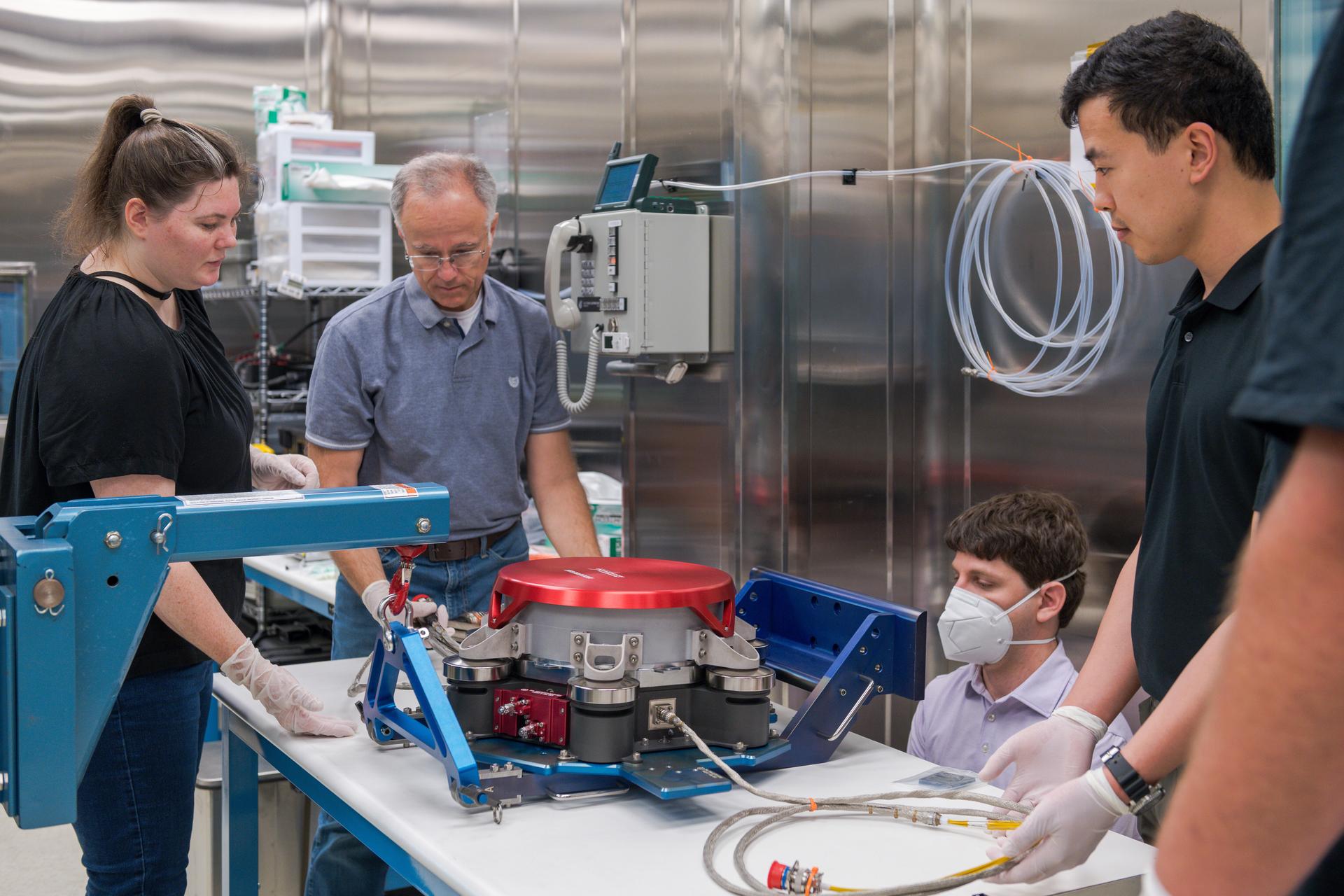
Engineers at NASA’s Glenn Research Center in Cleveland work together to position and secure the second of three Advanced Electric Propulsion System (AEPS) thrusters for acceptance testing. Following testing, the thruster was delivered to Lanteris Space Systems in Palo Alto, California, for installation on Gateway’s Power and Propulsion Element. Credit: NASA
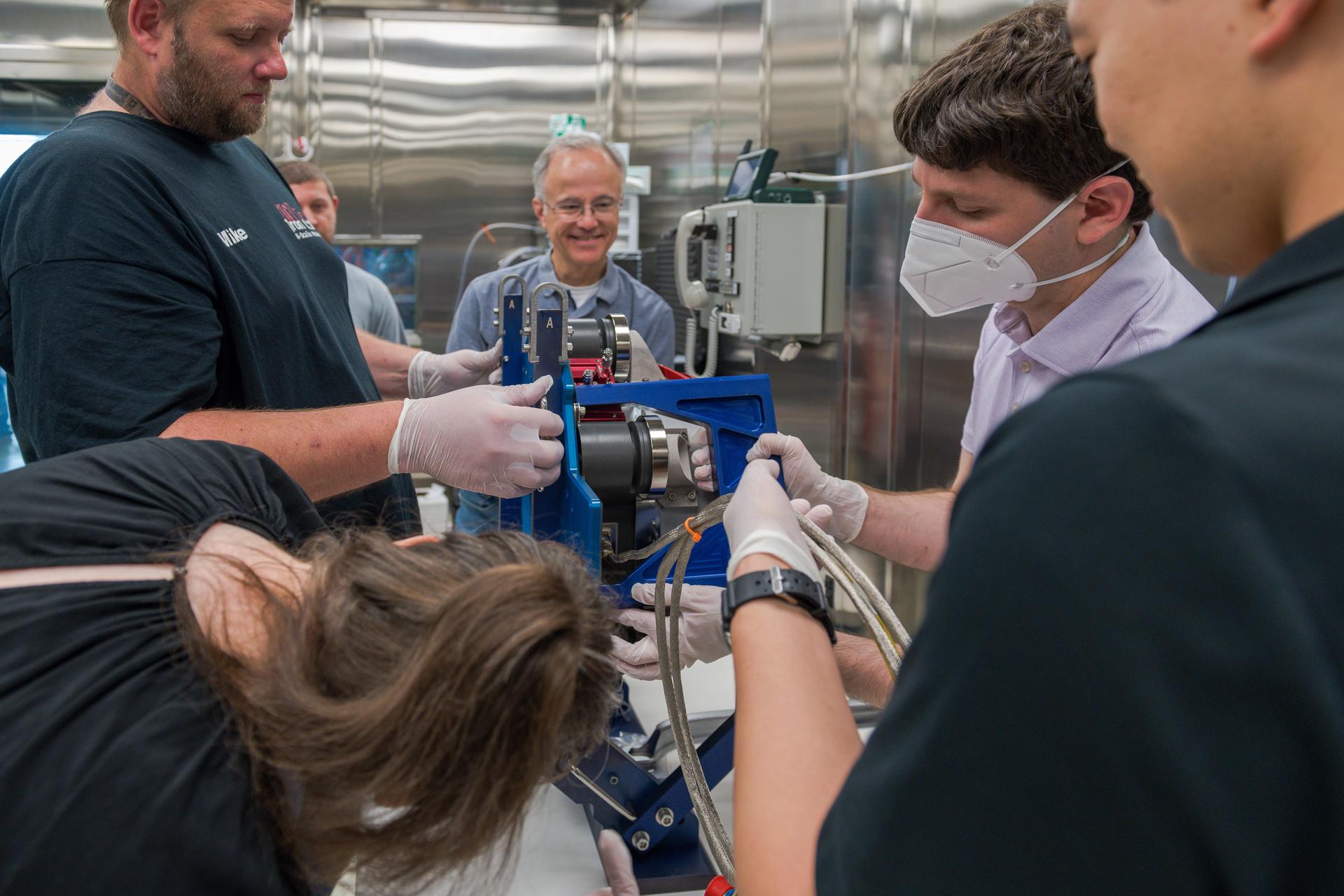
Engineers at NASA’s Glenn Research Center in Cleveland work together to position and secure the second of three Advanced Electric Propulsion System (AEPS) thrusters for acceptance testing. Following testing, the thruster was delivered to Lanteris Space Systems in Palo Alto, California, for installation on Gateway’s Power and Propulsion Element. Credit: NASA
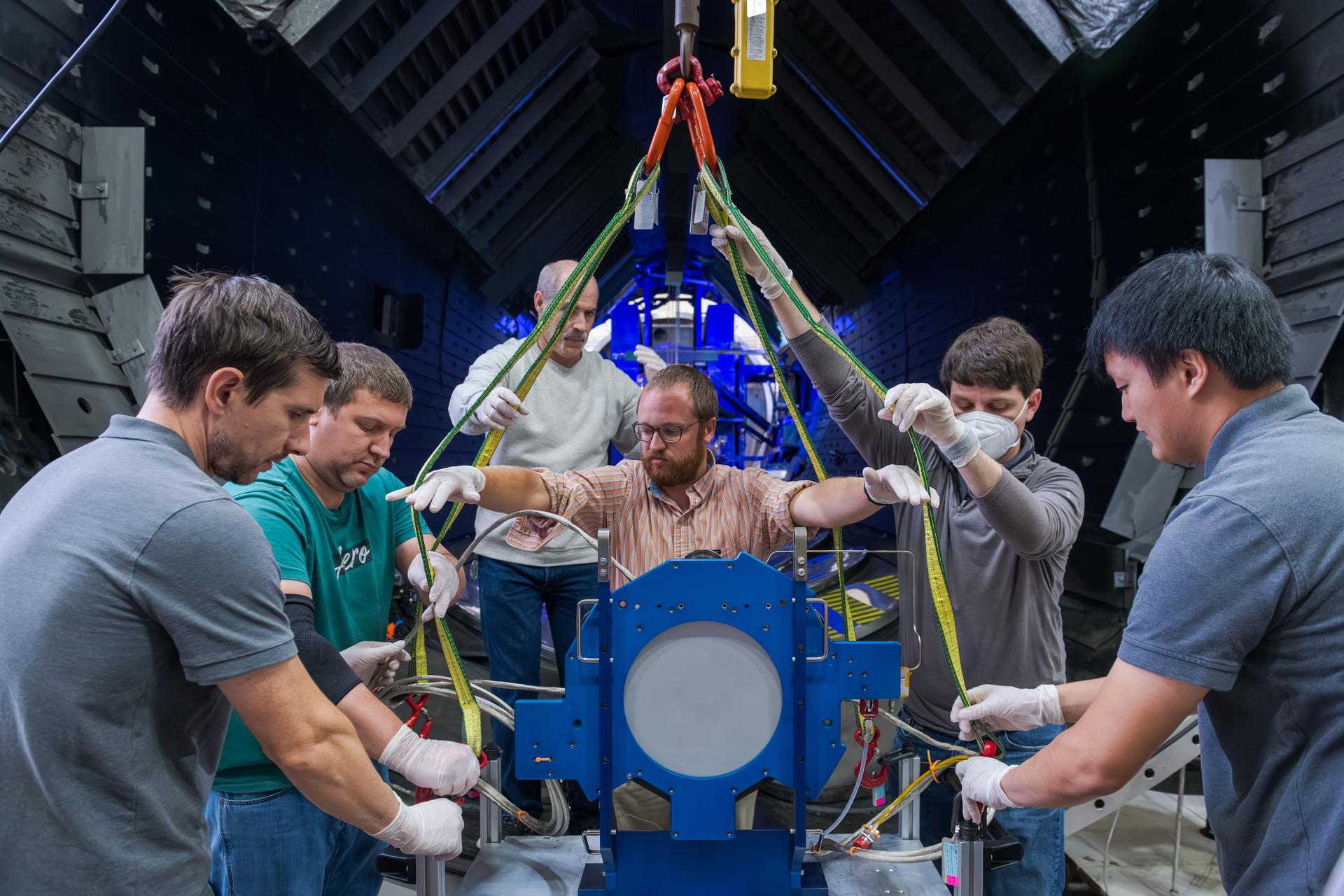
Teams at NASA’s Glenn Research Center in Cleveland conduct acceptance testing on the third and final Advanced Electric Propulsion System (AEPS) thrusters for Gateway’s Power and Propulsion Element (PPE). After successfully completing testing, the thruster was delivered to Lanteris Space Systems in Palo Alto, California, for installation on PPE’s primary structure. Credit: NASA
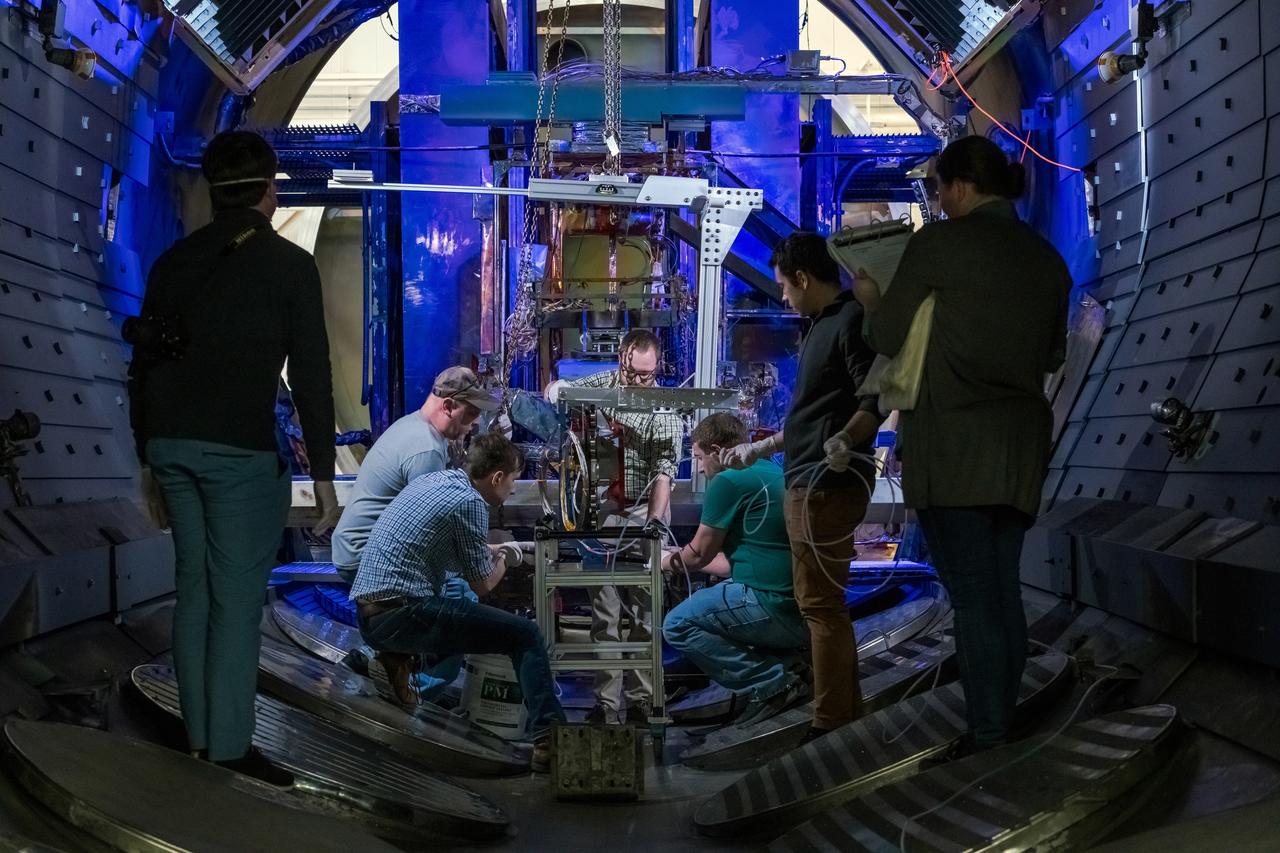
NASA Glenn Research Center has received the first of three Advanced Electric Propulsion System (AEPS) thrusters for the Gateway lunar space station. Built by L3Harris Technologies, the thruster will undergo testing before integration with Gateway’s Power and Propulsion Element, launching with the HALO module ahead of Artemis IV.

NASA Glenn Research Center has received the first of three Advanced Electric Propulsion System (AEPS) thrusters for the Gateway lunar space station. Built by L3Harris Technologies, the thruster will undergo testing before integration with Gateway’s Power and Propulsion Element, launching with the HALO module ahead of Artemis IV.
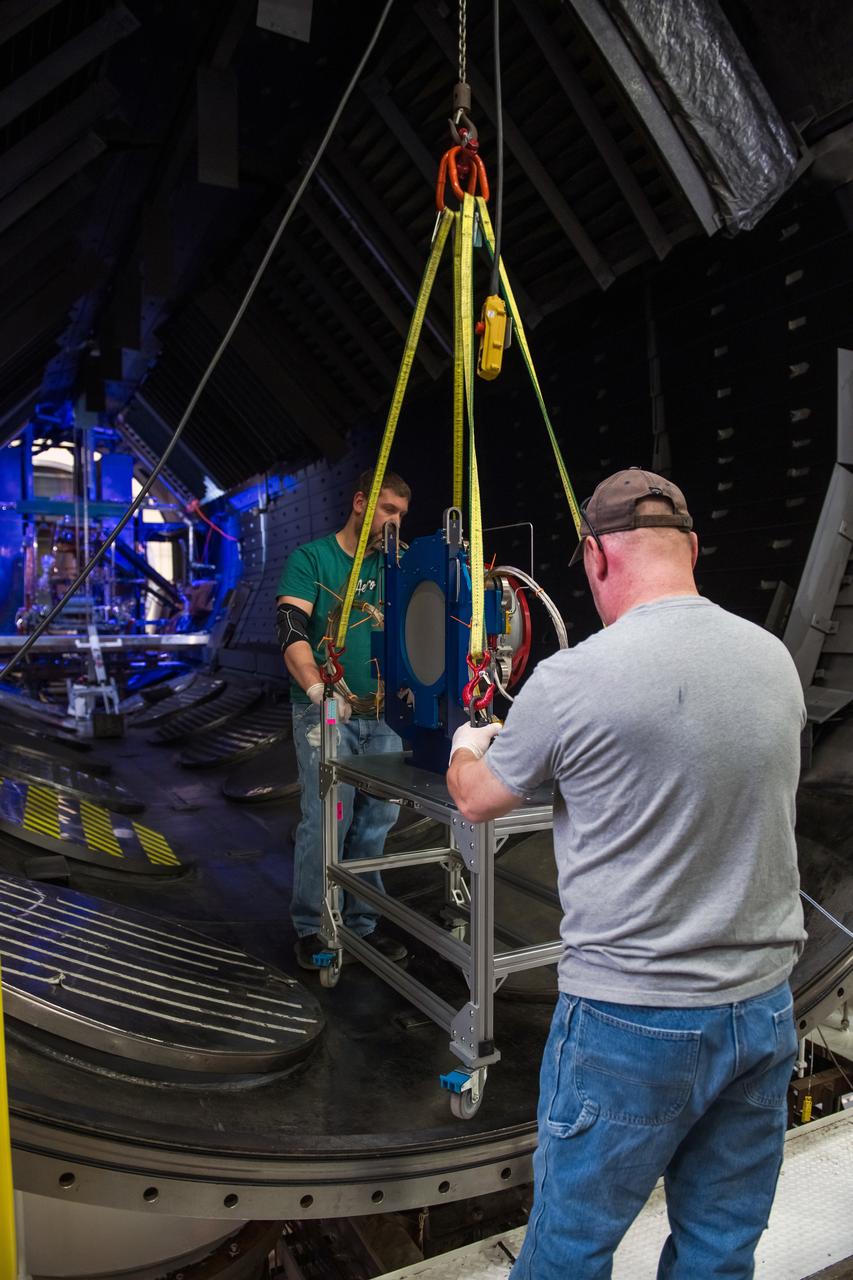
NASA Glenn Research Center has received the first of three Advanced Electric Propulsion System (AEPS) thrusters for the Gateway lunar space station. Built by L3Harris Technologies, the thruster will undergo testing before integration with Gateway’s Power and Propulsion Element, launching with the HALO module ahead of Artemis IV.
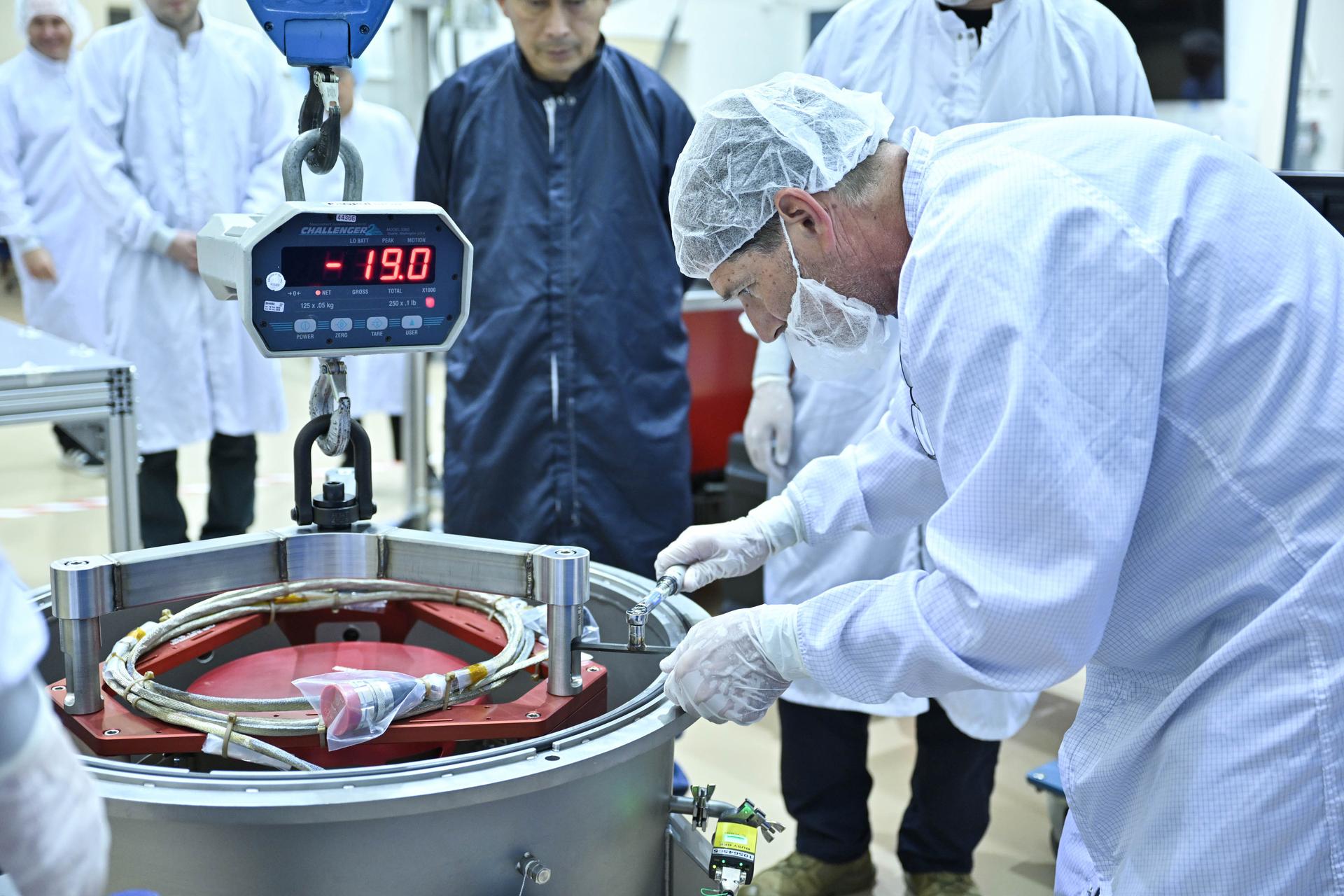
Technicians at Lanteris Space Systems in Palo Alto, California, remove the first of three Advanced Electric Propulsion System (AEPS) flight thrusters from its transport container following delivery from NASA’s Glenn Research Center. The thruster previously completed acceptance testing at Glenn and will be prepared for integration with Gateway’s Power and Propulsion Element (PPE).
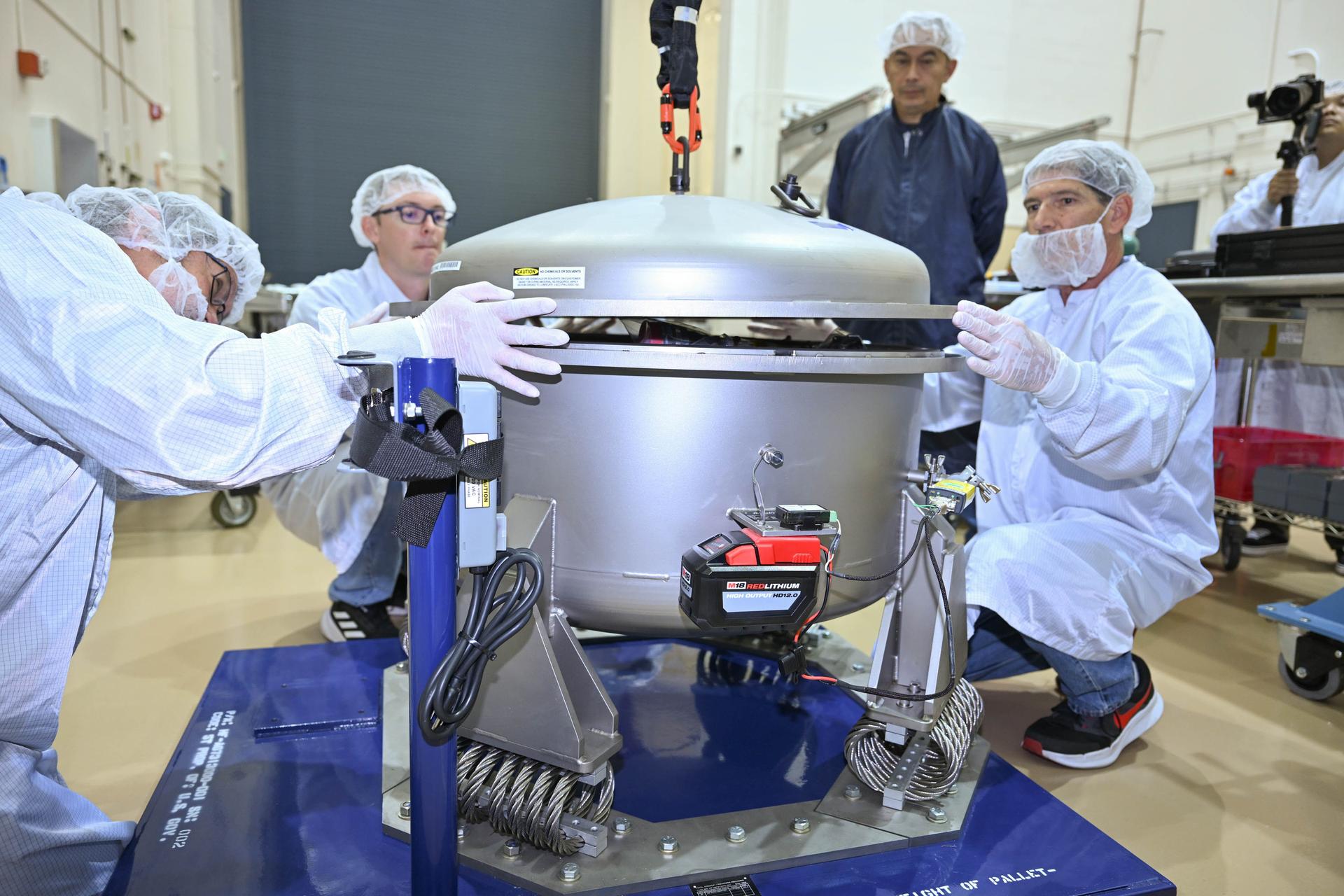
Technicians at Lanteris Space Systems in Palo Alto, California, remove the first of three Advanced Electric Propulsion System (AEPS) flight thrusters from its transport container following delivery from NASA’s Glenn Research Center. The thruster previously completed acceptance testing at Glenn and will be prepared for integration with Gateway’s Power and Propulsion Element (PPE). Credit: Lanteris Space Systems
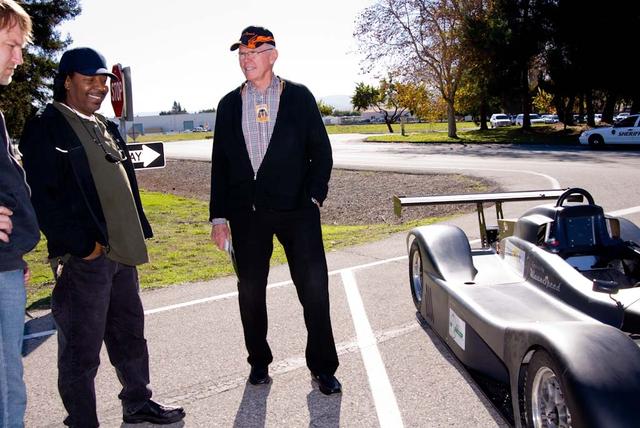
Airship Ventures Zeppelin Dedication during the Moffett Field Diamond Jubilee. New NRP Partner KleenSpeed Chairman Timothy Collins (l) with THRUXAR electric race car at the Nov. 21 Diamond Jubilee exhibits. KleenSpeed is an advanced R&D firm focusing on scalable electric propulsion systems for transportation
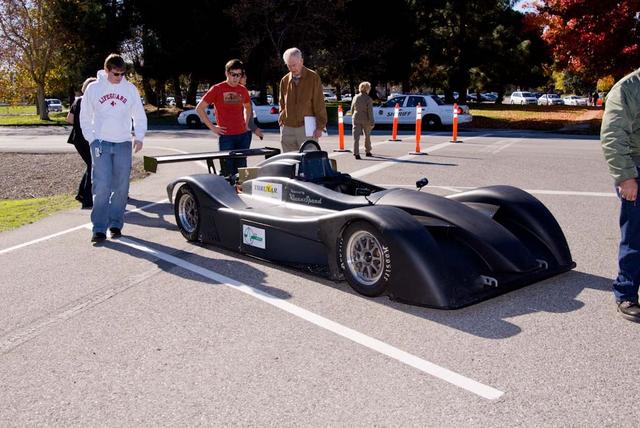
Airship Ventures Zeppelin Dedication during the Moffett Field Diamond Jubilee. The Thruxar electric race car at the Nov. 21 Diamond Jubilee exhibits. KleenSpeed is an advanced R&D firm focusing on scalable electric propulsion systems for transportation
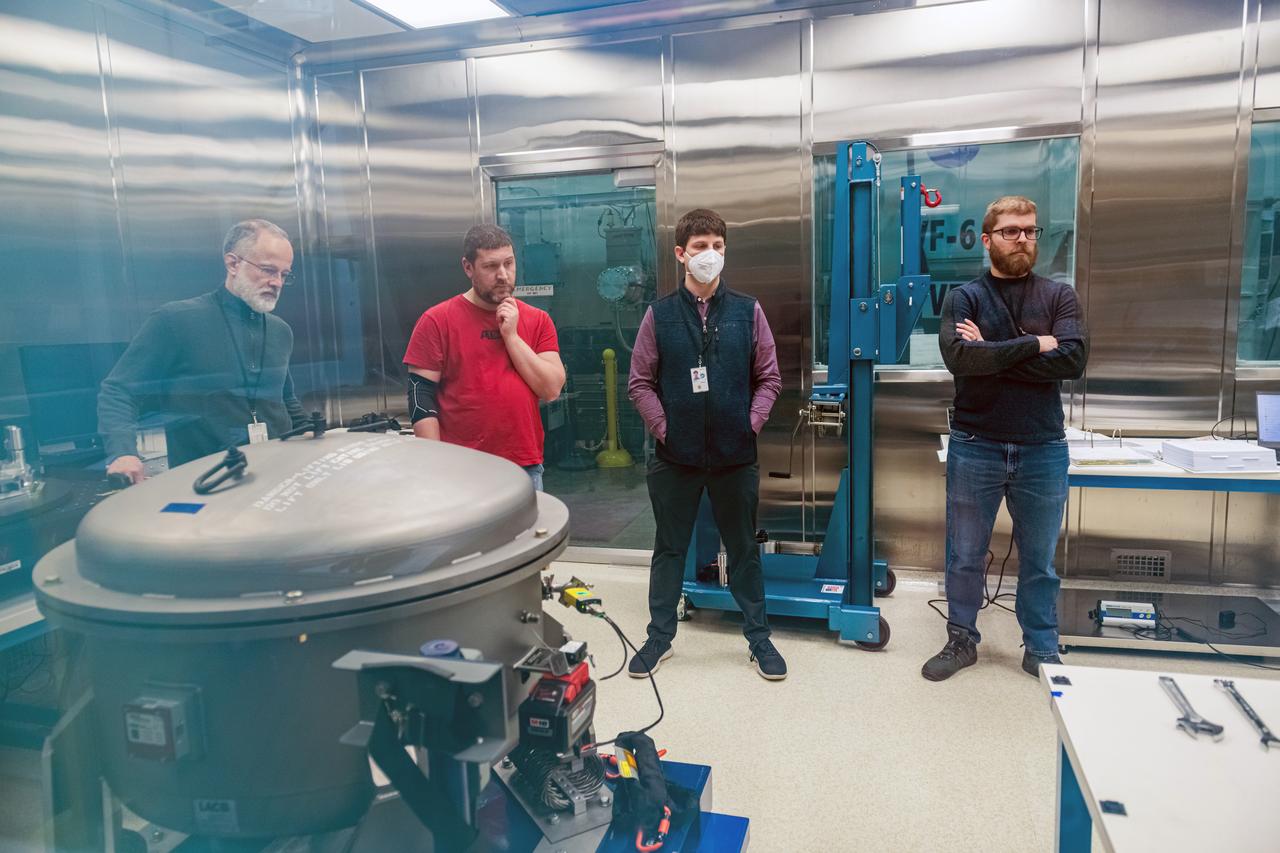
NASA Glenn Research Center has received the first of three Advanced Electric Propulsion System (AEPS) thrusters for the Gateway lunar space station. Built by L3Harris Technologies, the thruster will undergo testing before integration with Gateway’s Power and Propulsion Element, launching with the HALO module ahead of Artemis IV.

iss073e0705704 (Sept. 18, 2025) --- PALOMINO Pathfinder 1 is pictured on the exterior of the space station. This investigation observes the behavior of an electric propulsion thruster system in microgravity and characterizes the impacts of firing on the host spacecraft. This technology could meet the propulsion demands of NASA and U.S. commercial space companies as the space economy advances.
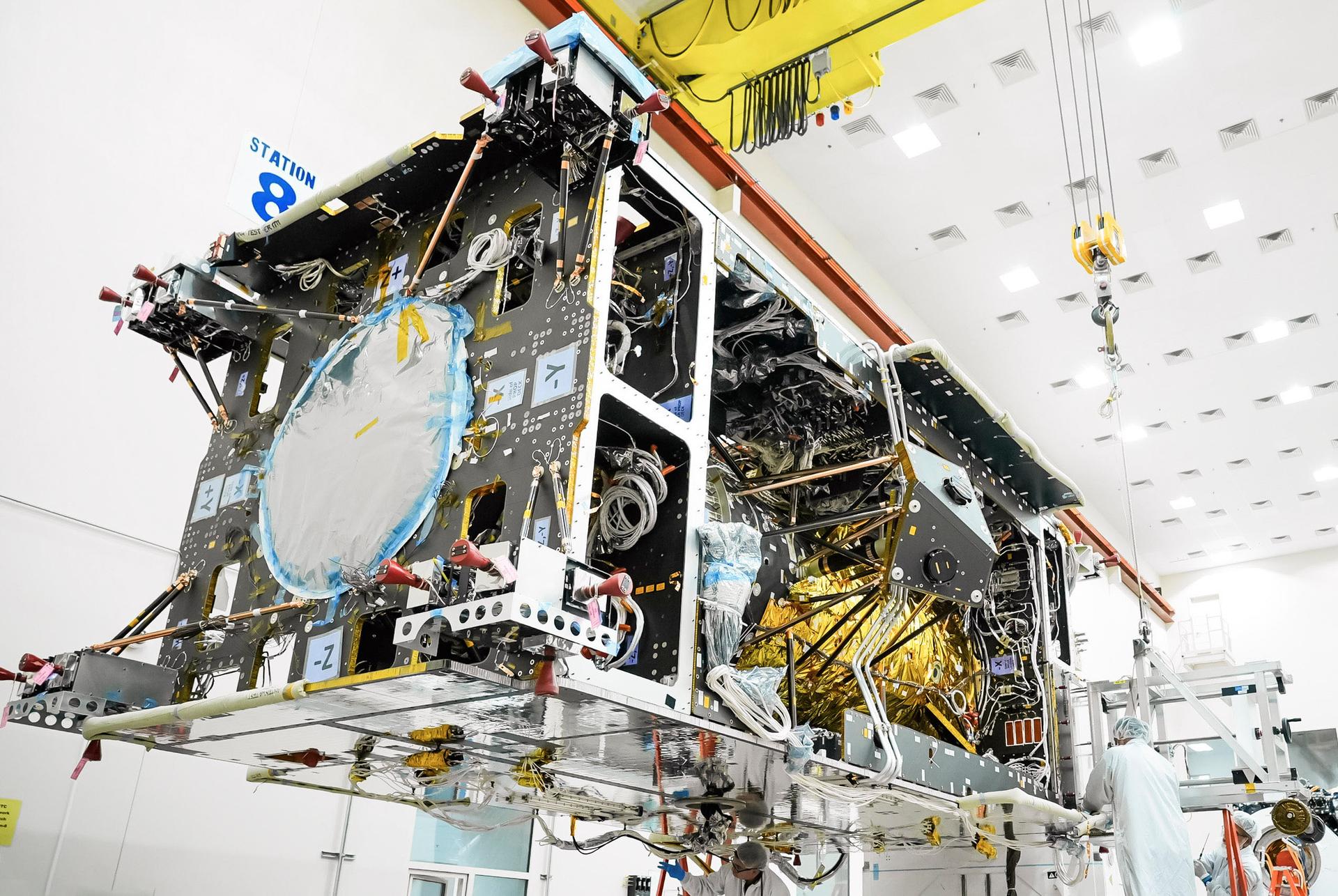
Gateway’s Power and Propulsion Element (PPE) undergoes battery installations at Lanteris Space Systems in Palo Alto, California, in January 2026. PPE is a 60-kilowatt solar electric propulsion spacecraft that will supply the lunar space station with power, high-rate communications, attitude control, orbit maintenance, and orbit transfer capabilities. Its design is based on Lanteris Space Systems’ commercial 1300 bus, enhanced with the most powerful Advanced Electric Propulsion System (AEPS) thrusters and the largest roll-out solar arrays (ROSAs) ever developed. Lanteris Space Systems is the lead industry partner for PPE’s design, manufacturing, and integration.
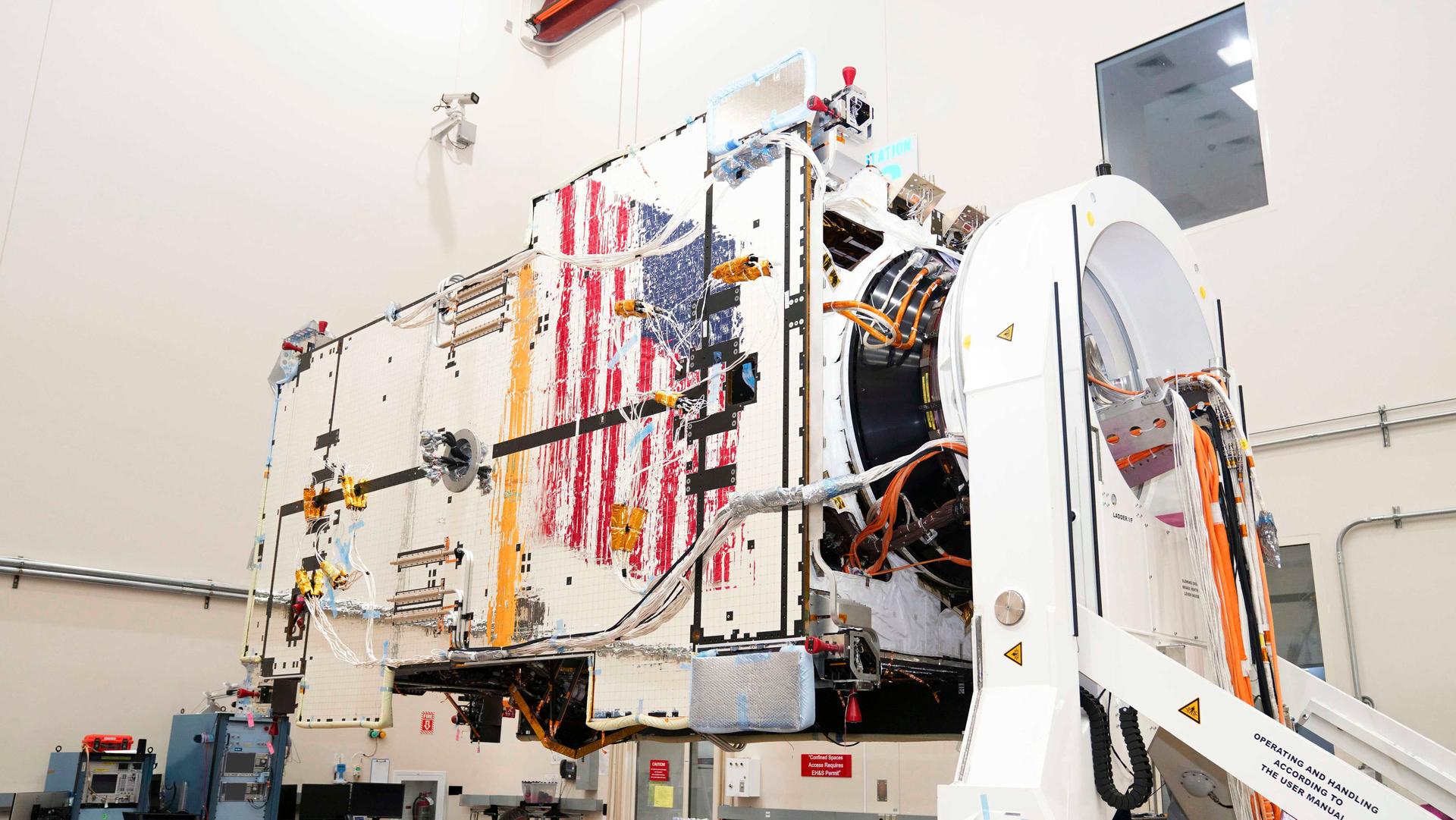
Gateway’s Power and Propulsion Element (PPE) undergoes battery installations at Lanteris Space Systems in Palo Alto, California, in January 2026. PPE is a 60-kilowatt solar electric propulsion spacecraft that will supply the lunar space station with power, high-rate communications, attitude control, orbit maintenance, and orbit transfer capabilities. Its design is based on Lanteris Space Systems’ commercial 1300 bus, enhanced with the most powerful Advanced Electric Propulsion System (AEPS) thrusters and the largest roll-out solar arrays (ROSAs) ever developed. Lanteris Space Systems is the lead industry partner for PPE’s design, manufacturing, and integration.
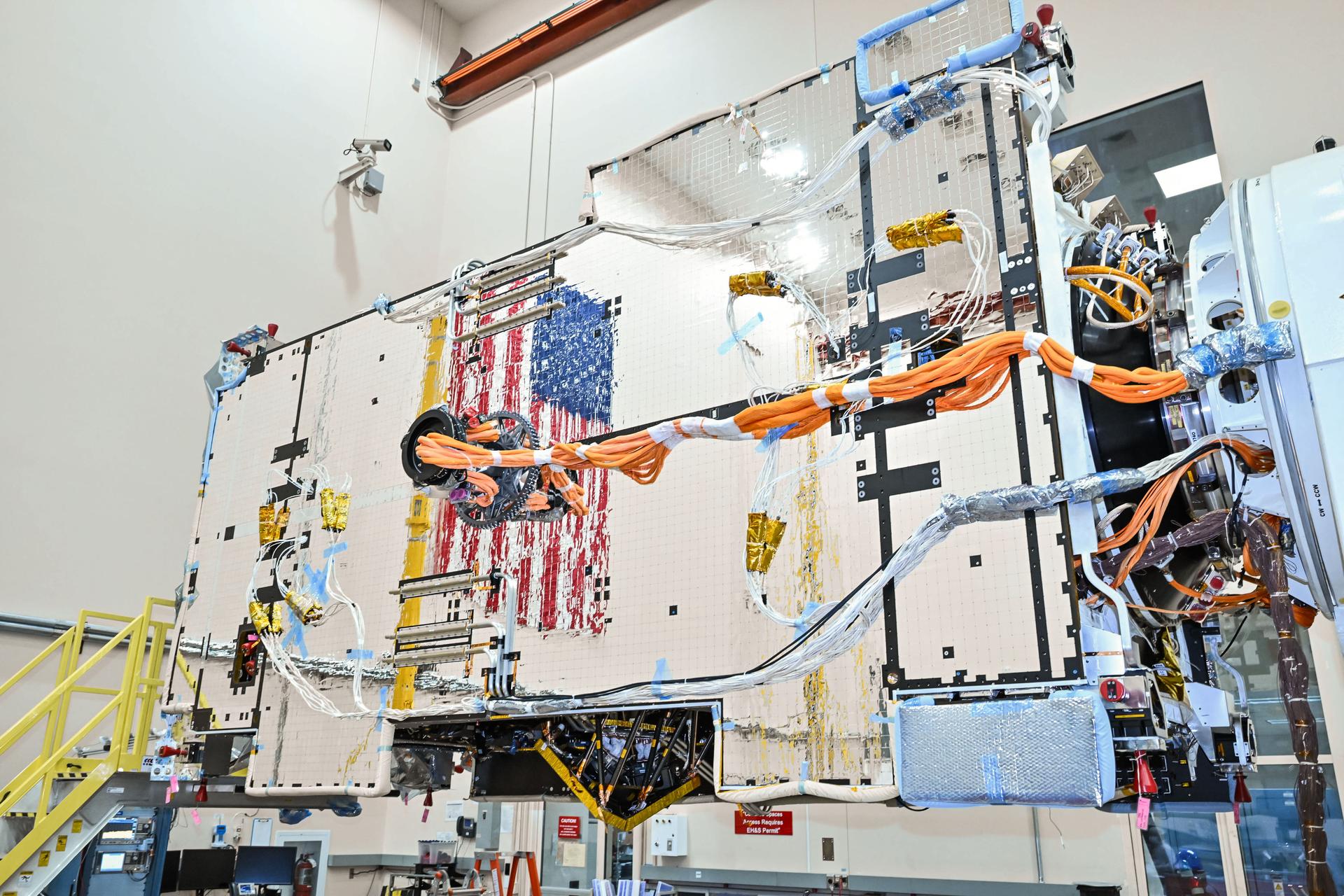
Gateway’s Power and Propulsion Element (PPE) undergoes flight software uploads at Lanteris Space Systems in Palo Alto, California, in January 2026. PPE is a 60-kilowatt solar electric propulsion spacecraft that will supply the lunar space station with power, high-rate communications, attitude control, orbit maintenance, and orbit transfer capabilities. Its design is based on Lanteris Space Systems’ commercial 1300 bus, enhanced with the most powerful Advanced Electric Propulsion System (AEPS) thrusters and the largest roll-out solar arrays (ROSAs) ever developed. Lanteris Space Systems is the lead industry partner for PPE’s design, manufacturing, and integration.
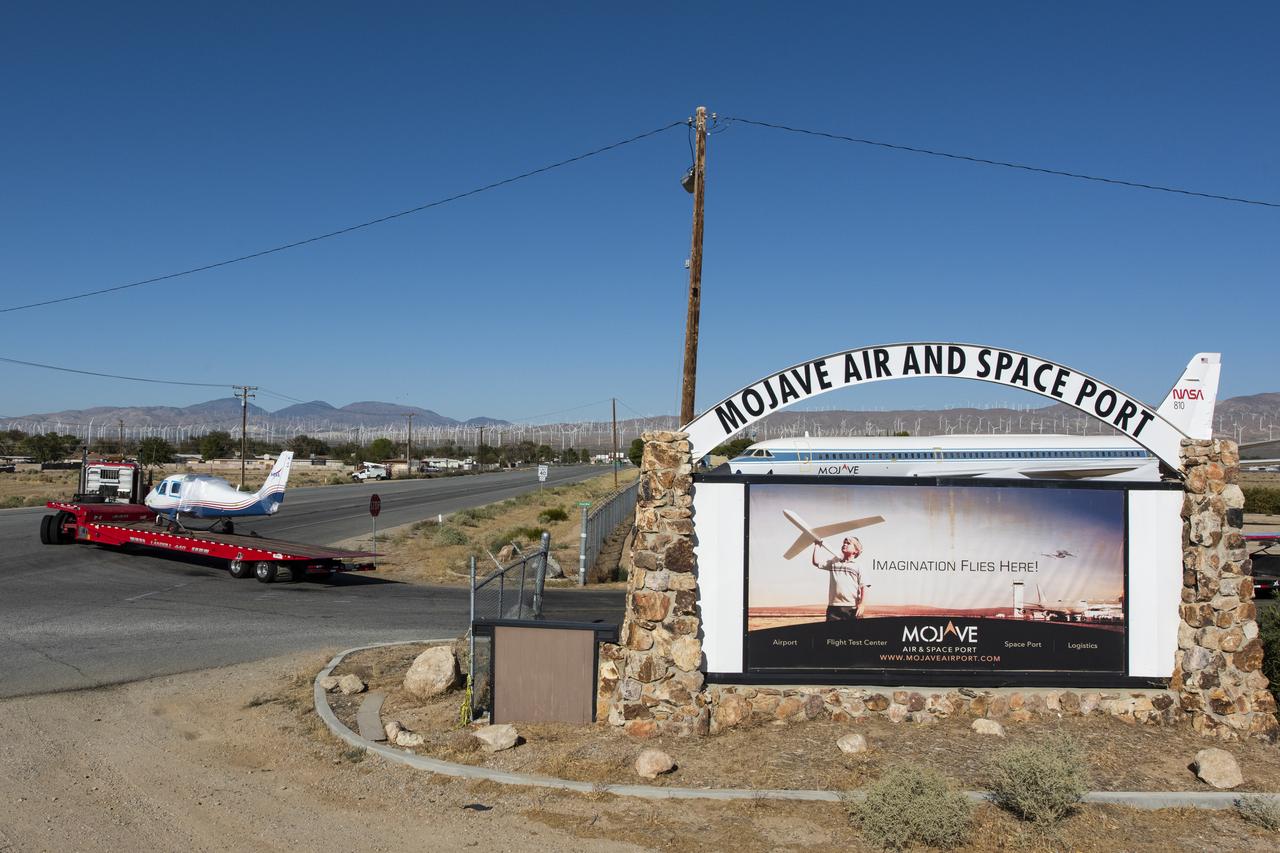
NASA’s all-electric X-57 Maxwell, in its Mod II configuration, departs Scaled Composites’ facility at Mojave Air and Space Port, en route to NASA’s Armstrong Flight Research Center in Edwards, California for delivery. The aircraft, shipped as two parts – the fuselage and the wing – was delivered to NASA Armstrong’s Research Aircraft Integration Facility, where it will be reintegrated to begin ground tests, to be followed by taxi tests, and eventually, flight tests. X-57’s Mod II configuration, the first of three primary modifications for the project, involves testing of the aircraft’s cruise electric propulsion system. The goal of the X-57 project is to share the aircraft’s electric-propulsion-focused design and airworthiness process with regulators, to advance certification approaches for distributed electric propulsion in general aviation.
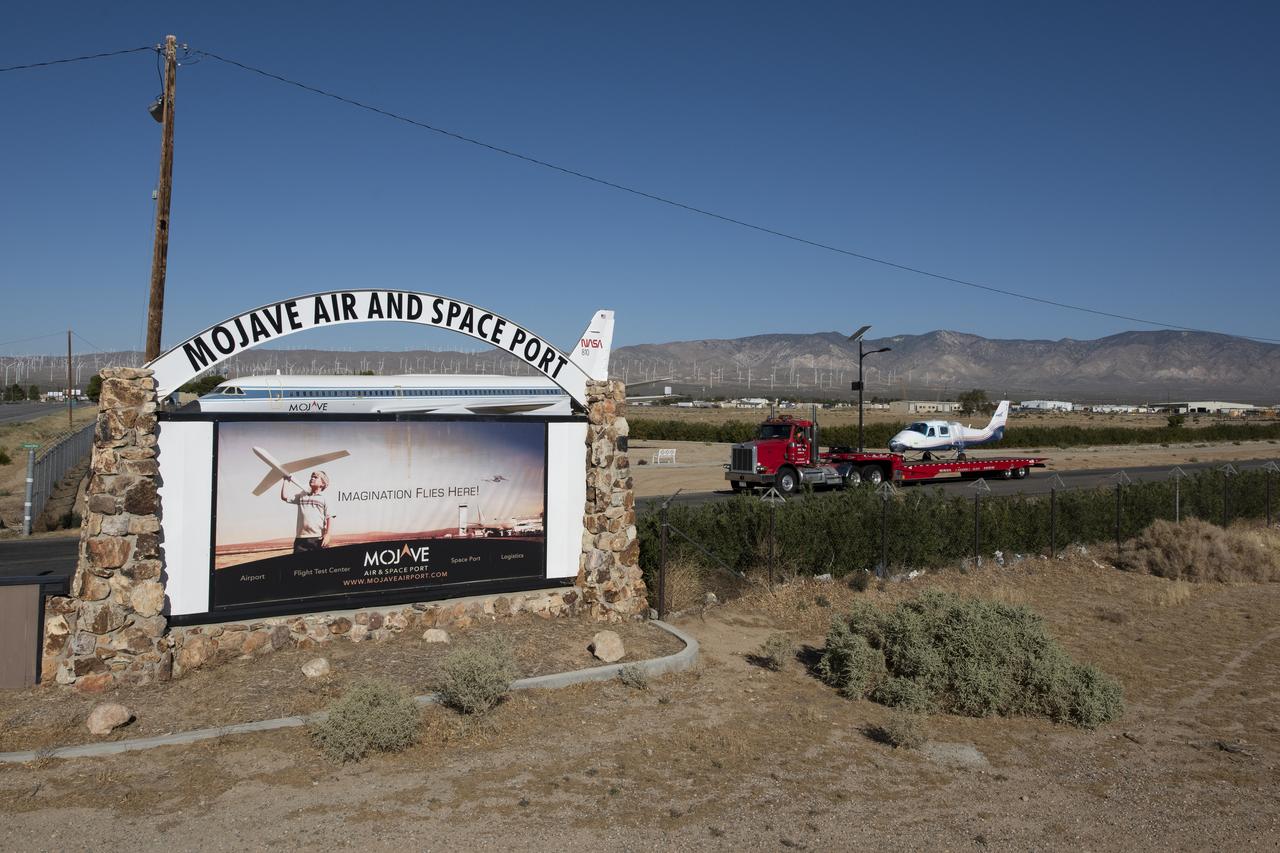
NASA’s all-electric X-57 Maxwell, in its Mod II configuration, departs Scaled Composites’ facility at Mojave Air and Space Port, en route to NASA’s Armstrong Flight Research Center in Edwards, California for delivery. The aircraft, shipped as two parts – the fuselage and the wing – was delivered to NASA Armstrong’s Research Aircraft Integration Facility, where it will be reintegrated to begin ground tests, to be followed by taxi tests, and eventually, flight tests. X-57’s Mod II configuration, the first of three primary modifications for the project, involves testing of the aircraft’s cruise electric propulsion system. The goal of the X-57 project is to share the aircraft’s electric-propulsion-focused design and airworthiness process with regulators, to advance certification approaches for distributed electric propulsion in general aviation.

NASA's all-electric X-57 Maxwell, in its Mod II configuration, departs Scaled Composites' facility at Mojave Air and Space Port, en route to NASA's Armstrong Flight Research Center in Edwards, California for delivery. The aircraft, shipped as two parts - the fuselage and the wing - was delivered to NASA Armstrong's Research Aircraft Integration Facility, where it will be reintegrated to begin ground tests, to be followed by taxi tests, and eventually, flight tests. X-57's Mod II configuration, the first of three primary modifications for the project, involves testing of the aircraft's cruise electric propulsion system. The goal of the X-57 project is to share the aircraft's electric-propulsion-focused design and airworthiness process with regulators, to advance certification approaches for distributed electric propulsion in general aviation.
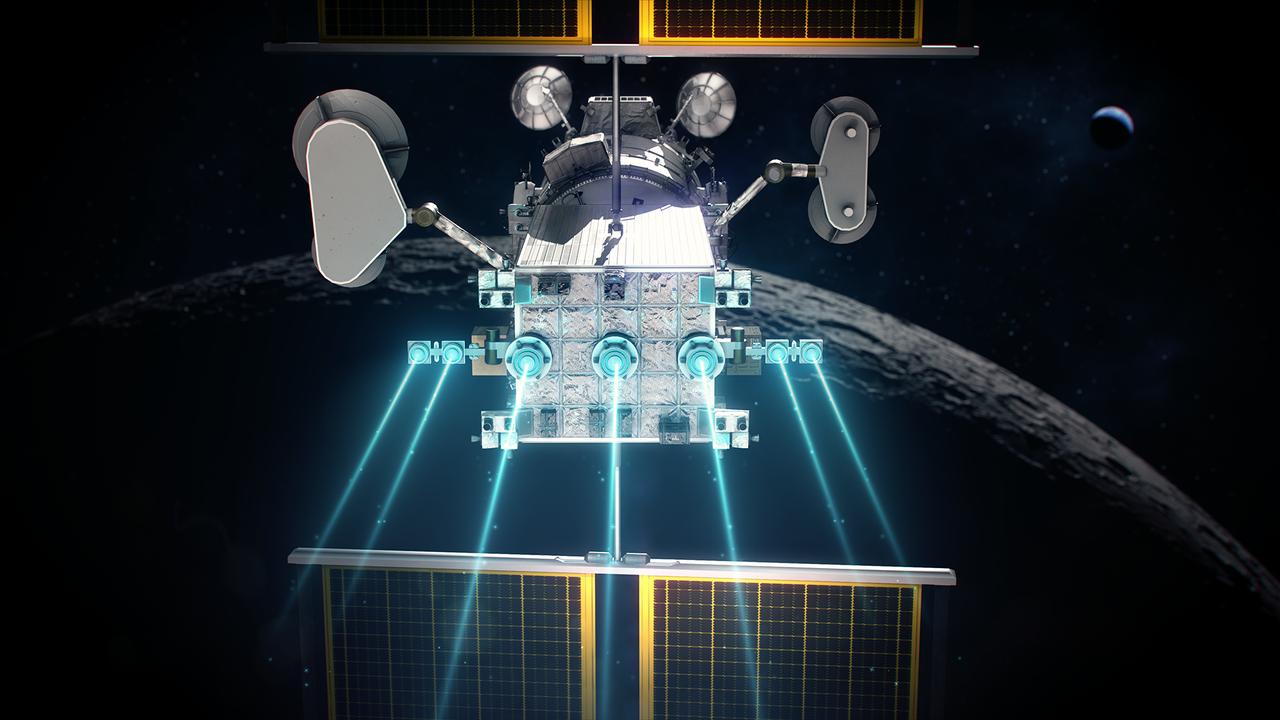
The Power and Propulsion Element's 12 kw thrusters will make Gateway the most powerful solar electric spacecraft ever flown.
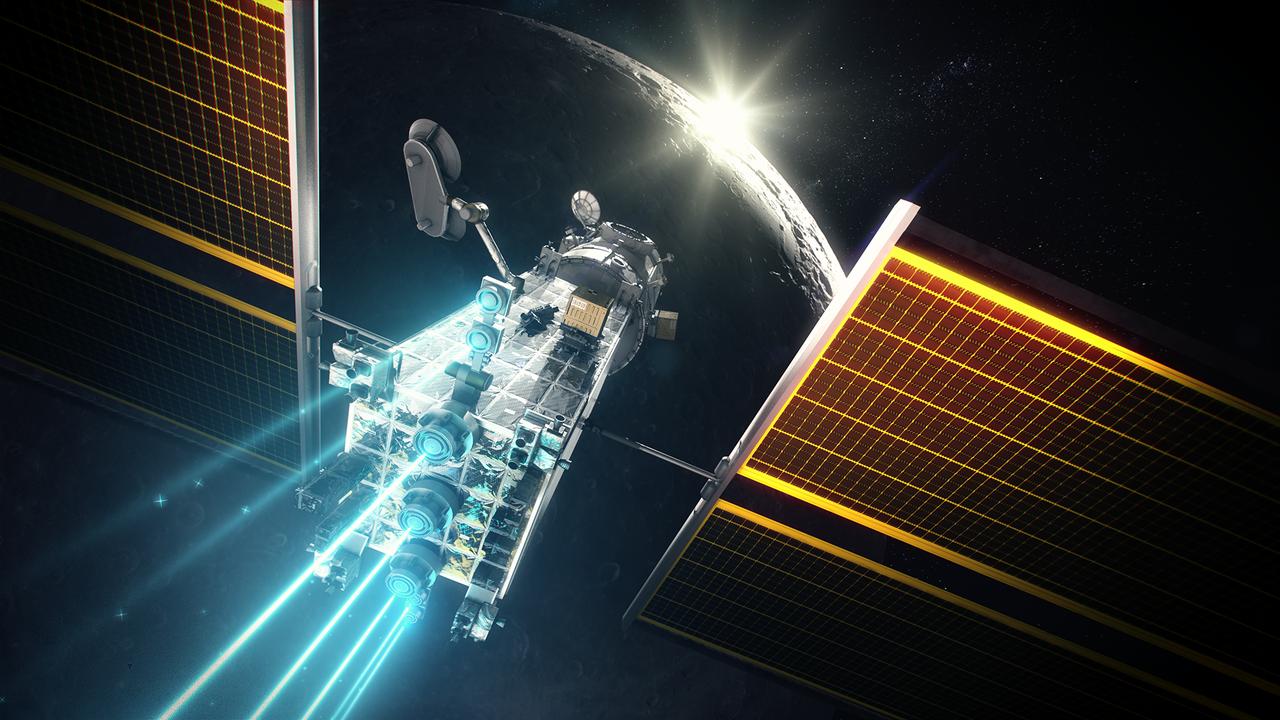
The Power and Propulsion Element's 12 kw thrusters will make Gateway the most powerful solar electric spacecraft ever flown.
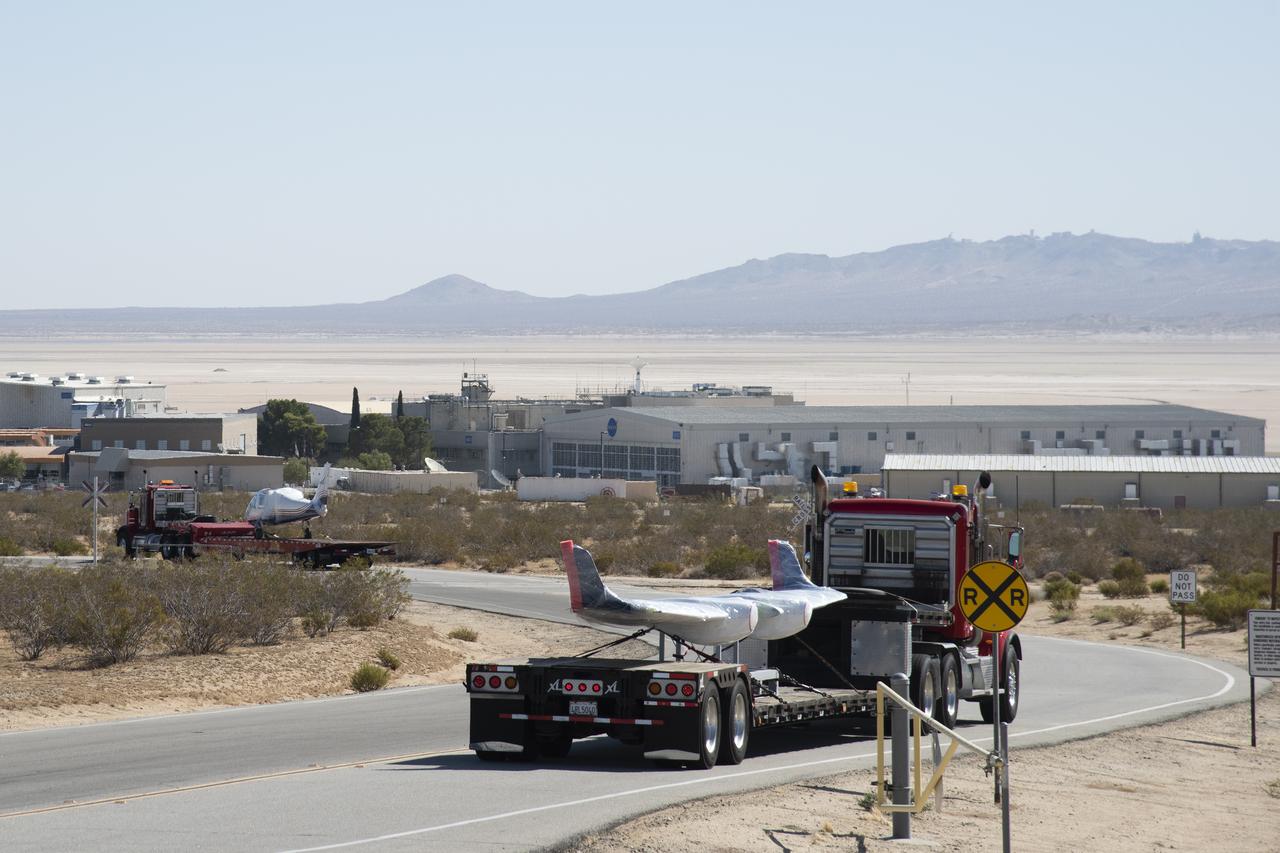
NASA’s all-electric X-57 Maxwell, in its Mod II configuration, arrives at NASA’s Armstrong Flight Research Center in Edwards, California. The X-plane was delivered by prime contractor Empirical Systems Aerospace of San Luis Obispo, California, in two parts, with the wing separated from the fuselage, to aid in a more timely delivery. X-57 is NASA’s first crewed X-plane in two decades, and seeks to further advance the design and airworthiness process for distributed electric propulsion technology for general aviation aircraft.
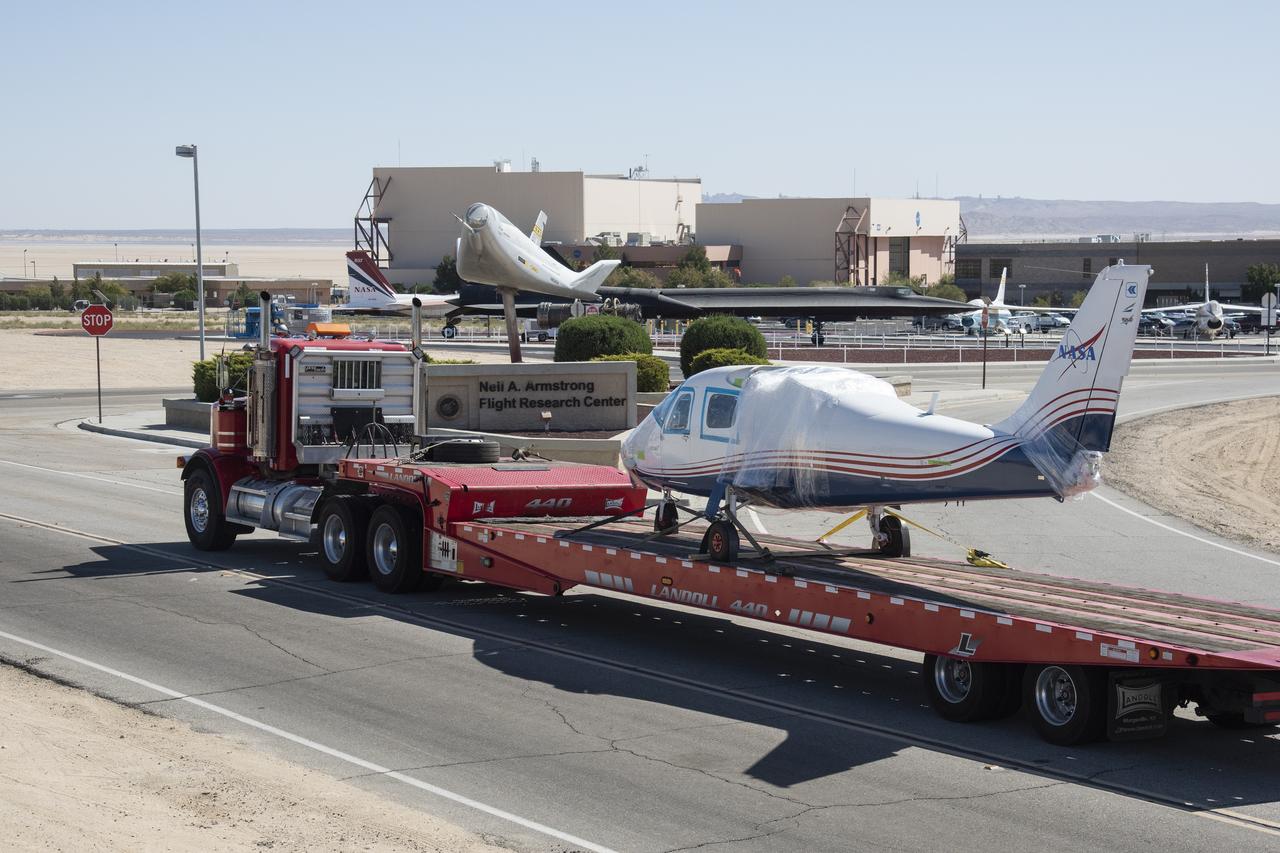
NASA's all-electric X-57 Maxwell, in its Mod II configuration, arrives at NASA's Armstrong Flight Research Center in Edwards, California. The X-plane was delivered by prime contractor Empirical Systems Aerospace of San Luis Obispo, California, in two parts, with the wing separated from the fuselage, to aid in a more timely delivery. X-57 is NASA's first crewed X-plane in two decades, and seeks to further advance the design and airworthiness process for distributed electric propulsion technology for general aviation aircraft.
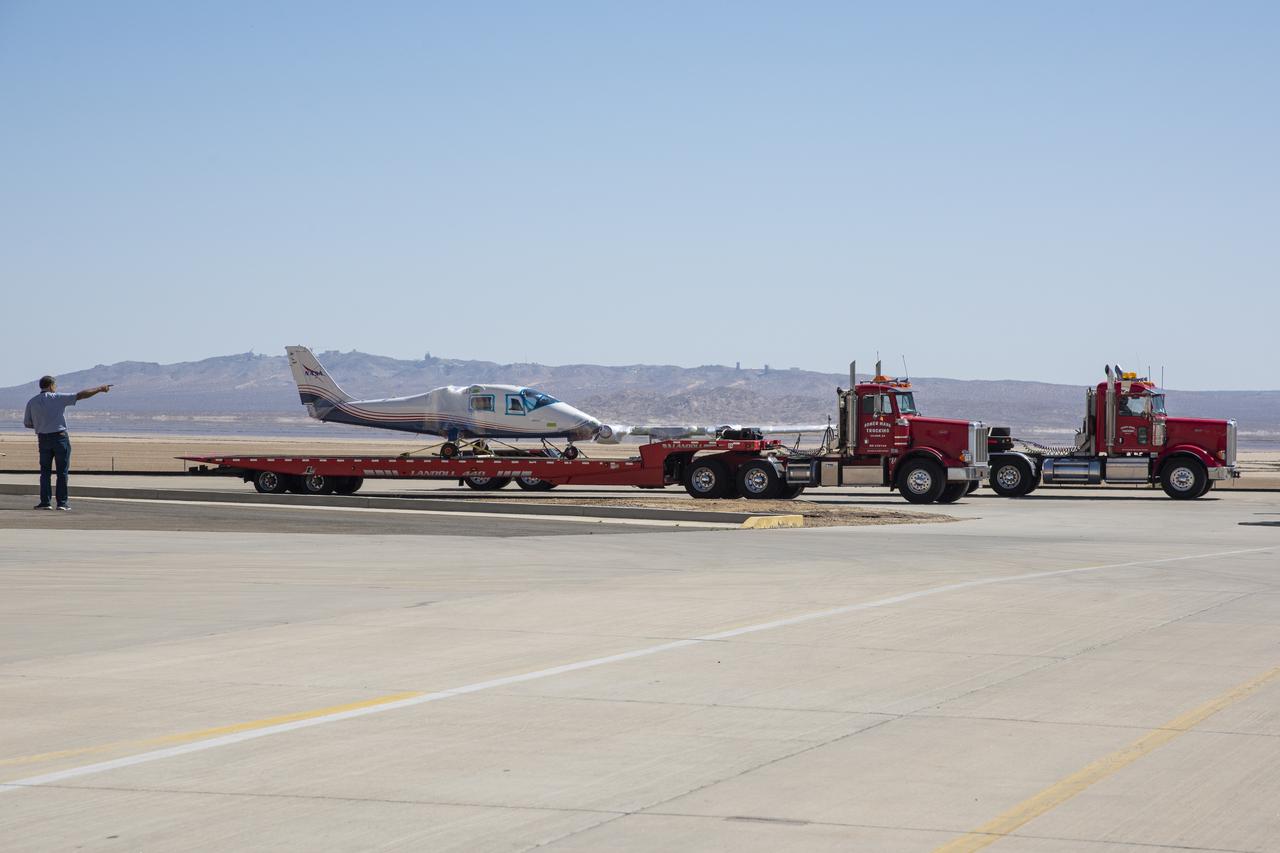
NASA's all-electric X-57 Maxwell, in its Mod II configuration, arrives at NASA's Armstrong Flight Research Center in Edwards, California. The X-plane was delivered by prime contractor Empirical Systems Aerospace of San Luis Obispo, California, in two parts, with the wing separated from the fuselage, to aid in a more timely delivery. X-57 is NASA's first crewed X-plane in two decades, and seeks to further advance the design and airworthiness process for distributed electric propulsion technology for general aviation aircraft.
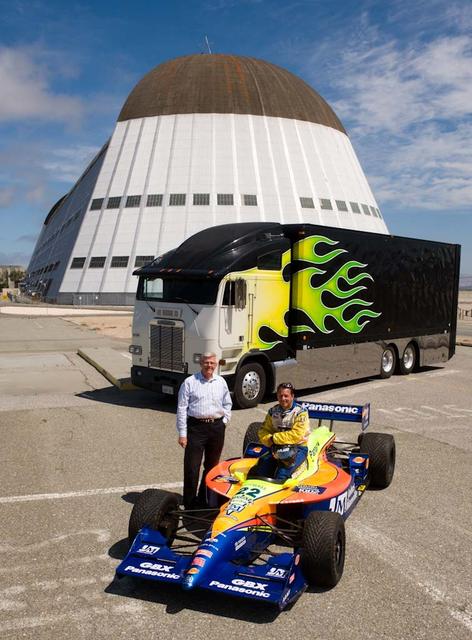
NASA Research Park (NRP) Moffett Field, California: Timothy Collins, President and Chairman, KleenSpeed Technologies, Inc. and Captain Andrew Butte, rescue helicopter pilot and former Army Aviator, with Butte's 1999 SWIFT. ChampCar Butte has given his racecar to KleenSpeed for conversion to electric. KleenSpeed is an advanced R&D firm focusing on scalable electric propulsion systems for transportation.
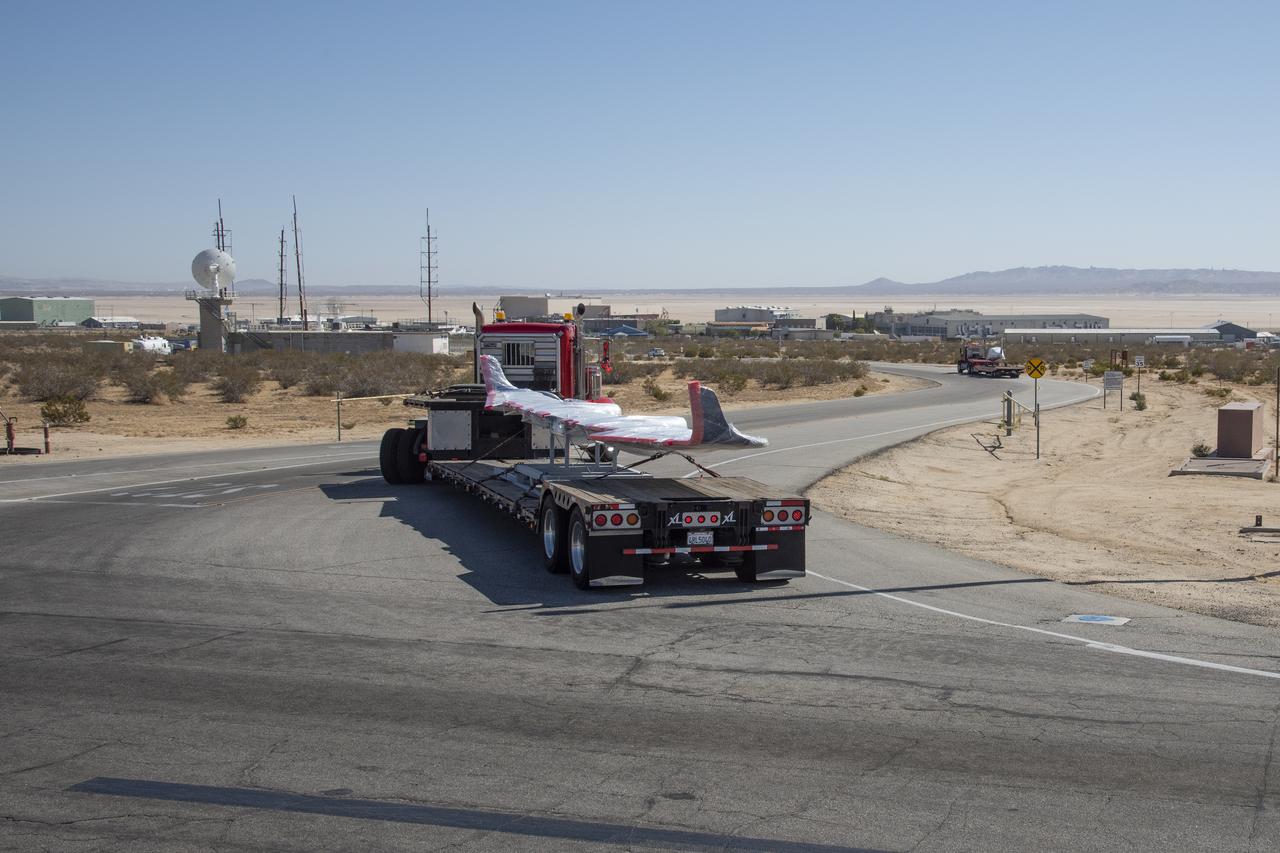
NASA’s all-electric X-57 Maxwell, in its Mod II configuration, arrives at NASA’s Armstrong Flight Research Center in Edwards, California. The X-plane was delivered by prime contractor Empirical Systems Aerospace of San Luis Obispo, California, in two parts, with the wing separated from the fuselage, to aid in a more timely delivery. X-57 is NASA’s first crewed X-plane in two decades, and seeks to further advance the design and airworthiness process for distributed electric propulsion technology for general aviation aircraft.
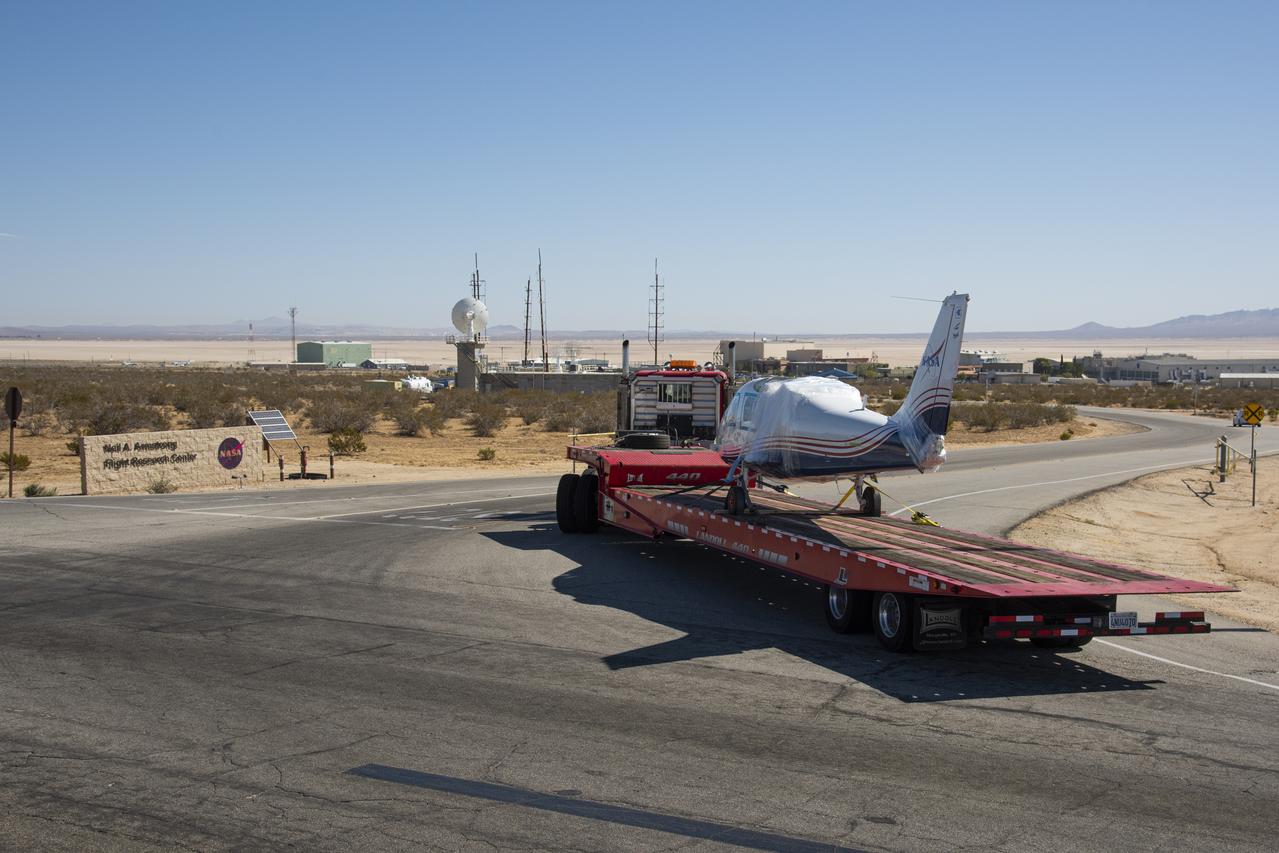
NASA's all-electric X-57 Maxwell, in its Mod II configuration, arrives at NASAâ's Armstrong Flight Research Center in Edwards, California. The X-plane was delivered by prime contractor Empirical Systems Aerospace of San Luis Obispo, California, in two parts, with the wing separated from the fuselage, to aid in a more timely delivery. X-57 is NASA's first crewed X-plane in two decades, and seeks to further advance the design and airworthiness process for distributed electric propulsion technology for general aviation aircraft.

NASA's all-electric X-57 Maxwell, in its Mod II configuration, arrives at NASA's Armstrong Flight Research Center in Edwards, California. The X-plane was delivered by prime contractor Empirical Systems Aerospace of San Luis Obispo, California, in two parts, with the wing separated from the fuselage, to aid in a more timely delivery. X-57 is NASA's first crewed X-plane in two decades, and seeks to further advance the design and airworthiness process for distributed electric propulsion technology for general aviation aircraft.
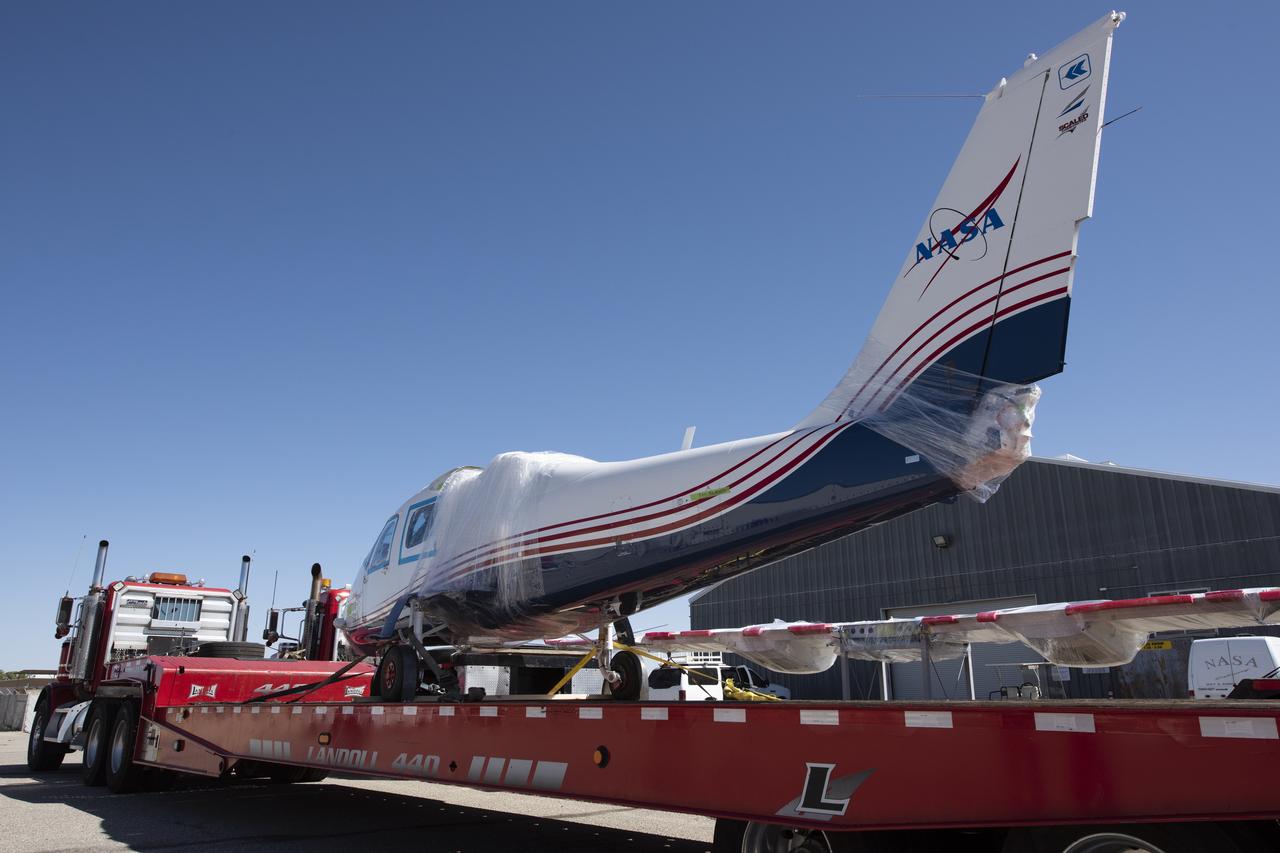
NASA’s all-electric X-57 Maxwell, in its Mod II configuration, arrives at NASA’s Armstrong Flight Research Center in Edwards, California. The X-plane was delivered by prime contractor Empirical Systems Aerospace of San Luis Obispo, California, in two parts, with the wing separated from the fuselage, to aid in a more timely delivery. X-57 is NASA’s first crewed X-plane in two decades, and seeks to further advance the design and airworthiness process for distributed electric propulsion technology for general aviation aircraft.
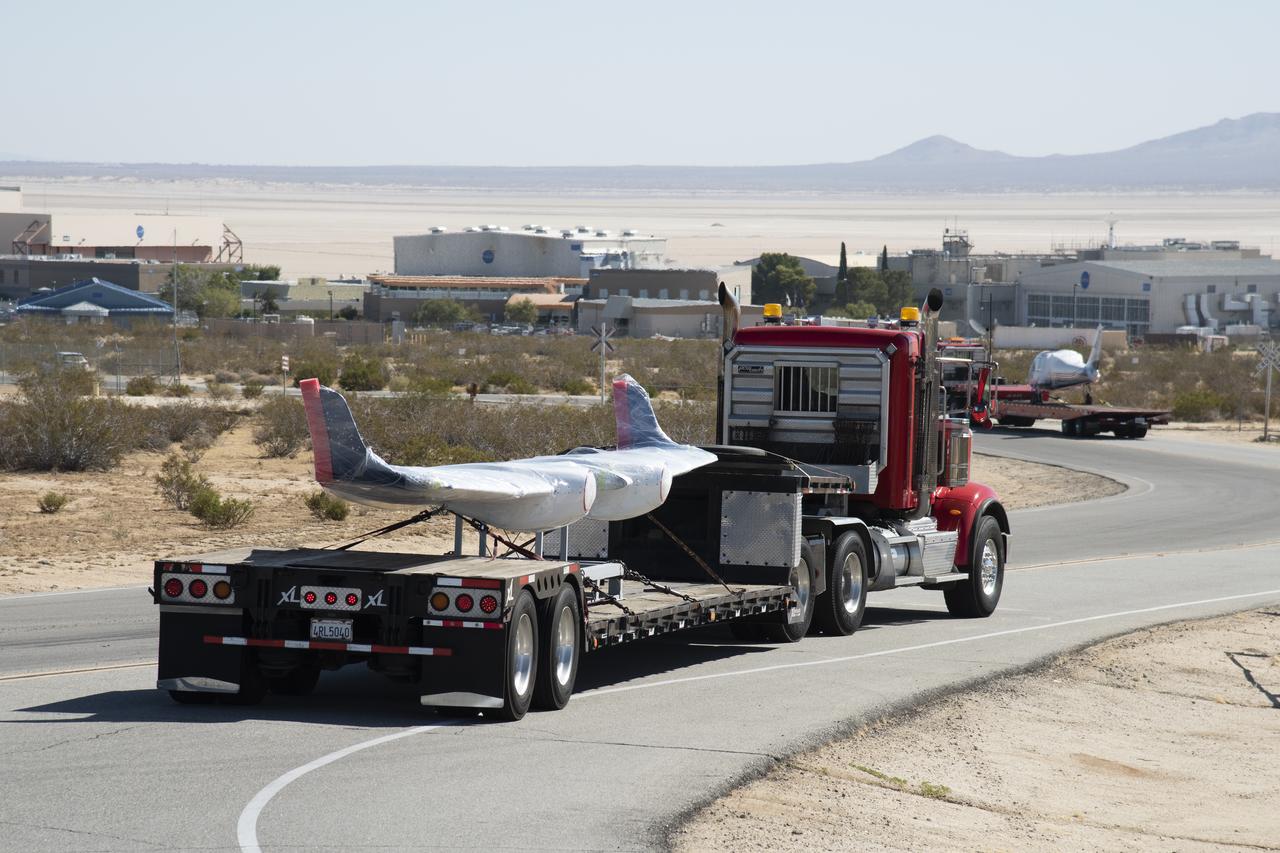
NASA’s all-electric X-57 Maxwell, in its Mod II configuration, arrives at NASA’s Armstrong Flight Research Center in Edwards, California. The X-plane was delivered by prime contractor Empirical Systems Aerospace of San Luis Obispo, California, in two parts, with the wing separated from the fuselage, to aid in a more timely delivery. X-57 is NASA’s first crewed X-plane in two decades, and seeks to further advance the design and airworthiness process for distributed electric propulsion technology for general aviation aircraft.
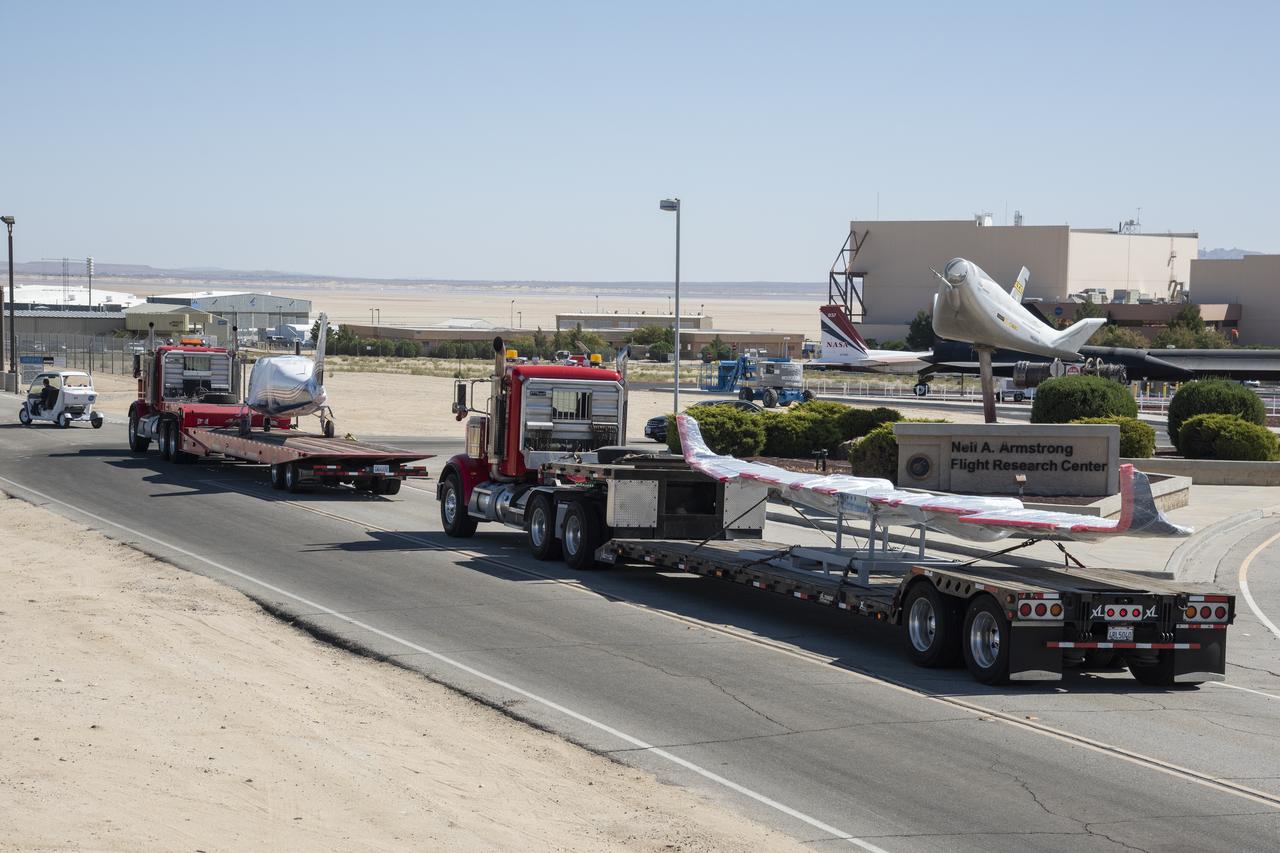
NASA’s all-electric X-57 Maxwell, in its Mod II configuration, arrives at NASA’s Armstrong Flight Research Center in Edwards, California. The X-plane was delivered by prime contractor Empirical Systems Aerospace of San Luis Obispo, California, in two parts, with the wing separated from the fuselage, to aid in a more timely delivery. X-57 is NASA’s first crewed X-plane in two decades, and seeks to further advance the design and airworthiness process for distributed electric propulsion technology for general aviation aircraft.
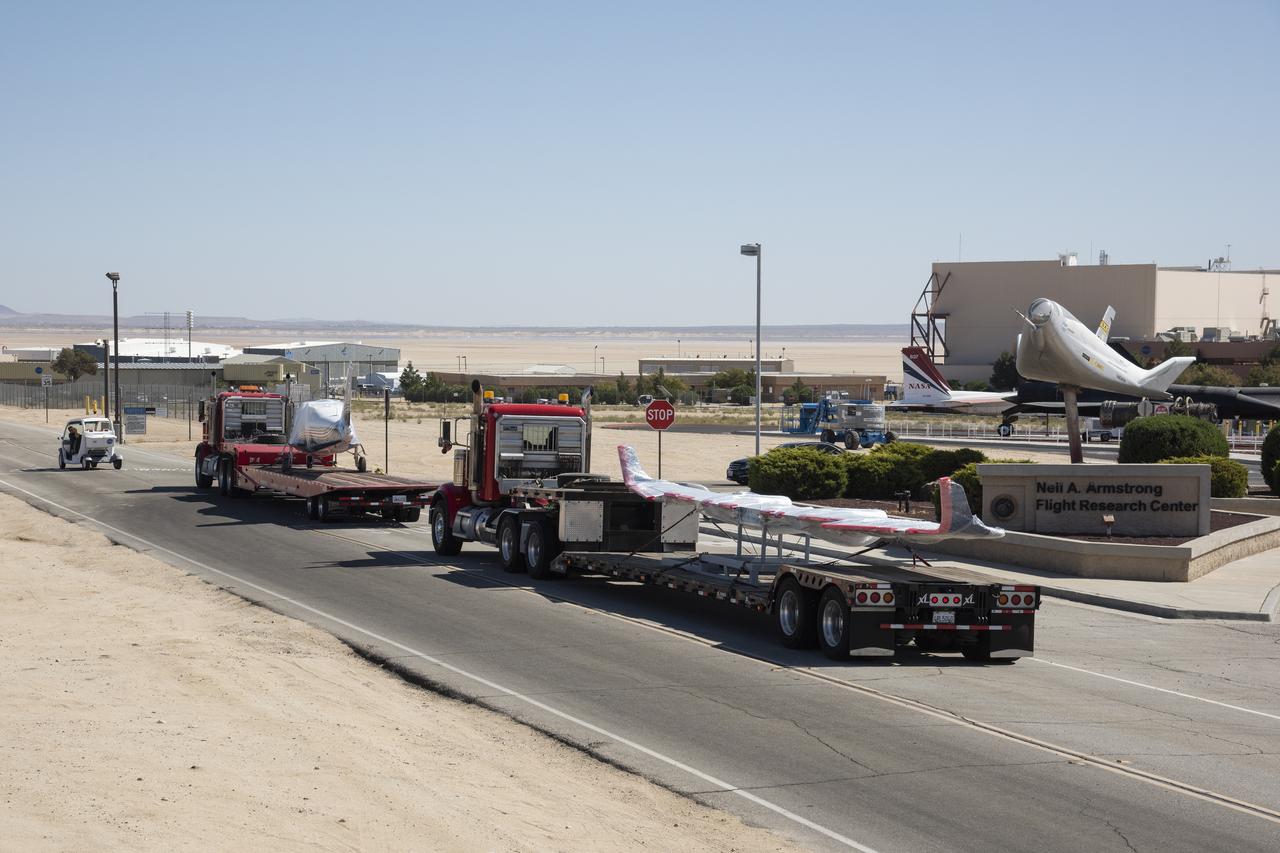
NASA's all-electric X-57 Maxwell, in its Mod II configuration, arrives at NASA's Armstrong Flight Research Center in Edwards, California. The X-plane was delivered by prime contractor Empirical Systems Aerospace of San Luis Obispo, California, in two parts, with the wing separated from the fuselage, to aid in a more timely delivery. X-57 is NASA's first crewed X-plane in two decades, and seeks to further advance the design and airworthiness process for distributed electric propulsion technology for general aviation aircraft.
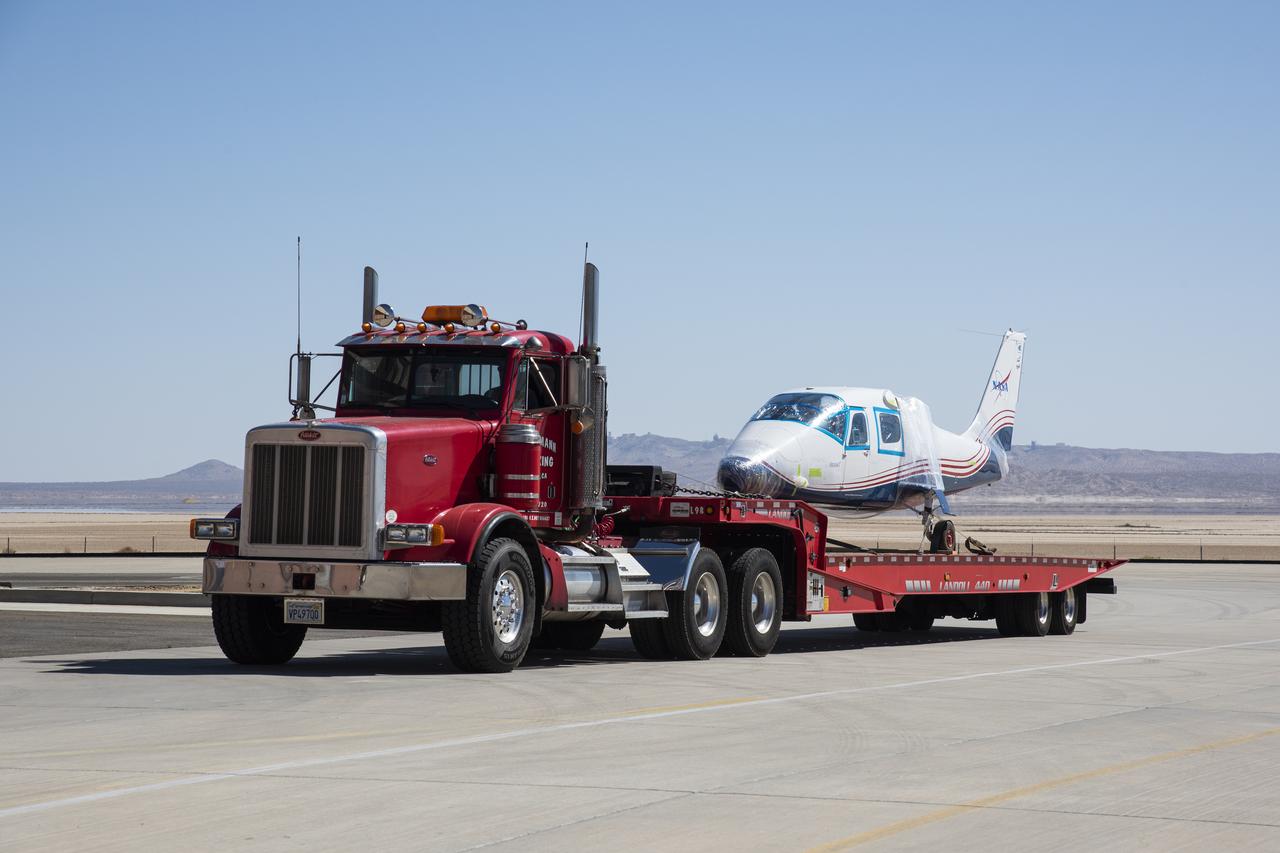
NASA's all-electric X-57 Maxwell, in its Mod II configuration, arrives at NASA's Armstrong Flight Research Center in Edwards, California. The X-plane was delivered by prime contractor Empirical Systems Aerospace of San Luis Obispo, California, in two parts, with the wing separated from the fuselage, to aid in a more timely delivery. X-57 is NASA's first crewed X-plane in two decades, and seeks to further advance the design and airworthiness process for distributed electric propulsion technology for general aviation aircraft.
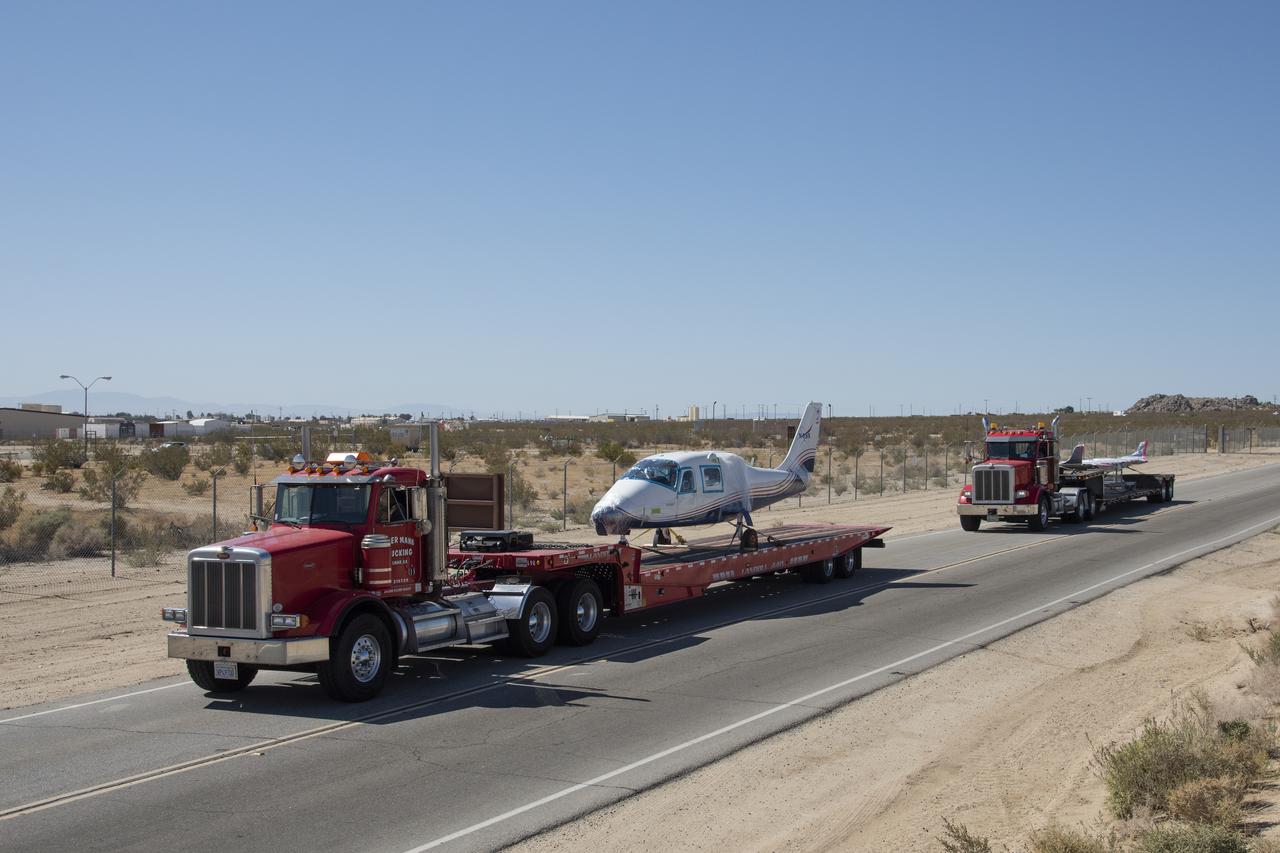
NASA's all-electric X-57 Maxwell, in its Mod II configuration, arrives at NASA's Armstrong Flight Research Center in Edwards, California. The X-plane was delivered by prime contractor Empirical Systems Aerospace of San Luis Obispo, California, in two parts, with the wing separated from the fuselage, to aid in a more timely delivery. X-57 is NASA's first crewed X-plane in two decades, and seeks to further advance the design and airworthiness process for distributed electric propulsion technology for general aviation aircraft.

Timothy Collins, President and Chairman, KleenSpeed Technologies, Inc. and Captain Andrew Butte, rescue helicopter pilot and former Army Aviator, with Butte's 1999 SWIFT. ChampCar Butte has given his racecar to KleenSpeed for conversion to electric. KleenSpeed is an advanced R&D firm focusing on scalable electric propulsion systems for transportation. The company is based at the NASA Research Park (NRP) Moffett Field, California as a lease holder.
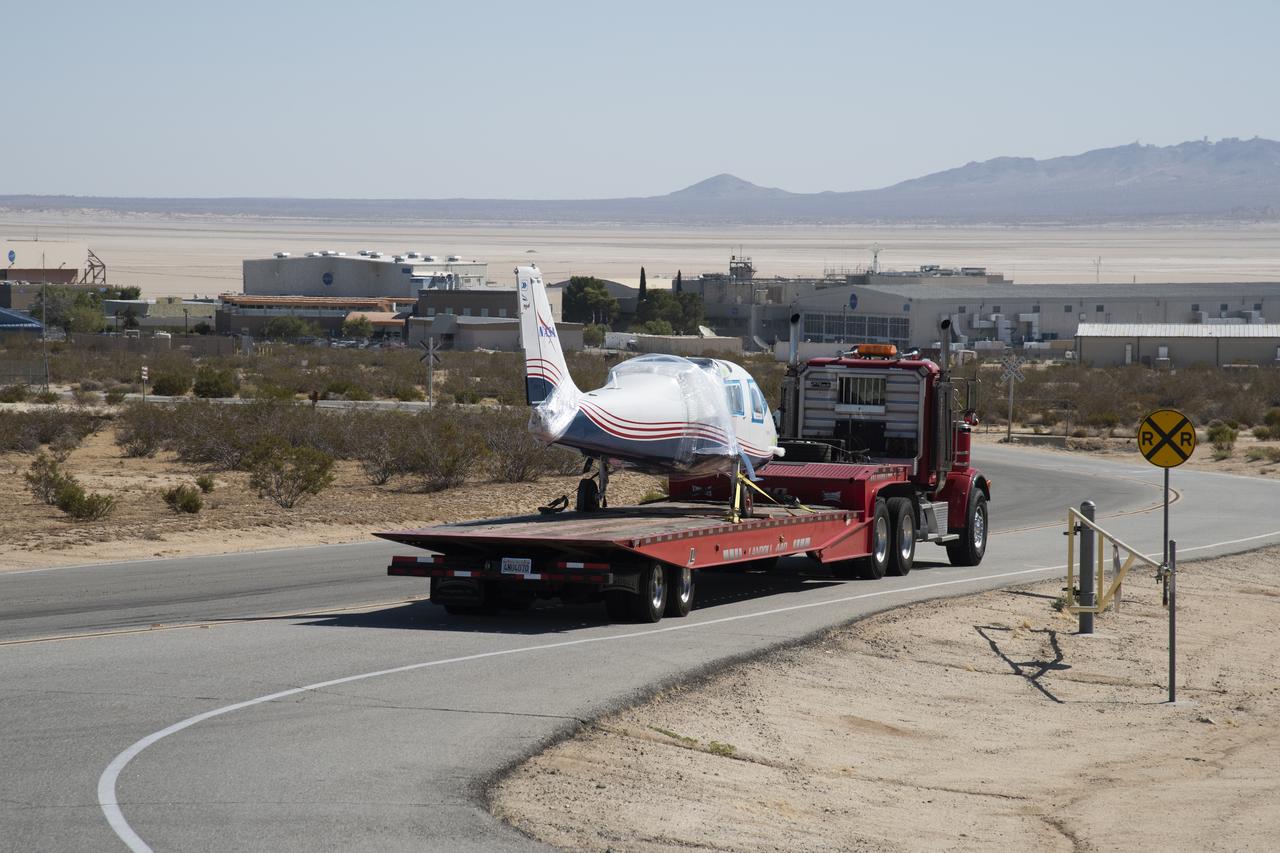
NASA’s all-electric X-57 Maxwell, in its Mod II configuration, arrives at NASA’s Armstrong Flight Research Center in Edwards, California. The X-plane was delivered by prime contractor Empirical Systems Aerospace of San Luis Obispo, California, in two parts, with the wing separated from the fuselage, to aid in a more timely delivery. X-57 is NASA’s first crewed X-plane in two decades, and seeks to further advance the design and airworthiness process for distributed electric propulsion technology for general aviation aircraft.
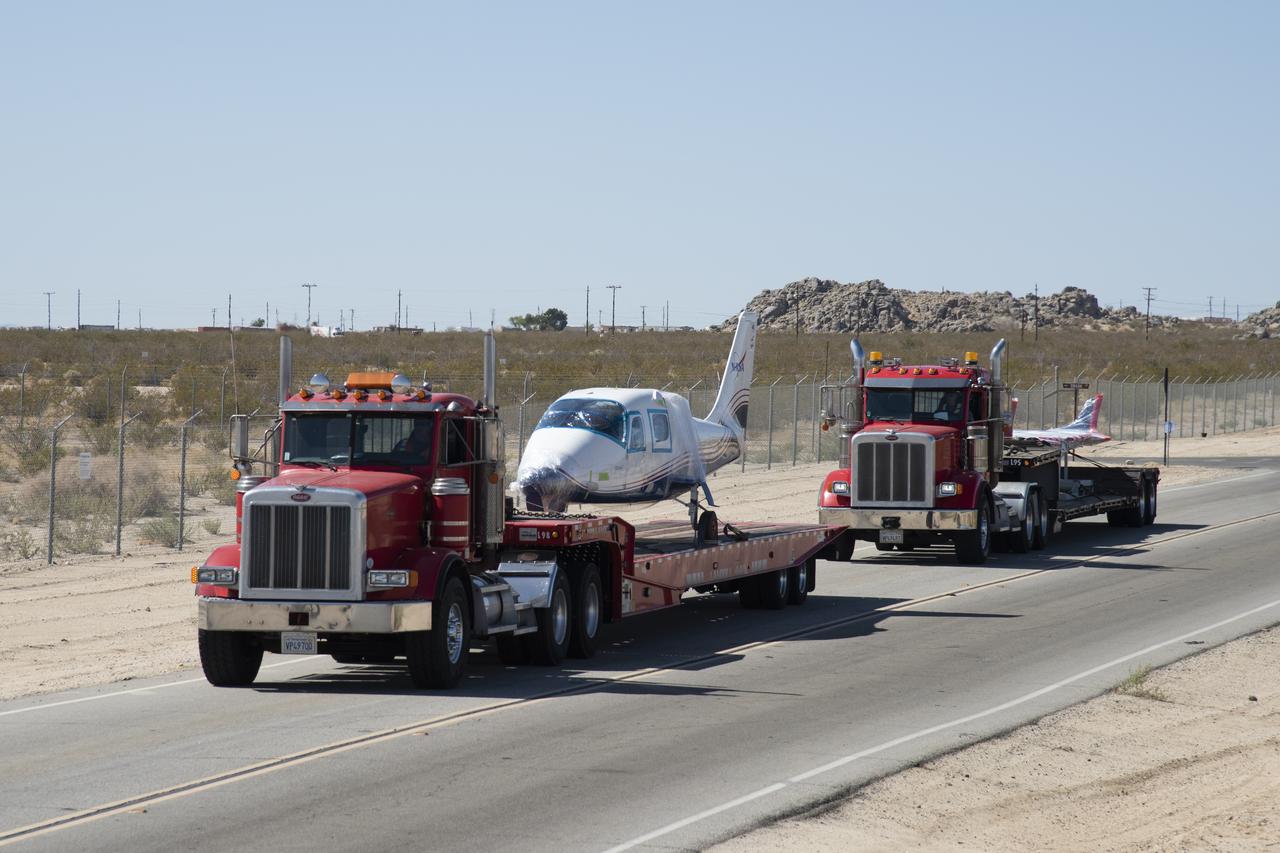
NASA's all-electric X-57 Maxwell, in its Mod II configuration, arrives at NASA's Armstrong Flight Research Center in Edwards, California. The X-plane was delivered by prime contractor Empirical Systems Aerospace of San Luis Obispo, California, in two parts, with the wing separated from the fuselage, to aid in a more timely delivery. X-57 is NASA's first crewed X-plane in two decades, and seeks to further advance the design and airworthiness process for distributed electric propulsion technology for general aviation aircraft.
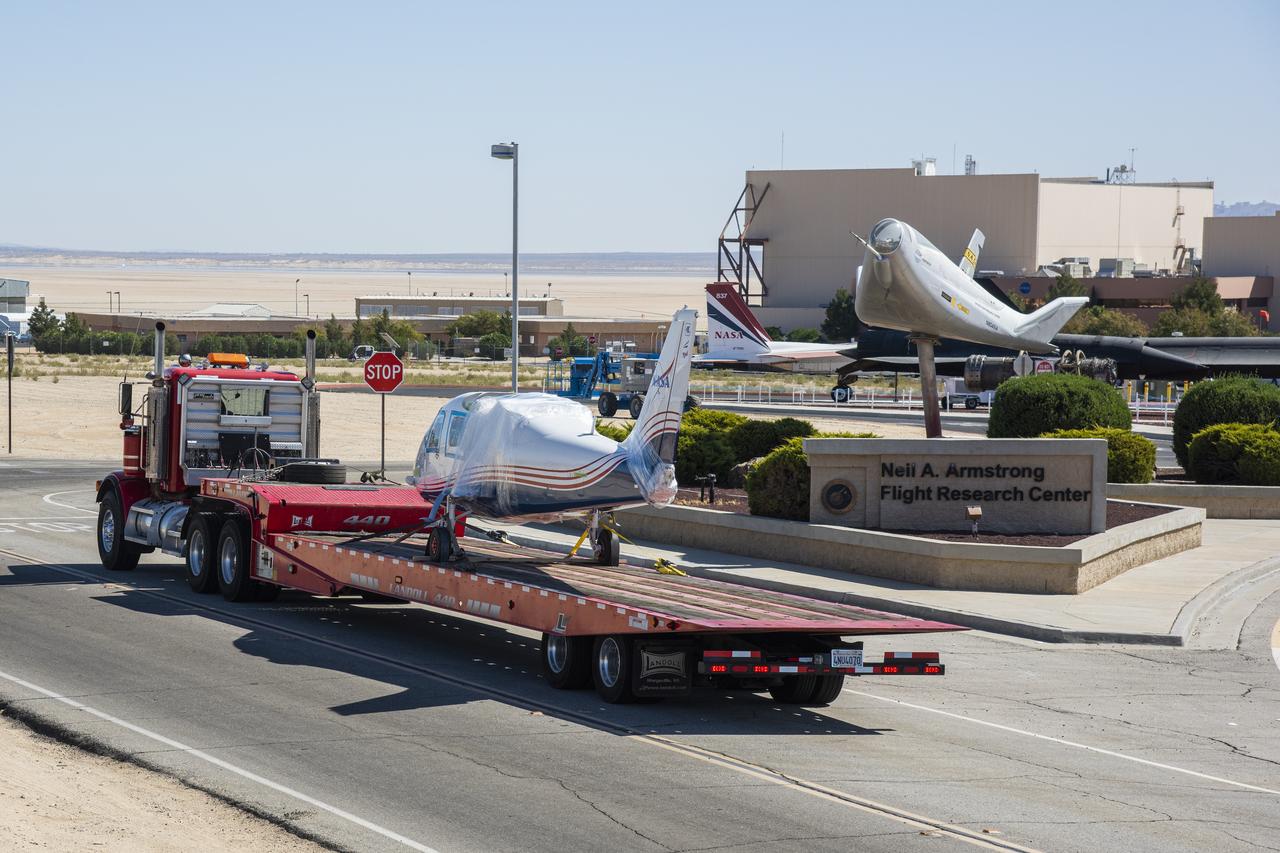
NASA's all-electric X-57 Maxwell, in its Mod II configuration, arrives at NASA's Armstrong Flight Research Center in Edwards, California. The X-plane was delivered by prime contractor Empirical Systems Aerospace of San Luis Obispo, California, in two parts, with the wing separated from the fuselage, to aid in a more timely delivery. X-57 is NASA's first crewed X-plane in two decades, and seeks to further advance the design and airworthiness process for distributed electric propulsion technology for general aviation aircraft.
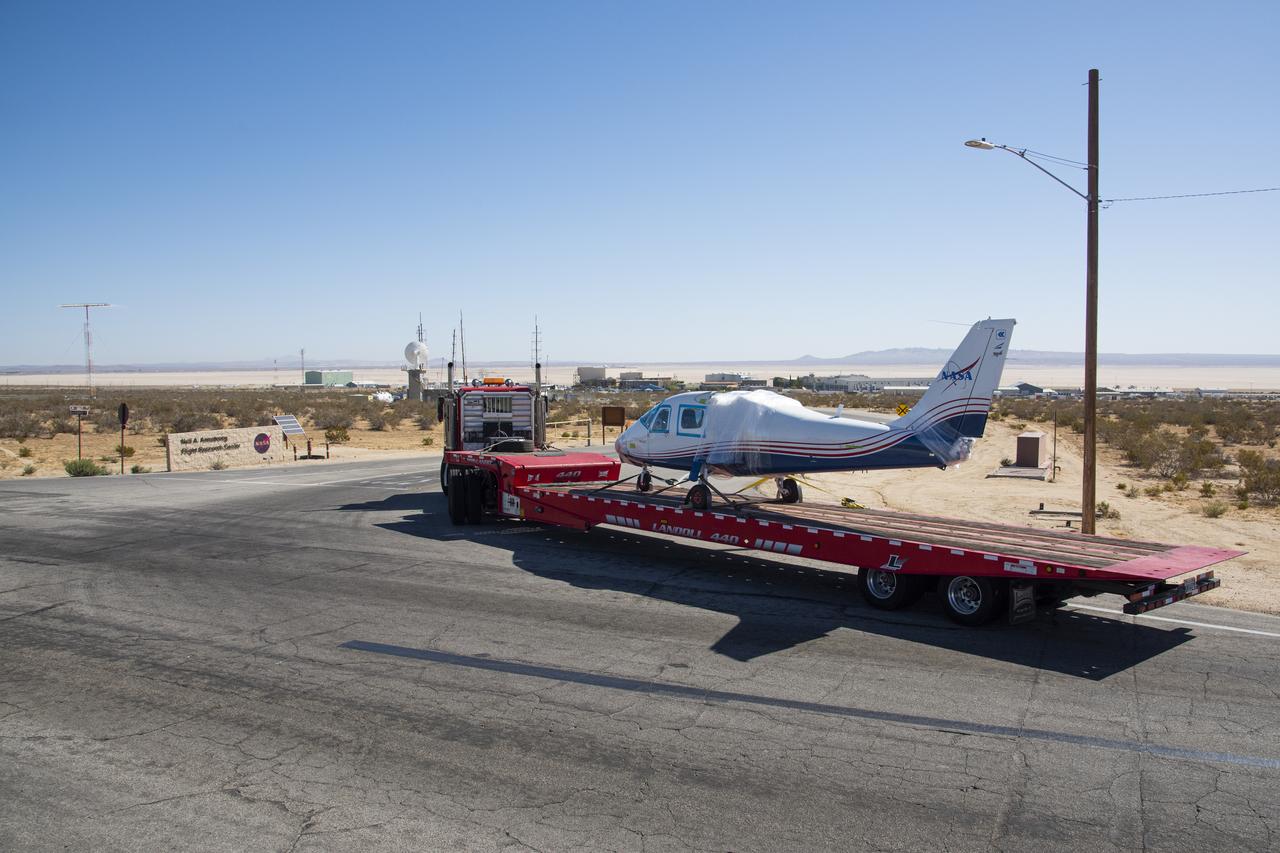
NASA's all-electric X-57 Maxwell, in its Mod II configuration, arrives at NASA's Armstrong Flight Research Center in Edwards, California. The X-plane was delivered by prime contractor Empirical Systems Aerospace of San Luis Obispo, California, in two parts, with the wing separated from the fuselage, to aid in a more timely delivery. X-57 is NASA's first crewed X-plane in two decades, and seeks to further advance the design and airworthiness process for distributed electric propulsion technology for general aviation aircraft.
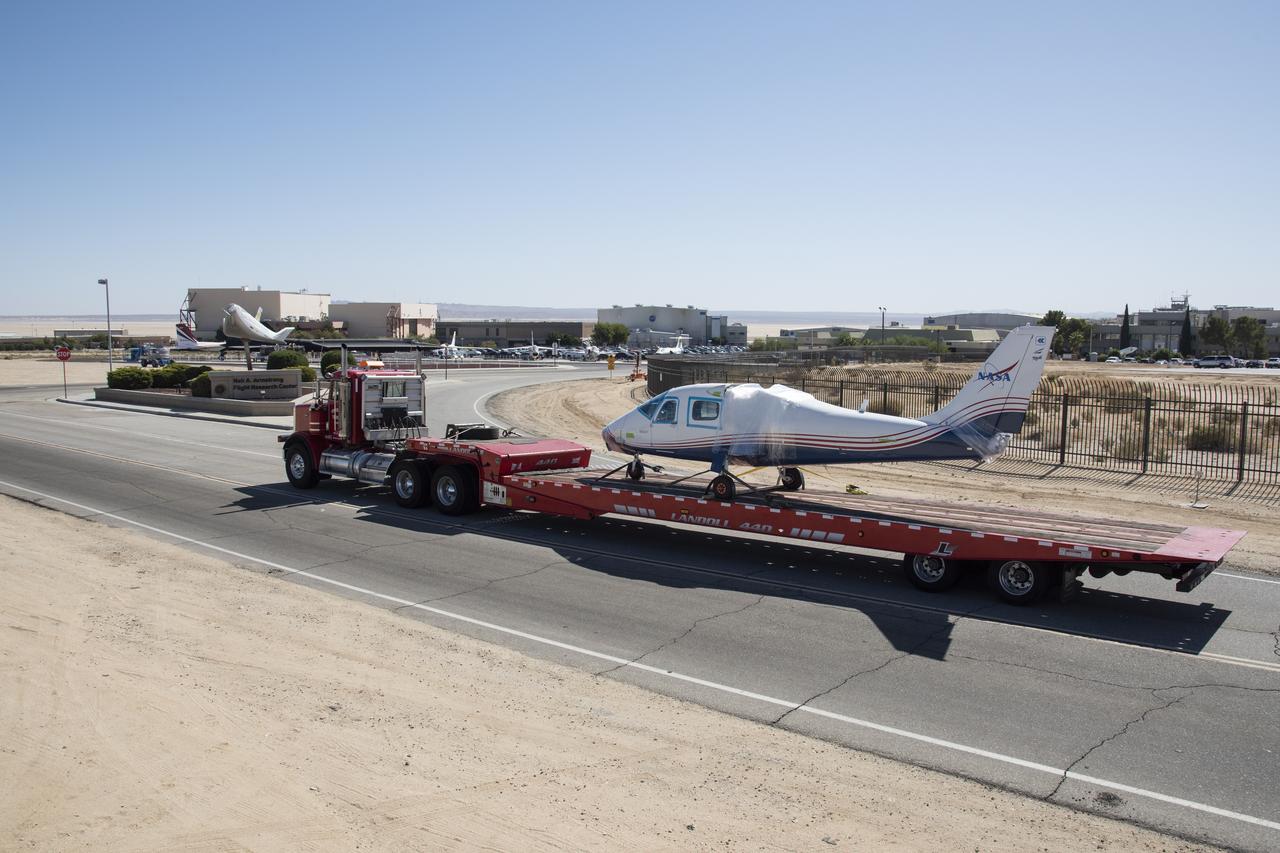
NASA's all-electric X-57 Maxwell, in its Mod II configuration, arrives at NASA's Armstrong Flight Research Center in Edwards, California. The X-plane was delivered by prime contractor Empirical Systems Aerospace of San Luis Obispo, California, in two parts, with the wing separated from the fuselage, to aid in a more timely delivery. X-57 is NASA's first crewed X-plane in two decades, and seeks to further advance the design and airworthiness process for distributed electric propulsion technology for general aviation aircraft.
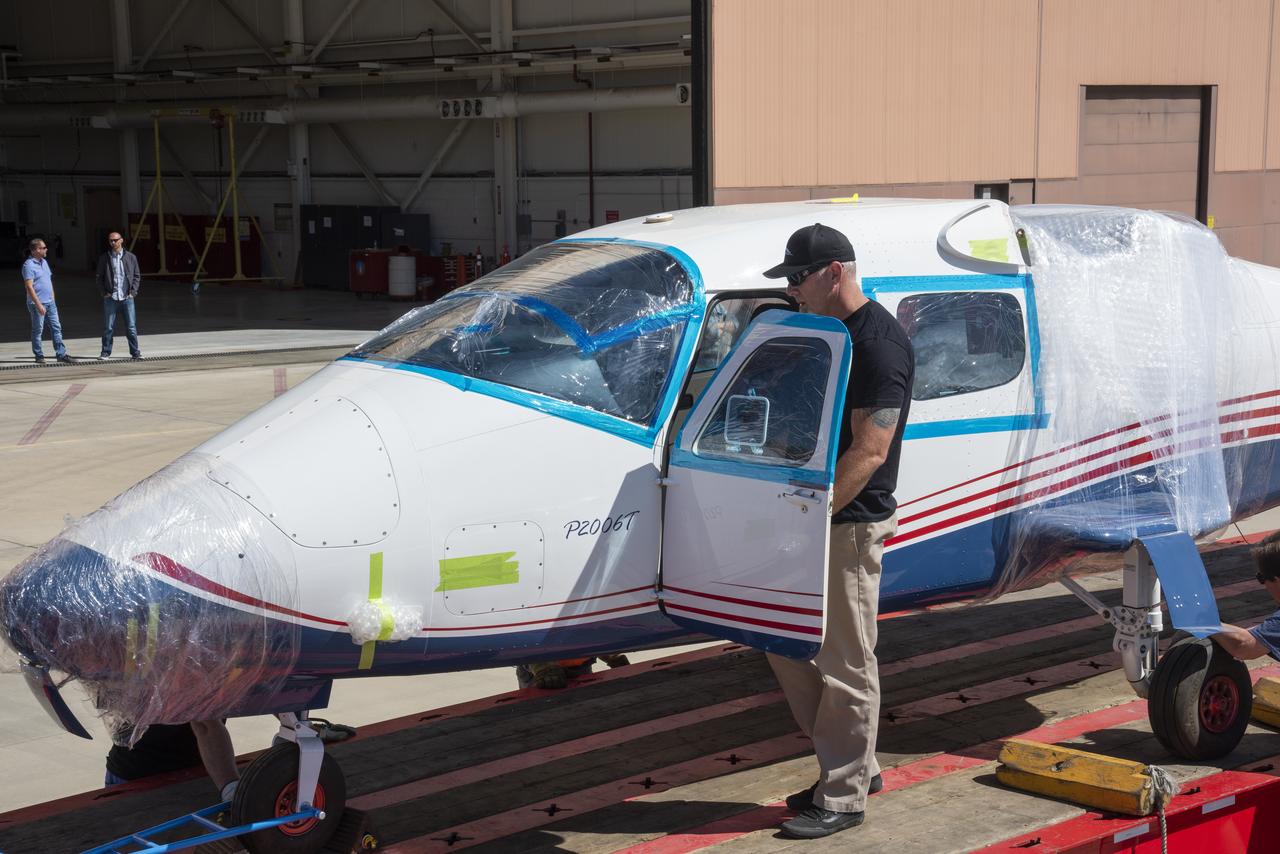
NASA's X-57 Maxwell, the agency's first all-electric X-plane and first crewed X-planed in two decades, is delivered to NASA's Armstrong Flight Research Center in Edwards, California in its Mod II configuration. The first of three primary modifications for the project, Mod II involves testing of the aircraft's cruise electric propulsion system. Delivery to NASA from prime contractor Empirical Systems Aerospace of San Luis Obispo, California, marks a major milestone for the project, at which point the vehicle is reintegrated for ground tests, to be followed by taxi tests, and eventually, flight tests. X-57's goal is to further advance the design and airworthiness process for distributed electric propulsion technology for general aviation aircraft, which can provide multiple benefits to efficiency, emissions, and noise.
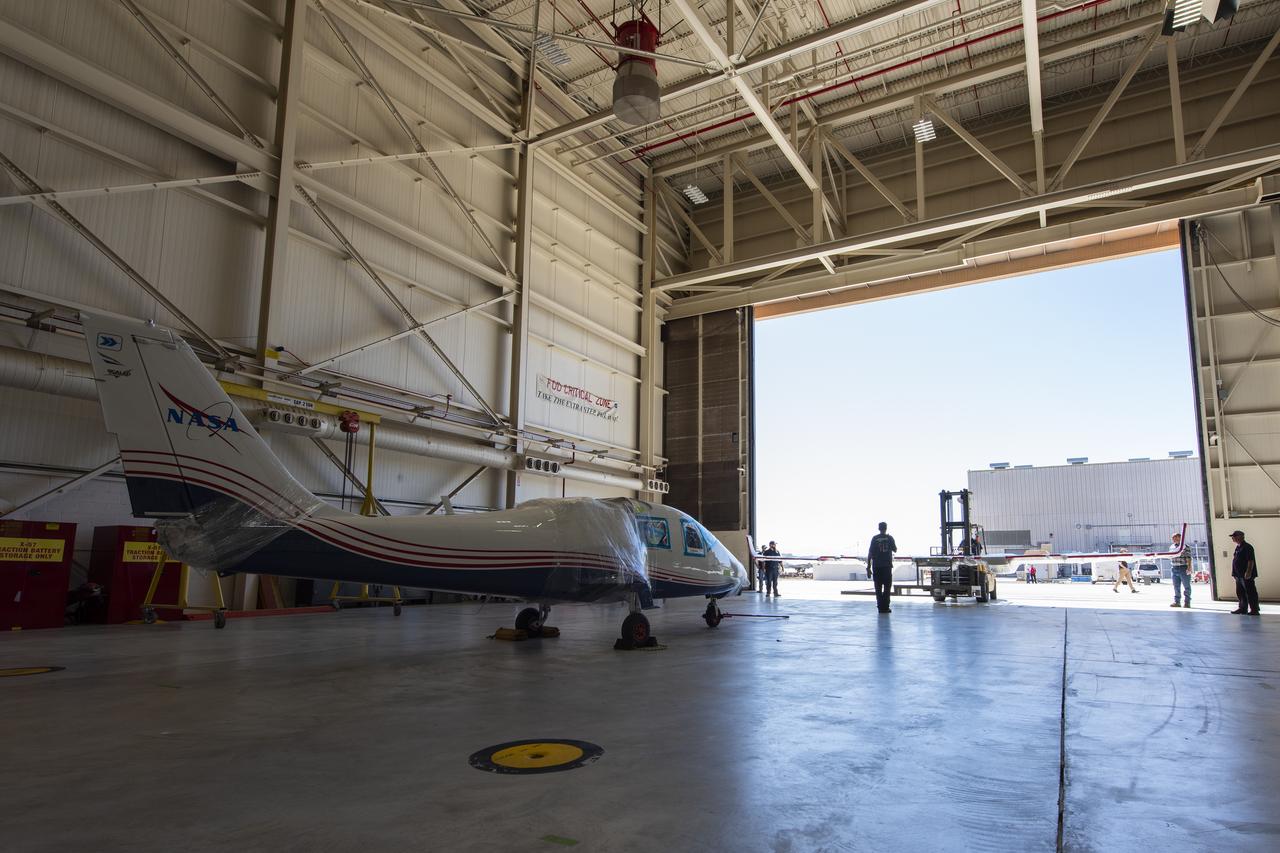
NASA's X-57 Maxwell, the agency's first all-electric X-plane and first crewed X-planed in two decades, is delivered to NASA's Armstrong Flight Research Center in Edwards, California in its Mod II configuration. The first of three primary modifications for the project, Mod II involves testing of the aircraft's cruise electric propulsion system. Delivery to NASA from prime contractor Empirical Systems Aerospace of San Luis Obispo, California, marks a major milestone for the project, at which point the vehicle is reintegrated for ground tests, to be followed by taxi tests, and eventually, flight tests. X-57's goal is to further advance the design and airworthiness process for distributed electric propulsion technology for general aviation aircraft, which can provide multiple benefits to efficiency, emissions, and noise.
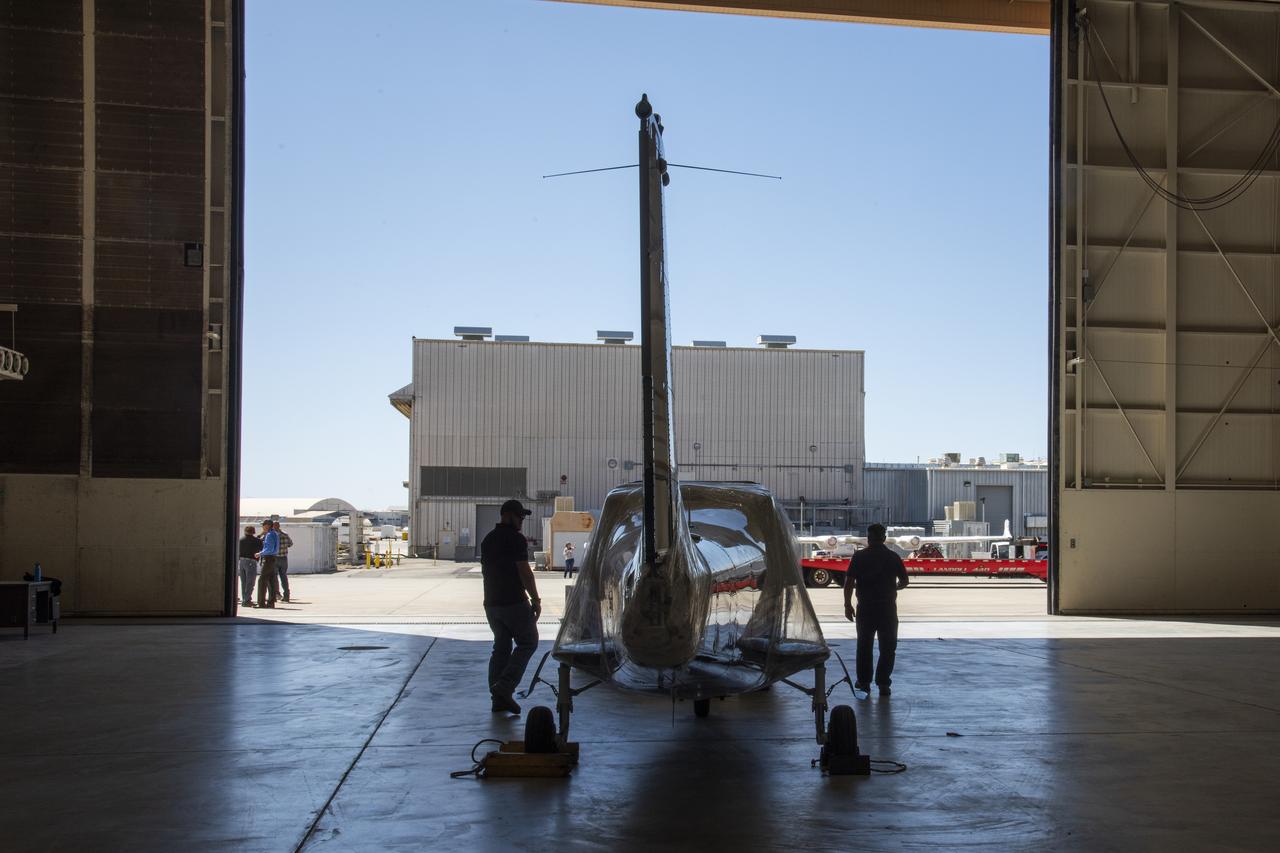
NASA's X-57 Maxwell, the agency's first all-electric X-plane and first crewed X-planed in two decades, is delivered to NASA's Armstrong Flight Research Center in Edwards, California in its Mod II configuration. The first of three primary modifications for the project, Mod II involves testing of the aircraft's cruise electric propulsion system. Delivery to NASA from prime contractor Empirical Systems Aerospace of San Luis Obispo, California, marks a major milestone for the project, at which point the vehicle is reintegrated for ground tests, to be followed by taxi tests, and eventually, flight tests. X-57's goal is to further advance the design and airworthiness process for distributed electric propulsion technology for general aviation aircraft, which can provide multiple benefits to efficiency, emissions, and noise.
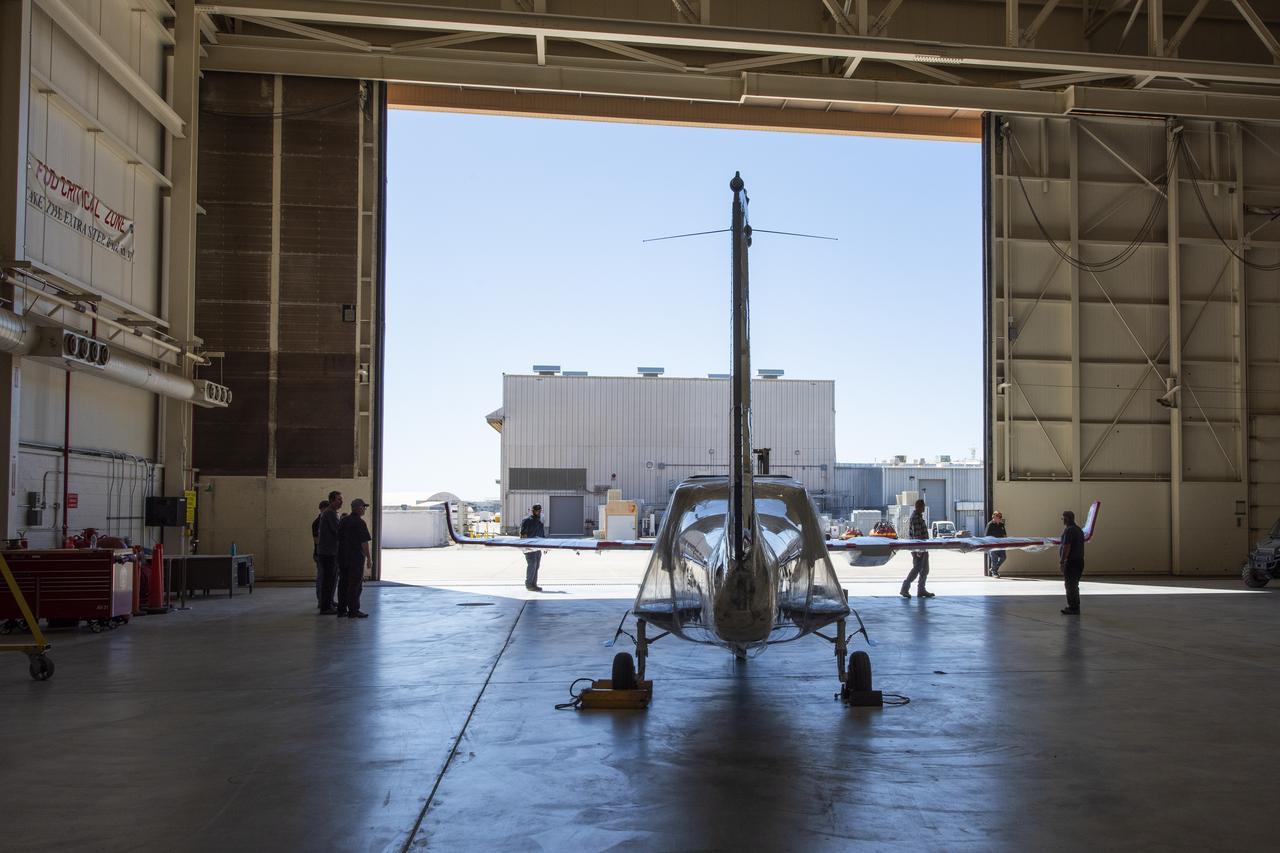
NASA’s X-57 Maxwell, the agency’s first all-electric X-plane and first crewed X-planed in two decades, is delivered to NASA’s Armstrong Flight Research Center in Edwards, California in its Mod II configuration. The first of three primary modifications for the project, Mod II involves testing of the aircraft’s cruise electric propulsion system. Delivery to NASA from prime contractor Empirical Systems Aerospace of San Luis Obispo, California, marks a major milestone for the project, at which point the vehicle is reintegrated for ground tests, to be followed by taxi tests, and eventually, flight tests. X-57’s goal is to further advance the design and airworthiness process for distributed electric propulsion technology for general aviation aircraft, which can provide multiple benefits to efficiency, emissions, and noise.
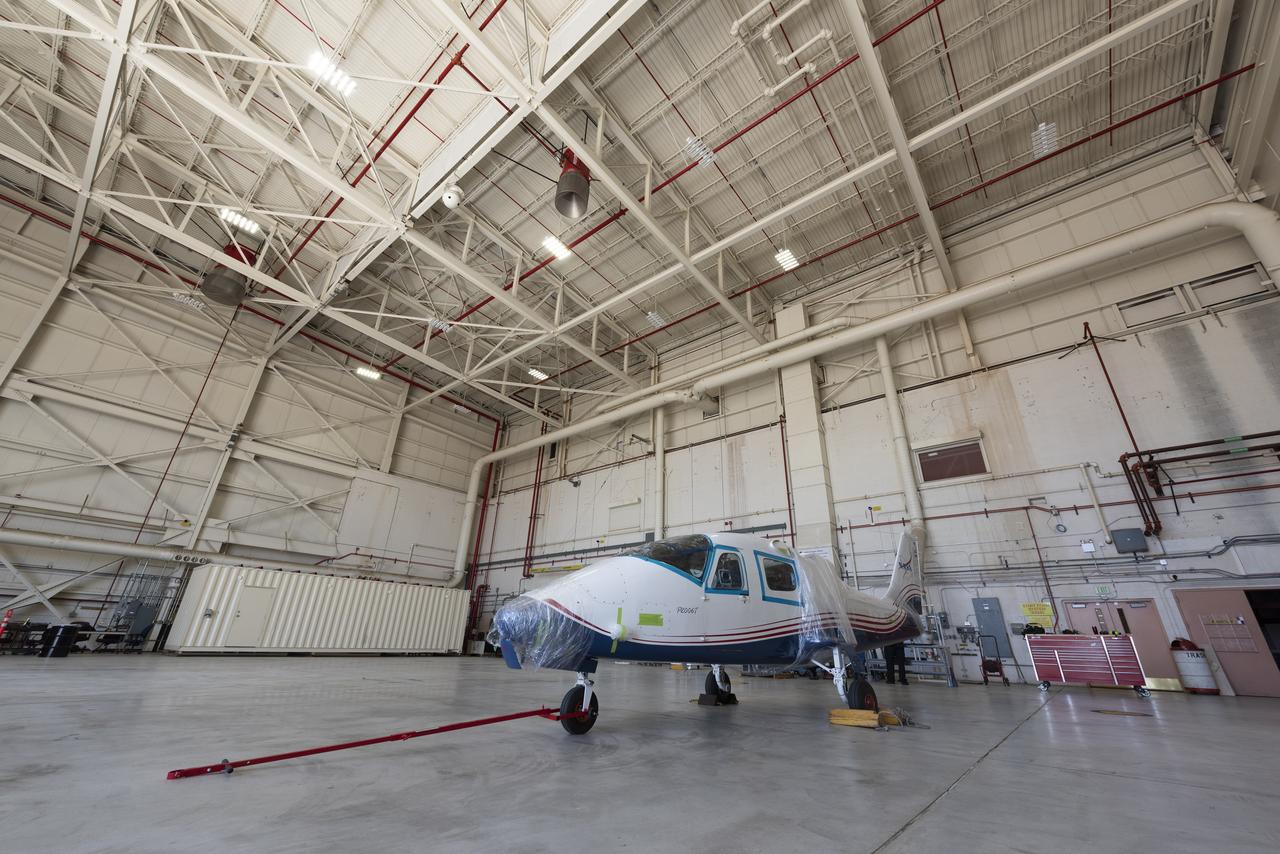
NASA's X-57 Maxwell, the agency's first all-electric X-plane and first crewed X-planed in two decades, is delivered to NASA's Armstrong Flight Research Center in Edwards, California in its Mod II configuration. The first of three primary modifications for the project, Mod II involves testing of the aircraft's cruise electric propulsion system. Delivery to NASA from prime contractor Empirical Systems Aerospace of San Luis Obispo, California, marks a major milestone for the project, at which point the vehicle is reintegrated for ground tests, to be followed by taxi tests, and eventually, flight tests. X-57's goal is to further advance the design and airworthiness process for distributed electric propulsion technology for general aviation aircraft, which can provide multiple benefits to efficiency, emissions, and noise.
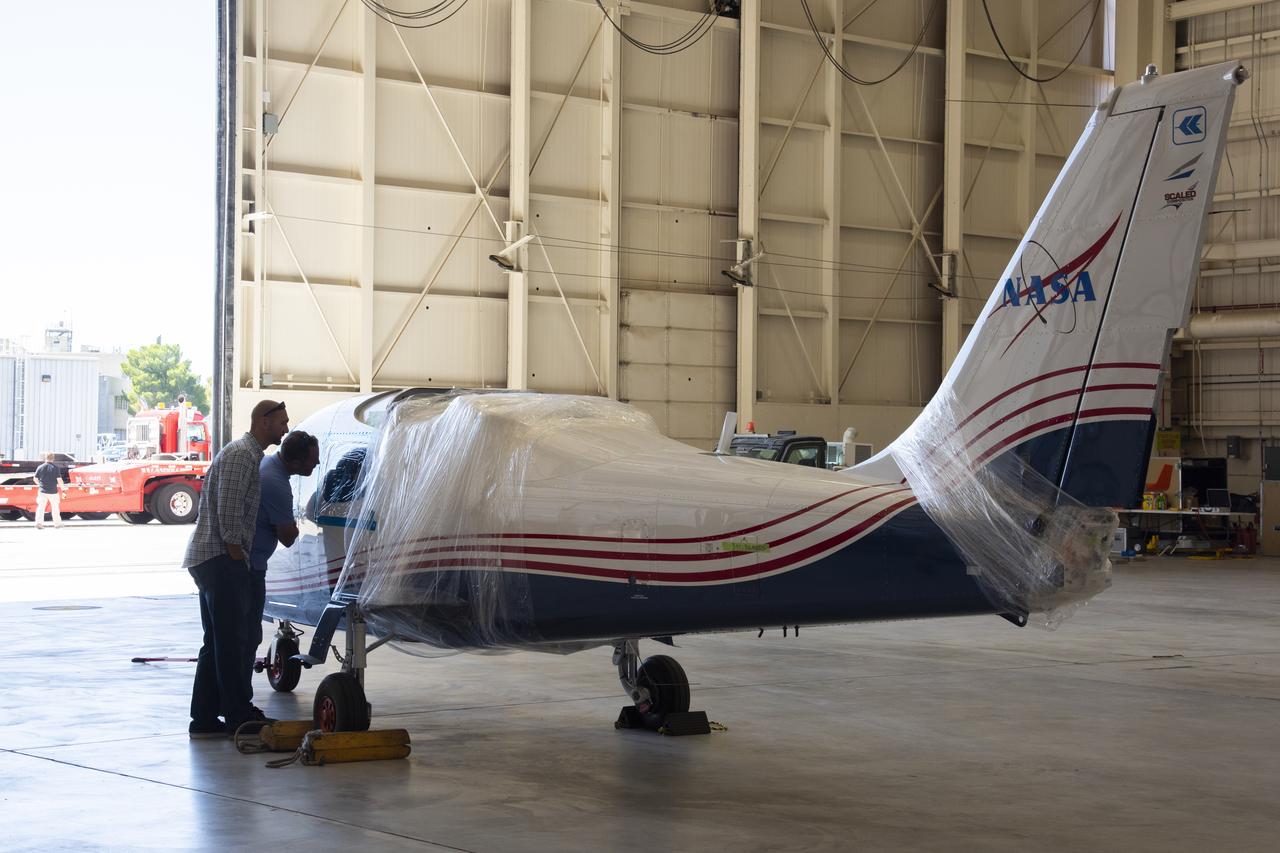
NASA's X-57 Maxwell, the agency's first all-electric X-plane and first crewed X-planed in two decades, is delivered to NASA's Armstrong Flight Research Center in Edwards, California in its Mod II configuration. The first of three primary modifications for the project, Mod II involves testing of the aircraft's cruise electric propulsion system. Delivery to NASA from prime contractor Empirical Systems Aerospace of San Luis Obispo, California, marks a major milestone for the project, at which point the vehicle is reintegrated for ground tests, to be followed by taxi tests, and eventually, flight tests. X-57's goal is to further advance the design and airworthiness process for distributed electric propulsion technology for general aviation aircraft, which can provide multiple benefits to efficiency, emissions, and noise.
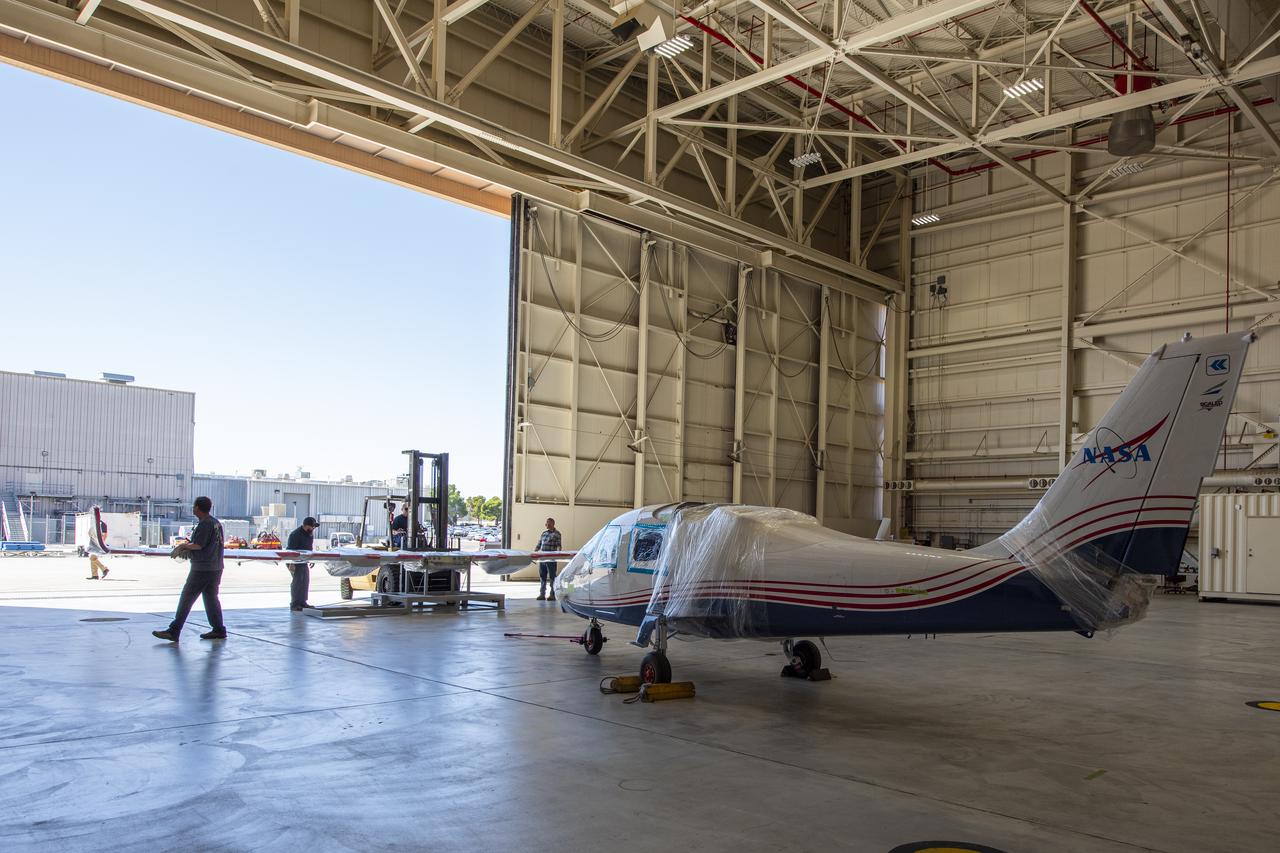
NASA’s X-57 Maxwell, the agency’s first all-electric X-plane and first crewed X-planed in two decades, is delivered to NASA’s Armstrong Flight Research Center in Edwards, California in its Mod II configuration. The first of three primary modifications for the project, Mod II involves testing of the aircraft’s cruise electric propulsion system. Delivery to NASA from prime contractor Empirical Systems Aerospace of San Luis Obispo, California, marks a major milestone for the project, at which point the vehicle is reintegrated for ground tests, to be followed by taxi tests, and eventually, flight tests. X-57’s goal is to further advance the design and airworthiness process for distributed electric propulsion technology for general aviation aircraft, which can provide multiple benefits to efficiency, emissions, and noise.
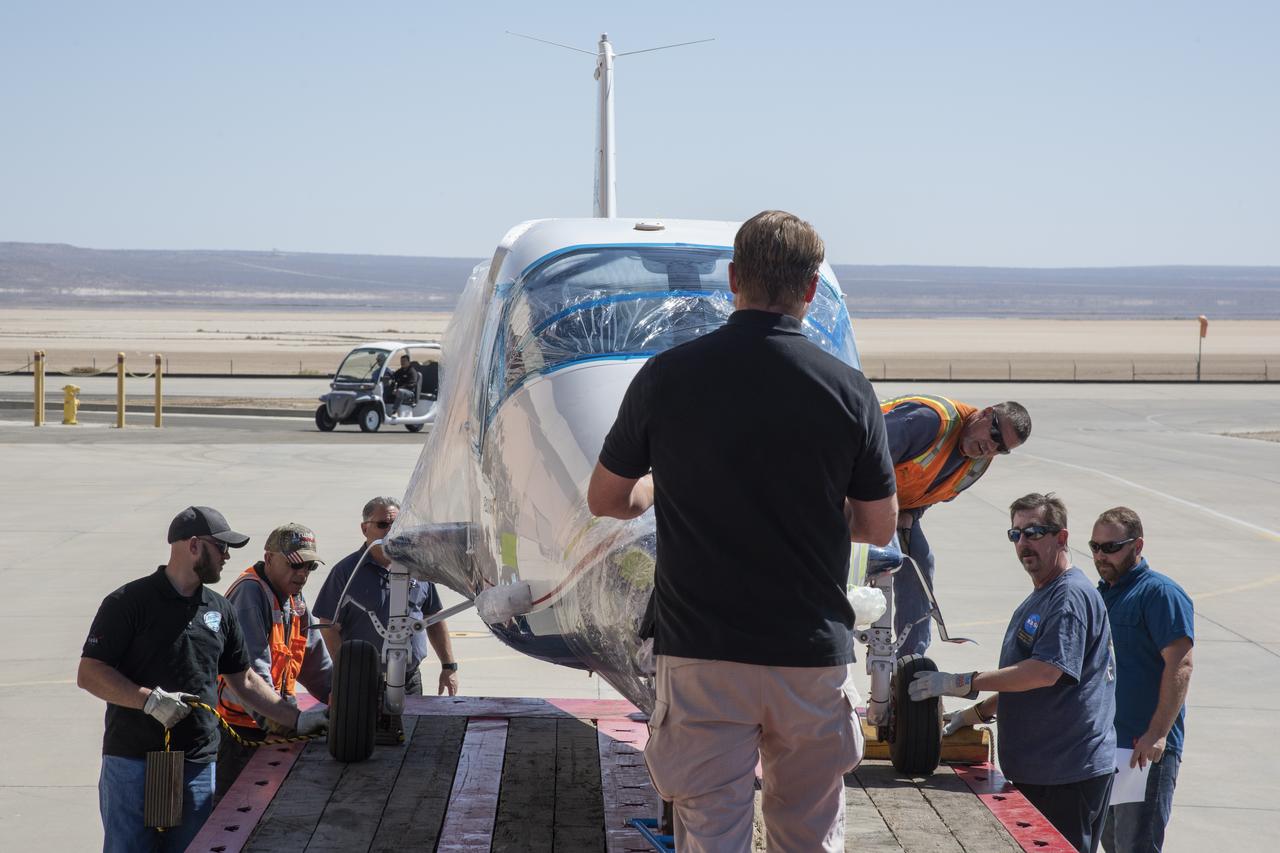
NASA's X-57 Maxwell, the agency's first all-electric X-plane and first crewed X-planed in two decades, is delivered to NASA's Armstrong Flight Research Center in Edwards, California in its Mod II configuration. The first of three primary modifications for the project, Mod II involves testing of the aircraft's cruise electric propulsion system. Delivery to NASA from prime contractor Empirical Systems Aerospace of San Luis Obispo, California, marks a major milestone for the project, at which point the vehicle is reintegrated for ground tests, to be followed by taxi tests, and eventually, flight tests. X-57's goal is to further advance the design and airworthiness process for distributed electric propulsion technology for general aviation aircraft, which can provide multiple benefits to efficiency, emissions, and noise.
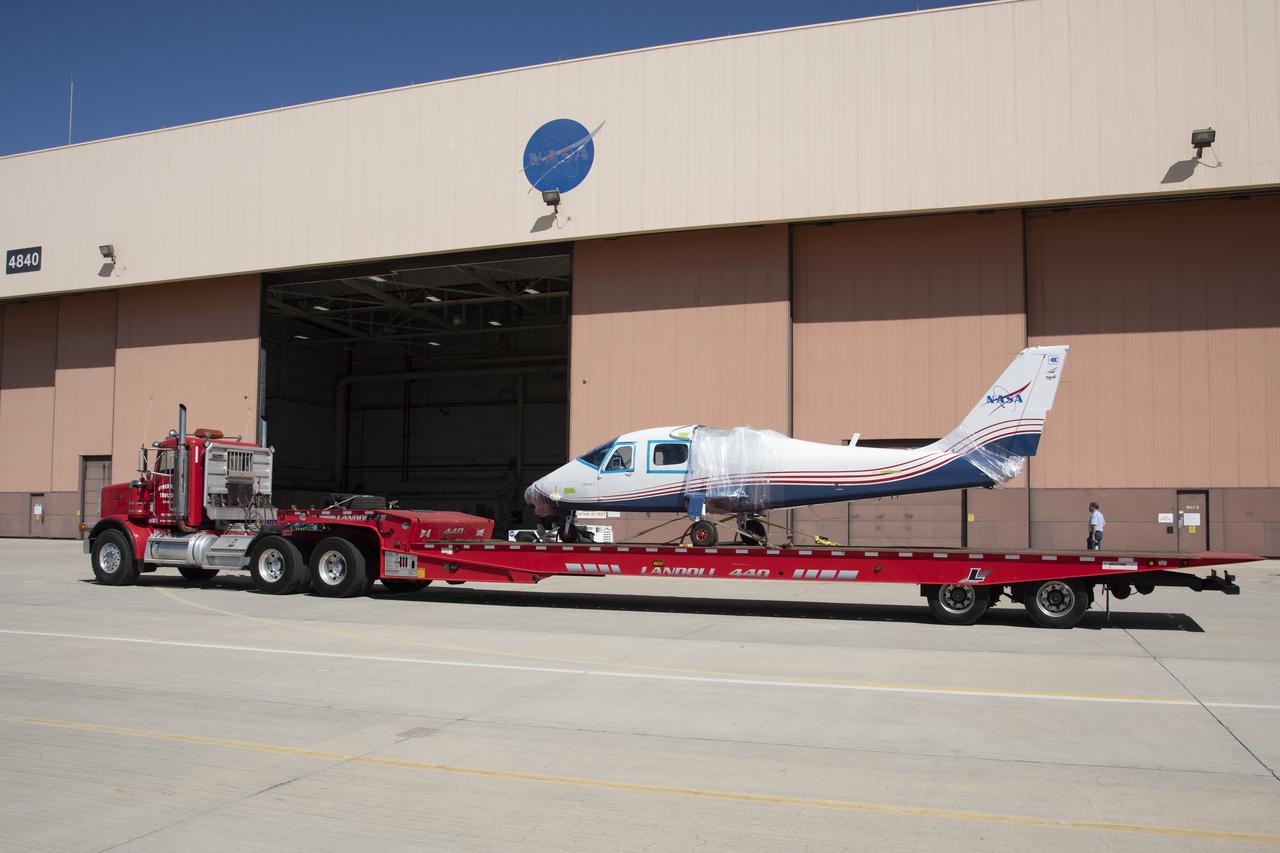
NASA's X-57 Maxwell, the agency's first all-electric X-plane and first crewed X-planed in two decades, is delivered to NASA's Armstrong Flight Research Center in Edwards, California in its Mod II configuration. The first of three primary modifications for the project, Mod II involves testing of the aircraft's cruise electric propulsion system. Delivery to NASA from prime contractor Empirical Systems Aerospace of San Luis Obispo, California, marks a major milestone for the project, at which point the vehicle is reintegrated for ground tests, to be followed by taxi tests, and eventually, flight tests. X-57's goal is to further advance the design and airworthiness process for distributed electric propulsion technology for general aviation aircraft, which can provide multiple benefits to efficiency, emissions, and noise.
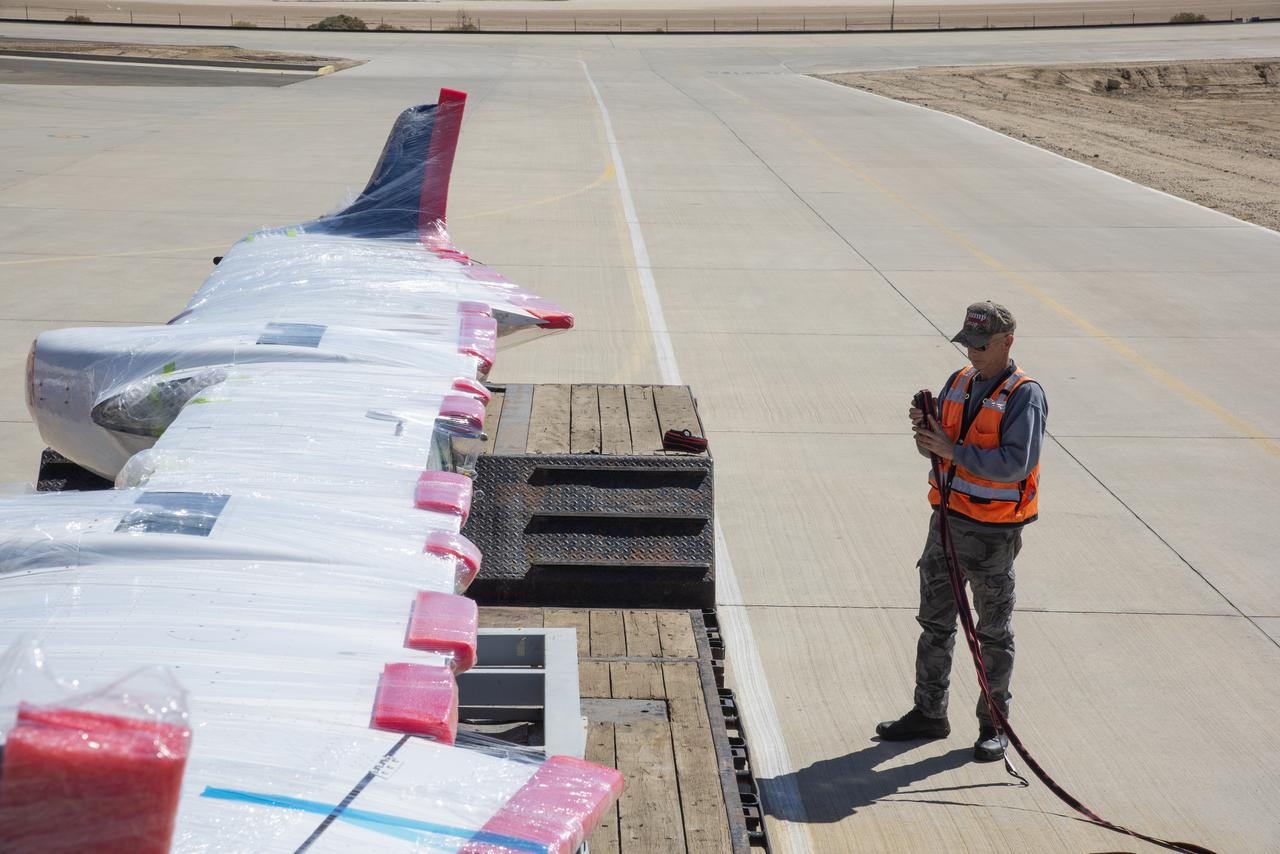
NASA's X-57 Maxwell, the agency's first all-electric X-plane and first crewed X-planed in two decades, is delivered to NASA's Armstrong Flight Research Center in Edwards, California in its Mod II configuration. The first of three primary modifications for the project, Mod II involves testing of the aircraft's cruise electric propulsion system. Delivery to NASA from prime contractor Empirical Systems Aerospace of San Luis Obispo, California, marks a major milestone for the project, at which point the vehicle is reintegrated for ground tests, to be followed by taxi tests, and eventually, flight tests. X-57's goal is to further advance the design and airworthiness process for distributed electric propulsion technology for general aviation aircraft, which can provide multiple benefits to efficiency, emissions, and noise.
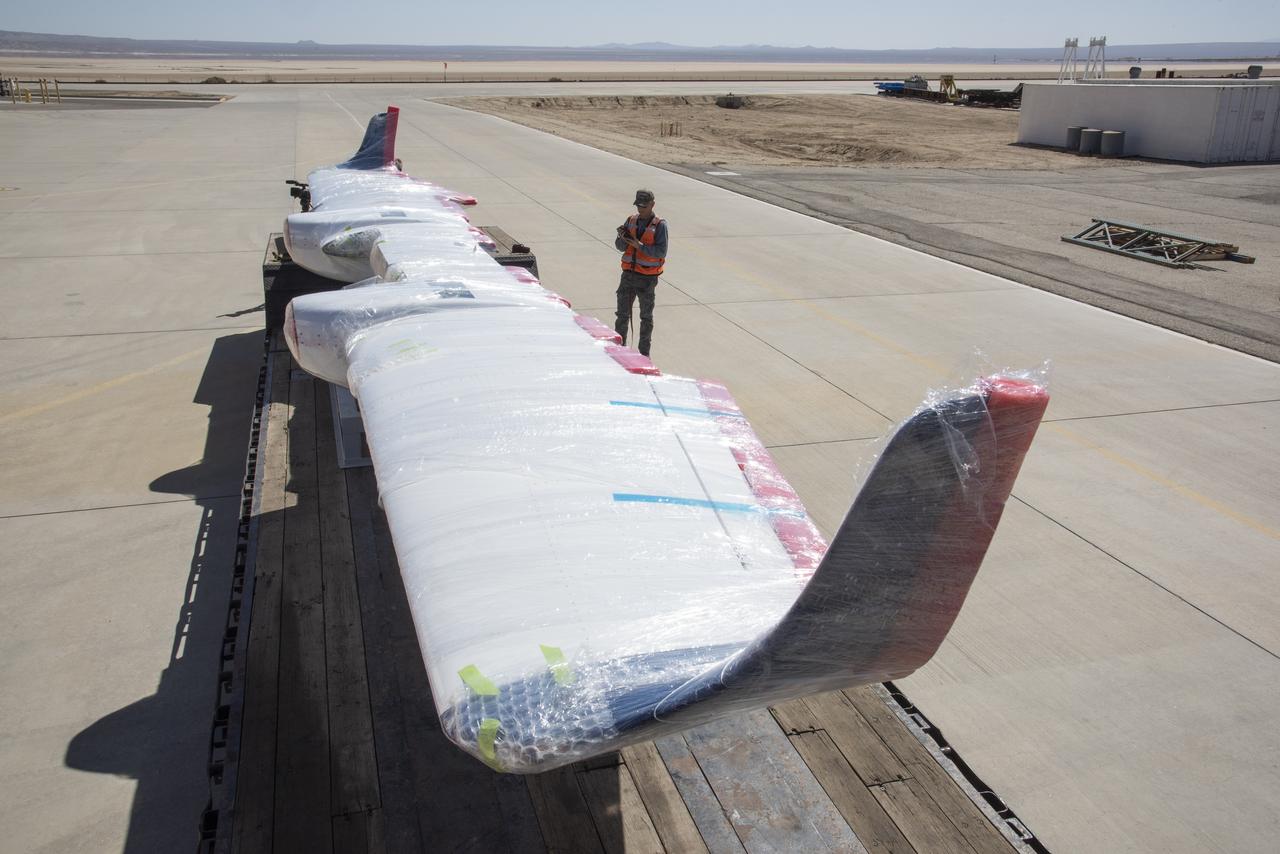
NASA’s X-57 Maxwell, the agency’s first all-electric X-plane and first crewed X-planed in two decades, is delivered to NASA’s Armstrong Flight Research Center in Edwards, California in its Mod II configuration. The first of three primary modifications for the project, Mod II involves testing of the aircraft’s cruise electric propulsion system. Delivery to NASA from prime contractor Empirical Systems Aerospace of San Luis Obispo, California, marks a major milestone for the project, at which point the vehicle is reintegrated for ground tests, to be followed by taxi tests, and eventually, flight tests. X-57’s goal is to further advance the design and airworthiness process for distributed electric propulsion technology for general aviation aircraft, which can provide multiple benefits to efficiency, emissions, and noise.
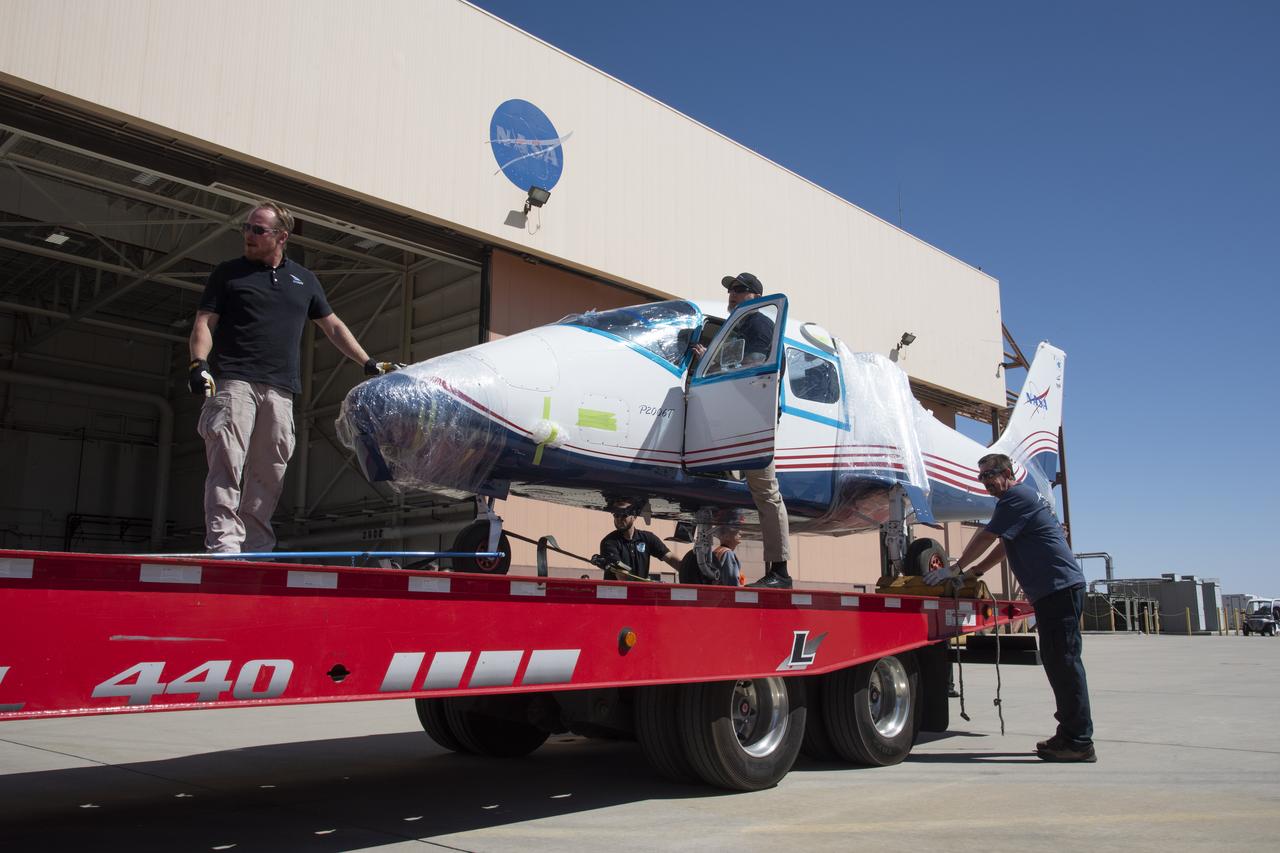
NASA’s X-57 Maxwell, the agency’s first all-electric X-plane and first crewed X-planed in two decades, is delivered to NASA’s Armstrong Flight Research Center in Edwards, California in its Mod II configuration. The first of three primary modifications for the project, Mod II involves testing of the aircraft’s cruise electric propulsion system. Delivery to NASA from prime contractor Empirical Systems Aerospace of San Luis Obispo, California, marks a major milestone for the project, at which point the vehicle is reintegrated for ground tests, to be followed by taxi tests, and eventually, flight tests. X-57’s goal is to further advance the design and airworthiness process for distributed electric propulsion technology for general aviation aircraft, which can provide multiple benefits to efficiency, emissions, and noise.
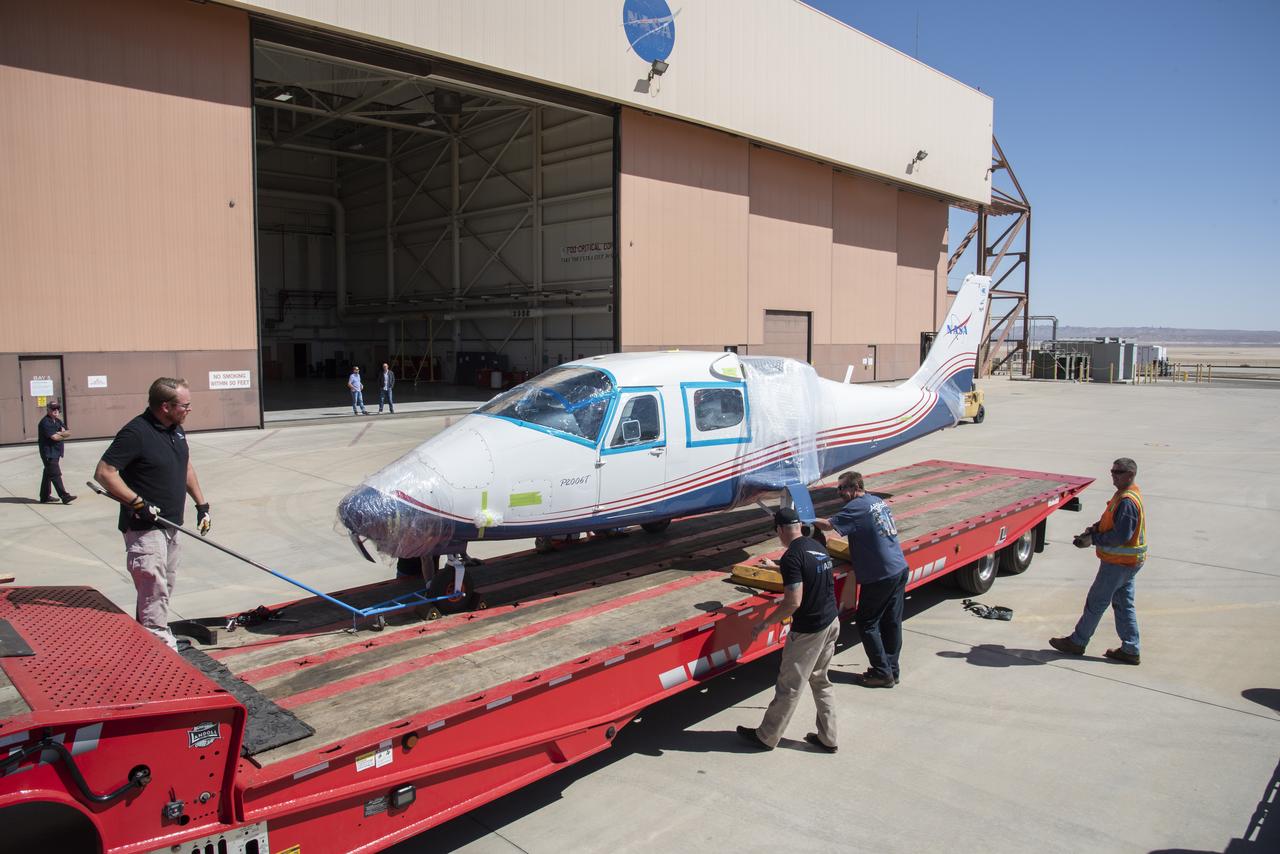
NASA's X-57 Maxwell, the agency's first all-electric X-plane and first crewed X-planed in two decades, is delivered to NASA's Armstrong Flight Research Center in Edwards, California in its Mod II configuration. The first of three primary modifications for the project, Mod II involves testing of the aircraft's cruise electric propulsion system. Delivery to NASA from prime contractor Empirical Systems Aerospace of San Luis Obispo, California, marks a major milestone for the project, at which point the vehicle is reintegrated for ground tests, to be followed by taxi tests, and eventually, flight tests. X-57's goal is to further advance the design and airworthiness process for distributed electric propulsion technology for general aviation aircraft, which can provide multiple benefits to efficiency, emissions, and noise.
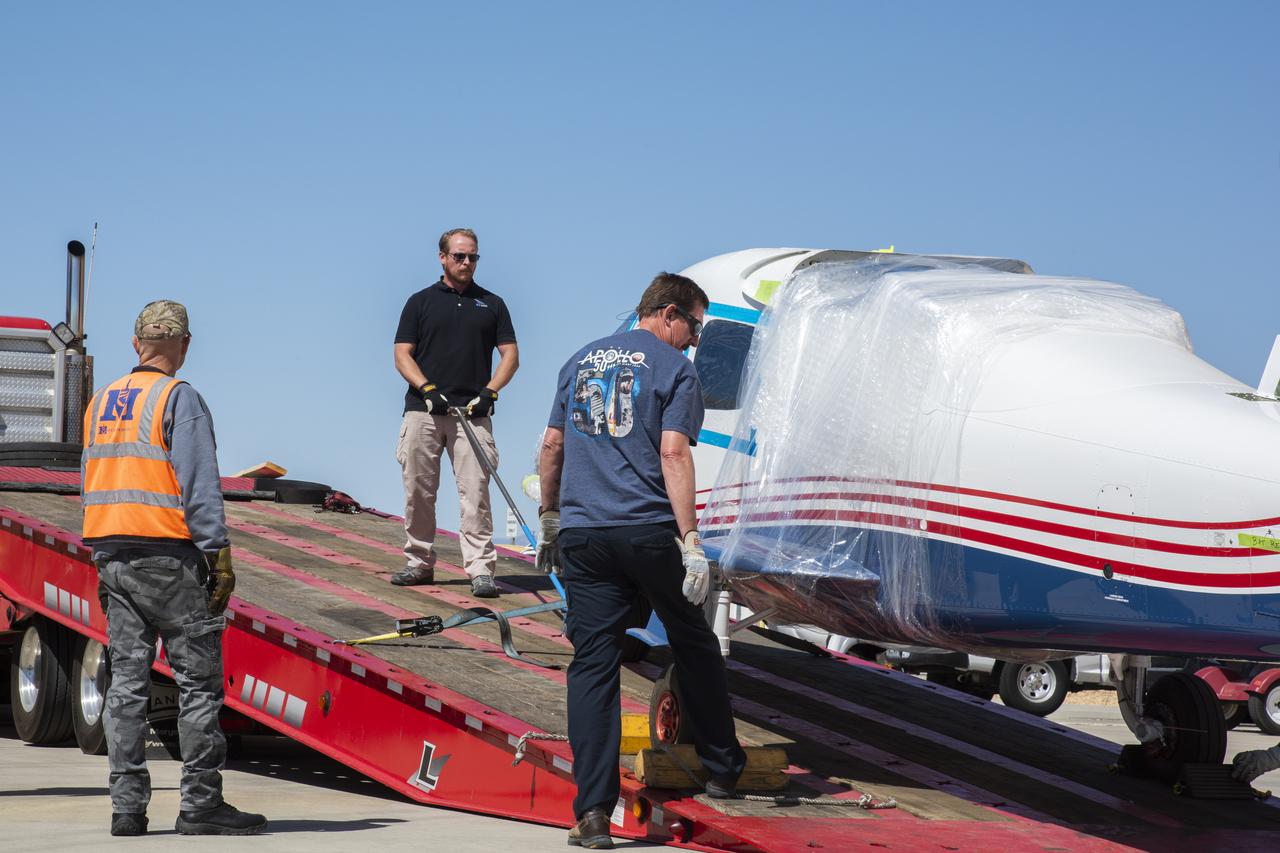
NASA's X-57 Maxwell, the agency's first all-electric X-plane and first crewed X-planed in two decades, is delivered to NASA's Armstrong Flight Research Center in Edwards, California in its Mod II configuration. The first of three primary modifications for the project, Mod II involves testing of the aircraft's cruise electric propulsion system. Delivery to NASA from prime contractor Empirical Systems Aerospace of San Luis Obispo, California, marks a major milestone for the project, at which point the vehicle is reintegrated for ground tests, to be followed by taxi tests, and eventually, flight tests. X-57's goal is to further advance the design and airworthiness process for distributed electric propulsion technology for general aviation aircraft, which can provide multiple benefits to efficiency, emissions, and noise.
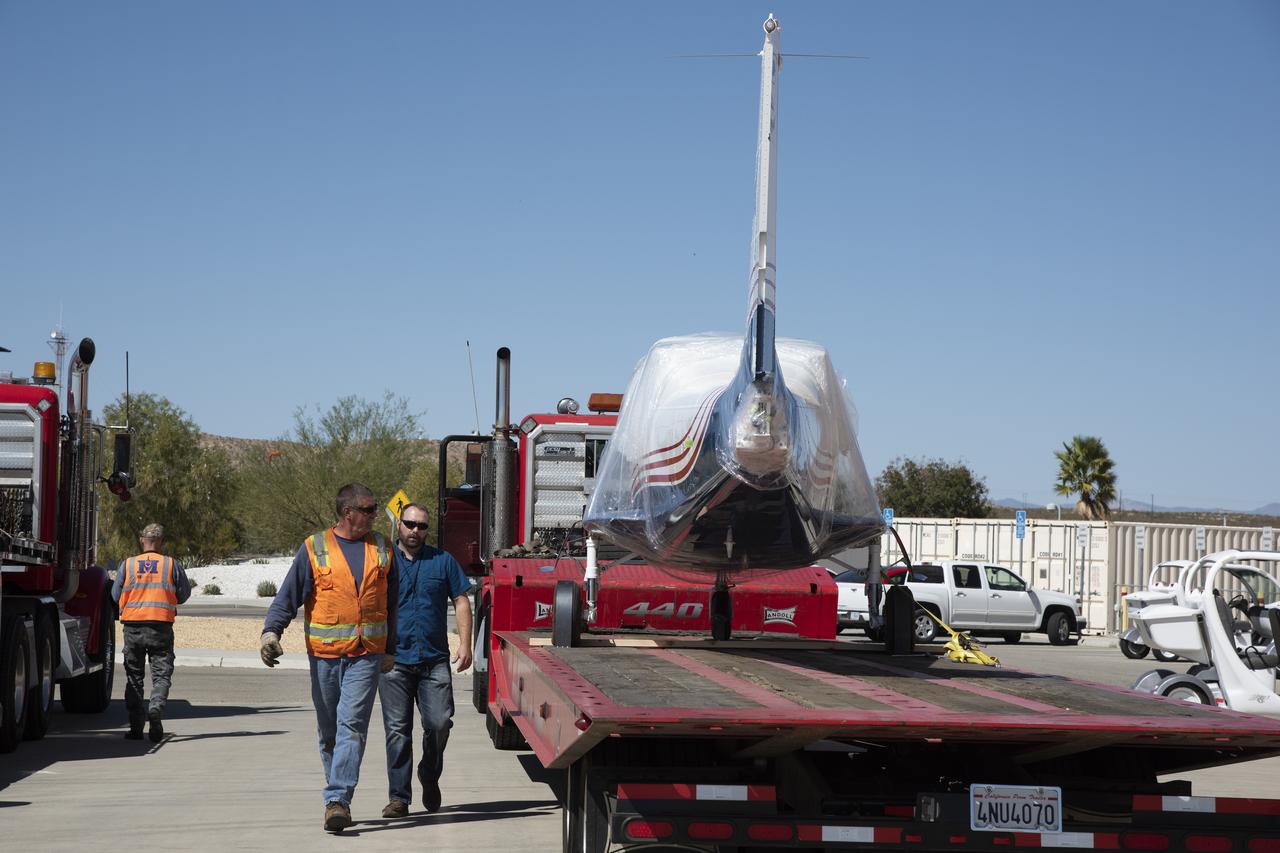
NASA's X-57 Maxwell, the agency's first all-electric X-plane and first crewed X-planed in two decades, is delivered to NASA's Armstrong Flight Research Center in Edwards, California in its Mod II configuration. The first of three primary modifications for the project, Mod II involves testing of the aircraft's cruise electric propulsion system. Delivery to NASA from prime contractor Empirical Systems Aerospace of San Luis Obispo, California, marks a major milestone for the project, at which point the vehicle is reintegrated for ground tests, to be followed by taxi tests, and eventually, flight tests. X-57's goal is to further advance the design and airworthiness process for distributed electric propulsion technology for general aviation aircraft, which can provide multiple benefits to efficiency, emissions, and noise.
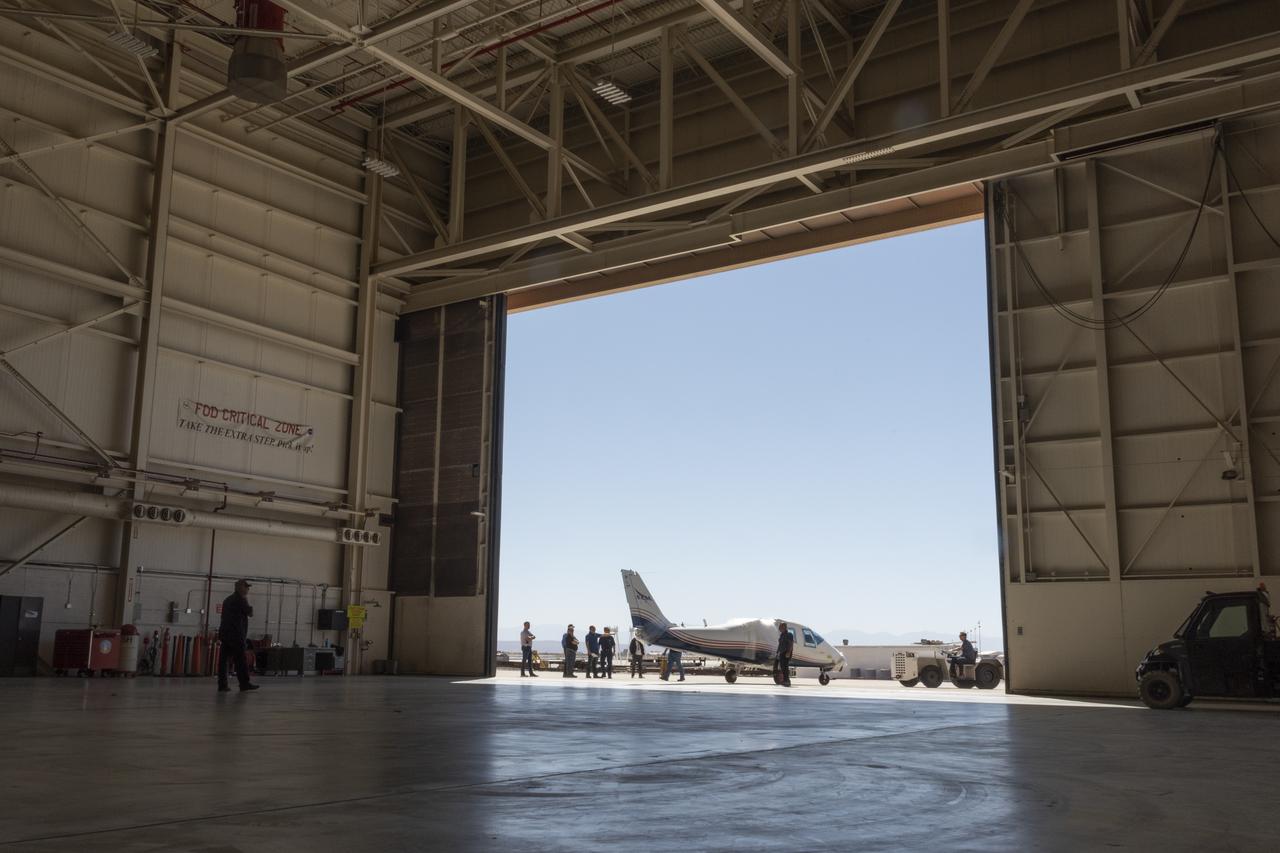
NASA's X-57 Maxwell, the agency's first all-electric X-plane and first crewed X-planed in two decades, is delivered to NASA's Armstrong Flight Research Center in Edwards, California in its Mod II configuration. The first of three primary modifications for the project, Mod II involves testing of the aircraft's cruise electric propulsion system. Delivery to NASA from prime contractor Empirical Systems Aerospace of San Luis Obispo, California, marks a major milestone for the project, at which point the vehicle is reintegrated for ground tests, to be followed by taxi tests, and eventually, flight tests. X-57's goal is to further advance the design and airworthiness process for distributed electric propulsion technology for general aviation aircraft, which can provide multiple benefits to efficiency, emissions, and noise.
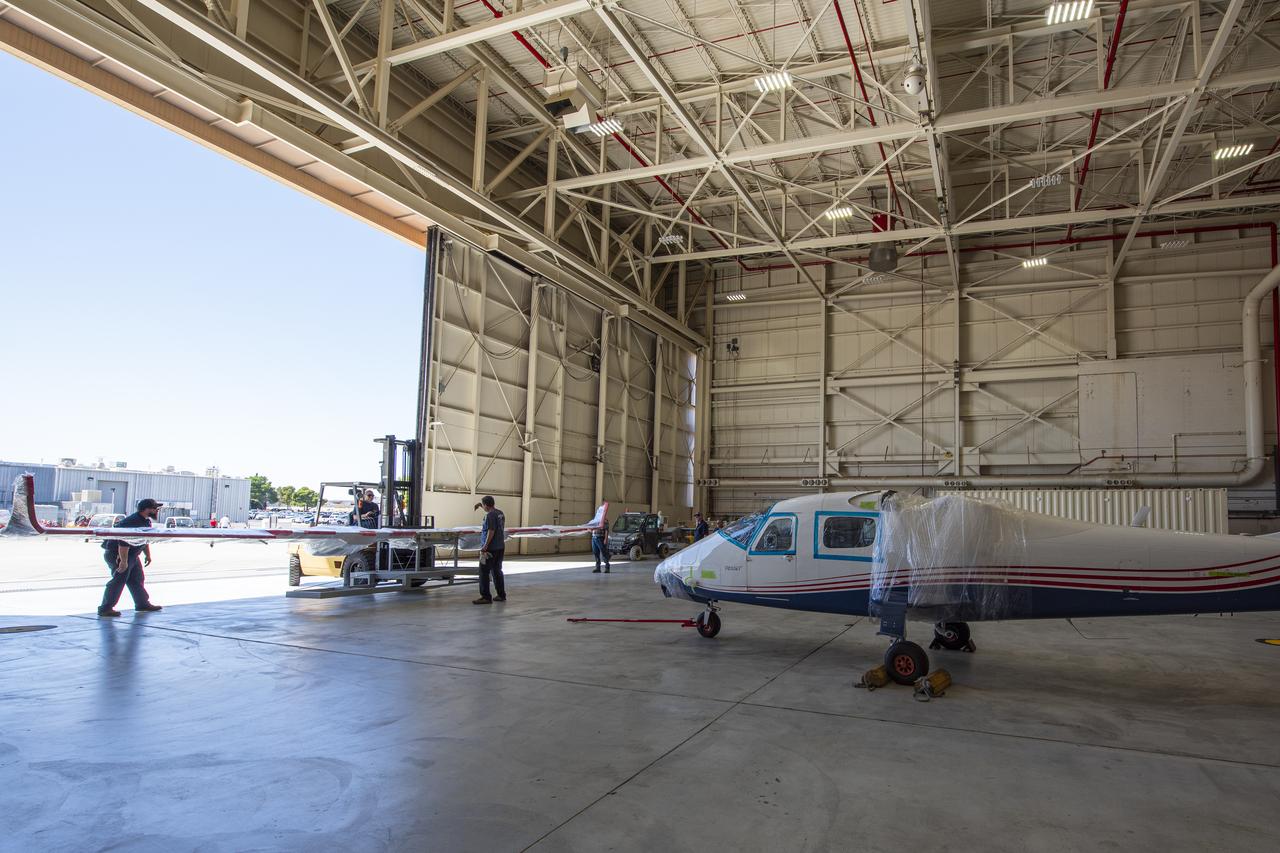
NASA's X-57 Maxwell, the agency's first all-electric X-plane and first crewed X-planed in two decades, is delivered to NASA's Armstrong Flight Research Center in Edwards, California in its Mod II configuration. The first of three primary modifications for the project, Mod II involves testing of the aircraft's cruise electric propulsion system. Delivery to NASA from prime contractor Empirical Systems Aerospace of San Luis Obispo, California, marks a major milestone for the project, at which point the vehicle is reintegrated for ground tests, to be followed by taxi tests, and eventually, flight tests. X-57's goal is to further advance the design and airworthiness process for distributed electric propulsion technology for general aviation aircraft, which can provide multiple benefits to efficiency, emissions, and noise.
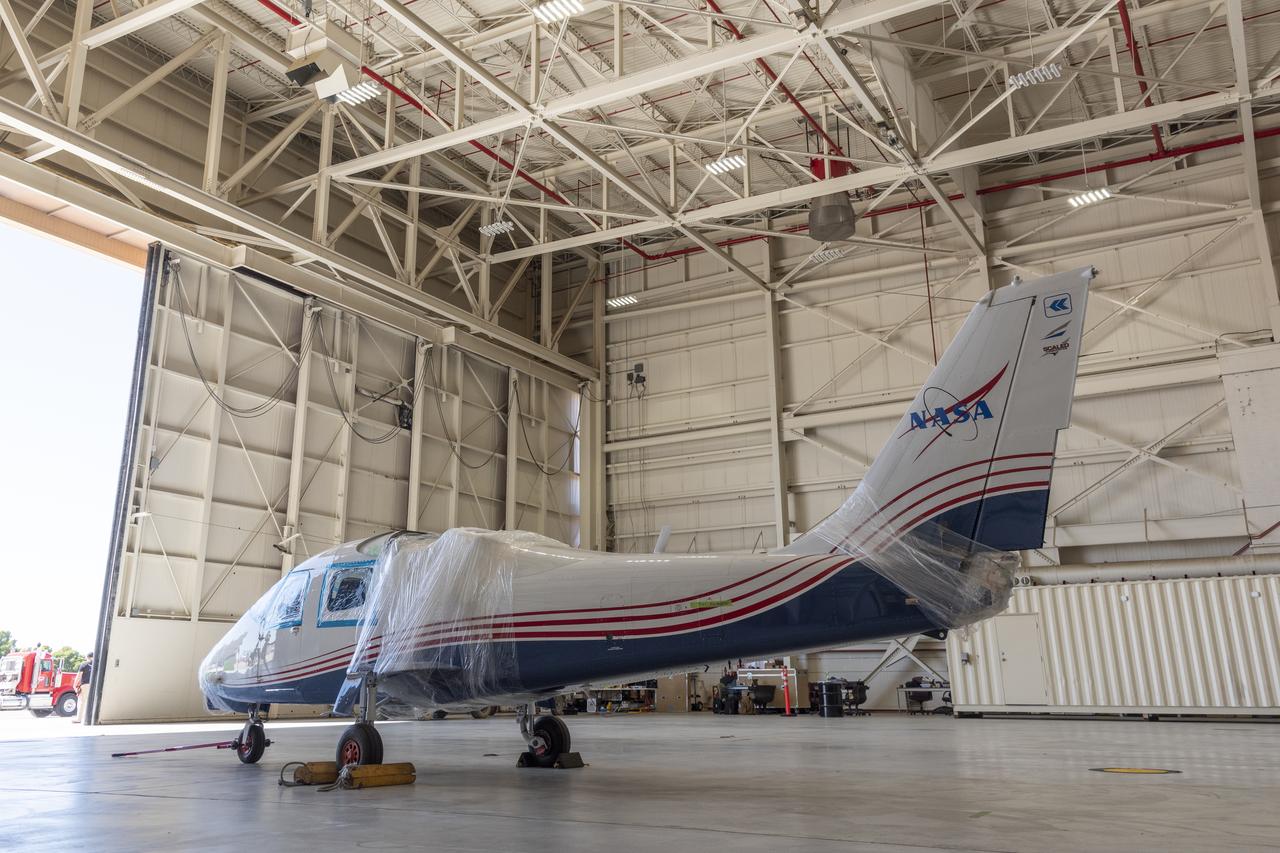
NASA’s X-57 Maxwell, the agency’s first all-electric X-plane and first crewed X-planed in two decades, is delivered to NASA’s Armstrong Flight Research Center in Edwards, California in its Mod II configuration. The first of three primary modifications for the project, Mod II involves testing of the aircraft’s cruise electric propulsion system. Delivery to NASA from prime contractor Empirical Systems Aerospace of San Luis Obispo, California, marks a major milestone for the project, at which point the vehicle is reintegrated for ground tests, to be followed by taxi tests, and eventually, flight tests. X-57’s goal is to further advance the design and airworthiness process for distributed electric propulsion technology for general aviation aircraft, which can provide multiple benefits to efficiency, emissions, and noise.
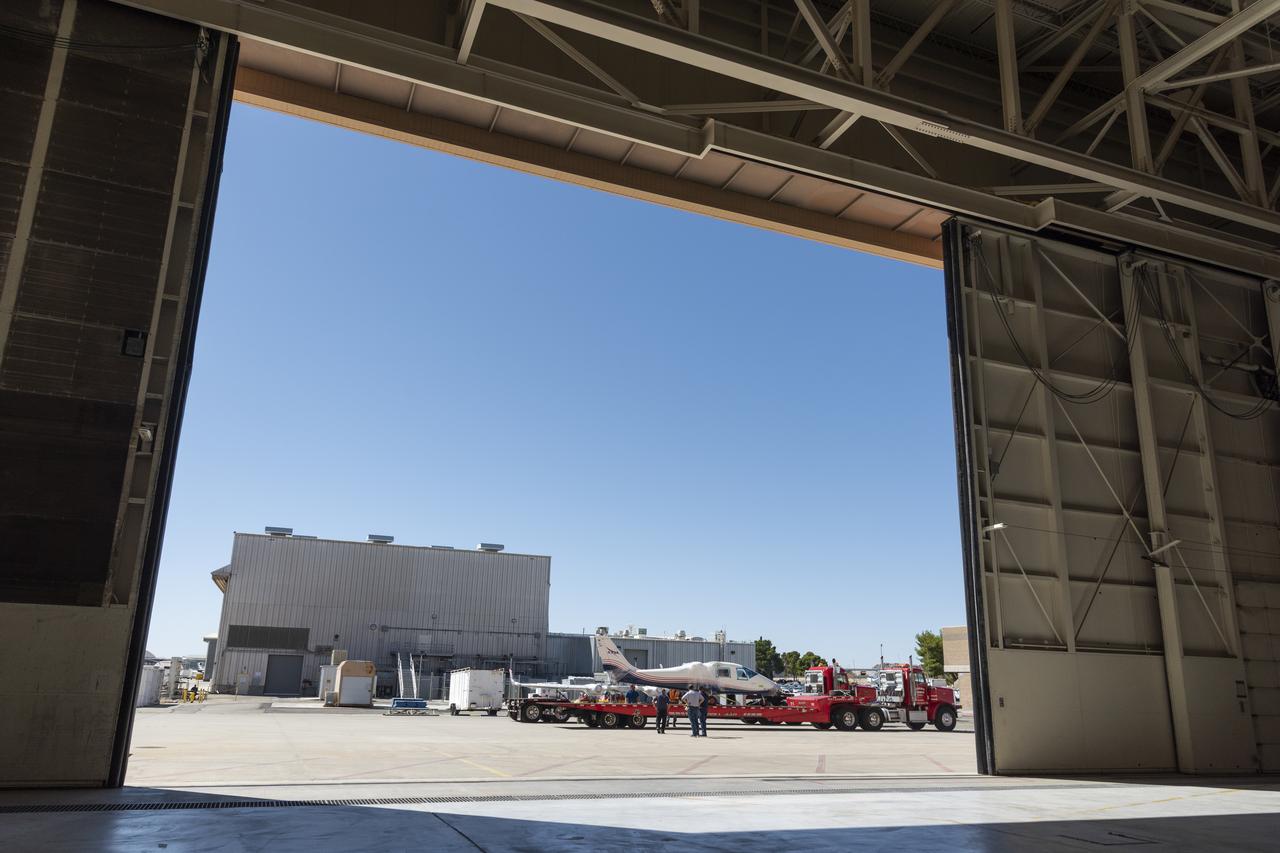
NASA’s X-57 Maxwell, the agency’s first all-electric X-plane and first crewed X-planed in two decades, is delivered to NASA’s Armstrong Flight Research Center in Edwards, California in its Mod II configuration. The first of three primary modifications for the project, Mod II involves testing of the aircraft’s cruise electric propulsion system. Delivery to NASA from prime contractor Empirical Systems Aerospace of San Luis Obispo, California, marks a major milestone for the project, at which point the vehicle is reintegrated for ground tests, to be followed by taxi tests, and eventually, flight tests. X-57’s goal is to further advance the design and airworthiness process for distributed electric propulsion technology for general aviation aircraft, which can provide multiple benefits to efficiency, emissions, and noise.
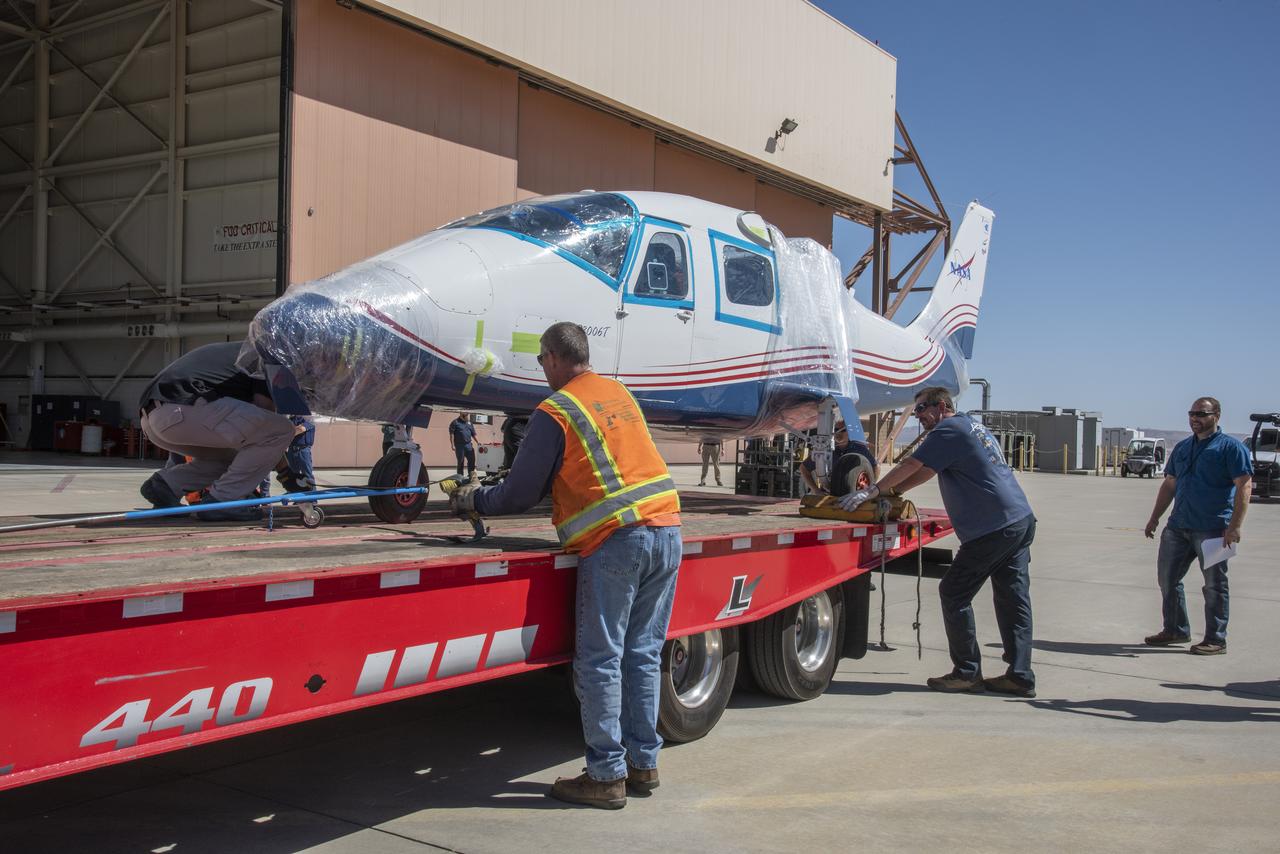
NASA's X-57 Maxwell, the agency's first all-electric X-plane and first crewed X-planed in two decades, is delivered to NASA's Armstrong Flight Research Center in Edwards, California in its Mod II configuration. The first of three primary modifications for the project, Mod II involves testing of the aircraft's cruise electric propulsion system. Delivery to NASA from prime contractor Empirical Systems Aerospace of San Luis Obispo, California, marks a major milestone for the project, at which point the vehicle is reintegrated for ground tests, to be followed by taxi tests, and eventually, flight tests. X-57's goal is to further advance the design and airworthiness process for distributed electric propulsion technology for general aviation aircraft, which can provide multiple benefits to efficiency, emissions, and noise.
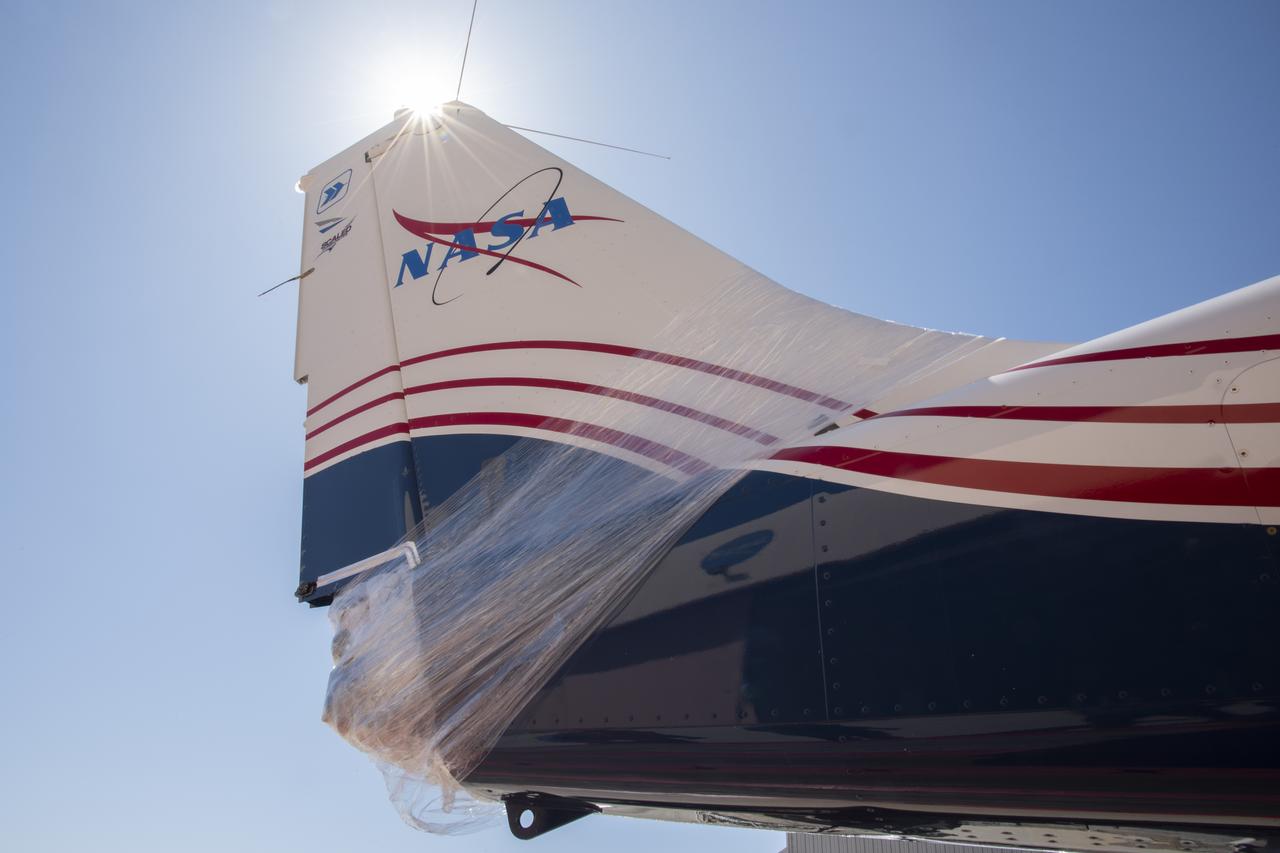
NASA's X-57 Maxwell, the agency's first all-electric X-plane and first crewed X-planed in two decades, is delivered to NASA's Armstrong Flight Research Center in Edwards, California in its Mod II configuration. The first of three primary modifications for the project, Mod II involves testing of the aircraft's cruise electric propulsion system. Delivery to NASA from prime contractor Empirical Systems Aerospace of San Luis Obispo, California, marks a major milestone for the project, at which point the vehicle is reintegrated for ground tests, to be followed by taxi tests, and eventually, flight tests. X-57's goal is to further advance the design and airworthiness process for distributed electric propulsion technology for general aviation aircraft, which can provide multiple benefits to efficiency, emissions, and noise.
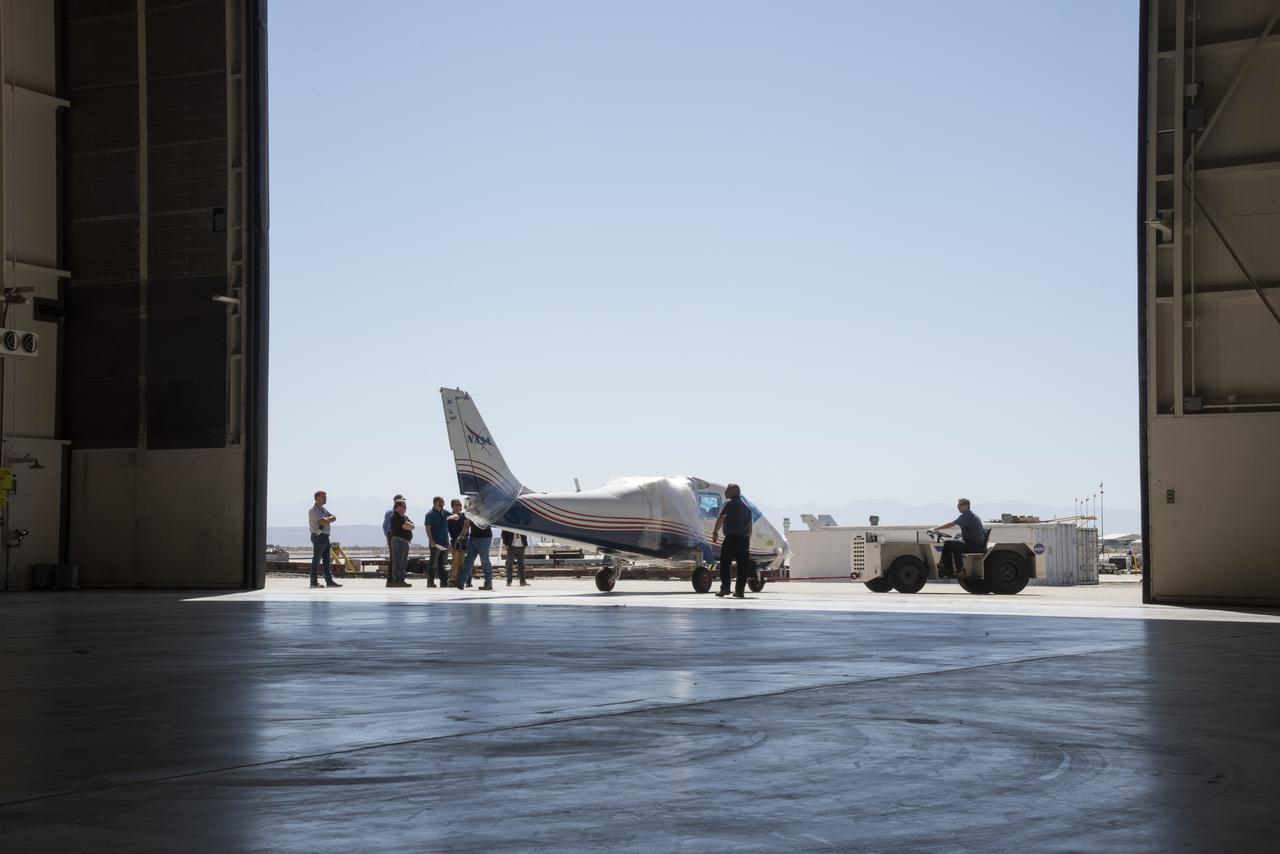
NASA’s X-57 Maxwell, the agency’s first all-electric X-plane and first crewed X-planed in two decades, is delivered to NASA’s Armstrong Flight Research Center in Edwards, California in its Mod II configuration. The first of three primary modifications for the project, Mod II involves testing of the aircraft’s cruise electric propulsion system. Delivery to NASA from prime contractor Empirical Systems Aerospace of San Luis Obispo, California, marks a major milestone for the project, at which point the vehicle is reintegrated for ground tests, to be followed by taxi tests, and eventually, flight tests. X-57’s goal is to further advance the design and airworthiness process for distributed electric propulsion technology for general aviation aircraft, which can provide multiple benefits to efficiency, emissions, and noise.
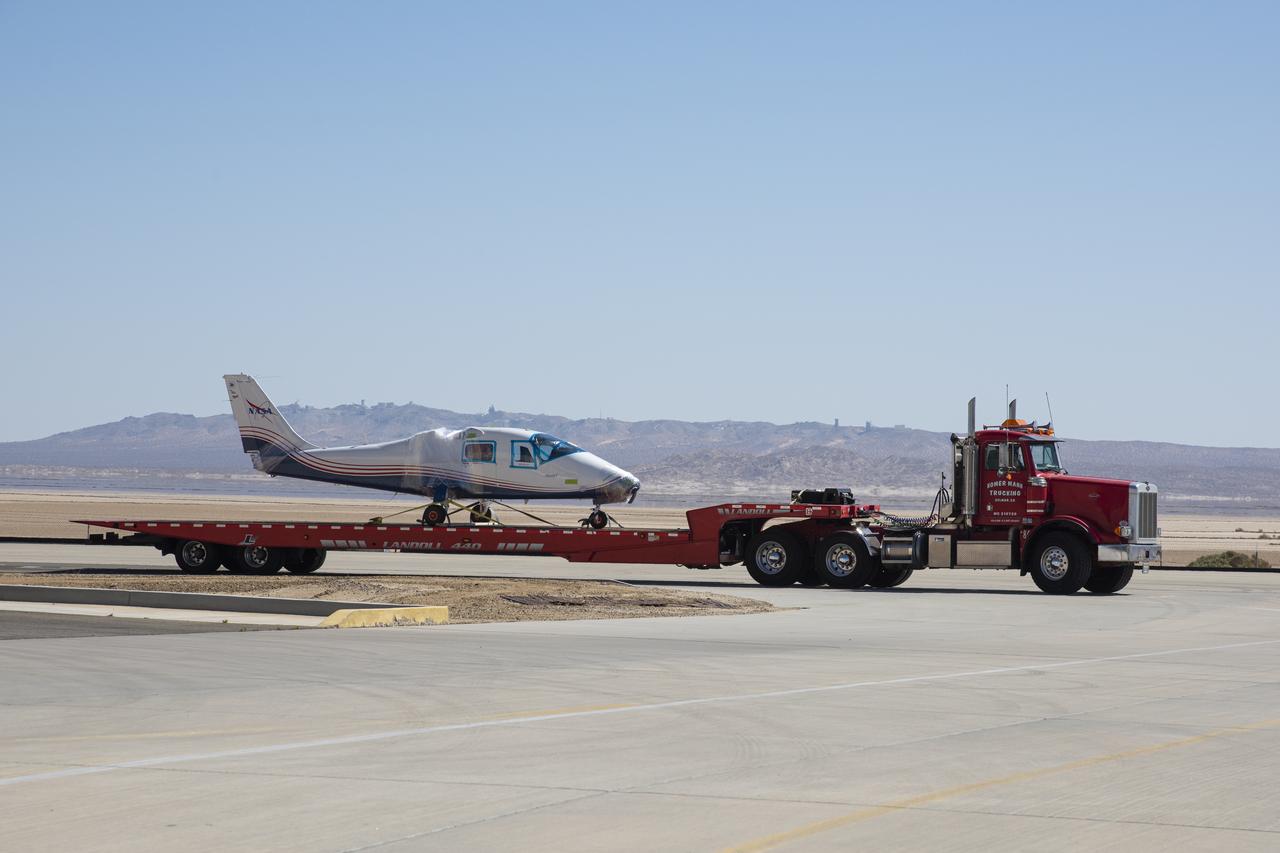
NASA’s all-electric X-57 Maxwell, in its Mod II configuration, arrives at NASA’s Armstrong Flight Research Center in Edwards, California. The X-plane was delivered by prime contractor Empirical Systems Aerospace of San Luis Obispo, California, in two parts, with the wing separated from the fuselage, to aid in a more timely delivery. X-57 is NASA’s first crewed X-plane in two decades, and seeks to further advance the design and airworthiness process for distributed electric propulsion technology for general aviation aircraft.
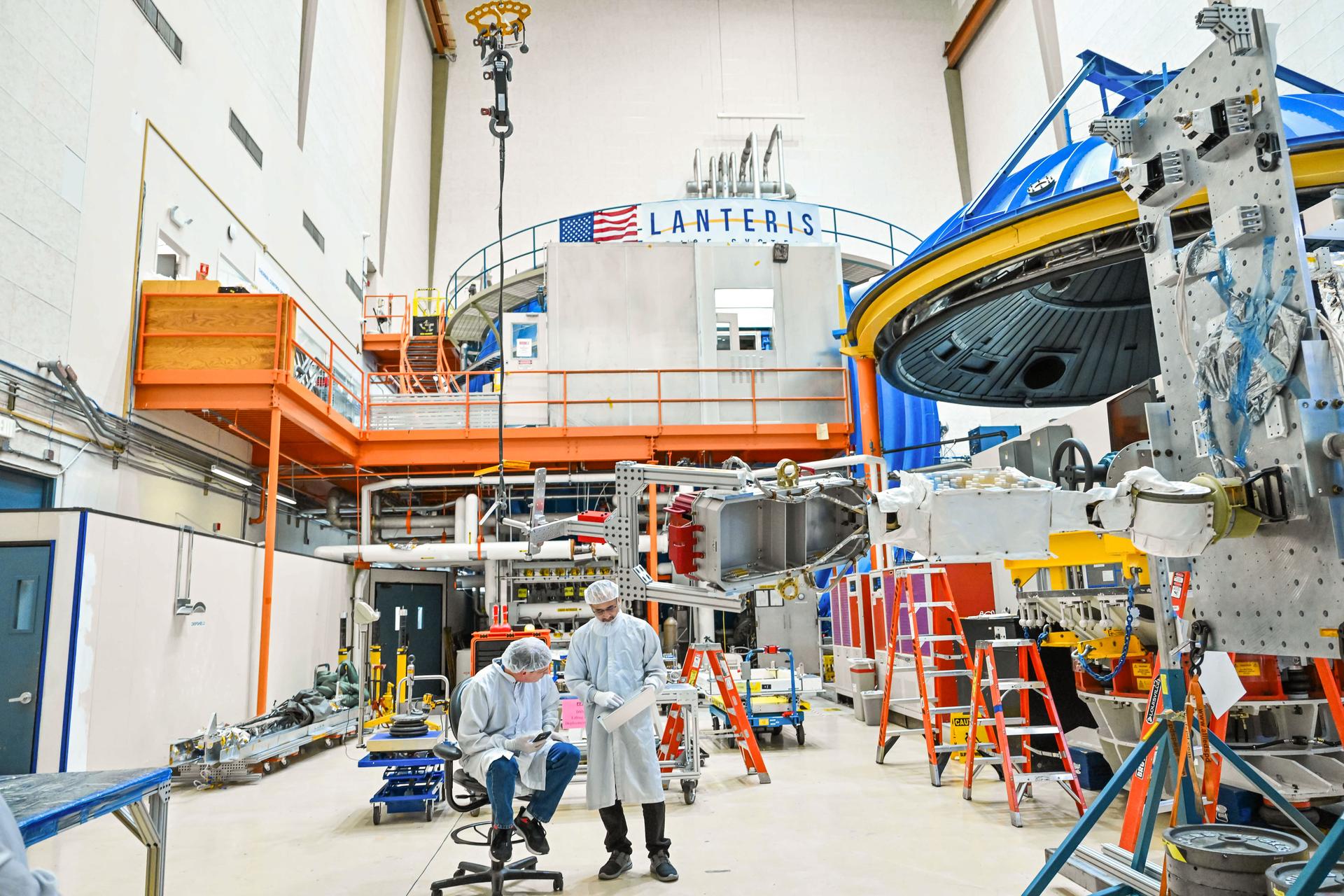
During this Engineering Qualification Module test, the gimbal platforms for the Busek-built BHT-6000 Hall effect thrusters are exercised through their full range of motion to verify articulation performance and confirm the system can properly steer thrust once integrated with Gateway’s Power and Propulsion Element (PPE). On PPE, four BHT-6000 Hall effect thrusters and three Advanced Electric Propulsion System (AEPS) thrusters will use solar power generated by Gateway’s Roll-Out Solar Arrays (ROSAs) to ionize xenon gas. The resulting xenon ions are then accelerated to extremely high speeds and expelled from the thrusters, creating a steady and highly efficient stream of thrust. This propulsion system will enable the Gateway lunar space station to maneuver and maintain its orbit around the Moon.
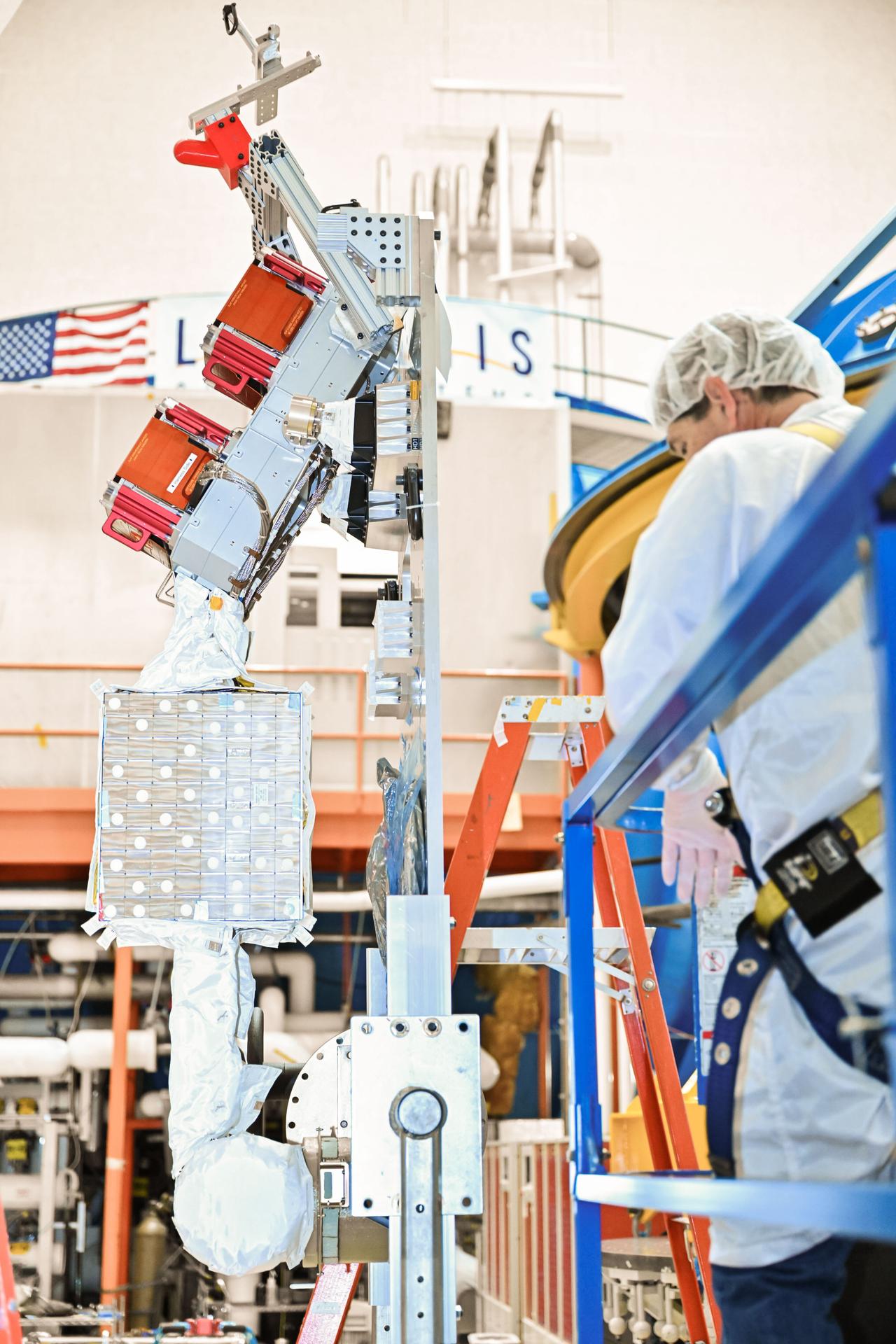
During this Engineering Qualification Module test, the gimbal platforms for the Busek-built BHT-6000 Hall effect thrusters are exercised through their full range of motion to verify articulation performance and confirm the system can properly steer thrust once integrated with Gateway’s Power and Propulsion Element (PPE). On PPE, four BHT-6000 Hall effect thrusters and three Advanced Electric Propulsion System (AEPS) thrusters will use solar power generated by Gateway’s Roll-Out Solar Arrays (ROSAs) to ionize xenon gas. The resulting xenon ions are then accelerated to extremely high speeds and expelled from the thrusters, creating a steady and highly efficient stream of thrust. This propulsion system will enable the Gateway lunar space station to maneuver and maintain its orbit around the Moon.
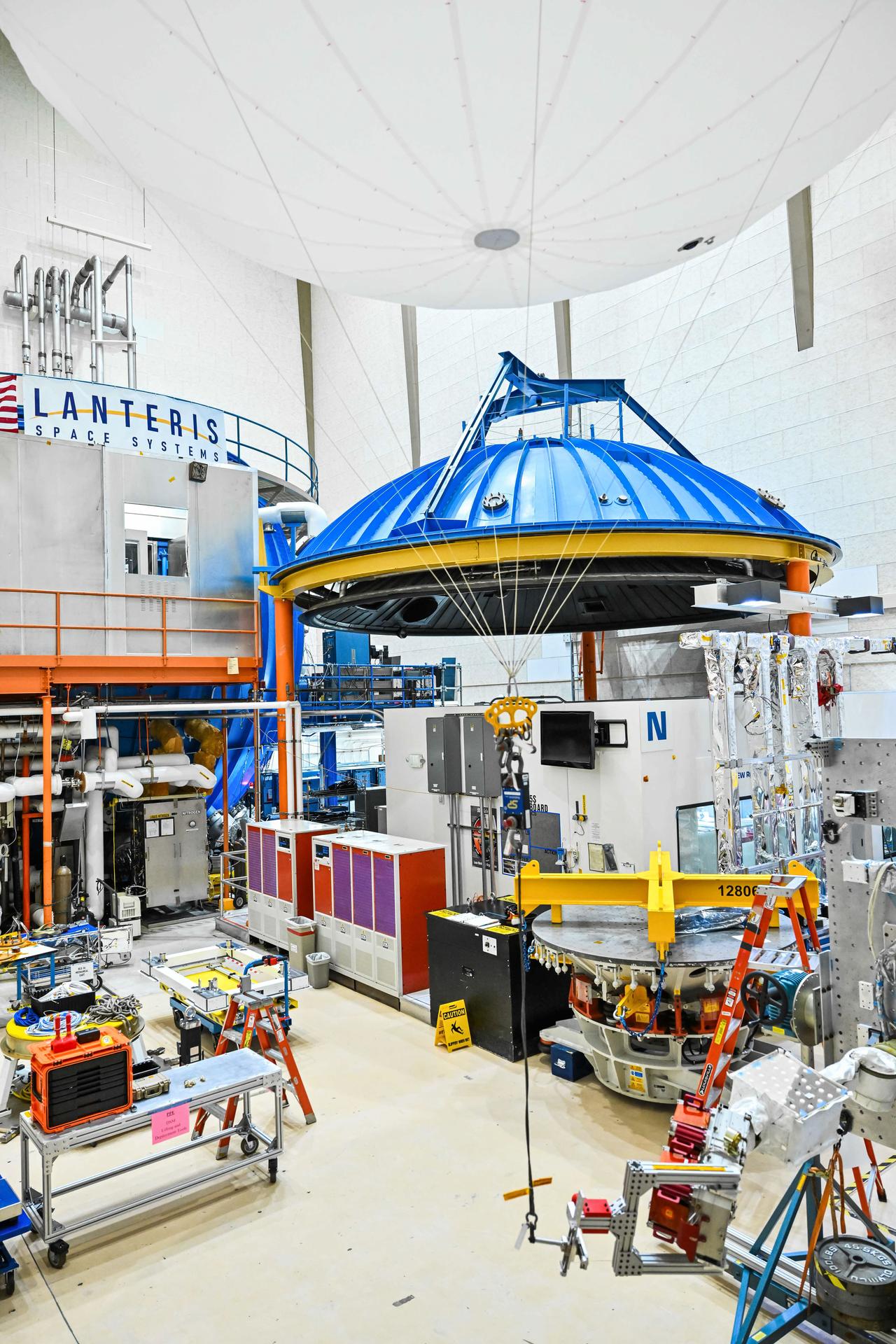
During this Engineering Qualification Module test, the gimbal platforms for the Busek-built BHT-6000 Hall effect thrusters are exercised through their full range of motion to verify articulation performance and confirm the system can properly steer thrust once integrated with Gateway’s Power and Propulsion Element (PPE). On PPE, four BHT-6000 Hall effect thrusters and three Advanced Electric Propulsion System (AEPS) thrusters will use solar power generated by Gateway’s Roll-Out Solar Arrays (ROSAs) to ionize xenon gas. The resulting xenon ions are then accelerated to extremely high speeds and expelled from the thrusters, creating a steady and highly efficient stream of thrust. This propulsion system will enable the Gateway lunar space station to maneuver and maintain its orbit around the Moon.
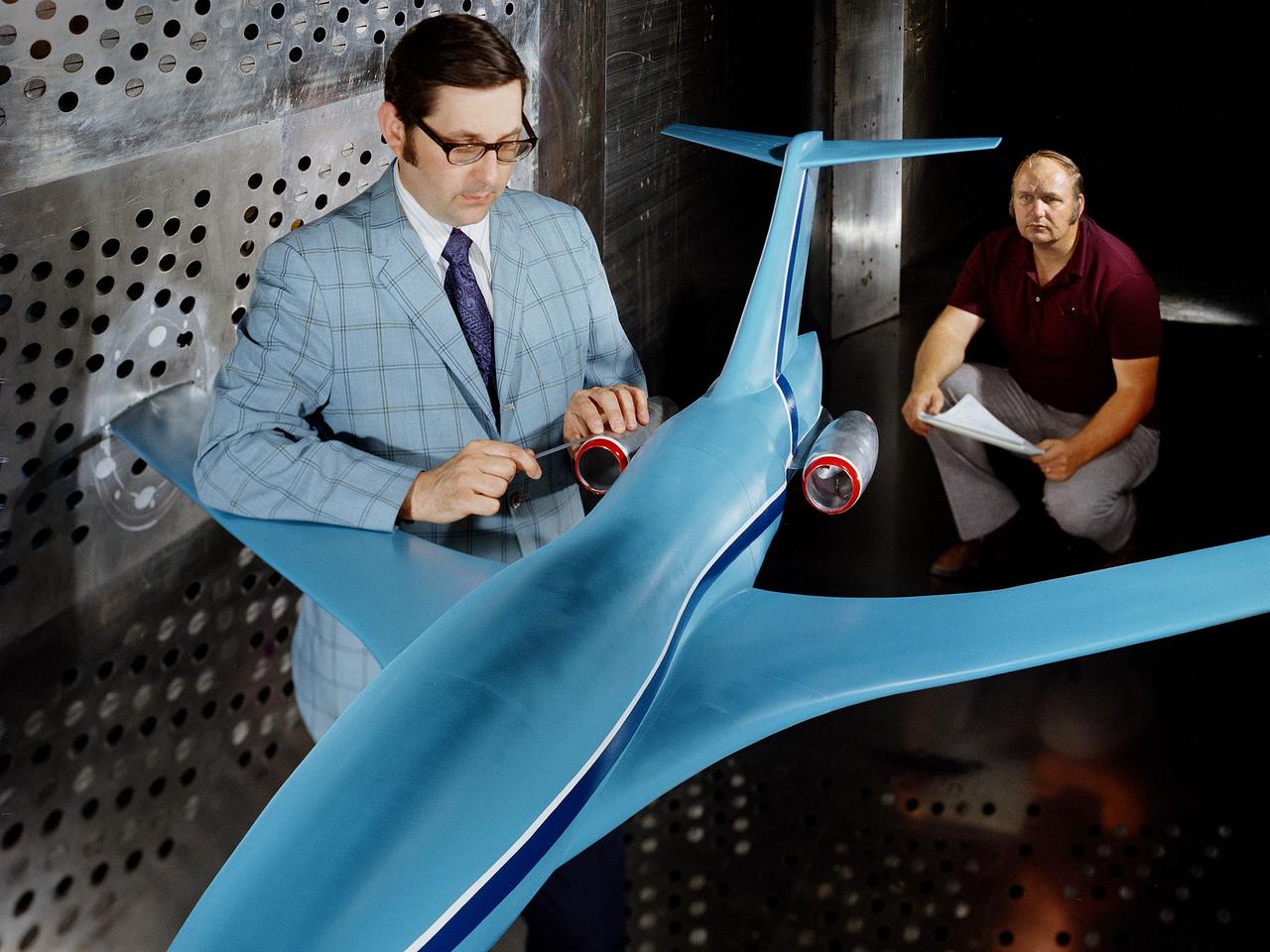
A researcher examines an Advanced Technology Transport model installed in the 8- by 6-Foot Supersonic Wind Tunnel at the National Aeronautics and Space Administration (NASA) Lewis Research Center. The Advanced Technology Transport concept was a 200-person supersonic transport aircraft that could cruise at Mach 0.9 to 0.98 with low noise and pollution outputs. General Electric and Pratt and Whitney responded to NASA Lewis’ call to design a propulsion system for the aircraft. The integration of the propulsion system with the airframe was one of the greatest challenges facing the designers of supersonic aircraft. The aircraft’s flow patterns and engine nacelles could significantly affect the performance of the engines. NASA Lewis researchers undertook a study of this 0.30-scale model of the Advanced Technology Transport in the 8- by 6-foot tunnel. The flow-through nacelles were located near the rear of the fuselage during the initial tests, seen here, and then moved under the wings for ensuing runs. Different engine cowl shapes were also analyzed. The researchers determined that nacelles mounted at the rear of the aircraft produced more efficient airflow patterns during cruising conditions at the desired velocities. The concept of the Advanced Technology Transport, nor any other US supersonic transport, has ever come to fruition. The energy crisis, environmental concerns, and inadequate turbofan technology of the 1970s were among the most significant reasons.
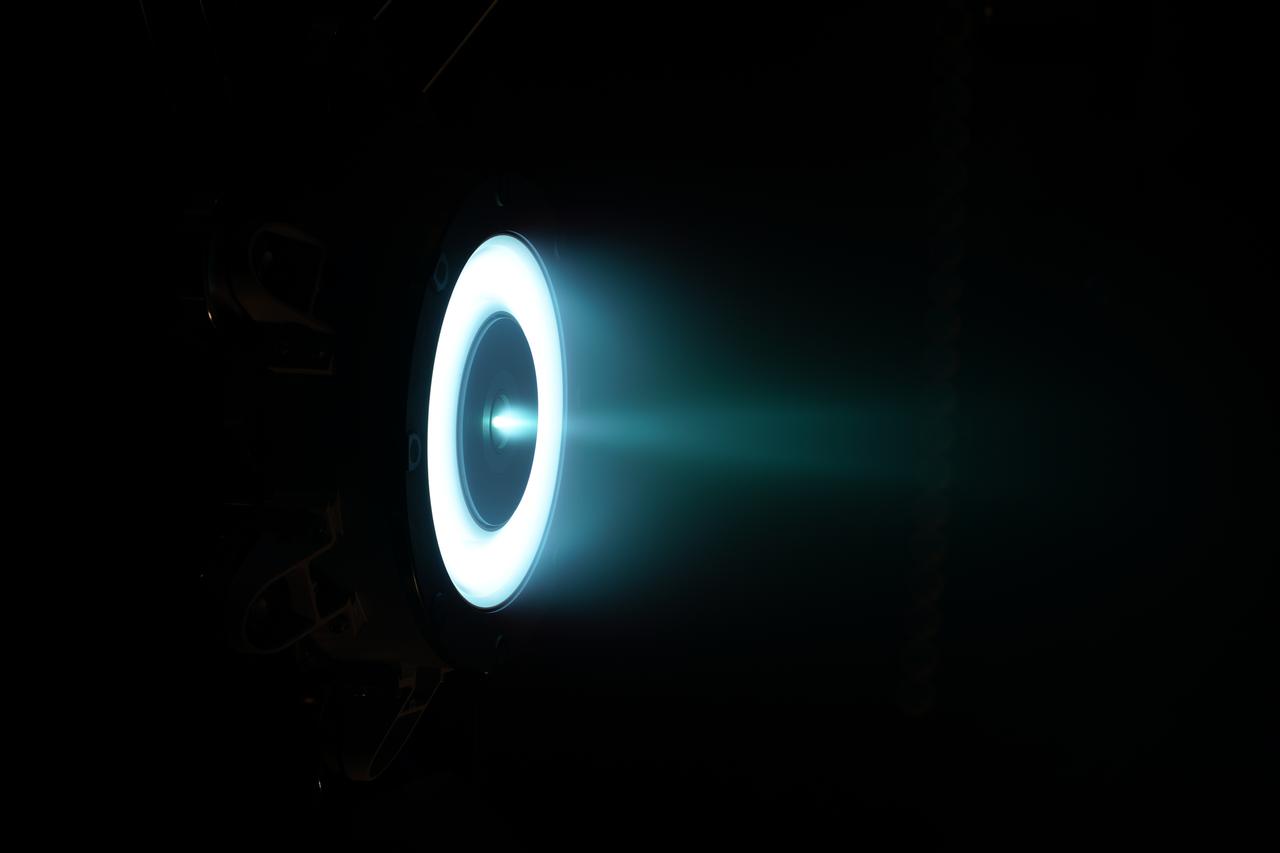
NASA and Aerojet
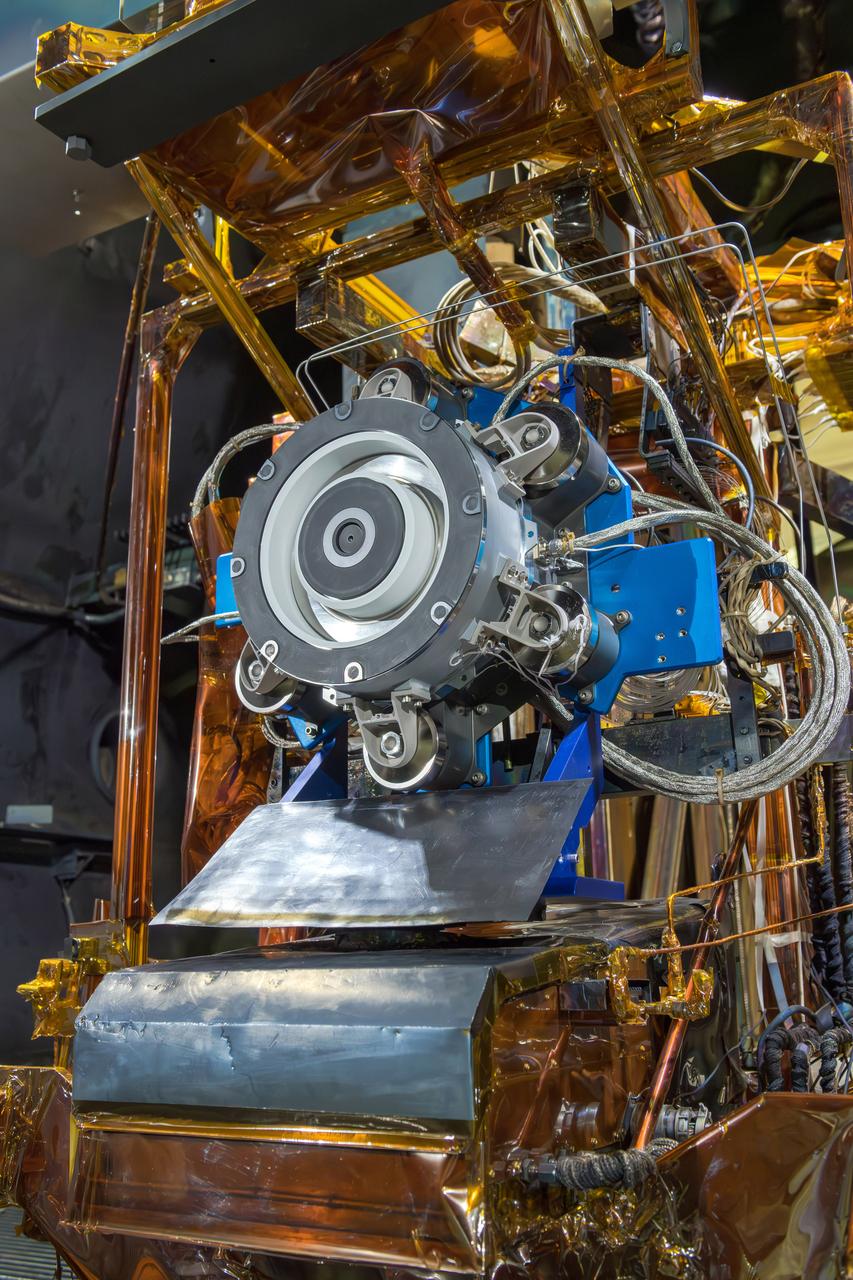
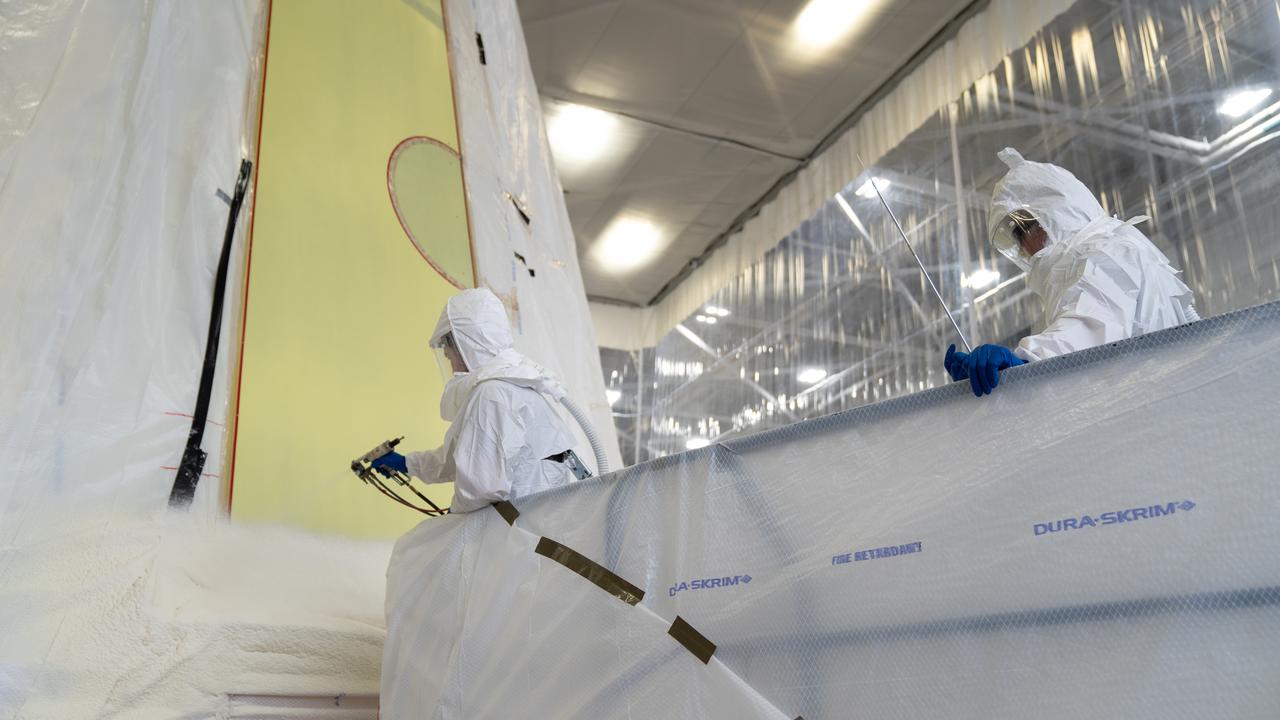
These photos show how technicians at NASA’s Marshall Space Flight Center in Huntsville, Alabama, have applied the thermal protection system material to the launch vehicle stage adapter (LVSA) of NASA’s SLS (Space Launch System) rocket for Artemis III, which will land astronauts on the Moon to advance long-term lunar exploration and scientific discovery and inspire the Artemis Generation. The LVSA is a cone-shaped element that connects the mega rocket’s core stage to its interim cryogenic propulsion stage (ICPS), partially enclosing it and protecting its avionics and electrical systems from the extreme pressures, sounds, and temperatures during launch and flight. Teams at Marshall began applying the thermal protection system material in the spring of 2023. Unlike other parts of the SLS rocket, the thermal protection system material for the LVSA is applied entirely by hand using a spray gun. During application, the technicians use a thin measuring rod to gauge the proper thickness. Once the thermal protection system has cured, certain areas are sanded down to meet parameters. The entire process takes several months. The LVSA is fully manufactured at Marshall by NASA, lead contractor Teledyne Brown Engineering, and the Jacobs Space Group’s ESSCA contract. The LVSA for Artemis III is the last of its kind as future SLS rockets will transition to its next, more powerful Block 1B configuration beginning with Artemis IV. NASA is working to land the first woman and first person of color on the Moon under Artemis. SLS is part of NASA’s backbone for deep space exploration, along with the Orion spacecraft, advanced spacesuits and rovers, the Gateway in orbit around the Moon, and commercial human landing systems. SLS is the only rocket that can send Orion, astronauts, and supplies to the Moon in a single mission.
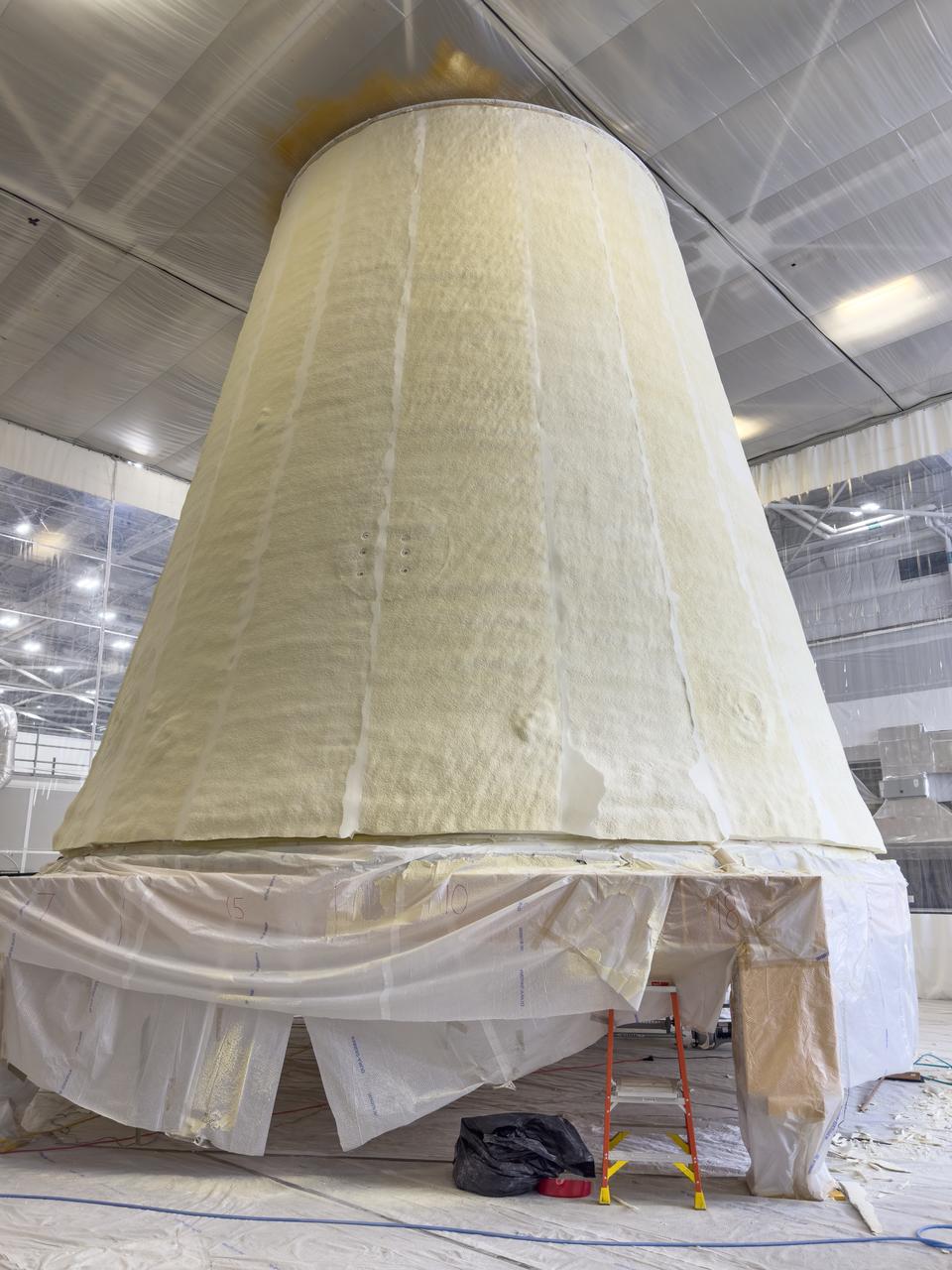
These photos show how technicians at NASA’s Marshall Space Flight Center in Huntsville, Alabama, have applied the thermal protection system material to the launch vehicle stage adapter (LVSA) of NASA’s SLS (Space Launch System) rocket for Artemis III, which will land astronauts on the Moon to advance long-term lunar exploration and scientific discovery and inspire the Artemis Generation. The LVSA is a cone-shaped element that connects the mega rocket’s core stage to its interim cryogenic propulsion stage (ICPS), partially enclosing it and protecting its avionics and electrical systems from the extreme pressures, sounds, and temperatures during launch and flight. Teams at Marshall began applying the thermal protection system material in the spring of 2023. Unlike other parts of the SLS rocket, the thermal protection system material for the LVSA is applied entirely by hand using a spray gun. During application, the technicians use a thin measuring rod to gauge the proper thickness. Once the thermal protection system has cured, certain areas are sanded down to meet parameters. The entire process takes several months. The LVSA is fully manufactured at Marshall by NASA, lead contractor Teledyne Brown Engineering, and the Jacobs Space Group’s ESSCA contract. The LVSA for Artemis III is the last of its kind as future SLS rockets will transition to its next, more powerful Block 1B configuration beginning with Artemis IV. NASA is working to land the first woman and first person of color on the Moon under Artemis. SLS is part of NASA’s backbone for deep space exploration, along with the Orion spacecraft, advanced spacesuits and rovers, the Gateway in orbit around the Moon, and commercial human landing systems. SLS is the only rocket that can send Orion, astronauts, and supplies to the Moon in a single mission.
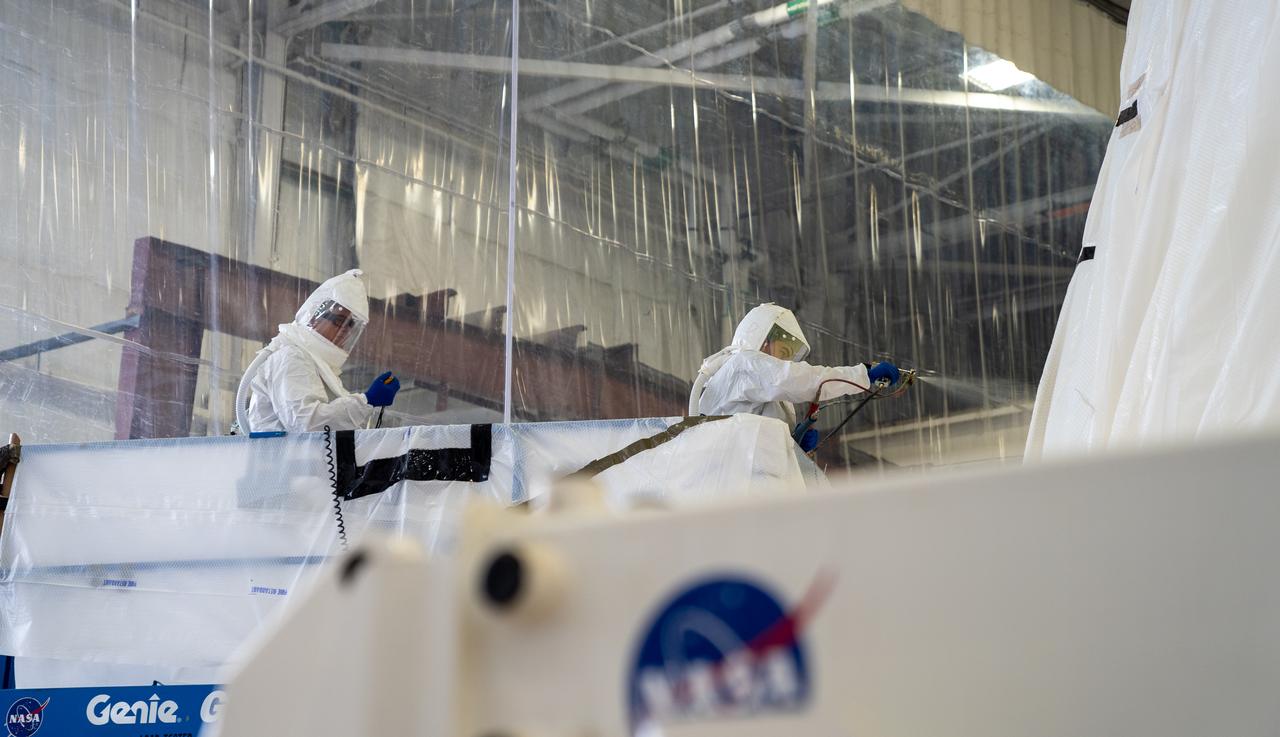
These photos show how technicians at NASA’s Marshall Space Flight Center in Huntsville, Alabama, have applied the thermal protection system material to the launch vehicle stage adapter (LVSA) of NASA’s SLS (Space Launch System) rocket for Artemis III, which will land astronauts on the Moon to advance long-term lunar exploration and scientific discovery and inspire the Artemis Generation. The LVSA is a cone-shaped element that connects the mega rocket’s core stage to its interim cryogenic propulsion stage (ICPS), partially enclosing it and protecting its avionics and electrical systems from the extreme pressures, sounds, and temperatures during launch and flight. Teams at Marshall began applying the thermal protection system material in the spring of 2023. Unlike other parts of the SLS rocket, the thermal protection system material for the LVSA is applied entirely by hand using a spray gun. During application, the technicians use a thin measuring rod to gauge the proper thickness. Once the thermal protection system has cured, certain areas are sanded down to meet parameters. The entire process takes several months. The LVSA is fully manufactured at Marshall by NASA, lead contractor Teledyne Brown Engineering, and the Jacobs Space Group’s ESSCA contract. The LVSA for Artemis III is the last of its kind as future SLS rockets will transition to its next, more powerful Block 1B configuration beginning with Artemis IV. NASA is working to land the first woman and first person of color on the Moon under Artemis. SLS is part of NASA’s backbone for deep space exploration, along with the Orion spacecraft, advanced spacesuits and rovers, the Gateway in orbit around the Moon, and commercial human landing systems. SLS is the only rocket that can send Orion, astronauts, and supplies to the Moon in a single mission.
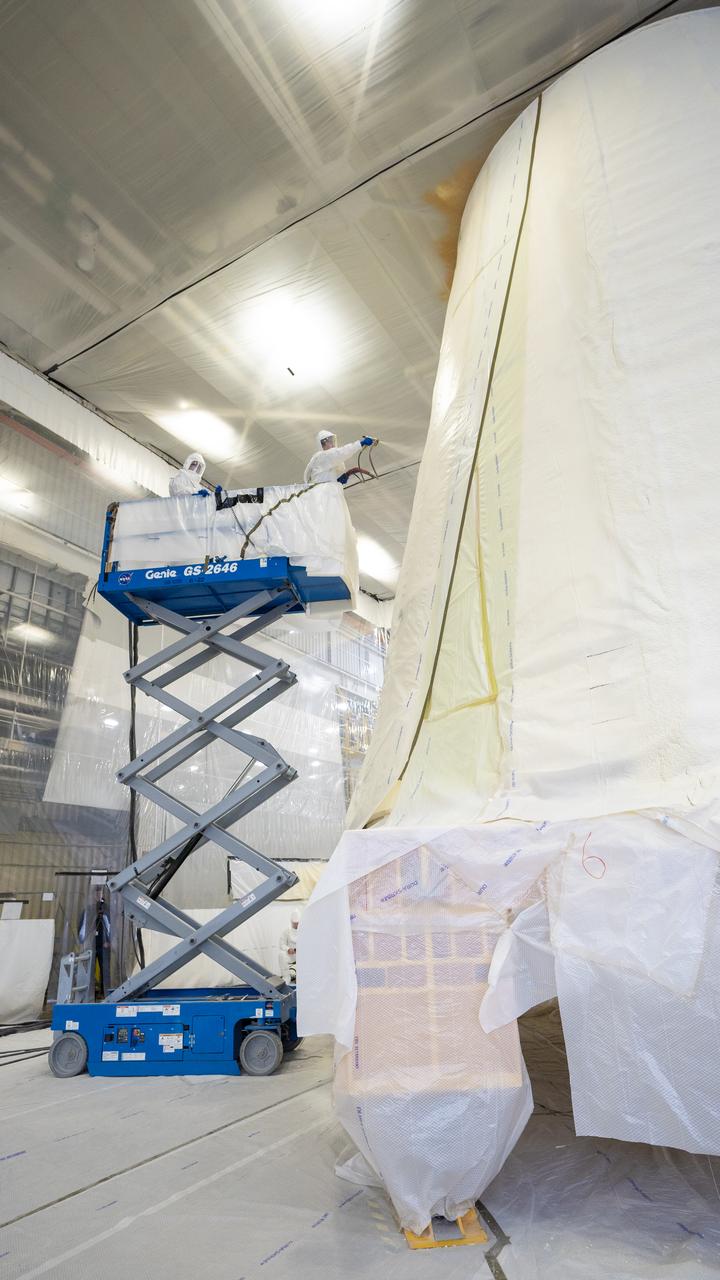
These photos show how technicians at NASA’s Marshall Space Flight Center in Huntsville, Alabama, have applied the thermal protection system material to the launch vehicle stage adapter (LVSA) of NASA’s SLS (Space Launch System) rocket for Artemis III, which will land astronauts on the Moon to advance long-term lunar exploration and scientific discovery and inspire the Artemis Generation. The LVSA is a cone-shaped element that connects the mega rocket’s core stage to its interim cryogenic propulsion stage (ICPS), partially enclosing it and protecting its avionics and electrical systems from the extreme pressures, sounds, and temperatures during launch and flight. Teams at Marshall began applying the thermal protection system material in the spring of 2023. Unlike other parts of the SLS rocket, the thermal protection system material for the LVSA is applied entirely by hand using a spray gun. During application, the technicians use a thin measuring rod to gauge the proper thickness. Once the thermal protection system has cured, certain areas are sanded down to meet parameters. The entire process takes several months. The LVSA is fully manufactured at Marshall by NASA, lead contractor Teledyne Brown Engineering, and the Jacobs Space Group’s ESSCA contract. The LVSA for Artemis III is the last of its kind as future SLS rockets will transition to its next, more powerful Block 1B configuration beginning with Artemis IV. NASA is working to land the first woman and first person of color on the Moon under Artemis. SLS is part of NASA’s backbone for deep space exploration, along with the Orion spacecraft, advanced spacesuits and rovers, the Gateway in orbit around the Moon, and commercial human landing systems. SLS is the only rocket that can send Orion, astronauts, and supplies to the Moon in a single mission.
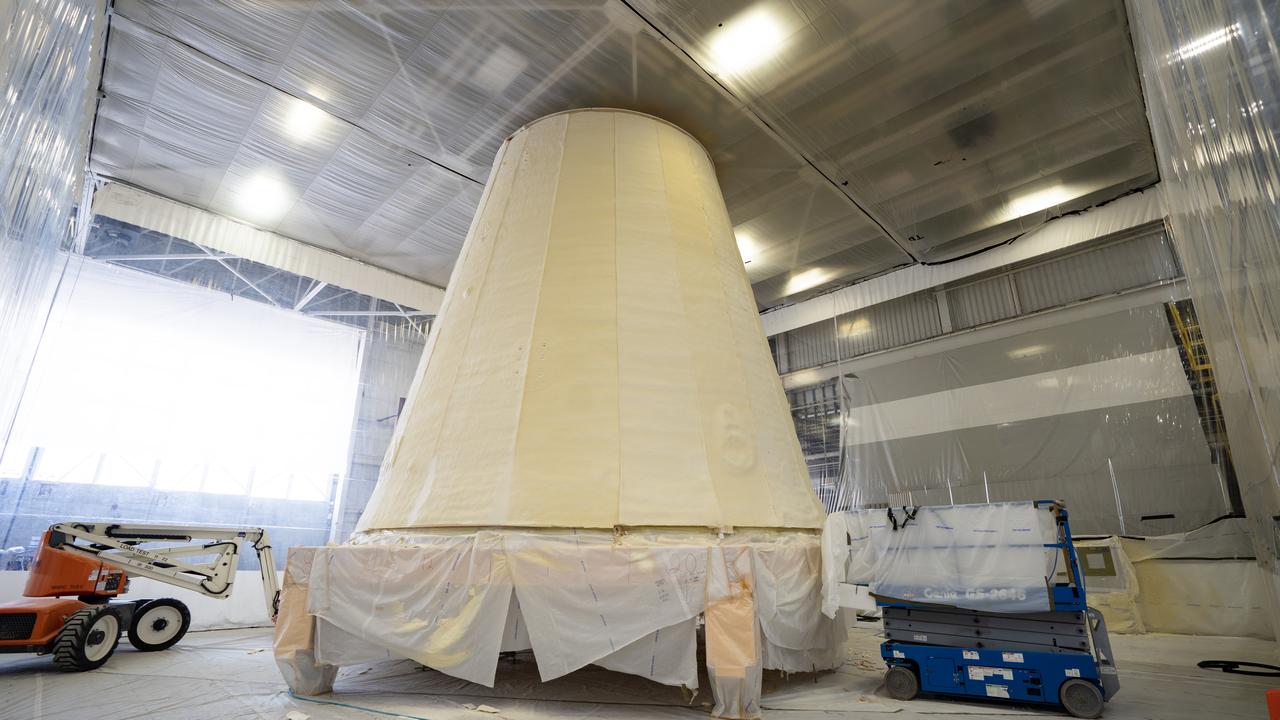
These photos show how technicians at NASA’s Marshall Space Flight Center in Huntsville, Alabama, have applied the thermal protection system material to the launch vehicle stage adapter (LVSA) of NASA’s SLS (Space Launch System) rocket for Artemis III, which will land astronauts on the Moon to advance long-term lunar exploration and scientific discovery and inspire the Artemis Generation. The LVSA is a cone-shaped element that connects the mega rocket’s core stage to its interim cryogenic propulsion stage (ICPS), partially enclosing it and protecting its avionics and electrical systems from the extreme pressures, sounds, and temperatures during launch and flight. Teams at Marshall began applying the thermal protection system material in the spring of 2023. Unlike other parts of the SLS rocket, the thermal protection system material for the LVSA is applied entirely by hand using a spray gun. During application, the technicians use a thin measuring rod to gauge the proper thickness. Once the thermal protection system has cured, certain areas are sanded down to meet parameters. The entire process takes several months. The LVSA is fully manufactured at Marshall by NASA, lead contractor Teledyne Brown Engineering, and the Jacobs Space Group’s ESSCA contract. The LVSA for Artemis III is the last of its kind as future SLS rockets will transition to its next, more powerful Block 1B configuration beginning with Artemis IV. NASA is working to land the first woman and first person of color on the Moon under Artemis. SLS is part of NASA’s backbone for deep space exploration, along with the Orion spacecraft, advanced spacesuits and rovers, the Gateway in orbit around the Moon, and commercial human landing systems. SLS is the only rocket that can send Orion, astronauts, and supplies to the Moon in a single mission.
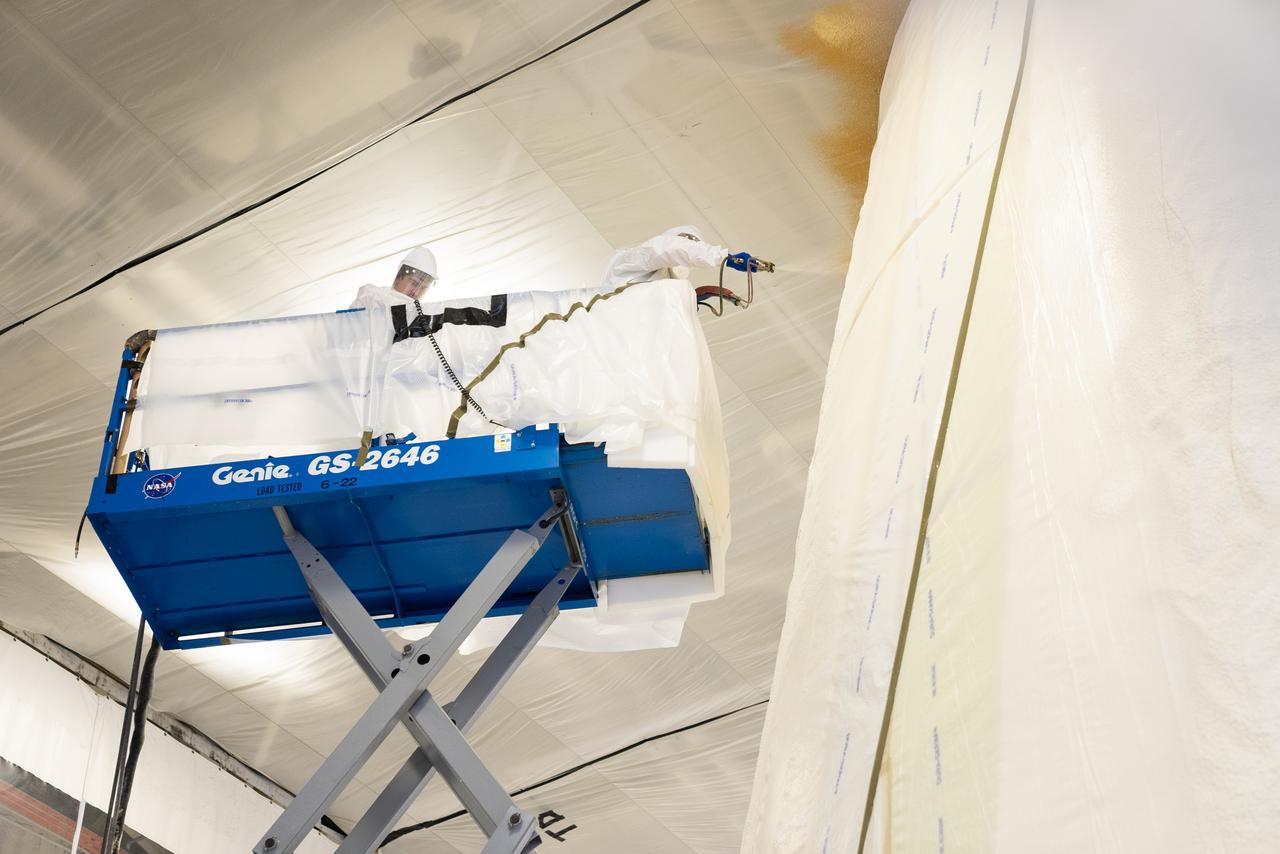
These photos show how technicians at NASA’s Marshall Space Flight Center in Huntsville, Alabama, have applied the thermal protection system material to the launch vehicle stage adapter (LVSA) of NASA’s SLS (Space Launch System) rocket for Artemis III, which will land astronauts on the Moon to advance long-term lunar exploration and scientific discovery and inspire the Artemis Generation. The LVSA is a cone-shaped element that connects the mega rocket’s core stage to its interim cryogenic propulsion stage (ICPS), partially enclosing it and protecting its avionics and electrical systems from the extreme pressures, sounds, and temperatures during launch and flight. Teams at Marshall began applying the thermal protection system material in the spring of 2023. Unlike other parts of the SLS rocket, the thermal protection system material for the LVSA is applied entirely by hand using a spray gun. During application, the technicians use a thin measuring rod to gauge the proper thickness. Once the thermal protection system has cured, certain areas are sanded down to meet parameters. The entire process takes several months. The LVSA is fully manufactured at Marshall by NASA, lead contractor Teledyne Brown Engineering, and the Jacobs Space Group’s ESSCA contract. The LVSA for Artemis III is the last of its kind as future SLS rockets will transition to its next, more powerful Block 1B configuration beginning with Artemis IV. NASA is working to land the first woman and first person of color on the Moon under Artemis. SLS is part of NASA’s backbone for deep space exploration, along with the Orion spacecraft, advanced spacesuits and rovers, the Gateway in orbit around the Moon, and commercial human landing systems. SLS is the only rocket that can send Orion, astronauts, and supplies to the Moon in a single mission.