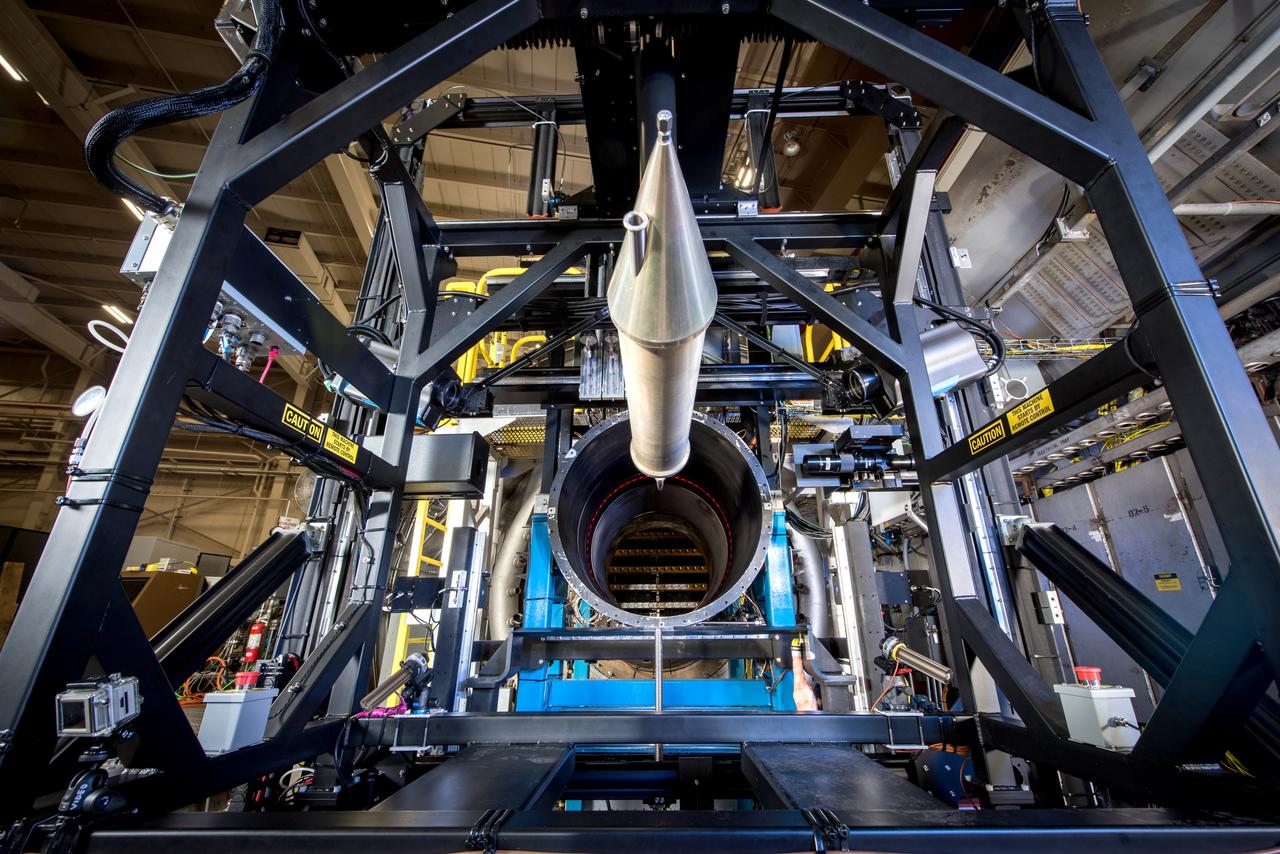
Propulsion Systems Laboratory, PSL Fundamental Aero Test
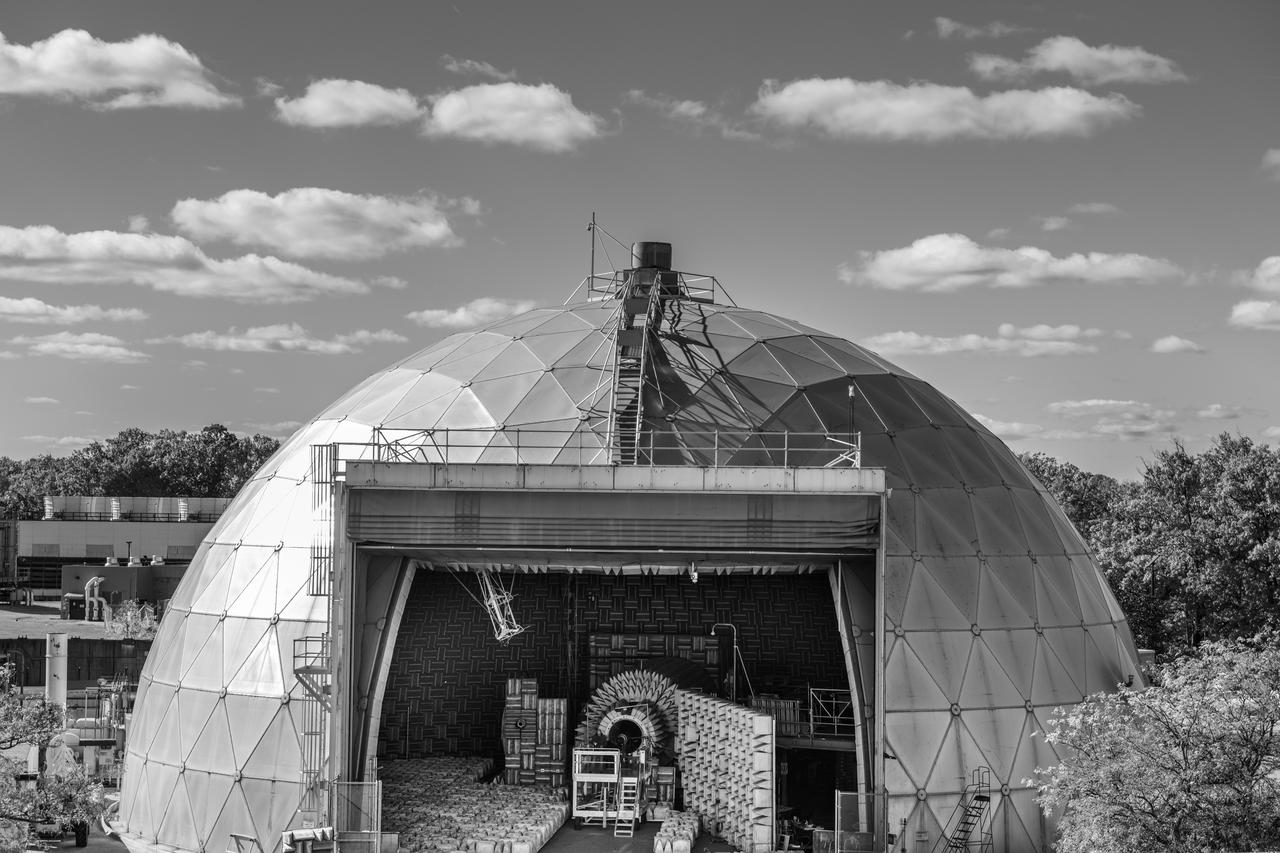
The Aero-Acoustic Propulsion Laboratory (AAPL) photographed on October 24, 2024 as seen from above. This facility provides world class testing for aircraft propulsion acoustic noise reduction and is 65 ft high by 130 ft in diameter. Photo Credit: (NASA/Sara Lowthian-Hanna)
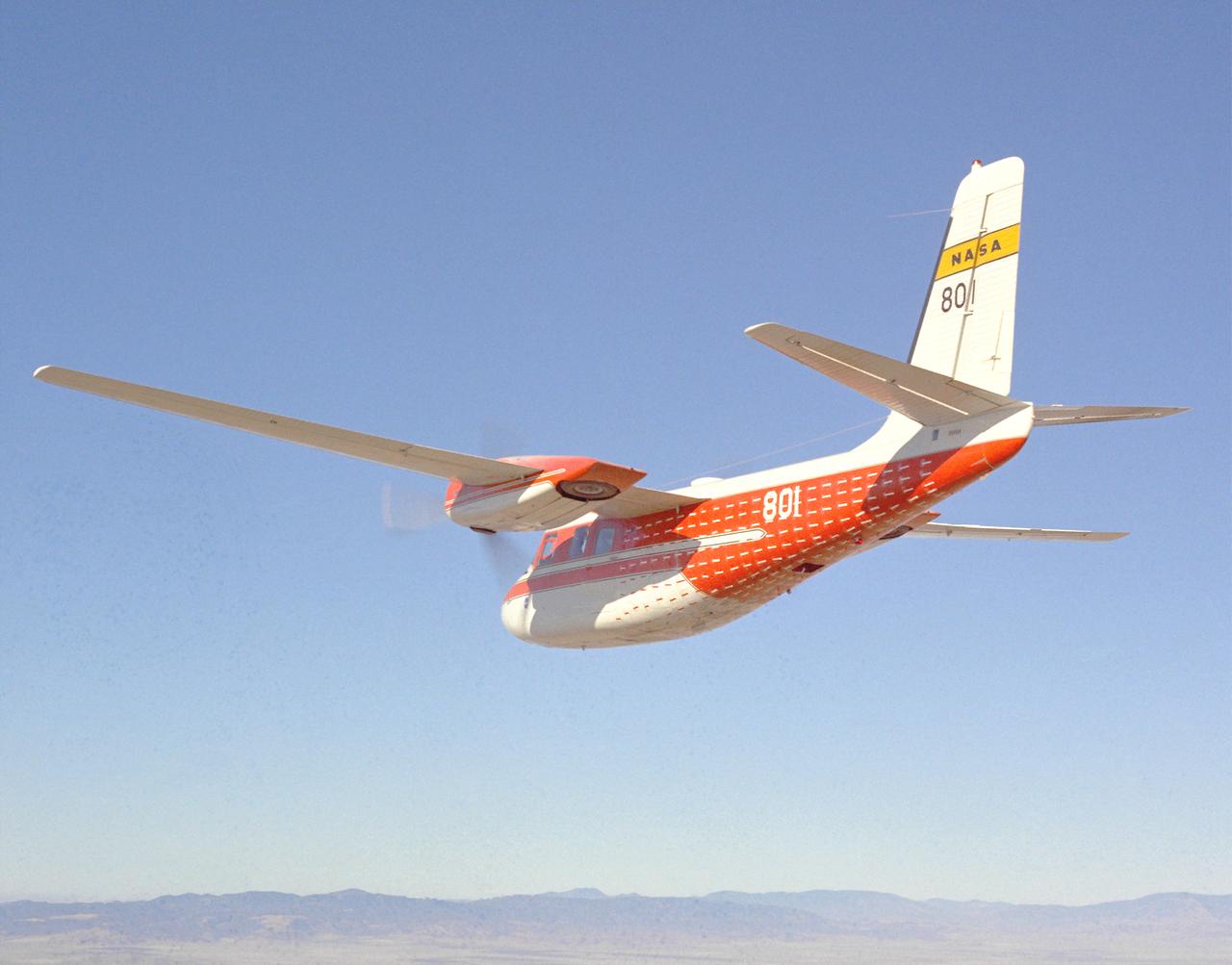
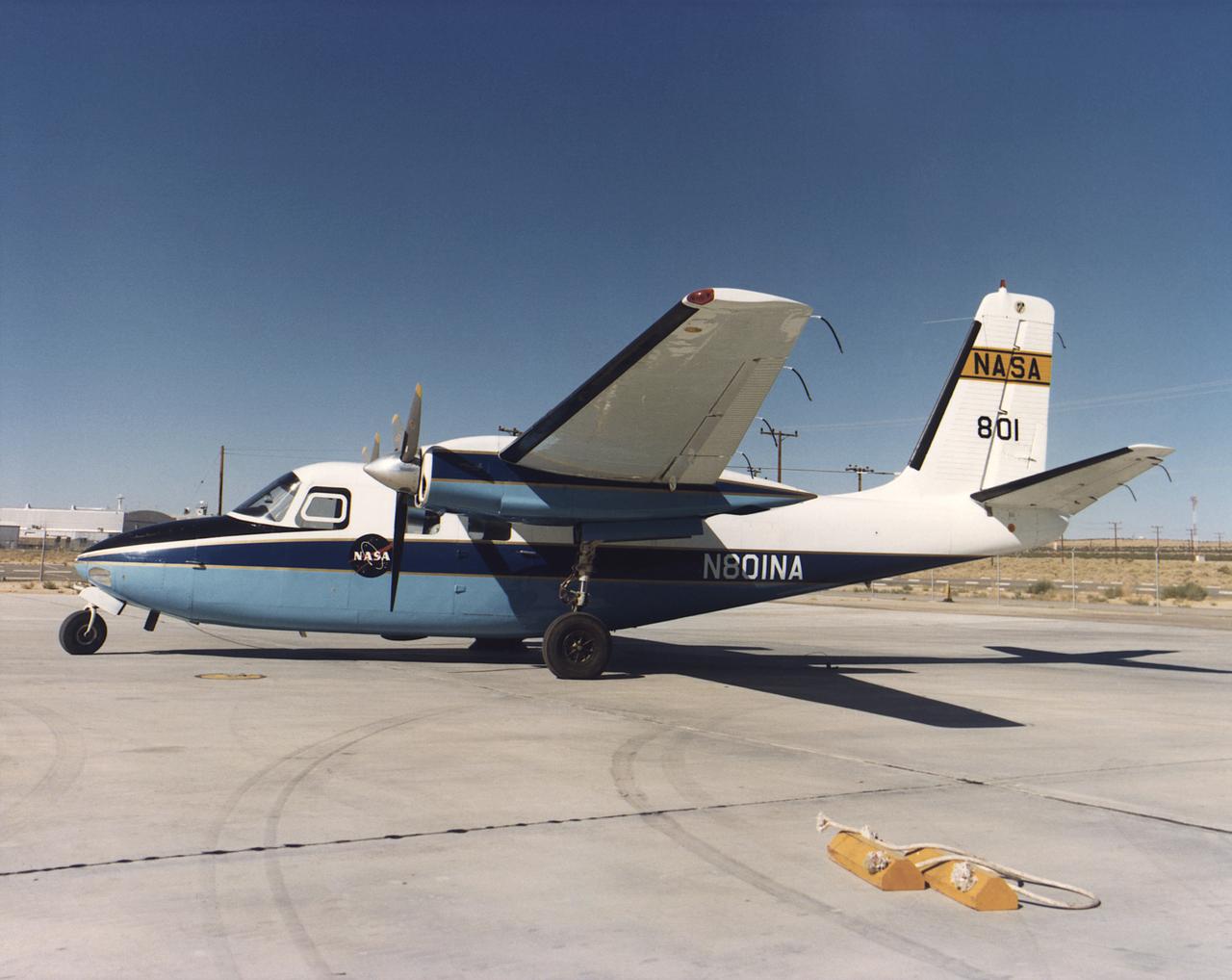
The Aero Commander arrival to NASA Flight Research Center.
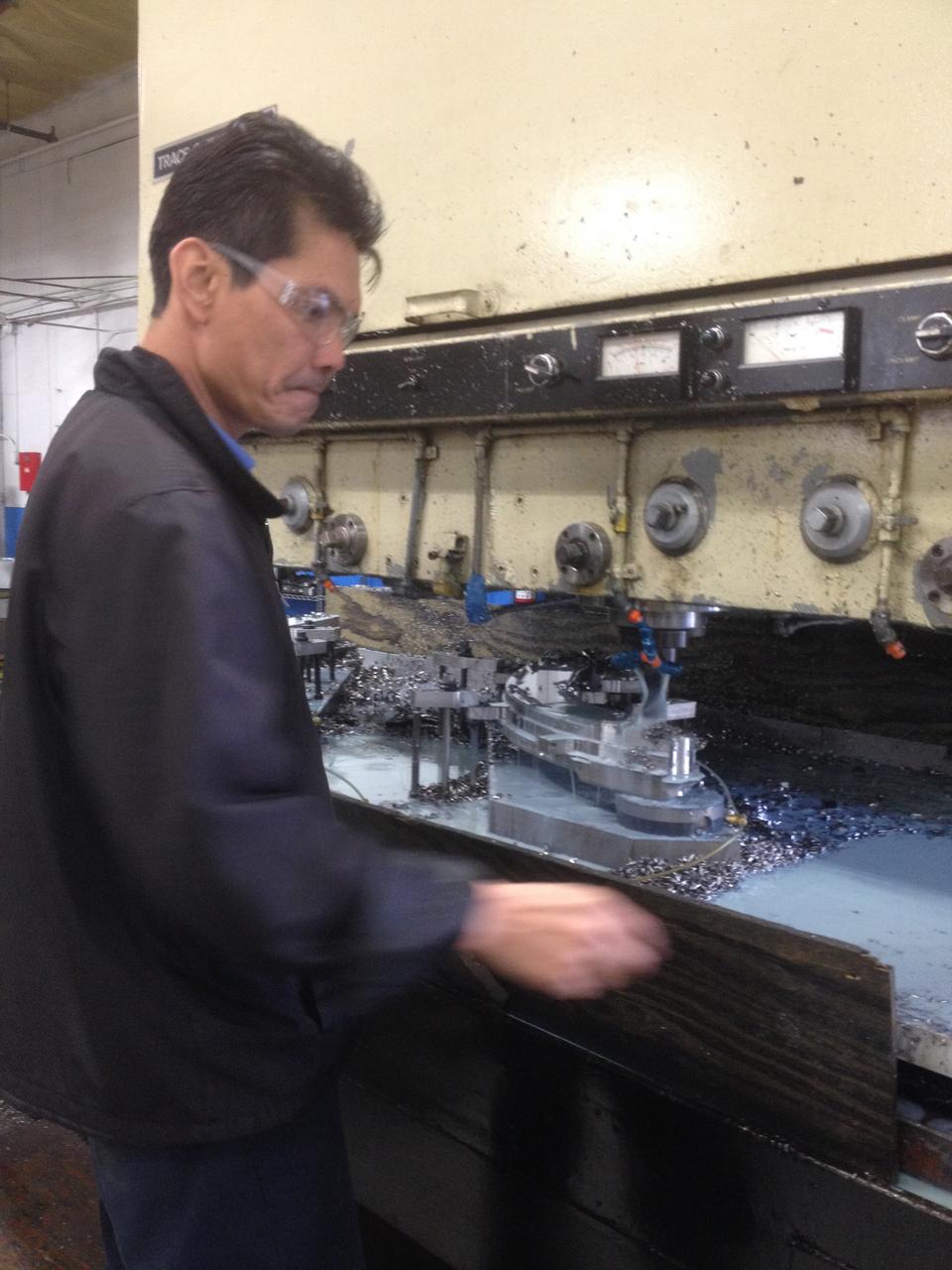
The Orion team visits Aero Pacific Corporation in Placentia, CA on Jan. 28, 2014. Part of Batch image transfer from Flickr.
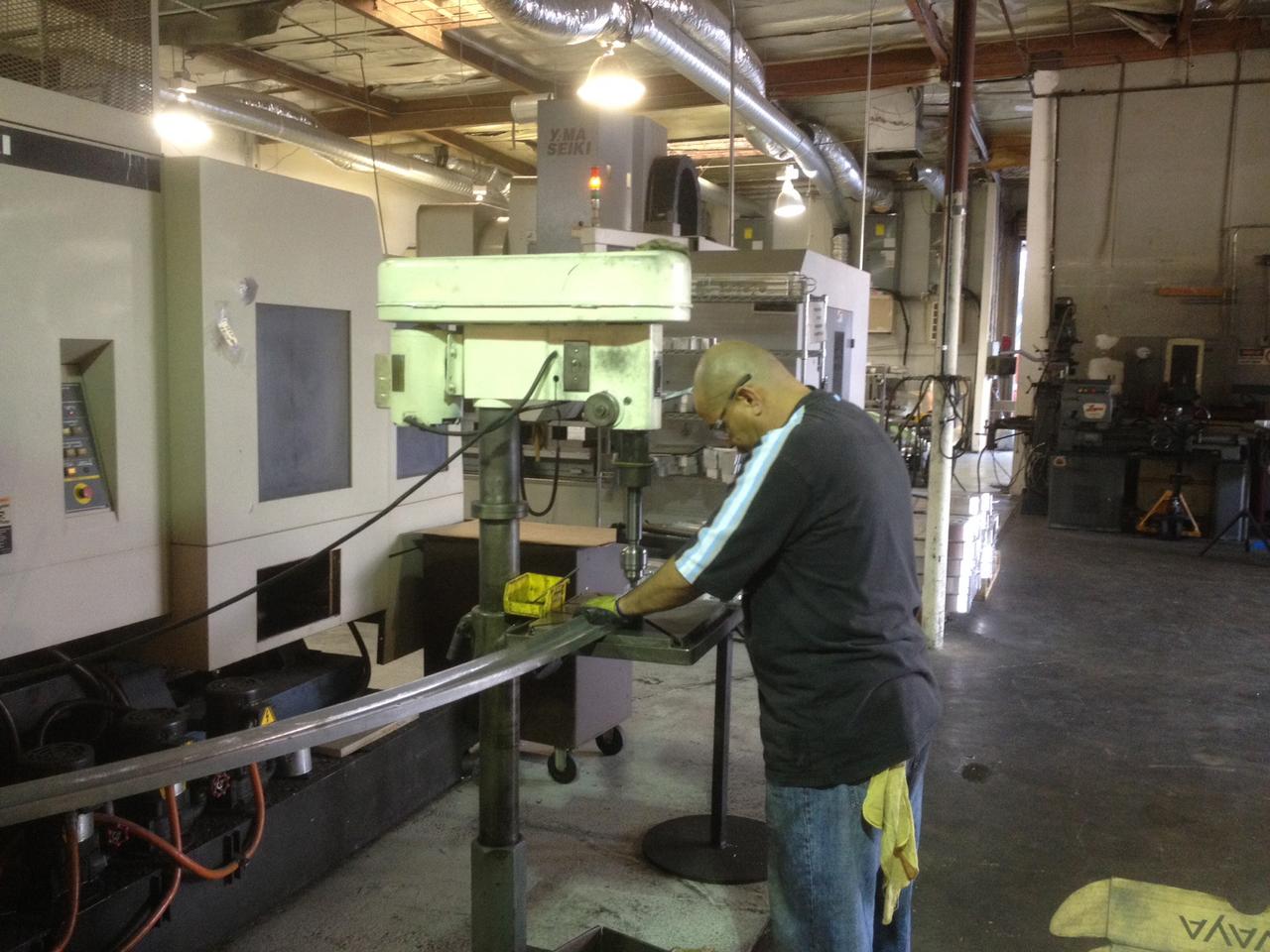
The Orion team visits Aero Pacific Corporation in Placentia, CA on Jan. 28, 2014. Part of Batch image transfer from Flickr.
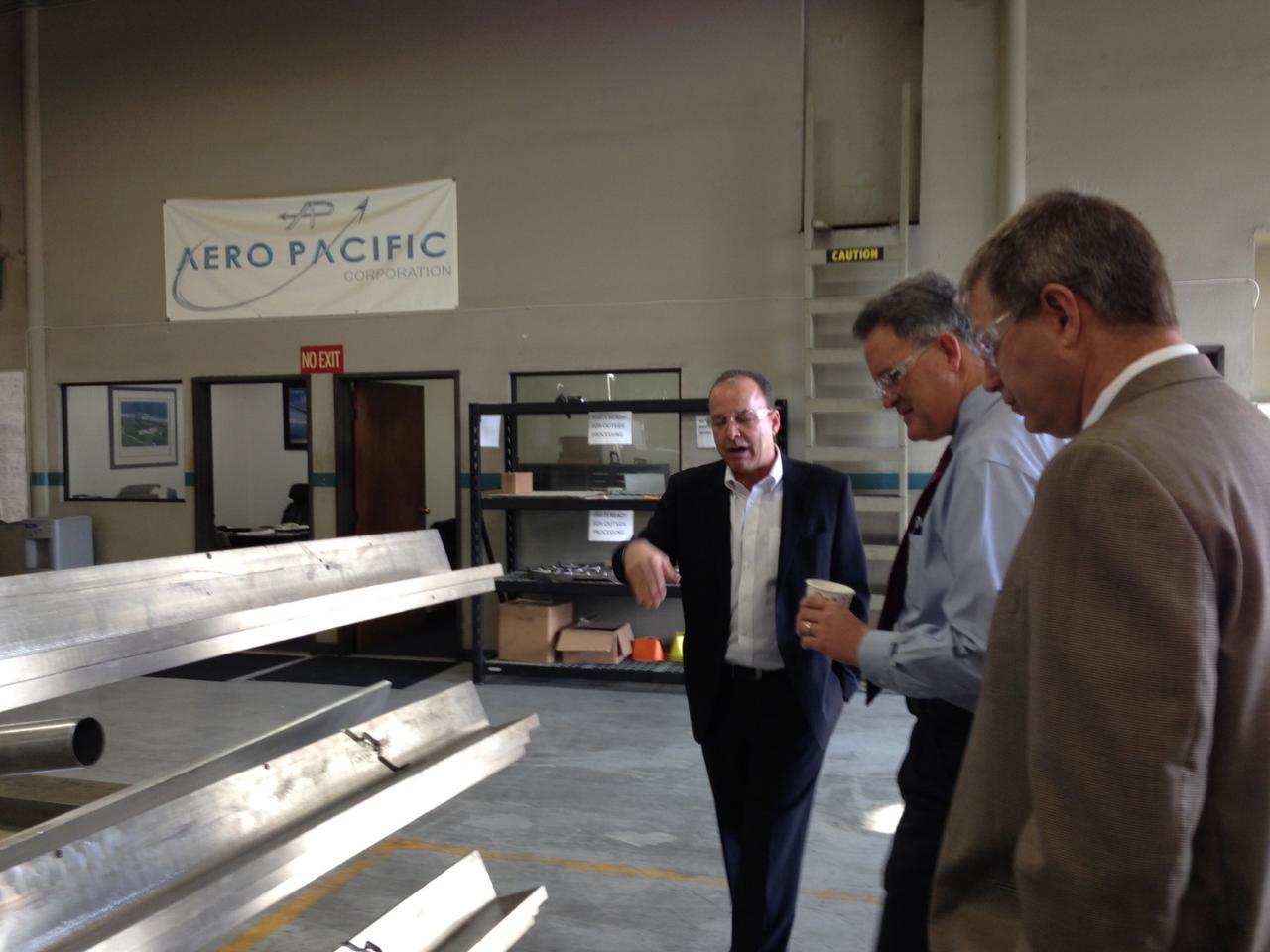
The Orion team visits Aero Pacific Corporation in Placentia, CA on Jan. 28, 2014. Part of Batch image transfer from Flickr.
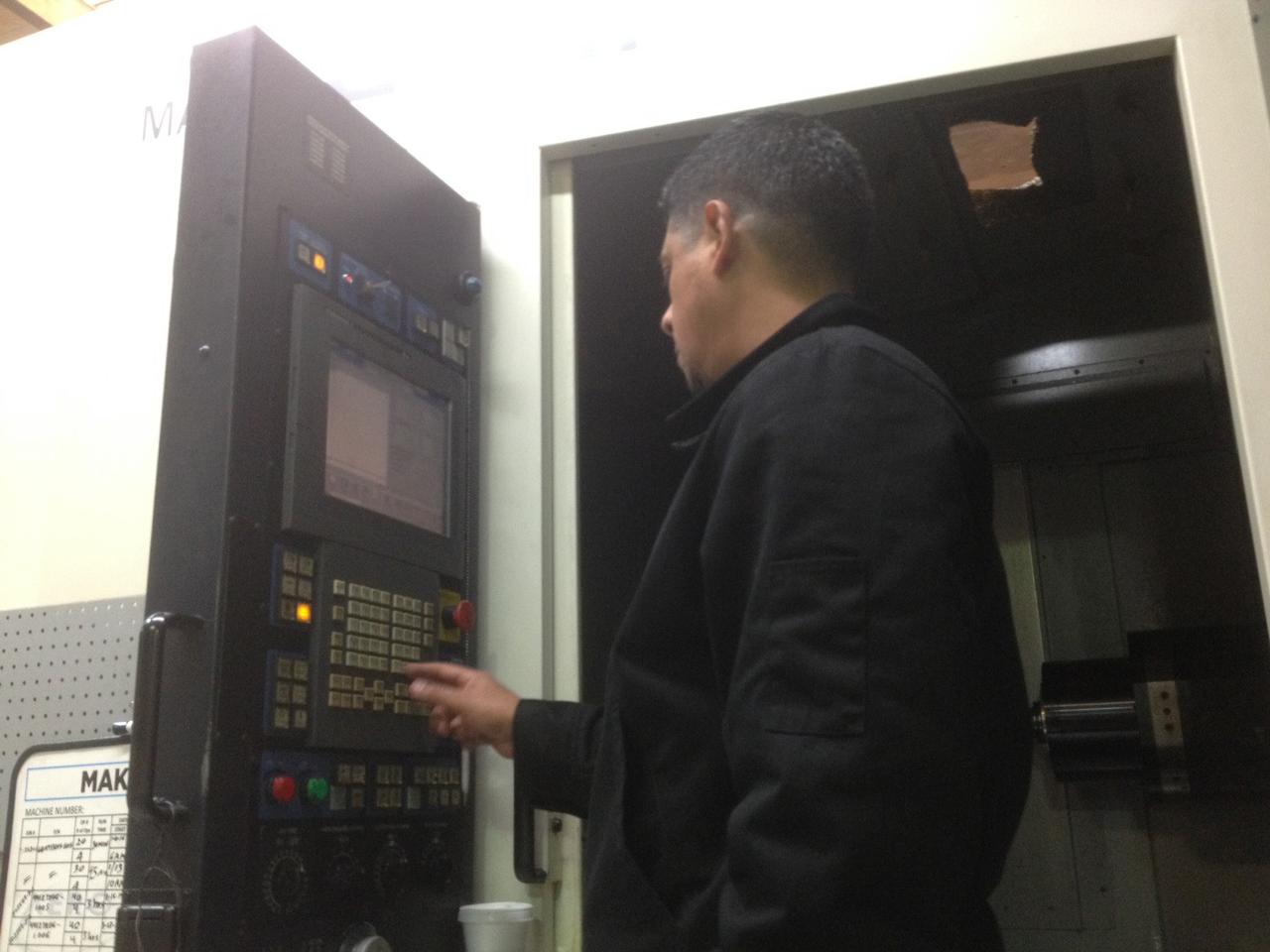
The Orion team visits Aero Pacific Corporation in Placentia, CA on Jan. 28, 2014. Part of Batch image transfer from Flickr.
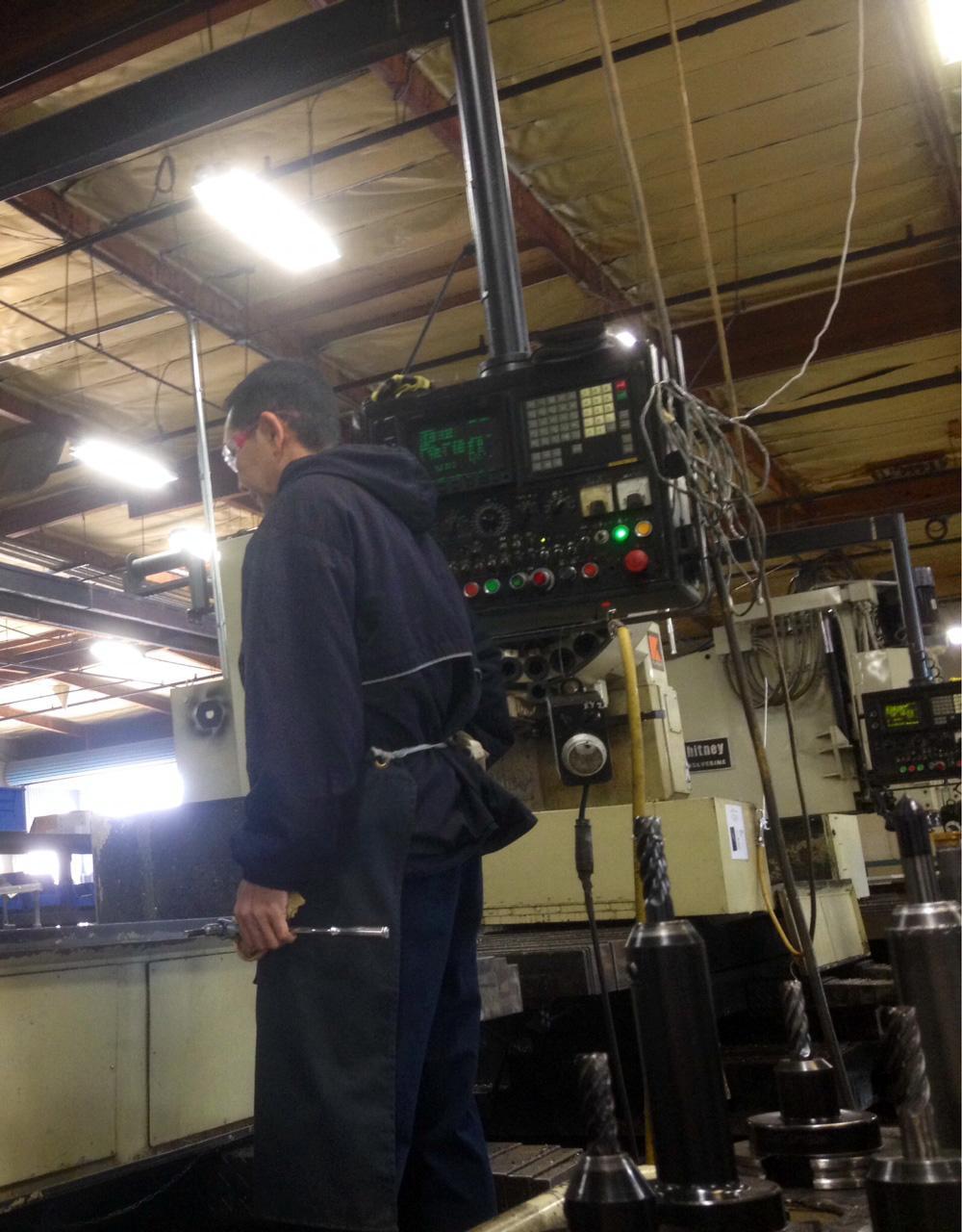
The Orion team visits Aero Pacific Corporation in Placentia, CA on Jan. 28, 2014. Part of Batch image transfer from Flickr.
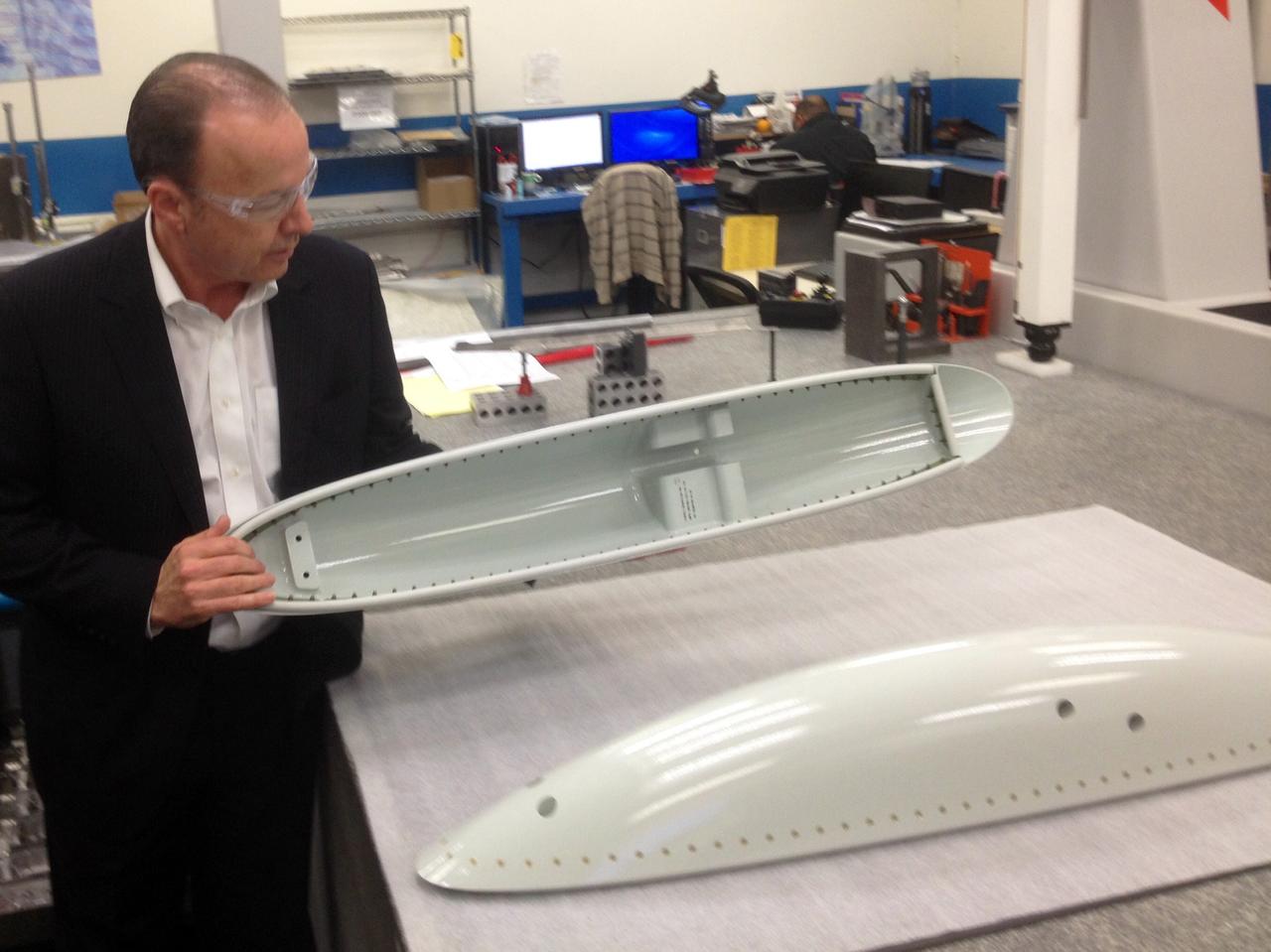
The Orion team visits Aero Pacific Corporation in Placentia, CA on Jan. 28, 2014. Part of Batch image transfer from Flickr.
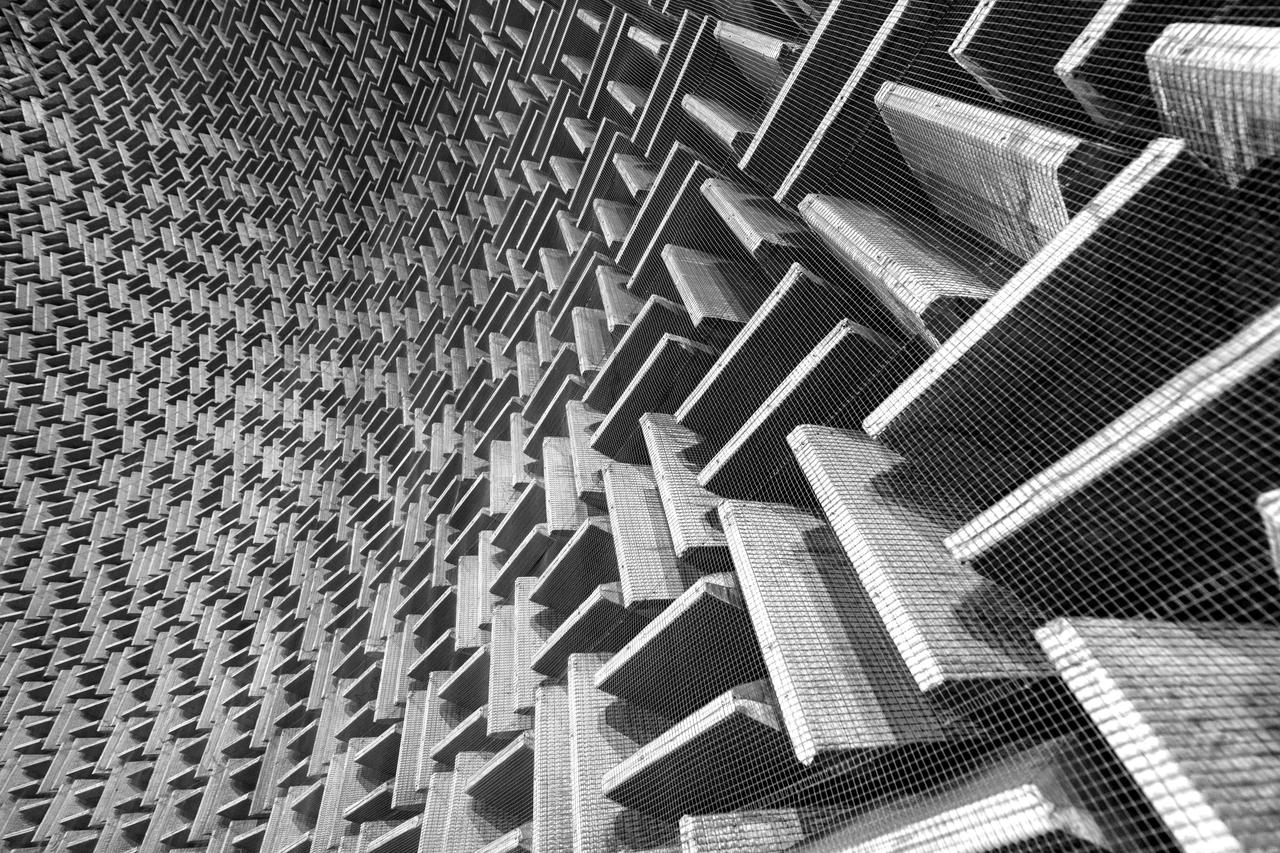
Aero Acoustic Propulsion Laboratory, AAPL, Interactive 360 Tour
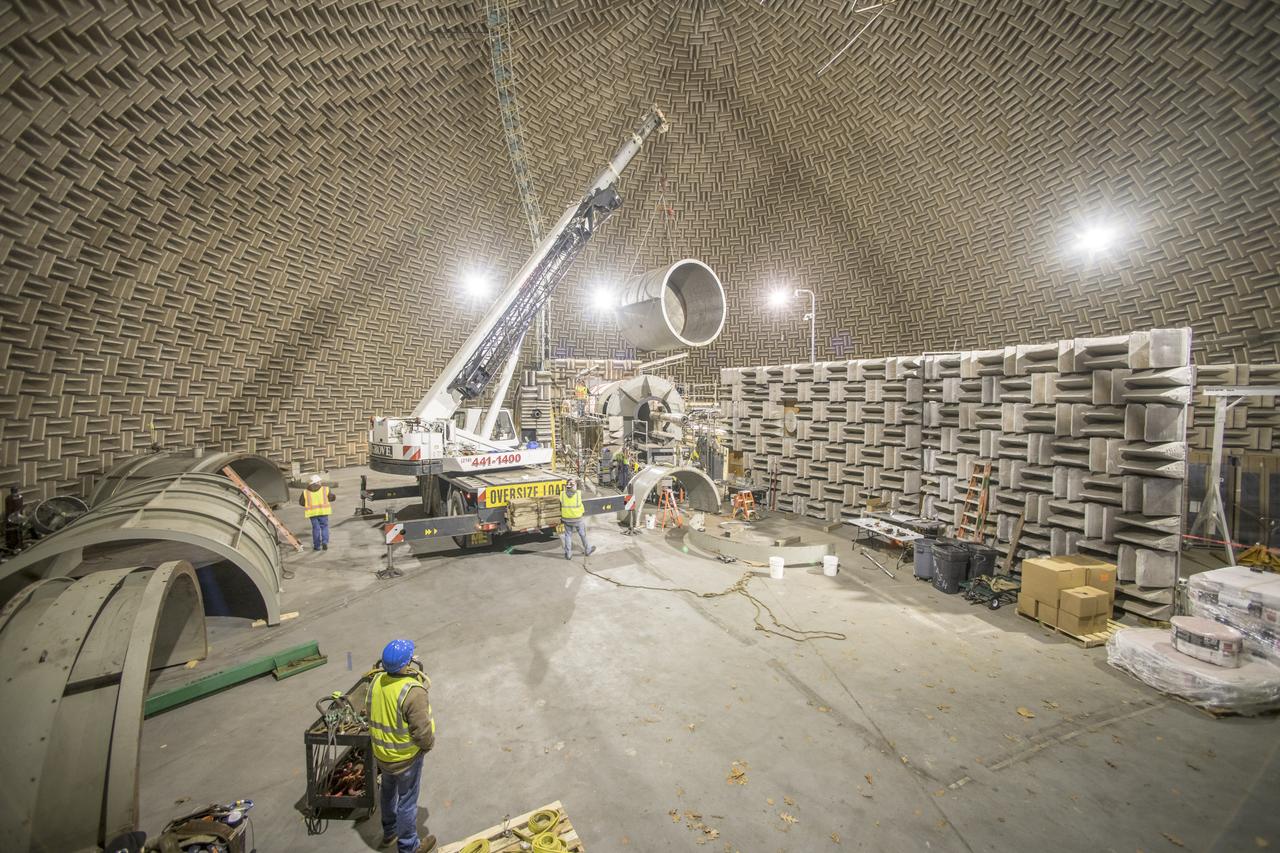
Aero-Acoustic Propulsion Laboratory, AAPL Refurbishment Documentation Photographs from Time-lapse
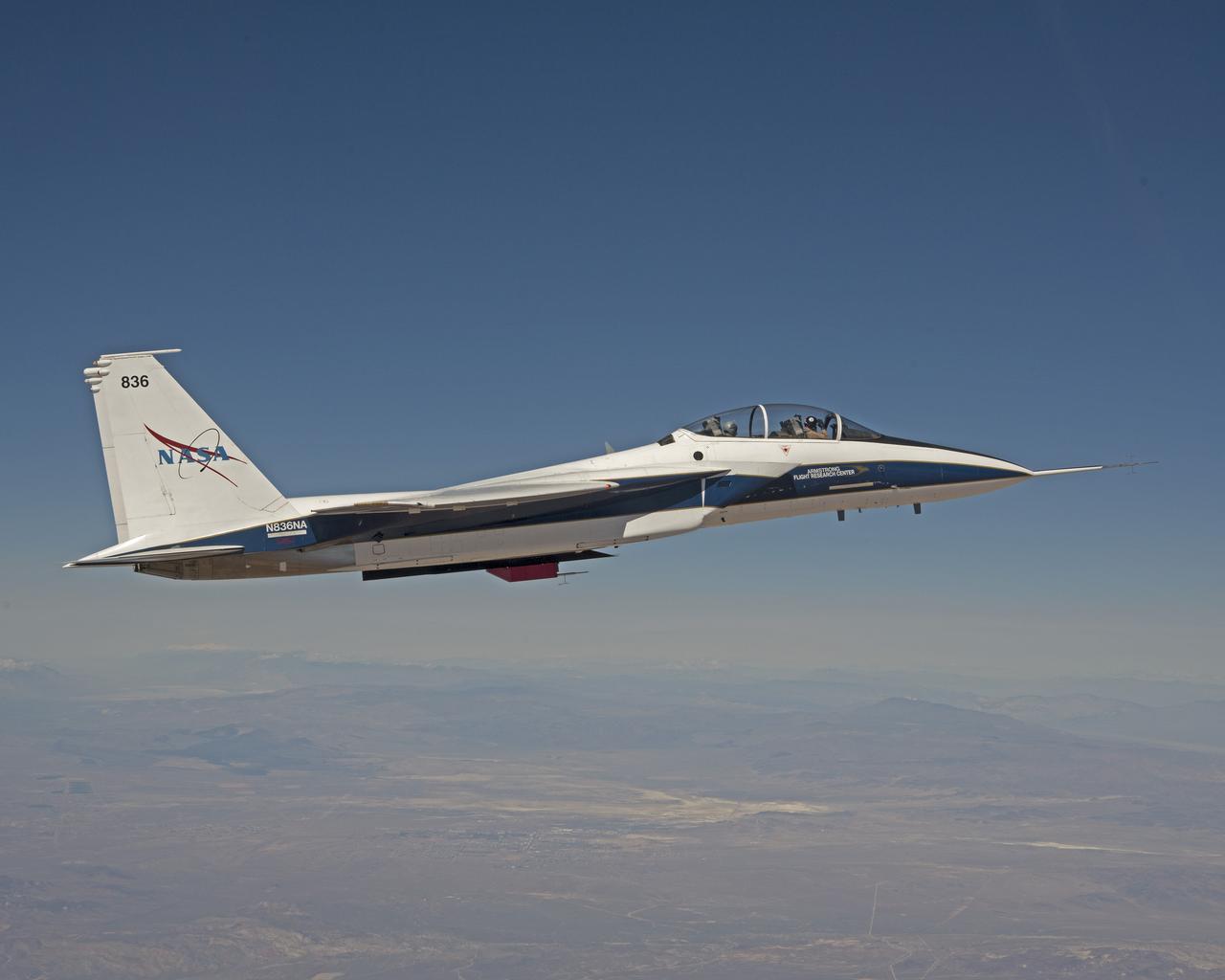
Research on the Eagle Aero Probe is ongoing from an F-15B flight test fixture, as the aircraft flies missions over the high desert.
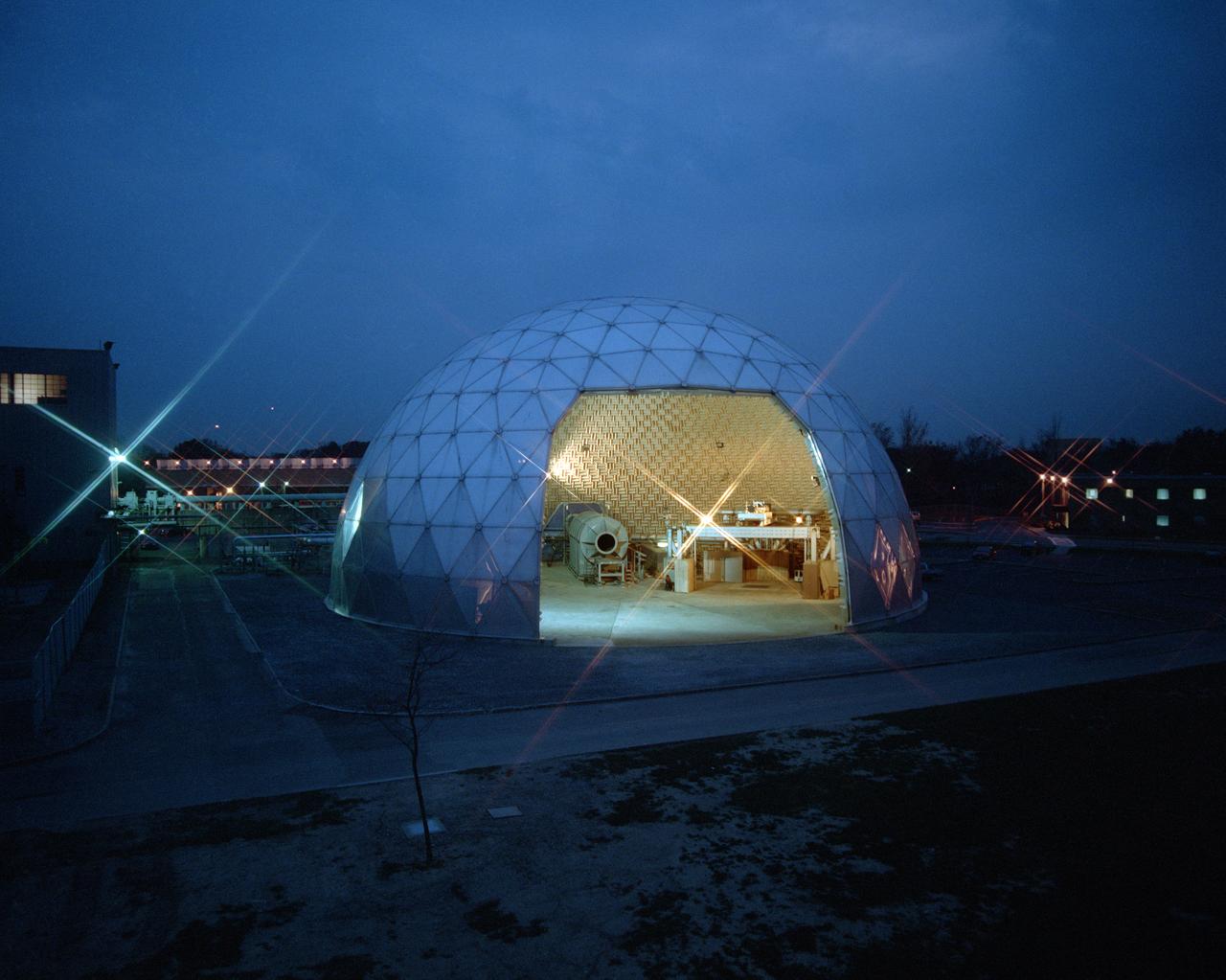
Modern jet engines are loud, but they used to be much louder. NASA’s Glenn Research Center has been at the forefront of the nation’s efforts to reduce aircraft engine noise for over 70 years. During this time, the center has built an array of test facilities to carry out this work, culminating in the Aero-Acoustic Propulsion Laboratory (AAPL), a world-class noise-reduction research facility. The AAPL, referred to as “the dome,” contains multiple test rigs enclosed in a large, echo-free chamber. The unique 130-foot diameter and 65-foot-high hemispherical structure stands out on Glenn’s campus. Its triangular sections make it appear like a golf ball rising from the ground. The interior is covered in spiky, fiberglass sound-dampening wedges and an overhead array of microphones that capture engine noise data.

Documentation of the AFE (Aero Flight Experiment) - IML (International Microgravity Laboratory) construction progress through the year 1988.

Portrait of Charles H. Zimmerman Associate Chief, Aero-Space Mechanics Division
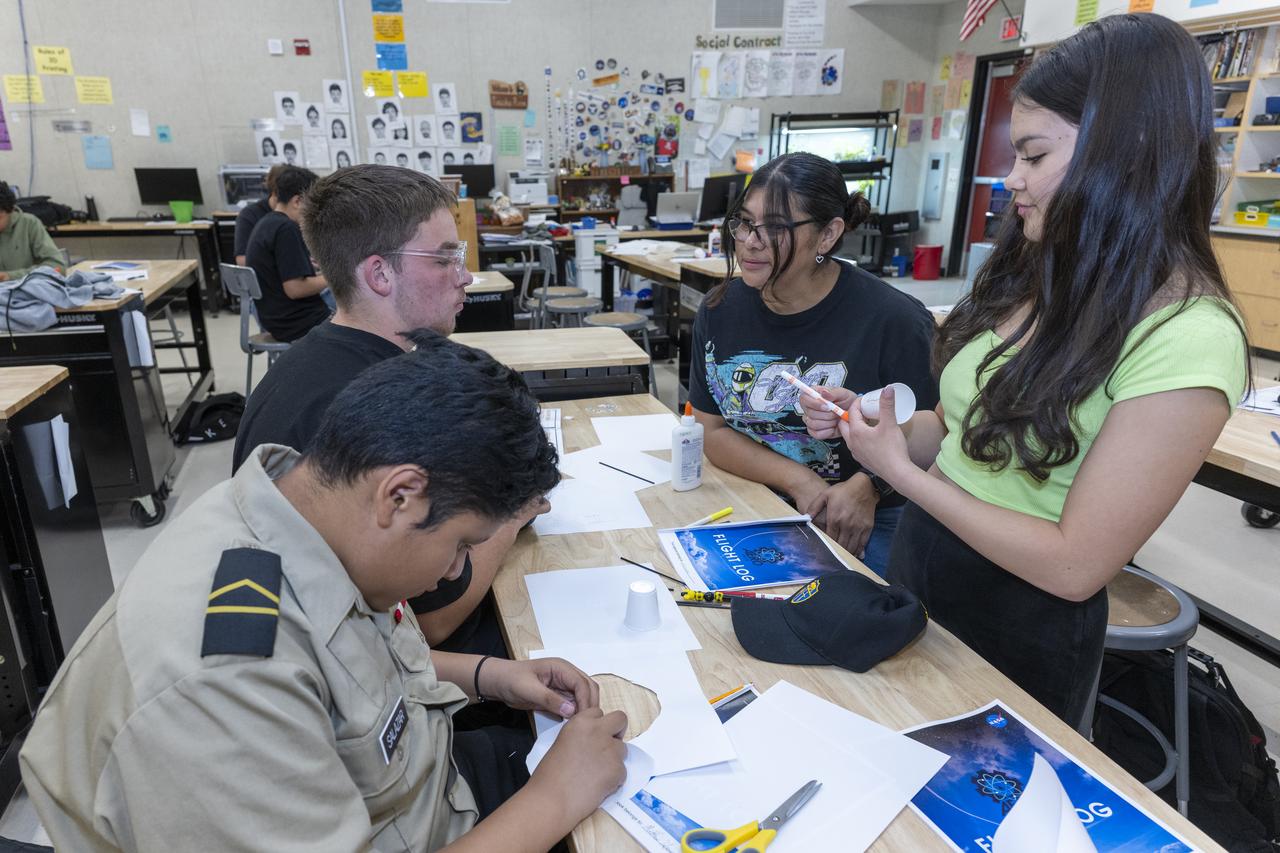
Students from Tropico Middle School in Rosamond, California, build their own paper planes as part of a project during NASA Aero Fair on April 9, 2025.
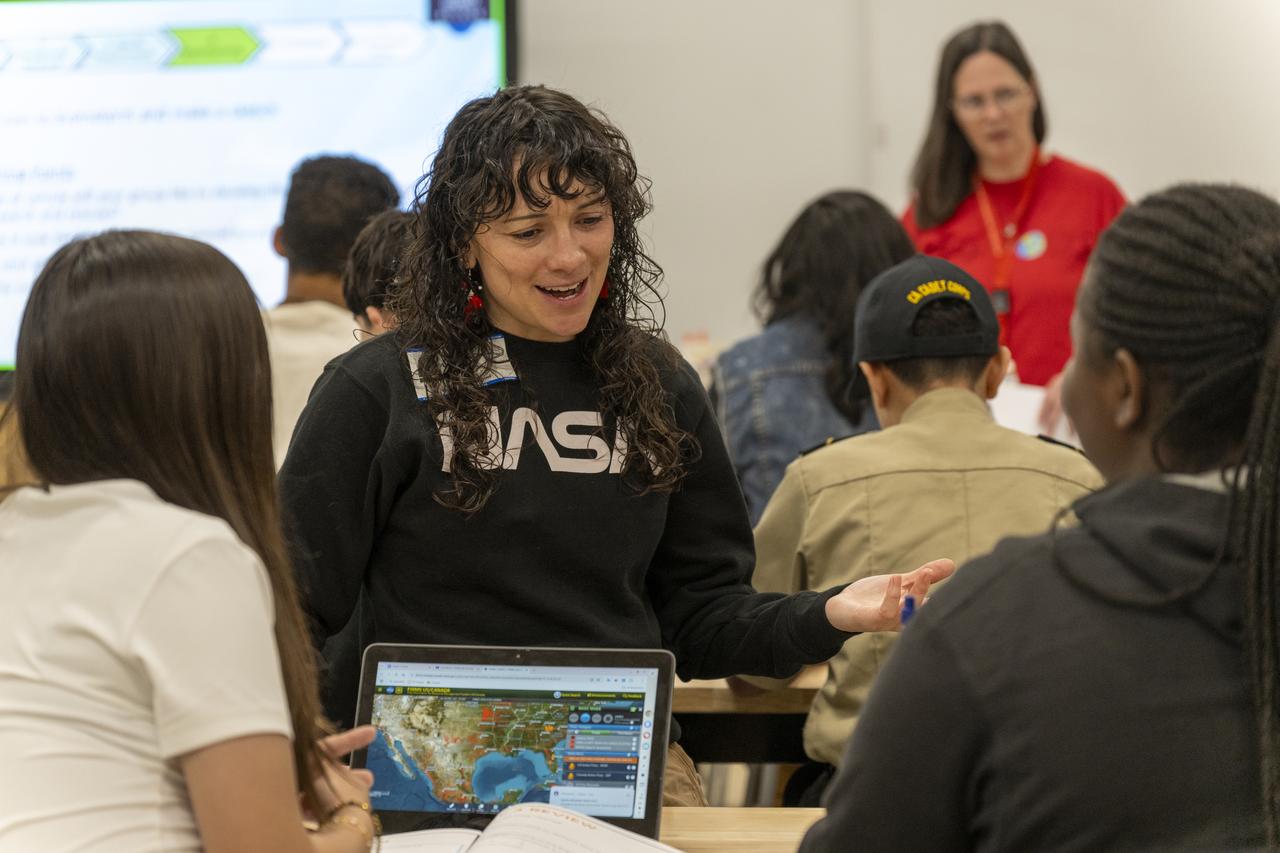
Giovanna Camacho, Pathways systems engineering intern at NASA’s Armstrong Flight Research Center in Edwards, California, teaches students about aeronautics during Aero Fair at Tropico Middle School in Rosamond, California, on April 9, 2025.
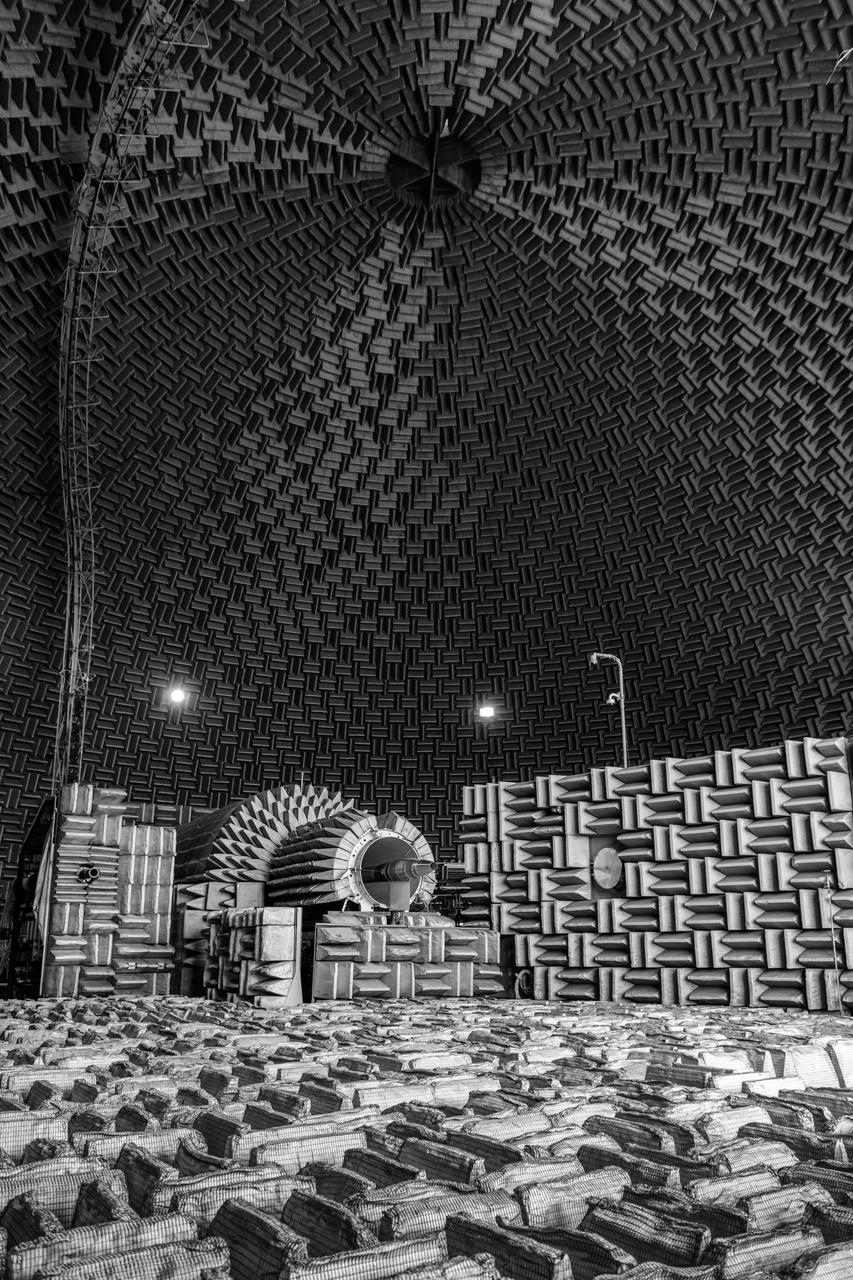
Aero-Acoustic Propulsion Laboratory, AAPL
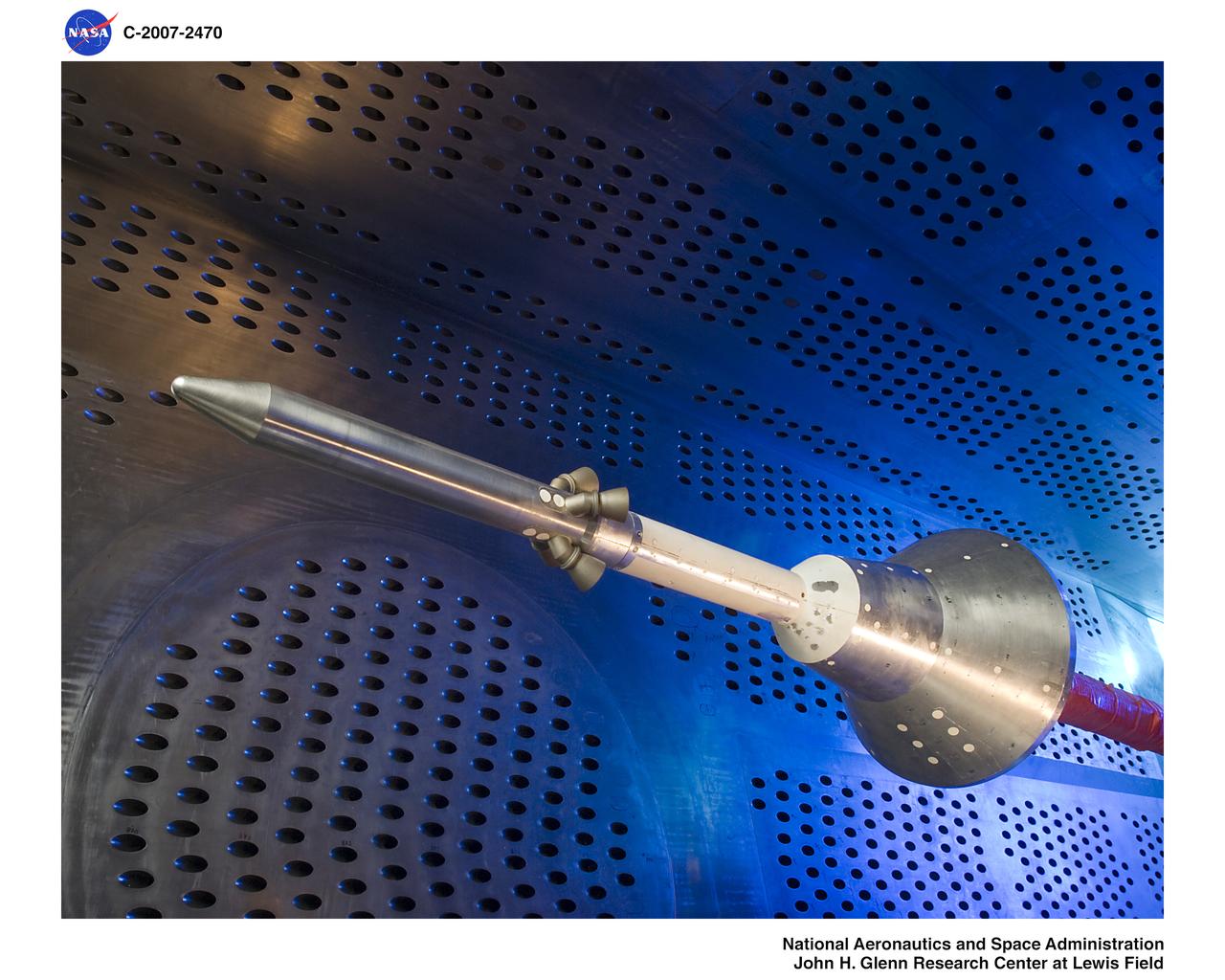
Orion Capsule and Launch Abort System (LAS) installed in the NASA Glenn 8x6 Supersonic Wind Tunnel (SWT) for testing. This test is an Aero Acoustic test of the LAS. 8x6 supersonic wind tunnel test section
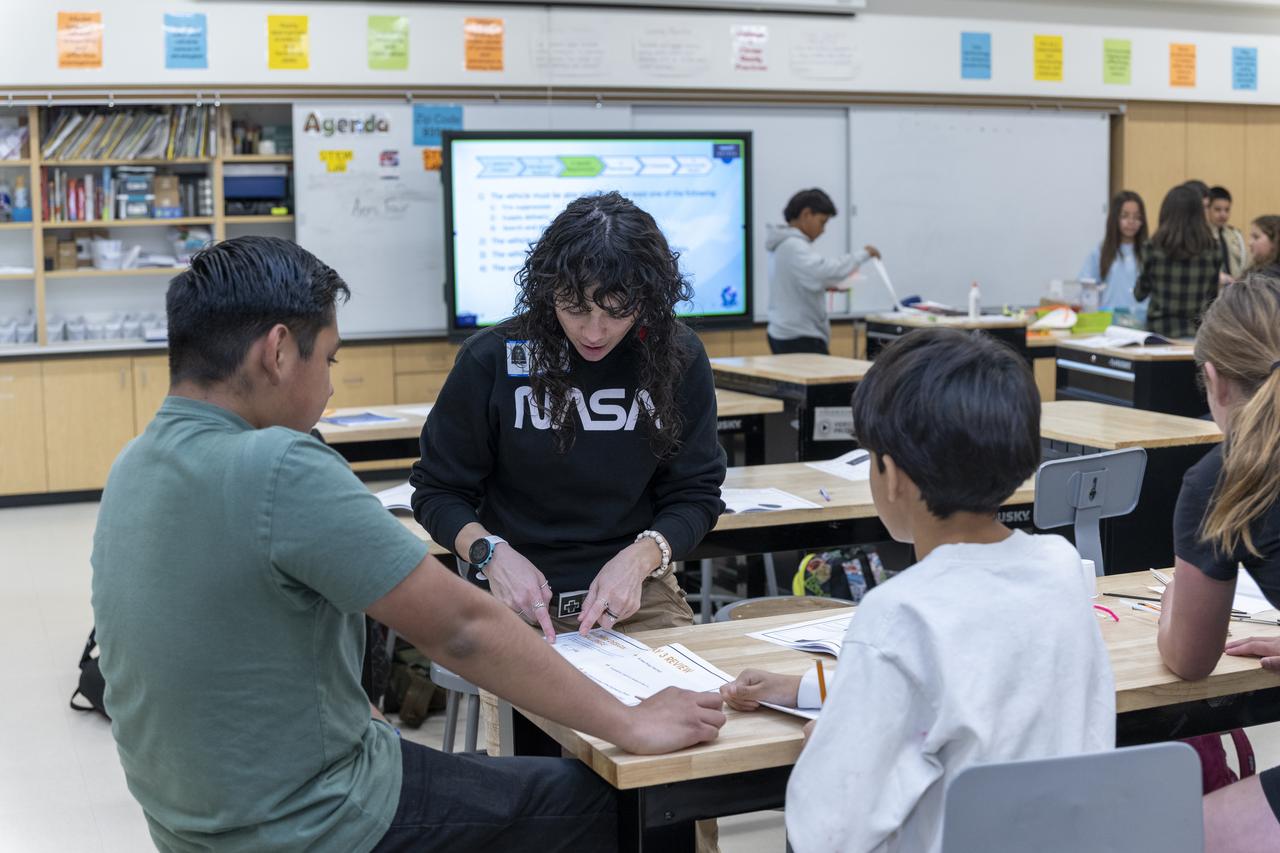
Giovanna Camacho, Pathways systems engineering intern from NASA’s Armstrong Flight Research Center in Edwards, California, teaches students about aeronautics during Aero Fair at Tropico Middle School in Rosamond, California, on April 9, 2025.
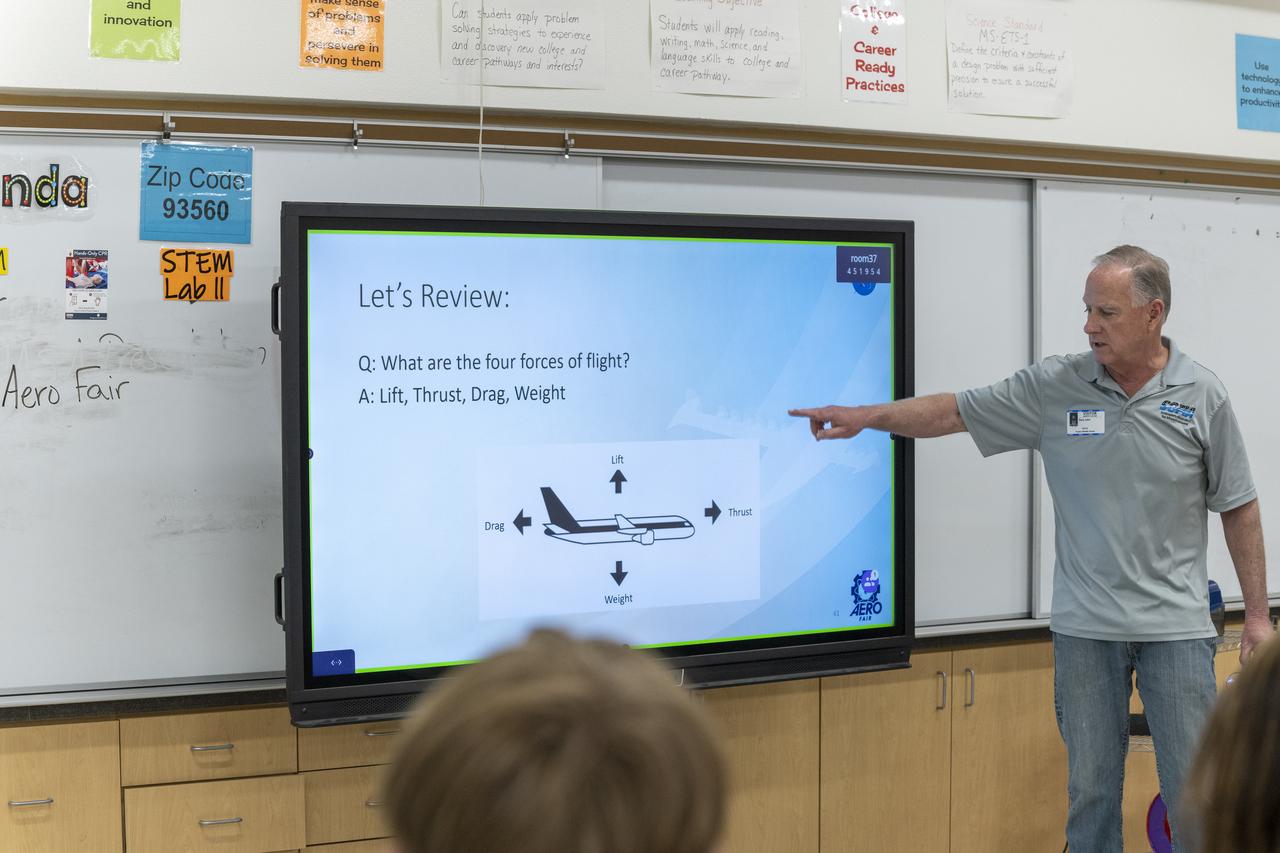
Gary Laier, center liaison for the Small Business Innovation Research/Small Business Technology Transfer (SBIR/STTR) program at NASA’s Armstrong Flight Research Center in Edwards, California, teaches students about aeronautics during Aero Fair at Tropico Middle School in Rosamond, California, on April 9, 2025.
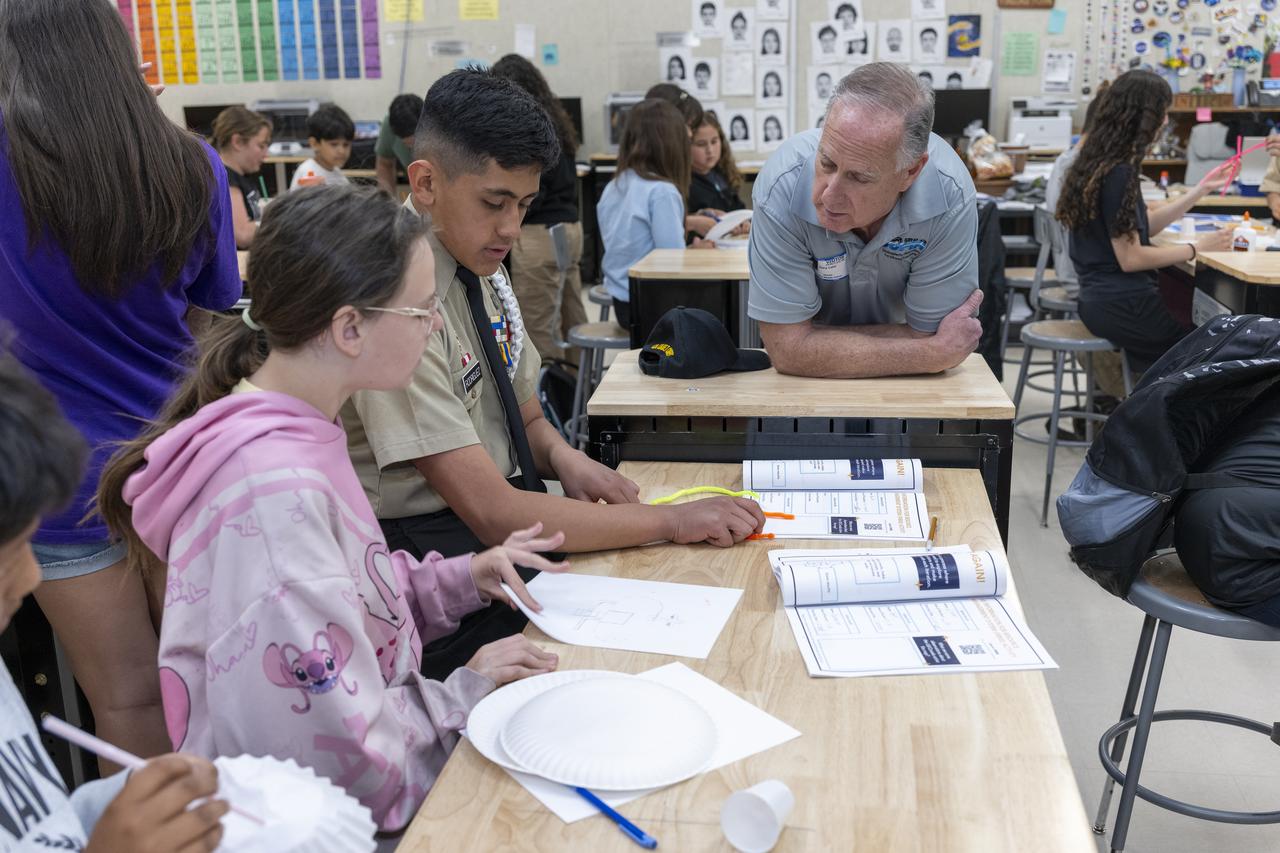
Gary Laier, center liaison for the Small Business Innovation Research/Small Business Technology Transfer (SBIR/STTR) program at NASA’s Armstrong Flight Research Center in Edwards, California, teaches students about aeronautics during Aero Fair at Tropico Middle School in Rosamond, California, on April 9, 2025.
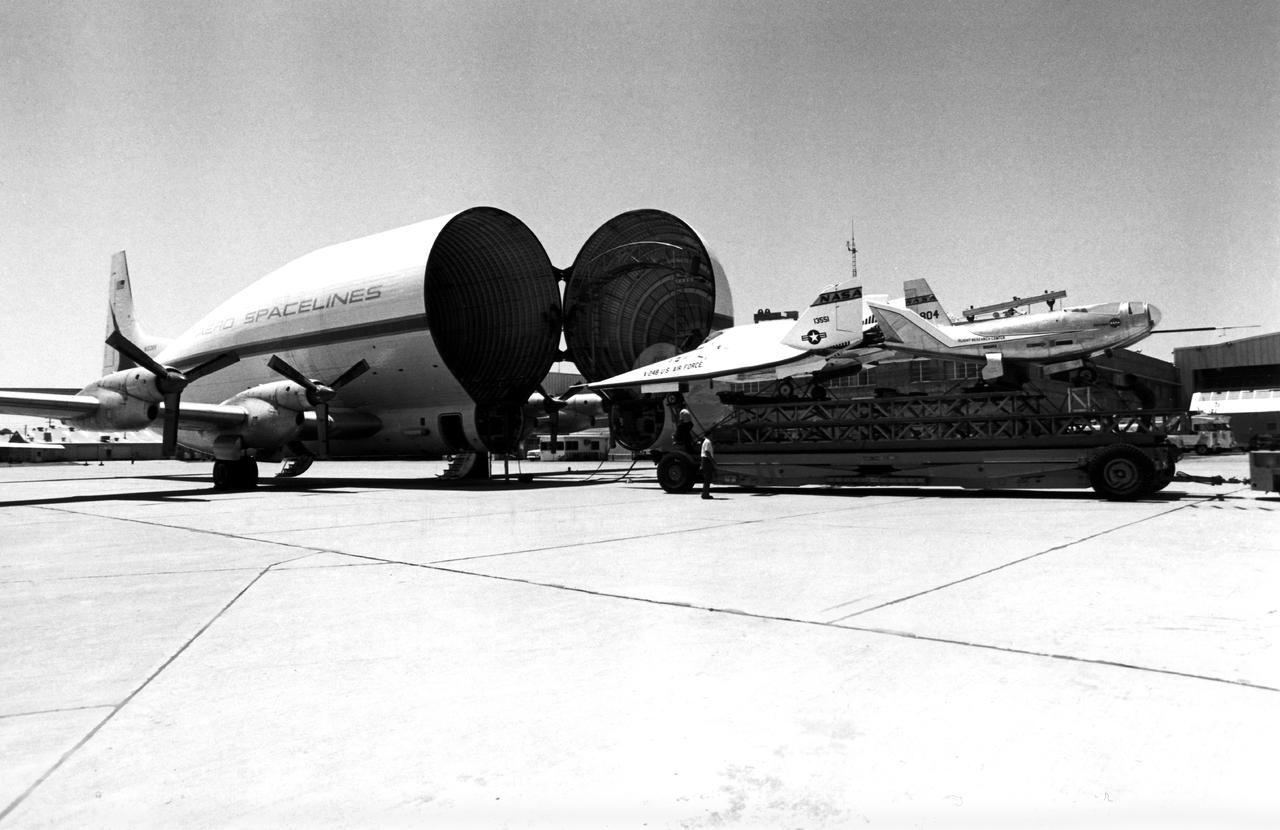
Aero Spacelines B377SGT Super Guppy on Ramp Loading the X-24B and HL-10 Lifting Bodies for Transportation to the Air Force Museum at Wright-Patterson Air Force Base, Ohio
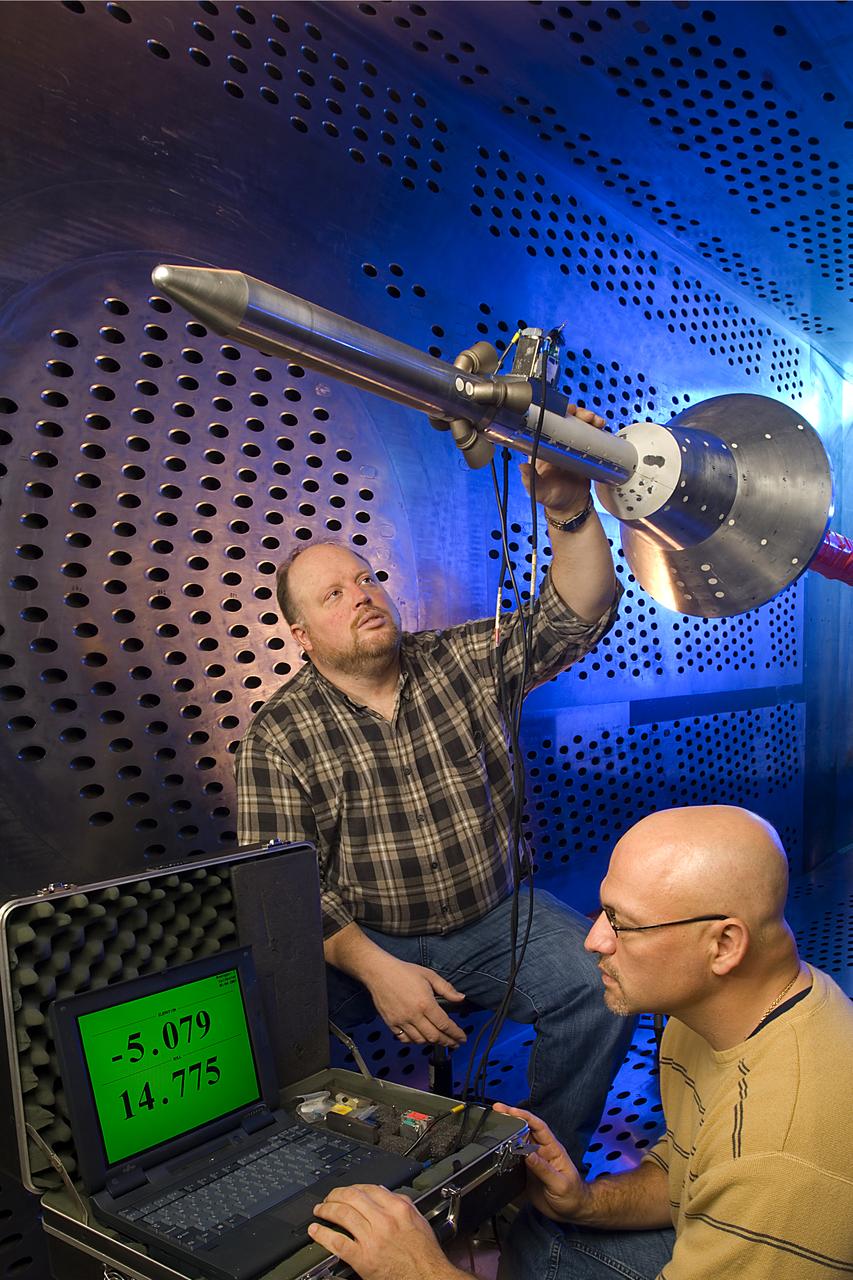
Orion Capsule and Launch Abort System (LAS) installed in the NASA Glenn 8x6 Supersonic Wind Tunnel for testing. This test is an Aero Acoustic test of the LAS. Pictured is the calibration of the model's angle of attack
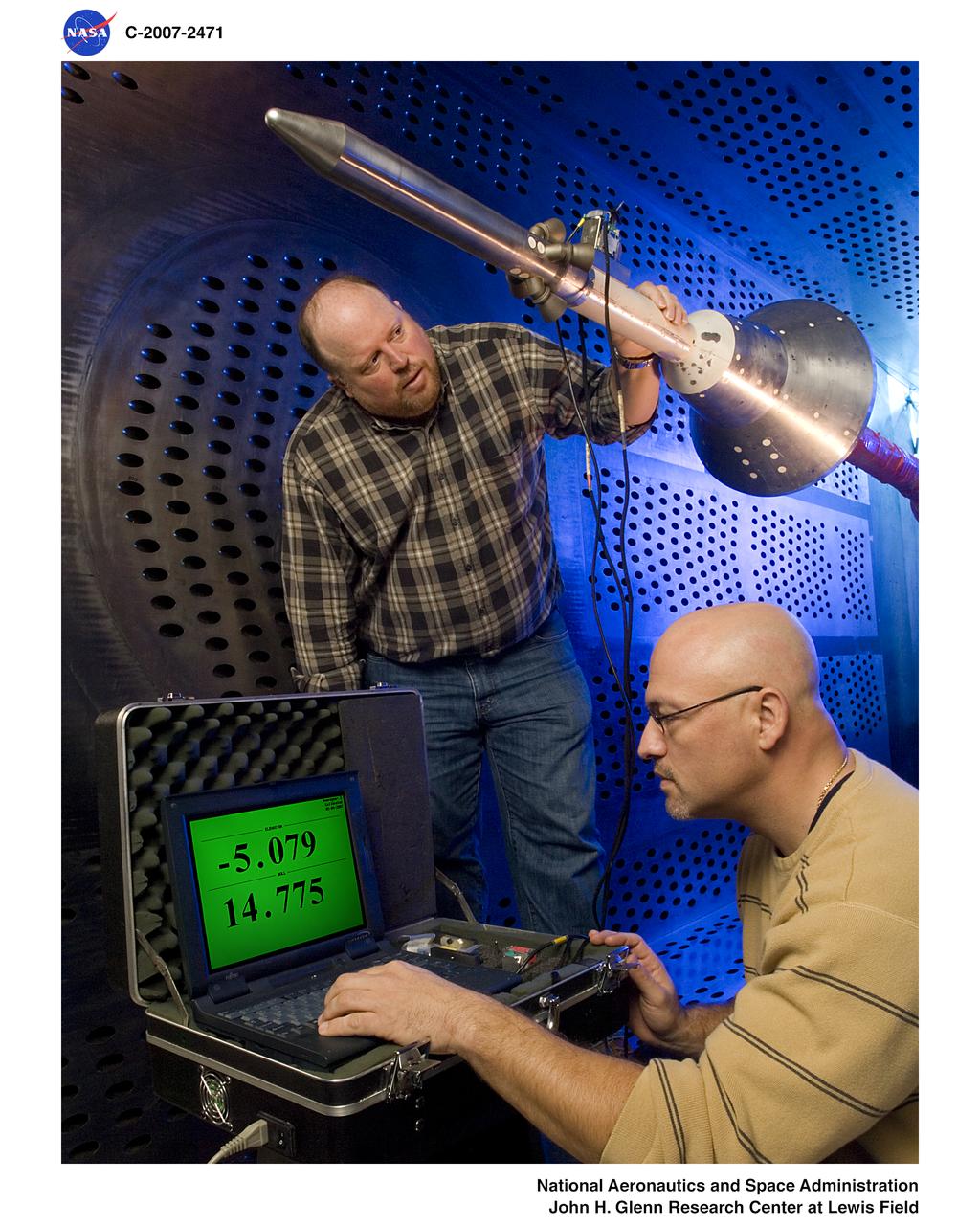
Orion Capsule and Launch Abort System (LAS) installed in the NASA Glenn 8x6 Supersonic Wind Tunnel for testing. This test is an Aero Acoustic test of the LAS. Pictured is the calibration of the model's angle of attack
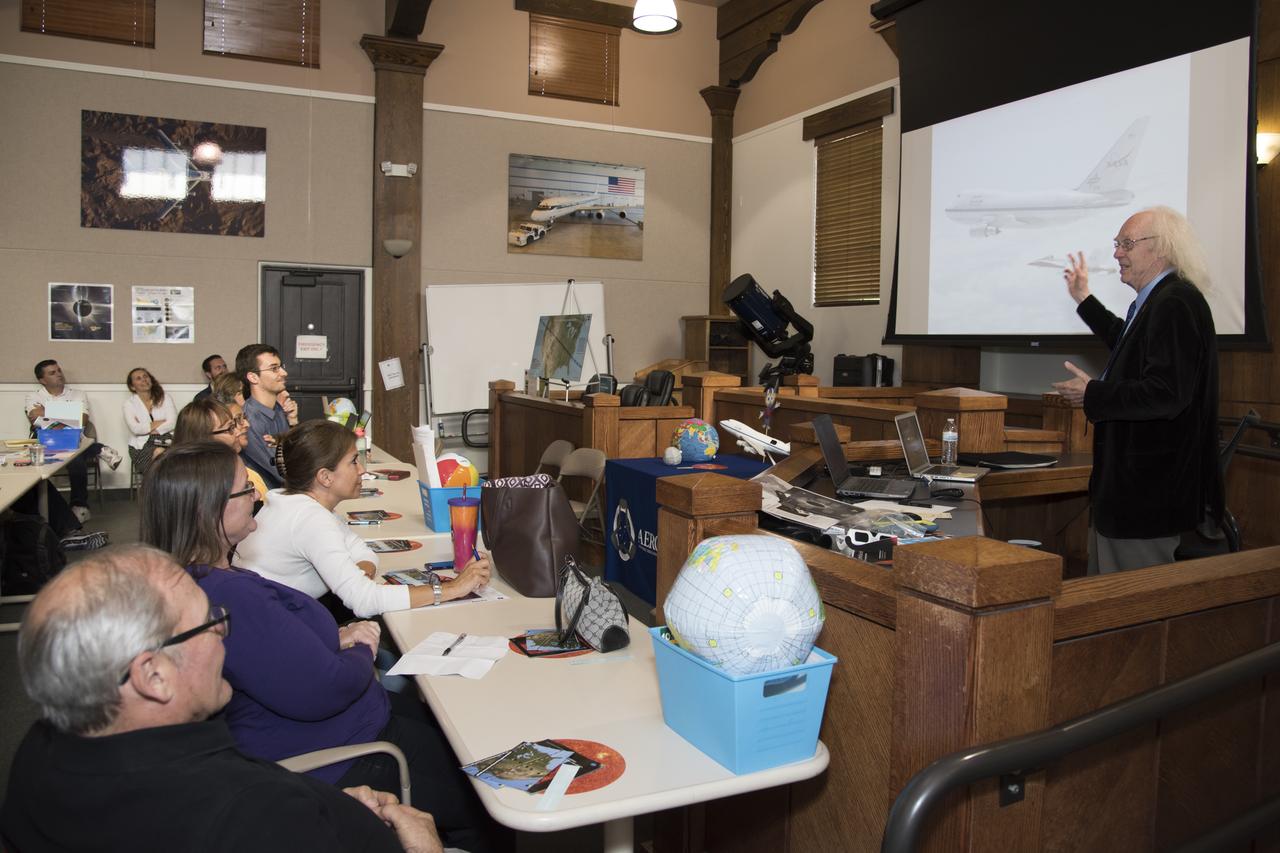
Dr. Eric Becklin spoke to educators about the airborne astronomy that was conducted using SOFIA’s scientific instruments.
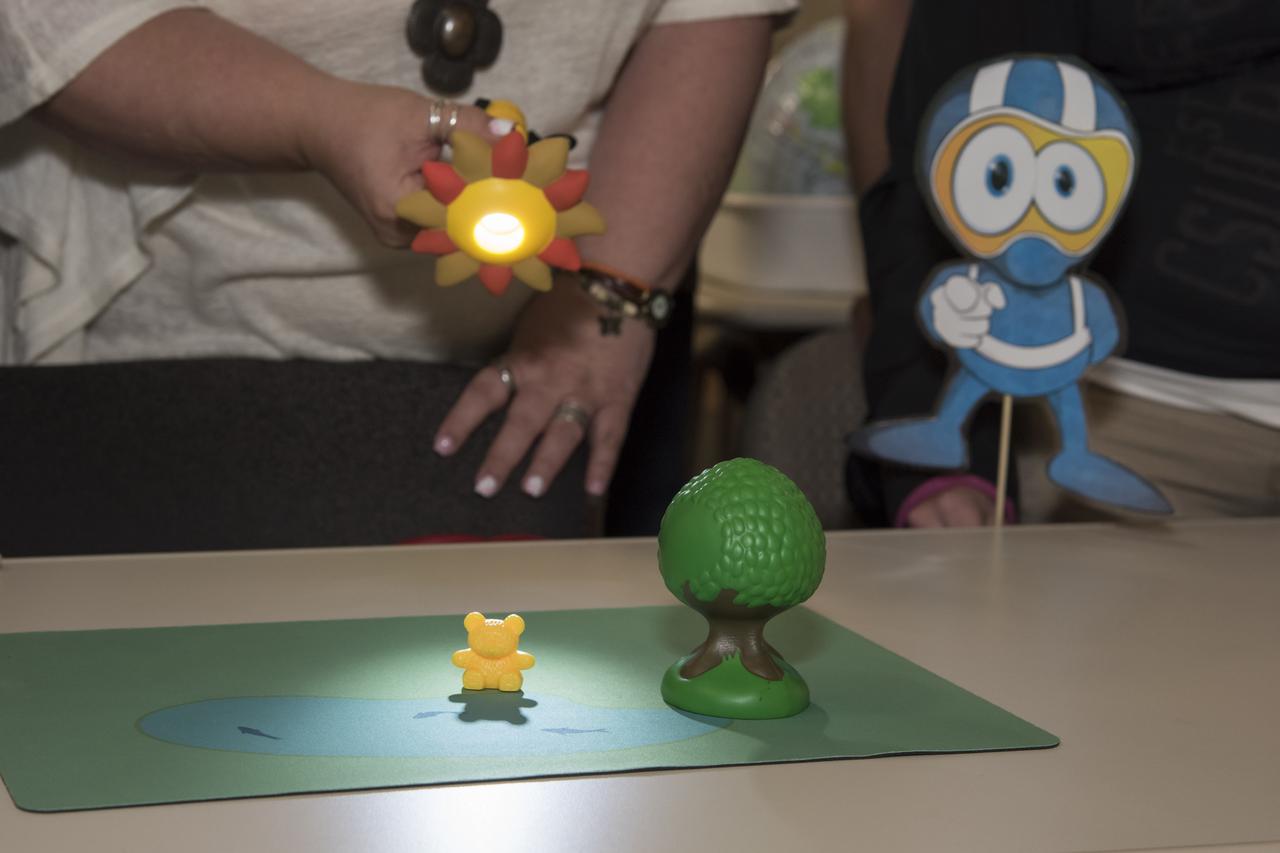
Educators shine a flashlight onto a toy bear to simulate the physics behind solar eclipses.
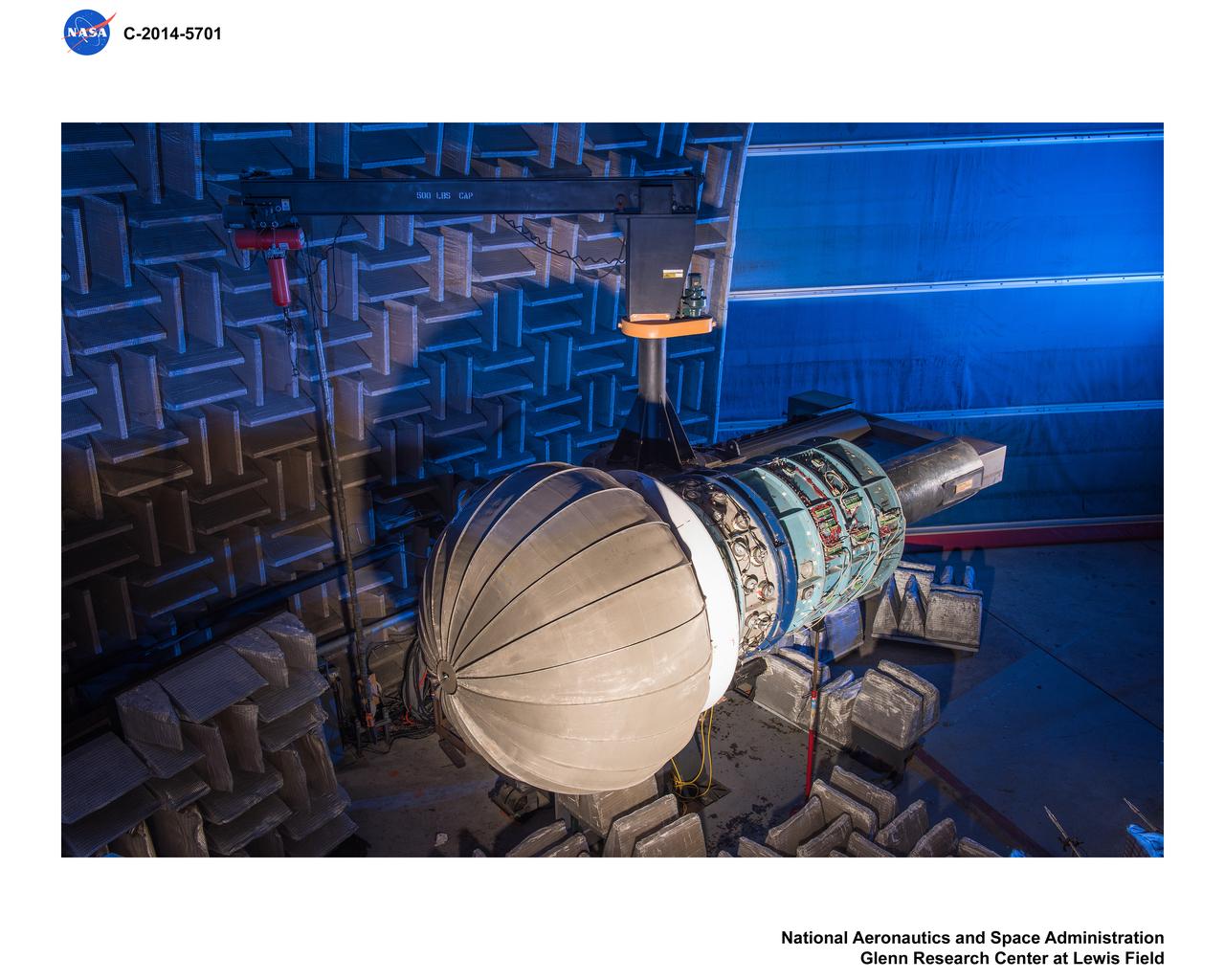
Advanced Noise Control Fan, ANCF, in the Aero-Acoustic Propulsion Laboratory, AAPL
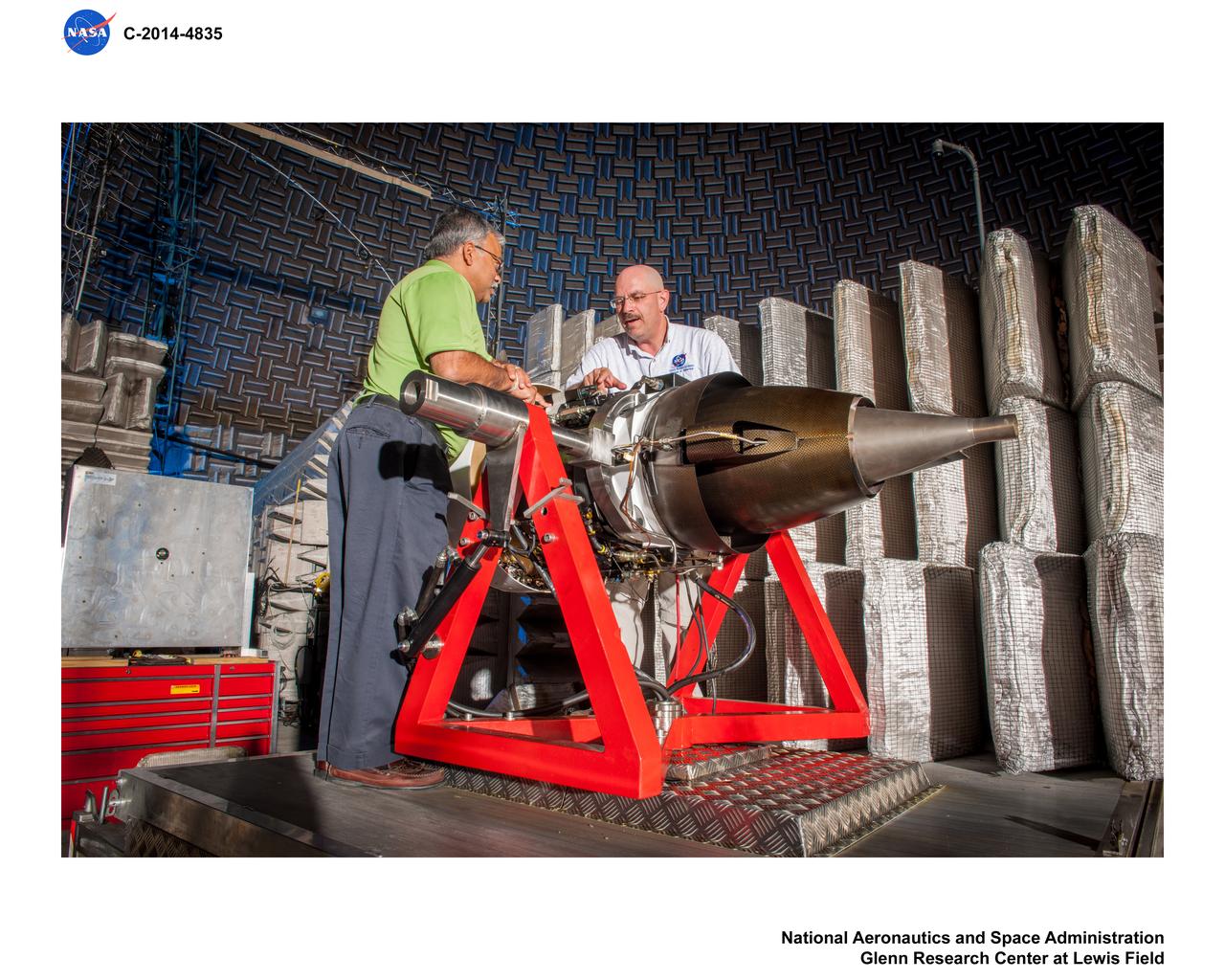
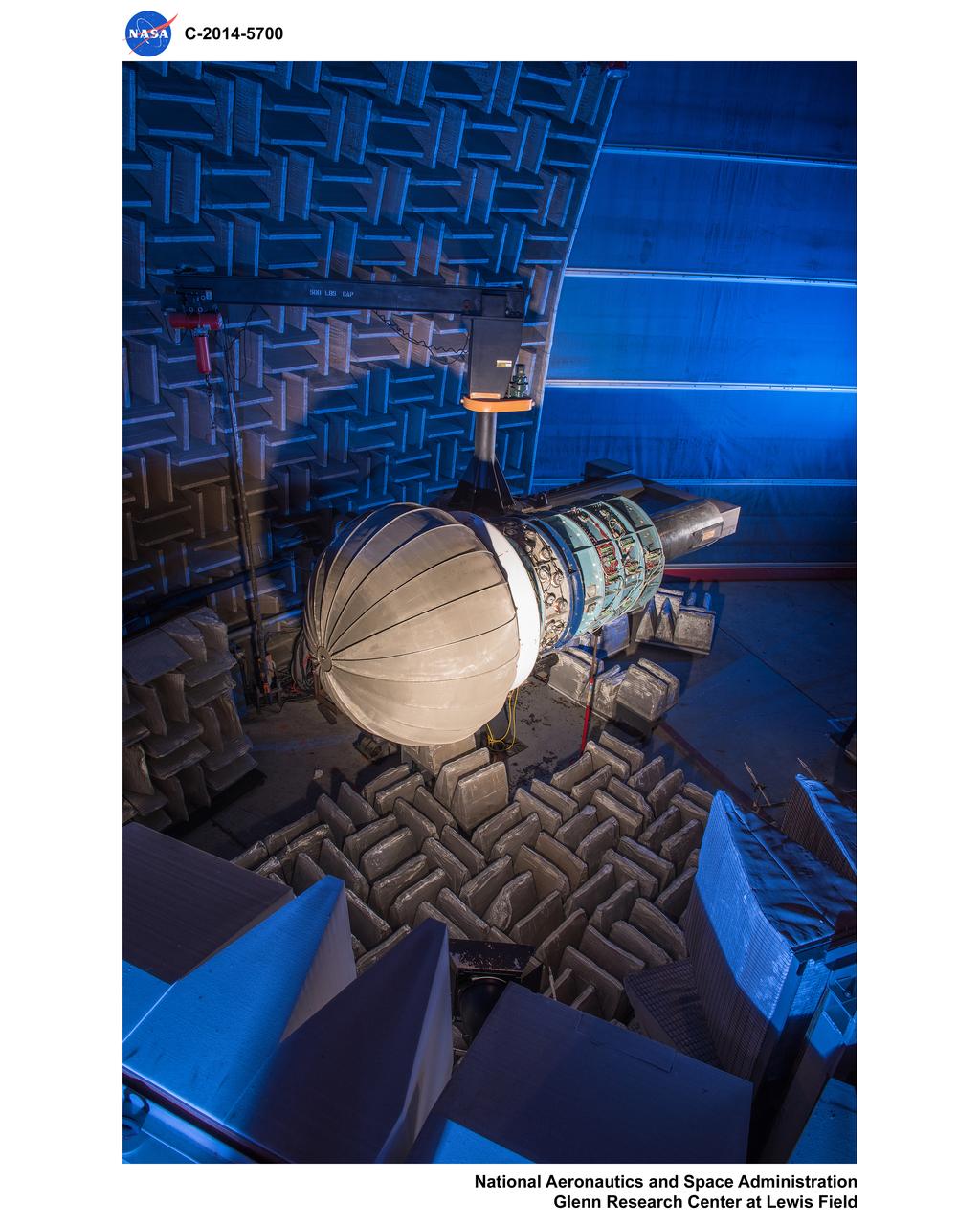
Truck Mounted Turbofan Engine in Aero Acoustic Propulsion Laboratory, AAPL, Facility
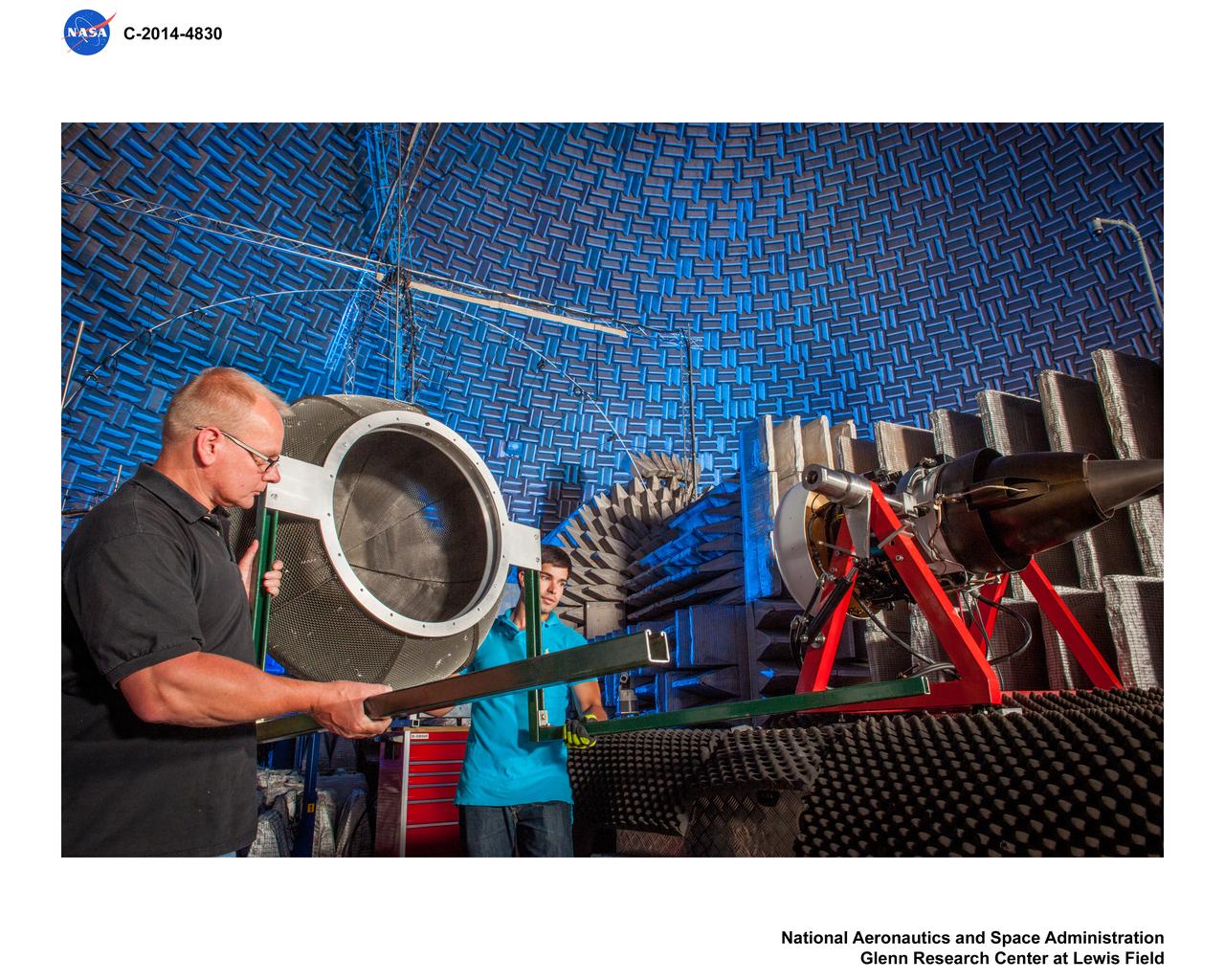
Truck Mounted Turbofan Engine in Aero Acoustic Propulsion Laboratory, AAPL, Facility
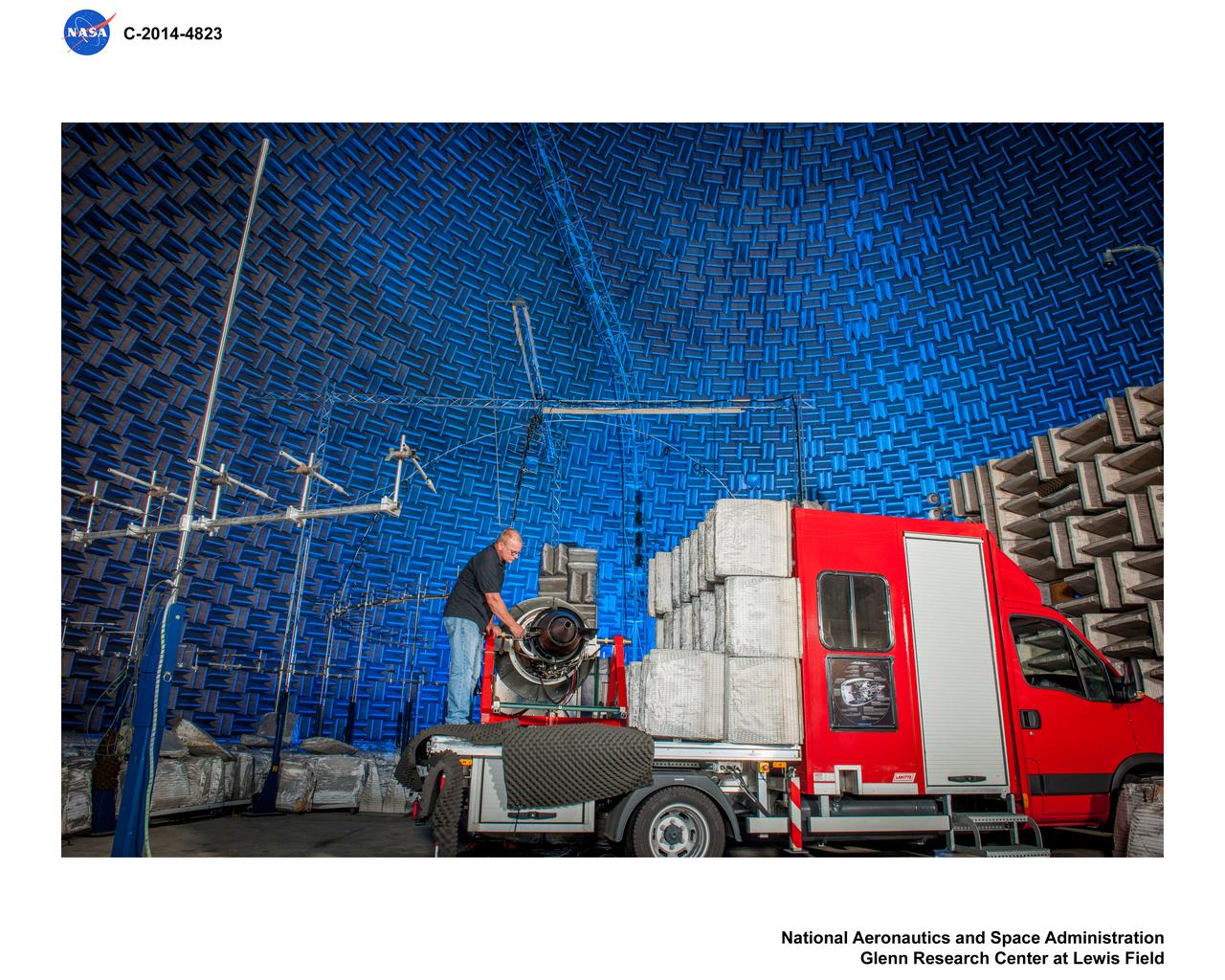
Truck Mounted Turbofan Engine in Aero Acoustic Propulsion Laboratory, AAPL, Facility
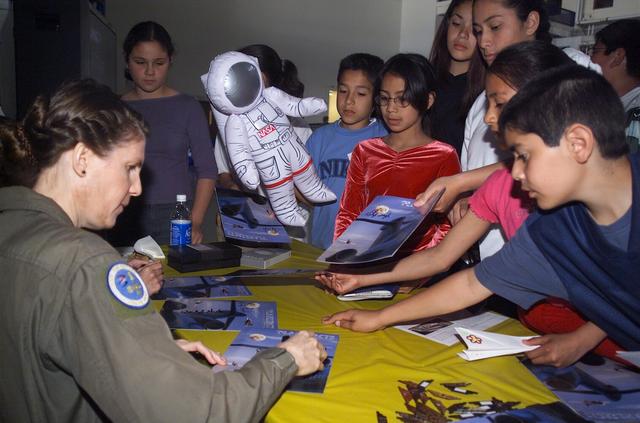
Aero Expo II Event 'Women in Aviation' activities in N-211
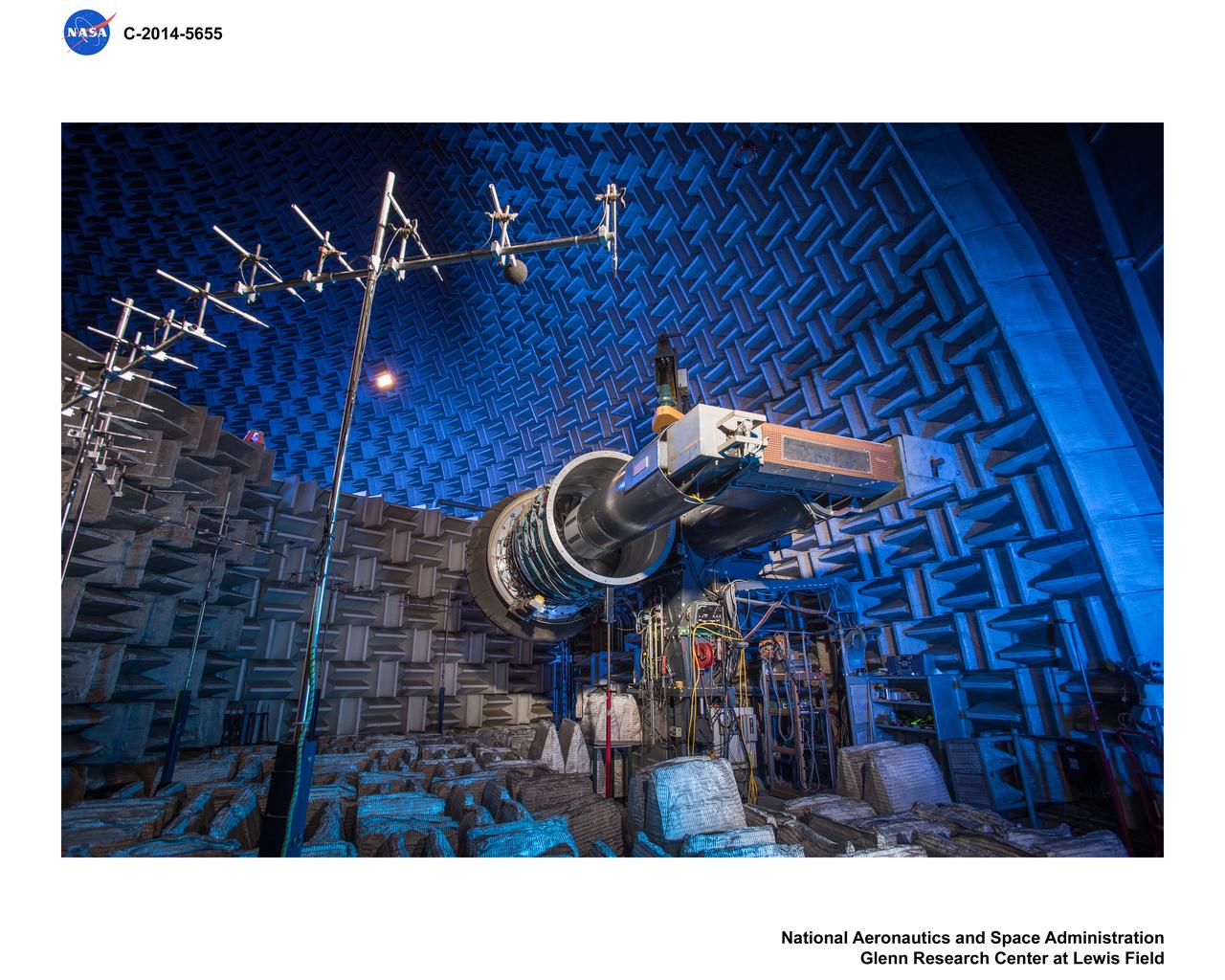
Advanced Noise Control Fan, ANCF, in the Aero-Acoustic Propulsion Laboratory, AAPL
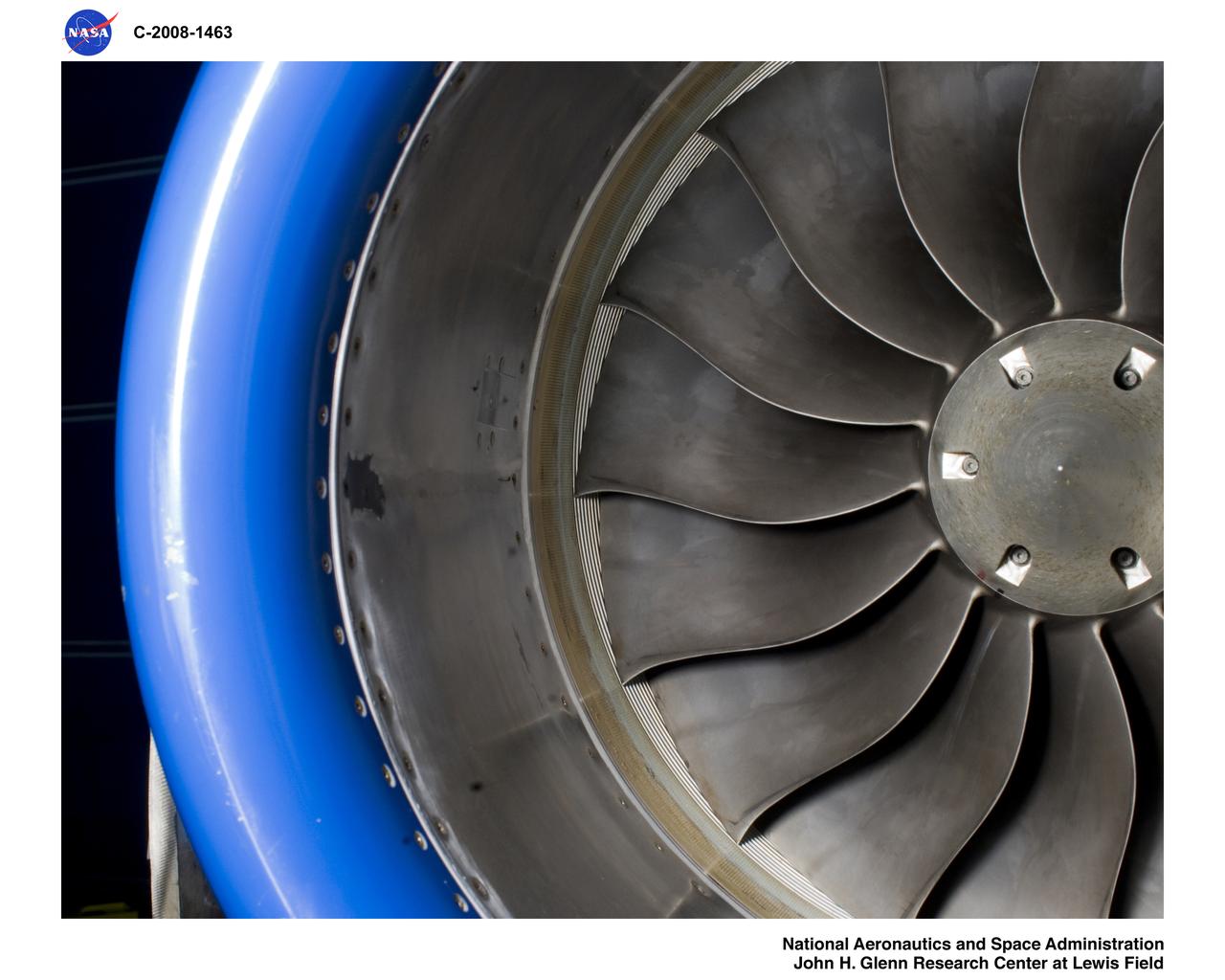
Advanced Noise Control Fan, ANCF, in the Aero-Acoustic Propulsion Laboratory, AAPL
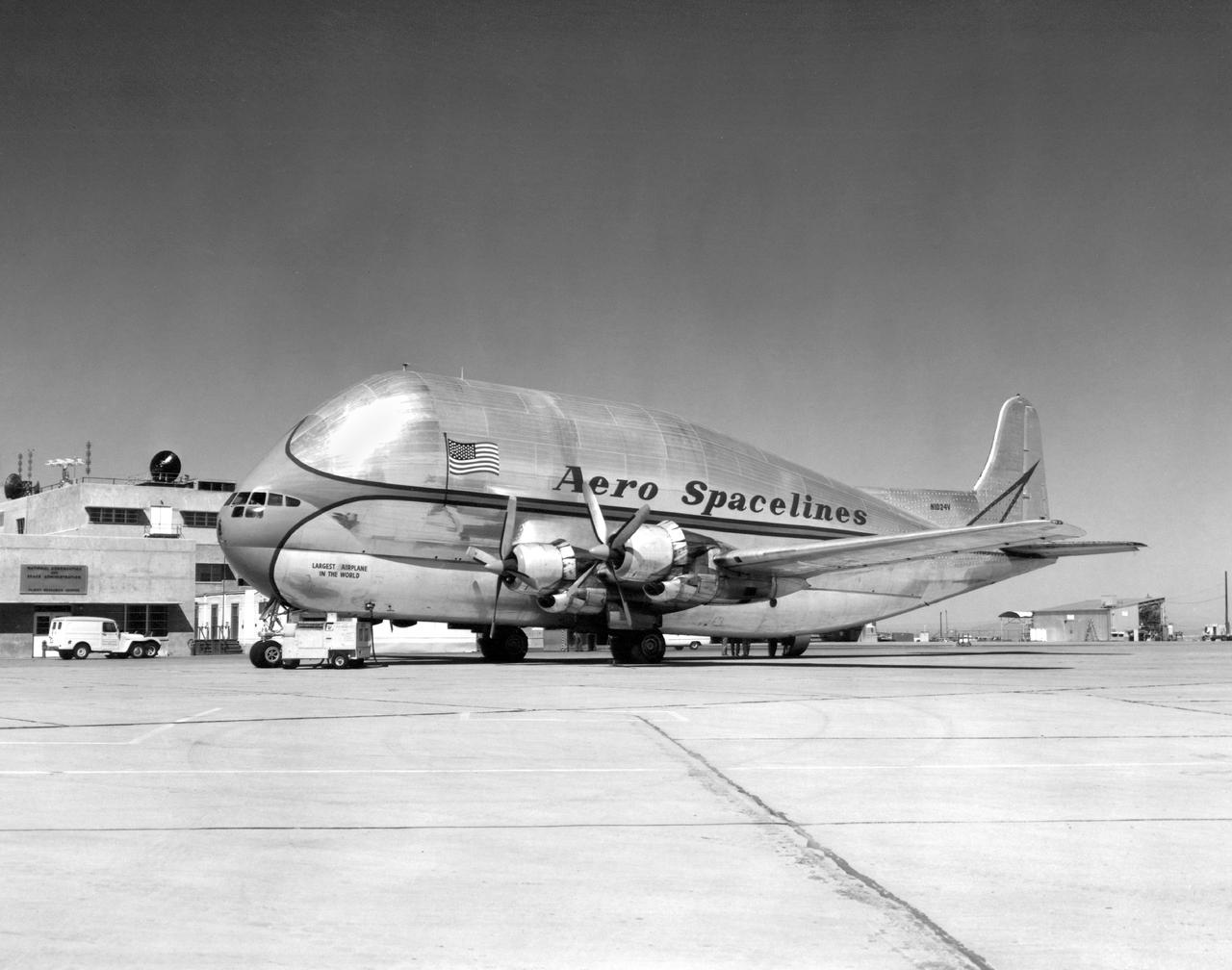
Aero Spacelines B-377PG Pregnant Guppy on ramp in preparation for flight tests and pilot evaluation

Aero Acoustic Test of Launch Abort Rocket System (LAS) for OrionInstallation into the 8x6 foot Supersonic Wind Tunnel (SWT)
Aero Acoustic Propulsion Laboratory (AAPL); Williams Engine test for business class jet aircraft
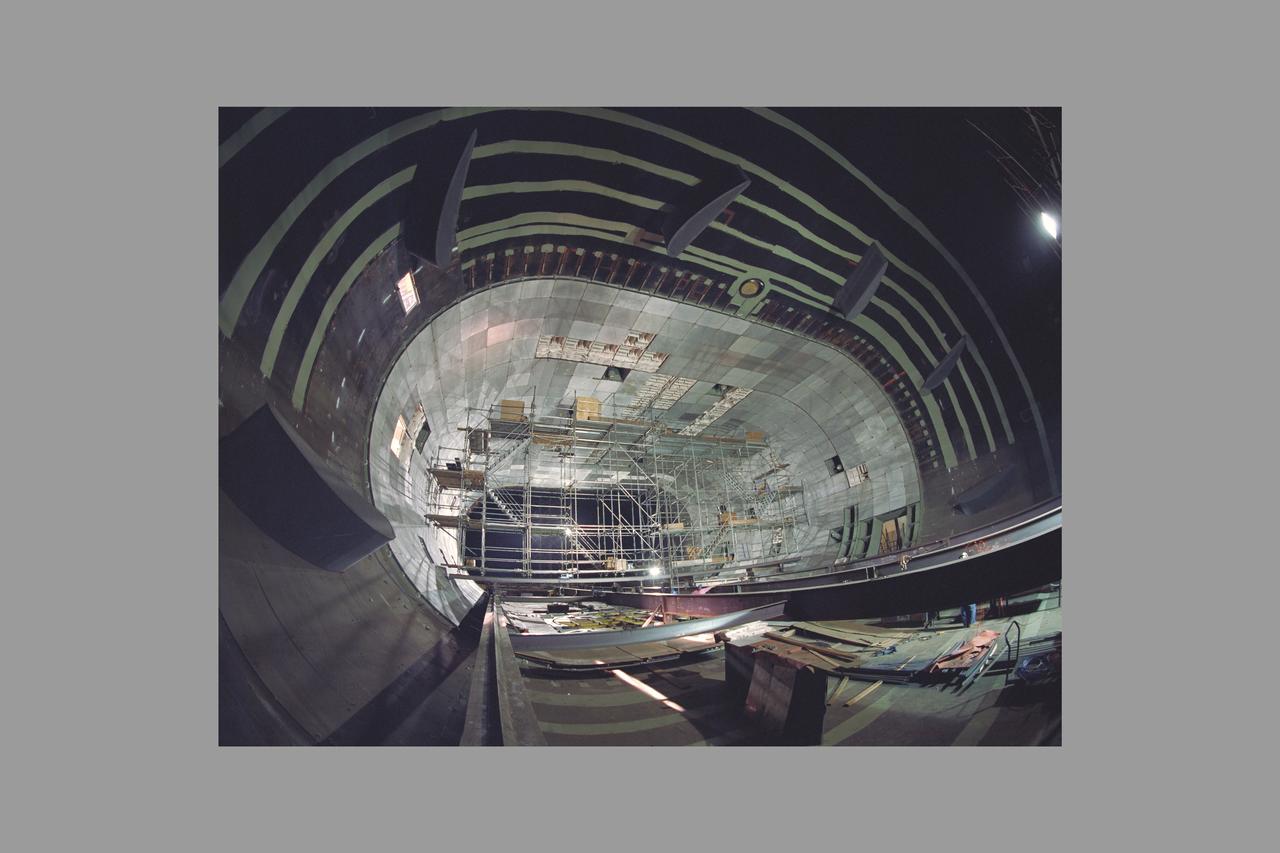
N-221 40x80ft Wind Tunnel Aero-Acoustic Modification progress on floor and on ceiling panels
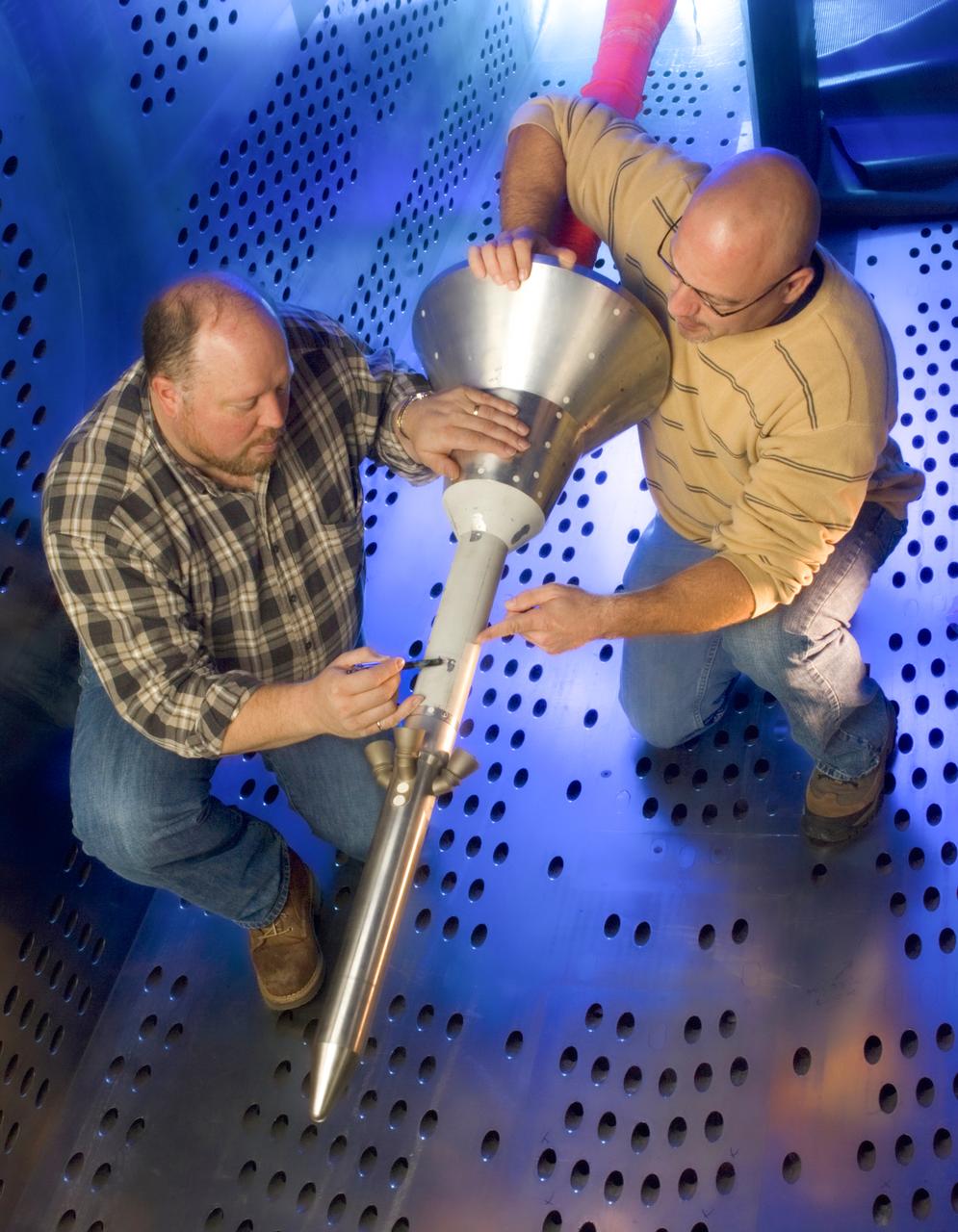
Orion Capsule and Launch Abort System (LAS) installed in the NASA Glenn 8x6 Supersonic Wind Tunnel (SWT) for testing. This test is an Aero Acoustic test of the LAS

Winter Season Weather Scenic Photos of NASA Glenn Research Center, GRC, Acoustic Dome for Archive and Instagram; Aero-Acoustic Propulsion Laboratory, AAPL, Exterior
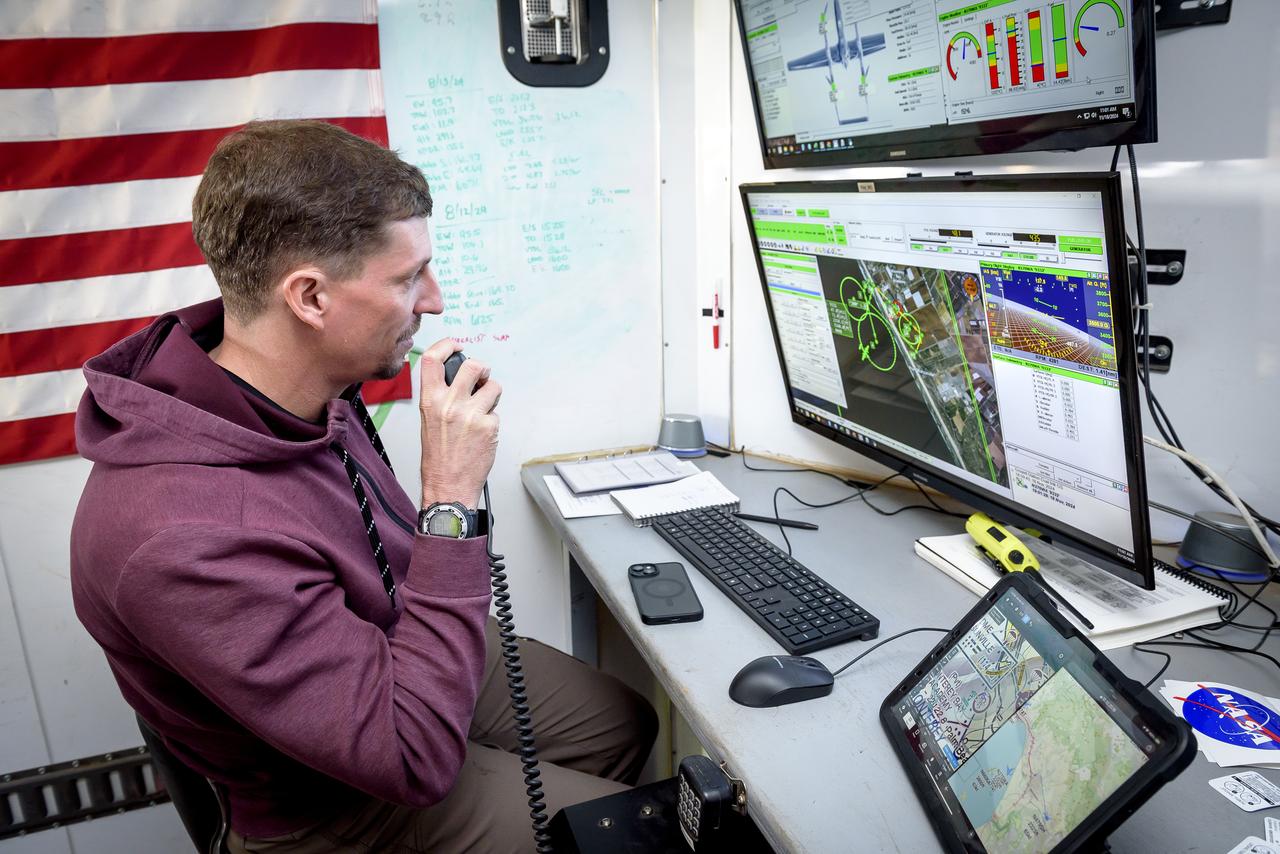
Co-founders of Overwatch Aero Chase Pietenpol, at the Ground Control Station (GCS) monitoring the flight of the L3Harris FVR90 Unmanned Aerial Vehicle (UAV) at the Monterey Bay Academy Airport near Watsonville, California.
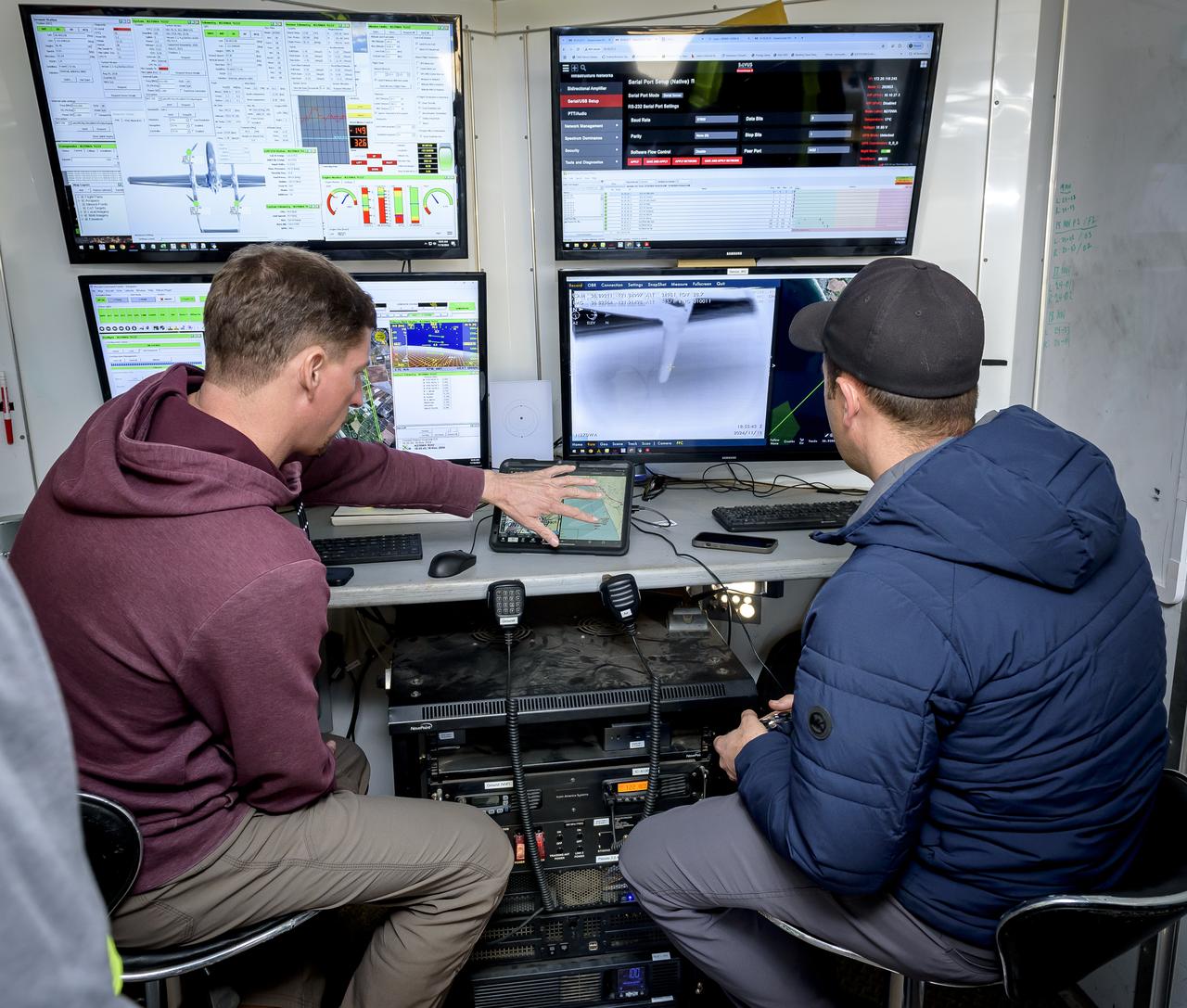
Co-founders of Overwatch Aero Chase Pietenpol, left, and Jordan Hahn at the Ground Control Station (GCS) monitoring the flight of the L3Harris FVR90 Unmanned Aerial Vehicle (UAV) at the Monterey Bay Academy Airport near Watsonville, California.
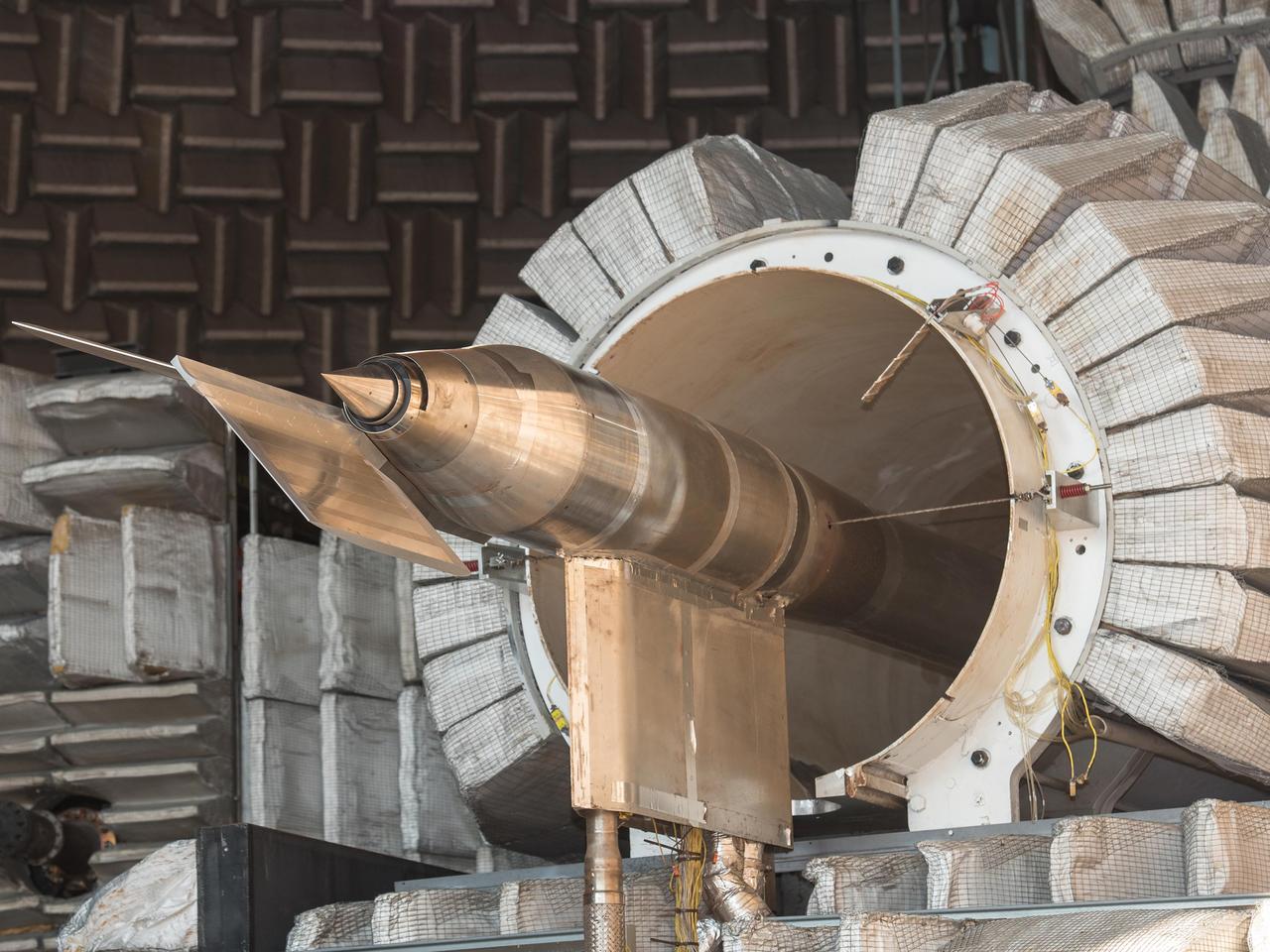
N+2 Nozzle in the Aero-Acoustic Propulsion Lab. As NASA works toward demonstrating low-sonic boom design, engineers at NASA Glenn have tested an engine nozzle that could make supersonic aircraft much quieter.
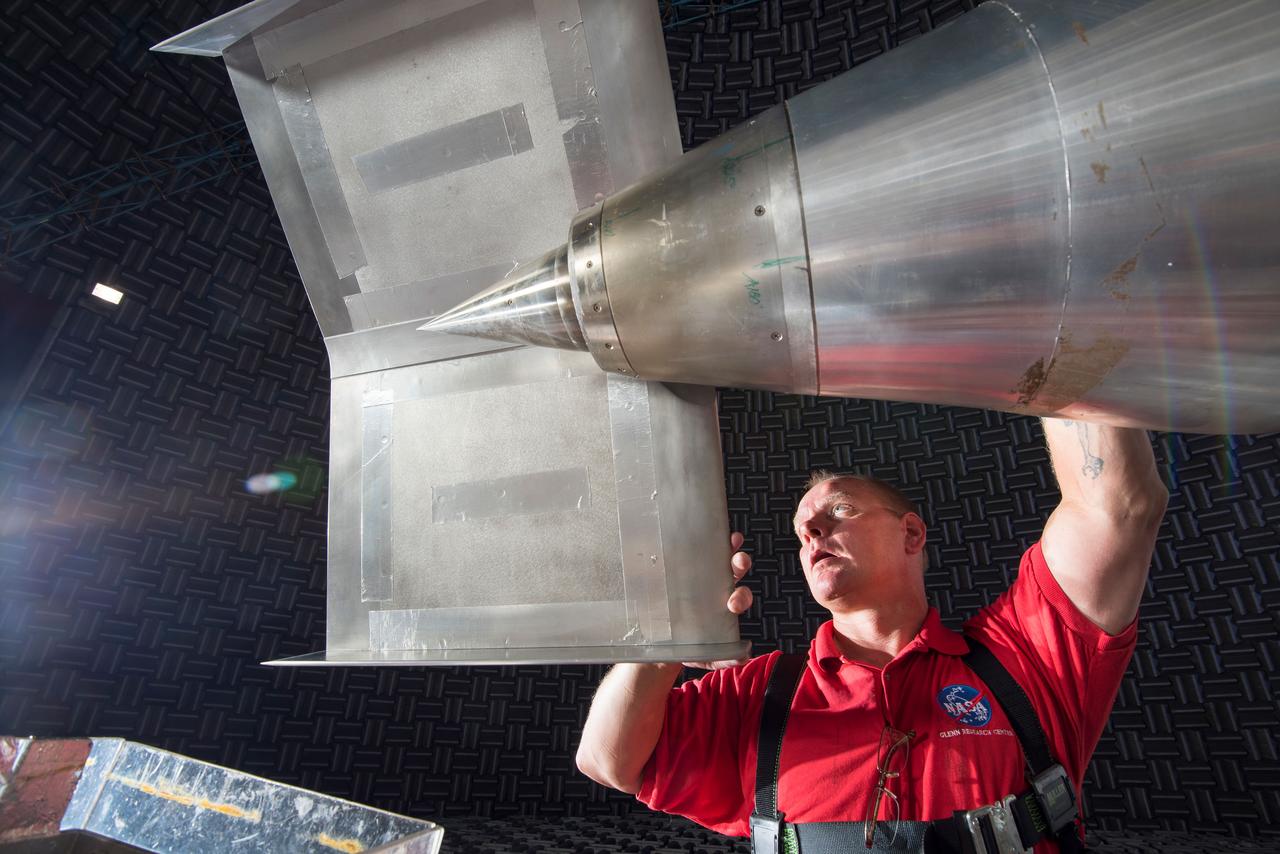
N+2 Nozzle in the Aero-Acoustic Propulsion Lab. As NASA works toward demonstrating low-sonic boom design, engineers at NASA Glenn have tested an engine nozzle that could make supersonic aircraft much quieter.
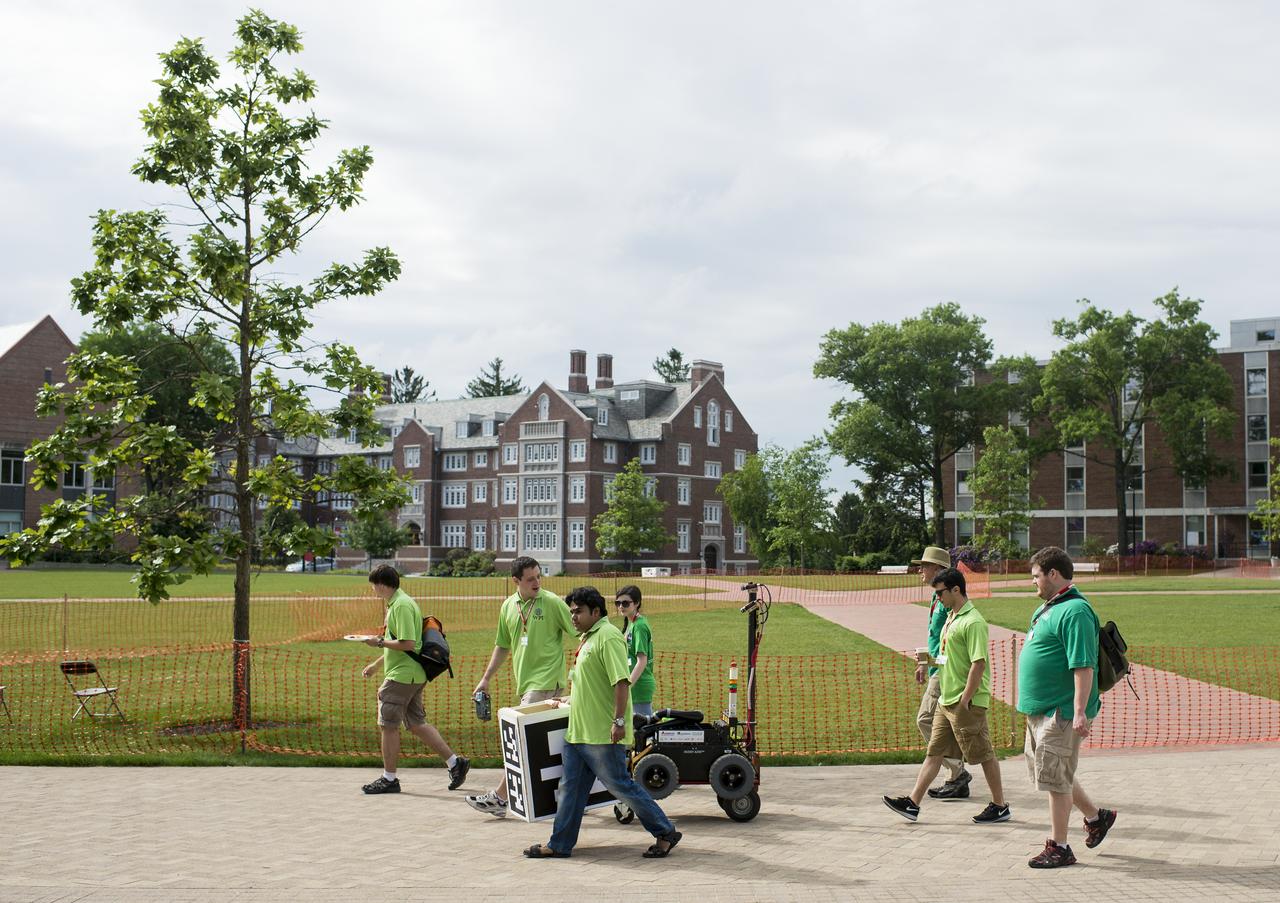
Team AERO, from the Worcester Polytechnic Institute (WPI) transports their robot to the competition field for the level one of the competition during the 2014 NASA Centennial Challenges Sample Return Robot Challenge, Wednesday, June 11, 2014, at the Worcester Polytechnic Institute (WPI) in Worcester, Mass. Eighteen teams are competing for a $1.5 million NASA prize purse. Teams will be required to demonstrate autonomous robots that can locate and collect samples from a wide and varied terrain, operating without human control. The objective of this NASA-WPI Centennial Challenge is to encourage innovations in autonomous navigation and robotics technologies. Innovations stemming from the challenge may improve NASA's capability to explore a variety of destinations in space, as well as enhance the nation's robotic technology for use in industries and applications on Earth. Photo Credit: (NASA/Joel Kowsky)
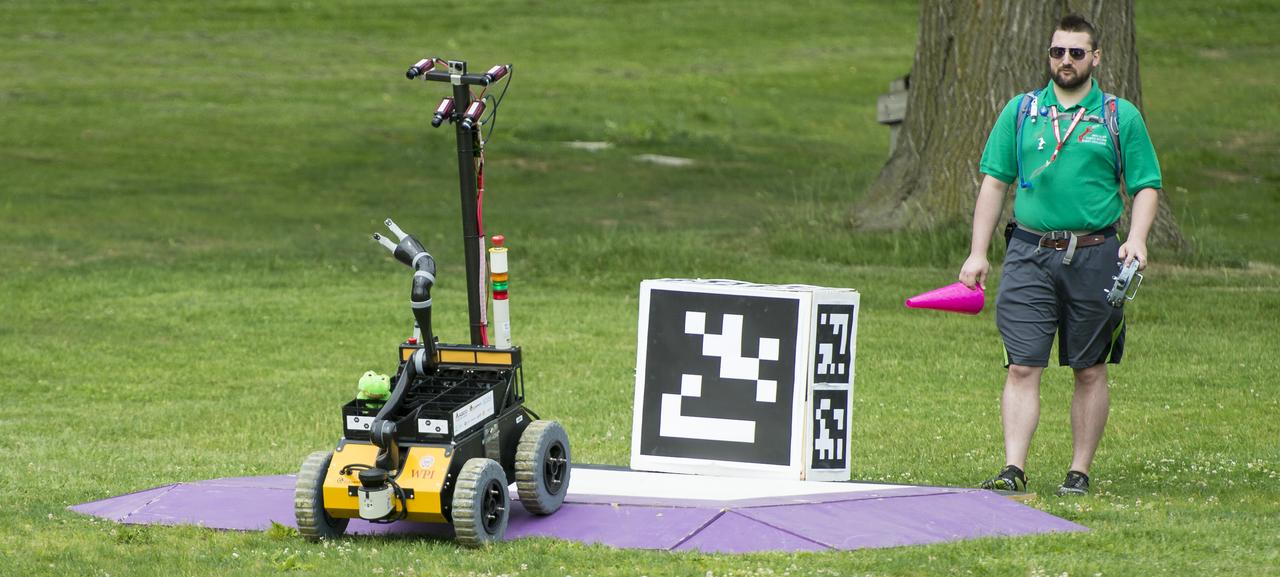
The team AERO robot drives off the starting platform during the level one competition at the 2014 NASA Centennial Challenges Sample Return Robot Challenge, Wednesday, June 11, 2014, at the Worcester Polytechnic Institute (WPI) in Worcester, Mass. Eighteen teams are competing for a $1.5 million NASA prize purse. Teams will be required to demonstrate autonomous robots that can locate and collect samples from a wide and varied terrain, operating without human control. The objective of this NASA-WPI Centennial Challenge is to encourage innovations in autonomous navigation and robotics technologies. Innovations stemming from the challenge may improve NASA's capability to explore a variety of destinations in space, as well as enhance the nation's robotic technology for use in industries and applications on Earth. Photo Credit: (NASA/Joel Kowsky)
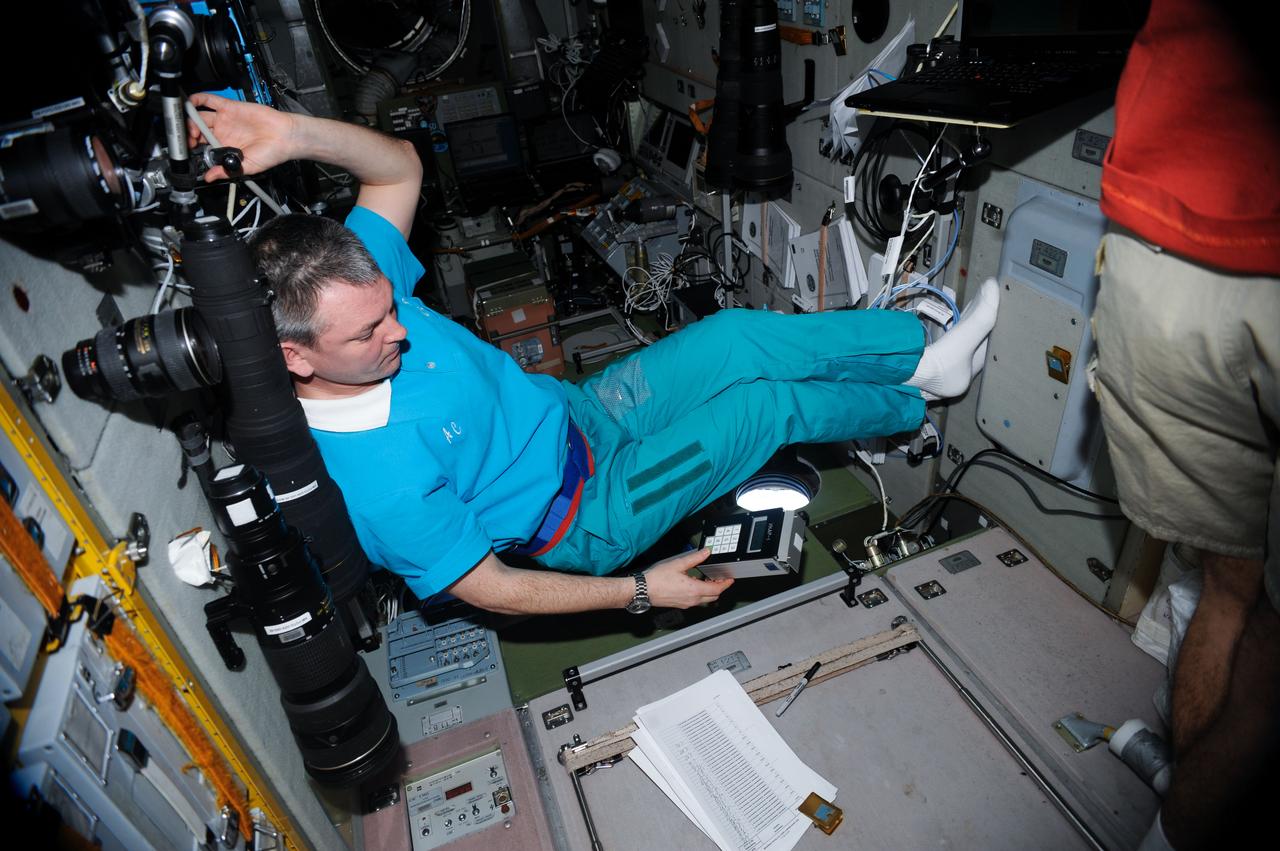
ISS028-E-041297 (7 Sept. 2011) --- Russian cosmonaut Alexander Samokutyaev, Expedition 28 flight engineer, uses the Russian Tekh-38 VETEROK ("Breeze") science hardware to take aero-ionic concentration measurements in the Zvezda Service Module of the International Space Station.
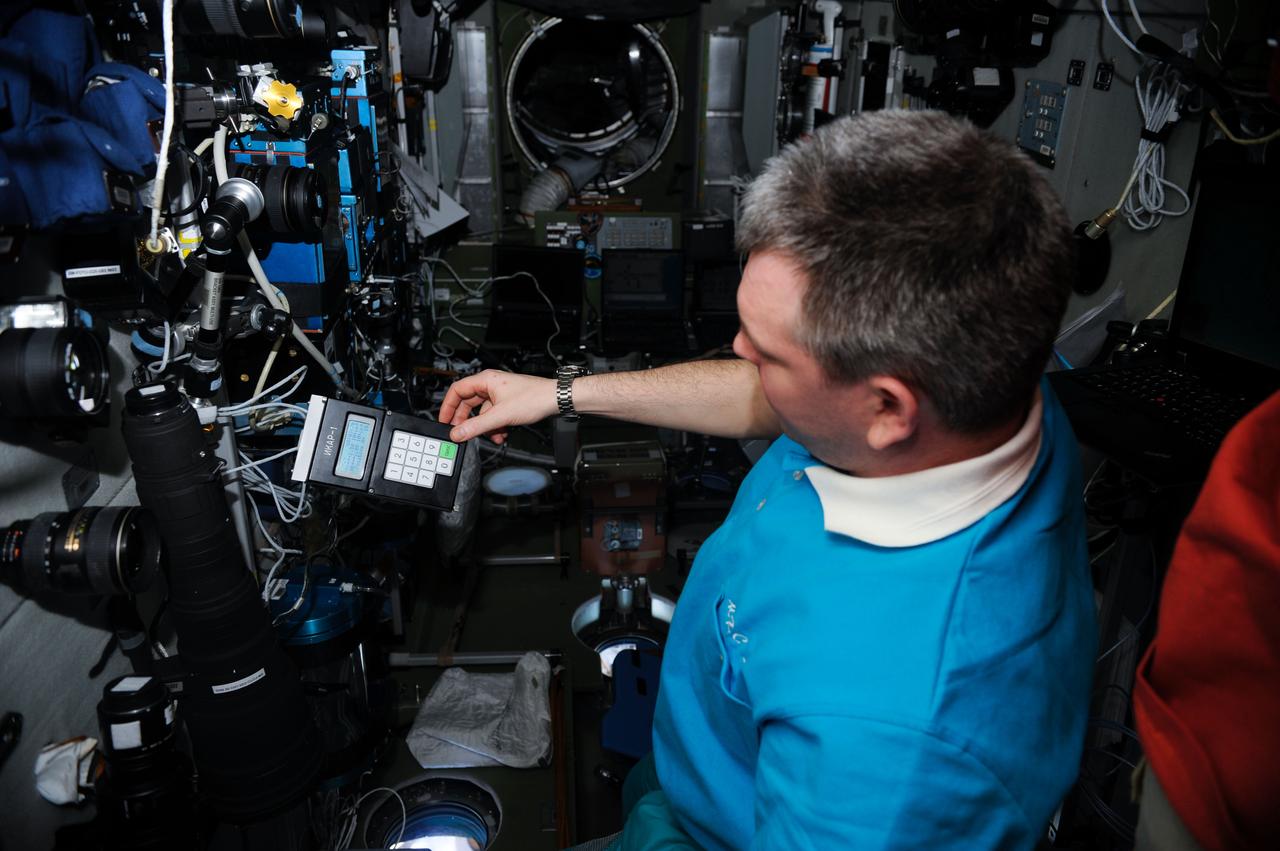
ISS028-E-041305 (7 Sept. 2011) --- Russian cosmonaut Alexander Samokutyaev, Expedition 28 flight engineer, uses the Russian Tekh-38 VETEROK ("Breeze") science hardware to take aero-ionic concentration measurements in the Zvezda Service Module of the International Space Station.
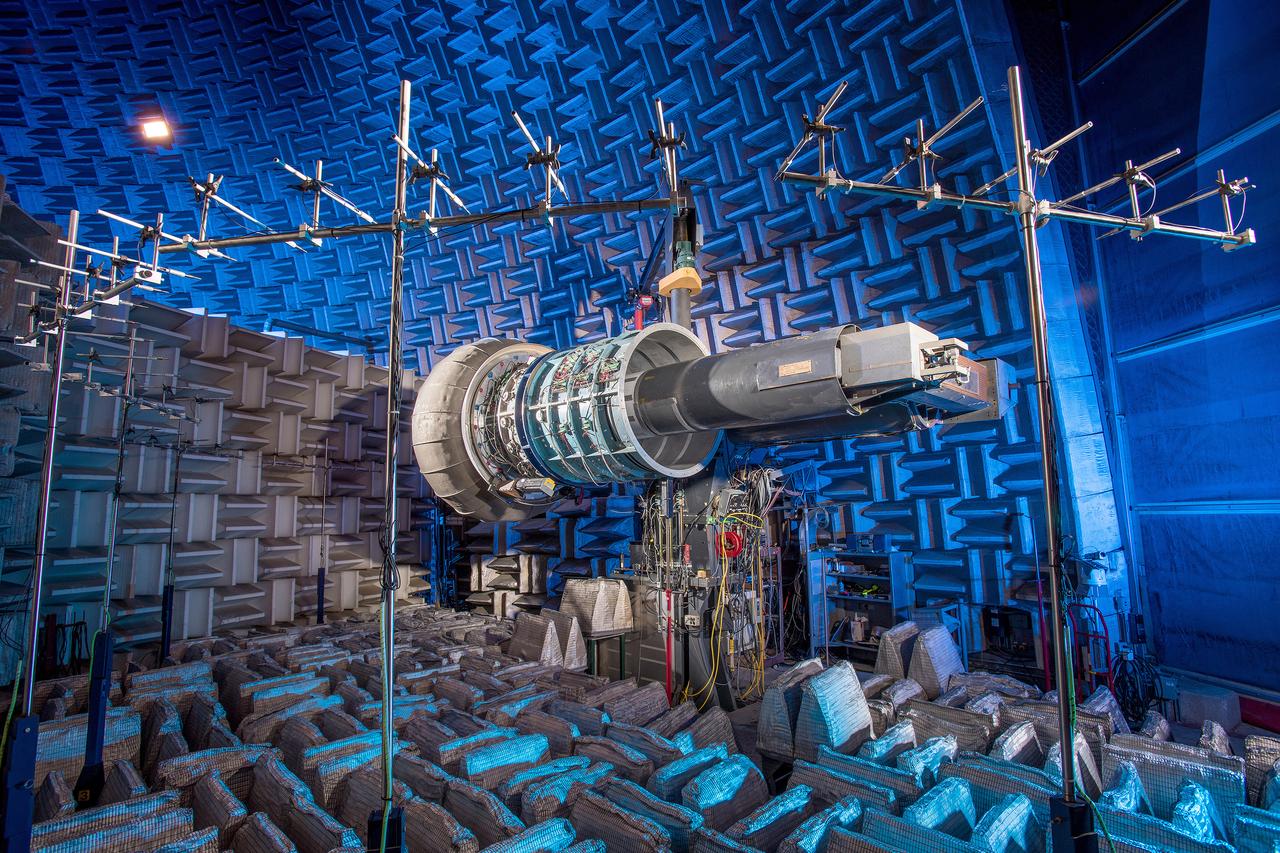
The Advanced Noise Control Fan shown here is located in NASA Glenn’s Aero-Acoustic Propulsion Laboratory. The 4-foot diameter fan is used to evaluate innovate aircraft engine noise reduction concepts less expensively and more quickly.
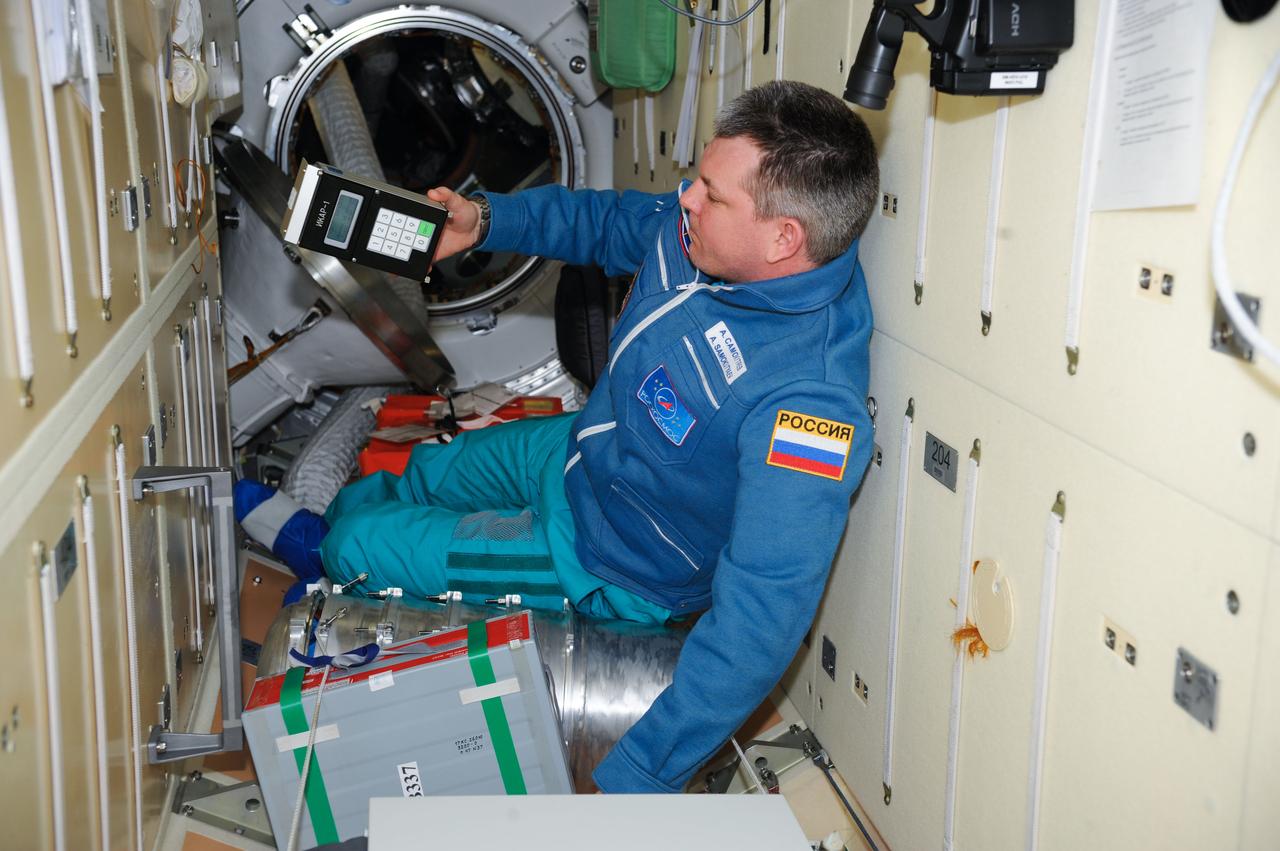
ISS028-E-041287 (7 Sept. 2011) --- Russian cosmonaut Alexander Samokutyaev, Expedition 28 flight engineer, uses the Russian Tekh-38 VETEROK ("Breeze") science hardware to take aero-ionic concentration measurements in the Rassvet Mini-Research Module 1 (MRM1) of the International Space Station.
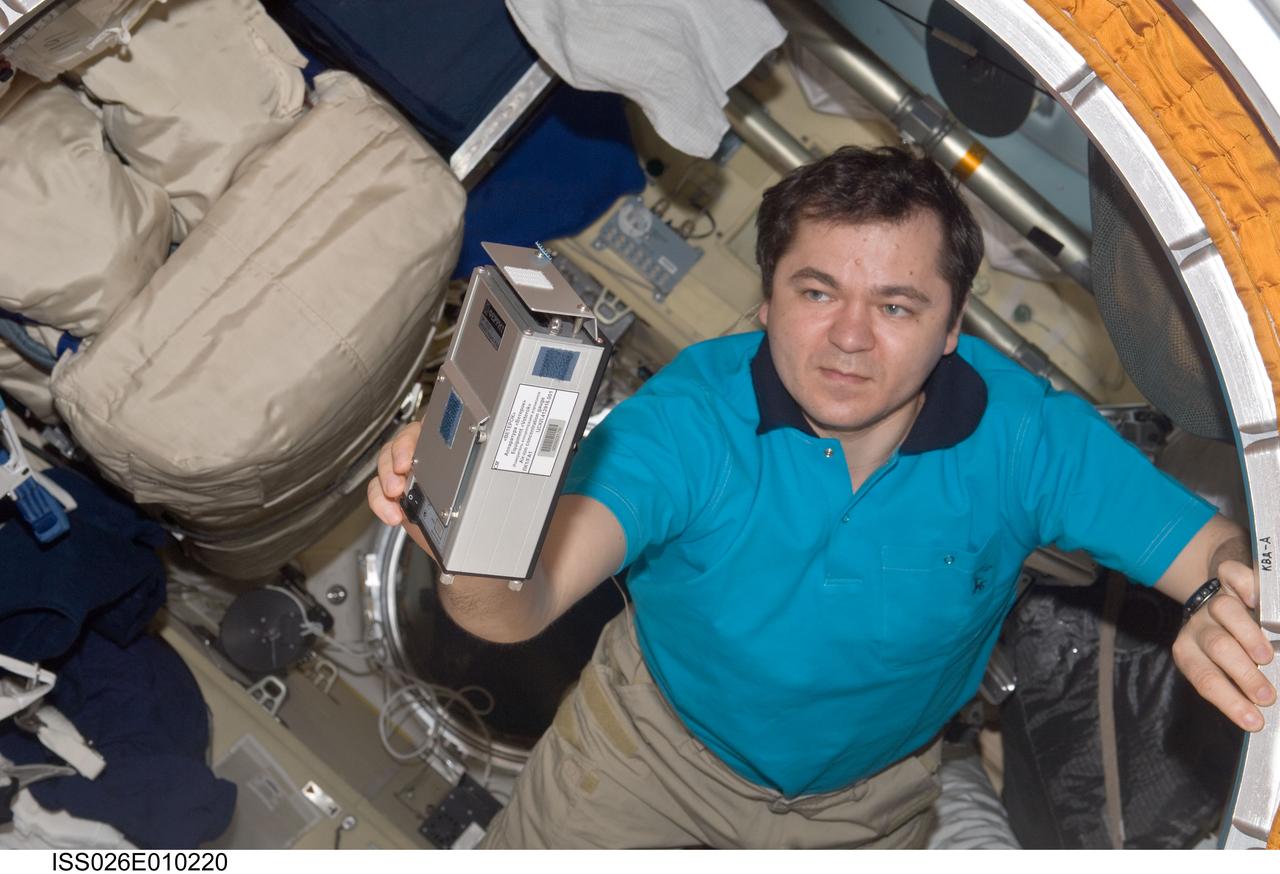
ISS026-E-010220 (14 Dec. 2010) --- Russian cosmonaut Oleg Skripochka, Expedition 26 flight engineer, uses the Russian Tekh-38 VETEROK (“Breeze”) science hardware to take aero-ionic concentration measurements in the Rassvet Mini-Research Module 1 (MRM1) of the International Space Station.
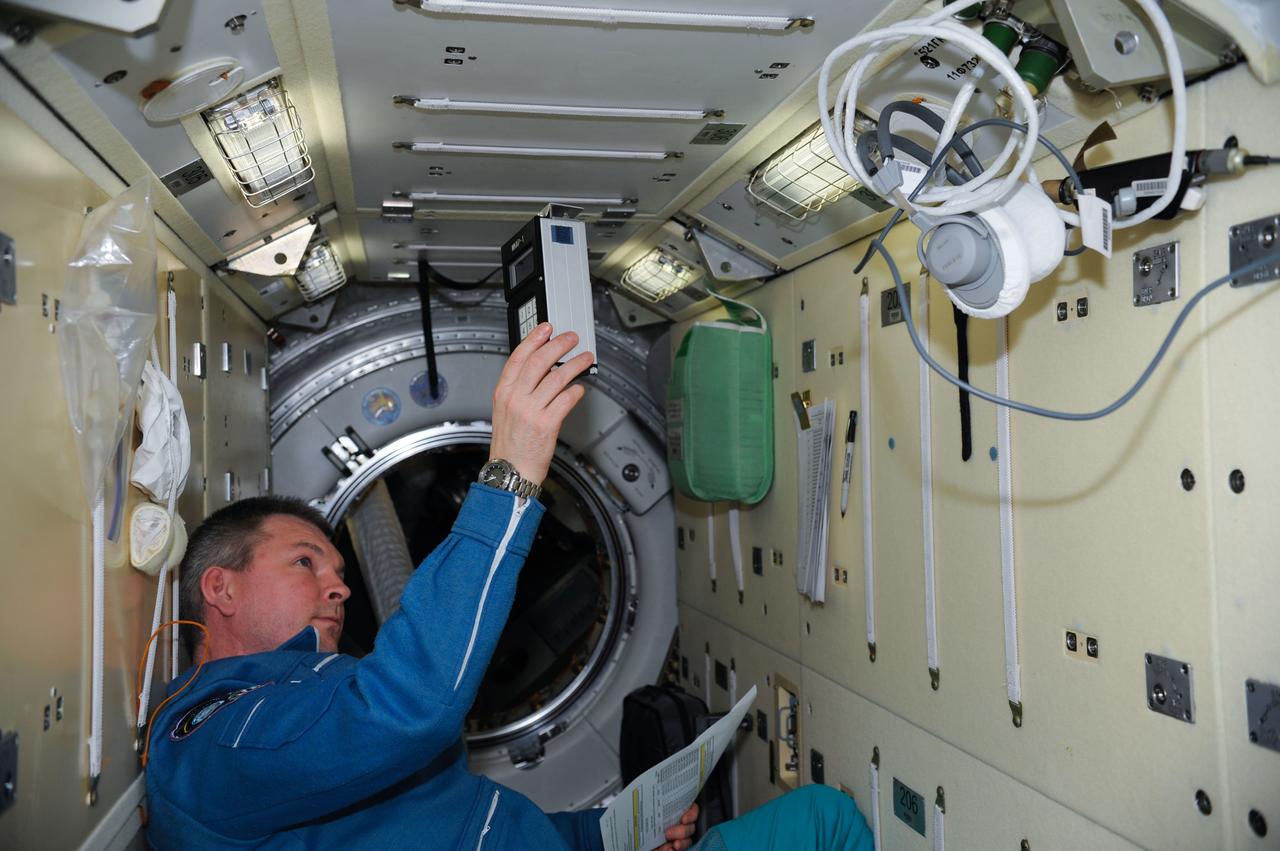
ISS028-E-041283 (7 Sept. 2011) --- Russian cosmonaut Alexander Samokutyaev, Expedition 28 flight engineer, uses the Russian Tekh-38 VETEROK ("Breeze") science hardware to take aero-ionic concentration measurements in the Rassvet Mini-Research Module 1 (MRM1) of the International Space Station.
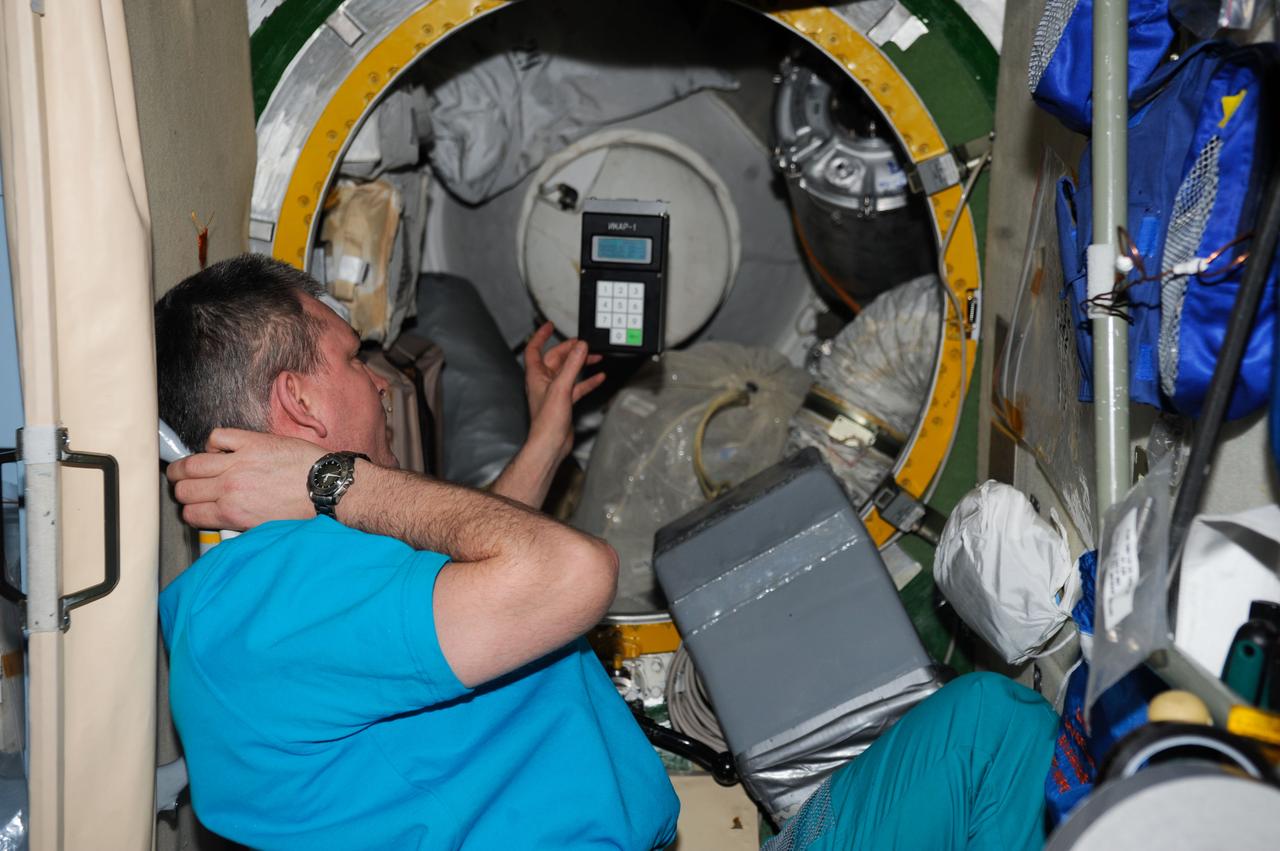
ISS028-E-041310 (7 Sept. 2011) --- Russian cosmonaut Alexander Samokutyaev, Expedition 28 flight engineer, uses the Russian Tekh-38 VETEROK ("Breeze") science hardware to take aero-ionic concentration measurements in the Zvezda Service Module of the International Space Station.
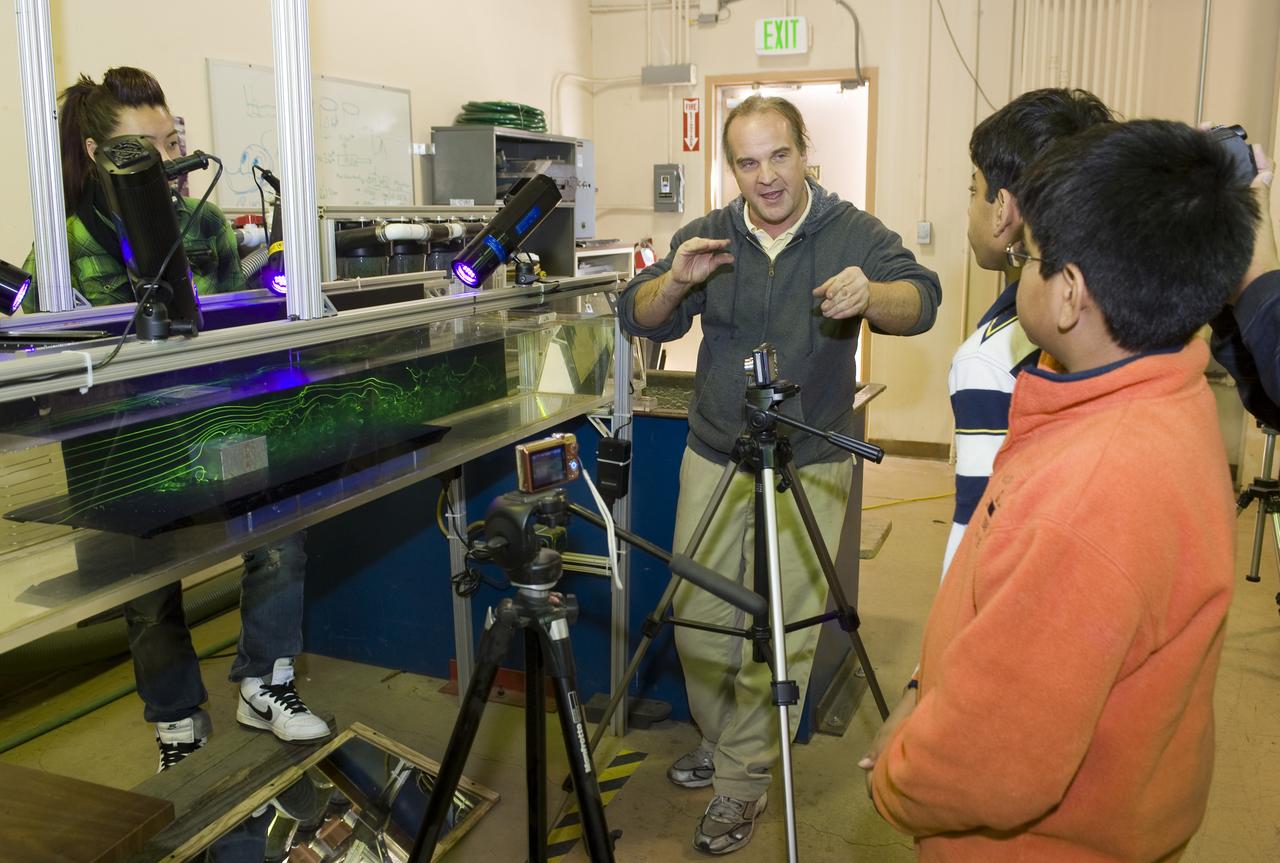
Students, Ajay Ramesh and Prithvi Aiyaswamy in 7th grade, Chaboya Middle School, San Jose, have entered the Intel Inernational Science Fair (May 2010) They are here at the Ames Research center to test the drag of race cars in the Fluid Mechanics Lab (FML) with the guidance of Kurt Long of the Experimental Aero-Physics Branch.
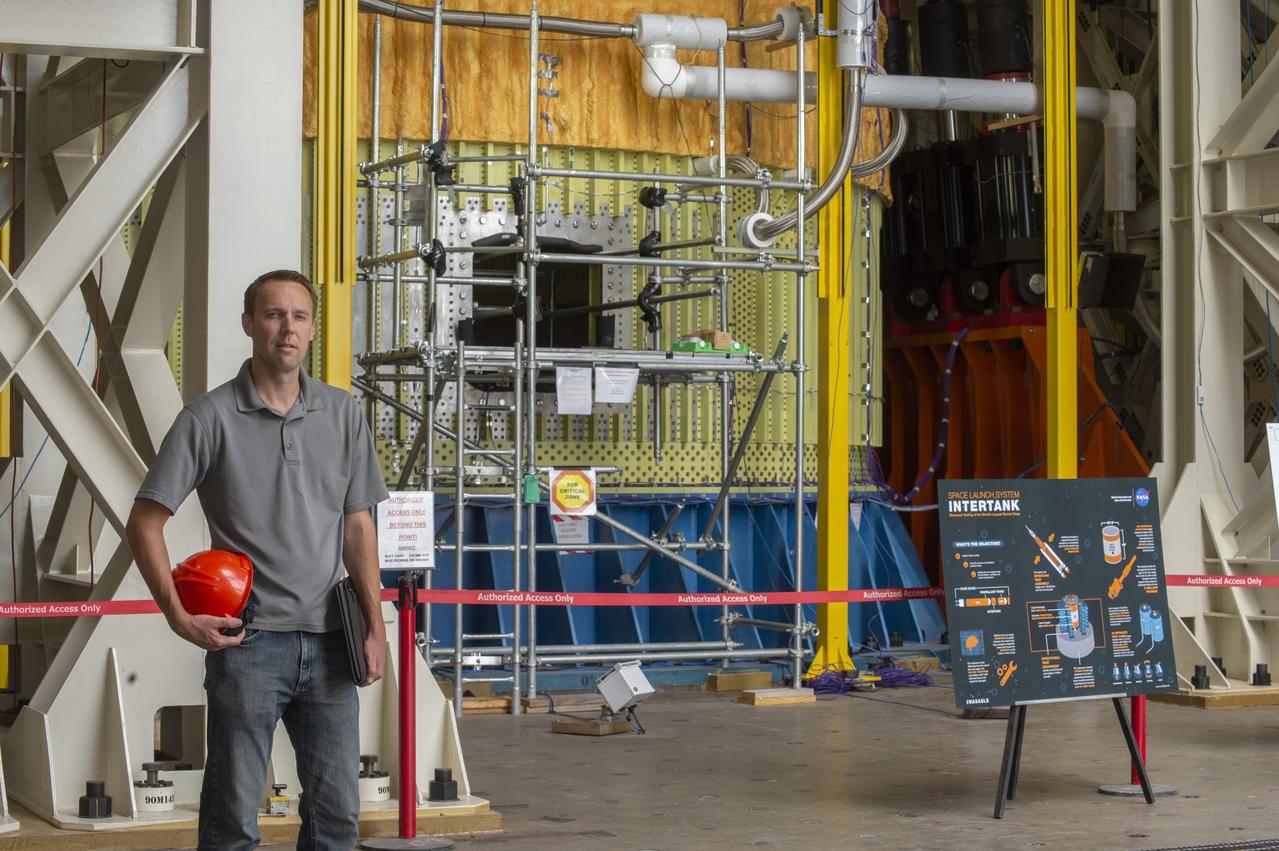
Preston Schmauch, SLS Stages Element Alternate Lead Systems Engineer, oversees testing of the Intertank Structural Test Article (STA), which will push, pull, and bend the STA with millions of pounds of force to prove the SLS Intertank can withstand the immense forces induced by aero, engine, and booster loads during flight.
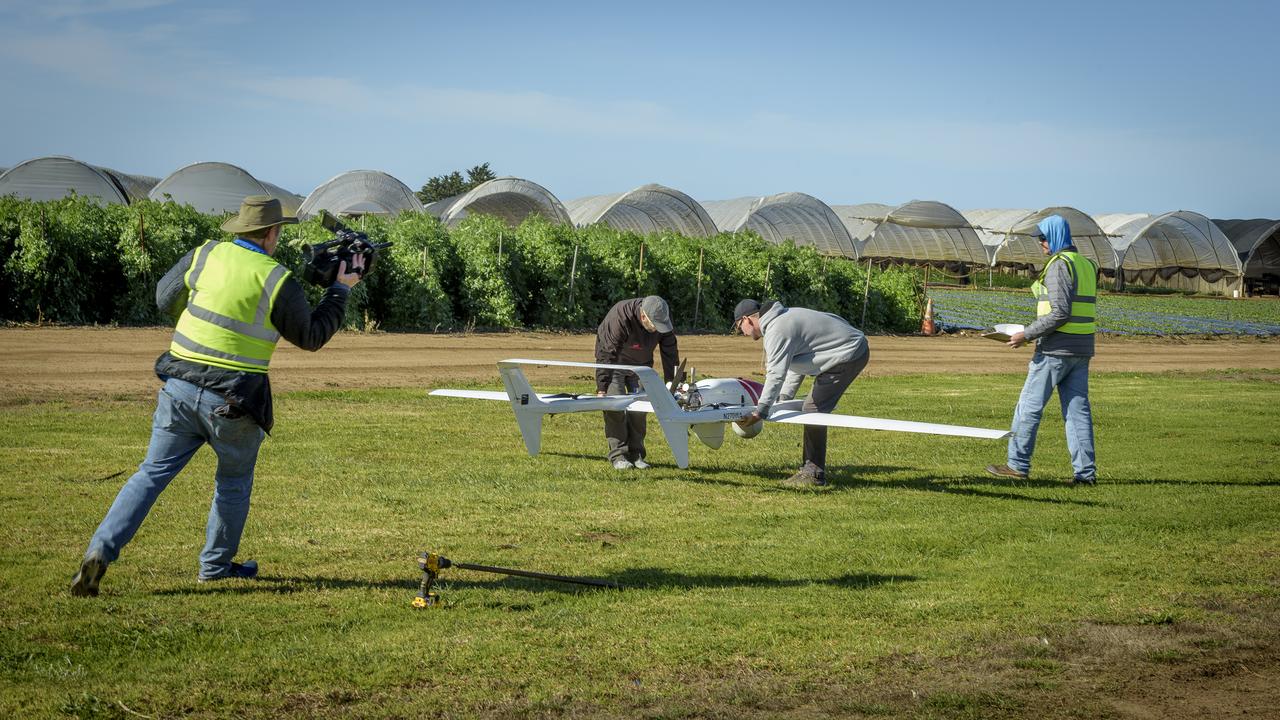
Ames video photographer Jesse Carpenter, left, films Jeff Strebler, Alex Godwin, and Jody Miller, right, as they prepare the L3Harris FVR90 Unmanned Aerial Vehicle (UAV) at the NASA/Overwatch Aero station at the Monterey Bay Academy Airport near Watsonville, California.
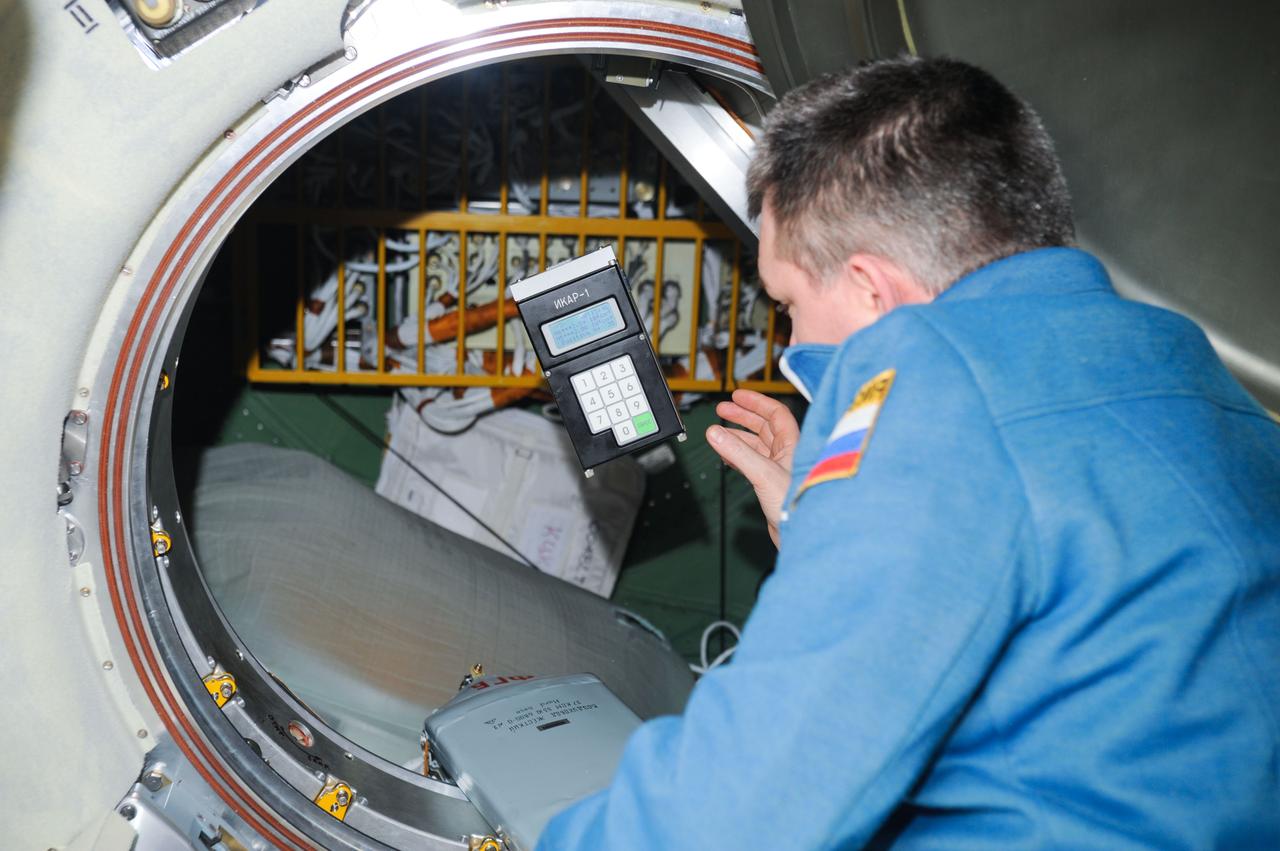
ISS028-E-041290 (7 Sept. 2011) --- Russian cosmonaut Alexander Samokutyaev, Expedition 28 flight engineer, uses the Russian Tekh-38 VETEROK ("Breeze") science hardware to take aero-ionic concentration measurements in the Rassvet Mini-Research Module 1 (MRM1) of the International Space Station.
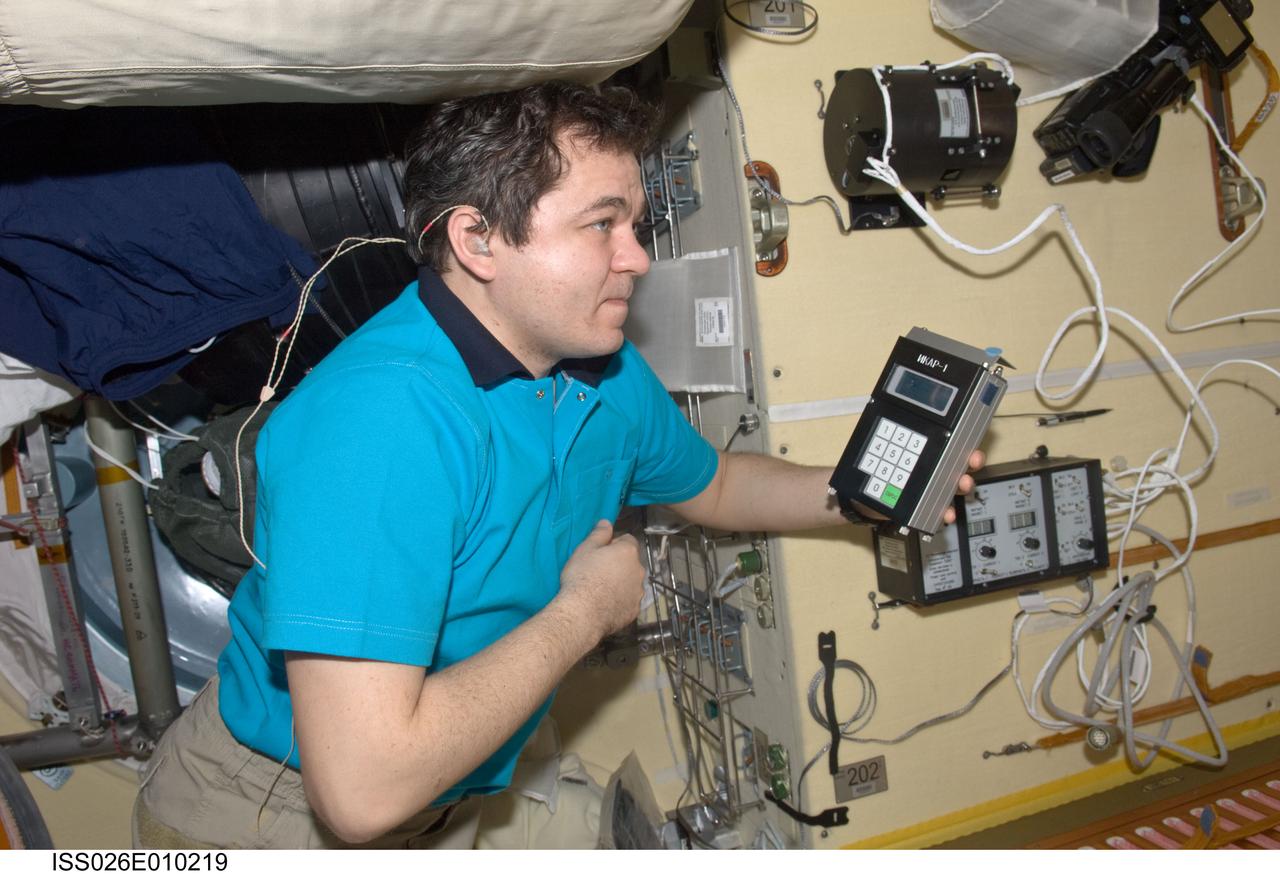
ISS026-E-010219 (14 Dec. 2010) --- Russian cosmonaut Oleg Skripochka, Expedition 26 flight engineer, uses the Russian Tekh-38 VETEROK (“Breeze”) science hardware to take aero-ionic concentration measurements in the Rassvet Mini-Research Module 1 (MRM1) of the International Space Station.
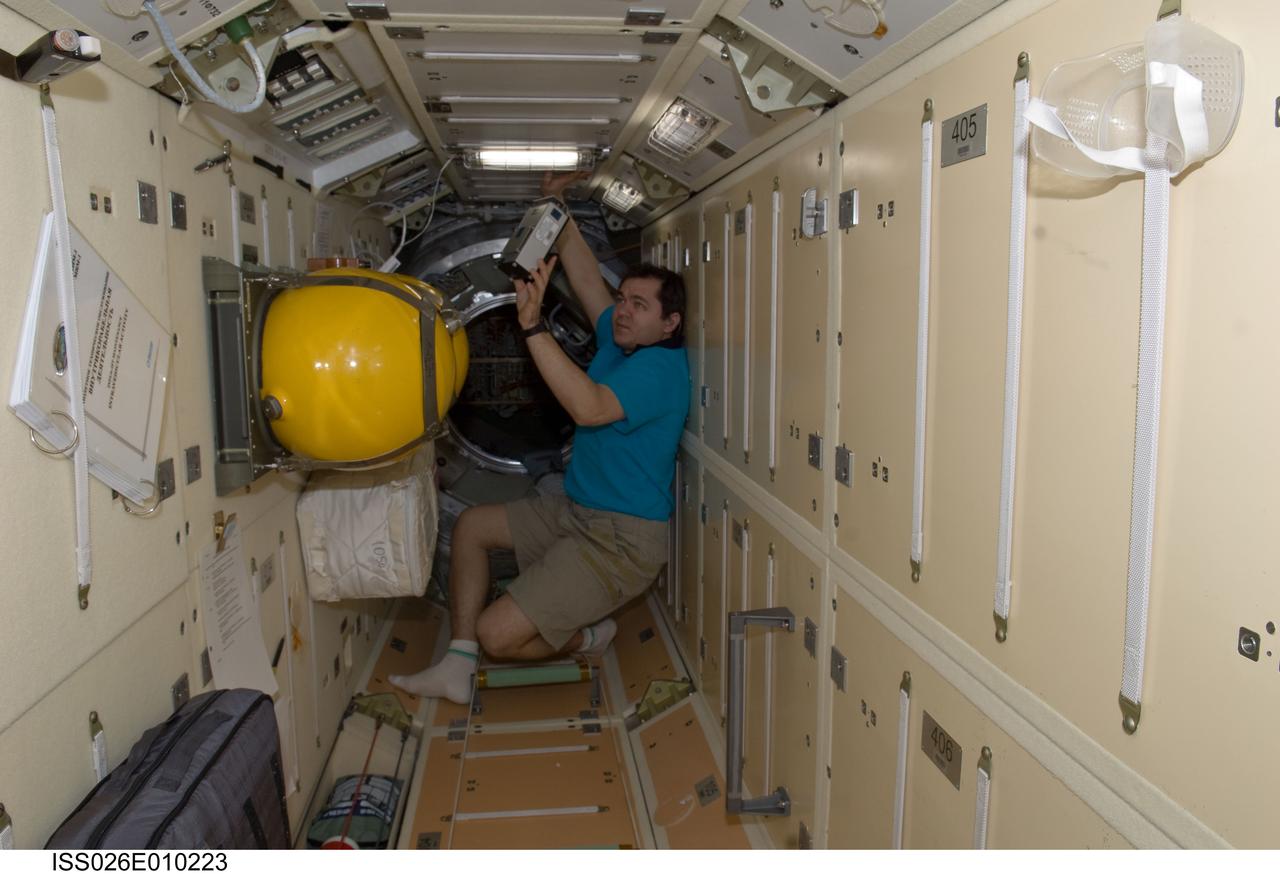
ISS026-E-010223 (14 Dec. 2010) --- Russian cosmonaut Oleg Skripochka, Expedition 26 flight engineer, uses the Russian Tekh-38 VETEROK (“Breeze”) science hardware to take aero-ionic concentration measurements in the Rassvet Mini-Research Module 1 (MRM1) of the International Space Station.
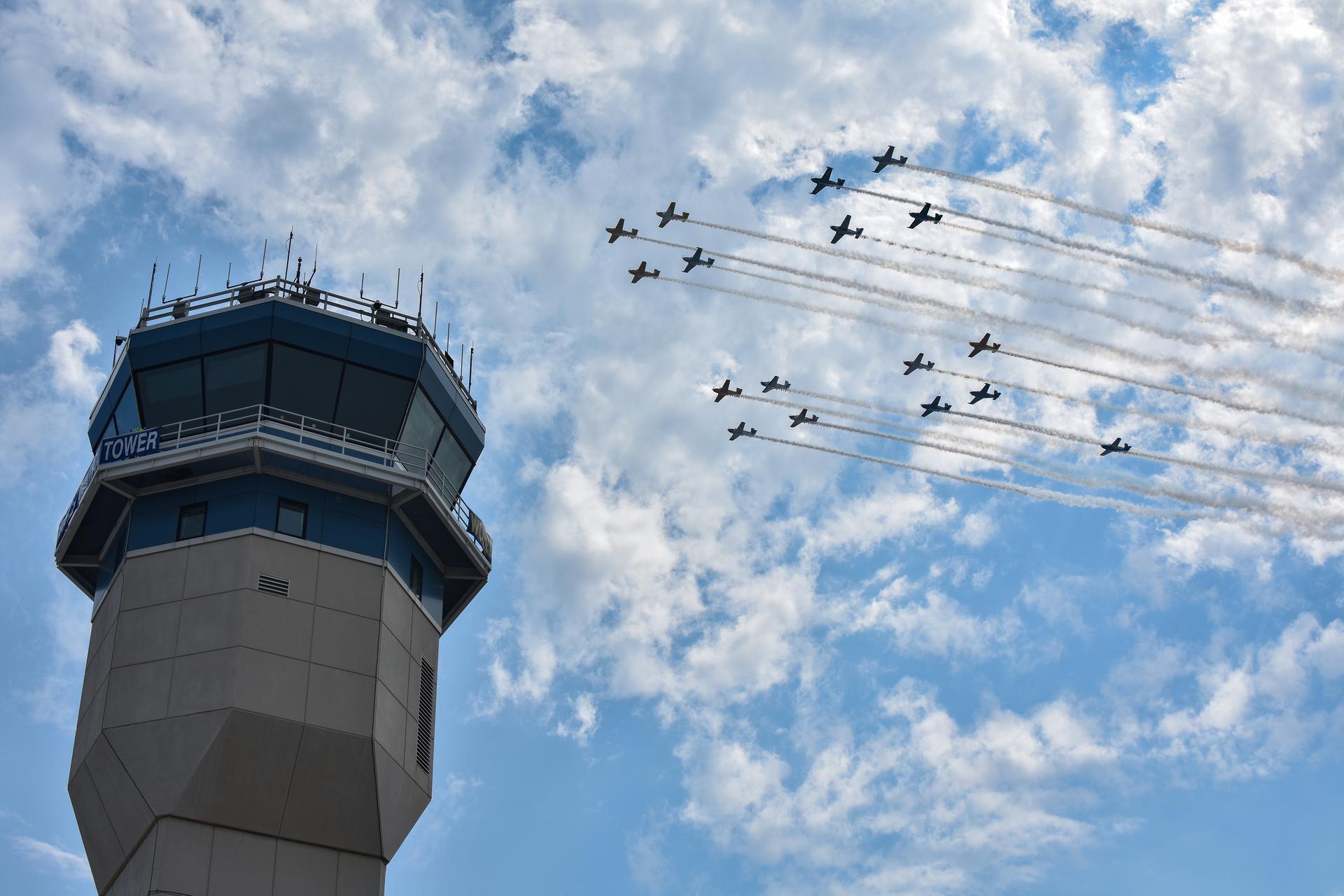
A formation is shown flying by the air traffic control tower at Wittman Regional Airport in Oshkosh, Wisconsin, for the 2026 Experimental Aircraft Association (EAA) AirVenture air show on Monday, July 20, 2026.
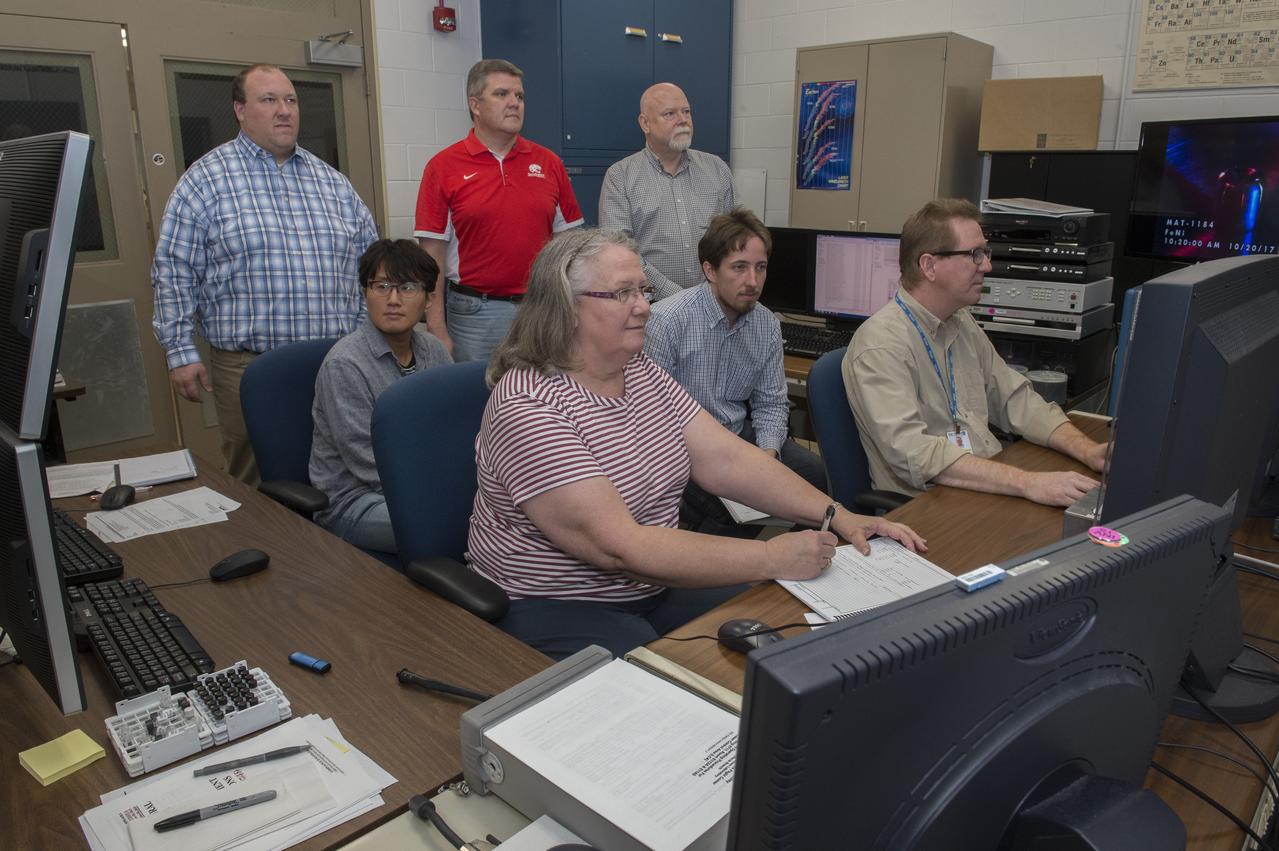
Dr. Douglas Matson, Tufts University, experimenting with an aerodynamic levitator. Dr. Matson, along with students and NASA personnel view data from tests of an aerodynamic levitator in support of his MaterialsLab experiments. back row: Michael SanSoucie (MSFC EM41), Shawn Reagan (MSFC HP30), and Douglas Matson (Tufts University) Middle row: Sangho Jeon (Tufts University) and Thomas Leitner (Graz University of Technology) Front row: Trudy Allen (MSFC EM41) and Glenn Fountain (MSFC EM41)
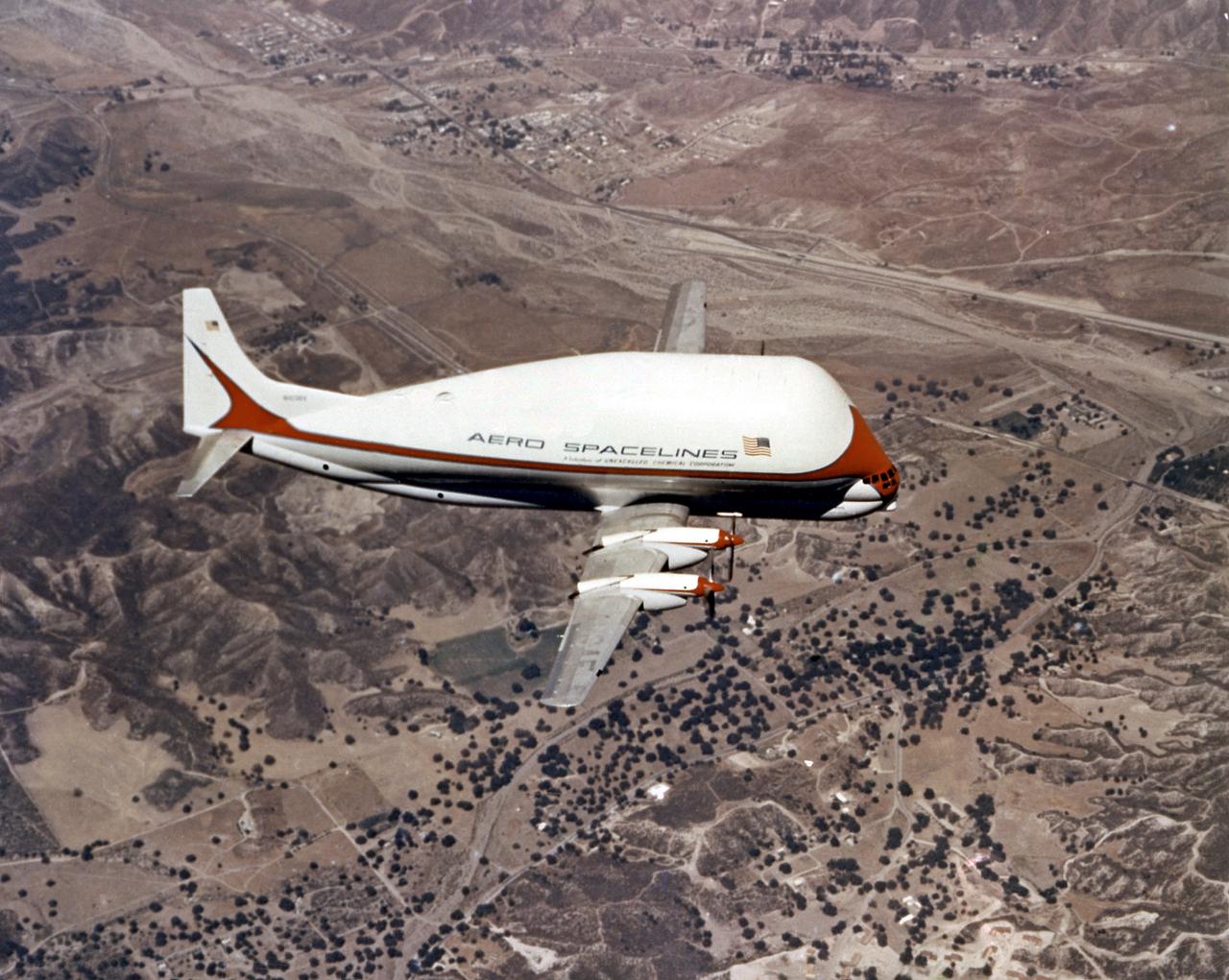
Super Guppy, bigger sister of the aptly named Pregnant Guppy, was the only airplane in the world capable of carrying a complete S-IVB stage. This aircraft was built by John M. Conroy of Aero Spaceliners, Incorporated, who started with the fuselages of a surplus Boeing C-97 Stratocruiser, ballooned out the upper decks enormously, and hinged the front sections so that they could be folded back 110 degrees. The Super Guppy flew smoothly at a 250-mph cruising speed, and its cargo deck provided a 25-foot clear diameter.
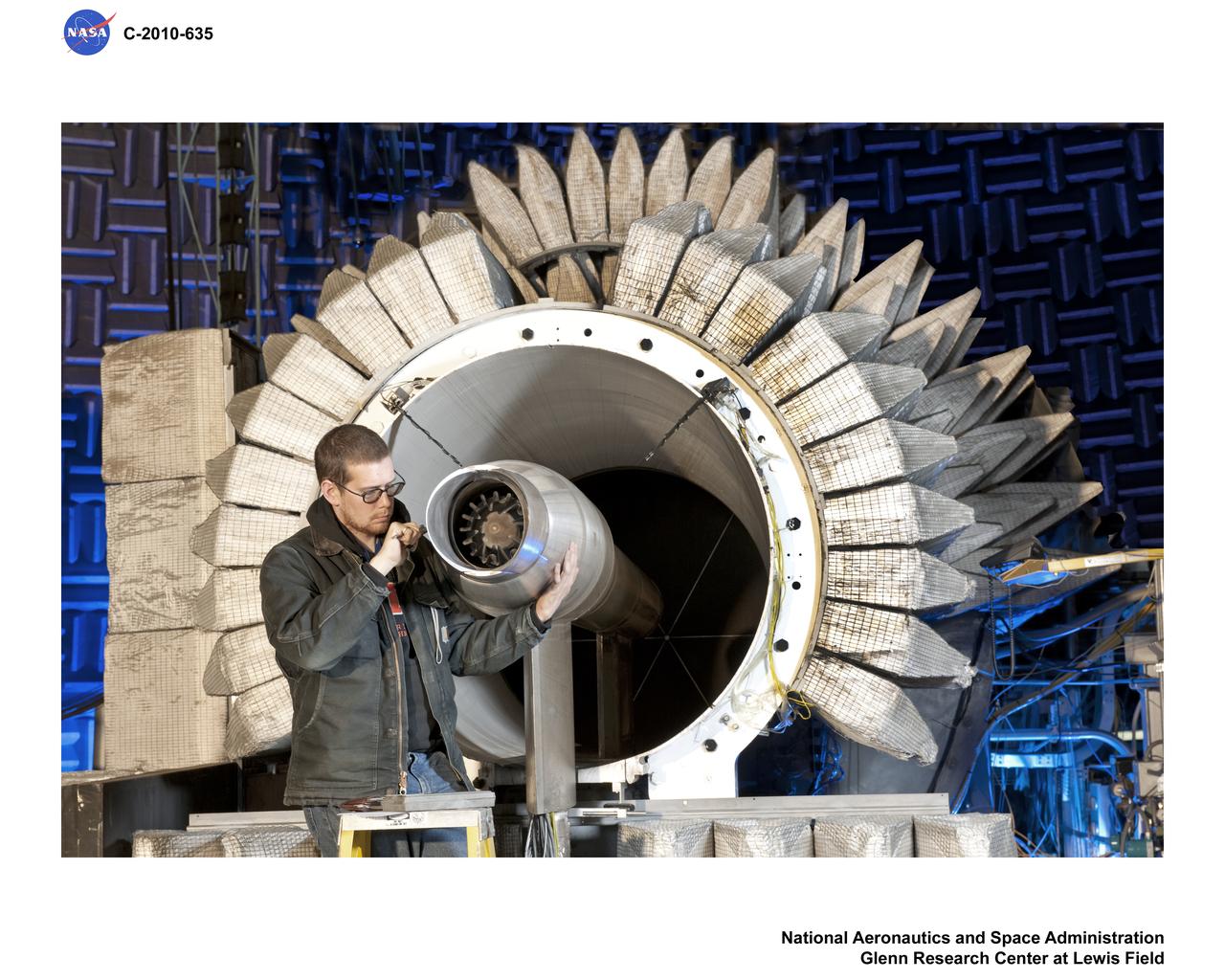
New testing is underway in the Aero-Acoustic Propulsion Laboratory (AAPL) at NASA's Glenn Research Center. The research focuses on a model called the Highly Variable Cycle Exhaust System -- a 0.17 scale model of an exhaust system that will operate at subsonic, transonic and supersonic exhaust speeds in a future supersonic business jet. The model features ejector doors used at different angles. Researchers are investigating the impact of these ejectors on the resulting acoustic radiation. Here, Steven Sedensky, a mechanical engineer with Jacobs Sverdrup, takes measurements of the ejector door positions.
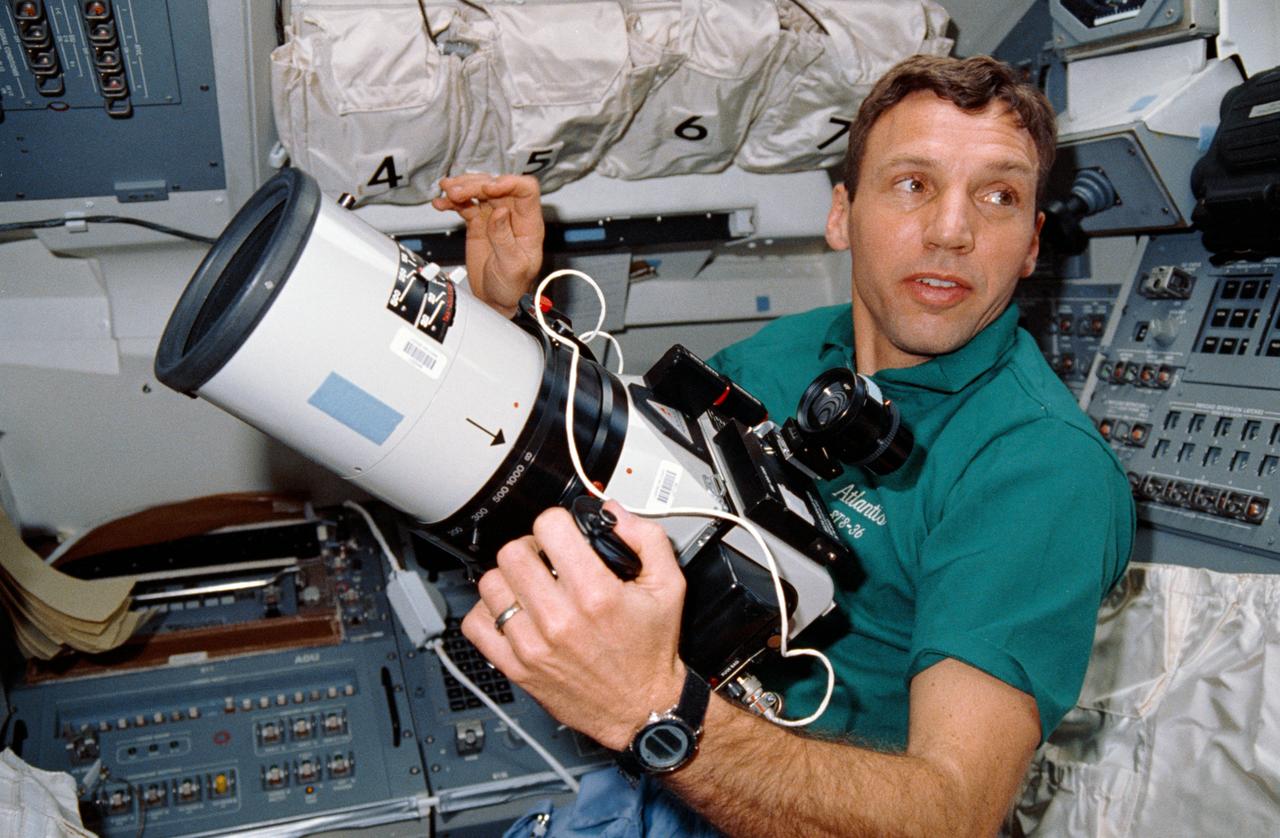
STS036-03-014 (28 Feb-3 March 1990) --- Astronaut David C. Hilmers, on the aft flight deck of the Earth-orbiting Atlantis, prepares to use the large-format Aero Linhof camera used for recording of Earth imagery. Hilmers and four other NASA astronauts spent four days, 10 hours and 19 minutes aboard the spacecraft for the DOD-devoted mission.
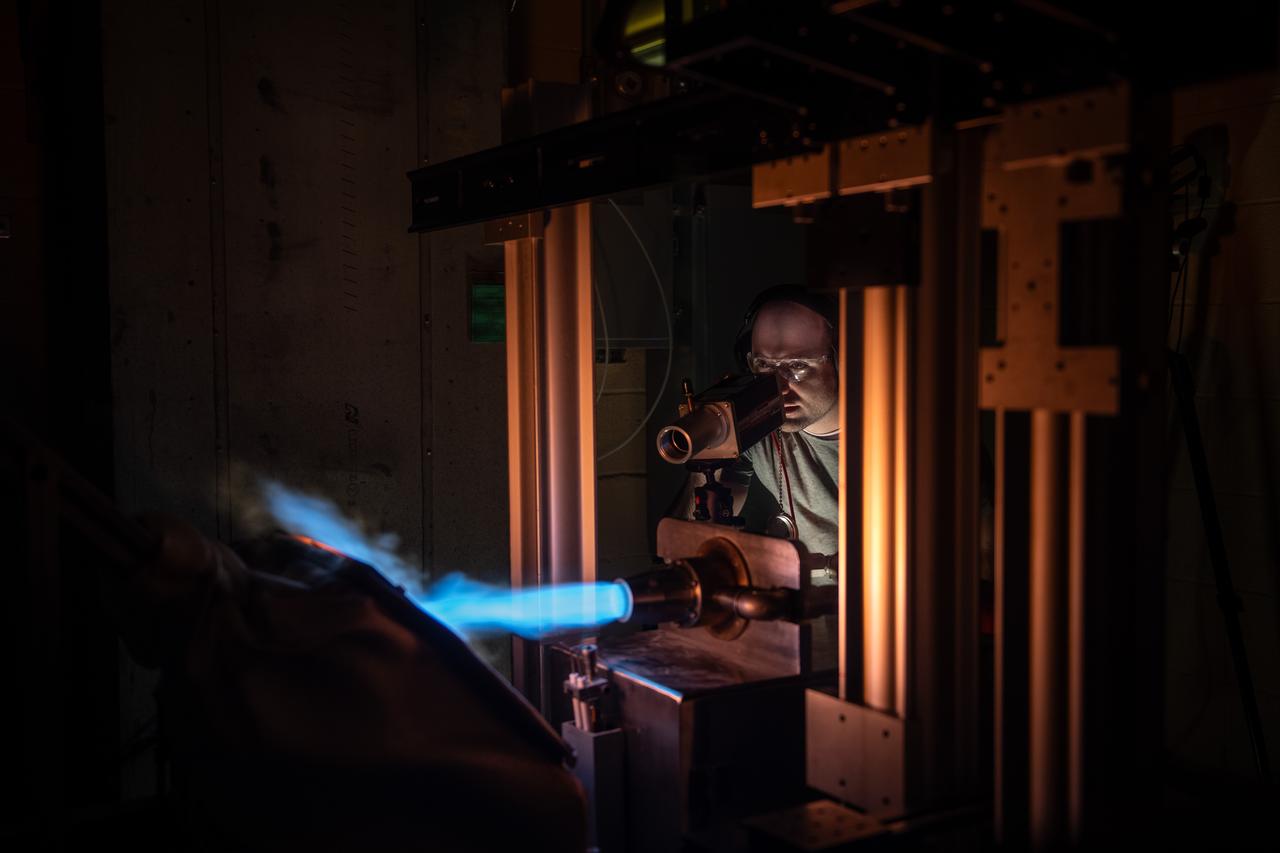
NASA Glenn’s Natural Gas/Oxygen Burner Rig is used to study the high temperature performance of various metal alloys, ceramics, and protective coatings for aero and space propulsion systems. The burner rig provides an easily accessible and economical method to simulate engine operating conditions to understand thermomechanical and thermochemical degradation of materials and structures. In the photo, Materials Research Engineer Michael Presby uses an infrared pyrometer to monitor the surface temperature of the material for a test on February 23, 2024. Photo Credit: (NASA/Sara Lowthian-Hanna)
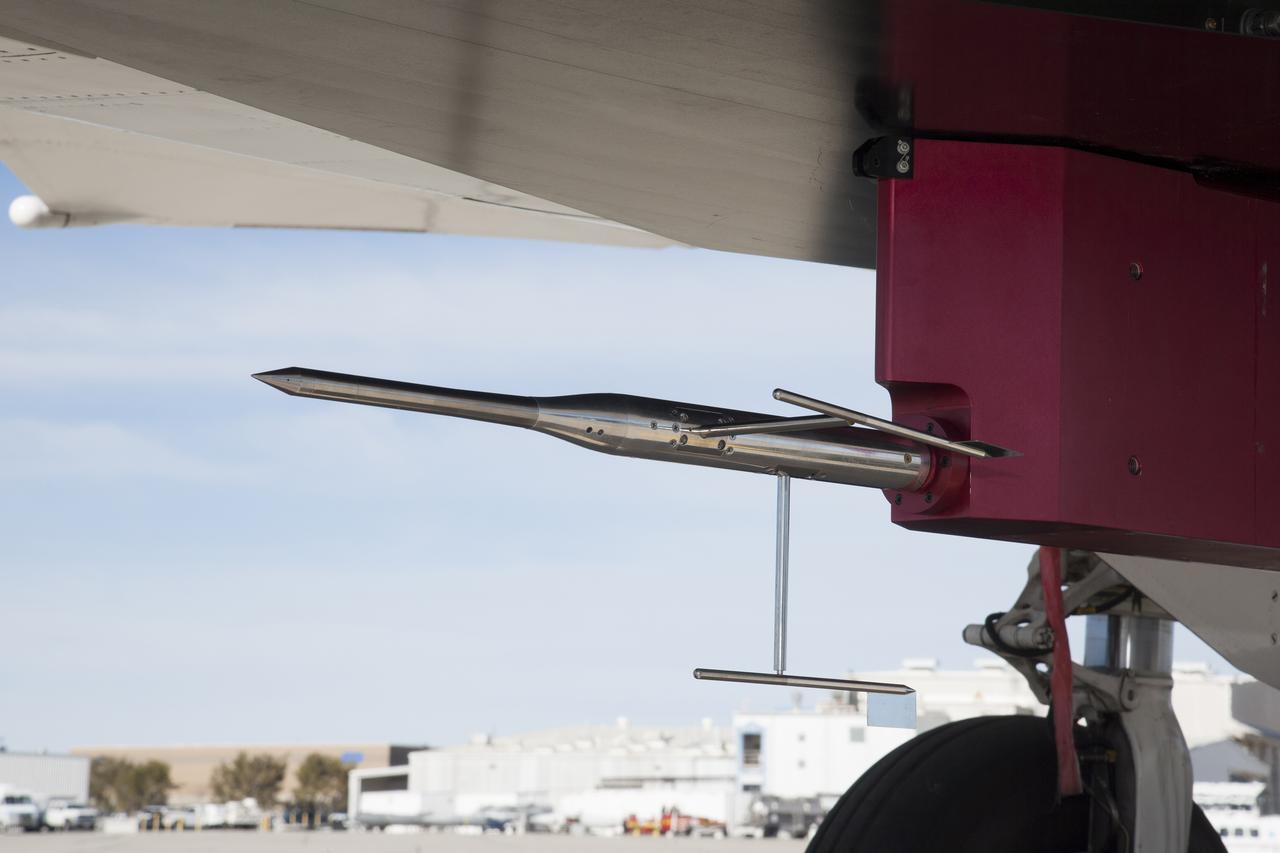
A new supersonic probe seen affixed to a F-15B flight test fixture might one day measure the sonic booms of a new generation of supersonic aircraft.

Mike Frederick and NASA interns Jack Ly and Kassidy McLaughlin monitor an F-15B flight.

Lockheed XFV-1 model. Project engineer Mark Kelly (not shown). Remote controlled model flown in the settling chamber of the 40x80 wind tunnel. Electric motors in the model, controlled the counter-rotating propellers to test vertical takeoff. Test no. 71
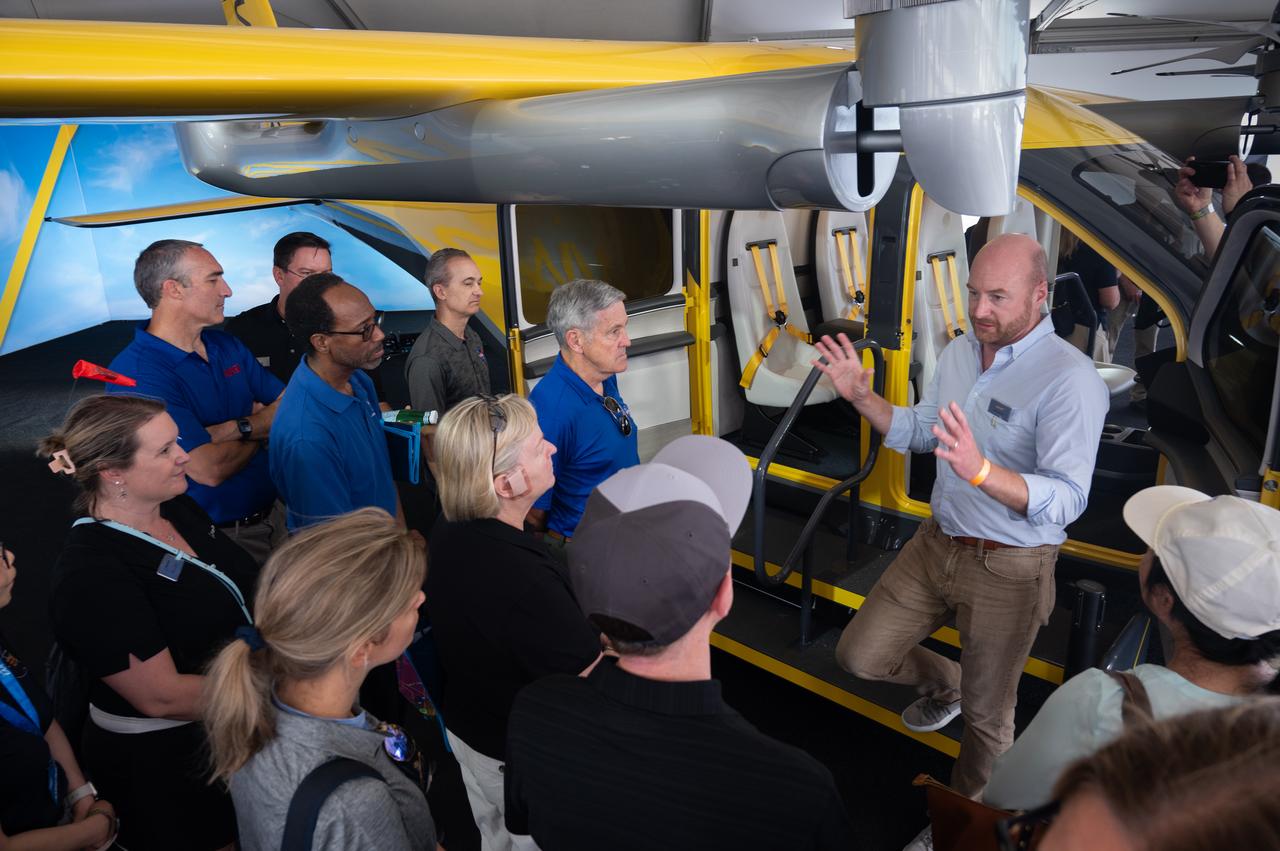
AirVenture at Oshkosh 2023
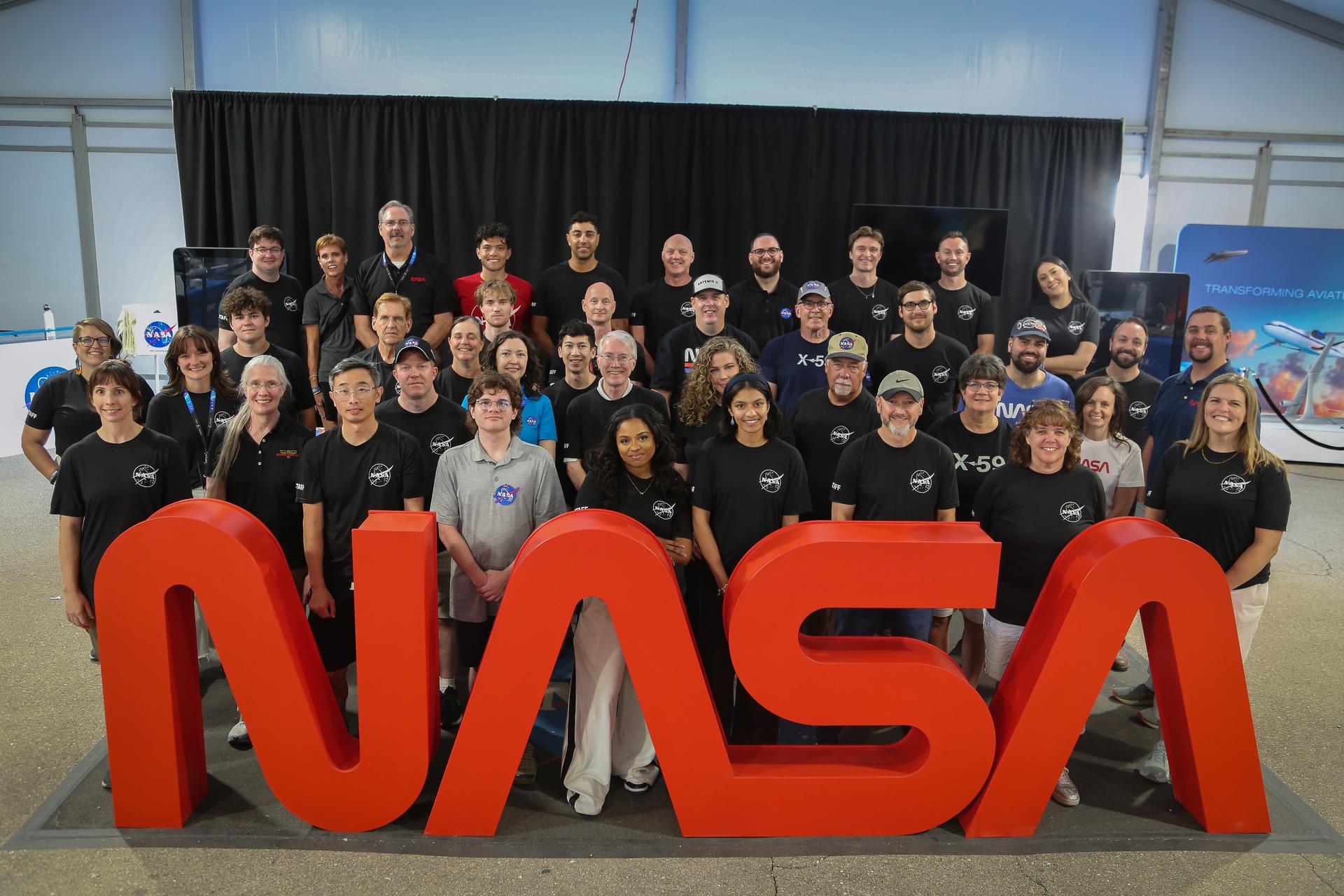
NASA pavilion staff pose for a group photo at the 2026 Experimental Aircraft Association (EAA) AirVenture air show in Oshkosh, Wisconsin, on Thursday, July 23, 2026.

STS040-152-180 (5-24 June 1991) --- The Sinai Peninsula dominates this north-looking, oblique view. According to NASA photo experts studying the STS 40 imagery, the Red Sea in the foreground is clear of river sediment because of the prevailing dry climate of the Middle East. The great rift of the Gulf of Aqaba extends northward to Turkey (top right) through the Dead Sea. The international boundary between Israel and Egypt, reflecting different rural landscapes, stands out clearly. The Nile River runs through the frame. NASA photo experts believe the haze over the Mediterranean to be wind-borne dust. The photo was taken with an Aero-Linhof large format camera.
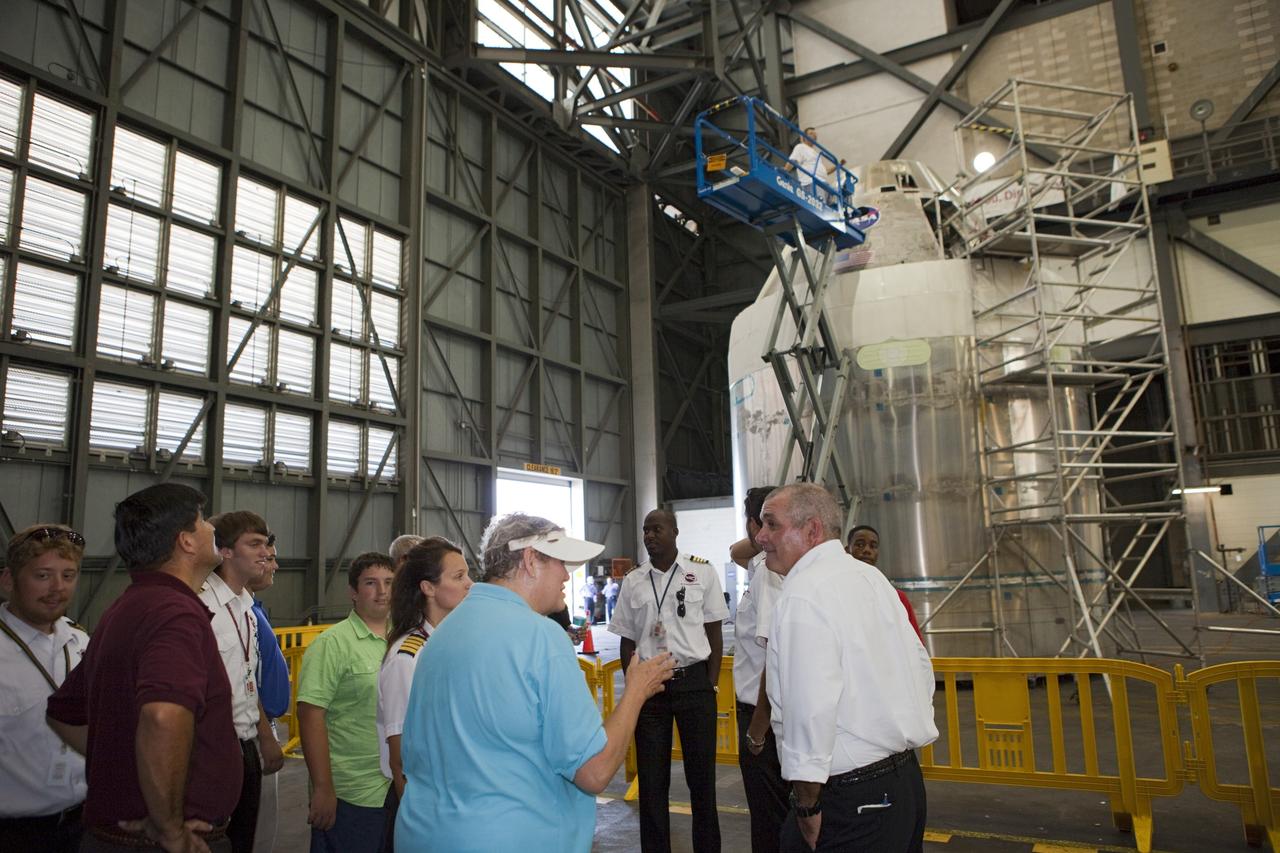
CAPE CANAVERAL, Fla. – Students and their flight instructors from Florida Tech, or FIT, in Melbourne, tour the Vehicle Assembly Building and view space shuttle Atlantis at NASA’s Kennedy Space Center in Florida. The instructors and their students arrived at the Shuttle Landing Facility, or SLF, in Cherokee Warrior and Cessna 172S lightweight aircraft. The middle and high school students are participating in FIT’s Av/Aero summer camp experience. They and their flight instructors also toured the SLF midfield control tower, viewed F104 Starfighters and NASA Huey helicopters in the RLV Hangar, and viewed the runway plaques marking wheels stop for each of the three space shuttles. Photo credit: NASA/Kim Shiflett
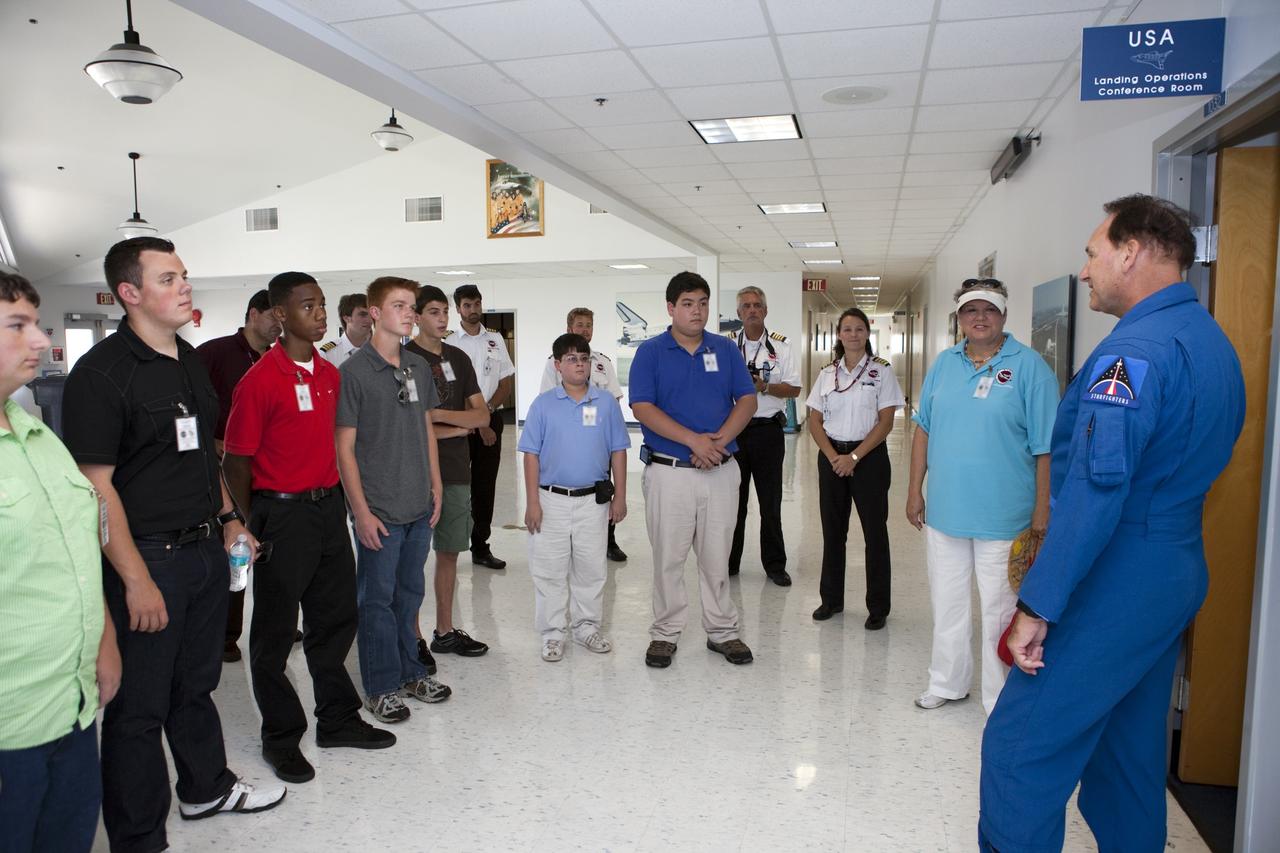
CAPE CANAVERAL, Fla. – In a support building near NASA Kennedy Space Center’s Shuttle Landing Facility, or SLF, in Florida, students and their flight instructors from Florida Tech, FIT, in Melbourne listen to F104 Starfighters Director Rick Svetkoff. The middle and high school students are participating in FIT’s Av/Aero summer camp experience. They and their flight instructors toured the SLF midfield control tower, viewed F104 Starfighters and NASA Huey helicopters in the RLV Hangar, viewed the runway plaques marking wheels stop for each of the three space shuttles, and toured the Vehicle Assembly Building where space shuttle Atlantis currently is stored. Photo credit: NASA/Kim Shiflett
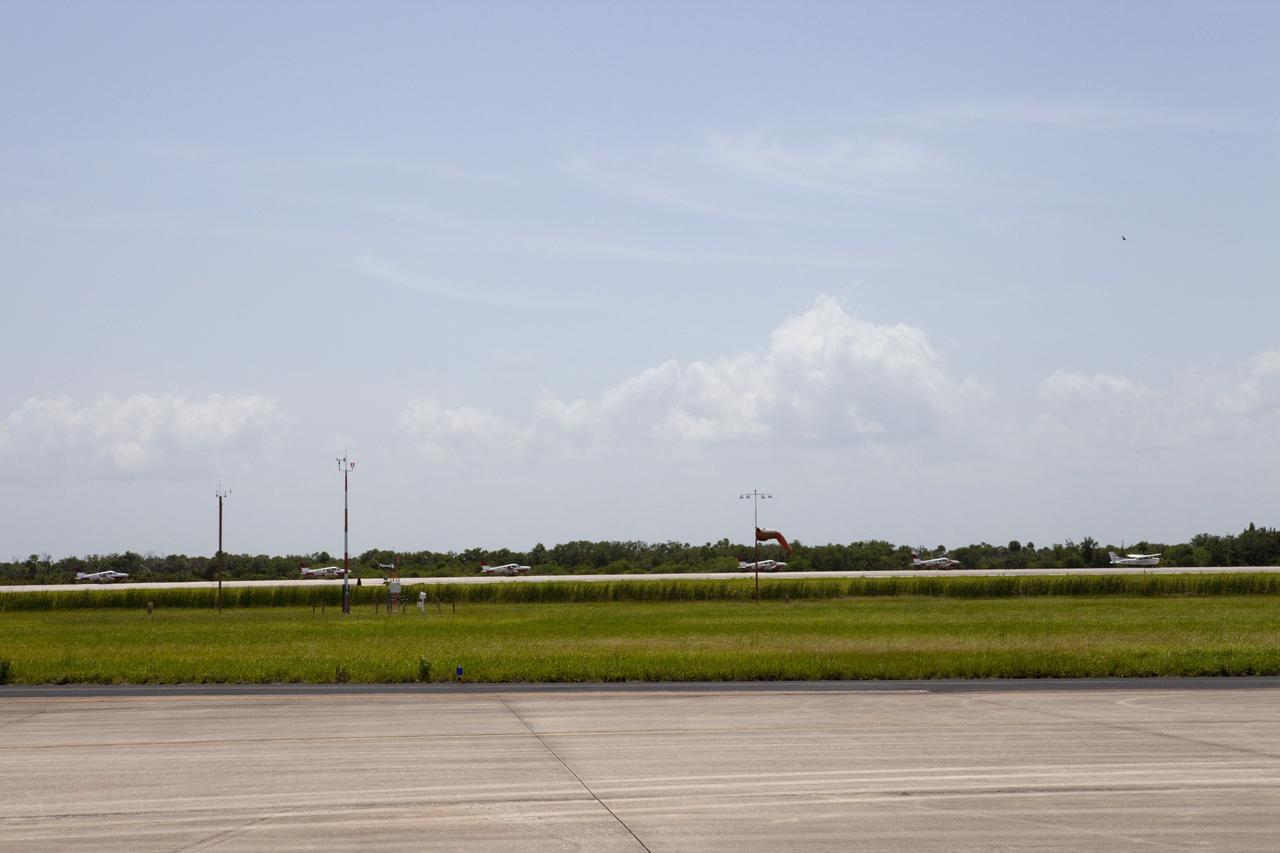
CAPE CANAVERAL, Fla. – At NASA Kennedy Space Center in Florida, flight instructors and their students from Florida Tech, or FIT, in Melbourne prepare to depart the Shuttle Landing Facility, or SLF, in Cherokee Warrior and Cessna 172S lightweight aircraft. The middle and high school students are participating in FIT’s Av/Aero summer camp experience. They and their flight instructors toured the SLF midfield control tower, viewed F104 Starfighters and NASA Huey helicopters in the RLV Hangar, viewed the runway plaques marking wheels stop for each of the three space shuttles, and toured the Vehicle Assembly Building where space shuttle Atlantis currently is stored. Photo credit: NASA/Kim Shiflett
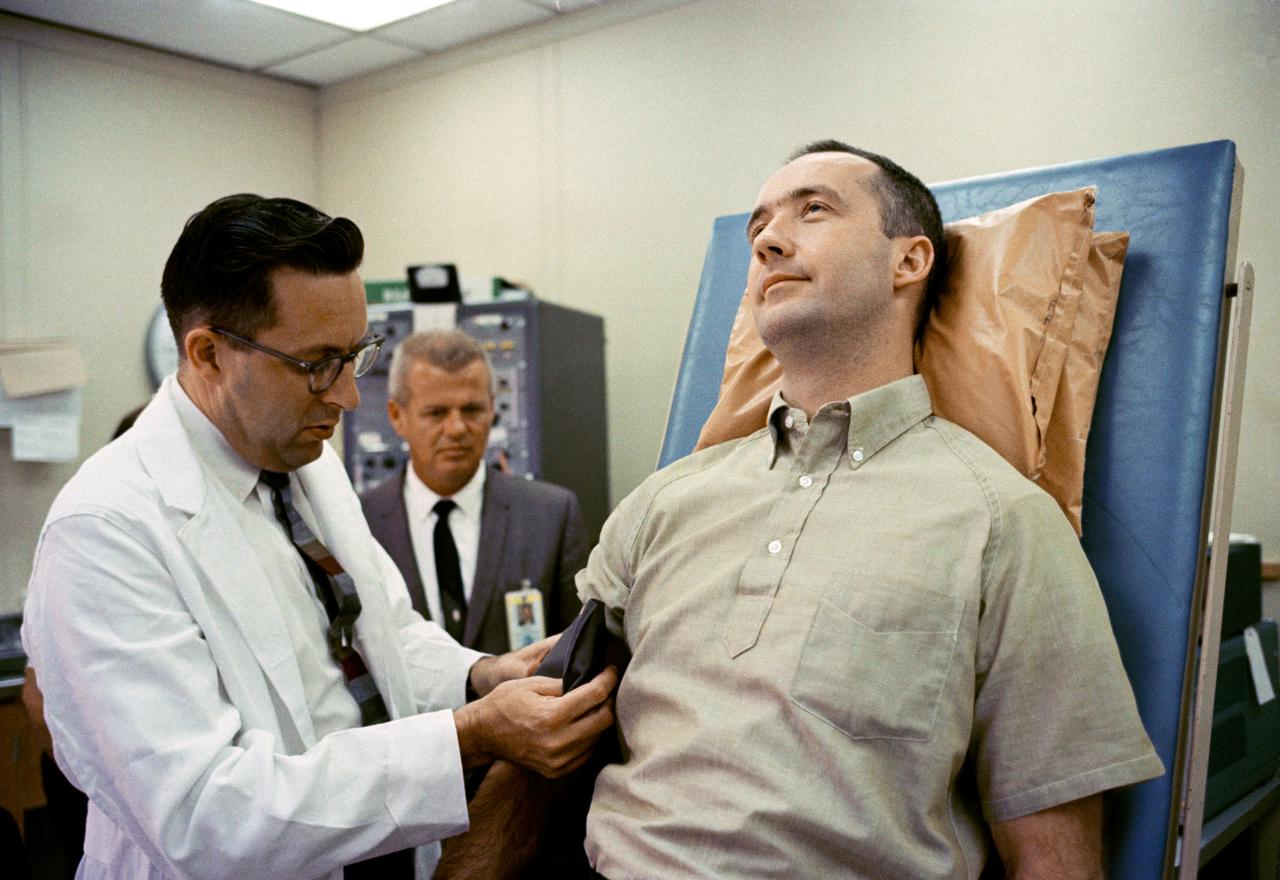
S65-19524 (1 June 1965) --- Dr. Charles A. Berry, chief of Center Medical Programs, MSC, Houston, Texas, prepares to check the blood pressure of astronaut James A. McDivitt, command pilot for the Gemini-Titan 4 spaceflight. McDivitt is on the tilt table at the Aero Medical Area, MSC, Merritt Island, where he and astronaut Edward H. White II (out of frame), GT-4 pilot, underwent preflight physicals in preparation for the four-day, 62-revolution spaceflight. The two astronauts were declared in top physical condition. In the background is Dr. Gordon Benson, NASA physician at Cape Kennedy.
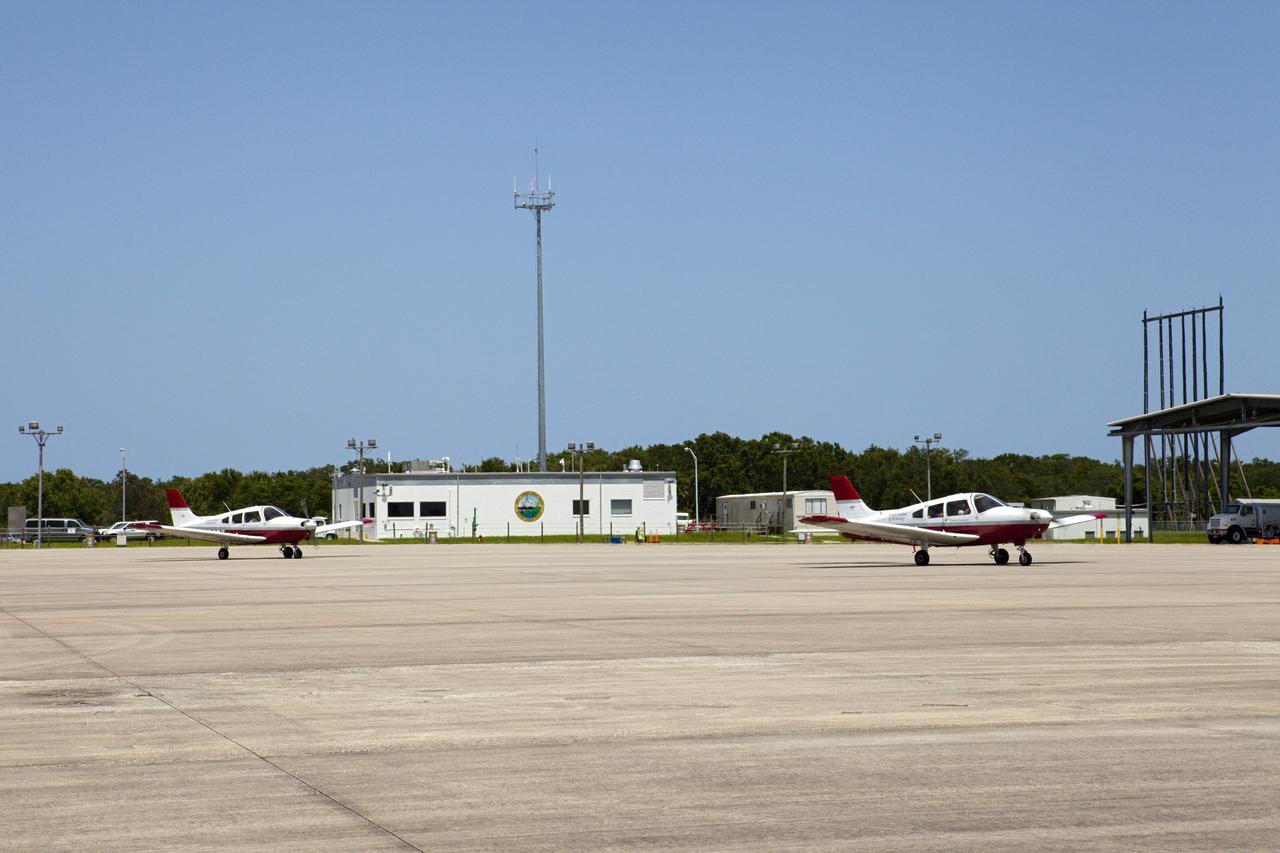
CAPE CANAVERAL, Fla. – At NASA Kennedy Space Center in Florida, flight instructors and their students from Florida Tech, or FIT, in Melbourne prepare to depart the Shuttle Landing Facility, or SLF, in Cherokee Warrior and Cessna 172S lightweight aircraft. The middle and high school students are participating in FIT’s Av/Aero summer camp experience. They and their flight instructors toured the SLF midfield control tower, viewed F104 Starfighters and NASA Huey helicopters in the RLV Hangar, viewed the runway plaques marking wheels stop for each of the three space shuttles, and toured the Vehicle Assembly Building where space shuttle Atlantis currently is stored. Photo credit: NASA/Kim Shiflett
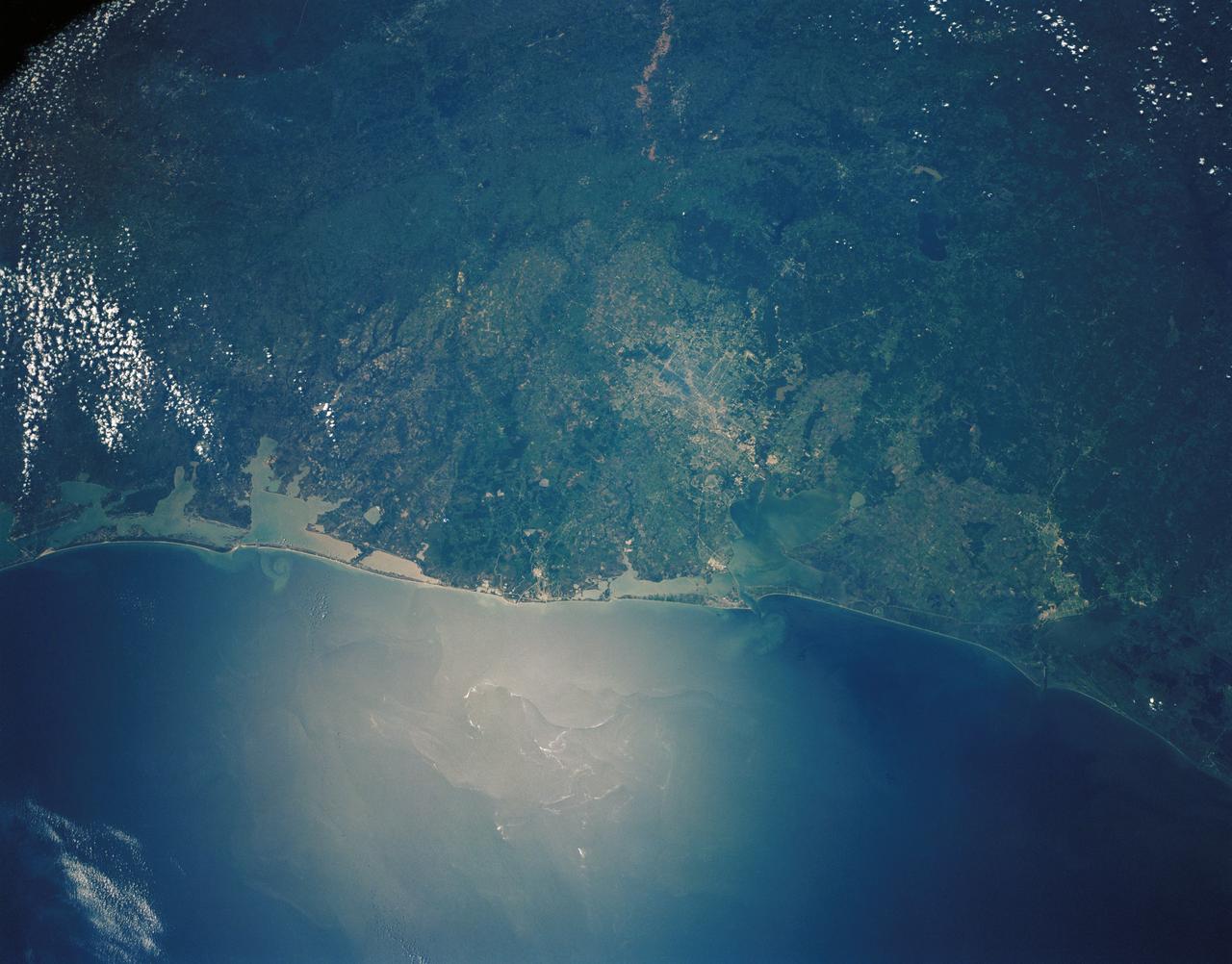
STS030-152-066 (4-8 May 1989) --- The upper Texas and Louisiana Gulf Coast area was clearly represented in this large format frame photographed by the astronaut crew of the Earth-orbiting Space Shuttle Atlantis. The area covered stretches almost 300 miles from Aransas Pass, Texas to Cameron, Louisiana. The sharp detail of both the natural and cultural features noted throughout the scene is especially evident in the Houston area, where highways, major streets, airport runways and even some neighborhood lanes are easily seen. Other major areas seen are Austin, San Antonio and the Golden Triangle. An Aero Linhof camera was used to expose the frame.

CAPE CANAVERAL, Fla. – Students and their flight instructors from Florida Tech, or FIT, in Melbourne, tour the Vehicle Assembly Building and view space shuttle Atlantis at NASA’s Kennedy Space Center in Florida. The instructors and their students arrived at the Shuttle Landing Facility, or SLF, in Cherokee Warrior and Cessna 172S lightweight aircraft. The middle and high school students are participating in FIT’s Av/Aero summer camp experience. They and their flight instructors also toured the SLF midfield control tower, viewed F104 Starfighters and NASA Huey helicopters in the RLV Hangar, and viewed the runway plaques marking wheels stop for each of the three space shuttles. Photo credit: NASA/Kim Shiflett
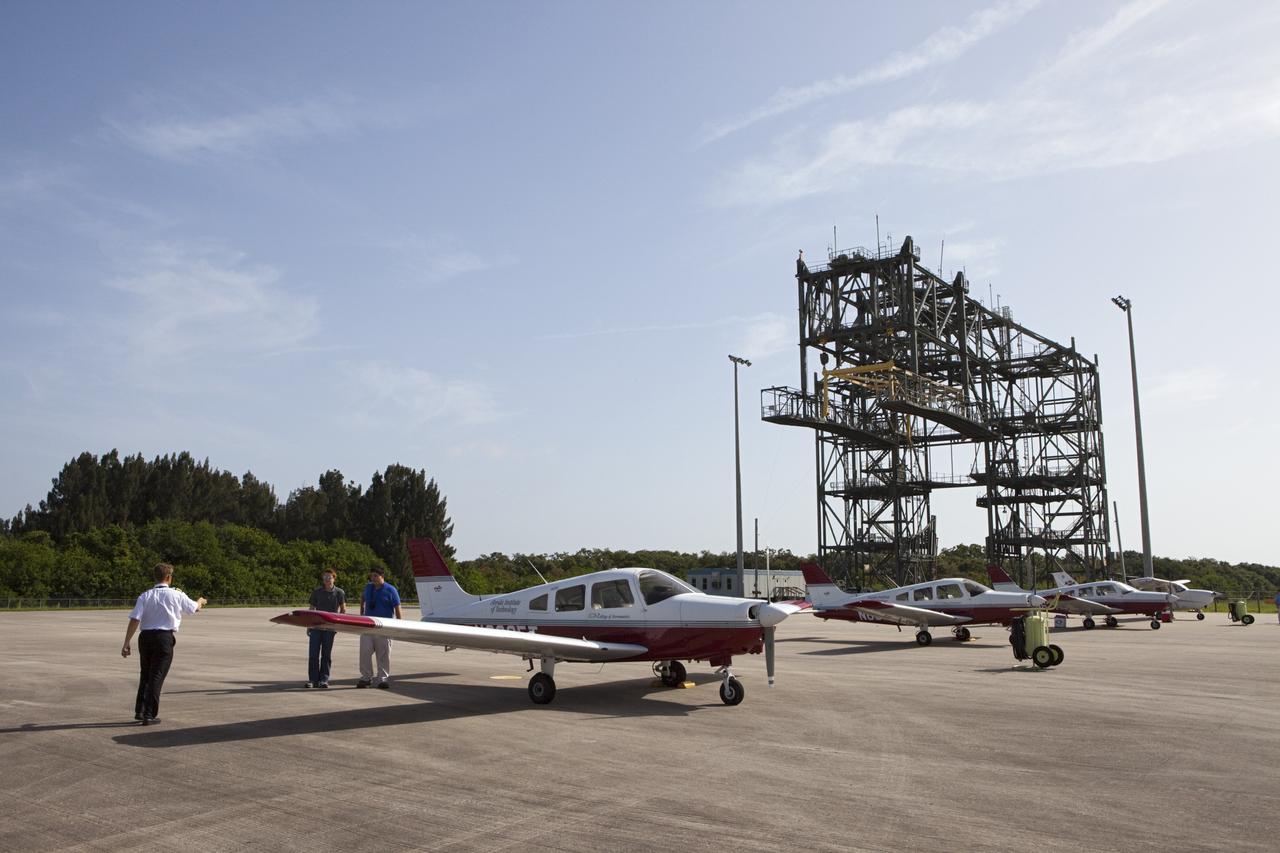
CAPE CANAVERAL, Fla. – Students and their flight instructors arrive at NASA Kennedy Space Center’s Shuttle Landing Facility, or SLF, in Florida in Cherokee Warrior and Cessna 172S lightweight aircraft from Florida Tech, or FIT, in Melbourne. The middle and high school students are participating in FIT’s Av/Aero summer camp experience. They and their flight instructors toured the SLF midfield control tower, viewed F104 Starfighters and NASA Huey helicopters in the RLV Hangar, viewed the runway plaques marking wheels stop for each of the three space shuttles, and toured the Vehicle Assembly Building where space shuttle Atlantis currently is stored. Photo credit: NASA/Kim Shiflett
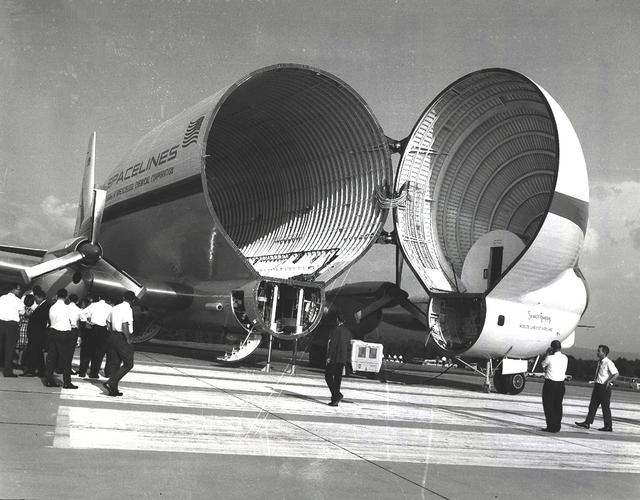
The Super Guppy is shown at the Redstone Airstrip. NASA used the aircraft to transport the S-IVB upper stage used on the Saturn IB and Saturn V launch vehicles between manufacturing facilities on the West coast, and testing and launch facilities in the Southeast. This aircraft was built by John M. Conroy of Aero Spaceliners, Incorporated, who started with the fuselages of a surplus Boeing C-97 Stratocruiser, ballooned out the upper decks enormously, and hinged the front sections so that they could be folded back 110 degrees. The Super Guppy flew smoothly at a 250-mph cruising speed, and its cargo deck provided a 25-foot clear diameter.
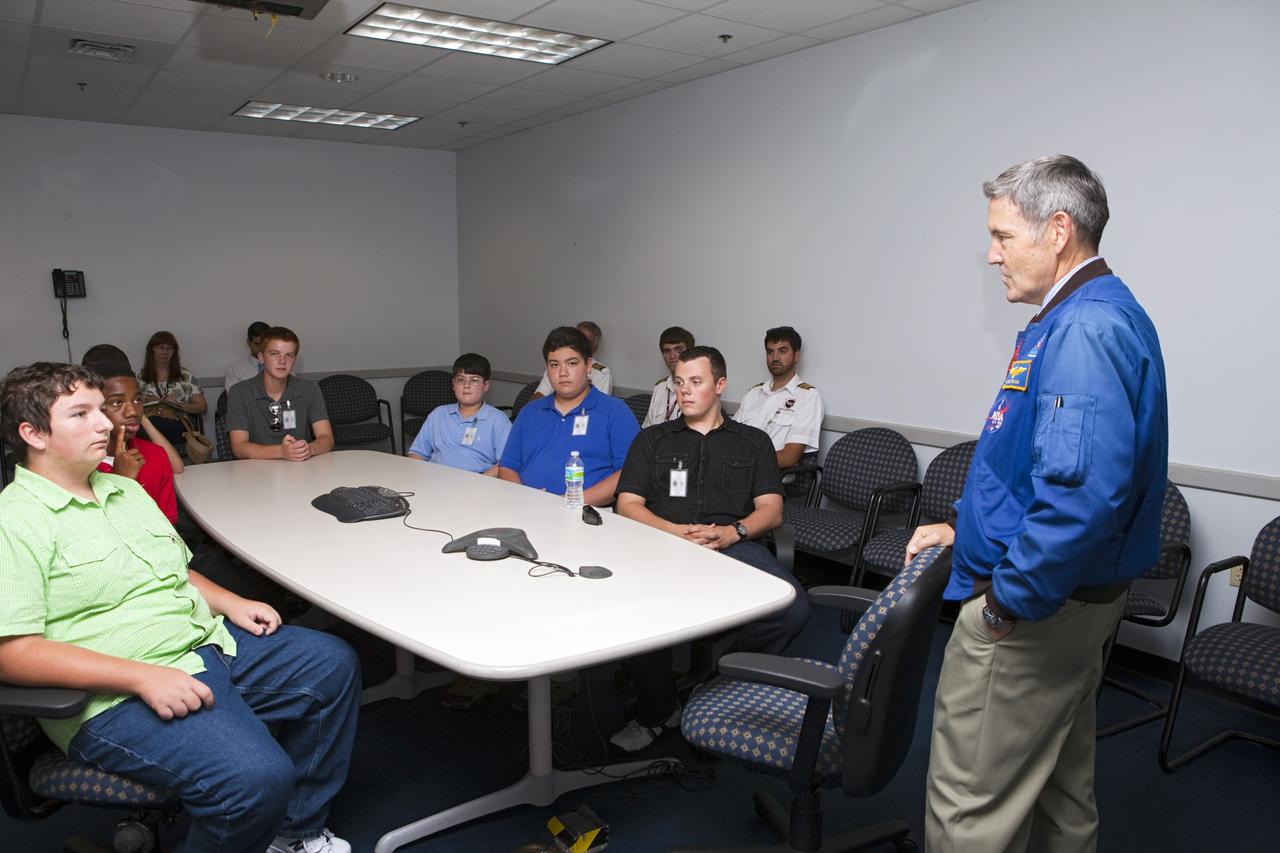
CAPE CANAVERAL, Fla. – In a support building near NASA Kennedy Space Center’s Shuttle Landing Facility, or SLF, in Florida, Center Director Bob Cabana speaks to students and their flight instructors from Florida Tech, or FIT, in Melbourne. The group arrived at the SLF in Cherokee Warrior and Cessna 172S lightweight aircraft. The middle and high school students are participating in FIT’s Av/Aero summer camp experience. They and their flight instructors toured the SLF midfield control tower, viewed F104 Starfighters and NASA Huey helicopters in the RLV Hangar, viewed the runway plaques marking wheels stop for each of the three space shuttles, and toured the Vehicle Assembly Building where space shuttle Atlantis currently is stored. Photo credit: NASA/Kim Shiflett
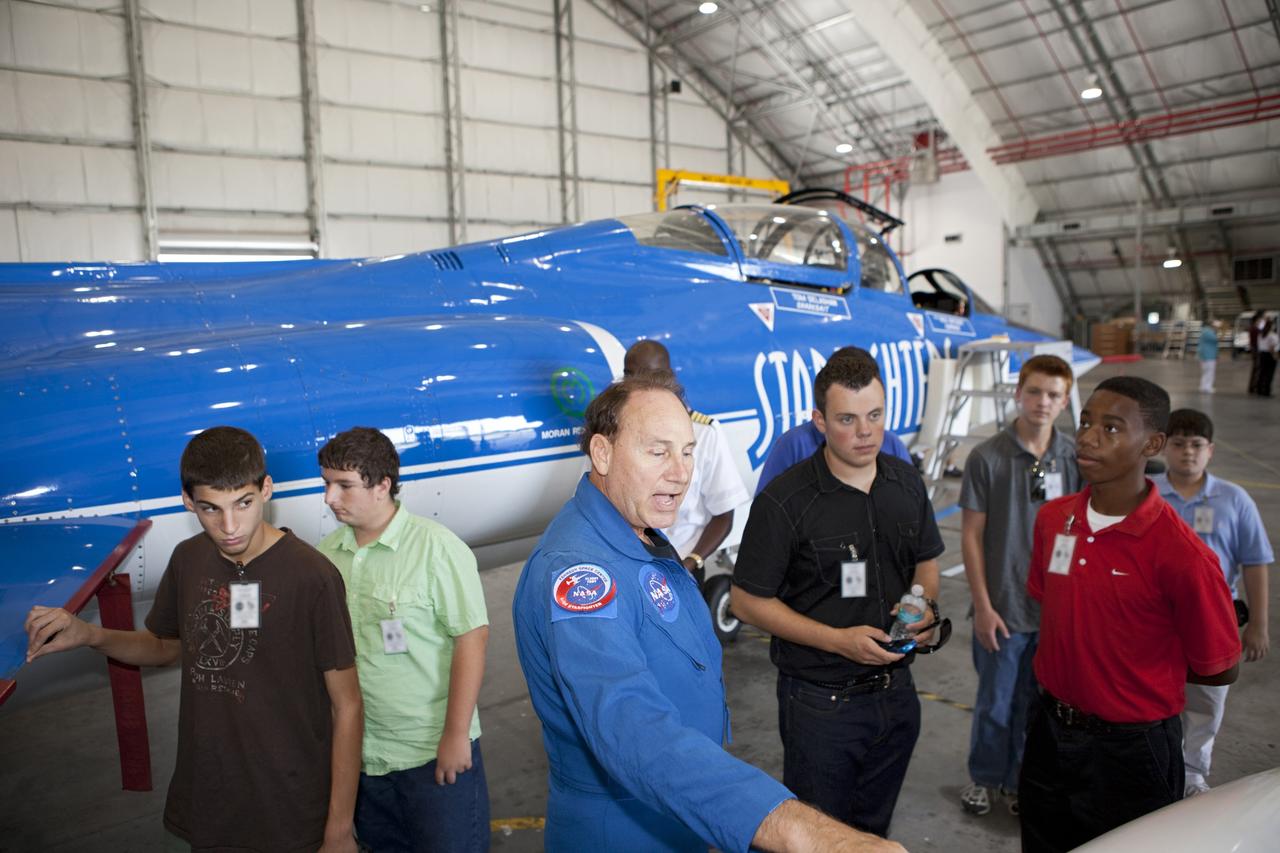
CAPE CANAVERAL, Fla. – Inside the RLV Hangar near NASA Kennedy Space Center’s Shuttle Landing Facility, or SLF, in Florida, students and their flight instructors from Florida Tech, FIT, in Melbourne, view F104 Starfighter aircraft and listen to Starfighter Director Rick Svetkoff. The flight instructors and their students arrived at the SLF in Cherokee Warrior and Cessna 172S lightweight aircraft. The middle and high school students are participating in FIT’s Av/Aero summer camp experience. They and their flight instructors toured the SLF midfield control tower, viewed F104 Starfighters and NASA Huey helicopters in the RLV Hangar, viewed the runway plaques marking wheels stop for each of the three space shuttles, and toured the Vehicle Assembly Building where space shuttle Atlantis currently is stored. Photo credit: NASA/Kim Shiflett

CAPE CANAVERAL, Fla. - In the Parachute Refurbishment Facility at NASA's Kennedy Space Center, United Space Alliance senior aero composite technicians Dior Hubel (left) and Marcia Jones-Clark pack a main parachute slated for use on the Ares I-X test flight. The launch is targeted for July 2009 from Kennedy’s Launch Pad 39B and will provide an early opportunity to test and prove hardware, facilities and ground operations associated with the Ares I rocket. The Ares I-X rocket is a combination of existing and simulator hardware that will resemble the Ares I crew launch vehicle in size, shape and weight. It will provide valuable data to guide the final design of the Ares I, which will launch astronauts in the Orion crew exploration vehicle. The test flight also will bring NASA one step closer to its exploration goals of returning humans to the moon for sustained exploration of the lunar surface and missions to destinations beyond. Photo credit: NASA/Jack Pfaller
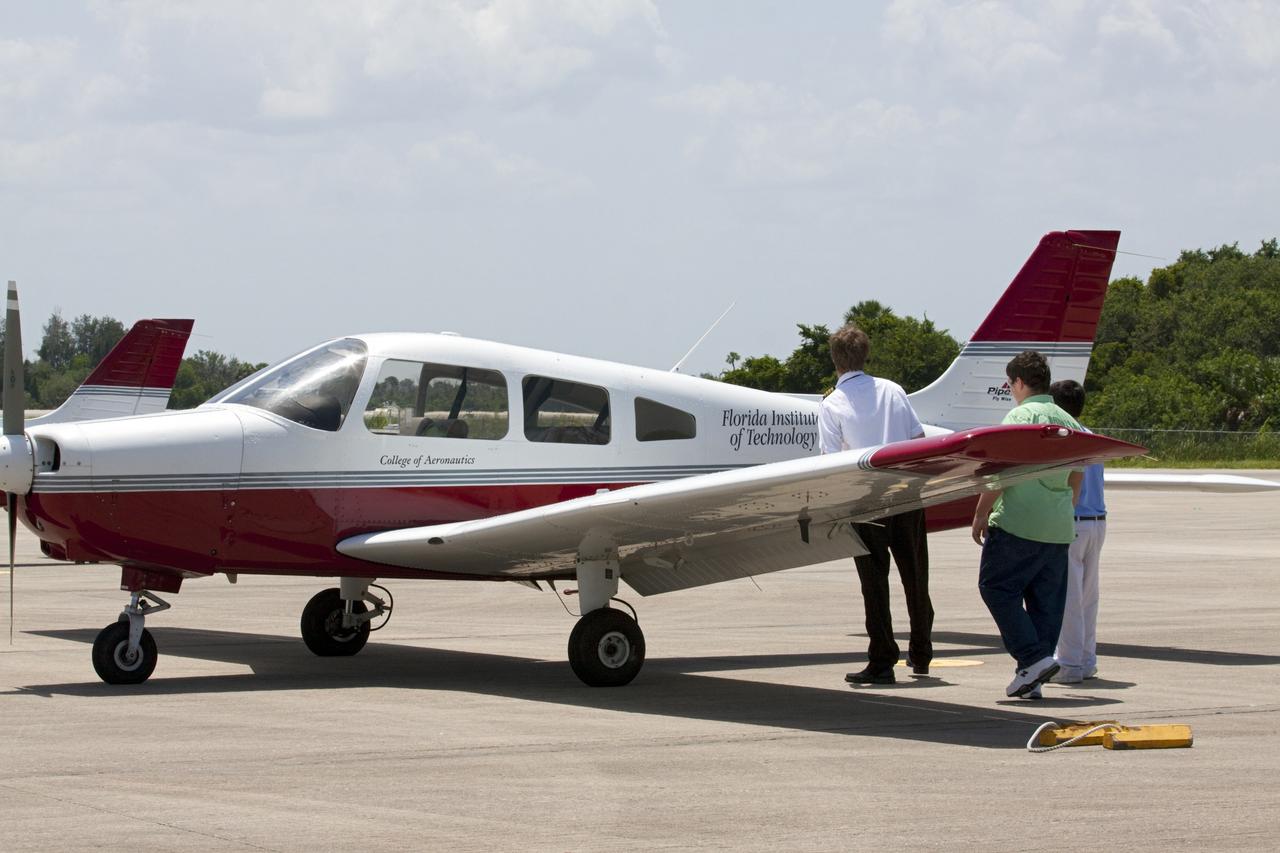
CAPE CANAVERAL, Fla. – At NASA Kennedy Space Center’s Shuttle Landing Facility, or SLF, in Florida, a flight instructor and his students inspect the lightweight aircraft they flew in earlier in the day from Florida Tech, or FIT, in Melbourne. Several instructors and their students arrived at the SLF in Cherokee Warrior and Cessna 172S lightweight aircraft. The middle and high school students are participating in FIT’s Av/Aero summer camp experience. They and their flight instructors toured the SLF midfield control tower, viewed F104 Starfighters and NASA Huey helicopters in the RLV Hangar, viewed the runway plaques marking wheels stop for each of the three space shuttles, and toured the Vehicle Assembly Building where space shuttle Atlantis currently is stored. Photo credit: NASA/Kim Shiflett
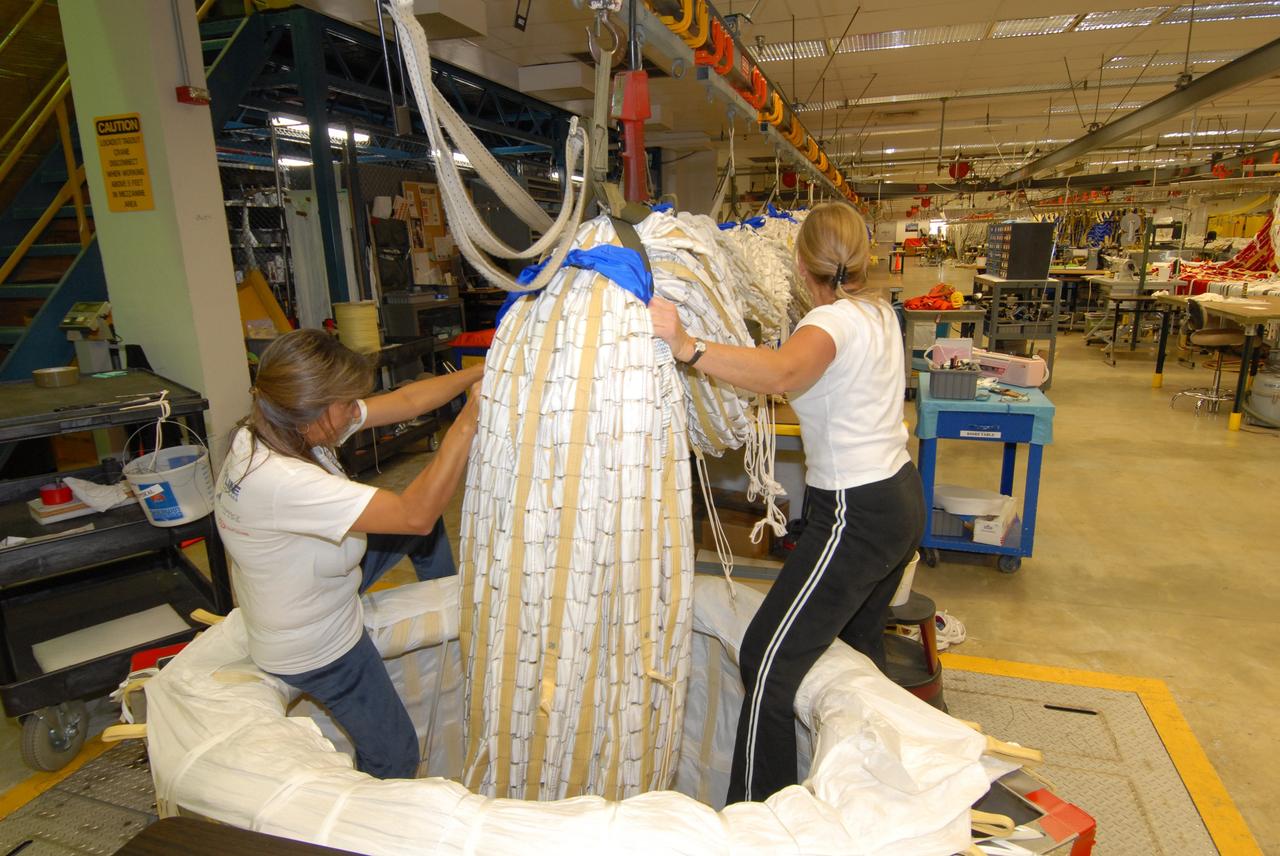
CAPE CANAVERAL, Fla. - In the Parachute Refurbishment Facility at NASA's Kennedy Space Center, United Space Alliance senior aero composite technicians Dior Hubel (left) and Marcia Jones-Clark pack a main parachute slated for use on the Ares I-X test flight. The launch is targeted for July 2009 from Kennedy’s Launch Pad 39B and will provide an early opportunity to test and prove hardware, facilities and ground operations associated with the Ares I rocket. The Ares I-X rocket is a combination of existing and simulator hardware that will resemble the Ares I crew launch vehicle in size, shape and weight. It will provide valuable data to guide the final design of the Ares I, which will launch astronauts in the Orion crew exploration vehicle. The test flight also will bring NASA one step closer to its exploration goals of returning humans to the moon for sustained exploration of the lunar surface and missions to destinations beyond. Photo credit: NASA/Jack Pfaller

CAPE CANAVERAL, Fla. - In the Parachute Refurbishment Facility at NASA's Kennedy Space Center, United Space Alliance senior aero composite technicians Marcia Jones-Clark (left) and Dior Hubel pack a main parachute slated for use on the Ares I-X test flight. The launch is targeted for July 2009 from Kennedy’s Launch Pad 39B and will provide an early opportunity to test and prove hardware, facilities and ground operations associated with the Ares I rocket. The Ares I-X rocket is a combination of existing and simulator hardware that will resemble the Ares I crew launch vehicle in size, shape and weight. It will provide valuable data to guide the final design of the Ares I, which will launch astronauts in the Orion crew exploration vehicle. The test flight also will bring NASA one step closer to its exploration goals of returning humans to the moon for sustained exploration of the lunar surface and missions to destinations beyond. Photo credit: NASA/Jack Pfaller
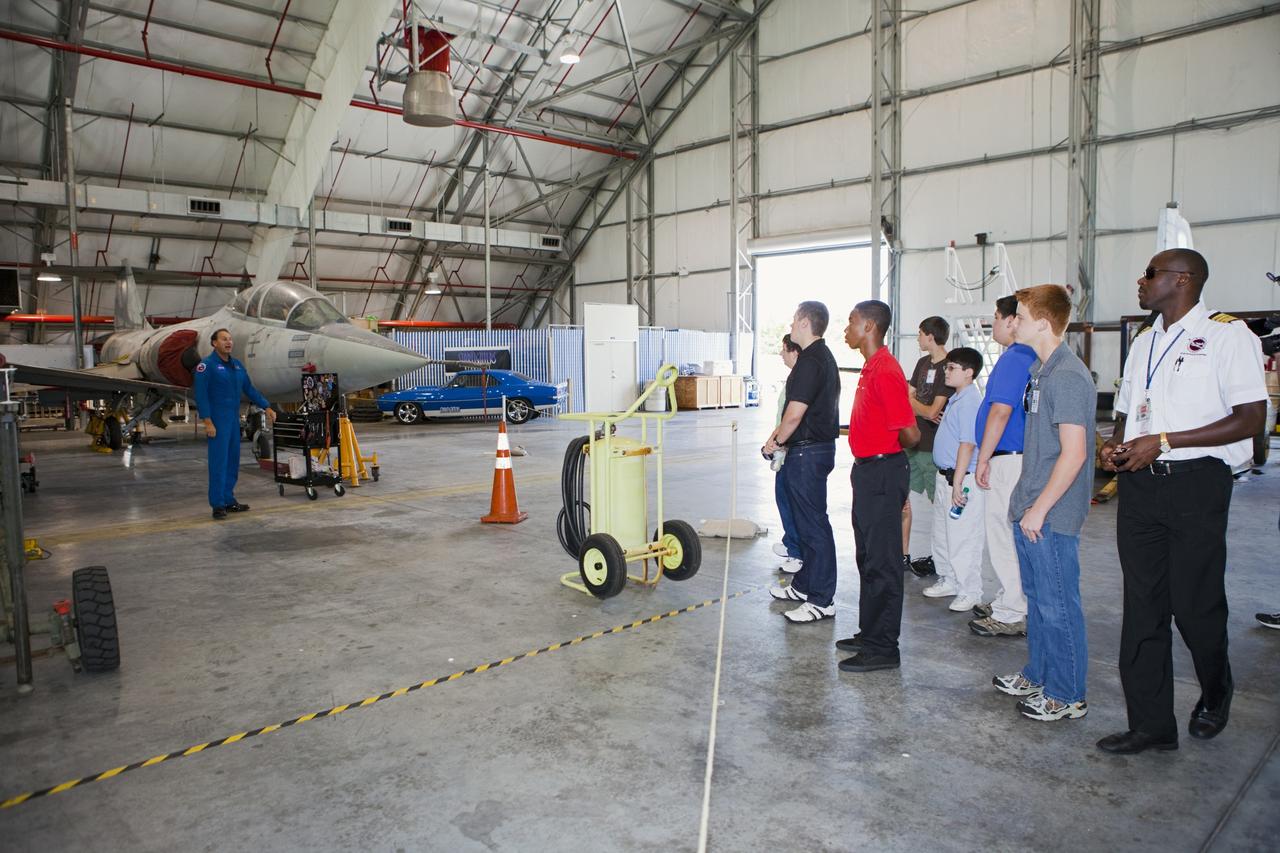
CAPE CANAVERAL, Fla. – Inside the RLV Hangar near NASA Kennedy Space Center’s Shuttle Landing Facility, or SLF, in Florida, students and their flight instructors from Florida Tech, FIT, in Melbourne view F104 Starfighter aircraft and hear a presentation from Starfighter Director Rick Svetkoff. The group arrived at the SLF in Cherokee Warrior and Cessna 172S lightweight aircraft. The middle and high school students are participating in FIT’s Av/Aero summer camp experience. They and their flight instructors toured the SLF midfield control tower, viewed F104 Starfighters and NASA Huey helicopters in the RLV Hangar, viewed the runway plaques marking wheels stop for each of the three space shuttles, and toured the Vehicle Assembly Building where space shuttle Atlantis currently is stored. Photo credit: NASA/Kim Shiflett
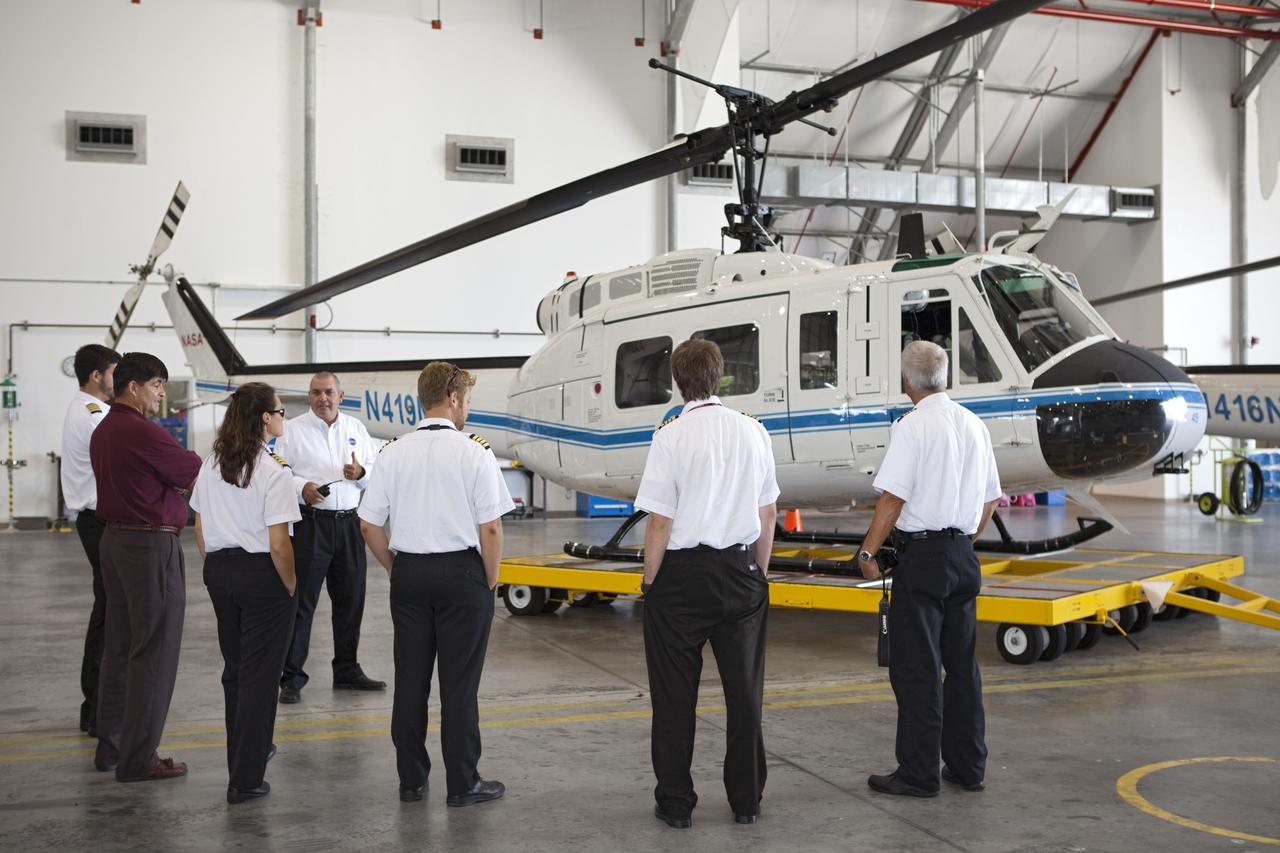
CAPE CANAVERAL, Fla. – Inside the RLV Hangar near NASA Kennedy Space Center’s Shuttle Landing Facility, or SLF, in Florida, flight instructors from Florida Tech, FIT, in Melbourne, listen to NASA Aviation Safety Officer Joe Torsani and view a NASA Huey helicopter. At left, in the red shirt is Glenn Vera, director of FIT Aviation. The flight instructors and their students arrived at the SLF in Cherokee Warrior and Cessna 172S lightweight aircraft. The middle and high school students are participating in FIT’s Av/Aero summer camp experience. They and their flight instructors toured the SLF midfield control tower, viewed F104 Starfighters and NASA Huey helicopters in the RLV Hangar, viewed the runway plaques marking wheels stop for each of the three space shuttles, and toured the Vehicle Assembly Building where space shuttle Atlantis currently is stored. Photo credit: NASA/Kim Shiflett
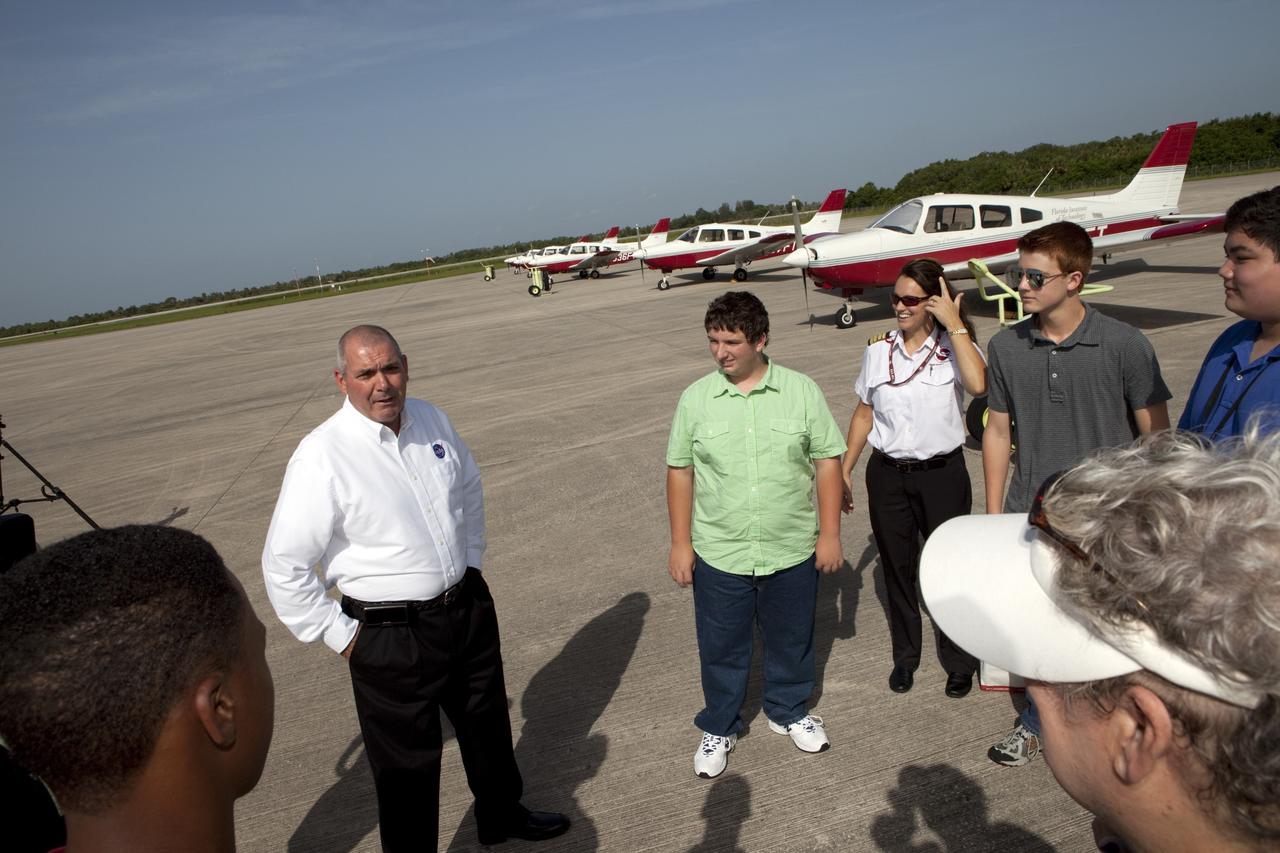
CAPE CANAVERAL, Fla. – At NASA Kennedy Space Center’s Shuttle Landing Facility, or SLF, in Florida, NASA Aviation Safety Officer Joe Torsani, at left, speaks with students and their flight instructors after they arrived in Cherokee Warrior and Cessna 172S lightweight aircraft from Florida Tech, FIT, in Melbourne. The middle and high school students are participating in FIT’s Av/Aero summer camp experience. They and their flight instructors toured the SLF midfield control tower, viewed F104 Starfighters and NASA Huey helicopters in the RLV Hangar, viewed the runway plaques marking wheels stop for each of the three space shuttles, and toured the Vehicle Assembly Building where space shuttle Atlantis currently is stored. Photo credit: NASA/Kim Shiflett
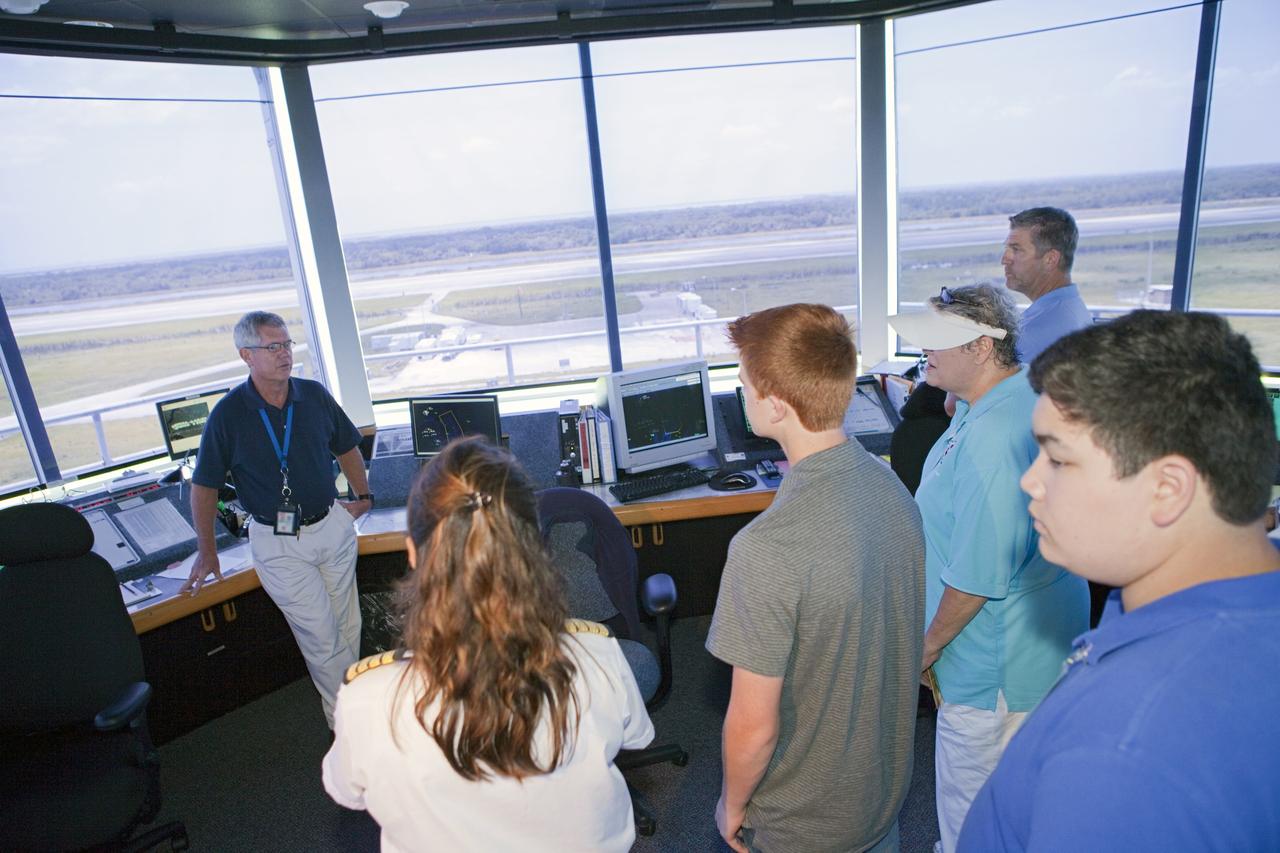
CAPE CANAVERAL, Fla. – At the Shuttle Landing Facility at NASA’s Kennedy Space Center in Florida, students and their flight instructors from Florida Tech, or FIT, in Melbourne, tour the midfield Air Traffic Control Tower. The instructors and their students arrived at the SLF in Cherokee Warrior and Cessna 172S lightweight aircraft. The middle and high school students are participating in FIT’s Av/Aero summer camp experience. They and their flight instructors toured the SLF midfield control tower, viewed F104 Starfighters and NASA Huey helicopters in the RLV Hangar, viewed the runway plaques marking wheels stop for each of the three space shuttles, and toured the Vehicle Assembly Building where space shuttle Atlantis currently is stored. Photo credit: NASA/Kim Shiflett
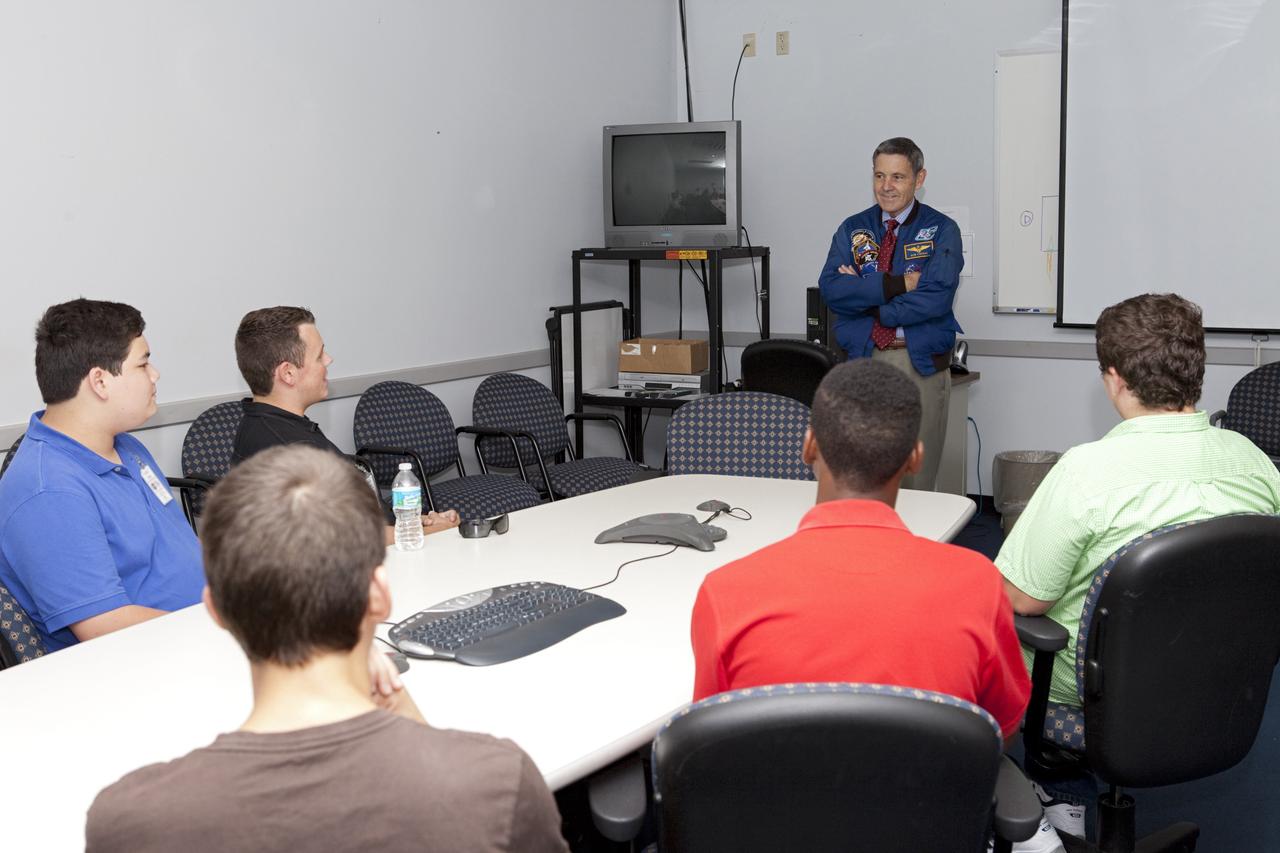
CAPE CANAVERAL, Fla. – In a support building near NASA Kennedy Space Center’s Shuttle Landing Facility, or SLF, in Florida, Center Director Bob Cabana speaks to students and their flight instructors from Florida Tech, or FIT, in Melbourne. The group arrived at the SLF in Cherokee Warrior and Cessna 172S lightweight aircraft.. The middle and high school students are participating in FIT’s Av/Aero summer camp experience. They and their flight instructors toured the SLF midfield control tower, viewed F104 Starfighters and NASA Huey helicopters in the RLV Hangar, viewed the runway plaques marking wheels stop for each of the three space shuttles, and toured the Vehicle Assembly Building where space shuttle Atlantis currently is stored. Photo credit: NASA/Kim Shiflett
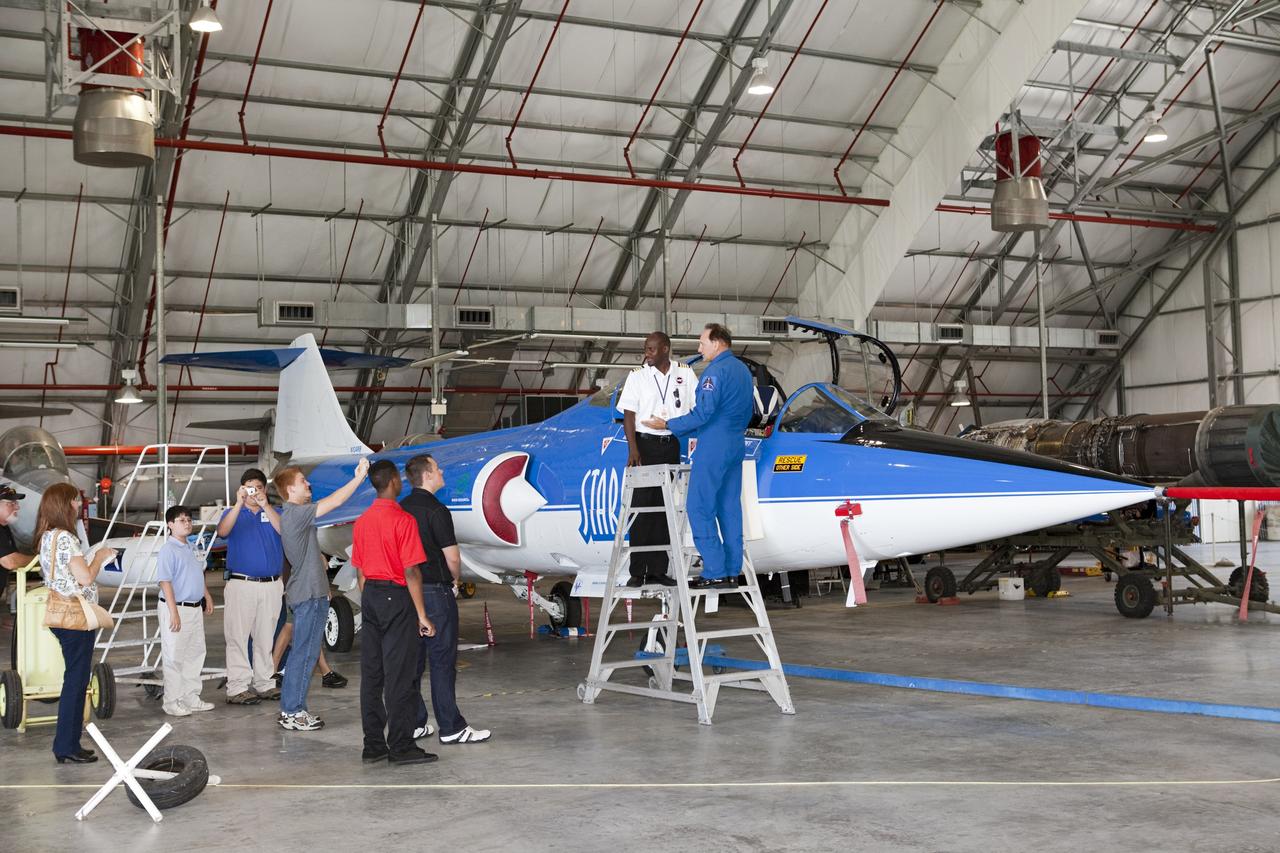
CAPE CANAVERAL, Fla. – Inside the RLV Hangar near NASA Kennedy Space Center’s Shuttle Landing Facility, or SLF, in Florida, Florida Tech, or FIT, Aviation Program Supervisor Tennesse Garvey, at left on the ladder, and several students view an F104 Starfighter. At right, on the ladder is Starfighter Director Rick Svetkoff. The FIT aviation instructors and their students arrived at the SLF in Cherokee Warrior and Cessna 172S lightweight aircraft. The middle and high school students are participating in FIT’s Av/Aero summer camp experience. They and their flight instructors toured the SLF midfield control tower, viewed F104 Starfighters and NASA Huey helicopters in the RLV Hangar, viewed the runway plaques marking wheels stop for each of the three space shuttles, and toured the Vehicle Assembly Building where space shuttle Atlantis currently is stored. Photo credit: NASA/Kim Shiflett
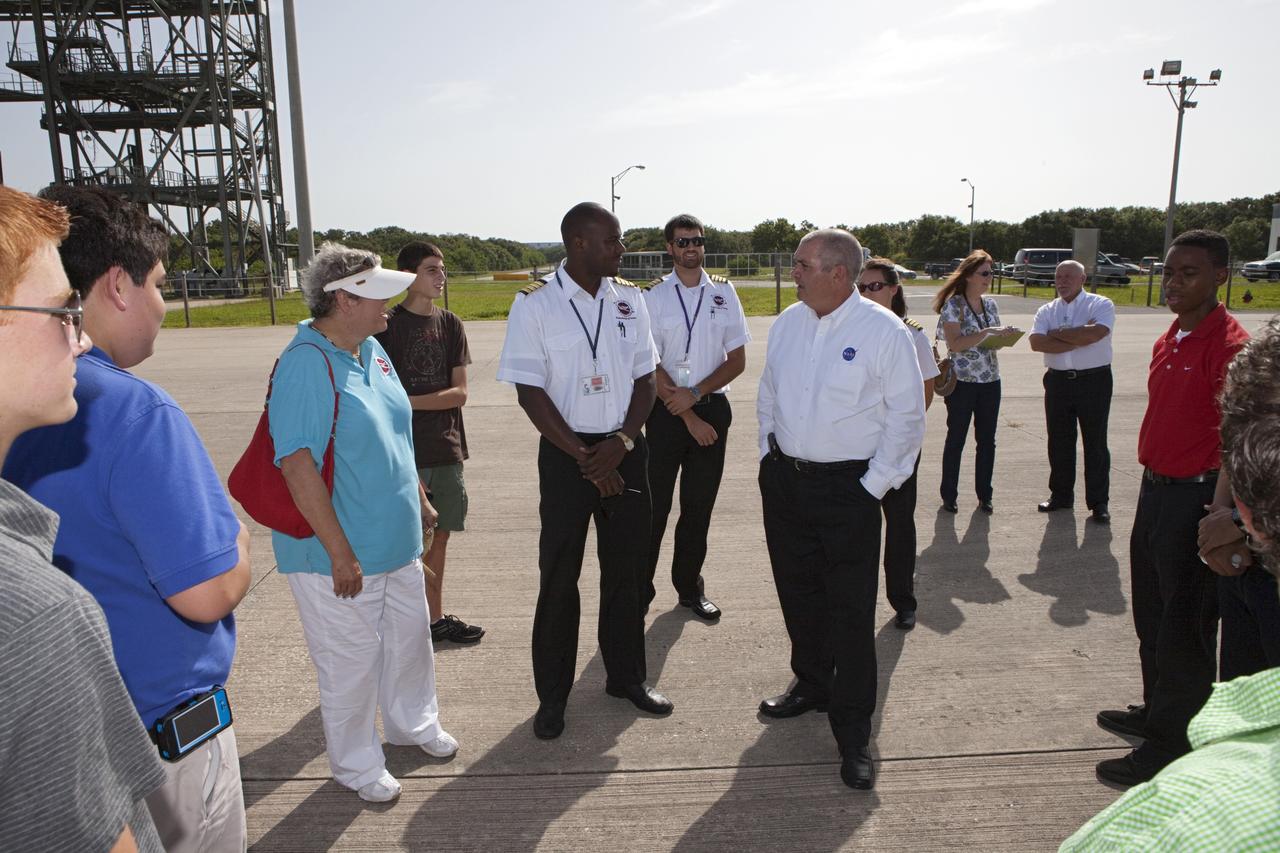
CAPE CANAVERAL, Fla. – At NASA Kennedy Space Center’s Shuttle Landing Facility, or SLF, in Florida, NASA Aviation Safety Officer Joe Torsani, at right, speaks with students and their flight instructors after they arrived in Cherokee Warrior and Cessna 172S lightweight aircraft from Florida Tech, or FIT, in Melbourne. The middle and high school students are participating in FIT’s Av/Aero summer camp experience. They and their flight instructors toured the SLF midfield control tower, viewed F104 Starfighters and NASA Huey helicopters in the RLV Hangar, viewed the runway plaques marking wheels stop for each of the three space shuttles, and toured the Vehicle Assembly Building where space shuttle Atlantis currently is stored. Photo credit: NASA/Kim Shiflett
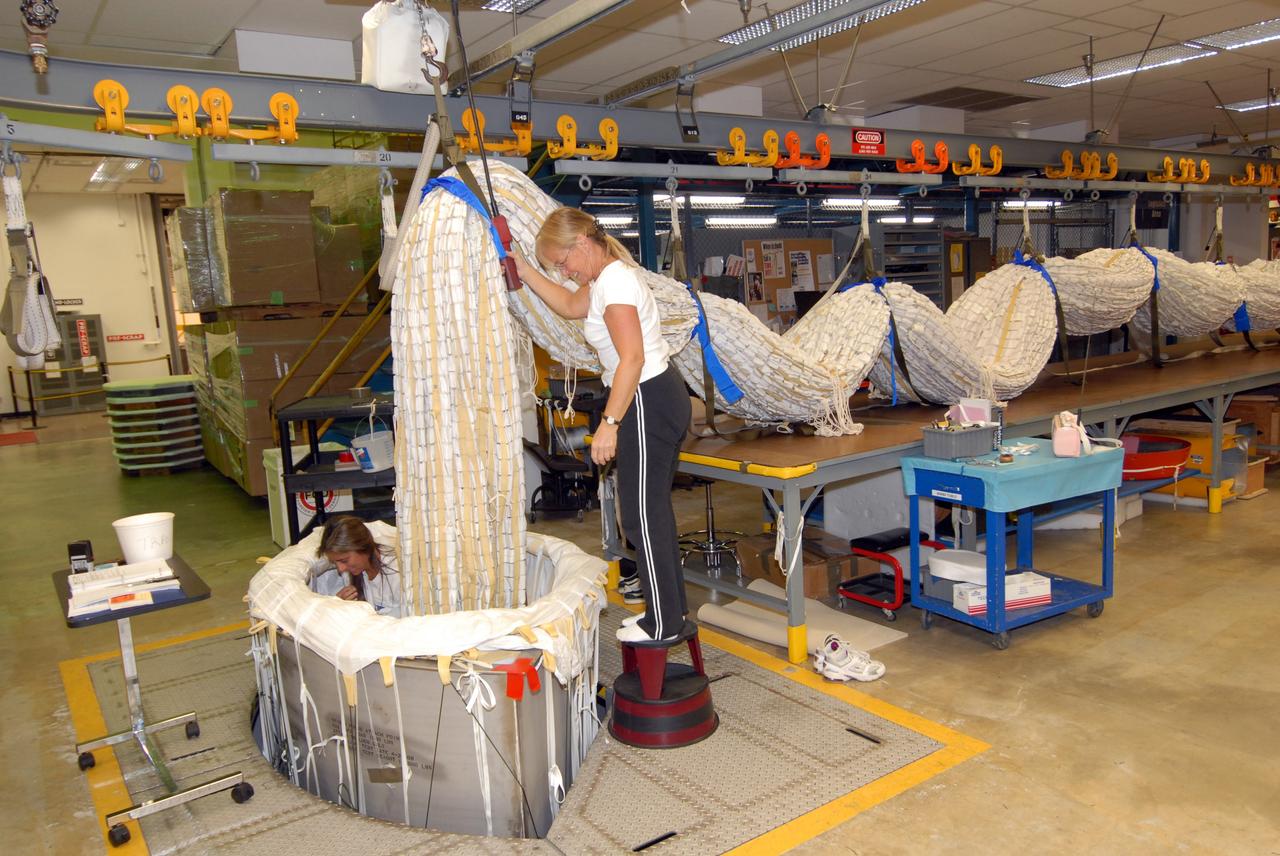
CAPE CANAVERAL, Fla. - In the Parachute Refurbishment Facility at NASA's Kennedy Space Center, United Space Alliance senior aero composite technicians Dior Hubel (kneeling) and Marcia Jones-Clark pack a main parachute slated for use on the Ares I-X test flight. The launch is targeted for July 2009 from Kennedy’s Launch Pad 39B and will provide an early opportunity to test and prove hardware, facilities and ground operations associated with the Ares I rocket. The Ares I-X rocket is a combination of existing and simulator hardware that will resemble the Ares I crew launch vehicle in size, shape and weight. It will provide valuable data to guide the final design of the Ares I, which will launch astronauts in the Orion crew exploration vehicle. The test flight also will bring NASA one step closer to its exploration goals of returning humans to the moon for sustained exploration of the lunar surface and missions to destinations beyond. Photo credit: NASA/Jack Pfaller
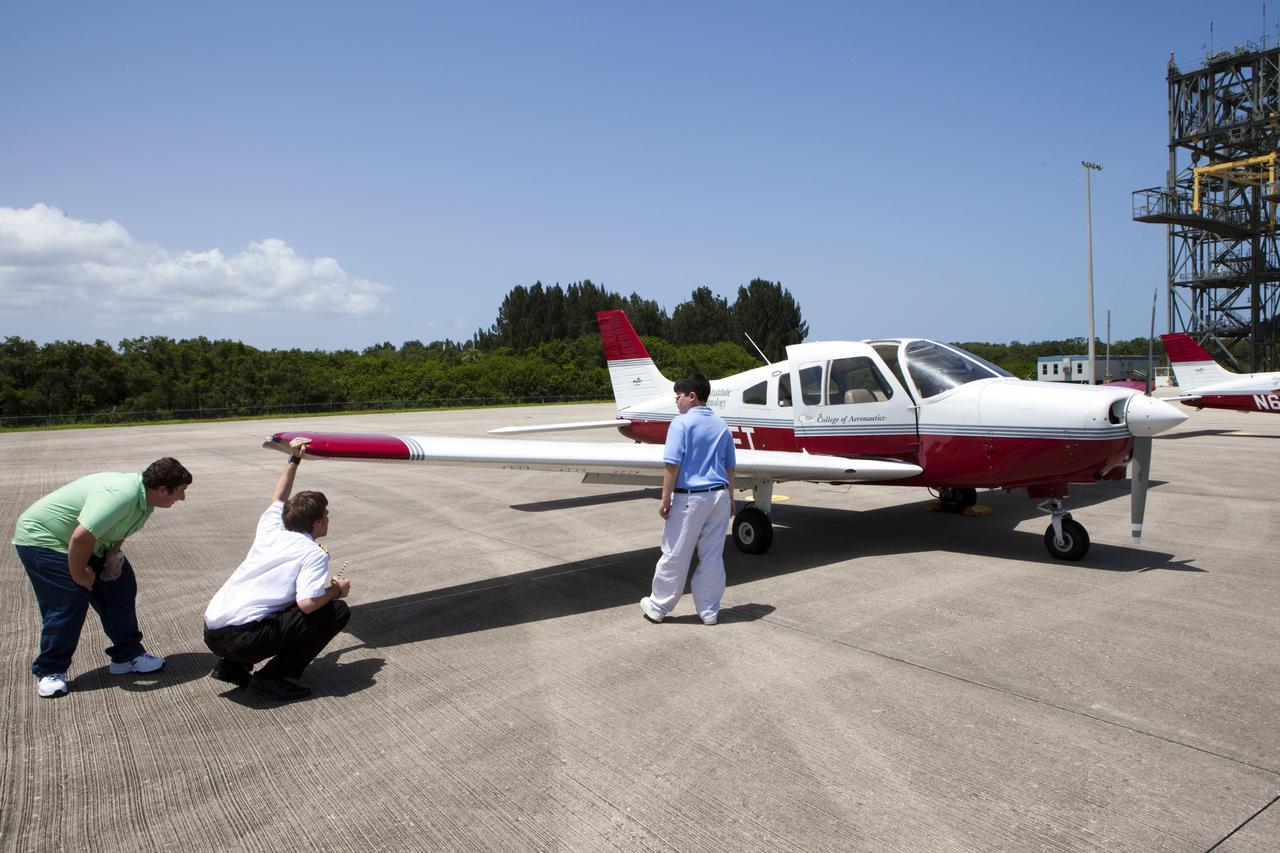
CAPE CANAVERAL, Fla. – At NASA Kennedy Space Center’s Shuttle Landing Facility, or SLF, in Florida, a flight instructor and his students inspect the lightweight aircraft they flew in earlier in the day from Florida Tech, or FIT, in Melbourne. Several instructors and their students arrived at the SLF in Cherokee Warrior and Cessna 172S lightweight aircraft. The middle and high school students are participating in FIT’s Av/Aero summer camp experience. They and their flight instructors toured the SLF midfield control tower, viewed F104 Starfighters and NASA Huey helicopters in the RLV Hangar, viewed the runway plaques marking wheels stop for each of the three space shuttles, and toured the Vehicle Assembly Building where space shuttle Atlantis currently is stored. Photo credit: NASA/Kim Shiflett
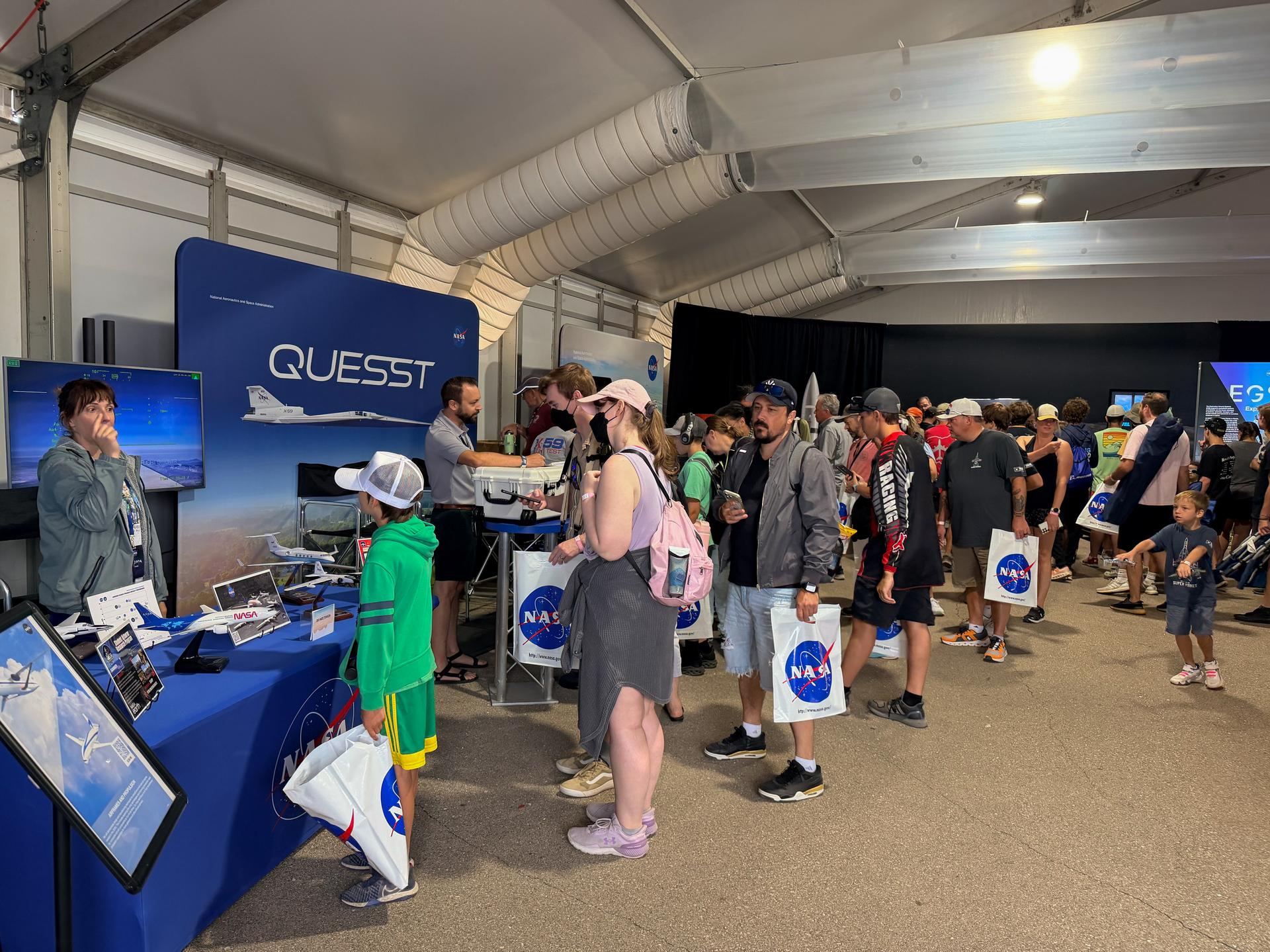
A line of visitors work their way through the exhibits and stop by the Quesst table in the NASA pavilion at the 2026 Experimental Aircraft Association (EAA) AirVenture air show in Oshkosh, Wisconsin, on Saturday, July 25, 2026.
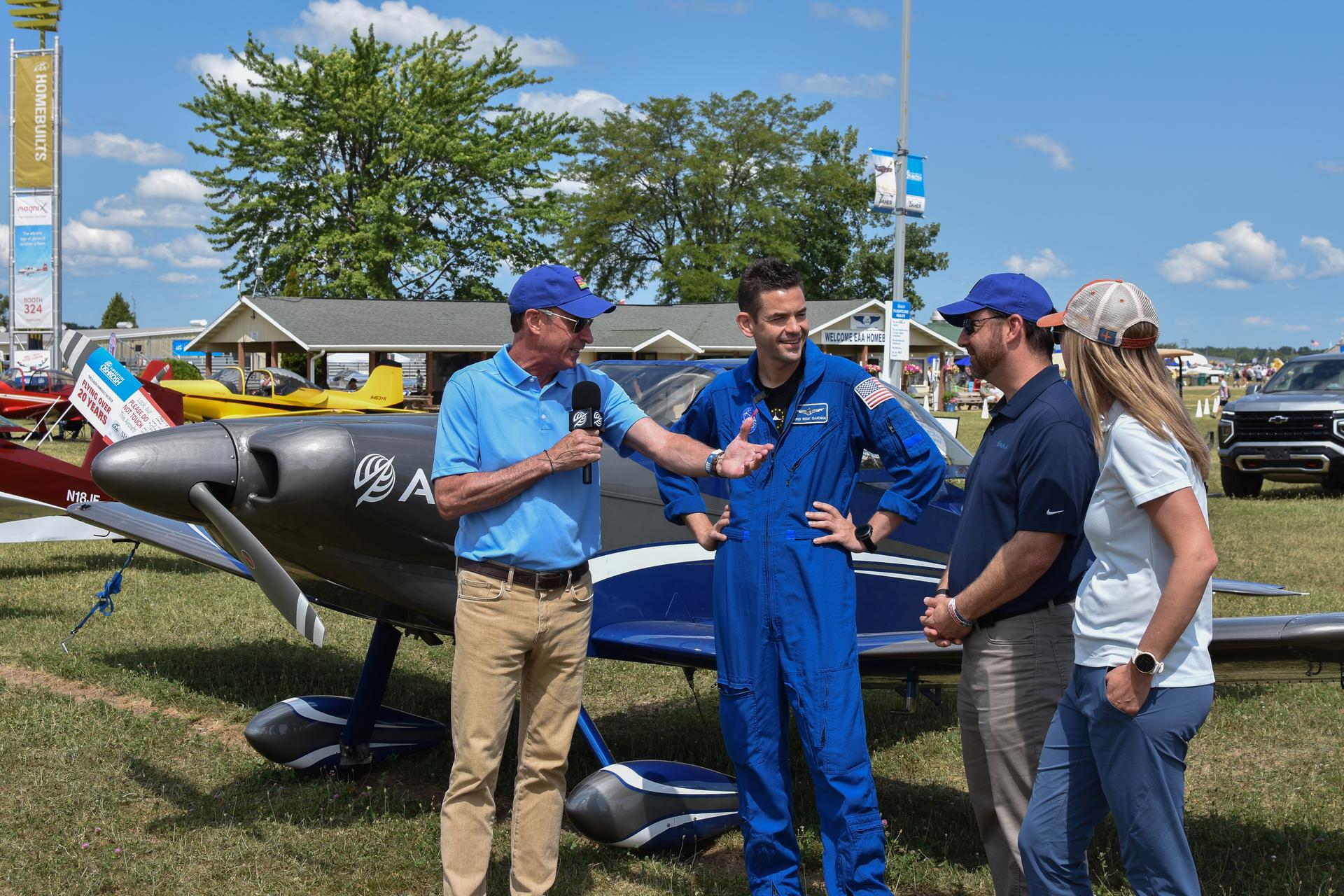
NASA Administrator Jared Isaacman meets with representatives from the American Institute of Aeronautics and Astronautics (AIAA) at the 2026 Experimental Aircraft Association (EAA) AirVenture air show in Oshkosh, Wisconsin, on Thursday, July 23, 2026.
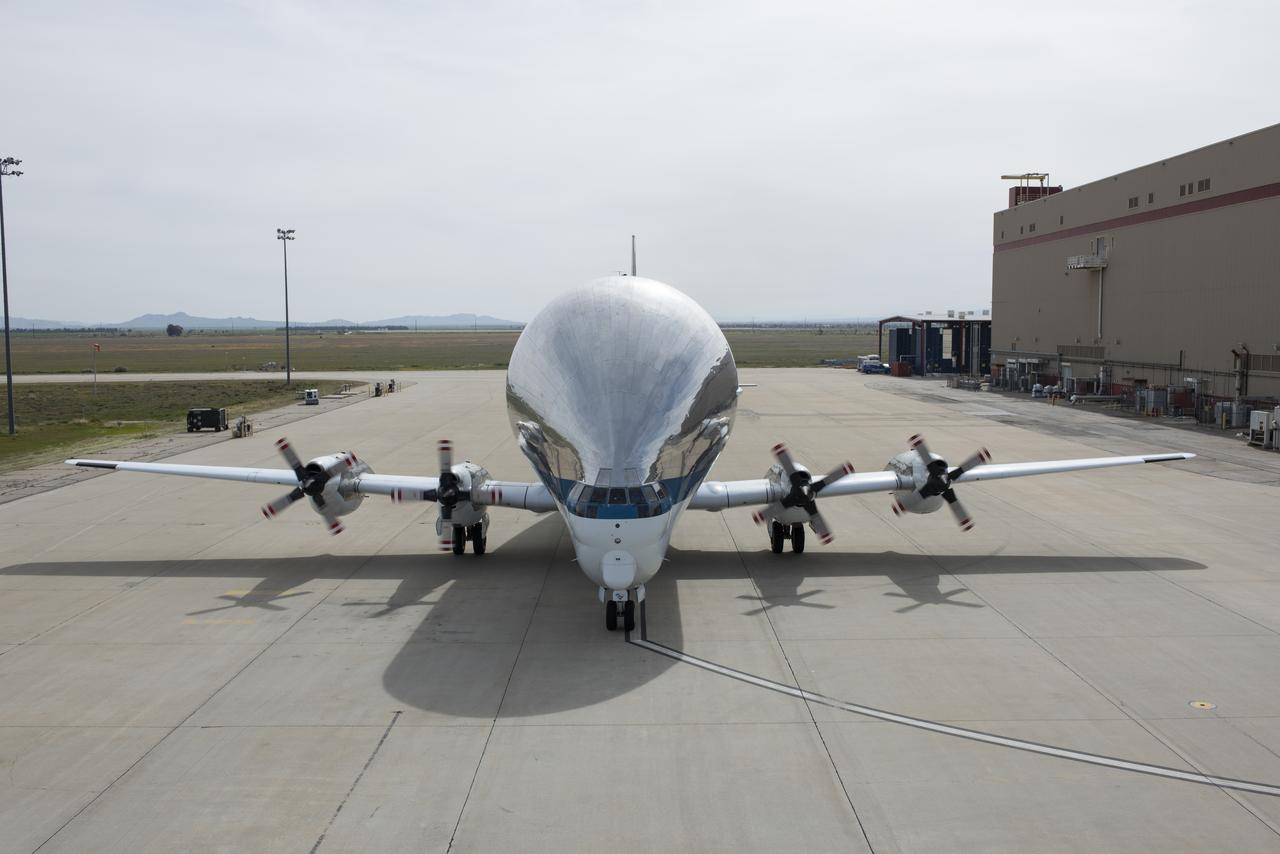
Front view of NASA’s Super Guppy cargo transport aircraft as it taxis in at NASA’s Armstrong Flight Research Center Building 703 ramp.
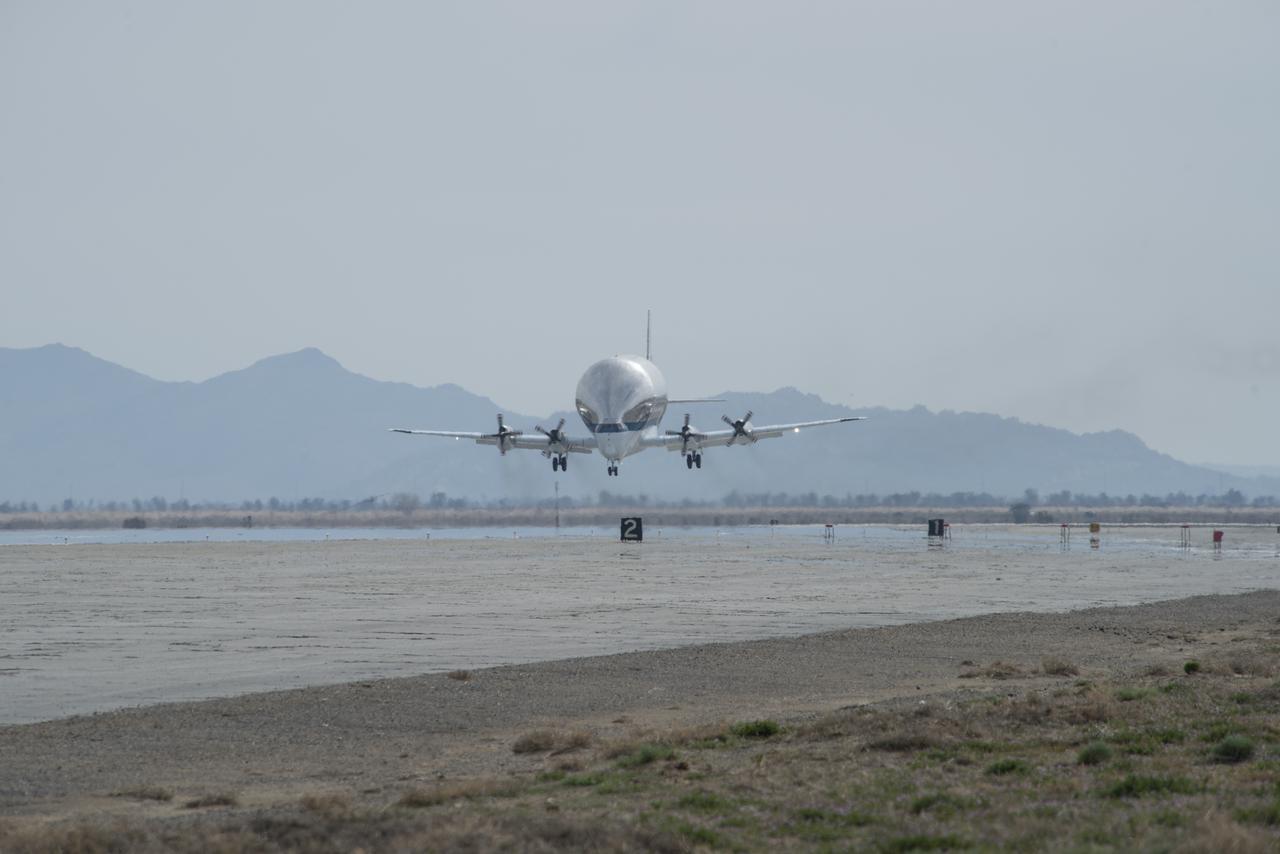
NASA's Super Guppy cargo transport aircraft coming in for landing at Plant 42 in Palmdale, California on April 1, 2019.