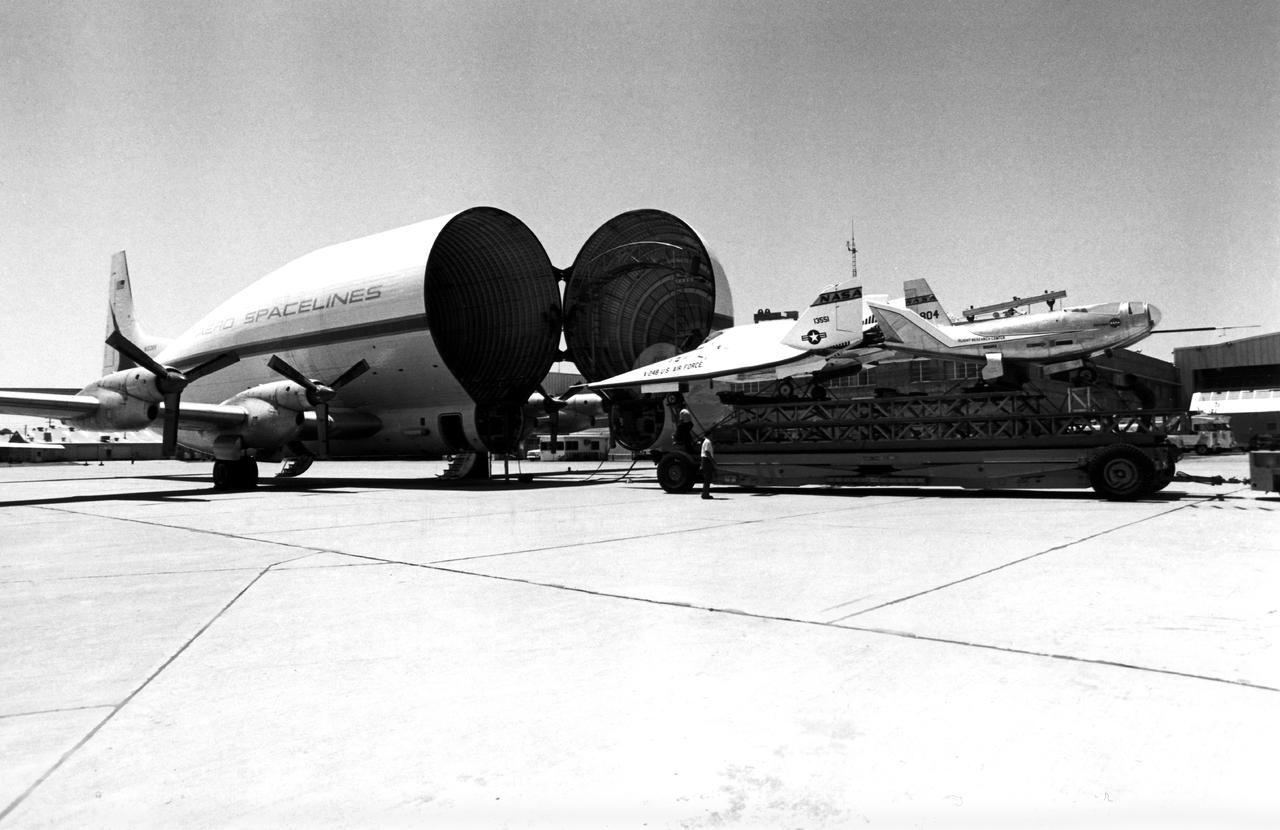
Aero Spacelines B377SGT Super Guppy on Ramp Loading the X-24B and HL-10 Lifting Bodies for Transportation to the Air Force Museum at Wright-Patterson Air Force Base, Ohio
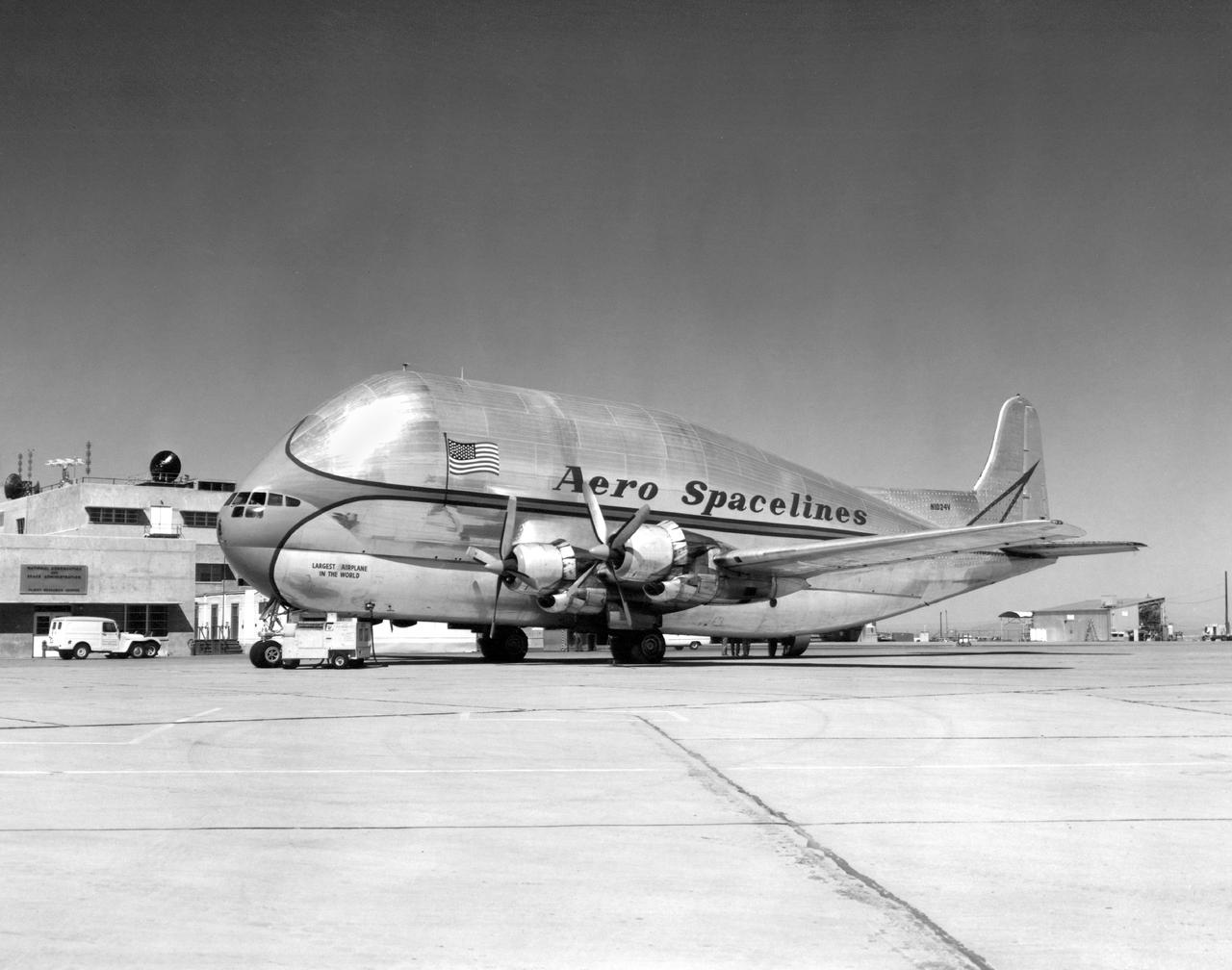
Aero Spacelines B-377PG Pregnant Guppy on ramp in preparation for flight tests and pilot evaluation
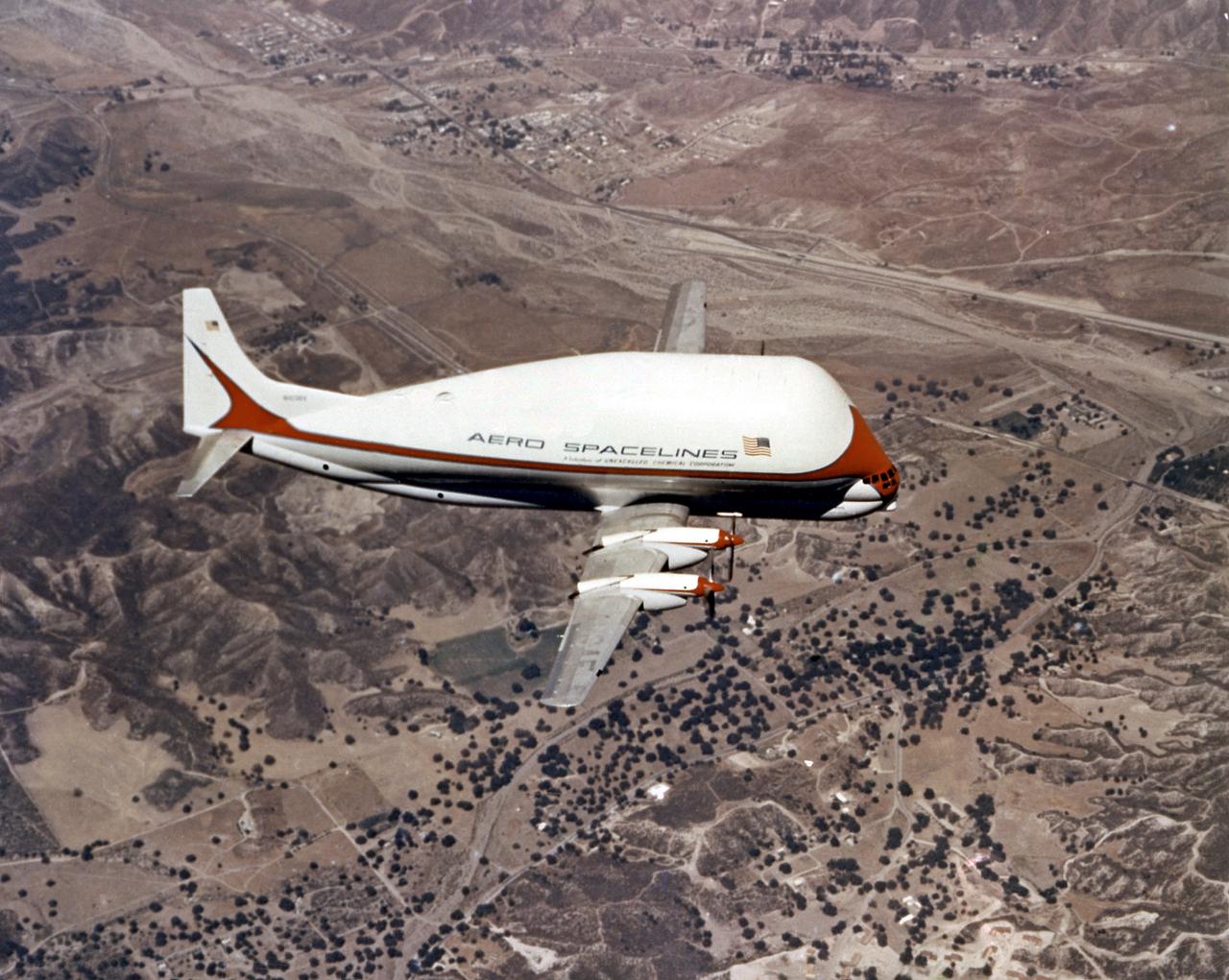
Super Guppy, bigger sister of the aptly named Pregnant Guppy, was the only airplane in the world capable of carrying a complete S-IVB stage. This aircraft was built by John M. Conroy of Aero Spaceliners, Incorporated, who started with the fuselages of a surplus Boeing C-97 Stratocruiser, ballooned out the upper decks enormously, and hinged the front sections so that they could be folded back 110 degrees. The Super Guppy flew smoothly at a 250-mph cruising speed, and its cargo deck provided a 25-foot clear diameter.
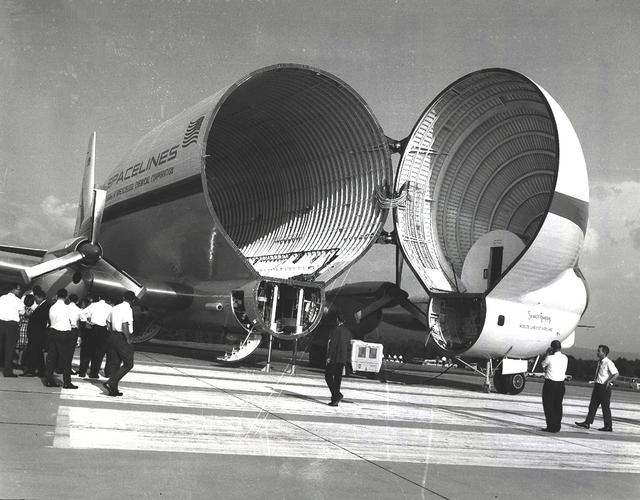
The Super Guppy is shown at the Redstone Airstrip. NASA used the aircraft to transport the S-IVB upper stage used on the Saturn IB and Saturn V launch vehicles between manufacturing facilities on the West coast, and testing and launch facilities in the Southeast. This aircraft was built by John M. Conroy of Aero Spaceliners, Incorporated, who started with the fuselages of a surplus Boeing C-97 Stratocruiser, ballooned out the upper decks enormously, and hinged the front sections so that they could be folded back 110 degrees. The Super Guppy flew smoothly at a 250-mph cruising speed, and its cargo deck provided a 25-foot clear diameter.
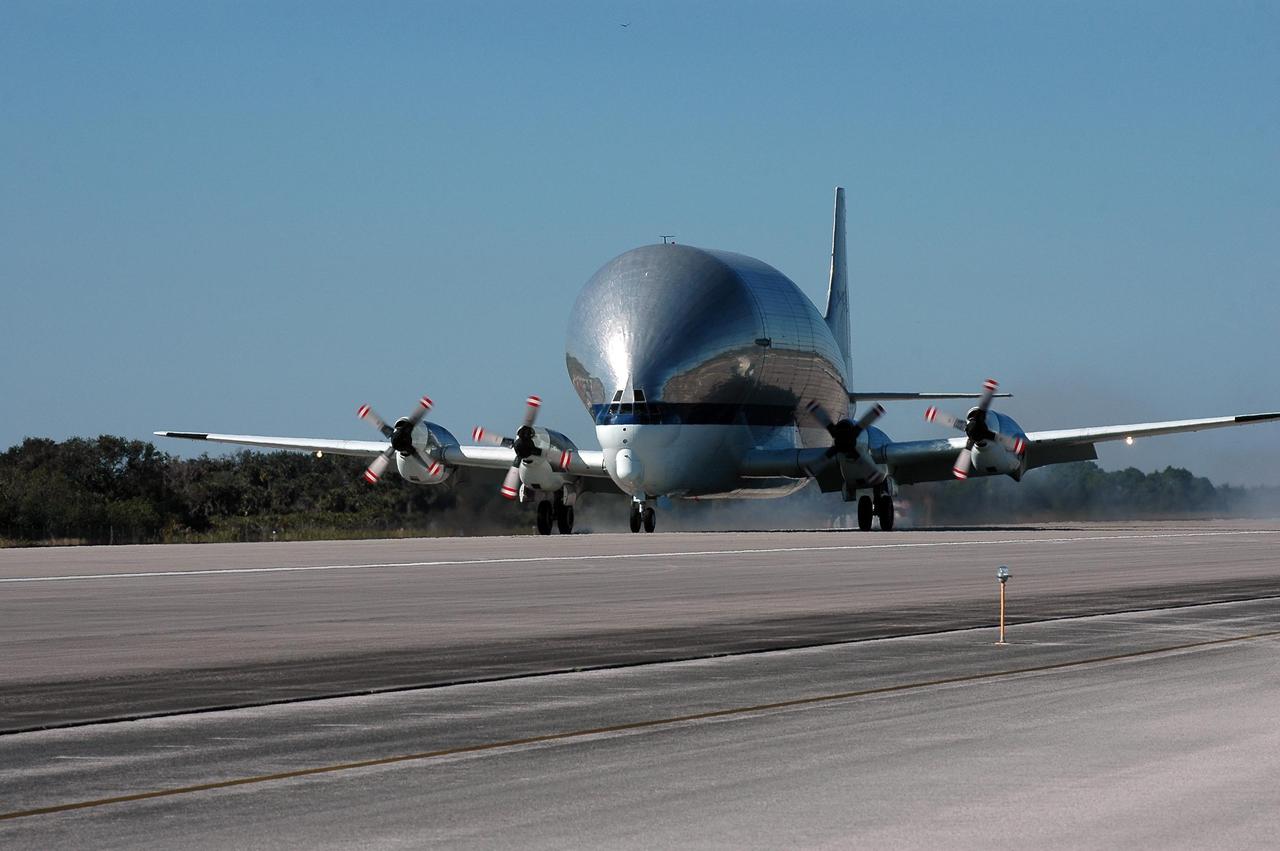
KENNEDY SPACE CENTER, FLA. - This Super Guppy aircraft rolls down the runway after landing at NASA Kennedy Space Center’s Shuttle Landing Facility. It has flown to the Center to pick up and transport the common module structural test element to NASA's Marshall Space Flight Center in Huntsville, Ala. The common module is an aluminum canister used as a structural test element for an actual Space Station flight element. At Marshall, the module will be used to conduct advanced environmental control and life support testing for future NASA exploration missions. The Super Guppy aircraft has a unique hinged nose that can open more than 200 degrees, allowing large pieces of cargo to be loaded and unloaded from the front. Guppy aircraft were used in several past space programs, including Gemini, Apollo and Skylab, to transport spacecraft components. NASA personnel at Ellington Field outfitted the Super Guppy with a specially designed cradle to be used when carrying International Space Station components. The first Guppy aircraft was developed in 1962, designed specifically for NASA operations by Aero Spacelines of California. Photo credit: NASA/Kim Shiflett
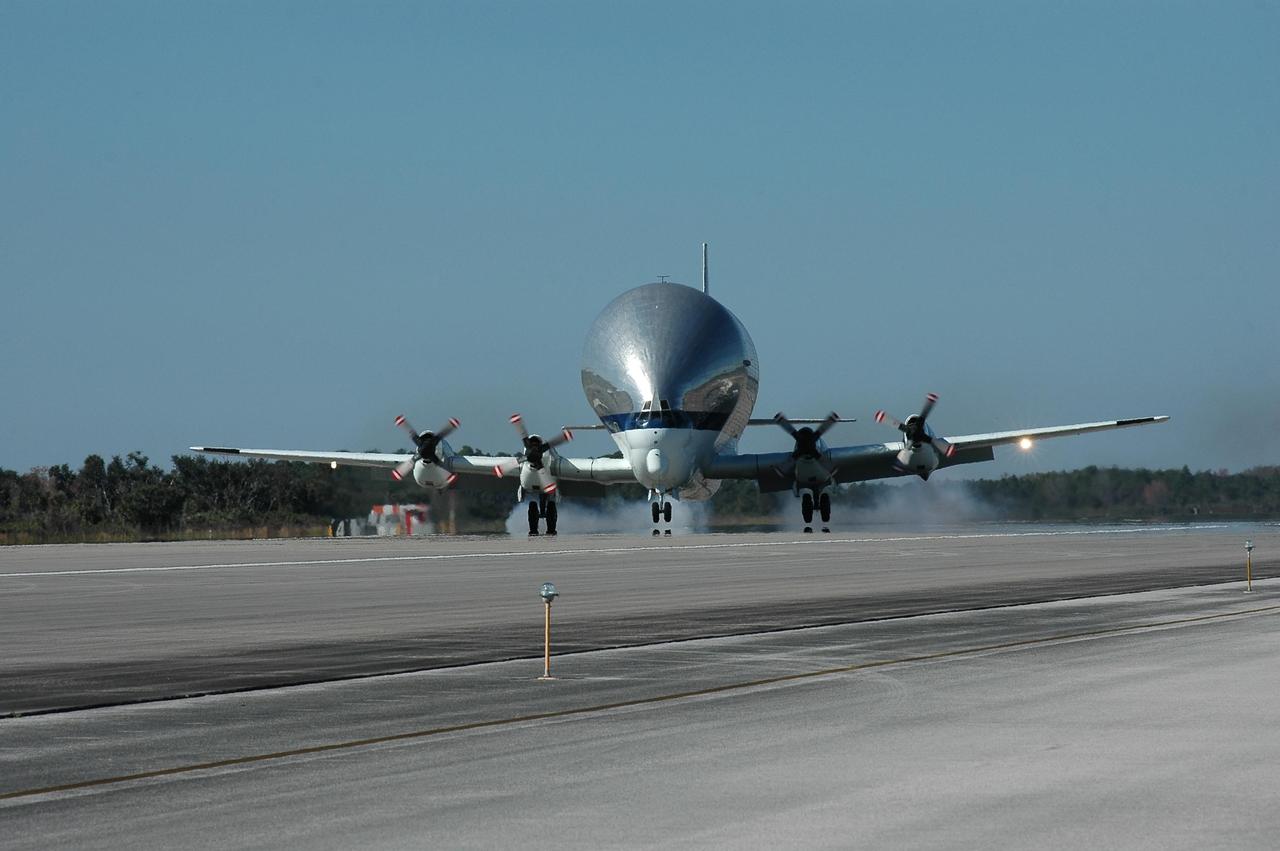
KENNEDY SPACE CENTER, FLA. - This Super Guppy aircraft touches down on the runway at NASA Kennedy Space Center’s Shuttle Landing Facility. It has flown to the Center to pick up and transport the common module structural test element to NASA's Marshall Space Flight Center in Huntsville, Ala. The common module is an aluminum canister used as a structural test element for an actual Space Station flight element. At Marshall, the module will be used to conduct advanced environmental control and life support testing for future NASA exploration missions. The Super Guppy aircraft has a unique hinged nose that can open more than 200 degrees, allowing large pieces of cargo to be loaded and unloaded from the front. Guppy aircraft were used in several past space programs, including Gemini, Apollo and Skylab, to transport spacecraft components. NASA personnel at Ellington Field outfitted the Super Guppy with a specially designed cradle to be used when carrying International Space Station components. The first Guppy aircraft was developed in 1962, designed specifically for NASA operations by Aero Spacelines of California. Photo credit: NASA/Kim Shiflett
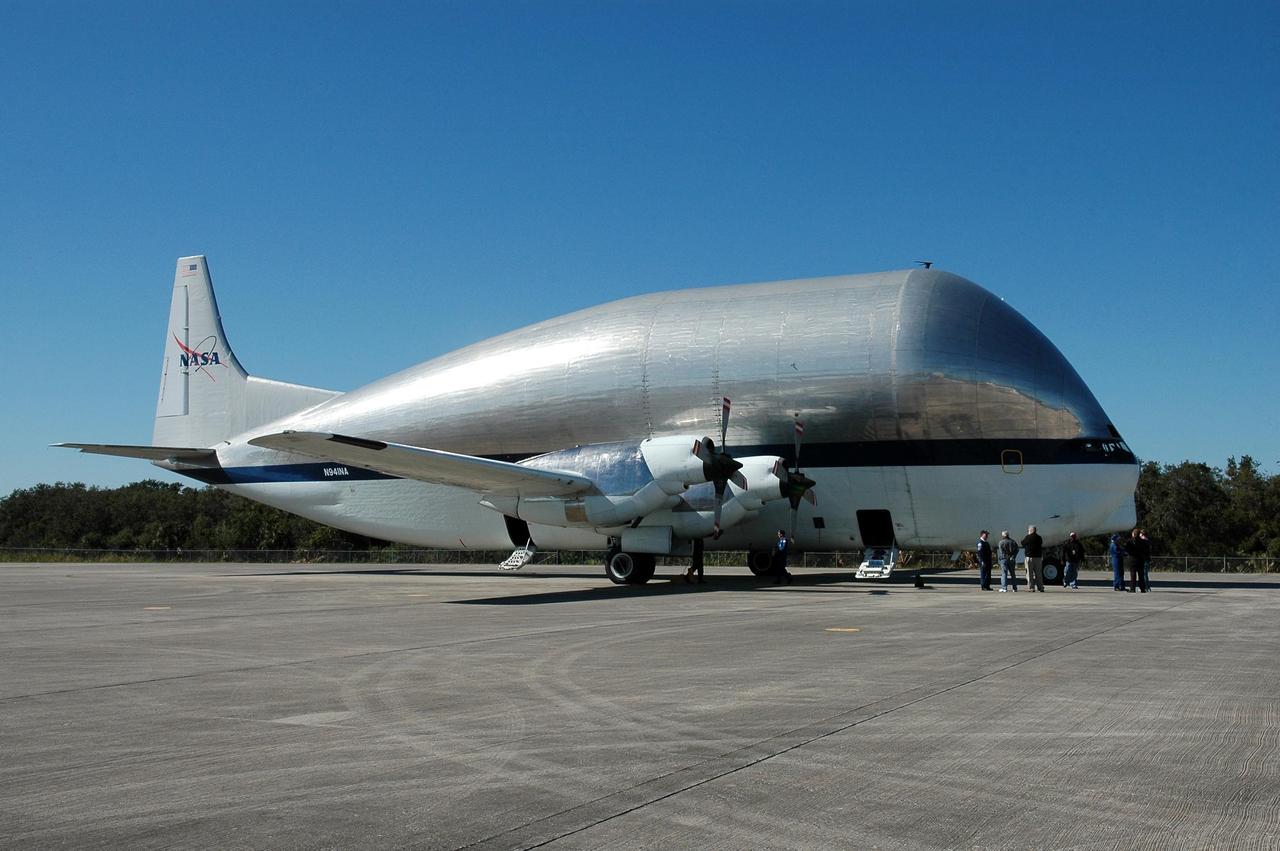
KENNEDY SPACE CENTER, FLA. - This Super Guppy aircraft is parked on NASA Kennedy Space Center’s Shuttle Landing Facility after landing. It has flown to the Center to pick up and transport the common module structural test element to NASA's Marshall Space Flight Center in Huntsville, Ala. The common module is an aluminum canister used as a structural test element for an actual Space Station flight element. At Marshall, the module will be used to conduct advanced environmental control and life support testing for future NASA exploration missions. The Super Guppy aircraft has a unique hinged nose that can open more than 200 degrees, allowing large pieces of cargo to be loaded and unloaded from the front. Guppy aircraft were used in several past space programs, including Gemini, Apollo and Skylab, to transport spacecraft components. NASA personnel at Ellington Field outfitted the Super Guppy with a specially designed cradle to be used when carrying International Space Station components. The first Guppy aircraft was developed in 1962, designed specifically for NASA operations by Aero Spacelines of California. Photo credit: NASA/Kim Shiflett
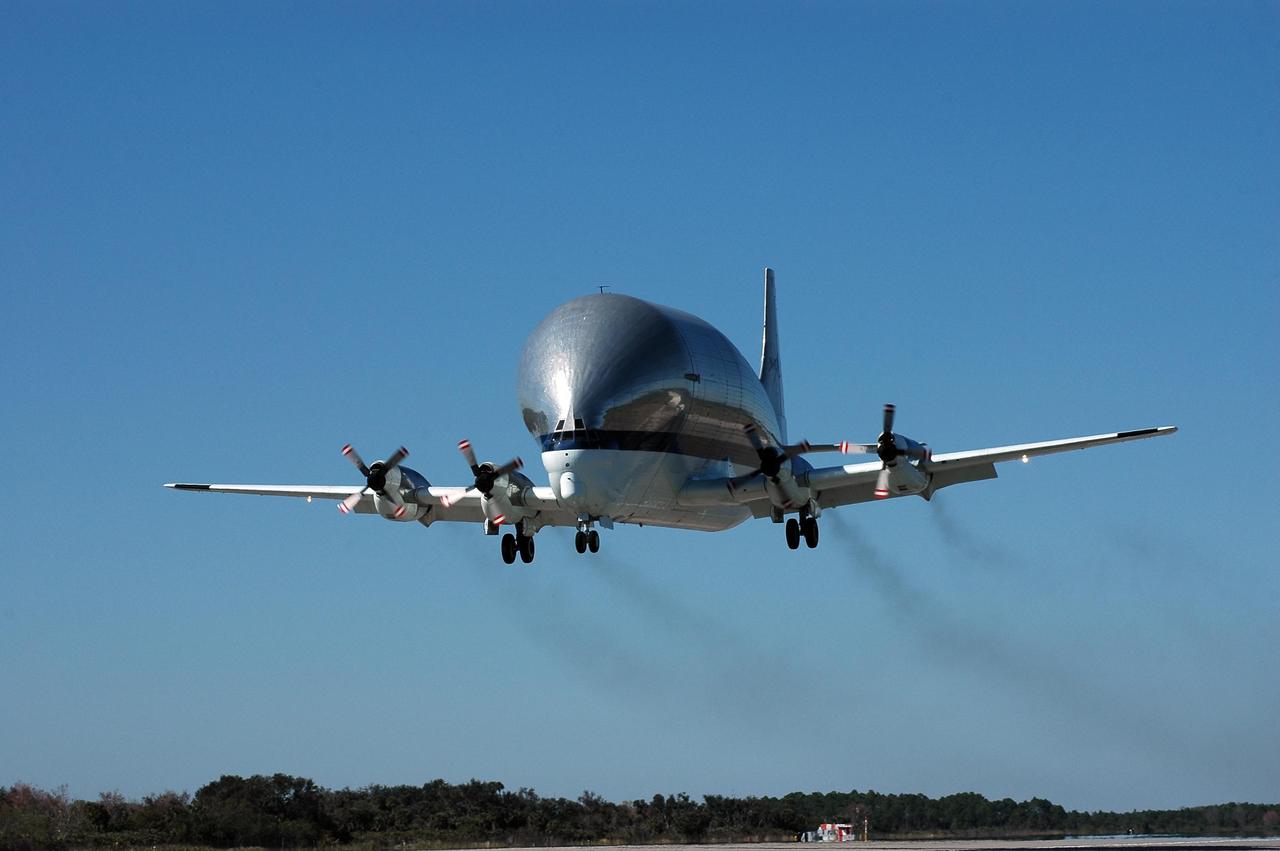
KENNEDY SPACE CENTER, FLA. - This Super Guppy aircraft approaches landing at NASA Kennedy Space Center’s Shuttle Landing Facility. It has flown to the Center to pick up and transport the common module structural test element to NASA's Marshall Space Flight Center in Huntsville, Ala. The common module is an aluminum canister used as a structural test element for an actual Space Station flight element. At Marshall, the module will be used to conduct advanced environmental control and life support testing for future NASA exploration missions. The Super Guppy aircraft has a unique hinged nose that can open more than 200 degrees, allowing large pieces of cargo to be loaded and unloaded from the front. Guppy aircraft were used in several past space programs, including Gemini, Apollo and Skylab, to transport spacecraft components. NASA personnel at Ellington Field outfitted the Super Guppy with a specially designed cradle to be used when carrying International Space Station components. The first Guppy aircraft was developed in 1962, designed specifically for NASA operations by Aero Spacelines of California. Photo credit: NASA/Kim Shiflett
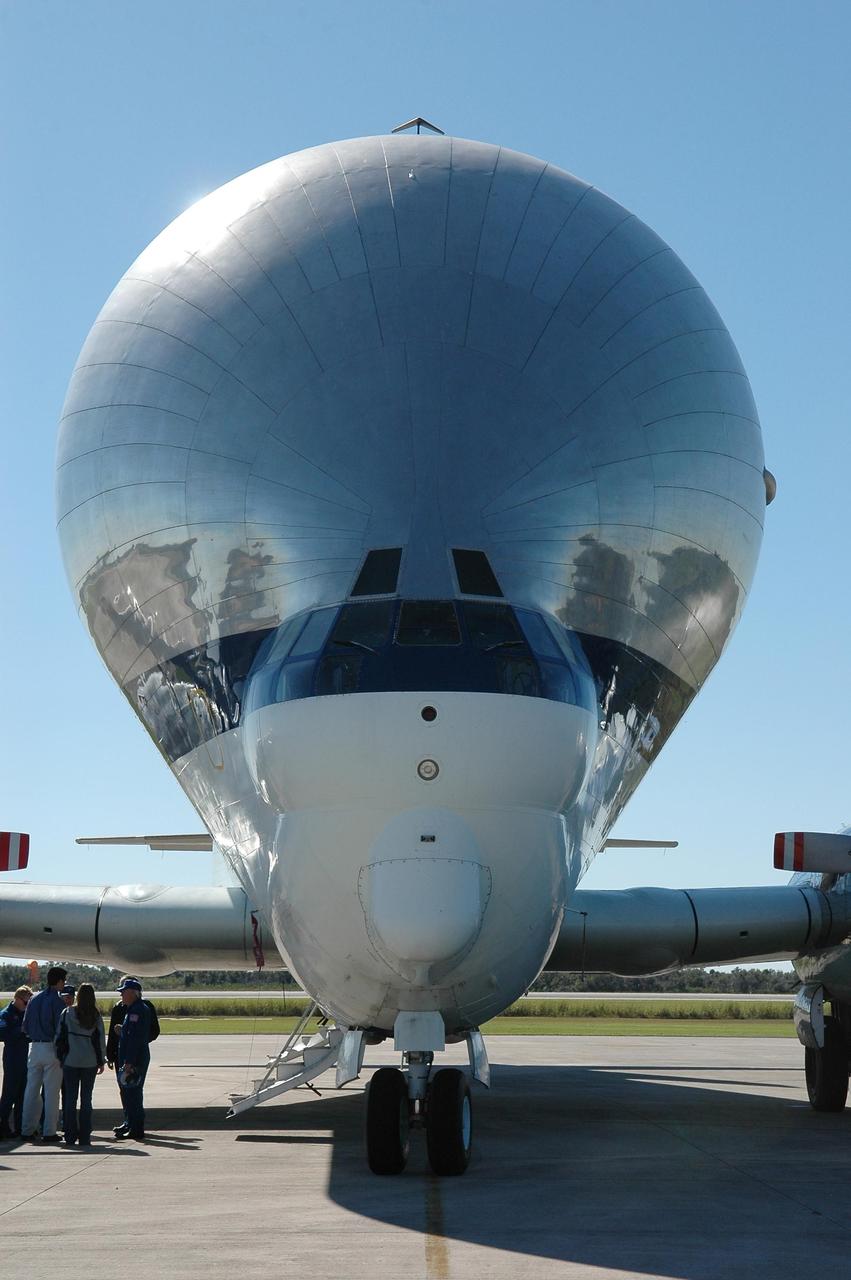
KENNEDY SPACE CENTER, FLA. - This front view of the Super Guppy aircraft, parked on NASA Kennedy Space Center’s Shuttle Landing Facility, appears more like a hot air balloon. In fact, it is the bulbous nose which, when unhinged, can open more than 200 degrees and allow large pieces of cargo to be loaded and unloaded from the front. The aircraft has flown to the Center to pick up and transport the common module structural test element to NASA's Marshall Space Flight Center in Huntsville, Ala. The common module is an aluminum canister used as a structural test element for an actual Space Station flight element. At Marshall, the module will be used to conduct advanced environmental control and life support testing for future NASA exploration missions. Guppy aircraft were used in several past space programs, including Gemini, Apollo and Skylab, to transport spacecraft components. NASA personnel at Ellington Field in Texas outfitted the Super Guppy with a specially designed cradle to be used when carrying International Space Station components. The first Guppy aircraft was developed in 1962, designed specifically for NASA operations by Aero Spacelines of California. Photo credit: NASA/Kim Shiflett
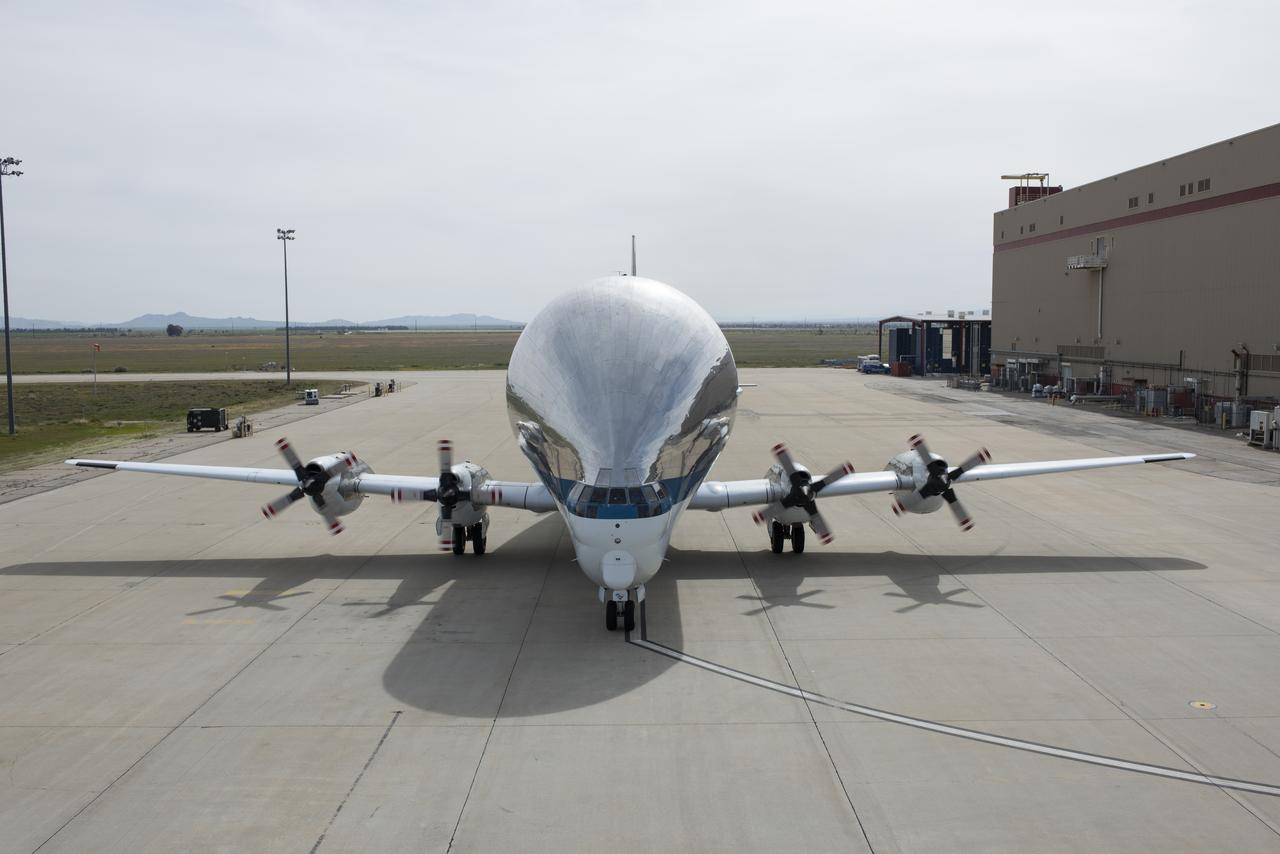
Front view of NASA’s Super Guppy cargo transport aircraft as it taxis in at NASA’s Armstrong Flight Research Center Building 703 ramp.
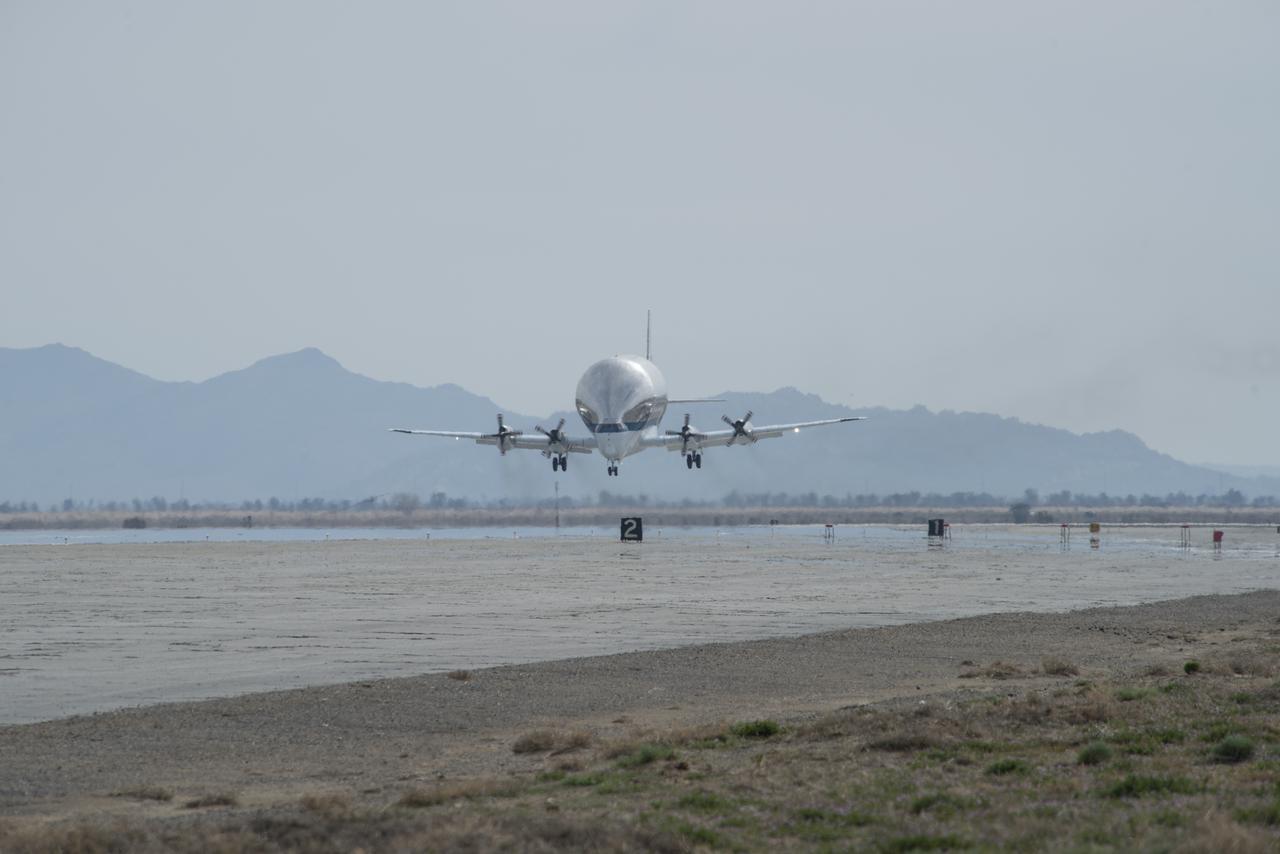
NASA's Super Guppy cargo transport aircraft coming in for landing at Plant 42 in Palmdale, California on April 1, 2019.

NASA's Super Guppy cargo transport aircraft taxis in from the Plant 42 runway to NASA"s Armstrong Flight Research Center Building 703 ramp. The aircraft is being stored in the hangar during its phase maintenance check.
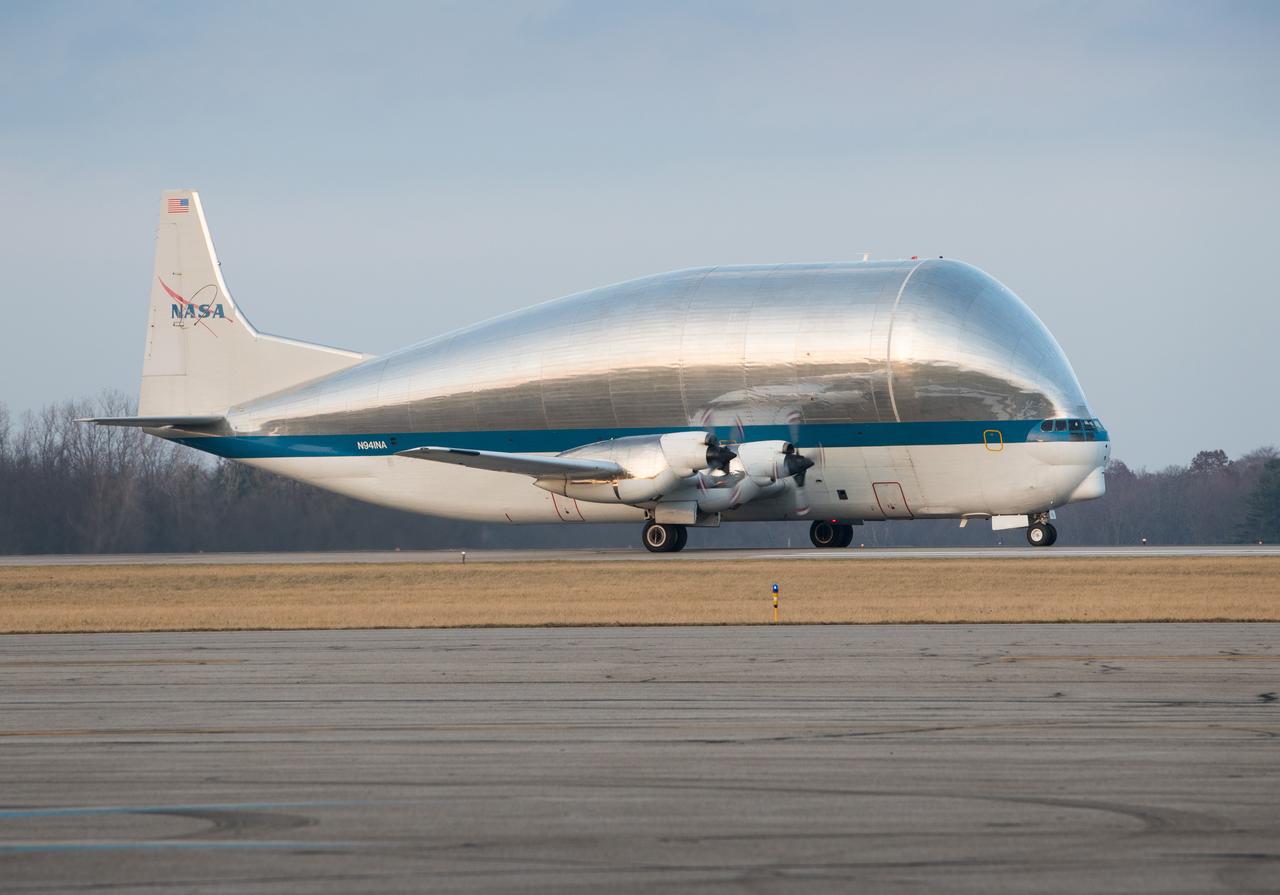
Orion - EM-1 - Artemis Spacecraft Arrival at Mansfield Lahm Airport on Board the Super Guppy Aircraft, Transportation to Plum Brook Station and Installation in the Space Environment Complex, SEC Thermal Vacuum Chamber
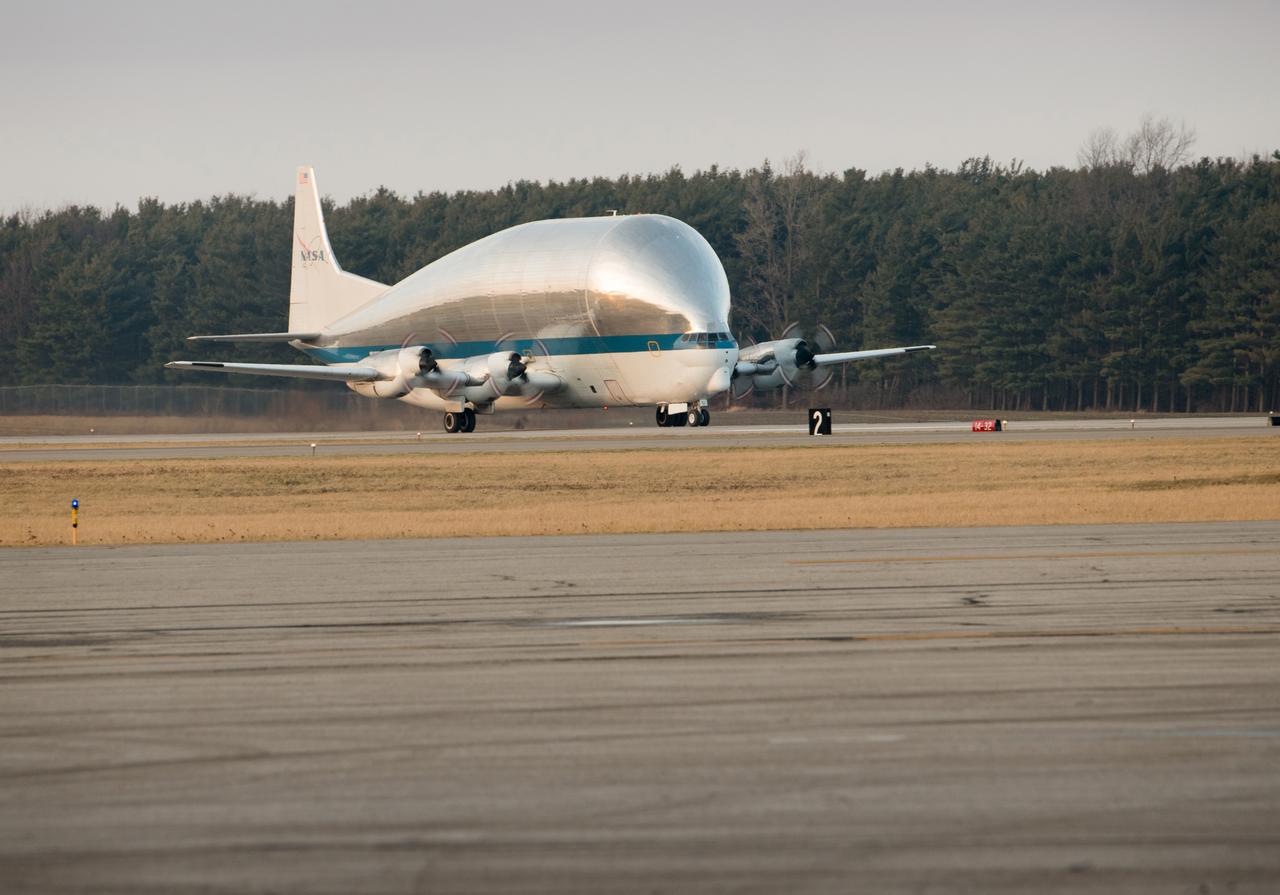
Orion - EM-1 - Artemis Spacecraft Arrival at Mansfield Lahm Airport on board the Super Guppy Aircraft, Transportation to Plum Brook Station and Installation in the Space Environment Complex, SEC Thermal Vacuum Chamber
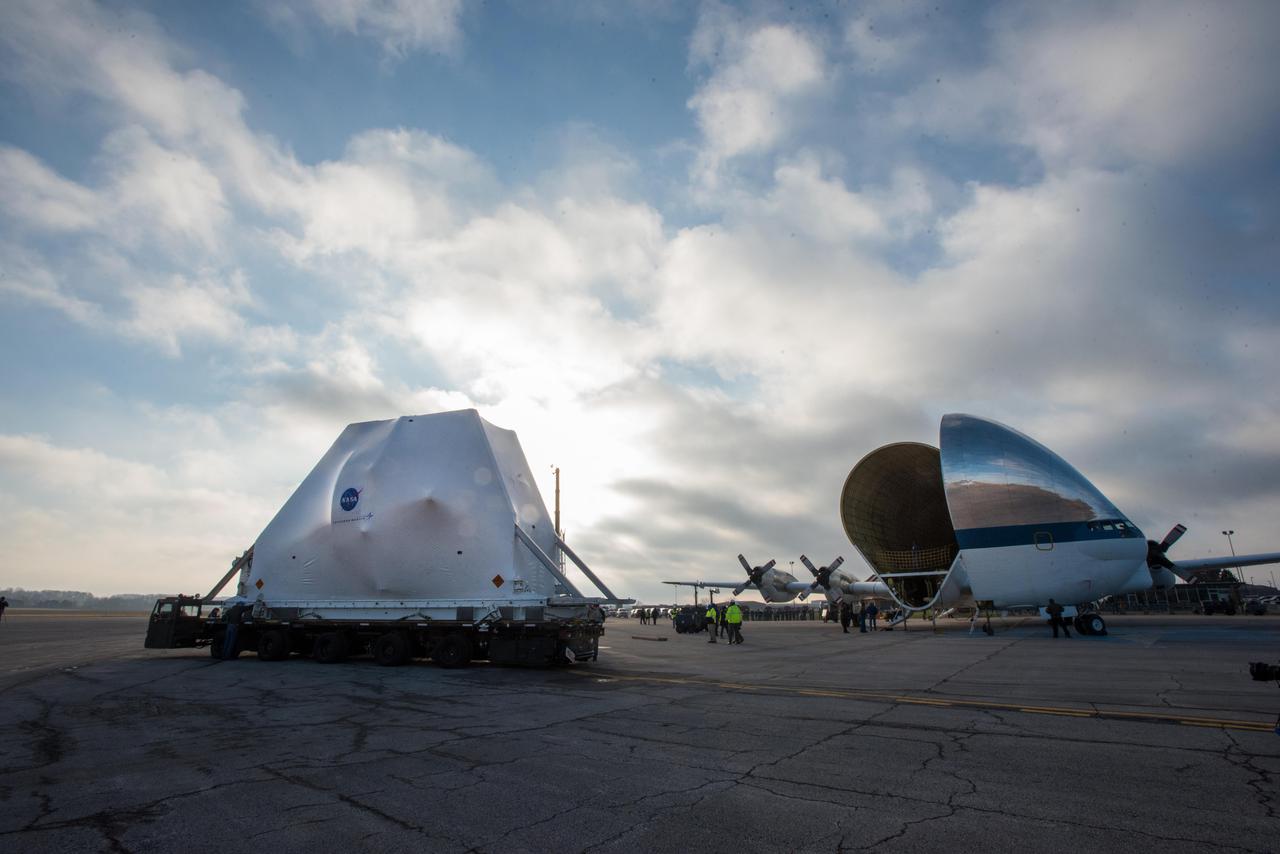
Orion - EM-1 - Artemis Spacecraft Arrival at Mansfield Lahm Airport, Transportation to Plum Brook Station and Installation in the Space Environment Complex, SEC Thermal Vacuum Chamber
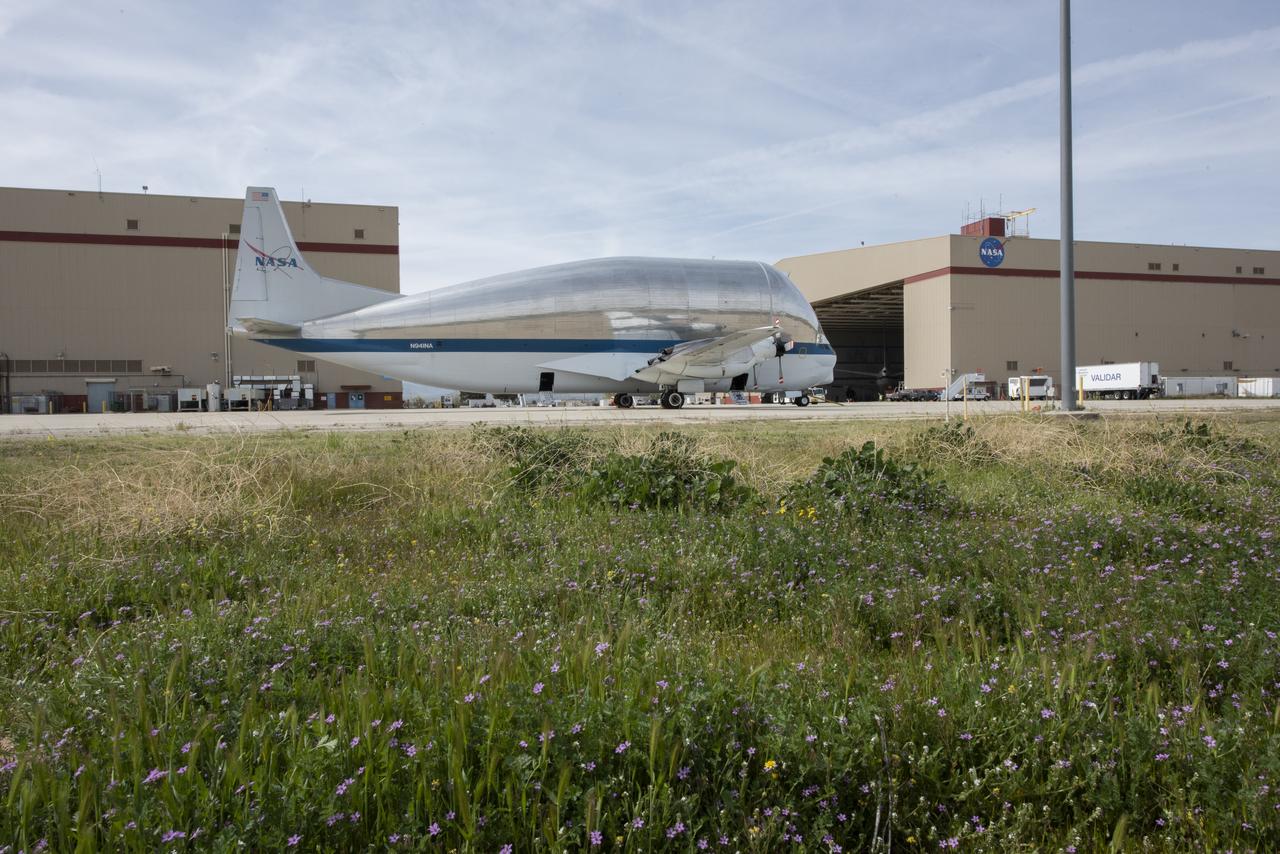
NASA’s Super Guppy cargo transport aircraft parked on the ramp in front of NASA’s Armstrong Flight Research Center Building 703.
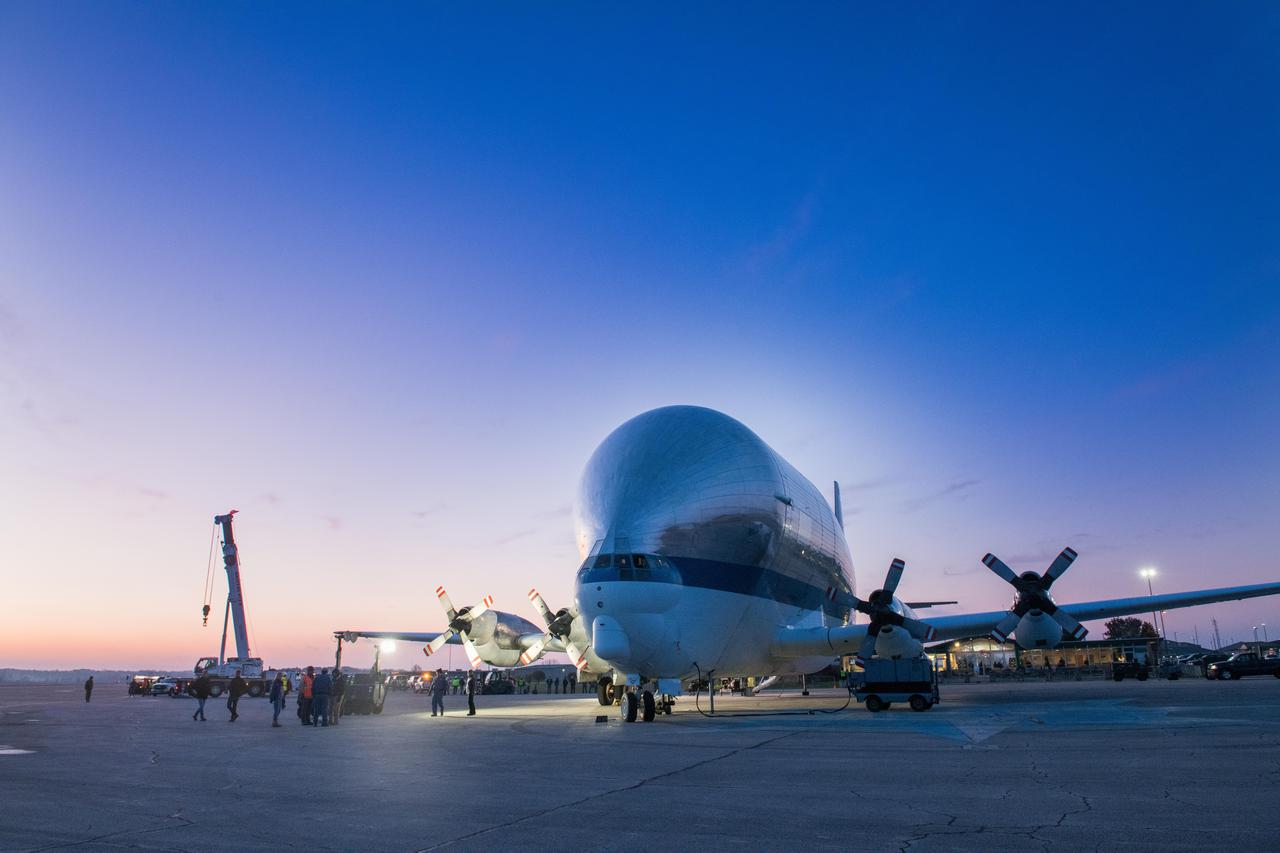
Orion - EM-1 - Artemis Spacecraft Arrival at Mansfield Lahm Airport, Transportation to Plum Brook Station and Installation in the Space Environment Complex, SEC Thermal Vacuum Chamber
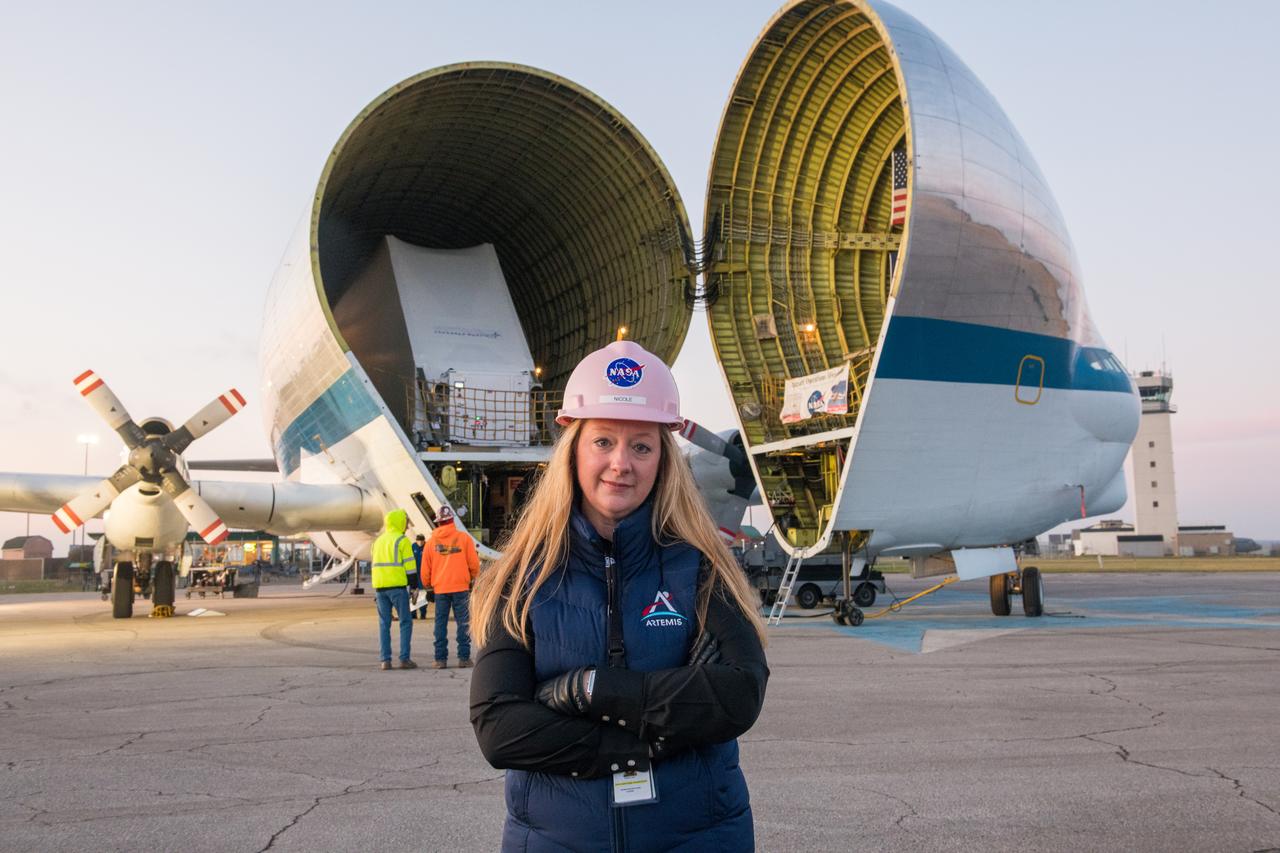
“When I started in the aerospace industry, I was shocked by how outnumbered I was. At my first job, I was the only woman in a group of 35 people. I was the youngest by 15 years. And I was like ‘wow, okay. This is surprising.’ "As I got older and had more professional experiences, I started working with American Institute of Aeronautics and Astronautics. I was the first young professional liaison to their board of directors… so I was always trying to do things to encourage young professionals to get more involved. Over time, I started to do more and more work with university students, and then high school students. "That’s the fun part of outreach — I not only get to inspire kids, I also inspire myself. It reminds me to pick my head up at that 35,000 foot-level and say, ‘you know what? This is pretty cool.' "I’m selfish. I want to see more women go into engineering. I think there’s a lot of data on how more diversity on an engineering team makes a better product. Companies that have more diversity in their leadership have better profits. I want to see more women in the workforce. I want to see more women in technical fields. I want to see more women in technical leadership.” — Nicole Smith, Chief of Exploration Systems Office, Glenn Research Center Orion - EM-1 - Artemis Spacecraft Arrival at Mansfield Lahm Airport, Transportation to Plum Brook Station and Installation in the Space Environment Complex, SEC Thermal Vacuum Chamber