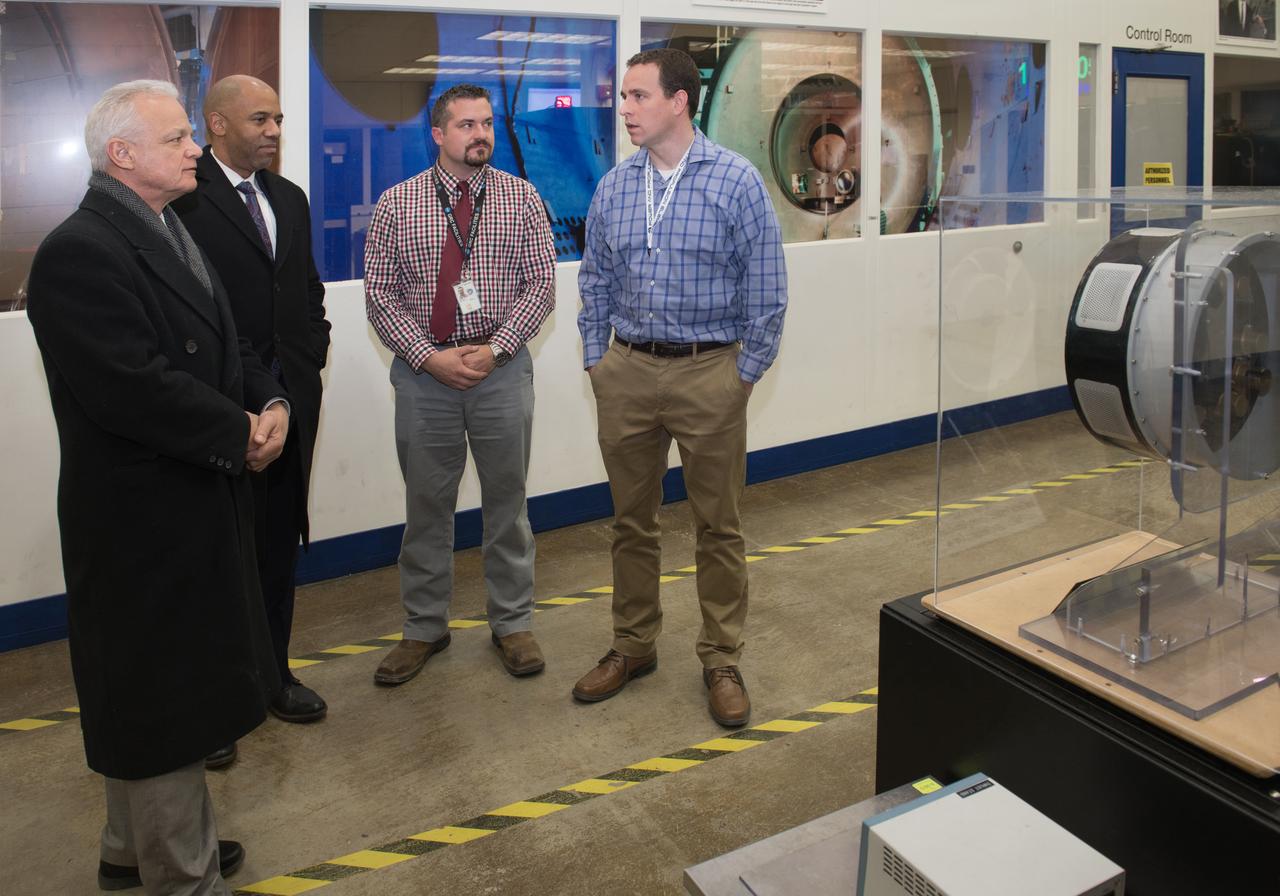
Office of the Chief Technologist, OCT Innovation Workshop, and Facility Tours
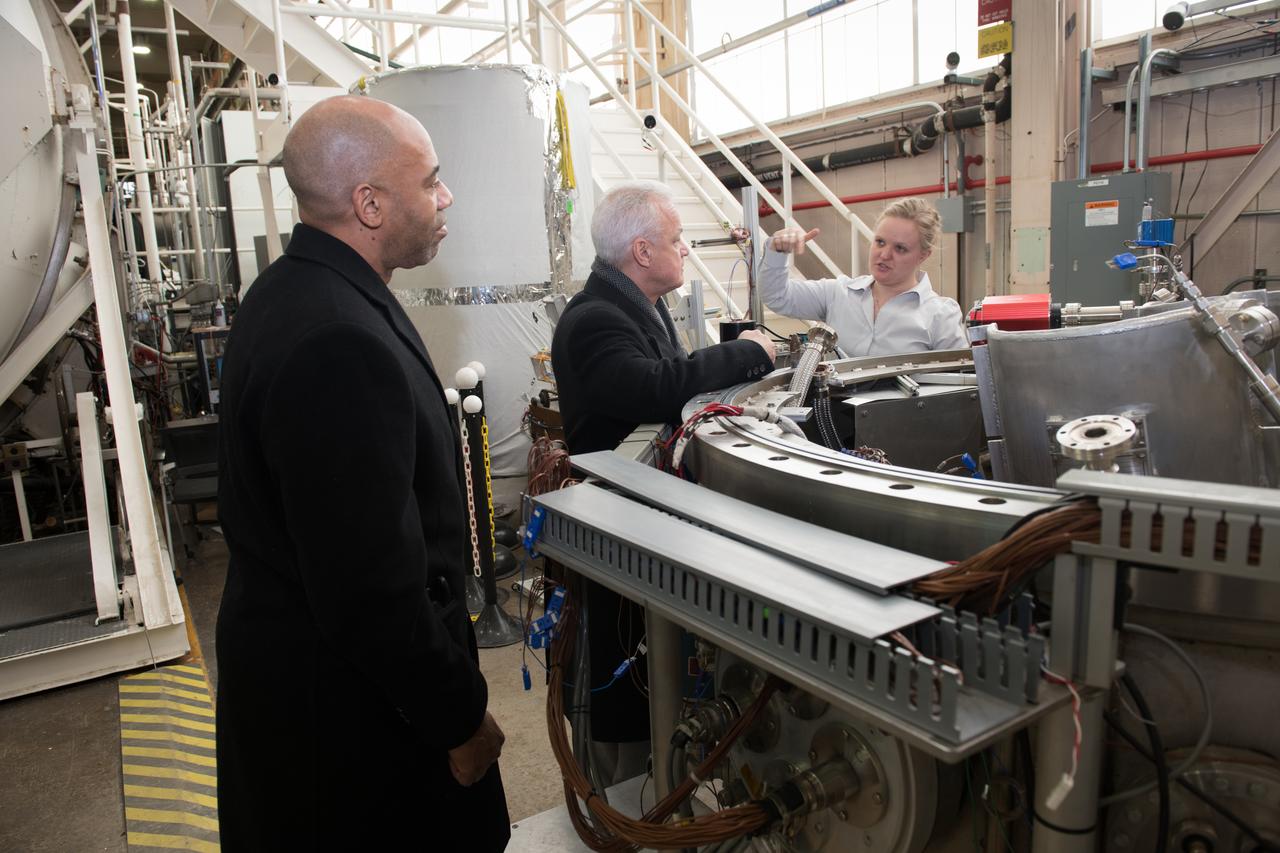
Office of the Chief Technologist, OCT Innovation Workshop, and Facility Tours
Office of the Chief Technologist, OCT Innovation Workshop, and Facility Tours
Office of the Chief Technologist, OCT Innovation Workshop, and Facility Tours
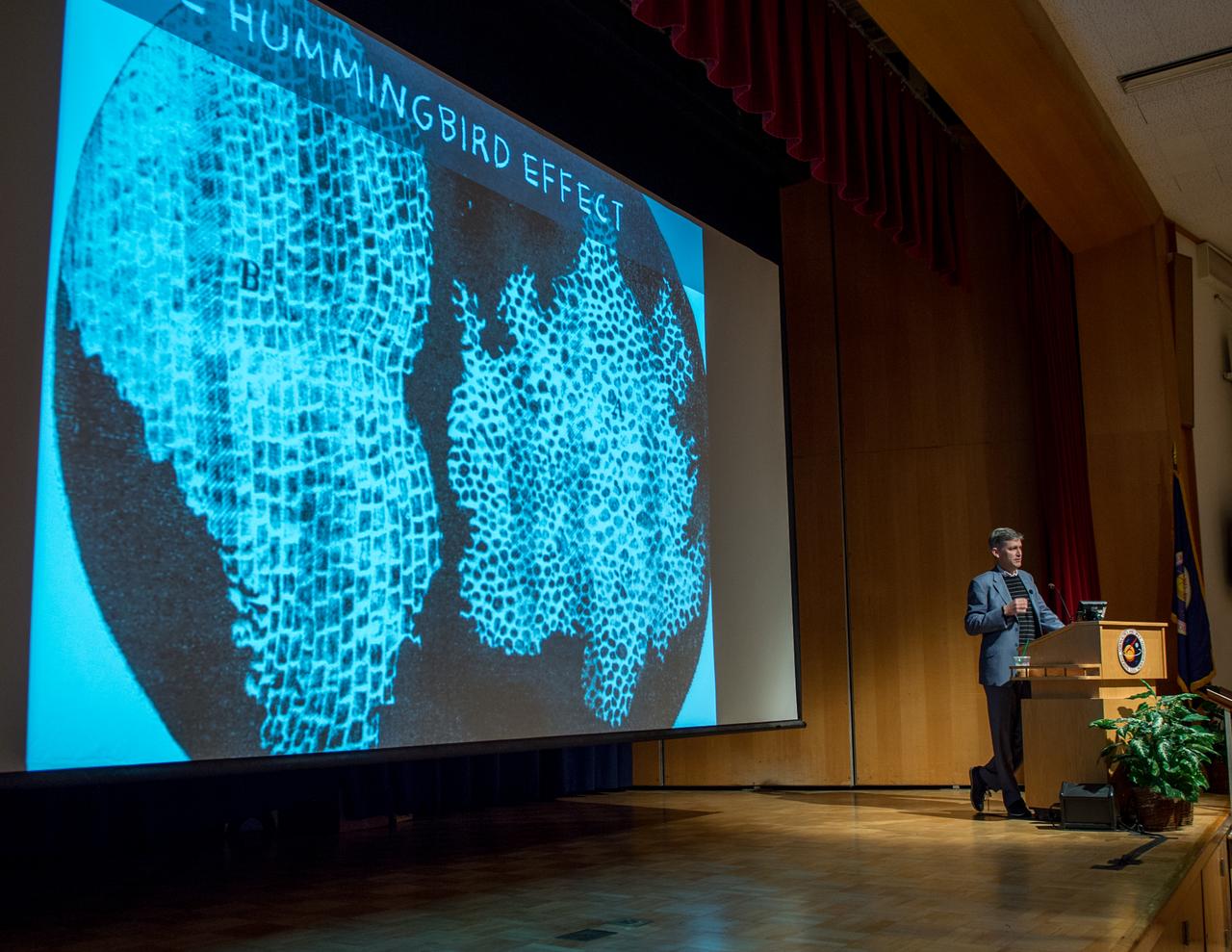
NASA's Goddard Space Flight Center welcomed Steven Johnson, author of How We Got to Now: Six Innovations That Made the Modern World, to the Innovative Initiatives workshop on Thursday, November 13, 2014 Credit: NASA/Goddard/Bill Hrybyk <b><a href="http://www.nasa.gov/audience/formedia/features/MP_Photo_Guidelines.html" rel="nofollow">NASA image use policy.</a></b> <b><a href="http://www.nasa.gov/centers/goddard/home/index.html" rel="nofollow">NASA Goddard Space Flight Center</a></b> enables NASA’s mission through four scientific endeavors: Earth Science, Heliophysics, Solar System Exploration, and Astrophysics. Goddard plays a leading role in NASA’s accomplishments by contributing compelling scientific knowledge to advance the Agency’s mission. <b>Follow us on <a href="http://twitter.com/NASAGoddardPix" rel="nofollow">Twitter</a></b> <b>Like us on <a href="http://www.facebook.com/pages/Greenbelt-MD/NASA-Goddard/395013845897?ref=tsd" rel="nofollow">Facebook</a></b> <b>Find us on <a href="http://instagram.com/nasagoddard?vm=grid" rel="nofollow">Instagram</a></b>
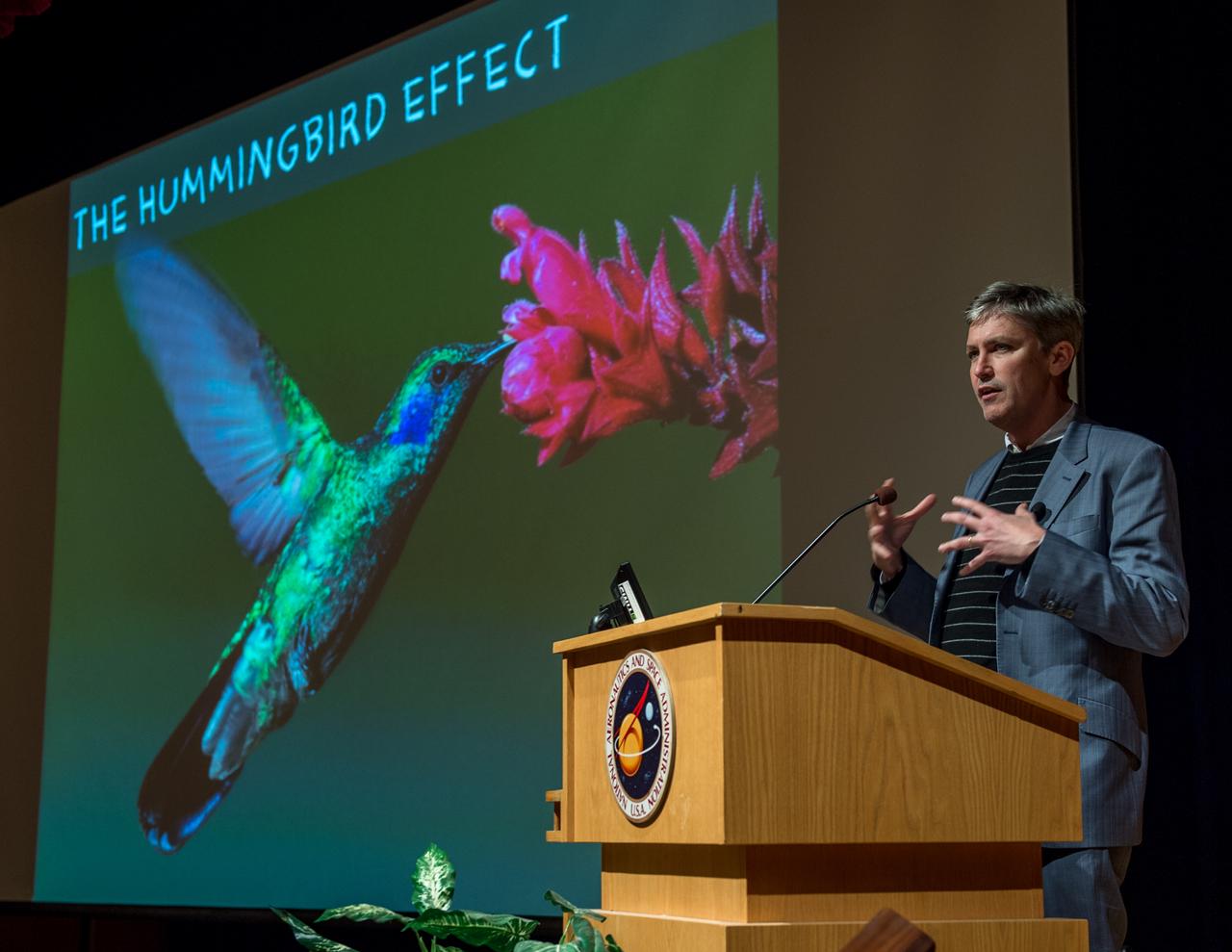
NASA's Goddard Space Flight Center welcomed Steven Johnson, author of How We Got to Now: Six Innovations That Made the Modern World, to the Innovative Initiatives workshop on Thursday, November 13, 2014 Credit: NASA/Goddard/Bill Hrybyk <b><a href="http://www.nasa.gov/audience/formedia/features/MP_Photo_Guidelines.html" rel="nofollow">NASA image use policy.</a></b> <b><a href="http://www.nasa.gov/centers/goddard/home/index.html" rel="nofollow">NASA Goddard Space Flight Center</a></b> enables NASA’s mission through four scientific endeavors: Earth Science, Heliophysics, Solar System Exploration, and Astrophysics. Goddard plays a leading role in NASA’s accomplishments by contributing compelling scientific knowledge to advance the Agency’s mission. <b>Follow us on <a href="http://twitter.com/NASAGoddardPix" rel="nofollow">Twitter</a></b> <b>Like us on <a href="http://www.facebook.com/pages/Greenbelt-MD/NASA-Goddard/395013845897?ref=tsd" rel="nofollow">Facebook</a></b> <b>Find us on <a href="http://instagram.com/nasagoddard?vm=grid" rel="nofollow">Instagram</a></b>
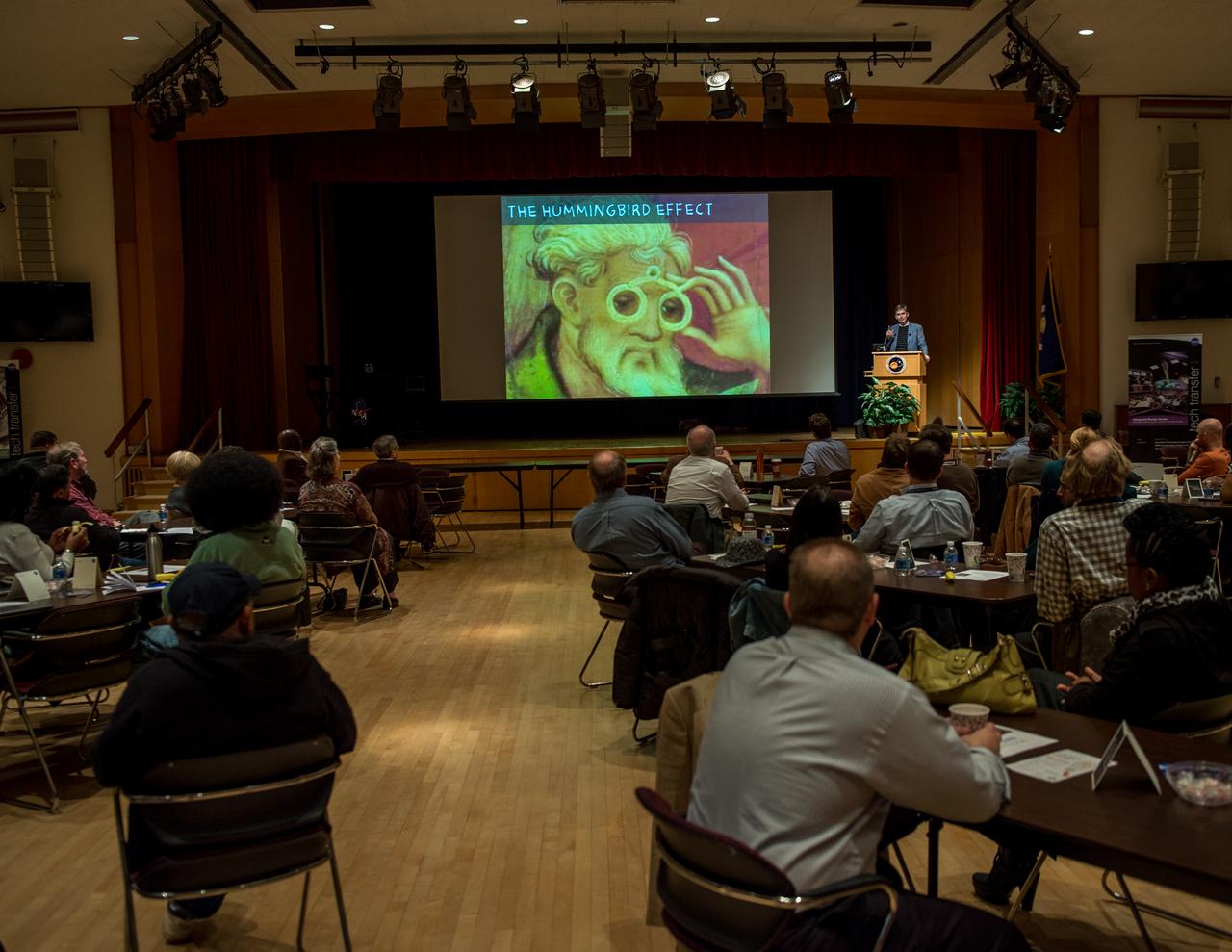
NASA's Goddard Space Flight Center welcomed Steven Johnson, author of How We Got to Now: Six Innovations That Made the Modern World, to the Innovative Initiatives workshop on Thursday, November 13, 2014 Credit: NASA/Goddard/Bill Hrybyk <b><a href="http://www.nasa.gov/audience/formedia/features/MP_Photo_Guidelines.html" rel="nofollow">NASA image use policy.</a></b> <b><a href="http://www.nasa.gov/centers/goddard/home/index.html" rel="nofollow">NASA Goddard Space Flight Center</a></b> enables NASA’s mission through four scientific endeavors: Earth Science, Heliophysics, Solar System Exploration, and Astrophysics. Goddard plays a leading role in NASA’s accomplishments by contributing compelling scientific knowledge to advance the Agency’s mission. <b>Follow us on <a href="http://twitter.com/NASAGoddardPix" rel="nofollow">Twitter</a></b> <b>Like us on <a href="http://www.facebook.com/pages/Greenbelt-MD/NASA-Goddard/395013845897?ref=tsd" rel="nofollow">Facebook</a></b> <b>Find us on <a href="http://instagram.com/nasagoddard?vm=grid" rel="nofollow">Instagram</a></b>

NASA's Goddard Space Flight Center welcomed Steven Johnson, author of How We Got to Now: Six Innovations That Made the Modern World, to the Innovative Initiatives workshop on Thursday, November 13, 2014 Credit: NASA/Goddard/Bill Hrybyk <b><a href="http://www.nasa.gov/audience/formedia/features/MP_Photo_Guidelines.html" rel="nofollow">NASA image use policy.</a></b> <b><a href="http://www.nasa.gov/centers/goddard/home/index.html" rel="nofollow">NASA Goddard Space Flight Center</a></b> enables NASA’s mission through four scientific endeavors: Earth Science, Heliophysics, Solar System Exploration, and Astrophysics. Goddard plays a leading role in NASA’s accomplishments by contributing compelling scientific knowledge to advance the Agency’s mission. <b>Follow us on <a href="http://twitter.com/NASAGoddardPix" rel="nofollow">Twitter</a></b> <b>Like us on <a href="http://www.facebook.com/pages/Greenbelt-MD/NASA-Goddard/395013845897?ref=tsd" rel="nofollow">Facebook</a></b> <b>Find us on <a href="http://instagram.com/nasagoddard?vm=grid" rel="nofollow">Instagram</a></b>
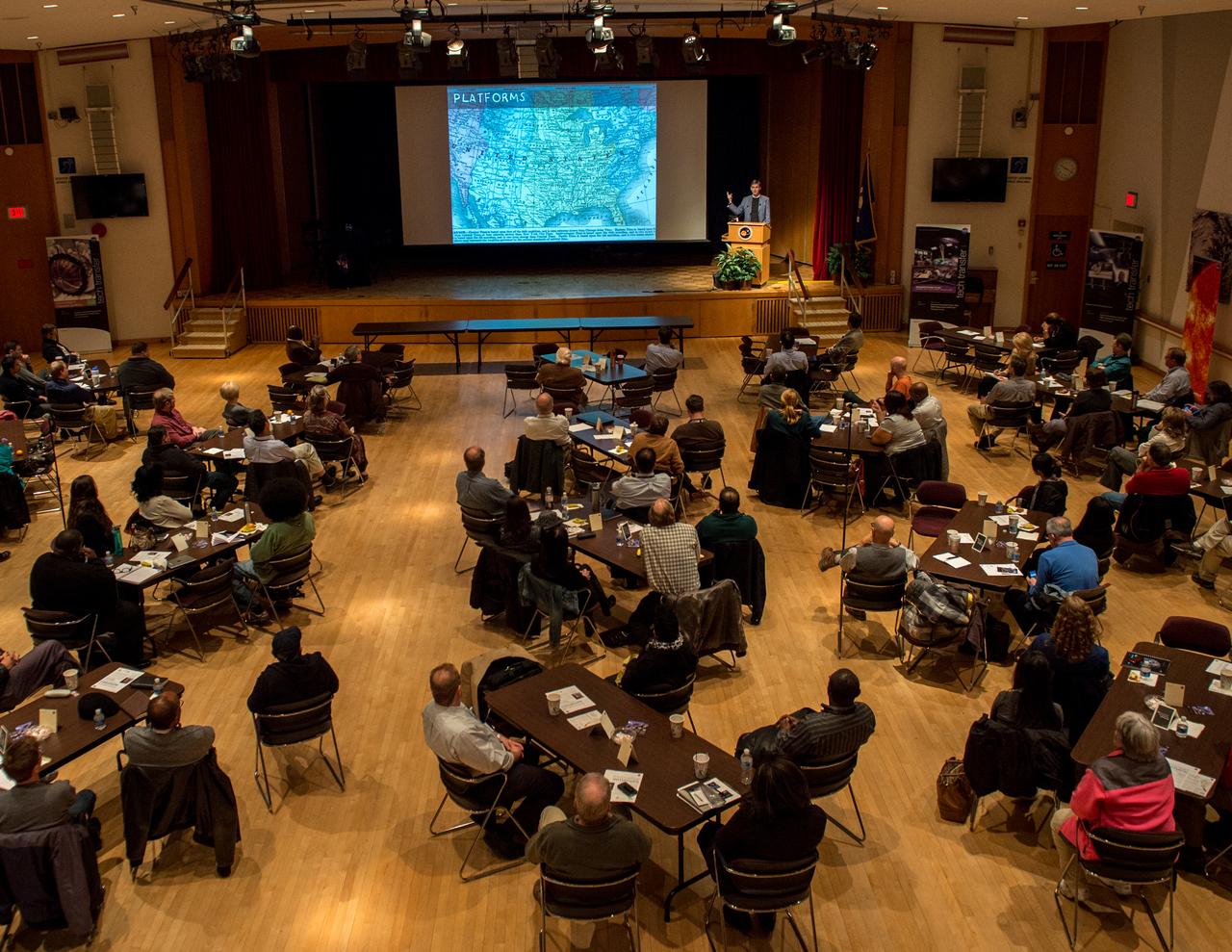
NASA's Goddard Space Flight Center welcomed Steven Johnson, author of How We Got to Now: Six Innovations That Made the Modern World, to the Innovative Initiatives workshop on Thursday, November 13, 2014 Credit: NASA/Goddard/Bill Hrybyk <b><a href="http://www.nasa.gov/audience/formedia/features/MP_Photo_Guidelines.html" rel="nofollow">NASA image use policy.</a></b> <b><a href="http://www.nasa.gov/centers/goddard/home/index.html" rel="nofollow">NASA Goddard Space Flight Center</a></b> enables NASA’s mission through four scientific endeavors: Earth Science, Heliophysics, Solar System Exploration, and Astrophysics. Goddard plays a leading role in NASA’s accomplishments by contributing compelling scientific knowledge to advance the Agency’s mission. <b>Follow us on <a href="http://twitter.com/NASAGoddardPix" rel="nofollow">Twitter</a></b> <b>Like us on <a href="http://www.facebook.com/pages/Greenbelt-MD/NASA-Goddard/395013845897?ref=tsd" rel="nofollow">Facebook</a></b> <b>Find us on <a href="http://instagram.com/nasagoddard?vm=grid" rel="nofollow">Instagram</a></b>
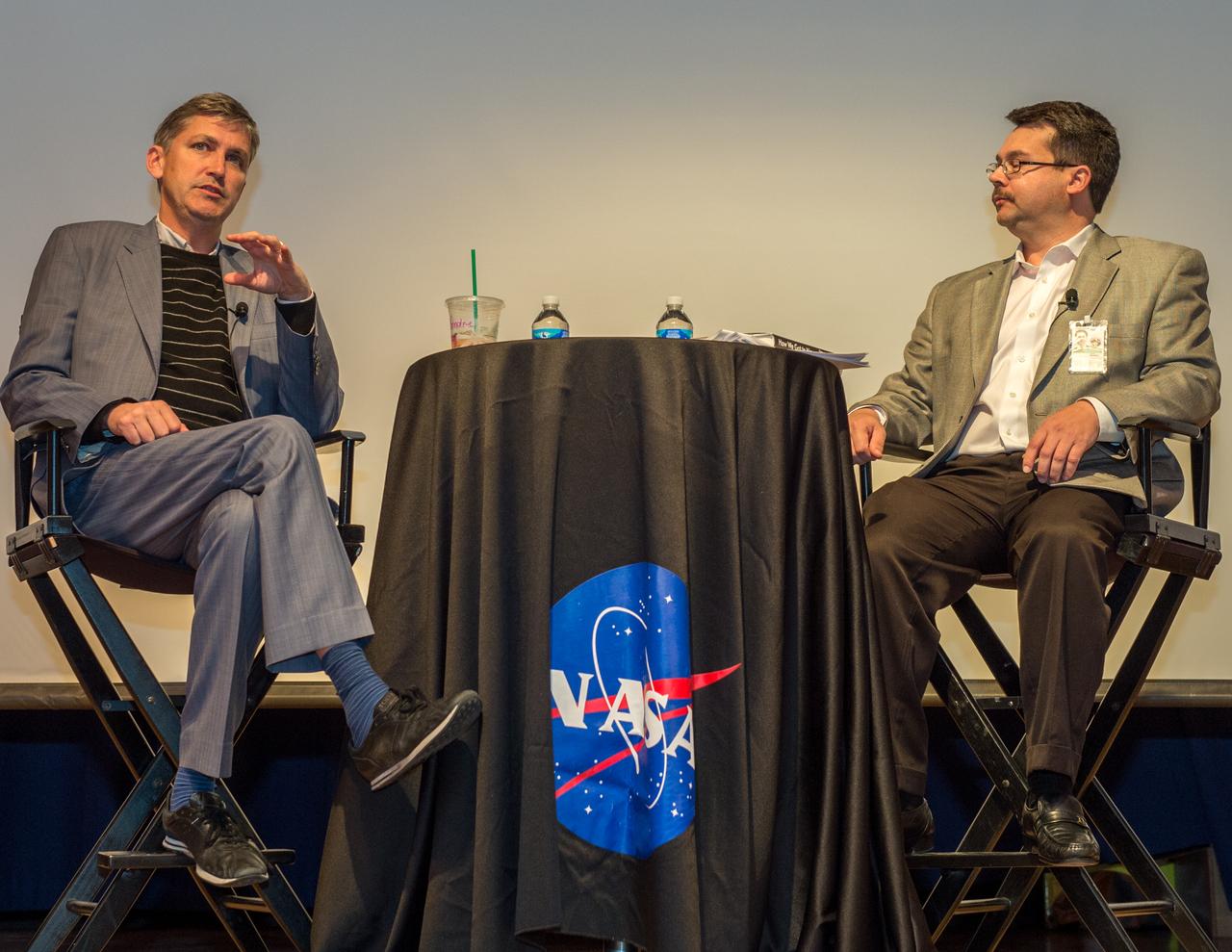
NASA's Goddard Space Flight Center welcomed Steven Johnson, author of How We Got to Now: Six Innovations That Made the Modern World, to the Innovative Initiatives workshop on Thursday, November 13, 2014 Credit: NASA/Goddard/Bill Hrybyk <b><a href="http://www.nasa.gov/audience/formedia/features/MP_Photo_Guidelines.html" rel="nofollow">NASA image use policy.</a></b> <b><a href="http://www.nasa.gov/centers/goddard/home/index.html" rel="nofollow">NASA Goddard Space Flight Center</a></b> enables NASA’s mission through four scientific endeavors: Earth Science, Heliophysics, Solar System Exploration, and Astrophysics. Goddard plays a leading role in NASA’s accomplishments by contributing compelling scientific knowledge to advance the Agency’s mission. <b>Follow us on <a href="http://twitter.com/NASAGoddardPix" rel="nofollow">Twitter</a></b> <b>Like us on <a href="http://www.facebook.com/pages/Greenbelt-MD/NASA-Goddard/395013845897?ref=tsd" rel="nofollow">Facebook</a></b> <b>Find us on <a href="http://instagram.com/nasagoddard?vm=grid" rel="nofollow">Instagram</a></b>

CAPE CANAVERAL, Fla. -- Florida's Lt. Gov. Jennifer Carroll, left, and NASA Commercial Crew Program Manager Ed Mango shake hands at the National Space Club Florida Committee's August luncheon at the Radisson Resort at the Port in Cape Canaveral, Fla. Mango was the event's guest speaker, discussing the innovative steps the agency is taking with industry partners to develop the next U.S. space transportation capability to and from low Earth orbit, which will eventually be available for use by the U.S. government and other commercial customers. To learn more about the Commercial Crew Program, visit www.nasa.gov/commercialcrew. Photo credit: Kim Shiflett NASA's Ground Systems Development and Operations Program is leading the 20-year life-extension project for the crawler. A pair of behemoth machines called crawler-transporters has carried the load of taking rockets and spacecraft to the launch pad for more than 40 years at NASA’s Kennedy Space Center in Florida. Each weighing six and a half million pounds and larger in size than a professional baseball infield, the crawler-transporters are powered by locomotive and large electrical power generator engines. The crawler-transporters will stand ready to keep up the work for the next generation of launch vehicles to lift astronauts into space. For more information, visit http://www.nasa.gov/exploration/systems/ground/index.html Photo credit: NASA/Jim Grossmann
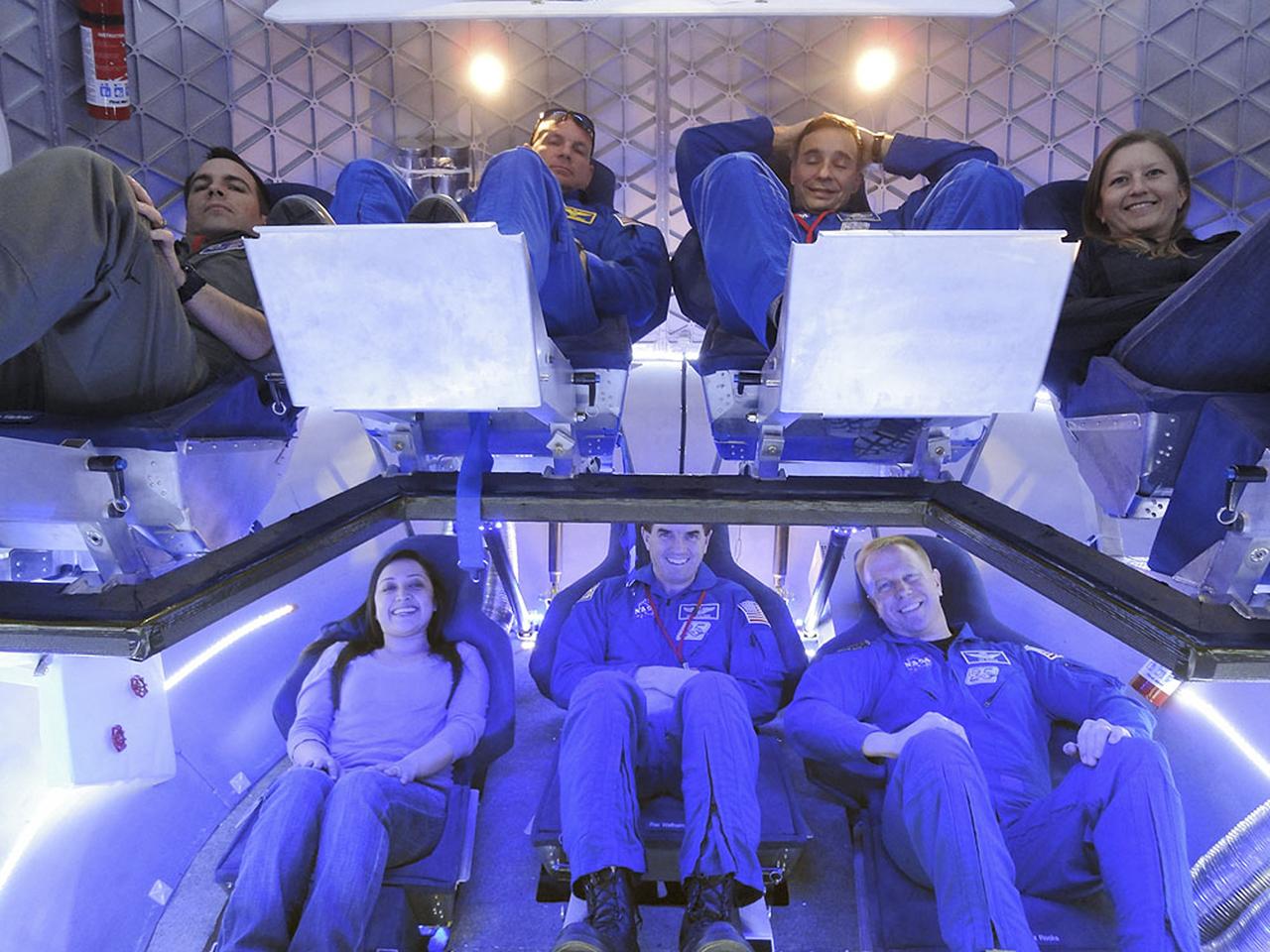
HAWTHORNE, Calif. -- NASA astronauts and industry experts check out the crew accommodations in the Dragon spacecraft under development by Space Exploration Technologies SpaceX of Hawthorne, Calif., for the agency's Commercial Crew Program. On top, from left, are NASA Crew Survival Engineering Team Lead Dustin Gohmert, NASA astronauts Tony Antonelli and Lee Archambault, and SpaceX Mission Operations Engineer Laura Crabtree. On bottom, from left, are SpaceX Thermal Engineer Brenda Hernandez and NASA astronauts Rex Walheim and Tim Kopra. In 2011, NASA selected SpaceX during Commercial Crew Development Round 2 CCDev2) activities to mature the design and development of a crew transportation system with the overall goal of accelerating a United States-led capability to the International Space Station. The goal of CCP is to drive down the cost of space travel as well as open up space to more people than ever before by balancing industry’s own innovative capabilities with NASA's 50 years of human spaceflight experience. Six other aerospace companies also are maturing launch vehicle and spacecraft designs under CCDev2, including Alliant Techsystems Inc. ATK, The Boeing Co., Excalibur Almaz Inc., Blue Origin, Sierra Nevada, and United Launch Alliance ULA. For more information, visit www.nasa.gov/commercialcrew. Image credit: Space Exploration Technologies
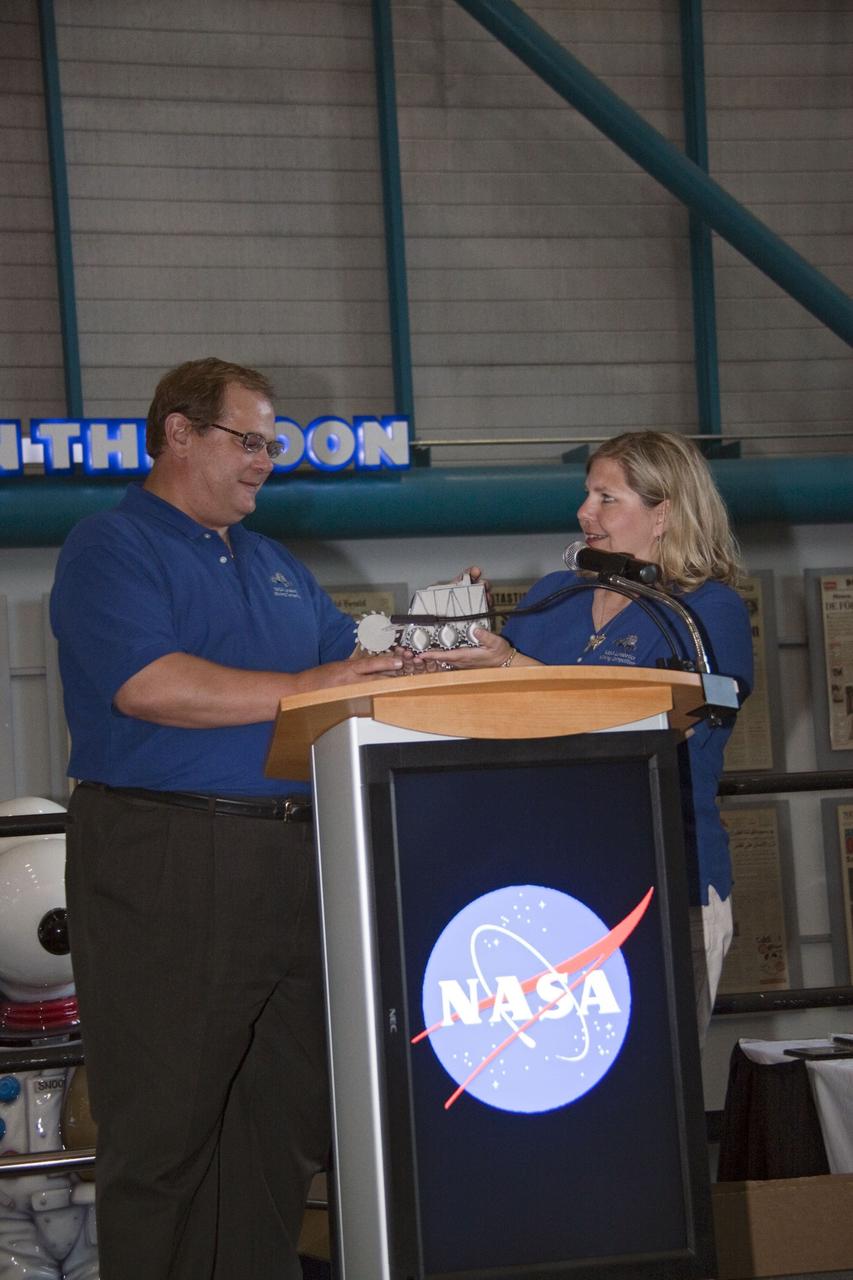
CAPE CANAVERAL, Fla. -- At NASA Kennedy Space Center's Apollo/Saturn V Center, Jerry Hartman, Education Lead with the Exploration Systems Mission Directorate at NASA Headquarters and Susan Sawyer, Lunabotics Project Coordinator with ReDe/Critique, display the trophy the winning team will receive at the award ceremony for NASA's second annual Lunabotics Mining Competition. Thirty-six teams of undergraduate and graduate students from the United States, Bangladesh, Canada, Colombia and India participated in NASA's Lunabotics Mining Competition May 26 - 28 at the agency's Kennedy Space Center in Florida. The competition is designed to engage and retain students in science, technology, engineering and mathematics (STEM). Teams will maneuver their remote controlled or autonomous excavators, called lunabots, in about 60 tons of ultra-fine simulated lunar soil, called BP-1. The competition is an Exploration Systems Mission Directorate project managed by Kennedy's Education Division. The event also provides a competitive environment that could result in innovative ideas and solutions for NASA's future excavation of the moon. Photo credit: NASA/Jack Pfaller
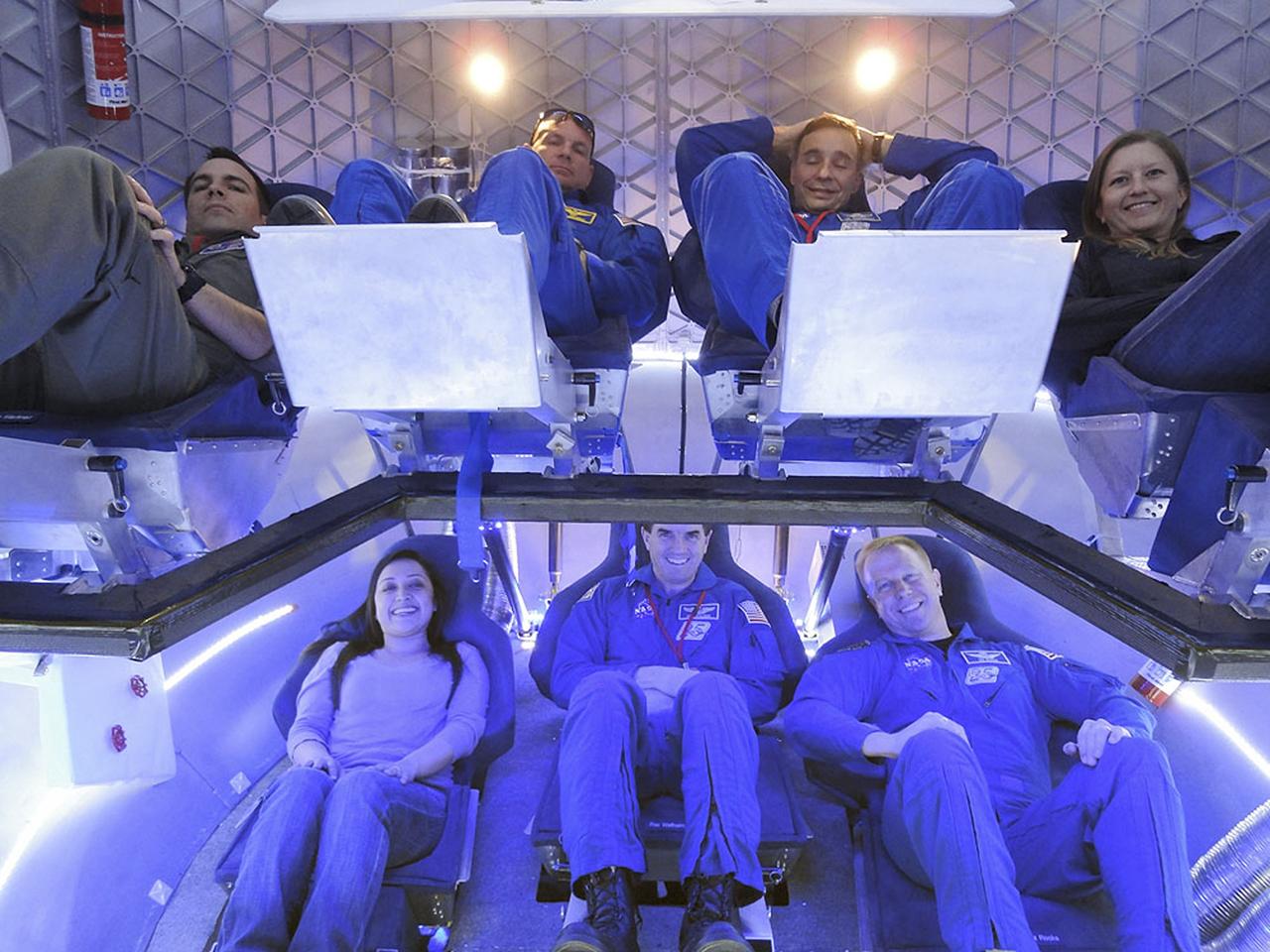
HAWTHORNE, Calif. -- NASA astronauts and industry experts check out the crew accommodations in the Dragon spacecraft under development by Space Exploration Technologies SpaceX of Hawthorne, Calif., for the agency's Commercial Crew Program. On top, from left, are NASA Crew Survival Engineering Team Lead Dustin Gohmert, NASA astronauts Tony Antonelli and Lee Archambault, and SpaceX Mission Operations Engineer Laura Crabtree. On bottom, from left, are SpaceX Thermal Engineer Brenda Hernandez and NASA astronauts Rex Walheim and Tim Kopra. In 2011, NASA selected SpaceX during Commercial Crew Development Round 2 CCDev2) activities to mature the design and development of a crew transportation system with the overall goal of accelerating a United States-led capability to the International Space Station. The goal of CCP is to drive down the cost of space travel as well as open up space to more people than ever before by balancing industry’s own innovative capabilities with NASA's 50 years of human spaceflight experience. Six other aerospace companies also are maturing launch vehicle and spacecraft designs under CCDev2, including Alliant Techsystems Inc. ATK, The Boeing Co., Excalibur Almaz Inc., Blue Origin, Sierra Nevada, and United Launch Alliance ULA. For more information, visit www.nasa.gov/commercialcrew. Image credit: Space Exploration Technologies
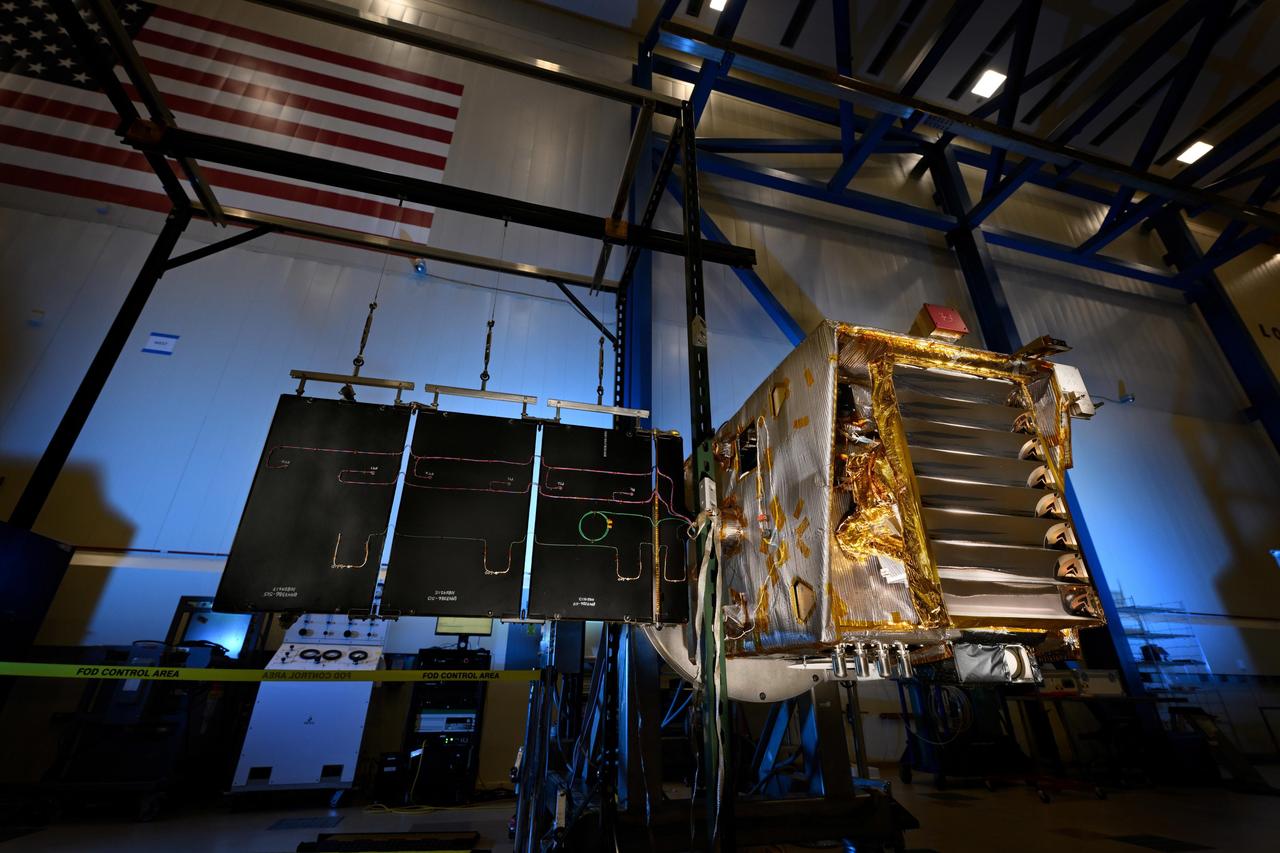
NASA's Lunar Trailblazer spacecraft sits in a clean room in August 2024 after undergoing environmental testing at Lockheed Martin Space in Littleton, Colorado. Now that those tests are done, the orbiter and its science instruments will go through flight system software tests that simulate key aspects of launch, maneuvers, and the science mission while in orbit around the Moon. This photo shows Lunar Trailblazer with a solar array deployed. The large silver grate attached to the spacecraft is the radiator for the High-resolution Volatiles and Minerals Moon Mapper (HVM³) instrument. HVM³ is one of two instruments that will be used by the mission to detect and map water on the Moon's surface to determine its abundance, location, form, and how it changes over time. This data will be key to our understanding of this crucial resource on the Moon for future exploration. The spacecraft is just 440 pounds (200 kilograms) and 11.5 feet (3.5 meters) wide with its solar panels fully deployed. The project is led by Principal Investigator Bethany Ehlmann of Caltech and managed by NASA's Jet Propulsion Laboratory in Southern California, which is also providing systems engineering, navigation, and mission assurance. Caltech manages JPL for the agency. Lunar Trailblazer is part of NASA's Small Innovative Missions for Planetary Exploration (SIMPLEx) program, which provides opportunities for low-cost, high-risk science missions that are responsive to requirements for flexibility. These lower-cost missions serve as an ideal platform for technical and architecture innovation, contributing to NASA's science research and technology development objectives. SIMPLEx mission investigations are managed by the Planetary Missions Program Office at NASA's Marshall Space Flight Center in Huntsville, Alabama, as part of the Discovery Program at NASA Headquarters in Washington. IPAC leads mission operations, including planning, scheduling, and sequencing all science and spacecraft activities. https://photojournal.jpl.nasa.gov/catalog/PIA26390
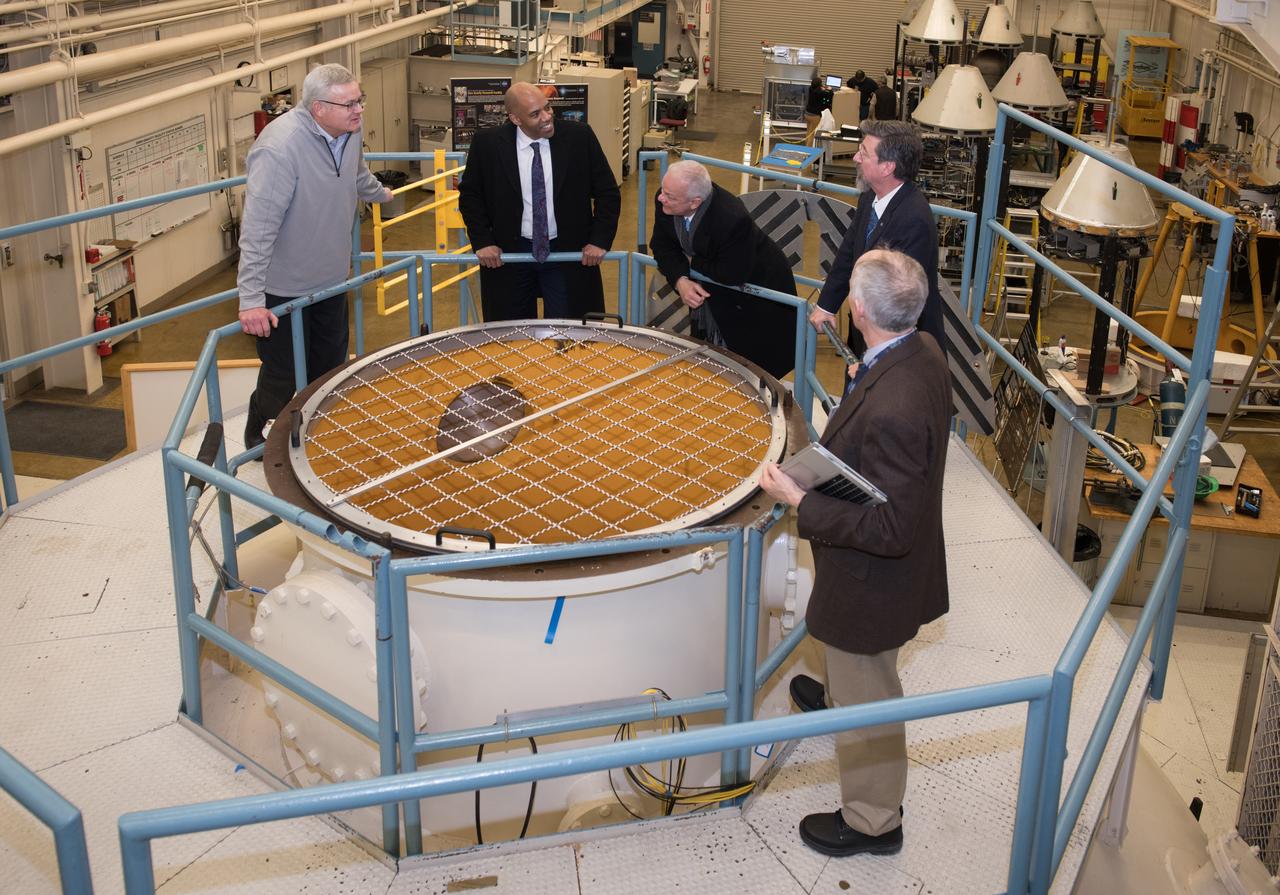
Office of the Chief Technologist, OCT Innovation Workshop, and Facility Tours
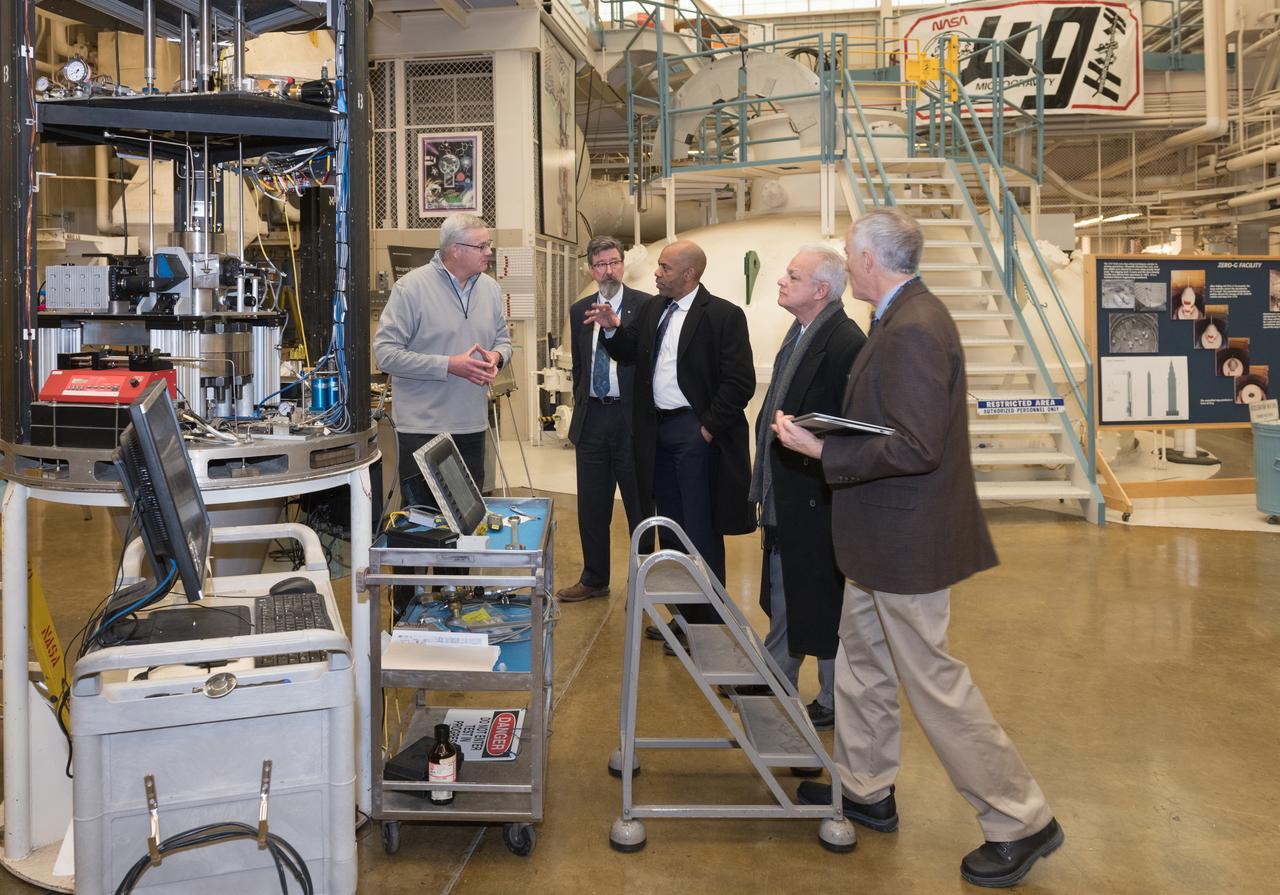
Office of the Chief Technologist, OCT Innovation Workshop, and Facility Tours
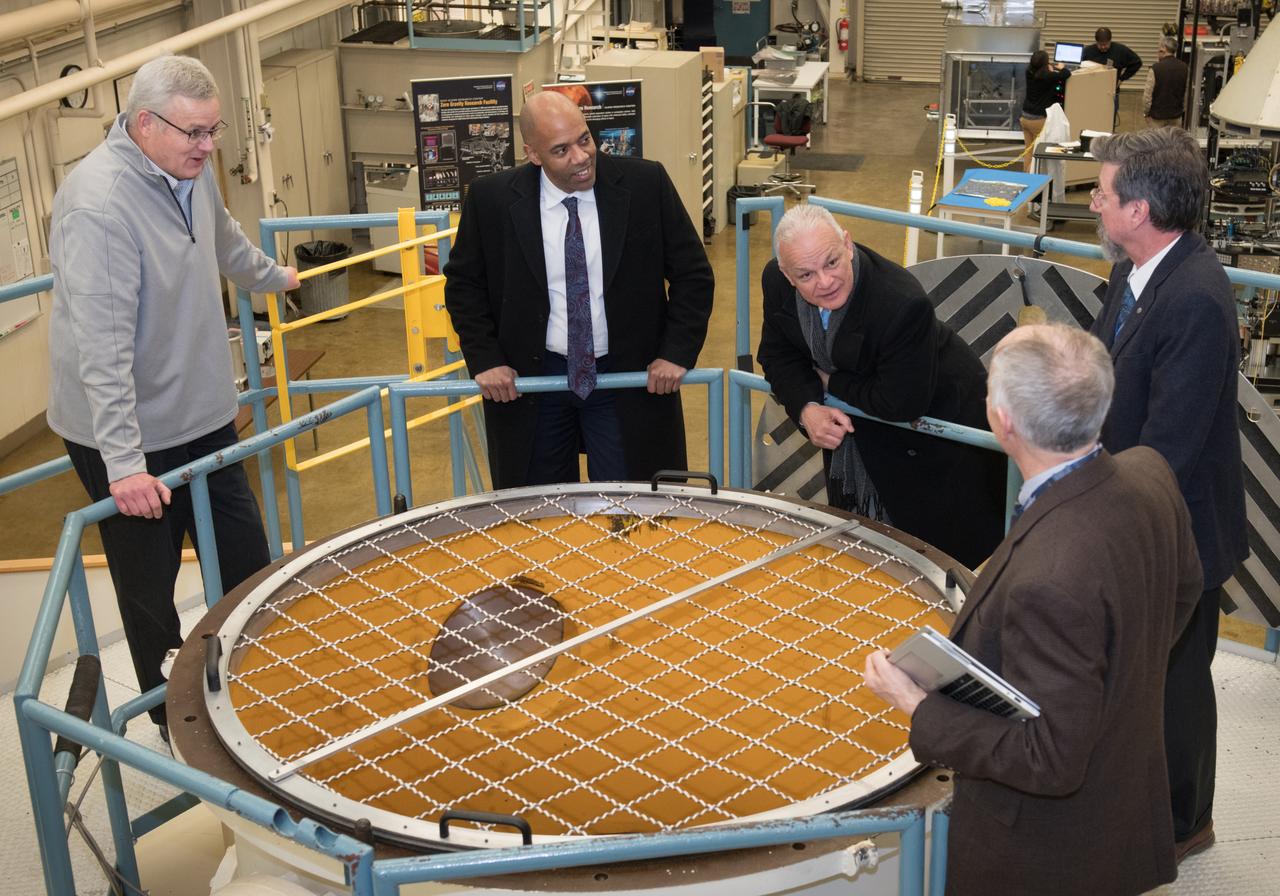
Office of the Chief Technologist, OCT Innovation Workshop, and Facility Tours
This video previews the Neutron star Interior Composition Explorer (NICER). NICER is an Astrophysics Mission of Opportunity within NASA’s Explorer program, which provides frequent flight opportunities for world-class scientific investigations from space utilizing innovative, streamlined and efficient management approaches within the heliophysics and astrophysics science areas. NASA’s Space Technology Mission Directorate supports the SEXTANT component of the mission, demonstrating pulsar-based spacecraft navigation. NICER is an upcoming International Space Station payload scheduled to launch in June 2017. Learn more about the mission at nasa.gov/nicer <b><a href="http://www.nasa.gov/audience/formedia/features/MP_Photo_Guidelines.html" rel="nofollow">NASA image use policy.</a></b> <b><a href="http://www.nasa.gov/centers/goddard/home/index.html" rel="nofollow">NASA Goddard Space Flight Center</a></b> enables NASA’s mission through four scientific endeavors: Earth Science, Heliophysics, Solar System Exploration, and Astrophysics. Goddard plays a leading role in NASA’s accomplishments by contributing compelling scientific knowledge to advance the Agency’s mission. <b>Follow us on <a href="http://twitter.com/NASAGoddardPix" rel="nofollow">Twitter</a></b> <b>Like us on <a href="http://www.facebook.com/pages/Greenbelt-MD/NASA-Goddard/395013845897?ref=tsd" rel="nofollow">Facebook</a></b> <b>Find us on <a href="http://instagrid.me/nasagoddard/?vm=grid" rel="nofollow">Instagram</a></b>
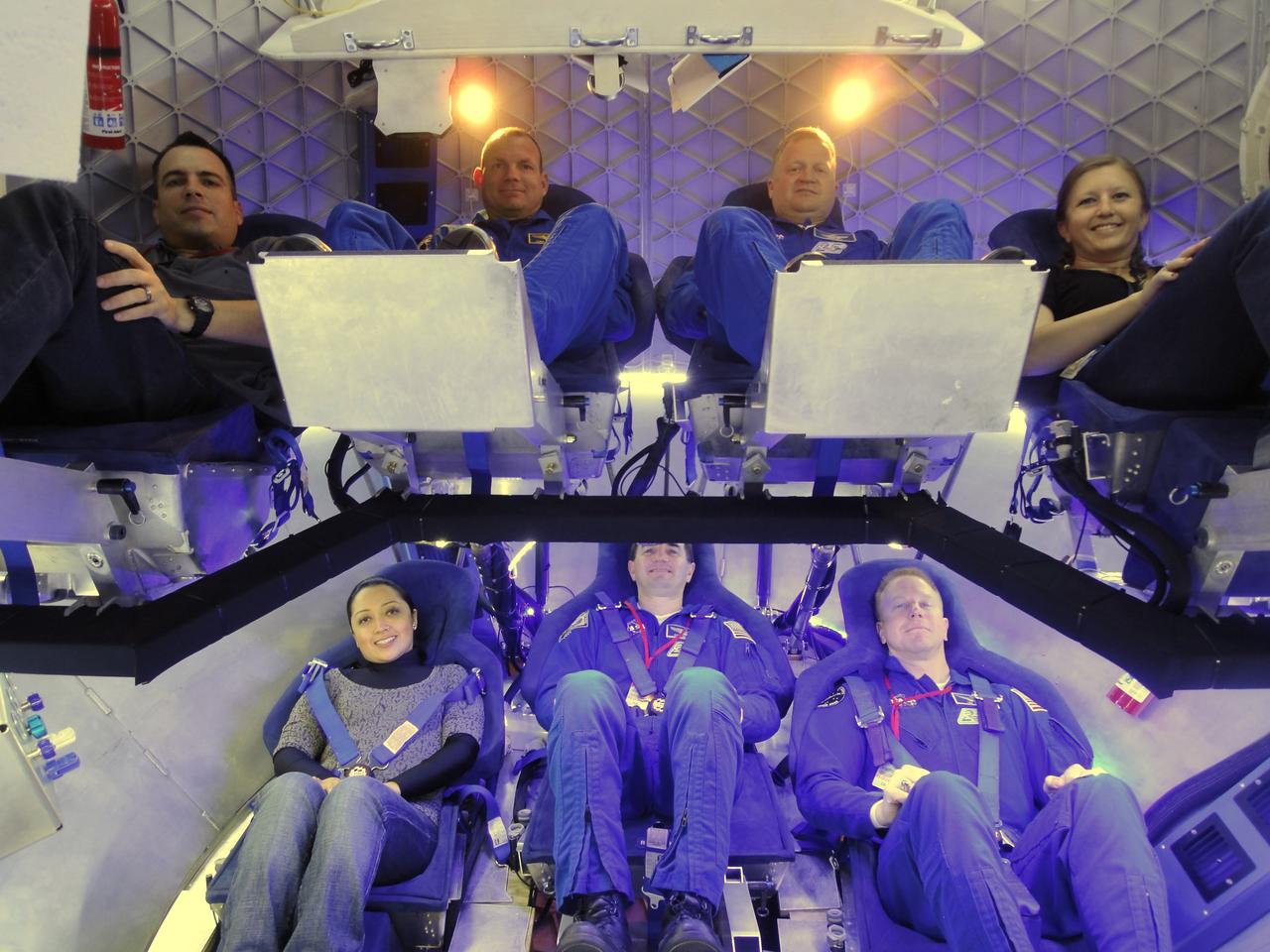
HAWTHORNE, Calif. -- NASA astronauts and industry experts check out the crew accommodations in the Dragon spacecraft under development by Space Exploration Technologies SpaceX of Hawthorne, Calif., for the agency's Commercial Crew Program. On top, from left, are NASA Crew Survival Engineering Team Lead Dustin Gohmert, NASA astronauts Tony Antonelli and Eric Boe and SpaceX Mission Operations Engineer Laura Crabtree. On bottom, from left, are SpaceX Thermal Engineer Brenda Hernandez and NASA astronauts Rex Walheim and Tim Kopra. This is the second crew accommodation check that allowed passengers to get a feel for Dragon’s interior, including displays and simulated control panels. In 2011, NASA selected SpaceX during Commercial Crew Development Round 2 CCDev2) activities to mature the design and development of a crew transportation system with the overall goal of accelerating a United States-led capability to the International Space Station. The goal of CCP is to drive down the cost of space travel as well as open up space to more people than ever before by balancing industry’s own innovative capabilities with NASA's 50 years of human spaceflight experience. Six other aerospace companies also are maturing launch vehicle and spacecraft designs under CCDev2, including Alliant Techsystems Inc. ATK, The Boeing Co., Excalibur Almaz Inc., Blue Origin, Sierra Nevada, and United Launch Alliance ULA. For more information, visit www.nasa.gov/commercialcrew. Image credit: Space Exploration Technologies
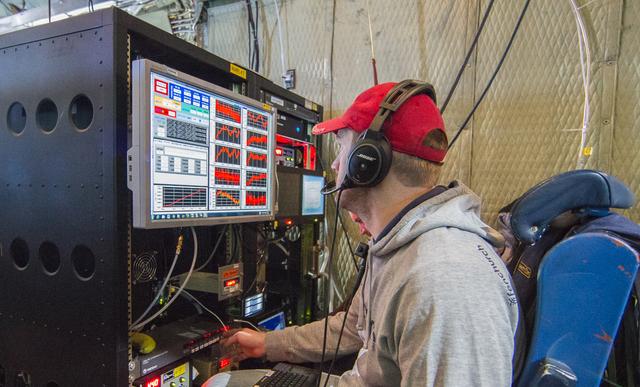
Scientist Ewan Crosbie checks real-time data from his innovative cloud sampling tool as the team flies through low altitude clouds. --- The <b><a href="http://naames.larc.nasa.gov/" rel="nofollow">North Atlantic Aerosols and Marine Ecosystems Study </a></b> (NAAMES) is a five year investigation to resolve key processes controlling ocean system function, their influences on atmospheric aerosols and clouds and their implications for climate. Michael Starobin joined the NAAMES field campaign on behalf of Earth Expeditions and NASA Goddard Space Flight Center’s Office of Communications. He presented stories about the important, multi-disciplinary research being conducted by the NAAMES team, with an eye towards future missions on the NASA drawing board. This is a NAAMES photo essay put together by Starobin, a collection of 49 photographs and captions. Photo and Caption Credit: Michael Starobin <b><a href="http://www.nasa.gov/audience/formedia/features/MP_Photo_Guidelines.html" rel="nofollow">NASA image use policy</a></b> <b><a href="http://www.nasa.gov/centers/goddard/home/index.html" rel="nofollow">NASA Goddard Space Flight Center</a></b> enables NASA’s mission through four scientific endeavors: Earth Science, Heliophysics, Solar System Exploration, and Astrophysics. Goddard plays a leading role in NASA’s accomplishments by contributing compelling scientific knowledge to advance the Agency’s mission. <b>Follow us on <a href="http://twitter.com/NASAGoddardPix" rel="nofollow">Twitter</a></b> <b>Like us on <a href="http://www.facebook.com/pages/Greenbelt-MD/NASA-Goddard/395013845897?ref=tsd" rel="nofollow">Facebook</a></b> <b>Find us on <a href="https://www.instagram.com/nasagoddard/?hl=en" rel="nofollow">Instagram</a></b>
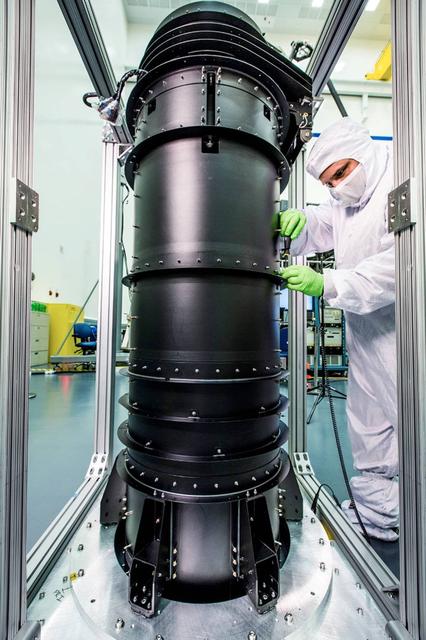
Building a space telescope to see the light from the earliest stars of our universe is a pretty complex task. Although much of the attention goes to instruments and the giant mirrors on NASA's James Webb Space Telescope, there are other components that have big jobs to do and that required imagination, engineering, and innovation to become a reality. For example, engineers working on the Webb telescope have to think of everything from keeping instruments from overheating or freezing, to packing up the Webb, which is as big as a tennis court, to fit inside the rocket that will take it to space. Those are two areas where the "DTA" or Deployable Tower Assembly (DTA) plays a major role. The DTA looks like a big black pipe and is made out of graphite-epoxy composite material to ensure stability and strength with extreme changes in temperature like those encountered in space. When fully deployed, the DTA reaches ten feet in length. The DTA interfaces and supports the spacecraft and the telescope structures. It features two large nested telescoping tubes, connected by a mechanized lead screw. It is a deployable structure that is both very light and extremely strong and stable. The Webb telescope’s secondary mirror support structure and DTA contribute to how the telescope and instruments fit into the rocket fairing in preparation for launch. The DTA allows the Webb to be short enough when stowed to fit in the rocket fairing with an acceptably low center of gravity for launch. Several days after the Webb telescope is launched, the DTA will deploy, or separate, the telescope mirrors and instruments from the spacecraft bus and sunshield. This separation allows the sunshield to unfurl and shade the telescope and instruments from radiant heat and stray light from the sun and Earth. The DTA was designed, built and tested by Astro Aerospace - a Northrop Grumman Company, in Carpinteria, California. The James Webb Space Telescope is the scientific successor to NASA's Hubble Space Telescope. It will be the most powerful space telescope ever built. The Webb telescope is an international project led by NASA with its partners, the European Space Agency and the Canadian Space Agency. For more information about the Webb telescope, visit: <a href="http://www.nasa.gov/webb" rel="nofollow">www.nasa.gov/webb</a> or jwst.nasa.gov <b><a href="http://www.nasa.gov/audience/formedia/features/MP_Photo_Guidelines.html" rel="nofollow">NASA image use policy.</a></b> <b><a href="http://www.nasa.gov/centers/goddard/home/index.html" rel="nofollow">NASA Goddard Space Flight Center</a></b> enables NASA’s mission through four scientific endeavors: Earth Science, Heliophysics, Solar System Exploration, and Astrophysics. Goddard plays a leading role in NASA’s accomplishments by contributing compelling scientific knowledge to advance the Agency’s mission. <b>Follow us on <a href="http://twitter.com/NASAGoddardPix" rel="nofollow">Twitter</a></b> <b>Like us on <a href="http://www.facebook.com/pages/Greenbelt-MD/NASA-Goddard/395013845897?ref=tsd" rel="nofollow">Facebook</a></b> <b>Find us on <a href="http://instagrid.me/nasagoddard/?vm=grid" rel="nofollow">Instagram</a></b>
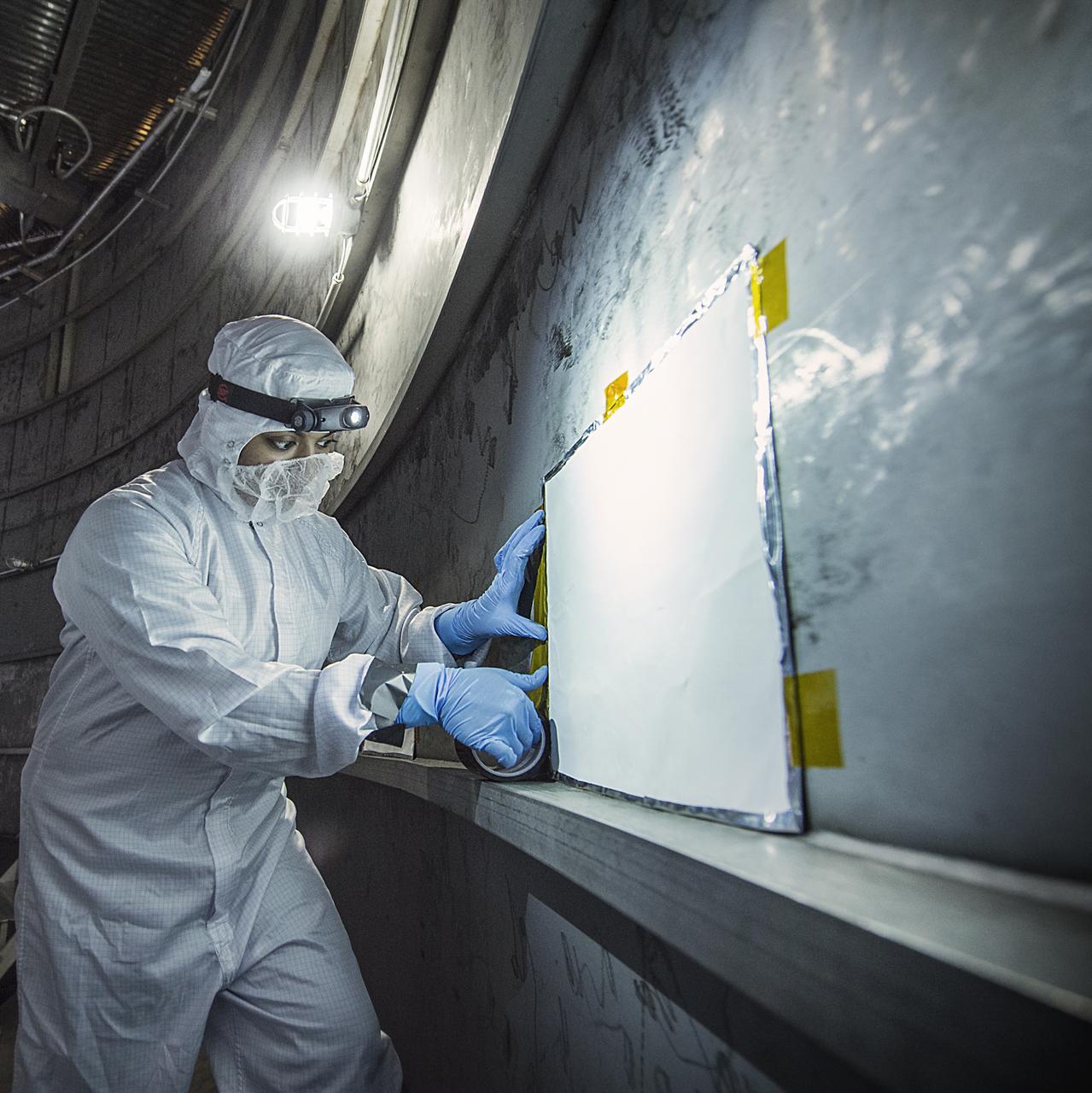
Contamination from organic molecules can harm delicate instruments and engineers are taking special care at NASA to prevent that from affecting the James Webb Space Telescope (and all satellites and instruments). Recently, Nithin Abraham, a Thermal Coatings Engineer placed Molecular Adsorber Coating or "MAC" panels in the giant chamber where the Webb telescope will be tested. This contamination can occur through a process when a vapor or odor is emitted by a substance. This is called "outgassing." The "new car smell" is an example of that, and is unhealthy for people and sensitive satellite instruments. So, NASA engineers have created a new way to protect those instruments from the damaging effects of contamination coming from outgassing. "The Molecular Adsorber Coating (MAC) is a NASA Goddard coatings technology that was developed to adsorb or entrap outgassed molecular contaminants for spaceflight applications," said Nithin Abraham, Thermal Coatings Engineer at NASA's Goddard Space Flight Center in Greenbelt, Maryland. MAC is currently serving as an innovative contamination mitigation tool for Chamber A operations at NASA Johnson Space Center in Houston, Texas. MAC can be used to keep outgassing from coming in from outside areas or to capture outgassing directly from hardware, components, and within instrument cavities. In this case, MAC is helping by capturing outgassed contaminants outside the test chamber from affecting the Webb components. MAC is expected to capture the outgassed contaminants that exist in the space of the vacuum chamber (not from the Webb components). Credit: NASA/GoddardChris Gunn Read more: <a href="http://www.nasa.gov/feature/goddard/nasa-technology-protects-webb-telescope-from-contamination" rel="nofollow">www.nasa.gov/feature/goddard/nasa-technology-protects-web...</a> <b><a href="http://www.nasa.gov/audience/formedia/features/MP_Photo_Guidelines.html" rel="nofollow">NASA image use policy.</a></b> <b><a href="http://www.nasa.gov/centers/goddard/home/index.html" rel="nofollow">NASA Goddard Space Flight Center</a></b> enables NASA’s mission through four scientific endeavors: Earth Science, Heliophysics, Solar System Exploration, and Astrophysics. Goddard plays a leading role in NASA’s accomplishments by contributing compelling scientific knowledge to advance the Agency’s mission. <b>Follow us on <a href="http://twitter.com/NASAGoddardPix" rel="nofollow">Twitter</a></b> <b>Like us on <a href="http://www.facebook.com/pages/Greenbelt-MD/NASA-Goddard/395013845897?ref=tsd" rel="nofollow">Facebook</a></b> <b>Find us on <a href="http://instagrid.me/nasagoddard/?vm=grid" rel="nofollow">Instagram</a></b>
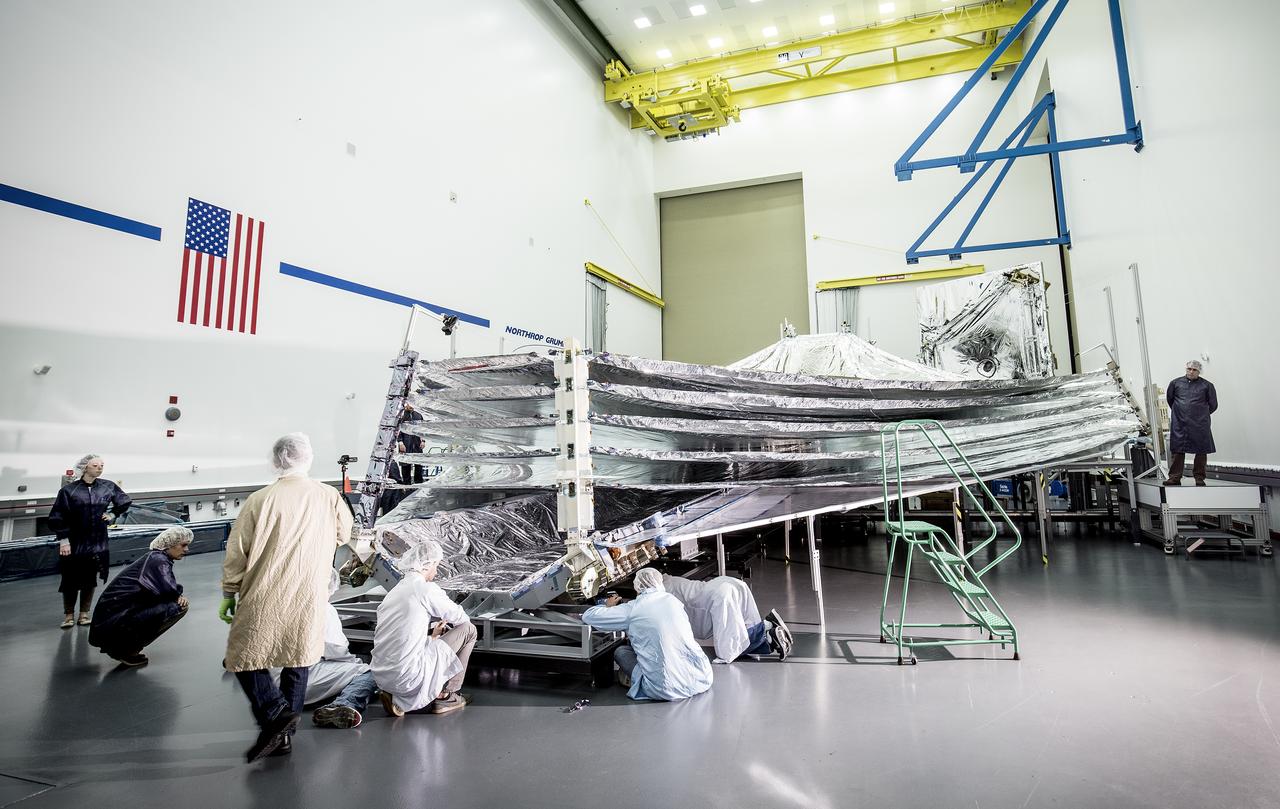
The sunshield on NASA's James Webb Space Telescope is the largest part of the observatory—five layers of thin, silvery membrane that must unfurl reliably in space. The precision in which the tennis-court sized sunshield has to open must be no more than a few centimeters different from its planned position. In this photo, engineers and scientists examine the sunshield layers on this full-sized test unit. Because there's a layer of the shiny silver material on the base under the five layers of the sunshield, it appears as if the sunshield has a mouth that is "open wide" while engineers take a look. The photo was taken in a clean room at Northrop Grumman Corporation, Redondo Beach, California. The sunshield separates the observatory into a warm sun-facing side and a cold side where the sunshine is blocked from interfering with the sensitive infrared instruments. The infrared instruments need to be kept very cold (under 50 K or -370 degrees Fahrenheit) to operate. The sunshield protects these sensitive instruments with an effective sun protection factor, or SPF, of 1,000,000. Sunscreen generally has an SPF of 8 to 50. In addition to providing a cold environment, the sunshield provides a thermally stable environment. This stability is essential to maintaining proper alignment of the primary mirror segments as the telescope changes its orientation to the sun. Earlier this year, the first flight layer of the sunshield was delivered to Northrop Grumman. Northrop Grumman is designing the Webb Telescope’s sunshield for NASA’s Goddard Space Flight Center, in Greenbelt, Maryland. Innovative sunshield membranes are being designed and manufactured by NeXolve Corporation of Huntsville, Alabama. The James Webb Space Telescope is the successor to NASA's Hubble Space Telescope. It will be the most powerful space telescope ever built. Webb is an international project led by NASA with its partners, the European Space Agency and the Canadian Space Agency. For more information about the Webb telescope, visit: <a href="http://www.jwst.nasa.gov" rel="nofollow">www.jwst.nasa.gov</a> or <a href="http://www.nasa.gov/webb" rel="nofollow">www.nasa.gov/webb</a> For more information on the Webb Sunshield, visit: <a href="http://jwst.nasa.gov/sunshield.html" rel="nofollow">jwst.nasa.gov/sunshield.html</a> Photo credit: Alex Evers/Northrop Grumman Corporation <b><a href="http://www.nasa.gov/audience/formedia/features/MP_Photo_Guidelines.html" rel="nofollow">NASA image use policy.</a></b> <b><a href="http://www.nasa.gov/centers/goddard/home/index.html" rel="nofollow">NASA Goddard Space Flight Center</a></b> enables NASA’s mission through four scientific endeavors: Earth Science, Heliophysics, Solar System Exploration, and Astrophysics. Goddard plays a leading role in NASA’s accomplishments by contributing compelling scientific knowledge to advance the Agency’s mission. <b>Follow us on <a href="http://twitter.com/NASAGoddardPix" rel="nofollow">Twitter</a></b> <b>Like us on <a href="http://www.facebook.com/pages/Greenbelt-MD/NASA-Goddard/395013845897?ref=tsd" rel="nofollow">Facebook</a></b> <b>Find us on <a href="http://instagrid.me/nasagoddard/?vm=grid" rel="nofollow">Instagram</a></b>
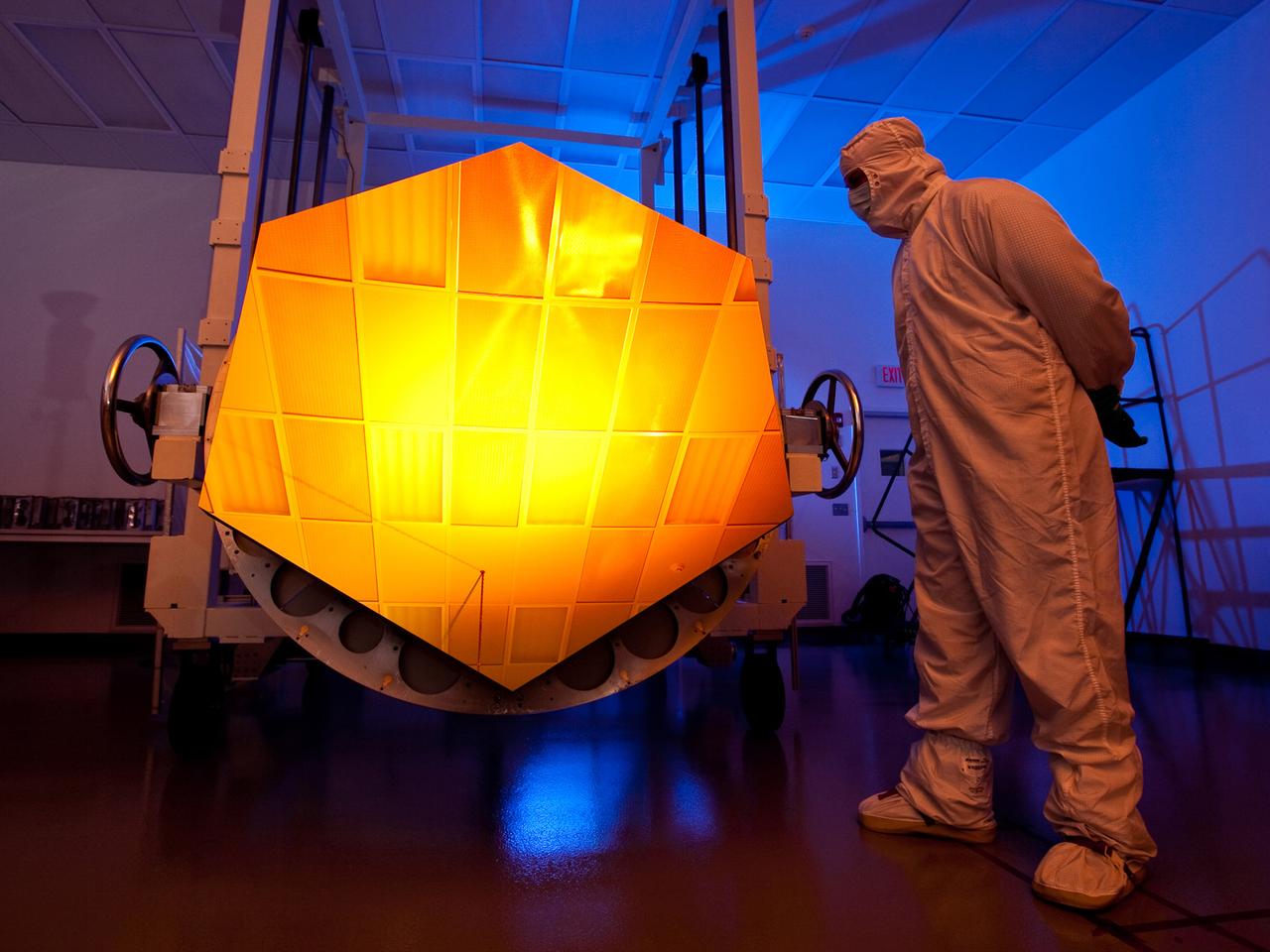
NASA image release December 9, 2010 Caption: The James Webb Space Telescope's Engineering Design Unit (EDU) primary mirror segment, coated with gold by Quantum Coating Incorporated. The actuator is located behind the mirror. Credit: Photo by Drew Noel NASA's James Webb Space Telescope is a wonder of modern engineering. As the planned successor to the Hubble Space telescope, even the smallest of parts on this giant observatory will play a critical role in its performance. A new video takes viewers behind the Webb's mirrors to investigate "actuators," one component that will help Webb focus on some of the earliest objects in the universe. The video called "Got Your Back" is part of an on-going video series about the Webb telescope called "Behind the Webb." It was produced at the Space Telescope Science Institute (STScI) in Baltimore, Md. and takes viewers behind the scenes with scientists and engineers who are creating the Webb telescope's components. During the 3 minute and 12 second video, STScI host Mary Estacion interviewed people involved in the project at Ball Aerospace in Boulder, Colo. and showed the actuators in action. The Webb telescope will study every phase in the history of our universe, ranging from the first luminous glows after the big bang, to the formation of solar systems capable of supporting life on planets like Earth, to the evolution of our own solar system. Measuring the light this distant light requires a primary mirror 6.5 meters (21 feet 4 inches) across – six times larger than the Hubble Space telescope’s mirror! Launching a mirror this large into space isn’t feasible. Instead, Webb engineers and scientists innovated a unique solution – building 18 mirrors that will act in unison as one large mirror. These mirrors are packaged together into three sections that fold up - much easier to fit inside a rocket. Each mirror is made from beryllium and weighs approximately 20 kilograms (46 pounds). Once in space, getting these mirrors to focus correctly on faraway galaxies is another challenge entirely. Actuators, or tiny mechanical motors, provide the answer to achieving a single perfect focus. The primary and secondary mirror segments are both moved by six actuators that are attached to the back of the mirrors. The primary segment has an additional actuator at the center of the mirror that adjusts its curvature. The third mirror segment remains stationary. Lee Feinberg, Webb Optical Telescope Element Manager at NASA's Goddard Space Flight Center in Greenbelt, Md. explained "Aligning the primary mirror segments as though they are a single large mirror means each mirror is aligned to 1/10,000th the thickness of a human hair. This alignment has to be done at 50 degrees above absolute zero! What's even more amazing is that the engineers and scientists working on the Webb telescope literally had to invent how to do this." With the actuators in place, Brad Shogrin, Webb Telescope Manager at Ball Aerospace, Boulder, Colo, details the next step: attaching the hexapod (meaning six-footed) assembly and radius of curvature subsystem (ROC). "Radius of curvature" refers to the distance to the center point of the curvature of the mirror. Feinberg added "To understand the concept in a more basic sense, if you change that radius of curvature, you change the mirror's focus." The "Behind the Webb" video series is available in HQ, large and small Quicktime formats, HD, Large and Small WMV formats, and HD, Large and Small Xvid formats. To see the actuators being attached to the back of a telescope mirror in this new "Behind the Webb" video, visit: <a href="http://webbtelescope.org/webb_telescope/behind_the_webb/7" rel="nofollow">webbtelescope.org/webb_telescope/behind_the_webb/7</a> For more information about Webb's mirrors, visit: <a href="http://www.jwst.nasa.gov/mirrors.html" rel="nofollow">www.jwst.nasa.gov/mirrors.html</a> For more information on the James Webb Space Telescope, visit: <a href="http://jwst.nasa.gov" rel="nofollow">jwst.nasa.gov</a> Rob Gutro NASA's Goddard Space Flight Center, Greenbelt, Md. <b><a href="http://www.nasa.gov/centers/goddard/home/index.html" rel="nofollow">NASA Goddard Space Flight Center</a></b> enables NASA’s mission through four scientific endeavors: Earth Science, Heliophysics, Solar System Exploration, and Astrophysics. Goddard plays a leading role in NASA’s accomplishments by contributing compelling scientific knowledge to advance the Agency’s mission. <b>Follow us on <a href="http://twitter.com/NASA_GoddardPix" rel="nofollow">Twitter</a></b> <b>Join us on <a href="http://www.facebook.com/pages/Greenbelt-MD/NASA-Goddard/395013845897?ref=tsd" rel="nofollow">Facebook</a></b>