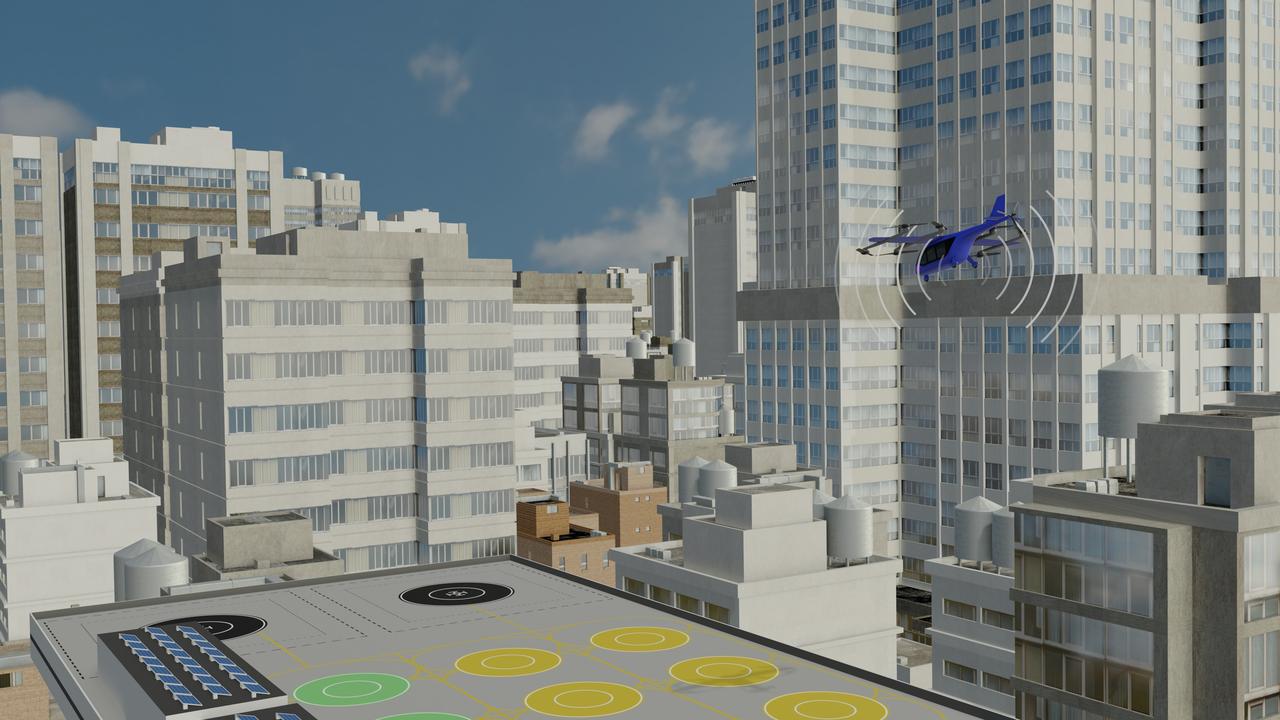
Several projects supporting NASA's Advanced Air Mobility, or AAM mission, are working on different elements to help make AAM a reality. One focus area is developing design tools manufacturers can use to reduce noise impacts.
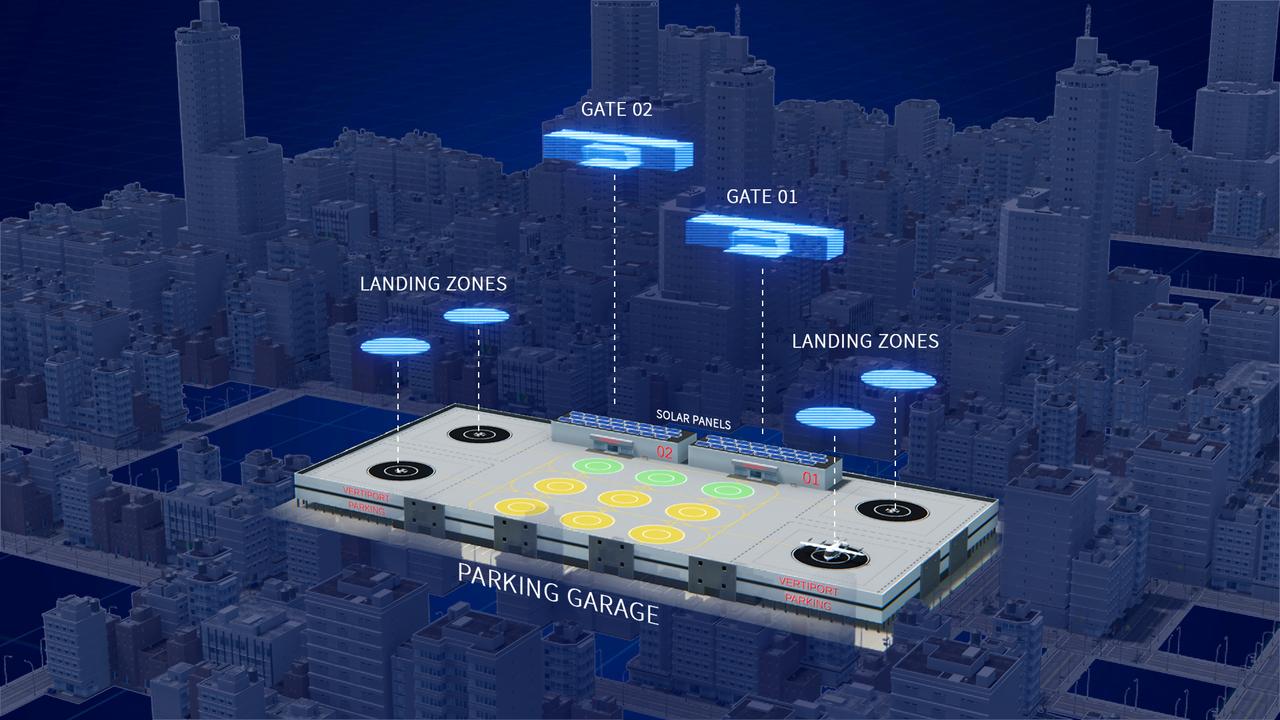
Several projects supporting NASA's Advanced Air Mobility, or AAM mission, are working on different elements to help make AAM a reality. In order for these new AAM aircraft to safely operate, new infrastructure and changes to current infrastructure will need to be developed in cities, suburbs, and rural areas.
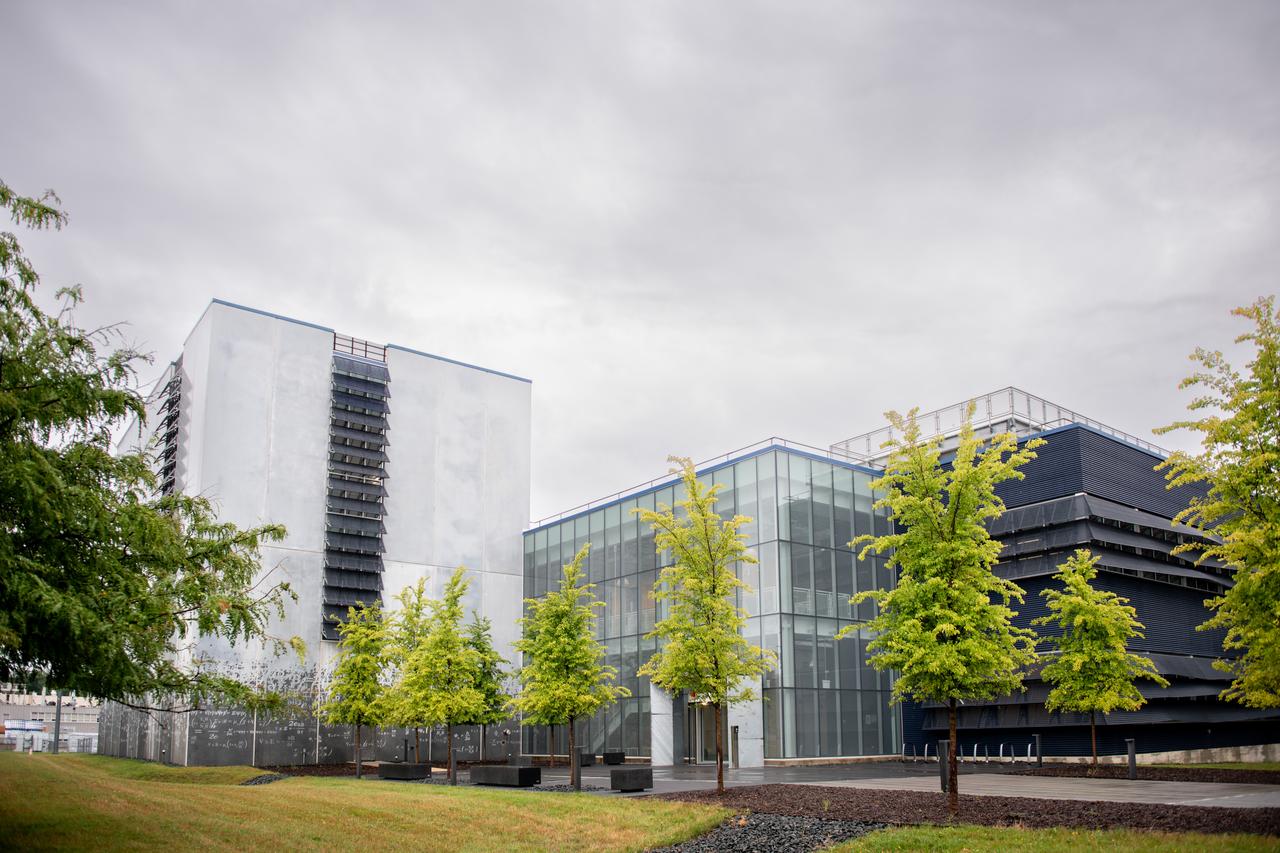
NASA’s Glenn Research Center opened the doors to a brand-new mission-focused facility that will support the agency’s Artemis and Advanced Air Mobility missions. On Aug. 30, NASA management and local officials cut the ribbon to the Aerospace Communications Facility (ACF), a new building designed for advanced radio frequency (RF) and optical communication technology research and development. Photo Credit: (NASA/Sara Lowthian-Hanna)
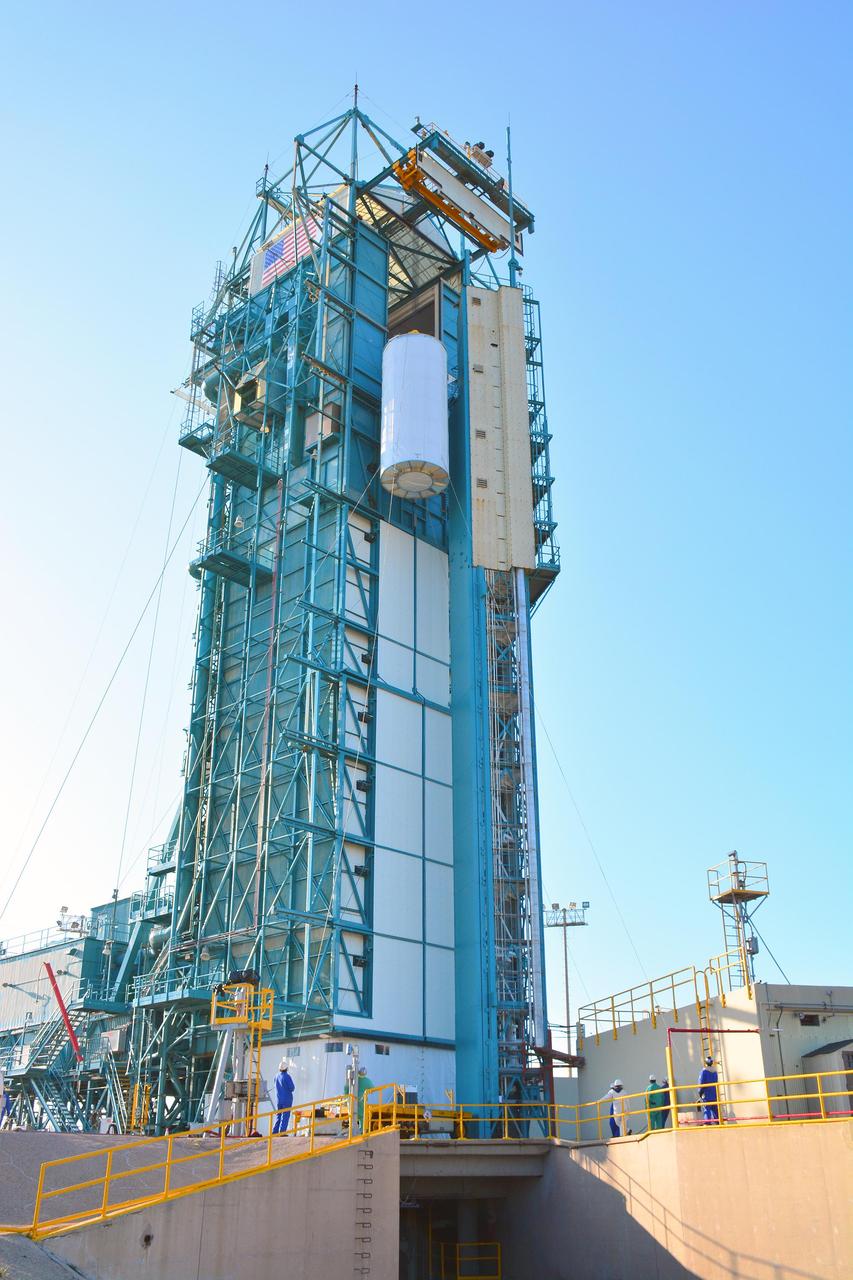
At Space Launch Complex 2 on Vandenberg Air Force Base in California, NASA Soil Moisture Active Passive SMAP mission satellite is lifted up the side of a mobile service tower for mating to its Delta II rocket.
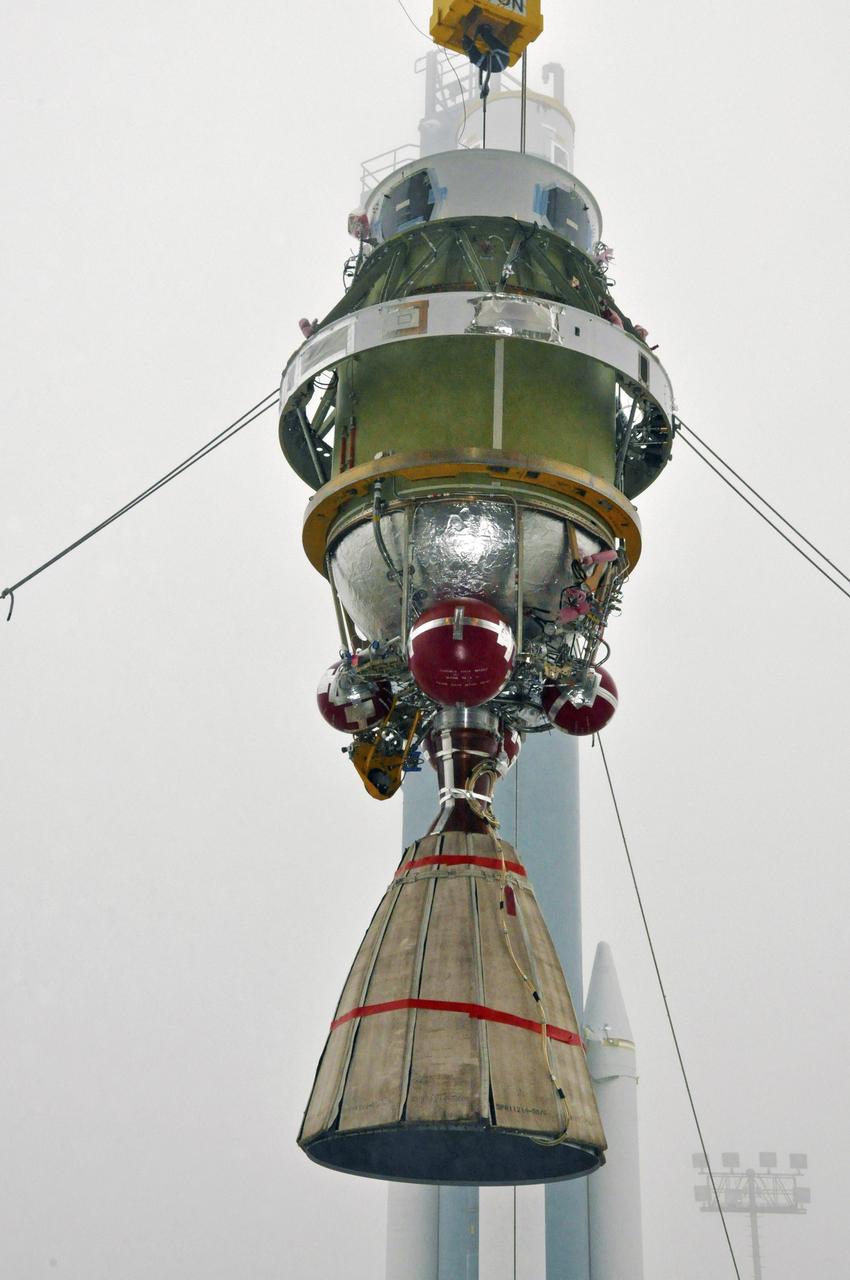
The Delta II second stage for NASA Orbiting Carbon Observatory-2 mission, or OCO-2, is lifted to the top of the mobile service tower at Space Launch Complex 2 on Vandenberg Air Force Base in California.
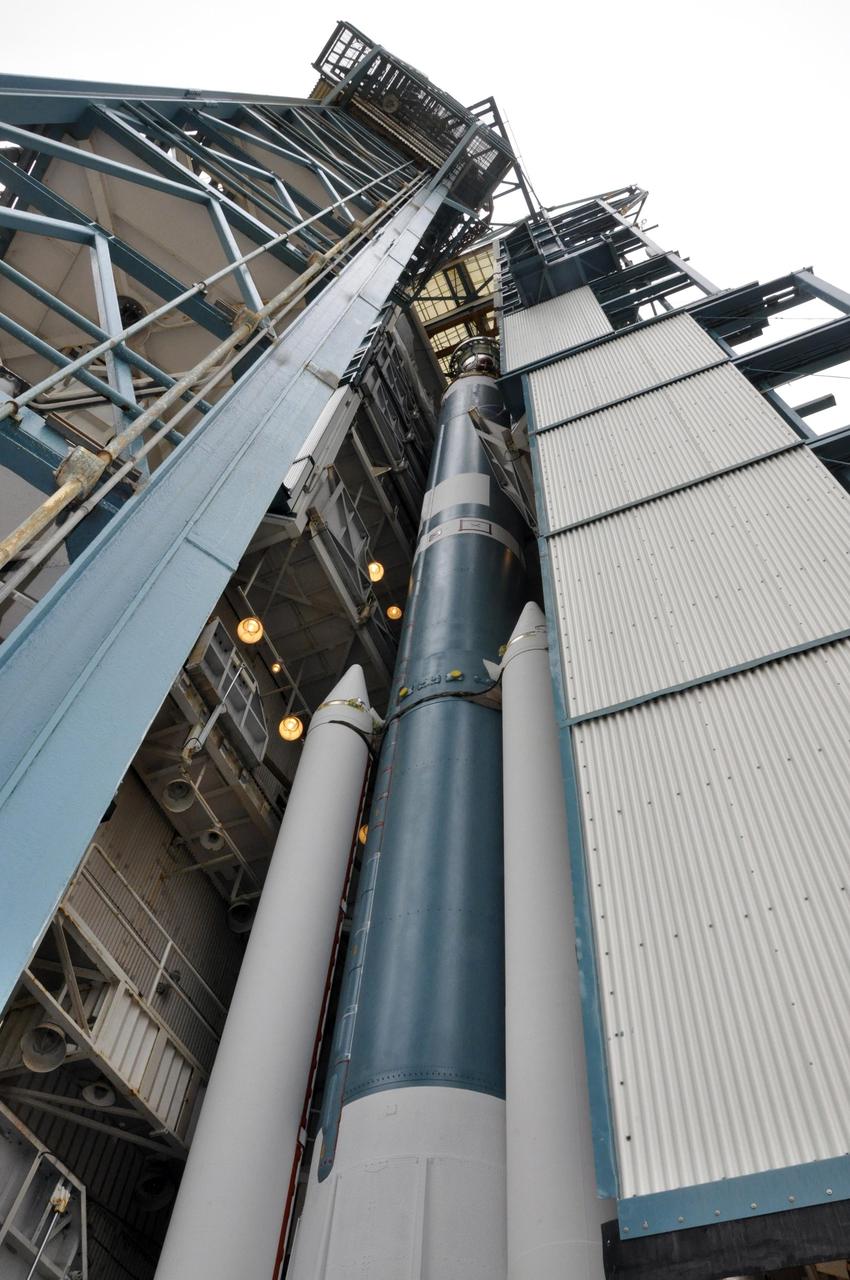
The Delta II second stage for NASA Orbiting Carbon Observatory-2 mission, or OCO-2, is positioned atop the rocket first stage in the mobile service tower at Space Launch Complex 2 on Vandenberg Air Force Base in California.
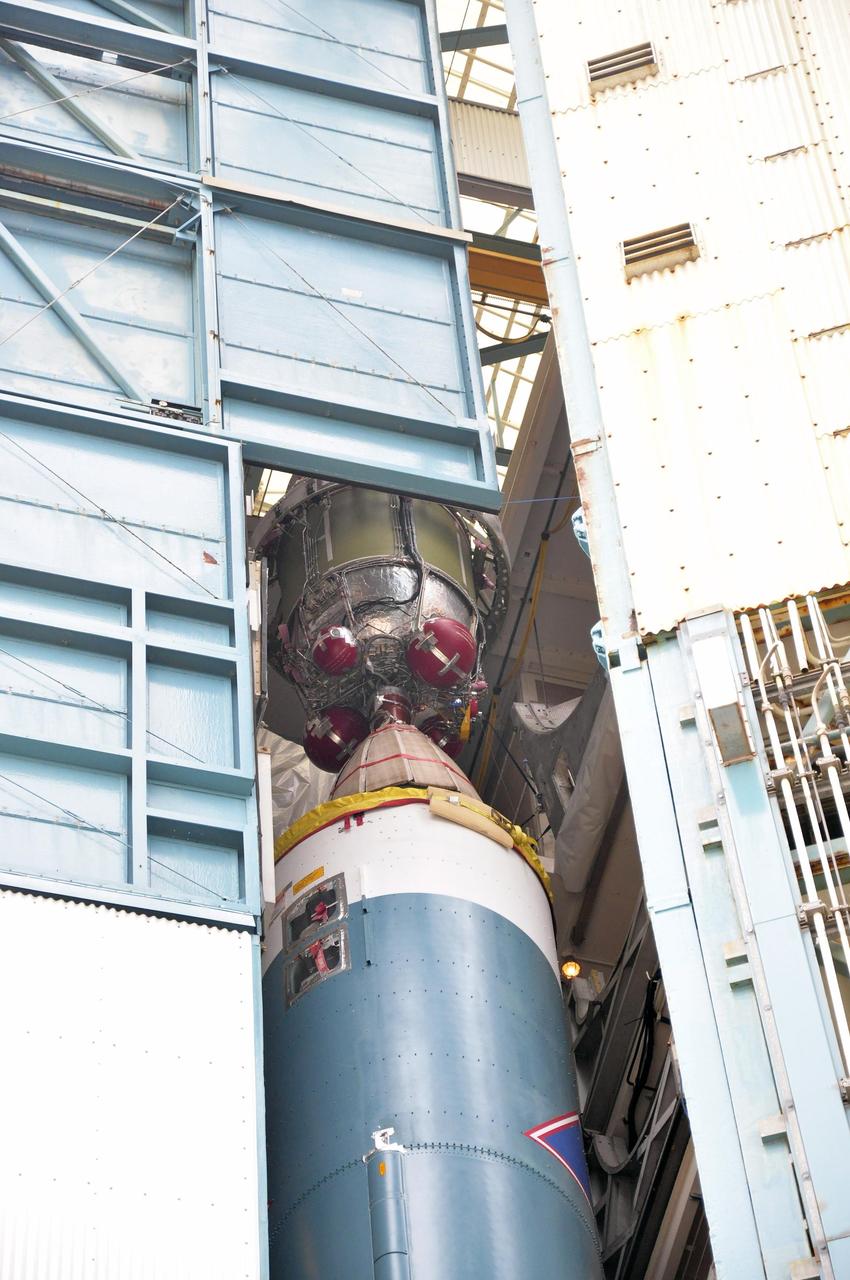
The Delta II second stage for NASA Orbiting Carbon Observatory-2 mission, or OCO-2, makes contact with the rocket first stage in the mobile service tower at Space Launch Complex 2 on Vandenberg Air Force Base in California.

Flight Research Inc.’s Bell OH-58C Kiowa helicopter lands on a helipad at NASA’s Armstrong Flight Research Center in California in March 2021 at the completion of an urban air mobility scenario. The Advanced Air Mobility National Campaign project conducted a second phase of research called build II. This helicopter was used as a surrogate urban air mobility vehicle to study aspects of a future air taxi mission.
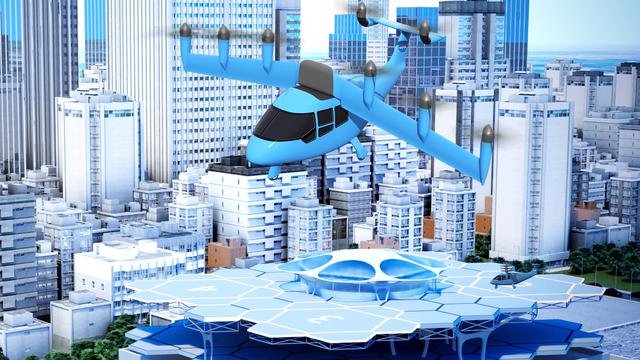
An idea for a future air taxi hovers over a municipal vertiport in this NASA illustration. Experts from NASA’s Advanced Air Mobility mission have signed agreements with four states and one city to host a series of workshops that will help local governments prepare their transportation plans to include this new form of air travel.
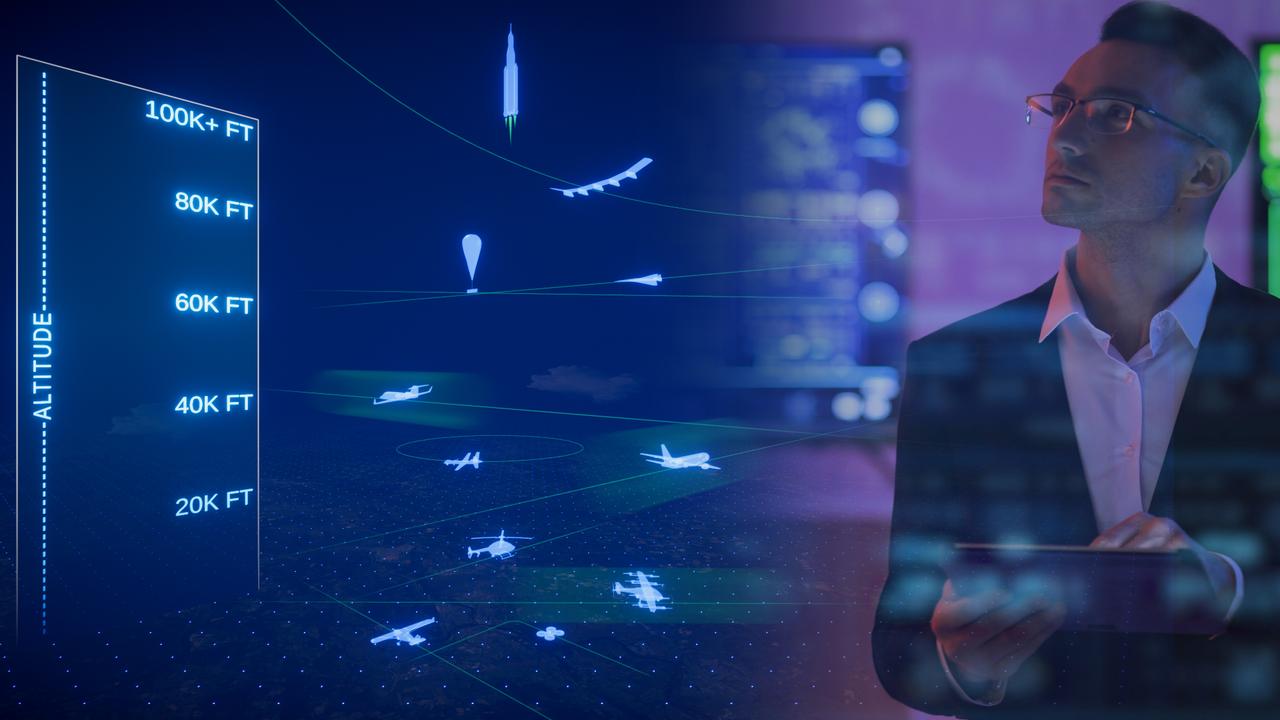
For NASA’s Advanced Air Mobility mission's vision to be successful, partners in industry and government must develop new air traffic management technologies. This concept art represents how different types of aircraft could fly safely and efficiently in a busy airspace with the help of new air traffic management technologies.
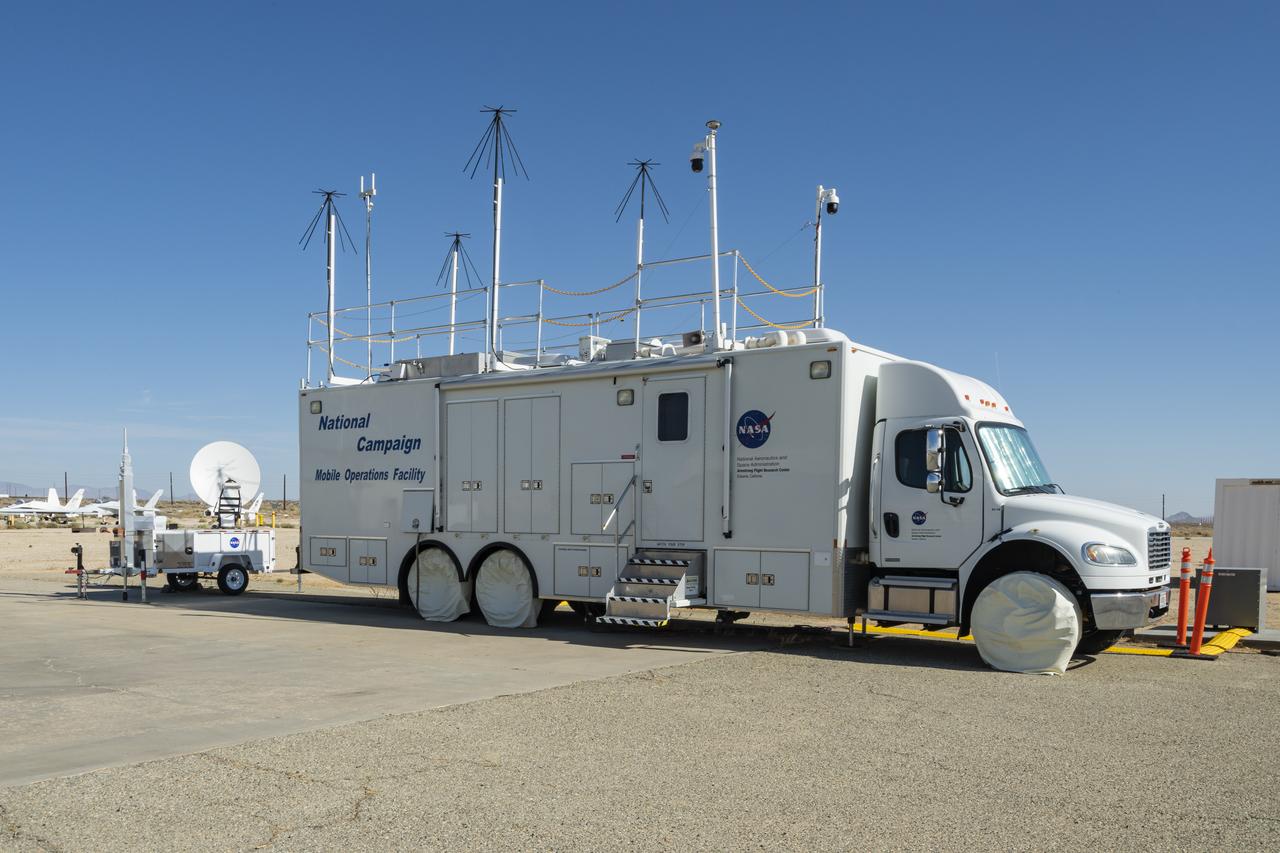
The upgraded NASA Mobile Operations Facility, a mission control and data collection center on wheels, is shown parked at NASA’s Armstrong Flight Research Center in Edwards, California on July 20, 2022. This vehicle is used for NASA's Advanced Air Mobility project’s National Campaign testing.
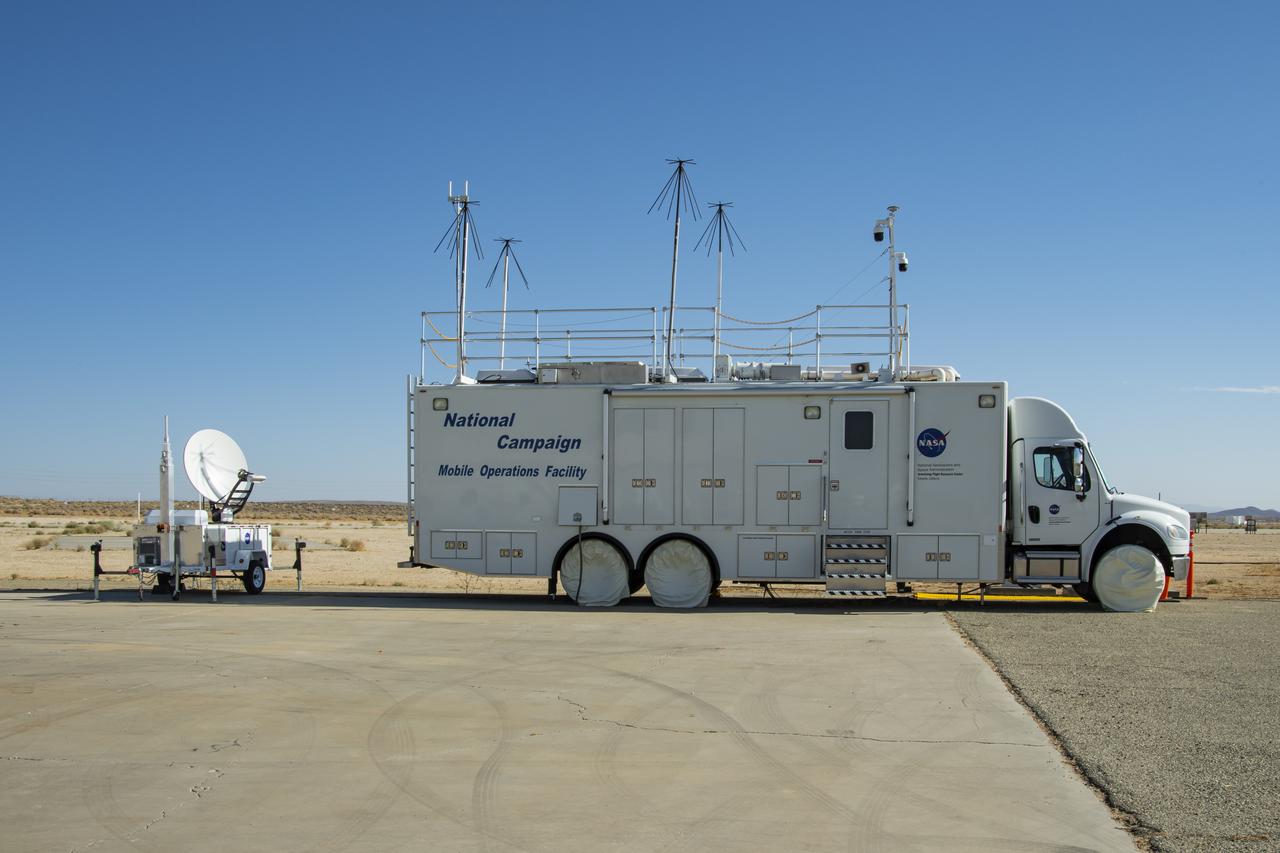
The NASA Mobile Operations Facility sports new decals while parked at NASA Armstrong Flight Research Center in Edwards, California on July 20, 2022. This vehicle, also known as the MOF, is a mission control and data collection center on wheels. NASA's Advanced Air Mobility project uses it for testing.
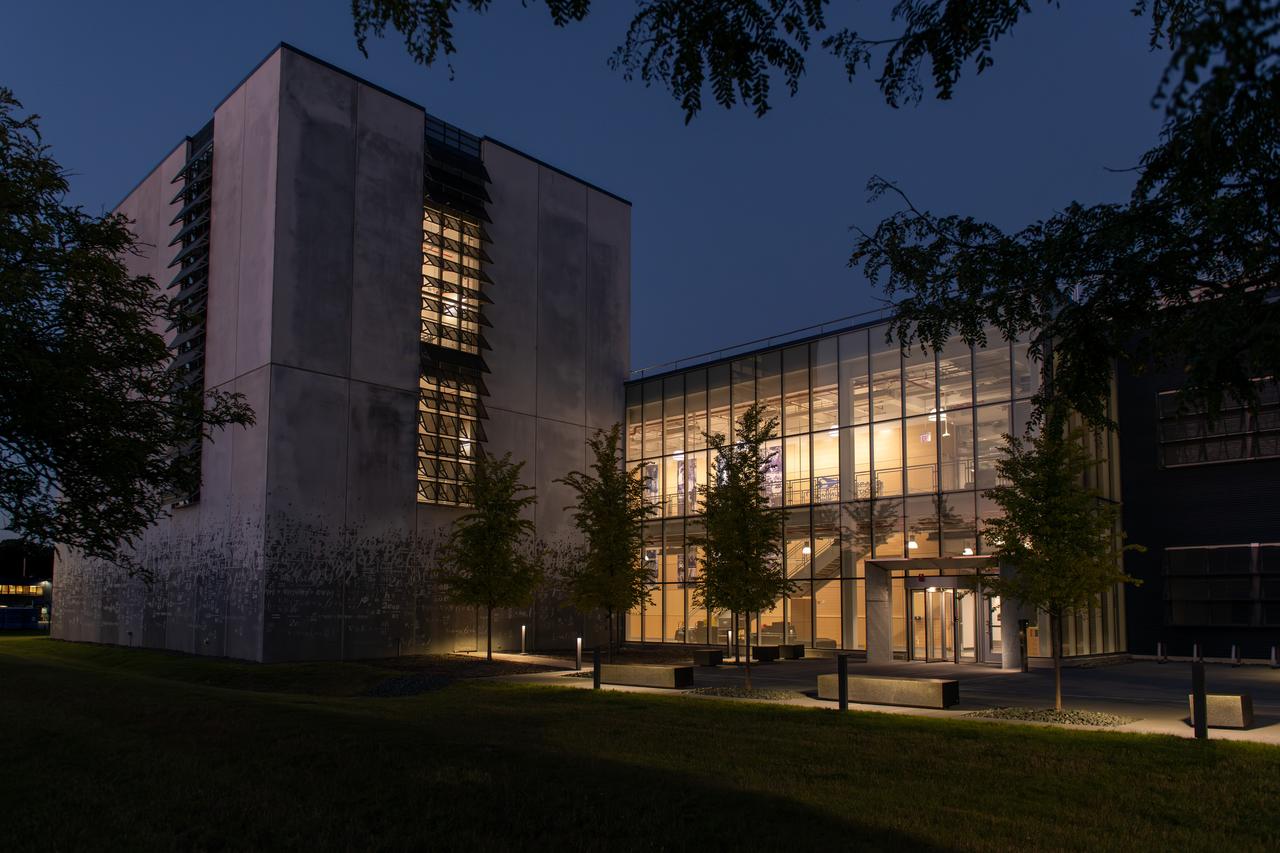
The new Aerospace Communications Facility allows researchers to develop various types of communication, including RF, cellular, optical, and quantum to support the agency’s Artemis and Advanced Air Mobility Missions.
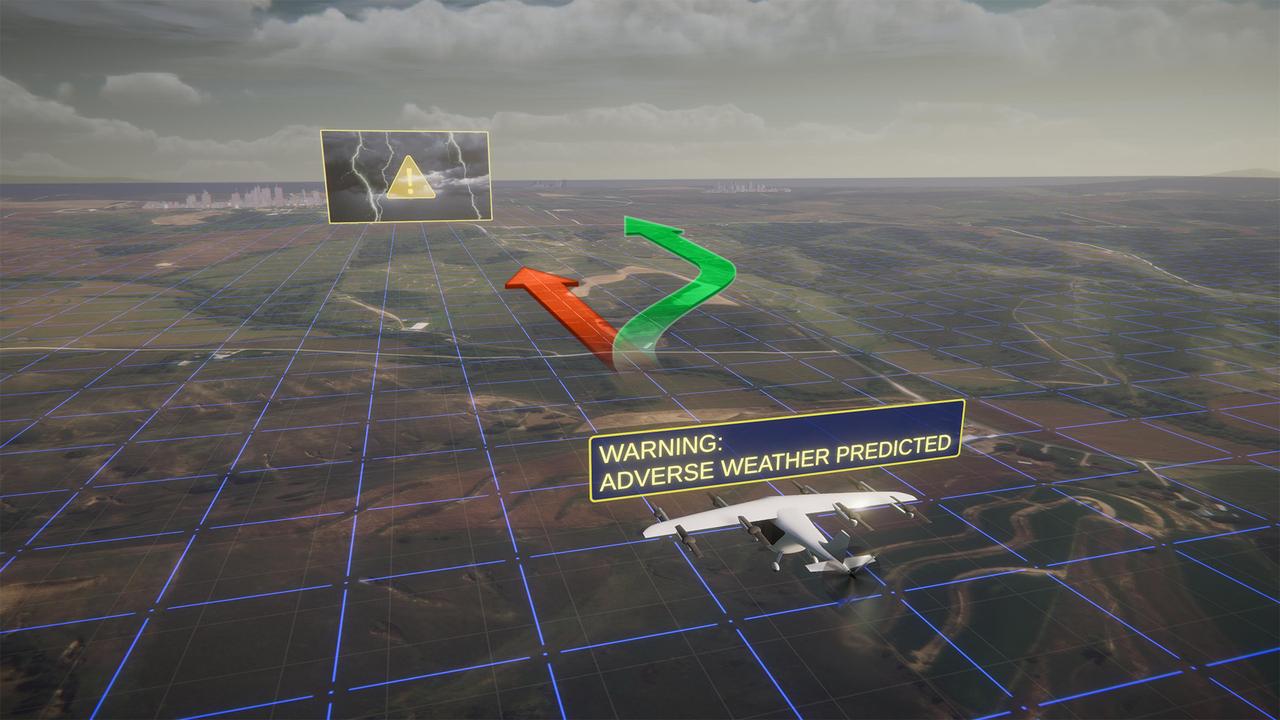
NASA's Advanced Air Mobility mission is helping to ensure this new class of aircraft that industry is developing is safe to operate. This concept art represents how the addition of automated technologies on the aircraft like hazard avoidance could help.
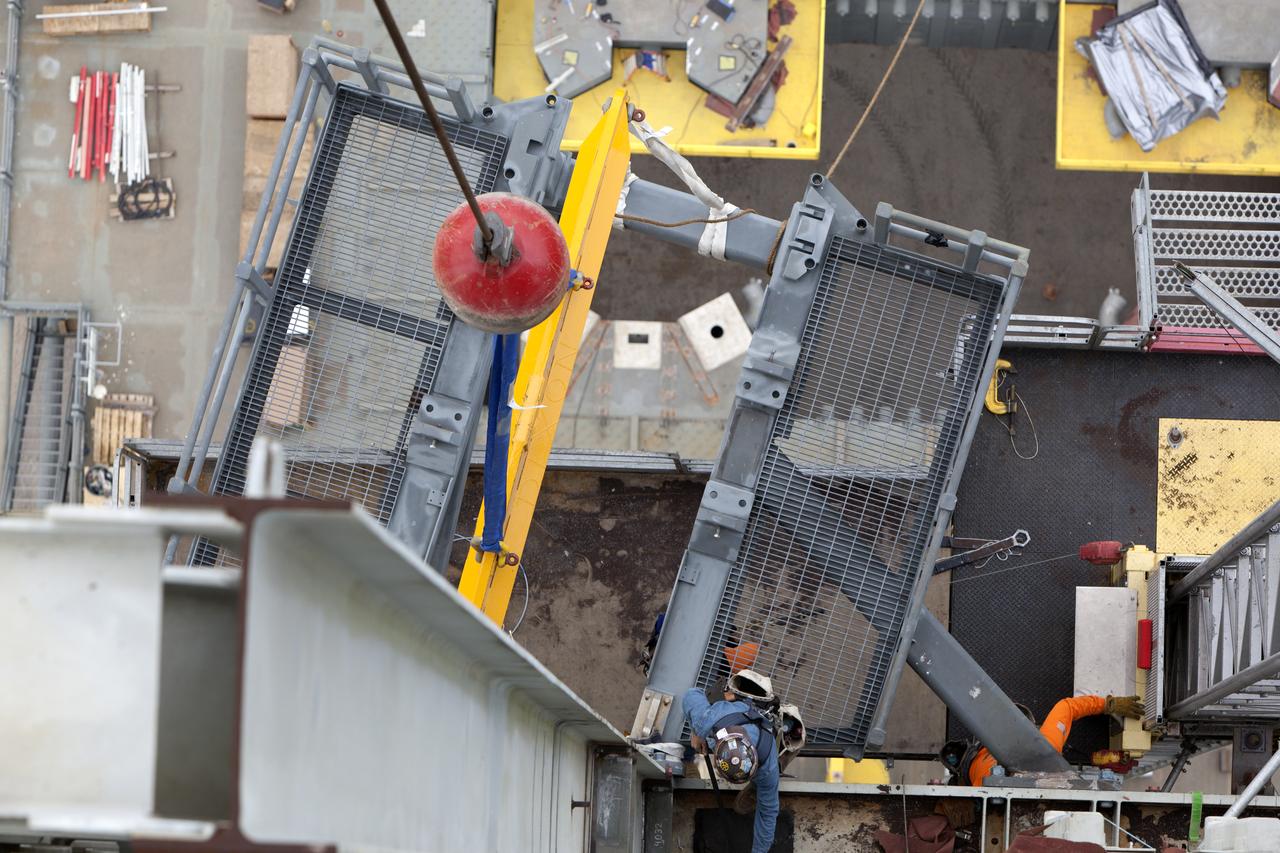
In this view looking down from high up on the mobile launcher, a crane positions the bracket for the Orion Service Module Umbilical (OSMU) for installation on the mobile launcher tower at NASA's Kennedy Space Center in Florida. The mobile launcher tower will be equipped with a number of lines, called umbilicals, that will connect to the Space Launch System rocket and Orion spacecraft for Exploration Mission-1 (EM-1). The OSMU will be located high on the mobile launcher tower and, prior to launch, will transfer liquid coolant for the electronics and air for the Environmental Control System to the Orion service module that houses these critical systems to support the spacecraft. EM-1 is scheduled to launch in 2018. The Ground Systems Development and Operations Program is overseeing installation of the umbilicals.
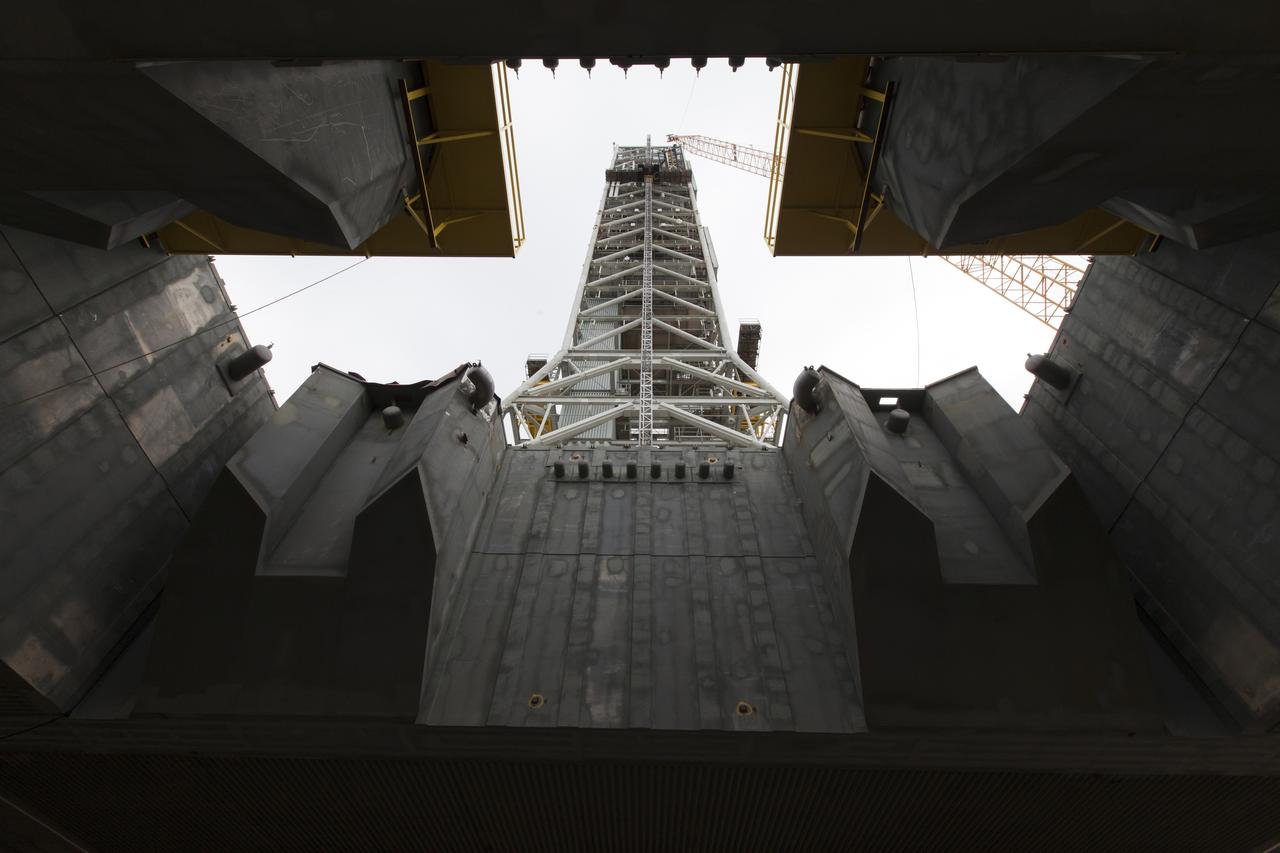
A view from below the mobile launcher shows a crane positioning the bracket for the Orion Service Module Umbilical (OSMU) high up for installation on the mobile launcher tower at NASA's Kennedy Space Center in Florida. The mobile launcher tower will be equipped with a number of lines, called umbilicals, that will connect to the Space Launch System rocket and Orion spacecraft for Exploration Mission-1 (EM-1). The OSMU will be located high on the mobile launcher tower and, prior to launch, will transfer liquid coolant for the electronics and air for the Environmental Control System to the Orion service module that houses these critical systems to support the spacecraft. EM-1 is scheduled to launch in 2018. The Ground Systems Development and Operations Program is overseeing installation of the umbilicals.
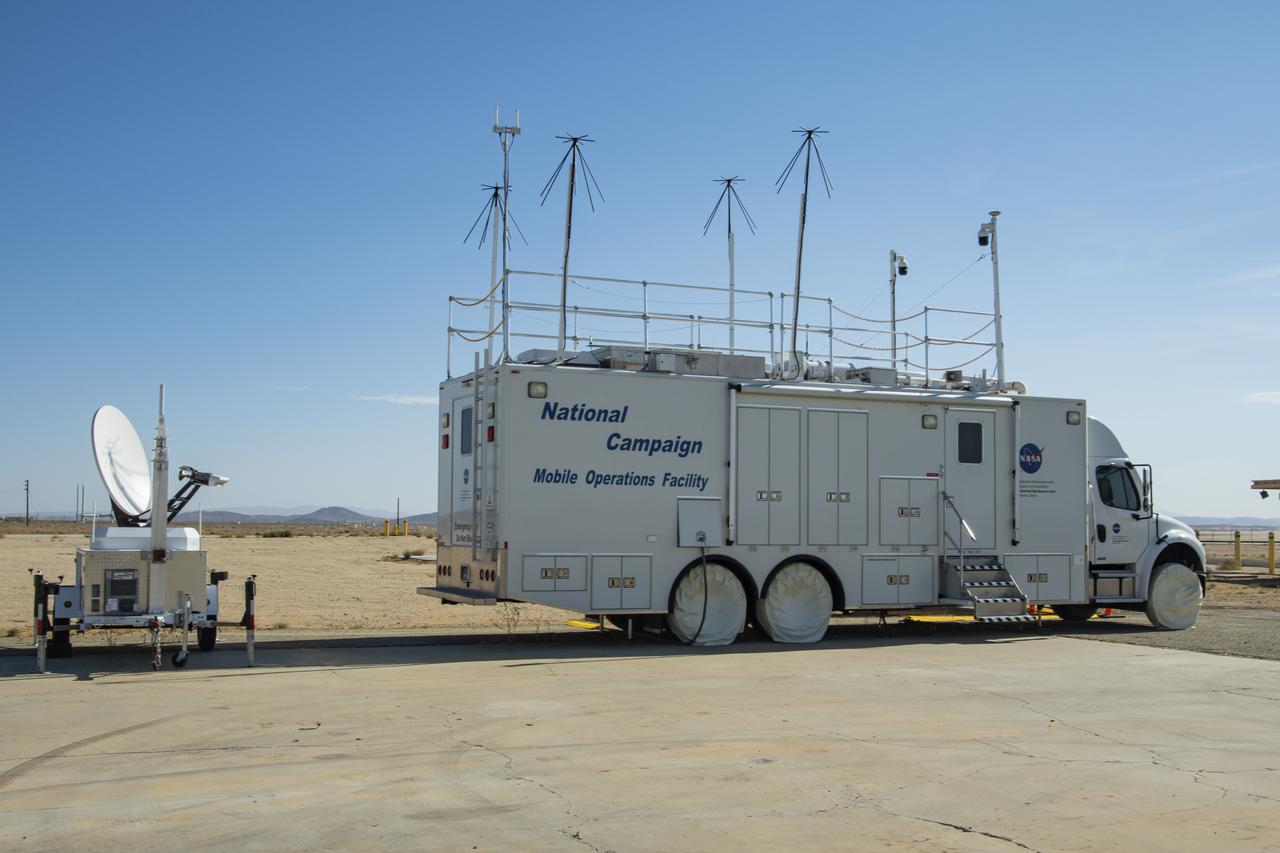
This specially outfitted mission control center, called the Mobile Operations Facility, can travel to any flight-testing site to obtain and transmit critical data. Here it is shown at NASA Armstrong Flight Research Center in Edwards, California on July 20, 2022. The data collected from the vehicle is used by NASA's Advanced Air Mobility project’s National Campaign.
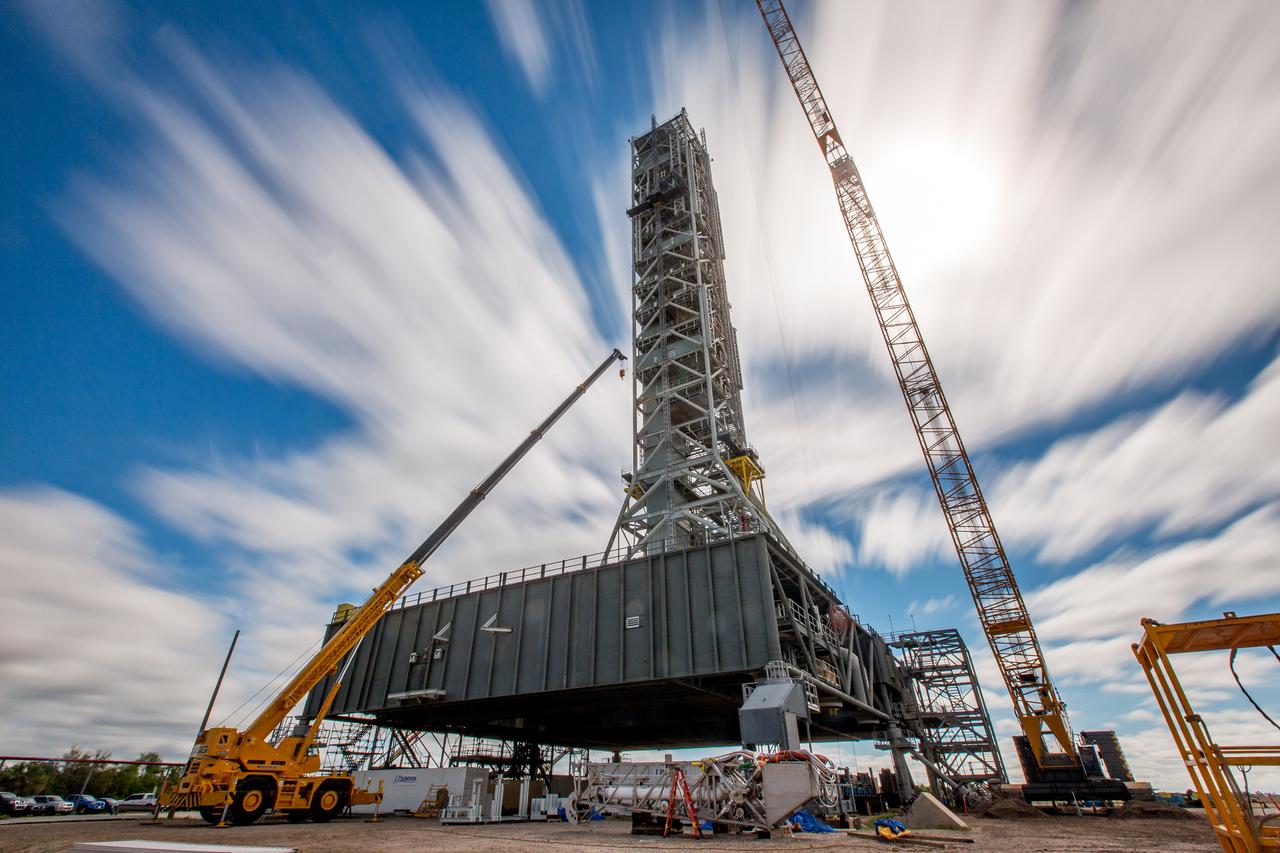
A long-exposure view of the mobile launcher at NASA's Kennedy Space Center in Florida. Cranes and rigging are being used to lift the bracket for the Orion Service Module Umbilical (OSMU) up for installation on the mobile launcher tower. The tower will be equipped with a number of lines, called umbilicals, that will connect to the Space Launch System rocket and Orion spacecraft for Exploration Mission-1 (EM-1). The OSMU will be located high on the mobile launcher tower and, prior to launch, will transfer liquid coolant for the electronics and air for the Environmental Control System to the Orion service module that houses these critical systems to support the spacecraft. EM-1 is scheduled to launch in 2018. The Ground Systems Development and Operations Program is overseeing installation of the umbilicals.
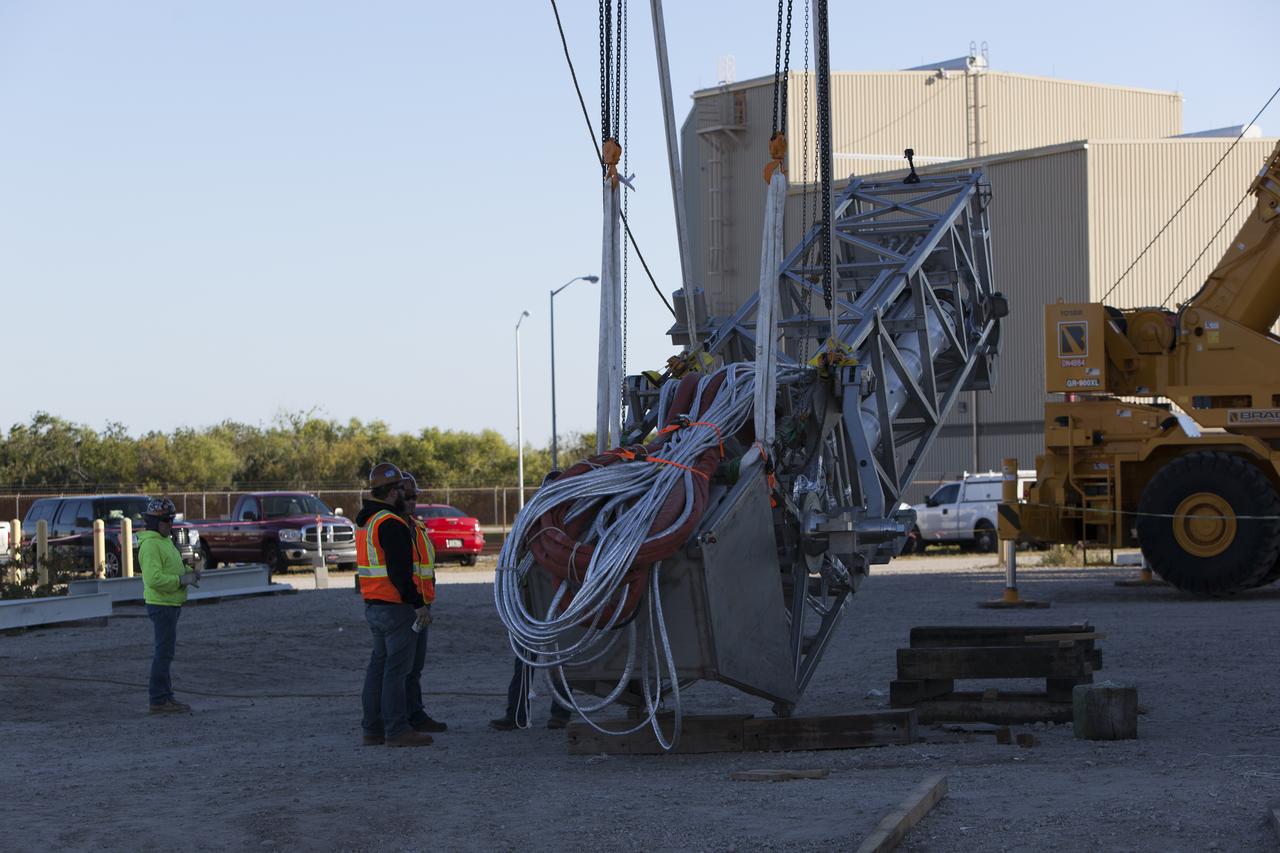
Preparations are underway to lift the Orion Service Module Umbilical (OSMU) up for installation on the mobile launcher tower at NASA's Kennedy Space Center in Florida. The mobile launcher tower will be equipped with a number of lines, called umbilicals, that will connect to the Space Launch System rocket and Orion spacecraft for Exploration Mission-1 (EM-1). The OSMU will be located high on the mobile launcher tower and, prior to launch, will transfer liquid coolant for the electronics and air for the Environmental Control System to the Orion service module that houses these critical systems to support the spacecraft. EM-1 is scheduled to launch in 2018. The Ground Systems Development and Operations Program is overseeing installation of the umbilicals.
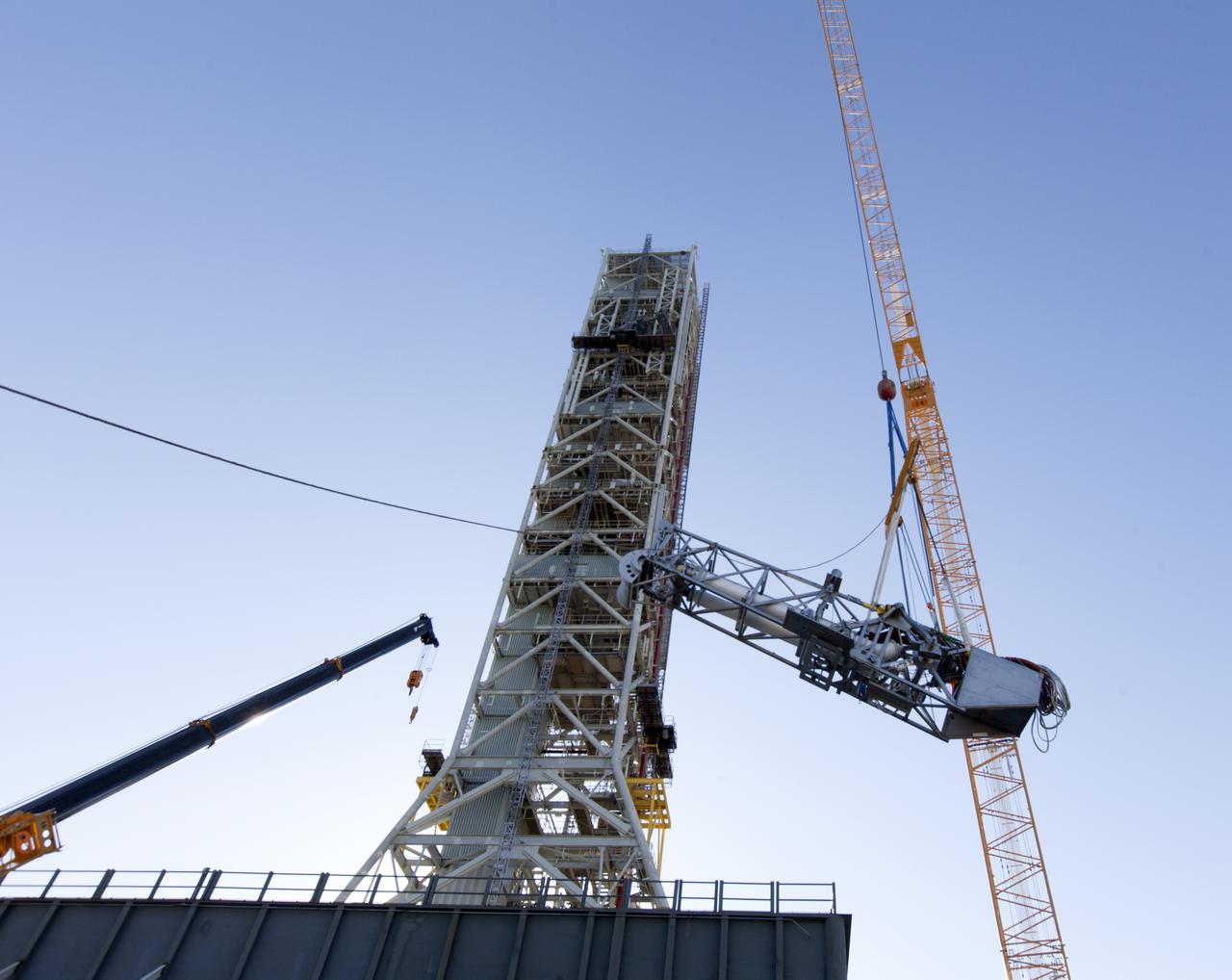
A crane and rigging are used to lift the Orion Service Module Umbilical (OSMU) up for installation on the mobile launcher tower at NASA's Kennedy Space Center in Florida. The mobile launcher tower will be equipped with a number of lines, called umbilicals, that will connect to the Space Launch System rocket and Orion spacecraft for Exploration Mission-1 (EM-1). The OSMU will be located high on the mobile launcher tower and, prior to launch, will transfer liquid coolant for the electronics and air for the Environmental Control System to the Orion service module that houses these critical systems to support the spacecraft. EM-1 is scheduled to launch in 2018. The Ground Systems Development and Operations Program is overseeing installation of the umbilicals.
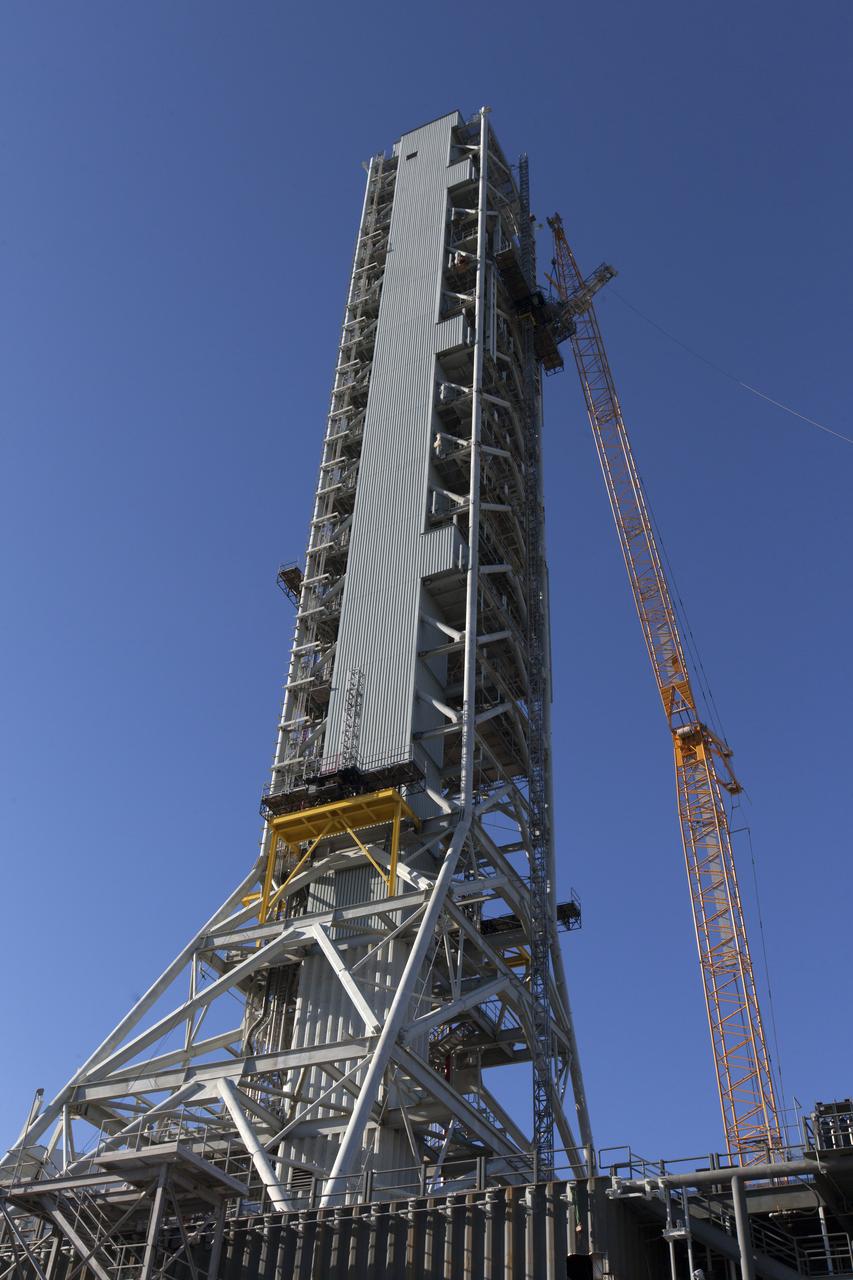
A crane and rigging are used to position the Orion Service Module Umbilical (OSMU) for installation high up on the mobile launcher tower at NASA's Kennedy Space Center in Florida. The mobile launcher tower will be equipped with a number of lines, called umbilicals, that will connect to the Space Launch System rocket and Orion spacecraft for Exploration Mission-1 (EM-1). The OSMU will be located high on the mobile launcher tower and, prior to launch, will transfer liquid coolant for the electronics and air for the Environmental Control System to the Orion service module that houses these critical systems to support the spacecraft. EM-1 is scheduled to launch in 2018. The Ground Systems Development and Operations Program is overseeing installation of the umbilicals.
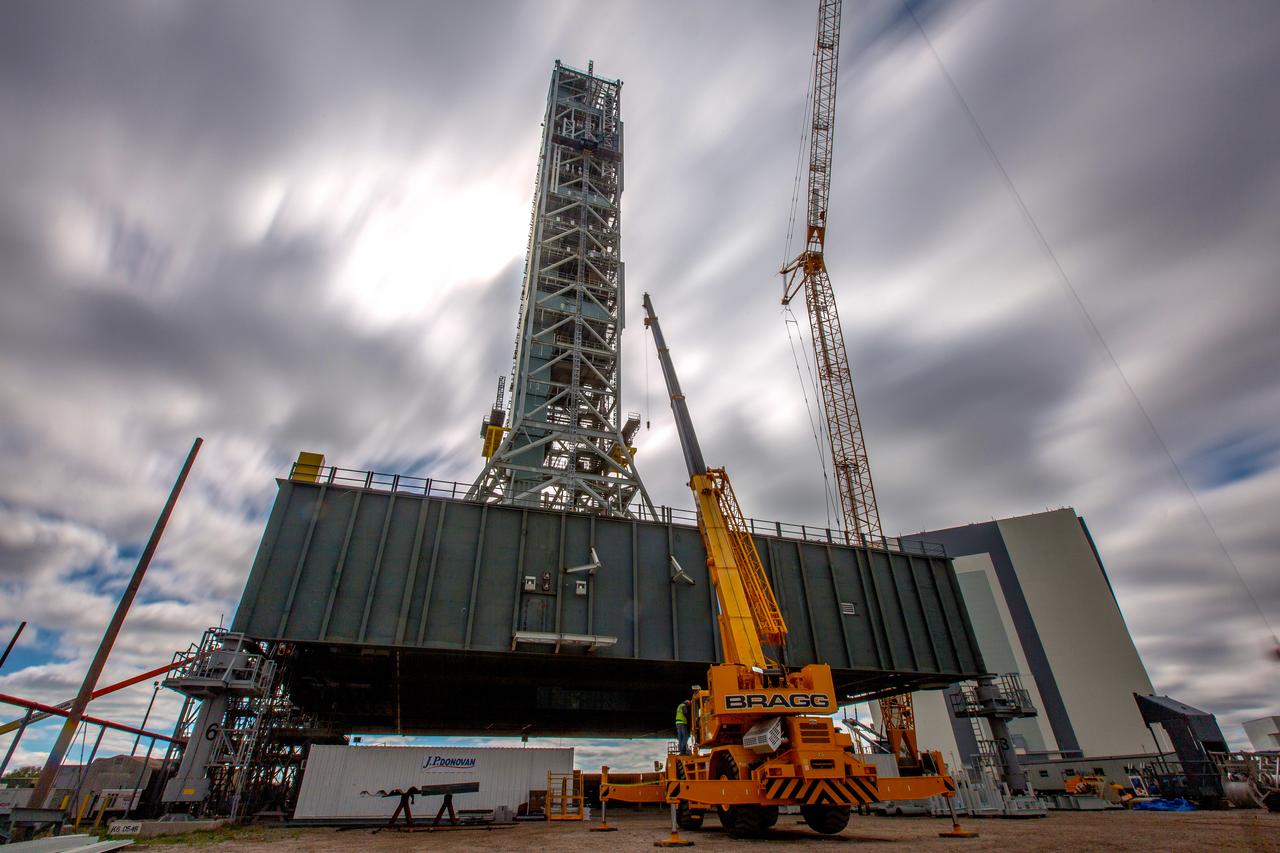
A long-exposure view of the mobile launcher at NASA's Kennedy Space Center in Florida. Cranes and rigging are being used to lift the bracket for the Orion Service Module Umbilical (OSMU) up for installation on the mobile launcher tower. The tower will be equipped with a number of lines, called umbilicals, that will connect to the Space Launch System rocket and Orion spacecraft for Exploration Mission-1 (EM-1). The OSMU will be located high on the mobile launcher tower and, prior to launch, will transfer liquid coolant for the electronics and air for the Environmental Control System to the Orion service module that houses these critical systems to support the spacecraft. EM-1 is scheduled to launch in 2018. The Ground Systems Development and Operations Program is overseeing installation of the umbilicals.
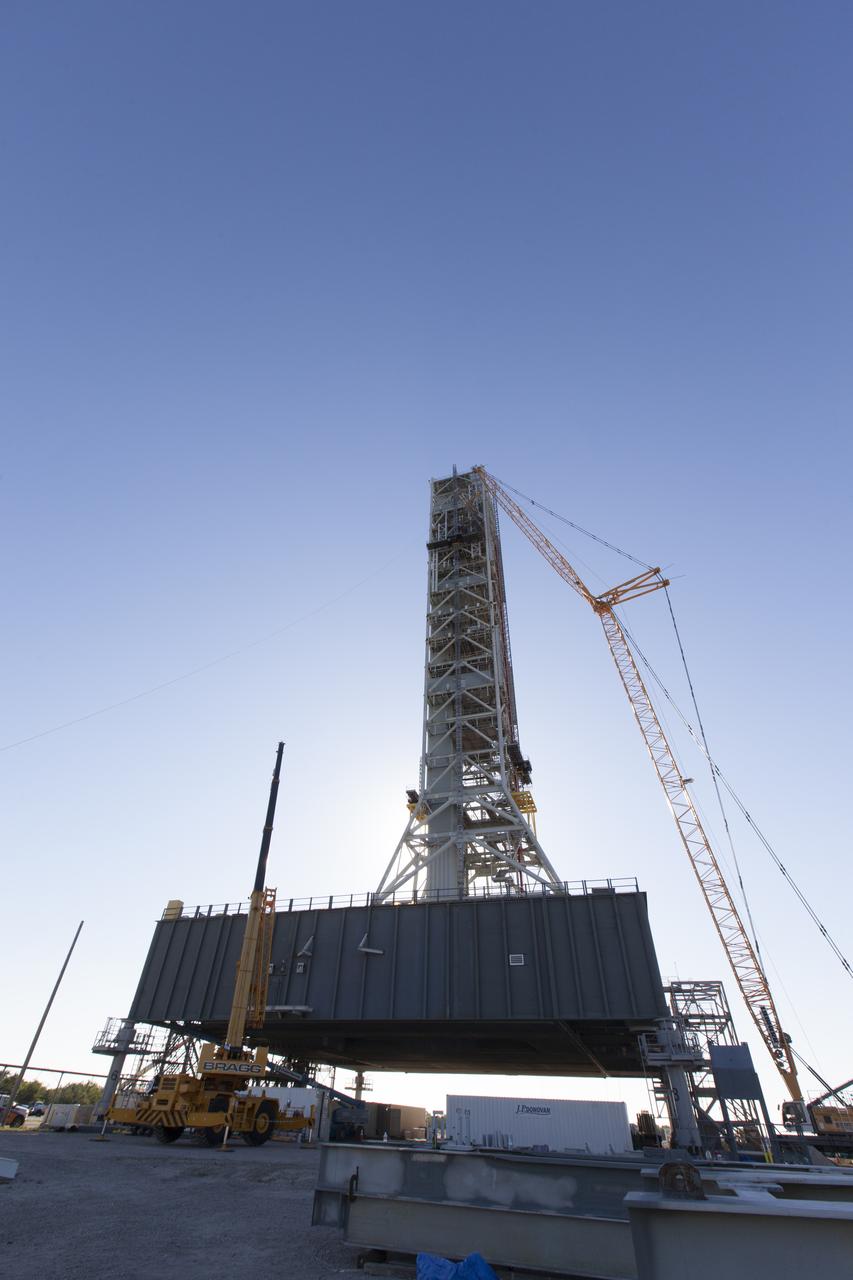
A crane and rigging are used to position the Orion Service Module Umbilical (OSMU) for installation high up on the mobile launcher tower at NASA's Kennedy Space Center in Florida. The mobile launcher tower will be equipped with a number of lines, called umbilicals, that will connect to the Space Launch System rocket and Orion spacecraft for Exploration Mission-1 (EM-1). The OSMU will be located high on the mobile launcher tower and, prior to launch, will transfer liquid coolant for the electronics and air for the Environmental Control System to the Orion service module that houses these critical systems to support the spacecraft. EM-1 is scheduled to launch in 2018. The Ground Systems Development and Operations Program is overseeing installation of the umbilicals.
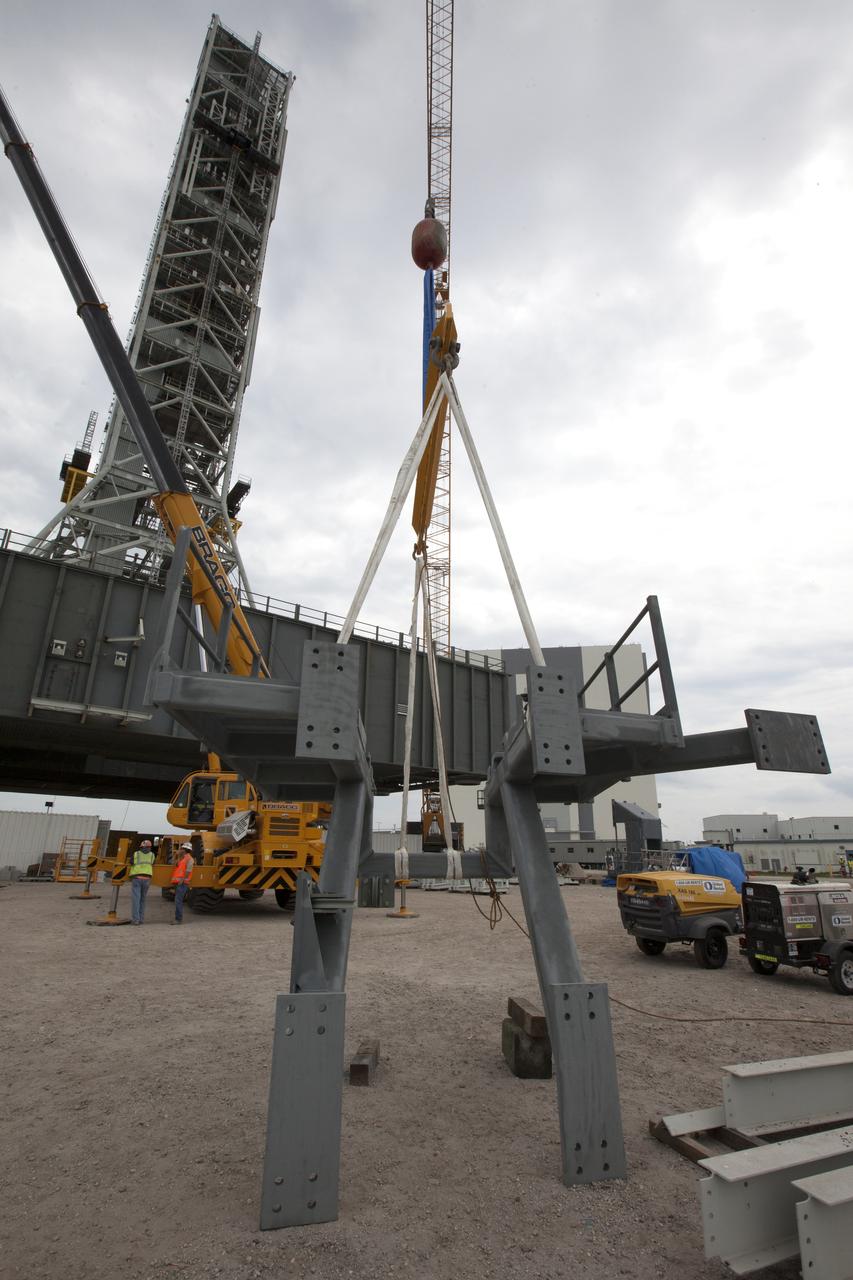
Preparations are underway to lift the bracket for the Orion Service Module Umbilical (OSMU) up for installation on the mobile launcher tower at NASA's Kennedy Space Center in Florida. The mobile launcher tower will be equipped with a number of lines, called umbilicals, that will connect to the Space Launch System rocket and Orion spacecraft for Exploration Mission-1 (EM-1). The OSMU will be located high on the mobile launcher tower and, prior to launch, will transfer liquid coolant for the electronics and air for the Environmental Control System to the Orion service module that houses these critical systems to support the spacecraft. EM-1 is scheduled to launch in 2018. The Ground Systems Development and Operations Program is overseeing installation of the umbilicals.
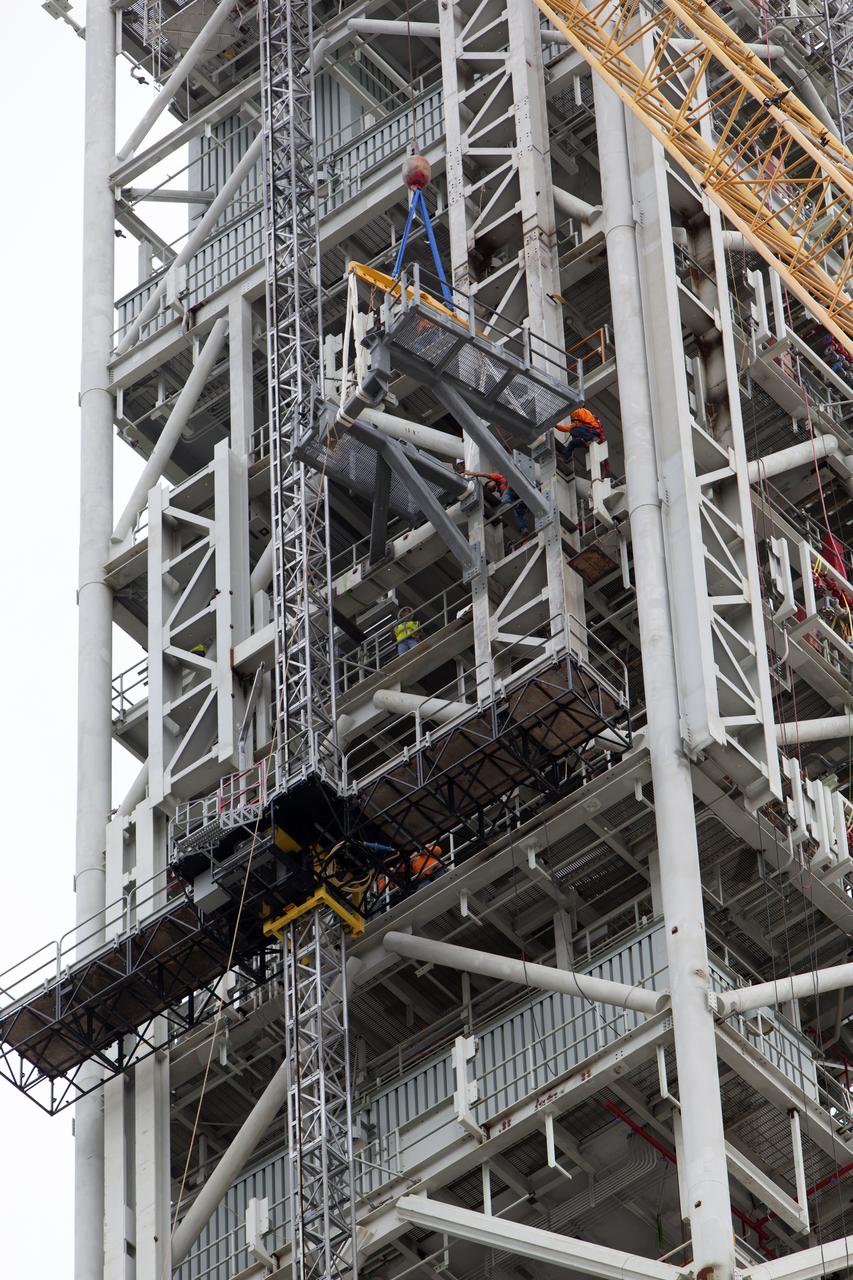
A crane positions the bracket for the Orion Service Module Umbilical (OSMU) for installation on the mobile launcher tower at NASA's Kennedy Space Center in Florida. The mobile launcher tower will be equipped with a number of lines, called umbilicals, that will connect to the Space Launch System rocket and Orion spacecraft for Exploration Mission-1 (EM-1). The OSMU will be located high on the mobile launcher tower and, prior to launch, will transfer liquid coolant for the electronics and air for the Environmental Control System to the Orion service module that houses these critical systems to support the spacecraft. EM-1 is scheduled to launch in 2018. The Ground Systems Development and Operations Program is overseeing installation of the umbilicals.
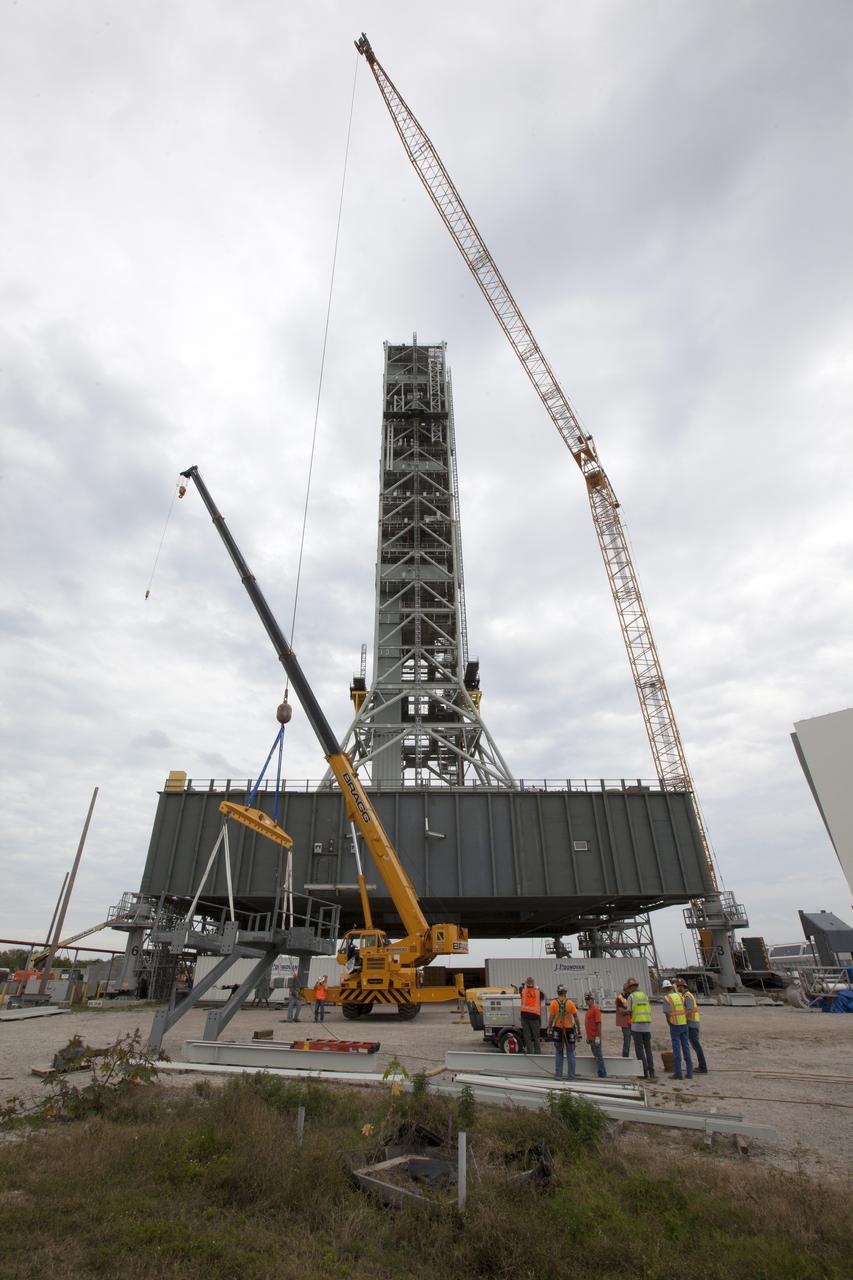
Preparations are underway to lift the bracket for the Orion Service Module Umbilical (OSMU) up for installation on the mobile launcher tower at NASA's Kennedy Space Center in Florida. The mobile launcher tower will be equipped with a number of lines, called umbilicals, that will connect to the Space Launch System rocket and Orion spacecraft for Exploration Mission-1 (EM-1). The OSMU will be located high on the mobile launcher tower and, prior to launch, will transfer liquid coolant for the electronics and air for the Environmental Control System to the Orion service module that houses these critical systems to support the spacecraft. EM-1 is scheduled to launch in 2018. The Ground Systems Development and Operations Program is overseeing installation of the umbilicals.
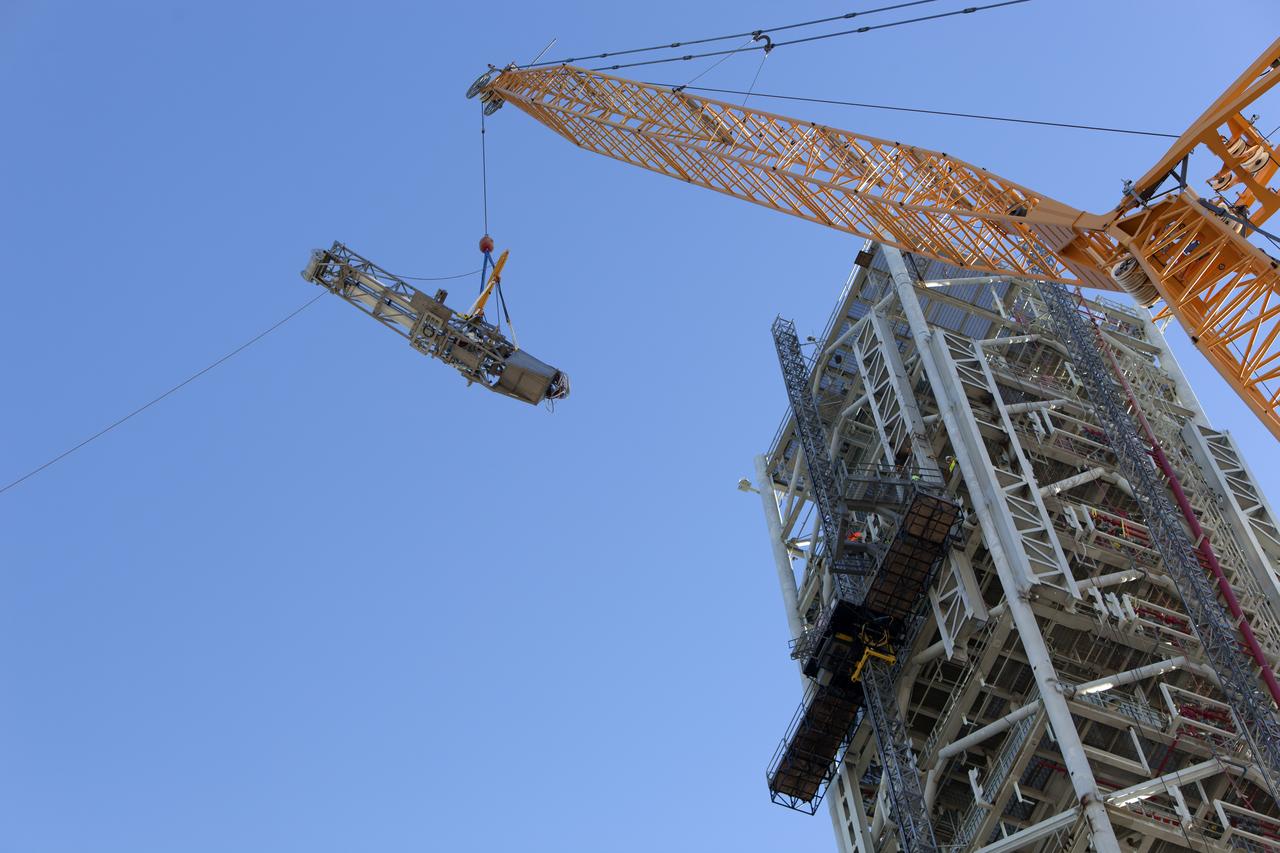
A crane and rigging are used to lift the Orion Service Module Umbilical (OSMU) high up for installation on the mobile launcher tower at NASA's Kennedy Space Center in Florida. The mobile launcher tower will be equipped with a number of lines, called umbilicals, that will connect to the Space Launch System rocket and Orion spacecraft for Exploration Mission-1 (EM-1). The OSMU will be located high on the mobile launcher tower and, prior to launch, will transfer liquid coolant for the electronics and air for the Environmental Control System to the Orion service module that houses these critical systems to support the spacecraft. EM-1 is scheduled to launch in 2018. The Ground Systems Development and Operations Program is overseeing installation of the umbilicals.
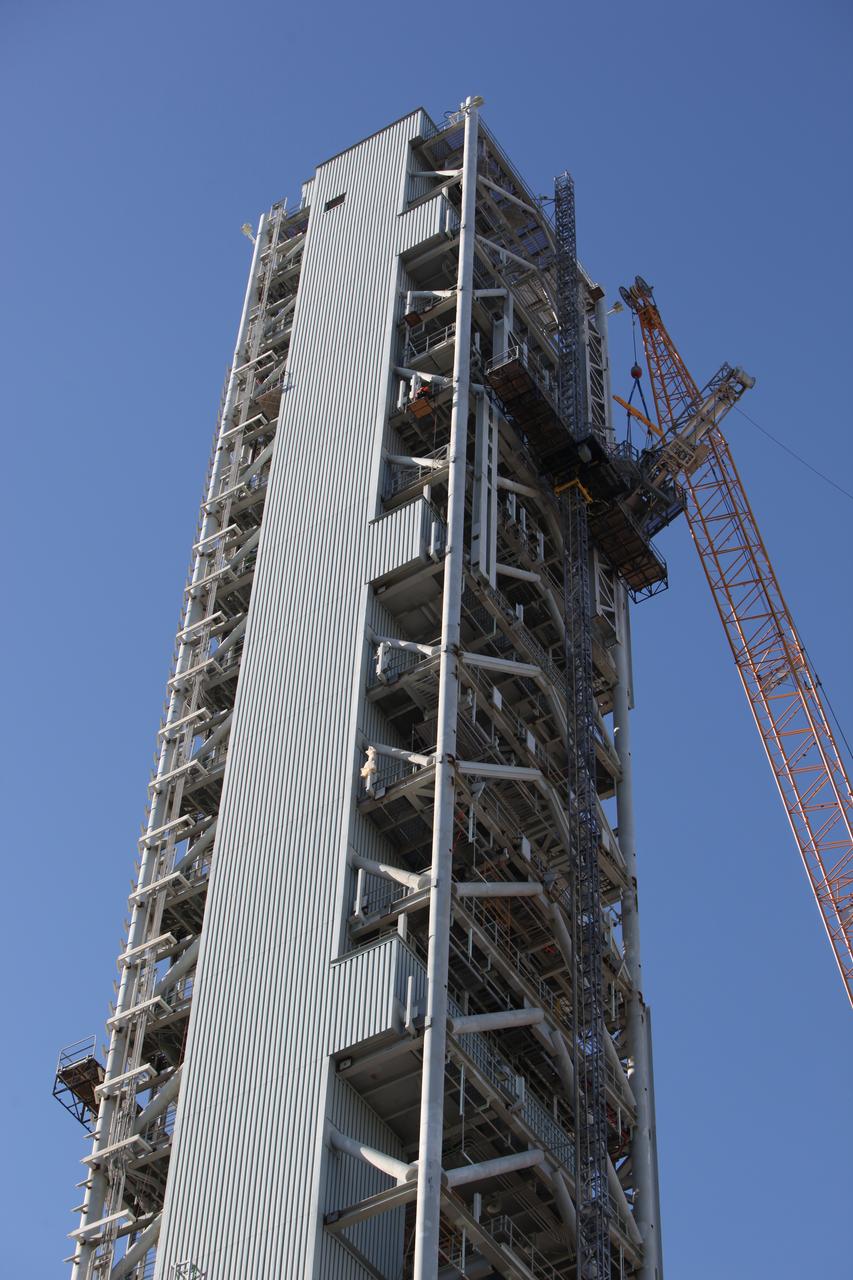
A crane and rigging are used to position the Orion Service Module Umbilical (OSMU) for installation high up on the mobile launcher tower at NASA's Kennedy Space Center in Florida. The mobile launcher tower will be equipped with a number of lines, called umbilicals, that will connect to the Space Launch System rocket and Orion spacecraft for Exploration Mission-1 (EM-1). The OSMU will be located high on the mobile launcher tower and, prior to launch, will transfer liquid coolant for the electronics and air for the Environmental Control System to the Orion service module that houses these critical systems to support the spacecraft. EM-1 is scheduled to launch in 2018. The Ground Systems Development and Operations Program is overseeing installation of the umbilicals.
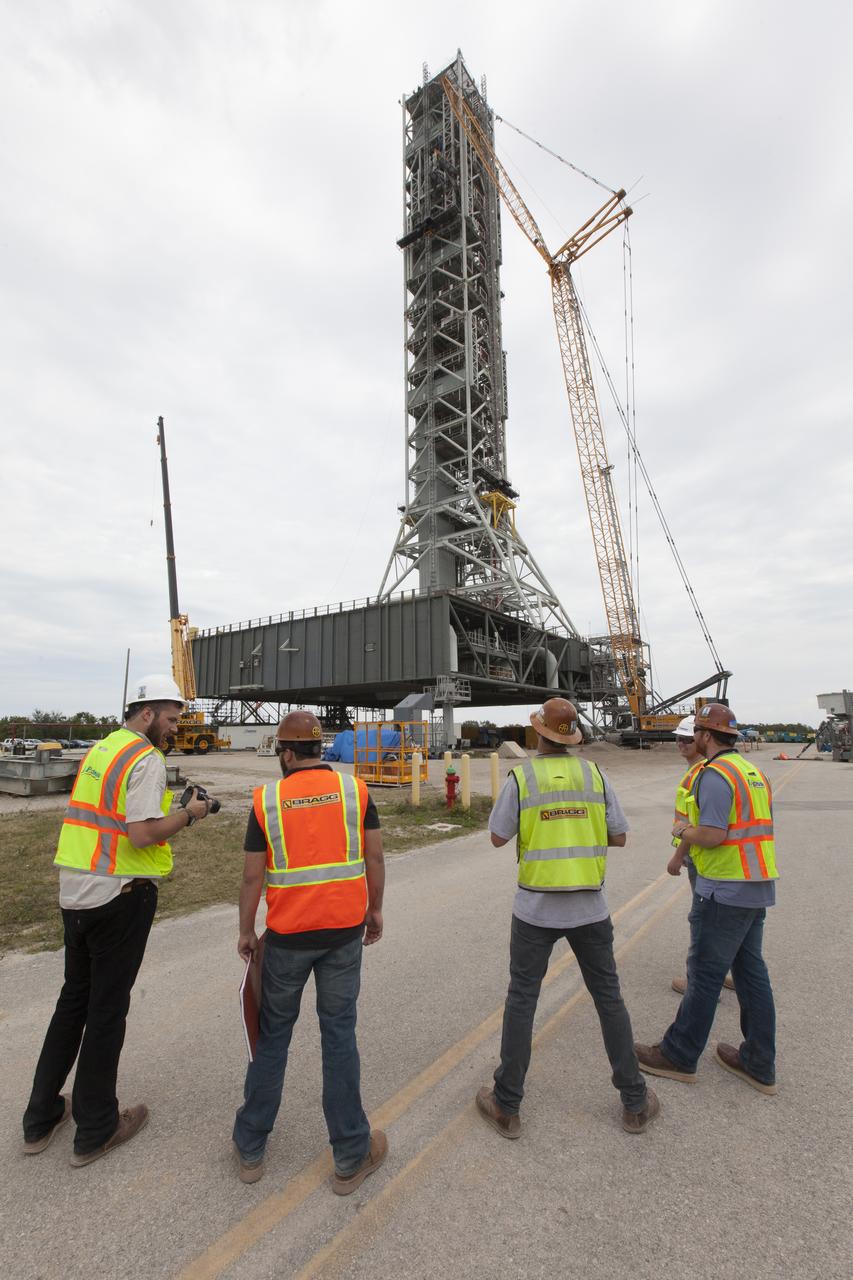
Crane specialists monitor the progress as the bracket for the Orion Service Module Umbilical (OSMU) is lifted high up for installation on the mobile launcher tower at NASA's Kennedy Space Center in Florida. The mobile launcher tower will be equipped with a number of lines, called umbilicals, that will connect to the Space Launch System rocket and Orion spacecraft for Exploration Mission-1 (EM-1). The OSMU will be located high on the mobile launcher tower and, prior to launch, will transfer liquid coolant for the electronics and air for the Environmental Control System to the Orion service module that houses these critical systems to support the spacecraft. EM-1 is scheduled to launch in 2018. The Ground Systems Development and Operations Program is overseeing installation of the umbilicals.
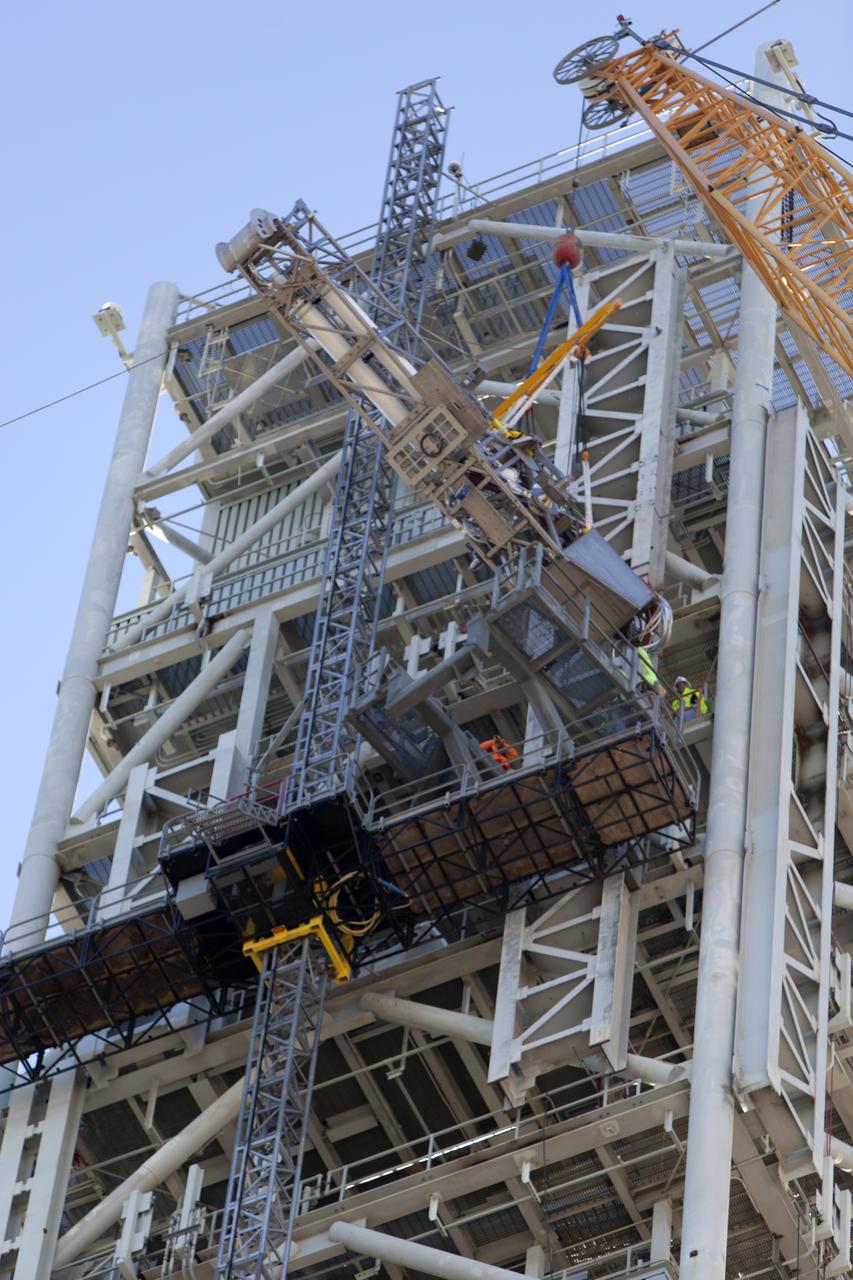
A crane and rigging are used to lift the Orion Service Module Umbilical (OSMU) high up for installation on the mobile launcher tower at NASA's Kennedy Space Center in Florida. The mobile launcher tower will be equipped with a number of lines, called umbilicals, that will connect to the Space Launch System rocket and Orion spacecraft for Exploration Mission-1 (EM-1). The OSMU will be located high on the mobile launcher tower and, prior to launch, will transfer liquid coolant for the electronics and air for the Environmental Control System to the Orion service module that houses these critical systems to support the spacecraft. EM-1 is scheduled to launch in 2018. The Ground Systems Development and Operations Program is overseeing installation of the umbilicals.
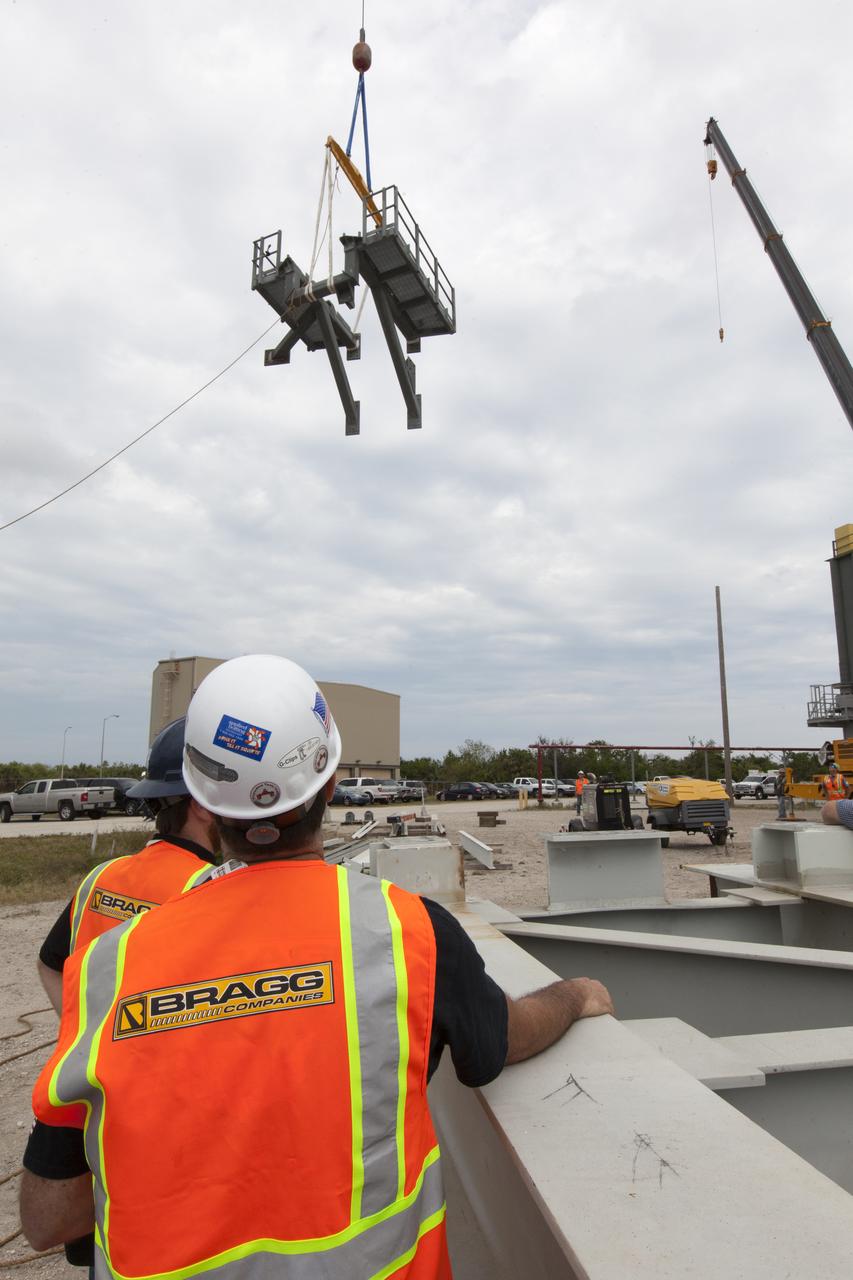
Crane specialists monitor the progress as the bracket for the Orion Service Module Umbilical (OSMU) is lifted up for installation on the mobile launcher tower at NASA's Kennedy Space Center in Florida. The mobile launcher tower will be equipped with a number of lines, called umbilicals, that will connect to the Space Launch System rocket and Orion spacecraft for Exploration Mission-1 (EM-1). The OSMU will be located high on the mobile launcher tower and, prior to launch, will transfer liquid coolant for the electronics and air for the Environmental Control System to the Orion service module that houses these critical systems to support the spacecraft. EM-1 is scheduled to launch in 2018. The Ground Systems Development and Operations Program is overseeing installation of the umbilicals.
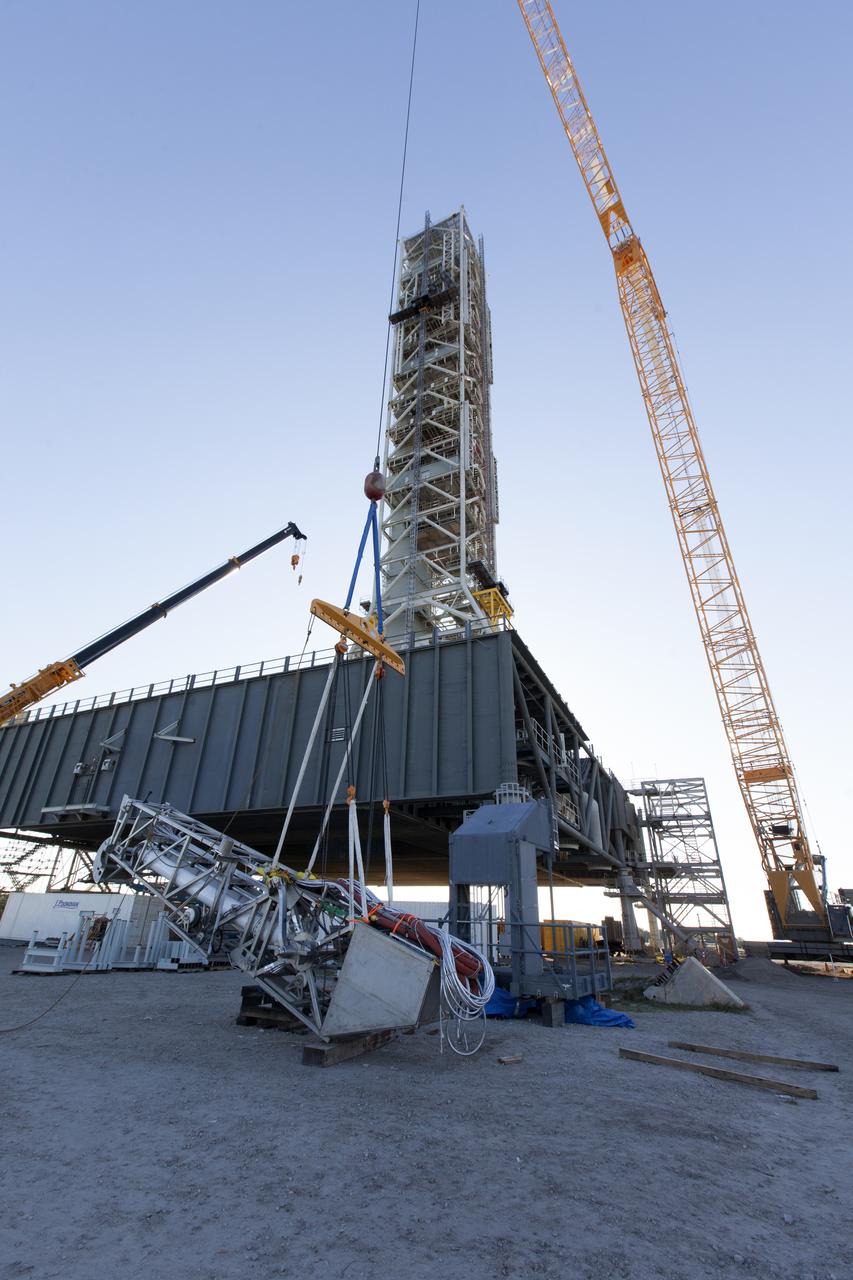
Preparations are underway to lift the Orion Service Module Umbilical (OSMU) up for installation on the mobile launcher tower at NASA's Kennedy Space Center in Florida. The mobile launcher tower will be equipped with a number of lines, called umbilicals, that will connect to the Space Launch System rocket and Orion spacecraft for Exploration Mission-1 (EM-1). The OSMU will be located high on the mobile launcher tower and, prior to launch, will transfer liquid coolant for the electronics and air for the Environmental Control System to the Orion service module that houses these critical systems to support the spacecraft. EM-1 is scheduled to launch in 2018. The Ground Systems Development and Operations Program is overseeing installation of the umbilicals.
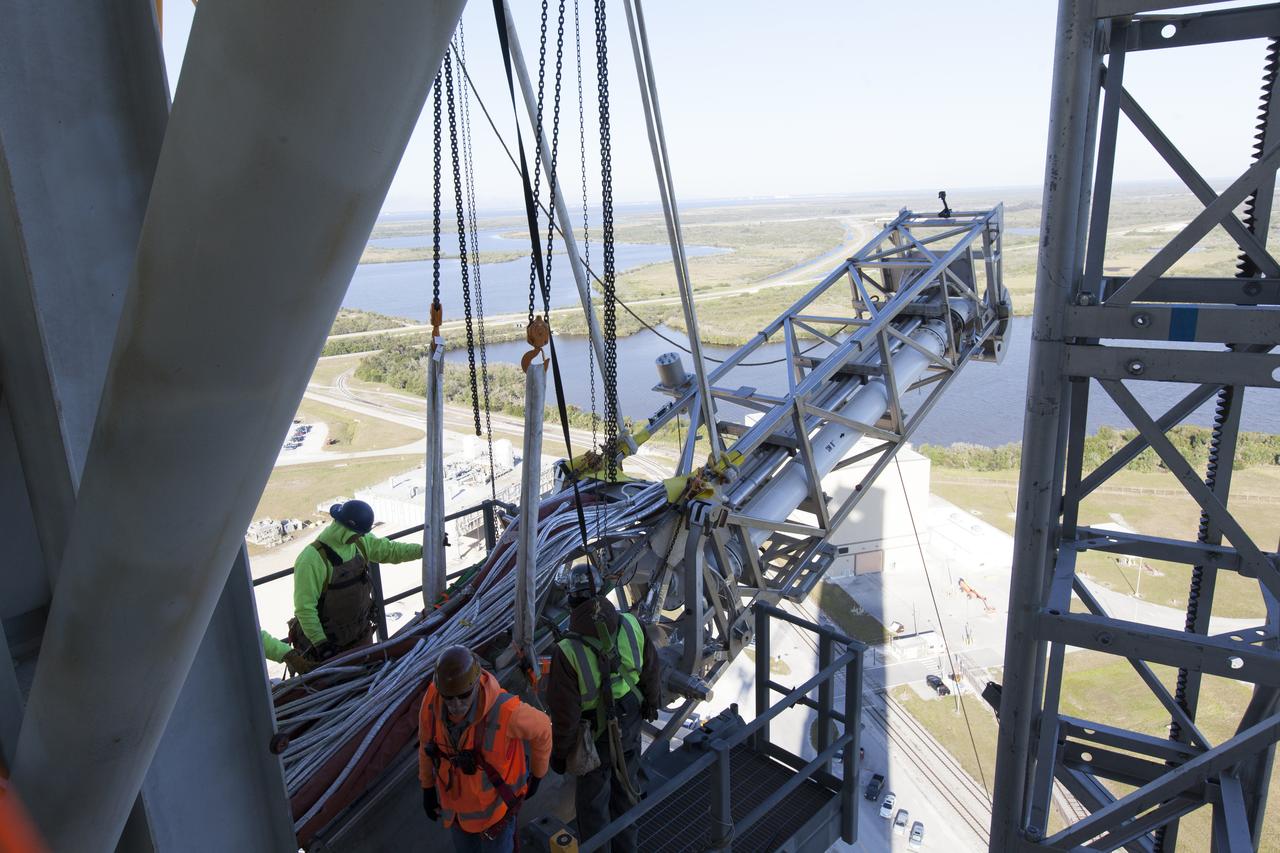
Construction workers assist as a crane and rigging are used to position the Orion Service Module Umbilical (OSMU) for installation high up on the mobile launcher tower at NASA's Kennedy Space Center in Florida. The mobile launcher tower will be equipped with a number of lines, called umbilicals, that will connect to the Space Launch System rocket and Orion spacecraft for Exploration Mission-1 (EM-1). The OSMU will be located high on the mobile launcher tower and, prior to launch, will transfer liquid coolant for the electronics and air for the Environmental Control System to the Orion service module that houses these critical systems to support the spacecraft. EM-1 is scheduled to launch in 2018. The Ground Systems Development and Operations Program is overseeing installation of the umbilicals.
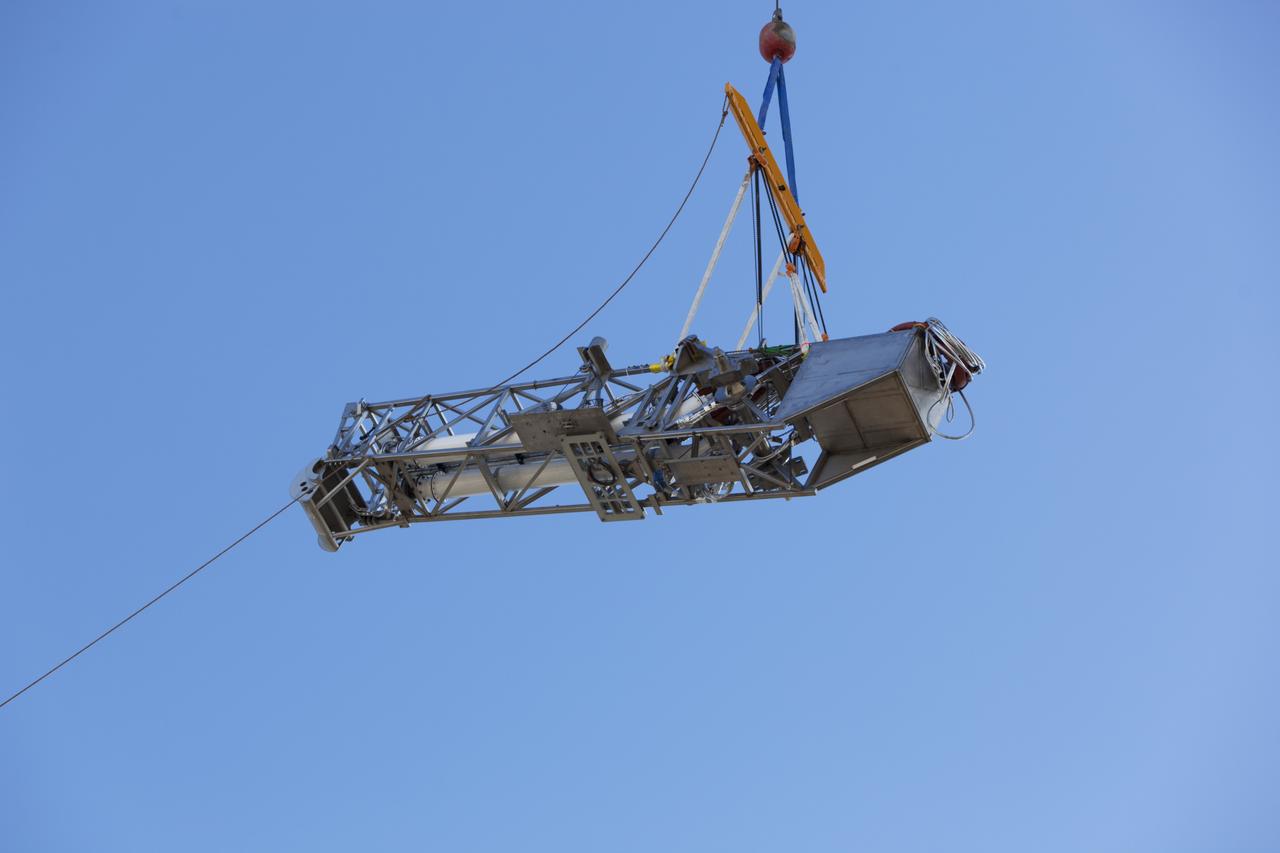
Seeming to hang in midair, the Orion Service Module Umbilical (OSMU) is lifted high up by crane for installation on the mobile launcher tower at NASA's Kennedy Space Center in Florida. The mobile launcher tower will be equipped with a number of lines, called umbilicals, that will connect to the Space Launch System rocket and Orion spacecraft for Exploration Mission-1 (EM-1). The OSMU will be located high on the mobile launcher tower and, prior to launch, will transfer liquid coolant for the electronics and air for the Environmental Control System to the Orion service module that houses these critical systems to support the spacecraft. EM-1 is scheduled to launch in 2018. The Ground Systems Development and Operations Program is overseeing installation of the umbilicals.
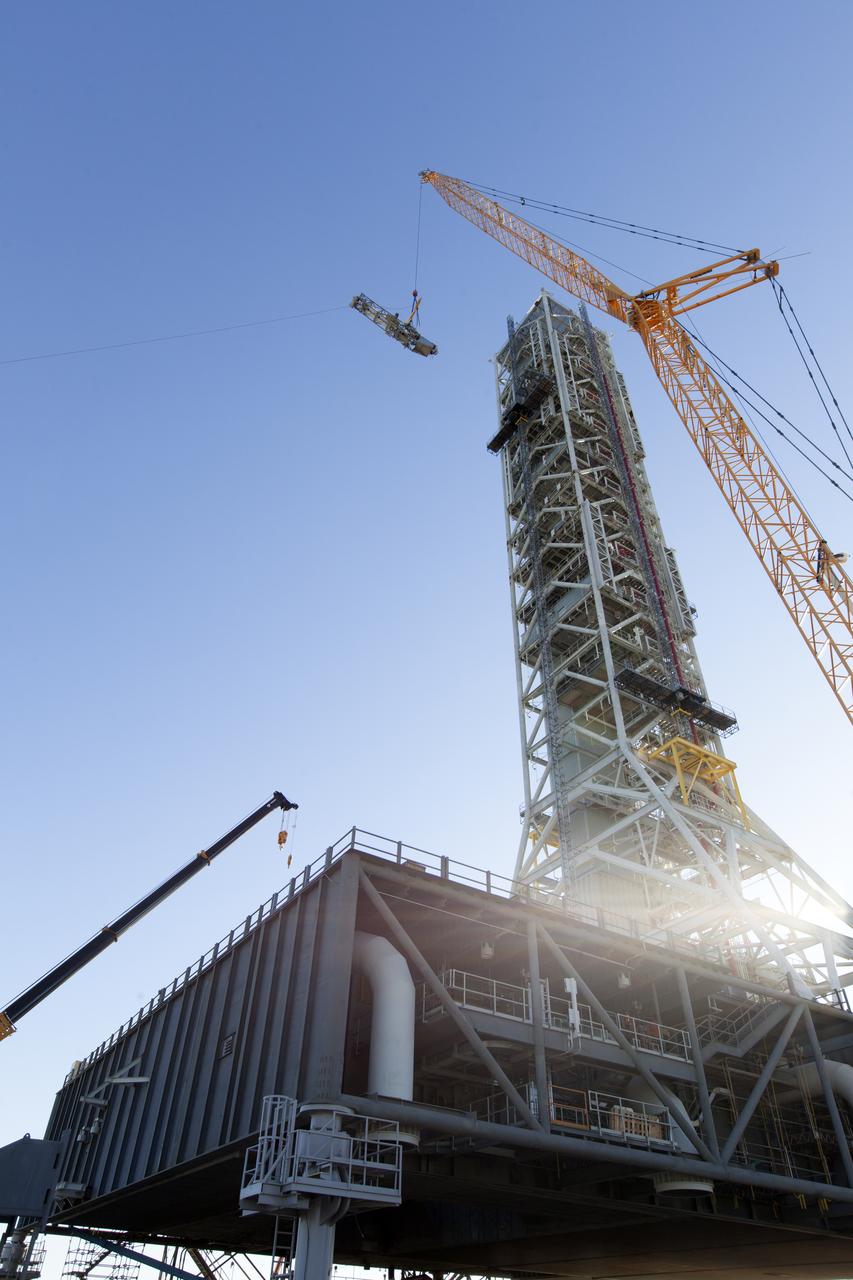
A crane lifts the Orion Service Module Umbilical (OSMU) high up for installation on the mobile launcher tower at NASA's Kennedy Space Center in Florida. The mobile launcher tower will be equipped with a number of lines, called umbilicals, that will connect to the Space Launch System rocket and Orion spacecraft for Exploration Mission-1 (EM-1). The OSMU will be located high on the mobile launcher tower and, prior to launch, will transfer liquid coolant for the electronics and air for the Environmental Control System to the Orion service module that houses these critical systems to support the spacecraft. EM-1 is scheduled to launch in 2018. The Ground Systems Development and Operations Program is overseeing installation of the umbilicals.
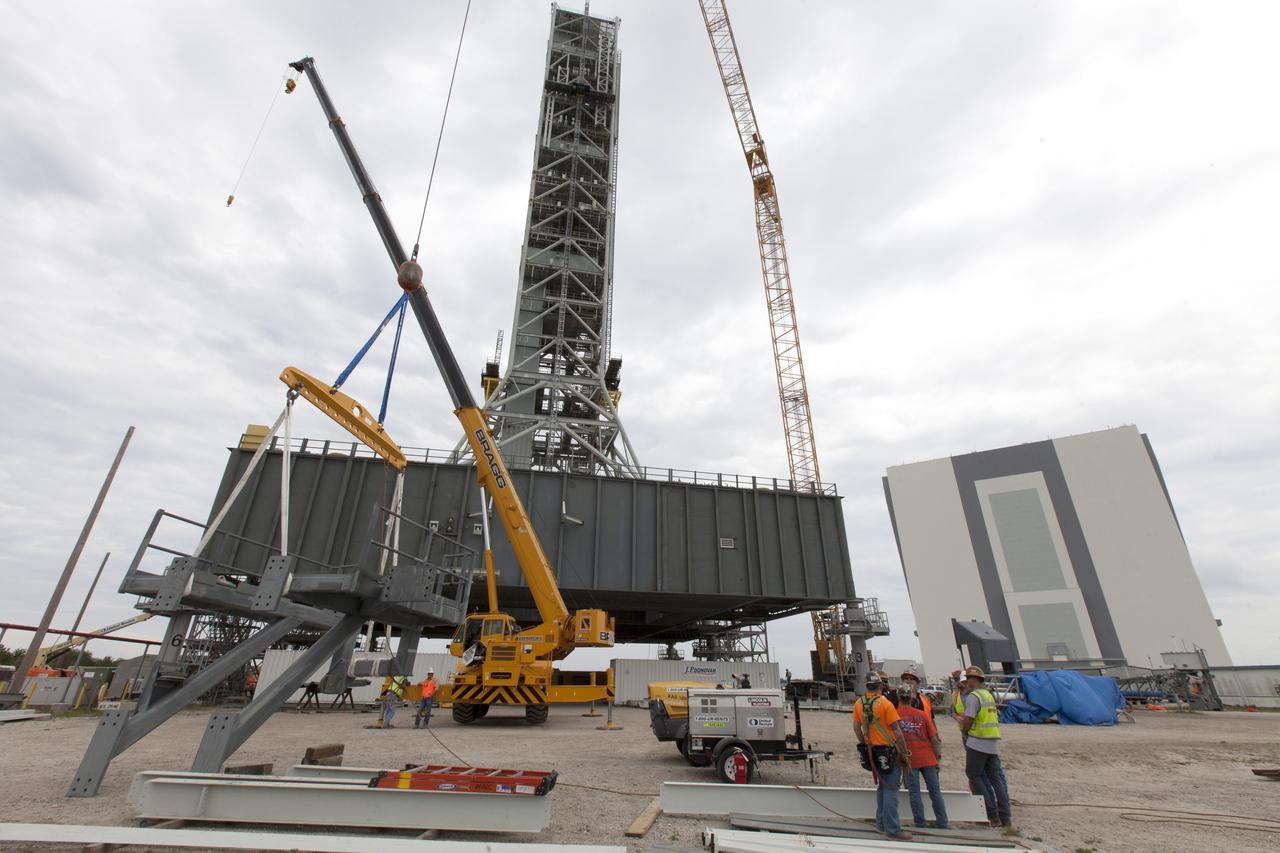
Preparations are underway to lift the bracket for the Orion Service Module Umbilical (OSMU) up for installation on the mobile launcher tower at NASA's Kennedy Space Center in Florida. The mobile launcher tower will be equipped with a number of lines, called umbilicals, that will connect to the Space Launch System rocket and Orion spacecraft for Exploration Mission-1 (EM-1). The OSMU will be located high on the mobile launcher tower and, prior to launch, will transfer liquid coolant for the electronics and air for the Environmental Control System to the Orion service module that houses these critical systems to support the spacecraft. EM-1 is scheduled to launch in 2018. The Ground Systems Development and Operations Program is overseeing installation of the umbilicals.
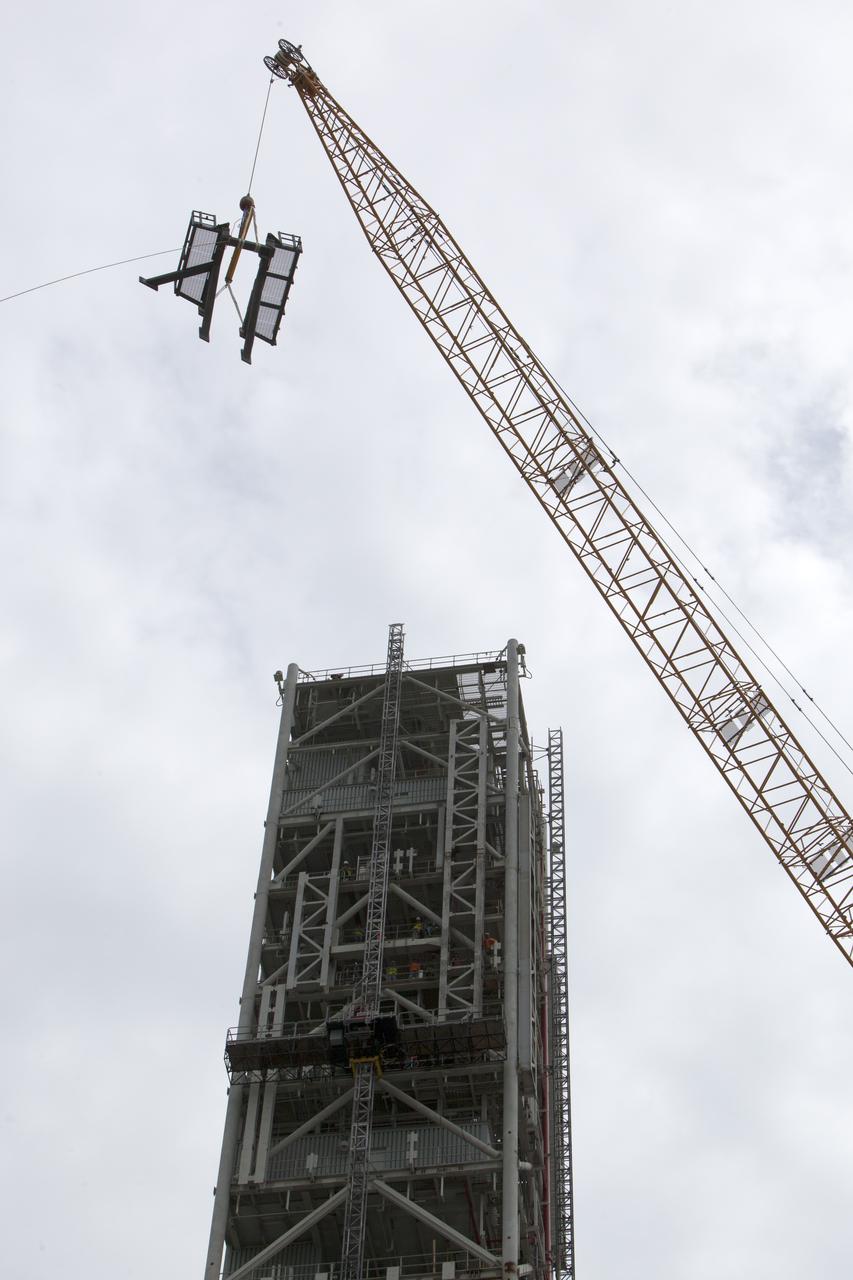
A crane lifts the bracket for the Orion Service Module Umbilical (OSMU) high up for installation on the mobile launcher tower at NASA's Kennedy Space Center in Florida. The mobile launcher tower will be equipped with a number of lines, called umbilicals, that will connect to the Space Launch System rocket and Orion spacecraft for Exploration Mission-1 (EM-1). The OSMU will be located high on the mobile launcher tower and, prior to launch, will transfer liquid coolant for the electronics and air for the Environmental Control System to the Orion service module that houses these critical systems to support the spacecraft. EM-1 is scheduled to launch in 2018. The Ground Systems Development and Operations Program is overseeing installation of the umbilicals.
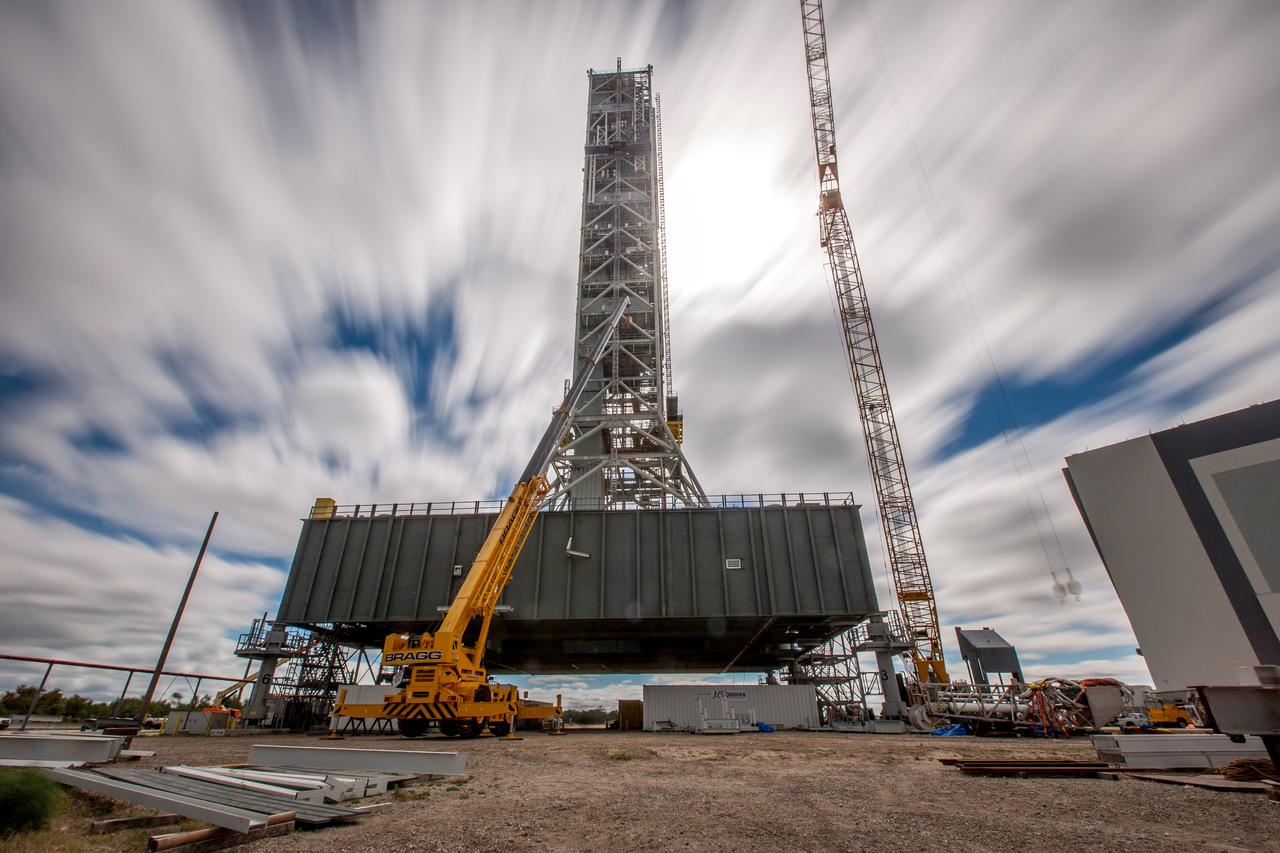
A long-exposure view of the mobile launcher at NASA's Kennedy Space Center in Florida. Cranes and rigging are being used to lift the bracket for the Orion Service Module Umbilical (OSMU) up for installation on the mobile launcher tower. The tower will be equipped with a number of lines, called umbilicals, that will connect to the Space Launch System rocket and Orion spacecraft for Exploration Mission-1 (EM-1). The OSMU will be located high on the mobile launcher tower and, prior to launch, will transfer liquid coolant for the electronics and air for the Environmental Control System to the Orion service module that houses these critical systems to support the spacecraft. EM-1 is scheduled to launch in 2018. The Ground Systems Development and Operations Program is overseeing installation of the umbilicals.
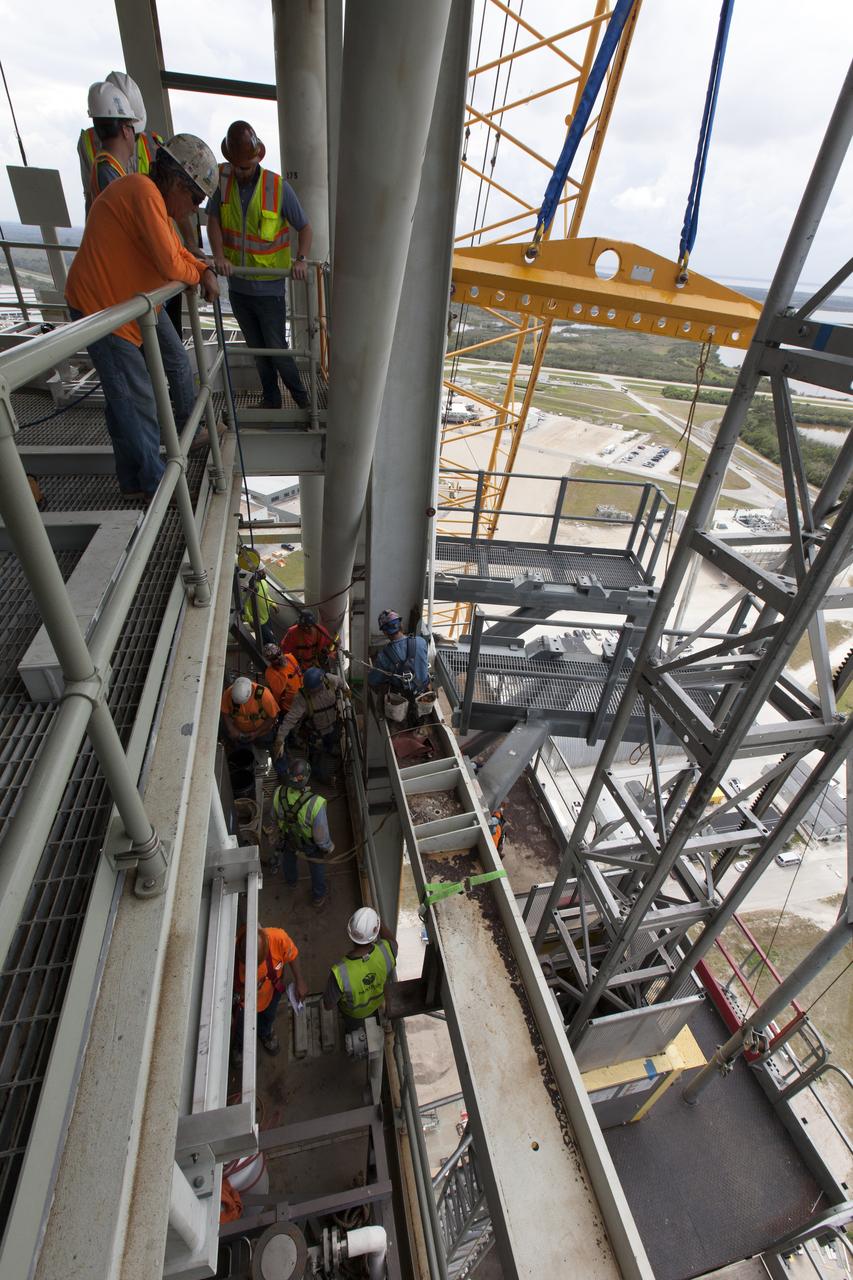
Construction workers and crane specialists high up on the mobile launcher tower monitor the progress as a crane positions the bracket for the Orion Service Module Umbilical (OSMU) for installation on the mobile launcher tower at NASA's Kennedy Space Center in Florida. The tower will be equipped with a number of lines, called umbilicals, that will connect to the Space Launch System rocket and Orion spacecraft for Exploration Mission-1 (EM-1). The OSMU will be located high on the mobile launcher tower and, prior to launch, will transfer liquid coolant for the electronics and air for the Environmental Control System to the Orion service module that houses these critical systems to support the spacecraft. EM-1 is scheduled to launch in 2018. The Ground Systems Development and Operations Program is overseeing installation of the umbilicals.

A crane and rigging are used to lift the Orion Service Module Umbilical (OSMU) high up for installation on the mobile launcher tower at NASA's Kennedy Space Center in Florida. The mobile launcher tower will be equipped with a number of lines, called umbilicals, that will connect to the Space Launch System rocket and Orion spacecraft for Exploration Mission-1 (EM-1). The OSMU will be located high on the mobile launcher tower and, prior to launch, will transfer liquid coolant for the electronics and air for the Environmental Control System to the Orion service module that houses these critical systems to support the spacecraft. EM-1 is scheduled to launch in 2018. The Ground Systems Development and Operations Program is overseeing installation of the umbilicals.

Several projects under NASA's Advanced Air Mobility or AAM mission are working on different elements to help make AAM a reality in emergency operations. This concept graphic shows how a future AAM vehicle could aid in disaster response.
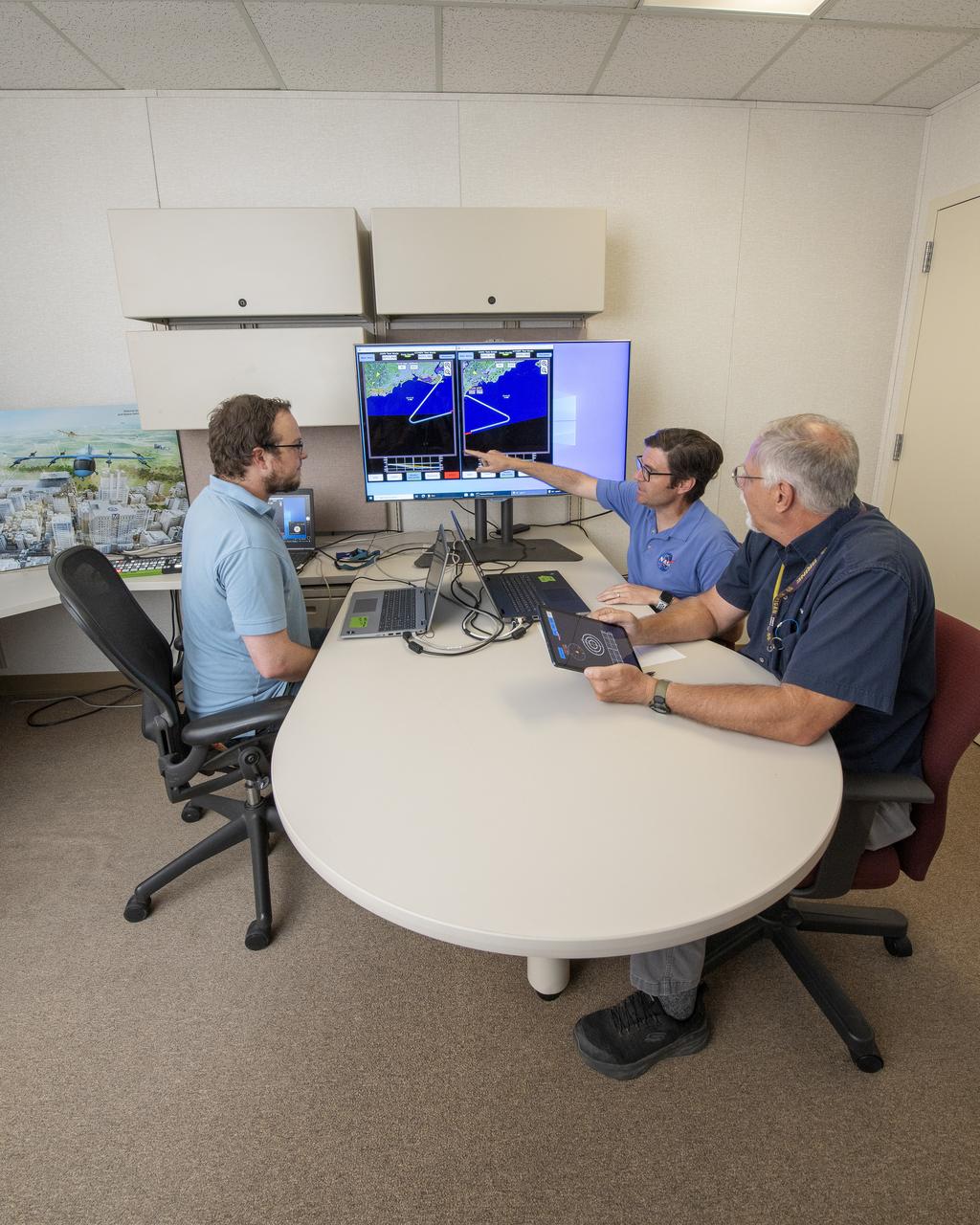
NASA software developer, Ethan Williams, left, pilot Scott Howe, and operations test consultant Jan Scofield run a flight path management software simulation at NASA’s Armstrong Flight Research Center in Edwards, California in May 2023. This simulation research supports the integration of automated systems for the advanced air mobility mission.
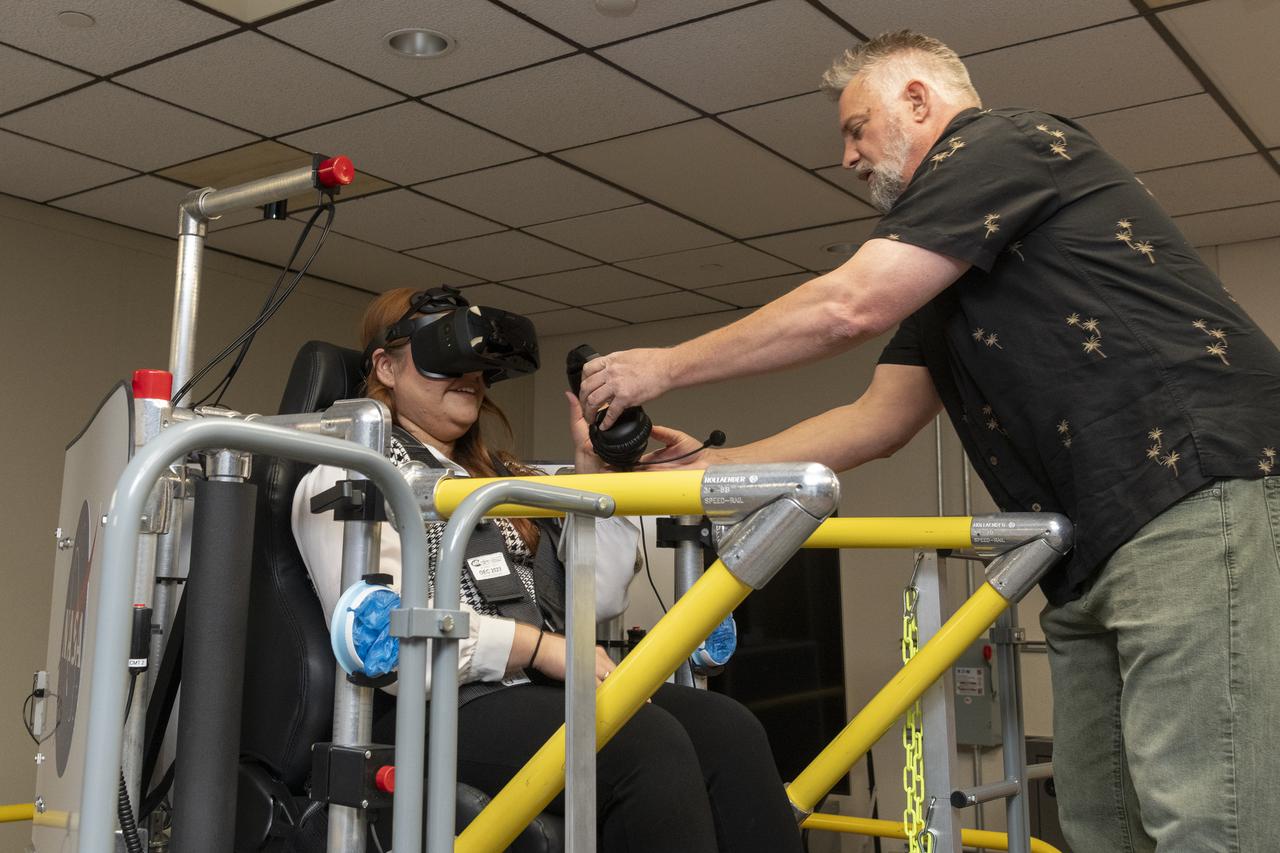
NASA employee Naomi Torres sits inside the air taxi passenger ride quality simulator at NASA’s Armstrong Flight Research Center in Edwards, California, as Curt Hanson, senior flight controls researcher for the Revolutionary Vertical Lift Technology project, sets up her equipment on Oct. 23, 2024. Studies continue in this lab to better understand passenger comfort for future air taxi rides.
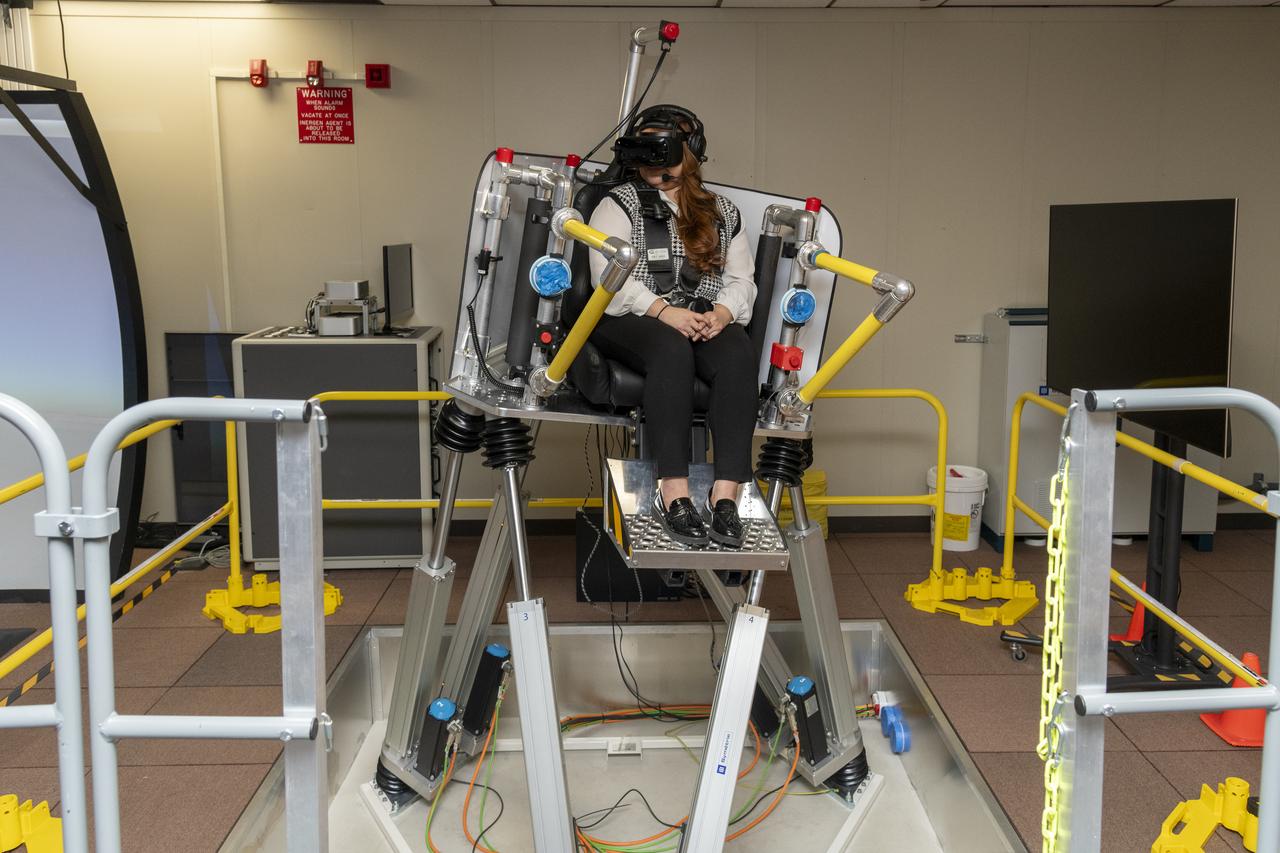
NASA employee Naomi Torres sits inside the air taxi passenger ride quality simulator at NASA’s Armstrong Flight Research Center in Edwards, California, during a study on Oct. 23, 2024. Research continues to better understand how humans may interact with these new types of aircraft.
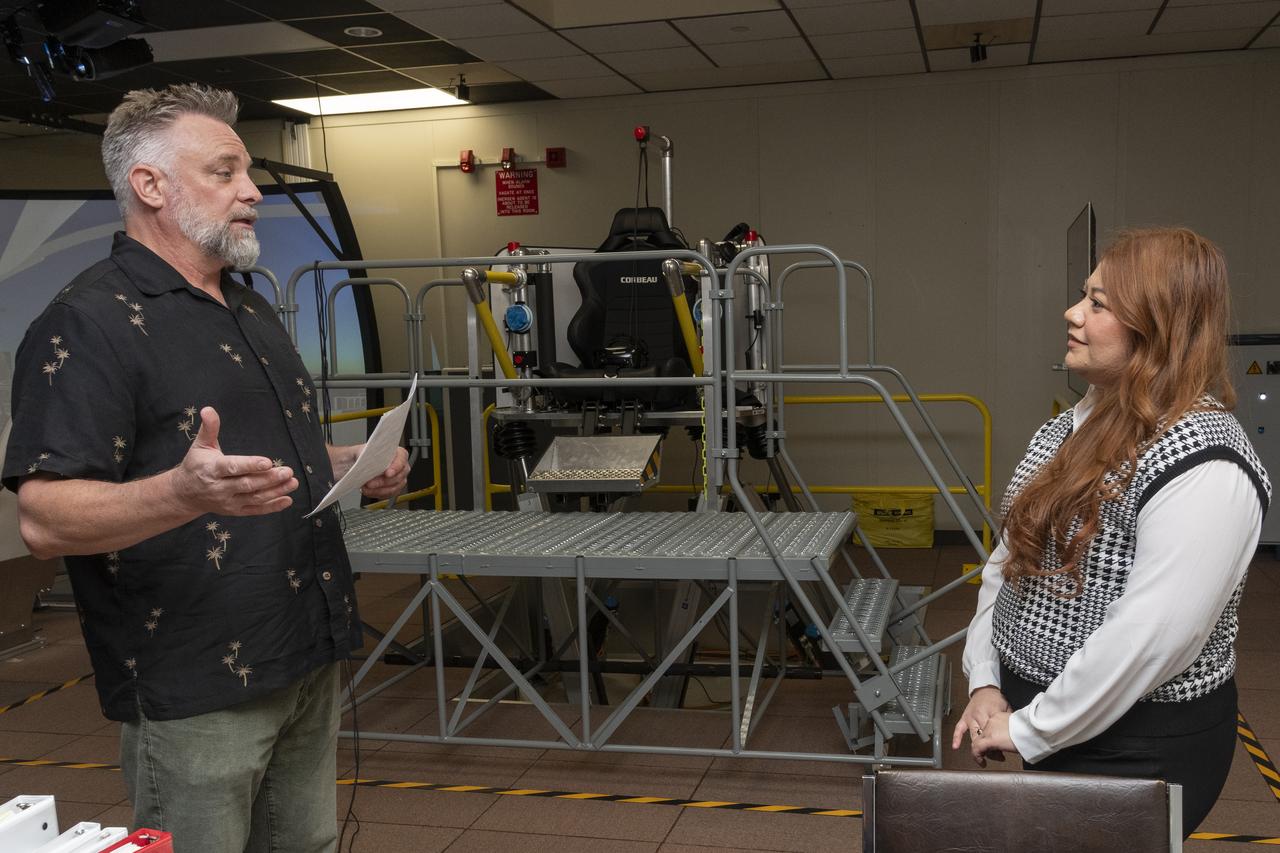
Curt Hanson, senior flight controls researcher for the Revolutionary Vertical Lift Technology project based at NASA’s Armstrong Flight Research Center in Edwards, California, explains the study about to begin to NASA employee and test subject Naomi Torres on Oct. 23, 2024. Behind them is the air taxi passenger ride quality simulator in NASA Armstrong’s Ride Quality Laboratory. Studies continue to better understand passenger comfort for future air taxi rides.
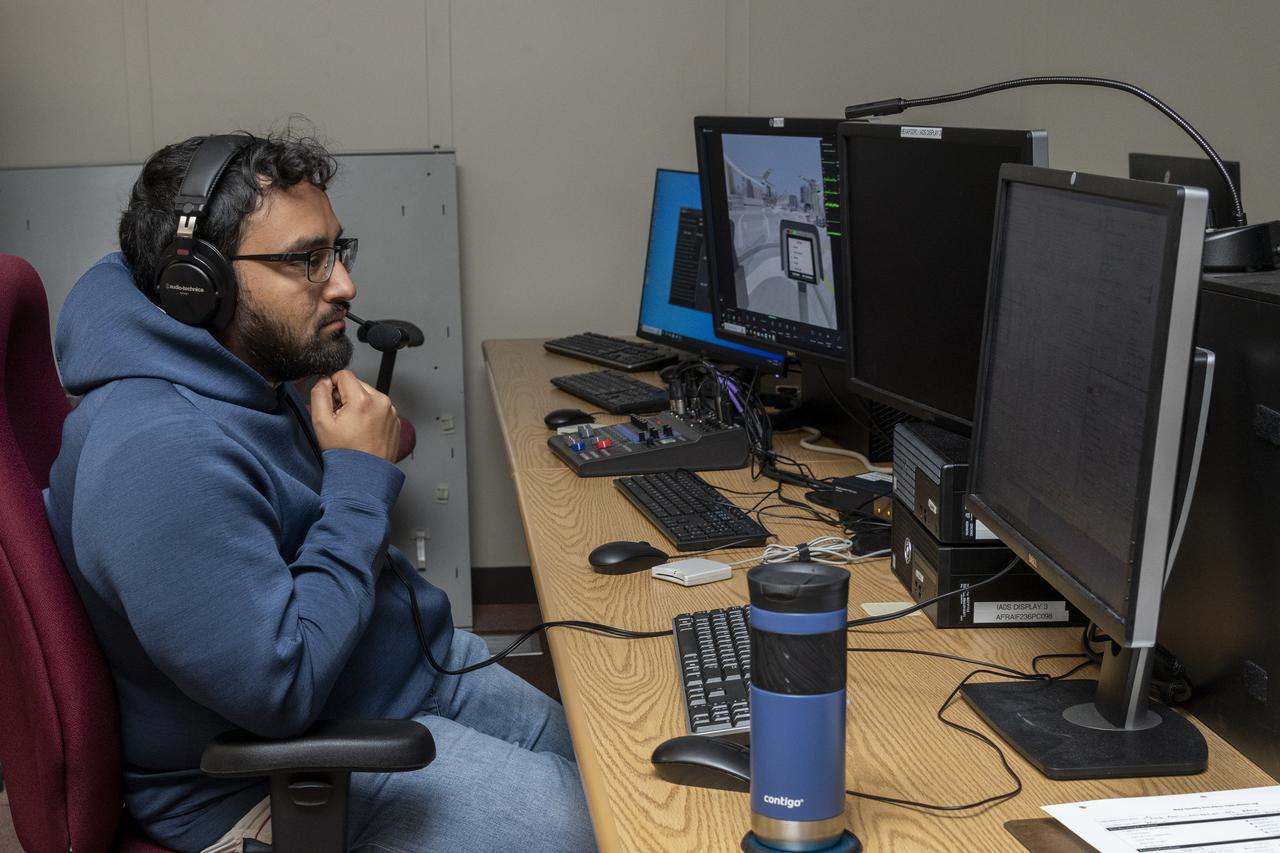
NASA researcher Saravanakumaar Ramia controls the air taxi passenger ride quality simulator by monitoring several computers in the Ride Quality Laboratory at NASA’s Armstrong Flight Research Center in Edwards, California, during an experiment on Oct. 23, 2024. Studies continue in this lab to better understand passenger comfort for future air taxi rides.

NASA employee Naomi Torres sits inside the air taxi passenger ride quality simulator at NASA’s Armstrong Flight Research Center in Edwards, California, as the simulator moves during a study on Oct. 23, 2024. Research continues to better understand how humans may interact with these new types of aircraft.
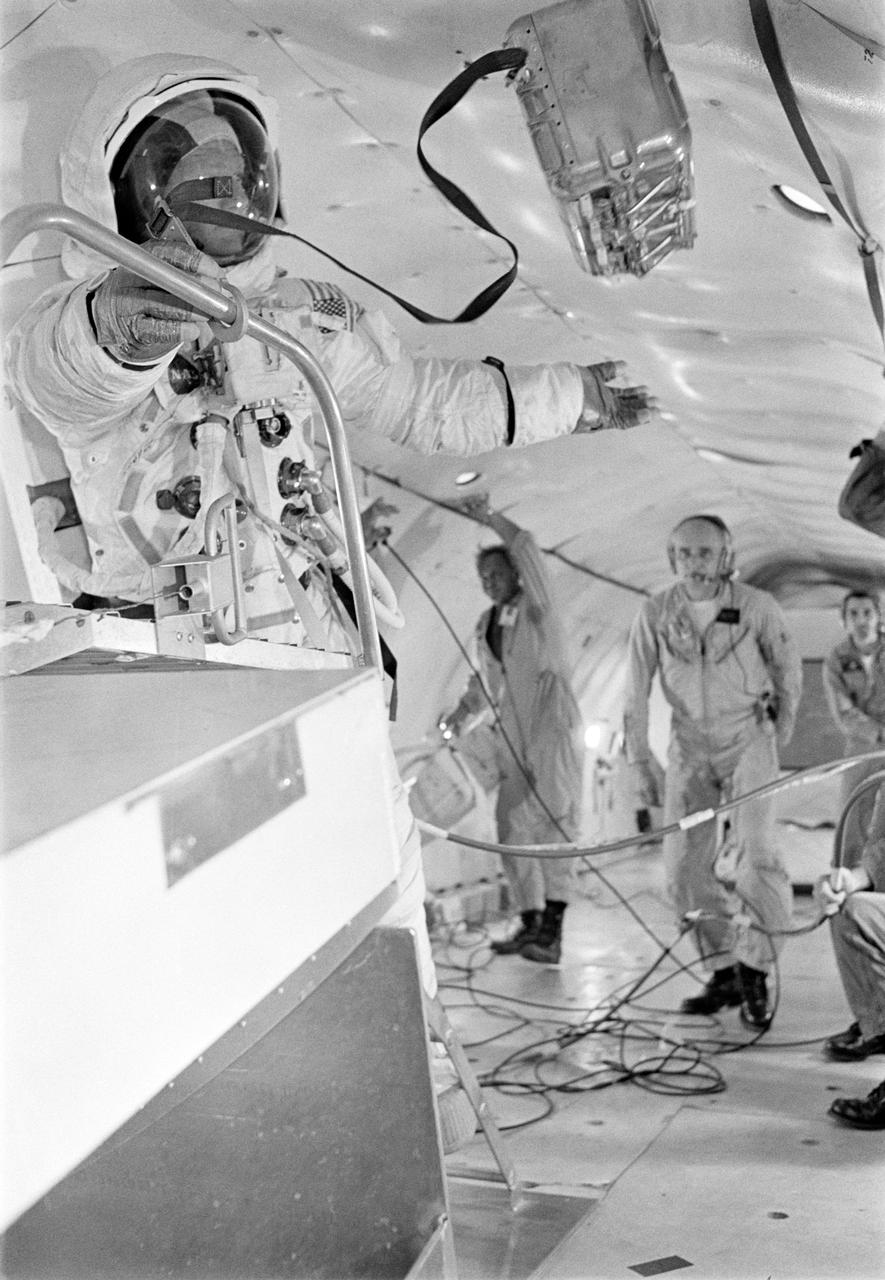
S69-39270 (10 July 1969) --- Astronaut Edwin E. Aldrin Jr., lunar module pilot of the Apollo 11 lunar landing mission, participates in lunar extravehicular activity training under weightlessness conditions aboard a U.S. Air Force KC-135 jet aircraft from nearby Patrick Air Force Base. Aldrin is wearing an Extravehicular Mobility Unit, the type of equipment which he will wear on the lunar surface.
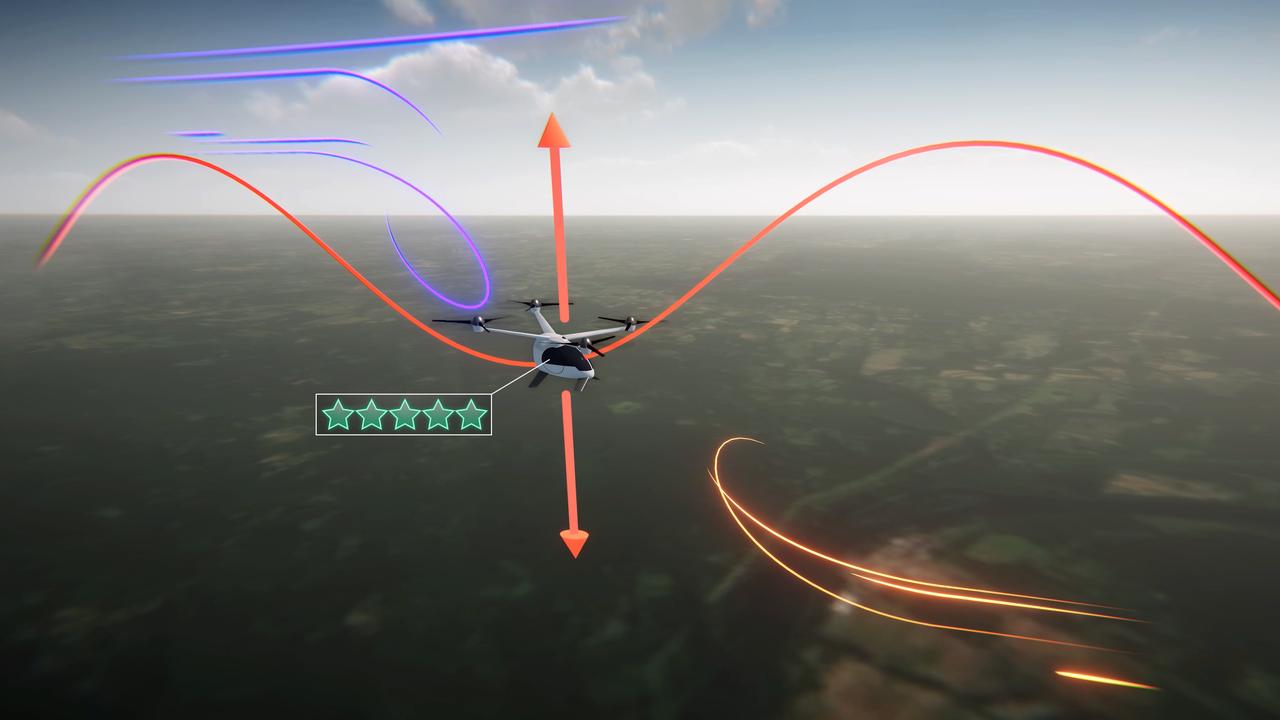
Electrical vertical takeoff and landing aircraft (eVTOLs), like the one shown in this concept art, could be a crucial part of the next generation of air transportation. In order to create a viable market, designers will have to create a comfortable passenger experience. NASA's Advanced Air Mobility mission is researching ride quality to better understand how these aircraft should be designed.
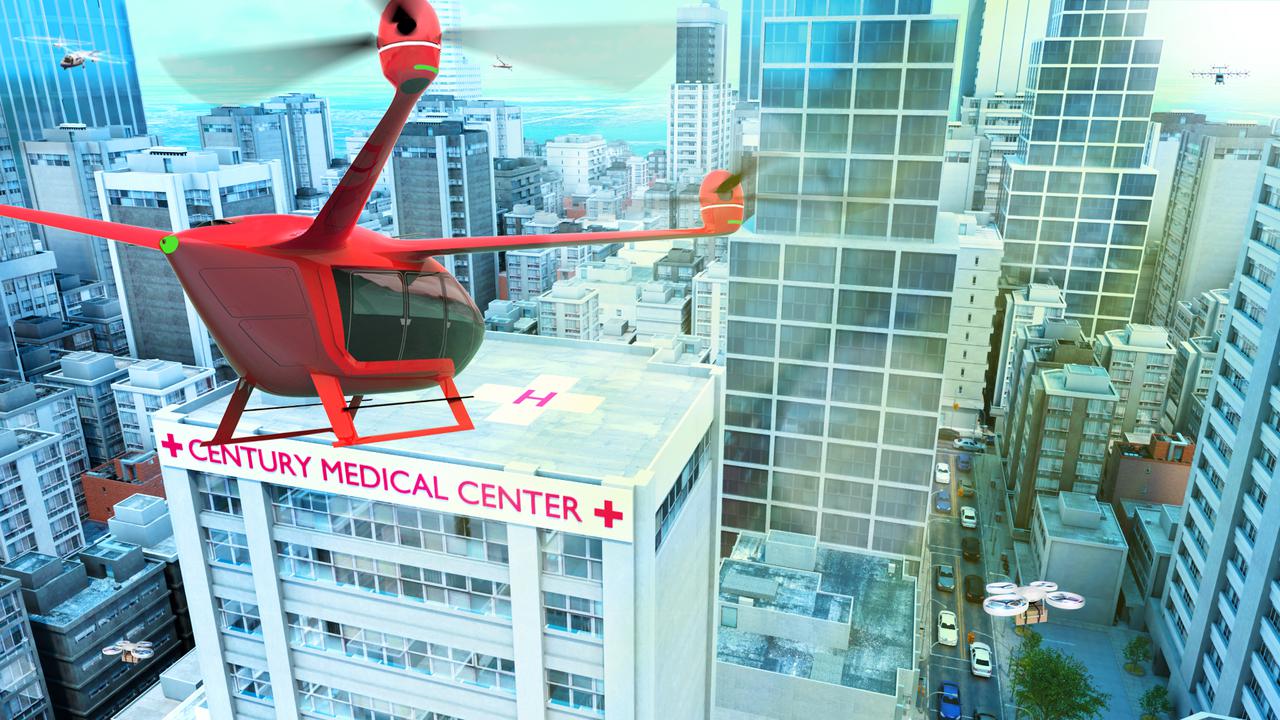
Several projects supporting NASA's Advanced Air Mobility or AAM mission are working on different research initiatives to help make AAM a reality. AAM could be used in healthcare operations in the form of air taxi ambulances or medical supply delivery in the future. This concept graphic shows how a future AAM vehicle could aid in healthcare by carrying passengers to a hospital.
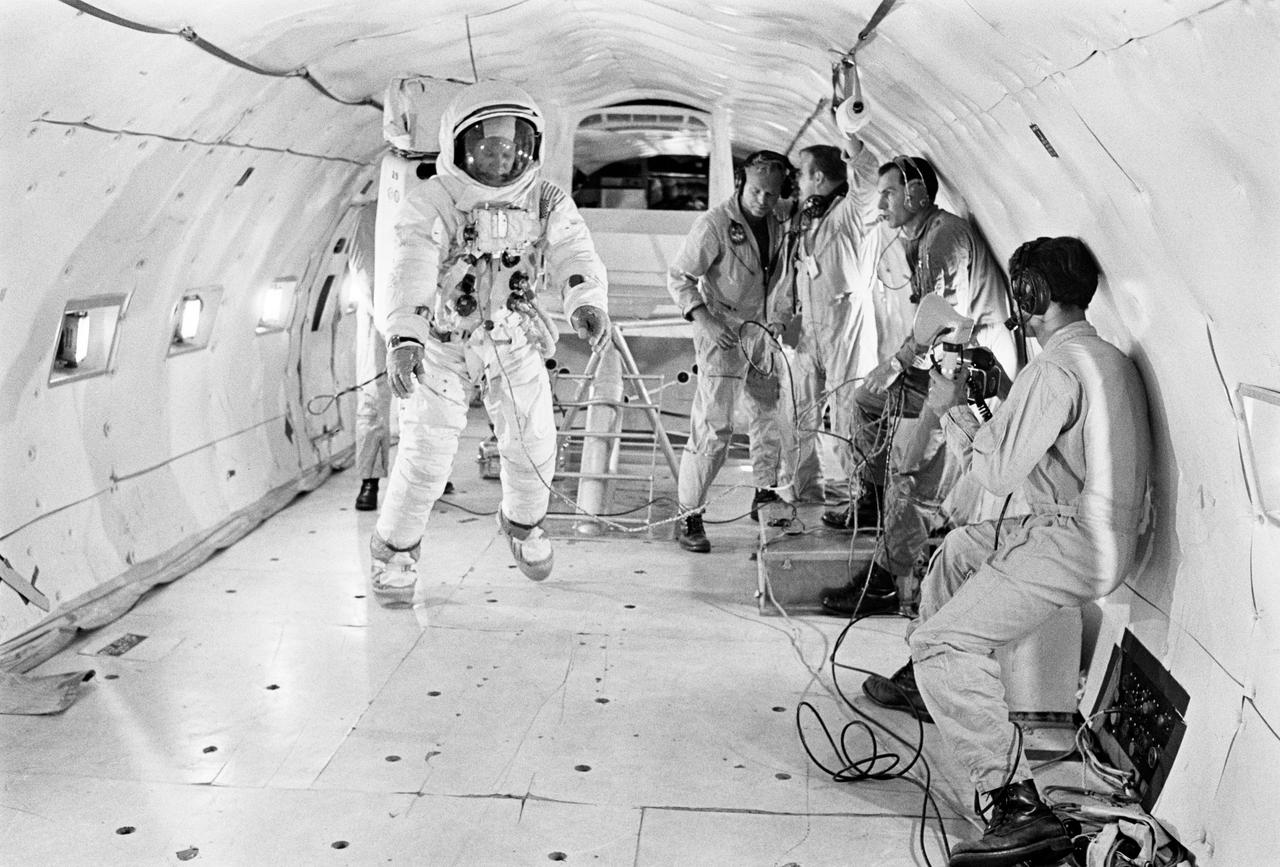
S69-39269 (10 July 1969) --- Astronaut Edwin E. Aldrin Jr., lunar module pilot of the Apollo 11 lunar landing mission, undergoes zero-gravity training aboard a U.S. Air Force KC-135 jet aircraft from nearby Patrick Air Force Base, Florida. Aldrin is wearing an Extravehicular Mobility Unit (EMU), the type of equipment which he will wear on the lunar surface.
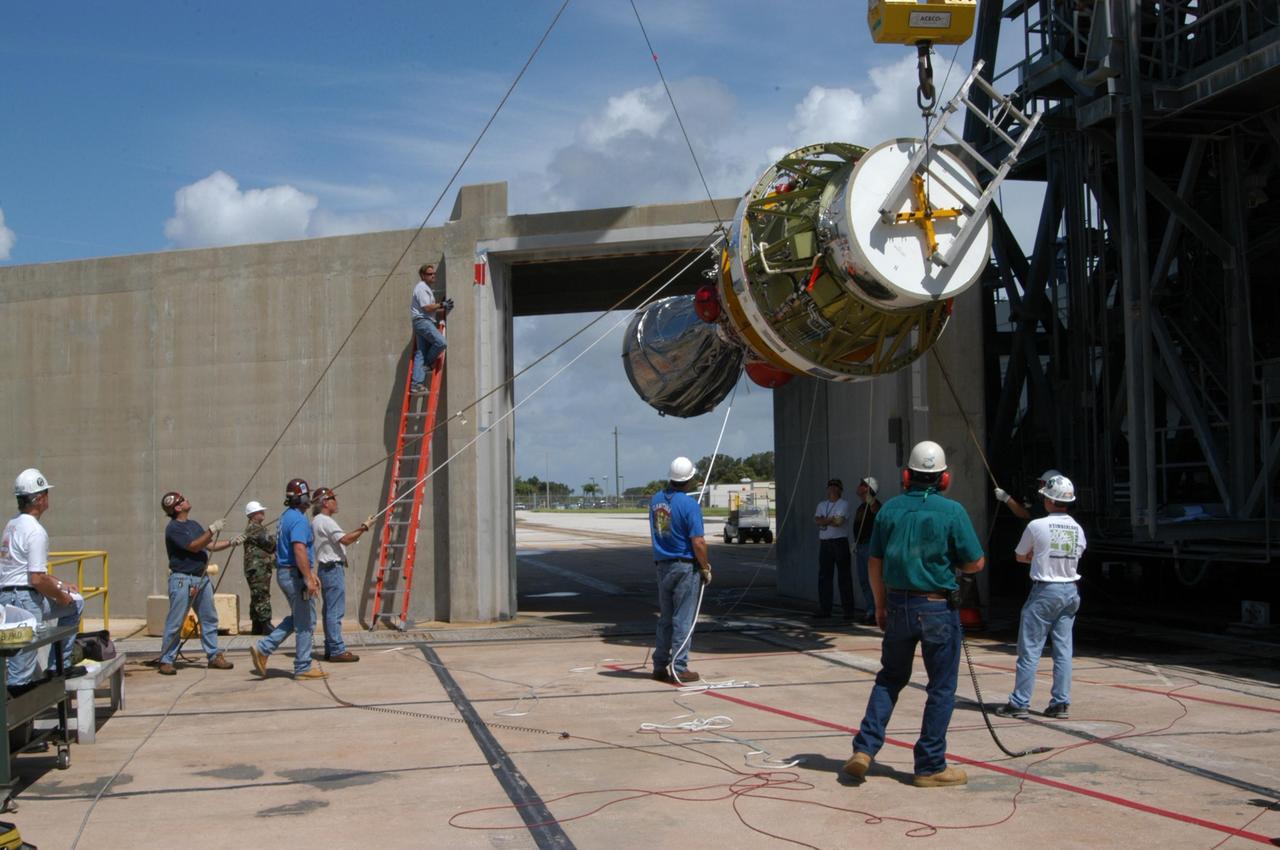
KENNEDY SPACE CENTER, FLA. - With guidelines attached, the second stage of the Boeing Delta II rocket is lifted by a crane toward the mobile service tower on Launch Pad 17-B on Cape Canaveral Air Force Station. The second stage then will be lifted into the mobile service tower and mated with first stage already in place. STEREO stands for Solar Terrestrial Relations Observatory and comprises two spacecraft. The STEREO mission is the first to take measurements of the sun and solar wind in 3-dimension. This new view will improve our understanding of space weather and its impact on the Earth. STEREO is expected to lift off in August 2006. Photo credit: NASA/George Shelton
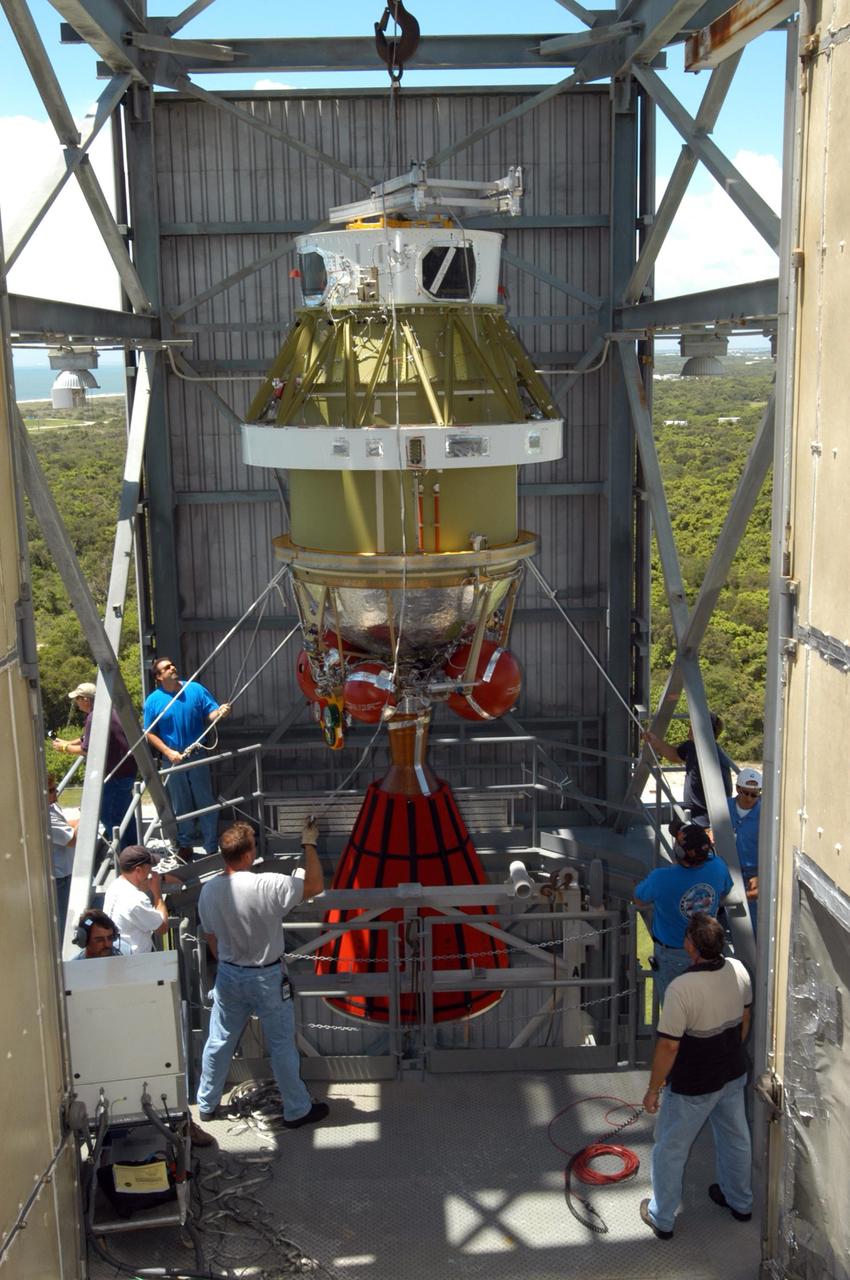
KENNEDY SPACE CENTER, FLA. - At Launch Pad 17-B on Cape Canaveral Air Force Station, the Boeing Delta II second stage for the STEREO launch is moved inside the mobile service tower. The second stage then will be lifted into the mobile service tower and mated with first stage already in place. STEREO stands for Solar Terrestrial Relations Observatory and comprises two spacecraft. The STEREO mission is the first to take measurements of the sun and solar wind in 3-dimension. This new view will improve our understanding of space weather and its impact on the Earth. STEREO is expected to lift off in August 2006. Photo credit: NASA/George Shelton
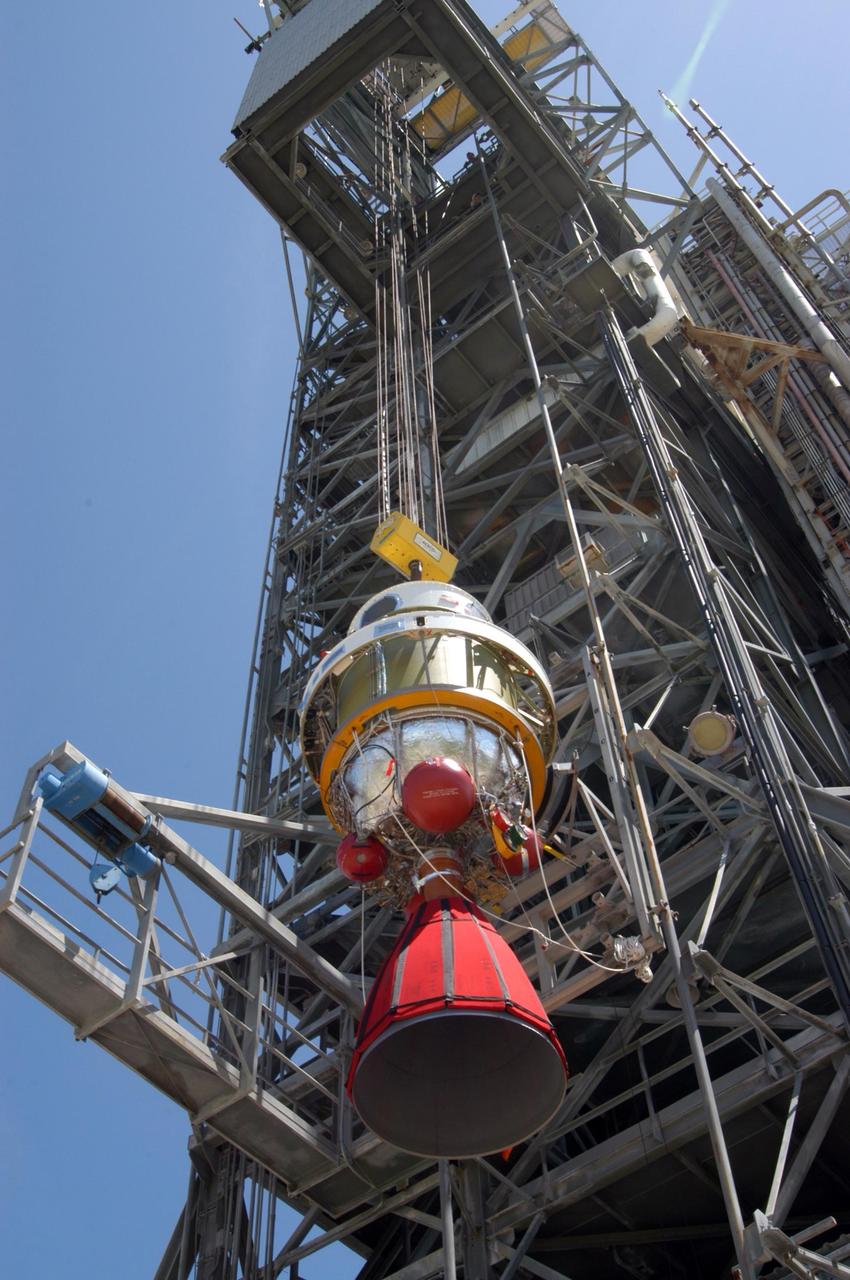
KENNEDY SPACE CENTER, FLA. - At Launch Pad 17-B on Cape Canaveral Air Force Station, the Boeing Delta II second stage for the STEREO launch is lifted alongside the mobile service tower. The second stage then will be lifted into the mobile service tower and mated with first stage already in place. STEREO stands for Solar Terrestrial Relations Observatory and comprises two spacecraft. The STEREO mission is the first to take measurements of the sun and solar wind in 3-dimension. This new view will improve our understanding of space weather and its impact on the Earth. STEREO is expected to lift off in August 2006. Photo credit: NASA/George Shelton
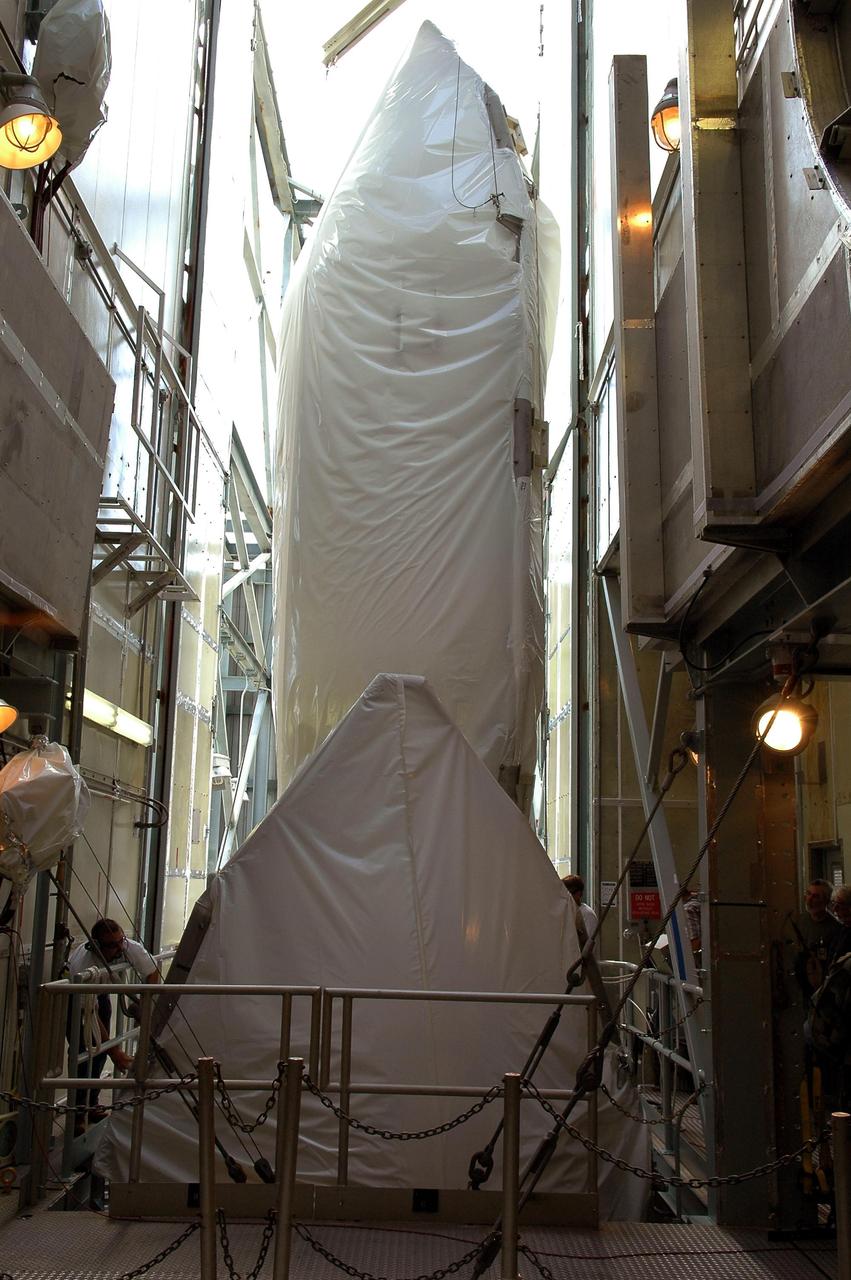
KENNEDY SPACE CENTER, FLA. - Both halves of the fairing have been separated after being lifted to the top of the mobile service tower on pad 17-A, Cape Canaveral Air Force Station. The fairing will encapsulate the Swift spacecraft and protect it while on the launch pad and during ascent. The Boeing Delta rocket is the launch vehicle for Swift and its Gamma-Ray Burst Mission. Swift is a medium-class Explorer mission managed by NASA’s Goddard Space Flight Center in Greenbelt, Md.
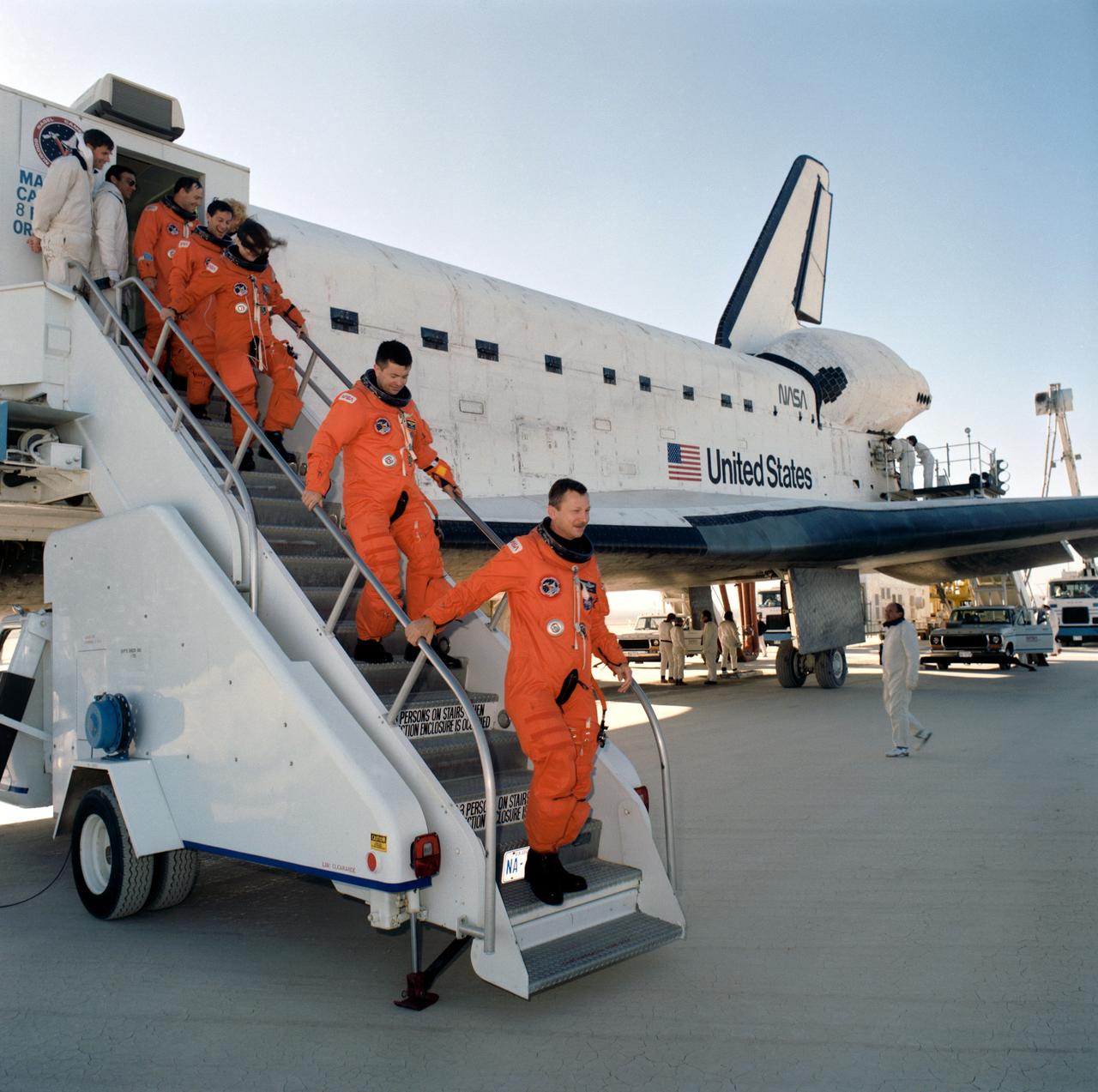
STS037-S-087 (11 April 1991) --- STS-37 crewmembers egress Atlantis via mobile stairway after landing on runway 33 dry lake bed at Edwards Air Force Base. Leading the crewmembers down the stairway is mission commander Steven R. Nagel. He is followed by pilot Kenneth D. Cameron, Mission Specialists Linda M. Godwin, Jerome Apt and Jerry L. Ross.

KENNEDY SPACE CENTER, FLA. - The fairing (on the left) for the Swift-Delta launch is lifted up the outside of the mobile service tower at pad 17-A, Cape Canaveral Air Force Station. The fairing will encapsulate the Swift spacecraft and protect it while on the launch pad and during ascent. The Boeing Delta rocket is the launch vehicle for Swift and its Gamma-Ray Burst Mission. Swift is a medium-class Explorer mission managed by NASA’s Goddard Space Flight Center in Greenbelt, Md.
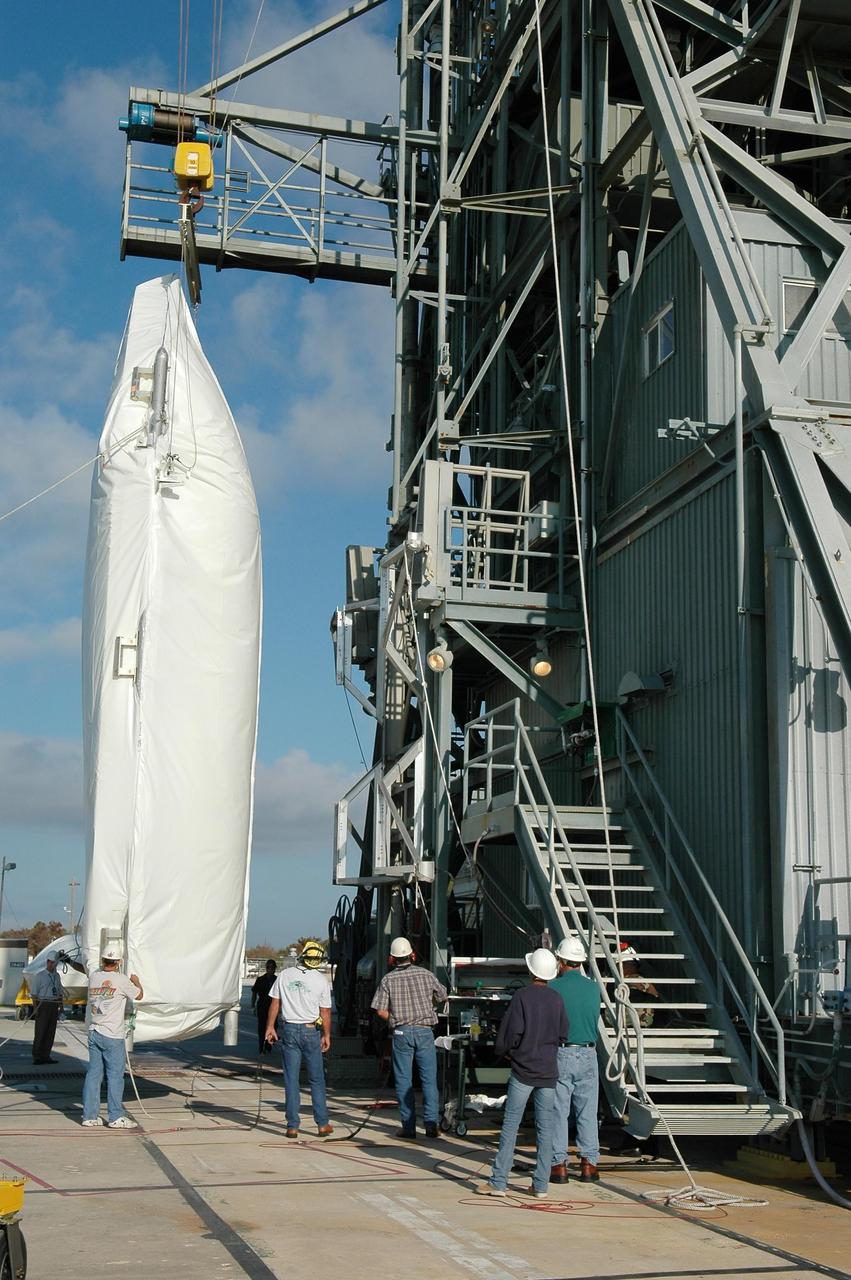
KENNEDY SPACE CENTER, FLA. - The fairing for the Swift-Delta launch is raised to a vertical position at pad 17-A, Cape Canaveral Air Force Station. The fairing is being lifted into mobile service tower to enclose the payload and protect it while on the launch pad and during ascent. The Boeing Delta rocket is the launch vehicle for the Swift spacecraft and its Gamma-Ray Burst Mission. Swift is a medium-class Explorer mission managed by NASA’s Goddard Space Flight Center in Greenbelt, Md.
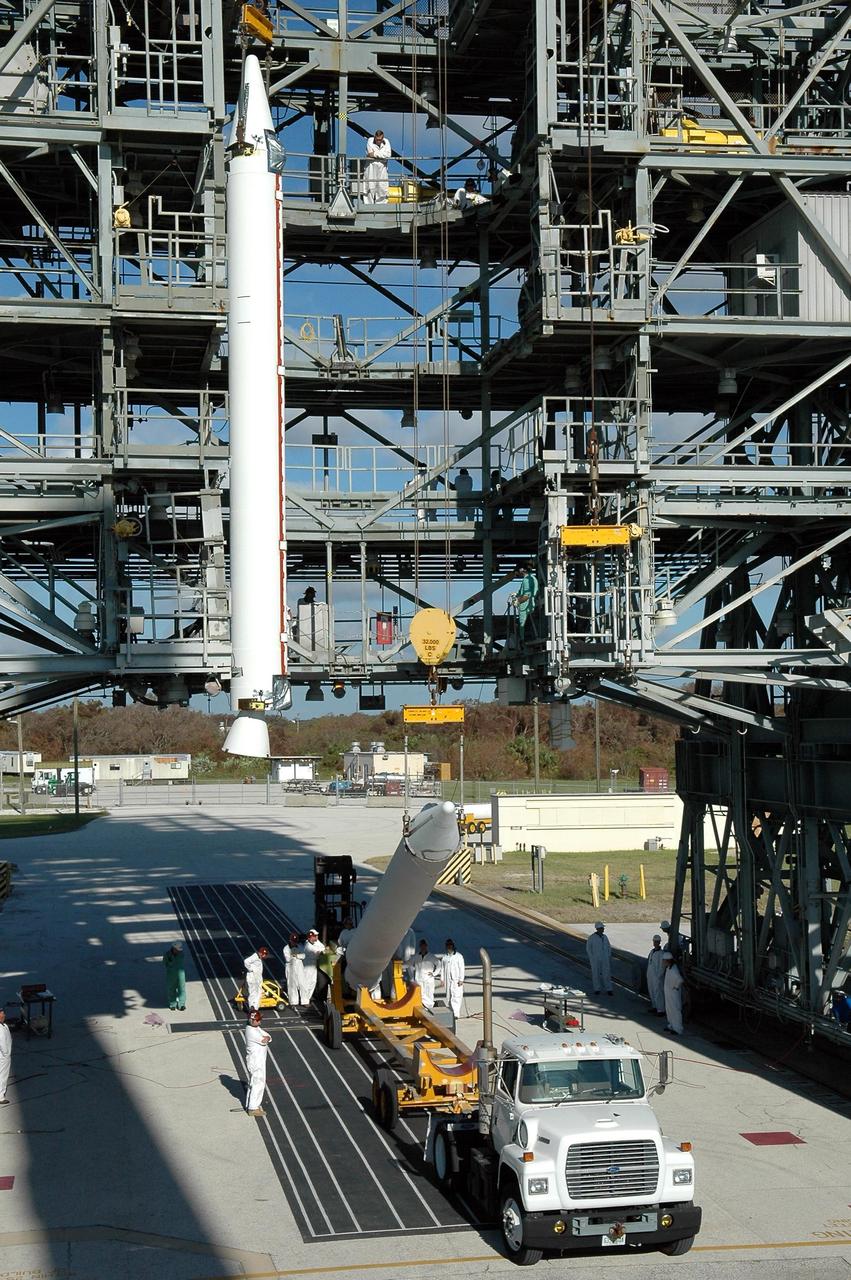
KENNEDY SPACE CENTER, FLA. - On Pad 17-A, Cape Canaveral Air Force Station, one Solid Rocket Booster is ready in the mobile service tower and a second is lifted from its transporter. In all, three SRBs will be attached to the Boeing Delta launch vehicle for the Swift spacecraft and its Gamma-Ray Burst Mission. Swift is a medium-class Explorer mission managed by NASA’s Goddard Space Flight Center in Greenbelt, Md.
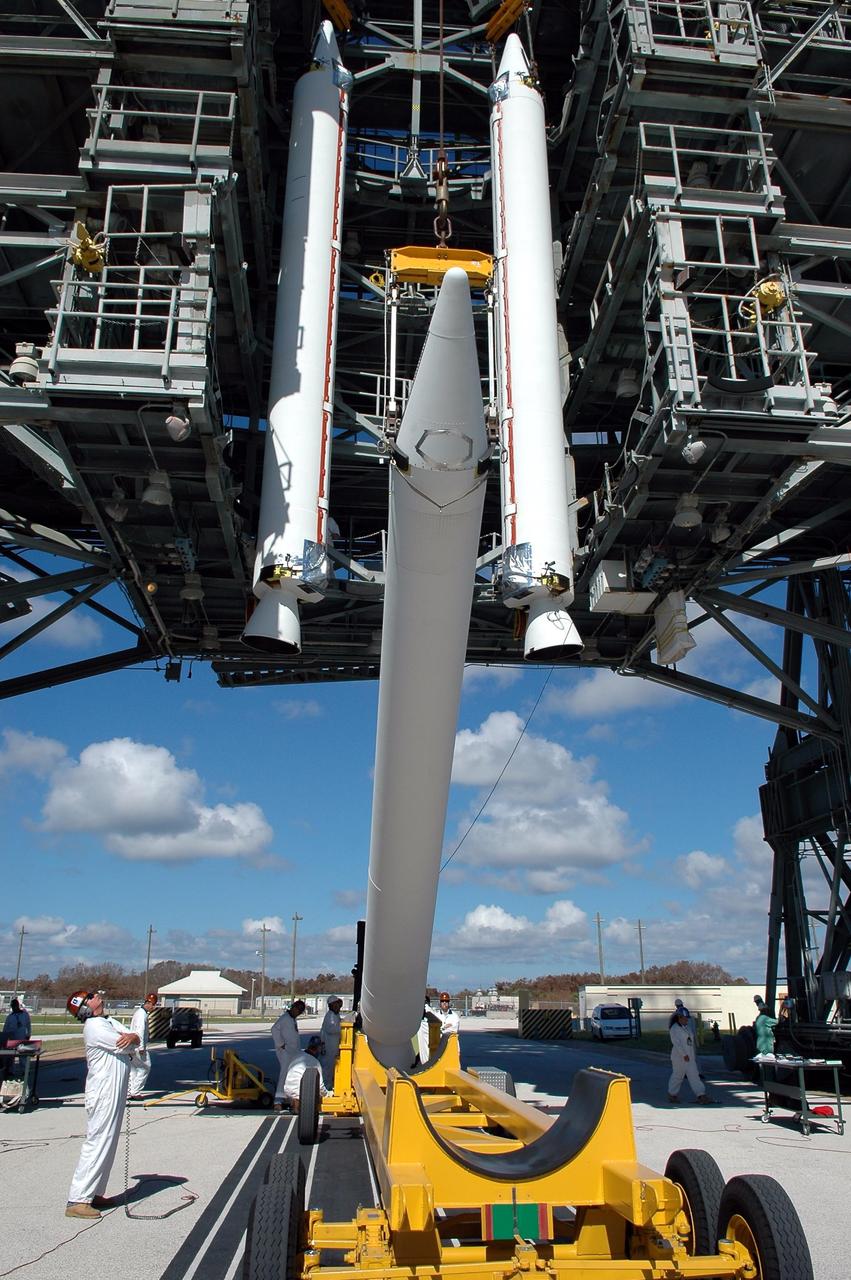
KENNEDY SPACE CENTER, FLA. - On Pad 17-A, Cape Canaveral Air Force Station, two Solid Rocket Boosters are ready in the mobile service tower and a third is lifted from its transporter. In all, three SRBs will be attached to the Boeing Delta launch vehicle for the Swift spacecraft and its Gamma-Ray Burst Mission. Swift is a medium-class Explorer mission managed by NASA’s Goddard Space Flight Center in Greenbelt, Md.
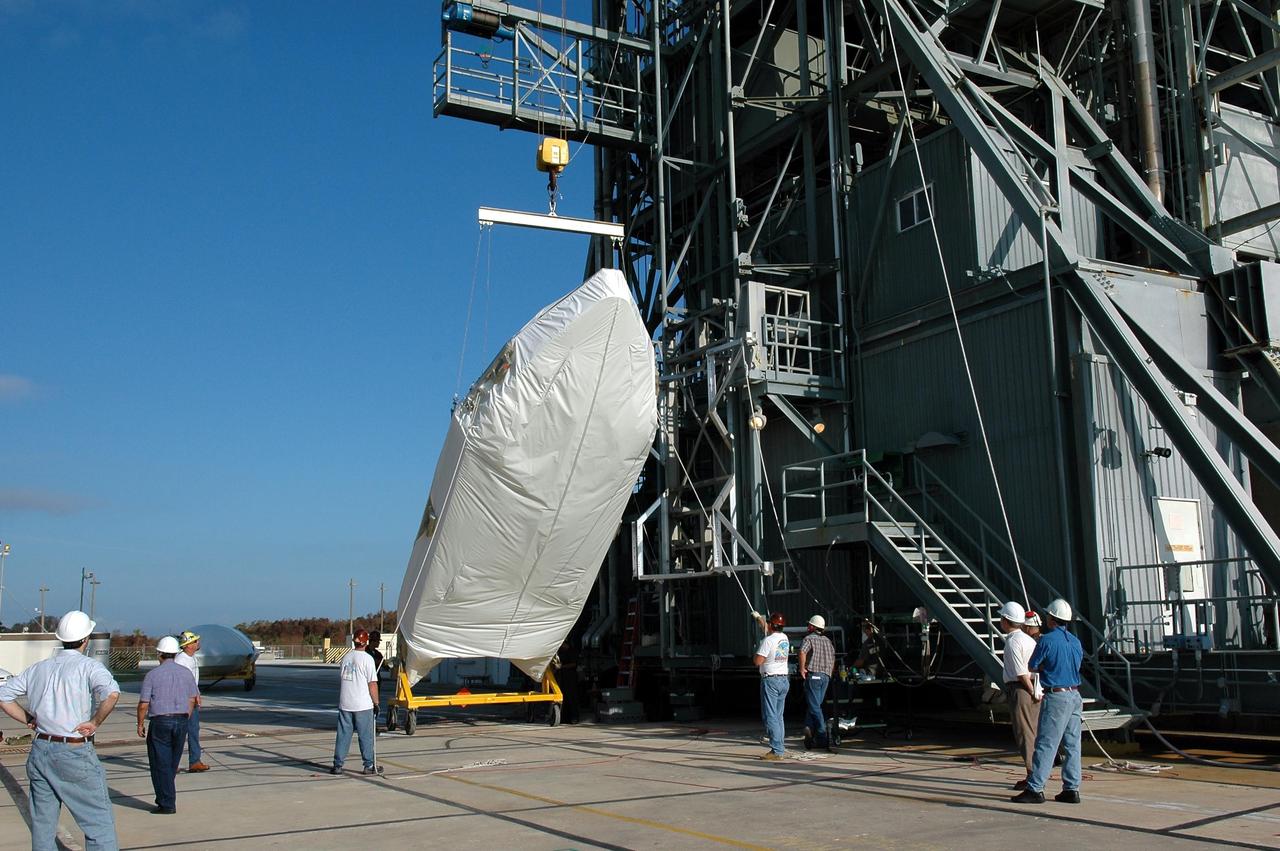
KENNEDY SPACE CENTER, FLA. - The fairing for the Swift-Delta launch is lifted off its transporter at pad 17-A, Cape Canaveral Air Force Station. The fairing is being lifted into mobile service tower to enclose the payload and protect it while on the launch pad and during ascent. The Boeing Delta rocket is the launch vehicle for the Swift spacecraft and its Gamma-Ray Burst Mission. Swift is a medium-class Explorer mission managed by NASA’s Goddard Space Flight Center in Greenbelt, Md.
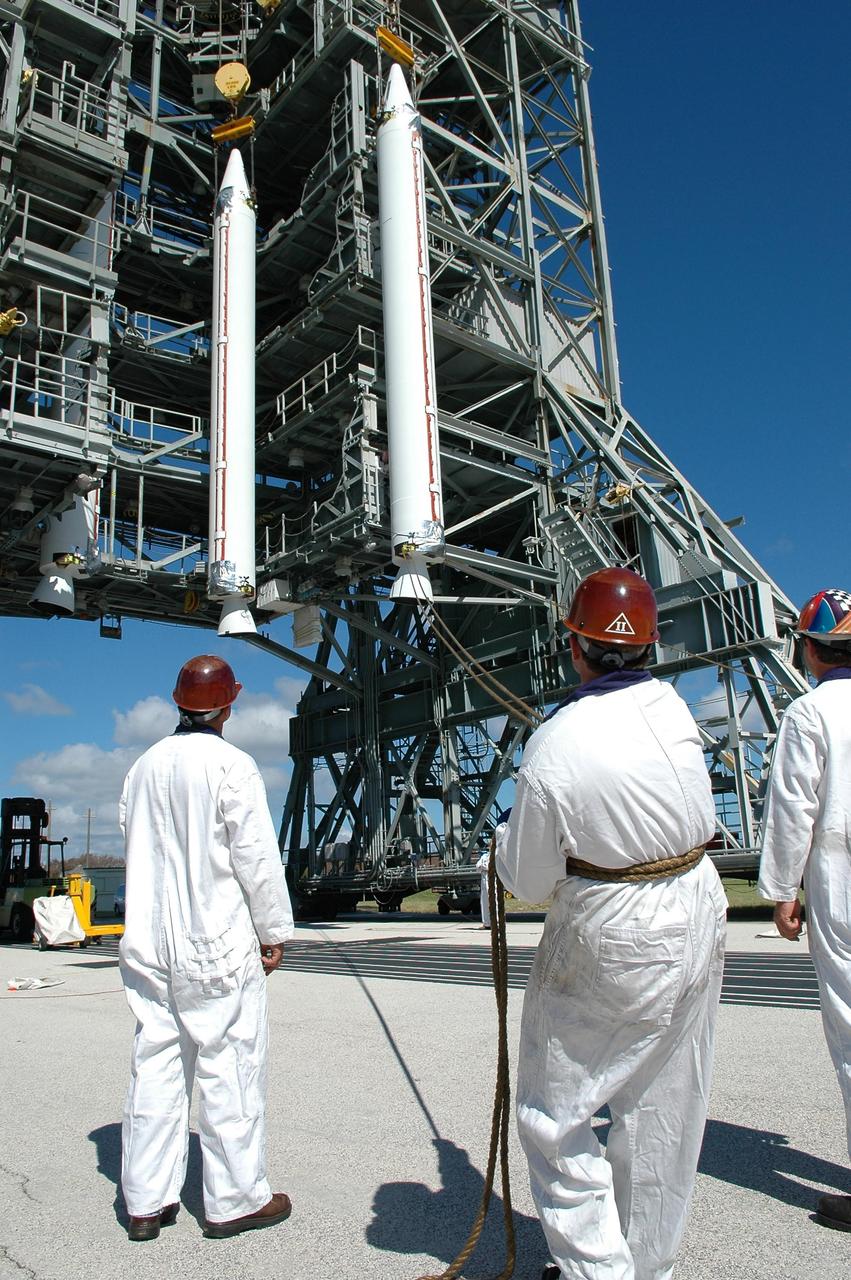
KENNEDY SPACE CENTER, FLA. - On Pad 17-A, Cape Canaveral Air Force Station, technicians on the ground hold guide ropes as a Solid Rocket Booster is lifted in to the mobile service tower. In all, three SRBs will be attached to the Boeing Delta launch vehicle for the Swift spacecraft and its Gamma-Ray Burst Mission. Swift is a medium-class Explorer mission managed by NASA’s Goddard Space Flight Center in Greenbelt, Md.
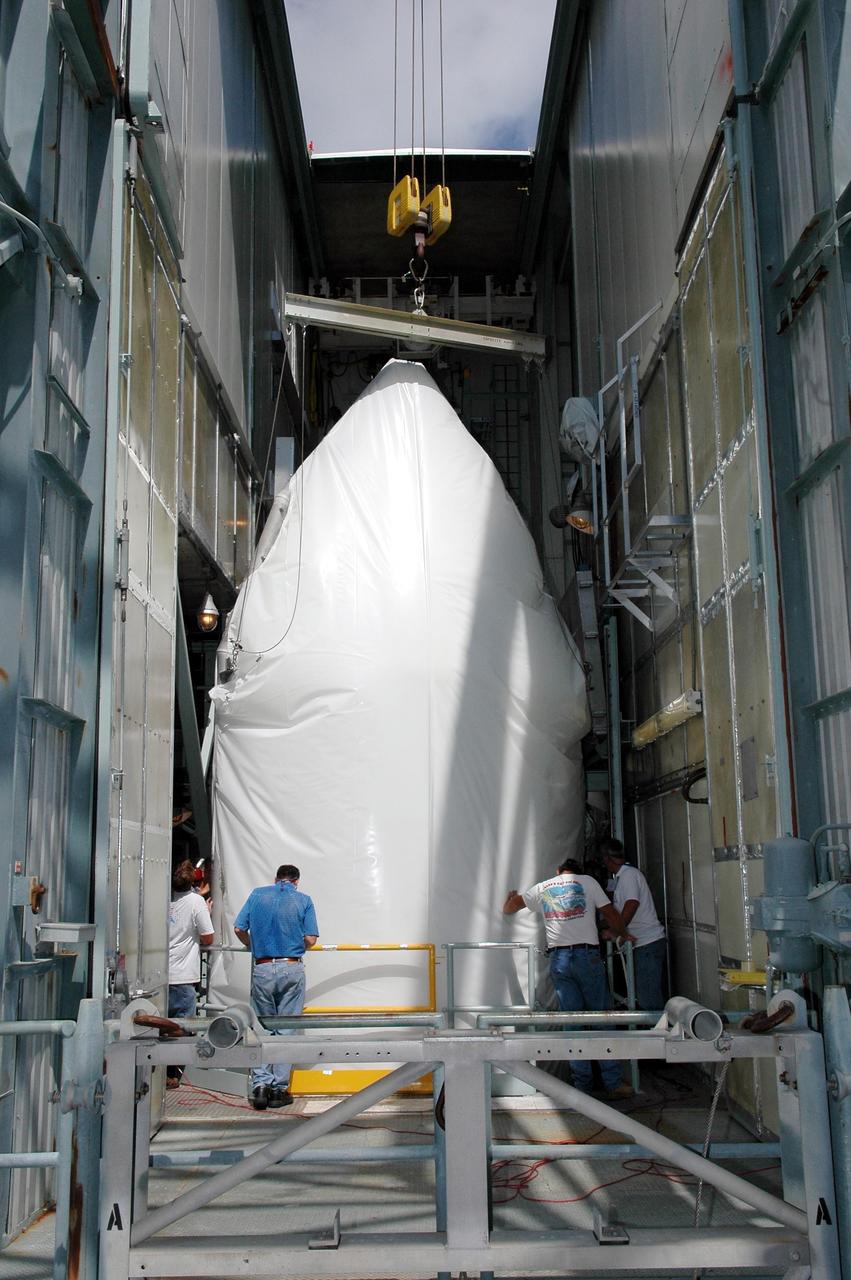
KENNEDY SPACE CENTER, FLA. - The fairing for the Swift-Delta launch reaches the top of the mobile service tower on pad 17-A, Cape Canaveral Air Force Station. The fairing will encapsulate the Swift spacecraft and protect it while on the launch pad and during ascent. The Boeing Delta rocket is the launch vehicle for Swift and its Gamma-Ray Burst Mission. Swift is a medium-class Explorer mission managed by NASA’s Goddard Space Flight Center in Greenbelt, Md.
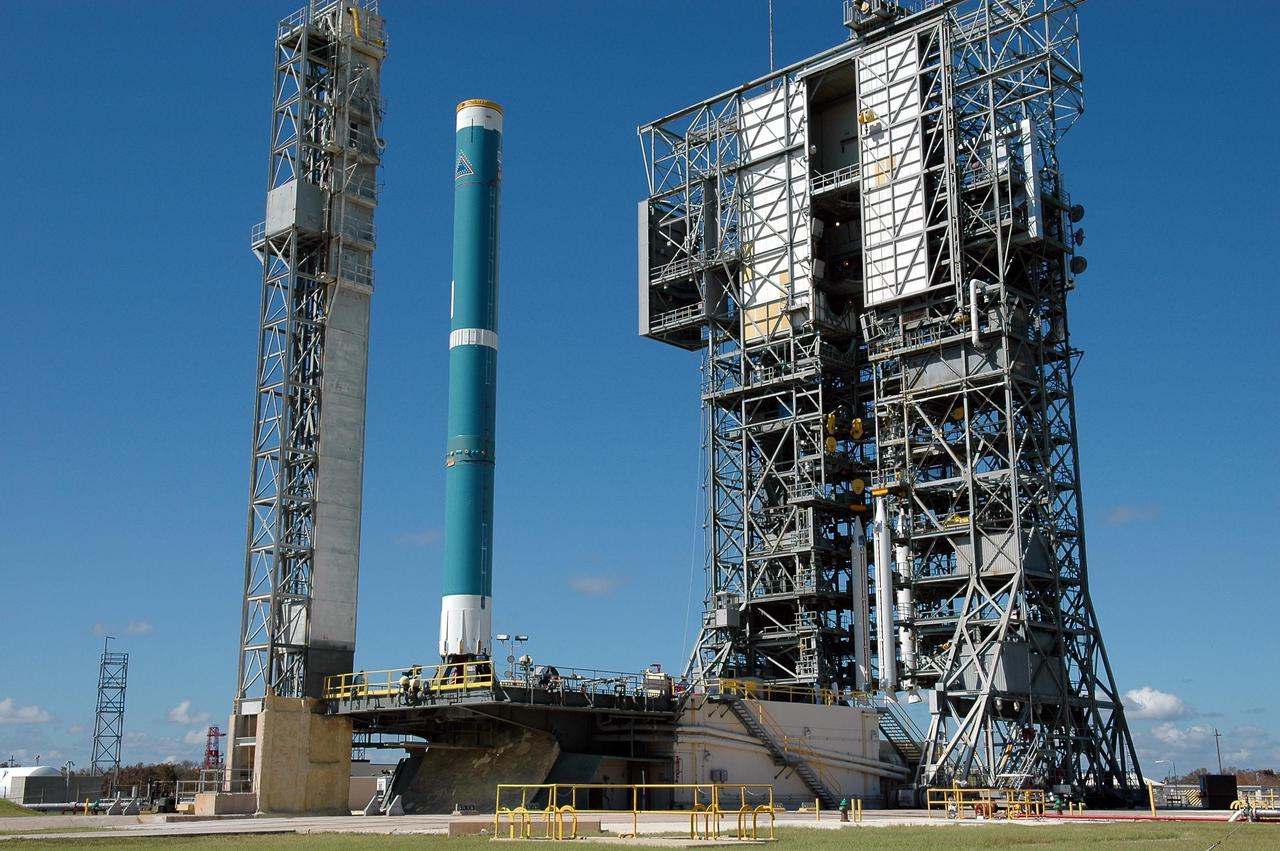
KENNEDY SPACE CENTER, FLA. - On Pad 17-A, Cape Canaveral Air Force Station, the mobile service tower at right moves with three Solid Rocket Boosters toward the Boeing Delta first stage at left. The three SRBs will be attached to the Boeing Delta launch vehicle for the Swift spacecraft and its Gamma-Ray Burst Mission. Swift is a medium-class Explorer mission managed by NASA’s Goddard Space Flight Center in Greenbelt, Md.
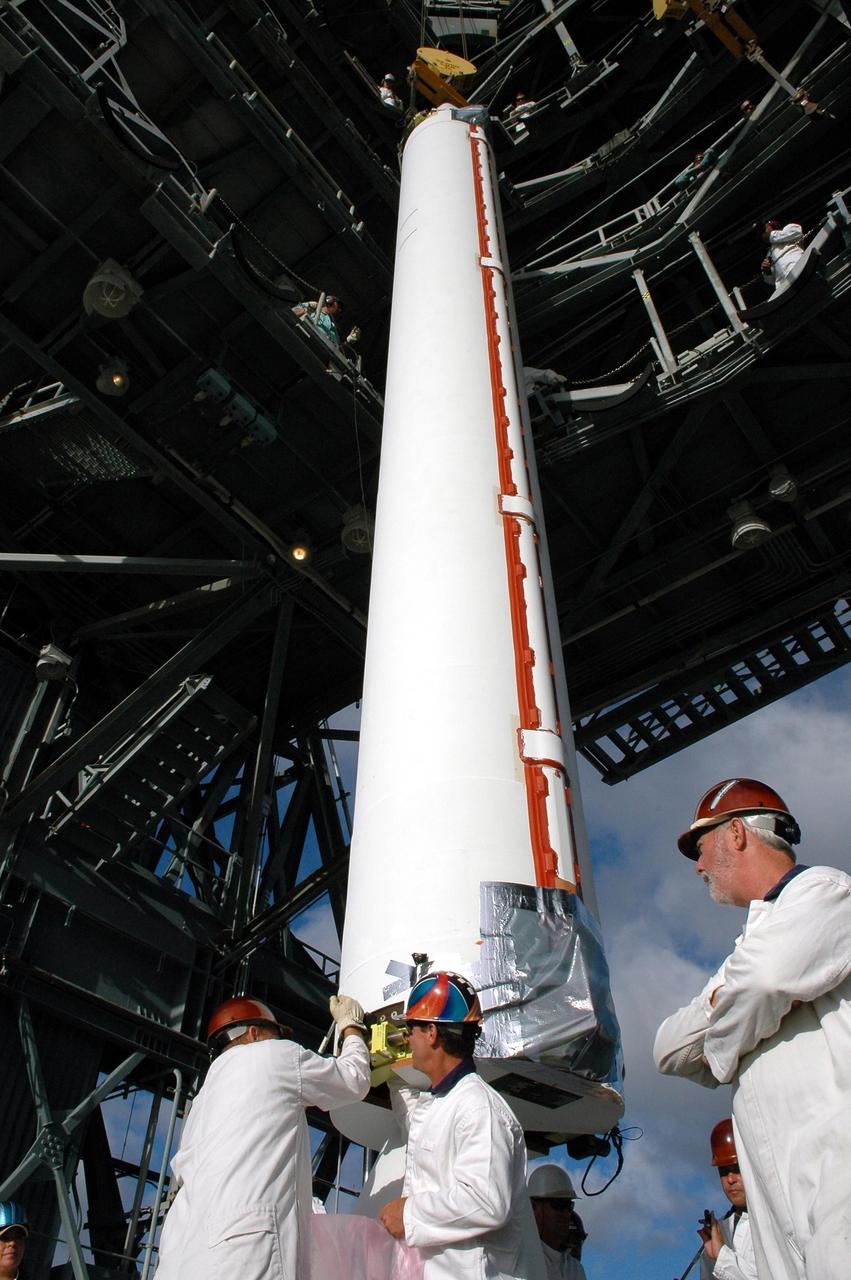
KENNEDY SPACE CENTER, FLA. - Technicians on Pad 17-A, Cape Canaveral Air Force Station, work on the bottom of the Solid Rocket Booster for the Swift-Delta launch before the SRB is raised into the mobile service tower. The SRB is one of three to be attached to the Boeing Delta rocket that is the launch vehicle for the Swift spacecraft and its Gamma-Ray Burst Mission. Swift is a medium-class Explorer mission managed by NASA’s Goddard Space Flight Center in Greenbelt, Md.

KENNEDY SPACE CENTER, FLA. - The fairing arrives at the top of the mobile service tower on pad 17-A, Cape Canaveral Air Force Station. The fairing will encapsulate the Swift spacecraft and protect it while on the launch pad and during ascent. The Boeing Delta rocket is the launch vehicle for Swift and its Gamma-Ray Burst Mission. Swift is a medium-class Explorer mission managed by NASA’s Goddard Space Flight Center in Greenbelt, Md.
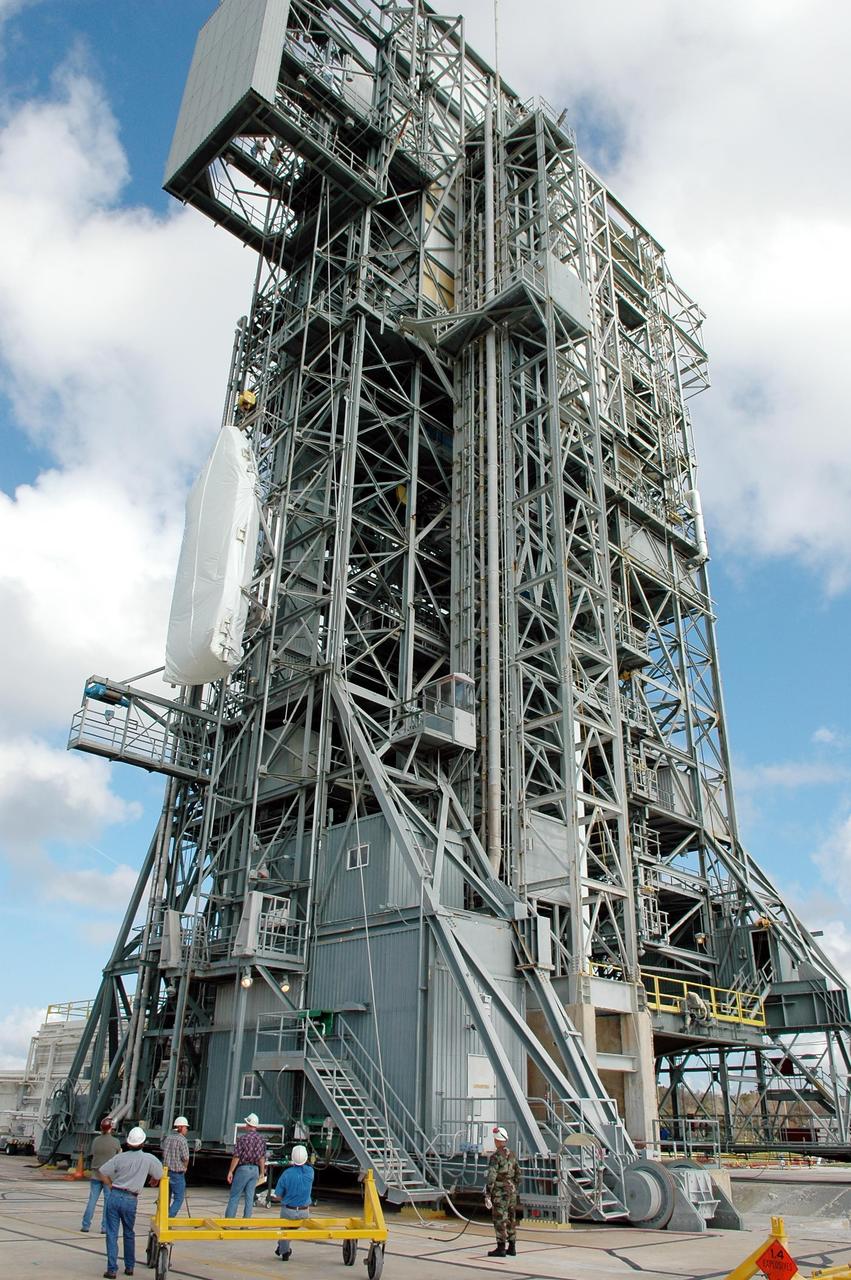
KENNEDY SPACE CENTER, FLA. - The fairing (on the left) for the Swift-Delta launch is lifted up the outside of the mobile service tower at pad 17-A, Cape Canaveral Air Force Station. The fairing will encapsulate the payload and protect it while on the launch pad and during ascent. The Boeing Delta rocket is the launch vehicle for the Swift spacecraft and its Gamma-Ray Burst Mission. Swift is a medium-class Explorer mission managed by NASA’s Goddard Space Flight Center in Greenbelt, Md.
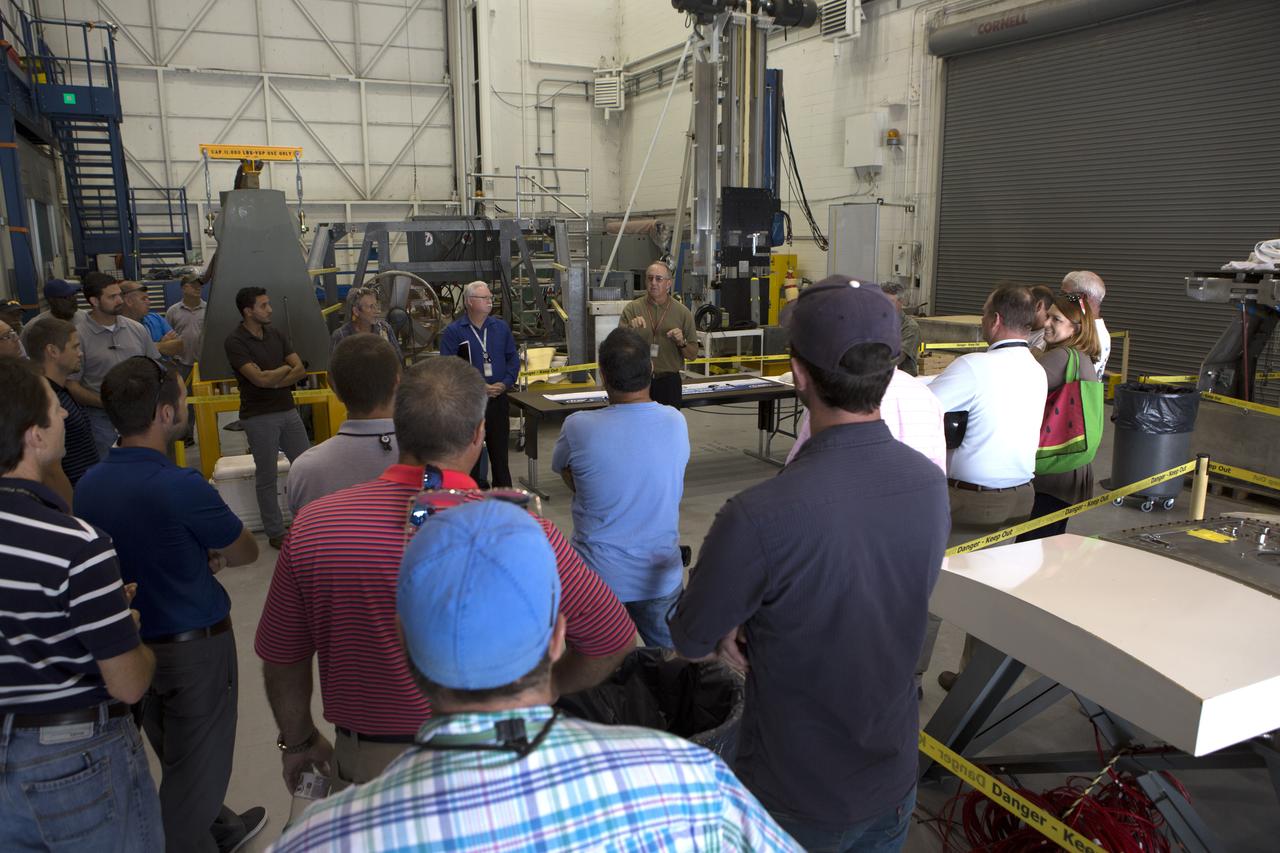
Testing of the Orion Service Module Umbilical (OSMU) was completed at the Launch Equipment Test Facility at NASA’s Kennedy Space Center in Florida. The OSMU was attached to Vehicle Motion Simulator 1 for a series of simulated launch tests to validate it for installation on the mobile launcher. Patrick Simpkins, director of Engineering, speaks to the test team during an event to mark the end of testing. The mobile launcher tower will be equipped with a number of lines, called umbilicals that will connect to the Space Launch System rocket and Orion spacecraft for Exploration Mission-1 (EM-1). The OSMU will be located high on the mobile launcher tower and, prior to launch, will transfer liquid coolant for the electronics and air for the Environmental Control System to the Orion service module that houses these critical systems to support the spacecraft. Kennedy's Engineering Directorate is providing support to the Ground Systems Development and Operations Program for testing of the OSMU. EM-1 is scheduled to launch in 2018.
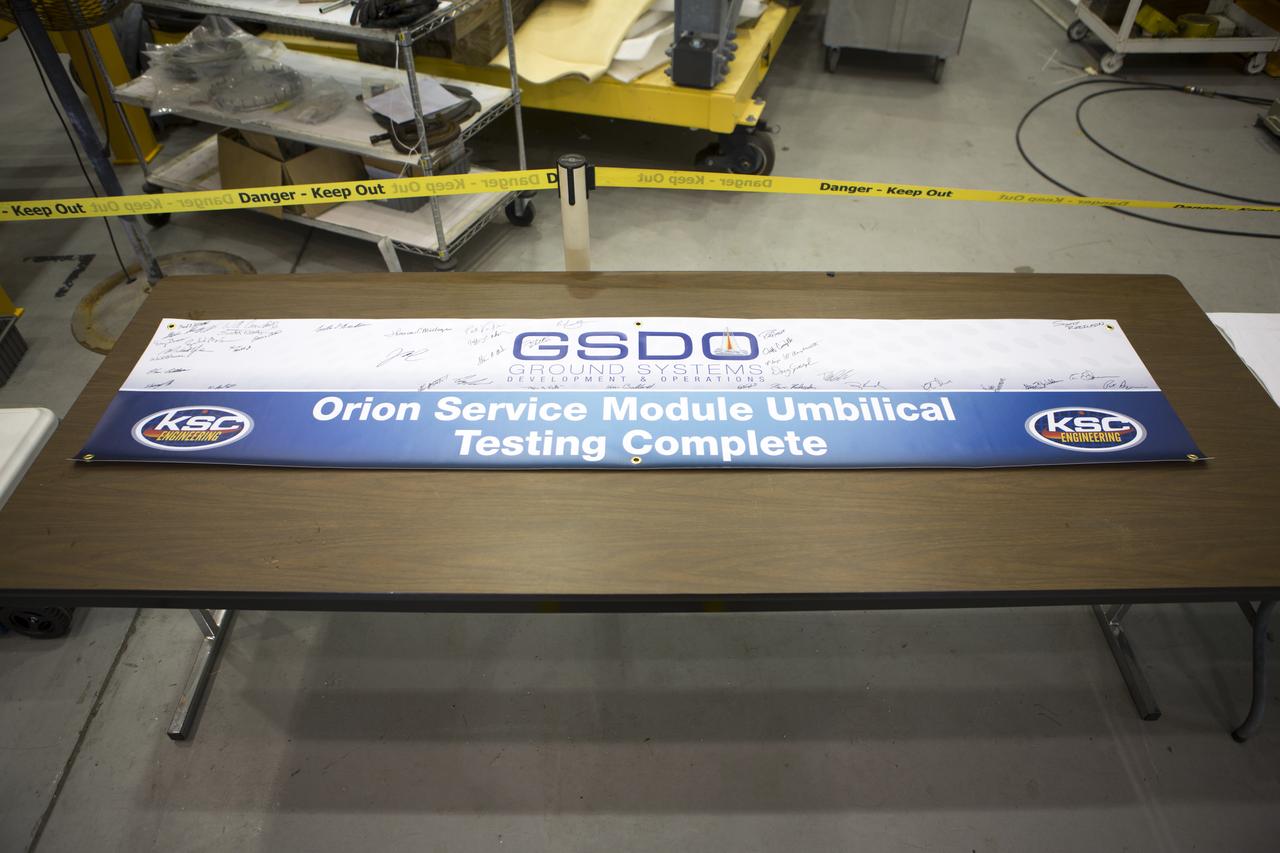
Testing of the Orion Service Module Umbilical (OSMU) was completed at the Launch Equipment Test Facility at NASA’s Kennedy Space Center in Florida. The OSMU was attached to Vehicle Motion Simulator 1 for a series of simulated launch tests to validate it for installation on the mobile launcher. The test team signed a special banner during an event to mark the end of testing. The mobile launcher tower will be equipped with a number of lines, called umbilicals that will connect to the Space Launch System rocket and Orion spacecraft for Exploration Mission-1 (EM-1). The OSMU will be located high on the mobile launcher tower and, prior to launch, will transfer liquid coolant for the electronics and air for the Environmental Control System to the Orion service module that houses these critical systems to support the spacecraft. Kennedy's Engineering Directorate is providing support to the Ground Systems Development and Operations Program for testing of the OSMU. EM-1 is scheduled to launch in 2018.
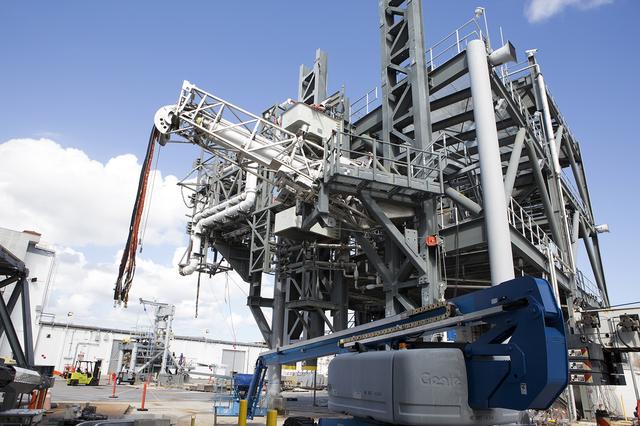
Testing of the Orion Service Module Umbilical (OSMU) was completed at the Launch Equipment Test Facility at NASA’s Kennedy Space Center in Florida. The OSMU was attached to Vehicle Motion Simulator 1 for a series of simulated launch tests to validate it for installation on the mobile launcher. The mobile launcher tower will be equipped with a number of lines, called umbilicals that will connect to the Space Launch System rocket and Orion spacecraft for Exploration Mission-1 (EM-1). The OSMU will be located high on the mobile launcher tower and, prior to launch, will transfer liquid coolant for the electronics and air for the Environmental Control System to the Orion service module that houses these critical systems to support the spacecraft. Kennedy's Engineering Directorate is providing support to the Ground Systems Development and Operations Program for testing of the OSMU. EM-1 is scheduled to launch in 2018.
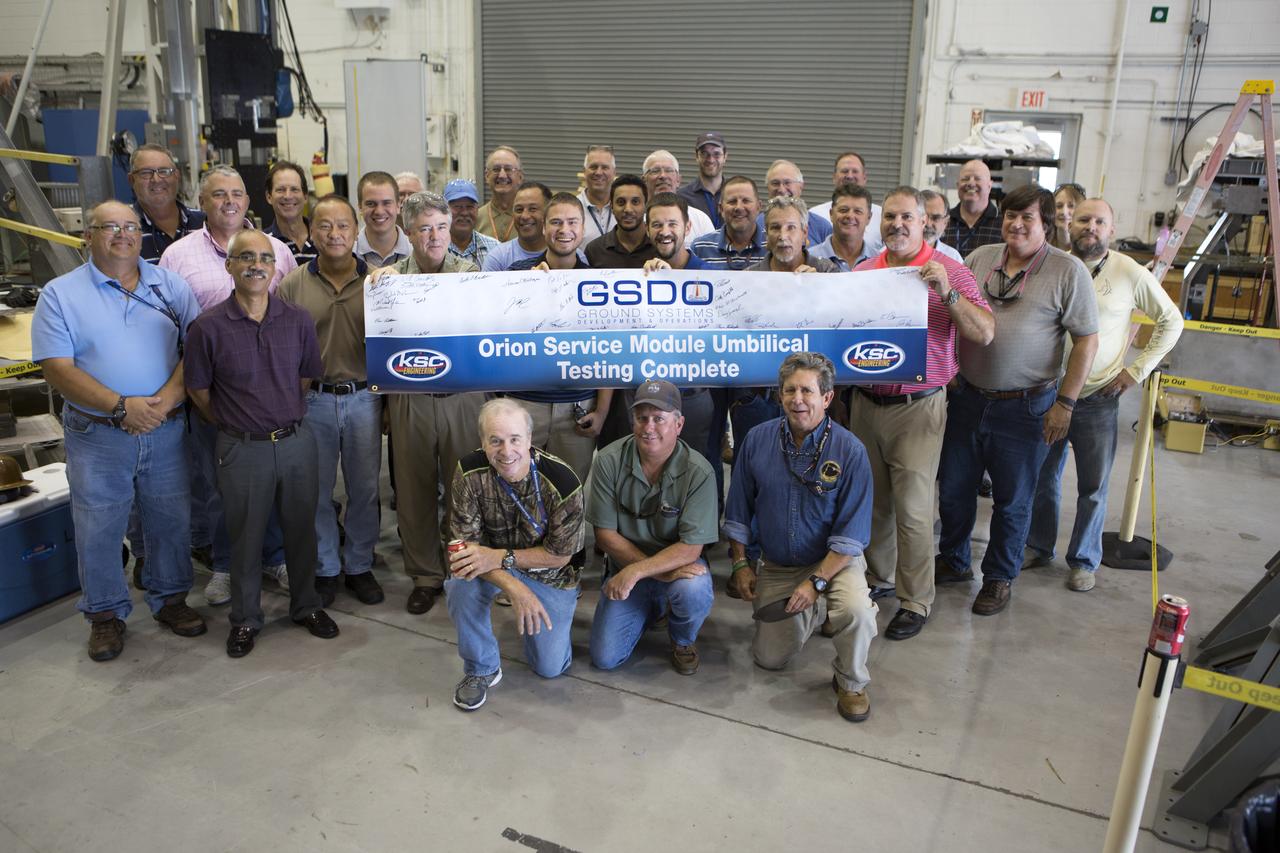
Testing of the Orion Service Module Umbilical (OSMU) was completed at the Launch Equipment Test Facility at NASA’s Kennedy Space Center in Florida. The OSMU was attached to Vehicle Motion Simulator 1 for a series of simulated launch tests to validate it for installation on the mobile launcher. The test team gathered with a special banner during an event to mark the end of testing. The mobile launcher tower will be equipped with a number of lines, called umbilicals that will connect to the Space Launch System rocket and Orion spacecraft for Exploration Mission-1 (EM-1). The OSMU will be located high on the mobile launcher tower and, prior to launch, will transfer liquid coolant for the electronics and air for the Environmental Control System to the Orion service module that houses these critical systems to support the spacecraft. Kennedy's Engineering Directorate is providing support to the Ground Systems Development and Operations Program for testing of the OSMU. EM-1 is scheduled to launch in 2018.

Testing of the Orion Service Module Umbilical (OSMU) was completed at the Launch Equipment Test Facility at NASA’s Kennedy Space Center in Florida. The OSMU was attached to Vehicle Motion Simulator 1 for a series of simulated launch tests to validate it for installation on the mobile launcher. One of the test team members signs a banner during an event to mark the end of testing. The mobile launcher tower will be equipped with a number of lines, called umbilicals that will connect to the Space Launch System rocket and Orion spacecraft for Exploration Mission-1 (EM-1). The OSMU will be located high on the mobile launcher tower and, prior to launch, will transfer liquid coolant for the electronics and air for the Environmental Control System to the Orion service module that houses these critical systems to support the spacecraft. Kennedy's Engineering Directorate is providing support to the Ground Systems Development and Operations Program for testing of the OSMU. EM-1 is scheduled to launch in 2018.
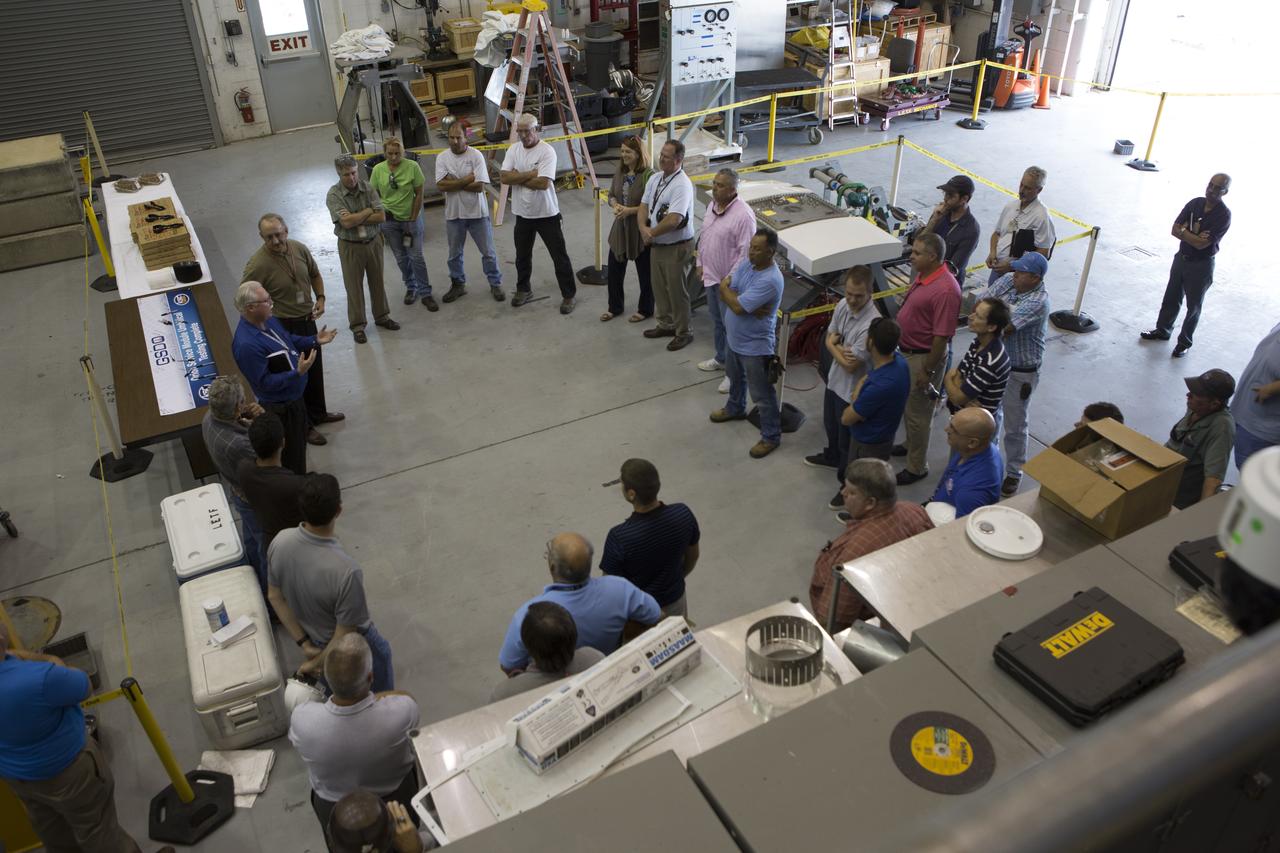
Testing of the Orion Service Module Umbilical (OSMU) was completed at the Launch Equipment Test Facility at NASA’s Kennedy Space Center in Florida. The OSMU was attached to Vehicle Motion Simulator 1 for a series of simulated launch tests to validate it for installation on the mobile launcher. The test team gathered for an event to mark the end of testing. The mobile launcher tower will be equipped with a number of lines, called umbilicals that will connect to the Space Launch System rocket and Orion spacecraft for Exploration Mission-1 (EM-1). The OSMU will be located high on the mobile launcher tower and, prior to launch, will transfer liquid coolant for the electronics and air for the Environmental Control System to the Orion service module that houses these critical systems to support the spacecraft. Kennedy's Engineering Directorate is providing support to the Ground Systems Development and Operations Program for testing of the OSMU. EM-1 is scheduled to launch in 2018.
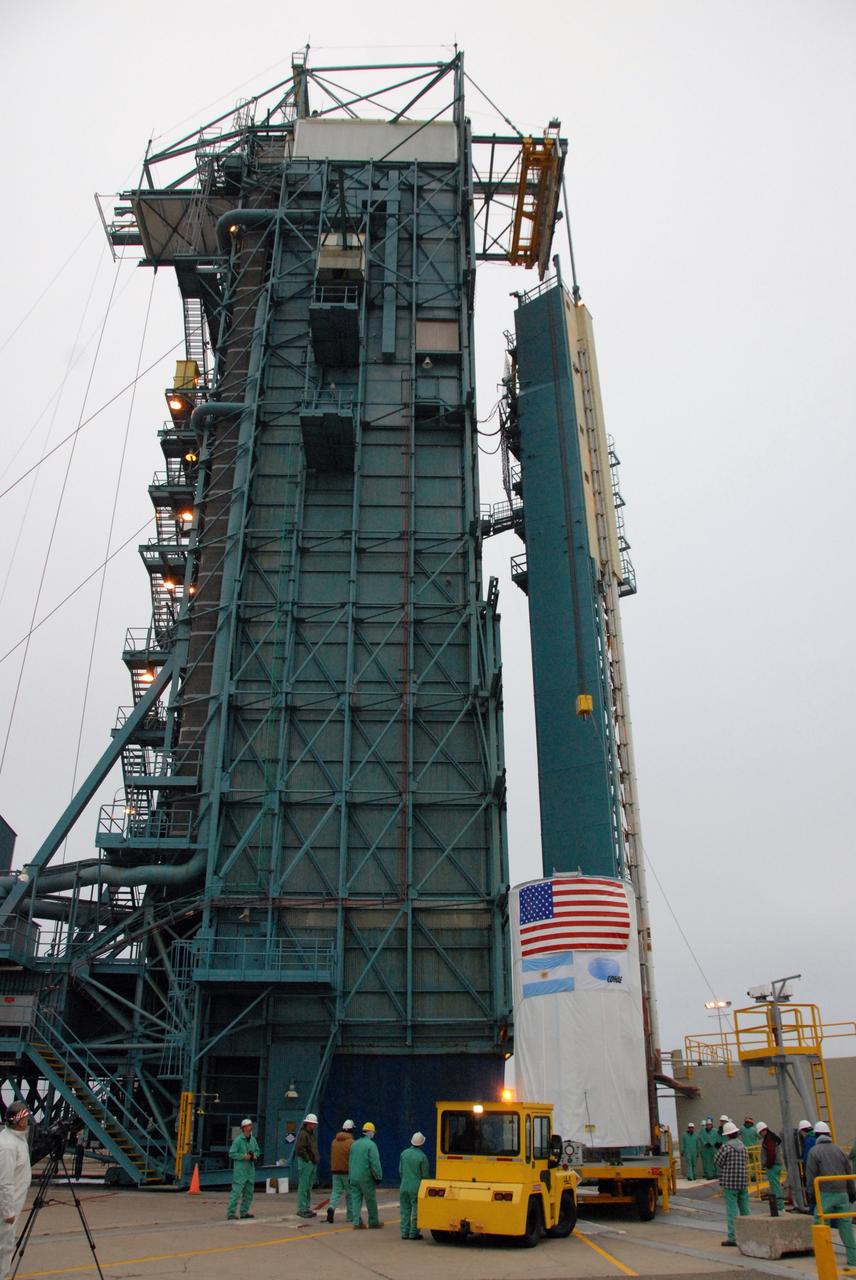
VANDENBERG AIR FORCE BASE, Calif. -- Workers attach an overhead crane to the Aquarius/SAC-D spacecraft, secured inside its payload transportation canister, for lifting into the mobile service tower at NASA's Space Launch Complex-2 (SLC-2) at Vandenberg Air Force Base in California. There, the spacecraft will be integrated to a United Launch Alliance Delta II rocket in preparation for the targeted June liftoff. Aquarius, the NASA-built instrument on the SAC-D spacecraft, will provide new insights into how variations in ocean surface salinity relate to fundamental climate processes on its three-year mission. Photo credit: NASA/VAFB
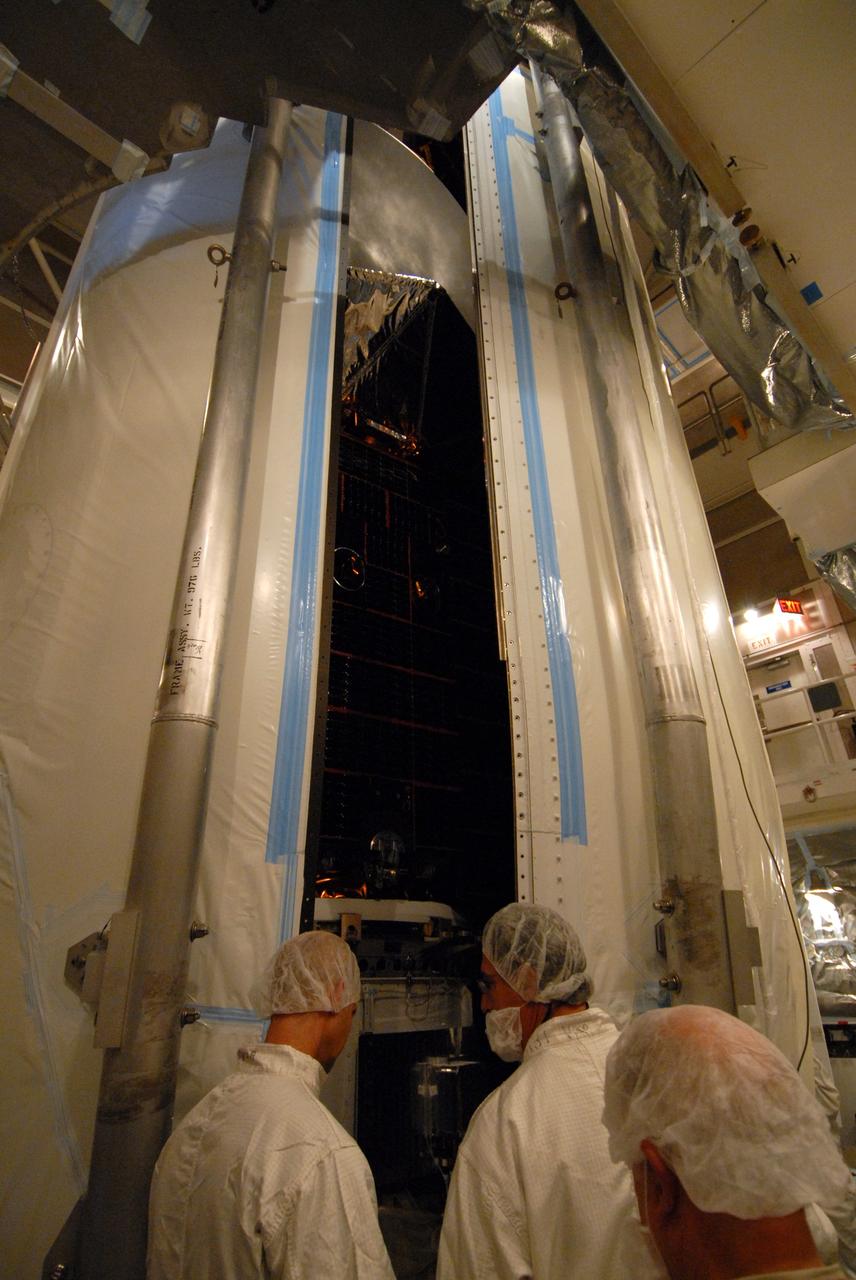
VANDENBERG AIR FORCE BASE, Calif. -- Inside the mobile service tower at NASA's Launch Complex-2 at Vandenberg Air Force Base in California, workers monitor the progress as the United Launch Alliance’s Delta II payload fairing closes around the Aquarius/SAC-D spacecraft. Aquarius will be integrated to the Delta II rocket in preparation for the targeted June 9 liftoff. Aquarius, the NASA-built instrument on the SAC-D spacecraft, will provide new insights into how variations in ocean surface salinity relate to fundamental climate processes on its three-year mission. Photo credit: NASA/VAFB
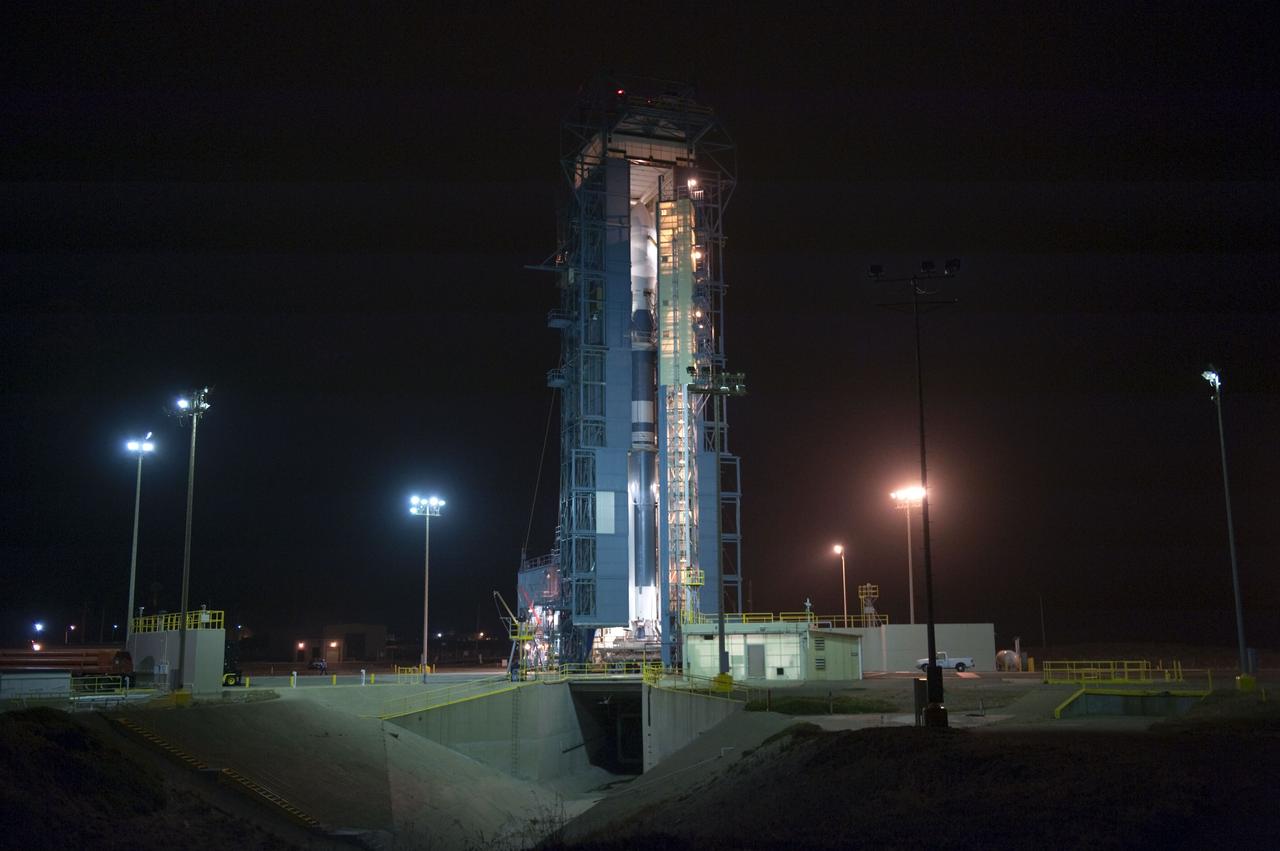
VANDENBERG AIR FORCE BASE, Calif. -- The mobile service tower at NASA's Launch Complex-2 at Vandenberg Air Force Base in California is ready to roll away to reveal the United Launch Alliance Delta II rocket with the Aquarius/SAC-D spacecraft atop in preparation for launch. Liftoff is slated for 7:20 PDT/10:20 EDT today. Aquarius, the NASA-built instrument on the SAC-D spacecraft will provide new insights into how variations in ocean surface salinity relate to fundamental climate processes on its three-year mission. For more information visit: www.nasa.gov/aquarius. Photo credit: NASA/VAFB
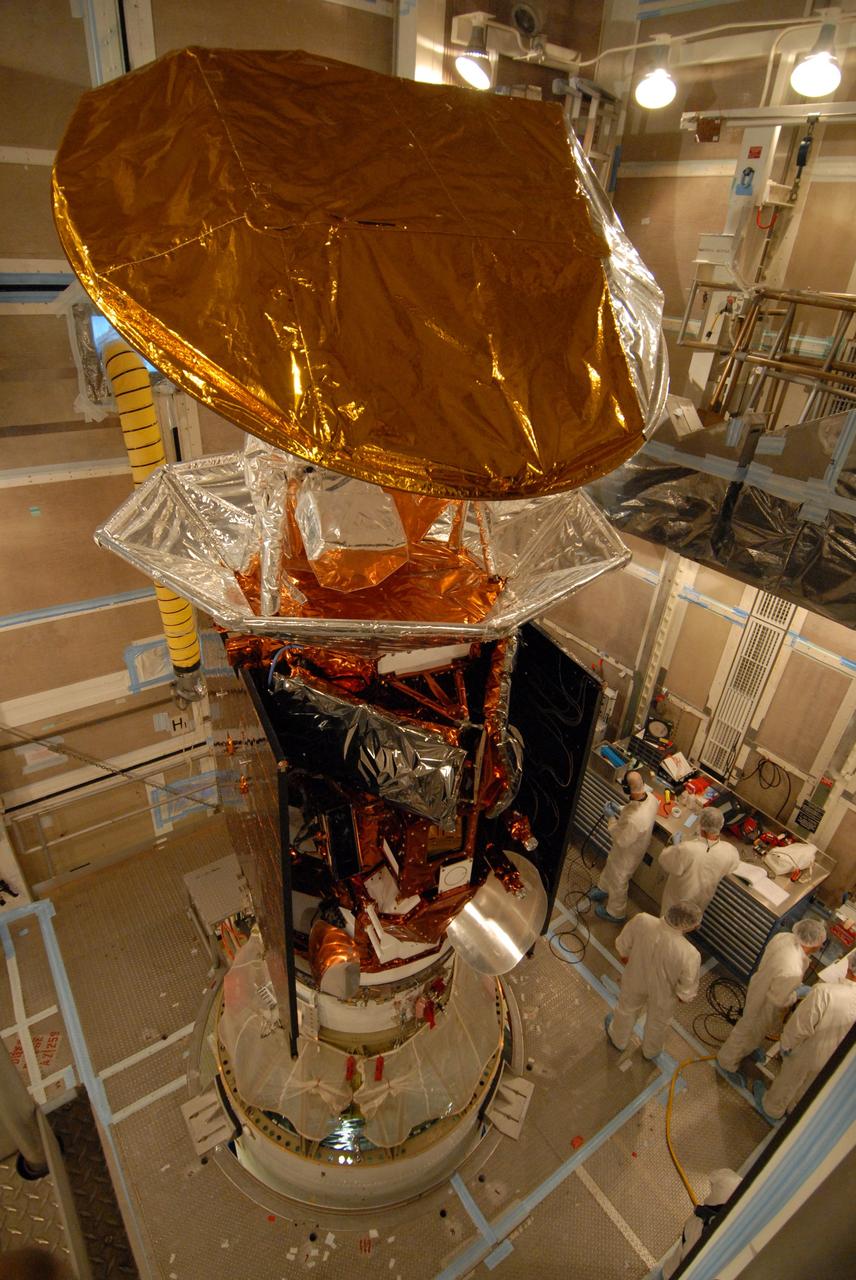
VANDENBERG AIR FORCE BASE, Calif. -- Inside the mobile service tower at NASA's Launch Complex-2 at Vandenberg Air Force Base in California, workers prepare the Aquarius/SAC-D spacecraft for fairing installation. Aquarius will be integrated to a United Launch Alliance Delta II rocket in preparation for the targeted June 9 liftoff. Aquarius, the NASA-built instrument on the SAC-D spacecraft, will provide new insights into how variations in ocean surface salinity relate to fundamental climate processes on its three-year mission. Photo credit: NASA/VAFB

VANDENBERG AIR FORCE BASE, Calif. -- Inside the mobile service tower at NASA's Launch Complex-2 at Vandenberg Air Force Base in California, a technician secures the United Launch Alliance’s Delta II payload fairing around the Aquarius/SAC-D spacecraft. Aquarius will be integrated to the Delta II rocket in preparation for the targeted June 9 liftoff. Aquarius, the NASA-built instrument on the SAC-D spacecraft, will provide new insights into how variations in ocean surface salinity relate to fundamental climate processes on its three-year mission. Photo credit: NASA/VAFB
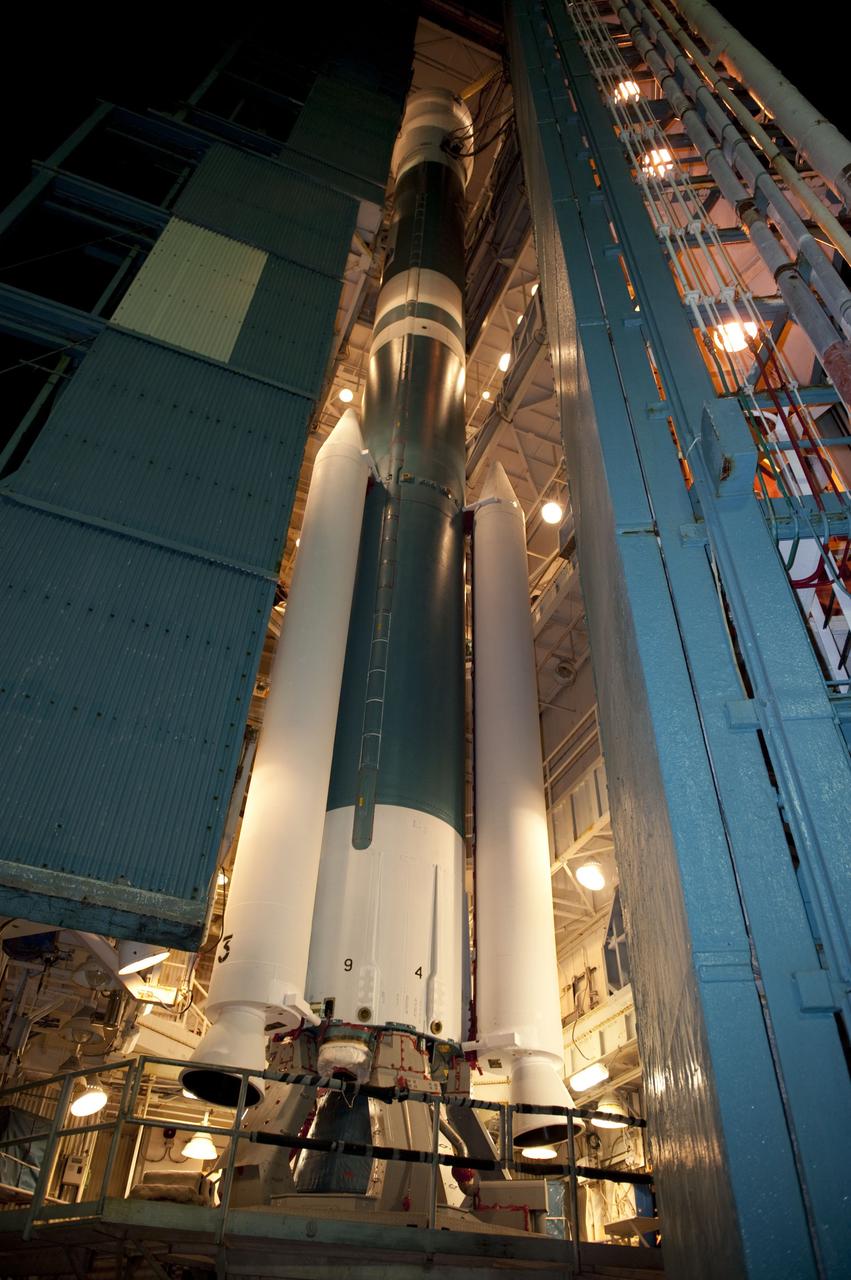
VANDENBERG AIR FORCE BASE, Calif. -- The mobile service tower at NASA's Launch Complex-2 at Vandenberg Air Force Base in California slowly moves away from the United Launch Alliance Delta II rocket with the Aquarius/SAC-D spacecraft atop in preparation for launch. Liftoff is slated for 7:20 PDT/10:20 EDT today. Aquarius, the NASA-built instrument on the SAC-D spacecraft will provide new insights into how variations in ocean surface salinity relate to fundamental climate processes on its three-year mission. For more information visit: www.nasa.gov/aquarius. Photo credit: NASA/VAFB

S69-40152 (27 July 1969) --- A Mobile Quarantine Facility (MQF), with the three Apollo 11 crewmen inside, is unloaded from a United States Air Force C-141 transport at Ellington Air Force Base very early Sunday after a flight from Hawaii. A large crowd was present to welcome astronauts Neil A. Armstrong, Michael Collins, and Edwin E. Aldrin Jr. back to Houston following their historic lunar landing mission. The crew remained in the MQF until they arrived at the Crew Reception Area of the Lunar Receiving Laboratory (LRL) at the Manned Spacecraft Center (MSC). The crew will be released from quarantine on Aug. 11, 1969.
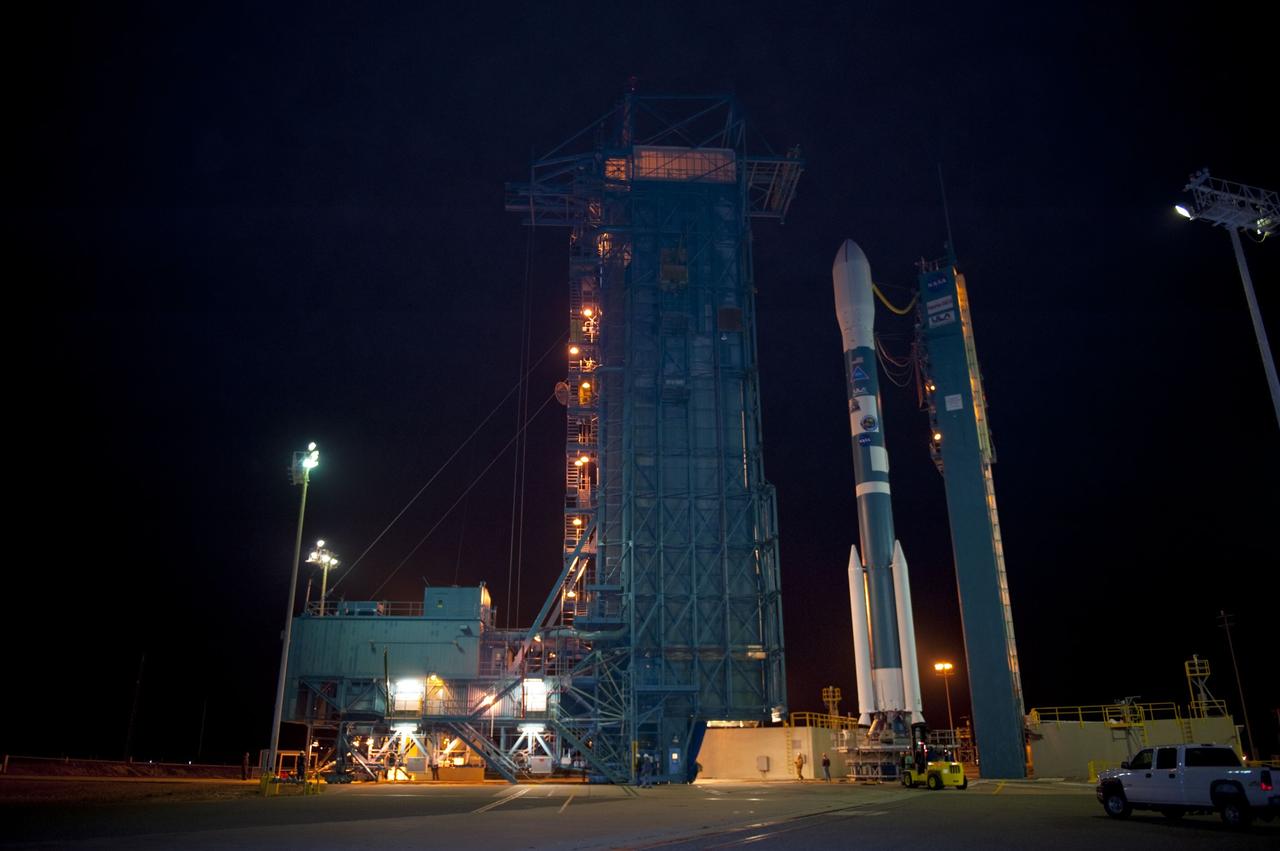
VANDENBERG AIR FORCE BASE, Calif. -- The mobile service tower at NASA's Launch Complex-2 at Vandenberg Air Force Base in California has moved away from the United Launch Alliance Delta II rocket with the Aquarius/SAC-D spacecraft atop in preparation for launch. Liftoff is slated for 7:20 PDT/10:20 EDT today. Aquarius, the NASA-built instrument on the SAC-D spacecraft will provide new insights into how variations in ocean surface salinity relate to fundamental climate processes on its three-year mission. For more information visit: www.nasa.gov/aquarius. Photo credit: NASA/VAFB

VANDENBERG AIR FORCE BASE, Calif. -- The mobile service tower at NASA's Launch Complex-2 at Vandenberg Air Force Base in California has moved away from the United Launch Alliance Delta II rocket with the Aquarius/SAC-D spacecraft atop in preparation for launch. Liftoff is slated for 7:20 PDT/10:20 EDT today. Aquarius, the NASA-built instrument on the SAC-D spacecraft will provide new insights into how variations in ocean surface salinity relate to fundamental climate processes on its three-year mission. For more information visit: www.nasa.gov/aquarius. Photo credit: NASA/VAFB
VANDENBERG AIR FORCE BASE, Calif. -- An overhead crane lifts the Aquarius/SAC-D spacecraft, secured inside its payload transportation canister, into the mobile service tower at NASA's Space Launch Complex-2 (SLC-2) at Vandenberg Air Force Base in California. There, the spacecraft will be integrated to a United Launch Alliance Delta II rocket in preparation for the targeted June liftoff. Aquarius, the NASA-built instrument on the SAC-D spacecraft, will provide new insights into how variations in ocean surface salinity relate to fundamental climate processes on its three-year mission. Photo credit: NASA/VAFB
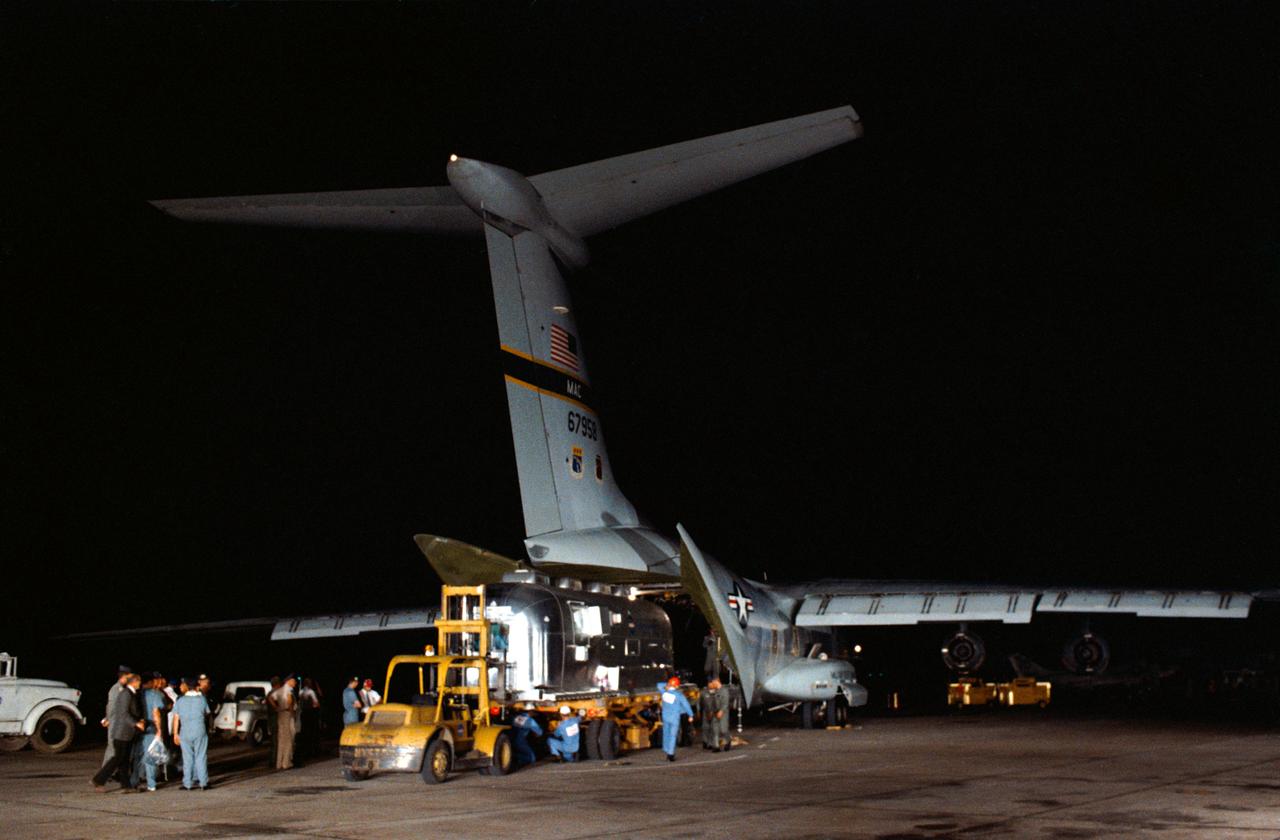
S69-40132 (27 July 1969) --- A Mobile Quarantine Facility (MQF), with the three Apollo 11 crewmembers inside, is unloaded from a United States Air Force C-141 transport at Ellington Air Force Base very early Sunday after a flight from Hawaii. A large crowd was present to welcome astronauts Neil A. Armstrong, Michael Collins, and Edwin E. Aldrin Jr. back to Houston following their historic lunar landing mission. The crew remained in the MQF until they arrived at the Crew Reception Area of the Lunar Receiving Laboratory (LRL) at the Manned Spacecraft Center (MSC). The crew will be released from quarantine on Aug. 11, 1969.

S69-60644 (29 Nov. 1969) --- A Mobile Quarantine Facility (MQF), with the crew men of the Apollo 12 lunar landing mission aboard, arrived at the Manned Spacecraft Center (MSC) Saturday morning, Nov. 29, 1969. Astronauts Charles Conrad Jr., Richard F. Gordon Jr., and Alan L. Bean were on their way to the Lunar Receiving Laboratory (LRL) where they will remain in quarantines until Dec. 10, 1969. Minutes earlier the three astronauts had arrived at Ellington Air Force Base from Hawaii aboard a U.S. Air Force C-141 transport. The crewmen were confined to the MQF from splashdown until they arrived at the LRL.
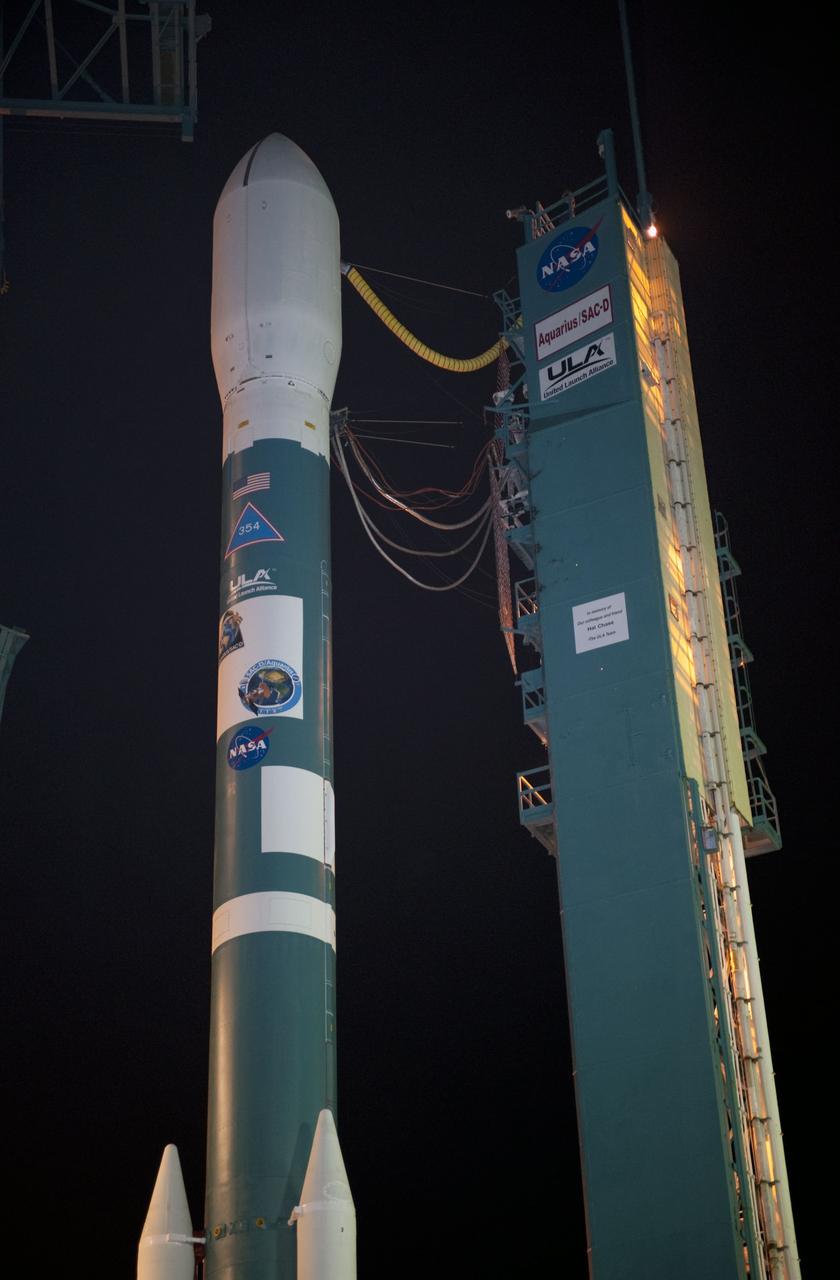
VANDENBERG AIR FORCE BASE, Calif. -- The mobile service tower at NASA's Launch Complex-2 at Vandenberg Air Force Base in California has moved away from the United Launch Alliance Delta II rocket with the Aquarius/SAC-D spacecraft atop in preparation for launch. Liftoff is slated for 7:20 PDT/10:20 EDT today. Aquarius, the NASA-built instrument on the SAC-D spacecraft will provide new insights into how variations in ocean surface salinity relate to fundamental climate processes on its three-year mission. For more information visit: www.nasa.gov/aquarius. Photo credit: NASA/VAFB
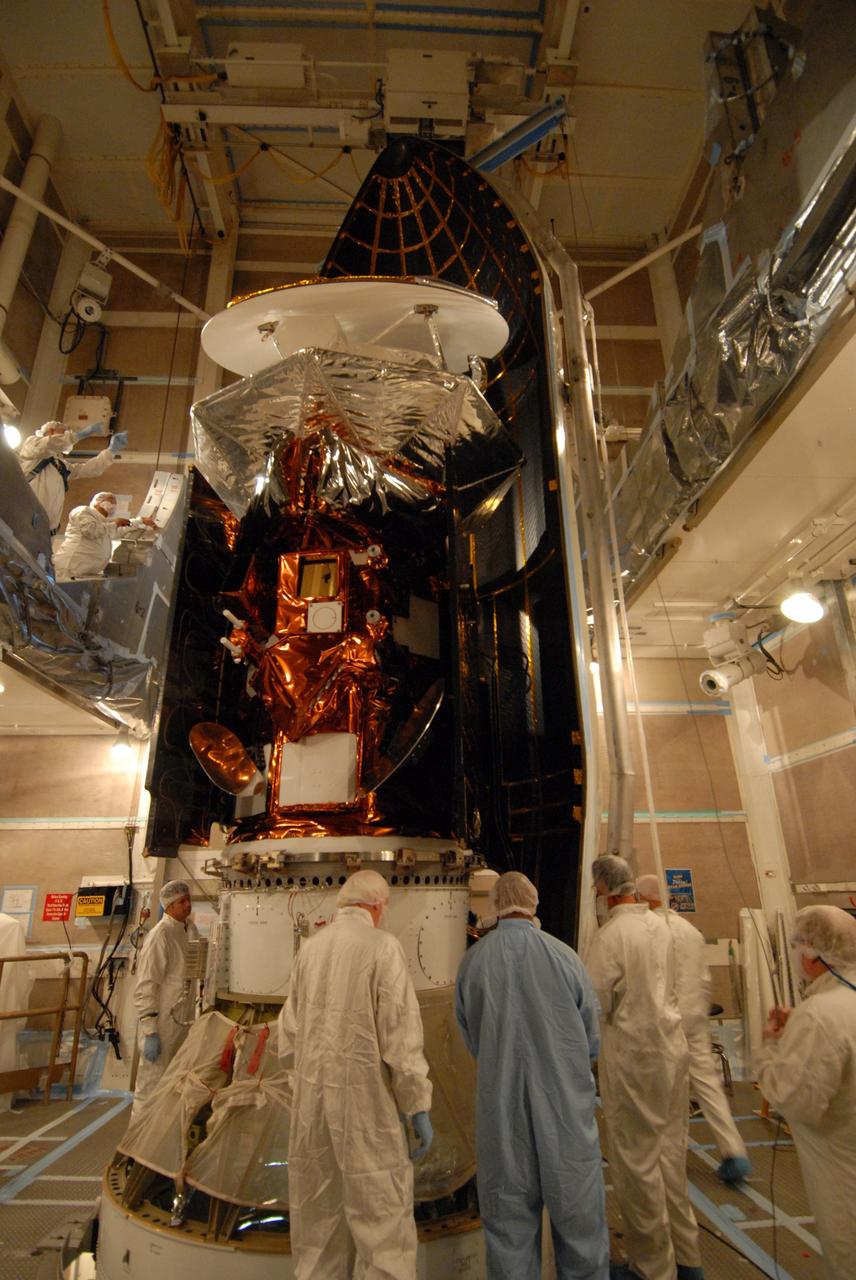
VANDENBERG AIR FORCE BASE, Calif. -- Inside the mobile service tower at NASA's Launch Complex-2 at Vandenberg Air Force Base in California, workers prepare to install the Aquarius/SAC-D spacecraft into the United Launch Alliance’s Delta II payload fairing. Aquarius will be integrated to the Delta II rocket in preparation for the targeted June 9 liftoff. Aquarius, the NASA-built instrument on the SAC-D spacecraft, will provide new insights into how variations in ocean surface salinity relate to fundamental climate processes on its three-year mission. Photo credit: NASA/VAFB
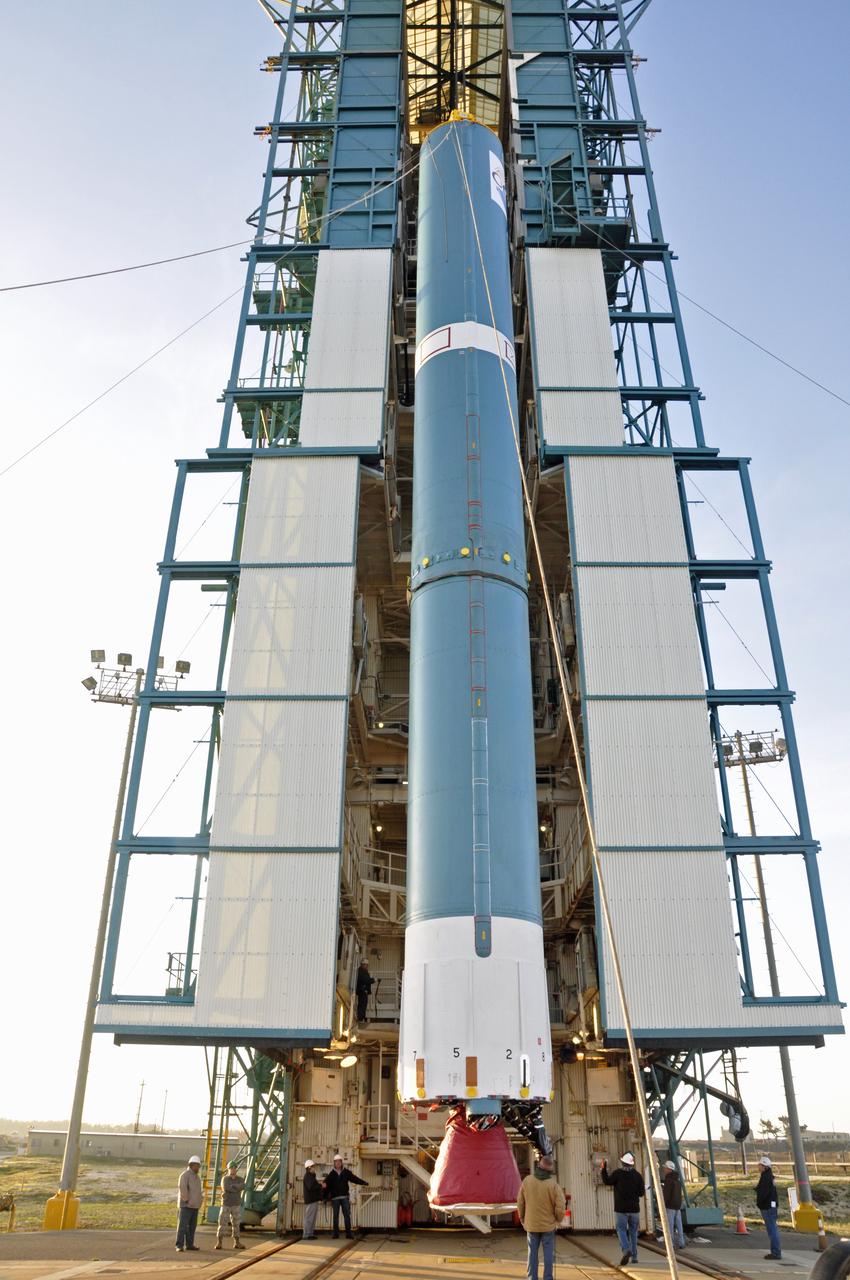
VANDENBERG AIR FORCE BASE, Calif. – The United Launch Alliance Delta II rocket for NASA's Orbiting Carbon Observatory-2 mission, or OCO-2, is lifted into the mobile service tower at Space Launch Complex 2 on Vandenberg Air Force Base in California. Launch is scheduled for July 2014. The observatory will collect precise global measurements of carbon dioxide in the Earth's atmosphere and provide scientists with a better idea of the chemical compound's impacts on climate change. Scientists will analyze this data to improve our understanding of the natural processes and human activities that regulate the abundance and distribution of this important atmospheric gas. To learn more about OCO-2, visit http://oco.jpl.nasa.gov. Photo credit: NASA/Randy Beaudoin
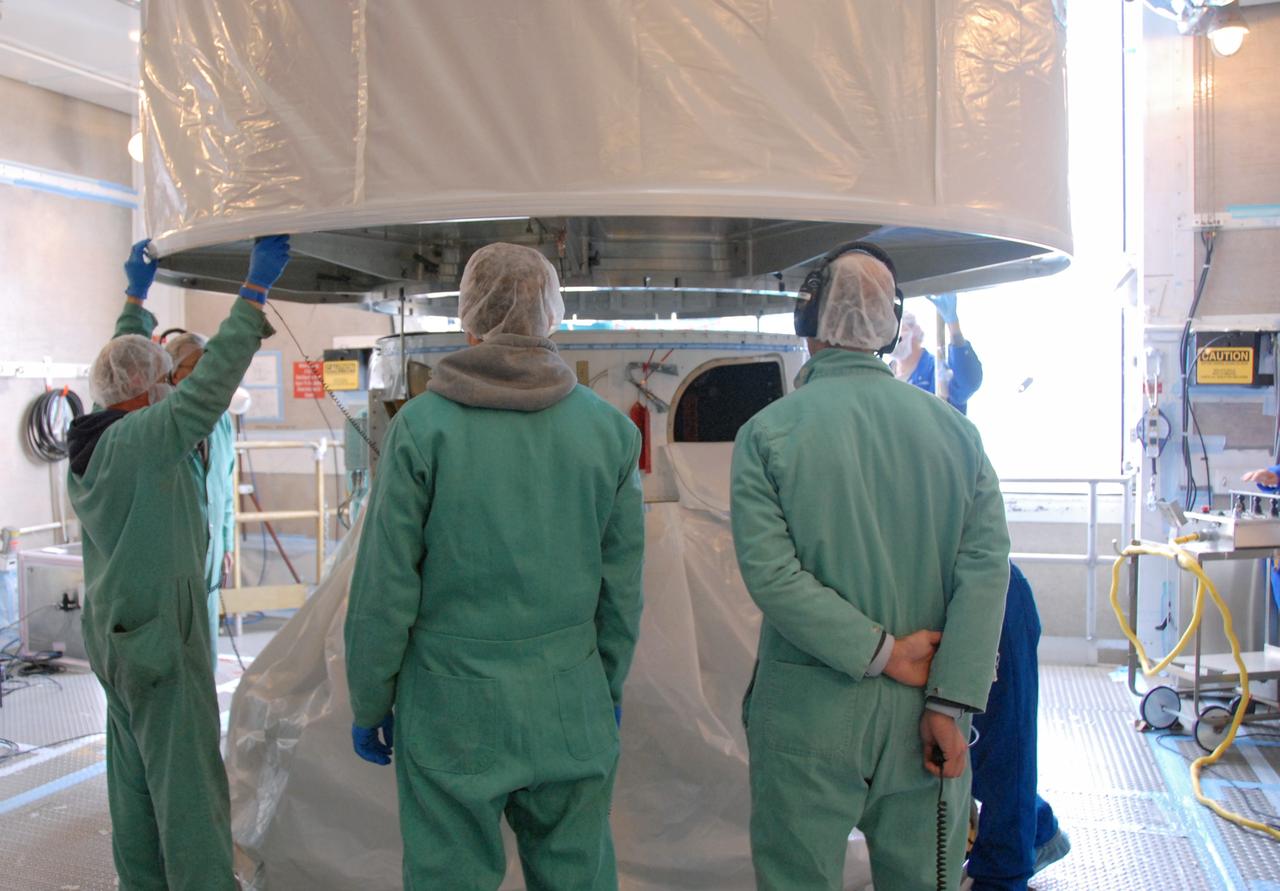
VANDENBERG AIR FORCE BASE, Calif. -- Workers remove the payload transportation canister from the Aquarius/SAC-D spacecraft, after it was lifted into the mobile service tower at NASA's Space Launch Complex-2 (SLC-2) at Vandenberg Air Force Base in California. There, the spacecraft will be integrated to a United Launch Alliance Delta II rocket in preparation for the targeted June liftoff. Aquarius, the NASA-built instrument on the SAC-D spacecraft, will provide new insights into how variations in ocean surface salinity relate to fundamental climate processes on its three-year mission. Photo credit: NASA/VAFB
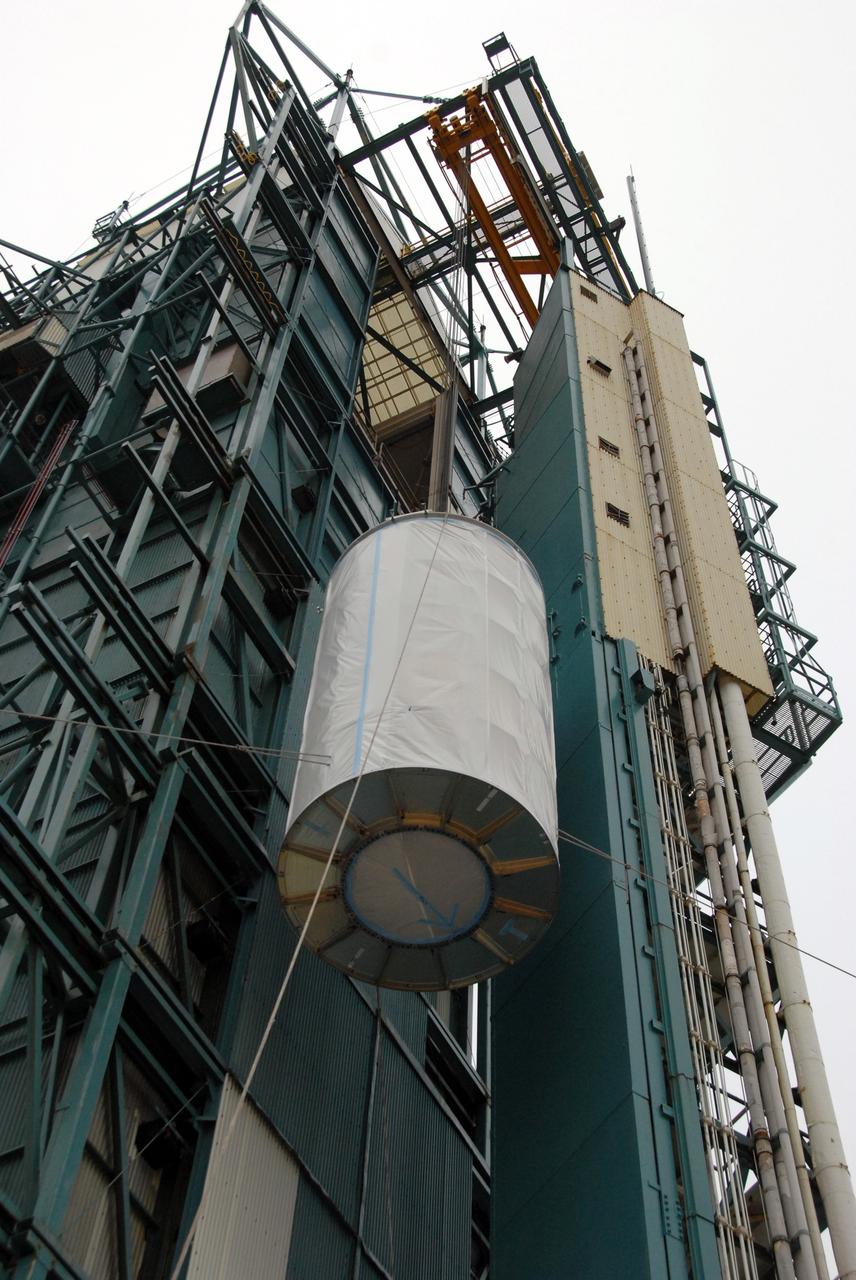
VANDENBERG AIR FORCE BASE, Calif. -- An overhead crane lifts the Aquarius/SAC-D spacecraft, secured inside its payload transportation canister, into the mobile service tower at NASA's Space Launch Complex-2 (SLC-2) at Vandenberg Air Force Base in California. There, the spacecraft will be integrated to a United Launch Alliance Delta II rocket in preparation for the targeted June liftoff. Aquarius, the NASA-built instrument on the SAC-D spacecraft, will provide new insights into how variations in ocean surface salinity relate to fundamental climate processes on its three-year mission. Photo credit: NASA/VAFB
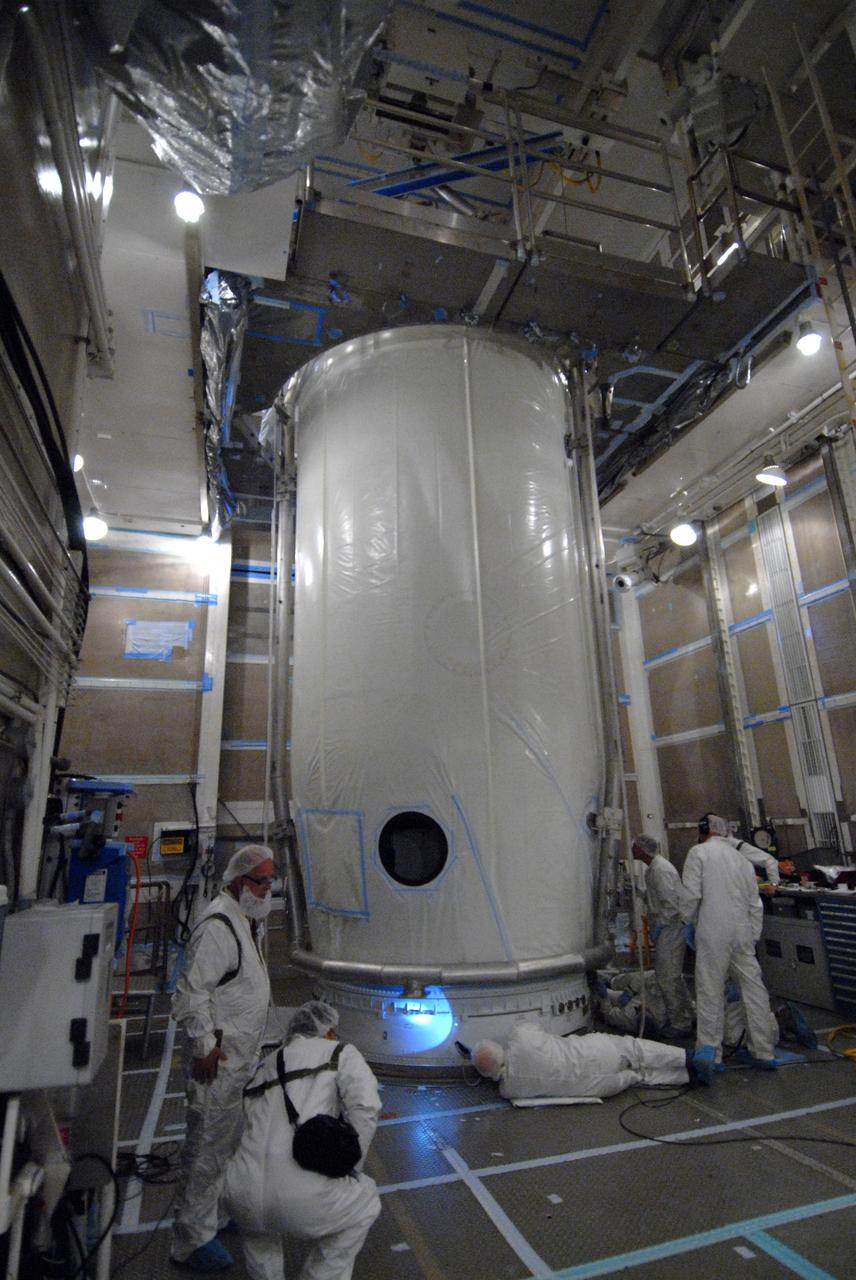
VANDENBERG AIR FORCE BASE, Calif. -- Inside the mobile service tower at NASA's Launch Complex-2 at Vandenberg Air Force Base in California, workers secure the United Launch Alliance’s Delta II payload fairing around the Aquarius/SAC-D spacecraft. Aquarius will be integrated to the Delta II rocket in preparation for the targeted June 9 liftoff. Aquarius, the NASA-built instrument on the SAC-D spacecraft, will provide new insights into how variations in ocean surface salinity relate to fundamental climate processes on its three-year mission. Photo credit: NASA/VAFB
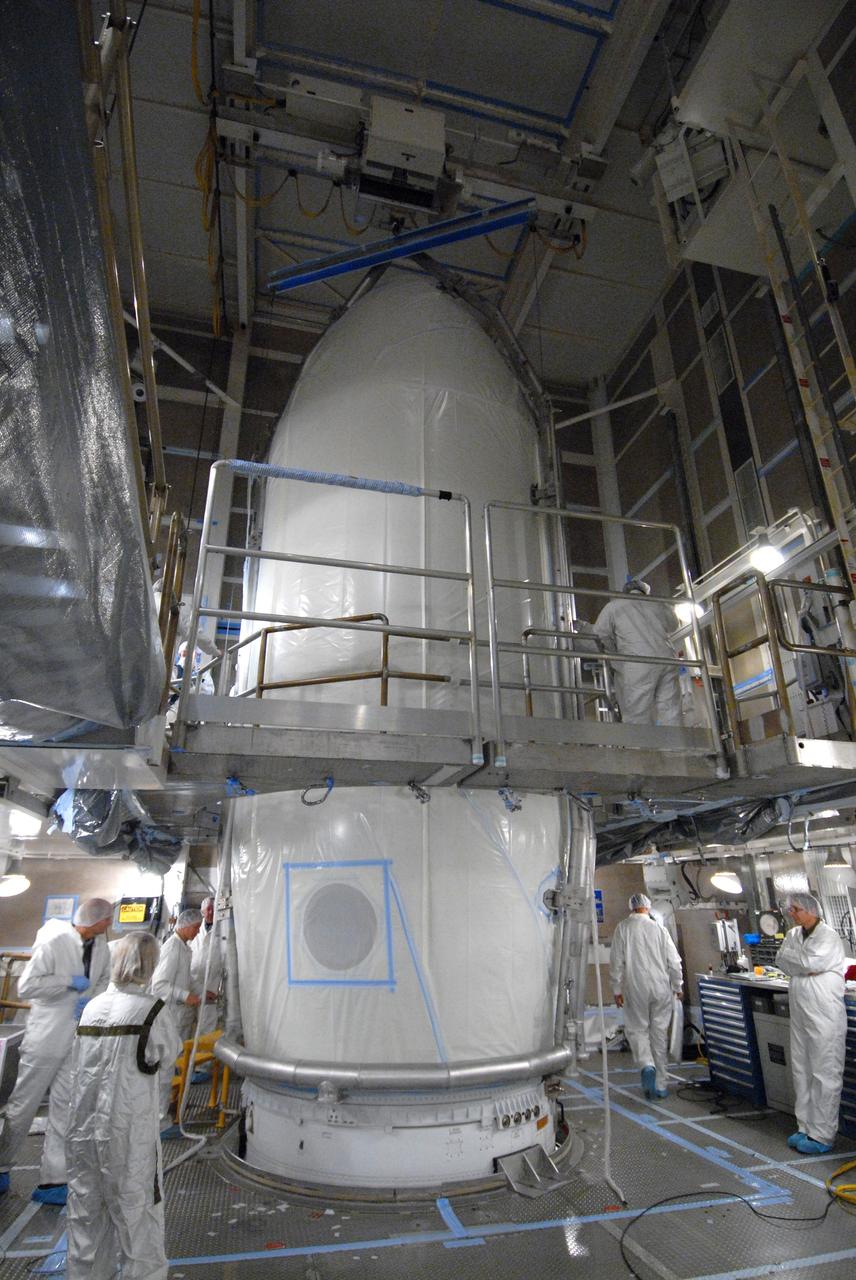
VANDENBERG AIR FORCE BASE, Calif. -- Inside the mobile service tower at NASA's Launch Complex-2 at Vandenberg Air Force Base in California, the Aquarius/SAC-D spacecraft is secure inside the United Launch Alliance’s Delta II payload fairing. Aquarius will be integrated to the Delta II rocket in preparation for the targeted June 9 liftoff. Aquarius, the NASA-built instrument on the SAC-D spacecraft, will provide new insights into how variations in ocean surface salinity relate to fundamental climate processes on its three-year mission. Photo credit: NASA/VAFB
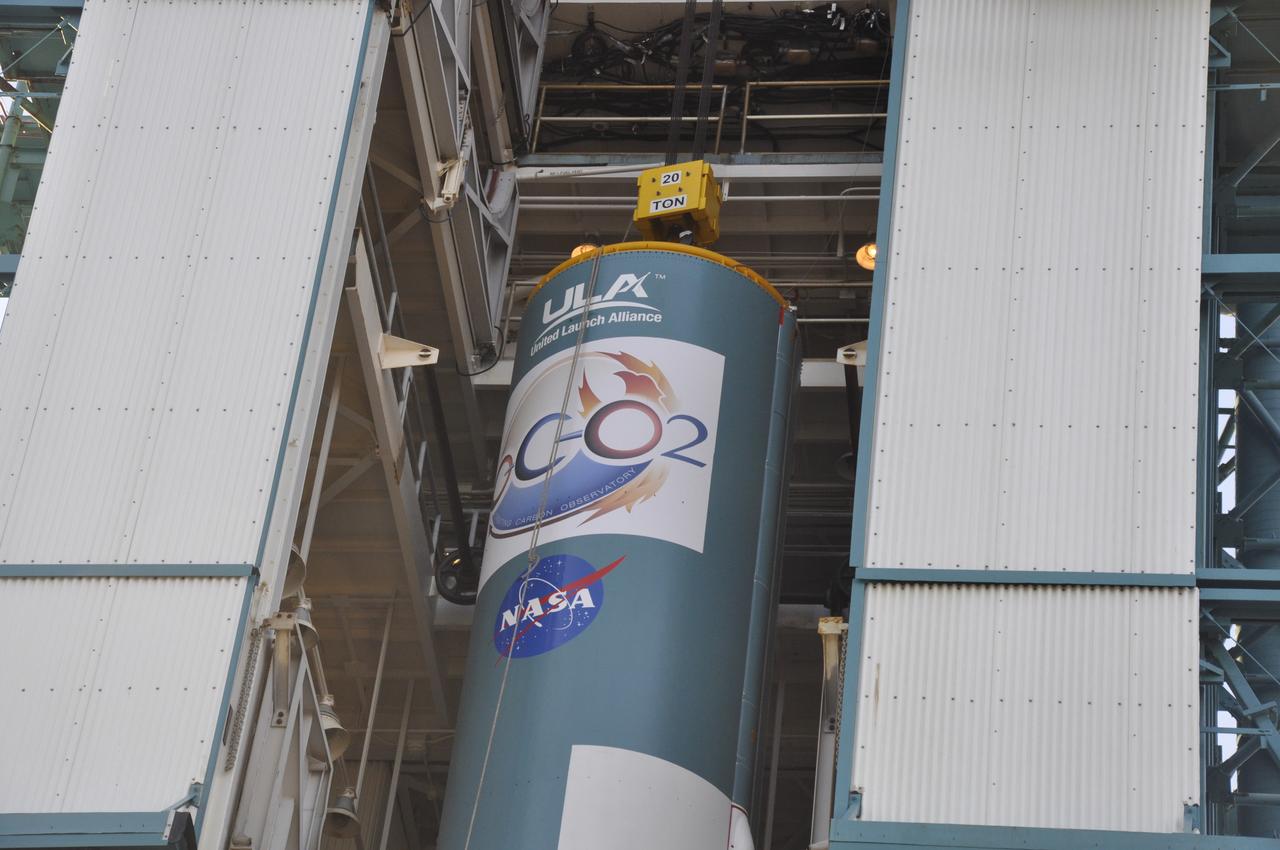
VANDENBERG AIR FORCE BASE, Calif. – The United Launch Alliance Delta II rocket for NASA's Orbiting Carbon Observatory-2 mission, or OCO-2, is transferred into the mobile service tower at Space Launch Complex 2 on Vandenberg Air Force Base in California. Launch is scheduled for July 2014. The observatory will collect precise global measurements of carbon dioxide in the Earth's atmosphere and provide scientists with a better idea of the chemical compound's impacts on climate change. Scientists will analyze this data to improve our understanding of the natural processes and human activities that regulate the abundance and distribution of this important atmospheric gas. To learn more about OCO-2, visit http://oco.jpl.nasa.gov. Photo credit: NASA/Randy Beaudoin
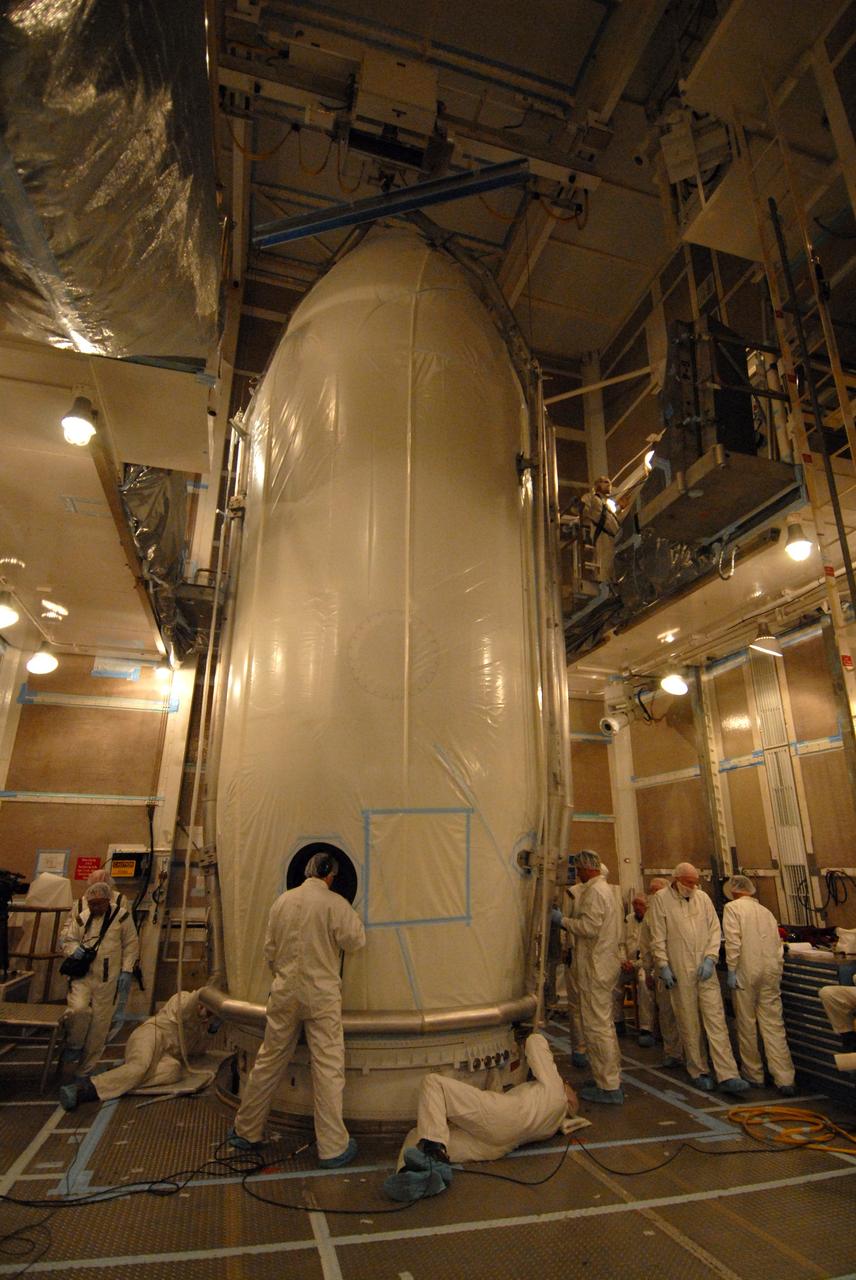
VANDENBERG AIR FORCE BASE, Calif. -- Inside the mobile service tower at NASA's Launch Complex-2 at Vandenberg Air Force Base in California, technicians secure the United Launch Alliance’s Delta II payload fairing around the Aquarius/SAC-D spacecraft. Aquarius will be integrated to the Delta II rocket in preparation for the targeted June 9 liftoff. Aquarius, the NASA-built instrument on the SAC-D spacecraft, will provide new insights into how variations in ocean surface salinity relate to fundamental climate processes on its three-year mission. Photo credit: NASA/VAFB
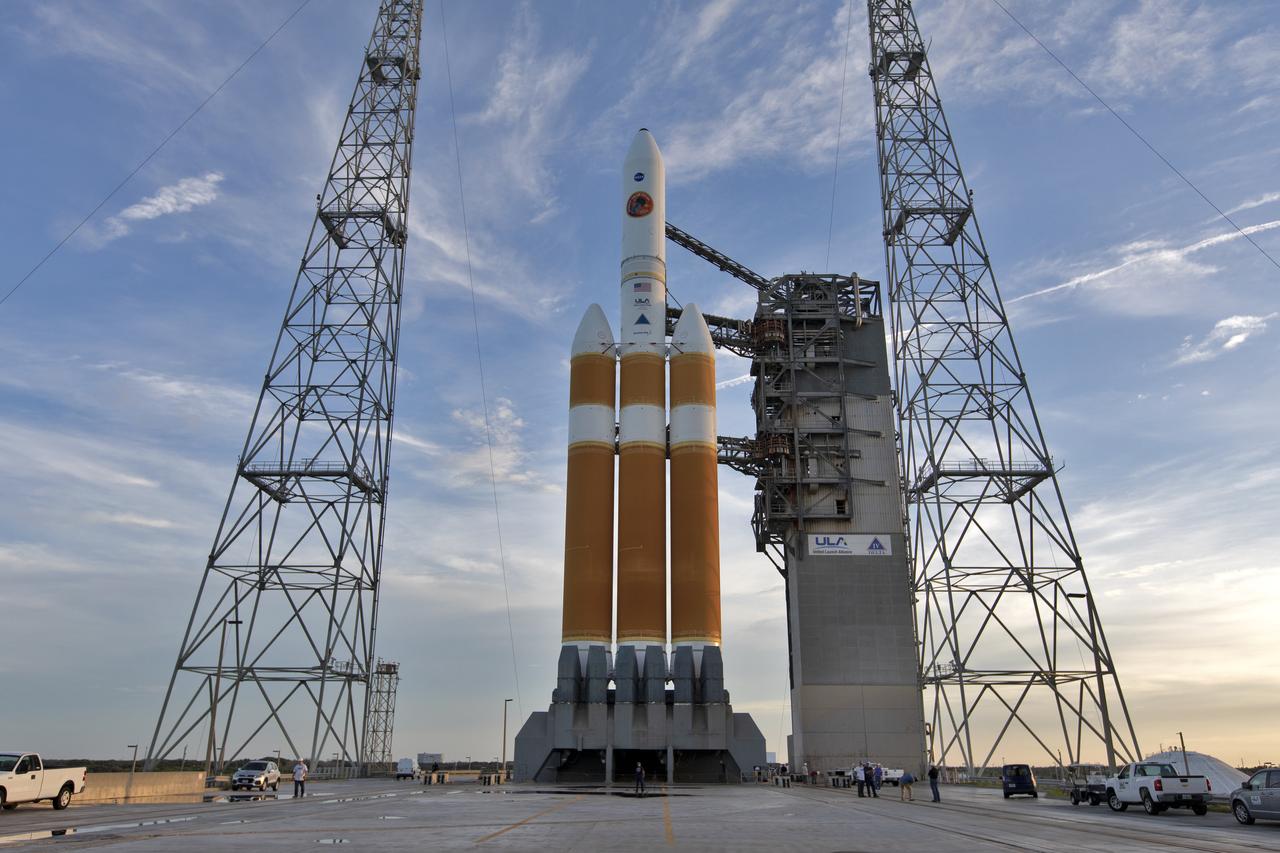
On Friday, Aug. 10, 2018, at Cape Canaveral Air Force Station in Florida, the United Launch Alliance Delta IV Heavy rocket stands ready to boost NASA's Parker Solar Probe on a mission to study the Sun following rollback of the Mobile Service Tower gantry at Space Launch Complex 37. Parker Solar Probe will perform the closest-ever observations of a star when it travels through the Sun's atmosphere, called the corona. The probe will rely on measurements and imaging to revolutionize our understanding of the corona and the Sun-Earth connection.
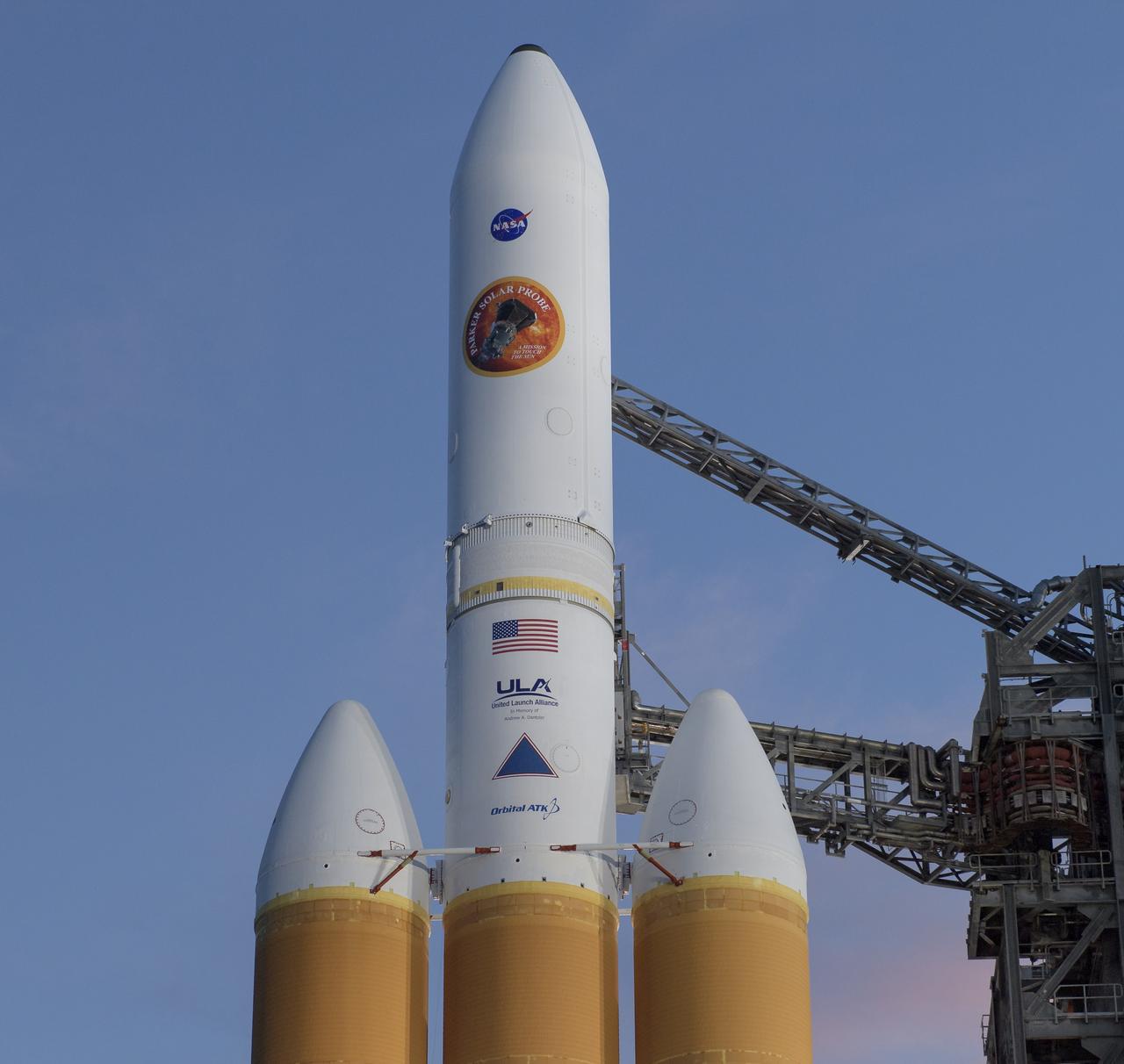
The Mobile Service Tower is rolled back to reveal the United Launch Alliance Delta IV Heavy rocket with the Parker Solar Probe onboard, Friday, Aug. 10, 2018, Launch Complex 37 at Cape Canaveral Air Force Station in Florida. Parker Solar Probe is humanity’s first-ever mission into a part of the Sun’s atmosphere called the corona. Here it will directly explore solar processes that are key to understanding and forecasting space weather events that can impact life on Earth. Photo Credit: (NASA/Bill Ingalls)
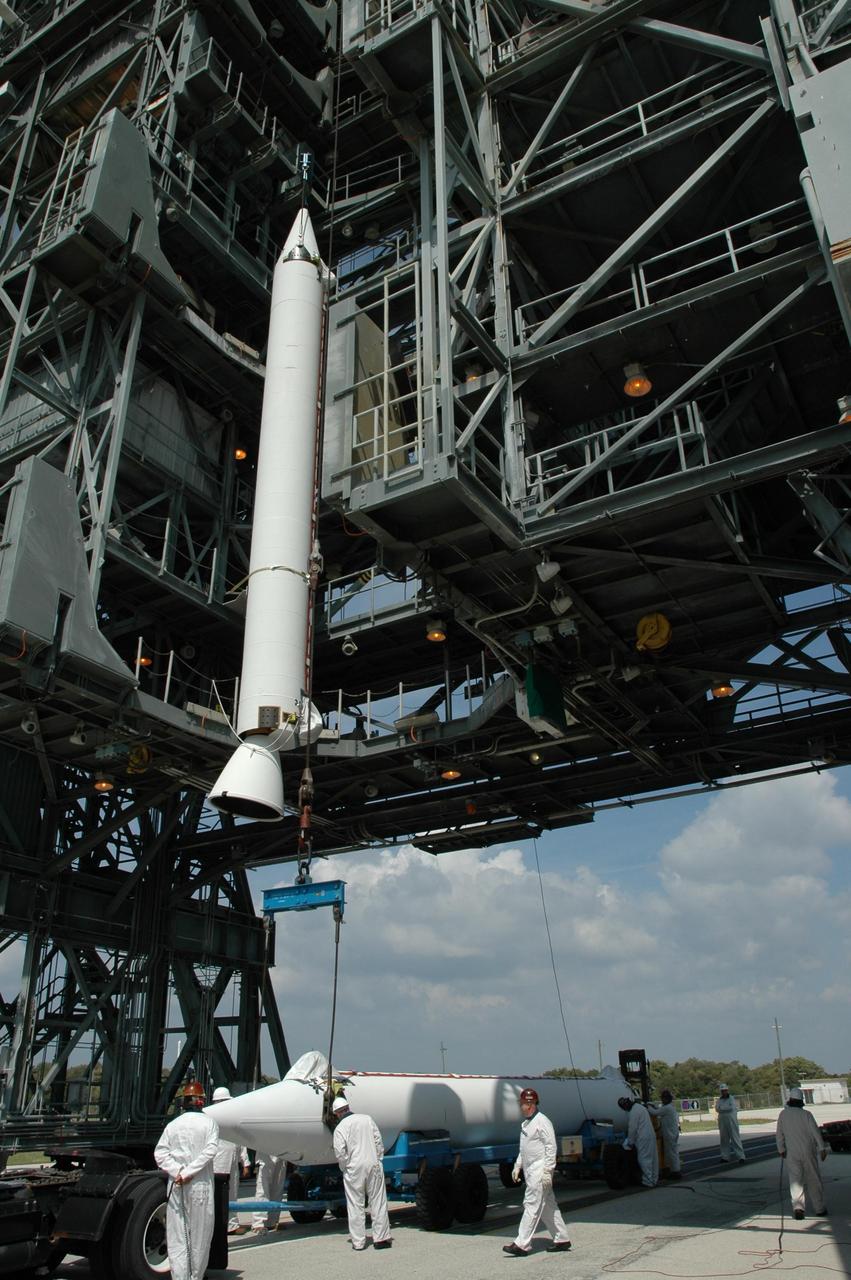
KENNEDY SPACE CENTER, FLA. -- On Launch Pad 17-B at Cape Canaveral Air Force Station, a second solid rocket booster arrives under the mobile service tower. It will join the first, seen above, and be attached to the Delta II first stage for the launch of the Dawn spacecraft. Dawn's mission is to explore two of the asteroid belt's most intriguing and dissimilar occupants: asteroid Vesta and the dwarf planet Ceres. Photo credit: NASA/Jim Grossmann
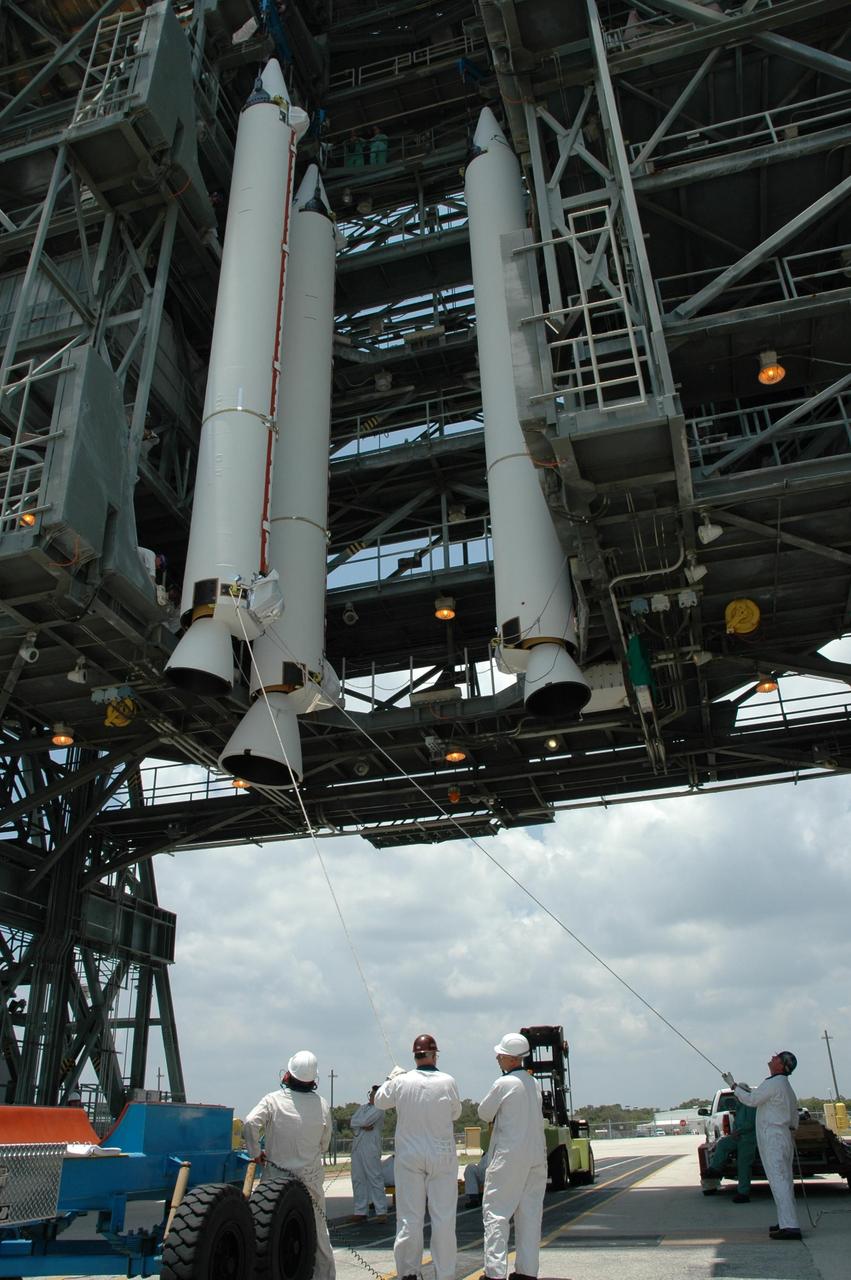
KENNEDY SPACE CENTER, FLA. -- On Launch Pad 17-B at Cape Canaveral Air Force Station, a third solid rocket booster is lifted into the mobile service tower, joining two others already there. The SRB is one of nine to be attached for the launch of the Dawn spacecraft. Dawn's mission is to explore two of the asteroid belt's most intriguing and dissimilar occupants: asteroid Vesta and the dwarf planet Ceres. Photo credit: NASA/Jim Grossmann
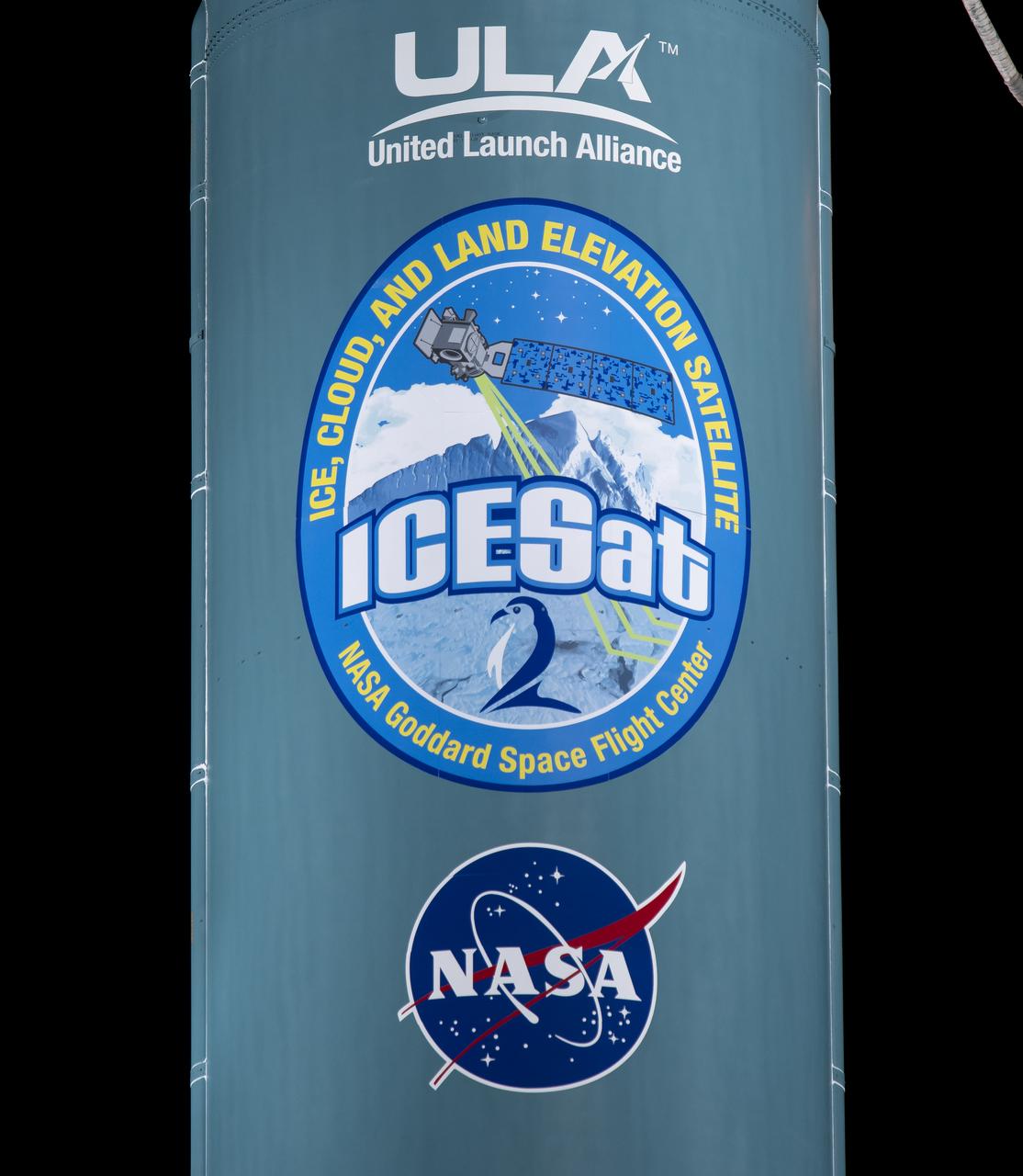
The United Launch Alliance (ULA) Delta II rocket with the NASA Ice, Cloud and land Elevation Satellite-2 (ICESat-2) onboard is seen shortly after the mobile service tower at SLC-2 was rolled back, Saturday, Sept. 15, 2018, at Vandenberg Air Force Base in California. The ICESat-2 mission will measure the changing height of Earth's ice. Photo Credit: (NASA/Bill Ingalls)
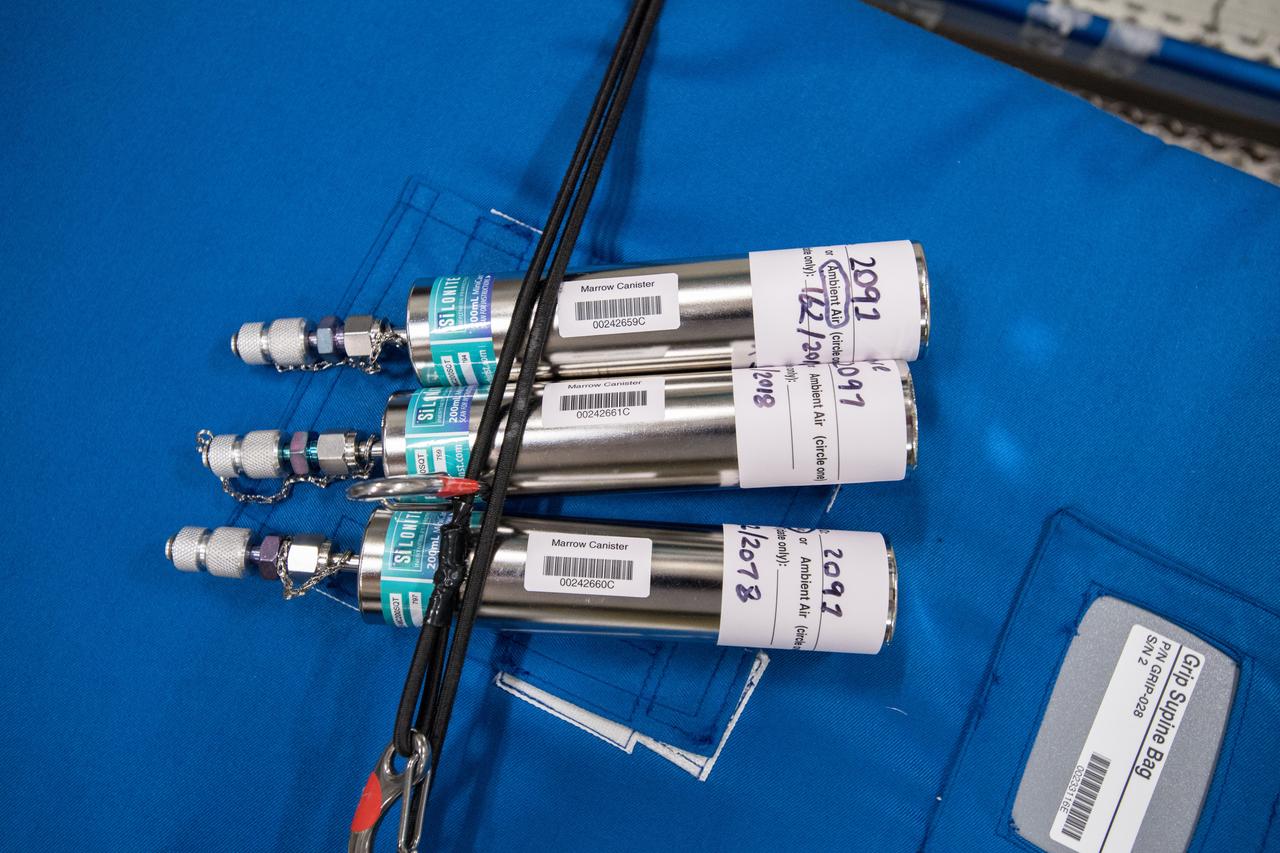
iss056e005940 (6/10/2018) --- Air sample collection hardware for The MARROW Study (Bone Marrow Adipose Reaction: Red or White?). The Marrow investigation looks at the effects of microgravity on bone marrow and analyzes breath samples to measure red blood cell function to help doctors understand how blood cell production is altered in microgravity. Results may improve the health of astronauts on long-term missions and help patients on Earth with mobility and age-related issues.