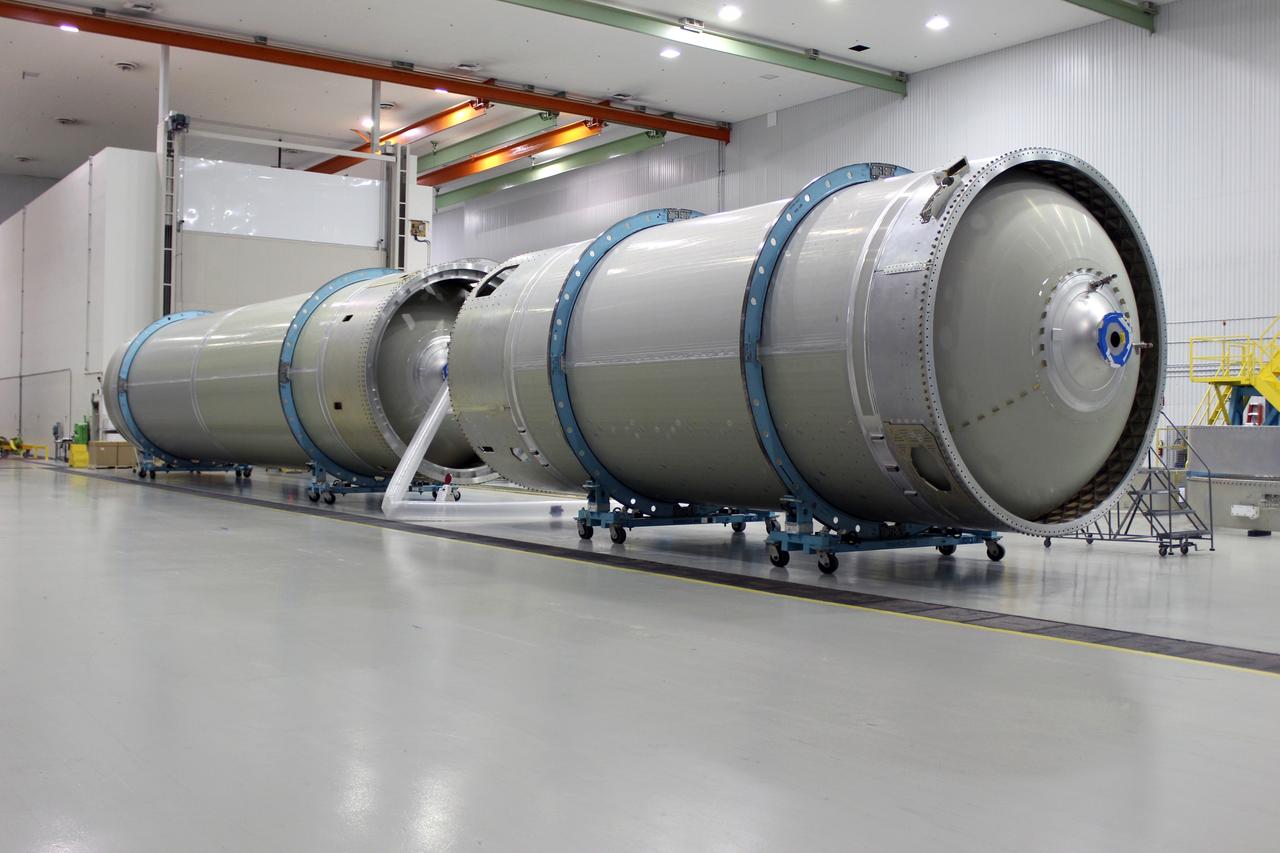
The Atlas V rocket that will launch Boeing’s CST-100 Starliner spacecraft on the company’s uncrewed Orbital Flight Test for NASA’s Commercial Crew Program is coming together inside a United Launch Alliance facility in Decatur, Alabama. The flight test is intended to prove the design of the integrated space system prior to the Crew Flight Test. These events are part of NASA’s required certification process as the company works to regularly fly astronauts to and from the International Space Station. Boeing's Starliner will launch on the United Launch Alliance Atlas V rocket from Space Launch Complex 41 at Cape Canaveral Air Force Station in Florida.
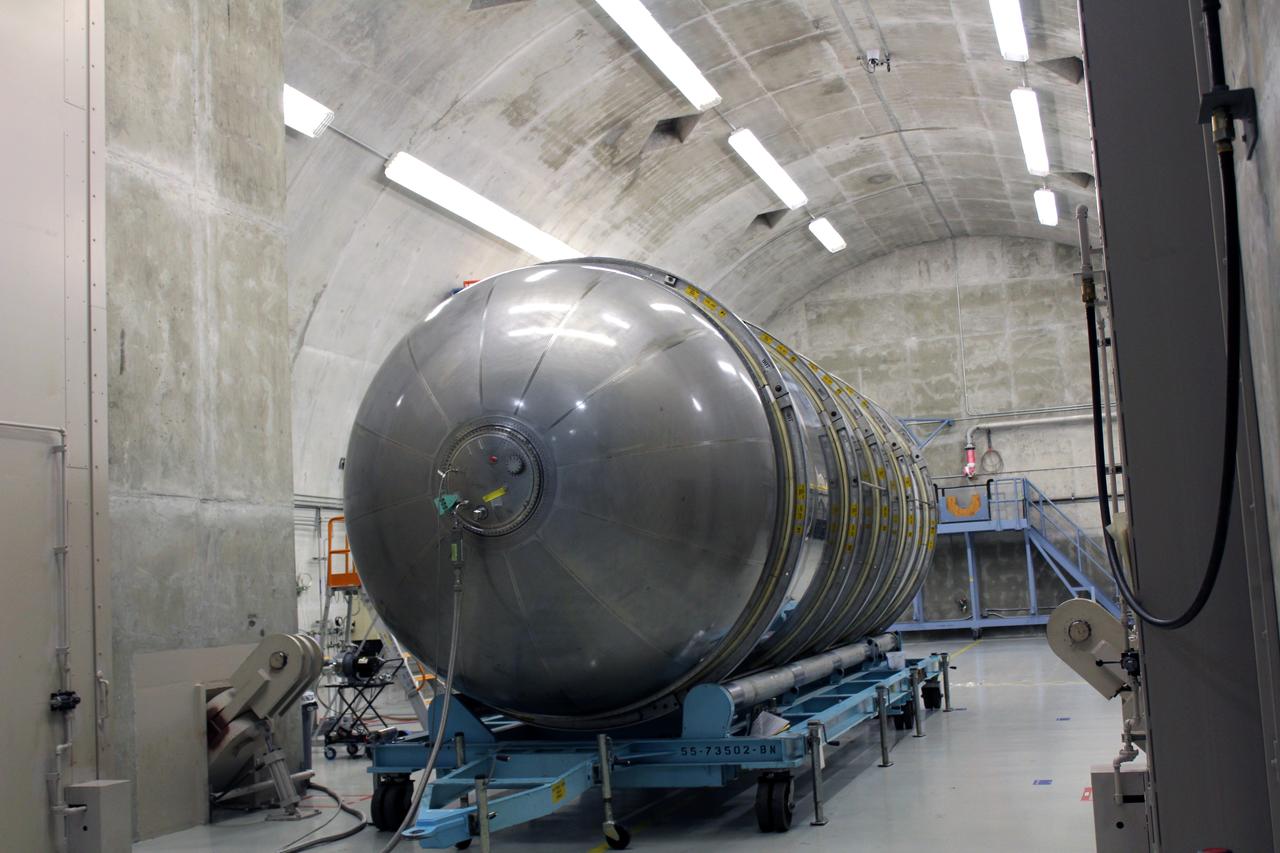
The Atlas V rocket that will launch Boeing’s CST-100 Starliner spacecraft on the company’s uncrewed Orbital Flight Test for NASA’s Commercial Crew Program is coming together inside a United Launch Alliance facility in Decatur, Alabama. The flight test is intended to prove the design of the integrated space system prior to the Crew Flight Test. These events are part of NASA’s required certification process as the company works to regularly fly astronauts to and from the International Space Station. Boeing's Starliner will launch on the United Launch Alliance Atlas V rocket from Space Launch Complex 41 at Cape Canaveral Air Force Station in Florida.
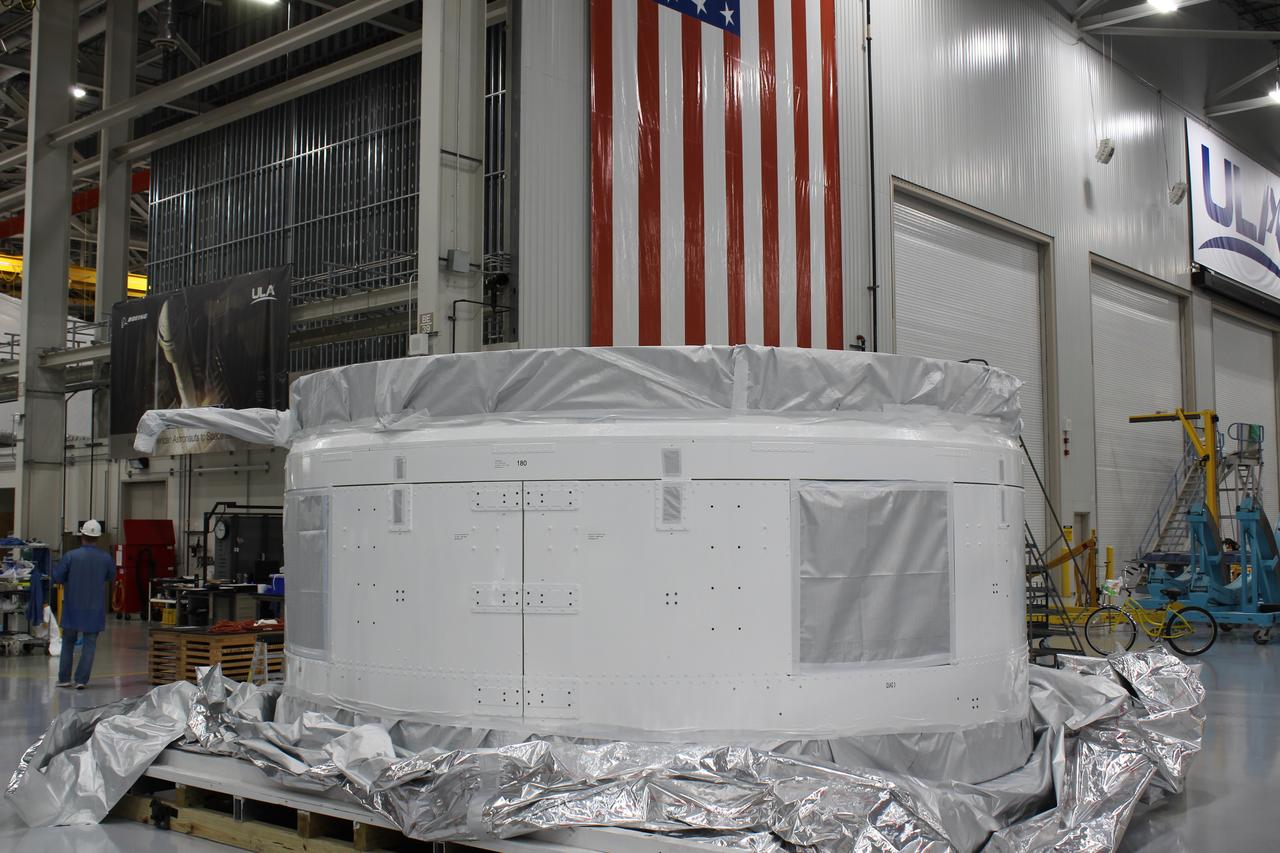
The Launch Vehicle Adapter (LVA) that will attach Boeing’s first Starliner spacecraft to the Atlas V launch vehicle is ready for transport from United Launch Alliance's manufacturing factory in Decatur, Alabama to Cape Canaveral Air Force Station in Florida.
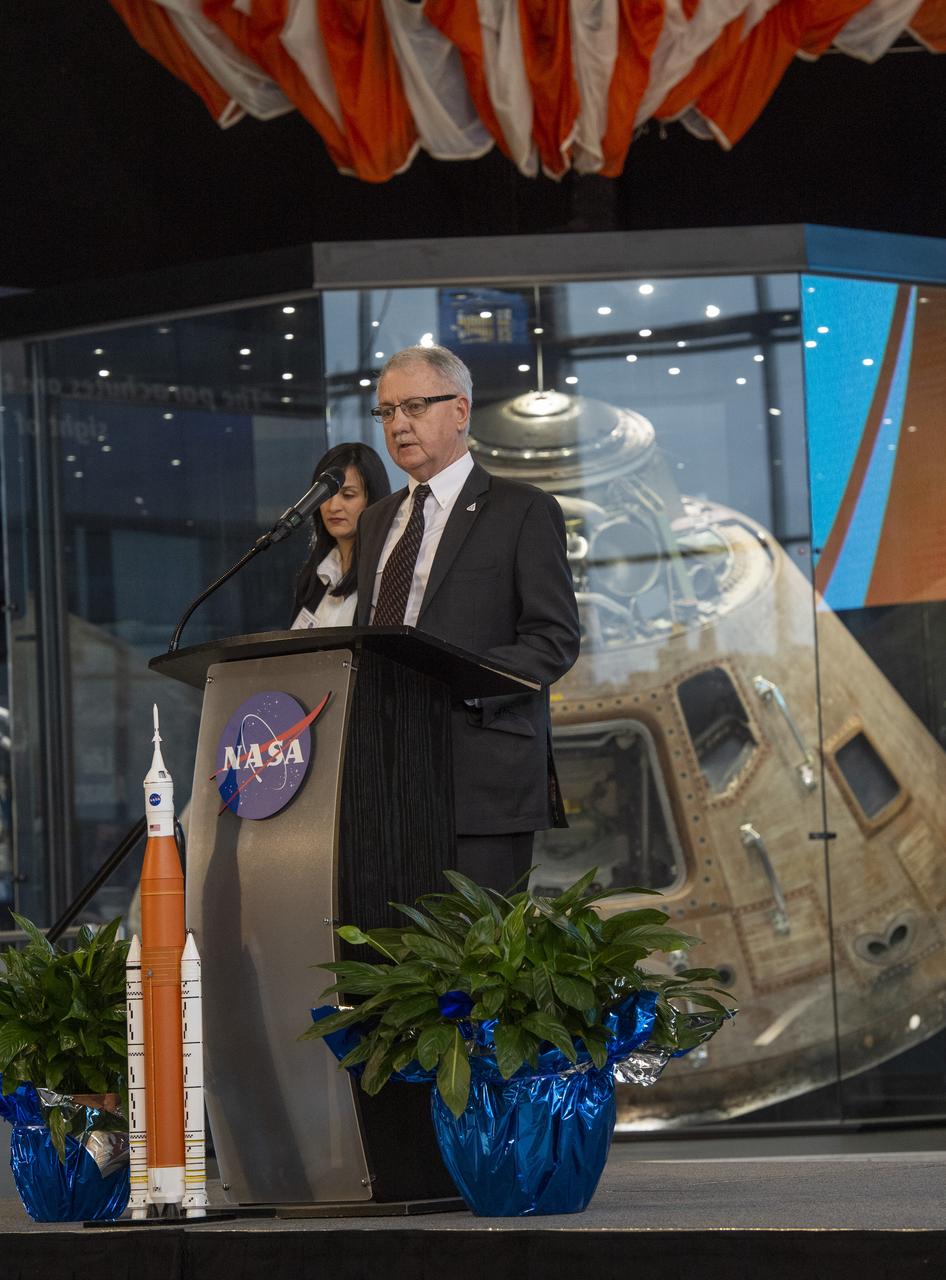
David Brock welcomes attendees to the 2020 Small Business Alliance meeting ath the U.S. Space and Rocket Center's Davidson Center.
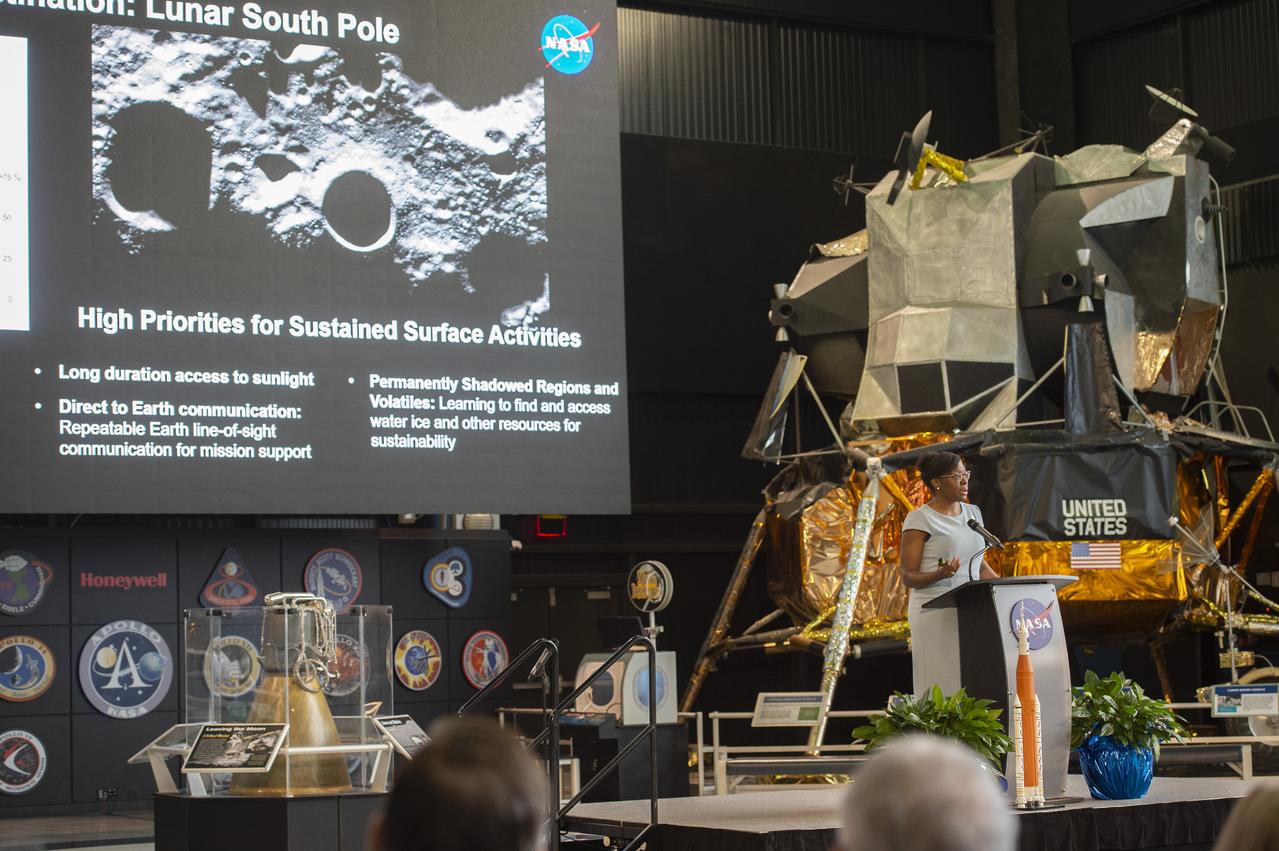
Lakiesha Hawkins delivers Human Landing System update at the 2020 Small Business Alliance meeting at the U.S. Space and Rocket Center's Davidson Center.
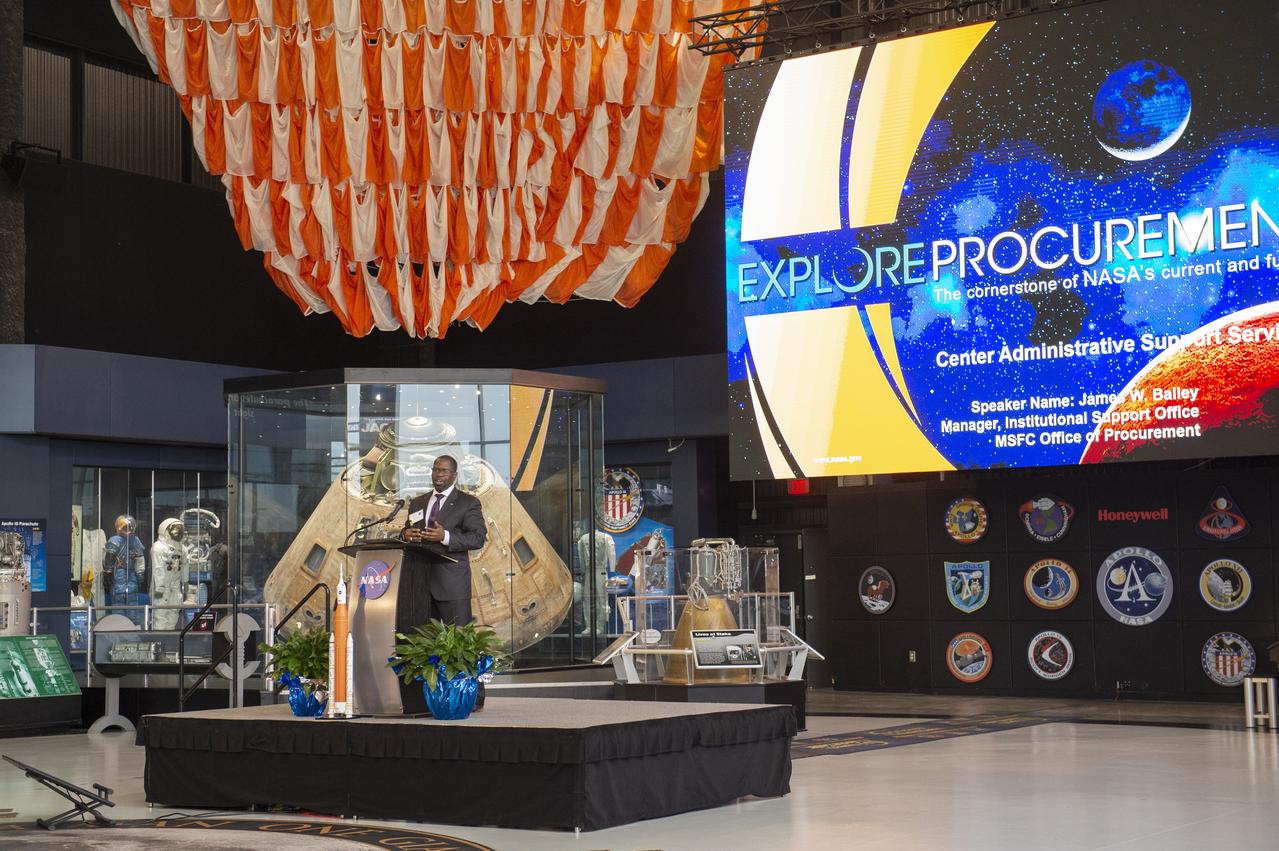
James Bailey delivers MSFC Service Acquisition Updates at the 2020 meeting of the Small Business Alliance at the U.S. Space and Rocket Center's Davidson Center.
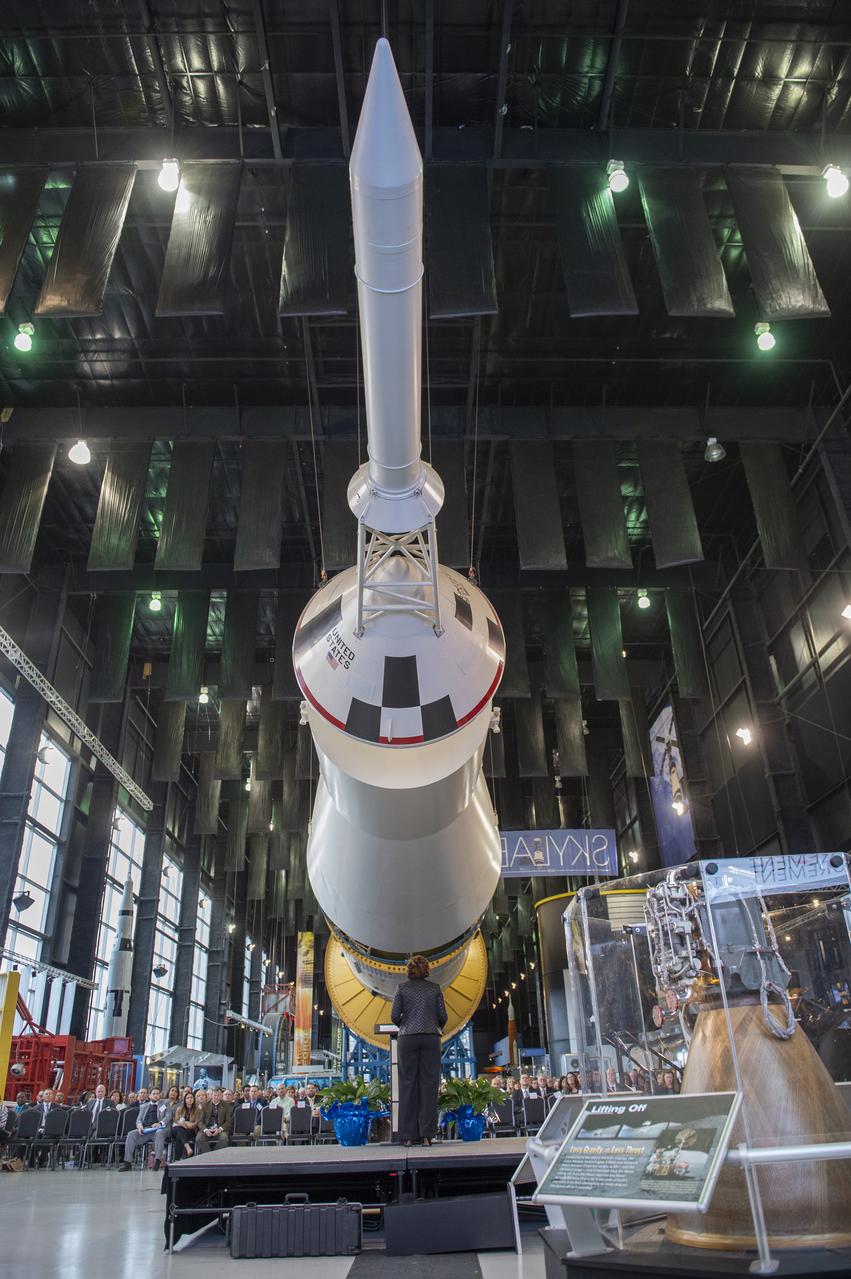
Guest Speaker, Monica Manning, Assistant Administrator, NASA Office of Procurement, talks about Procurement Transformation Activities at the 2020 Small Business Alliance meeting at the U.S. Space and Rocket Center's Davidson Center.
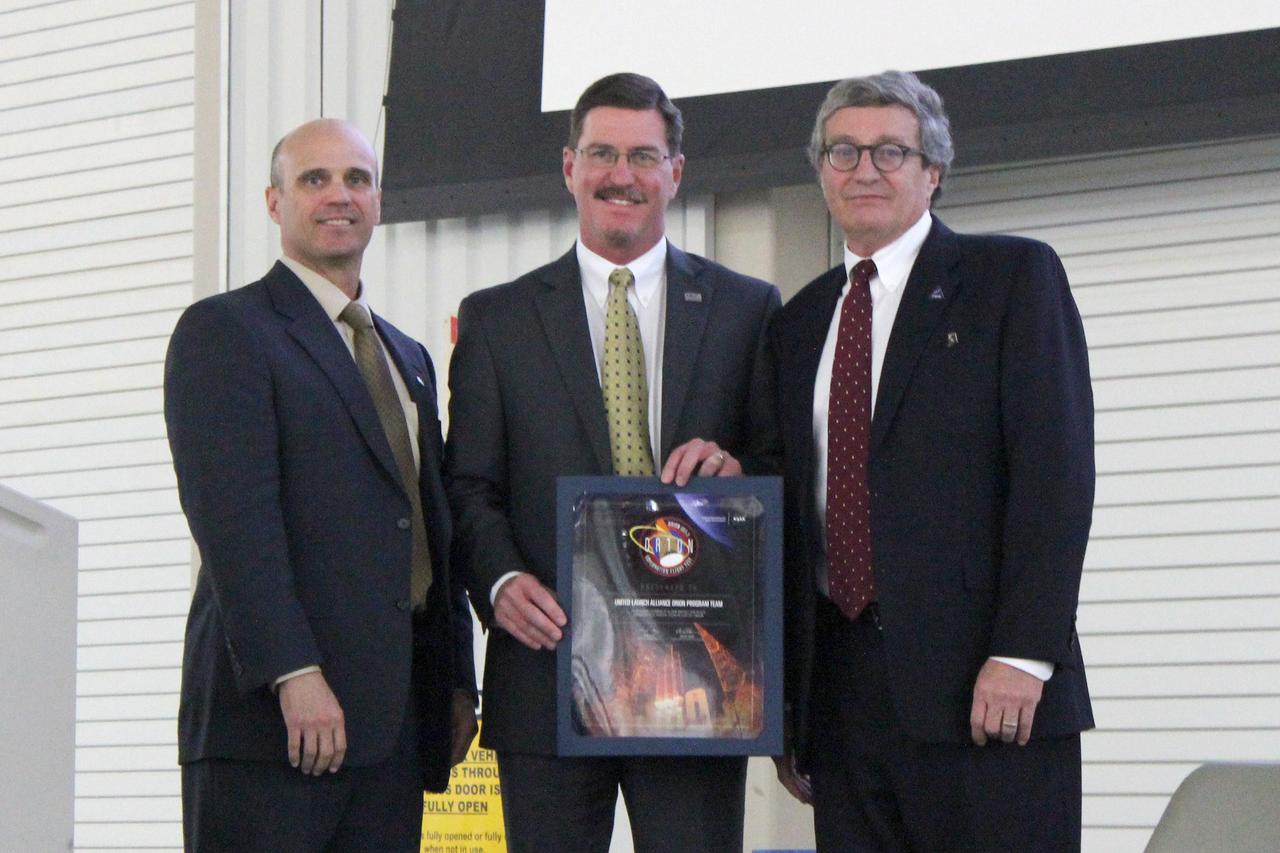
The Orion team recognizes the contributions to Exploration Flight Test-1 (EFT-1) by United Launch Alliance in Decatur, Alabama on March 18, 2015. Part of Batch image transfer from Flickr.
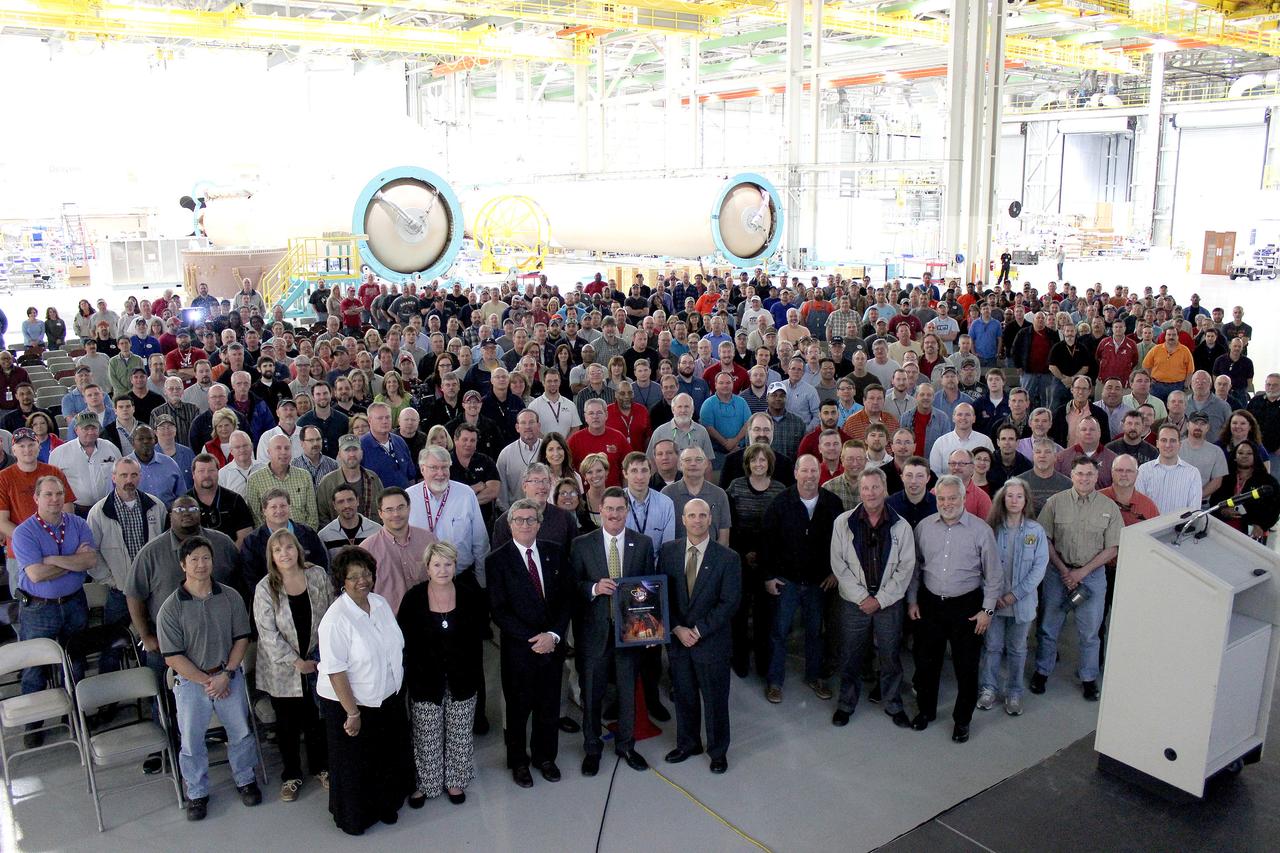
The Orion team recognizes the contributions to Exploration Flight Test-1 (EFT-1) by United Launch Alliance in Decatur, Alabama on March 18, 2015. Part of Batch image transfer from Flickr.

The Orion team visits United Launch Alliance in Denver, Colorado on July 14, 2015 to recognize their efforts in making Exploration Flight Test-1 (EFT-1) a success. Part of Batch image transfer from Flickr.
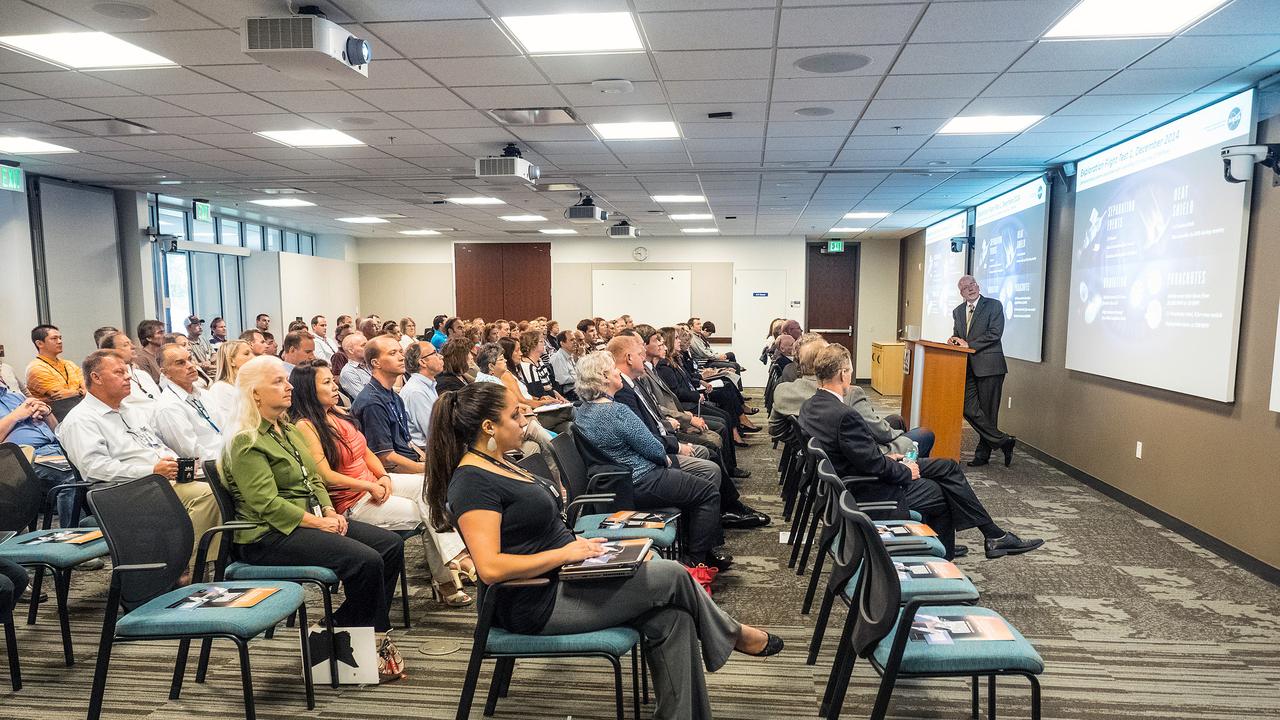
The Orion team visits United Launch Alliance in Denver, Colorado on July 14, 2015 to recognize their efforts in making Exploration Flight Test-1 (EFT-1) a success. Part of Batch image transfer from Flickr.
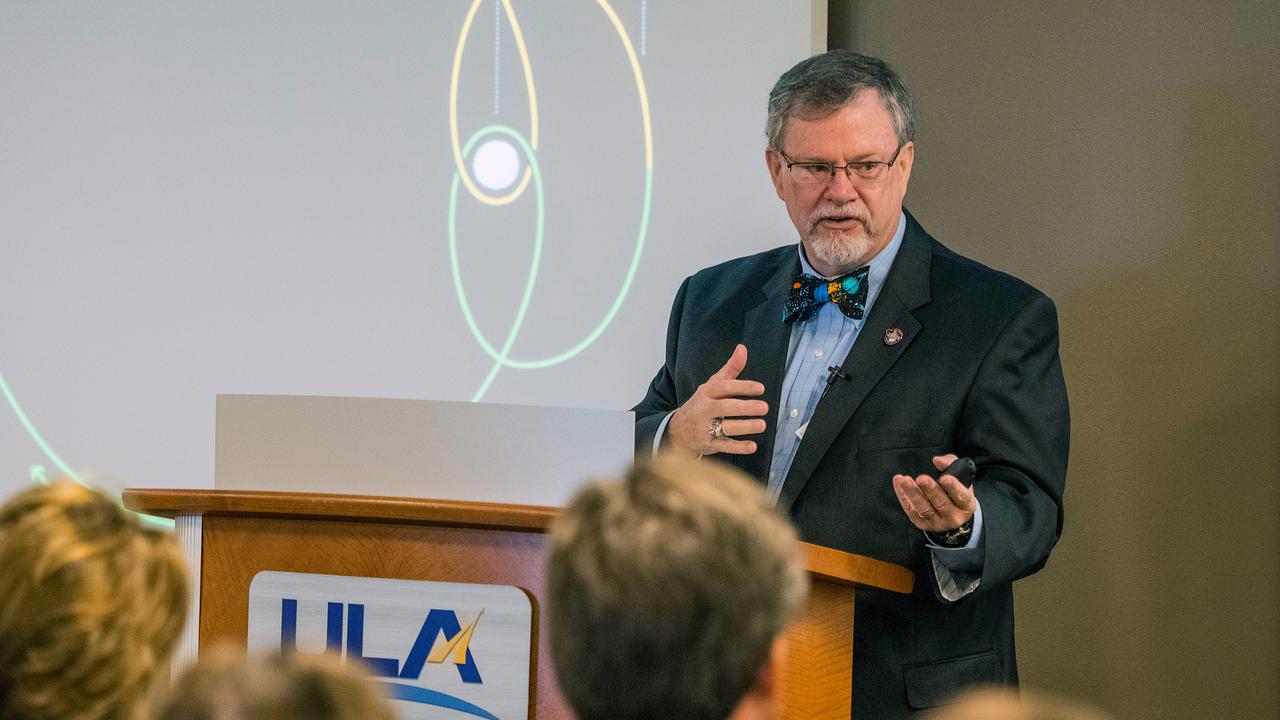
The Orion team visits United Launch Alliance in Denver, Colorado on July 14, 2015 to recognize their efforts in making Exploration Flight Test-1 (EFT-1) a success. Part of Batch image transfer from Flickr.
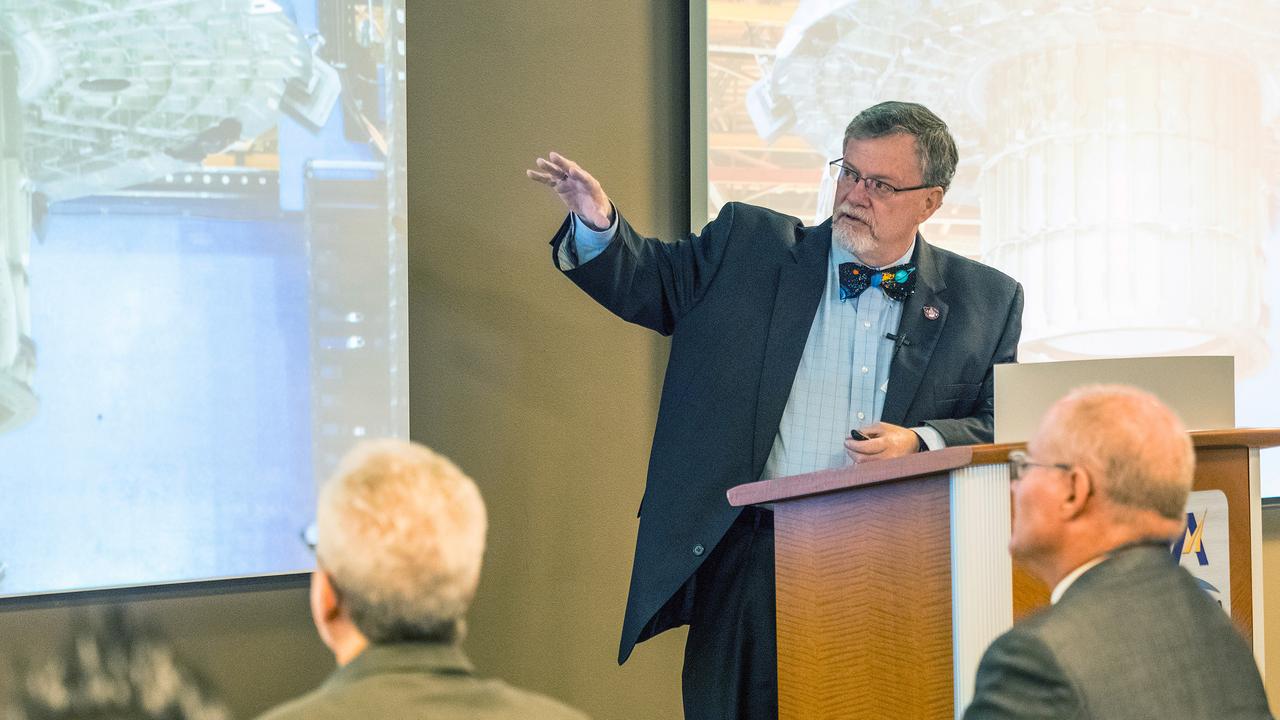
The Orion team visits United Launch Alliance in Denver, Colorado on July 14, 2015 to recognize their efforts in making Exploration Flight Test-1 (EFT-1) a success. Part of Batch image transfer from Flickr.
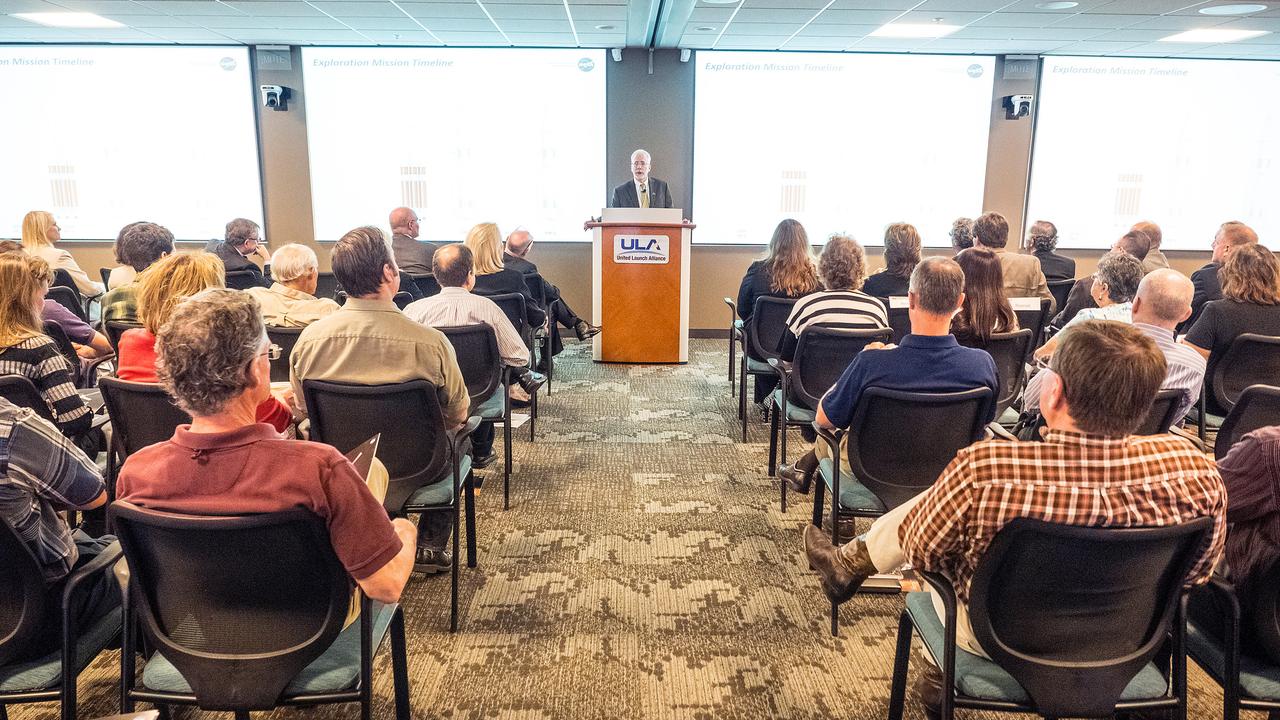
The Orion team visits United Launch Alliance in Denver, Colorado on July 14, 2015 to recognize their efforts in making Exploration Flight Test-1 (EFT-1) a success. Part of Batch image transfer from Flickr.
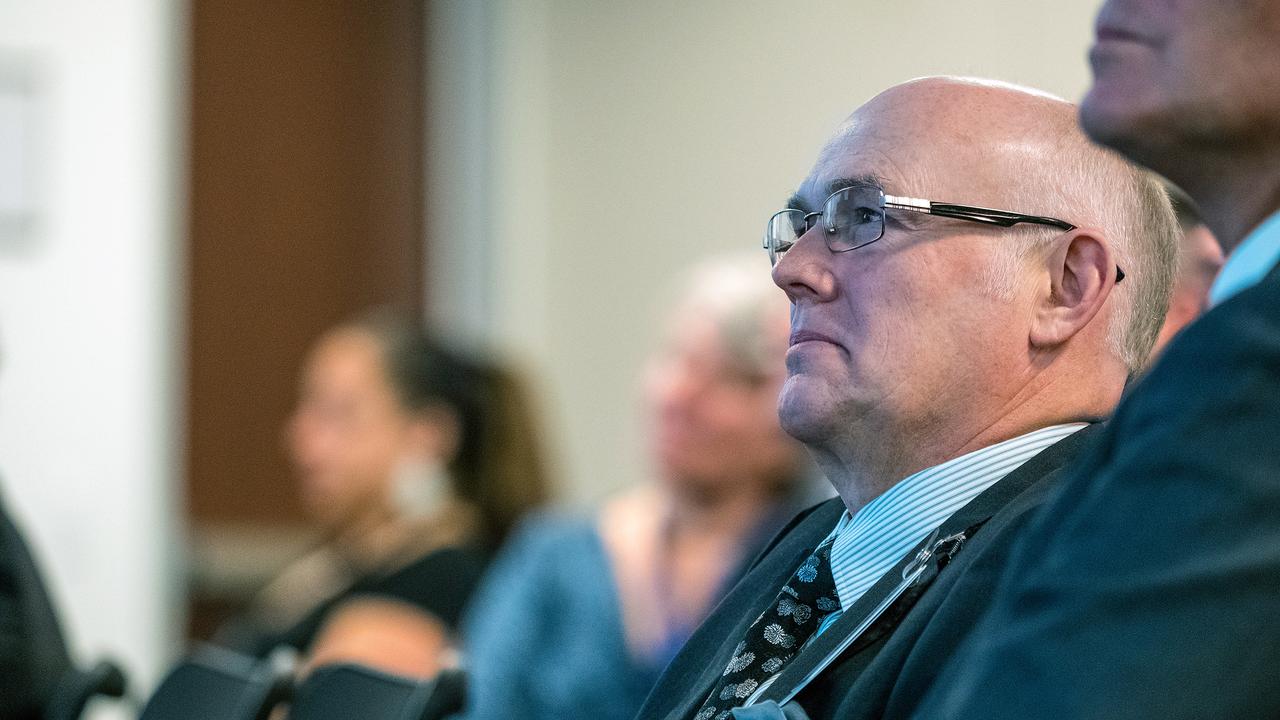
The Orion team visits United Launch Alliance in Denver, Colorado on July 14, 2015 to recognize their efforts in making Exploration Flight Test-1 (EFT-1) a success. Part of Batch image transfer from Flickr.
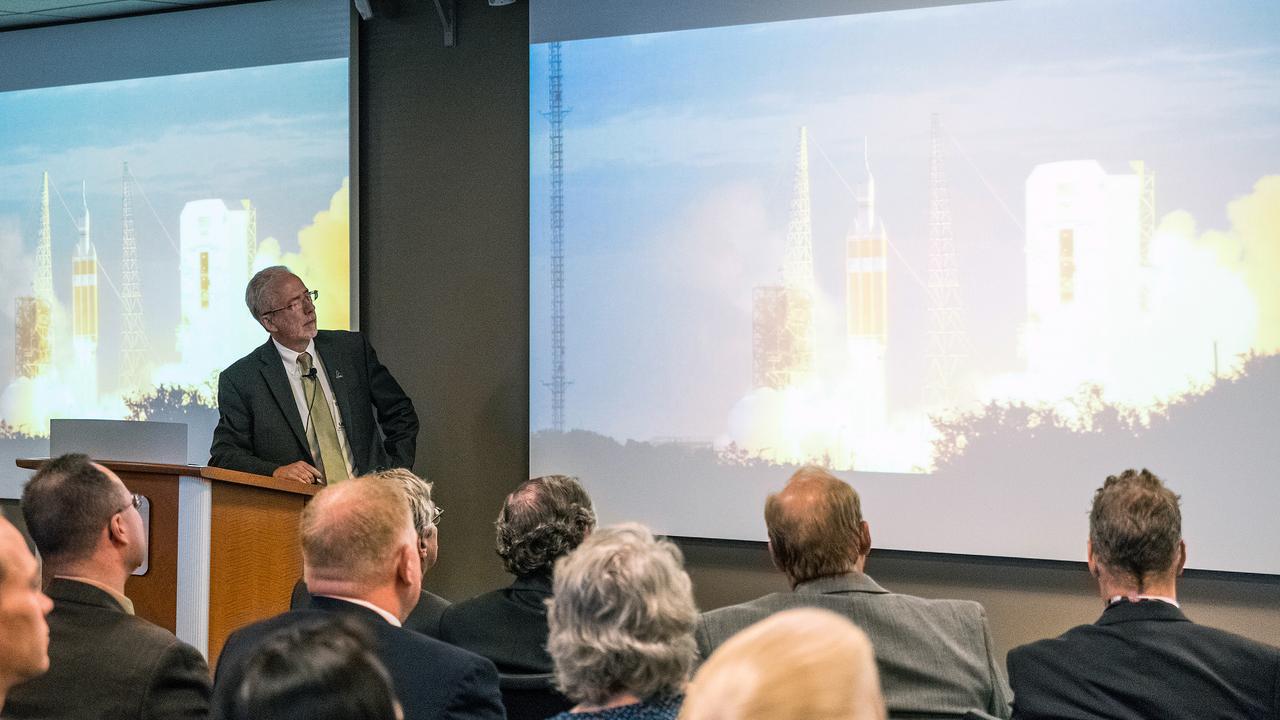
The Orion team visits United Launch Alliance in Denver, Colorado on July 14, 2015 to recognize their efforts in making Exploration Flight Test-1 (EFT-1) a success. Part of Batch image transfer from Flickr.
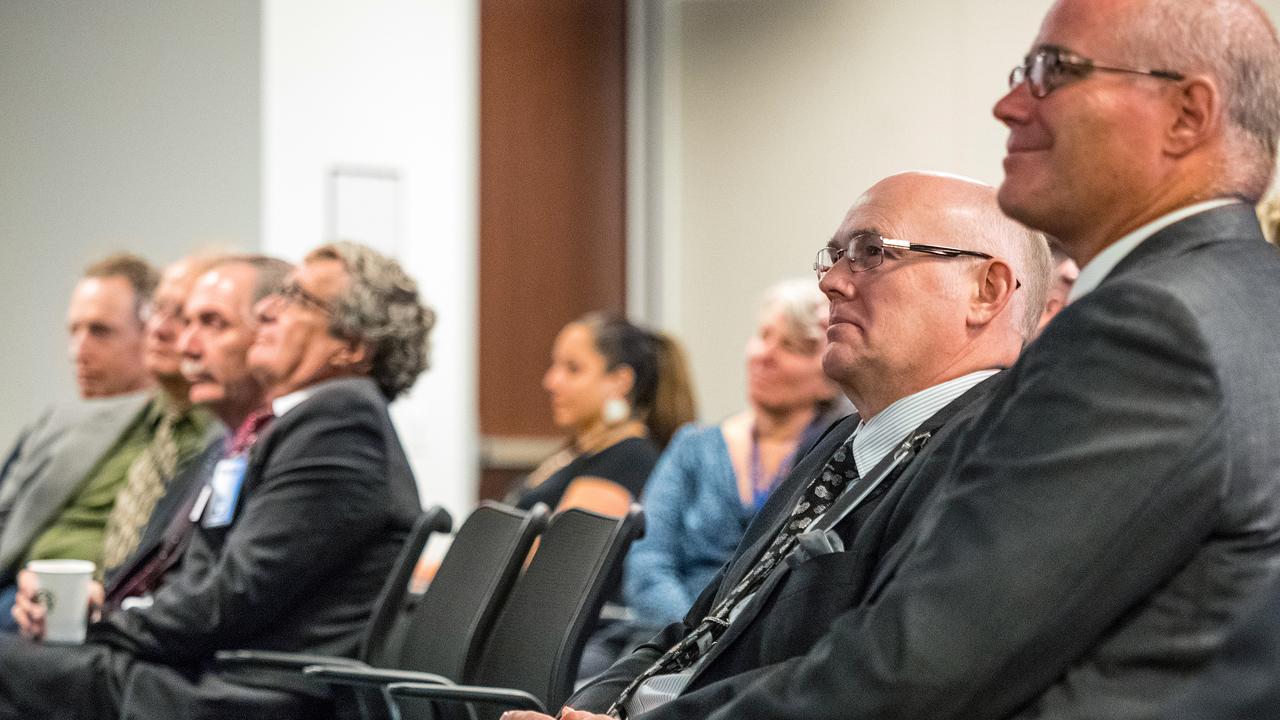
The Orion team visits United Launch Alliance in Denver, Colorado on July 14, 2015 to recognize their efforts in making Exploration Flight Test-1 (EFT-1) a success. Part of Batch image transfer from Flickr.
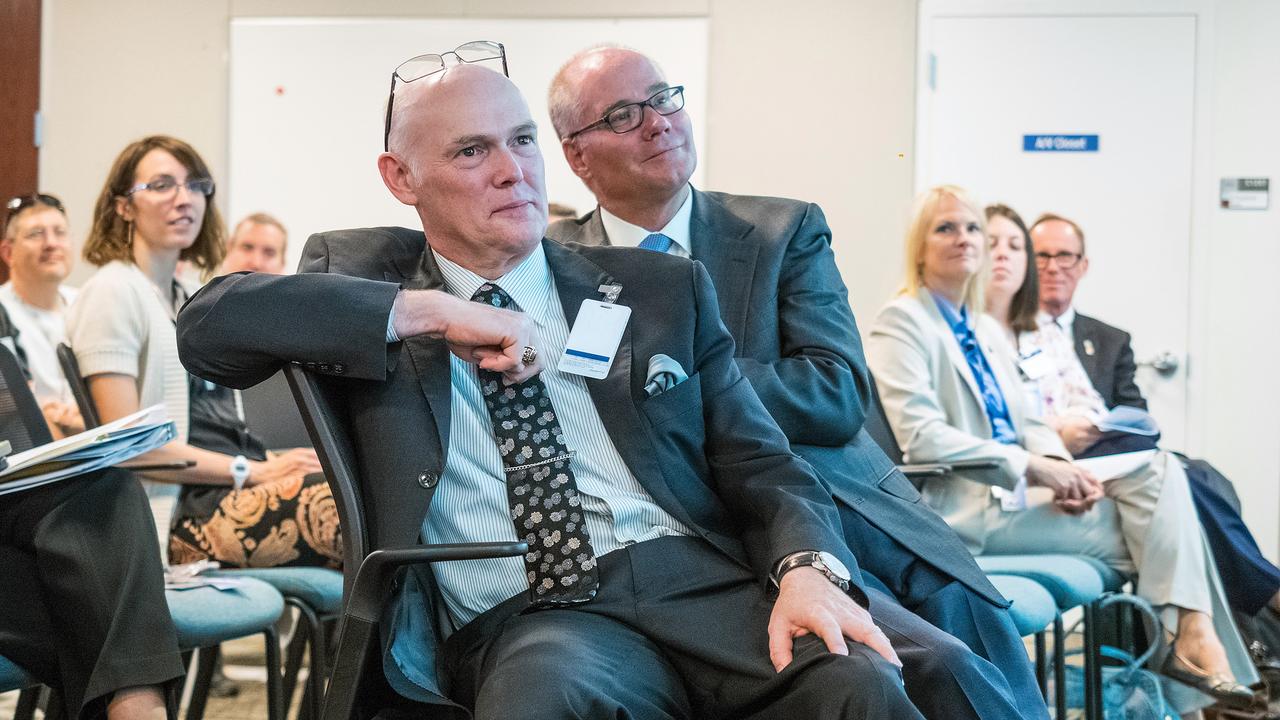
The Orion team visits United Launch Alliance in Denver, Colorado on July 14, 2015 to recognize their efforts in making Exploration Flight Test-1 (EFT-1) a success. Part of Batch image transfer from Flickr.
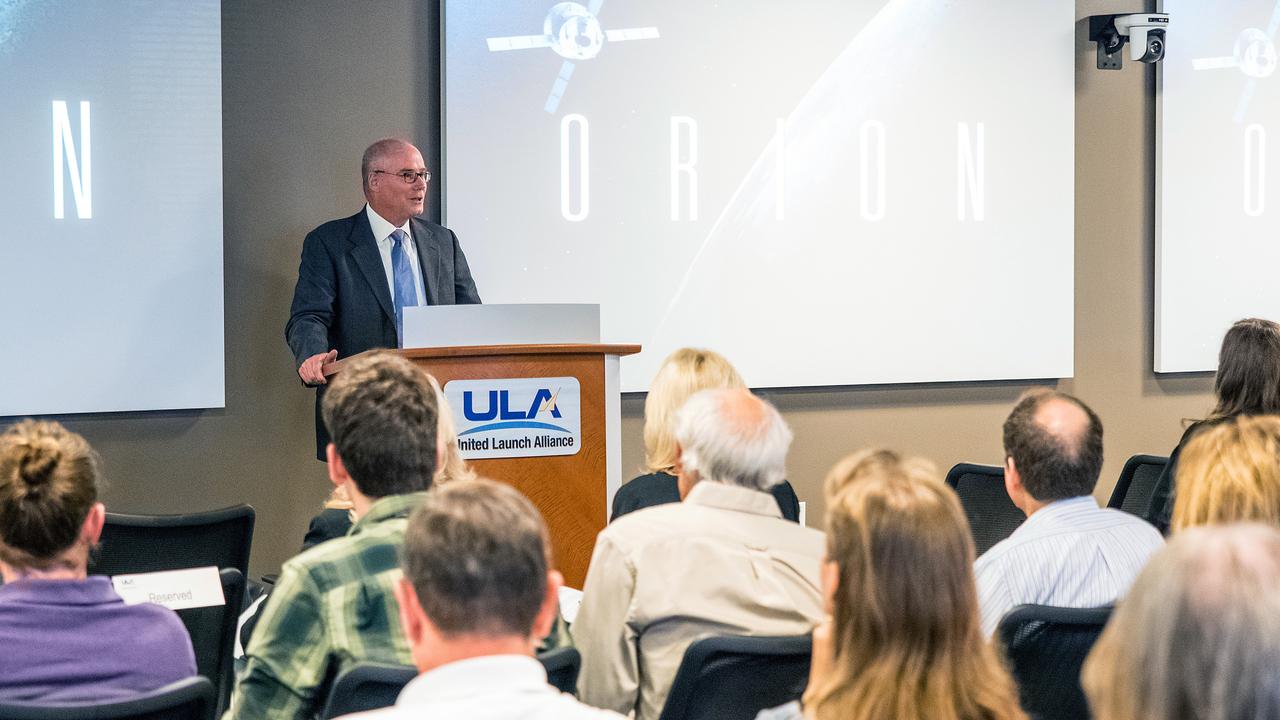
The Orion team visits United Launch Alliance in Denver, Colorado on July 14, 2015 to recognize their efforts in making Exploration Flight Test-1 (EFT-1) a success. Part of Batch image transfer from Flickr.
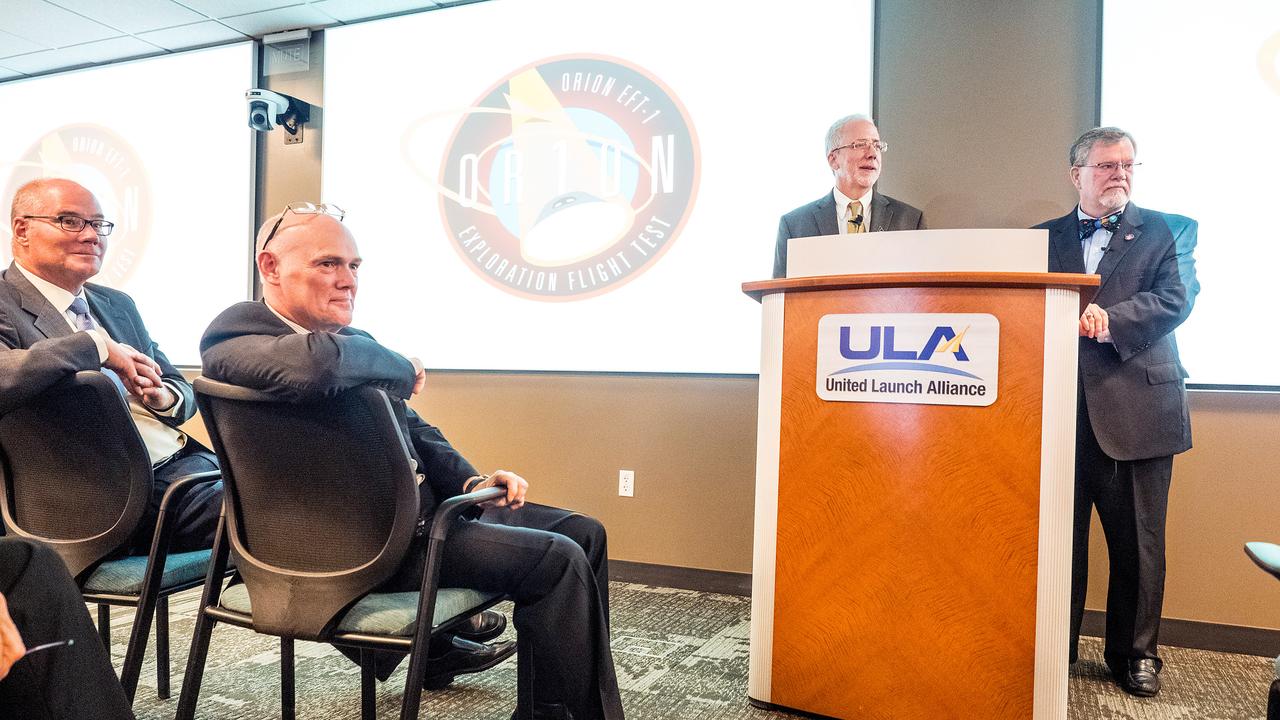
The Orion team visits United Launch Alliance in Denver, Colorado on July 14, 2015 to recognize their efforts in making Exploration Flight Test-1 (EFT-1) a success. Part of Batch image transfer from Flickr.
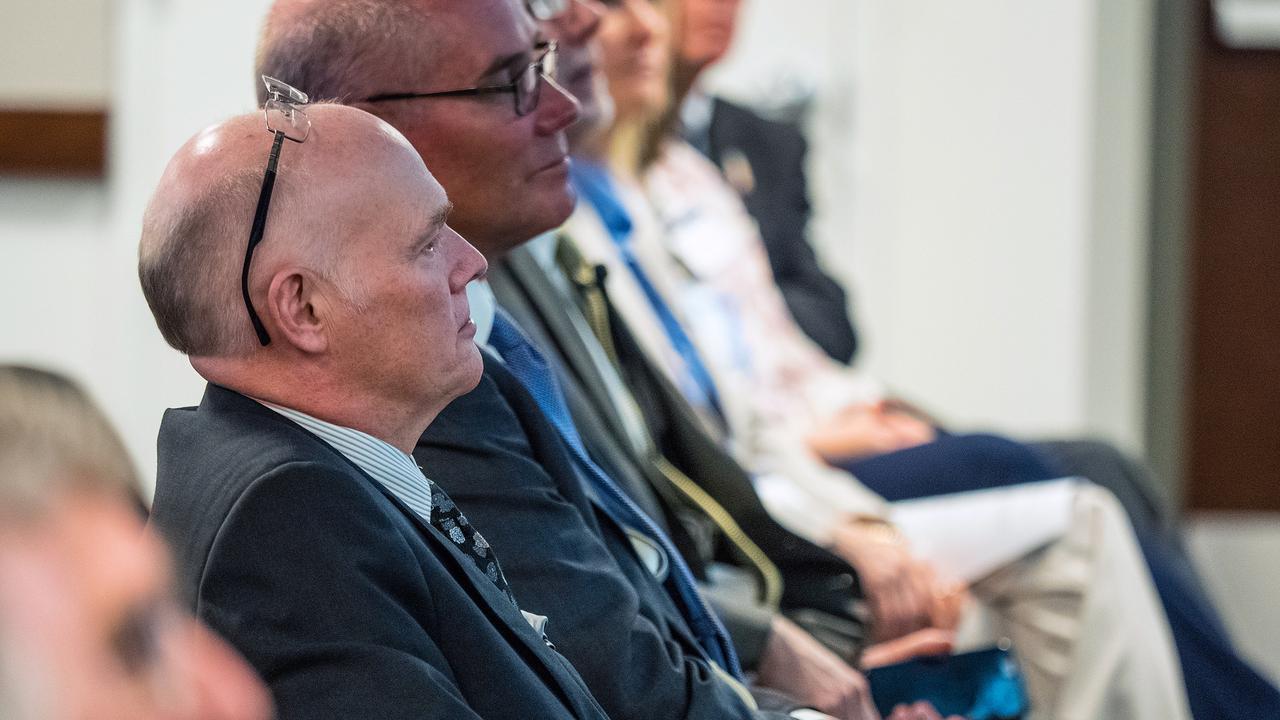
The Orion team visits United Launch Alliance in Denver, Colorado on July 14, 2015 to recognize their efforts in making Exploration Flight Test-1 (EFT-1) a success. Part of Batch image transfer from Flickr.
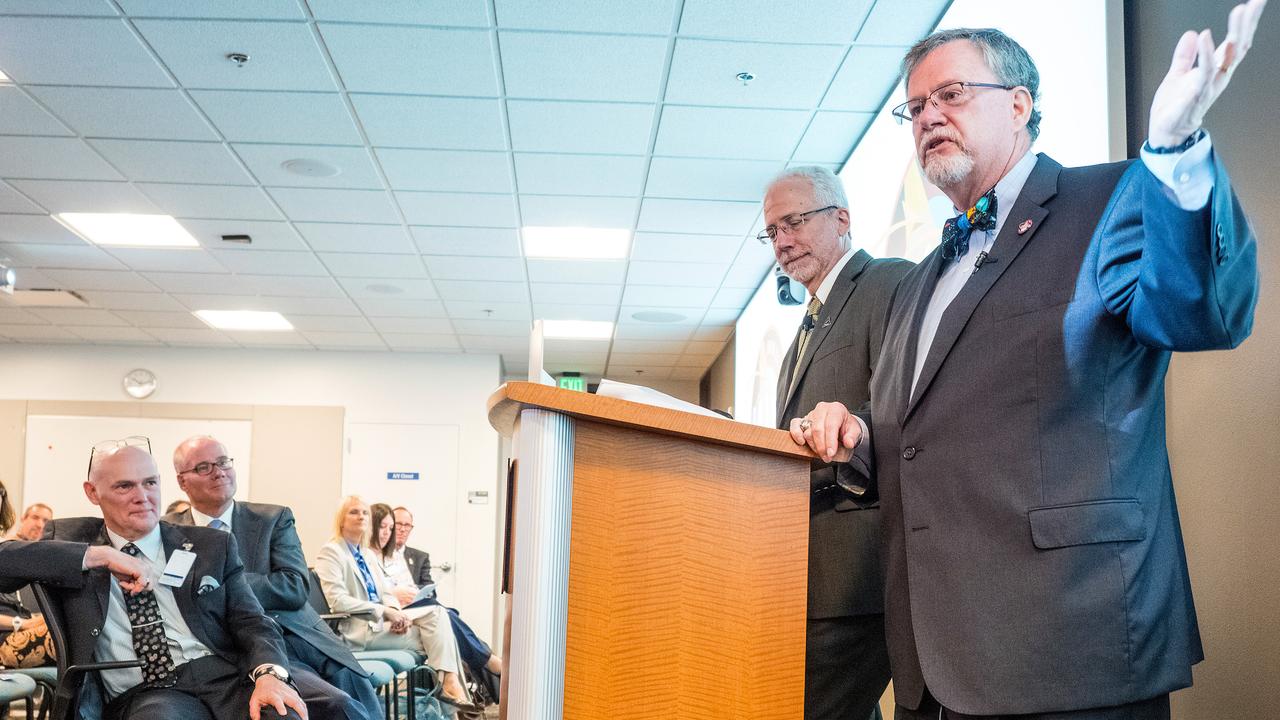
The Orion team visits United Launch Alliance in Denver, Colorado on July 14, 2015 to recognize their efforts in making Exploration Flight Test-1 (EFT-1) a success. Part of Batch image transfer from Flickr.
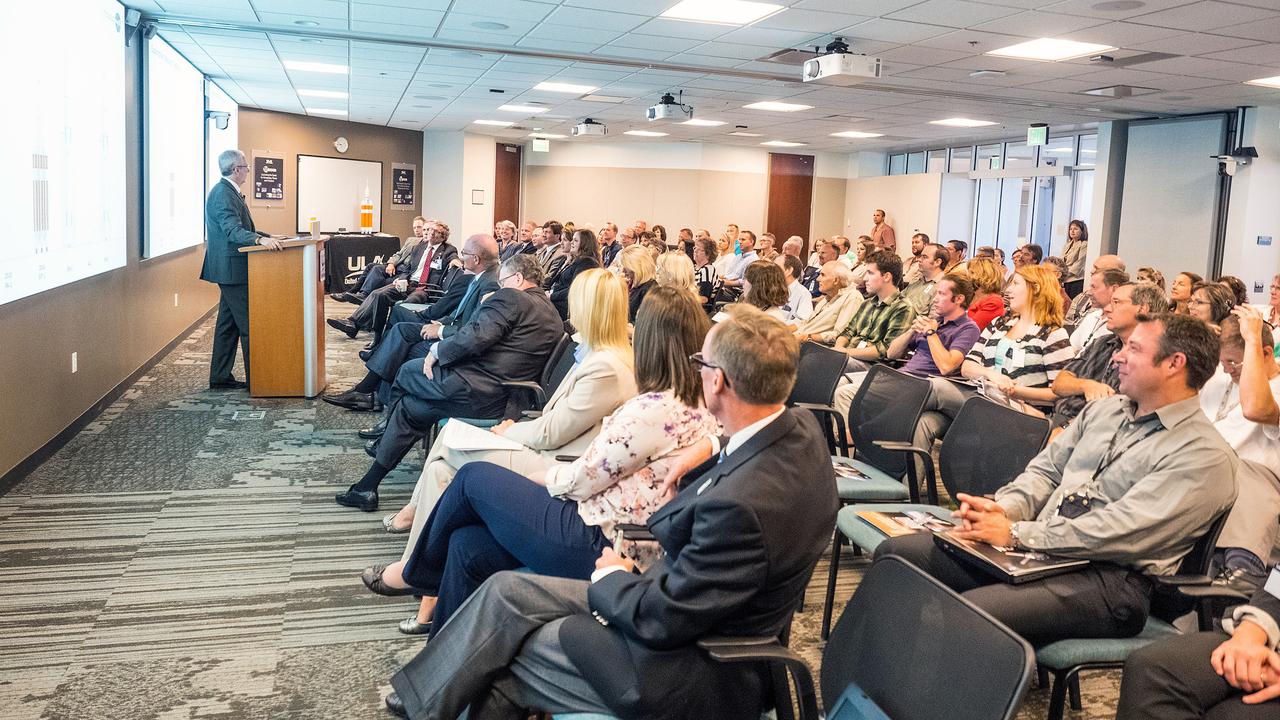
The Orion team visits United Launch Alliance in Denver, Colorado on July 14, 2015 to recognize their efforts in making Exploration Flight Test-1 (EFT-1) a success. Part of Batch image transfer from Flickr.
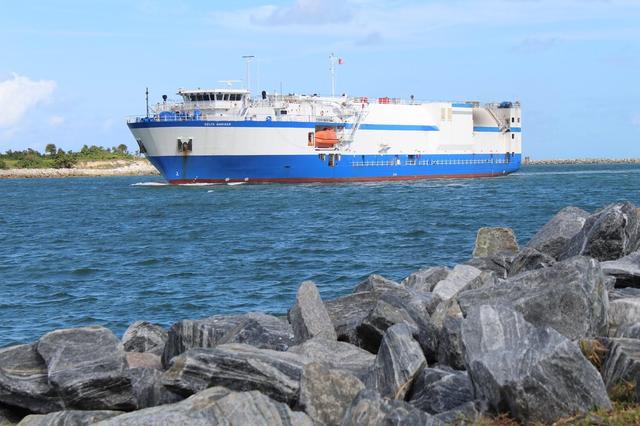
The Launch Vehicle Adapter (LVA) that will attach Boeing’s first Starliner spacecraft to the Atlas V launch vehicle arrived at Cape Canaveral in Florida on November 11, 2018. The Mariner cargo vessel brought the LVA and two stages of a Delta IV rocket from United Launch Alliance's manufacturing plant in Decatur, Alabama.
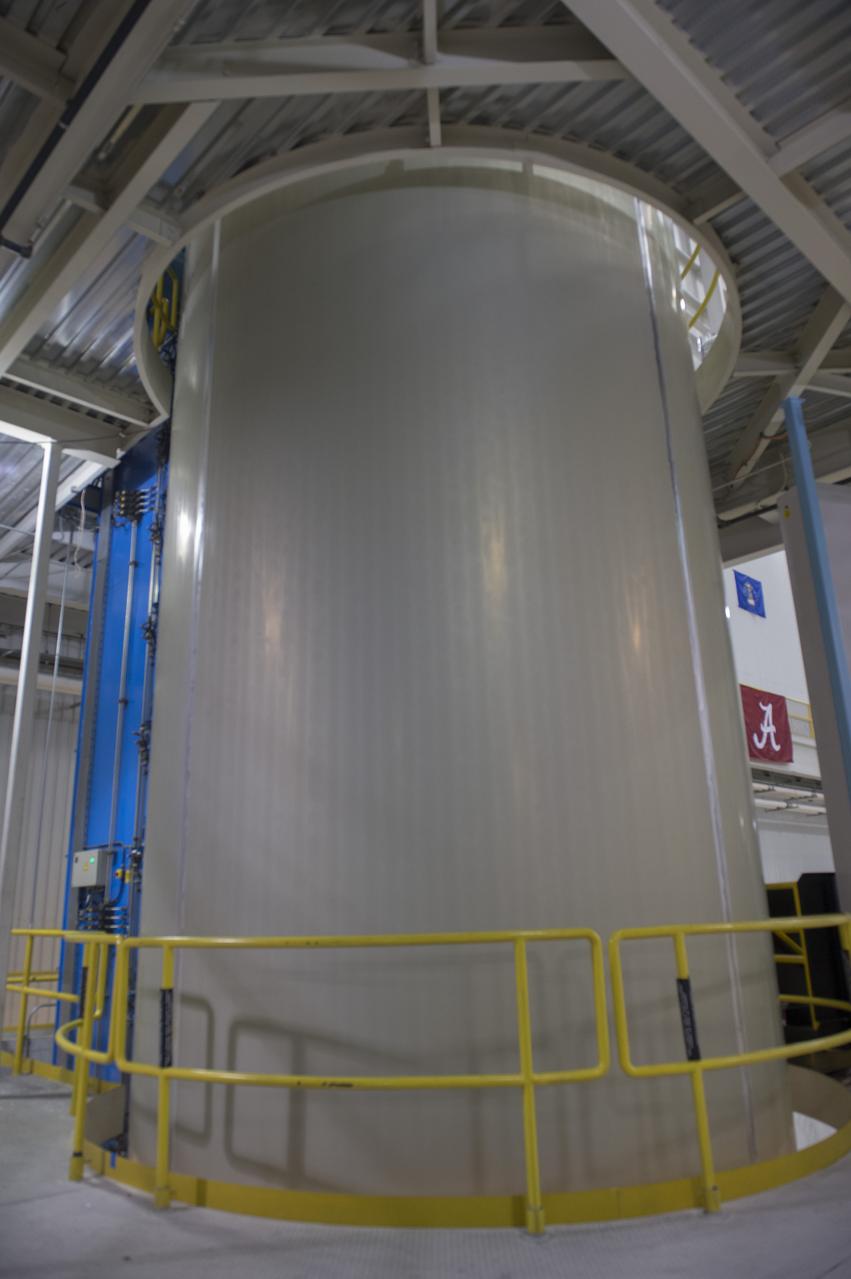
The Atlas V rocket that will launch Boeing's CST-100 Starliner spacecraft is coming together inside a United Launch Alliance facility in Decatur, Alabama. Boeing’s Starliner will launch on the Atlas V rocket to the International Space Station as part of NASA’s Commercial Crew Program.
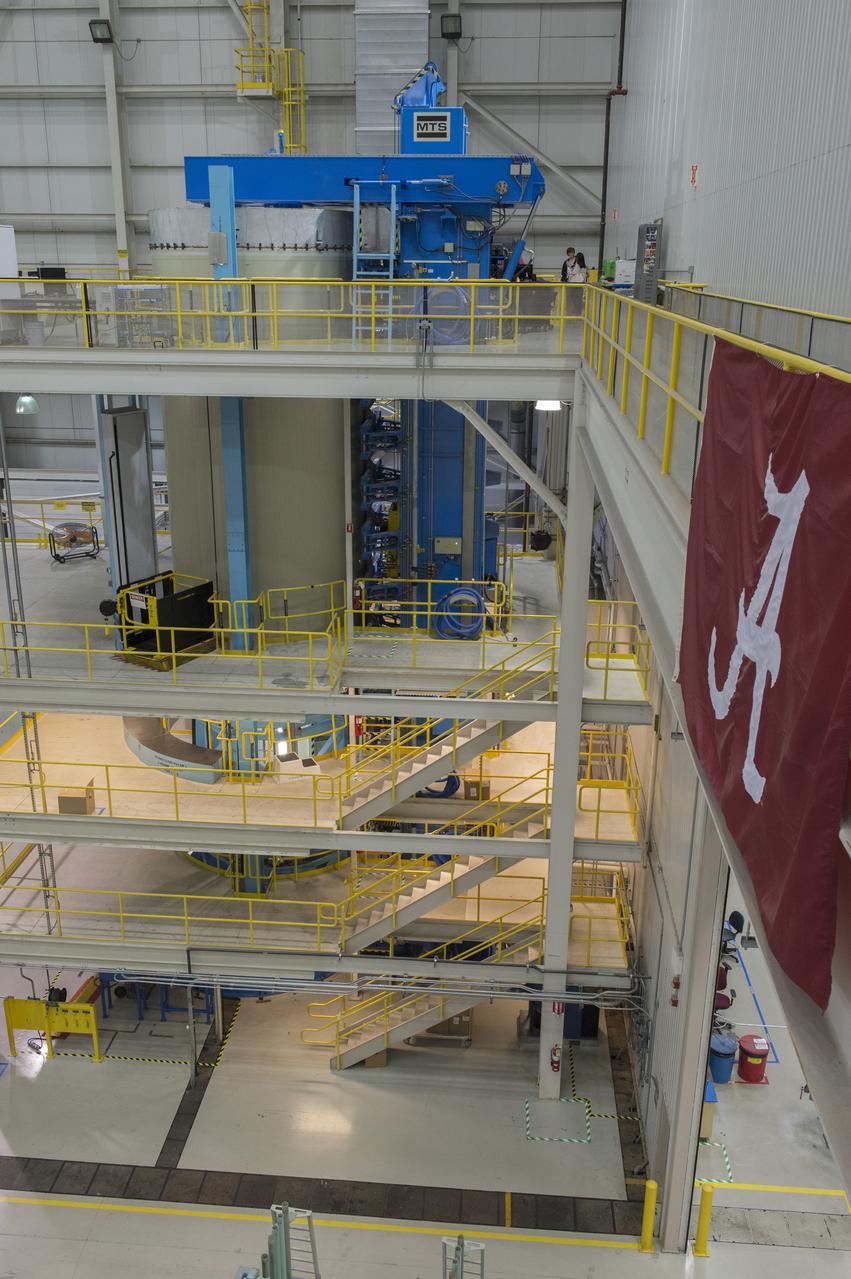
The Atlas V rocket that will launch Boeing's CST-100 Starliner spacecraft is coming together inside a United Launch Alliance facility in Decatur, Alabama. Boeing’s Starliner will launch on the Atlas V rocket to the International Space Station as part of NASA’s Commercial Crew Program.
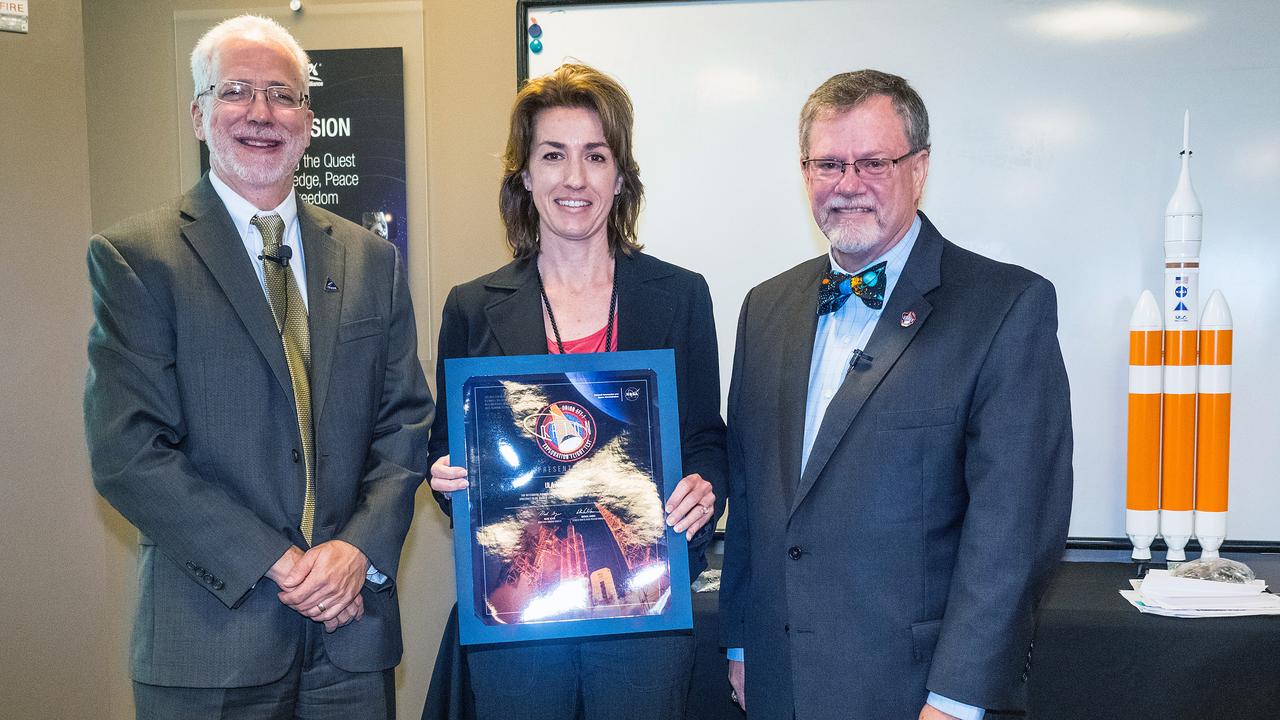
The Orion team visits United Launch Alliance in Denver, Colorado on July 14, 2015 to recognize their efforts in making Exploration Flight Test-1 (EFT-1) a success. Orion program manager, Mark Geyer, presents award. Part of Batch image transfer from Flickr.
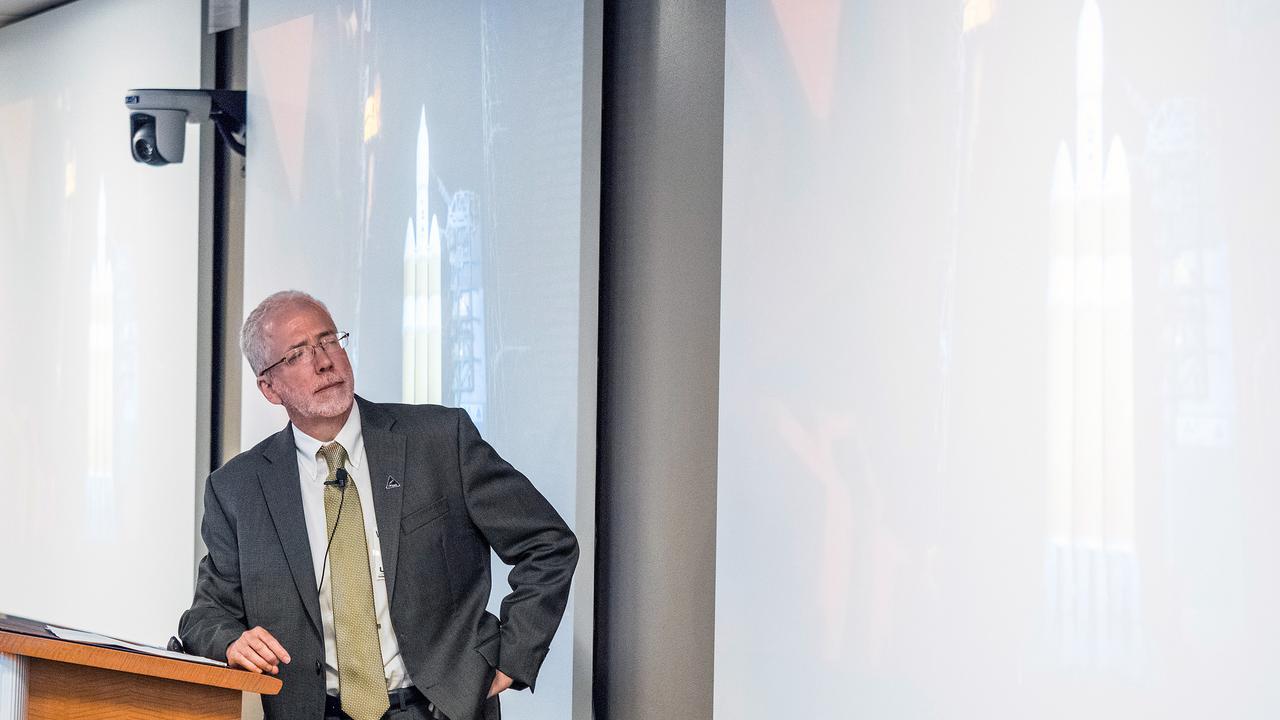
The Orion team visits United Launch Alliance in Denver, Colorado on July 14, 2015 to recognize their efforts in making Exploration Flight Test-1 (EFT-1) a success. Orion program manager, Mark Geyer, is at podium. Part of Batch image transfer from Flickr.
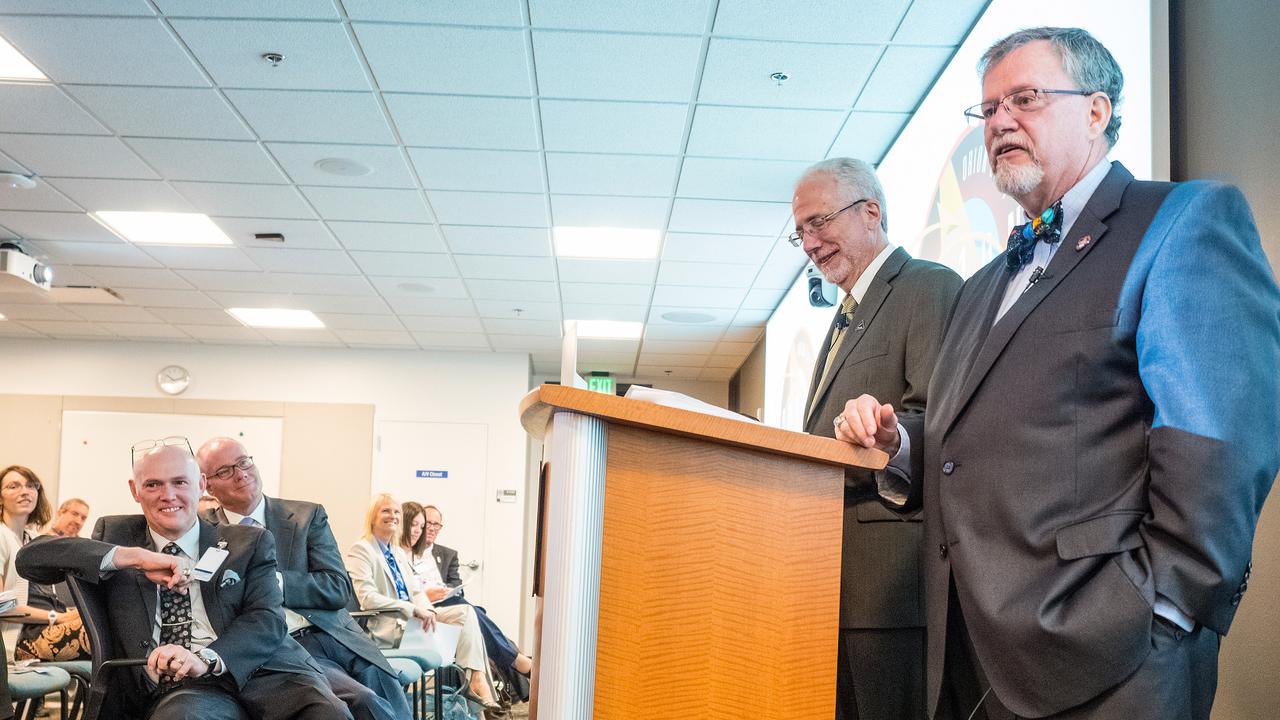
The Orion team visits United Launch Alliance in Denver, Colorado on July 14, 2015 to recognize their efforts in making Exploration Flight Test-1 (EFT-1) a success. Orion program manager, Mark Geyer, is at podium. Part of Batch image transfer from Flickr.
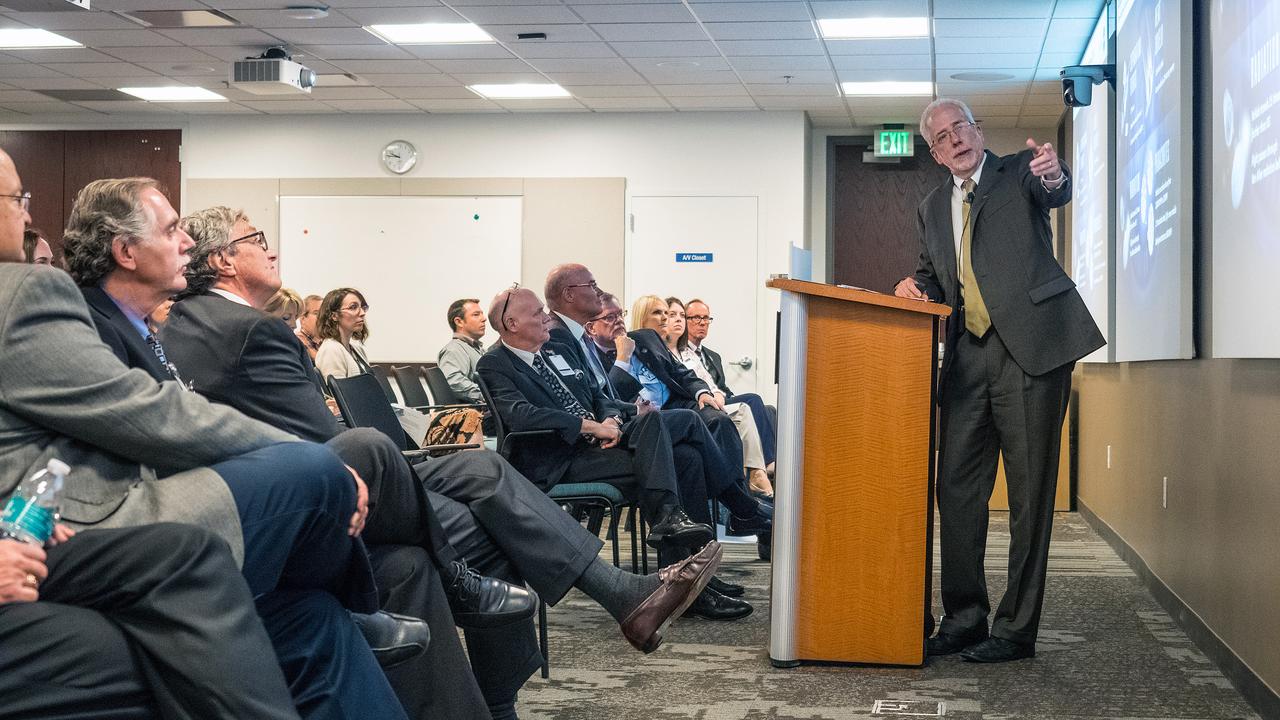
The Orion team visits United Launch Alliance in Denver, Colorado on July 14, 2015 to recognize their efforts in making Exploration Flight Test-1 (EFT-1) a success. Orion program manager, Mark Geyer, is at podium. Part of Batch image transfer from Flickr.
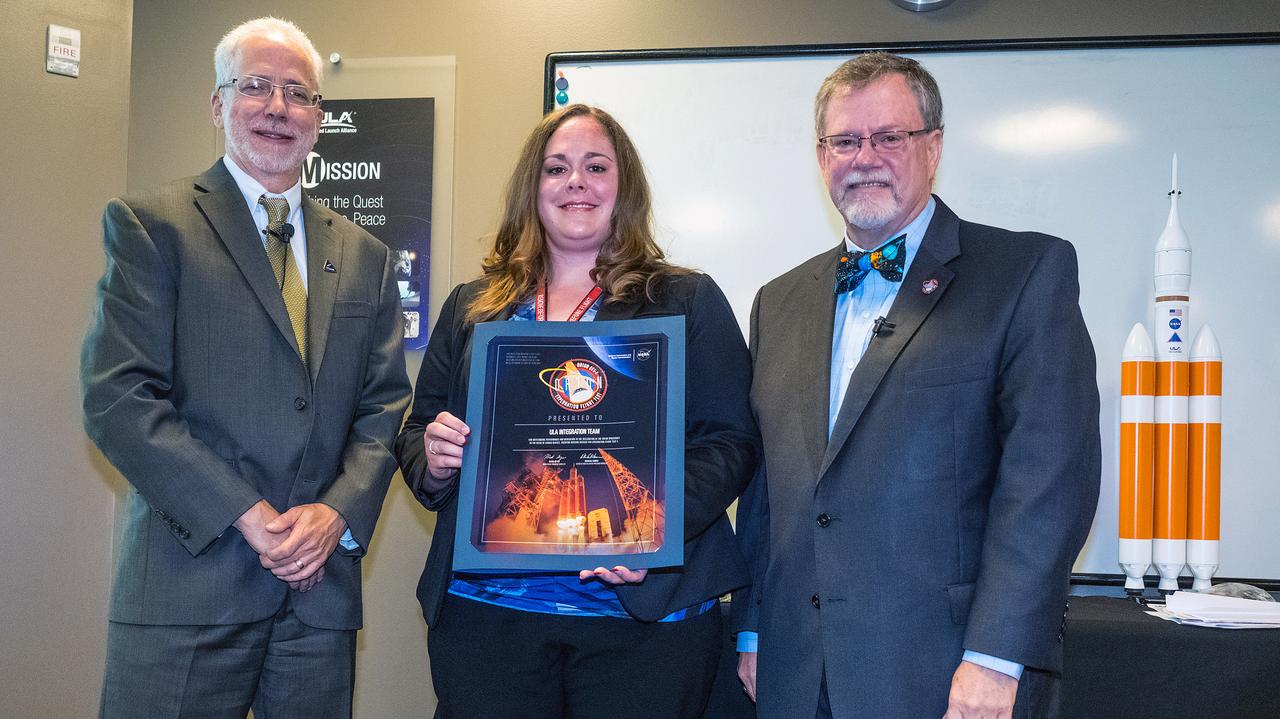
The Orion team visits United Launch Alliance in Denver, Colorado on July 14, 2015 to recognize their efforts in making Exploration Flight Test-1 (EFT-1) a success. Orion program manager, Mark Geyer, presents award to ULA Integration Team. Part of Batch image transfer from Flickr.
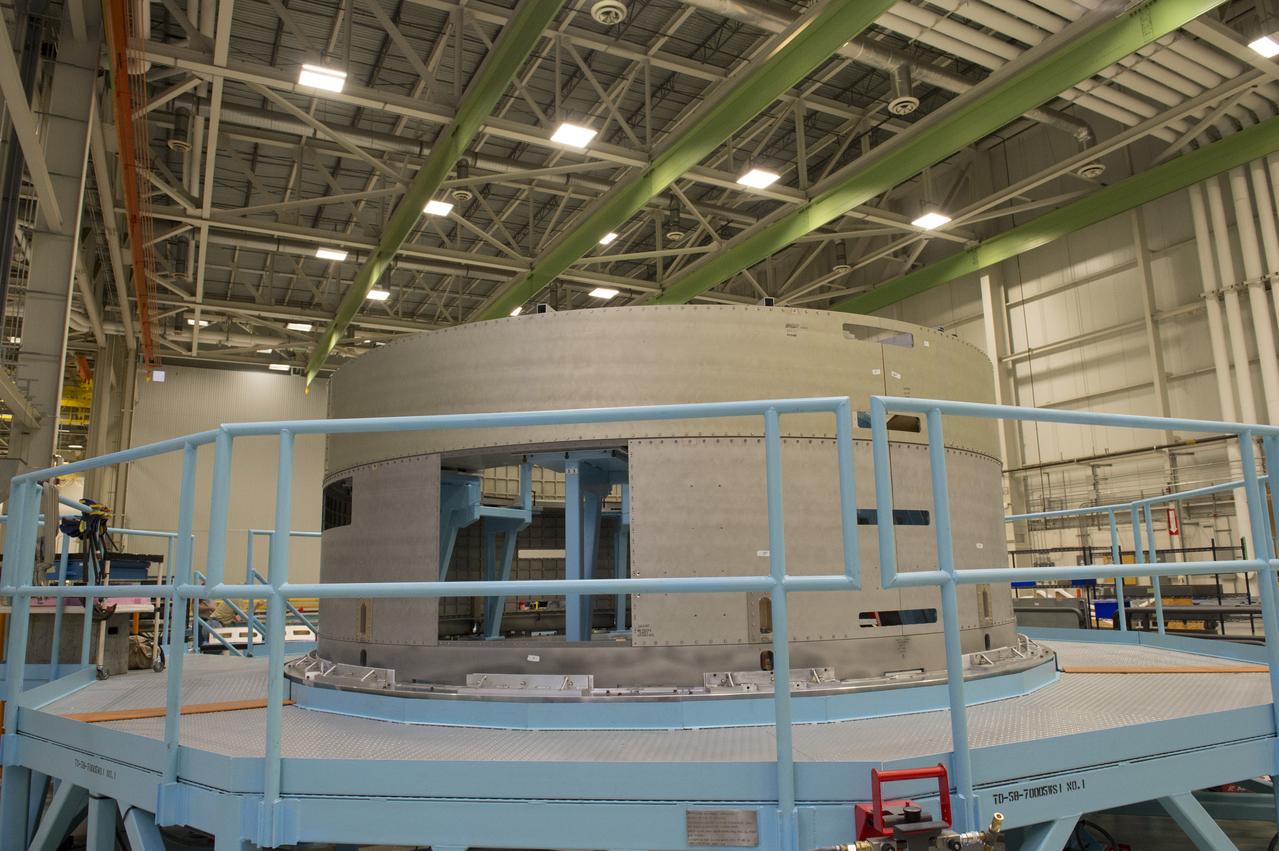
The Atlas V rocket that will launch Boeing's CST-100 Starliner spacecraft is coming together inside a United Launch Alliance facility in Decatur, Alabama. Boeing’s Starliner will launch on the Atlas V rocket to the International Space Station as part of NASA’s Commercial Crew Program.
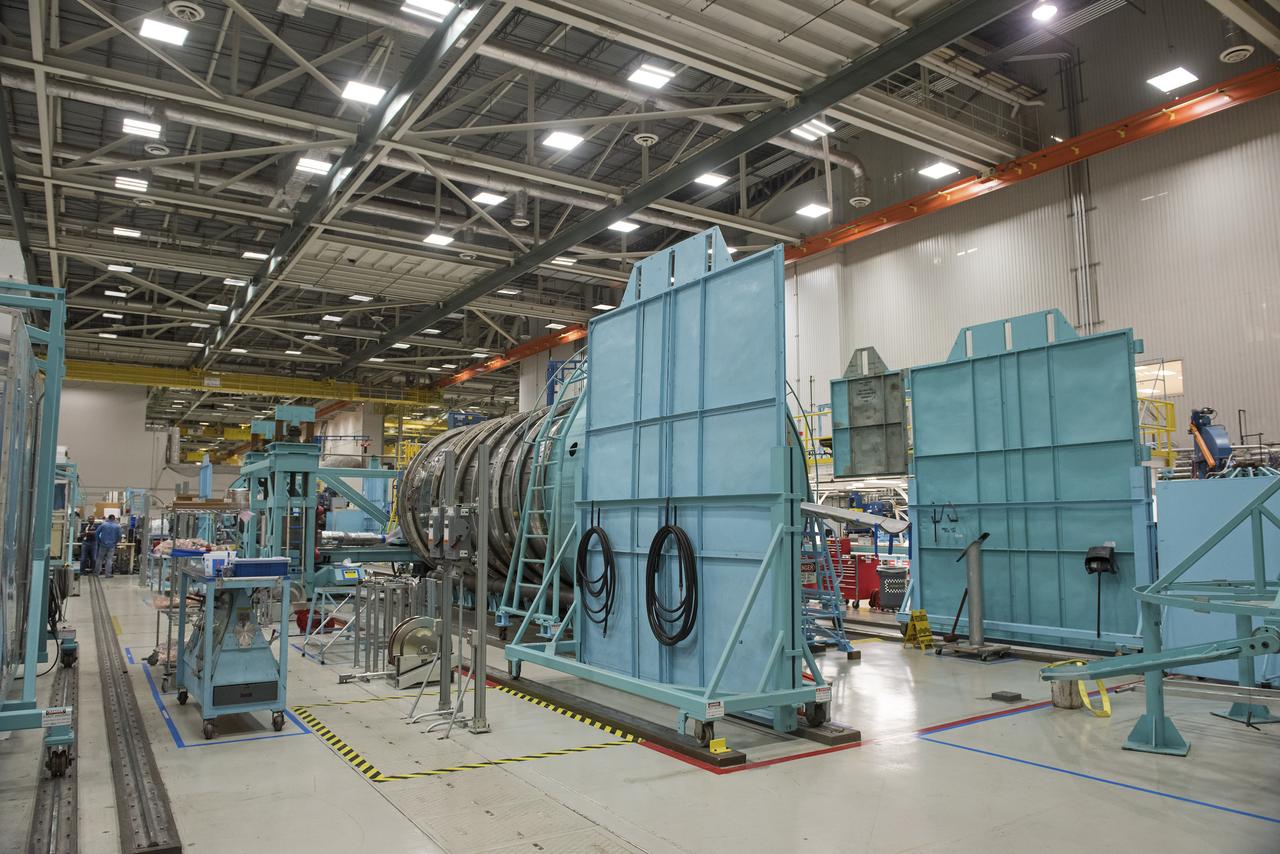
The Atlas V rocket that will launch Boeing's CST-100 Starliner spacecraft is coming together inside a United Launch Alliance facility in Decatur, Alabama. Boeing’s Starliner will launch on the Atlas V rocket to the International Space Station as part of NASA’s Commercial Crew Program.
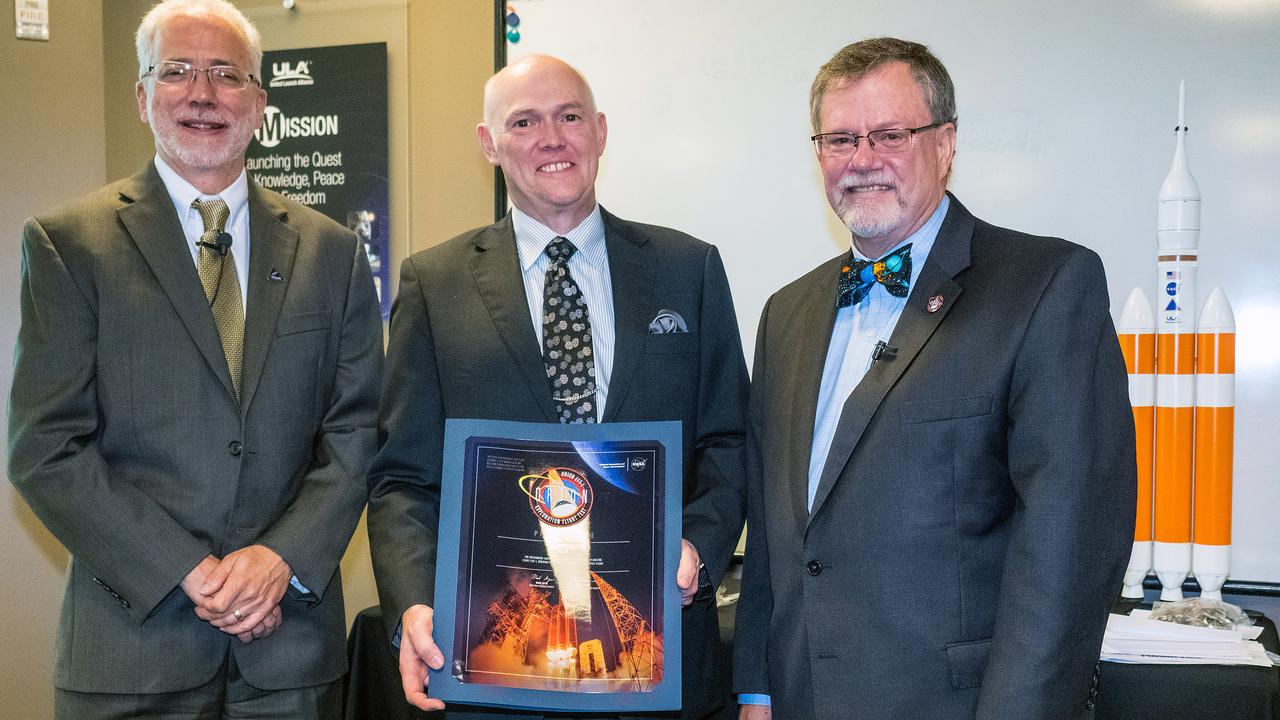
The Orion team visits United Launch Alliance in Denver, Colorado on July 14, 2015 to recognize their efforts in making Exploration Flight Test-1 (EFT-1) a success. Orion program manager, Mark Geyer, presents award. Part of Batch image transfer from Flickr.
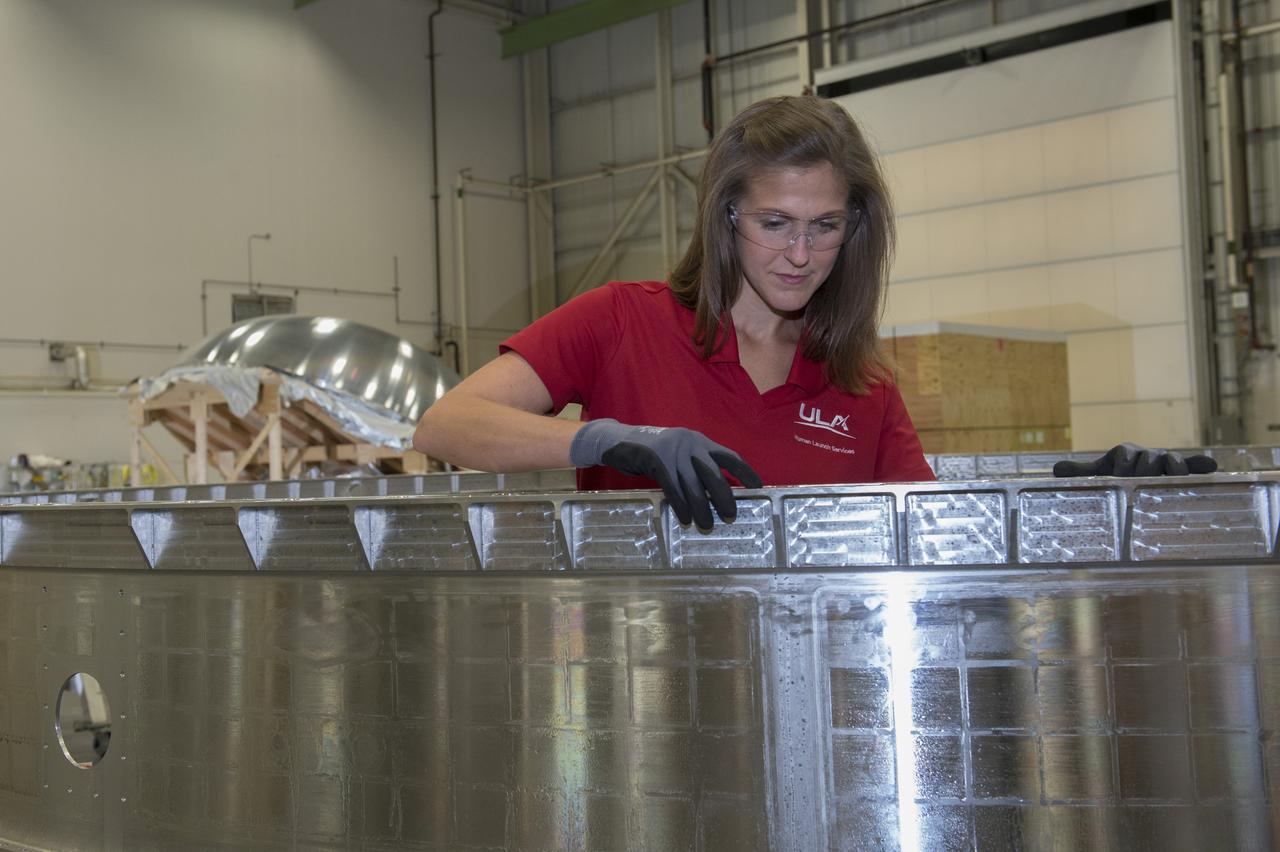
The Atlas V rocket that will launch Boeing's CST-100 Starliner spacecraft is coming together inside a United Launch Alliance facility in Decatur, Alabama. Boeing’s Starliner will launch on the Atlas V rocket to the International Space Station as part of NASA’s Commercial Crew Program.
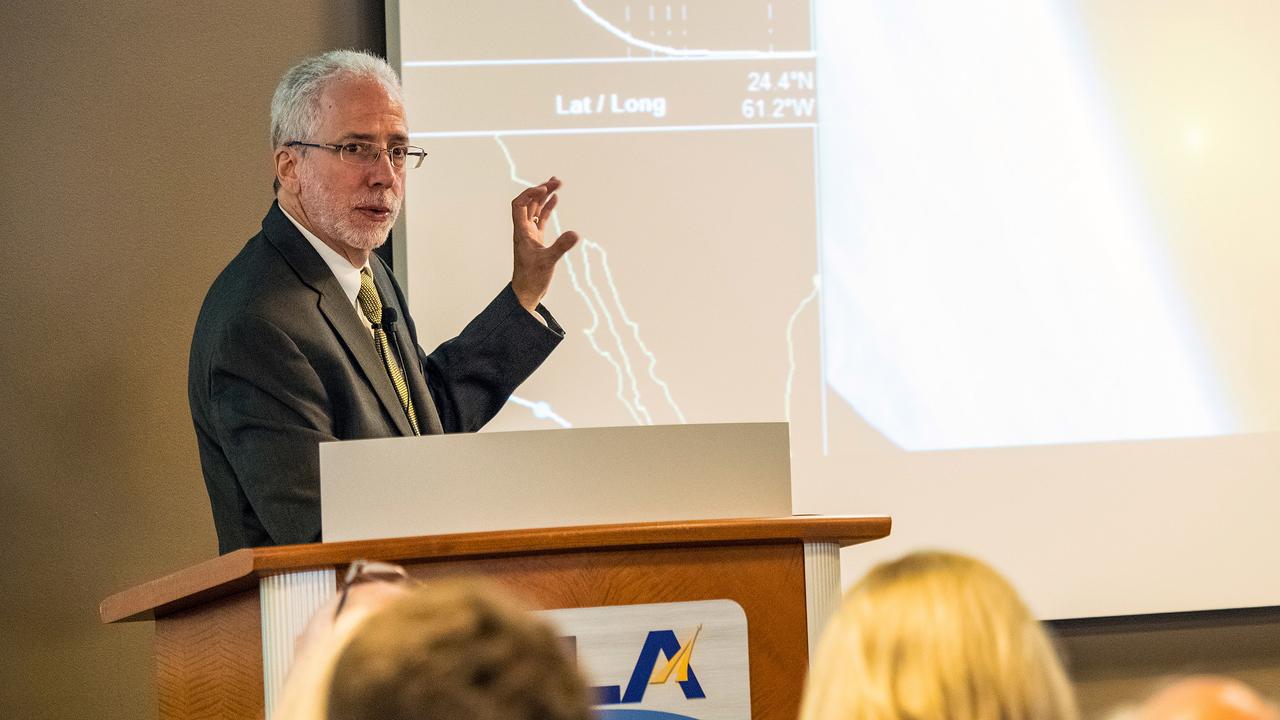
The Orion team visits United Launch Alliance in Denver, Colorado on July 14, 2015 to recognize their efforts in making Exploration Flight Test-1 (EFT-1) a success. Orion program manager, Mark Geyer, is at podium. Part of Batch image transfer from Flickr.
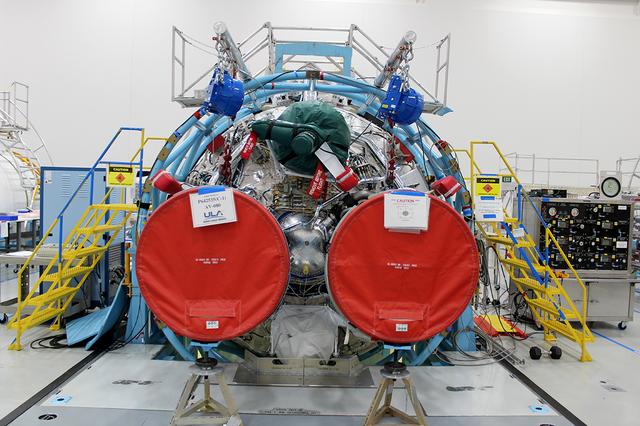
The United Launch Alliance (ULA) Orbital Flight Test dual engine Centaur stage of the Atlas V rocket is in the final stage of production and checkout on May 22, 2018, at ULA's factory in Decatur, Alabama. Boeing's CST-100 Starliner will launch on its first uncrewed flight test on the ULA Atlas V rocket. The Starliner is being developed and manufactured in partnership with NASA's Commercial Crew Program to return human spaceflight capabilities to the U.S.

The upper stage for NASA’s SLS (Space Launch System) rocket that will power the agency’s Artemis III mission and send astronauts on to the Moon for a lunar landing arrived at the Cape Canaveral Space Force Station Poseidon Wharf in Florida on Aug. 9, 2023. Known as the SLS ICPS (interim cryogenic propulsion stage), it will undergo final checkouts by contractors Boeing and ULA (United Launch Alliance) at ULA’s facilities before it is delivered to NASA’s nearby Kennedy Space Center.
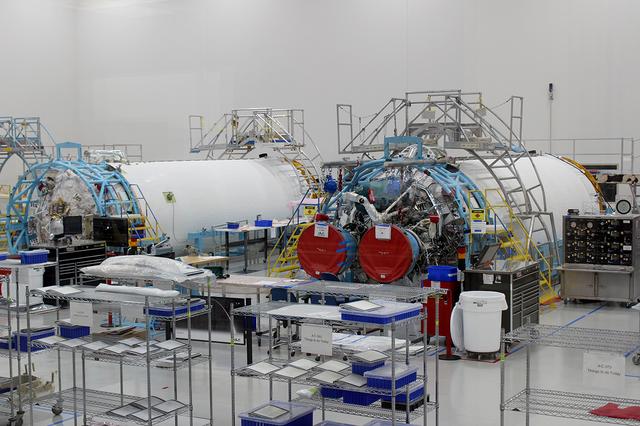
The United Launch Alliance (ULA) Crew Flight Test dual engine, at left, and the Orbital Flight test dual engine, at right, for the Centaur stage of the Atlas V rocket are in production on June 11, 2018, at ULA's factory in Decatur, Alabama. Boeing's CST-100 Starliner will launch on its first uncrewed flight test on the ULA Atlas V rocket. The Starliner is being developed and manufactured in partnership with NASA's Commercial Crew Program to return human spaceflight capabilities to the U.S.
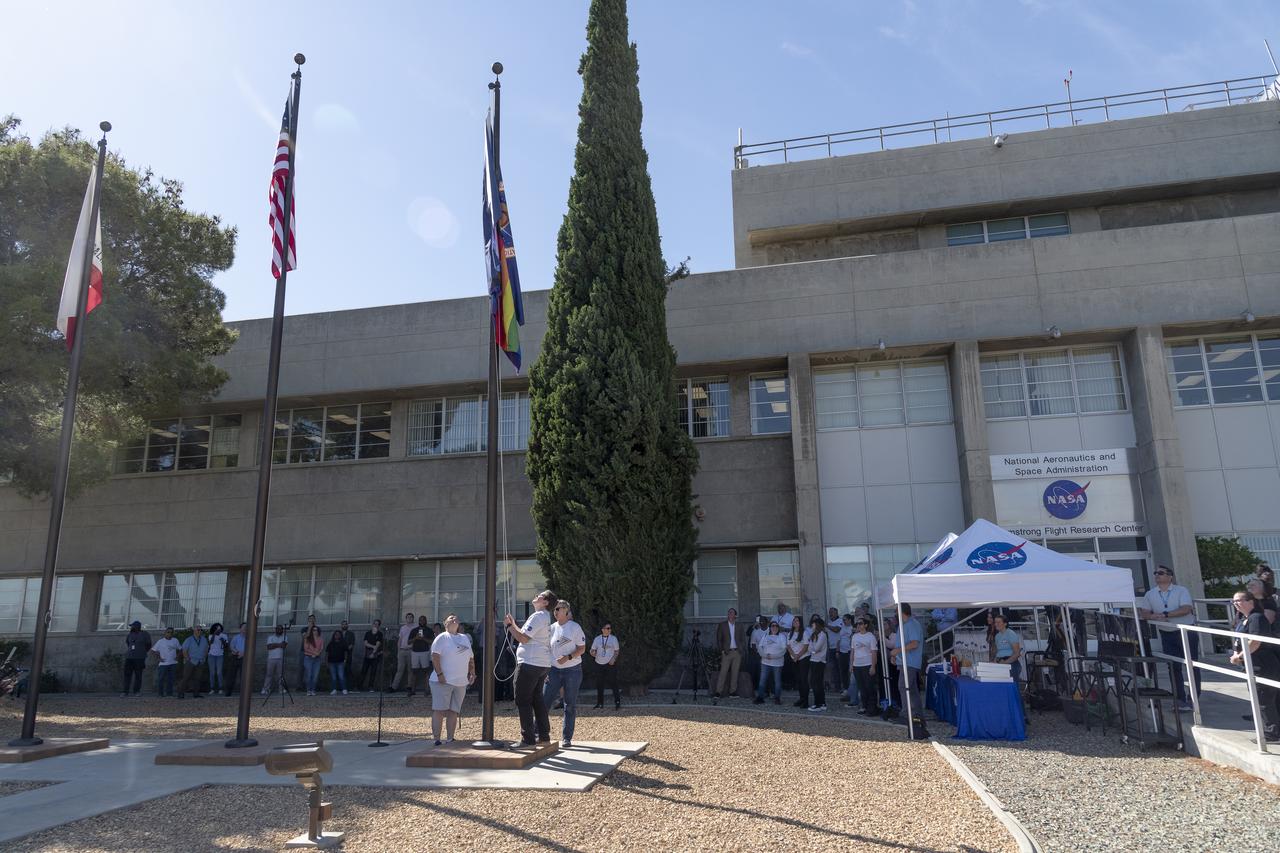
Members of the Sexuality and Gender Alliance Employee Resource Group at NASA’s Armstrong Flight Research Center in Edwards, California, raise the Progress Pride Flag at a flag-raising ceremony in recognition and celebration of LGBTQI+ Pride Month, Tuesday, June 4, 2024, at the center.

Ahead of launch as part of NASA’s Commercial Lunar Payload Services (CLPS) initiative, Astrobotic’s Peregrine lunar lander is encapsulated in the payload fairing, or nose cone, of United Launch Alliance’s Vulcan rocket on Nov. 21, 2023, at Astrotech Space Operations Facility near the agency’s Kennedy Space Center in Florida. Launch of Astrobotic’s Peregrine Mission One will carry NASA and commercial payloads to the Moon in early 2024 to study the lunar exosphere, thermal properties, and hydrogen abundance of the lunar regolith, magnetic fields, and the radiation environment of the lunar surface.

Ahead of launch as part of NASA’s Commercial Lunar Payload Services (CLPS) initiative, Astrobotic’s Peregrine lunar lander is encapsulated in the payload fairing, or nose cone, of United Launch Alliance’s Vulcan rocket on Nov. 21, 2023, at Astrotech Space Operations Facility near the agency’s Kennedy Space Center in Florida. Launch of Astrobotic’s Peregrine Mission One will carry NASA and commercial payloads to the Moon in early 2024 to study the lunar exosphere, thermal properties, and hydrogen abundance of the lunar regolith, magnetic fields, and the radiation environment of the lunar surface.

Ahead of launch as part of NASA’s Commercial Lunar Payload Services (CLPS) initiative, Astrobotic’s Peregrine lunar lander is preparing to be encapsulated in the payload fairing, or nose cone, of United Launch Alliance’s Vulcan rocket on Nov. 21, 2023, at Astrotech Space Operations Facility near the agency’s Kennedy Space Center in Florida. Launch of Astrobotic’s Peregrine Mission One will carry NASA and commercial payloads to the Moon in early 2024 to study the lunar exosphere, thermal properties, and hydrogen abundance of the lunar regolith, magnetic fields, and the radiation environment of the lunar surface.
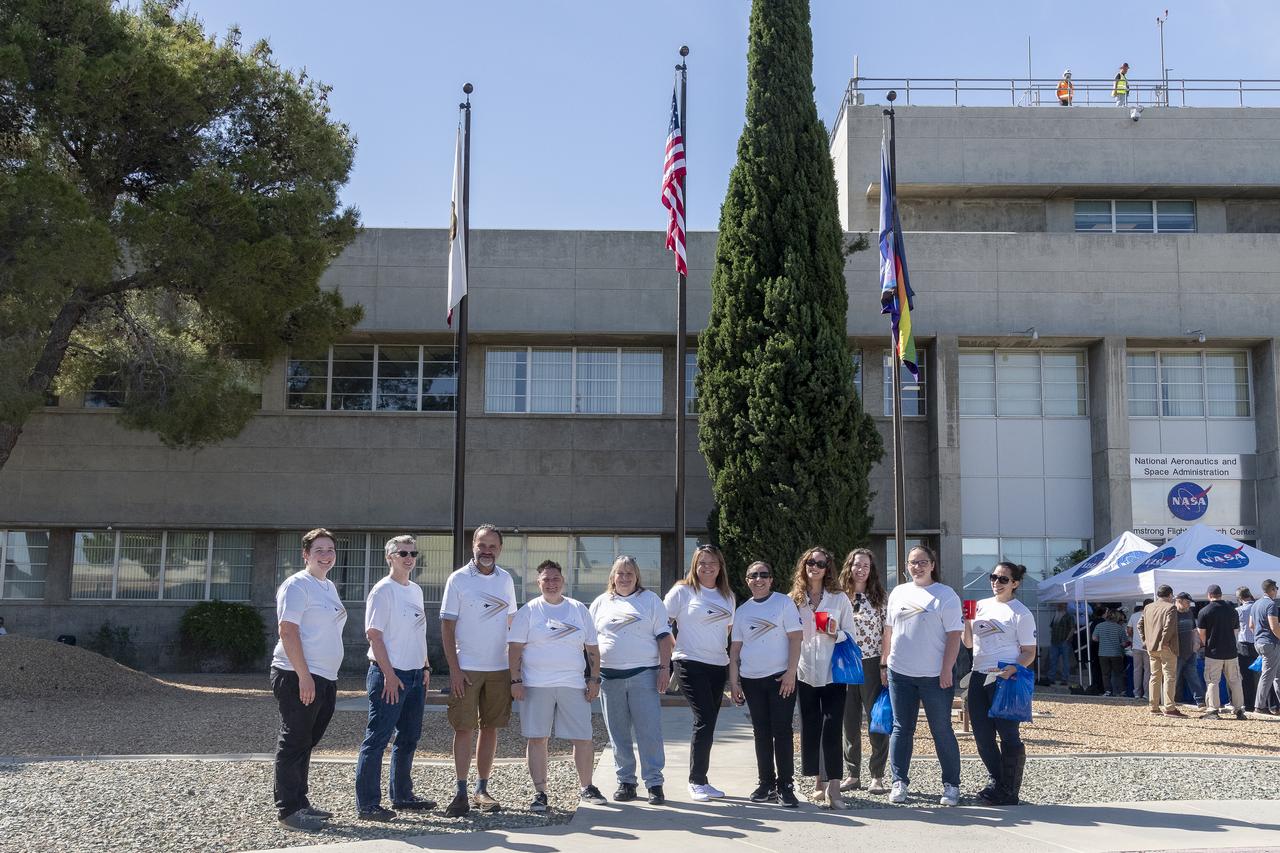
Members of the Sexuality and Gender Alliance Employee Resource Group at NASA’s Armstrong Flight Research Center in Edwards, California, pose for photo in front of the raised Progress Pride Flag at a flag-raising ceremony in recognition and celebration of LGBTQI+ Pride Month, Tuesday, June 4, 2024, at the center.
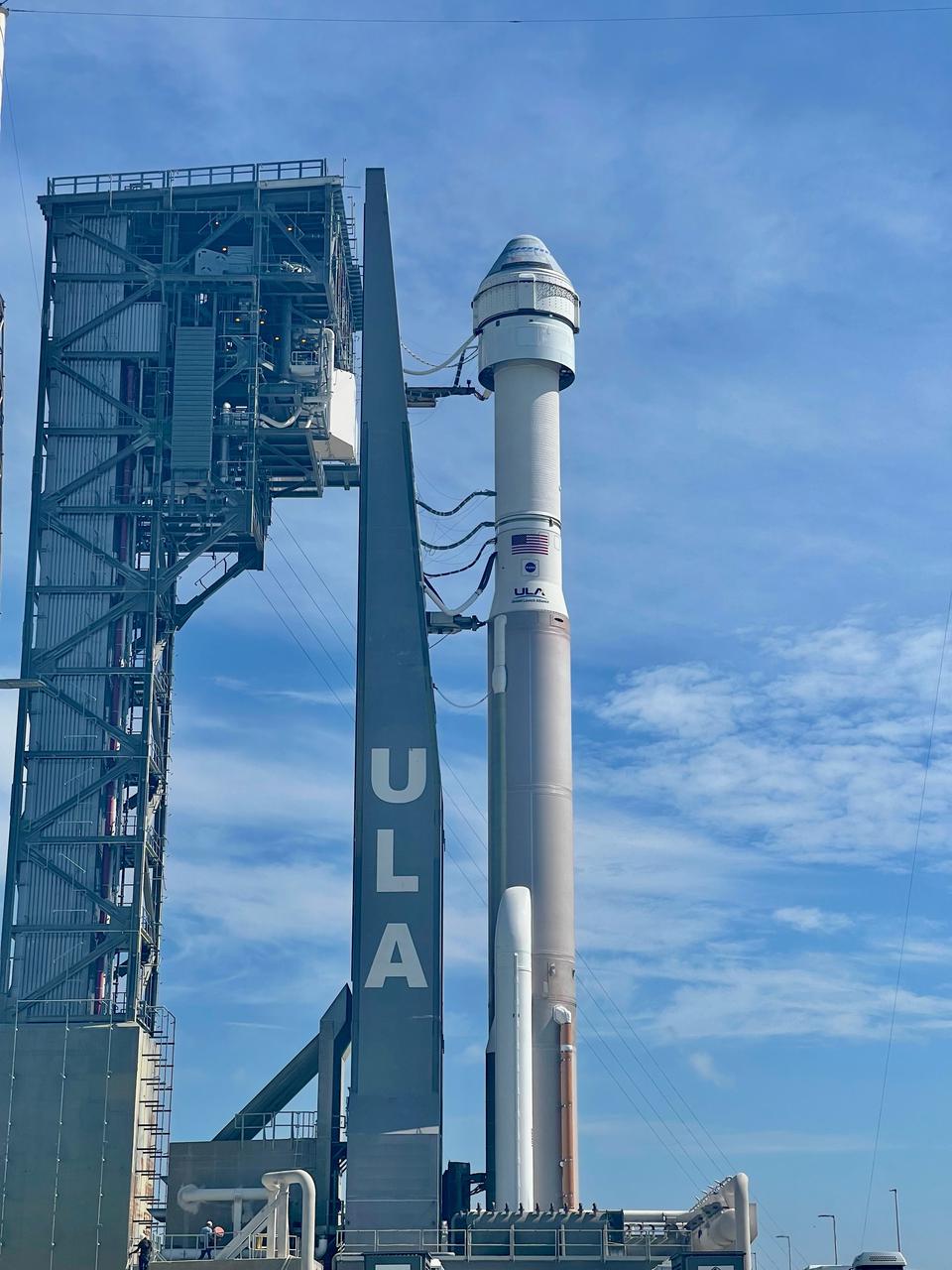
On July 29, 2021, Boeing’s CST-100 Starliner spacecraft and the United Launch Alliance Atlas V rocket rolled out of the Vertical Integration Facility to the launch pad at Space Launch Complex-41 on Cape Canaveral Space Force Station in Florida. Starliner will launch on the Atlas V for Boeing’s second uncrewed Orbital Flight Test (OFT-2) for NASA’s Commercial Crew Program. OFT-2 is an important uncrewed mission designed to test the end-to-end capabilities of the new system for NASA’s Commercial Crew Program.
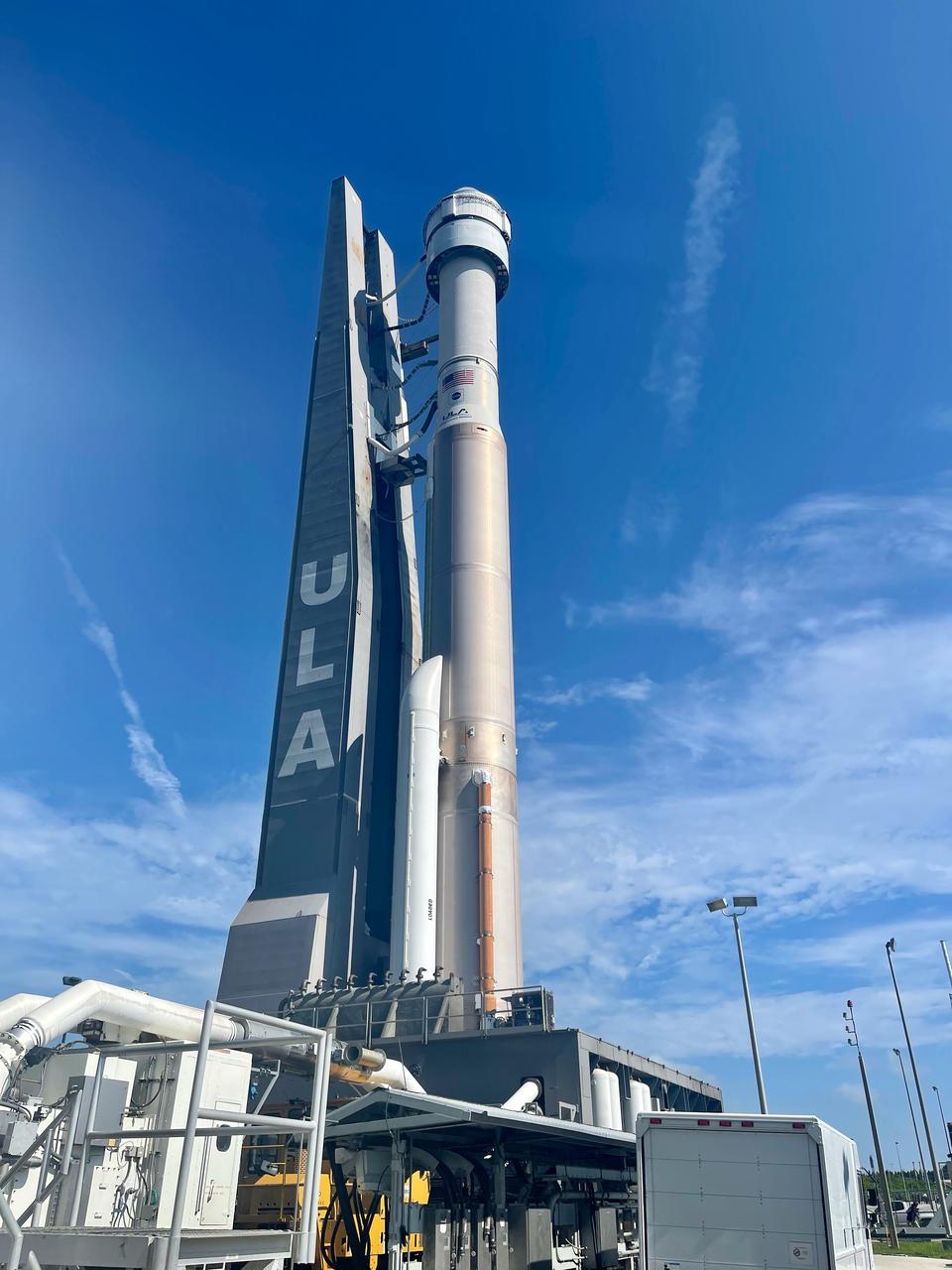
On July 29, 2021, Boeing’s CST-100 Starliner spacecraft and the United Launch Alliance Atlas V rocket rolled out of the Vertical Integration Facility to the launch pad at Space Launch Complex-41 on Cape Canaveral Space Force Station in Florida. Starliner will launch on the Atlas V for Boeing’s second uncrewed Orbital Flight Test (OFT-2) for NASA’s Commercial Crew Program.; OFT-2 is an important uncrewed mission designed to test the end-to-end capabilities of the new system for NASA’s Commercial Crew Program.
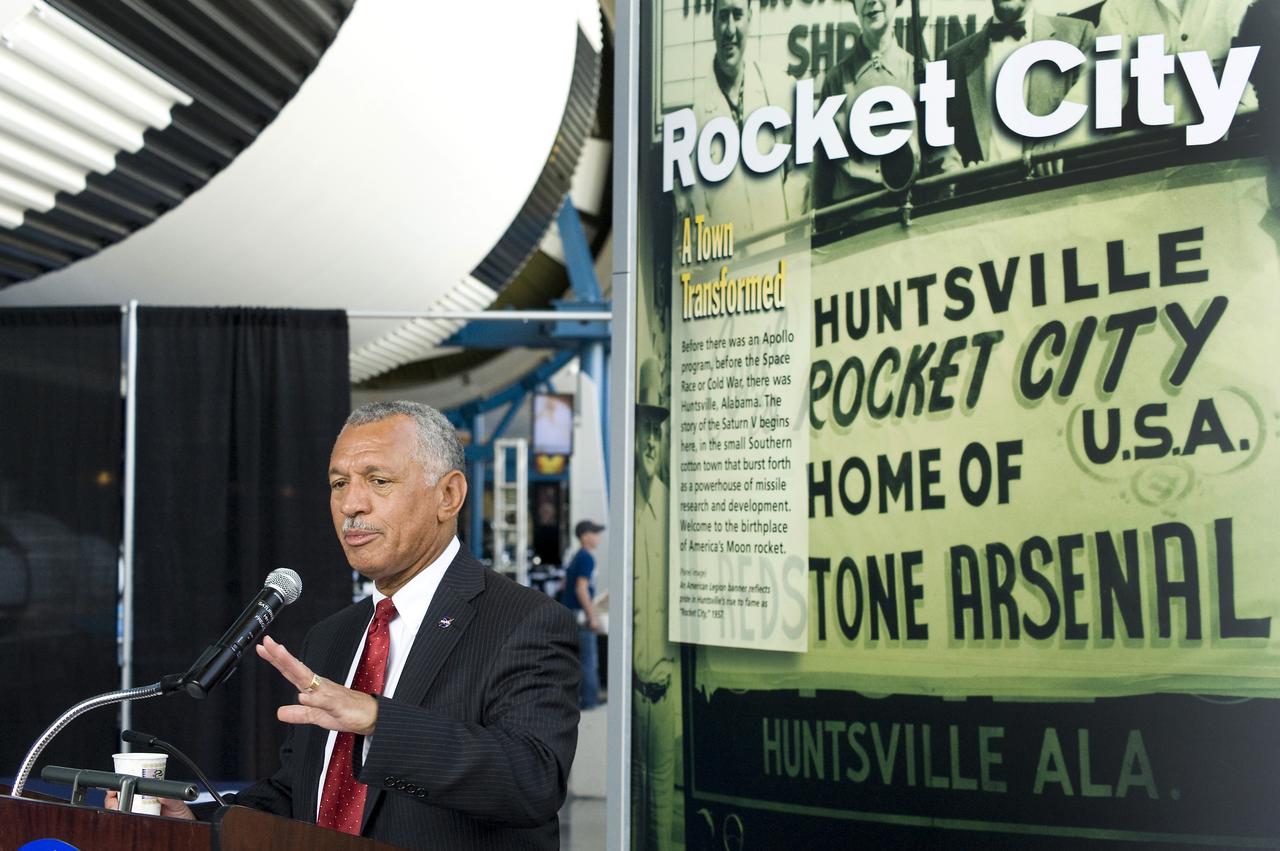
CHARLES BOLDEN NASA ADMINISTRATOR SPEAKING AT THE MEDIA EVENT FOLLOWING THE SMALL BUSINESS ALLIANCE MEETING HELD AT THE DAVIDSON CENTER, HUNTSVILLE, ALABAMA.
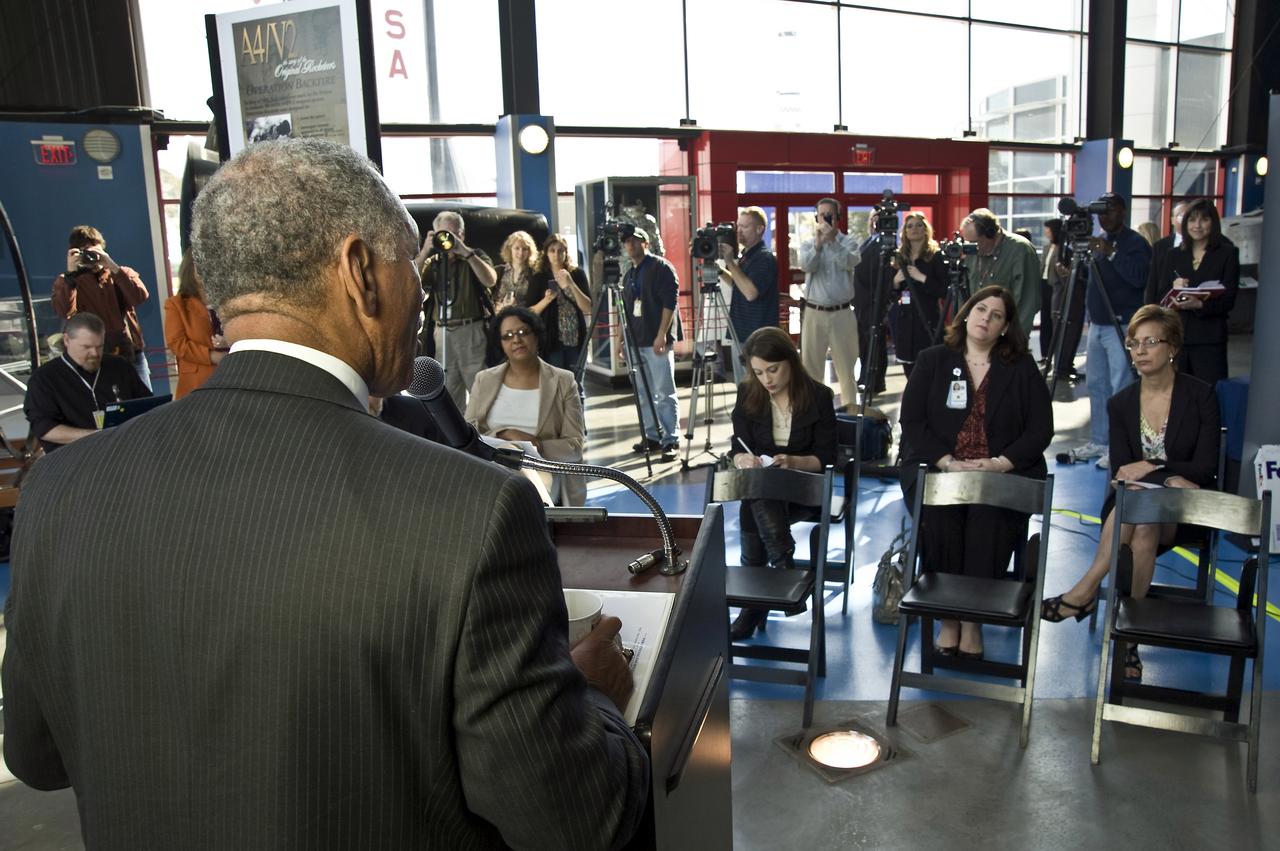
CHARLES BOLDEN NASA ADMINISTRATOR SPEAKING AT THE MEDIA EVENT FOLLOWING THE SMALL BUSINESS ALLIANCE MEETING HELD AT THE DAVIDSON CENTER, HUNTSVILLE, ALABAMA.

The Launch Vehicle Adapter (LVA) that will attach Boeing’s first Starliner spacecraft to the Atlas V launch vehicle is unloaded from the Mariner cargo vessel at Cape Canaveral in Florida on November 12, 2018, following transport from United Launch Alliance's manufacturing factory in Decatur, Alabama. Technicians transported the LVA to Cape Canaveral Air Force Station to begin integrated operations with the Centaur upper stage.The LVA is the specially-designed structure that will be fitted to the top of Centaur. It will soon be attached to the Centaur during pre-launch stacking operations and eventually support the Starliner spacecraft during launch of the Orbital Flight Test next year. Also part of the LVA is the aeroskirt, which ULA designed in collaboration with Boeing and NASA for added aerodynamic stability during the flight. This metallic orthogrid structure will smooth the air flow over the Starliner-Atlas V vehicle, and will be nominally jettisoned after the first stage of flight. The aeroskirt also has provisions for venting in the event the Starliner abort engines are fired.
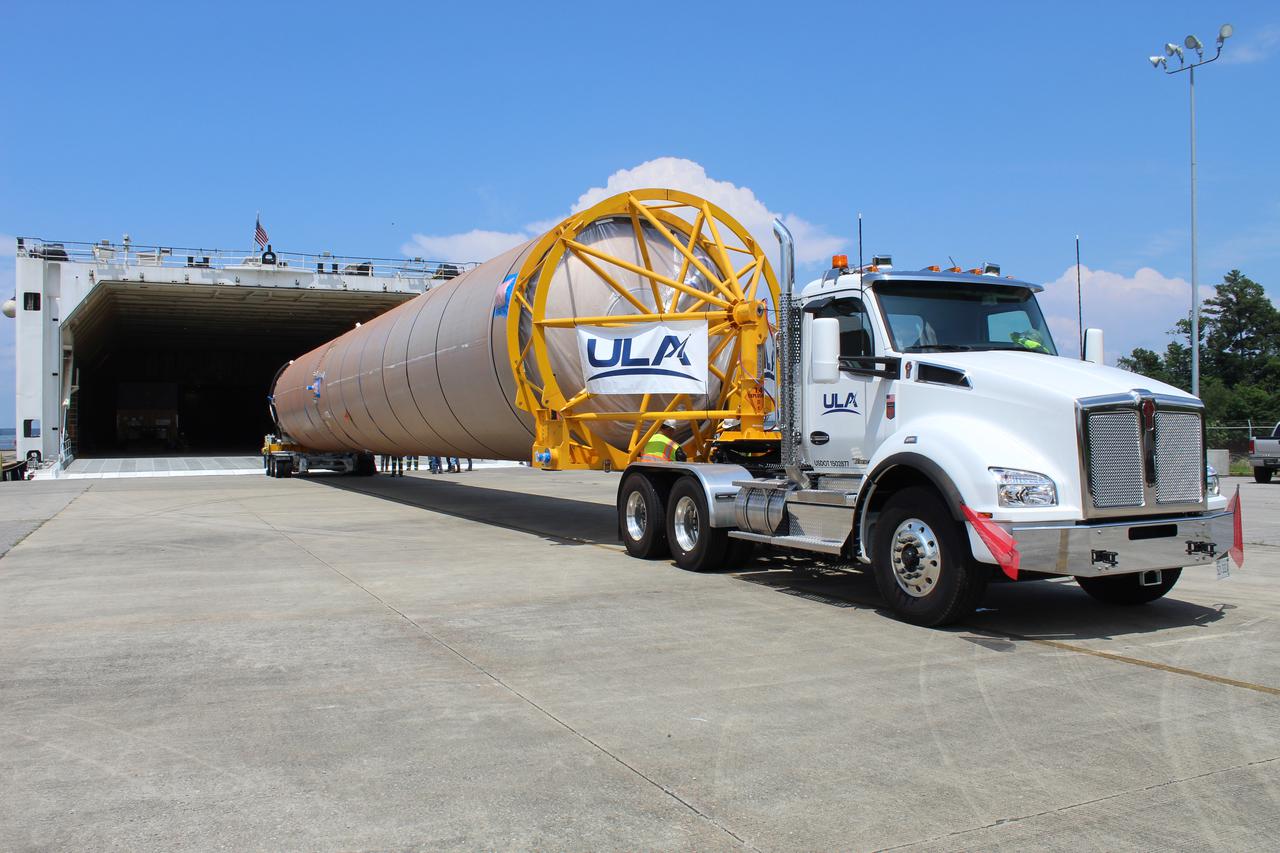
A United Launch Alliance (ULA) Atlas V booster for Boeing's CST-100 Starliner Crew Flight Test (CFT) is loaded onto a rocket-delivery ship at ULA’s manufacturing factory in Decatur, Alabama, on June 11, 2021, to begin its journey to Cape Canaveral, Florida. Starliner’s first flight with astronauts aboard, CFT will launch from Space Launch Complex 41 at Cape Canaveral Space Force Station in Florida. The flight test will demonstrate the ability of the Atlas V and Starliner to safely carry astronauts to and from the International Space Station for the agency’s Commercial Crew Program.
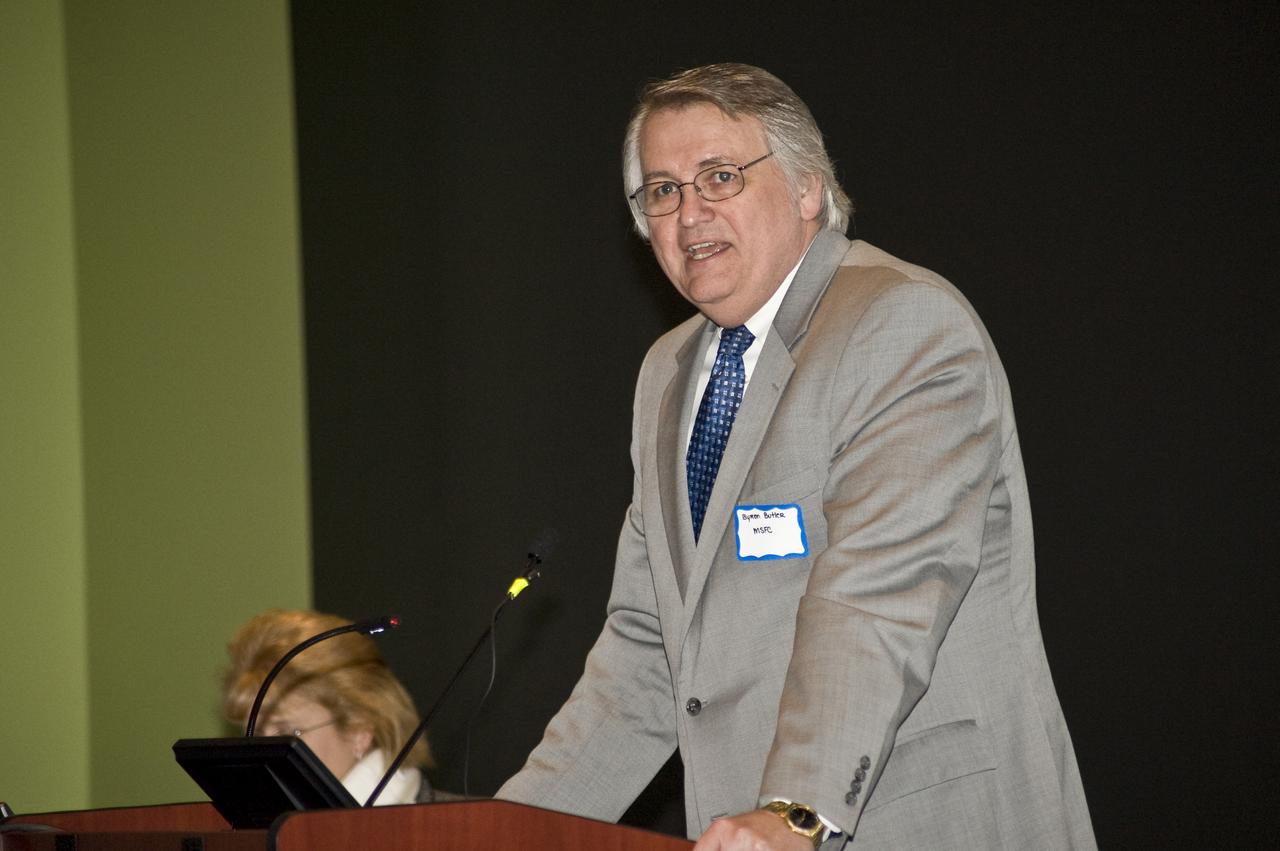
BYRON BUTLER, DIRECTOR, OFFICE OF PROCUREMENT NASA, MARSHALL SPACE FLIGHT CENTER SPEAKING AT THE MARSHALL SMALL BUSINESS ALLIANCE.
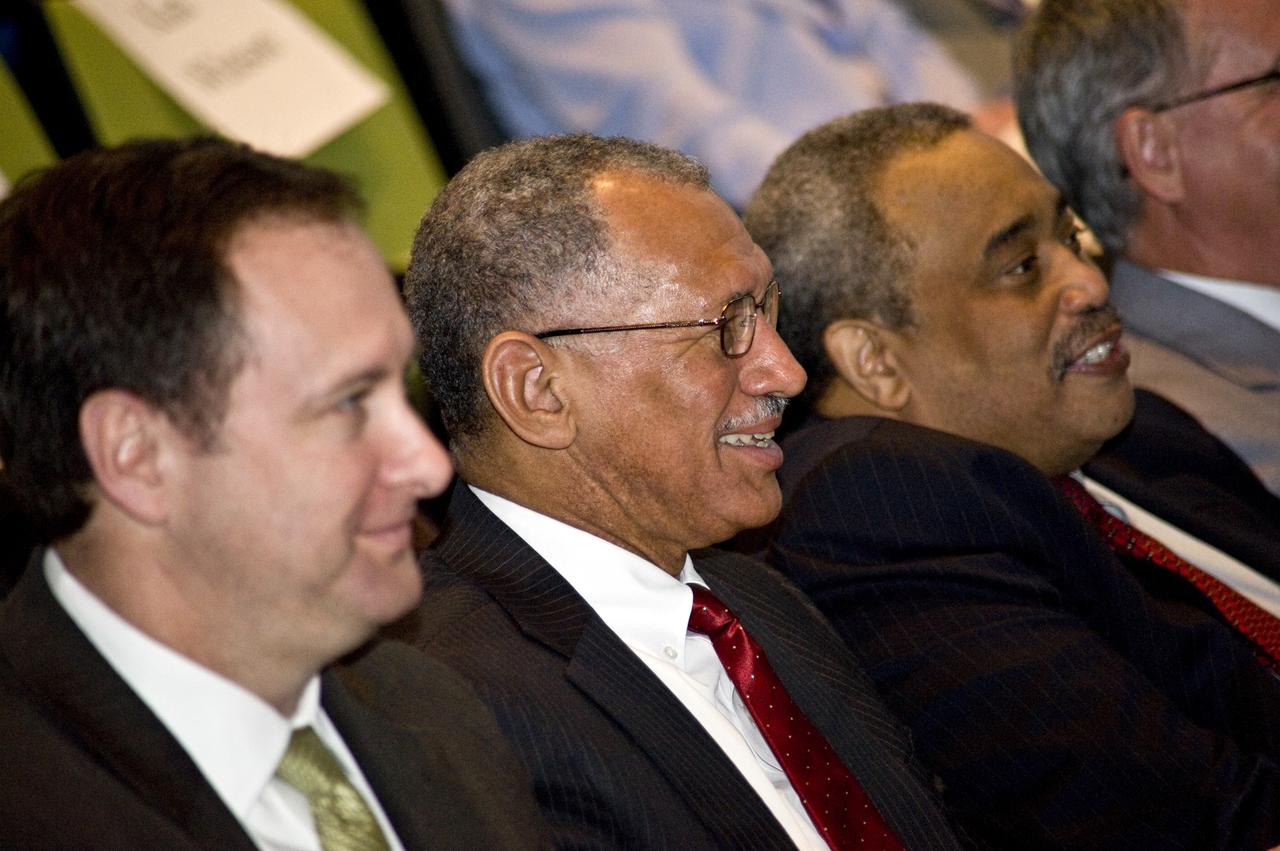
NASA ADMINISTRATOR CHARLES BOLDEN ATTENDING THE MARSHALL SMALL BUSINESS ALLIANCE MEETING MARCH 24, 2011.
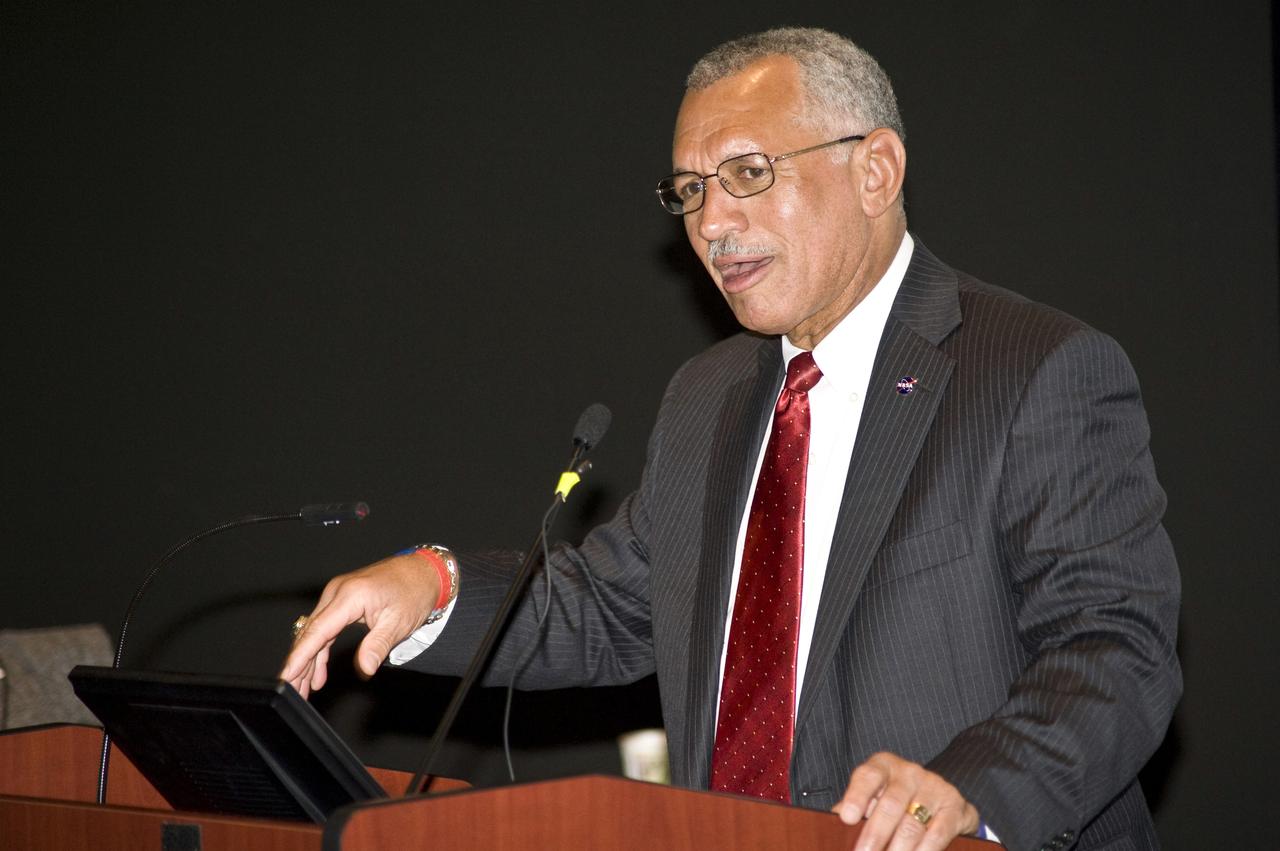
NASA ADMINISTRATOR CHARLES BOLDEN ADDRESSES THE AUDIENCE AT THE MARSHALL SMALL BUSINESS ALLIANCE MEETING MARCH 24, 2011.
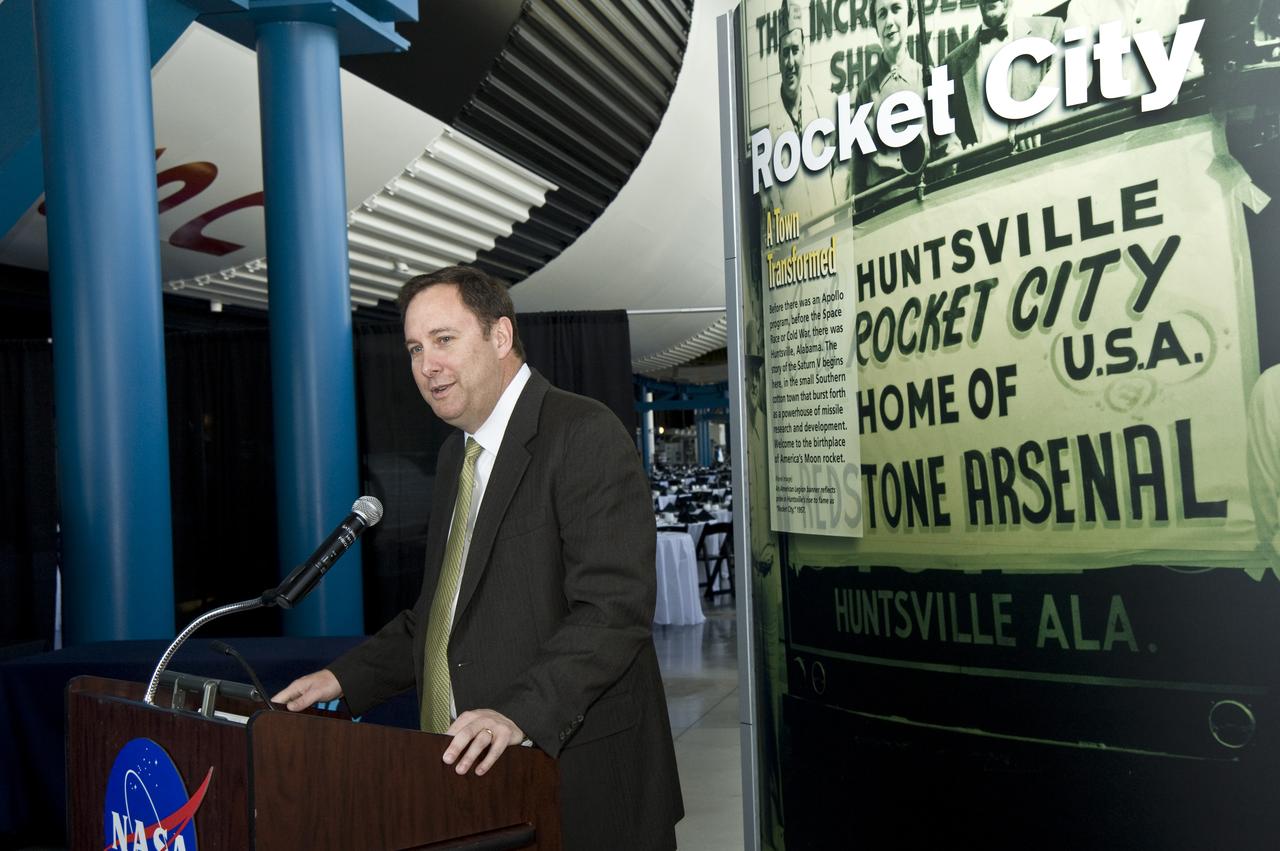
NASA ADMINISTRATOR CHARLES BOLDEN ADDRESSES THE AUDIENCE AT THE MARSHALL SMALL BUSINESS ALLIANCE MEETING MARCH 24, 2011.
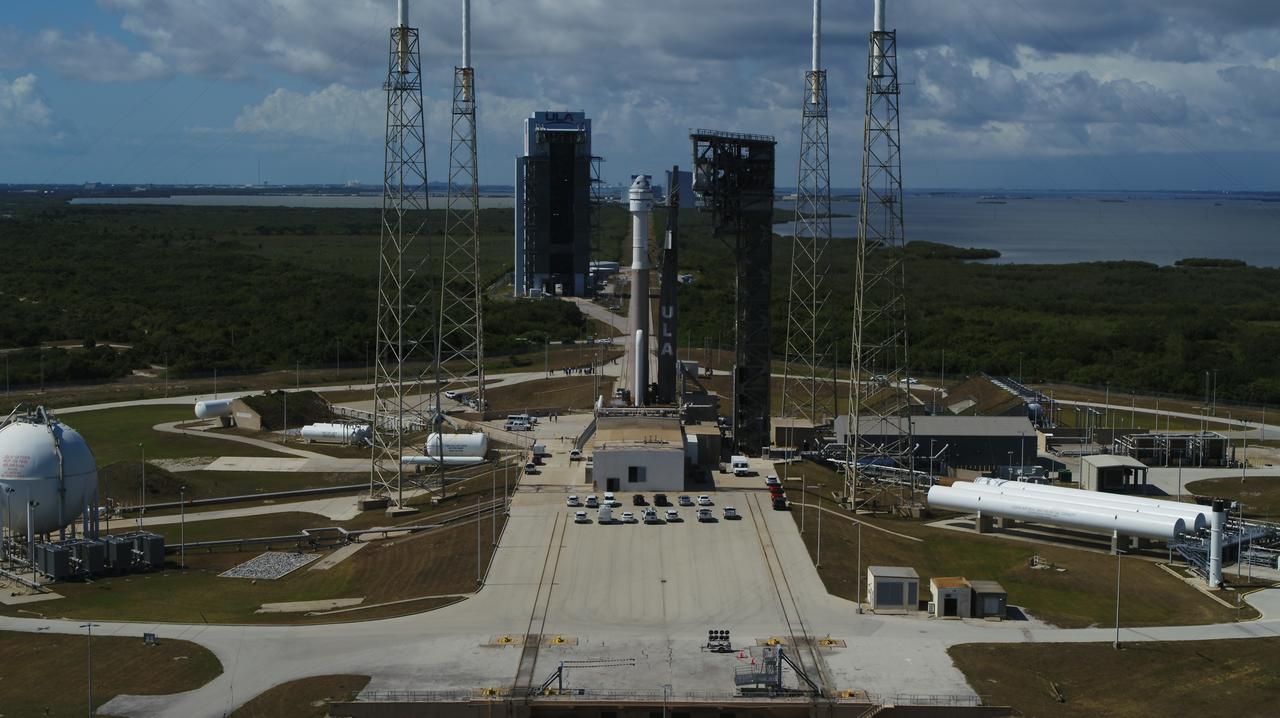
Boeing’s Starliner spacecraft atop the United Launch Alliance Atlas V rocket is seen on the launch pad of Space Launch Complex-41 at Cape Canaveral Space Force Station in Florida on Saturday, May 4, 2024, ahead of NASA’s Boeing Crew Flight Test. As part of the agency’s Commercial Crew Program, NASA astronauts Butch Wilmore and Suni Williams are the first to launch to the International Space Station aboard Boeing’s Starliner spacecraft. Liftoff is scheduled for 10:34 p.m. ET Monday, May 6.
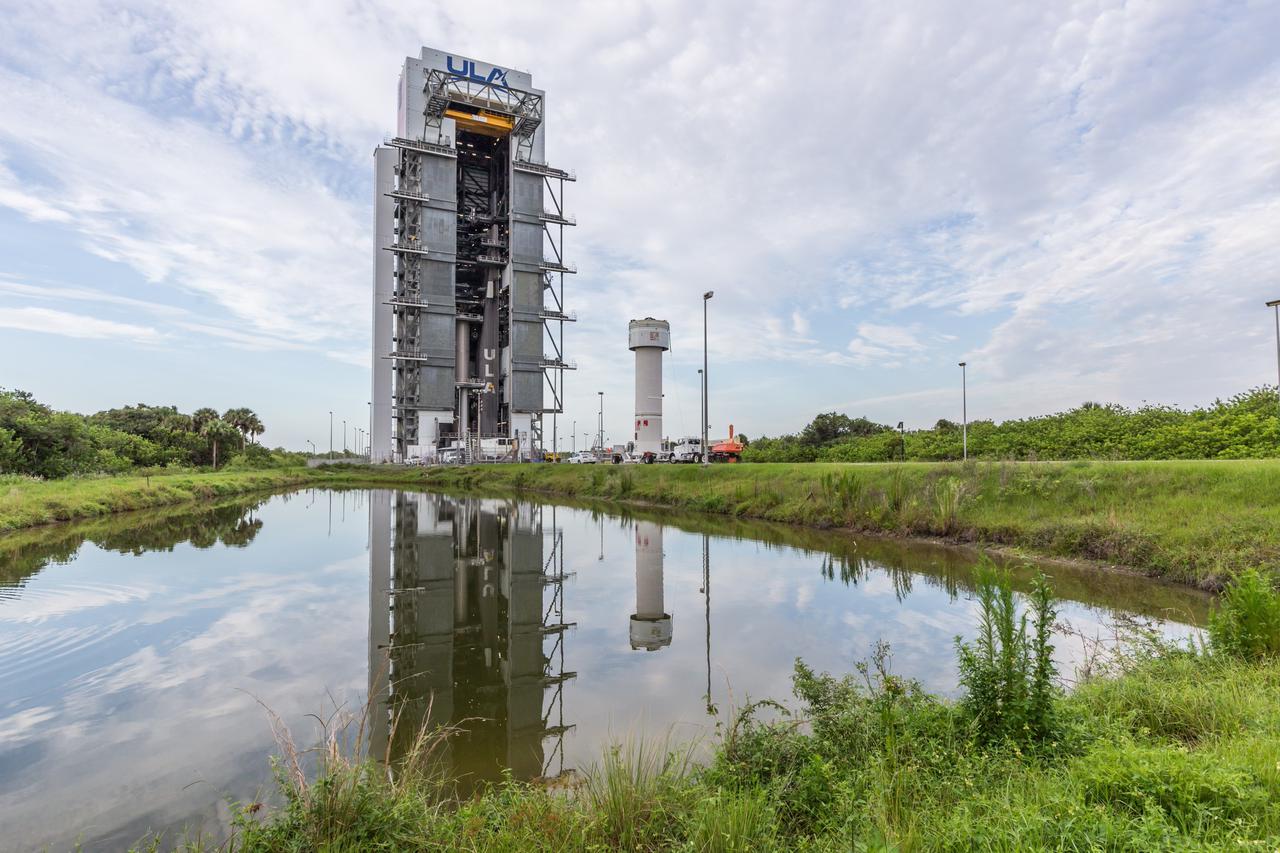
Engineers in United Launch Alliance’s Vertical Integration Facility used large cranes to assemble the stages of the company’s Atlas V rocket, in preparation for Boeing’s Orbital Flight Test-2 (OFT-2) launch to the International Space Station for NASA’s Commercial Crew Program. OFT-2 is scheduled to lift off at 2:53 p.m. ET Friday, July 30, from Space Launch Complex 41 at Cape Canaveral Space Force Station in Florida bound for the International Space Station.
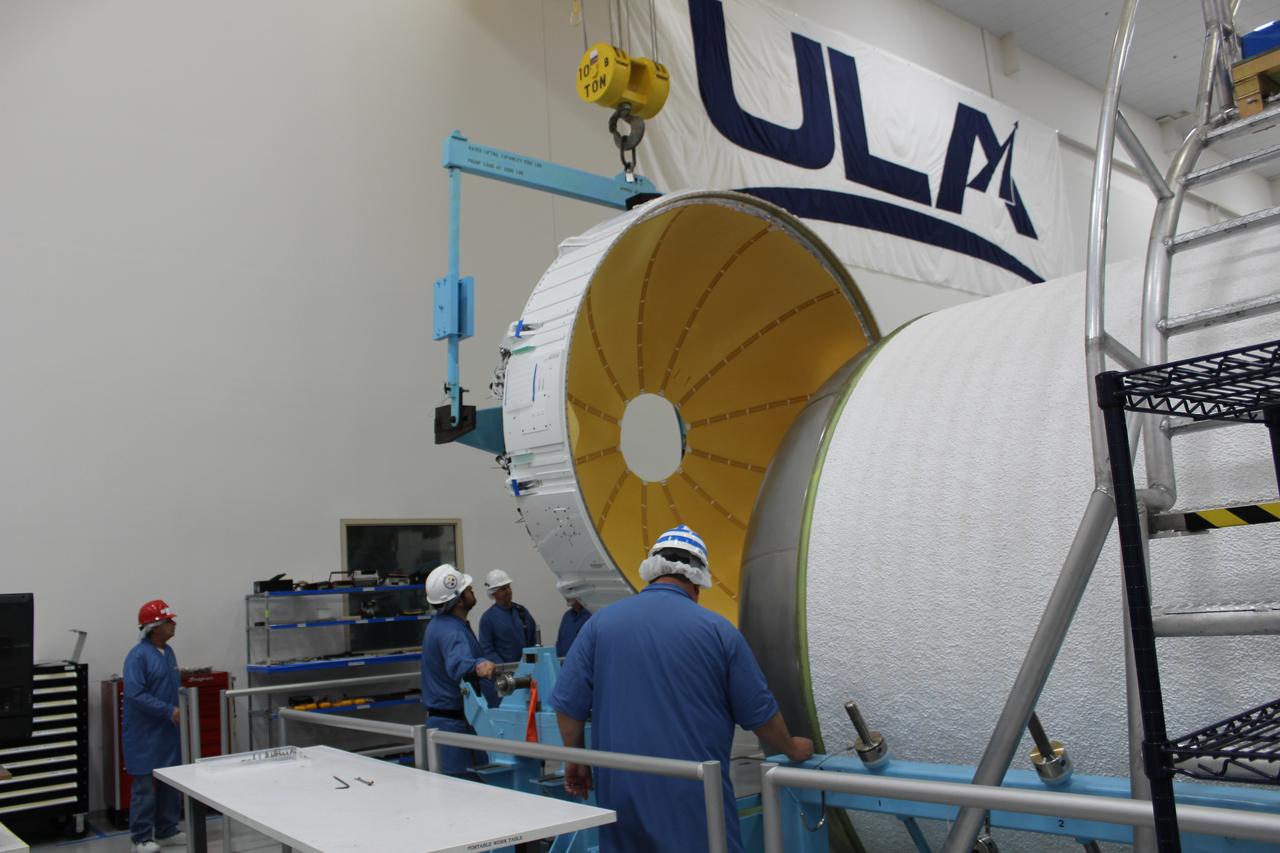
Workers assemble a United Launch Alliance (ULA) Atlas V dual engine Centaur upper stage in ULA’s factory in Decatur, Alabama on March 29, 2019. The dual engine upper stage is being prepared for the first crew rotation mission of Boeing’s CST-100 Starliner to the International Space Station. Starliner and the Atlas V rockets that will launch the spacecraft, are key elements of NASA’s Commercial Crew Program to restore the capability to send astronauts to the space station from U.S. soil.
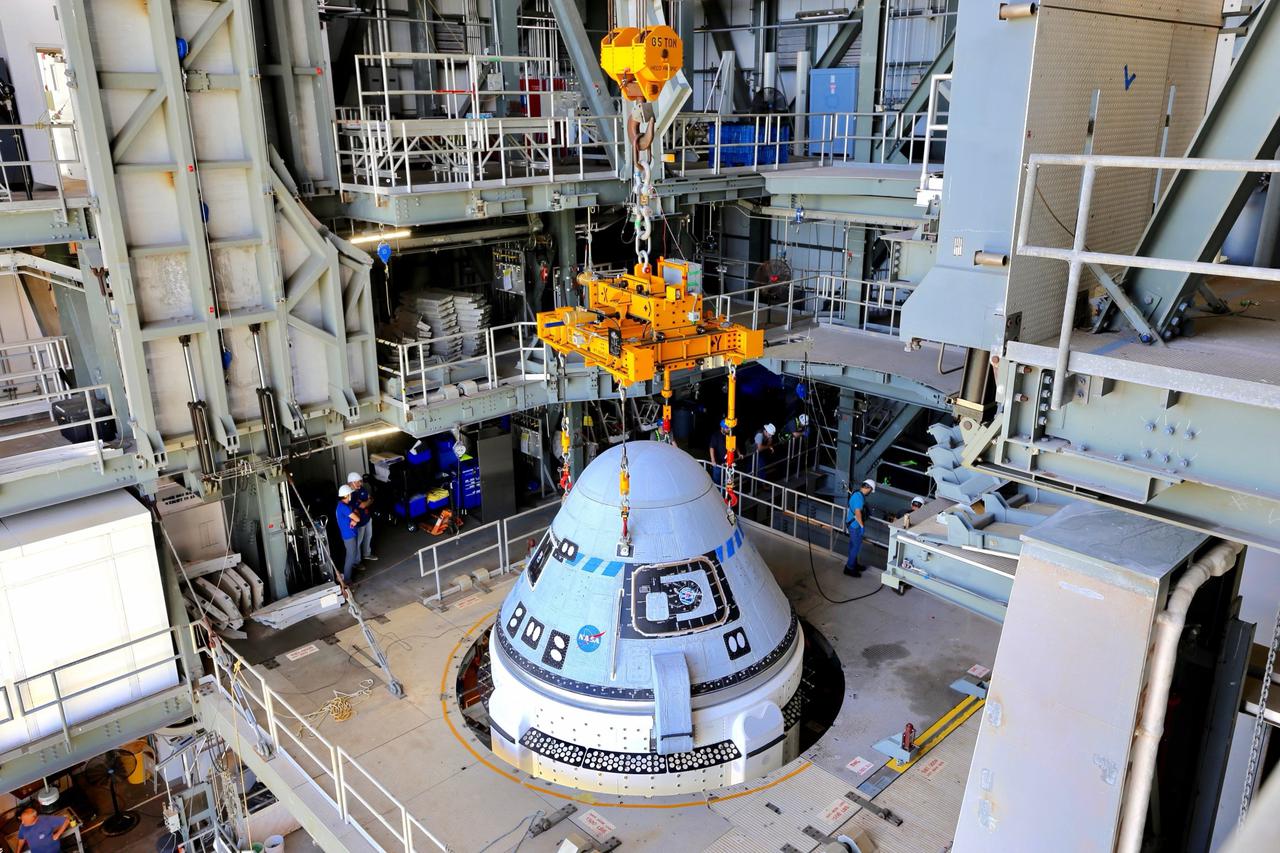
Boeing’s CST-100 Starliner spacecraft is secured atop a United Launch Alliance Atlas V rocket at the Vertical Integration Facility at Space Launch Complex-41 at Florida’s Cape Canaveral Space Force Station on July 17, 2021. Starliner will launch on the Atlas V for Boeing’s second Orbital Flight Test (OFT-2) for NASA’s Commercial Crew Program. The spacecraft rolled out from Boeing’s Commercial Crew and Cargo Processing Facility at NASA’s Kennedy Space Center earlier in the day.
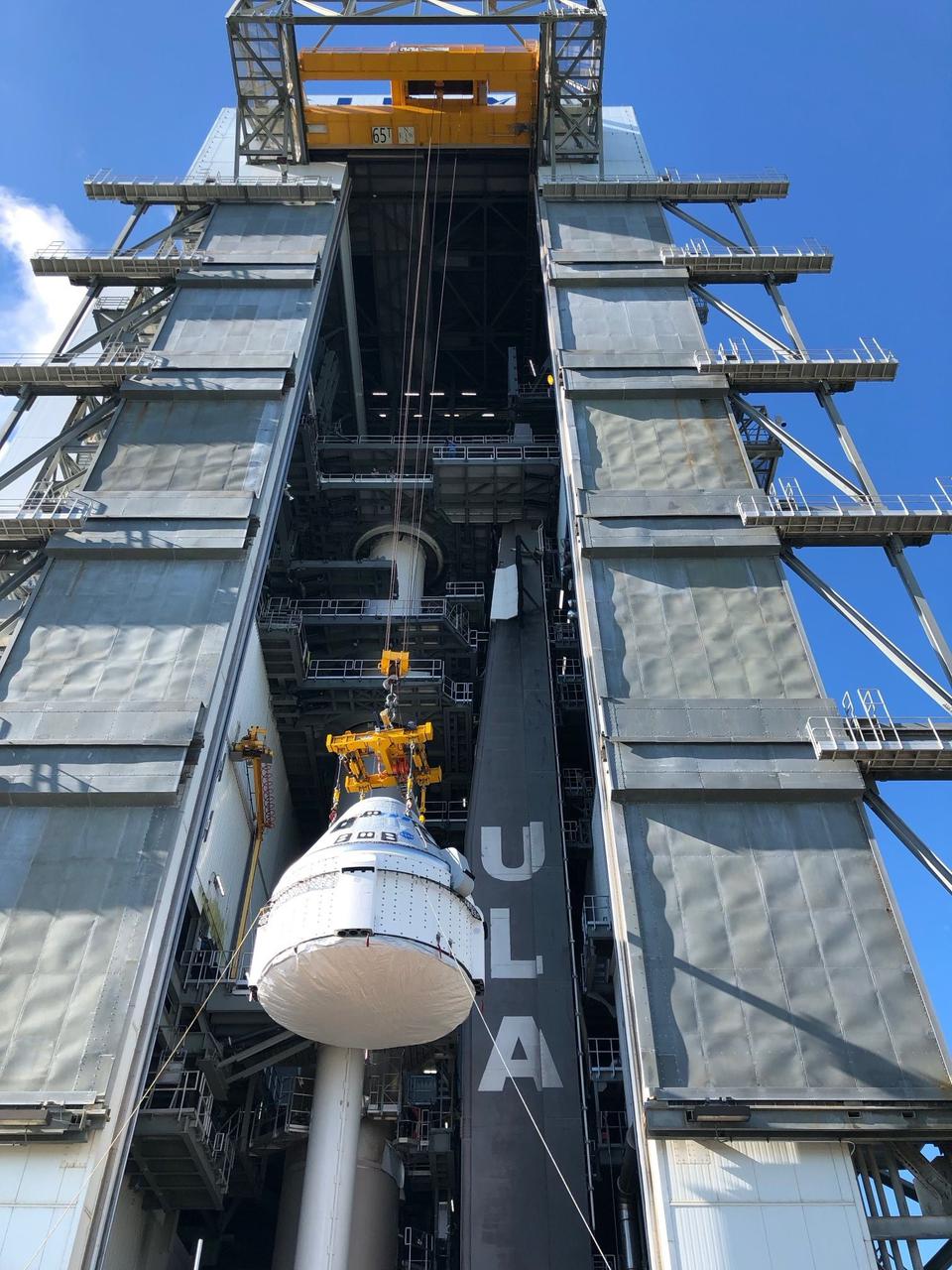
Boeing’s CST-100 Starliner spacecraft is lifted at the Vertical Integration Facility at Space Launch Complex-41 at Florida’s Cape Canaveral Space Force Station on July 17, 2021. Starliner will be secured atop a United Launch Alliance Atlas V rocket for Boeing’s Orbital Flight Test to the International Space Station for NASA’s Commercial Crew Program. The spacecraft rolled out from Boeing’s Commercial Crew and Cargo Processing Facility at NASA’s Kennedy Space Center earlier in the day.
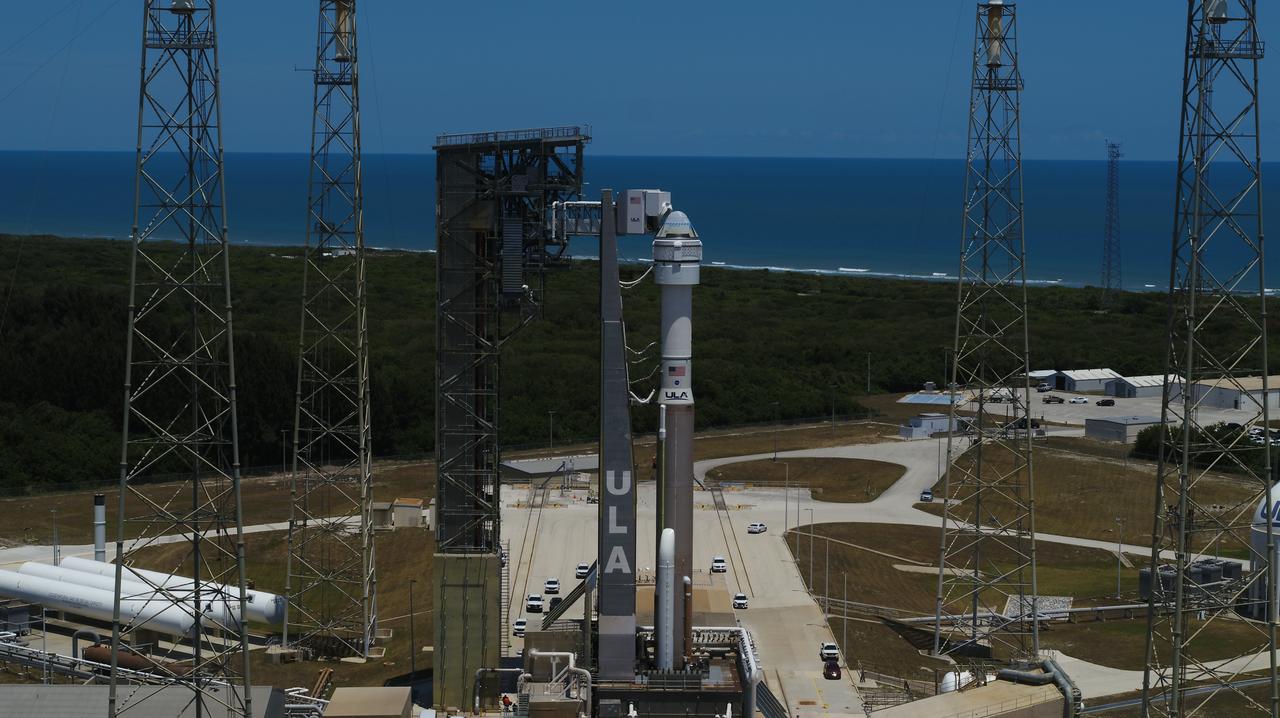
Boeing’s Starliner spacecraft atop the United Launch Alliance Atlas V rocket is seen on the launch pad of Space Launch Complex-41 at Cape Canaveral Space Force Station in Florida on Saturday, May 4, 2024, ahead of NASA’s Boeing Crew Flight Test. As part of the agency’s Commercial Crew Program, NASA astronauts Butch Wilmore and Suni Williams are the first to launch to the International Space Station aboard Boeing’s Starliner spacecraft. Liftoff is scheduled for 10:34 p.m. ET Monday, May 6.
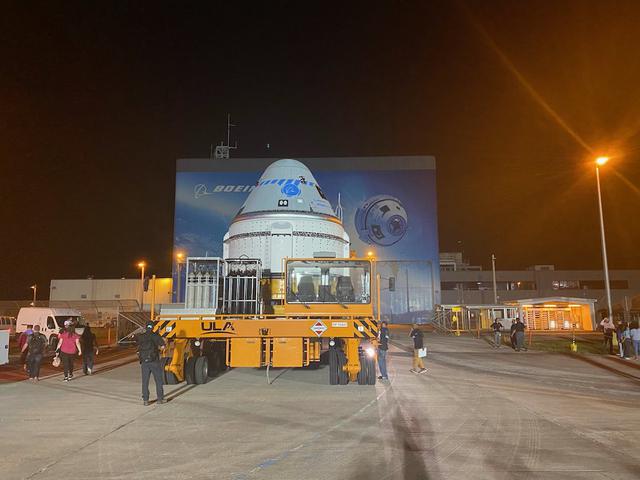
Boeing’s CST-100 Starliner spacecraft rolls out from the company’s Commercial Crew and Cargo Processing Facility at NASA’s Kennedy Space Center in Florida on July 17, 2021. The spacecraft will make the trip to Space Launch Complex-41 at Cape Canaveral Space Force Station where it will be secured atop a United Launch Alliance Atlas V rocket for Boeing’s second Orbital Flight Test (OFT-2) for NASA’s Commercial Crew Program.
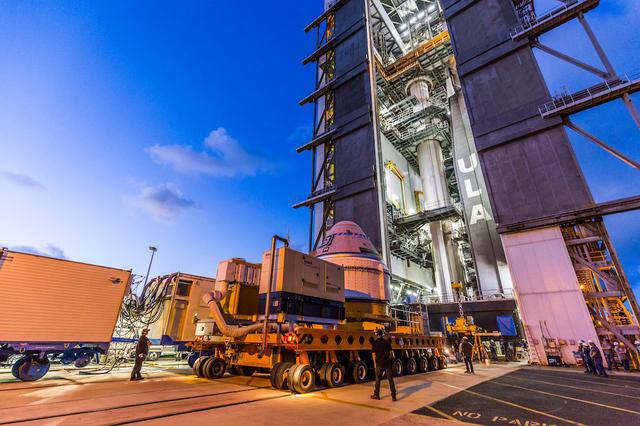
Boeing’s CST-100 Starliner spacecraft arrives at the Vertical Integration Facility at Space Launch Complex-41 at Cape Canaveral Space Force Station in Florida on July 17, 2021. Starliner will be secured atop a United Launch Alliance Atlas V rocket for Boeing’s second Orbital Flight Test (OFT-2) for NASA’s Commercial Crew Program. The spacecraft rolled out from Boeing’s Commercial Crew and Cargo Processing Facility at NASA’s Kennedy Space Center earlier in the day.
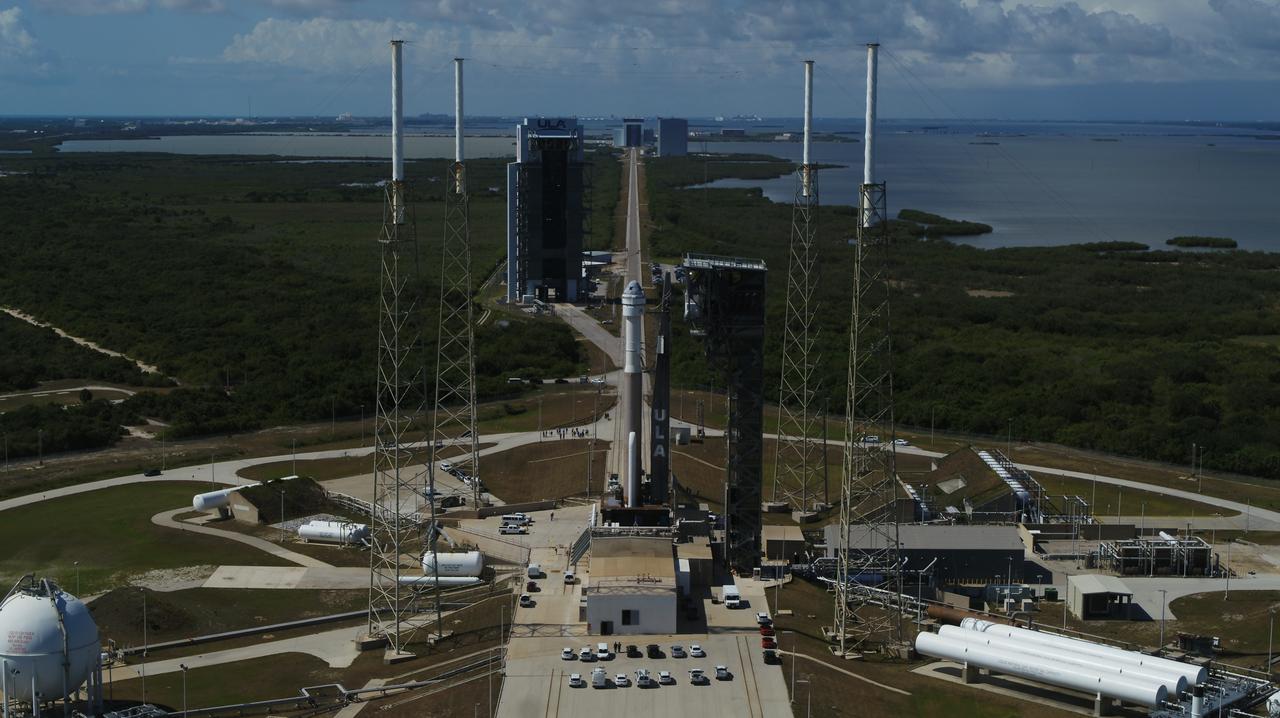
Boeing’s Starliner spacecraft atop the United Launch Alliance Atlas V rocket is seen on the launch pad of Space Launch Complex-41 at Cape Canaveral Space Force Station in Florida on Saturday, May 4, 2024, ahead of NASA’s Boeing Crew Flight Test. As part of the agency’s Commercial Crew Program, NASA astronauts Butch Wilmore and Suni Williams are the first to launch to the International Space Station aboard Boeing’s Starliner spacecraft. Liftoff is scheduled for 10:34 p.m. ET Monday, May 6.
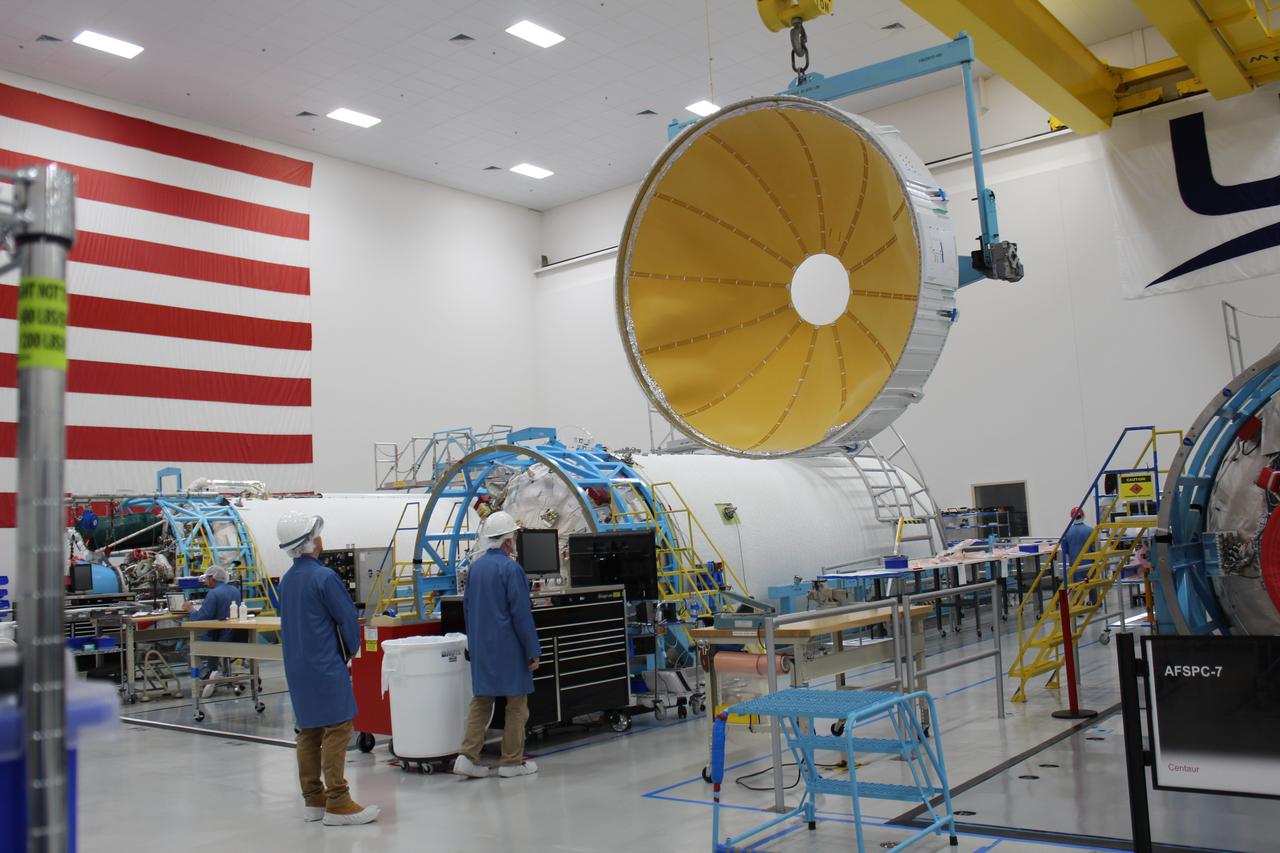
Workers assemble a United Launch Alliance (ULA) Atlas V dual engine Centaur upper stage in ULA’s factory in Decatur, Alabama on March 29, 2019. The dual engine upper stage is being prepared for the first crew rotation mission of Boeing’s CST-100 Starliner to the International Space Station. Starliner and the Atlas V rockets that will launch the spacecraft, are key elements of NASA’s Commercial Crew Program to restore the capability to send astronauts to the space station from U.S. soil.
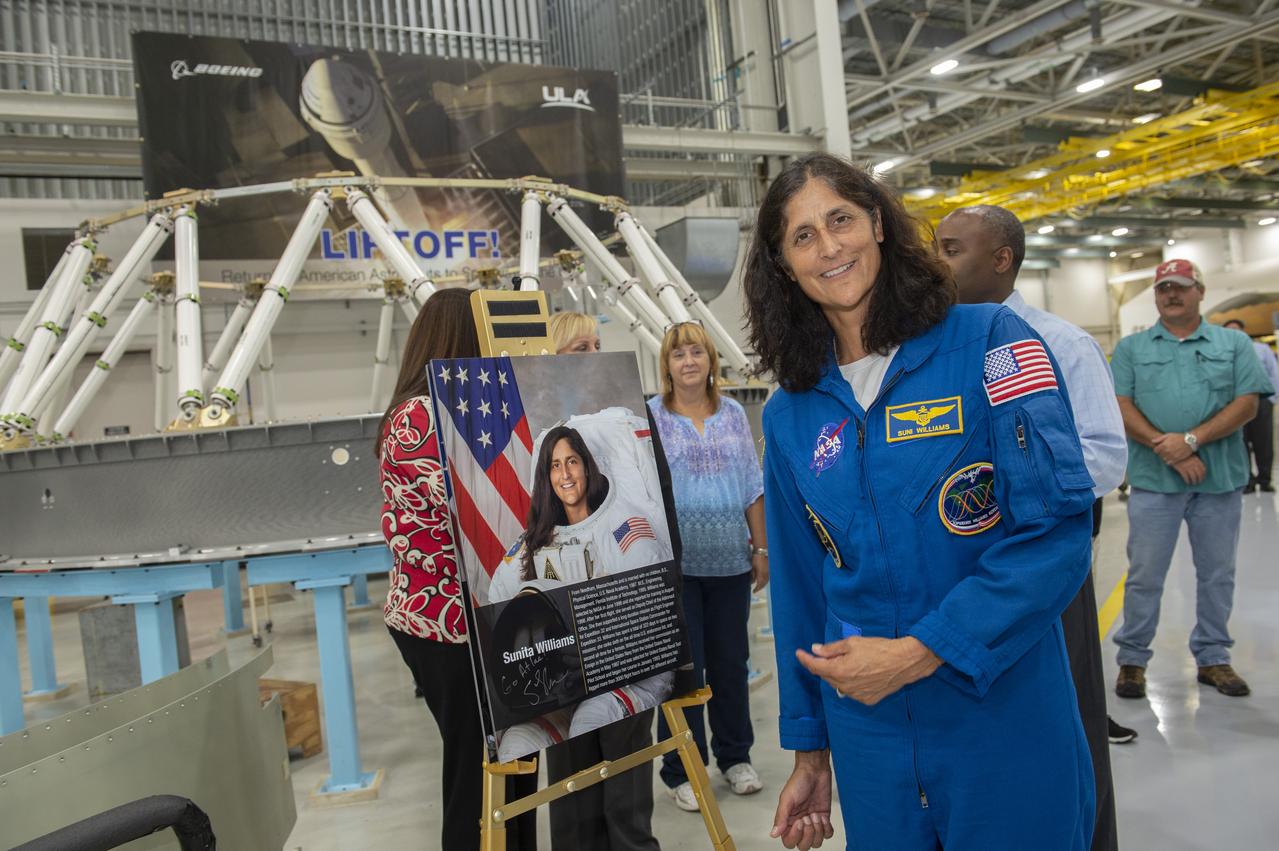
Astronaut Suni Williams poses with a poster of herself as she tours ULA facility in Decatur, Al
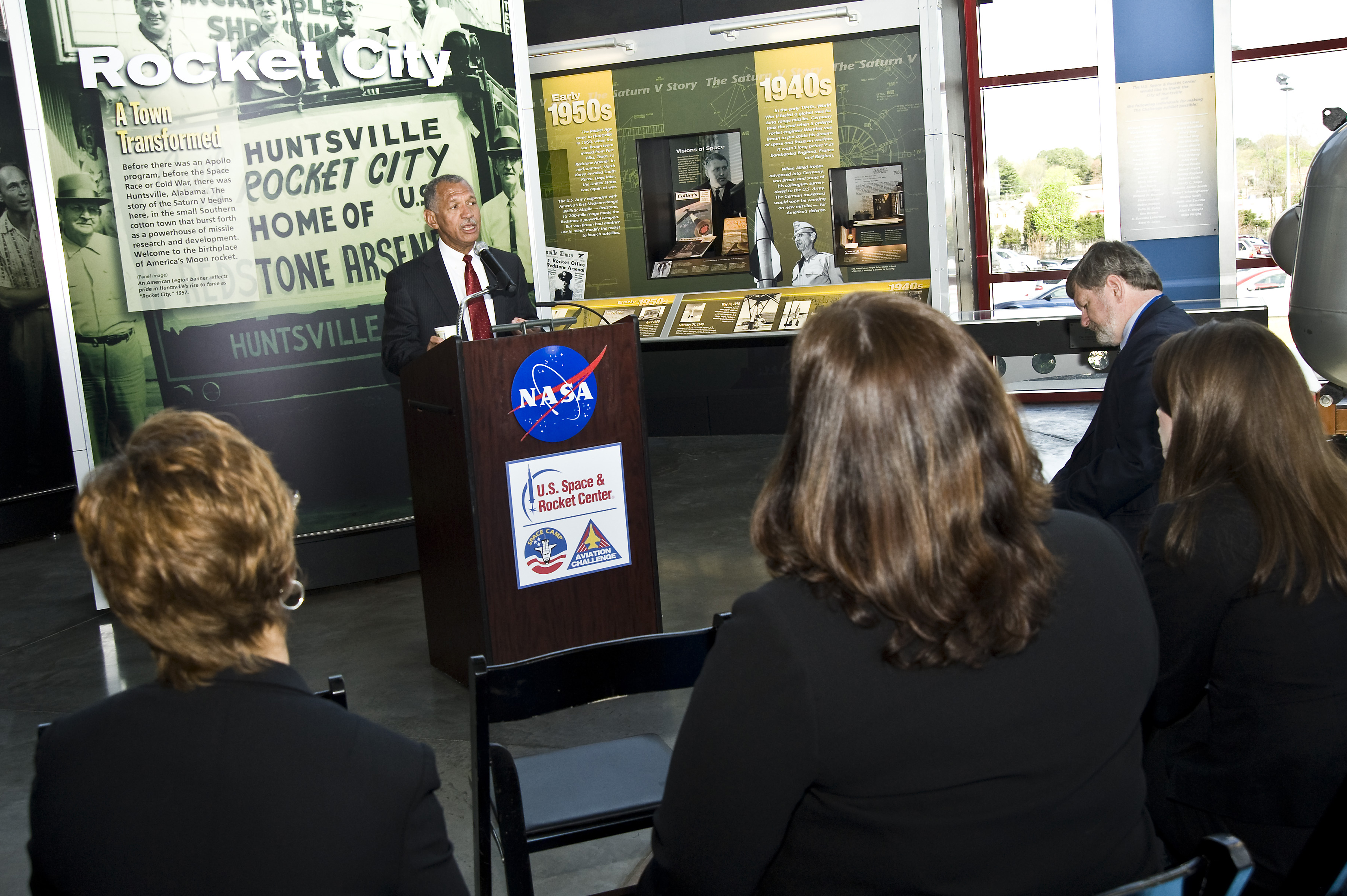
CHARLES BOLDEN NASA ADMINISTRATOR SPEAKING AT THE MEDIA EVENT FOLLOWING THE MARSHALL SMALL BUSINESS ALLIANCE HELD AT THE DAVIDSON CENTER, HUNTSVILLE, ALABAMA
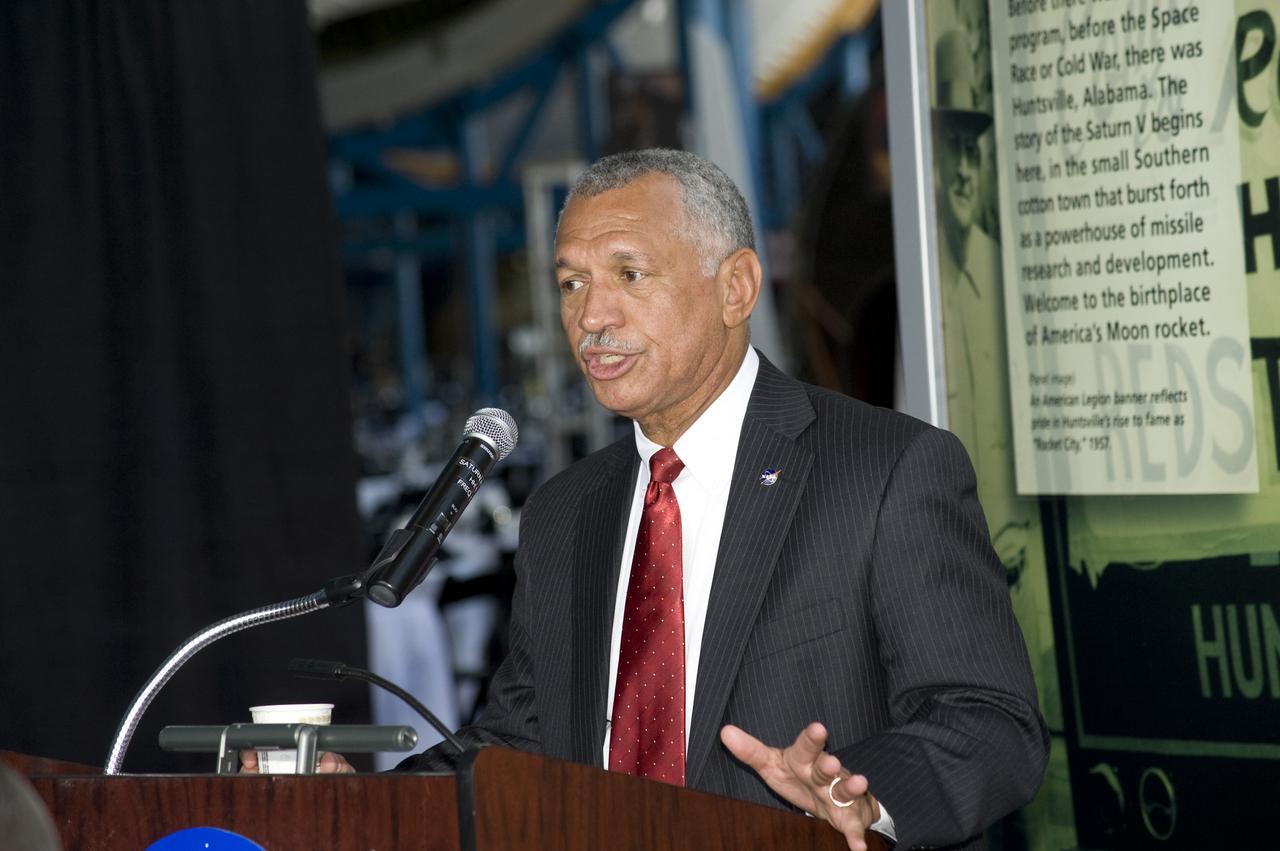
CHARLES BOLDEN NASA ADMINISTRATOR SPEAKING AT THE MEDIA EVENT FOLLOWING THE MARSHALL SMALL BUSINESS ALLIANCE HELD AT THE DAVIDSON CENTER, HUNTSVILLE, ALABAMA
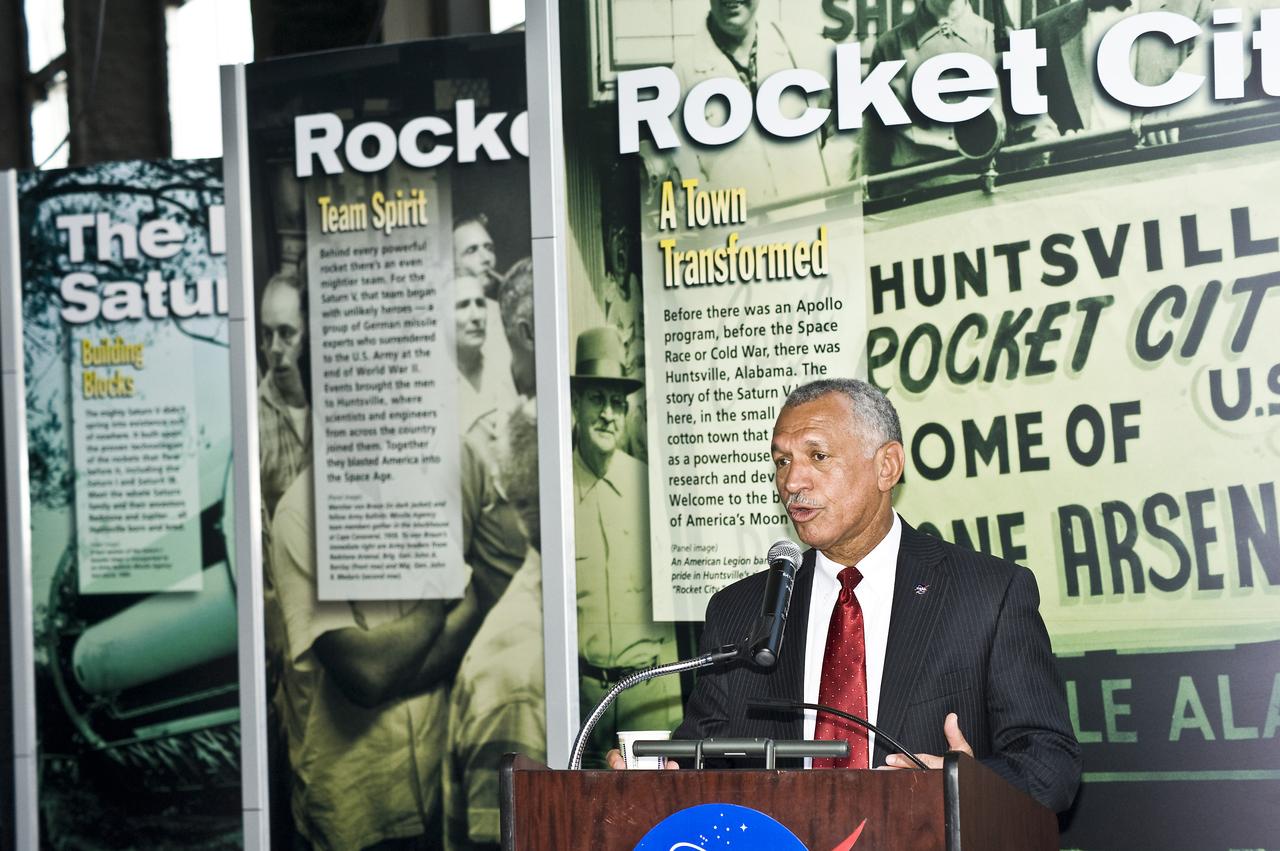
CHARLES BOLDEN NASA ADMINISTRATOR SPEAKING AT THE MEDIA EVENT FOLLOWING THE MARSHALL SMALL BUSINESS ALLIANCE HELD AT THE DAVIDSON CENTER, HUNTSVILLE, ALABAMA
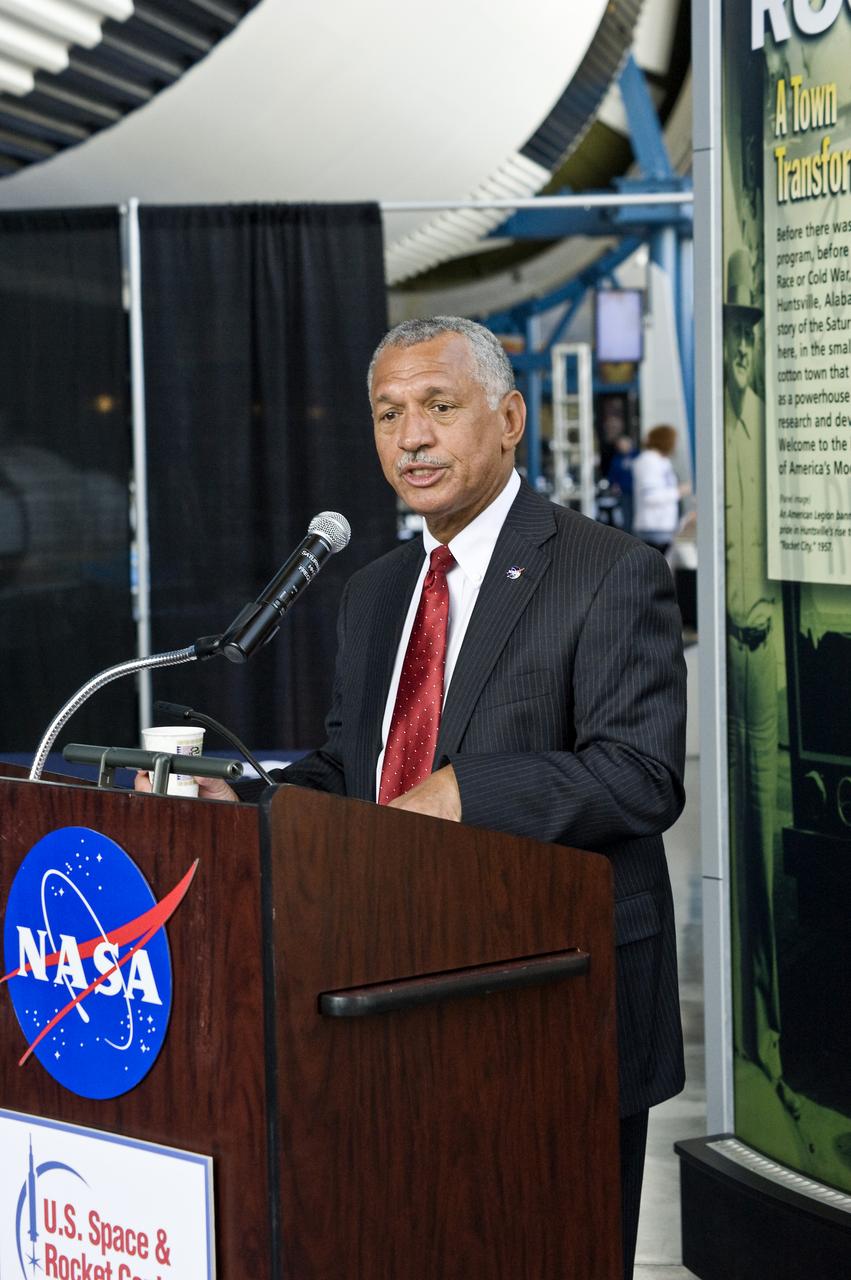
CHARLES BOLDEN NASA ADMINISTRATOR SPEAKING AT THE MEDIA EVENT FOLLOWING THE MARSHALL SMALL BUSINESS ALLIANCE HELD AT THE DAVIDSON CENTER, HUNTSVILLE, ALABAMA
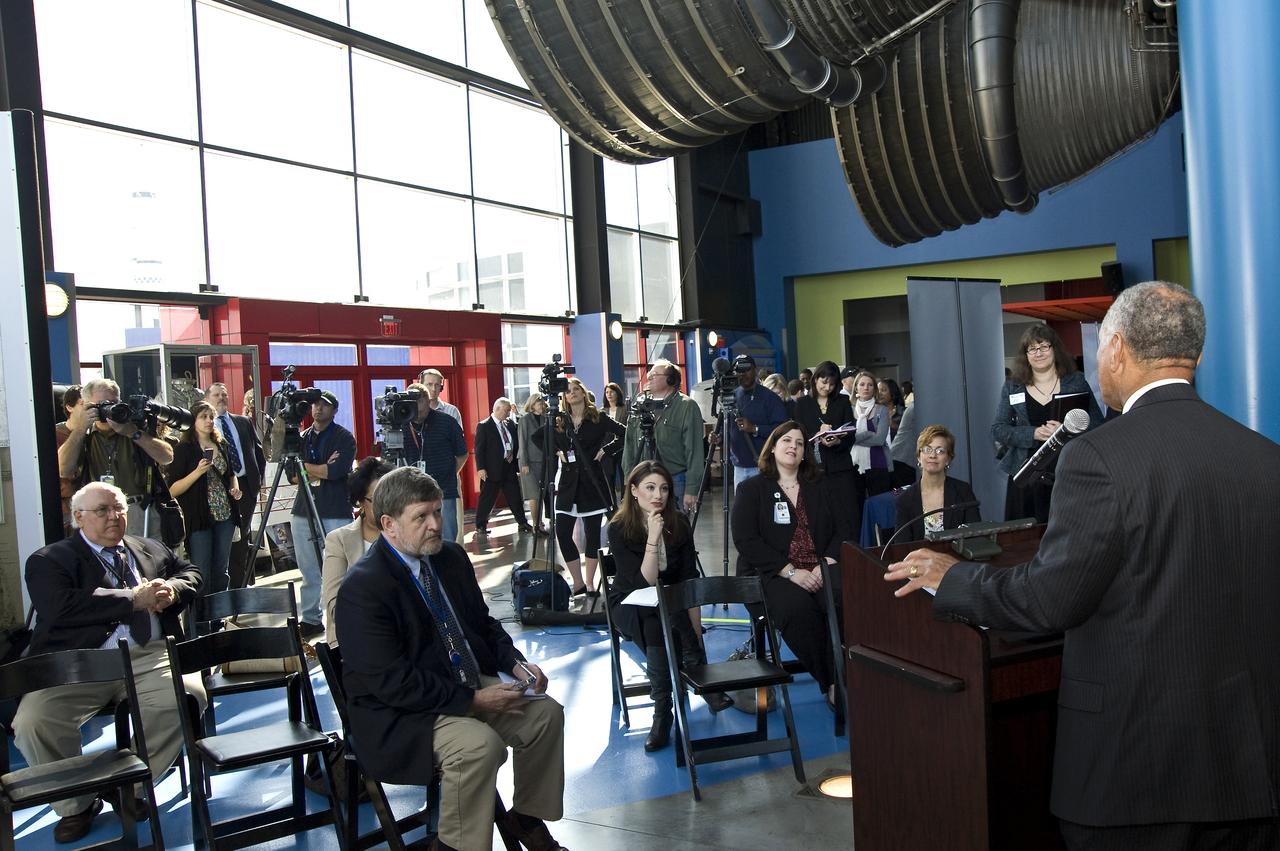
CHARLES BOLDEN NASA ADMINISTRATOR SPEAKING AT THE MEDIA EVENT FOLLOWING THE MARSHALL SMALL BUSINESS ALLIANCE HELD AT THE DAVIDSON CENTER, HUNTSVILLE, ALABAMA
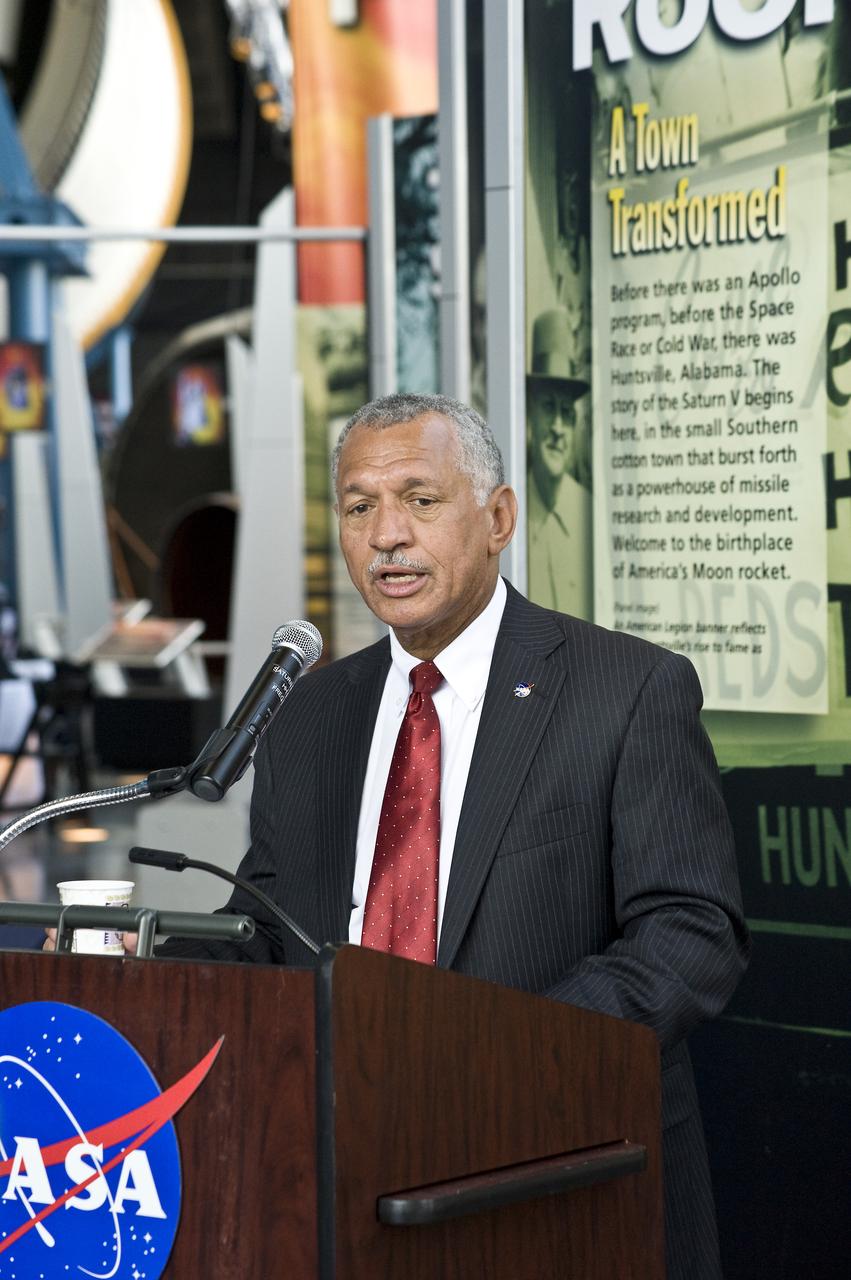
CHARLES BOLDEN NASA ADMINISTRATOR SPEAKING AT THE MEDIA EVENT FOLLOWING THE MARSHALL SMALL BUSINESS ALLIANCE HELD AT THE DAVIDSON CENTER, HUNTSVILLE, ALABAMA
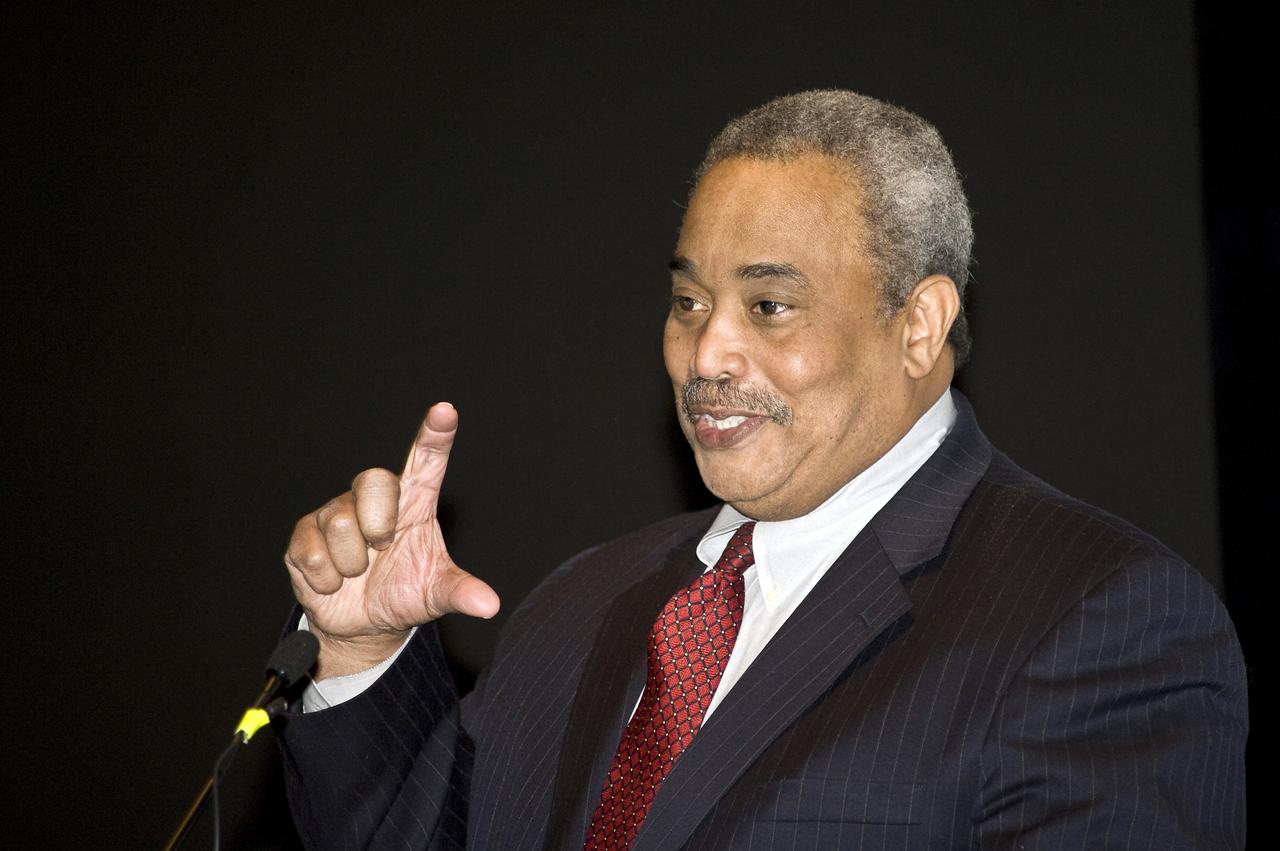
GLENN DELGADO, ASSOCIATE DIRECTOR, NASA OFFICE OF SMALL BUSINESS PROGRAMS PRESENTING UPDATES AT THE 2011 MARSHALL BUSINESS ALLIANCE MEETING HELD AT THE HUNTSVILLE DAVIDSON CENTER.
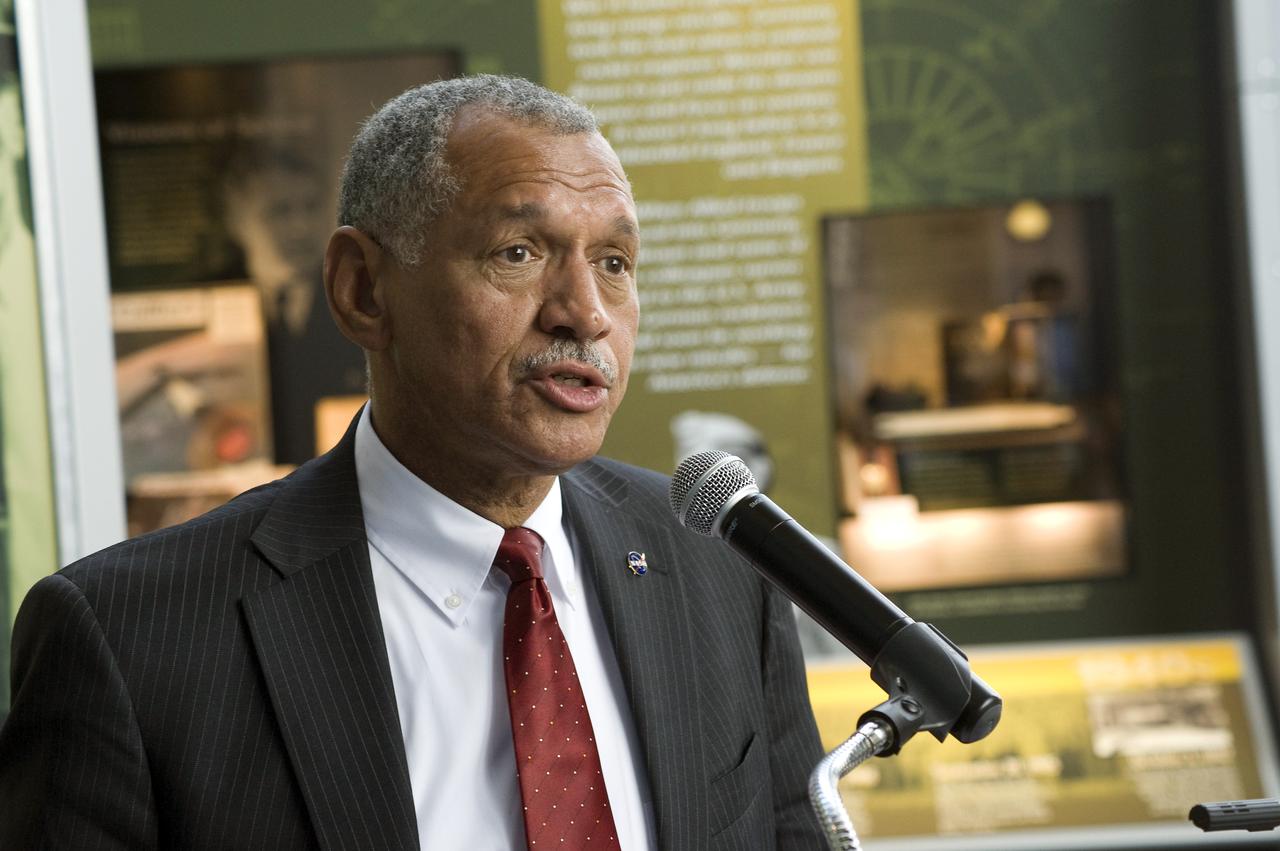
CHARLES BOLDEN NASA ADMINISTRATOR SPEAKING AT THE MEDIA EVENT FOLLOWING THE MARSHALL SMALL BUSINESS ALLIANCE HELD AT THE DAVIDSON CENTER, HUNTSVILLE, ALABAMA
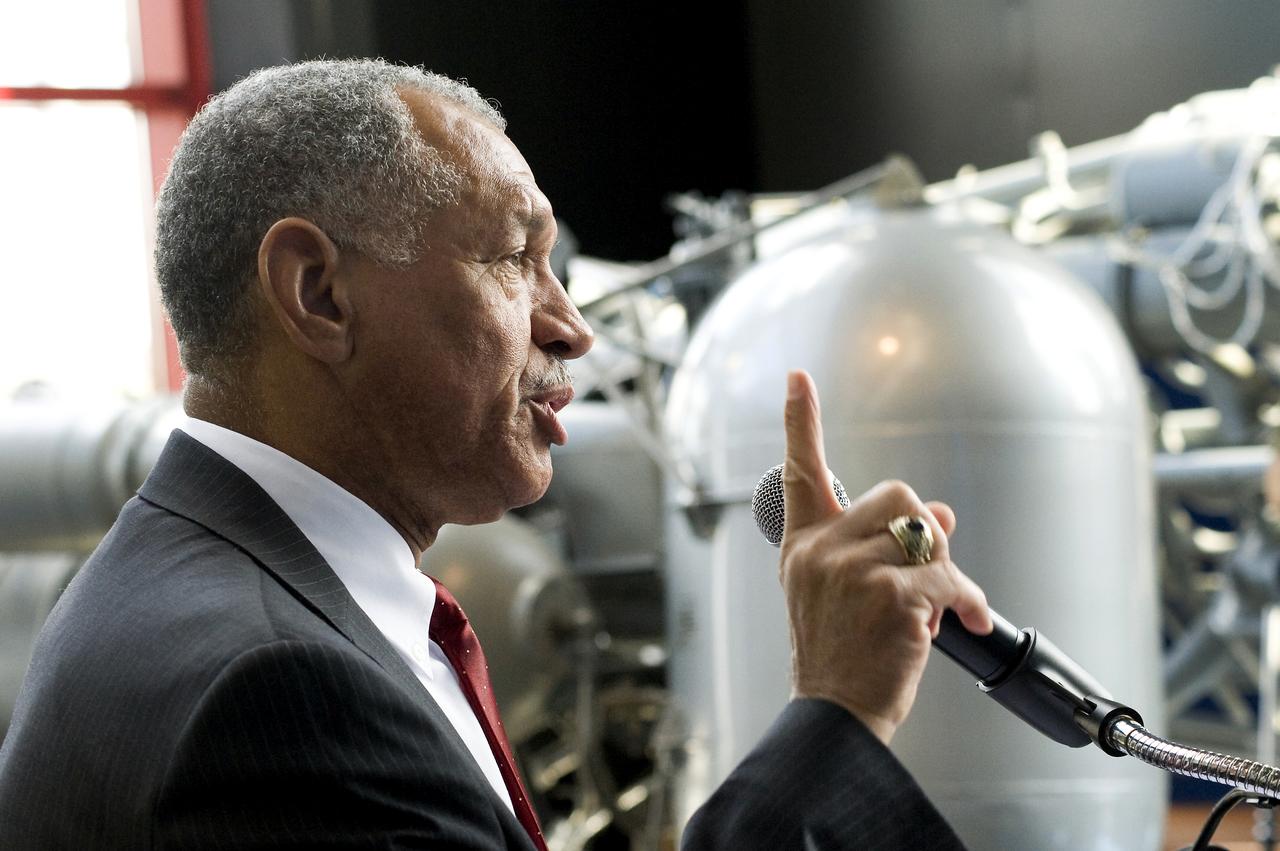
CHARLES BOLDEN NASA ADMINISTRATOR SPEAKING AT THE MEDIA EVENT FOLLOWING THE MARSHALL SMALL BUSINESS ALLIANCE HELD AT THE DAVIDSON CENTER, HUNTSVILLE, ALABAMA
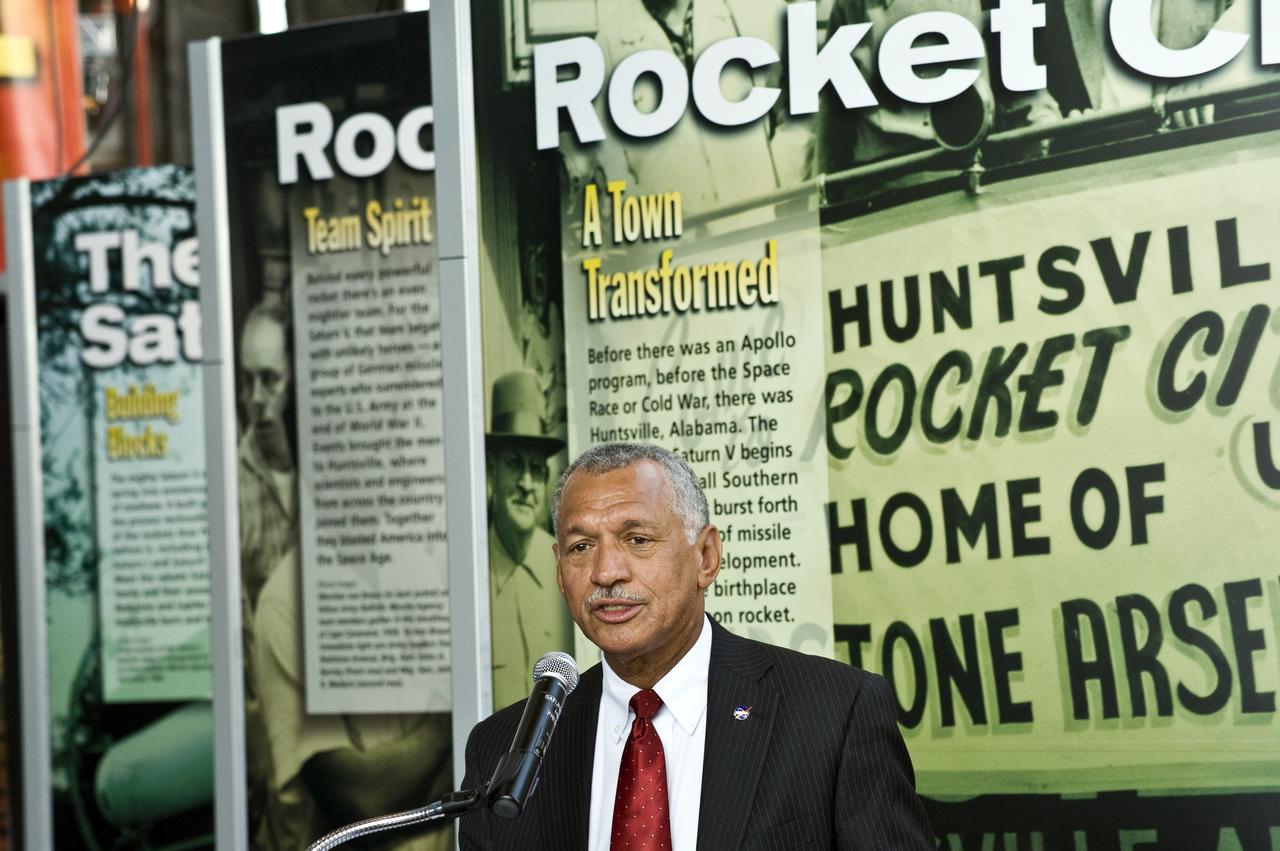
CHARLES BOLDEN NASA ADMINISTRATOR SPEAKING AT THE MEDIA EVENT FOLLOWING THE MARSHALL SMALL BUSINESS ALLIANCE HELD AT THE DAVIDSON CENTER, HUNTSVILLE, ALABAMA
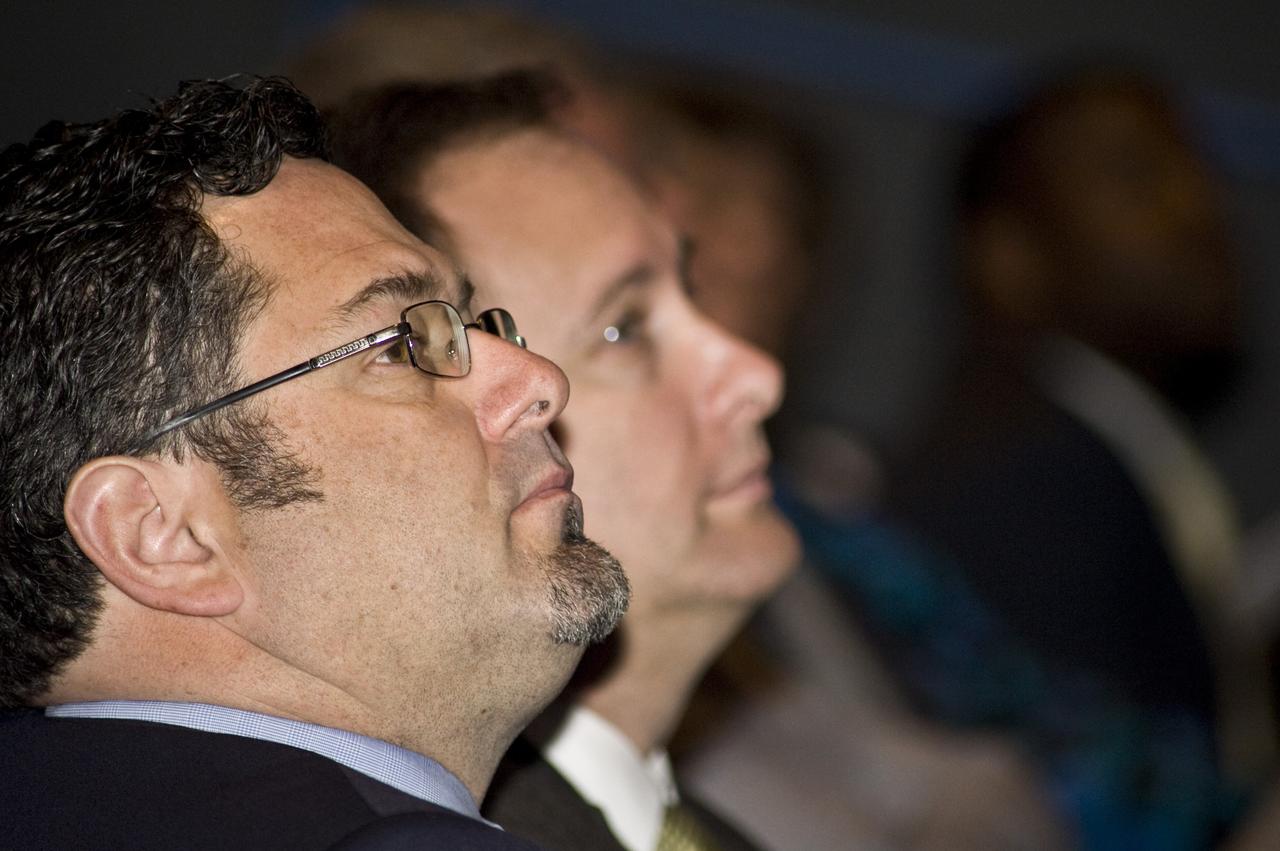
TODD MAY, SPECIAL TECHNICIAL ASSISTANT TO THE DIRECTOR AT MSFC, LISTENS TO NASA ADMINISTRATOR CHARLES BOLDEN DURING THE MARCH 24 SMALL BUSINESS ALLIANCE MEETING
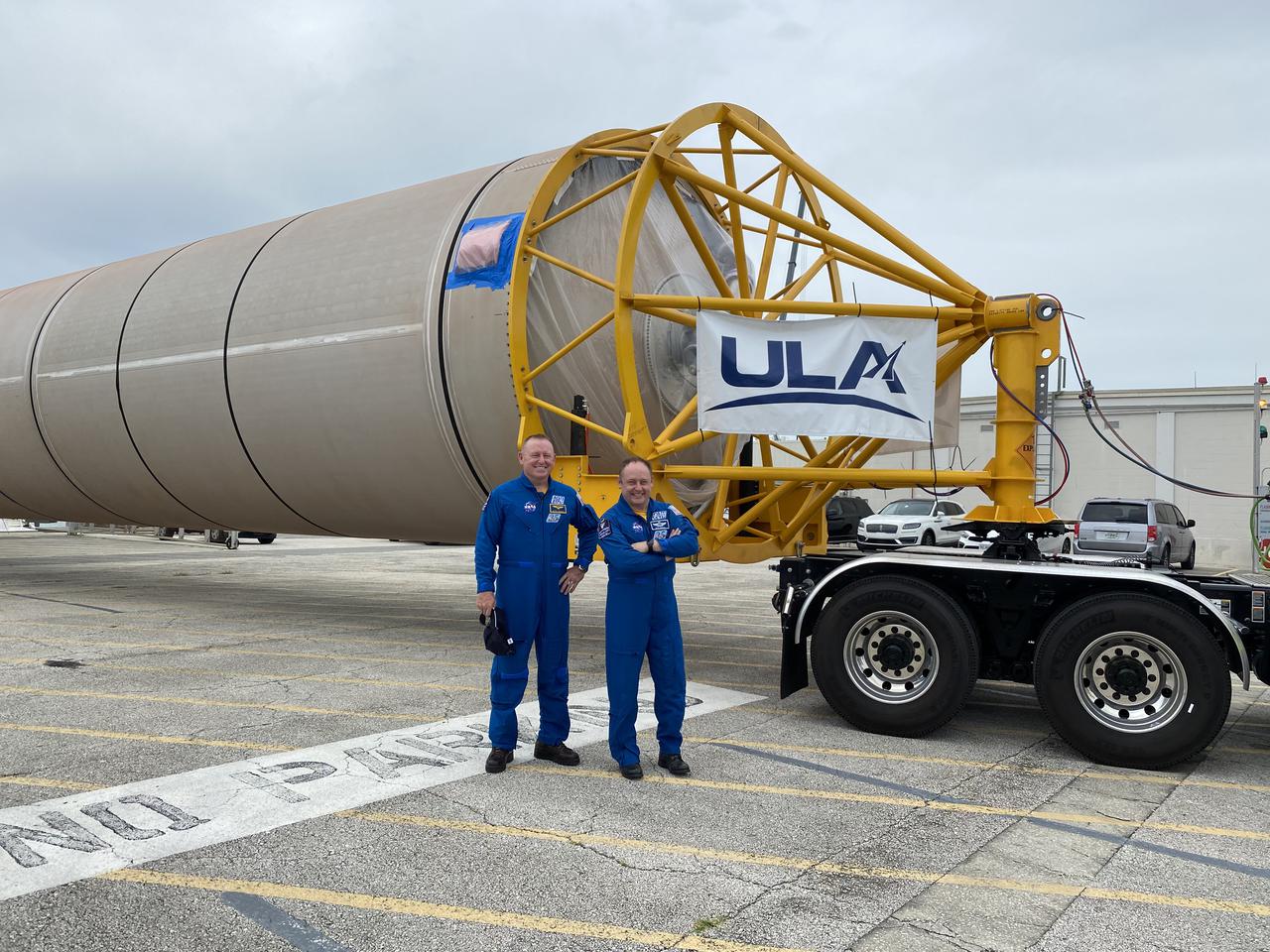
NASA astronauts Barry “Butch” Wilmore, left, Mike Fincke, right, welcome the United Launch Alliance (ULA) Atlas V rocket that will transport them and NASA astronaut Nicole Mann to the International Space Station on Boeing’s CST-100 Starliner spacecraft for the company’s Crew Flight Test (CFT). The Atlas V rocket arrived at Cape Canaveral Space Force Station (CCSFS), Florida on June 21, 2021, after its journey on a rocket-delivery ship from ULA’s manufacturing factory in Decatur, Alabama. Starliner’s first flight with astronauts aboard, CFT will launch from Space Launch Complex-41 at CCSFS. The flight test will demonstrate the ability of the Atlas V and Starliner to safely carry astronauts to and from the space station for the agency’s Commercial Crew Program.
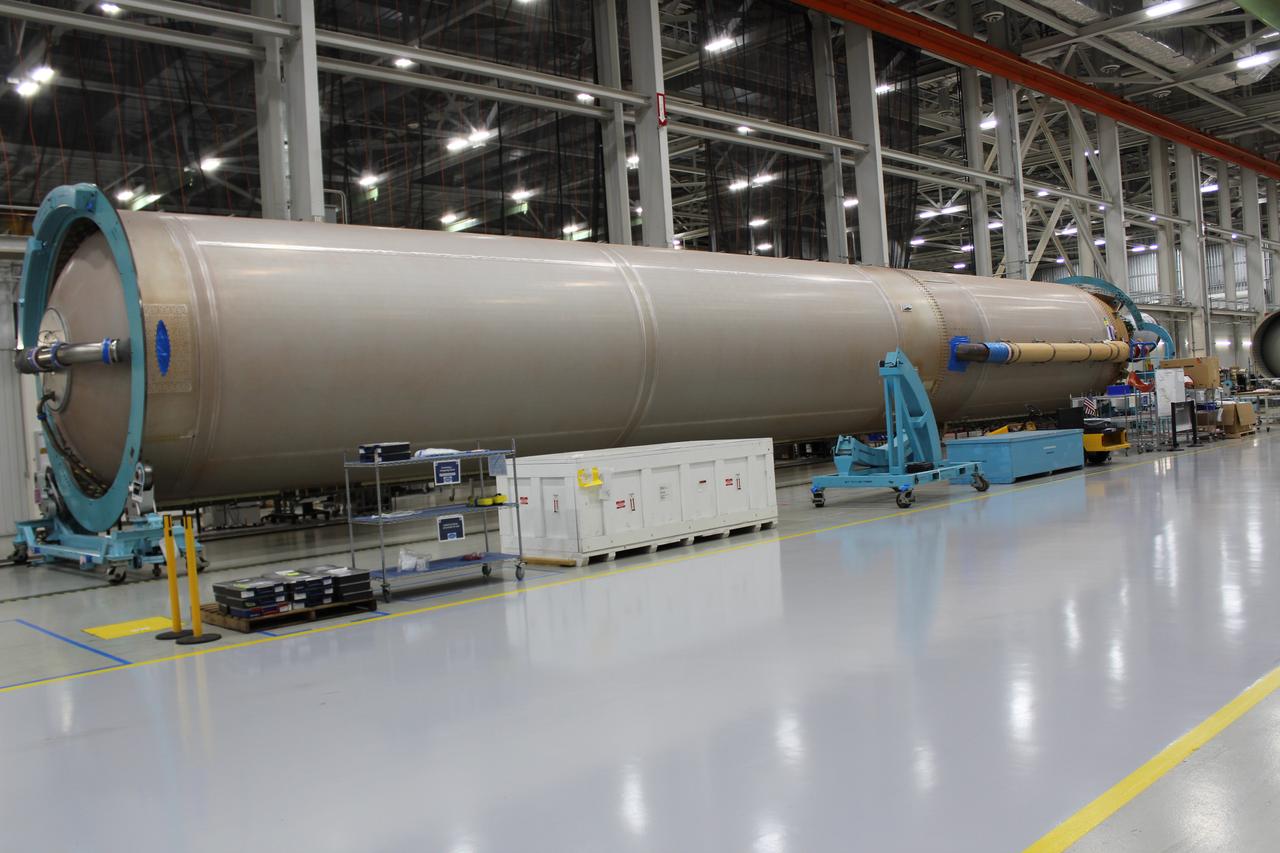
The United Launch Alliance (ULA) Atlas V first stage booster for the Crew Flight Test of Boeing’s CST-100 Starliner is in production in ULA's factory in Decatur, Alabama on March 1, 2019. Soon the booster will be assembled with the dual engine Centaur upper stage. They will be shipped aboard the company’s Mariner cargo ship to NASA’s Kennedy Space Center in Florida. Starliner and the Atlas V rockets that will launch the spacecraft, are key to restoring the nation’s capability to send astronauts to the space station from U.S. soil with NASA’s Commercial Crew Program. NASA astronauts Mike Fincke and Nicole Mann, and Boeing astronaut Chris Ferguson will launch to the space station aboard the Starliner for the Crew Flight Test.
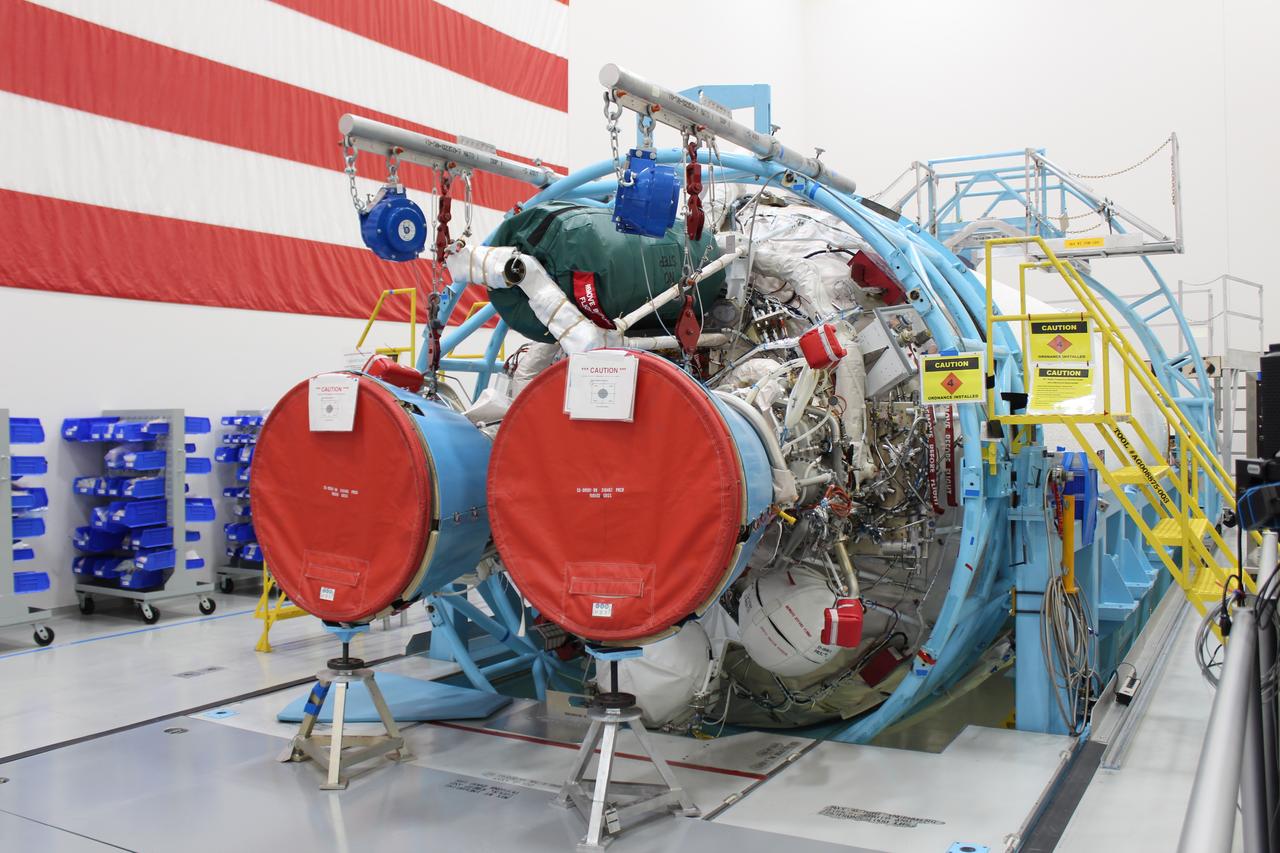
A United Launch Alliance (ULA) Atlas V dual engine Centaur upper stage is in ULA’s factory in Decatur, Alabama on March 29, 2019. The dual engine upper stage is being prepared for Boeing’s CST-100 Starliner Crew Flight Test. Soon the upper stage will be assembled with the first stage booster and shipped aboard the company’s Mariner cargo ship to NASA’s Kennedy Space Center in Florida. Starliner and the Atlas V rockets that will launch the spacecraft, are key elements of NASA’s Commercial Crew Program to restore the capability to send astronauts to the International Space Station from U.S. soil.
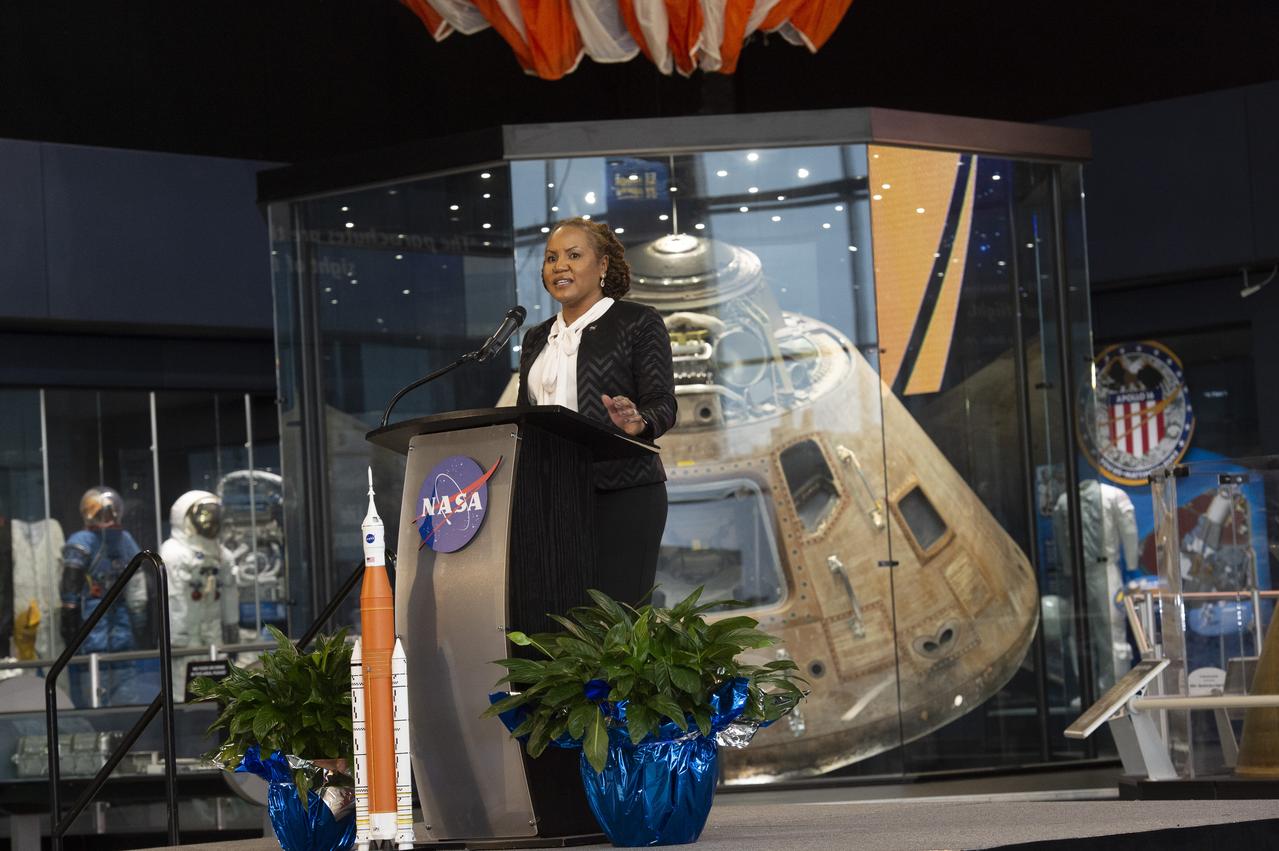
Monica Manning, assistant administrator of NASA’s Office of Procurement, addresses a crowd of nearly 900 industry leaders from 33 states at the 29th Marshall Small Business Alliance meeting Feb. 20 at the U.S. Space & Rocket Center. Manning introduced a new model for managing mission support for the agency, with the intent to align and simplify processes.

KIM WHITSON, DIRECTOR OF PROCUREMENT AT THE MARSHALL SPACE FLIGHT CENTER IN HUNTSVILLE ALABAMA, SPEAKS TO THE NASA / MARSHALL SMALL BUSINESS ALLIANCE MEETING ON SEPT. 18 AT THE DAVIDSON CENTER FOR SPACE EXPLORATION AT THE U.S. SPACE & ROCKET CENTER. MORE THAN 450 REPRESENTATIVES FROM SMALL BUSINESSES DISCUSSED POTENTIAL SUB-CONTRACTING OPPORTUNITIES WITH REPRESENTATIVES FROM MARSHALL CENTER, JOHNSON SPACE CENTER, GODDARD SPACE FLIGHT CENTER, KENNEDY SPACE CENTER, STENNIS SPACE CENTER AND THE NASA SHARED SERVICES.
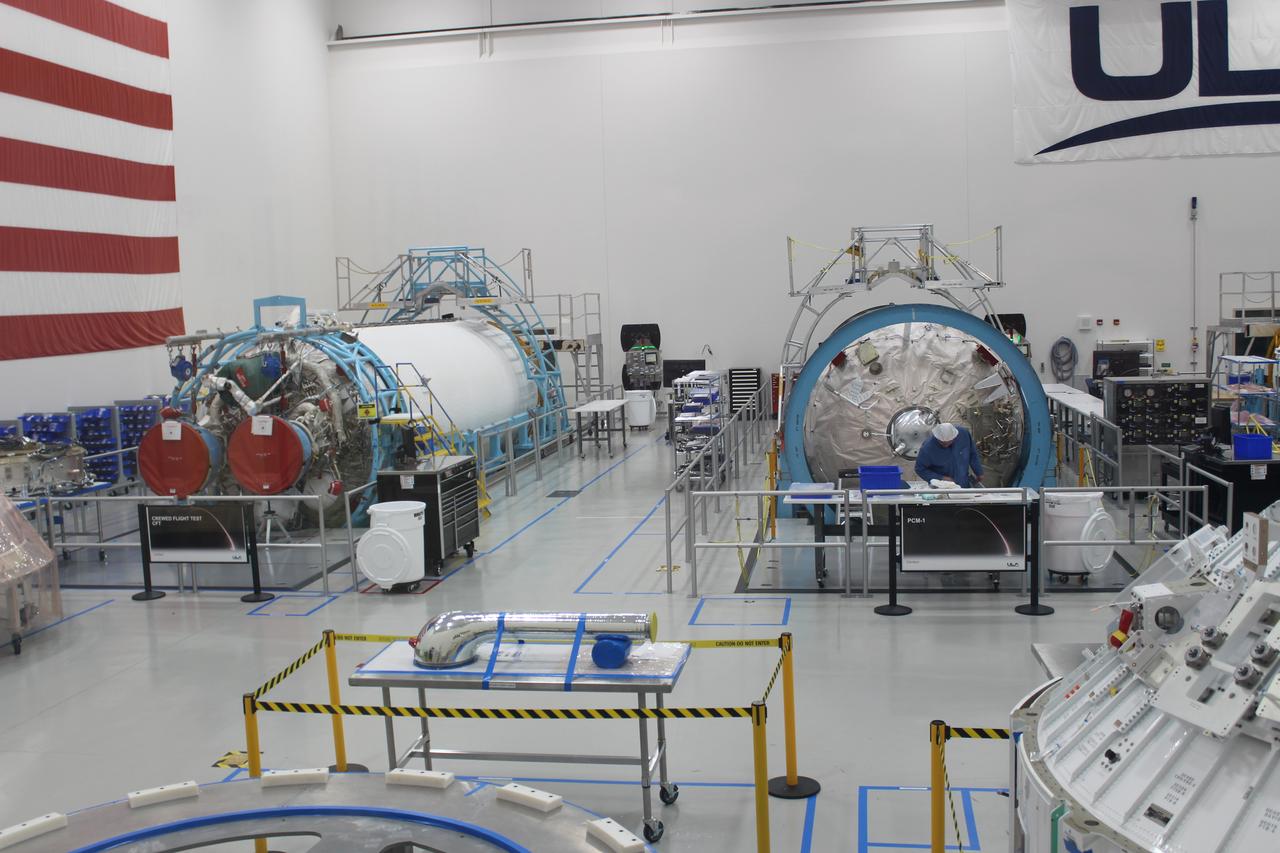
Two United Launch Alliance (ULA) Atlas V dual engine Centaur upper stages are in production in ULA's factory in Decatur, Alabama on March 1, 2019. One is for Boeing’s Crew Flight Test on the CST-100 Starliner, and the other will be used for the first crew rotation mission on the Starliner. One of the Centaur upper stages will be assembled to the first stage booster. They will be shipped aboard the company’s Mariner cargo ship to NASA’s Kennedy Space Center in Florida. Starliner and the Atlas V rockets that will launch the spacecraft, are key to restoring the nation’s capability to send astronauts to the space station from U.S. soil with NASA’s Commercial Crew Program. NASA astronauts Mike Fincke and Nicole Mann, and Boeing astronaut Chris Ferguson will launch to the space station aboard the Starliner for the Crew Flight Test.
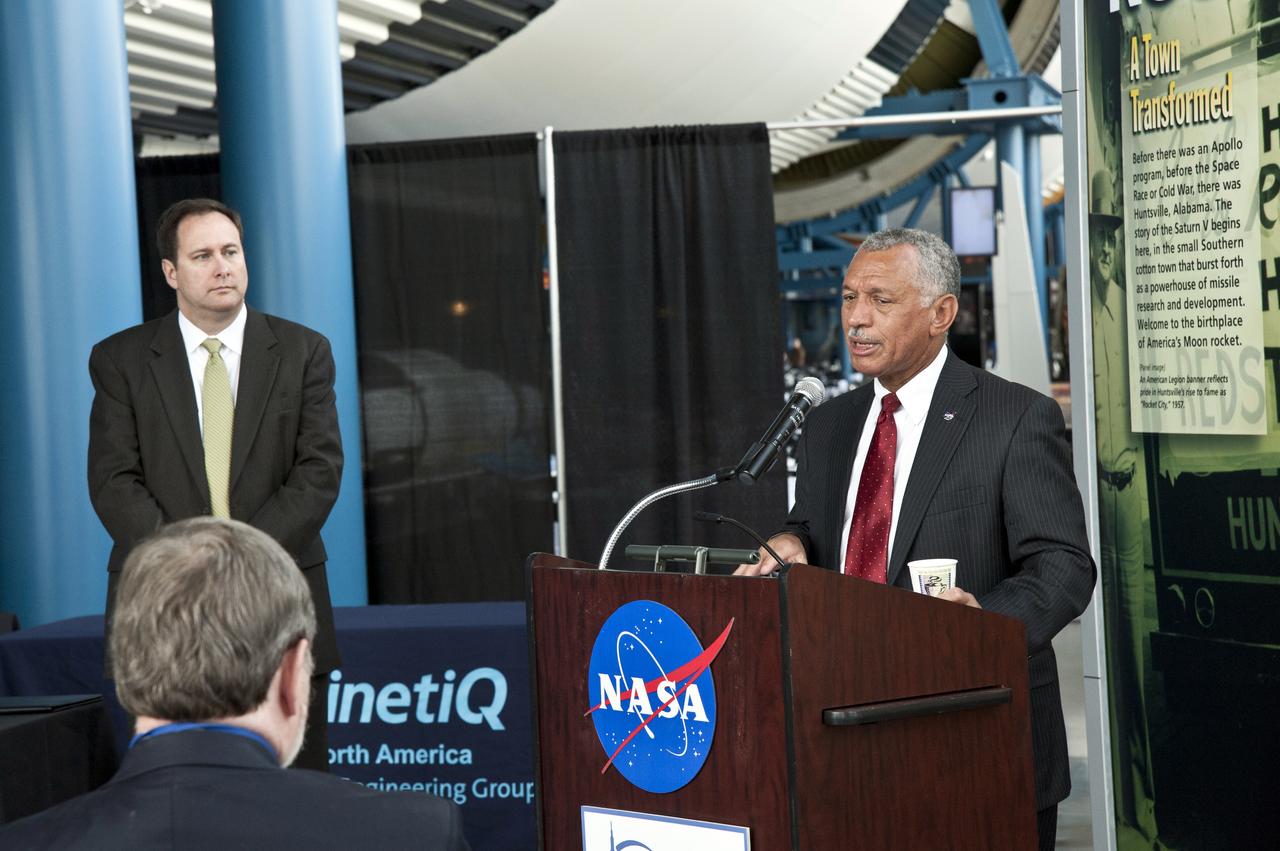
CHARLES BOLDEN NASA ADMINISTRATOR SPEAKING AT THE MEDIA EVENT FOLLOWING THE MARSHALL SMALL BUSINESS ALLIANCE HELD AT THE DAVIDSON CENTER, HUNTSVILLE, ALABAMA
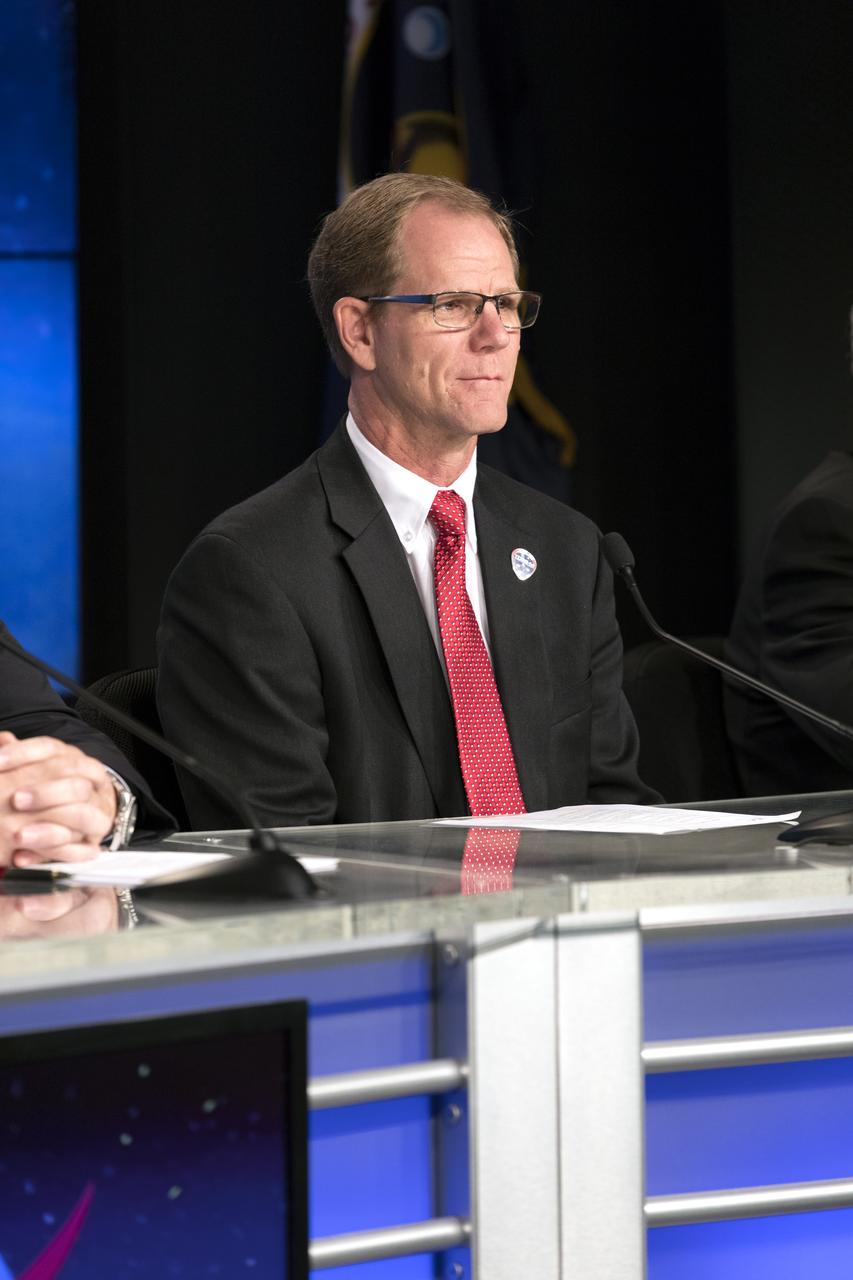
In the Kennedy Space Center's Press Site auditorium, Scott Messer, United Launch Alliance program manager for NASA missions, speaks to members of the media at a prelaunch news conference for NASA's Tracking and Data Relay Satellite, TDRS-M. It is the latest spacecraft destined for the agency's constellation of communications satellites that allows nearly continuous contact with orbiting spacecraft ranging from the International Space Station and Hubble Space Telescope to the array of scientific observatories. Liftoff atop a United Launch Alliance Atlas V rocket is scheduled to take place from Space Launch Complex 41 at Cape Canaveral Air Force Station at 8:03 a.m. EDT Aug. 18.
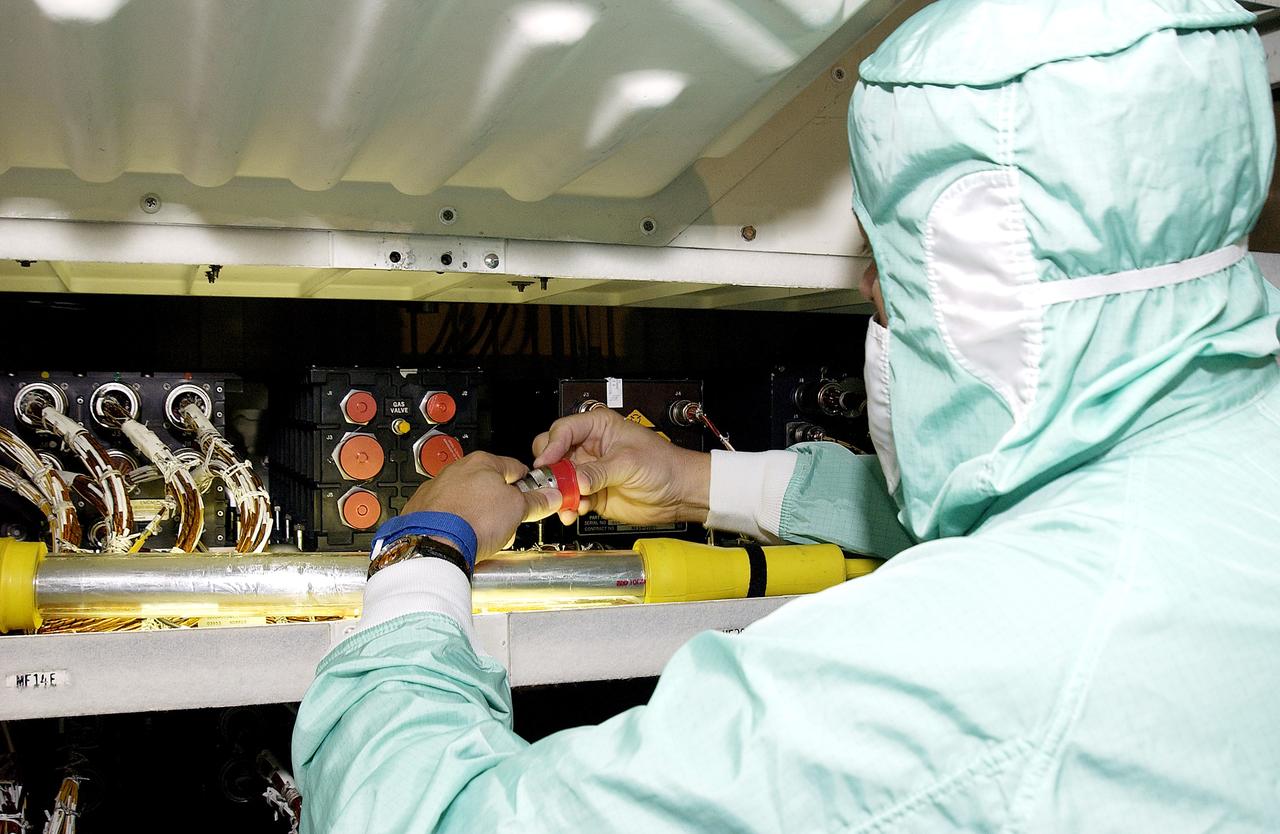
KENNEDY SPACE CENTER, FLA. - A technician with United Space Alliance checks wiring in the mid-body and flight deck of orbiter Atlantis as part of routine maintenance.

KENNEDY SPACE CENTER, FLA. - A technician with United Space Alliance checks wiring in the mid-body of orbiter Atlantis as part of routine maintenance.
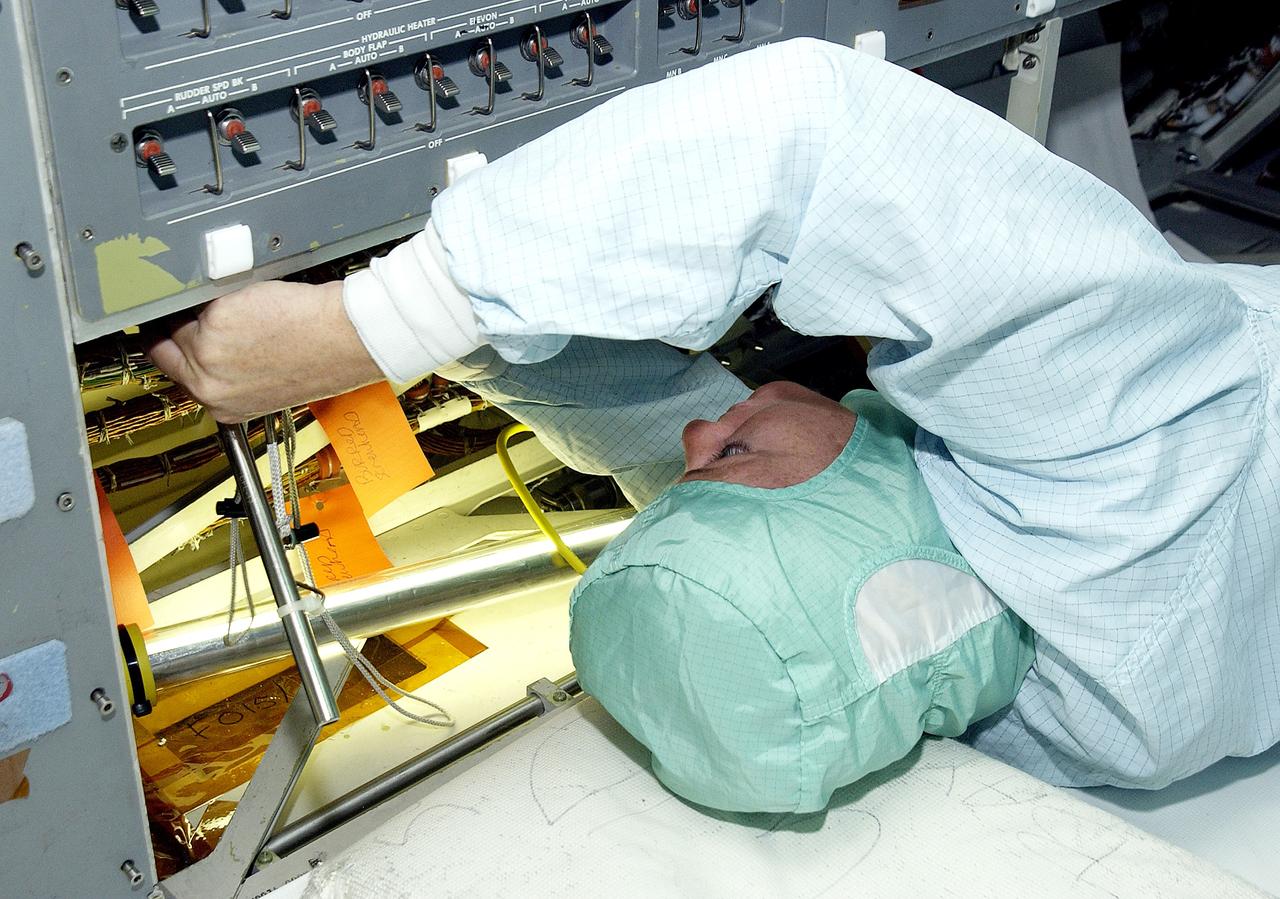
KENNEDY SPACE CENTER, FLA. - A technician with United Space Alliance checks wiring in the mid-body and flight deck of orbiter Atlantis as part of routine maintenance.
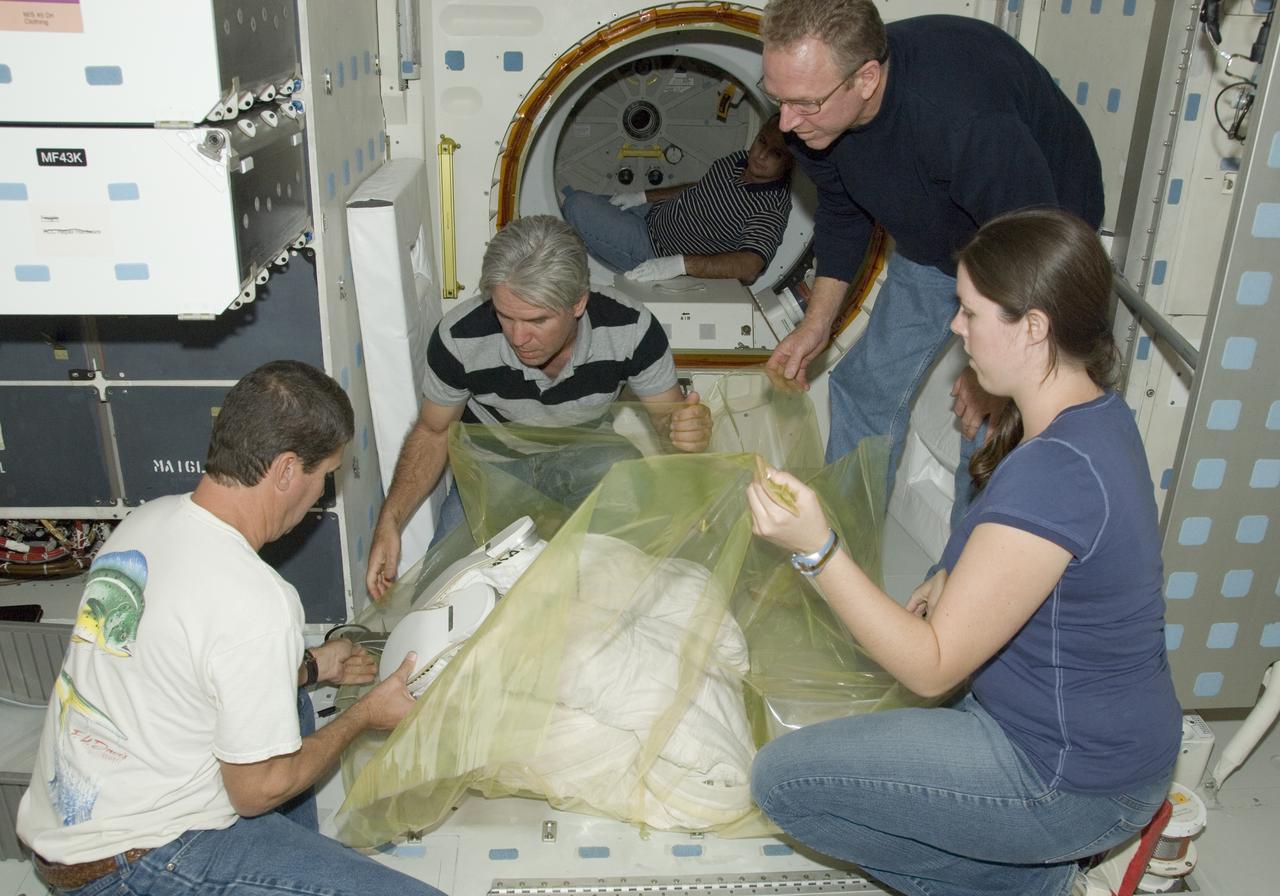
United Space Alliance technicians wrap the lower portion of an Extravehicular Mobility Unit (EMU) spacesuit prior to removal from Space Shuttle Endeavour.
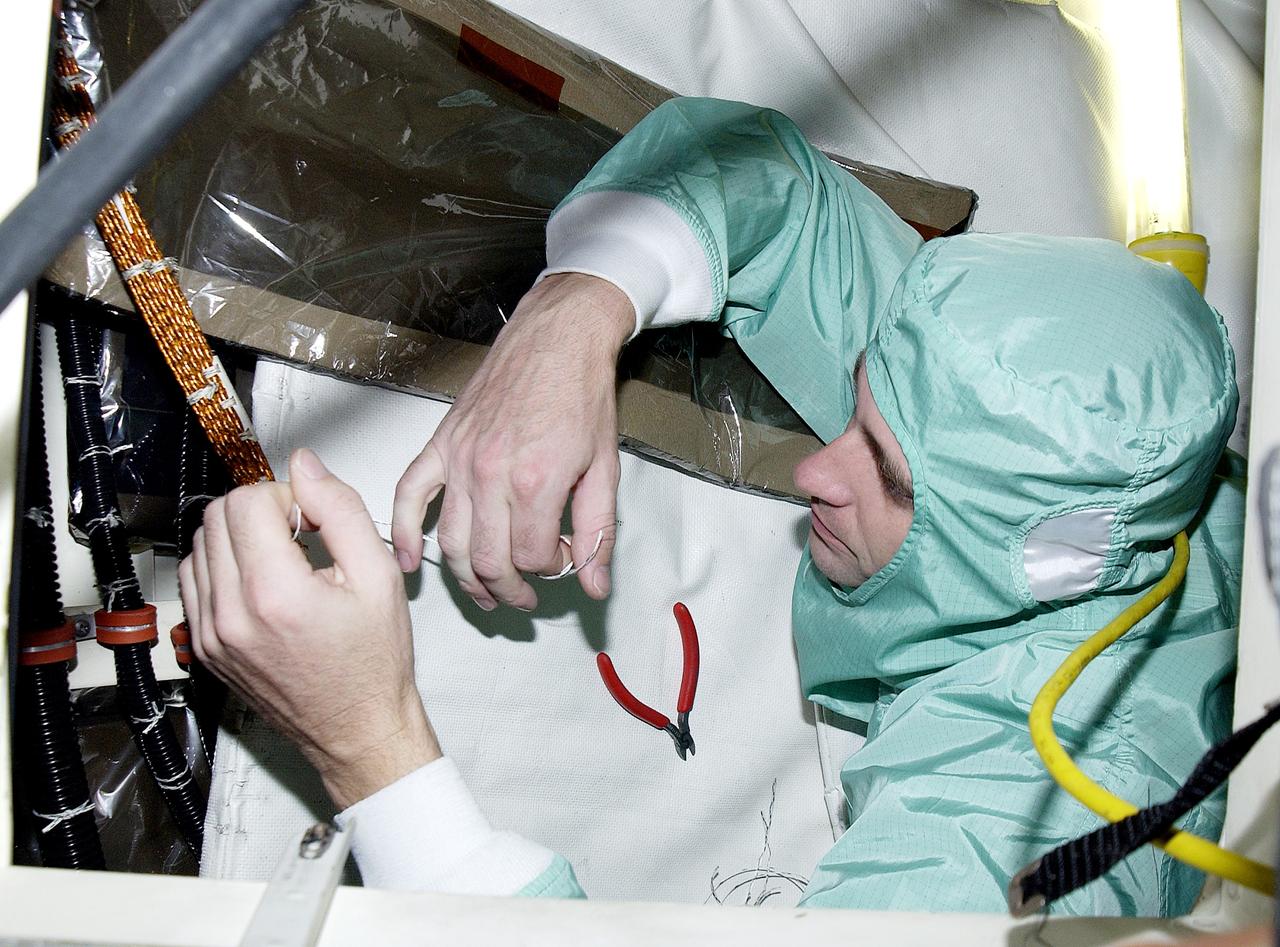
KENNEDY SPACE CENTER, FLA. - A technician with United Space Alliance checks wiring in the mid-body and flight deck of orbiter Atlantis as part of routine maintenance.
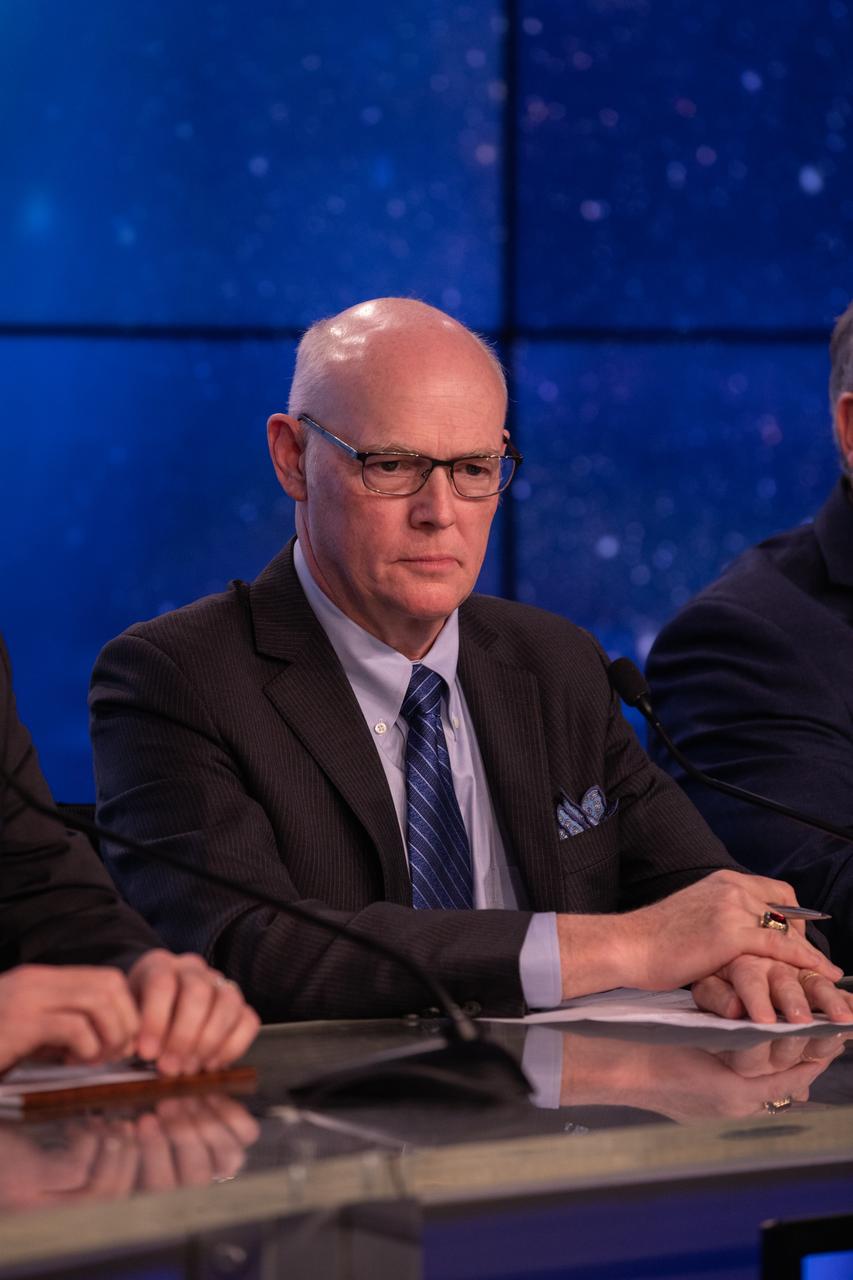
Tory Bruno, president and CEO of United Launch Alliance, listens during a briefing at NASA’s Kennedy Space Center in Florida following launch of Boeing’s Orbital Flight Test, Dec. 20, 2019. Boeing’s CST-100 Starliner spacecraft launched atop a United Launch Alliance Atlas V rocket from Space Launch Complex 41 at Cape Canaveral Air Force Station at 6:36 a.m. EST. The uncrewed Orbital Flight Test is the Starliner’s first flight for NASA’s Commercial Crew Program.
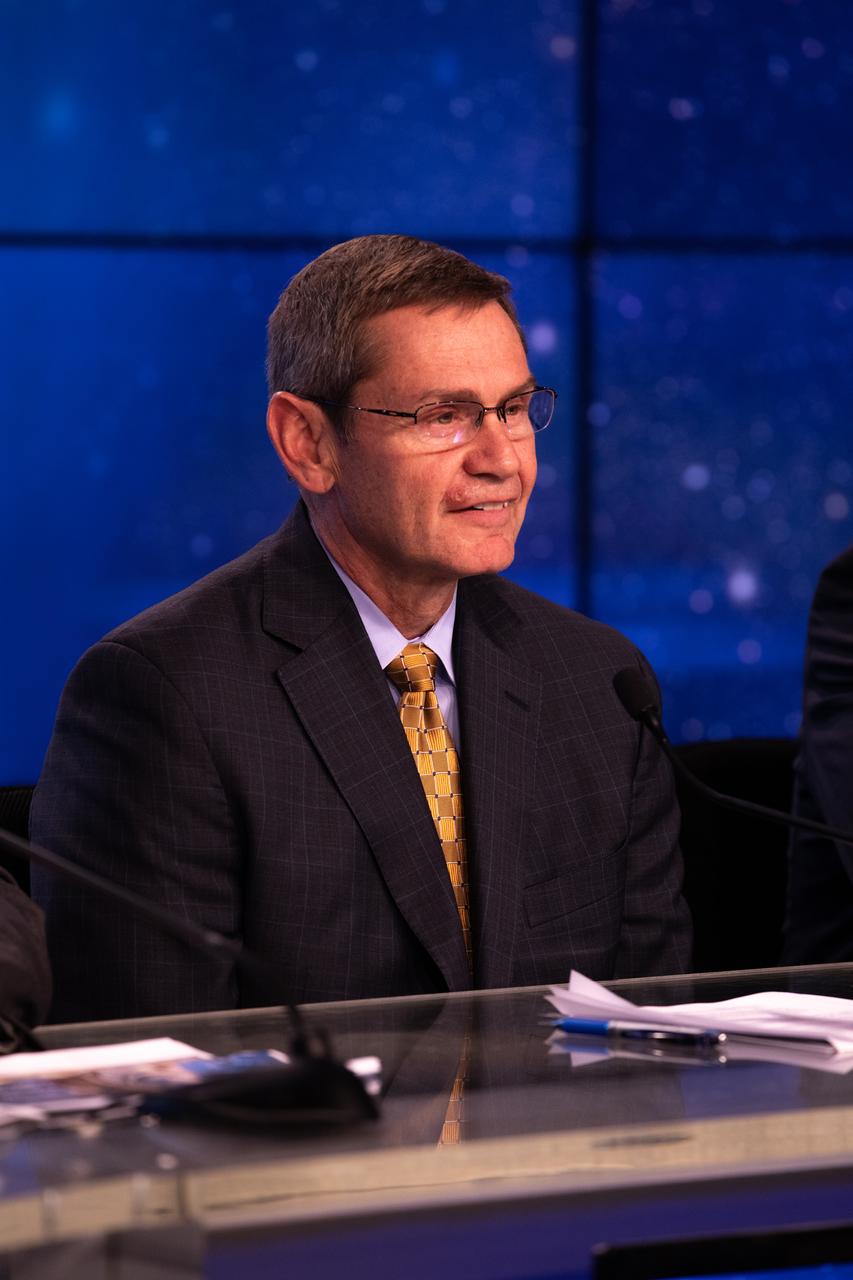
John Elbon, chief operating officer, United Launch Alliance, speaks during a prelaunch briefing for Boeing’s Orbital Flight Test at the agency’s Kennedy Space Center in Florida, Dec. 17, 2019. Boeing’s CST-100 Starliner spacecraft will launch atop a United Launch Alliance Atlas V rocket from Space Launch Complex 41 at Cape Canaveral Air Force Station. The uncrewed Orbital Flight Test will be the Starliner’s first flight to the International Space Station for NASA’s Commercial Crew Program.
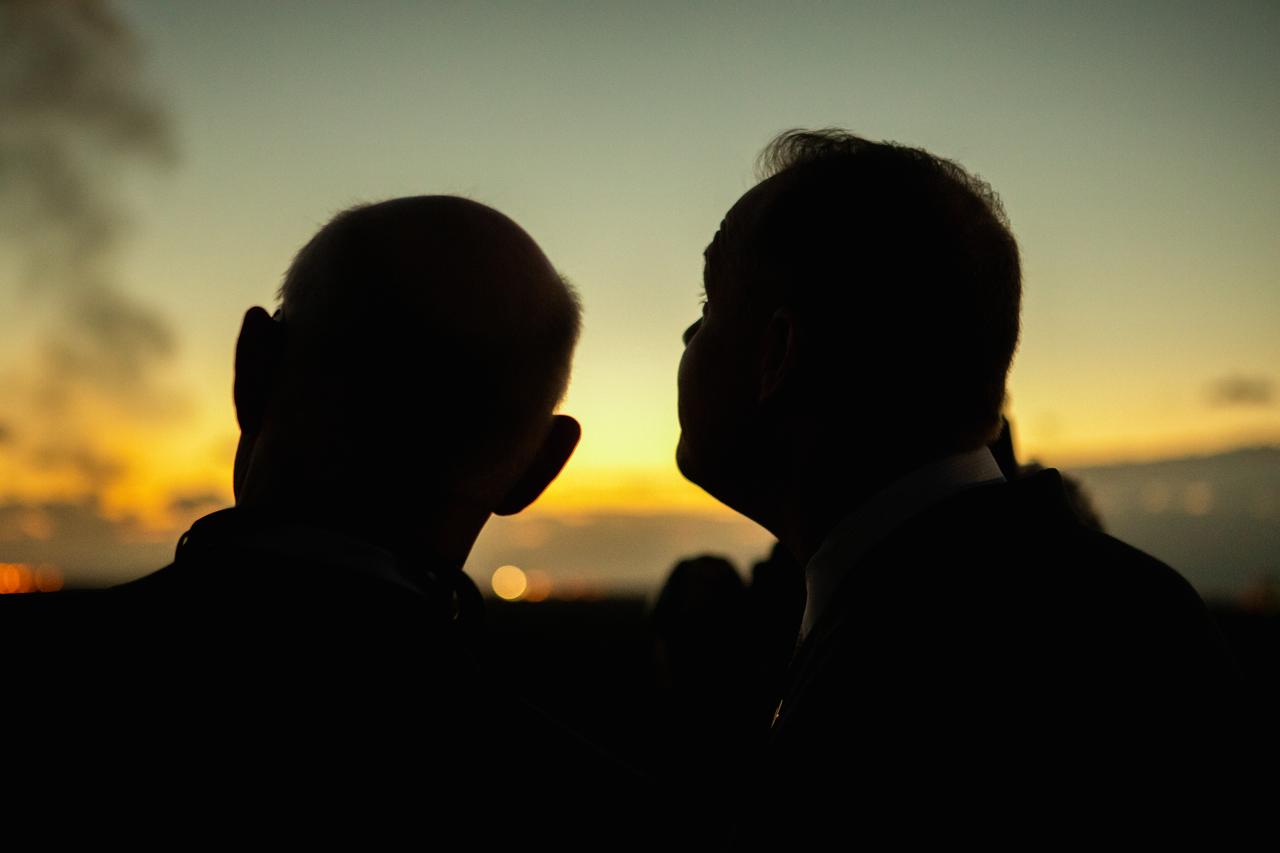
Tory Bruno, president and chief executive officer of United Launch Alliance, left, and NASA Administrator Jim Bridenstine watch the launch of a United Launch Alliance Atlas V rocket carrying Boeing’s CST-100 Starliner spacecraft for Boeing’s Orbital Flight Test, Dec. 20, 2019. Liftoff occurred at 6:36 a.m. EST from Space Launch Complex 41 at Florida’s Cape Canaveral Air Force Station. The uncrewed Orbital Flight Test is the Starliner’s first flight for NASA’s Commercial Crew Program.
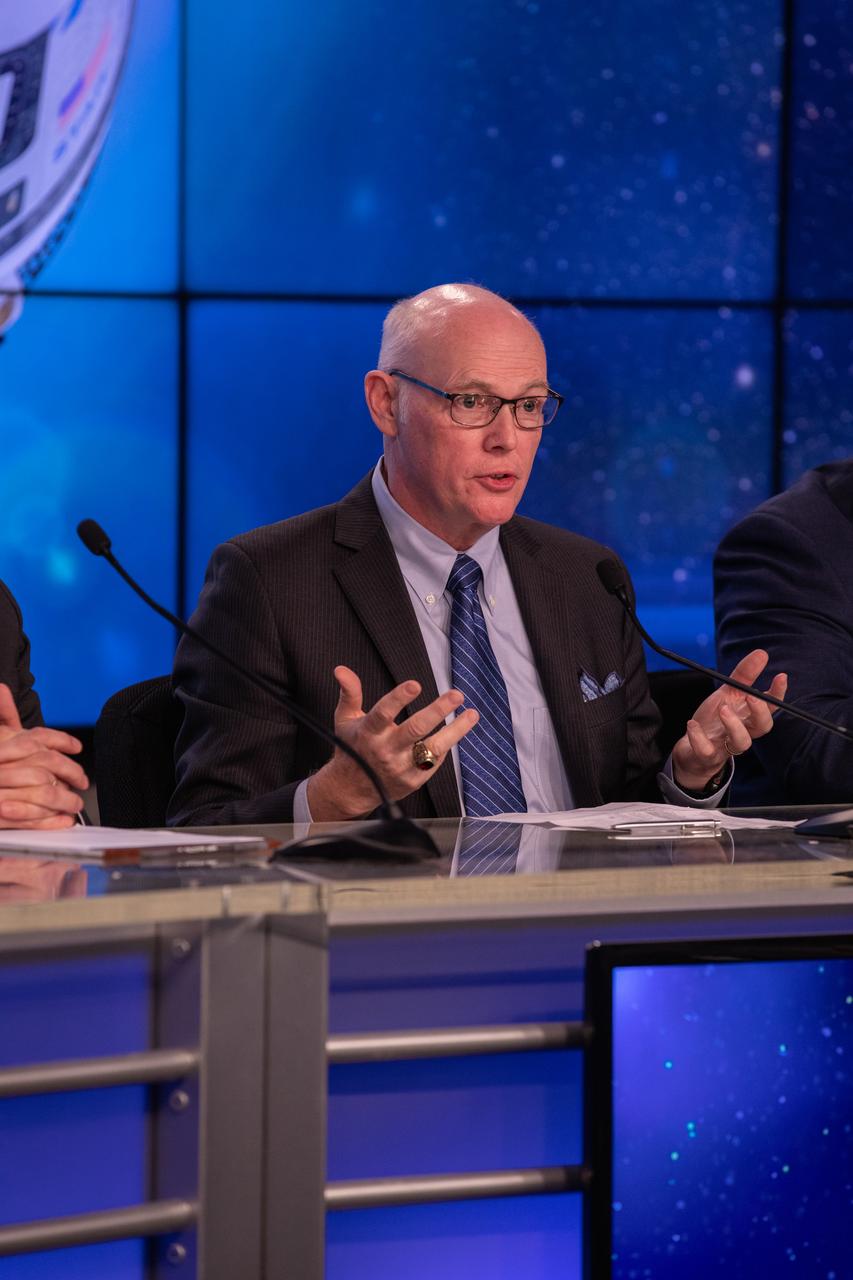
Tory Bruno, president and CEO of United Launch Alliance, speaks during a briefing at NASA’s Kennedy Space Center in Florida following launch of Boeing’s Orbital Flight Test, Dec. 20, 2019. Boeing’s CST-100 Starliner spacecraft launched atop a United Launch Alliance Atlas V rocket from Space Launch Complex 41 at Cape Canaveral Air Force Station at 6:36 a.m. EST. The uncrewed Orbital Flight Test is the Starliner’s first flight for NASA’s Commercial Crew Program.
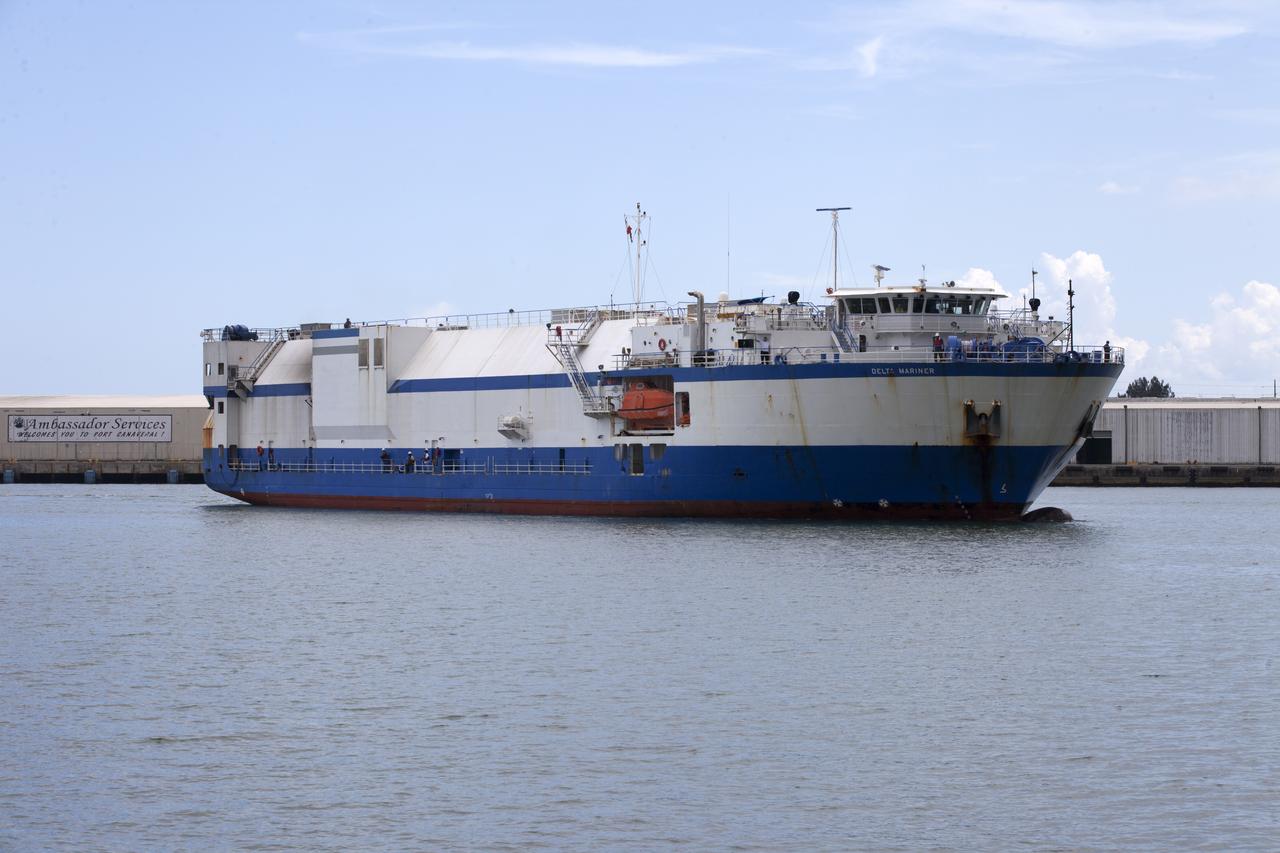
The United Launch Alliance (ULA) Mariner arrives at Port Canaveral in Florida carrying an Atlas V rocket booster bound for nearby Cape Canaveral Air Force Station. The rocket is scheduled to launch the Tracking and Data Relay Satellite, TDRS-M. It will be the latest spacecraft destined for the agency's constellation of communications satellites that allows nearly continuous contact with orbiting spacecraft ranging from the International Space Station and Hubble Space Telescope to the array of scientific observatories. Liftoff atop the ULA Atlas V rocket is scheduled to take place from Cape Canaveral's Space Launch Complex 41 on Aug. 3, 2017 at 9:02 a.m. EDT.

At Port Canaveral in Florida, a United Launch Alliance Atlas V rocket booster is transported from the company's Mariner ship to the Atlas Spaceflight Operations Center at Cape Canaveral Air Force Station. The rocket is scheduled to launch the Tracking and Data Relay Satellite, TDRS-M. It will be the latest spacecraft destined for the agency's constellation of communications satellites that allows nearly continuous contact with orbiting spacecraft ranging from the International Space Station and Hubble Space Telescope to the array of scientific observatories. Liftoff atop the ULA Atlas V rocket is scheduled to take place from Cape Canaveral's Space Launch Complex 41 on Aug. 3, 2017 at 9:02 a.m. EDT.

NASA's TDRS-M satellite arrives inside its shipping container at Space Coast Regional Airport in Titusville, Florida. The spacecraft will be transported to the nearby Astrotech facility, also in Titusville, for preflight processing. The TDRS-M is the latest spacecraft destined for the agency's constellation of communications satellites that allows nearly continuous contact with orbiting spacecraft ranging from the International Space Station and Hubble Space Telescope to the array of scientific observatories. Liftoff atop a United Launch Alliance Atlas V rocket is scheduled to take place from Space Launch Complex 41 at Cape Canaveral Air Force Station at 9:02 a.m. EDT Aug. 3, 2017.
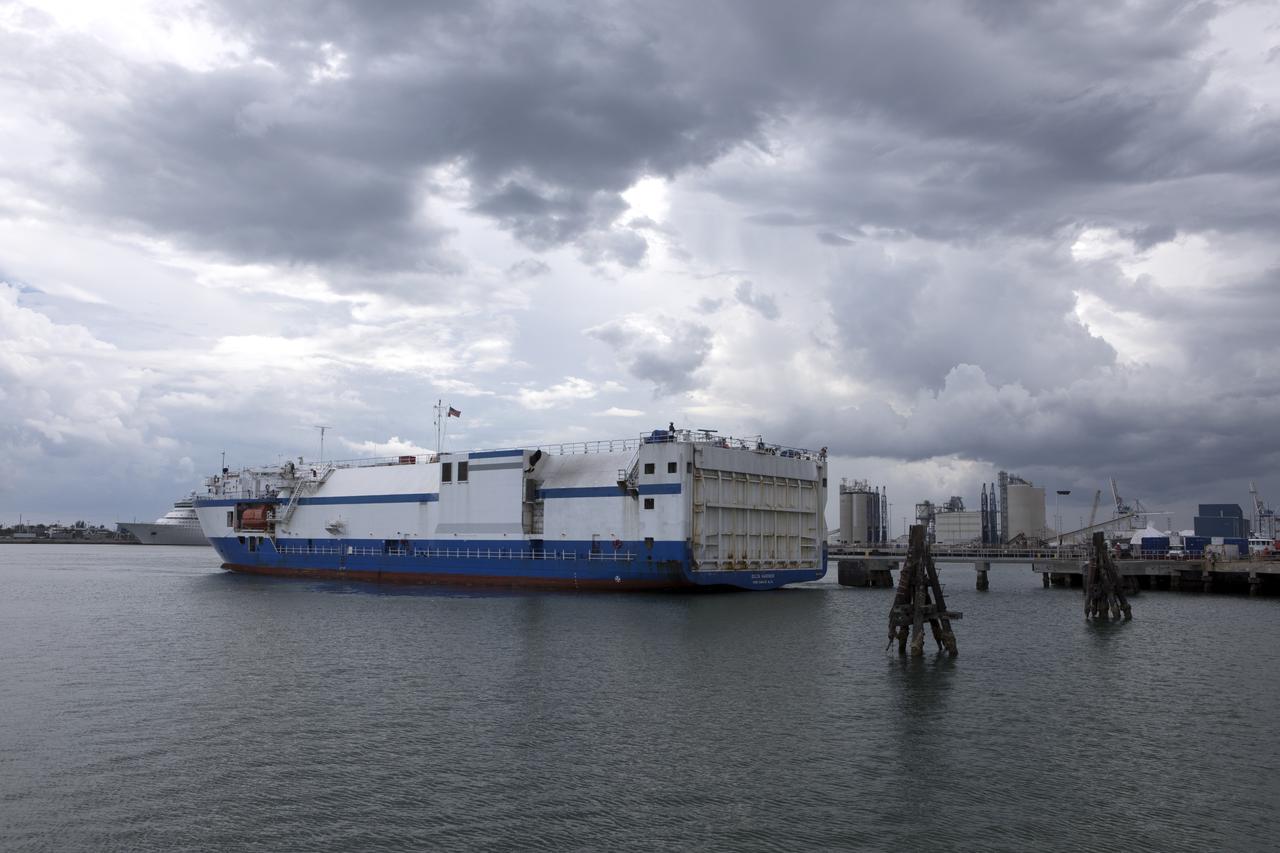
The United Launch Alliance (ULA) Mariner arrives at Port Canaveral in Florida carrying an Atlas V rocket booster bound for nearby Cape Canaveral Air Force Station. The rocket is scheduled to launch the Tracking and Data Relay Satellite, TDRS-M. It will be the latest spacecraft destined for the agency's constellation of communications satellites that allows nearly continuous contact with orbiting spacecraft ranging from the International Space Station and Hubble Space Telescope to the array of scientific observatories. Liftoff atop the ULA Atlas V rocket is scheduled to take place from Cape Canaveral's Space Launch Complex 41 on Aug. 3, 2017 at 9:02 a.m. EDT.
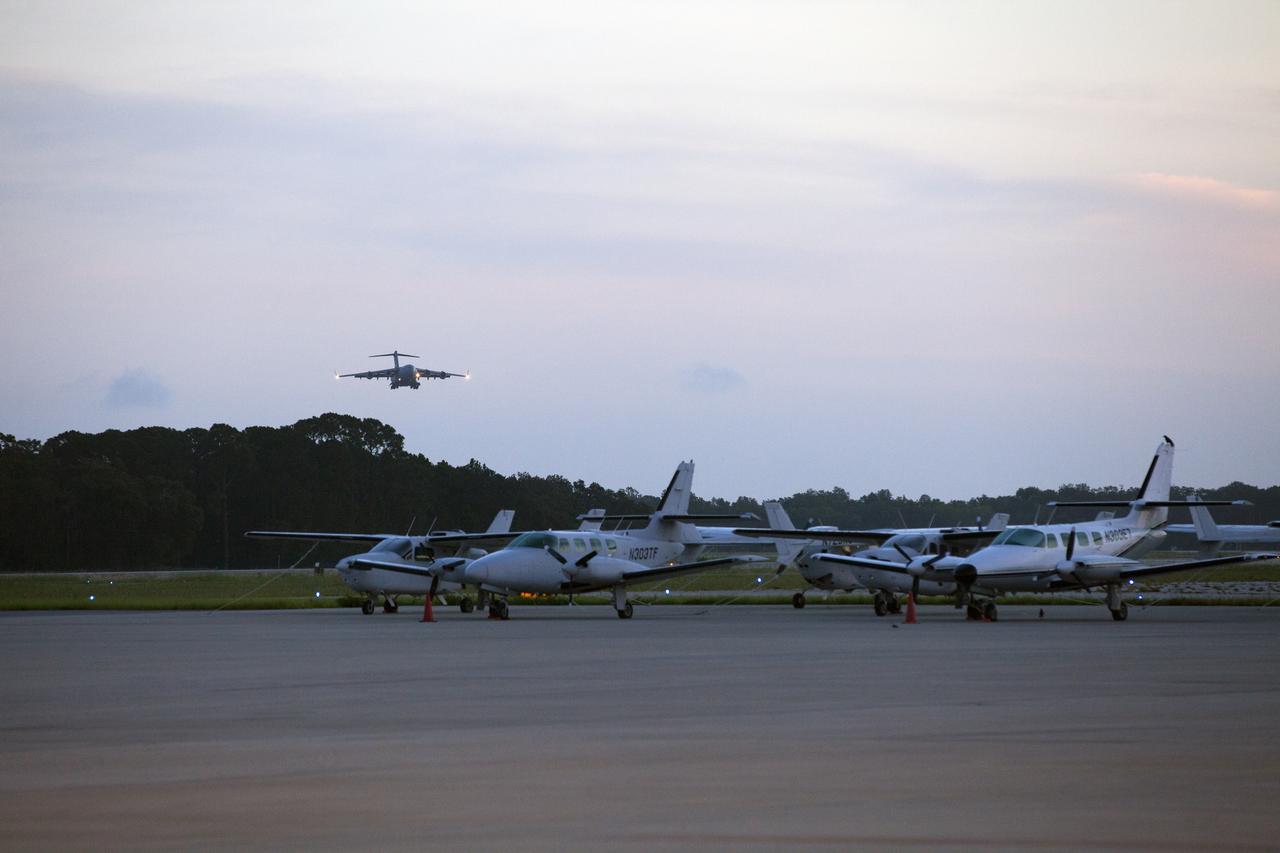
In early morning hours, NASA's TDRS-M satellite arrives at Space Coast Regional Airport in Titusville, Florida, aboard a U.S. Air Force transport aircraft. The spacecraft will be transported to the nearby Astrotech facility, also in Titusville, for preflight processing. The TDRS-M is the latest spacecraft destined for the agency's constellation of communications satellites that allows nearly continuous contact with orbiting spacecraft ranging from the International Space Station and Hubble Space Telescope to the array of scientific observatories. Liftoff atop a United Launch Alliance Atlas V rocket is scheduled to take place from Space Launch Complex 41 at Cape Canaveral Air Force Station at 9:02 a.m. EDT Aug. 3, 2017.
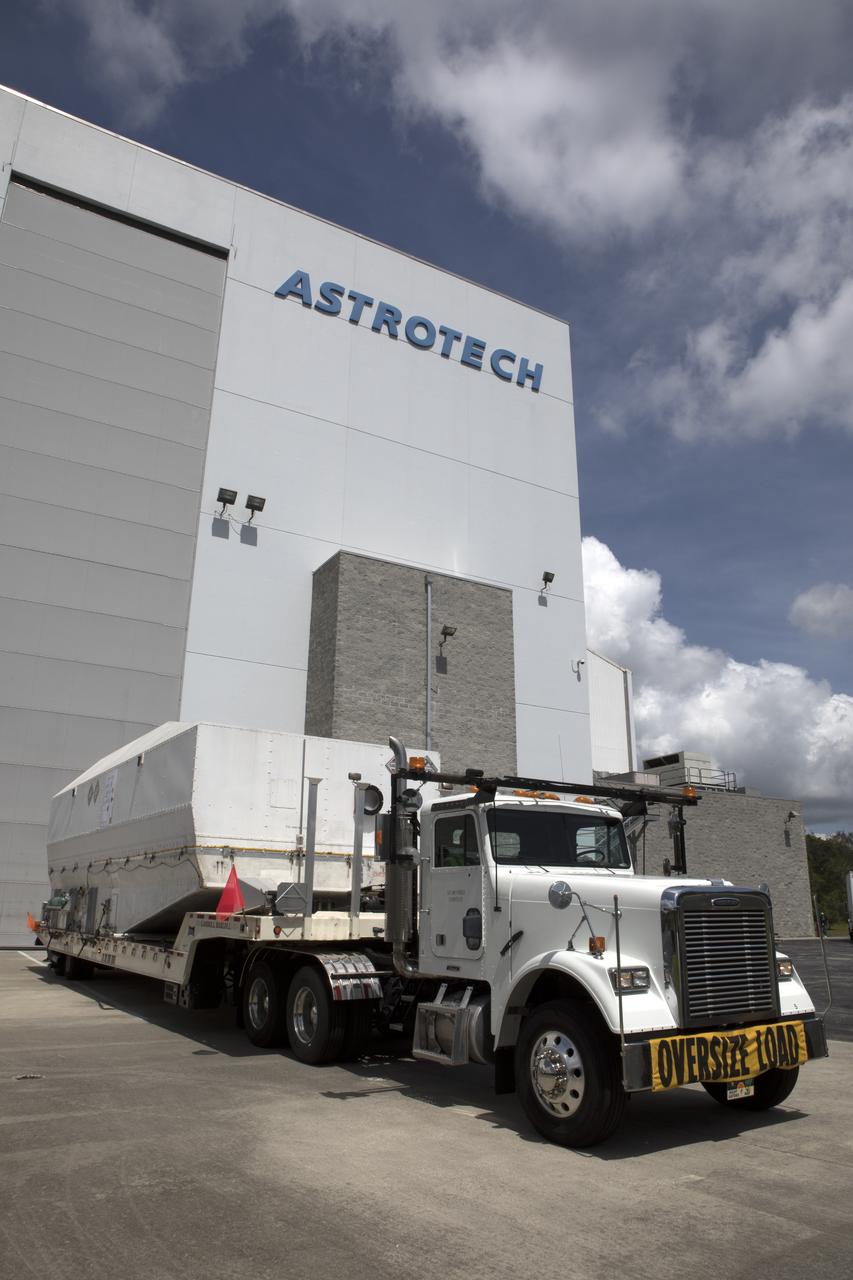
NASA's TDRS-M satellite arrives inside its shipping container at the Astrotech facility in Titusville, Florida, for preflight processing. The TDRS-M is the latest spacecraft destined for the agency's constellation of communications satellites that allows nearly continuous contact with orbiting spacecraft ranging from the International Space Station and Hubble Space Telescope to the array of scientific observatories. Liftoff atop a United Launch Alliance Atlas V rocket is scheduled to take place from Space Launch Complex 41 at Cape Canaveral Air Force Station at 9:02 a.m. EDT Aug. 3, 2017.

A United Launch Alliance Atlas V rocket booster arrives at the Atlas Spaceflight Operations Center at Cape Canaveral Air Force Station in Florida. The rocket is scheduled to launch the Tracking and Data Relay Satellite, TDRS-M. It will be the latest spacecraft destined for the agency's constellation of communications satellites that allows nearly continuous contact with orbiting spacecraft ranging from the International Space Station and Hubble Space Telescope to the array of scientific observatories. Liftoff atop the ULA Atlas V rocket is scheduled to take place from Cape Canaveral's Space Launch Complex 41 on Aug. 3, 2017 at 9:02 a.m. EDT.