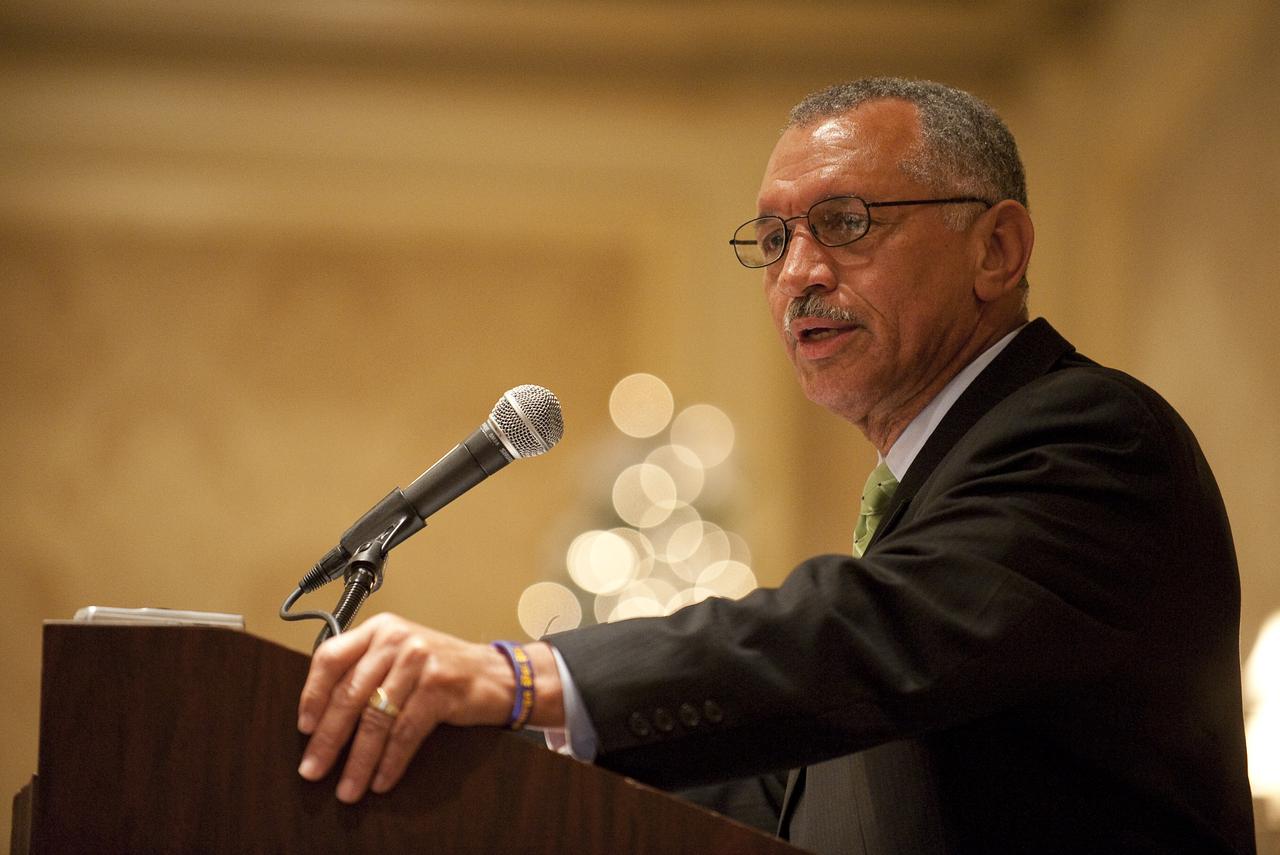
NASA Administrator Charles Bolden speaks during a luncheon co-hosted by the American Institute of Aeronautics and Astronautics (AIAA) and Women In Aerospace (WIA) Wednesday, Dec., 9, 2009 at the Ritz-Carlton in Arlington, Va. Photo Credit: (NASA/Bill Ingalls)
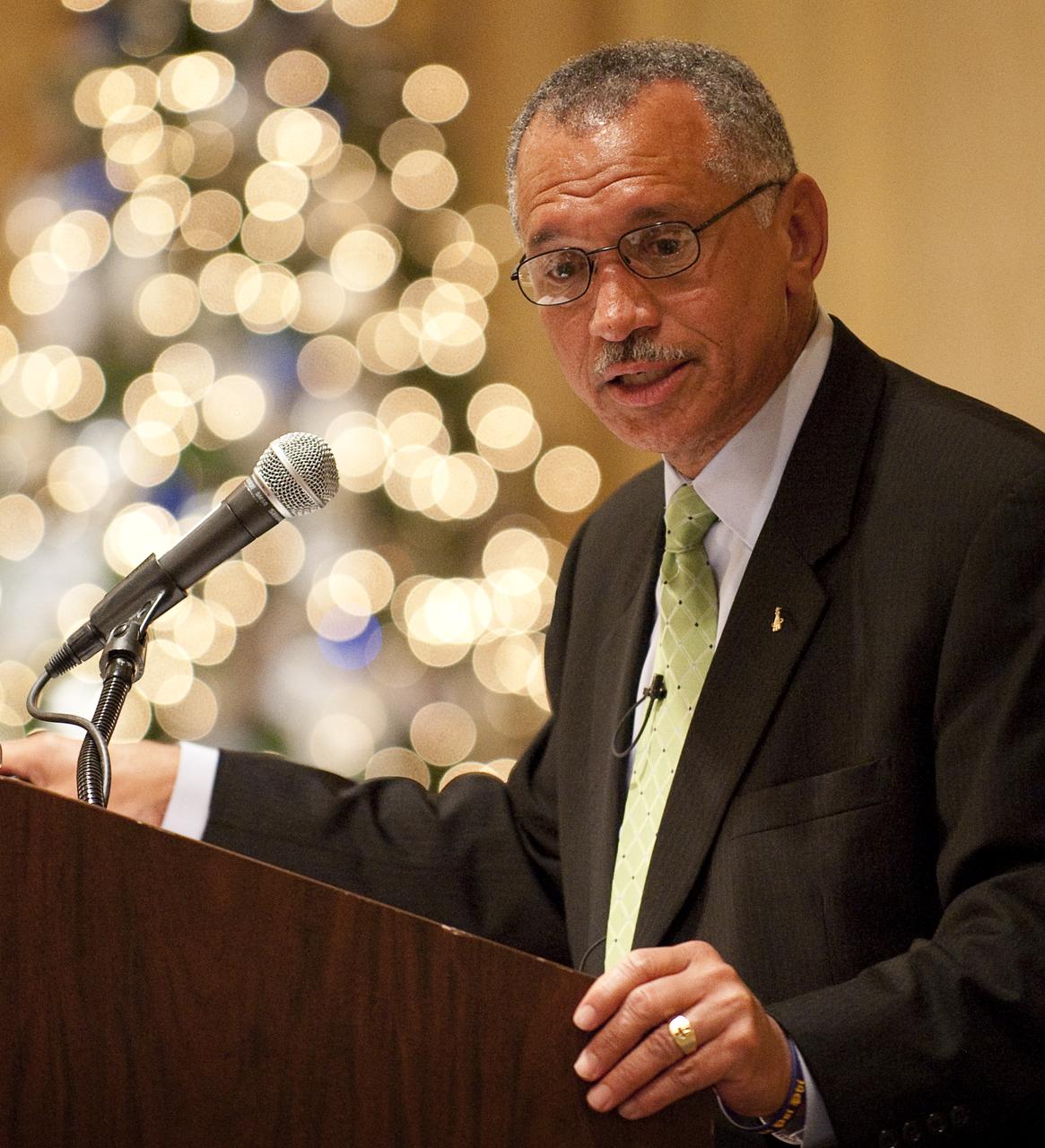
NASA Administrator Charles Bolden speaks during a luncheon co-hosted by the American Institute of Aeronautics and Astronautics (AIAA) and Women In Aerospace (WIA) Wednesday, Dec., 9, 2009 at the Ritz-Carlton in Arlington, Va. Photo Credit: (NASA/Bill Ingalls)
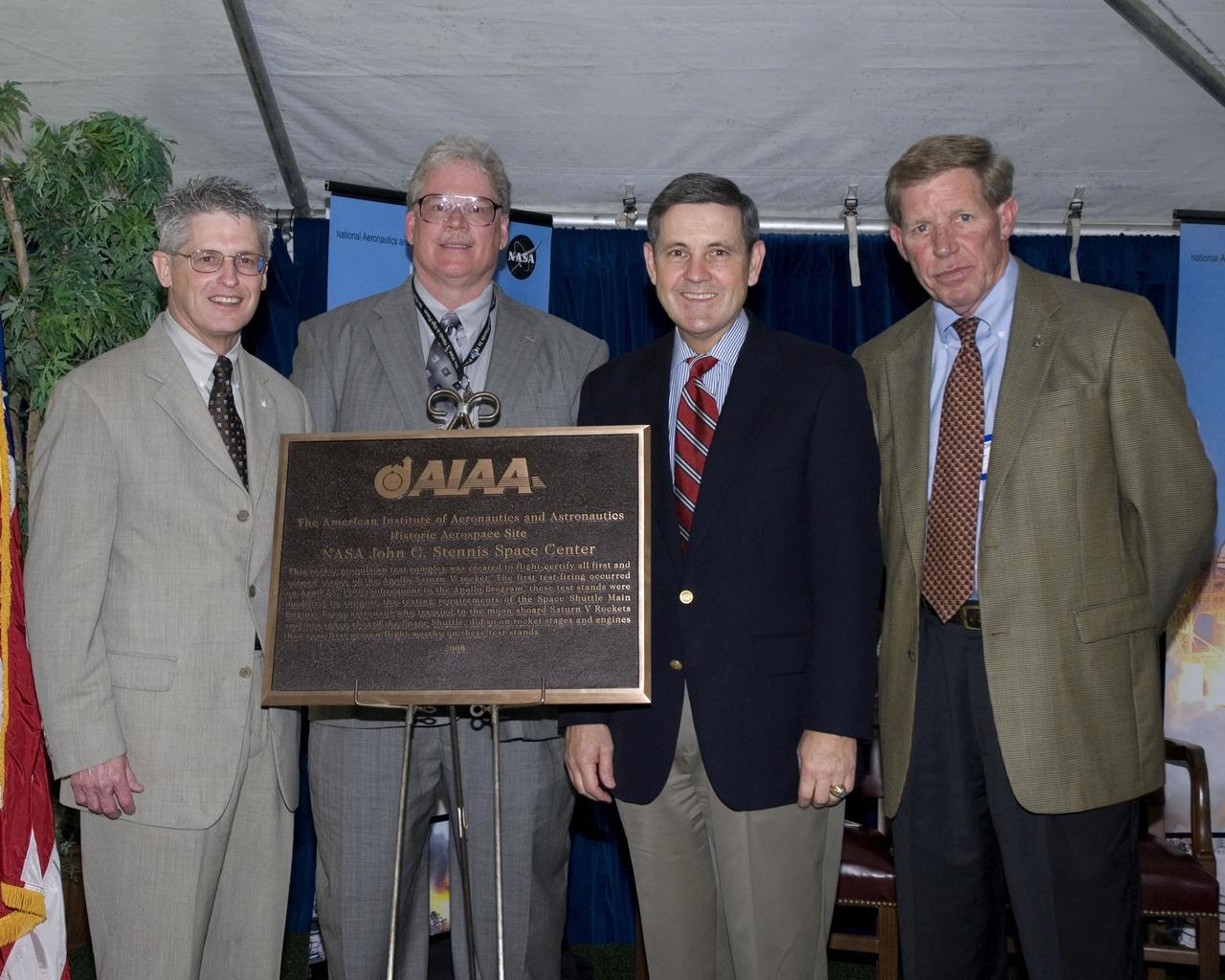
Picured (left to right) American Institute of Aeronautics and Astronautics (AIAA) representative David Throckmorton presents a plaque designating NASA's John C. Stennis Space Center as a historical aerospace site during an April 10 ceremony. Joining Throckmorton for the presentation were AIAA Greater New Orleans Chapter Chair Mark Hughes, Stennis Space Center Director Bob Cabana and Pratt & Whitney Rocketdyne Vice President John Plowden.
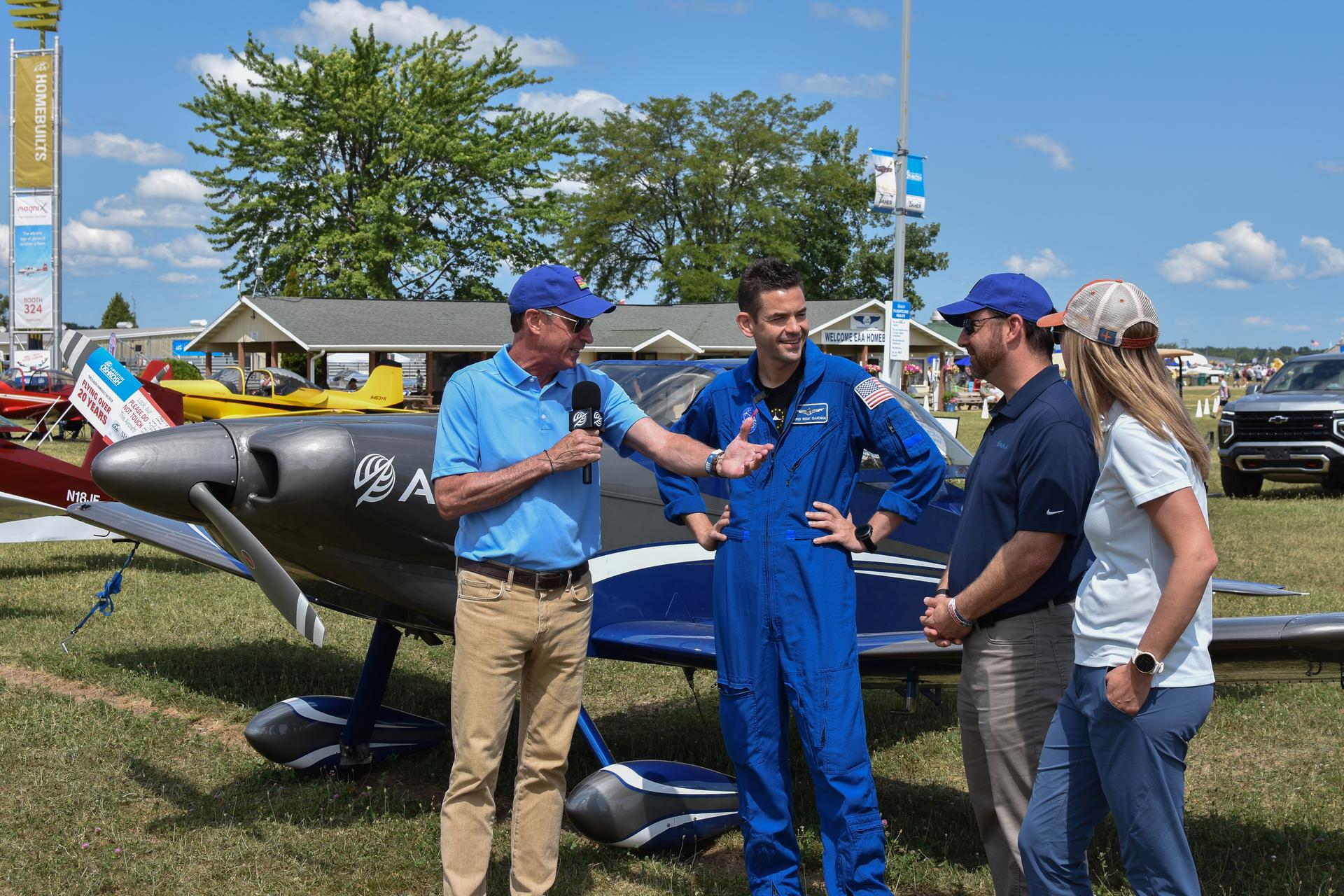
NASA Administrator Jared Isaacman meets with representatives from the American Institute of Aeronautics and Astronautics (AIAA) at the 2026 Experimental Aircraft Association (EAA) AirVenture air show in Oshkosh, Wisconsin, on Thursday, July 23, 2026.
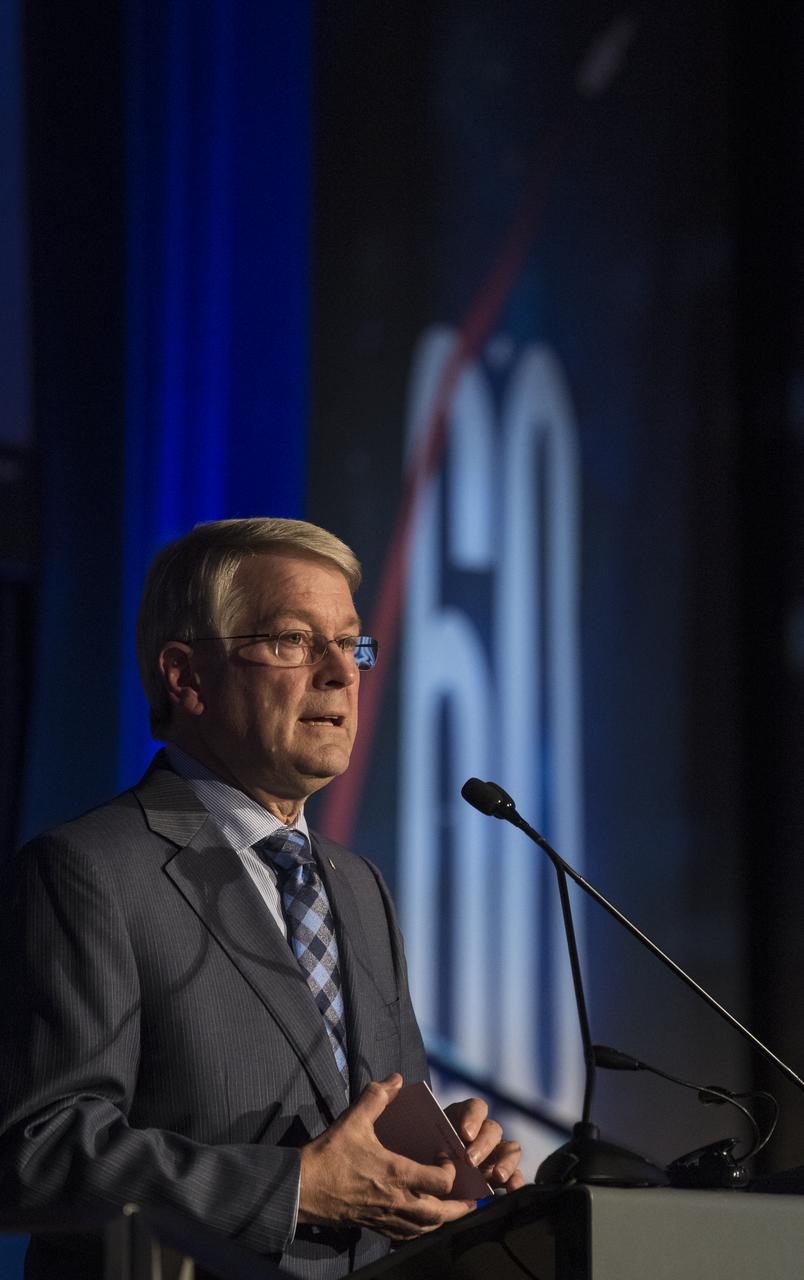
American Institute of Aeronautics and Astronautics (AIAA) President John Langford delivers remarks during a reception hosted by the American Institute of Aeronautics and Astronautics (AIAA) to celebrate NASA's 60th anniversary, Thursday, Sept. 20, 2018 at the Ronald Reagan Building and International Trade Center in Washington, DC. Photo Credit: (NASA/Joel Kowsky)
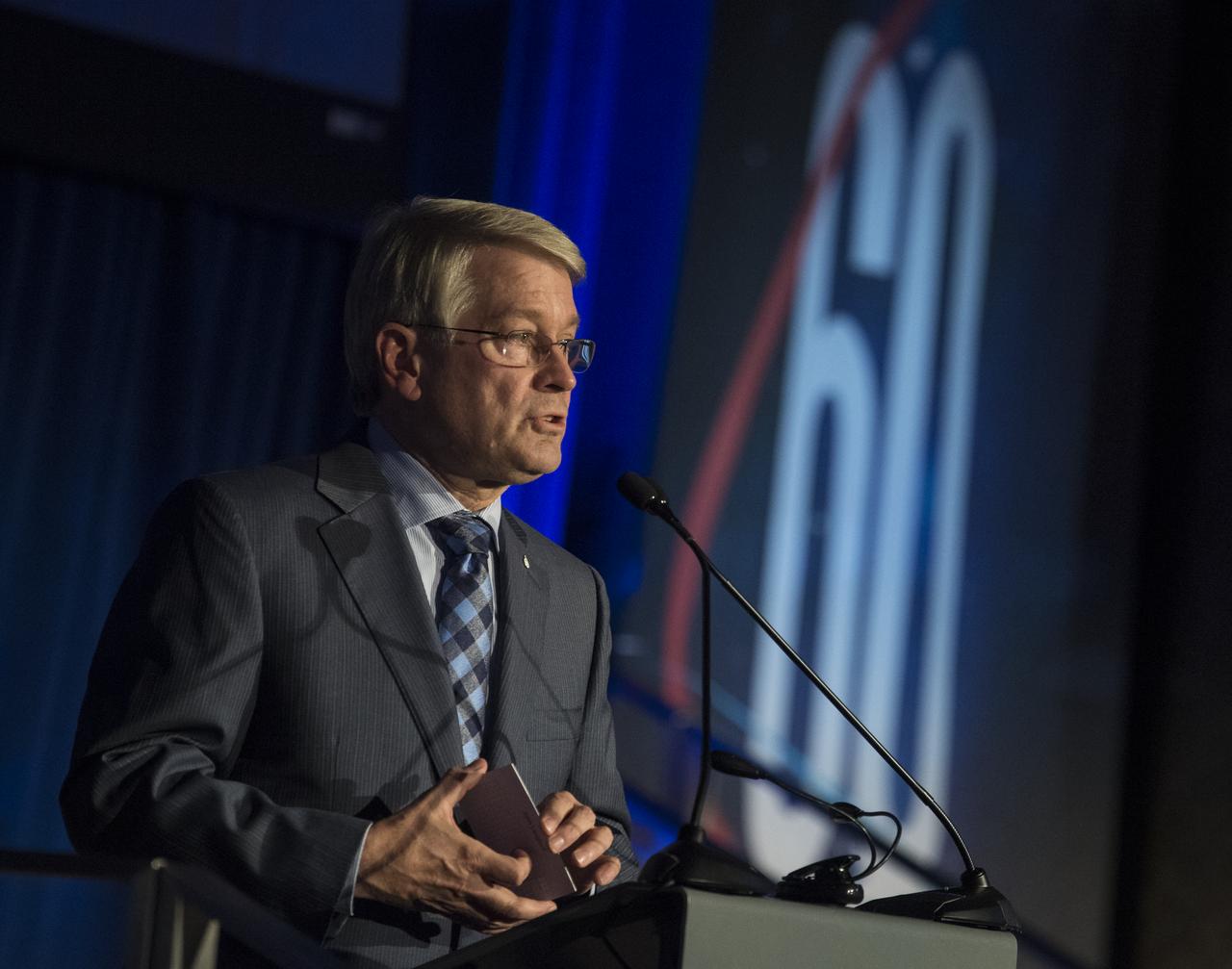
American Institute of Aeronautics and Astronautics (AIAA) President John Langford delivers remarks during a reception hosted by the American Institute of Aeronautics and Astronautics (AIAA) to celebrate NASA's 60th anniversary, Thursday, Sept. 20, 2018 at the Ronald Reagan Building and International Trade Center in Washington, DC. Photo Credit: (NASA/Joel Kowsky)
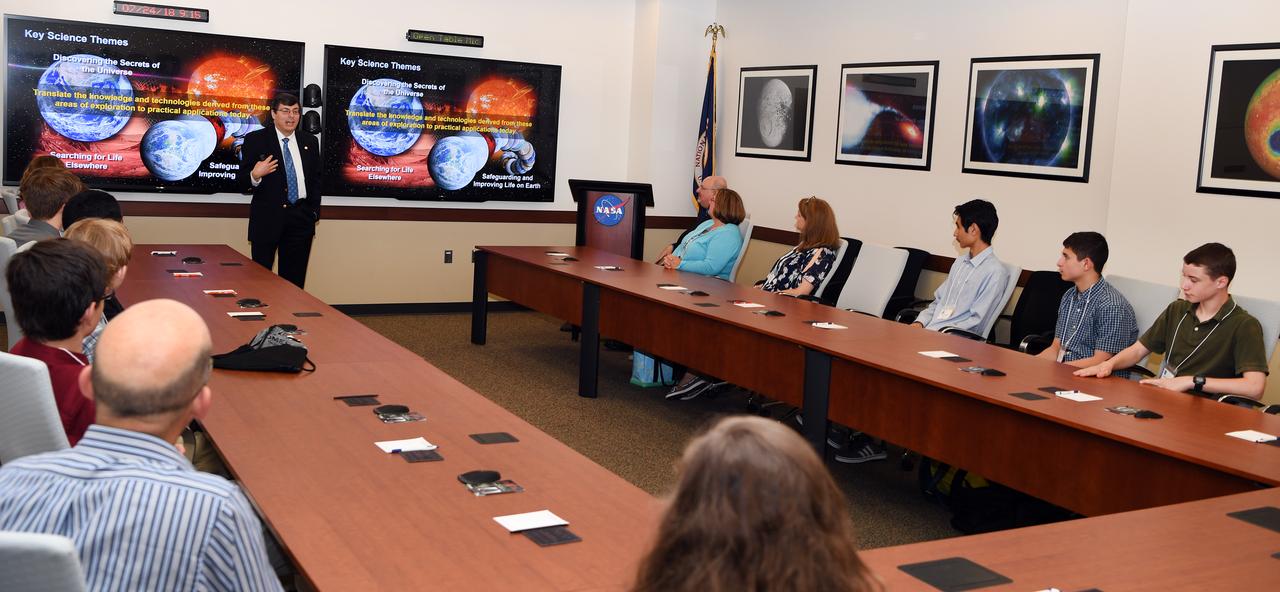
AIAA students with Chris Scolese on July 24, 2018
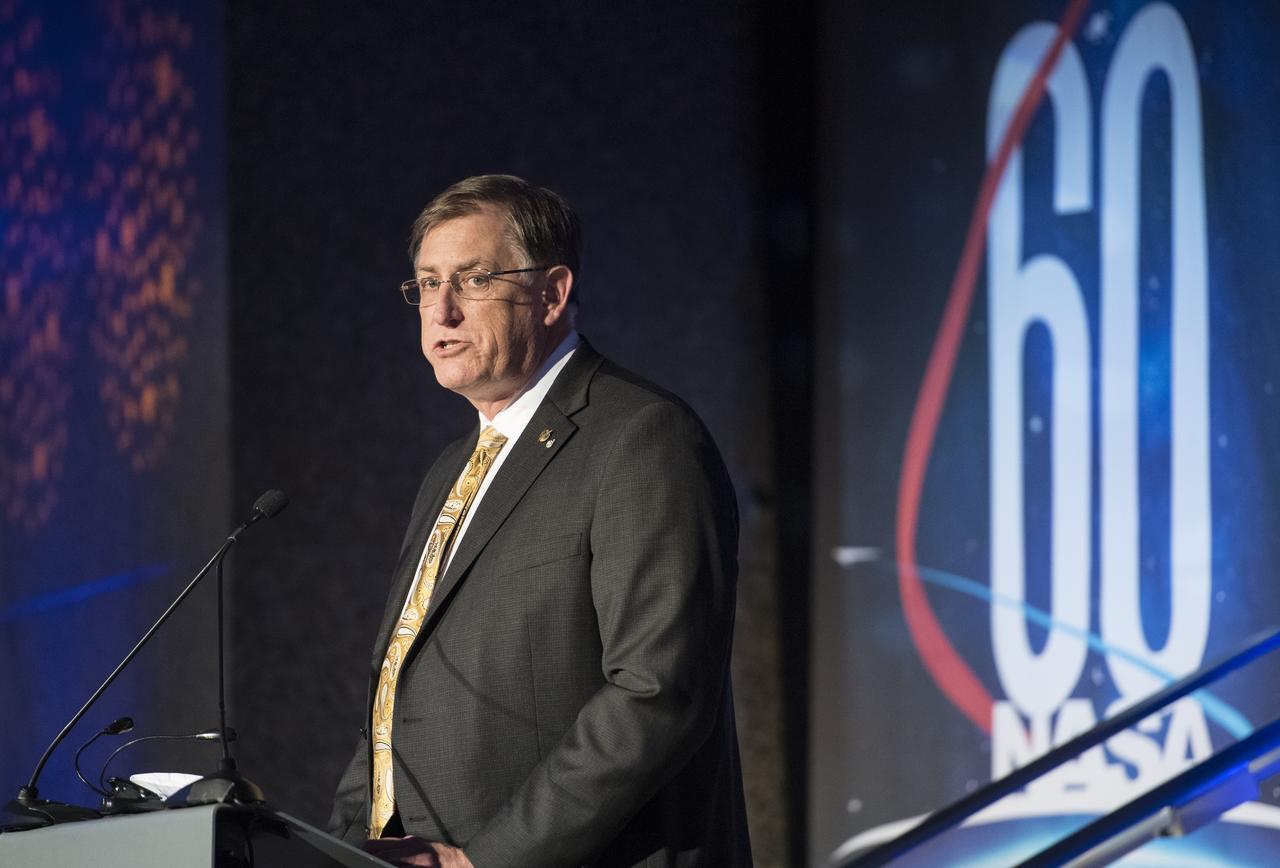
American Institute of Aeronautics and Astronautics (AIAA) Executive Director Daniel Dumbacher deliver remarks during a reception hosted by AIAA to celebrate NASA's 60th anniversary, Thursday, Sept. 20, 2018 at the Ronald Reagan Building and International Trade Center in Washington, DC. Photo Credit: (NASA/Joel Kowsky)
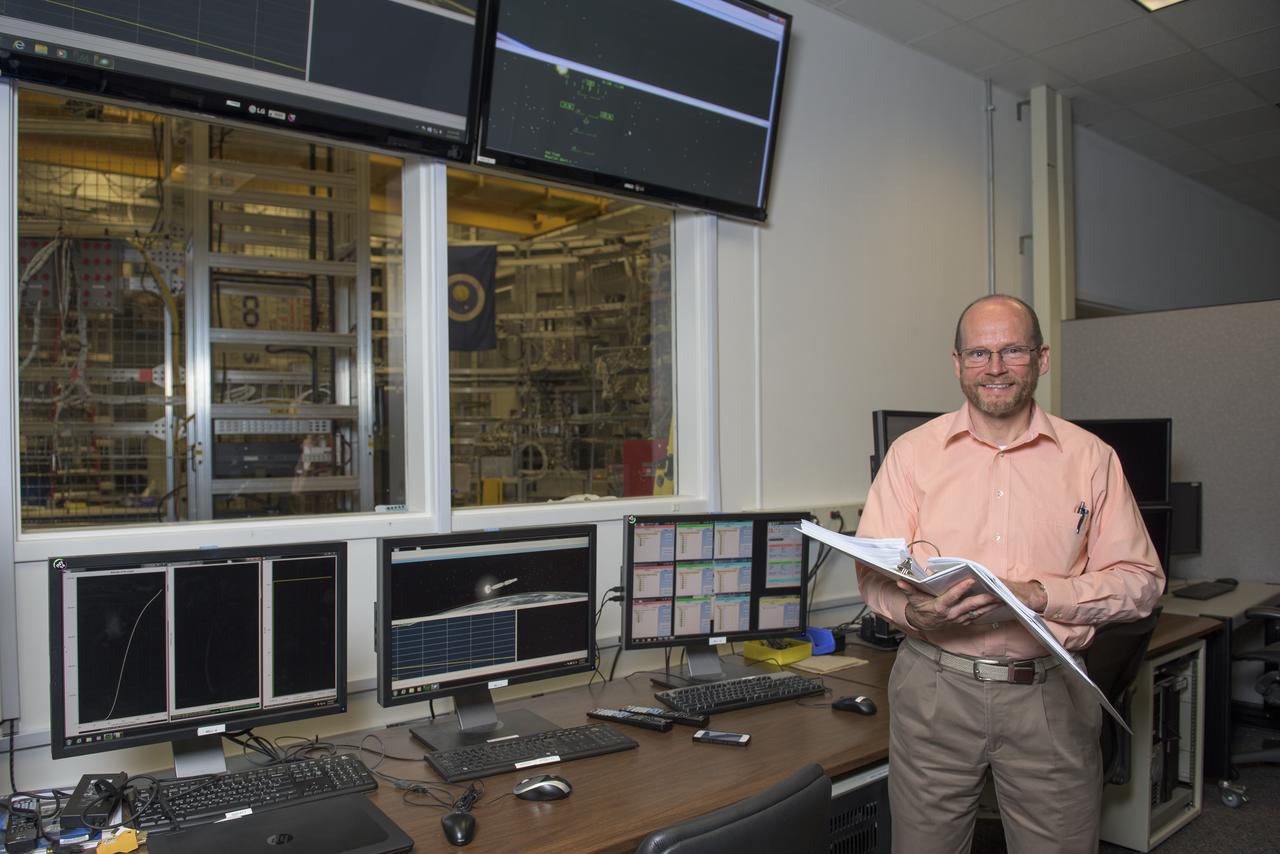
John Hanson, Alternate Lead Systems Engineer in the Spacecraft and Vehicle Systems department of the Engineering Directorate at MSFC has been honored by the American Institute of Aeronautics and Astronautics (AIAA) with the 2016 De Florez Award for flight simulation
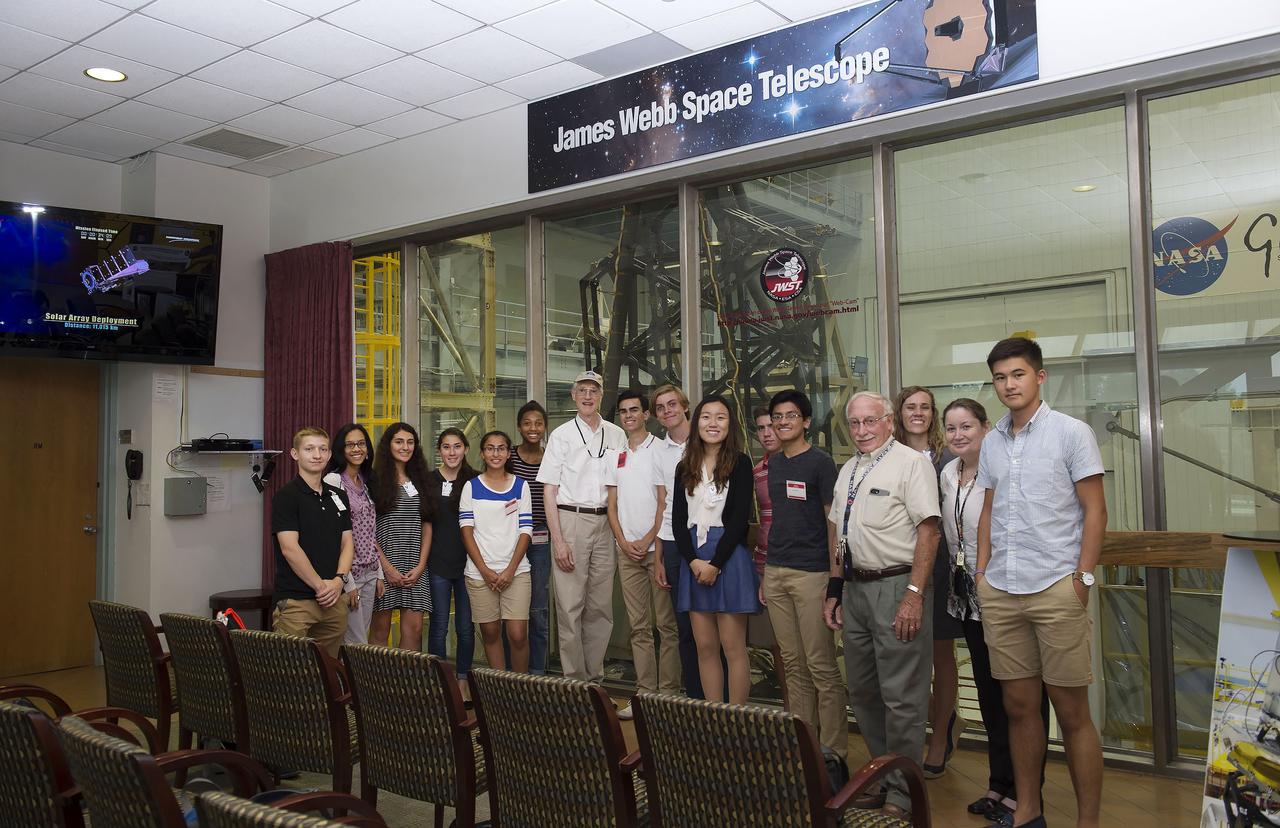
AIAA American Institute for Aeronautics and Astronautics science fair winners visited Goddard on July 17, 2017. Dr. John Mather, Nobel Prize winner, poses with group near JWST clean room.
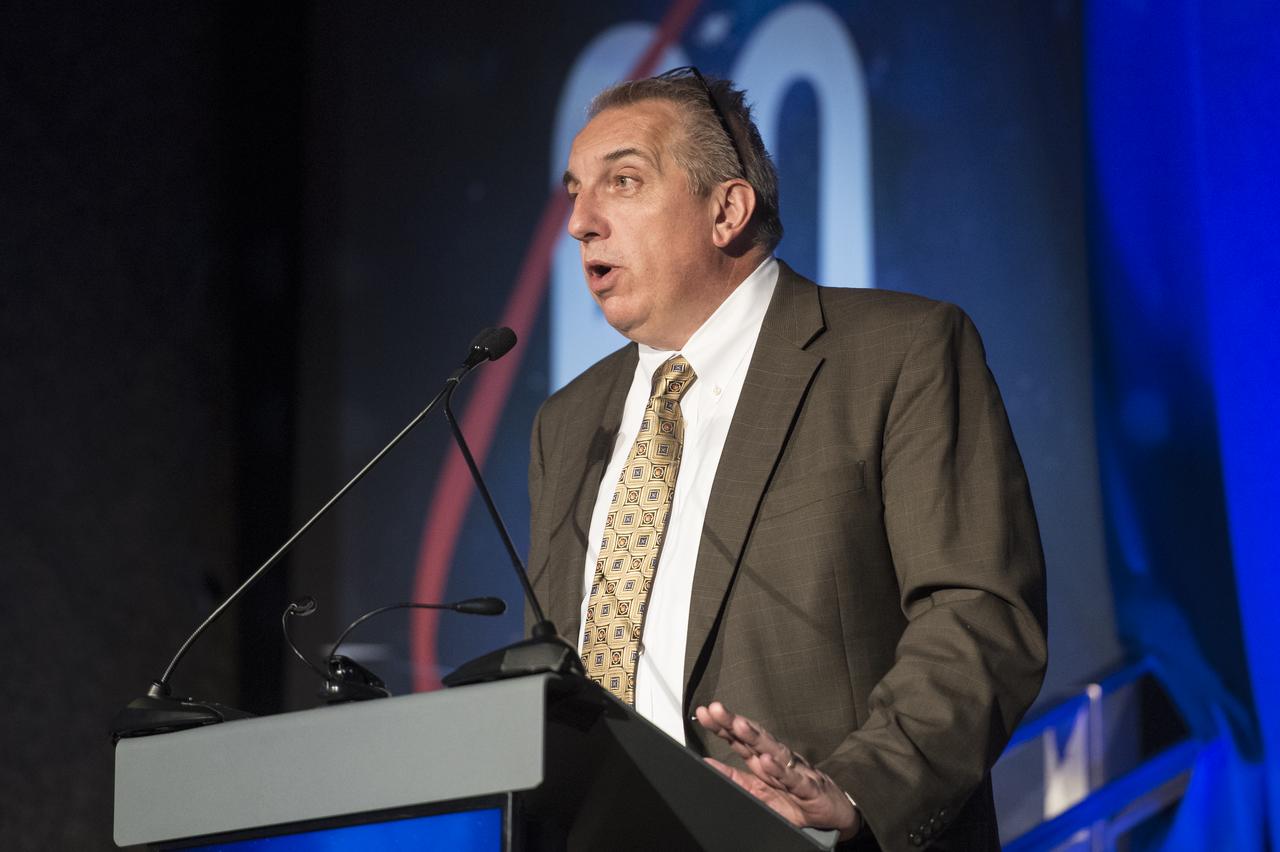
NASA's Deputy Associate Administrator for Strategy in the Aeronautics Mission Directorate Robert Pearce speaks during a reception hosted by the American Institute of Aeronautics and Astronautics (AIAA) to celebrate NASA's 60th anniversary, Thursday, Sept. 20, 2018 at the Ronald Reagan Building and International Trade Center in Washington, DC. Photo Credit: (NASA/Joel Kowsky)
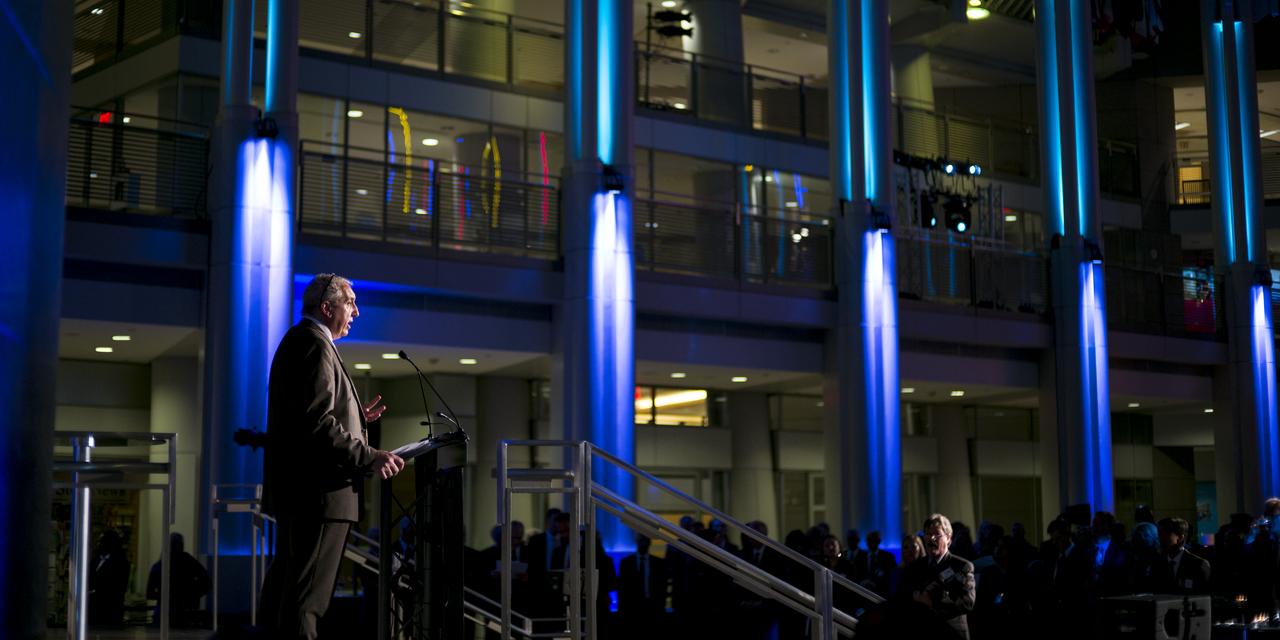
NASA's Deputy Associate Administrator for Strategy in the Aeronautics Mission Directorate Robert Pearce speaks during a reception hosted by the American Institute of Aeronautics and Astronautics (AIAA) to celebrate NASA's 60th anniversary, Thursday, Sept. 20, 2018 at the Ronald Reagan Building and International Trade Center in Washington, DC. Photo Credit: (NASA/Joel Kowsky)
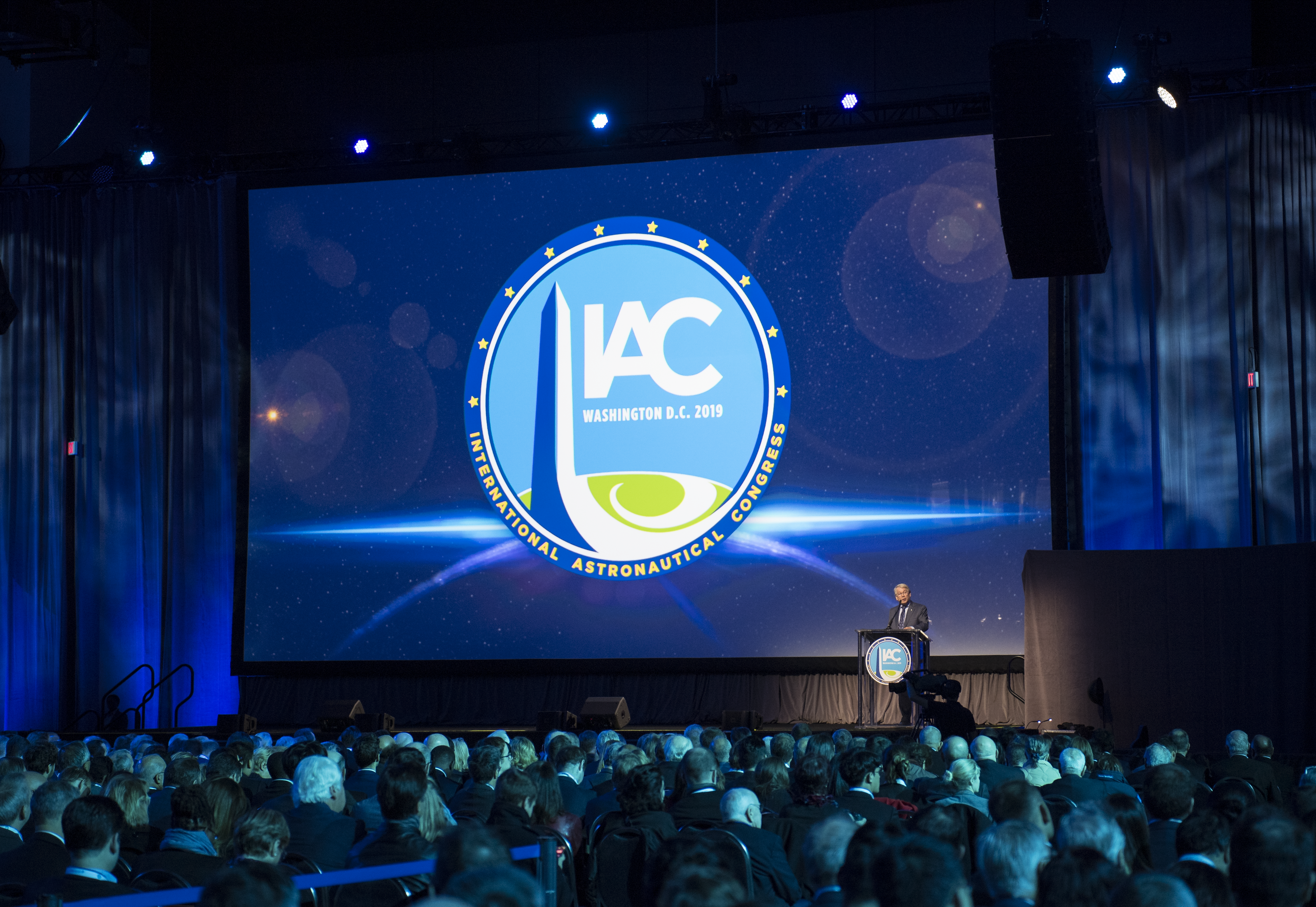
John Langford, President of the American Institute of Aeronautics and Astronautics (AIAA), delivers remarks during the opening ceremony of the 70th International Astronautical Congress, Monday, Oct. 21, 2019 at the Walter E. Washington Convention Center in Washington. Photo Credit: (NASA/Joel Kowsky)
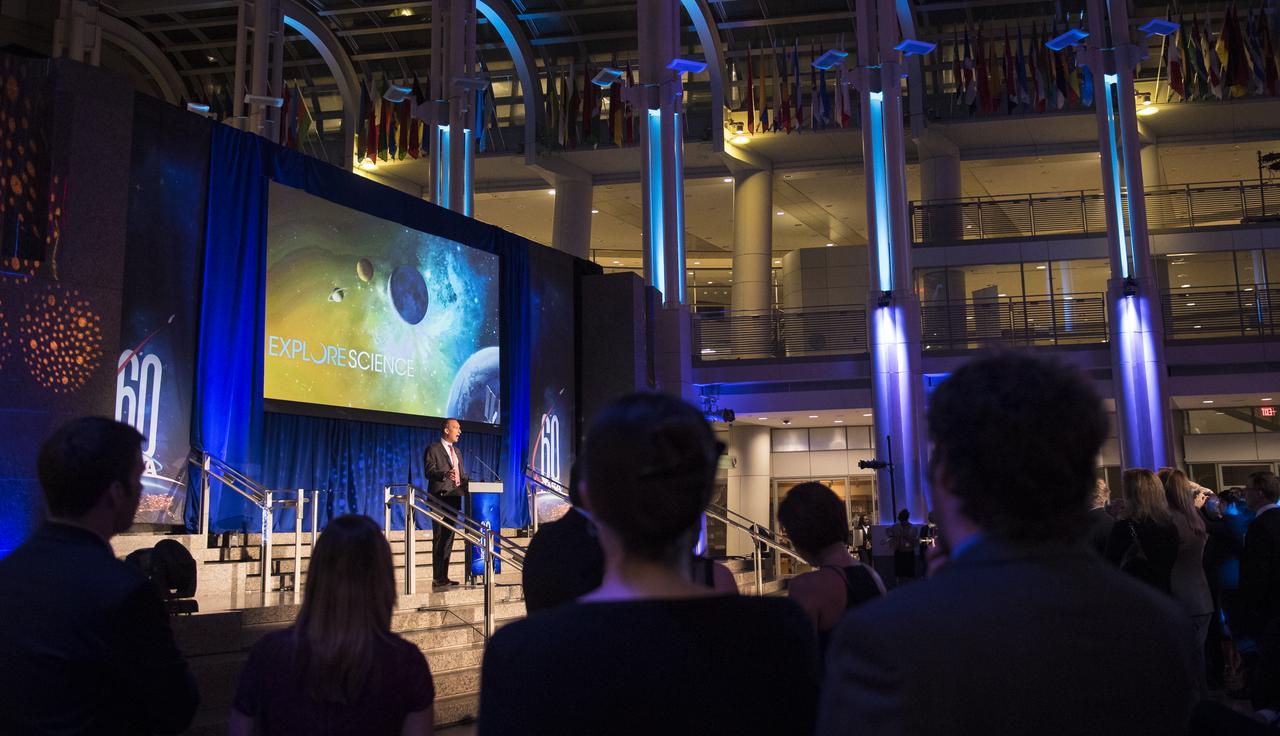
NASA Associate Administrator for the Science Mission Directorate Thomas Zurbuchen speaks during a reception hosted by the American Institute of Aeronautics and Astronautics (AIAA) to celebrate NASA's 60th anniversary, Thursday, Sept. 20, 2018 at the Ronald Reagan Building and International Trade Center in Washington, DC. Photo Credit: (NASA/Joel Kowsky)

The United States Air Force's Airmen of Note perform during a reception hosted by the American Institute of Aeronautics and Astronautics (AIAA) to celebrate NASA's 60th anniversary, Thursday, Sept. 20, 2018 at the Ronald Reagan Building and International Trade Center in Washington, DC. Photo Credit: (NASA/Joel Kowsky)
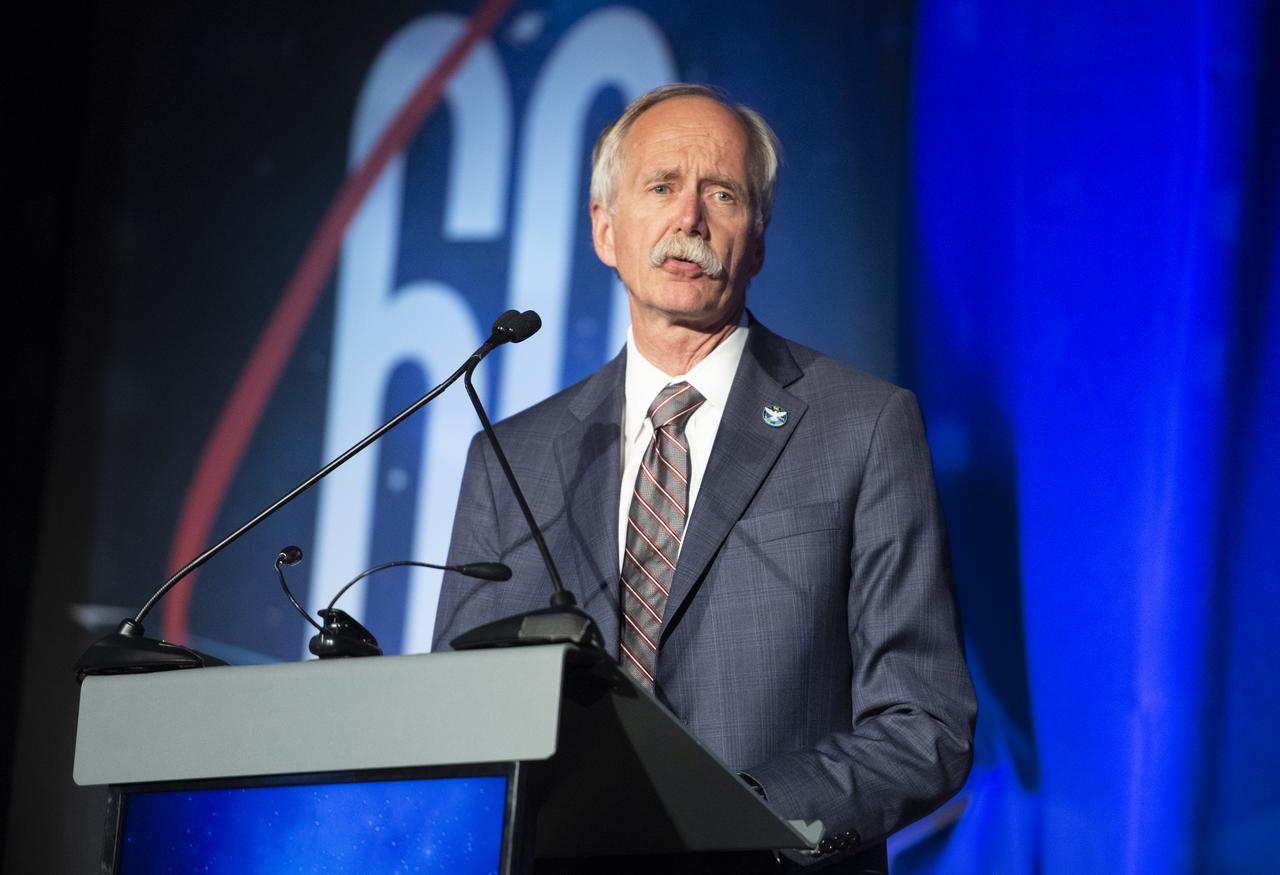
NASA Associate Administrator for the Human Exploration and Operations Mission Directorate William Gerstenmaier speaks during a reception hosted by the American Institute of Aeronautics and Astronautics (AIAA) to celebrate NASA's 60th anniversary, Thursday, Sept. 20, 2018 at the Ronald Reagan Building and International Trade Center in Washington, DC. Photo Credit: (NASA/Joel Kowsky)
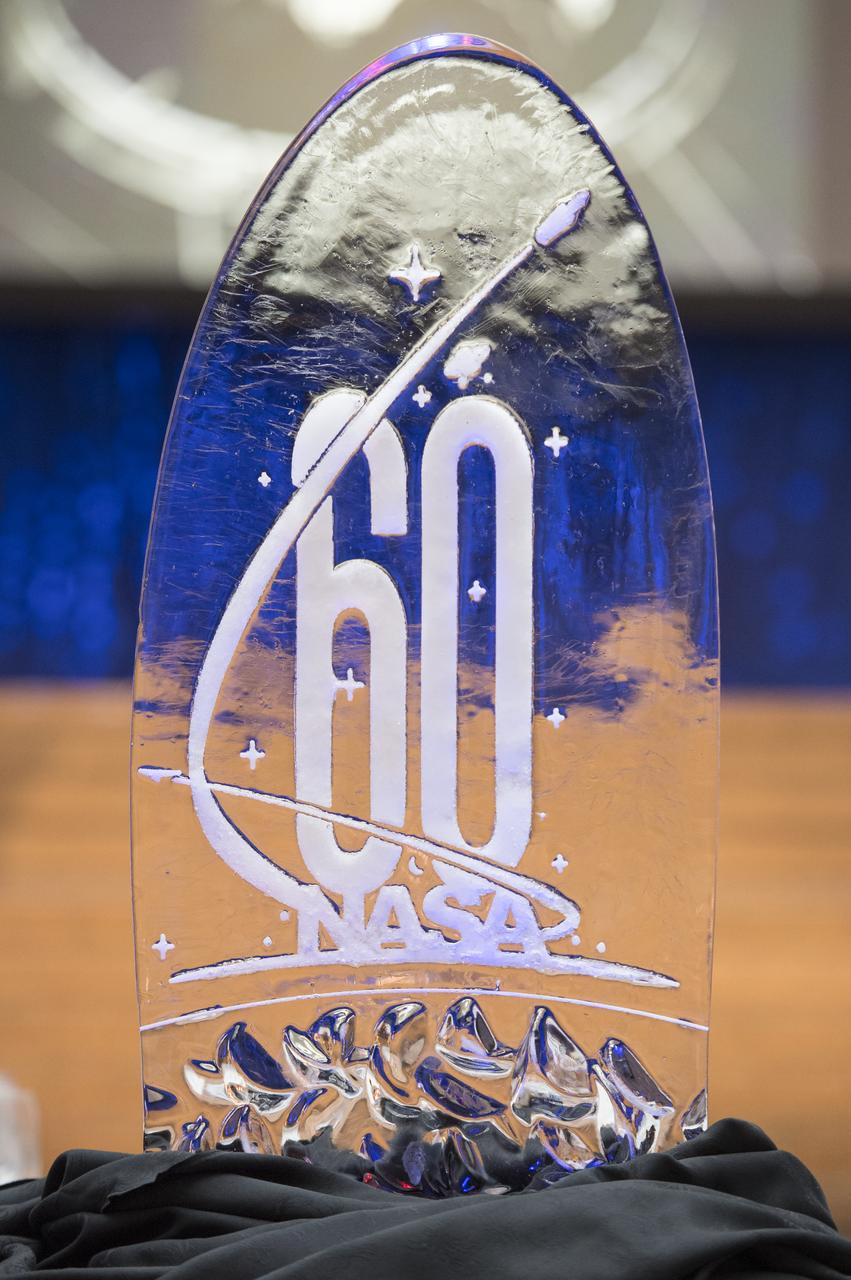
An ice sculpture of NASA's 60th anniversary logo is seen during a reception hosted by the American Institute of Aeronautics and Astronautics (AIAA) to celebrate NASA's 60th anniversary, Thursday, Sept. 20, 2018 at the Ronald Reagan Building and International Trade Center in Washington, DC. Photo Credit: (NASA/Joel Kowsky)

NASA Associate Administrator for the Science Mission Directorate Thomas Zurbuchen speaks during a reception hosted by the American Institute of Aeronautics and Astronautics (AIAA) to celebrate NASA's 60th anniversary, Thursday, Sept. 20, 2018 at the Ronald Reagan Building and International Trade Center in Washington, DC. Photo Credit: (NASA/Joel Kowsky)
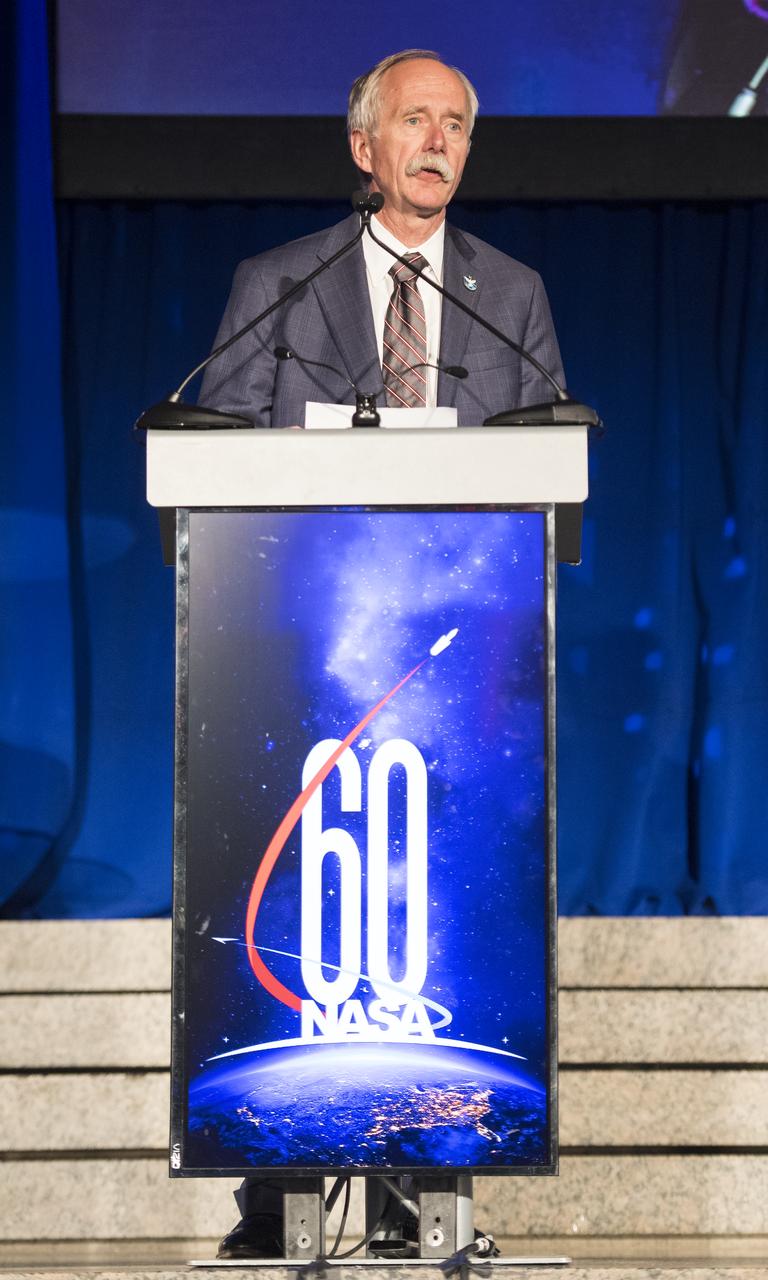
NASA Associate Administrator for the Human Exploration and Operations Mission Directorate William Gerstenmaier speaks during a reception hosted by the American Institute of Aeronautics and Astronautics (AIAA) to celebrate NASA's 60th anniversary, Thursday, Sept. 20, 2018 at the Ronald Reagan Building and International Trade Center in Washington, DC. Photo Credit: (NASA/Joel Kowsky)
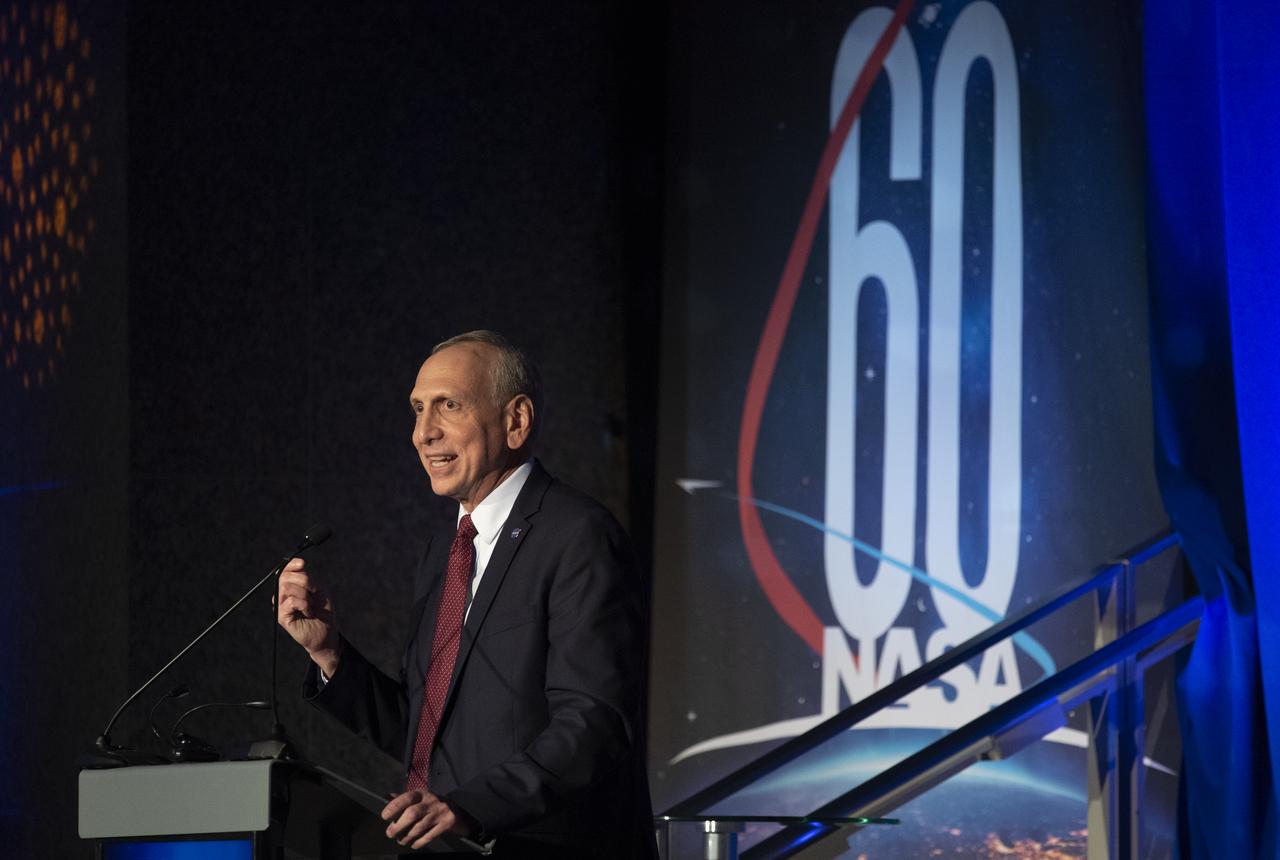
NASA Associate Administrator Steve Jurczyk delivers remarks during a reception hosted by the American Institute of Aeronautics and Astronautics (AIAA) to celebrate NASA's 60th anniversary, Thursday, Sept. 20, 2018 at the Ronald Reagan Building and International Trade Center in Washington, DC. Photo Credit: (NASA/Joel Kowsky)
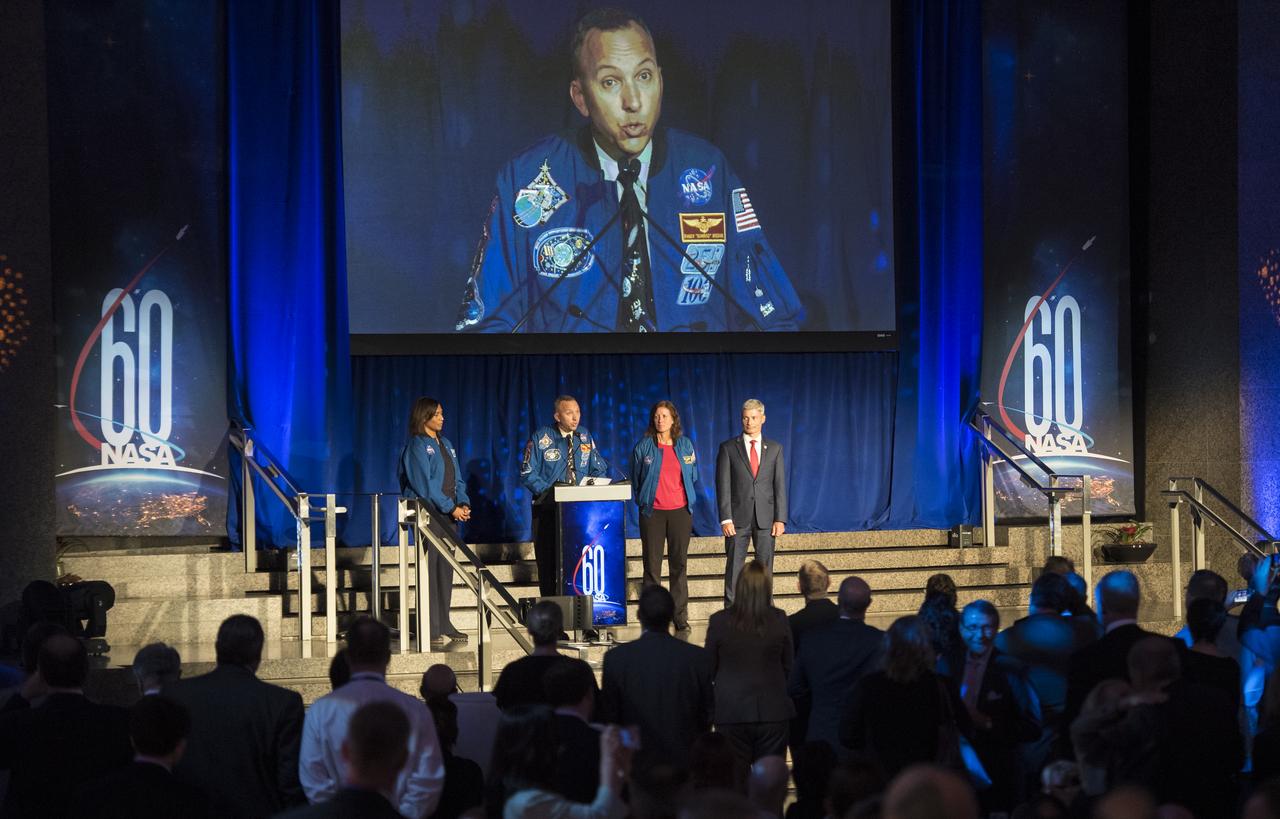
NASA astronauts Jeanette Epps, Randy Bresnik, Shannon Walker, and Mark Vande Hei are seen on stage during a reception hosted by the American Institute of Aeronautics and Astronautics (AIAA) to celebrate NASA's 60th anniversary, Thursday, Sept. 20, 2018 at the Ronald Reagan Building and International Trade Center in Washington, DC. Photo Credit: (NASA/Joel Kowsky)

NASA astronauts Jeanette Epps, Randy Bresnik, Shannon Walker, and Mark Vande Hei are seen on stage during a reception hosted by the American Institute of Aeronautics and Astronautics (AIAA) to celebrate NASA's 60th anniversary, Thursday, Sept. 20, 2018 at the Ronald Reagan Building and International Trade Center in Washington, DC. Photo Credit: (NASA/Joel Kowsky)
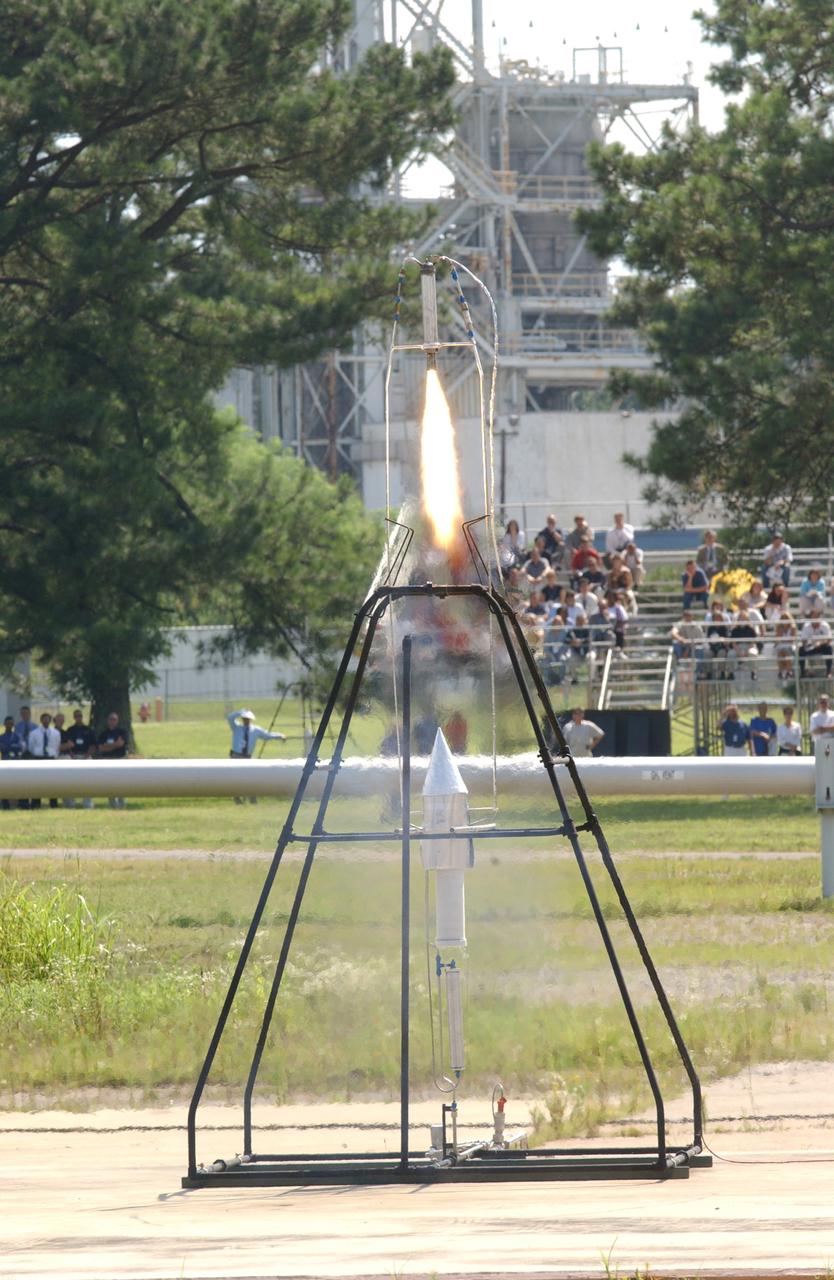
In honor of the Centernial of Flight Celebration and commissioned by the American Institute of Aeronautics and Astronautics (AIAA), a team of engineers from Marshall Space Flight Center (MSFC) built a replica of the first liquid-fueled rocket. The original rocket, designed and built by rocket engineering pioneer Robert H. Goddard in 1926, opened the door to modern rocketry. Goddard's rocket reached an altitude of 41 feet while its flight lasted only 2.5 seconds. The Marshall design team's plan was to stay as close as possible to an authentic reconstruction of Goddard's rocket. The same propellants were used - liquid oxygen and gasoline - as available during Goddard's initial testing and firing. The team also tried to construct the replica using the original materials and design to the greatest extent possible. By purposely using less advanced techniques and materials than many that are available today, the team encountered numerous technical challenges in testing the functional hardware. There were no original blueprints or drawings, only photographs and notes. However, this faithful adherence to historical accuracy has allowed the team to experience many of the same challenges Goddard faced 77 years ago, and more fully appreciate the genius of this extraordinary man. In this photo, the replica is shown firing in the A-frame launch stand in near-flight configuration at MSFC's Test Area 116 during the American Institute of Aeronautics and Astronautics 39th Joint Propulsion Conference on July 23, 2003.
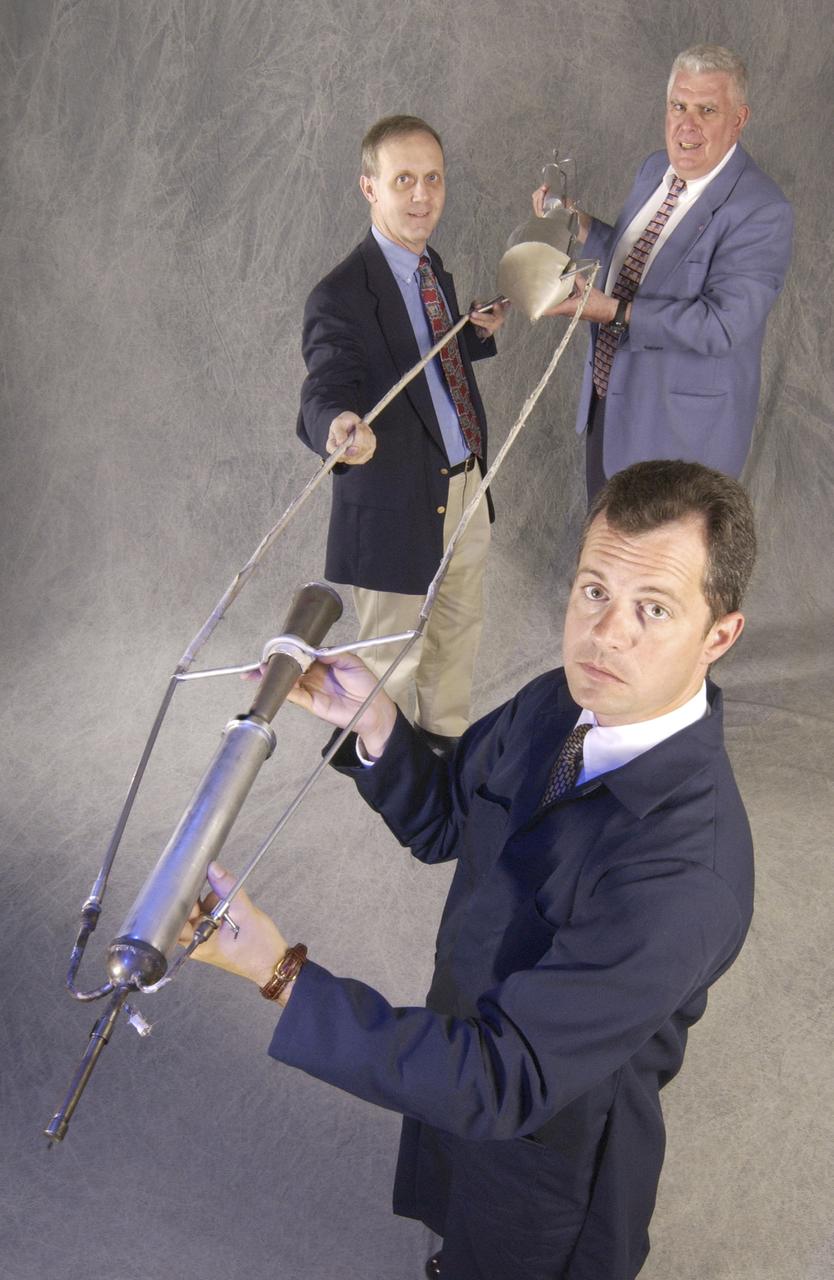
In honor of the Centernial of Flight celebration and commissioned by the American Institute of Aeronautics and Astronautics (AIAA), a team of engineers from Marshall Space Flight Center (MSFC) built a replica of the first liquid-fueled rocket. The original rocket, designed and built by rocket engineering pioneer Robert H. Goddard in 1926, opened the door to modern rocketry. Goddard's rocket reached an altitude of 41 feet while its flight lasted only 2.5 seconds. The Marshall design team's plan was to stay as close as possible to an authentic reconstruction of Goddard's rocket. The same propellants were used - liquid oxygen and gasoline - as available during Goddard's initial testing and firing. The team also tried to construct the replica using the original materials and design to the greatest extent possible. By purposely using less advanced techniques and materials than many that are available today, the team encountered numerous technical challenges in testing the functional hardware. There were no original blueprints or drawings, only photographs and notes. However, this faithful adherence to historical accuracy has also allowed the team to experience many of the same challenges Goddard faced 77 years ago, and more fully appreciate the genius of this extraordinary man. The replica will undergo ground tests at MSFC this summer.

Ronnie Rigney (r), chief of the Propulsion Test Office in the Project Directorate at Stennis Space Center, stands with agency colleagues to receive the prestigious American Institute of Aeronautics and Astronautics George M. Low Space Transportation Award on Sept. 12. Rigney accepted the award on behalf of the NASA and contractor team at Stennis for their support of the Space Shuttle Program that ended last summer. From 1975 to 2009, Stennis Space Center tested every main engine used to power 135 space shuttle missions. Stennis continued to provide flight support services through the end of the Space Shuttle Program in July 2011. The center also supported transition and retirement of shuttle hardware and assets through September 2012. The 2012 award was presented to the space shuttle team 'for excellence in the conception, development, test, operation and retirement of the world's first and only reusable space transportation system.' Joining Rigney for the award ceremony at the 2012 AIAA Conference in Pasadena, Calif., were: (l to r) Allison Zuniga, NASA Headquarters; Michael Griffin, former NASA administrator; Don Noah, Johnson Space Center in Houston; Steve Cash, Marshall Space Flight Center in Huntsville, Ala.; and Pete Nickolenko, Kennedy Space Center in Florida.

Ronnie Rigney (r), chief of the Propulsion Test Office in the Project Directorate at Stennis Space Center, stands with agency colleagues to receive the prestigious American Institute of Aeronautics and Astronautics George M. Low Space Transportation Award on Sept. 12. Rigney accepted the award on behalf of the NASA and contractor team at Stennis for their support of the Space Shuttle Program that ended last summer. From 1975 to 2009, Stennis Space Center tested every main engine used to power 135 space shuttle missions. Stennis continued to provide flight support services through the end of the Space Shuttle Program in July 2011. The center also supported transition and retirement of shuttle hardware and assets through September 2012. The 2012 award was presented to the space shuttle team 'for excellence in the conception, development, test, operation and retirement of the world's first and only reusable space transportation system.' Joining Rigney for the award ceremony at the 2012 AIAA Conference in Pasadena, Calif., were: (l to r) Allison Zuniga, NASA Headquarters; Michael Griffin, former NASA administrator; Don Noah, Johnson Space Center in Houston; Steve Cash, Marshall Space Flight Center in Huntsville, Ala.; and Pete Nickolenko, Kennedy Space Center in Florida.
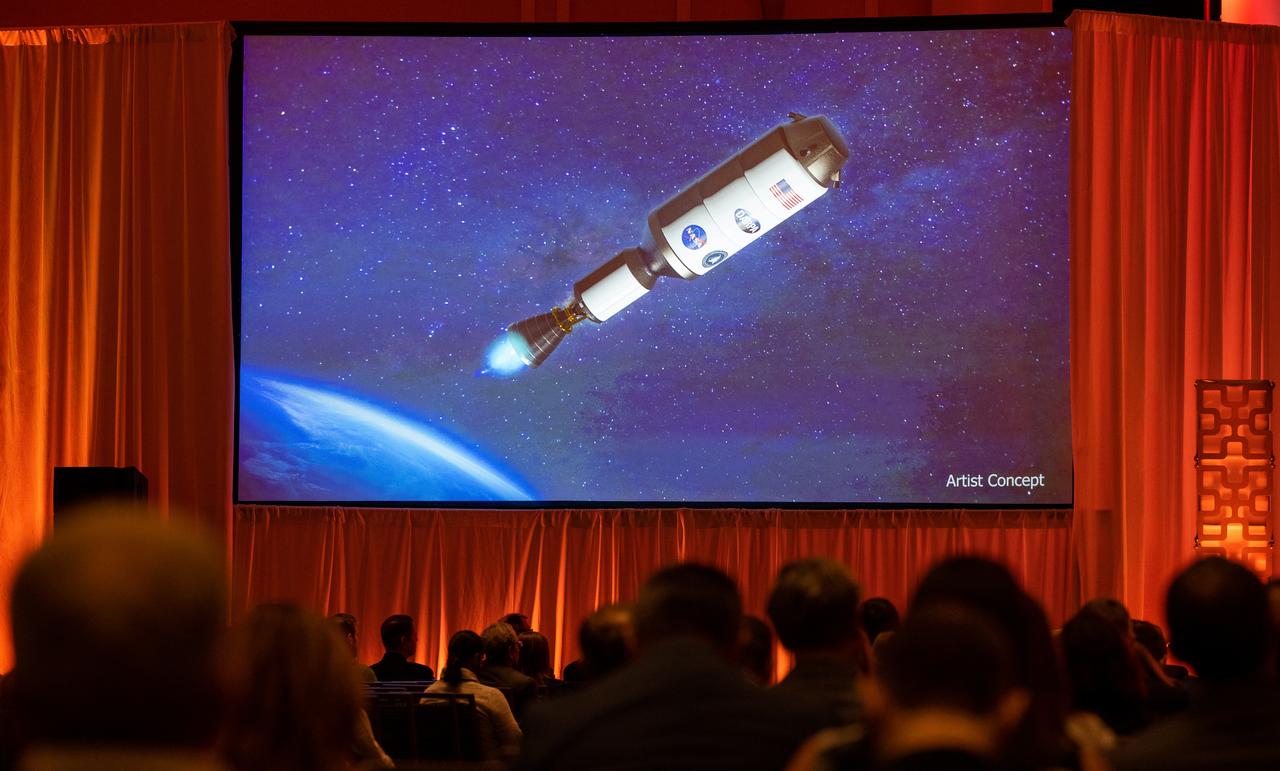
An artists concept of the Demonstration Rocket for Agile Cislunar Operations, or DRACO, spacecraft is seen on a screen during a fireside chat announcing a new collaboration on nuclear thermal propulsion at the American Institute of Aeronautics and Astronautics SciTech Forum, Tuesday, Jan. 24, 2023, at the Gaylord National Resort and Convention Center in National Harbor, Md. NASA and the Defense Advanced Research Projects Agency (DARPA) will partner on the Demonstration Rocket for Agile Cislunar Operations, or DRACO, project to develop and demonstrate in-space a nuclear thermal engine. Photo Credit: (NASA/Joel Kowsky)
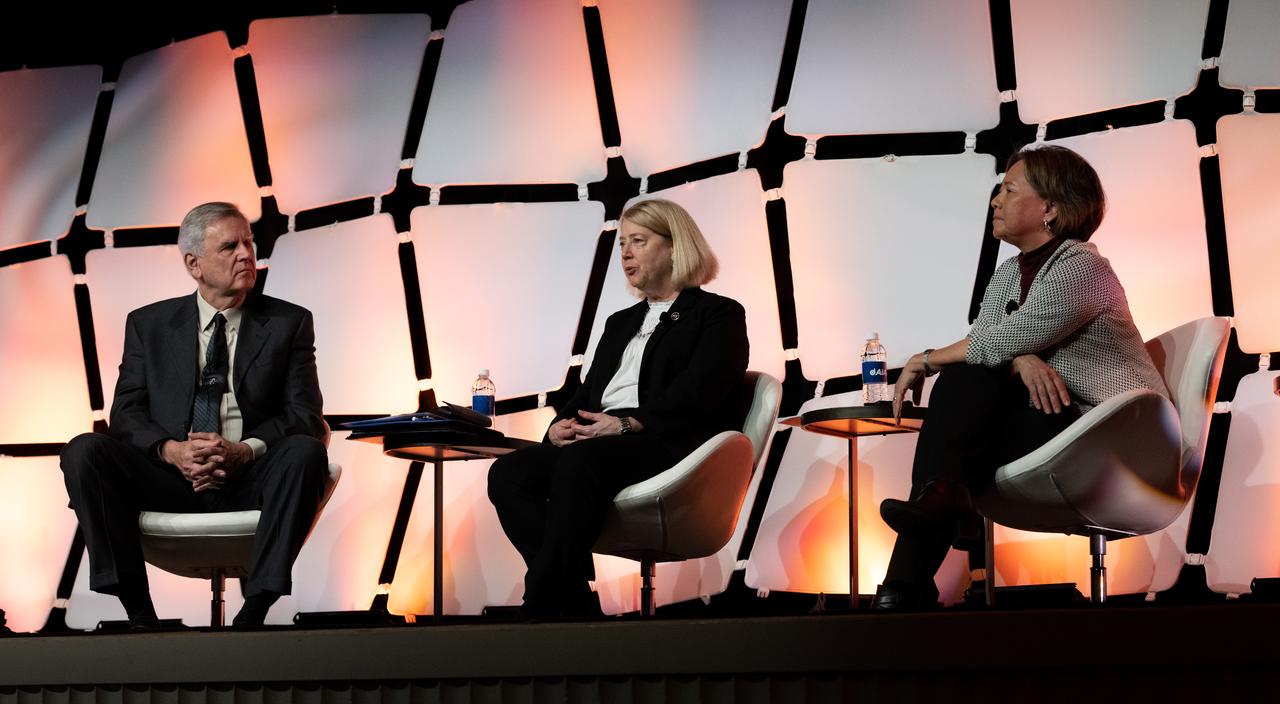
Steve Howe, former director of the Center for Space Nuclear Research at the Idaho National Laboratory, left, NASA Deputy Administrator Pam Melroy, center, and Stefanie Tompkins, director of the Defense Advance Research Projects Agency (DARPA), right, are seen during a fireside chat announcing a new collaboration on nuclear thermal propulsion at the American Institute of Aeronautics and Astronautics SciTech Forum, Tuesday, Jan. 24, 2023, at the Gaylord National Resort and Convention Center in National Harbor, Md. NASA and the Defense Advanced Research Projects Agency (DARPA) will partner on the Demonstration Rocket for Agile Cislunar Operations, or DRACO, project to develop and demonstrate in-space a nuclear thermal engine. Photo Credit: (NASA/Joel Kowsky)
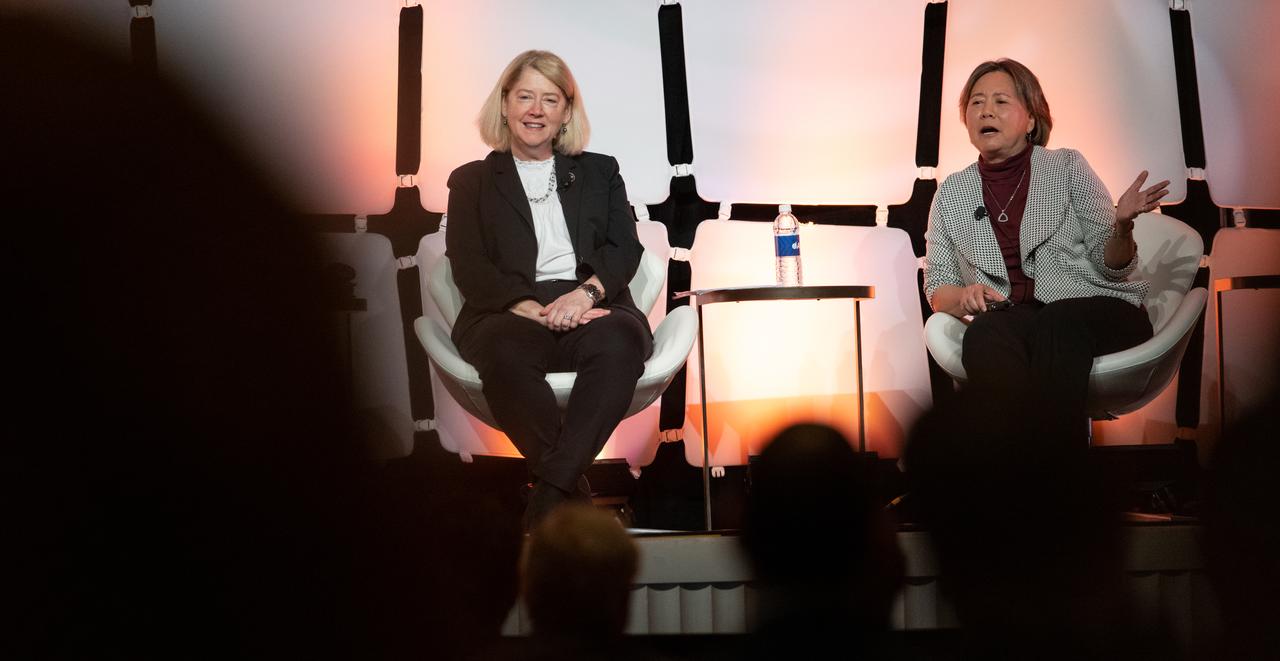
NASA Deputy Administrator Pam Melroy, left, and Stefanie Tompkins, director of the Defense Advance Research Projects Agency (DARPA), right, are seen during a fireside chat announcing a new collaboration on nuclear thermal propulsion at the American Institute of Aeronautics and Astronautics SciTech Forum, Tuesday, Jan. 24, 2023, at the Gaylord National Resort and Convention Center in National Harbor, Md. NASA and the Defense Advanced Research Projects Agency (DARPA) will partner on the Demonstration Rocket for Agile Cislunar Operations, or DRACO, project to develop and demonstrate in-space a nuclear thermal engine. Photo Credit: (NASA/Joel Kowsky)
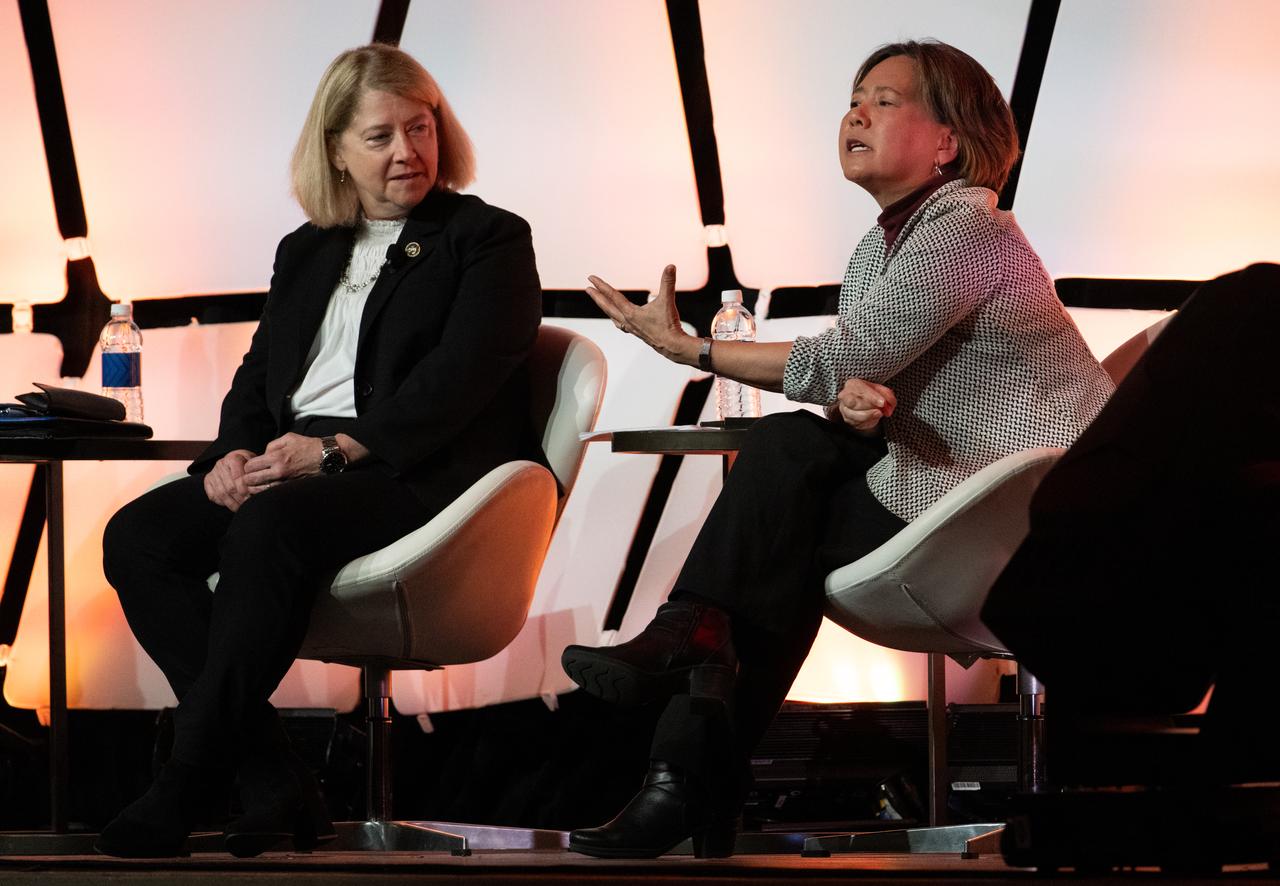
NASA Deputy Administrator Pam Melroy, left, and Stefanie Tompkins, director of the Defense Advance Research Projects Agency (DARPA), right, are seen during a fireside chat announcing a new collaboration on nuclear thermal propulsion at the American Institute of Aeronautics and Astronautics SciTech Forum, Tuesday, Jan. 24, 2023, at the Gaylord National Resort and Convention Center in National Harbor, Md. NASA and the Defense Advanced Research Projects Agency (DARPA) will partner on the Demonstration Rocket for Agile Cislunar Operations, or DRACO, project to develop and demonstrate in-space a nuclear thermal engine. Photo Credit: (NASA/Joel Kowsky)
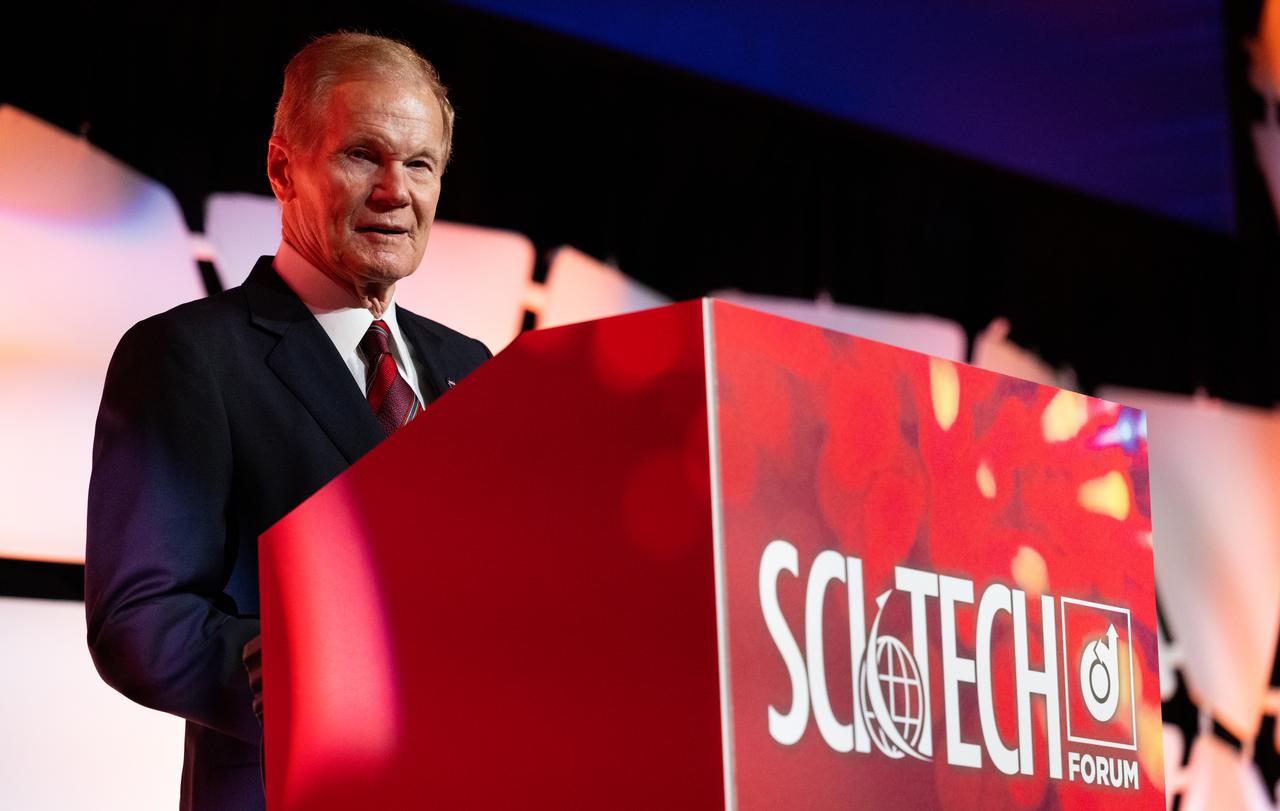
NASA Administrator Bill Nelson delivers opening remarks during a fireside chat announcing a new collaboration on nuclear thermal propulsion at the American Institute of Aeronautics and Astronautics SciTech Forum, Tuesday, Jan. 24, 2023, at the Gaylord National Resort and Convention Center in National Harbor, Md. NASA and the Defense Advanced Research Projects Agency (DARPA) will partner on the Demonstration Rocket for Agile Cislunar Operations, or DRACO, project to develop and demonstrate in-space a nuclear thermal engine. Photo Credit: (NASA/Joel Kowsky)

Steve Howe, former director of the Center for Space Nuclear Research at the Idaho National Laboratory, left, NASA Deputy Administrator Pam Melroy, center, and Stefanie Tompkins, director of the Defense Advance Research Projects Agency (DARPA), right, are seen during a fireside chat announcing a new collaboration on nuclear thermal propulsion at the American Institute of Aeronautics and Astronautics SciTech Forum, Tuesday, Jan. 24, 2023, at the Gaylord National Resort and Convention Center in National Harbor, Md. NASA and the Defense Advanced Research Projects Agency (DARPA) will partner on the Demonstration Rocket for Agile Cislunar Operations, or DRACO, project to develop and demonstrate in-space a nuclear thermal engine. Photo Credit: (NASA/Joel Kowsky)

NASA Deputy Administrator Pam Melroy answers a question during a fireside chat announcing a new collaboration on nuclear thermal propulsion at the American Institute of Aeronautics and Astronautics SciTech Forum, Tuesday, Jan. 24, 2023, at the Gaylord National Resort and Convention Center in National Harbor, Md. NASA and the Defense Advanced Research Projects Agency (DARPA) will partner on the Demonstration Rocket for Agile Cislunar Operations, or DRACO, project to develop and demonstrate in-space a nuclear thermal engine. Photo Credit: (NASA/Joel Kowsky)

Steve Howe, former director of the Center for Space Nuclear Research at the Idaho National Laboratory, left, NASA Deputy Administrator Pam Melroy, center, and Stefanie Tompkins, director of the Defense Advance Research Projects Agency (DARPA), right, are seen during a fireside chat announcing a new collaboration on nuclear thermal propulsion at the American Institute of Aeronautics and Astronautics SciTech Forum, Tuesday, Jan. 24, 2023, at the Gaylord National Resort and Convention Center in National Harbor, Md. NASA and the Defense Advanced Research Projects Agency (DARPA) will partner on the Demonstration Rocket for Agile Cislunar Operations, or DRACO, project to develop and demonstrate in-space a nuclear thermal engine. Photo Credit: (NASA/Joel Kowsky)
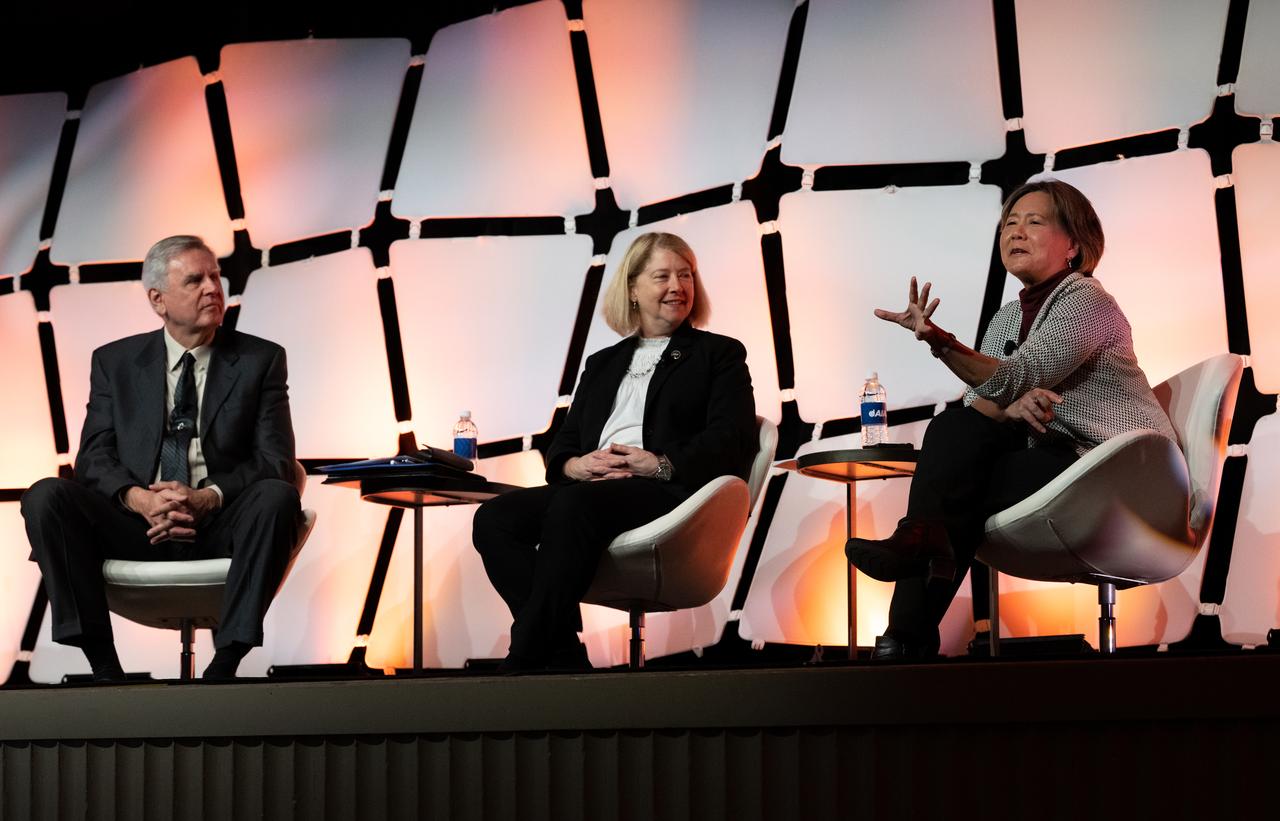
Stefanie Tompkins, director of the Defense Advance Research Projects Agency (DARPA), right, answers a question alongside Steve Howe, former director of the Center for Space Nuclear Research at the Idaho National Laboratory, left, NASA Deputy Administrator Pam Melroy, center, during a fireside chat announcing a new collaboration on nuclear thermal propulsion at the American Institute of Aeronautics and Astronautics SciTech Forum, Tuesday, Jan. 24, 2023, at the Gaylord National Resort and Convention Center in National Harbor, Md. NASA and the Defense Advanced Research Projects Agency (DARPA) will partner on the Demonstration Rocket for Agile Cislunar Operations, or DRACO, project to develop and demonstrate in-space a nuclear thermal engine. Photo Credit: (NASA/Joel Kowsky)

NASA Deputy Administrator Pam Melroy, left, and Stefanie Tompkins, director of the Defense Advance Research Projects Agency (DARPA), right, are seen during a fireside chat announcing a new collaboration on nuclear thermal propulsion at the American Institute of Aeronautics and Astronautics SciTech Forum, Tuesday, Jan. 24, 2023, at the Gaylord National Resort and Convention Center in National Harbor, Md. NASA and the Defense Advanced Research Projects Agency (DARPA) will partner on the Demonstration Rocket for Agile Cislunar Operations, or DRACO, project to develop and demonstrate in-space a nuclear thermal engine. Photo Credit: (NASA/Joel Kowsky)
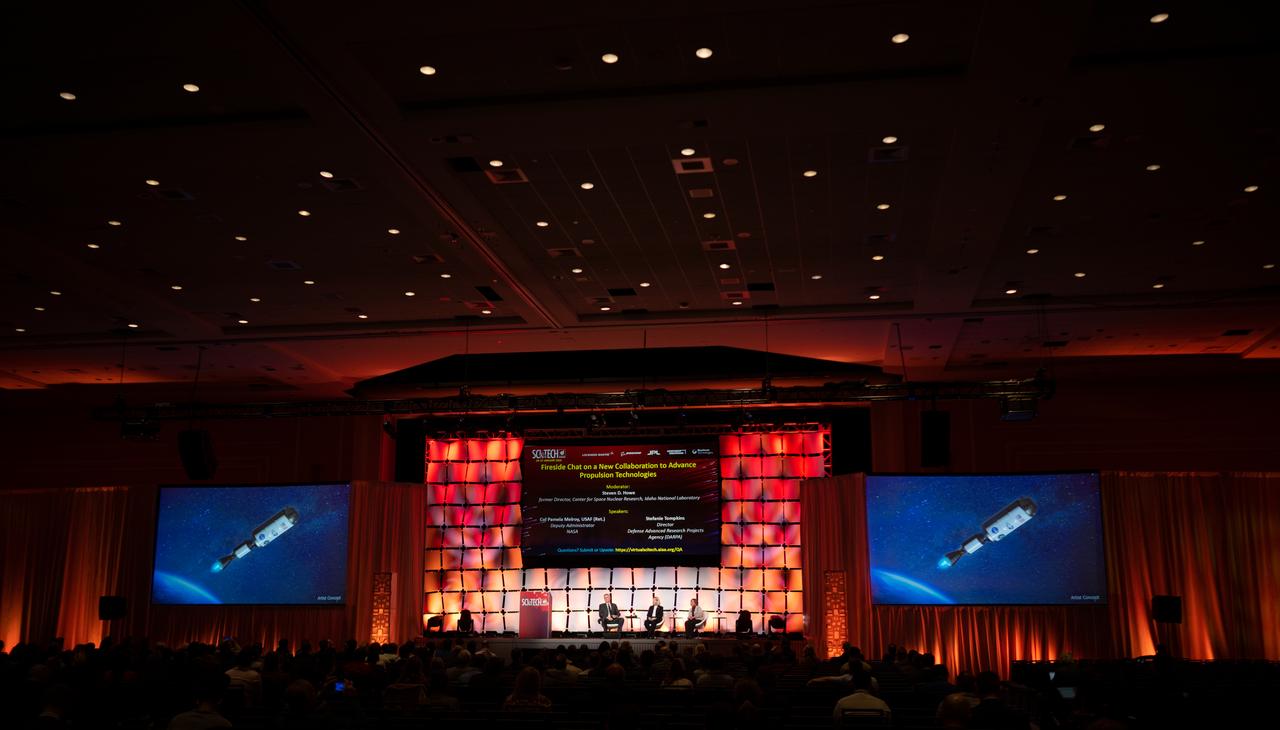
An artists concept of the Demonstration Rocket for Agile Cislunar Operations, or DRACO, spacecraft is seen on a screen as Steve Howe, former director of the Center for Space Nuclear Research at the Idaho National Laboratory, left, NASA Deputy Administrator Pam Melroy, center, and Stefanie Tompkins, director of the Defense Advance Research Projects Agency (DARPA), right, participate in a fireside chat announcing a new collaboration on nuclear thermal propulsion at the American Institute of Aeronautics and Astronautics SciTech Forum, Tuesday, Jan. 24, 2023, at the Gaylord National Resort and Convention Center in National Harbor, Md. NASA and the Defense Advanced Research Projects Agency (DARPA) will partner on the Demonstration Rocket for Agile Cislunar Operations, or DRACO, project to develop and demonstrate in-space a nuclear thermal engine. Photo Credit: (NASA/Joel Kowsky)

Stefanie Tompkins, director of the Defense Advance Research Projects Agency (DARPA), is seen during a fireside chat announcing a new collaboration on nuclear thermal propulsion at the American Institute of Aeronautics and Astronautics SciTech Forum, Tuesday, Jan. 24, 2023, at the Gaylord National Resort and Convention Center in National Harbor, Md. NASA and the Defense Advanced Research Projects Agency (DARPA) will partner on the Demonstration Rocket for Agile Cislunar Operations, or DRACO, project to develop and demonstrate in-space a nuclear thermal engine. Photo Credit: (NASA/Joel Kowsky)