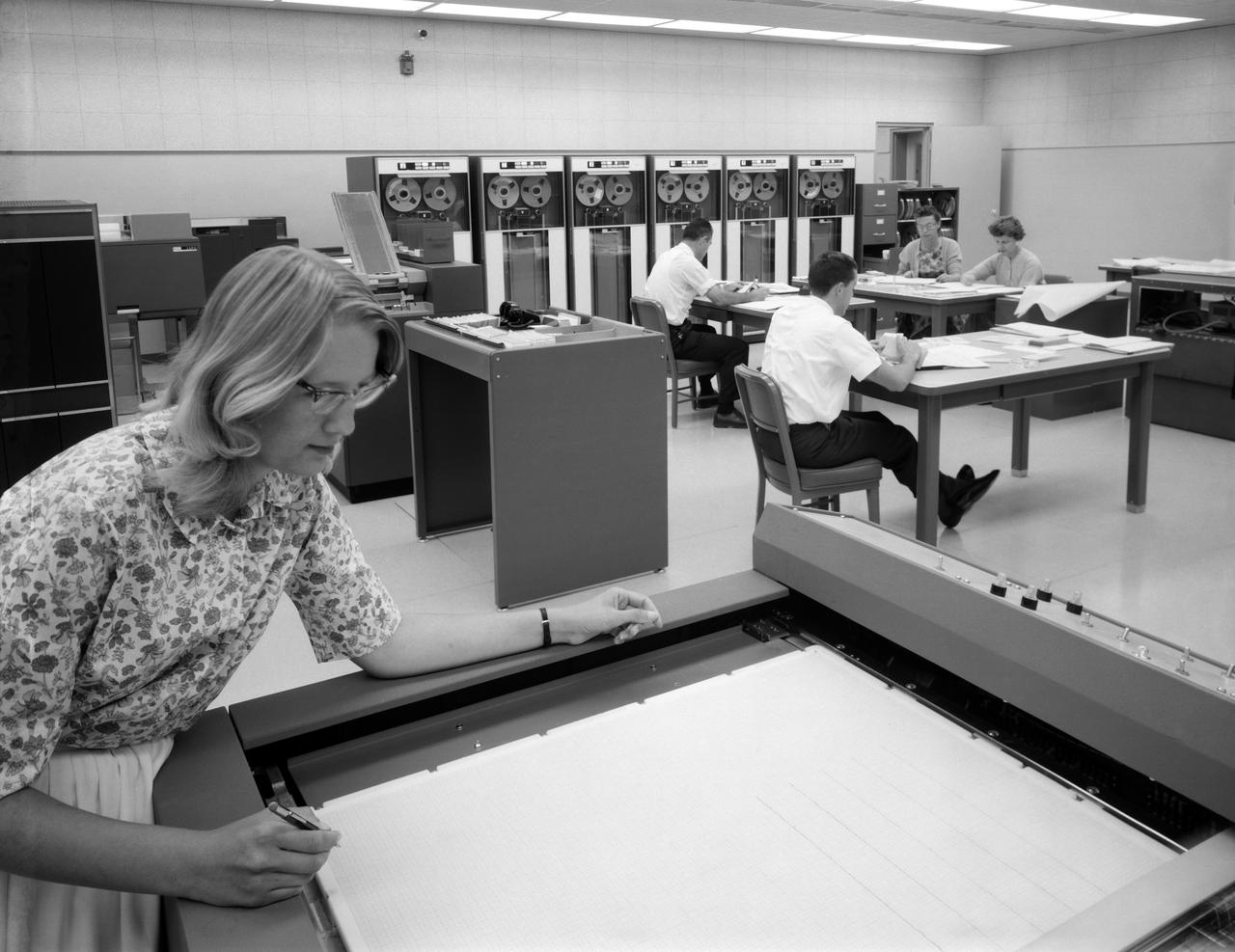
IBM 1401 Data Processing System at NASA Ames Research Center.
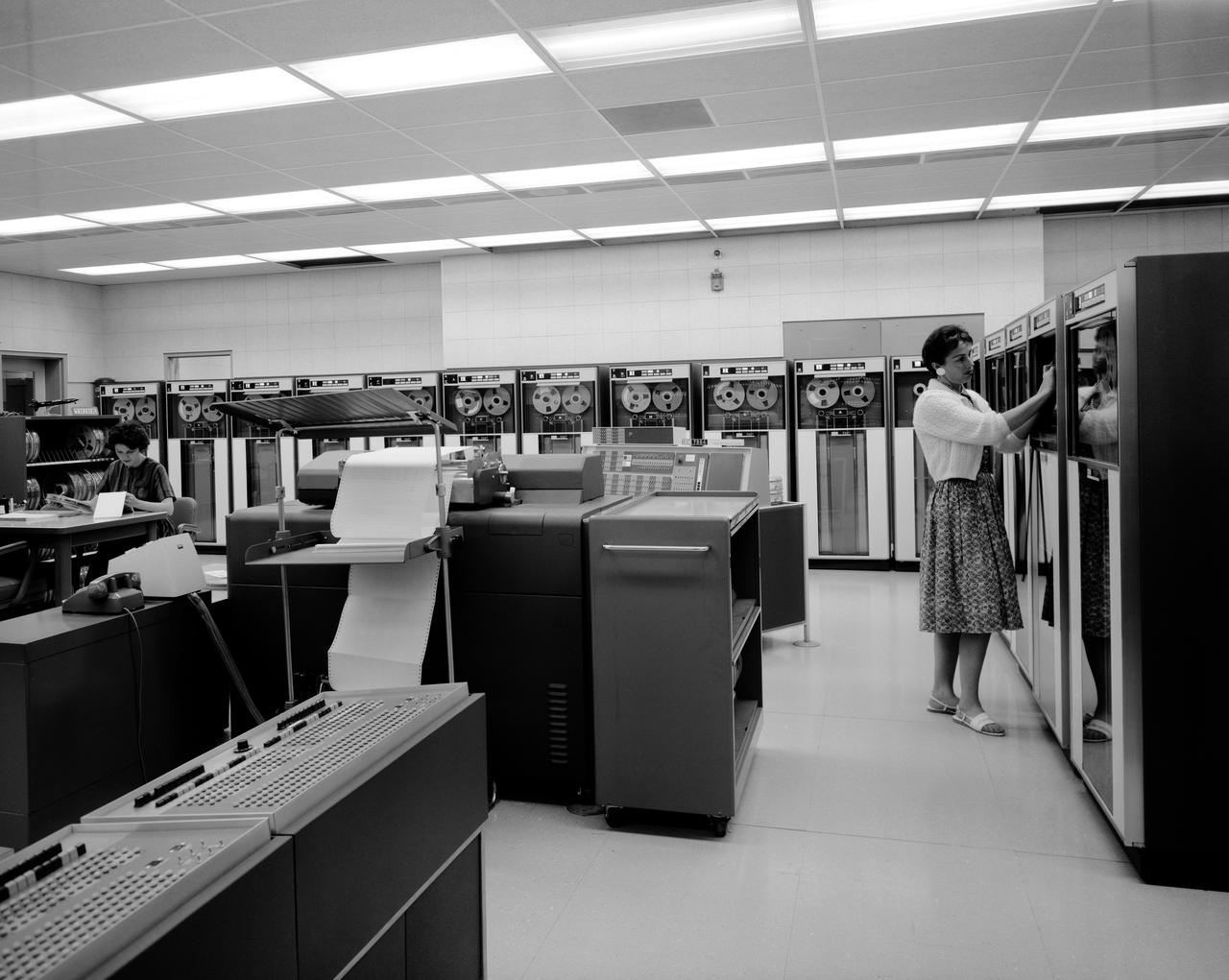
Equipment: Data Processing and Data Reduction at the NASA Ames Research Center, EMC. IBM 7090 Data Processing System.
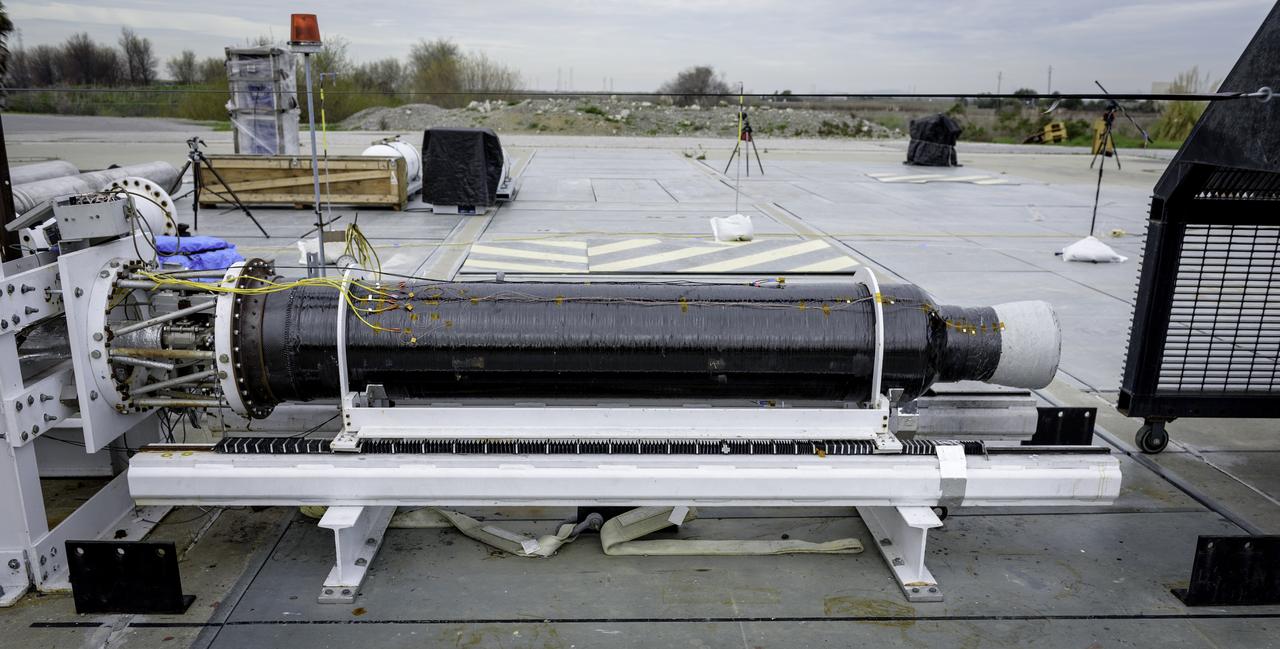
The Peregrine Hybrid Rocket Engine, profile view, prior to the test at the Outdoor Aerodynamic Research Facility (OARF, N-249) at Ames Research Center.
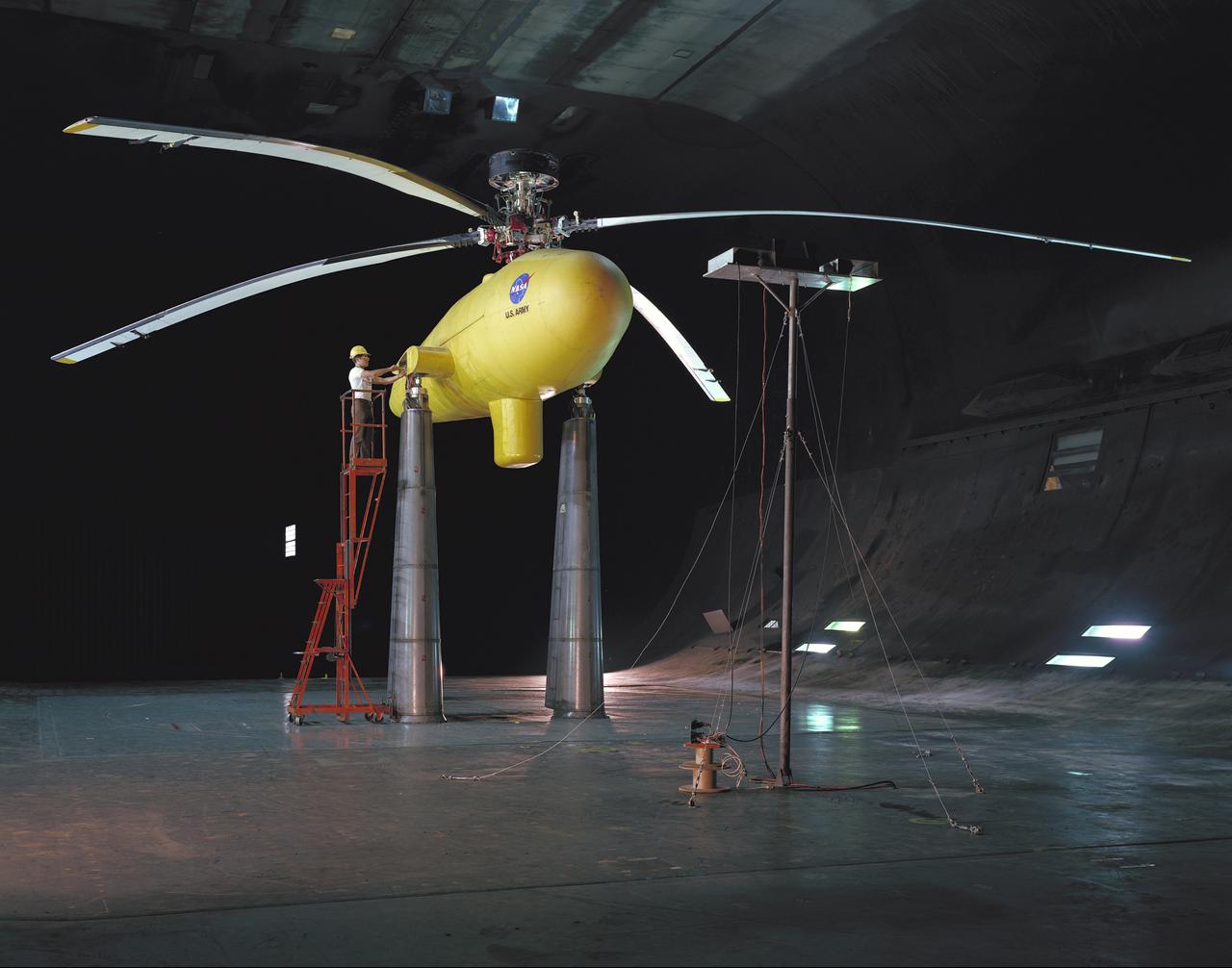
(Oct. 27 1976) Controllable Twist Rotor, 40x80 Foot Wind Tunnel at Ames Research Center, model With John Bolt.
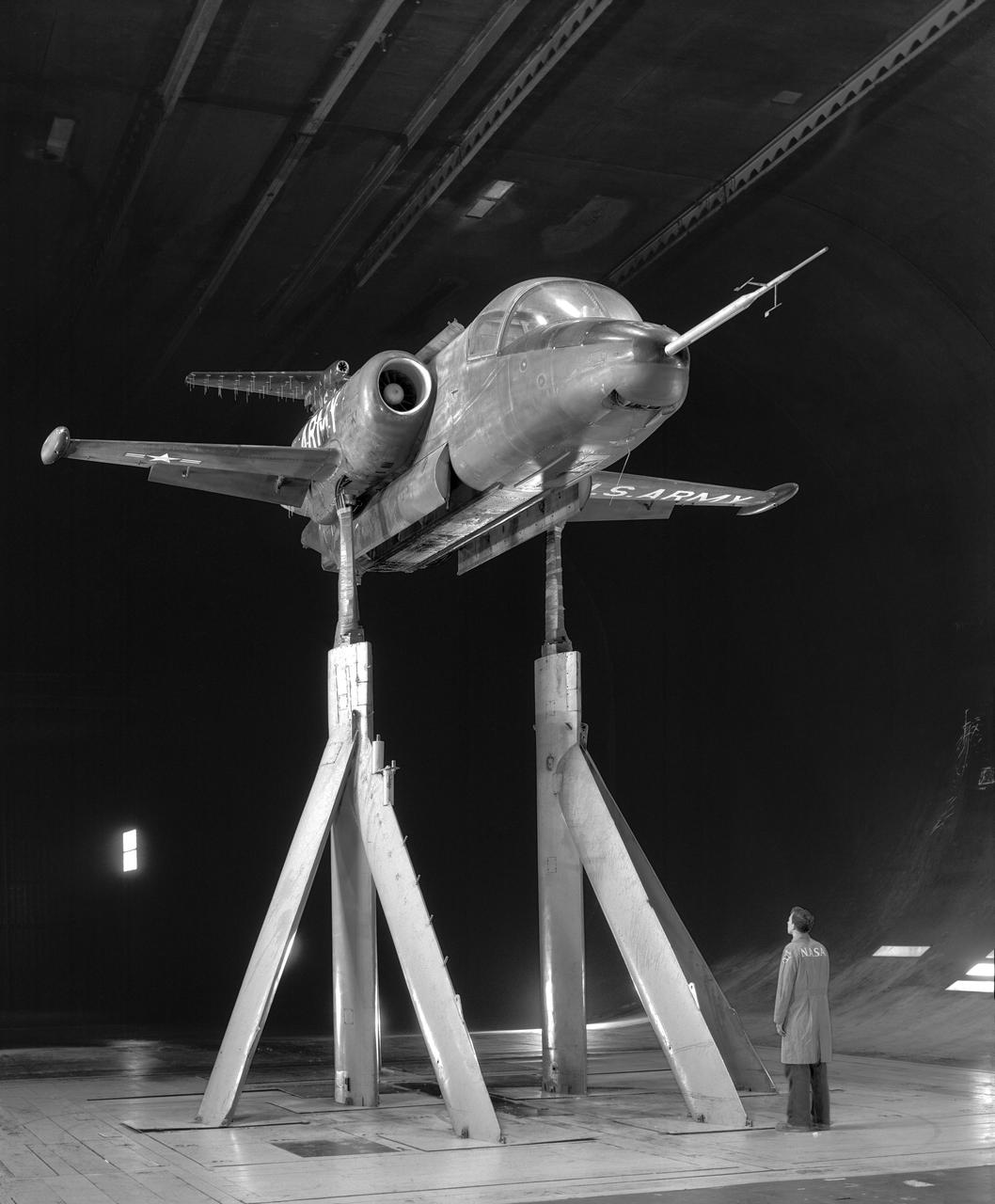
3/4 front view of XV-4A Hummingbird VTOL Research Vehicle in Ames 40x80 wind tunnel with Tom Wills in Photo.
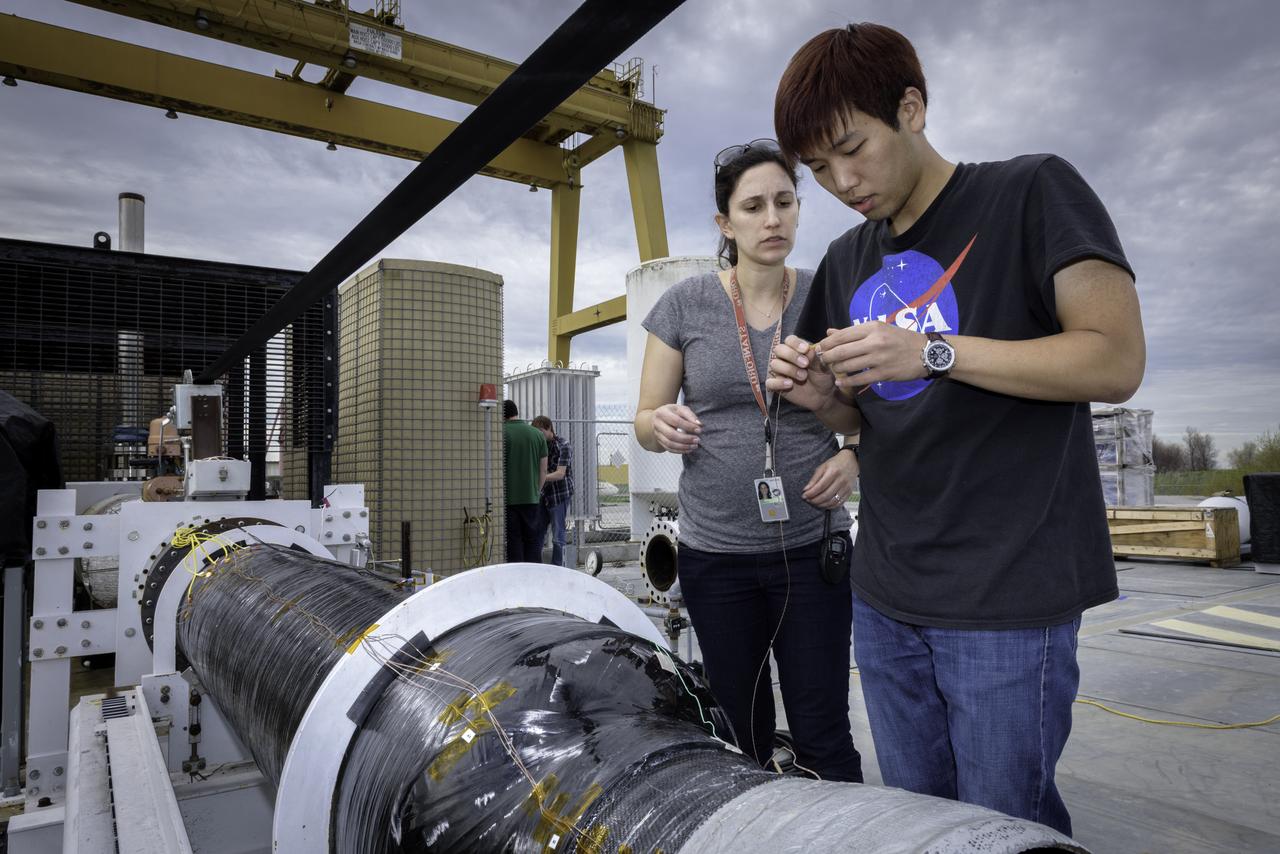
Ashley Karp, NASA JPL (Left) and Hunjoo Kim, NASA JPL (Right) attaching heat sensors the Peregrine Hybrid Rocket Engine prior to its test at the Outdoor Aerodynamic Research Facility (OARF, N-249) at NASA's Ames Research Center.
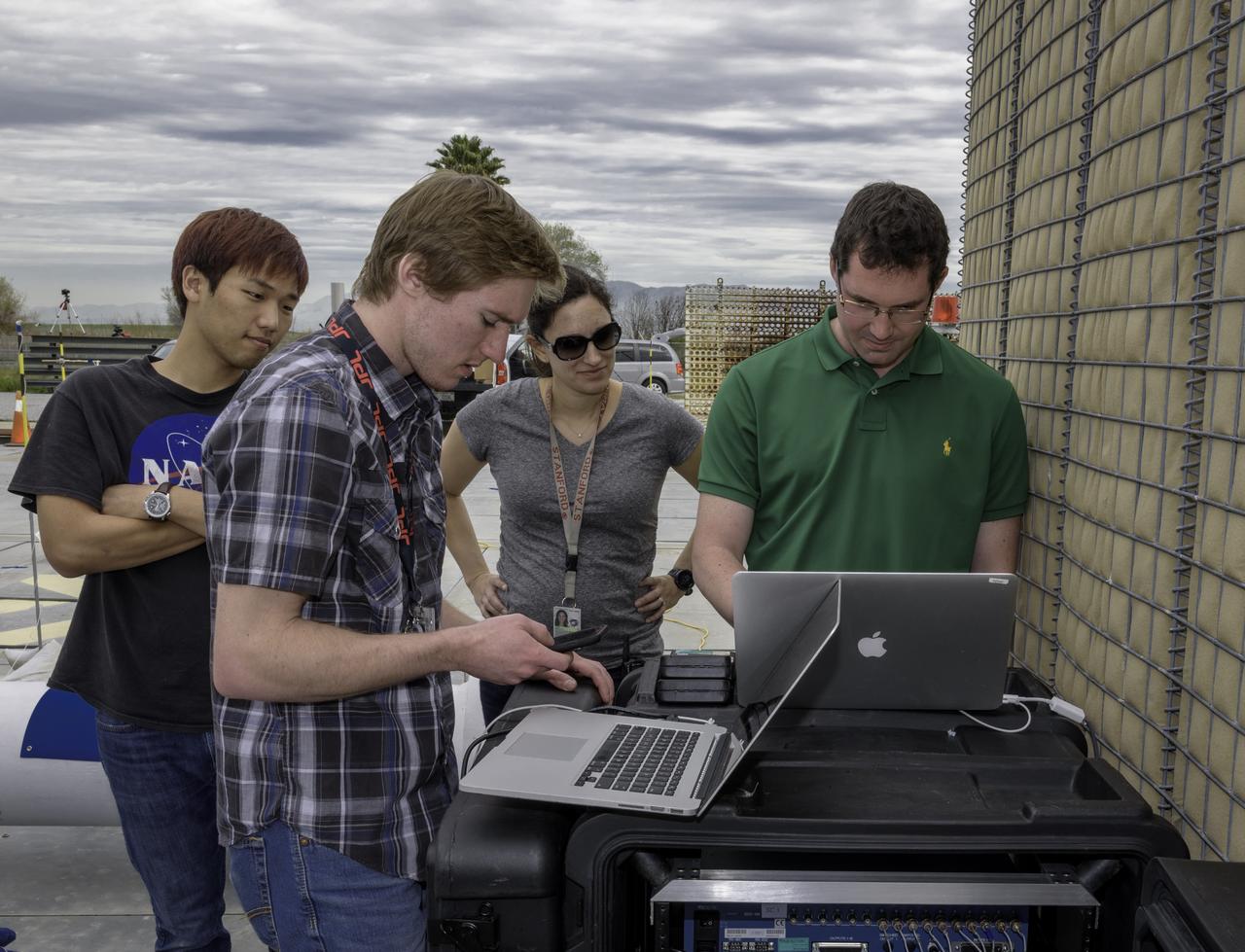
From Left to Right: 1. Hunjoo Kim (NASA JPL) 2. Kyle Botteon (NASA JPL) 3. Ashley Karp (NASA JPL) 4. Brian Schratz (NASA JPL) Testing the Peregrine Hybrid Rocket Engine at the Outdoor Aerodynamic Research Facility (building N249, OARF) at Ames Research Center.
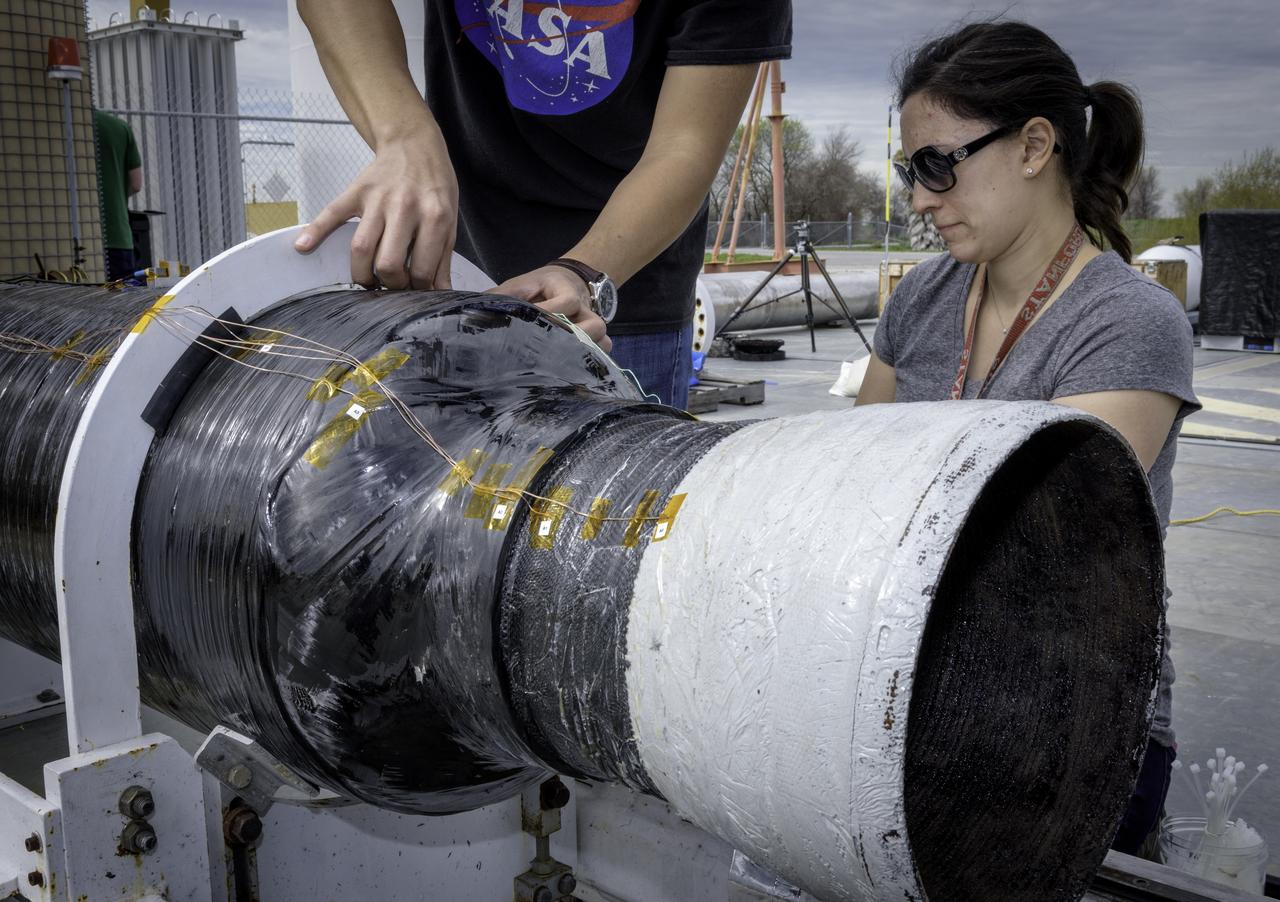
Hunjoo Kim, NASA JPL (Left) and Ashley Karp, NASA JPL (Right) attaching heat sensors the Peregrine Hybrid Rocket Engine prior to its test at the Outdoor Aerodynamic Research Facility (OARF, N-249) at NASA’s Ames Research Center.
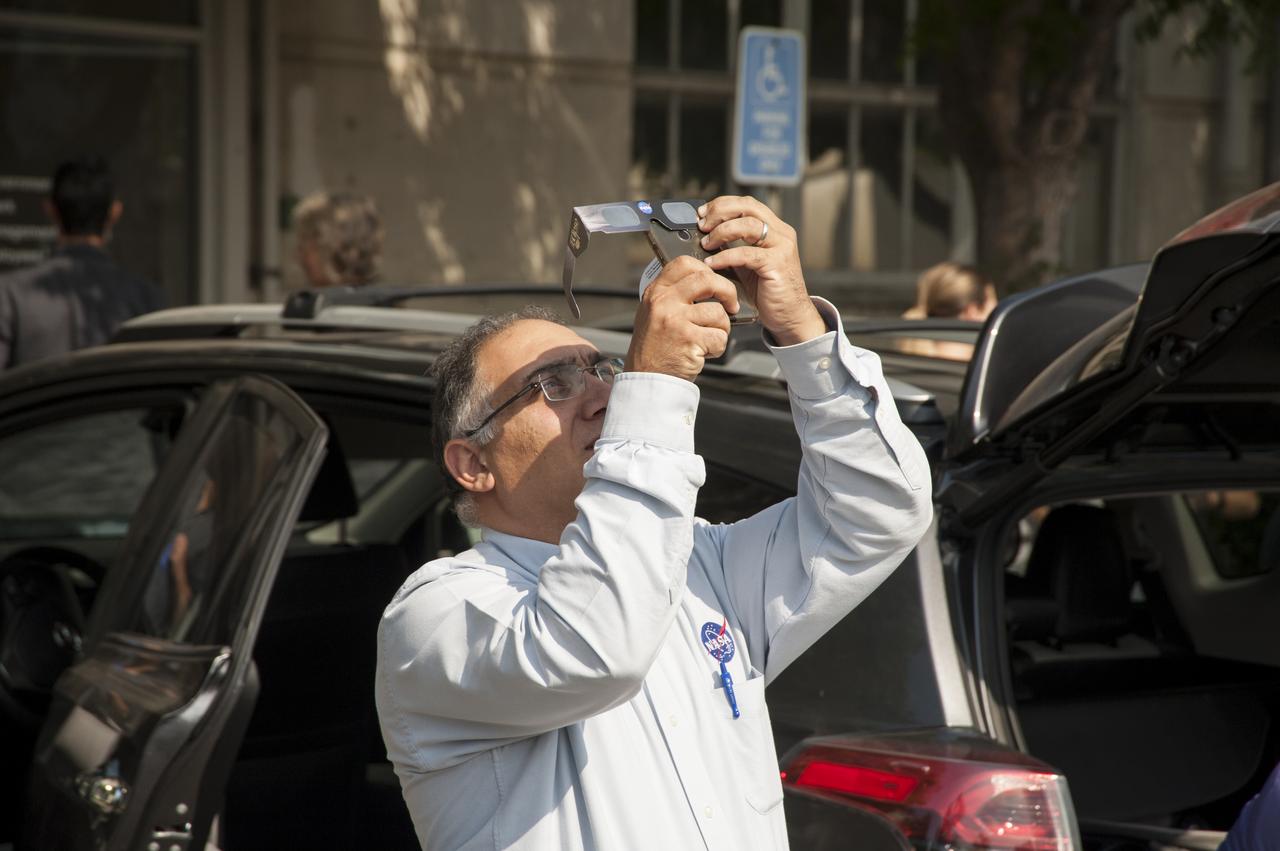
Taking a break from his duties at Ames Research Center Jacob Cohen, Ames Chief Scientist grabs his own view of the 2017 Solar Eclipse with his cellphone at 09:16:11 on August 21, 2017.
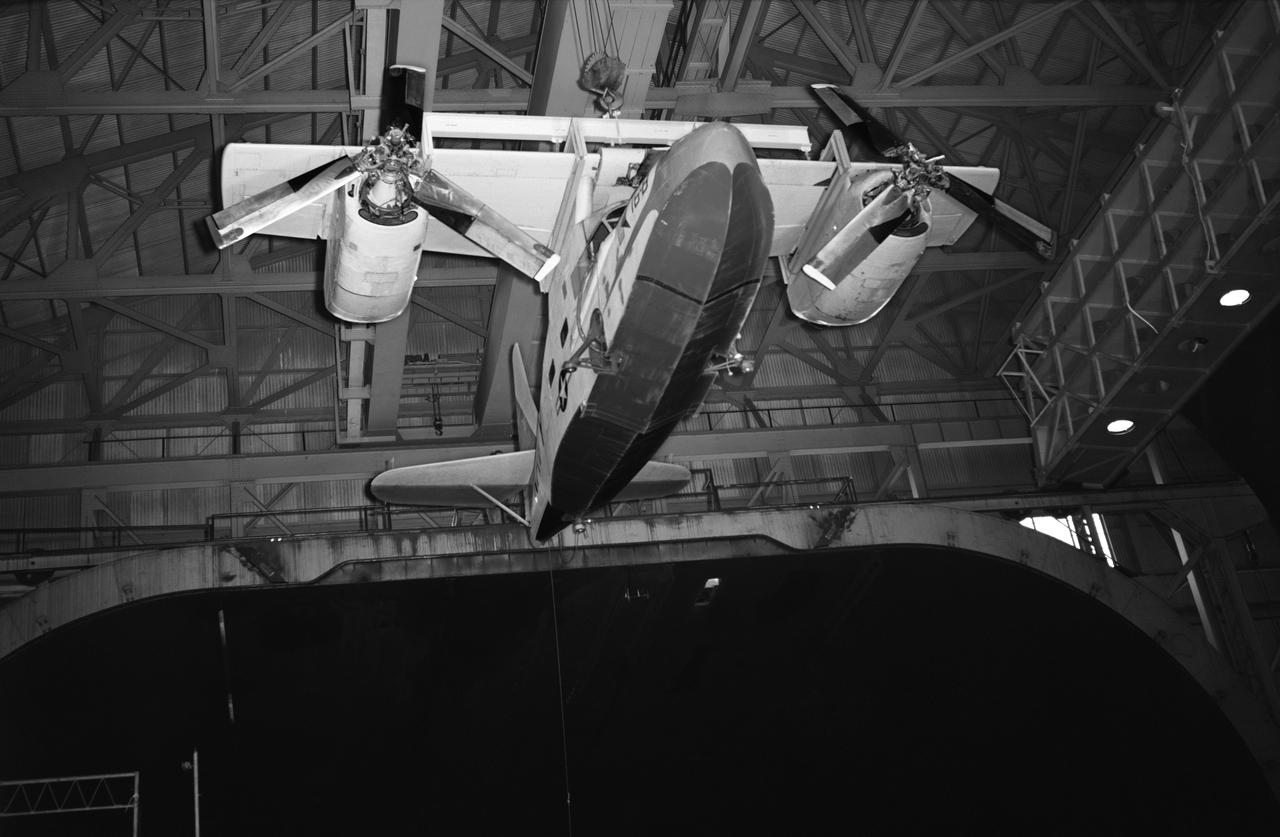
Test No. 175 Kaman K-16 being lowered into the 40x80 foot wind tunnel at NASA's Ames Research Center, viewed from the front. Kaman K-16B was an experimental tilt wing aircraft, it used the fuselage of a JRF-5 and was powered by two General Electric YT58-GE-2A engines.
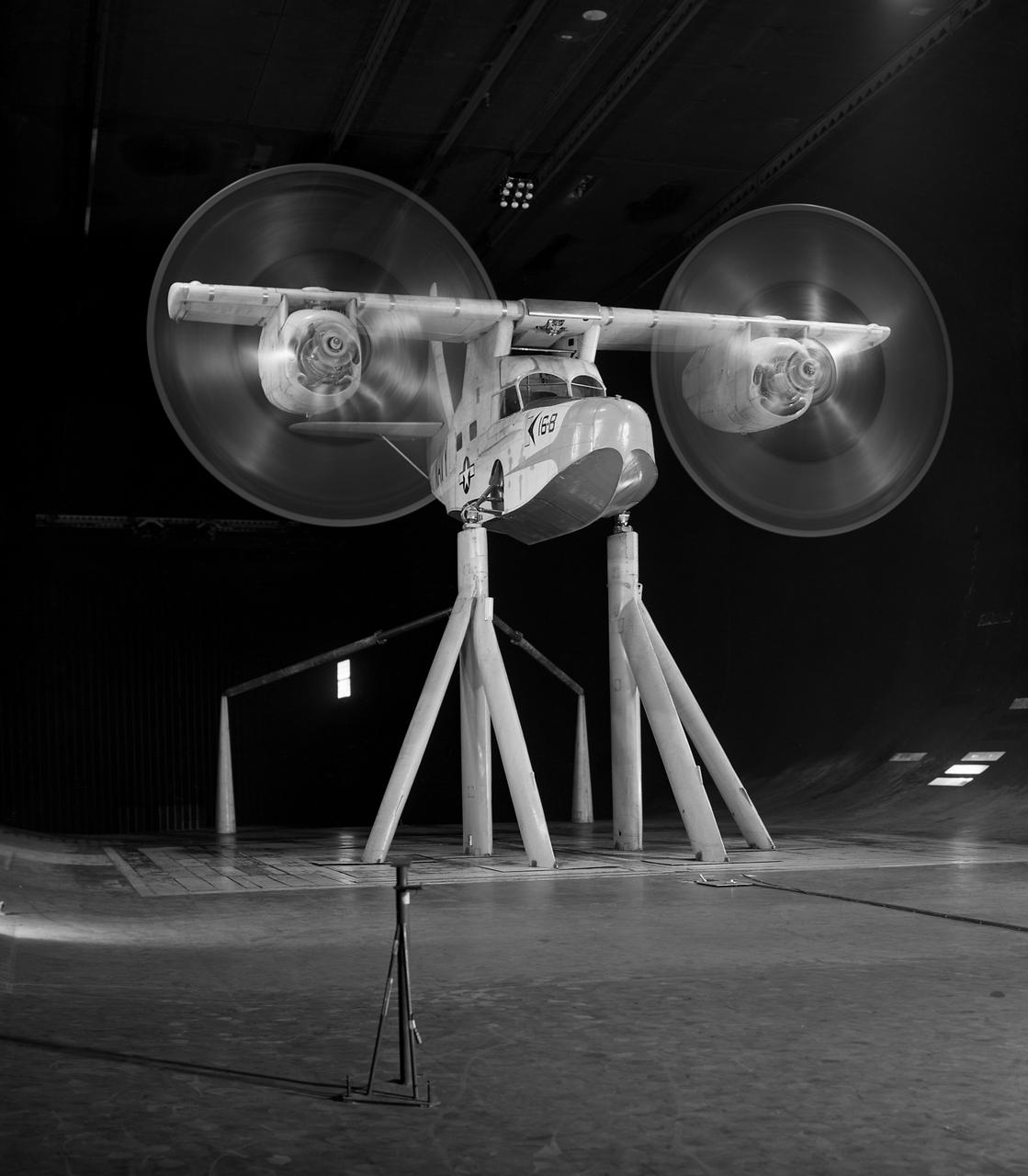
Test No. 175 Kaman K-16 in 40x80 Foot Wind Tunnel at Ames Research Center. Kaman K-16B was an experimental tilt wing aircraft, it used the fuselage of a JRF-5 and was powered by two General Electric YT58-GE-2A engines.
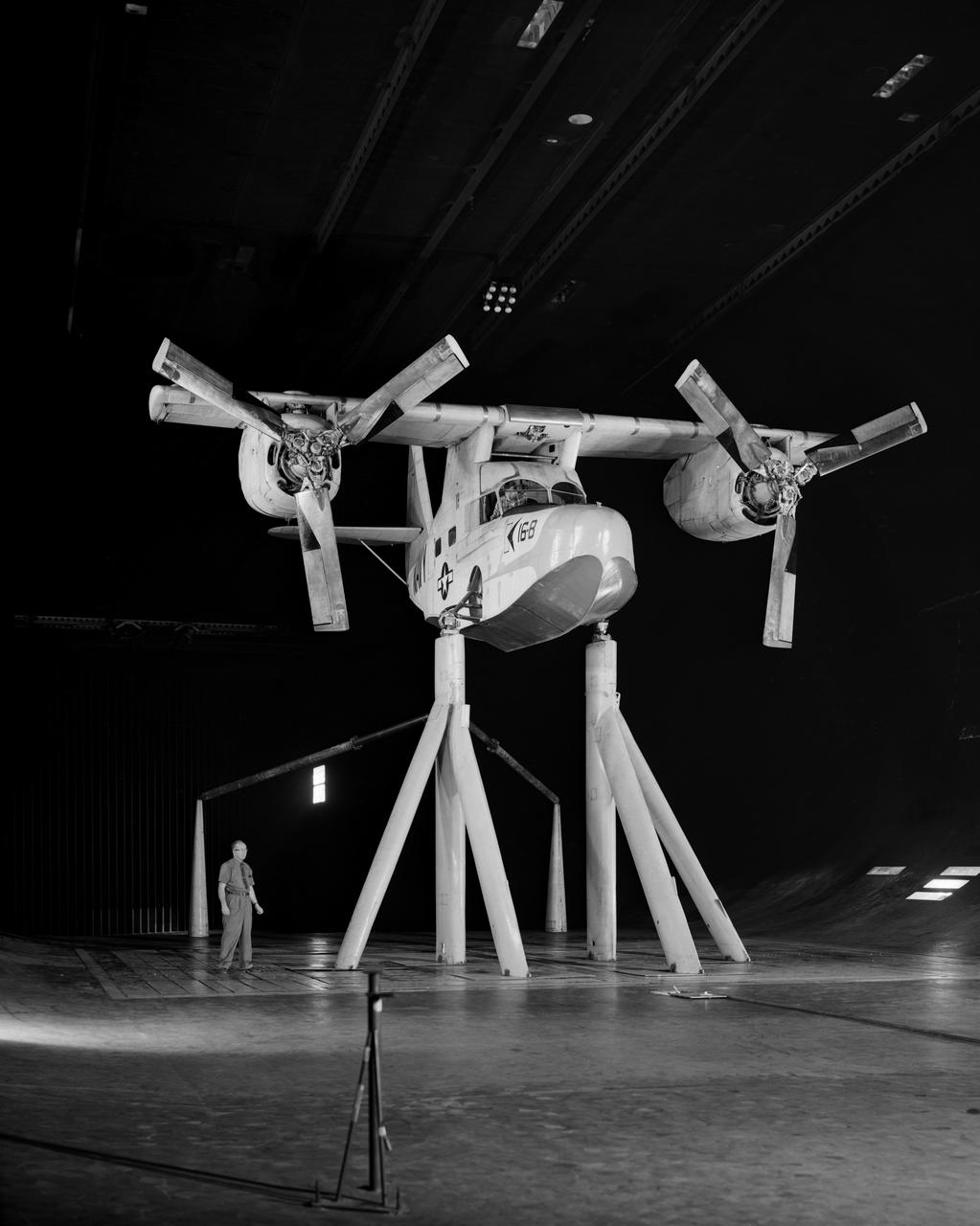
Test No. 175 Kaman K-16 in 40x80 Foot Wind Tunnel at Ames Research Center. Pictured with two Kaman employees. 3/4 Front view of Airplane. Kaman K-16B was an experimental tilt wing aircraft, it used the fuselage of a JRF-5 and was powered by two General Electric YT58-GE-2A engines.
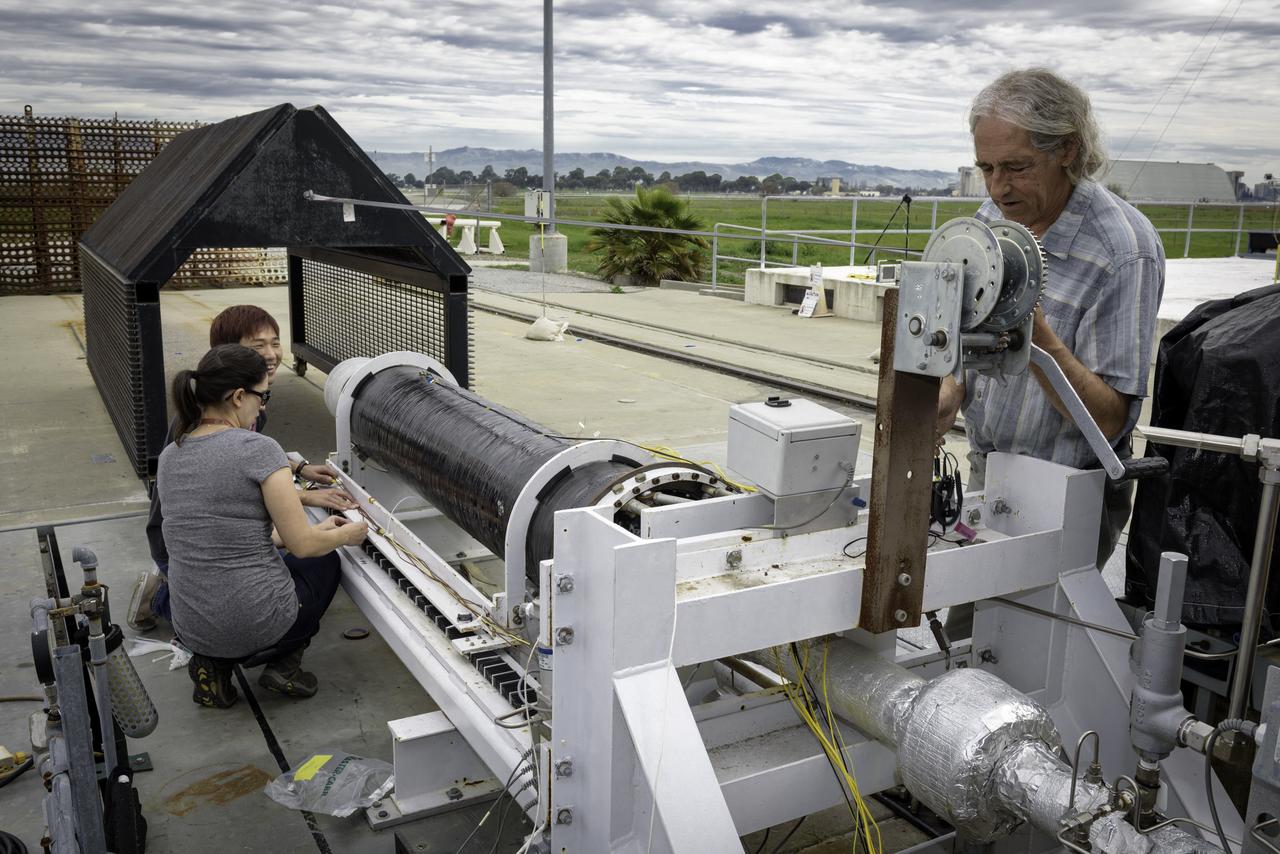
(Left): Kyle Botteon (front) and Hunjpp Kim (Behind), NASA JPL. (Right): Gregory Zilliac, Advance Propulsion Technician. NASA Ames, preparing the Peregrine Hybrid Rocket Engine at the Outdoor Aerodynamic Research Facility (OARF, N-249).

Taking a break from his duties at the Ames Vertical Gun Range to look up at the eclipse over Ames Research Center in Mountain View Adam Parrish not only views but wears, on his forehead, the image of the 2017 Solar eclipse at 09:20:56 on August 21, 2017.
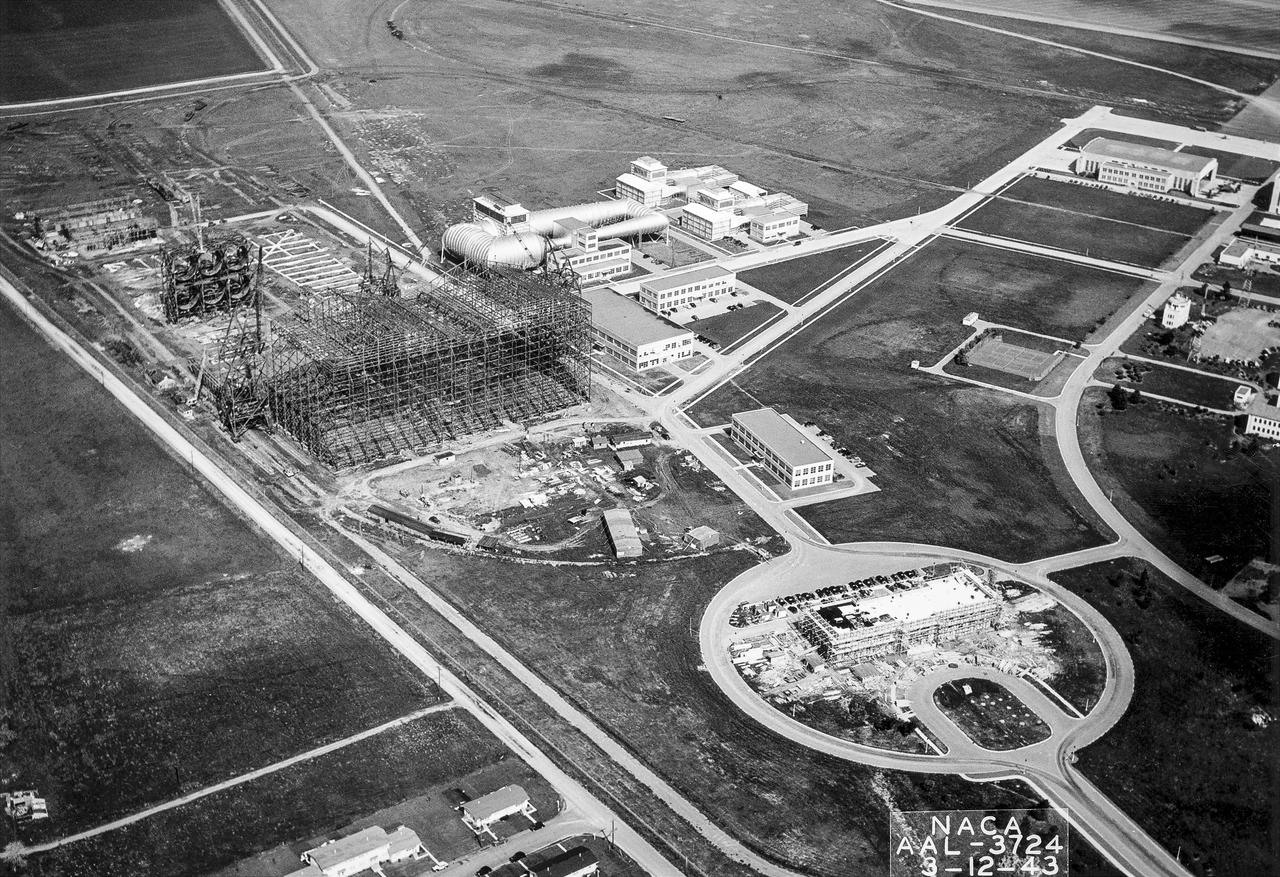
(03/12/1943) Aerial view of the site from the 40x80 wind tunnel At NASA Ames Research Center. Site includes the 16 foot and 7x10 wind tunnels in the background. Building 200 also under construction. Framing for the drive fans of the 40x80 in scene.
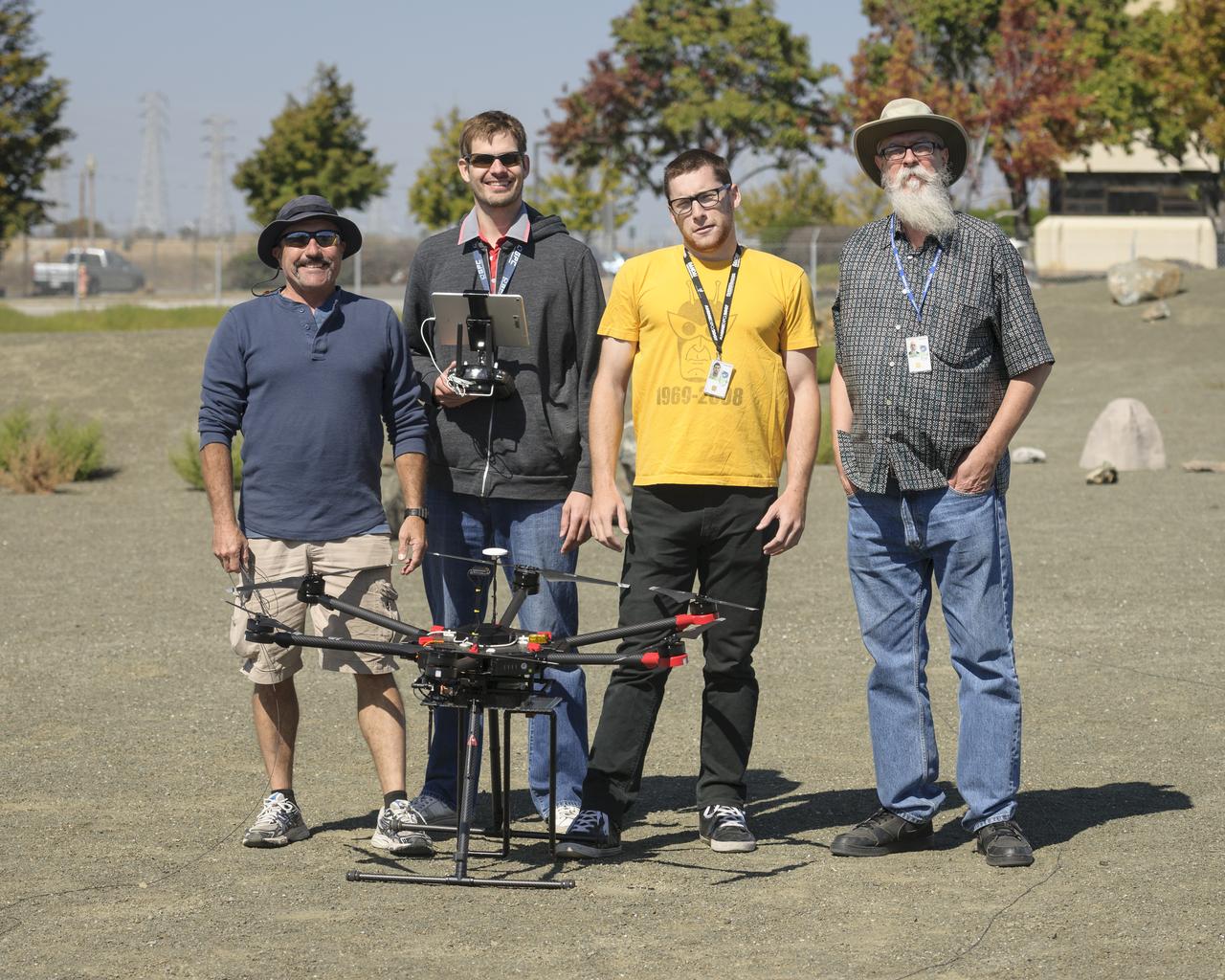
Flight Test in the Roverscape (N-269) at NASA's Ames Research Center, the project team tests the DJI Matrice 600 Unmanned Aerial Vehicle (UAV) equipped with a radio tracking receiver to study the invasive asian carp in the Mississippi River. Rick, Kolyer, Jonas Jonsson, Ethan, Pinsker, Bob Dahlgren.
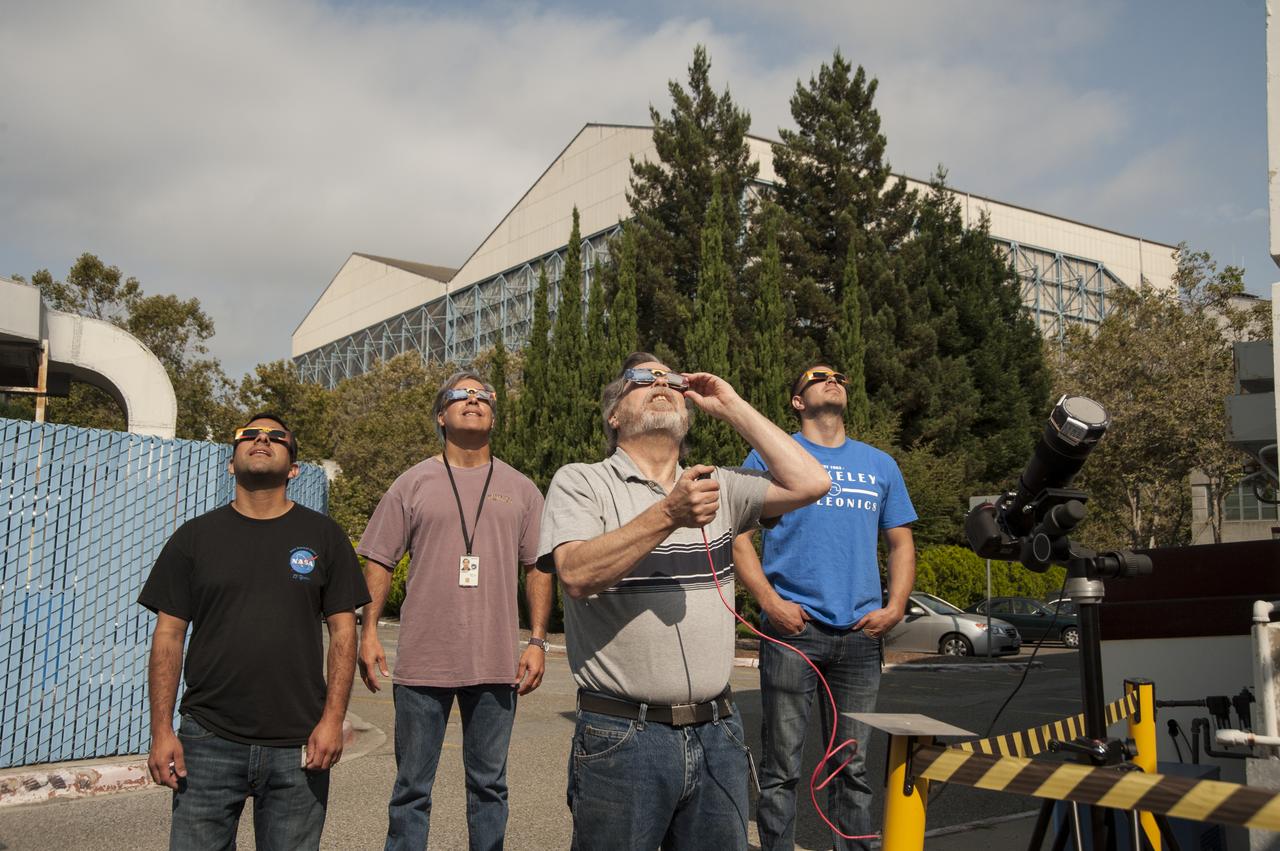
Taking a break from their duties at the Ames Vertical Gun Range to look up at the eclipse over Ames Research Center in Mountain View are from left to right are Alfredo "Freddie" Perez, Chuck Cornelison, Don Bowling, Adam Parish
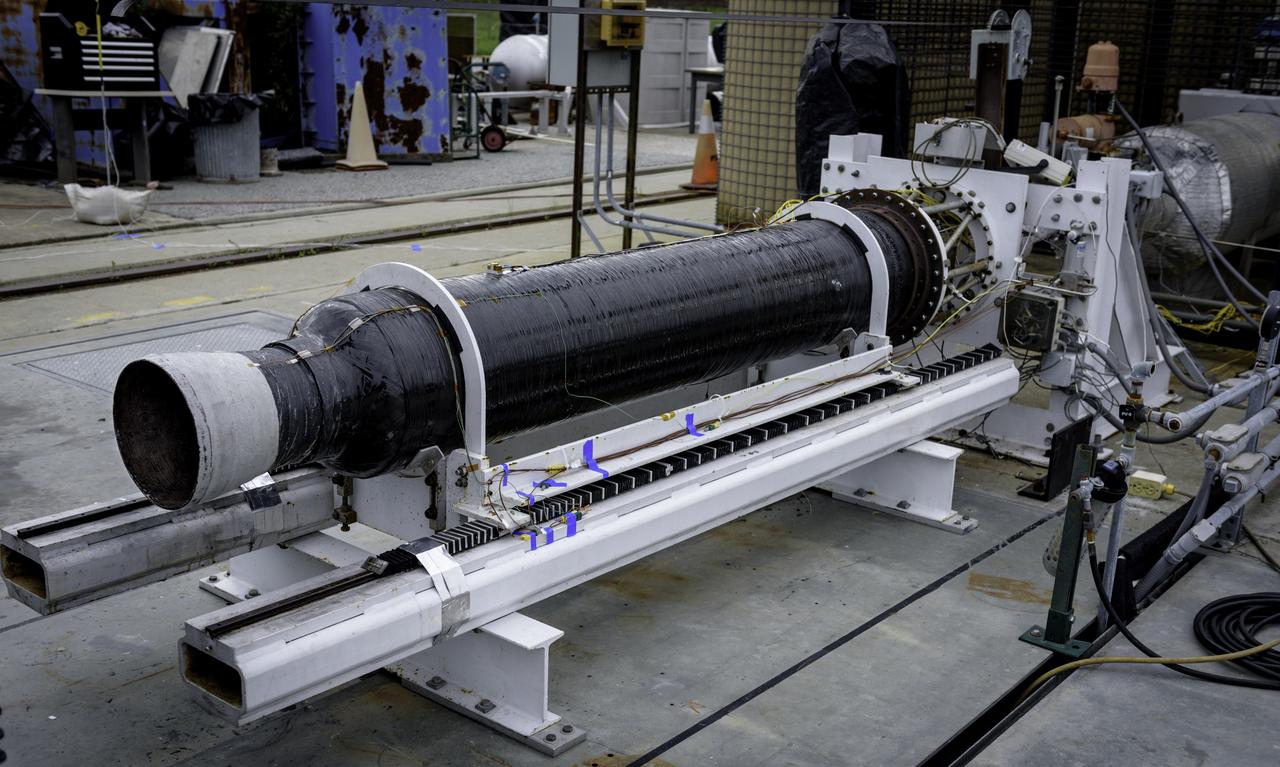
3/4 view of the Nozzle of the Peregrine Rocket Motor, tested at the Outdoor Aerodynamic Research Facility (OARF, N-249). at Ames Research Center.
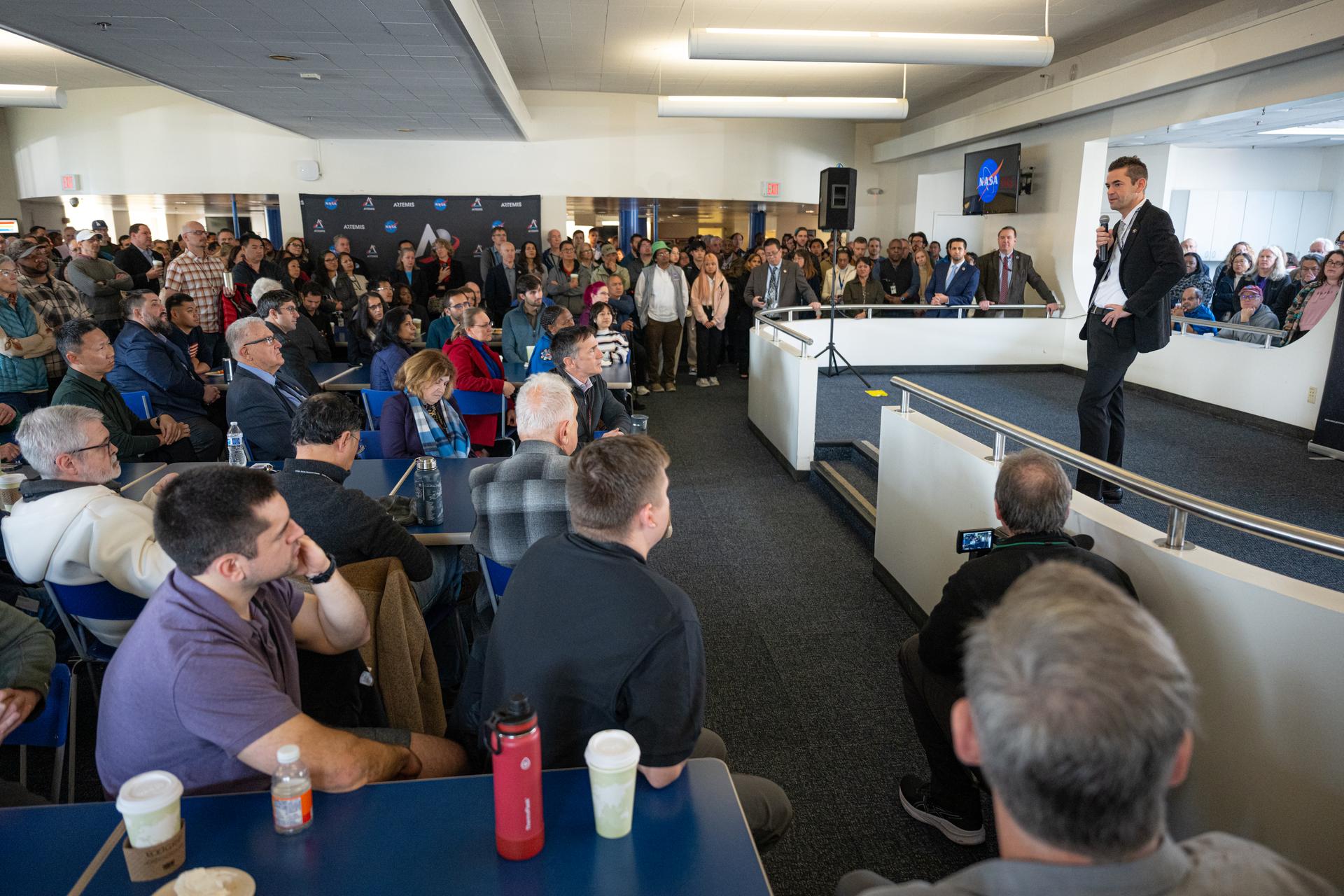
NASA Administrator Jared Isaacman, right, speaks during a workforce Q&A session, Monday, Jan. 26, 2026, at NASA’s Ames Research Center in Mountain View, Calif. Ames marks the tenth stop in Isaacman’s roadshow to visit NASA facilities and engage directly with the agency’s workforce. Photo Credit: (NASA/John Kraus)
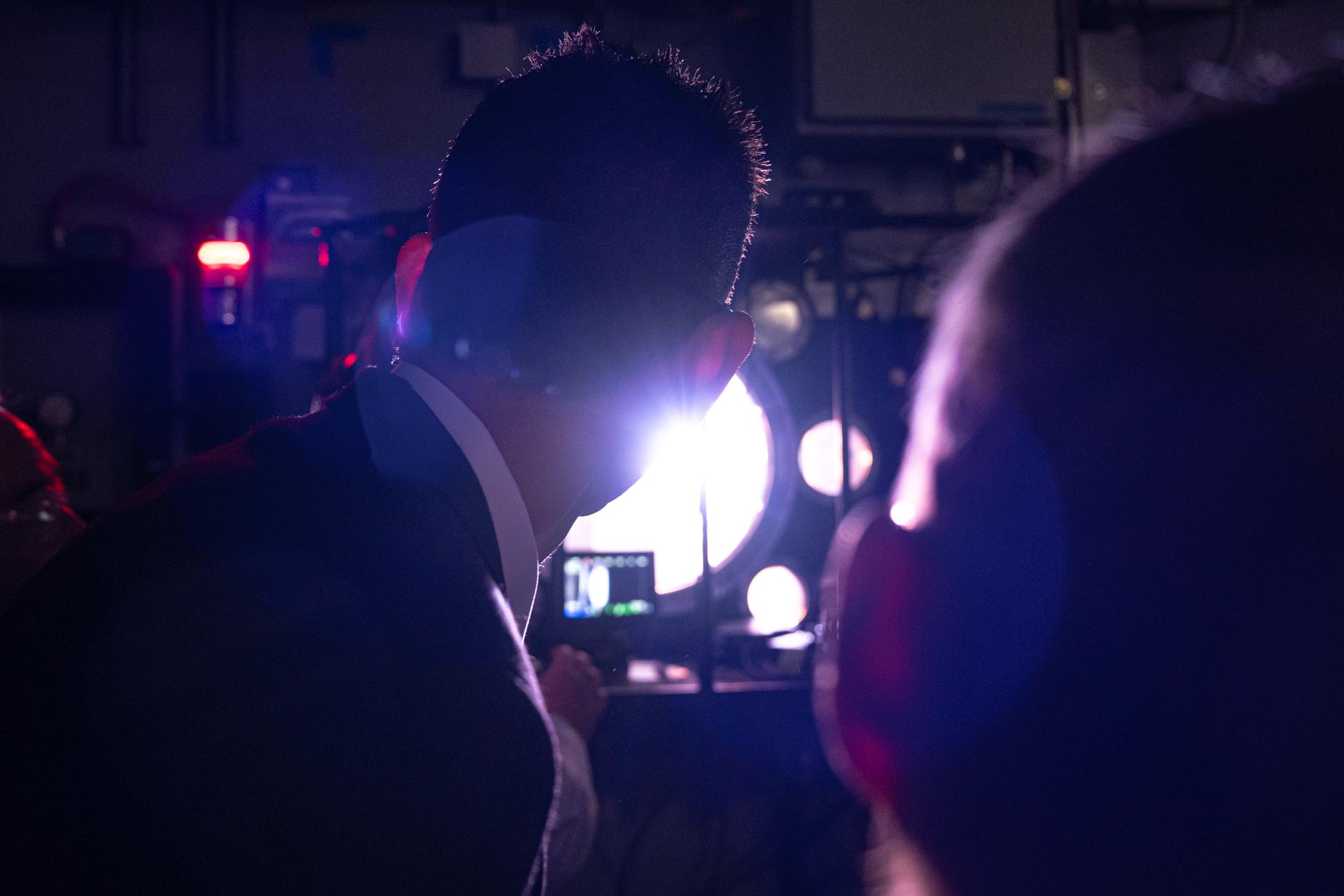
NASA Administrator Jared Isaacman views an arc jet test, Monday, Jan. 26, 2026, at NASA’s Ames Research Center in Mountain View, Calif. Ames marks the tenth stop in Isaacman’s roadshow to visit NASA facilities and engage directly with the agency’s workforce. Photo Credit: (NASA/John Kraus)
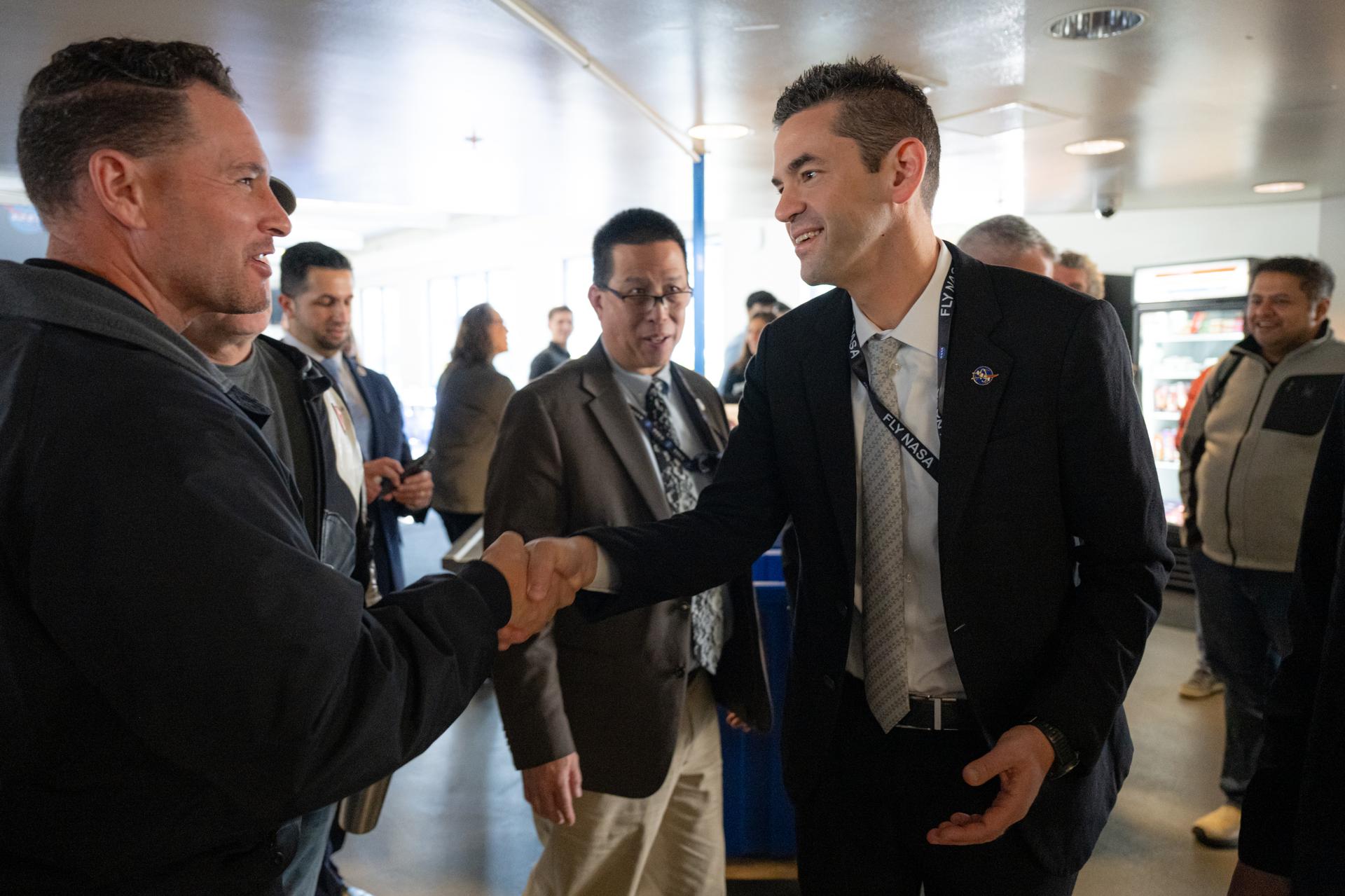
NASA Administrator Jared Isaacman, right, greets members of the workforce, Monday, Jan. 26, 2026, at NASA’s Ames Research Center in Mountain View, Calif. Ames marks the tenth stop in Isaacman’s roadshow to visit NASA facilities and engage directly with the agency’s workforce. Photo Credit: (NASA/John Kraus)
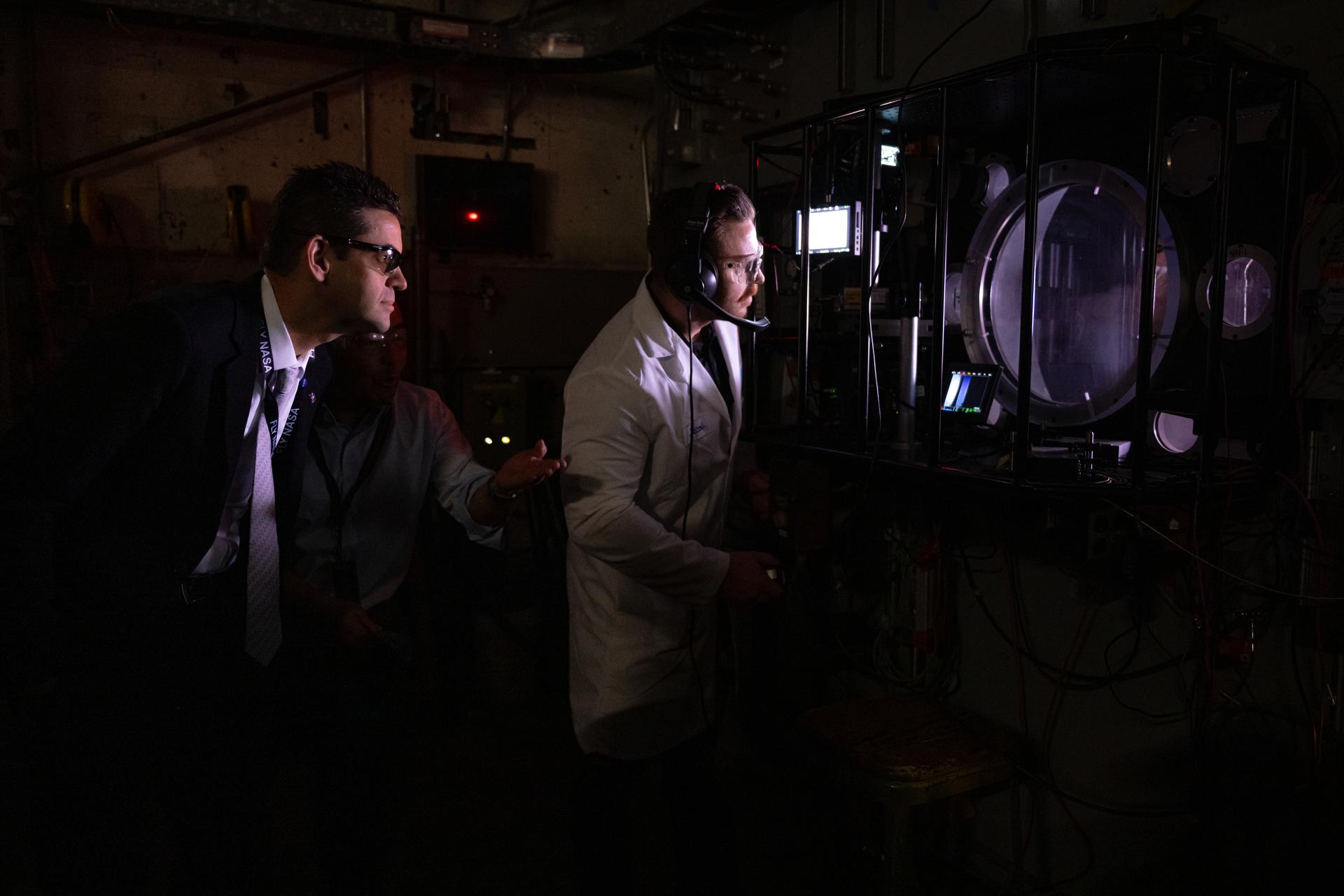
NASA Administrator Jared Isaacman, left, views an arc jet test, Monday, Jan. 26, 2026, at NASA’s Ames Research Center in Mountain View, Calif. Ames marks the tenth stop in Isaacman’s roadshow to visit NASA facilities and engage directly with the agency’s workforce. Photo Credit: (NASA/John Kraus)
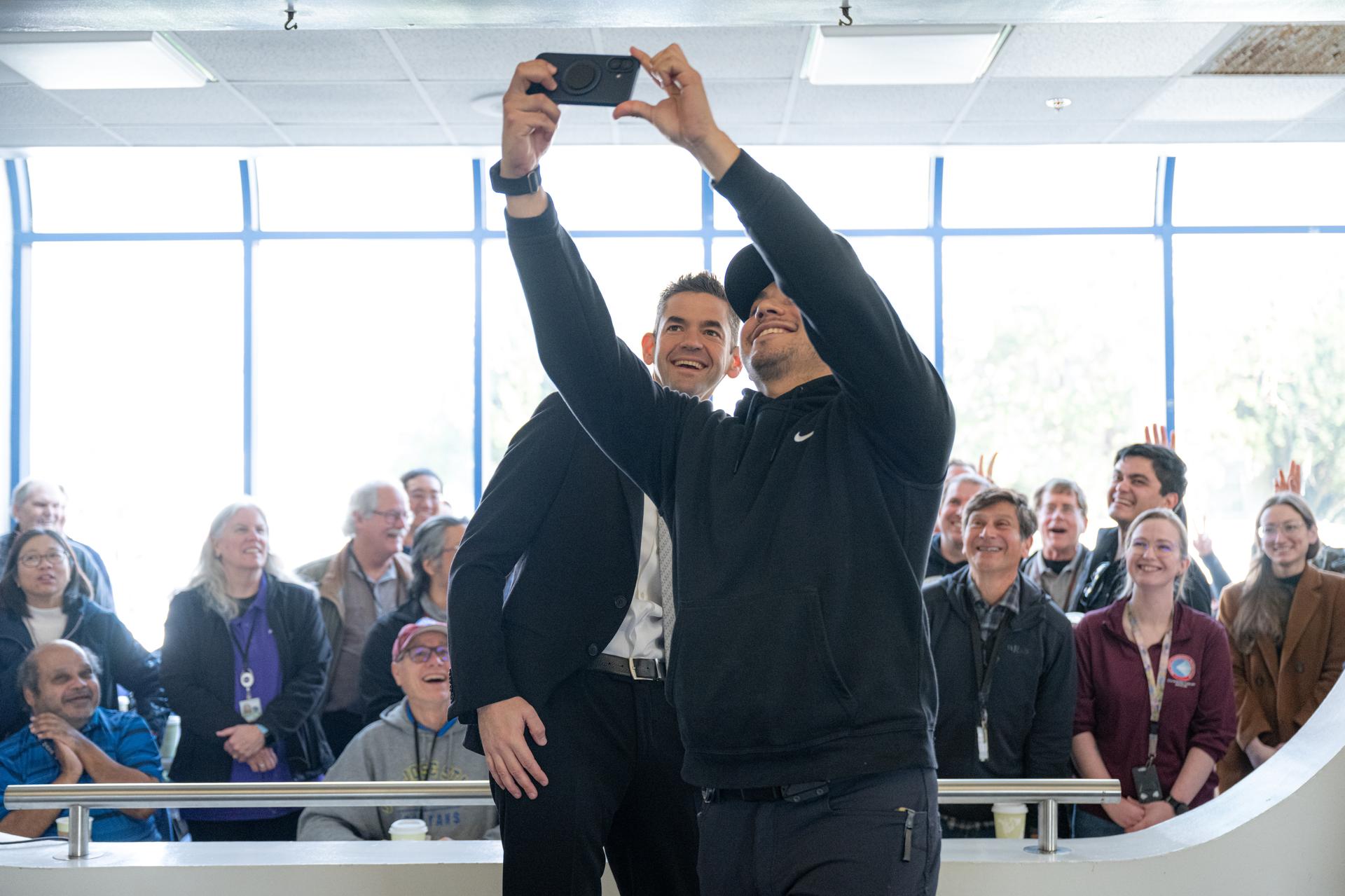
NASA Administrator Jared Isaacman poses for a photograph with the workforce, Monday, Jan. 26, 2026, at NASA’s Ames Research Center in Mountain View, Calif. Ames marks the tenth stop in Isaacman’s roadshow to visit NASA facilities and engage directly with the agency’s workforce. Photo Credit: (NASA/John Kraus)

Flight Test in the Roverscape (N-269) at NASA's Ames Research Center, the project team tests the DJI Matrice 600 Unmanned Aerial Vehicle (UAV) equipped with a radio tracking receiver to study the invasive asian carp in the Mississippi River.
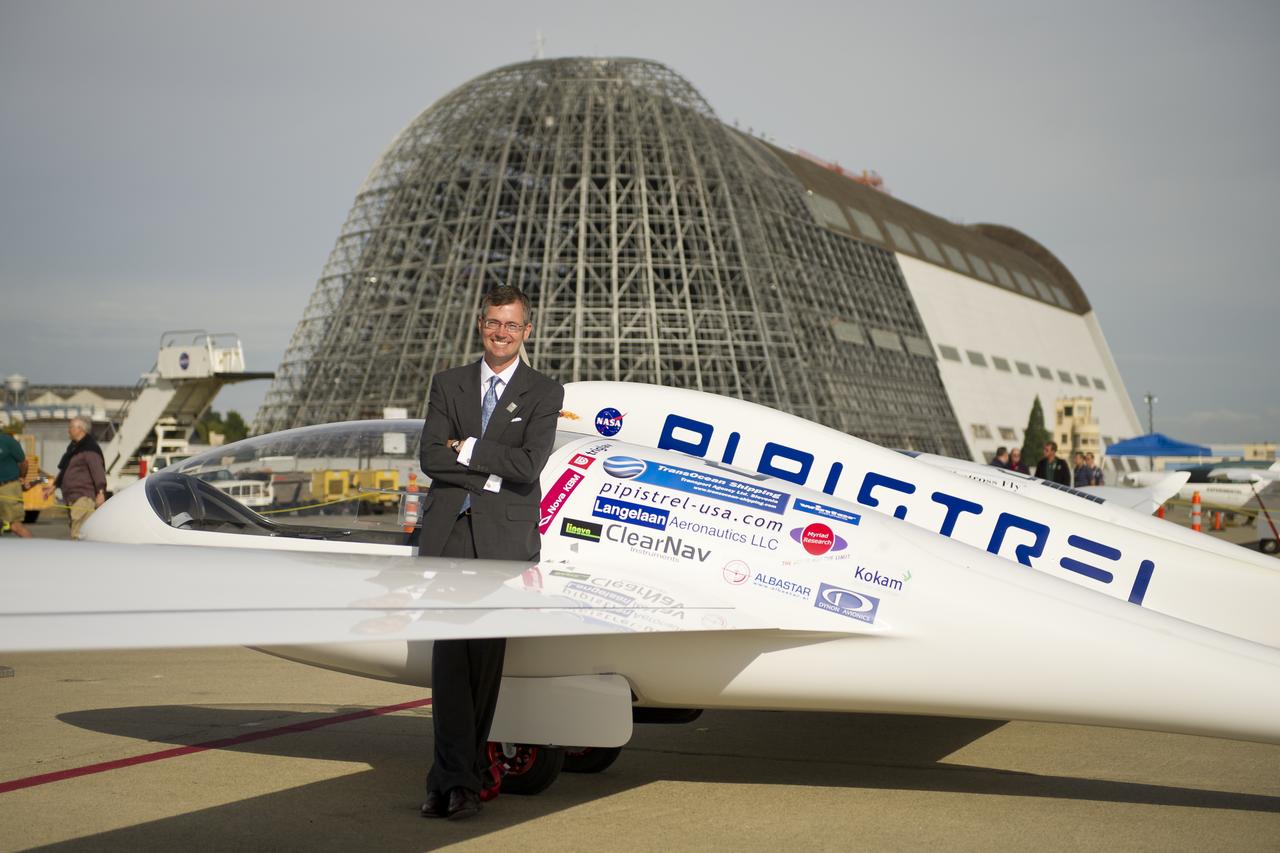
Team Lead Jack Langelaan poses for a photograph next to the Pipistrel-USA, Taurus G4, aircraft prior to winning the 2011 Green Flight Challenge, sponsored by Google, on Monday, Oct. 3, 2011 at the NASA Ames Research Center, Mountain View, Calif. The all electric Taurus G4 aircraft achieved the equivalency of more than 400 miles per gallon. NASA and CAFE held the challenge to advance technologies in fuel efficiency and reduced emissions with cleaner renewable fuels and electric aircraft. Photo Credit: (NASA/Bill Ingalls)
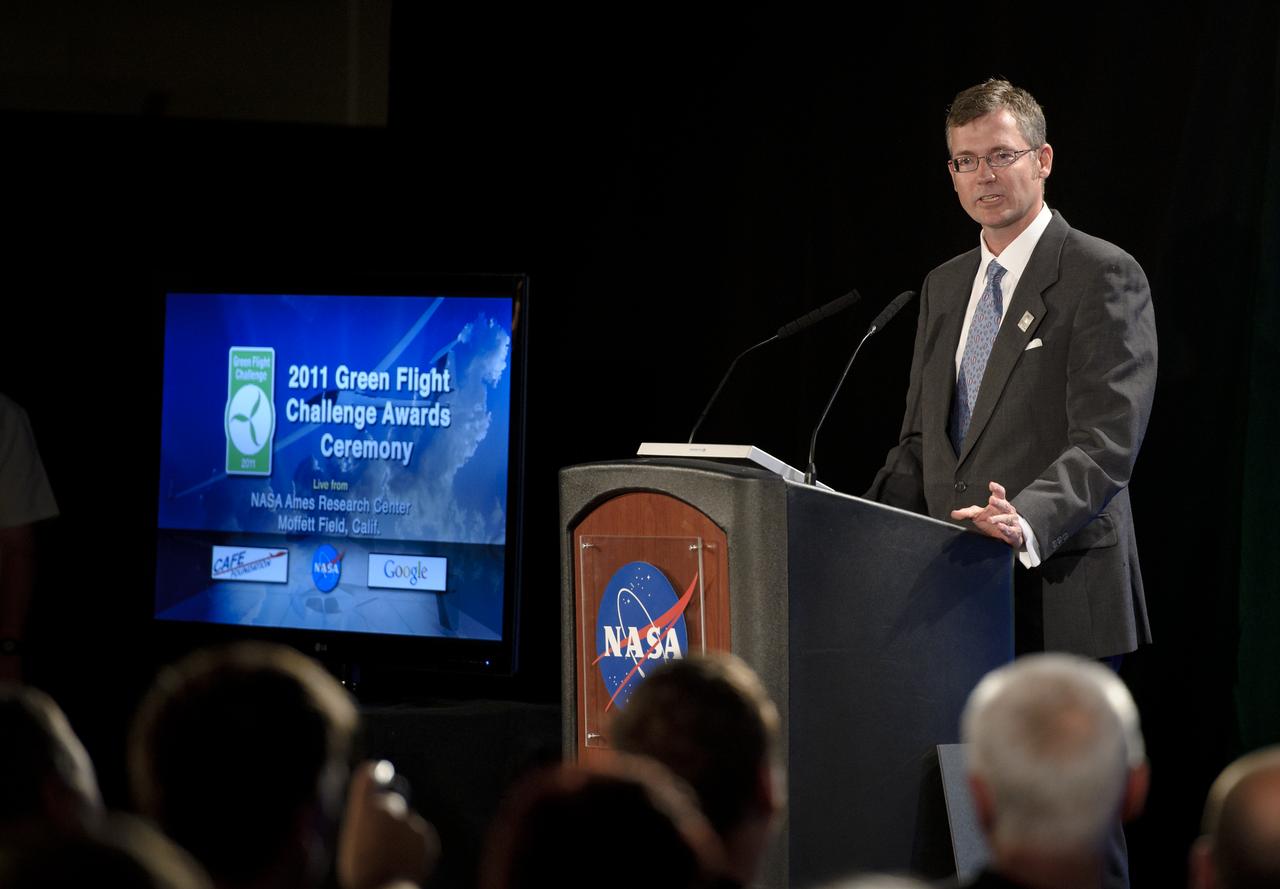
Pipistrel-USA Team Lead Jack Langelaan talks after his team won the 2011 Green Flight Challenge, sponsored by Google, on Monday, Oct. 3, 2011 at the NASA Ames Research Center, Mountain View, Calif. The all electric Taurus G4 aircraft achieved the equivalency of more than 400 miles per gallon. NASA and CAFE Foundation held the challenge to advance technologies in fuel efficiency and reduced emissions with cleaner renewable fuels and electric aircraft. Photo Credit: (NASA/Bill Ingalls)

The Kepler space telescope examined twenty-one patches of the sky during it’s nine and a half years of operation. Within these regions, Kepler gathered high precision brightness measurements of over half a million stars facilitating the discovery of thousands of exoplanets and yielding insight into a multitude of other astrophysical phenomena. Illustration by Wendy Stenzel. Science content: Jeff Coughlin, Kenneth Mighell, Doug Caldwell, all of NASA Ames. Key words: Kepler, K2, Missions, nasa, Ames research center, spacecraft, FFI, Full Frame Image, fields of view, science.
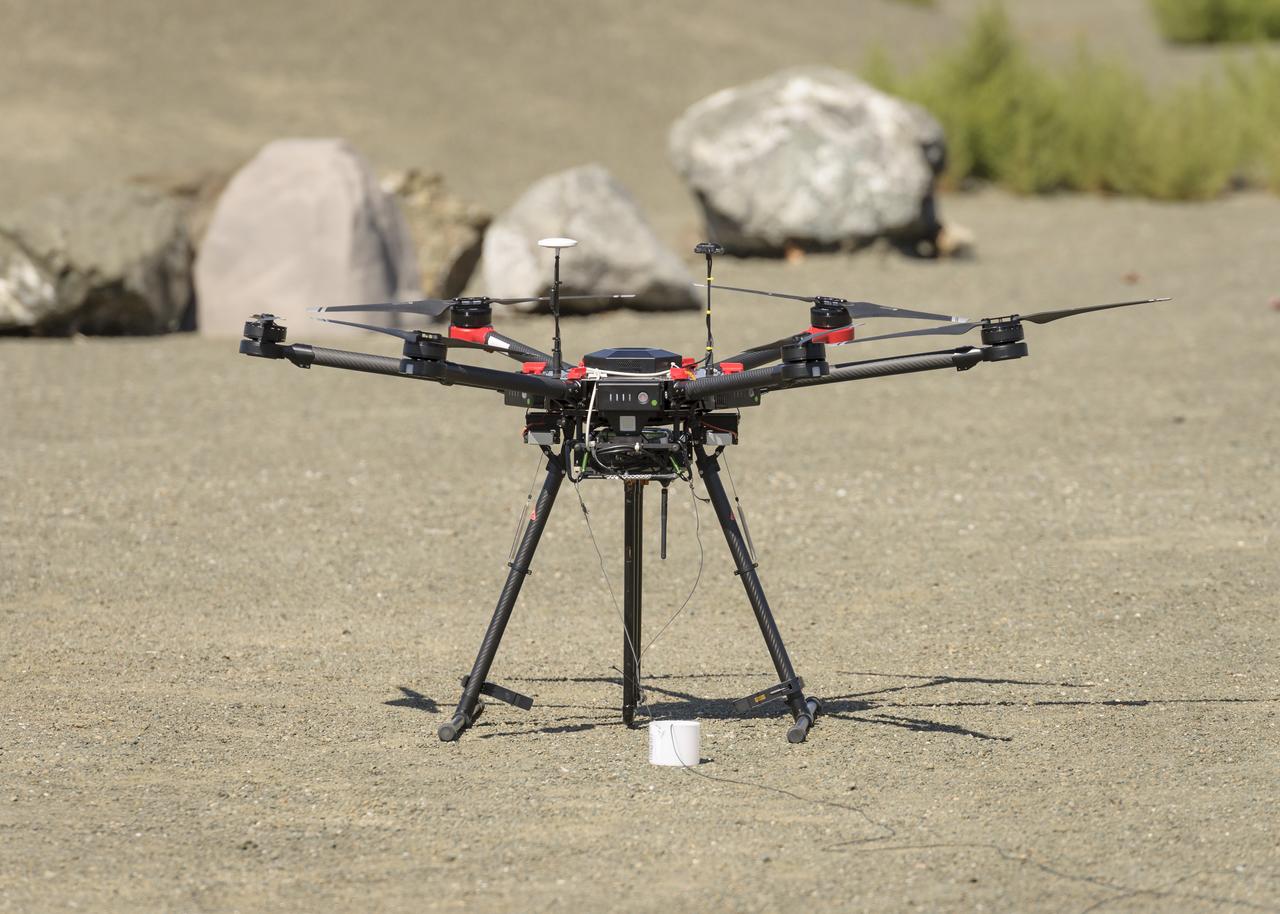
Flight Test in the Roverscape (N-269) at NASA's Ames Research Center, the project team tests the DJI Matrice 600 Unmanned Aerial Vehicle (UAV) equipped with a radio tracking receiver to study the invasive asian carp in the Mississippi River.
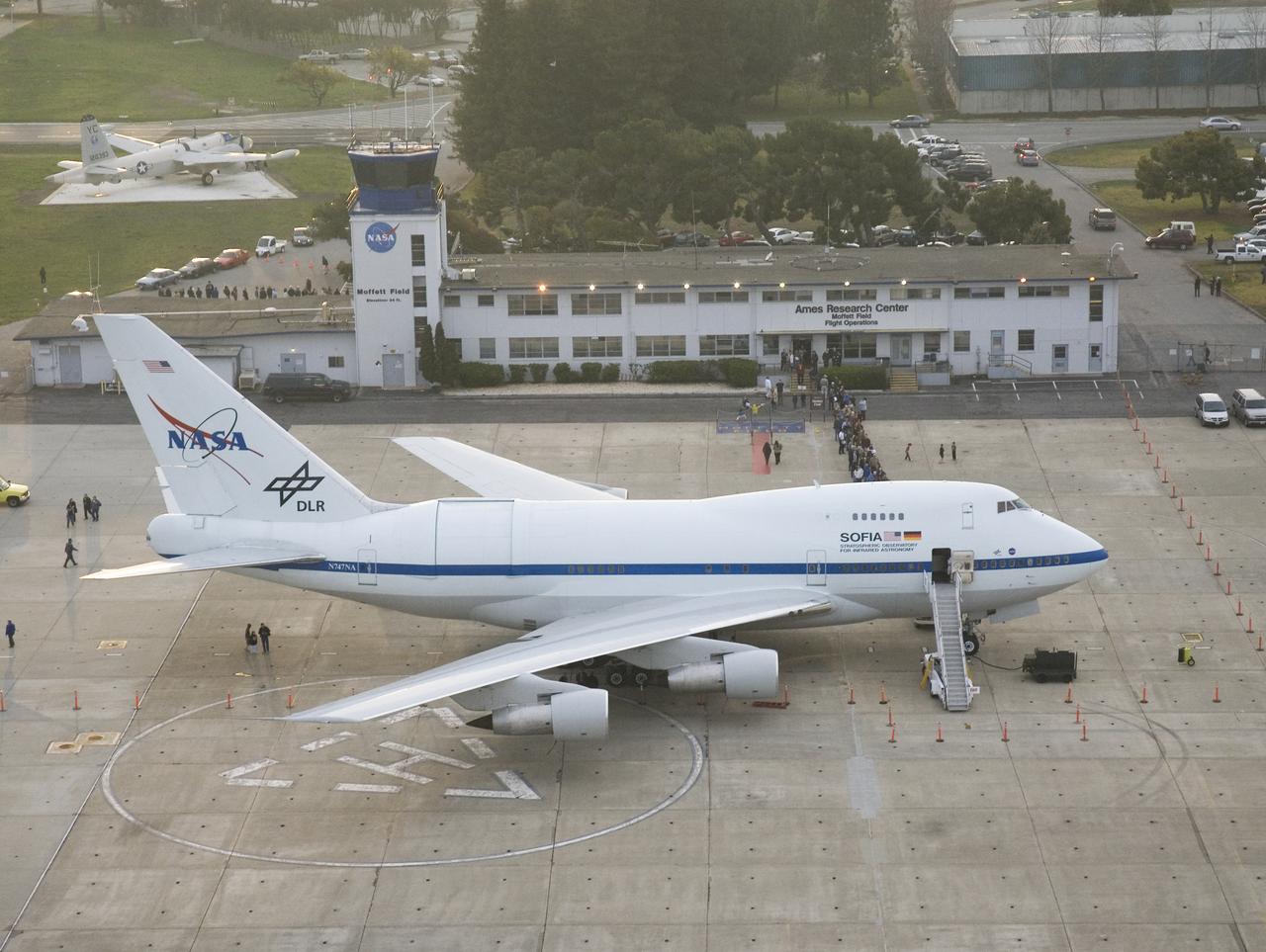
Thousands of NASA Ames employees and their families toured NASA's SOFIA flying observatory during its first visit to NASA Ames Research Center, Jan. 14, 2008.
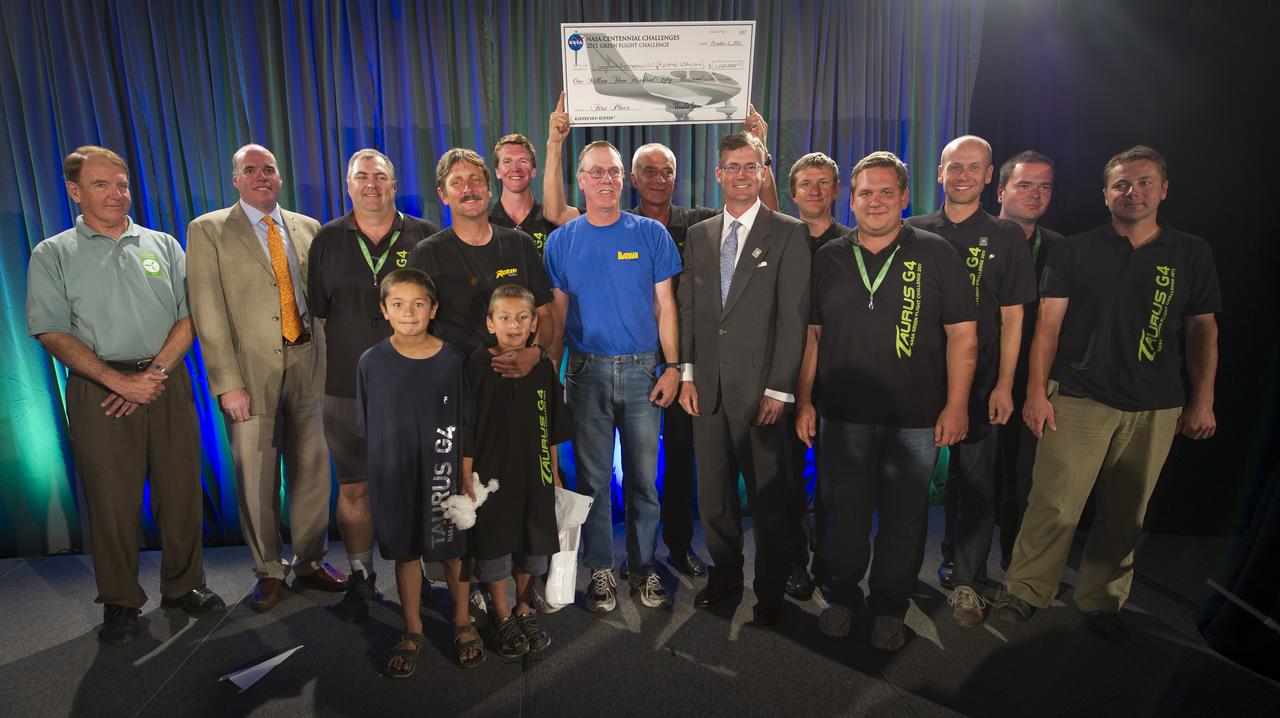
Comparative Aircraft Flight Efficiency (CAFE) Foundation President Brien A. Seeley M.D., left, NASA Acting Chief Technologist Joe Parrish, 2nd from left, and Pipistrel-USA Team Lead Jack Langelaan, center with suit, and the entire Pipistrel-USA, Taurus G4 aircraft team pose for a photograph shortly after winning the 2011 Green Flight Challenge, sponsored by Google, on Monday, Oct. 3, 2011 at the NASA Ames Research Center, Mountain View, Calif. The all electric Taurus G4 aircraft achieved the equivalency of more than 400 miles per gallon. NASA and CAFE held the challenge to advance technologies in fuel efficiency and reduced emissions with cleaner renewable fuels and electric aircraft. Photo Credit: (NASA/Bill Ingalls)
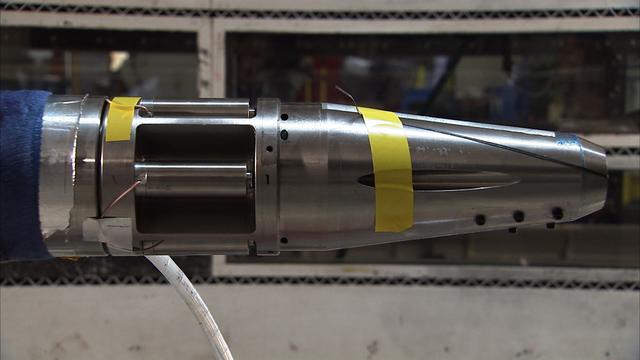
Active damper wind tunnel test in support of the development of Constellation/Ares. Testing of the 1% and .548% models for active damper and wall interference assessment in support of the Ares/CLV integrated vehicle. This test occurred at the 11 foot wind tunnel at the Ames Research Center, California. This image is extracted from high definition video file and is the highest resolution available.
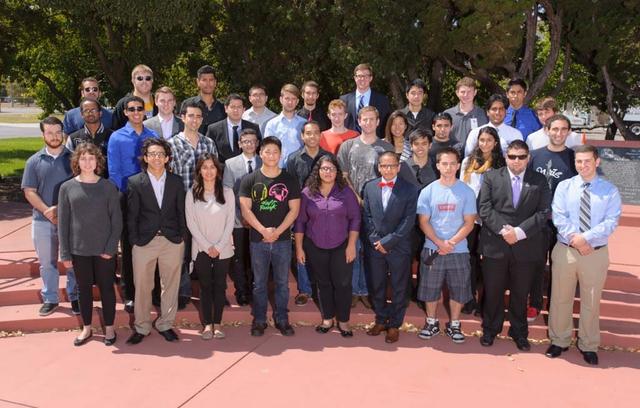
2014 Fall Intern Orientation at NASA Ames Research Center.
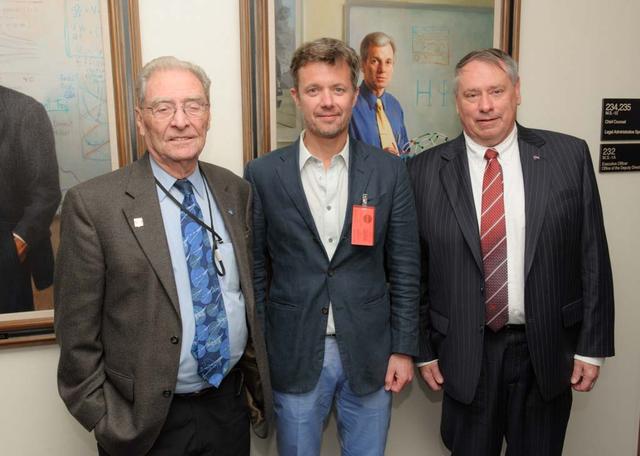
HRH Prince Frederik of Denmark visit and tour of NASA Ames Research Center. from Left to right Shown the with Ames Special Advisor to the Director John W. 'Jack' Boyd, HRH, and Ames Center Director S. Pete Worden.

Computers' at work in 16ft wind tunnel - calculating test data
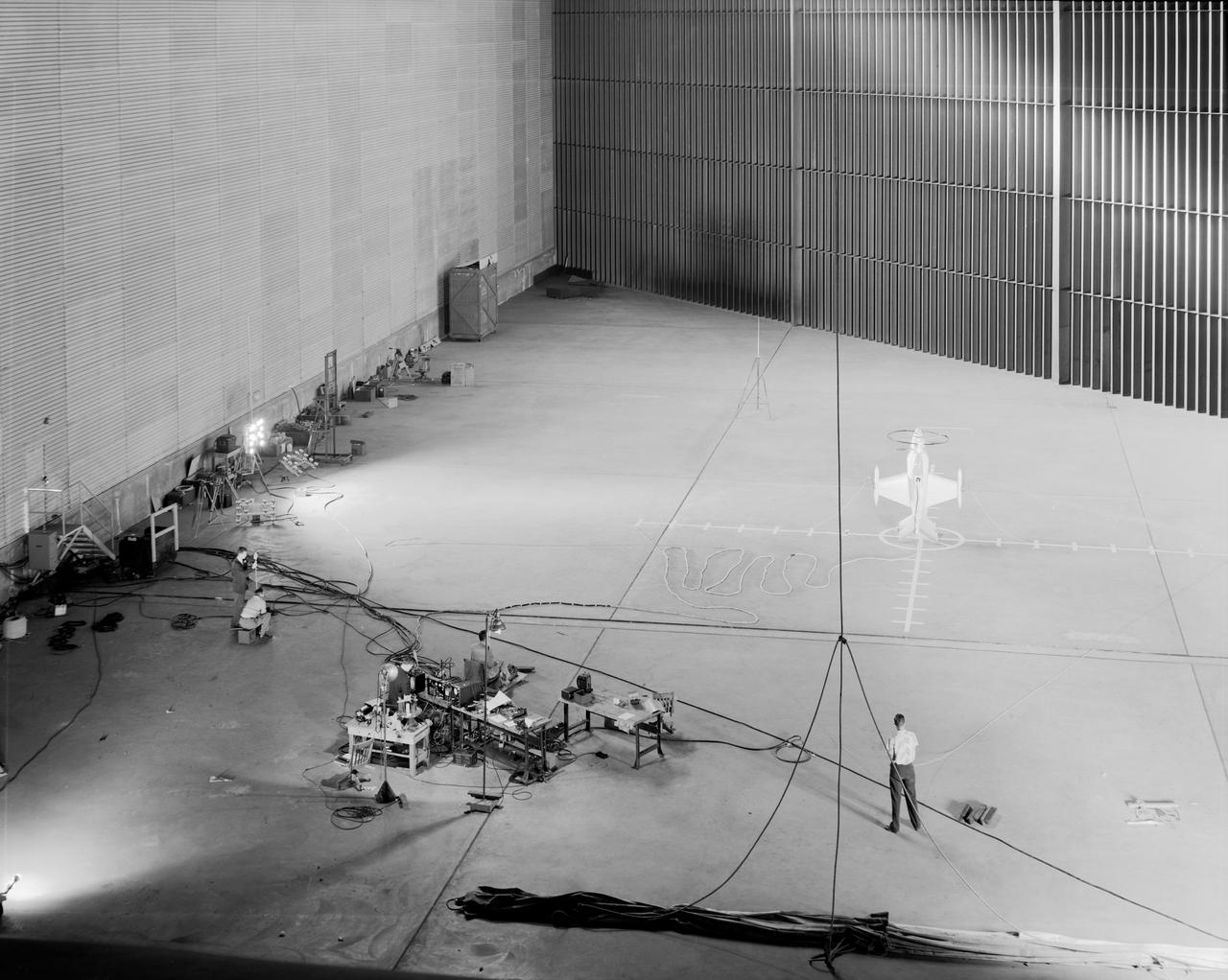
Wide shot of 40x 80 wind tunnel settling chamber with Lockheed XFV-1 model. Project engineer Mark Kelly (not shown). Remote controlled model flown in the settling chamber of the 40x80 wind tunnel. Electric motors in the model, controlled the counter-rotating propellers to test vertical takeoff. Test no. 71

Lockheed XFV-1 model. Project engineer Mark Kelly (not shown). Remote controlled model flown in the settling chamber of the 40x80 wind tunnel. Electric motors in the model, controlled the counter-rotating propellers to test vertical takeoff. Test no. 71
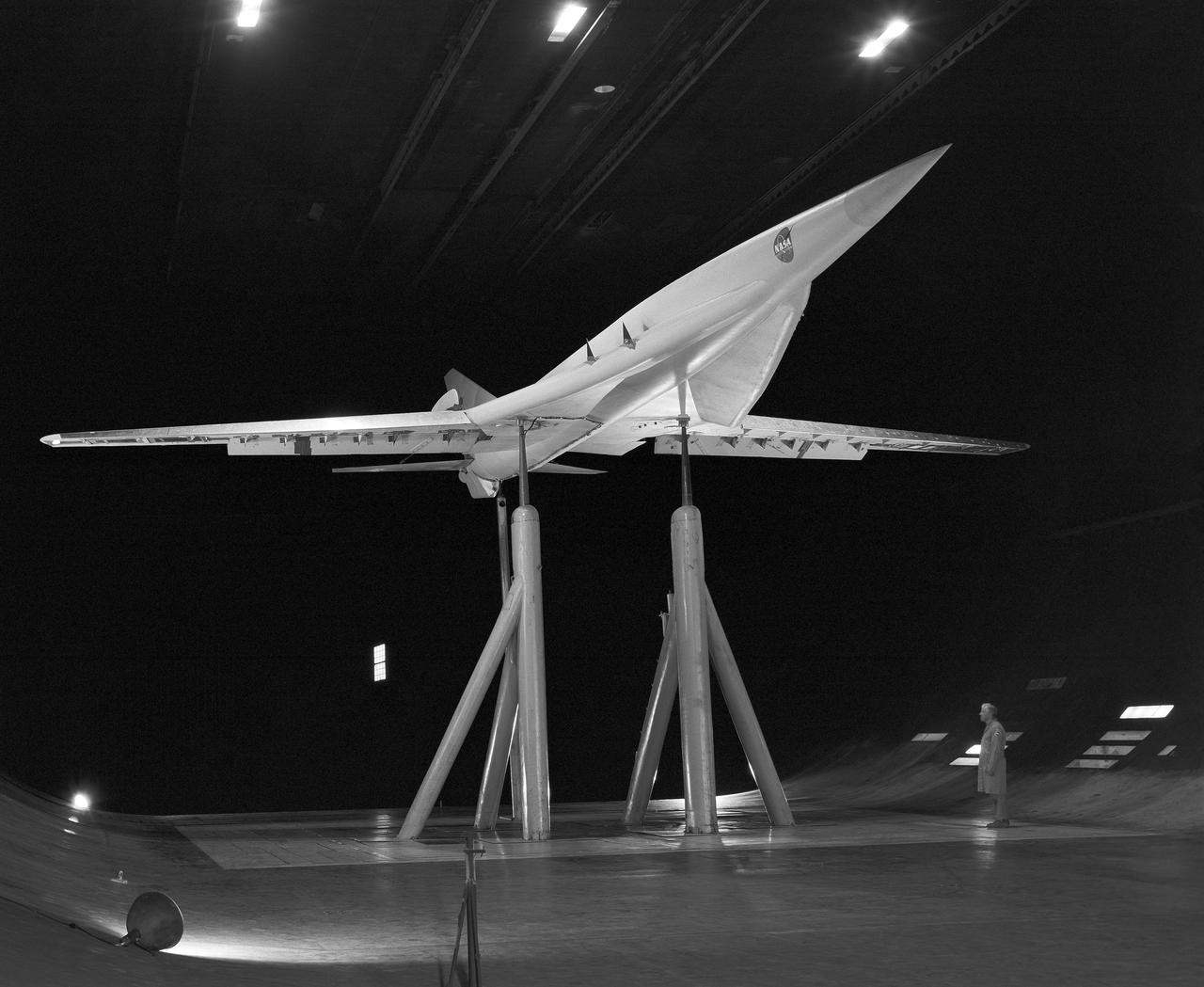
3/4 front view (low sweep) Francis Mallerick shown in picture.
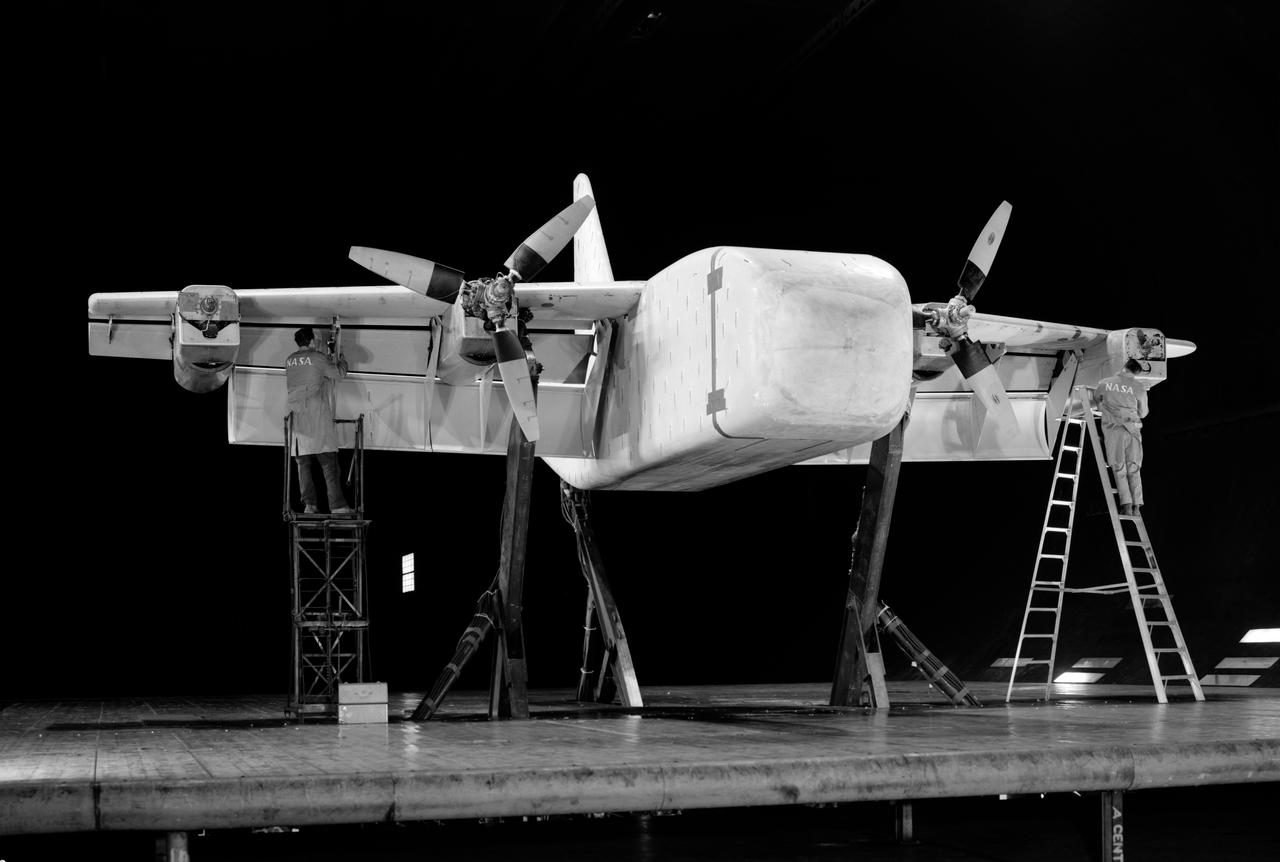
3/4 front right side only with Tim Wills on right and Charles Greco, mechanic. Large flaps on Variable height struts. XC-142 was a tri-service tiltwing experimental aircraft designed to investigate the operational suitability of vertical/short takeoff and landing (V/STOL) transports.
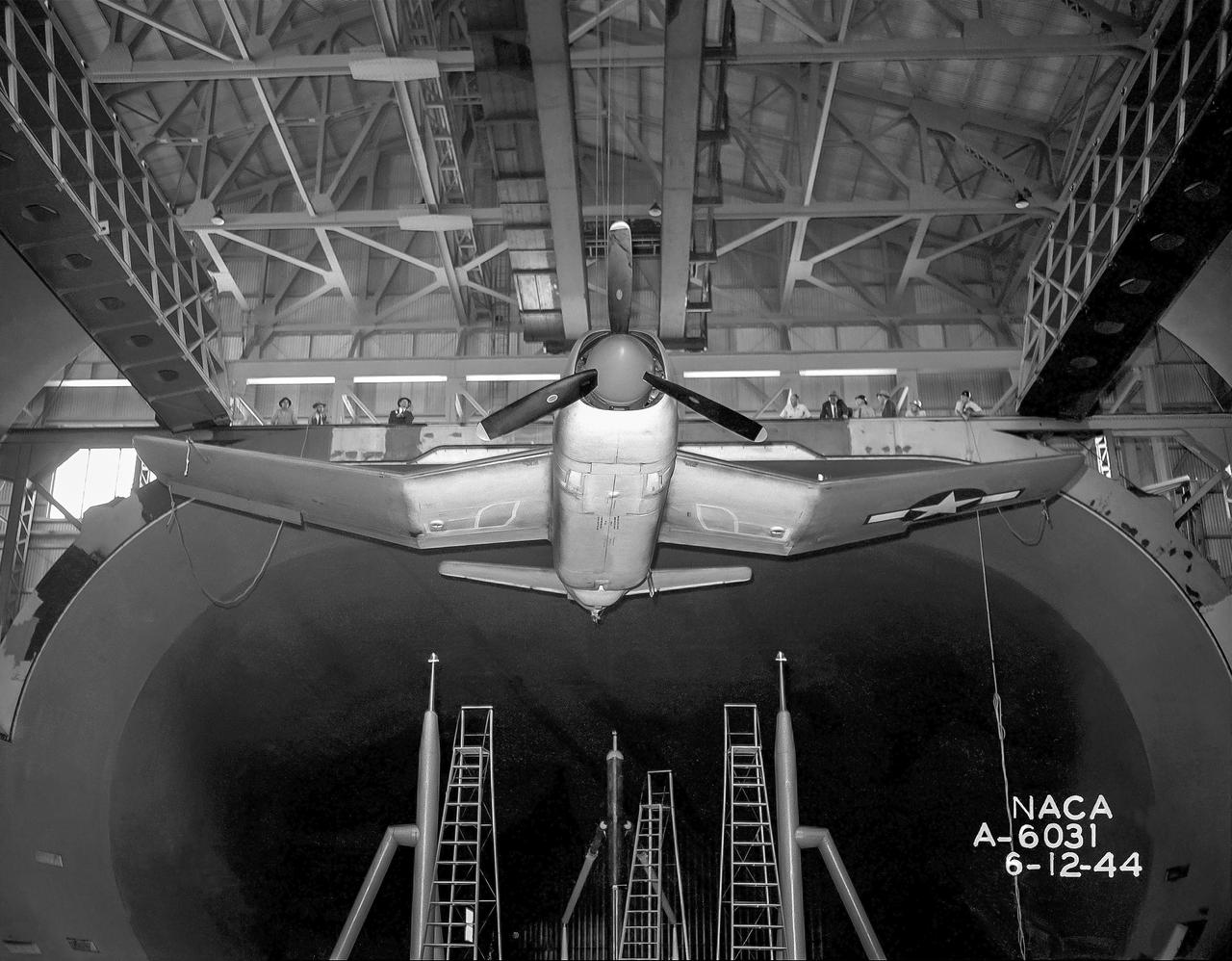
XSB2D-1 First test (no number) Aerodynamic test to forecast the take off distance. George Cooper was the A1:H73 pilot. Orchard ladders were used to access the ball socket attachments on the struts.
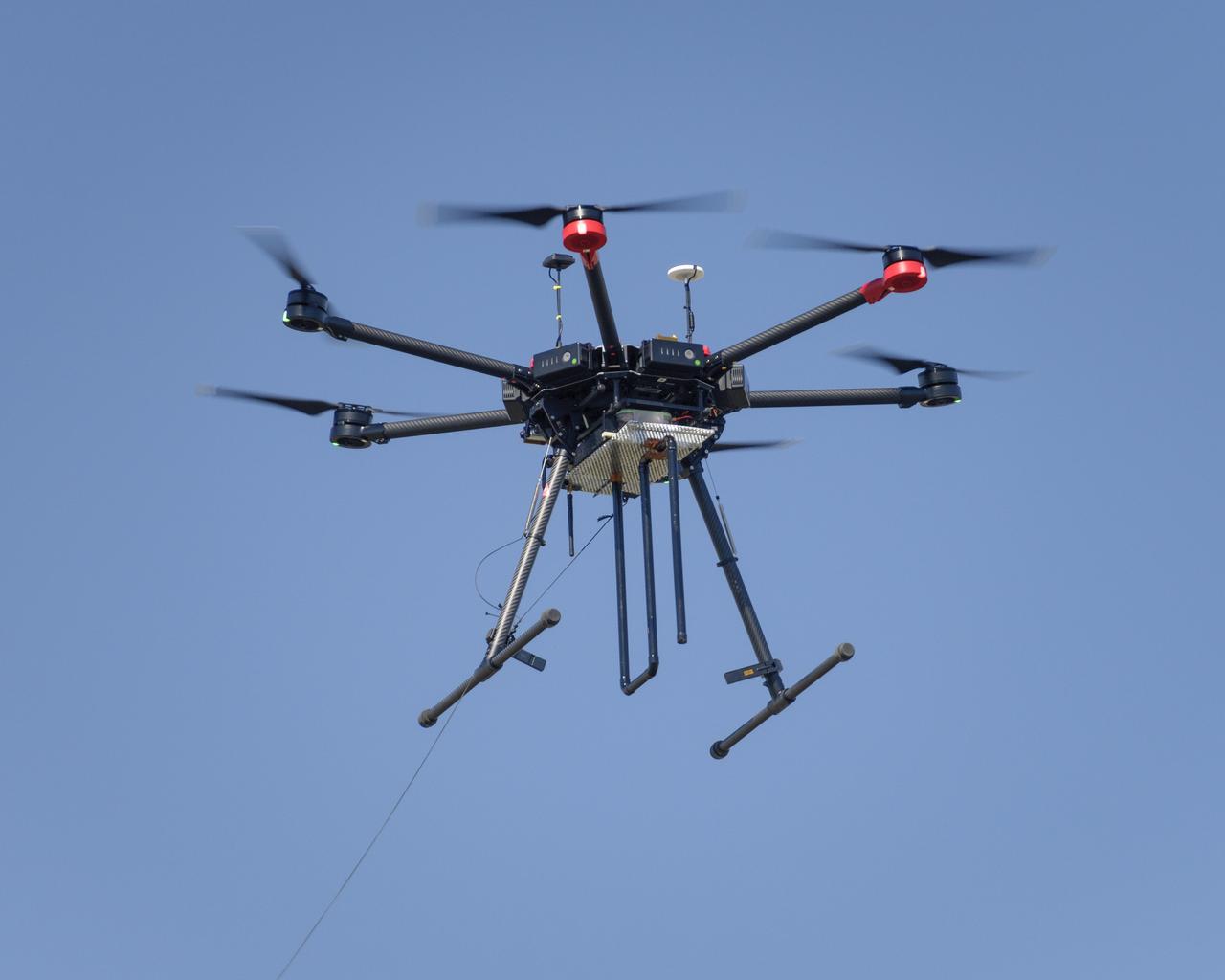
Flight Test in the Roverscape (N-269) at NASA's Ames Research Center, the project team tests the DJI Matrice 600 Unmanned Aerial Vehicle (UAV) equipped with a radio tracking receiver to study the invasive asian carp in the Mississippi River.
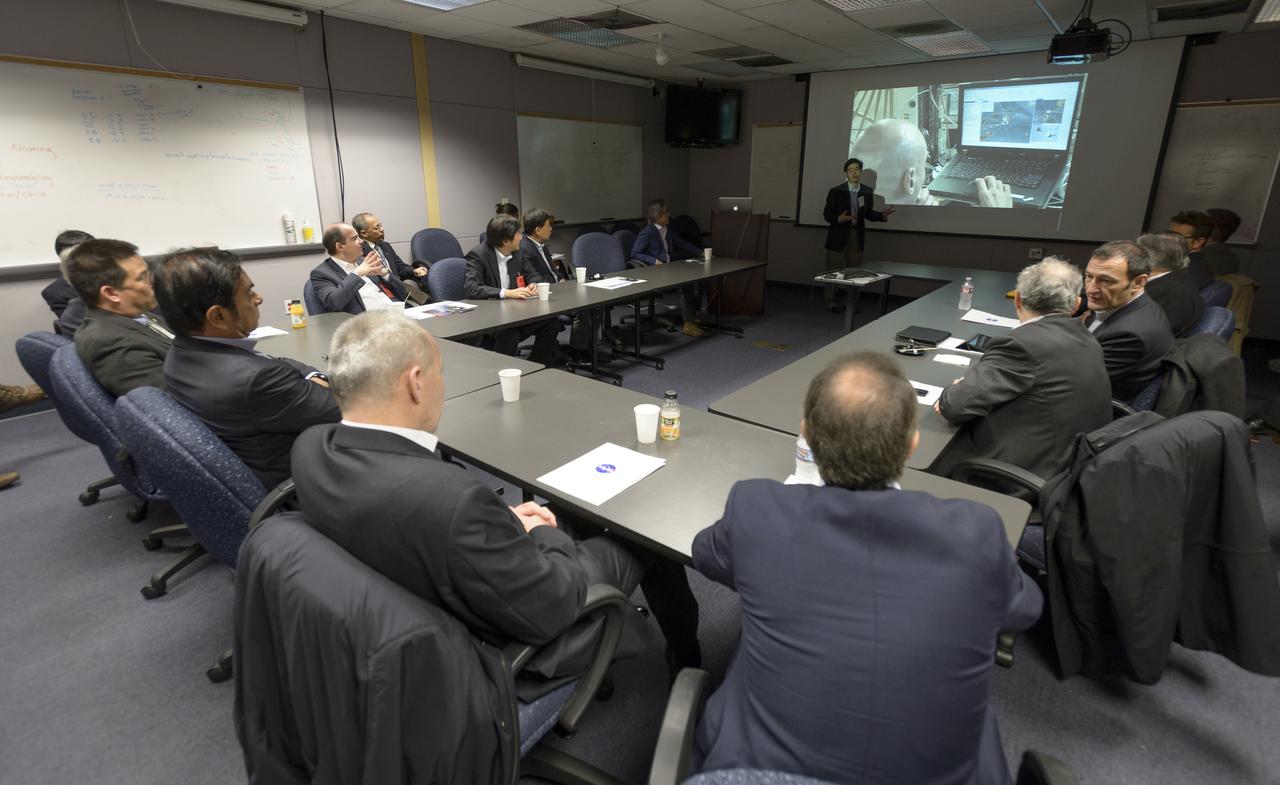
Senior executives from the Renault-Nissan Alliance visited Ames meet with Ames management. Here they are gathered for a Autonomous Drive demo presentation by Terry Fong, Ames Research Center.
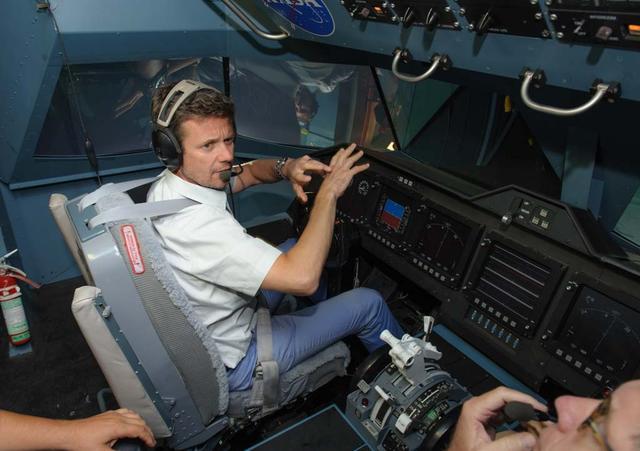
HRH Prince Frederik of Denmark visit and tour of NASA Ames Research Center. shown here at the Vertical Motion Simulator in the cockpit flying a sim.
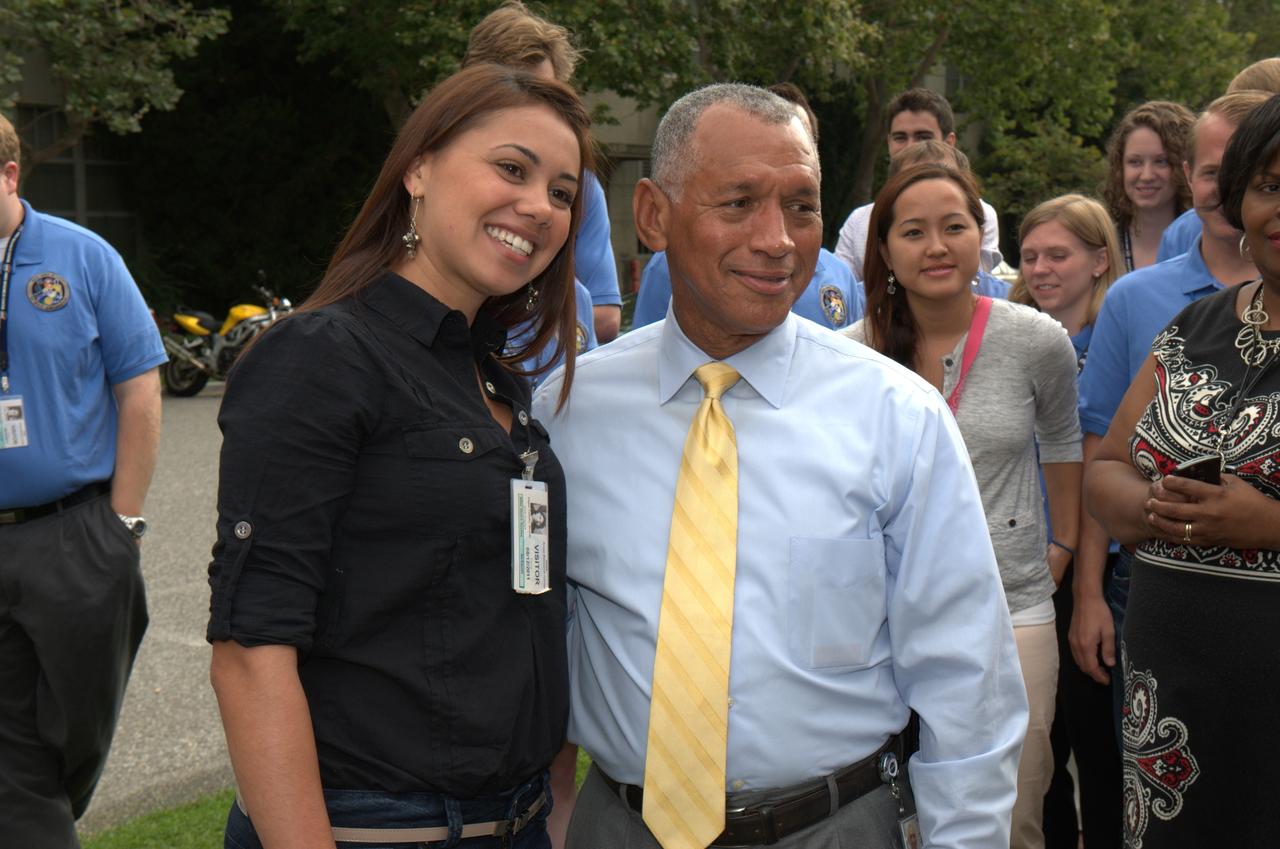
NASA Administrator Charlie Bolden, Jr. visits NASA Ames Research Center: meets with students and delivers a briefing to staff at a all-hands meeting
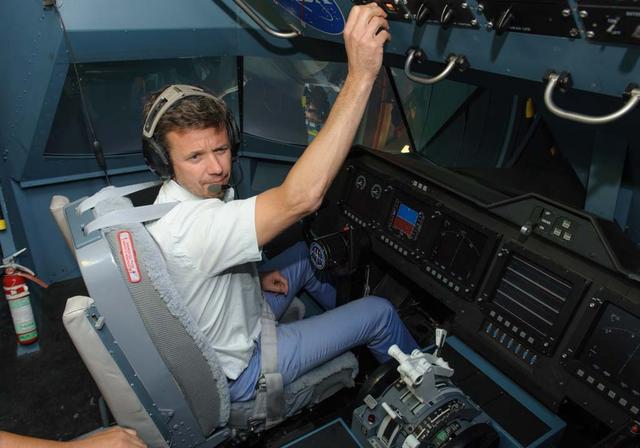
HRH Prince Frederik of Denmark visit and tour of NASA Ames Research Center. shown here at the Vertical Motion Simulator in the cockpit flying a sim.

NASA's Stratospheric Observatory for Infrared Astronomy touches down at Moffett Field, Calif., for its first visit to NASA Ames Research Center, Jan. 14, 2008.
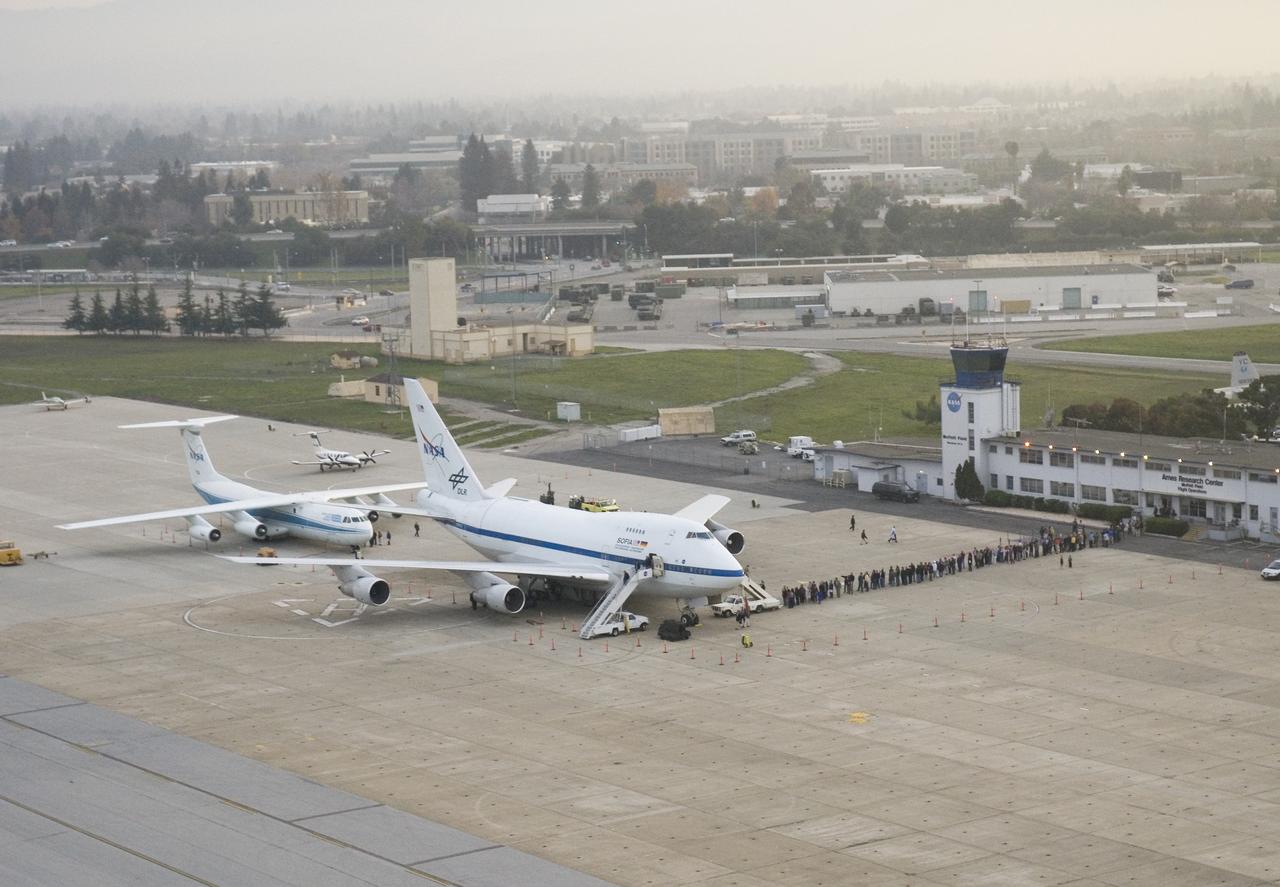
NASA's new SOFIA observatory shared the ramp with its predecessor, the now-retired Kuiper Airborne Observatory, during open house at NASA Ames Research Center.
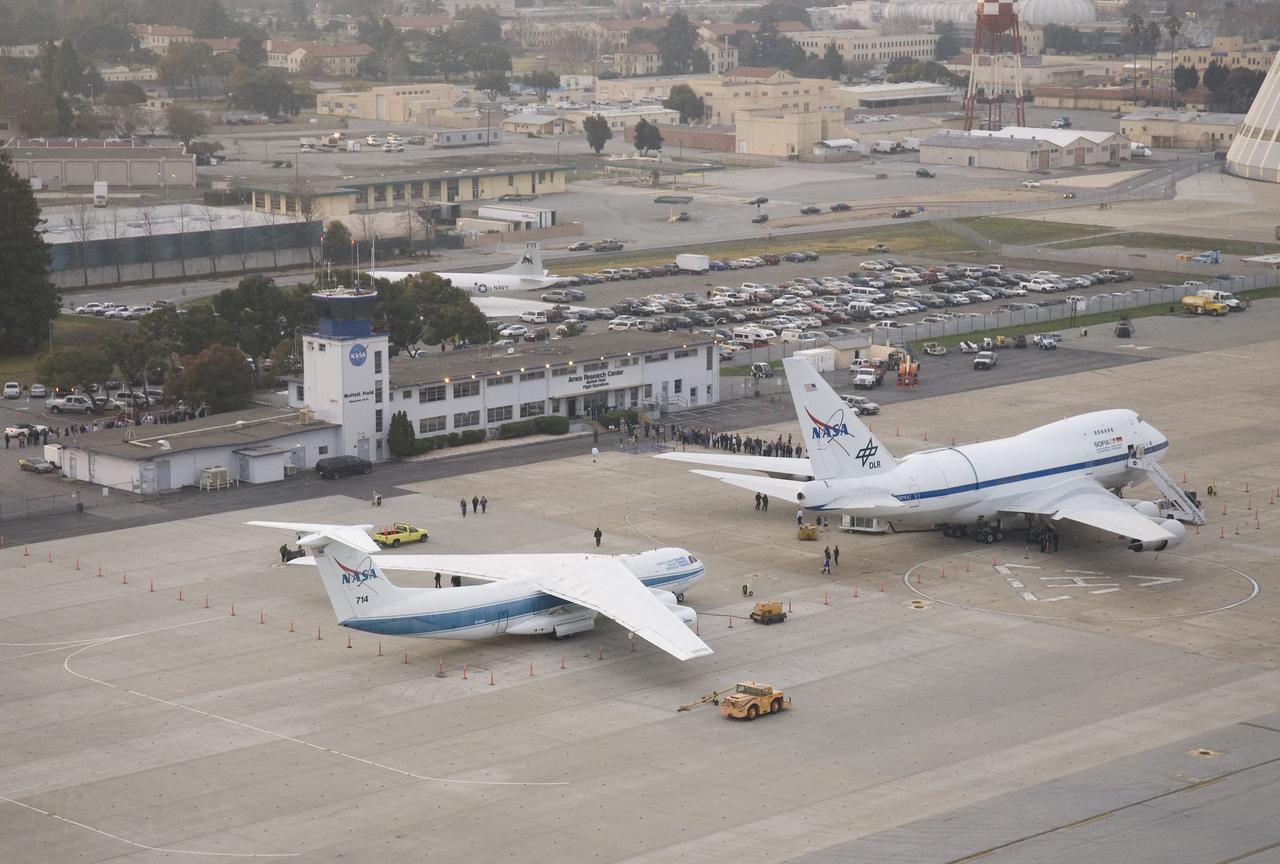
NASA's now-retired Kuiper Airborne Observatory shared the limelight with its successor, the SOFIA observatory, during an open house at Ames Research Center.
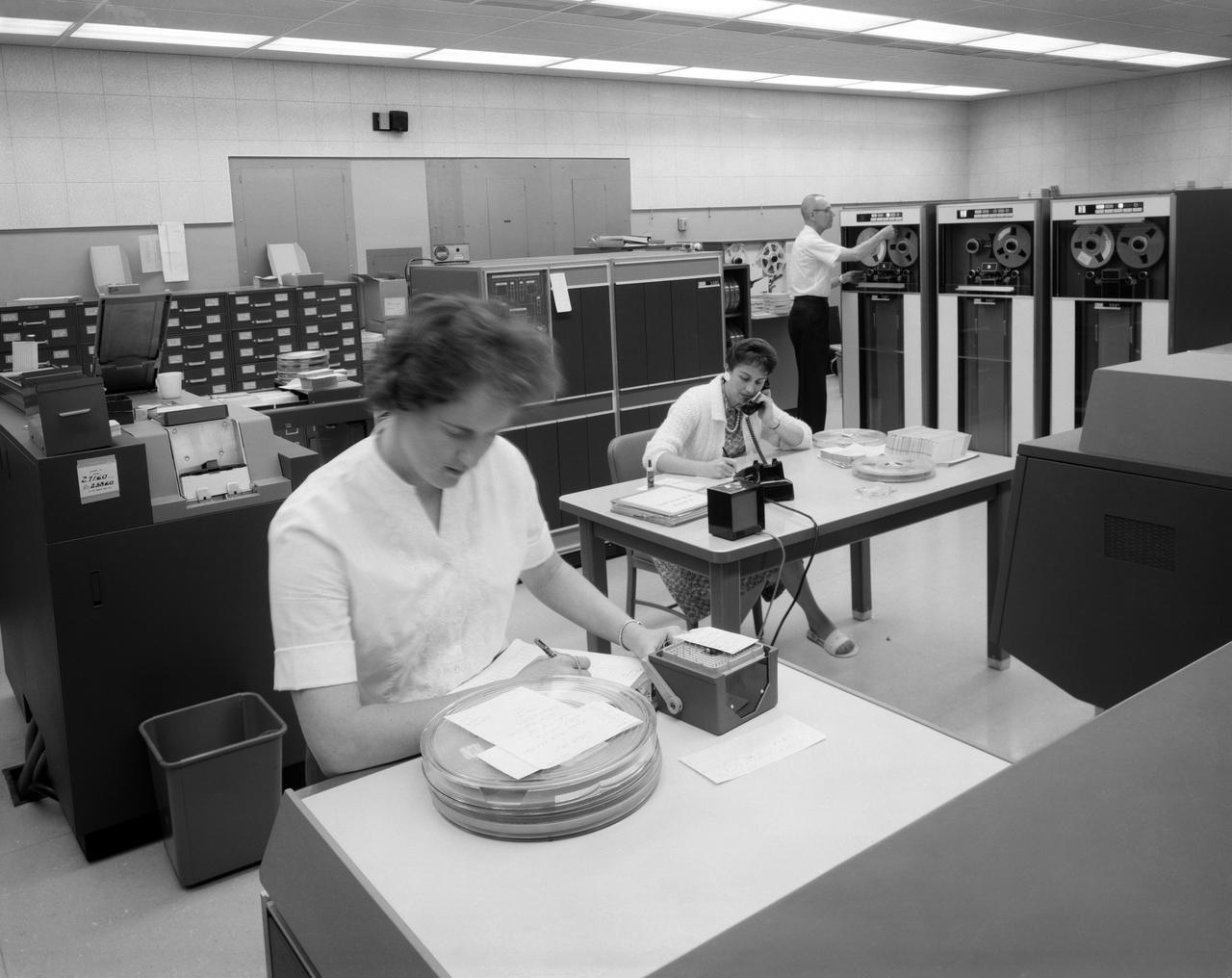
IBM 1401 Data Processing System, at NASA's Ames Research Center.
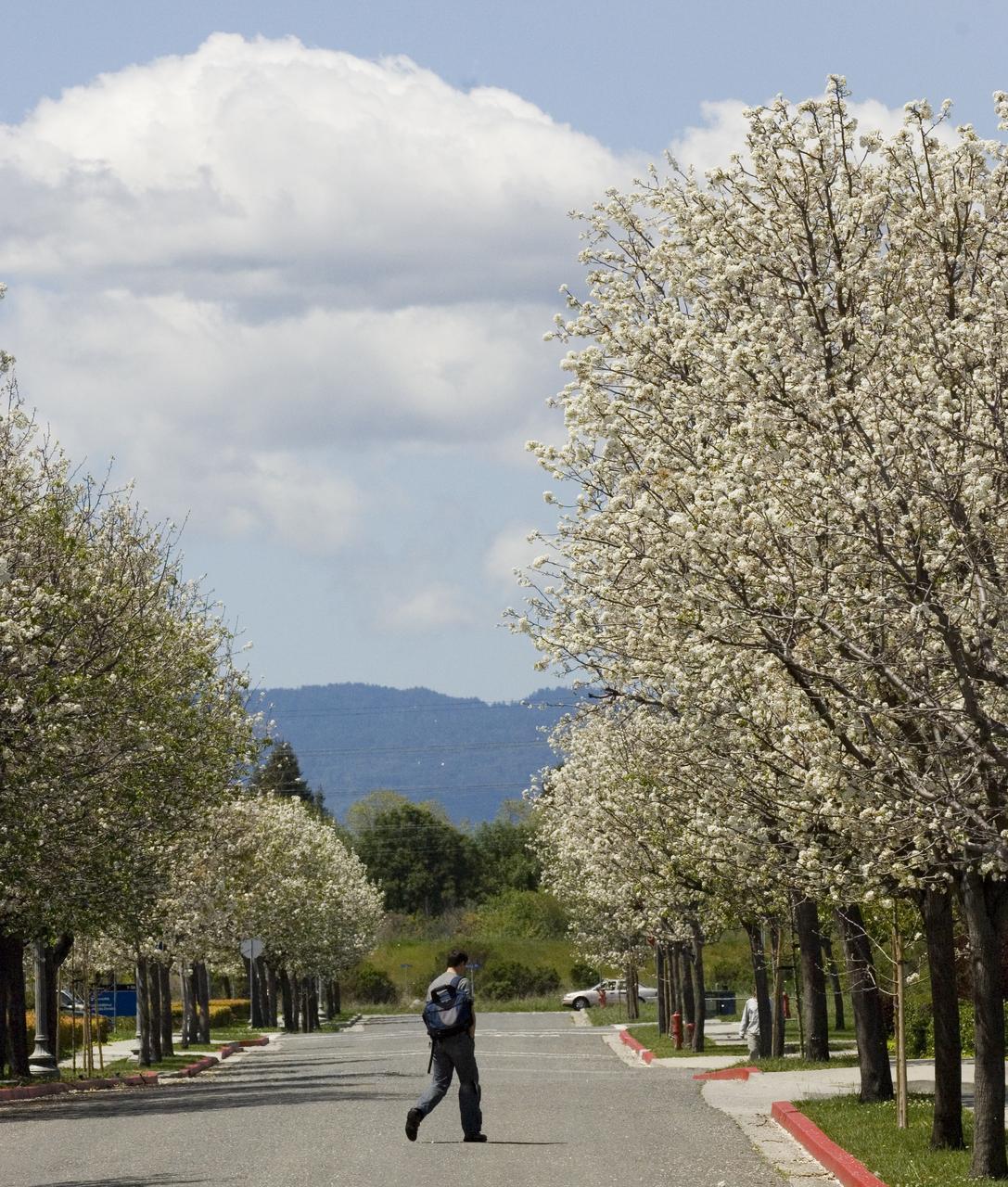
Spring comes to Ames Research Center, an employee walks among the blossoming trees.

A test block of Avcoat undergoes heat pulse testing inside an arc jet test chamber at NASA’s Ames Research Center in California. The test article, configured with both permeable (upper) and non-permeable (lower) Avcoat sections for comparison, helped to confirm understanding of the root cause of the loss of charred Avcoat material that engineers saw on the Orion spacecraft after the Artemis I test flight beyond the Moon.
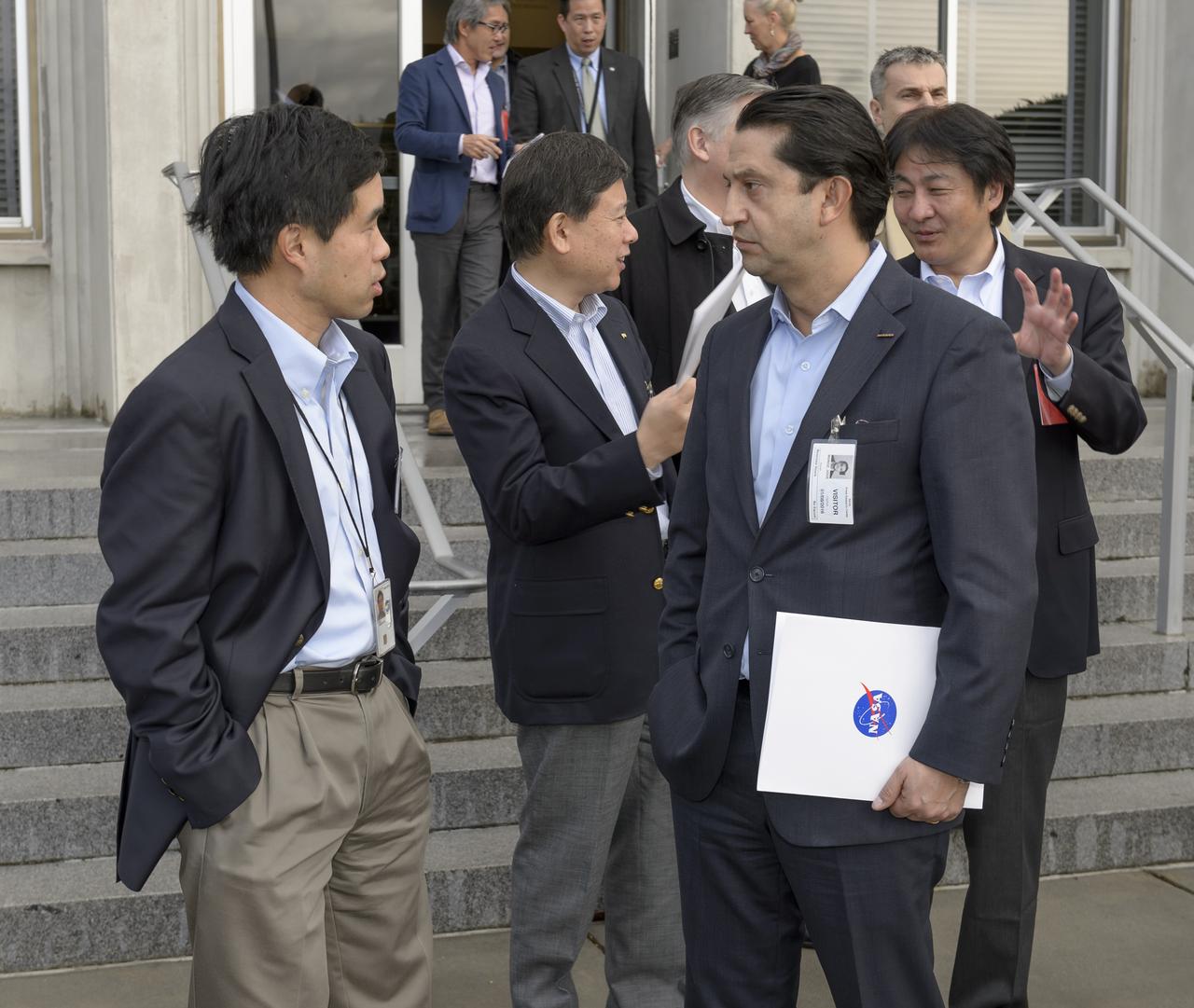
Senior executives from the Renault-Nissan Alliance visited Ames meet with Ames management and gather for a Autonomous Drive demo. Shown here left to right is Terry Fong, Ames Research Center and Jose Munoz, Chairman, Nissan North America.
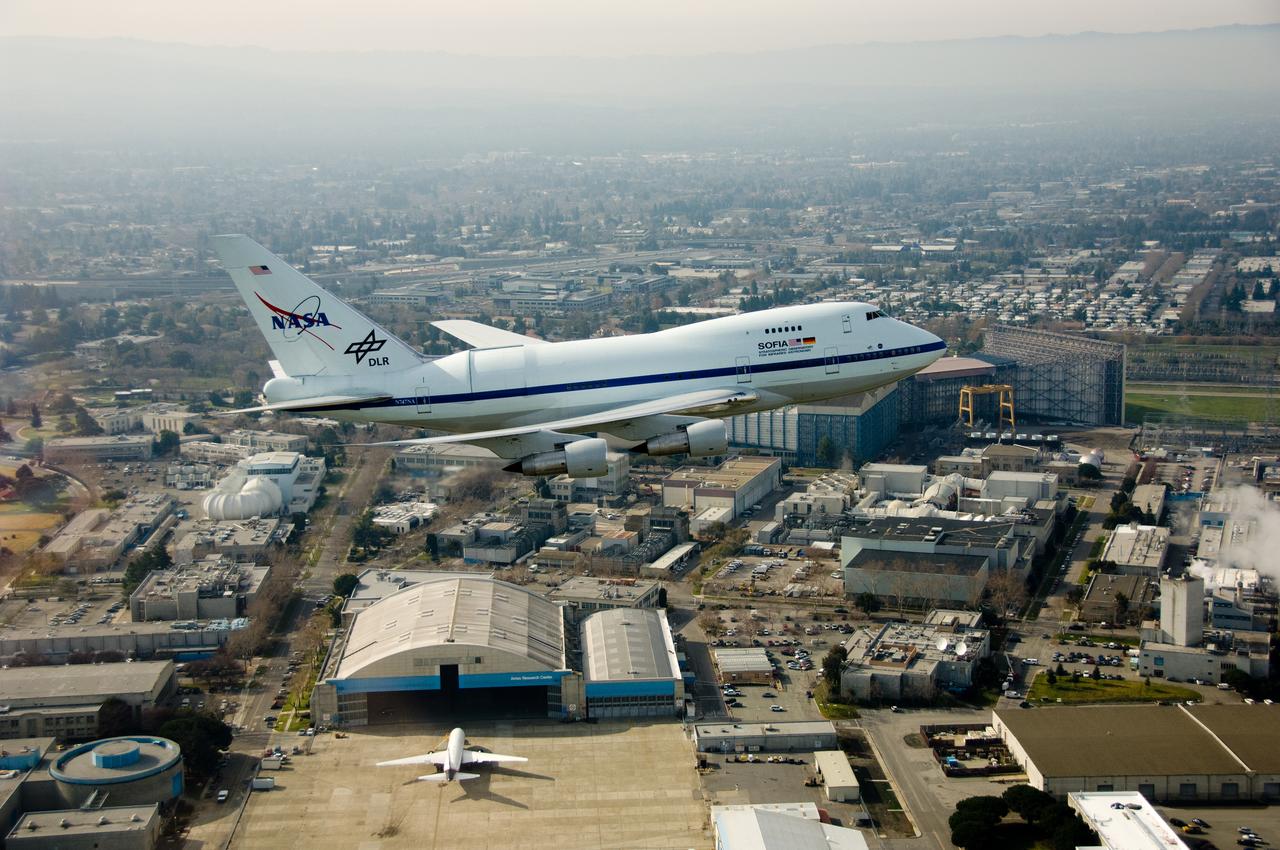
Air to air view of the Stratospheric Observatory for Infrared Astronomy or SOFIA aircraft fly-by on a visit to Ames Research Center

Spring comes to Ames Research Center, trees are blossoming, and the resident Mallard ducks are out and about.

Spring comes to Ames Research Center. Kathy Reda walks among the blossoming trees.
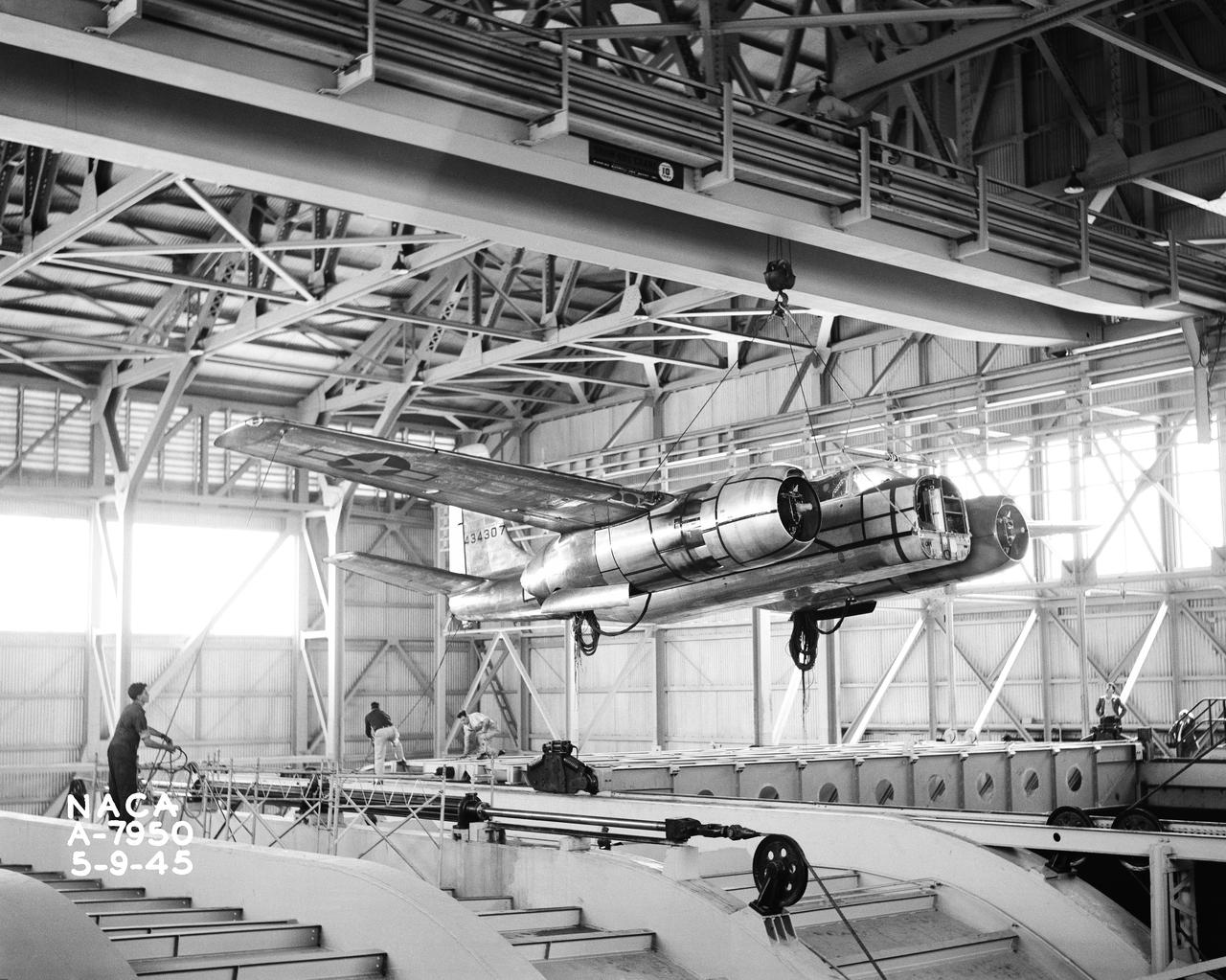
Installation of the Douglas A-26B airplane in the 40x80 foot wind tunnel at NACA's Ames Research Center. Airplane being centered over tunnel opening.
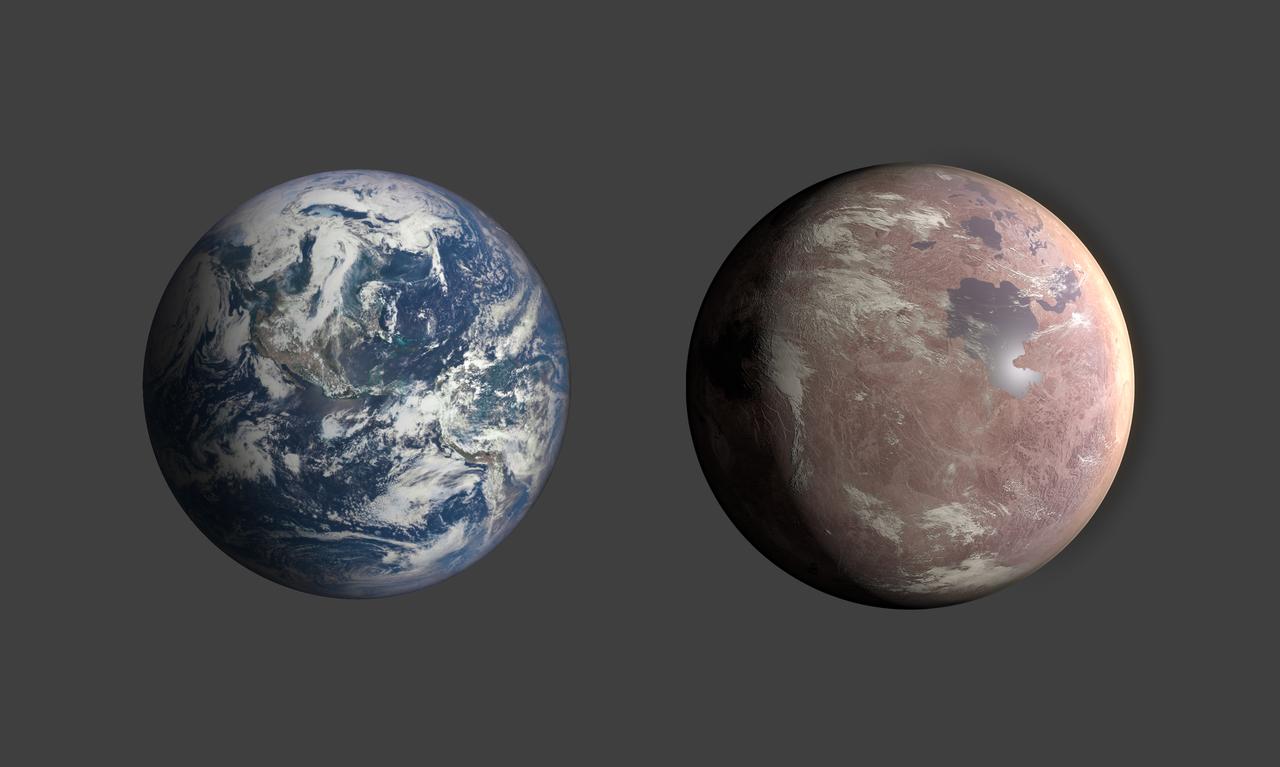
A comparison of Earth and Kepler-1649c, an exoplanet only 1.06 times Earth's radius Credit: NASA/Ames Research Center/Daniel Rutter
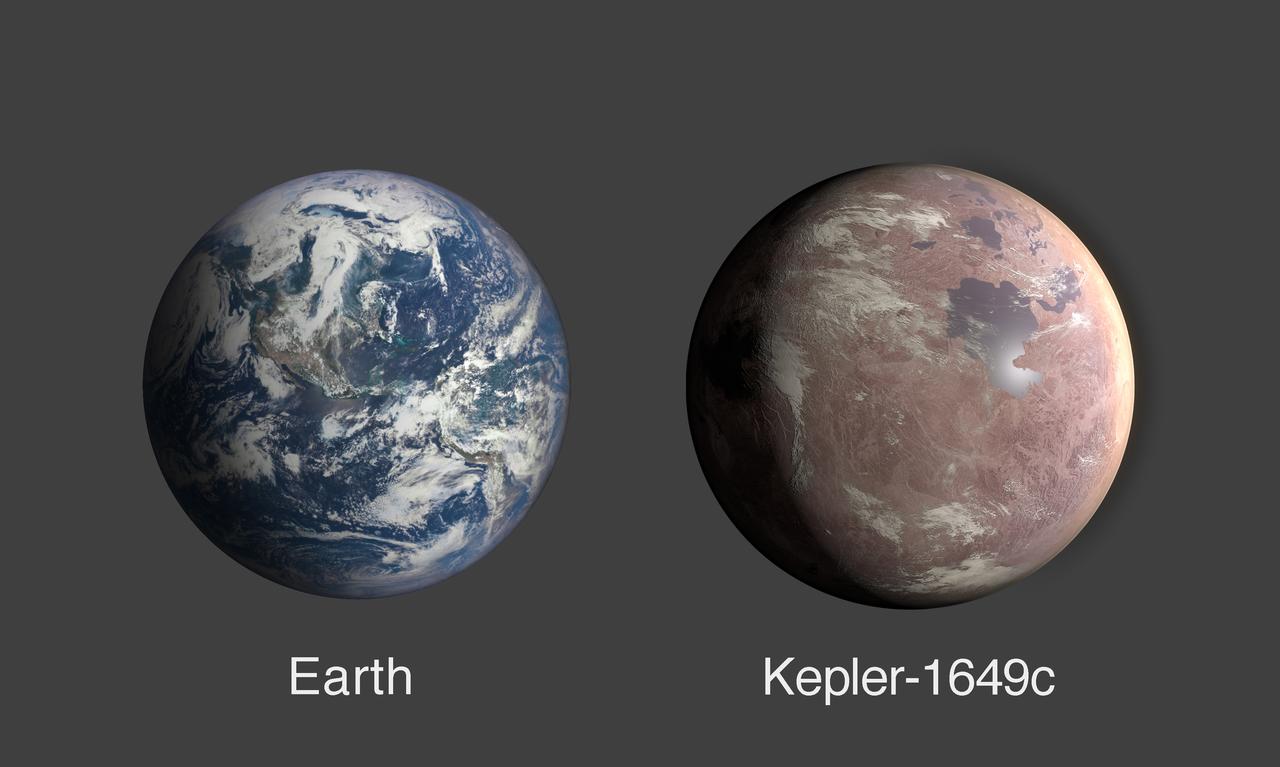
A comparison of Earth and Kepler-1649c, an exoplanet only 1.06 times Earth's radius. Labeled Art Credit: NASA/Ames Research Center/Daniel Rutter

An illustration of what Kepler-1649c could look like from its surface. Credits: NASA/Ames Research Center/Daniel Rutter
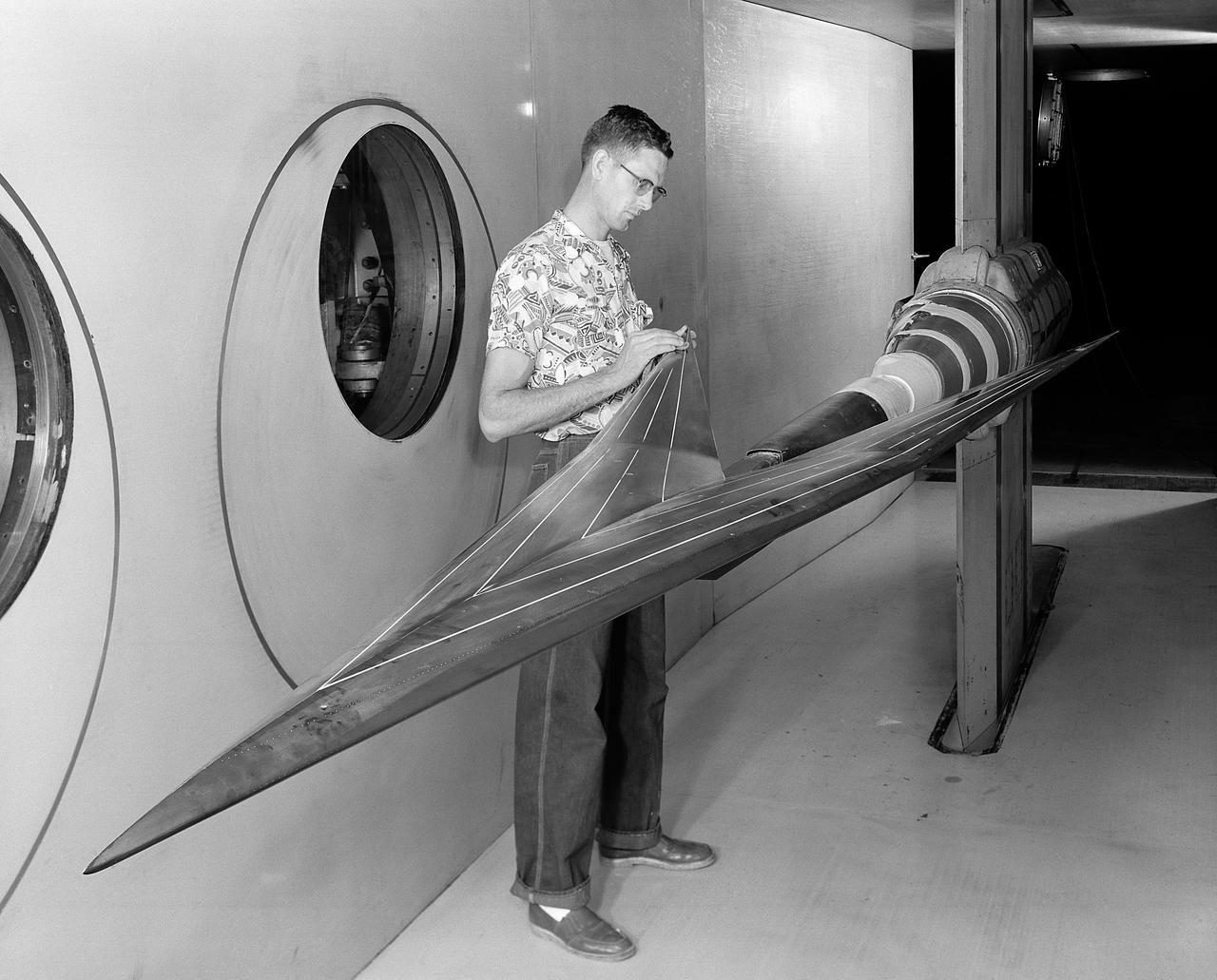
A chambered and twisted wing-body. Arrow wing hypersonic model tested in the 6x6 foot wind tunnel at the NASA Ames Research Center.
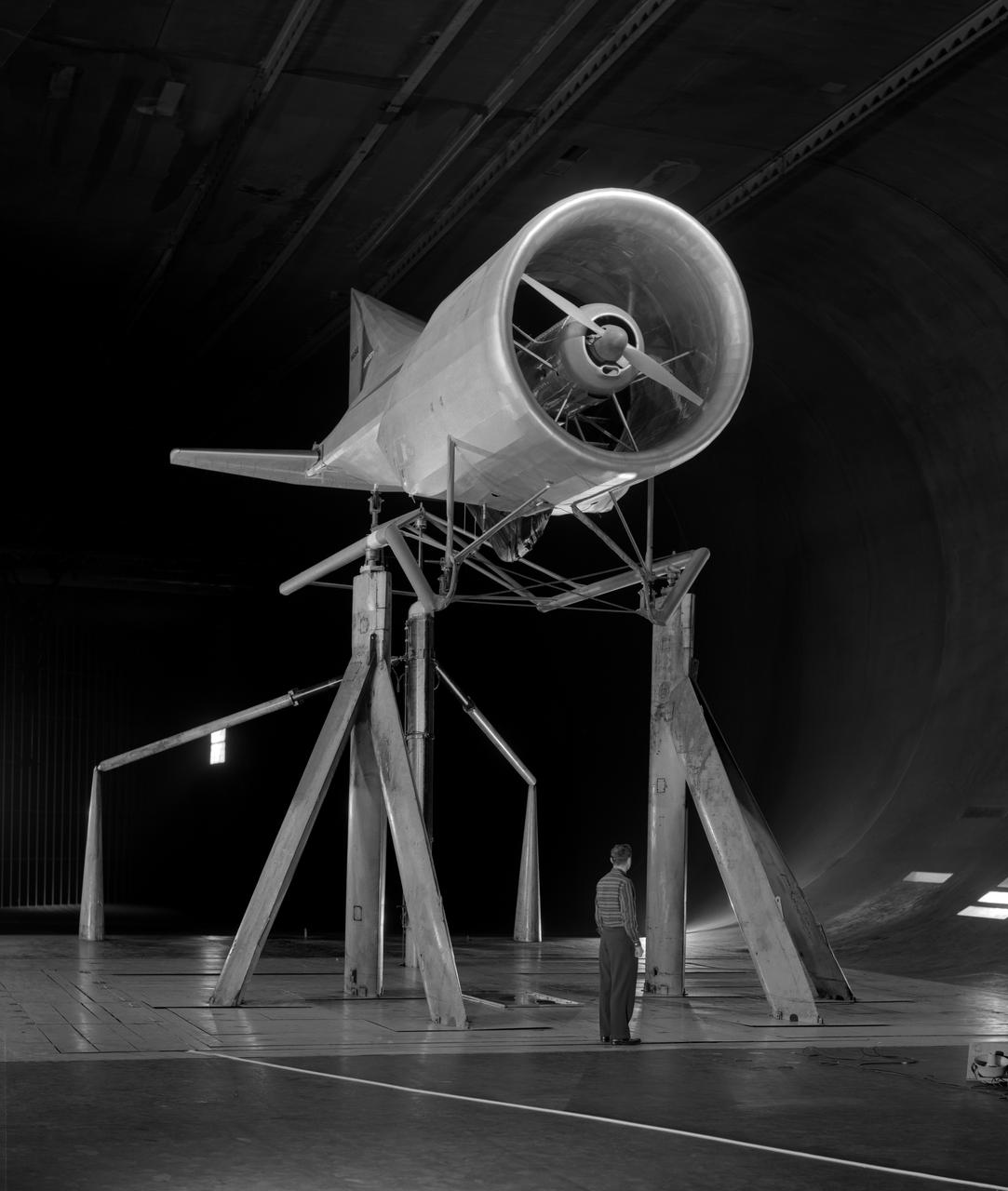
Collins Aerodyne VTOL Vertical take off and landing model in the 40x80 foot wind tunnel at NASA's Ames Research Center. Designed by Alexander Lippisch.
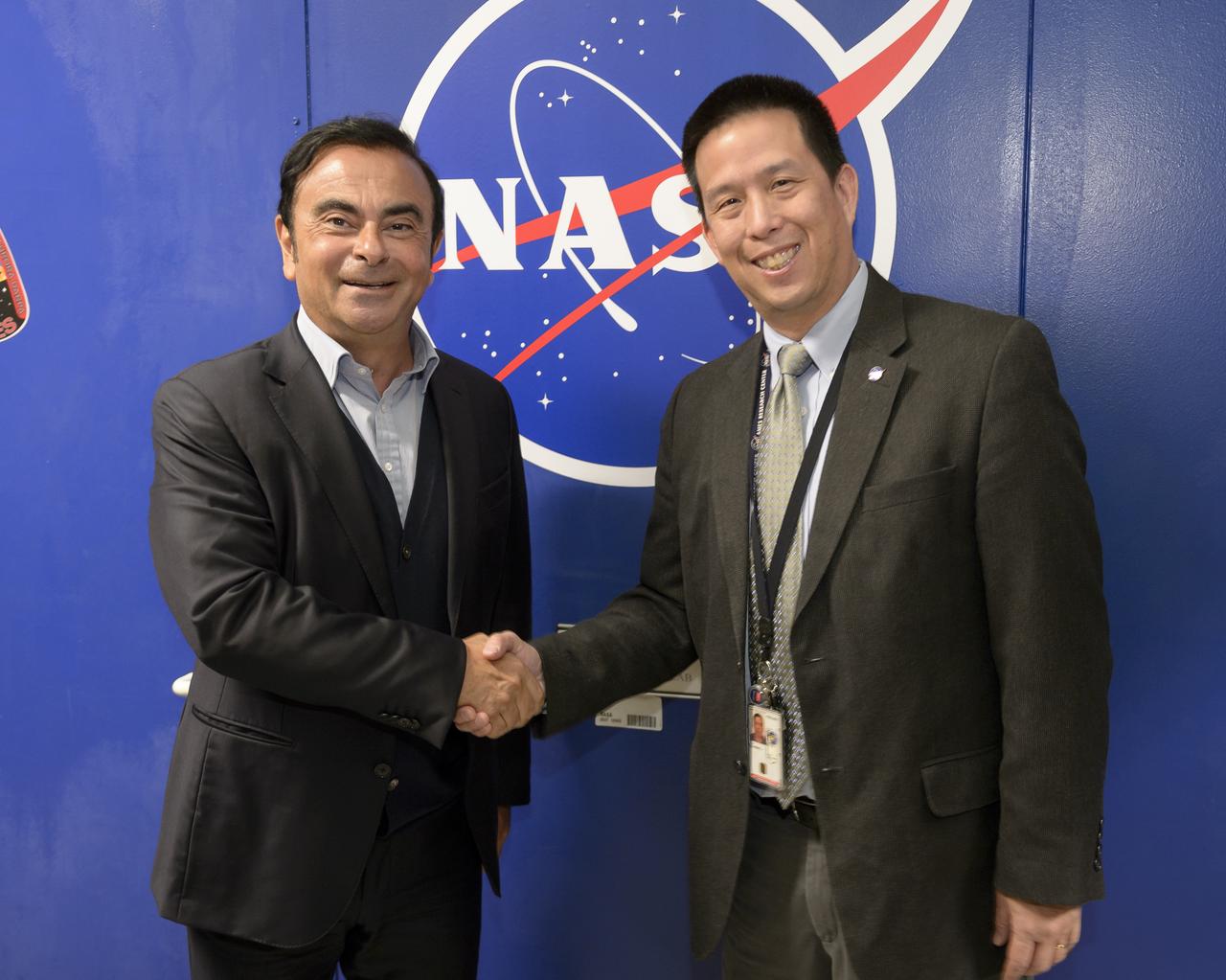
Senior executives from the Renault-Nissan Alliance, including Carlos Ghosn, chairman and CEO of Nissan, and Jose Munoz, chairman of Nissan North America, visited Ames for meetings and a showcase of the technical partnership between NASA and Nissan North America. Shown here on left is Carlos Ghosn, CEO, Nissan on right Eugene Tu, Ames Center Director in front to the NASA sign at the VMS Facility at Ames Research Center ,CA.
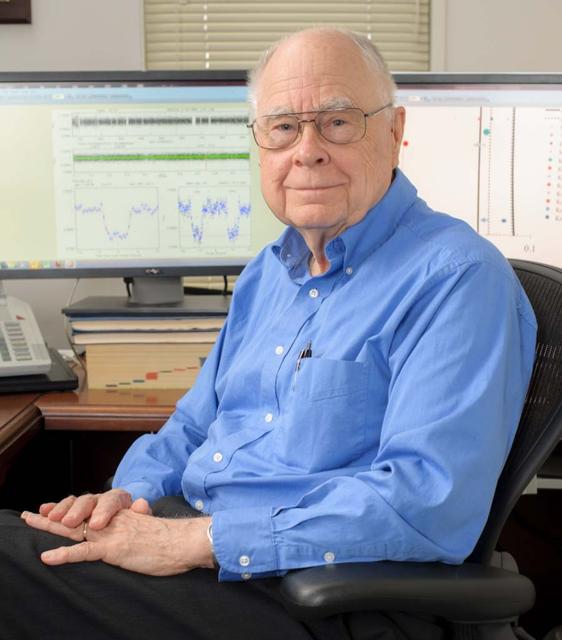
The Kepler Mission Science Principal Investigator Dr William 'Bill' Borucki in his office at NASA Ames Research center.
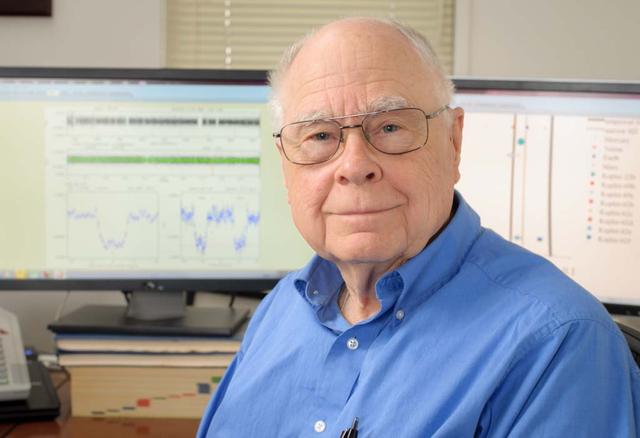
The Kepler Mission Science Principal Investigator Dr William 'Bill' Borucki in his office at NASA Ames Research center.
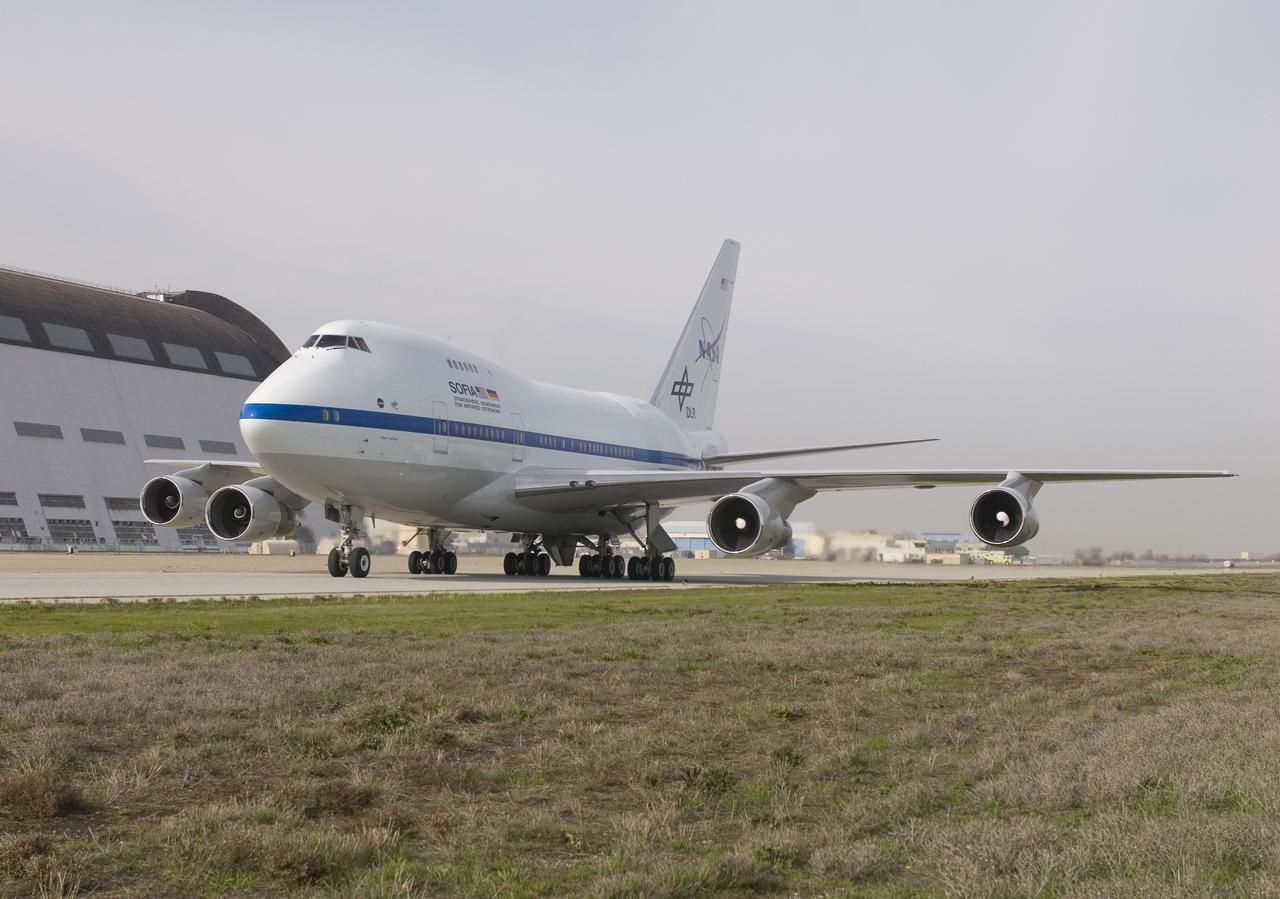
NASA's SOFIA airborne observatory taxis past Hangar 1, the 1930s-era dirigible hangar at Moffett Field, during its first visit to NASA Ames Research Center.
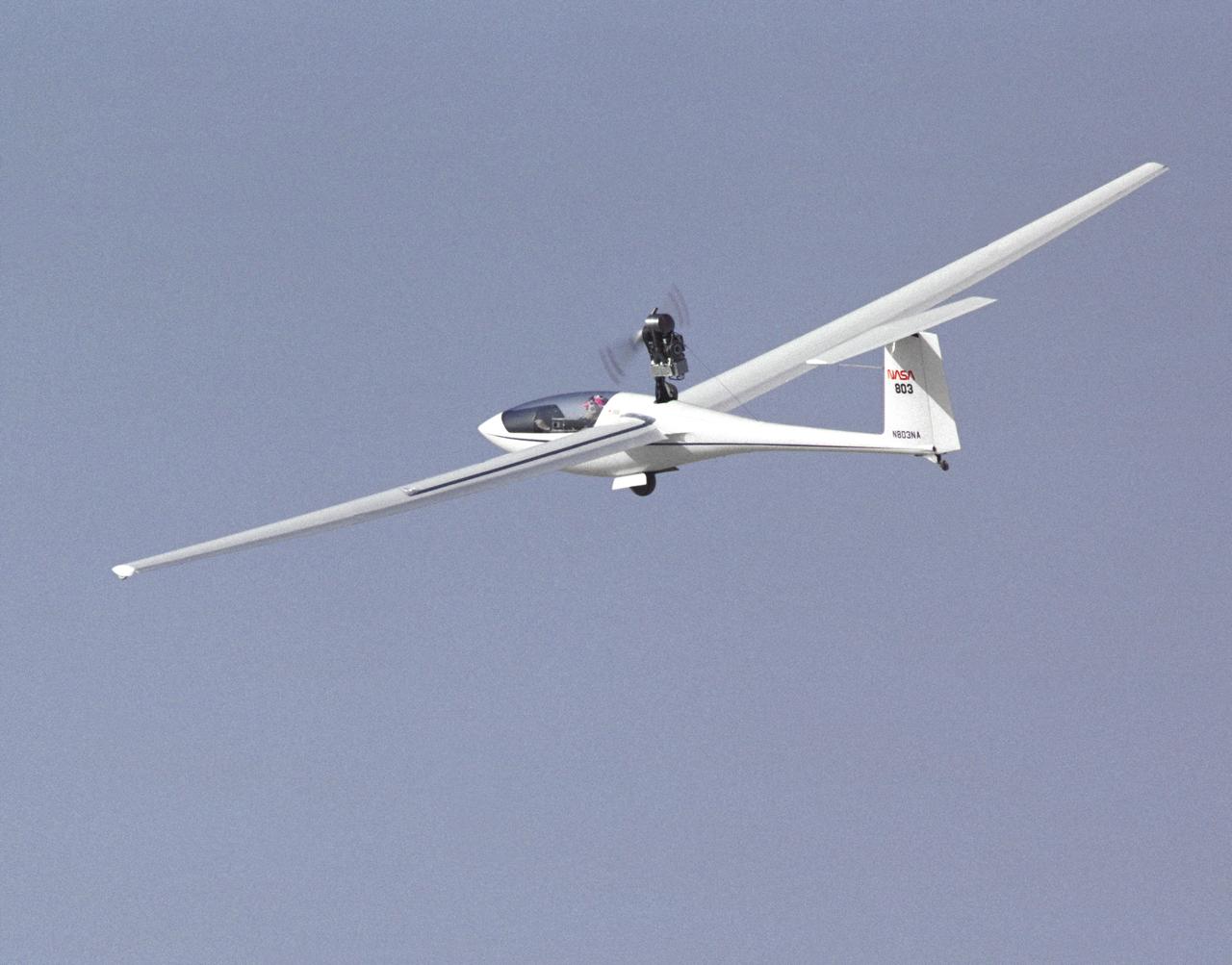
This photo shows NASA's PIK-20E motor-glider sailplane during a research flight from the Ames-Dryden Flight Research Facility (later, the Dryden Flight Research Center), Edwards, California, in 1991.
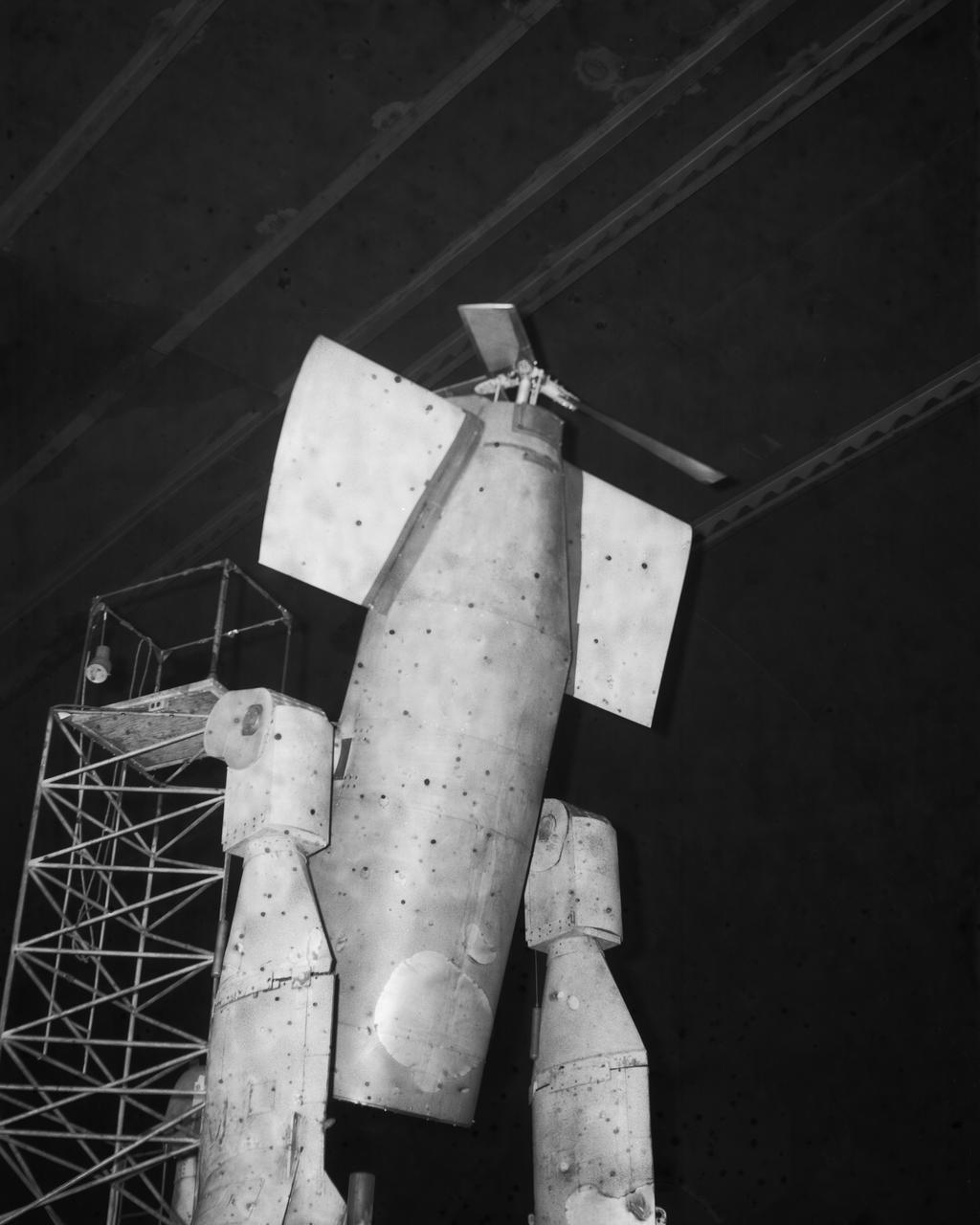
Vertol-76 Descent Test. Tilt Wing airplane prop rig at 80 deg. Angle of attack, in the 40x80 foot wind tunnel at NASA's Ames Research Center.
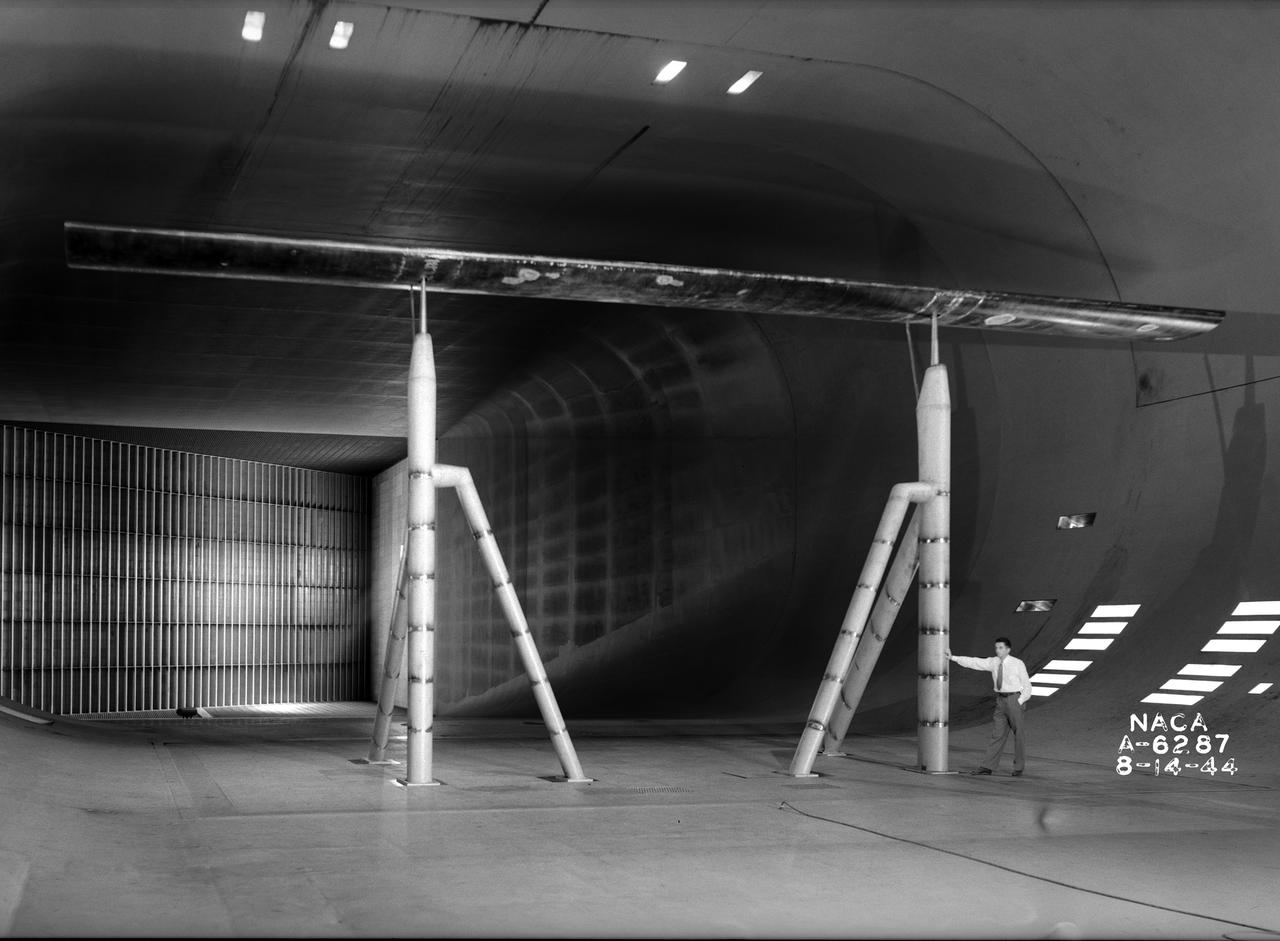
Clark Y Airfoil. 3/4 front view of 8x48 foot Clark Y Airfoil mounted (inverted) in the 40x80 foot wind tunnel at NACA's Ames Research Center.
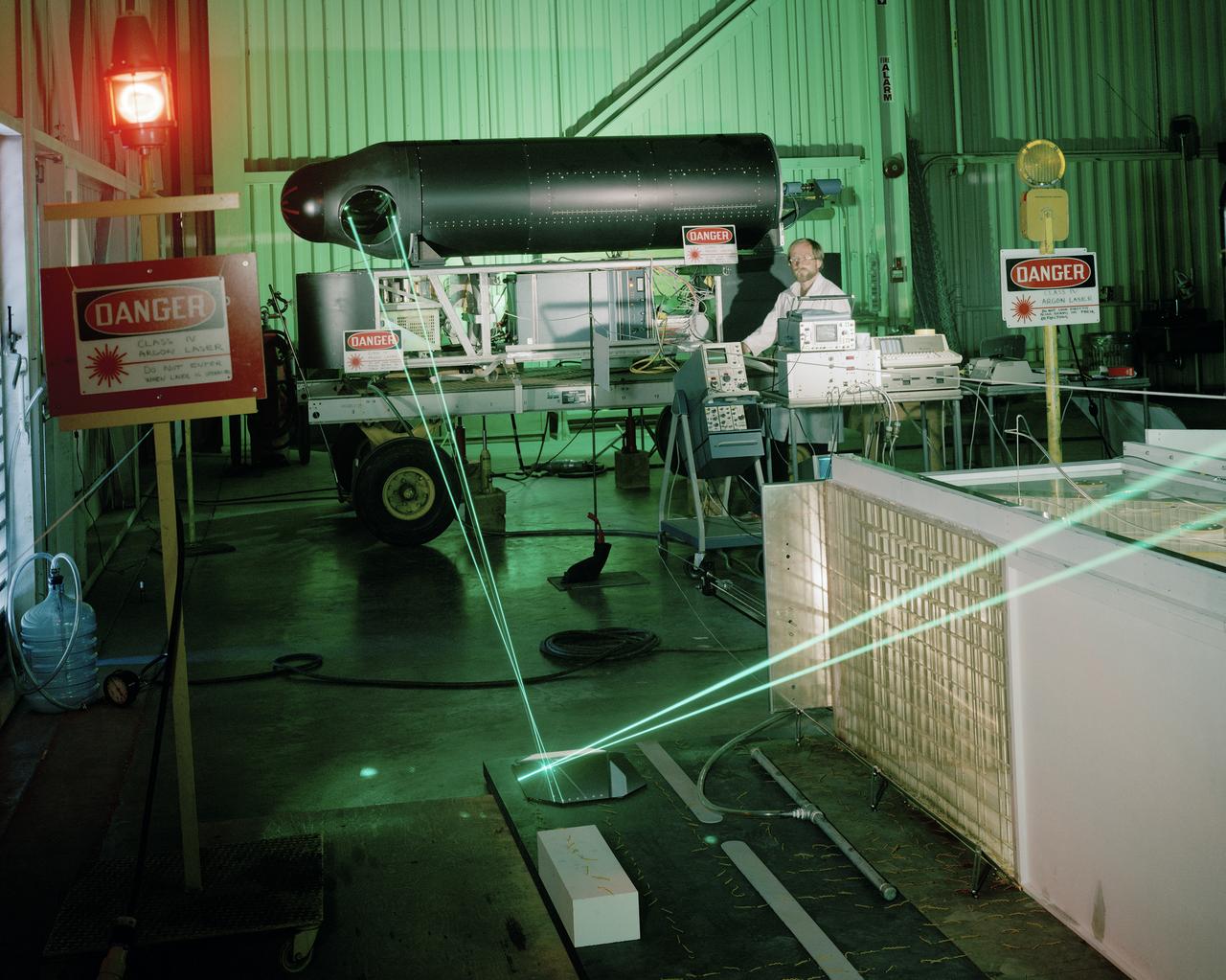
40x80x120 Foot Wind Tunnel at NASA's Ames Research Center Laser Velocimeter (LV) Long Range System. Requesting Organization: Low Speed Aircraft Photographed on May 18, 1983
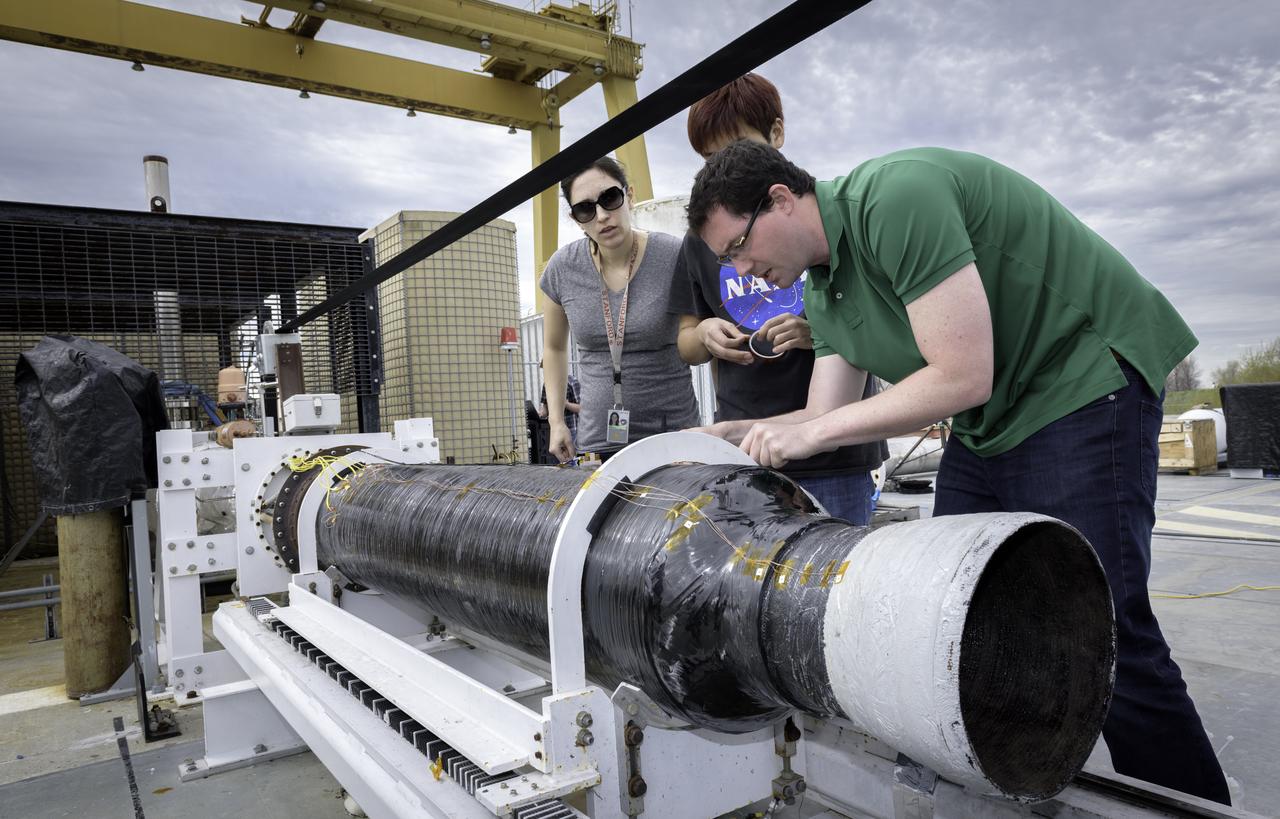
(Left to Right) Ashley Karp, NASA JPL, Hunjoo Kim, NASA JPL and Brian Schratz (NASA JPL) preparing the Peregrine rocket motor at the Outdoor Aerodynamic Research Facility (OARF, N-249).

Joey Mercer, principle investigator for STEReO, the Scalable Traffic Management for Emergency Response Operations project, at NASA's Ames Research Center speaks with Richard Barhydt, station director of the U.S. Forest Service's Pacific Southwest Research Station and Huy Tran, director of aeronautics at NASA's Ames Research Center, during STEReO test activities, Tuesday, May 4, 2021 as Cal Fire conducts aerial fire fighting training exercises near Redding, California. STEReO, the Scalable Traffic Management for Emergency Response Operations project, led by NASA’s Ames Research Center, builds on NASA’s expertise in air traffic management, human factors research, and autonomous technology development to apply the agency’s work in Unmanned Aircraft Systems Traffic Management, or UTM, to public safety uses. Photo Credit: (NASA/Joel Kowsky)
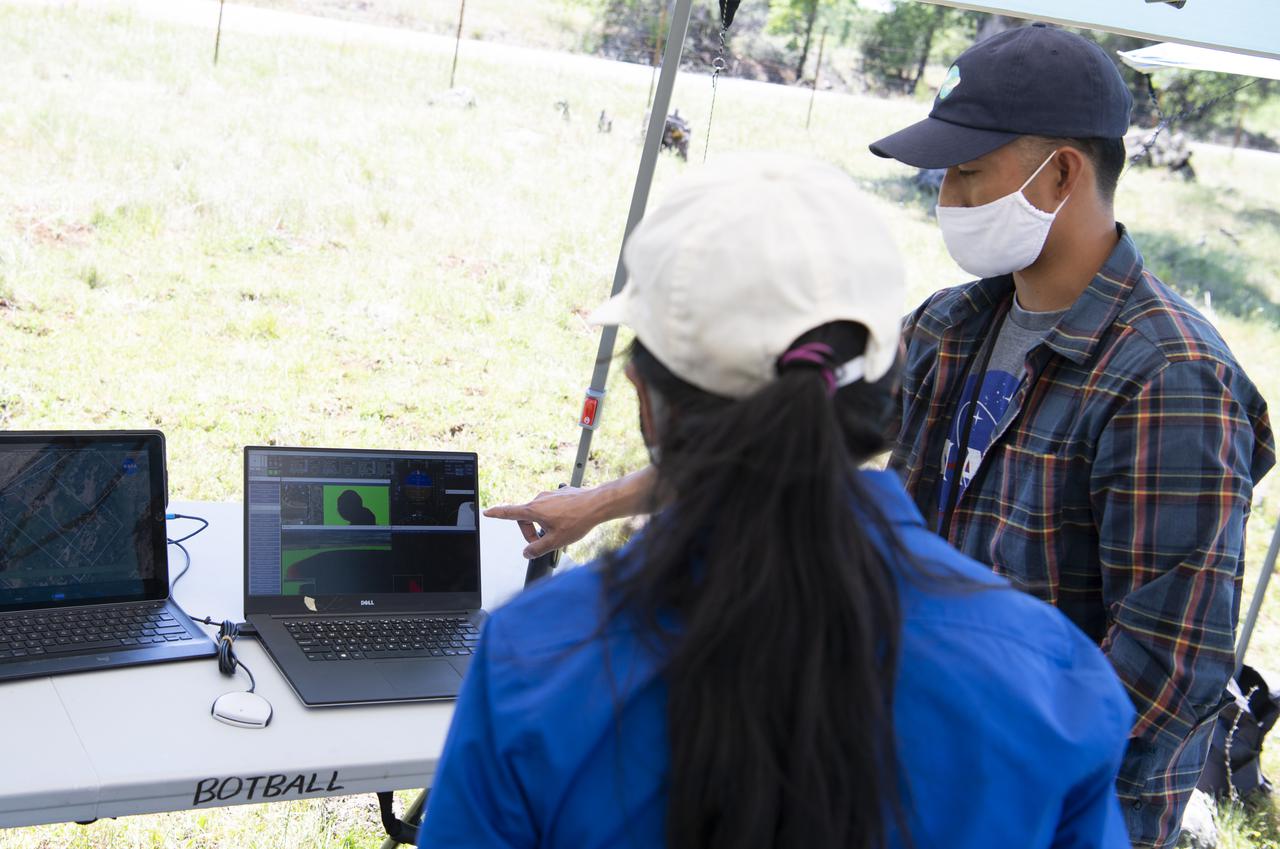
Josh Baculi, autonomy researcher for STEReO, the Scalable Traffic Management for Emergency Response Operations project, at NASA's Ames Research Center, right, speaks with Huy Tran, director of aeronautics at NASA's Ames Research Center, during STEReO field testing, Tuesday, May 4, 2021 as Cal Fire conducts aerial fire fighting training exercises near Redding, California. STEReO, the Scalable Traffic Management for Emergency Response Operations project, led by NASA’s Ames Research Center, builds on NASA’s expertise in air traffic management, human factors research, and autonomous technology development to apply the agency’s work in Unmanned Aircraft Systems Traffic Management, or UTM, to public safety uses. Photo Credit: (NASA/Joel Kowsky)
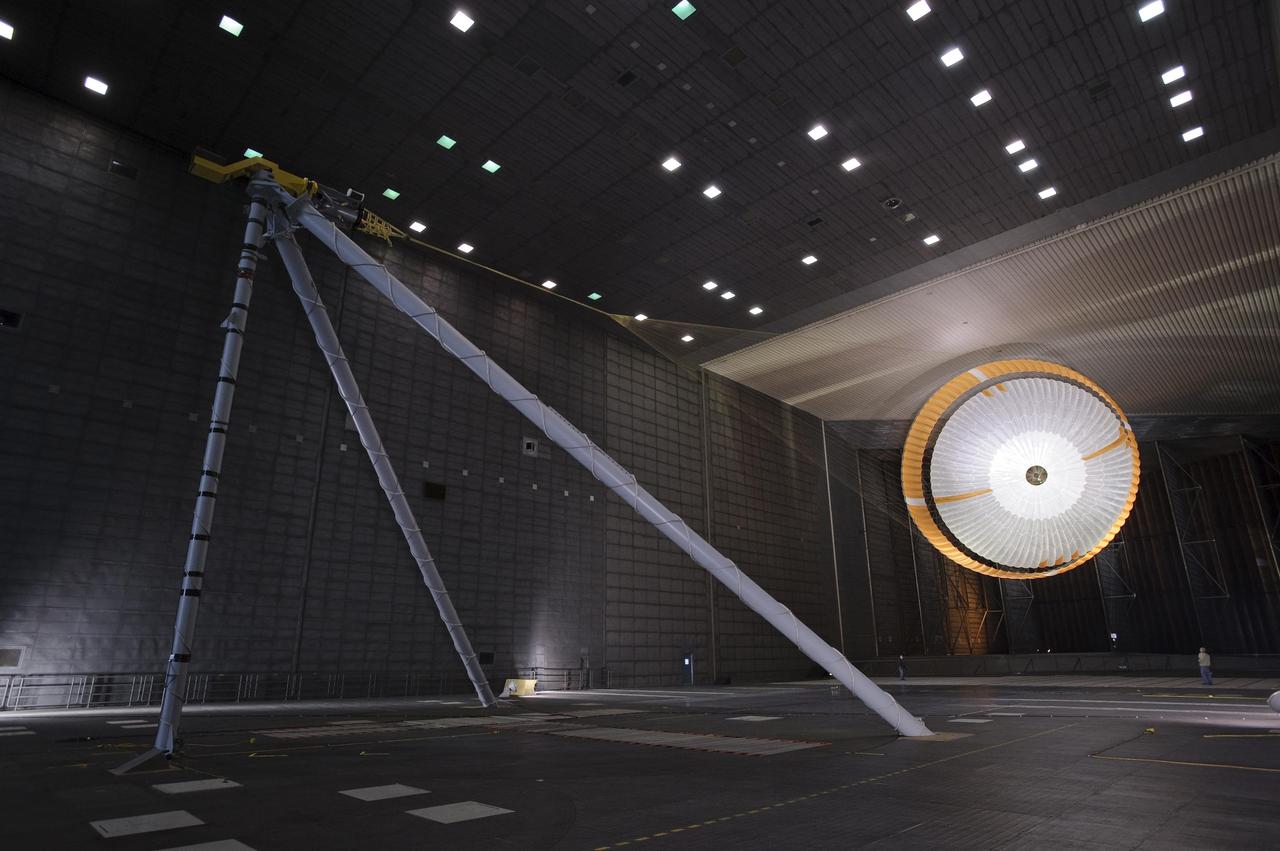
The parachute for NASA Mars Science Laboratory passed flight-qualification testing in March and April 2009 inside the world largest wind tunnel, at NASA Ames Research Center, Moffett Field, Calif.
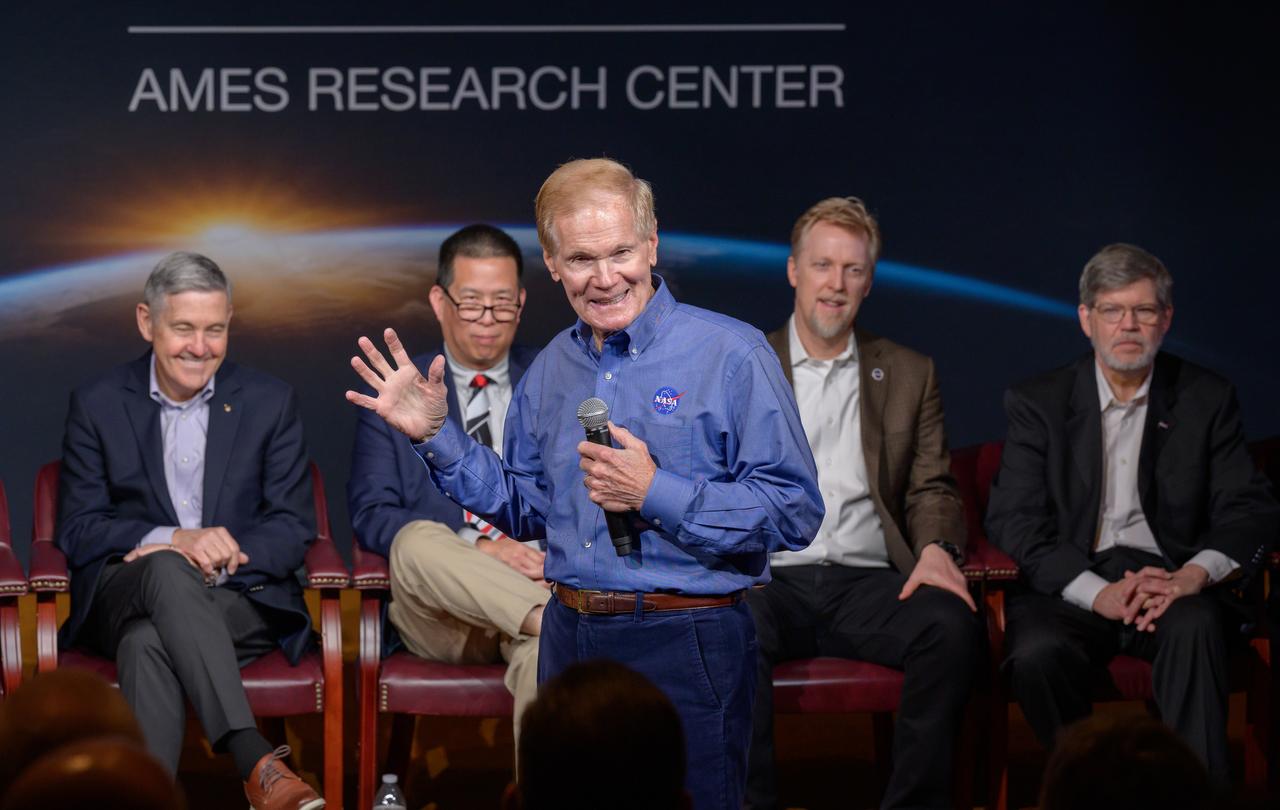
NASA Administrator Bill Nelson, front, talks to the workforce at NASA’s Ames Research Center in California’s Silicon Valley during the “Moon to Mars” town hall in the N201 Syvertson Auditorium. Behind, left to right, are Deputy Administrator Pam Melroy, Associate Administrator Bob Cabana, Ames Center Director Eugene Tu, Director of Space Architectures Kurt “Spuds” Vogel, Deputy Associate Administrator for Exploration in the Science Mission Directorate Joel Kearns.
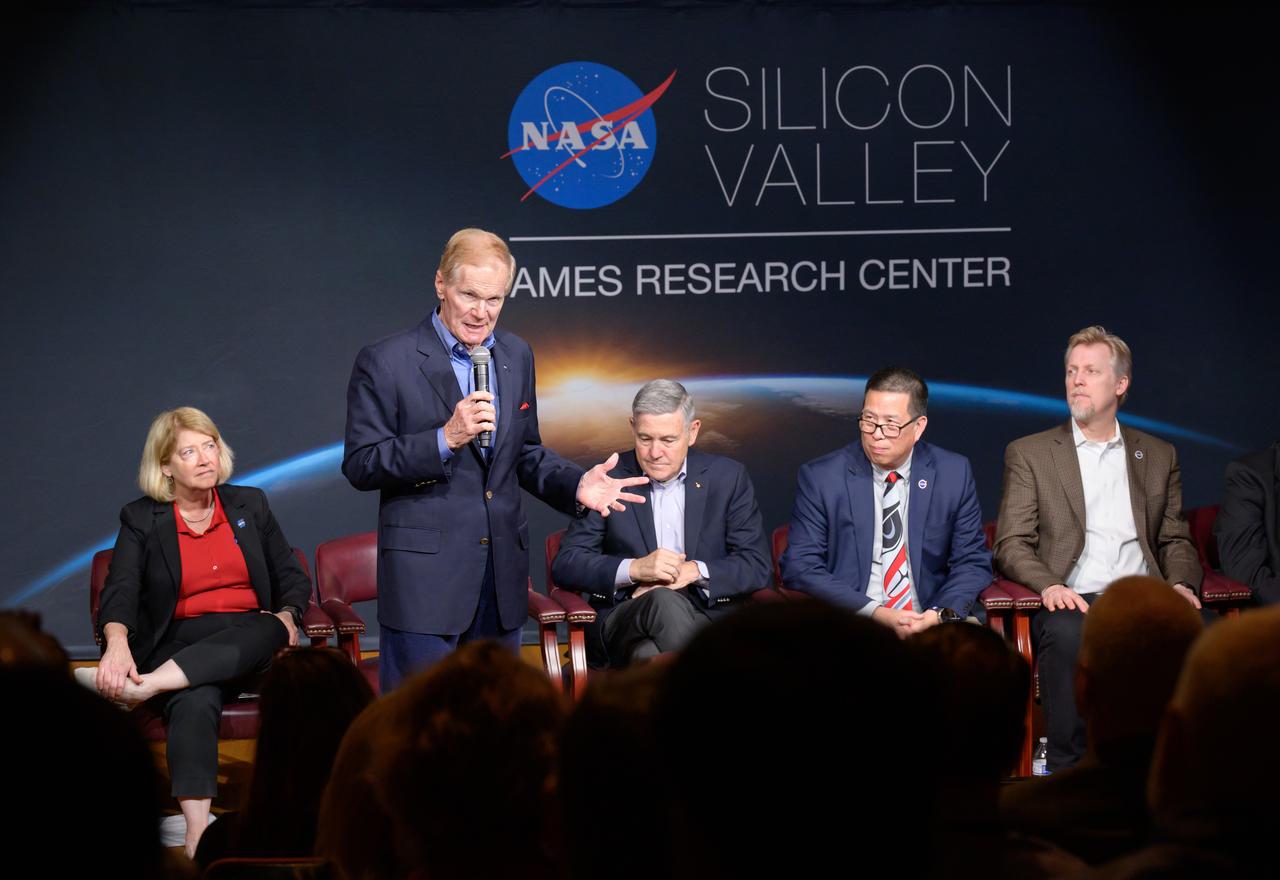
NASA Administrator Bill Nelson, front, talks to the workforce at NASA’s Ames Research Center in California’s Silicon Valley during the “Moon to Mars” town hall in the N201 Syvertson Auditorium. Behind him, left to right, are Deputy Administrator Pam Melroy, Associate Administrator Bob Cabana, Ames Center Director Eugene Tu, and Director of Space Architectures Kurt “Spuds” Vogel.
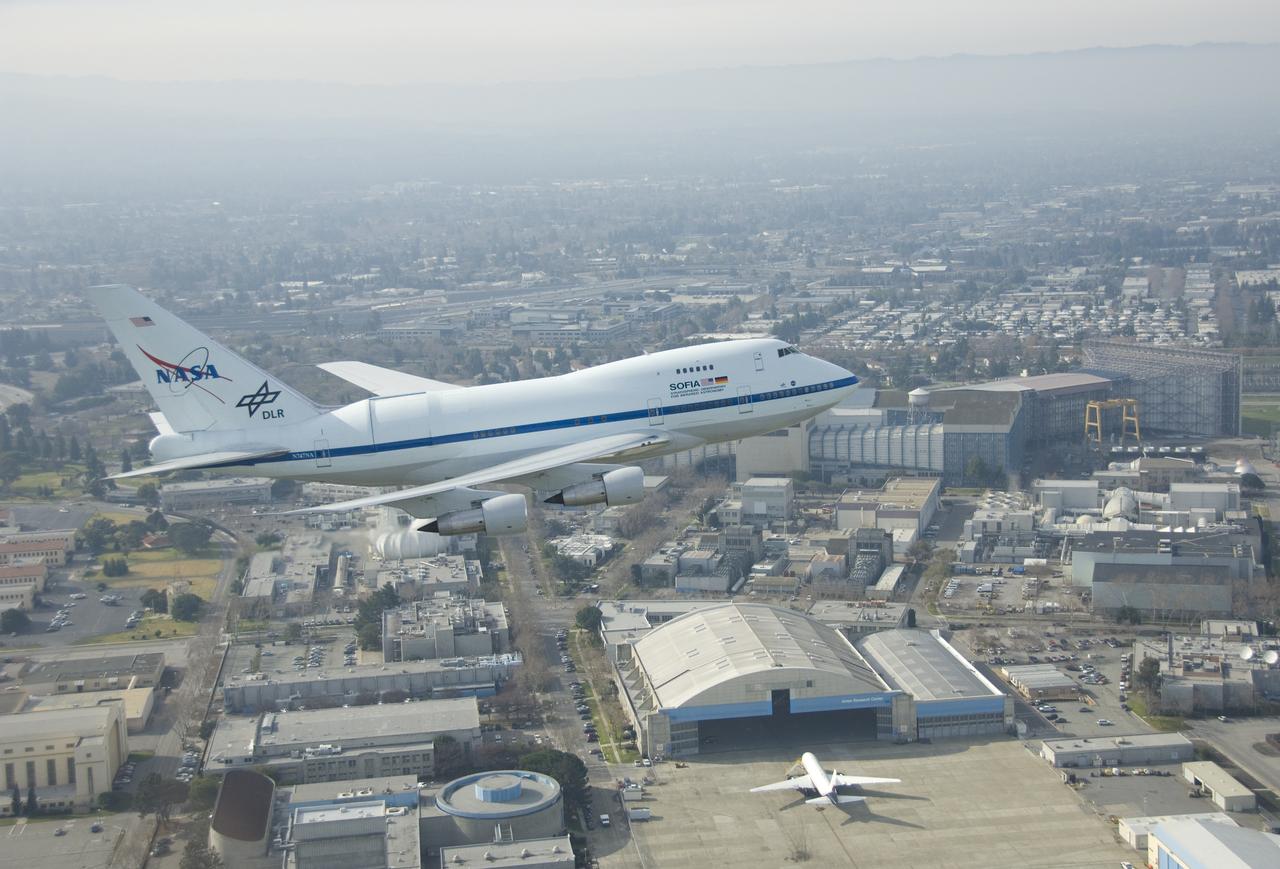
NASA's SOFIA flying observatory makes a low pass over NASA Ames Research Center prior to landing at Moffett Field for a brief visit on Jan. 14, 2008.
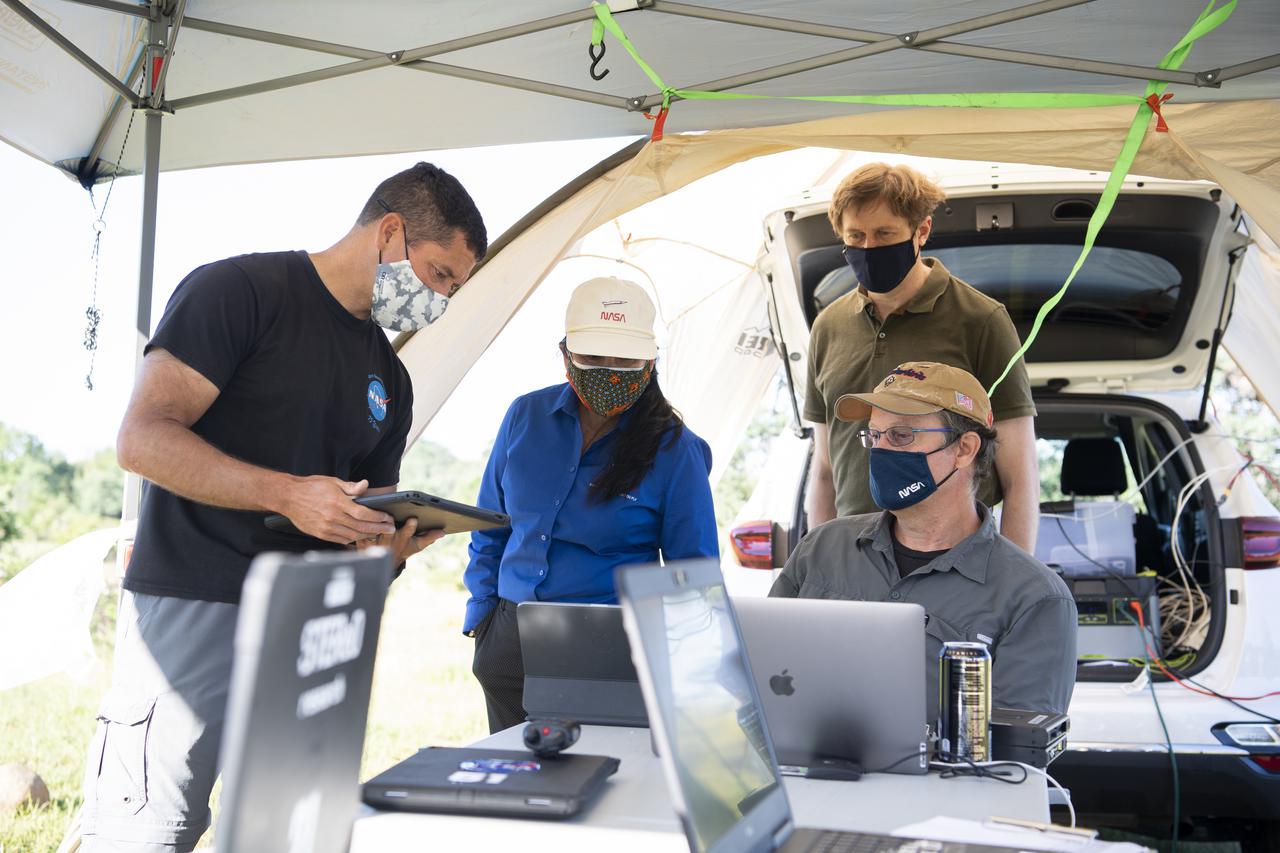
Joey Mercer, principle investigator for STEReO, the Scalable Traffic Management for Emergency Response Operations project, at NASA's Ames Research Center, left, Huy Tran, director of aeronautics at NASA's Ames Research Center, center, and Richard Barhydt, station director of the U.S. Forest Service's Pacific Southwest Research Station, standing right, speak with George Lawton, system architect for STEReO at NASA's Ames Research Center, seated right, during STEReO test activities, Tuesday, May 4, 2021 as Cal Fire conducts aerial fire fighting training exercises near Redding, California. STEReO, the Scalable Traffic Management for Emergency Response Operations project, led by NASA’s Ames Research Center, builds on NASA’s expertise in air traffic management, human factors research, and autonomous technology development to apply the agency’s work in Unmanned Aircraft Systems Traffic Management, or UTM, to public safety uses. Photo Credit: (NASA/Joel Kowsky)
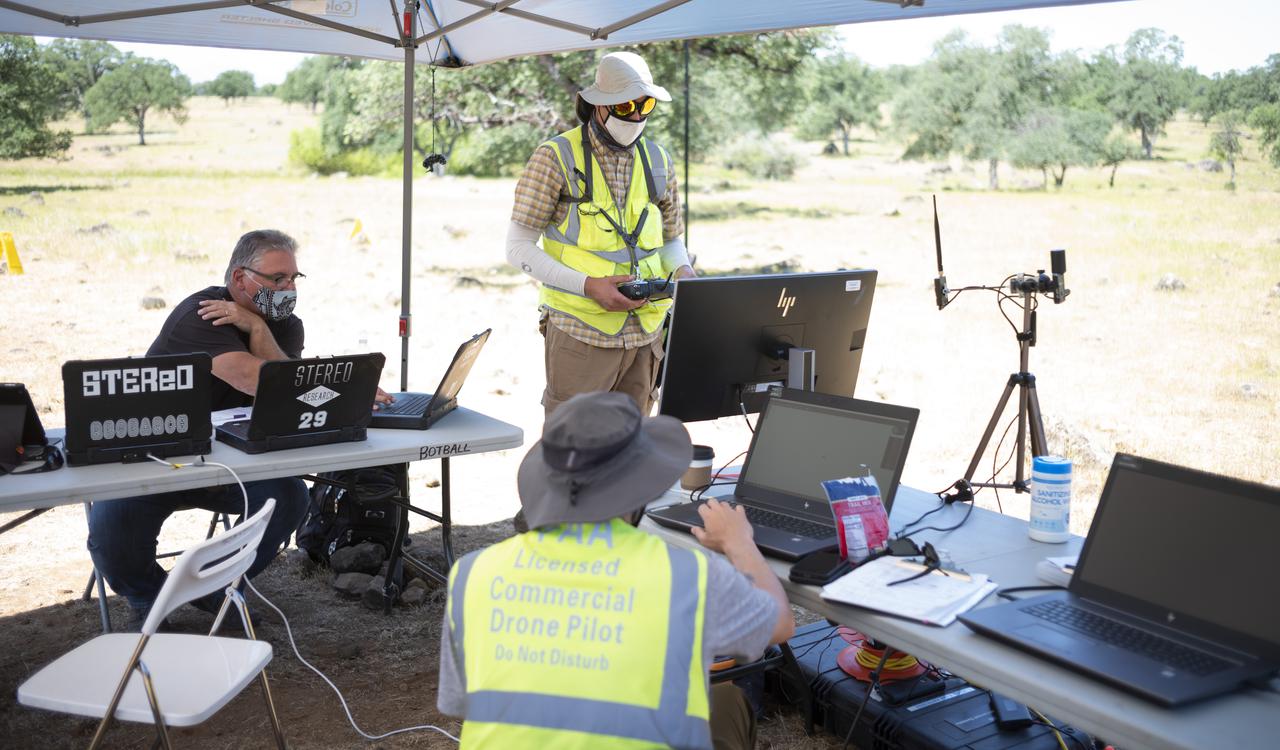
Bill McCarthy, software engineer and research laptop operator for STEReO, the Scalable Traffic Management for Emergency Response Operations project, at NASA's Ames Research Center, left, Jonas Jonsson, pilot in command for STEReO, at NASA's Ames Research Center, standing center, and Zach Roberts, pilot computer operator for STEReO, at NASA's Ames Research Center, seated center, are seen during STEReO field testing, Wednesday, May 5, 2021 as Cal Fire conducts aerial fire fighting training exercises near Redding, California. STEReO, the Scalable Traffic Management for Emergency Response Operations project, led by NASA’s Ames Research Center, builds on NASA’s expertise in air traffic management, human factors research, and autonomous technology development to apply the agency’s work in Unmanned Aircraft Systems Traffic Management, or UTM, to public safety uses. Photo Credit: (NASA/Joel Kowsky)
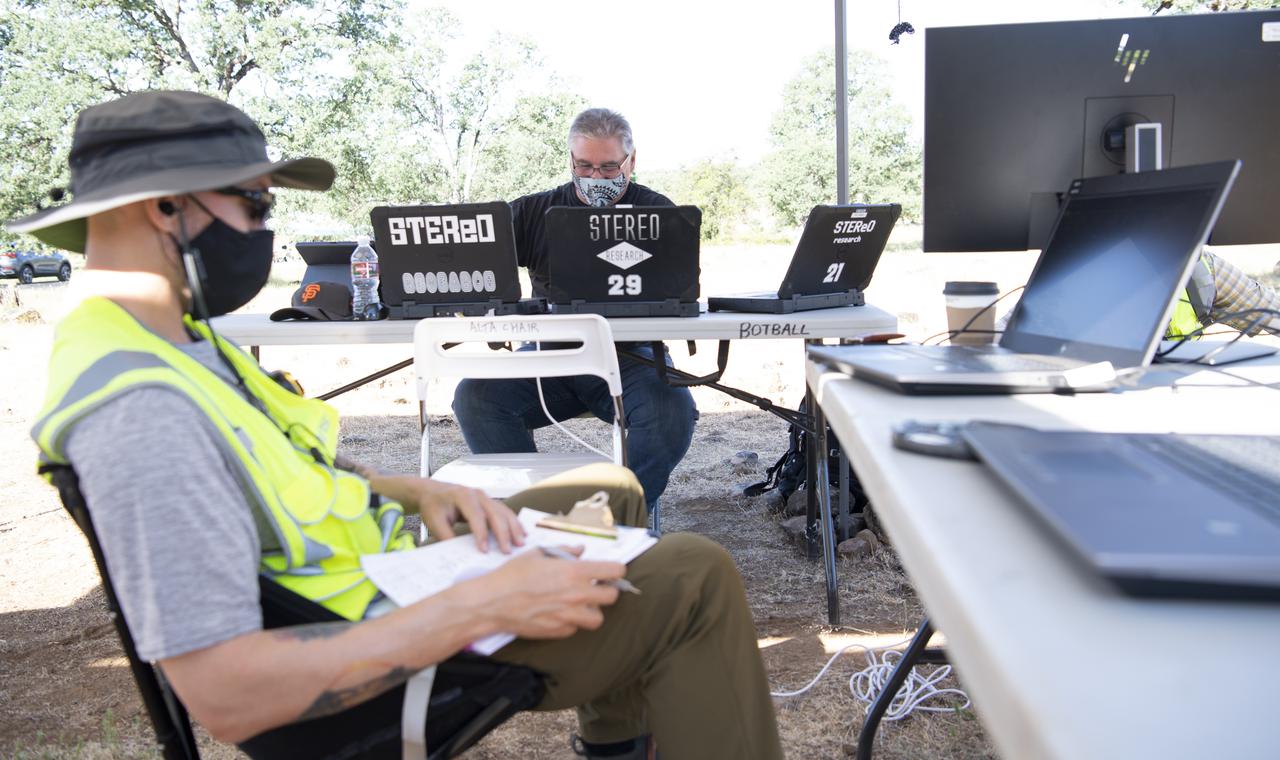
Bill McCarthy, software engineer and research laptop operator for STEReO, the Scalable Traffic Management for Emergency Response Operations project, at NASA's Ames Research Center, is seen as the STEReO teams works through scenarios, Wednesday, May 5, 2021 as Cal Fire conducts aerial fire fighting training exercises near Redding, California. STEReO, the Scalable Traffic Management for Emergency Response Operations project, led by NASA’s Ames Research Center, builds on NASA’s expertise in air traffic management, human factors research, and autonomous technology development to apply the agency’s work in Unmanned Aircraft Systems Traffic Management, or UTM, to public safety uses. Photo Credit: (NASA/Joel Kowsky)
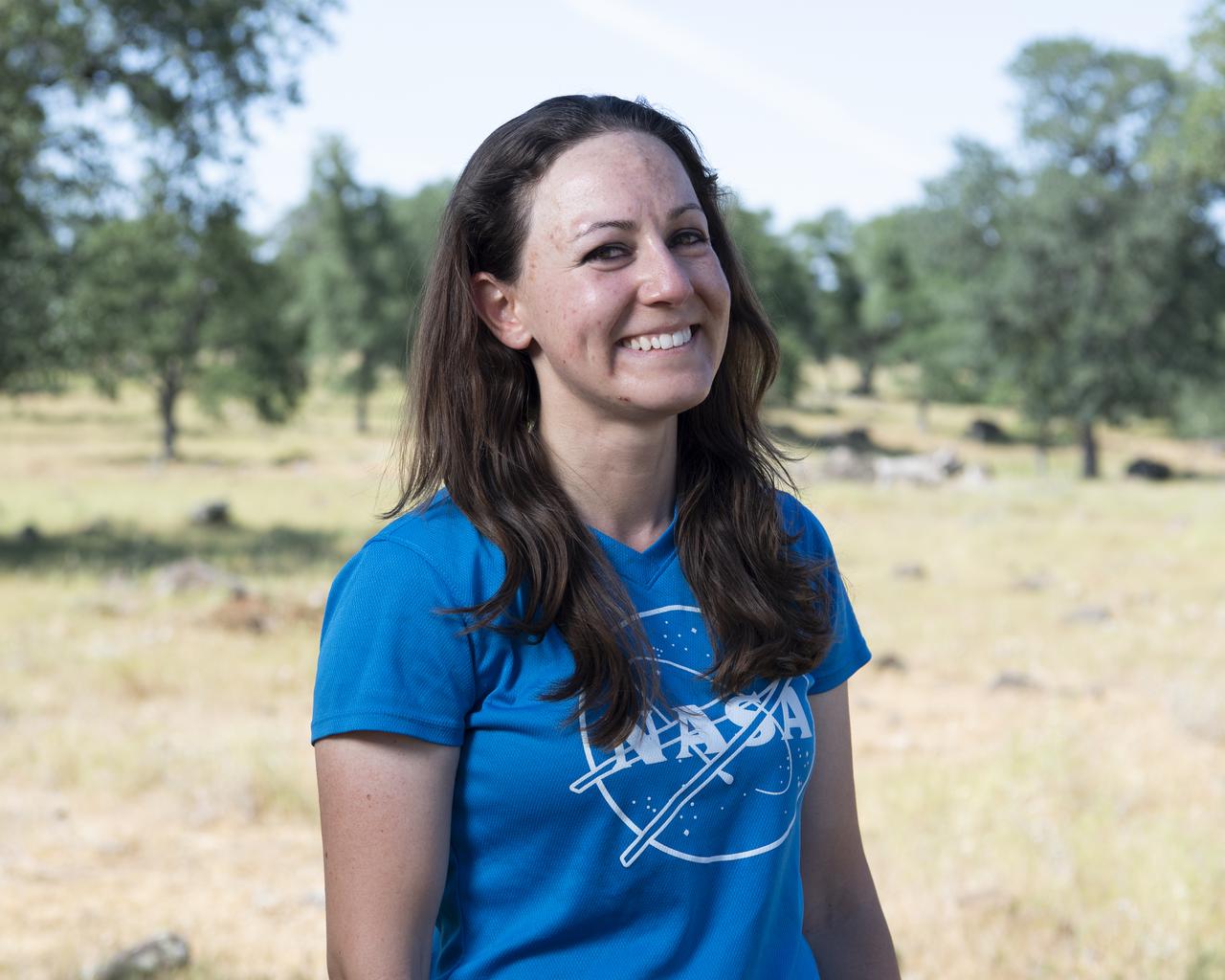
Lauren Claudatos, researcher for STEReO, the Scalable Traffic Management for Emergency Response Operations project, at NASA's Ames Research Center, poses for a portrait, Wednesday, May 5, 2021 as Cal Fire conducts aerial fire fighting training exercises near Redding, California. STEReO, the Scalable Traffic Management for Emergency Response Operations project, led by NASA’s Ames Research Center, builds on NASA’s expertise in air traffic management, human factors research, and autonomous technology development to apply the agency’s work in Unmanned Aircraft Systems Traffic Management, or UTM, to public safety uses. Photo Credit: (NASA/Joel Kowsky)
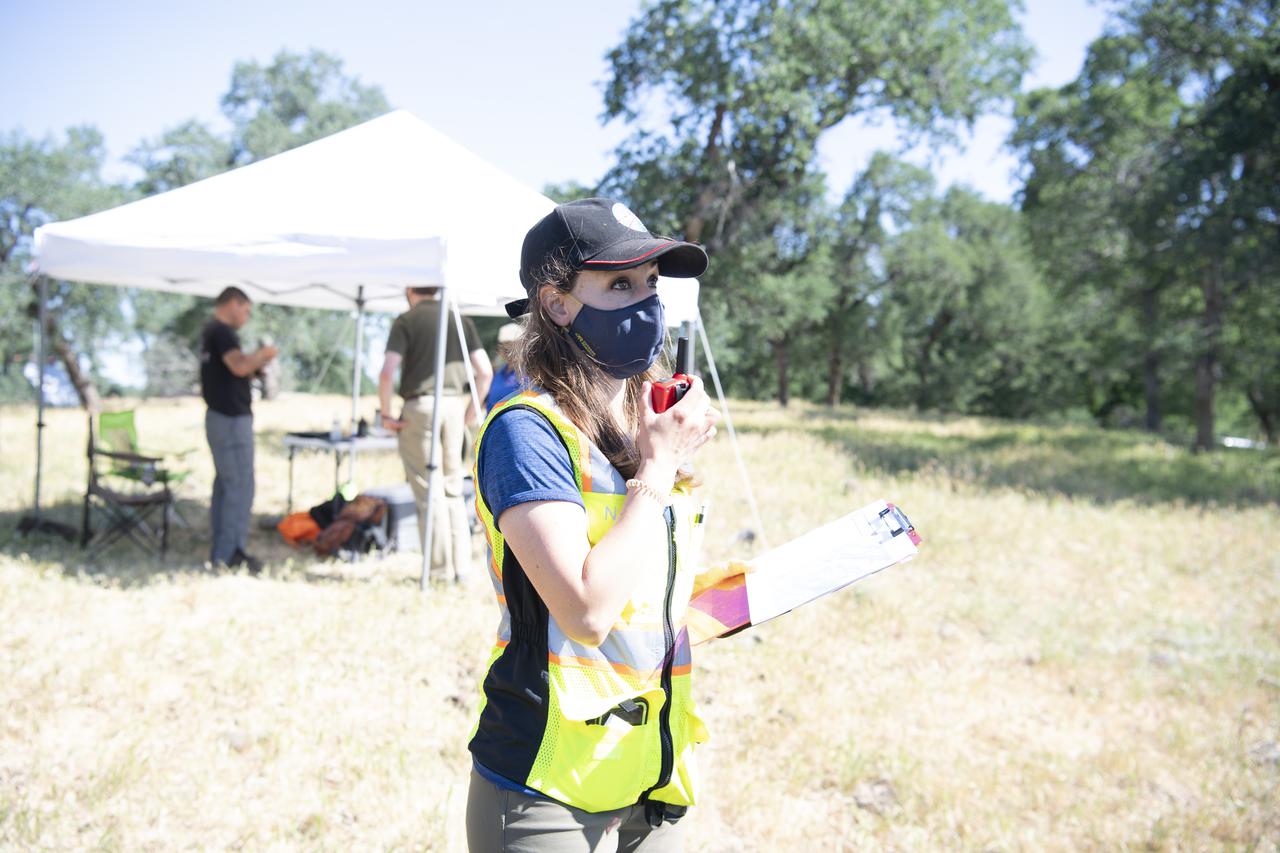
Lauren Claudatos, researcher for STEReO, the Scalable Traffic Management for Emergency Response Operations project, at NASA's Ames Research Center, is seen during simulated drone operations during STEReO field testing, Tuesday, May 4, 2021 as Cal Fire conducts aerial fire fighting training exercises near Redding, California. STEReO, the Scalable Traffic Management for Emergency Response Operations project, led by NASA’s Ames Research Center, builds on NASA’s expertise in air traffic management, human factors research, and autonomous technology development to apply the agency’s work in Unmanned Aircraft Systems Traffic Management, or UTM, to public safety uses. Photo Credit: (NASA/Joel Kowsky)
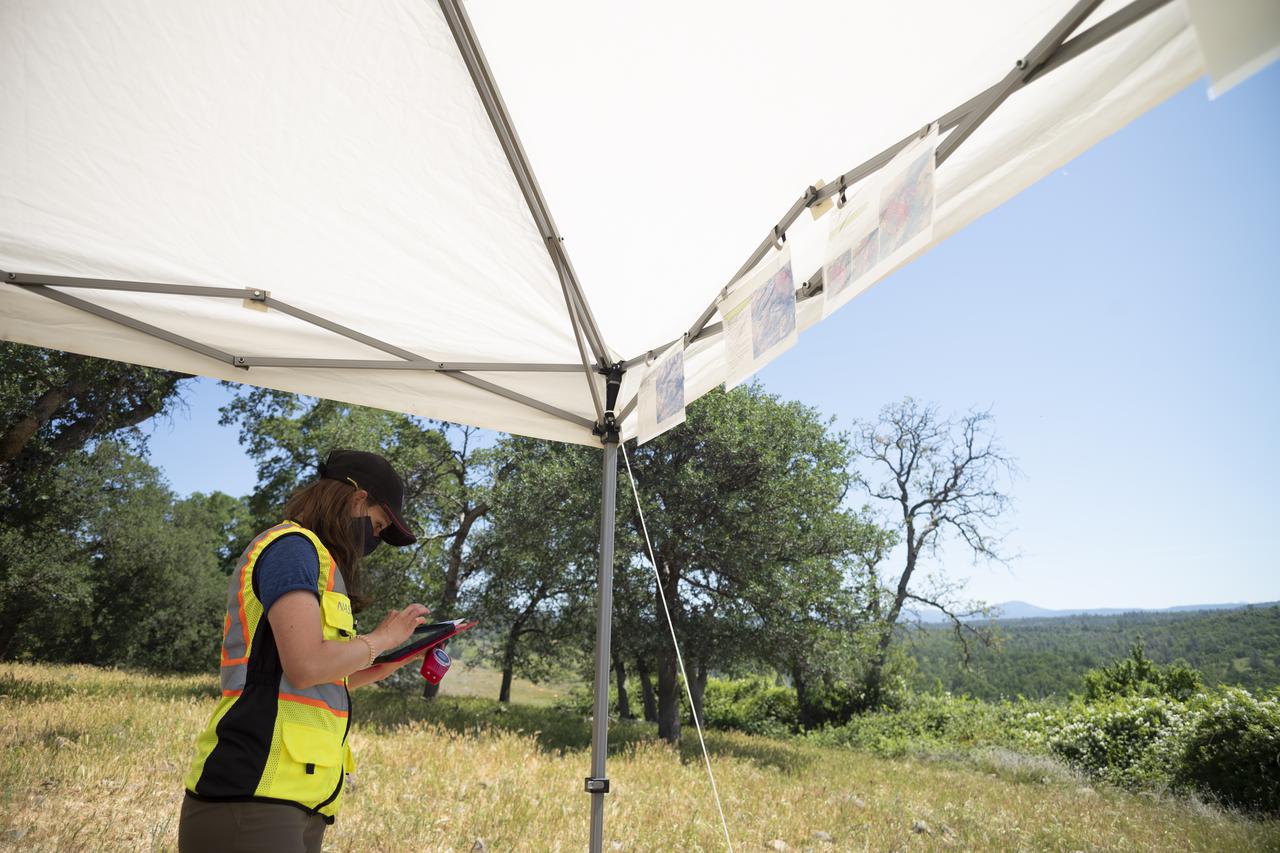
Lauren Claudatos, researcher for STEReO, the Scalable Traffic Management for Emergency Response Operations project, at NASA's Ames Research Center, is seen during simulated drone operations during STEReO field testing, Tuesday, May 4, 2021 as Cal Fire conducts aerial fire fighting training exercises near Redding, California. STEReO, the Scalable Traffic Management for Emergency Response Operations project, led by NASA’s Ames Research Center, builds on NASA’s expertise in air traffic management, human factors research, and autonomous technology development to apply the agency’s work in Unmanned Aircraft Systems Traffic Management, or UTM, to public safety uses. Photo Credit: (NASA/Joel Kowsky)
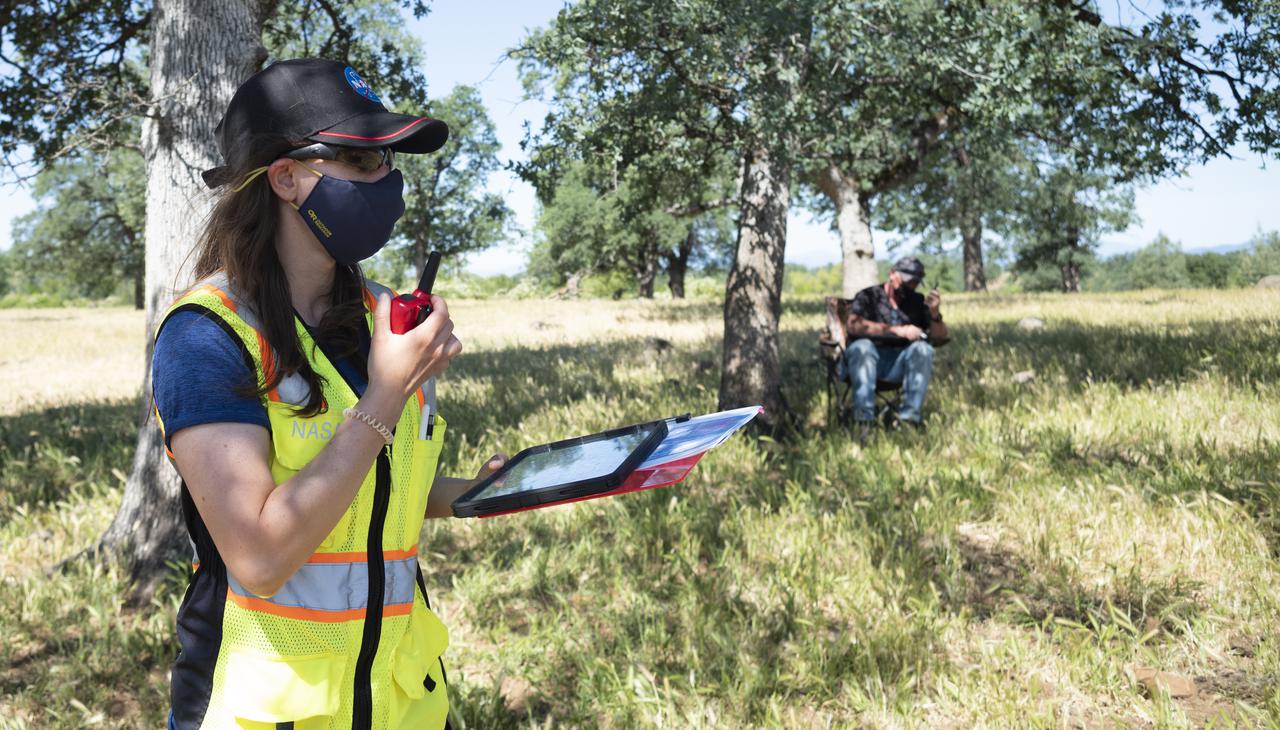
Lauren Claudatos, researcher for STEReO, the Scalable Traffic Management for Emergency Response Operations project, at NASA's Ames Research Center, is seen during simulated drone operations during STEReO field testing, Tuesday, May 4, 2021 as Cal Fire conducts aerial fire fighting training exercises near Redding, California. STEReO, the Scalable Traffic Management for Emergency Response Operations project, led by NASA’s Ames Research Center, builds on NASA’s expertise in air traffic management, human factors research, and autonomous technology development to apply the agency’s work in Unmanned Aircraft Systems Traffic Management, or UTM, to public safety uses. Photo Credit: (NASA/Joel Kowsky)
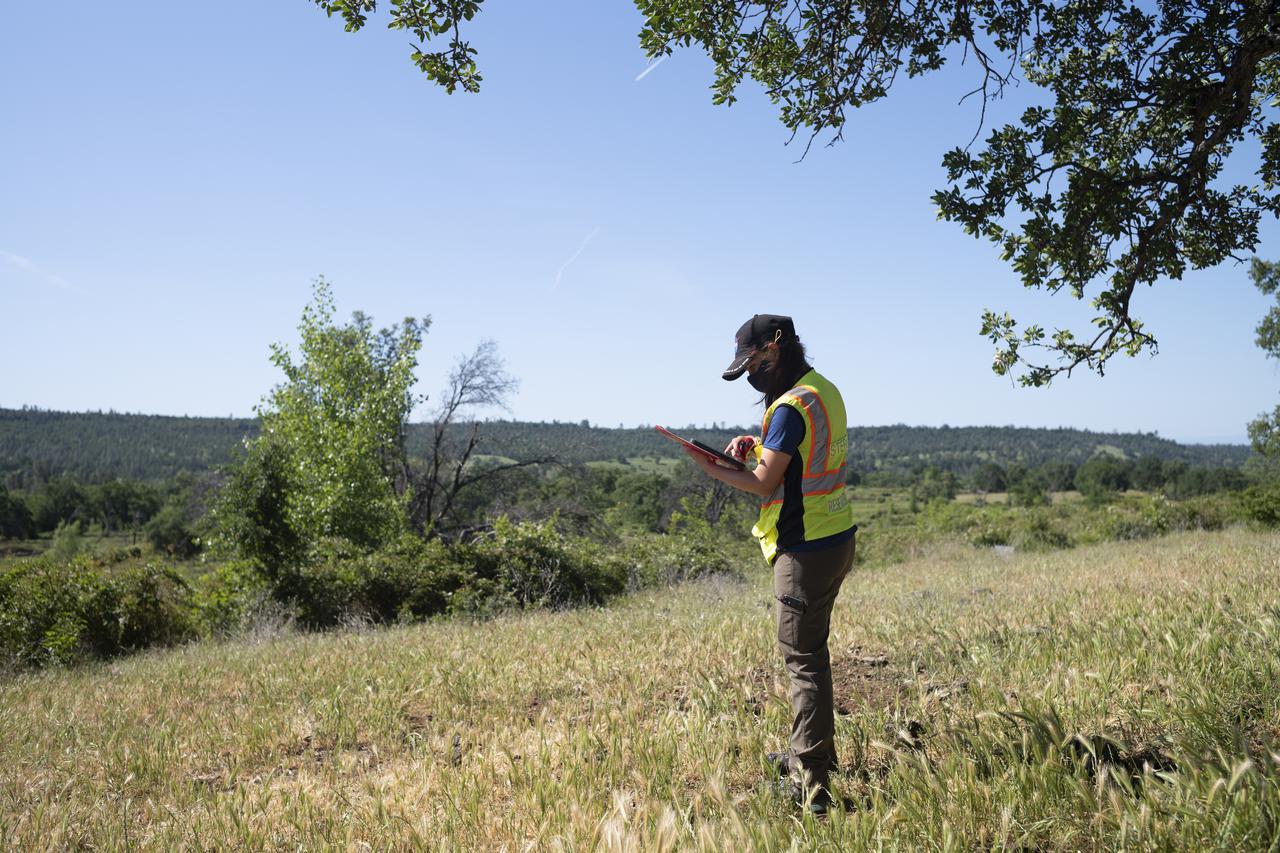
Lauren Claudatos, researcher for STEReO, the Scalable Traffic Management for Emergency Response Operations project, at NASA's Ames Research Center, is seen during simulated drone operations during STEReO field testing, Tuesday, May 4, 2021 as Cal Fire conducts aerial fire fighting training exercises near Redding, California. STEReO, the Scalable Traffic Management for Emergency Response Operations project, led by NASA’s Ames Research Center, builds on NASA’s expertise in air traffic management, human factors research, and autonomous technology development to apply the agency’s work in Unmanned Aircraft Systems Traffic Management, or UTM, to public safety uses. Photo Credit: (NASA/Joel Kowsky)
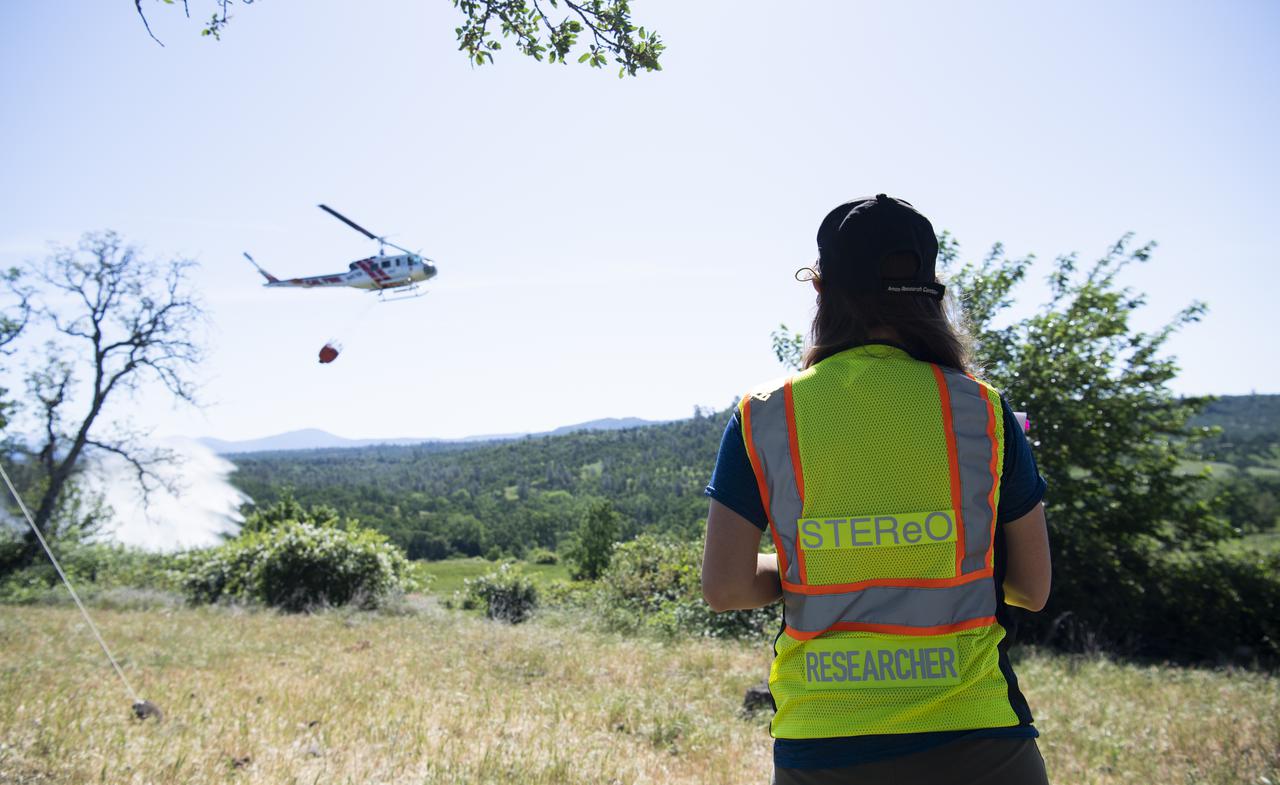
Lauren Claudatos, researcher for STEReO, the Scalable Traffic Management for Emergency Response Operations project, at NASA's Ames Research Center, is seen during simulated drone operations during STEReO field testing, Tuesday, May 4, 2021 as Cal Fire conducts aerial fire fighting training exercises near Redding, California. STEReO, the Scalable Traffic Management for Emergency Response Operations project, led by NASA’s Ames Research Center, builds on NASA’s expertise in air traffic management, human factors research, and autonomous technology development to apply the agency’s work in Unmanned Aircraft Systems Traffic Management, or UTM, to public safety uses. Photo Credit: (NASA/Joel Kowsky)
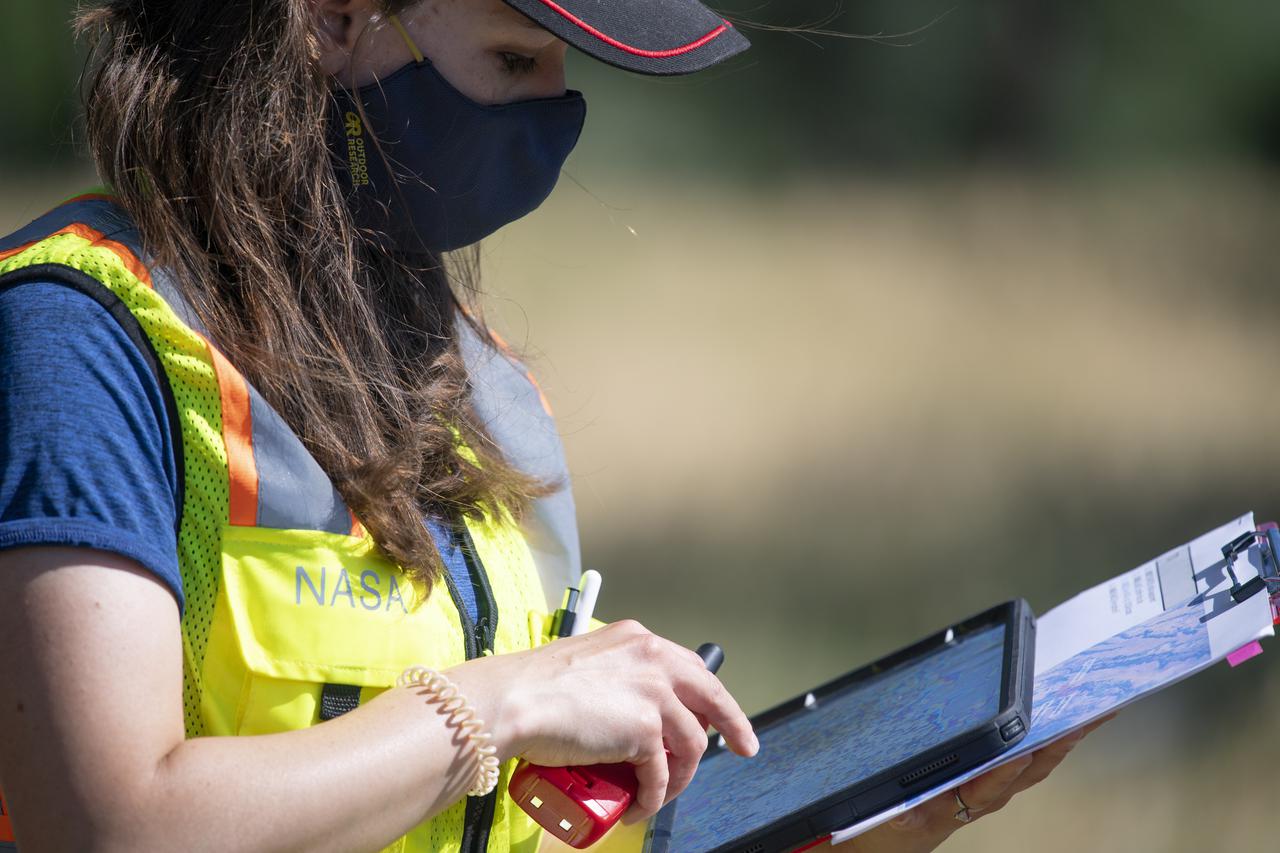
Lauren Claudatos, researcher for STEReO, the Scalable Traffic Management for Emergency Response Operations project, at NASA's Ames Research Center, is seen during simulated drone operations during STEReO field testing, Tuesday, May 4, 2021 as Cal Fire conducts aerial fire fighting training exercises near Redding, California. STEReO, the Scalable Traffic Management for Emergency Response Operations project, led by NASA’s Ames Research Center, builds on NASA’s expertise in air traffic management, human factors research, and autonomous technology development to apply the agency’s work in Unmanned Aircraft Systems Traffic Management, or UTM, to public safety uses. Photo Credit: (NASA/Joel Kowsky)
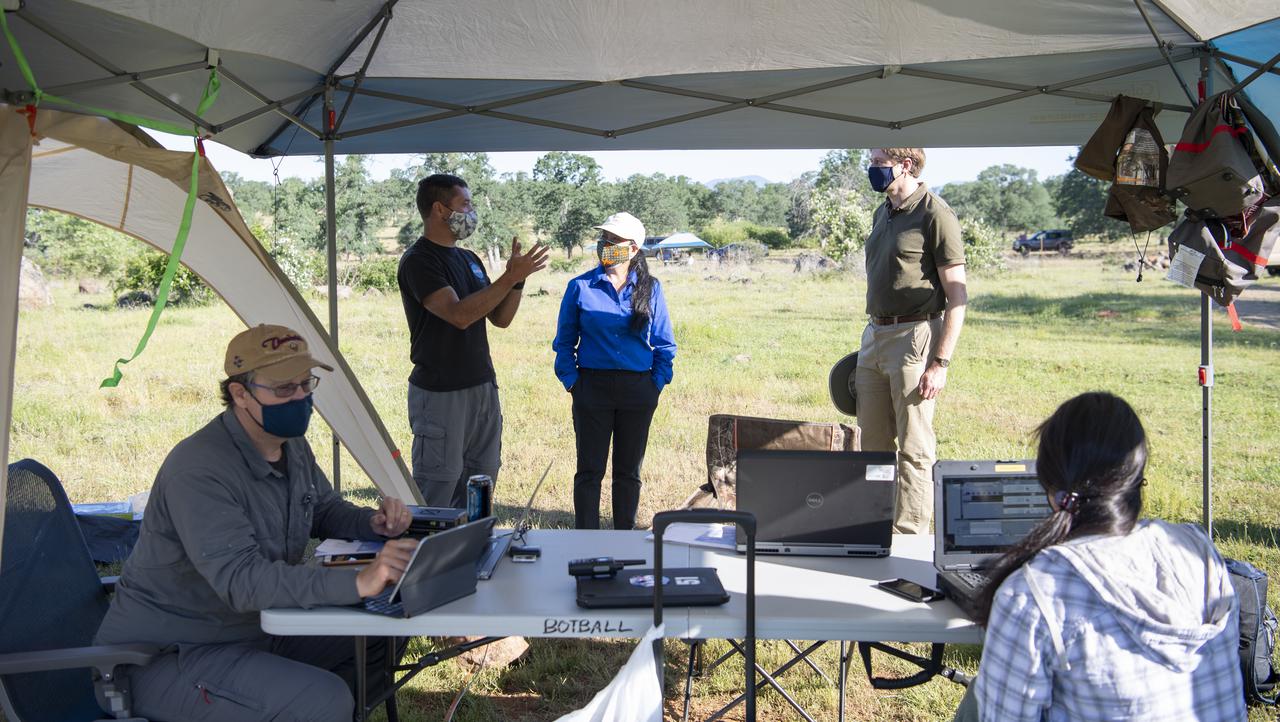
George Lawton, system architect for STEReO, the Scalable Traffic Management for Emergency Response Operations project, at NASA's Ames Research Center, seated left, and Yasmin Arbab, human factors researcher and research laptop operator for STEReO at NASA's Ames Research Center, seated right, are seen as Joey Mercer, principle investigator for STEReO at NASA's Ames Research Center, standing left, speaks with Huy Tran, director of aeronautics at NASA's Ames Research Center, center, and Richard Barhydt, station director of the U.S. Forest Service's Pacific Southwest Research Station, right, during STEReO test activities, Tuesday, May 4, 2021 as Cal Fire conducts aerial fire fighting training exercises near Redding, California. STEReO, the Scalable Traffic Management for Emergency Response Operations project, led by NASA’s Ames Research Center, builds on NASA’s expertise in air traffic management, human factors research, and autonomous technology development to apply the agency’s work in Unmanned Aircraft Systems Traffic Management, or UTM, to public safety uses. Photo Credit: (NASA/Joel Kowsky)
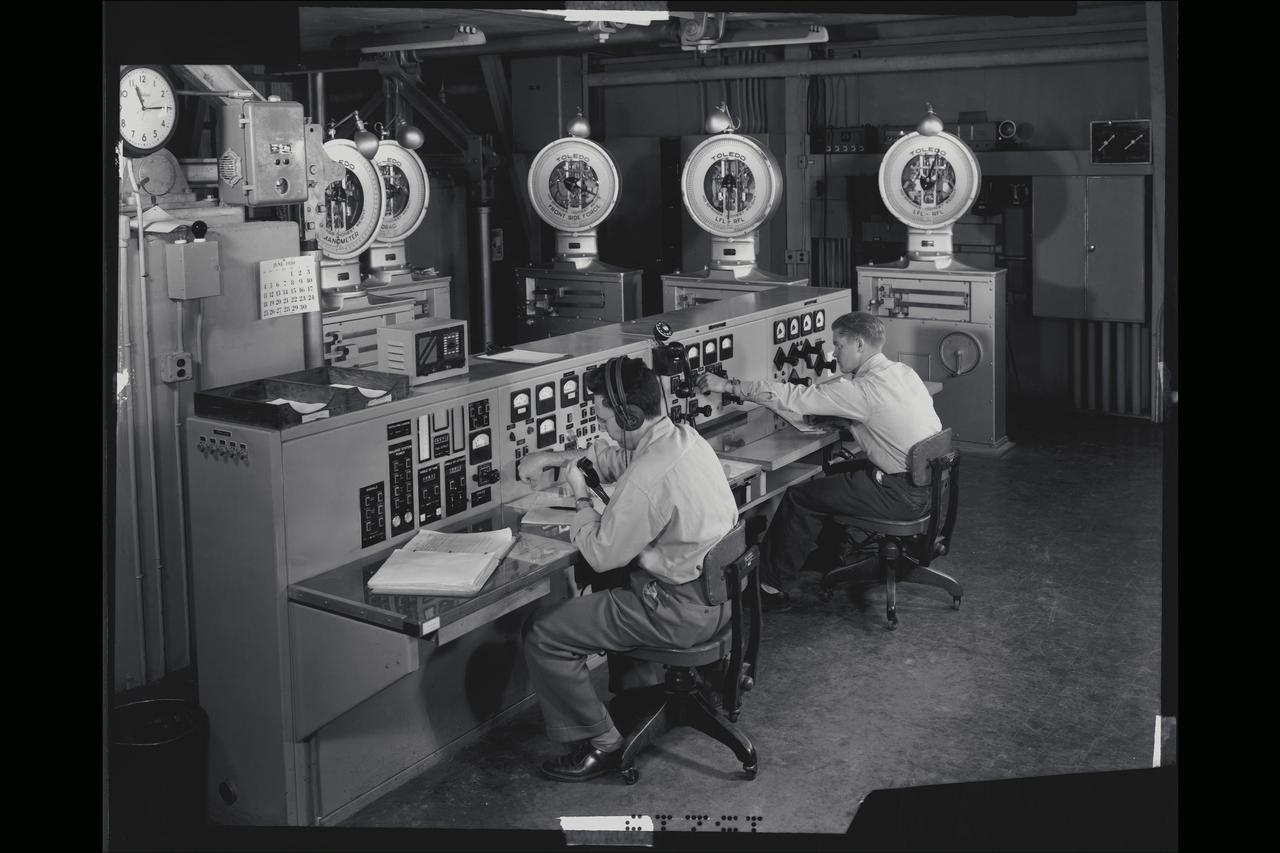
40x80 wind tunnel manometers control room at NACA's Ames Research Center. Control panel (called the bench board) showing five of the seven scale heads which measured the forces on the model (ie. Lift, drag, side force etc.)
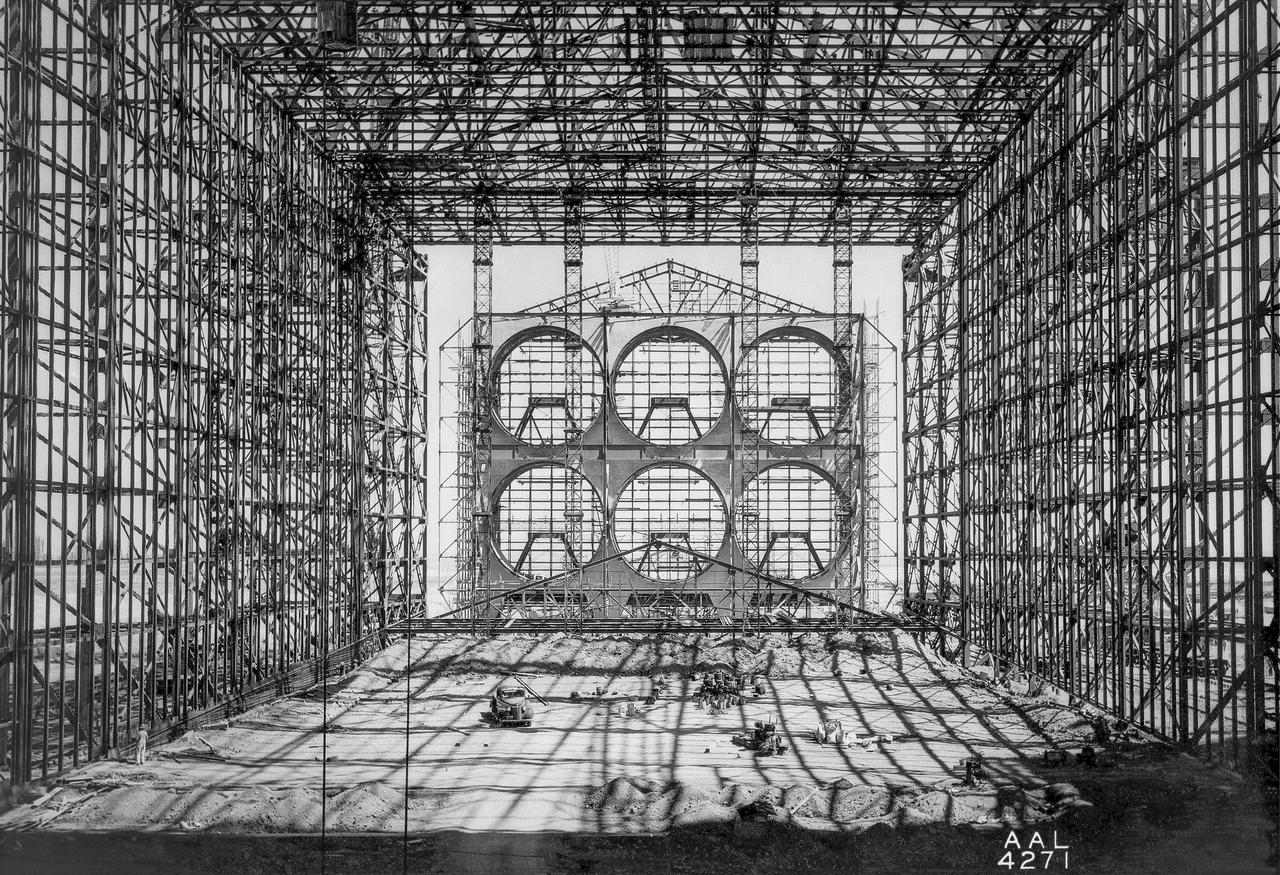
Looking South from inside the diffuser of the 40x80 foot wind tunnel at NACA's Ames Research Center. Construction began in late 1941, the mammoth construction task sorely taxing the resources of the new center. Two and a half years later, in dune 1944, the 40 x 80-foot full-scale tunnel went into operation.

An illustration of Kepler-1649c orbiting around its host red dwarf star. This newly discovered exoplanet is in its star’s habitable zone and is the closest to Earth in size and temperature found yet in Kepler's data. Credits: NASA/Ames Research Center/Daniel Rutter
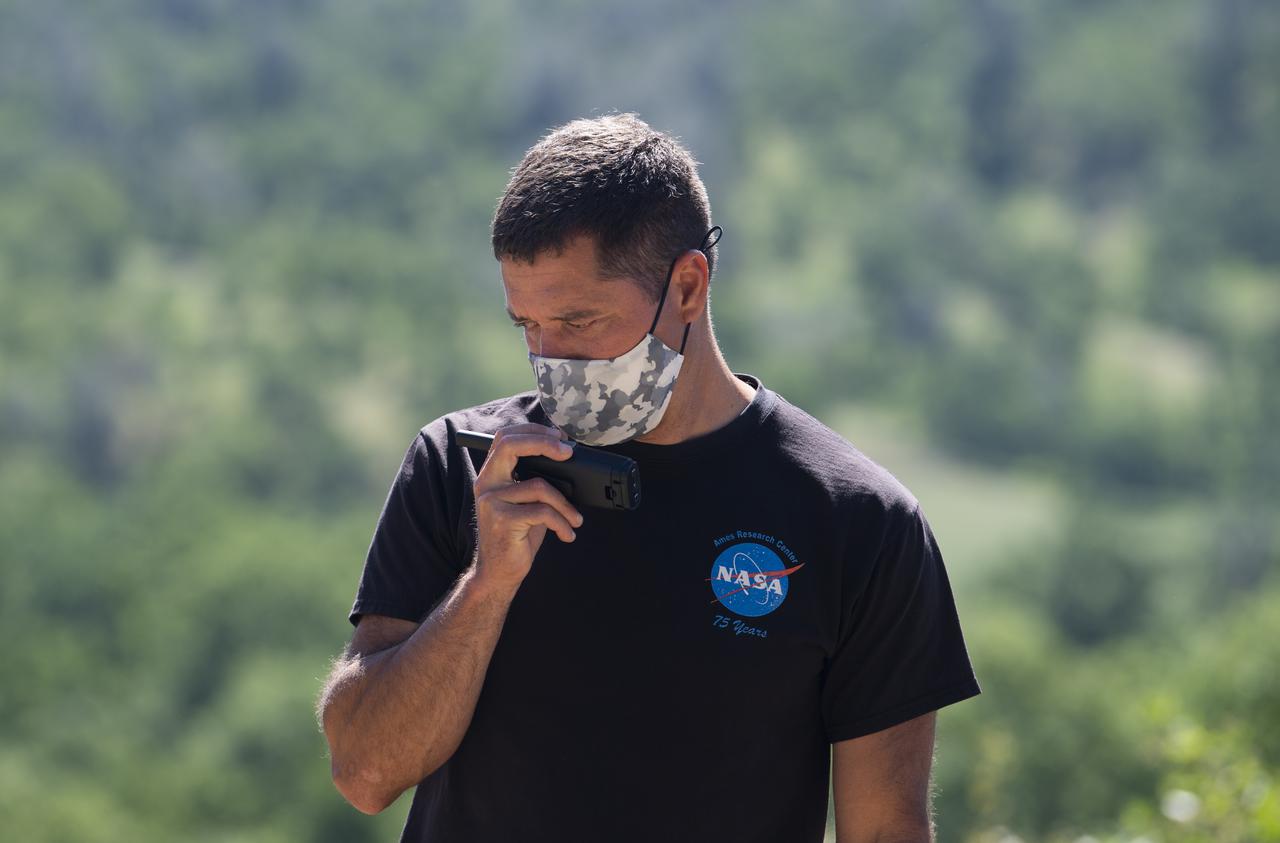
Joey Mercer, principle investigator for STEReO, the Scalable Traffic Management for Emergency Response Operations project, at NASA's Ames Research Center, is seen making a radio call during STEReO field testing, Tuesday, May 4, 2021 as Cal Fire conducts aerial fire fighting training exercises near Redding, California. STEReO, the Scalable Traffic Management for Emergency Response Operations project, led by NASA’s Ames Research Center, builds on NASA’s expertise in air traffic management, human factors research, and autonomous technology development to apply the agency’s work in Unmanned Aircraft Systems Traffic Management, or UTM, to public safety uses. Photo Credit: (NASA/Joel Kowsky)
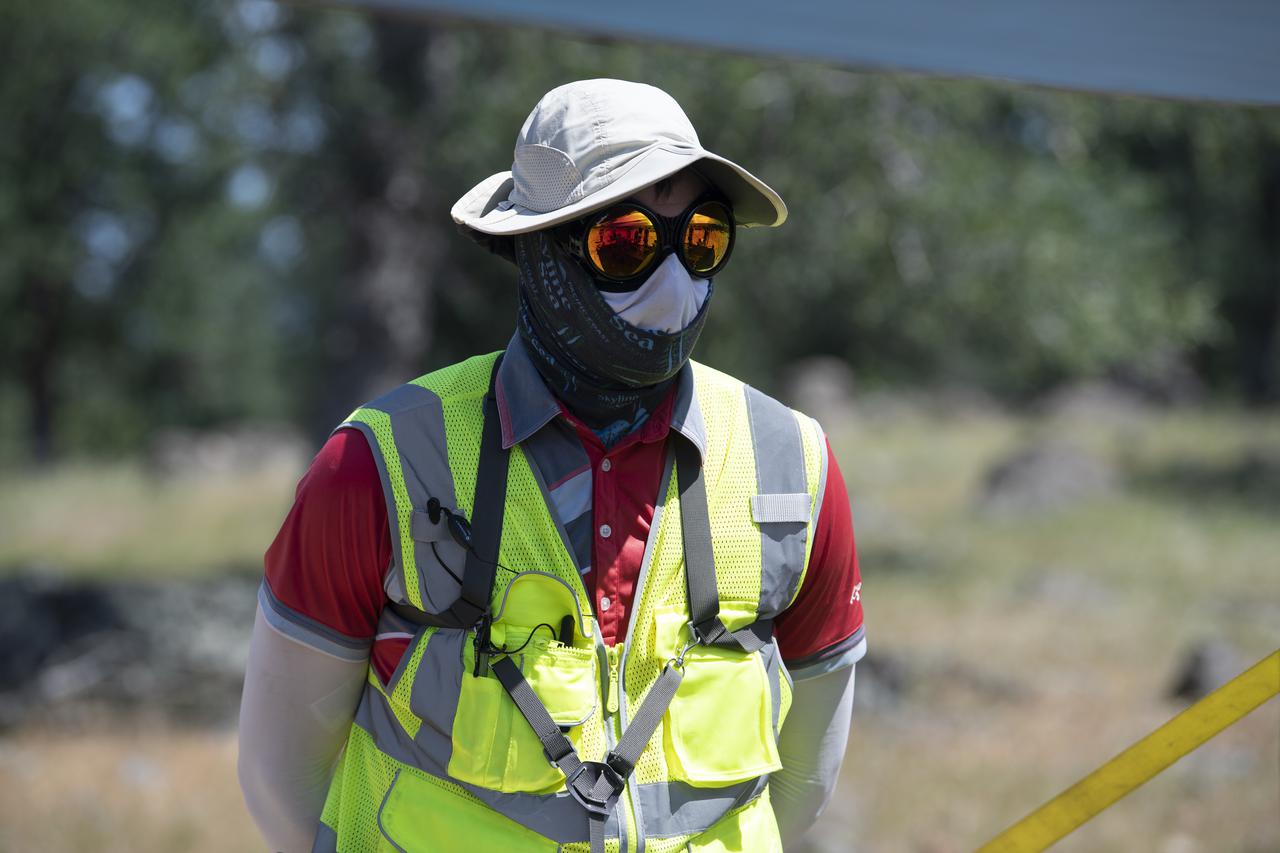
Jonas Jonsson, pilot in command for STEReO, the Scalable Traffic Management for Emergency Response Operations project, at NASA's Ames Research Center, is seen during STEReO test activities, Tuesday, May 4, 2021 as Cal Fire conducts aerial fire fighting training exercises near Redding, California. STEReO, the Scalable Traffic Management for Emergency Response Operations project, led by NASA’s Ames Research Center, builds on NASA’s expertise in air traffic management, human factors research, and autonomous technology development to apply the agency’s work in Unmanned Aircraft Systems Traffic Management, or UTM, to public safety uses. Photo Credit: (NASA/Joel Kowsky)
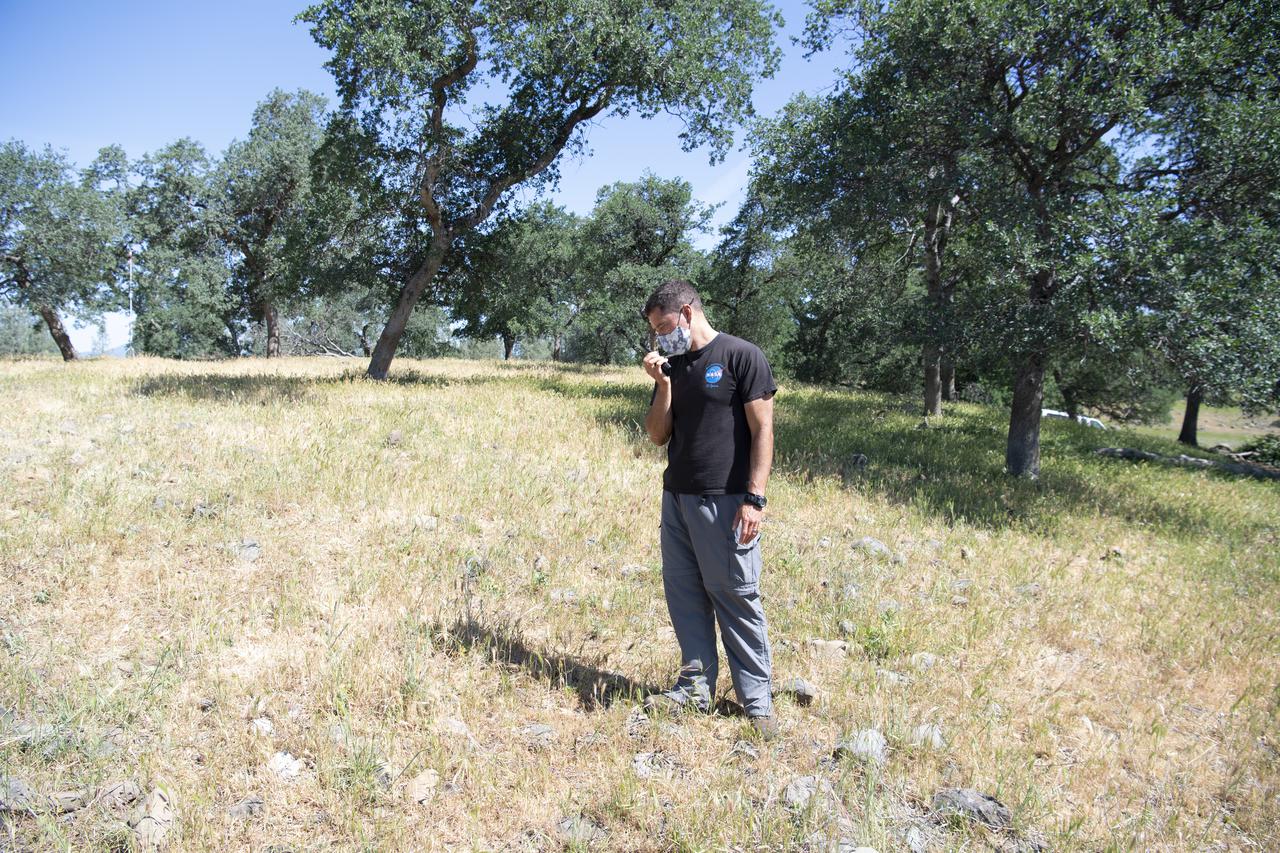
Joey Mercer, principle investigator for STEReO, the Scalable Traffic Management for Emergency Response Operations project, at NASA's Ames Research Center, is seen making a radio call during STEReO field testing, Tuesday, May 4, 2021 as Cal Fire conducts aerial fire fighting training exercises near Redding, California. STEReO, the Scalable Traffic Management for Emergency Response Operations project, led by NASA’s Ames Research Center, builds on NASA’s expertise in air traffic management, human factors research, and autonomous technology development to apply the agency’s work in Unmanned Aircraft Systems Traffic Management, or UTM, to public safety uses. Photo Credit: (NASA/Joel Kowsky)
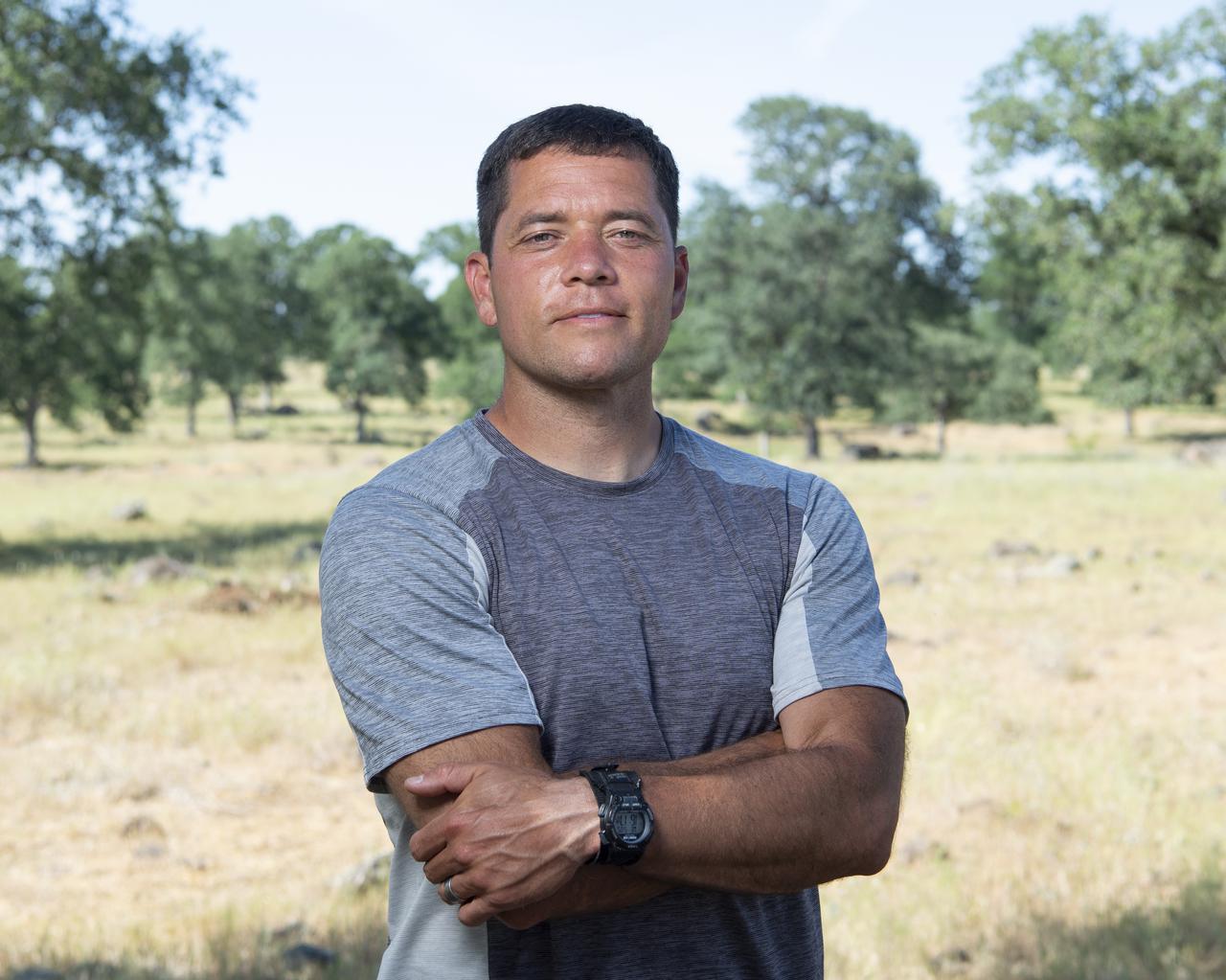
Joey Mercer, principle investigator for STEReO, the Scalable Traffic Management for Emergency Response Operations project, at NASA's Ames Research Center, poses for a portrait, Wednesday, May 5, 2021 as Cal Fire conducts aerial fire fighting training exercises near Redding, California. STEReO, the Scalable Traffic Management for Emergency Response Operations project, led by NASA’s Ames Research Center, builds on NASA’s expertise in air traffic management, human factors research, and autonomous technology development to apply the agency’s work in Unmanned Aircraft Systems Traffic Management, or UTM, to public safety uses. Photo Credit: (NASA/Joel Kowsky)
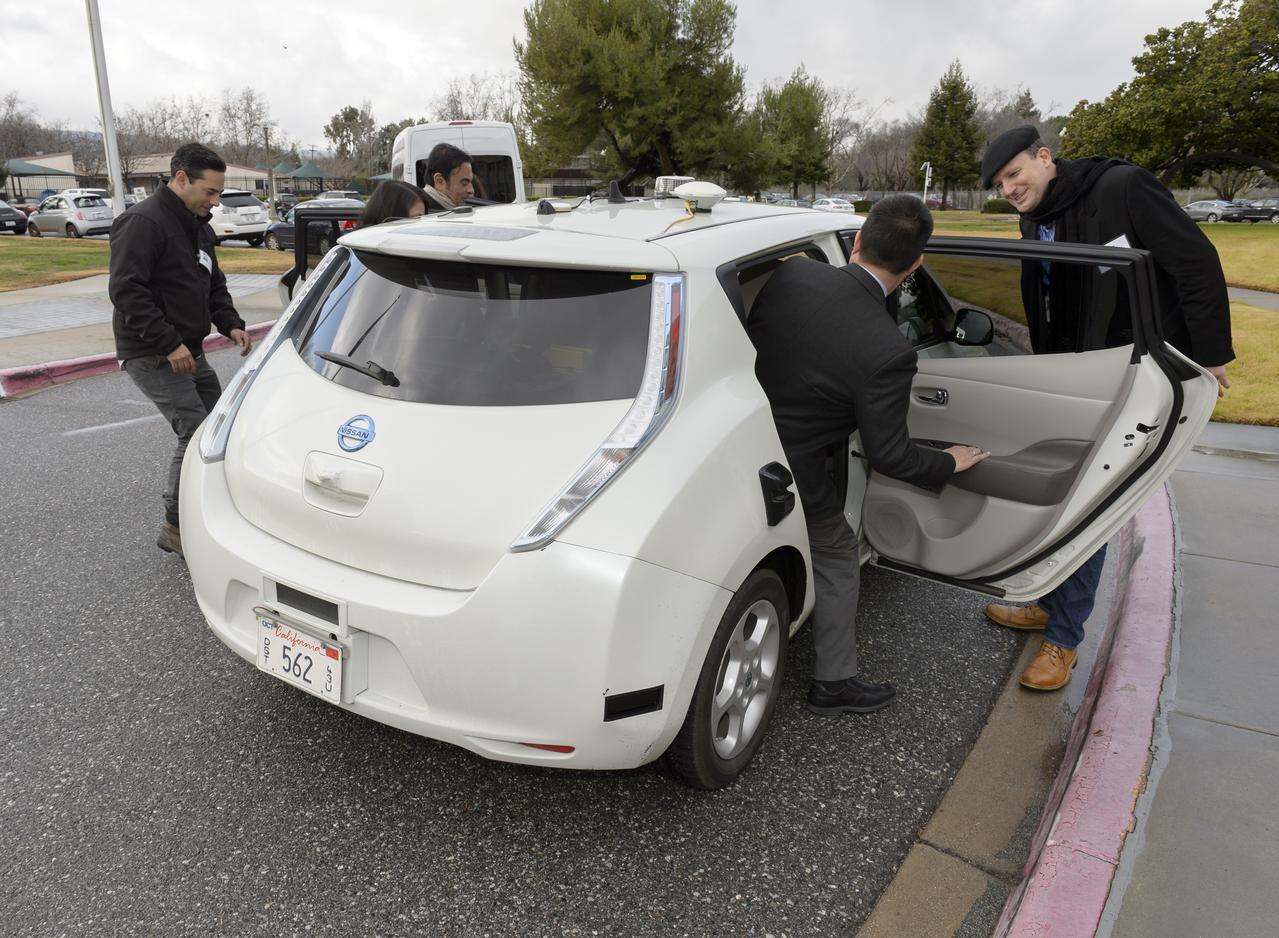
Senior executives from the Renault-Nissan Alliance, including Carlos Ghosn, chairman and CEO of Nissan, and Jose Munoz, chairman of Nissan North America, visited Ames for meetings and a showcase of the technical partnership between NASA and Nissan North America. The partnership allows researchers to develop and test autonomy algorithms, concepts, and integrated prototypes for a variety of vehicular transport applications – from rovers to self-driving cars. After briefings, a company of including Eugene Tu, Ames Center Director andLiam Pedersen, Nissan on right Carlos Ghosn, CE, Nissan on left climb into in the autonomous vehicle to observed testing of Nissan’s all-electric LEAF as it performed safe autonomous drives across the center.
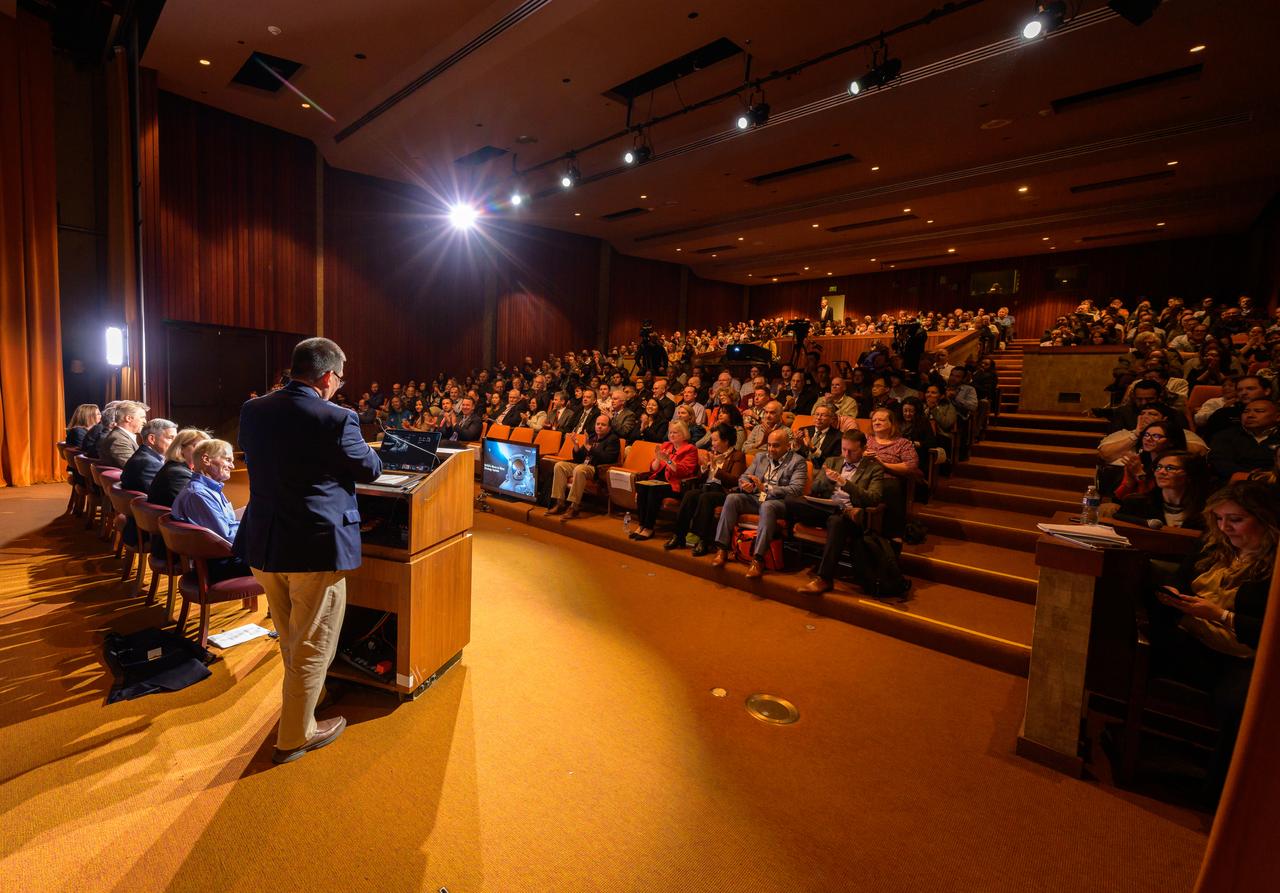
Eugene Tu, center director at NASA’s Ames Research Center in California’s Silicon Valley, offers his opening remarks to the Ames workforce during the “Moon to Mars” town hall in the N201 Syvertson Auditorium. Town hall panel, seated right to left, are NASA Administrator Bill Nelson, Deputy Administrator Pam Melroy, Associate Administrator Bob Cabana, Director of Space Architectures Kurt “Spuds” Vogel, Deputy Associate Administrator for Exploration in the Science Mission Directorate Joel Kearns, Deputy Associate Administrator for Programs in the Space Technology Mission Directorate Walt Engelund, and Deputy Associate Administrator for Exploration Systems Development Cathy Koerner.
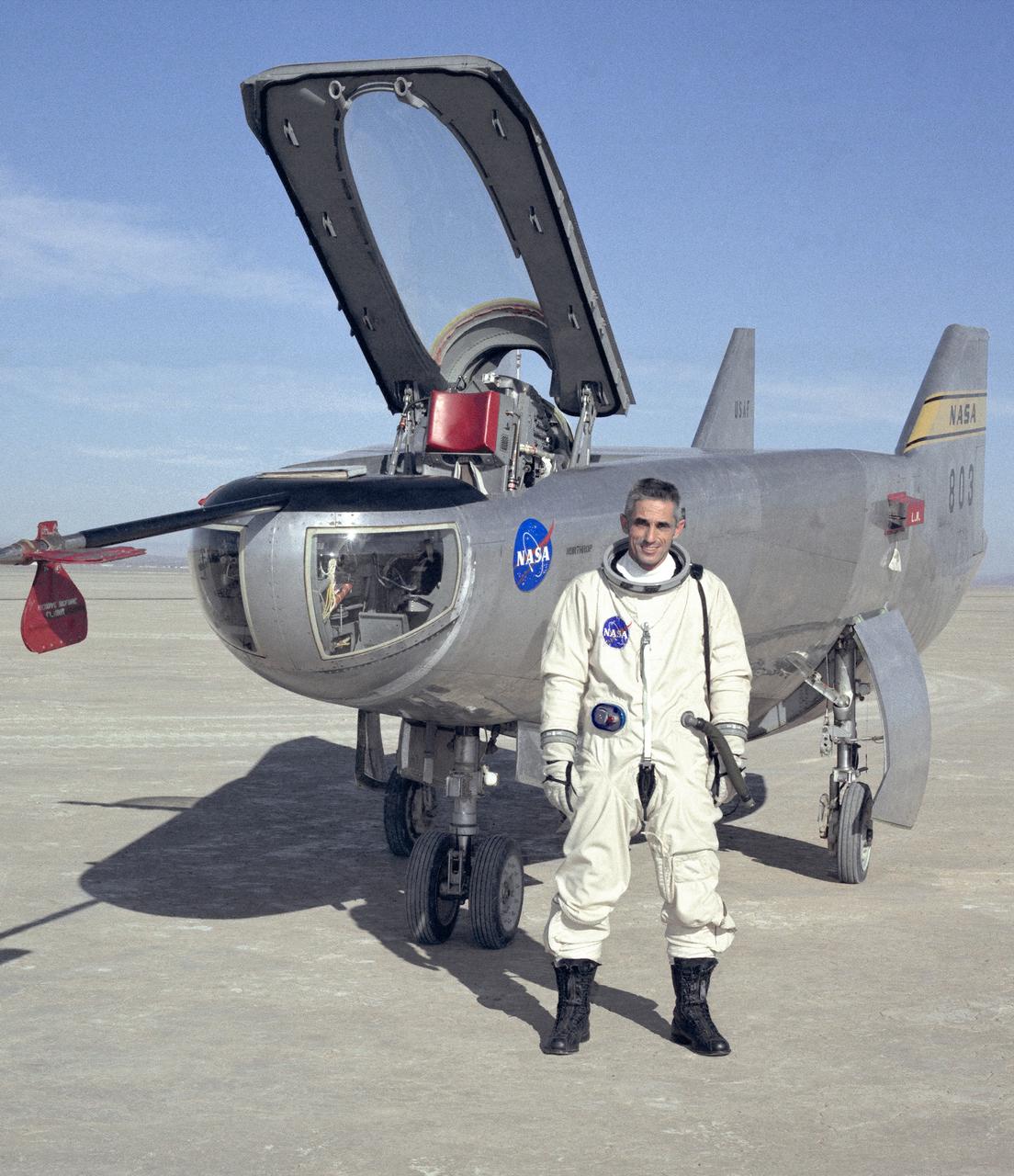
NASA research pilot John A. Manke is seen here in front of the M2-F3 Lifting Body. Manke was hired by NASA on May 25, 1962, as a flight research engineer. He was later assigned to the pilot's office and flew various support aircraft including the F-104, F5D, F-111 and C-47. After leaving the Marine Corps in 1960, Manke worked for Honeywell Corporation as a test engineer for two years before coming to NASA. He was project pilot on the X-24B and also flew the HL-10, M2-F3, and X-24A lifting bodies. John made the first supersonic flight of a lifting body and the first landing of a lifting body on a hard surface runway. Manke served as Director of the Flight Operations and Support Directorate at the Dryden Flight Research Center prior to its integration with Ames Research Center in October 1981. After this date John was named to head the joint Ames-Dryden Directorate of Flight Operations. He also served as site manager of the NASA Ames-Dryden Flight Research Facility. John is a member of the Society of Experimental Test Pilots. He retired on April 27, 1984.
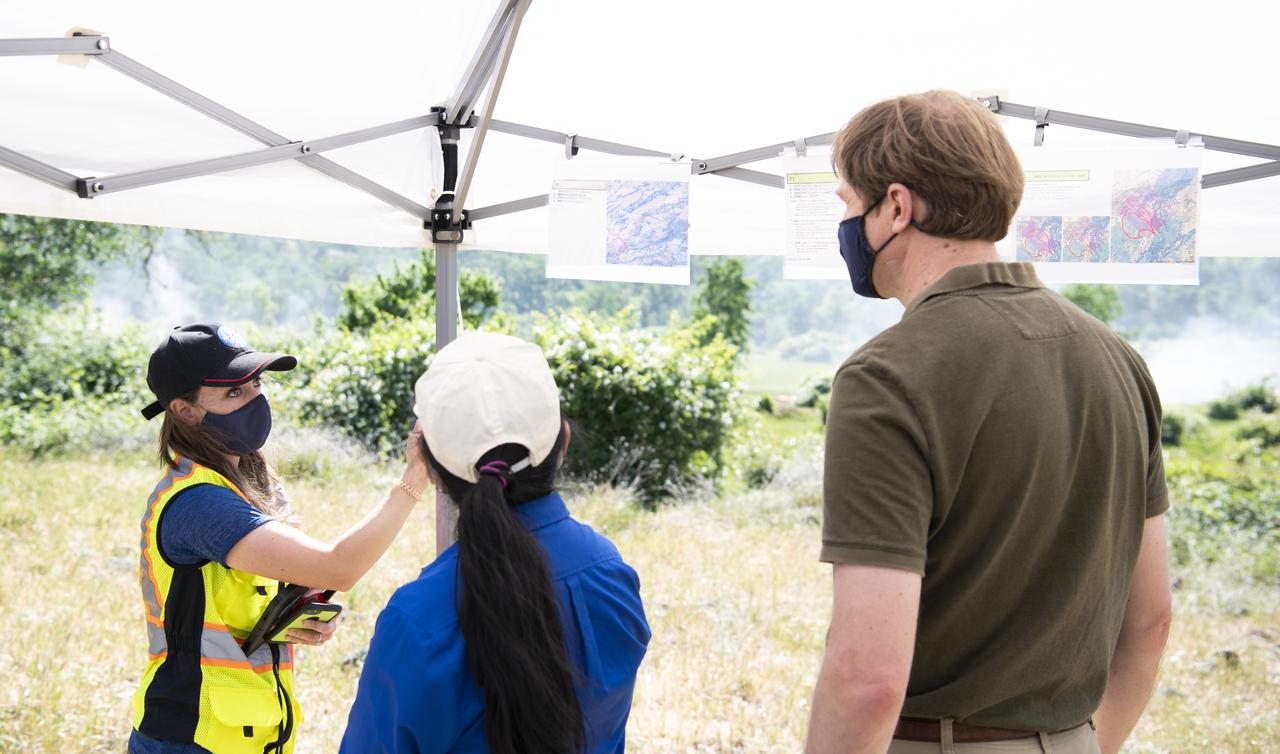
Lauren Claudatos, researcher for STEReO, the Scalable Traffic Management for Emergency Response Operations project, at NASA's Ames Research Center, right, speaks with Richard Barhydt, station director of the U.S. Forest Service's Pacific Southwest Research Station, left, and Huy Tran, director of aeronautics at NASA's Ames Research Center, center, during STEReO test activities, Tuesday, May 4, 2021 as Cal Fire conducts aerial fire fighting training exercises near Redding, California. STEReO, the Scalable Traffic Management for Emergency Response Operations project, led by NASA’s Ames Research Center, builds on NASA’s expertise in air traffic management, human factors research, and autonomous technology development to apply the agency’s work in Unmanned Aircraft Systems Traffic Management, or UTM, to public safety uses. Photo Credit: (NASA/Joel Kowsky)
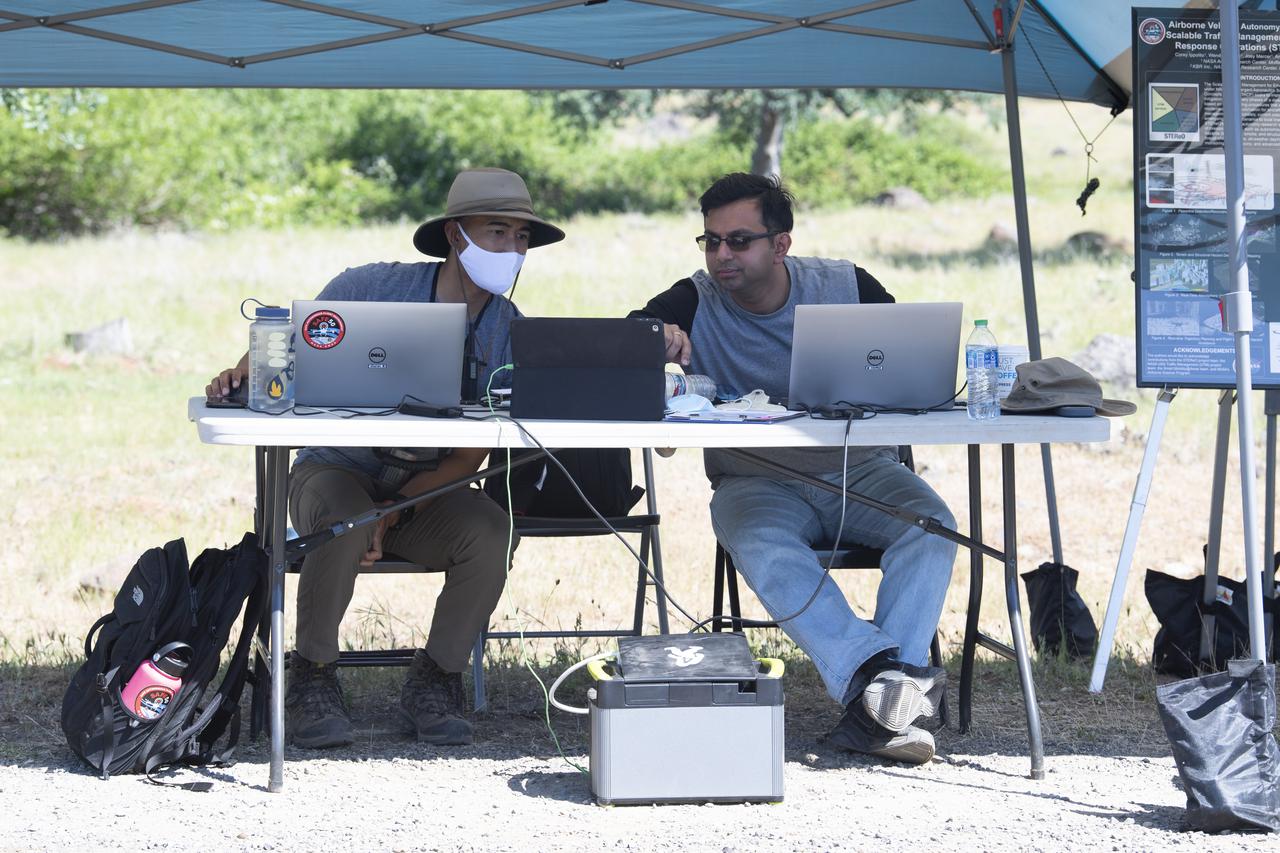
Josh Baculi, autonomy researcher for STEReO, the Scalable Traffic Management for Emergency Response Operations project, at NASA's Ames Research Center, left, and Anjan Chakrabarty, autonomy researcher for STEReO, the Scalable Traffic Management for Emergency Response Operations project, at NASA's Ames Research Center, right, are seen during simulated drone operations as part of STEReO field testing, Wednesday, May 5, 2021 as Cal Fire conducts aerial fire fighting training exercises near Redding, California. STEReO, the Scalable Traffic Management for Emergency Response Operations project, led by NASA’s Ames Research Center, builds on NASA’s expertise in air traffic management, human factors research, and autonomous technology development to apply the agency’s work in Unmanned Aircraft Systems Traffic Management, or UTM, to public safety uses. Photo Credit: (NASA/Joel Kowsky)
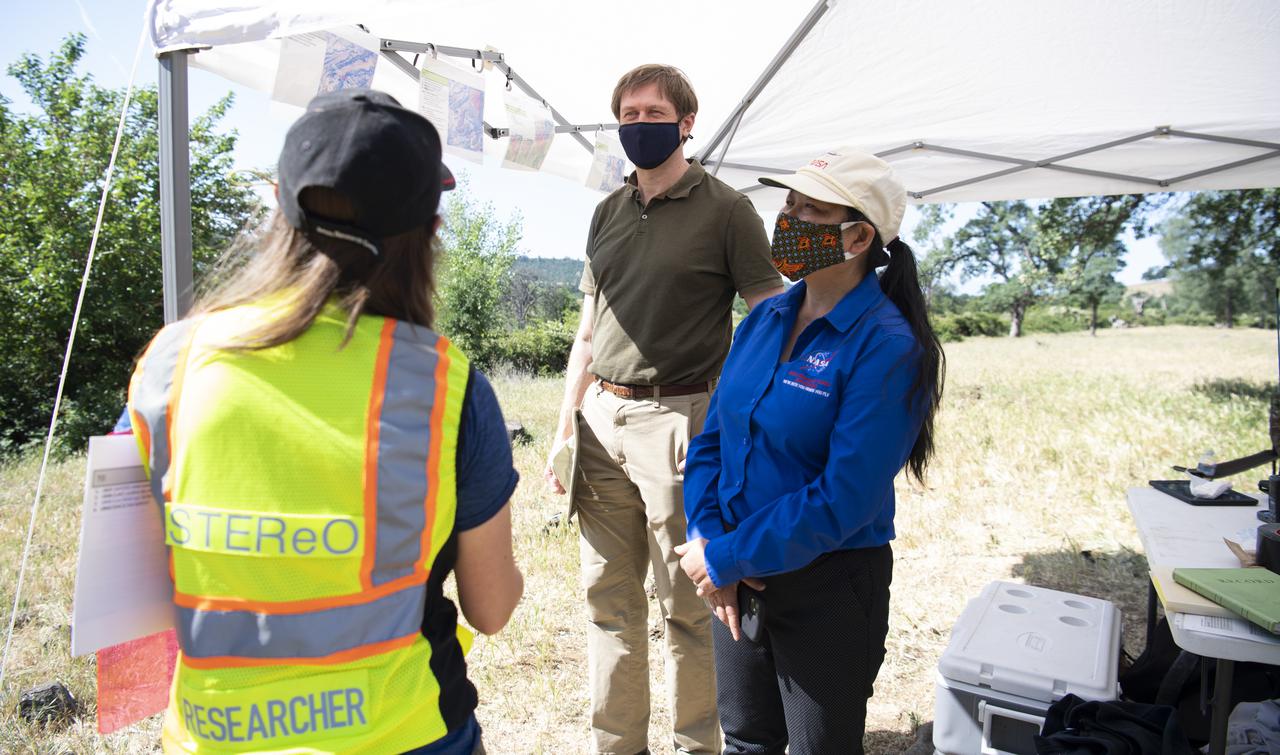
Lauren Claudatos, researcher for STEReO, the Scalable Traffic Management for Emergency Response Operations project, at NASA's Ames Research Center, right, speaks with Richard Barhydt, station director of the U.S. Forest Service's Pacific Southwest Research Station, left, and Huy Tran, director of aeronautics at NASA's Ames Research Center, center, during STEReO test activities, Tuesday, May 4, 2021 as Cal Fire conducts aerial fire fighting training exercises near Redding, California. STEReO, the Scalable Traffic Management for Emergency Response Operations project, led by NASA’s Ames Research Center, builds on NASA’s expertise in air traffic management, human factors research, and autonomous technology development to apply the agency’s work in Unmanned Aircraft Systems Traffic Management, or UTM, to public safety uses. Photo Credit: (NASA/Joel Kowsky)
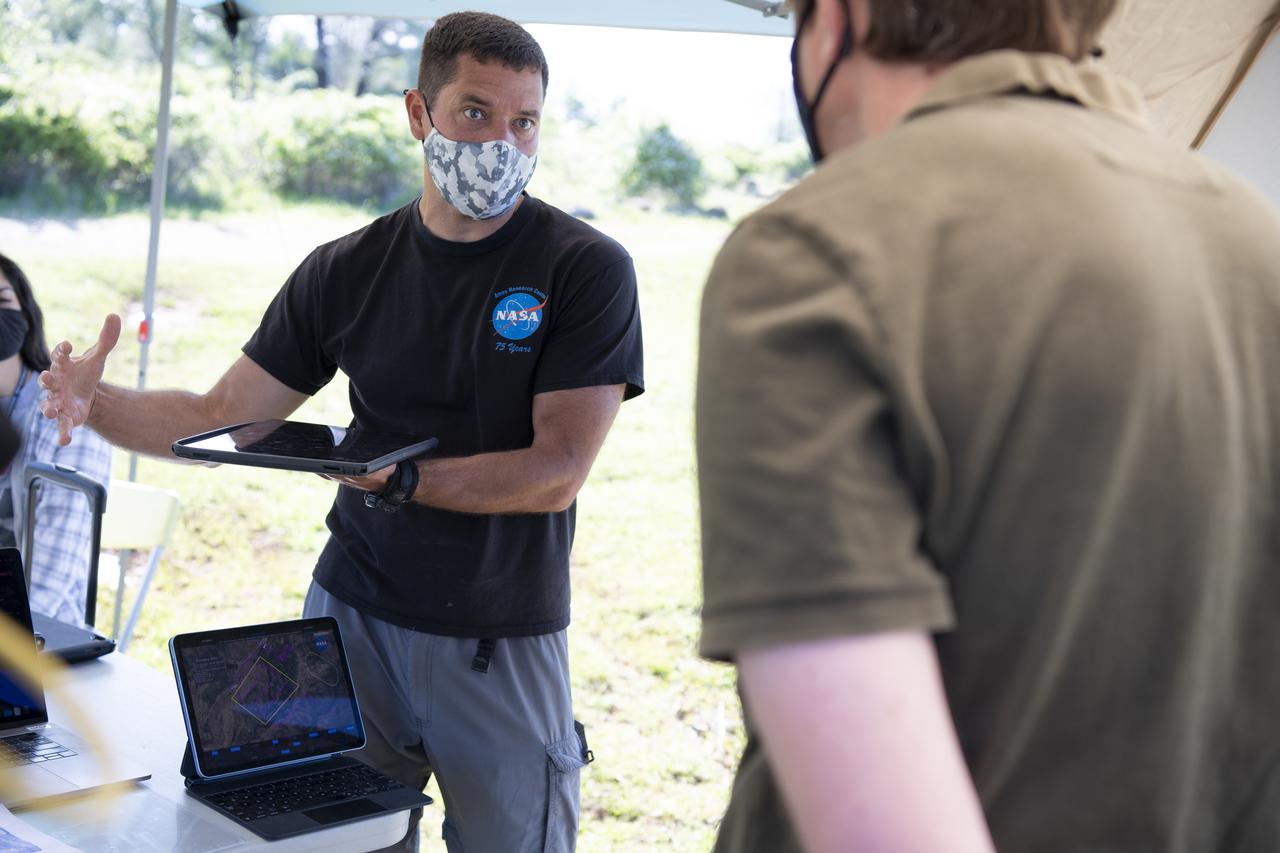
Joey Mercer, principle investigator for STEReO, the Scalable Traffic Management for Emergency Response Operations project, at NASA's Ames Research Center speaks with Richard Barhydt, station director of the U.S. Forest Service's Pacific Southwest Research Station and Huy Tran, director of aeronautics at NASA's Ames Research Center, during STEReO test activities, Tuesday, May 4, 2021 as Cal Fire conducts aerial fire fighting training exercises near Redding, California. STEReO, the Scalable Traffic Management for Emergency Response Operations project, led by NASA’s Ames Research Center, builds on NASA’s expertise in air traffic management, human factors research, and autonomous technology development to apply the agency’s work in Unmanned Aircraft Systems Traffic Management, or UTM, to public safety uses. Photo Credit: (NASA/Joel Kowsky)