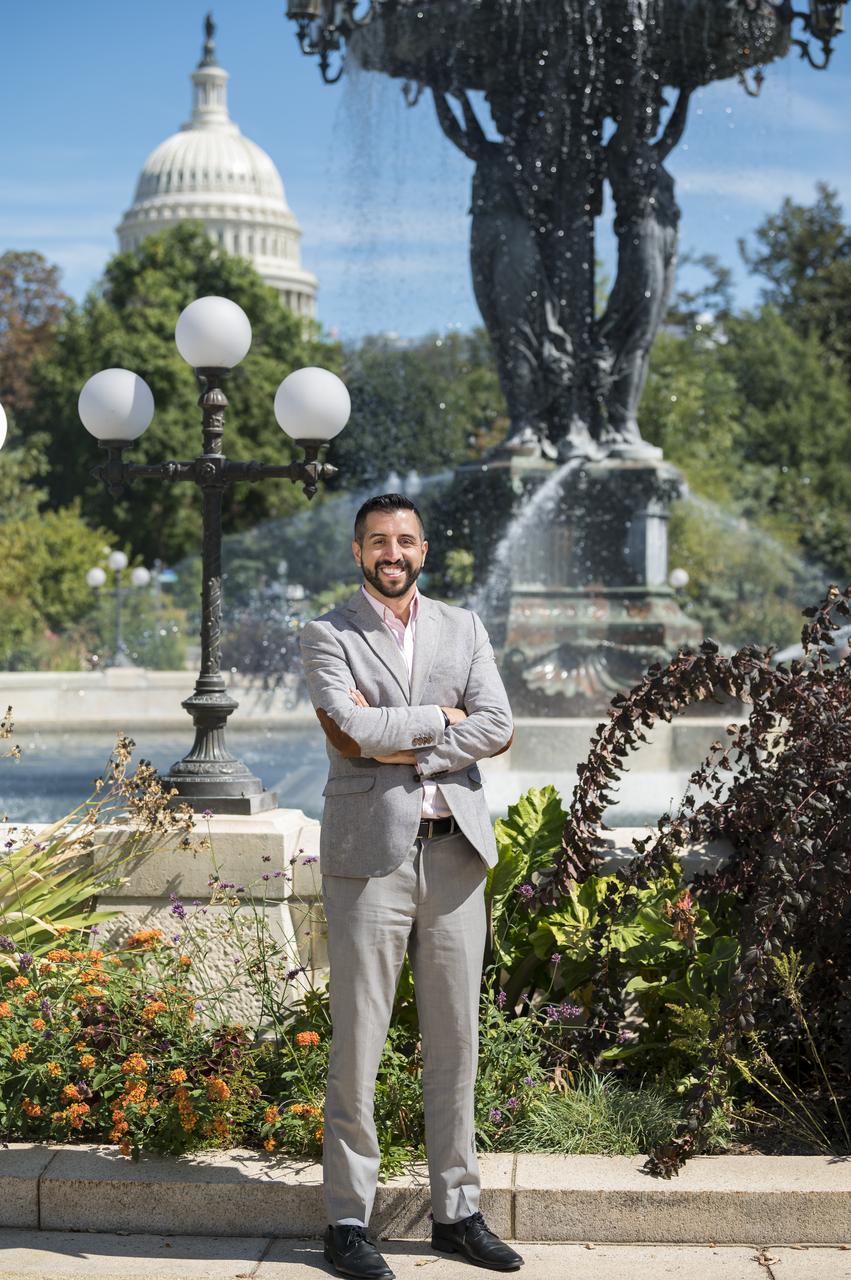
“When I first joined Twitter in 2009, one of the first accounts I followed was NASA. I knew they were doing NASA ‘Tweetups’ (now called Socials) where members of the public could apply, go behind the scenes of a NASA facility and potentially attend a launch. “I was selected for the STS-135 Tweetup — the final launch of the Space Shuttle, July 2011. The Tweetup gave me access that I never in my life thought I’d be able to experience. Being inside the Vehicle Assembly Building, where Saturn rockets were assembled, where the Space Shuttle was stacked and now where the SLS is going to be stacked… that for me, was incredible. “We got to Kennedy for the launch on July 7. There were severe thunderstorms and lightning all around. The weather was not looking good for the next day. “The next morning, we get to the press site, and the weather continues to look like it’s going to prevent the launch. There was a 30% chance. I didn’t think it was going to happen. “And then, there was a break in the clouds. And at 11:28 am, the Shuttle launches. It was such a physical, emotional experience. I remember feeling the sound waves. I was just so excited, so thrilled, so overcome by seeing all these people put in so many hours on something that was bigger than themselves, working toward making this mission a success. And that was the culmination of it: 5 million pounds of thrust lifting this vehicle 250 miles off the planet. “I thought, ‘wow, Atlantis took off with just a 30% chance.’ So, I try to take that with me whenever I face a challenging situation. And that’s kind of why I was teetering on not applying for my first NASA internship in 2013. But I thought to myself, ‘well, that vehicle took off in not-so-ideal conditions. Things aren’t impossible.’ That’s what led me to pursue this career at NASA.” Portrait, Andres Almeida, Thursday, September 19, 2019 at NASA Headquarters in Washington. Photo Credit: (NASA/Aubrey Gemignani)
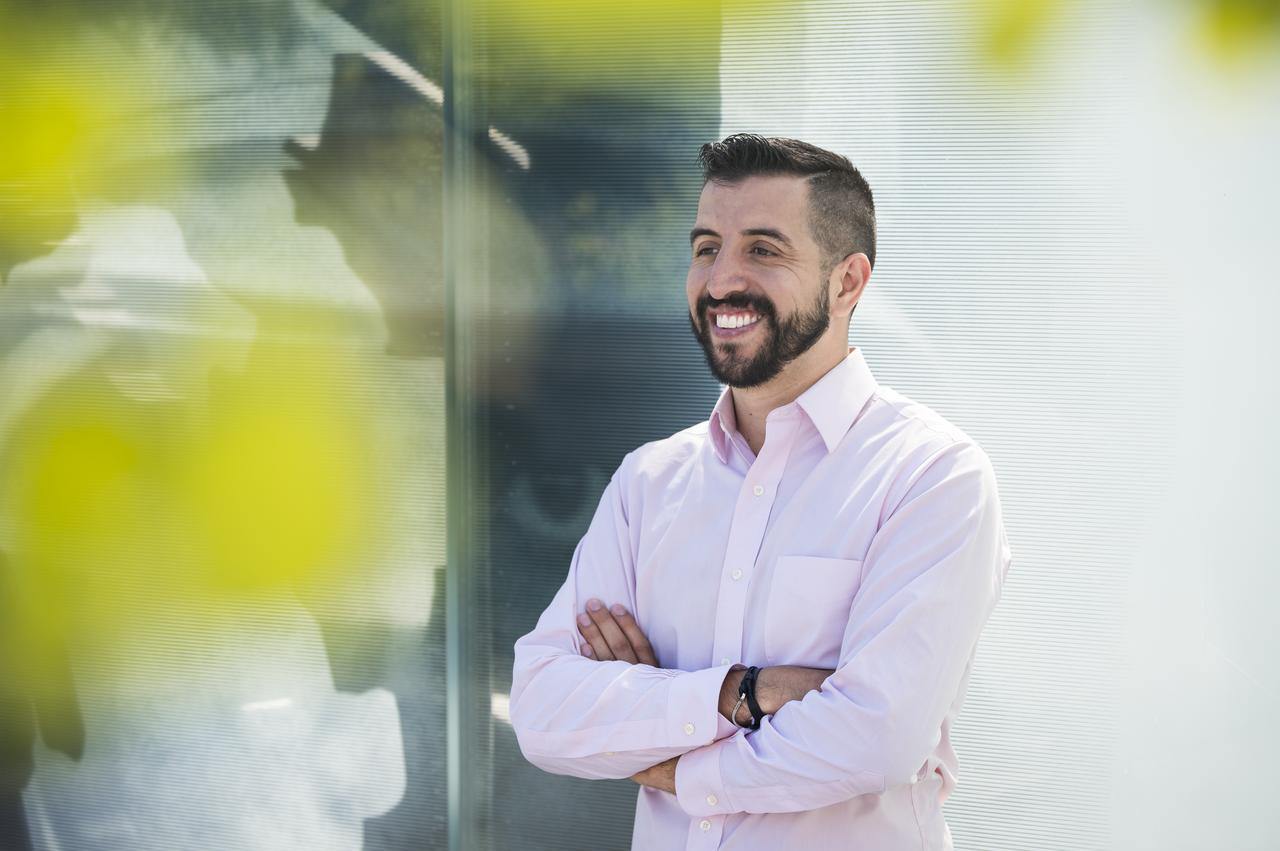
“When I first joined Twitter in 2009, one of the first accounts I followed was NASA. I knew they were doing NASA ‘Tweetups’ (now called Socials) where members of the public could apply, go behind the scenes of a NASA facility and potentially attend a launch. “I was selected for the STS-135 Tweetup — the final launch of the Space Shuttle, July 2011. The Tweetup gave me access that I never in my life thought I’d be able to experience. Being inside the Vehicle Assembly Building, where Saturn rockets were assembled, where the Space Shuttle was stacked and now where the SLS is going to be stacked… that for me, was incredible. “We got to Kennedy for the launch on July 7. There were severe thunderstorms and lightning all around. The weather was not looking good for the next day. “The next morning, we get to the press site, and the weather continues to look like it’s going to prevent the launch. There was a 30% chance. I didn’t think it was going to happen. “And then, there was a break in the clouds. And at 11:28 am, the Shuttle launches. It was such a physical, emotional experience. I remember feeling the sound waves. I was just so excited, so thrilled, so overcome by seeing all these people put in so many hours on something that was bigger than themselves, working toward making this mission a success. And that was the culmination of it: 5 million pounds of thrust lifting this vehicle 250 miles off the planet. “I thought, ‘wow, Atlantis took off with just a 30% chance.’ So, I try to take that with me whenever I face a challenging situation. And that’s kind of why I was teetering on not applying for my first NASA internship in 2013. But I thought to myself, ‘well, that vehicle took off in not-so-ideal conditions. Things aren’t impossible.’ That’s what led me to pursue this career at NASA.” Portrait, Andres Almeida, Thursday, September 19, 2019 at NASA Headquarters in Washington. Photo Credit: (NASA/Aubrey Gemignani)
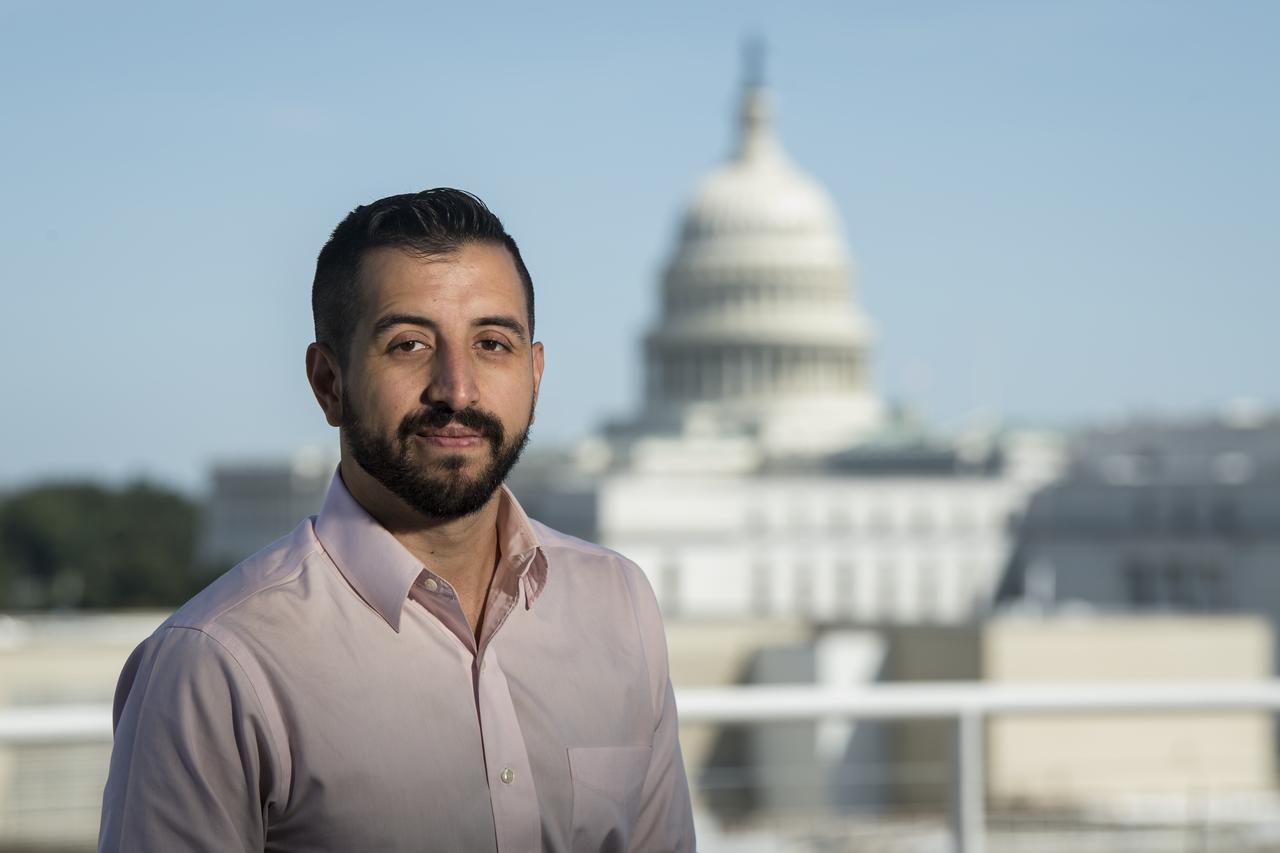
“When I first joined Twitter in 2009, one of the first accounts I followed was NASA. I knew they were doing NASA ‘Tweetups’ (now called Socials) where members of the public could apply, go behind the scenes of a NASA facility and potentially attend a launch. “I was selected for the STS-135 Tweetup — the final launch of the Space Shuttle, July 2011. The Tweetup gave me access that I never in my life thought I’d be able to experience. Being inside the Vehicle Assembly Building, where Saturn rockets were assembled, where the Space Shuttle was stacked and now where the SLS is going to be stacked… that for me, was incredible. “We got to Kennedy for the launch on July 7. There were severe thunderstorms and lightning all around. The weather was not looking good for the next day. “The next morning, we get to the press site, and the weather continues to look like it’s going to prevent the launch. There was a 30% chance. I didn’t think it was going to happen. “And then, there was a break in the clouds. And at 11:28 am, the Shuttle launches. It was such a physical, emotional experience. I remember feeling the sound waves. I was just so excited, so thrilled, so overcome by seeing all these people put in so many hours on something that was bigger than themselves, working toward making this mission a success. And that was the culmination of it: 5 million pounds of thrust lifting this vehicle 250 miles off the planet. “I thought, ‘wow, Atlantis took off with just a 30% chance.’ So, I try to take that with me whenever I face a challenging situation. And that’s kind of why I was teetering on not applying for my first NASA internship in 2013. But I thought to myself, ‘well, that vehicle took off in not-so-ideal conditions. Things aren’t impossible.’ That’s what led me to pursue this career at NASA.” Portrait, Andres Almeida, Thursday, September 19, 2019 at NASA Headquarters in Washington. Photo Credit: (NASA/Aubrey Gemignani)

“When I first joined Twitter in 2009, one of the first accounts I followed was NASA. I knew they were doing NASA ‘Tweetups’ (now called Socials) where members of the public could apply, go behind the scenes of a NASA facility and potentially attend a launch. “I was selected for the STS-135 Tweetup — the final launch of the Space Shuttle, July 2011. The Tweetup gave me access that I never in my life thought I’d be able to experience. Being inside the Vehicle Assembly Building, where Saturn rockets were assembled, where the Space Shuttle was stacked and now where the SLS is going to be stacked… that for me, was incredible. “We got to Kennedy for the launch on July 7. There were severe thunderstorms and lightning all around. The weather was not looking good for the next day. “The next morning, we get to the press site, and the weather continues to look like it’s going to prevent the launch. There was a 30% chance. I didn’t think it was going to happen. “And then, there was a break in the clouds. And at 11:28 am, the Shuttle launches. It was such a physical, emotional experience. I remember feeling the sound waves. I was just so excited, so thrilled, so overcome by seeing all these people put in so many hours on something that was bigger than themselves, working toward making this mission a success. And that was the culmination of it: 5 million pounds of thrust lifting this vehicle 250 miles off the planet. “I thought, ‘wow, Atlantis took off with just a 30% chance.’ So, I try to take that with me whenever I face a challenging situation. And that’s kind of why I was teetering on not applying for my first NASA internship in 2013. But I thought to myself, ‘well, that vehicle took off in not-so-ideal conditions. Things aren’t impossible.’ That’s what led me to pursue this career at NASA.” Portrait, Andres Almeida, Thursday, September 19, 2019 at NASA Headquarters in Washington. Photo Credit: (NASA/Aubrey Gemignani)
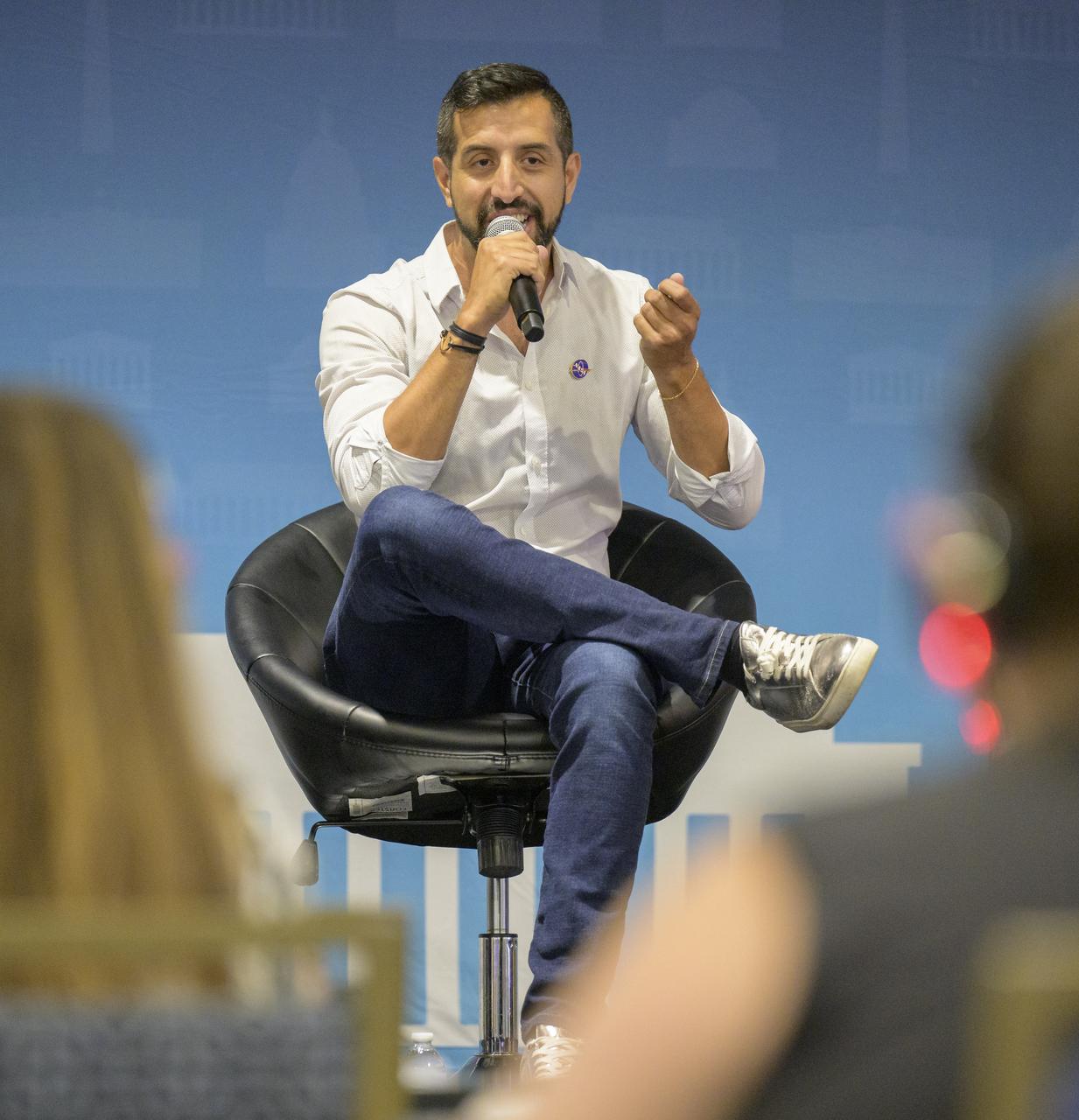
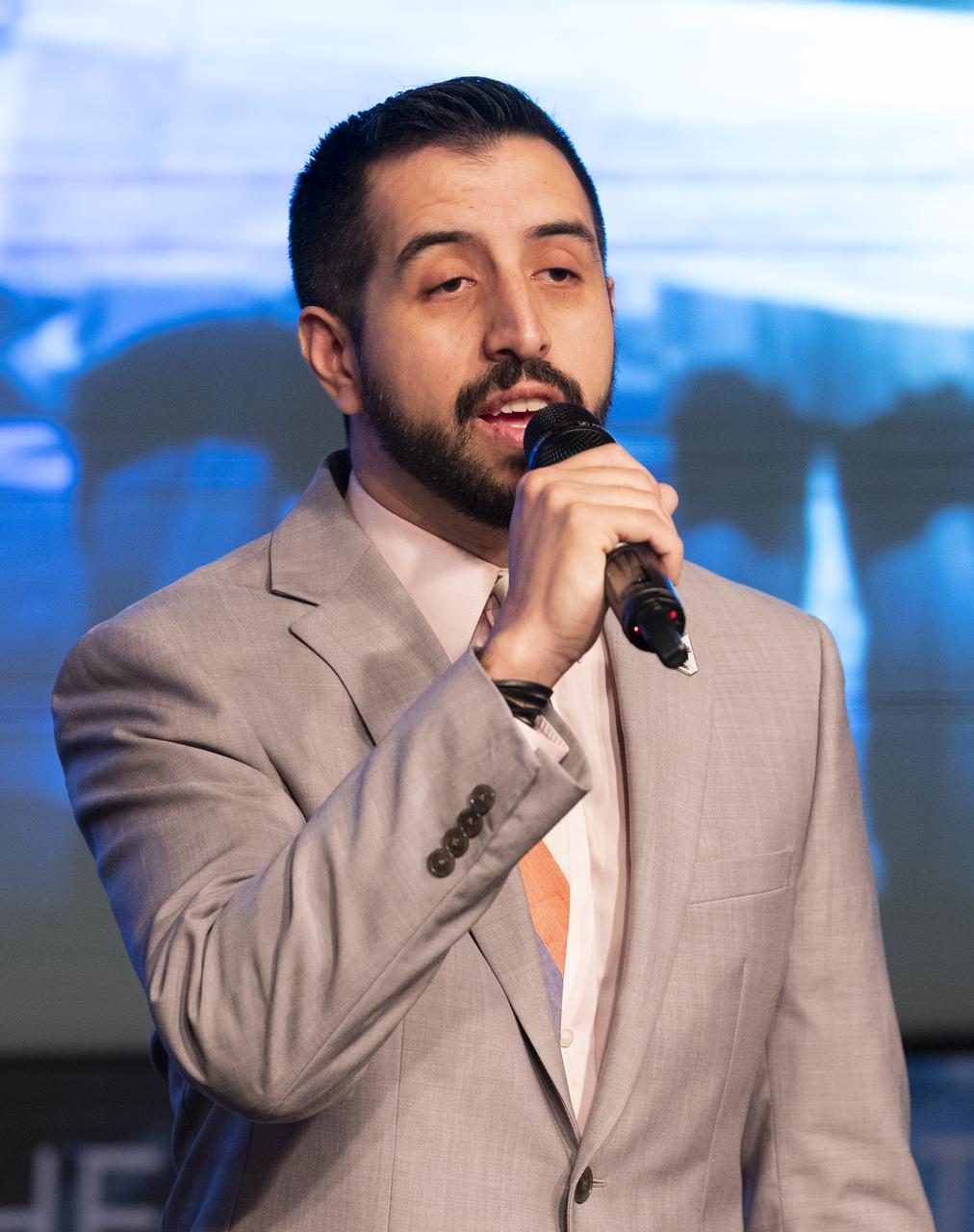
NASA Writer and Host of the Small Steps, Giant Leaps podcast Andrés Almeida is seen during a Podcast Movement, NASA hosted a panel entitled, "Eclipses, Moon Missions, and Climate Change: How NASA Reaches Curious Listeners", Tuesday, Aug. 20, 2024, at the Gaylord National Resort and Convention Center in National Harbor, Md. Photo Credit: (NASA/Bill Ingalls)
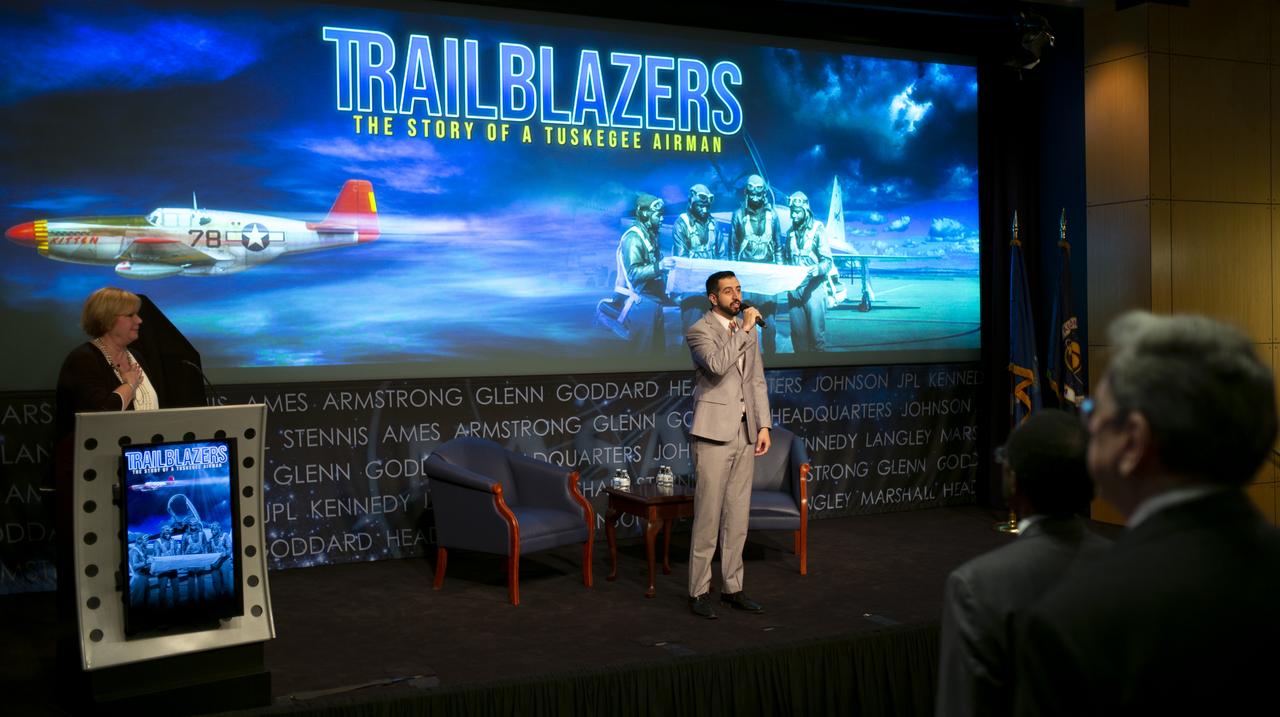
NASA digital content strategist Andres Almeida sings the National Anthem before a discussion between Retired U.S. Air Force Honorary Brigadier General Charles McGee and NASA astronaut Alvin Drew during a Black History Month program titled “Trailblazers, The Story of a Tuskegee Airman,” Wednesday, Feb. 5, 2020, at NASA Headquarters in Washington, DC. McGee, a pilot with the Tuskegee Airmen during World War II, was a career officer in the Air Force also serving during the Korean and Vietnam Wars. Over his 30 years of service he flew 409 combat missions. Of the 355 Tuskegee pilots who flew in combat, McGee is one of only nine surviving. Photo Credit: (NASA/Joel Kowsky)
NASA digital content strategist Andres Almeida sings the National Anthem before a discussion between Retired U.S. Air Force Honorary Brigadier General Charles McGee and NASA astronaut Alvin Drew during a Black History Month program titled “Trailblazers, The Story of a Tuskegee Airman,” Wednesday, Feb. 5, 2020, at NASA Headquarters in Washington, DC. McGee, a pilot with the Tuskegee Airmen during World War II, was a career officer in the Air Force also serving during the Korean and Vietnam Wars. Over his 30 years of service he flew 409 combat missions. Of the 355 Tuskegee pilots who flew in combat, McGee is one of only nine surviving. Photo Credit: (NASA/Joel Kowsky)
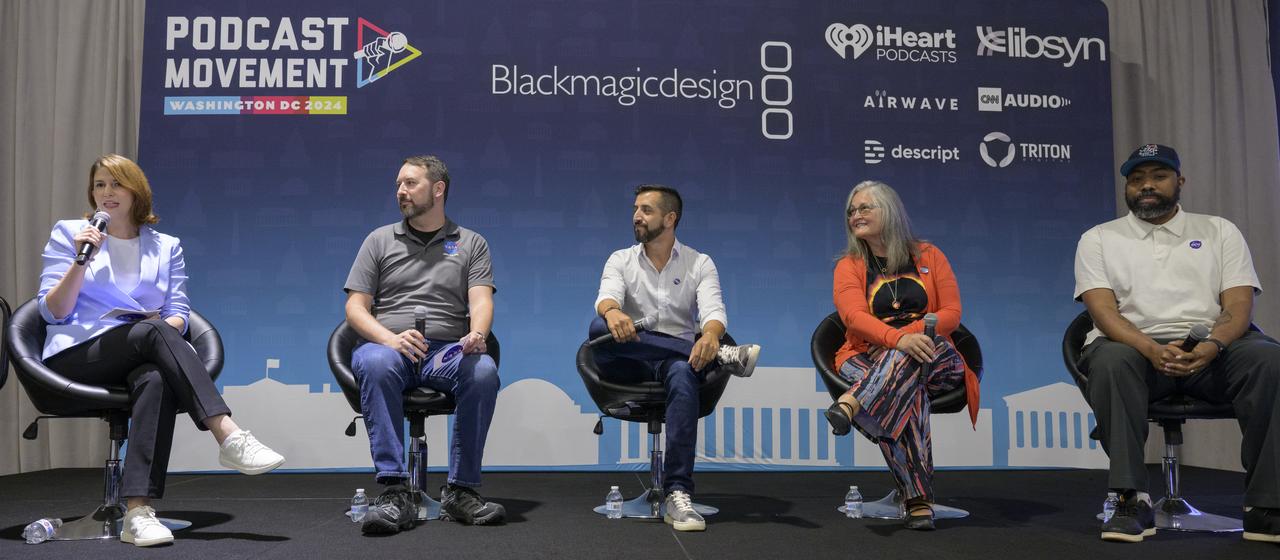
NASA Audio Lead Katie Konans, left, NASA Multimedia Producer and Host of Houston, We Have a Podcast Dane Turner, NASA Writer and Host of the Small Steps, Giant Leaps podcast Andrés Almeida, NASA Astrophysicist and Host of NASA's Curious Universe podcast Padi Boyd, and NASA Audio Engineer Manny Cooper, right, are seen during a Podcast Movement, NASA hosted a panel entitled, "Eclipses, Moon Missions, and Climate Change: How NASA Reaches Curious Listeners", Tuesday, Aug. 20, 2024, at the Gaylord National Resort and Convention Center in National Harbor, Md. Photo Credit: (NASA/Bill Ingalls)
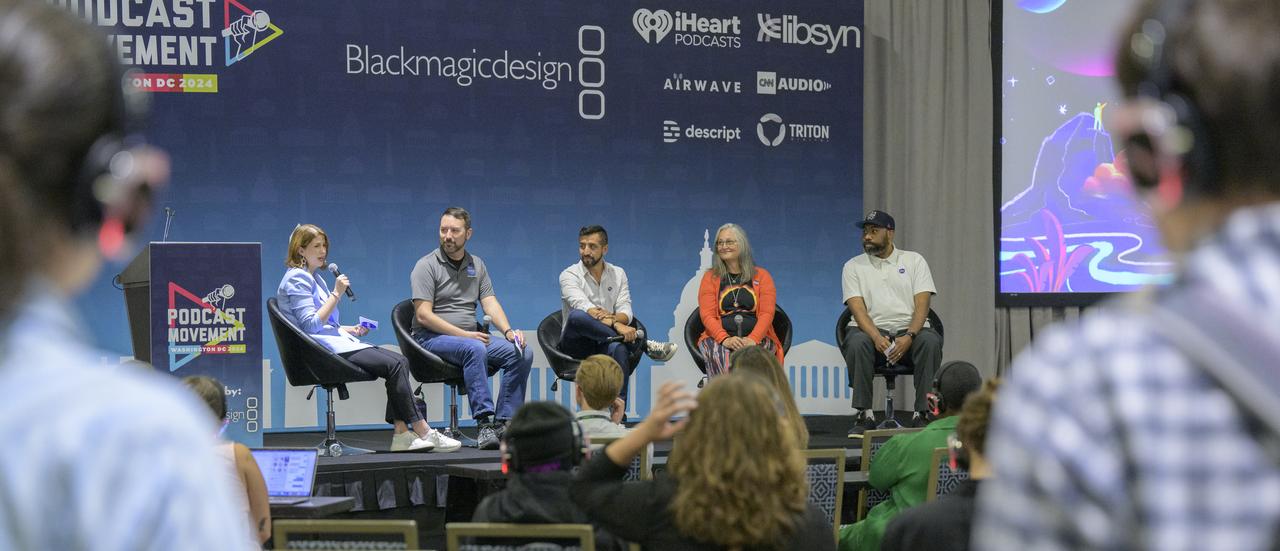
NASA Audio Lead Katie Konans, left, NASA Multimedia Producer and Host of Houston, We Have a Podcast Dane Turner, NASA Writer and Host of the Small Steps, Giant Leaps podcast Andrés Almeida, NASA Astrophysicist and Host of NASA's Curious Universe podcast Padi Boyd, and NASA Audio Engineer Manny Cooper, right, are seen during a Podcast Movement, NASA hosted a panel entitled, "Eclipses, Moon Missions, and Climate Change: How NASA Reaches Curious Listeners", Tuesday, Aug. 20, 2024, at the Gaylord National Resort and Convention Center in National Harbor, Md. Photo Credit: (NASA/Bill Ingalls)