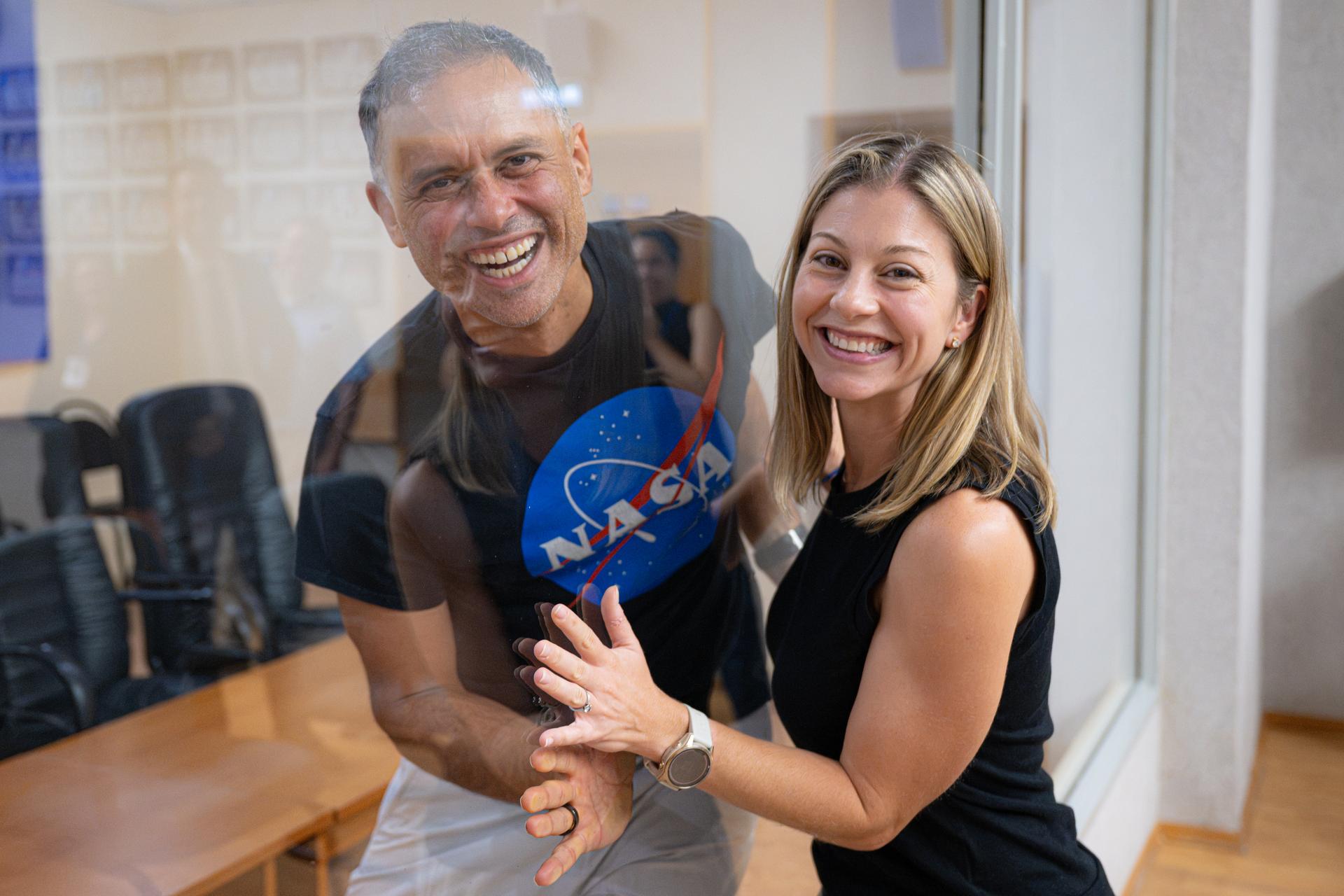
NASA astronaut and Expedition 75 crewmember Anil Menon, left, and his wife, NASA astronaut candidate Anna Menon, right, pose for a photograph between glass, Monday, July 13, 2026, at the Cosmonaut Hotel in Baikonur, Kazakhstan. Expedition 75 crewmembers NASA astronaut Anil Menon and Roscosmos cosmonauts Pyotr Dubrov and Anna Kikina are scheduled to launch aboard the Soyuz MS-29 spacecraft to the International Space Station on July 14. Photo Credit: (NASA/John Kraus)
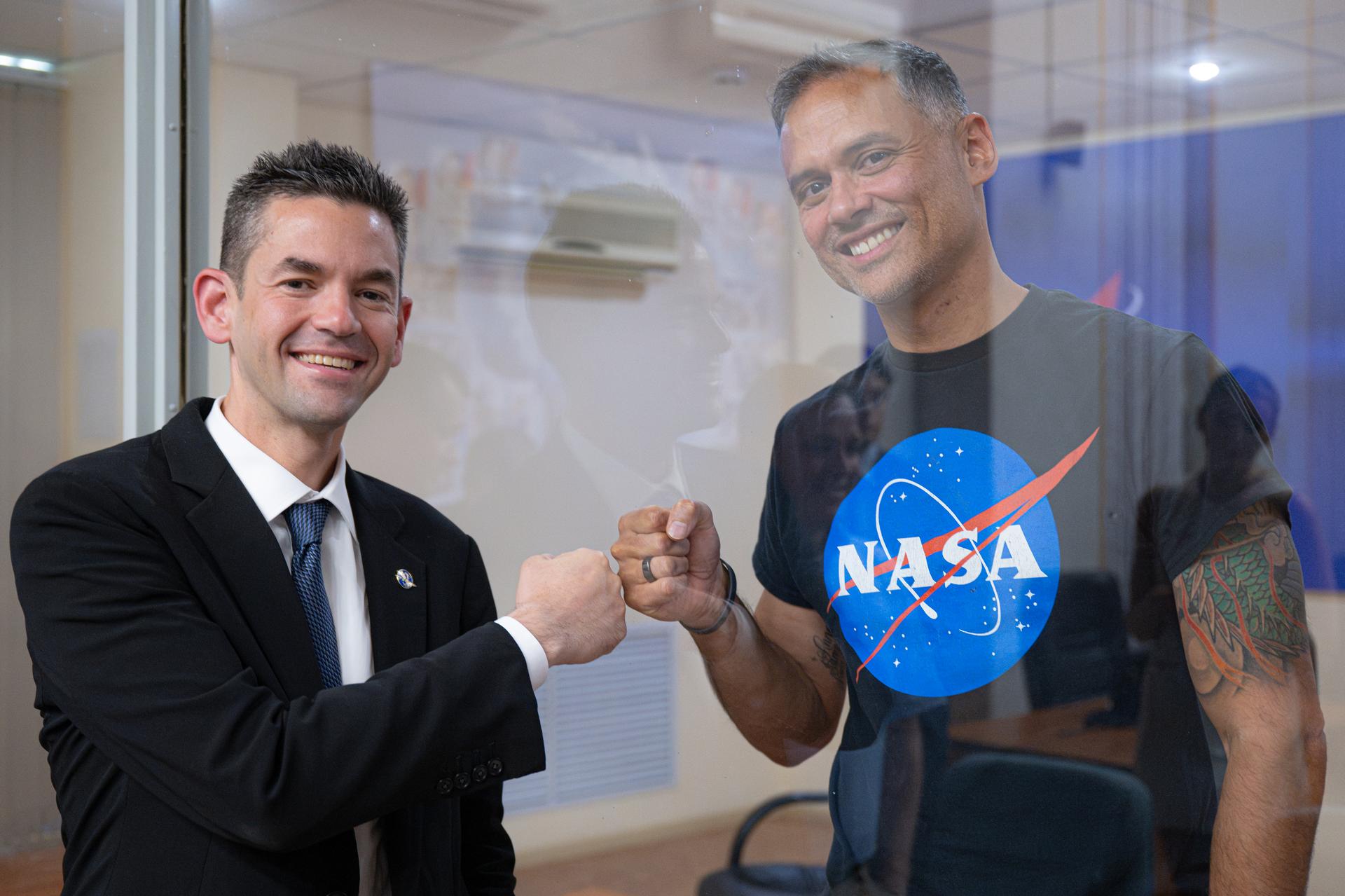
NASA Administrator Jared Isaacman, left, and NASA astronaut and Expedition 75 crewmember Anil Menon, right, pose for a photograph between glass, Monday, July 13, 2026, at the Cosmonaut Hotel in Baikonur, Kazakhstan. Expedition 75 crewmembers NASA astronaut Anil Menon and Roscosmos cosmonauts Pyotr Dubrov and Anna Kikina are scheduled to launch aboard the Soyuz MS-29 spacecraft to the International Space Station on July 14. Photo Credit: (NASA/John Kraus)
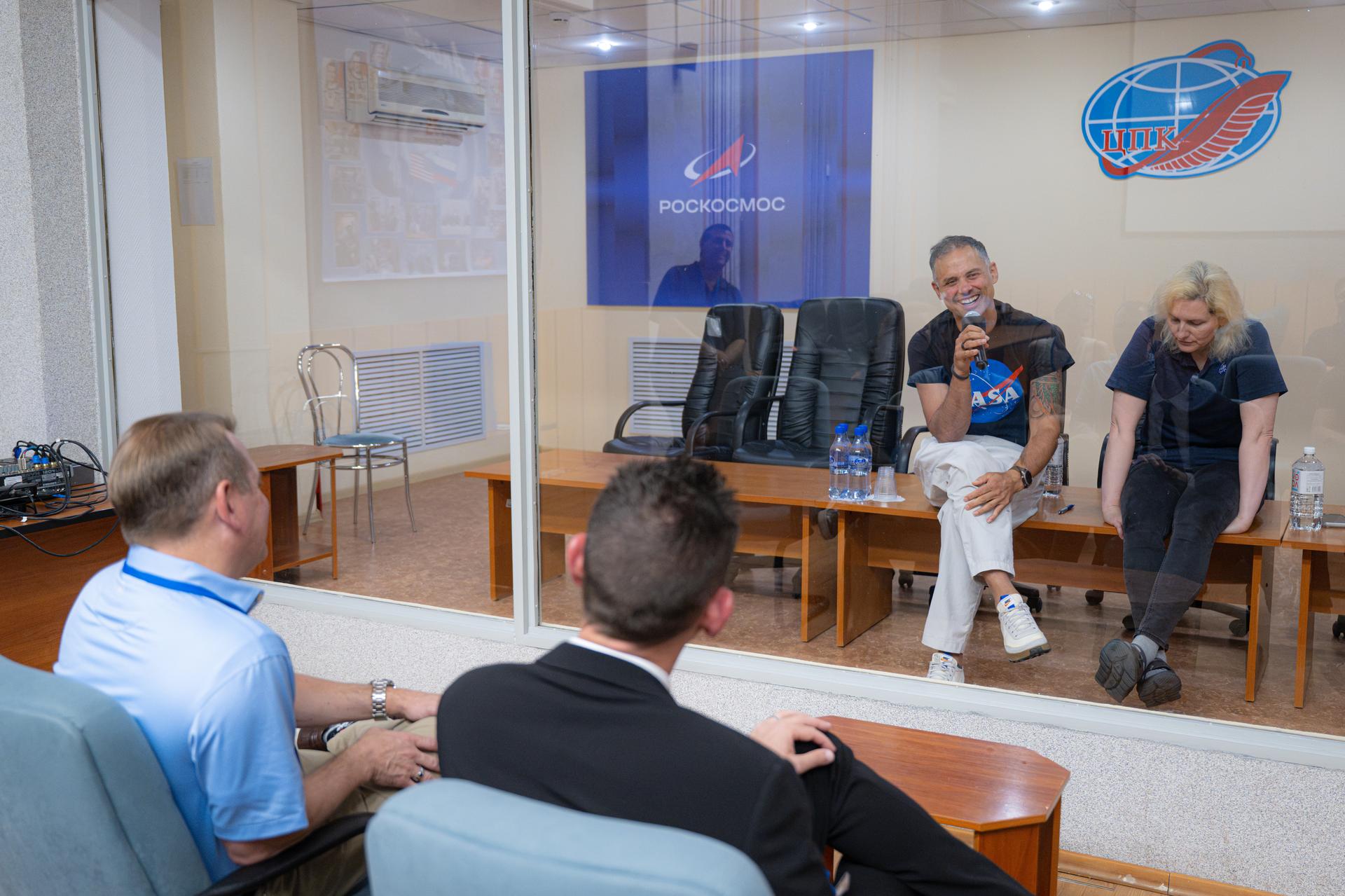
NASA Administrator Jared Isaacman, center, and NASA Deputy Administrator Matt Anderson, left, listen as NASA astronaut and Expedition 75 crewmember Anil Menon, third from left, and Deniz Burnham, Expedition 75 backup crewmember, right, speak from quarantine, Monday, July 13, 2026, at the Cosmonaut Hotel in Baikonur, Kazakhstan. Expedition 75 crewmembers NASA astronaut Anil Menon and Roscosmos cosmonauts Pyotr Dubrov and Anna Kikina are scheduled to launch aboard the Soyuz MS-29 spacecraft to the International Space Station on July 14. Photo Credit: (NASA/John Kraus)
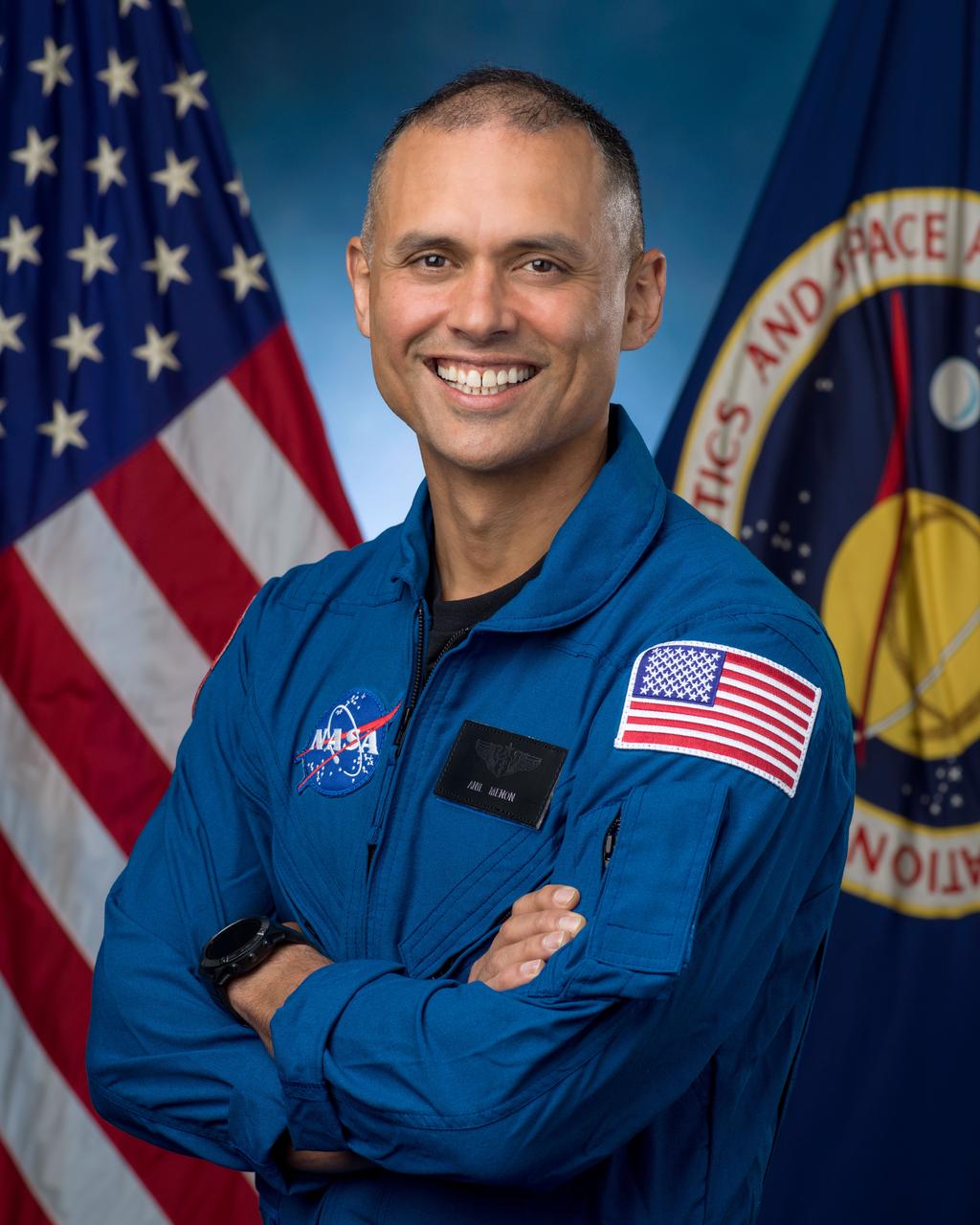
Astronaut Candidate Individual Portrait, Anil Menon - ASCAN Class of 2021. Photo Date: December 3, 2021. Location: Building 8, Room 183 - Photo Studio. Photographer: Robert Markowitz
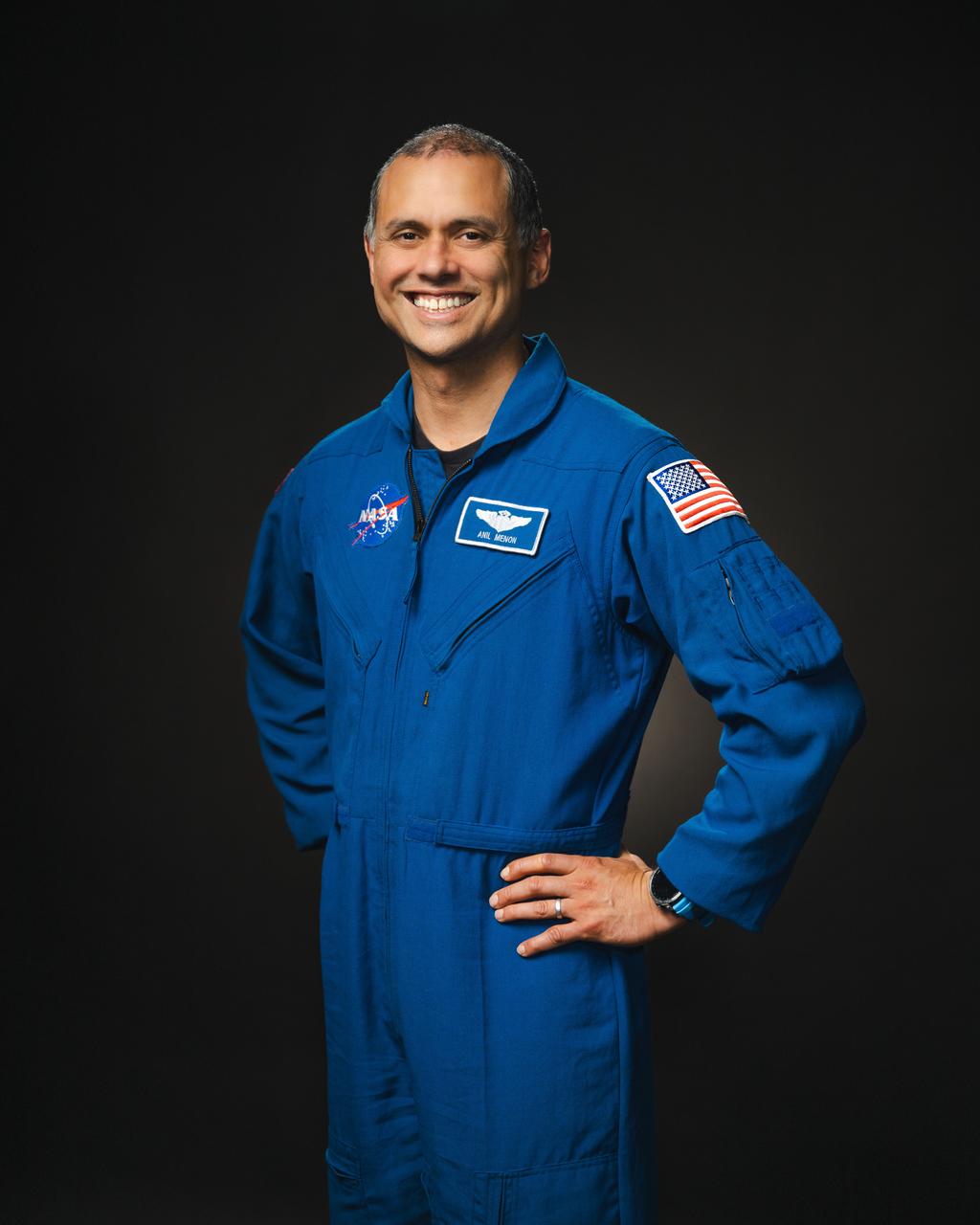
jsc2024e015919 (February 21, 2024) --- NASA astronaut Anil Menon poses for a portrait at NASA’s Johnson Space Center in Houston, Texas. Credit: NASA/ Josh Valcarcel
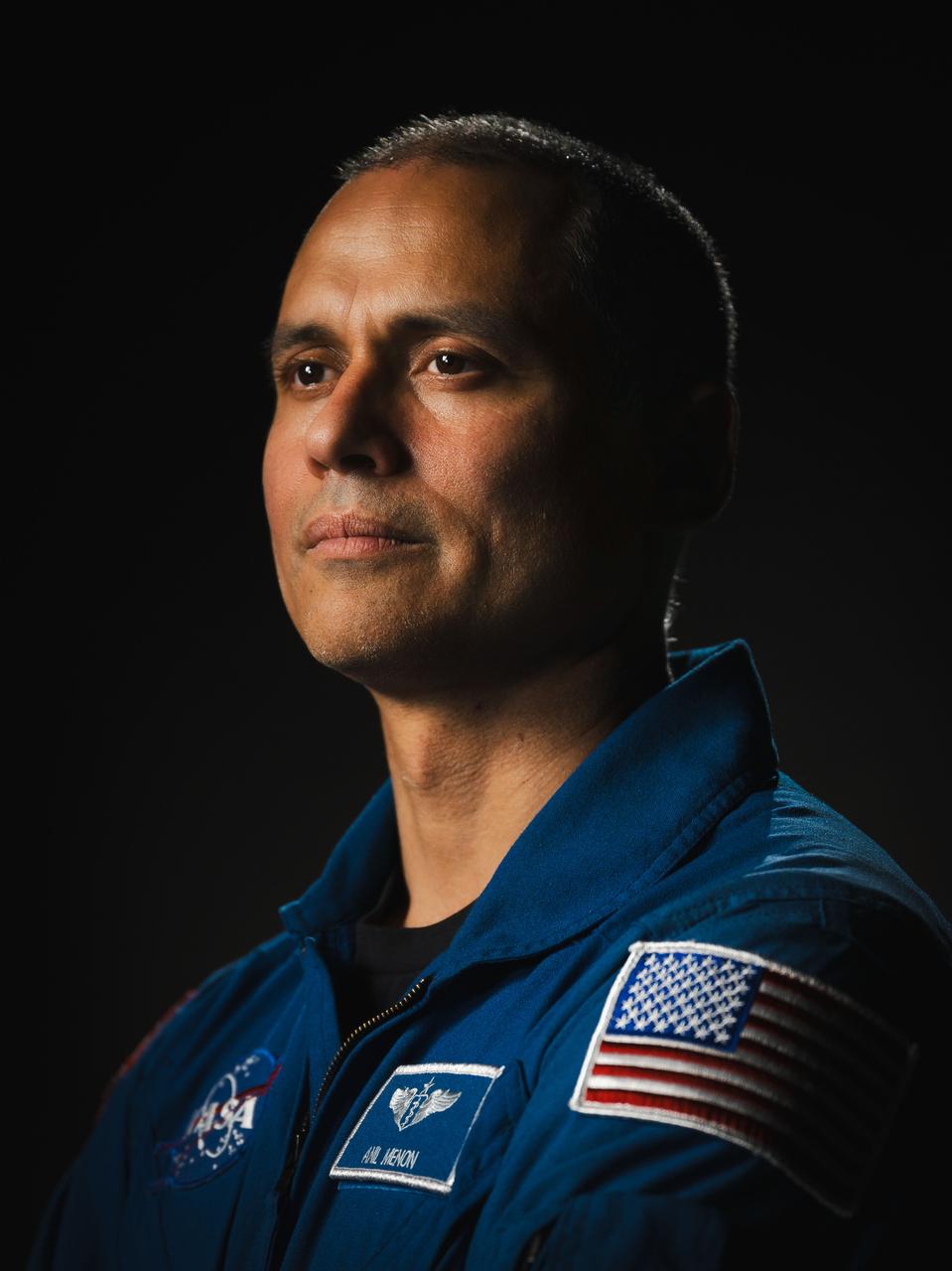
jsc2024e013690_alt (February 8, 2024) --- NASA astronaut Anil Menon poses for a portrait at NASA’s Johnson Space Center in Houston, Texas. Credit: NASA/ Josh Valcarcel
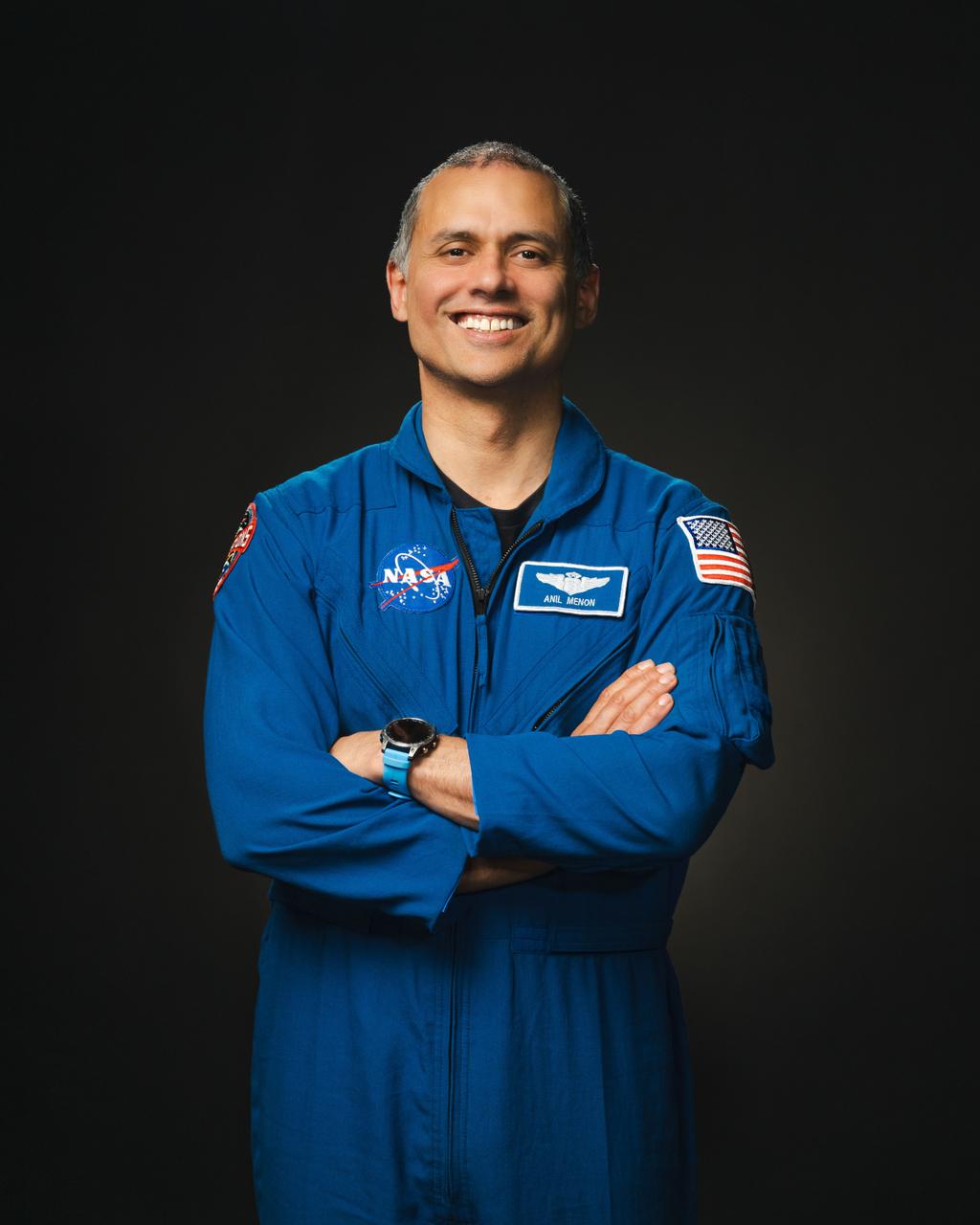
jsc2024e015918 (February 21, 2024) --- NASA astronaut Anil Menon poses for a portrait at NASA’s Johnson Space Center in Houston, Texas. Credit: NASA/ Josh Valcarcel
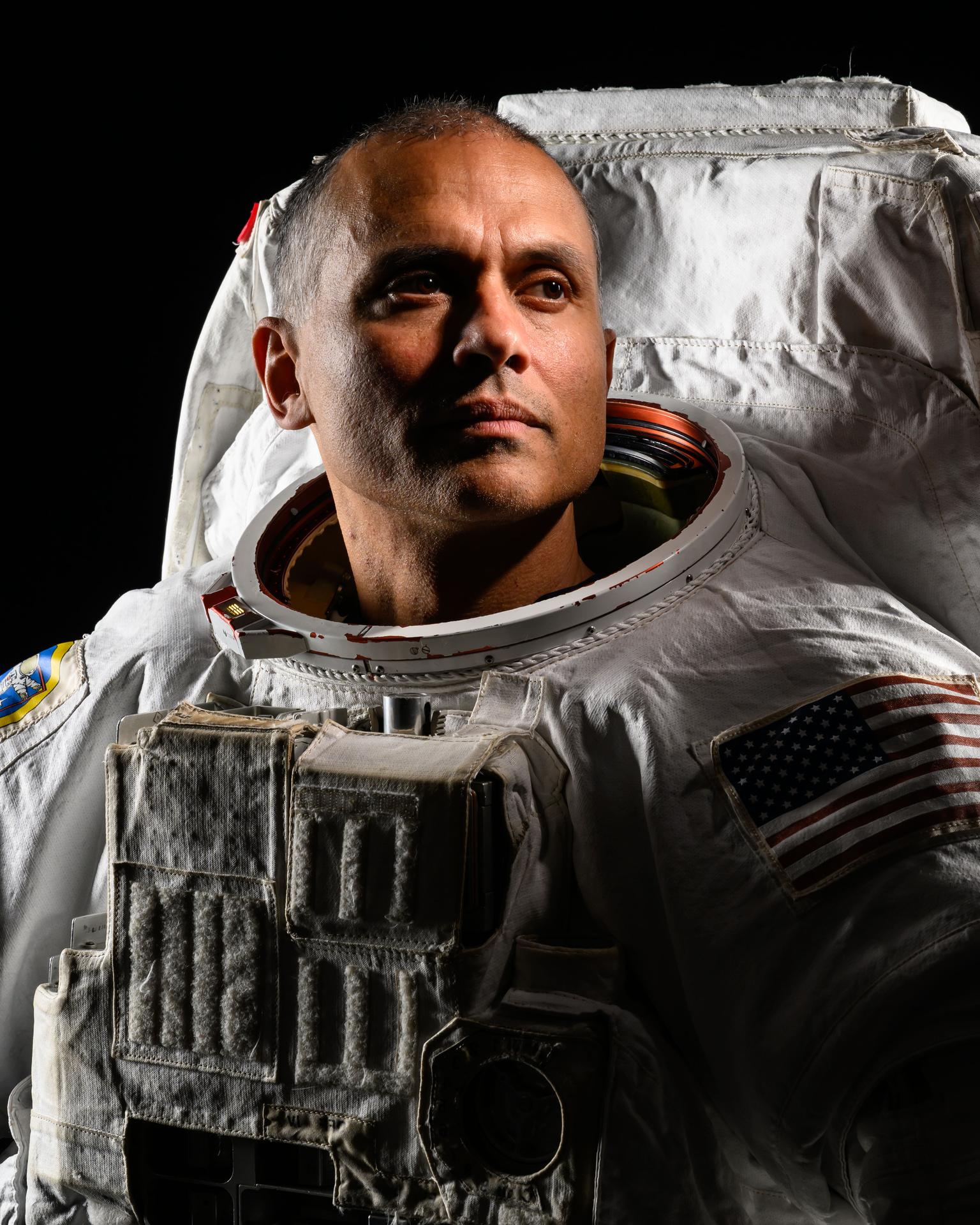
jsc2026e000758 (Jan. 8, 2026) --- NASA astronaut and Expedition 75 flight engineer Anil Menon poses in a spacesuit for a portrait at NASA's Johnson Space Center in Houston, Texas. Credit: NASA/Robert Markowitz
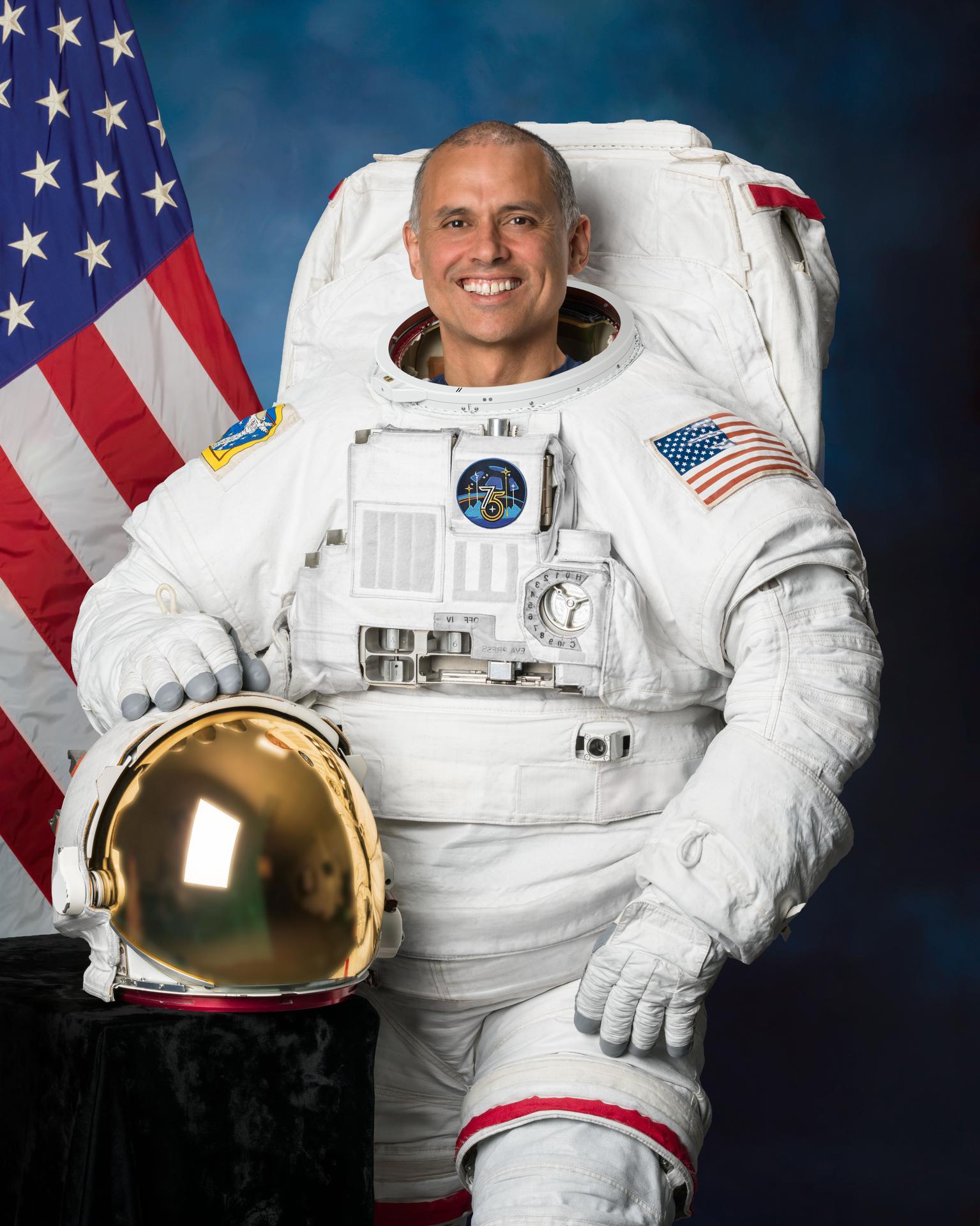
jsc2026e000701_alt (Jan. 12, 2026) --- NASA astronaut and Expedition 75 flight engineer Anil Menon poses in a spacesuit for his official portrait at NASA's Johnson Space Center in Houston, Texas. Credit: NASA/James Blair

jsc2026e000750 (Jan. 8, 2026) --- NASA astronaut and Expedition 75 flight engineer Anil Menon poses in a spacesuit for a portrait at NASA's Johnson Space Center in Houston, Texas. Credit: NASA/Robert Markowitz

jsc2025e067768_alt (July 31, 2025) --- NASA astronaut and Expedition 75 flight engineer Anil Menon poses for a preflight portrait at NASA's Johnson Space Center in Houston, Texas. Credit: NASA/Robert Markowitz
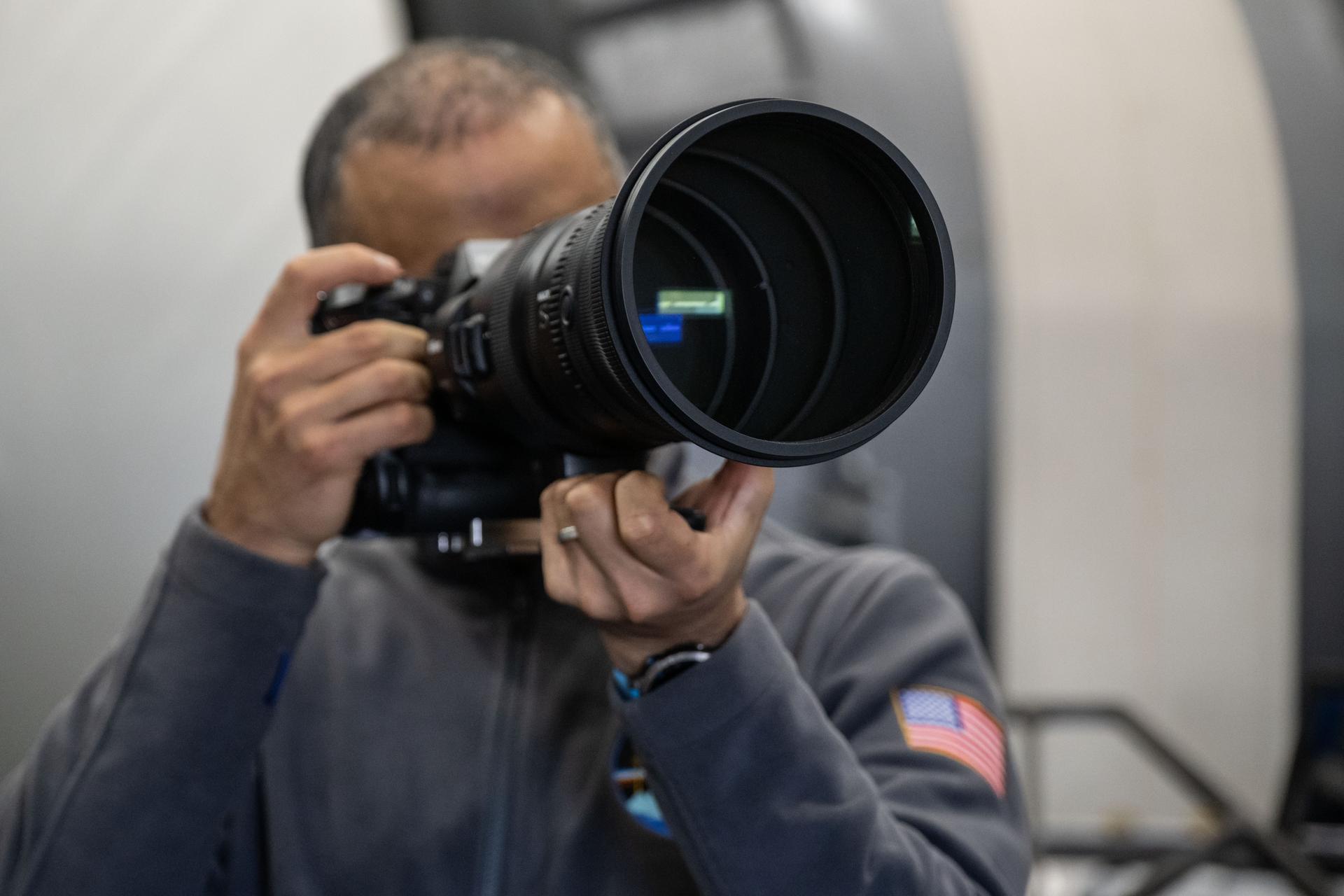
jsc2025e089120 (Dec. 8, 2025) --- NASA astronaut and Expedition 75 flight engineer Anil Menon participates in a photography training session at Johnson Space Center's Space Vehicle Mockup Facility in Houston, Texas, ahead of his upcoming mission to the International Space Station. Credit: NASA/Bill Stafford
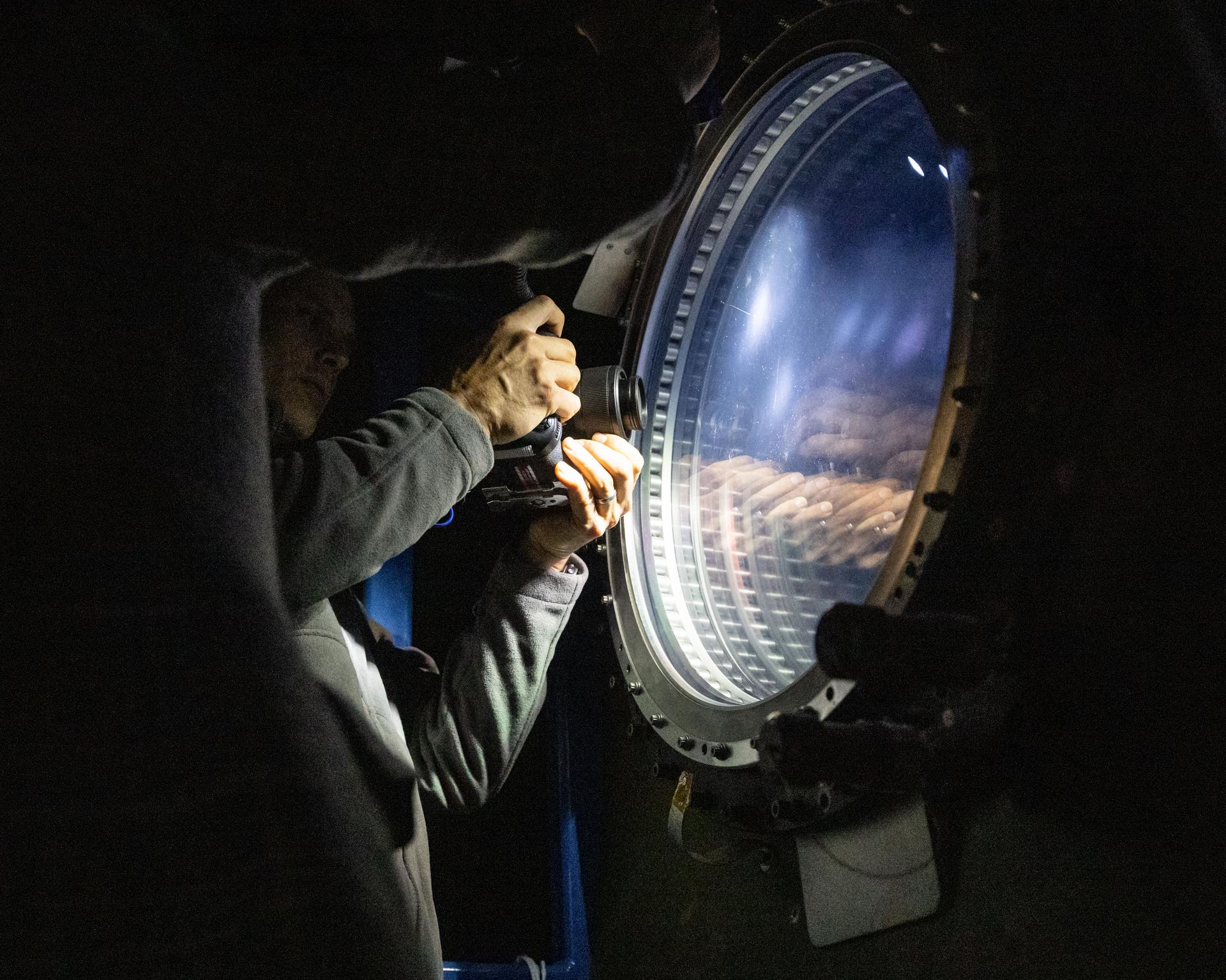
jsc2025e089114 (Dec. 8, 2025) --- NASA astronaut and Expedition 75 flight engineer Anil Menon participates in a photography training session at Johnson Space Center's Space Vehicle Mockup Facility in Houston, Texas, ahead of his upcoming mission to the International Space Station. Credit: NASA/Bill Stafford
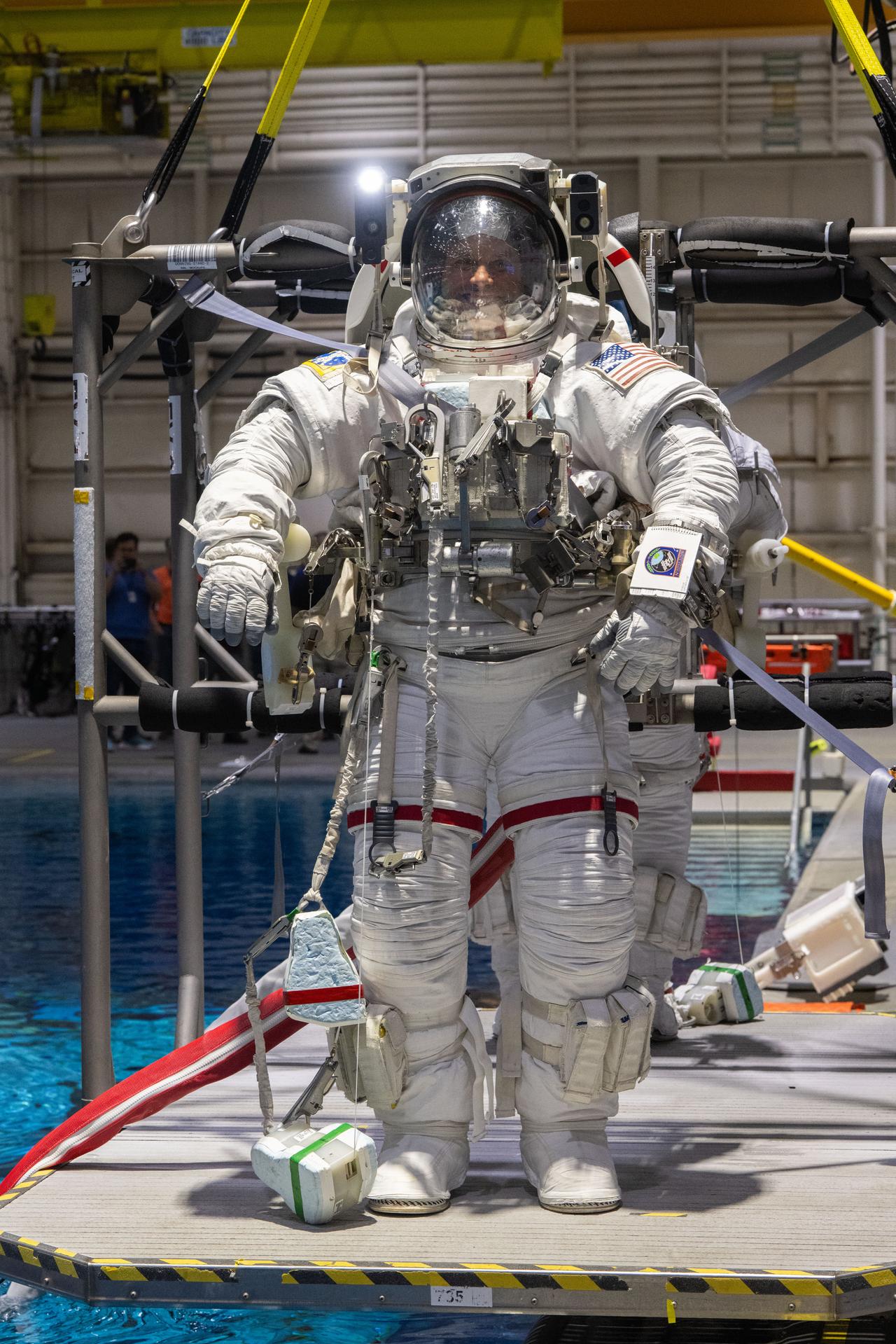
jsc2025e041069 (April 23, 2025) --- NASA astronaut and Expedition 75 flight engineer Anil Menon participates in a spacewalk training session at Johnson Space Center's Neutral Buoyancy Laboratory in Houston, Texas, ahead of his upcoming mission to the International Space Station. Credit: NASA/David DeHoyos
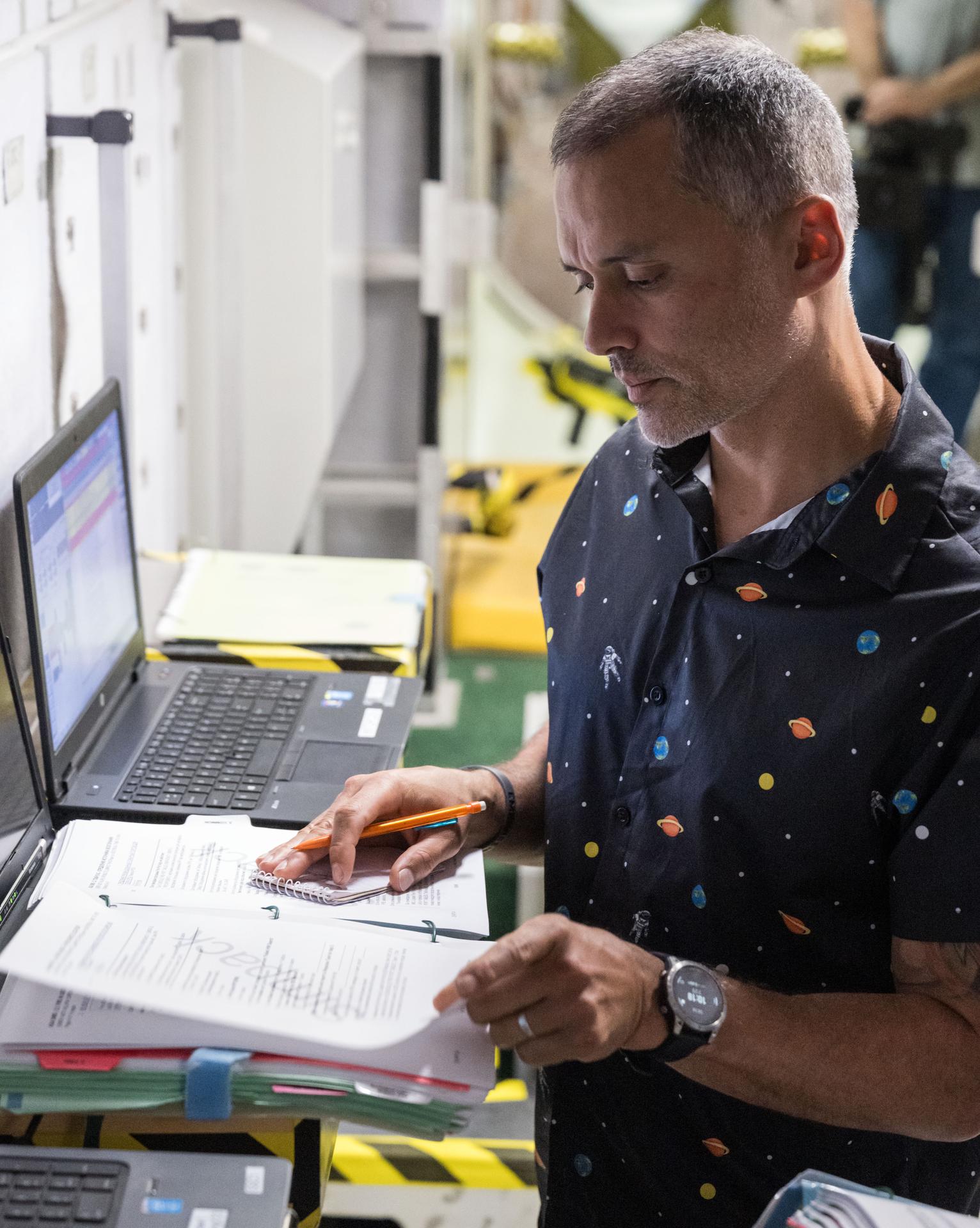
jsc2025e065956 (July 29, 2025) --- NASA astronaut and Expedition 75 flight engineer Anil Menon participates in a training session at Johnson Space Center's Space Vehicle Mockup Facility in Houston, Texas, ahead of his upcoming mission to the International Space Station. Credit: NASA/James Blair

jsc2025e065929 (July 29, 2025) --- NASA astronaut and Expedition 75 flight engineer Anil Menon participates in a training session at Johnson Space Center's Space Vehicle Mockup Facility in Houston, Texas, ahead of his upcoming mission to the International Space Station. Credit: NASA/James Blair
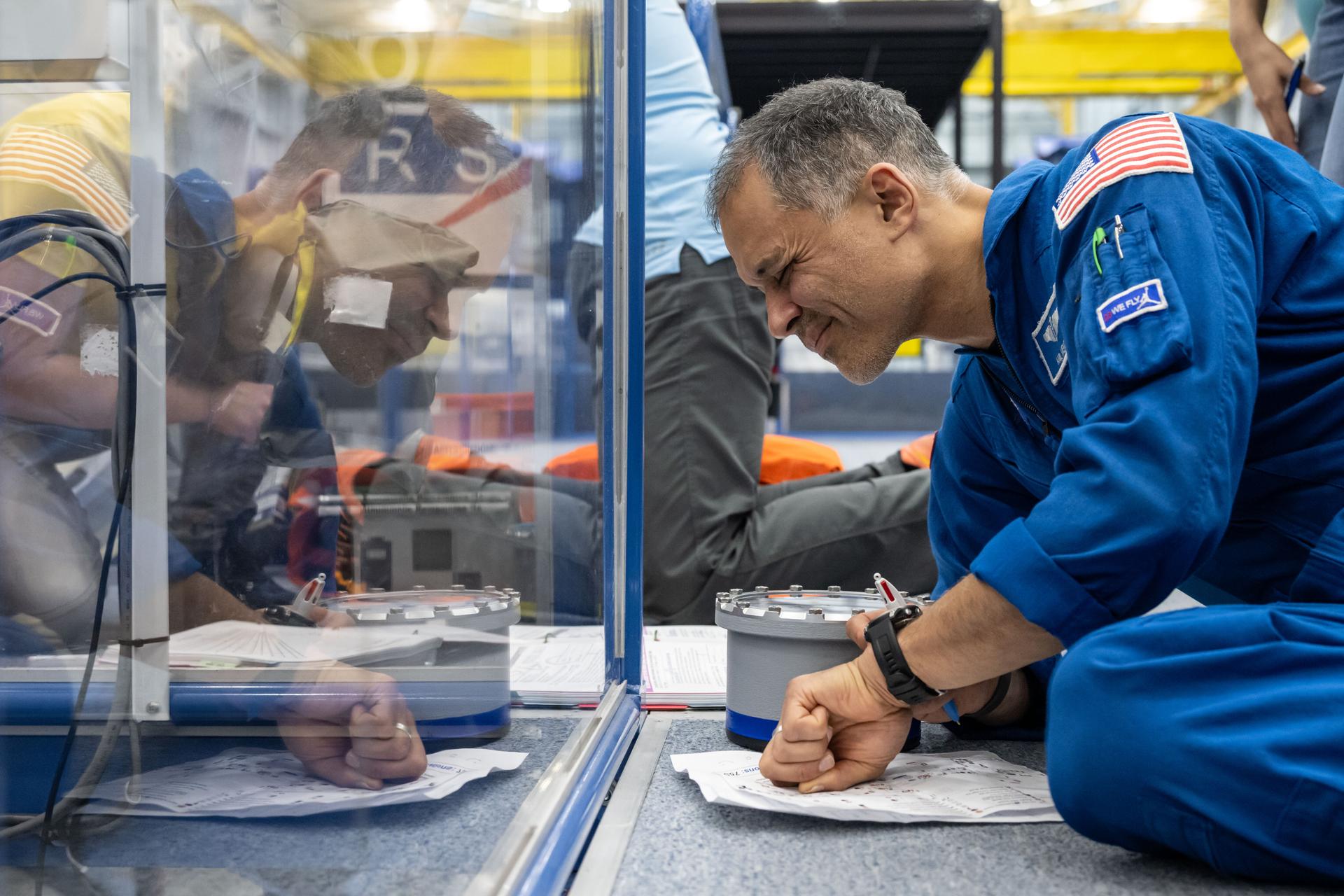
jsc2026e011268 (March 3, 2026) --- NASA astronaut and Expedition 75 flight engineer Anil Menon participates in an emergency training session at Johnson Space Center's Space Vehicle Mockup Facility in Houston, Texas, ahead of his upcoming mission to the International Space Station. Credit: NASA/Josh Valcarcel
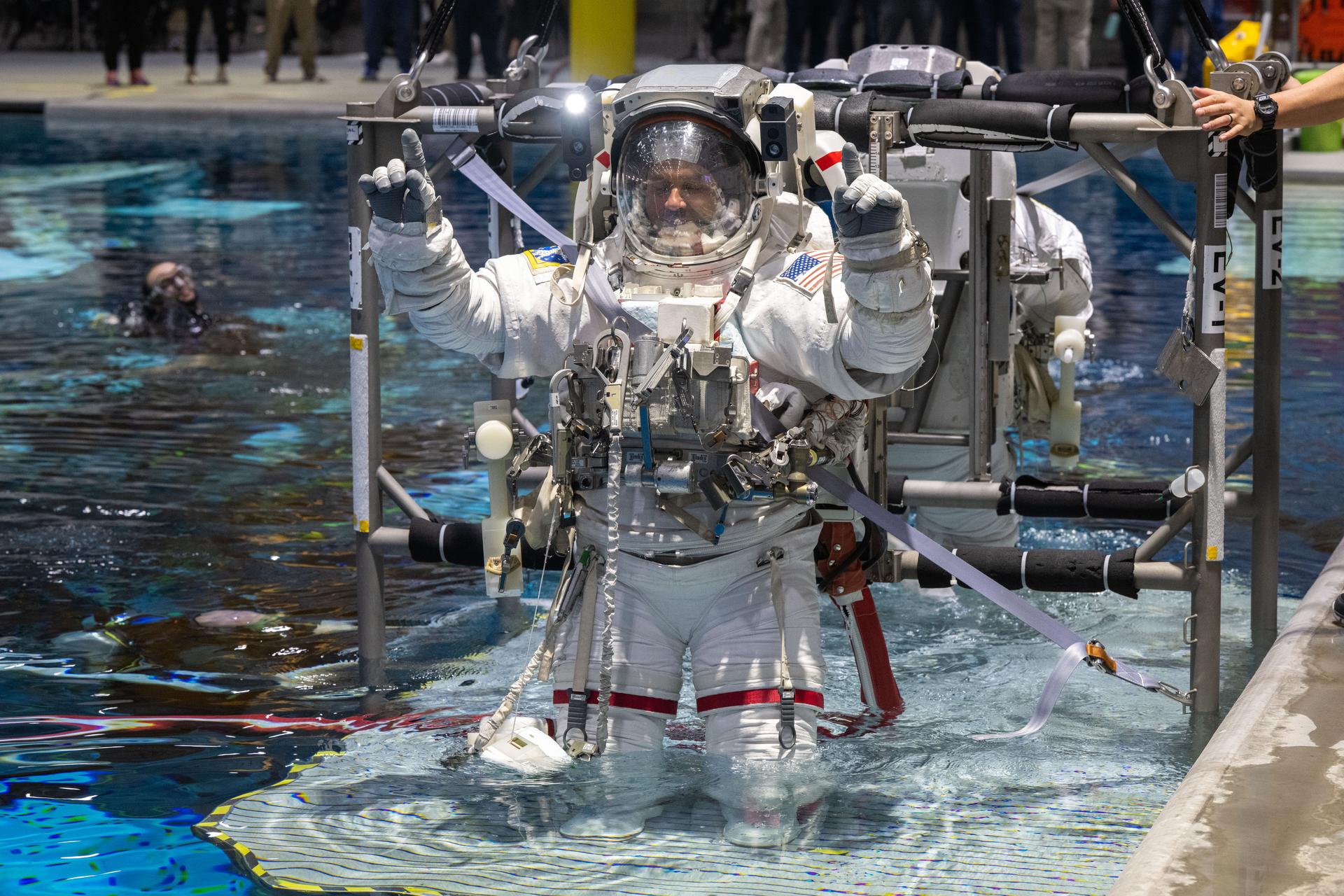
jsc2025e041073 (April 23, 2025) --- NASA astronaut and Expedition 75 flight engineer Anil Menon participates in a spacewalk training session at Johnson Space Center's Neutral Buoyancy Laboratory in Houston, Texas, ahead of his upcoming mission to the International Space Station. Credit: NASA/David DeHoyos
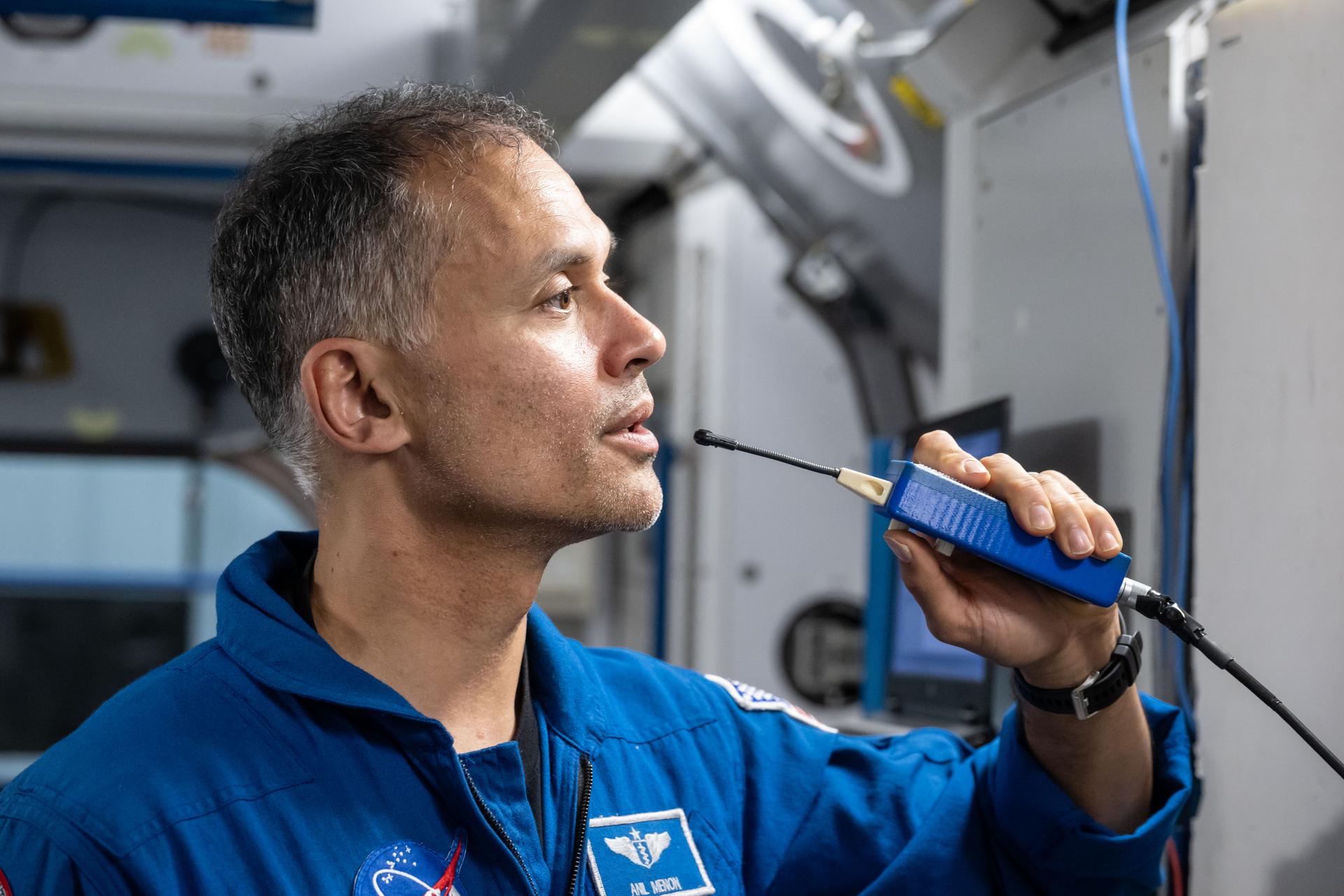
jsc2026e011265 (March 3, 2026) --- NASA astronaut and Expedition 75 flight engineer Anil Menon participates in an emergency training session at Johnson Space Center's Space Vehicle Mockup Facility in Houston, Texas, ahead of his upcoming mission to the International Space Station. Credit: NASA/Josh Valcarcel

jsc2026e011688 (March 5, 2026) --- NASA astronaut and Expedition 75 flight engineer Anil Menon participates in a training session at Johnson Space Center's Space Vehicle Mockup Facility in Houston, Texas, ahead of his upcoming mission to the International Space Station. Credit: NASA/Helen Arase Vargas
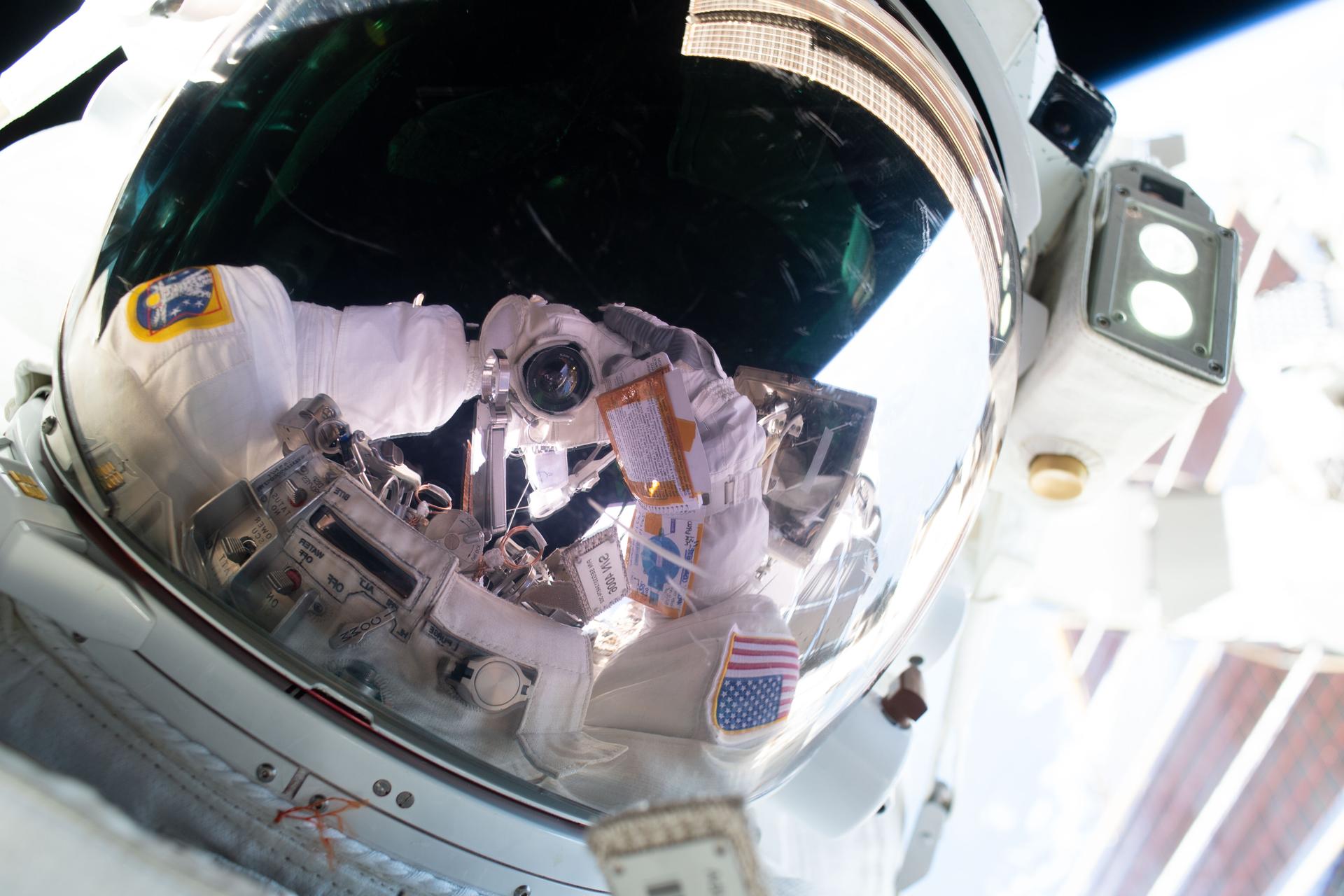
iss075e0068637 (Aug. 25, 2026) --- NASA astronaut and Expedition 75 flight engineer Anil Menon points his camera toward his spacesuit’s helmet visor and takes an out-of-this-world “space selfie.” Menon participated in a six-hour and 30-minute spacewalk with ESA (European Space Agency) astronaut and Expedition 75 flight engineer Sophie Adenot (out of frame) to install a high-speed space-to-ground antenna outside the International Space Station. Credit: NASA/Anil Menon
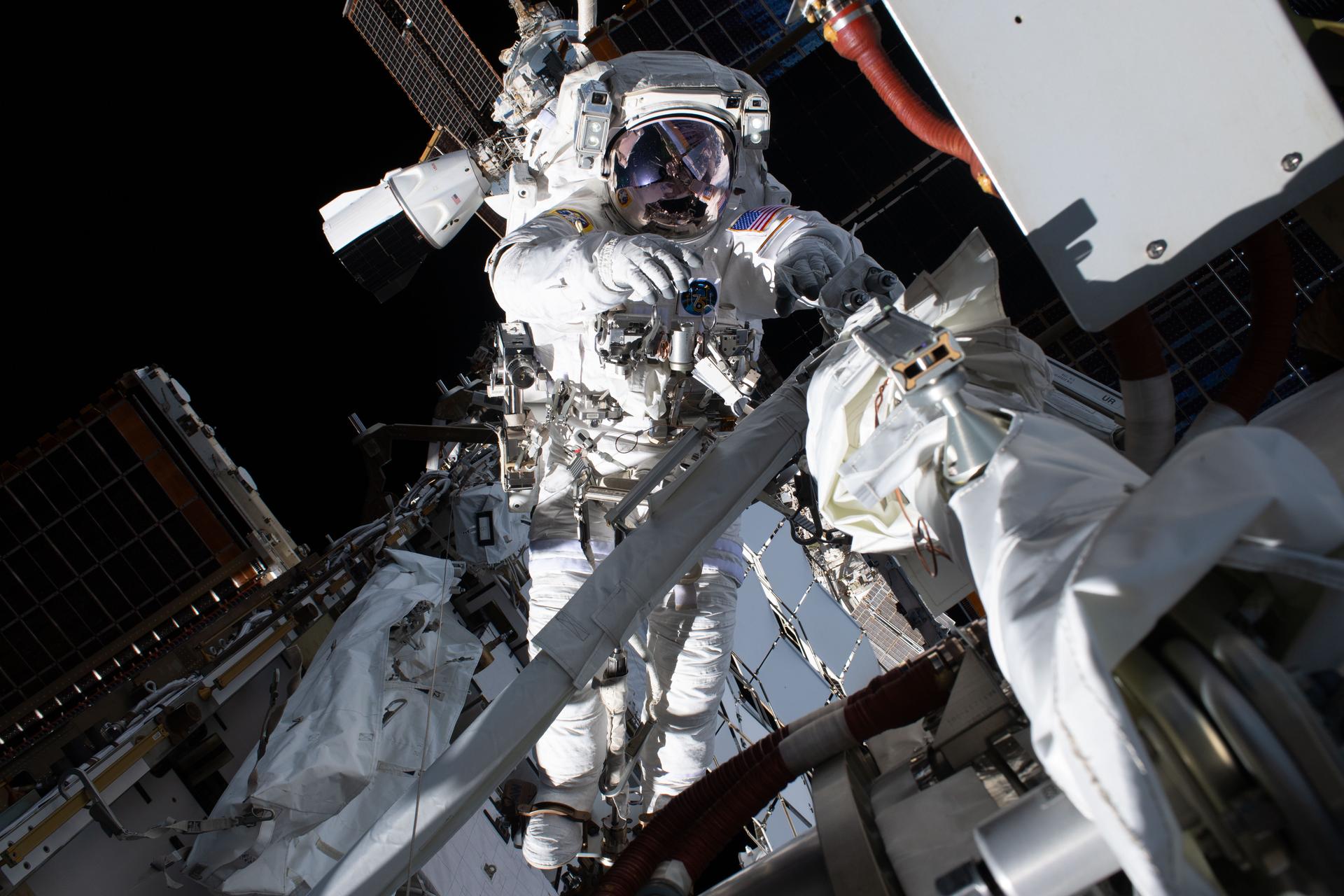
iss075e0011109 (Aug. 6, 2026) --- NASA astronaut and Expedition 75 flight engineer Anil Menon conducts a spacewalk to prepare the International Space Station for future upgrades to its power system. Menon helped build a modification kit on the station’s Starboard 6 truss segment where a roll out solar array is slated to be installed later this year. Credit: NASA
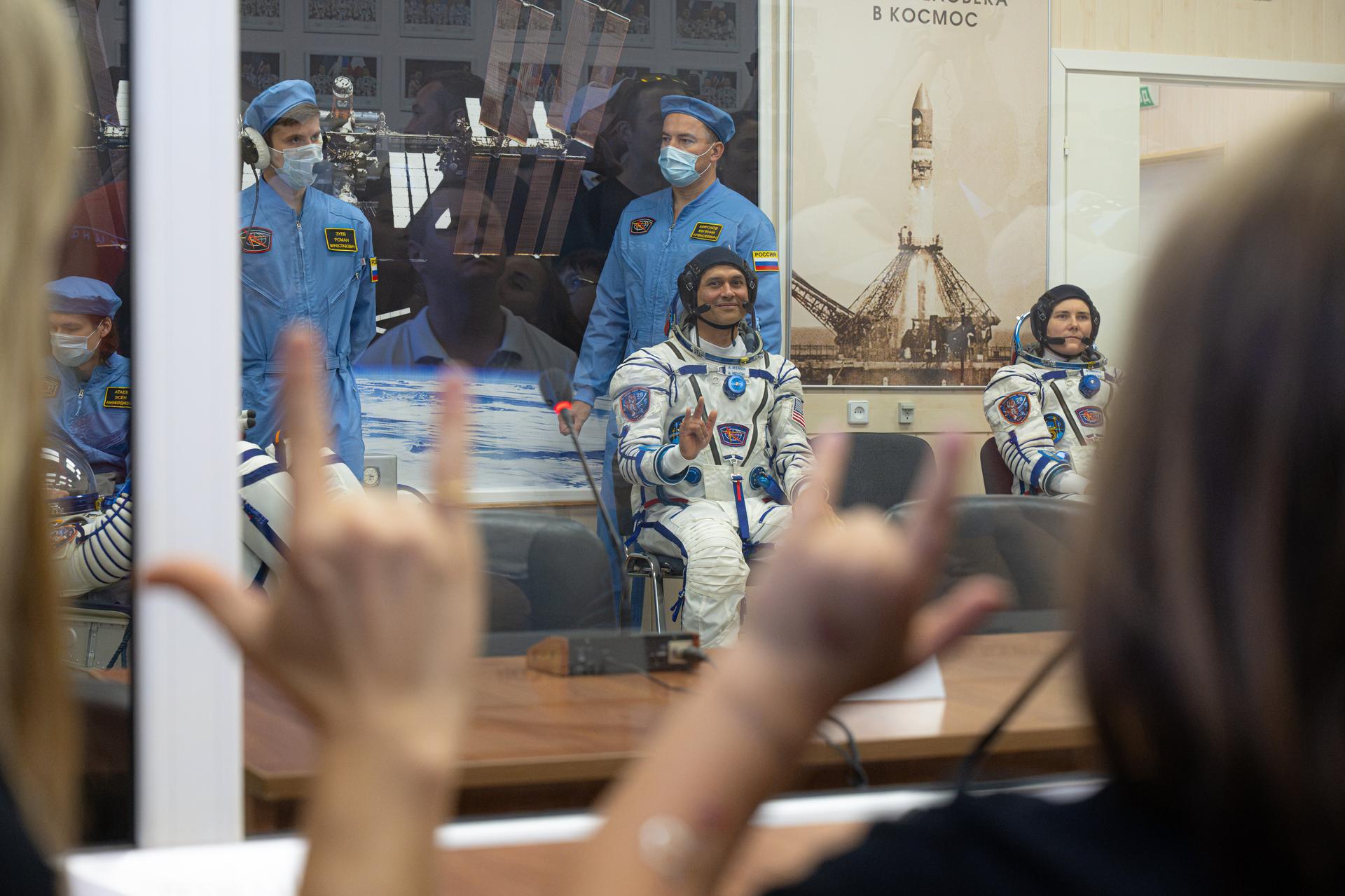
Expedition 75 crewmember NASA astronaut Anil Menon shares a moment with his wife, NASA astronaut candidate Anna Menon, and children before a pressure check of his Russian Sokul suit before launch, Tuesday, July 14, 2026, at the Baikonur Cosmodrome in Kazakhstan. The launch will send NASA astronaut Anil Menon and Roscosmos cosmonauts Pyotr Dubrov and Anna Kikina to the International Space Station aboard the Soyuz MS-29 spacecraft. Photo Credit: (NASA/John Kraus)
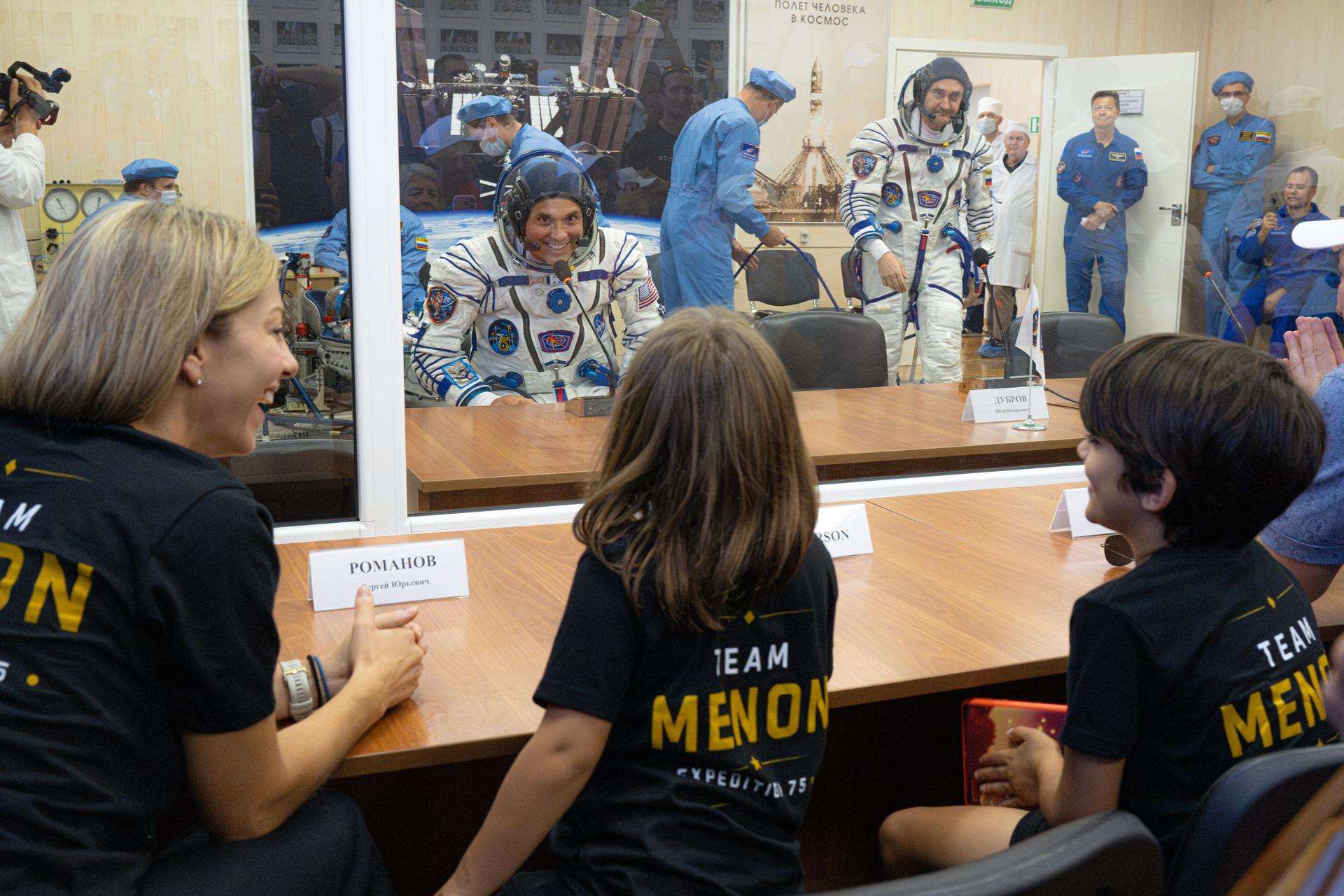
Expedition 75 crewmember NASA astronaut Anil Menon shares a moment with his wife, NASA astronaut candidate Anna Menon, and children following a pressure check of his Russian Sokul suit before launch, Tuesday, July 14, 2026, at the Baikonur Cosmodrome in Kazakhstan. The launch will send NASA astronaut Anil Menon and Roscosmos cosmonauts Pyotr Dubrov and Anna Kikina to the International Space Station aboard the Soyuz MS-29 spacecraft. Photo Credit: (NASA/John Kraus)
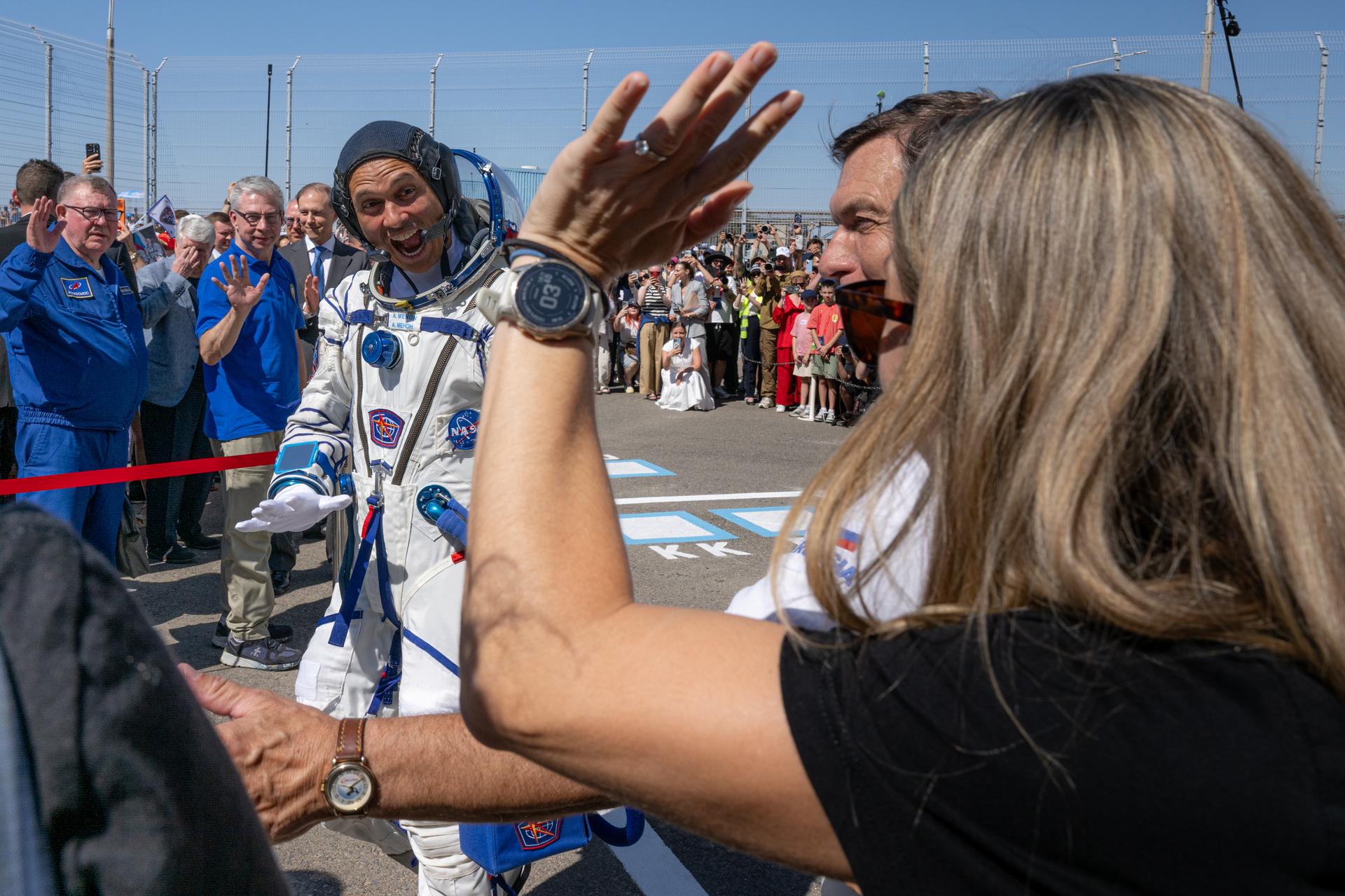
Expedition 75 crewmember NASA astronaut Anil Menon, left, waves to his wife, NASA astronaut candidate Anna Menon, right, while departing building 254 before launch, Tuesday, July 14, 2026, at the Baikonur Cosmodrome in Kazakhstan. The launch will send NASA astronaut Anil Menon and Roscosmos cosmonauts Pyotr Dubrov and Anna Kikina to the International Space Station aboard the Soyuz MS-29 spacecraft. Photo Credit: (NASA/John Kraus)
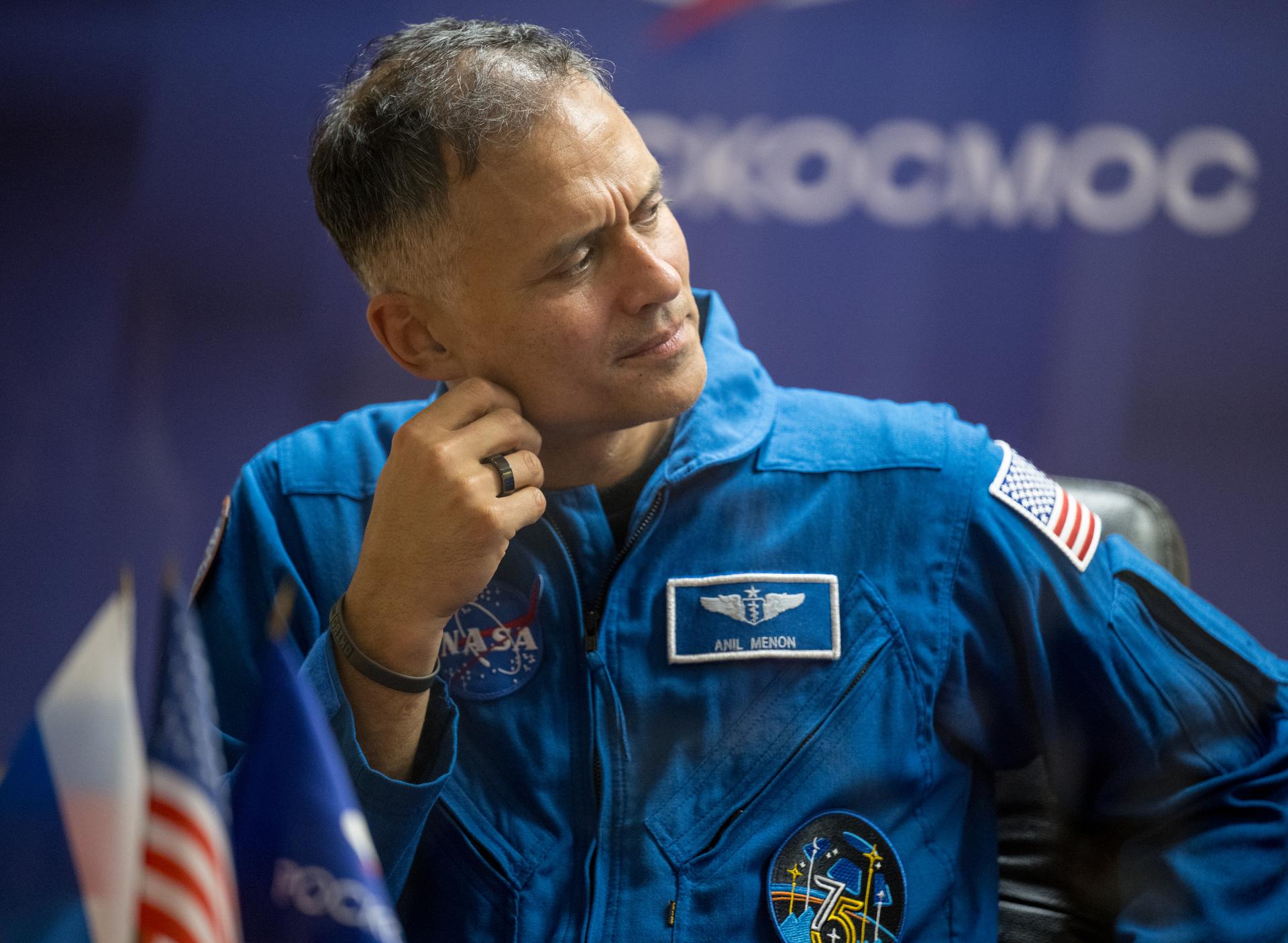
NASA astronaut Anil Menon is seen in quarantine, behind glass, during a press conference, Monday, July 13, 2026 a the Cosmonaut Hotel in Baikonur, Kazakhstan. Expedition 75 crewmembers: NASA astronaut Anil Menon, Roscosmos cosmonauts Pyotr Dubrov and Anna Kikina are scheduled to launch aboard the Soyuz MS-29 spacecraft to the International Space Station on July 14. Photo Credit: (NASA/Bill Ingalls)
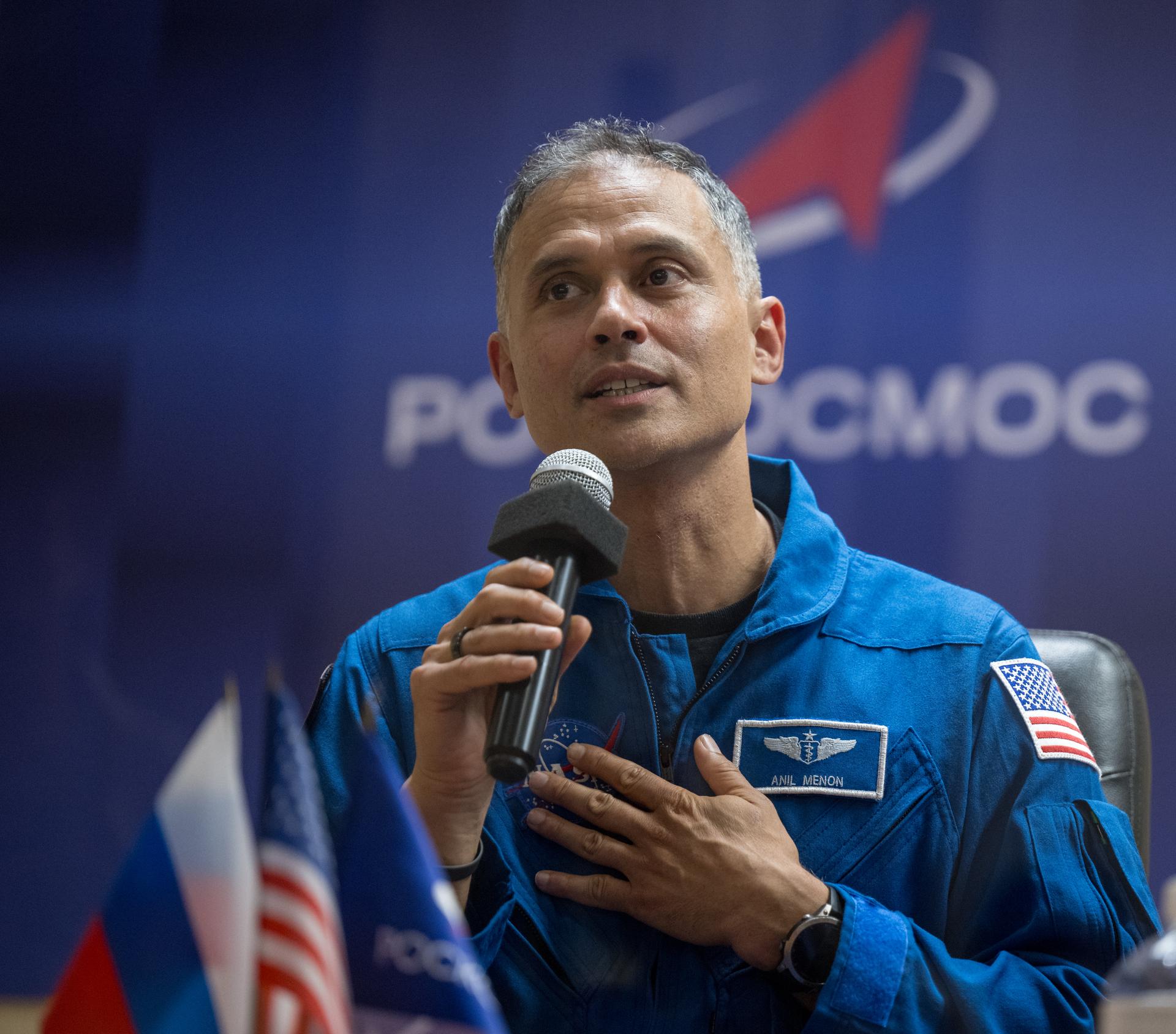
NASA astronaut Anil Menon is seen in quarantine, behind glass, during a press conference, Monday, July 13, 2026 a the Cosmonaut Hotel in Baikonur, Kazakhstan. Expedition 75 crewmembers: NASA astronaut Anil Menon, Roscosmos cosmonauts Pyotr Dubrov and Anna Kikina are scheduled to launch aboard the Soyuz MS-29 spacecraft to the International Space Station on July 14. Photo Credit: (NASA/Bill Ingalls)
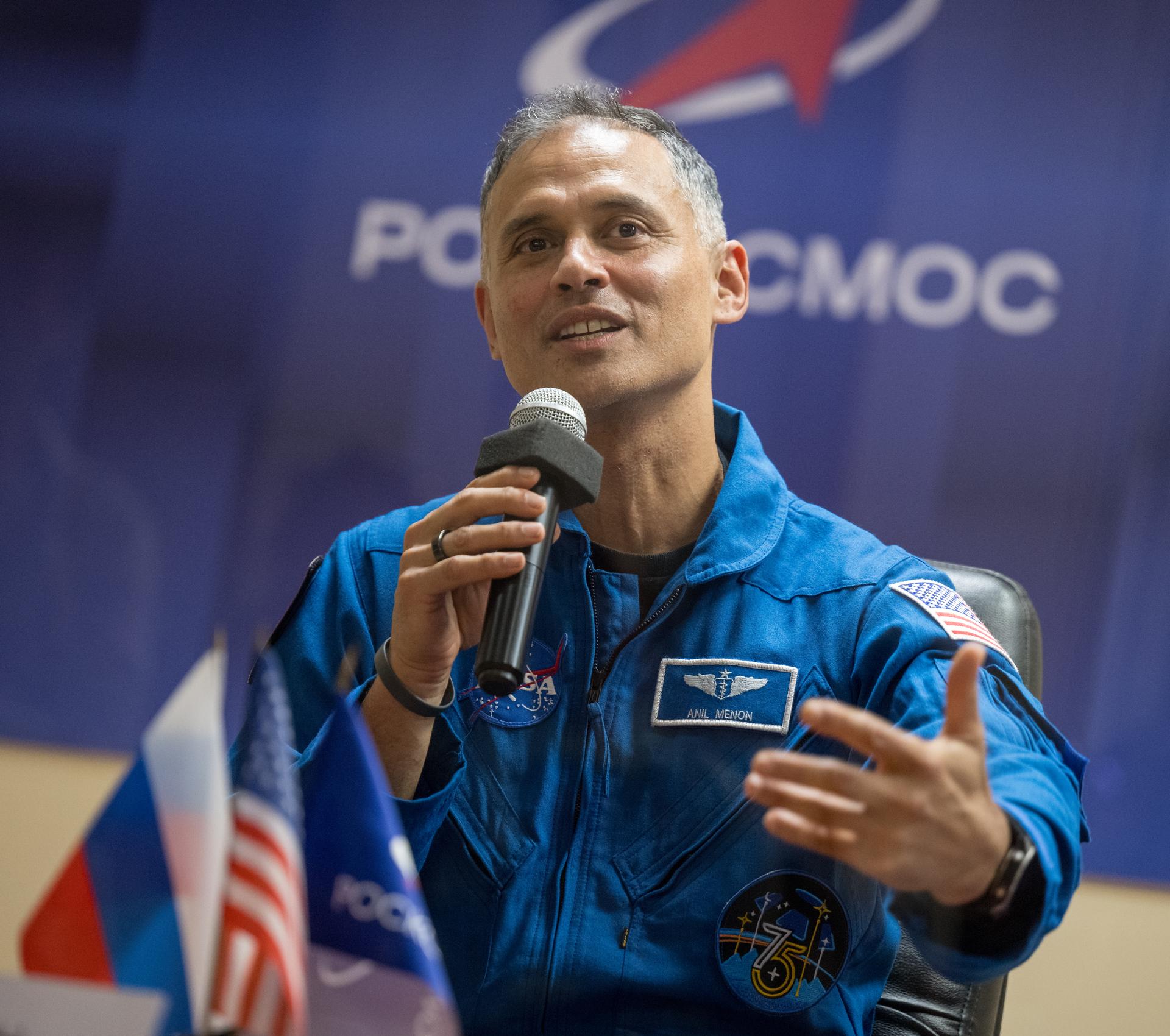
NASA astronaut Anil Menon is seen in quarantine, behind glass, during a press conference, Monday, July 13, 2026 a the Cosmonaut Hotel in Baikonur, Kazakhstan. Expedition 75 crewmembers: NASA astronaut Anil Menon, Roscosmos cosmonauts Pyotr Dubrov and Anna Kikina are scheduled to launch aboard the Soyuz MS-29 spacecraft to the International Space Station on July 14. Photo Credit: (NASA/Bill Ingalls)
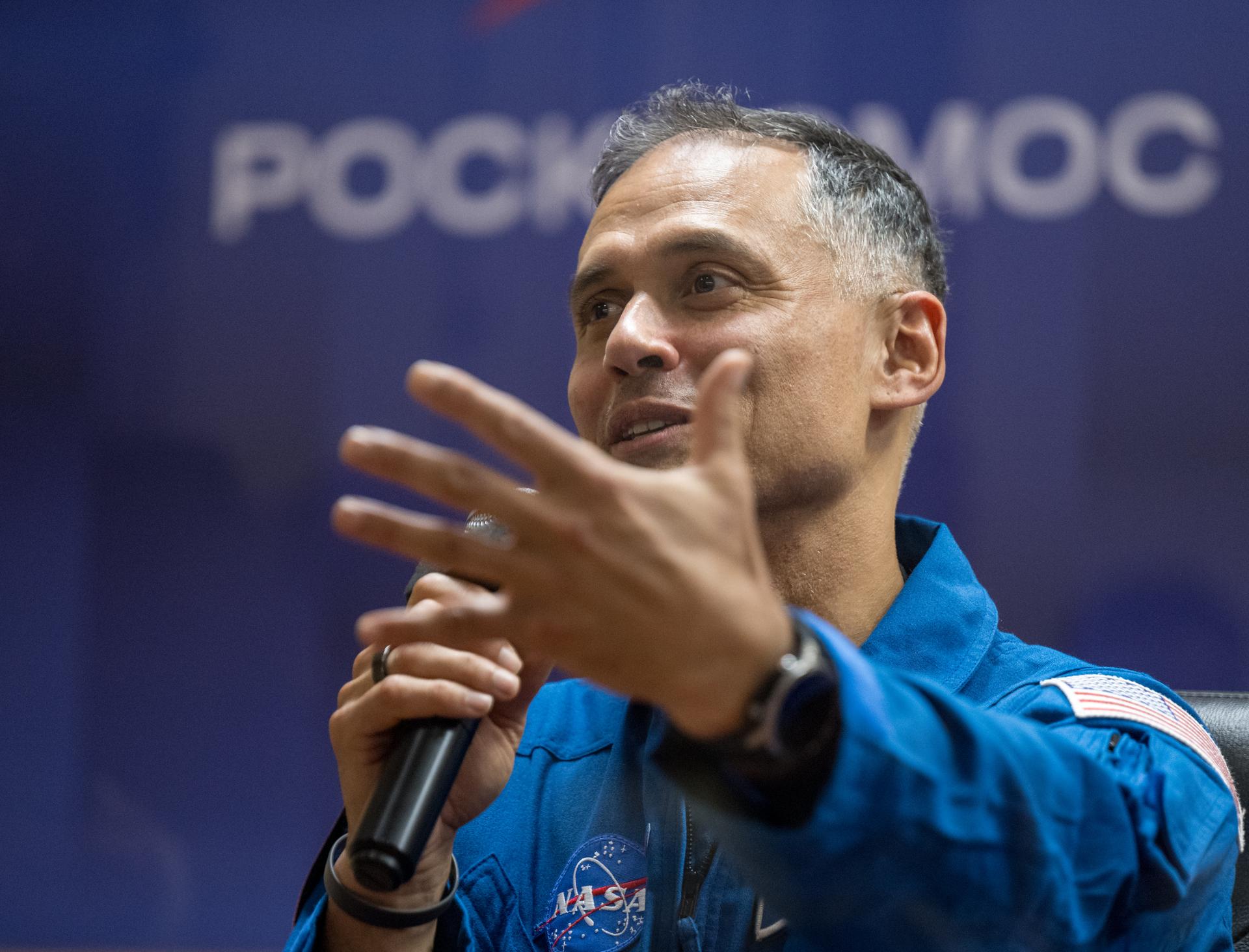
NASA astronaut Anil Menon is seen in quarantine, behind glass, during a press conference, Monday, July 13, 2026 a the Cosmonaut Hotel in Baikonur, Kazakhstan. Expedition 75 crewmembers: NASA astronaut Anil Menon, Roscosmos cosmonauts Pyotr Dubrov and Anna Kikina are scheduled to launch aboard the Soyuz MS-29 spacecraft to the International Space Station on July 14. Photo Credit: (NASA/Bill Ingalls)
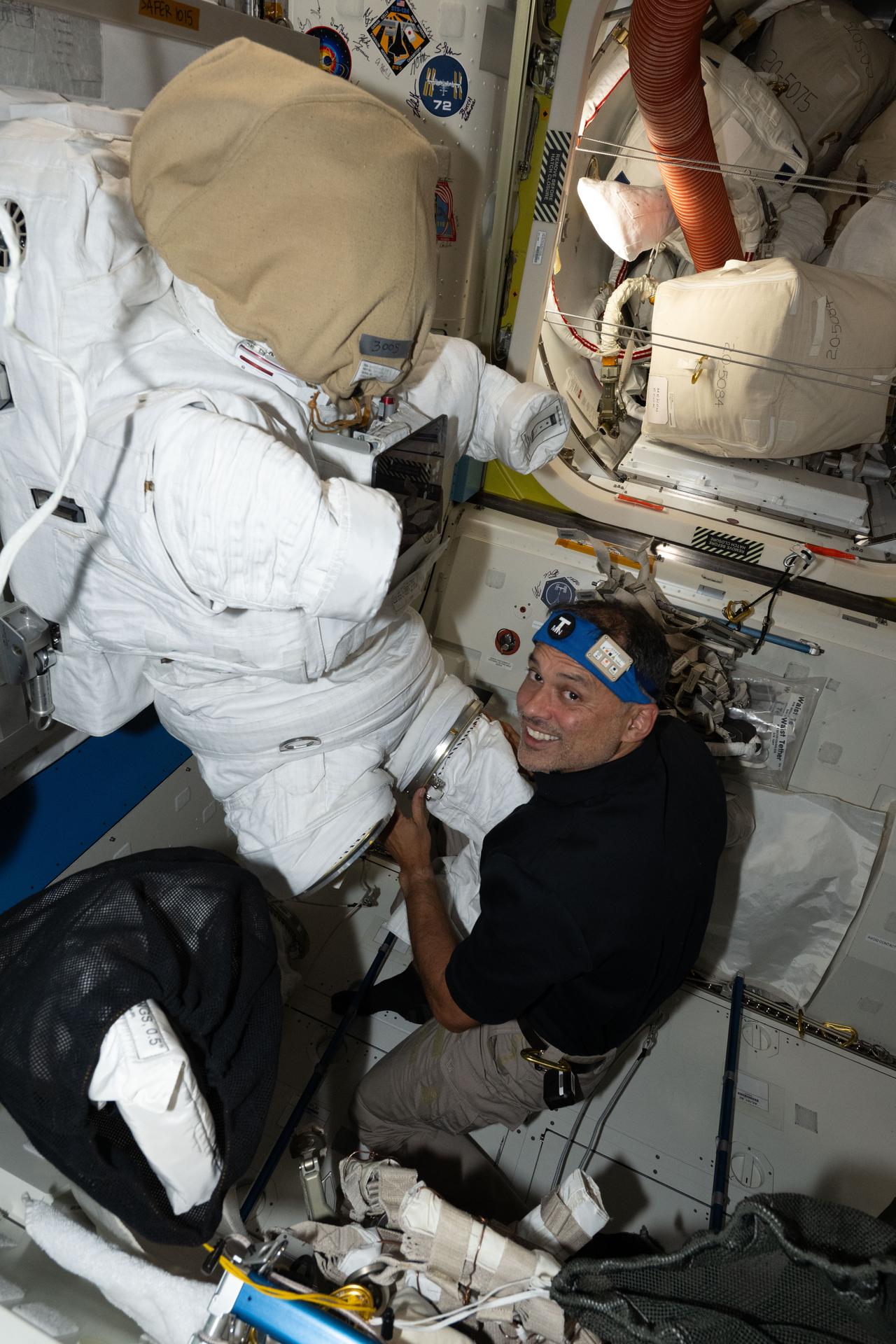
iss074e0814453 (July 17, 2026) --- NASA astronaut and Expedition 74 flight engineer Anil Menon services a spacesuit and its components inside the International Space Station's Quest airlock. Credit: NASA/Jessica Meir
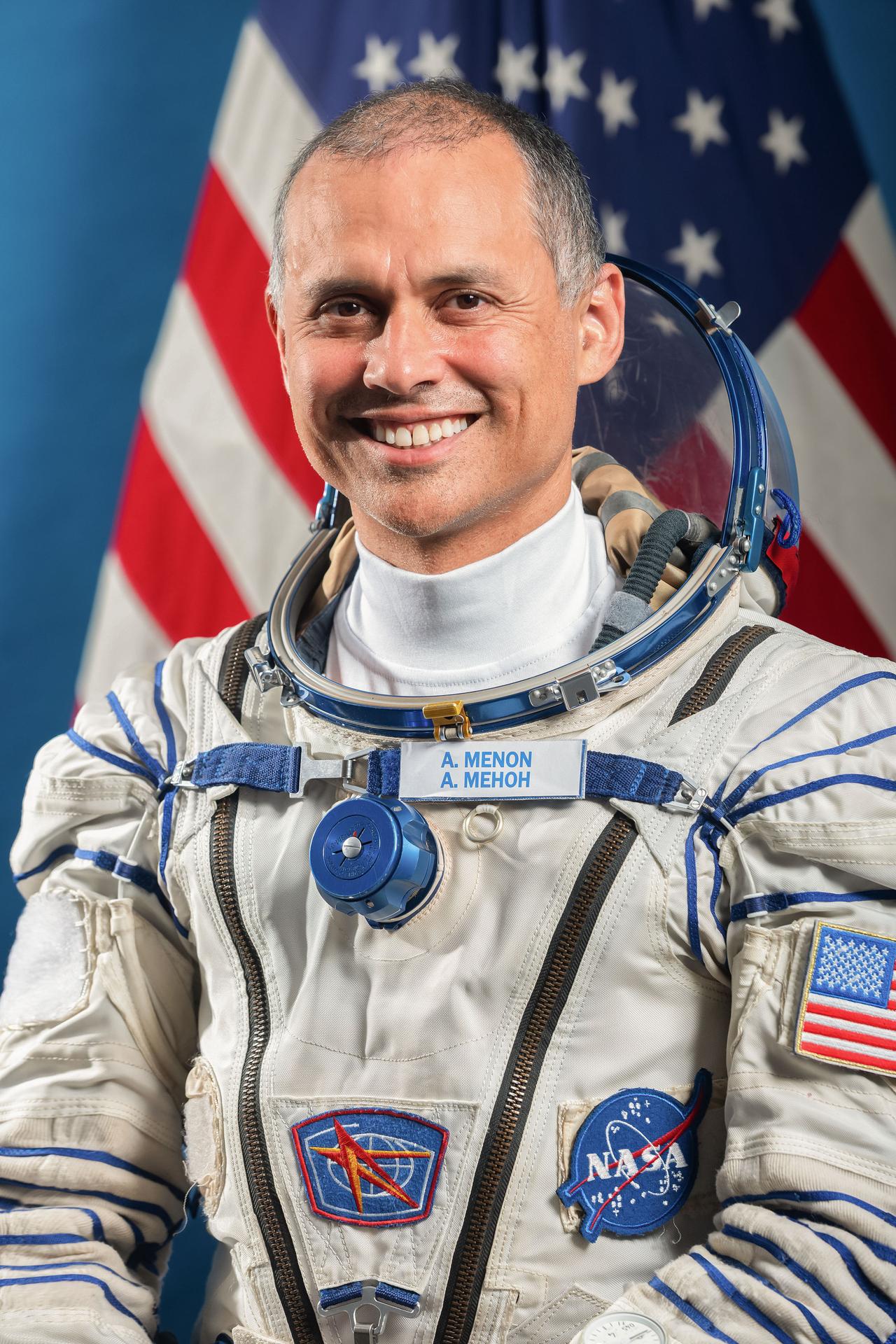
jsc2025e074501 (June 9, 2025) --- NASA astronaut and Soyuz MS-28 Backup Flight Engineer Anil Menon poses for a portrait in his Sokol launch and entry suit at the Gagarin Cosmonaut Training Center in Star City, Russia. Credit: GCTC

jsc2026e006041 (Feb. 10, 2026) --- NASA astronaut and Expedition 75 flight engineer Anil Menon participates in a spacewalk training session at Johnson Space Center's Neutral Buoyancy Laboratory in Houston, Texas, ahead of his upcoming mission to the International Space Station. Credit: NASA/James Blair

jsc2026e039165 (June 9, 2025) --- NASA astronaut and Soyuz MS-29 flight engineer Anil Menon poses for a portrait in his Sokol launch and entry suit at the Gagarin Cosmonaut Training Center in Star City, Russia. Credit: GCTC
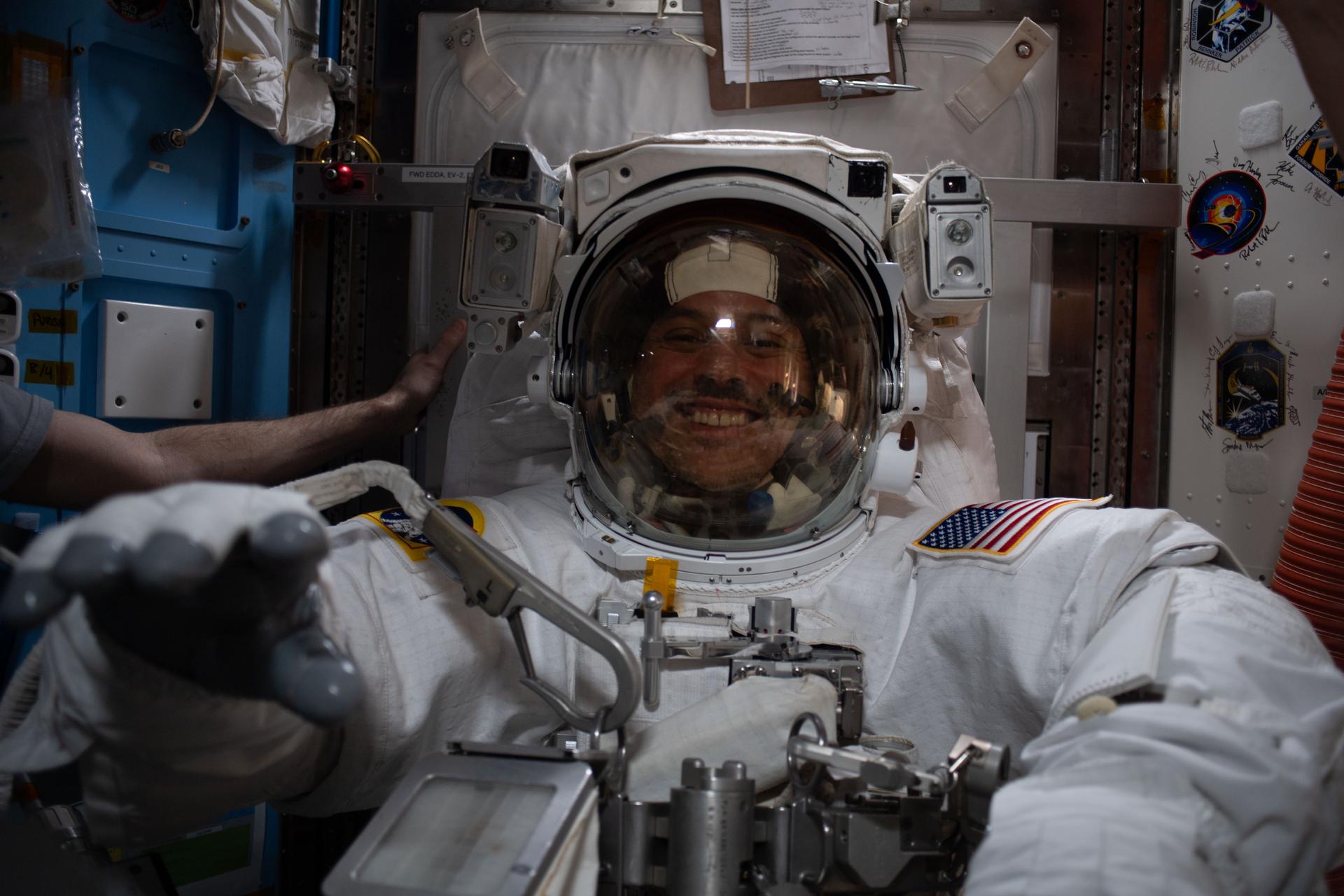
iss075e0001976 (Aug. 4, 2026) --- NASA astronaut and Expedition 74 flight engineer Anil Menon is pictured inside the Quest airlock tryng on a spacesuit to verify its comfort, mobility, and functionality. Menon was conducting an on-orbit fit verification of the suit before conducting his first spacewalk outside of the International Space Station. Credit: NASA/Jessica Meir
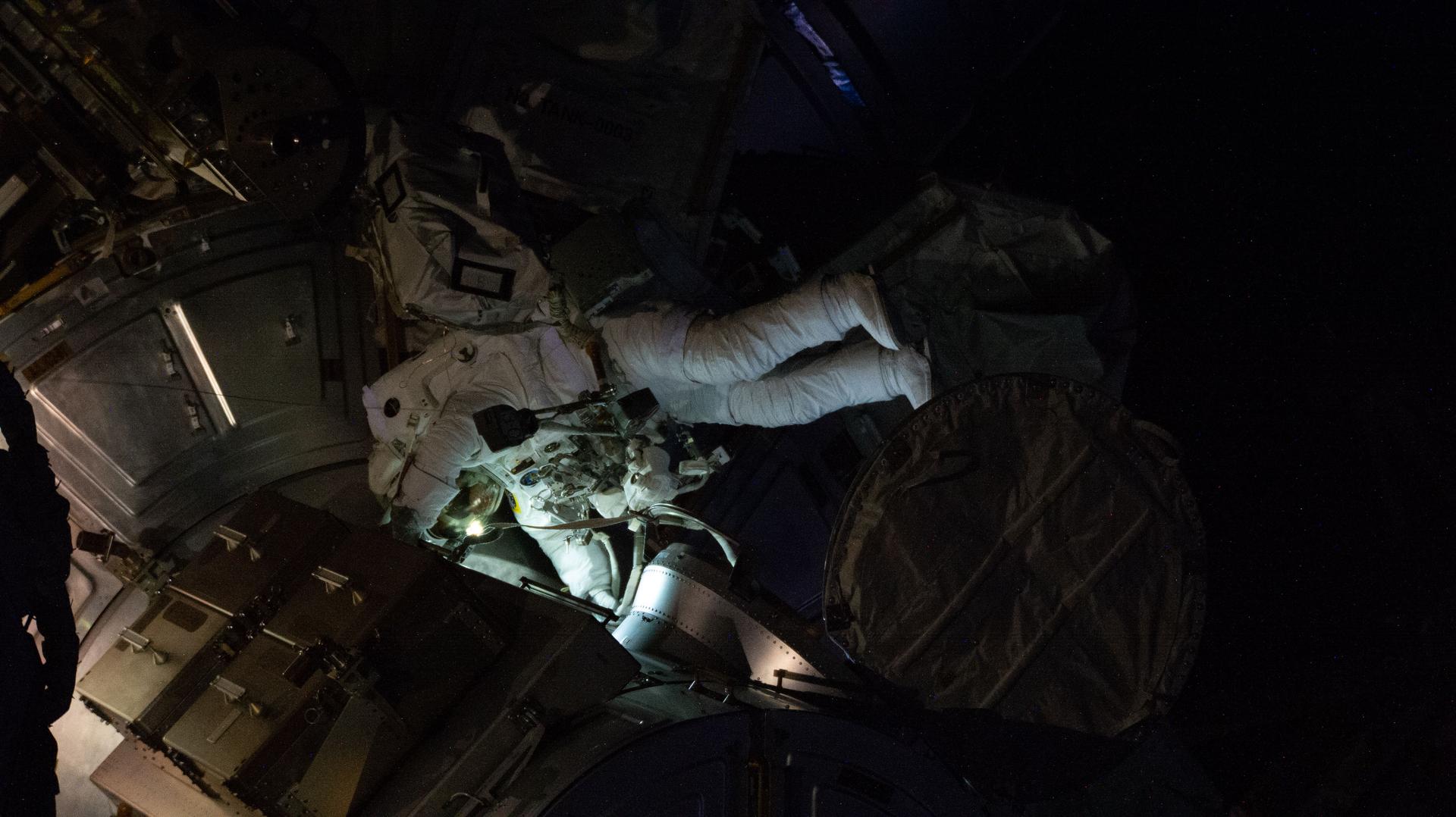
iss075e0003359 (Aug. 6, 2026) --- NASA astronaut and Expedition 75 flight engineer Anil Menon conducts a spacewalk to prepare the International Space Station for future upgrades to its power system. Menon worked in the vacuum of space for six hours and 37 minutes with Expedition 75 commander Jessica Meir of NASA (out of frame) building a modification kit on the station’s Starboard 6 truss segment where a roll out solar array is slated to be installed later this year. Credit: NASA
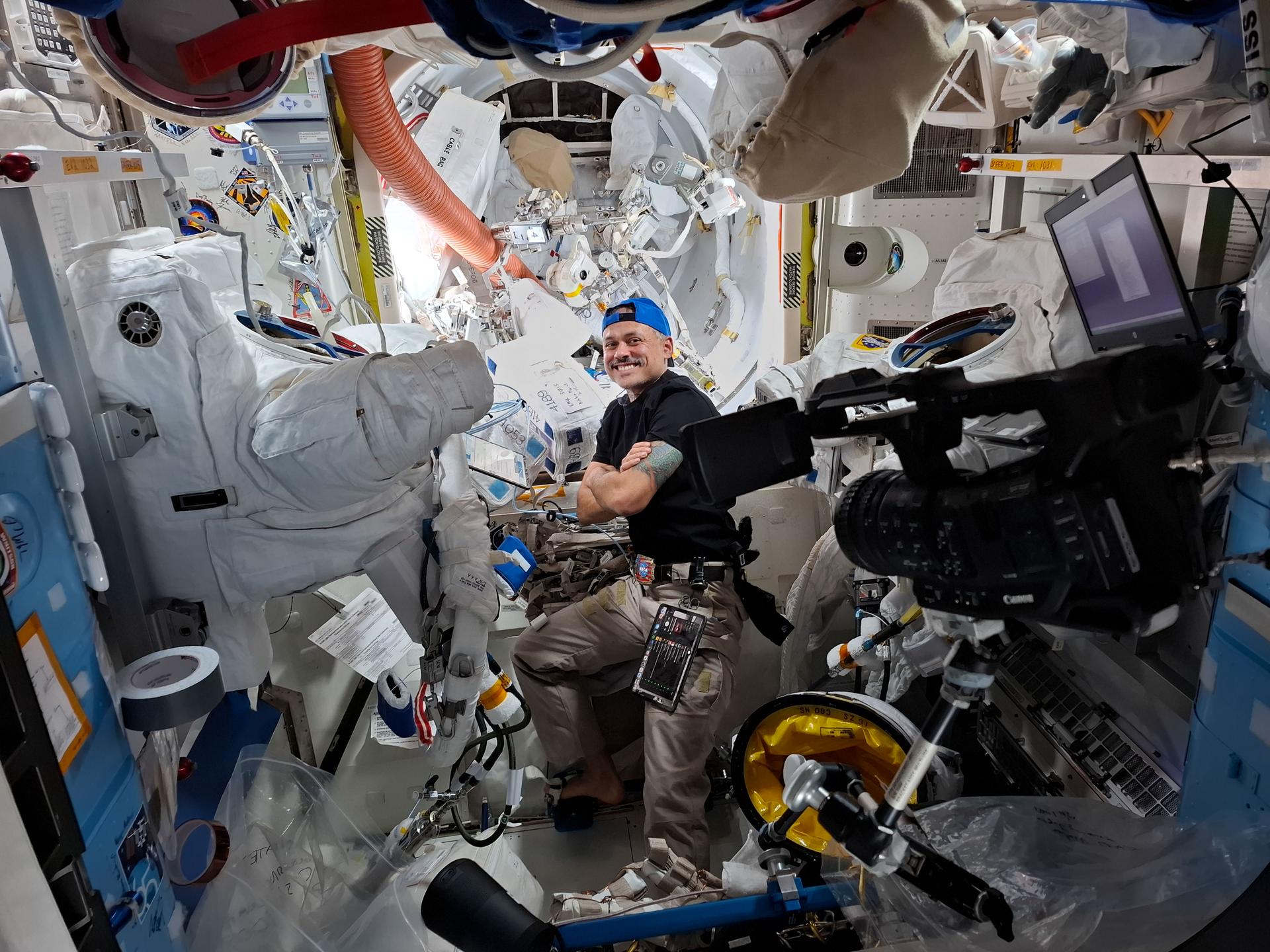
iss075e0103073 (July m31, 2026) --- NASA astronaut and Expedition 75 flight engineer Anil Menon smiles for a portrait while conducting spacesuit maintenance inside the International Space Station's Quest airlock. Menon cleaned the spacesuit’s water-cooling loops that keep a spacewalker comfortable while working in the extreme environment of space. Credit: Roscosmos/Anna Kikina
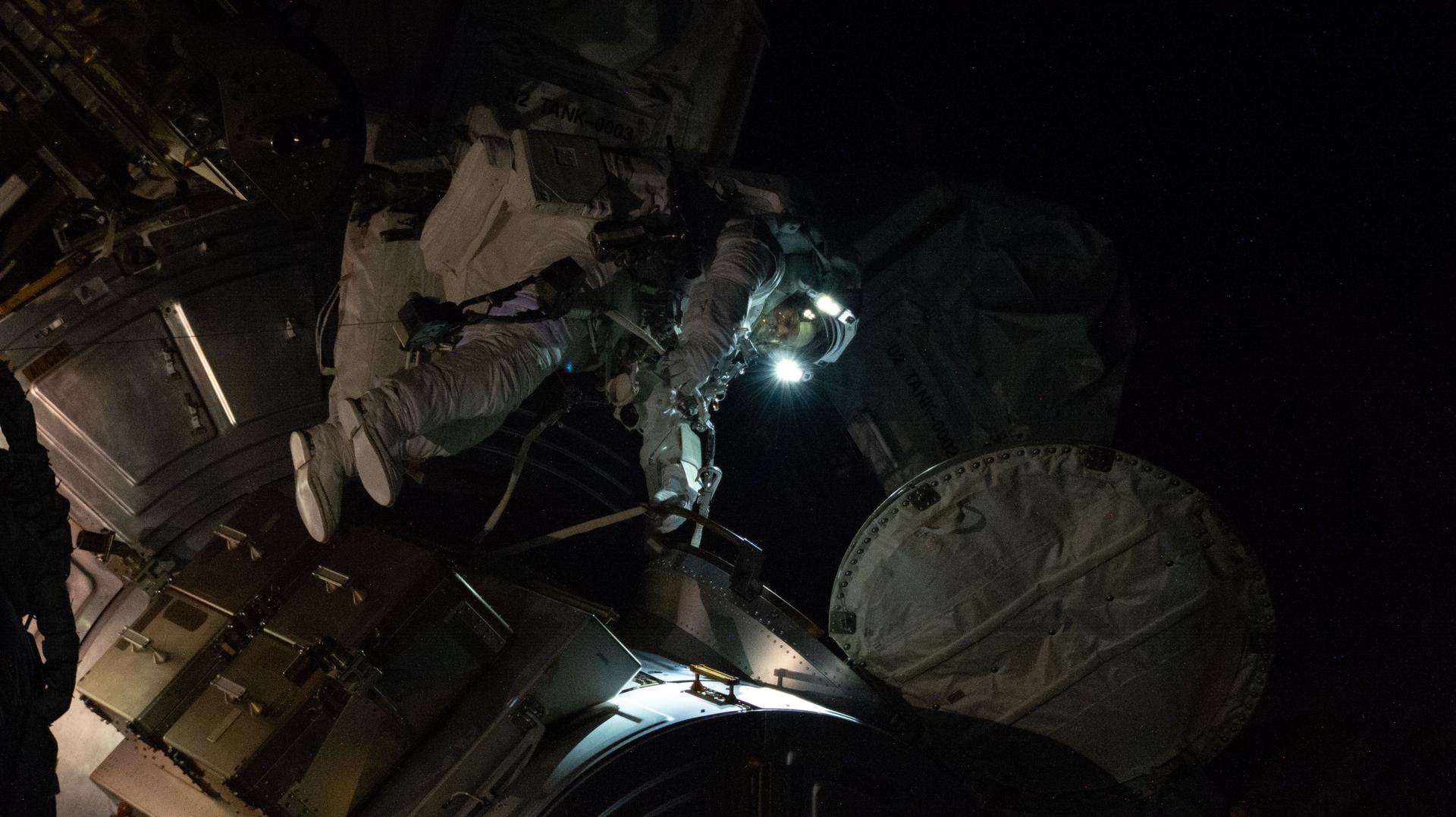
iss075e0003959 (Aug. 6, 2026) --- NASA astronaut and Expedition 75 flight engineer Anil Menon is pictured outside the International Space Station’s Quest airlock during a spacewalk, with his spacesuit’s helmet lights illuminating the worksite during an orbital night period. Menon helped build a modification kit on the station’s Starboard 6 truss segment, where a roll out solar array is slated to be installed later this year. Credit: NASA
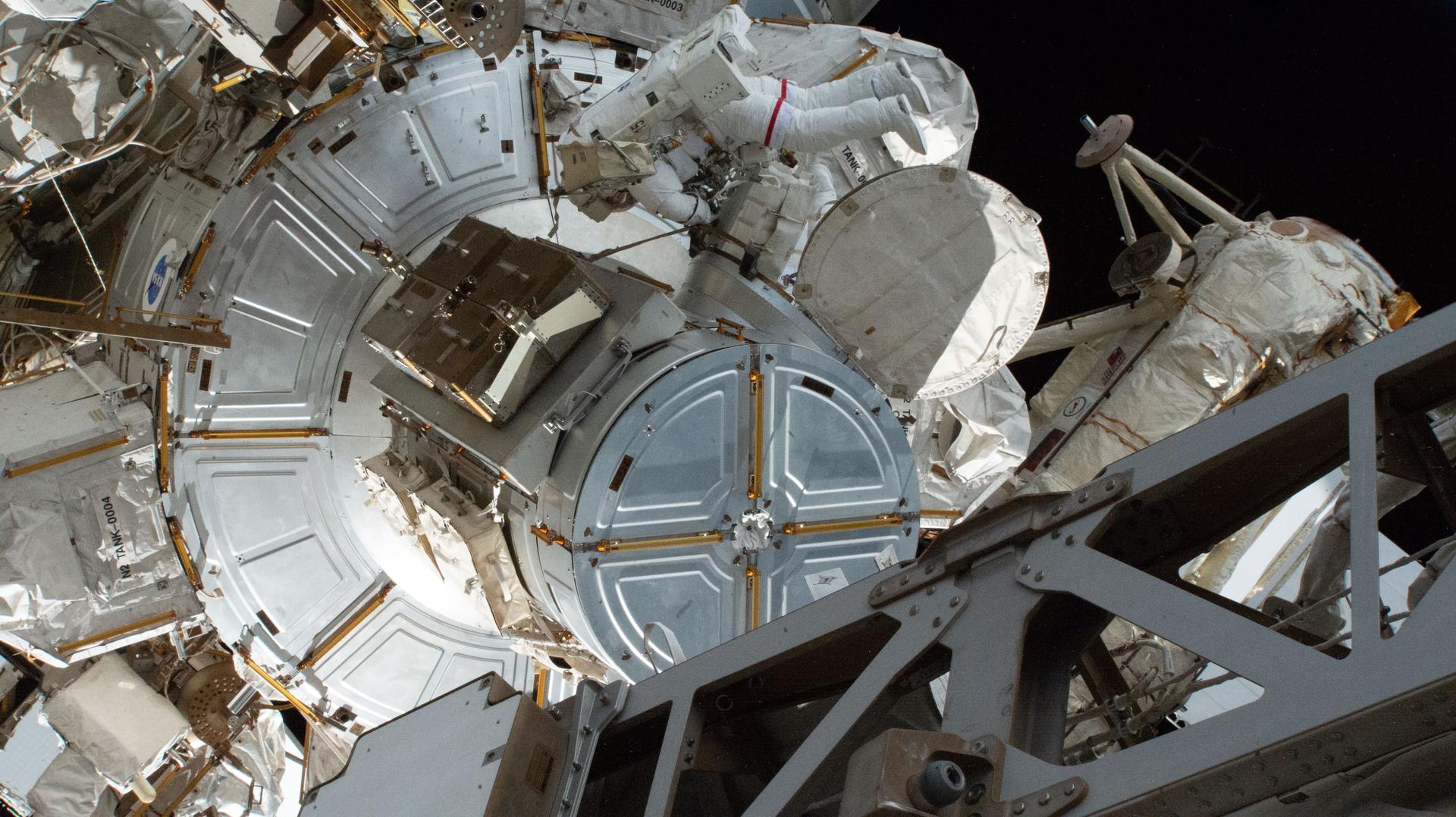
iss075e0041132 (Aug. 18, 2026) --- Expedition 75 flight engineer Anil Menon of NASA exits the International Space Station’s Quest airlock after beginning a six‑hour and 23‑minute spacewalk. Menon and Expedition 75 flight engineer Sophie Adenot of ESA (European Space Agency) disconnected a failed high‑speed antenna and then secured it with a long‑duration tie‑down on the orbital outpost’s Z1 truss segment. A spare antenna will be installed in its place on the Z1 during a future spacewalk. Credit: NASA
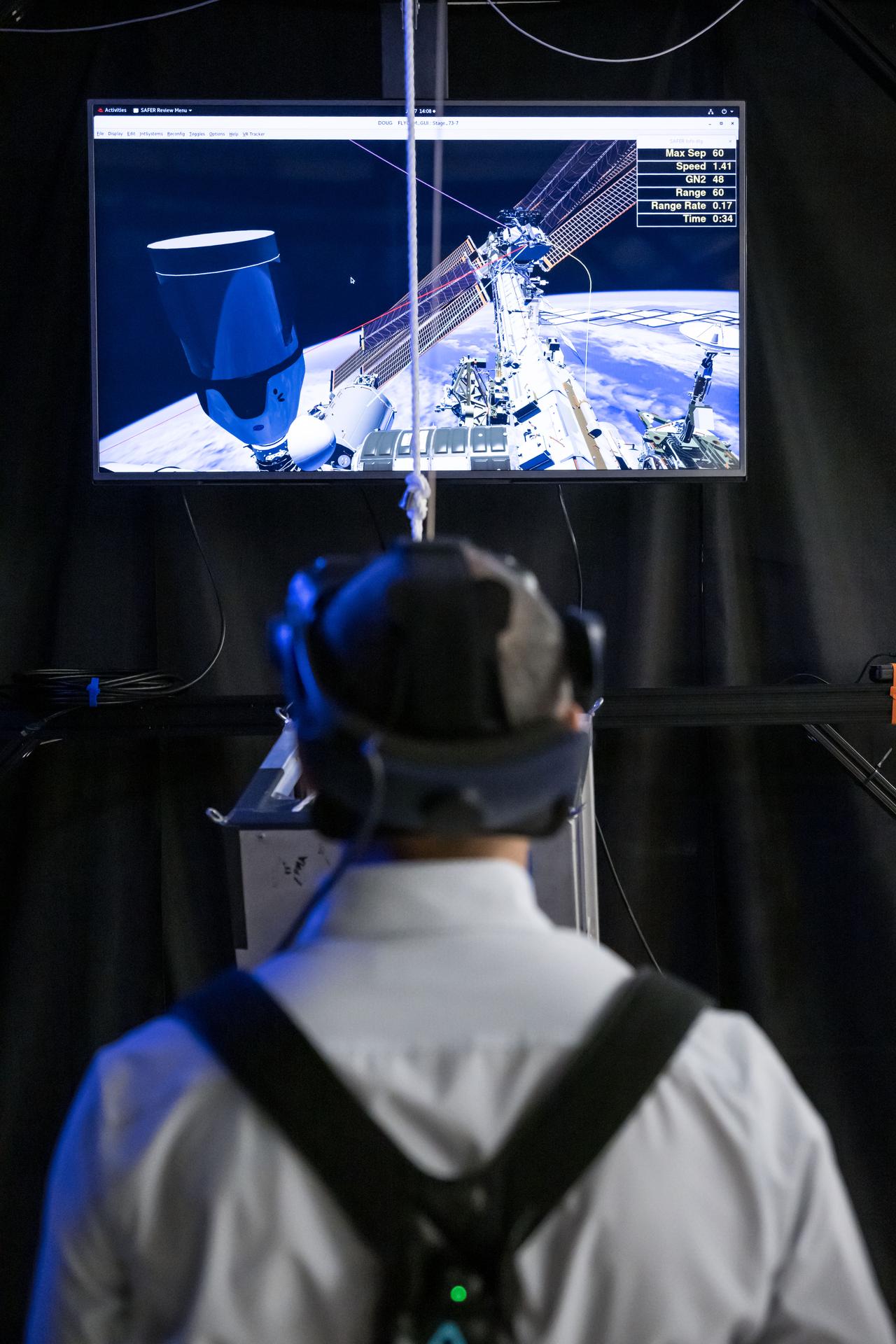
jsc2026e000427 (Jan. 7, 2026) --- NASA astronaut and Expedition 75 flight engineer Anil Menon participates in a spacewalk training session while wearing virtual reality goggles at Johnson Space Center in Houston, Texas, ahead of his upcoming mission to the International Space Station. Credit: NASA/David DeHoyos
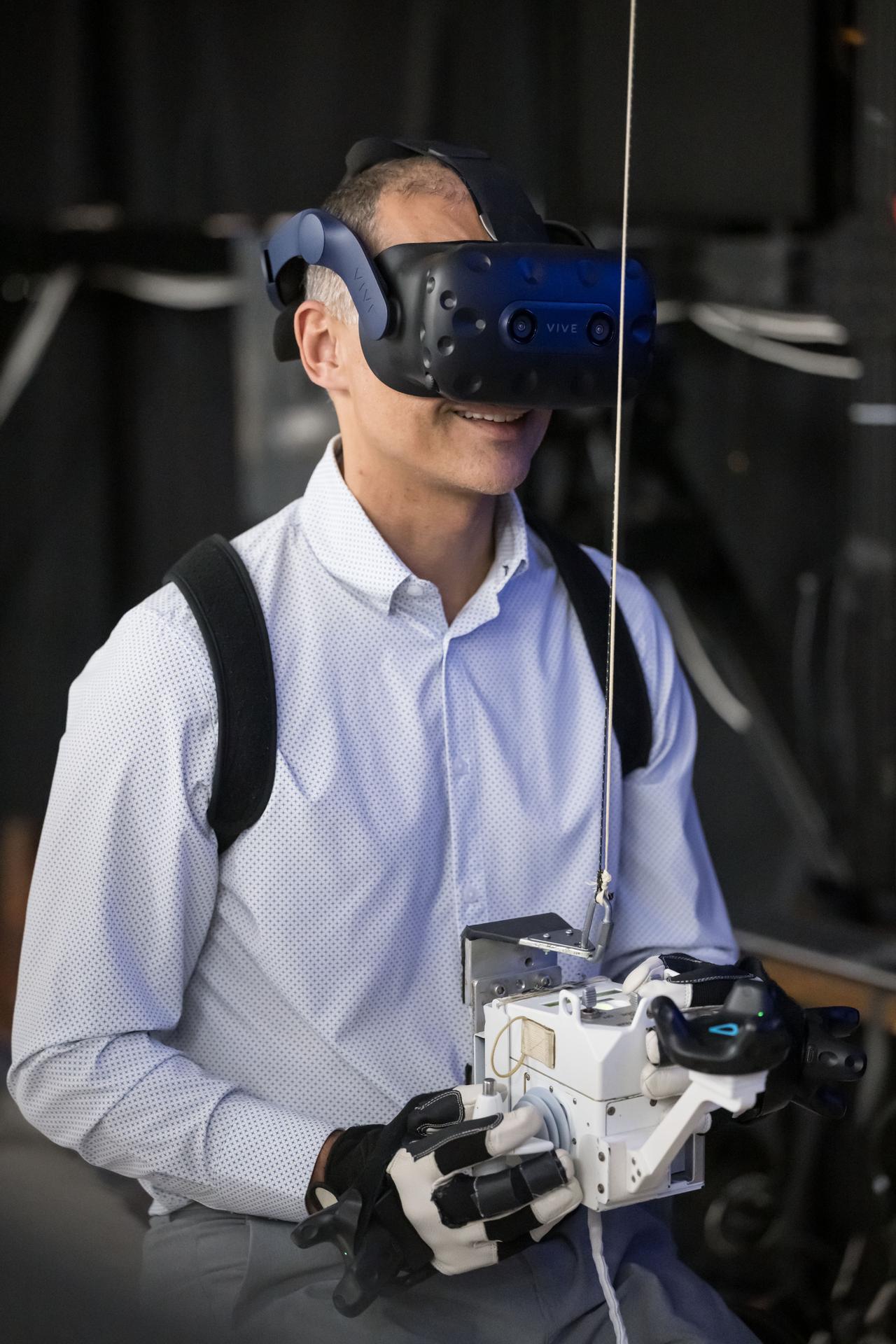
jsc2026e000421 (Jan. 7, 2026) --- NASA astronaut and Expedition 75 flight engineer Anil Menon participates in a spacewalk training session while wearing virtual reality goggles at Johnson Space Center in Houston, Texas, ahead of his upcoming mission to the International Space Station. Credit: NASA/David DeHoyos
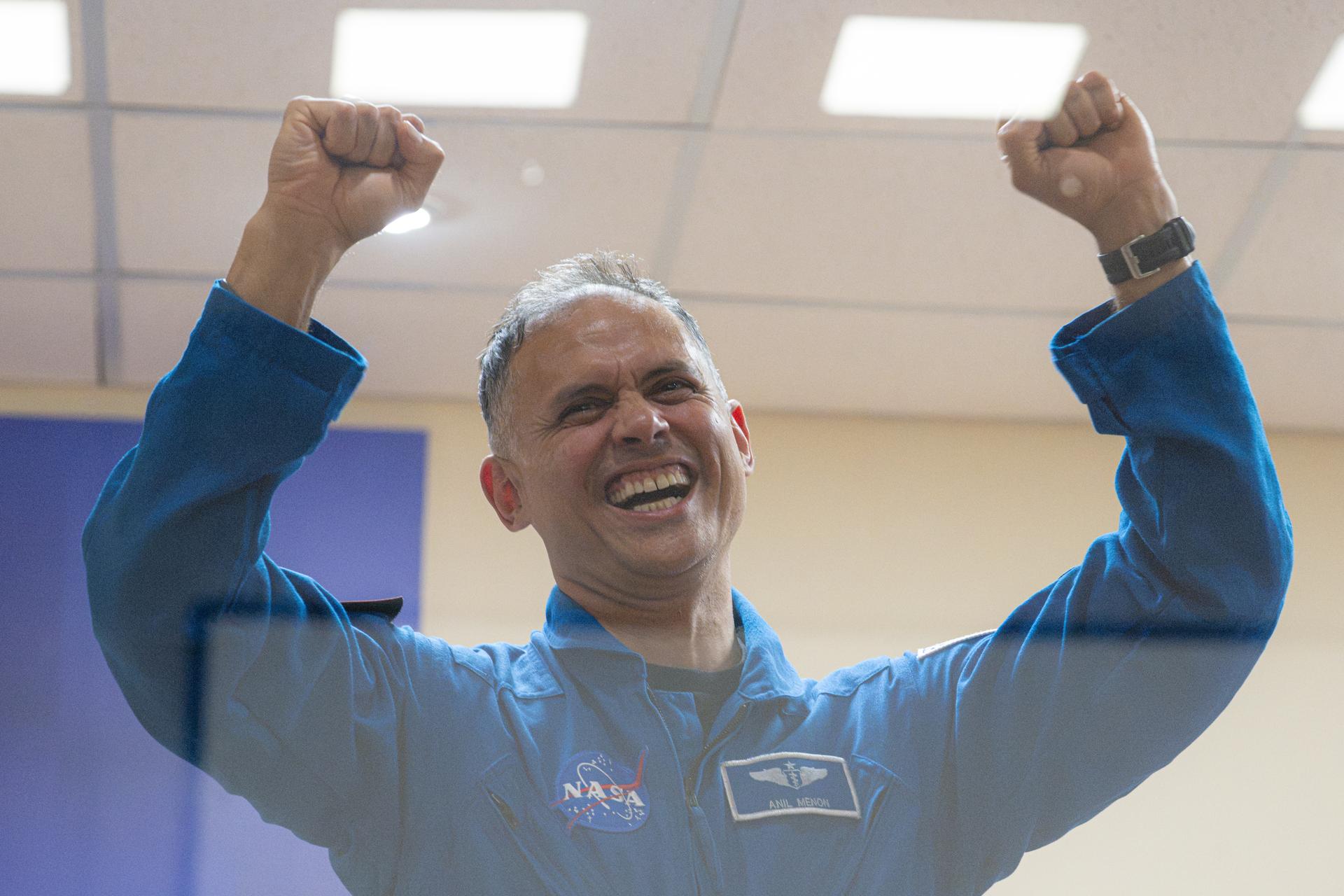
NASA astronaut Anil Menon is seen in quarantine, behind glass, during a press conference, Monday, July 13, 2026, at the Cosmonaut Hotel in Baikonur, Kazakhstan. Expedition 75 crewmembers NASA astronaut Anil Menon and Roscosmos cosmonauts Pyotr Dubrov and Anna Kikina are scheduled to launch aboard the Soyuz MS-29 spacecraft to the International Space Station on July 14. Photo Credit: (NASA/John Kraus)
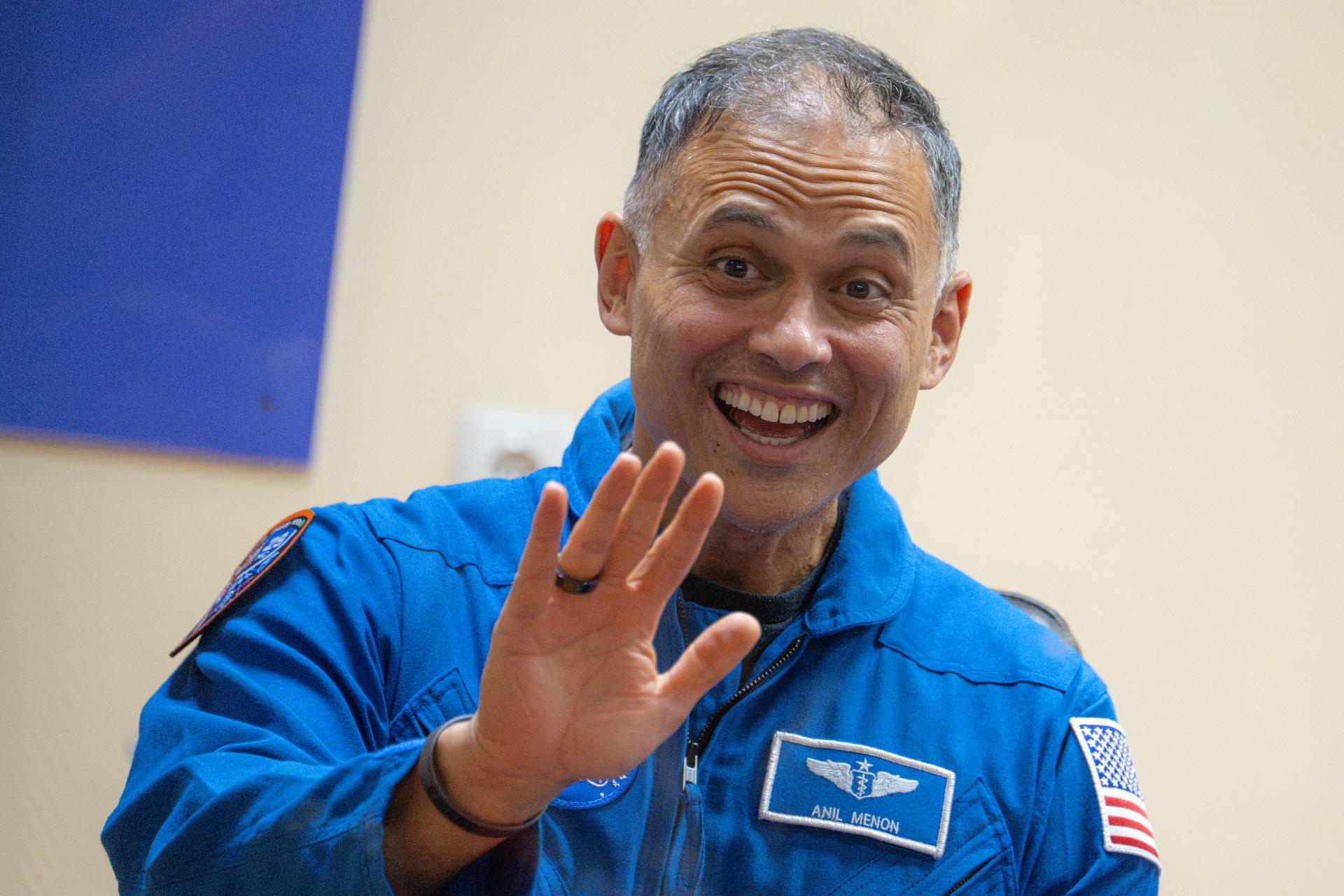
NASA astronaut Anil Menon is seen in quarantine, behind glass, during a press conference, Monday, July 13, 2026, at the Cosmonaut Hotel in Baikonur, Kazakhstan. Expedition 75 crewmembers NASA astronaut Anil Menon and Roscosmos cosmonauts Pyotr Dubrov and Anna Kikina are scheduled to launch aboard the Soyuz MS-29 spacecraft to the International Space Station on July 14. Photo Credit: (NASA/John Kraus)
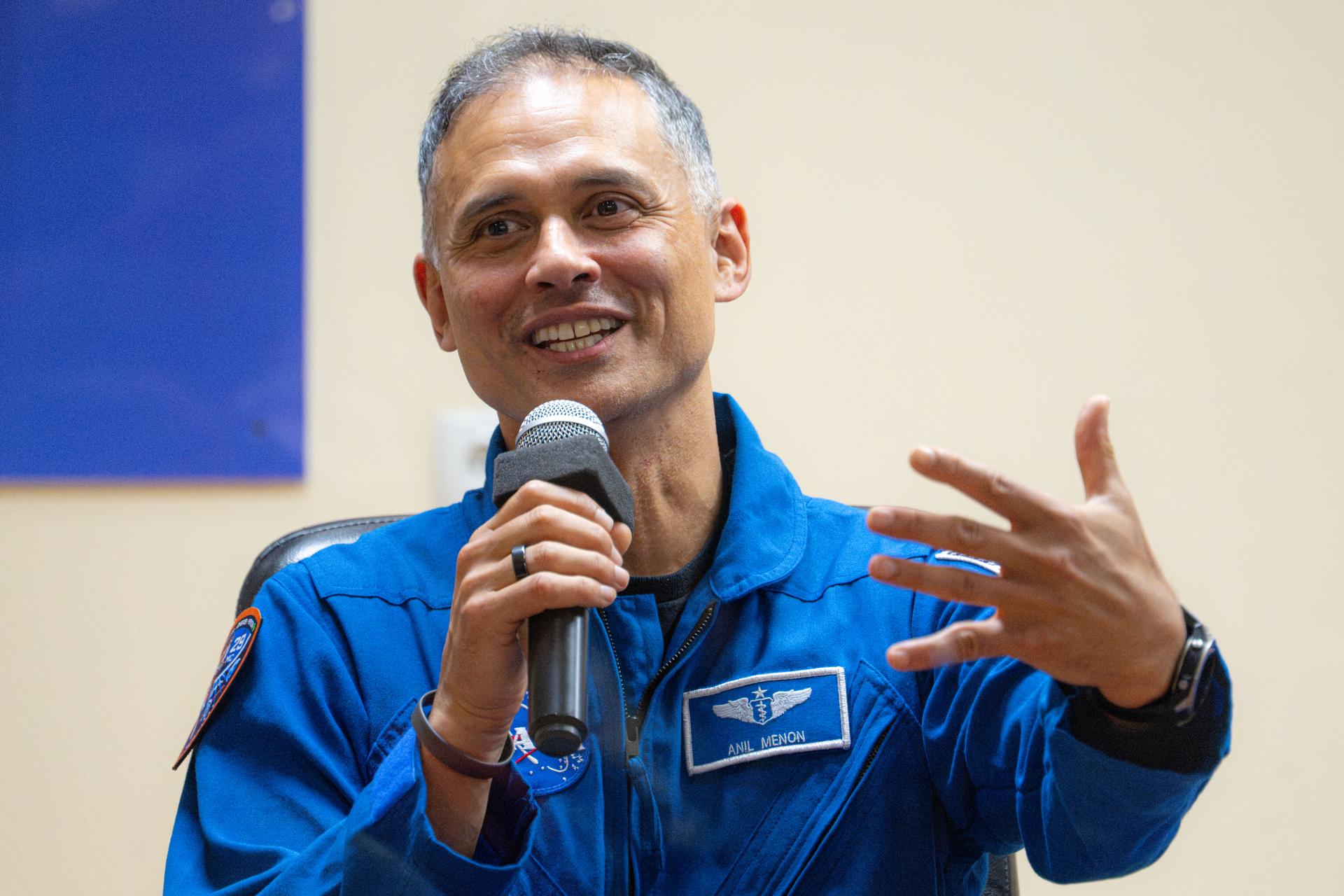
NASA astronaut Anil Menon is seen in quarantine, behind glass, during a press conference, Monday, July 13, 2026, at the Cosmonaut Hotel in Baikonur, Kazakhstan. Expedition 75 crewmembers NASA astronaut Anil Menon and Roscosmos cosmonauts Pyotr Dubrov and Anna Kikina are scheduled to launch aboard the Soyuz MS-29 spacecraft to the International Space Station on July 14. Photo Credit: (NASA/John Kraus)
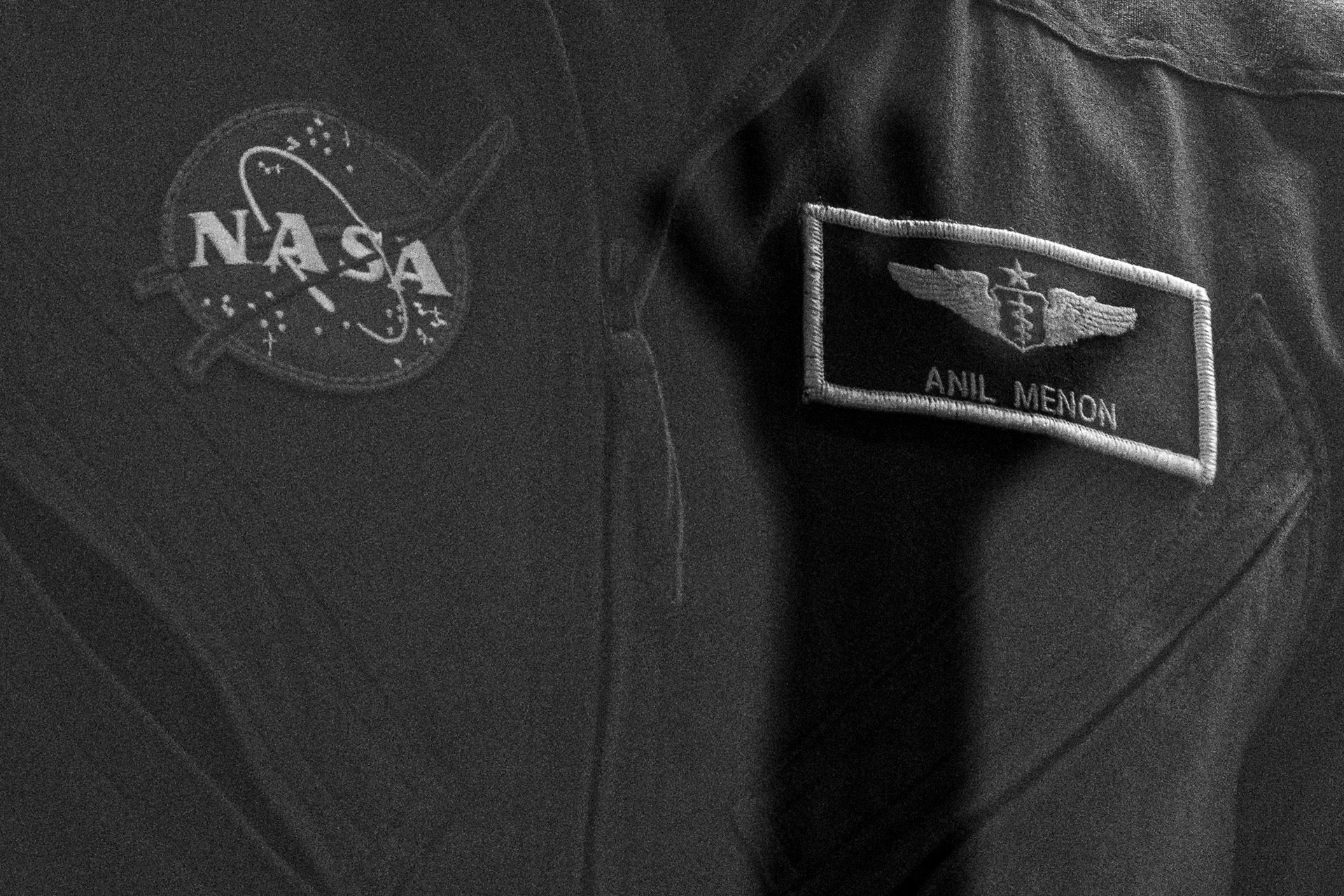
The shadow of an audience member's hand is cast onto the flight suit of NASA astronaut Anil Menon in quarantine, behind glass, during a press conference, Monday, July 13, 2026, at the Cosmonaut Hotel in Baikonur, Kazakhstan. Expedition 75 crewmembers NASA astronaut Anil Menon and Roscosmos cosmonauts Pyotr Dubrov and Anna Kikina are scheduled to launch aboard the Soyuz MS-29 spacecraft to the International Space Station on July 14. Photo Credit: (NASA/John Kraus)
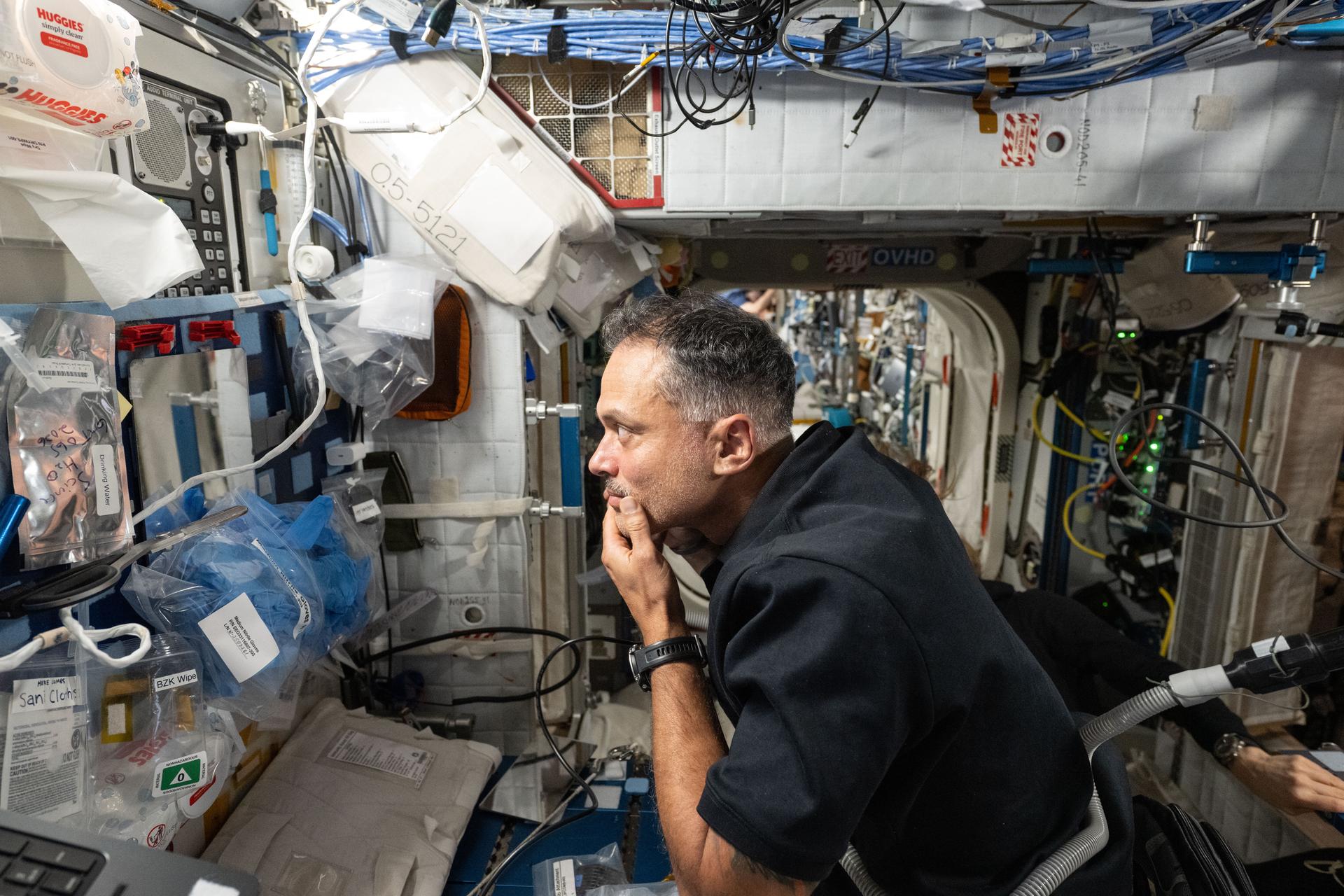
iss074e0831856 (July 23, 2026) --- NASA astronaut and Expedition 74 flight engineer Anil Menon looks at himself in a mirror after a shave aboard the International Space Station. The astronauts use an electric razor attached to a vacuum that collects loose clippings to keep the orbital outpost’s atmosphere clean in microgravity. Credit: NASA/Chris Williams
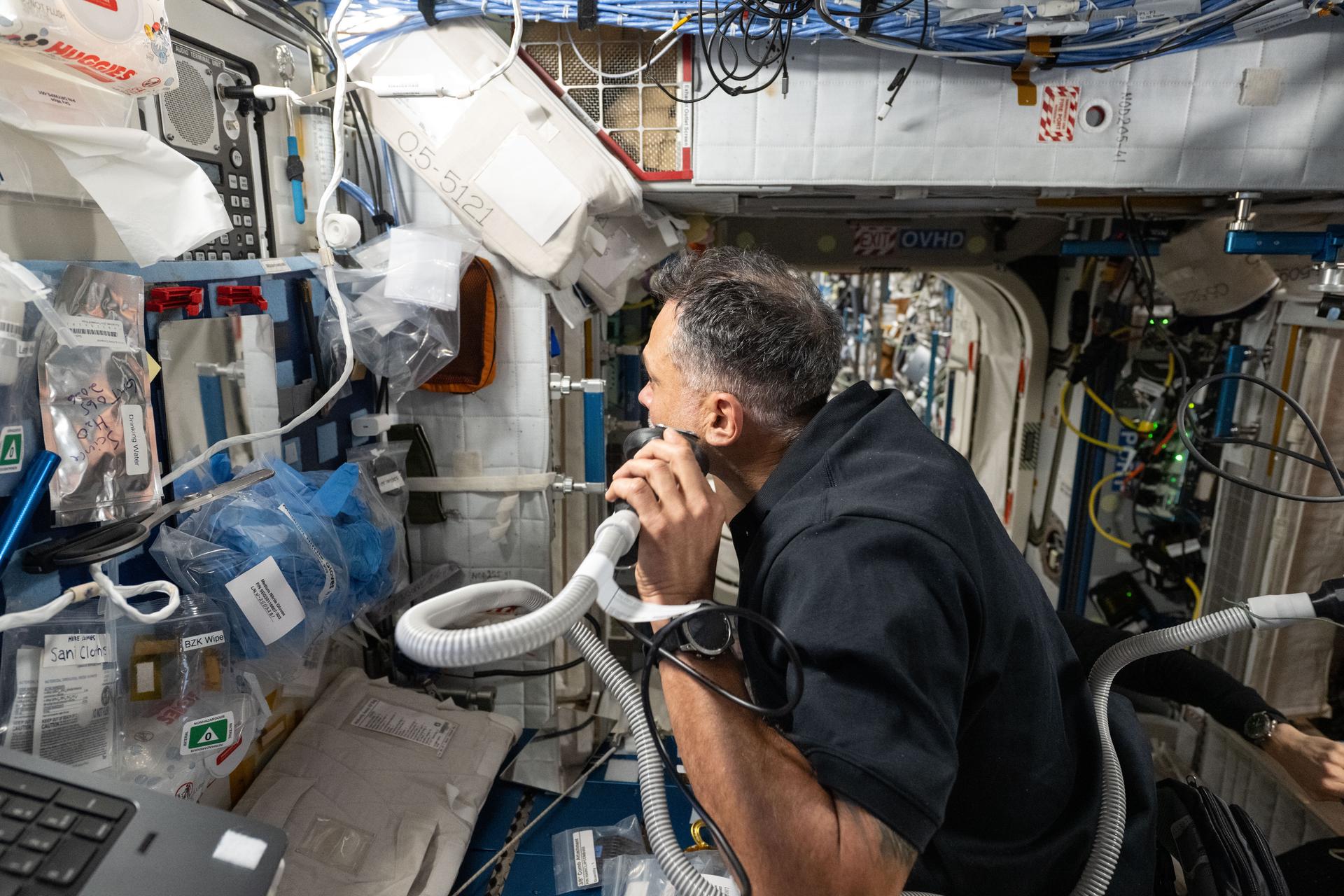
iss074e0831855 (July 23, 2026) --- NASA astronaut and Expedition 74 flight engineer Anil Menon gives himself a shave using an electric razor attached to a vacuum that collects loose clippings to keep the International Space Station’s atmosphere clean in microgravity. Credit: NASA/Chris Williams
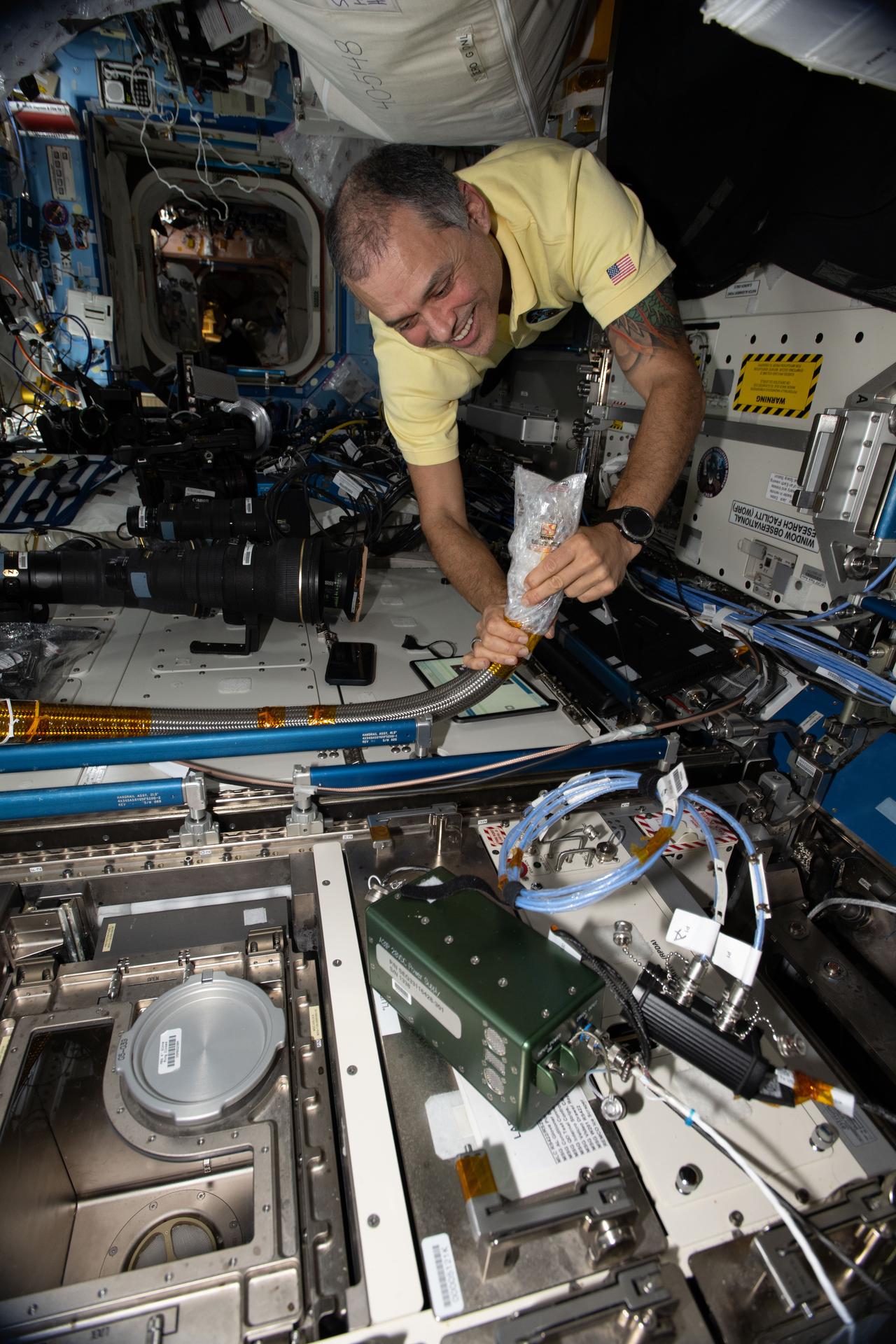
iss075e0144455 (Sept. 23, 2026) --- NASA astronaut and Expedition 75 flight engineer Anil Menon tests and fits components of a new cooling system, called the Supplemental Heat Rejection Evaporative Cooler, that will soon be installed in the Destiny laboratory module. Credit: NASA/Jack Hathaway
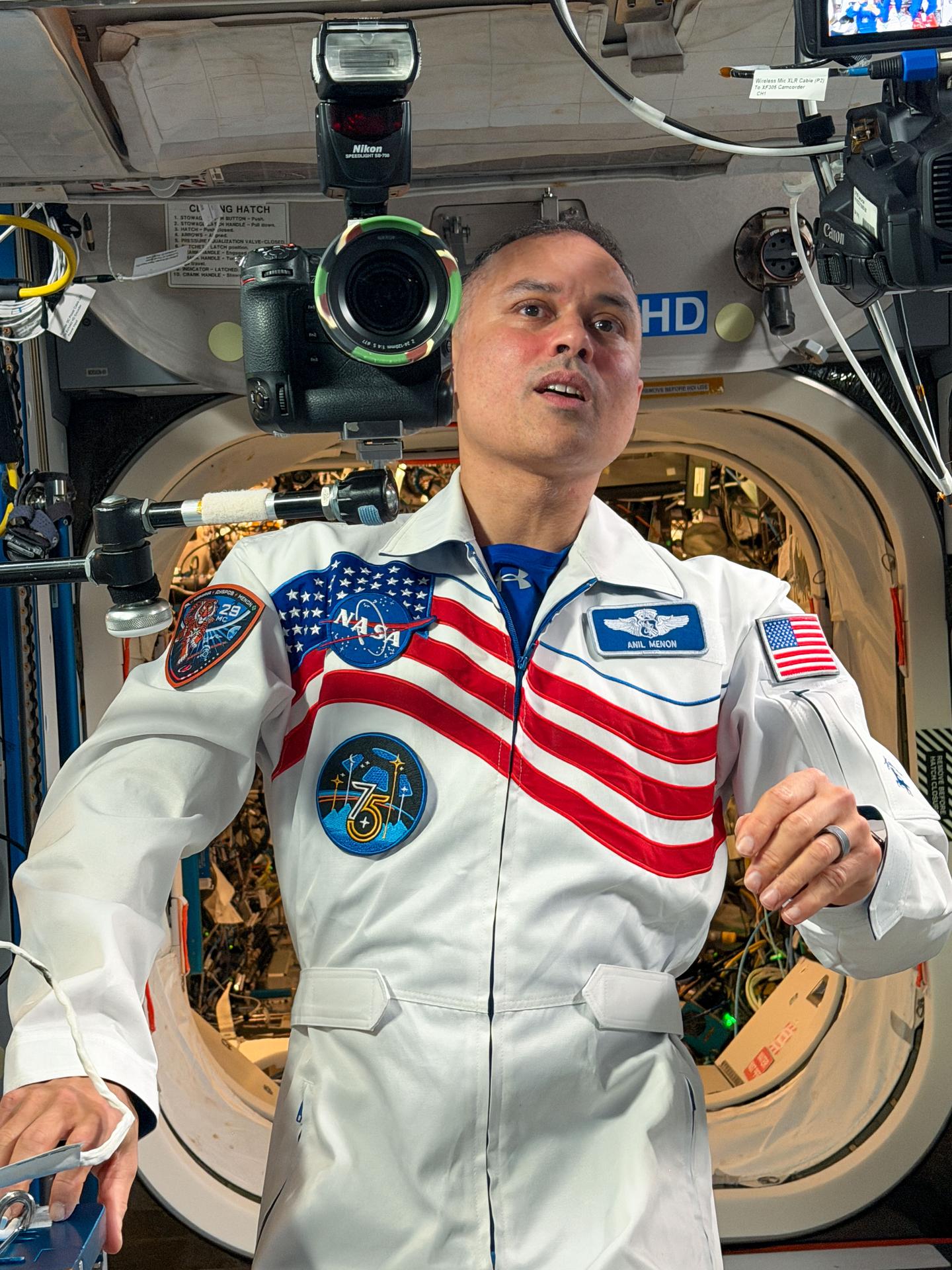
iss075e0157520 (Oct. 2, 2026) --- NASA astronaut and Expedition 75 flight engineer Anil Menon prepares to take a portrait of his fellow crewmates aboard the International Space Station while awaiting the arrival of NASA's SpaceX Crew‑13 mission and its four crew members. Credit: ESA/Sophie Adenot
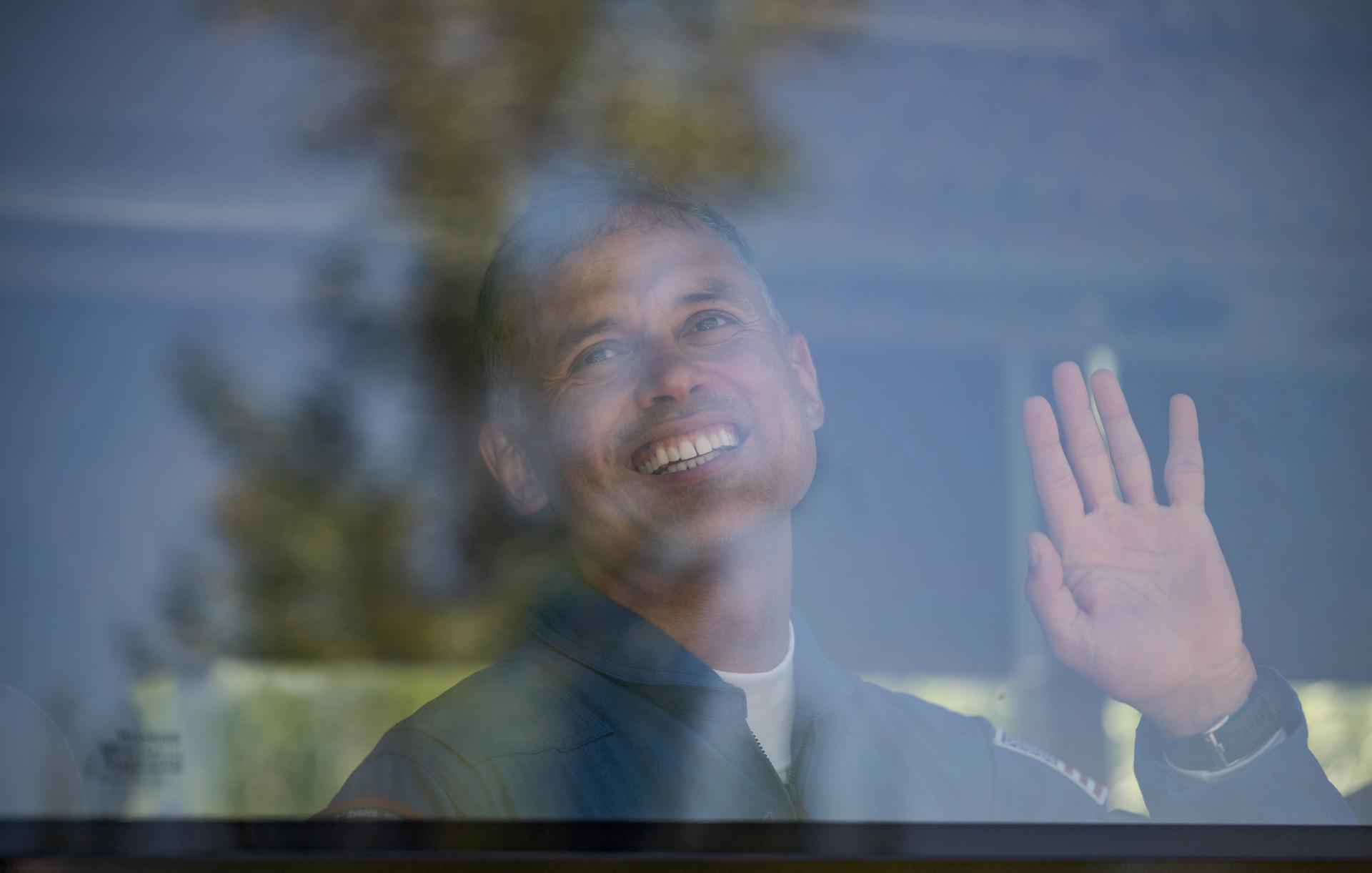
Expedition 75 NASA astronaut Anil Menon waves as he and fellow crew mates, Roscosmos cosmonauts Pyotr Dubrov, and Anna Kikina depart the Cosmonaut Hotel to suit-up for their Soyuz launch, Tuesday, July 14, 2026, in Baikonur, Kazakhstan. The launch will send Menon, Dubrov, and Kikina on a mission to the International Space Station. Photo Credit: (NASA/Bill Ingalls)
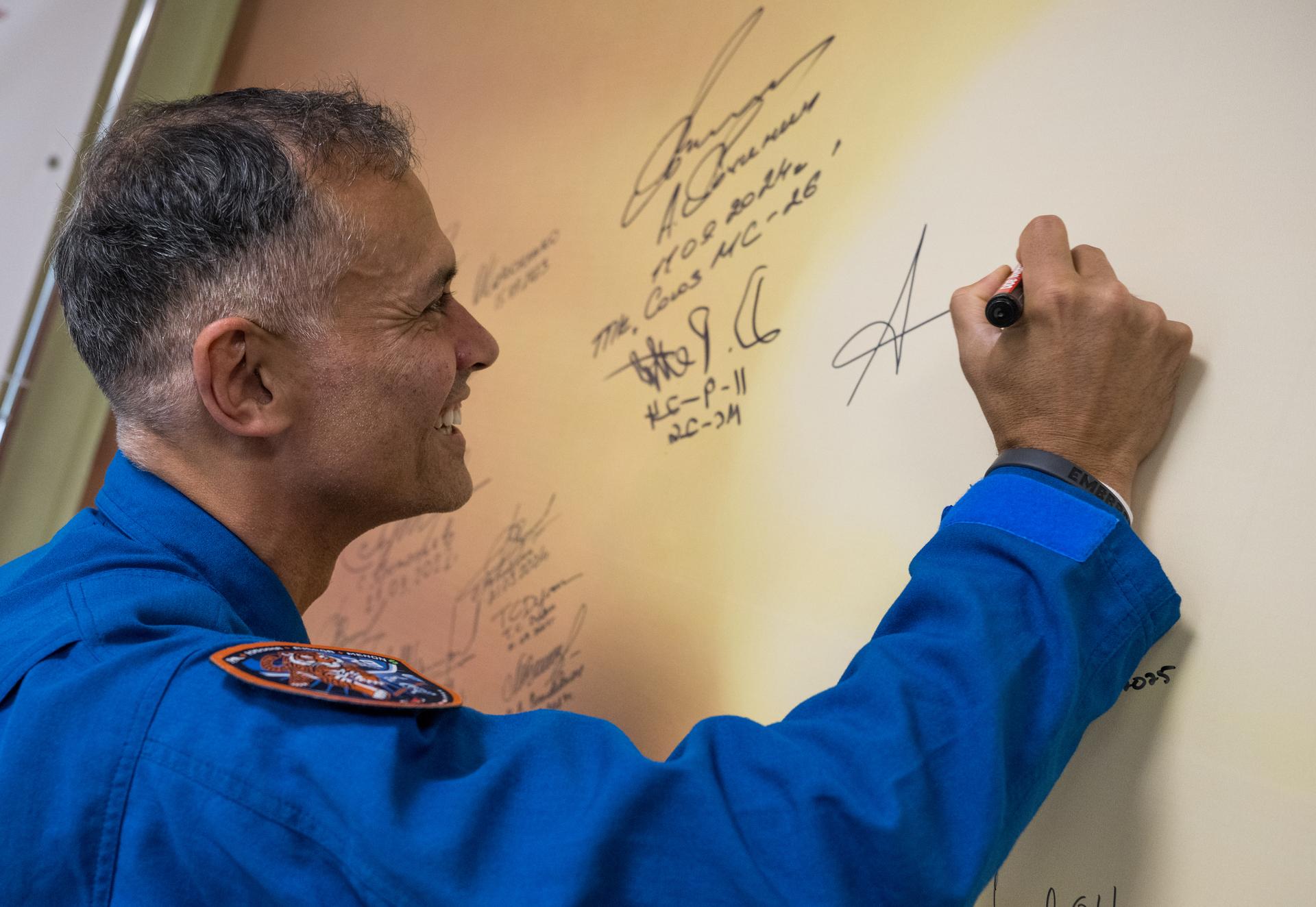
NASA astronaut Anil Menon signs a mural at the Cosmonaut Hotel prior to departing for suit-up and launch on a Soyuz rocket with fellow crewmates Roscosmos cosmonauts Anna Kikina, and Pyotr Dubrov, Tuesday, July 14, 2026, in Baikonur, Kazakhstan. The launch will send Menon, Dubrov, and Kikina on a mission to the International Space Station. Photo Credit: (NASA/Bill Ingalls)
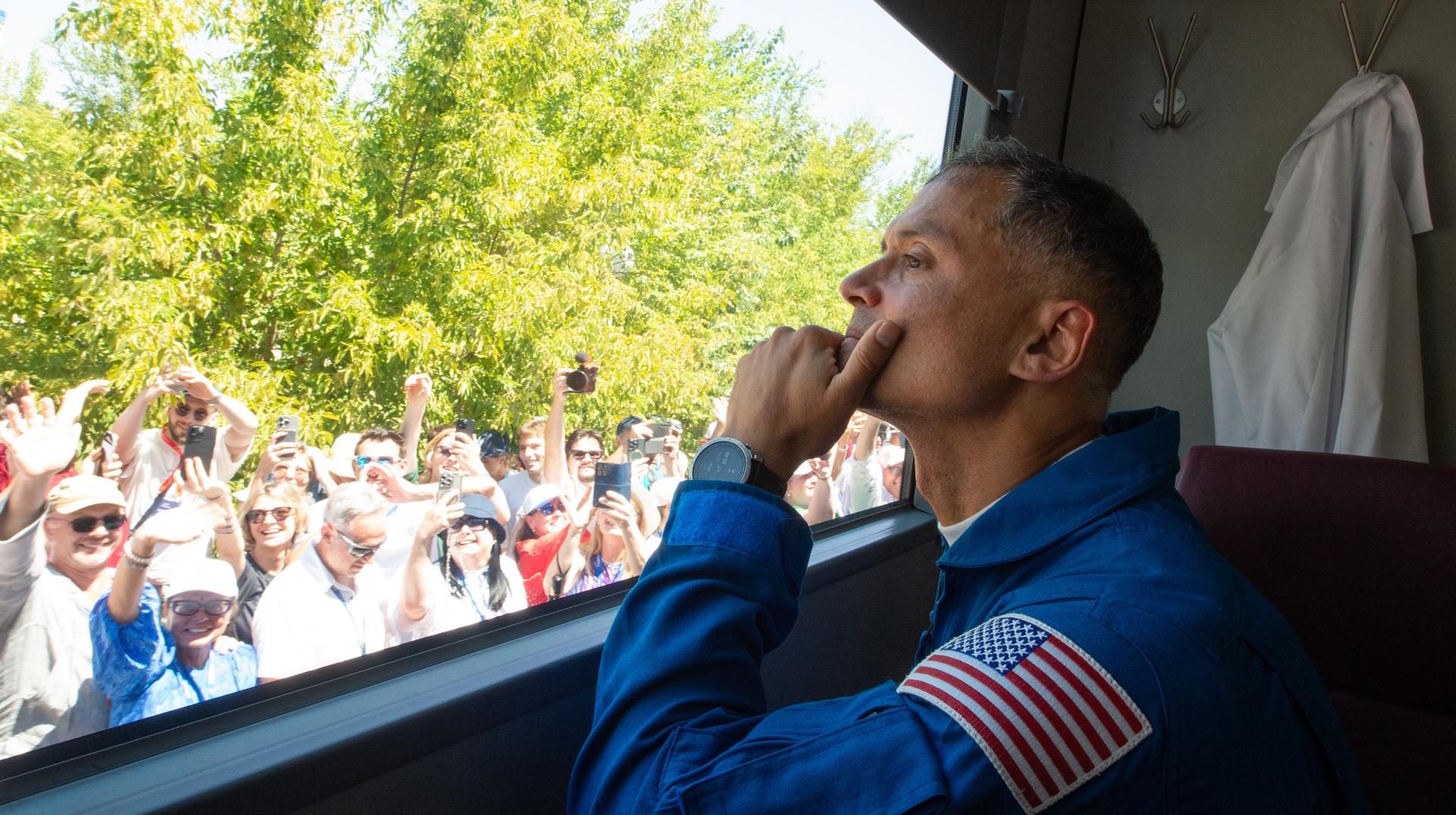
Expedition 75 NASA astronaut Anil Menon looks out the bus window as he departs the Cosmonaut Hotel with crew mates Roscosmos cosmonauts Anna Kikina, and Pyotr Dubrov, to suit-up for their Soyuz launch, Tuesday, July 14, 2026, in Baikonur, Kazakhstan. The launch will send Menon, Dubrov, and Kikina on a mission to the International Space Station. Photo Credit: (NASA/GCTC/Pavel Shvets)
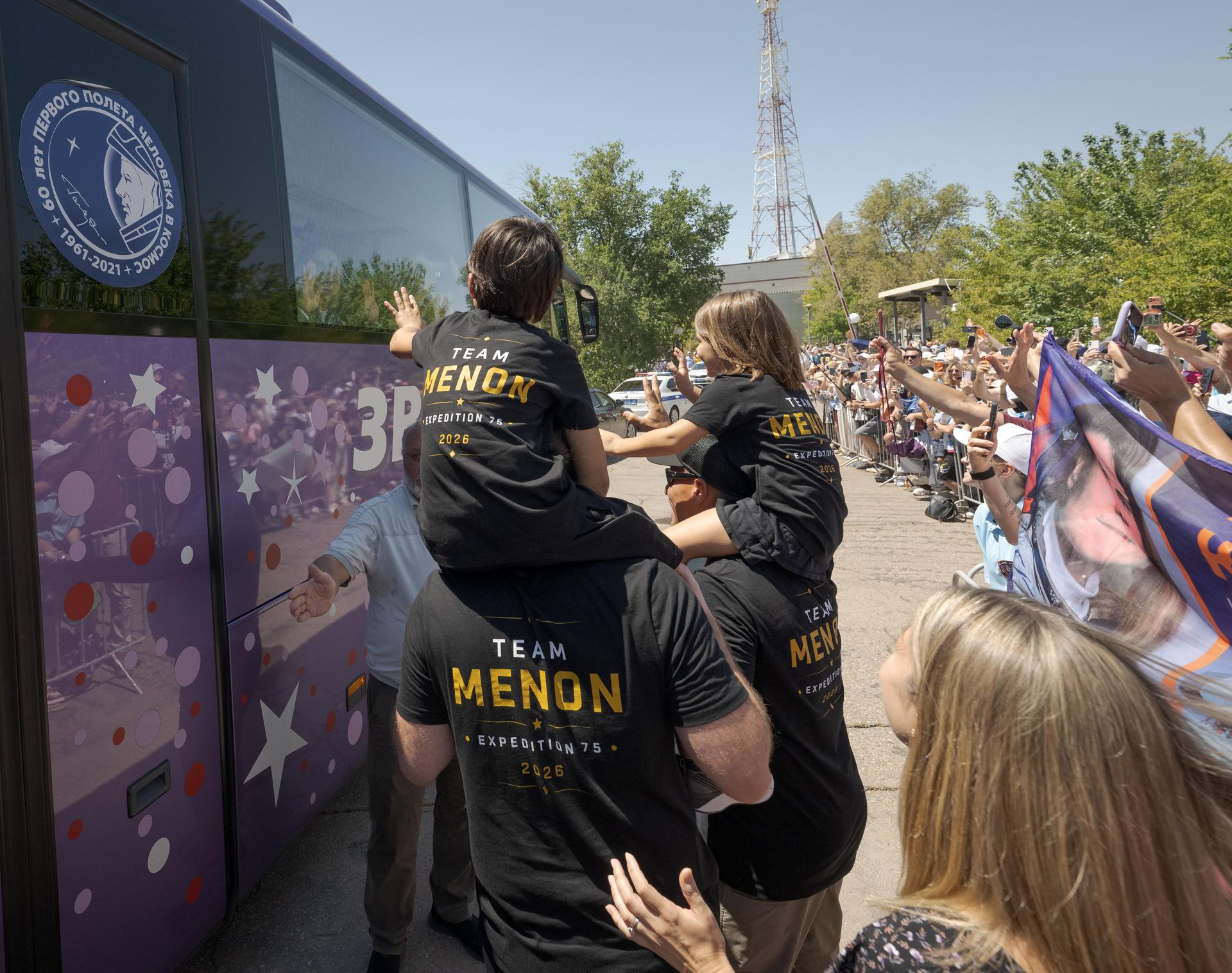
Family and friends wave farewell to Expedition 75 crew members: NASA astronaut Anil Menon, Roscosmos cosmonauts Pyotr Dubrov, and Anna Kikina, as they depart the Cosmonaut Hotel to suit-up for their Soyuz launch, Tuesday, July 14, 2026, in Baikonur, Kazakhstan. The launch will send Menon, Dubrov, and Kikina on a mission to the International Space Station. Photo Credit: (NASA/Bill Ingalls)
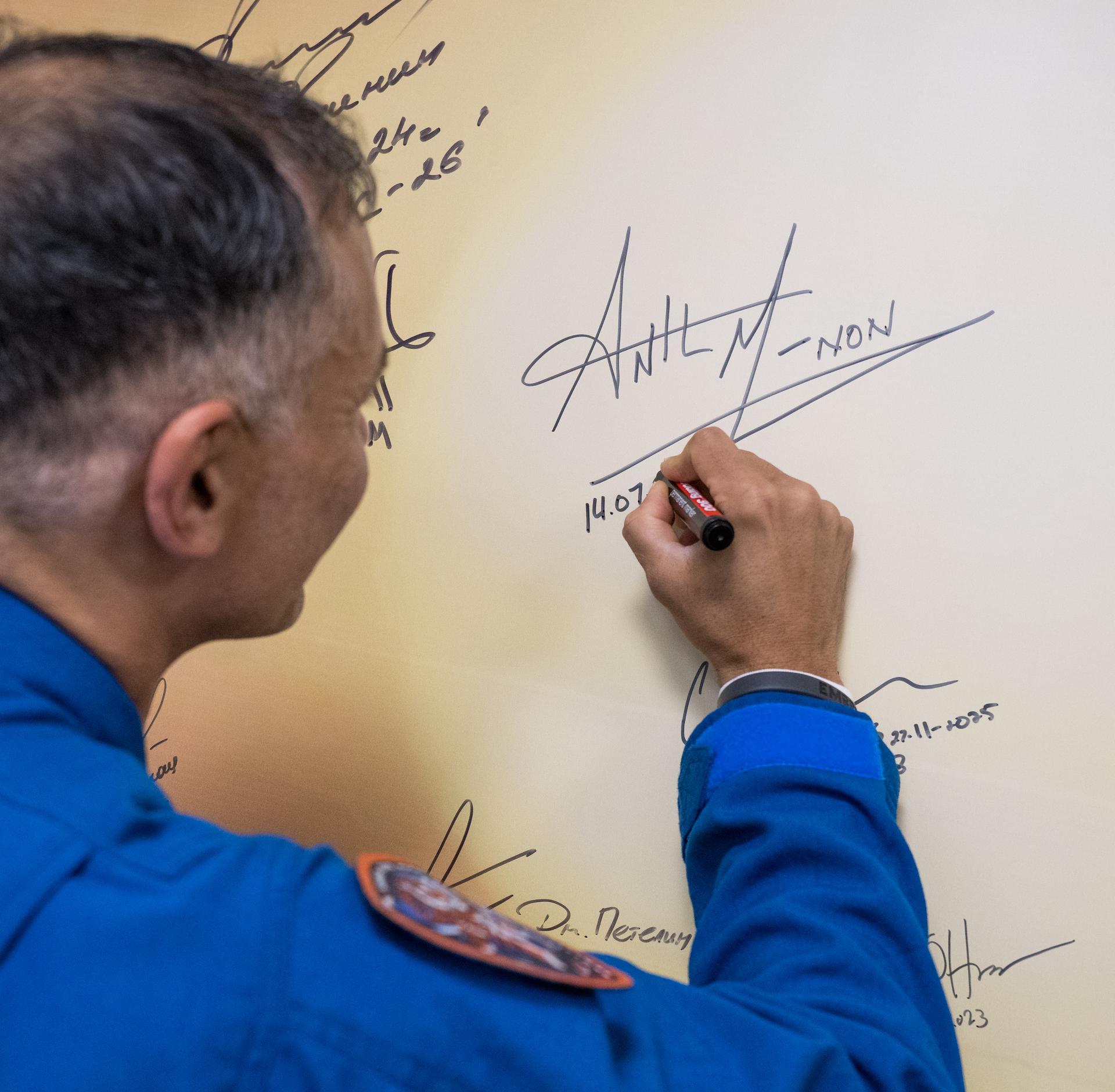
NASA astronaut Anil Menon signs a mural at the Cosmonaut Hotel prior to departing for suit-up and launch on a Soyuz rocket with fellow crewmates Roscosmos cosmonauts Anna Kikina, and Pyotr Dubrov, Tuesday, July 14, 2026, in Baikonur, Kazakhstan. The launch will send Menon, Dubrov, and Kikina on a mission to the International Space Station. Photo Credit: (NASA/Bill Ingalls)
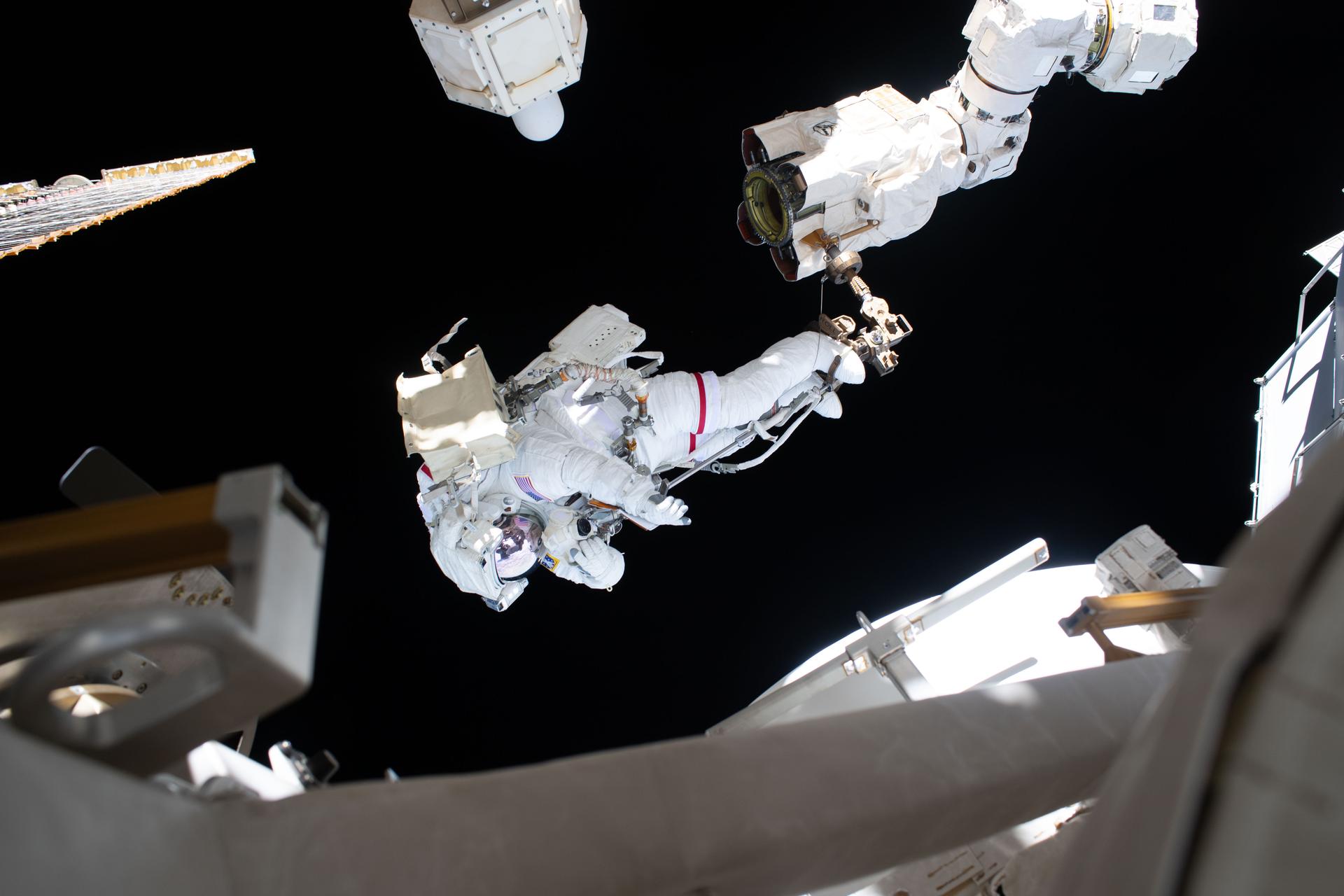
iss075e0070083 (Aug. 25, 2026) --- NASA astronaut and Expedition 75 flight engineer Anil Menon is attached to the Canadarm2 robotic arm’s latching end effector during a spacewalk to install a high-speed space-to-ground antenna on the International Space Station’s Z1 truss segment above the Unity module. Menon and ESA (European Space Agency) astronaut and Expedition 75 flight engineer Sophie Adenot (out of frame) spent six hours and 30 minutes replacing a failed antenna with a spare and making the precise connections needed to activate it for high-speed transmissions with mission control. Credit: NASA
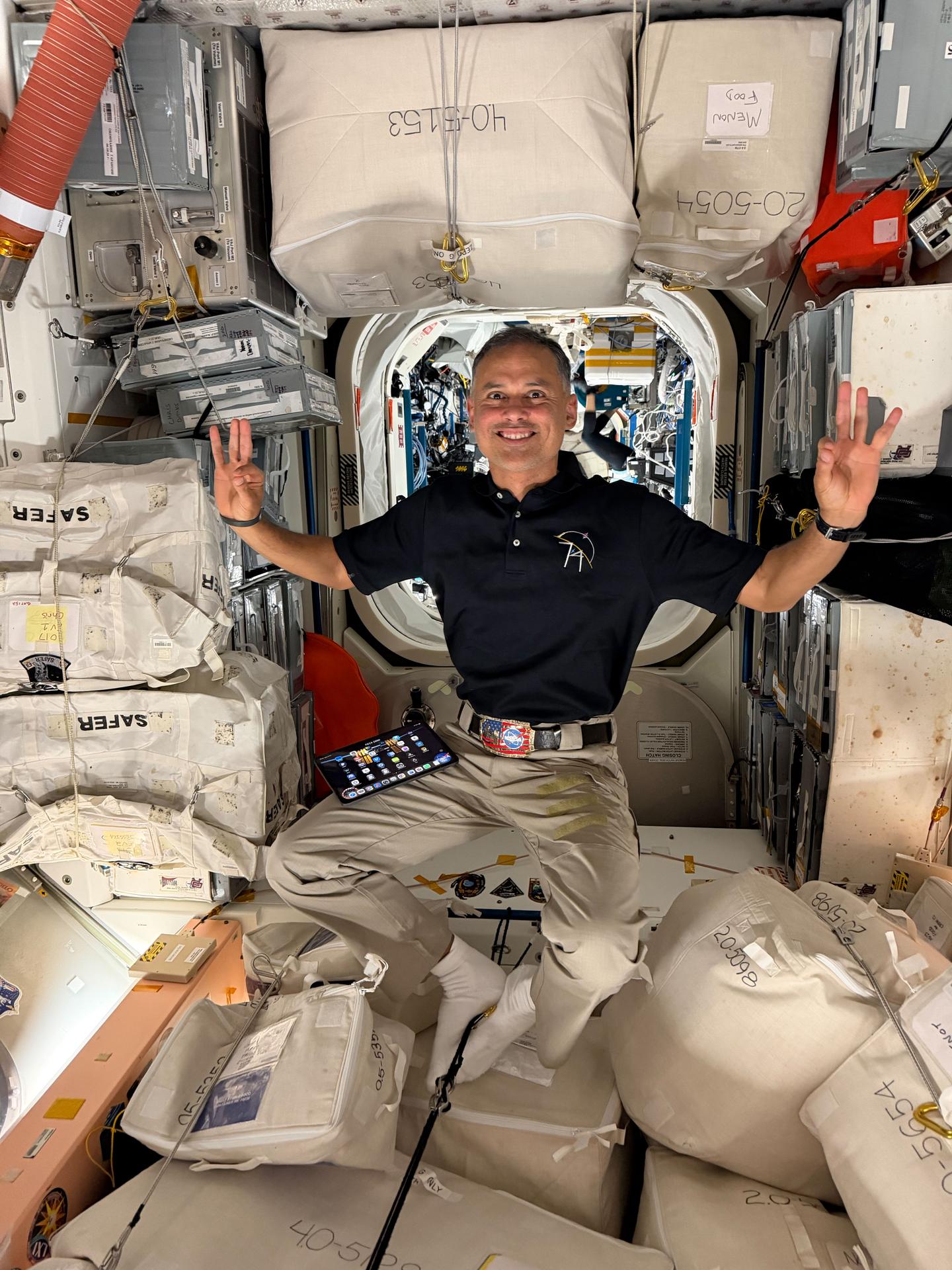
iss074e0814772 (July 15, 2026) --- NASA astronaut and Expedition 74 flight engineer Anil Menon is pictured inside the International Space Station's Unity module familiarizing himself with lab hardware and systems during his second day in space. Menon, along with Roscosmos cosmonauts Anna Kikina and Pyotr Dubrov (both out of frame), launched aboard the Soyuz MS-29 spacecraft from the Baikonur Cosmodrome on July 14, 2026. The trio docked to the orbital outpost's Rassvet module the same day, beginning an eight-and-a-half-month space research mission. Credit: NASA/Chris Williams
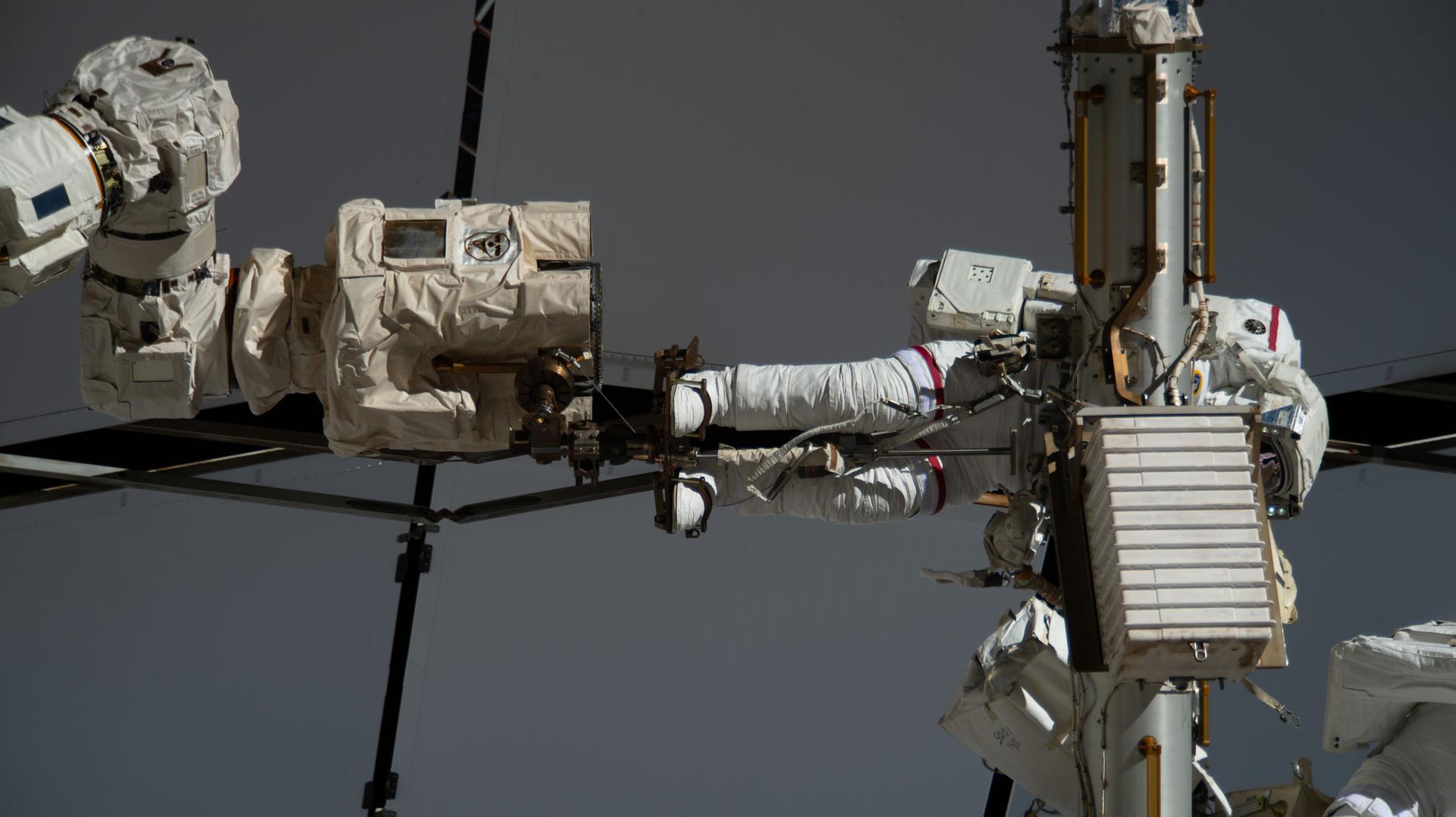
iss075e0068385 (Aug. 25, 2026) --- NASA astronaut and Expedition 75 flight engineer Anil Menon is attached to the Canadarm2 robotic arm’s latching end effector during a spacewalk to install a high-speed space-to-ground antenna on the International Space Station’s Z1 truss segment above the Unity module. Menon and ESA (European Space Agency) astronaut and Expedition 75 flight engineer Sophie Adenot (out of frame) spent six hours and 30 minutes replacing a failed antenna with a spare and making the precise connections needed to activate it for high-speed transmissions with mission control. Credit: NASA
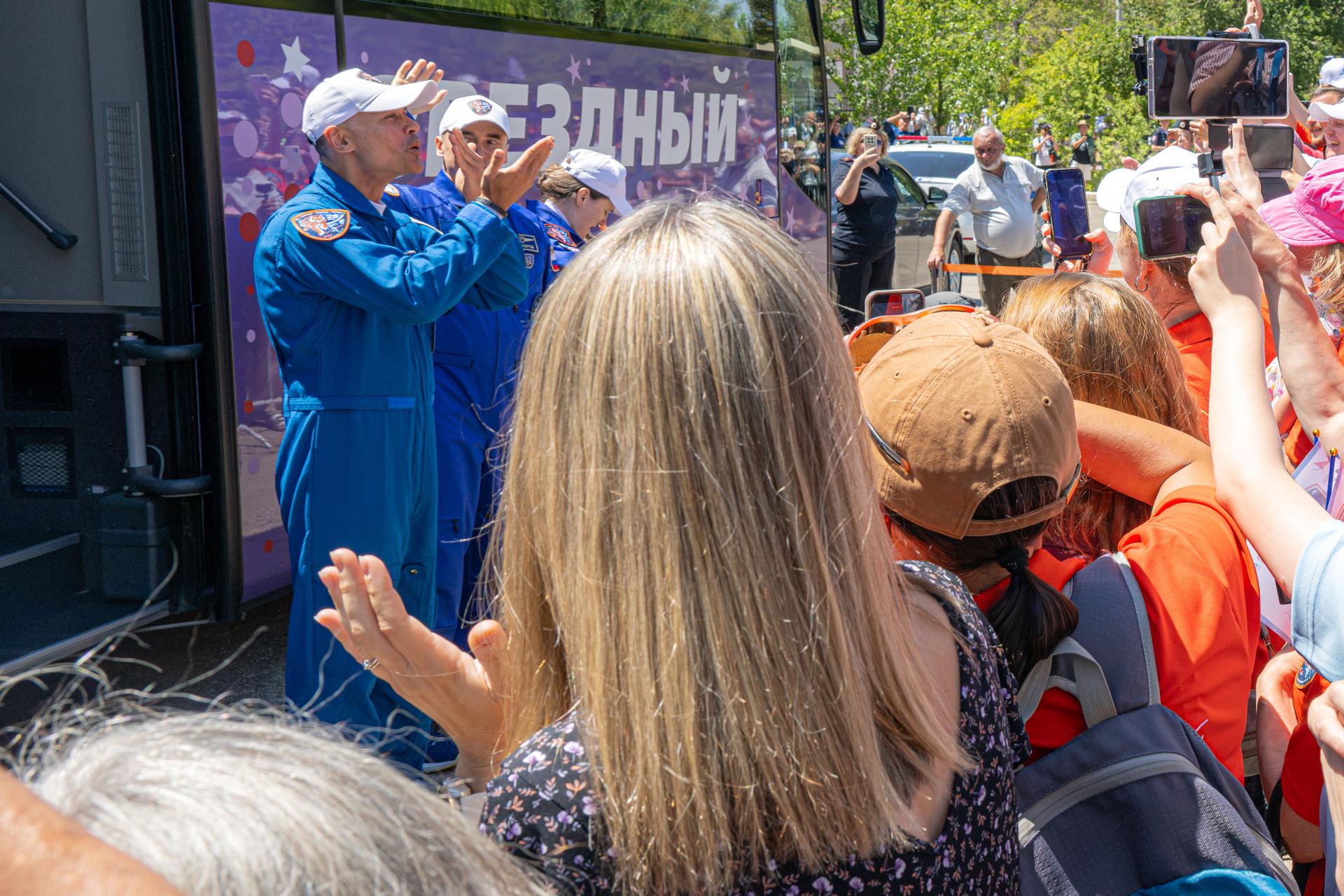
NASA astronaut candidate Anna Menon, foreground, watches as Expedition 75 crewmembers NASA astronaut Anil Menon and Roscosmos cosmonauts Pyotr Dubrov and Anna Kikina depart the Cosmonaut Hotel to suit up for launch, Tuesday, July 14, 2026, in Baikonur, Kazakhstan. The launch will send the trio to the International Space Station aboard the Soyuz MS-29 spacecraft. Photo Credit: (NASA/John Kraus)
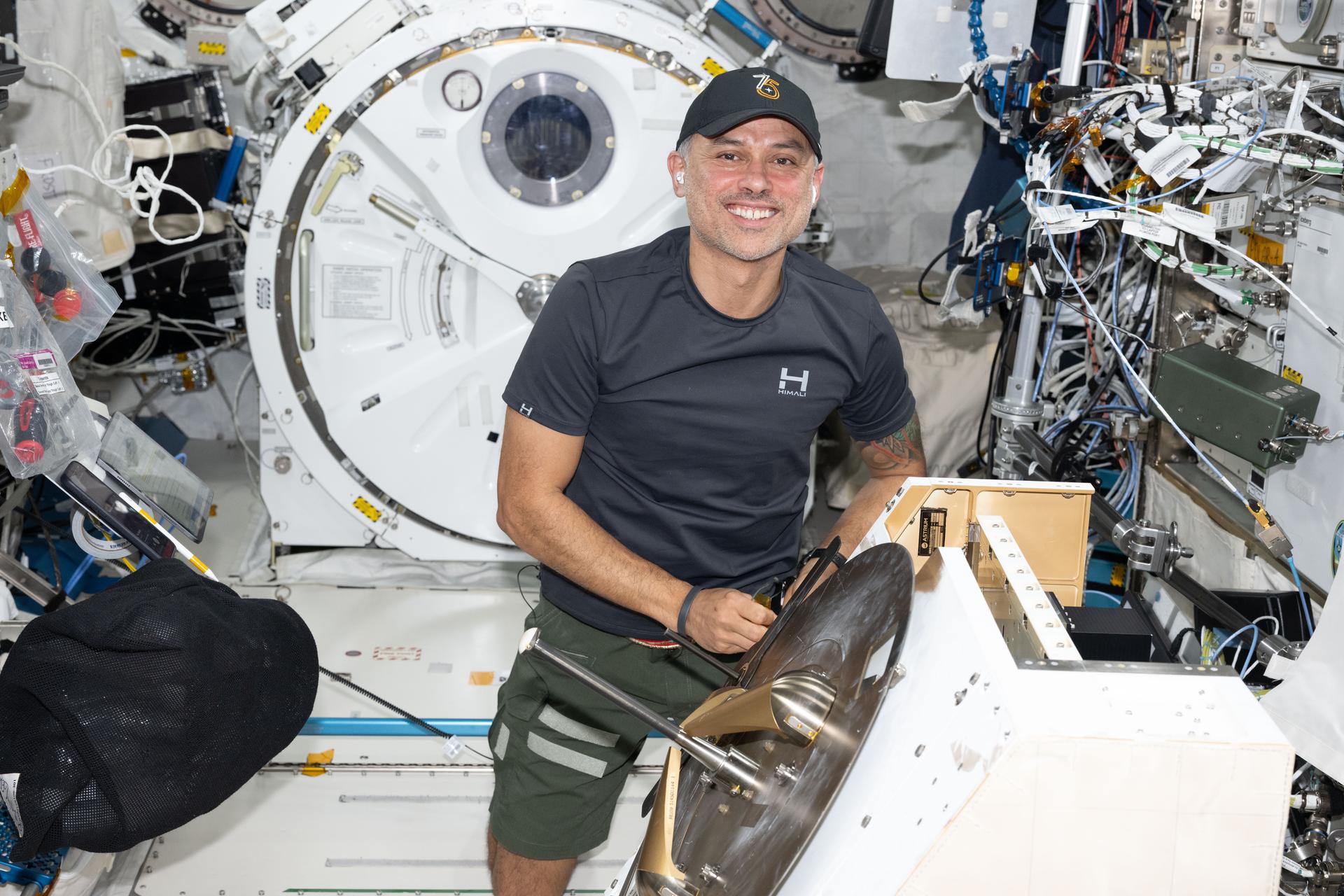
iss075e0086912 (Sept. 4, 2026) --- NASA astronaut and Expedition 75 flight engineer Anil Menon works on the NanoRacks External Platform after removing it from the Kibo laboratory module’s airlock. The compact research platform is placed outside the station in the vacuum of space, where it supports a variety of external investigations including biology, physics, communications, and more. Credit: NASA
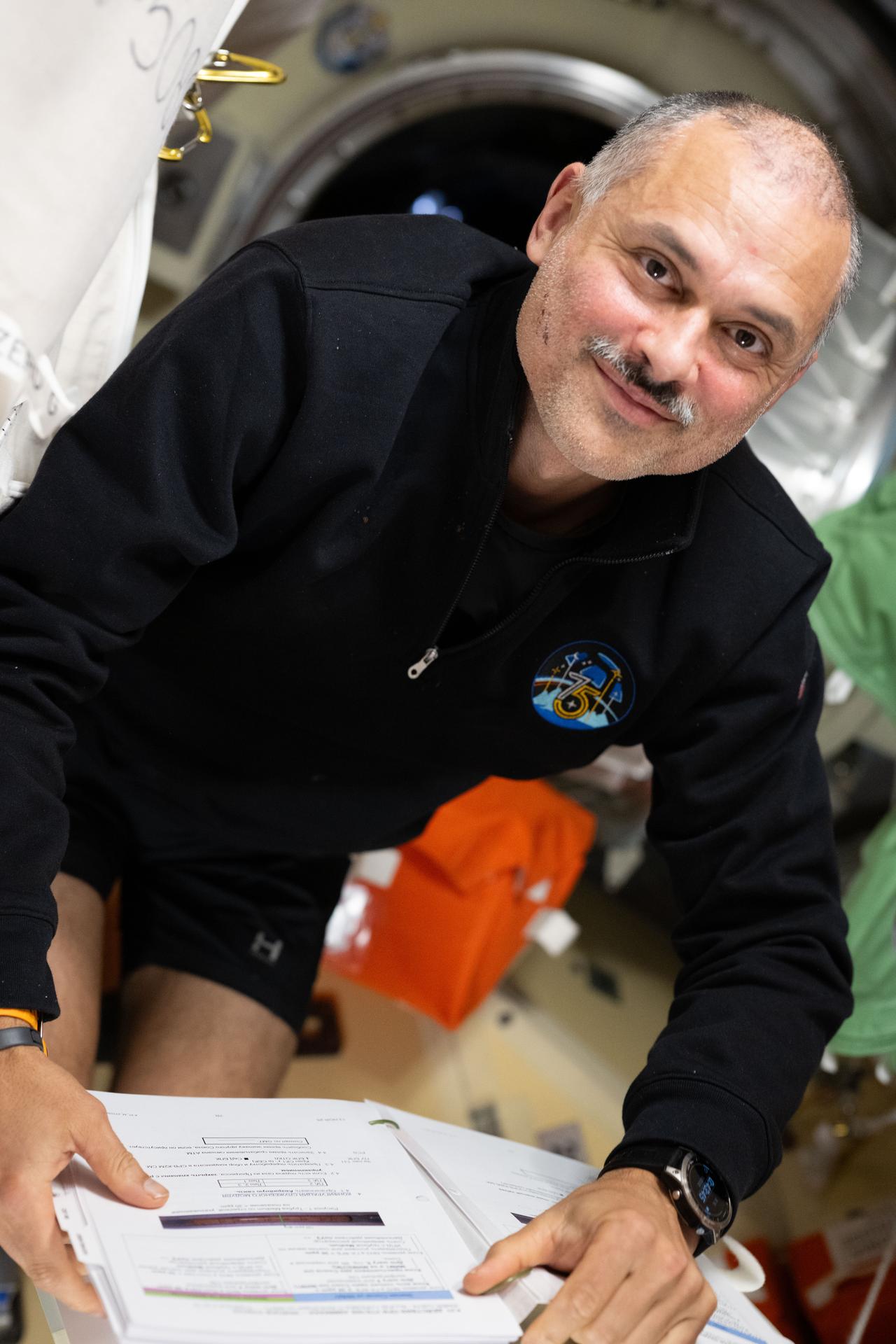
iss075e0013900 (Aug. 12, 2026) --- NASA astronaut and Expedition 75 flight engineer Anil Menon reviews procedures for emergency scenarios, including a pressure leak, chemical leak, or fire aboard the International Space Station. He and his crewmates also coordinated with ground teams and practiced the actions required to protect themselves and the orbital outpost. Credit: NASA
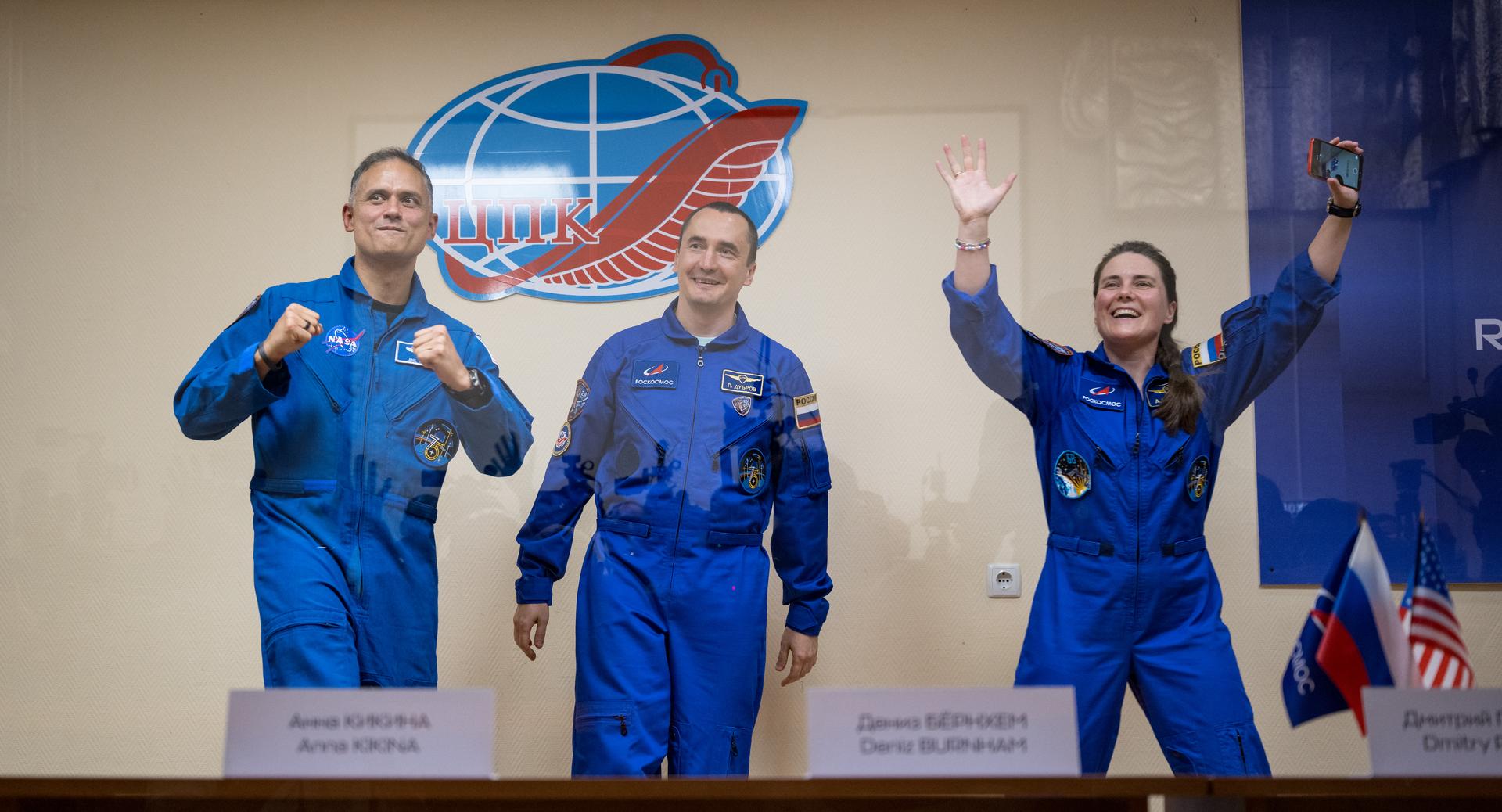
Expedition 75 crewmembers: NASA astronaut Anil Menon, left, Roscosmos cosmonauts Pyotr Dubrov, and Anna Kikina, right, are seen in quarantine, behind glass, during a press conference, Monday, July 13, 2026 a the Cosmonaut Hotel in Baikonur, Kazakhstan. Menon, Dubrov, and Kikina are scheduled to launch aboard the Soyuz MS-29 spacecraft to the International Space Station on July 14. Photo Credit: (NASA/Bill Ingalls)
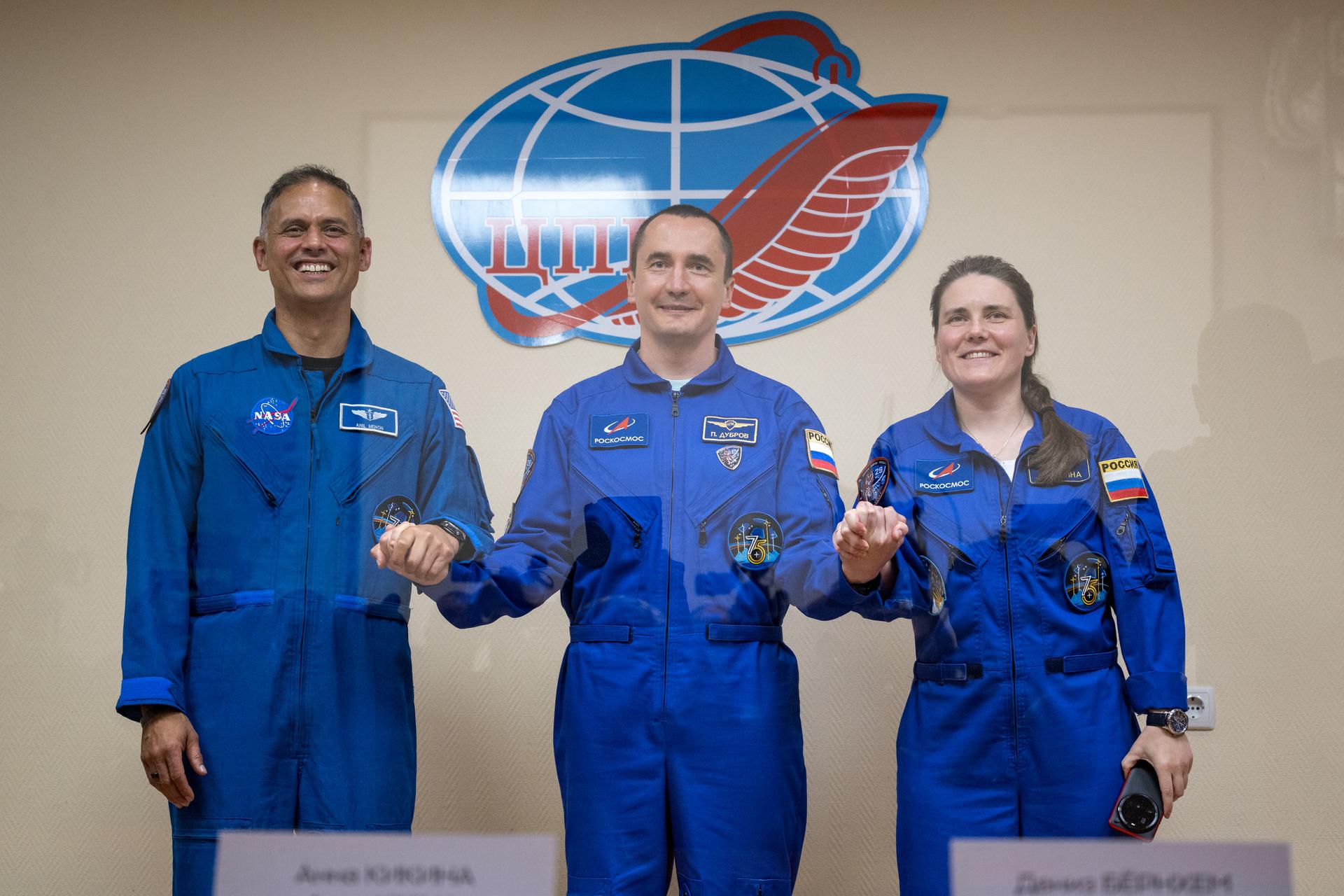
Expedition 75 crewmembers: NASA astronaut Anil Menon, left, Roscosmos cosmonauts Pyotr Dubrov, and Anna Kikina, right, are seen in quarantine, behind glass, during a press conference, Monday, July 13, 2026 a the Cosmonaut Hotel in Baikonur, Kazakhstan. Menon, Dubrov, and Kikina are scheduled to launch aboard the Soyuz MS-29 spacecraft to the International Space Station on July 14. Photo Credit: (NASA/Bill Ingalls)
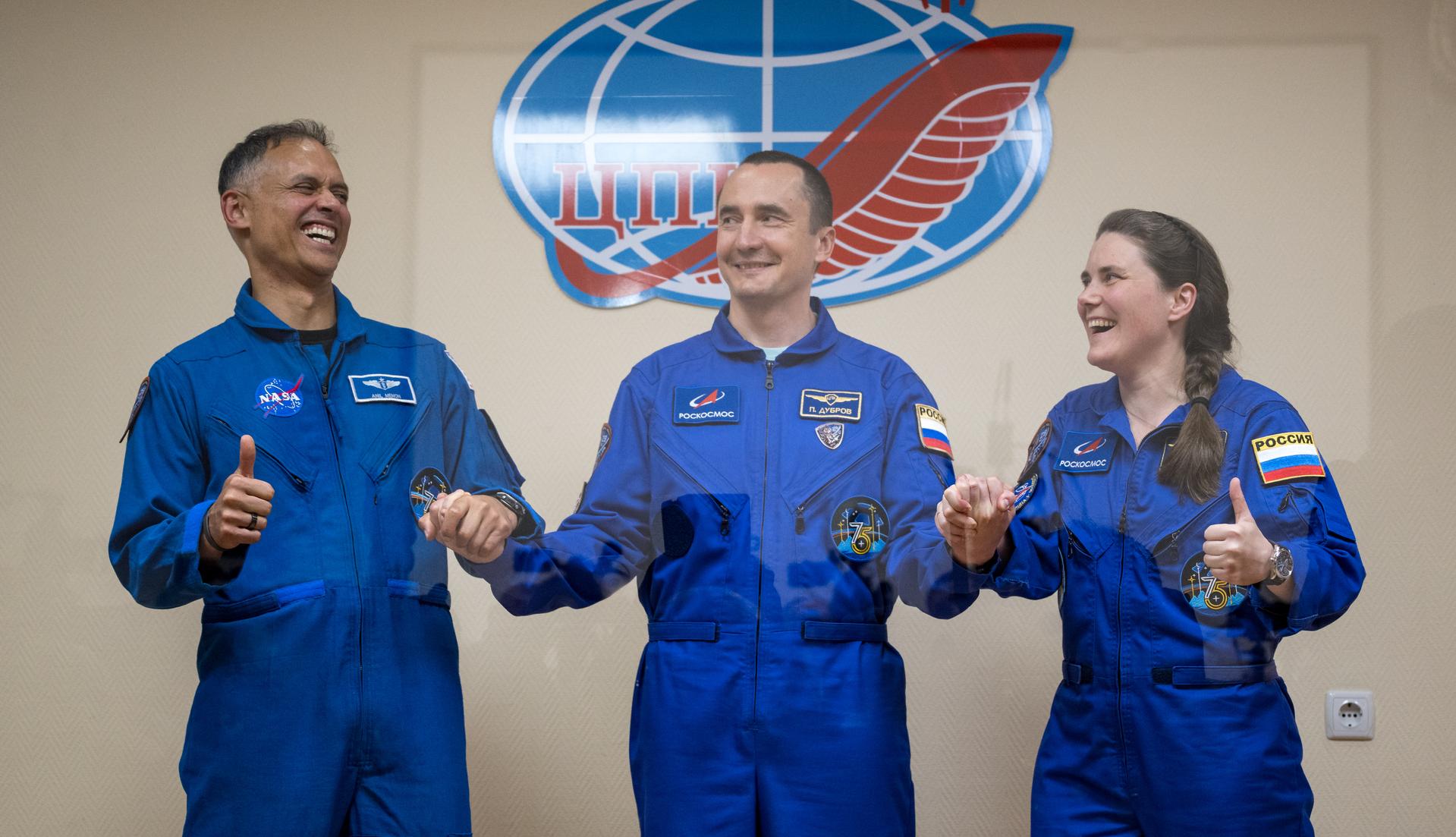
Expedition 75 crewmembers: NASA astronaut Anil Menon, left, Roscosmos cosmonauts Pyotr Dubrov, and Anna Kikina, right, are seen in quarantine, behind glass, during a press conference, Monday, July 13, 2026 a the Cosmonaut Hotel in Baikonur, Kazakhstan. Menon, Dubrov, and Kikina are scheduled to launch aboard the Soyuz MS-29 spacecraft to the International Space Station on July 14. Photo Credit: (NASA/Bill Ingalls)
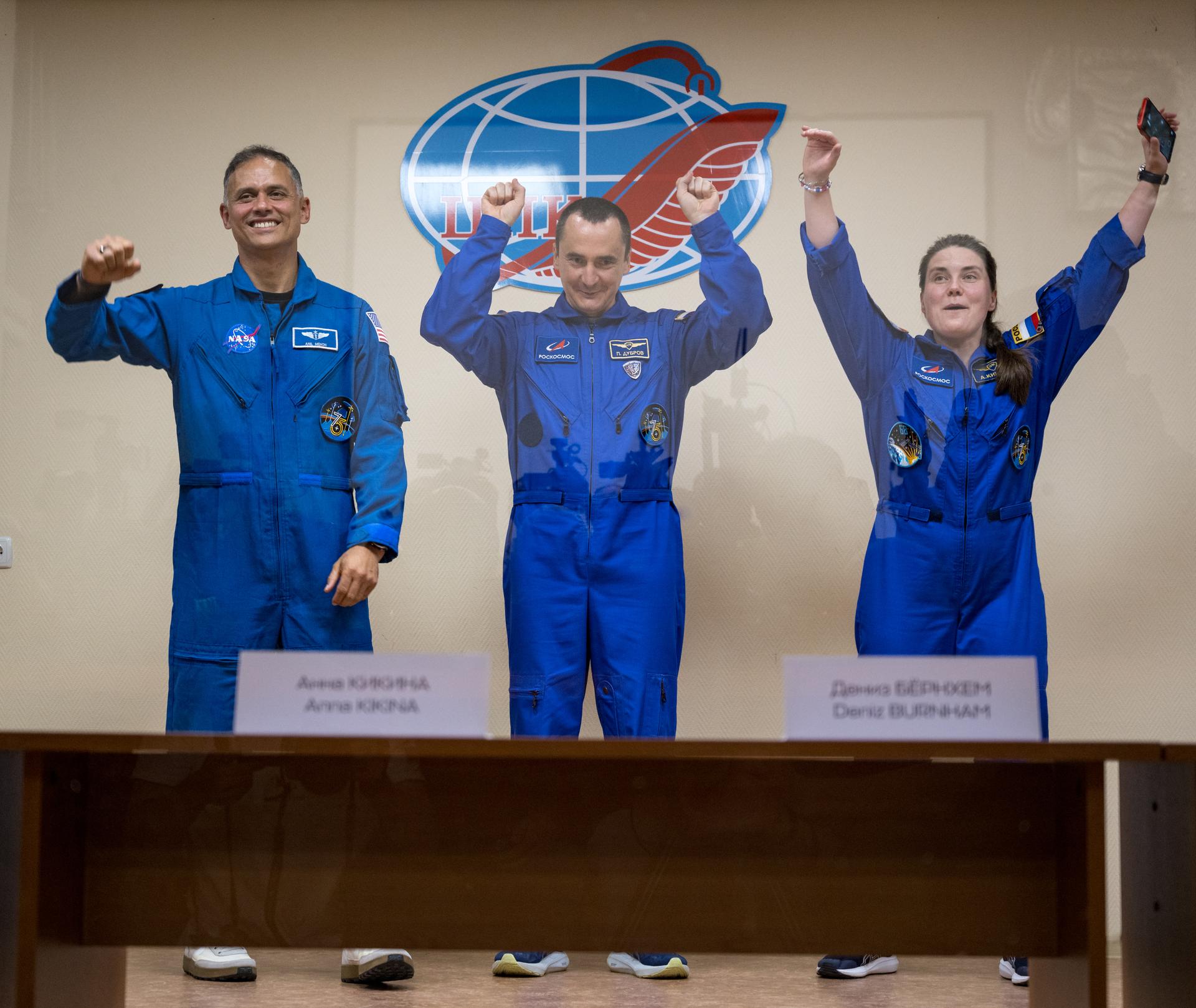
Expedition 75 crewmembers: NASA astronaut Anil Menon, left, Roscosmos cosmonauts Pyotr Dubrov, and Anna Kikina, right, are seen in quarantine, behind glass, during a press conference, Monday, July 13, 2026 a the Cosmonaut Hotel in Baikonur, Kazakhstan. Menon, Dubrov, and Kikina are scheduled to launch aboard the Soyuz MS-29 spacecraft to the International Space Station on July 14. Photo Credit: (NASA/Bill Ingalls)
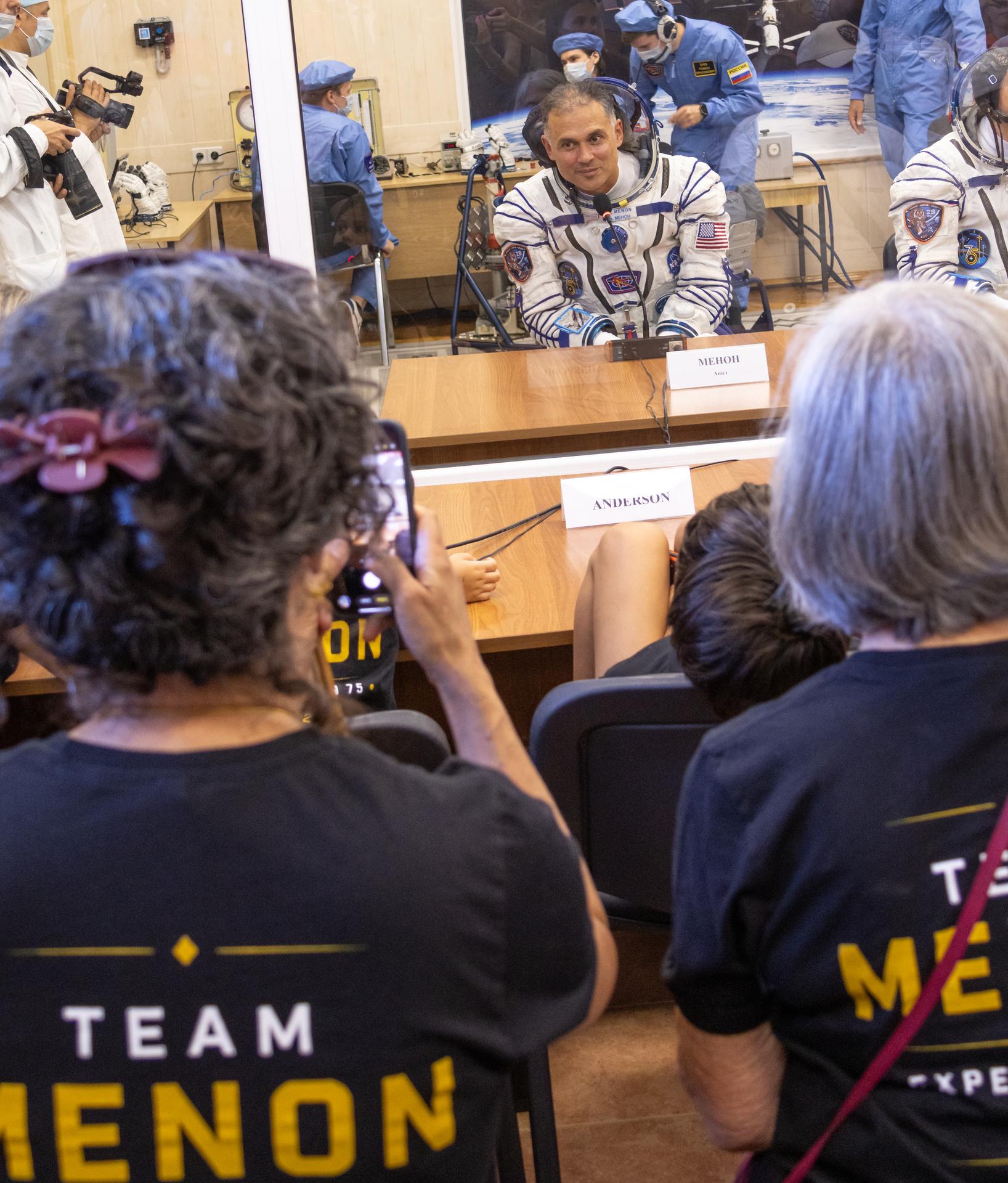
Expedition 75 NASA astronaut Anil Menon, talks to family and friends as he and Roscosmos cosmonauts Pyotr Dubrov, and Anna Kikina prepare for their Soyuz launch to the International Space Station Tuesday, July 14, 2026 in Baikonur, Kazakhstan. The launch will send Menon, Dubrov, and Kikina on a mission to the International Space Station. Photo Credit: (NASA/Victor Zelentsov)
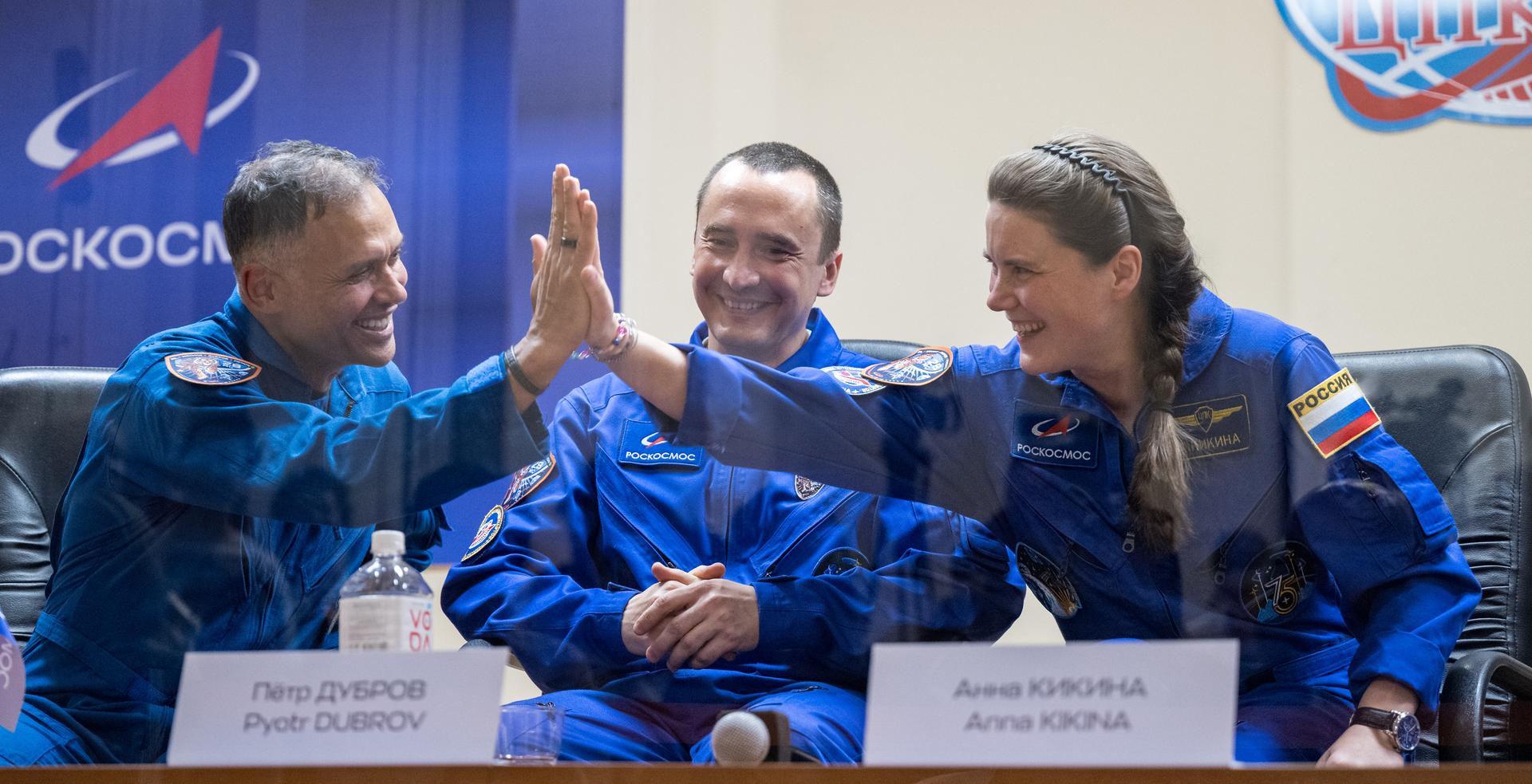
Expedition 75 crewmembers: NASA astronaut Anil Menon, left, Roscosmos cosmonauts Pyotr Dubrov and Anna Kikina, right, are seen in quarantine, behind glass, during a press conference, Monday, July 13, 2026 a the Cosmonaut Hotel in Baikonur, Kazakhstan. Menon, Dubrov, and Kikina are scheduled to launch aboard the Soyuz MS-29 spacecraft to the International Space Station on July 14. Photo Credit: (NASA/Bill Ingalls)
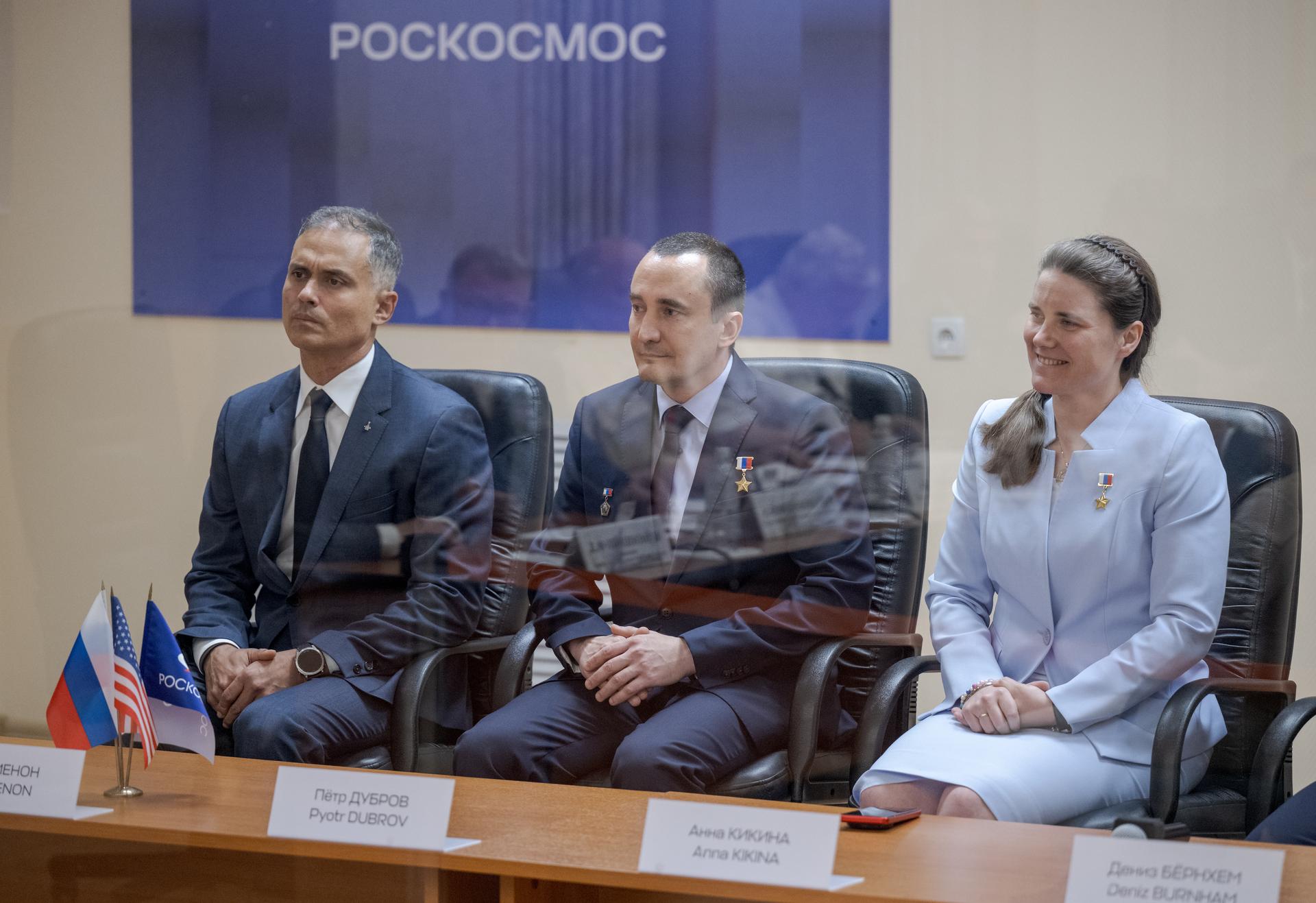
Expedition 75 crewmembers: NASA astronaut Anil Menon, left, Roscosmos cosmonauts Pyotr Dubrov and Anna Kikina, right, are seen during the State Commission meeting to approve the Soyuz launch of Expedition 75 to the International Space Station, Monday, July 13, 2026 at the Cosmonaut Hotel in Baikonur, Kazakhstan. Menon, Dubrov, and Kikina are scheduled to launch aboard the Soyuz MS-29 spacecraft to the International Space Station on July 14. Photo Credit: (NASA/Bill Ingalls)
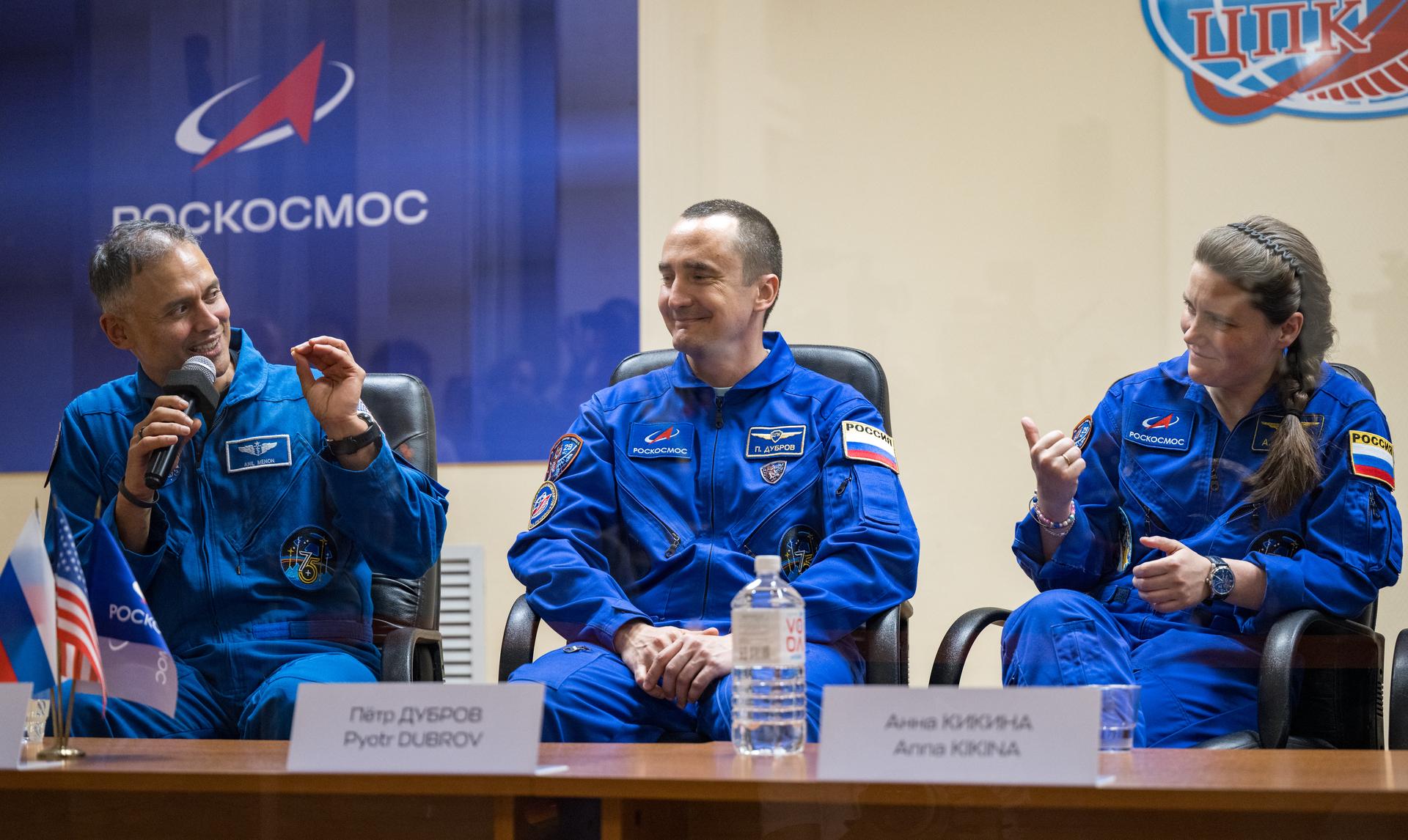
Expedition 75 crewmembers: NASA astronaut Anil Menon, left, Roscosmos cosmonauts Pyotr Dubrov and Anna Kikina, right, are seen in quarantine, behind glass, during a press conference, Monday, July 13, 2026 a the Cosmonaut Hotel in Baikonur, Kazakhstan. Menon, Dubrov, and Kikina are scheduled to launch aboard the Soyuz MS-29 spacecraft to the International Space Station on July 14. Photo Credit: (NASA/Bill Ingalls)
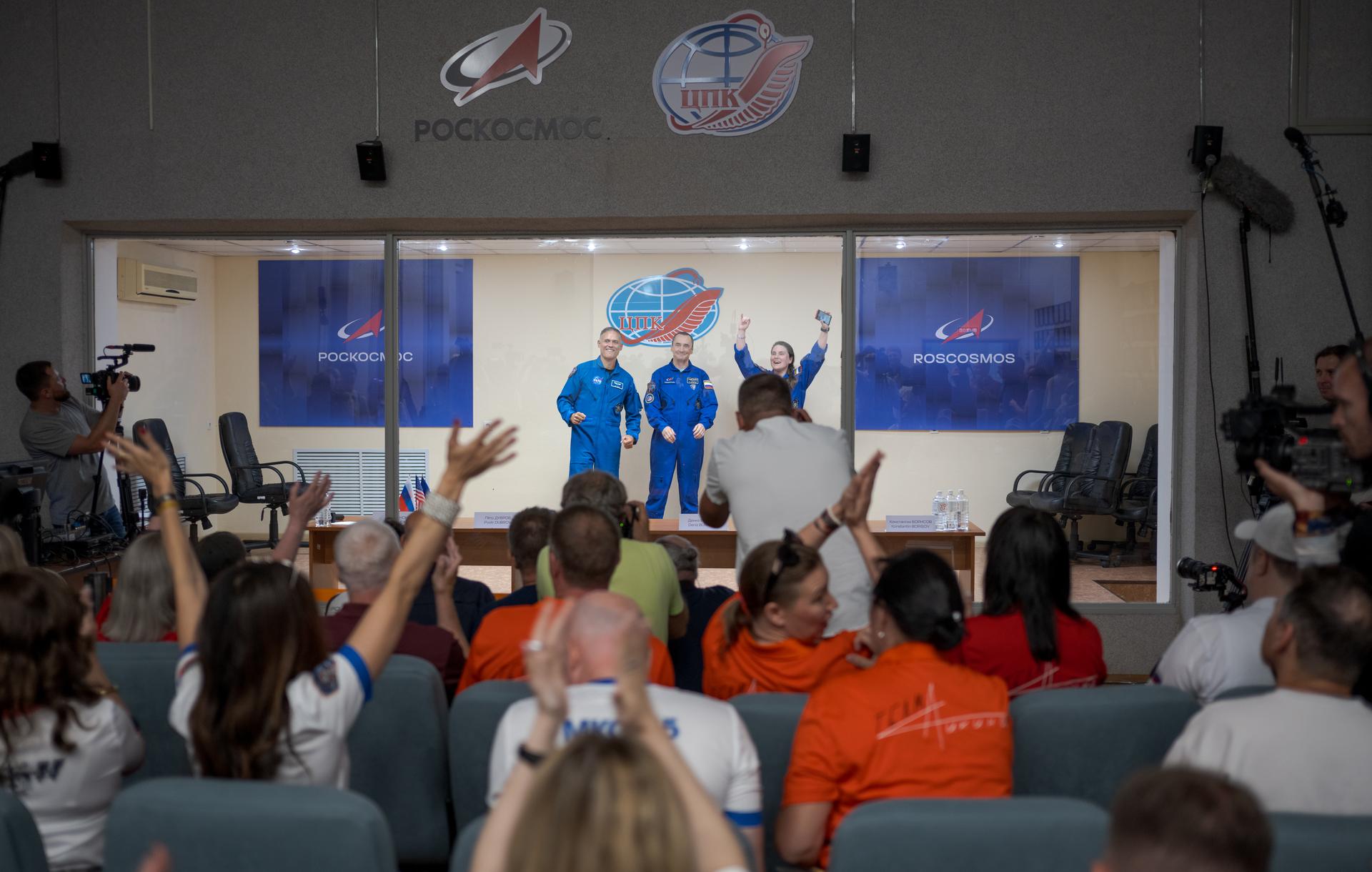
Expedition 75 crewmembers: NASA astronaut Anil Menon, left, Roscosmos cosmonauts Pyotr Dubrov, and Anna Kikina, right, are seen in quarantine, behind glass, during a press conference, Monday, July 13, 2026 a the Cosmonaut Hotel in Baikonur, Kazakhstan. Menon, Dubrov, and Kikina are scheduled to launch aboard the Soyuz MS-29 spacecraft to the International Space Station on July 14. Photo Credit: (NASA/Bill Ingalls)
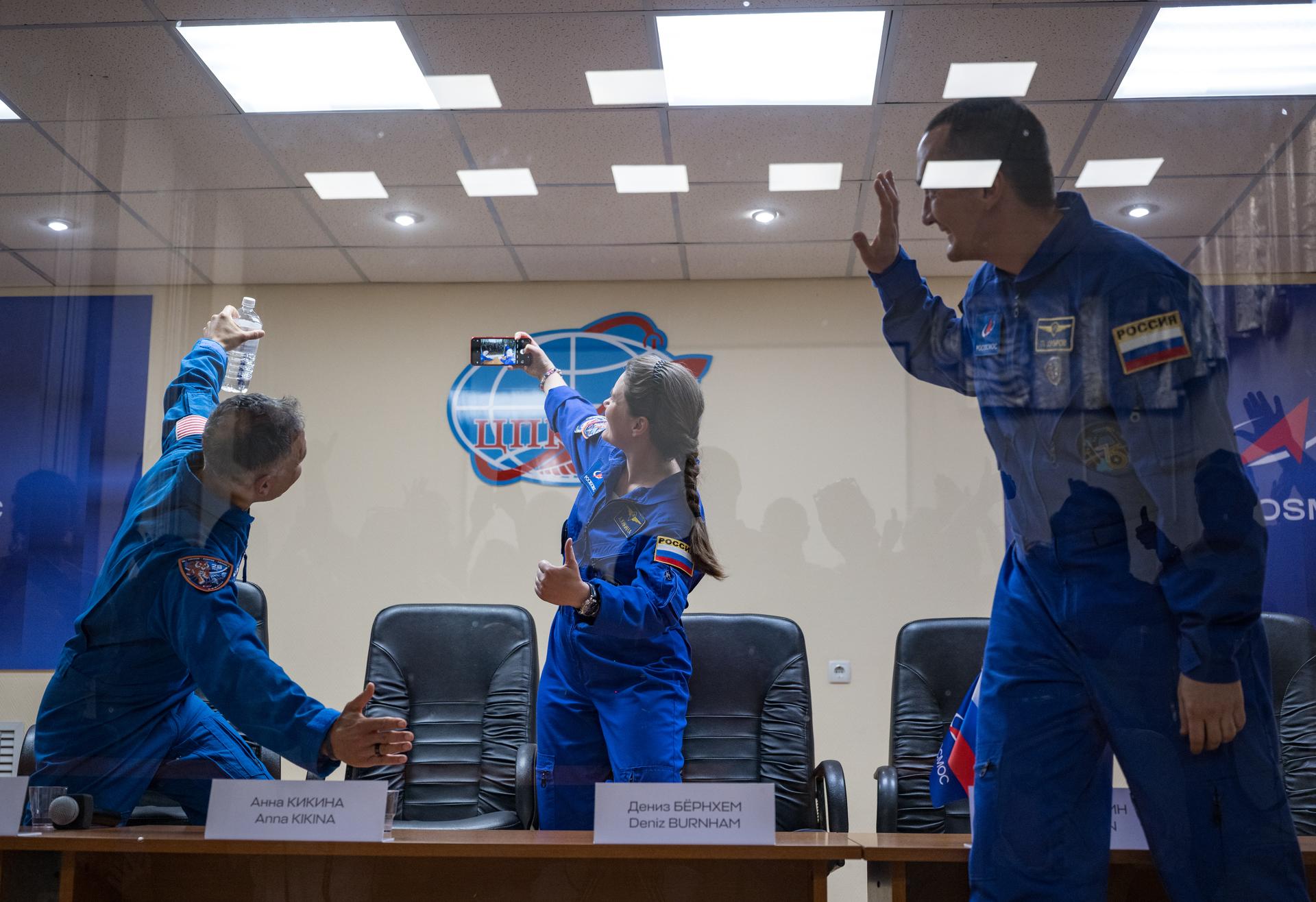
Expedition 75 crewmembers: NASA astronaut Anil Menon, left, Roscosmos cosmonauts Anna Kikina, and Pyotr Dubrov, right, are seen in quarantine, behind glass, during a press conference, Monday, July 13, 2026 a the Cosmonaut Hotel in Baikonur, Kazakhstan. Menon, Dubrov, and Kikina are scheduled to launch aboard the Soyuz MS-29 spacecraft to the International Space Station on July 14. Photo Credit: (NASA/Bill Ingalls)
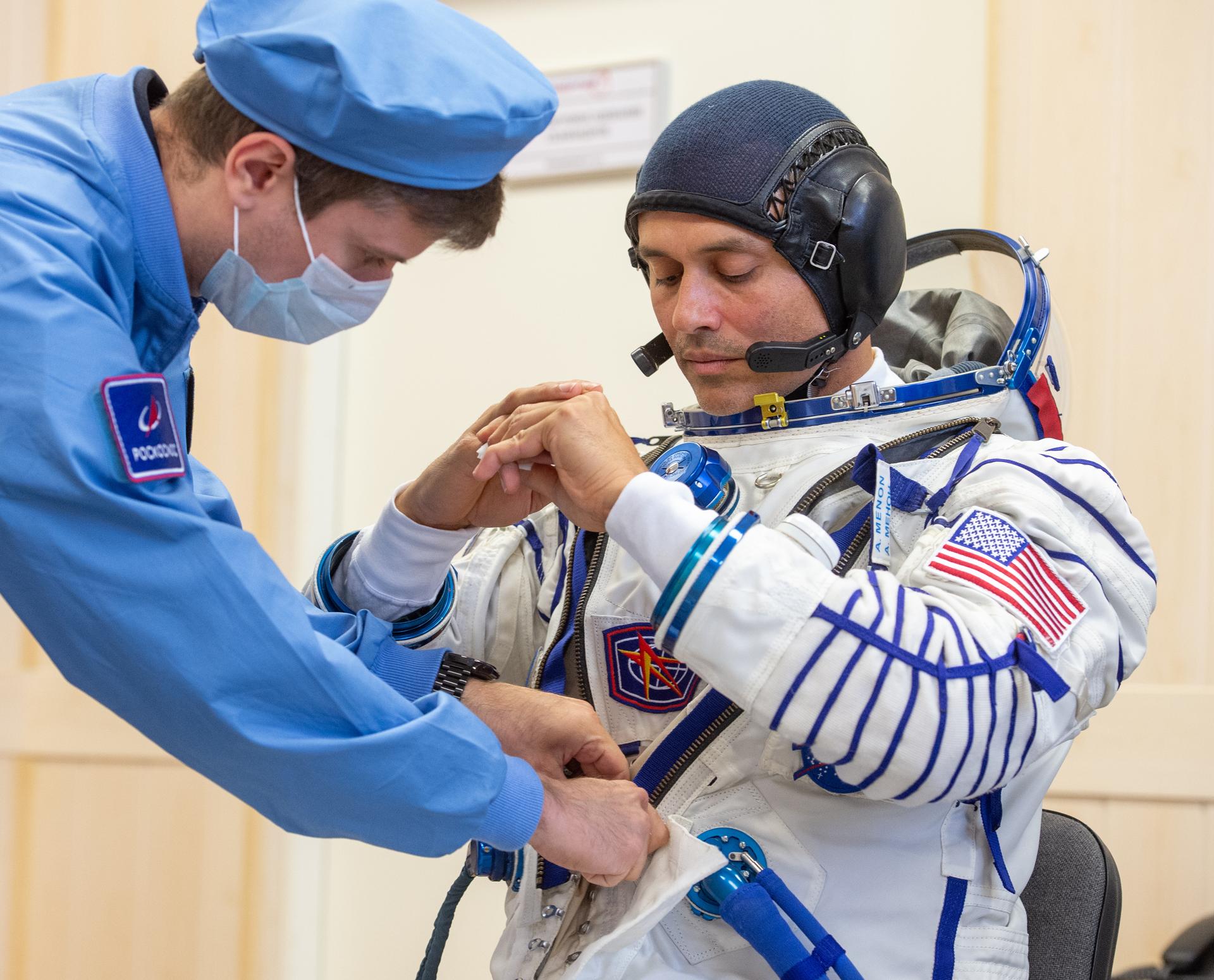
Expedition 75 NASA astronaut Anil Menon is helped into his Russian Sokol suit as he and fellow crew mates, Roscosmos cosmonauts Pyotr Dubrov, and Anna Kikina, prepare for their Soyuz launch to the International Space Station Tuesday, July 14, 2026 in Baikonur, Kazakhstan. The launch will send Menon, Dubrov, and Kikina on a mission to the International Space Station. Photo Credit: (NASA/GCTC/Pavel Shvets)
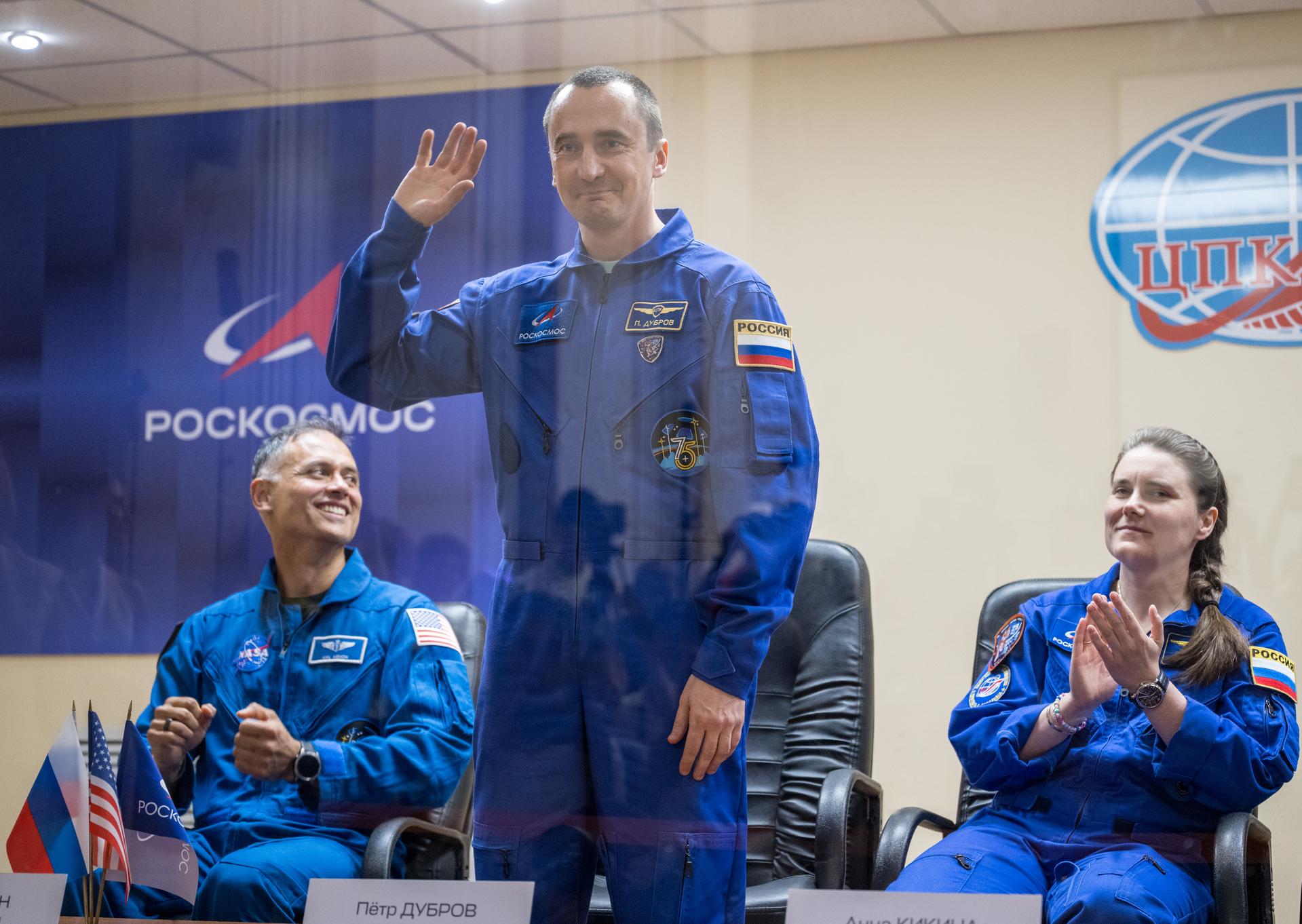
Expedition 75 crewmembers: NASA astronaut Anil Menon, left, Roscosmos cosmonauts Pyotr Dubrov and Anna Kikina, right, are seen in quarantine, behind glass, during a press conference, Monday, July 13, 2026 a the Cosmonaut Hotel in Baikonur, Kazakhstan. Menon, Dubrov, and Kikina are scheduled to launch aboard the Soyuz MS-29 spacecraft to the International Space Station on July 14. Photo Credit: (NASA/Bill Ingalls)
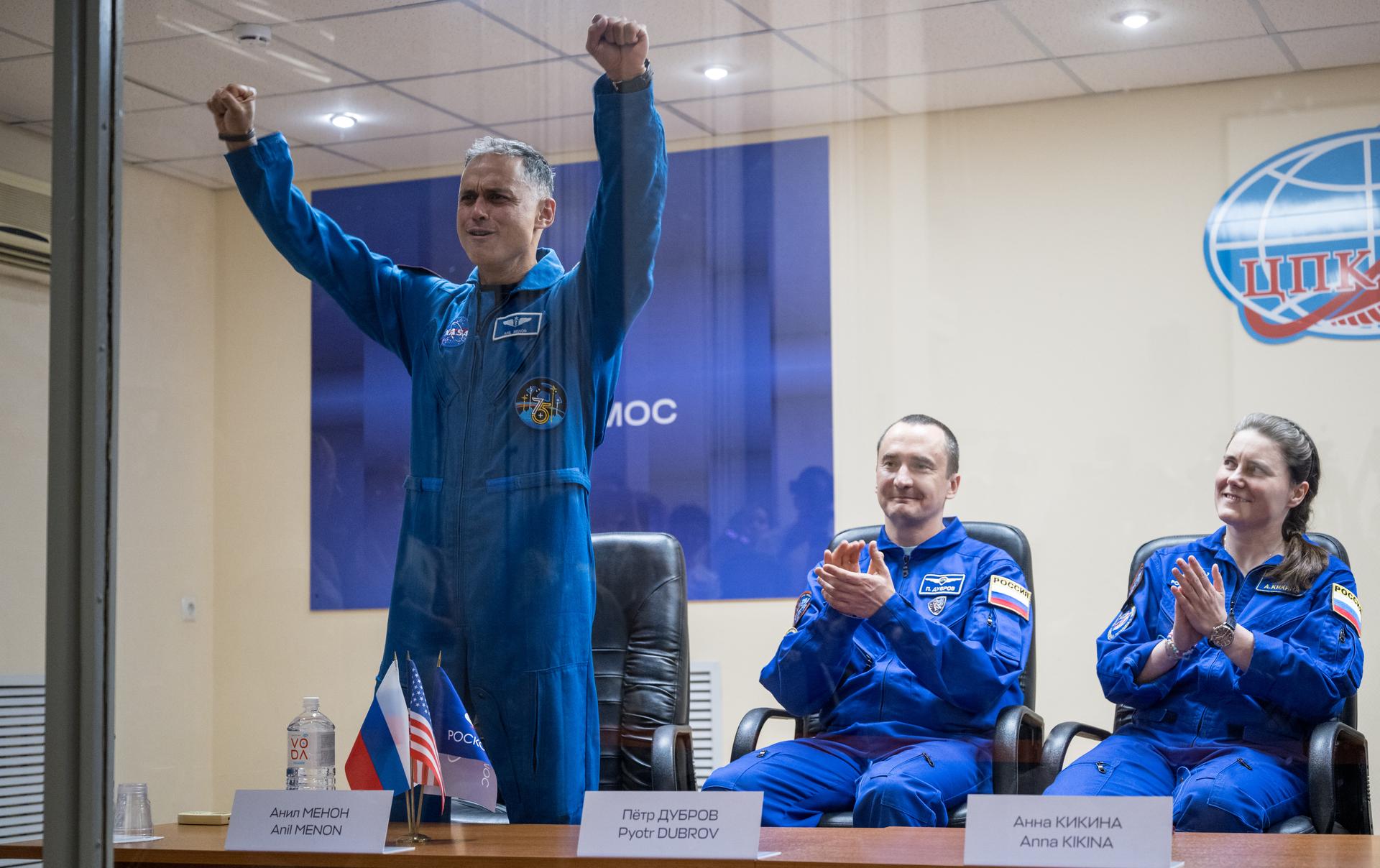
Expedition 75 crewmembers: NASA astronaut Anil Menon, left, Roscosmos cosmonauts Pyotr Dubrov and Anna Kikina, right, are seen in quarantine, behind glass, during a press conference, Monday, July 13, 2026 a the Cosmonaut Hotel in Baikonur, Kazakhstan. Menon, Dubrov, and Kikina are scheduled to launch aboard the Soyuz MS-29 spacecraft to the International Space Station on July 14. Photo Credit: (NASA/Bill Ingalls)
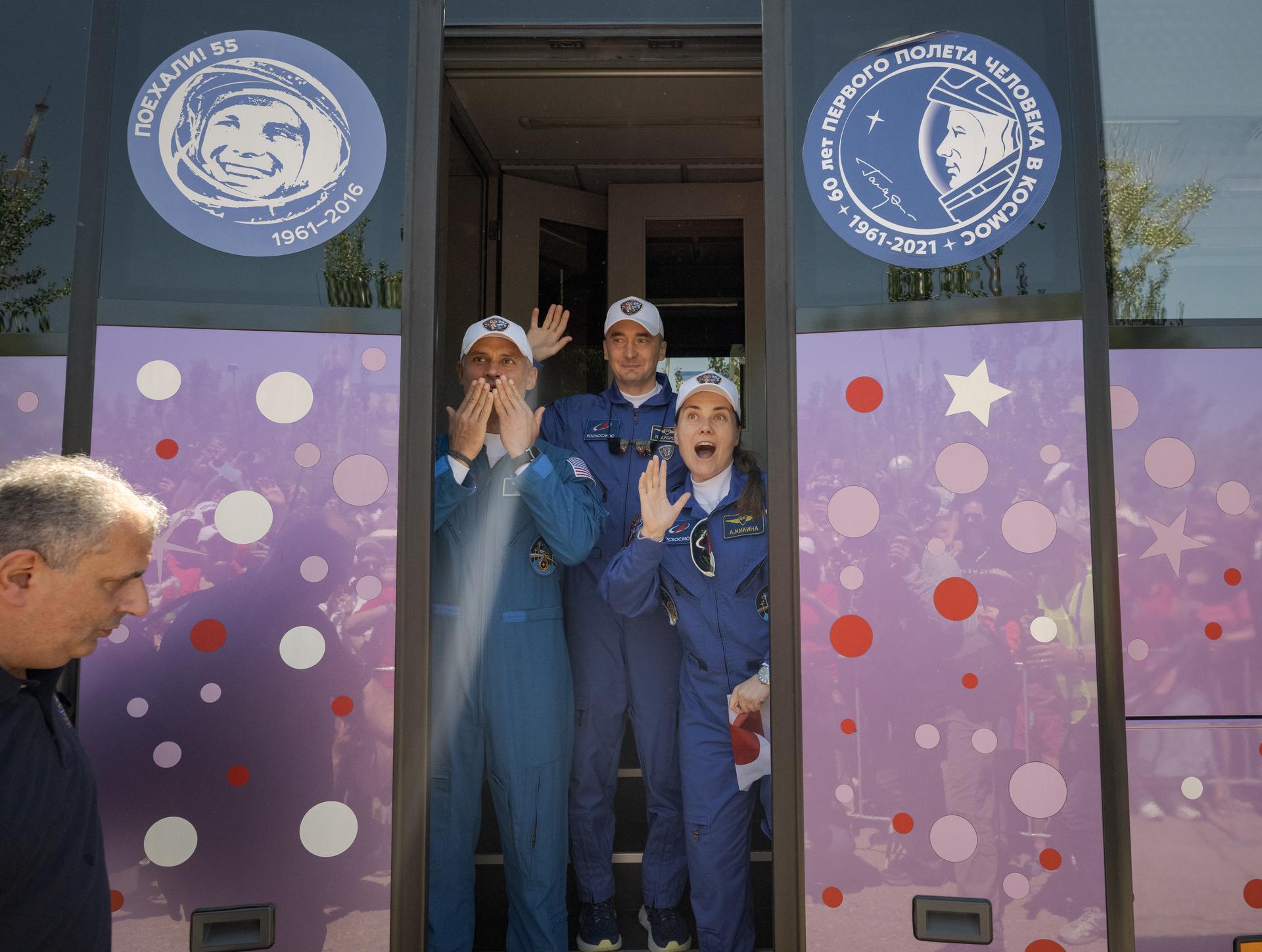
Expedition 75 crew members: NASA astronaut Anil Menon, left, Roscosmos cosmonauts Pyotr Dubrov, and Anna Kikina, right, depart the Cosmonaut Hotel to suit-up for their Soyuz launch, Tuesday, July 14, 2026, in Baikonur, Kazakhstan. The launch will send Menon, Dubrov, and Kikina on a mission to the International Space Station. Photo Credit: (NASA/Bill Ingalls)
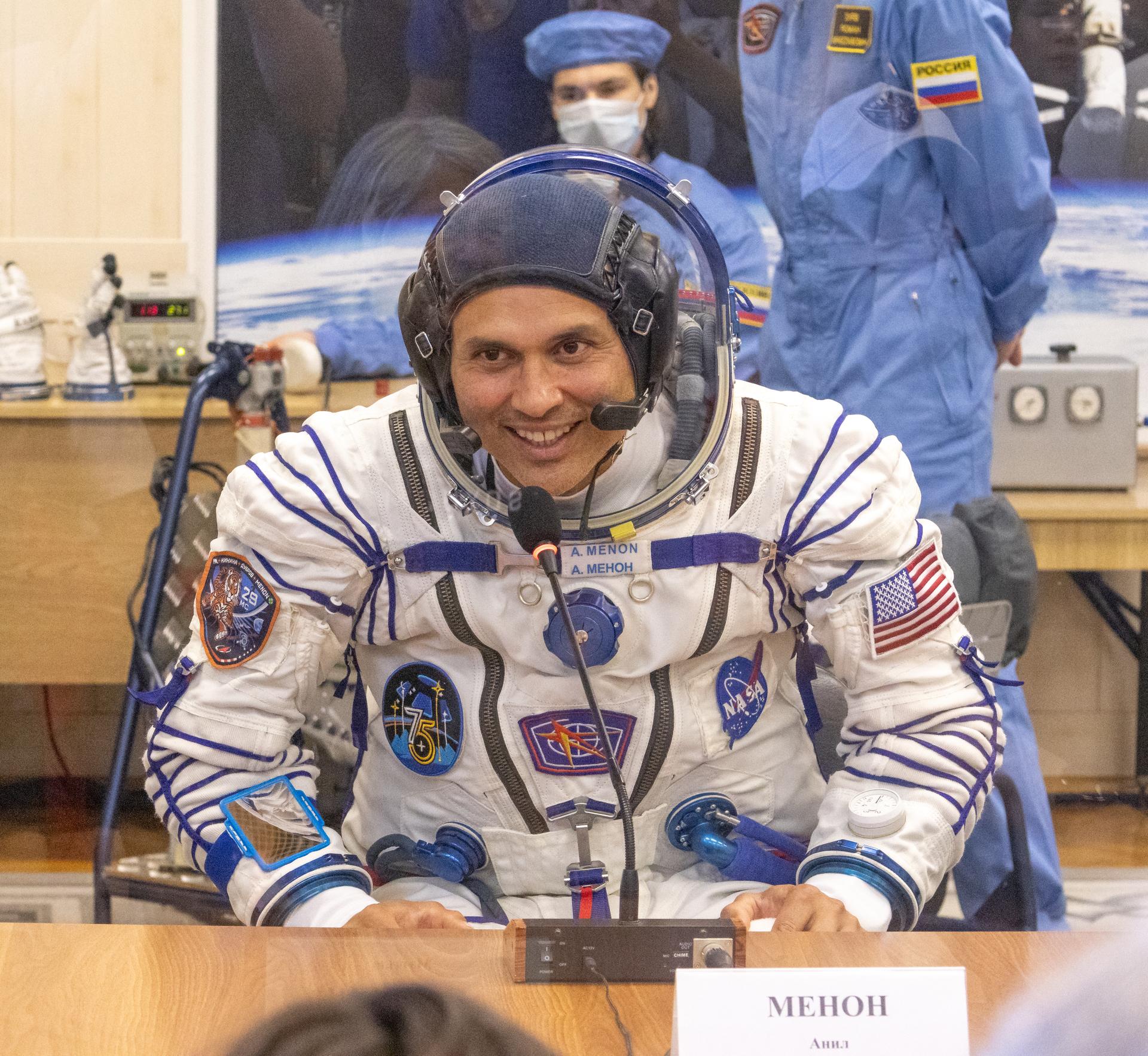
Expedition 75 NASA astronaut Anil Menon, talks to family and friends as he and Roscosmos cosmonauts Pyotr Dubrov, and Anna Kikina prepare for their Soyuz launch to the International Space Station Tuesday, July 14, 2026 in Baikonur, Kazakhstan. The launch will send Menon, Dubrov, and Kikina on a mission to the International Space Station. Photo Credit: (NASA/Victor Zelentsov)
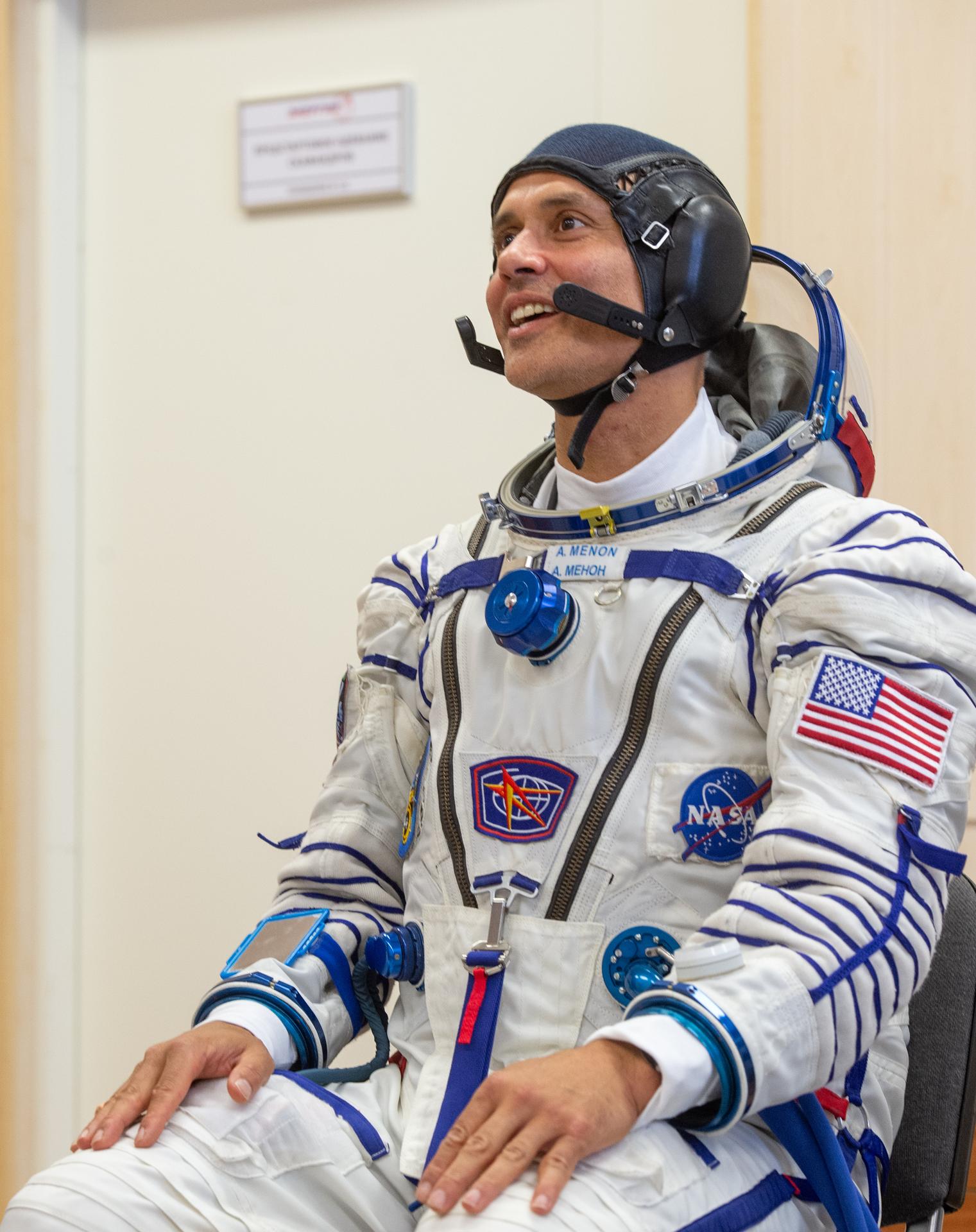
Expedition 75 NASA astronaut Anil Menon is helped into his Russian Sokol suit as he and fellow crew mates, Roscosmos cosmonauts Pyotr Dubrov, and Anna Kikina, prepare for their Soyuz launch to the International Space Station Tuesday, July 14, 2026 in Baikonur, Kazakhstan. The launch will send Menon, Dubrov, and Kikina on a mission to the International Space Station. Photo Credit: (NASA/GCTC/Pavel Shvets)
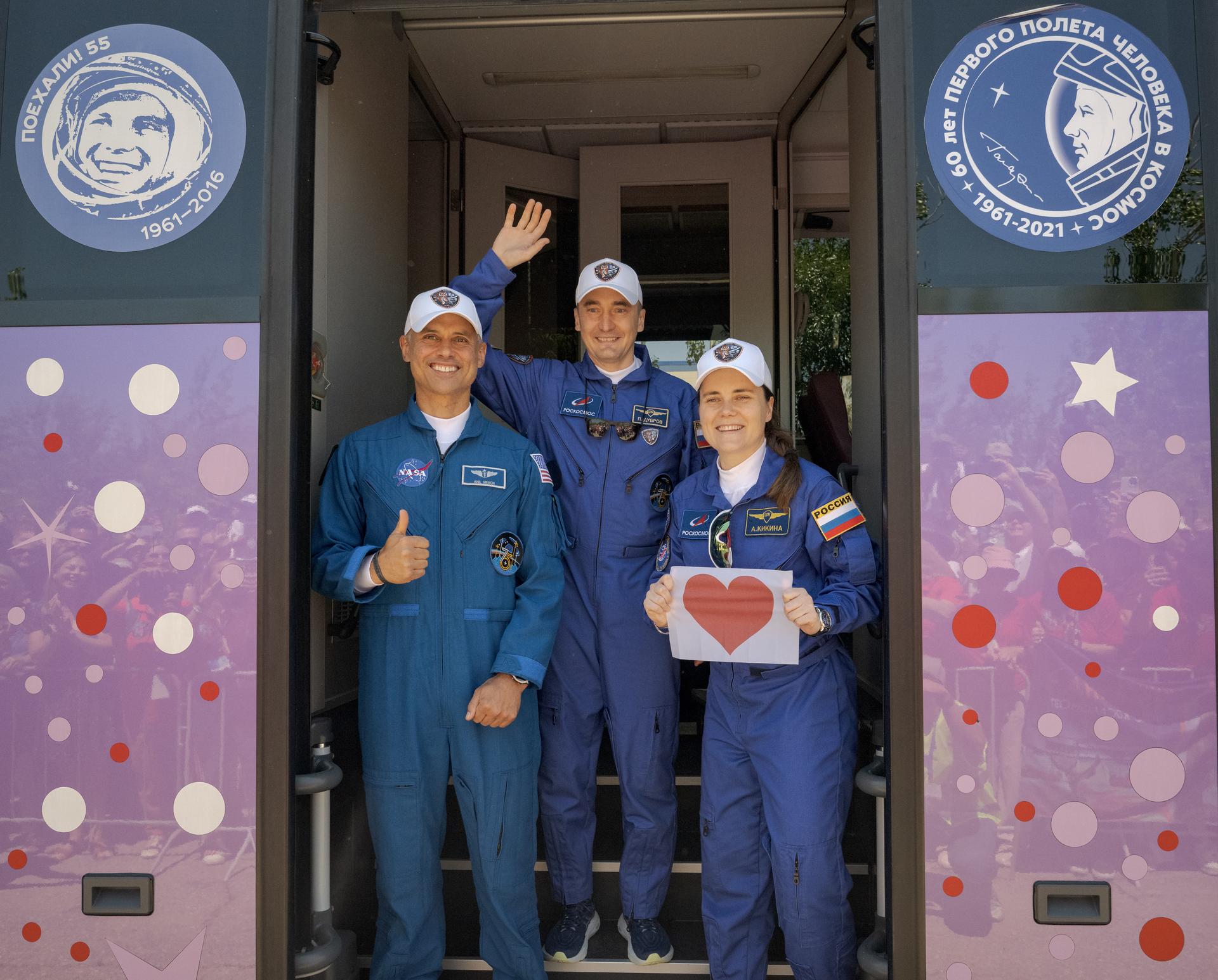
Expedition 75 crew members: NASA astronaut Anil Menon, left, Roscosmos cosmonauts Pyotr Dubrov, and Anna Kikina, right, depart the Cosmonaut Hotel to suit-up for their Soyuz launch, Tuesday, July 14, 2026, in Baikonur, Kazakhstan. The launch will send Menon, Dubrov, and Kikina on a mission to the International Space Station. Photo Credit: (NASA/Bill Ingalls)
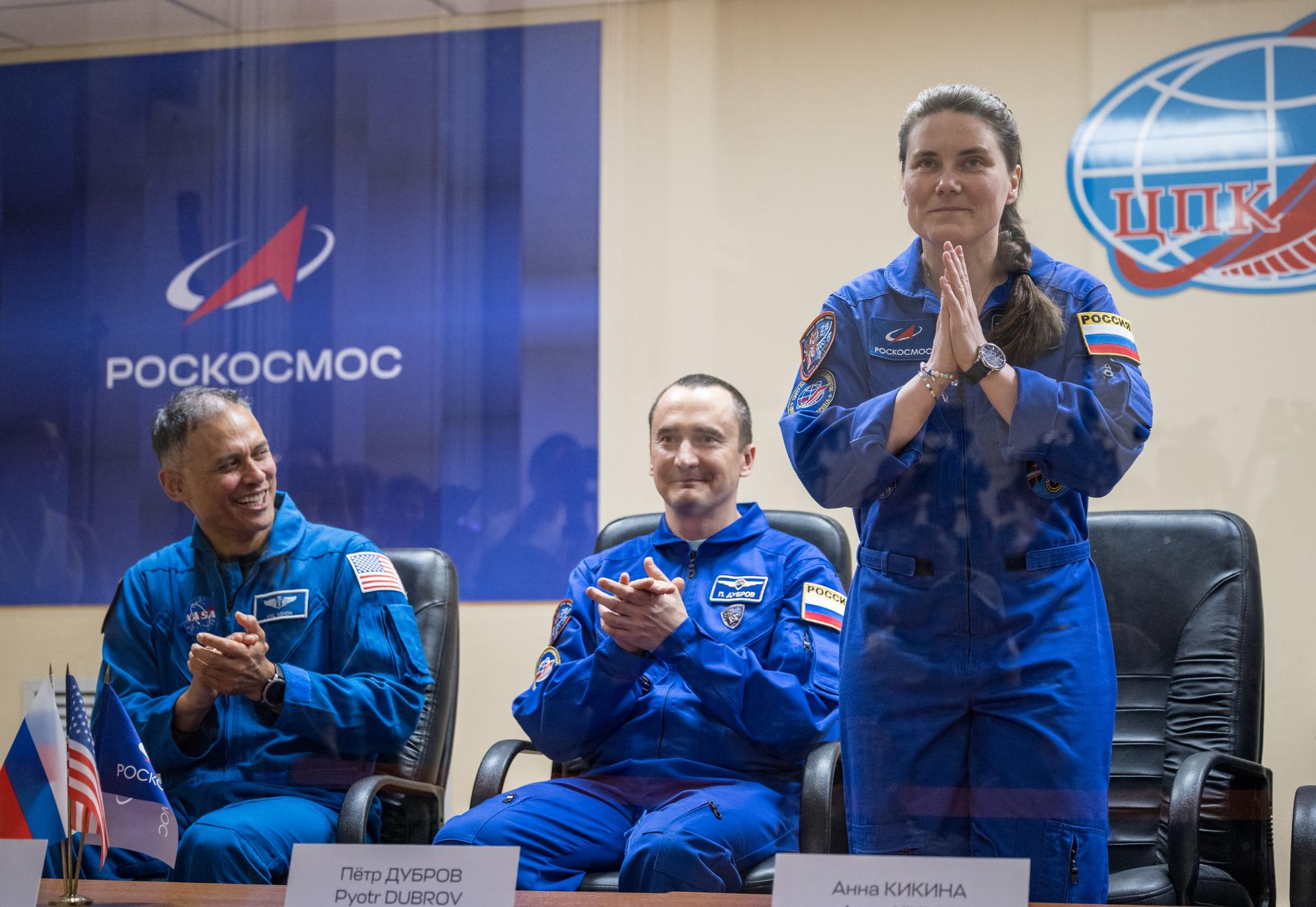
Expedition 75 crewmembers: NASA astronaut Anil Menon, left, Roscosmos cosmonauts Pyotr Dubrov and Anna Kikina, right, are seen in quarantine, behind glass, during a press conference, Monday, July 13, 2026 a the Cosmonaut Hotel in Baikonur, Kazakhstan. Menon, Dubrov, and Kikina are scheduled to launch aboard the Soyuz MS-29 spacecraft to the International Space Station on July 14. Photo Credit: (NASA/Bill Ingalls)
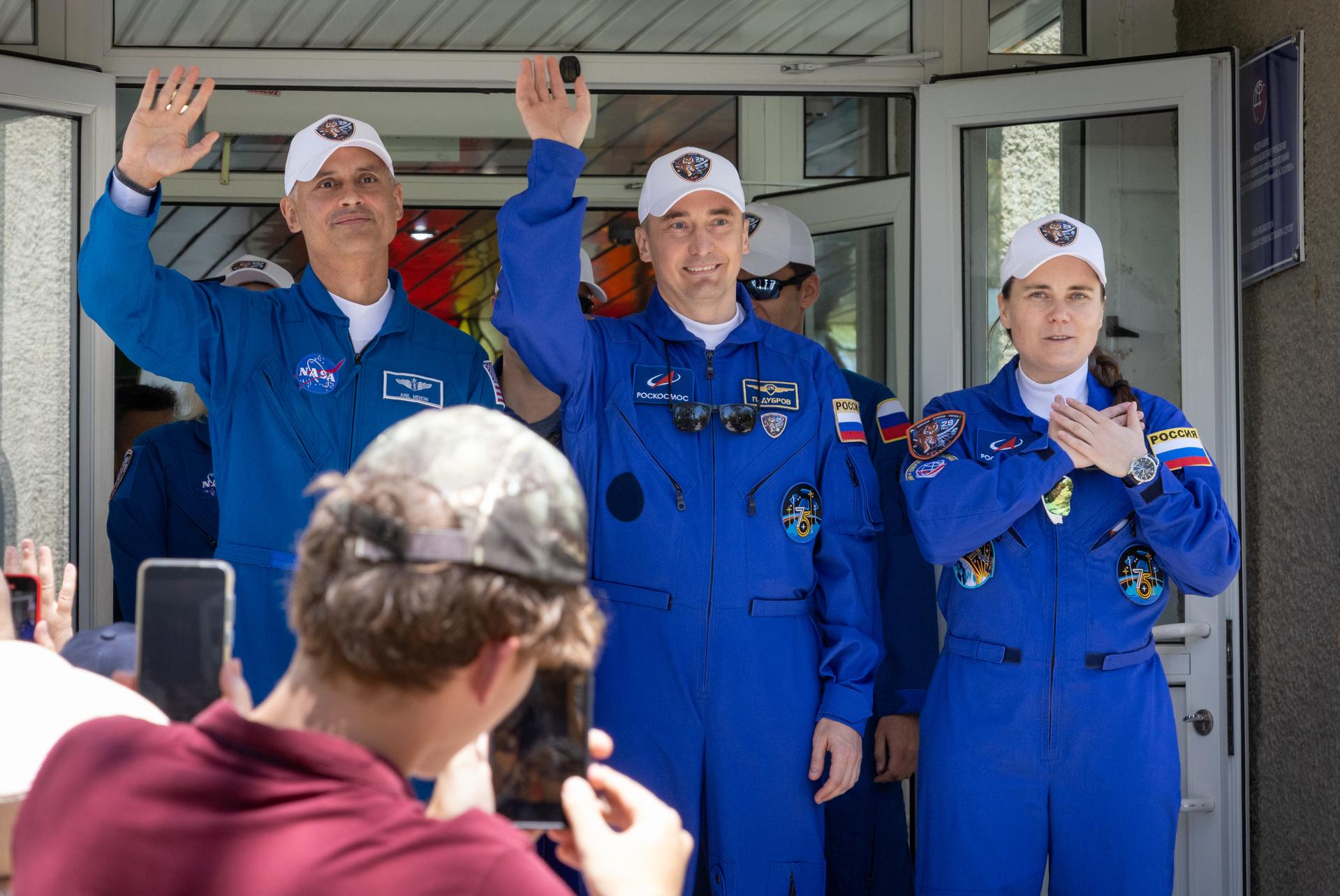
Expedition 75 crewmemebers: NASA astronaut Anil Menon, left, Roscosmos cosmonauts Pyotr Dubrov, and Anna Kikina, right, wave as they depart the Cosmonaut Hotel to suit-up for their Soyuz launch, Tuesday, July 14, 2026, in Baikonur, Kazakhstan. The launch will send Menon, Dubrov, and Kikina on a mission to the International Space Station. Photo Credit: (NASA/Victor Zelentsov)
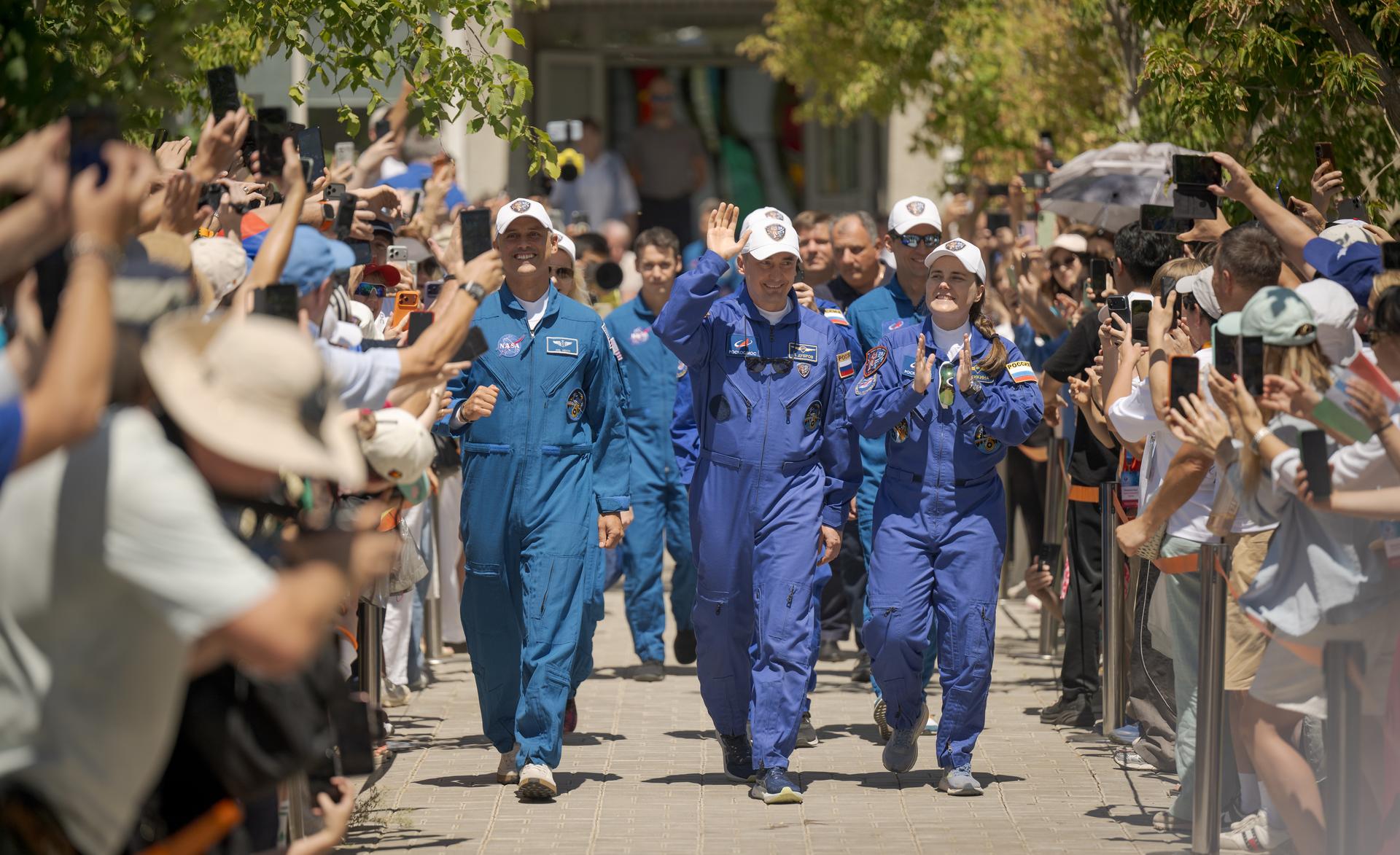
Expedition 75 crew members: NASA astronaut Anil Menon, left, Roscosmos cosmonauts Pyotr Dubrov, and Anna Kikina, right, depart the Cosmonaut Hotel to suit-up for their Soyuz launch, Tuesday, July 14, 2026, in Baikonur, Kazakhstan. The launch will send Menon, Dubrov, and Kikina on a mission to the International Space Station. Photo Credit: (NASA/Bill Ingalls)
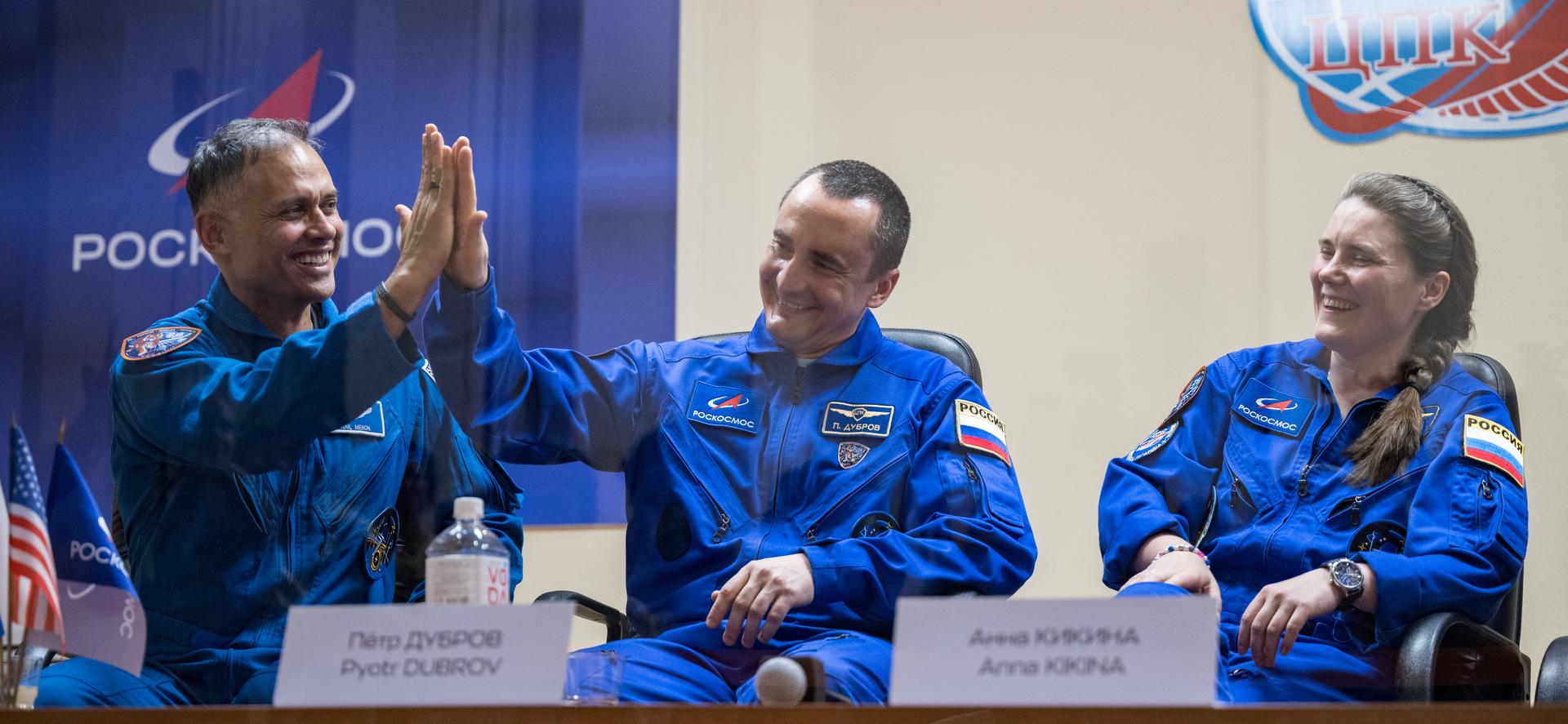
Expedition 75 crewmembers: NASA astronaut Anil Menon, left, Roscosmos cosmonauts Pyotr Dubrov and Anna Kikina, right, are seen in quarantine, behind glass, during a press conference, Monday, July 13, 2026 a the Cosmonaut Hotel in Baikonur, Kazakhstan. Menon, Dubrov, and Kikina are scheduled to launch aboard the Soyuz MS-29 spacecraft to the International Space Station on July 14. Photo Credit: (NASA/Bill Ingalls)
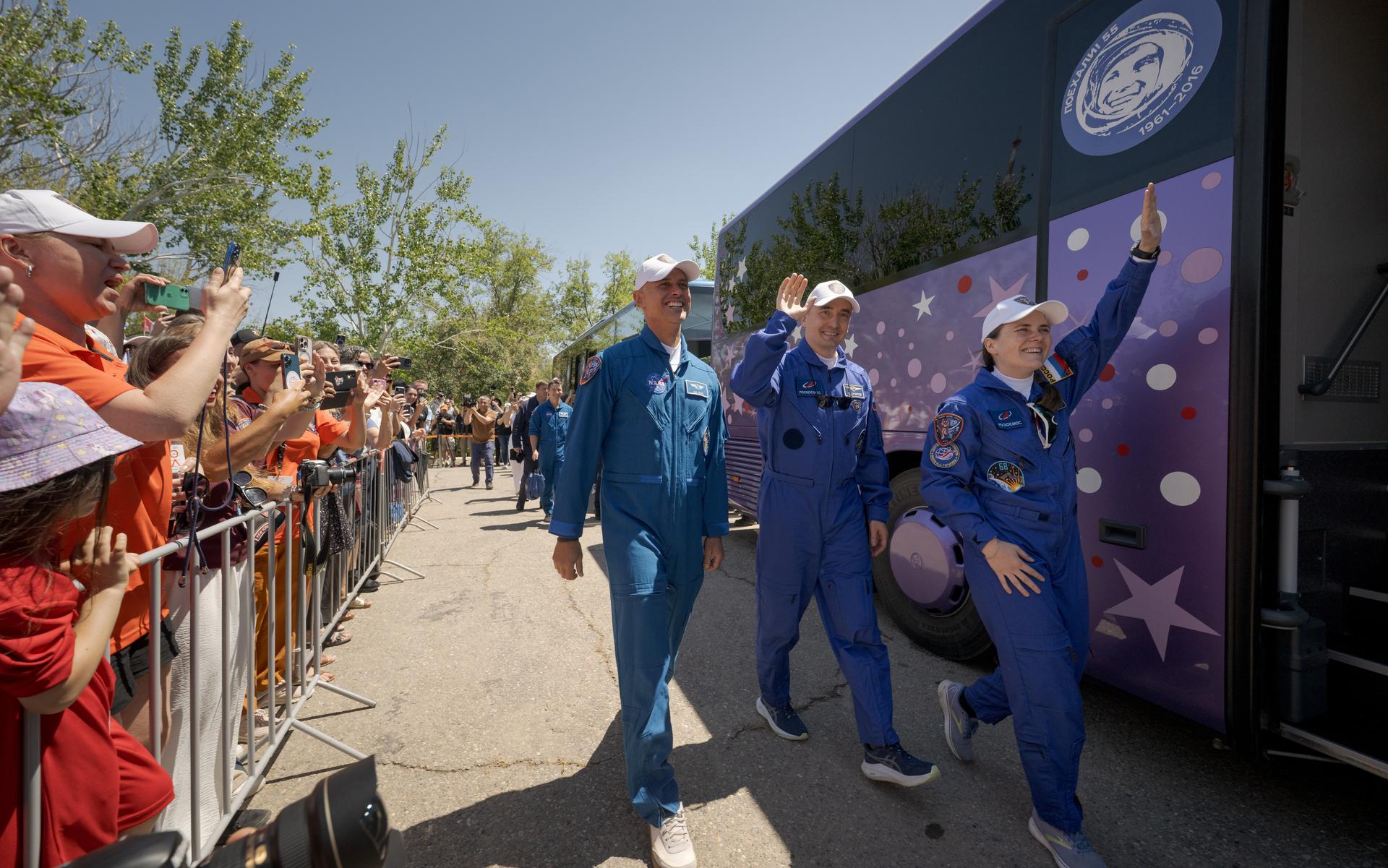
Expedition 75 crew members: NASA astronaut Anil Menon, left, Roscosmos cosmonauts Pyotr Dubrov, and Anna Kikina, right, depart the Cosmonaut Hotel to suit-up for their Soyuz launch, Tuesday, July 14, 2026, in Baikonur, Kazakhstan. The launch will send Menon, Dubrov, and Kikina on a mission to the International Space Station. Photo Credit: (NASA/Bill Ingalls)
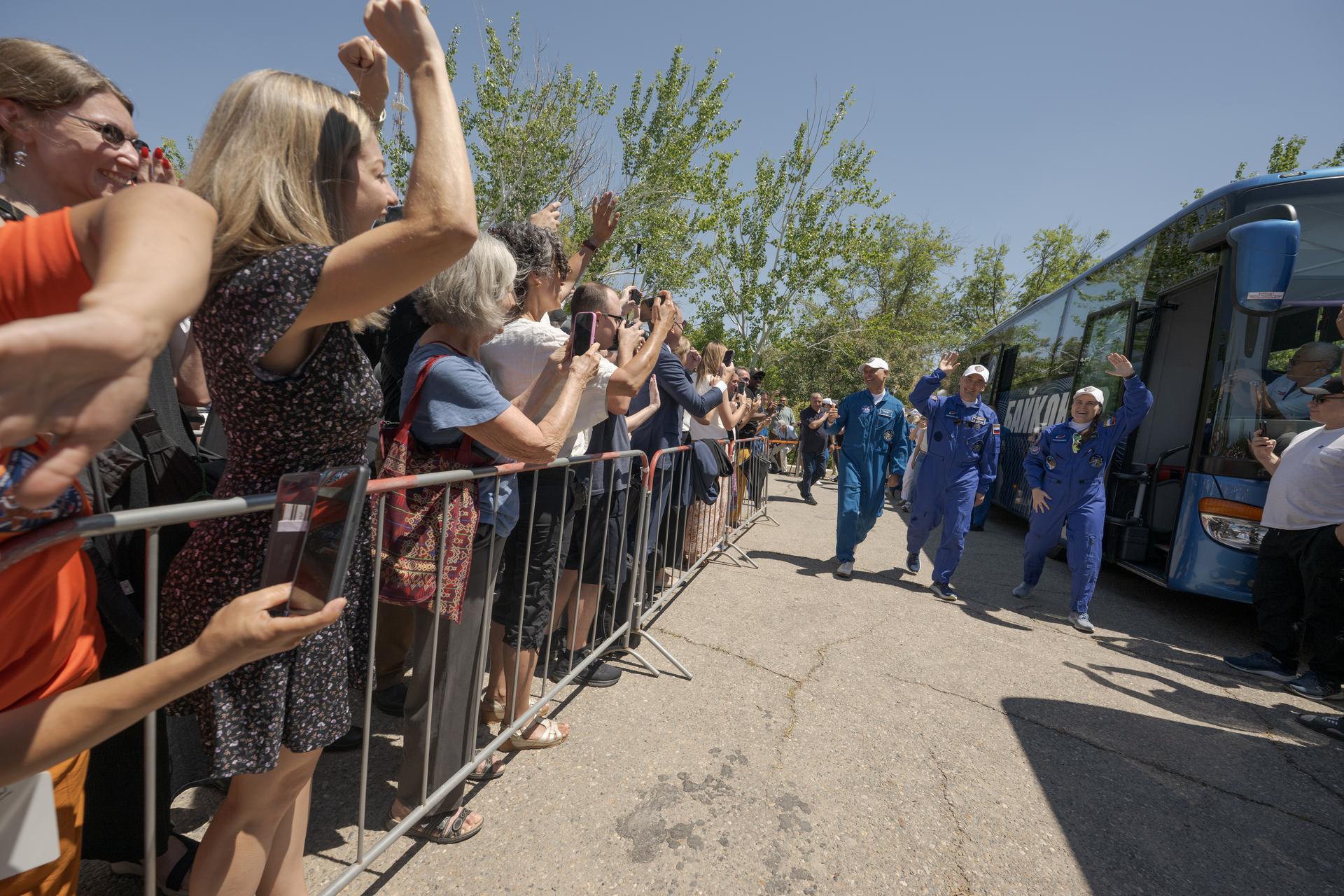
Expedition 75 crew members: NASA astronaut Anil Menon, left, Roscosmos cosmonauts Pyotr Dubrov, and Anna Kikina, right, depart the Cosmonaut Hotel to suit-up for their Soyuz launch, Tuesday, July 14, 2026, in Baikonur, Kazakhstan. The launch will send Menon, Dubrov, and Kikina on a mission to the International Space Station. Photo Credit: (NASA/Bill Ingalls)
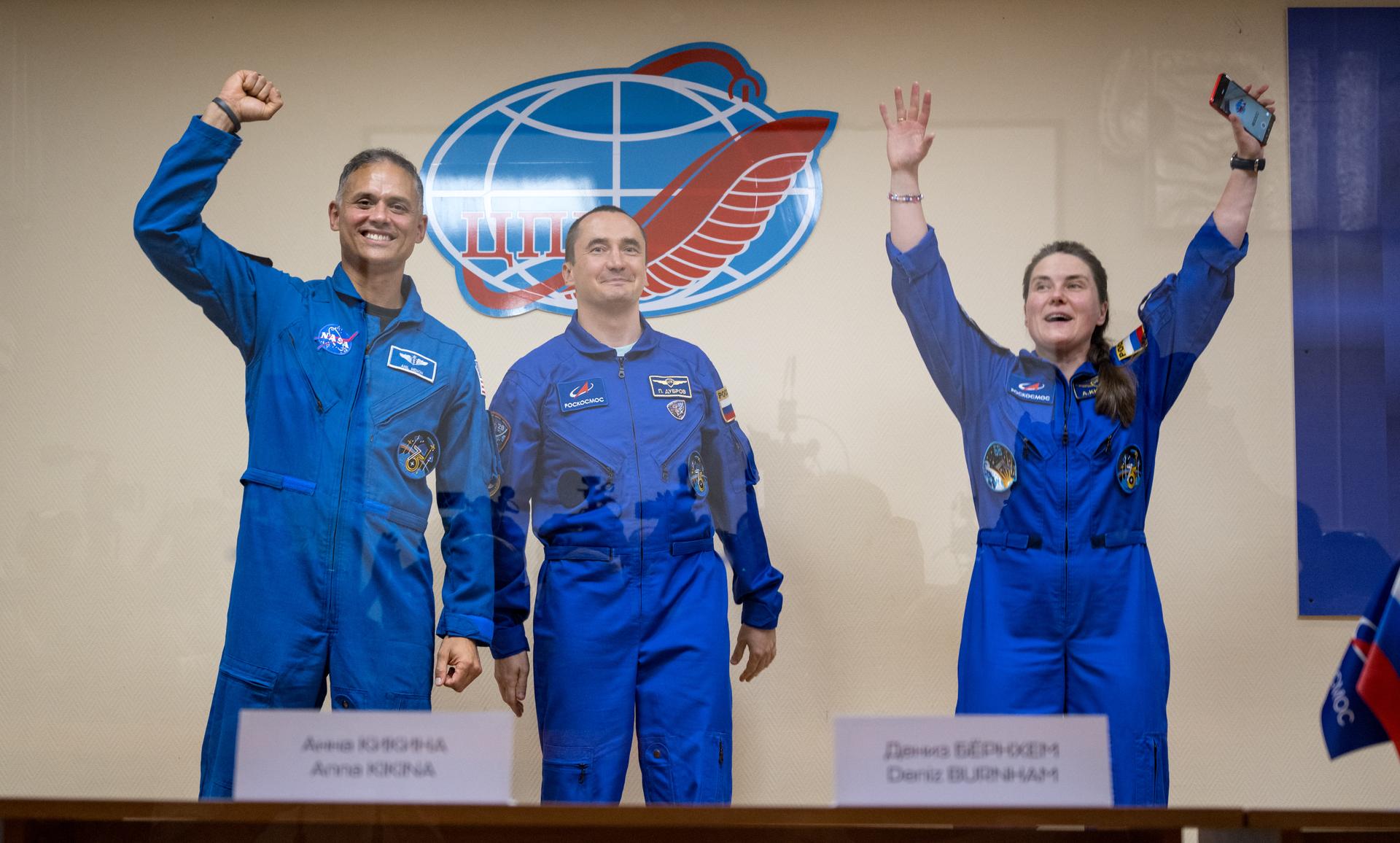
Expedition 75 crewmembers: NASA astronaut Anil Menon, left, Roscosmos cosmonauts Pyotr Dubrov, and Anna Kikina, right, are seen in quarantine, behind glass, during a press conference, Monday, July 13, 2026 a the Cosmonaut Hotel in Baikonur, Kazakhstan. Menon, Dubrov, and Kikina are scheduled to launch aboard the Soyuz MS-29 spacecraft to the International Space Station on July 14. Photo Credit: (NASA/Bill Ingalls)
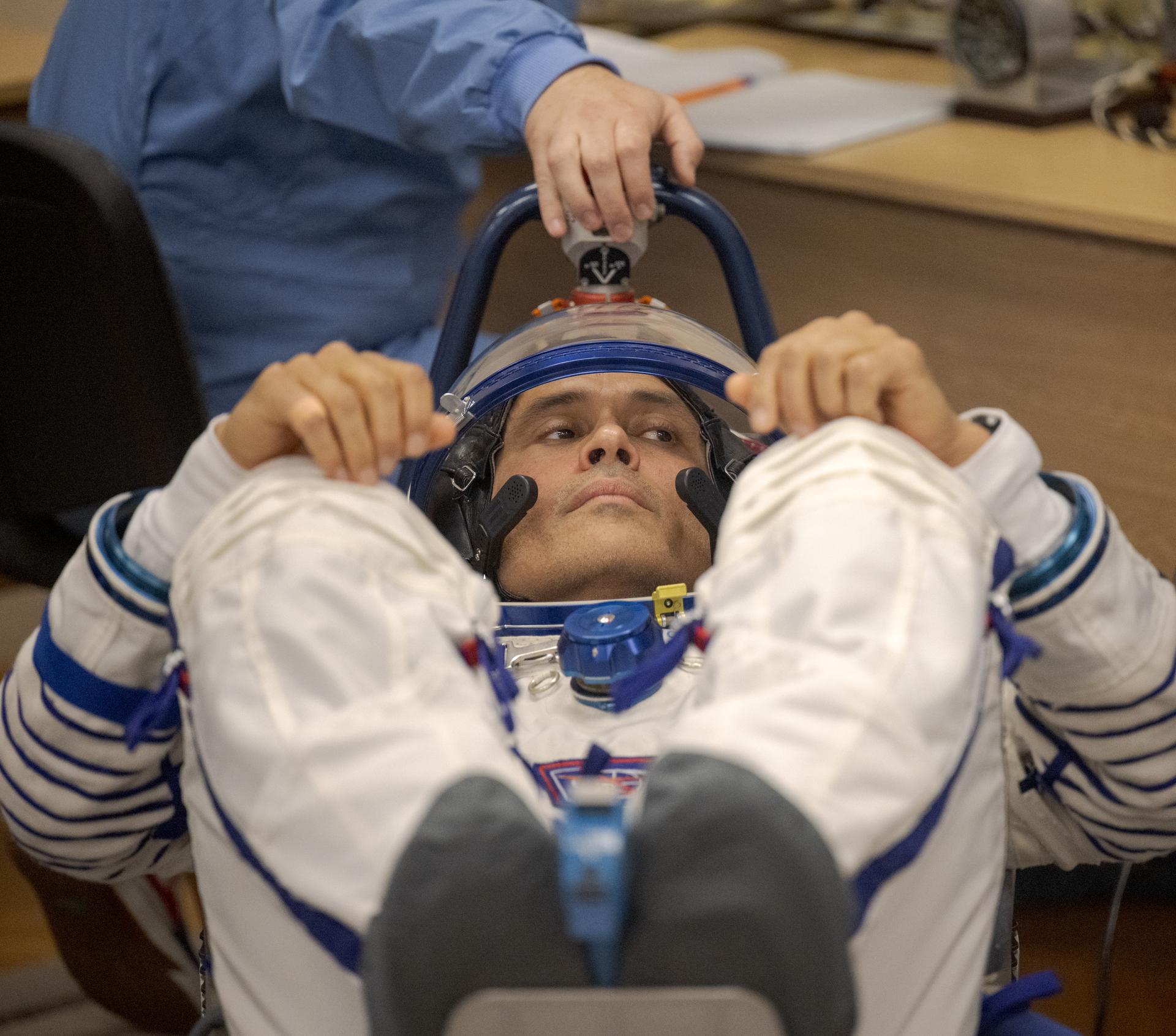
Expedition 75 NASA astronaut Anil Menon has his Russian Sokol suit pressure checked as he and fellow crewmates, Roscosmos cosmonauts Anna Kikina, and Pyotr Dubrov, prepare for their Soyuz launch to the International Space Station Tuesday, July 14, 2026 in Baikonur, Kazakhstan. Photo Credit: (NASA/Bill Ingalls)
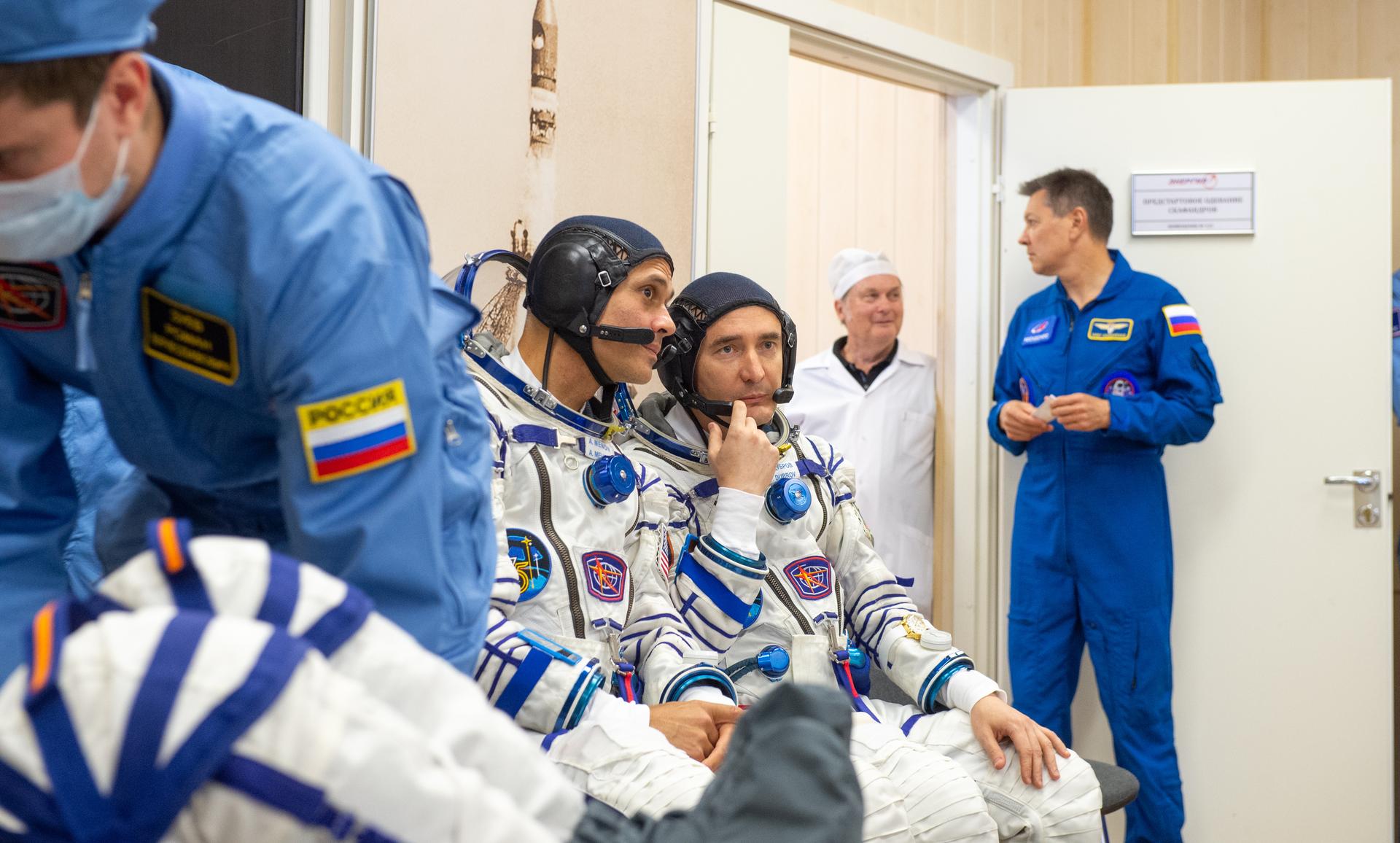
Expedition 75 NASA astronaut Anil Menon, left, and Roscosmos cosmonaut Pyotr Dubrov, talk as they and Roscosmos cosmonaut Anna Kikina have their Russian Sokol suits pressure checked for their Soyuz launch to the International Space Station Tuesday, July 14, 2026 in Baikonur, Kazakhstan. Photo Credit: (NASA/GCTC/Pavel Shvets)
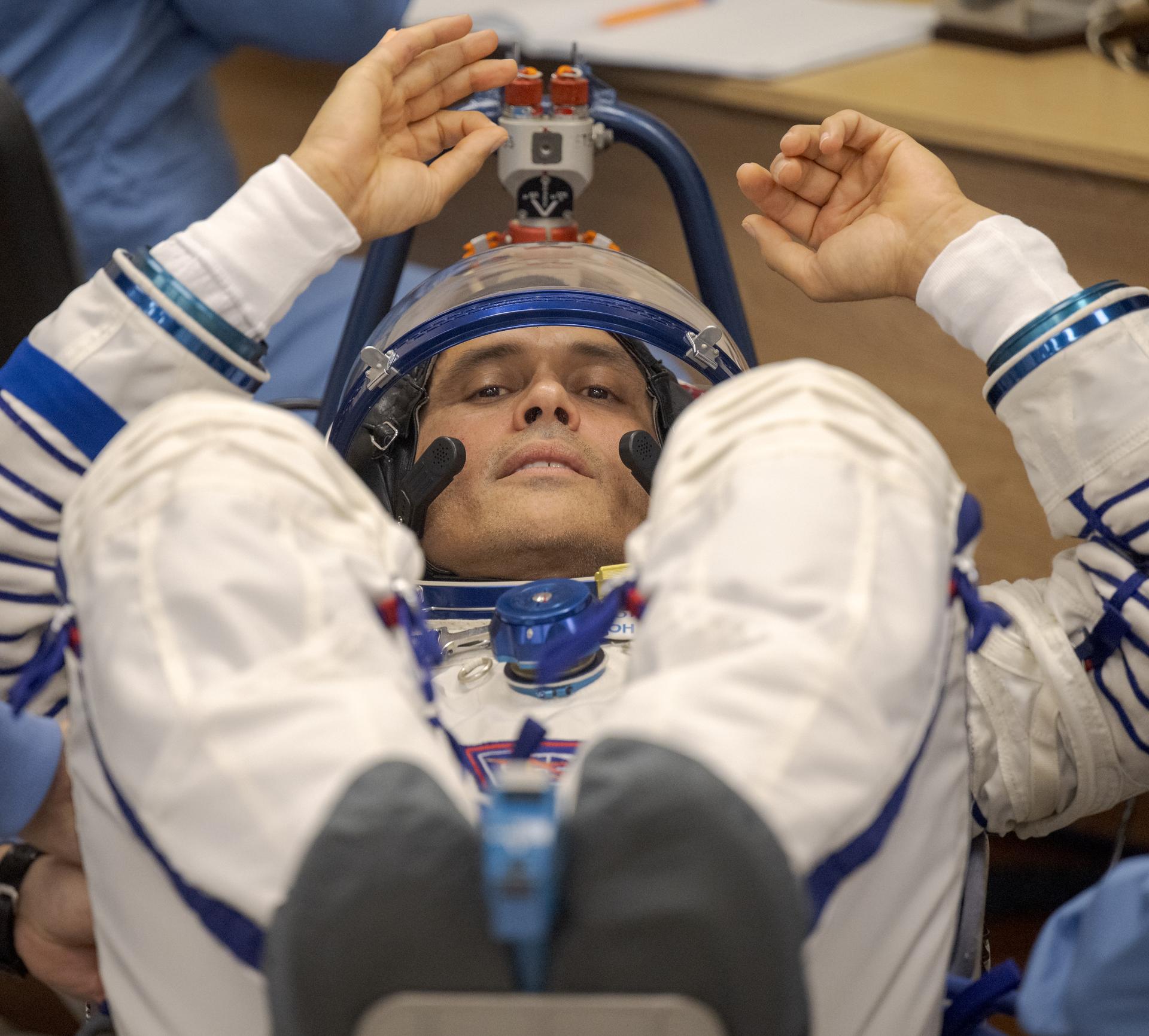
Expedition 75 NASA astronaut Anil Menon has his Russian Sokol suit pressure checked as he and fellow crewmates, Roscosmos cosmonauts Anna Kikina, and Pyotr Dubrov, prepare for their Soyuz launch to the International Space Station Tuesday, July 14, 2026 in Baikonur, Kazakhstan. Photo Credit: (NASA/Bill Ingalls)
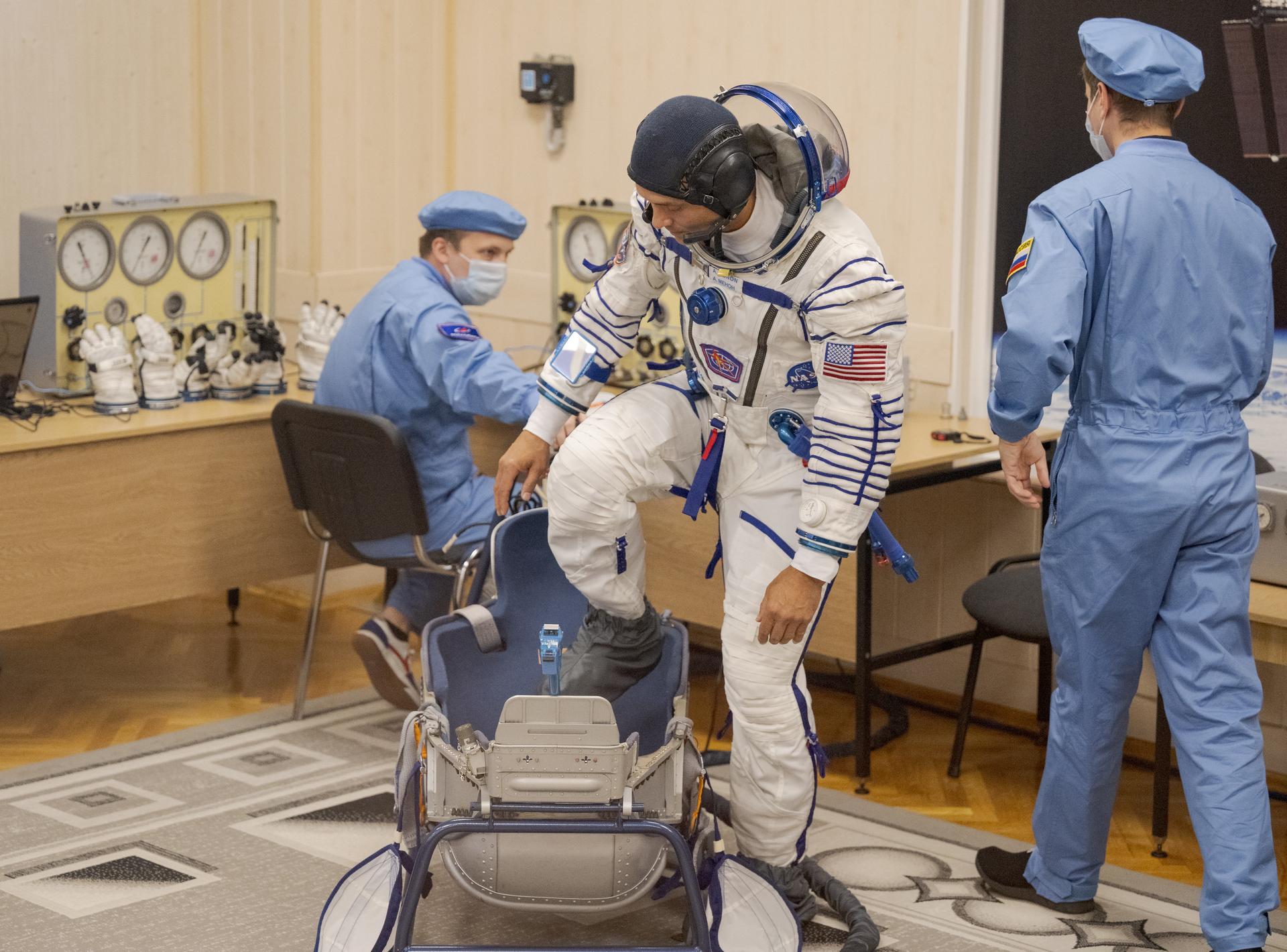
Expedition 75 NASA astronaut Anil Menon has his Russian Sokol suit pressure checked as he and fellow crewmates, Roscosmos cosmonauts Anna Kikina, and Pyotr Dubrov, prepare for their Soyuz launch to the International Space Station Tuesday, July 14, 2026 in Baikonur, Kazakhstan. Photo Credit: (NASA/Bill Ingalls)
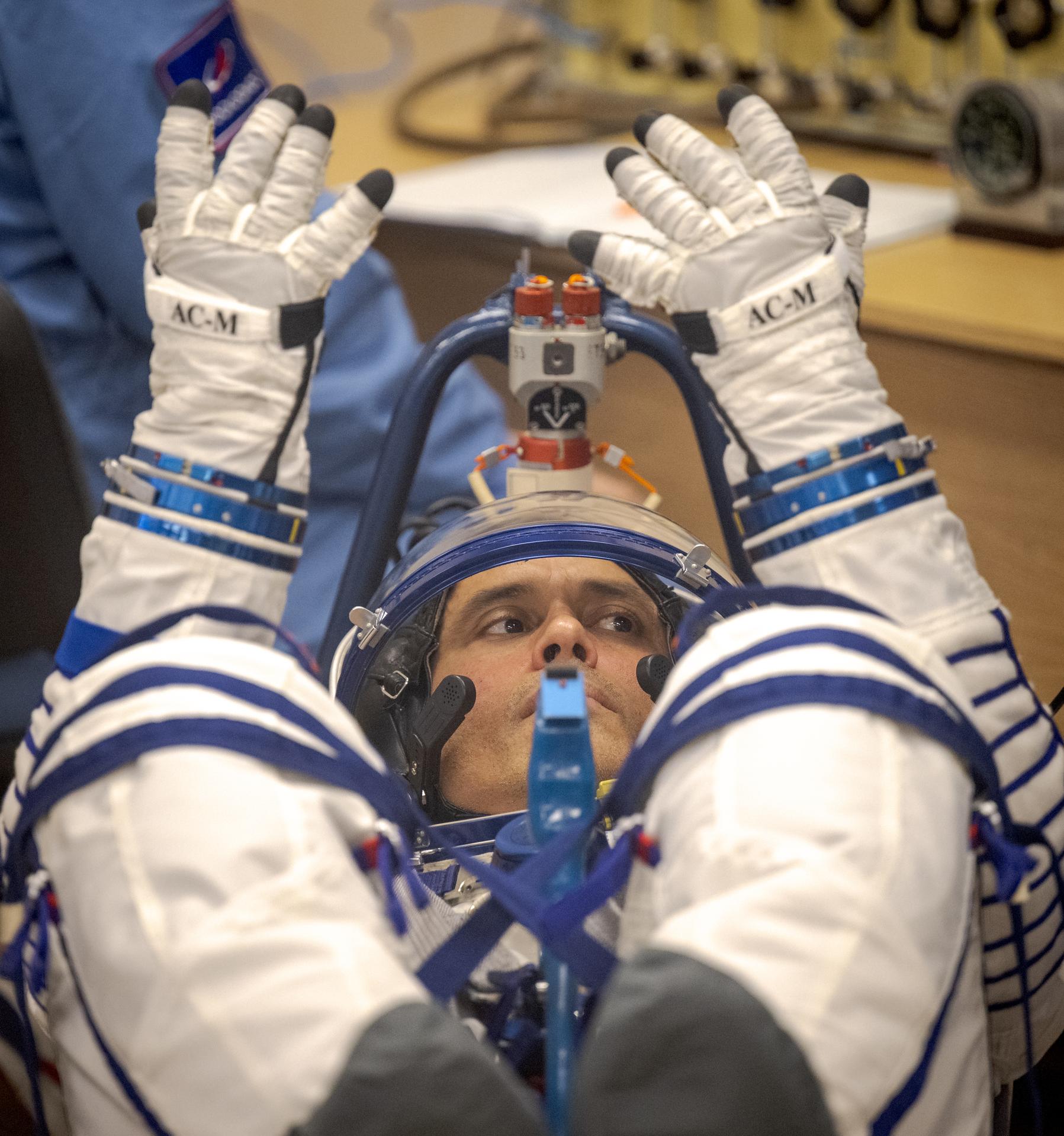
Expedition 75 NASA astronaut Anil Menon has his Russian Sokol suit pressure checked as he and fellow crewmates, Roscosmos cosmonauts Anna Kikina, and Pyotr Dubrov, prepare for their Soyuz launch to the International Space Station Tuesday, July 14, 2026 in Baikonur, Kazakhstan. Photo Credit: (NASA/Bill Ingalls)
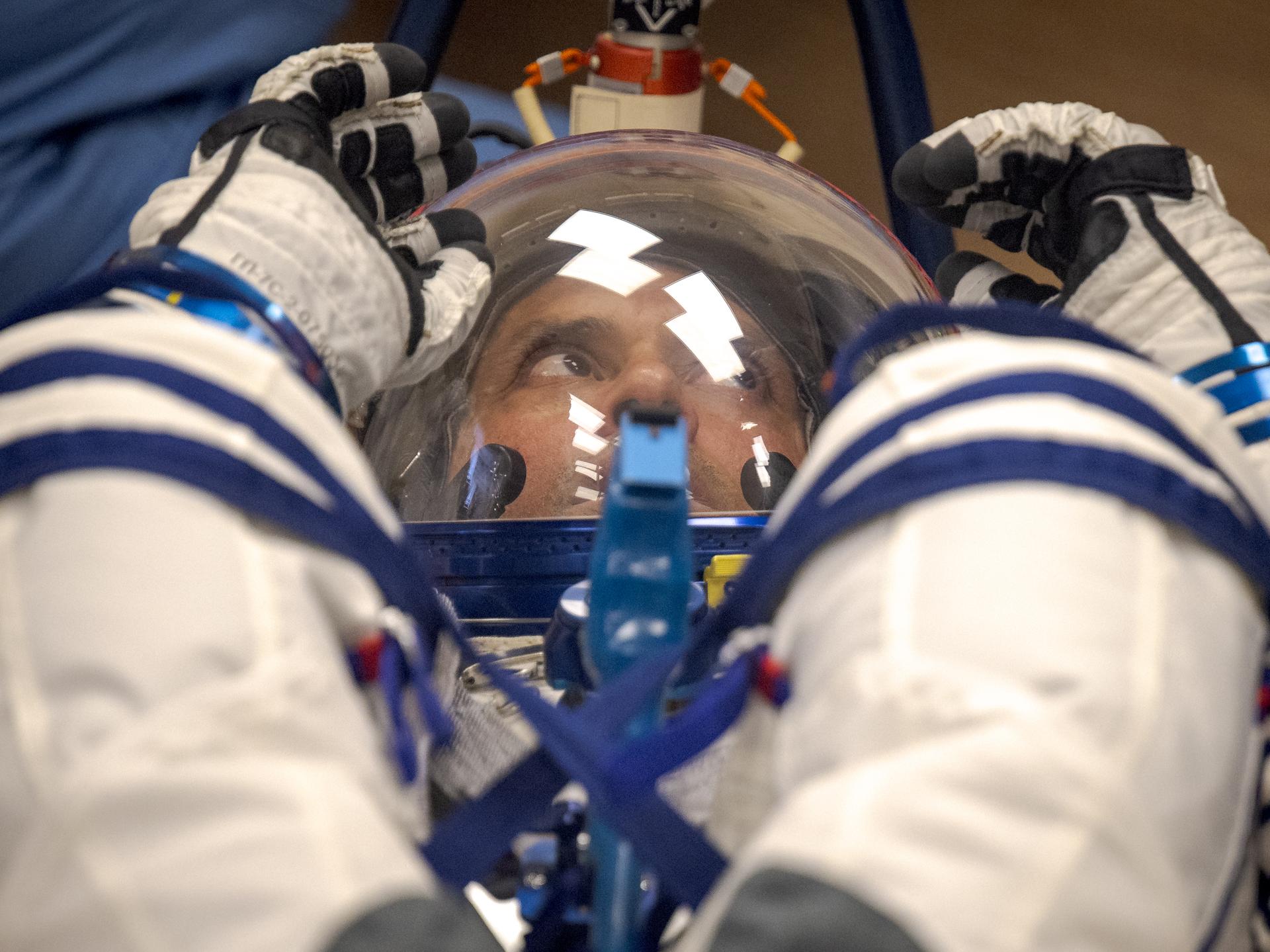
Expedition 75 NASA astronaut Anil Menon has his Russian Sokol suit pressure checked as he and fellow crewmates, Roscosmos cosmonauts Anna Kikina, and Pyotr Dubrov, prepare for their Soyuz launch to the International Space Station Tuesday, July 14, 2026 in Baikonur, Kazakhstan. Photo Credit: (NASA/Bill Ingalls)
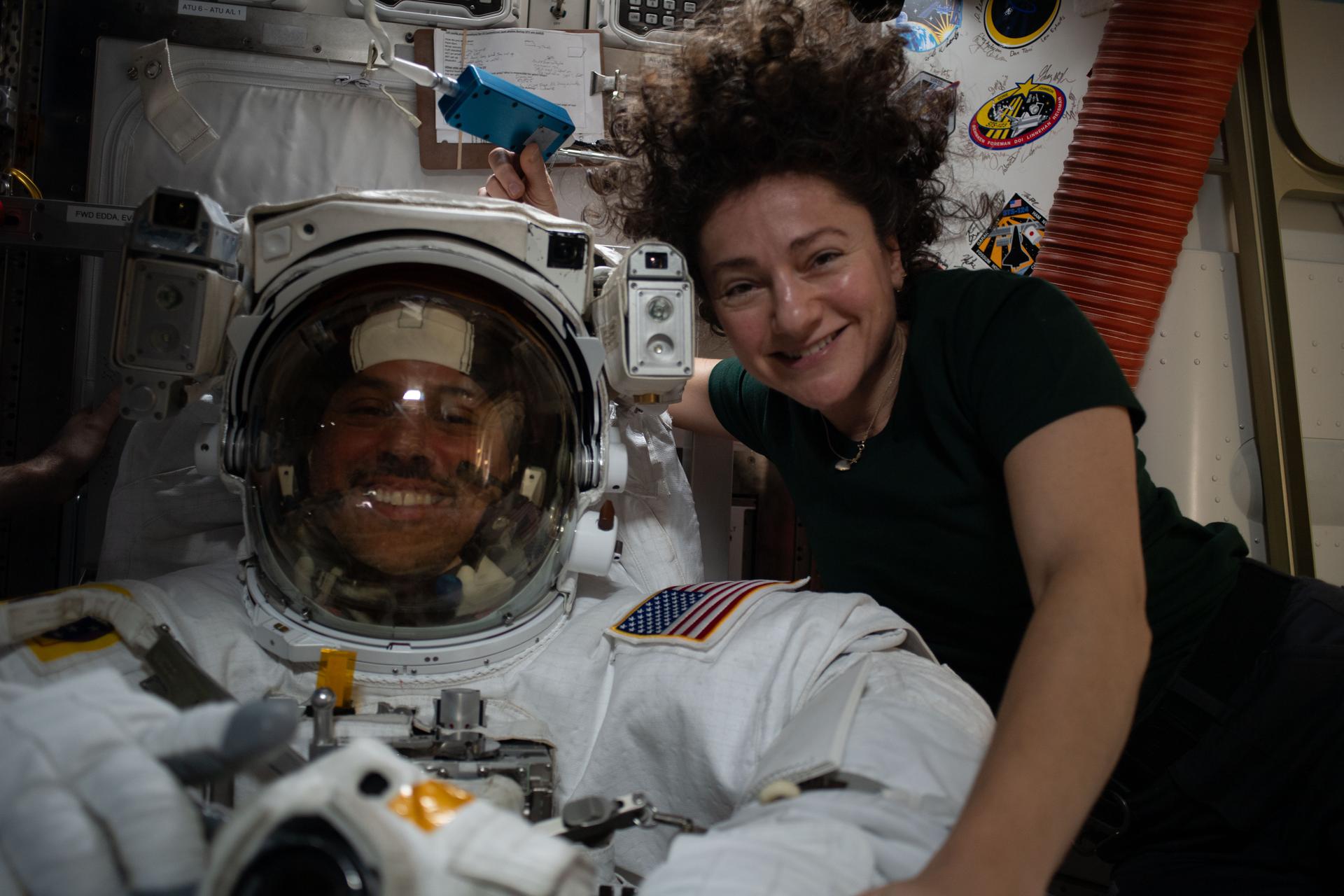
iss075e0001979 (Aug. 4, 2026) --- International Space Station commander Jessica Meir poses for a portrait with Expedition 75 fllight engineer Anil Menon, both NASA astronauts, inside the Quest airlock. Meir was assisting Menon as he tried on a spacesuit to verify its comfort, mobility, and functionality before conducting his first spacewalk outside of the orbital outpost. Credit: NASA/Jessica Meir
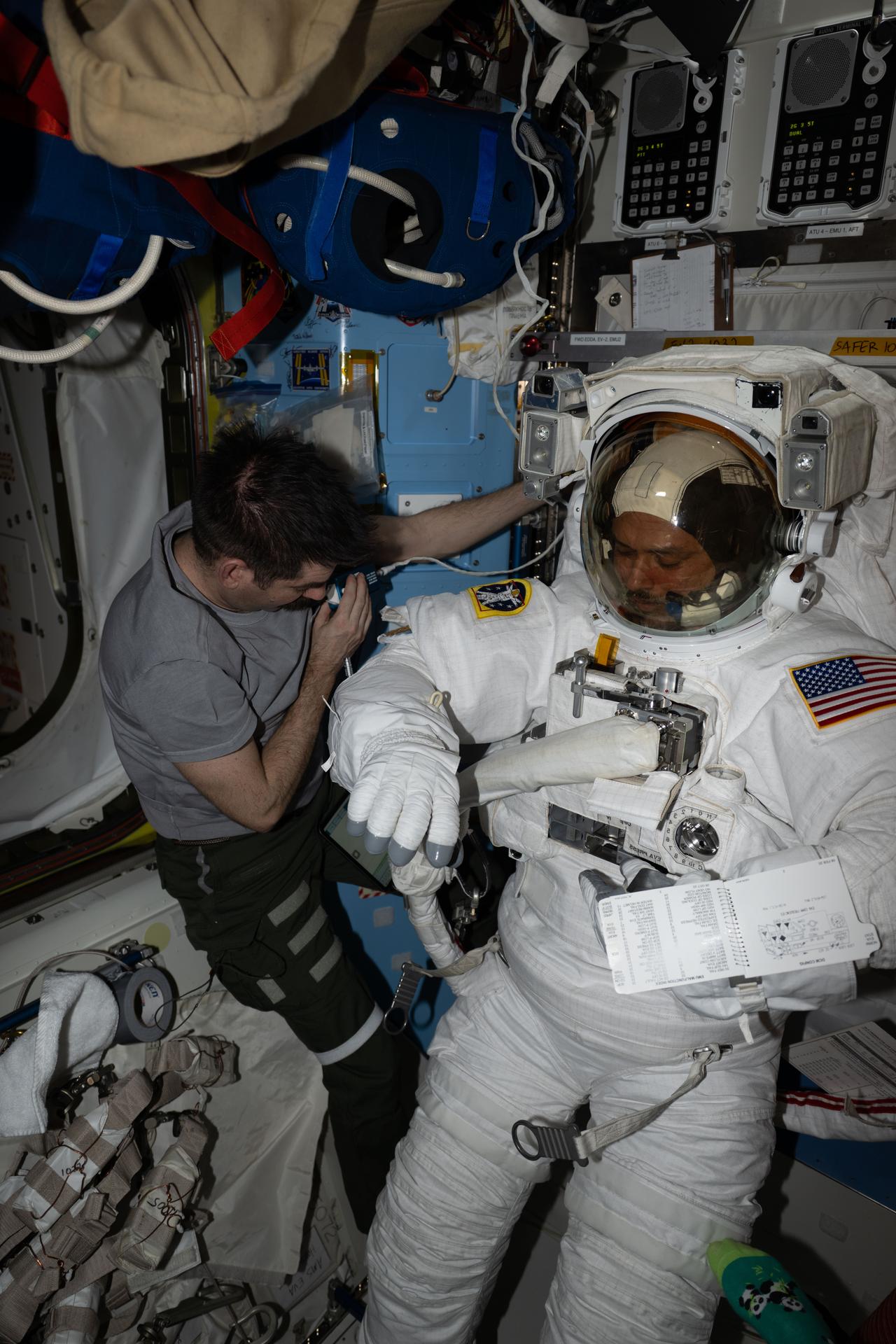
iss075e0000132 (Aug. 4, 2026) --- Expedition 75 flight engineer Jack Hathaway assists Expedition 75 flight engineer Anil Menon, both NASA astronauts, inside the Quest airlock as he tried on a spacesuit to verify its comfort, mobility, and functionality. Menon was conducting an on-orbit fit verification of the suit before conducting his first spacewalk outside of the International Space Station. Credit: NASA/Jessica Meir
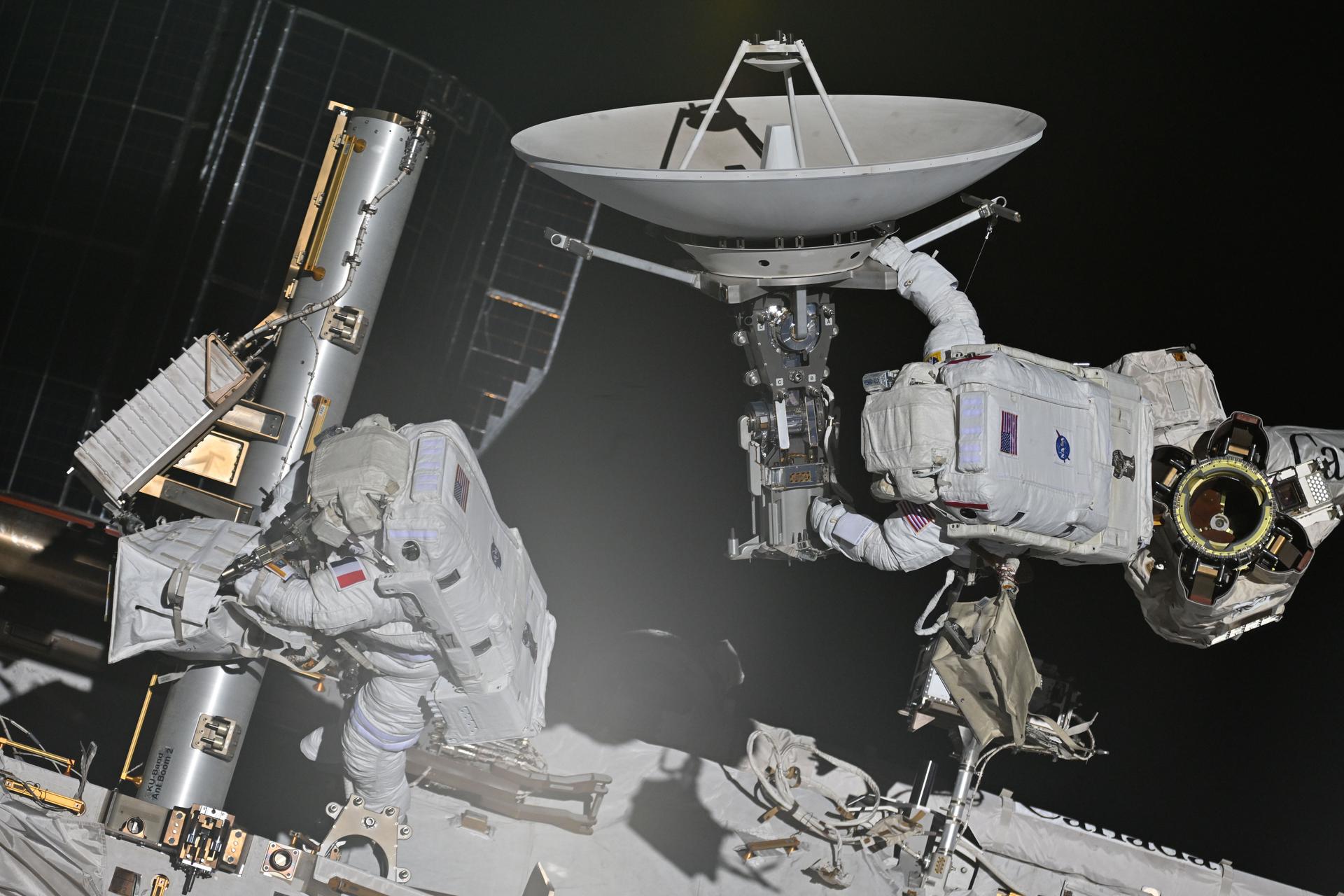
iss075e0046990 (Aug. 18. 2026) --- From left, Expedition 75 flight engineers Sophie Adenot of ESA (European Space Agency) and Anil Menon of NASA work together during a six‑hour, 23‑minute spacewalk outside the International Space Station. Adenot worked at the Z1 truss segment while Menon rode the Canadarm2 robotic arm and carried a space-to-ground antenna, which the duo later tied down to the Z1. Credit: Roscosmos/Anna Kikina
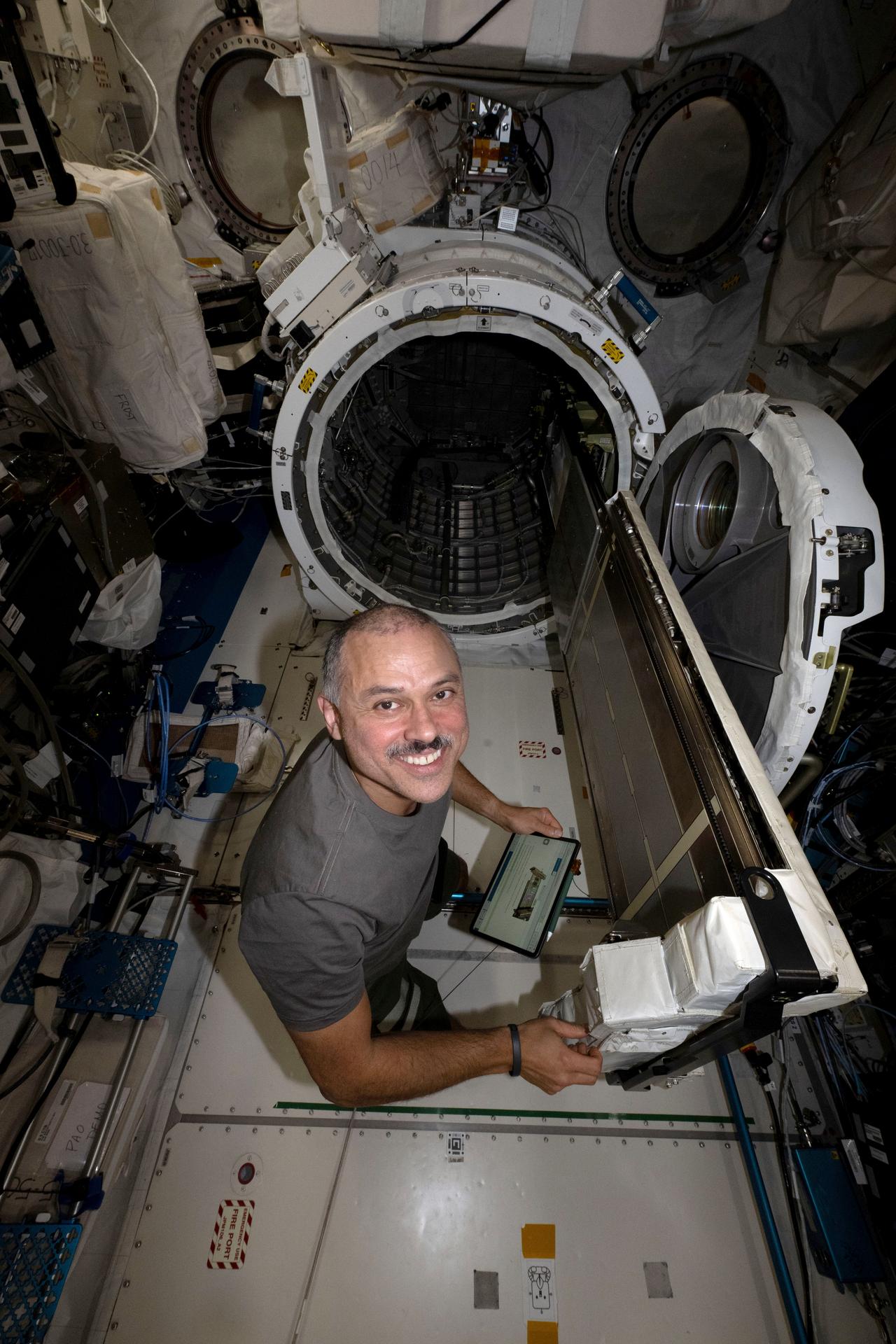
iss075e0068313 (Aug. 21, 2026) --- NASA astronaut and Expedition 75 flight engineer Anil Menon works inside the International Space Station's Kibo laboratory module to remove a scientific payload from Kibo’s airlock that had been exposed to the vacuum of space. Credit: NASA/Jessica Meir
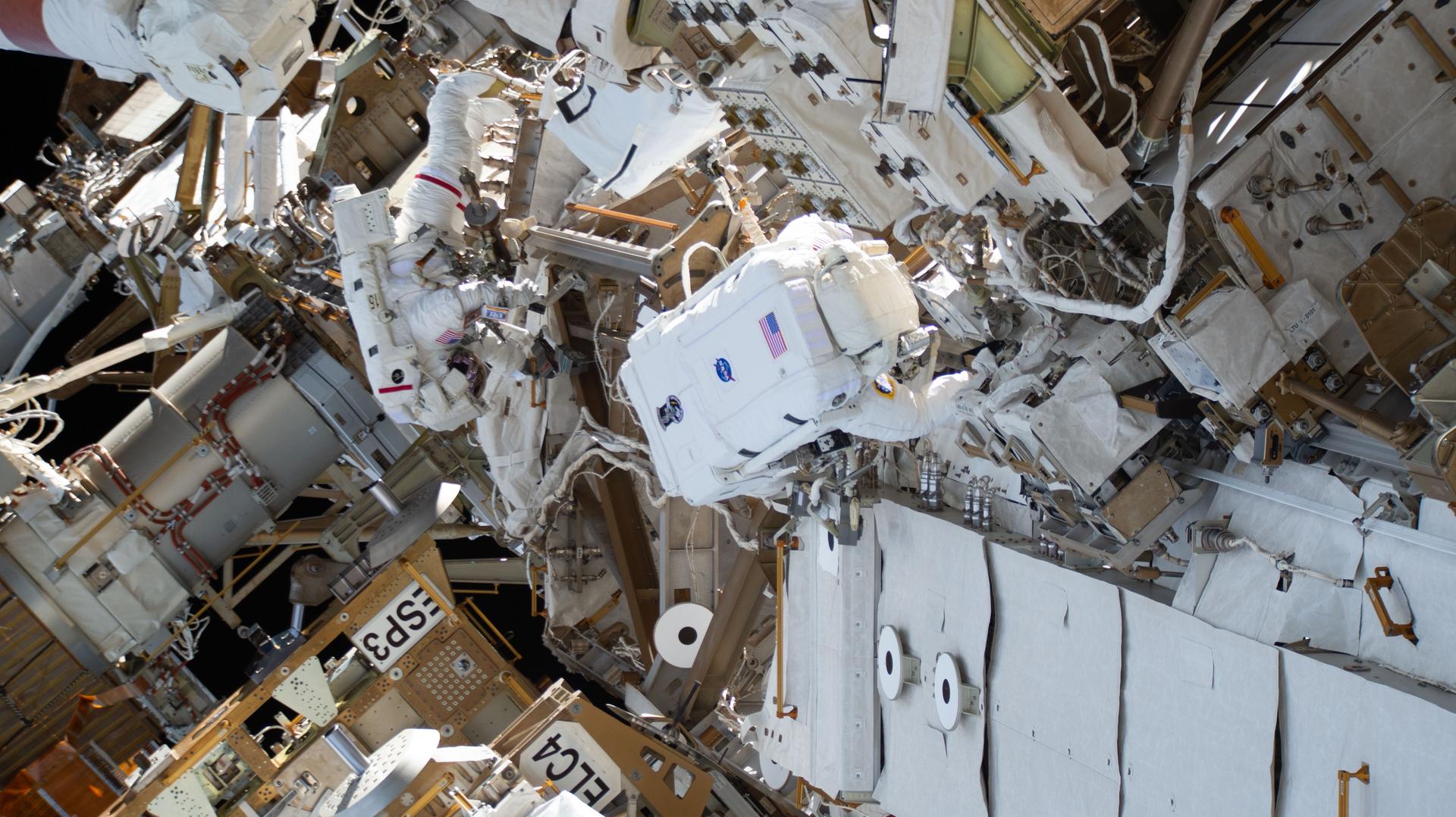
iss075e0011437 (Aug. 6, 2026) --- From left, astronauts Anil Menon of NASA and Sophie Adenot of ESA (European Space Agency) conduct a spacewalk to disconnect a failed space-to-ground antenna outside the International Space Station on the Z1 truss segment above the Unity module. Credit: NASA
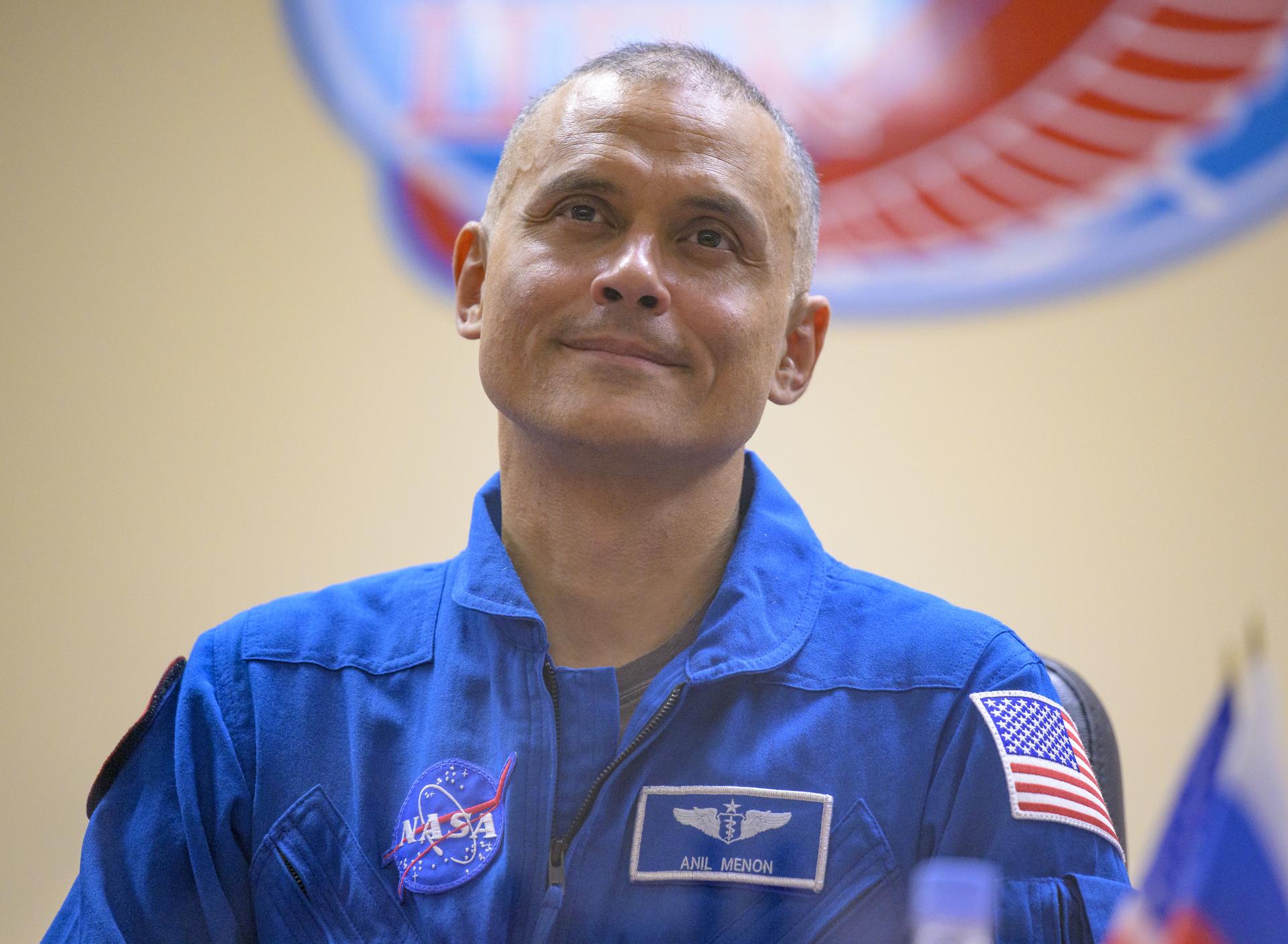
Expedition 74 backup crew member Anil Menon of NASA is seen in quarantine, behind glass, during a press conference, Wednesday, Nov. 26, 2025 at the Cosmonaut Hotel in Baikonur, Kazakhstan. Expedition 74 crewmembers: NASA astronaut Chris Williams, Roscosmos cosmonauts Sergey Kud-Sverchkov and Sergei Mikaev, are scheduled to launch aboard their Soyuz MS-28 spacecraft on November 27. Photo Credit: (NASA/Bill Ingalls)
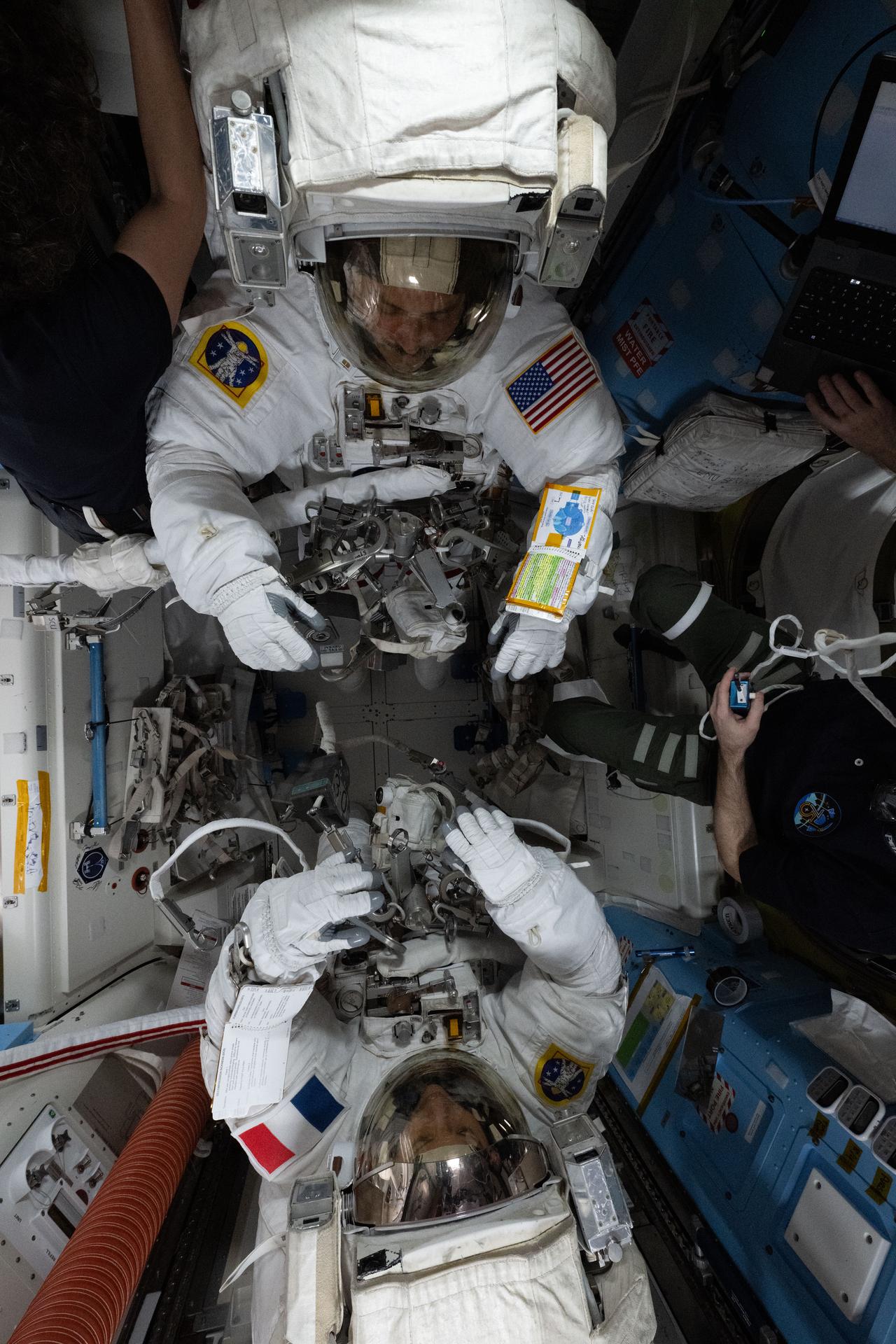
iss075e0042791 (Aug. 18, 2026) --- From top, Expedition 75 flight engineers Anil Menon of NASA and Sophie Adenot of ESA (European Space Agency) are suited up inside the International Space Station’s Quest airlock preparing for a spacewalk. The duo spent six hours and 23 minutes in the vacuum of space disconnecting a failed high‑speed antenna and then securing it with a long‑duration tie‑down on the orbital outpost’s Z1 truss segment. A spare antenna will be installed in its place on the Z1 during a future spacewalk. Credit: NASA/Jessica Meir
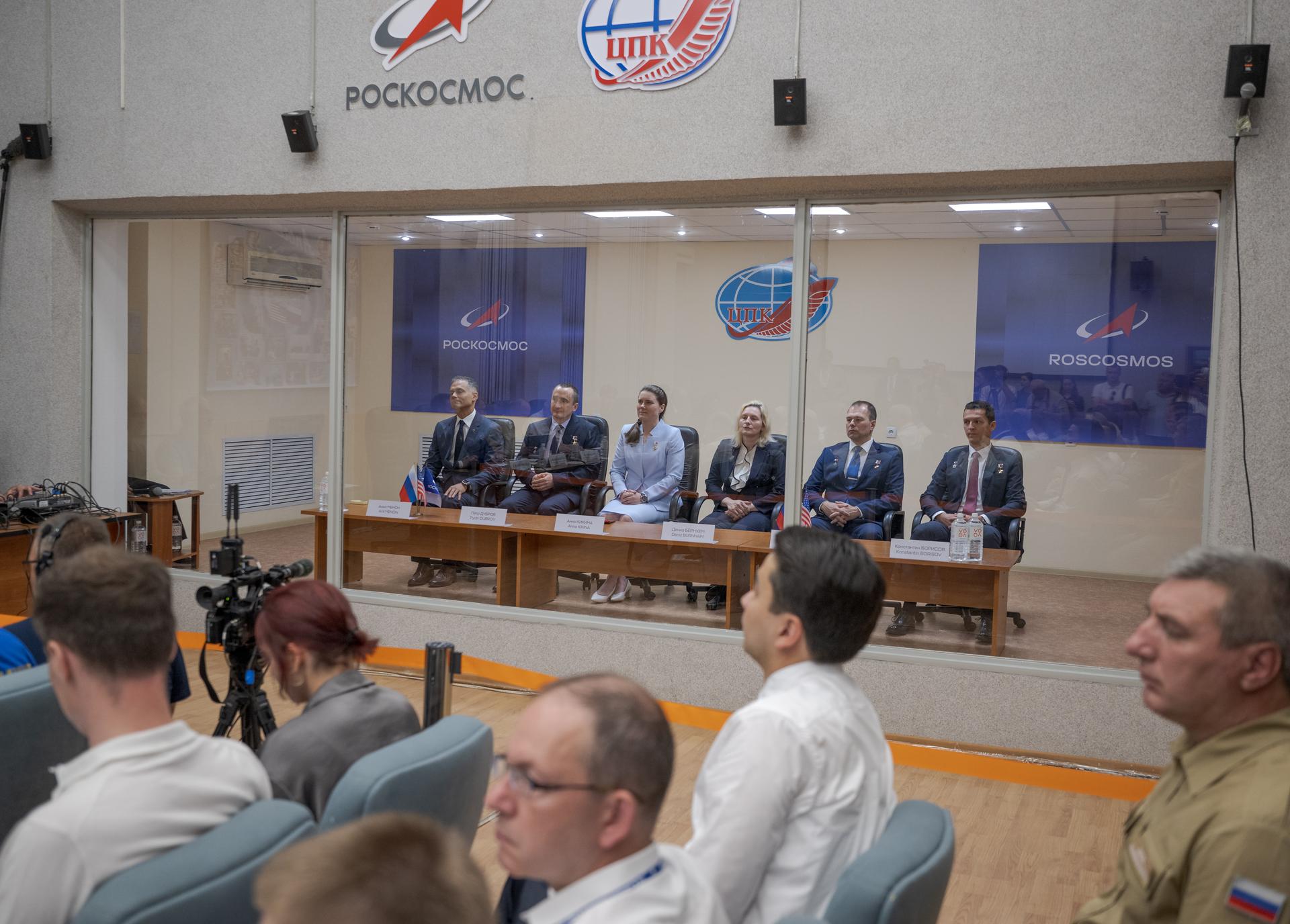
Expedition 75 crewmembers: NASA astronaut Anil Menon, left, Roscosmos cosmonauts Pyotr Dubrov and Anna Kikina, and backup crew members: NASA astronaut Deniz Burnham, Roscosmos cosmonauts Dmitry Petelin and Konstantin Borisov, right, are seen during the State Commission meeting to approve the Soyuz launch of Expedition 75 to the International Space Station, Monday, July 13, 2026 at the Cosmonaut Hotel in Baikonur, Kazakhstan. Menon, Dubrov, and Kikina are scheduled to launch aboard the Soyuz MS-29 spacecraft to the International Space Station on July 14. Photo Credit: (NASA/Bill Ingalls)
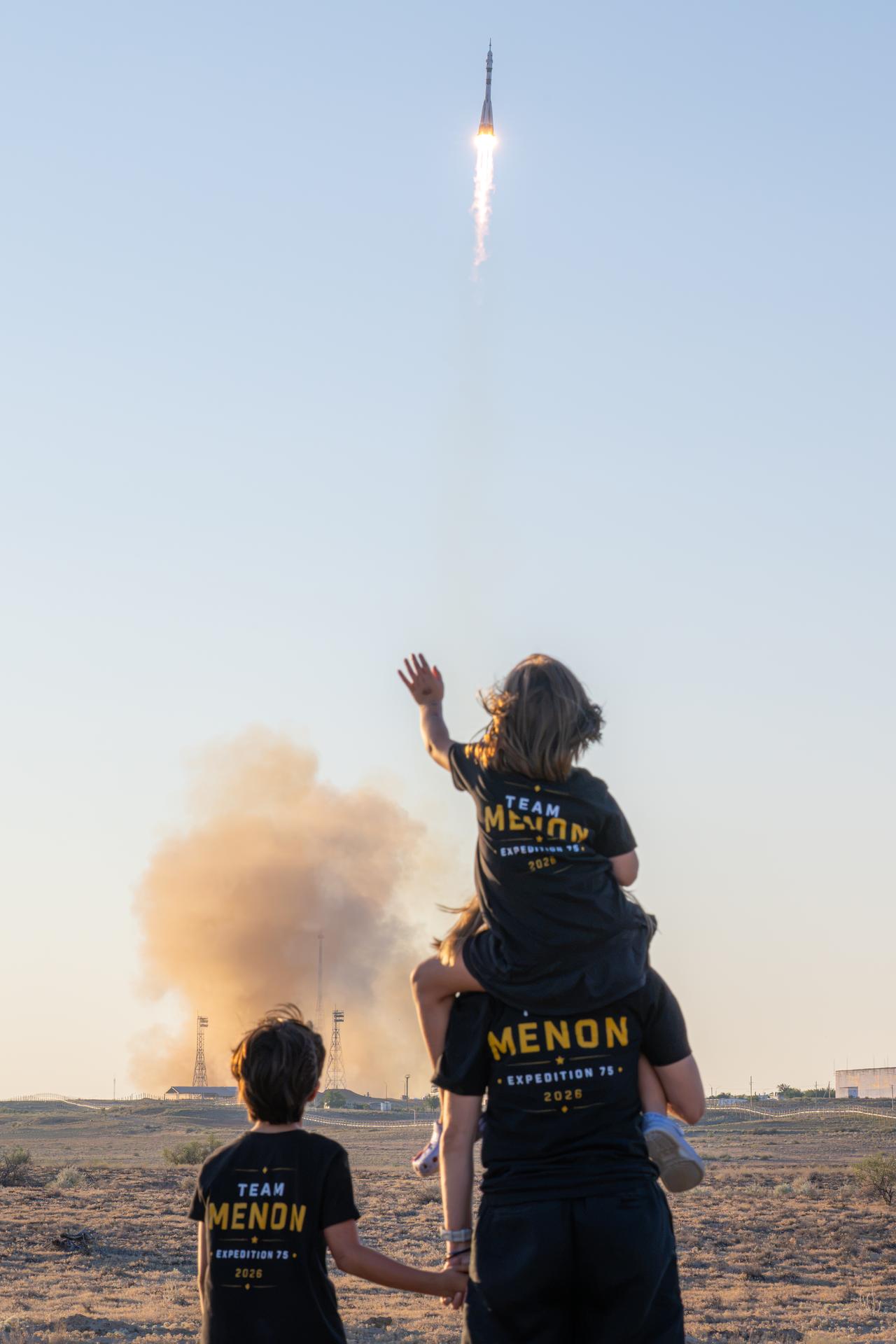
NASA astronaut candidate Anna Menon and her children watch as a Soyuz rocket launches to the International Space Station with Expedition 75 crewmembers NASA astronaut Anil Menon and Roscosmos cosmonauts Pyotr Dubrov and Anna Kikina, Tuesday, July 14, 2026, at Site 31/6 at the Baikonur Cosmodrome in Kazakhstan. The trio lifted off for the Soyuz MS-29 mission at 7:47 p.m. local time to begin their long-duration stay aboard the orbital outpost. Photo Credit: (NASA/John Kraus)
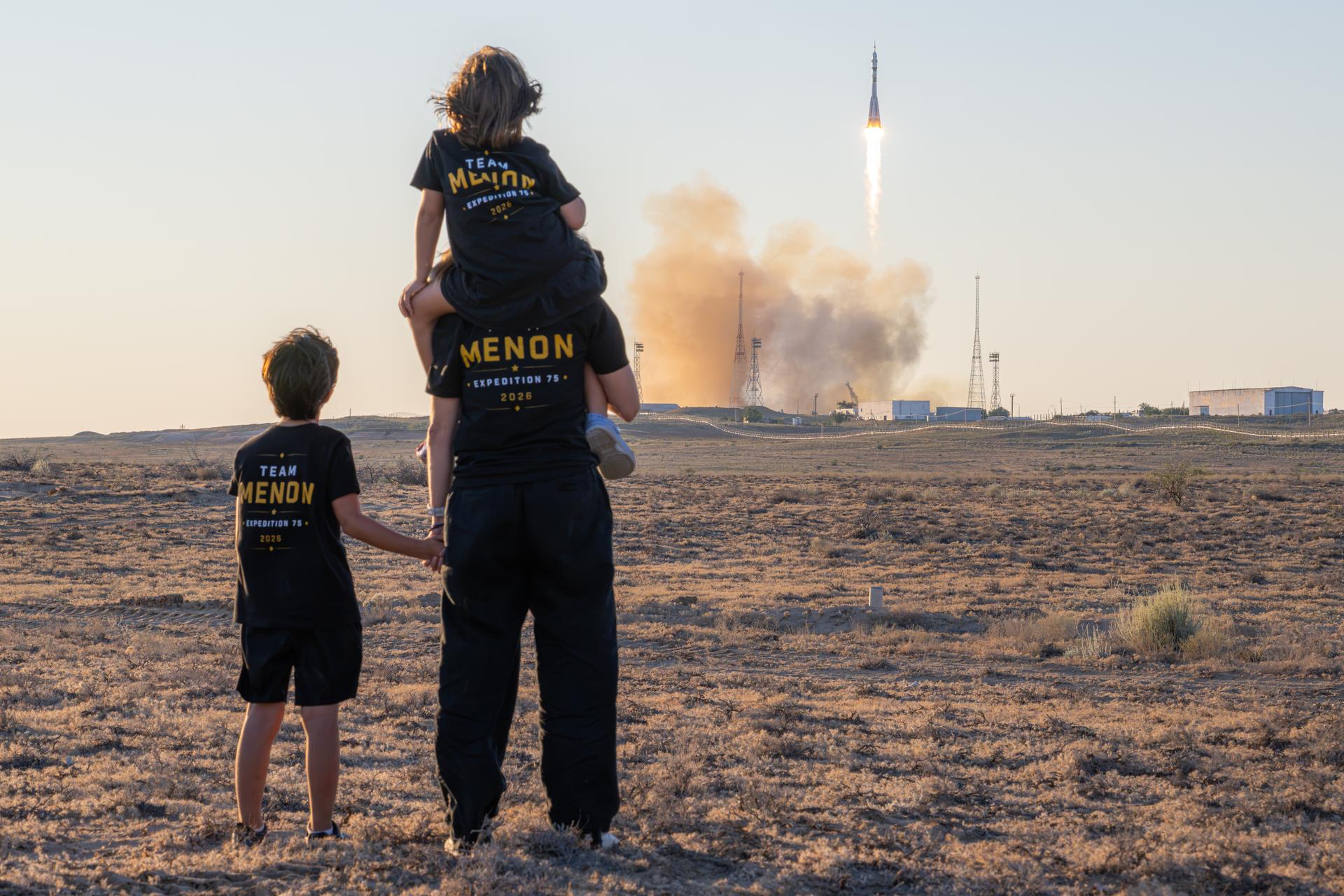
NASA astronaut candidate Anna Menon and her children watch as a Soyuz rocket launches to the International Space Station with Expedition 75 crewmembers NASA astronaut Anil Menon and Roscosmos cosmonauts Pyotr Dubrov and Anna Kikina, Tuesday, July 14, 2026, at Site 31/6 at the Baikonur Cosmodrome in Kazakhstan. The trio lifted off for the Soyuz MS-29 mission at 7:47 p.m. local time to begin their long-duration stay aboard the orbital outpost. Photo Credit: (NASA/John Kraus)
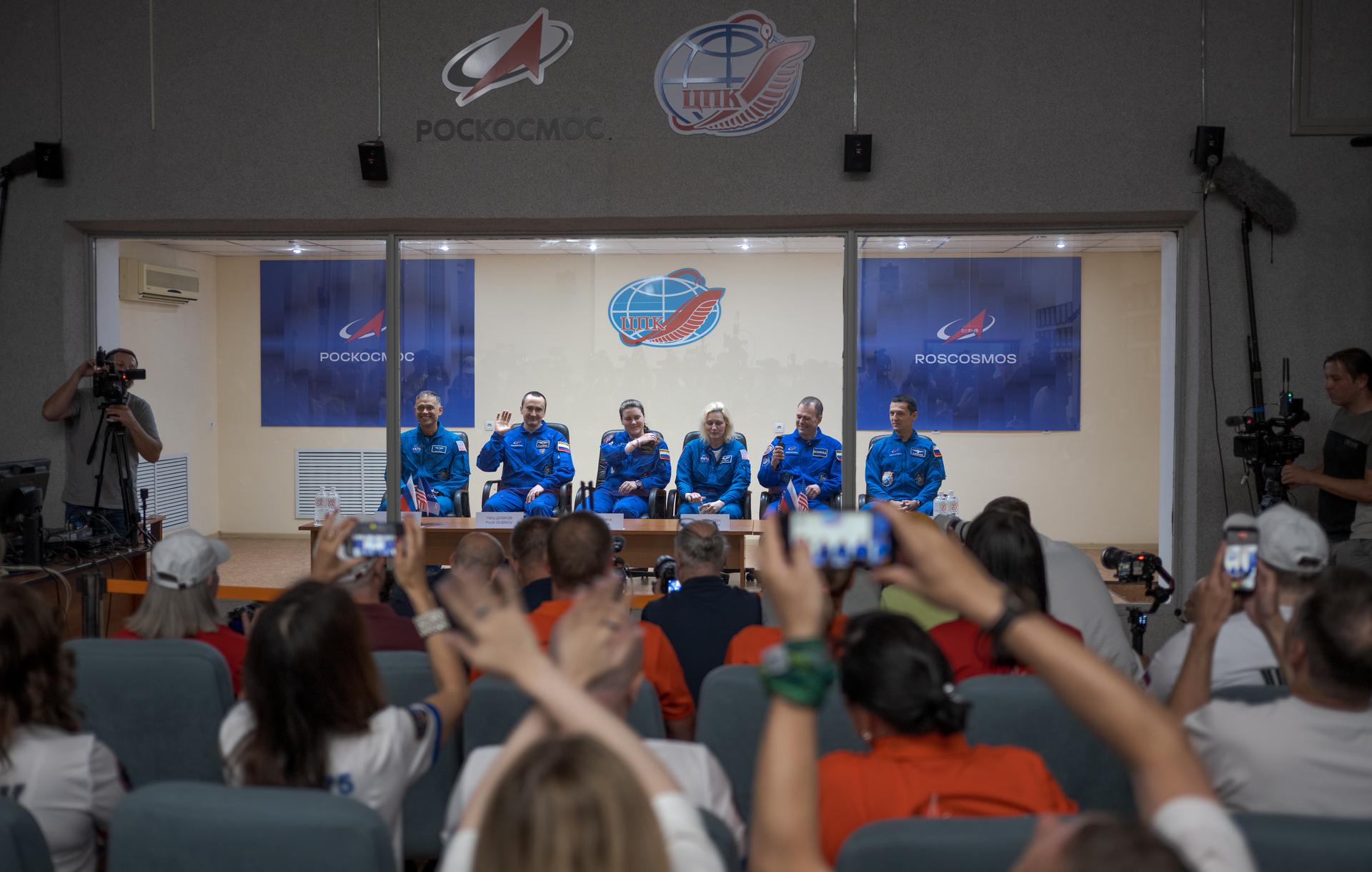
Expedition 75 crewmembers: NASA astronaut Anil Menon, left, Roscosmos cosmonauts Pyotr Dubrov, and Anna Kikina, along with backup crewmemebers: NASA astronaut Deniz Burnham, Roscosmos cosmonauts Dmitry Petelin, and Konstantin Borisov, right, are seen in quarantine, behind glass, during a press conference, Monday, July 13, 2026 a the Cosmonaut Hotel in Baikonur, Kazakhstan. Menon, Dubrov, and Kikina are scheduled to launch aboard the Soyuz MS-29 spacecraft to the International Space Station on July 14. Photo Credit: (NASA/Bill Ingalls)