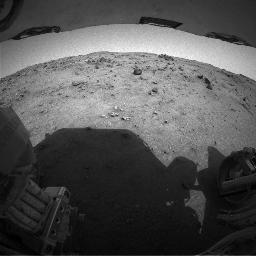
Spirit Ascent Movie, Rover-Eye View
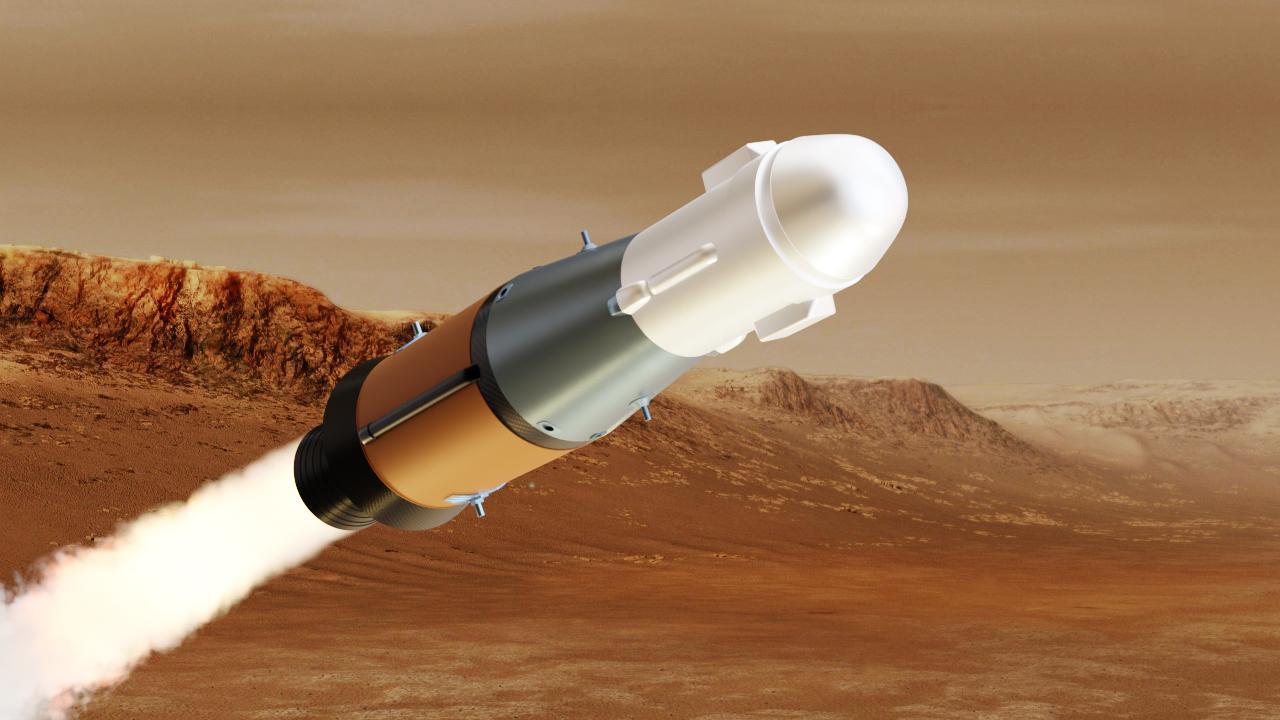
This illustration shows NASA's Mars Ascent Vehicle (MAV) in powered flight. The MAV will carry tubes containing Martian rock and soil samples into orbit around Mars, where ESA's Earth Return Orbiter spacecraft will enclose them in a highly secure containment capsule and deliver them to Earth. https://photojournal.jpl.nasa.gov/catalog/PIA25076

Crowds of spectators watch from Jetty Park in Cape Canaveral, Florida, on July 2, 2019, as a Northrop Grumman provided booster launches from Launch Pad 46 carrying, a fully functional Launch Abort System with a test version of Orion attached for NASA’s Ascent Abort-2 (AA-2). Launch time was 7 a.m. EDT. During AA-2, the booster will send the LAS and Orion to an altitude of 31,000 feet, traveling at Mach 1.15 (more than 1,000 mph). The LAS’ three motors will work together to pull the crew module away from the booster and prepare it for splashdown in the Atlantic Ocean. The flight test will prove that the abort system can pull crew to safety in the unlikely event of an emergency during ascent.

A brilliant sunrise fills the sky before a fully functional Launch Abort System (LAS) with a test version of Orion attached, launches on NASA’s Ascent Abort-2 (AA-2) atop a Northrop Grumman provided booster on July 2, 2019, at 7 a.m. EDT, from Launch Pad 46 at Cape Canaveral Air Force Station in Florida. During AA-2, the booster will send the LAS and Orion to an altitude of 31,000 feet, traveling at Mach 1.15 (more than 1,000 mph). The LAS’ three motors will work together to pull the crew module away from the booster and prepare it for splashdown in the Atlantic Ocean. The flight test will prove that the abort system can pull crew to safety in the unlikely event of an emergency during ascent.
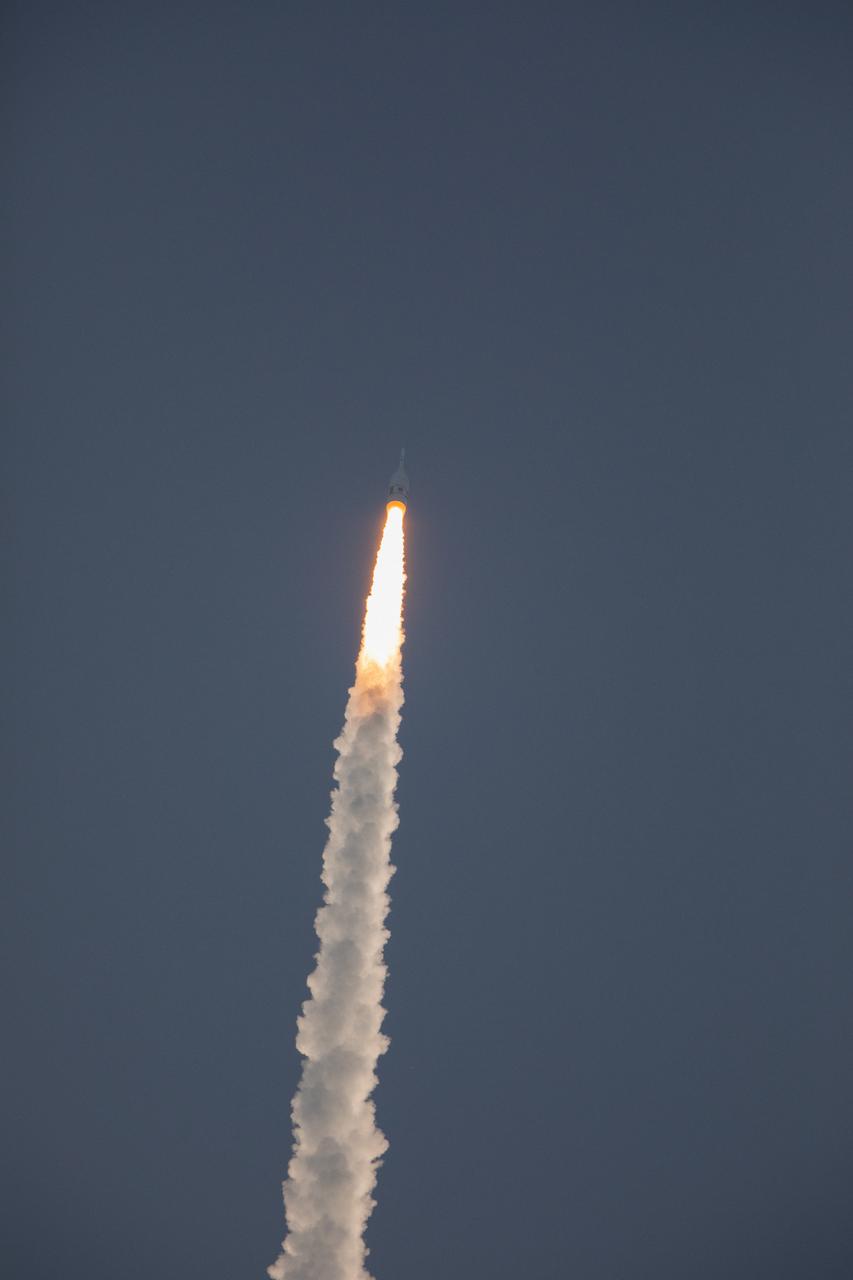
A fully functional Launch Abort System (LAS) with a test version of Orion attached, soars upward on NASA’s Ascent Abort-2 (AA-2) flight test atop a Northrop Grumman provided booster on July 2, 2019, after launching at 7 a.m. EDT, from Launch Pad 46 at Cape Canaveral Air Force Station in Florida. During AA-2, the booster will send the LAS and Orion to an altitude of 31,000 feet, traveling at Mach 1.15 (more than 1,000 mph). The LAS’ three motors will work together to pull the crew module away from the booster and prepare it for splashdown in the Atlantic Ocean. The flight test will prove that the abort system can pull crew to safety in the unlikely event of an emergency during ascent.
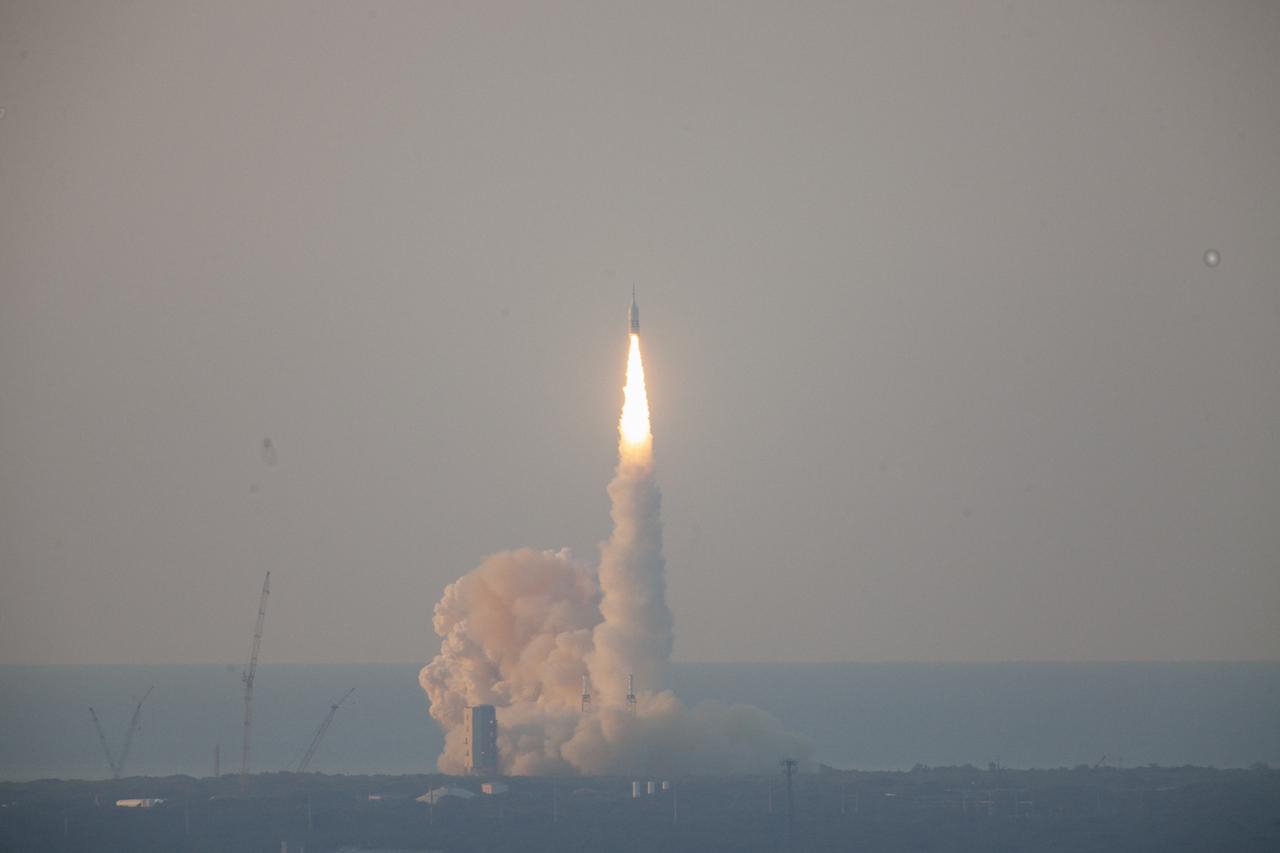
A fully functional Launch Abort System (LAS) with a test version of Orion attached, launches on NASA’s Ascent Abort-2 (AA-2) atop a Northrop Grumman provided booster on July 2, 2019, at 7 a.m. EDT, from Launch Pad 46 at Cape Canaveral Air Force Station in Florida. During AA-2, the booster will send the LAS and Orion to an altitude of 31,000 feet, traveling at Mach 1.15 (more than 1,000 mph). The LAS’ three motors will work together to pull the crew module away from the booster and prepare it for splashdown in the Atlantic Ocean. The flight test will prove that the abort system can pull crew to safety in the unlikely event of an emergency during ascent.

A brilliant sunrise fills the sky before a fully functional Launch Abort System (LAS) with a test version of Orion attached, launches on NASA’s Ascent Abort-2 (AA-2) atop a Northrop Grumman provided booster on July 2, 2019, at 7 a.m. EDT, from Launch Pad 46 at Cape Canaveral Air Force Station in Florida. During AA-2, the booster will send the LAS and Orion to an altitude of 31,000 feet, traveling at Mach 1.15 (more than 1,000 mph). The LAS’ three motors will work together to pull the crew module away from the booster and prepare it for splashdown in the Atlantic Ocean. The flight test will prove that the abort system can pull crew to safety in the unlikely event of an emergency during ascent.
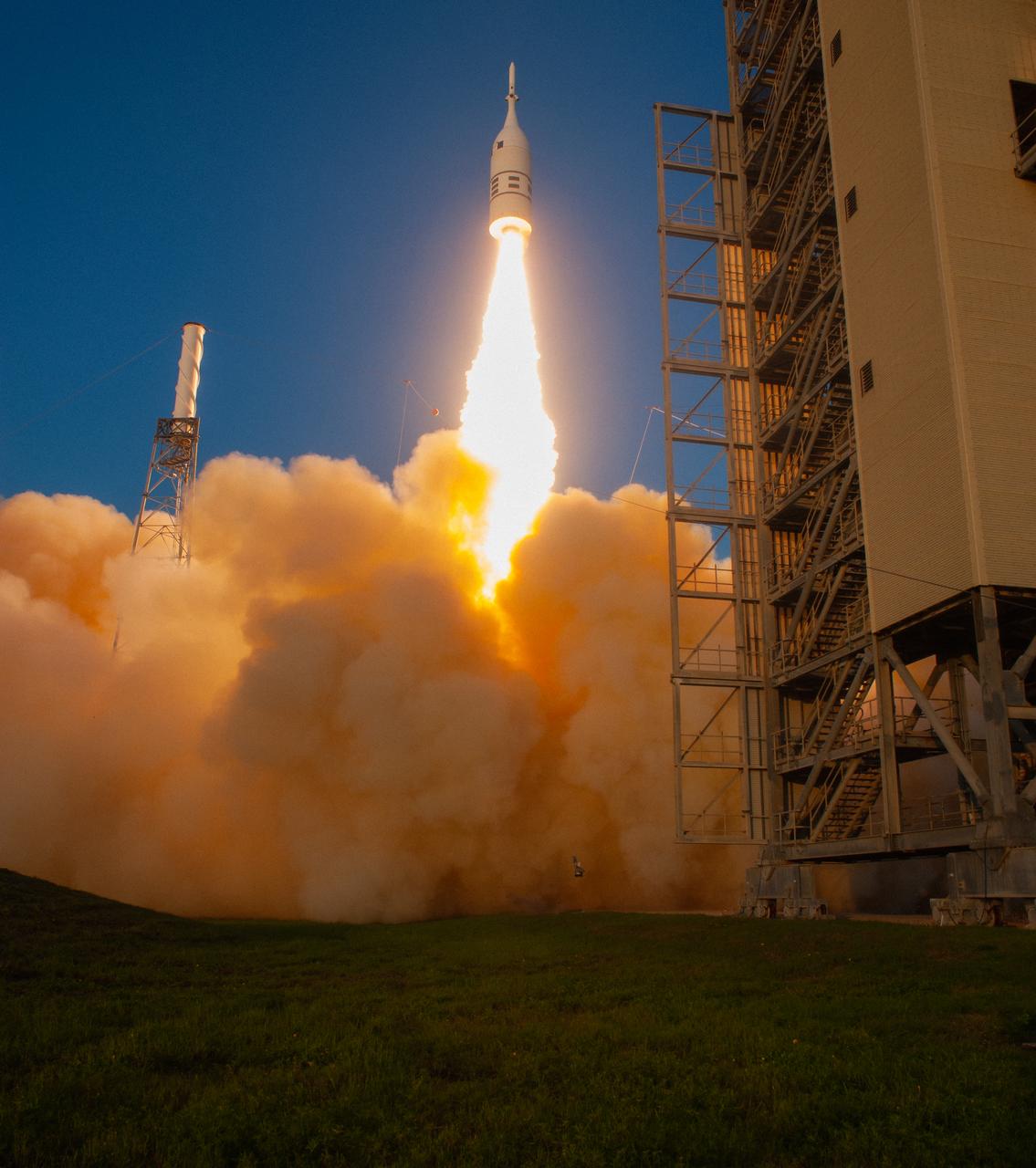
A fully functional Launch Abort System (LAS) with a test version of Orion attached, launches on NASA’s Ascent Abort-2 (AA-2) atop a Northrop Grumman provided booster on July 2, 2019, at 7 a.m. EDT, from Launch Pad 46 at Cape Canaveral Air Force Station in Florida. During AA-2, the booster will send the LAS and Orion to an altitude of 31,000 feet, traveling at Mach 1.15 (more than 1,000 mph). The LAS’ three motors will work together to pull the crew module away from the booster and prepare it for splashdown in the Atlantic Ocean. The flight test will prove that the abort system can pull crew to safety in the unlikely event of an emergency during ascent.
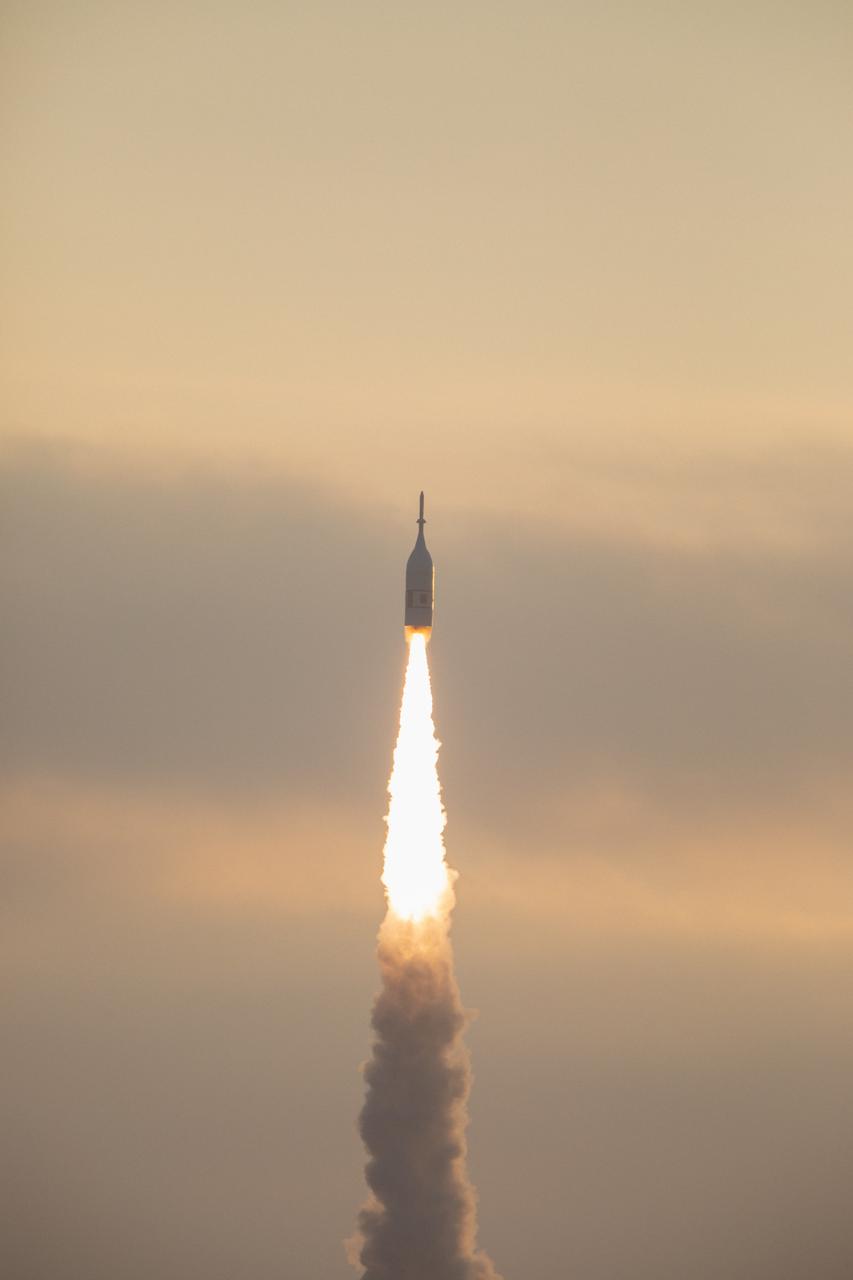
A fully functional Launch Abort System (LAS) with a test version of Orion attached, launches on NASA’s Ascent Abort-2 (AA-2) atop a Northrop Grumman provided booster on July 2, 2019, at 7 a.m. EDT, from Launch Pad 46 at Cape Canaveral Air Force Station in Florida. During AA-2, the booster will send the LAS and Orion to an altitude of 31,000 feet, traveling at Mach 1.15 (more than 1,000 mph). The LAS’ three motors will work together to pull the crew module away from the booster and prepare it for splashdown in the Atlantic Ocean. The flight test will prove that the abort system can pull crew to safety in the unlikely event of an emergency during ascent.
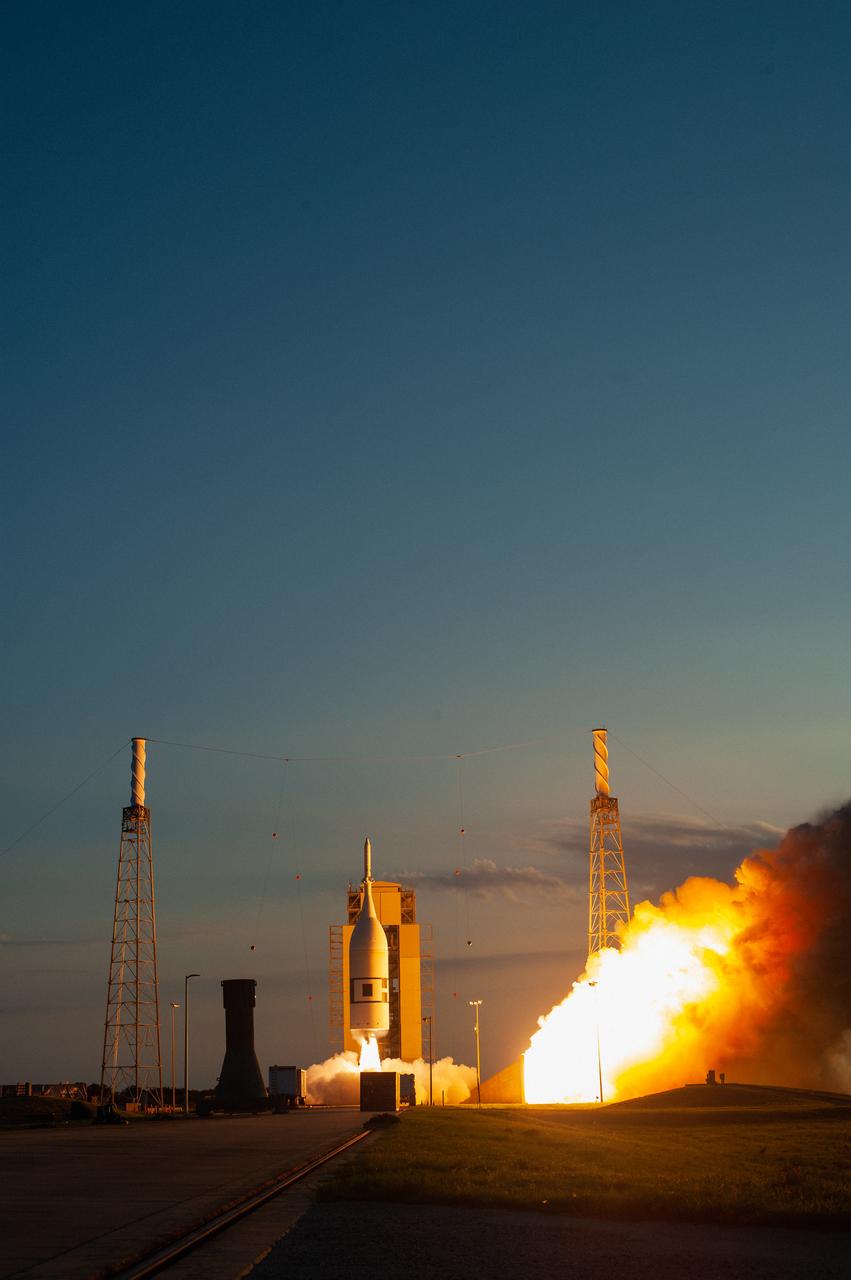
A fully functional Launch Abort System (LAS) with a test version of Orion attached, launches on NASA’s Ascent Abort-2 (AA-2) atop a Northrop Grumman provided booster on July 2, 2019, at 7 a.m. EDT, from Launch Pad 46 at Cape Canaveral Air Force Station in Florida. During AA-2, the booster will send the LAS and Orion to an altitude of 31,000 feet, traveling at Mach 1.15 (more than 1,000 mph). The LAS’ three motors will work together to pull the crew module away from the booster and prepare it for splashdown in the Atlantic Ocean. The flight test will prove that the abort system can pull crew to safety in the unlikely event of an emergency during ascent.
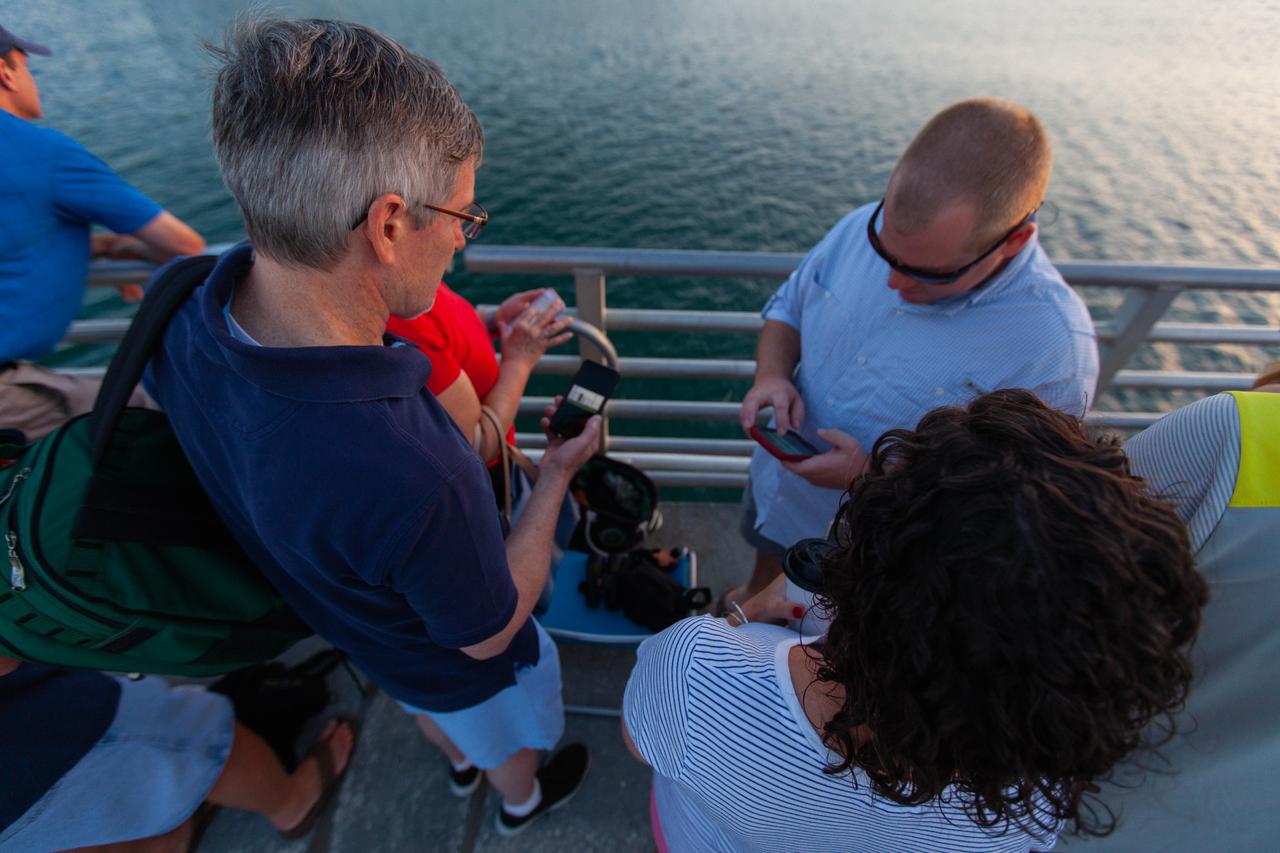
Crowds of spectators watch from Jetty Park in Cape Canaveral, Florida, on July 2, 2019, as a Northrop Grumman provided booster launches from Launch Pad 46 carrying, a fully functional Launch Abort System with a test version of Orion attached for NASA’s Ascent Abort-2 (AA-2). Launch time was 7 a.m. EDT. During AA-2, the booster will send the LAS and Orion to an altitude of 31,000 feet, traveling at Mach 1.15 (more than 1,000 mph). The LAS’ three motors will work together to pull the crew module away from the booster and prepare it for splashdown in the Atlantic Ocean. The flight test will prove that the abort system can pull crew to safety in the unlikely event of an emergency during ascent.

Crowds of spectators watch from Jetty Park in Cape Canaveral, Florida, on July 2, 2019, as a Northrop Grumman provided booster launches from Launch Pad 46 carrying, a fully functional Launch Abort System with a test version of Orion attached for NASA’s Ascent Abort-2 (AA-2). Launch time was 7 a.m. EDT. During AA-2, the booster will send the LAS and Orion to an altitude of 31,000 feet, traveling at Mach 1.15 (more than 1,000 mph). The LAS’ three motors will work together to pull the crew module away from the booster and prepare it for splashdown in the Atlantic Ocean. The flight test will prove that the abort system can pull crew to safety in the unlikely event of an emergency during ascent.
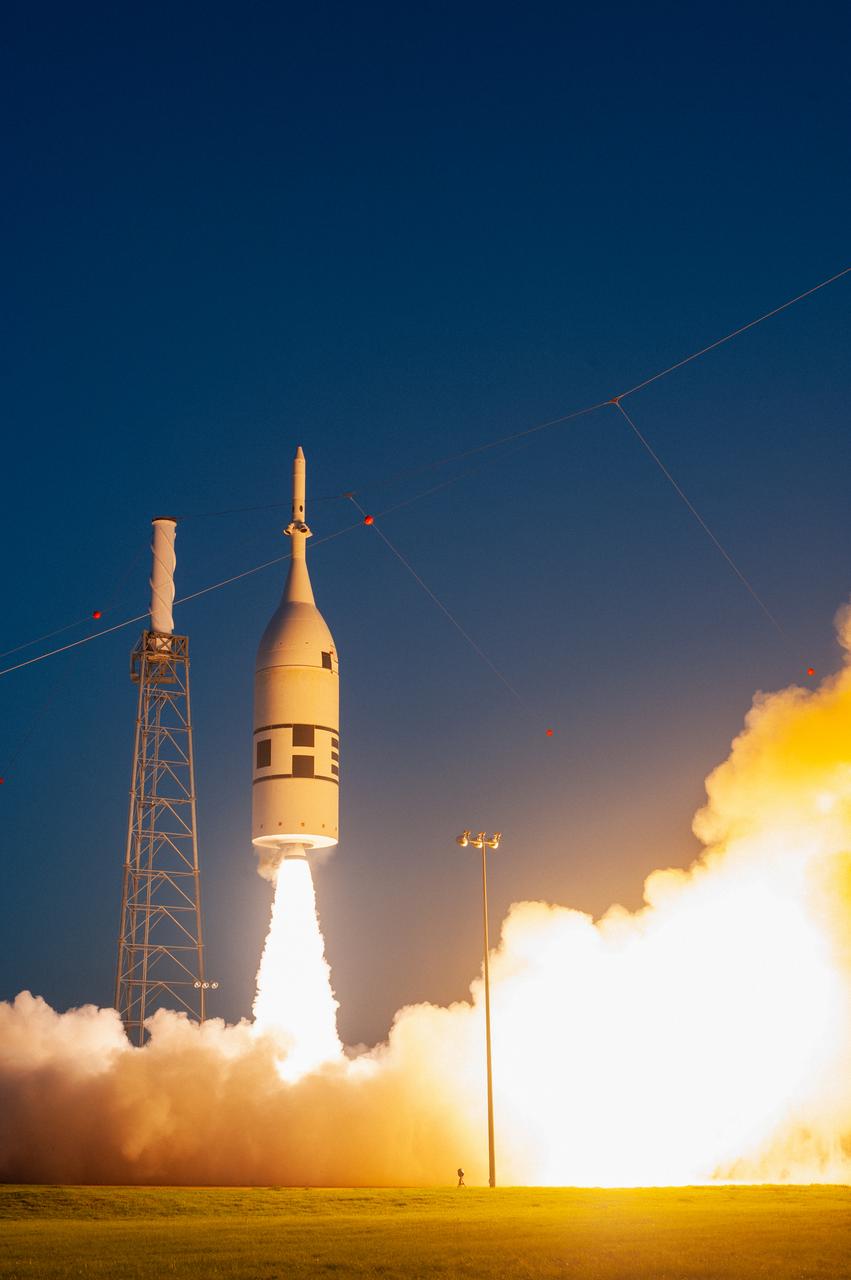
A fully functional Launch Abort System (LAS) with a test version of Orion attached, launches on NASA’s Ascent Abort-2 (AA-2) atop a Northrop Grumman provided booster on July 2, 2019, at 7 a.m. EDT, from Launch Pad 46 at Cape Canaveral Air Force Station in Florida. During AA-2, the booster will send the LAS and Orion to an altitude of 31,000 feet, traveling at Mach 1.15 (more than 1,000 mph). The LAS’ three motors will work together to pull the crew module away from the booster and prepare it for splashdown in the Atlantic Ocean. The flight test will prove that the abort system can pull crew to safety in the unlikely event of an emergency during ascent.
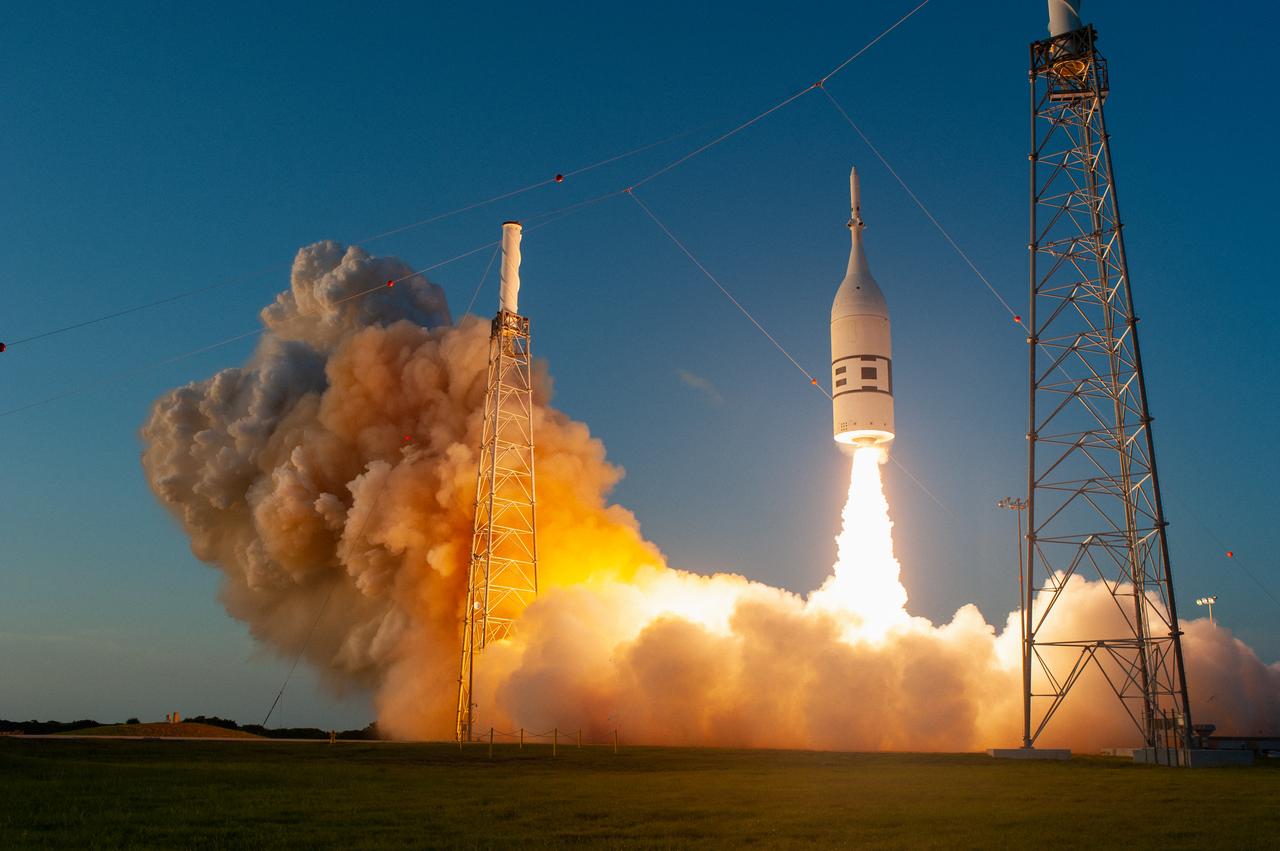
A fully functional Launch Abort System (LAS) with a test version of Orion attached, launches on NASA’s Ascent Abort-2 (AA-2) atop a Northrop Grumman provided booster on July 2, 2019, at 7 a.m. EDT, from Launch Pad 46 at Cape Canaveral Air Force Station in Florida. During AA-2, the booster will send the LAS and Orion to an altitude of 31,000 feet, traveling at Mach 1.15 (more than 1,000 mph). The LAS’ three motors will work together to pull the crew module away from the booster and prepare it for splashdown in the Atlantic Ocean. The flight test will prove that the abort system can pull crew to safety in the unlikely event of an emergency during ascent.
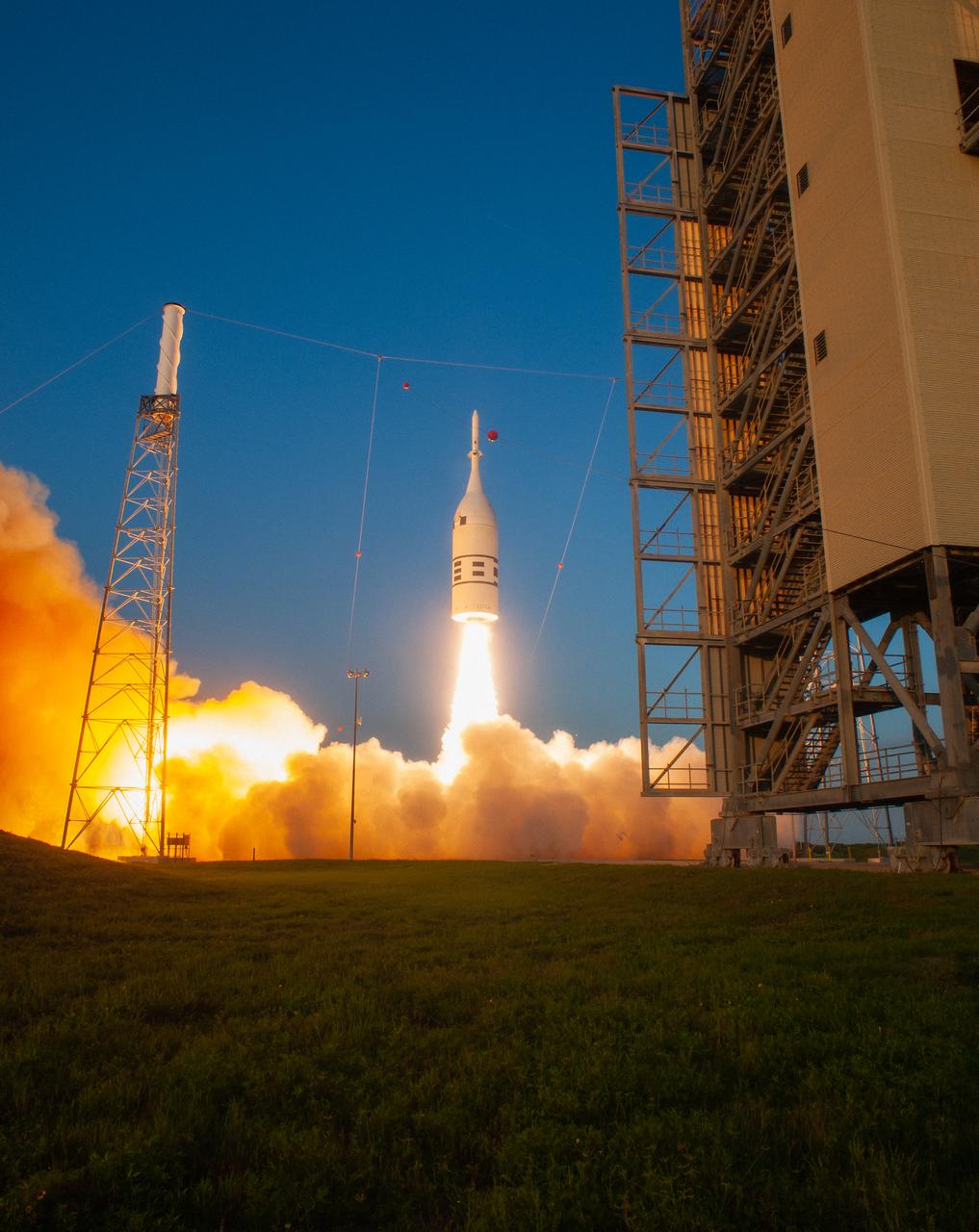
A fully functional Launch Abort System (LAS) with a test version of Orion attached, launches on NASA’s Ascent Abort-2 (AA-2) atop a Northrop Grumman provided booster on July 2, 2019, at 7 a.m. EDT, from Launch Pad 46 at Cape Canaveral Air Force Station in Florida. During AA-2, the booster will send the LAS and Orion to an altitude of 31,000 feet, traveling at Mach 1.15 (more than 1,000 mph). The LAS’ three motors will work together to pull the crew module away from the booster and prepare it for splashdown in the Atlantic Ocean. The flight test will prove that the abort system can pull crew to safety in the unlikely event of an emergency during ascent.
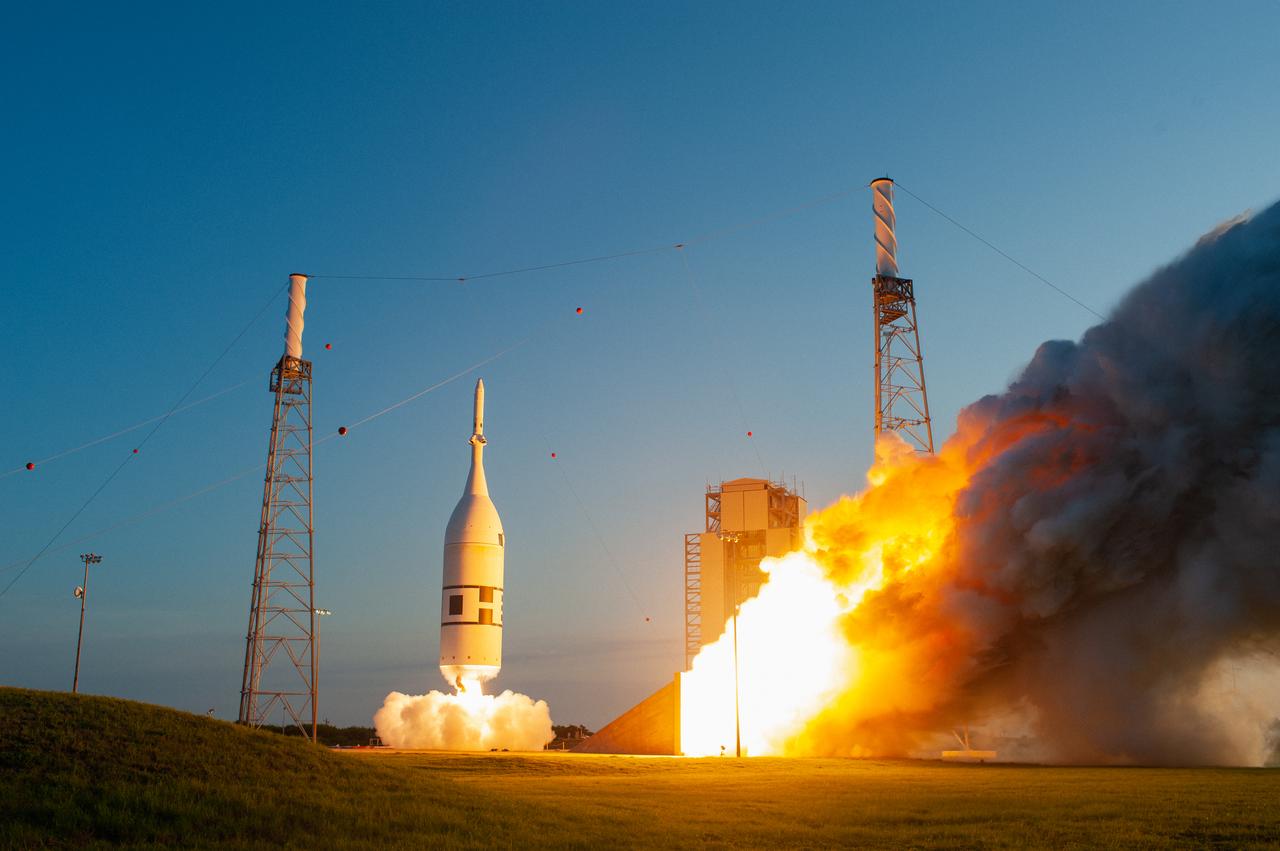
A fully functional Launch Abort System (LAS) with a test version of Orion attached, launches on NASA’s Ascent Abort-2 (AA-2) atop a Northrop Grumman provided booster on July 2, 2019, at 7 a.m. EDT, from Launch Pad 46 at Cape Canaveral Air Force Station in Florida. During AA-2, the booster will send the LAS and Orion to an altitude of 31,000 feet, traveling at Mach 1.15 (more than 1,000 mph). The LAS’ three motors will work together to pull the crew module away from the booster and prepare it for splashdown in the Atlantic Ocean. The flight test will prove that the abort system can pull crew to safety in the unlikely event of an emergency during ascent.

Crowds of spectators watch from Jetty Park in Cape Canaveral, Florida, on July 2, 2019, as a Northrop Grumman provided booster launches from Launch Pad 46 carrying, a fully functional Launch Abort System with a test version of Orion attached for NASA’s Ascent Abort-2 (AA-2). Launch time was 7 a.m. EDT. During AA-2, the booster will send the LAS and Orion to an altitude of 31,000 feet, traveling at Mach 1.15 (more than 1,000 mph). The LAS’ three motors will work together to pull the crew module away from the booster and prepare it for splashdown in the Atlantic Ocean. The flight test will prove that the abort system can pull crew to safety in the unlikely event of an emergency during ascent.
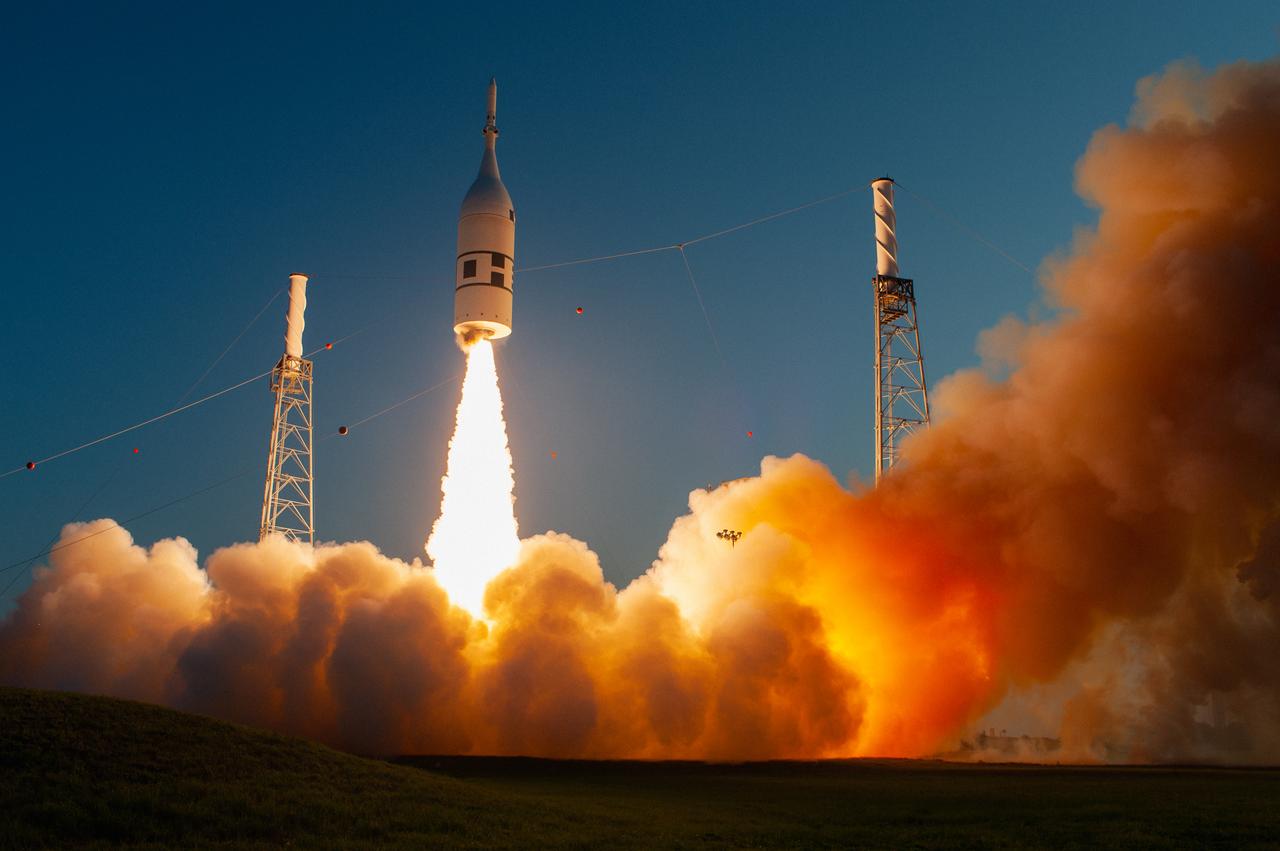
A fully functional Launch Abort System (LAS) with a test version of Orion attached, soars upward on NASA’s Ascent Abort-2 (AA-2) flight test atop a Northrop Grumman provided booster on July 2, 2019, after launching at 7 a.m. EDT, from Launch Pad 46 at Cape Canaveral Air Force Station in Florida. During AA-2, the booster will send the LAS and Orion to an altitude of 31,000 feet, traveling at Mach 1.15 (more than 1,000 mph). The LAS’ three motors will work together to pull the crew module away from the booster and prepare it for splashdown in the Atlantic Ocean. The flight test will prove that the abort system can pull crew to safety in the unlikely event of an emergency during ascent.
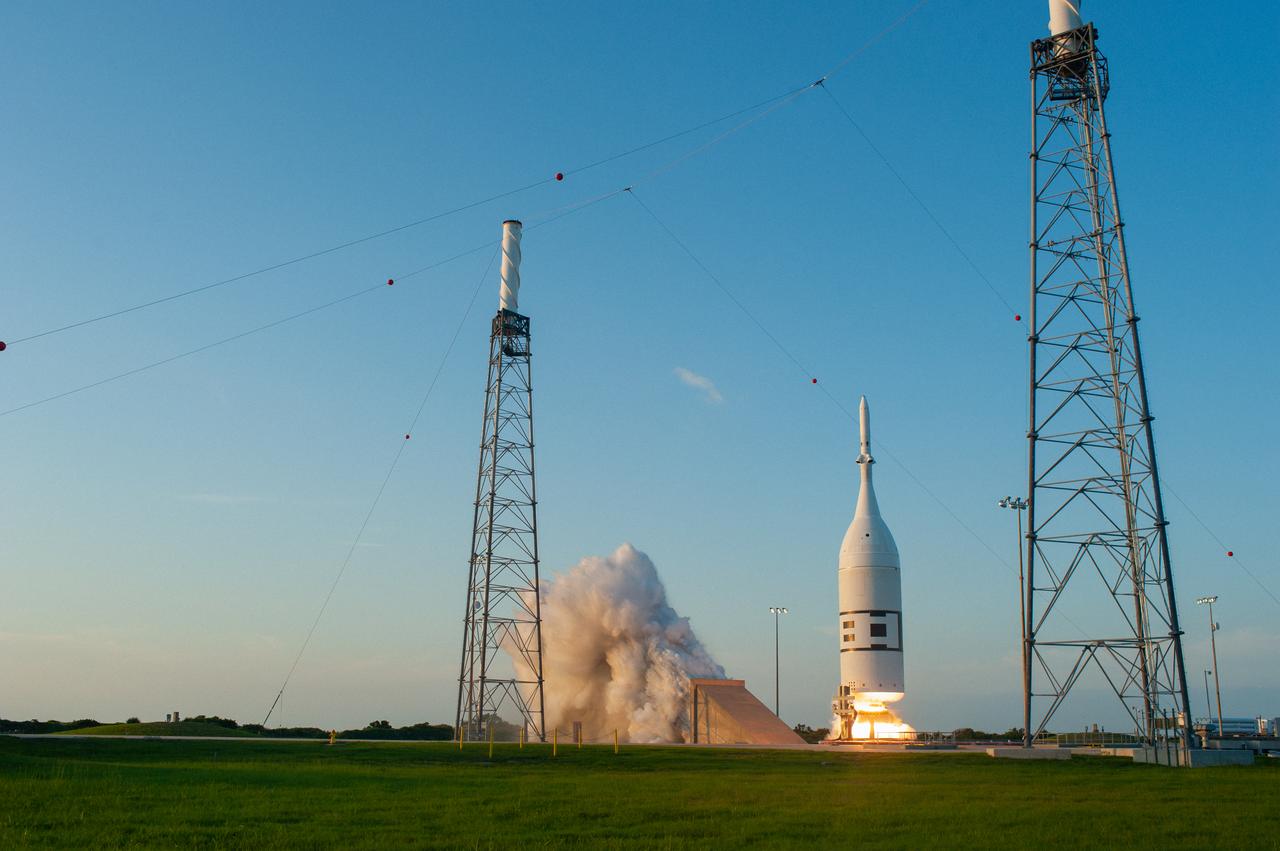
A fully functional Launch Abort System (LAS) with a test version of Orion attached, launches on NASA’s Ascent Abort-2 (AA-2) atop a Northrop Grumman provided booster on July 2, 2019, at 7 a.m. EDT, from Launch Pad 46 at Cape Canaveral Air Force Station in Florida. During AA-2, the booster will send the LAS and Orion to an altitude of 31,000 feet, traveling at Mach 1.15 (more than 1,000 mph). The LAS’ three motors will work together to pull the crew module away from the booster and prepare it for splashdown in the Atlantic Ocean. The flight test will prove that the abort system can pull crew to safety in the unlikely event of an emergency during ascent.
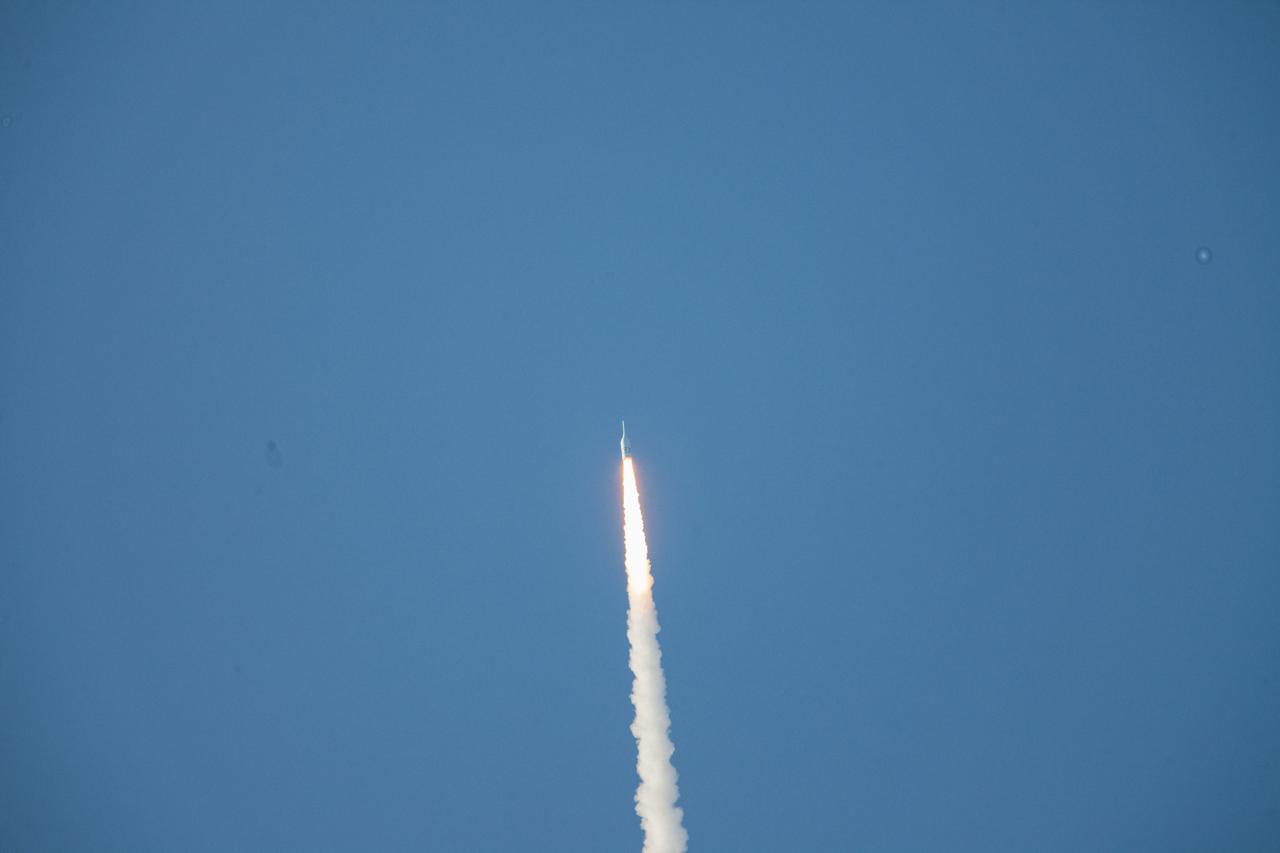
A fully functional Launch Abort System (LAS) with a test version of Orion attached, soars upward on NASA’s Ascent Abort-2 (AA-2) flight test atop a Northrop Grumman provided booster on July 2, 2019, after launching at 7 a.m. EDT, from Launch Pad 46 at Cape Canaveral Air Force Station in Florida. During AA-2, the booster will send the LAS and Orion to an altitude of 31,000 feet, traveling at Mach 1.15 (more than 1,000 mph). The LAS’ three motors will work together to pull the crew module away from the booster and prepare it for splashdown in the Atlantic Ocean. The flight test will prove that the abort system can pull crew to safety in the unlikely event of an emergency during ascent.

A fully functional Launch Abort System (LAS) with a test version of Orion attached, soars upward on NASA’s Ascent Abort-2 (AA-2) flight test atop a Northrop Grumman provided booster on July 2, 2019, after launching at 7 a.m. EDT, from Launch Pad 46 at Cape Canaveral Air Force Station in Florida. During AA-2, the booster will send the LAS and Orion to an altitude of 31,000 feet, traveling at Mach 1.15 (more than 1,000 mph). The LAS’ three motors will work together to pull the crew module away from the booster and prepare it for splashdown in the Atlantic Ocean. The flight test will prove that the abort system can pull crew to safety in the unlikely event of an emergency during ascent.

A view of Jetty Park in Cape Canaveral, Florida, on July 2, 2019, as crowds gather to watch a Northrop Grumman provided booster launch from Launch Pad 46 carrying a fully functional Launch Abort System with a test version of Orion attached for NASA’s Ascent Abort-2 (AA-2). Launch time was 7 a.m. EDT. During AA-2, the booster will send the LAS and Orion to an altitude of 31,000 feet, traveling at Mach 1.15 (more than 1,000 mph). The LAS’ three motors will work together to pull the crew module away from the booster and prepare it for splashdown in the Atlantic Ocean. The flight test will prove that the abort system can pull crew to safety in the unlikely event of an emergency during ascent.

A fully functional Launch Abort System (LAS) with a test version of Orion attached, soars upward on NASA’s Ascent Abort-2 (AA-2) flight test atop a Northrop Grumman provided booster on July 2, 2019, after launching at 7 a.m. EDT, from Launch Pad 46 at Cape Canaveral Air Force Station in Florida. During AA-2, the booster will send the LAS and Orion to an altitude of 31,000 feet, traveling at Mach 1.15 (more than 1,000 mph). The LAS’ three motors will work together to pull the crew module away from the booster and prepare it for splashdown in the Atlantic Ocean. The flight test will prove that the abort system can pull crew to safety in the unlikely event of an emergency during ascent.

A view of the sunrise at Jetty Park in Cape Canaveral, Florida, on July 2, 2019, as crowds gather to watch a Northrop Grumman provided booster launch from Launch Pad 46 carrying, a fully functional Launch Abort System with a test version of Orion attached for NASA’s Ascent Abort-2 (AA-2). Launch time was 7 a.m. EDT. During AA-2, the booster will send the LAS and Orion to an altitude of 31,000 feet, traveling at Mach 1.15 (more than 1,000 mph). The LAS’ three motors will work together to pull the crew module away from the booster and prepare it for splashdown in the Atlantic Ocean. The flight test will prove that the abort system can pull crew to safety in the unlikely event of an emergency during ascent.
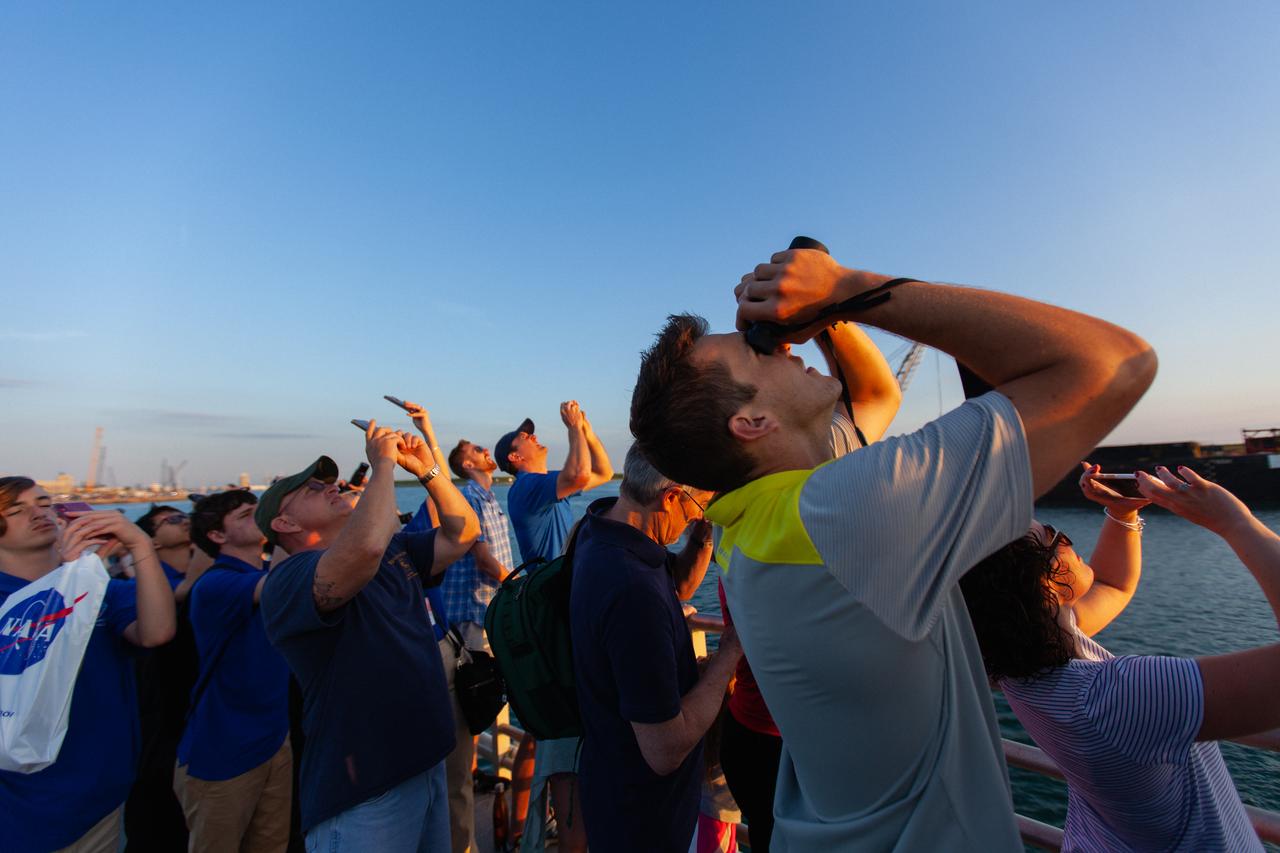
Crowds of spectators watch from Jetty Park in Cape Canaveral, Florida, on July 2, 2019, as a Northrop Grumman provided booster launches from Launch Pad 46 carrying, a fully functional Launch Abort System with a test version of Orion attached for NASA’s Ascent Abort-2 (AA-2). Launch time was 7 a.m. EDT. During AA-2, the booster will send the LAS and Orion to an altitude of 31,000 feet, traveling at Mach 1.15 (more than 1,000 mph). The LAS’ three motors will work together to pull the crew module away from the booster and prepare it for splashdown in the Atlantic Ocean. The flight test will prove that the abort system can pull crew to safety in the unlikely event of an emergency during ascent.

Crowds of spectators watch from Jetty Park in Cape Canaveral, Florida, on July 2, 2019, as a Northrop Grumman provided booster launches from Launch Pad 46 carrying, a fully functional Launch Abort System with a test version of Orion attached for NASA’s Ascent Abort-2 (AA-2). Launch time was 7 a.m. EDT. During AA-2, the booster will send the LAS and Orion to an altitude of 31,000 feet, traveling at Mach 1.15 (more than 1,000 mph). The LAS’ three motors will work together to pull the crew module away from the booster and prepare it for splashdown in the Atlantic Ocean. The flight test will prove that the abort system can pull crew to safety in the unlikely event of an emergency during ascent.
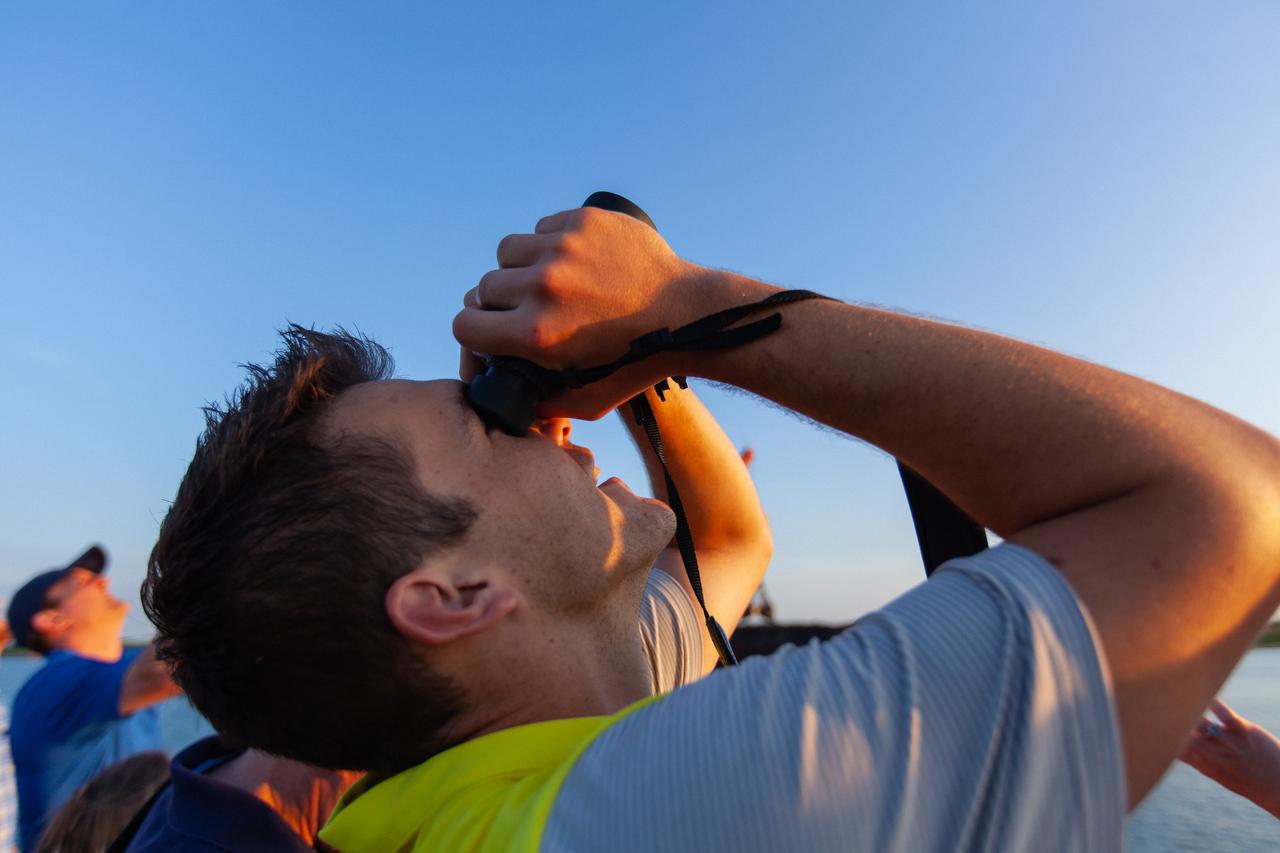
Crowds of spectators watch from Jetty Park in Cape Canaveral, Florida, on July 2, 2019, as a Northrop Grumman provided booster launches from Launch Pad 46 carrying, a fully functional Launch Abort System with a test version of Orion attached for NASA’s Ascent Abort-2 (AA-2). Launch time was 7 a.m. EDT. During AA-2, the booster will send the LAS and Orion to an altitude of 31,000 feet, traveling at Mach 1.15 (more than 1,000 mph). The LAS’ three motors will work together to pull the crew module away from the booster and prepare it for splashdown in the Atlantic Ocean. The flight test will prove that the abort system can pull crew to safety in the unlikely event of an emergency during ascent.

A brilliant sunrise fills the sky before a fully functional Launch Abort System (LAS) with a test version of Orion attached, launches on NASA’s Ascent Abort-2 (AA-2) atop a Northrop Grumman provided booster on July 2, 2019, at 7 a.m. EDT, from Launch Pad 46 at Cape Canaveral Air Force Station in Florida. During AA-2, the booster will send the LAS and Orion to an altitude of 31,000 feet, traveling at Mach 1.15 (more than 1,000 mph). The LAS’ three motors will work together to pull the crew module away from the booster and prepare it for splashdown in the Atlantic Ocean. The flight test will prove that the abort system can pull crew to safety in the unlikely event of an emergency during ascent.
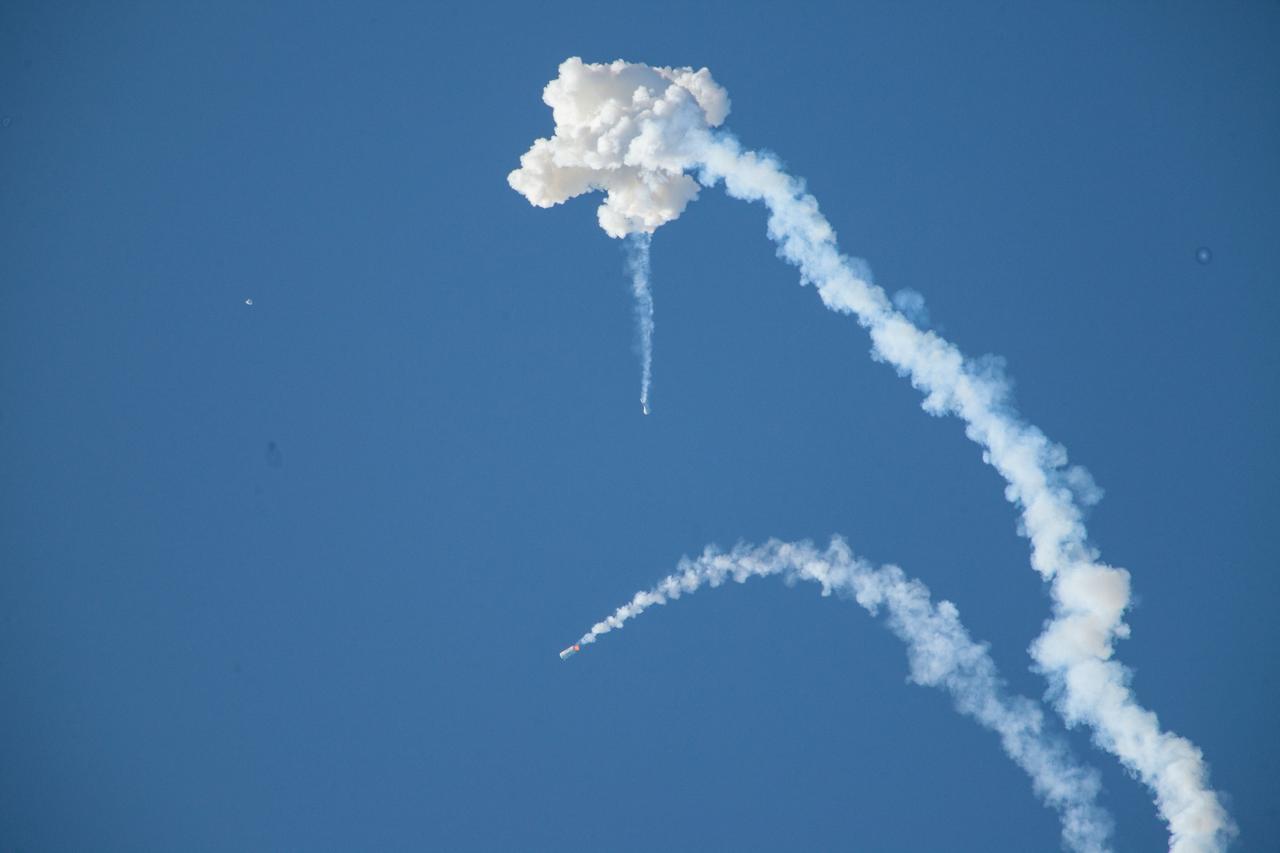
A fully functional Launch Abort System (LAS) with a test version of Orion attached, soars upward on NASA’s Ascent Abort-2 (AA-2) flight test atop a Northrop Grumman provided booster on July 2, 2019, after launching at 7 a.m. EDT, from Launch Pad 46 at Cape Canaveral Air Force Station in Florida. During AA-2, the booster will send the LAS and Orion to an altitude of 31,000 feet, traveling at Mach 1.15 (more than 1,000 mph). The LAS’ three motors will work together to pull the crew module away from the booster and prepare it for splashdown in the Atlantic Ocean. The flight test will prove that the abort system can pull crew to safety in the unlikely event of an emergency during ascent.
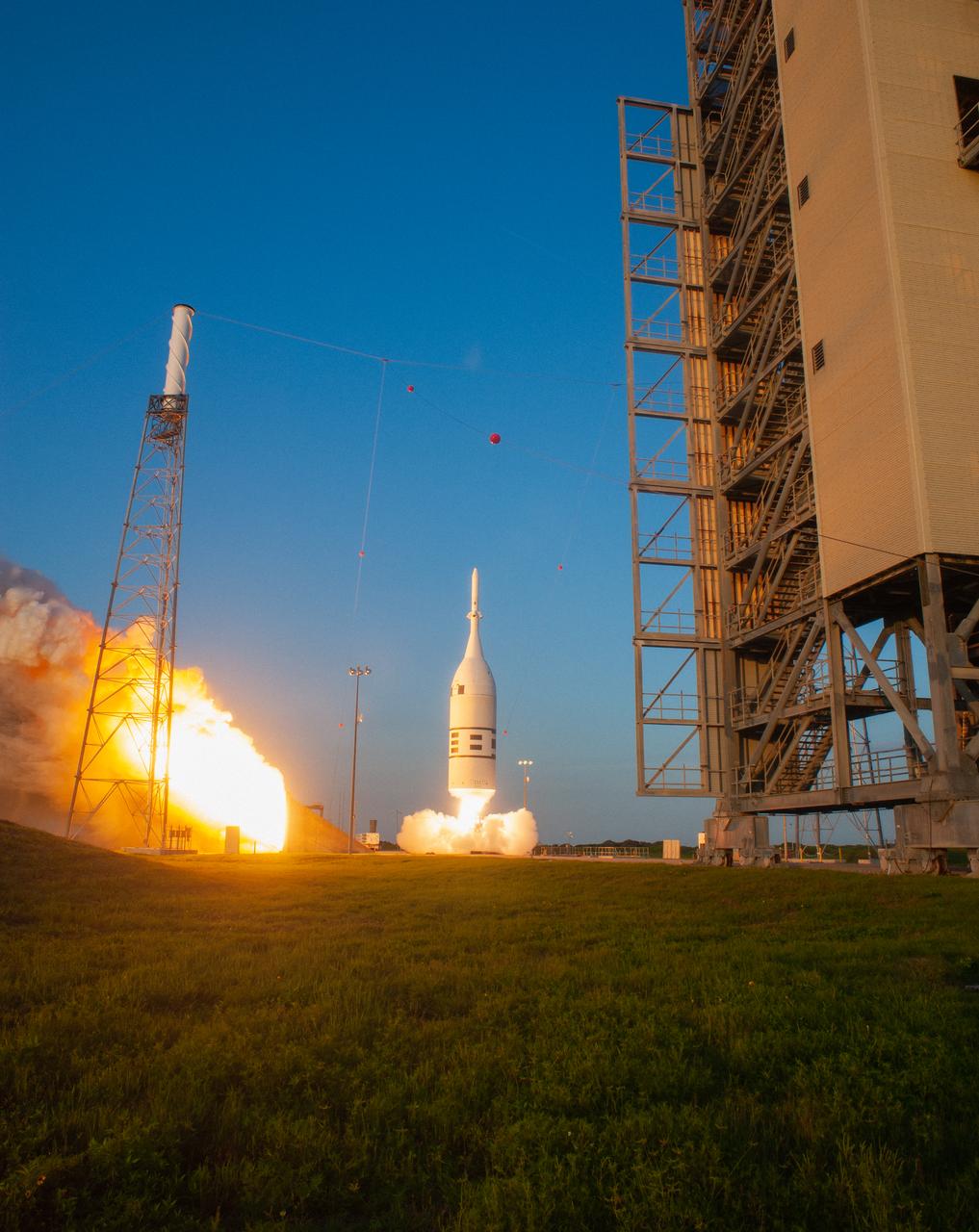
A fully functional Launch Abort System (LAS) with a test version of Orion attached, launches on NASA’s Ascent Abort-2 (AA-2) atop a Northrop Grumman provided booster on July 2, 2019, at 7 a.m. EDT, from Launch Pad 46 at Cape Canaveral Air Force Station in Florida. During AA-2, the booster will send the LAS and Orion to an altitude of 31,000 feet, traveling at Mach 1.15 (more than 1,000 mph). The LAS’ three motors will work together to pull the crew module away from the booster and prepare it for splashdown in the Atlantic Ocean. The flight test will prove that the abort system can pull crew to safety in the unlikely event of an emergency during ascent.
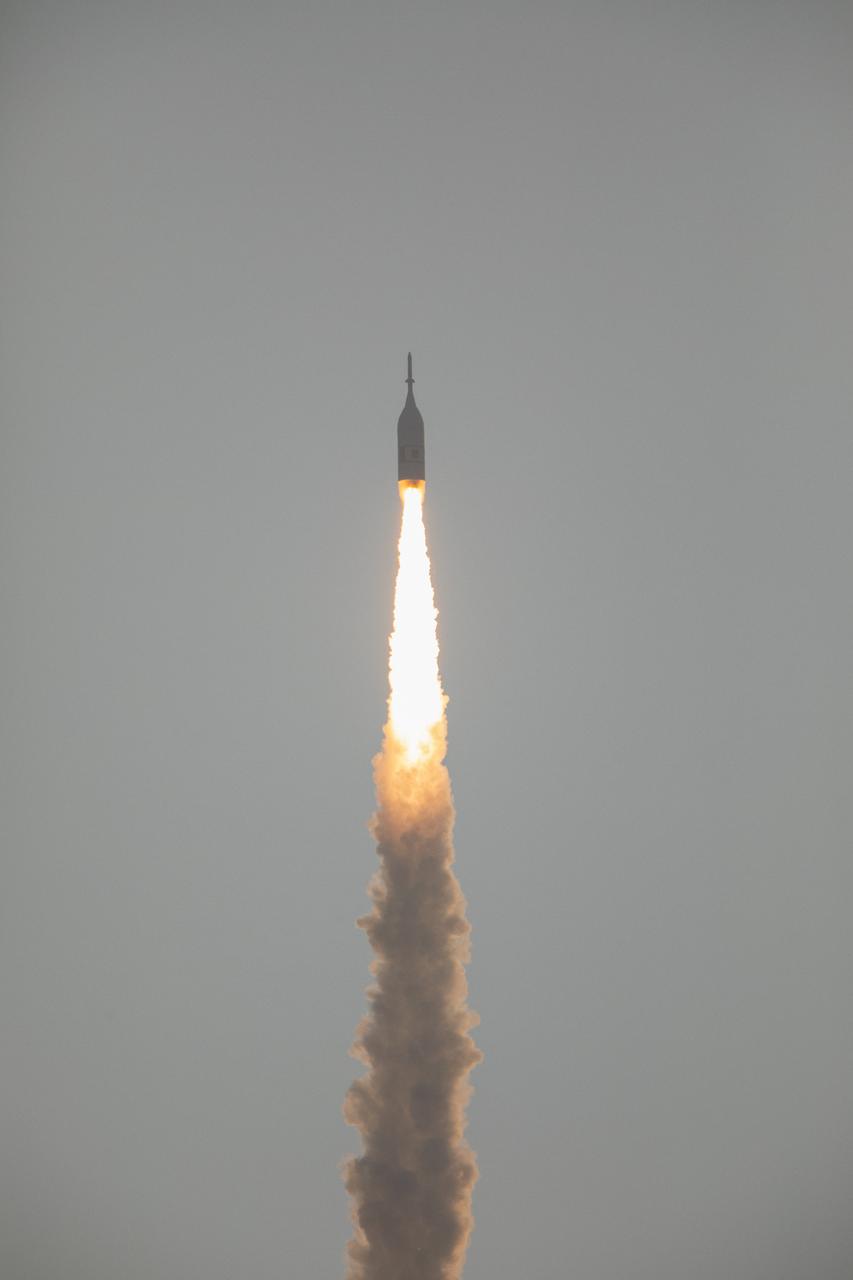
A fully functional Launch Abort System (LAS) with a test version of Orion attached, launches on NASA’s Ascent Abort-2 (AA-2) atop a Northrop Grumman provided booster on July 2, 2019, at 7 a.m. EDT, from Launch Pad 46 at Cape Canaveral Air Force Station in Florida. During AA-2, the booster will send the LAS and Orion to an altitude of 31,000 feet, traveling at Mach 1.15 (more than 1,000 mph). The LAS’ three motors will work together to pull the crew module away from the booster and prepare it for splashdown in the Atlantic Ocean. The flight test will prove that the abort system can pull crew to safety in the unlikely event of an emergency during ascent.
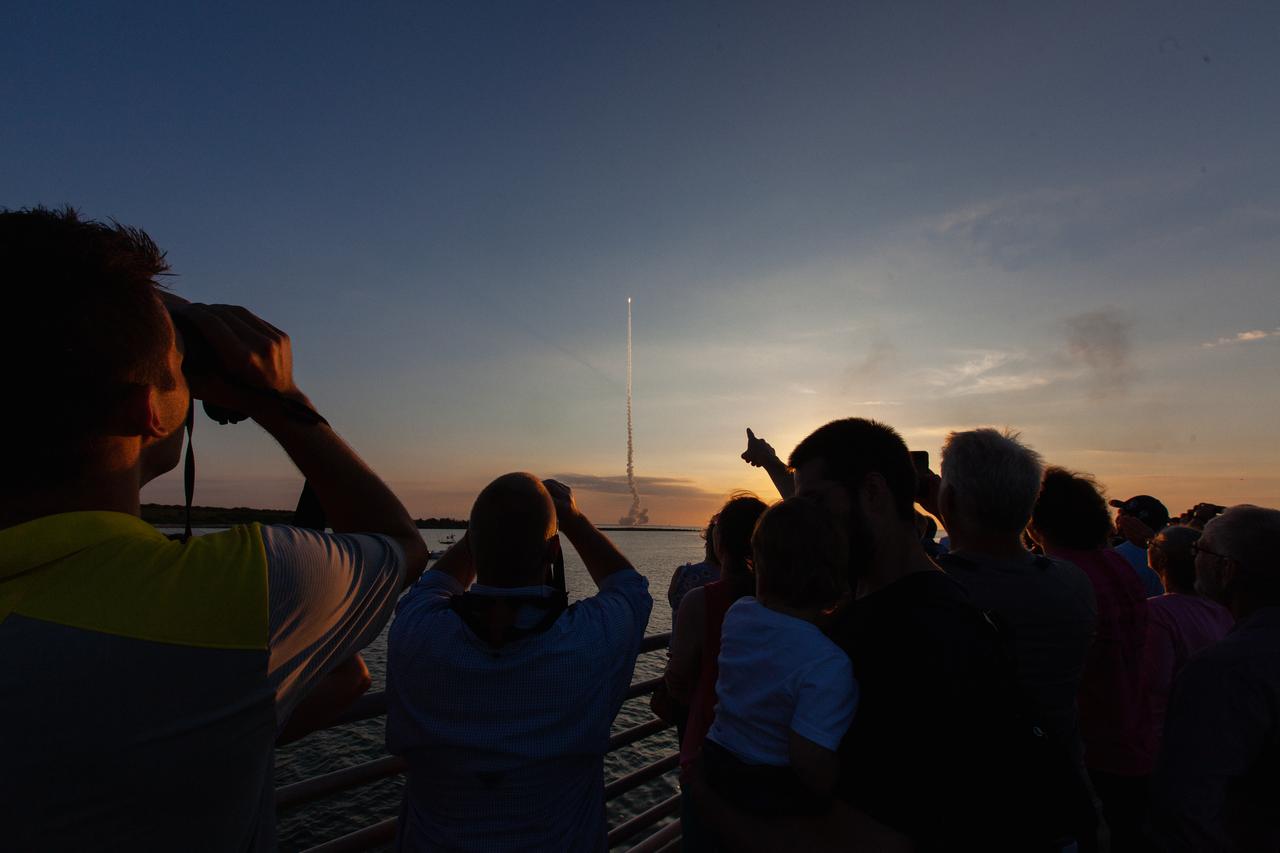
Crowds of spectators watch from Jetty Park in Cape Canaveral, Florida, on July 2, 2019, as a Northrop Grumman provided booster launches from Launch Pad 46 carrying, a fully functional Launch Abort System with a test version of Orion attached for NASA’s Ascent Abort-2 (AA-2). Launch time was 7 a.m. EDT. During AA-2, the booster will send the LAS and Orion to an altitude of 31,000 feet, traveling at Mach 1.15 (more than 1,000 mph). The LAS’ three motors will work together to pull the crew module away from the booster and prepare it for splashdown in the Atlantic Ocean. The flight test will prove that the abort system can pull crew to safety in the unlikely event of an emergency during ascent.
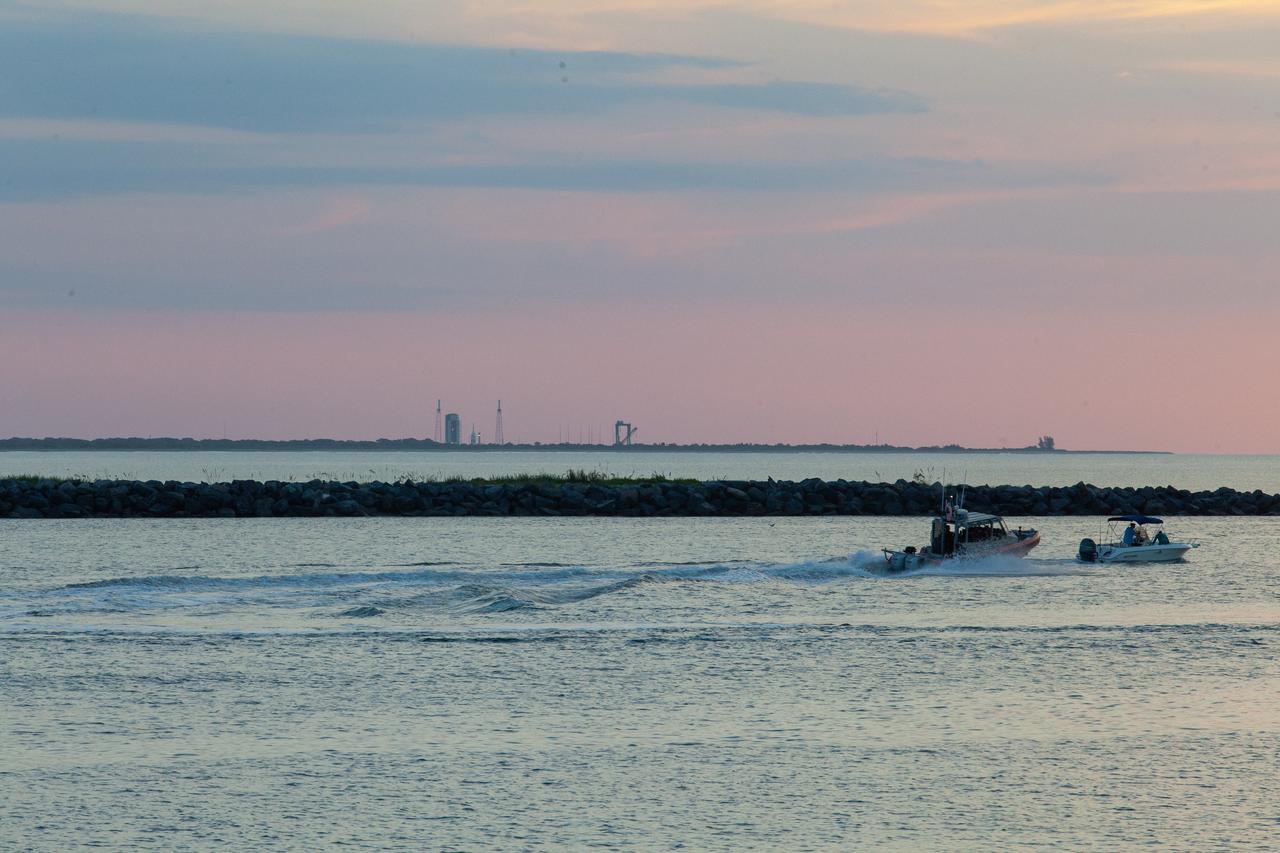
A view of Jetty Park in Cape Canaveral, Florida, during sunrise on July 2, 2019. Crowds will soon gather to watch as a Northrop Grumman provided booster launches from Launch Pad 46, carrying a fully functional Launch Abort System with a test version of Orion attached for NASA’s Ascent Abort-2 (AA-2). Launch time was 7 a.m. EDT. During AA-2, the booster will send the LAS and Orion to an altitude of 31,000 feet, traveling at Mach 1.15 (more than 1,000 mph). The LAS’ three motors will work together to pull the crew module away from the booster and prepare it for splashdown in the Atlantic Ocean. The flight test will prove that the abort system can pull crew to safety in the unlikely event of an emergency during ascent.

A brilliant sunrise fills the sky before a fully functional Launch Abort System (LAS) with a test version of Orion attached, launches on NASA’s Ascent Abort-2 (AA-2) atop a Northrop Grumman provided booster on July 2, 2019, at 7 a.m. EDT, from Launch Pad 46 at Cape Canaveral Air Force Station in Florida. During AA-2, the booster will send the LAS and Orion to an altitude of 31,000 feet, traveling at Mach 1.15 (more than 1,000 mph). The LAS’ three motors will work together to pull the crew module away from the booster and prepare it for splashdown in the Atlantic Ocean. The flight test will prove that the abort system can pull crew to safety in the unlikely event of an emergency during ascent.
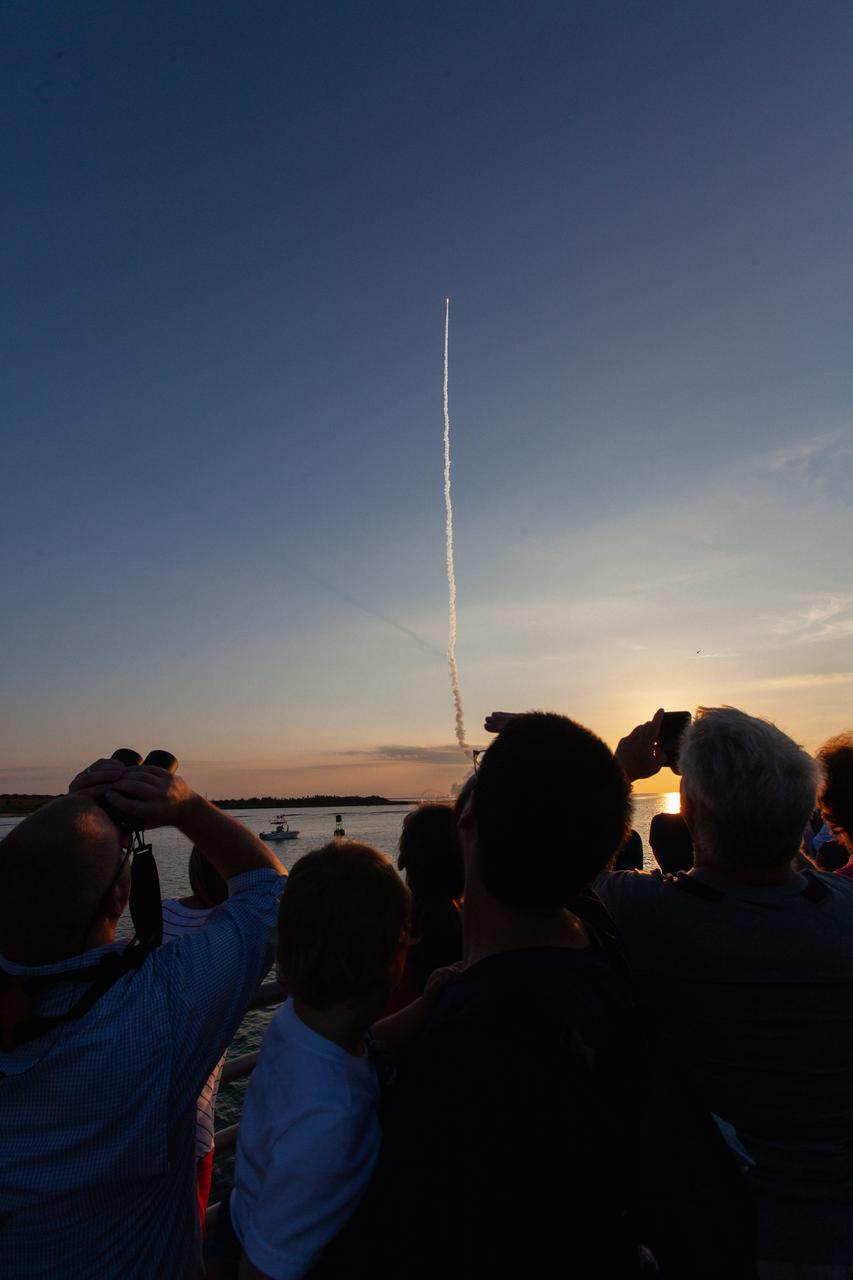
Crowds of spectators watch from Jetty Park in Cape Canaveral, Florida, on July 2, 2019, as a Northrop Grumman provided booster launches from Launch Pad 46 carrying, a fully functional Launch Abort System with a test version of Orion attached for NASA’s Ascent Abort-2 (AA-2). Launch time was 7 a.m. EDT. During AA-2, the booster will send the LAS and Orion to an altitude of 31,000 feet, traveling at Mach 1.15 (more than 1,000 mph). The LAS’ three motors will work together to pull the crew module away from the booster and prepare it for splashdown in the Atlantic Ocean. The flight test will prove that the abort system can pull crew to safety in the unlikely event of an emergency during ascent.
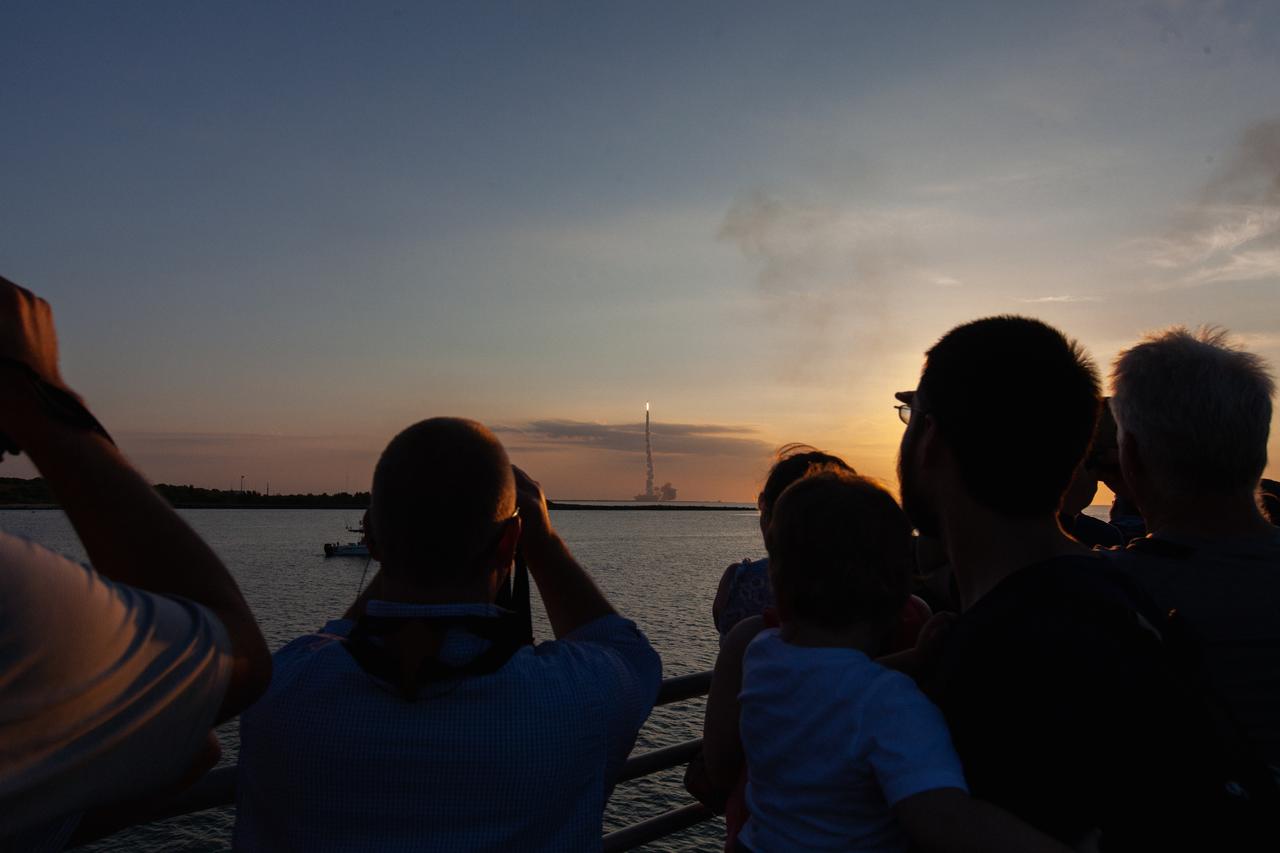
Crowds of spectators watch from Jetty Park in Cape Canaveral, Florida, on July 2, 2019, as a Northrop Grumman provided booster launches from Launch Pad 46 carrying, a fully functional Launch Abort System with a test version of Orion attached for NASA’s Ascent Abort-2 (AA-2). Launch time was 7 a.m. EDT. During AA-2, the booster will send the LAS and Orion to an altitude of 31,000 feet, traveling at Mach 1.15 (more than 1,000 mph). The LAS’ three motors will work together to pull the crew module away from the booster and prepare it for splashdown in the Atlantic Ocean. The flight test will prove that the abort system can pull crew to safety in the unlikely event of an emergency during ascent.
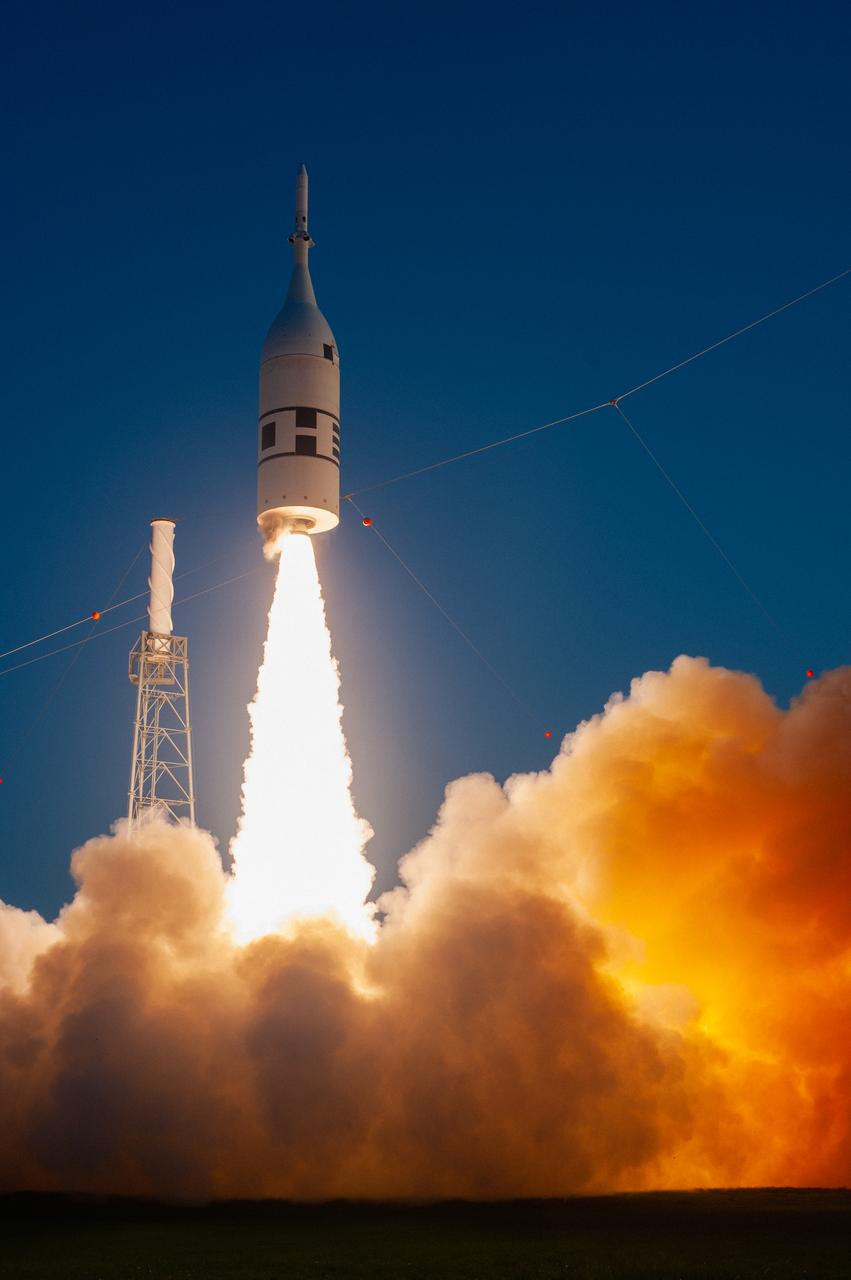
A fully functional Launch Abort System (LAS) with a test version of Orion attached, launches on NASA’s Ascent Abort-2 (AA-2) atop a Northrop Grumman provided booster on July 2, 2019, at 7 a.m. EDT, from Launch Pad 46 at Cape Canaveral Air Force Station in Florida. During AA-2, the booster will send the LAS and Orion to an altitude of 31,000 feet, traveling at Mach 1.15 (more than 1,000 mph). The LAS’ three motors will work together to pull the crew module away from the booster and prepare it for splashdown in the Atlantic Ocean. The flight test will prove that the abort system can pull crew to safety in the unlikely event of an emergency during ascent.
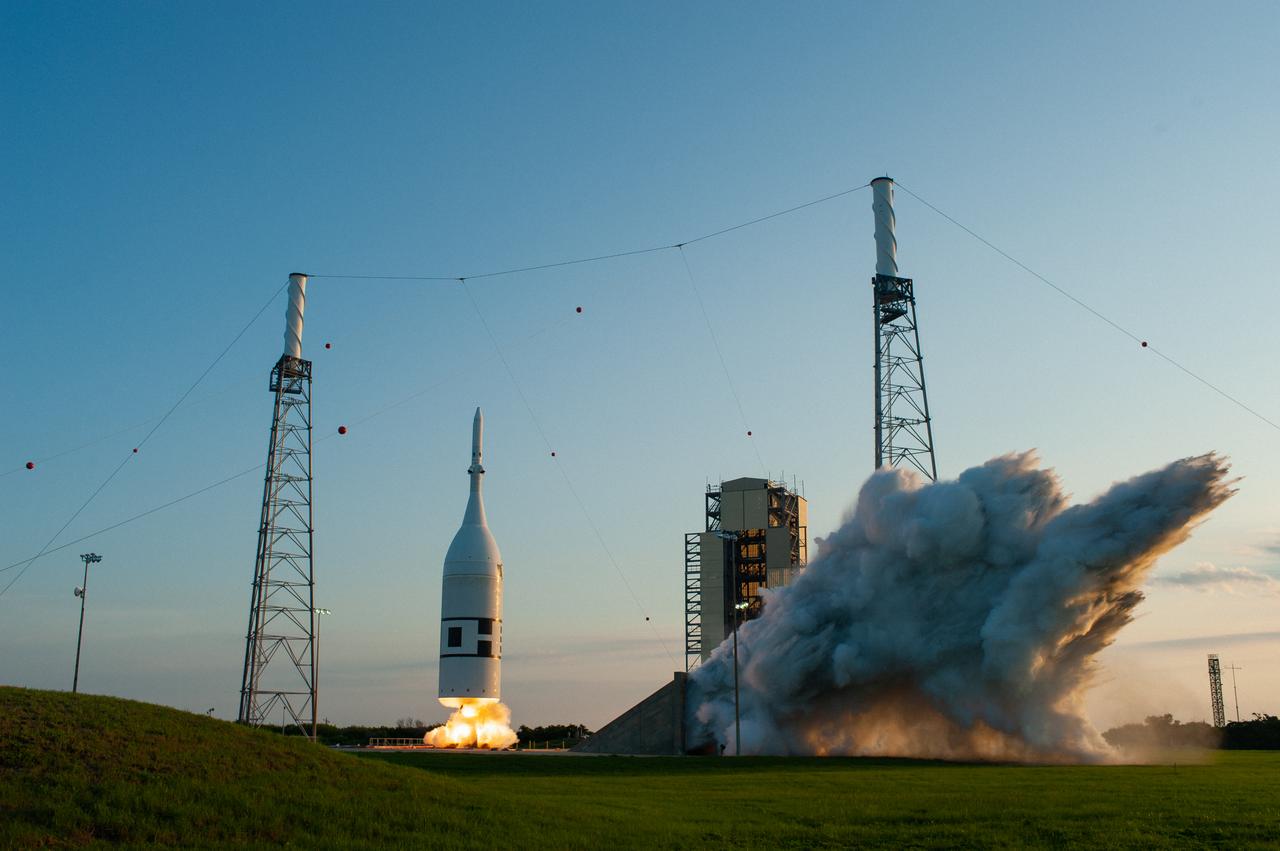
A fully functional Launch Abort System (LAS) with a test version of Orion attached, launches on NASA’s Ascent Abort-2 (AA-2) atop a Northrop Grumman provided booster on July 2, 2019, at 7 a.m. EDT, from Launch Pad 46 at Cape Canaveral Air Force Station in Florida. During AA-2, the booster will send the LAS and Orion to an altitude of 31,000 feet, traveling at Mach 1.15 (more than 1,000 mph). The LAS’ three motors will work together to pull the crew module away from the booster and prepare it for splashdown in the Atlantic Ocean. The flight test will prove that the abort system can pull crew to safety in the unlikely event of an emergency during ascent.

Crowds of spectators watch from Jetty Park in Cape Canaveral, Florida, on July 2, 2019, as a Northrop Grumman provided booster launches from Launch Pad 46 carrying, a fully functional Launch Abort System with a test version of Orion attached for NASA’s Ascent Abort-2 (AA-2). Launch time was 7 a.m. EDT. During AA-2, the booster will send the LAS and Orion to an altitude of 31,000 feet, traveling at Mach 1.15 (more than 1,000 mph). The LAS’ three motors will work together to pull the crew module away from the booster and prepare it for splashdown in the Atlantic Ocean. The flight test will prove that the abort system can pull crew to safety in the unlikely event of an emergency during ascent.
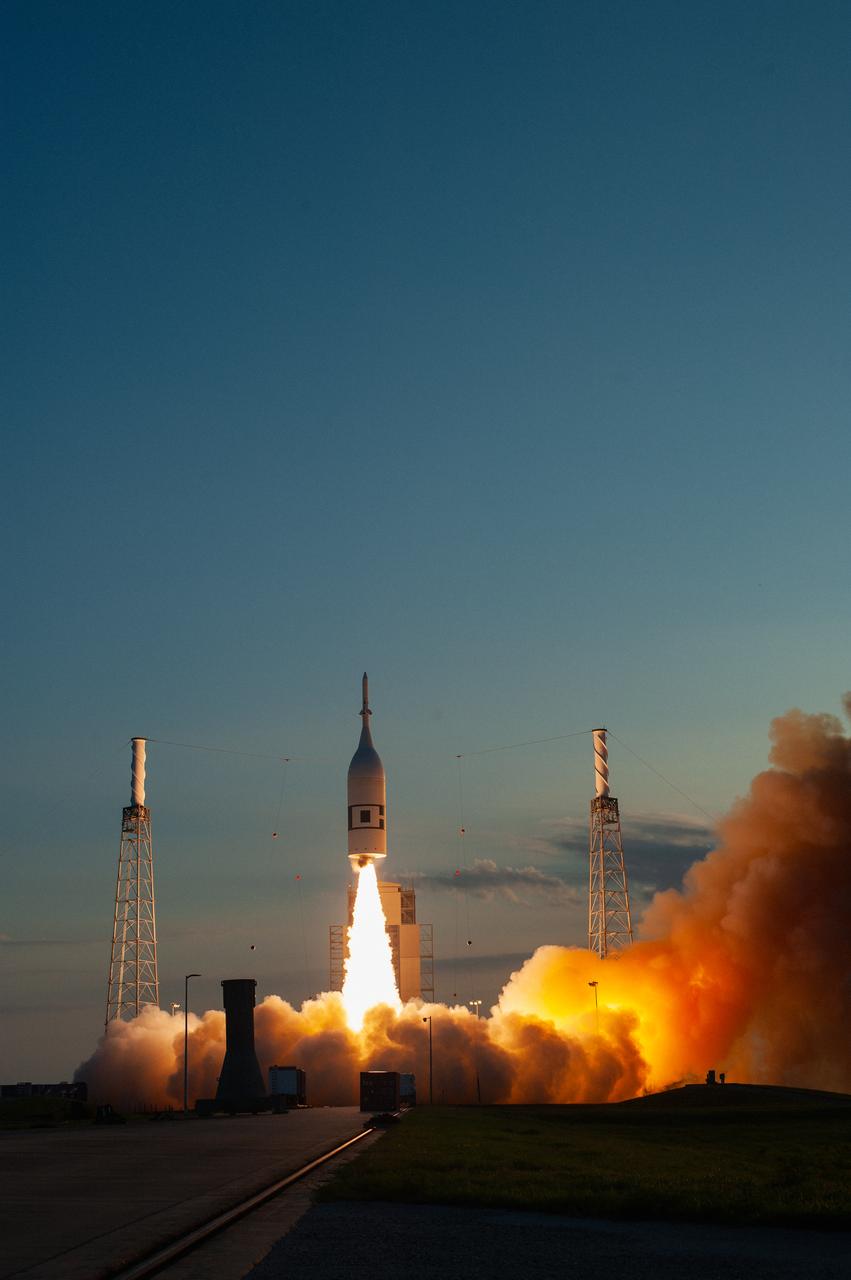
A fully functional Launch Abort System (LAS) with a test version of Orion attached, launches on NASA’s Ascent Abort-2 (AA-2) atop a Northrop Grumman provided booster on July 2, 2019, at 7 a.m. EDT, from Launch Pad 46 at Cape Canaveral Air Force Station in Florida. During AA-2, the booster will send the LAS and Orion to an altitude of 31,000 feet, traveling at Mach 1.15 (more than 1,000 mph). The LAS’ three motors will work together to pull the crew module away from the booster and prepare it for splashdown in the Atlantic Ocean. The flight test will prove that the abort system can pull crew to safety in the unlikely event of an emergency during ascent.

Crowds of spectators watch from Jetty Park in Cape Canaveral, Florida, on July 2, 2019, as a Northrop Grumman provided booster launches from Launch Pad 46 carrying, a fully functional Launch Abort System with a test version of Orion attached for NASA’s Ascent Abort-2 (AA-2). Launch time was 7 a.m. EDT. During AA-2, the booster will send the LAS and Orion to an altitude of 31,000 feet, traveling at Mach 1.15 (more than 1,000 mph). The LAS’ three motors will work together to pull the crew module away from the booster and prepare it for splashdown in the Atlantic Ocean. The flight test will prove that the abort system can pull crew to safety in the unlikely event of an emergency during ascent.
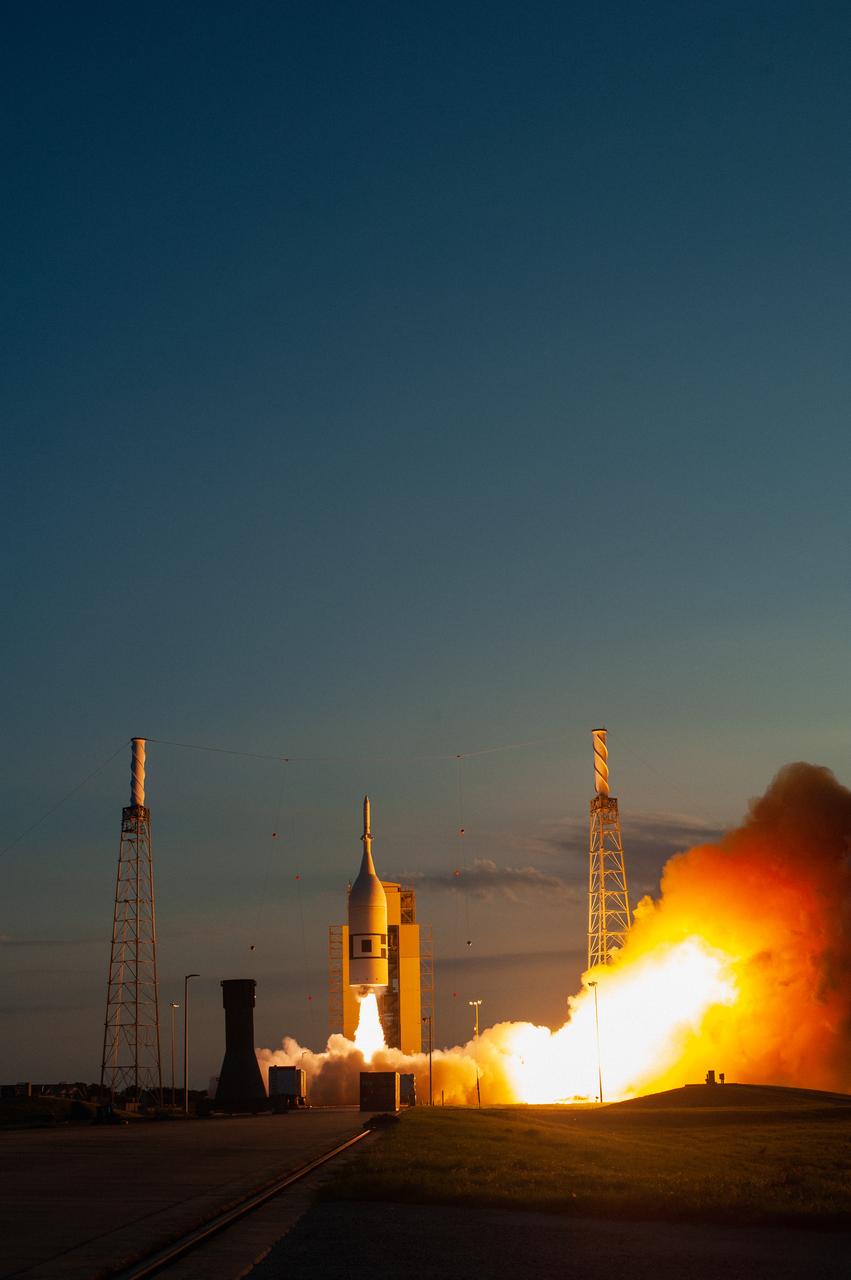
A fully functional Launch Abort System (LAS) with a test version of Orion attached, launches on NASA’s Ascent Abort-2 (AA-2) atop a Northrop Grumman provided booster on July 2, 2019, at 7 a.m. EDT, from Launch Pad 46 at Cape Canaveral Air Force Station in Florida. During AA-2, the booster will send the LAS and Orion to an altitude of 31,000 feet, traveling at Mach 1.15 (more than 1,000 mph). The LAS’ three motors will work together to pull the crew module away from the booster and prepare it for splashdown in the Atlantic Ocean. The flight test will prove that the abort system can pull crew to safety in the unlikely event of an emergency during ascent.
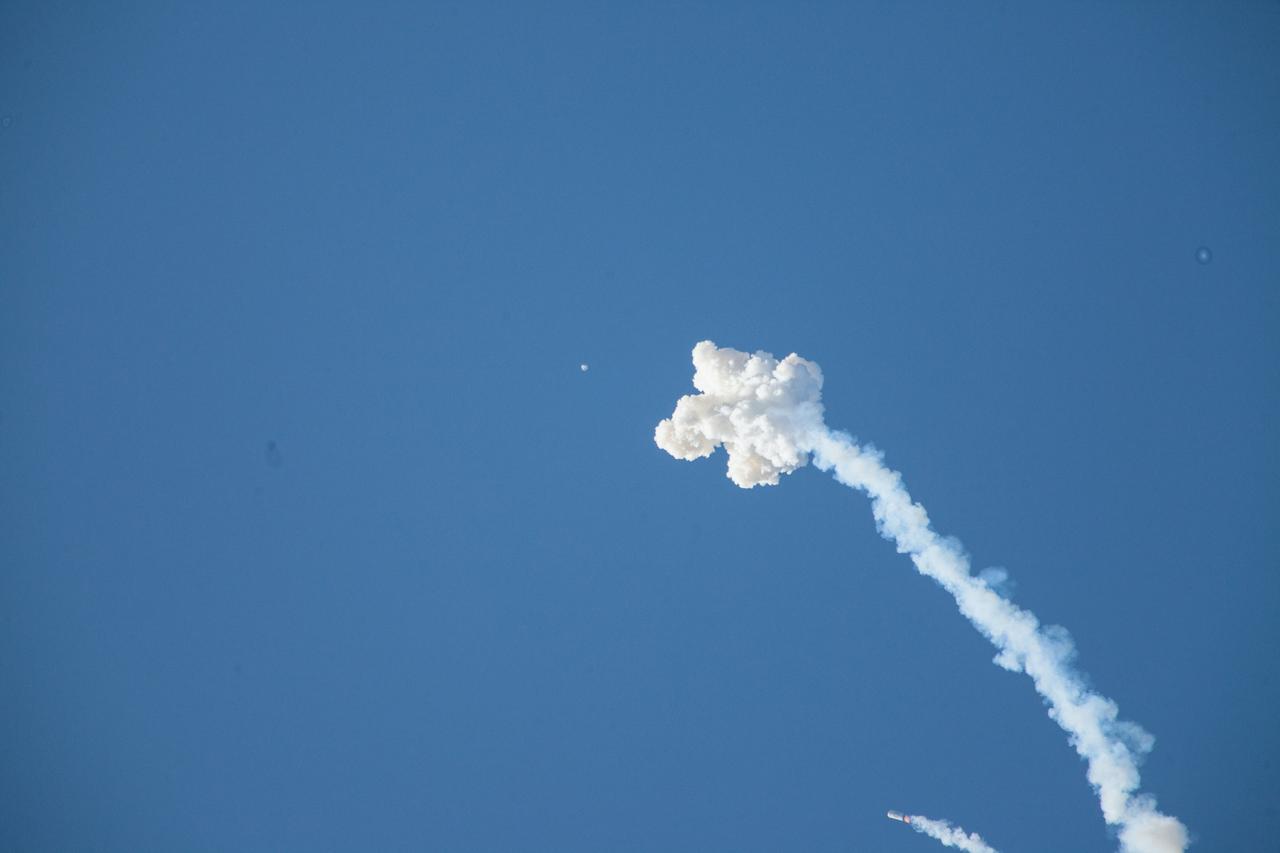
A fully functional Launch Abort System (LAS) with a test version of Orion attached, soars upward on NASA’s Ascent Abort-2 (AA-2) flight test atop a Northrop Grumman provided booster on July 2, 2019, after launching at 7 a.m. EDT, from Launch Pad 46 at Cape Canaveral Air Force Station in Florida. During AA-2, the booster will send the LAS and Orion to an altitude of 31,000 feet, traveling at Mach 1.15 (more than 1,000 mph). The LAS’ three motors will work together to pull the crew module away from the booster and prepare it for splashdown in the Atlantic Ocean. The flight test will prove that the abort system can pull crew to safety in the unlikely event of an emergency during ascent.
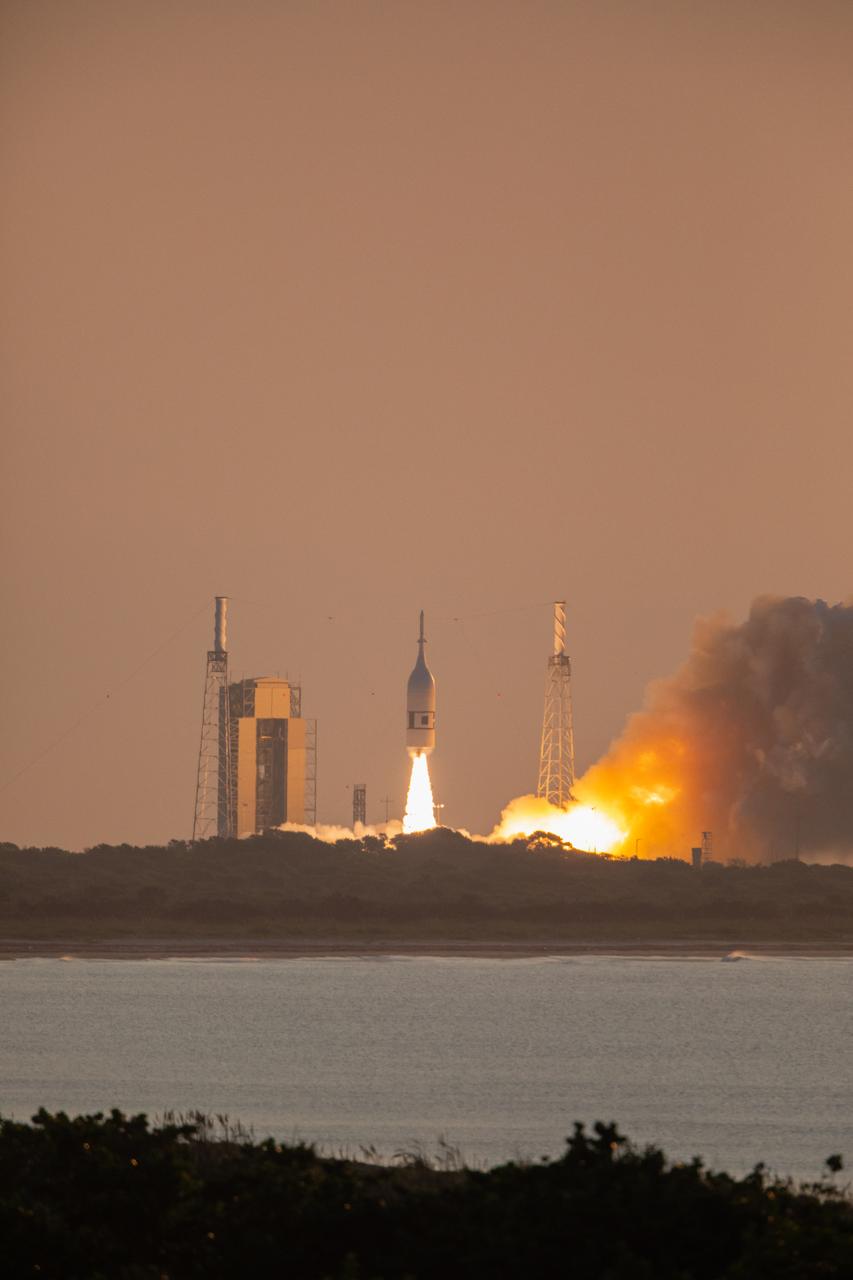
A fully functional Launch Abort System (LAS) with a test version of Orion attached, launches on NASA’s Ascent Abort-2 (AA-2) atop a Northrop Grumman provided booster on July 2, 2019, at 7 a.m. EDT, from Launch Pad 46 at Cape Canaveral Air Force Station in Florida. During AA-2, the booster will send the LAS and Orion to an altitude of 31,000 feet, traveling at Mach 1.15 (more than 1,000 mph). The LAS’ three motors will work together to pull the crew module away from the booster and prepare it for splashdown in the Atlantic Ocean. The flight test will prove that the abort system can pull crew to safety in the unlikely event of an emergency during ascent.

Crowds of spectators watch from Jetty Park in Cape Canaveral, Florida, on July 2, 2019, as a Northrop Grumman provided booster launches from Launch Pad 46 carrying, a fully functional Launch Abort System with a test version of Orion attached for NASA’s Ascent Abort-2 (AA-2). Launch time was 7 a.m. EDT. During AA-2, the booster will send the LAS and Orion to an altitude of 31,000 feet, traveling at Mach 1.15 (more than 1,000 mph). The LAS’ three motors will work together to pull the crew module away from the booster and prepare it for splashdown in the Atlantic Ocean. The flight test will prove that the abort system can pull crew to safety in the unlikely event of an emergency during ascent.
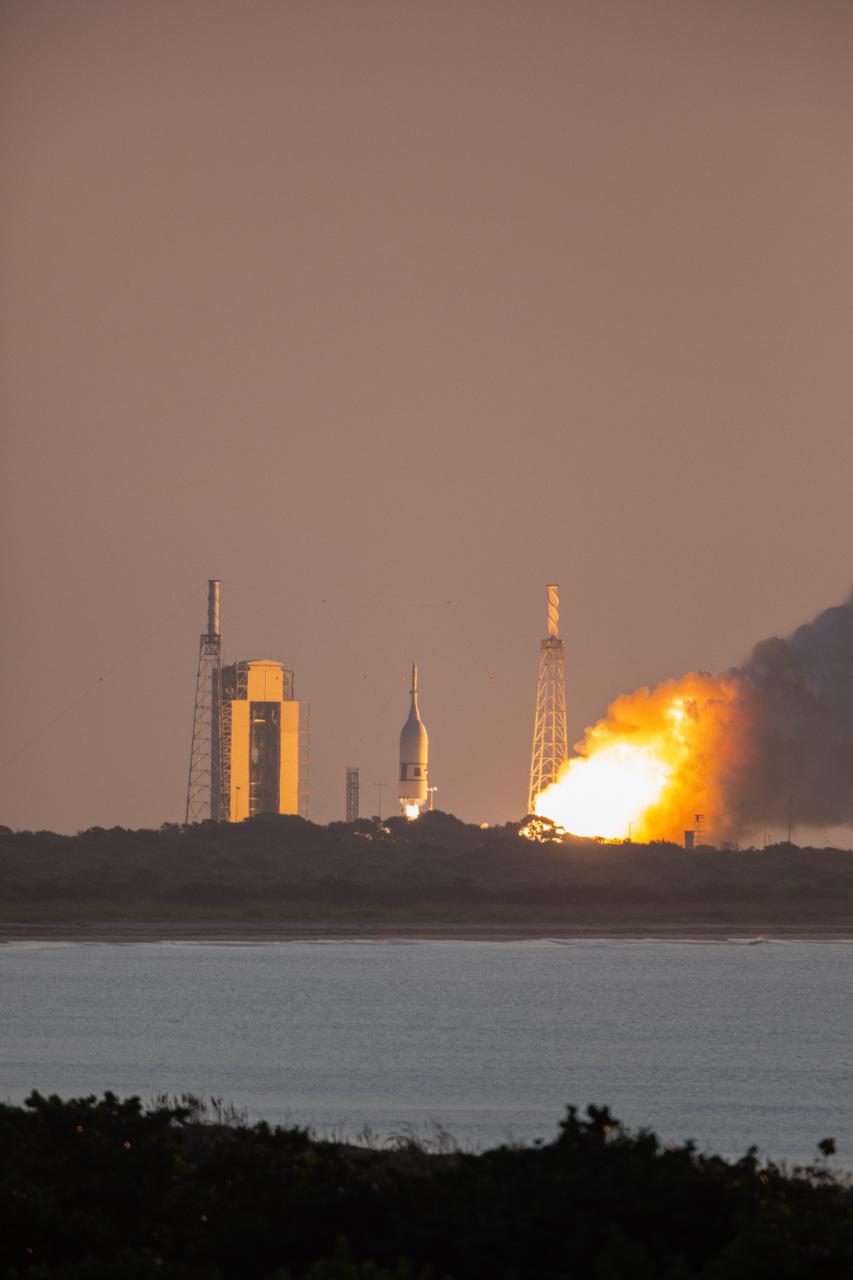
A fully functional Launch Abort System (LAS) with a test version of Orion attached, launches on NASA’s Ascent Abort-2 (AA-2) atop a Northrop Grumman provided booster on July 2, 2019, at 7 a.m. EDT, from Launch Pad 46 at Cape Canaveral Air Force Station in Florida. During AA-2, the booster will send the LAS and Orion to an altitude of 31,000 feet, traveling at Mach 1.15 (more than 1,000 mph). The LAS’ three motors will work together to pull the crew module away from the booster and prepare it for splashdown in the Atlantic Ocean. The flight test will prove that the abort system can pull crew to safety in the unlikely event of an emergency during ascent.
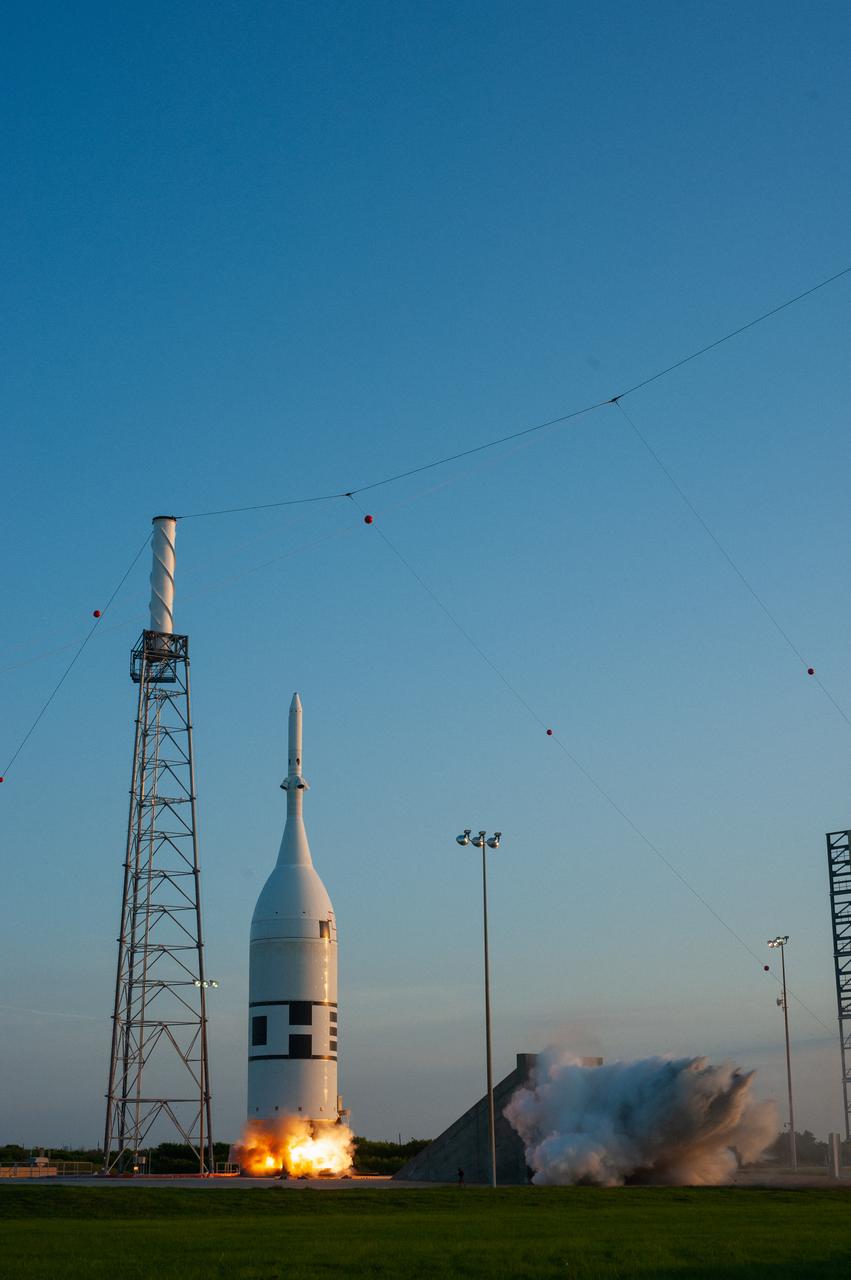
A fully functional Launch Abort System (LAS) with a test version of Orion attached, launches on NASA’s Ascent Abort-2 (AA-2) atop a Northrop Grumman provided booster on July 2, 2019, at 7 a.m. EDT, from Launch Pad 46 at Cape Canaveral Air Force Station in Florida. During AA-2, the booster will send the LAS and Orion to an altitude of 31,000 feet, traveling at Mach 1.15 (more than 1,000 mph). The LAS’ three motors will work together to pull the crew module away from the booster and prepare it for splashdown in the Atlantic Ocean. The flight test will prove that the abort system can pull crew to safety in the unlikely event of an emergency during ascent.
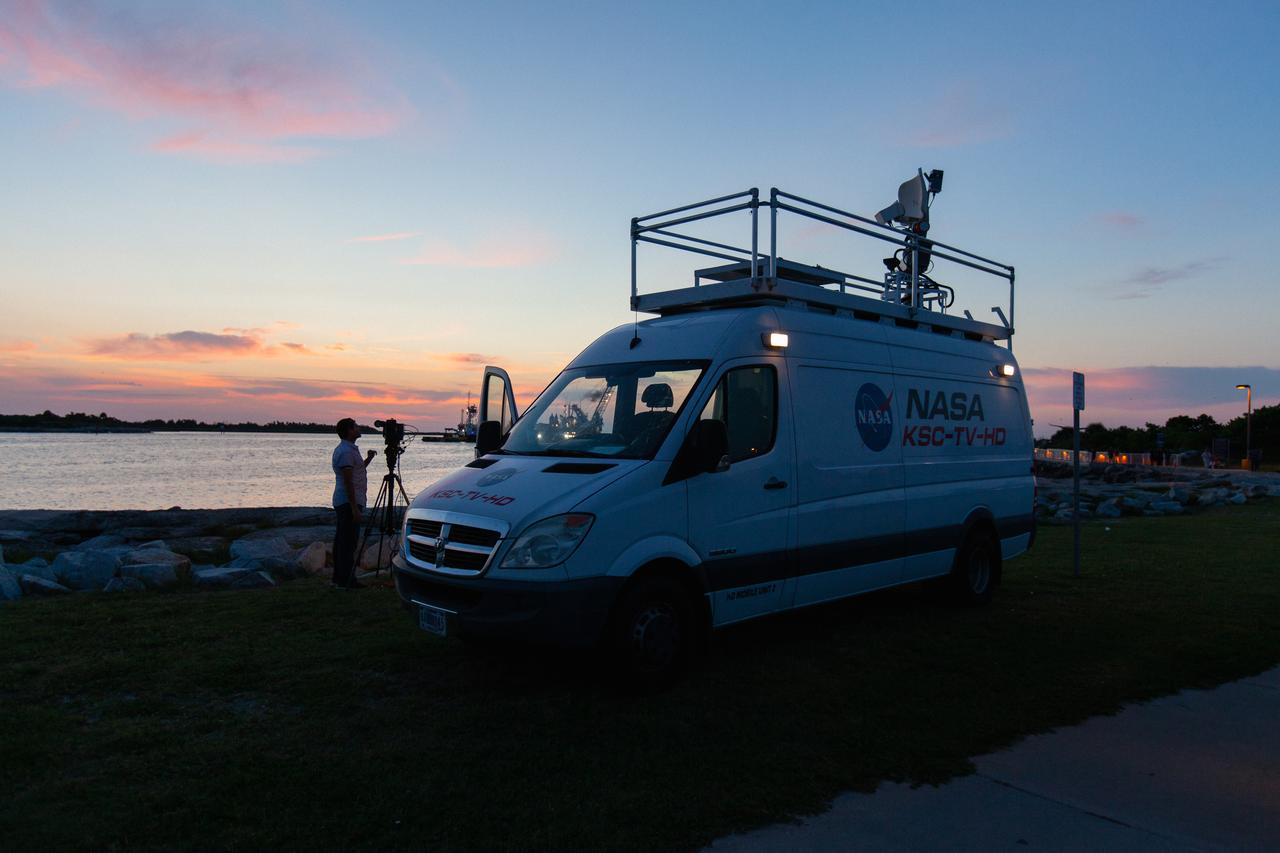
Crowds of spectators watch from Jetty Park in Cape Canaveral, Florida, on July 2, 2019, as a Northrop Grumman provided booster launches from Launch Pad 46 carrying, a fully functional Launch Abort System with a test version of Orion attached for NASA’s Ascent Abort-2 (AA-2). Launch time was 7 a.m. EDT. During AA-2, the booster will send the LAS and Orion to an altitude of 31,000 feet, traveling at Mach 1.15 (more than 1,000 mph). The LAS’ three motors will work together to pull the crew module away from the booster and prepare it for splashdown in the Atlantic Ocean. The flight test will prove that the abort system can pull crew to safety in the unlikely event of an emergency during ascent.
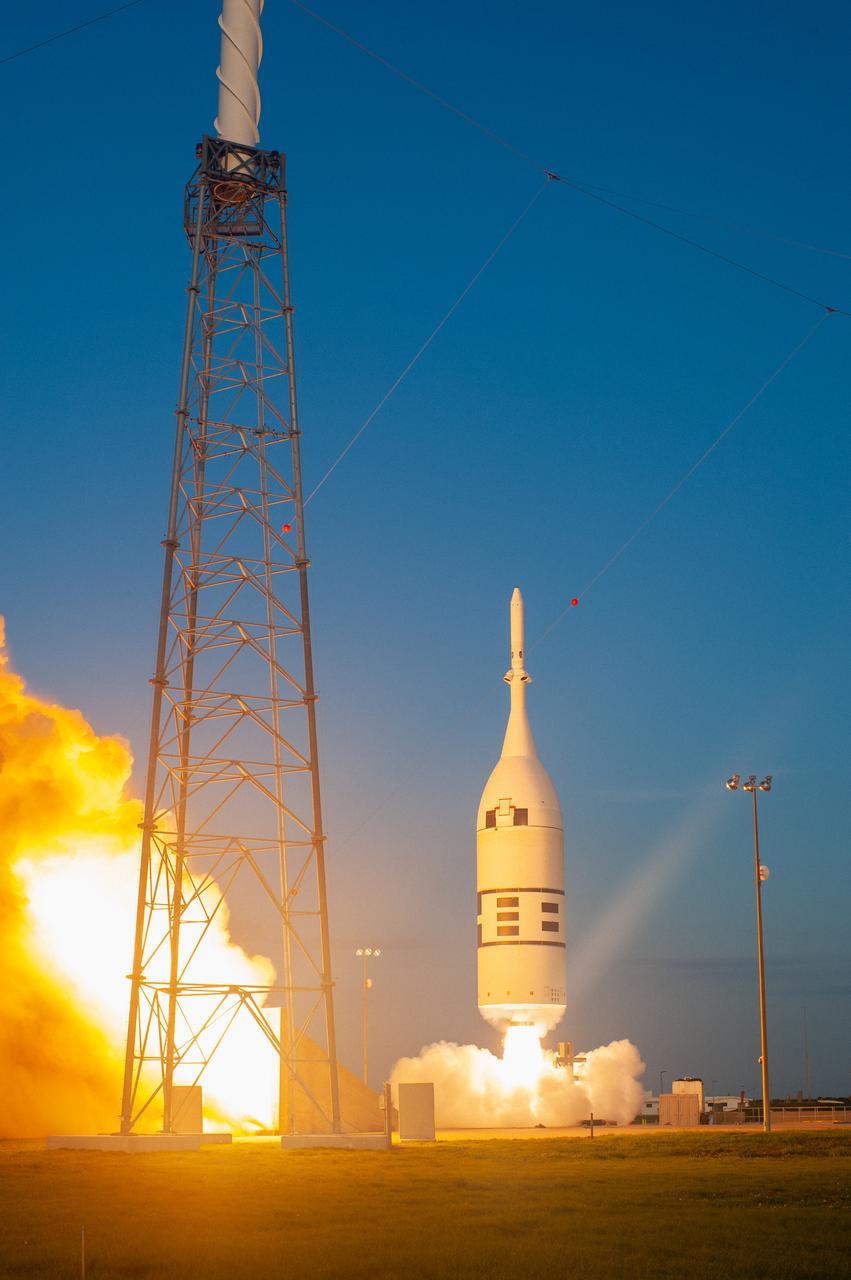
A fully functional Launch Abort System (LAS) with a test version of Orion attached, launches on NASA’s Ascent Abort-2 (AA-2) atop a Northrop Grumman provided booster on July 2, 2019, at 7 a.m. EDT, from Launch Pad 46 at Cape Canaveral Air Force Station in Florida. During AA-2, the booster will send the LAS and Orion to an altitude of 31,000 feet, traveling at Mach 1.15 (more than 1,000 mph). The LAS’ three motors will work together to pull the crew module away from the booster and prepare it for splashdown in the Atlantic Ocean. The flight test will prove that the abort system can pull crew to safety in the unlikely event of an emergency during ascent.
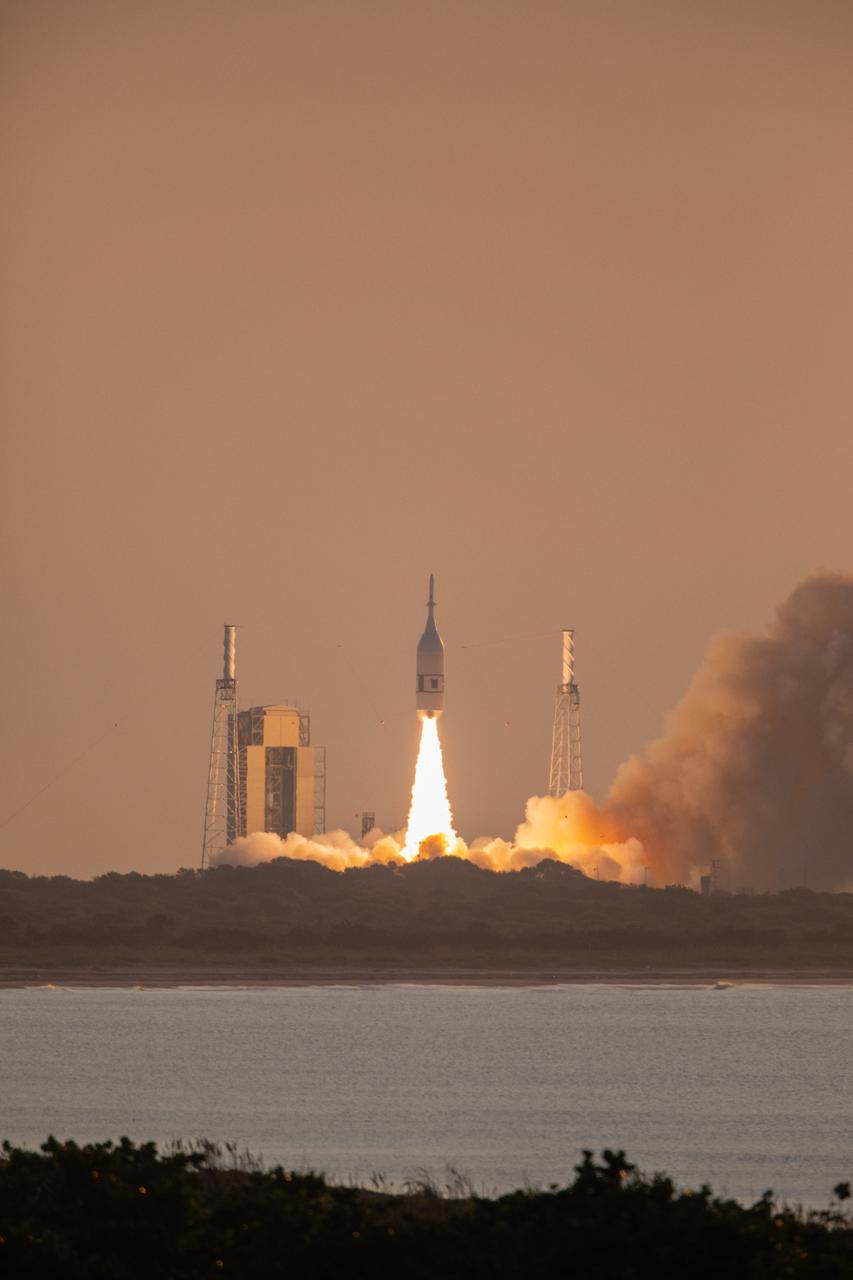
A fully functional Launch Abort System (LAS) with a test version of Orion attached, launches on NASA’s Ascent Abort-2 (AA-2) atop a Northrop Grumman provided booster on July 2, 2019, at 7 a.m. EDT, from Launch Pad 46 at Cape Canaveral Air Force Station in Florida. During AA-2, the booster will send the LAS and Orion to an altitude of 31,000 feet, traveling at Mach 1.15 (more than 1,000 mph). The LAS’ three motors will work together to pull the crew module away from the booster and prepare it for splashdown in the Atlantic Ocean. The flight test will prove that the abort system can pull crew to safety in the unlikely event of an emergency during ascent.
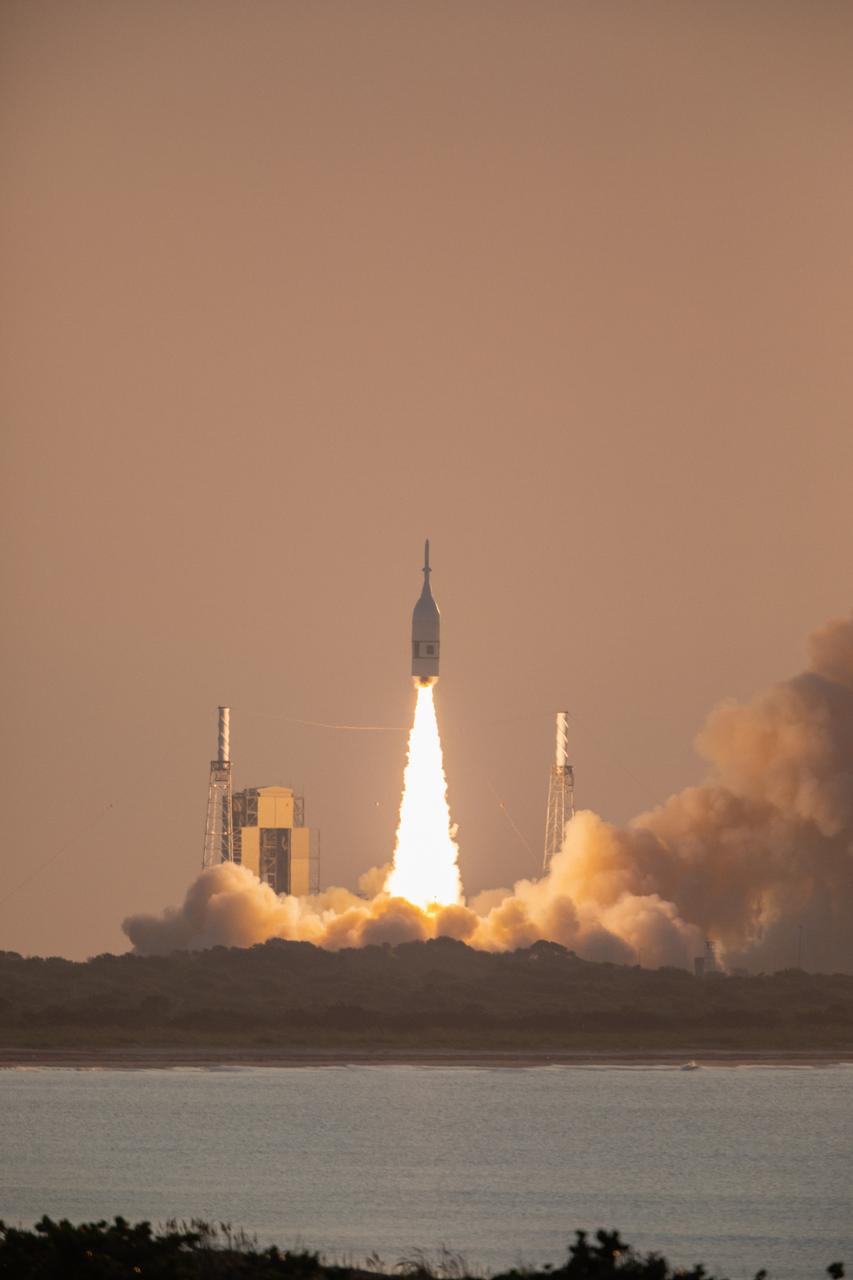
A fully functional Launch Abort System (LAS) with a test version of Orion attached, launches on NASA’s Ascent Abort-2 (AA-2) atop a Northrop Grumman provided booster on July 2, 2019, at 7 a.m. EDT, from Launch Pad 46 at Cape Canaveral Air Force Station in Florida. During AA-2, the booster will send the LAS and Orion to an altitude of 31,000 feet, traveling at Mach 1.15 (more than 1,000 mph). The LAS’ three motors will work together to pull the crew module away from the booster and prepare it for splashdown in the Atlantic Ocean. The flight test will prove that the abort system can pull crew to safety in the unlikely event of an emergency during ascent.
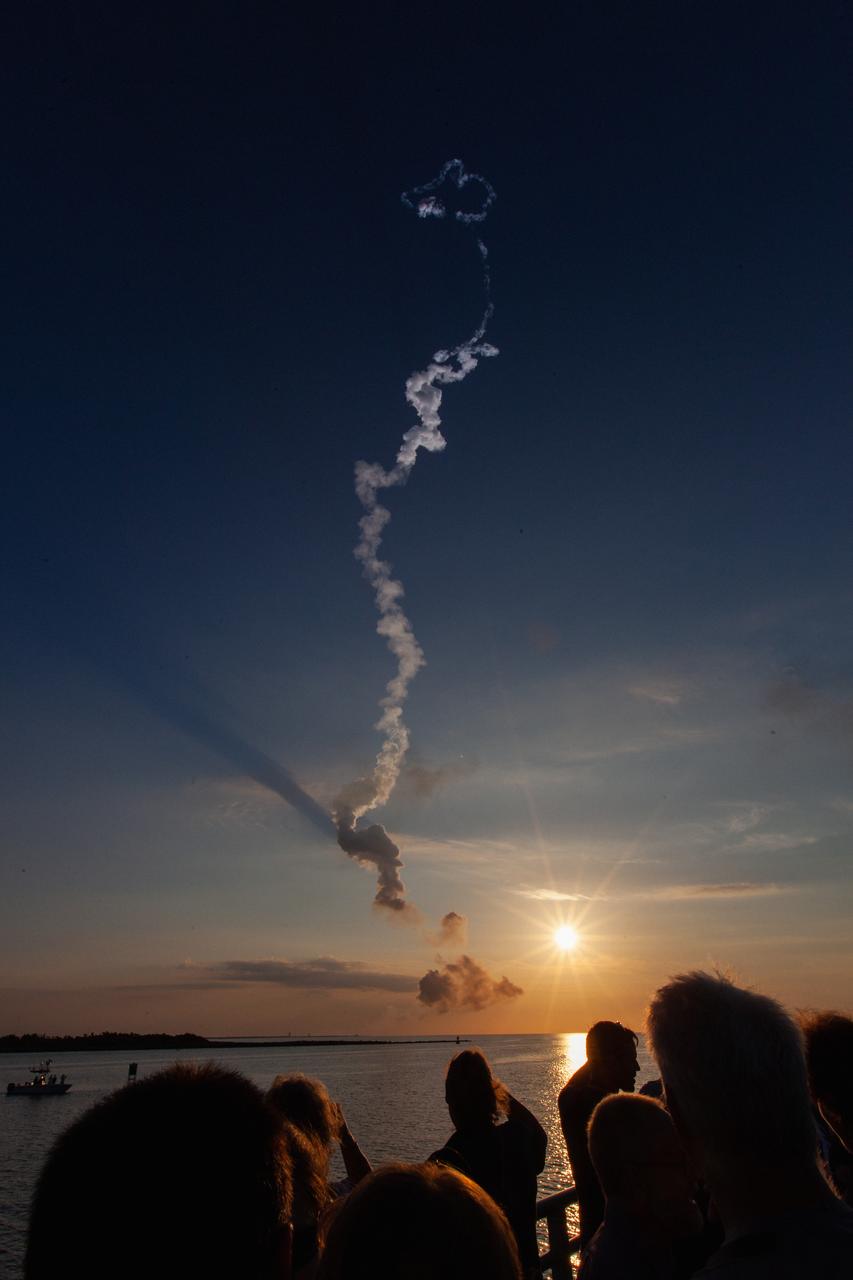
Crowds of spectators watch from Jetty Park in Cape Canaveral, Florida, on July 2, 2019, as a Northrop Grumman provided booster launches from Launch Pad 46 carrying, a fully functional Launch Abort System with a test version of Orion attached for NASA’s Ascent Abort-2 (AA-2). Launch time was 7 a.m. EDT. During AA-2, the booster will send the LAS and Orion to an altitude of 31,000 feet, traveling at Mach 1.15 (more than 1,000 mph). The LAS’ three motors will work together to pull the crew module away from the booster and prepare it for splashdown in the Atlantic Ocean. The flight test will prove that the abort system can pull crew to safety in the unlikely event of an emergency during ascent.

A fully functional Launch Abort System (LAS) with a test version of Orion attached, launches on NASA’s Ascent Abort-2 (AA-2) atop a Northrop Grumman provided booster on July 2, 2019, at 7 a.m. EDT, from Launch Pad 46 at Cape Canaveral Air Force Station in Florida. During AA-2, the booster will send the LAS and Orion to an altitude of 31,000 feet, traveling at Mach 1.15 (more than 1,000 mph). The LAS’ three motors will work together to pull the crew module away from the booster and prepare it for splashdown in the Atlantic Ocean. The flight test will prove that the abort system can pull crew to safety in the unlikely event of an emergency during ascent.
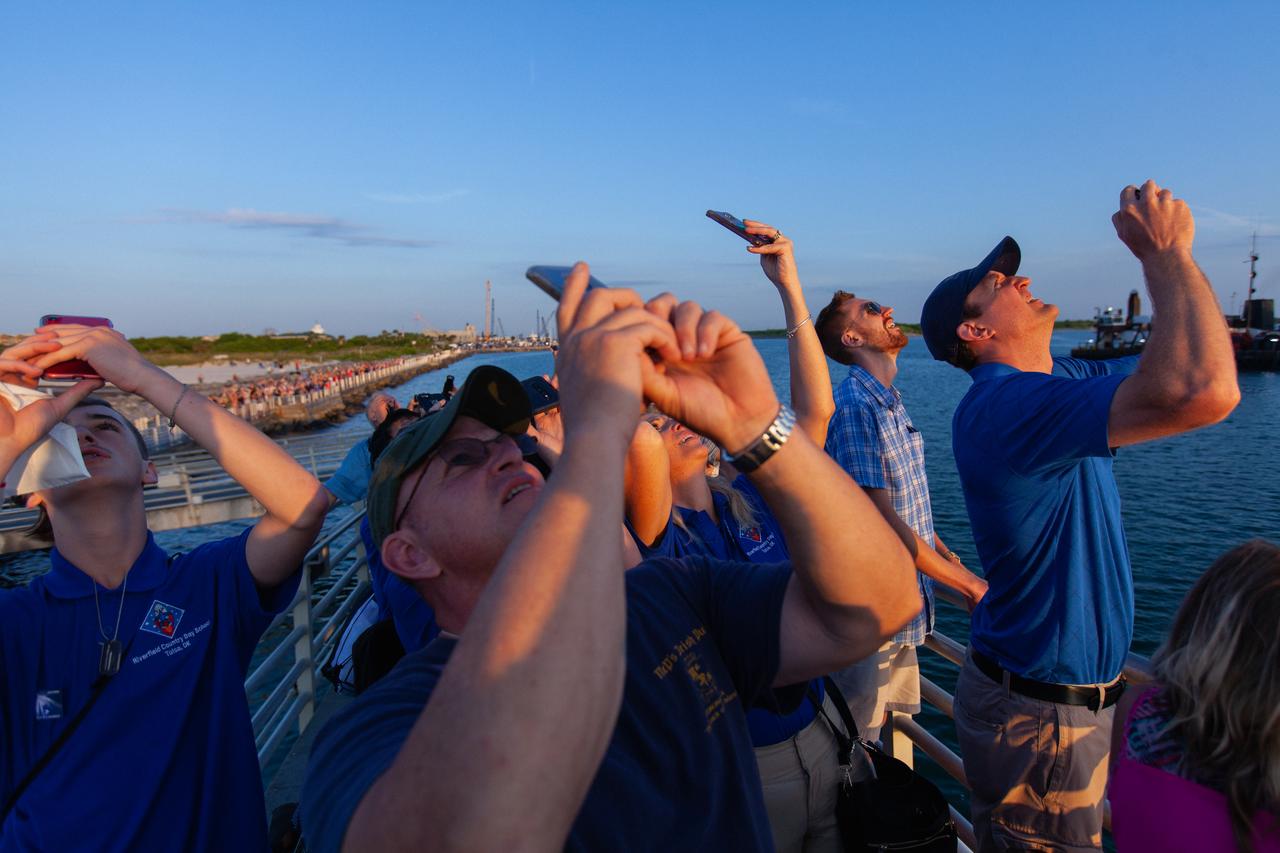
Crowds of spectators watch from Jetty Park in Cape Canaveral, Florida, on July 2, 2019, as a Northrop Grumman provided booster launches from Launch Pad 46 carrying, a fully functional Launch Abort System with a test version of Orion attached for NASA’s Ascent Abort-2 (AA-2). Launch time was 7 a.m. EDT. During AA-2, the booster will send the LAS and Orion to an altitude of 31,000 feet, traveling at Mach 1.15 (more than 1,000 mph). The LAS’ three motors will work together to pull the crew module away from the booster and prepare it for splashdown in the Atlantic Ocean. The flight test will prove that the abort system can pull crew to safety in the unlikely event of an emergency during ascent.

NASA Administrator Jim Bridenstine, left, listens as Orion AA-2 Crew Module Manager Dr. Jon Olansen discusses the Orion test crew capsule that will be used for the Ascent Abort-2 (AA-2) test, Thursday, Aug. 2, 2018 at NASA’s Johnson Space Center in Houston, Texas. Photo Credit: (NASA/Bill Ingalls)

NASA Administrator Jim Bridenstine, seated left, and NASA Johnson Space Center Director Mark Geyer, seated right participate in a media roundtable in front of the Orion test crew capsule for the Ascent Abort-2 (AA-2) test, Thursday, Aug. 2, 2018 at NASA’s Johnson Space Center in Houston, Texas. Photo Credit: (NASA/Bill Ingalls)
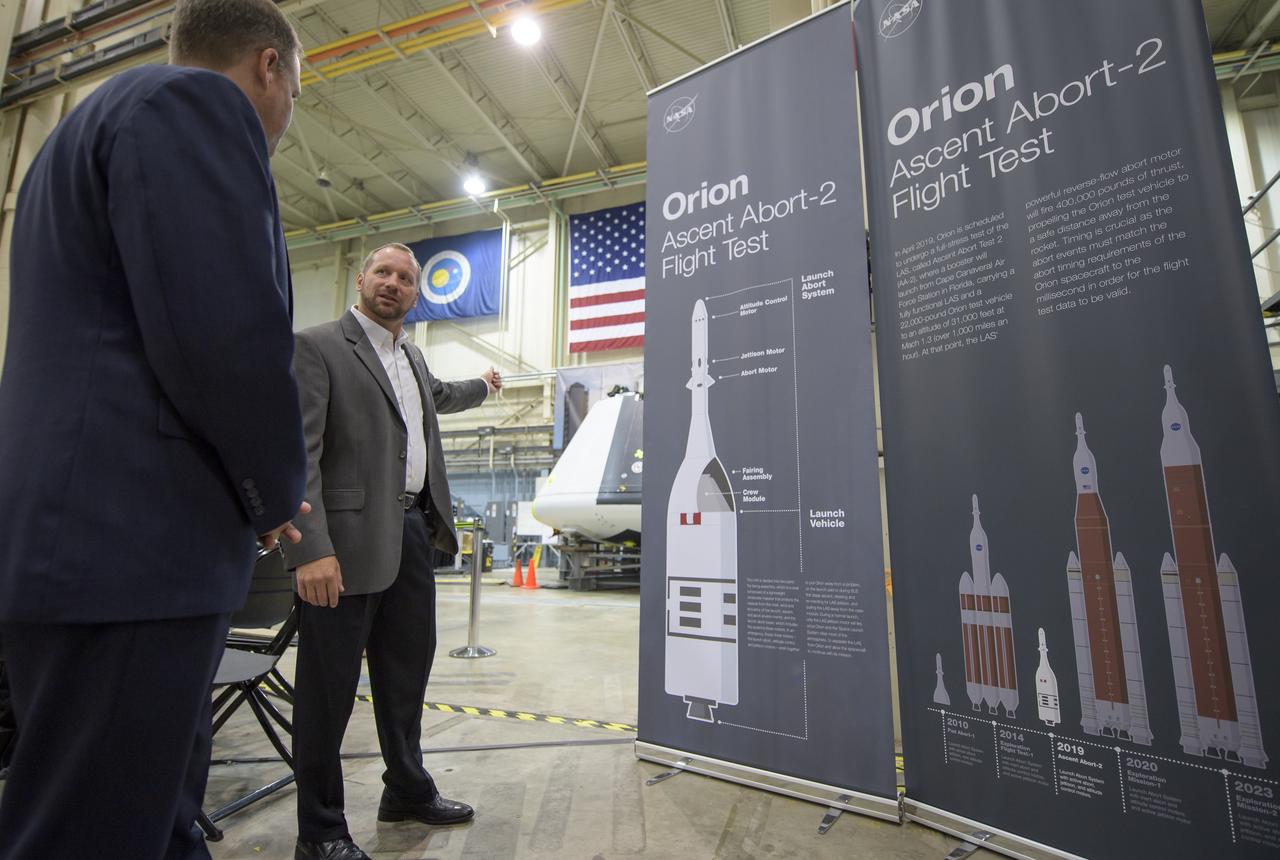
NASA Orion AA-2 Crew Module Manager Dr. Jon Olansen, right, talks to NASA Administrator Jim Bridenstine outside of the Orion test crew capsule that will be used for the Ascent Abort-2 (AA-2) test, Thursday, Aug. 2, 2018 at NASA’s Johnson Space Center in Houston, Texas. Photo Credit: (NASA/Bill Ingalls)

NASA Administrator Jim Bridenstine, left, listens as Orion AA-2 Crew Module Manager Dr. Jon Olansen discusses the Orion test crew capsule that will be used for the Ascent Abort-2 (AA-2) test, Thursday, Aug. 2, 2018 at NASA’s Johnson Space Center in Houston, Texas. Photo Credit: (NASA/Bill Ingalls)
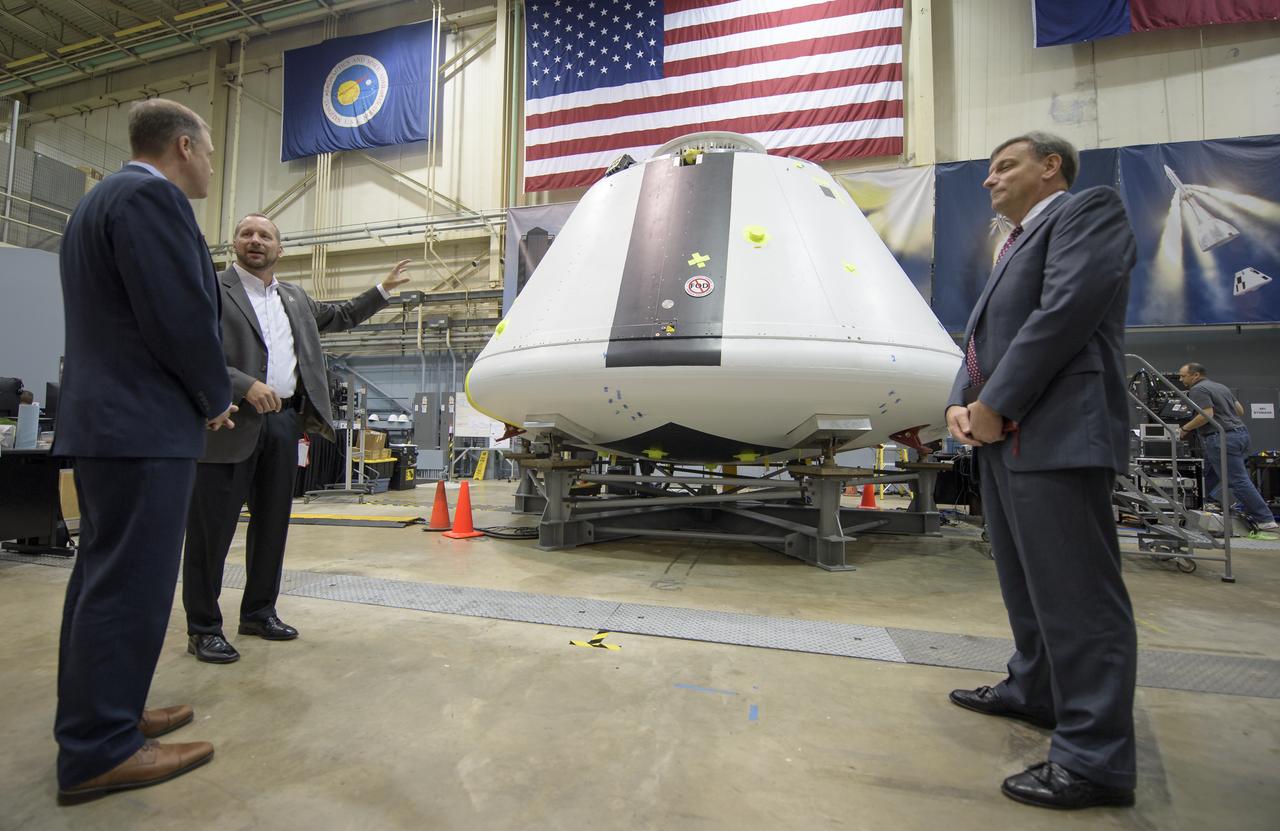
NASA Administrator Jim Bridenstine, left, is shown the Orion test crew capsule that will be used for the Ascent Abort-2 (AA-2) test by Orion AA-2 Crew Module Manager Dr. Jon Olansen, 2nd from left, as Orion Program Manager Mark Kirasich, right, looks on, Thursday, Aug. 2, 2018 at NASA’s Johnson Space Center in Houston, Texas. Photo Credit: (NASA/Bill Ingalls)
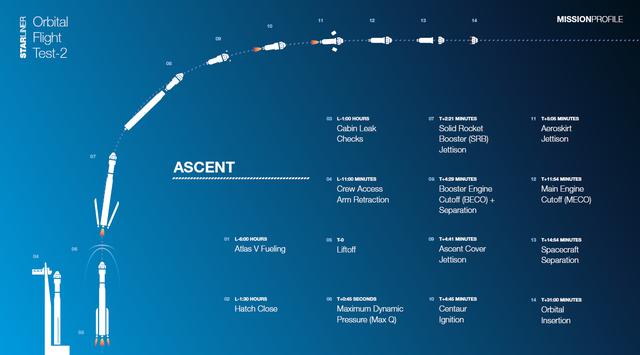
This graphic details ascent operations for NASA’s Boeing Orbital Flight Test-2 (OFT-2). OFT-2 is the second uncrewed flight test of the company’s CST-100 Starliner spacecraft for the agency’s Commercial Crew Program.
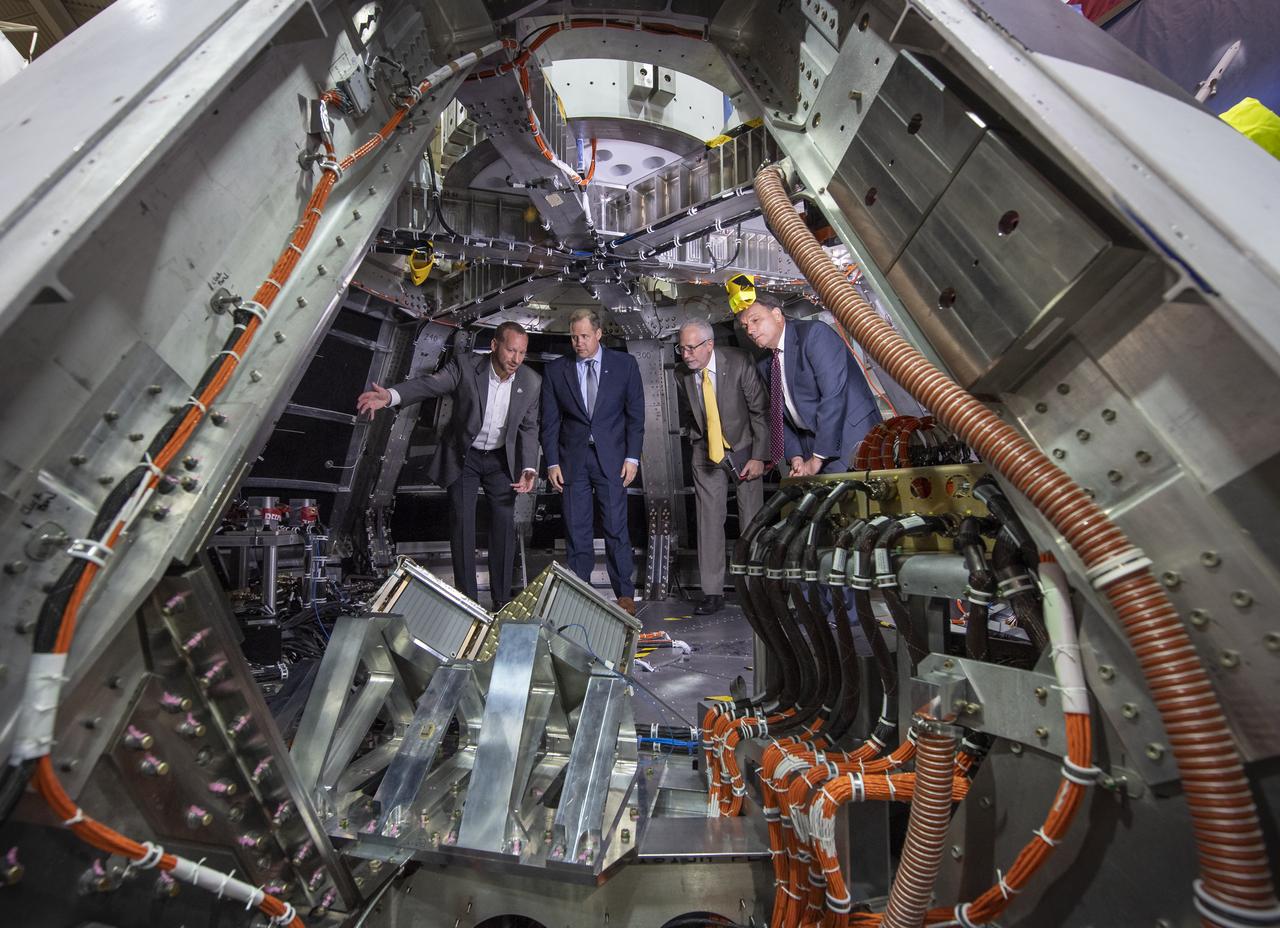
NASA Orion AA-2 Crew Module Manager Dr. Jon Olansen, left, NASA Administrator Jim Bridenstine, NASA Johnson Space Center Director Mark Geyer, and Orion Program Manager Mark Kirasich, right, are seen inside the Orion test crew capsule for the Ascent Abort-2 (AA-2) test, Thursday, Aug. 2, 2018 at NASA’s Johnson Space Center in Houston, Texas. Photo Credit: (NASA/Bill Ingalls)
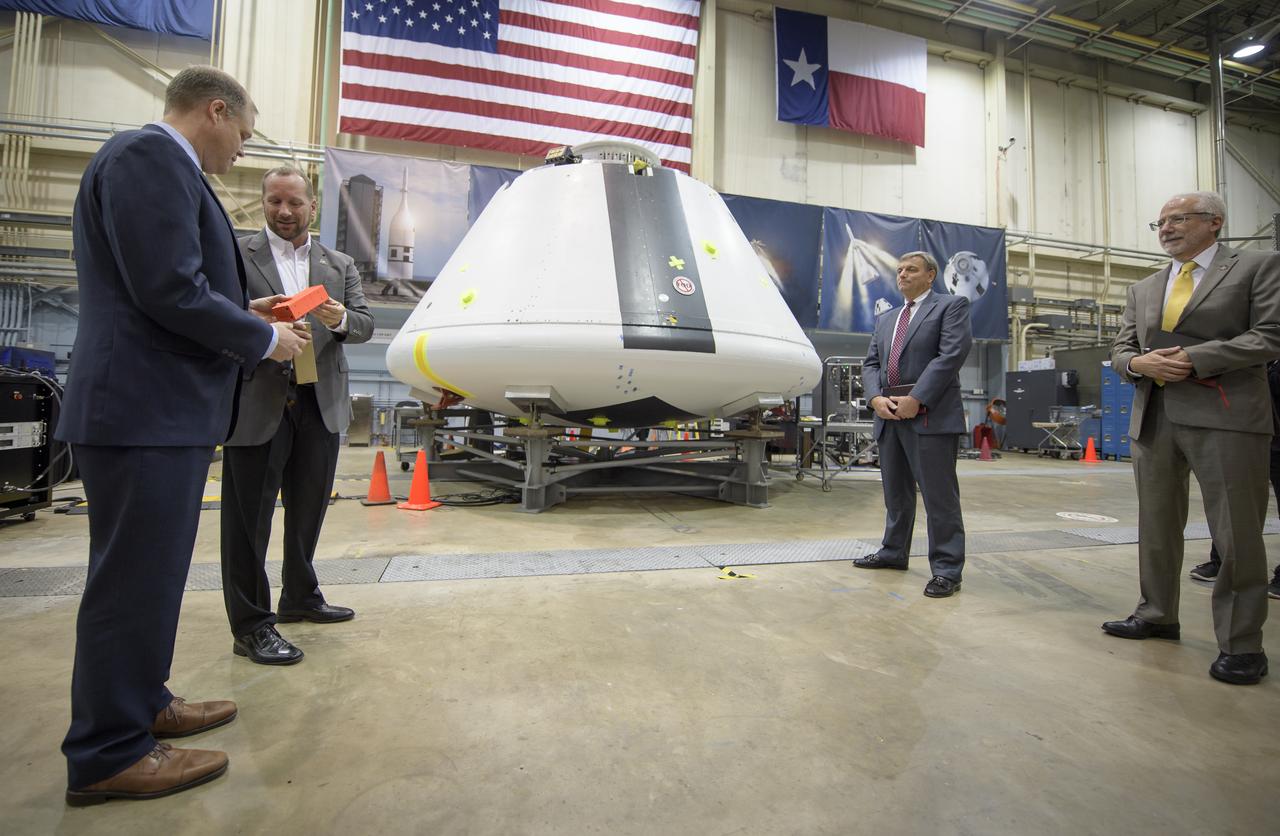
NASA Administrator Jim Bridenstine, left, is shown the Orion test crew capsule that will be used for the Ascent Abort-2 (AA-2) test by Orion AA-2 Crew Module Manager Dr. Jon Olansen, 2nd from left, with Orion Program Manager Mark Kirasich, and NASA Johnson Space Center Director Mark Geyer, right, Thursday, Aug. 2, 2018 at NASA’s Johnson Space Center in Houston, Texas. Photo Credit: (NASA/Bill Ingalls)
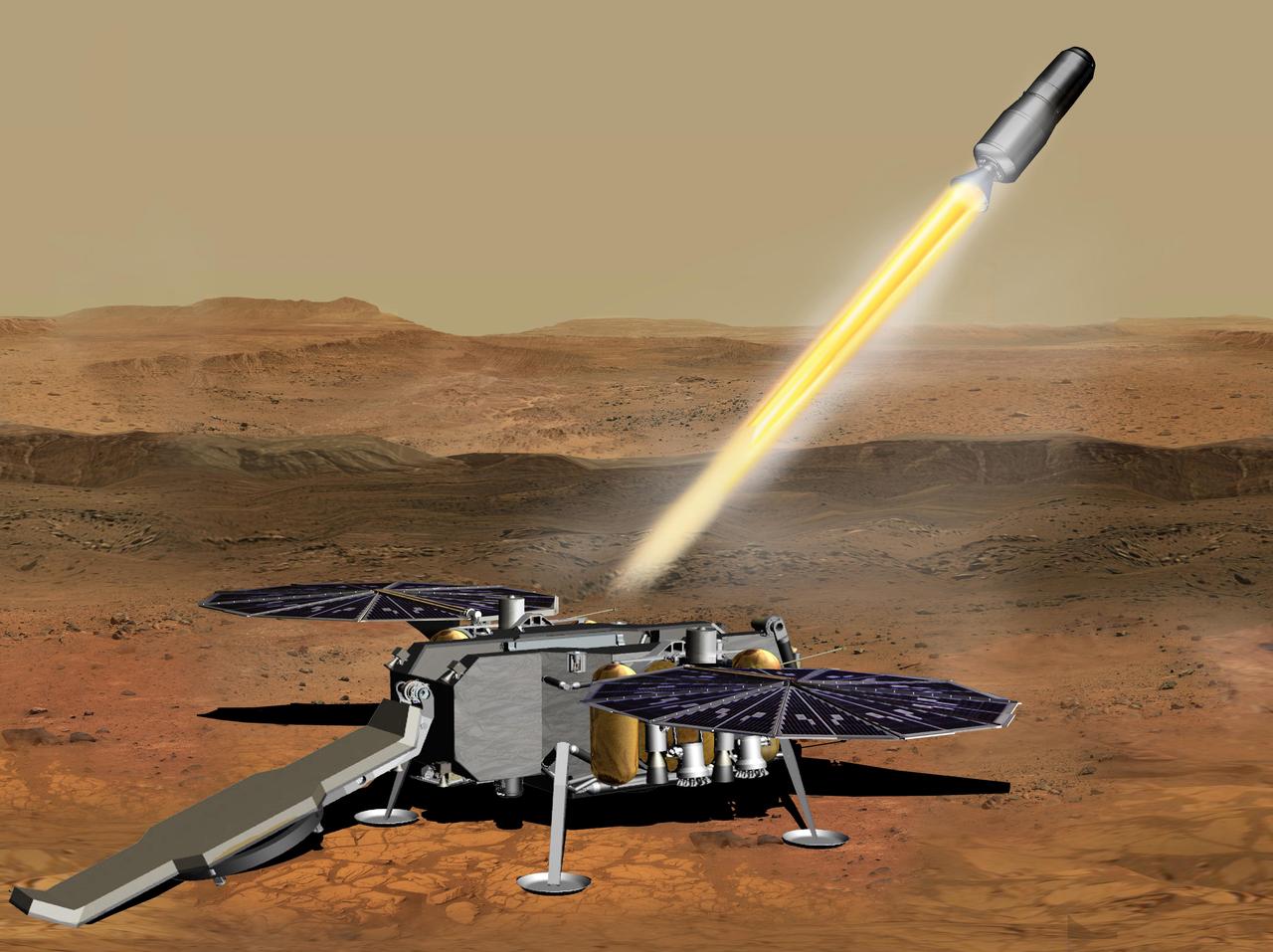
This illustration shows a concept of how the NASA Mars Ascent Vehicle, carrying tubes containing rock and soil samples, could be launched from the surface of Mars in one step of the Mars sample return mission. NASA and the European Space Agency are solidifying concepts for a Mars sample return mission after NASA's Mars 2020 rover collects rock and soil samples and stores them in sealed tubes on the planet's surface for potential future return to Earth. NASA will deliver a Mars lander in the vicinity of Jezero Crater, where Mars 2020 will have collected and cached samples. The lander will carry the ascent vehicle along with an ESA Sample Fetch Rover that is roughly the size of NASA's Opportunity Mars rover. The fetch rover will gather the cached samples and carry them back to the lander for transfer to the ascent vehicle; additional samples could be delivered directly by Mars 2020. The ascent vehicle will then launch from the surface and deploy a special container holding the samples into Mars orbit. ESA will put a spacecraft in orbit around Mars before the ascent vehicle launches. This spacecraft will rendezvous with and capture the orbiting samples before returning them to Earth. NASA will provide the payload module for the orbiter. https://photojournal.jpl.nasa.gov/catalog/PIA23496
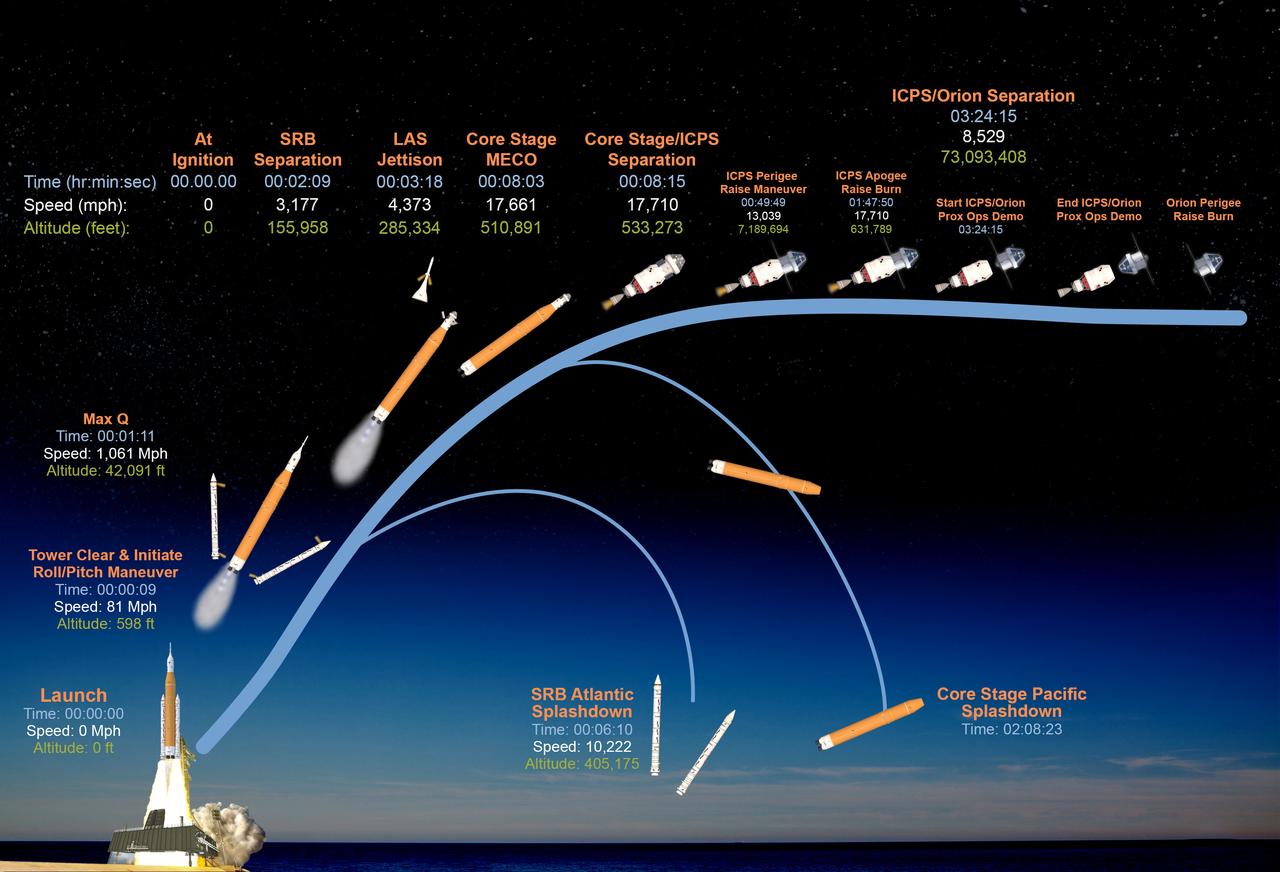
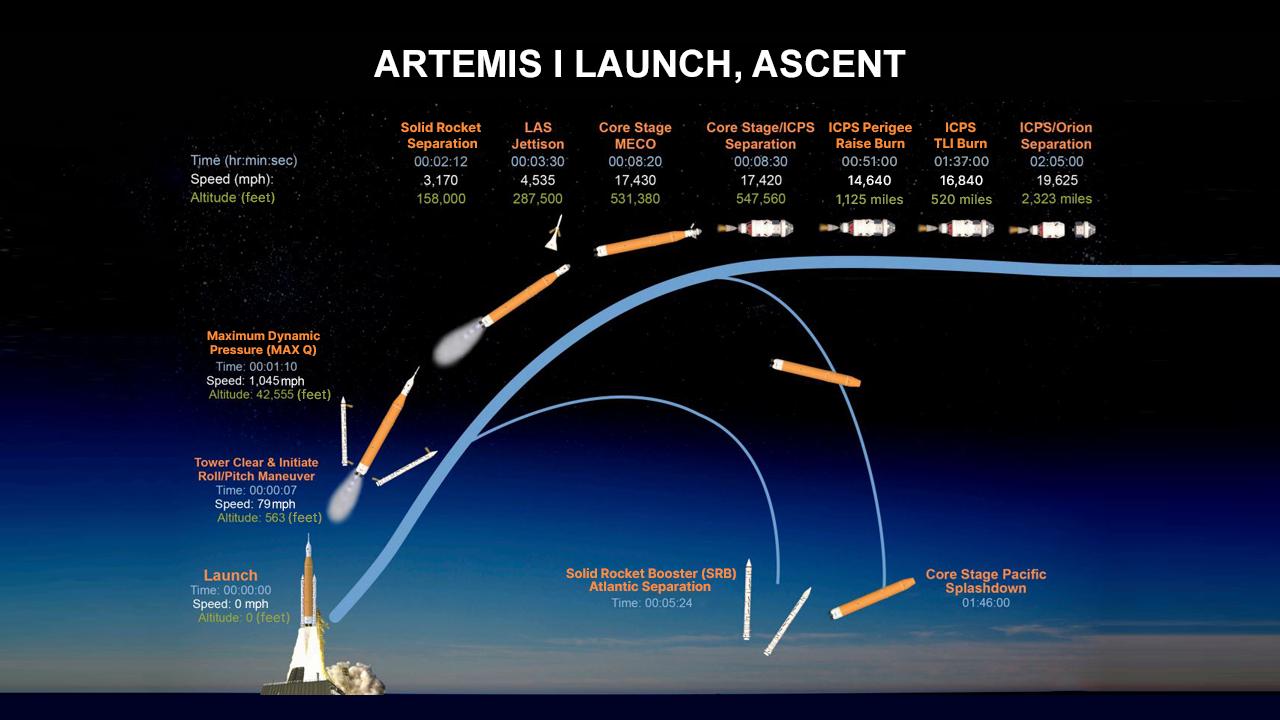
This graphic shows the time, speed, and altitude of key events from launch of the SLS (Space Launch System) rocket and Orion spacecraft and ascent to space, through Orion's perigee raise burn during the Artemis II test flight.
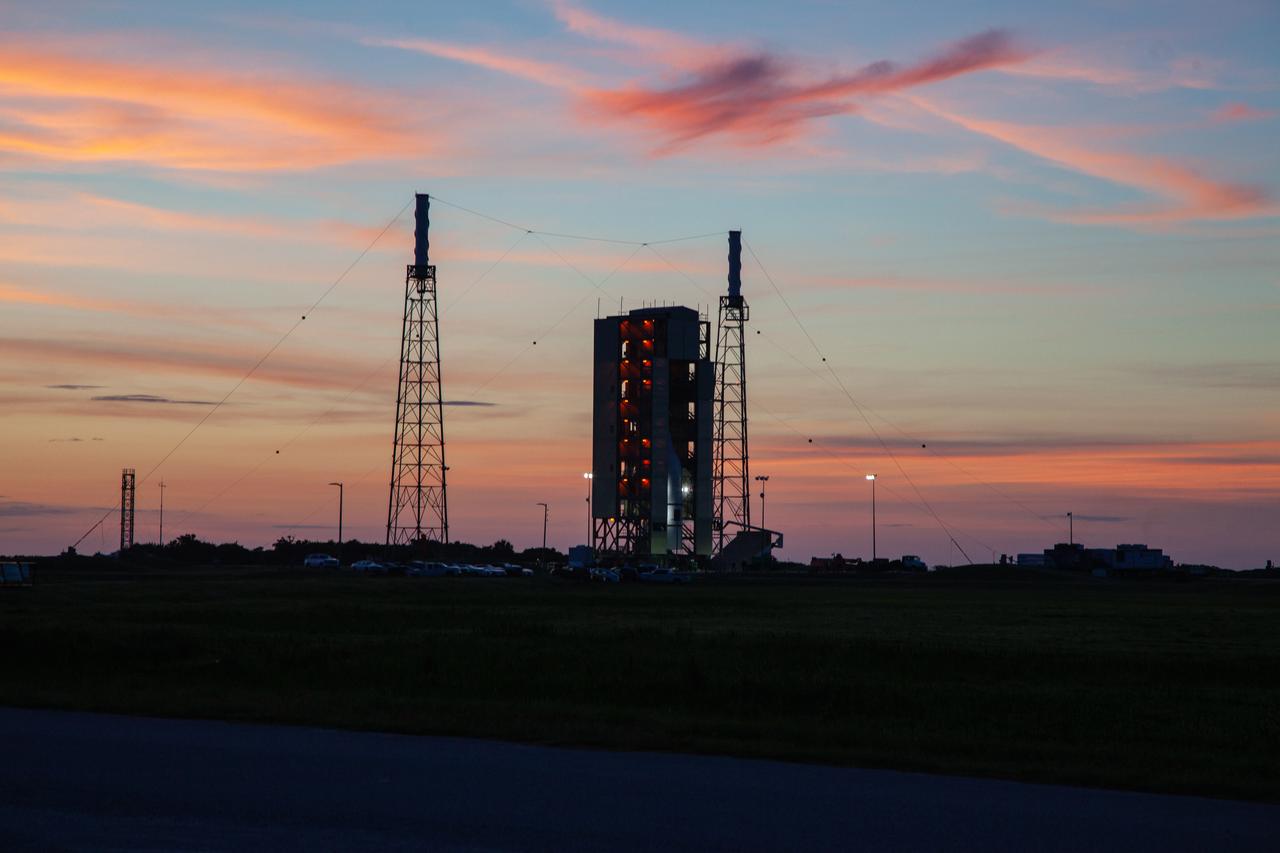
A sunrise view of Launch Complex 46 at Cape Canaveral Air Force Station in Florida on July 1, 2019. A fully functional Launch Abort System (LAS) mated to a test version of the Orion spacecraft are on a Northrop Grumman provided booster on the pad for launch on NASA’s Ascent Abort-2 (AA-2) flight test on July 2, 2019. The vertical integration facility surrounding the test vehicle will begin to roll back from the pad. During AA-2, the booster will send the LAS and Orion to an altitude of 31,000 feet, traveling at more than 1,000 mph. The LAS’ three motors will work together to pull the crew module away from the booster and prepare it for splashdown in the Atlantic Ocean. The flight test will prove that the abort system can pull crew to safety in the unlikely event of an emergency during ascent.
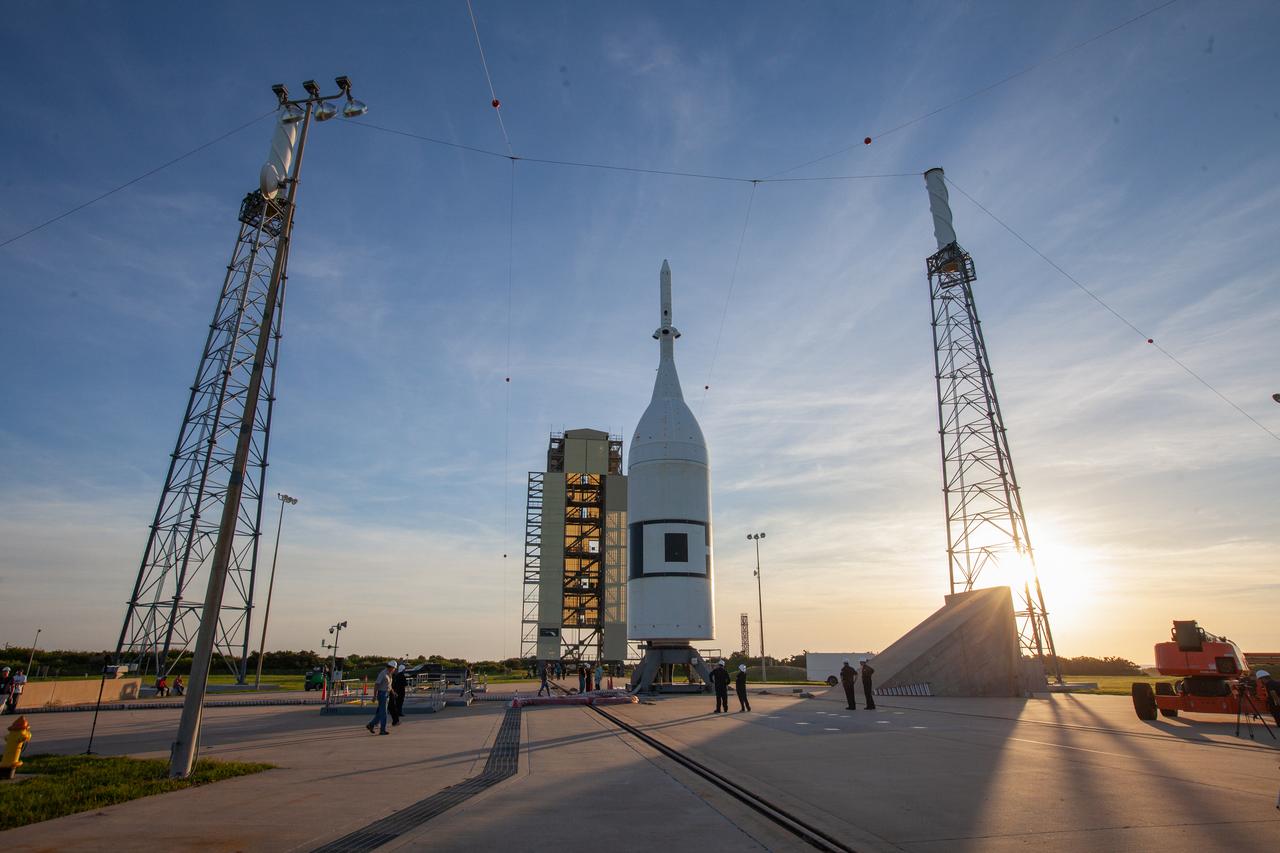
The Ascent Abort-2 test vehicle is secured on the pad at Launch Complex 46 at Cape Canaveral Air Force Station in Florida after rollback of the vertical integration facility on July 1, 2019. A fully functional Launch Abort System (LAS) mated to a test version of the Orion spacecraft are on a Northrop Grumman provided booster on the pad for launch on NASA’s AA-2 flight test on July 2, 2019. During AA-2, the booster will send the LAS and Orion to an altitude of 31,000 feet, traveling at more than 1,000 mph. The LAS’ three motors will work together to pull the crew module away from the booster and prepare it for splashdown in the Atlantic Ocean. The flight test will prove that the abort system can pull crew to safety in the unlikely event of an emergency during ascent.
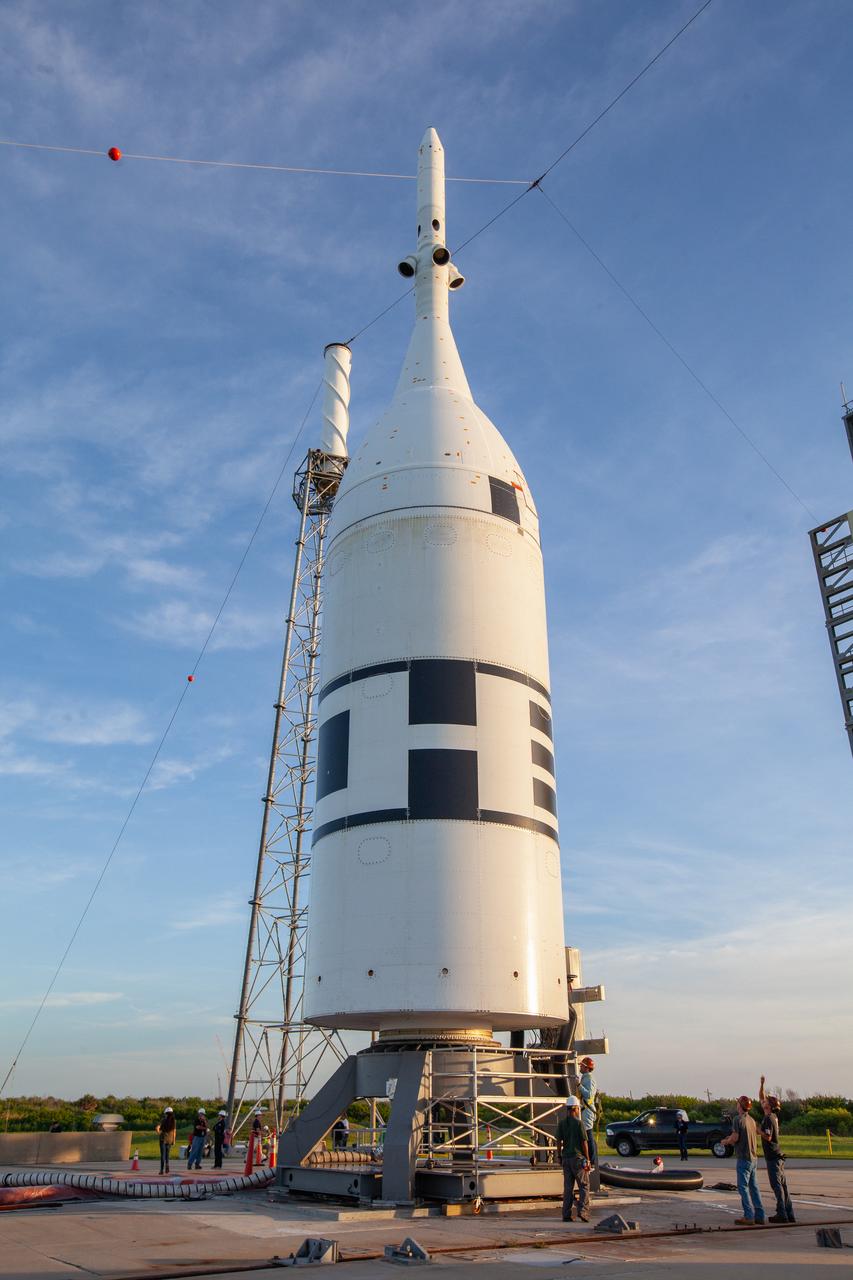
The Ascent Abort-2 test vehicle is secured on the pad at Launch Complex 46 at Cape Canaveral Air Force Station in Florida after rollback of the vertical integration facility on July 1, 2019. A fully functional Launch Abort System (LAS) mated to a test version of the Orion spacecraft are on a Northrop Grumman provided booster on the pad for launch on NASA’s AA-2 flight test on July 2, 2019. During AA-2, the booster will send the LAS and Orion to an altitude of 31,000 feet, traveling at more than 1,000 mph. The LAS’ three motors will work together to pull the crew module away from the booster and prepare it for splashdown in the Atlantic Ocean. The flight test will prove that the abort system can pull crew to safety in the unlikely event of an emergency during ascent.
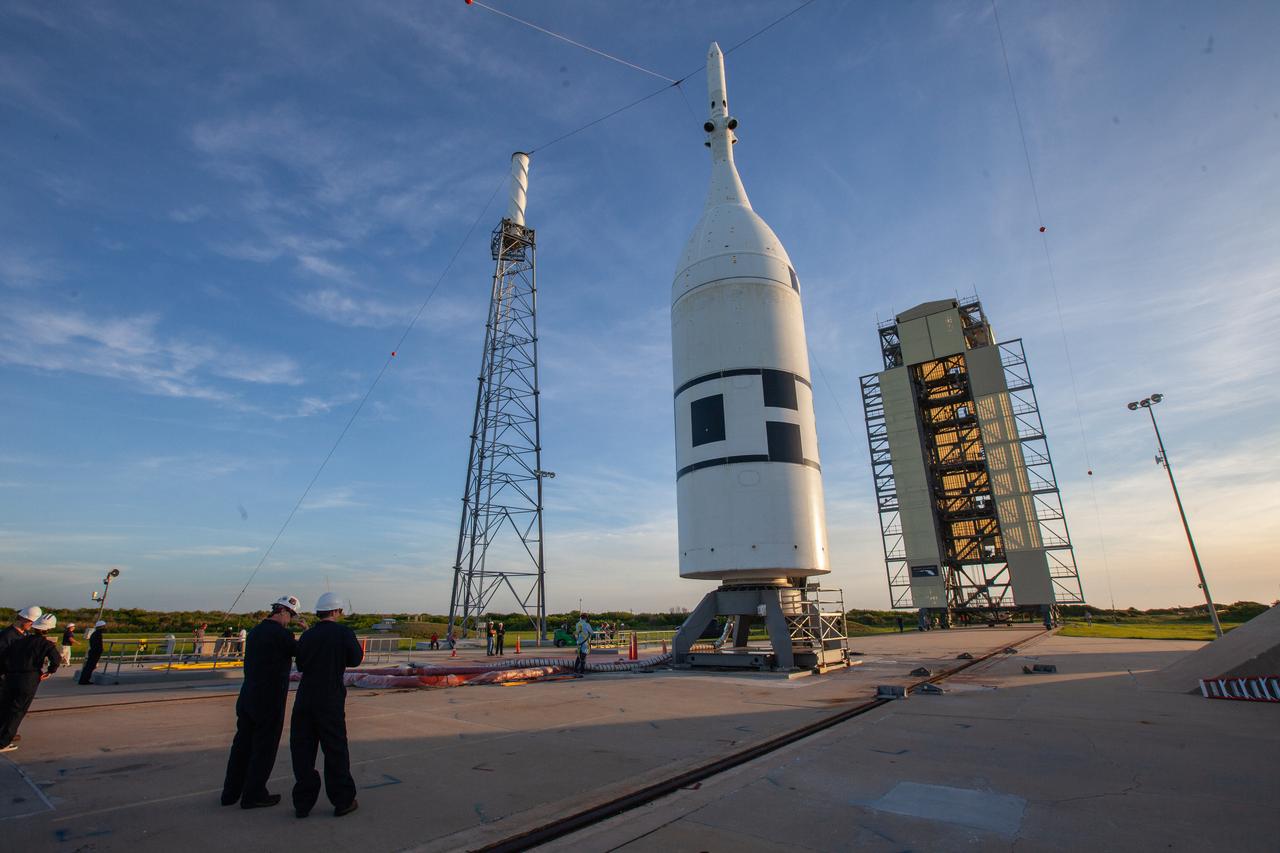
The Ascent Abort-2 test vehicle is secured on the pad at Launch Complex 46 at Cape Canaveral Air Force Station in Florida after rollback of the vertical integration facility on July 1, 2019. A fully functional Launch Abort System (LAS) mated to a test version of the Orion spacecraft are on a Northrop Grumman provided booster on the pad for launch on NASA’s AA-2 flight test on July 2, 2019. During AA-2, the booster will send the LAS and Orion to an altitude of 31,000 feet, traveling at more than 1,000 mph. The LAS’ three motors will work together to pull the crew module away from the booster and prepare it for splashdown in the Atlantic Ocean. The flight test will prove that the abort system can pull crew to safety in the unlikely event of an emergency during ascent.
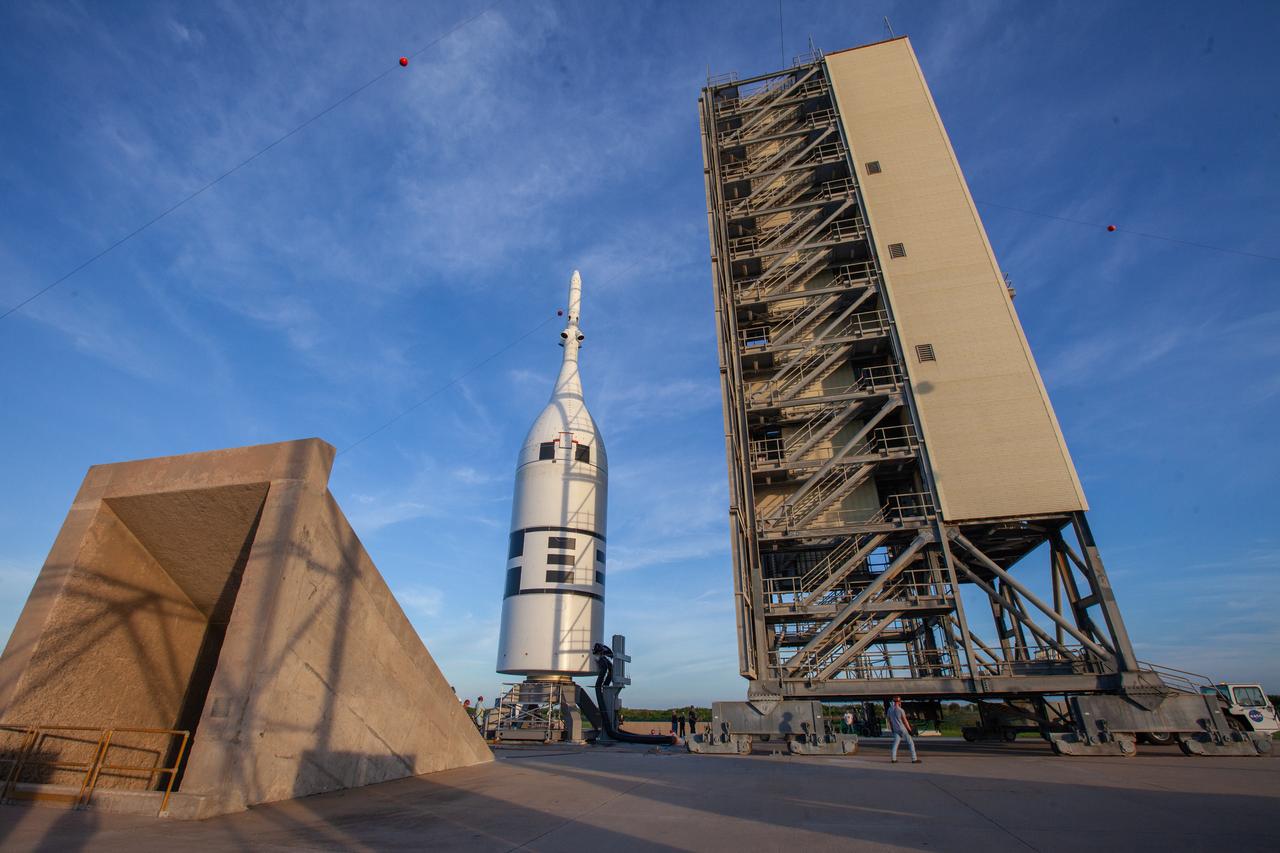
At Launch Complex 46 at Cape Canaveral Air Force Station in Florida, the vertical integration facility rolls back from the Ascent Abort-2 test vehicle on July 1, 2019. A fully functional Launch Abort System (LAS) mated to a test version of the Orion spacecraft are on a Northrop Grumman provided booster on the pad for launch on NASA’s AA-2 flight test on July 2, 2019. During AA-2, the booster will send the LAS and Orion to an altitude of 31,000 feet, traveling at more than 1,000 mph. The LAS’ three motors will work together to pull the crew module away from the booster and prepare it for splashdown in the Atlantic Ocean. The flight test will prove that the abort system can pull crew to safety in the unlikely event of an emergency during ascent.
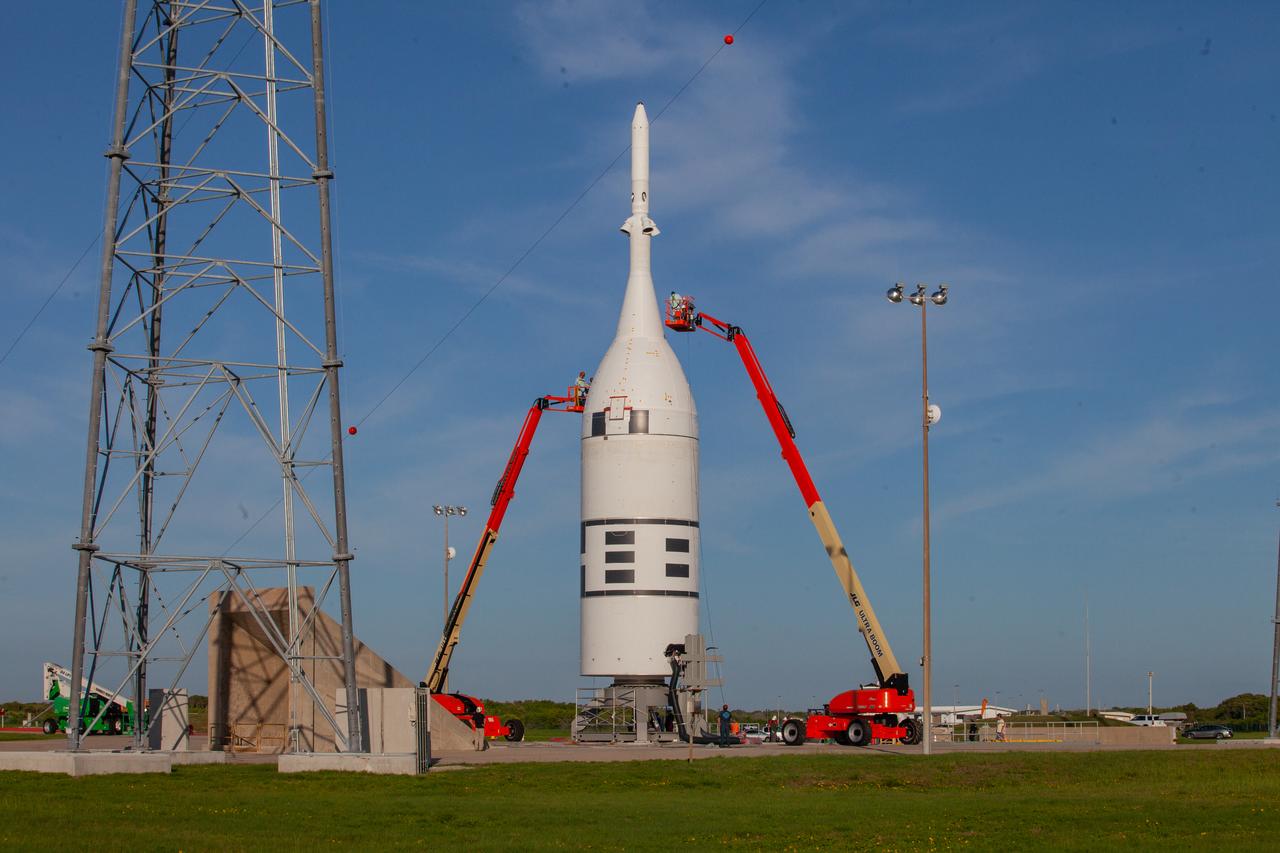
On July 1, 2019, workers prepare the Ascent Abort-2 (AA-2) test vehicle for launch at Launch Complex 46 at Cape Canaveral Air Force Station in Florida after rollback of the integration facility. A fully functional Launch Abort System (LAS) mated to a test version of the Orion spacecraft are on a Northrop Grumman provided booster on the pad for launch on NASA’s AA-2 flight test on July 2, 2019. During AA-2, the booster will send the LAS and Orion to an altitude of 31,000 feet, traveling at more than 1,000 mph. The LAS’ three motors will work together to pull the crew module away from the booster and prepare it for splashdown in the Atlantic Ocean. The flight test will prove that the abort system can pull crew to safety in the unlikely event of an emergency during ascent.
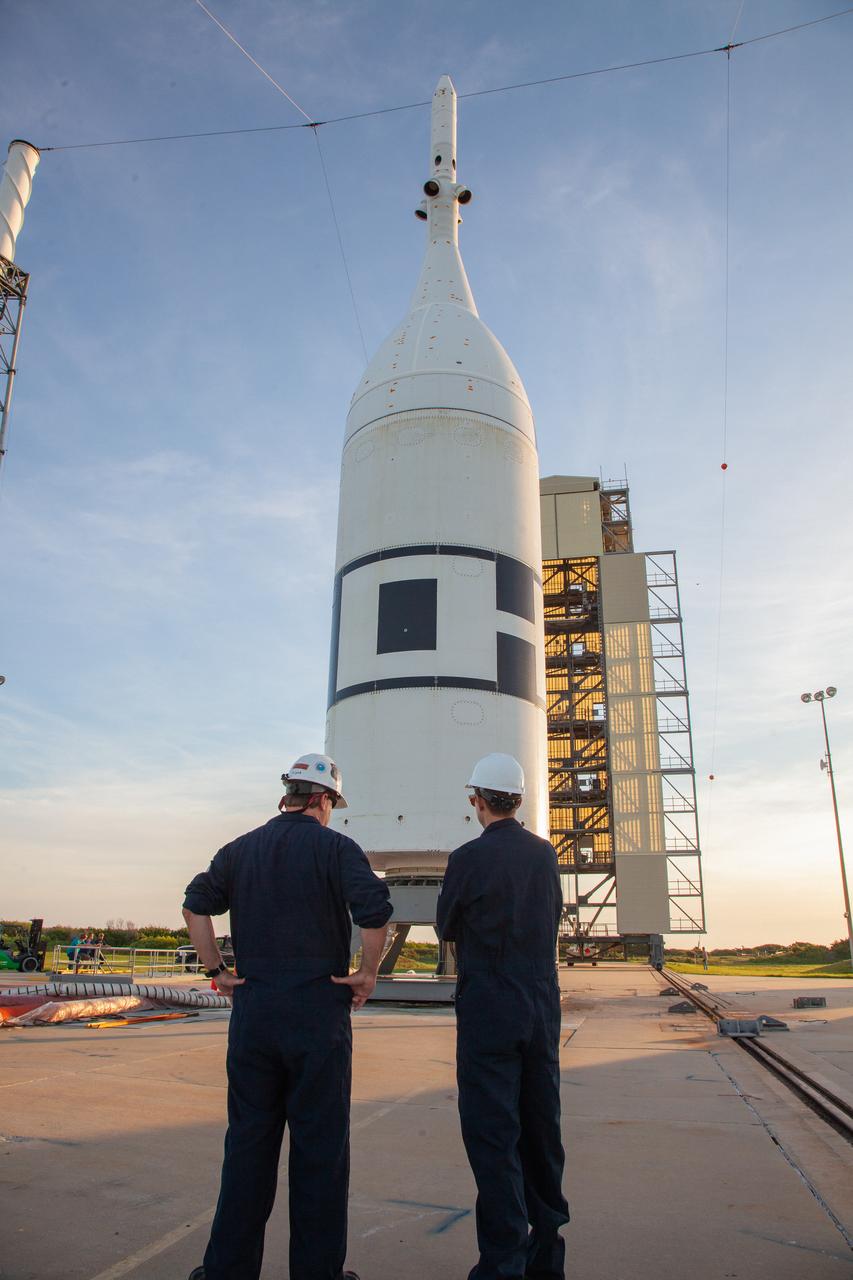
The Ascent Abort-2 test vehicle is secured on the pad at Launch Complex 46 at Cape Canaveral Air Force Station in Florida after rollback of the vertical integration facility on July 1, 2019. A fully functional Launch Abort System (LAS) mated to a test version of the Orion spacecraft are on a Northrop Grumman provided booster on the pad for launch on NASA’s AA-2 flight test on July 2, 2019. During AA-2, the booster will send the LAS and Orion to an altitude of 31,000 feet, traveling at more than 1,000 mph. The LAS’ three motors will work together to pull the crew module away from the booster and prepare it for splashdown in the Atlantic Ocean. The flight test will prove that the abort system can pull crew to safety in the unlikely event of an emergency during ascent.
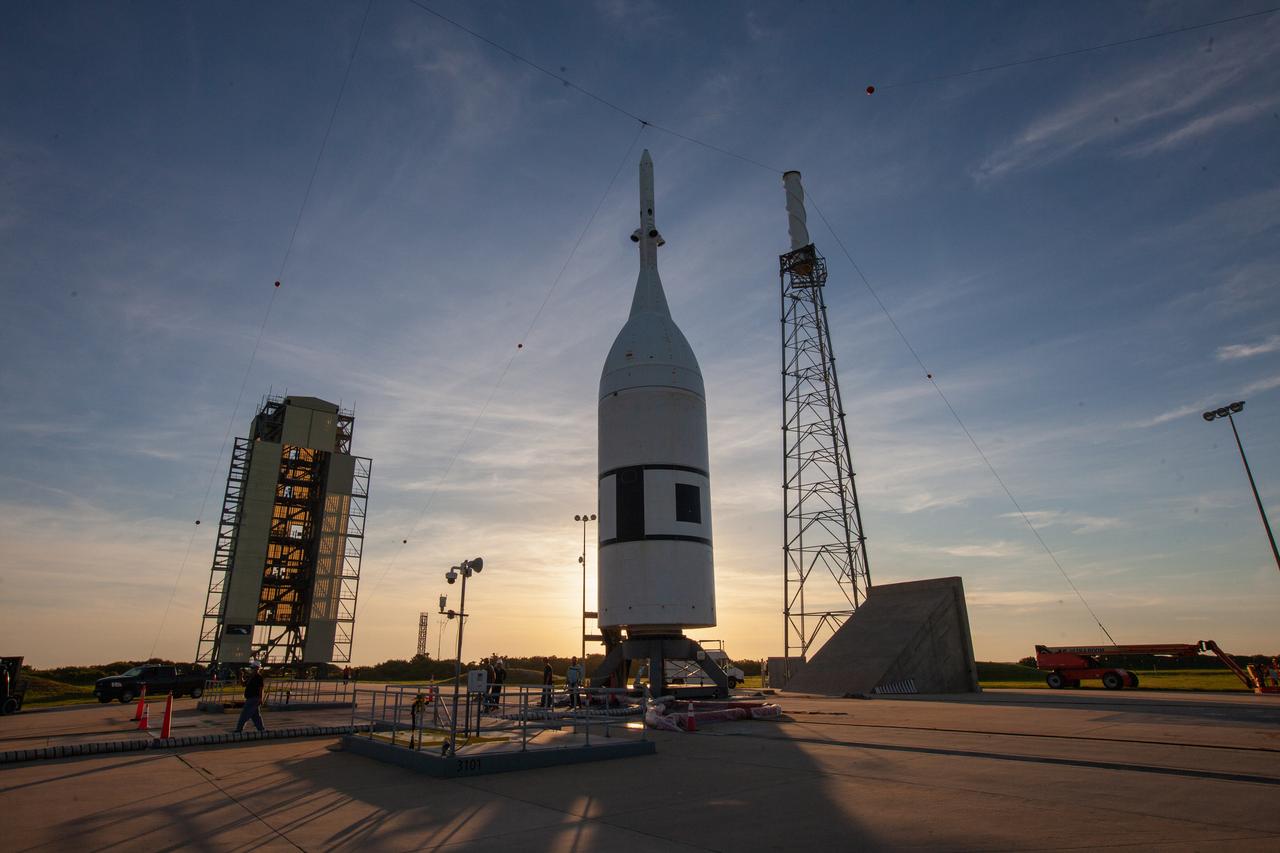
The Ascent Abort-2 test vehicle is secured on the pad at Launch Complex 46 at Cape Canaveral Air Force Station in Florida after rollback of the vertical integration facility on July 1, 2019. A fully functional Launch Abort System (LAS) mated to a test version of the Orion spacecraft are on a Northrop Grumman provided booster on the pad for launch on NASA’s AA-2 flight test on July 2, 2019. During AA-2, the booster will send the LAS and Orion to an altitude of 31,000 feet, traveling at more than 1,000 mph. The LAS’ three motors will work together to pull the crew module away from the booster and prepare it for splashdown in the Atlantic Ocean. The flight test will prove that the abort system can pull crew to safety in the unlikely event of an emergency during ascent.
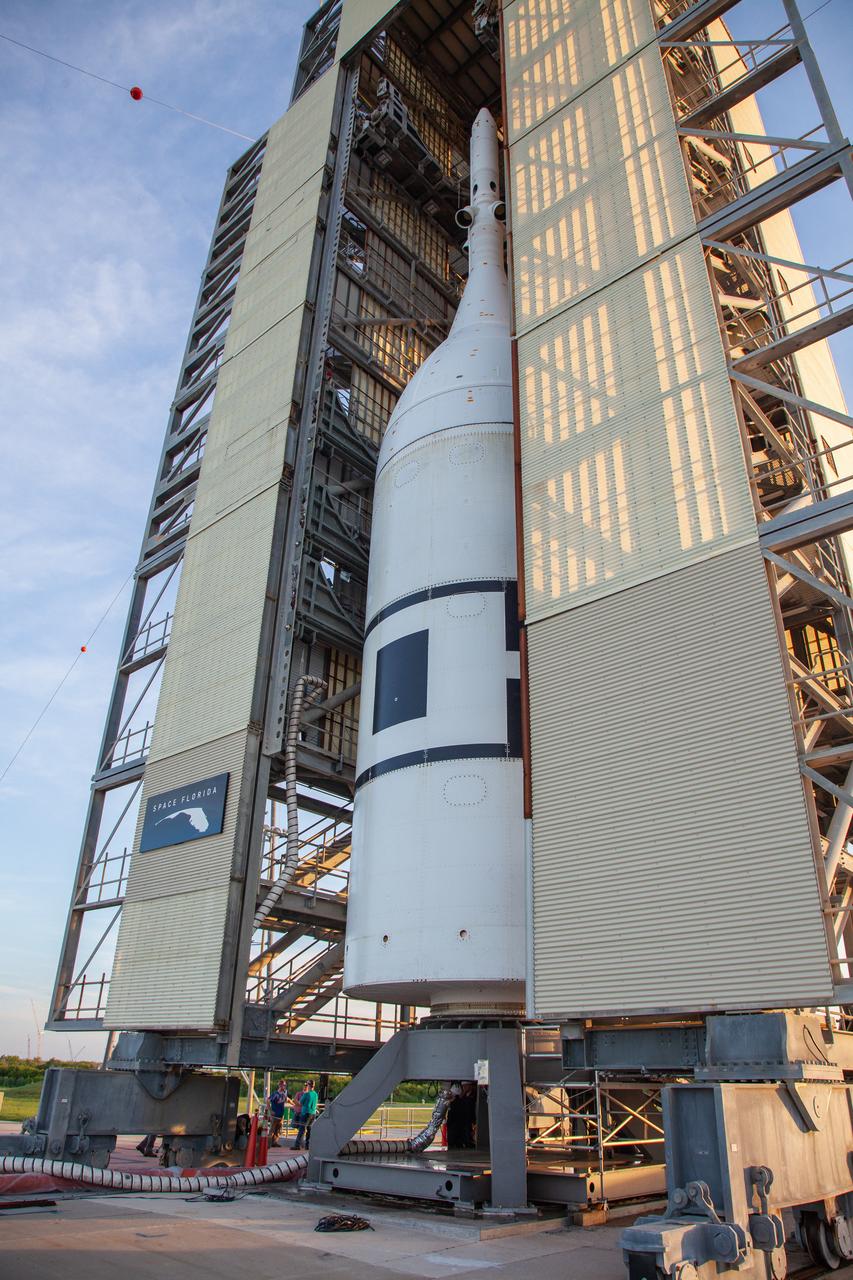
In the early morning on July 1, 2019, the vertical integration facility surrounding the Ascent Abort-2 (AA-2) test vehicle begins to rollback at Launch Pad 46 at Cape Canaveral Air Force Station in Florida. A fully functional Launch Abort System (LAS) mated to a test version of the Orion spacecraft are on a Northrop Grumman provided booster on the pad for launch on NASA’s AA-2 flight test on July 2, 2019. During AA-2, the booster will send the LAS and Orion to an altitude of 31,000 feet, traveling at more than 1,000 mph. The LAS’ three motors will work together to pull the crew module away from the booster and prepare it for splashdown in the Atlantic Ocean. The flight test will prove that the abort system can pull crew to safety in the unlikely event of an emergency during ascent.
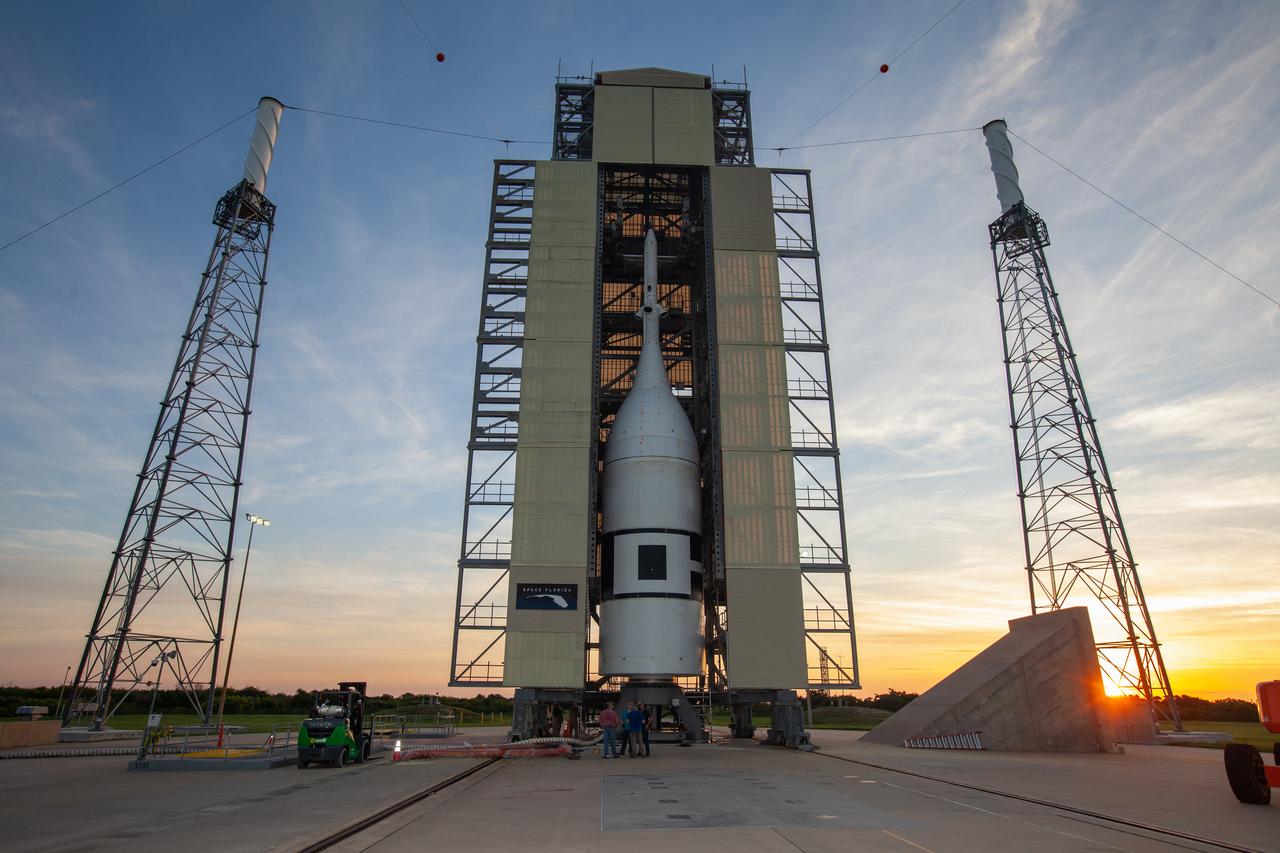
In the early morning on July 1, 2019, the vertical integration facility surrounding the Ascent Abort-2 (AA-2) test vehicle begins to rollback at Launch Pad 46 at Cape Canaveral Air Force Station in Florida. A fully functional Launch Abort System (LAS) mated to a test version of the Orion spacecraft are on a Northrop Grumman provided booster on the pad for launch on NASA’s AA-2 flight test on July 2, 2019. During AA-2, the booster will send the LAS and Orion to an altitude of 31,000 feet, traveling at more than 1,000 mph. The LAS’ three motors will work together to pull the crew module away from the booster and prepare it for splashdown in the Atlantic Ocean. The flight test will prove that the abort system can pull crew to safety in the unlikely event of an emergency during ascent.
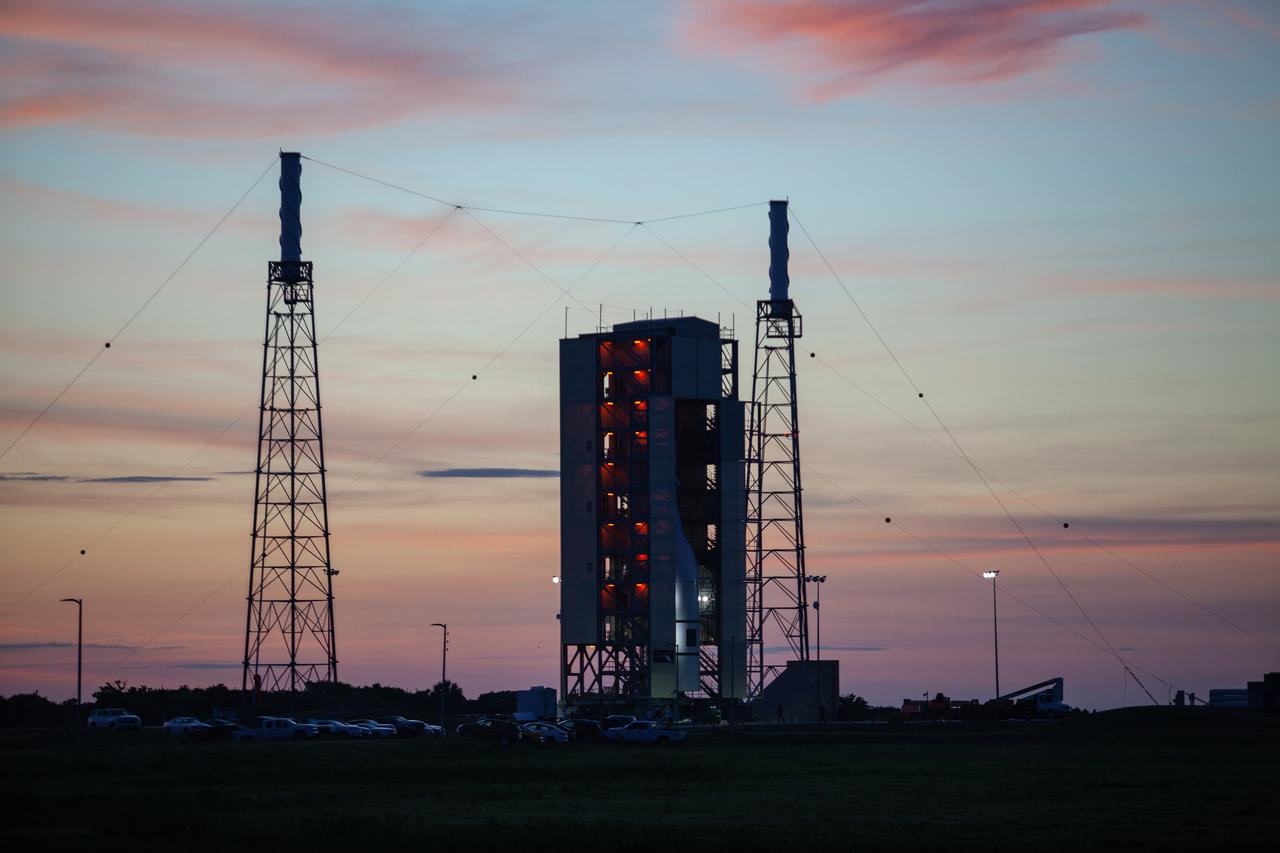
A sunrise view of Launch Complex 46 at Cape Canaveral Air Force Station in Florida on July 1, 2019. A fully functional Launch Abort System (LAS) mated to a test version of the Orion spacecraft are on a Northrop Grumman provided booster on the pad for launch on NASA’s Ascent Abort-2 (AA-2) flight test on July 2, 2019. The vertical integration facility surrounding the test vehicle begins to roll back from the pad. During AA-2, the booster will send the LAS and Orion to an altitude of 31,000 feet, traveling at more than 1,000 mph. The LAS’ three motors will work together to pull the crew module away from the booster and prepare it for splashdown in the Atlantic Ocean. The flight test will prove that the abort system can pull crew to safety in the unlikely event of an emergency during ascent.
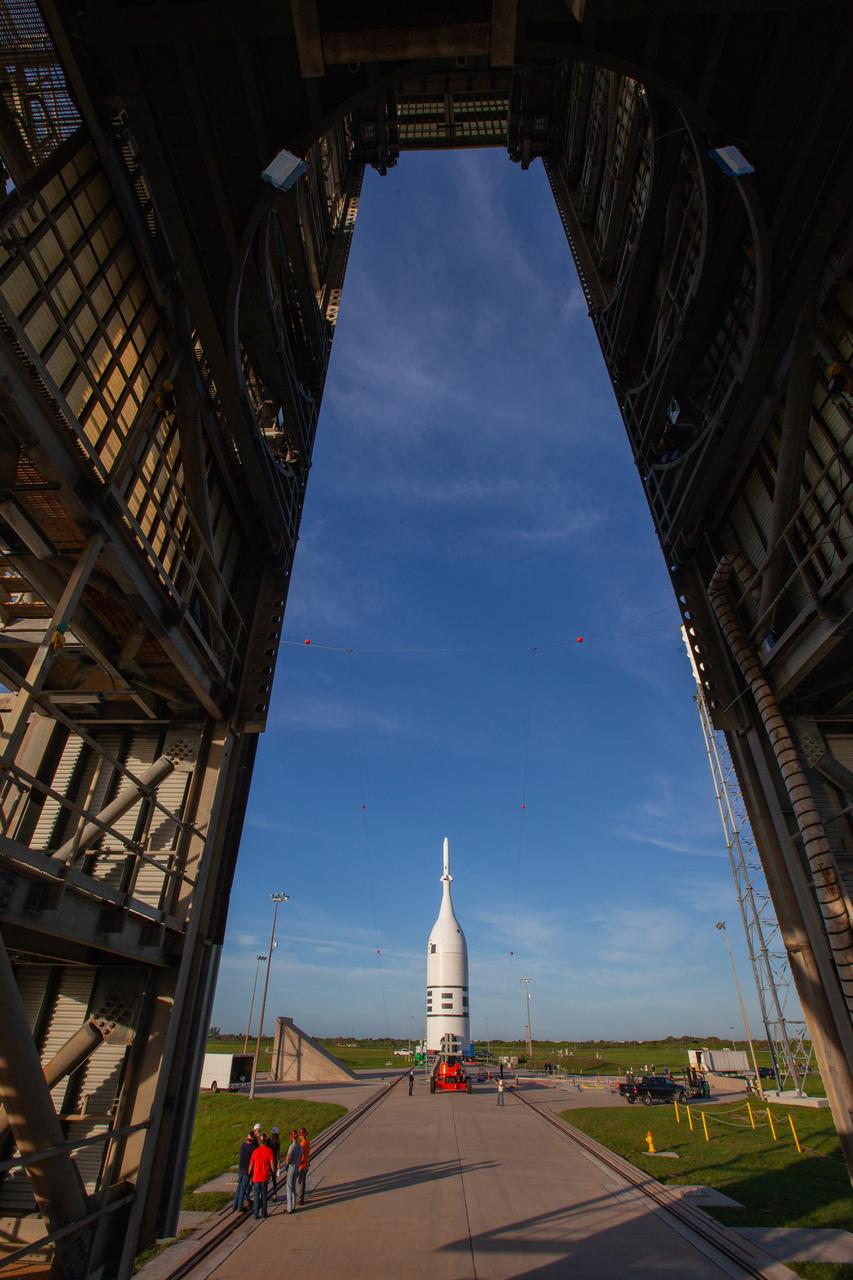
A view of the Ascent Abort-2 (AA-2) test vehicle from inside the vertical integration facility at Launch Complex 46 at Cape Canaveral Air Force Station in Florida after rollback of the integration facility on July 1, 2019. A fully functional Launch Abort System (LAS) mated to a test version of the Orion spacecraft are on a Northrop Grumman provided booster on the pad for launch on NASA’s AA-2 flight test on July 2, 2019. During AA-2, the booster will send the LAS and Orion to an altitude of 31,000 feet, traveling at more than 1,000 mph. The LAS’ three motors will work together to pull the crew module away from the booster and prepare it for splashdown in the Atlantic Ocean. The flight test will prove that the abort system can pull crew to safety in the unlikely event of an emergency during ascent.
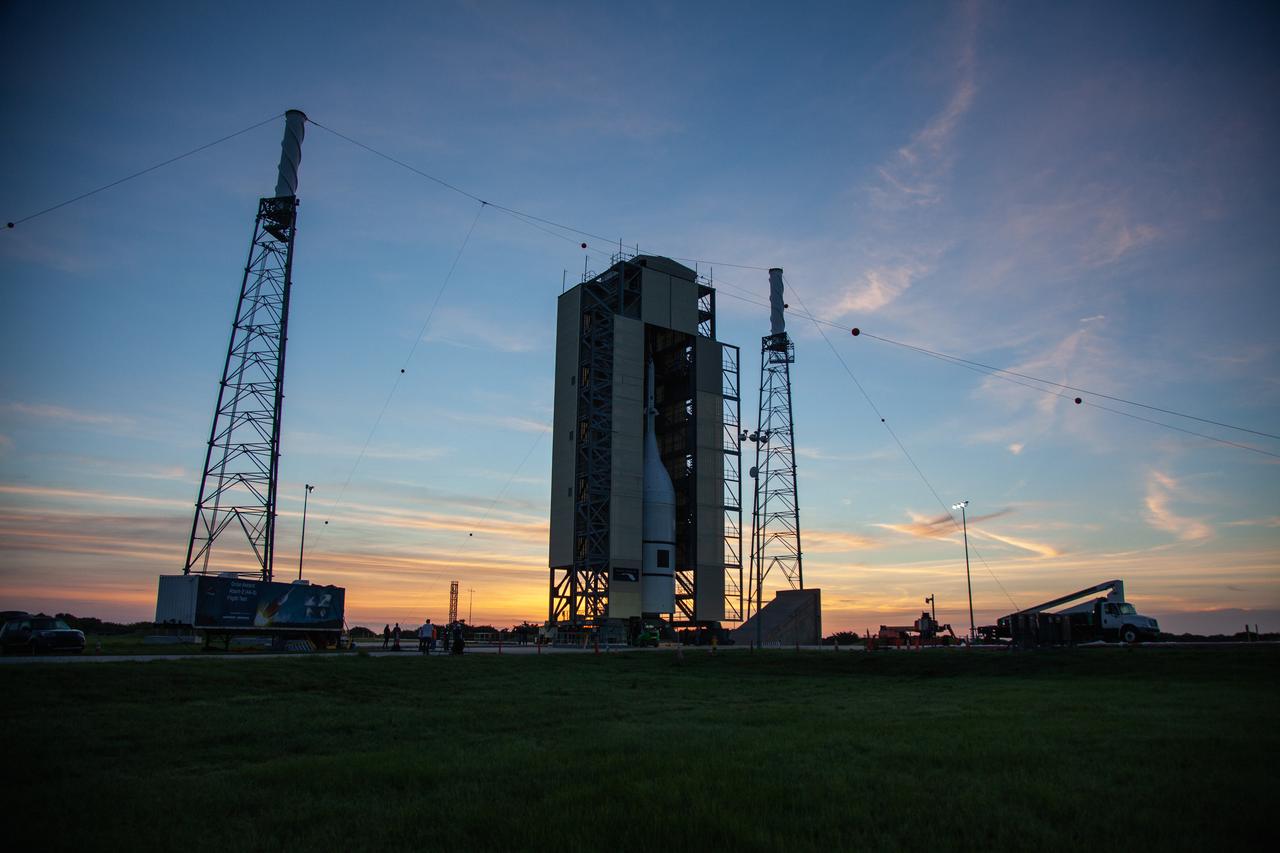
In the early morning on July 1, 2019, the vertical integration facility surrounding the Ascent Abort-2 (AA-2) test vehicle begins to rollback at Launch Pad 46 at Cape Canaveral Air Force Station in Florida. A fully functional Launch Abort System (LAS) mated to a test version of the Orion spacecraft are on a Northrop Grumman provided booster on the pad for launch on NASA’s AA-2 flight test on July 2, 2019. During AA-2, the booster will send the LAS and Orion to an altitude of 31,000 feet, traveling at more than 1,000 mph. The LAS’ three motors will work together to pull the crew module away from the booster and prepare it for splashdown in the Atlantic Ocean. The flight test will prove that the abort system can pull crew to safety in the unlikely event of an emergency during ascent.
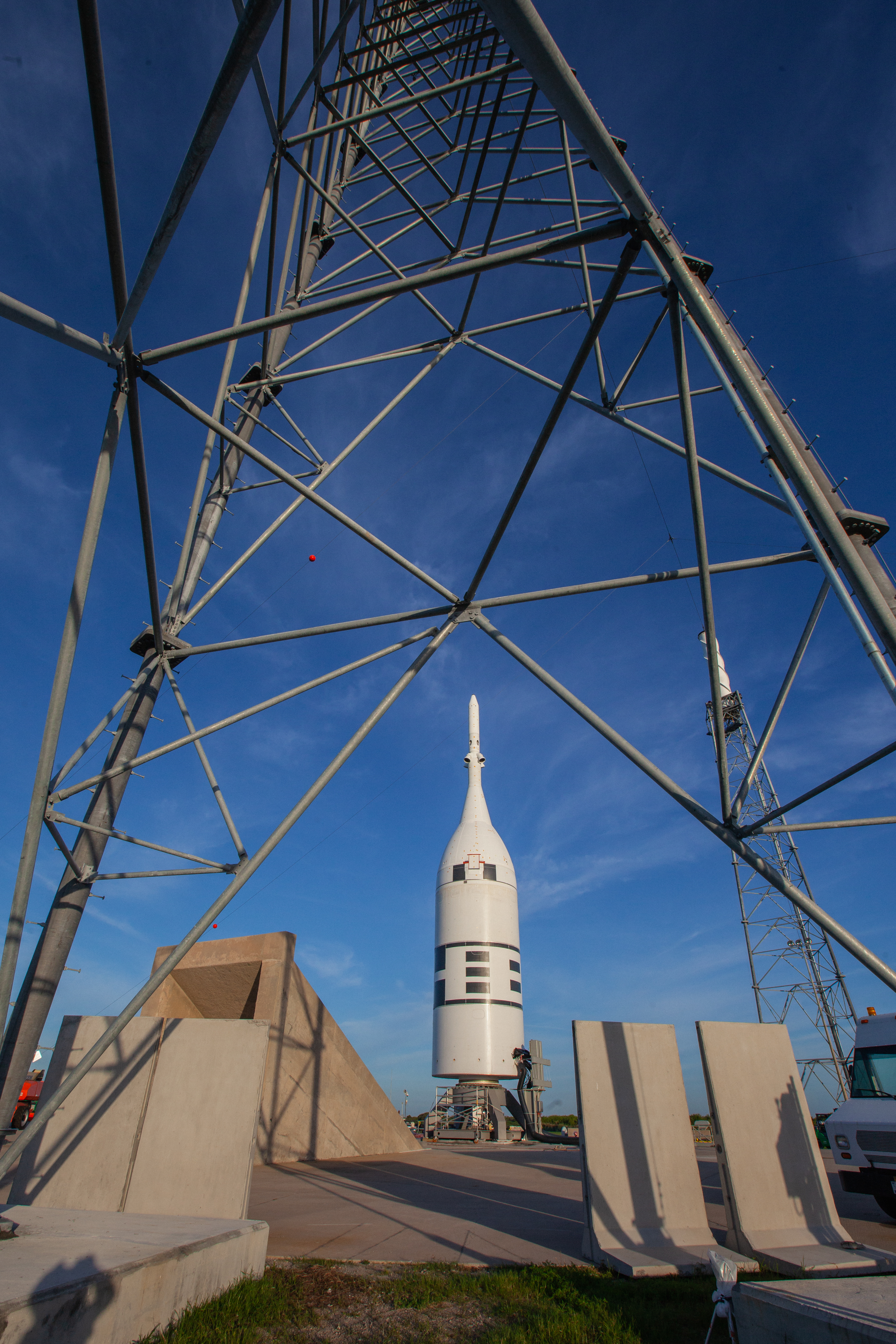
With a view of a lightning tower in the foreground, the Ascent Abort-2 test vehicle is in view on the pad at Launch Complex 46 at Cape Canaveral Air Force Station in Florida after rollback of the vertical integration facility on July 1, 2019. A fully functional Launch Abort System (LAS) mated to a test version of the Orion spacecraft are on a Northrop Grumman provided booster on the pad for launch on NASA’s AA-2 flight test on July 2, 2019. During AA-2, the booster will send the LAS and Orion to an altitude of 31,000 feet, traveling at more than 1,000 mph. The LAS’ three motors will work together to pull the crew module away from the booster and prepare it for splashdown in the Atlantic Ocean. The flight test will prove that the abort system can pull crew to safety in the unlikely event of an emergency during ascent.
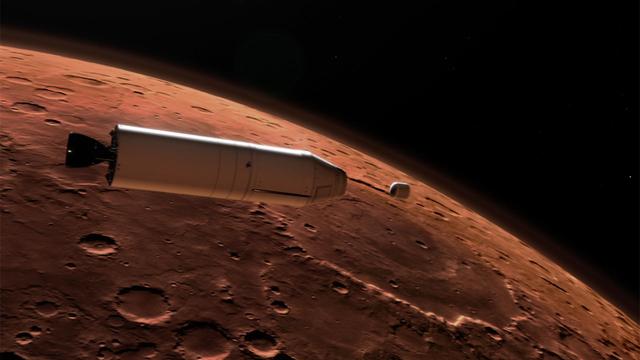
As part of a Mars sample return mission, a rocket will carry a container of sample tubes with Martian rock and soil samples into orbit around Mars and release it for pick up by another spacecraft. This illustration shows a concept for a Mars Ascent Vehicle (left) releasing a sample container (right) high above the Martian surface. NASA and the European Space Agency are solidifying concepts for a Mars sample return mission after NASA's Mars 2020 rover collects rock and soil samples and stores them in sealed tubes on the planet's surface for potential future return to Earth. NASA will deliver a Mars lander in the vicinity of Jezero Crater, where Mars 2020 will have collected and cached samples. The lander will carry a NASA rocket (the Mars Ascent Vehicle) along with an ESA Sample Fetch Rover that is roughly the size of NASA's Opportunity Mars rover. The fetch rover will gather the cached samples and carry them back to the lander for transfer to the ascent vehicle; additional samples could also be delivered directly by Mars 2020. The ascent vehicle will then launch from the surface and deploy a special container holding the samples into Mars orbit. ESA will put a spacecraft in orbit around Mars before the ascent vehicle launches. This spacecraft will rendezvous with and capture the orbiting samples before returning them to Earth. NASA will provide the payload module for the orbiter. https://photojournal.jpl.nasa.gov/catalog/PIA23500
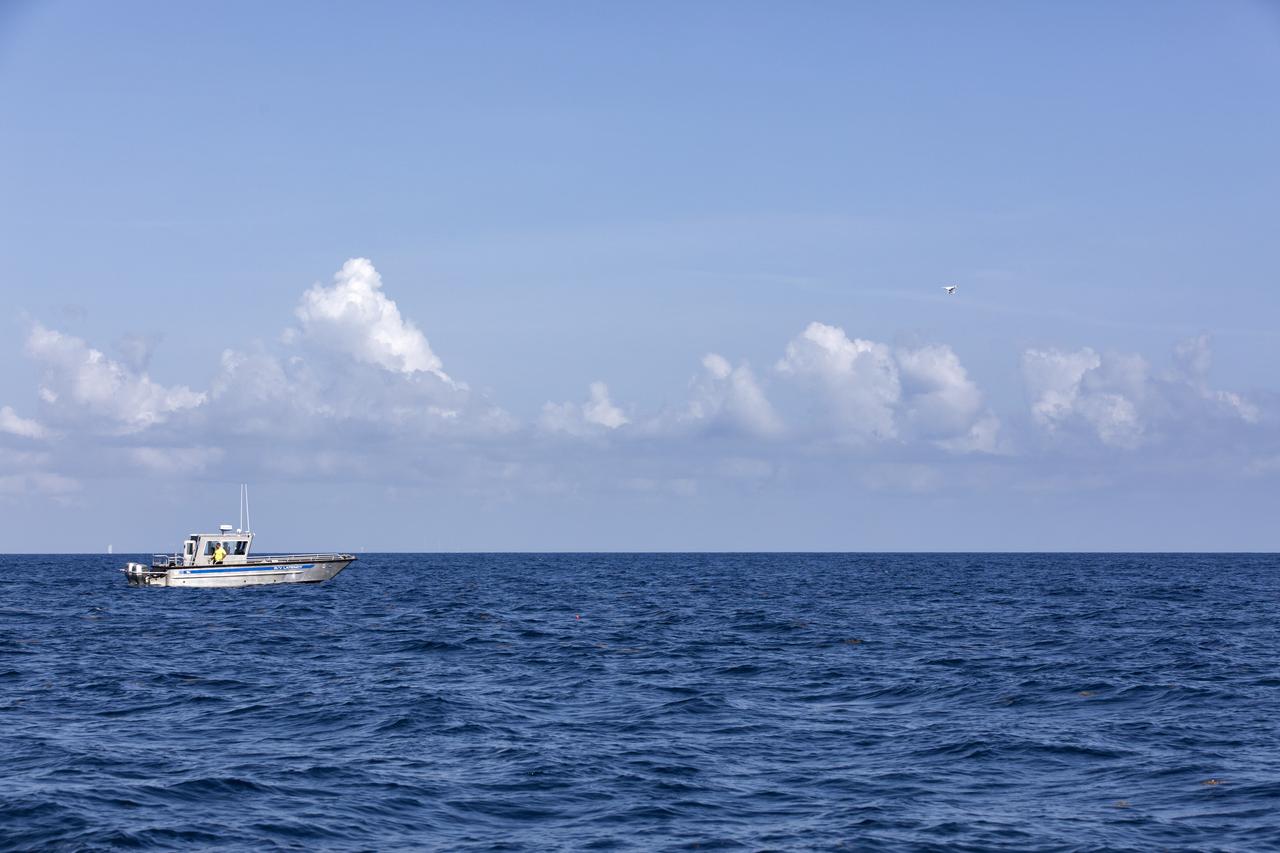
Members of the Ascent Abort-2 (AA-2) Flight Test team perform a drop test of data recording devices about 10 miles off the coast of NASA’s Kennedy Space Center in Florida on Wednesday, Aug. 8, 2018. These devices, called Ejectable Data Recorders (EDRs), were tossed out of a helicopter hovering 5,000 feet over the Atlantic Ocean and retrieved by recovery boats. The AA-2 Flight Test team is evaluating how the systems in the devices react to elements encountered from the sky to the ocean. In April 2019, the EDRs will eject from the Orion test article during a scheduled test of the spacecraft’s Launch Abort System (LAS).
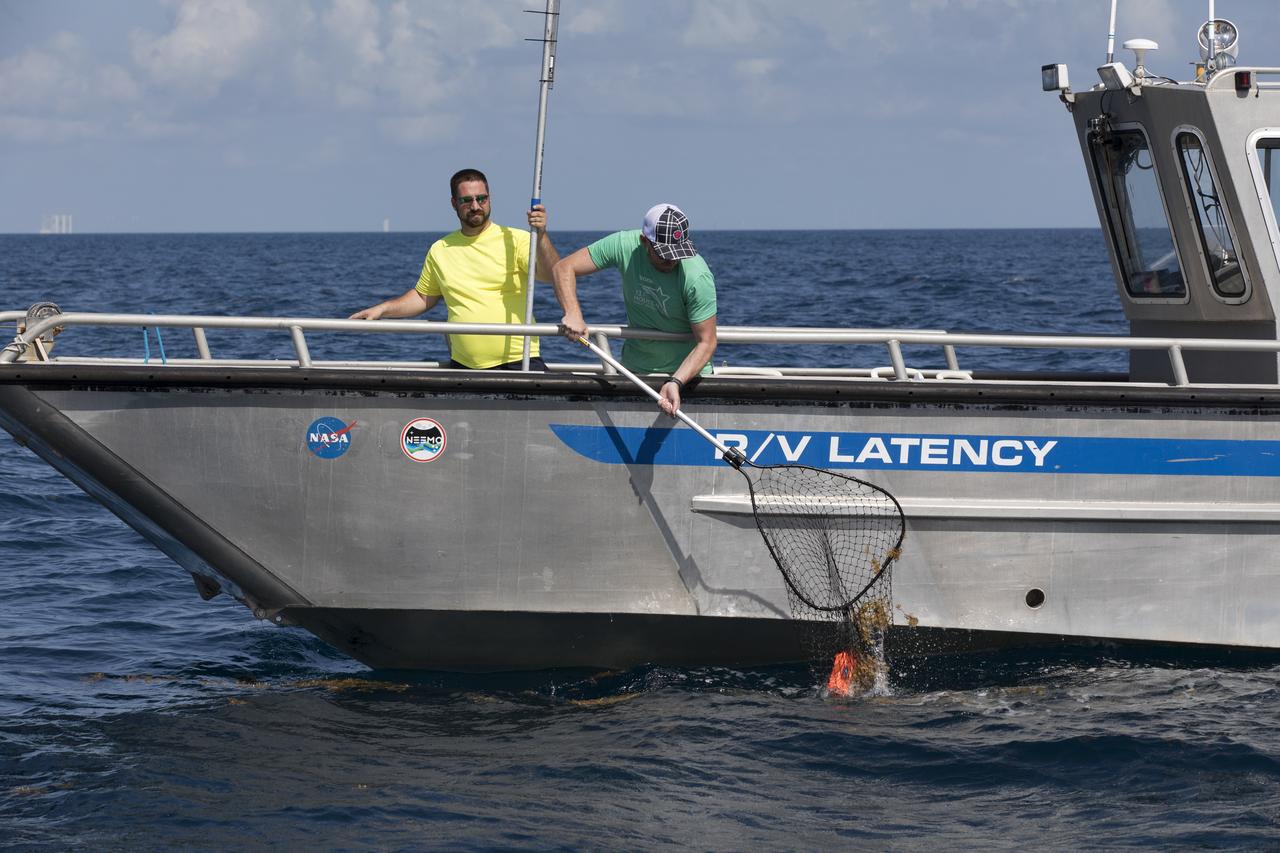
Members of the Ascent Abort-2 (AA-2) Flight Test team perform a drop test of data recording devices about 10 miles off the coast of NASA’s Kennedy Space Center in Florida on Wednesday, Aug. 8, 2018. These devices, called Ejectable Data Recorders (EDRs), were tossed out of a helicopter hovering 5,000 feet over the Atlantic Ocean and retrieved by recovery boats. The AA-2 Flight Test team is evaluating how the systems in the devices react to elements encountered from the sky to the ocean. In April 2019, the EDRs will eject from the Orion test article during a scheduled test of the spacecraft’s Launch Abort System (LAS).

Members of the Ascent Abort-2 (AA-2) Flight Test team perform a drop test of data recording devices about 10 miles off the coast of NASA’s Kennedy Space Center in Florida on Wednesday, Aug. 8, 2018. These devices, called Ejectable Data Recorders (EDRs), were tossed out of a helicopter hovering 5,000 feet over the Atlantic Ocean and retrieved by recovery boats. The AA-2 Flight Test team is evaluating how the systems in the devices react to elements encountered from the sky to the ocean. In April 2019, the EDRs will eject from the Orion test article during a scheduled test of the spacecraft’s Launch Abort System (LAS).
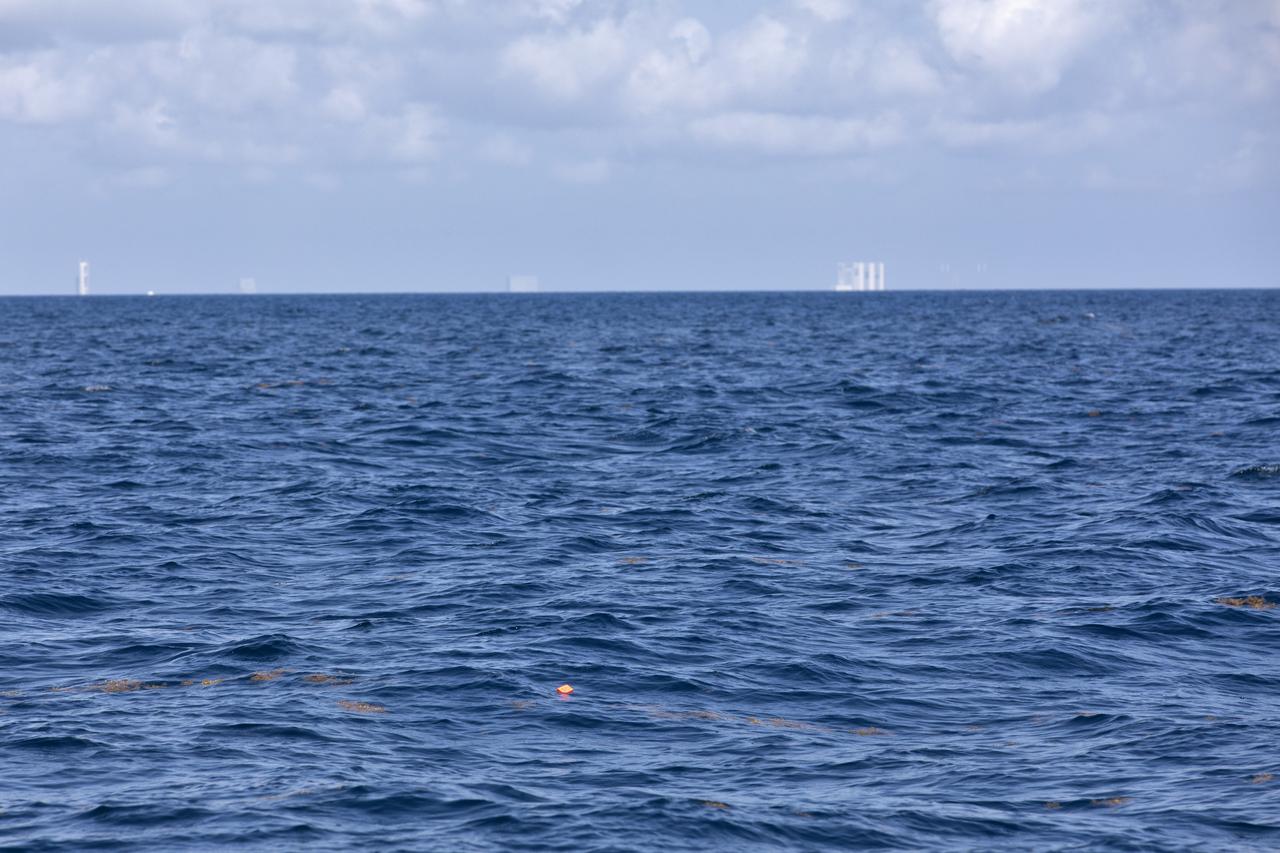
Members of the Ascent Abort-2 (AA-2) Flight Test team perform a drop test of data recording devices about 10 miles off the coast of NASA’s Kennedy Space Center in Florida on Wednesday, Aug. 8, 2018. These devices, called Ejectable Data Recorders (EDRs), were tossed out of a helicopter hovering 5,000 feet over the Atlantic Ocean and retrieved by recovery boats. The AA-2 Flight Test team is evaluating how the systems in the devices react to elements encountered from the sky to the ocean. In April 2019, the EDRs will eject from the Orion test article during a scheduled test of the spacecraft’s Launch Abort System (LAS).
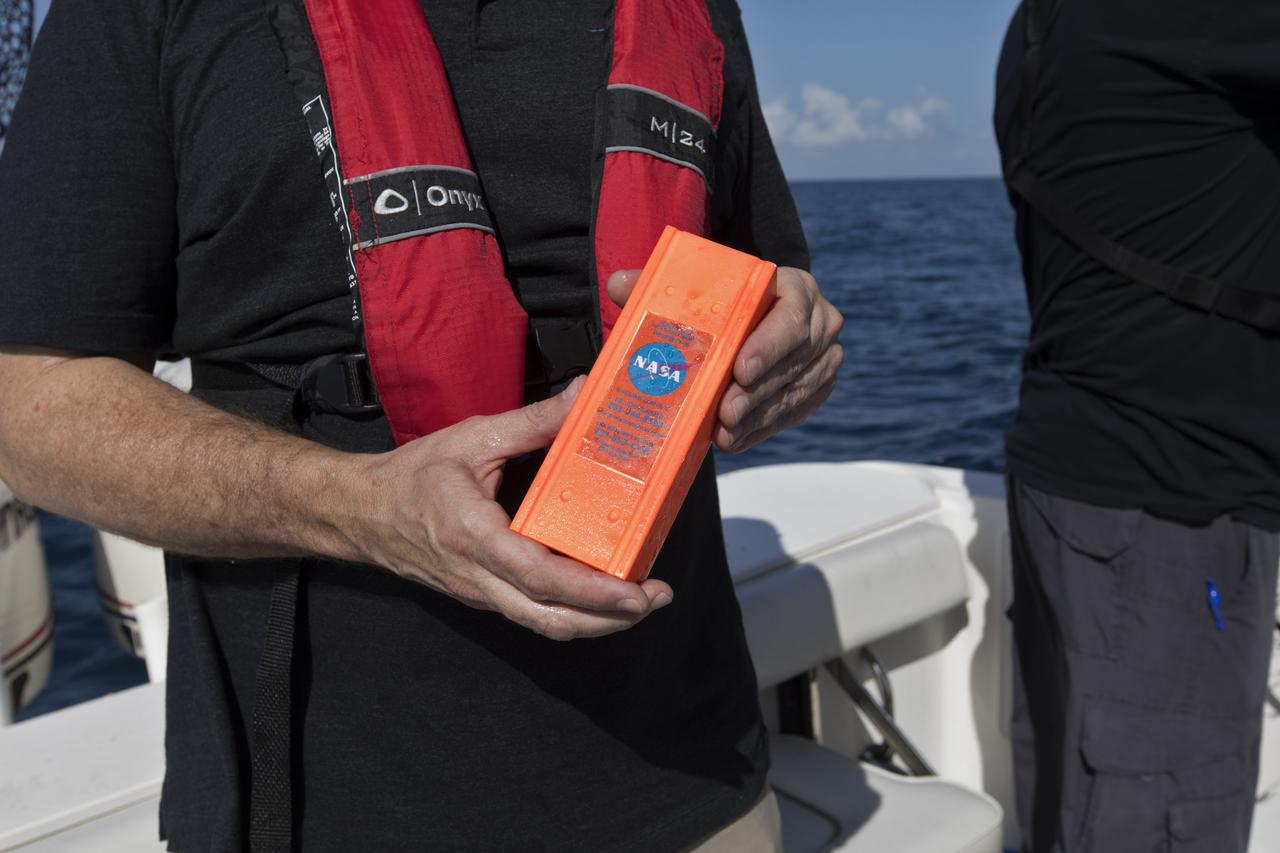
Members of the Ascent Abort-2 (AA-2) Flight Test team perform a drop test of data recording devices about 10 miles off the coast of NASA’s Kennedy Space Center in Florida on Wednesday, Aug. 8, 2018. These devices, called Ejectable Data Recorders (EDRs), were tossed out of a helicopter hovering 5,000 feet over the Atlantic Ocean and retrieved by recovery boats. The AA-2 Flight Test team is evaluating how the systems in the devices react to elements encountered from the sky to the ocean. In April 2019, the EDRs will eject from the Orion test article during a scheduled test of the spacecraft’s Launch Abort System (LAS).
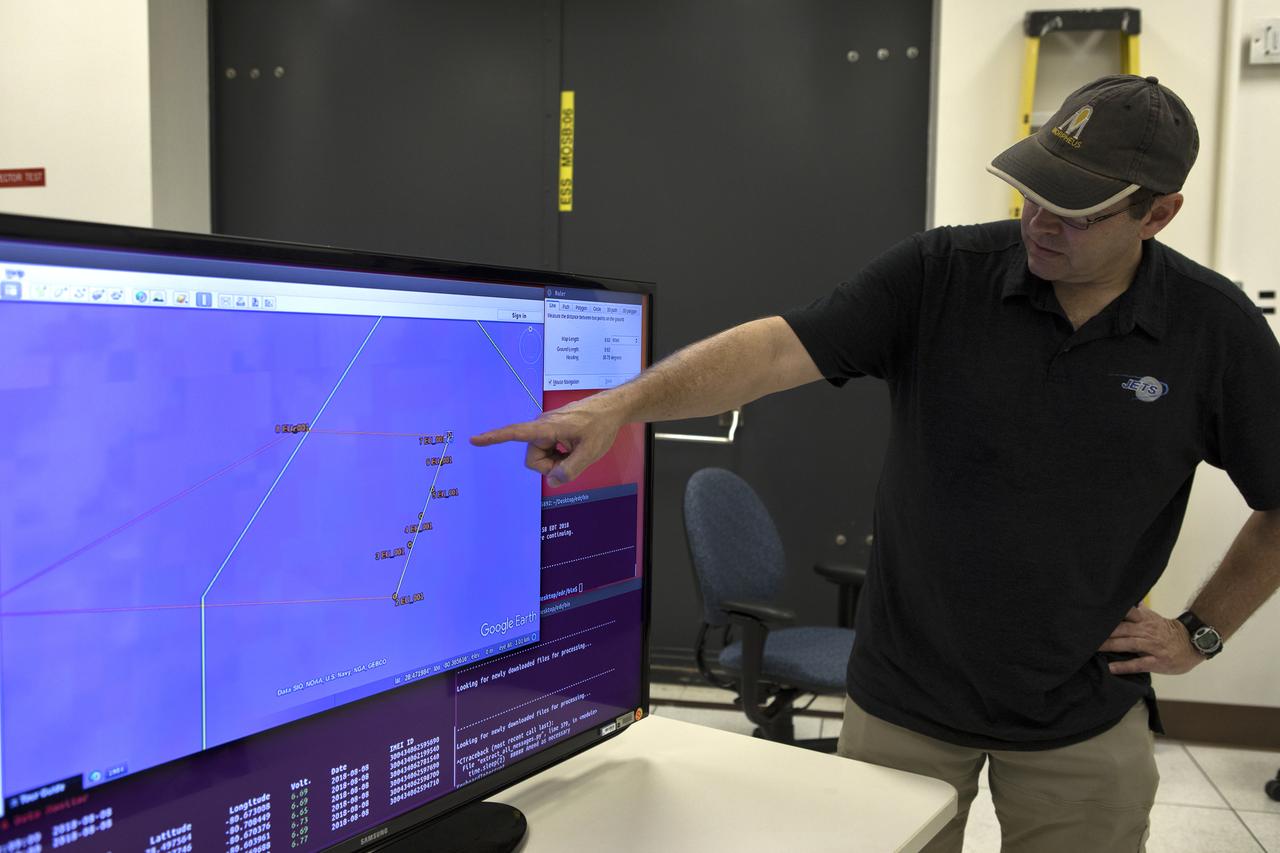
Members of the Ascent Abort-2 (AA-2) Flight Test team perform a drop test of data recording devices about 10 miles off the coast of NASA’s Kennedy Space Center in Florida on Wednesday, Aug. 8, 2018. These devices, called Ejectable Data Recorders (EDRs), were tossed out of a helicopter hovering 5,000 feet over the Atlantic Ocean and retrieved by recovery boats. The AA-2 Flight Test team is evaluating how the systems in the devices react to elements encountered from the sky to the ocean. In April 2019, the EDRs will eject from the Orion test article during a scheduled test of the spacecraft’s Launch Abort System (LAS).
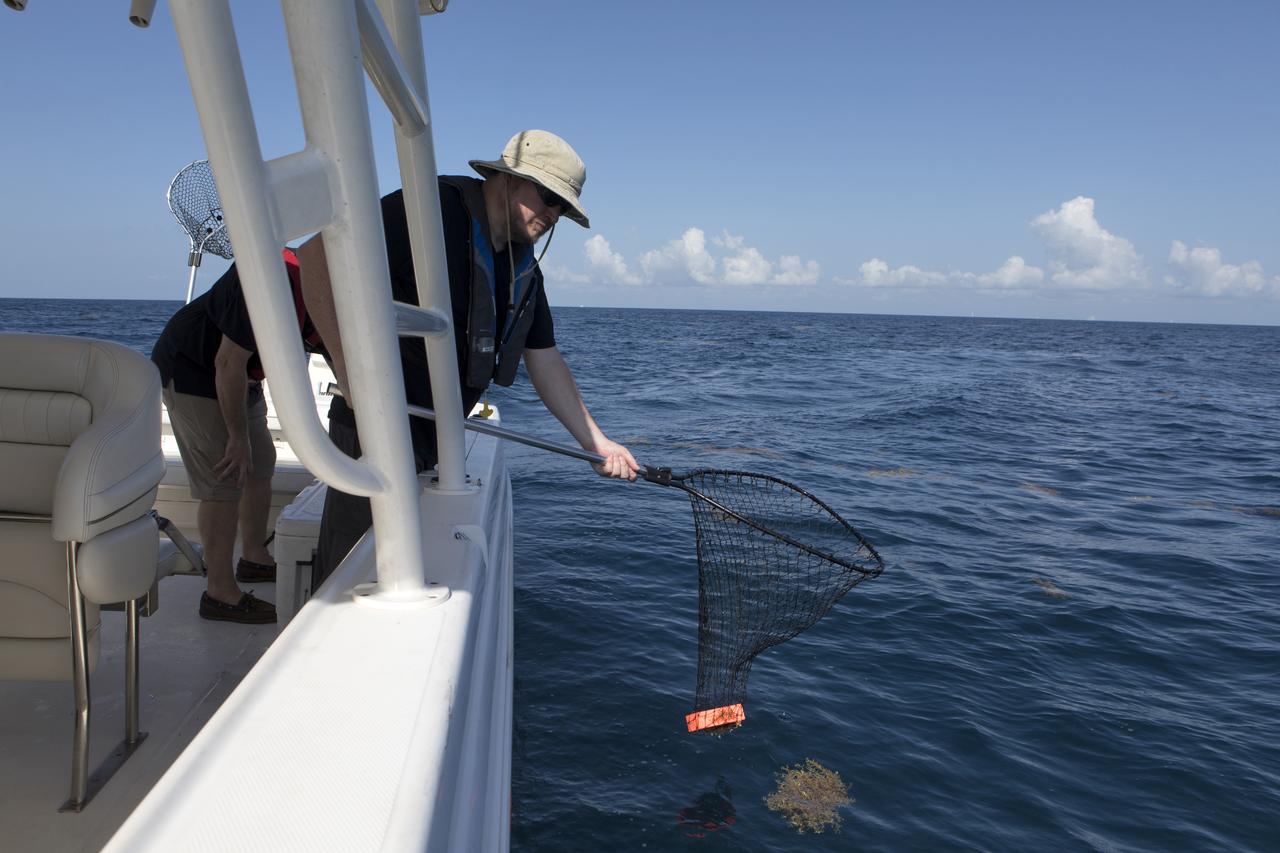
Members of the Ascent Abort-2 (AA-2) Flight Test team perform a drop test of data recording devices about 10 miles off the coast of NASA’s Kennedy Space Center in Florida on Wednesday, Aug. 8, 2018. These devices, called Ejectable Data Recorders (EDRs), were tossed out of a helicopter hovering 5,000 feet over the Atlantic Ocean and retrieved by recovery boats. The AA-2 Flight Test team is evaluating how the systems in the devices react to elements encountered from the sky to the ocean. In April 2019, the EDRs will eject from the Orion test article during a scheduled test of the spacecraft’s Launch Abort System (LAS).
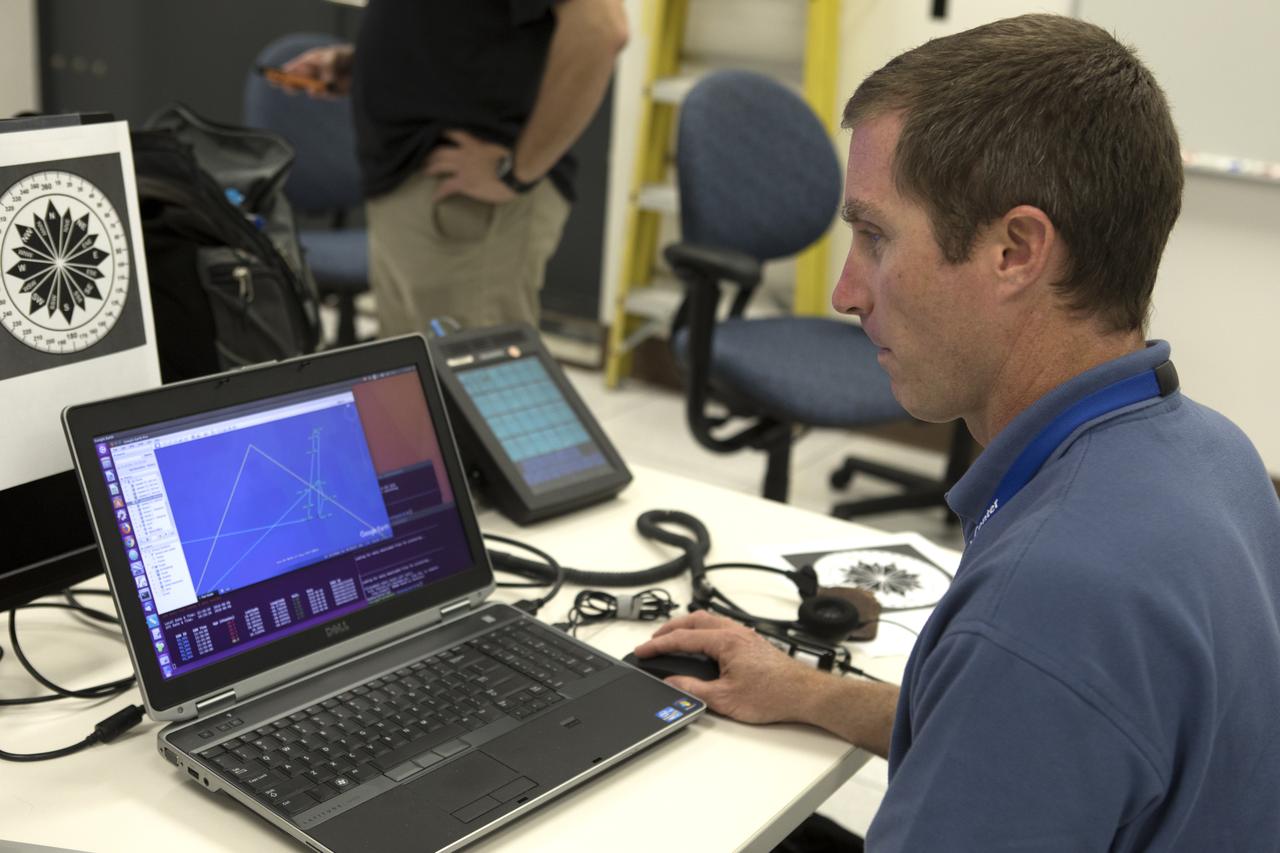
Members of the Ascent Abort-2 (AA-2) Flight Test team perform a drop test of data recording devices about 10 miles off the coast of NASA’s Kennedy Space Center in Florida on Wednesday, Aug. 8, 2018. These devices, called Ejectable Data Recorders (EDRs), were tossed out of a helicopter hovering 5,000 feet over the Atlantic Ocean and retrieved by recovery boats. The AA-2 Flight Test team is evaluating how the systems in the devices react to elements encountered from the sky to the ocean. In April 2019, the EDRs will eject from the Orion test article during a scheduled test of the spacecraft’s Launch Abort System (LAS).
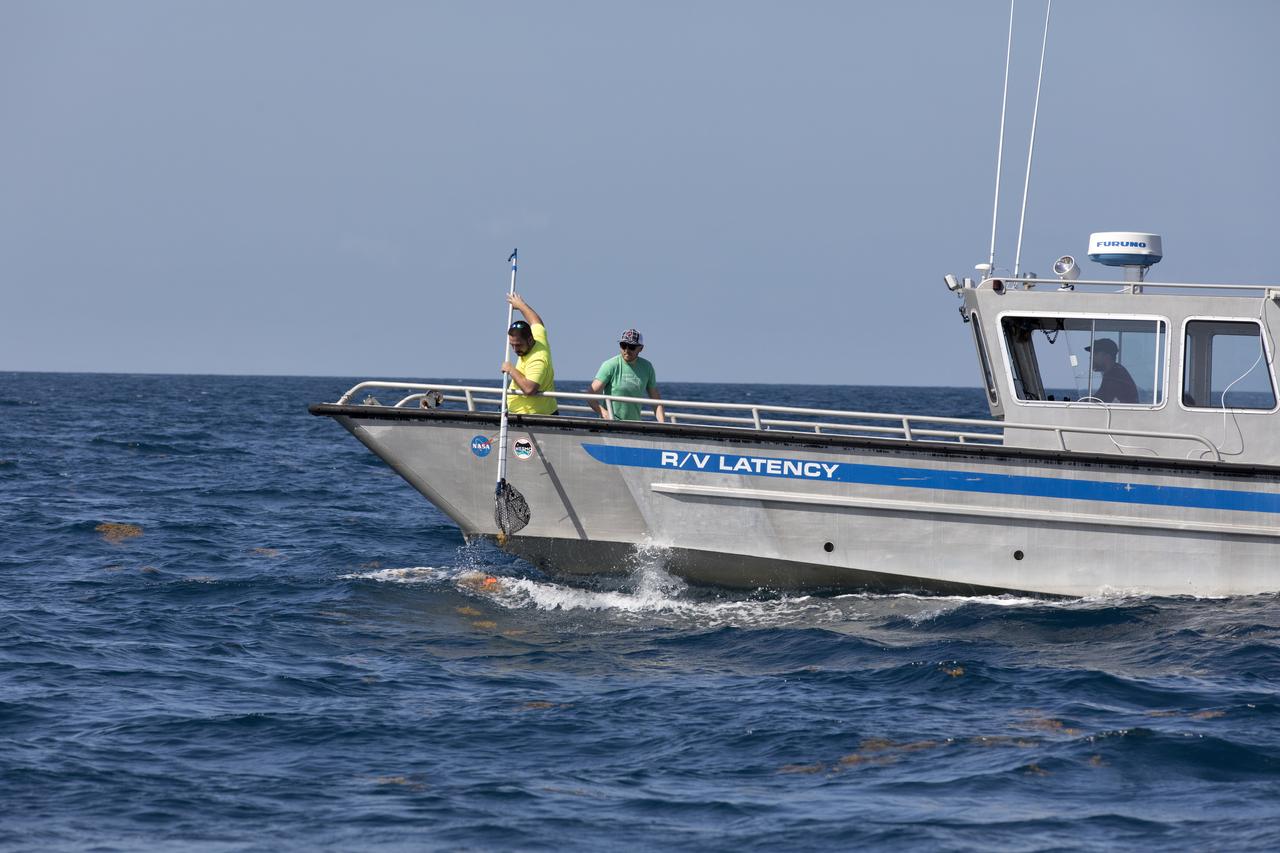
Members of the Ascent Abort-2 (AA-2) Flight Test team perform a drop test of data recording devices about 10 miles off the coast of NASA’s Kennedy Space Center in Florida on Wednesday, Aug. 8, 2018. These devices, called Ejectable Data Recorders (EDRs), were tossed out of a helicopter hovering 5,000 feet over the Atlantic Ocean and retrieved by recovery boats. The AA-2 Flight Test team is evaluating how the systems in the devices react to elements encountered from the sky to the ocean. In April 2019, the EDRs will eject from the Orion test article during a scheduled test of the spacecraft’s Launch Abort System (LAS).

Members of the Ascent Abort-2 (AA-2) Flight Test team perform a drop test of data recording devices about 10 miles off the coast of NASA’s Kennedy Space Center in Florida on Wednesday, Aug. 8, 2018. These devices, called Ejectable Data Recorders (EDRs), were tossed out of a helicopter hovering 5,000 feet over the Atlantic Ocean and retrieved by recovery boats. The AA-2 Flight Test team is evaluating how the systems in the devices react to elements encountered from the sky to the ocean. In April 2019, the EDRs will eject from the Orion test article during a scheduled test of the spacecraft’s Launch Abort System (LAS).
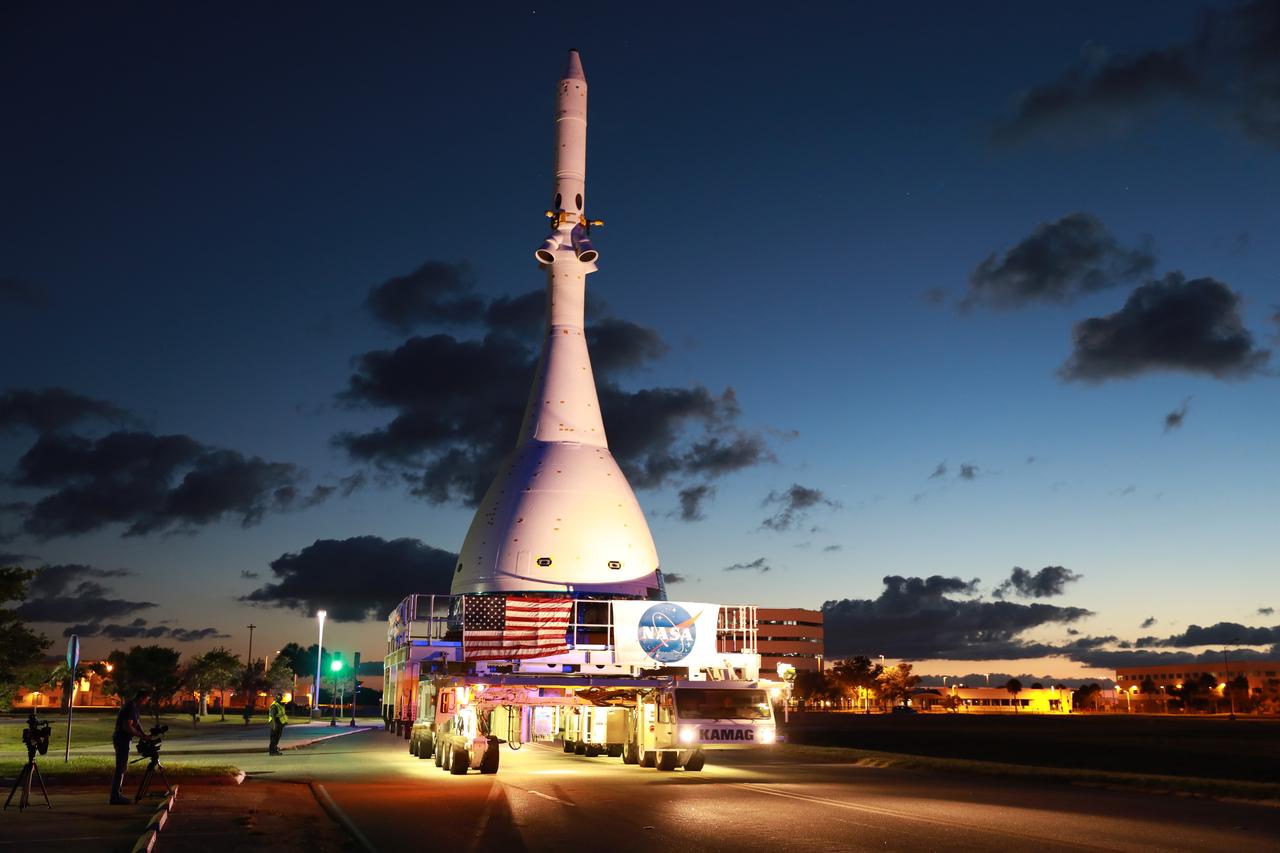
The Orion Ascent Abort-2 (AA-2) test vehicle en route to the launch pad on May 22, 2019.
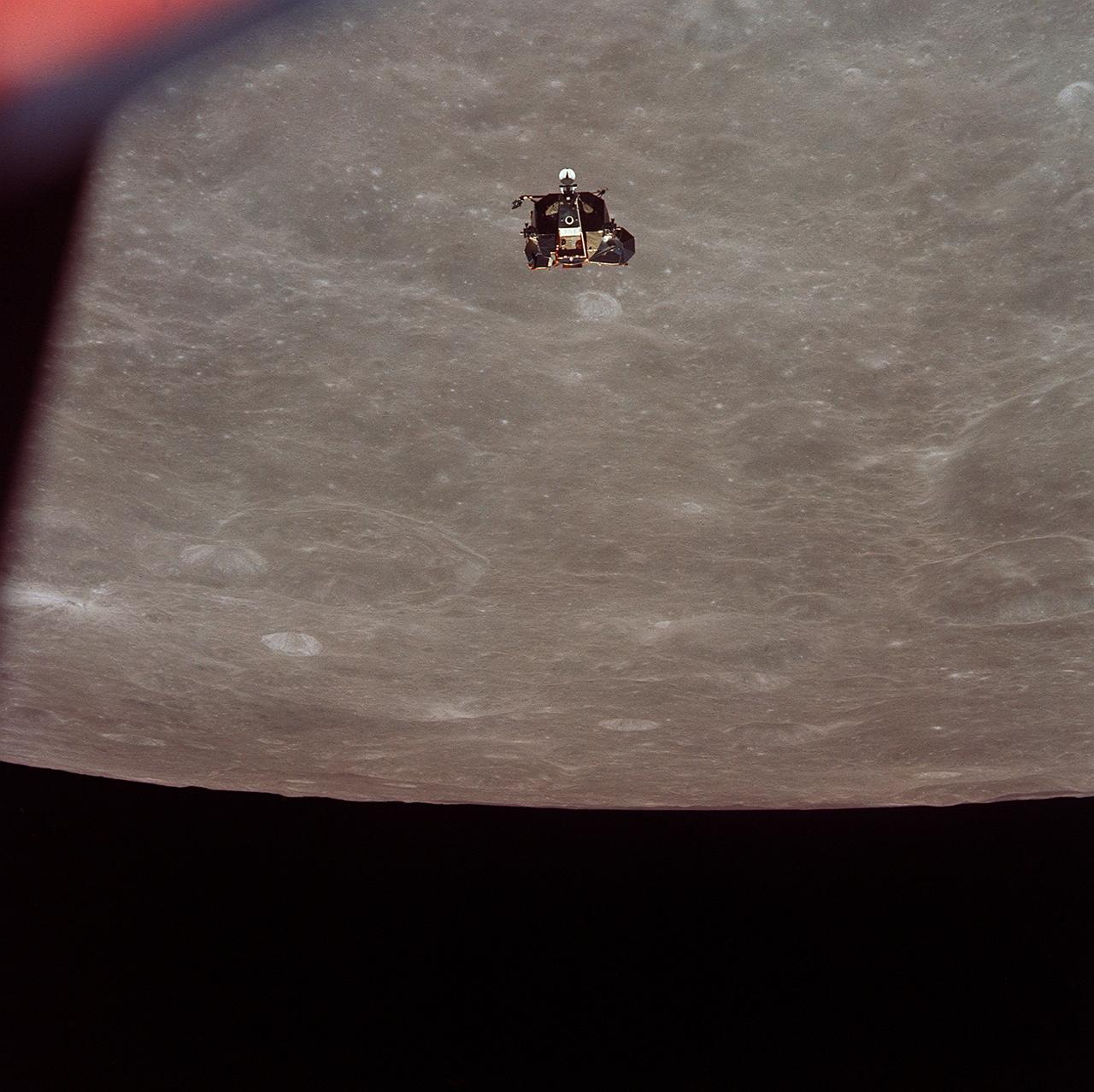
AS11-44-6626 (21 July 1969) --- The Apollo 11 Lunar Module (LM) ascent stage, with astronauts Neil A. Armstrong and Edwin E. Aldrin Jr. aboard, is photographed from the Command and Service Modules (CSM) in lunar orbit. Astronaut Michael Collins, command module pilot, remained with the CSM in lunar orbit while Armstrong and Aldrin explored the moon. The LM is approaching from below. The coordinates of the center of the lunar terrain seen below is located at 102 degrees east longitude and 1 degree north latitude.
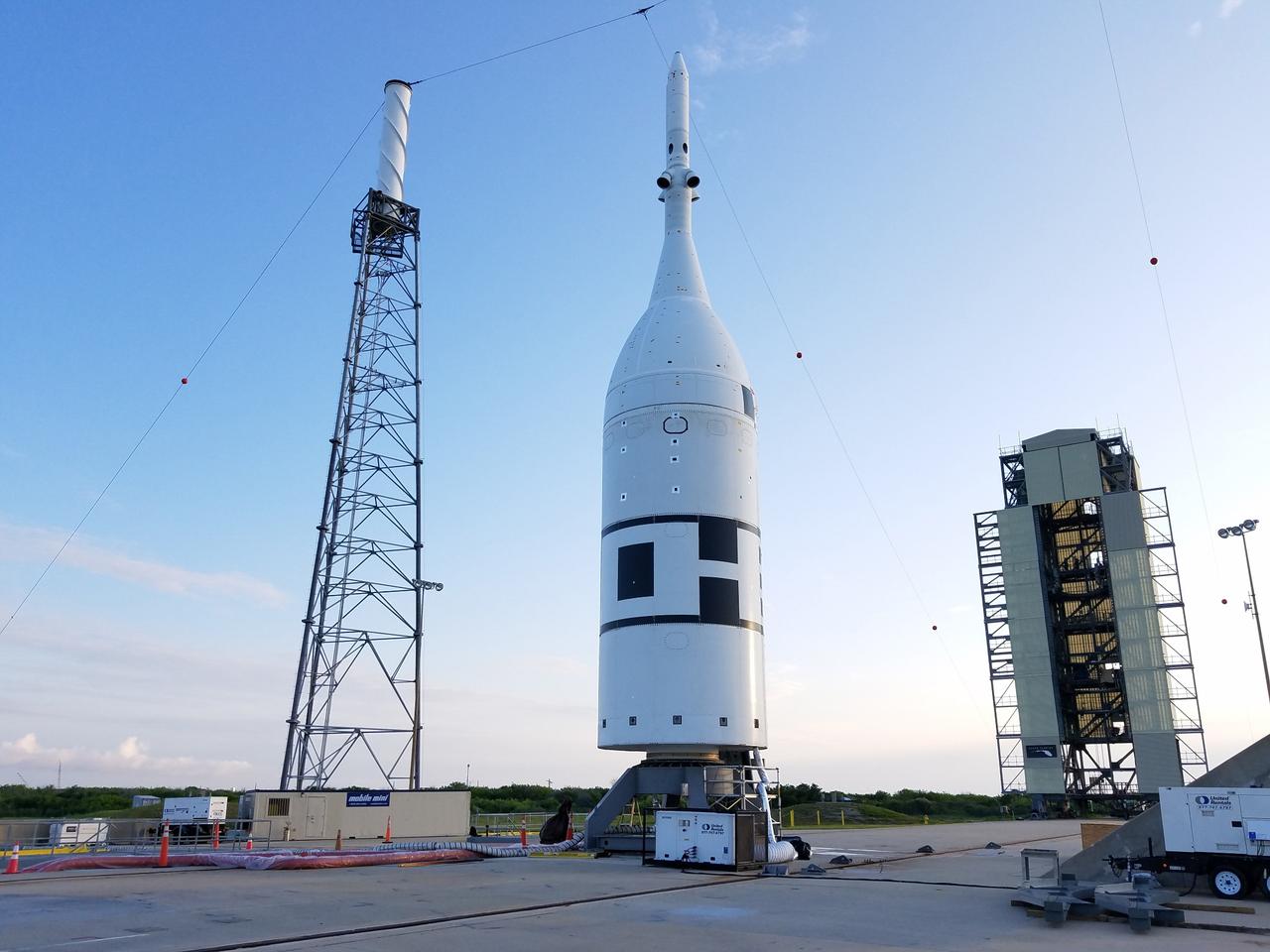
The Orion Ascent Abort-2 test booster and launch abort system on the launch pad at Cape Canaveral Air Force Station in Florida on June 27, 2019.
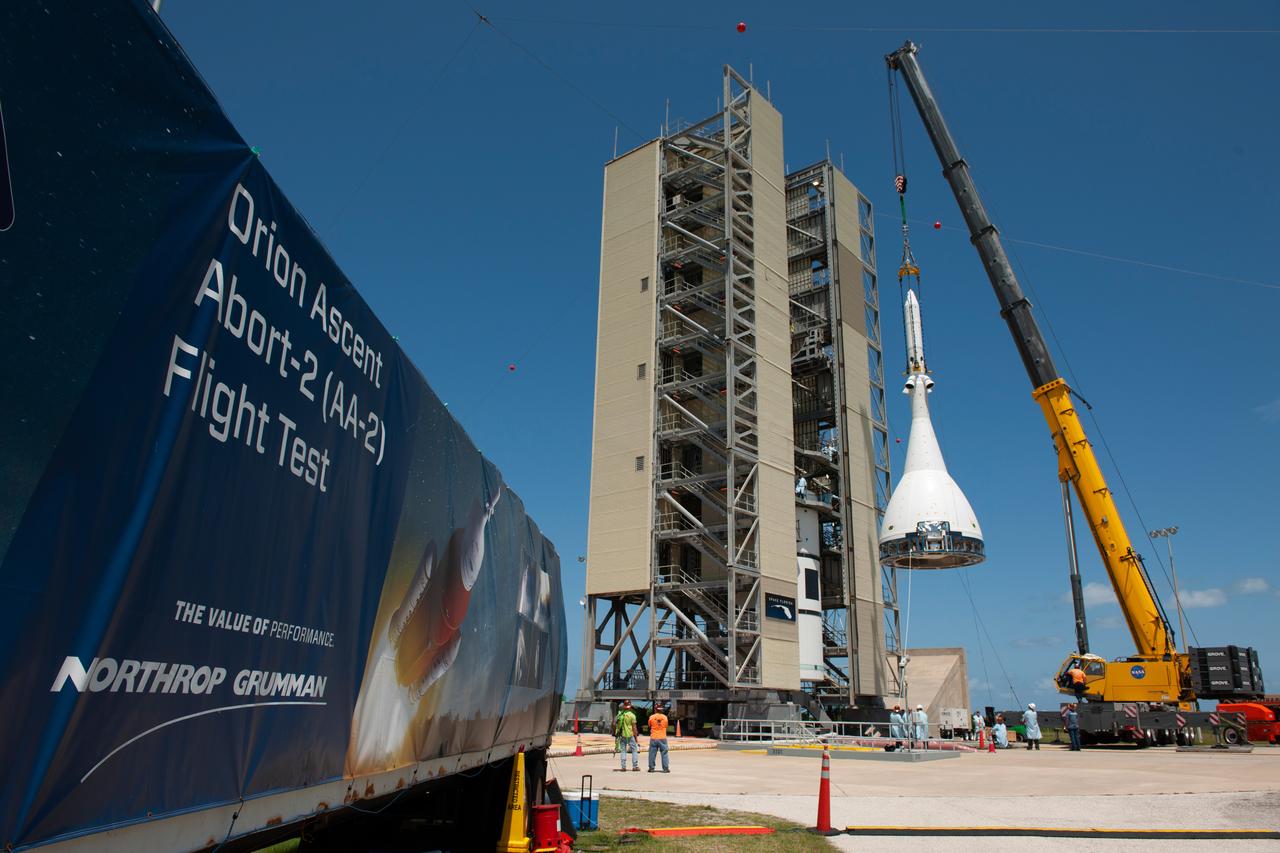
The Orion Ascent Abort-2 (AA-2) vehicle arrives at the launch pad for stacking with the abort test booster on May 23, 2019.
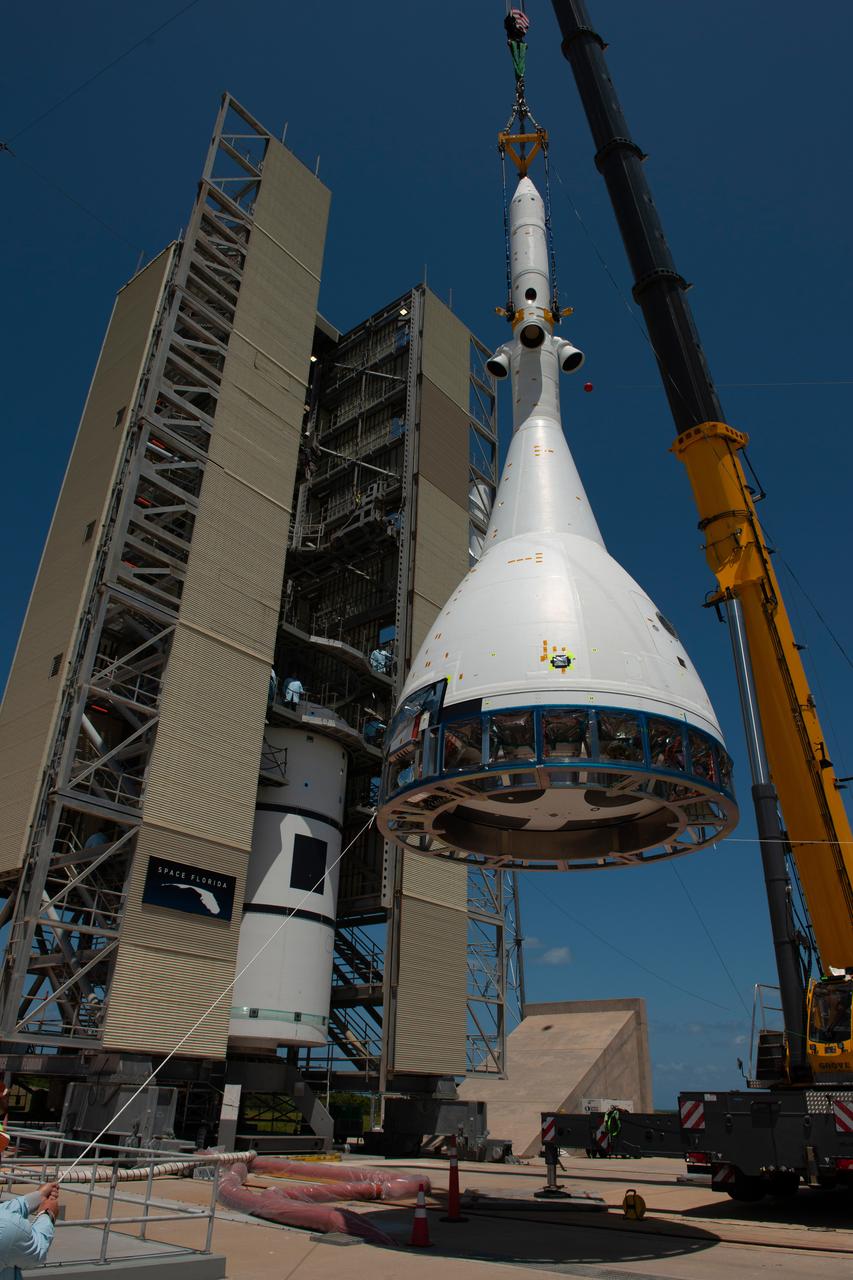
The Orion Ascent Abort-2 (AA-2) vehicle arrives at the launch pad for stacking with the abort test booster on May 23, 2019.
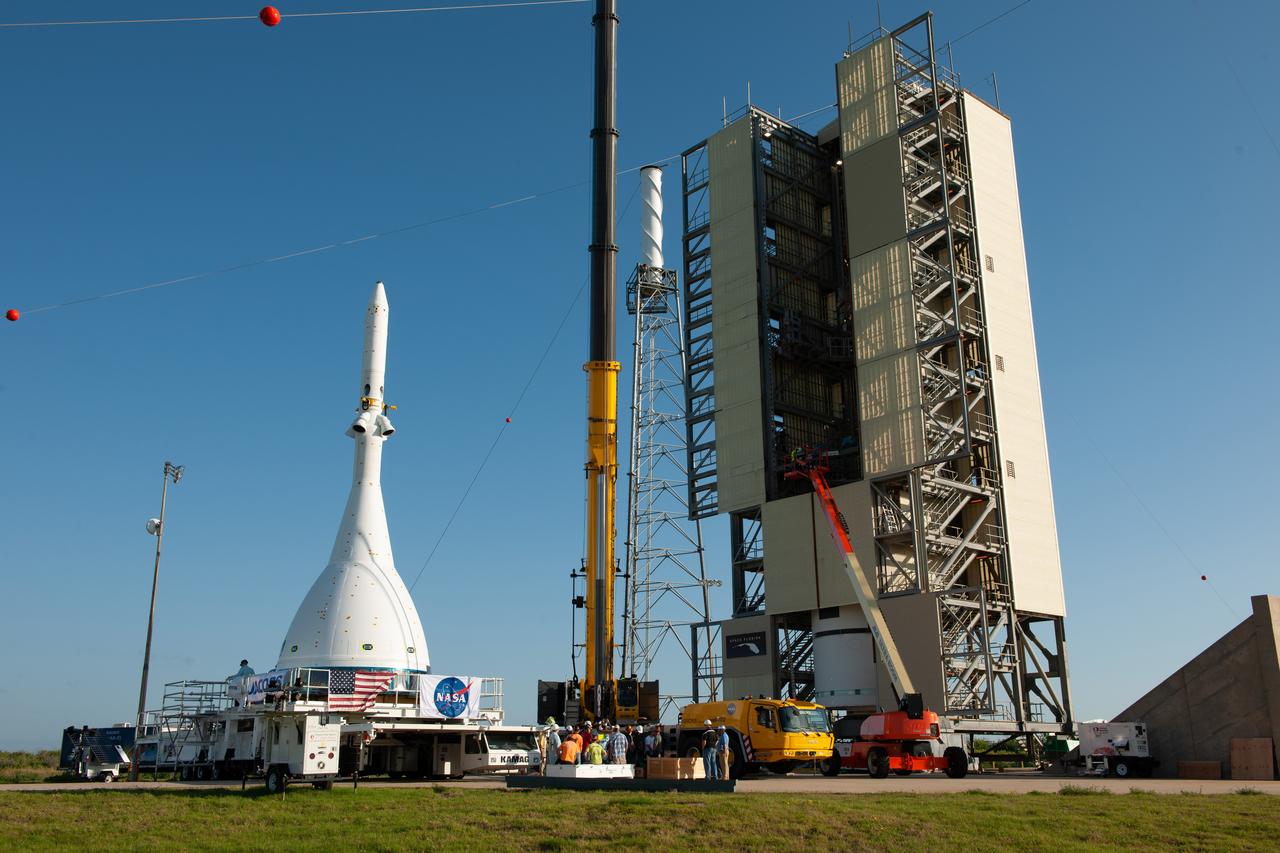
The Orion Ascent Abort-2 (AA-2) vehicle arrives at the launch pad for stacking with the abort test booster on May 23, 2019.
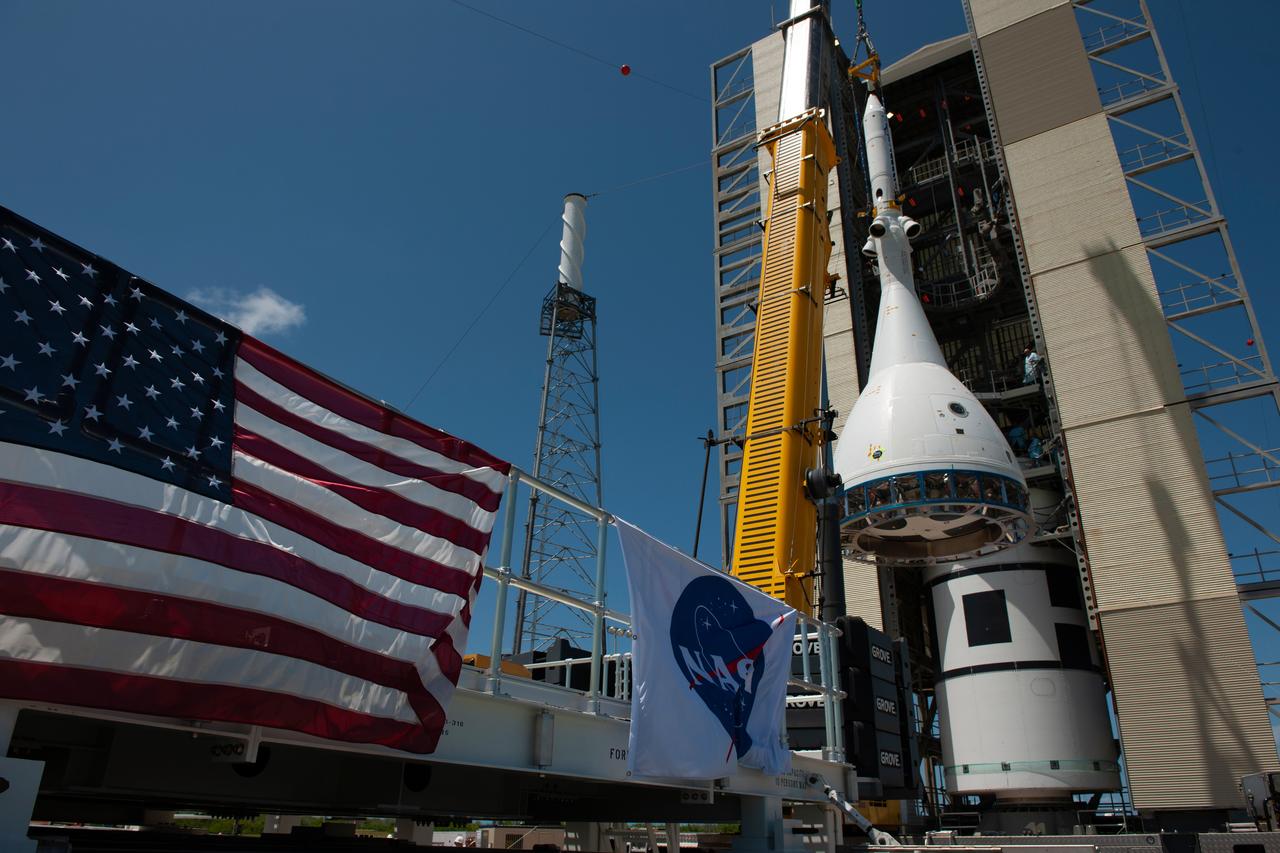
The Orion Ascent Abort-2 (AA-2) vehicle arrives at the launch pad for stacking with the abort test booster on May 23, 2019.
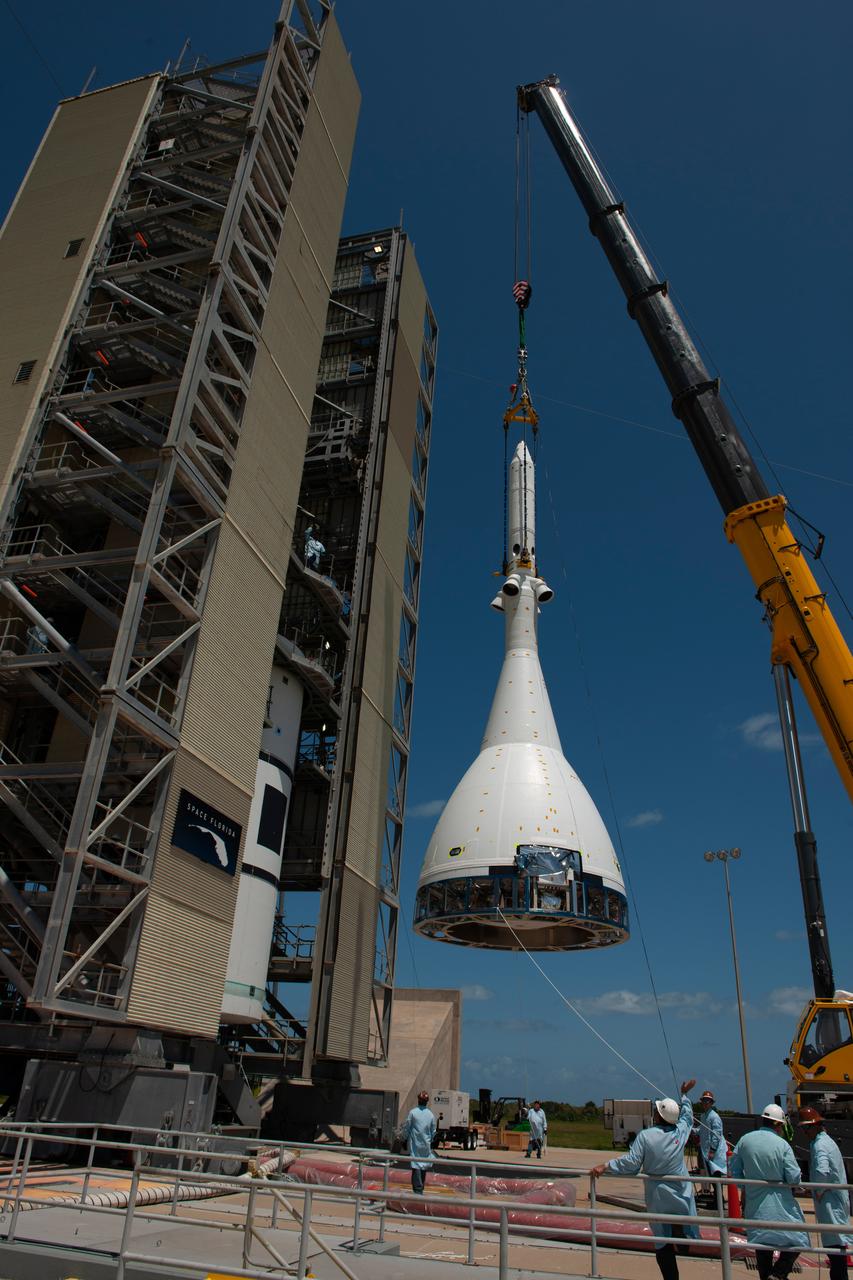
The Orion Ascent Abort-2 (AA-2) vehicle arrives at the launch pad for stacking with the abort test booster on May 23, 2019.
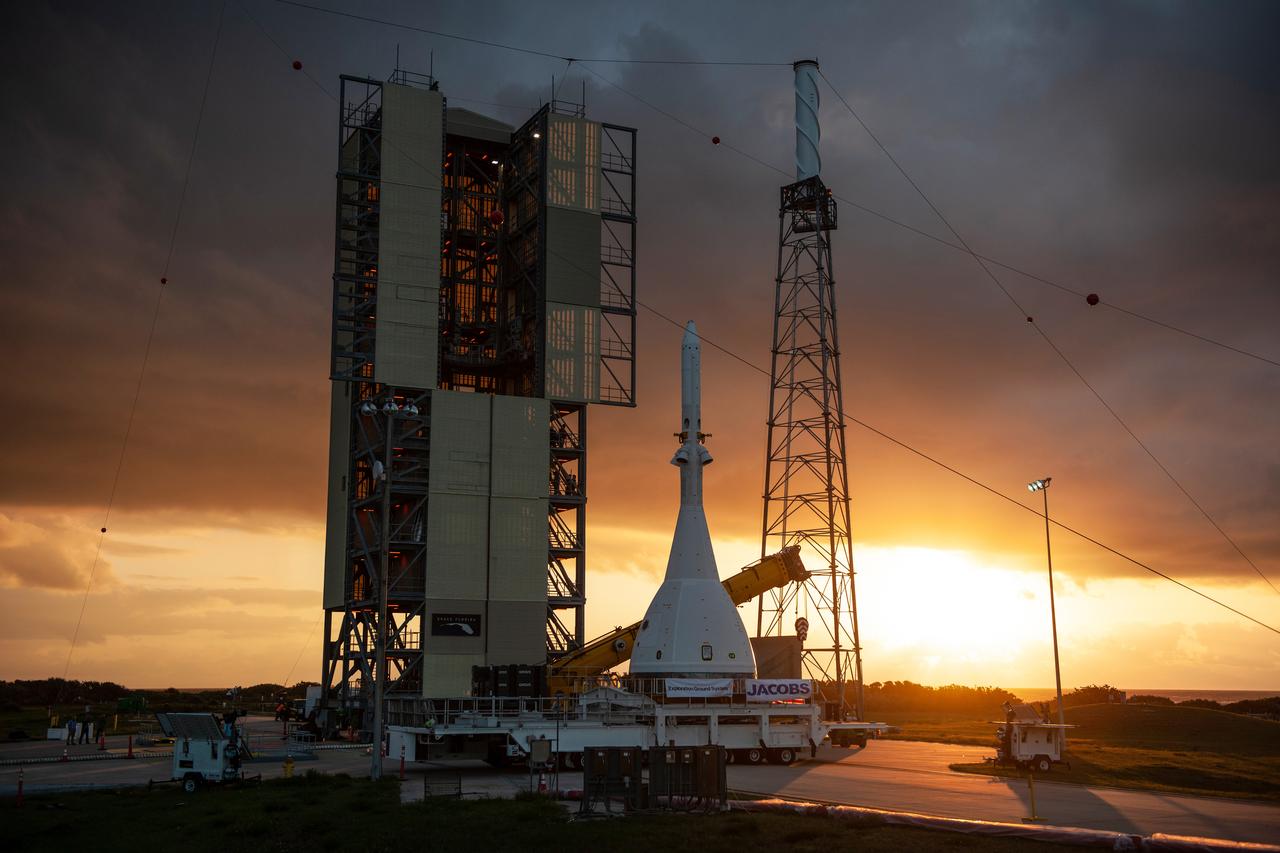
The Orion Ascent Abort-2 (AA-2) vehicle arrives at the launch pad for stacking with the abort test booster on May 23, 2019.
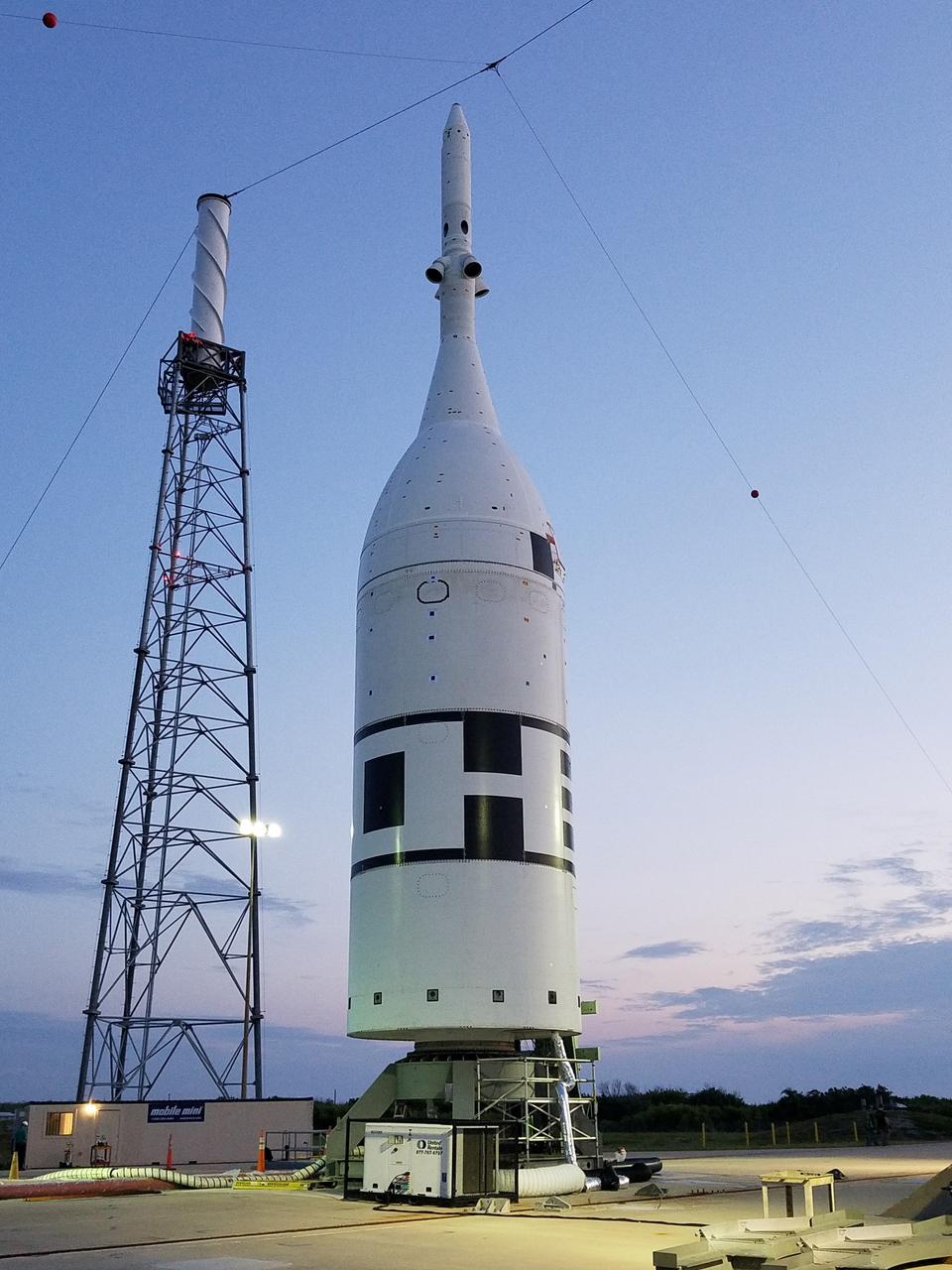
The Orion Ascent Abort-2 test booster and launch abort system on the launch pad at Cape Canaveral Air Force Station in Florida on June 27, 2019.