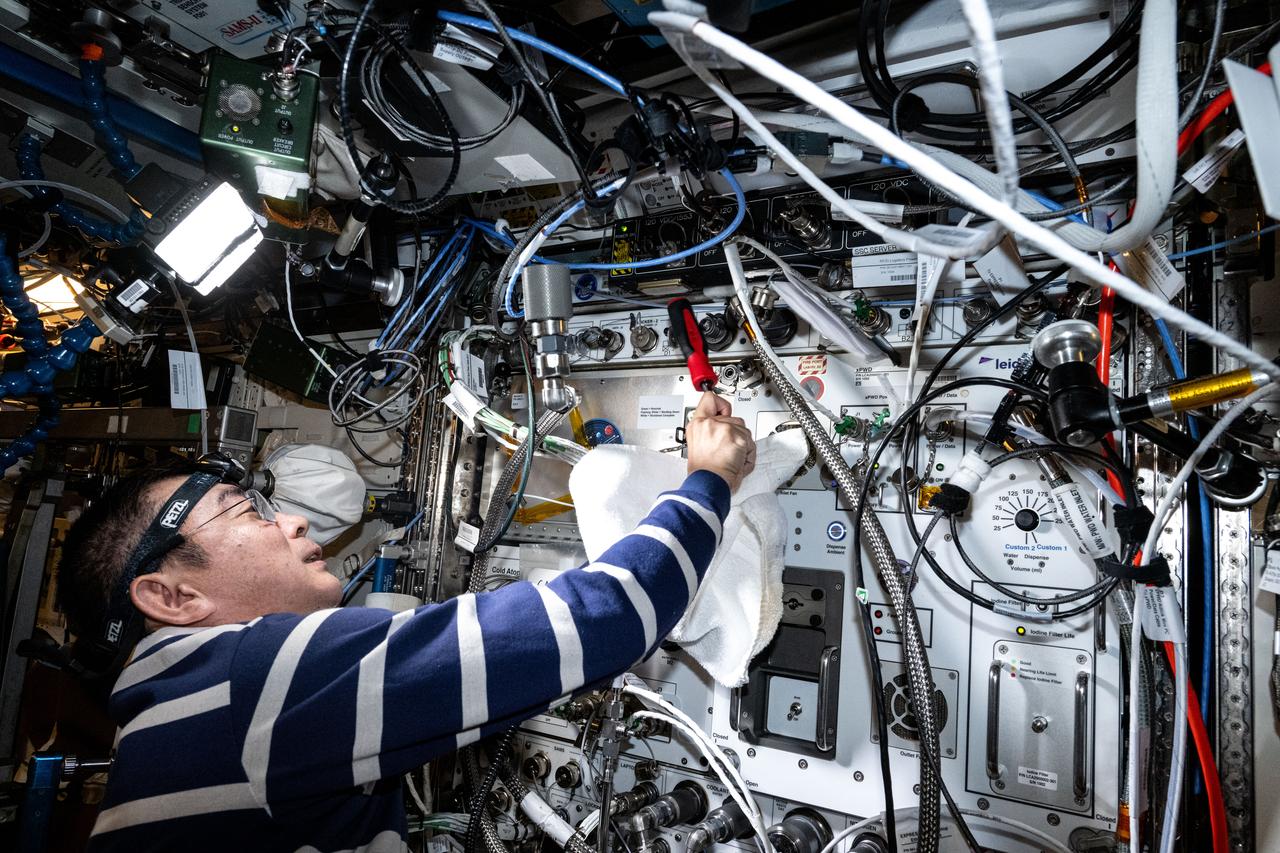
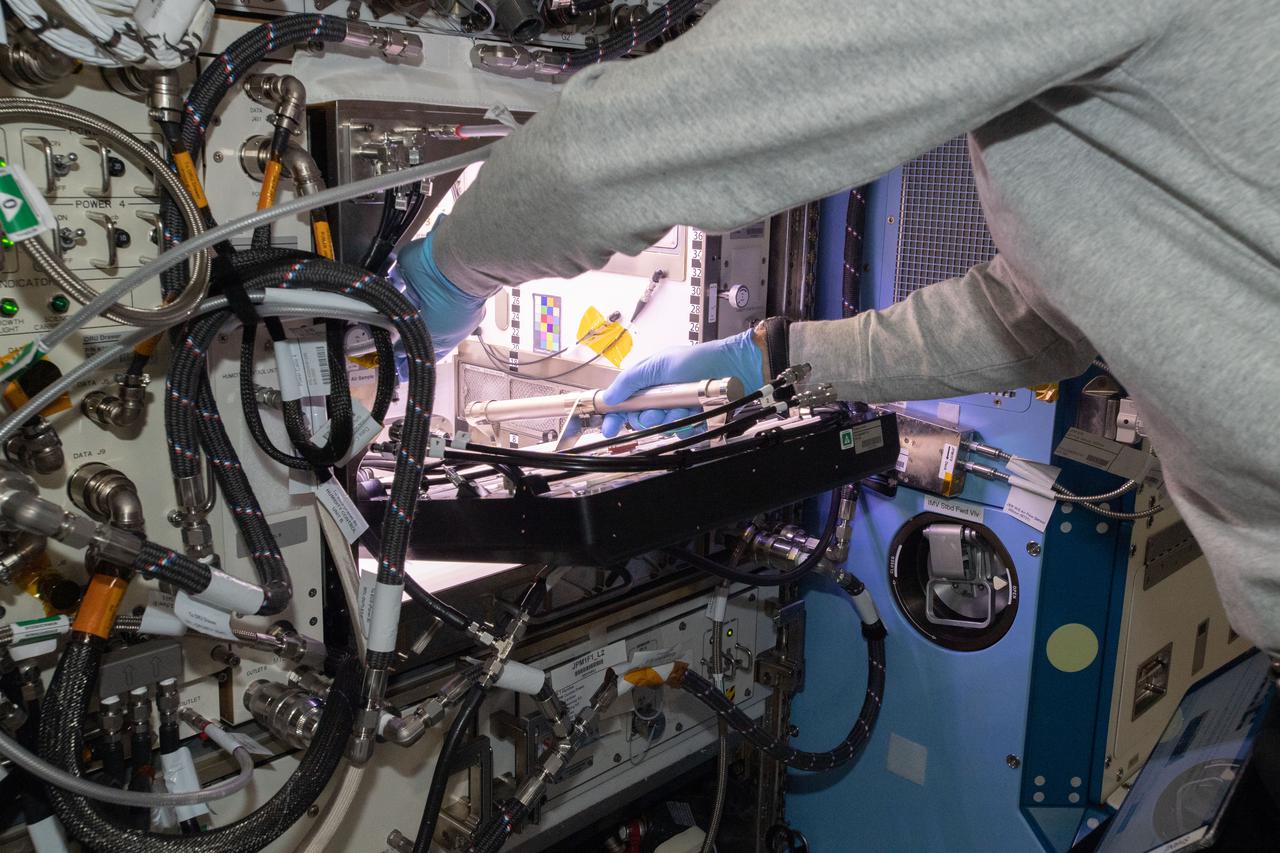
iss073e0431957 (Aug. 12, 2025) --- JAXA (Japan Aerospace Exploration Agency) astronaut and Expedition 73 Flight Engineer Kimiya Yui works on the Cold Atom Lab inside the International Space Station’s Destiny laboratory module. He replaced computer components in the physics research device, which chills atoms to temperatures below the average temperature of the universe enabling scientists to observe atomic wave functions and quantum behaviors not possible on Earth.
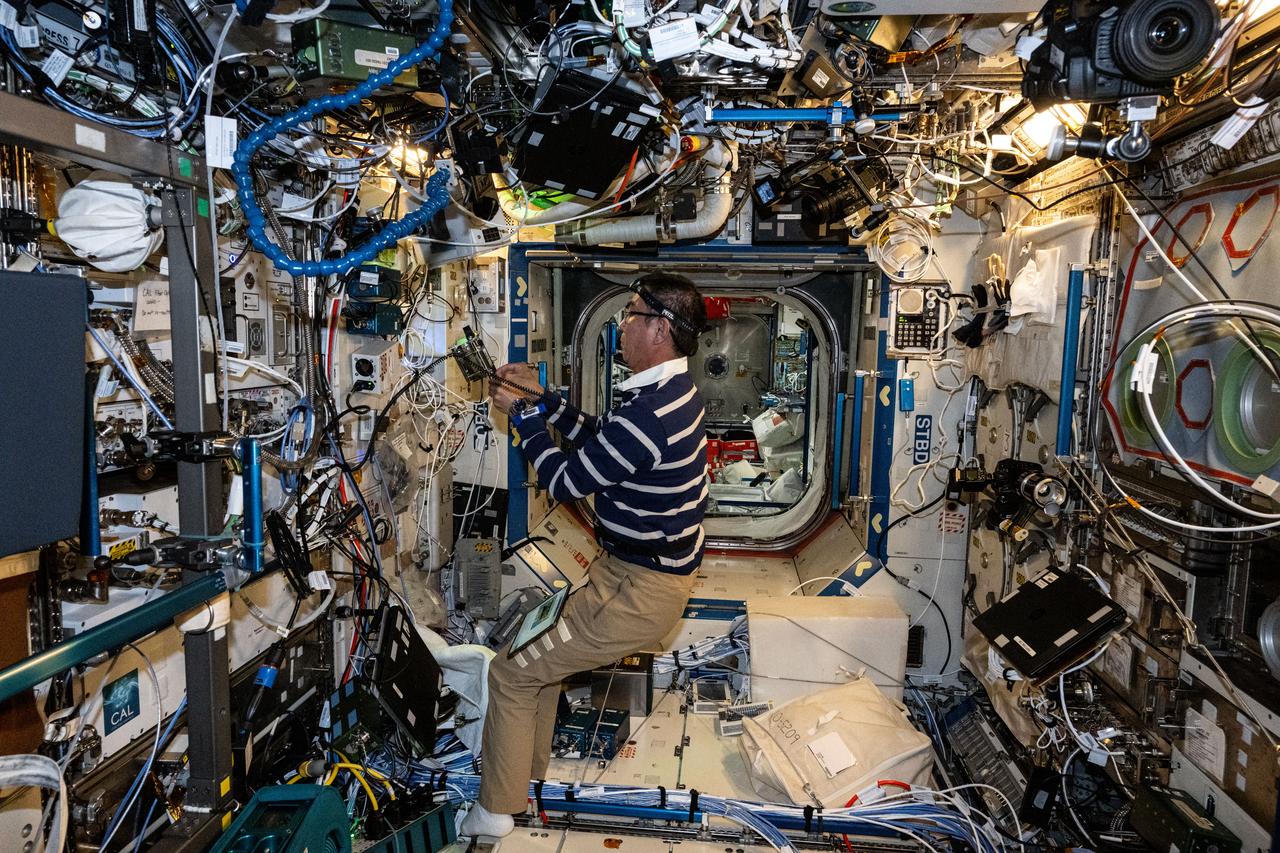
iss073e0431947 (Aug. 12, 2025) --- JAXA (Japan Aerospace Exploration Agency) astronaut and Expedition 73 Flight Engineer Kimiya Yui works on the Cold Atom Lab inside the International Space Station’s Destiny laboratory module. He replaced computer components in the physics research device, which chills atoms to temperatures below the average temperature of the universe enabling scientists to observe atomic wave functions and quantum behaviors not possible on Earth.
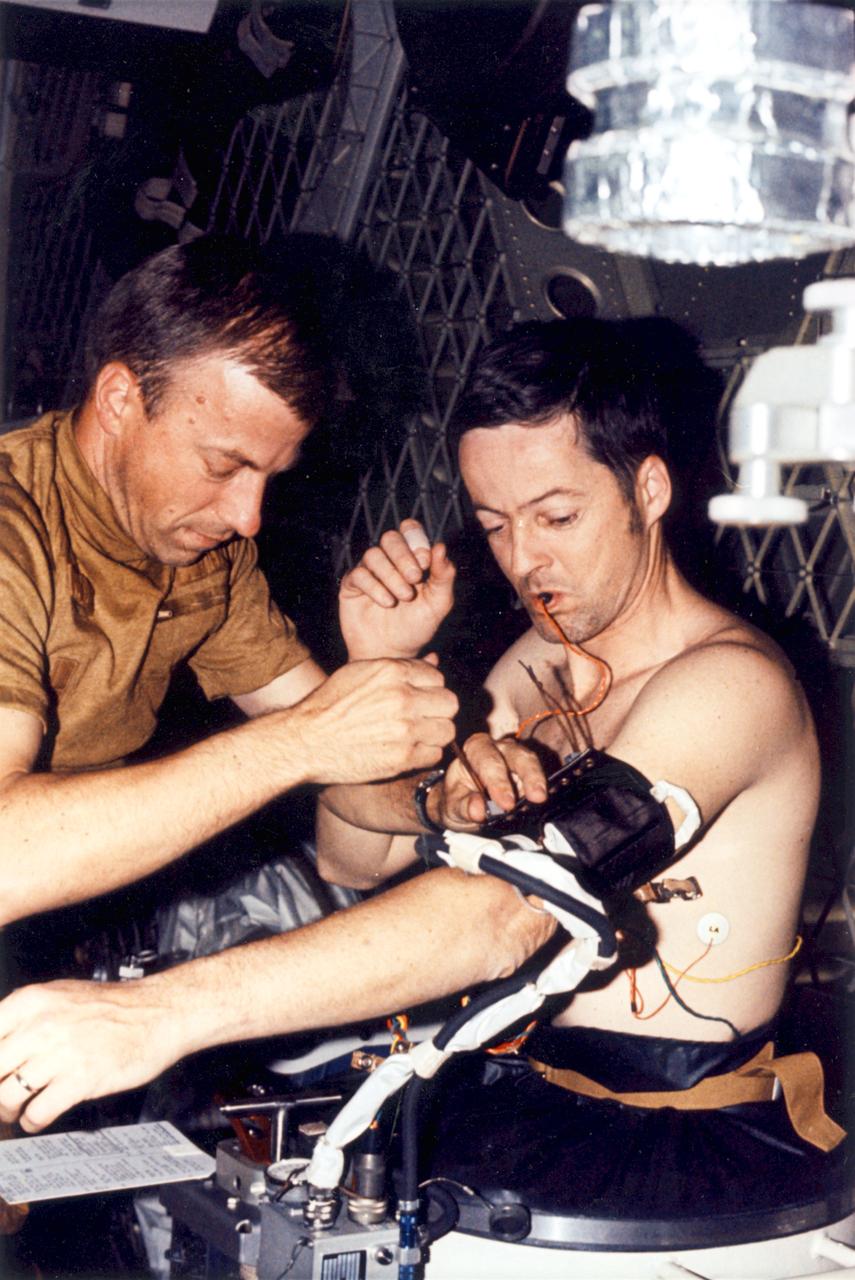
Astronaut Weitz assists Astronaut Kerwin with blood pressure cuff. Skylab-2 mission duration 5/25/73 thru 6/22/73.

iss071e379502 (July 23, 2024) --- Clockwise from left, NASA astronauts Suni Williams, Mike Barratt, and Butch Wilmore work on lab maintenance tasks aboard the International Space Station. Williams and Wilmore are the Pilot and Commander, respectively, for Boeing's Crew Flight Test and Barratt is an Expedition 71 Flight Engineer.
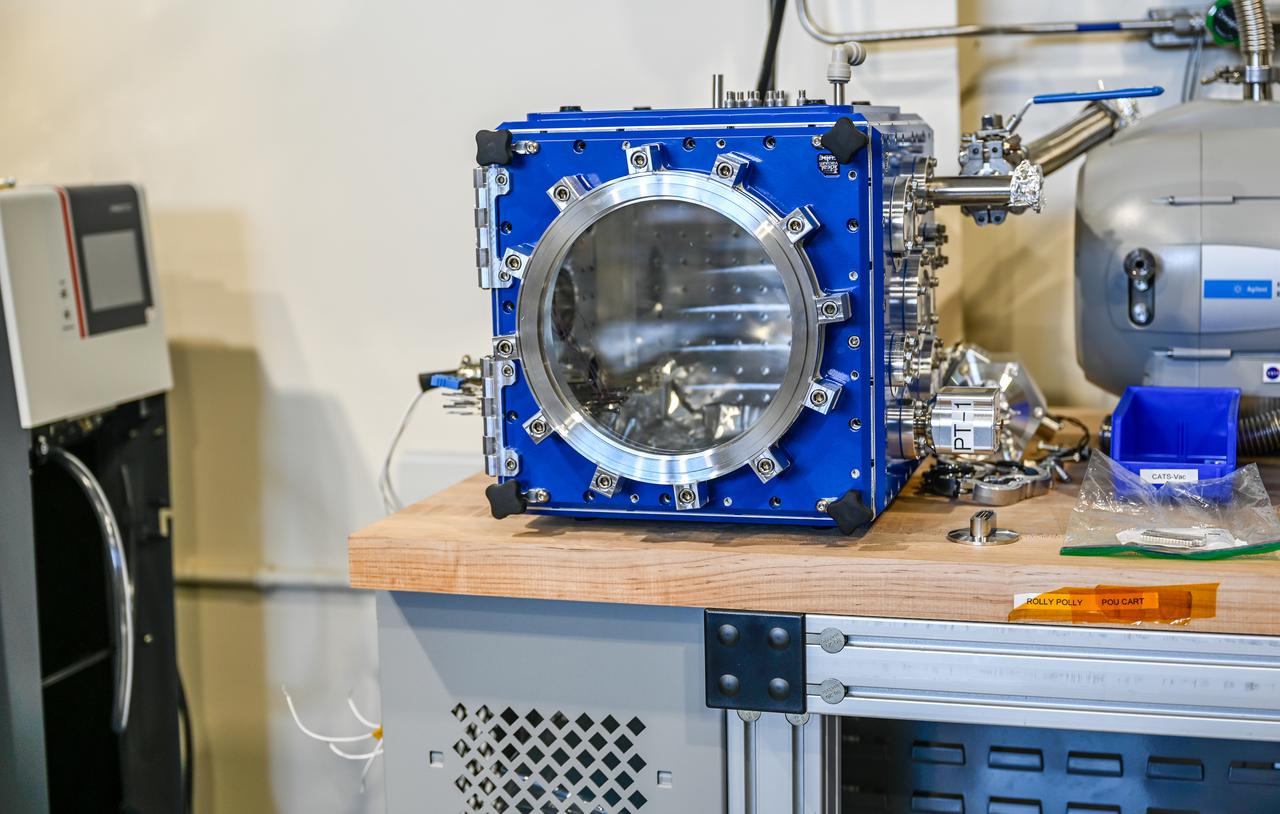
These photos, taken in fall 2024, show how NASA engineers use the Hub for Innovative Thermal Technology Maturation and Prototyping (Hi-TTeMP) laboratory at NASA’s Marshall Space Flight Center in Huntsville, Alabama. NASA engineers working in the HI-TTeMP lab not only design, set up, and run tests, they also provide insight and expertise in thermal engineering to assist NASA’s industry partners, such as SpaceX and other organizations, in validating concepts and models, or suggesting changes to designs. The lab is able to rapidly test and evaluate design updates or iterations. Engineering teams inside the lab are currently testing how well prototype insulation for SpaceX’s Starship HLS (Human Landing System) will insulate interior environments, including propellant storage tanks and the crew cabin. Starship HLS will land astronauts on the lunar surface during Artemis III and Artemis IV.
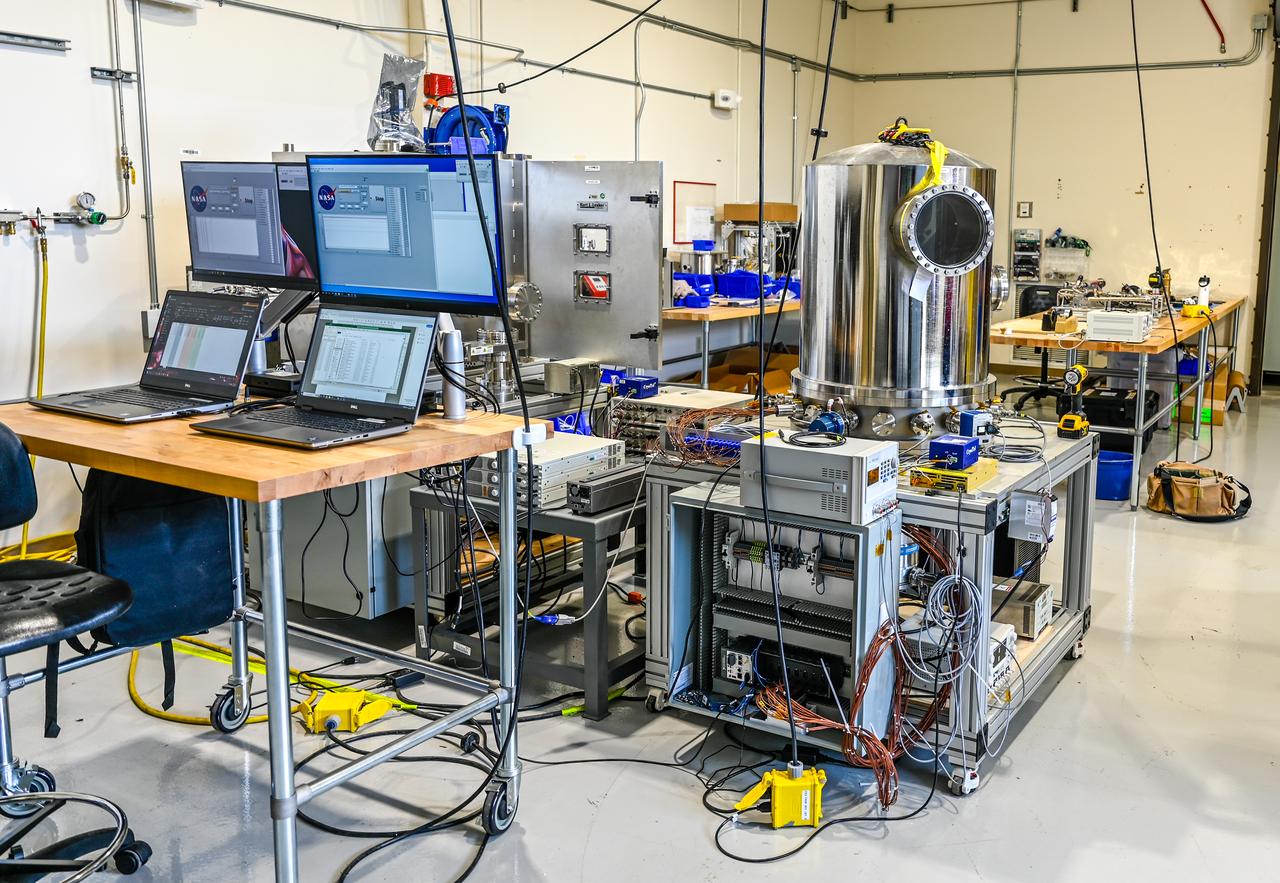
These photos, taken in fall 2024, show how NASA engineers use the Hub for Innovative Thermal Technology Maturation and Prototyping (Hi-TTeMP) laboratory at NASA’s Marshall Space Flight Center in Huntsville, Alabama. NASA engineers working in the HI-TTeMP lab not only design, set up, and run tests, they also provide insight and expertise in thermal engineering to assist NASA’s industry partners, such as SpaceX and other organizations, in validating concepts and models, or suggesting changes to designs. The lab is able to rapidly test and evaluate design updates or iterations. Engineering teams inside the lab are currently testing how well prototype insulation for SpaceX’s Starship HLS (Human Landing System) will insulate interior environments, including propellant storage tanks and the crew cabin. Starship HLS will land astronauts on the lunar surface during Artemis III and Artemis IV.
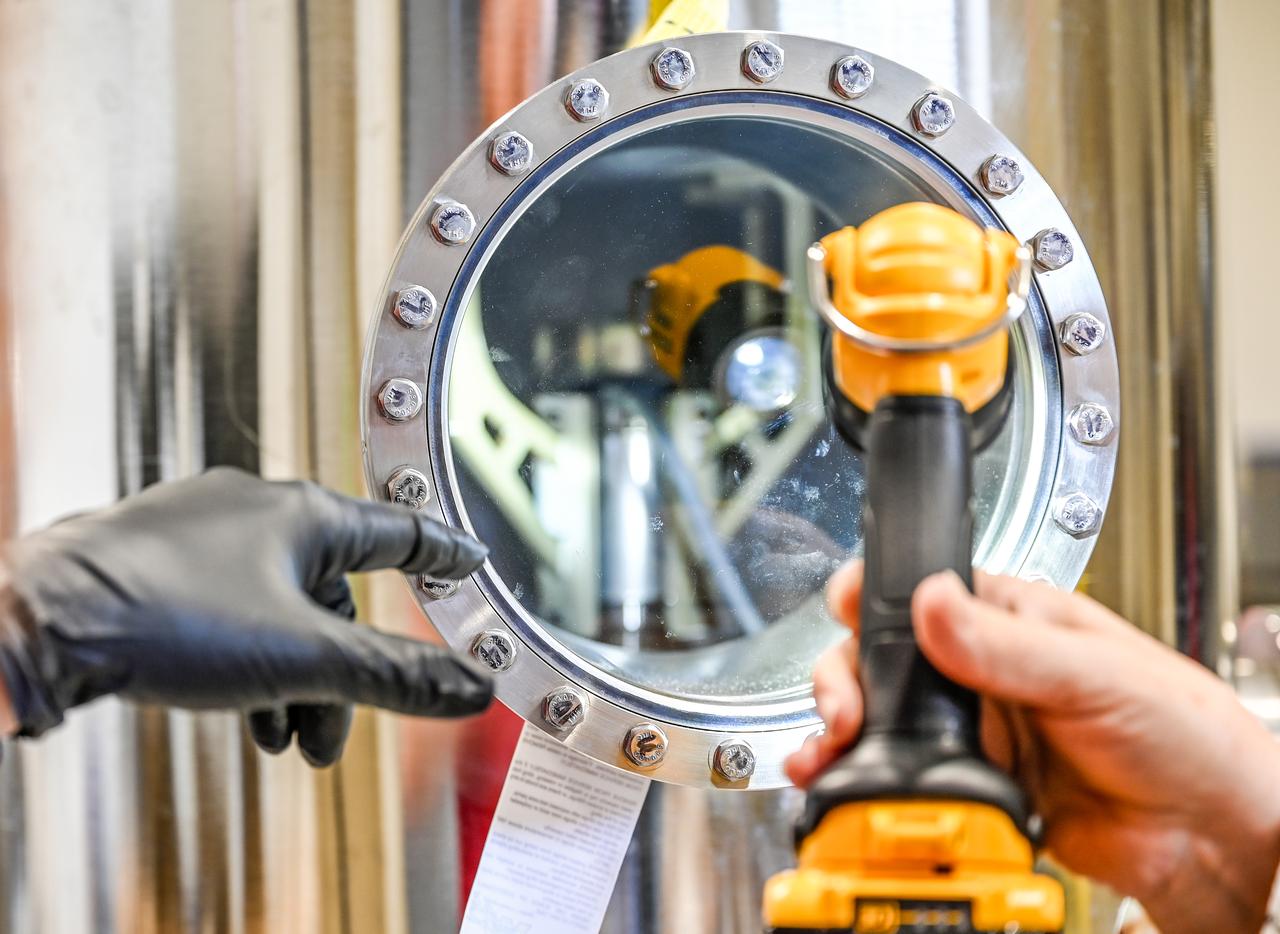
These photos, taken in fall 2024, show how NASA engineers use the Hub for Innovative Thermal Technology Maturation and Prototyping (Hi-TTeMP) laboratory at NASA’s Marshall Space Flight Center in Huntsville, Alabama. NASA engineers working in the HI-TTeMP lab not only design, set up, and run tests, they also provide insight and expertise in thermal engineering to assist NASA’s industry partners, such as SpaceX and other organizations, in validating concepts and models, or suggesting changes to designs. The lab is able to rapidly test and evaluate design updates or iterations. Engineering teams inside the lab are currently testing how well prototype insulation for SpaceX’s Starship HLS (Human Landing System) will insulate interior environments, including propellant storage tanks and the crew cabin. Starship HLS will land astronauts on the lunar surface during Artemis III and Artemis IV.
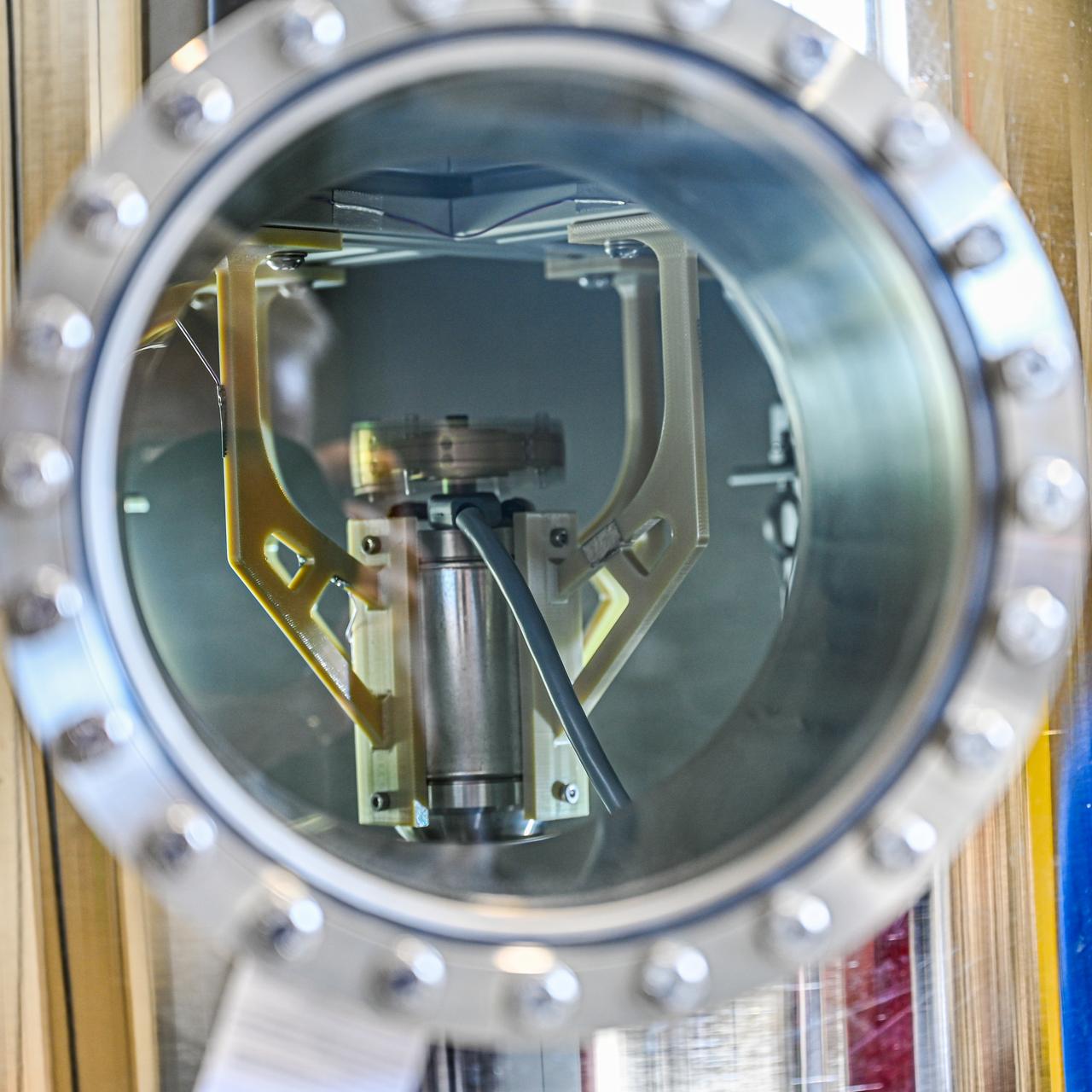
These photos, taken in fall 2024, show how NASA engineers use the Hub for Innovative Thermal Technology Maturation and Prototyping (Hi-TTeMP) laboratory at NASA’s Marshall Space Flight Center in Huntsville, Alabama. NASA engineers working in the HI-TTeMP lab not only design, set up, and run tests, they also provide insight and expertise in thermal engineering to assist NASA’s industry partners, such as SpaceX and other organizations, in validating concepts and models, or suggesting changes to designs. The lab is able to rapidly test and evaluate design updates or iterations. Engineering teams inside the lab are currently testing how well prototype insulation for SpaceX’s Starship HLS (Human Landing System) will insulate interior environments, including propellant storage tanks and the crew cabin. Starship HLS will land astronauts on the lunar surface during Artemis III and Artemis IV.
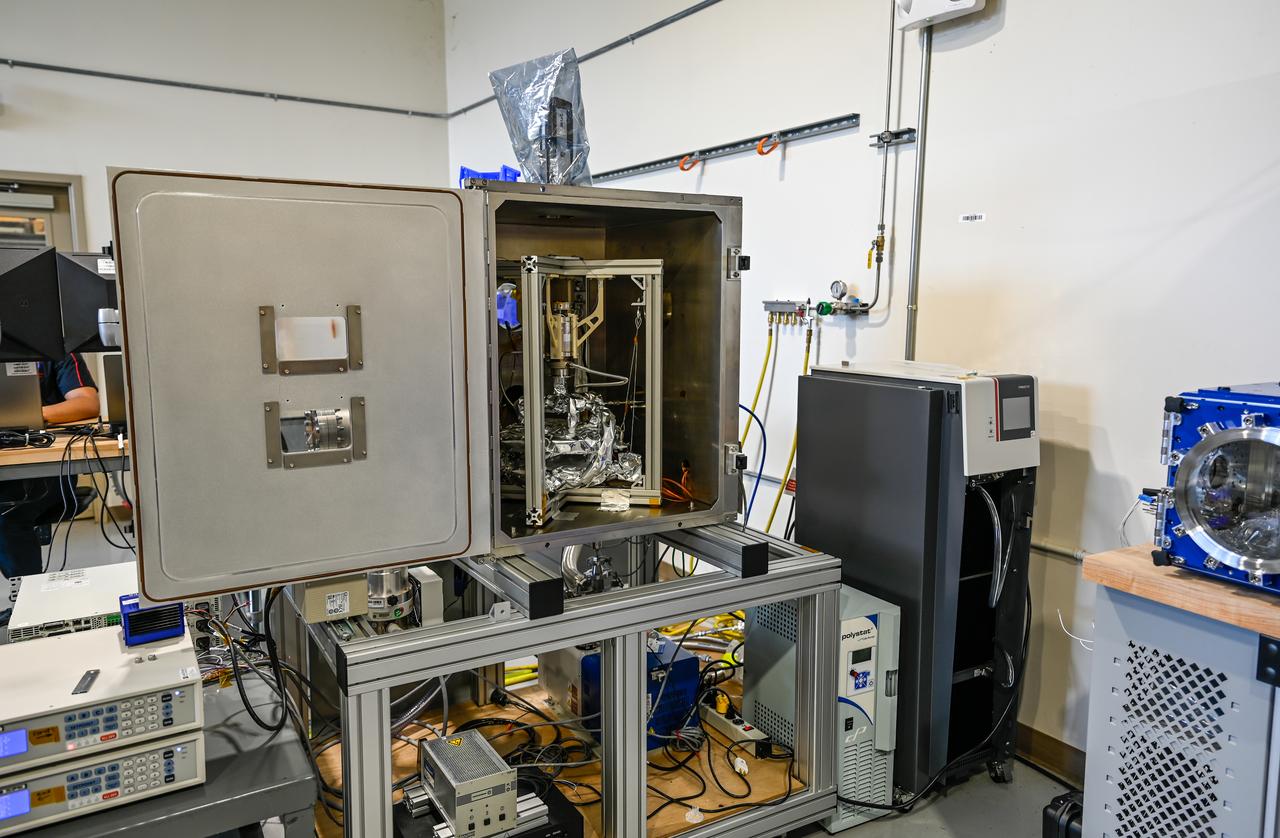
These photos, taken in fall 2024, show how NASA engineers use the Hub for Innovative Thermal Technology Maturation and Prototyping (Hi-TTeMP) laboratory at NASA’s Marshall Space Flight Center in Huntsville, Alabama. NASA engineers working in the HI-TTeMP lab not only design, set up, and run tests, they also provide insight and expertise in thermal engineering to assist NASA’s industry partners, such as SpaceX and other organizations, in validating concepts and models, or suggesting changes to designs. The lab is able to rapidly test and evaluate design updates or iterations. Engineering teams inside the lab are currently testing how well prototype insulation for SpaceX’s Starship HLS (Human Landing System) will insulate interior environments, including propellant storage tanks and the crew cabin. Starship HLS will land astronauts on the lunar surface during Artemis III and Artemis IV.
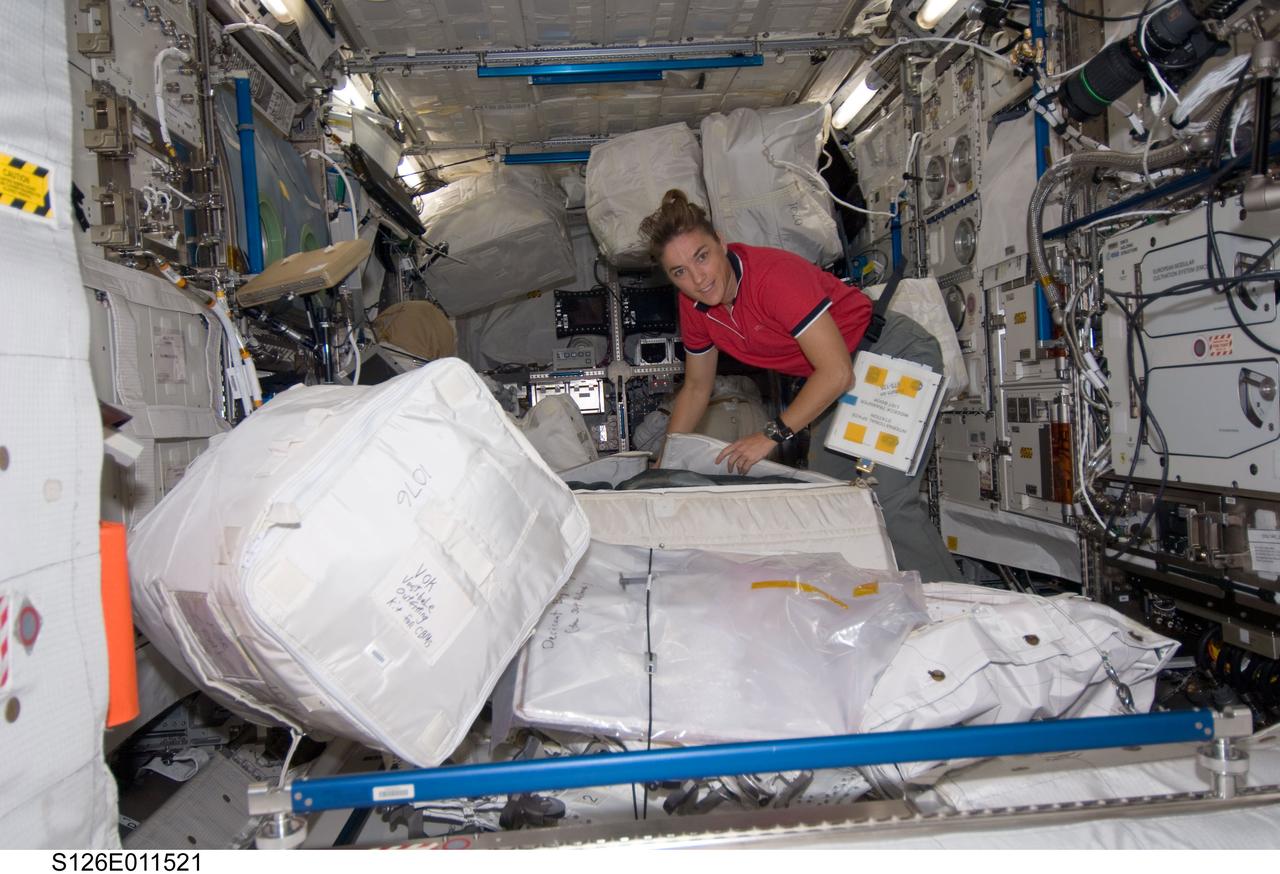
S126-E-011521 (26 Nov. 2008) --- Astronaut Heidemarie Stefanyshyn-Piper, STS-126 mission specialist, works with transfer of supplies in the Columbus lab of the International Space Station.
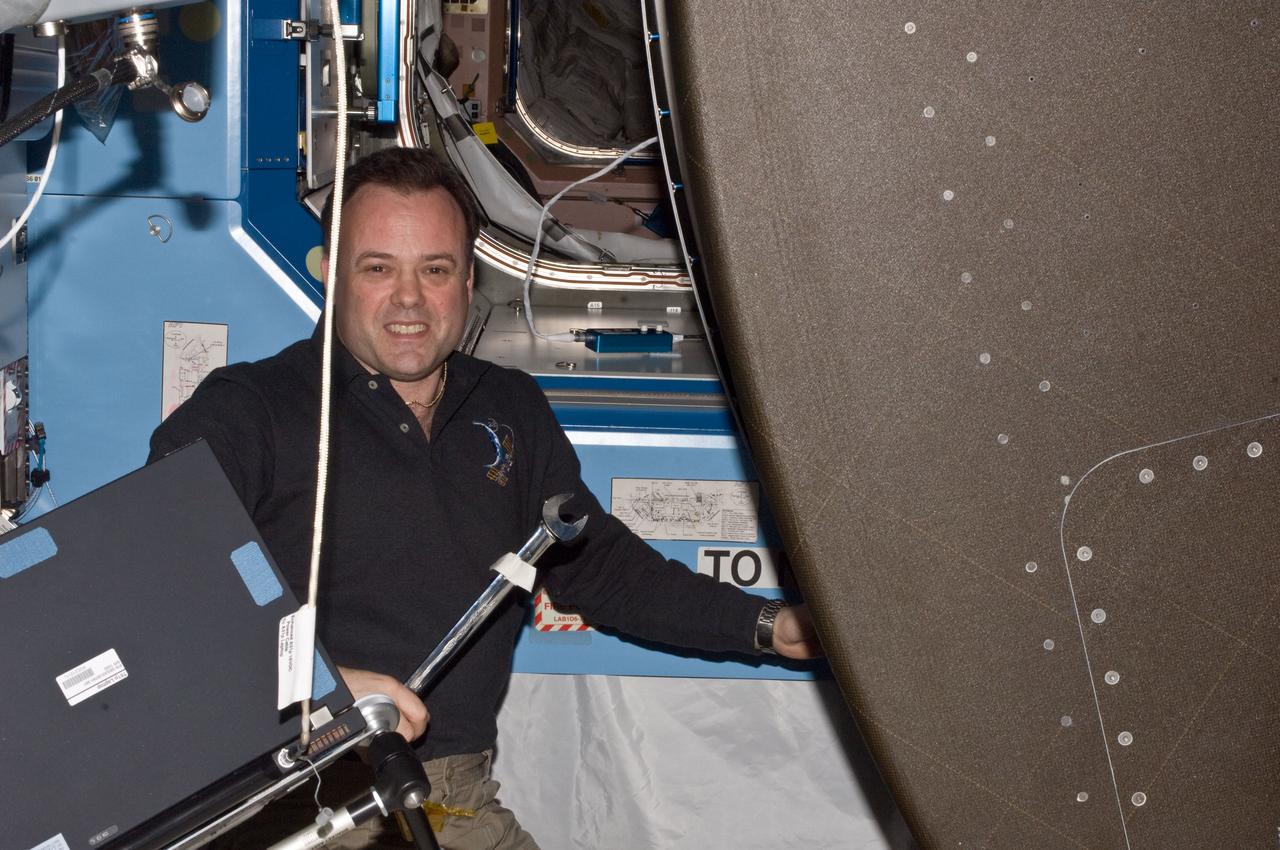
ISS028-E-017363 (17 July 2011) --- NASA astronaut Ron Garan, Expedition 28 flight engineer, works with a pulled rack in the U.S. lab or Destinty aboard the Internatinal Space Station.
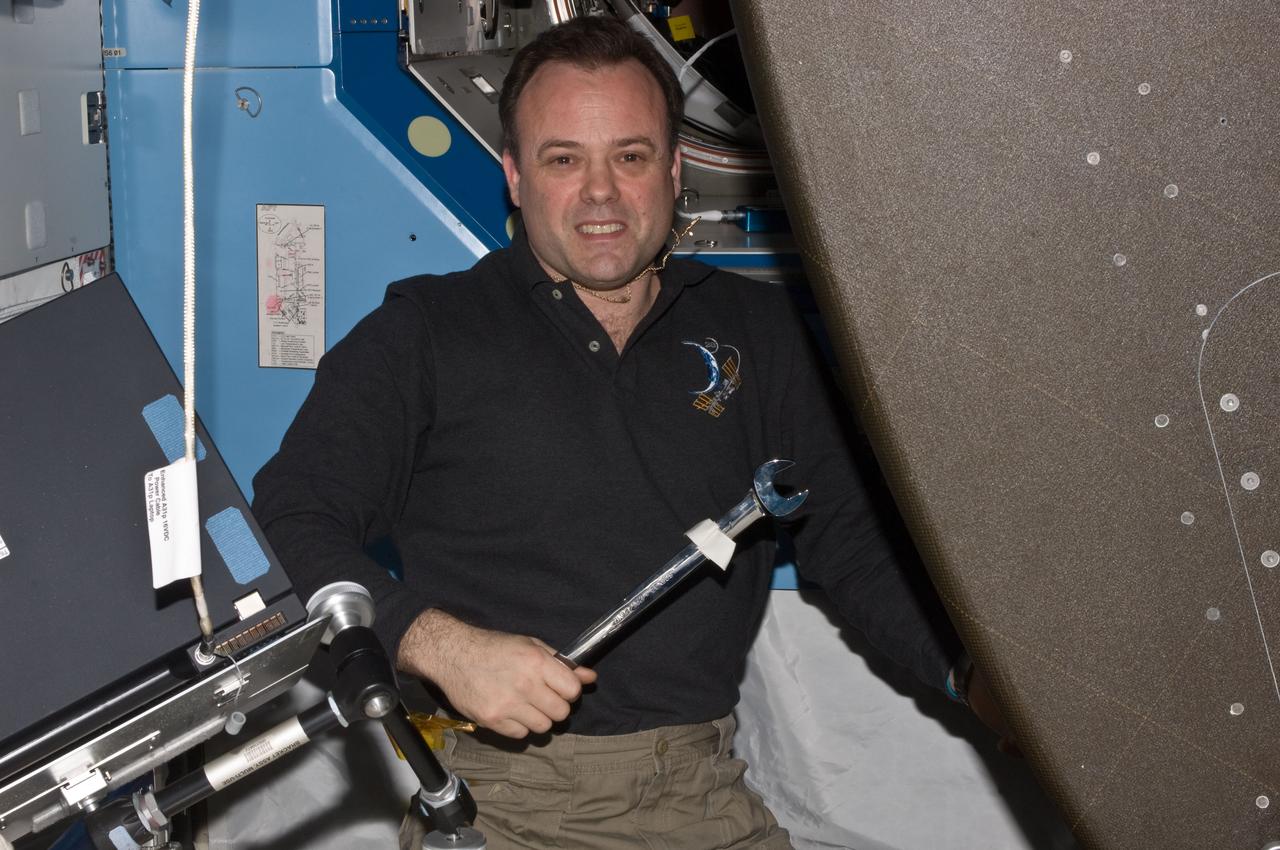
ISS028-E-017361 (17 July 2011) --- NASA astronaut Ron Garan, Expedition 28 flight engineer, works with a pulled rack in the U.S. lab or Destinty aboard the International Space Station.
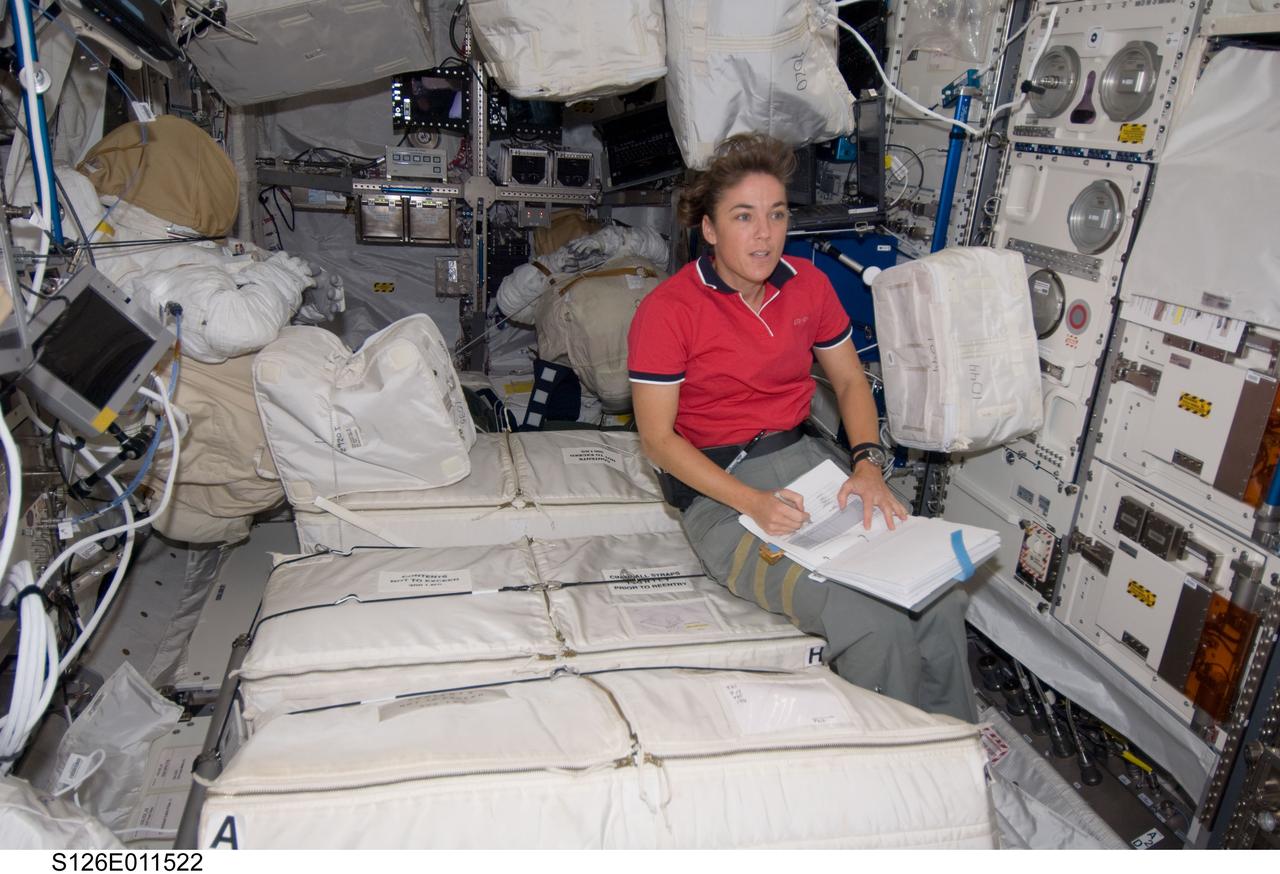
S126-E-011522 (26 Nov. 2008) --- Astronaut Heidemarie Stefanyshyn-Piper, STS-126 mission specialist, works with transfer of supplies in the Columbus lab of the International Space Station.
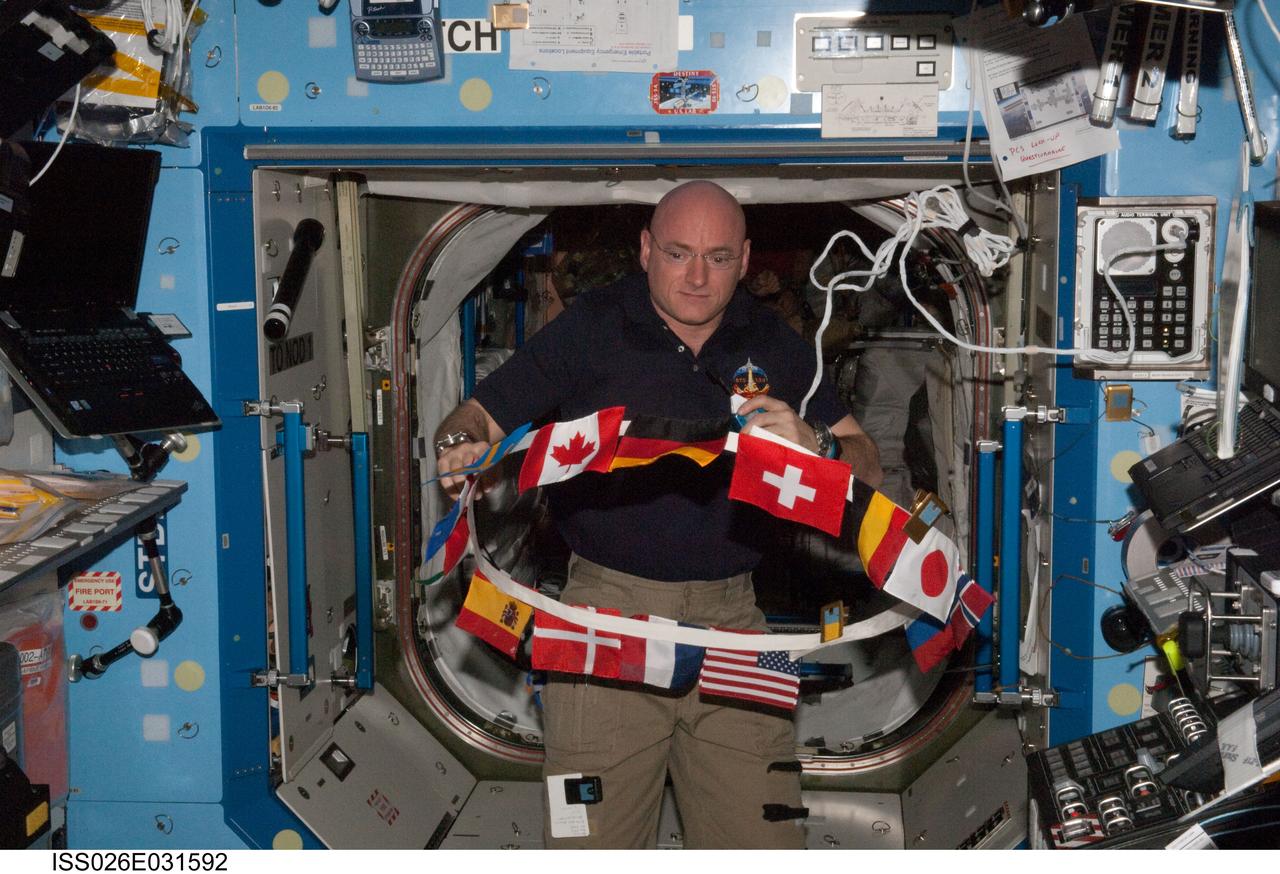
ISS026-E-031592 (3 March 2011) --- NASA astronaut Scott Kelly, Expedition 26 commander, works with the flags of the international partners onboard the U.S. lab Destiny on the International Space Station.
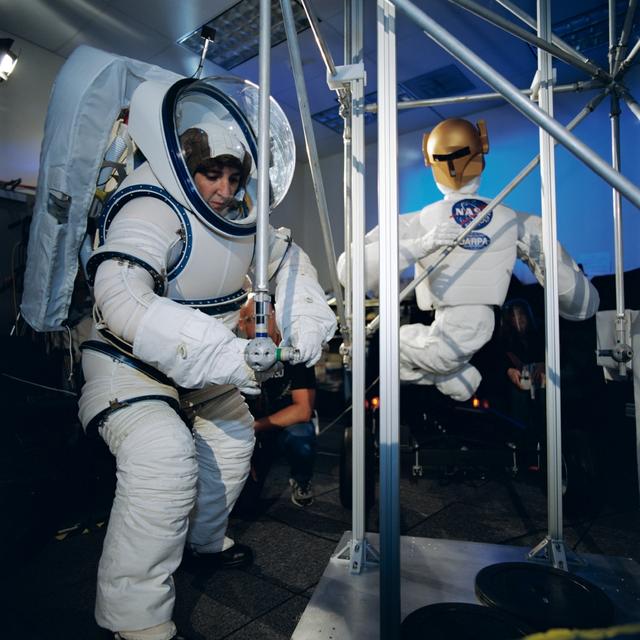
Photographic documentation of Robonaut activities involving joint task operations with a EVA suited astronaut (Nancy Currie) in bldg 9N,rm 1113 (Robonaut lab). Close-up view of Currie (in her EMU) working with the Robonauts (00299). Currie and one Robonaut work at a task .
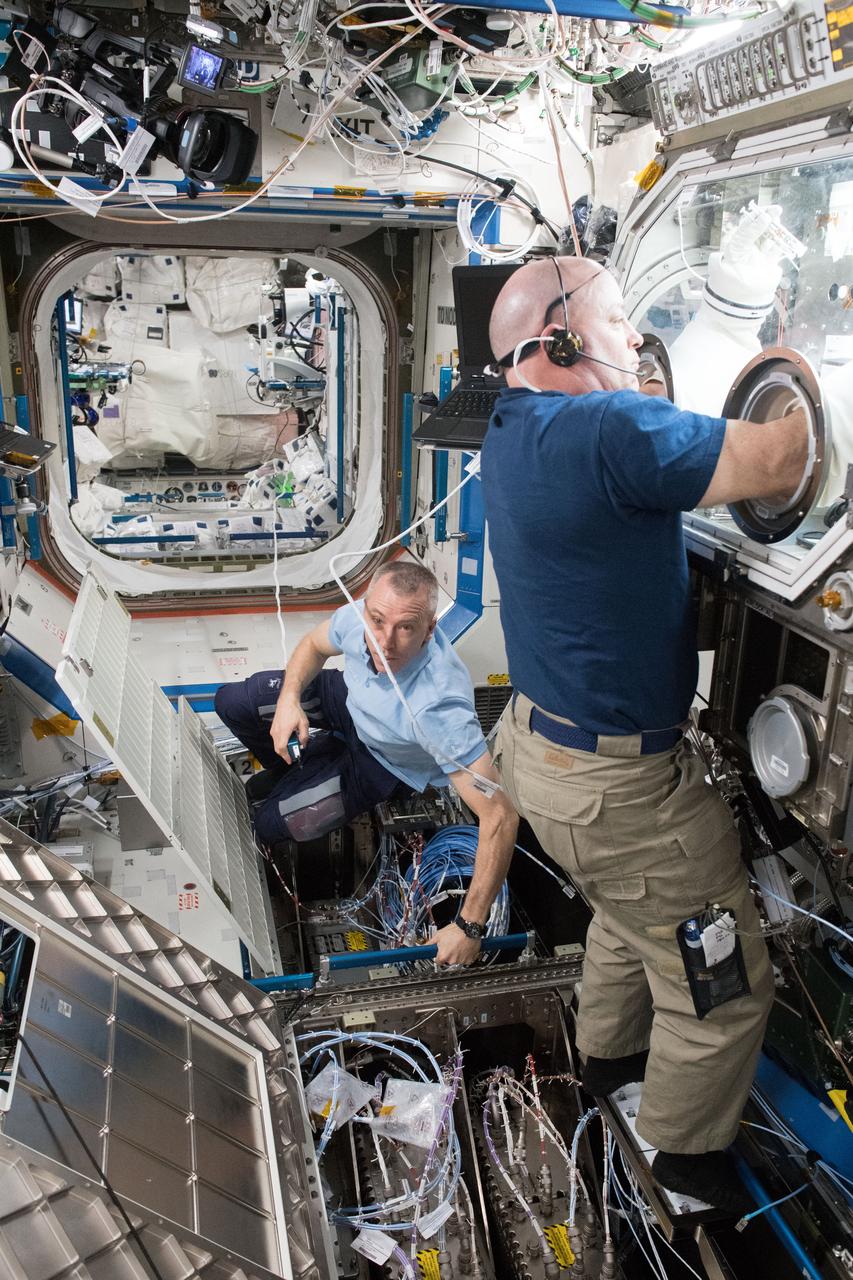
iss055e024310 (April 17, 2018) --- NASA astronauts Drew Feustel and Scott Tingle are at work inside the U.S. Destiny laboratory module. Feustel works on routing and installing ethernet cables throughout the International Space Station. Tingle conducts research for the Metabolic Tracking experiment inside the lab module's Microgravity Science Glovebox.
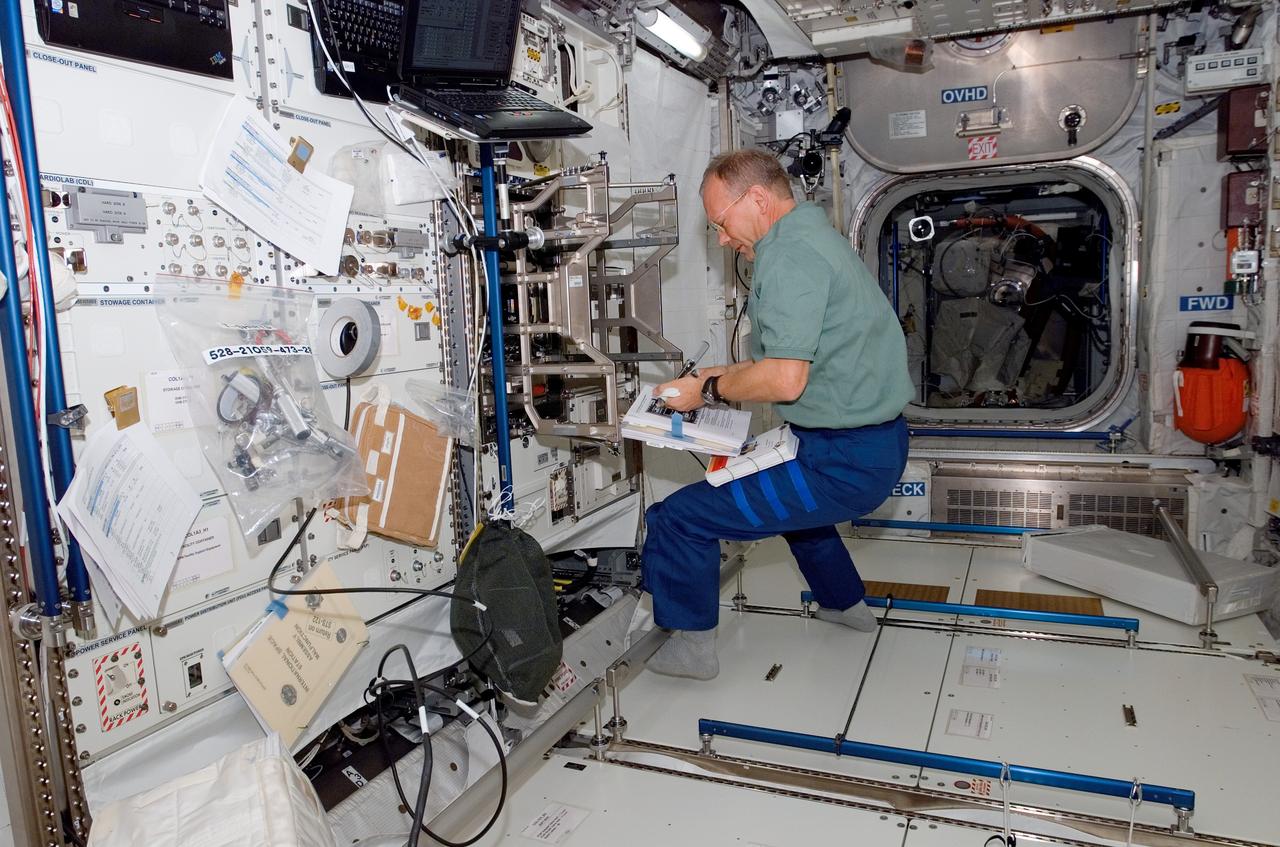
S122-E-008911 (15 Feb. 2008) --- European Space Agency astronaut Hans Schlegel, STS-122 mission specialist, continues work aimed toward readying the agency's new Columbus laboratory for duty aboard the International Space Station. A pictorial guidebook assists the astronaut in installing the lab's experiment racks.
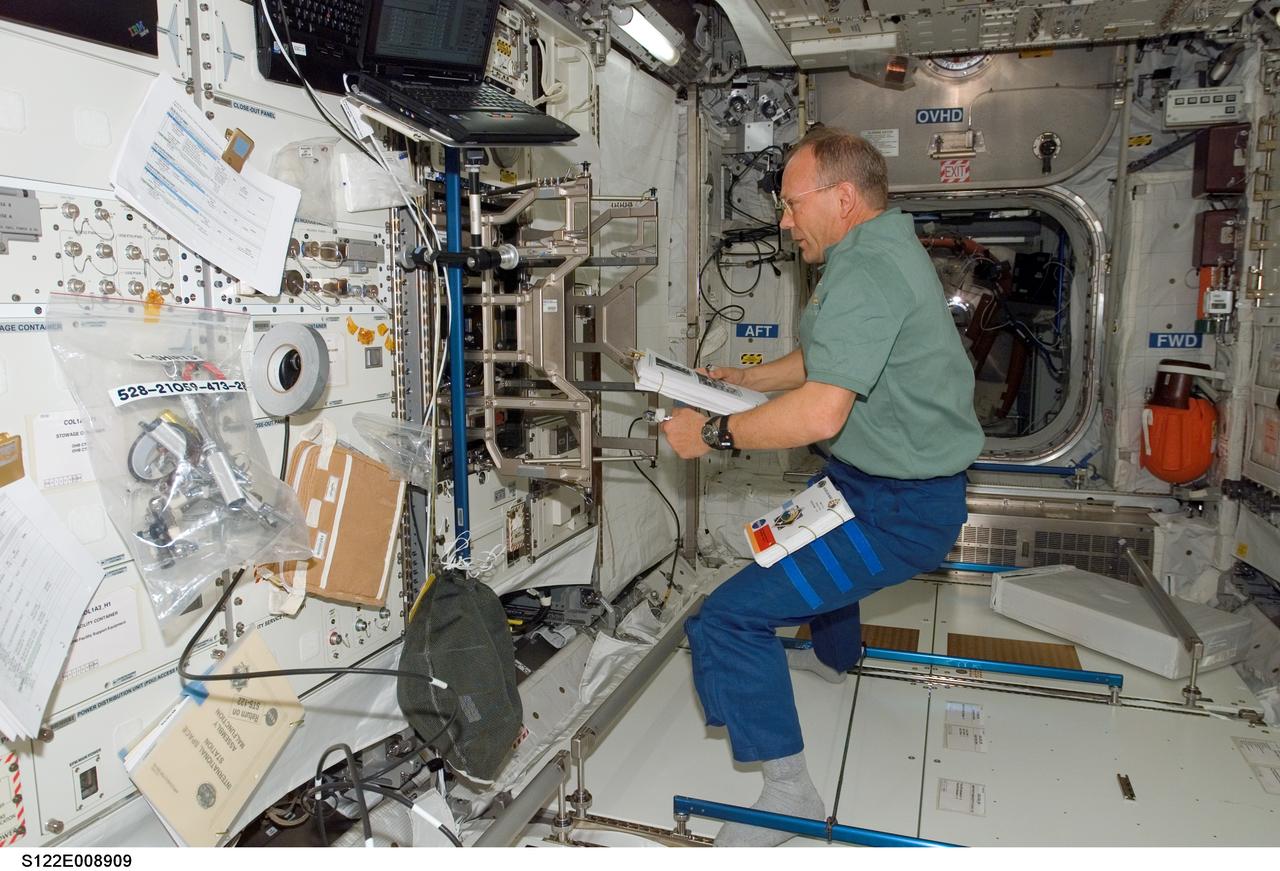
S122-E-008909 (15 Feb. 2008) --- European Space Agency astronaut Hans Schlegel, STS-122 mission specialist, continues work aimed toward readying the agency's new Columbus laboratory for duty aboard the International Space Station. A pictorial guidebook assists the astronaut in installing the lab's experiment racks.
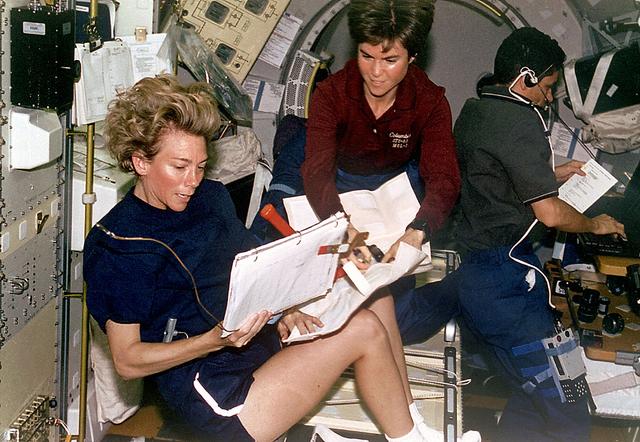
This Space Shuttle Columbia (STS-94) onboard photo is of astronauts Susan Still and Janice Voss reviewing an Inflight Maintenance (IFM) procedure in the Microgravity Science Lab (MSL-1) science module. Astronaut Gregory Linteris works at a lap top computer in the background.
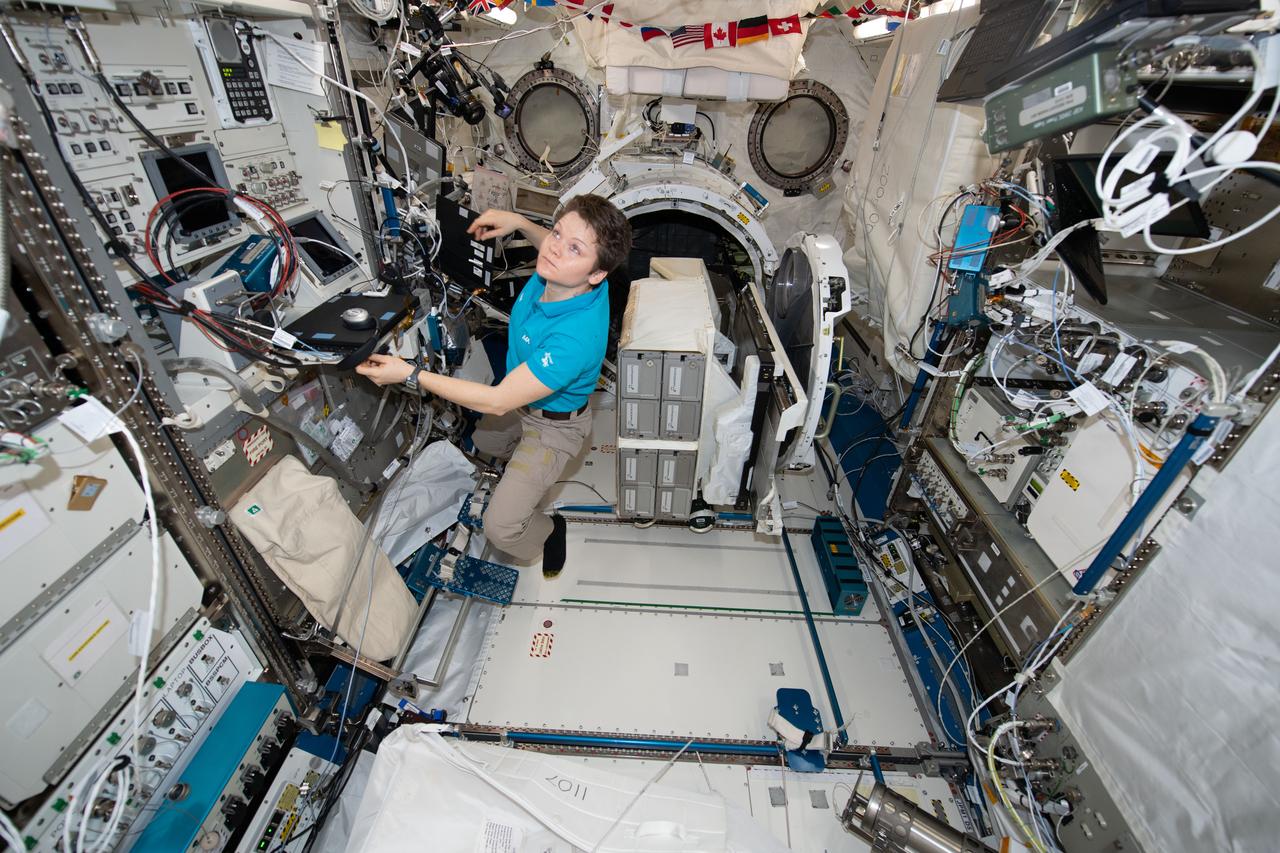
iss058e007642 (Jan. 30, 2019) --- NASA astronaut Anne McClain works inside the Kibo laboratory module designed and built by the Japan Aerospace Exploration Agency. McClain is working to install the NanoRacks CubeSat Deployer in Kibo's airlock.
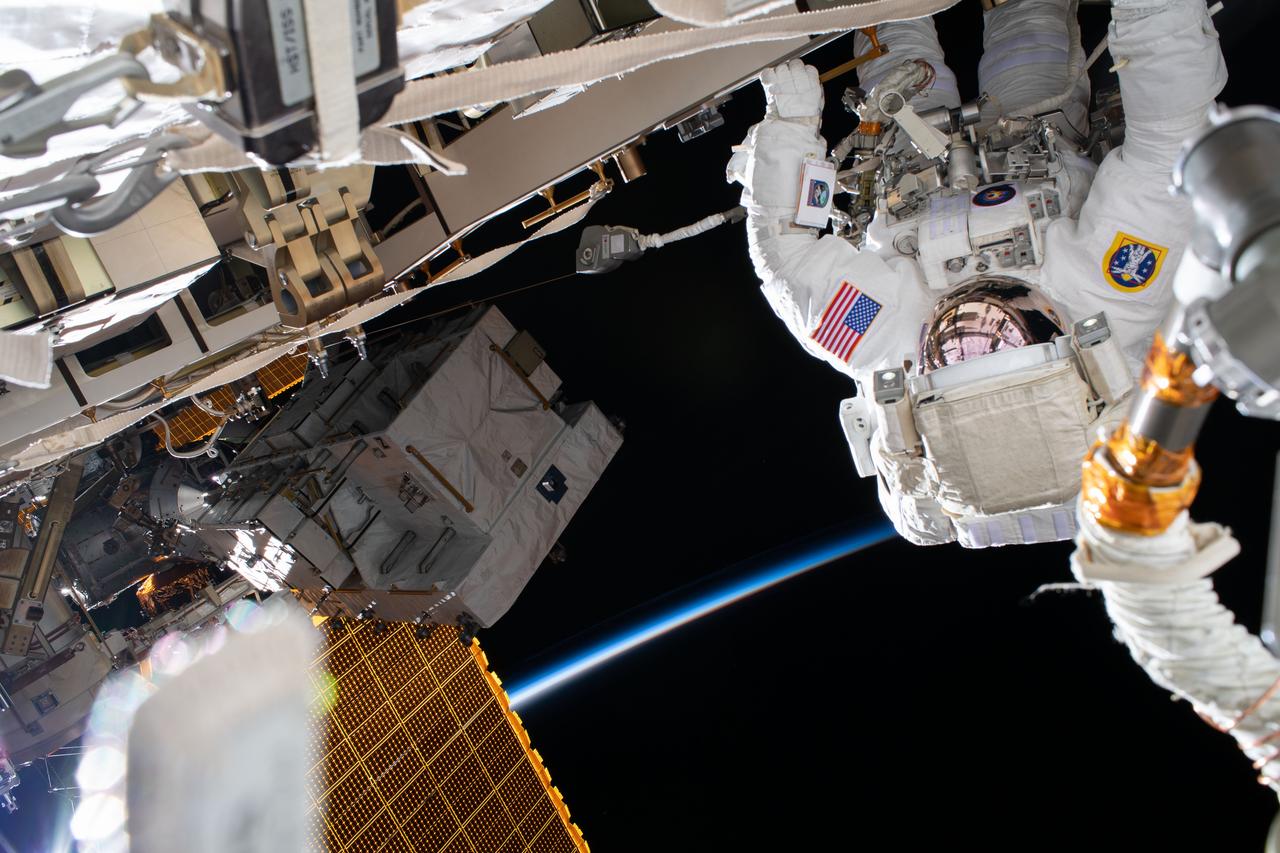
iss063e049941 (July 16, 2020) --- NASA astronaut Chris Cassidy works during a six-hour spacewalk to install three lithium-ion batteries on the International Space Station's truss structure. The orbiting lab was above the North Pacific Ocean off the coast of Russia flying into an orbital sunrise at the time this photograph was taken.
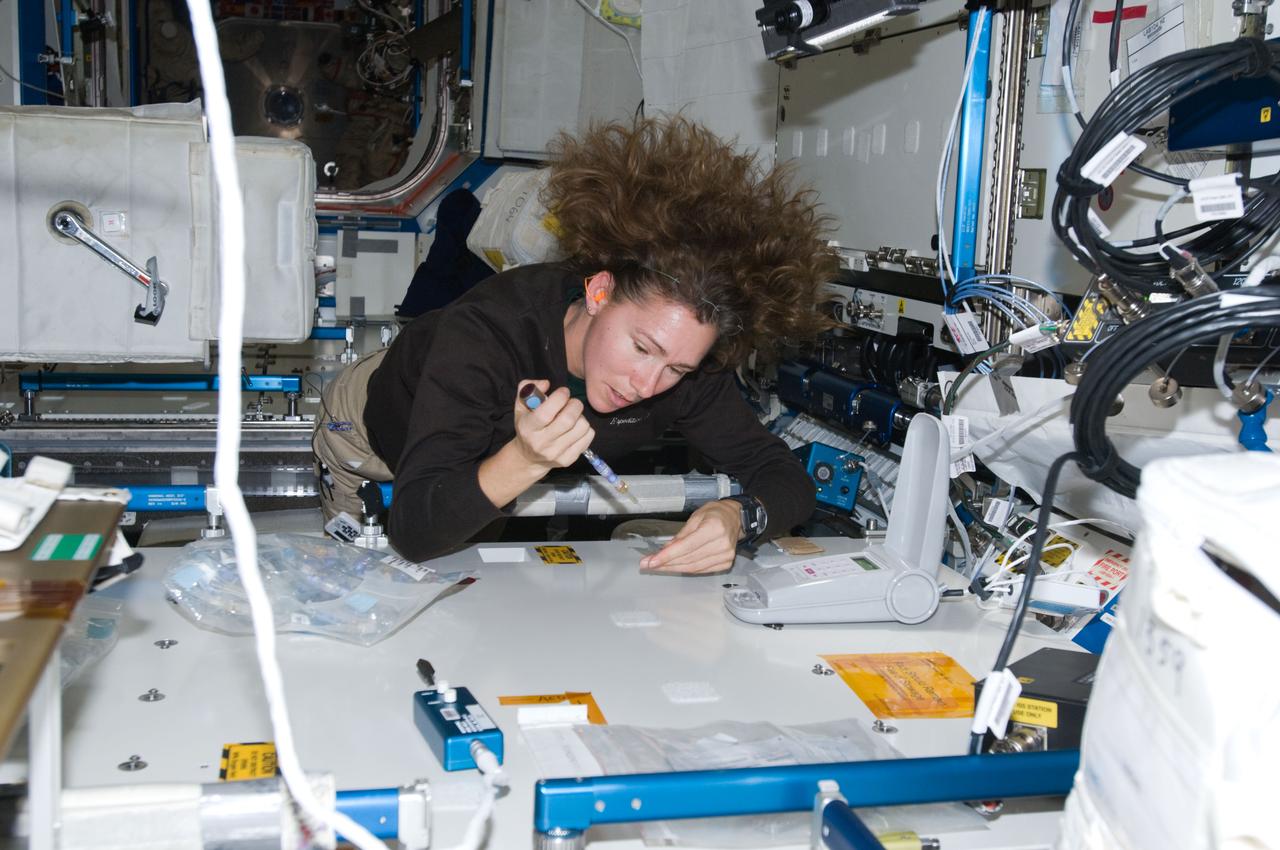
ISS018-E-018995 (10 Jan. 2009) --- Astronaut Sandra Magnus, Expedition 18 flight engineer, works with the Lab-on-a-Chip Application Development-Portable Test System (LOCAD-PTS) experiment in the Destiny laboratory of the International Space Station. LOCAD-PTS is a handheld device for rapid detection of biological and chemical substances onboard the station.
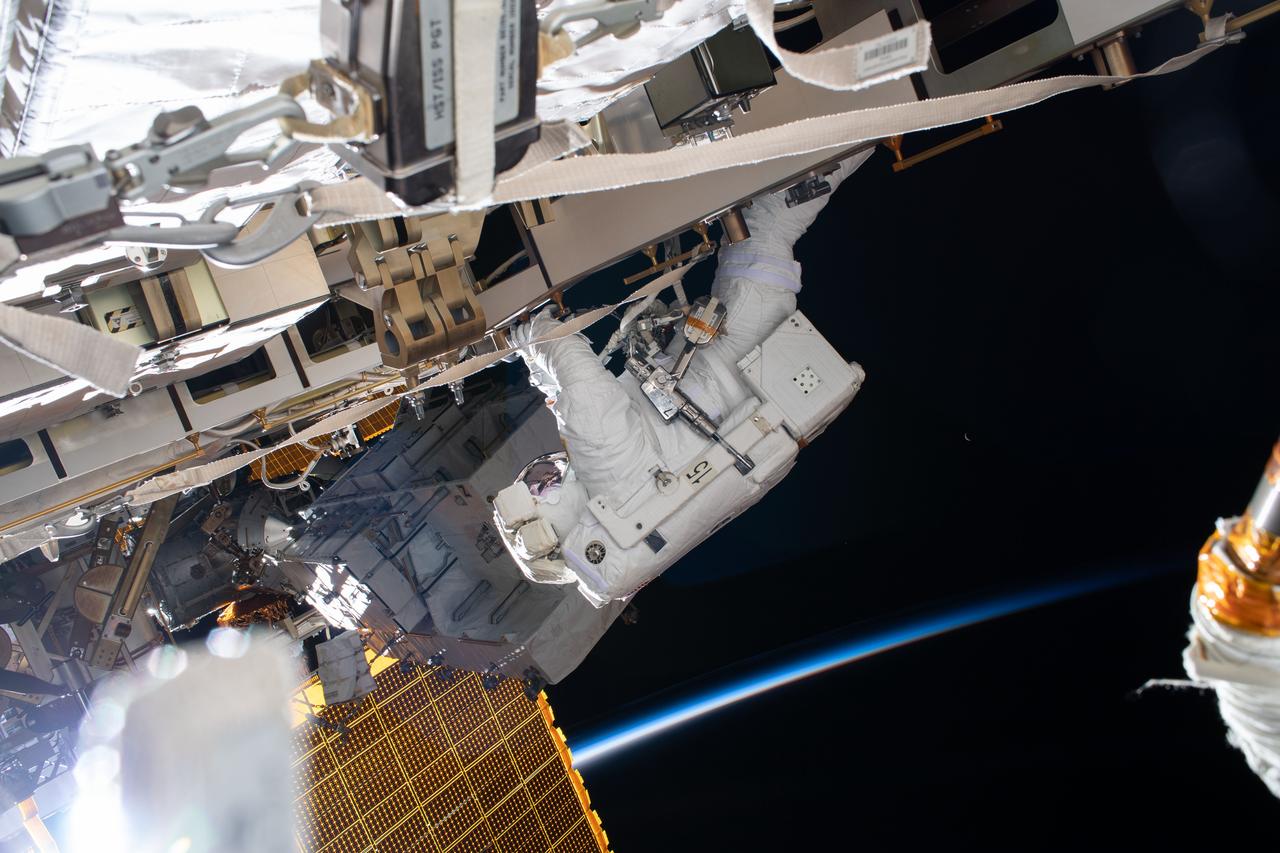
iss063e049933 (July 16, 2020) --- NASA astronaut Chris Cassidy works during a six-hour spacewalk to install lithium-ion batteries on the International Space Station's truss structure. The orbiting lab was above the north Pacific Ocean flying into a sunrise with a tiny waning crescent Moon in the background at the time this photograph was taken.
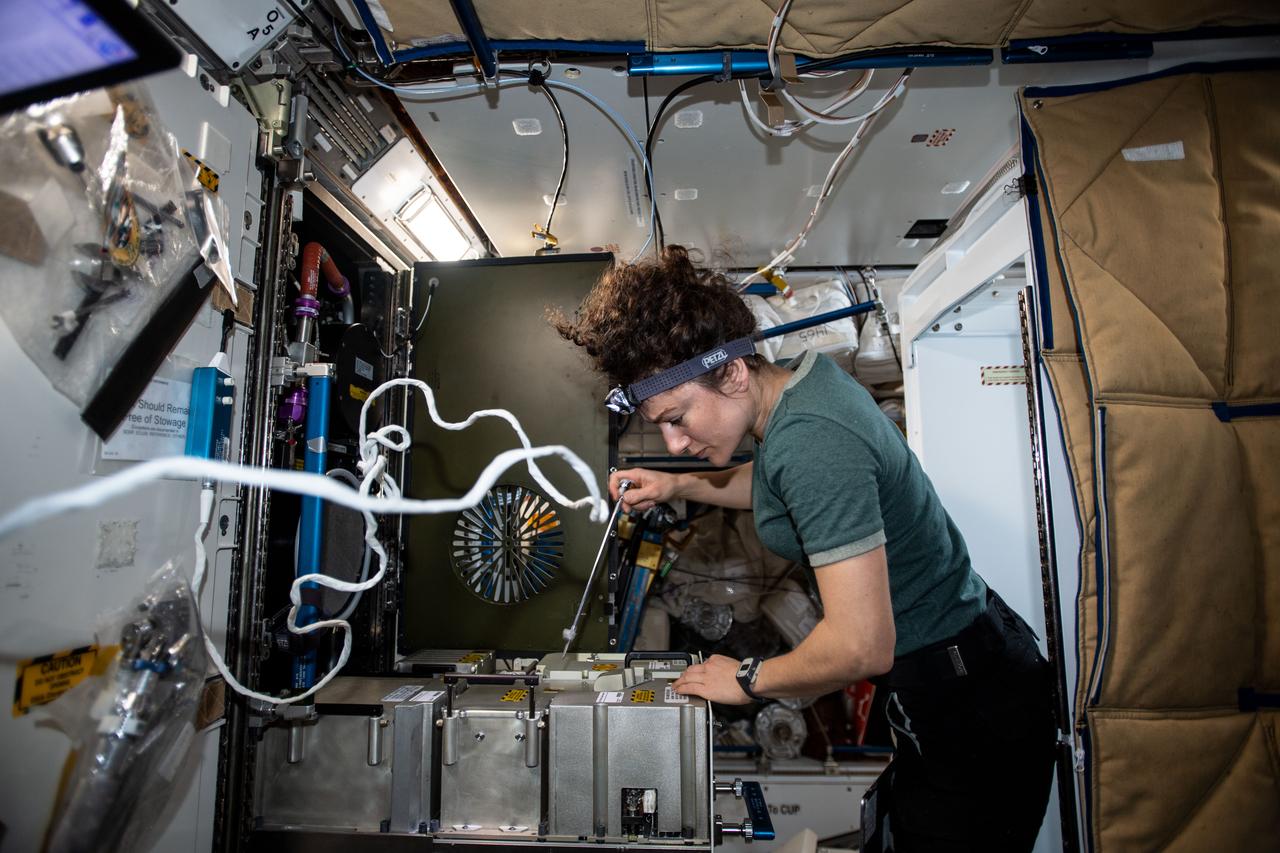
iss062e103552 (March 20, 2020) --- NASA astronaut and Expedition 62 Flight Engineer Jessica Meir works on the Major Constituent Analyzer, a device that measures the orbiting lab’s atmosphere. The life support gear monitors a variety of major constituents, such as nitrogen, carbon dioxide and water vapor to ensure a safe breathing environment for the crew.

NASA Administrator Bill Nelson listens as Cadet First Class Celina Guan, second from left, talks about her classes work in the astronautics lab of the United States Air Force Academy, Wednesday, Aug. 25, 2021, north of Colorado Springs, Colorado. Photo Credit: (NASA/Bill Ingalls)
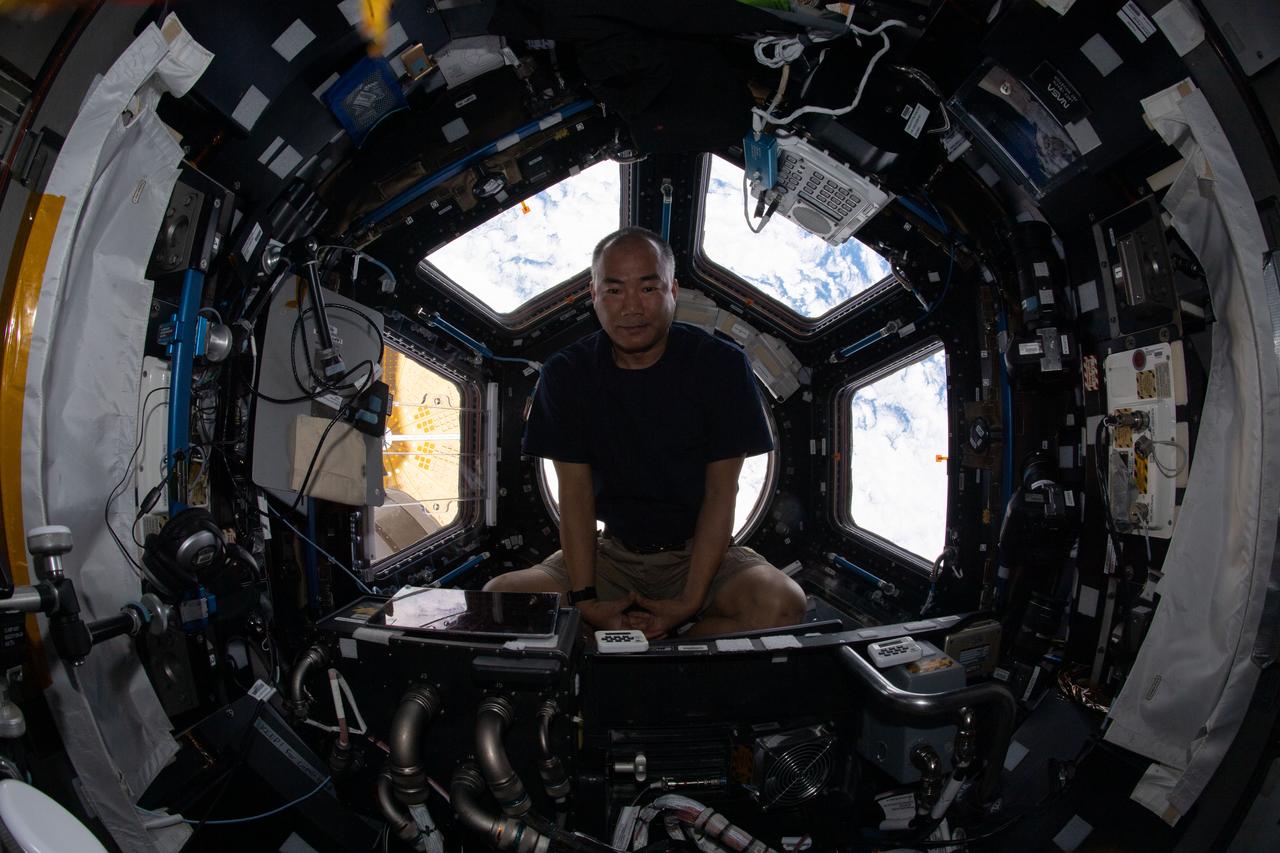
iss064e007861 (Nov. 27, 2020) --- JAXA (Japan Aerospace Exploration Agency) astronaut and Expedition 64 Flight Engineer Soichi Noguchi is pictured relaxing at the end of the work day inside the seven-windowed cupola, the International Space Station's "window to the world." The orbiting lab was flying above the South Pacific at the time this photograph was taken.
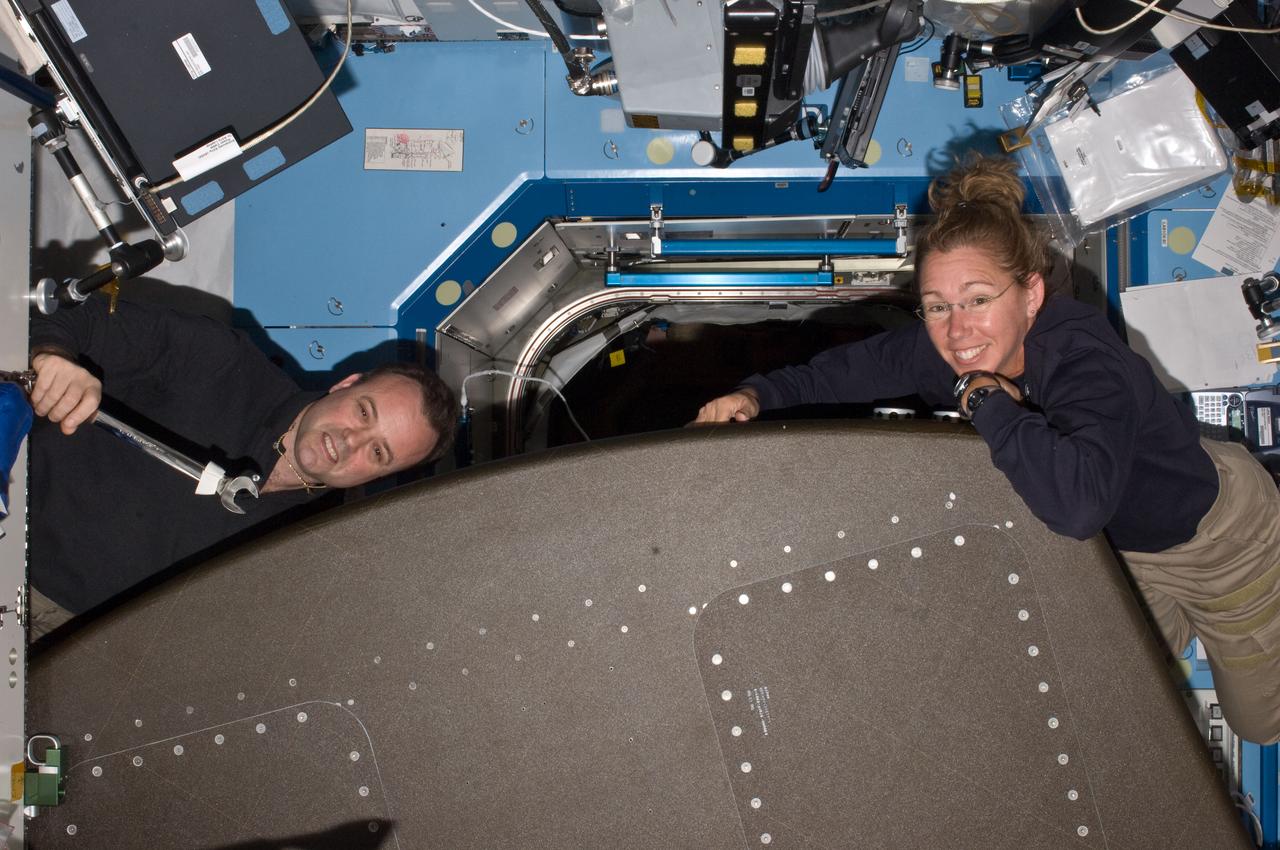
ISS028-E-017365 (17 July 2011) --- NASA astronauts Ron Garan, Expedition 28 flight engineer, and Sandy Magnus, STS-135 mission specialist, work with a pulled rack in the U.S. lab or Destiny aboard the International Space Station.

iss059e038095 (April 30, 2019) --- NASA astronaut Anne McClain works inside the Japanese Kibo laboratory module checking out the new Astrobee hardware. The cube-shaped, free-flying robotic assistant could save the crew time performing routine maintenance duties and providing additional lab monitoring capabilities.
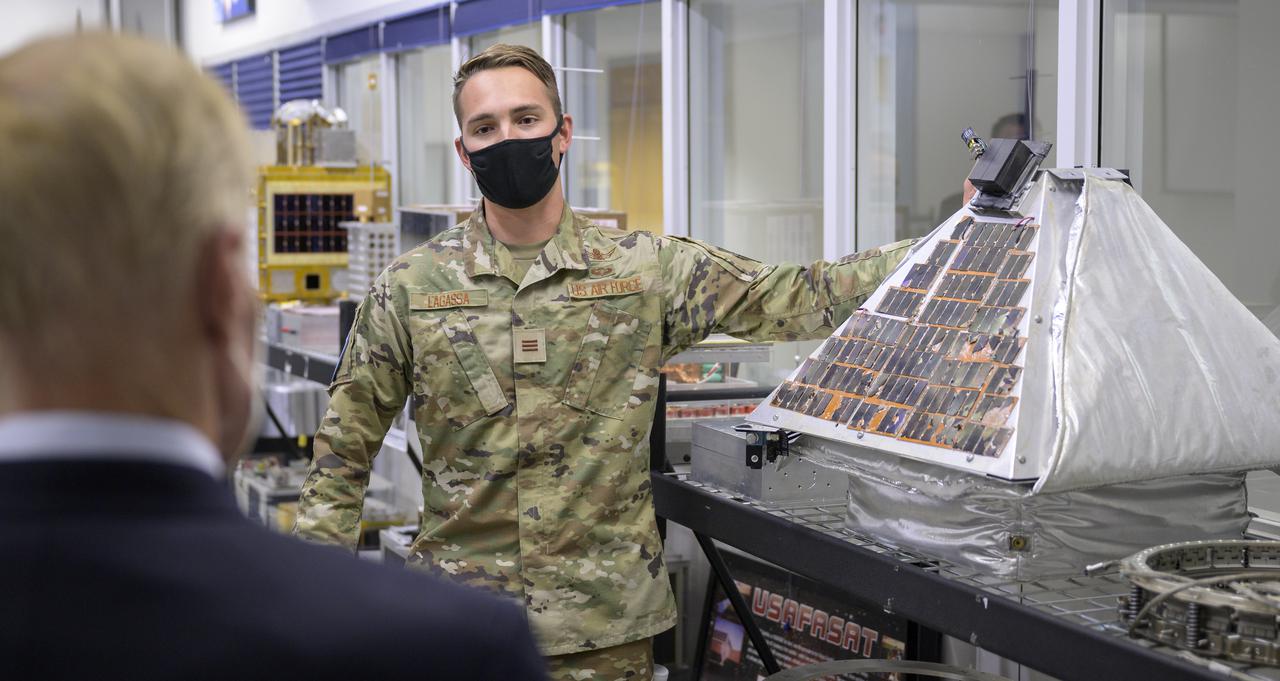
NASA Administrator Bill Nelson listens as Cadet First Class Andrew LaGassa talks about his classes work in the astronautics lab of the United States Air Force Academy, Wednesday, Aug. 25, 2021, north of Colorado Springs, Colorado. Photo Credit: (NASA/Bill Ingalls)
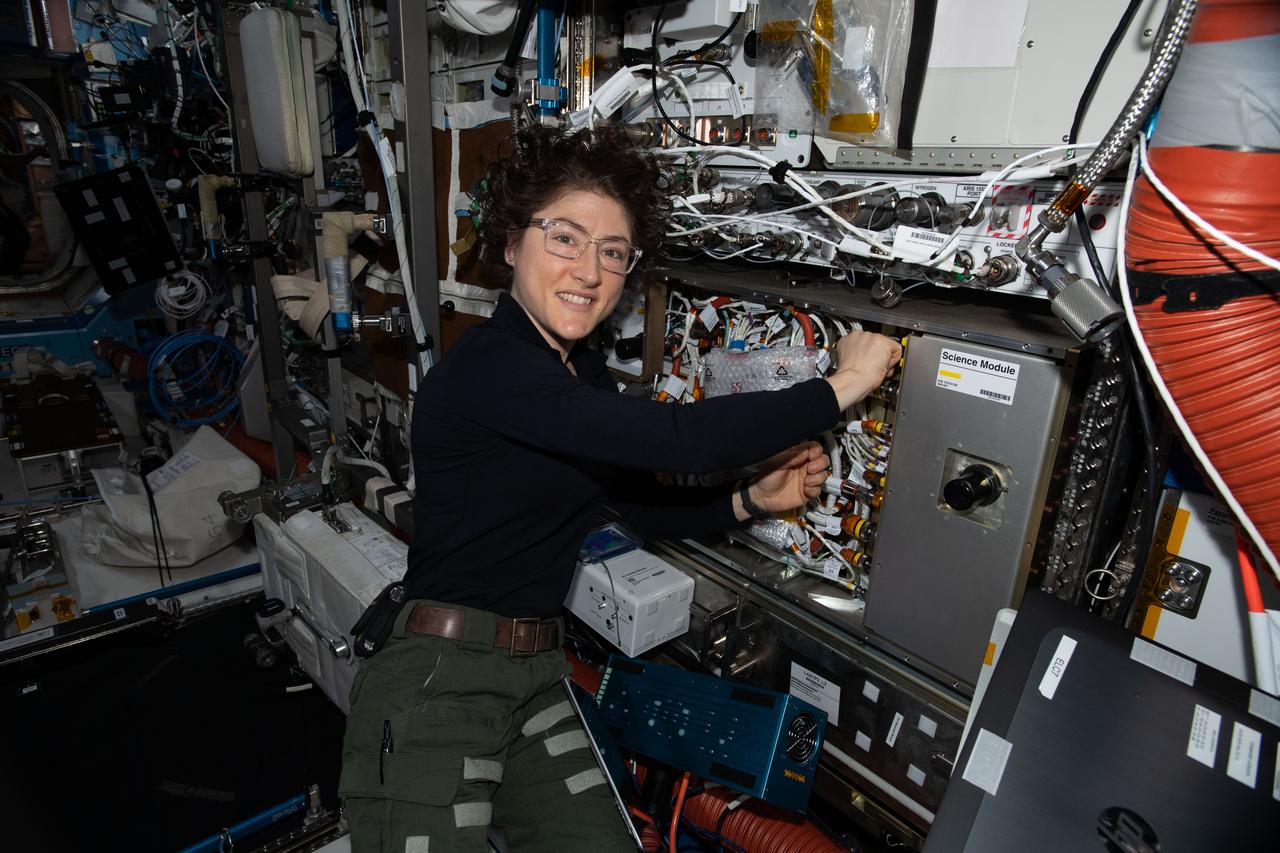
iss061e145487 (Jan. 28, 2020) --- NASA astronaut and Expedition 61 Flight Engineer Jessica Koch works on the Cold Atom Lab (CAL) swapping and cleaning hardware inside the quantum research device. The CAL enables research into the quantum effects of gases chilled to nearly absolute zero, which is colder than the average temperature of the universe.
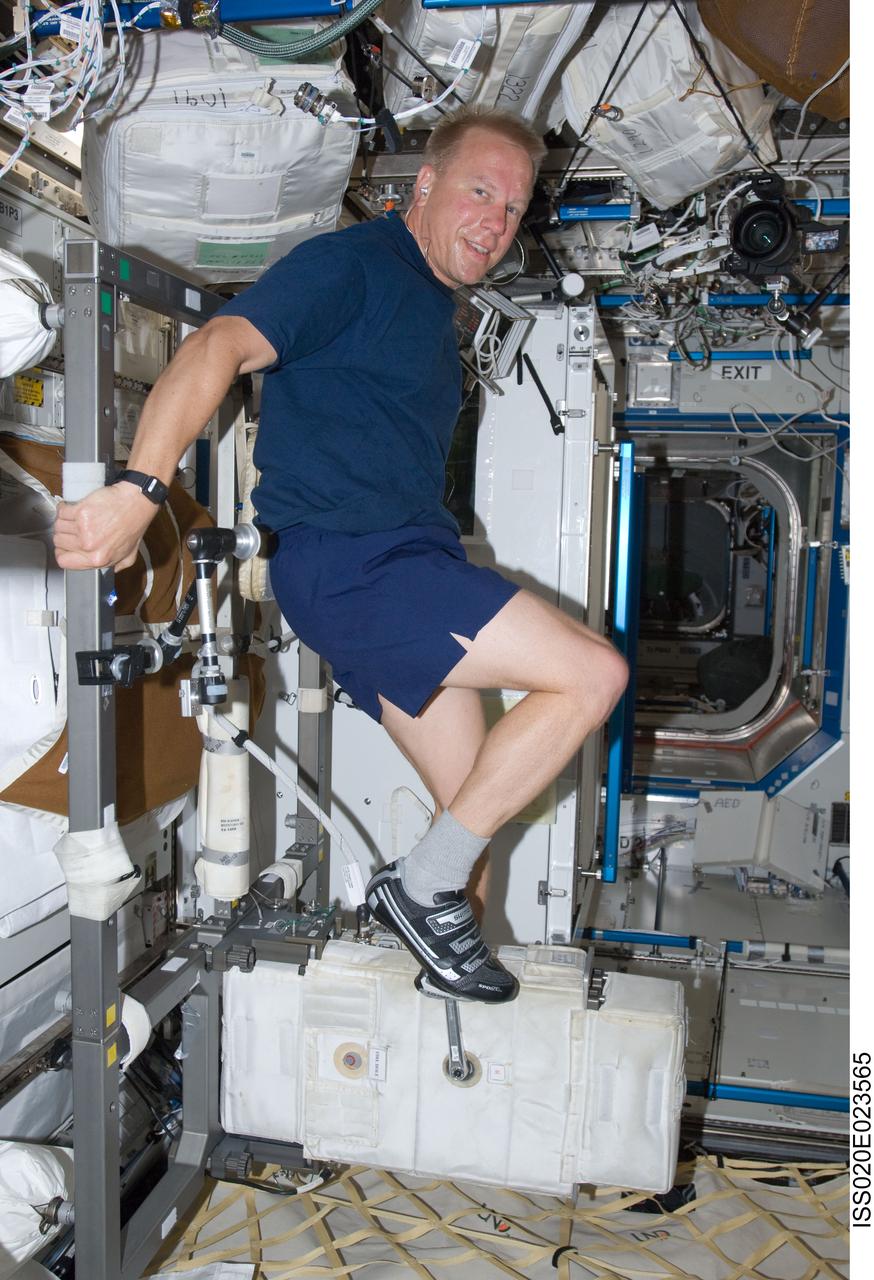
ISS020-E-023565 (23 July 2009) --- Astronaut Tim Kopra works out on the International Space Station's bicycle ergometer in the U.S. lab, Destiny. Kopra has only recently joined the Expedition 20 crew as a flight engineer, having arrived at the orbital outpost via the Space Shuttle Endeavour.
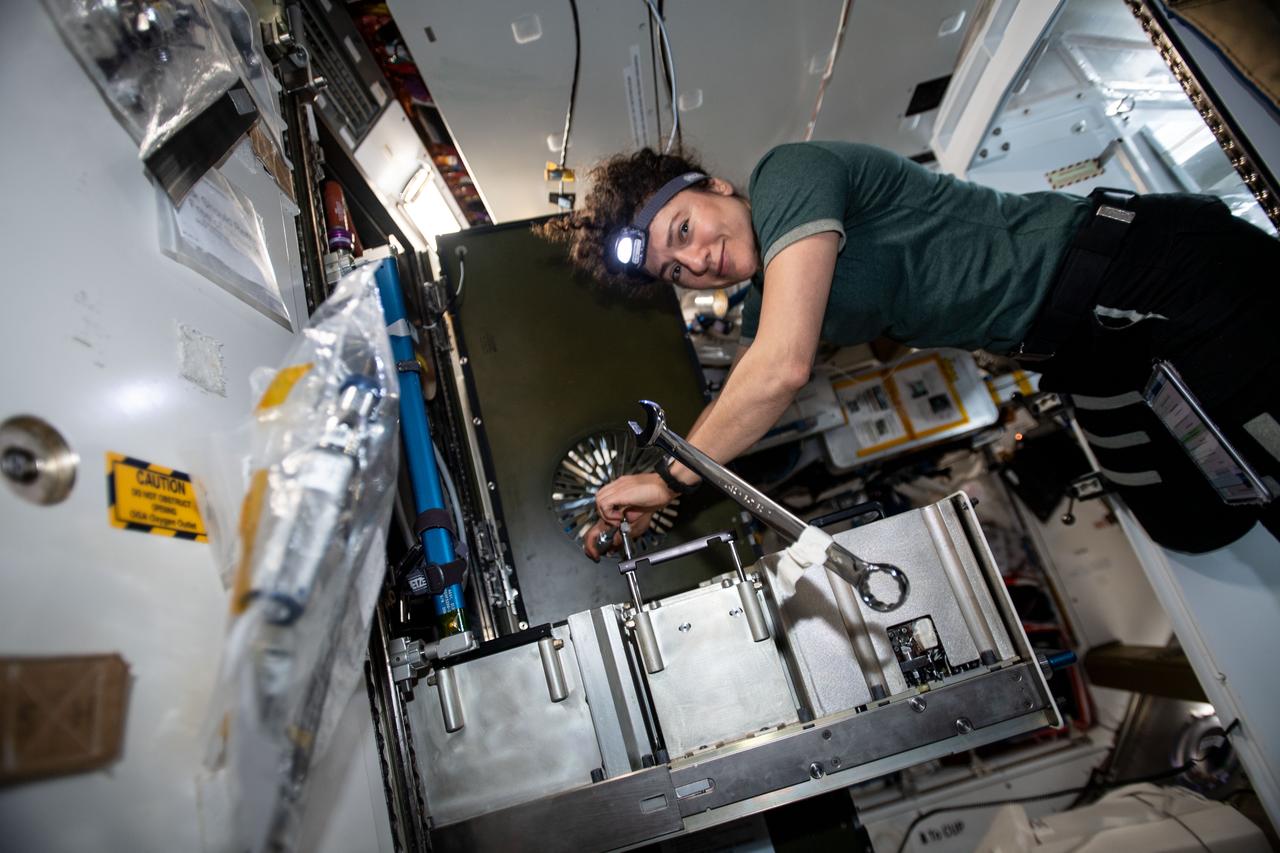
iss062e103558 (March 20, 2020) --- NASA astronaut and Expedition 62 Flight Engineer Jessica Meir works on the Major Constituent Analyzer, a device that measures the orbiting lab’s atmosphere. The life support gear monitors a variety of major constituents, such as nitrogen, carbon dioxide and water vapor to ensure a safe breathing environment for the crew.
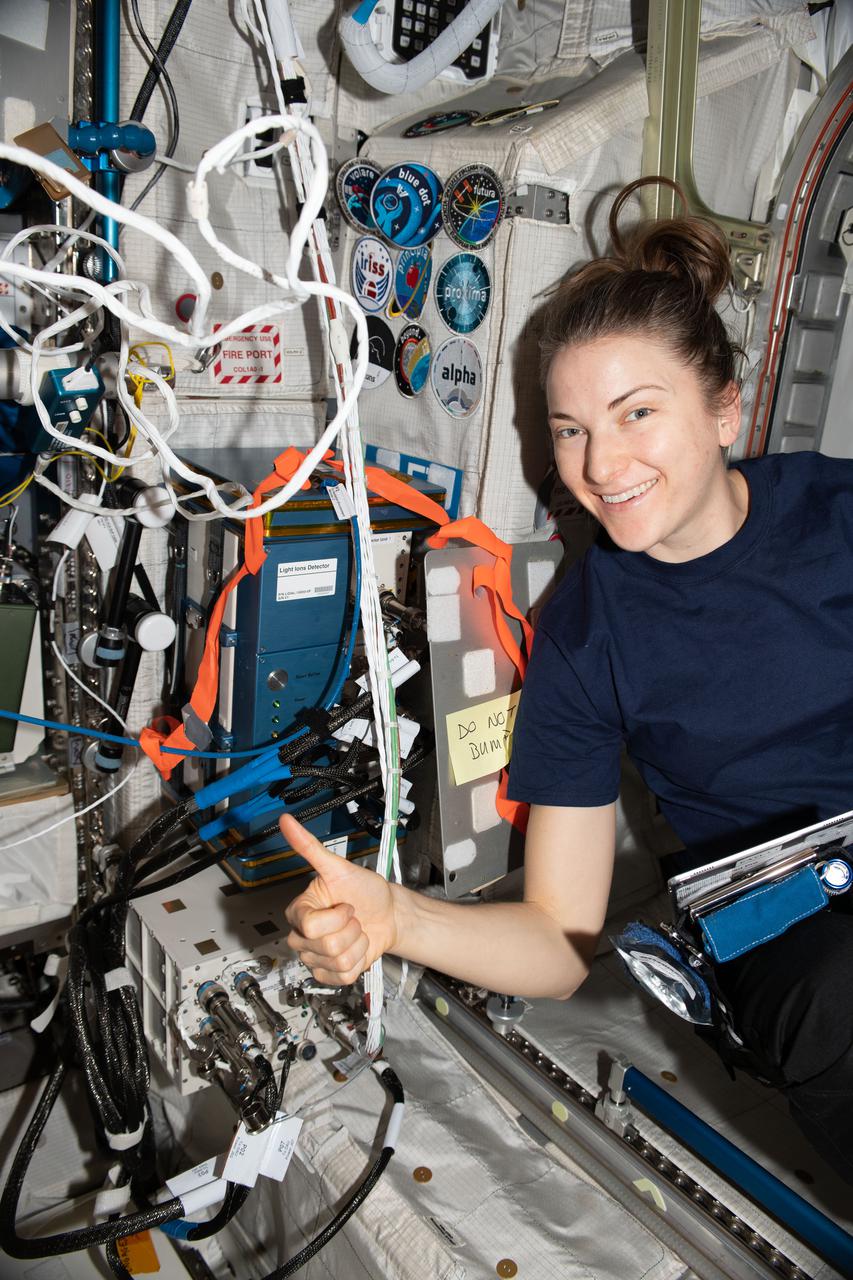
iss067e032549 (May 2, 2022) --- NASA astronaut and Expedition 67 Flight Engineer Kayla Barron begins her work day inside the International Space Station's Columbus laboratory module. She gives a "thumbs up" and poses next to the Light Ions Detector that monitors the radiation environment aboard the orbiting lab.
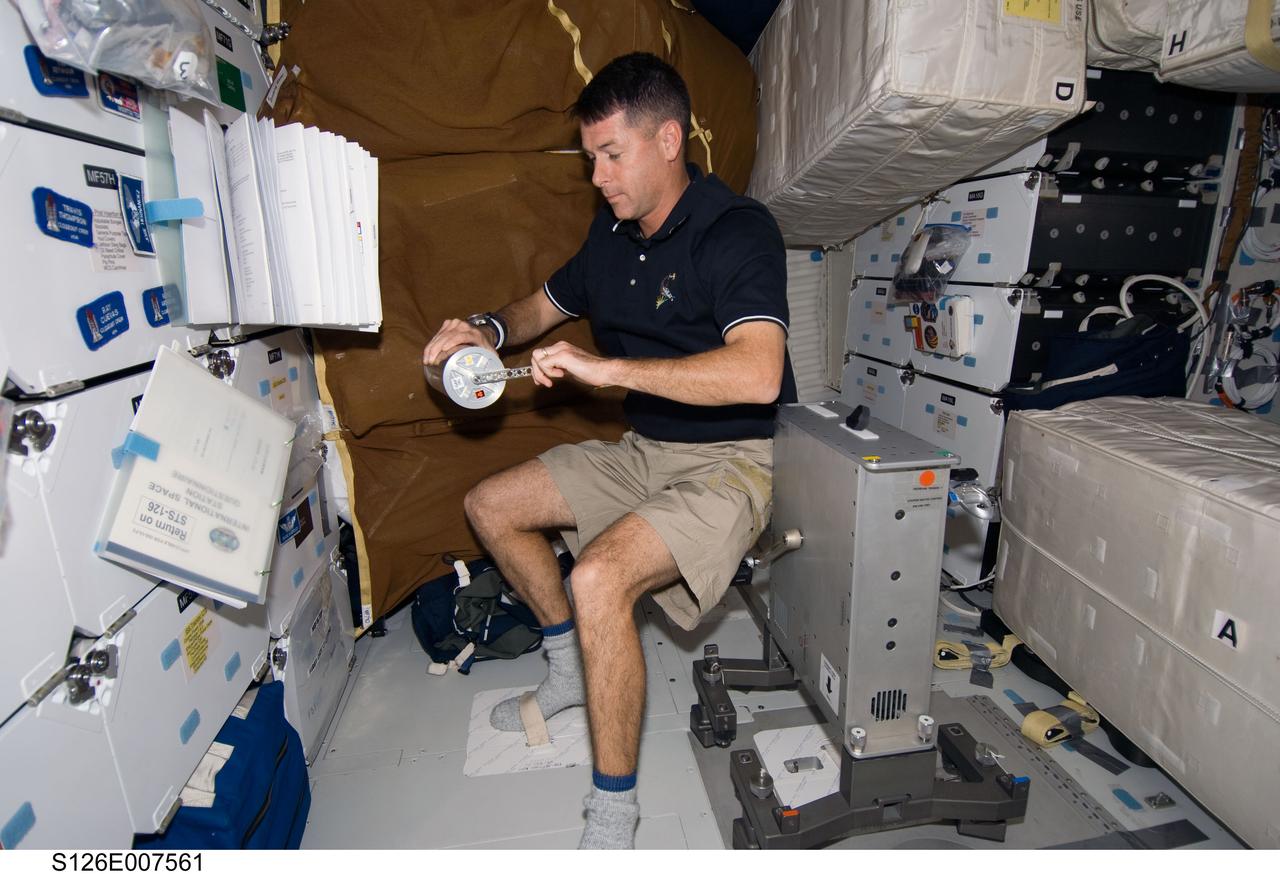
S126-E-007561 (16 Nov. 2008) --- Astronaut Shane Kimbrough, STS-126 mission specialist, works with the National Lab Pathfinder-Vaccine Group Activation Pack on the middeck of Space Shuttle Endeavour while docked with the International Space Station.
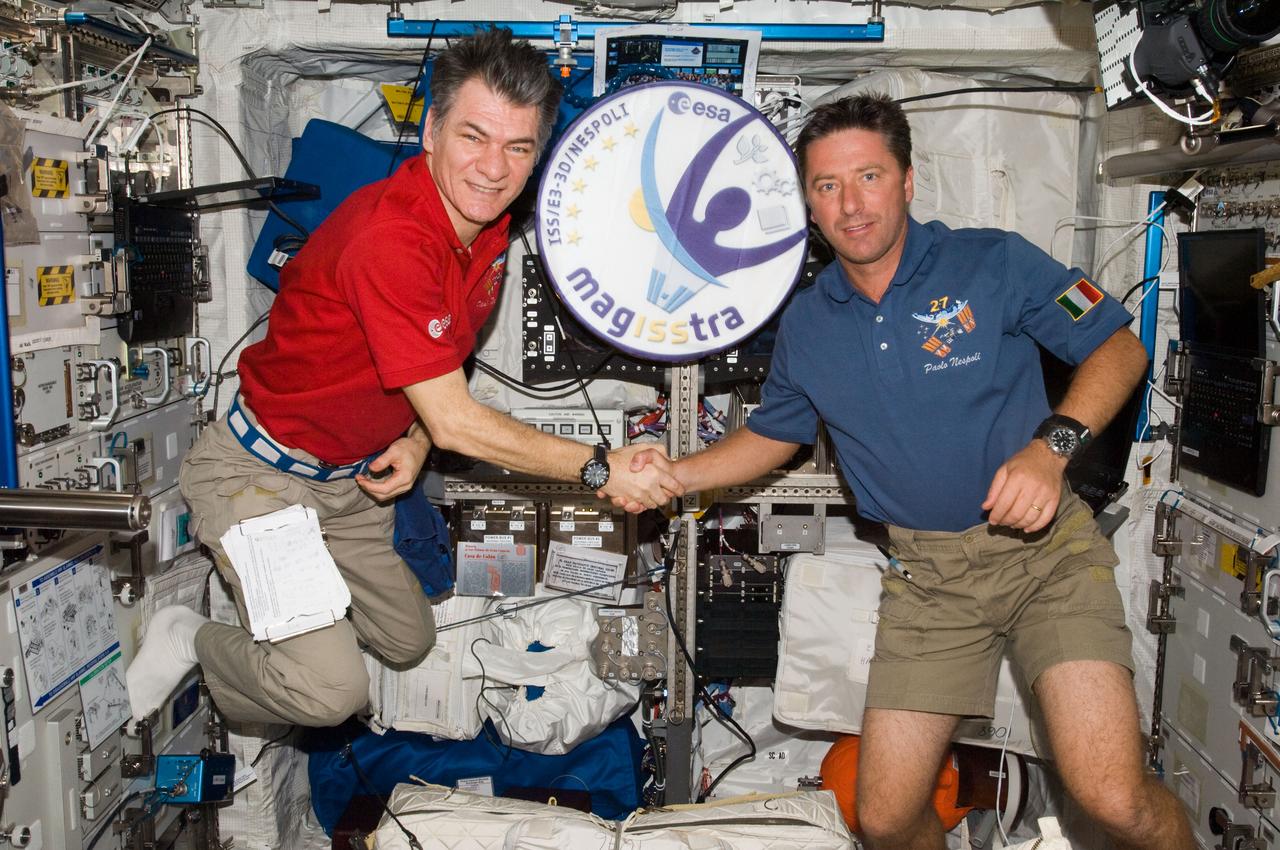
ISS027-E-035112 (20 May 2011) --- Inside the International Space Station's Columbus lab, a component contribution of the European Space Agency (ESA), two ESA astronauts congratulate each other on the progress so far of work accomplished by twelve astronauts and cosmonauts representing Endeavour's STS-134 crew and that of the station's expedition crew. They are ESA astronauts Paolo Nespoli (left), Expedition 27 flight engineer, and Roberto Vittori STS-134 mission specialist.
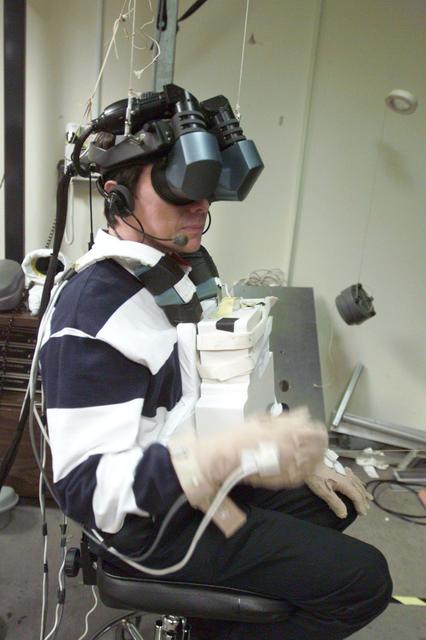
JSC2001-E-39083 (18 October 2001) --- Astronaut Franklin R. Chang-Diaz, STS-111 mission specialist, uses specialized gear in the virtual reality lab at the Johnson Space Center (JSC) to train for his duties aboard the Space Shuttle Endeavour. This type of virtual reality training allows the astronauts to wear a helmet and special gloves while looking at computer displays simulating actual movements around the various locations on the International Space Station (ISS) hardware with which they will be working.
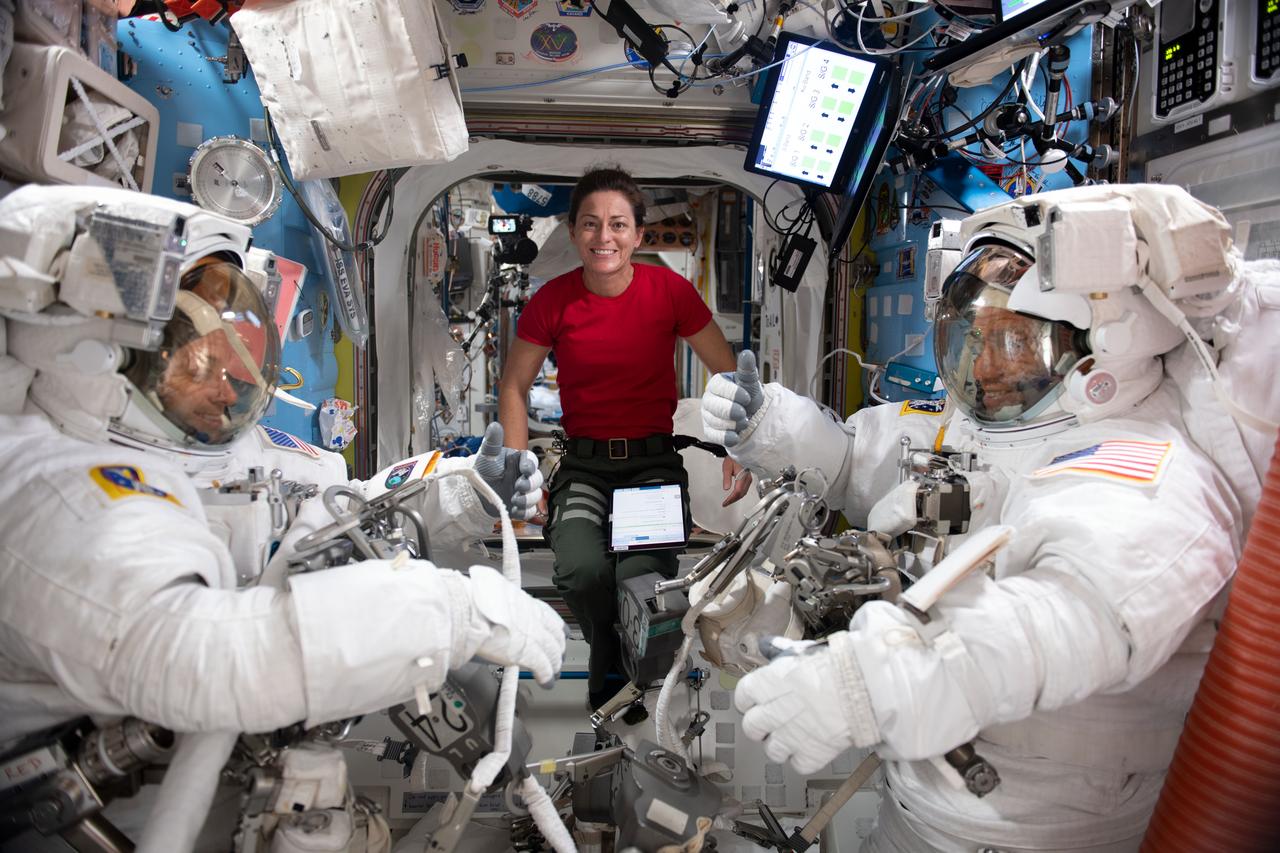
iss068e022312 (Nov. 15, 2022) --- NASA astronaut Nicole Mann (center) assists NASA astronauts Josh Cassada (left) and Frank Rubio (right), suited up in their Extravehicular Mobility Units (EMU), or spacesuits, before beginning a seven-hour and 11-minute a spacewalk to ready the orbiting lab's starboard truss structure for future rollout solar array installation work. Credit: Koichi Wakata/Japan Aerospace Exploration Agency (JAXA)
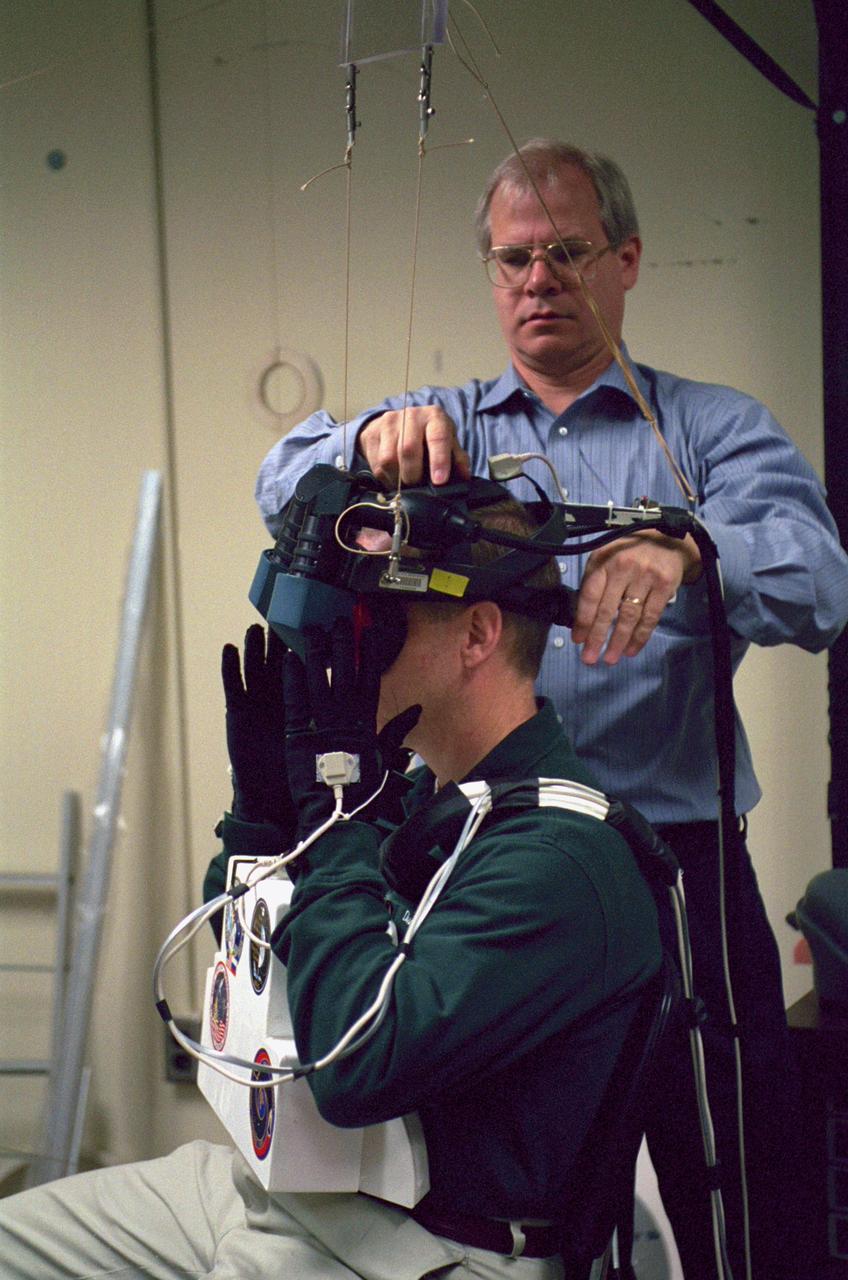
JSC2001-00748 (15 March 2001) --- Astronaut Patrick G. Forrester, STS-105 mission specialist, prepares to use specialized gear in the virtual reality lab at the Johnson Space Center (JSC) to train for his duties aboard the Space Shuttle Discovery. This type of virtual reality training allows the astronauts to wear a helmet and special gloves while looking at computer displays simulating actual movements around the various locations on the International Space Station (ISS) hardware with which they will be working.
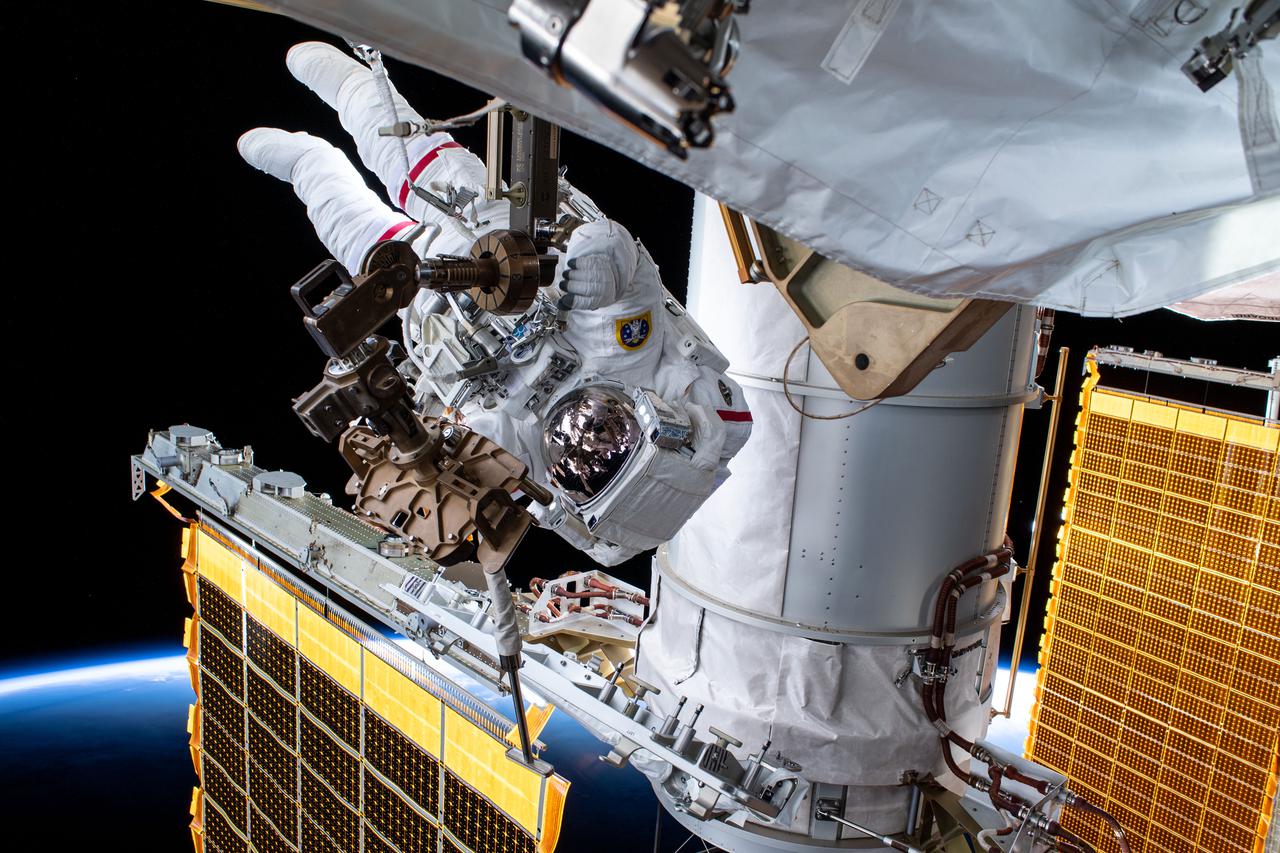
iss065e376036 (Sept. 12, 2021) --- Astronaut Akihiko Hoshide of the Japan Aerospace Exploration Agency (JAXA) works to install a modification kit on the International Space Station's Port-4 truss structure during a spacewalk that lasted six hours and 54 minutes. The orbiting lab was 260 miles above the Maldives just after sunset at the time of this photograph taken by ESA (European Space Agency) astronaut Thomas Pesquet.
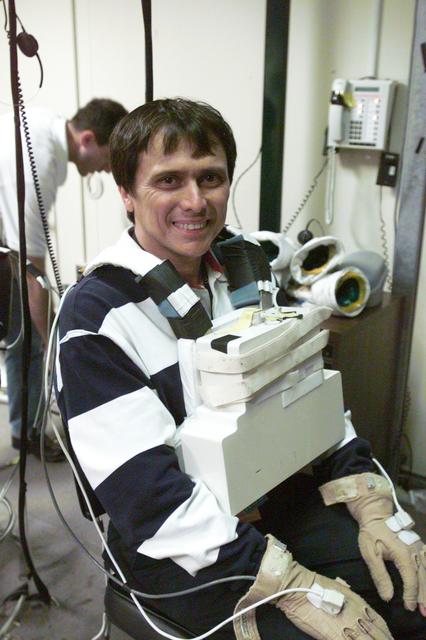
JSC2001-E-39080 (18 October 2001) --- Astronaut Franklin R. Chang-Diaz, STS-111 mission specialist, prepares to use specialized gear in the virtual reality lab at the Johnson Space Center (JSC) to train for his duties aboard the Space Shuttle Endeavour. This type of virtual reality training allows the astronauts to wear a helmet and special gloves while looking at computer displays simulating actual movements around the various locations on the International Space Station (ISS) hardware with which they will be working.
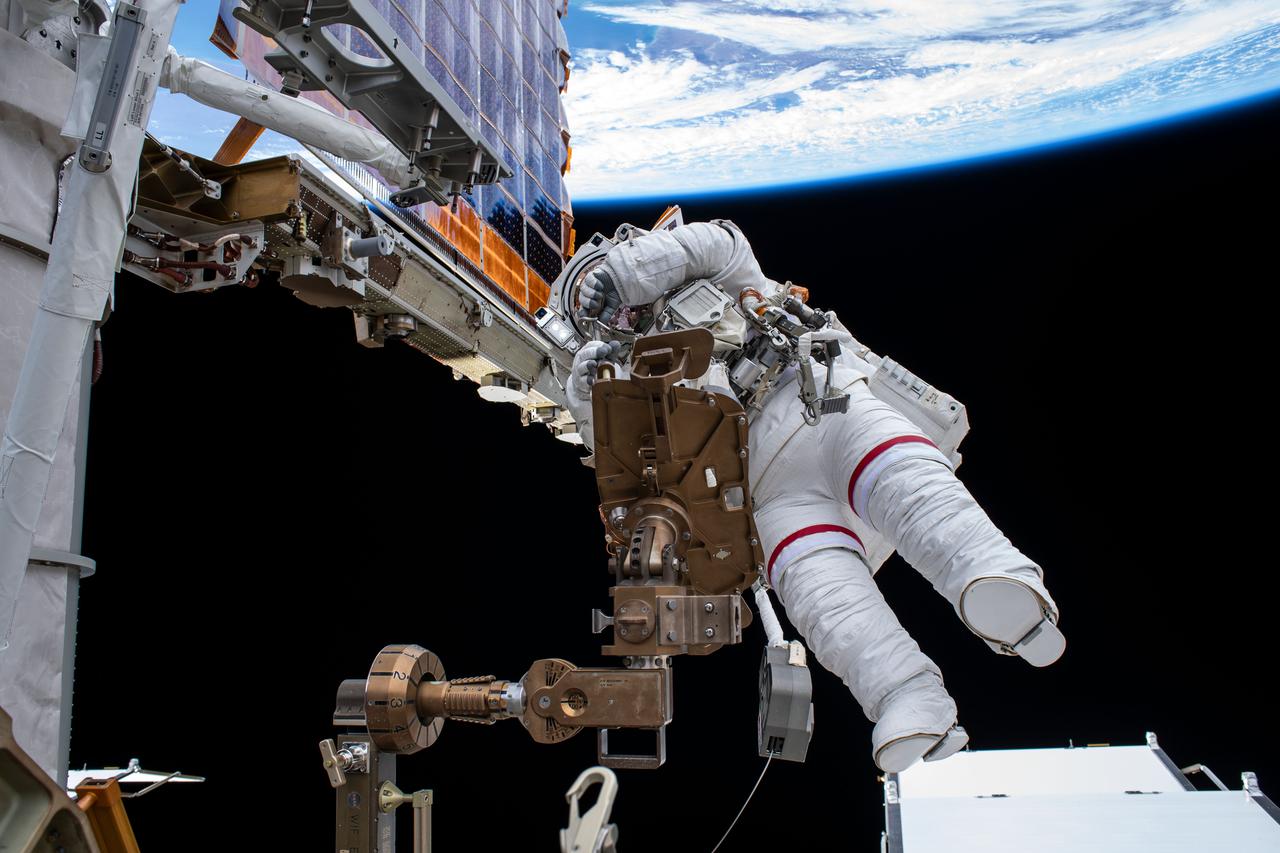
iss065e376087 (Sept. 12, 2021) --- Astronaut Akihiko Hoshide of the Japan Aerospace Exploration Agency (JAXA) works to install a modification kit on the International Space Station's Port-4 truss structure during a spacewalk that lasted six hours and 54 minutes. The orbiting lab was 263 miles above the southern Atlantic Ocean off the coast of Argentina at the time of this photograph taken by ESA (European Space Agency) astronaut Thomas Pesquet.
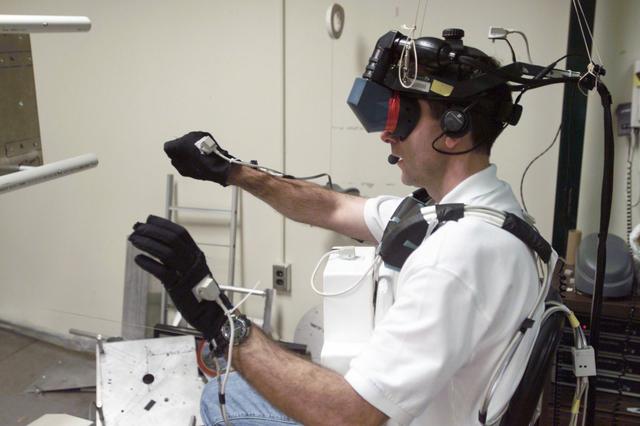
JSC2001-E-39084 (18 October 2001) --- Astronaut Philippe Perrin, STS-111 mission specialist, uses specialized gear in the virtual reality lab at the Johnson Space Center (JSC) to train for his duties aboard the Space Shuttle Endeavour. This type of virtual reality training allows the astronauts to wear a helmet and special gloves while looking at computer displays simulating actual movements around the various locations on the International Space Station (ISS) hardware with which they will be working. Perrin represents CNES, the French Space Agency.
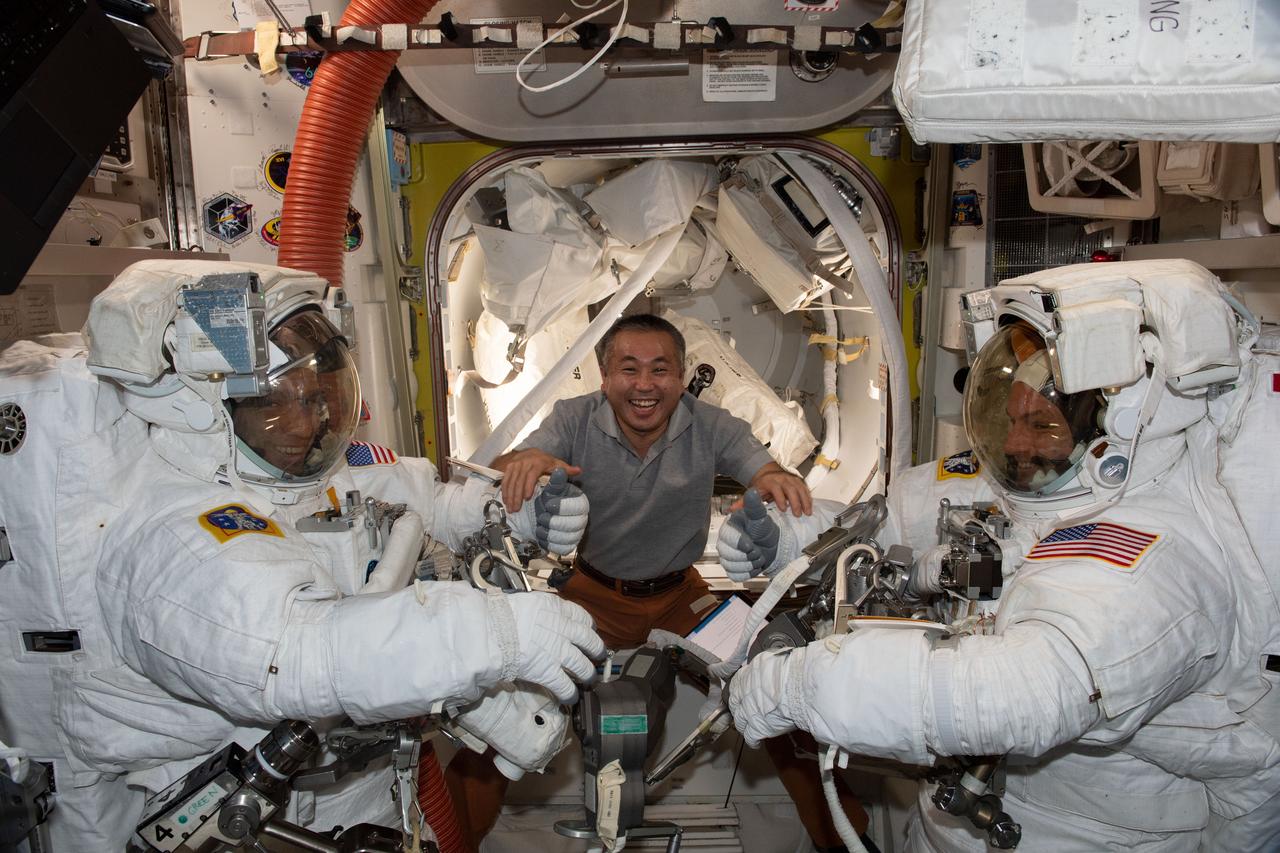
iss068e022314 (Nov. 15, 2022) --- Japan Aerospace Exploration Agency (JAXA) astronaut Koichi Wakata (center) assists NASA astronauts Frank Rubio (left) and Josh Cassada (right), suited up in their Extravehicular Mobility Units (EMU), or spacesuits, before beginning a seven-hour and 11-minute a spacewalk to ready the orbiting lab's starboard truss structure for future rollout solar array installation work. Credit: Koichi Wakata/Japan Aerospace Exploration Agency (JAXA)
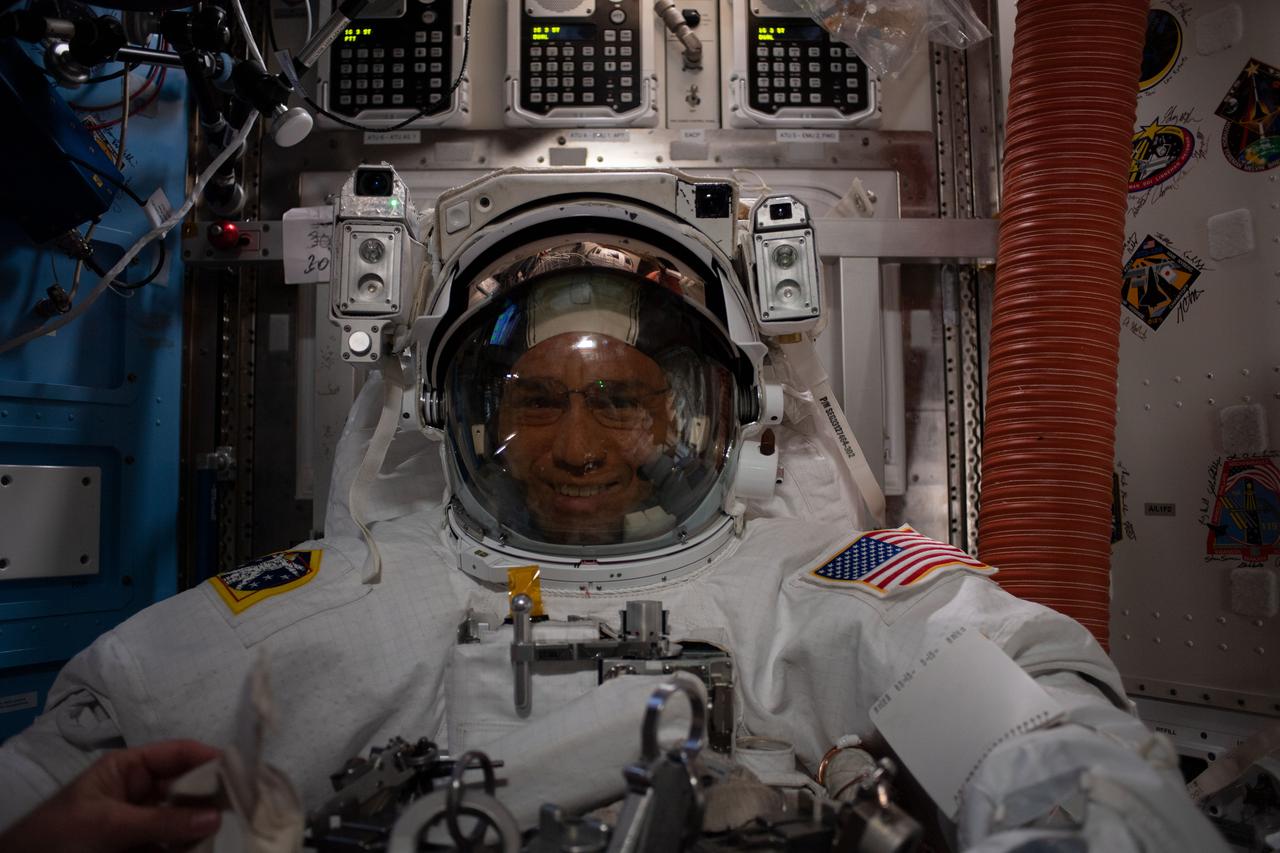
iss068e022427 (Nov. 15, 2022) --- NASA astronaut and Expedition 68 Flight Engineer Frank Rubio is pictured suited up in his Extravehicular Mobility Unity (EMU), or spacesuit, in the International Space Station's Quest airlock. He and fellow NASA astronaut Josh Cassada (out of frame) conducted a seven-hour and 11-minute a spacewalk to ready the orbiting lab's starboard truss structure for future rollout solar array installation work. Credit: Josh Cassada/NASA
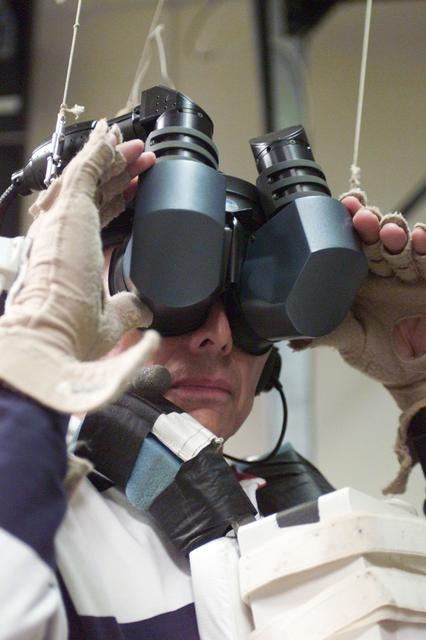
JSC2001-E-39088 (18 October 2001) --- Astronaut Franklin R. Chang-Diaz, STS-111 mission specialist, uses specialized gear in the virtual reality lab at the Johnson Space Center (JSC) to train for his duties aboard the Space Shuttle Endeavour. This type of virtual reality training allows the astronauts to wear a helmet and special gloves while looking at computer displays simulating actual movements around the various locations on the International Space Station (ISS) hardware with which they will be working.
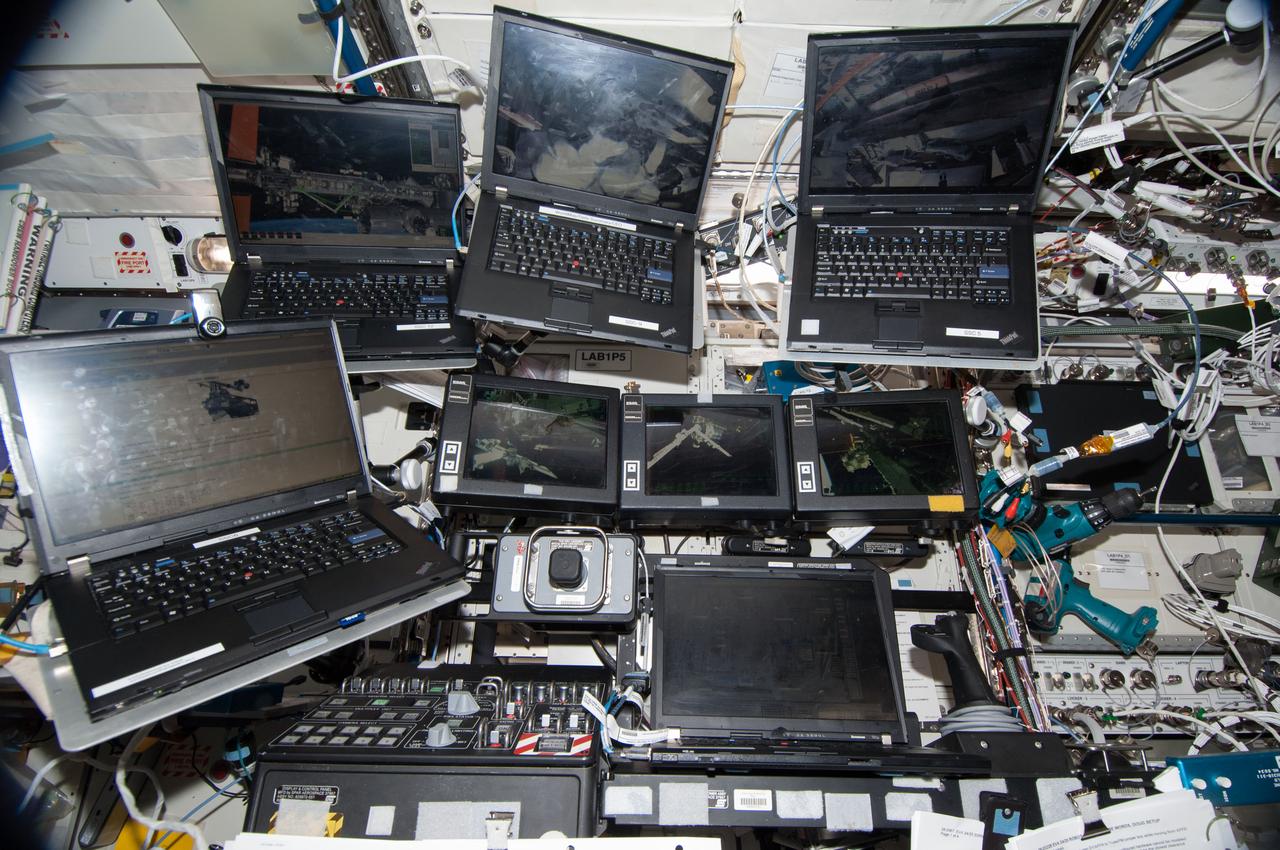
ISS038-E-019276 (21 Dec. 2013) --- Inside the U.S. lab Destiny, this photograph provides an overall view of the robotic workstation for controlling the International Space Station's remote manipulator system or Canadarm2. Astronaut Koichi Wakata, who represents the Japan Aerospace Exploration Agency, spent most of the work day supporting the Dec. 21 spacewalk of NASA astronauts Rick Mastracchio and Mike Hopkins. It was the first of two spacewalks designed to change out a faulty water pump on the orbital outpost.
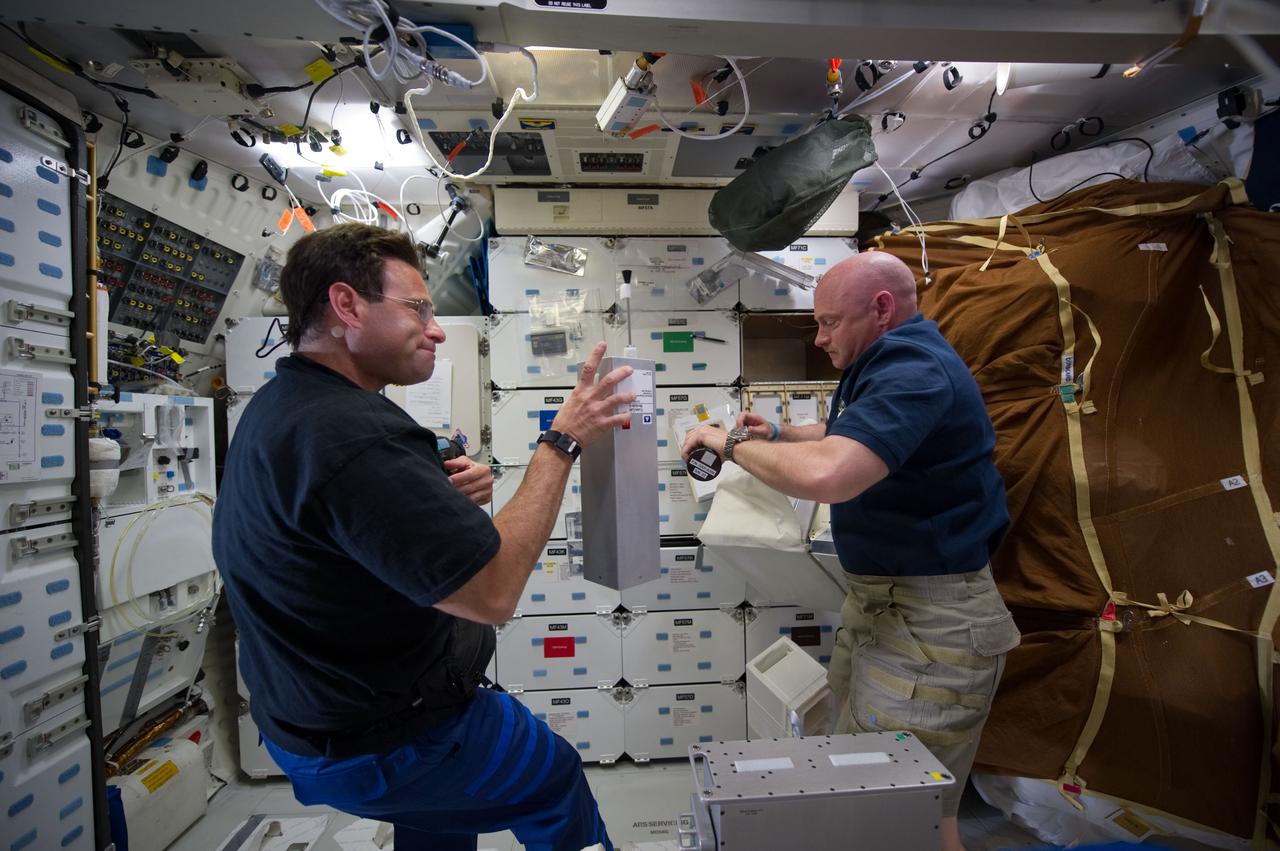
S134-E-006436 (17 May 20110) --- NASA astronauts Greg Chamitoff (left), mission specialist, and Mark Kelly, mission commander, work on separate chores on Endeavour's middeck during the second flight day of the STS-134 mission. Chamitoff is holding Cube Lab Module ? 8. Kelly is unpacking canisters of the Group Activation Pack. Endeavour and its crew of six astronauts will arrive at the International Space Station in less than 24 hours. Photo credit: NASA
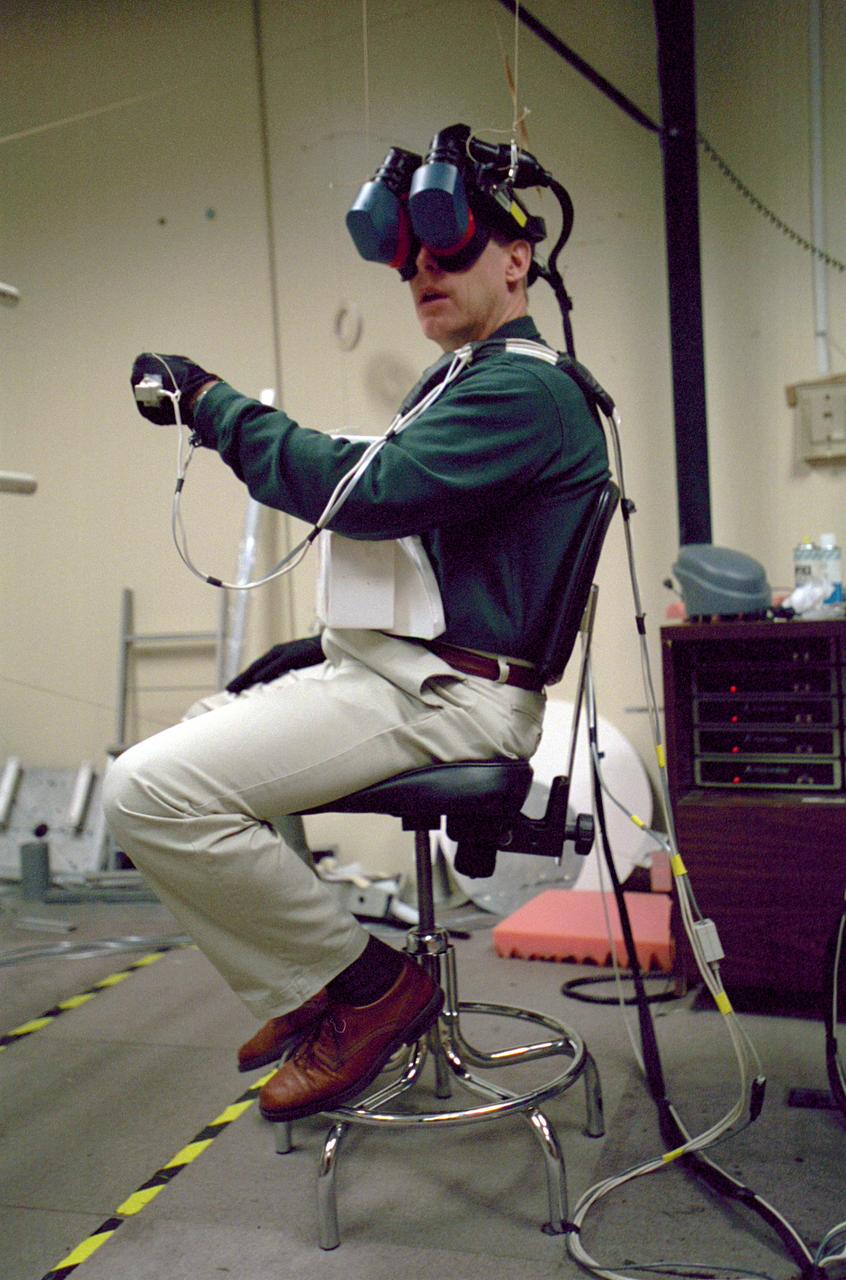
JSC2001-00754 (15 March 2001) --- Astronaut Patrick G. Forrester, STS-105 mission specialist, uses specialized gear in the virtual reality lab at the Johnson Space Center (JSC) to train for his duties aboard the Space Shuttle Discovery. This type of virtual reality training allows the astronauts to wear a helmet and special gloves while looking at computer displays simulating actual movements around the various locations on the International Space Station (ISS) hardware with which they will be working.
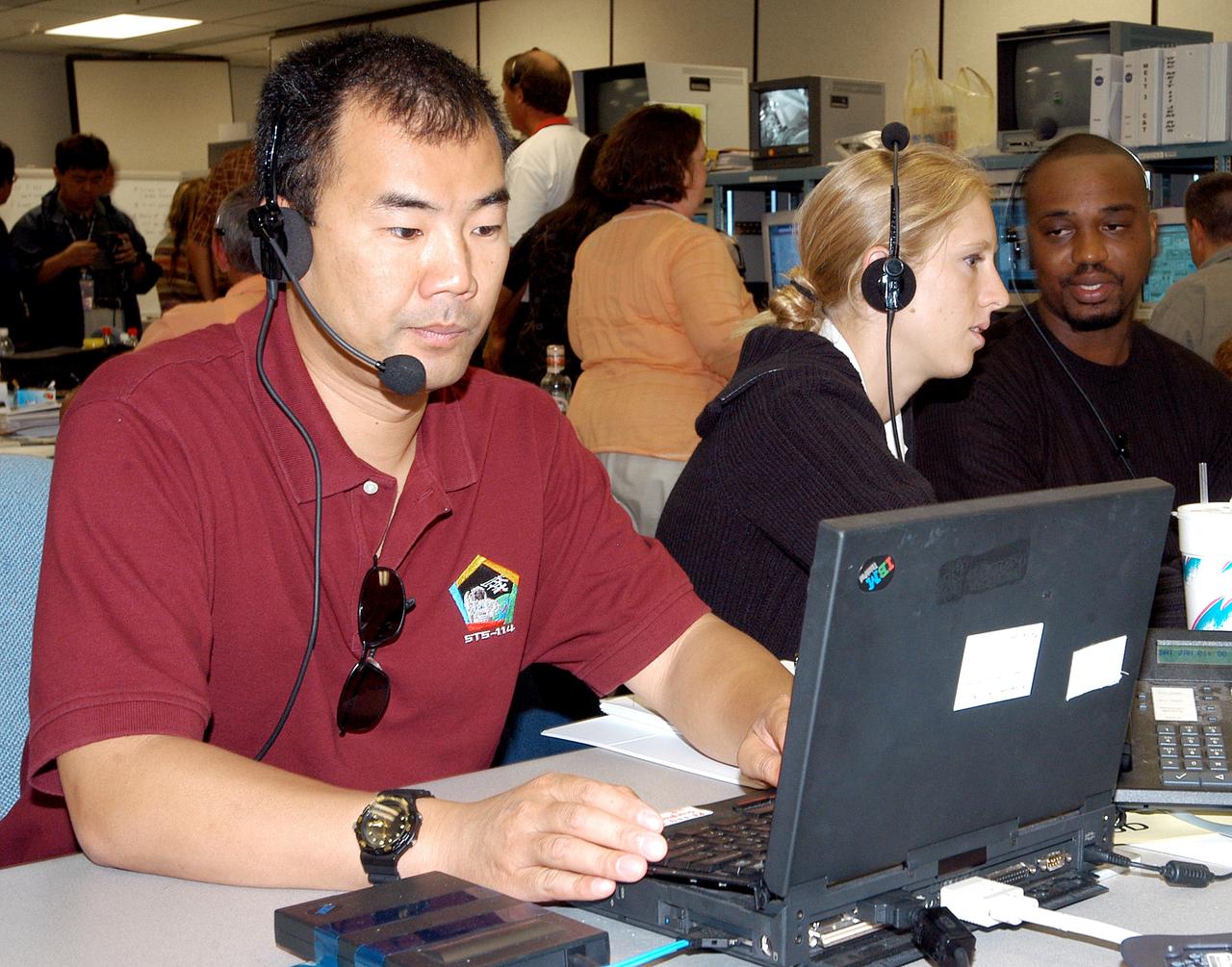
KENNEDY SPACE CENTER, FLA. - Astronaut Soichi Noguchi, with the National Space Development Agency of Japan (NASDA), works at a console during a Multi-Element Integrated Test (MEIT) of the U.S. Node 2 and the Japanese Experiment Module (JEM). Noguchi is assigned to mission STS-114 as a mission specialist. Node 2 attaches to the end of the U.S. Lab on the ISS and provides attach locations for the Japanese laboratory, European laboratory, the Centrifuge Accommodation Module and, eventually, Multipurpose Logistics Modules. It will provide the primary docking location for the Shuttle when a pressurized mating adapter is attached to Node 2. Installation of the module will complete the U.S. Core of the ISS. The JEM, developed by NASDA, is Japan's primary contribution to the Station. It will enhance the unique research capabilities of the orbiting complex by providing an additional environment for astronauts to conduct science experiments.
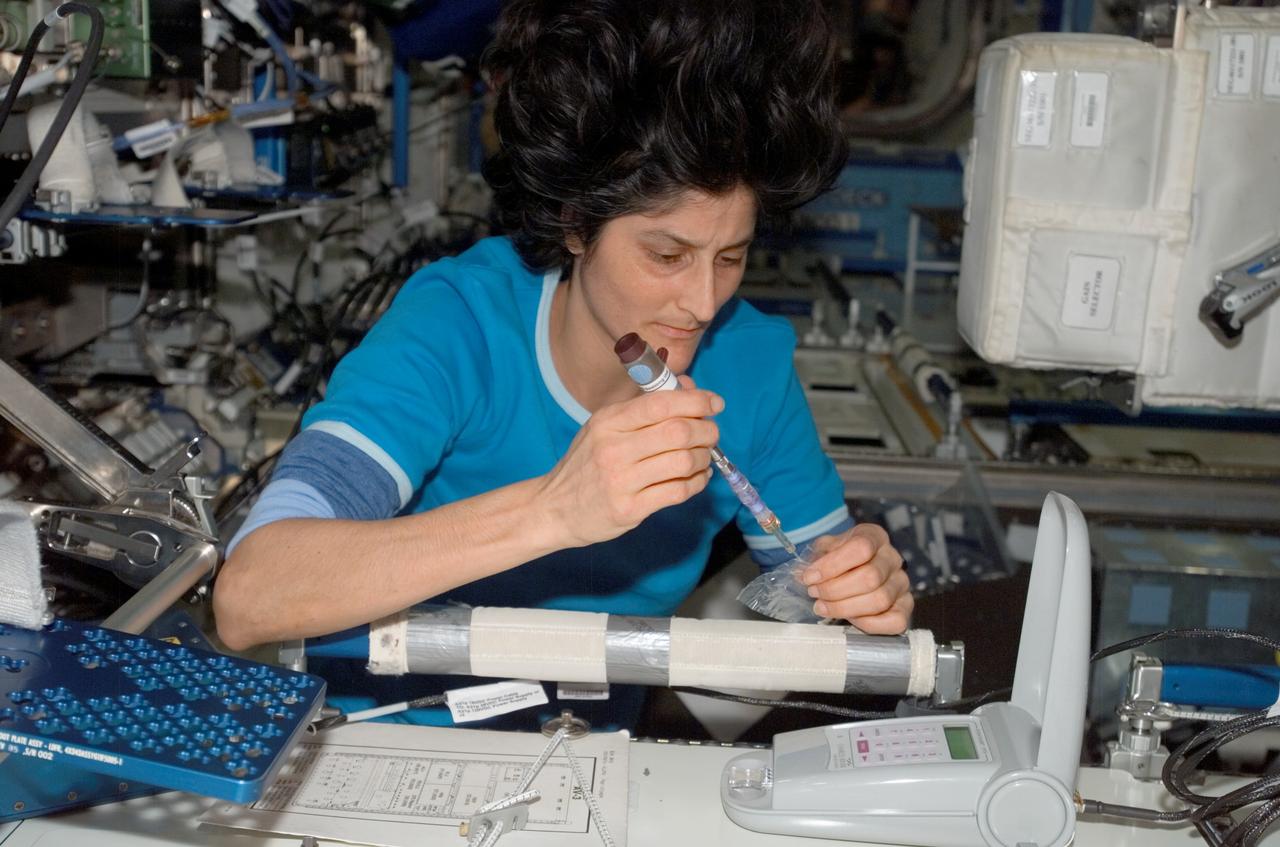
ISS015-E-05640 (30 April 2007) --- Astronaut Sunita L. Williams, Expedition 15 flight engineer, works with the Lab-on-a-Chip Application Development-Portable Test System (LOCAD-PTS) experiment in the Destiny laboratory of the International Space Station. LOCAD-PTS is a handheld device for rapid detection of biological and chemical substances onboard the station.
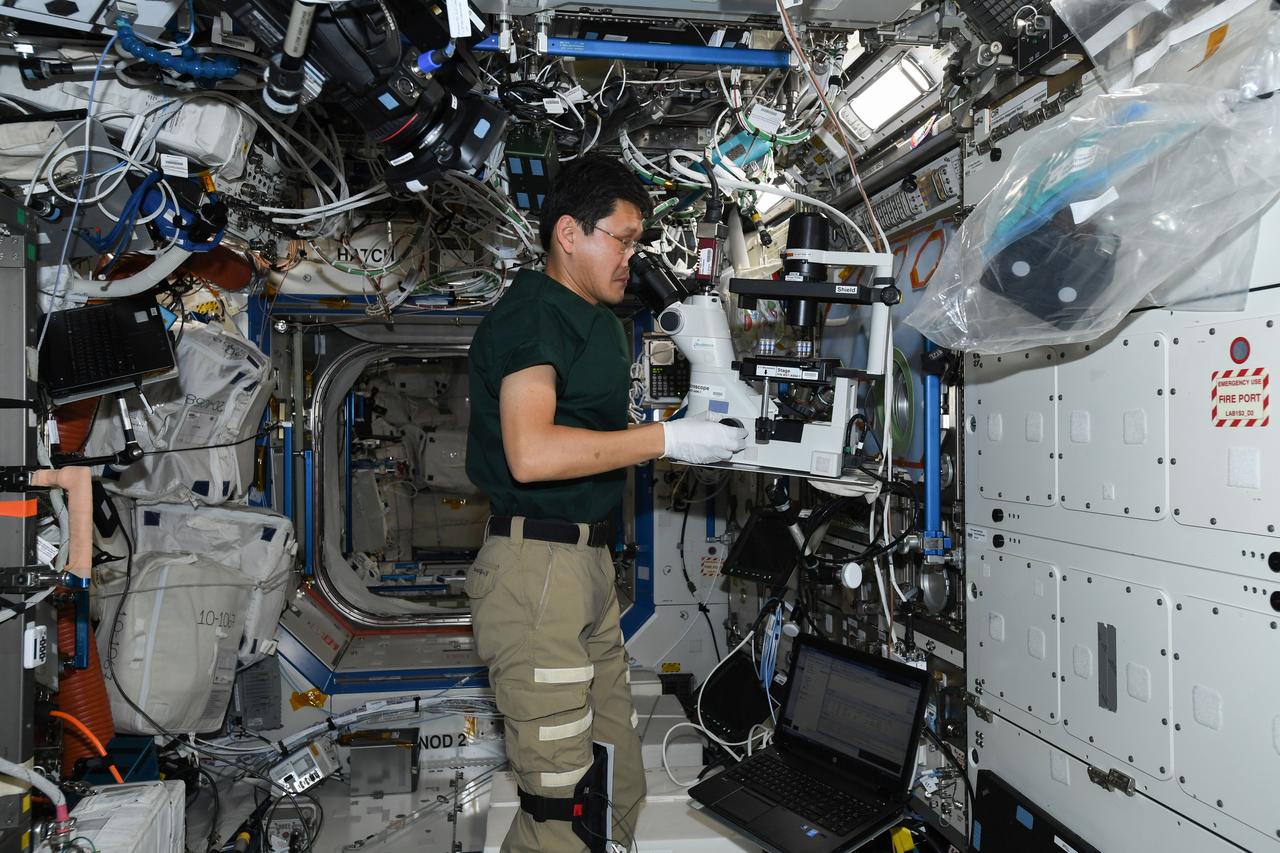
iss054e067484 (12/21/2017) --- Japan Aerospace Exploration Agency (JAXA) astronaut Norishige Kanai is photographed in the U.S. Lab performing Microscope operations for Synthetic Bone experiment. Synthetic Bone tests the functionality and effectiveness of a new material that can assist in recovery from bone injuries or dental work during long-term space travel.
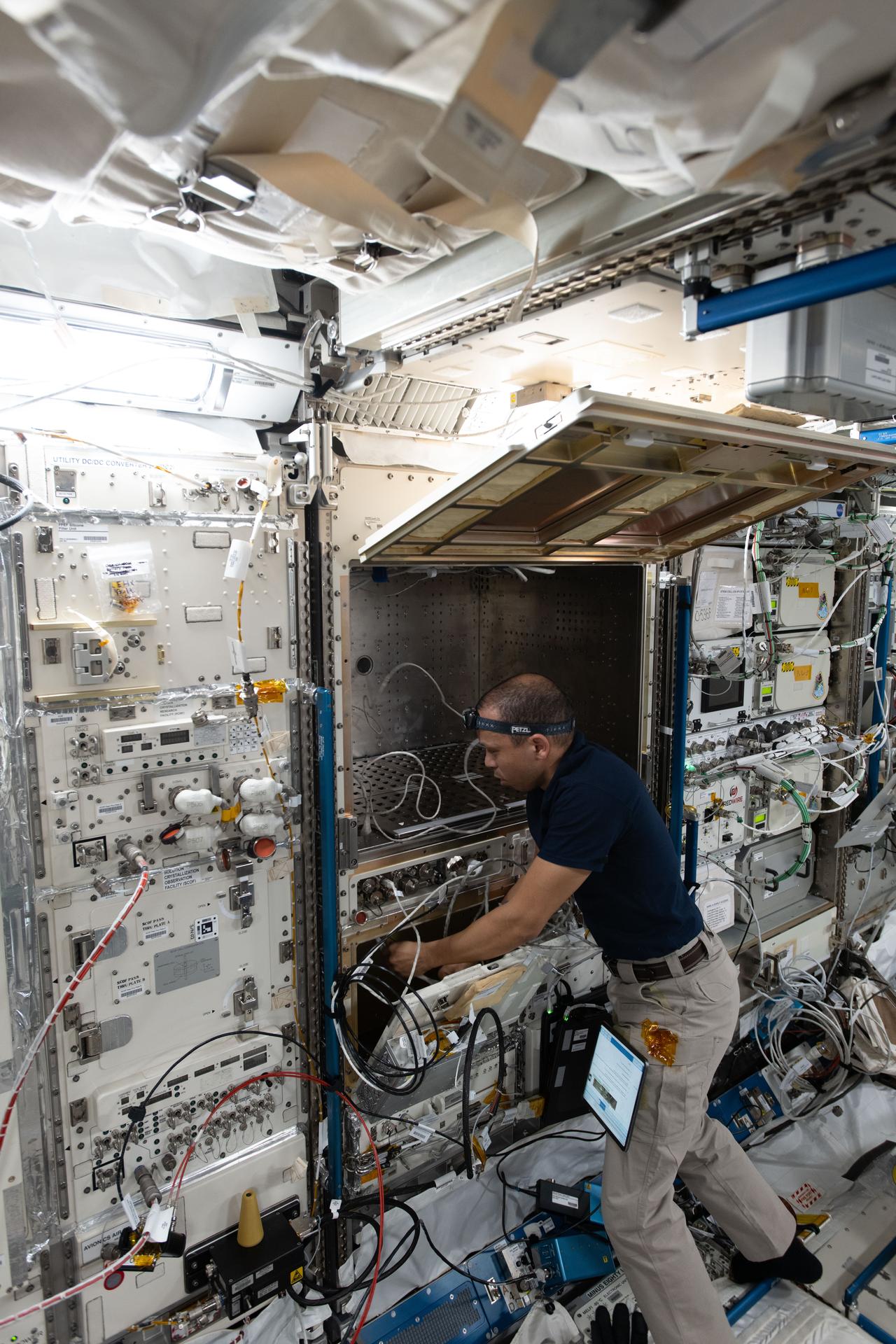
iss074e0325940 (Feb. 25, 2026) --- NASA astronaut and Expedition 74 flight engineer Chris Williams works inside the International Space Station's Kibo laboratory module. Williams opened up Kibo's multi-purpose small payload rack to install and configure advanced robotics hardware for the TUSK (Test facility for lab-aUtomation System in Kibo) technology demonstration. TUSK is demonstrating precision mobility and experiment automation in microgravity using a pair of small robotic arms to reduce crew workloads. Credit: NASA/Chris Williams
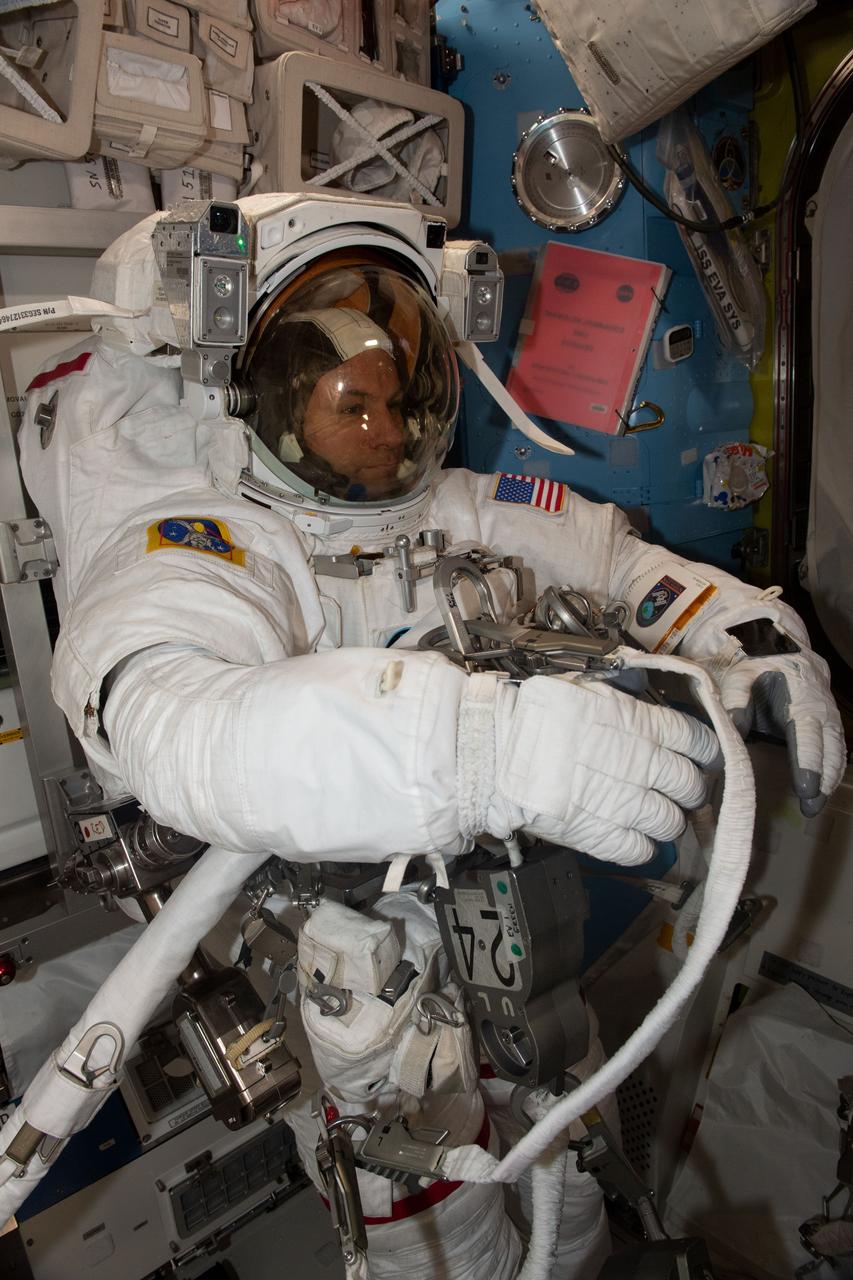
iss068e022316 (Nov. 15, 2022) --- NASA astronaut and Expedition 68 Flight Engineer Josh Cassada is pictured suited up inside his Extravehicular Mobility Unit (EMU), or spacesuit, before beginning a seven-hour and 11-minute a spacewalk to ready the orbiting lab's starboard truss structure for future rollout solar array installation work. Credit: Koichi Wakata/Japan Aerospace Exploration Agency (JAXA)
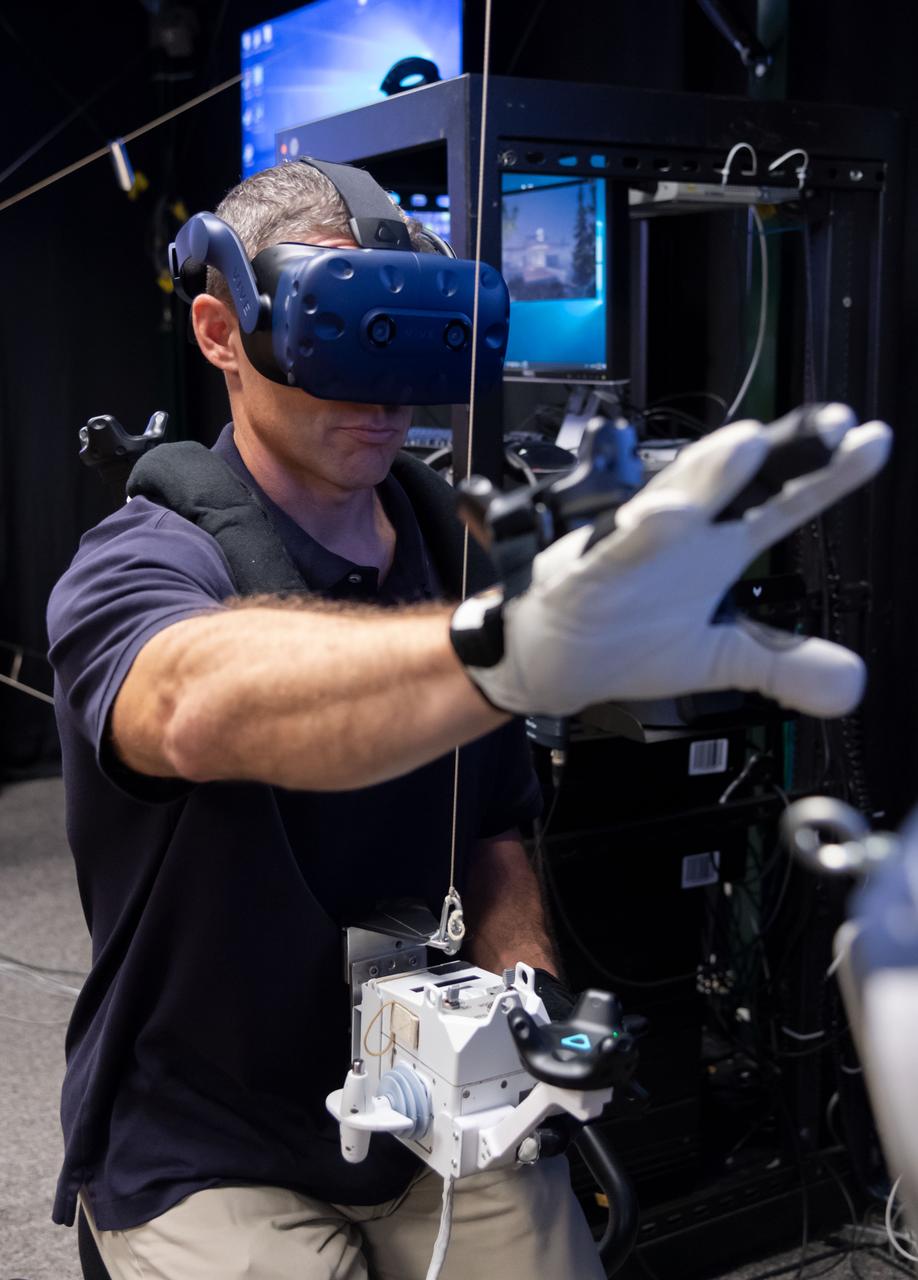
Commercial Crew Astronaut Mike Hopkins practices spacewalking in the Virtual Reality Lab at Johnson Space Center in Houston. The training provides real-time graphics and motion simulators to replicate the space environment. NASA’s Commercial Crew Program is working with Boeing and SpaceX to return human spaceflight launches to the United States in 2019. Hopkins is assigned to SpaceX’s first operational mission after the company’s test flight with crew.
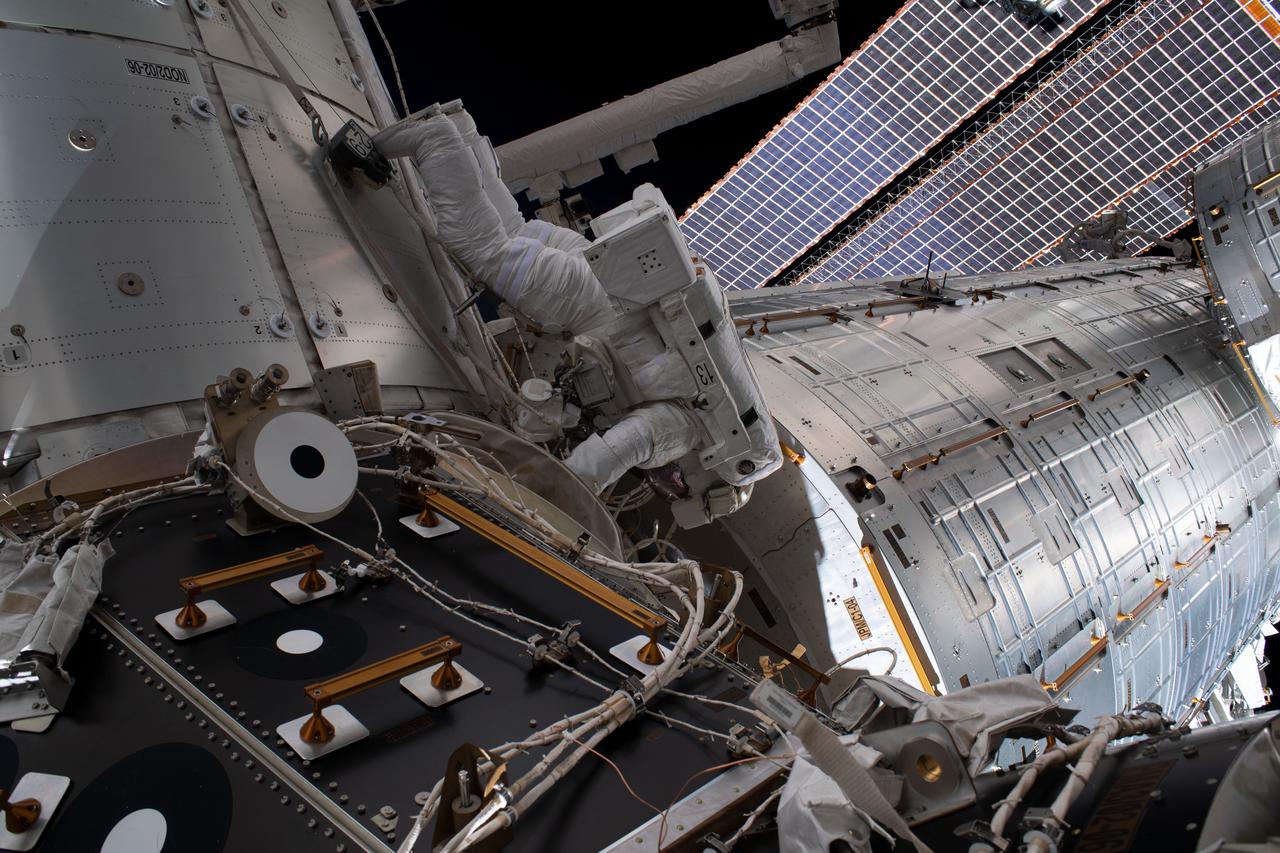
iss060e043181 (Aug. 21, 2019) --- NASA astronaut Andrew Morgan is pictured working outside the International Space Station during a six-hour and 32-minute spacewalk to install the orbiting lab’s second commercial crew vehicle docking port, the International Docking Adapter-3 (IDA-3). The IDA-3 will accommodate the future arrivals of Boeing CST-100 Starliner and SpaceX Crew Dragon commercial crew spacecraft.
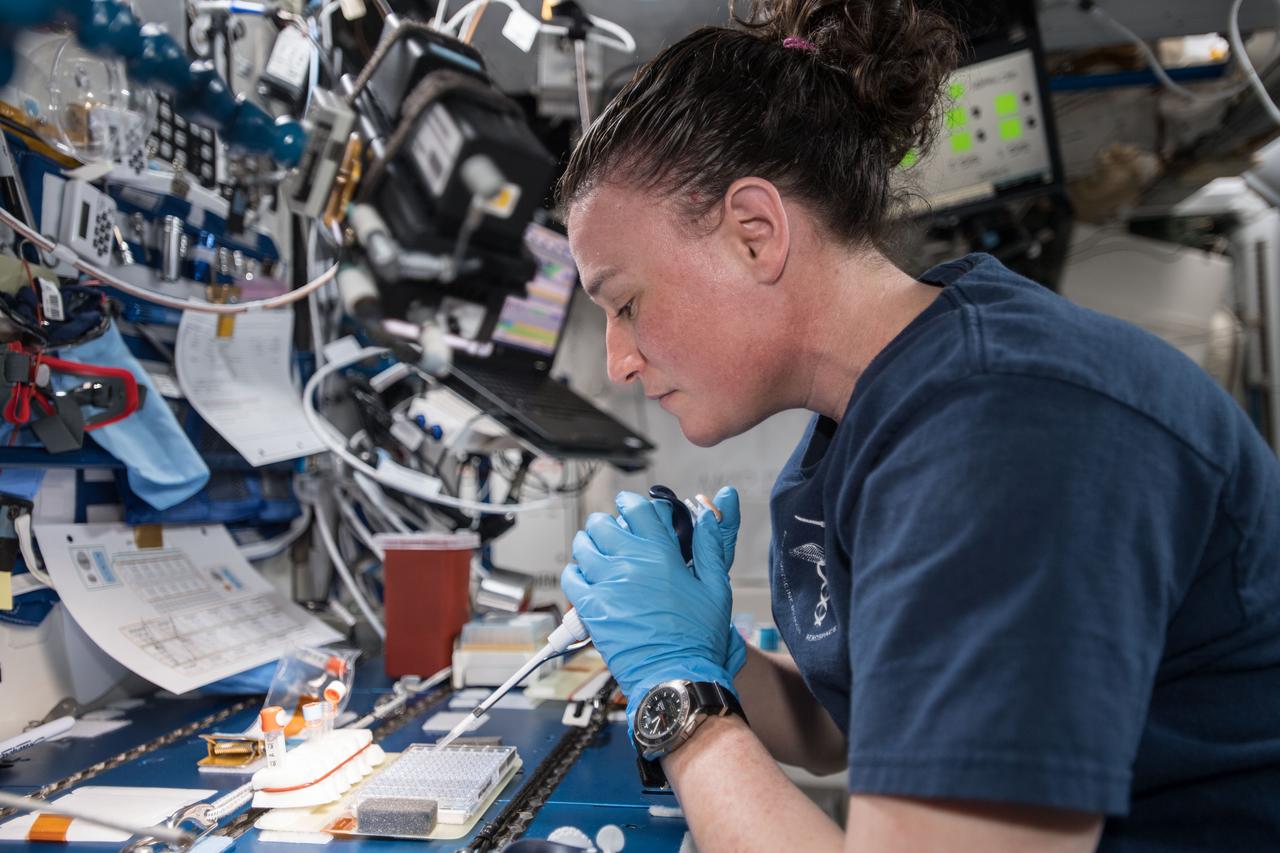
iss057e074528 (Nov. 9, 2018) --- NASA astronaut Serena Auñón-Chancellor is pictured in the Japanese Kibo lab module mixing protein crystal samples to help scientists understand how they work. BioServe Protein Crystalography-1 (BPC-1) seeks to demonstrate the feasibility of conducting protein crystal growth in real time aboard the International Space Station. Crew members add solutions to the hardware, observe the crystals that form and adjust for follow-on experiments.
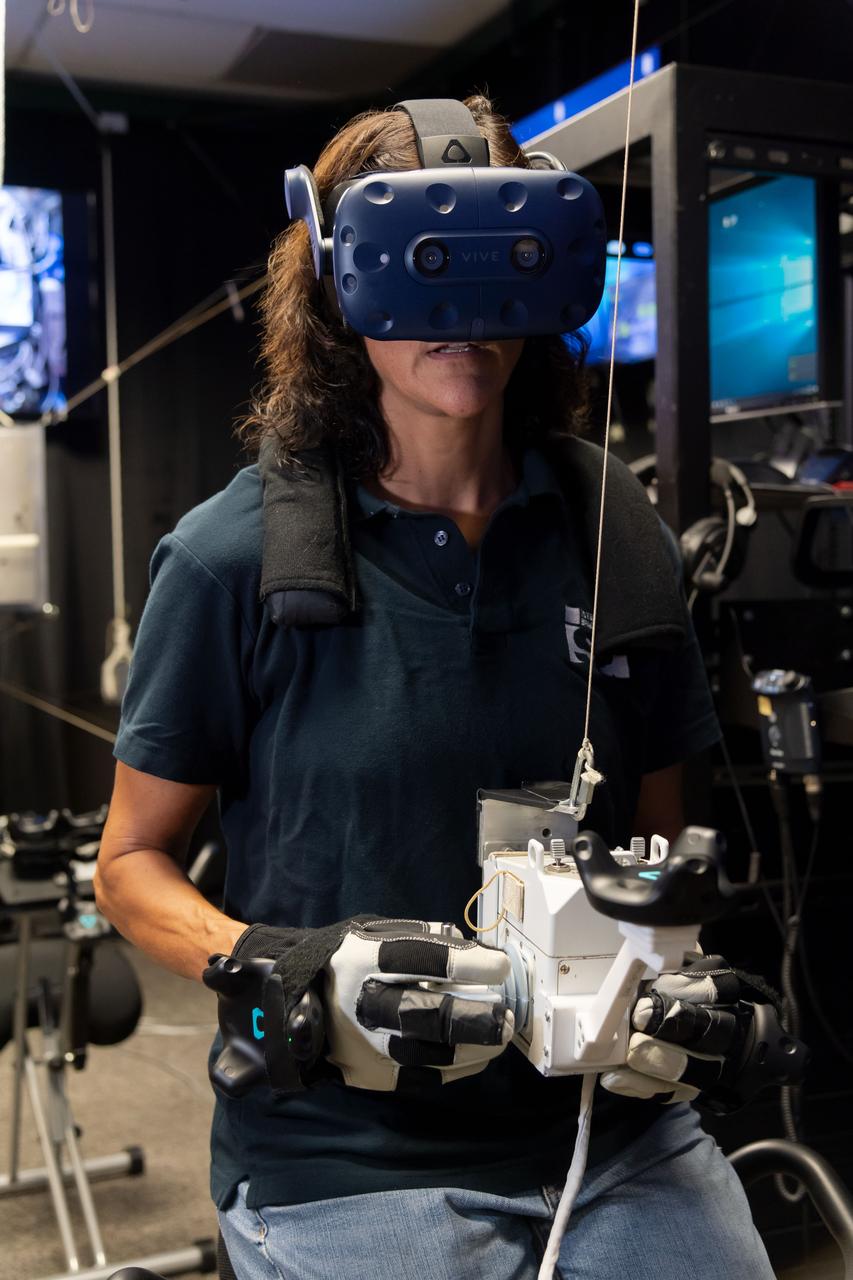
Commercial Crew Astronaut Suni Williams practices spacewalking in the Virtual Reality Lab at Johnson Space Center in Houston. The training provides real-time graphics and motion simulators to replicate the space environment. NASA’s Commercial Crew Program is working with Boeing and SpaceX to return human spaceflight launches to the United States in 2019. Williams is assigned to Boeing’s first operational mission after the company’s test flight with crew.
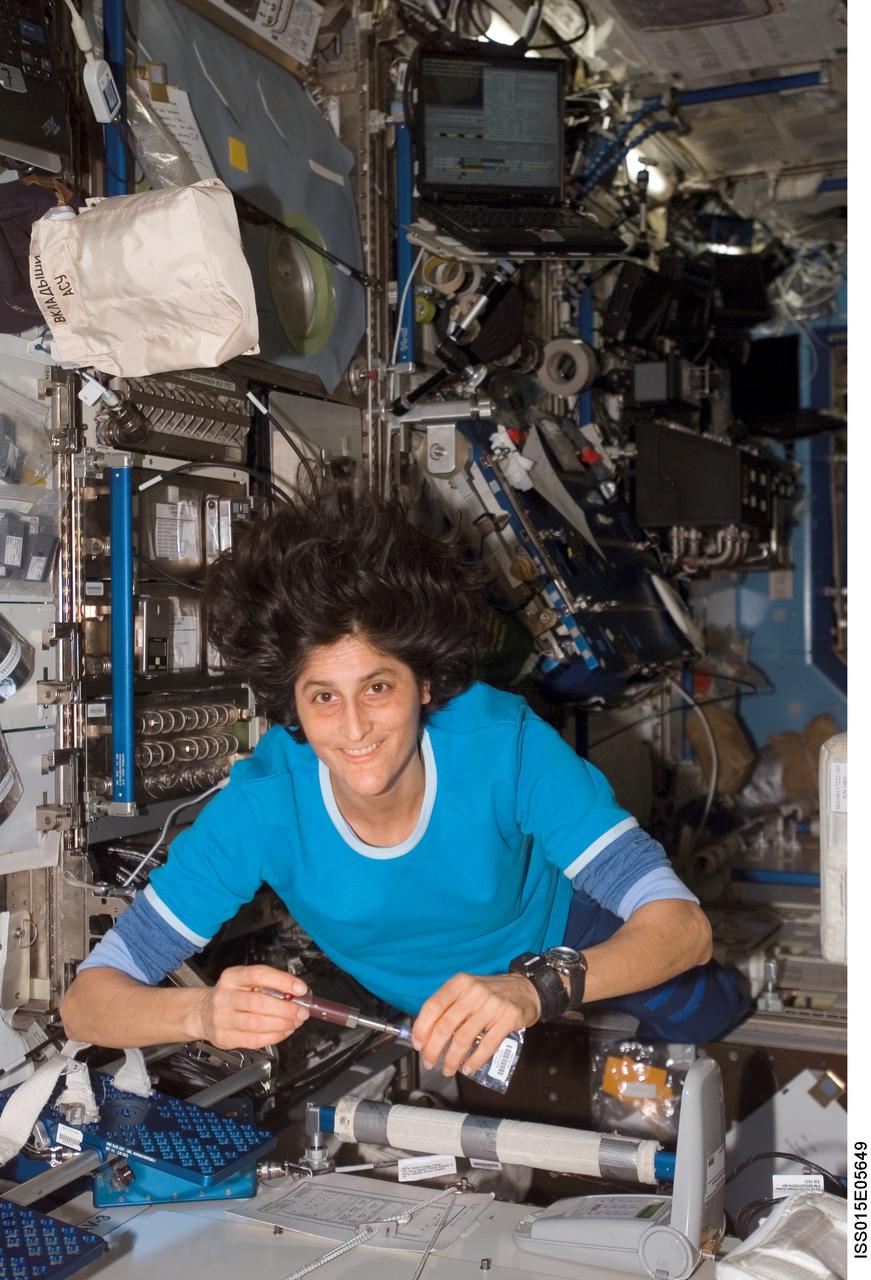
ISS015-E-05649 (30 April 2007) --- Astronaut Sunita L. Williams, Expedition 15 flight engineer, works with the Lab-on-a-Chip Application Development-Portable Test System (LOCAD-PTS) experiment in the Destiny laboratory of the International Space Station. LOCAD-PTS is a handheld device for rapid detection of biological and chemical substances onboard the station.
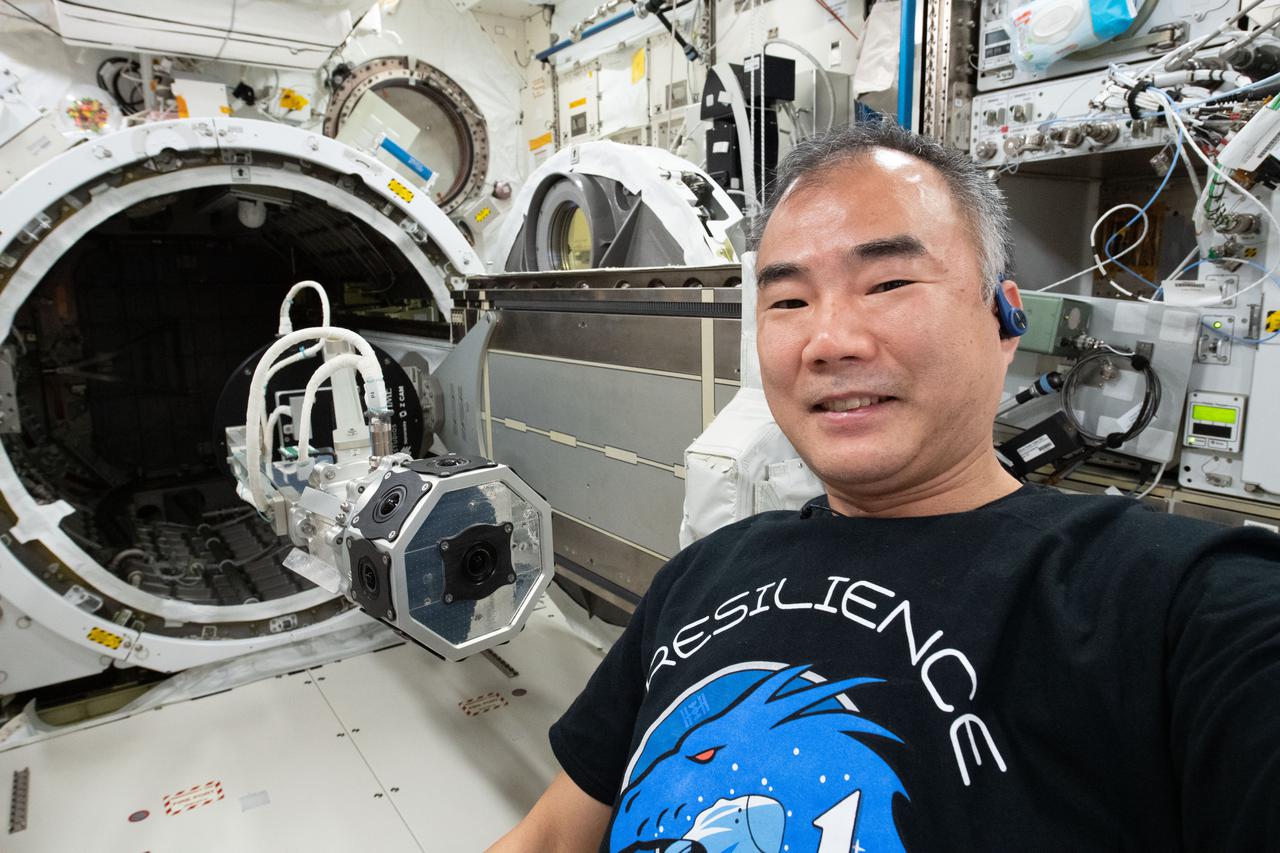
iss064e035270 (Feb. 23, 2021) --- JAXA (Japan Aerospace Exploration Agency) astronaut and Expedition 64 Flight Engineer Soichi Noguchi is pictured after installing a three-dimensional virtual reality camera on the Kibo laboratory module's airlock slide table. The camera films activities aboard the orbiting lab in cinematic virtual reality to document living and working in space for audiences on Earth as part of the ISS Experience investigation.
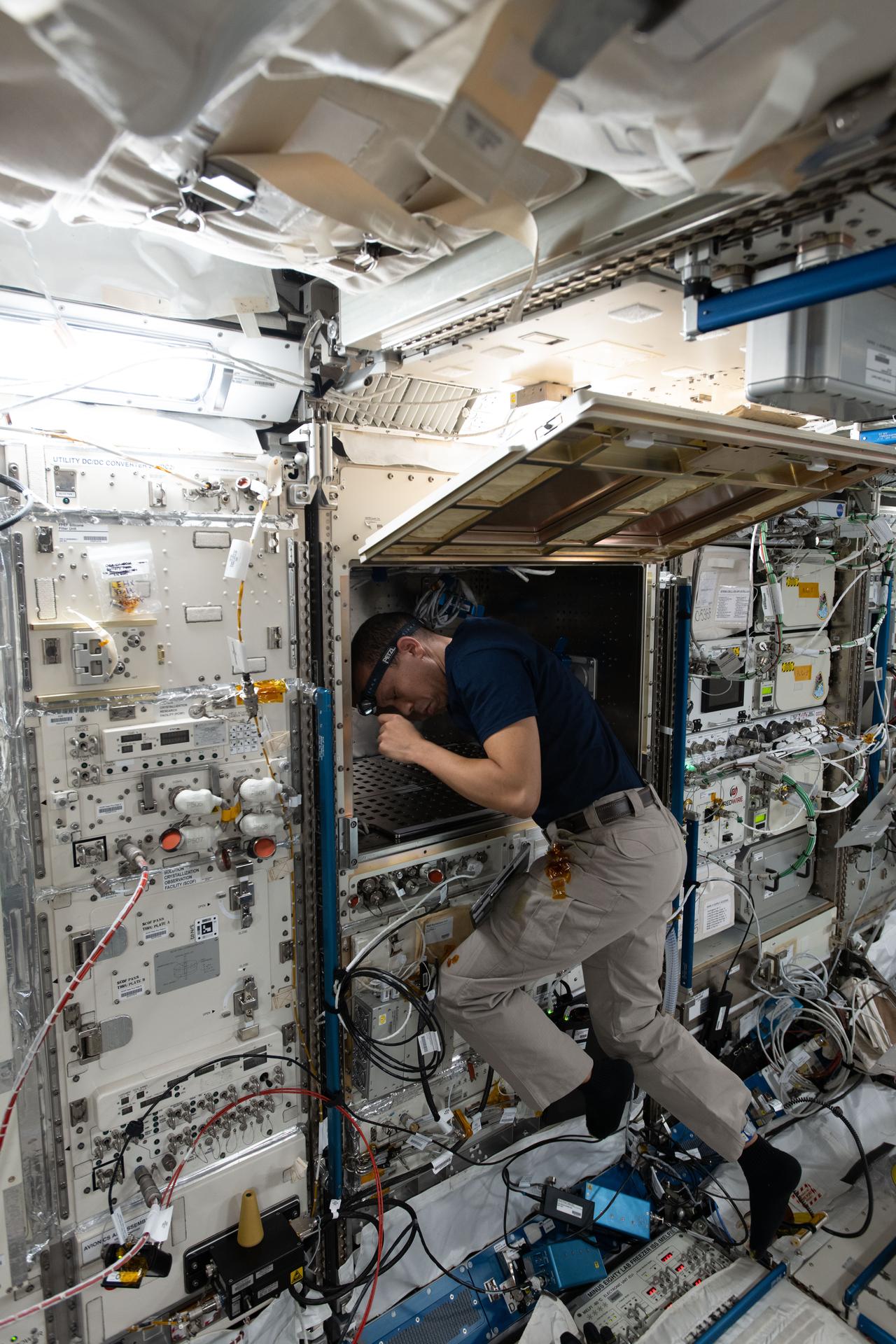
iss074e0326337 (Feb. 25, 2026) --- NASA astronaut and Expedition 74 flight engineer Chris Williams works inside the International Space Station's Kibo laboratory module. Williams opened up Kibo's multi-purpose small payload rack to install and configure advanced robotics hardware for the TUSK (Test facility for lab-aUtomation System in Kibo) technology demonstration. TUSK is demonstrating precision mobility and experiment automation in microgravity using a pair of small robotic arms to reduce crew workloads. Credit: NASA/Chris Williams
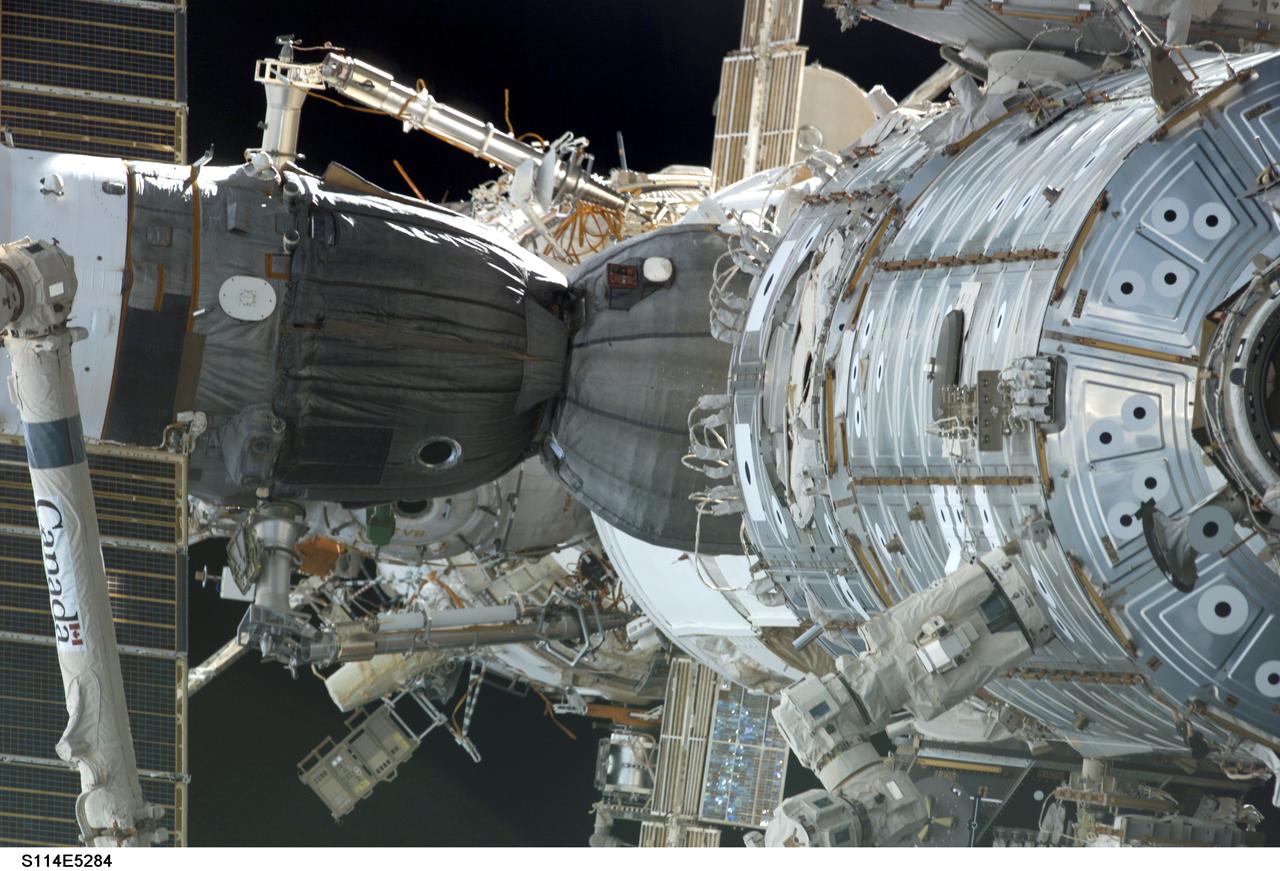
STS114-E-5284 (28 July 2005) --- One of the STS-114 crew members aimed a digital still camera through one of Discovery's aft cabin windows to capture this image of the U.S. Lab, Destiny, and a Soyuz vehicle docked to the International Space Station. The station and Discovery had earlier joined together in space, as the joint activities of the STS-114 astronauts and the Expedition 11 crew members, still in separate spacecraft, work toward common goals.
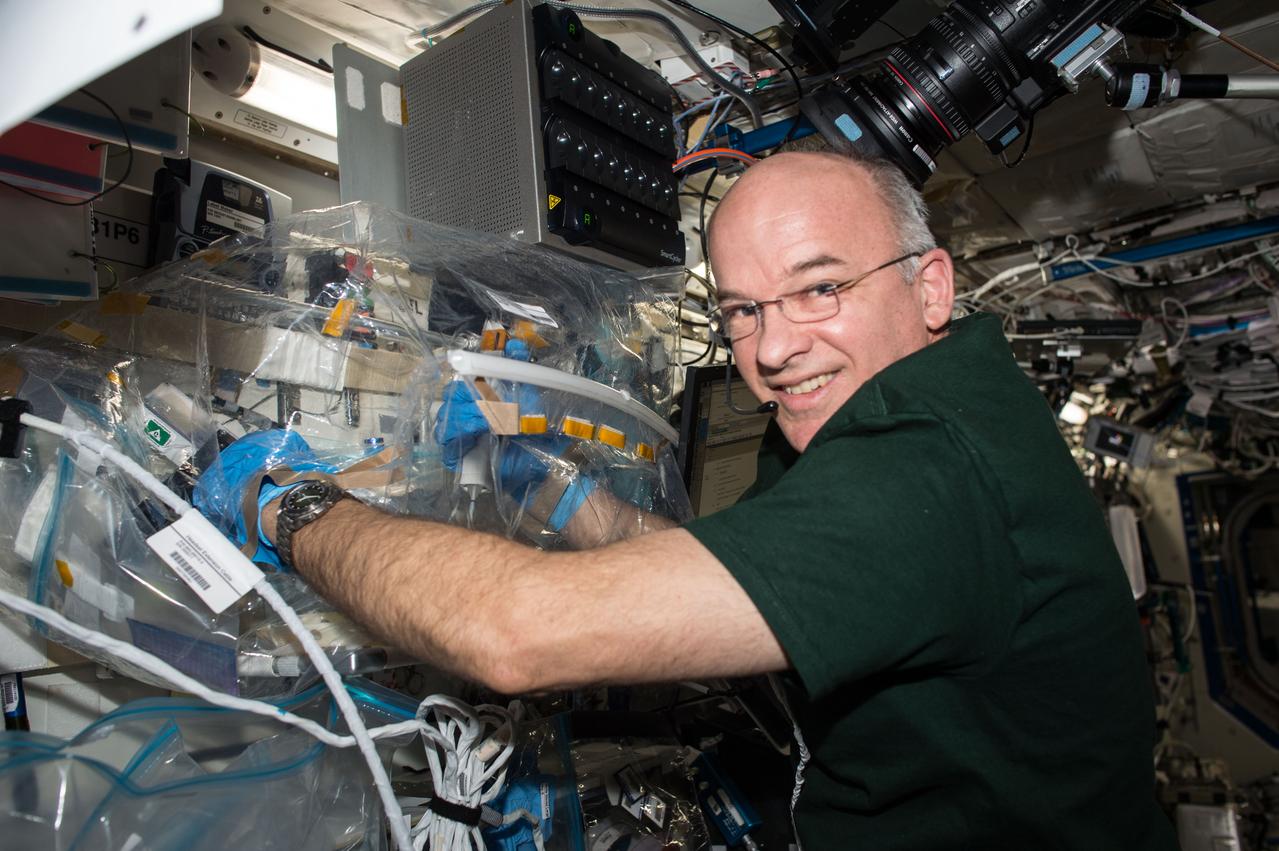
ISS047e066248 (04/19/2016) --- NASA astronaut and Expedition 47 Flight Engineer Jeff Williams works with the Wet Lab RNA SmartCycler on-board the International Space Station. Wetlab RNA SmartCycler is a research platform for conducting real-time quantitative gene expression analysis aboard the ISS. The system enables spaceflight genomic studies involving a wide variety of biospecimen types in the unique microgravity environment of space.
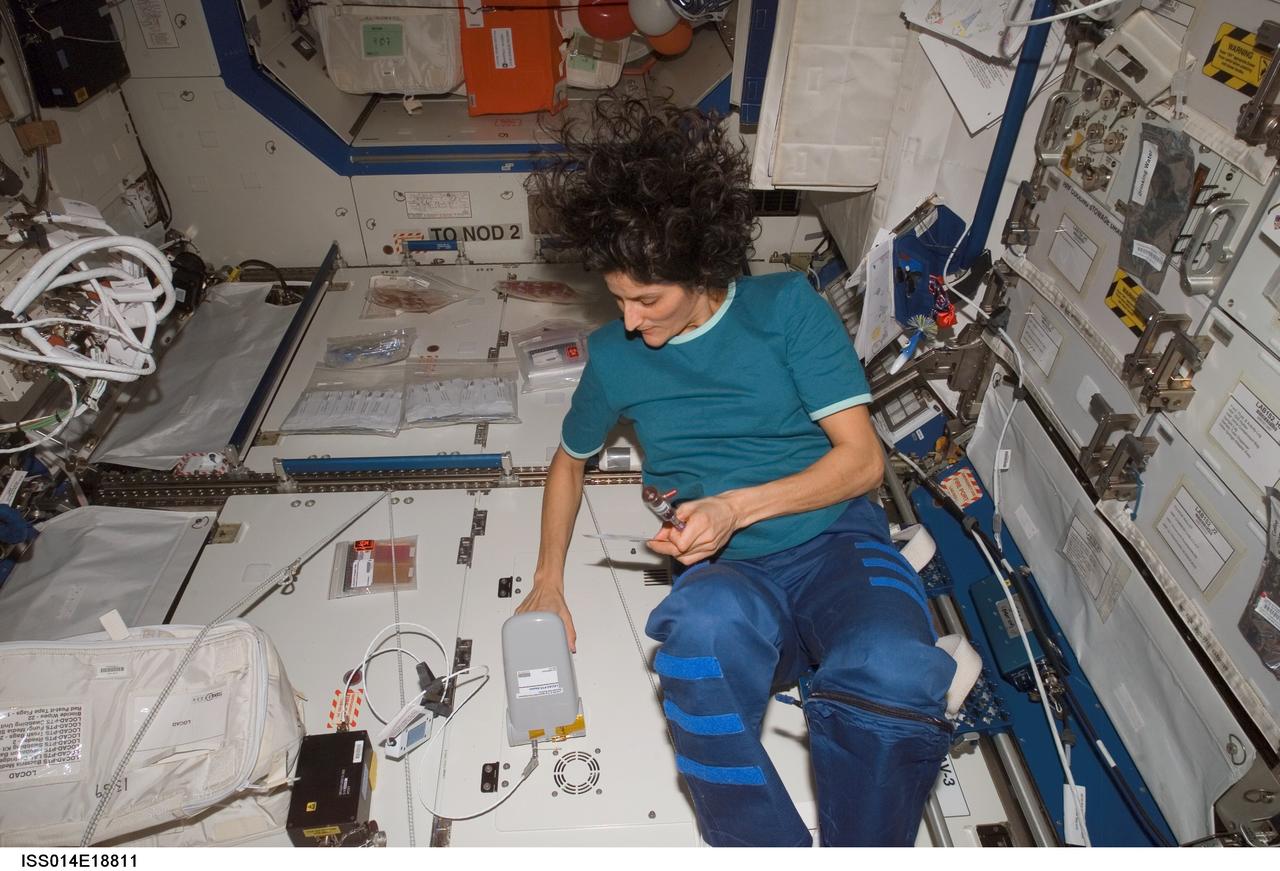
ISS014-E-18811 (31 March 2007) --- Astronaut Sunita L. Williams, Expedition 14 flight engineer, works with the Lab-on-a-Chip Application Development-Portable Test System (LOCAD-PTS) experiment in the Destiny laboratory of the International Space Station. LOCAD-PTS is a handheld device for rapid detection of biological and chemical substances onboard the station.
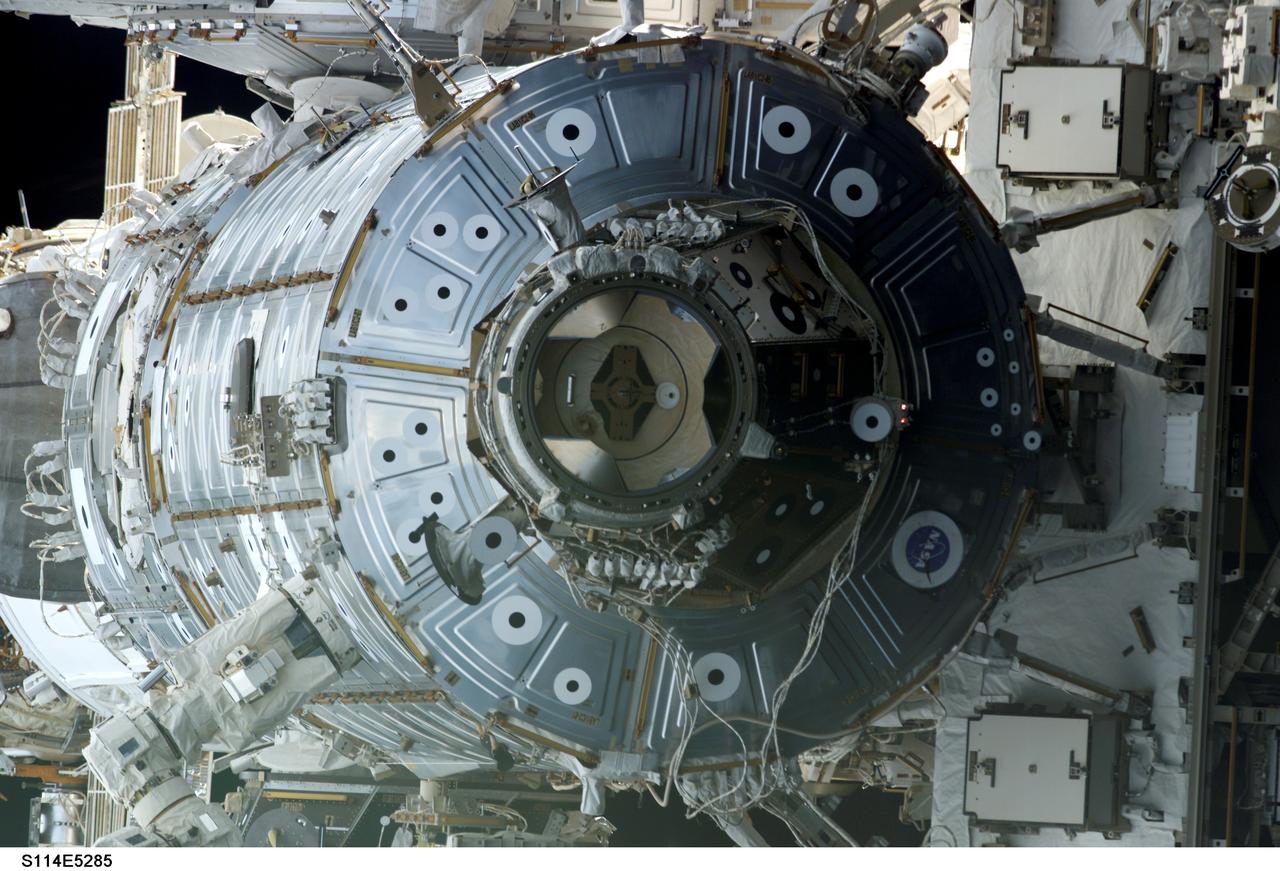
STS114-E-5285 (28 July 2005) --- One of the STS-114 crew members aimed a digital still camera through one of Discovery's aft cabin windows to capture this image of the U.S. Lab, Destiny. The International Space Station and Discovery had earlier joined together in space, as the joint activities of the STS-114 astronauts and the Expedition 11 crew members, still in separate spacecraft, work toward common goals.
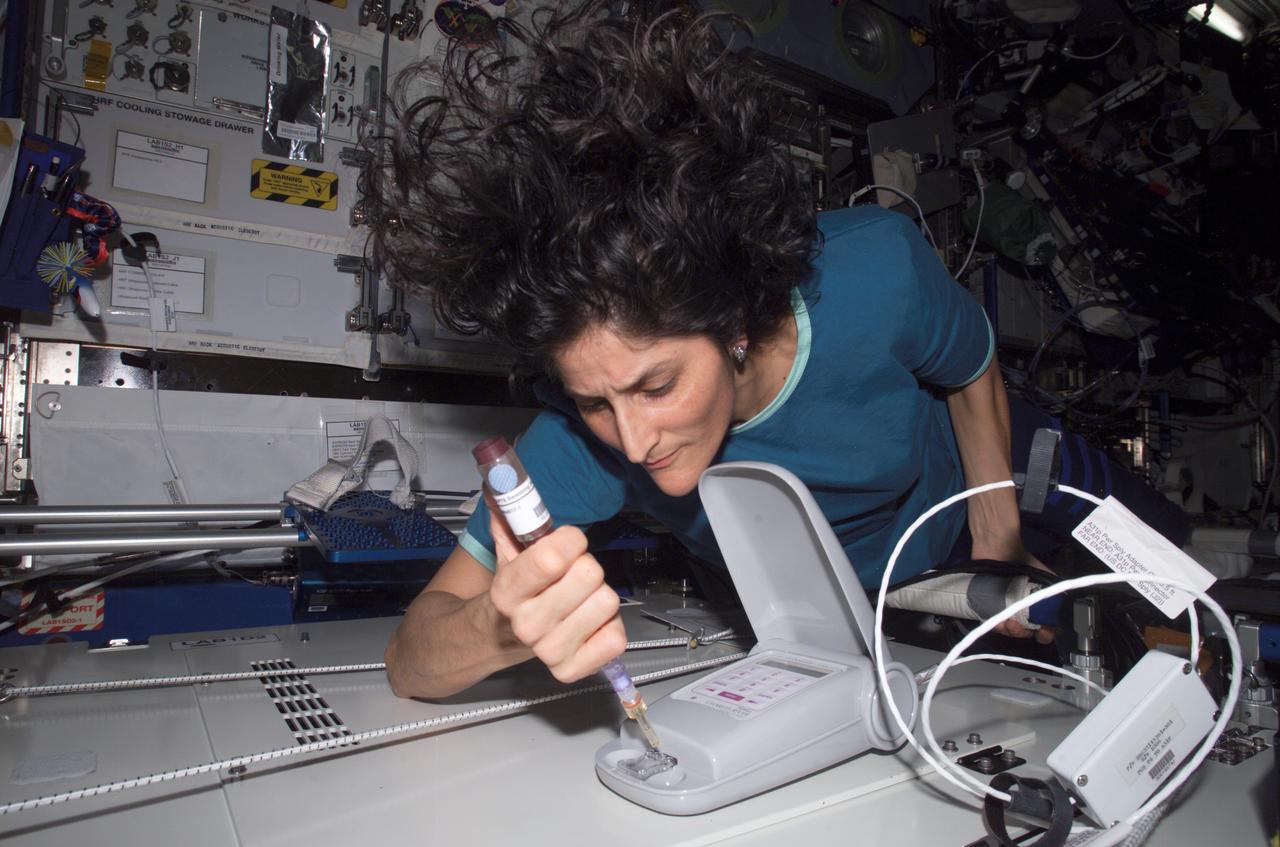
ISS014-E-18818 (31 March 2007) --- Astronaut Sunita L. Williams, Expedition 14 flight engineer, works with the Lab-on-a-Chip Application Development-Portable Test System (LOCAD-PTS) experiment in the Destiny laboratory of the International Space Station. LOCAD-PTS is a handheld device for rapid detection of biological and chemical substances onboard the station.
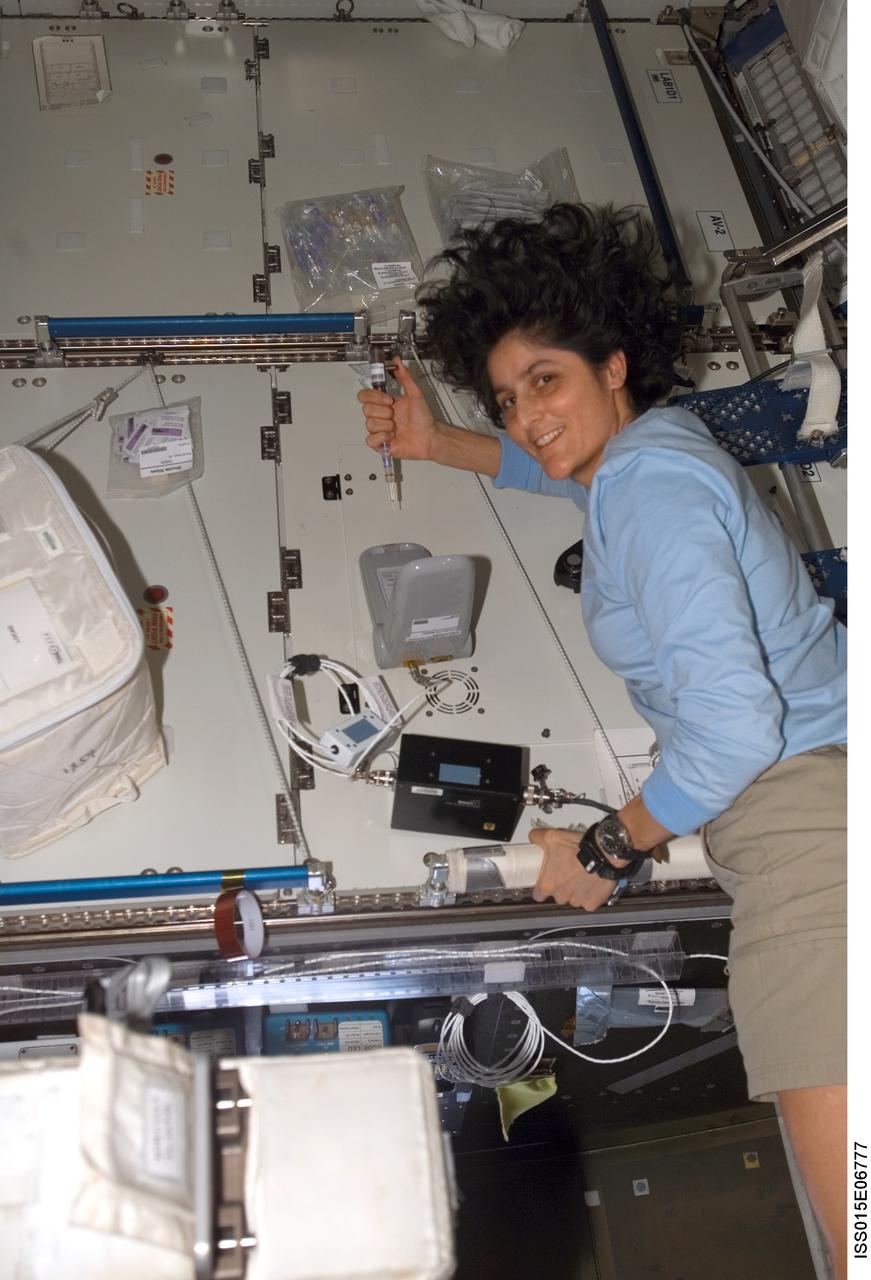
ISS015-E-06777 (5 May 2007) --- Astronaut Sunita L. Williams, Expedition 15 flight engineer, works with the Lab-on-a-Chip Application Development-Portable Test System (LOCAD-PTS) experiment in the Destiny laboratory of the International Space Station. LOCAD-PTS is a handheld device for rapid detection of biological and chemical substances onboard the station.
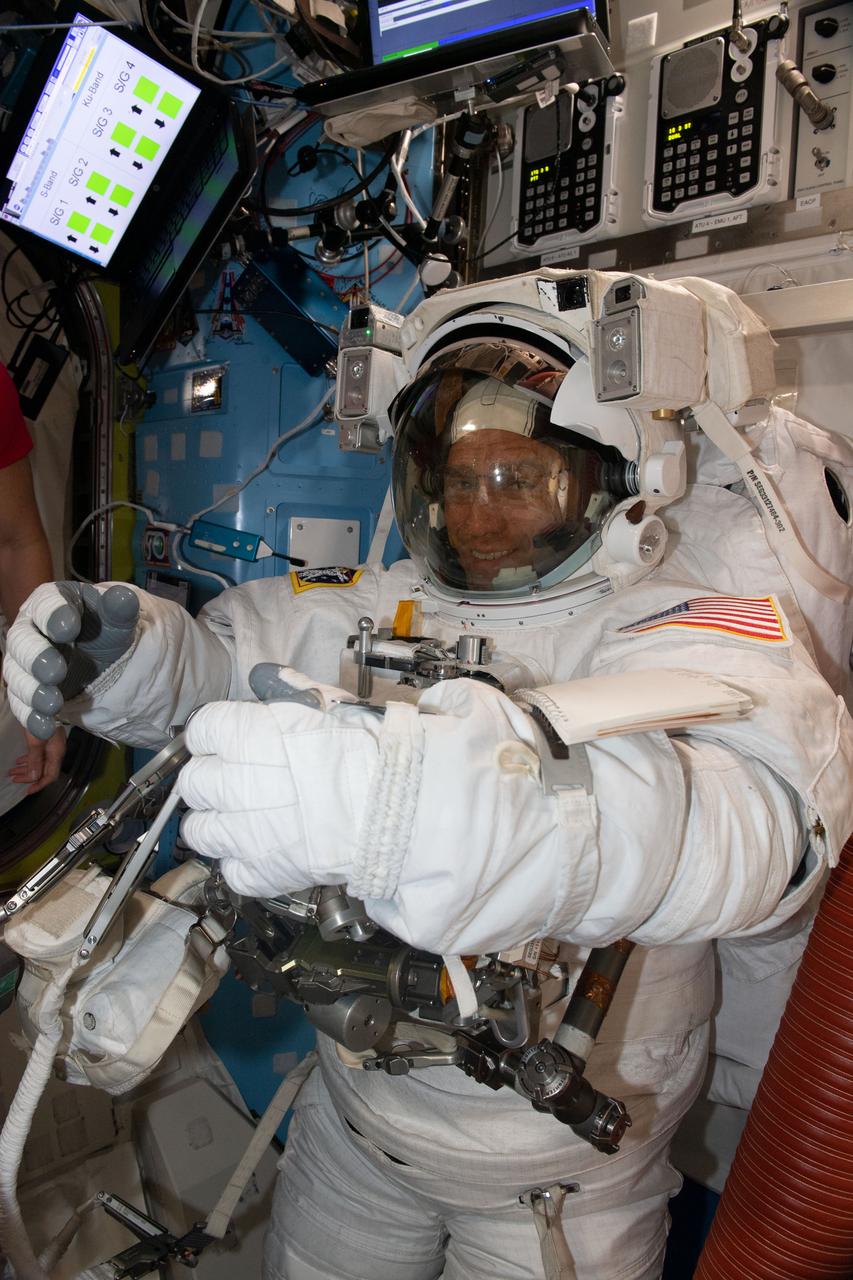
iss068e022317 (Nov. 15, 2022) --- NASA astronaut and Expedition 68 Flight Engineer Frank Rubio is pictured suited up inside his Extravehicular Mobility Unit (EMU), or spacesuit, before beginning a seven-hour and 11-minute a spacewalk to ready the orbiting lab's starboard truss structure for future rollout solar array installation work. Credit: Koichi Wakata/Japan Aerospace Exploration Agency (JAXA)
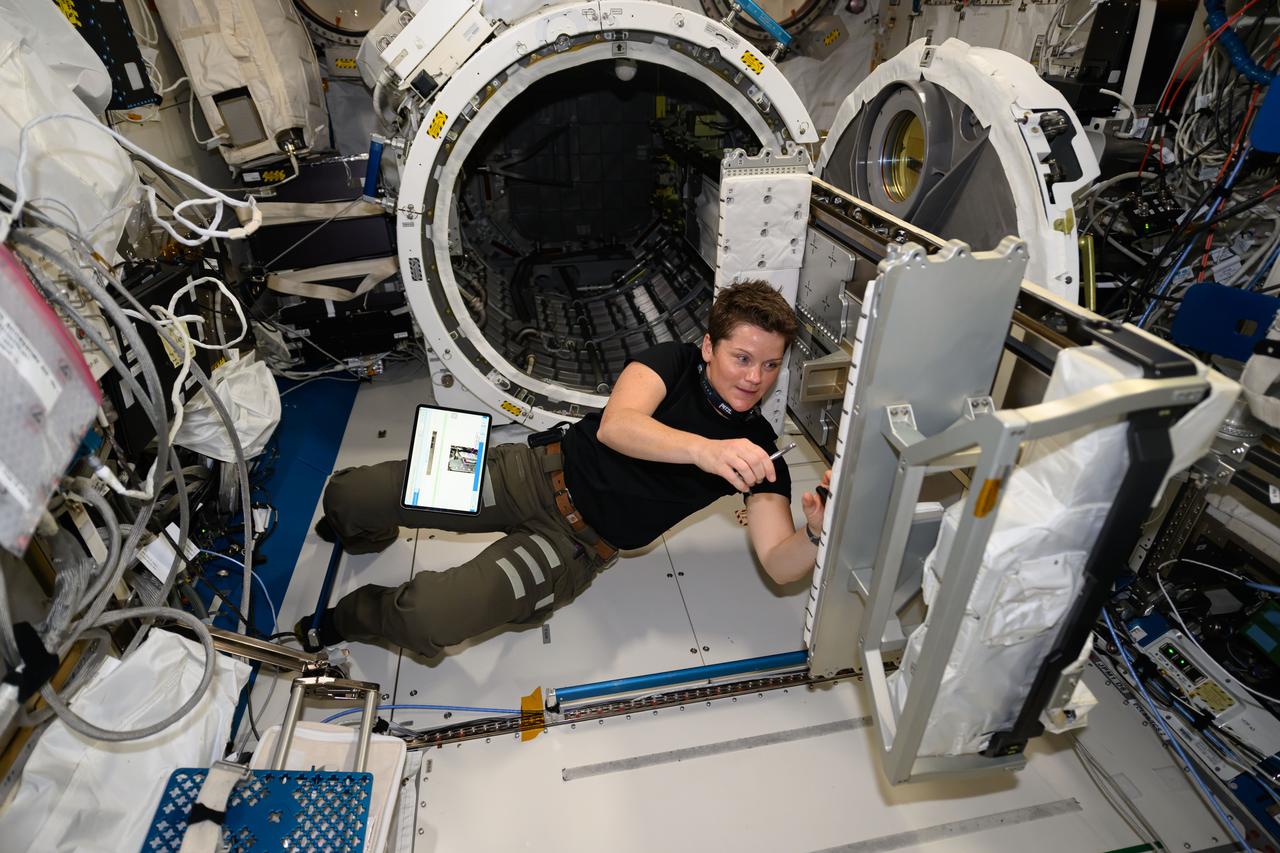
iss072e808737 (March 21, 2025) --- NASA astronaut and Expedition 72 Flight Engineer Anne McClain works on hardware maintenance tasks inside the International Space Station's Kibo laboratory module. Behind McClain is Kibo's airlock where experiment hardware such as external exposure investigations and CubeSats are staged before being placed outside the orbiting lab into the vacuum of space.
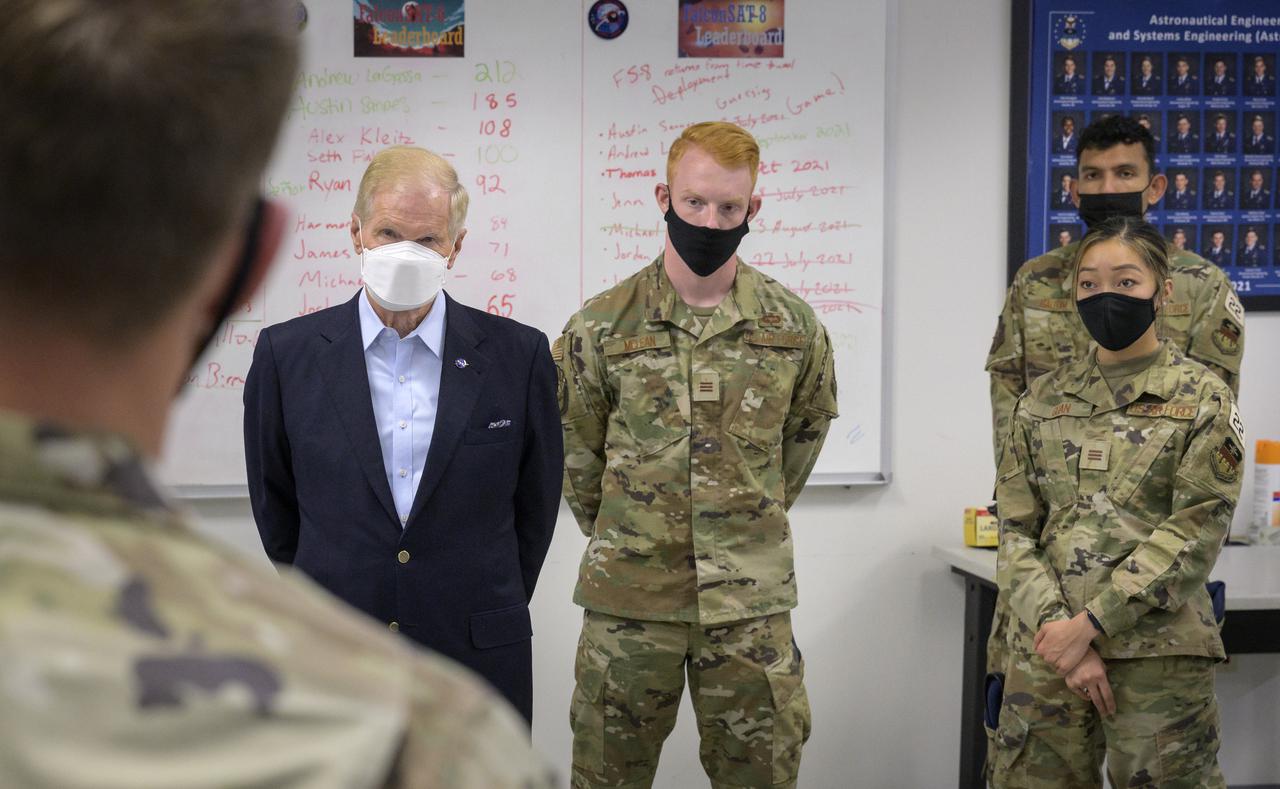
NASA Administrator Bill Nelson listens as Cadet First Class Andrew LaGassa talks about his classes work in the astronautics lab of the United States Air Force Academy as Cadets First Class Thomas McLean, Celina Guan, and Ritesh Gautam look on, Wednesday, Aug. 25, 2021, north of Colorado Springs, Colorado. Photo Credit: (NASA/Bill Ingalls)
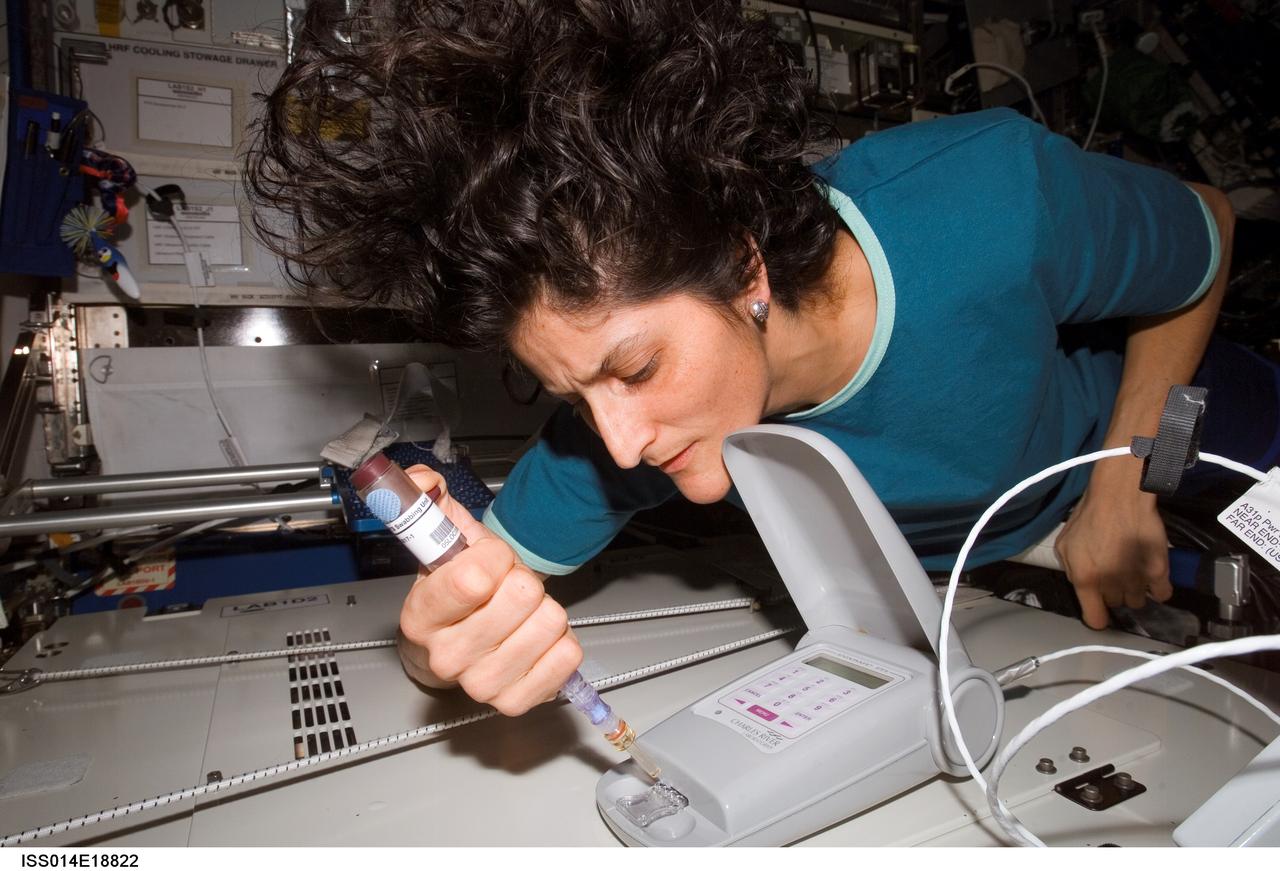
ISS014-E-18822 (31 March 2007) --- Astronaut Sunita L. Williams, Expedition 14 flight engineer, works with the Lab-on-a-Chip Application Development-Portable Test System (LOCAD-PTS) experiment in the Destiny laboratory of the International Space Station. LOCAD-PTS is a handheld device for rapid detection of biological and chemical substances onboard the station.
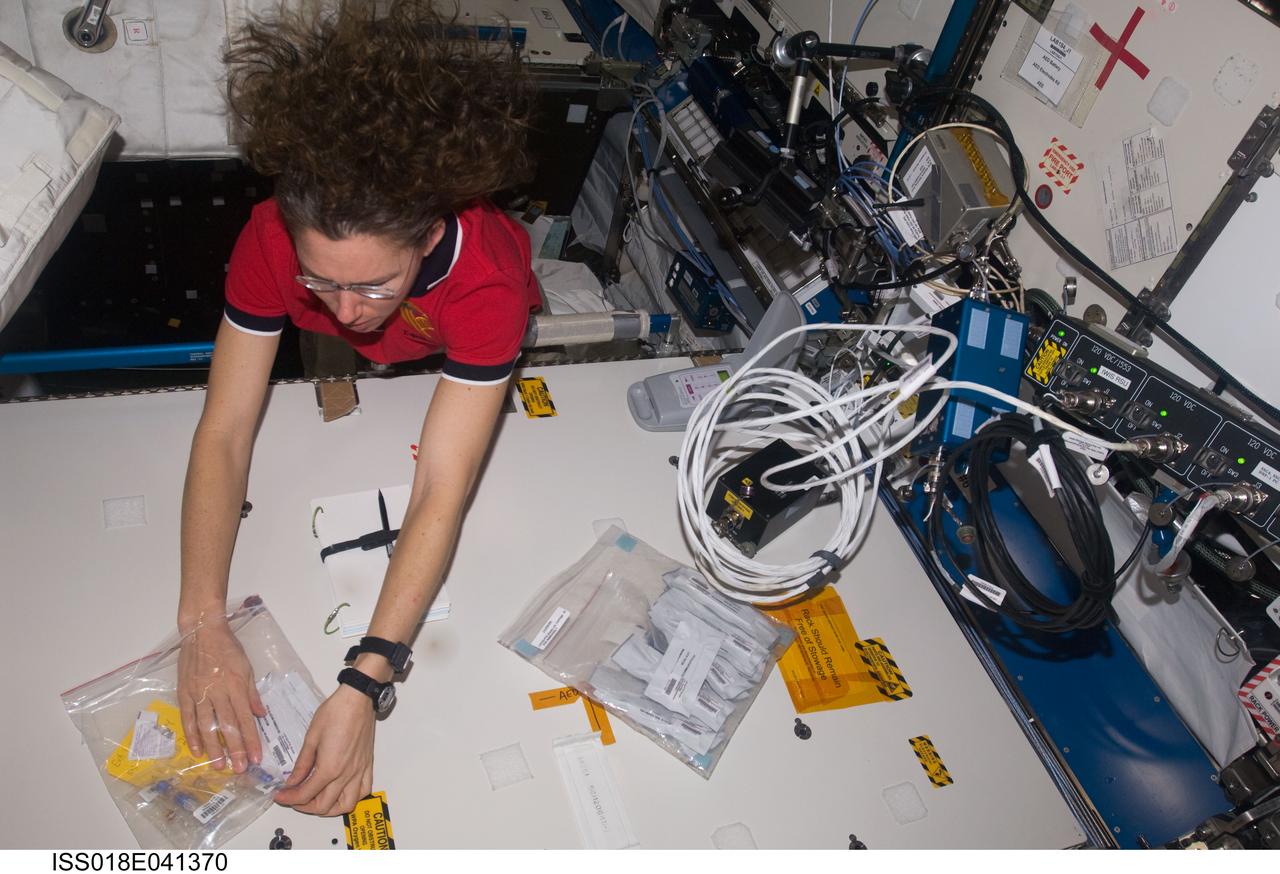
ISS018-E-041370 (21 March 2009) --- Astronaut Sandra Magnus, STS-119 mission specialist, prepares to work with the Lab-on-a-Chip Application Development-Portable Test System (LOCAD-PTS) experiment in the Destiny laboratory while Space Shuttle Discovery remains docked with the International Space Station. LOCAD-PTS is a handheld device for rapid detection of biological and chemical substances onboard the station.

iss063e034131 (July 1, 2020) --- NASA astronaut and Expedition 63 Flight Engineer Bob Behnken (upper left) works during a six-hour and one-minute spacewalk to swap an aging nickel-hydrogen battery for a new lithium-ion battery on the International Space Station's Starboard-6 truss structure. Protruding horizontally from the truss are the Thermal Control System radiators that dispel heat generated by the orbiting lab's power systems.
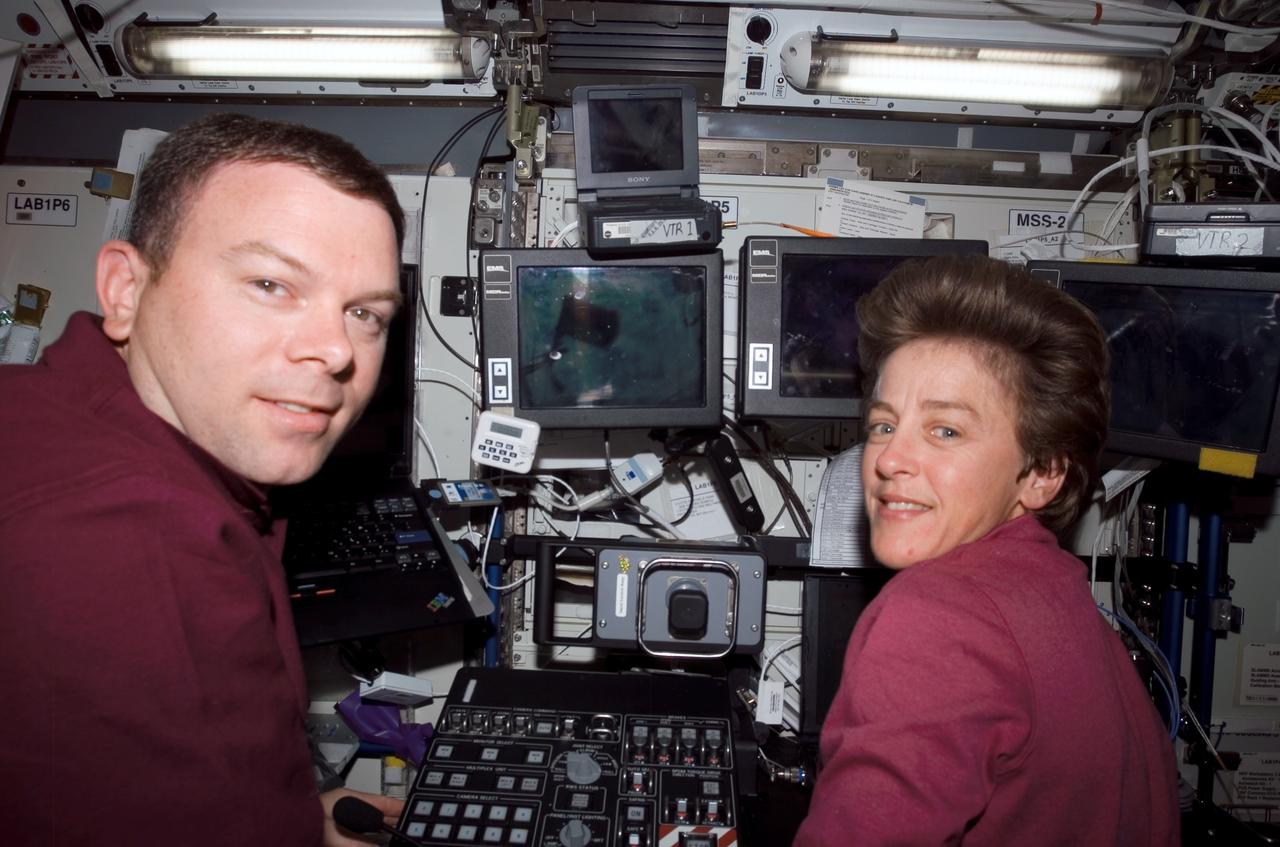
ISS011-E-11515 (5 August 2005) --- On the early Friday morning agenda for Astronauts James M. Kelly, pilot, and Wendy B. Lawrence, mission specialist, was important robotics duty at the controls of the Canadarm2 in the U.S. Lab, Destiny, on the International Space Station. Several digital photos in this sequence reveal the focal point of their work on the other end of the arm as the Italian-built Multi-Purpose Logistics Module Raffaello. The MPLM was being moved from its temporary parking place on the Station's Unity node to the payload bay of Discovery. The astronauts had arrived nine days ago with tons of fresh supplies for the Station, and with much effort, replaced that space on Raffaello with unneeded materials from the orbital outpost.
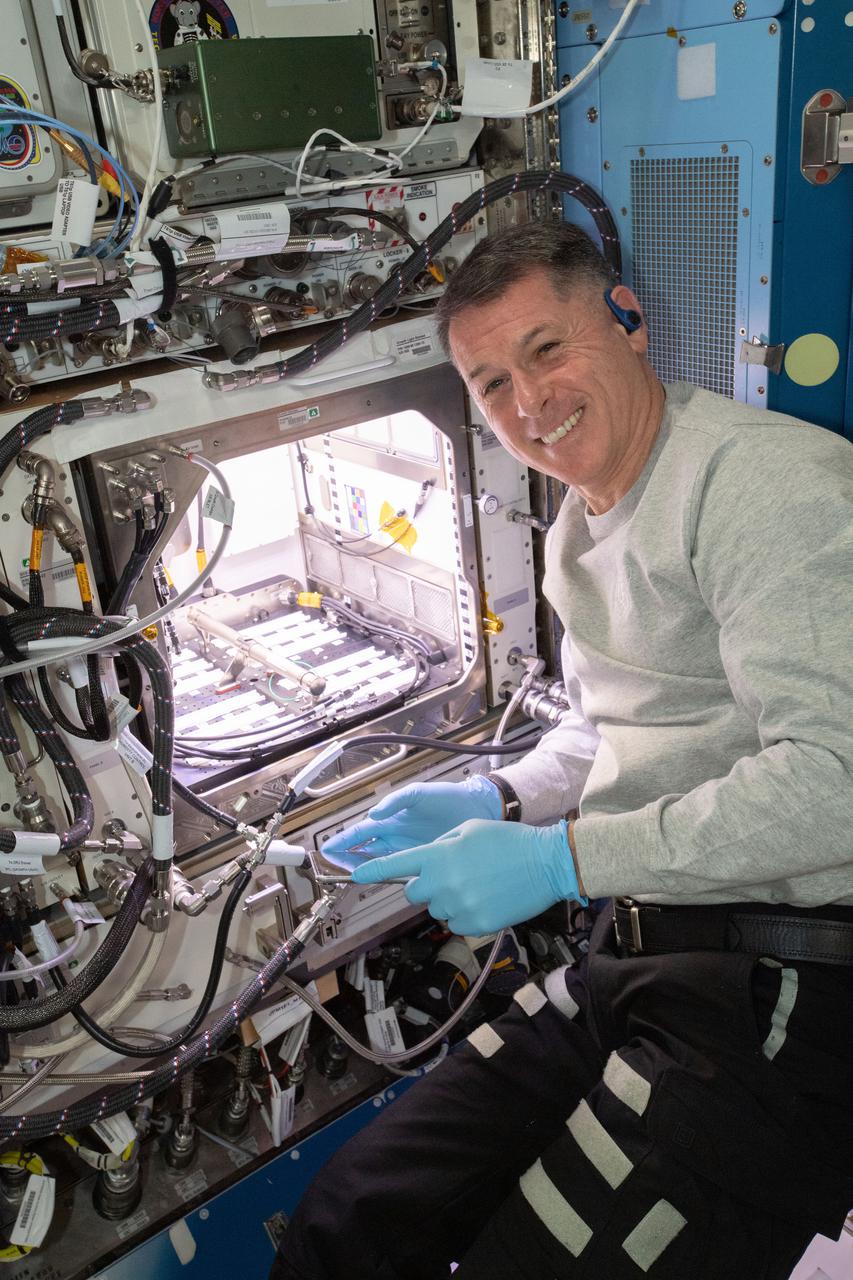
(iss065e163671) July 12, 2021 --- NASA astronaut and Expedition 65 Flight Engineer Shane Kimbrough inserts a device called a science carrier into the Advanced Plant Habitat (APH), which contains 48 Hatch chile pepper seeds NASA started growing on July 12, 2021 as part of the Plant Habitat-04 experiment. Astronauts on station and a team of researchers at Kennedy will work together to monitor the peppers’ growth for about four months before harvesting them. This will be one of the longest and most challenging plant experiments attempted aboard the orbital lab.
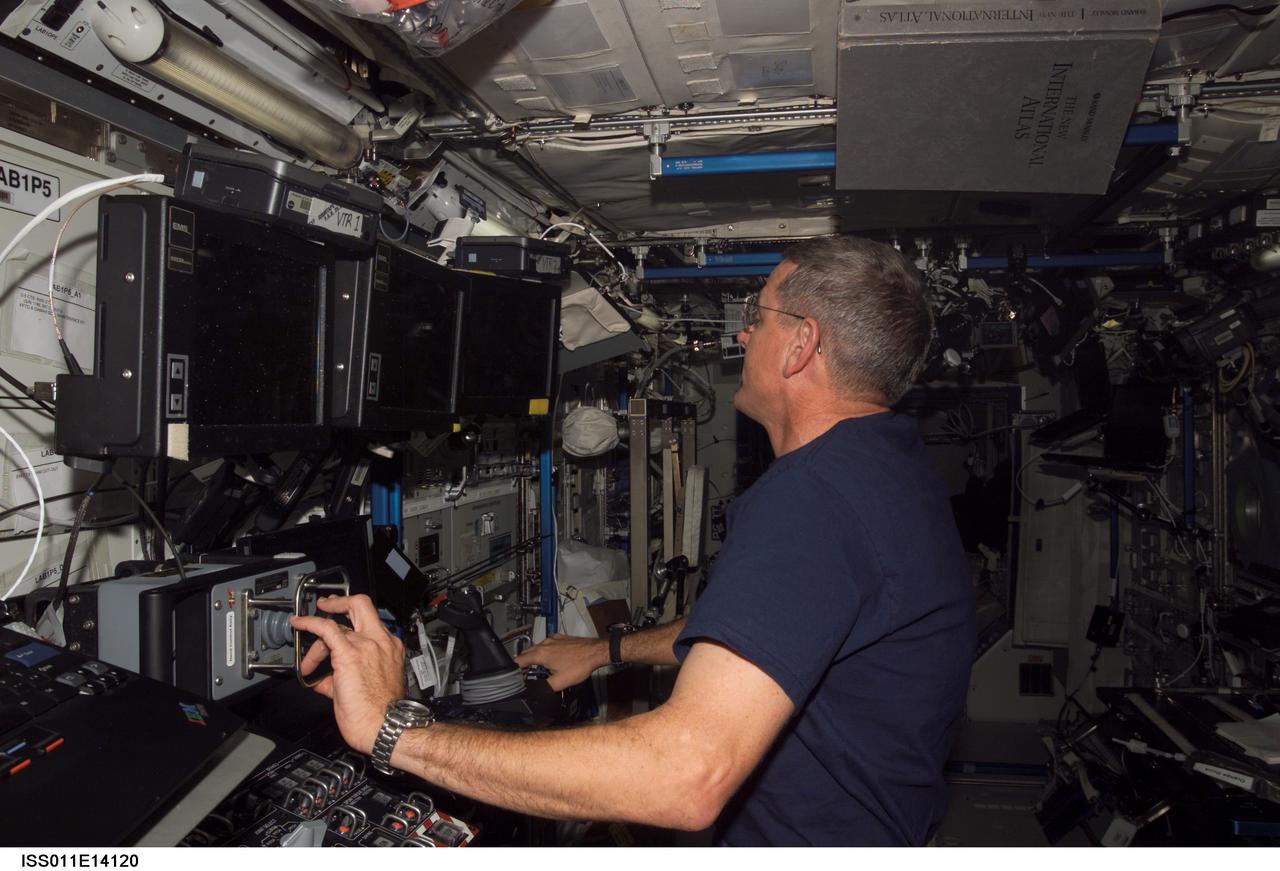
ISS011-E-14120 (5 October 2005) --- Astronaut William S. McArthur, Jr., Expedition 12 commander and NASA science officer, works with Space Station Remote Manipulator System or Canadarm2 controls located in the Destiny lab, while sharing duty time with the Expedition 11 crewmembers on the international space station. The Expedition 11 crew of cosmonaut Sergei K. Krikalev of Russia's Federal Space Agency, commander, and astronaut John L. Phillips, flight engineer and NASA science officer, along with spaceflight participant Greg Olsen, will be returning to Earth early next week.
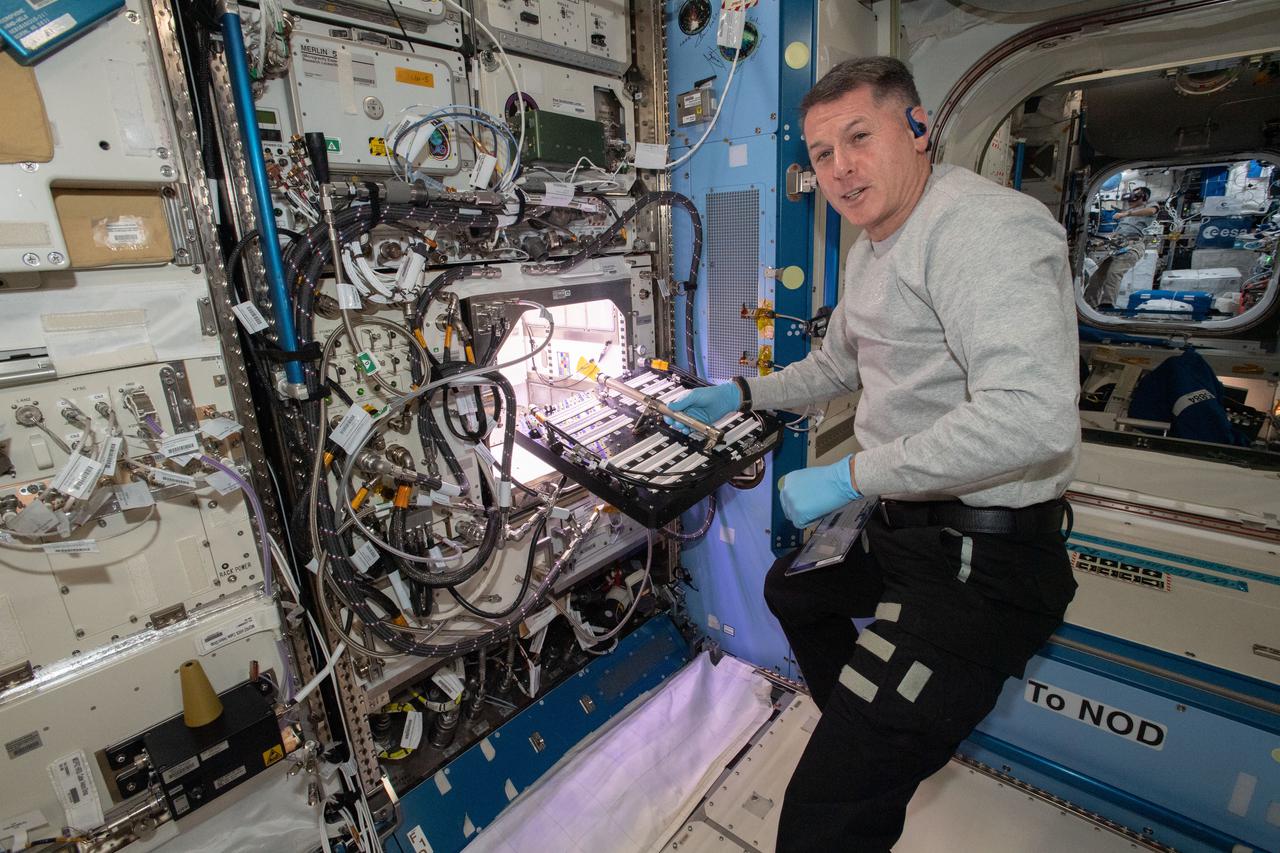
(iss065e163668) July 12, 2021 --- NASA astronaut and Expedition 65 Flight Engineer Shane Kimbrough inserts a device called a science carrier into the Advanced Plant Habitat (APH), which contains 48 Hatch chile pepper seeds NASA started growing on July 12, 2021 as part of the Plant Habitat-04 experiment. Astronauts on station and a team of researchers at Kennedy will work together to monitor the peppers’ growth for about four months before harvesting them. This will be one of the longest and most challenging plant experiments attempted aboard the orbital lab.
(iss065e163669) July 12, 2021 --- NASA astronaut and Expedition 65 Flight Engineer Shane Kimbrough inserts a device called a science carrier into the Advanced Plant Habitat (APH), which contains 48 Hatch chili pepper seeds NASA started growing on July 12, 2021 as part of the Plant Habitat-04 experiment. Astronauts on station and a team of researchers at Kennedy will work together to monitor the peppers’ growth for about four months before harvesting them. This will be one of the longest and most challenging plant experiments attempted aboard the orbital lab.
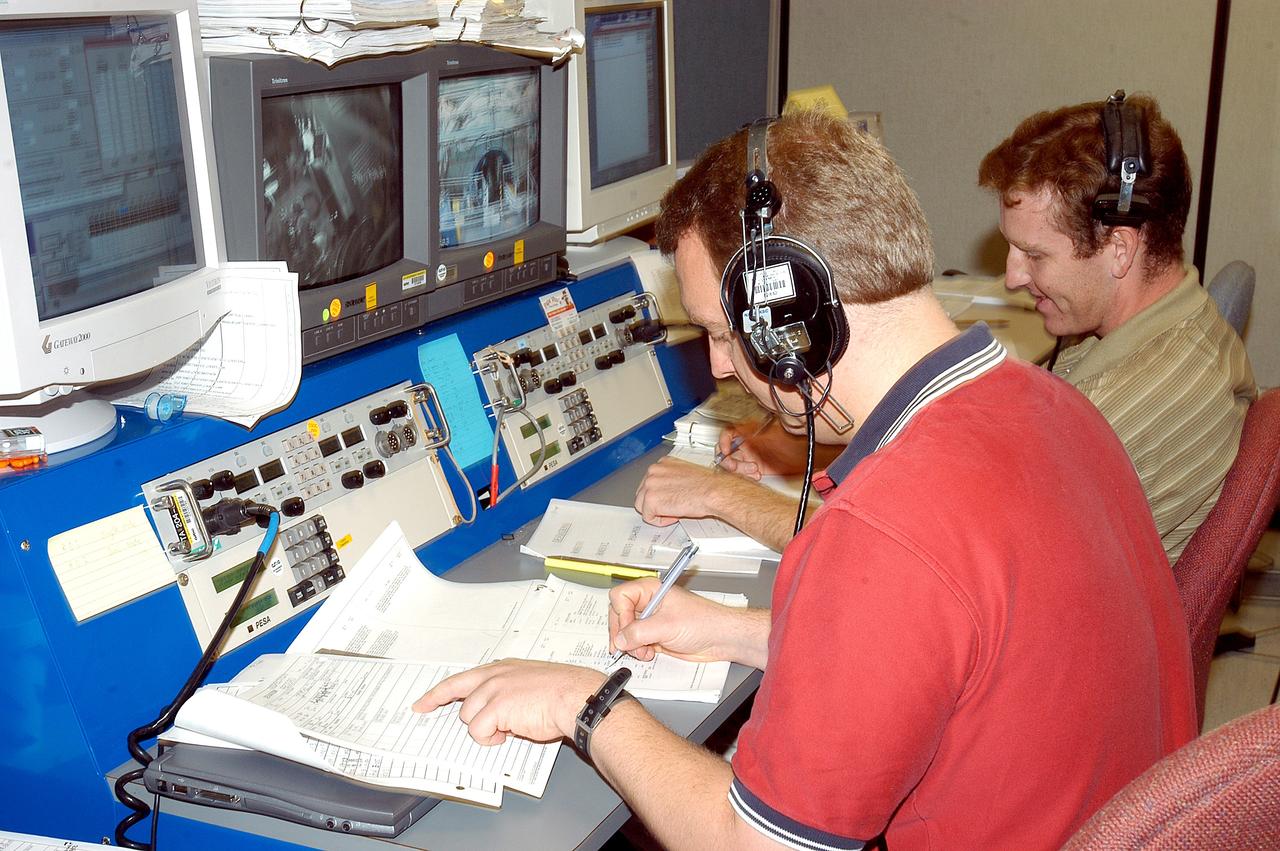
KENNEDY SPACE CENTER, FLA. - Technicians in the Space Station Processing Facility work on a Multi-Element Integrated Test (MEIT) of the U.S. Node 2 and the Japanese Experiment Module (JEM). Node 2 attaches to the end of the U.S. Lab on the ISS and provides attach locations for the Japanese laboratory, European laboratory, the Centrifuge Accommodation Module and, eventually, Multipurpose Logistics Modules. It will provide the primary docking location for the Shuttle when a pressurized mating adapter is attached to Node 2. Installation of the module will complete the U.S. Core of the ISS. The JEM, developed by the National Space Development Agency of Japan (NASDA), is Japan's primary contribution to the Station. It will enhance the unique research capabilities of the orbiting complex by providing an additional environment for astronauts to conduct science experiments.
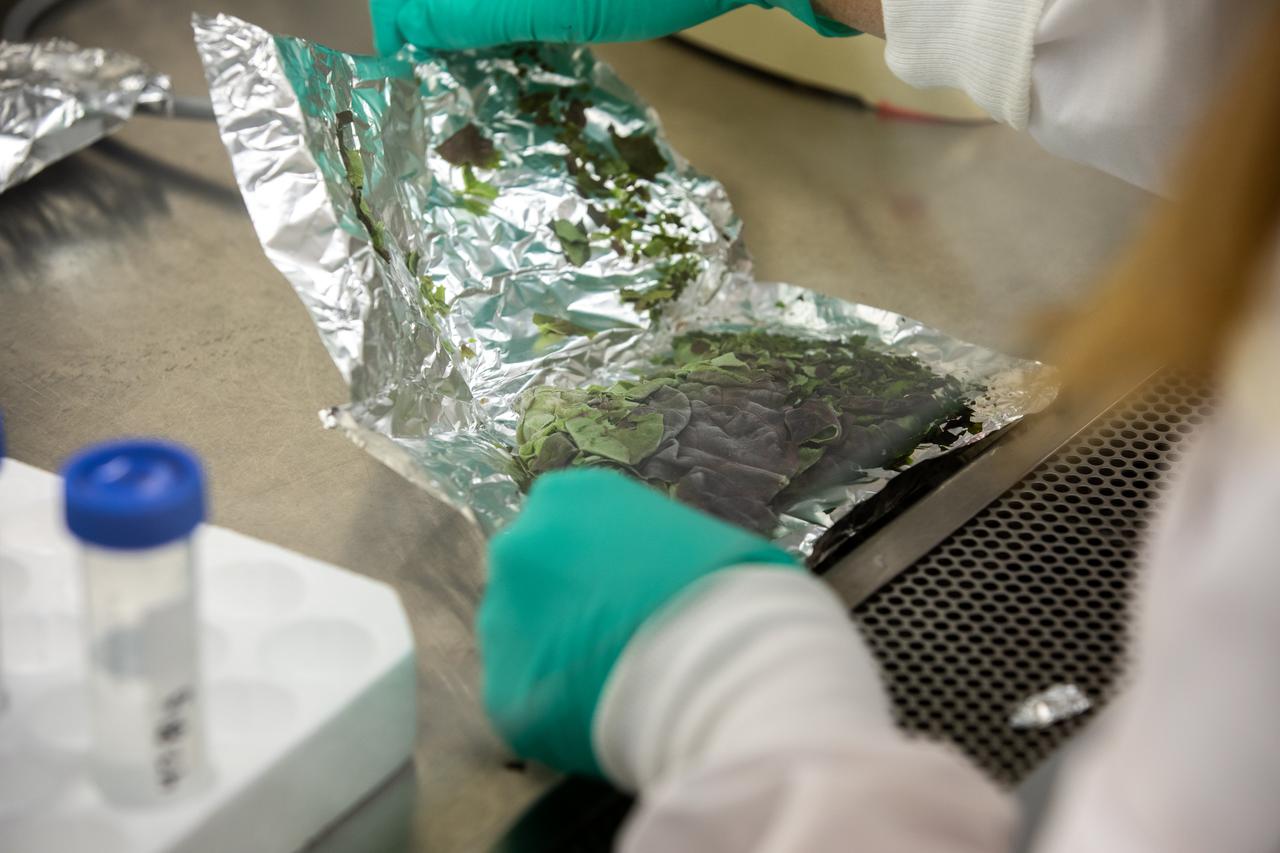
Inside the Microbiology Lab at NASA’s Kennedy Space Center in Florida on Oct. 6, 2021, Microbiologist Jennifer Gooden works with frozen lettuce samples that recently returned from the International Space Station as part of NASA’s SpaceX 23rd commercial resupply services mission. The experiment, titled VEG-03J, involved “Outredgeous” red romaine lettuce grown in the Veggie Production System (Veggie) on the space station and demonstrated a new way of storing, handling, and planting seeds in space. NASA is studying how to effectively grow crops in space so plants can provide supplemental nutrients to astronaut crews on long-duration missions, such as a mission to Mars.
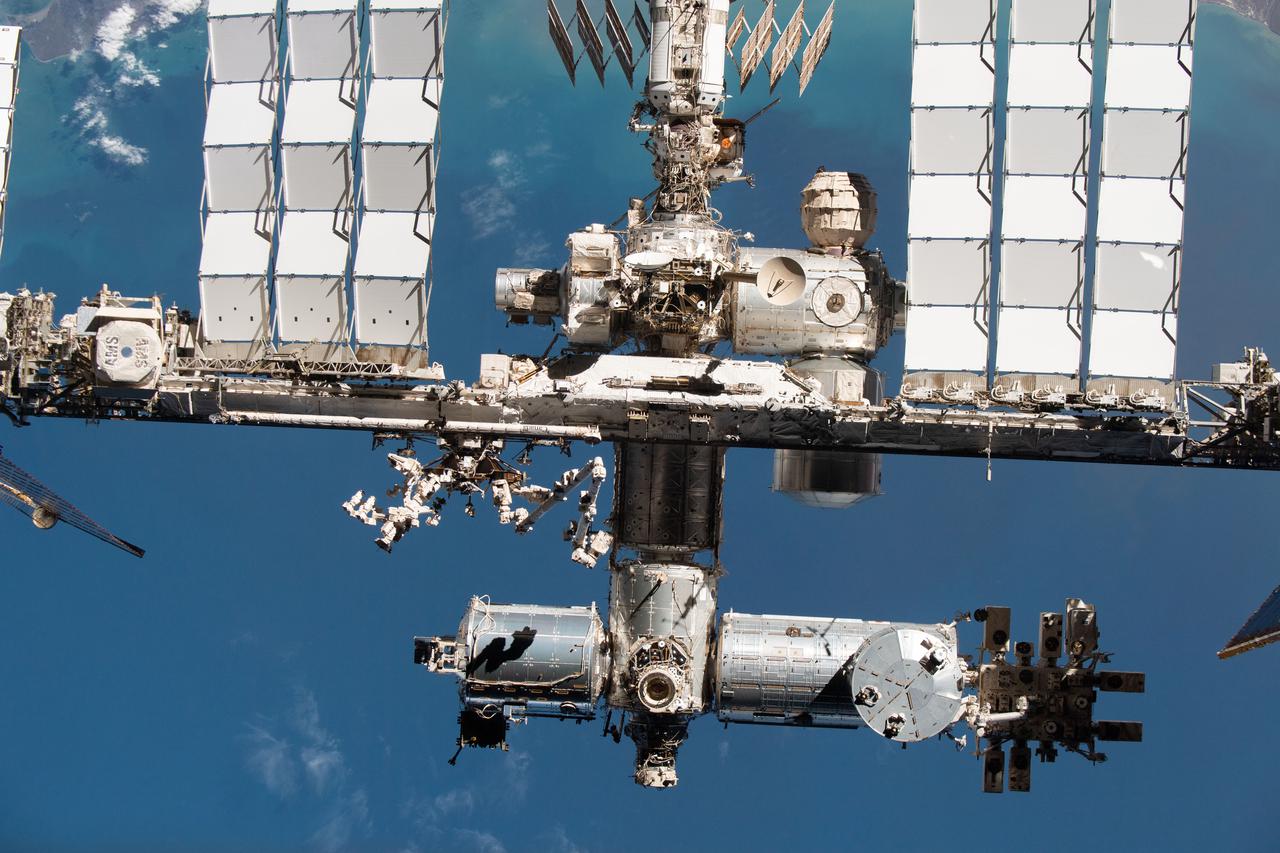
iss066e079170 (Nov. 8, 2021) --- The International Space Station's U.S. segment and portions of the Russian segment are pictured from the SpaceX Crew Dragon Endeavour during a fly around of the orbiting lab that took place following its undocking from the Harmony module’s space-facing port on Nov. 8, 2021. In addition to the modules where astronauts live and work, several external structures are visible including large white radiators extending from its integrated truss structure and the Alpha Magnetic Spectrometer-2 (AMS-02) seen on the far left.
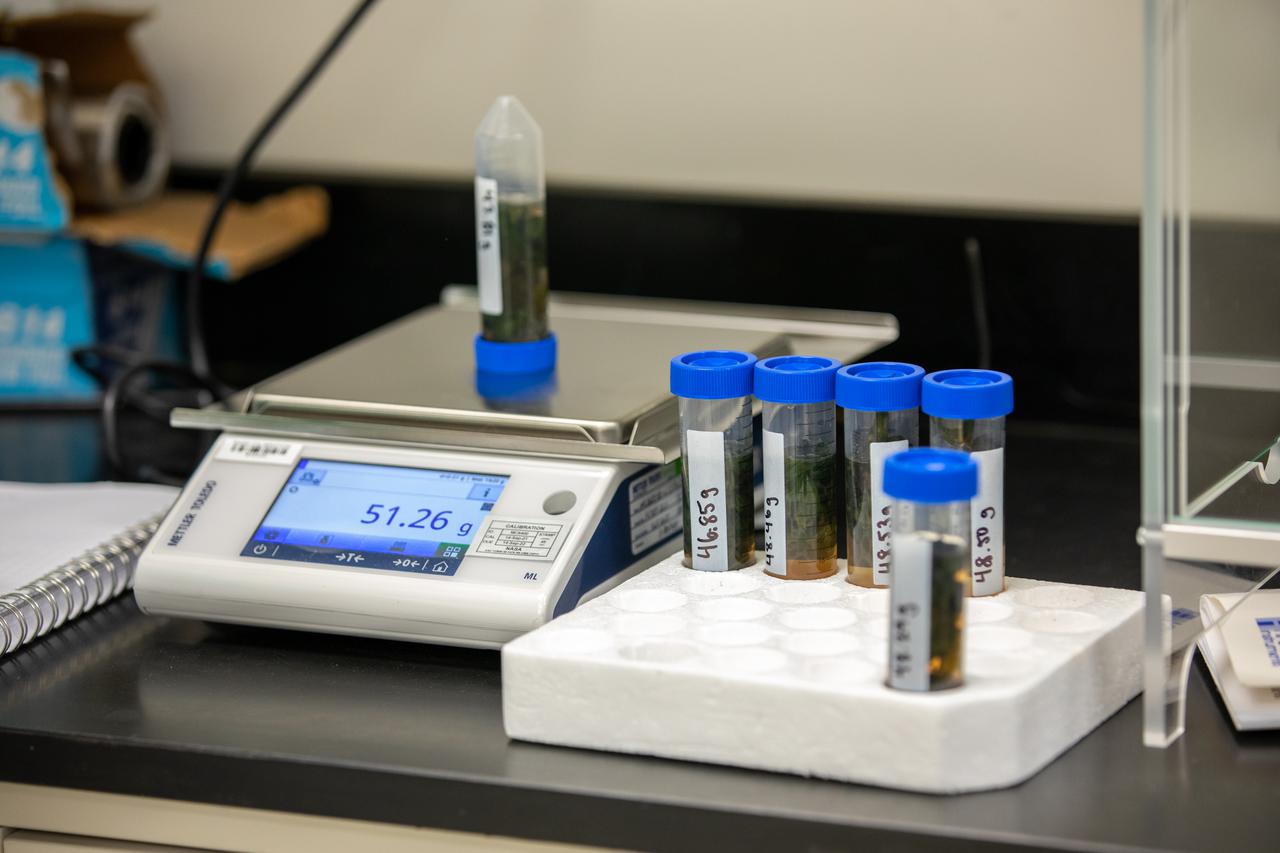
Inside the Microbiology Lab at NASA’s Kennedy Space Center in Florida on Oct. 6, 2021, microbiologists work with frozen lettuce samples that recently returned from the International Space Station as part of NASA’s SpaceX 23rd commercial resupply services mission. The experiment, titled VEG-03J, involved “Outredgeous” red romaine lettuce grown in the Veggie Production System (Veggie) on the space station and demonstrated a new way of storing, handling, and planting seeds in space. NASA is studying how to effectively grow crops in space so plants can provide supplemental nutrients to astronaut crews on long-duration missions, such as a mission to Mars.
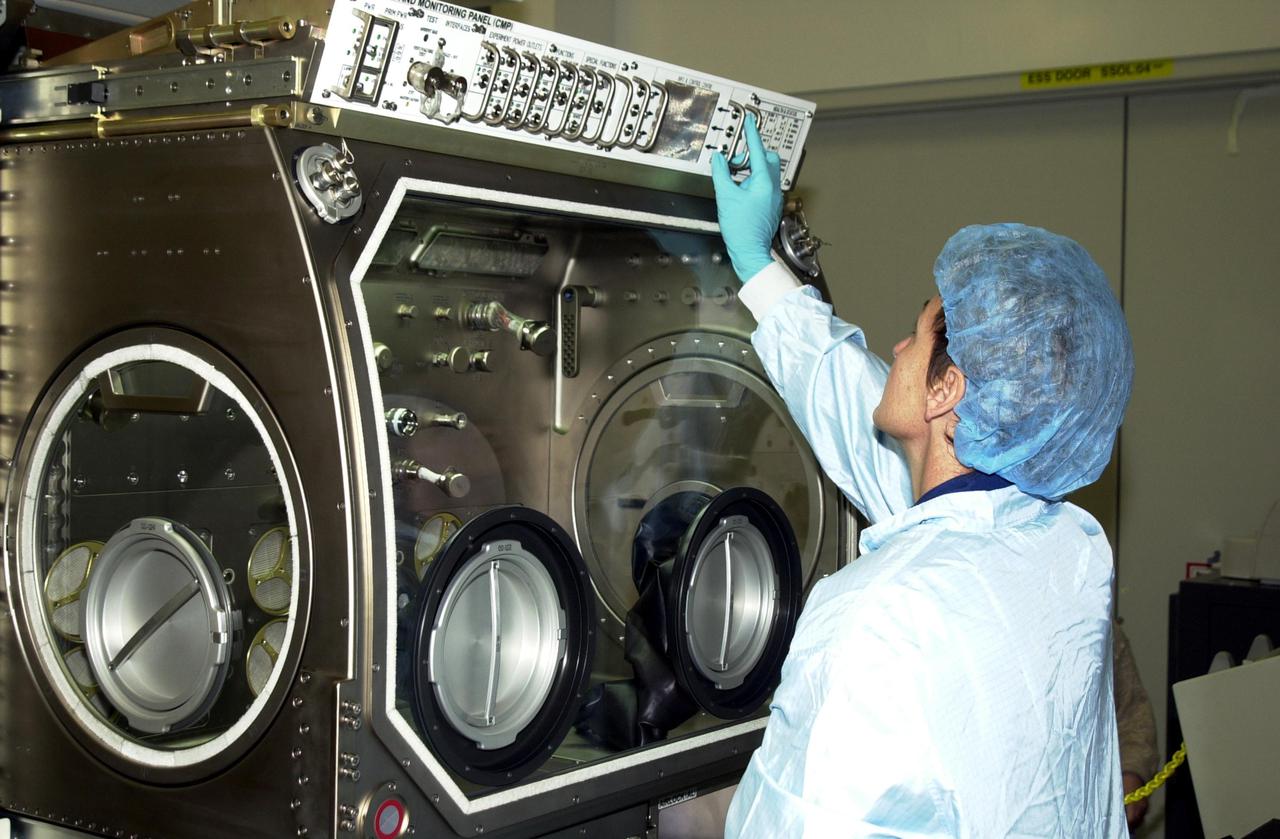
KENNEDY SPACE CENTER, FLA. -- Astronaut Peggy Whitson, a member of the Expedition 5 crew, looks over equipment in the Space Station Processing Facility. She and other crew members Commander Valeri Korzun and Sergei Treschev will be traveling to the International Space Station on mission STS-111 and will be replacing the Expedition 4 crew. Part of the payload on STS-111 will be the Mobile Base System, to be installed installed on the Mobile Transporter to complete the Canadian Mobile Servicing System, or MSS. The mechanical arm will then have the capability to 'inchworm' from the U.S. Lab fixture to the MSS and travel along the Truss to work sites. STS-111 is scheduled to launch in May 2002
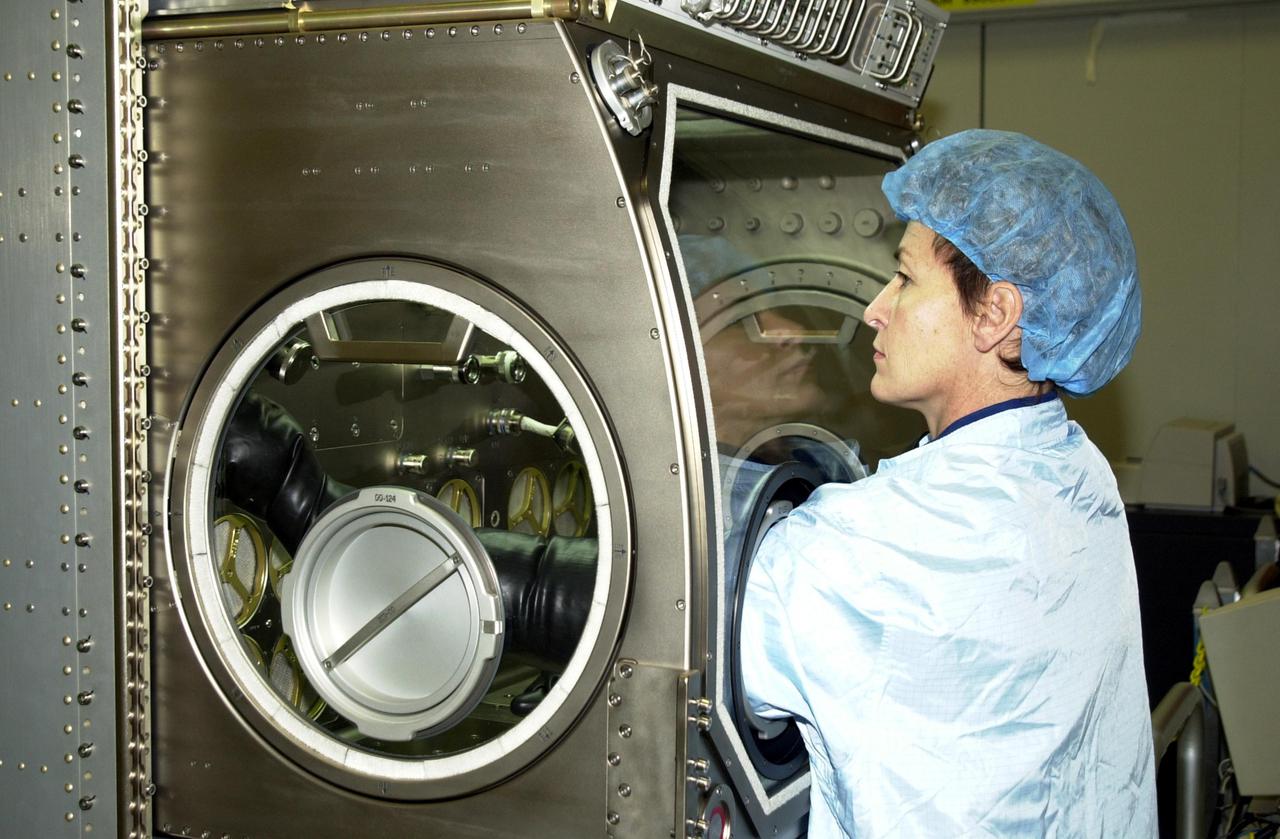
KENNEDY SPACE CENTER, FLA. -- Astronaut Peggy Whitson, a member of the Expedition 5 crew, practices using equipment in the Space Station Processing Facility. She and other crew members Commander Valeri Korzun and Sergei Treschev will be traveling to the International Space Station on mission STS-111 and will be replacing the Expedition 4 crew. Part of the payload on STS-111 will be the Mobile Base System, to be installed installed on the Mobile Transporter to complete the Canadian Mobile Servicing System, or MSS. The mechanical arm will then have the capability to 'inchworm' from the U.S. Lab fixture to the MSS and travel along the Truss to work sites. STS-111 is scheduled to launch in May 2002
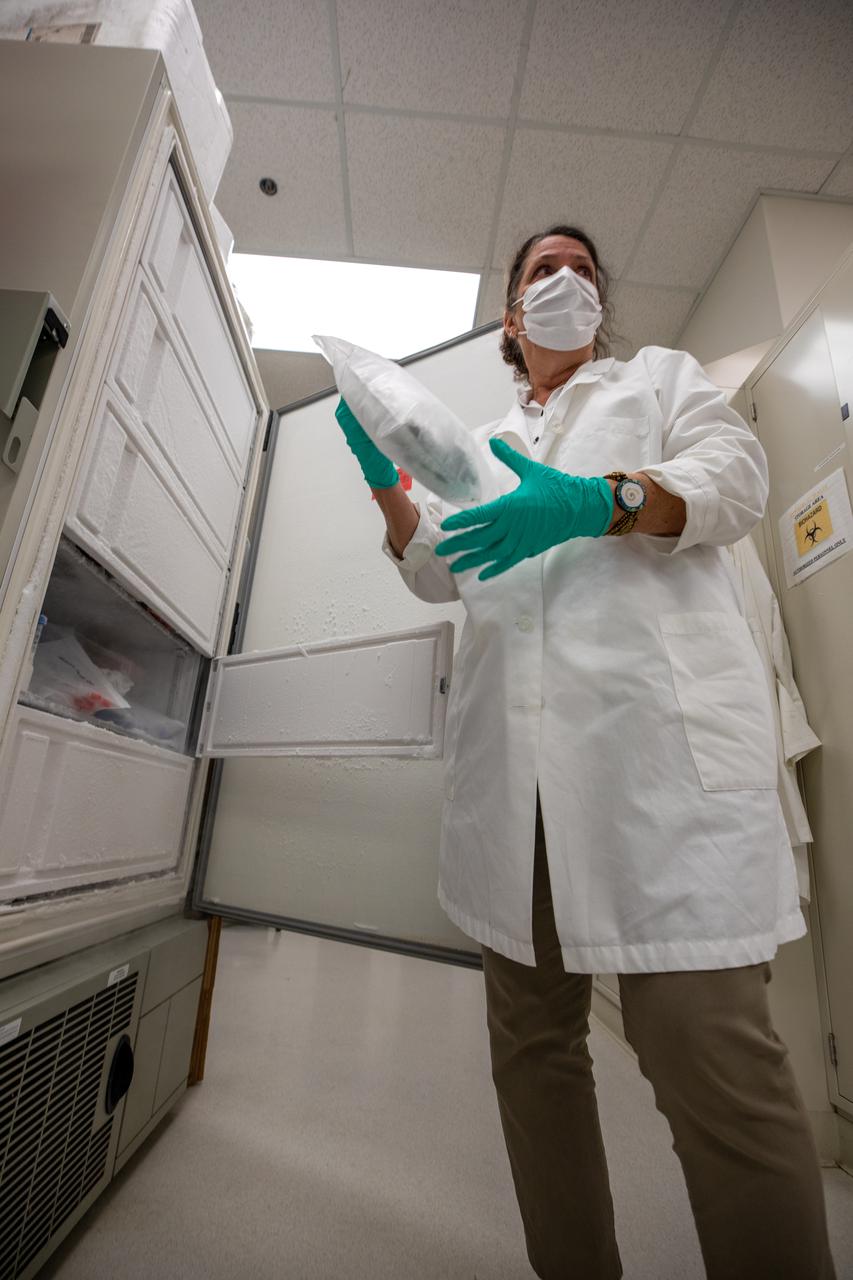
Inside the Microbiology Lab at NASA’s Kennedy Space Center in Florida on Oct. 6, 2021, Microbiology Lead Mary Hummerick works with frozen lettuce samples that recently returned from the International Space Station as part of NASA’s SpaceX 23rd commercial resupply services mission. The experiment, titled VEG-03J, involved “Outredgeous” red romaine lettuce grown in the Veggie Production System (Veggie) on the space station and demonstrated a new way of storing, handling, and planting seeds in space. NASA is studying how to effectively grow crops in space so plants can provide supplemental nutrients to astronaut crews on long-duration missions, such as a mission to Mars.
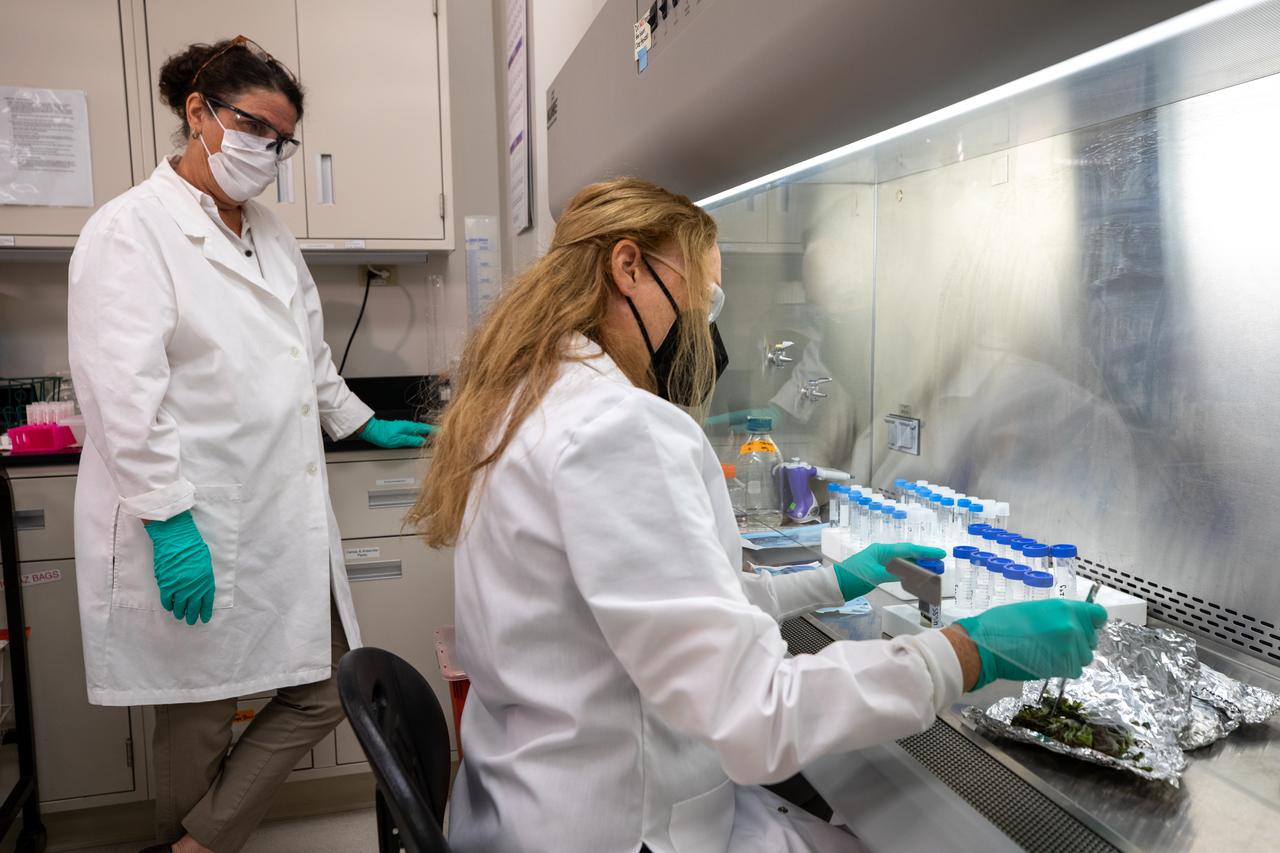
Inside the Microbiology Lab at NASA’s Kennedy Space Center in Florida on Oct. 6, 2021, Microbiology Lead Mary Hummerick, left, and Microbiologist Jennifer Gooden work with frozen lettuce samples that recently returned from the International Space Station as part of NASA’s SpaceX 23rd commercial resupply services mission. The experiment, titled VEG-03J, involved “Outredgeous” red romaine lettuce grown in the Veggie Production System (Veggie) on the space station and demonstrated a new way of storing, handling, and planting seeds in space. NASA is studying how to effectively grow crops in space so plants can provide supplemental nutrients to astronaut crews on long-duration missions, such as a mission to Mars.
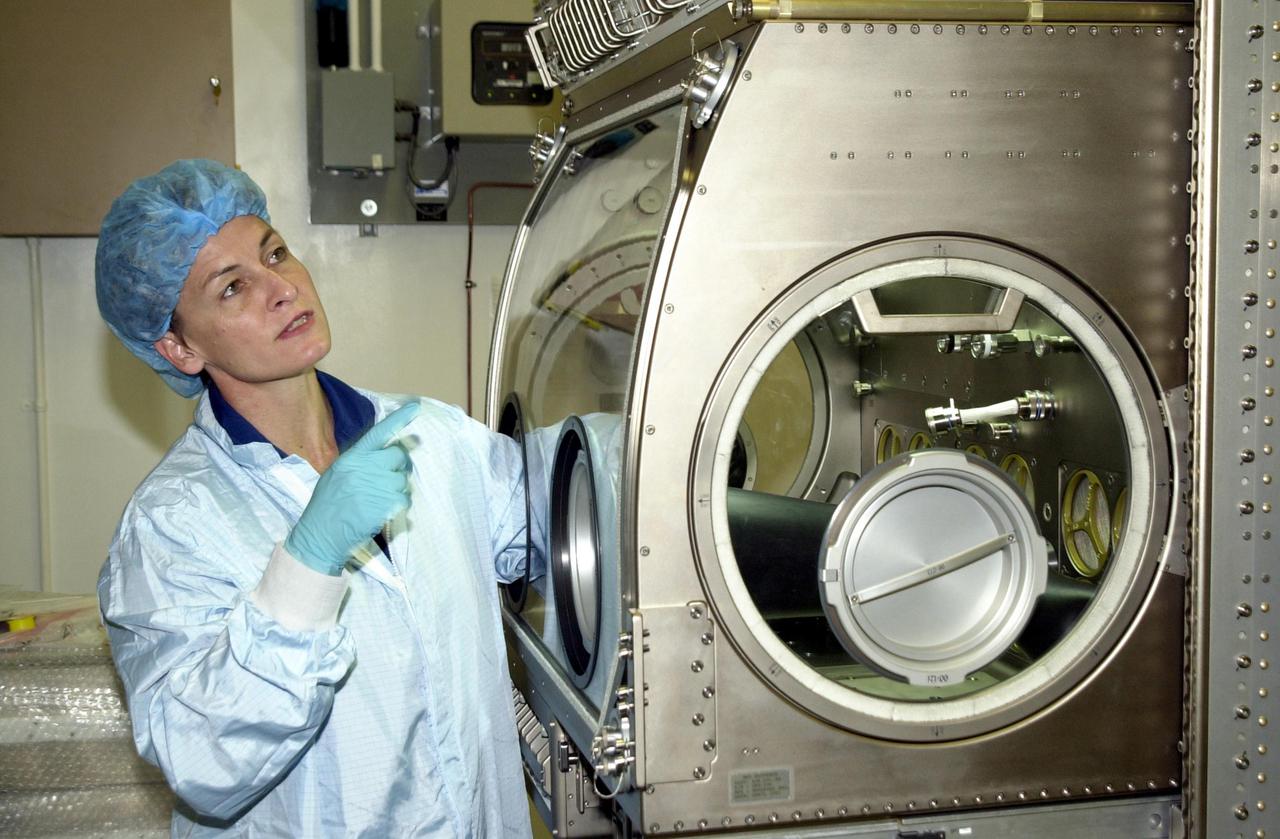
KENNEDY SPACE CENTER, FLA. -- Astronaut Peggy Whitson, a member of the Expedition 5 crew, points to a part of the equipment she is using as part of familiarization for the mission. She and other crew members Commander Valeri Korzun and Sergei Treschev will be traveling to the International Space Station on mission STS-111 and will be replacing the Expedition 4 crew. Part of the payload on STS-111 will be the Mobile Base System, to be installed installed on the Mobile Transporter to complete the Canadian Mobile Servicing System, or MSS. The mechanical arm will then have the capability to 'inchworm' from the U.S. Lab fixture to the MSS and travel along the Truss to work sites. STS-111 is scheduled to launch in May 2002
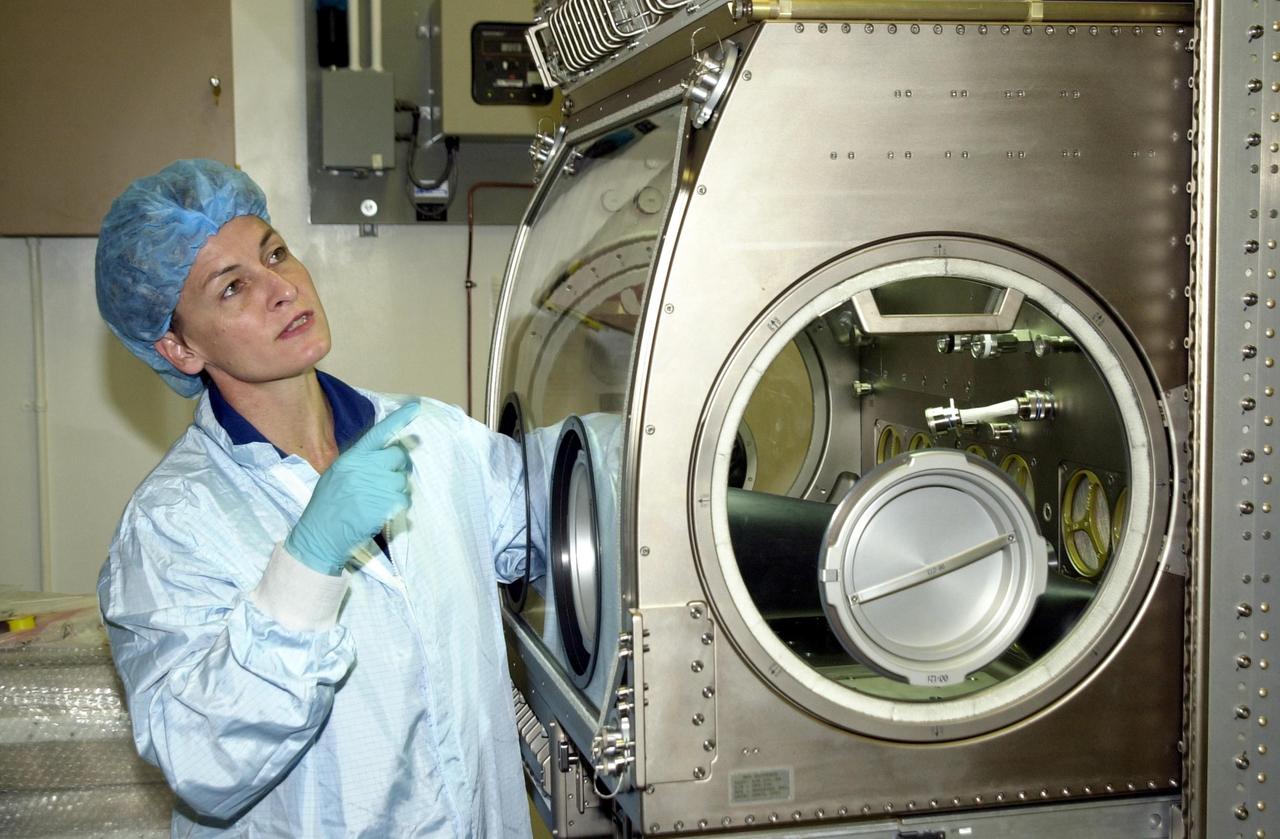
KENNEDY SPACE CENTER, FLA. -- Astronaut Peggy Whitson, a member of the Expedition 5 crew, points to a part of the equipment she is using as part of familiarization for the mission. She and other crew members Commander Valeri Korzun and Sergei Treschev will be traveling to the International Space Station on mission STS-111 and will be replacing the Expedition 4 crew. Part of the payload on STS-111 will be the Mobile Base System, to be installed installed on the Mobile Transporter to complete the Canadian Mobile Servicing System, or MSS. The mechanical arm will then have the capability to "inchworm" from the U.S. Lab fixture to the MSS and travel along the Truss to work sites. STS-111 is scheduled to launch in May 2002
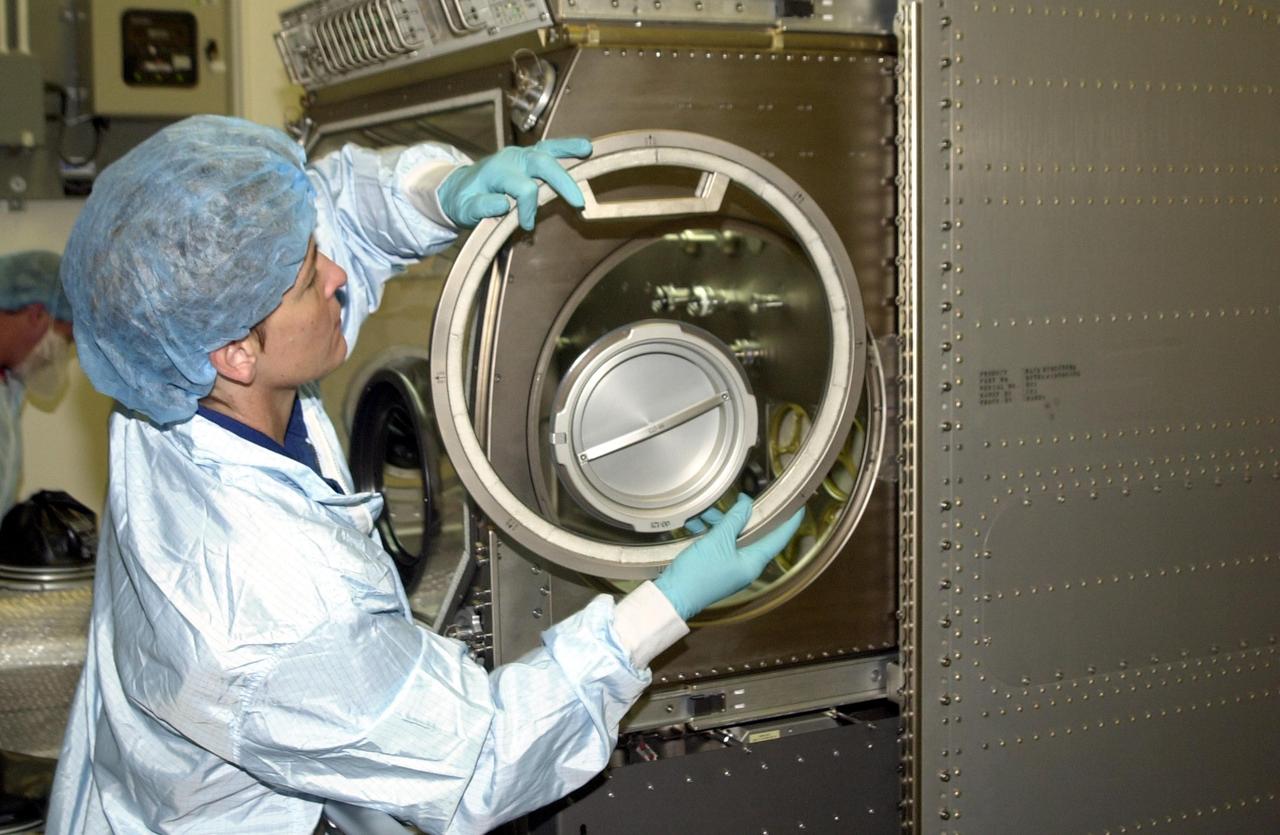
KENNEDY SPACE CENTER, FLA. -- Astronaut Peggy Whitson, a member of the Expedition 5 crew, looks over equipment in the Space Station Processing Facility. She and other crew members Commander Valeri Korzun and Sergei Treschev will be traveling to the International Space Station on mission STS-111 and will be replacing the Expedition 4 crew. Part of the payload on STS-111 will be the Mobile Base System, to be installed installed on the Mobile Transporter to complete the Canadian Mobile Servicing System, or MSS. The mechanical arm will then have the capability to "inchworm" from the U.S. Lab fixture to the MSS and travel along the Truss to work sites. STS-111 is scheduled to launch in May 2002
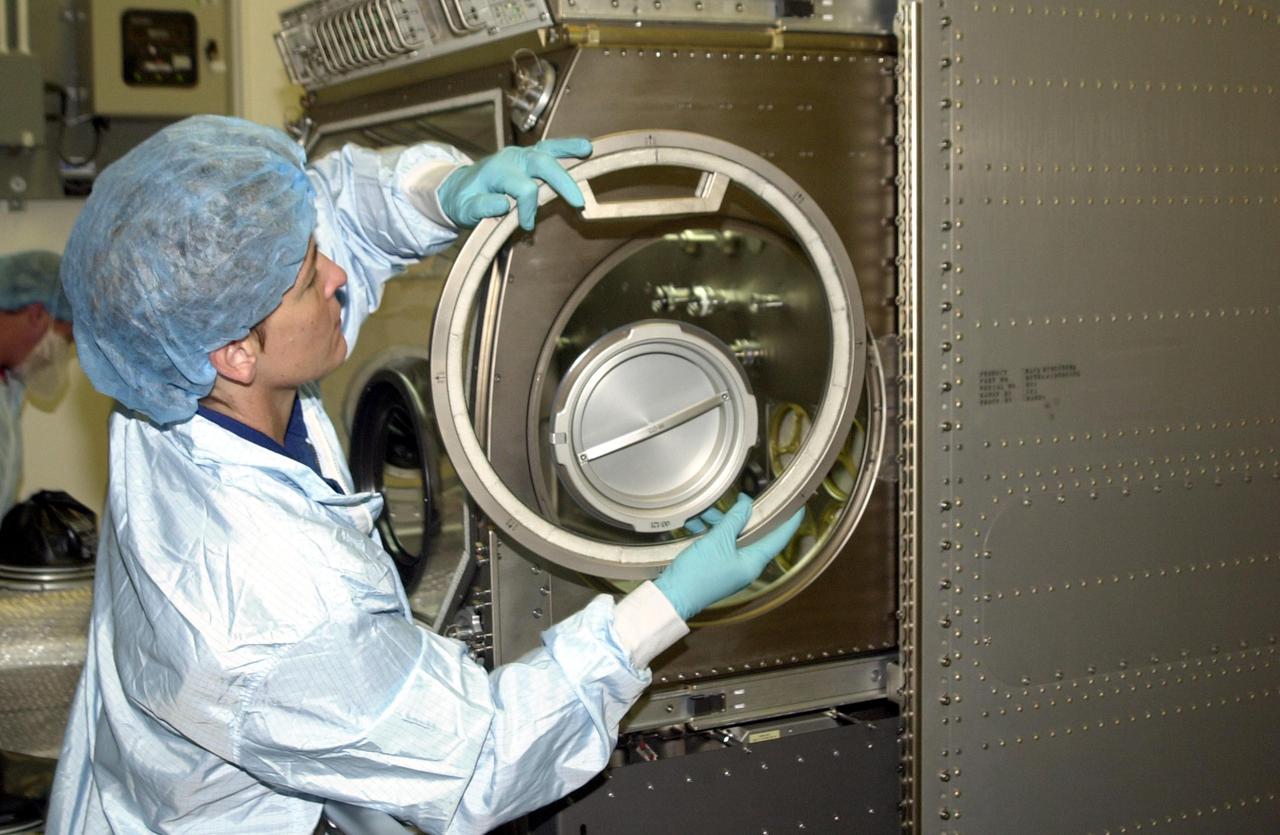
KENNEDY SPACE CENTER, FLA. -- Astronaut Peggy Whitson, a member of the Expedition 5 crew, looks over equipment in the Space Station Processing Facility. She and other crew members Commander Valeri Korzun and Sergei Treschev will be traveling to the International Space Station on mission STS-111 and will be replacing the Expedition 4 crew. Part of the payload on STS-111 will be the Mobile Base System, to be installed installed on the Mobile Transporter to complete the Canadian Mobile Servicing System, or MSS. The mechanical arm will then have the capability to 'inchworm' from the U.S. Lab fixture to the MSS and travel along the Truss to work sites. STS-111 is scheduled to launch in May 2002
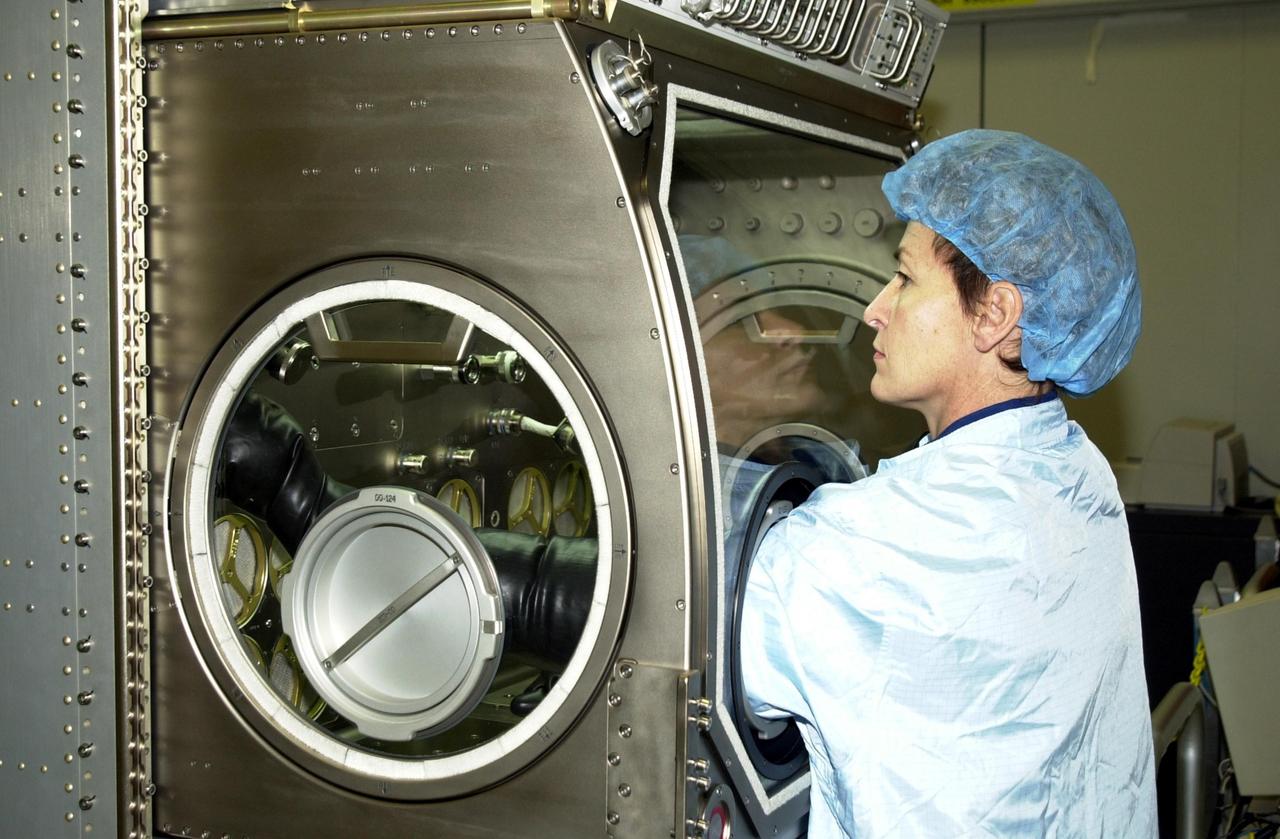
KENNEDY SPACE CENTER, FLA. -- Astronaut Peggy Whitson, a member of the Expedition 5 crew, practices using equipment in the Space Station Processing Facility. She and other crew members Commander Valeri Korzun and Sergei Treschev will be traveling to the International Space Station on mission STS-111 and will be replacing the Expedition 4 crew. Part of the payload on STS-111 will be the Mobile Base System, to be installed installed on the Mobile Transporter to complete the Canadian Mobile Servicing System, or MSS. The mechanical arm will then have the capability to "inchworm" from the U.S. Lab fixture to the MSS and travel along the Truss to work sites. STS-111 is scheduled to launch in May 2002
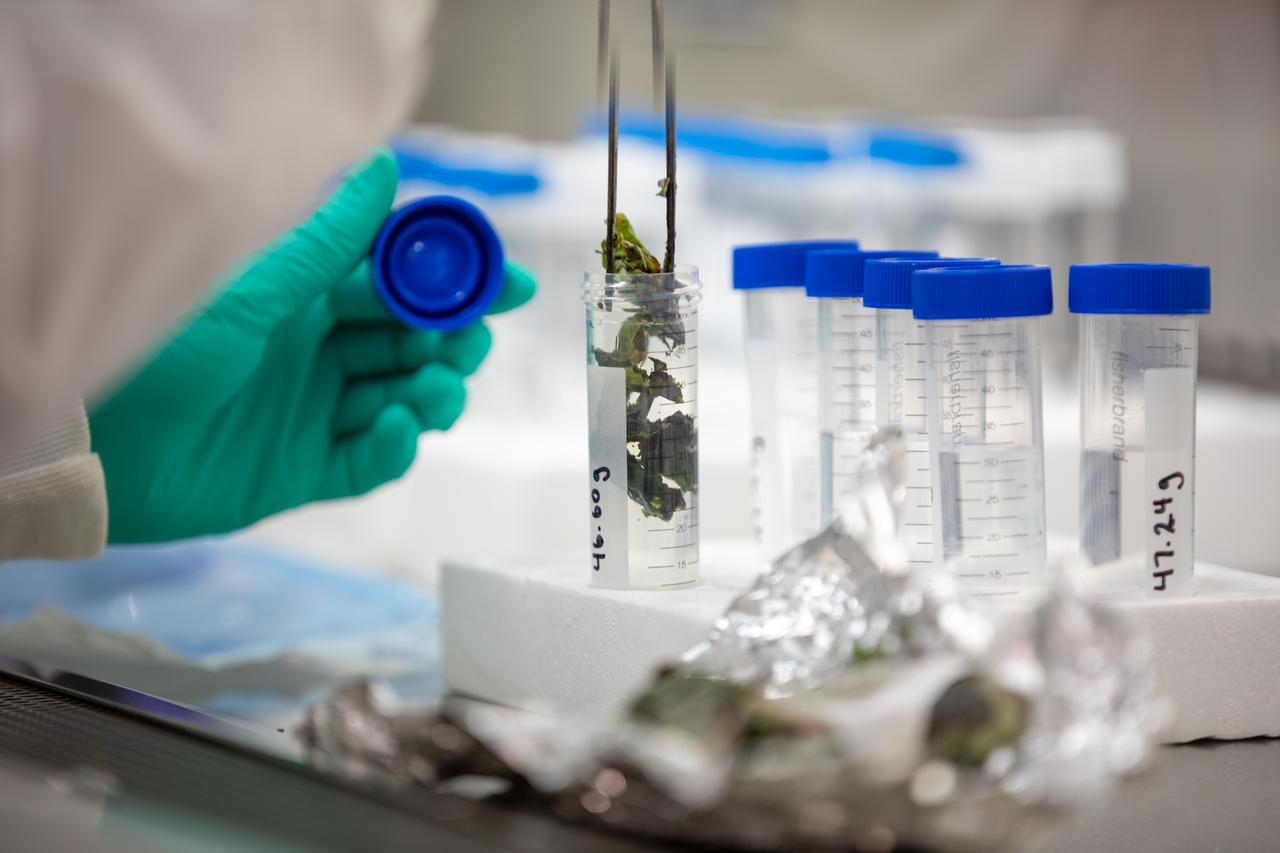
Inside the Microbiology Lab at NASA’s Kennedy Space Center in Florida on Oct. 6, 2021, a microbiologist works with frozen lettuce samples that recently returned from the International Space Station as part of NASA’s SpaceX 23rd commercial resupply services mission. The experiment, titled VEG-03J, involved “Outredgeous” red romaine lettuce grown in the Veggie Production System (Veggie) on the space station and demonstrated a new way of storing, handling, and planting seeds in space. NASA is studying how to effectively grow crops in space so plants can provide supplemental nutrients to astronaut crews on long-duration missions, such as a mission to Mars.
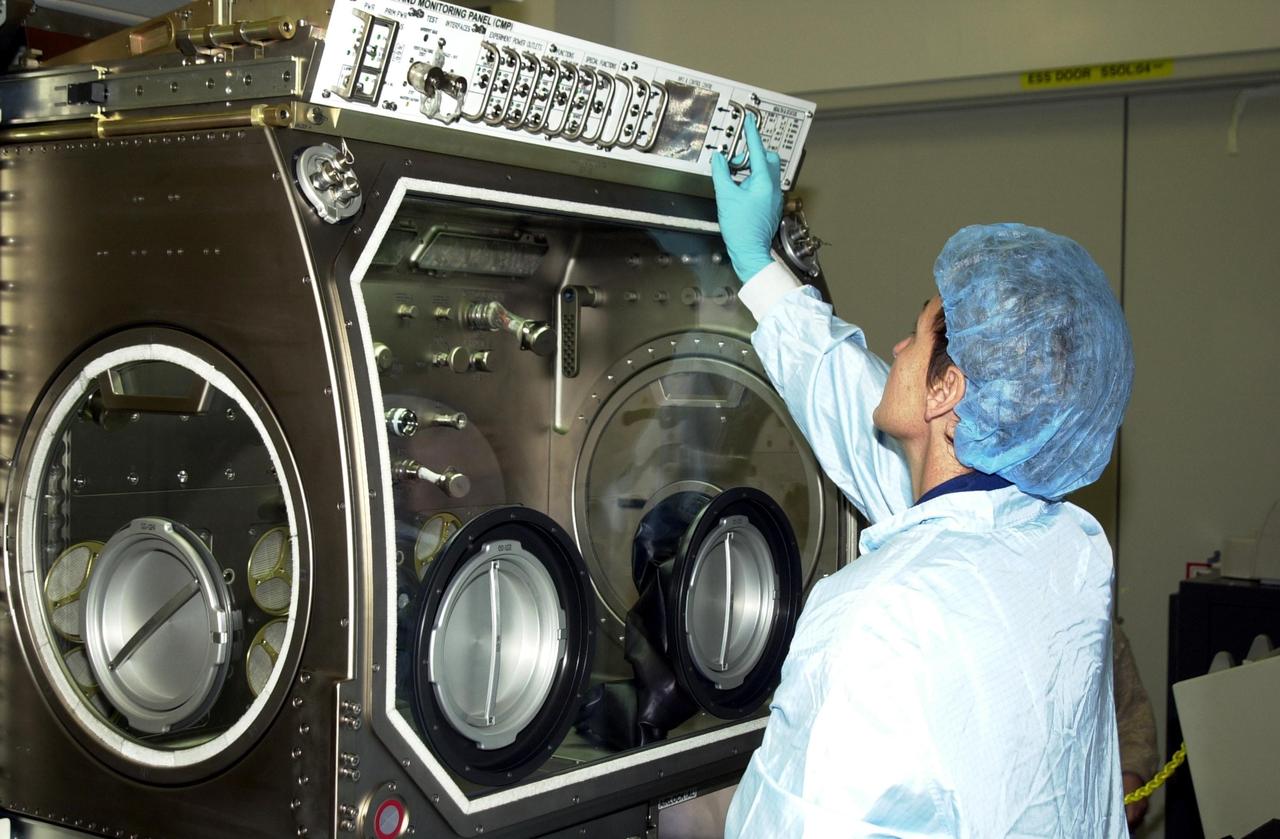
KENNEDY SPACE CENTER, FLA. -- Astronaut Peggy Whitson, a member of the Expedition 5 crew, looks over equipment in the Space Station Processing Facility. She and other crew members Commander Valeri Korzun and Sergei Treschev will be traveling to the International Space Station on mission STS-111 and will be replacing the Expedition 4 crew. Part of the payload on STS-111 will be the Mobile Base System, to be installed installed on the Mobile Transporter to complete the Canadian Mobile Servicing System, or MSS. The mechanical arm will then have the capability to "inchworm" from the U.S. Lab fixture to the MSS and travel along the Truss to work sites. STS-111 is scheduled to launch in May 2002
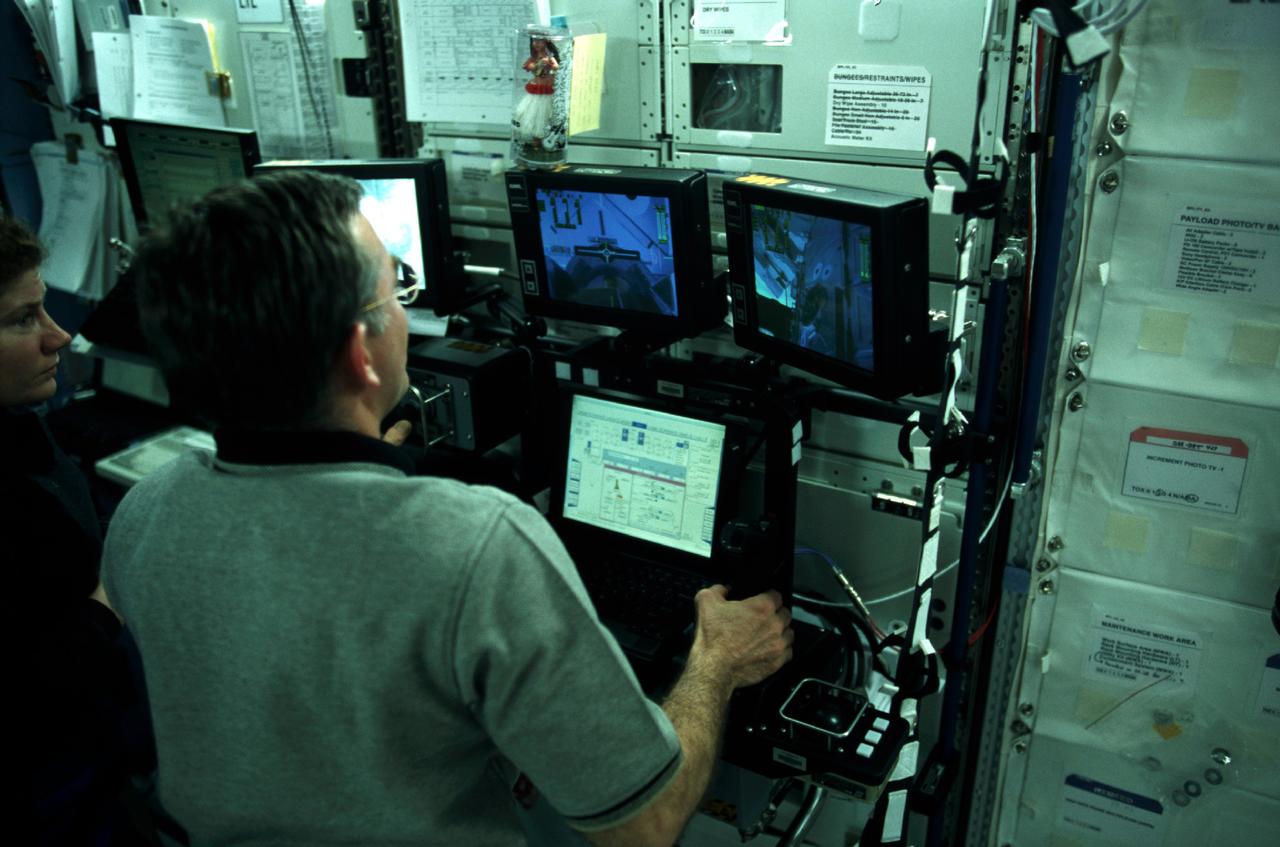
A Canadian "handshake" in space occurred on April 28, 2001, as the Canadian-built space station robotic arm (Canadarm2) transferred its launch cradle over to Endeavour's robotic arm. Pictured is astronaut James S. Voss, Expedition Two flight engineer, working the controls of the new robotic arm. Marning the controls from the shuttle's aft flight deck, Canadian Mission Specialist Chris A. Hadfield of the Canadian Space Agency (CSA) was instrumental in the activity. The Space lab pallet that carried the Canadarm2 robotic arm to the station was developed at the Marshall Space Flight Center (MSFC) in Huntsville, Alabama.
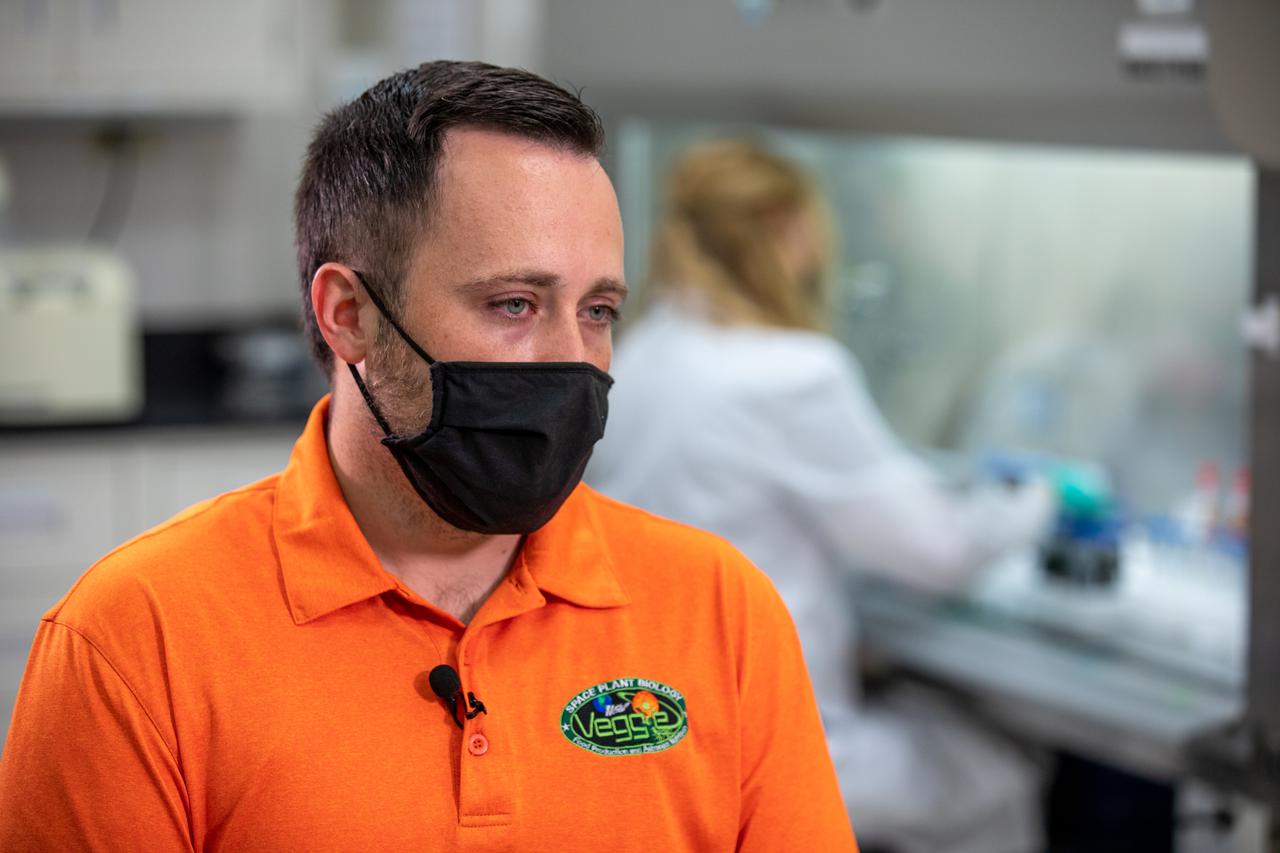
Inside the Microbiology Lab at NASA’s Kennedy Space Center in Florida on Oct. 6, 2021, Microbiologist Aaron Curry works with frozen lettuce samples that recently returned from the International Space Station as part of NASA’s SpaceX 23rd commercial resupply services mission. The experiment, titled VEG-03J, involved “Outredgeous” red romaine lettuce grown in the Veggie Production System (Veggie) on the space station and demonstrated a new way of storing, handling, and planting seeds in space. NASA is studying how to effectively grow crops in space so plants can provide supplemental nutrients to astronaut crews on long-duration missions, such as a mission to Mars.

KENNEDY SPACE CENTER, FLA. -- In the Orbiter Processing Facility, STS-122 Mission Specialist Rex Walheim practices working with equipment for the mission. In the background, at right, is European Space Agency astronaut Leopold Eyharts, who will be on the mission and joining the Expedition 16 crew as flight engineer on the International Space Station. The crew is at Kennedy Space Center to take part in a crew equipment interface test, which includes equipment familiarization. The mission will carry and install the Columbus Lab, a multifunctional, pressurized laboratory that will be permanently attached to Node 2 of the space station to carry out experiments in materials science, fluid physics and biosciences, as well as to perform a number of technological applications. It is Europe’s largest contribution to the construction of the International Space Station and will support scientific and technological research in a microgravity environment. STS-122 is targeted for launch in December. Photo credit: NASA/Kim Shiflett
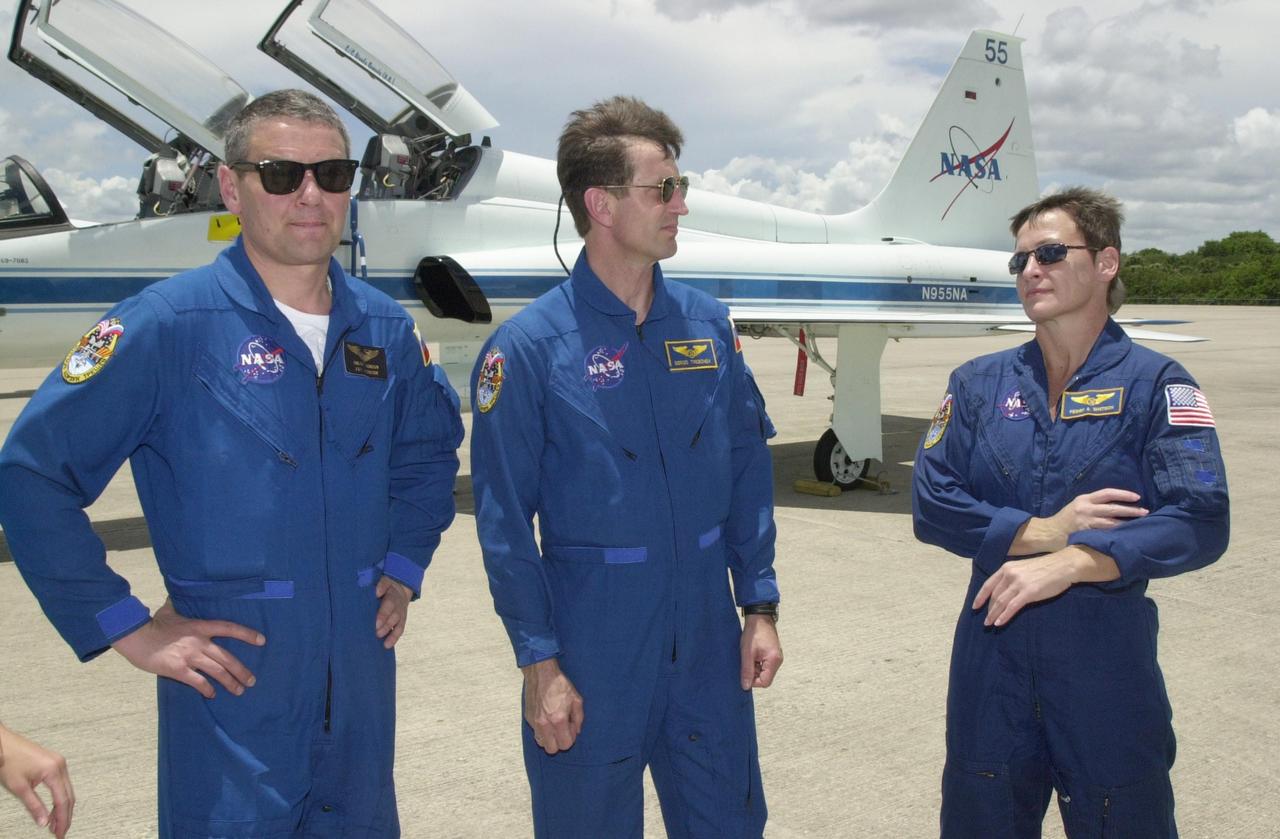
KENNEDY SPACE CENTER, FLA. -- Expedition 5 crew members Commander Valeri Korzun, cosmonaut Sergei Treschev and astronaut Peggy Whitson get together after landing at the Shuttle Landing Facility to prepare for launch on mission STS-111. Korzun and Treschev are with the Russian Space Agency. Expedition 5 will travel to the Station on Space Shuttle Endeavour as the replacement crew for Expedition 4, who will return to Earth aboard the orbiter. Mission STS-111, known as Utilization Flight 2, is carrying supplies and equipment to the International Space Station. The payload includes the Multi-Purpose Logistics Module Leonardo, the Mobile Base System, which will be installed on the Mobile Transporter to complete the Canadian Mobile Servicing System, or MSS, and a replacement wrist/roll joint for Canadarm 2. The mechanical arm will then have the capability to "inchworm" from the U.S. Lab Destiny to the MSS and travel along the truss to work sites. Launch is scheduled for May 30, 2002
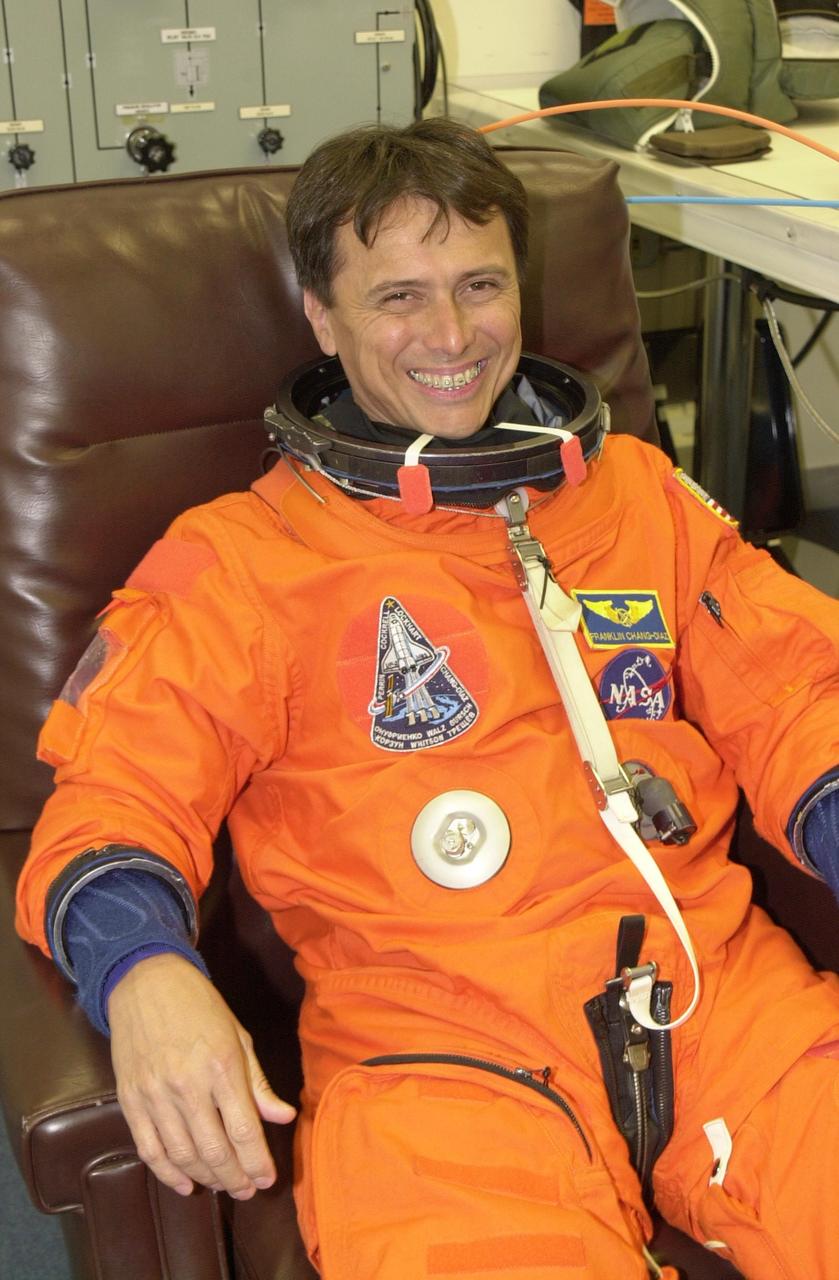
KENNEDY SPACE CENTER, FLA. -- STS-111 Mission Specialist Franklin Chang-Diaz suits up for launch, scheduled at 7:44 p.m. EDT, May 30, 2002. This is his seventh Shuttle flight, only the second astronaut to achieve that number. STS-111 is the second Utilization Flight to the International Space Station, carrying the Multi-Purpose Logistics Module Leonardo, the Mobile Base System (MBS), and a replacement wrist/roll joint for the Canadarm 2. Also onboard Space Shuttle Endeavour is the Expedition 5 crew who will replace Expedition 4 on board the Station. The MBS will be installed on the Mobile Transporter to complete the Canadian Mobile Servicing System, or MSS. The mechanical arm will then have the capability to "inchworm" from the U.S. Lab Destiny to the MSS and travel along the truss to work sites. Expedition 4 crew members will return to Earth with the STS-111 crew on Endeavour
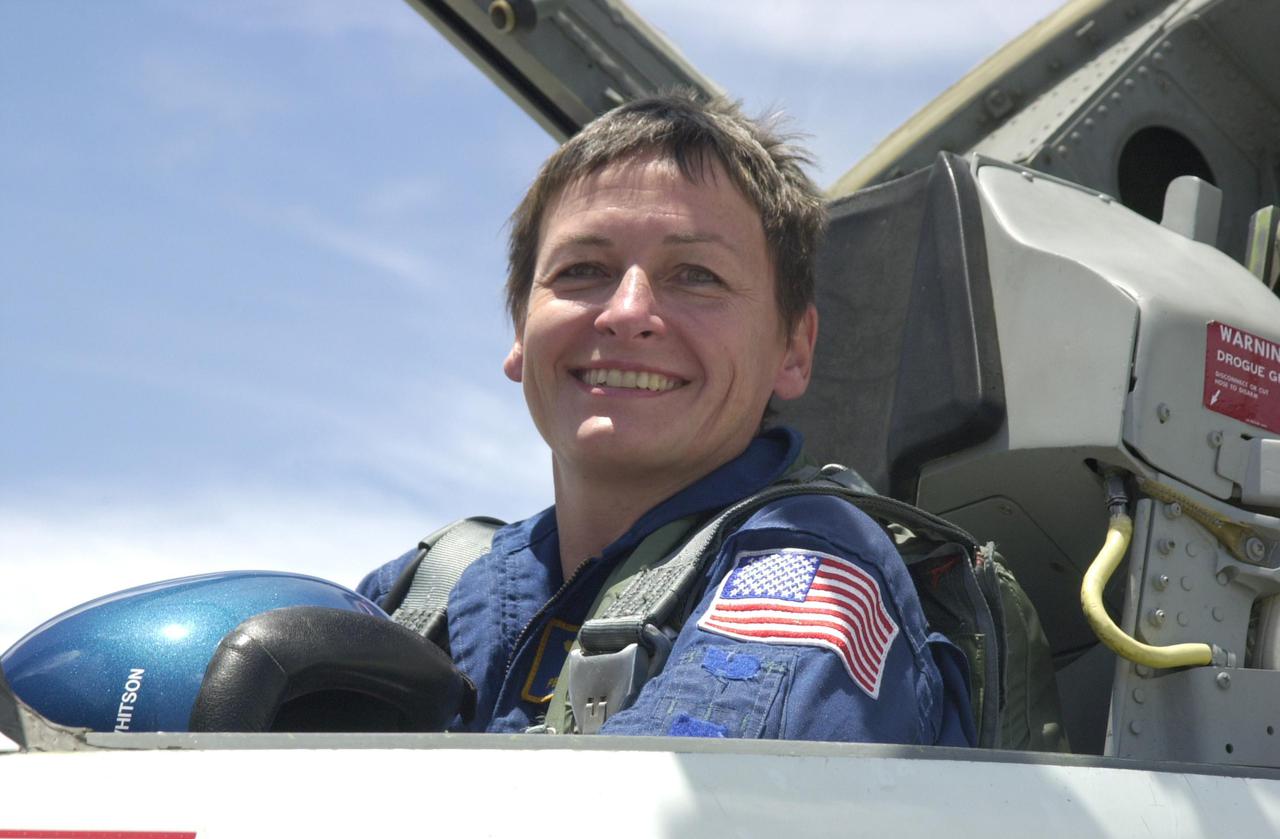
KENNEDY SPACE CENTER, FLA. -- Expedition 5 astronaut Peggy Whitson arrives at KSC aboard a T-38 jet aircraft to prepare for launch on mission STS-111. Expedition 5 will travel to the Station on Space Shuttle Endeavour as the replacement crew for Expedition 4, who will return to Earth aboard the orbiter. Mission STS-111, known as Utilization Flight 2, is carrying supplies and equipment to the International Space Station. The payload includes the Multi-Purpose Logistics Module Leonardo, the Mobile Base System, which will be installed on the Mobile Transporter to complete the Canadian Mobile Servicing System, or MSS, and a replacement wrist_roll joint for Canadarm 2. The mechanical arm will then have the capability to 'inchworm' from the U.S. Lab Destiny to the MSS and travel along the truss to work sites. Launch is scheduled for May 30, 2002
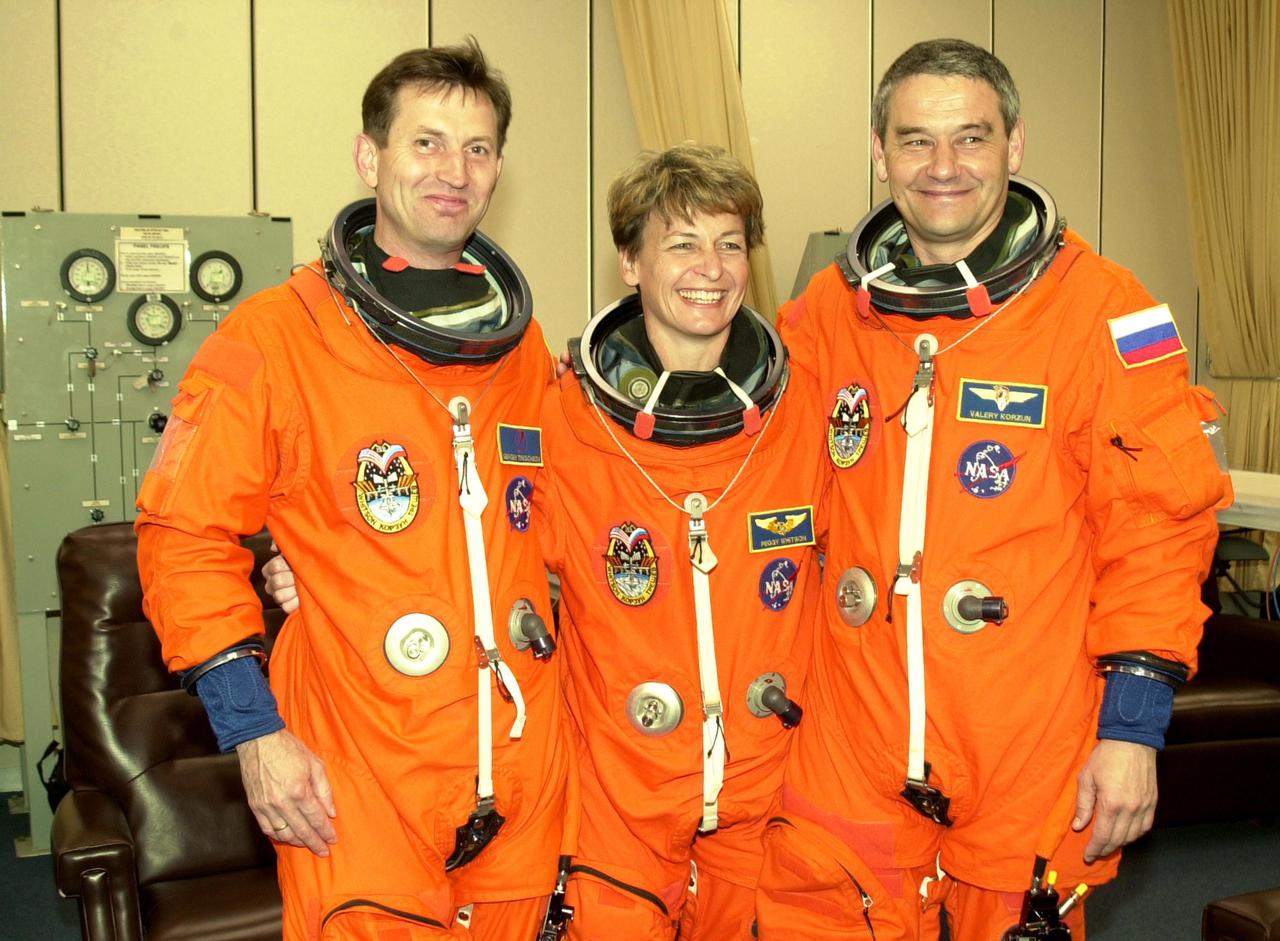
KENNEDY SPACE CENTER, FLA. - The Expedition 5 crew pauses during suitup before going to the pad for a simulated launch countdown, part of Terminal Countdown Demonstration Test activities. From left are cosmonaut Sergei Treschev, astronaut Peggy Whitson and Commander Valeri Korzun. . Expedition 5 will travel to the International Space Station on mission STS-111 as the replacement crew for Expedition 4, who will return to Earth aboard Endeavour. Mission STS-111 is known as Utilization Flight 2, carrying supplies and equipment in the Multi-Purpose Logistics Module Leonardo to the Station. The payload also includes the Mobile Base System, which will be installed on the Mobile Transporter to complete the Canadian Mobile Servicing System, or MSS, and a replacement wrist_roll joint for Canadarm 2. The mechanical arm will then have the capability to 'inchworm' from the U.S. Lab Destiny to the MSS and travel along the truss to work sites. Launch is scheduled for May 30, 2002
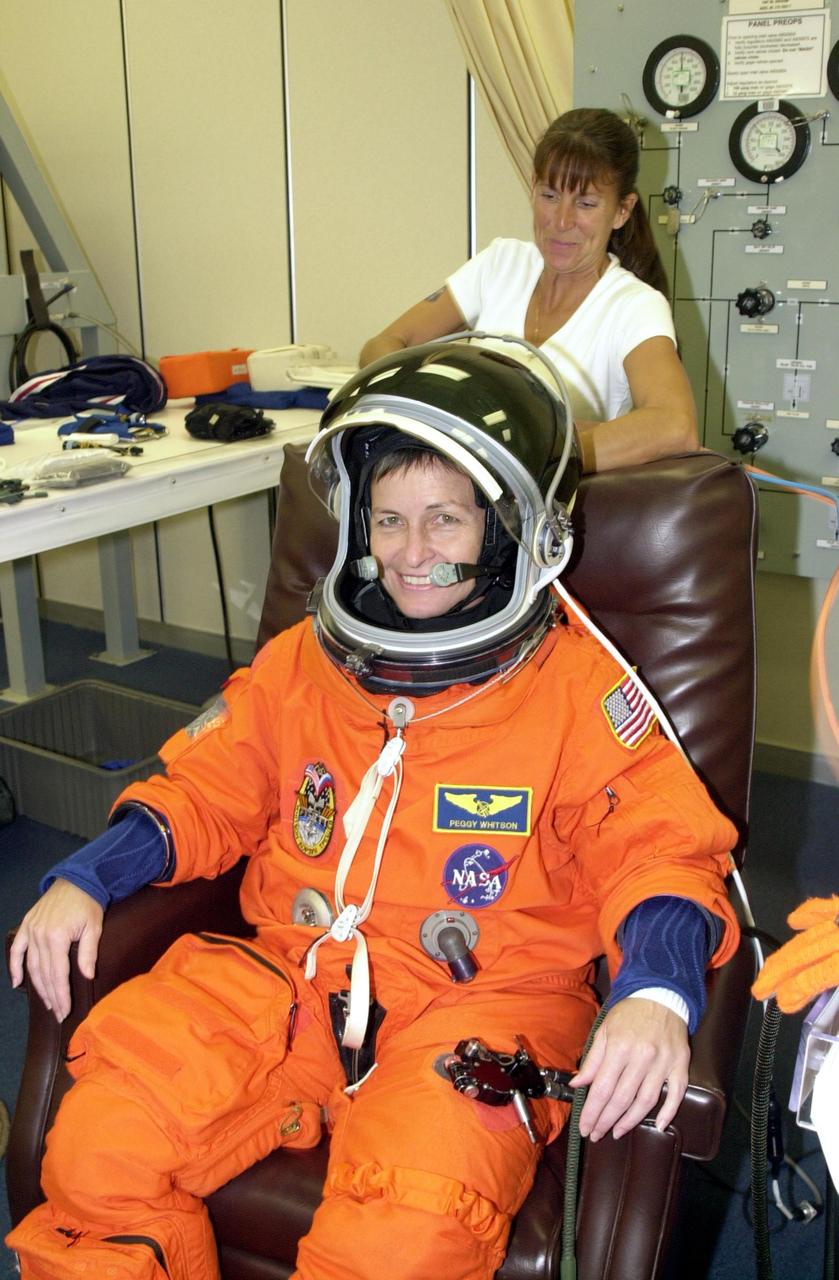
KENNEDY SPACE CENTER, FLA. -- Expedition 5 astronaut Peggy Whitson undergoes suit check as part of pre-launch activities. Part of Mission STS-111, Expedition 5 will travel to the International Space Station on Space Shuttle Endeavour as the replacement crew for Expedition 4, who will return to Earth aboard the orbiter. Known as Utilization Flight 2, Endeavour is carrying supplies and equipment to the Station. The payload includes the Multi-Purpose Logistics Module Leonardo, the Mobile Base System, which will be installed on the Mobile Transporter to complete the Canadian Mobile Servicing System, or MSS, and a replacement wrist/roll joint for Canadarm 2. The mechanical arm will then have the capability to "inchworm" from the U.S. Lab Destiny to the MSS and travel along the truss to work sites. Launch is scheduled for May 30, 2002