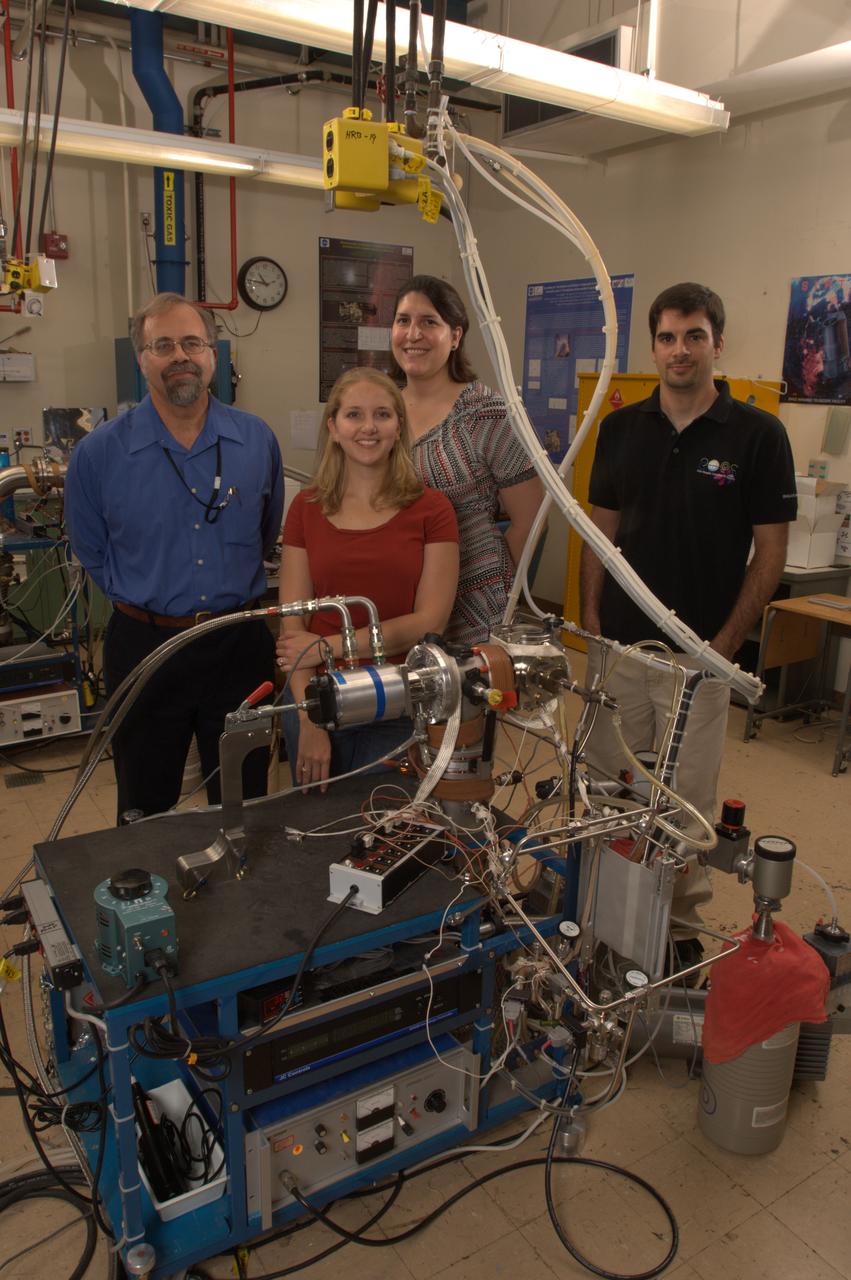
NASA Ames Astrophysics Branch (code-SSA), Photochemistry Lab with Stefanie Milam, Scott Sandford, Rachel Mastrapa, Michel Nuevo (N-245)
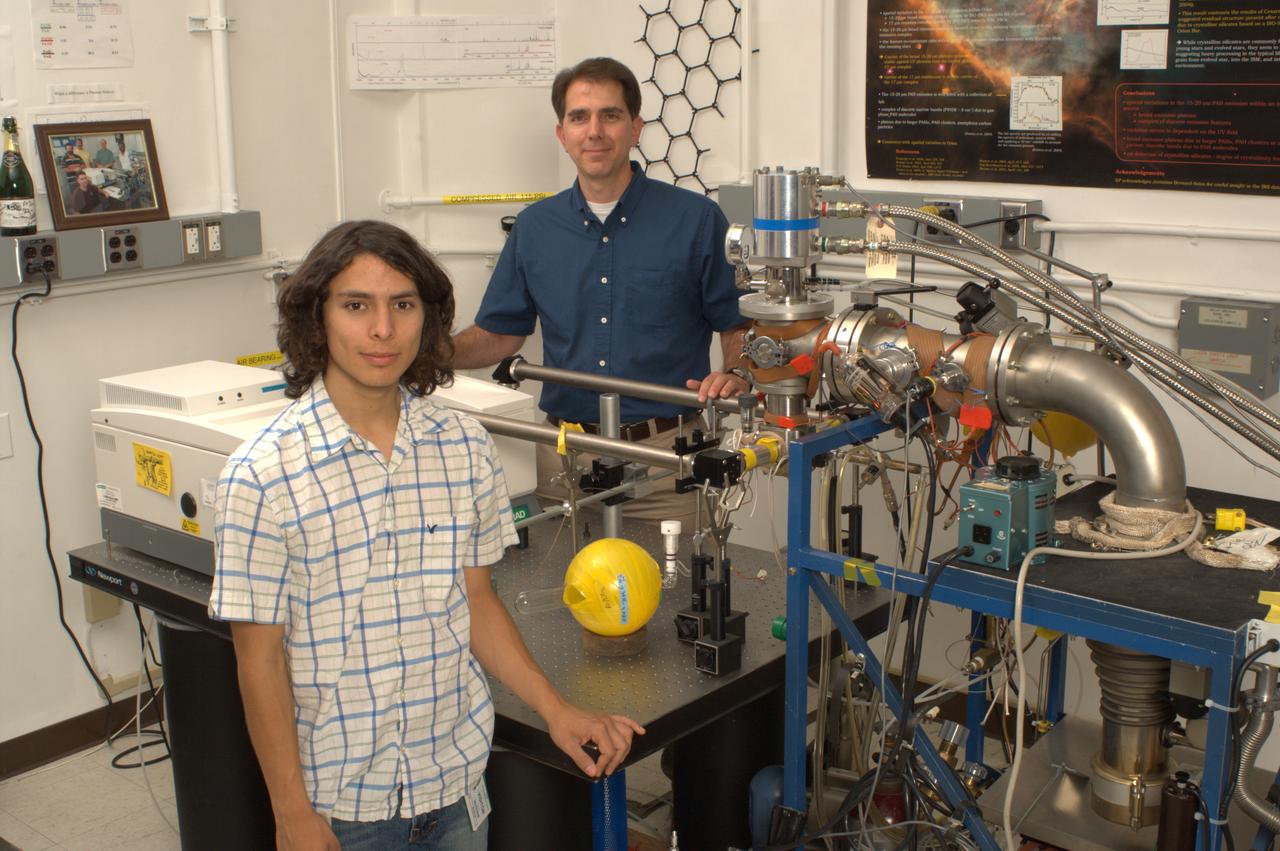
NASA Ames Astrophysics Branch (code-SSA), PAH IR Spectroscopy Lab with Andrew Mattioda and Manuel Olmedo (N-245 rm B-31)
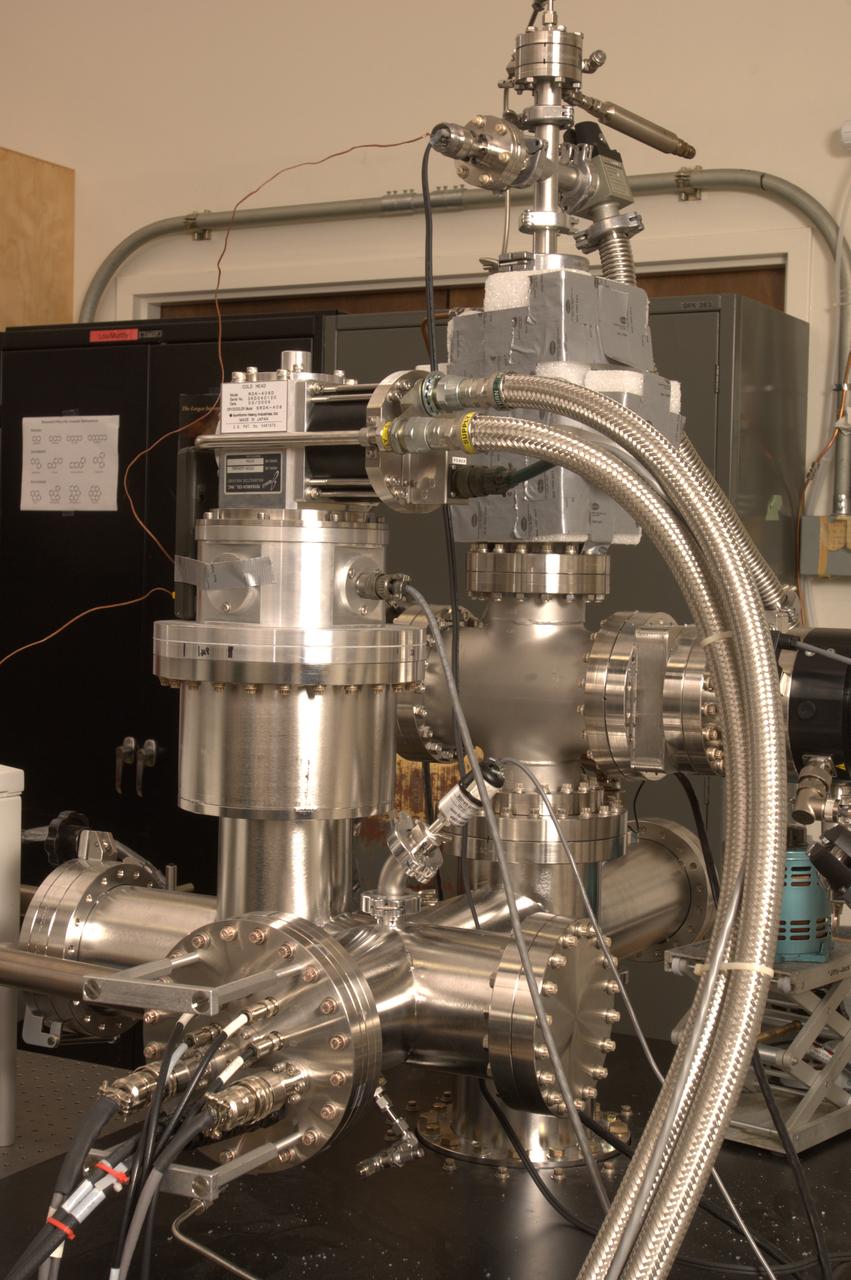
NASA Ames Astrophysics Branch (code-SSA), Small Satellite Support and Instrument Development Lab with Joe Roser, Nathan Bramall and Lou Allamandola (N-245 rm B-111)
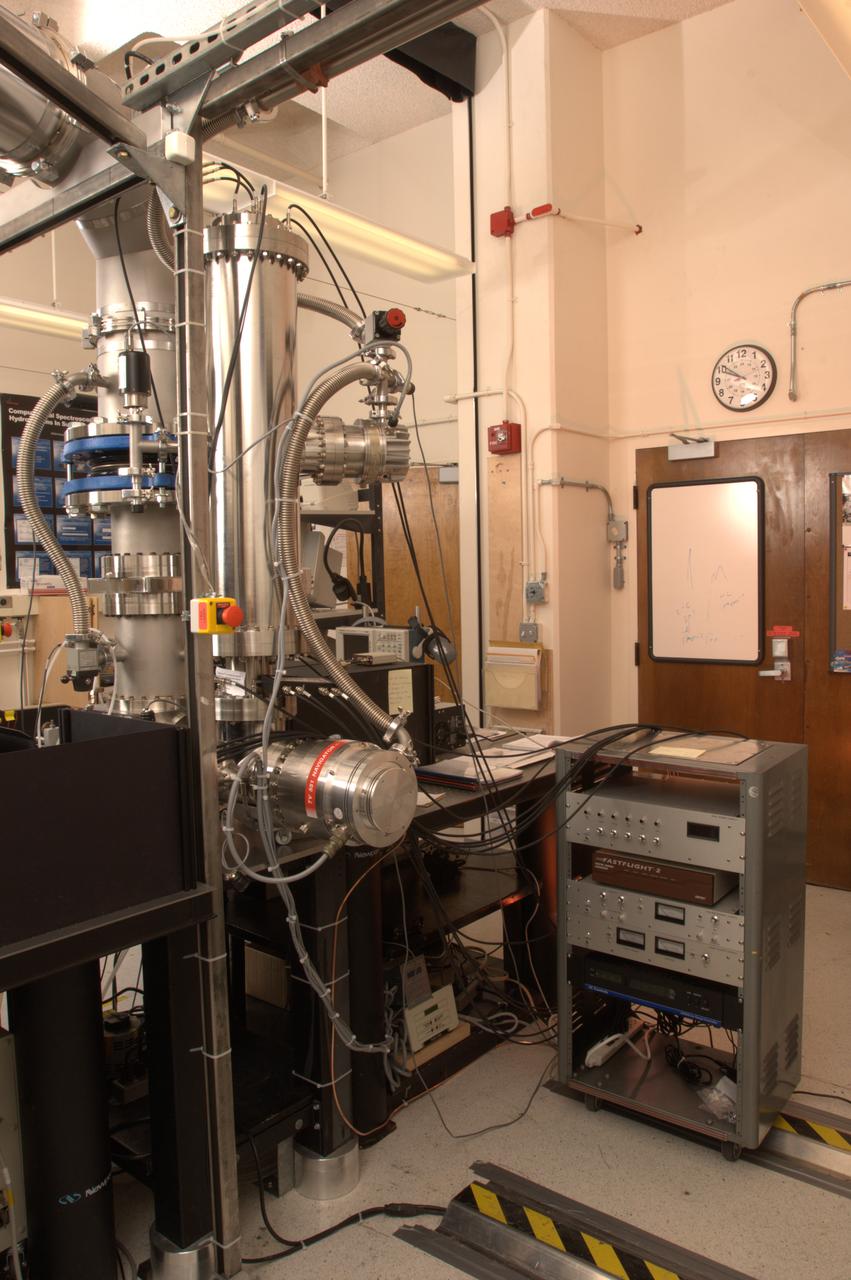
NASA Ames Astrophysics Branch (code-SSA), Pulsed discharge nozzle - Cavity Ring down - Reflection Time of Flight Mass Spectrometer (N-245 rm B-31) (PDN-CRDS-RETOFMS)
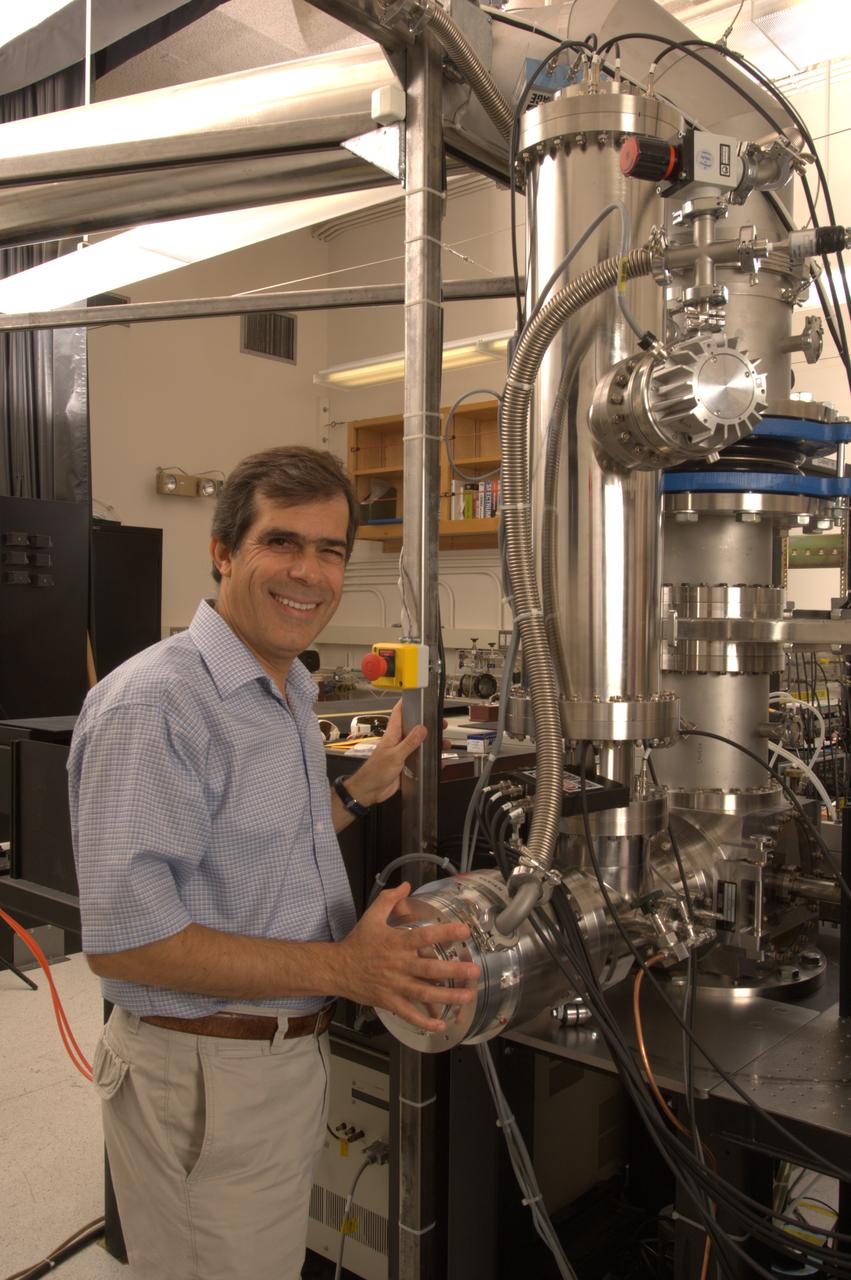
NASA Ames Astrophysics Branch (code-SSA), Pulsed discharge nozzle - Cavity Ring down - Reflection Time of Flight Mass Spectrometer (N-245 rm B-31) (PDN-CRDS-RETOFMS) shown here with Farid Salama
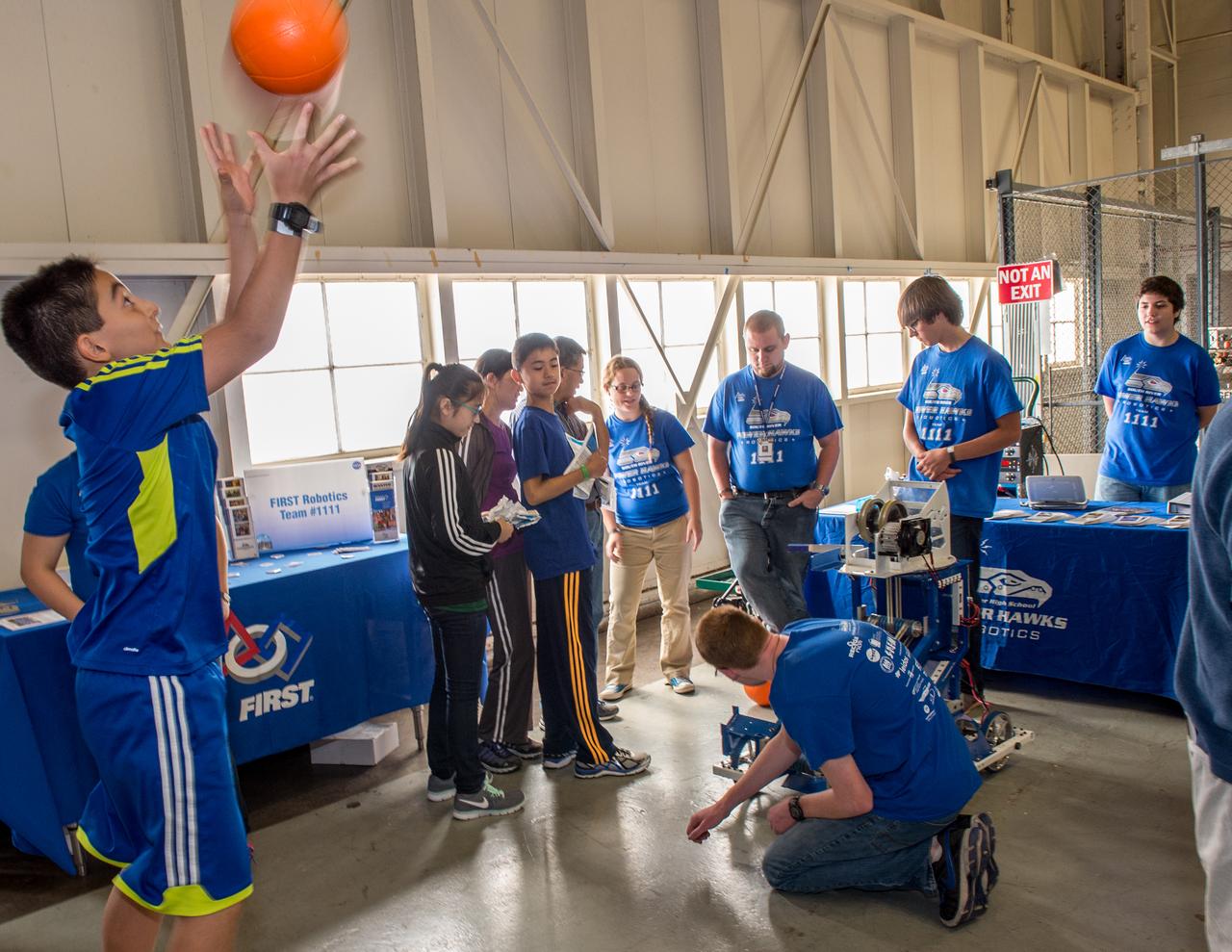
Building 5 Manufacturing Branch. Explore@NASAGoddard celebrates the 25th anniversary of the launch of the Hubble Space Telescope. All areas of Goddard’s research – Earth science, heliophysics, planetary science, astrophysics, and engineering and technology – will be presented, as each discipline plays a critical part in NASA's ongoing journey to reach new heights.
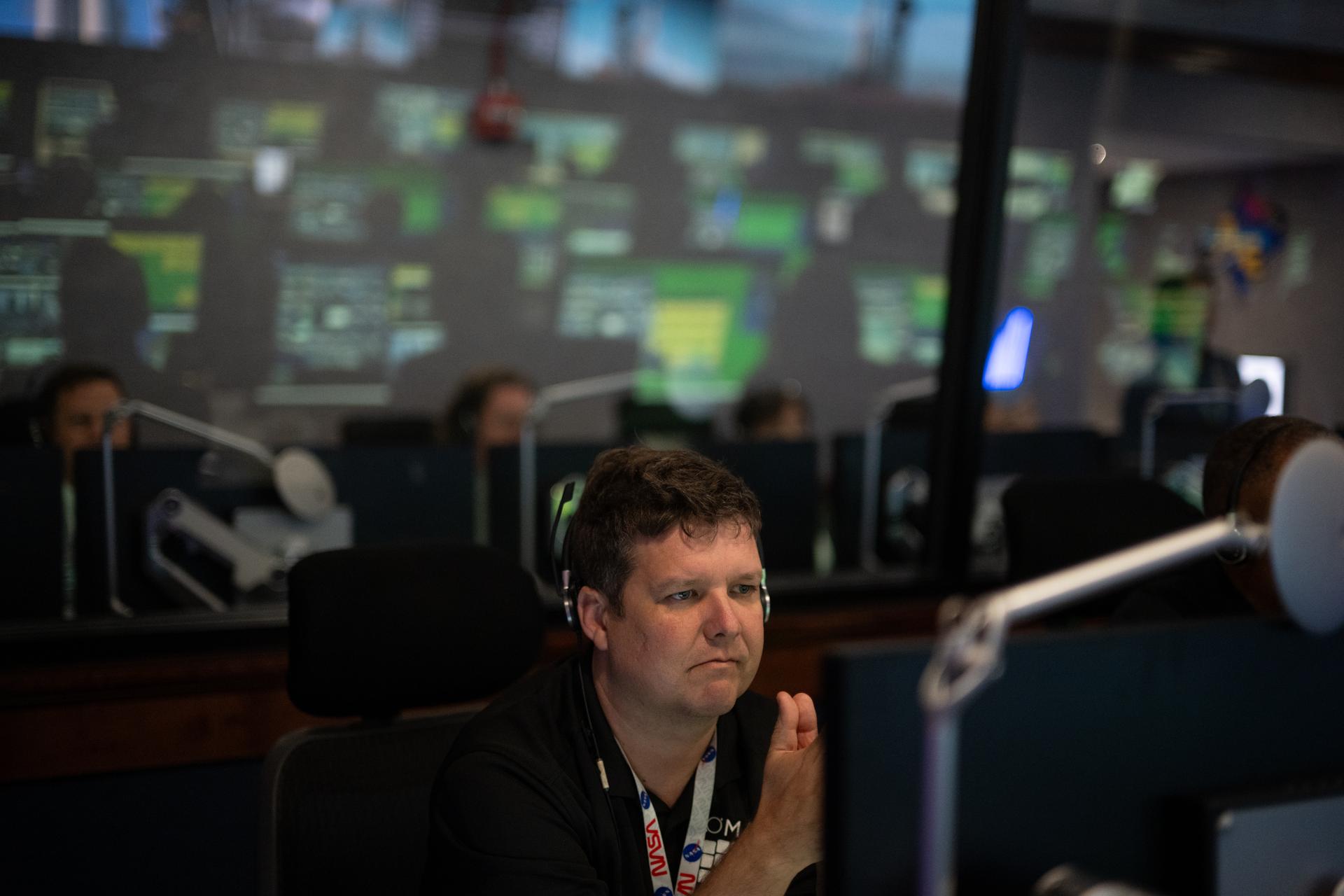
Reed Divertie, chief of Communications and Telemetry in the Ground Systems Branch of NASA’s Launch Services Program, monitor the countdown inside Hangar AE at Cape Canaveral Space Force Station for the launch of a SpaceX Falcon Heavy rocket with NASA’S Nancy Grace Roman Space Telescope from Launch Complex 39A at NASA’s Kennedy Space Center, Sunday, Aug. 30, 2026, in Florida. Roman will investigate dark energy and dark matter, conduct a statistical census of planetary systems, and enable a broad range of additional astrophysics research. Launch occurred at 7:26 a.m. EDT. Photo Credit (NASA/Joel Kowsky)
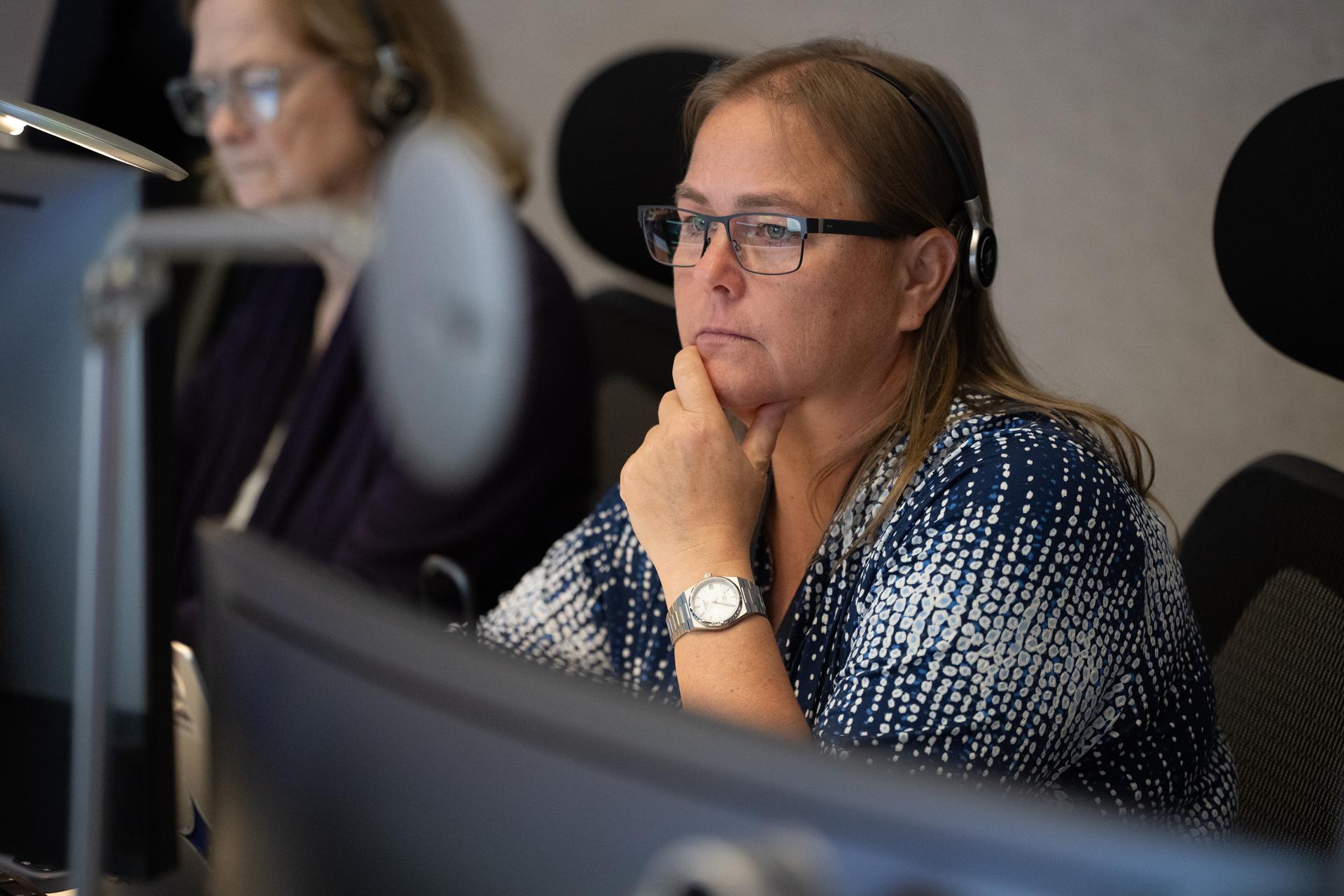
Katie Wilcox, chief of the program integration branch of NASA’s Launch Services Program, monitors the countdown inside Hangar AE at Cape Canaveral Space Force Station for the launch of a SpaceX Falcon Heavy rocket with NASA’S Nancy Grace Roman Space Telescope from Launch Complex 39A at NASA’s Kennedy Space Center, Sunday, Aug. 30, 2026, in Florida. Roman will investigate dark energy and dark matter, conduct a statistical census of planetary systems, and enable a broad range of additional astrophysics research. Launch occurred at 7:26 a.m. EDT. Photo Credit (NASA/Joel Kowsky)