Mercury QuickMap Mosaics Available in High Resolution

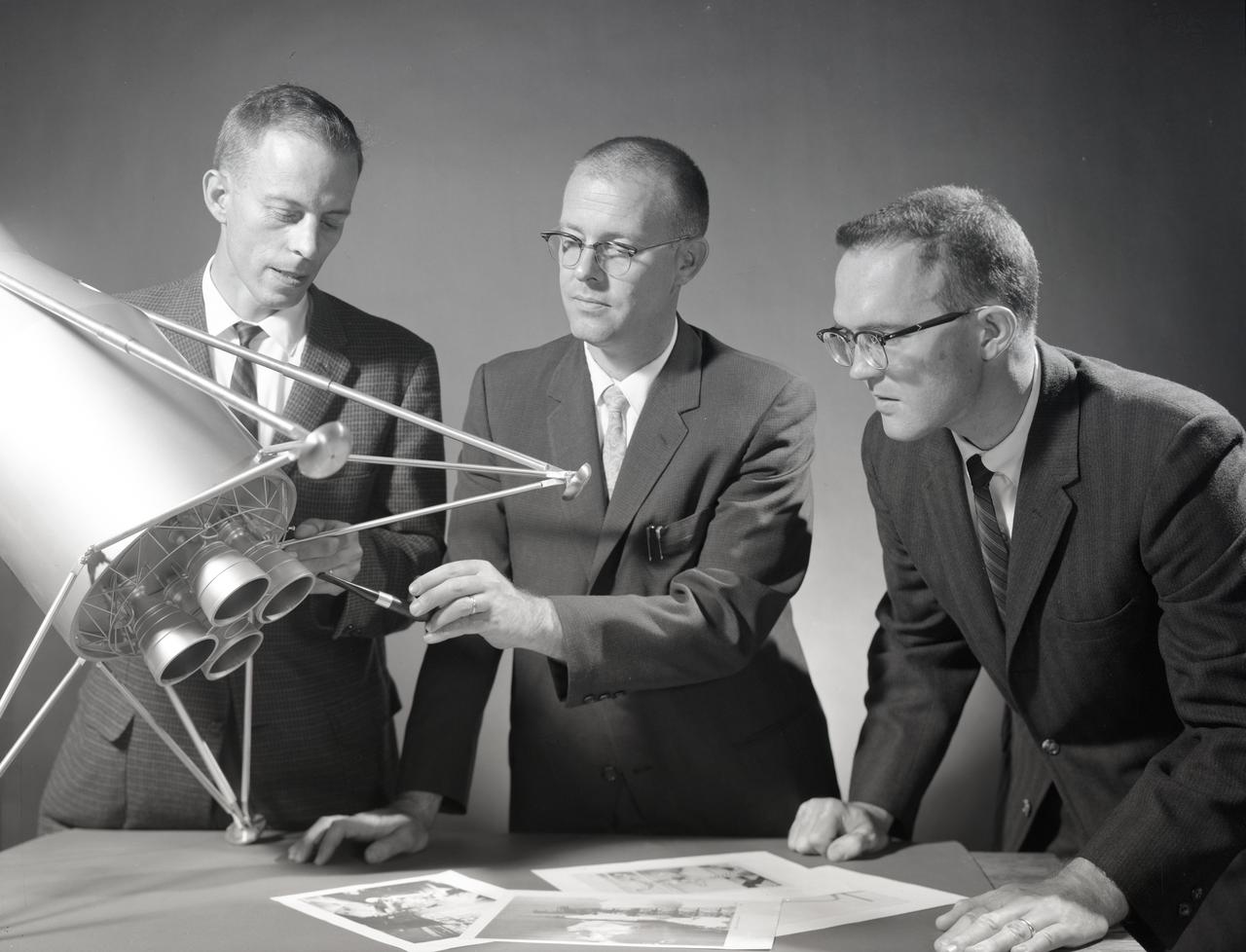
NASA ENGINEERS DISCUSSING APOLLO PROJECT

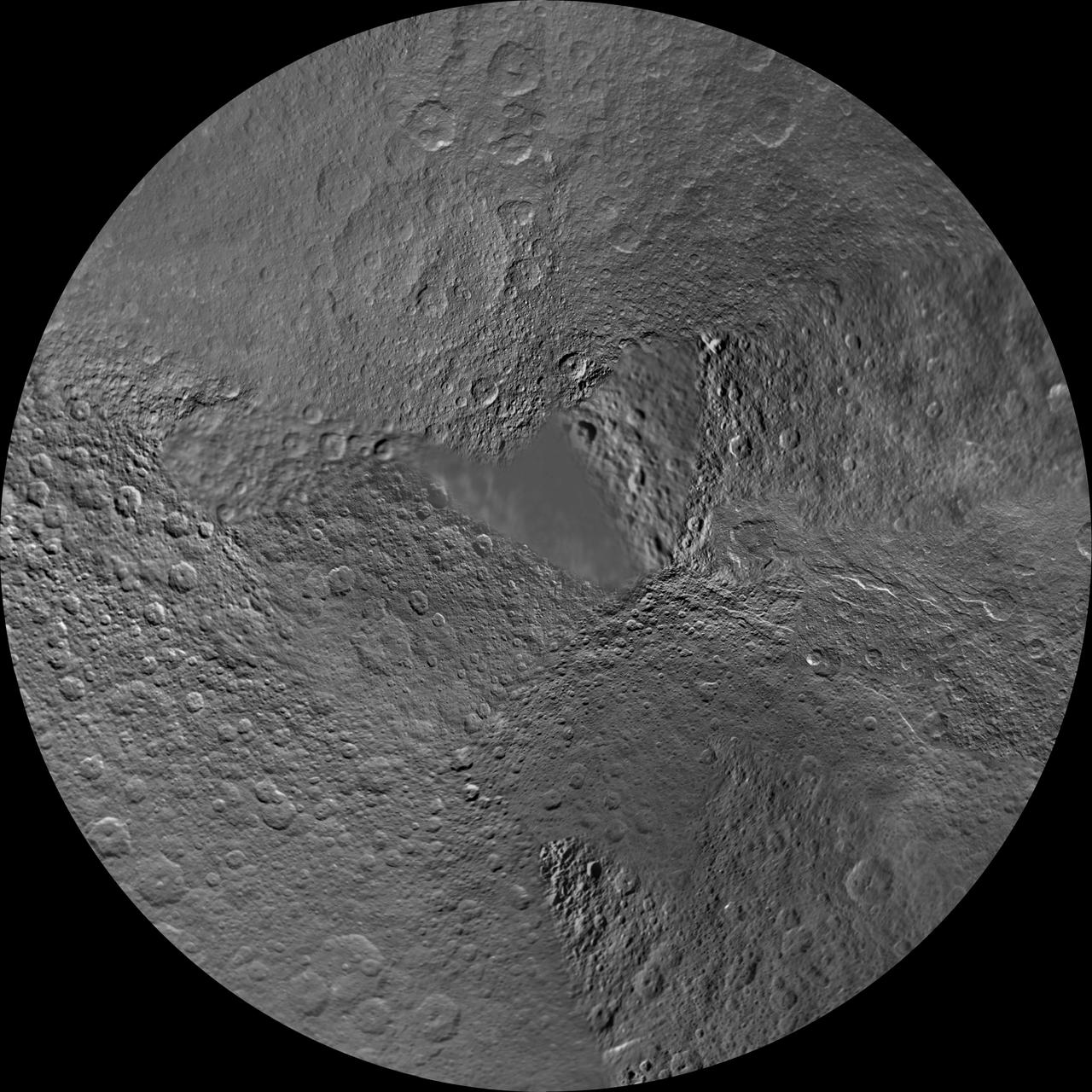
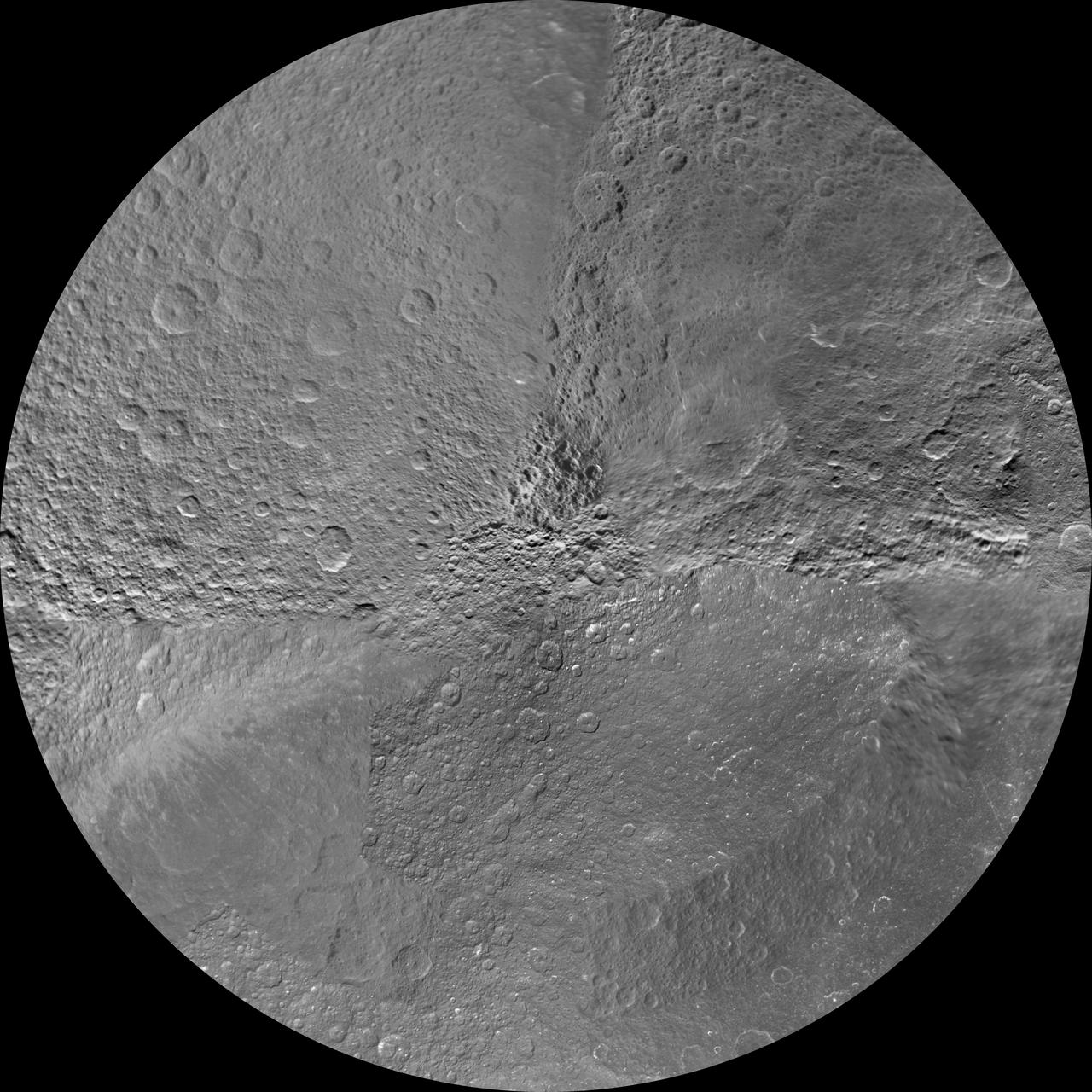
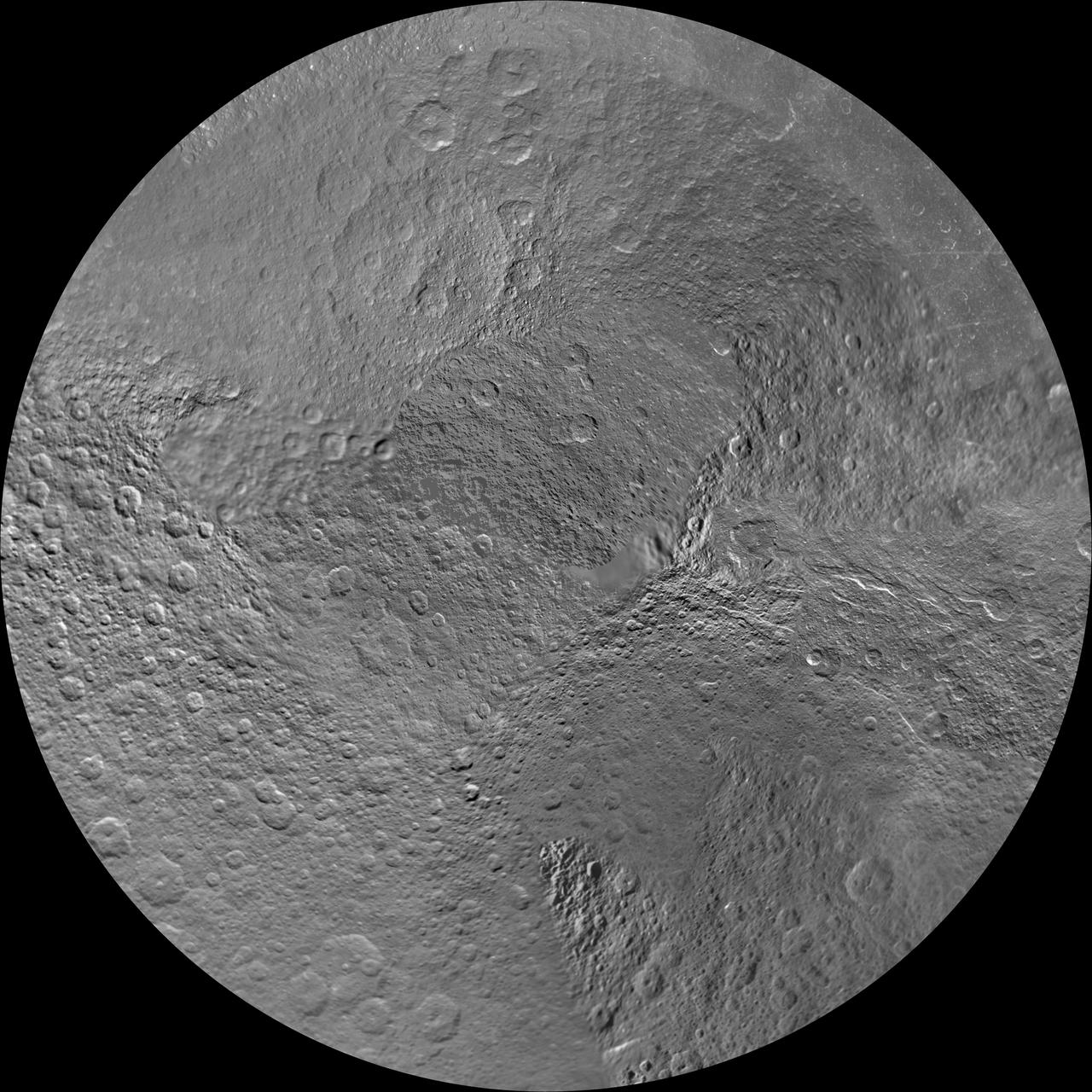
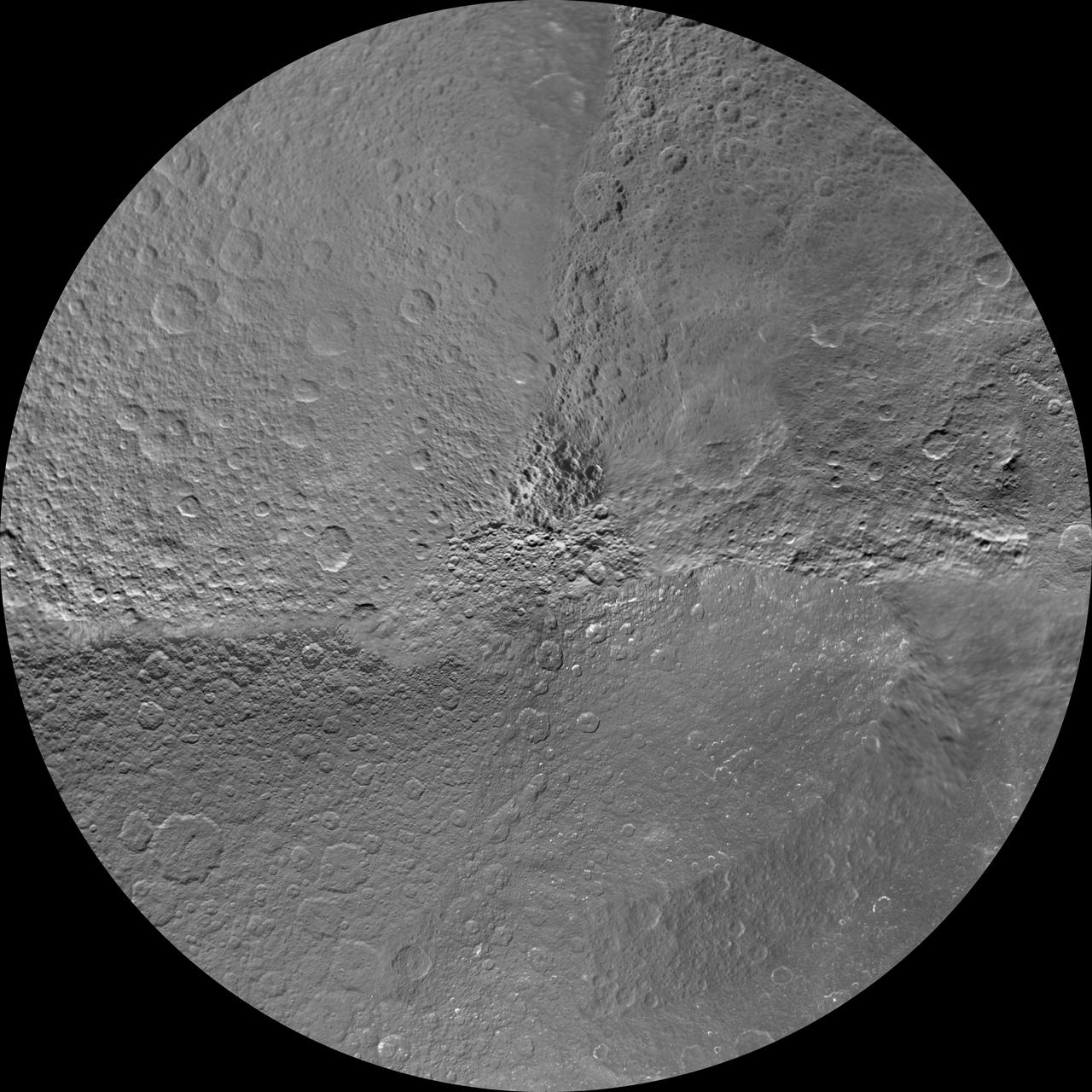
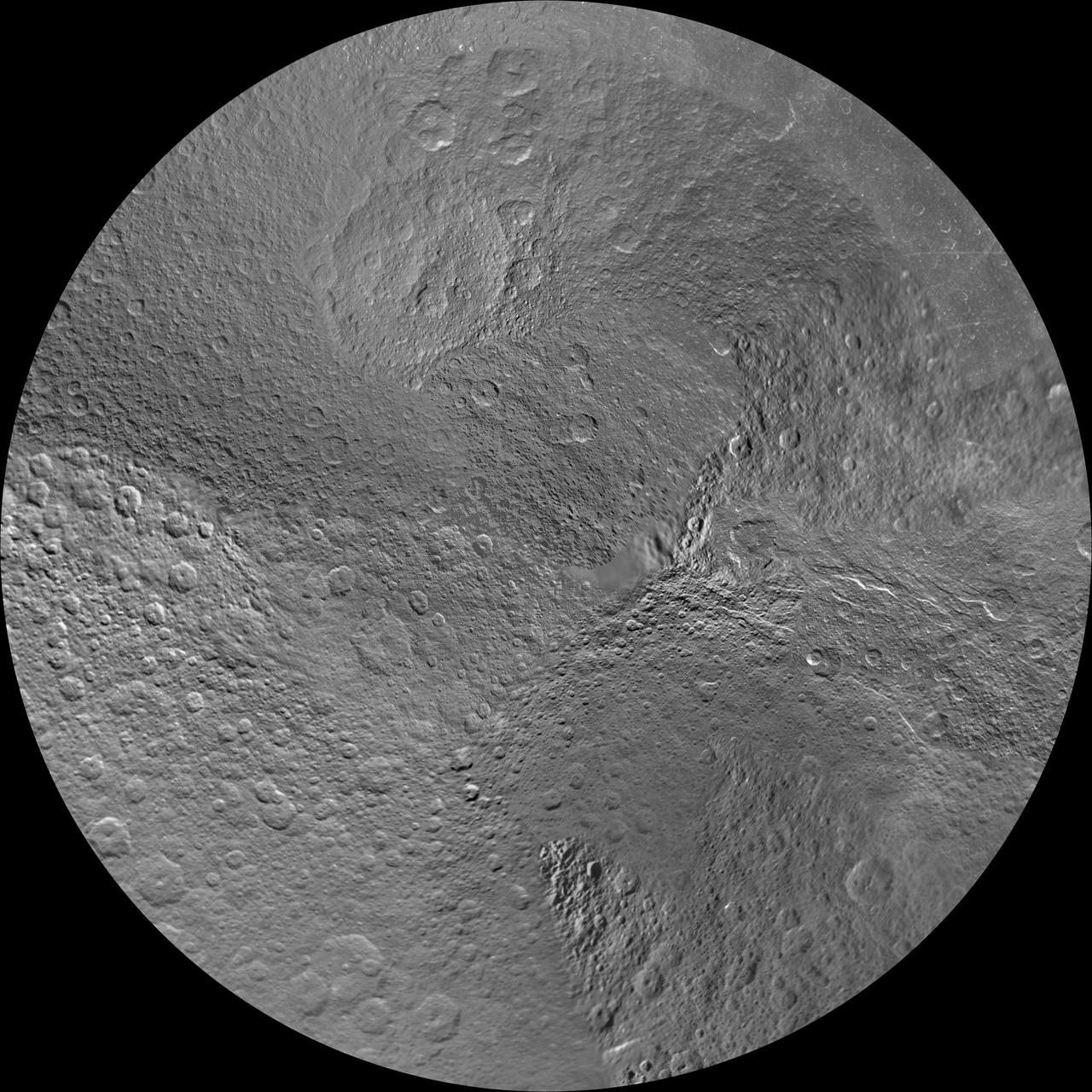
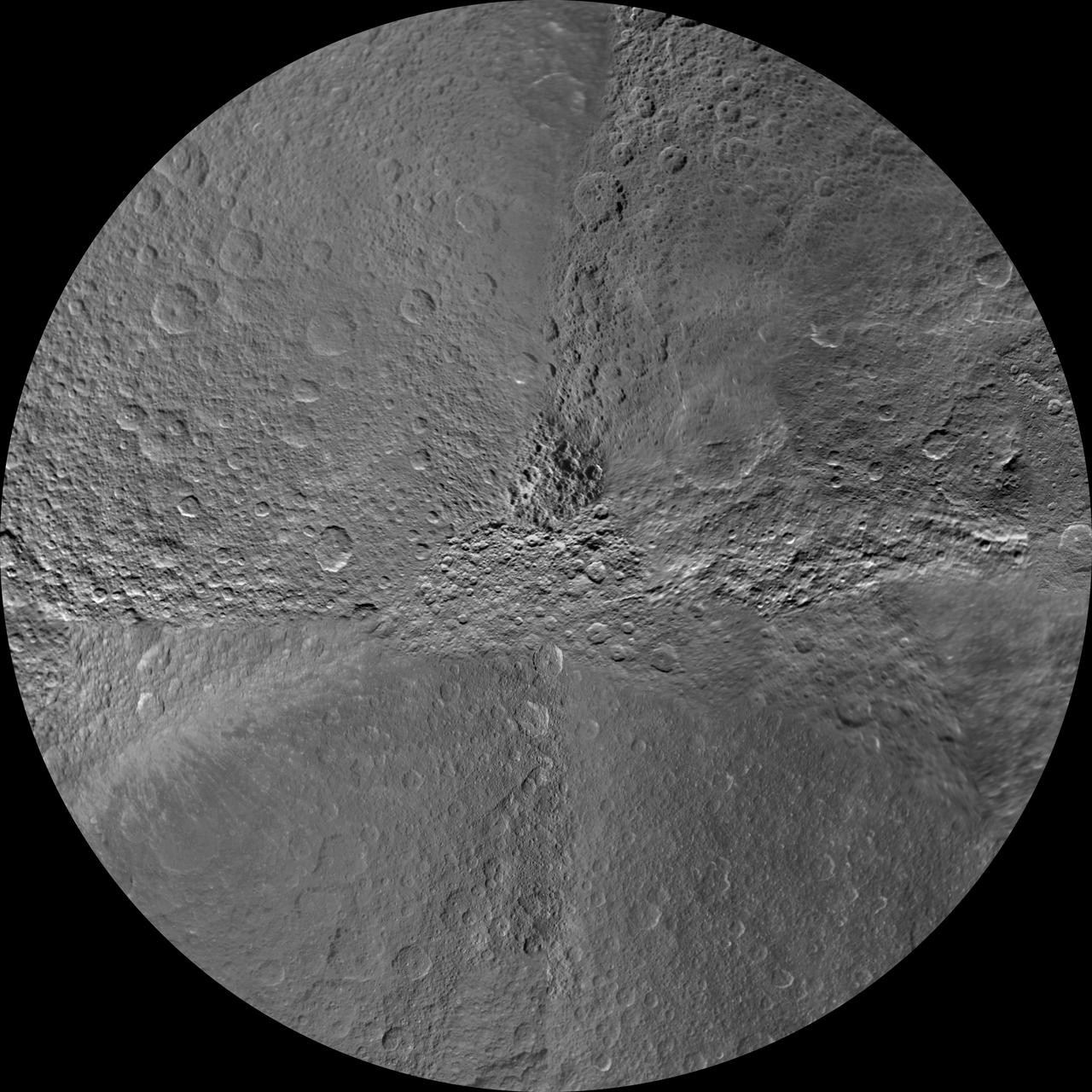
The northern and southern hemispheres of Rhea are seen in these polar stereographic maps, mosaicked from the best-available NASA Cassini and Voyager images.

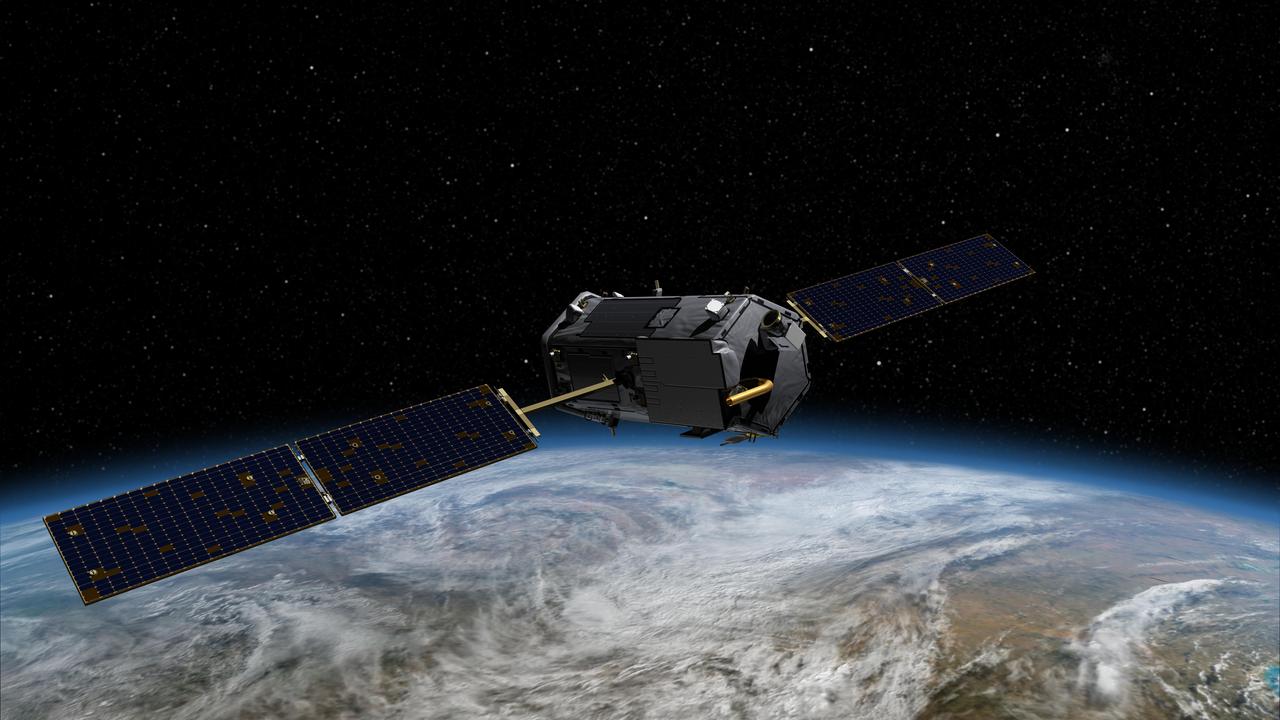
Technicians prep NASA OCO-2 instrument for shipping at Jet Propulsion Lab in Pasadena, Ca. Animation available in More Details.

The northern and southern hemispheres of Rhea are seen in these polar stereographic maps, mosaicked from the best-available NASA Cassini and Voyager images.

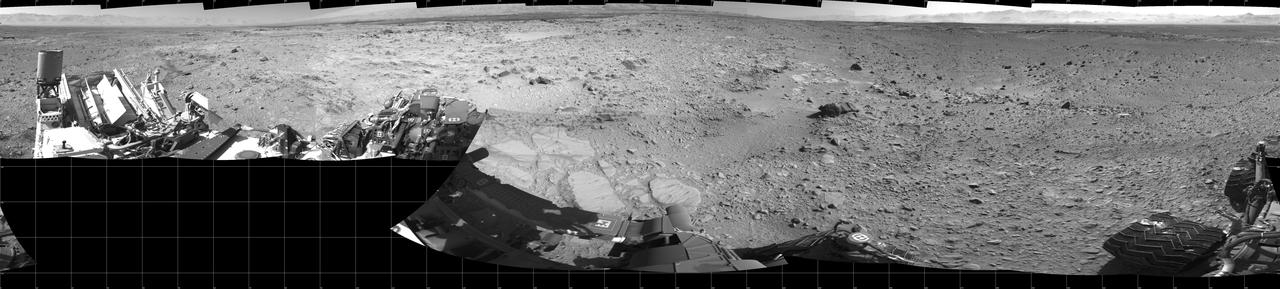
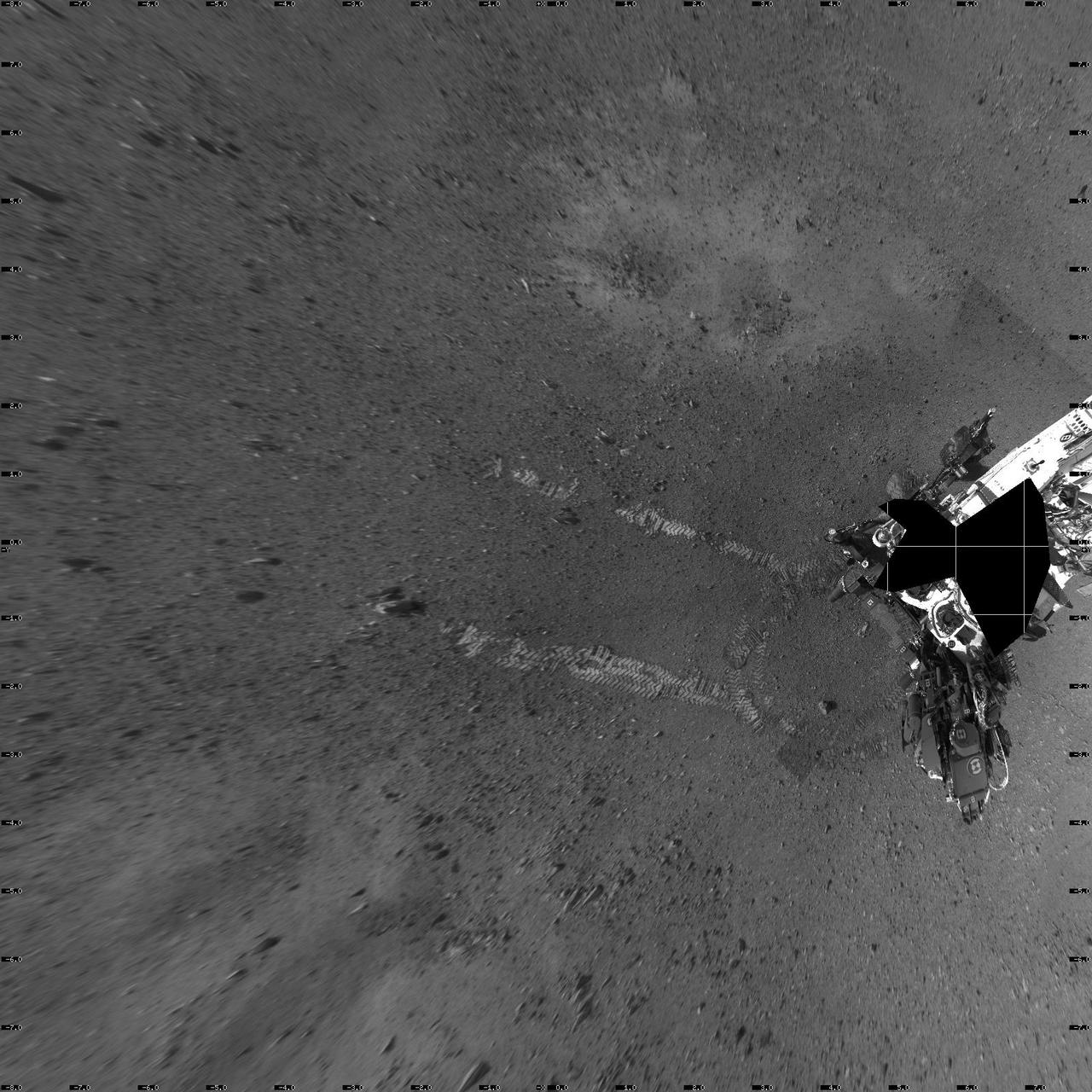
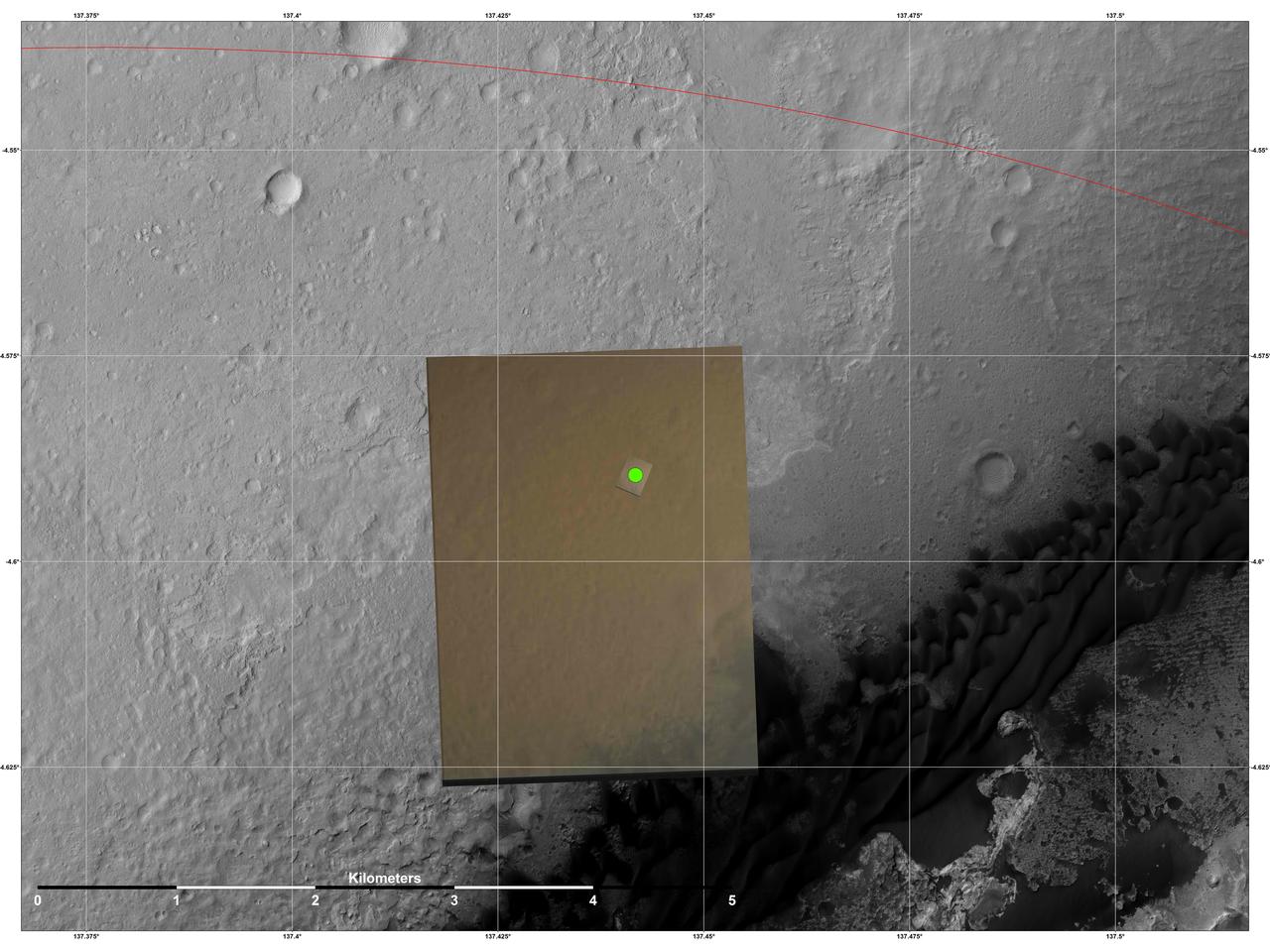
This imagery is being released in association with NASA Mars Science Laboratory mission. This is a temporary caption to be replaced as soon as more information is available.
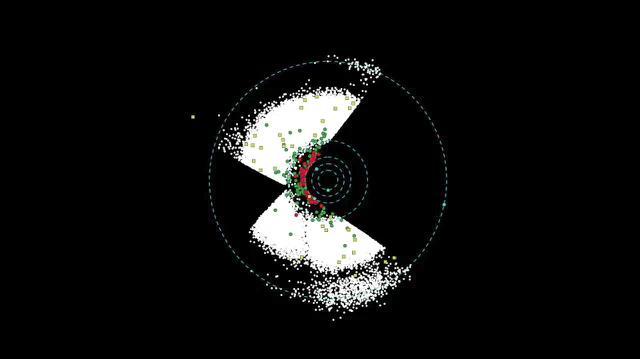
This image shows asteroids observed so far by NASA Wide-field Infrared Survey Explorer. An animation is available at the Photojournal.

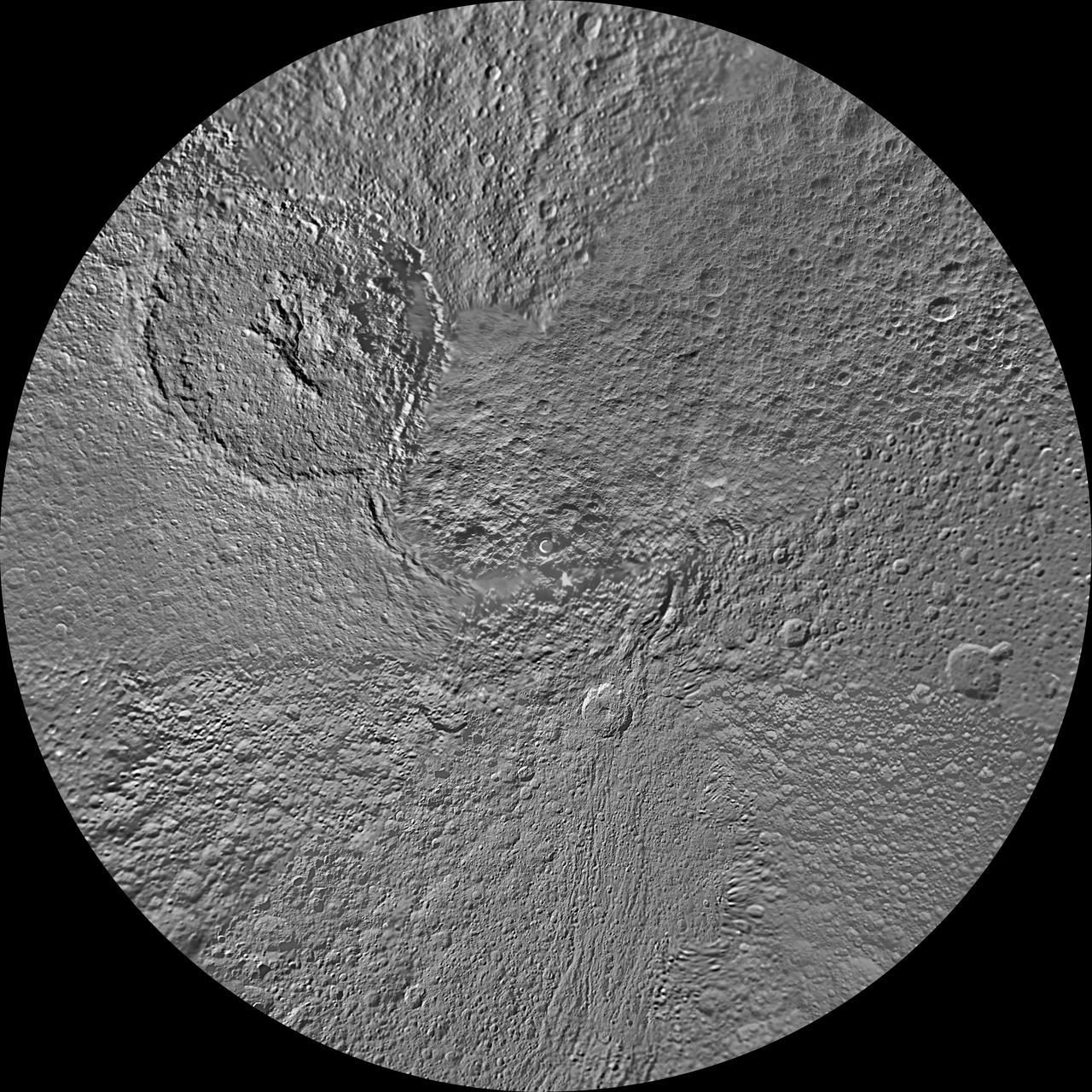
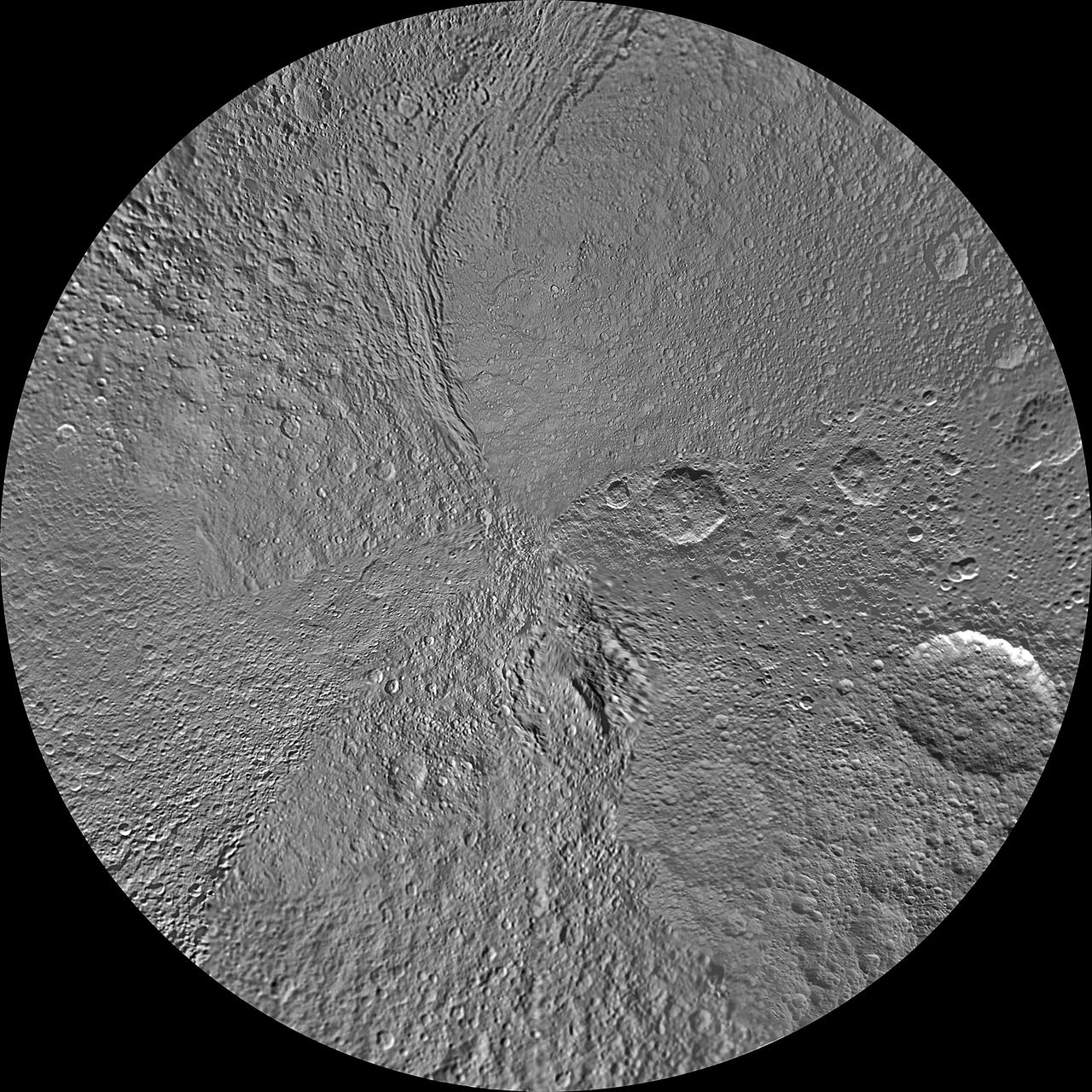
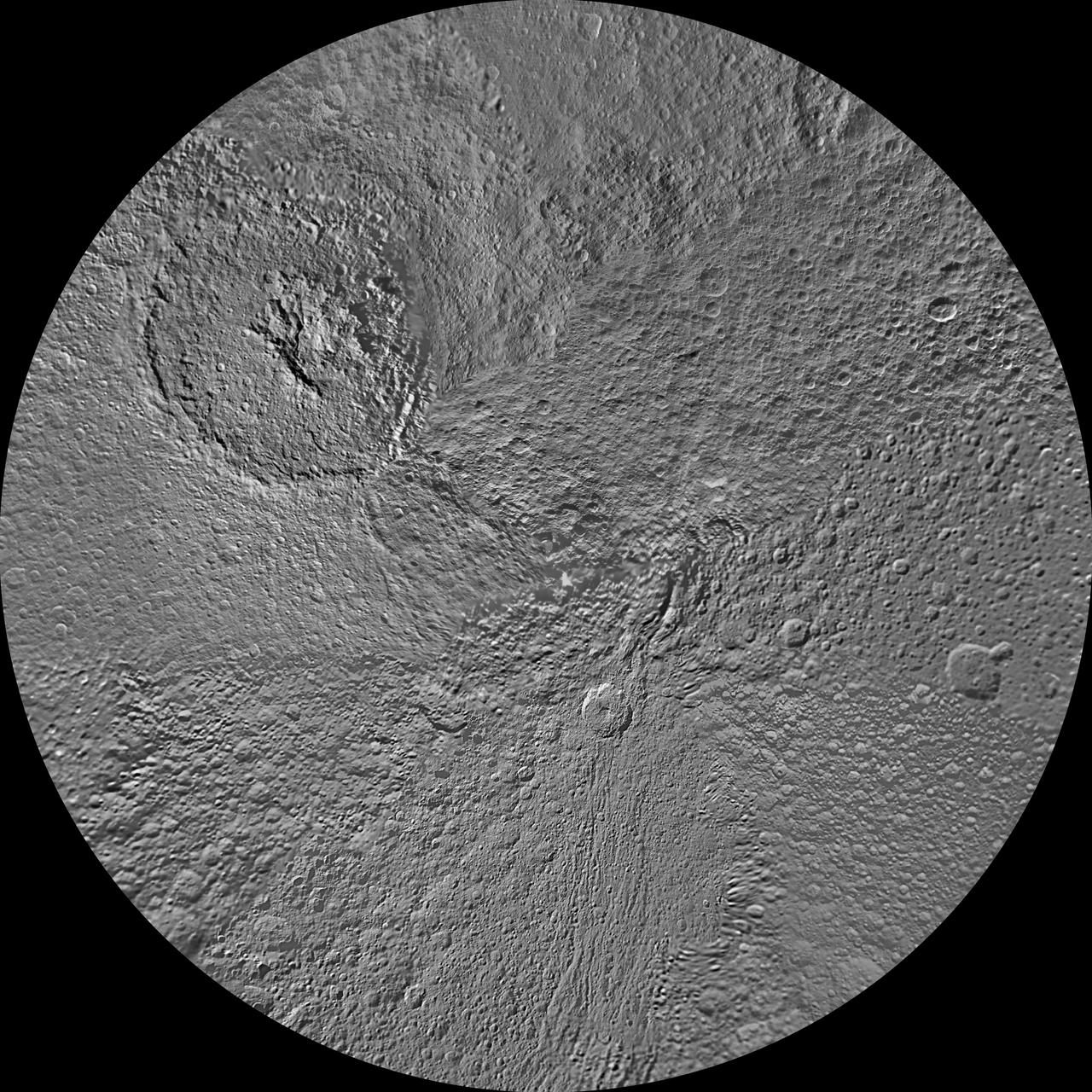
The southern hemisphere of Tethys is seen in this polar stereographic map, mosaicked from the best-available images from NASA Cassini spacecraft.

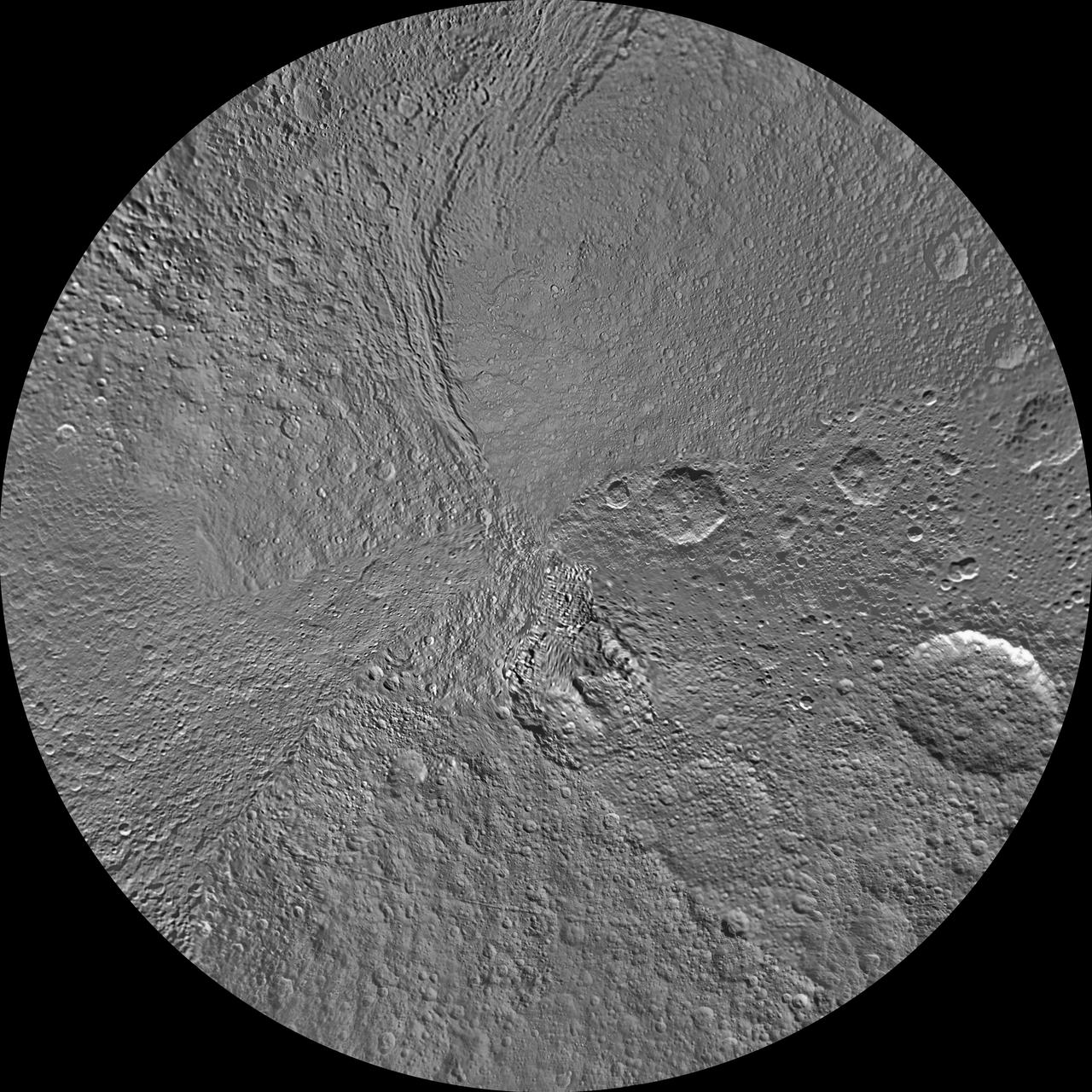
The northern hemisphere of Tethys is seen in this polar stereographic map, mosaicked from the best-available images from NASA Cassini spacecraft.

This imagery is being released in association with NASA Mars Science Laboratory mission. This is a temporary caption to be replaced as soon as more information is available.

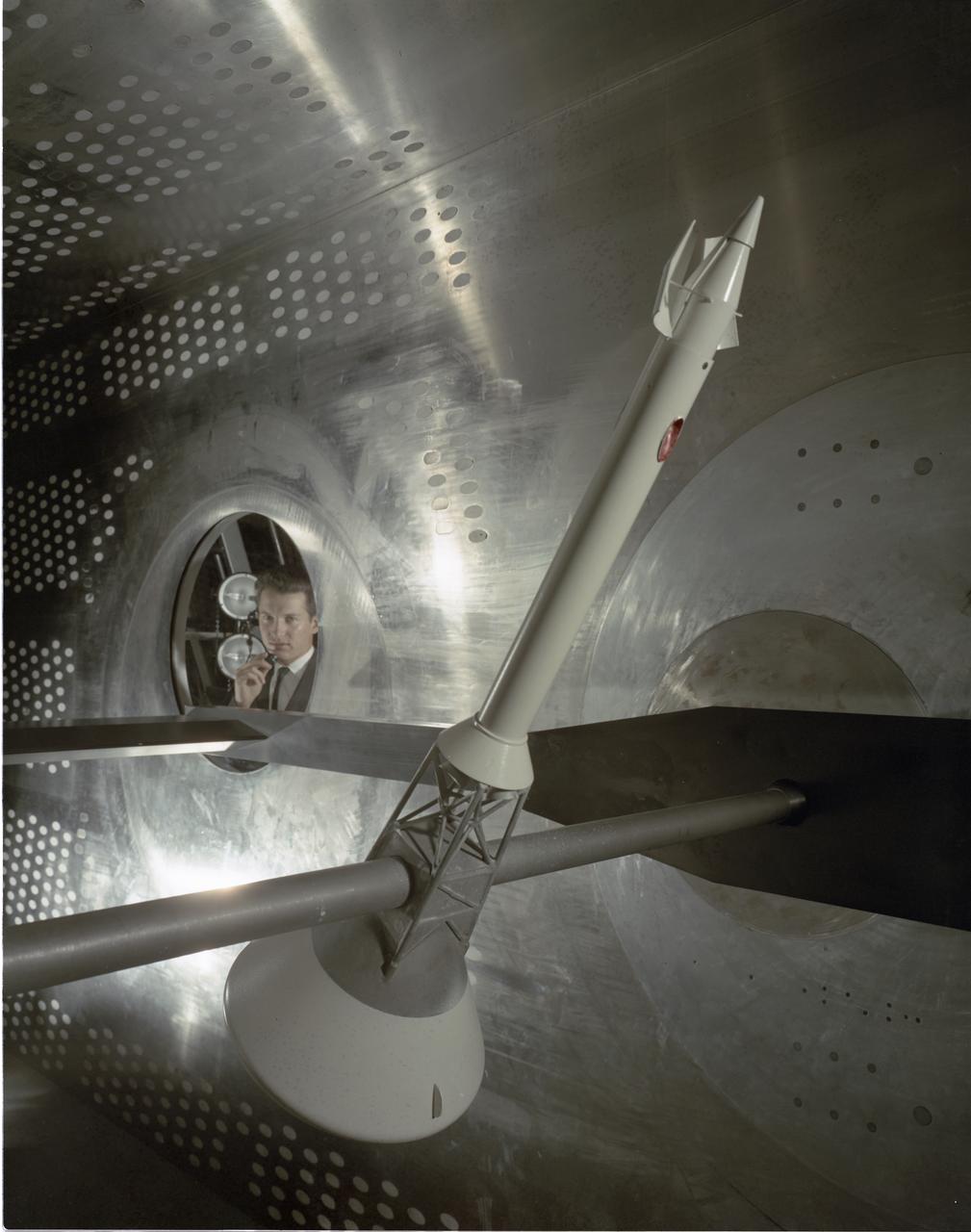
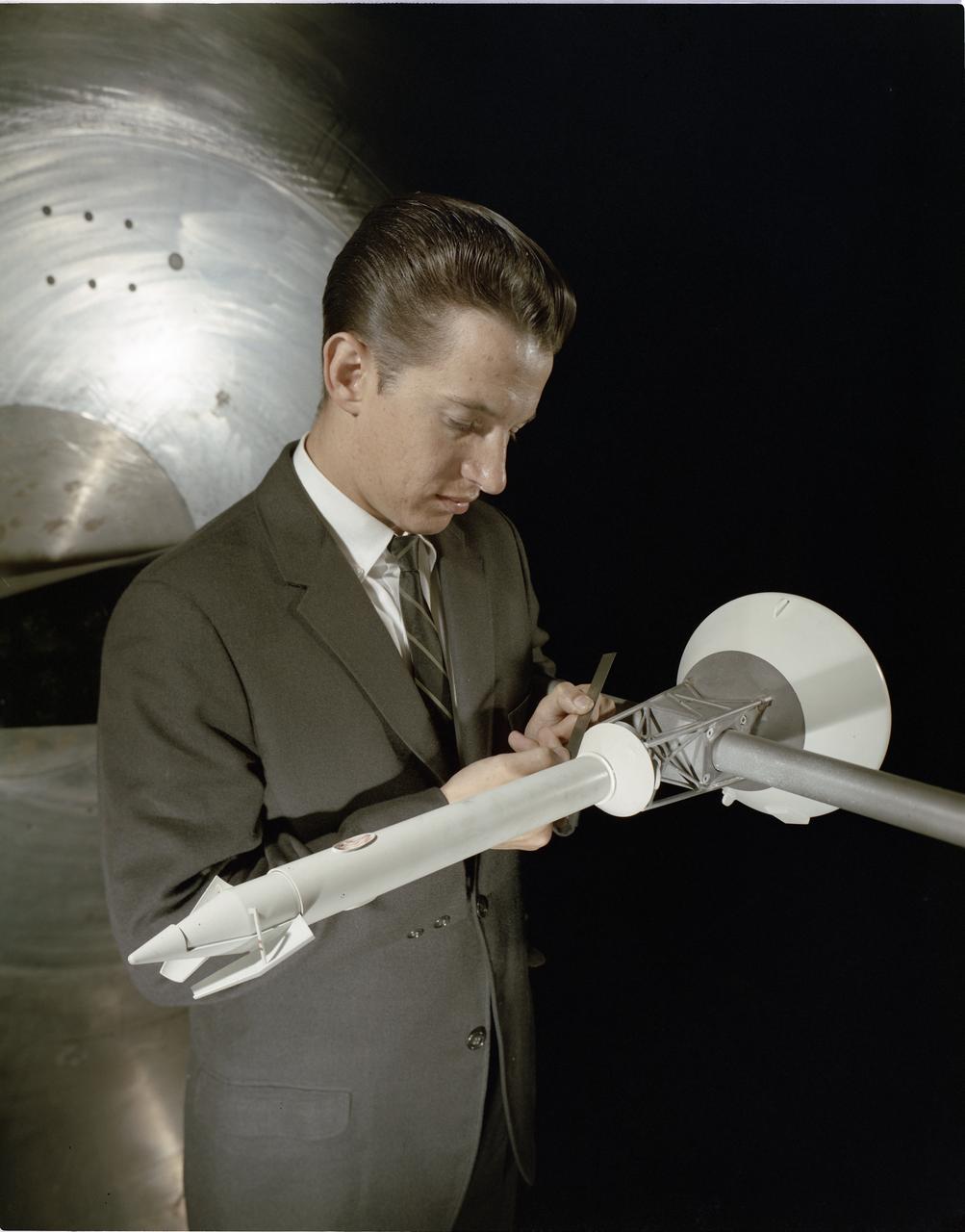
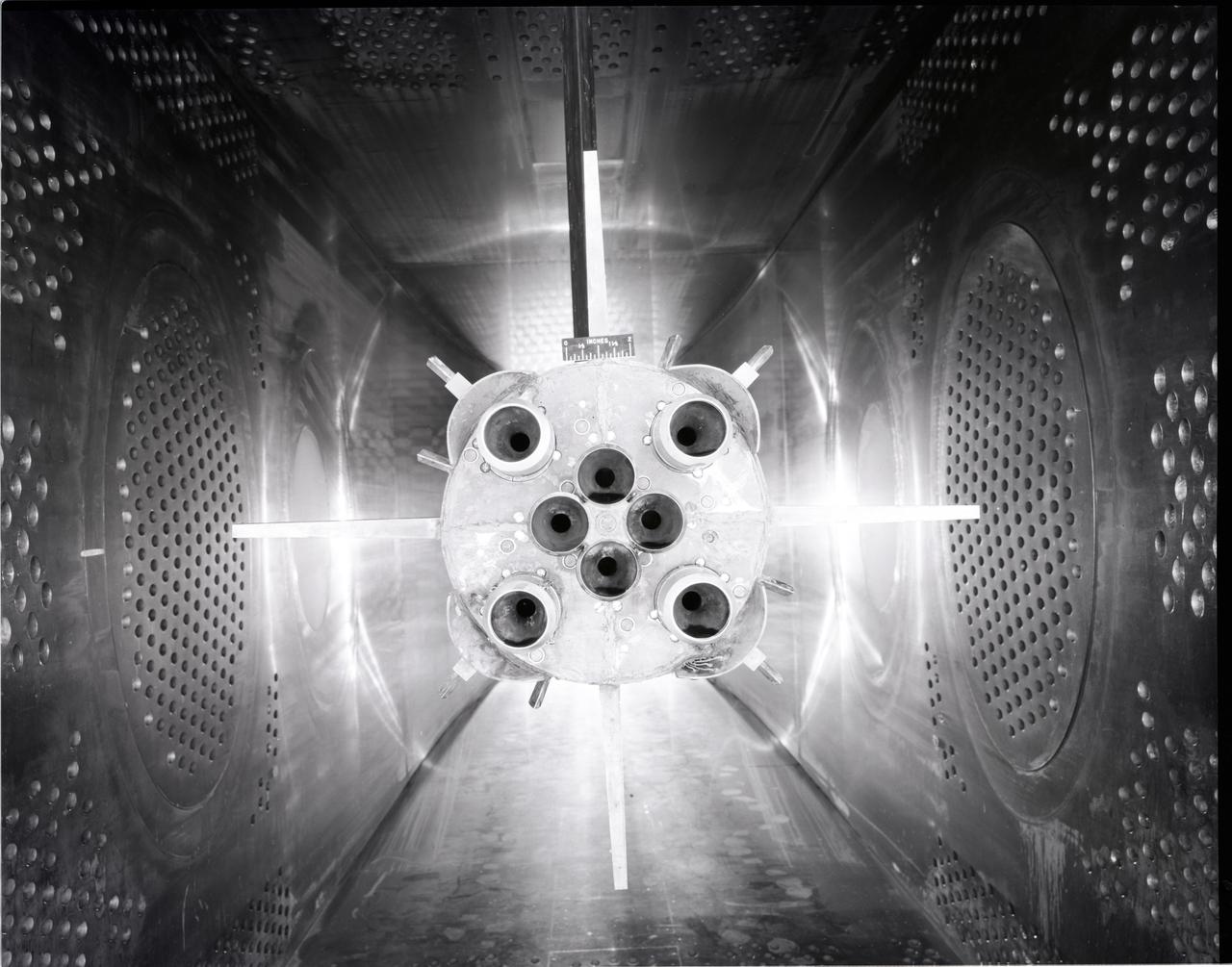
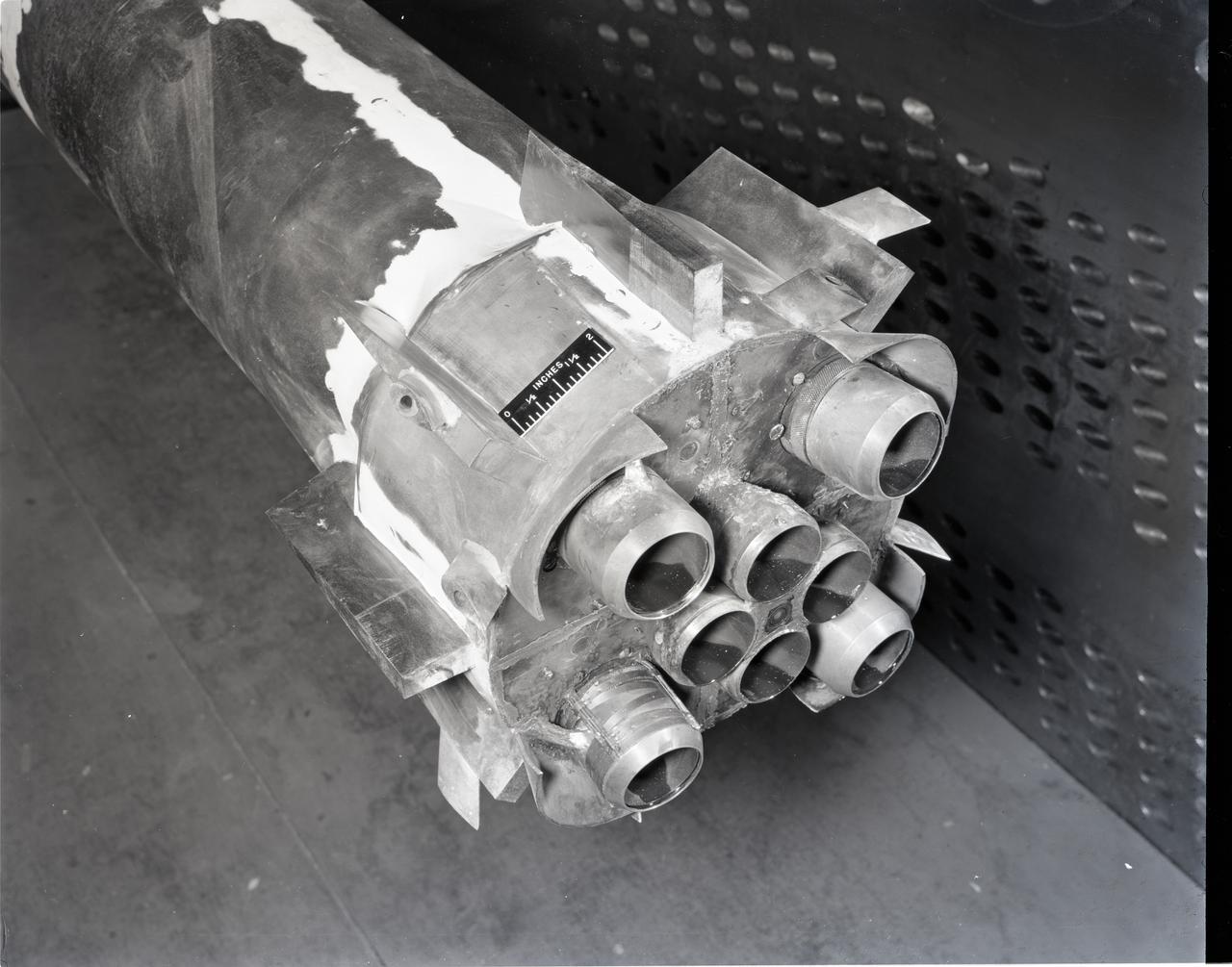
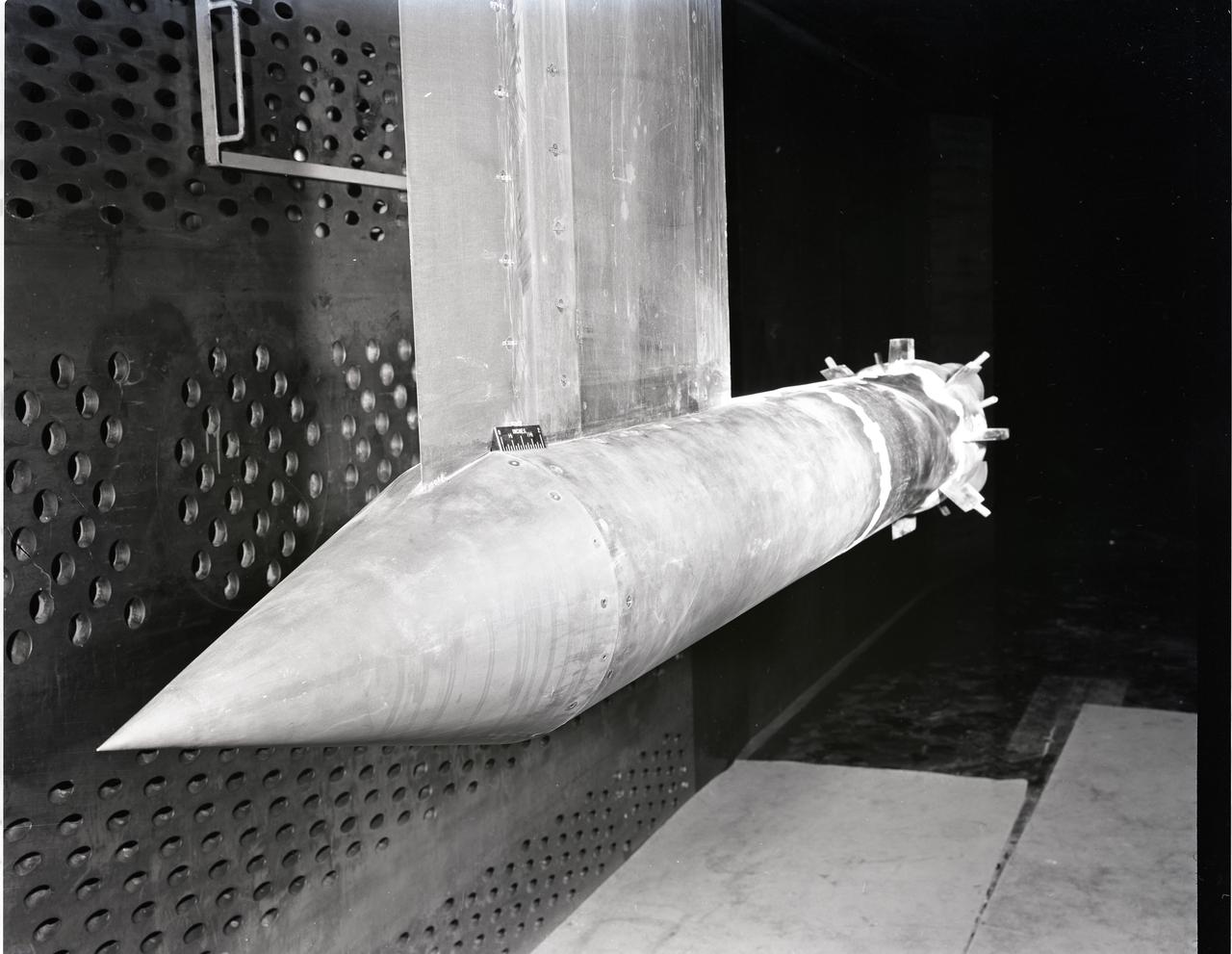
APOLLO CONFIGURATION OF SATURN MODEL IN THE 8X6-FOOT SUPERSONIC WIND TUNNEL

APOLLO CONFIGURATION OF SATURN MODEL IN THE 8X6-FOOT SUPERSONIC WIND TUNNEL

APOLLO CONFIGURATION OF SATURN MODEL IN THE 8X6-FOOT SUPERSONIC WIND TUNNEL

APOLLO CONFIGURATION OF SATURN MODEL IN THE 8X6-FOOT SUPERSONIC WIND TUNNEL

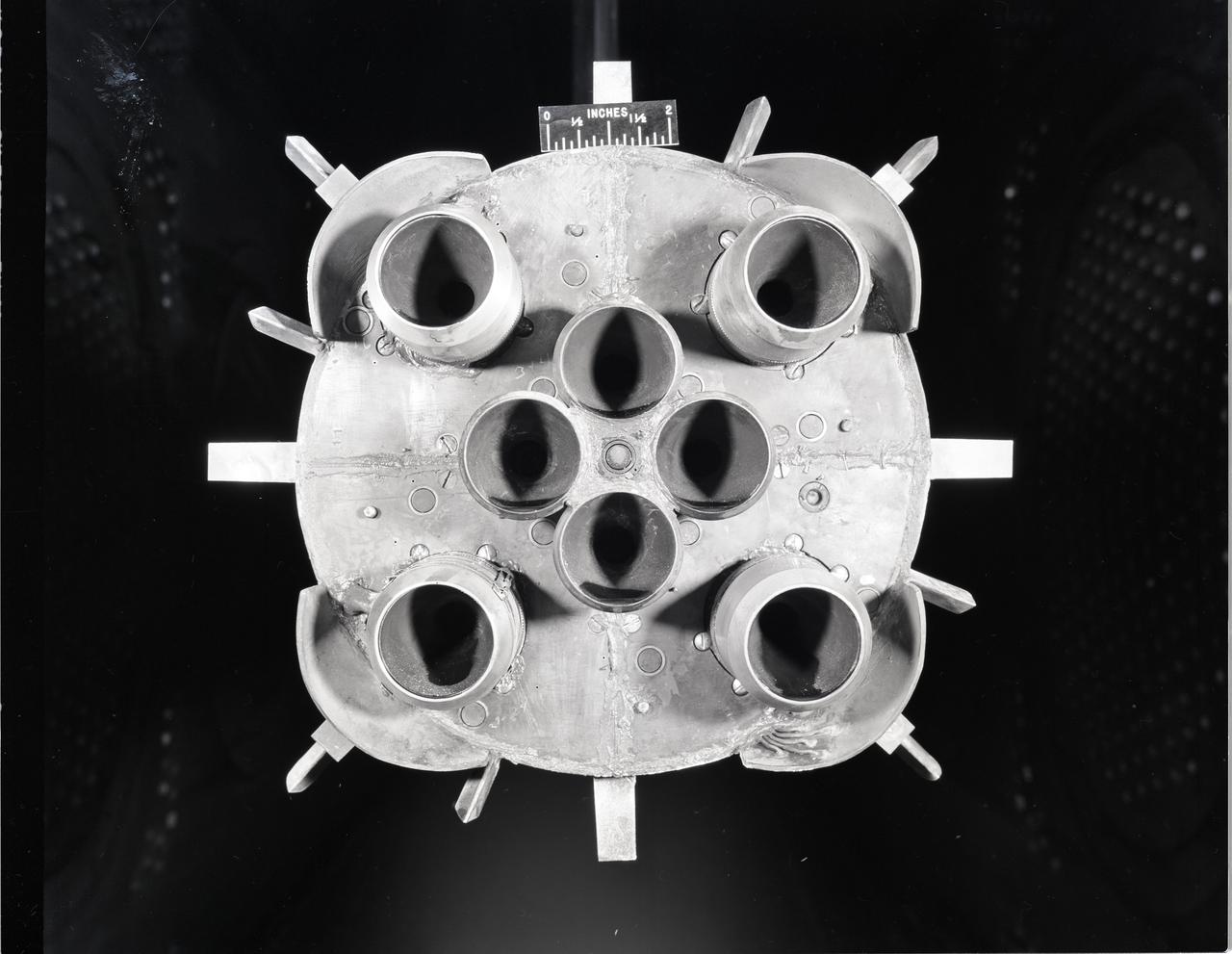
MODEL OF UPPER STAGES OF APOLLO

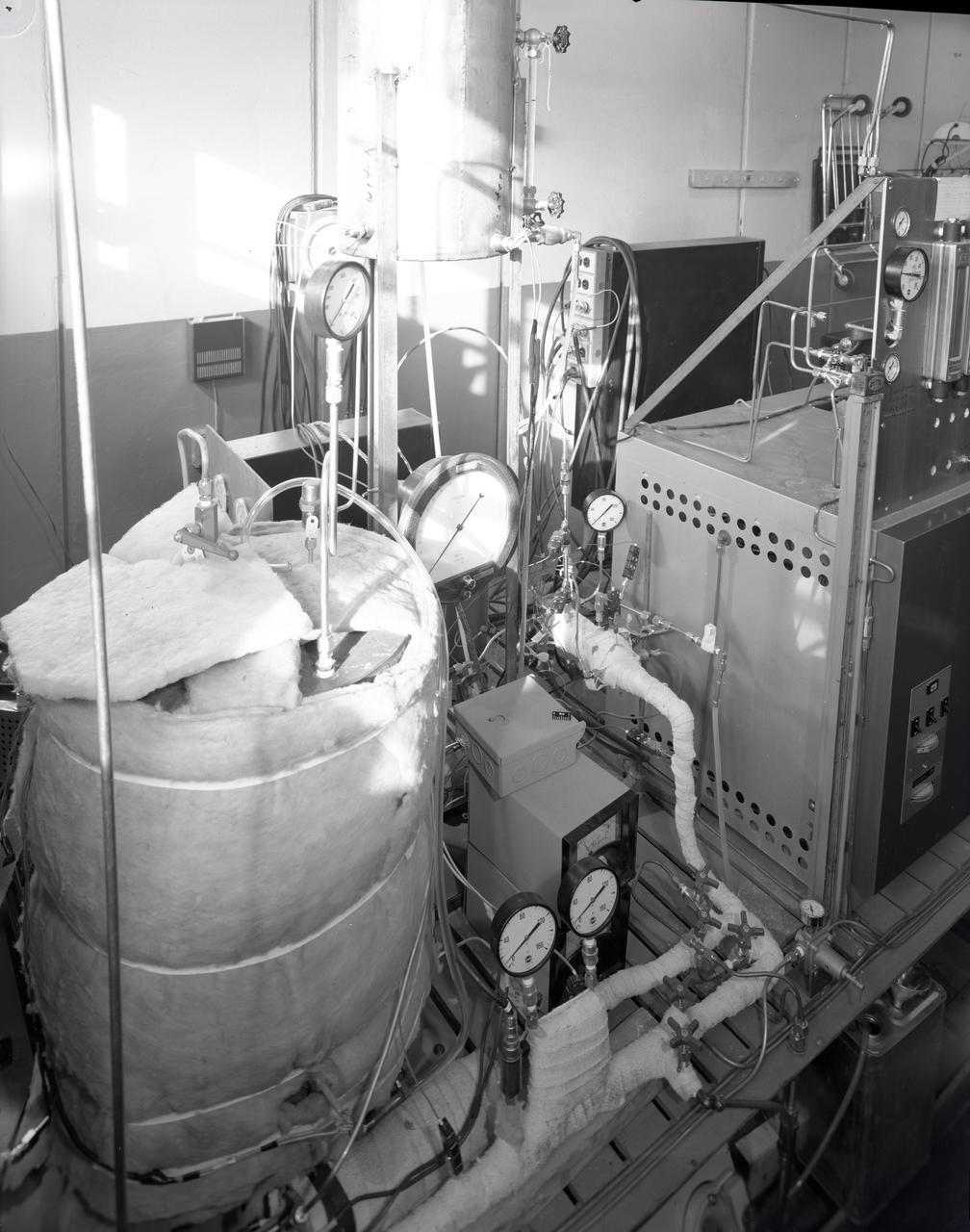
FUEL CELL CONDENSER FOR THE APOLLO SYSTEM TEST RIG

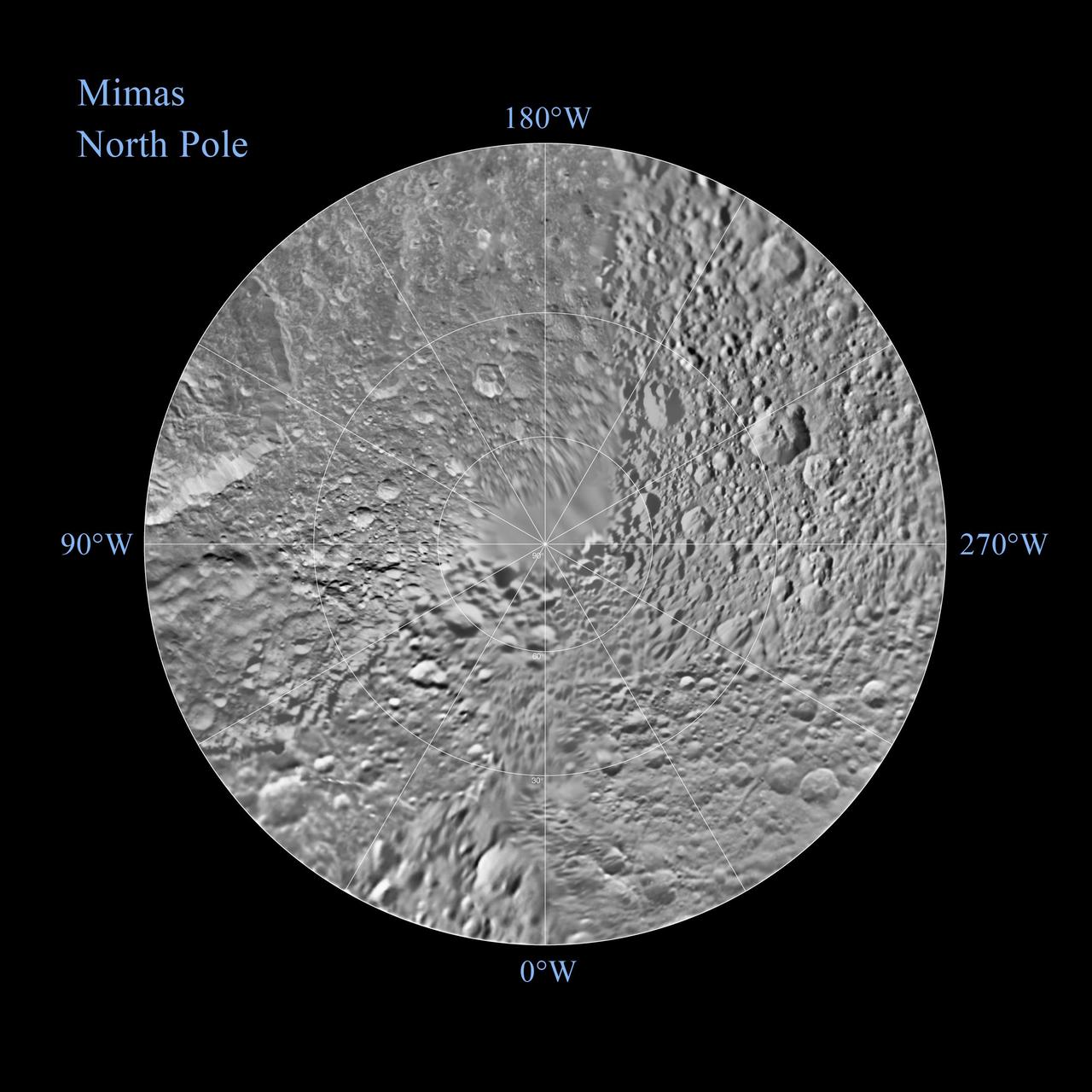
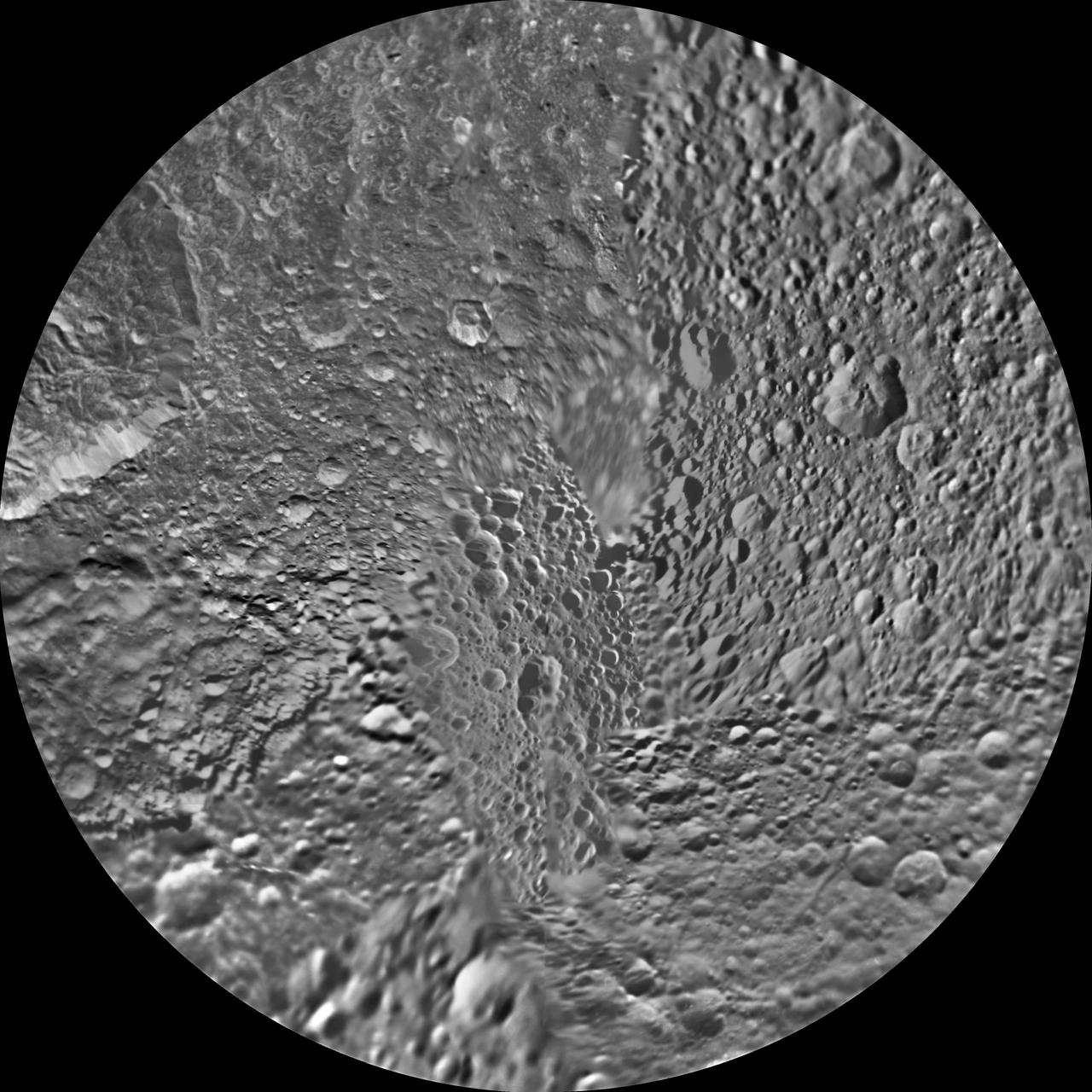
The northern hemisphere of Saturn moon Mimas is seen in these polar stereographic maps, mosaicked from the best-available NASA Cassini and Voyager images.
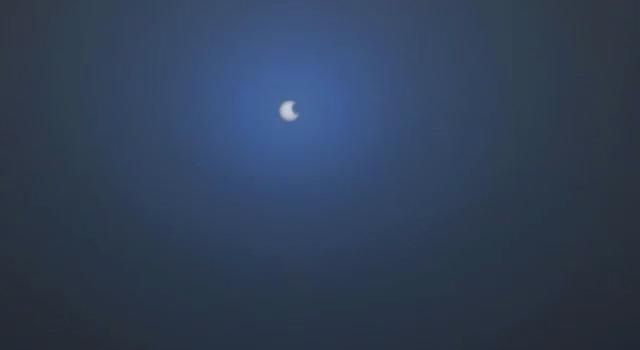
The larger of the two moons of Mars, Phobos, passes in front of the Sun face in this image from NASA Mars Exploration Rover Opportunity. A movie is available at the Photojournal.

The southern hemisphere of Saturn moon Rhea is seen in this polar stereographic maps, mosaicked from the best-available images obtained by NASA Cassini spacecraft.

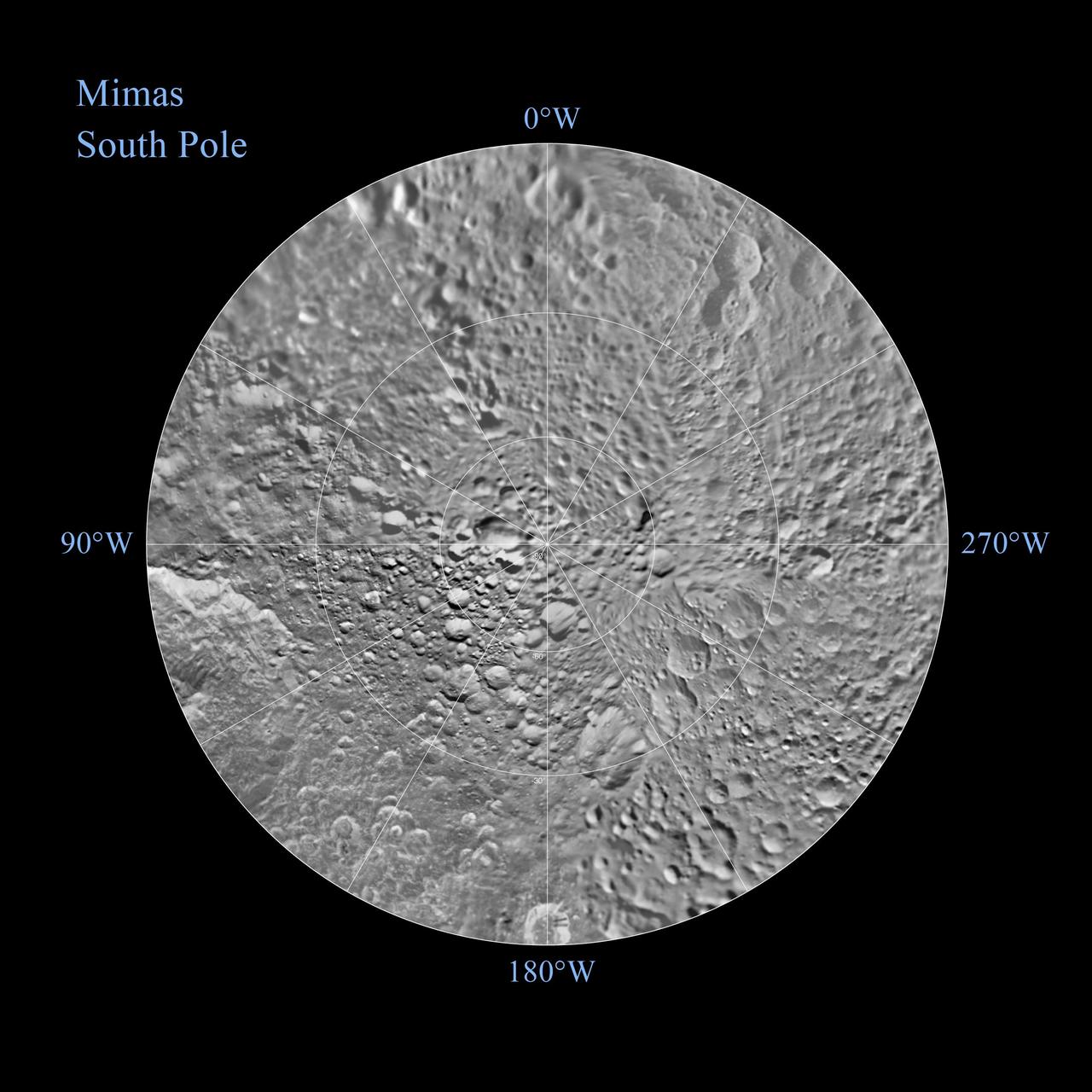
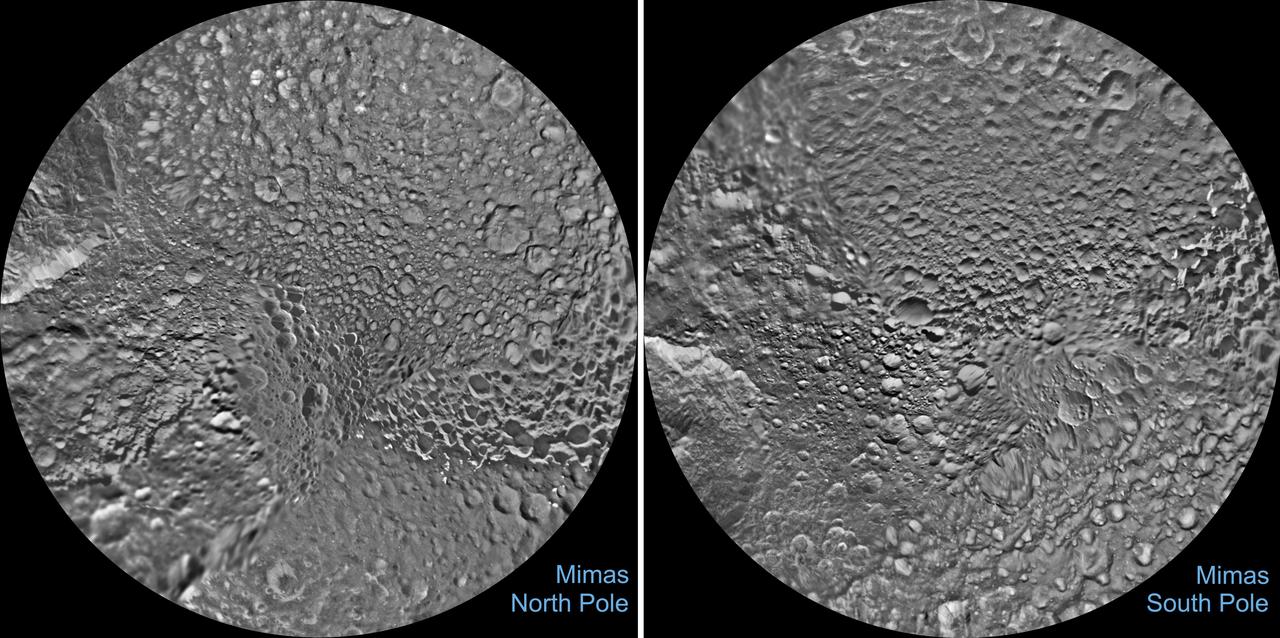
The northern and southern hemispheres of Saturn moon Mimas are seen in these polar stereographic maps, mosaicked from the best-available NASA Cassini and Voyager images.

The northern hemisphere of Saturn moon Rhea is seen in this polar stereographic map, mosaicked from the best-available images obtained by NASA Cassini and Voyager spacecraft.

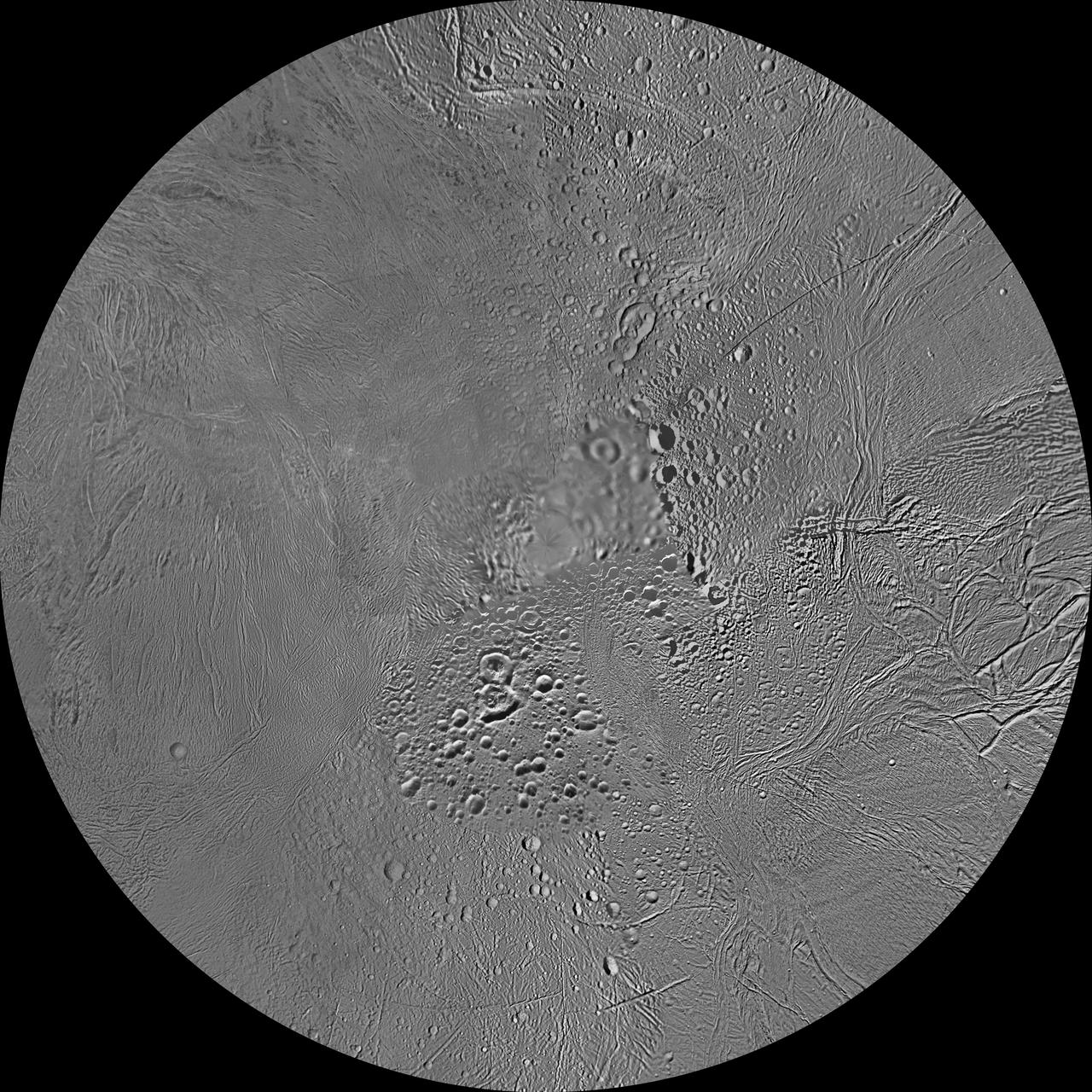
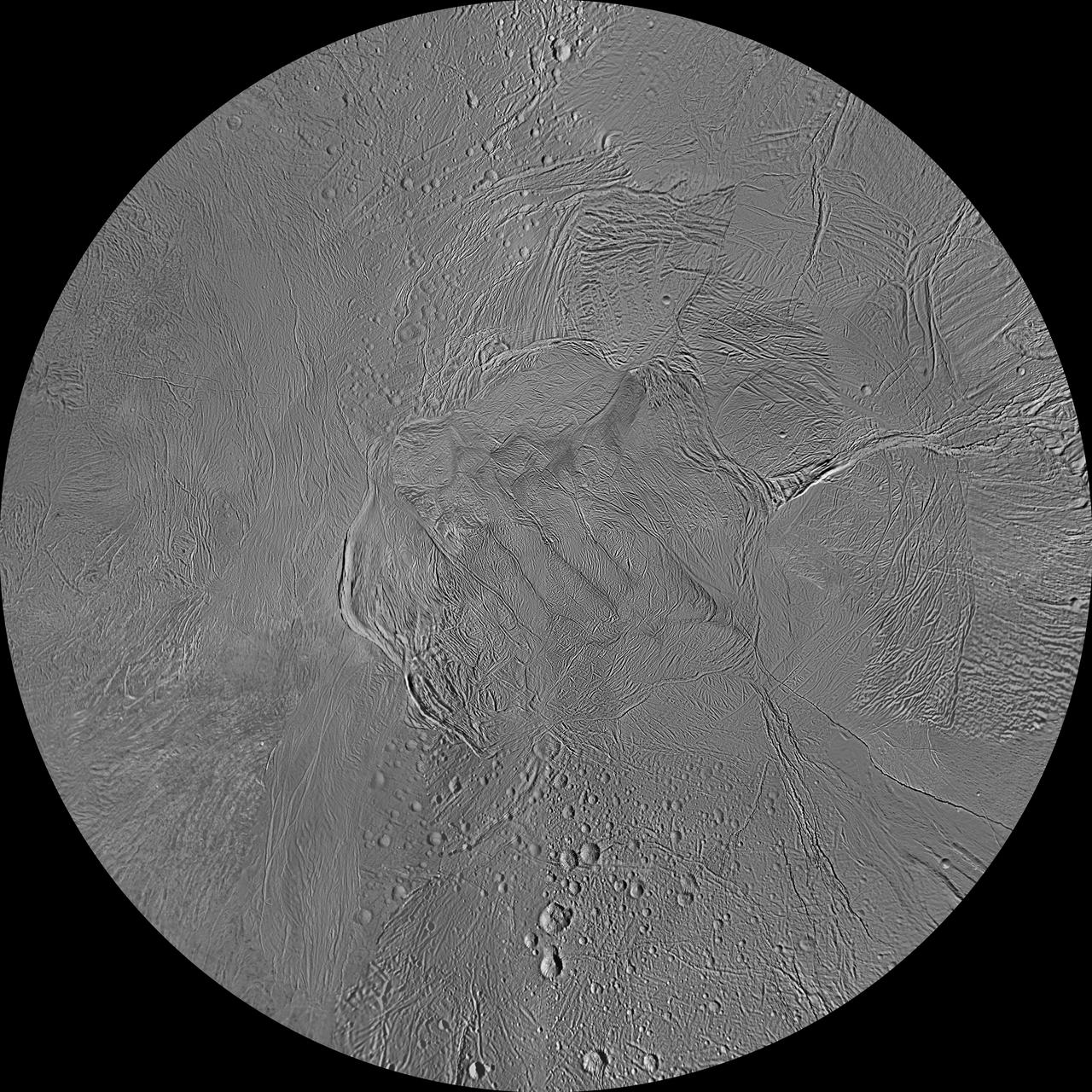
The northern and southern hemispheres of Enceladus are seen in these polar stereographic maps, mosaicked from the best-available NASA Cassini clear-filter images.

The northern hemisphere of Saturn moon Tethys is seen in this updated polar stereographic map, mosaicked from the best-available images obtained by NASA Cassini spacecraft.

The southern hemisphere of Saturn moon Mimas is seen in these polar stereographic maps, mosaicked from the best-available NASA Cassini and Voyager images.
The sun descends to the Martian horizon and sets in this image from the panoramic camera Pancam on NASA Mars Exploration Rover Opportunity. A movie is available at the Photojournal.

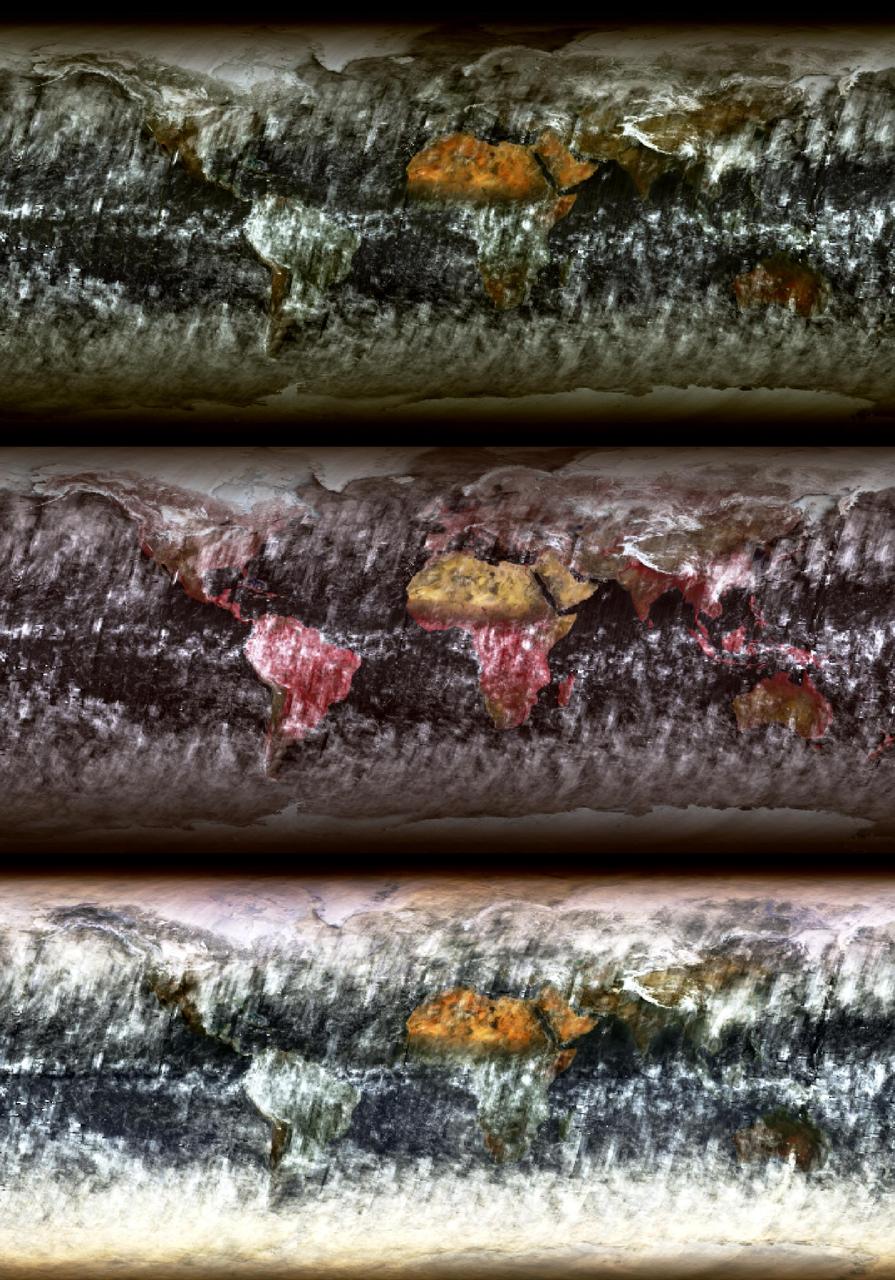
As of July 31, 2002, global multi-angle, multi-spectral radiance products were made available from the MISR instrument aboard NASA Terra satellite.

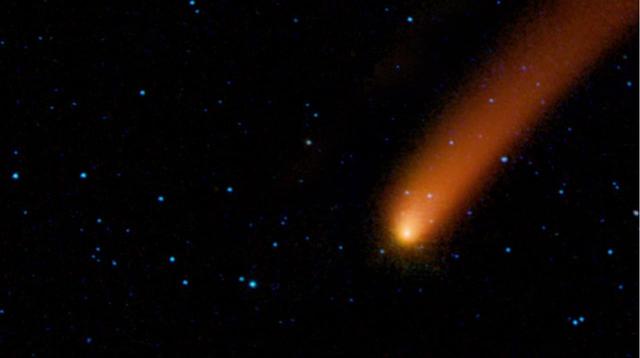
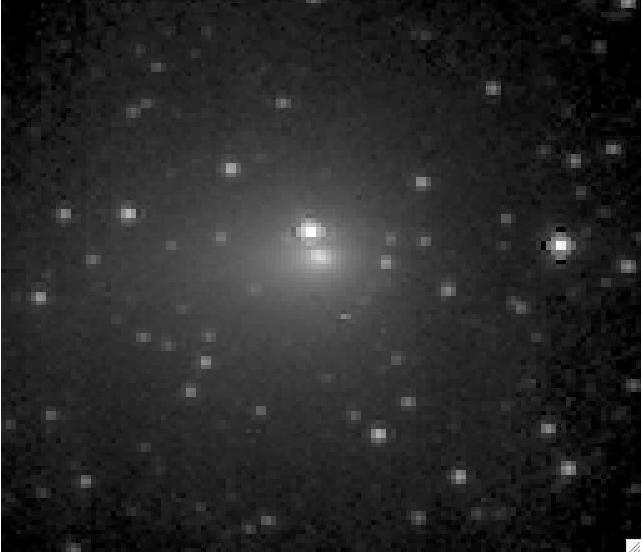
Is it a bird, or a plane? No, it comet Siding Spring streaking across the sky, as seen by NASA Wide-field Infrared Survey Explorer, or WISE. An animation is available at the Photojournal.

The southern hemisphere of Saturn moon Tethys is seen in this updated polar stereographic maps, mosaicked from the best-available images obtained by NASA Cassini spacecraft.

The northern and southern hemispheres of Enceladus are seen in these polar stereographic maps, mosaicked from the best-available NASA Cassini clear-filter images.

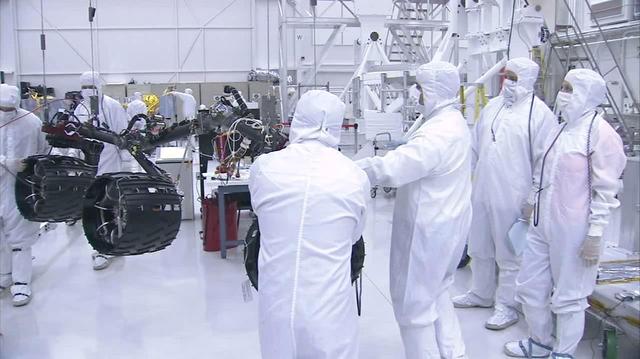
In this image taken from a video clip, NASA Curiosity rover wheels are shown hoisted on a pink crane and moving closer to the rover body. Video is available at the Photojournal.

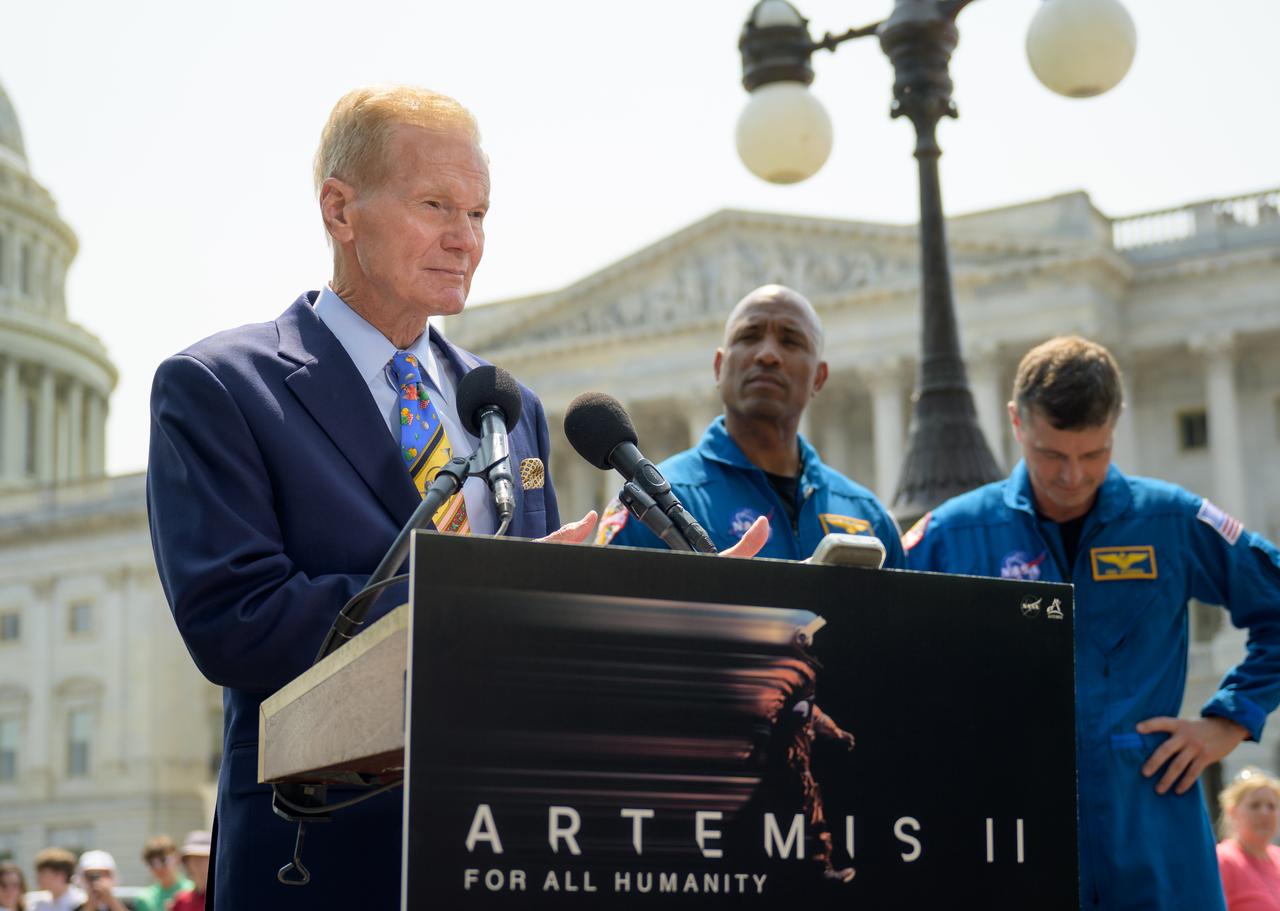
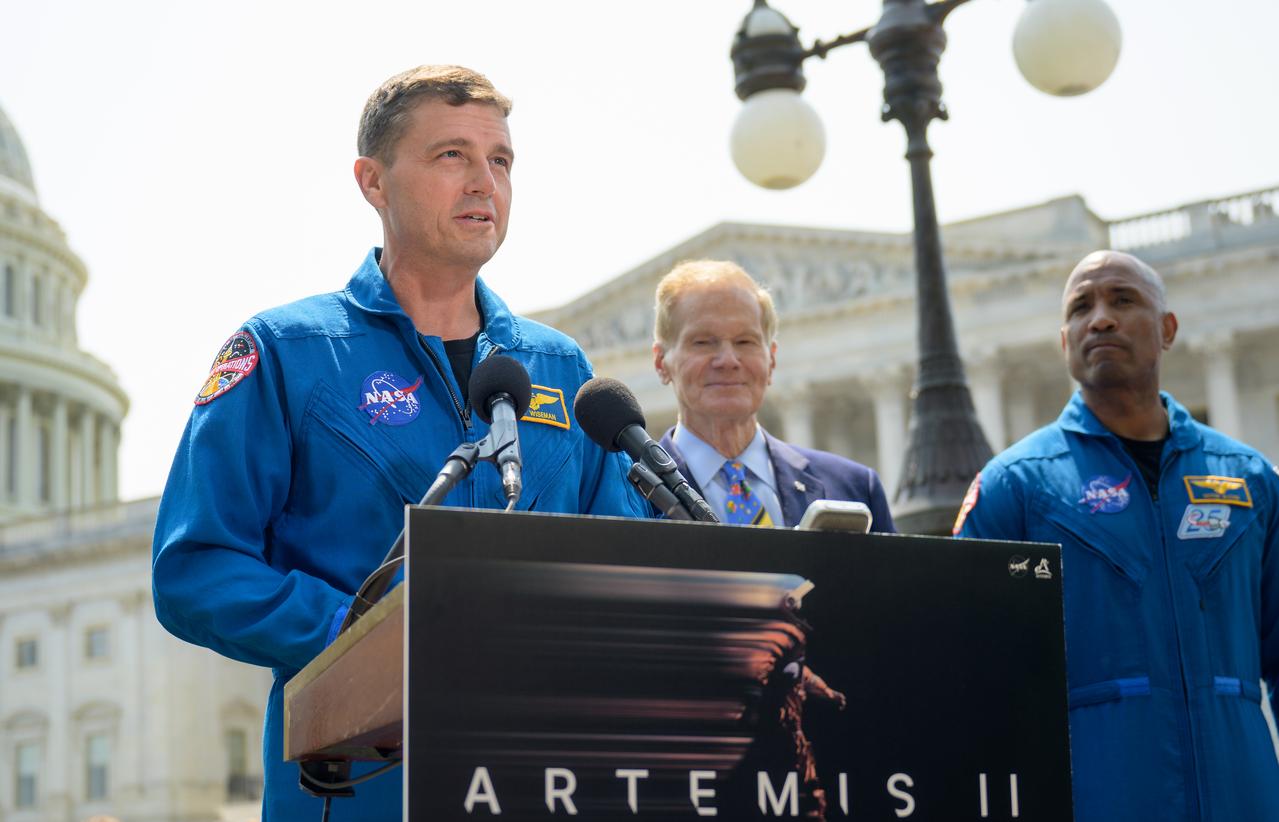
NASA Administrator Bill Nelson gives remarks as NASA astronauts Victor Glover and Reid Wiseman look on, during a media gather, Thursday, May 18, 2023, on Capitol Hill grounds in Washington. NASA astronauts Reid Wiseman, Victor Glover, Christina Hammock Koch, and CSA (Canadian Space Agency) astronaut Jeremy Hansen, who will fly around the Moon on NASA’s Artemis II flight test, visited Washington to discuss their upcoming mission with members of Congress and others. Photo Credit: (NASA/Bill Ingalls)

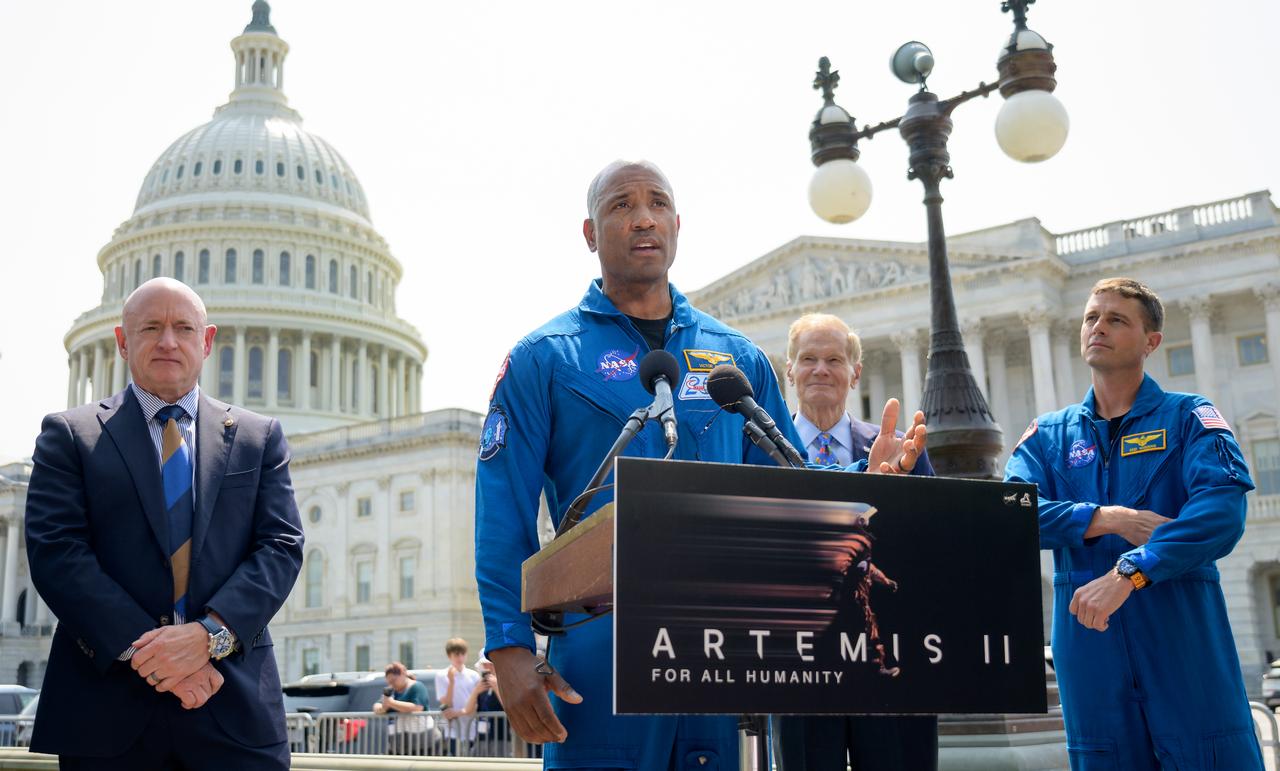
NASA astronaut Victor Glover gives remarks during a media gather as Sen. Mark Kelly, D-Ariz., left, NASA Administrator Bill Nelson, and NASA astronaut Reid Wiseman look on, Thursday, May 18, 2023, on Capitol Hill grounds in Washington. NASA astronauts Reid Wiseman, Victor Glover, Christina Hammock Koch, and CSA (Canadian Space Agency) astronaut Jeremy Hansen who will fly around the Moon on NASA’s Artemis II flight test visited Washington to discuss their upcoming mission with members of Congress and others. Photo Credit: (NASA/Bill Ingalls)
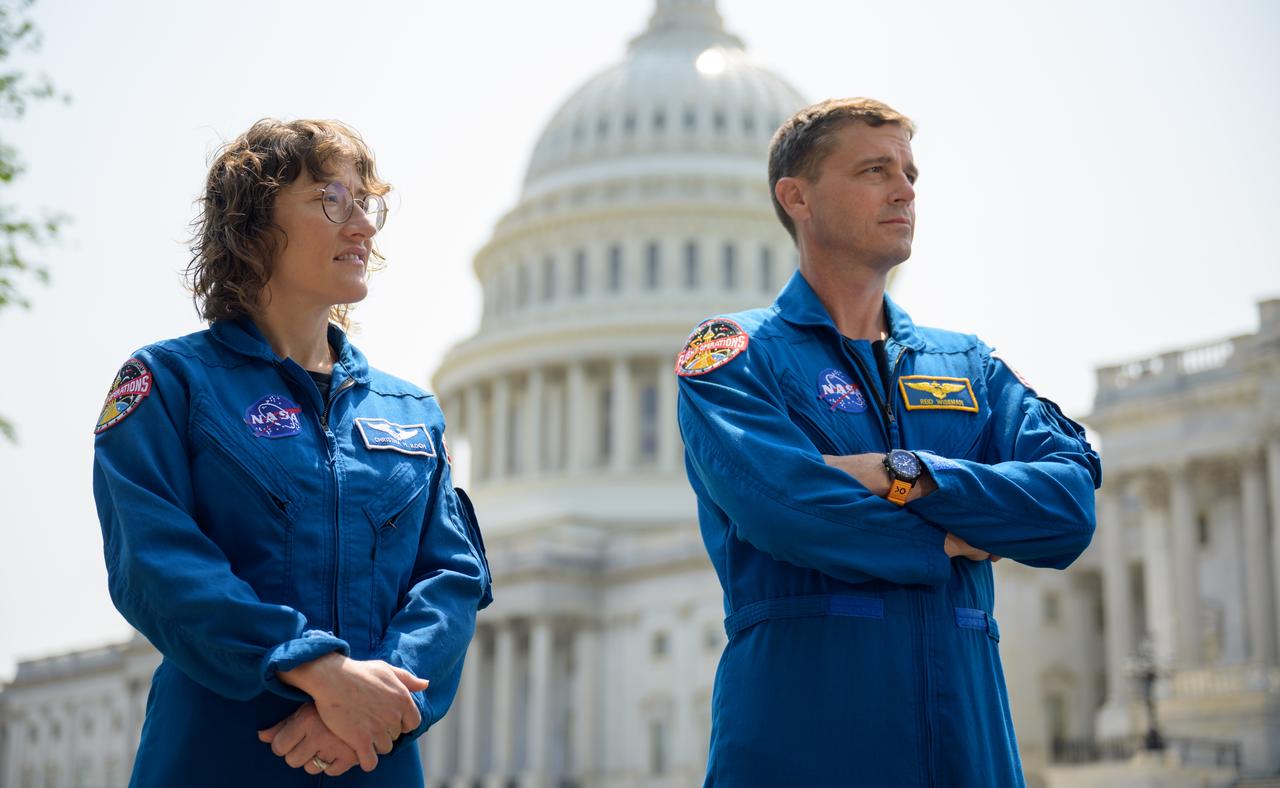
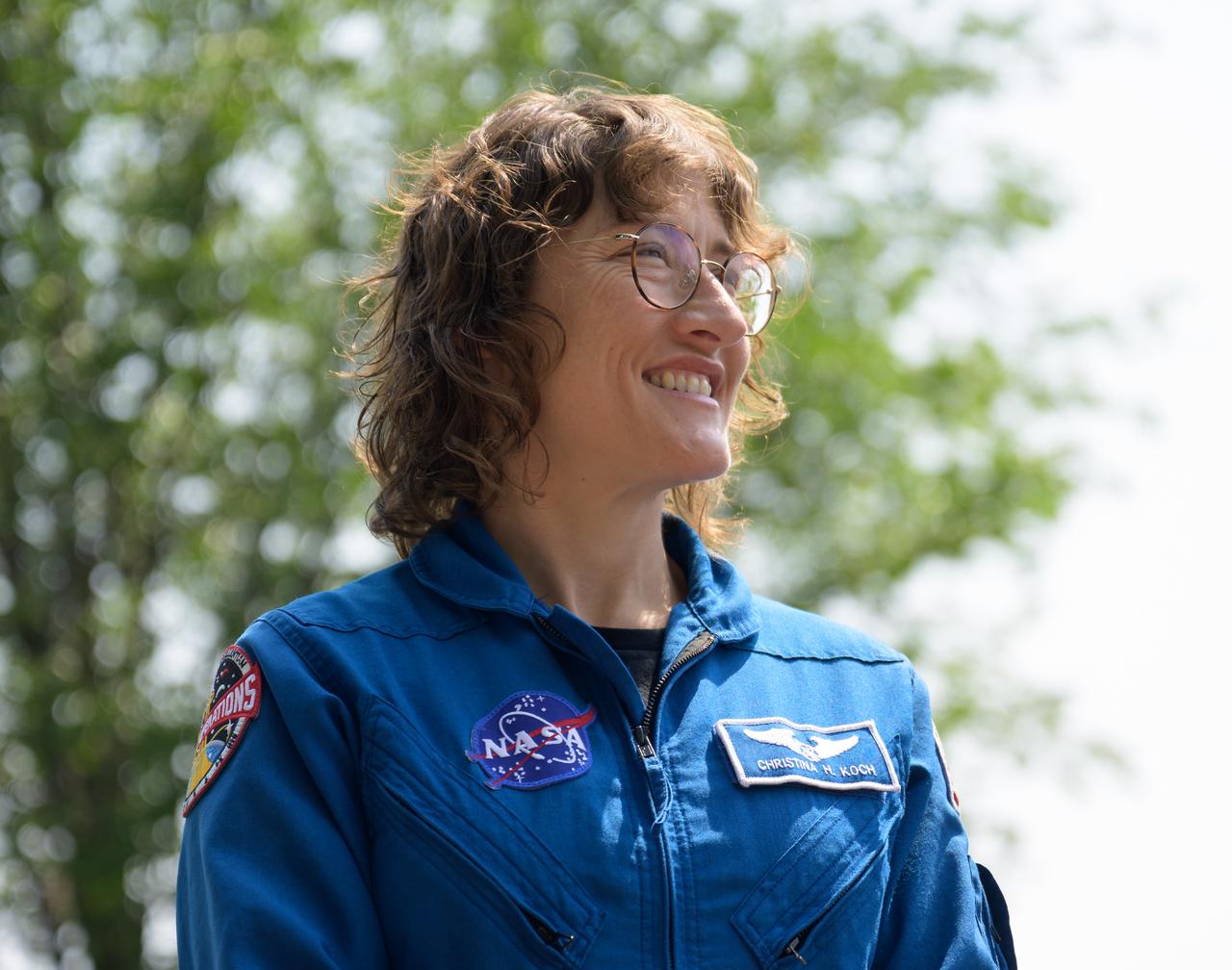
NASA Astronaut Christina Hammock Koch is seen during a media gather, Thursday, May 18, 2023, on Capitol Hill grounds in Washington. NASA astronauts Reid Wiseman, Victor Glover, Christina Hammock Koch, and CSA (Canadian Space Agency) astronaut Jeremy Hansen, who will fly around the Moon on NASA’s Artemis II flight test, visited Washington to discuss their upcoming mission with members of Congress and others. Photo Credit: (NASA/Bill Ingalls)
Sen. Mark Kelly, D-Ariz., gives remarks during a media gather, Thursday, May 18, 2023, on Capitol Hill grounds in Washington. NASA astronauts Reid Wiseman, Victor Glover, Christina Hammock Koch, and CSA (Canadian Space Agency) astronaut Jeremy Hansen, who will fly around the Moon on NASA’s Artemis II flight test, visited Washington to discuss their upcoming mission with members of Congress and others. Photo Credit: (NASA/Bill Ingalls)
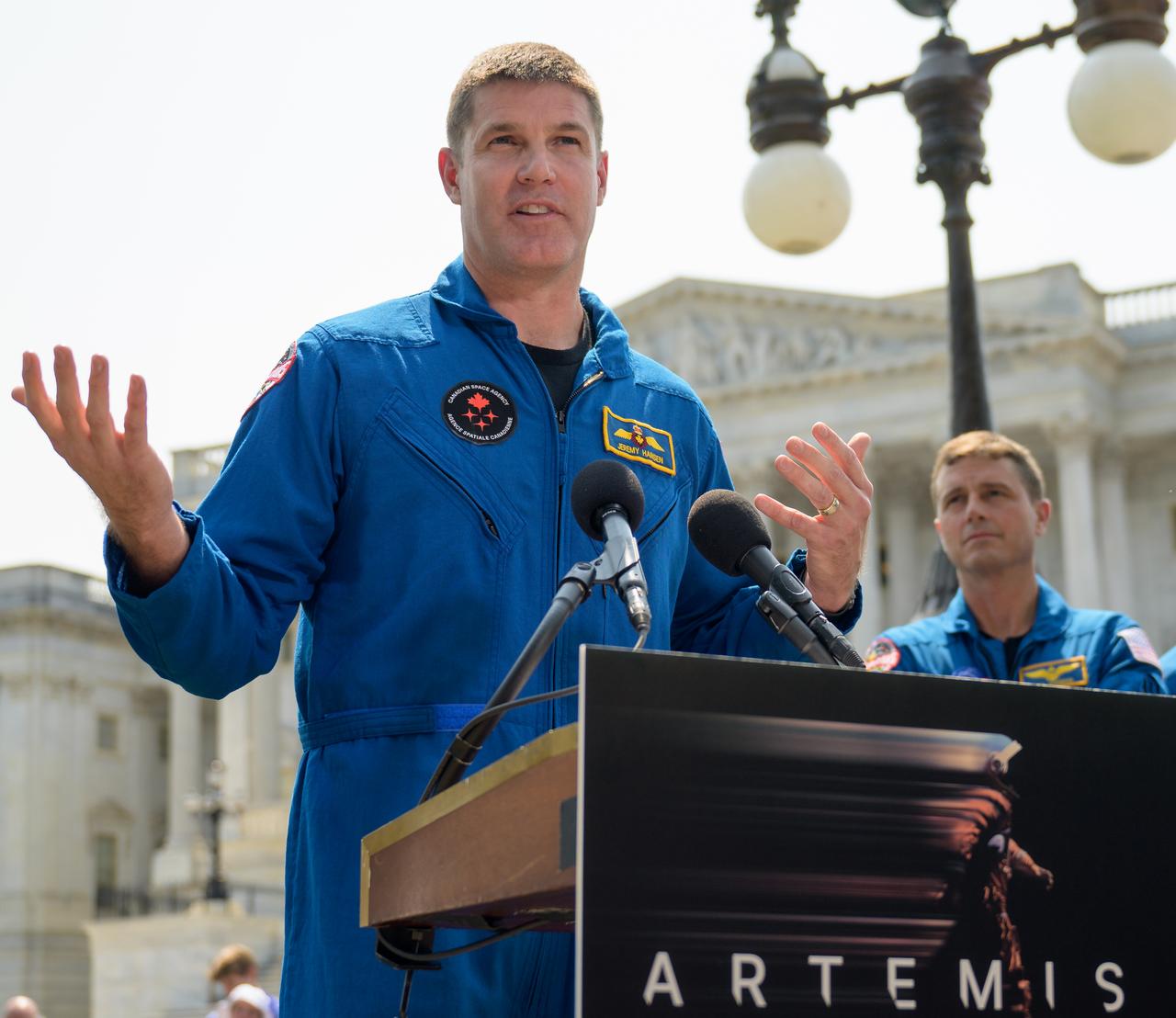
CSA (Canadian Space Agency) astronaut Jeremy Hansen gives remarks as NASA astronauts Reid Wiseman and Victor Glover look on, during a media gather, Thursday, May 18, 2023, on Capitol Hill grounds in Washington. NASA astronauts Reid Wiseman, Victor Glover, Christina Hammock Koch, and CSA (Canadian Space Agency) astronaut Jeremy Hansen, who will fly around the Moon on NASA’s Artemis II flight test, visited Washington to discuss their upcoming mission with members of Congress and others. Photo Credit: (NASA/Bill Ingalls)
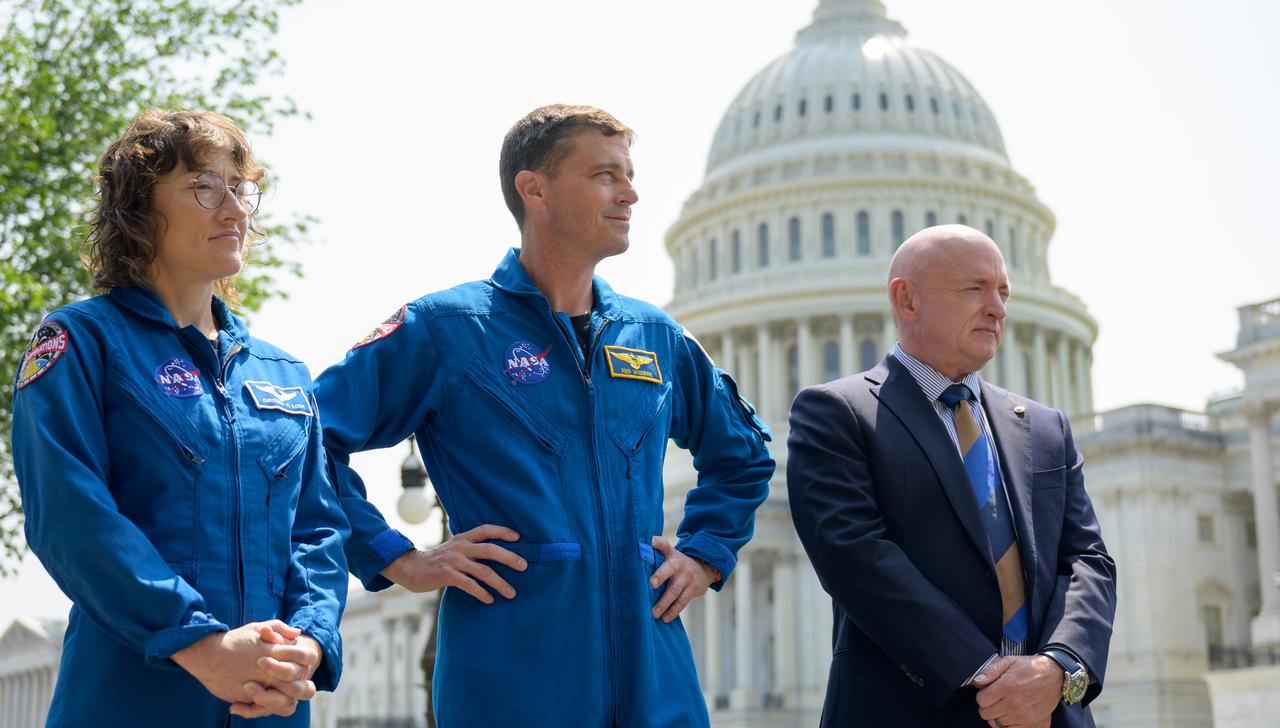
NASA astronauts Christina Hammock Koch, left, Reid Wiseman, and Sen. Mark Kelly, D-Ariz., are seen during a media gather, Thursday, May 18, 2023, on Capitol Hill grounds, in Washington. Wiseman, Hammock Koch, along with NASA astronaut Victor Glover, and CSA (Canadian Space Agency) astronaut Jeremy Hansen, who will fly around the Moon on NASA’s Artemis II flight test, visited Washington to discuss their upcoming mission with members of Congress and others. Photo Credit: (NASA/Bill Ingalls)
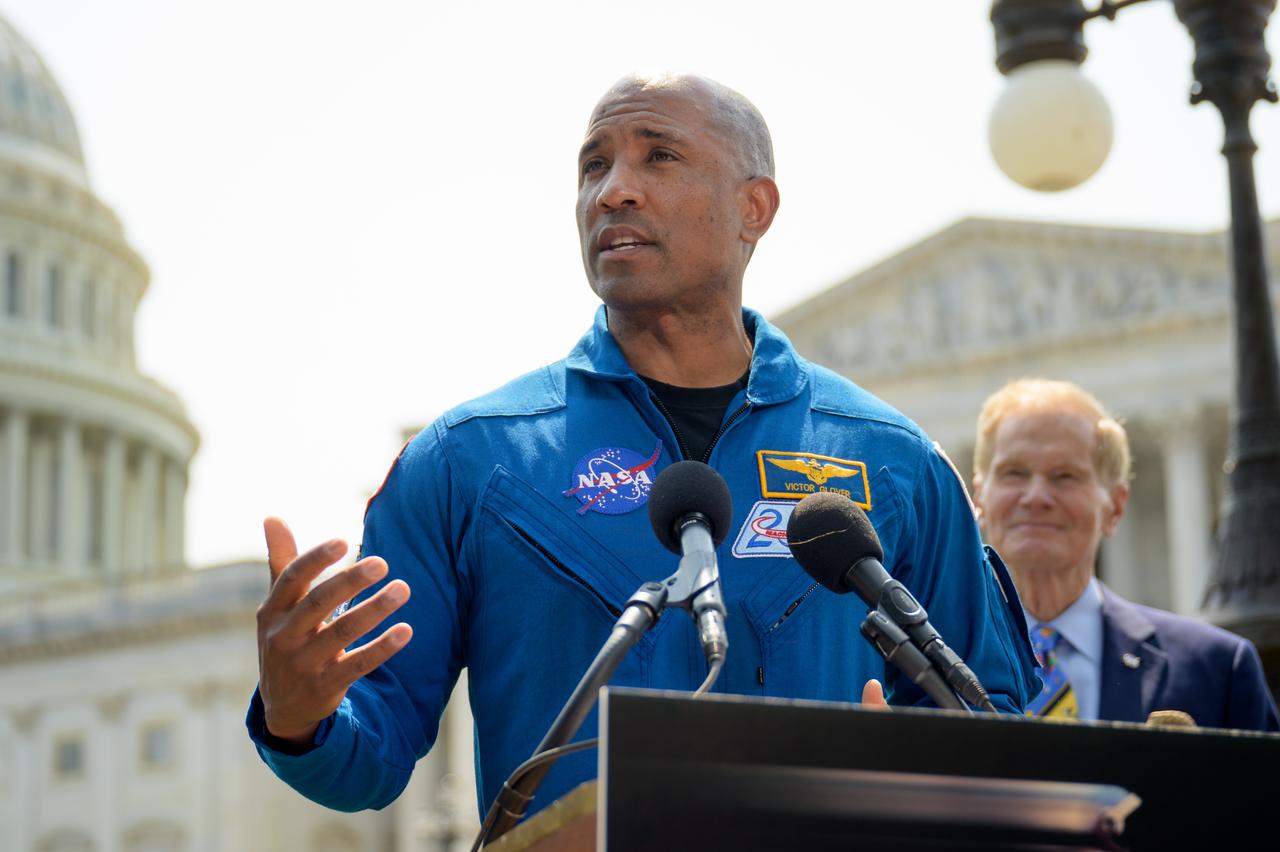
NASA astronaut Victor Glover gives remarks during a media gather as NASA Administrator Bill Nelson looks on, Thursday, May 18, 2023, on Capitol Hill grounds in Washington. NASA astronauts Reid Wiseman, Victor Glover, Christina Hammock Koch, and CSA (Canadian Space Agency) astronaut Jeremy Hansen who will fly around the Moon on NASA’s Artemis II flight test visited Washington to discuss their upcoming mission with members of Congress and others. Photo Credit: (NASA/Bill Ingalls)
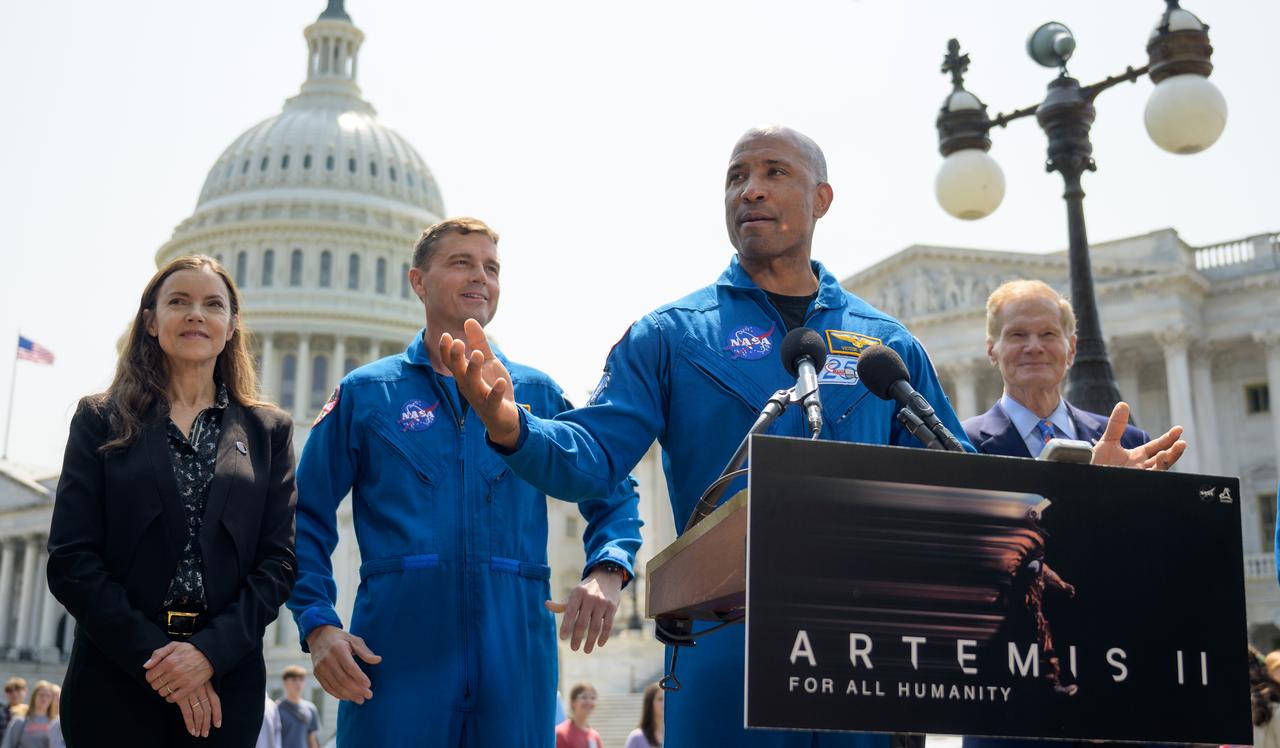
NASA astronaut Victor Glover speaks during a media gather, as CSA (Canadian Space Agency) President Lisa Campbell, left, NASA astronaut Reid Wiseman, and NASA Administrator Bill Nelson, right, look on, Thursday, May 18, 2023, on Capitol Hill grounds in Washington. NASA astronauts Reid Wiseman, Victor Glover, Christina Hammock Koch, and CSA (Canadian Space Agency) astronaut Jeremy Hansen, who will fly around the Moon on NASA’s Artemis II flight test, visited Washington to discuss their upcoming mission with members of Congress and others. Photo Credit: (NASA/Bill Ingalls)
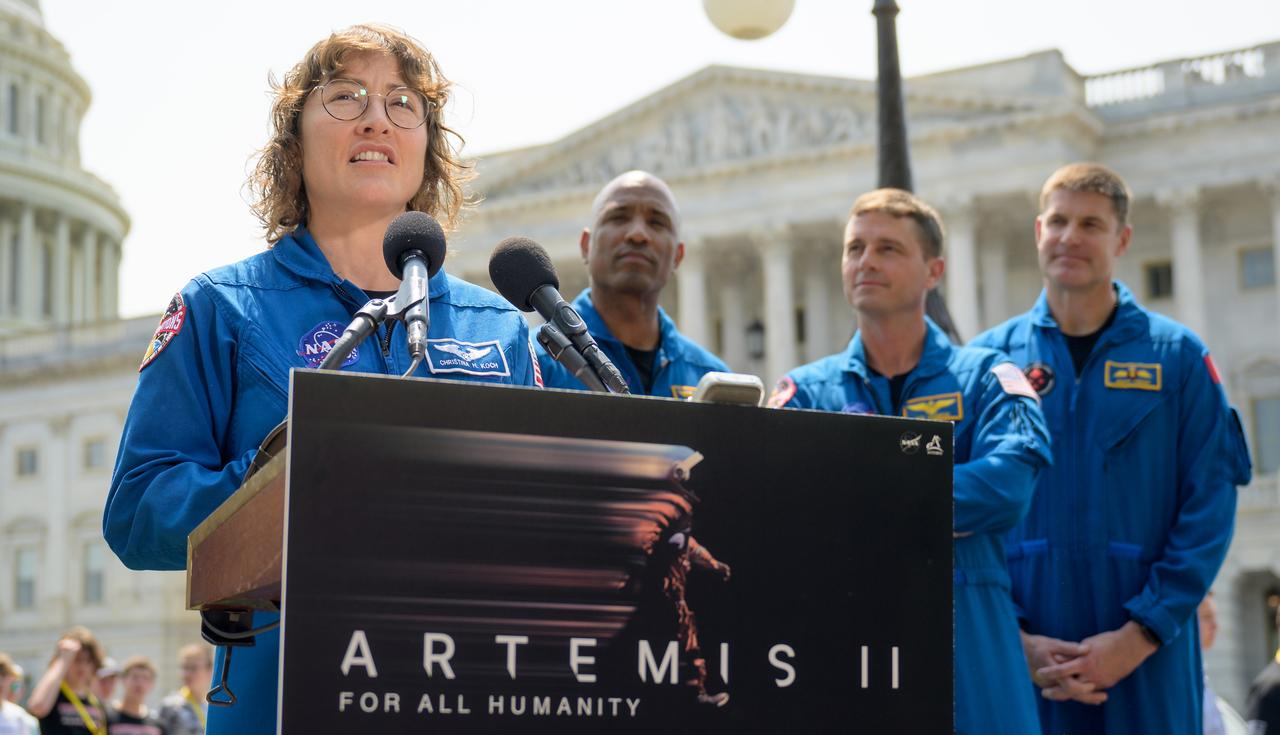
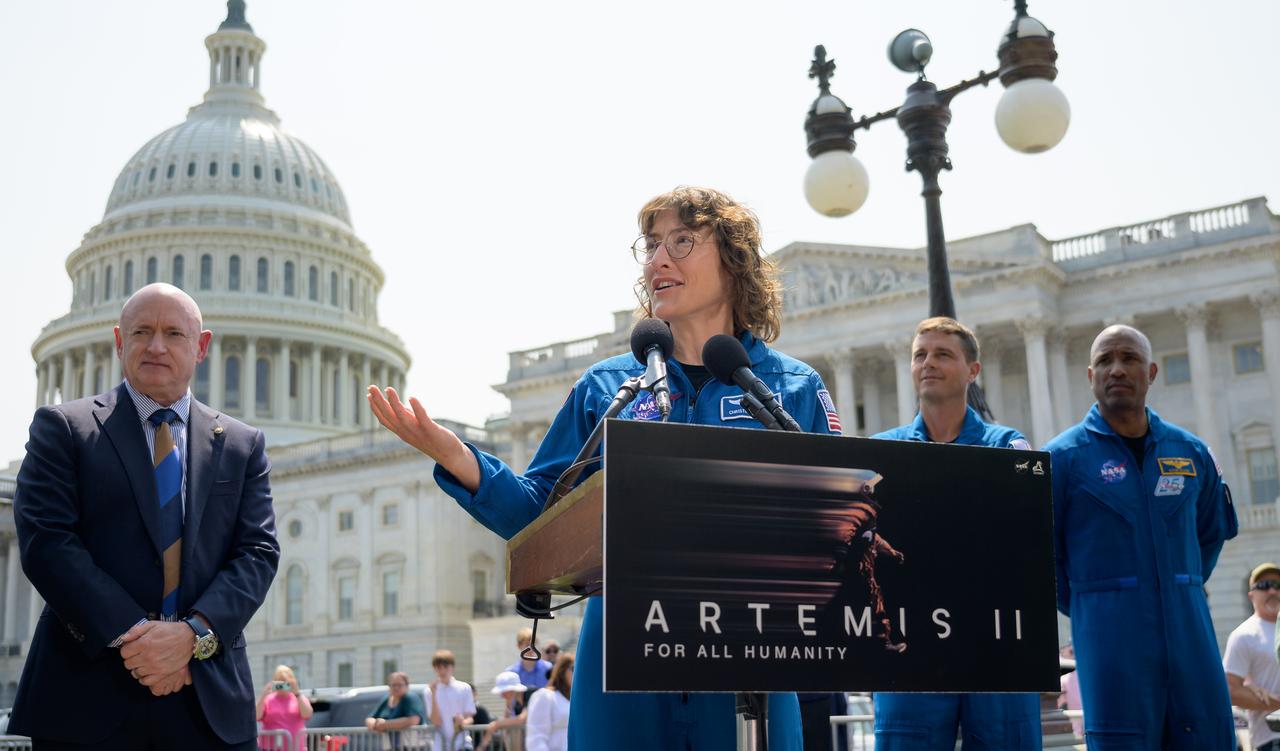
NASA astronaut Christina Hammock Koch gives remarks during a media gather as Sen. Mark Kelly, D-Ariz., left, and NASA astronauts Reid Wiseman and Victor Glover look on, Thursday, May 18, 2023, on Capitol Hill grounds in Washington. NASA astronauts Reid Wiseman, Victor Glover, Christina Hammock Koch, and CSA (Canadian Space Agency) astronaut Jeremy Hansen who will fly around the Moon on NASA’s Artemis II flight test visited Washington to discuss their upcoming mission with members of Congress and others. Photo Credit: (NASA/Bill Ingalls)
NASA astronaut Reid Wiseman speaks during a media gather, Thursday, May 18, 2023, on Capitol Hill grounds in Washington. NASA astronauts Reid Wiseman, Victor Glover, Christina Hammock Koch, and CSA (Canadian Space Agency) astronaut Jeremy Hansen, who will fly around the Moon on NASA’s Artemis II flight test, visited Washington to discuss their upcoming mission with members of Congress and others. Photo Credit: (NASA/Bill Ingalls)
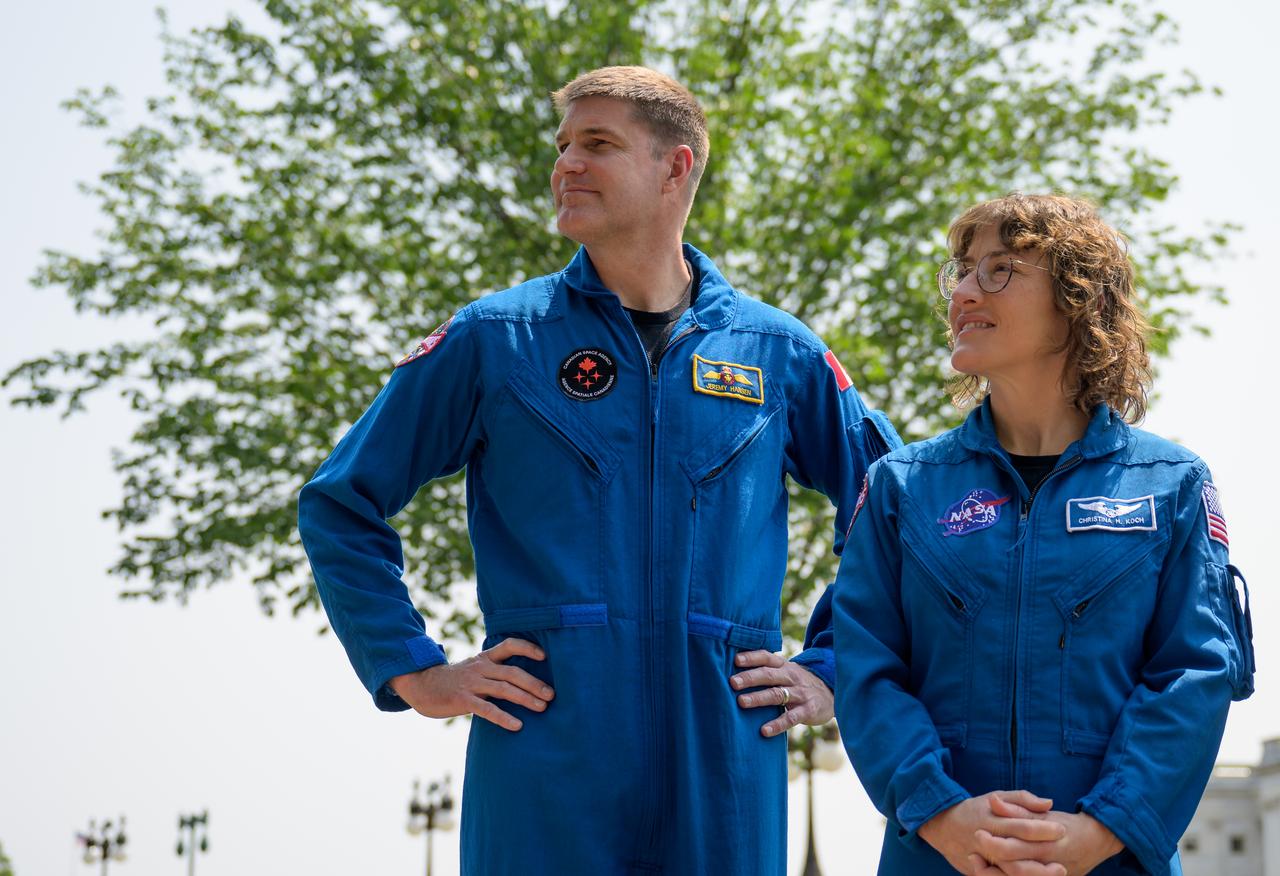
CSA (Canadian Space Agency) astronaut Jeremy Hansen, left, and NASA Astronaut Christina Hammock Koch are seen during a media gather, Thursday, May 18, 2023, on Capitol Hill grounds in Washington. NASA astronauts Reid Wiseman, Victor Glover, Christina Hammock Koch, and CSA (Canadian Space Agency) astronaut Jeremy Hansen, who will fly around the Moon on NASA’s Artemis II flight test, visited Washington to discuss their upcoming mission with members of Congress and others. Photo Credit: (NASA/Bill Ingalls)
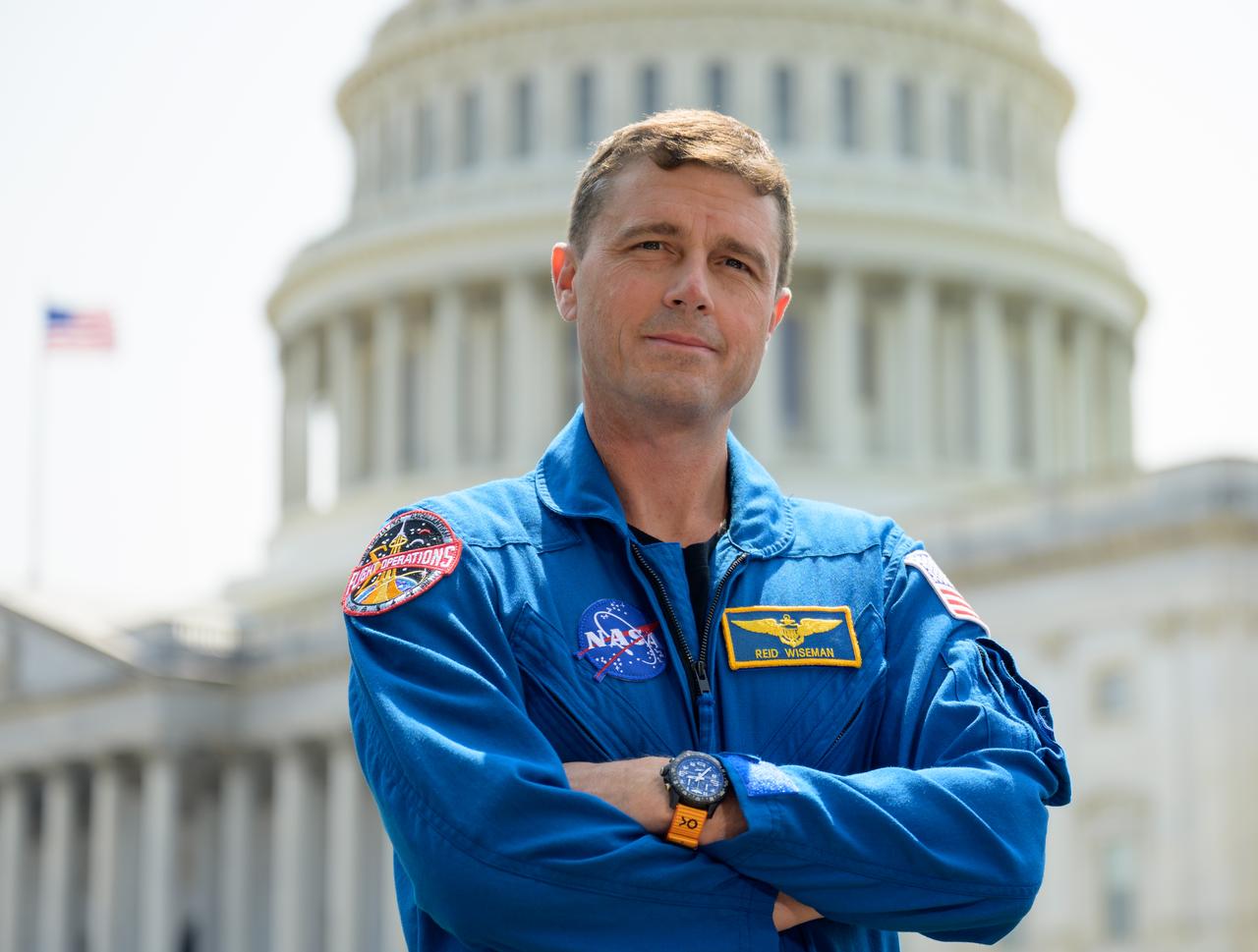
NASA astronaut Reid Wiseman is seen during a media gather, Thursday, May 18, 2023, on Capitol Hill grounds in Washington. Wiseman, along with NASA astronauts Victor Glover, Christina Hammock Koch, and CSA (Canadian Space Agency) astronaut Jeremy Hansen, who will fly around the Moon on NASA’s Artemis II flight test, visited Washington to discuss their upcoming mission with members of Congress and others. Photo Credit: (NASA/Bill Ingalls)
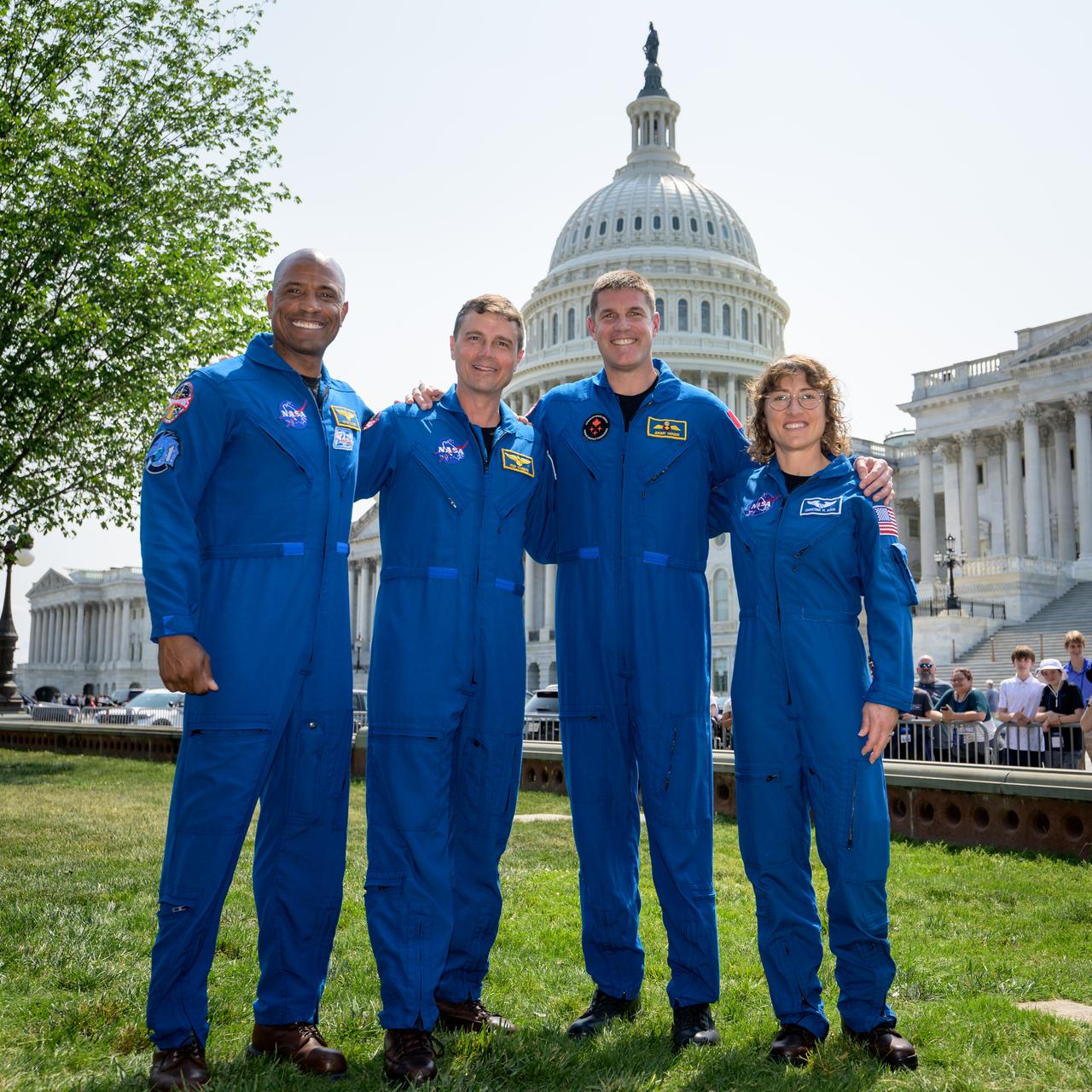
NASA astronauts , Victor Glover, Reid Wiseman, CSA (Canadian Space Agency) astronaut Jeremy Hansen, and NASA Astronaut Christina Hammock Koch pose for a photograph at t3eh conclusion of a media gather, Thursday, May 18, 2023, on Capitol Hill grounds in Washington. Wiseman, Glover, Hammock Koch, and Hansen, who will fly around the Moon on NASA’s Artemis II flight test, visited Washington to discuss their upcoming mission with members of Congress and others. Photo Credit: (NASA/Bill Ingalls)
NASA astronauts Christina Hammock Koch, left, and, Reid Wiseman are seen during a media gather, Thursday, May 18, 2023, on Capitol Hill grounds, in Washington. Wiseman, Hammock Koch, along with NASA astronaut Victor Glover, and CSA (Canadian Space Agency) astronaut Jeremy Hansen, who will fly around the Moon on NASA’s Artemis II flight test, visited Washington to discuss their upcoming mission with members of Congress and others. Photo Credit: (NASA/Bill Ingalls)
CSA (Canadian Space Agency) President Lisa Campbell gives remarks during a media gather, Thursday, May 18, 2023, on Capitol Hill grounds in Washington. NASA astronauts Reid Wiseman, Victor Glover, Christina Hammock Koch, and CSA (Canadian Space Agency) astronaut Jeremy Hansen, who will fly around the Moon on NASA’s Artemis II flight test, visited Washington to discuss their upcoming mission with members of Congress and others. Photo Credit: (NASA/Bill Ingalls)

NASA Astronaut Christina Hammock Koch speaks during a media gather as NASA astronauts Victor Glover and Reid Wiseman and CSA (Canadian Space Agency) astronaut Jeremy Hansen look on, Thursday, May 18, 2023, on Capitol Hill grounds in Washington. Wiseman, Glover, Hammock Koch, and Hansen, who will fly around the Moon on NASA’s Artemis II flight test, visited Washington to discuss their upcoming mission with members of Congress and others. Photo Credit: (NASA/Bill Ingalls)
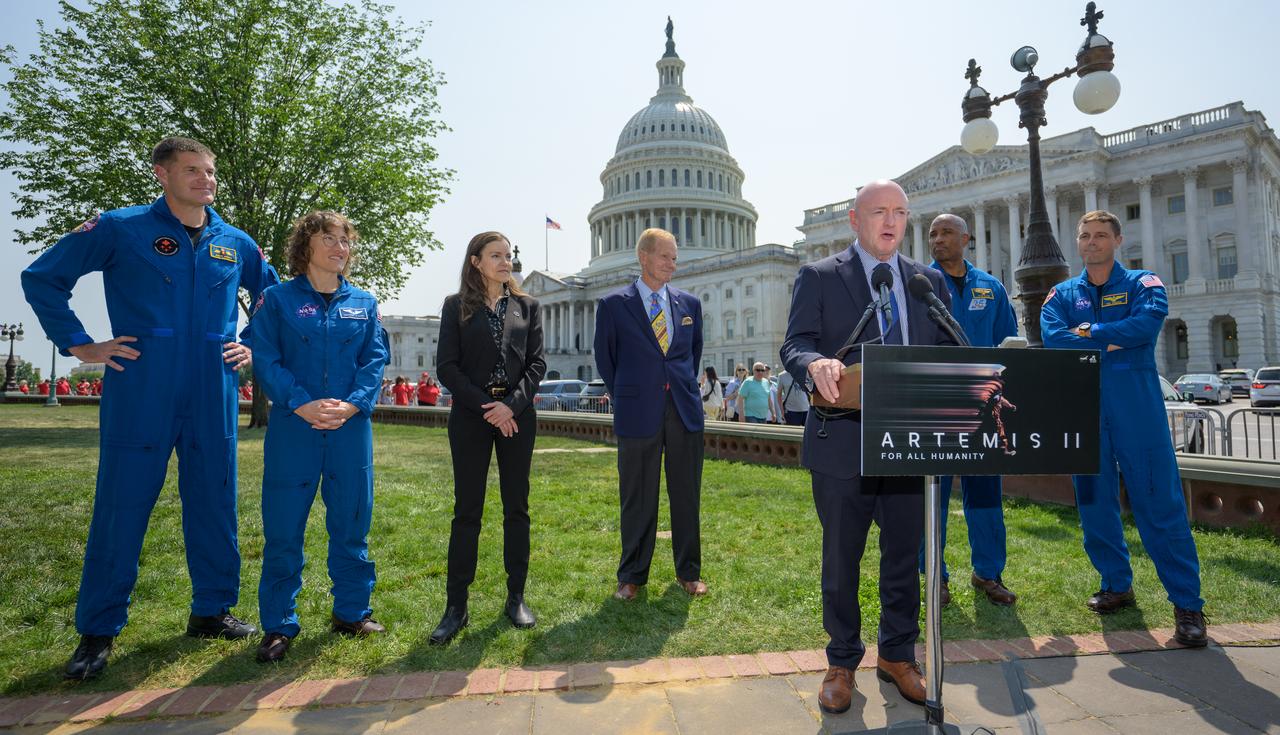
Sen. Mark Kelly, D-Ariz., gives remarks during a media gather as CSA (Canadian Space Agency) astronaut Jeremy Hansen, left, NASA Astronaut Christina Hammock Koch, CSA (Canadian Space Agency) President Lisa Campbell, NASA Administrator Bill Nelson, and NASA astronauts Victor Glover and Reid Wiseman, right, look on, Thursday, May 18, 2023, on Capitol Hill grounds in Washington. Wiseman, Glover, Hammock Koch, and Hansen, who will fly around the Moon on NASA’s Artemis II flight test, visited Washington to discuss their upcoming mission with members of Congress and others. Photo Credit: (NASA/Bill Ingalls)
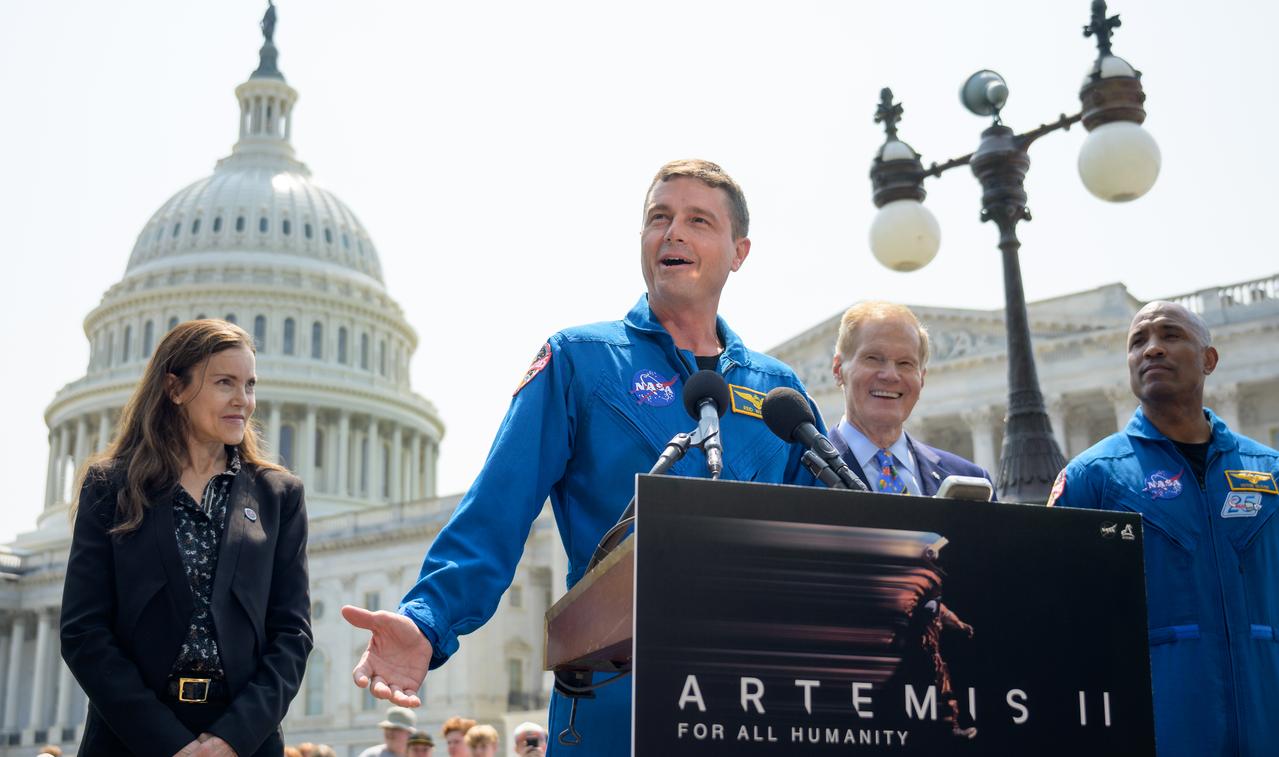
NASA astronaut Reid Wiseman speaks during a media gather, Thursday, May 18, 2023, on Capitol Hill grounds in Washington. NASA astronauts Reid Wiseman, Victor Glover, Christina Hammock Koch, and CSA (Canadian Space Agency) astronaut Jeremy Hansen, who will fly around the Moon on NASA’s Artemis II flight test, visited Washington to discuss their upcoming mission with members of Congress and others. Photo Credit: (NASA/Bill Ingalls)
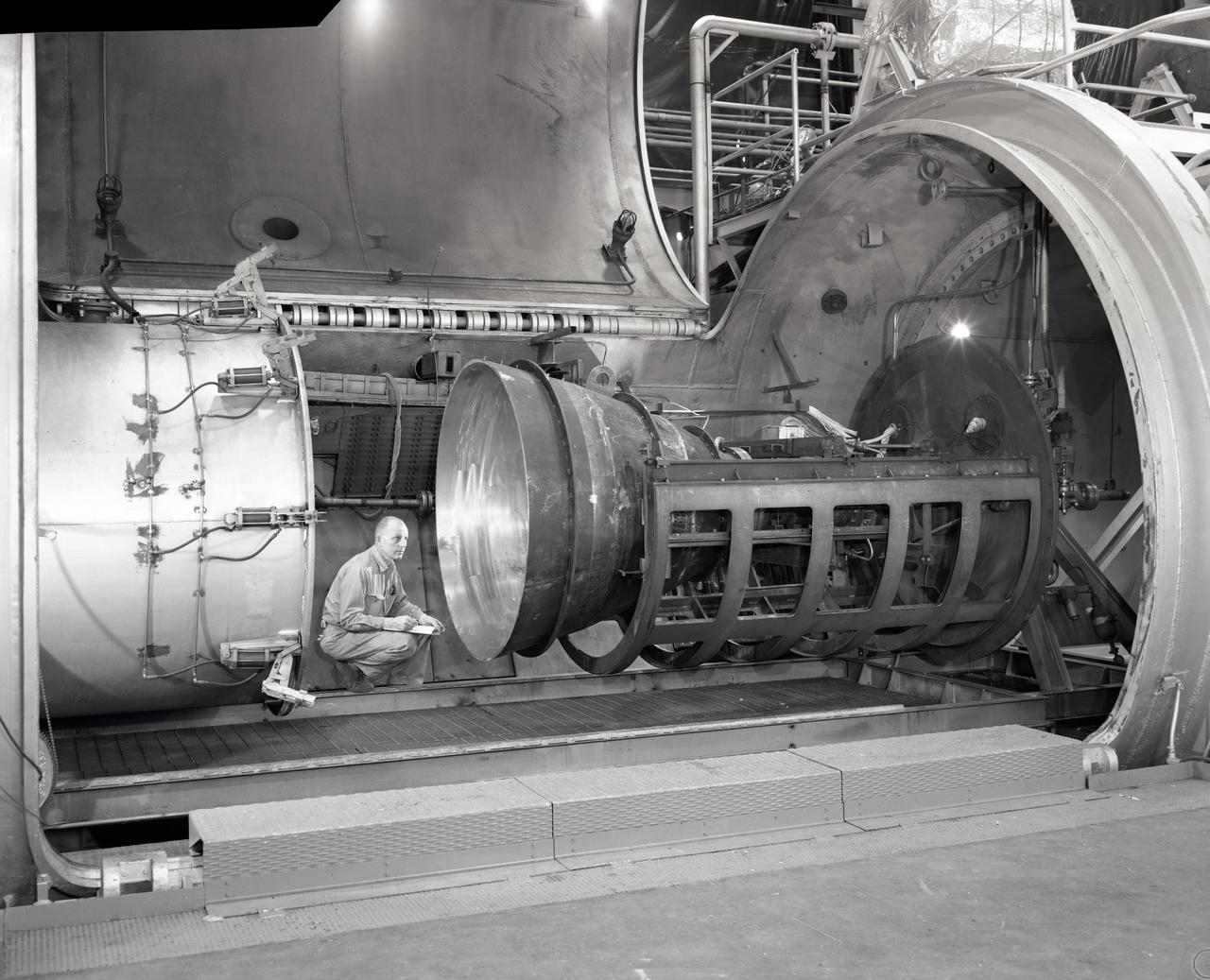
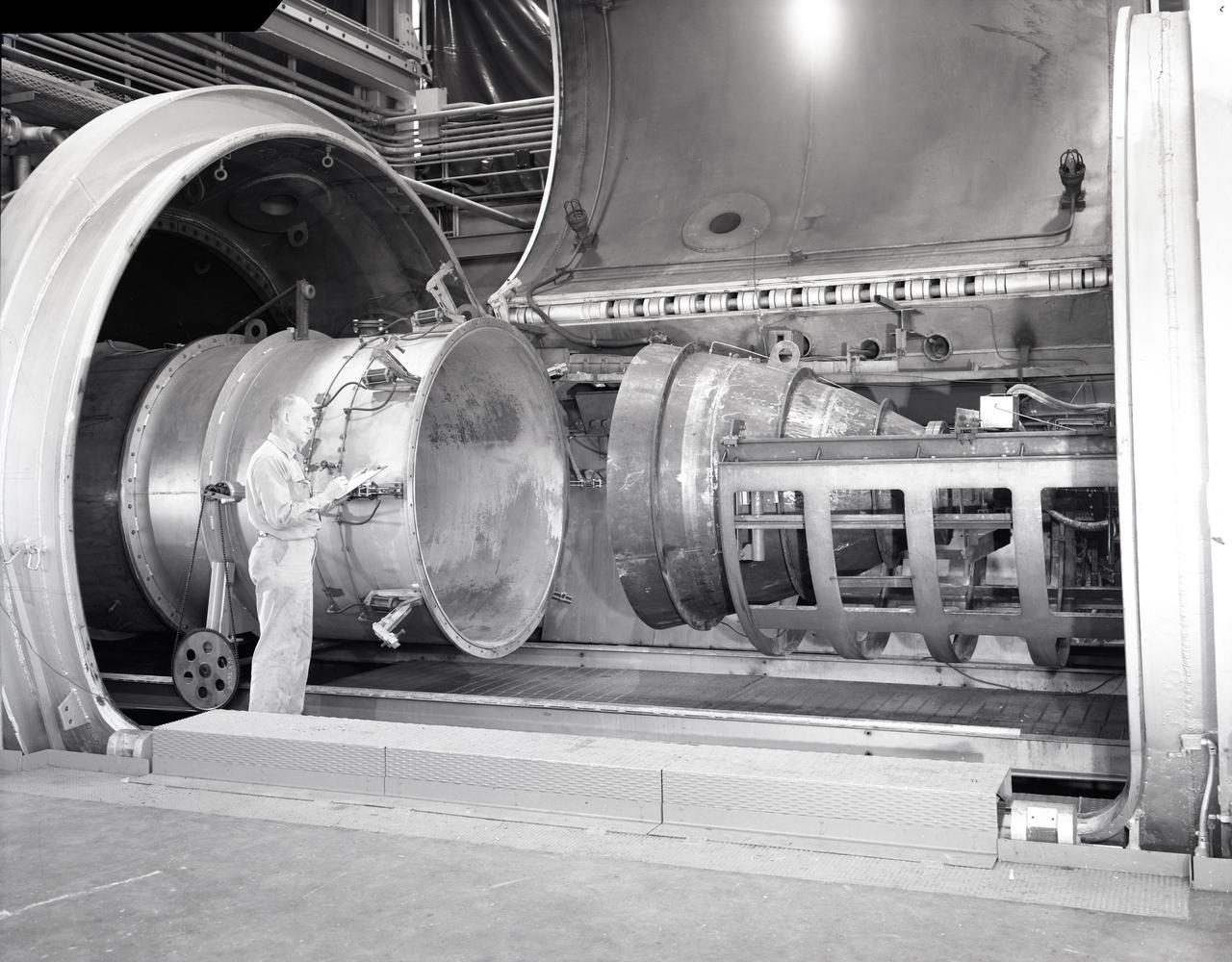
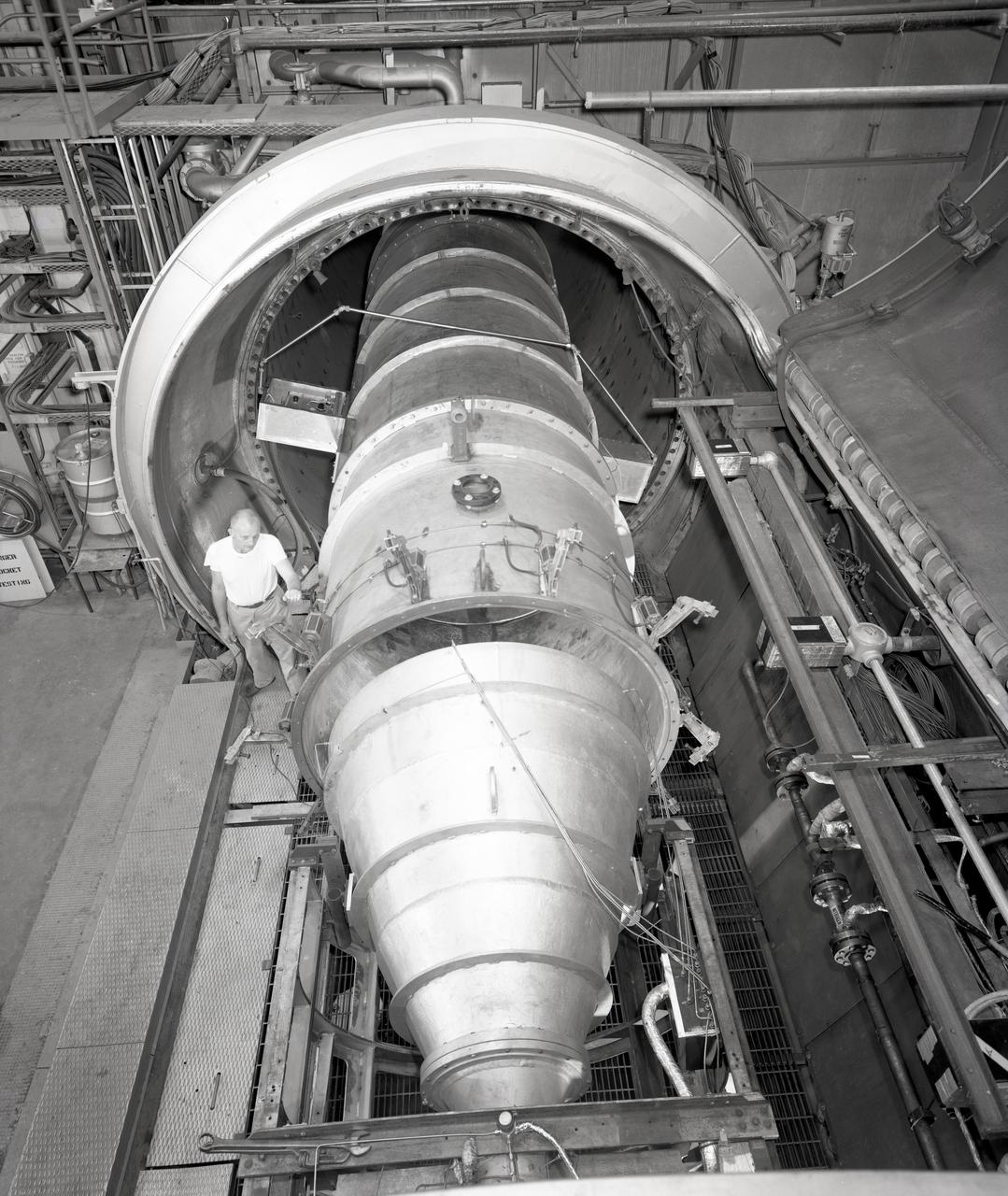
APOLLO CONTOUR ENGINE MOUNTED IN THE PROPULSION SYSTEMS LABORATORY PSL NO. 2 TEST CELL

APOLLO CONTOUR ENGINE MOUNTED IN THE PROPULSION SYSTEMS LABORATORY PSL NO. 2 TEST CELL

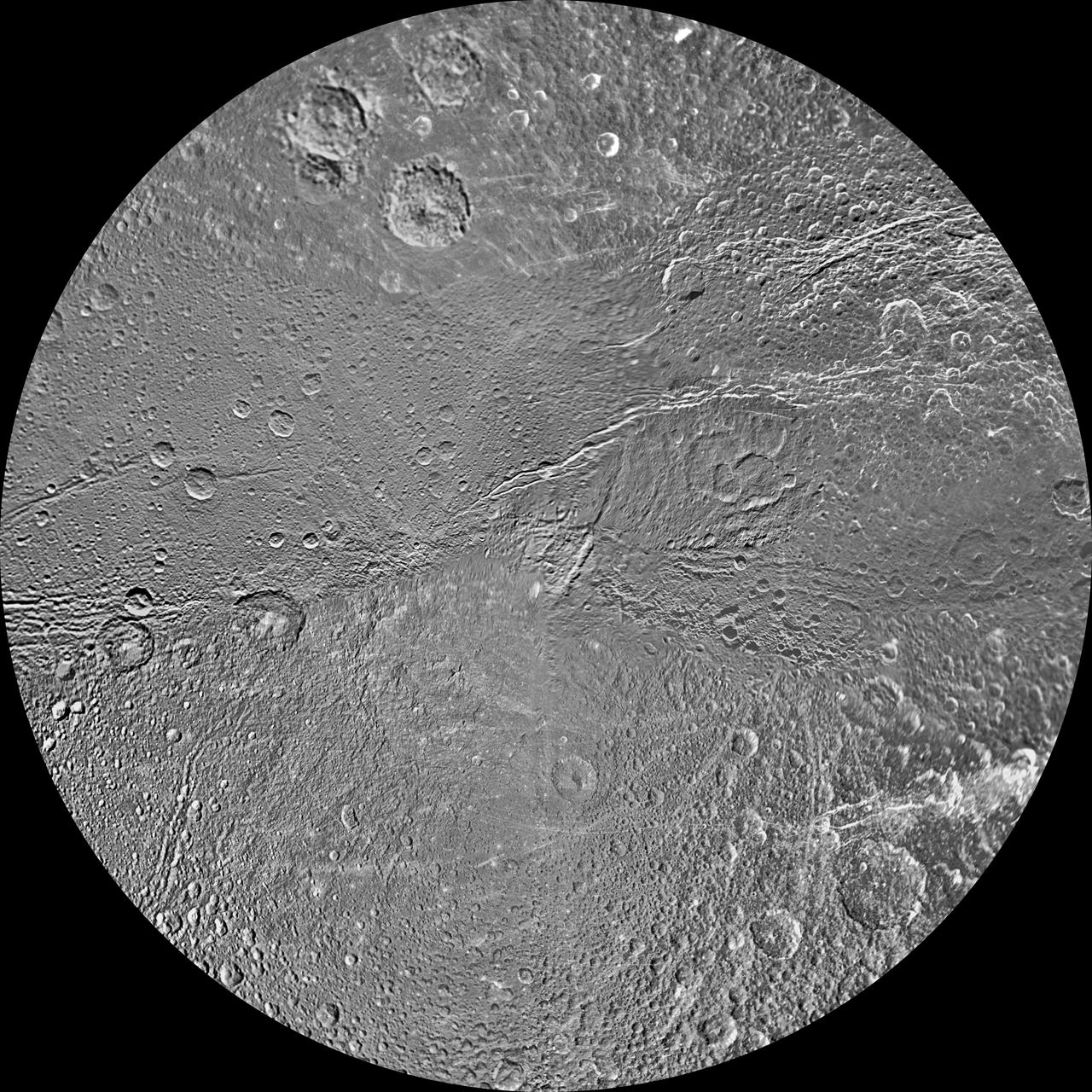
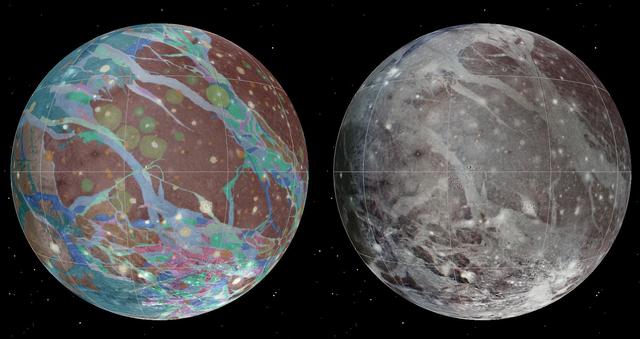
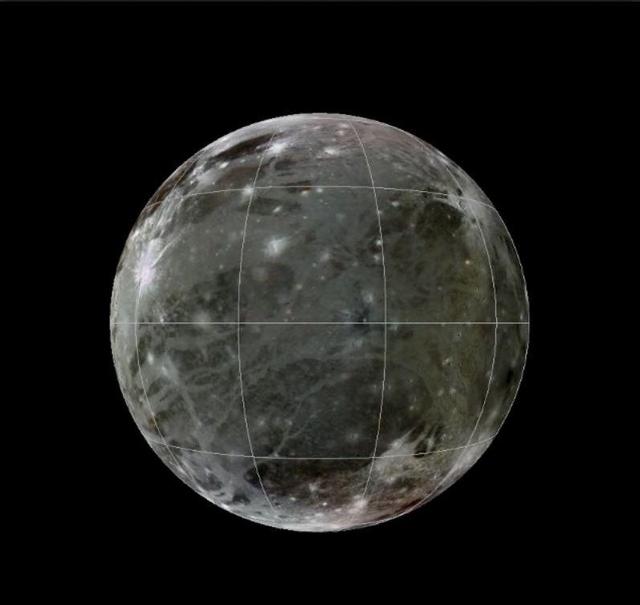
To present the best information in a single view of Jupiter moon Ganymede, a global image mosaic was assembled, incorporating the best available imagery from NASA Voyager 1 and 2 spacecraft and NASA Galileo spacecraft.

The northern and southern hemispheres of Rhea are seen in these polar stereographic maps, mosaicked from the best-available NASA Cassini and Voyager images. Six Voyager images fill in gaps in Cassini coverage of the moon north pole.

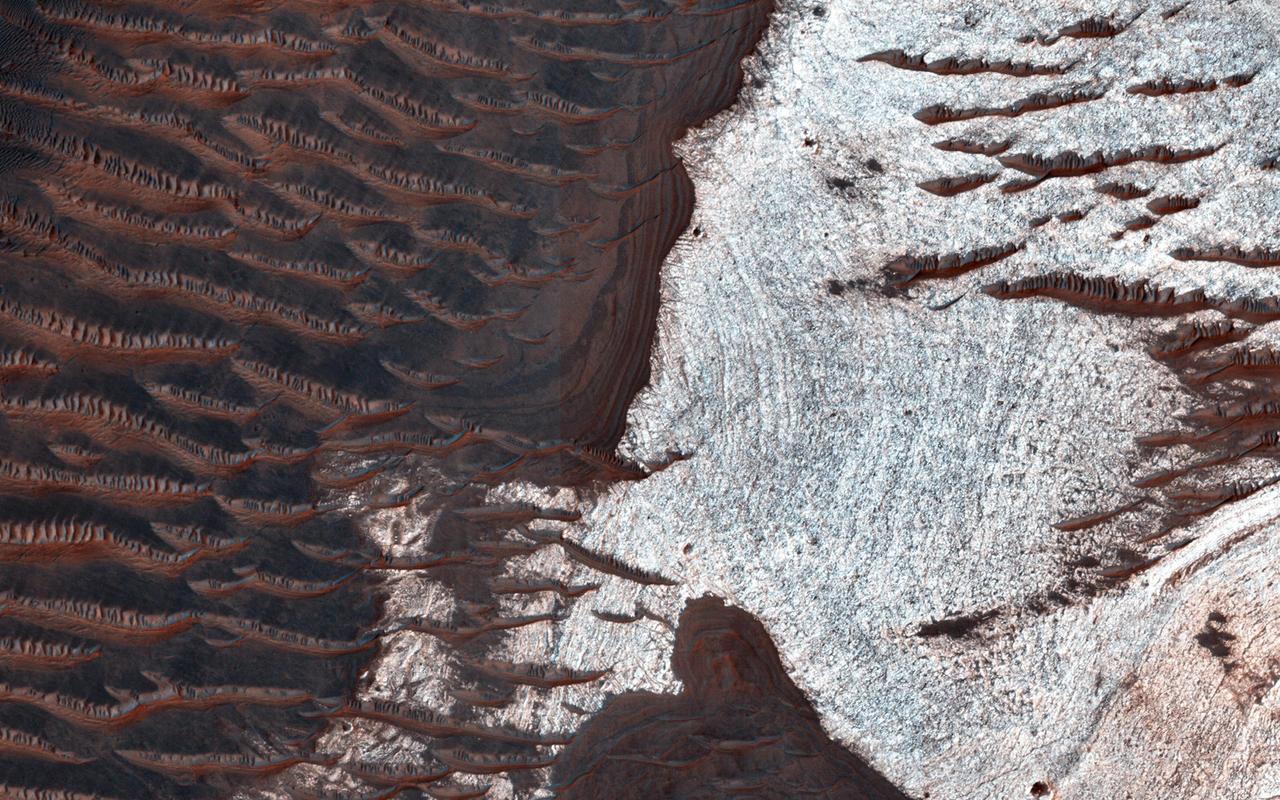
The dunes in this image from NASA Mars Odyssey spacecraft are part of the dune field that encircles a large portion of the northern pole. There is less sand available in this region of the dune field, resulting in individual dunes rather than the dense

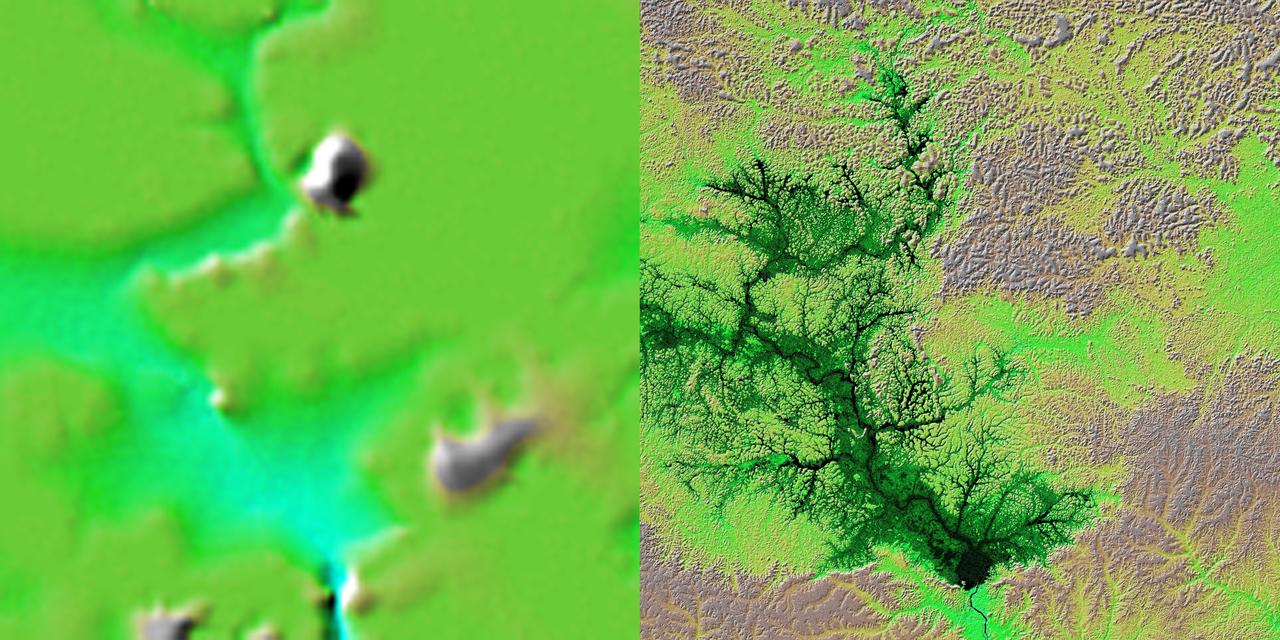
These two images show exactly the same area, Lake Balbina near Manaus, Brazil. The image on the left was created using the best global topographic data set previously available, the U.S. Geological Survey GTOPO30.

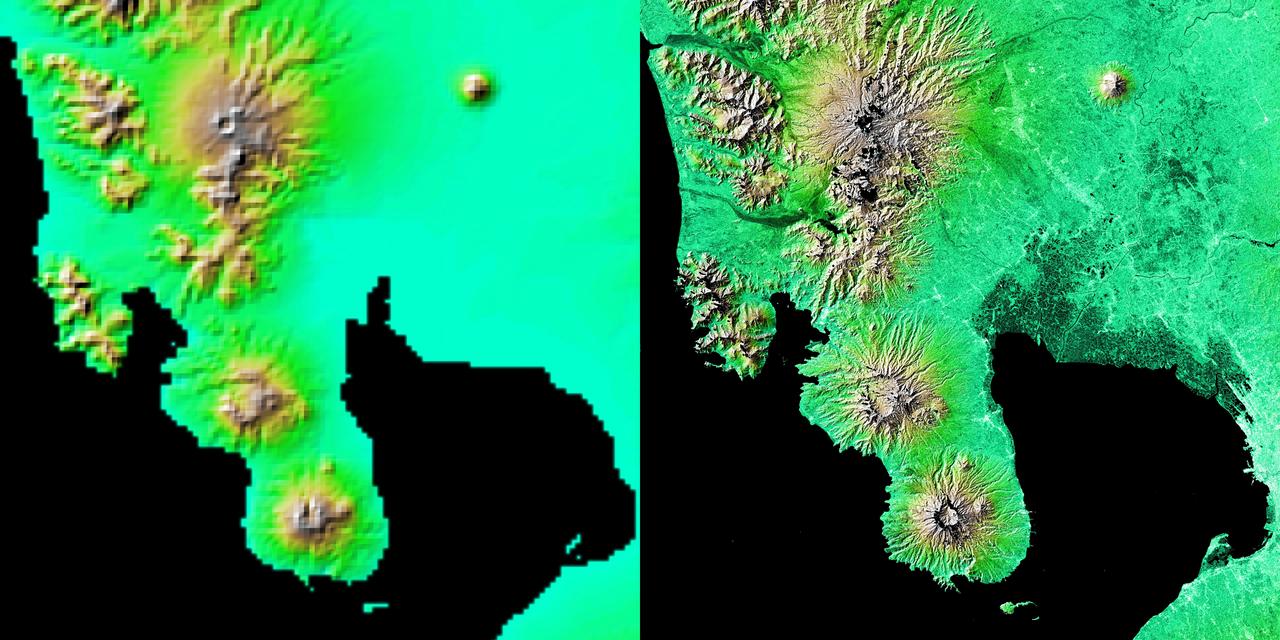
These two images show exactly the same area, Manila Bay and nearby volcanoes on Luzon Island in the Philippines. The image on the left was created using the best global topographic data set previously available, the U.S. Geological Survey GTOPO30.

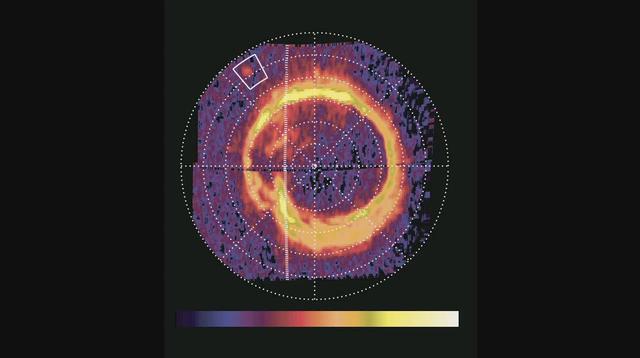
NASA Cassini spacecraft has spotted a glowing patch of ultraviolet light near Saturn north pole that marks the presence of an electrical circuit that connects Saturn with its moon Enceladus. Movie available at the Photojournal.
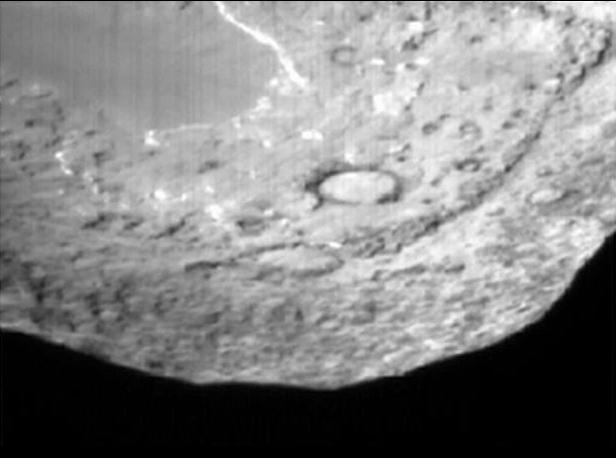
This image shows NASA Deep Impact impactor probe approaching comet Tempel 1. It is made up of images taken by the probe impactor targeting sensor on July 4, 2005. Animation available at the Photojournal.
This image from NASA EPOXI mission shows Hartley 2 moving across the background field of stars. The coma, or cloud of gas and dust around the comet, expands and brightens over this time period. Animation available at the Photojournal.

The northern and southern hemispheres of Rhea are seen in these polar stereographic maps, mosaicked from the best-available NASA Cassini and Voyager images. Six Voyager images fill in gaps in Cassini coverage of the moon north pole.

This is a frame from an animation of a rotating globe of Jupiter moon Ganymede, with a geologic map superimposed over a global color mosaic, incorporating the best available imagery from NASA Voyager 1 and 2 spacecraft, and Galileo spacecraft.
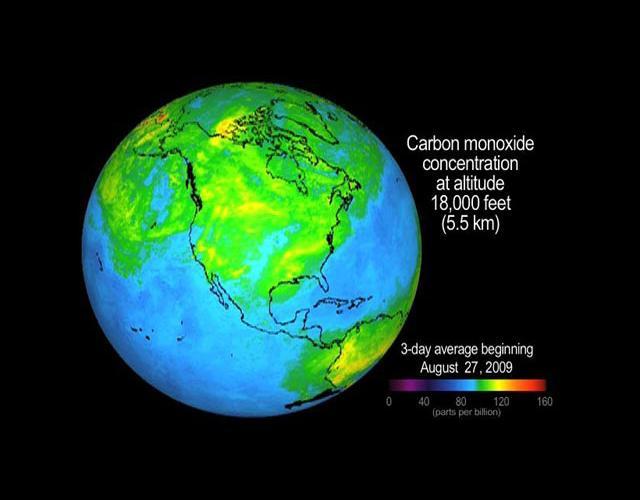
Carbon monoxide in the smoke from the Station fire was lofted high into the atmosphere, where it was observed by JPL Atmospheric Infrared Sounder instrument onboard NASA Aqua satellite. Animation available at the Photojournal.

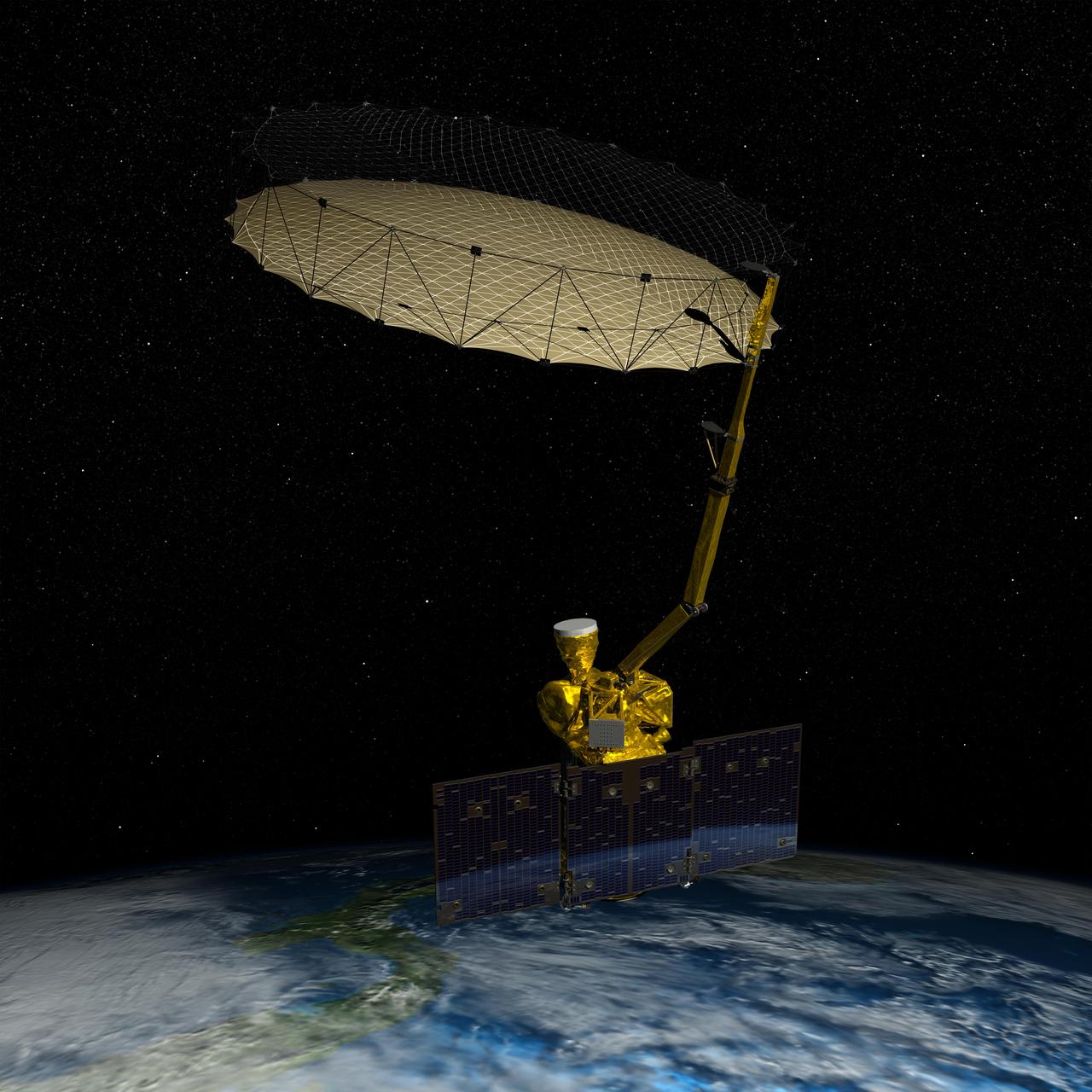
NASA Soil Moisture Active Passive SMAP mission will produce high-resolution global maps of soil moisture to track water availability around our planet and guide policy decisions.
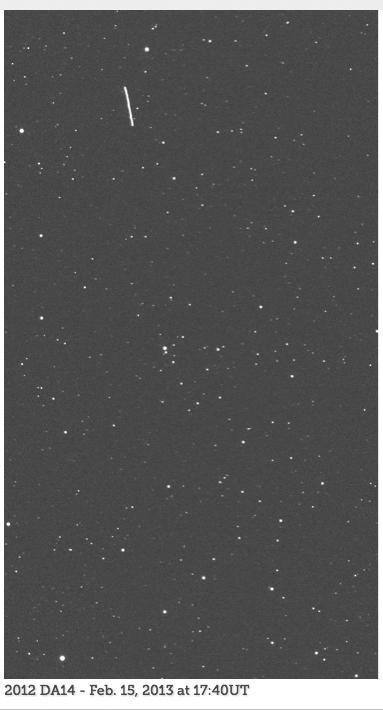
An animated set of images, from the telescope known as the iTelescope.net Siding Spring Observatory, shows asteroid 2012 DA14 as the streak moving from top to bottom in the field of view. The animation is available in the Planetary Photojournal.

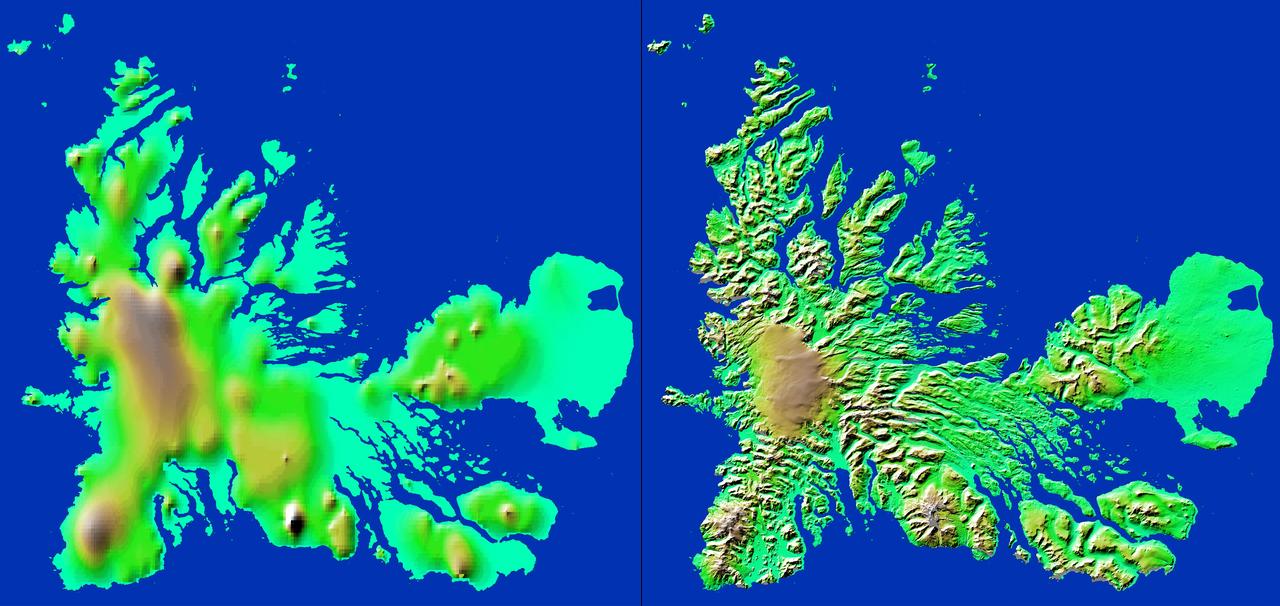
These two images show exactly the same area, Kerguelen Island in the southern Indian Ocean. The image on the left was created using the best global topographic data set previously available, the U.S. Geological Survey GTOPO30.

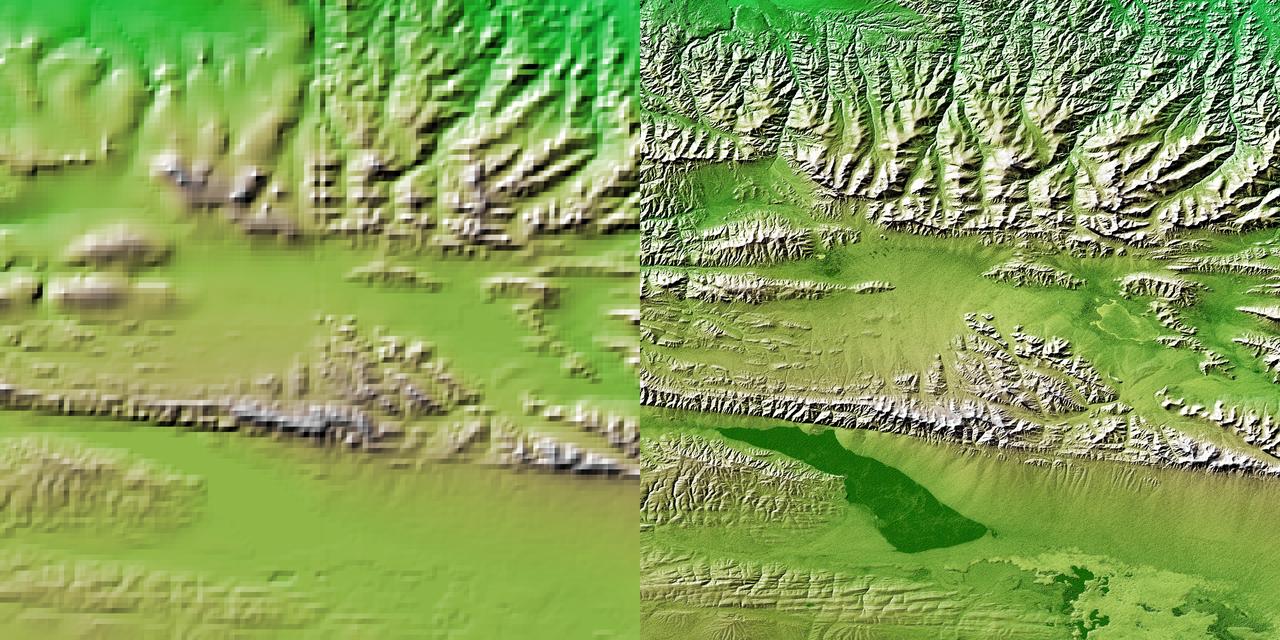
These two images show exactly the same area, part of the Kunlun fault in northern Tibet. The image on the left was created using the best global topographic data set previously available, the U.S. Geological Survey GTOPO30.

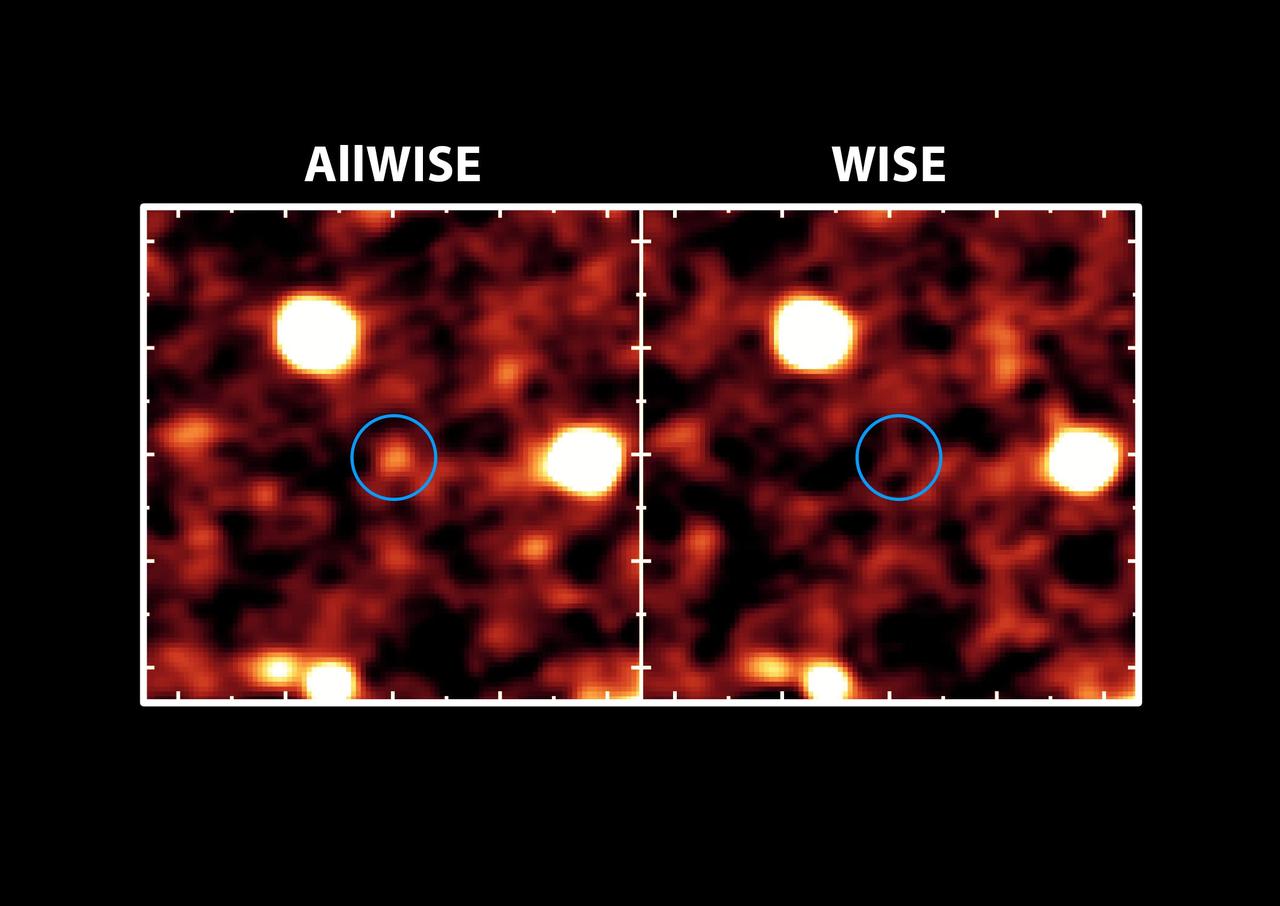
The new AllWISE catalog will bring distant galaxies that were once invisible out of hiding, as illustrated in this image. At right, a portion of the sky available before the AllWISE project; at left, the same part of the sky in a new AllWISE image.

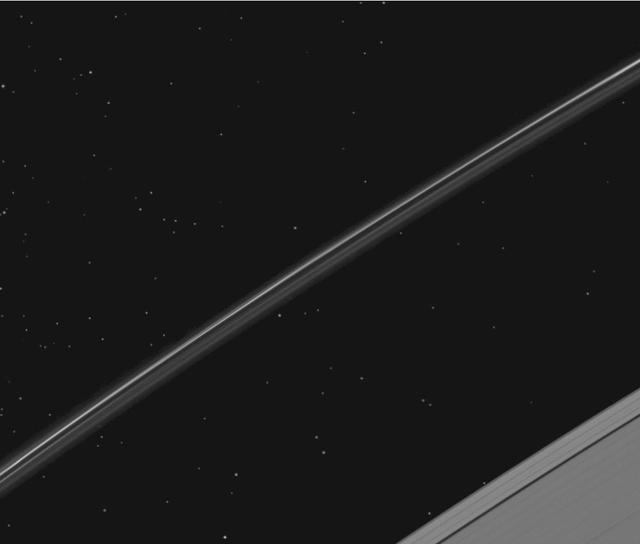
While NASA Cassini spacecraft was pointed to study Saturn F ring, it happened to catch a globular star cluster passing through the camera field of view. Animations are available at the Photojournal.

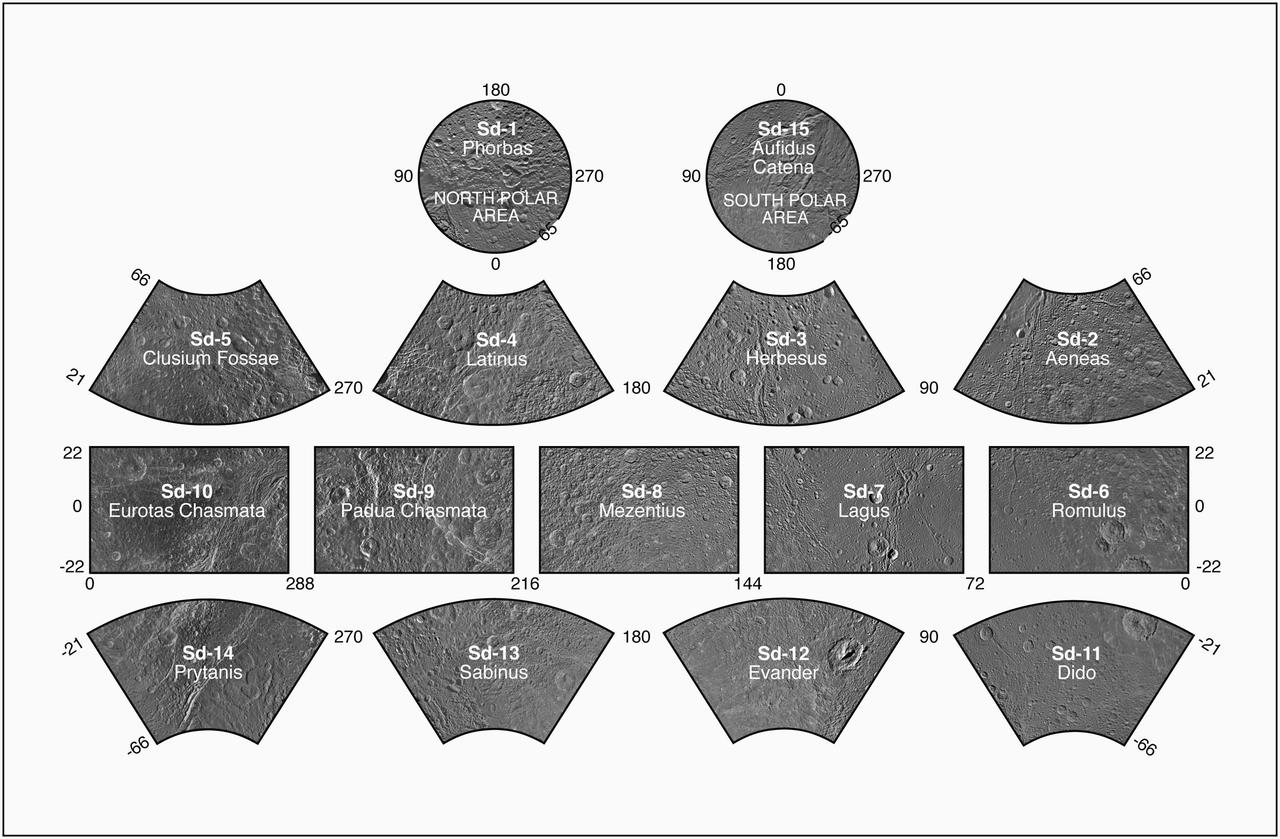
The latest version of a complete set of cartographic map sheets from a high-resolution Dione atlas was released today by the Cassini Imaging Team. Full photomosaic maps are available at the Photojournal.

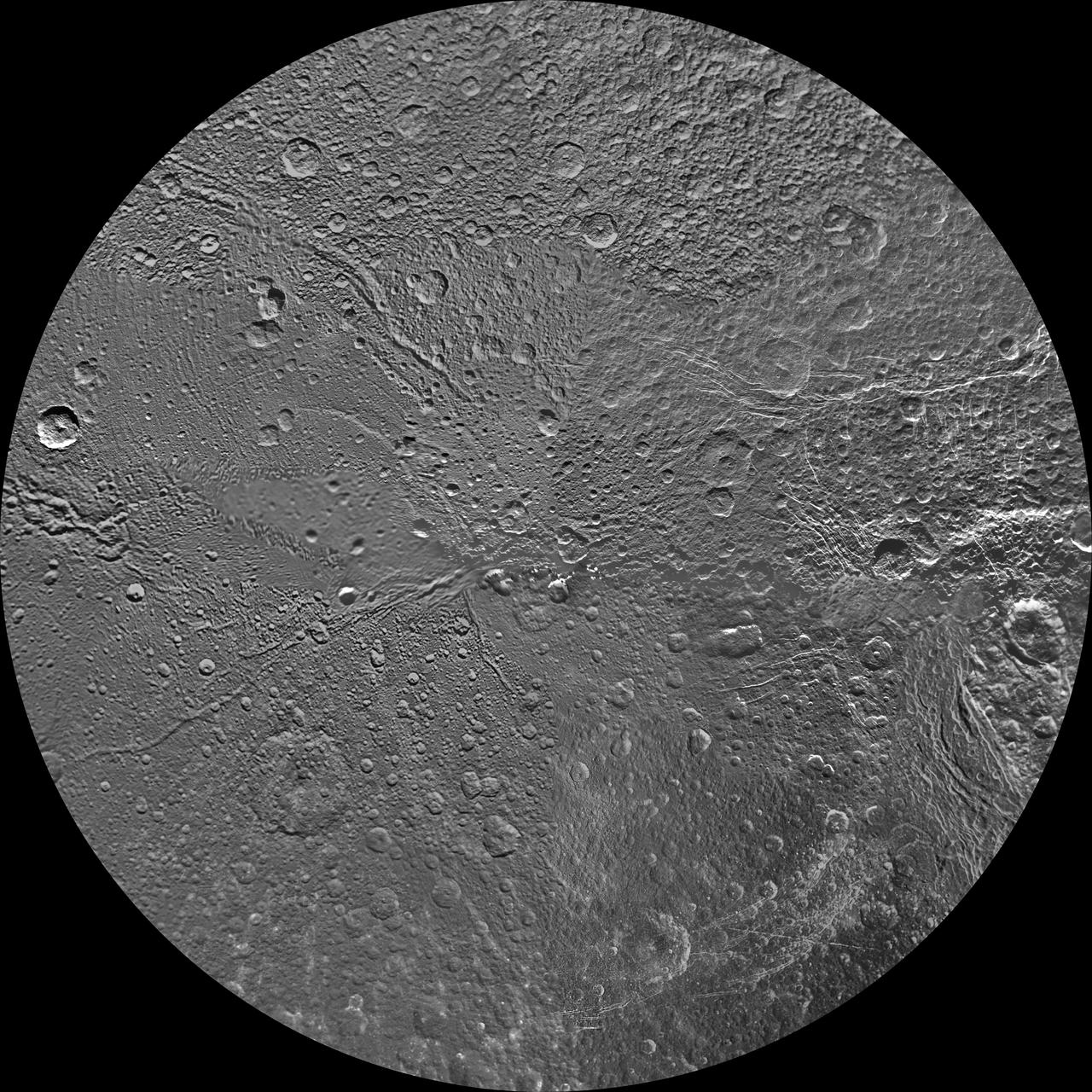
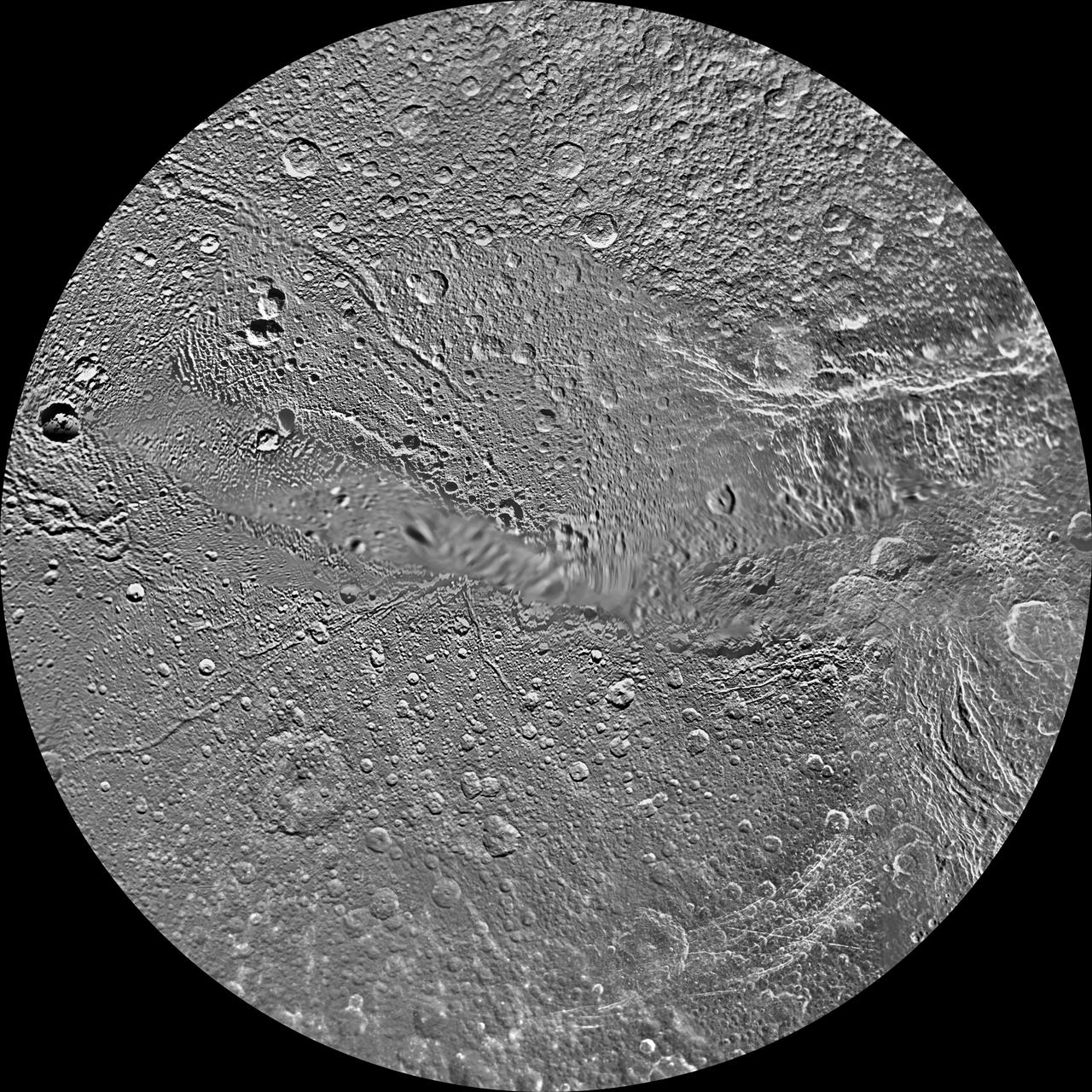
The northern and southern hemispheres of Dione are seen in these polar stereographic maps of the south pole, mosaicked from the best-available clear-filter images from NASA Cassini and Voyager missions.

The southern hemisphere of Saturn moon Dione is seen in this polar stereographic maps, mosaicked from the best-available clear-filter images from NASA Cassini and Voyager missions.

The northern hemisphere of Saturn moon Dione is seen in this polar stereographic maps, mosaicked from the best-available clear-filter images from NASA Cassini and Voyager missions.

The northern and southern hemispheres of Dione are seen in these polar stereographic maps of the north pole, mosaicked from the best-available clear-filter images from NASA Cassini and Voyager missions.

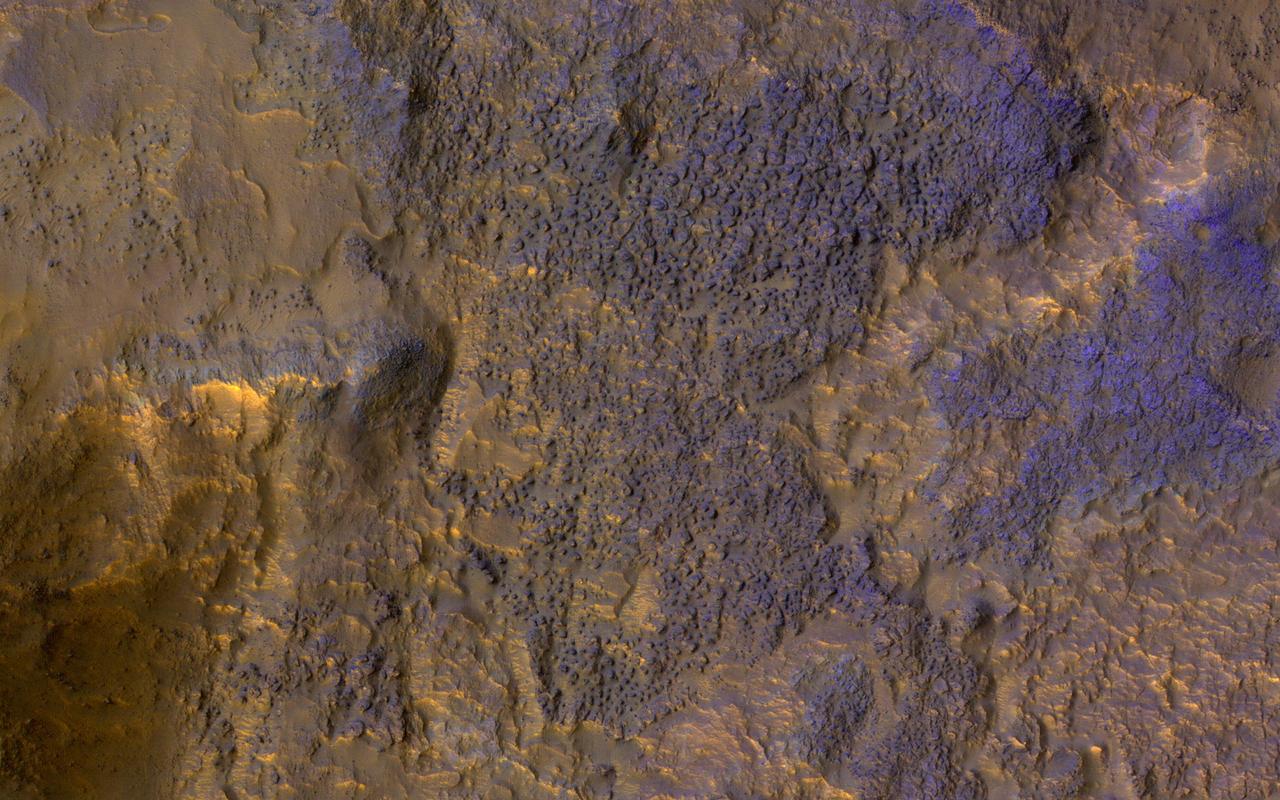
Many of the depressions in Noctis Labyrinthus contain water-bearing minerals, suggesting that water was available and persistent in this region during the Late Hesperian to Amazonian epochs on Mars, as seen by NASA Mars Reconnaissance Orbiter.
This image is part of a set of images obtained by NASA Cassini spacecraft showing a propeller-shaped structure created by a hidden, embedded moon moving through one of Saturn rings. An animation is available at the Photojournal.

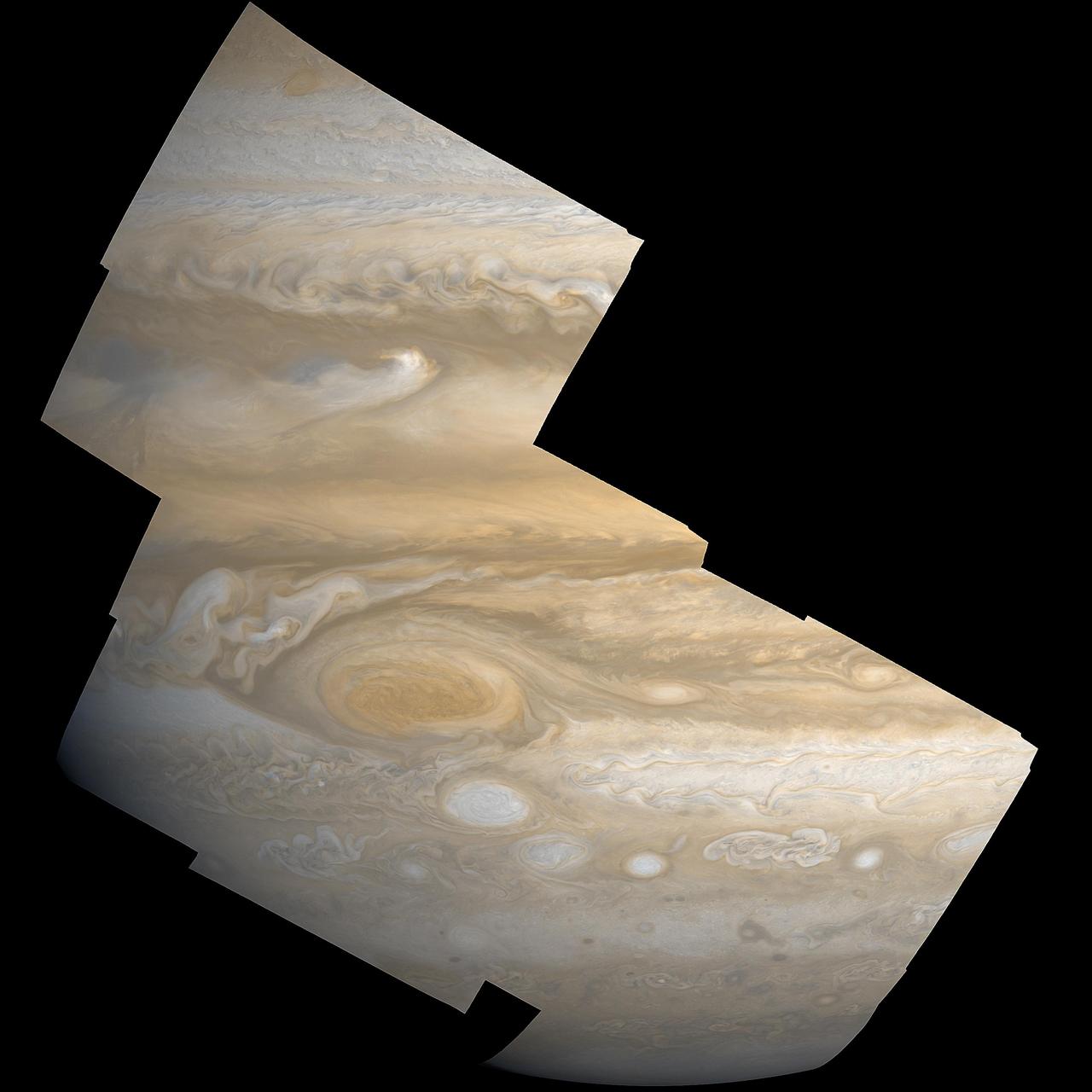
Data from the camera onboard NASA Juno mission, called JunoCam, will be made available to the public for processing into their own images. Illustrated here with an image of Jupiter taken by NASA Voyager mission.
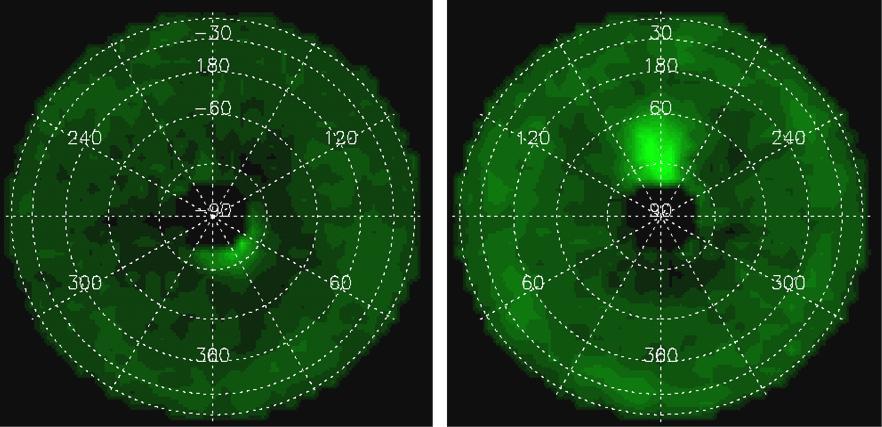
This graphic shows the distribution of the organic molecule acetylene at the north and south poles of Jupiter, based on data obtained by NASA Cassini spacecraft in early January 2001. Movie is available at the Photojournal.
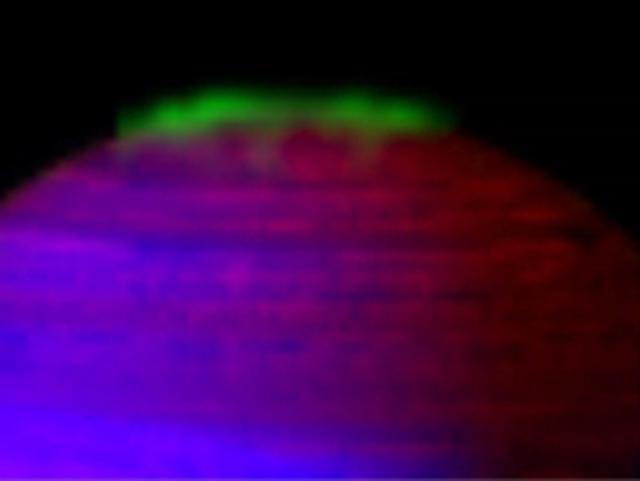
This frame from a movie, made from data obtained by NASA Cassini spacecraft, shows Saturn southern aurora shimmering over approximately 20 hours as the planet rotates. The video is available at the Photojournal.
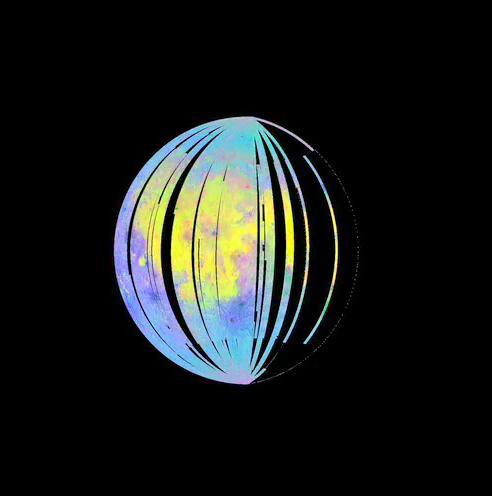
Data from NASA Moon Mineralogy Mapper instrument on the Indian Space Research Organization Chandrayaan-1 spacecraft reveal subtle and previously unknown lunar diversity and features. Animation available at the Photojournal.

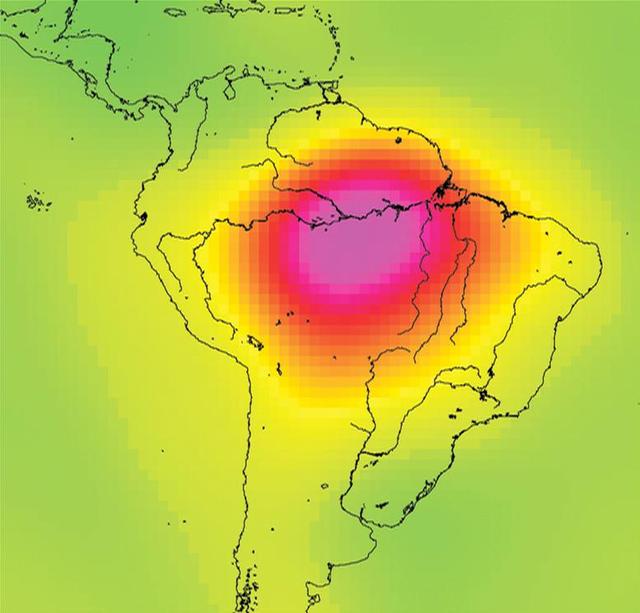
This image is from data taken by NASA Gravity Recovery and Climate Experiment showing the Amazon basin in South America. The amount of water stored in the Amazon basin varies from month to month. Animations are available at the Photojournal.

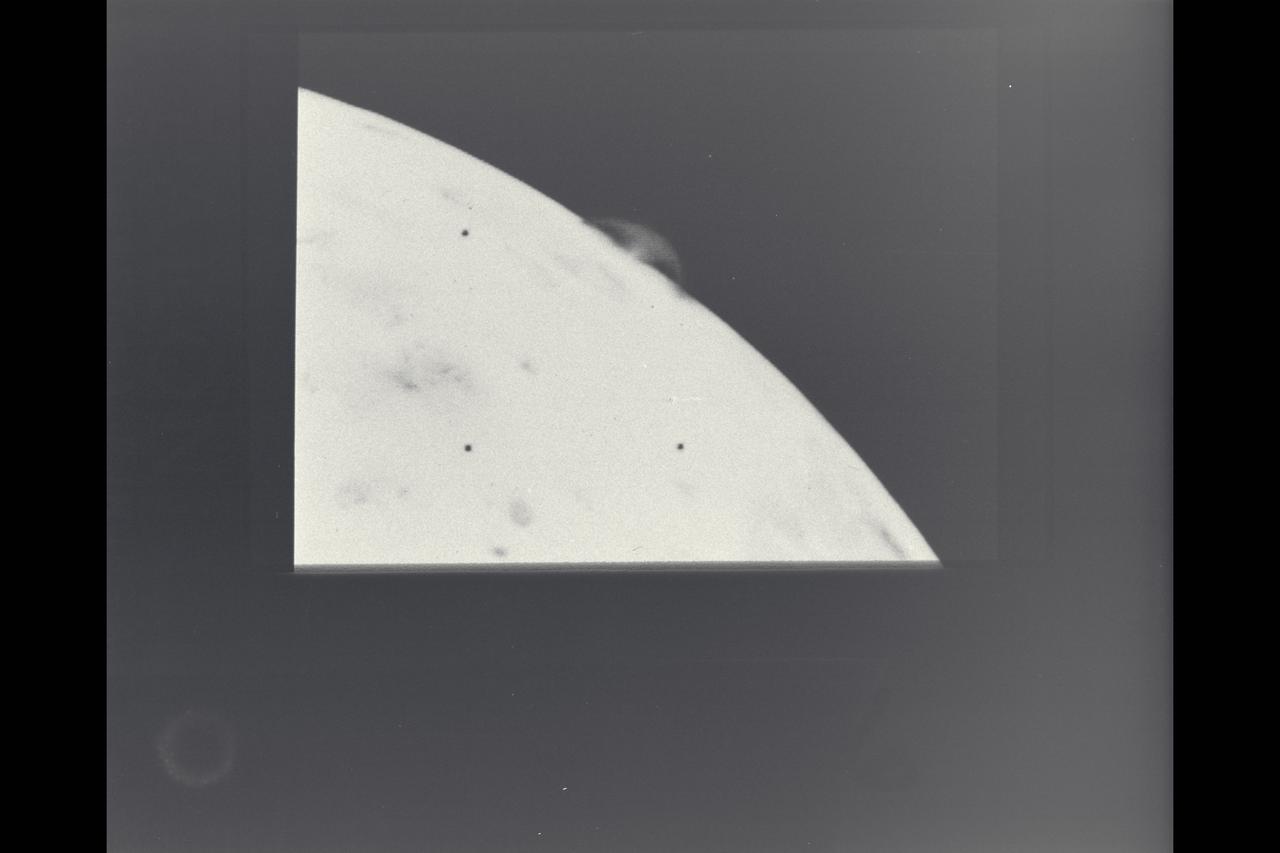
Voyager 1 catches volcanic eruption on Jupiter's moon Io JPL - no available

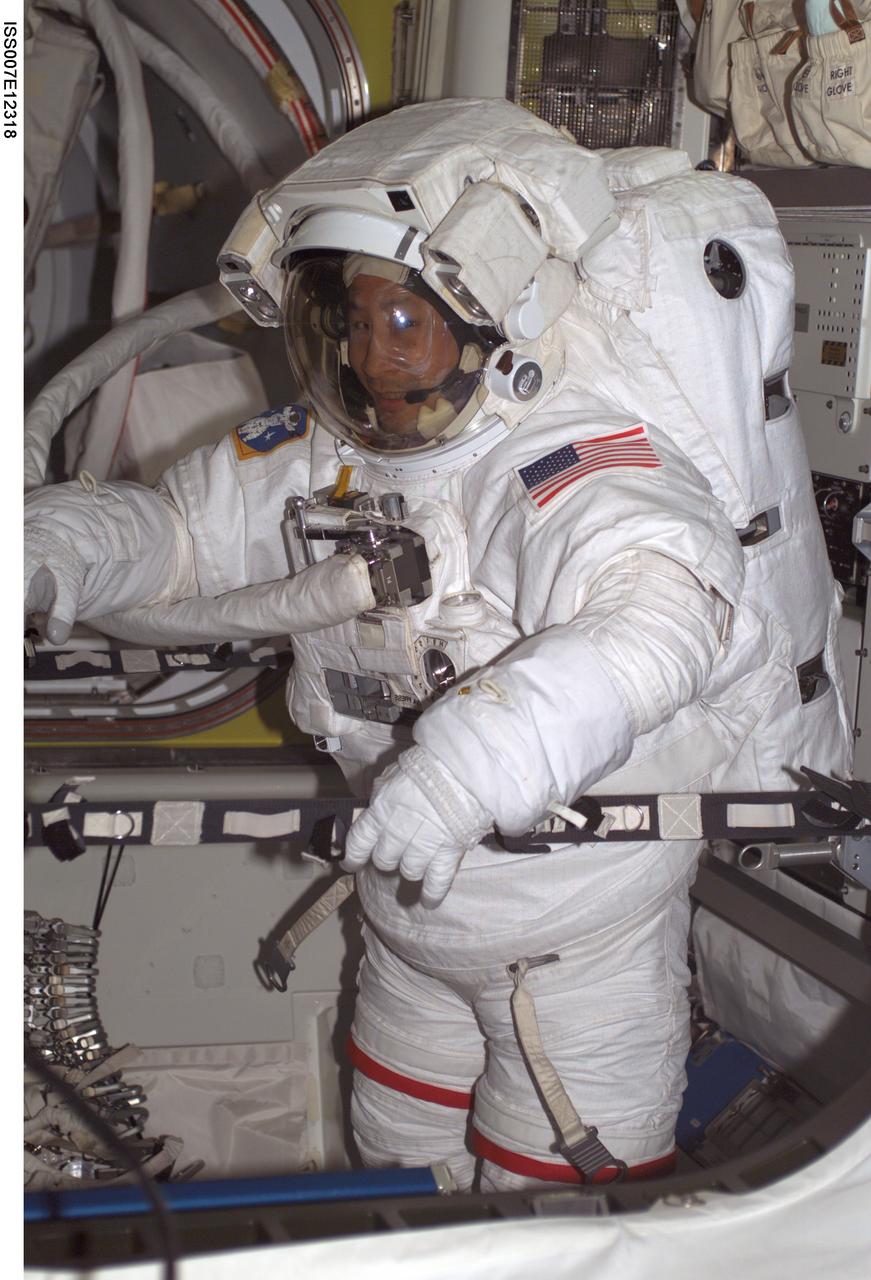
ISS007-E-12318 (7 August 2003) --- Astronaut Edward T. Lu, Expedition 7 NASA ISS science officer and flight engineer, is pictured wearing an Extravehicular Mobility Unit (EMU) spacesuit in the Quest airlock on the International Space Station (ISS).

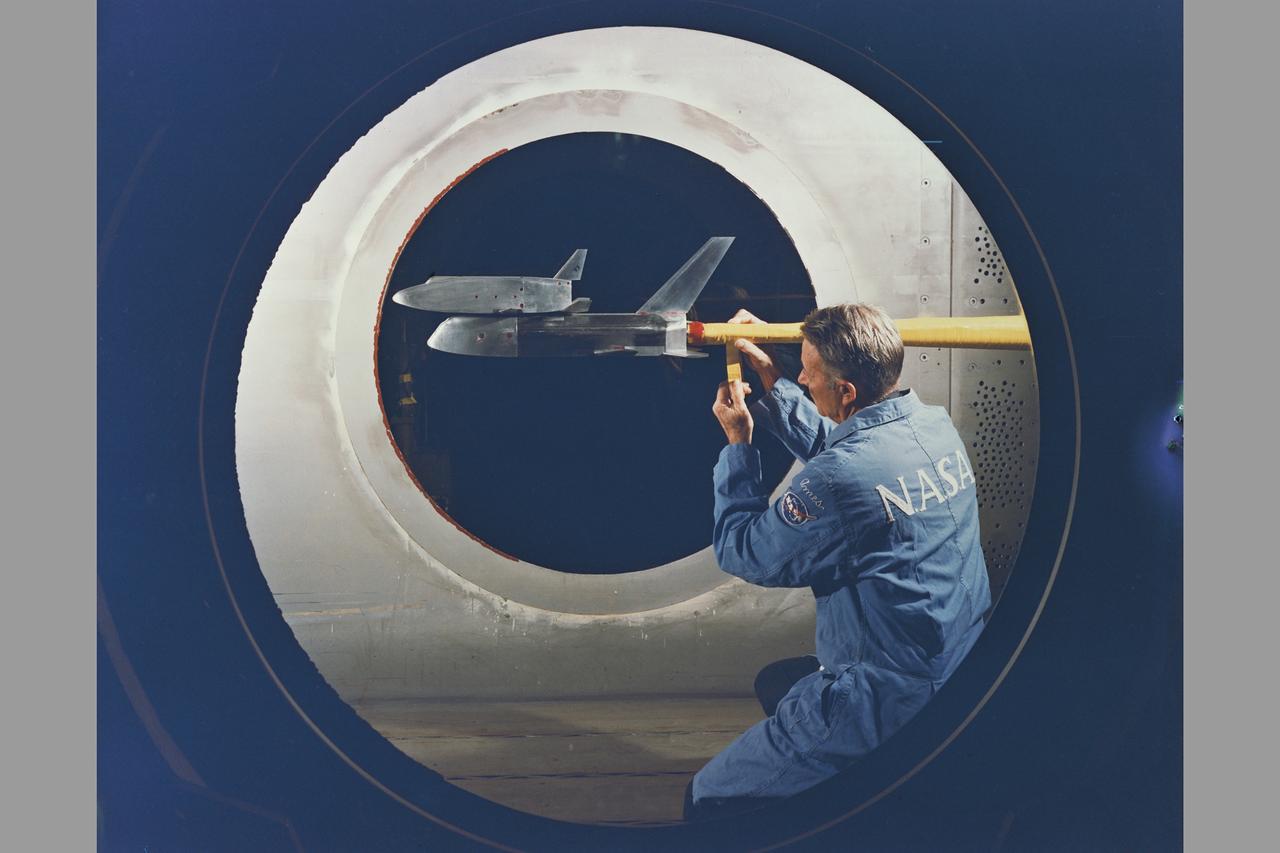
MSC Space Shuttle Model stability and control characteristics test in 9x7ft w.t. (test number not available)
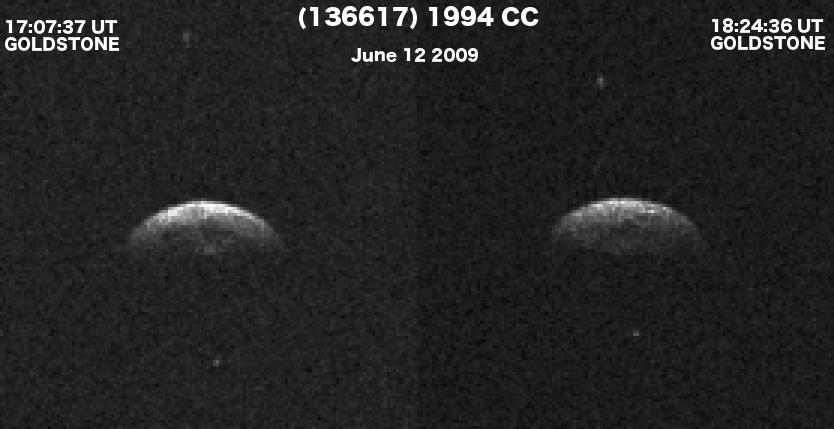
NASA Deep Space Network, Goldstone radar images show triple asteroid 1994 CC, which consists of a central object approximately 700 meters 2,300 feet in diameter and two smaller moons that orbit the central body. Animation available at the Photojournal

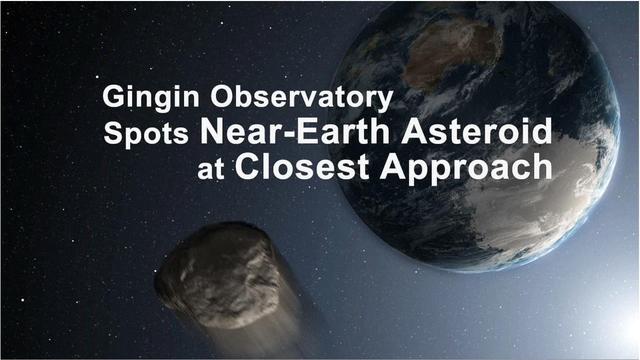
This frame from a movie shows the asteroid 2012 DA14 flying safely by Earth, as seen by the Gingin Observatory in Australia around the time of its closest approach, 11:24:42 a.m. PST 2:24:42 p. The animation is available in the Planetary Photojournal.
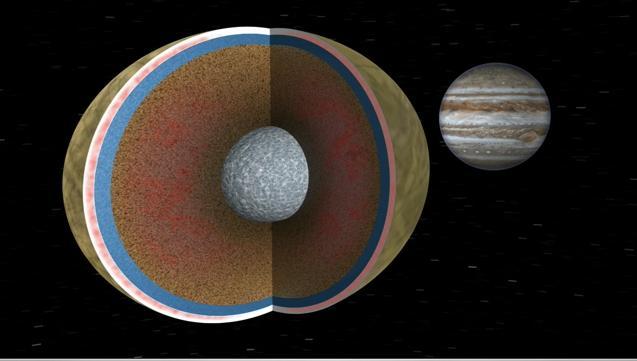
In this image, Europa is seen in a cutaway view through two cycles of its 3.5 day orbit about the giant planet Jupiter. Like Earth, Europa is thought to have an iron core, a rocky mantle and a surface ocean of salty water. Animation available at the Photo
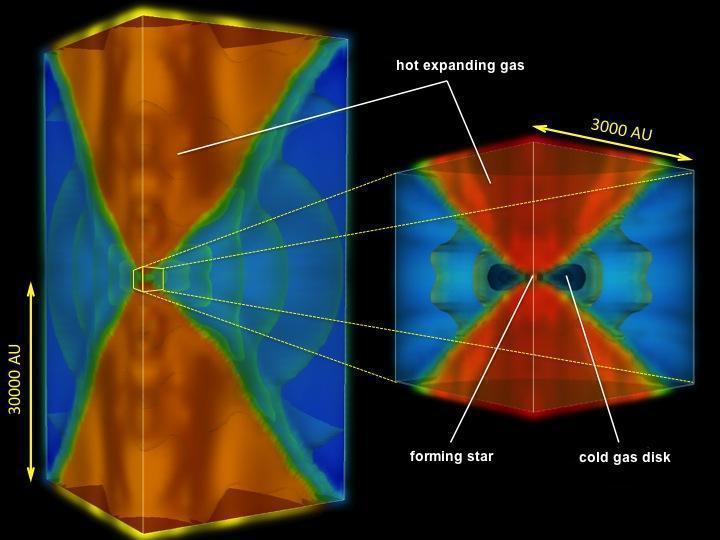
Scientists are simulating how the very first stars in our universe were born. The stars we see today formed out of collapsing clouds of gas and dust. In the very early universe, however, the stars had fewer ingredients available.

This artist concept shows NASA planet-hunting Kepler spacecraft operating in a new mission profile called K2. Using publicly available data, astronomers have confirmed K2 first exoplanet discovery proving Kepler can still find planets.

The rock-studded terrain NASA Mars rover Curiosity has traversed since October 2013 appears to have accelerated the pace of wear and tear on the rover wheels. Future drives may be charted to cross smoother ground where available.

This image from NASA's Mars Reconnaissance Orbiter (MRO) shows chaos terrain on Mars' equator. More information is available at https://photojournal.jpl.nasa.gov/catalog/PIA22435

General Activities in the Mission Operations Control Center (MOCR) during Day-1 of the STS-4 Mission. JSC, HOUSTON, TX Also available in 35 CN

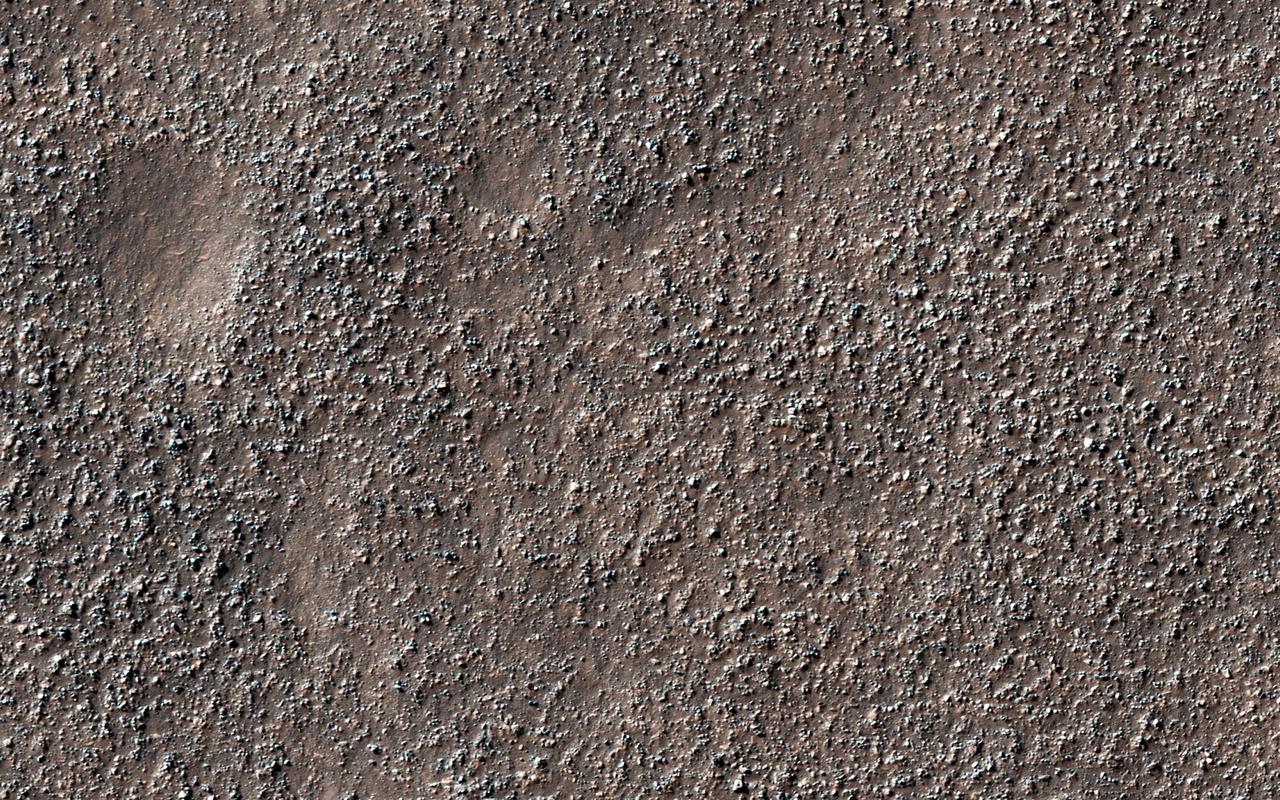
This image from NASA's Mars Reconnaissance Orbiter (MRO) shows a field of boulders. More information is available at https://photojournal.jpl.nasa.gov/catalog/PIA22433

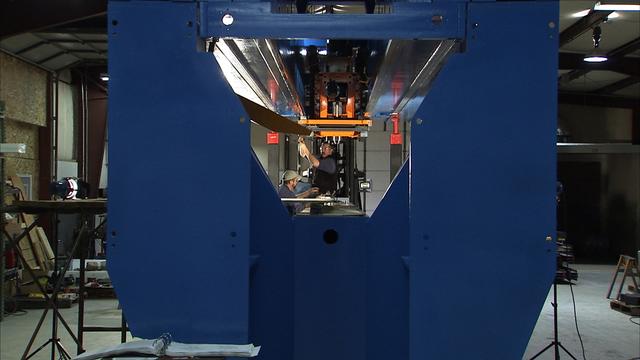
Workers are shown assembling the vertical weld tool in support of the Ares/Constellation upperstage project. This image extracted from high definition video and is the highest resolution available.

General Activities in the Mission Operations Control Center (MOCR) during Day-1 of the STS-4 Mission. JSC, HOUSTON, TX Also available in 35 CN

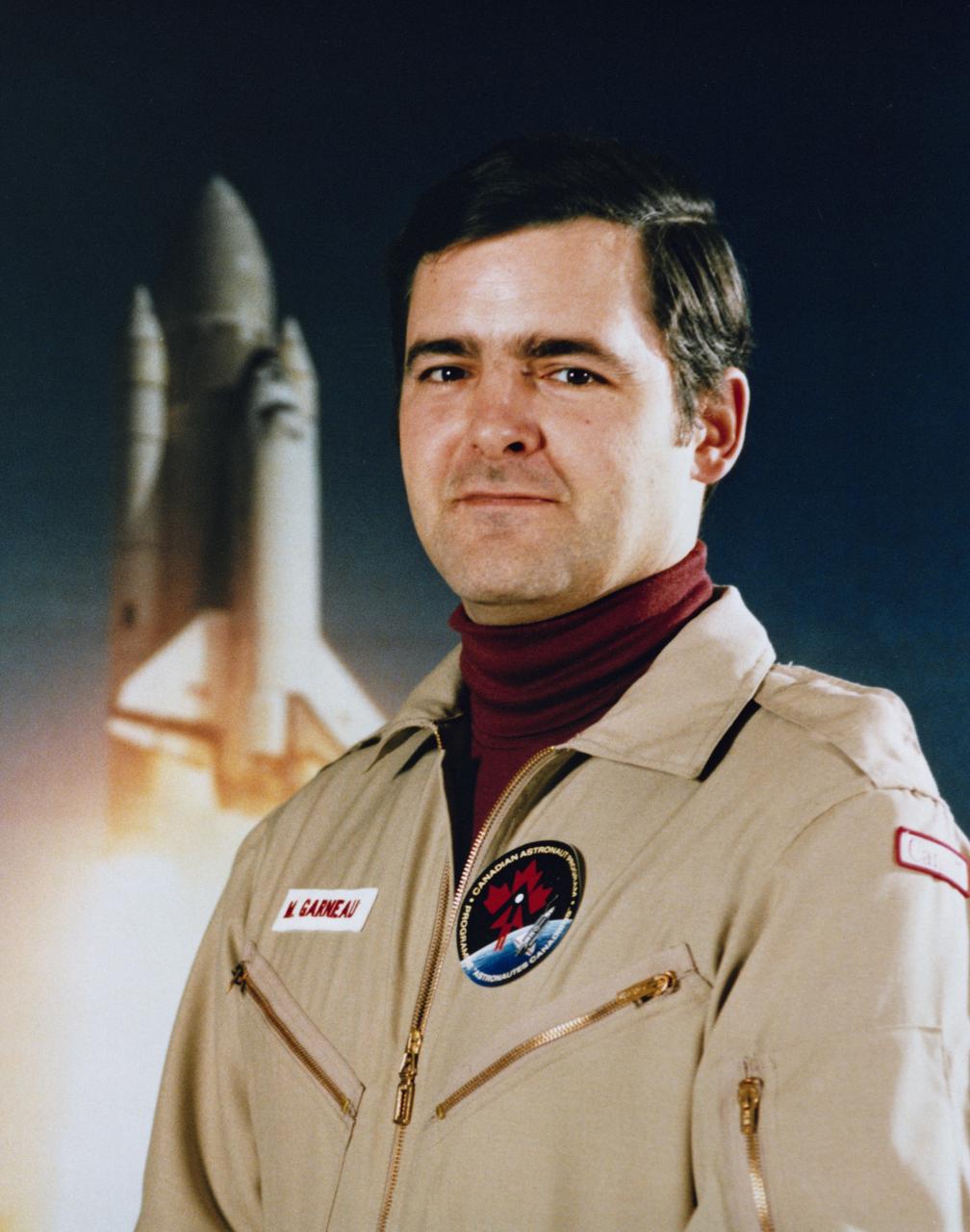
Portrait photograph, Canadian Payload Specialist Mark Garneau, assigned to the STS-16/41G Mission. Also available in 4x5 B&W

The fundamental structural unit of chromatin and is the basis for organization within the genome by compaction of DNA within the nucleus of the cell and by making selected regions of chromosomes available for transcription and replication.

Onboard views by the STS-2 Crew of the Payload Bay with Office of Space and Terrestrial Applications (OSTA)-1 Payload, the Remote Manipulator System (RMS) and Earth views of: Korea, China and Columbia. Also available in 4x5 BW 1. REAGAN, RONALD PRESIDENT - MOCR (STS-2) JSC, HOUSTON, TX Also available in 4x5 BW, 35 CN, 35 BW

S70-06463 (June 1970) --- This map of North America has been marked to indicate areas of photographic imagery available from Apollo photography (32-degree orbits) as opposed to that imagery which will be available from a 50-degree inclined orbit. The region between the two broken lines will be in the area that can be covered by the first manned Skylab mission in 1973. Photo credit: NASA
iss056e150242 (8/20/2018) --- A view of good and bad batteries within ziplock bags after Zero G battery testing aboard the International Space Station (ISS). The Zero-g Battery Testing is an initial study to investigate comments from Space Shuttle and International Space Station crew members to determine if batteries change due to zero-g. This is not intended to be an extensive study due to the short time frame available, and due to the availability of equipment.
The northern and southern hemispheres of Saturn's moon Mimas are seen in these polar stereographic maps, mosaicked from the best-available Cassini images. Each map is centered on one of the poles, and surface coverage extends to the equator. Grid lines show latitude and longitude in 30-degree increments. Unlabeled versions of these maps are also provided. The scale in the full-size versions of these maps is 710 feet (216 meters) per pixel. The resolution of the map is 16 pixels per degree. The mean radius of Mimas used for projection of these maps is 123.2 miles (198.2 kilometers). The mosaics contain new data from two close flybys of Mimas in Nov. 2016 and Feb. 2017. https://photojournal.jpl.nasa.gov/catalog/PIA17215
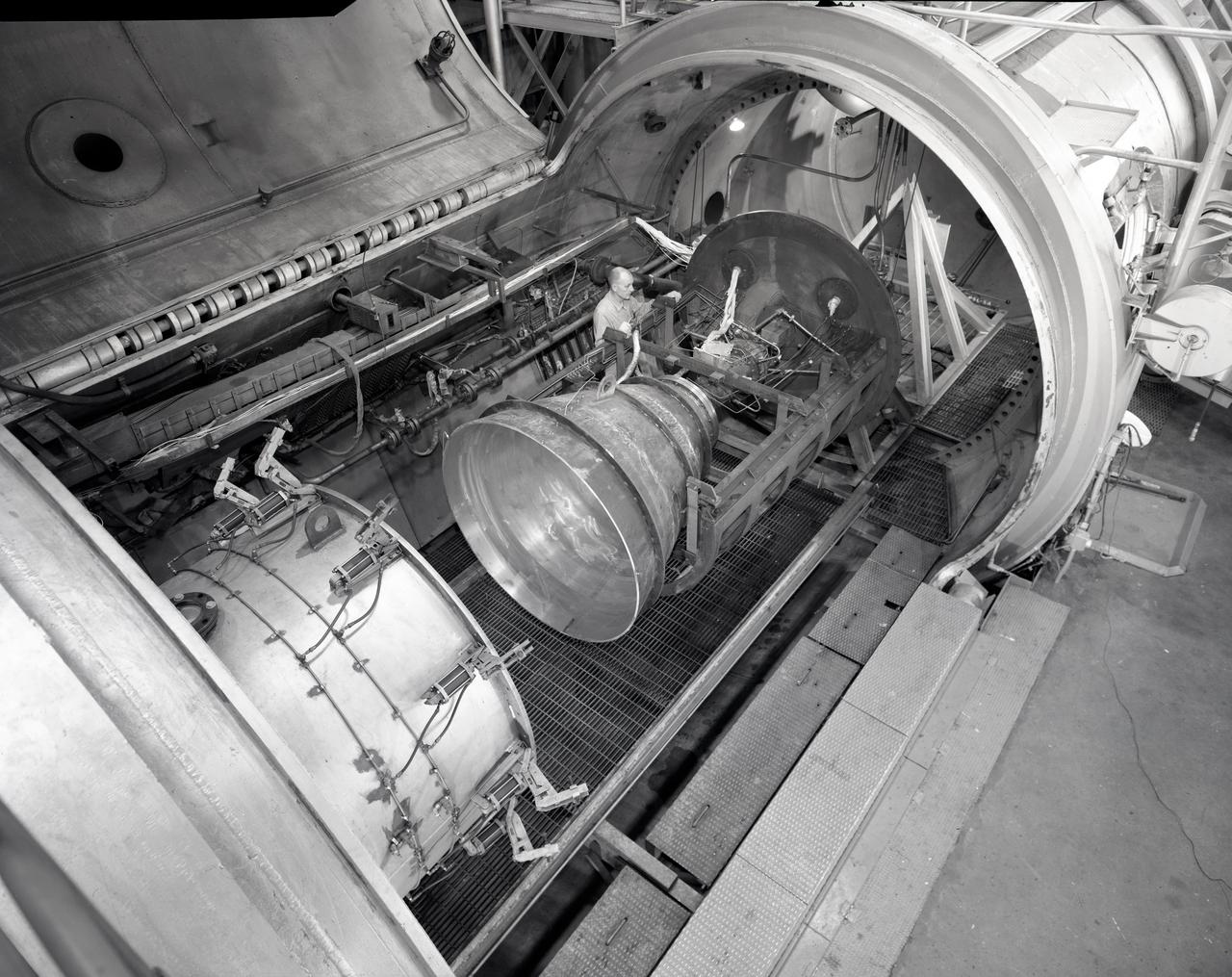
APOLLO CONTOUR ENGINE MOUNTED IN THE PROPULSION SYSTEMS LABORATORY PSL NO. 2 TEST CELL