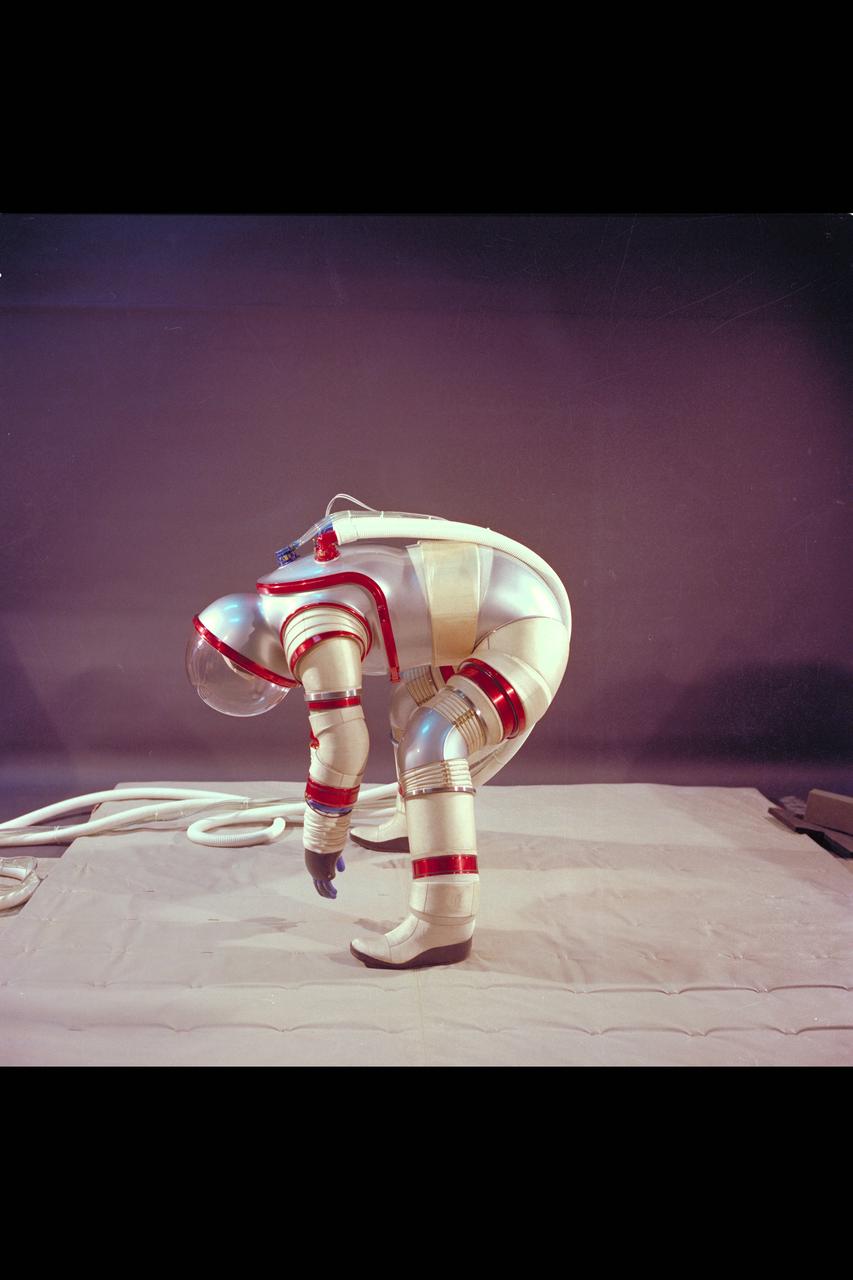
Hubert Vykukal demonstrates mobility of the Hardsuit AX-3 Space Suit design
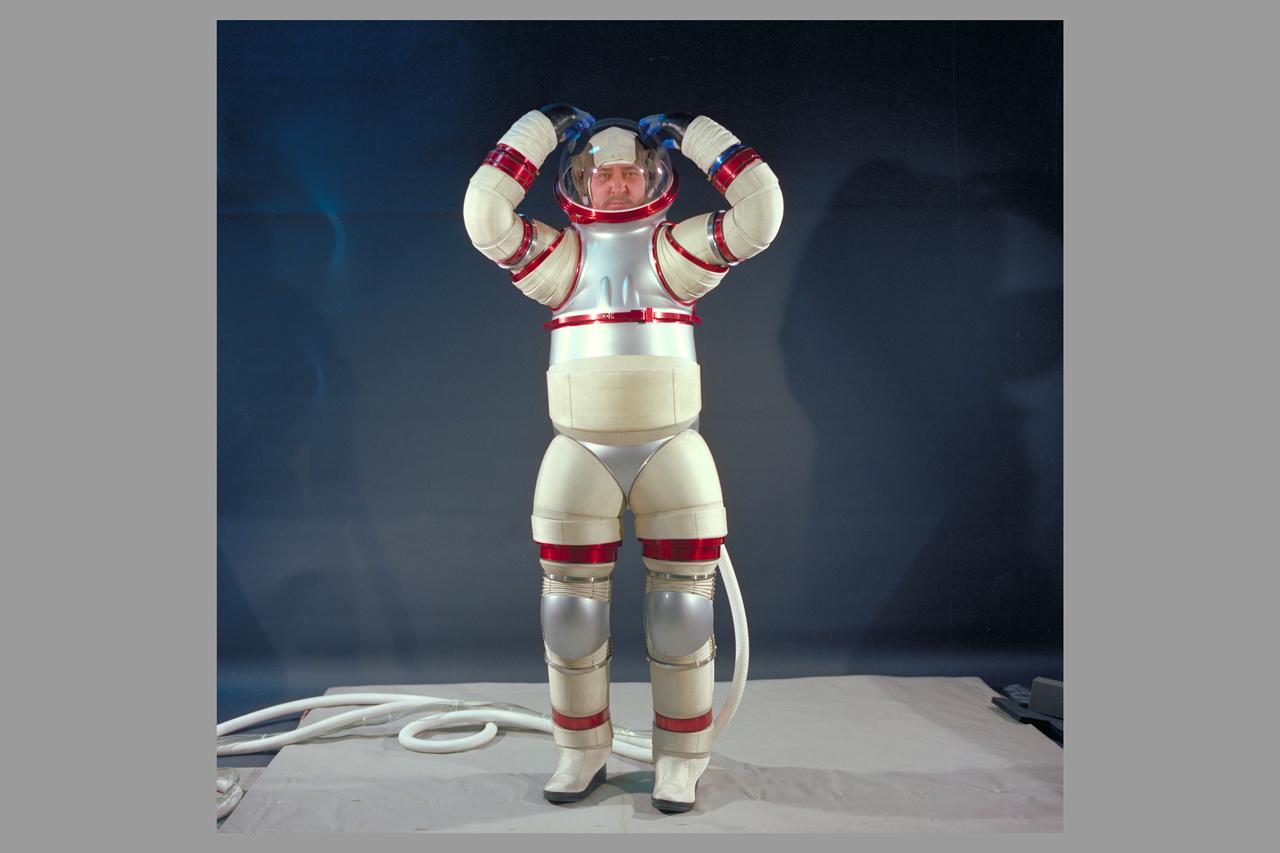
Vic Vykukal model the Ames developed AX-3 Hard Space Suit
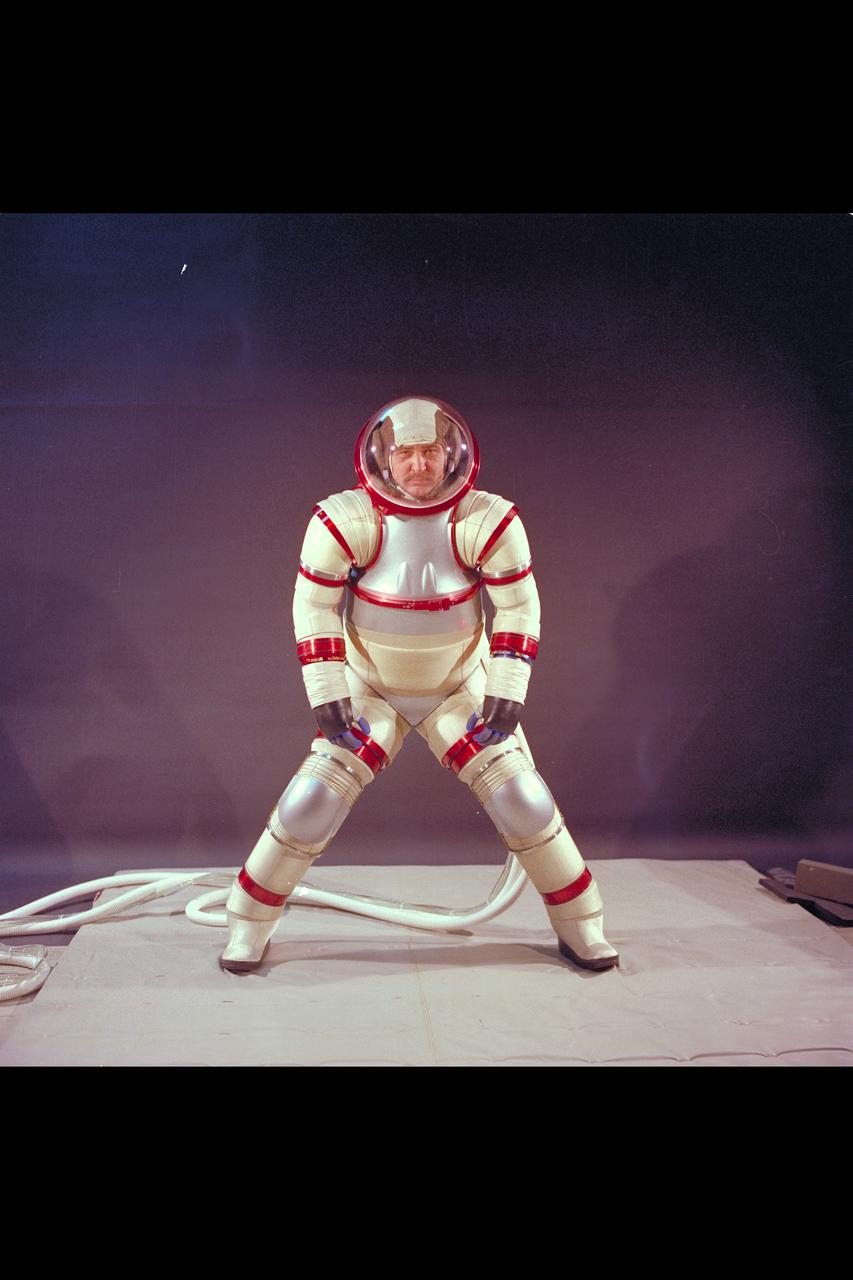
Hubert Vykukal demonstrates mobility of the Hardsuit AX-3 Space Suit design

A SpaceX Falcon 9 rocket carrying the company’s Dragon spacecraft for Axiom Space’s Axiom Mission 3 (Ax-3) to the International Space Station lifts off at 4:49 p.m. EST from Launch Complex 39A at NASA’s Kennedy Space Center in Florida on Thursday, Jan. 18, 2024. Ax-3 is the third all private astronaut mission to the space station, sending crew members Commander Michael López-Alegría, Pilot Walter Villadei, and Mission Specialists Marcus Wandt and Alper Gezeravci into orbit. The crew will spend about two weeks conducting microgravity research, educational outreach, and commercial activities aboard the space station.

A SpaceX Falcon 9 rocket carrying the company’s Dragon spacecraft for Axiom Space’s Axiom Mission 3 (Ax-3) to the International Space Station lifts off at 4:49 p.m. EST from Launch Complex 39A at NASA’s Kennedy Space Center in Florida on Thursday, Jan. 18, 2024. Ax-3 is the third all private astronaut mission to the space station, sending crew members Commander Michael López-Alegría, Pilot Walter Villadei, and Mission Specialists Marcus Wandt and Alper Gezeravci into orbit. The crew will spend about two weeks conducting microgravity research, educational outreach, and commercial activities aboard the space station.

A SpaceX Falcon 9 rocket carrying the company’s Dragon spacecraft for Axiom Space’s Axiom Mission 3 (Ax-3) to the International Space Station lifts off at 4:49 p.m. EST from Launch Complex 39A at NASA’s Kennedy Space Center in Florida on Thursday, Jan. 18, 2024. Ax-3 is the third all private astronaut mission to the space station, sending crew members Commander Michael López-Alegría, Pilot Walter Villadei, and Mission Specialists Marcus Wandt and Alper Gezeravci into orbit. The crew will spend about two weeks conducting microgravity research, educational outreach, and commercial activities aboard the space station.

A SpaceX Falcon 9 rocket carrying the company’s Dragon spacecraft for Axiom Space’s Axiom Mission 3 (Ax-3) to the International Space Station lifts off at 4:49 p.m. EST from Launch Complex 39A at NASA’s Kennedy Space Center in Florida on Thursday, Jan. 18, 2024. Ax-3 is the third all private astronaut mission to the space station, sending crew members Commander Michael López-Alegría, Pilot Walter Villadei, and Mission Specialists Marcus Wandt and Alper Gezeravci into orbit. The crew will spend about two weeks conducting microgravity research, educational outreach, and commercial activities aboard the space station.

A SpaceX Falcon 9 rocket carrying the company’s Dragon spacecraft for Axiom Space’s Axiom Mission 3 (Ax-3) to the International Space Station lifts off at 4:49 p.m. EST from Launch Complex 39A at NASA’s Kennedy Space Center in Florida on Thursday, Jan. 18, 2024. Ax-3 is the third all private astronaut mission to the space station, sending crew members Commander Michael López-Alegría, Pilot Walter Villadei, and Mission Specialists Marcus Wandt and Alper Gezeravci into orbit. The crew will spend about two weeks conducting microgravity research, educational outreach, and commercial activities aboard the space station.
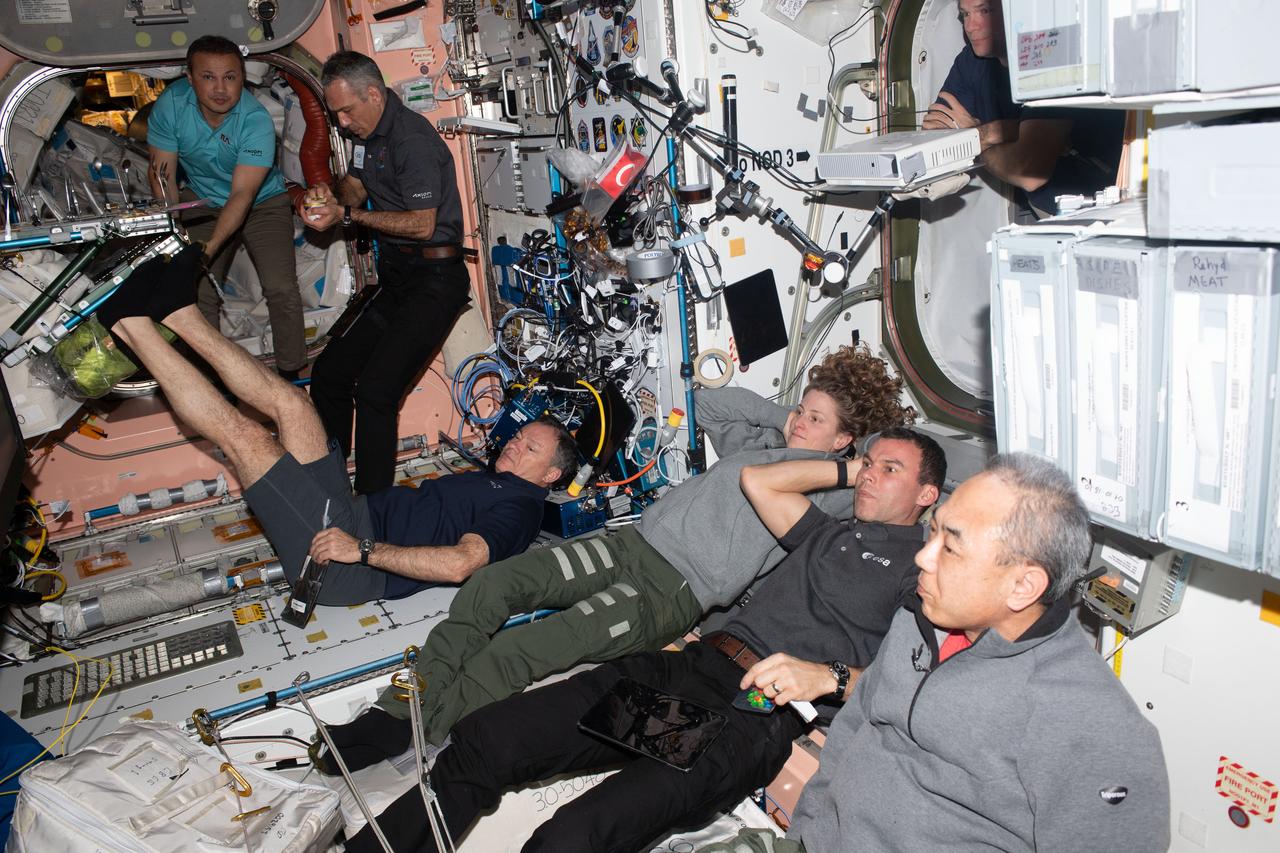
iss070e083375 (Jan. 27, 2024) --- Members of the Axiom Mission 3 (Ax-3) and Expedition 70 crews join each other for movie night inside the International Space Station's Harmony module. From left are, Ax-3 Mission Specialist Alper Gezeravcı; Ax-3 Pilot Walter Villadei; Ax-3 Commander Michael López-Alegría; Expedition 70 Flight Engineer Loral O'Hara from NASA; Ax-3 Mission Specialist Marcus Wandt; and Expedition 70 Flight Engineer Satoshi Furukawa from JAXA (Japan Aerospace Exploration Agency); partially obscured at top right is, Expedition 70 Commander Andreas Mogensen from ESA (European Space Agency).
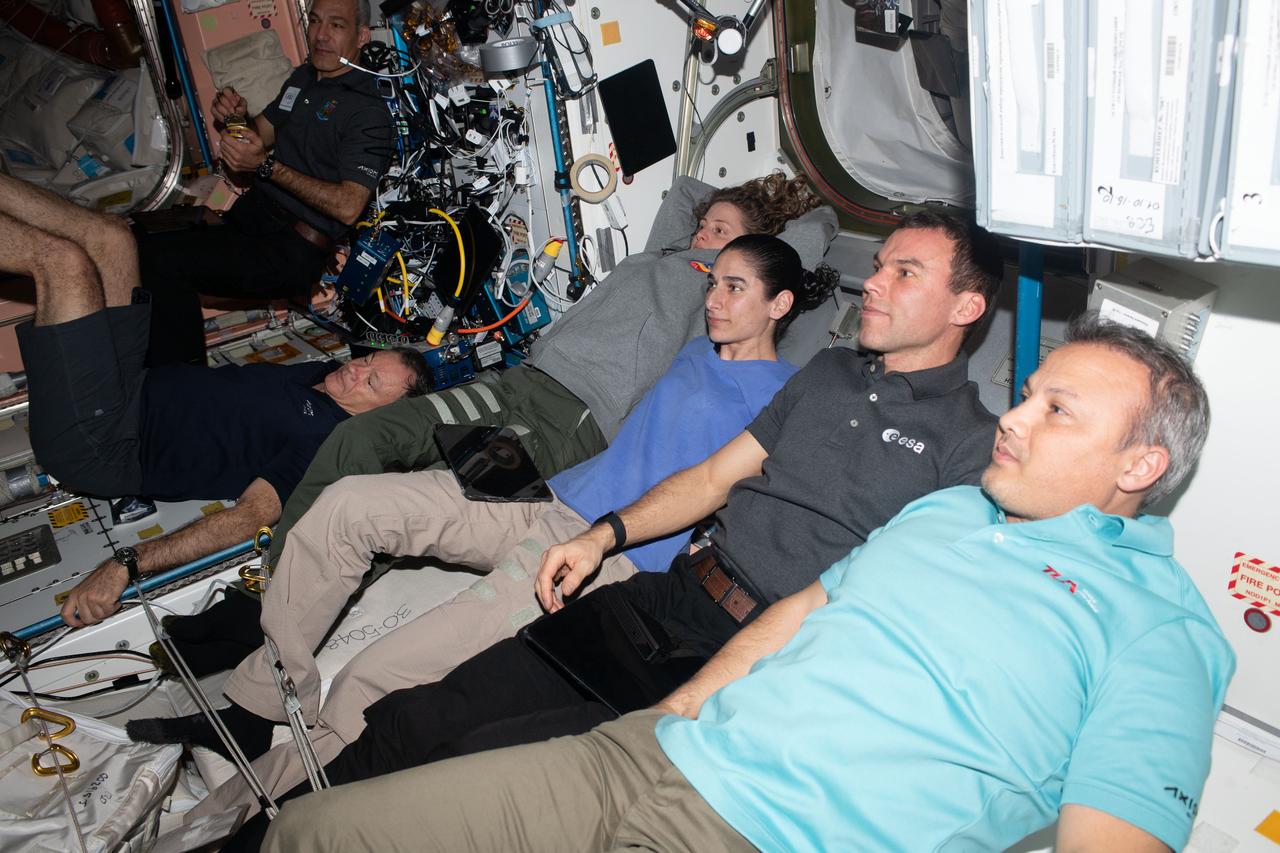
iss070e083382 (Jan. 27, 2024) --- Members of the Axiom Mission 3 (Ax-3) and Expedition 70 crews join each other for movie night inside the International Space Station's Harmony module. From left are, Ax-3 Pilot Walter Villadei; Ax-3 Commander Michael López-Alegría; Expedition 70 Flight Engineers Loral O'Hara and Jasmin Moghbeli, both from NASA; and Ax-3 Mission Specialists Marcus Wandt and Alper Gezeravcı.
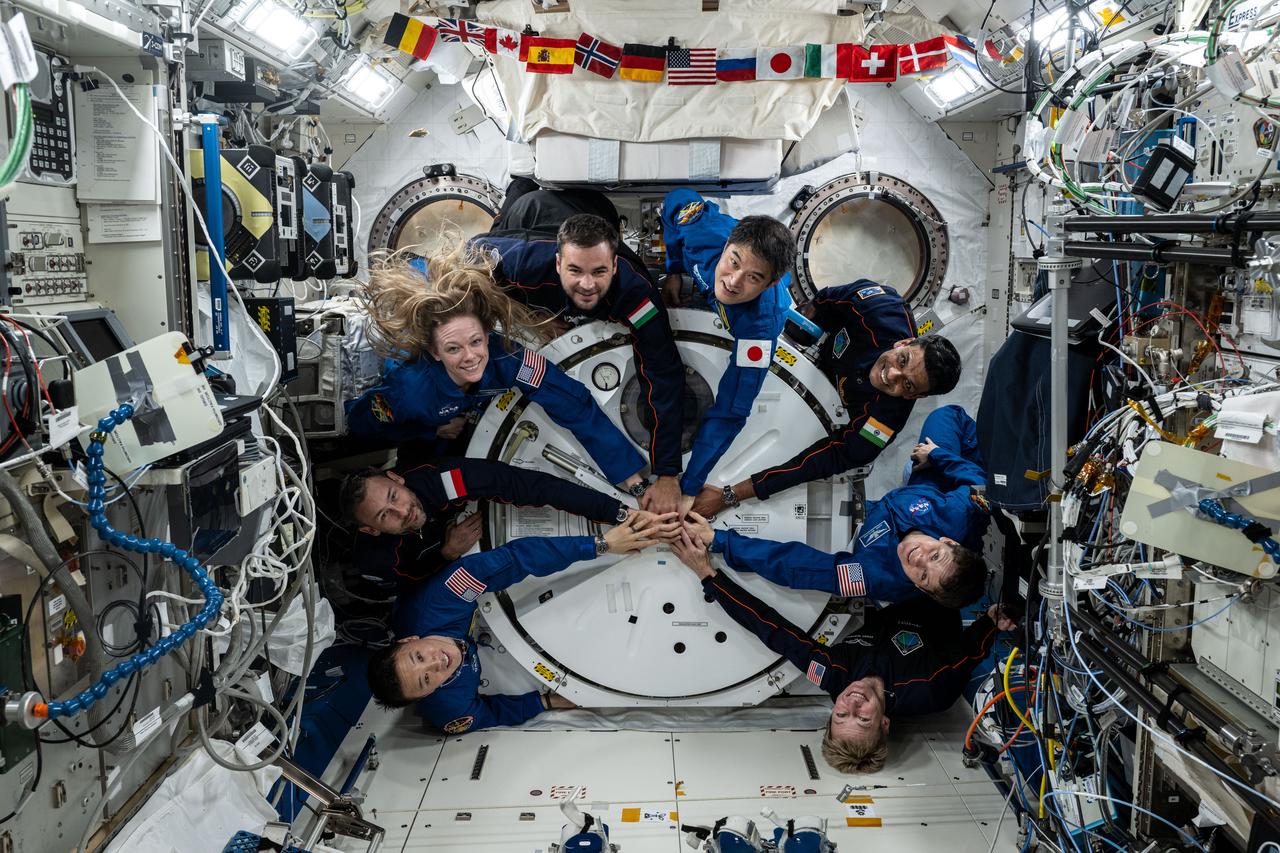
iss073e0511059 (July 3, 2025) --- Four astronauts representing Expedition 73 and the four-member Axiom Mission 4 (Ax-4) crew gather for a fun portrait clasping hands and surrounding the Kibo laboratory module's airlock. Clockwise from bottom left are, Expedition 73 Flight Engineer Jonny Kim of NASA, Ax-4 Mission Specialist Sławosz Uznański-Wiśniewski of ESA (European Space Agency), Expedition 73 Flight Engineer Nichole Ayers of NASA, Ax-4 Mission Specialist Tibor Kapu from Hungary, Expedition 73 Commander Takuya Onishi of JAXA (Japan Aerospace Exploration Agency), Ax-4 Pilot Shubhanshu Shukla of ISRO (Indian Space Research Organization), Expedition 73 Flight Engineer Anne McClain of NASA, and Ax-4 Commander Peggy Whitson of Axiom Space.
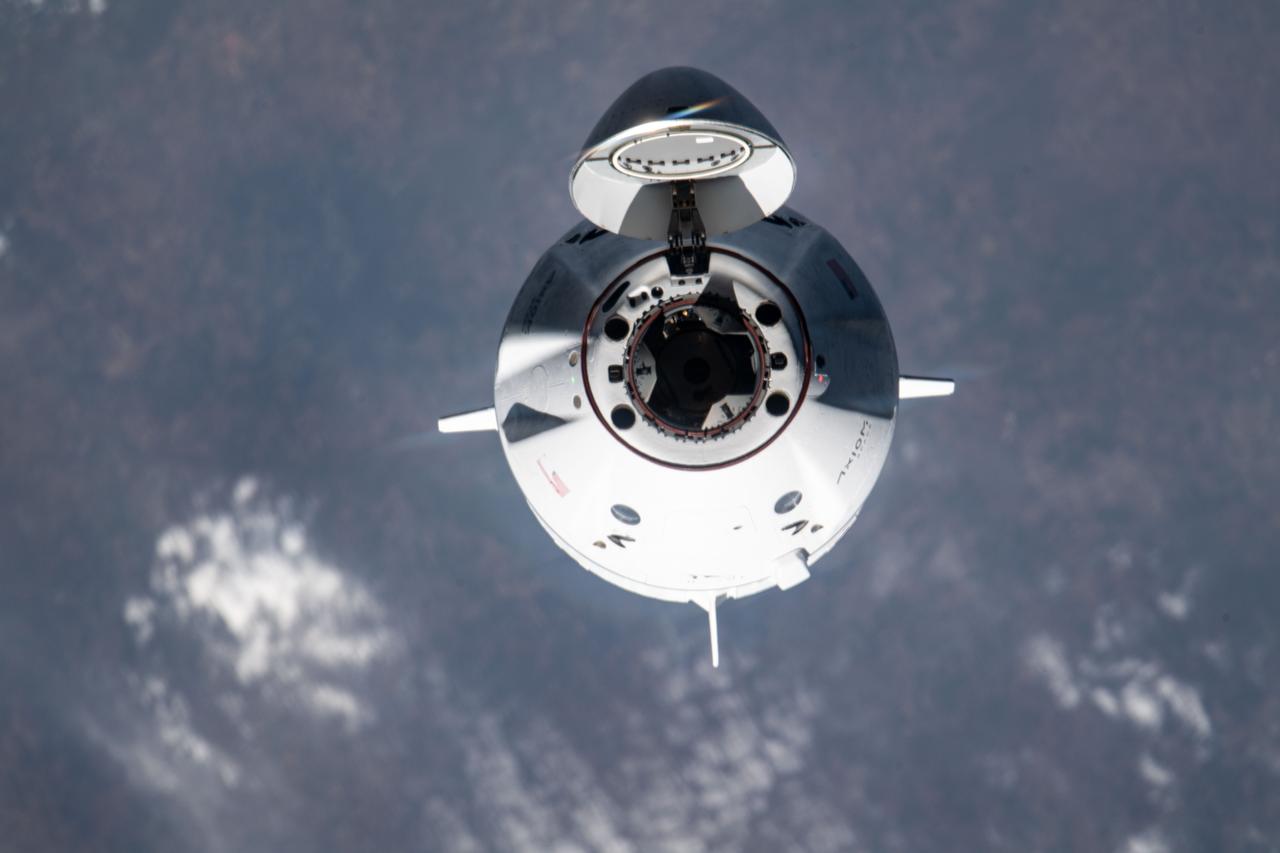
iss070e075419 (Jan. 20, 2024) --- The SpaceX Dragon Freedom spacecraft carrying the four-member Axiom Mission 3 (Ax-3) crew is pictured approaching the International Space Station 260 miles above southern India.

iss070e075556 (Jan. 20, 2024) --- The SpaceX Dragon Freedom spacecraft carrying the four-member Axiom Mission 3 (Ax-3) crew is pictured approaching the International Space Station 260 miles above China north of the Himalayas.
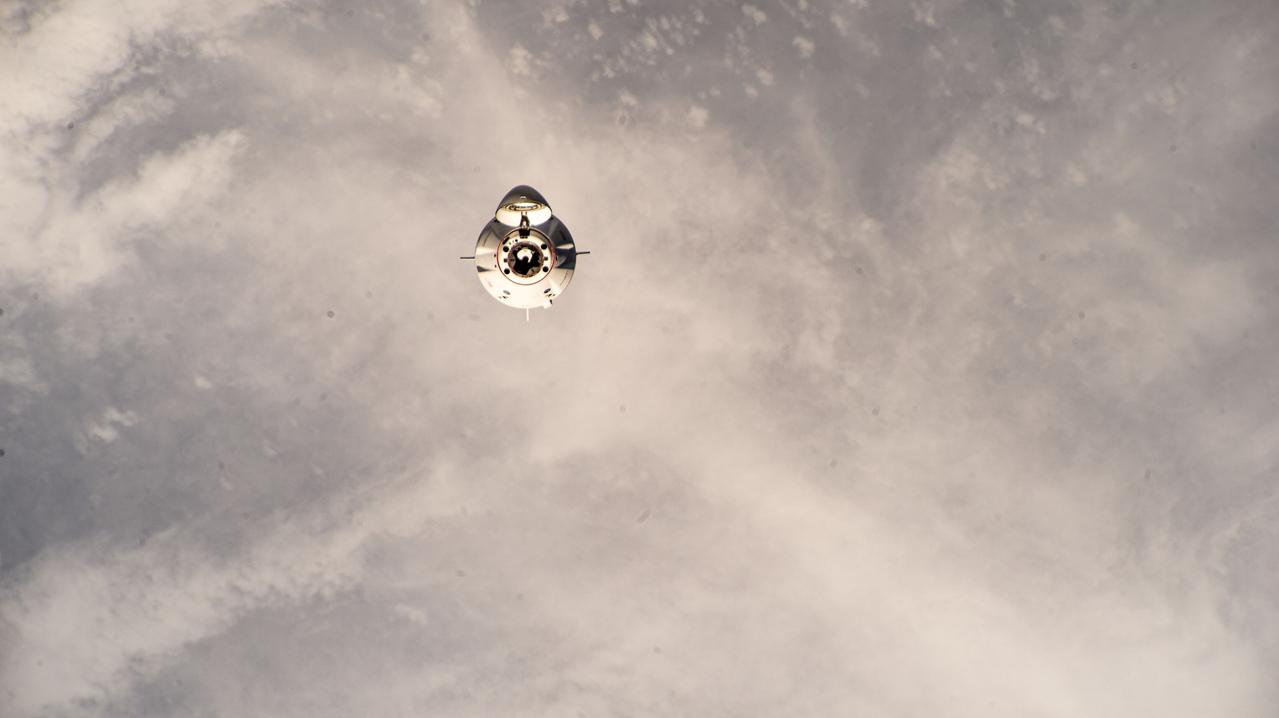
iss070e075551 (Jan. 20, 2024) --- The SpaceX Dragon Freedom spacecraft carrying the four-member Axiom Mission 3 (Ax-3) crew is pictured approaching the International Space Station 264 miles above a cloudy Indian Ocean east of the coast of Madagascar.
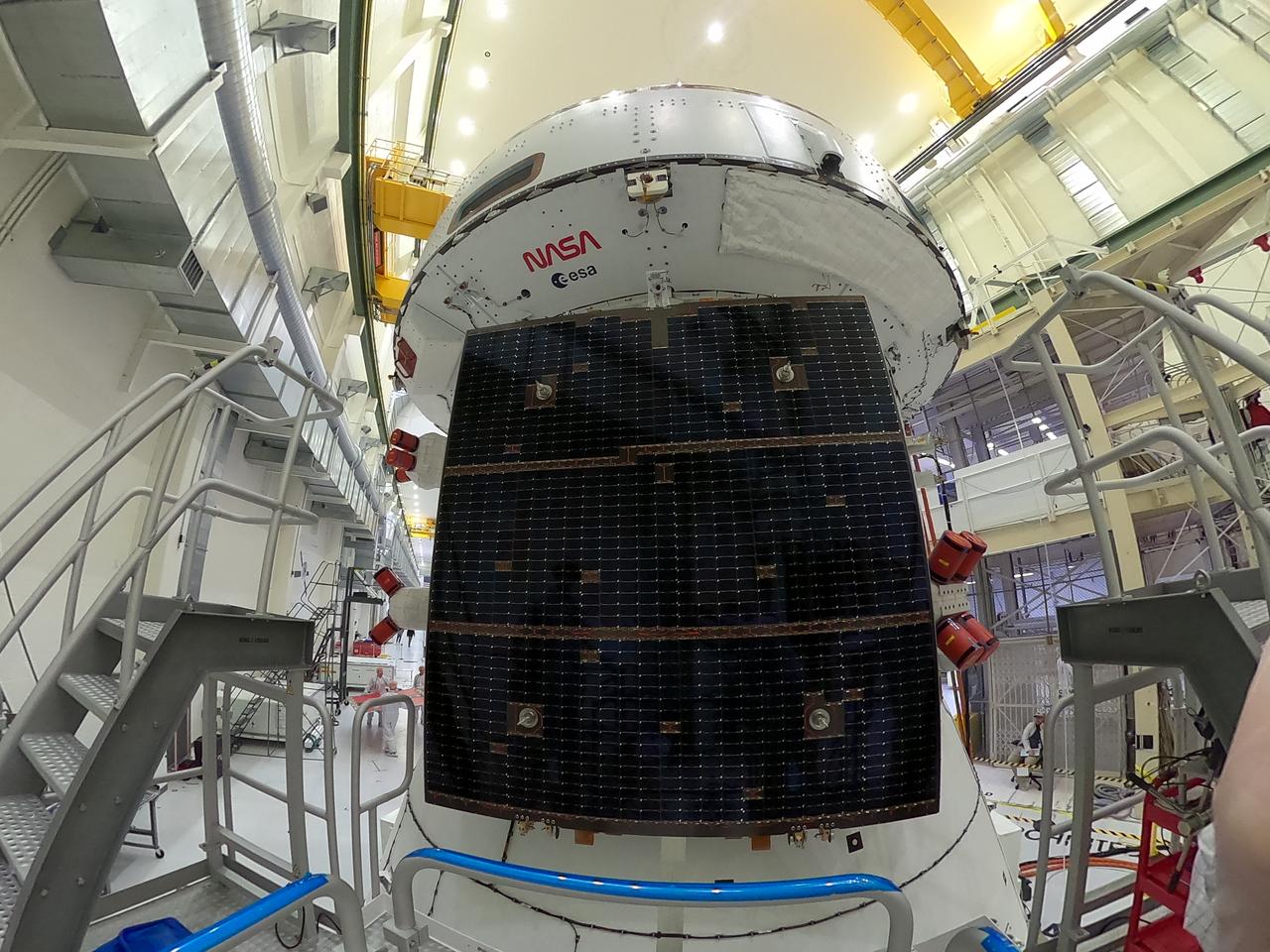
Technicians install four solar array wings on NASA’s Artemis II Orion spacecraft inside the Neil A. Armstrong Operations and Checkout Building at NASA’s Kennedy Space Center in Florida on Monday, March 3, 2025. Each solar array is nearly 23 feet long and can turn on two axes to remain aligned with the Sun for maximum power. Orion’s solar arrays, manufactured and installed by ESA (European Space Agency) and its contractor Airbus, will deliver power to the service module that provides propulsion, thermal control, and electrical power to the spacecraft, as well as air and water for the crew.
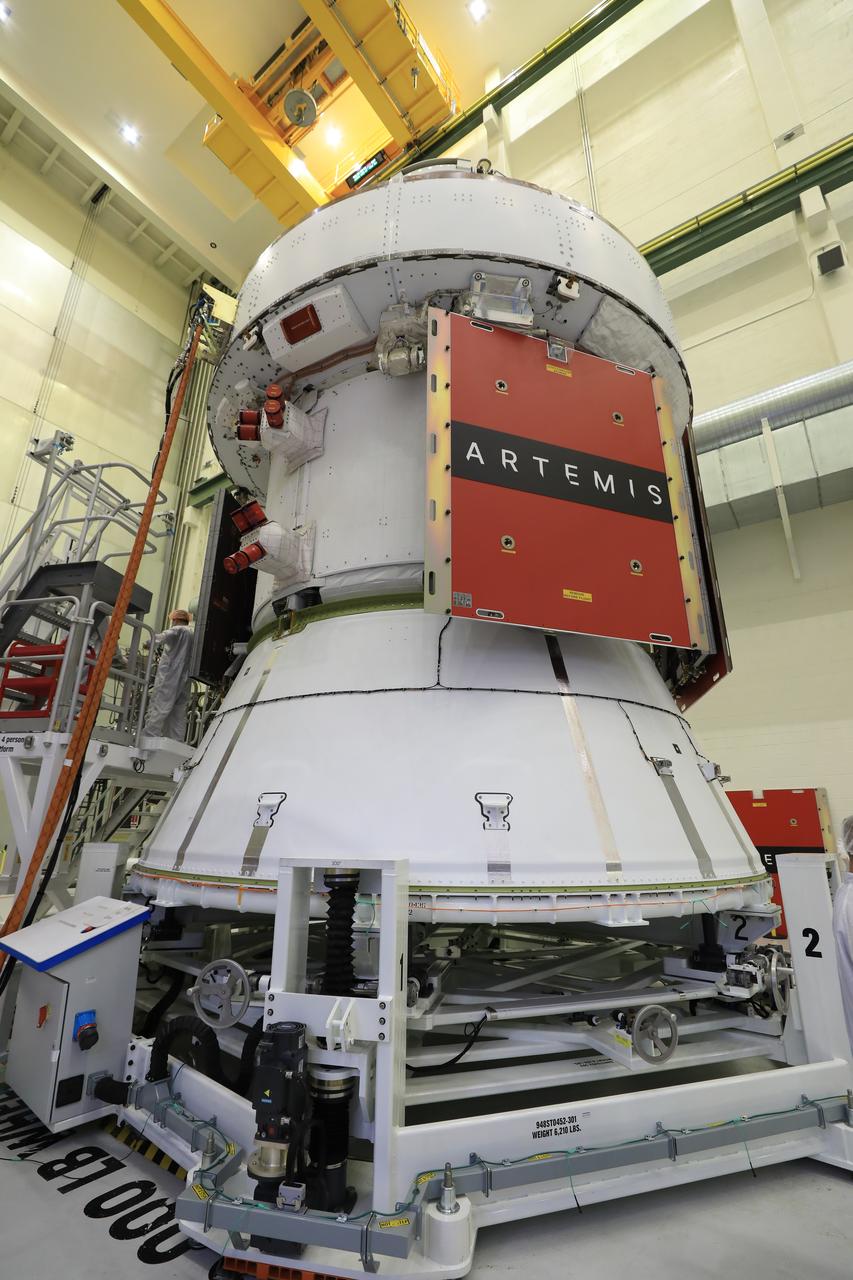
Technicians install four solar array wings on NASA’s Artemis II Orion spacecraft inside the Neil A. Armstrong Operations and Checkout Building at NASA’s Kennedy Space Center in Florida on Monday, March 3, 2025. Each solar array is nearly 23 feet long and can turn on two axes to remain aligned with the Sun for maximum power. Orion’s solar arrays, manufactured and installed by ESA (European Space Agency) and its contractor Airbus, will deliver power to the service module that provides propulsion, thermal control, and electrical power to the spacecraft, as well as air and water for the crew.
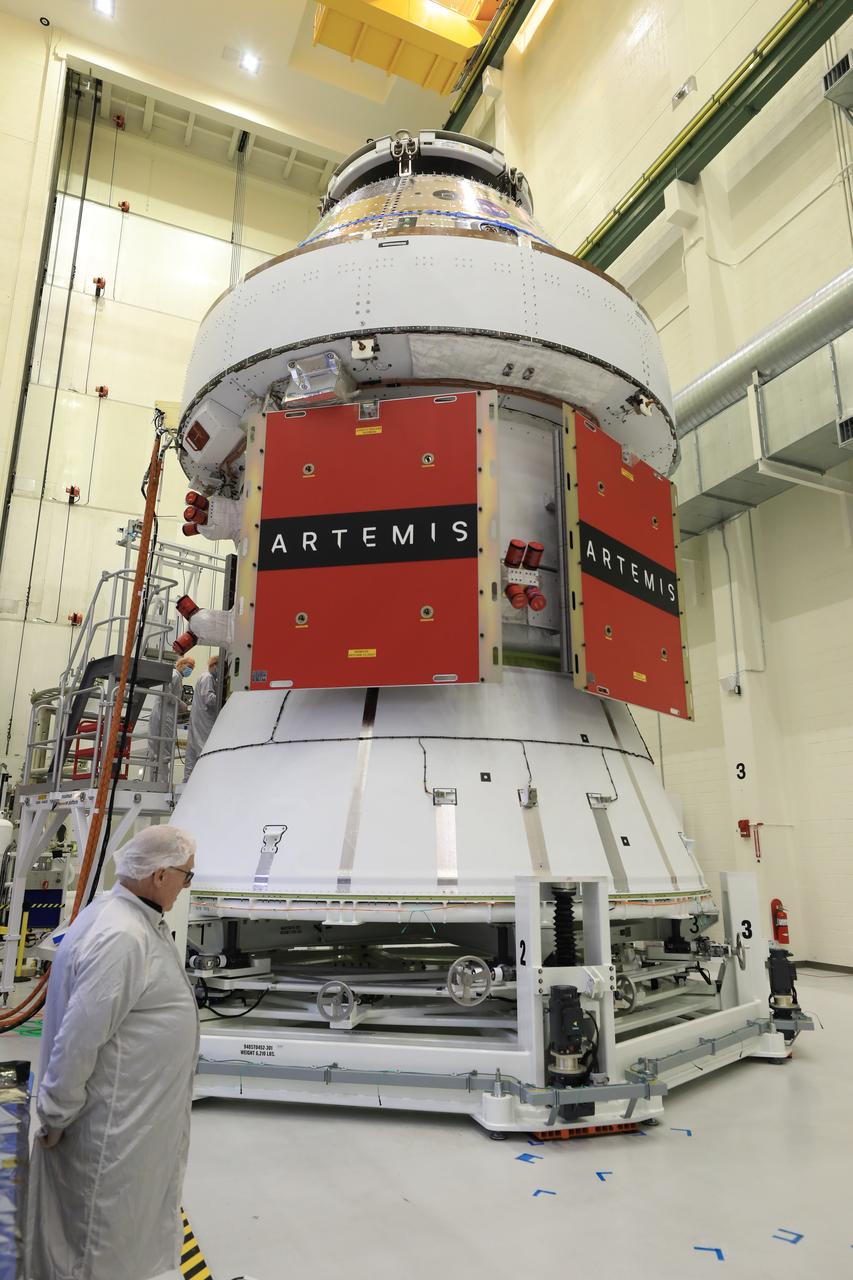
Technicians install four solar array wings on NASA’s Artemis II Orion spacecraft inside the Neil A. Armstrong Operations and Checkout Building at NASA’s Kennedy Space Center in Florida on Monday, March 3, 2025. Each solar array is nearly 23 feet long and can turn on two axes to remain aligned with the Sun for maximum power. Orion’s solar arrays, manufactured and installed by ESA (European Space Agency) and its contractor Airbus, will deliver power to the service module that provides propulsion, thermal control, and electrical power to the spacecraft, as well as air and water for the crew.
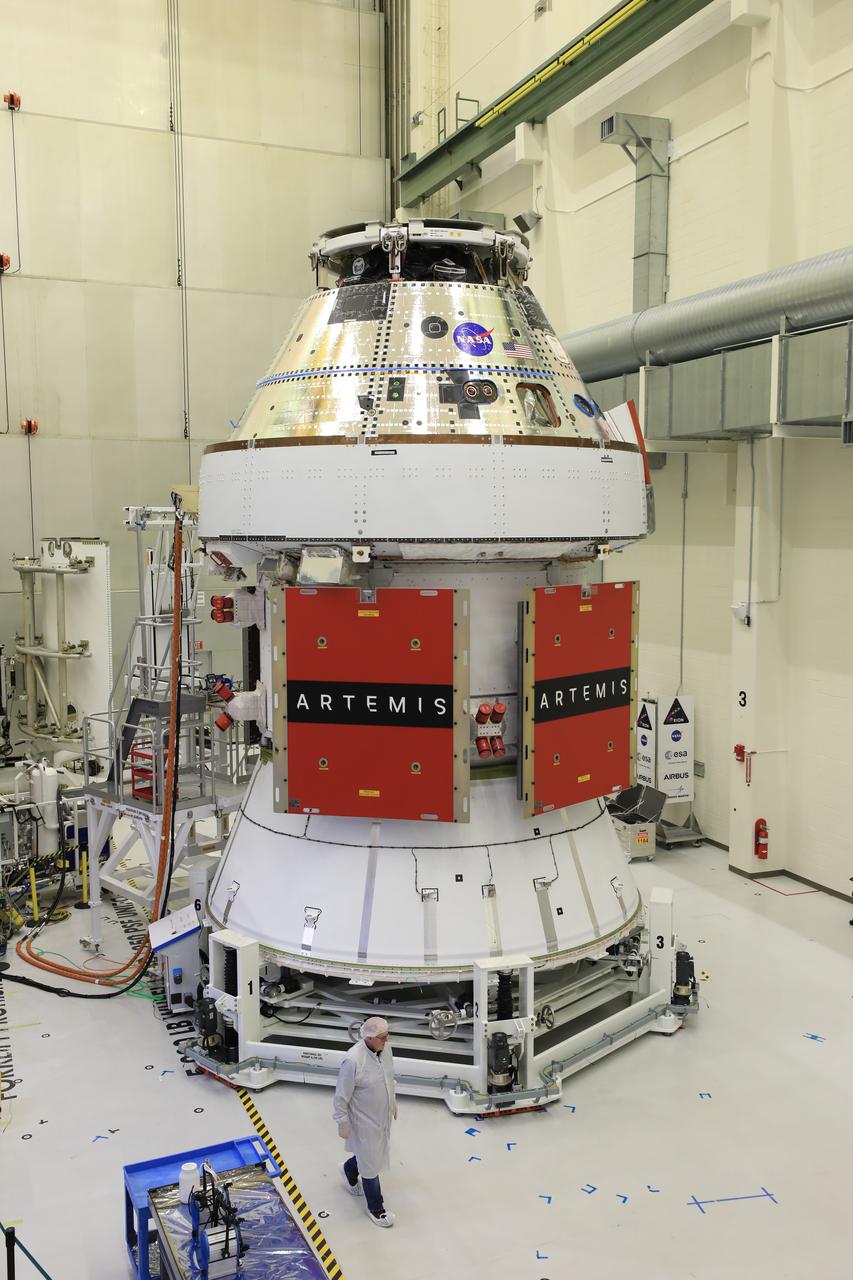
Technicians install four solar array wings on NASA’s Artemis II Orion spacecraft inside the Neil A. Armstrong Operations and Checkout Building at NASA’s Kennedy Space Center in Florida on Monday, March 3, 2025. Each solar array is nearly 23 feet long and can turn on two axes to remain aligned with the Sun for maximum power. Orion’s solar arrays, manufactured and installed by ESA (European Space Agency) and its contractor Airbus, will deliver power to the service module that provides propulsion, thermal control, and electrical power to the spacecraft, as well as air and water for the crew.
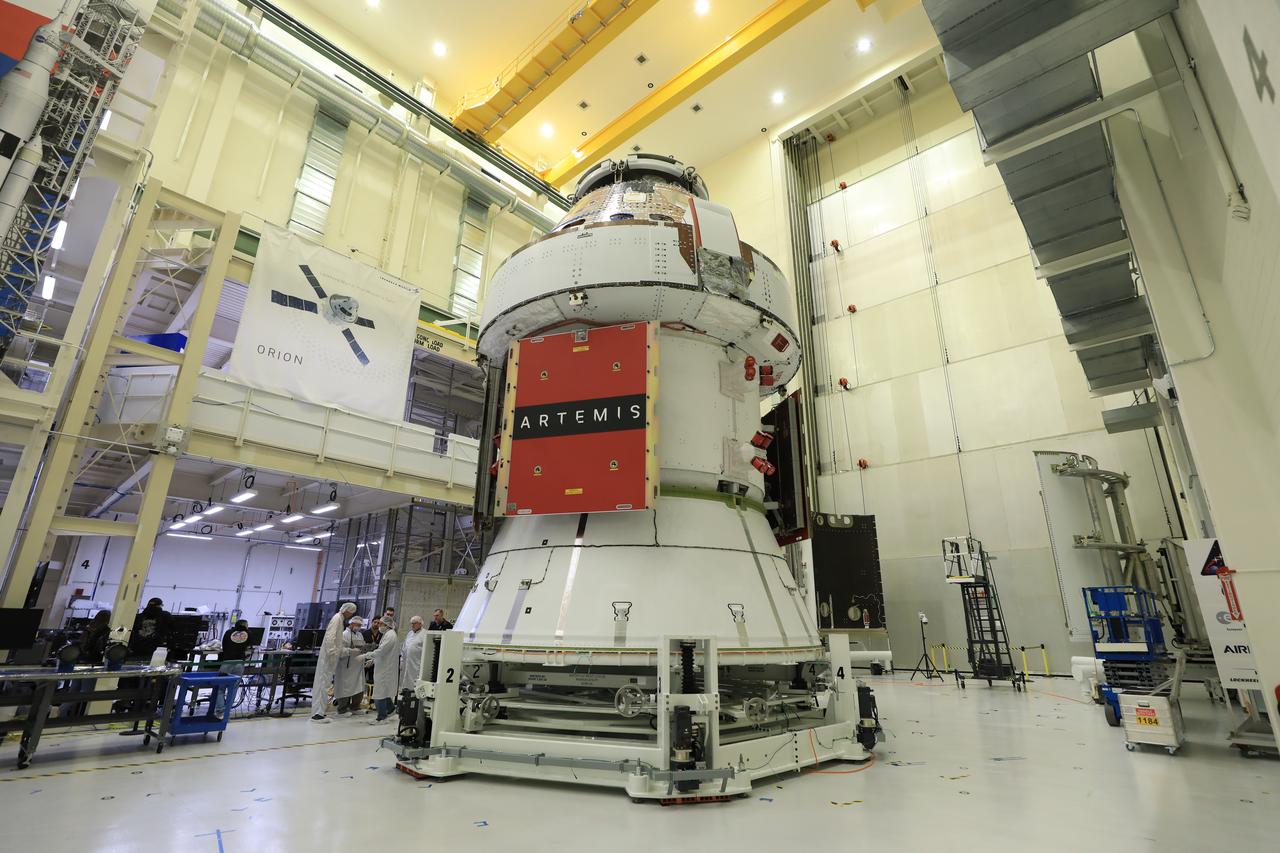
Technicians install four solar array wings on NASA’s Artemis II Orion spacecraft inside the Neil A. Armstrong Operations and Checkout Building at NASA’s Kennedy Space Center in Florida on Monday, March 3, 2025. Each solar array is nearly 23 feet long and can turn on two axes to remain aligned with the Sun for maximum power. Orion’s solar arrays, manufactured and installed by ESA (European Space Agency) and its contractor Airbus, will deliver power to the service module that provides propulsion, thermal control, and electrical power to the spacecraft, as well as air and water for the crew.
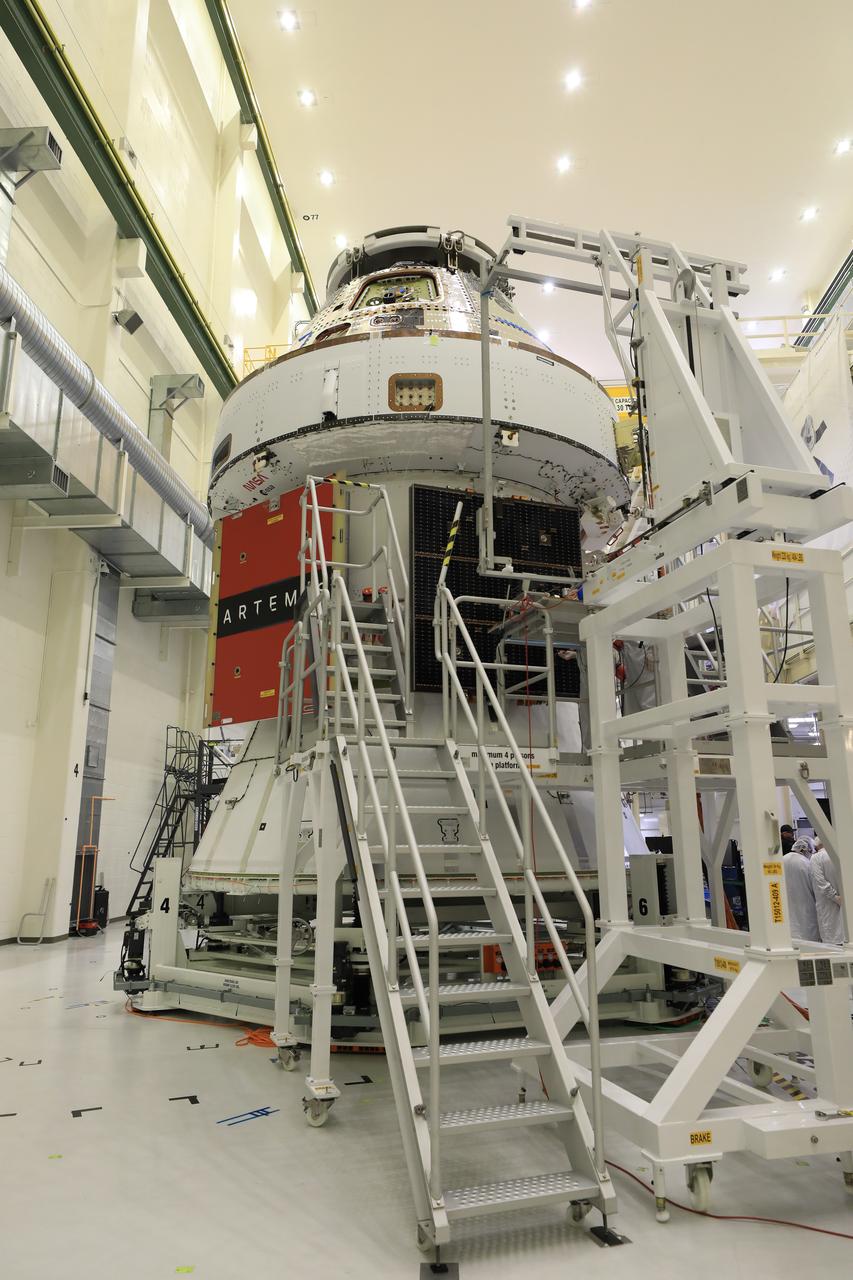
Technicians install four solar array wings on NASA’s Artemis II Orion spacecraft inside the Neil A. Armstrong Operations and Checkout Building at NASA’s Kennedy Space Center in Florida on Monday, March 3, 2025. Each solar array is nearly 23 feet long and can turn on two axes to remain aligned with the Sun for maximum power. Orion’s solar arrays, manufactured and installed by ESA (European Space Agency) and its contractor Airbus, will deliver power to the service module that provides propulsion, thermal control, and electrical power to the spacecraft, as well as air and water for the crew.
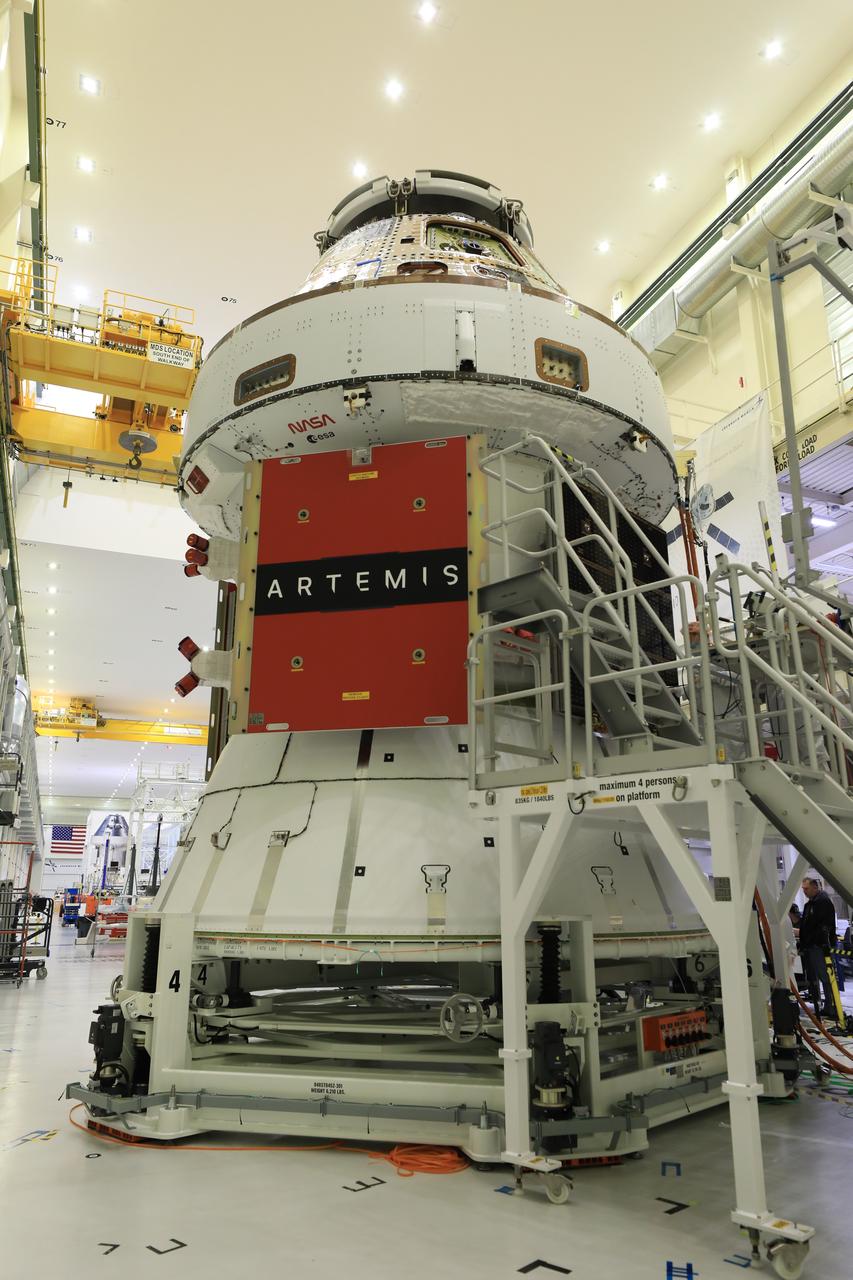
Technicians install four solar array wings on NASA’s Artemis II Orion spacecraft inside the Neil A. Armstrong Operations and Checkout Building at NASA’s Kennedy Space Center in Florida on Monday, March 3, 2025. Each solar array is nearly 23 feet long and can turn on two axes to remain aligned with the Sun for maximum power. Orion’s solar arrays, manufactured and installed by ESA (European Space Agency) and its contractor Airbus, will deliver power to the service module that provides propulsion, thermal control, and electrical power to the spacecraft, as well as air and water for the crew.
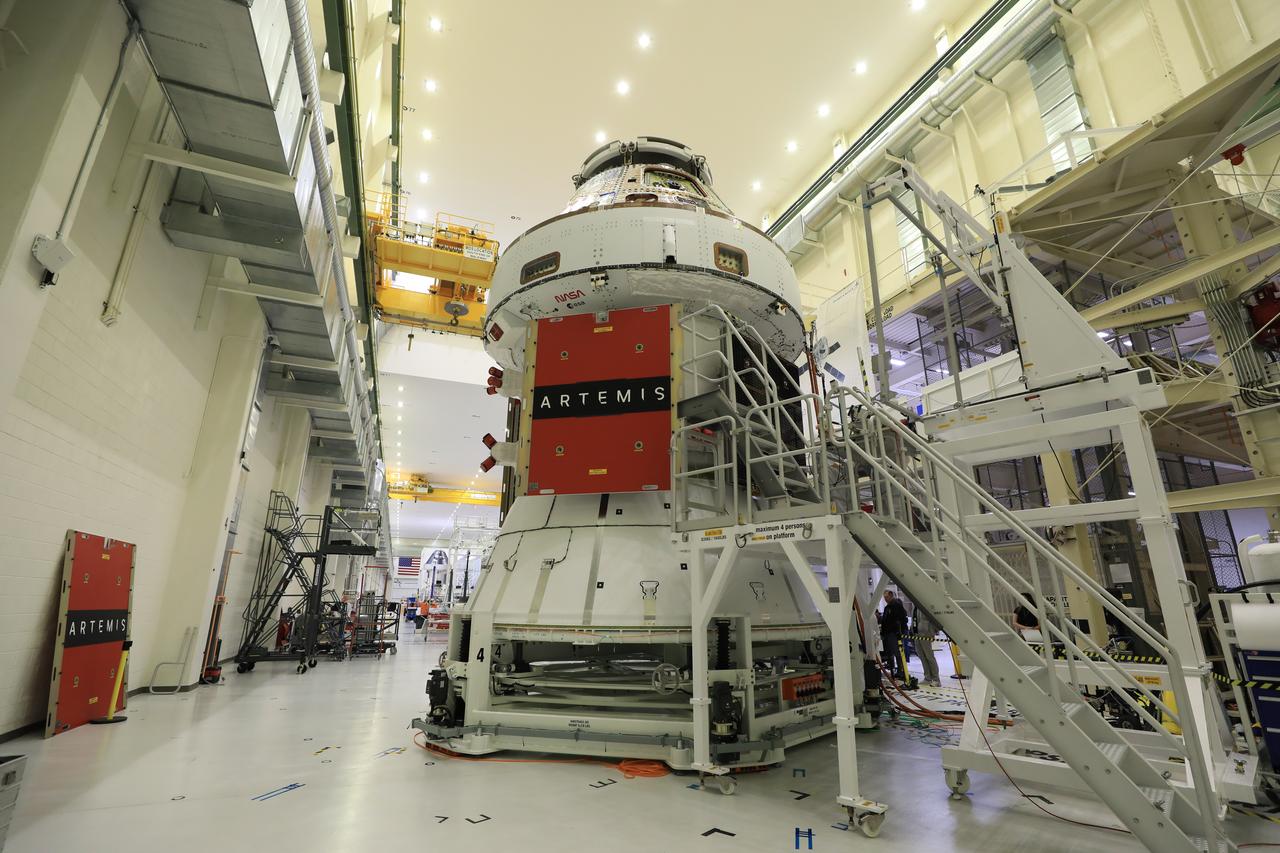
Technicians install four solar array wings on NASA’s Artemis II Orion spacecraft inside the Neil A. Armstrong Operations and Checkout Building at NASA’s Kennedy Space Center in Florida on Monday, March 3, 2025. Each solar array is nearly 23 feet long and can turn on two axes to remain aligned with the Sun for maximum power. Orion’s solar arrays, manufactured and installed by ESA (European Space Agency) and its contractor Airbus, will deliver power to the service module that provides propulsion, thermal control, and electrical power to the spacecraft, as well as air and water for the crew.
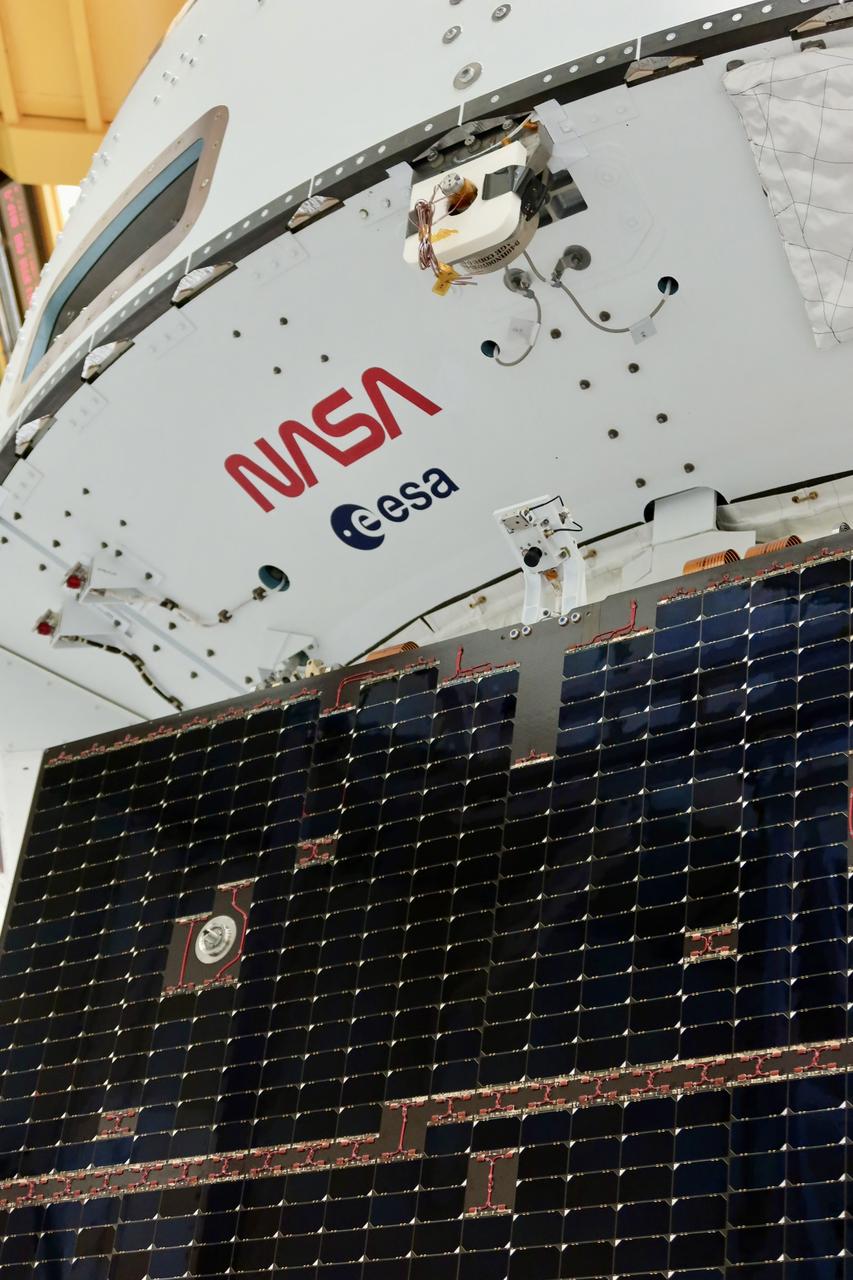
Technicians install four solar array wings on NASA’s Artemis II Orion spacecraft inside the Neil A. Armstrong Operations and Checkout Building at NASA’s Kennedy Space Center in Florida on Monday, March 3, 2025. Each solar array is nearly 23 feet long and can turn on two axes to remain aligned with the Sun for maximum power. Orion’s solar arrays, manufactured and installed by ESA (European Space Agency) and its contractor Airbus, will deliver power to the service module that provides propulsion, thermal control, and electrical power to the spacecraft, as well as air and water for the crew.
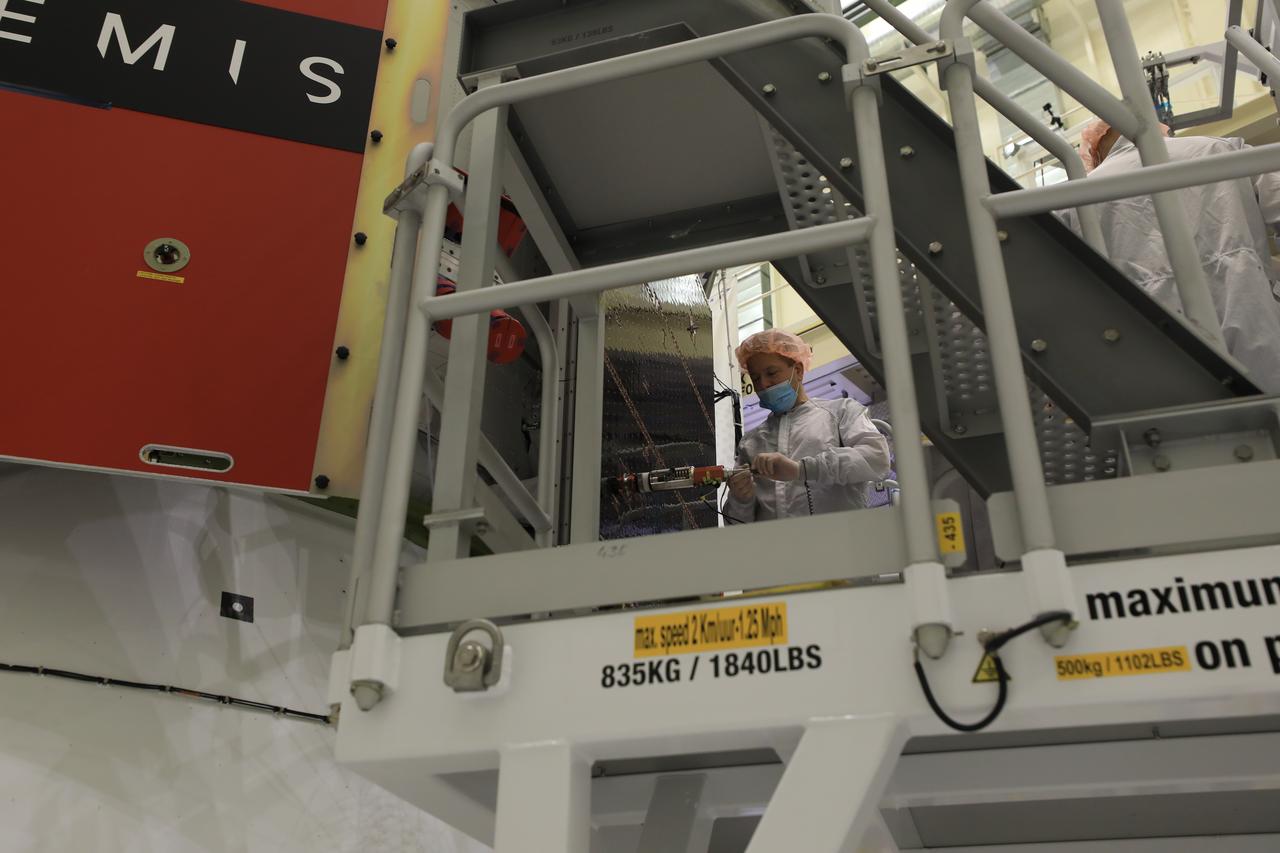
Technicians install four solar array wings on NASA’s Artemis II Orion spacecraft inside the Neil A. Armstrong Operations and Checkout Building at NASA’s Kennedy Space Center in Florida on Monday, March 3, 2025. Each solar array is nearly 23 feet long and can turn on two axes to remain aligned with the Sun for maximum power. Orion’s solar arrays, manufactured and installed by ESA (European Space Agency) and its contractor Airbus, will deliver power to the service module that provides propulsion, thermal control, and electrical power to the spacecraft, as well as air and water for the crew.
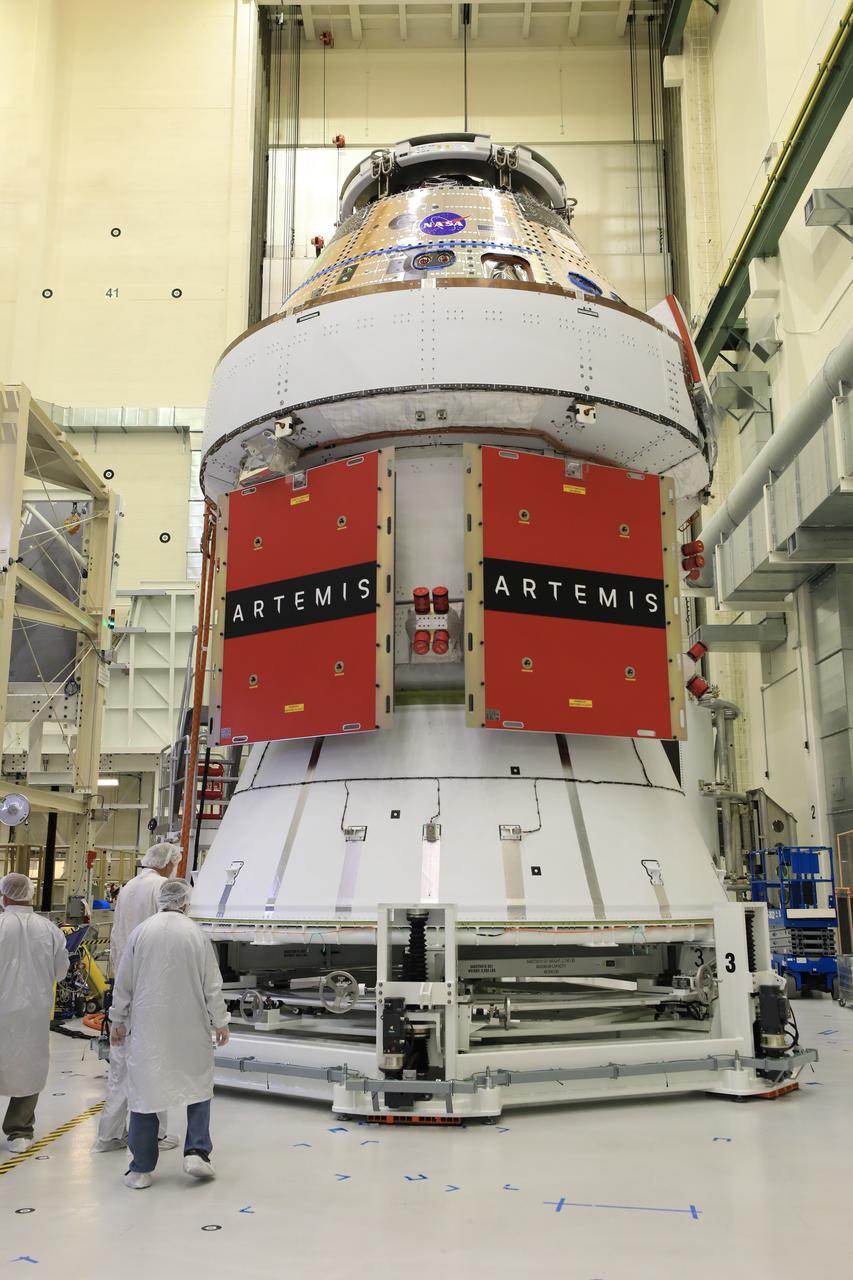
Technicians install four solar array wings on NASA’s Artemis II Orion spacecraft inside the Neil A. Armstrong Operations and Checkout Building at NASA’s Kennedy Space Center in Florida on Monday, March 3, 2025. Each solar array is nearly 23 feet long and can turn on two axes to remain aligned with the Sun for maximum power. Orion’s solar arrays, manufactured and installed by ESA (European Space Agency) and its contractor Airbus, will deliver power to the service module that provides propulsion, thermal control, and electrical power to the spacecraft, as well as air and water for the crew.
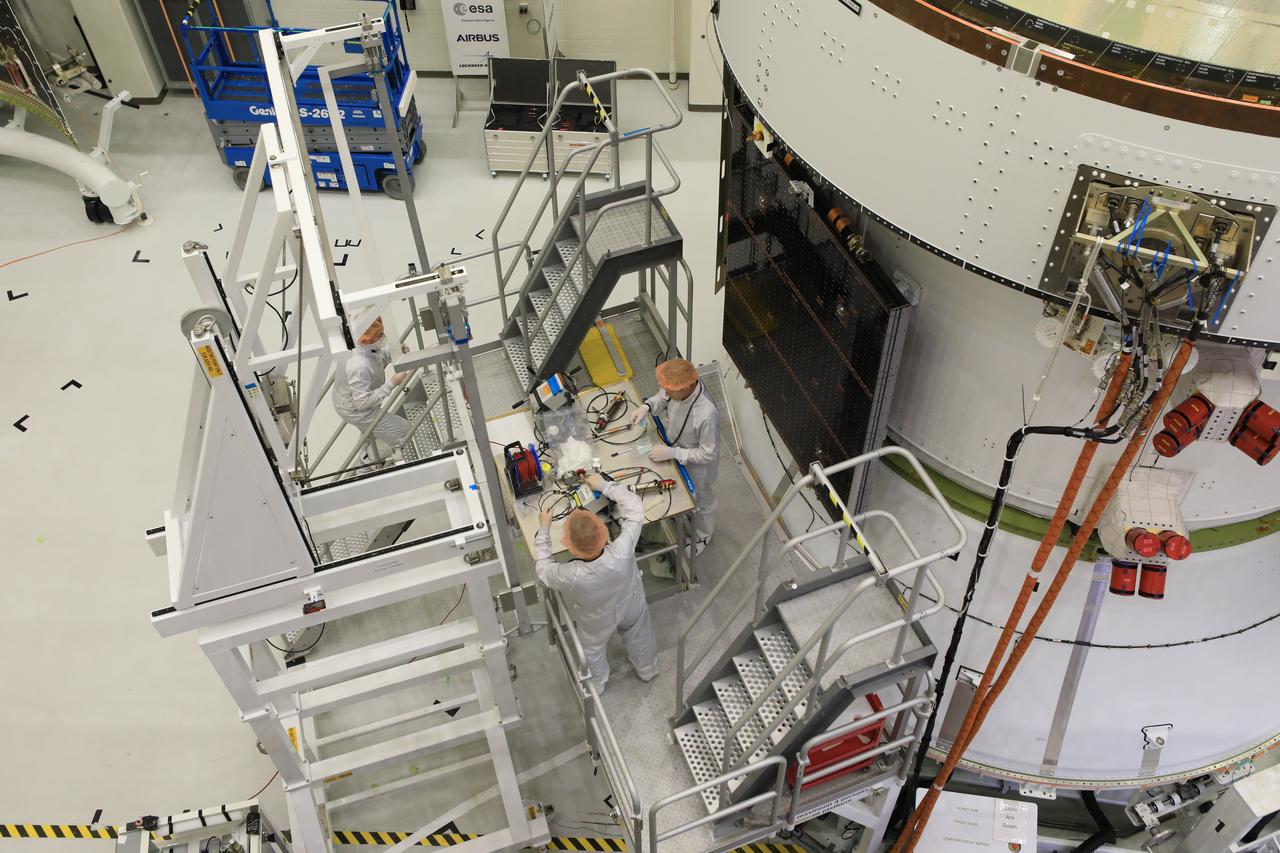
Technicians install four solar array wings on NASA’s Artemis II Orion spacecraft inside the Neil A. Armstrong Operations and Checkout Building at NASA’s Kennedy Space Center in Florida on Monday, March 3, 2025. Each solar array is nearly 23 feet long and can turn on two axes to remain aligned with the Sun for maximum power. Orion’s solar arrays, manufactured and installed by ESA (European Space Agency) and its contractor Airbus, will deliver power to the service module that provides propulsion, thermal control, and electrical power to the spacecraft, as well as air and water for the crew.
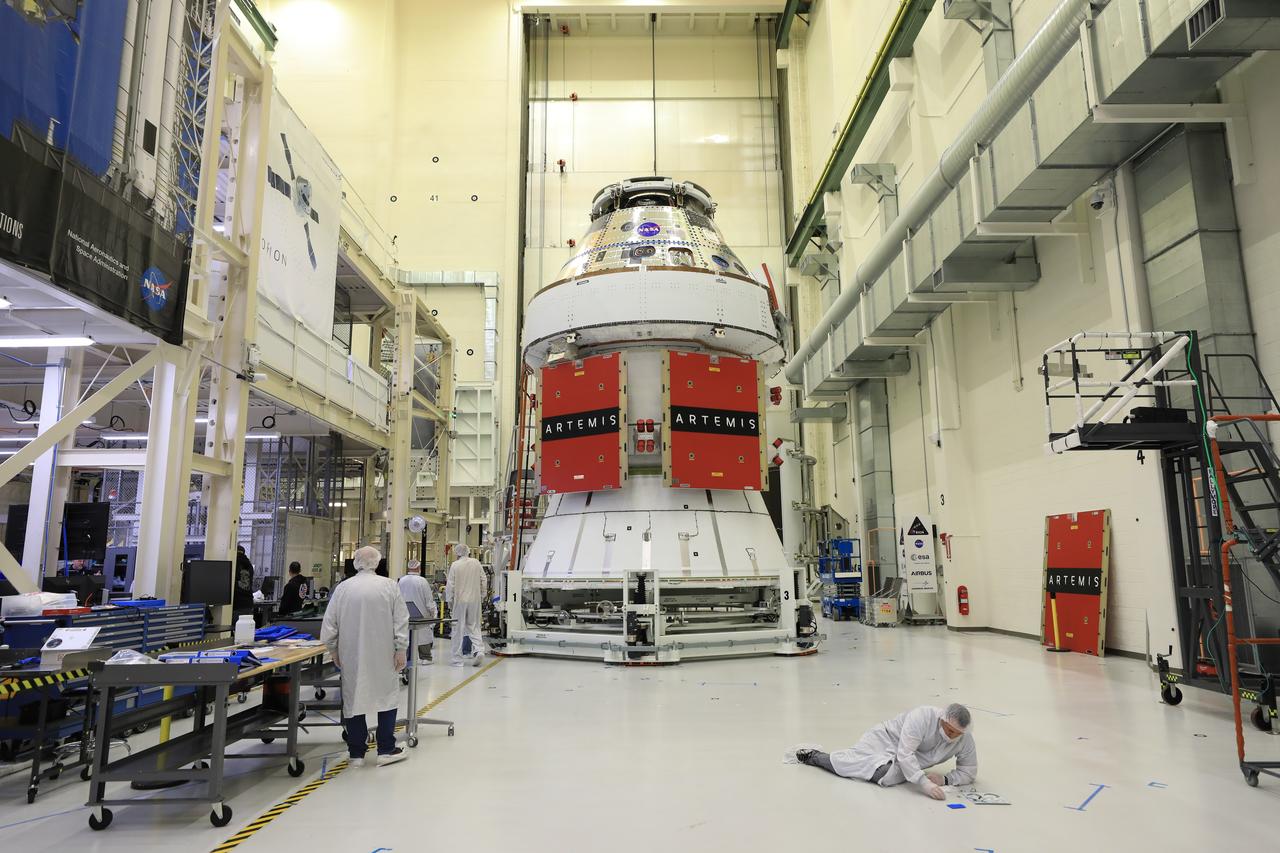
Technicians install four solar array wings on NASA’s Artemis II Orion spacecraft inside the Neil A. Armstrong Operations and Checkout Building at NASA’s Kennedy Space Center in Florida on Monday, March 3, 2025. Each solar array is nearly 23 feet long and can turn on two axes to remain aligned with the Sun for maximum power. Orion’s solar arrays, manufactured and installed by ESA (European Space Agency) and its contractor Airbus, will deliver power to the service module that provides propulsion, thermal control, and electrical power to the spacecraft, as well as air and water for the crew.
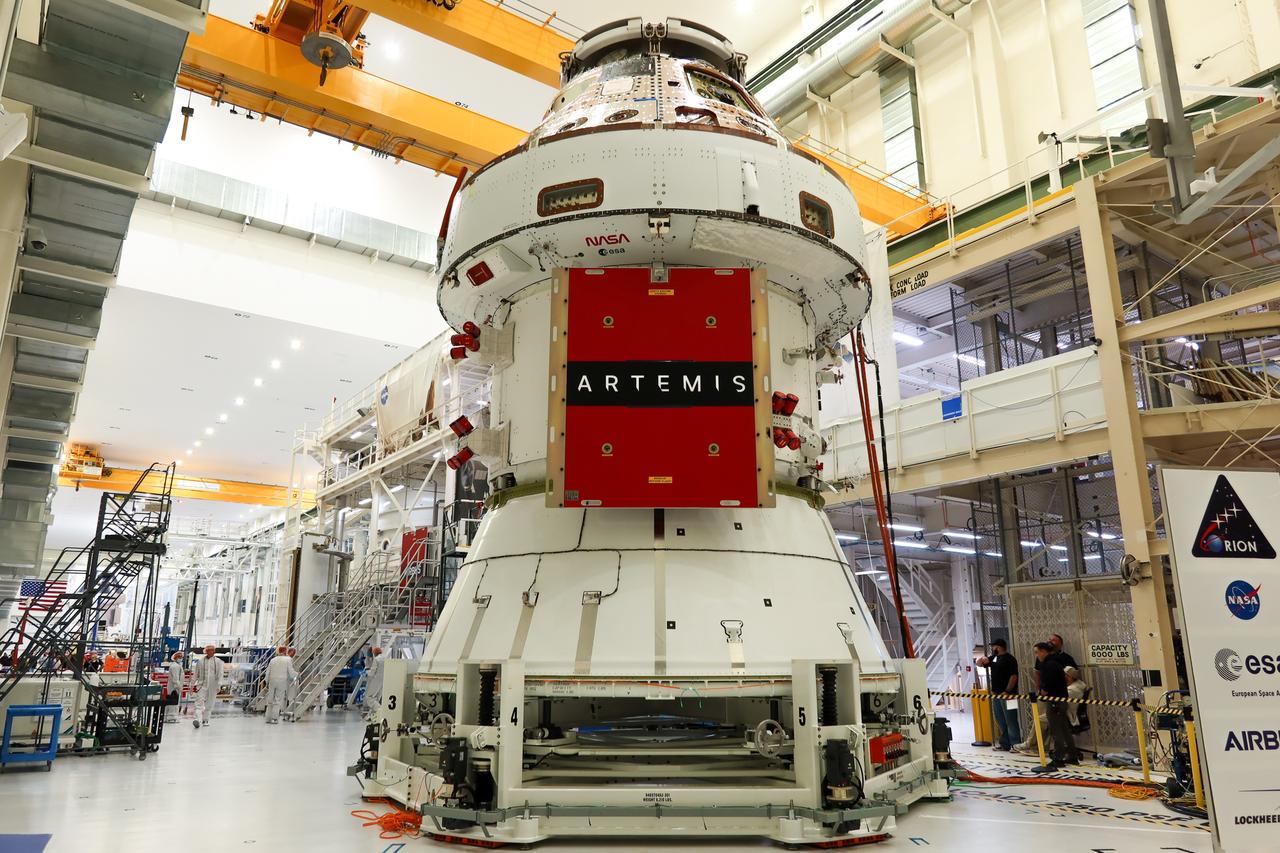
Technicians install four solar array wings on NASA’s Artemis II Orion spacecraft inside the Neil A. Armstrong Operations and Checkout Building at NASA’s Kennedy Space Center in Florida on Monday, March 3, 2025. Each solar array is nearly 23 feet long and can turn on two axes to remain aligned with the Sun for maximum power. Orion’s solar arrays, manufactured and installed by ESA (European Space Agency) and its contractor Airbus, will deliver power to the service module that provides propulsion, thermal control, and electrical power to the spacecraft, as well as air and water for the crew.
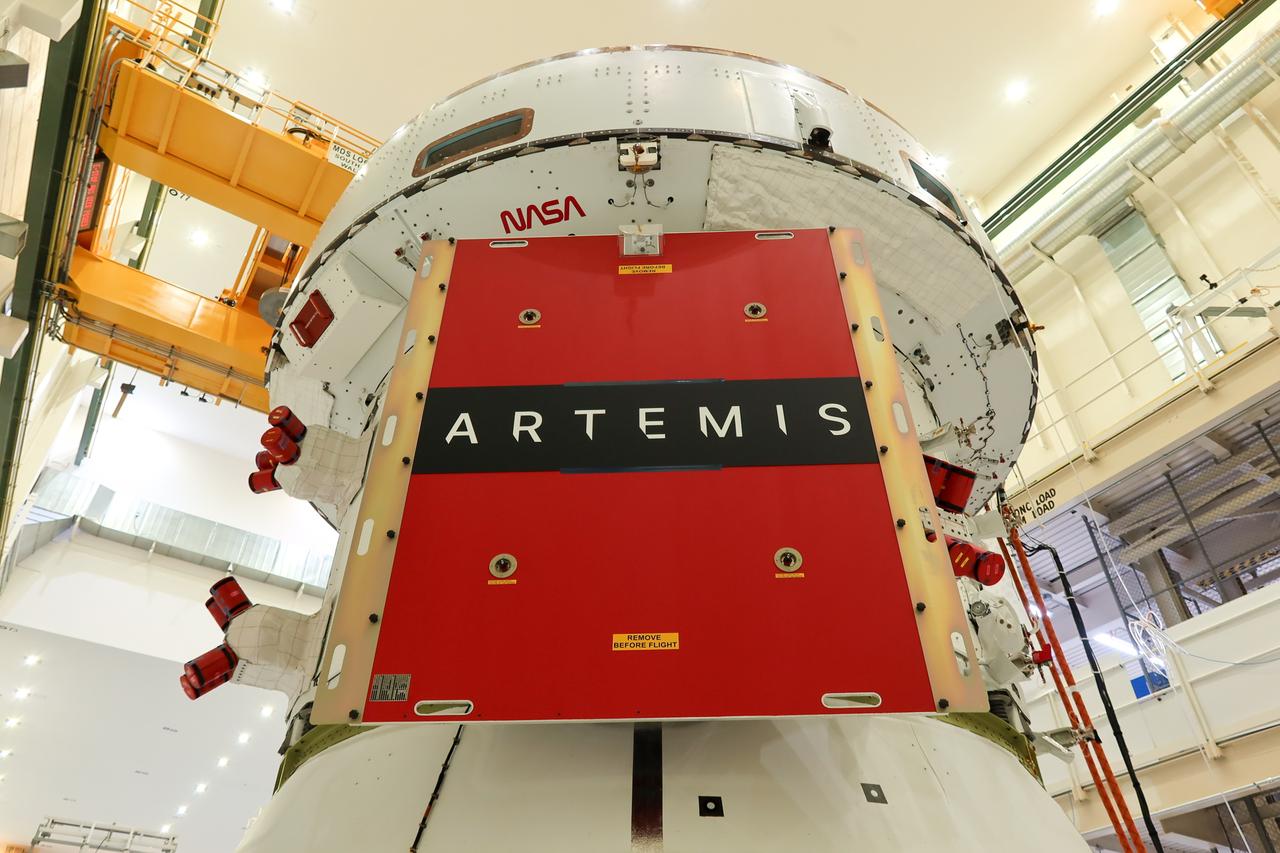
Technicians install four solar array wings on NASA’s Artemis II Orion spacecraft inside the Neil A. Armstrong Operations and Checkout Building at NASA’s Kennedy Space Center in Florida on Monday, March 3, 2025. Each solar array is nearly 23 feet long and can turn on two axes to remain aligned with the Sun for maximum power. Orion’s solar arrays, manufactured and installed by ESA (European Space Agency) and its contractor Airbus, will deliver power to the service module that provides propulsion, thermal control, and electrical power to the spacecraft, as well as air and water for the crew.
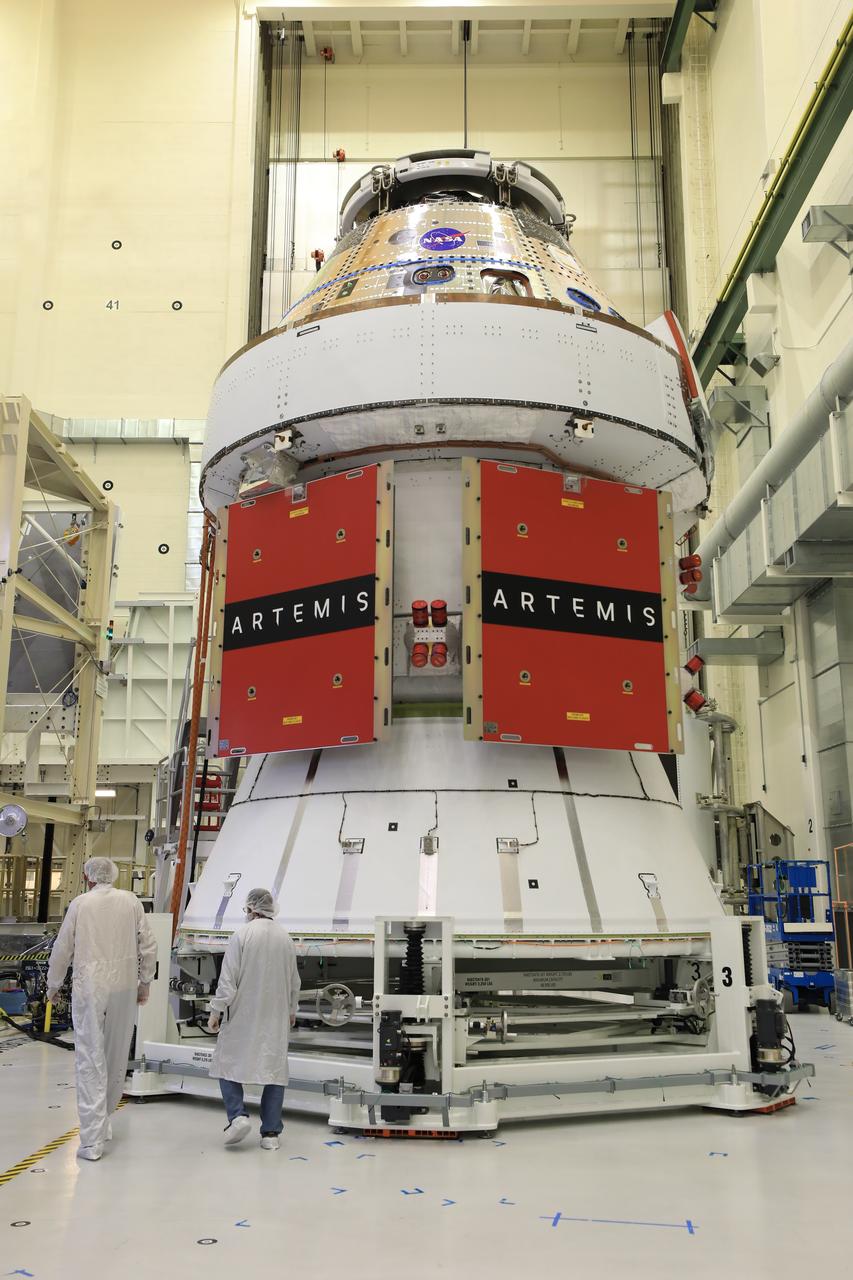
Technicians install four solar array wings on NASA’s Artemis II Orion spacecraft inside the Neil A. Armstrong Operations and Checkout Building at NASA’s Kennedy Space Center in Florida on Monday, March 3, 2025. Each solar array is nearly 23 feet long and can turn on two axes to remain aligned with the Sun for maximum power. Orion’s solar arrays, manufactured and installed by ESA (European Space Agency) and its contractor Airbus, will deliver power to the service module that provides propulsion, thermal control, and electrical power to the spacecraft, as well as air and water for the crew.
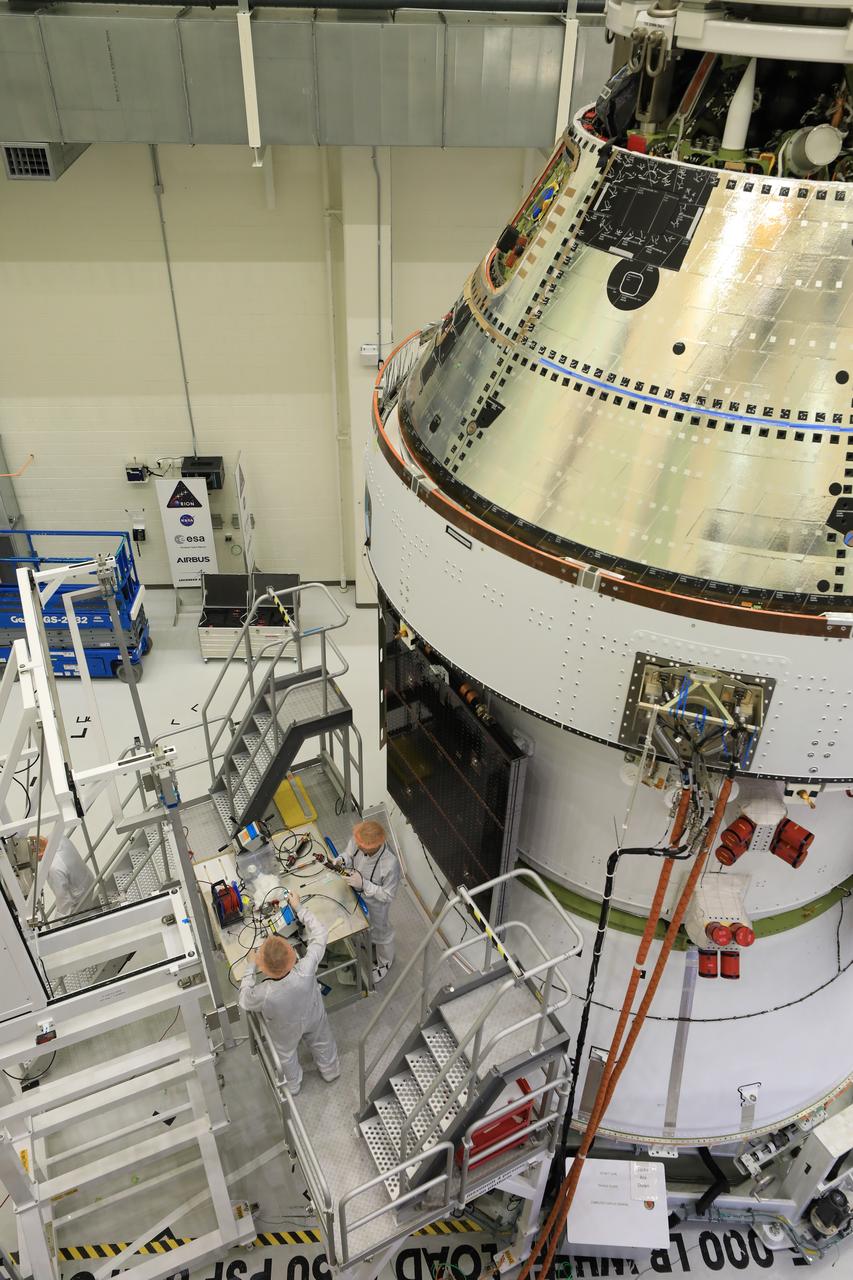
Technicians install four solar array wings on NASA’s Artemis II Orion spacecraft inside the Neil A. Armstrong Operations and Checkout Building at NASA’s Kennedy Space Center in Florida on Monday, March 3, 2025. Each solar array is nearly 23 feet long and can turn on two axes to remain aligned with the Sun for maximum power. Orion’s solar arrays, manufactured and installed by ESA (European Space Agency) and its contractor Airbus, will deliver power to the service module that provides propulsion, thermal control, and electrical power to the spacecraft, as well as air and water for the crew.
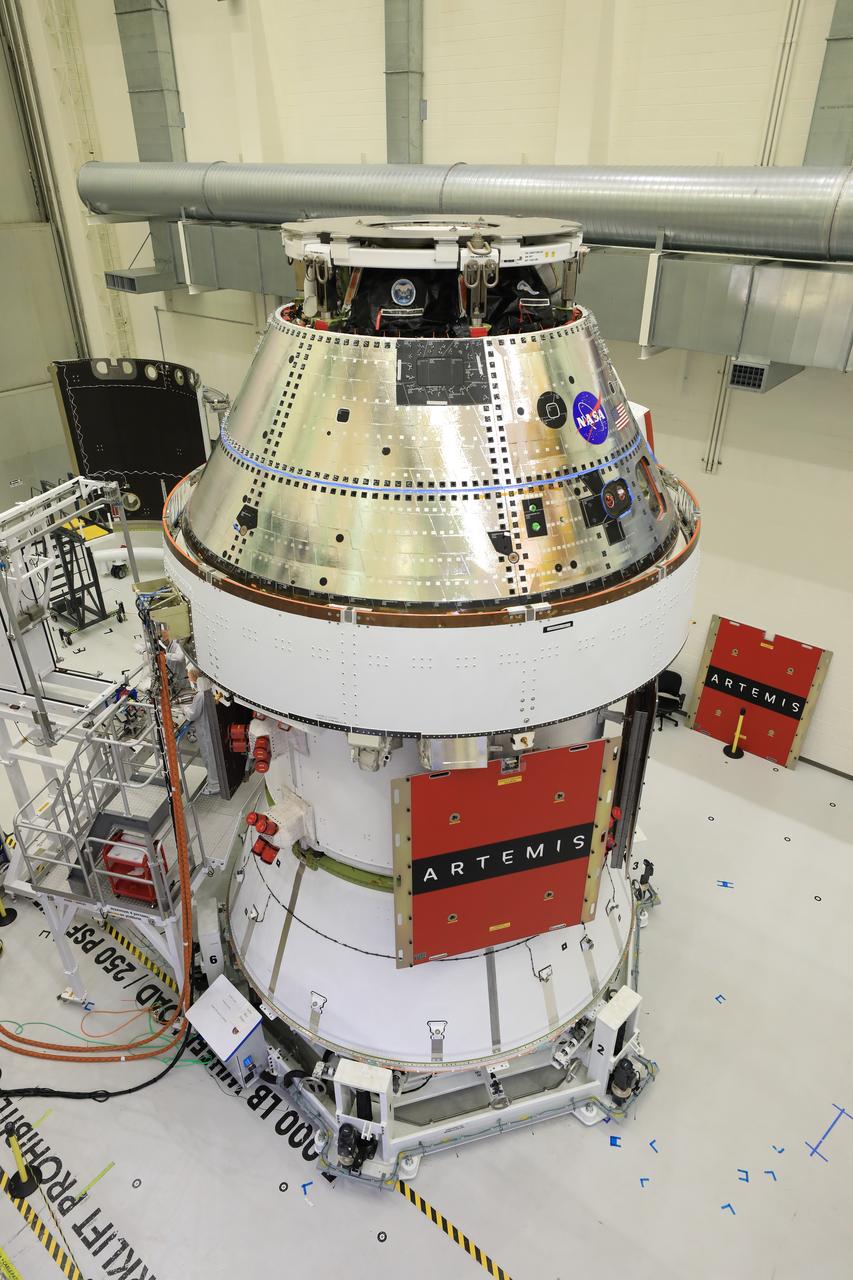
Technicians install four solar array wings on NASA’s Artemis II Orion spacecraft inside the Neil A. Armstrong Operations and Checkout Building at NASA’s Kennedy Space Center in Florida on Monday, March 3, 2025. Each solar array is nearly 23 feet long and can turn on two axes to remain aligned with the Sun for maximum power. Orion’s solar arrays, manufactured and installed by ESA (European Space Agency) and its contractor Airbus, will deliver power to the service module that provides propulsion, thermal control, and electrical power to the spacecraft, as well as air and water for the crew.
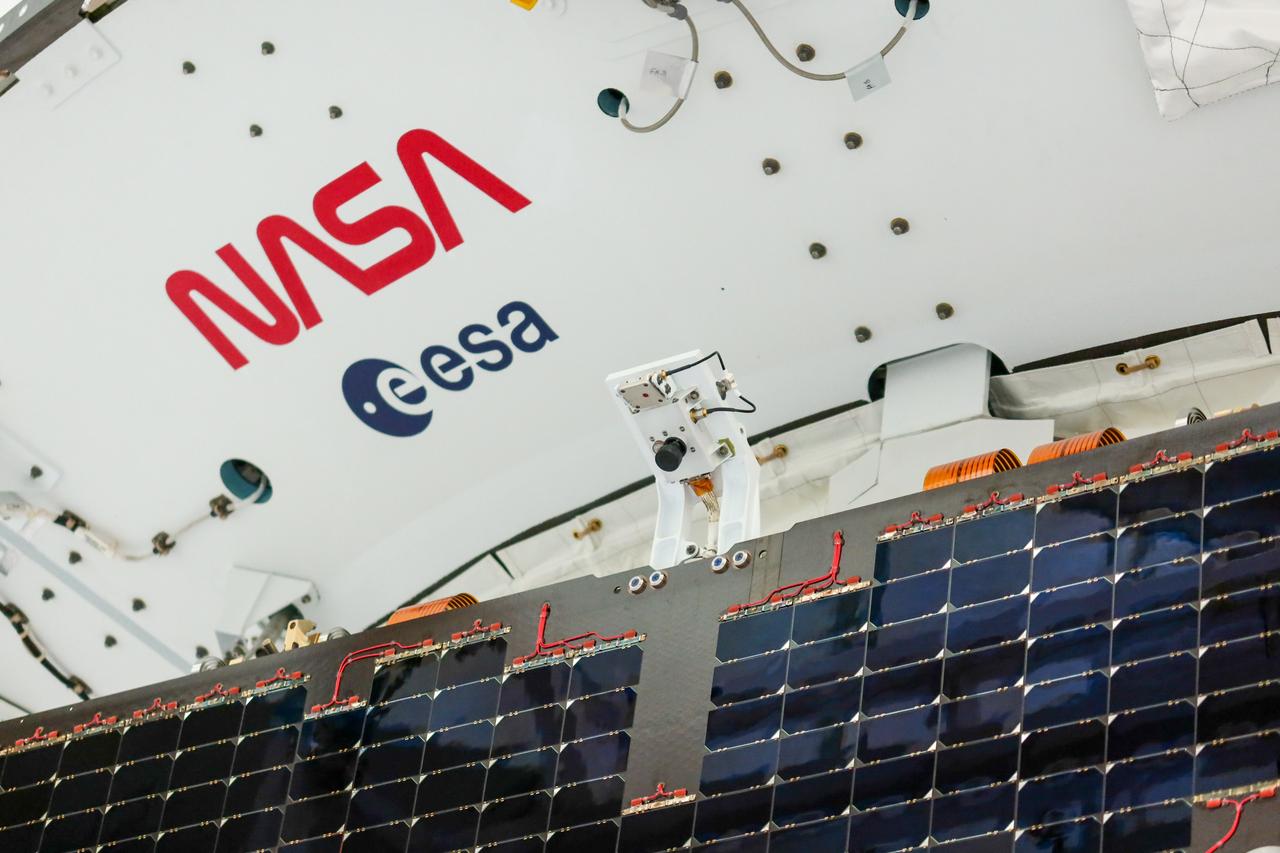
Technicians install four solar array wings on NASA’s Artemis II Orion spacecraft inside the Neil A. Armstrong Operations and Checkout Building at NASA’s Kennedy Space Center in Florida on Monday, March 3, 2025. Each solar array is nearly 23 feet long and can turn on two axes to remain aligned with the Sun for maximum power. Orion’s solar arrays, manufactured and installed by ESA (European Space Agency) and its contractor Airbus, will deliver power to the service module that provides propulsion, thermal control, and electrical power to the spacecraft, as well as air and water for the crew.
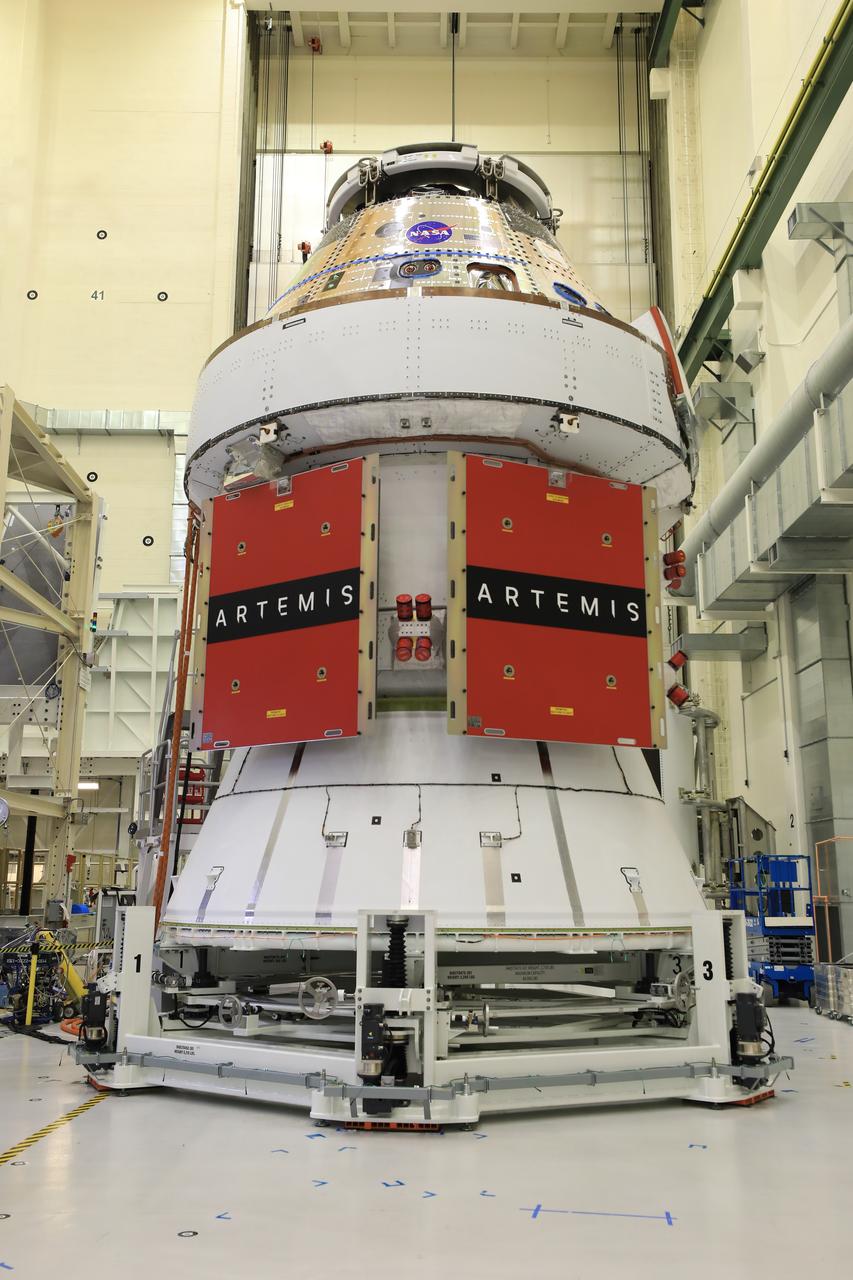
Technicians install four solar array wings on NASA’s Artemis II Orion spacecraft inside the Neil A. Armstrong Operations and Checkout Building at NASA’s Kennedy Space Center in Florida on Monday, March 3, 2025. Each solar array is nearly 23 feet long and can turn on two axes to remain aligned with the Sun for maximum power. Orion’s solar arrays, manufactured and installed by ESA (European Space Agency) and its contractor Airbus, will deliver power to the service module that provides propulsion, thermal control, and electrical power to the spacecraft, as well as air and water for the crew.
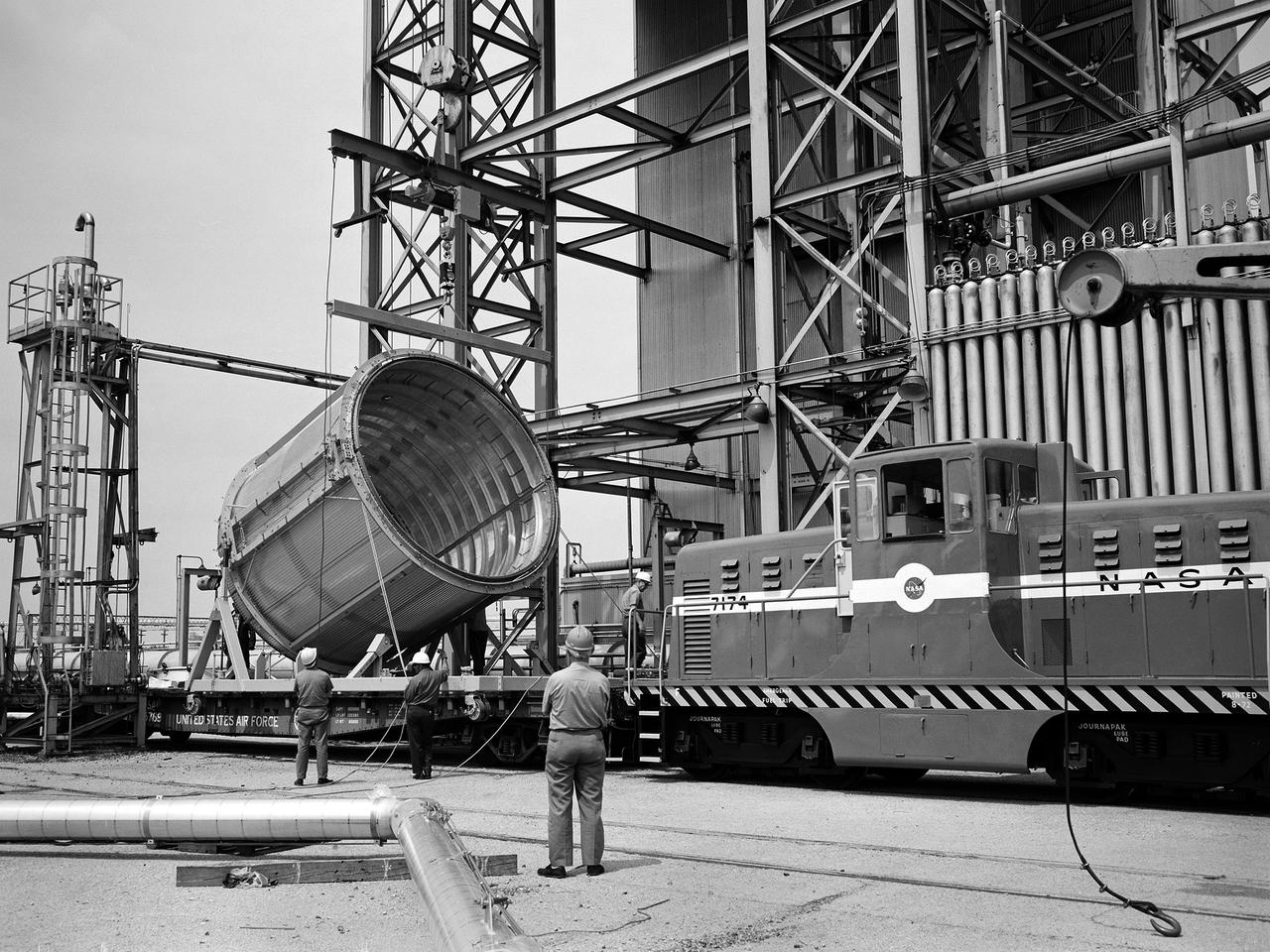
A section of the Centaur Standard Shroud transported to Nuclear Rocket Dynamics and Control Facility, or B-3 Test Stand, at the National Aeronautics and Space Administration’s (NASA) Plum Brook Station. B-3 was built in the early 1960s to test full-scale liquid hydrogen fuel systems in simulated altitude conditions. The facility was used in 1972, however, for testing of the Centaur Standard Shroud’s ejection system. In the late 1960s NASA engineers were planning the ambitious new Viking mission to send two rover vehicles to the surface of Mars. The Viking rovers were the heaviest payloads ever attempted and were over three times the weight of Atlas-Centaur’s previous heaviest payload. Consequently, NASA engineers selected the more powerful the Titan III rocket booster to mate with the Centaur. Concurrently, General Dynamics was in the process of introducing a new Centaur model for Titan—the D-1T. The biggest change for the D-1T was a completely new shroud designed by Lockheed, called the Centaur Standard Shroud. The shroud, its insulation, the Centaur ground-hold purge system, and the hydrogen tank venting system were all studied in B-3. After more than two years of preparations, the tests were run between April and July 1973. The tests determined the ultimate flight loads on two axes, established the Centaur’s load sharing, the level of propellant boiloff during launch holds, and the vent system capacity. The Centaur Standard Shroud performed flawlessly during the August 20 and September 9, 1975 launches of Viking 1 and 2.