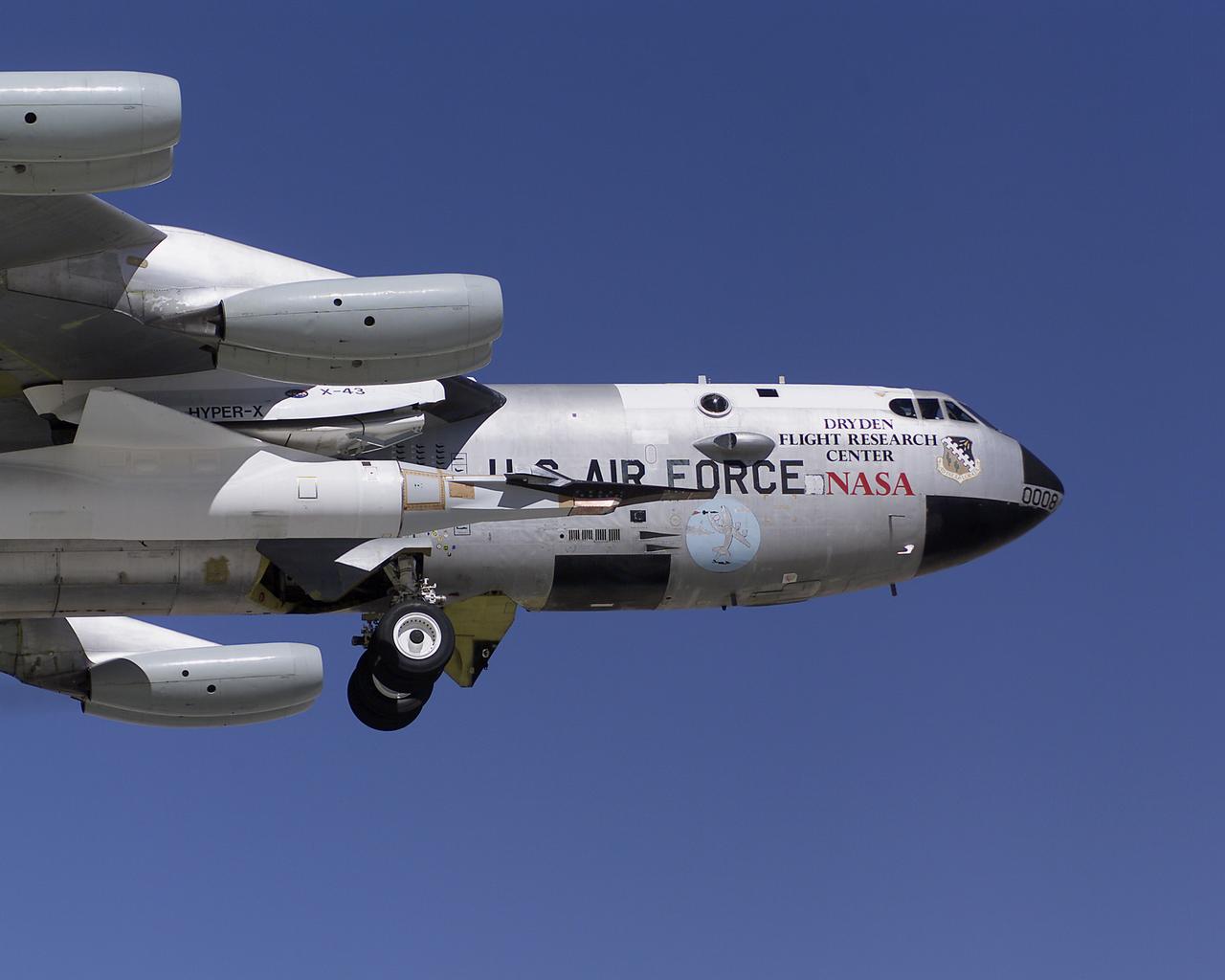
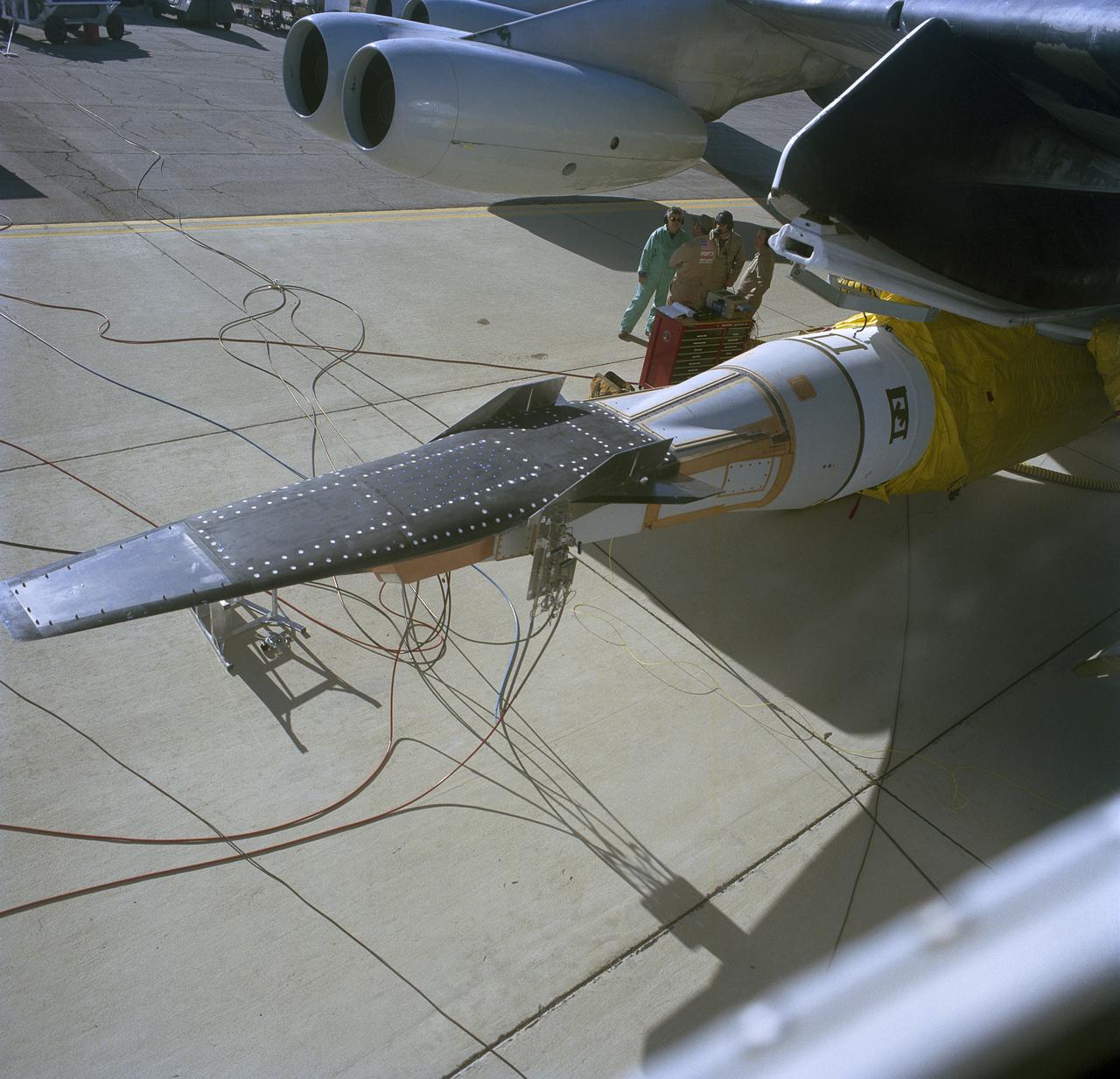
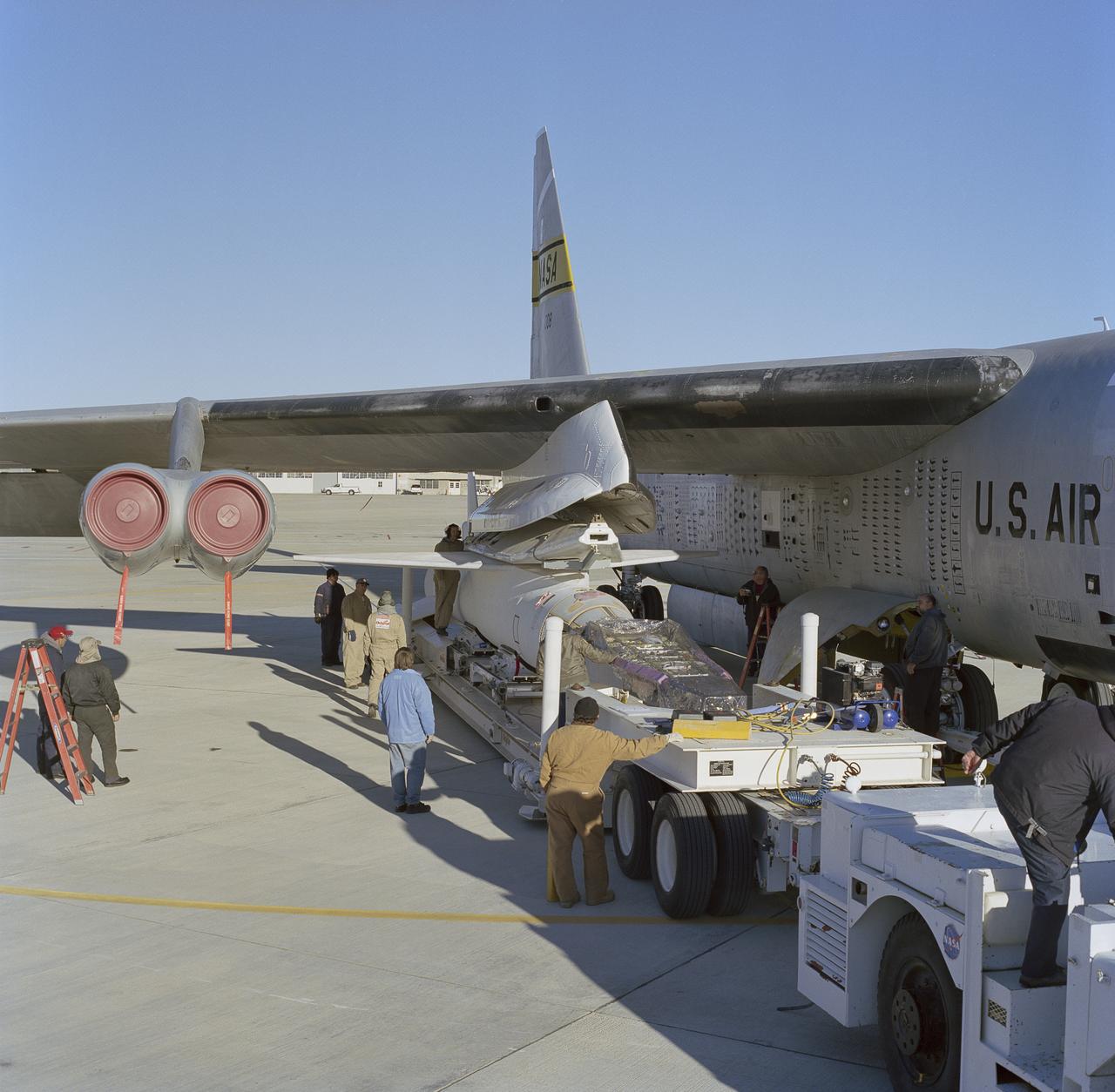
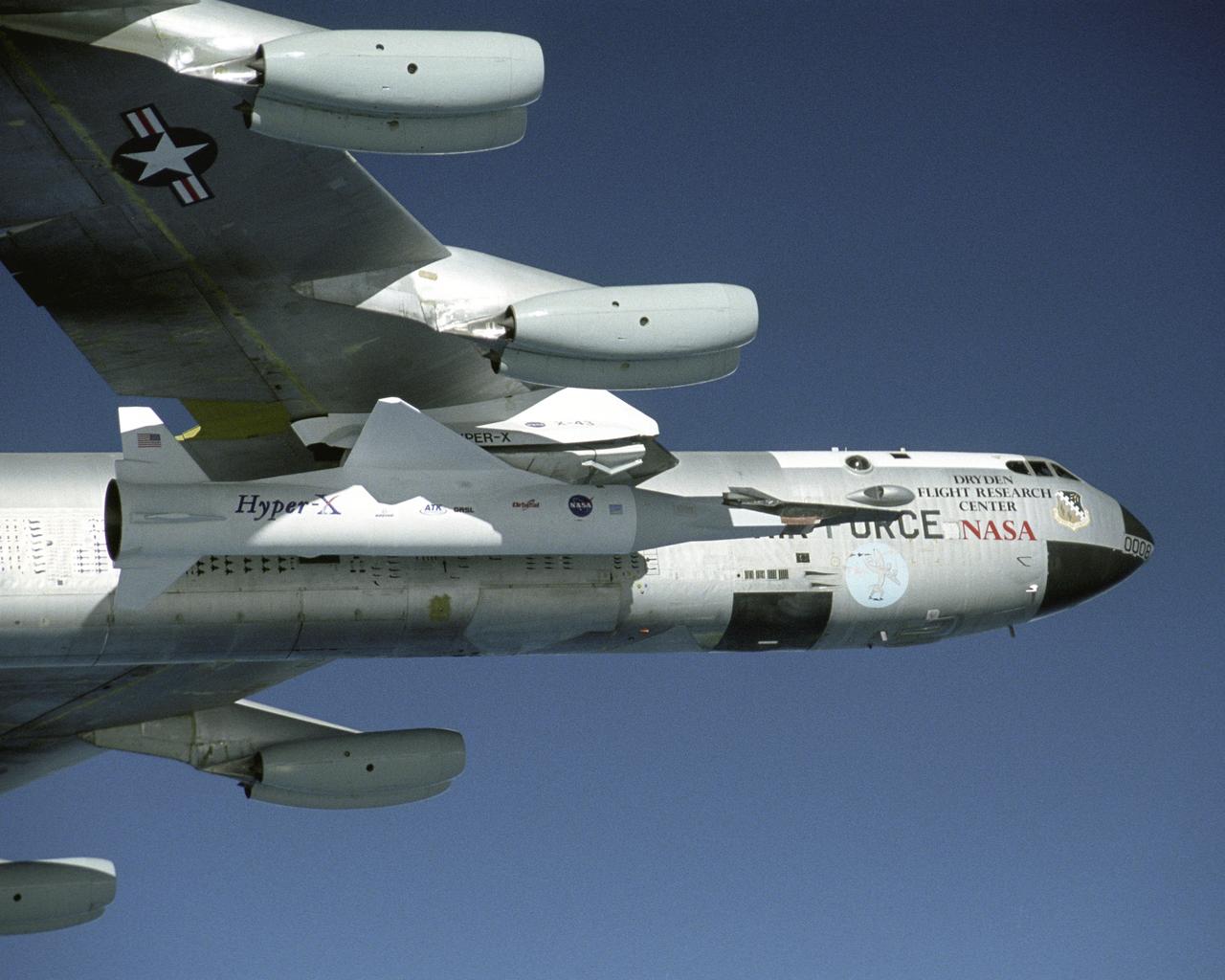
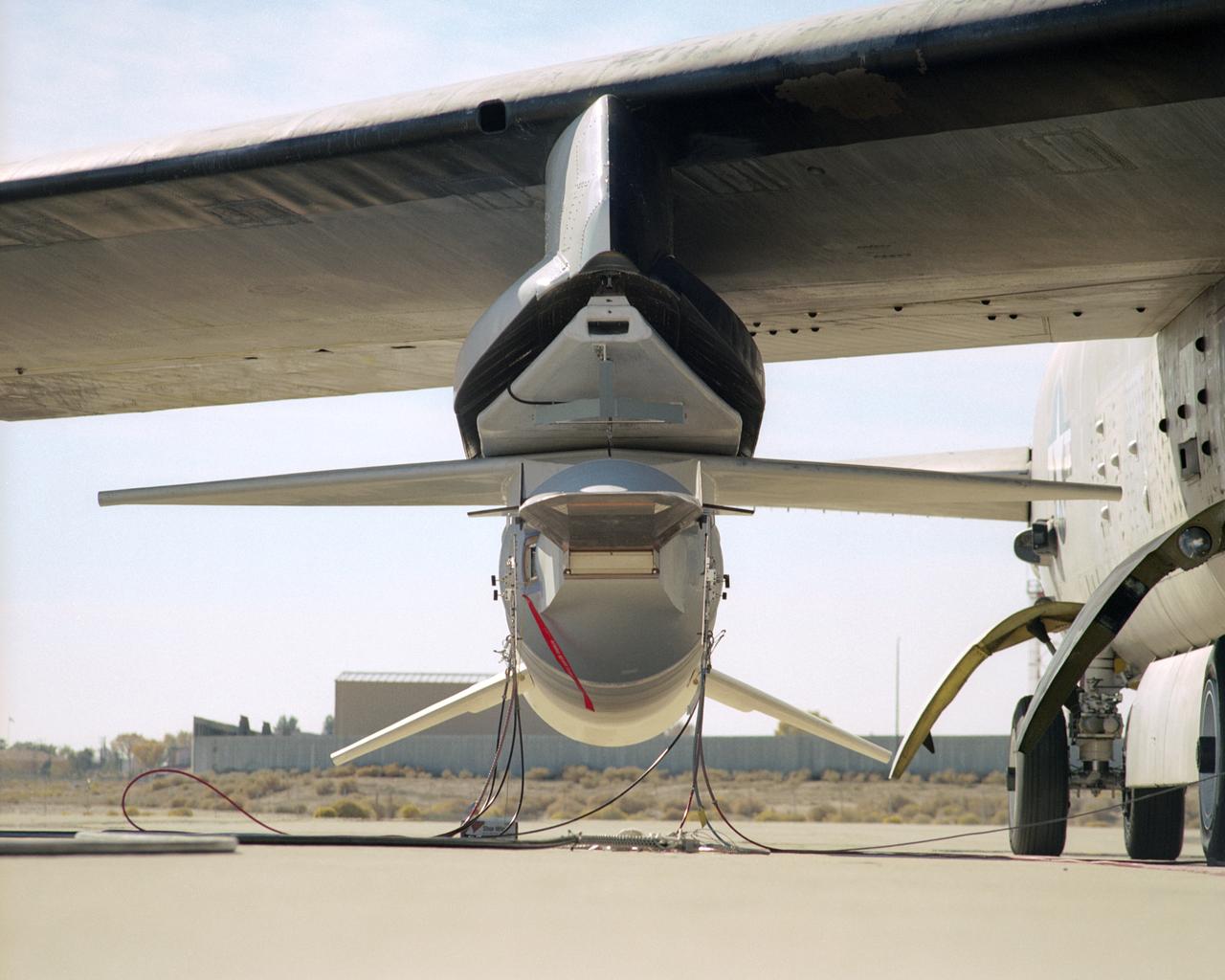
The small size of the X-43A scramjet is evident in this nose-on view while mounted to its modified Pegasus booster under the wing of NASA's B-52B mothership.
The small size of the X-43A scramjet is evident in this nose-on view while mounted to its modified Pegasus booster under the wing of NASA's B-52B mothership
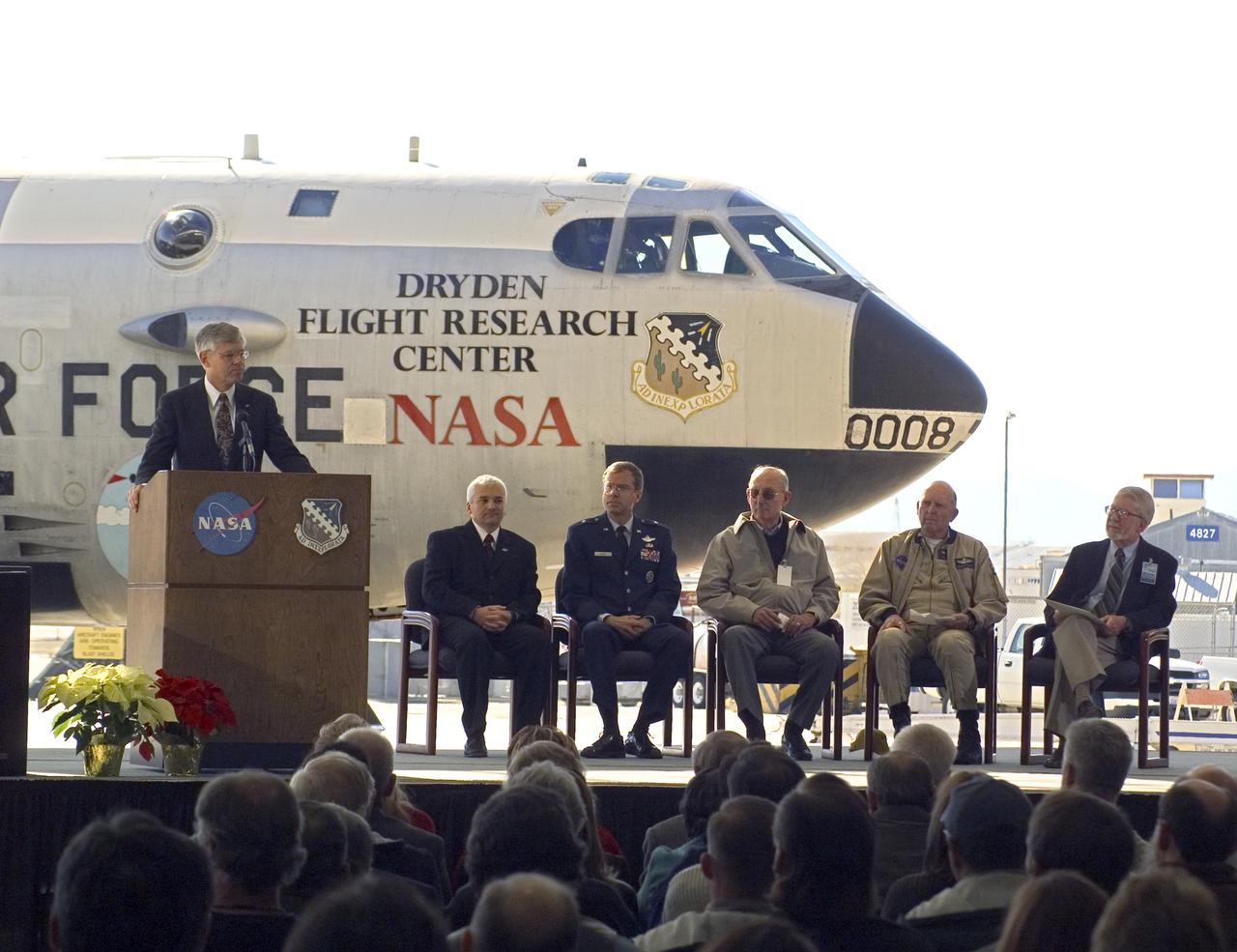
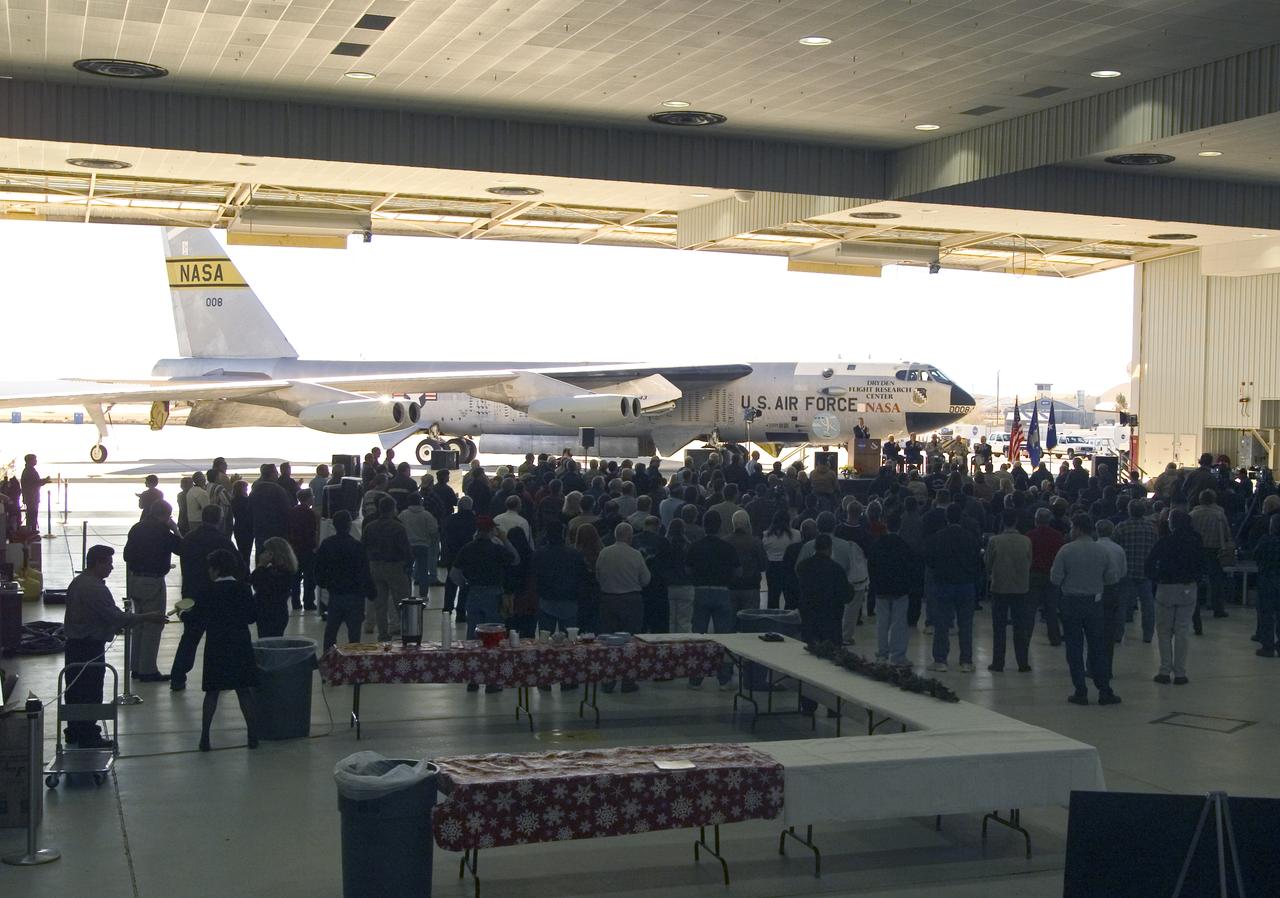
NASA's venerable B-52B mothership launch aircraft served as the backdrop at its retirement ceremony on Dec. 17, 2004.
ED04-0362-02
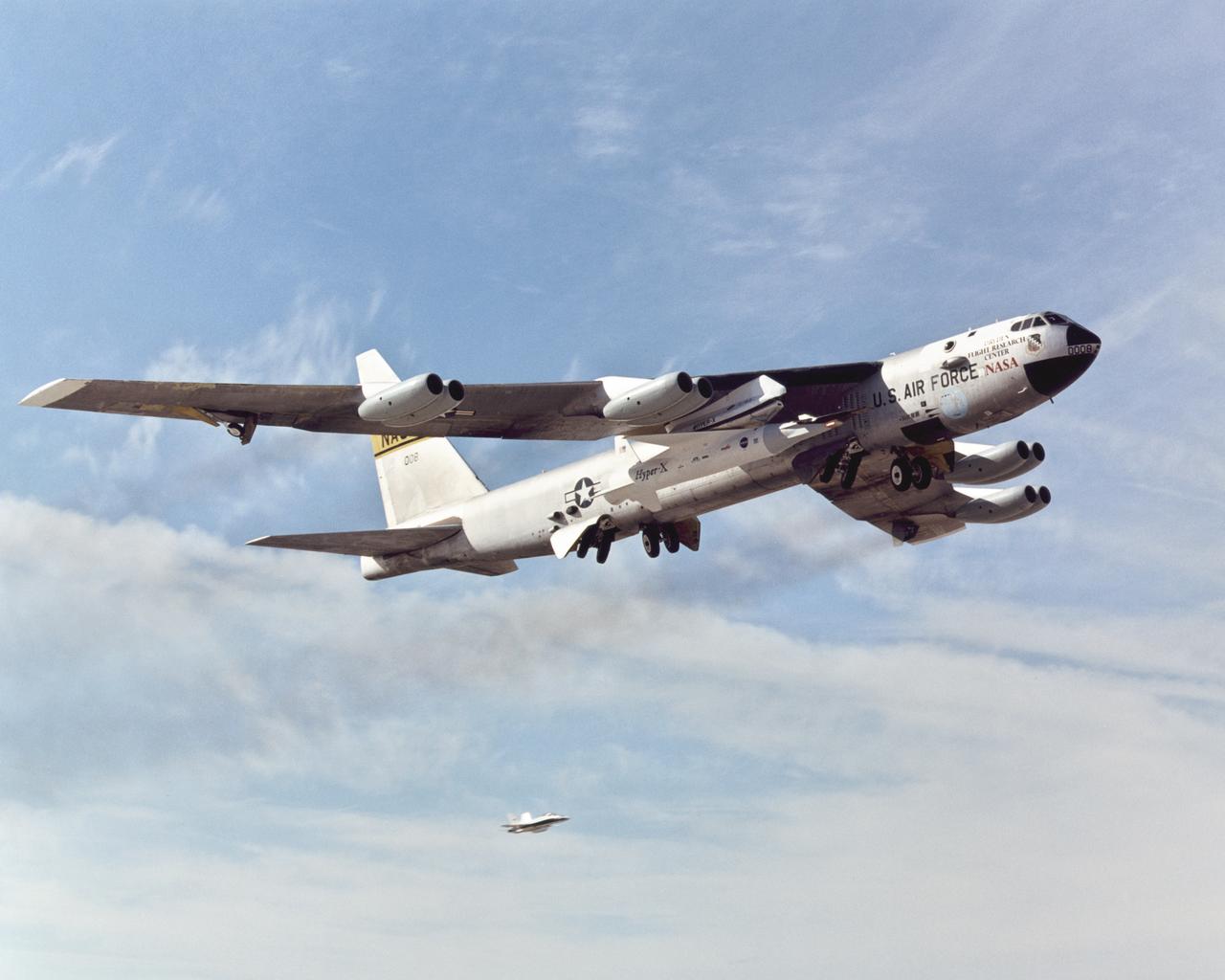
With the X-43A and its booster rocket tucked under its right wing, NASA's venerable B-52B mothership climbs out after takeoff on its final research mission.
With the X-43A and its booster rocket tucked under its right wing, NASA's venerable B-52B mothership climbs out after takeoff on its final research mission
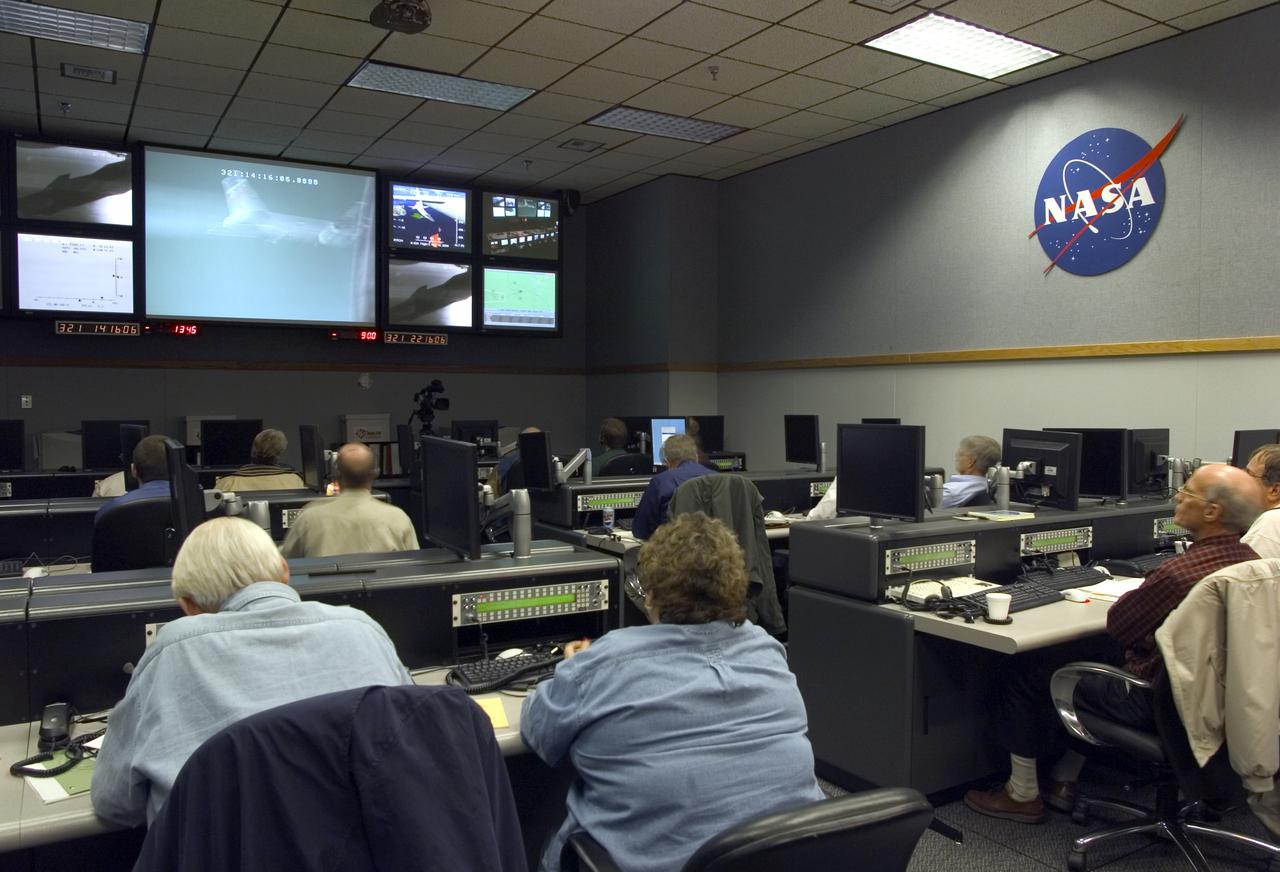
NASA engineers monitor mission progress from a Dryden control room prior to launch of the X-43A scramjet and its booster from NASA's B-52B mothership.
NASA engineers monitor mission progress from a Dryden control room prior to launch of the X-43A scramjet and its booster from NASA's B-52B mothership
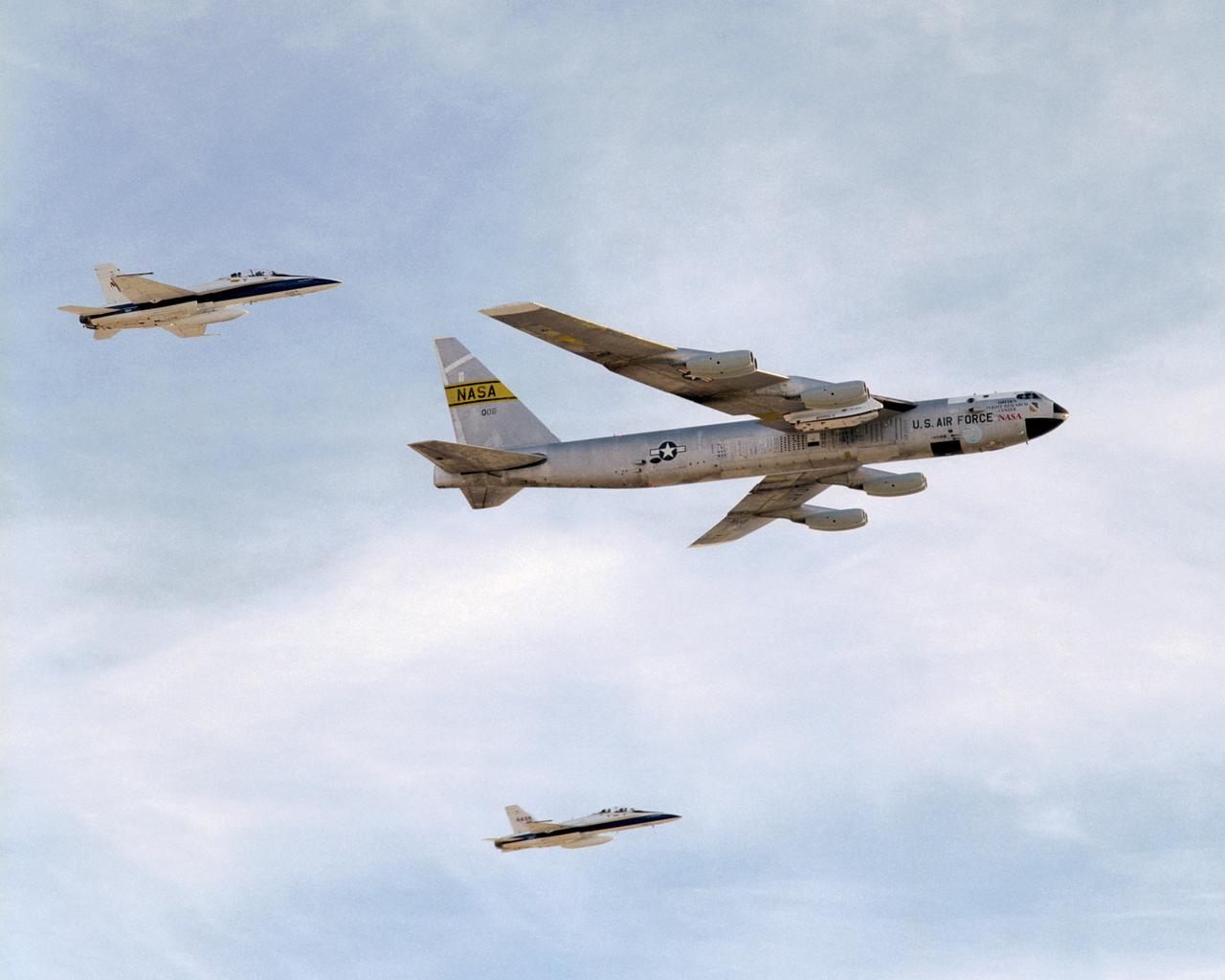
NASA's B-52B mothership, escorted by two F-18s, makes a final flyover after its last research mission that launched the X-43A on its record Mach 9.6 flight.
NASA's B-52B mothership, escorted by two F-18s, makes a final flyover after its last research mission that launched the X-43A on its record Mach 9.6 flight
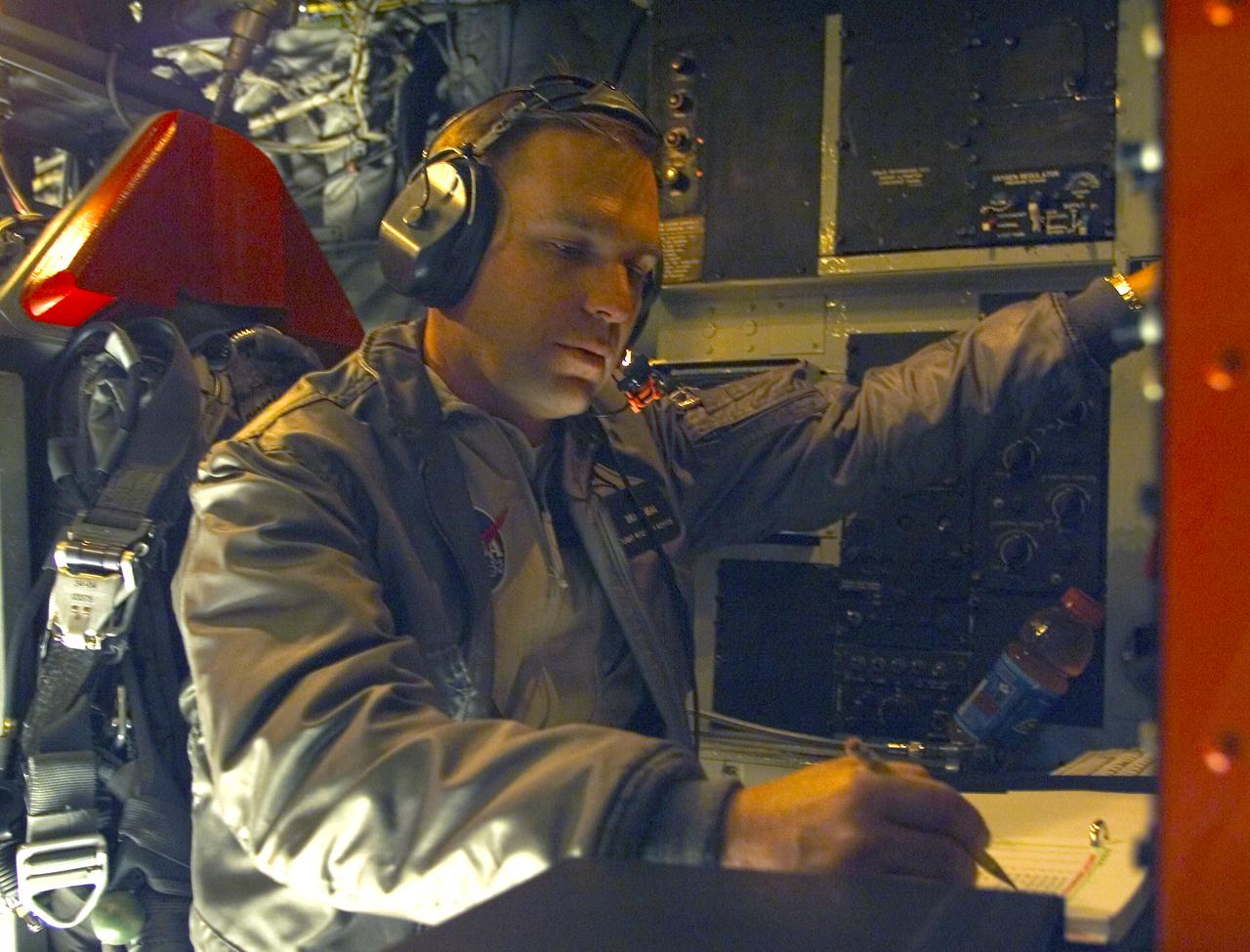
NASA X-43A Monitor Station Operator Brad Neal performs final checks and pre-flight preparations aboard the B-52 for the third X-43A research vehicle Mach 10 flight on November 16, 2004. Takeoff of the B-52B mothership carrying the X-43A took place at 1 p.m., PST, with launch of the booster rocket/X-43A approximately an hour later.
NASA's Brad Neal, X-43A Monitor Station Operator aboard NASA's B-52B mothership, performing pre-flight checks on November 16, 2004
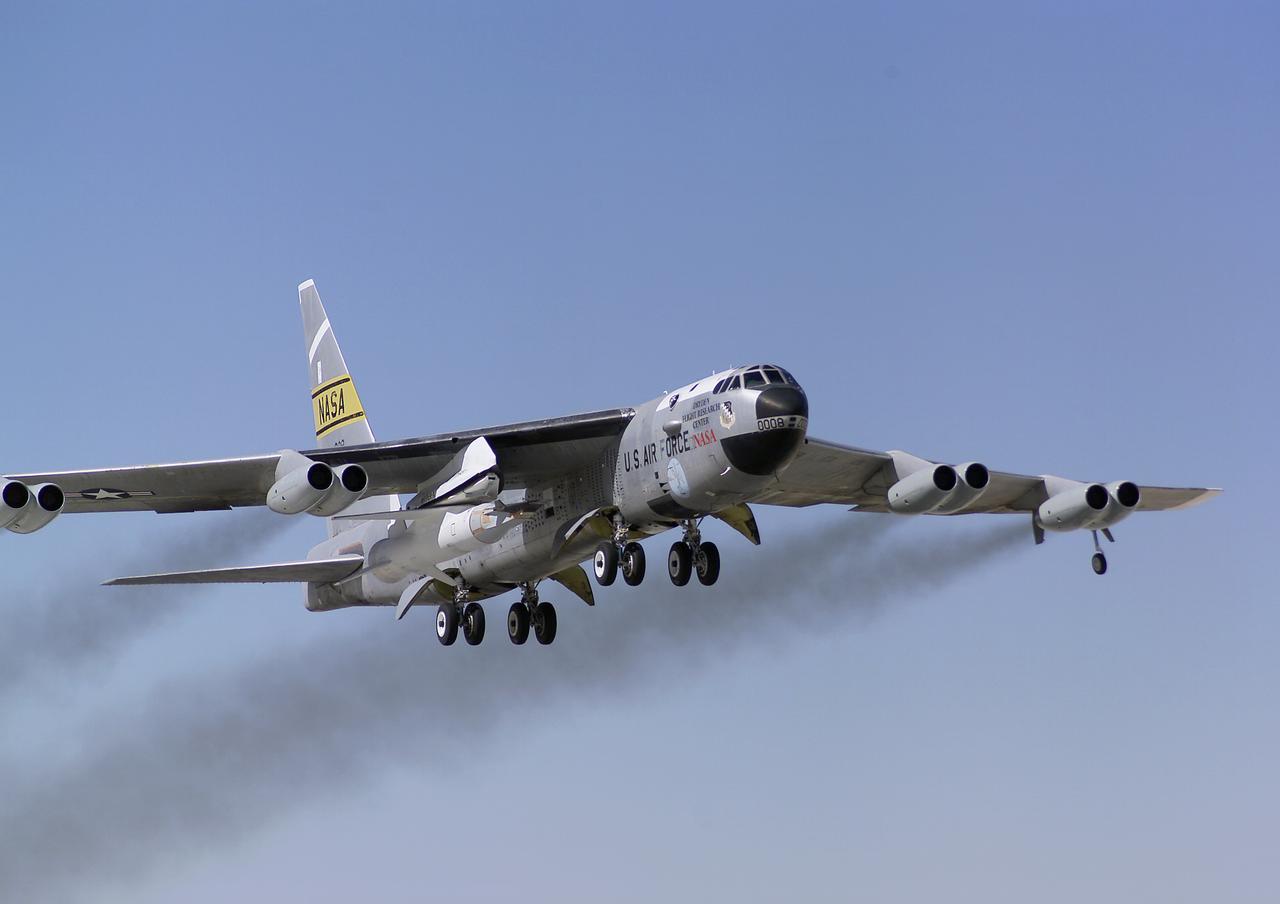
Attached to the same B-52B mothership that once launched X-15 research aircraft in the 1960s, NASA's third X-43A performed a captive carry evaluation flight from Edwards Air Force Base, California on September 27, 2004. The X-43 remained mated to the B-52 throughout this mission, intended to check its readiness for launch scheduled later in the fall.
NASA's B-52B launch aircraft takes off carrying the third X-43A hypersonic research vehicle on a captive carry evaluation flight September 27, 2004
Attached to the same B-52B mothership that once launched X-15 research aircraft in the 1960s, NASA's third X-43A performed a captive carry evaluation flight from Edwards Air Force Base, California on September 27, 2004. The X-43 remained mated to the B-52 throughout this mission, intended to check its readiness for launch scheduled later in the fall.
NASA's B-52B launch aircraft takes off carrying the third X-43A hypersonic research vehicle on a captive carry evaluation flight September 27, 2004
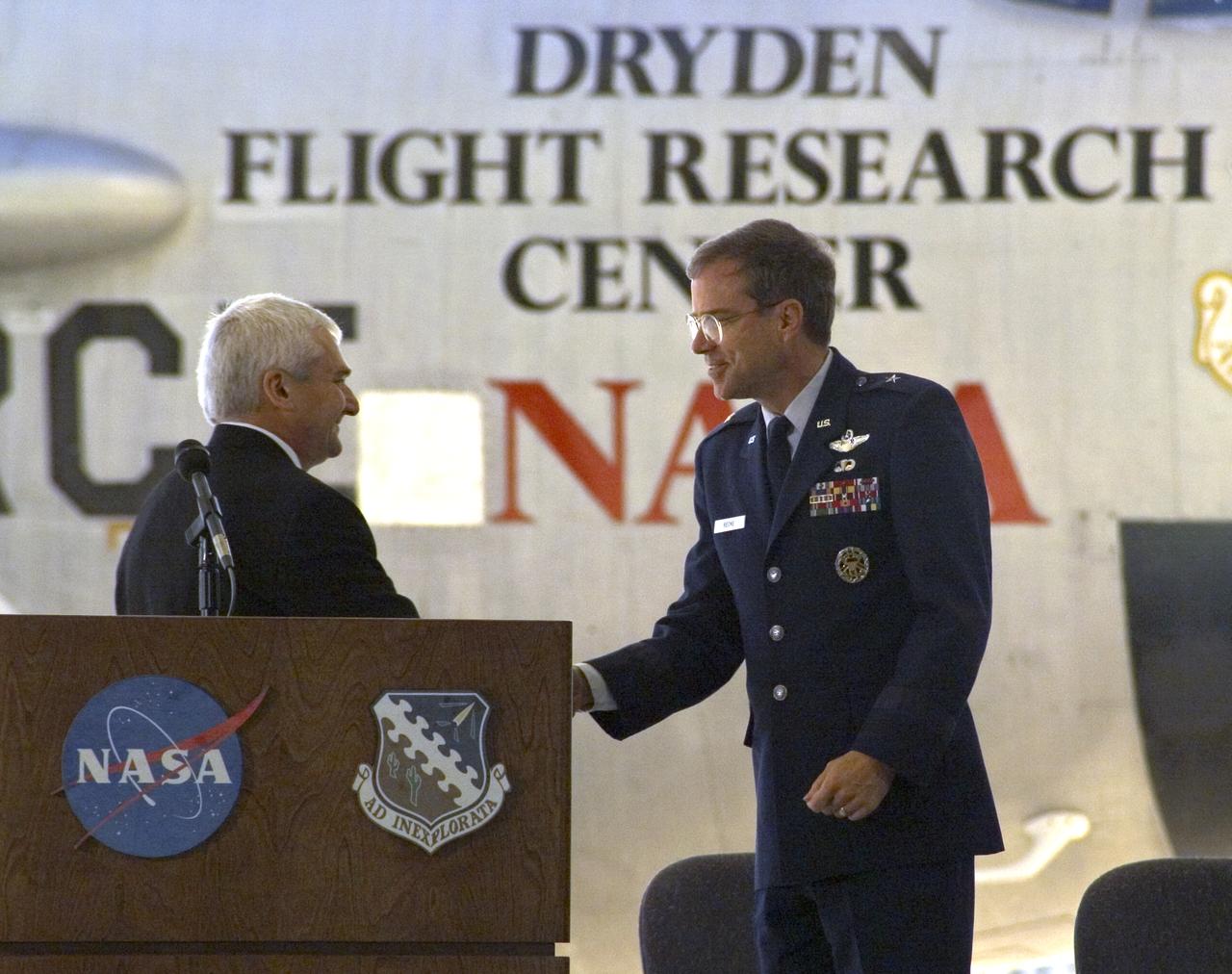
Dryden Center director Kevin Petersen shakes hands with AFFTC commander, Brig. Gen. Curtis Bedke, at the retirement ceremony for NASA's B-52B.
ED04-0362-08
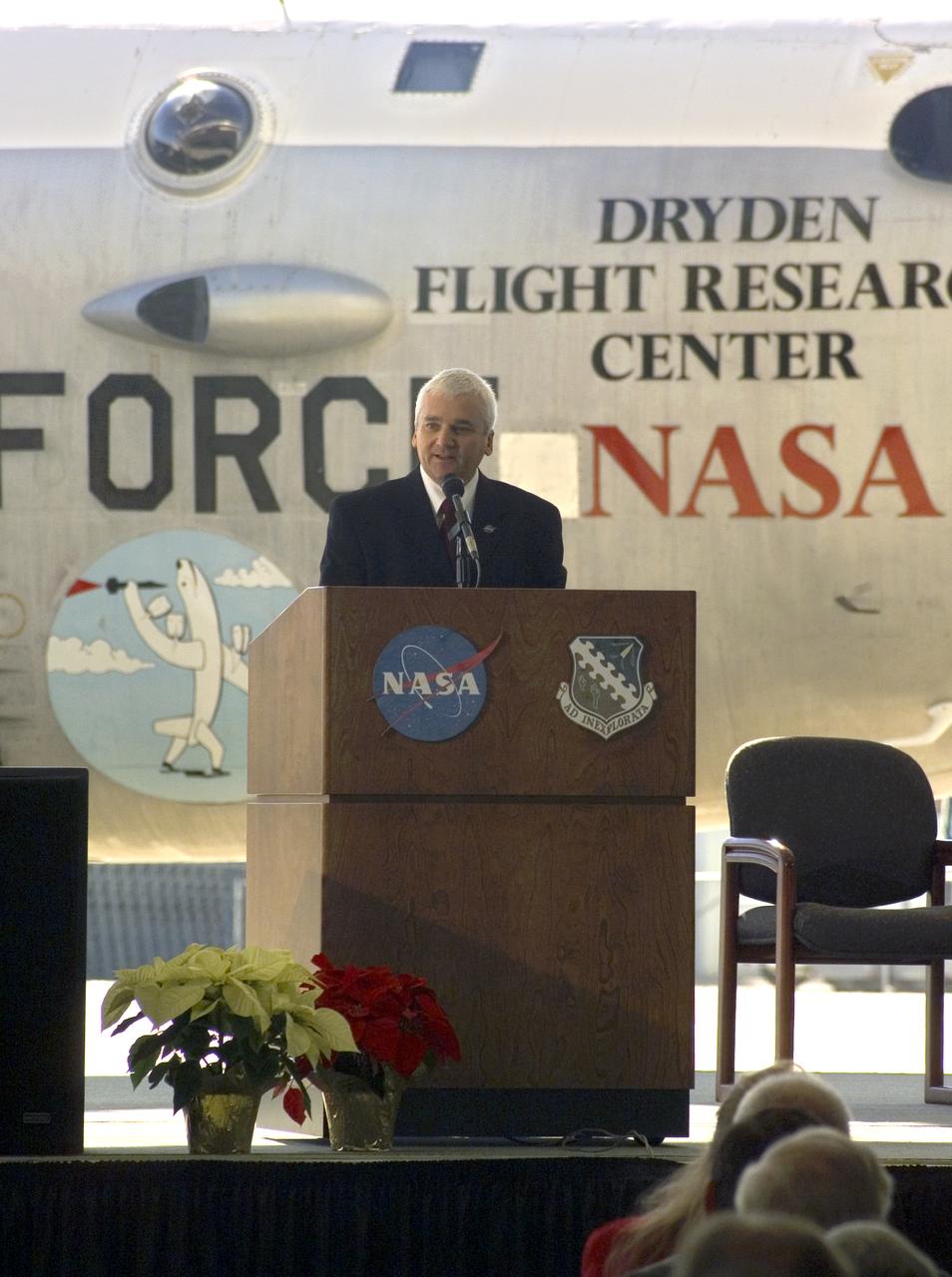
DFRC director Kevin Petersen speaks to an audience of NASA and Air Force visitors, employees and special guests at the retirement ceremony for NASA's B-52B.
ED04-0362-07
Final preparations are underway for NASA’s B-52B to carry the Pegasus booster rocket and the hypersonic X-43A aircraft during a flight test. A dry run, known as a captive carry mission, was conducted to monitor the research hardware in flight for any challenges. The January 2004 X-43A flight was based at NASA’s Armstrong Flight Research Center in Edwards, California.
NASA B-52B Carries Pegasus Booster, X-43A Aircraft
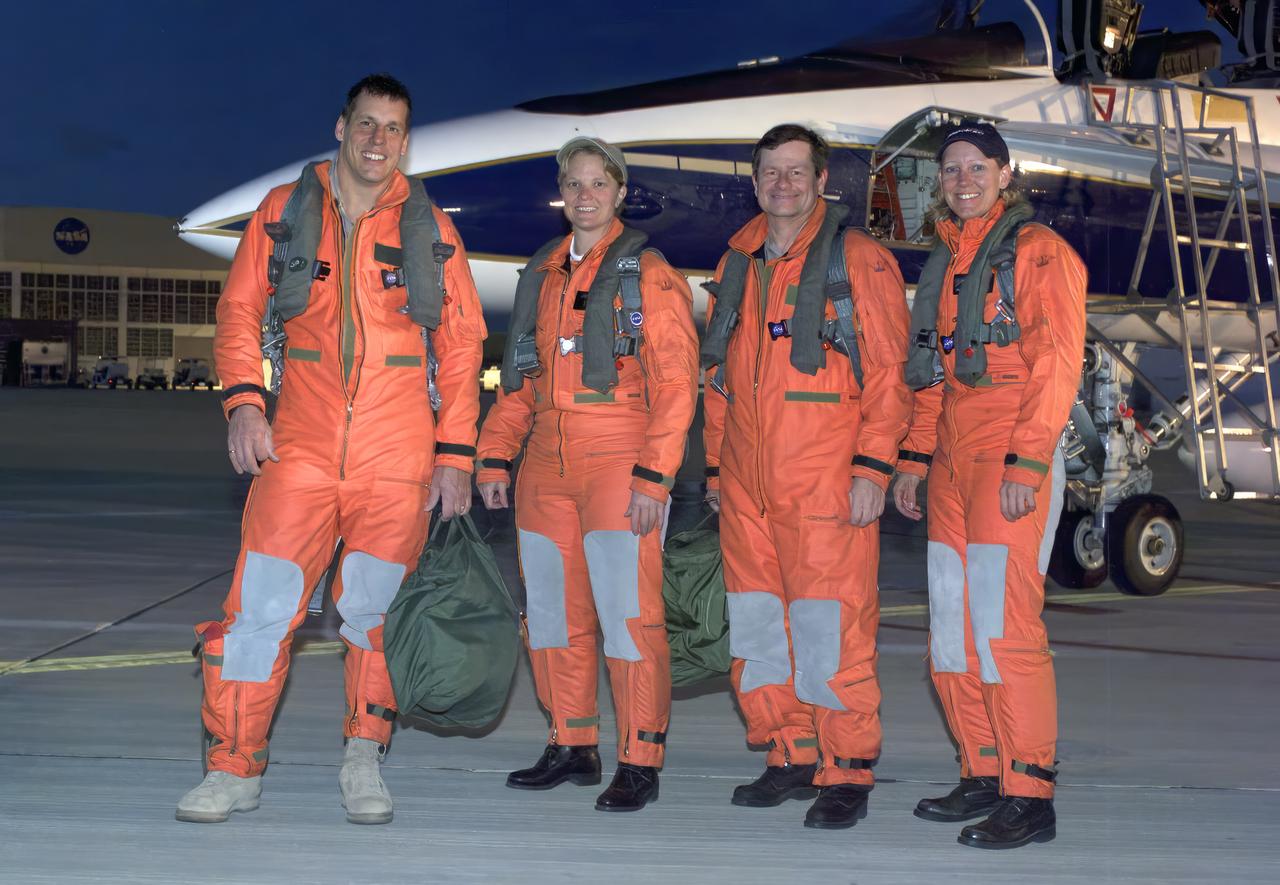
From left, pilot Craig Bomben, photographer Carla Thomas, pilot Frank Batteas, and videographer Lori Losey make up the flight crews for two F-18 high-performance jets to document a flight of NASA’s B-52B carrying a Pegasus booster rocket and the X-43A. A dry run, known as a captive carry mission, was conducted to monitor the research hardware in flight for any challenges. The January 2004 X-43A flight was based at NASA’s Armstrong Flight Research Center in Edwards, California.
NASA B-52B Carries Pegasus Booster, X-43A Aircraft
The Pegasus booster rocket, carrying the X-43A hypersonic aircraft, is mounted beneath NASA’s B-52B wing. A dry run, known as a captive carry mission, was conducted to monitor the research hardware in flight for any challenges. The January 2004 X-43A flight was based at NASA’s Armstrong Flight Research Center in Edwards, California.
NASA B-52B Carries Pegasus Booster, X-43A Aircraft
The X-43A is attached to the front of a Pegasus booster rocket, which is set to be carried beneath NASA’s B-52B wing. A dry run, known as a captive carry mission, was conducted to monitor the research hardware in flight for any challenges. The January 2004 X-43A flight was based at NASA’s Armstrong Flight Research Center in Edwards, California.
NASA B-52B Carries Pegasus Booster, X-43A Aircraft
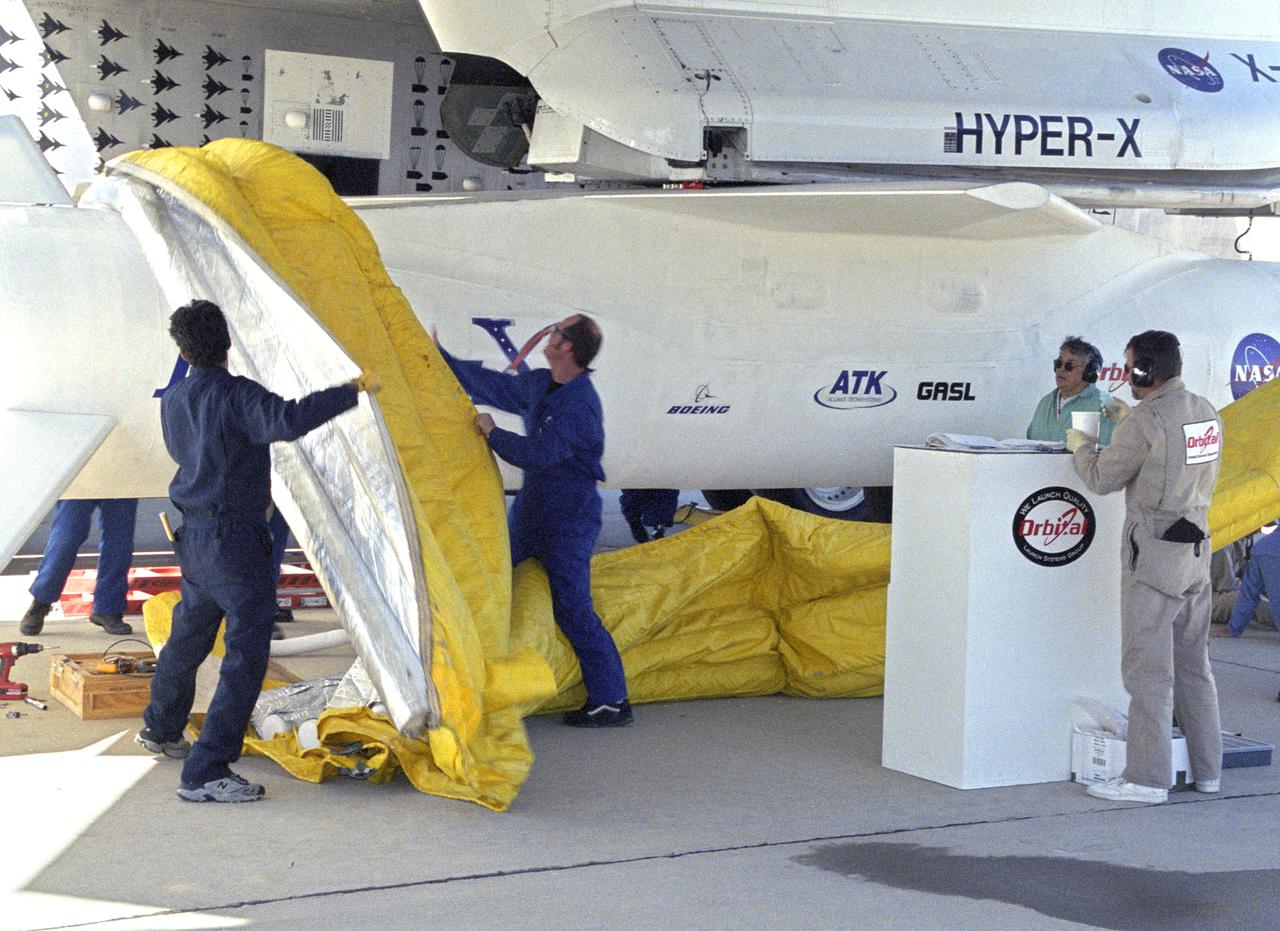
Orbital Sciences Corp. technicians remove protective shrouds from the modified Pegasus booster before takeoff on the X-43A's Mach 9.6 record scramjet flight.
Orbital Sciences Corp. technicians remove protective shrouds from the modified Pegasus booster before takeoff on the X-43A's Mach 9.6 record scramjet flight
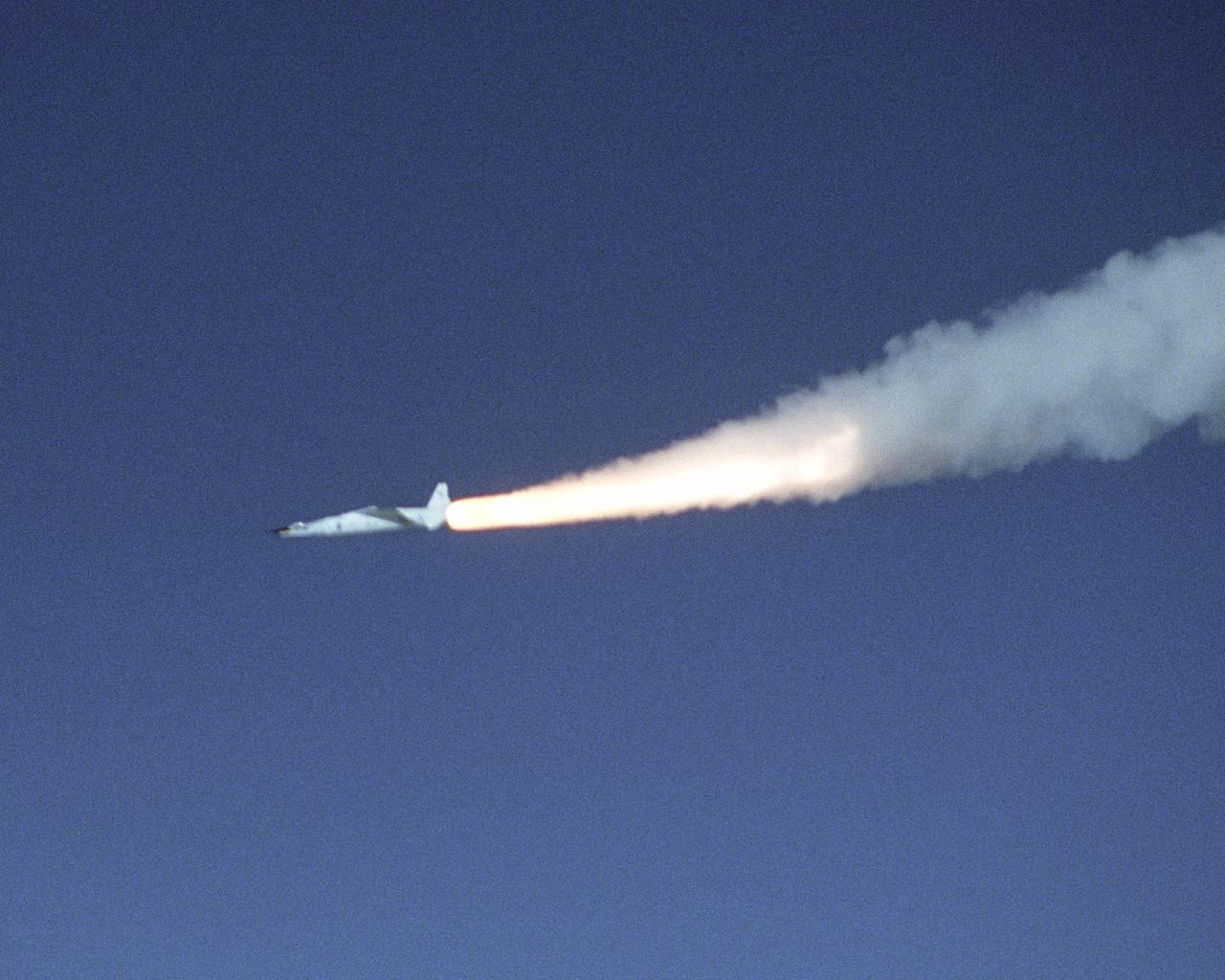
The third X-43A hypersonic research aircraft and its modified Pegasus booster rocket accelerate after launch from NASA's B-52B launch aircraft over the Pacific Ocean on November 16, 2004. The mission originated from the NASA Dryden Flight Research Center at Edwards Air Force Base, California. Minutes later the X-43A separated from the Pegasus booster and accelerated to its intended speed of Mach 10.
A modified Pegasus rocket ignites moments after release from the B-52B, beginning the acceleration of the X-43A over the Pacific Ocean on Nov. 16, 2004
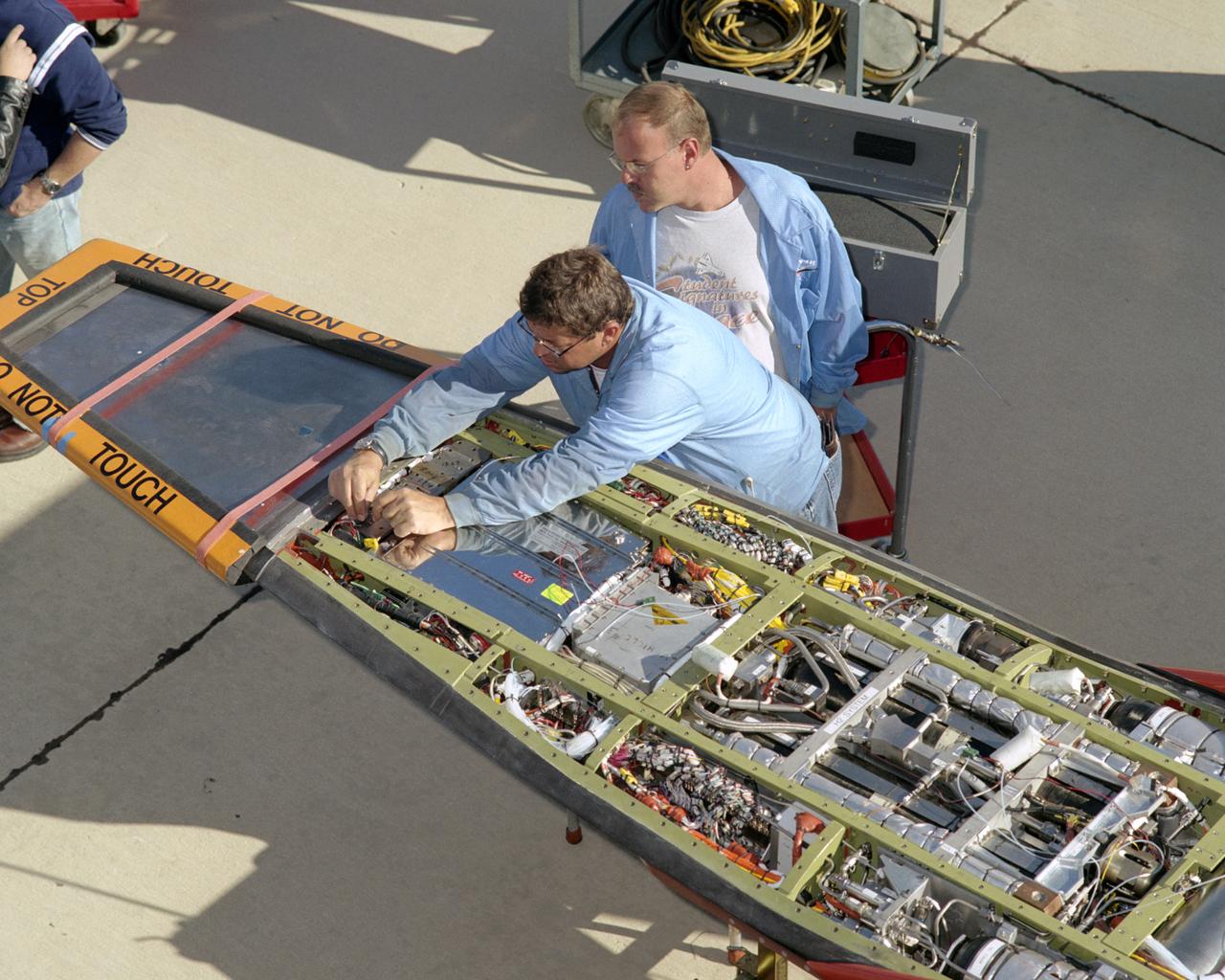
NASA avionics technicians Randy Wagner and Terry Bishop make final adjustments on the scramjet-powered X-43A before its record Mach 9.6 flight.
NASA avionics technicians Randy Wagner and Terry Bishop make final adjustments on the scramjet-powered X-43A before its record Mach 9.6 flight
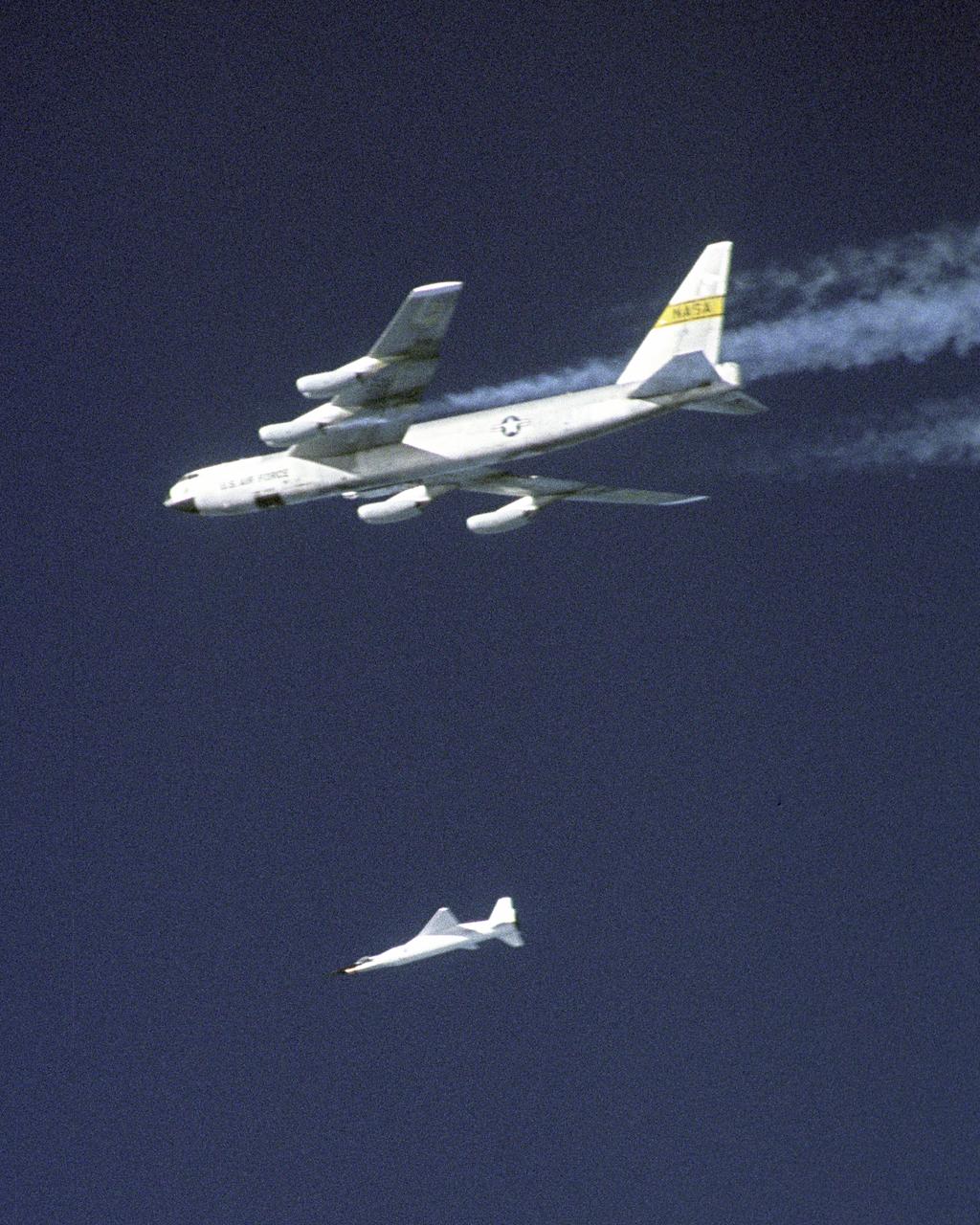
The third X-43A hypersonic research aircraft and its modified Pegasus booster rocket drop away from NASA's B-52B launch aircraft over the Pacific Ocean on November 16, 2004. The mission originated from the NASA Dryden Flight Research Center at Edwards Air Force Base, California. Moments later the Pegasus booster ignited to accelerate the X-43A to its intended speed of Mach 10.
A modified Pegasus rocket drops away after release from NASA's B-52B before accelerating the X-43A over a Pacific Ocean test range on Nov. 16, 2004
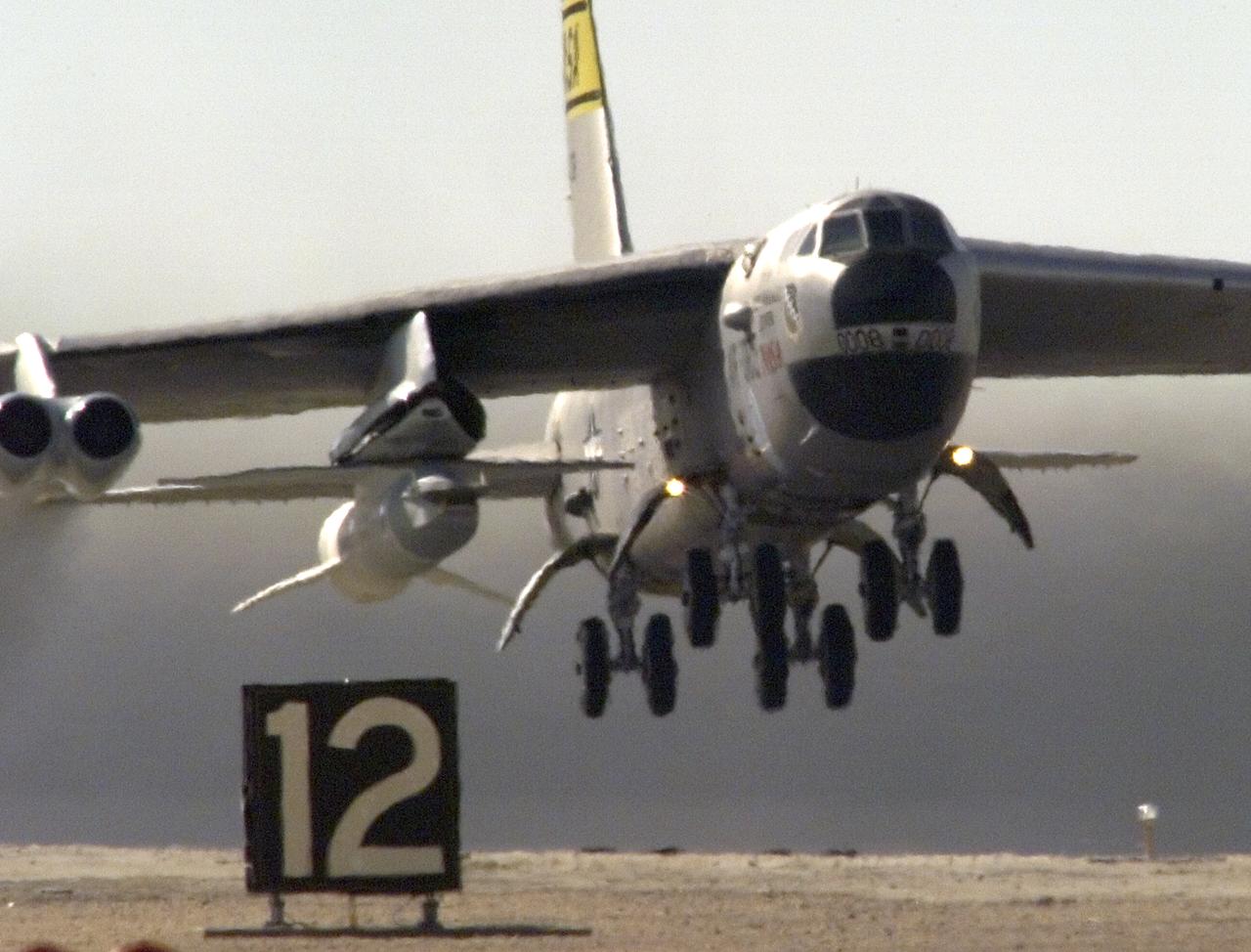
The third X-43A hypersonic research aircraft and its modified Pegasus booster rocket left the runway, carried aloft by NASA's B-52B launch aircraft from the NASA Dryden Flight Research Center at Edwards Air Force Base, California, on November 16, 2004. About an hour later the Pegasus booster was launched from the B-52 to accelerate the X-43A to its intended speed of Mach 10.
NASA's B-52B launch aircraft takes off carrying the third X-43A hypersonic research vehicle attached to a modified Pegasus rocket, on November 16, 2004
The third X-43A hypersonic research aircraft, attached to a modified Pegasus booster rocket, was taken to launch altitude by NASA's B-52B launch aircraft from the NASA Dryden Flight Research Center at Edwards Air Force Base, California, on November 16, 2004. About an hour later the Pegasus booster was released from the B-52 to accelerate the X-43A to its intended speed of Mach 10.
NASA's B-52B launch aircraft cruises to a test range over the Pacific Ocean carrying the third X-43A vehicle attached to a Pegasus rocket on November 16, 2004
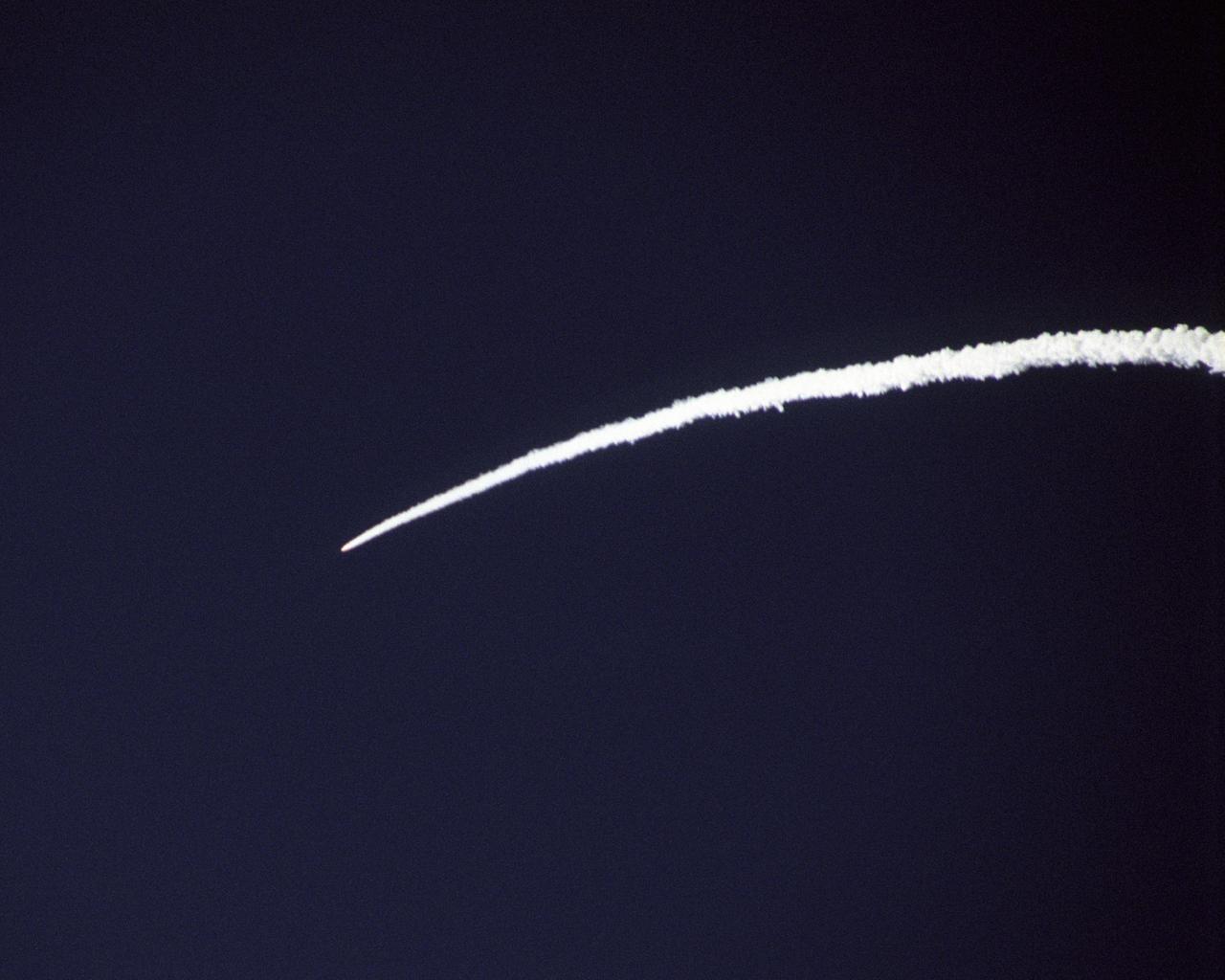
The Pegasus rocket that powered NASA's X-43A scramjet to almost Mach 10 test conditions leaves a bright arc in the Pacific sky during the boost phase.
The Pegasus rocket that powered NASA's X-43A scramjet to almost Mach 10 test conditions leaves a bright arc in the Pacific sky during the boost phase
Retired NASA Dryden research pilot Ed Schneider served as master of ceremonies at the retirement ceremony for NASA's B-52B, on Dec. 17, 2004.
ED04-0362-01