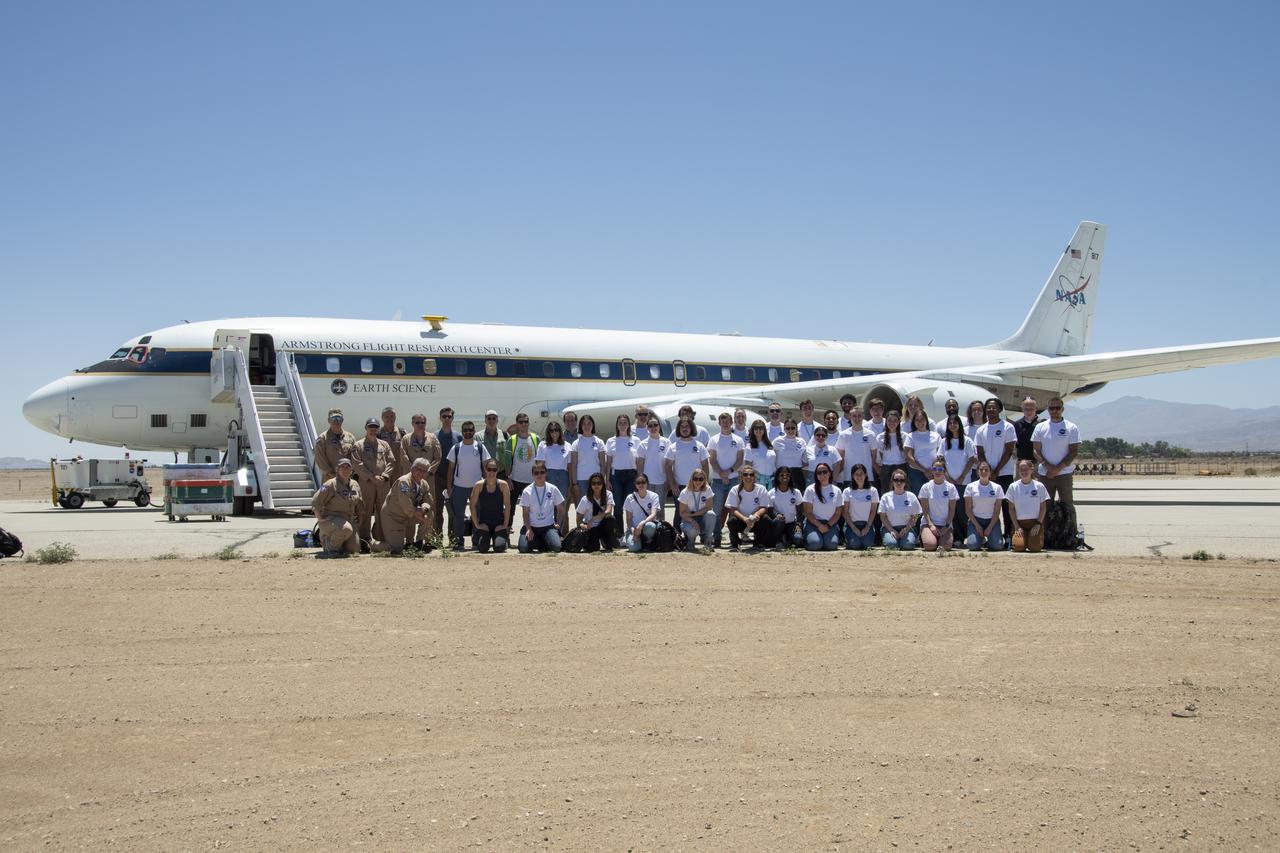
A group of university students and mentors flew aboard NASA Armstrong Flight Research Center’s DC-8 aircraft to study air quality as part of NASA’s Student Airborne Research Program (SARP). Based at NASA’s Armstrong Building 703 in Palmdale, California, the DC-8 flew over the Central Valley to measure pollution and monitor air quality on Tuesday, June 21, 2022.
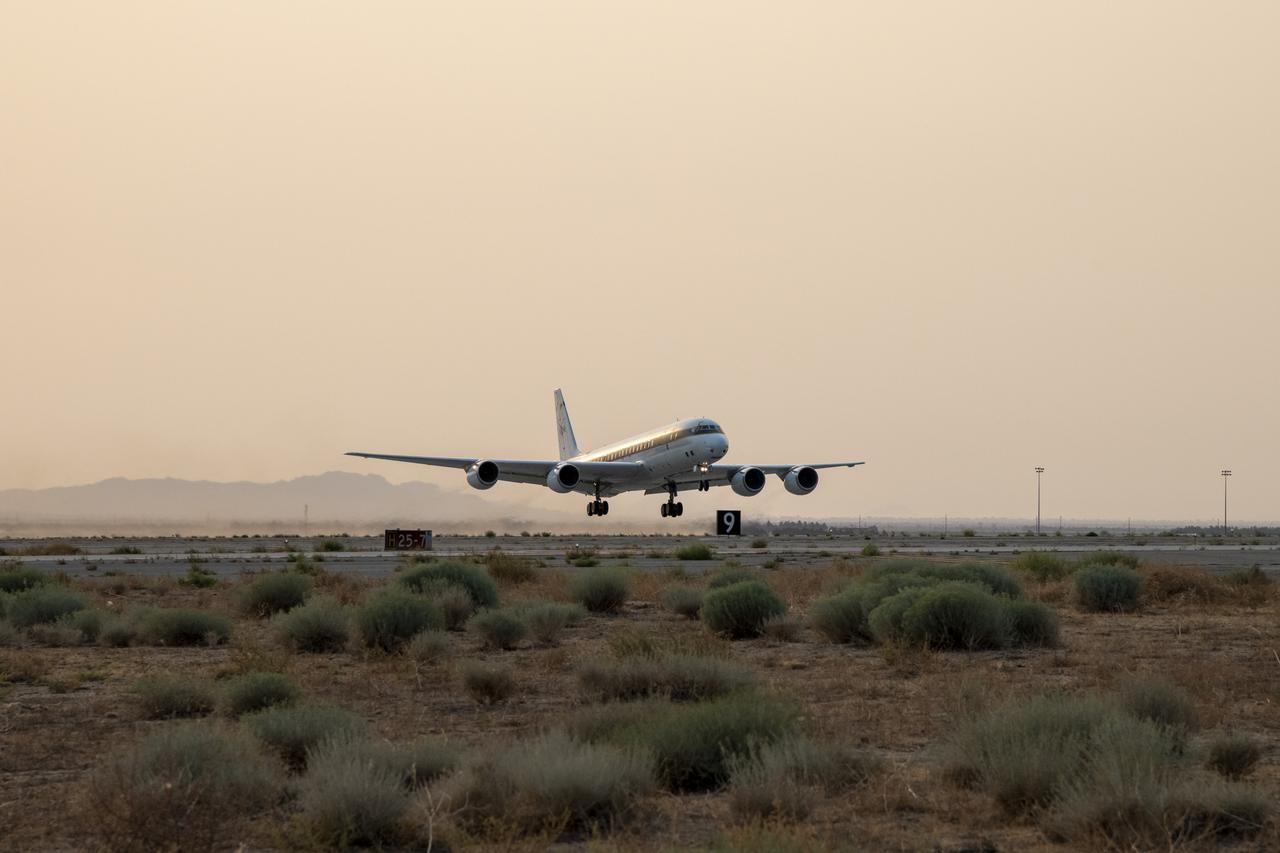
NASA's DC-8 taking off to St. Croix in support of the Convective Processes Experiment - Aerosols and Winds campaign (CPEX-AW) on Aug 17, 2021.
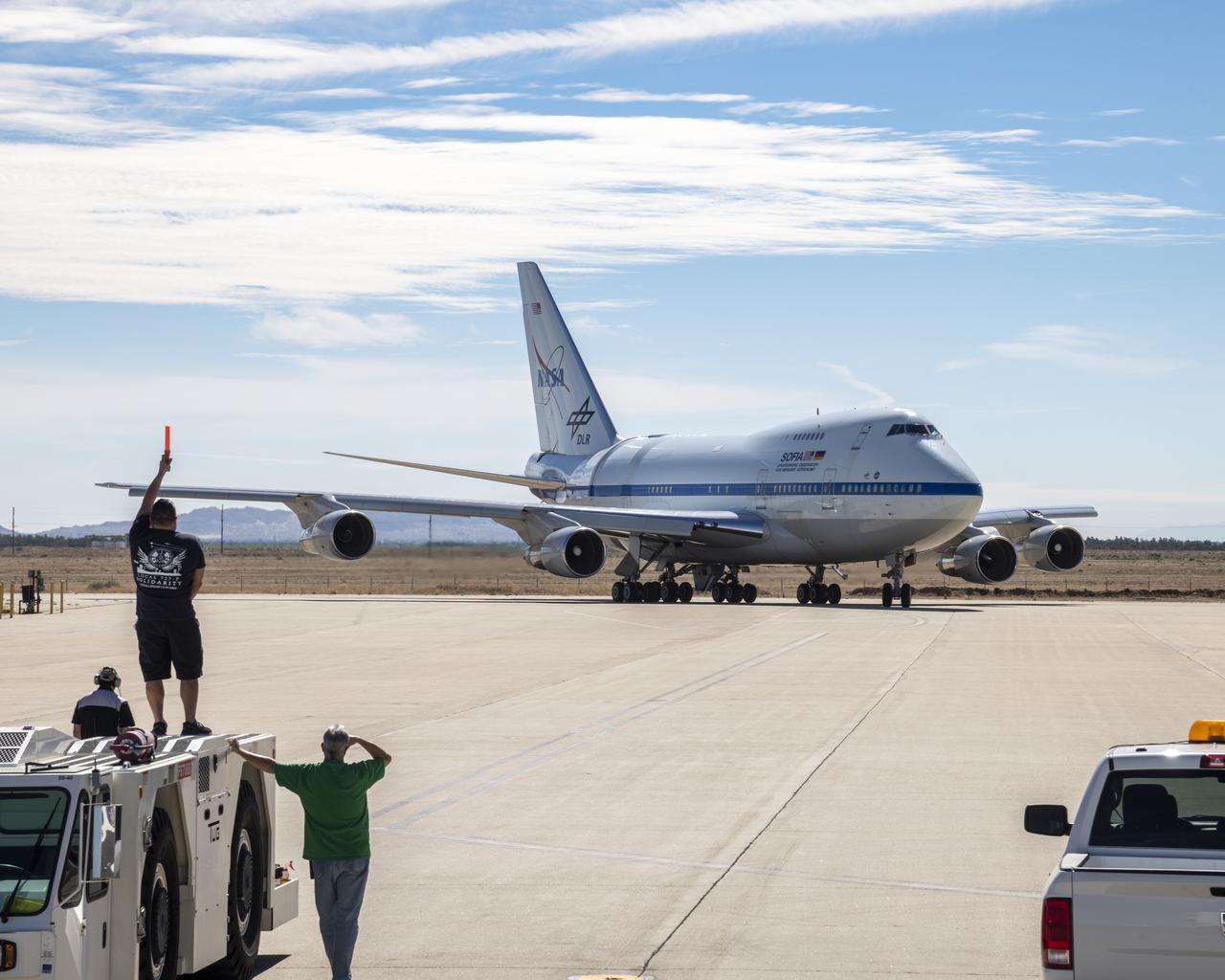
The Stratospheric Observatory for Infrared Astronomy (SOFIA) returns to NASA’s Armstrong Flight Research Center Building 703 on Aug. 11 after a productive month of science flights out of Christchurch International Airport in New Zealand.
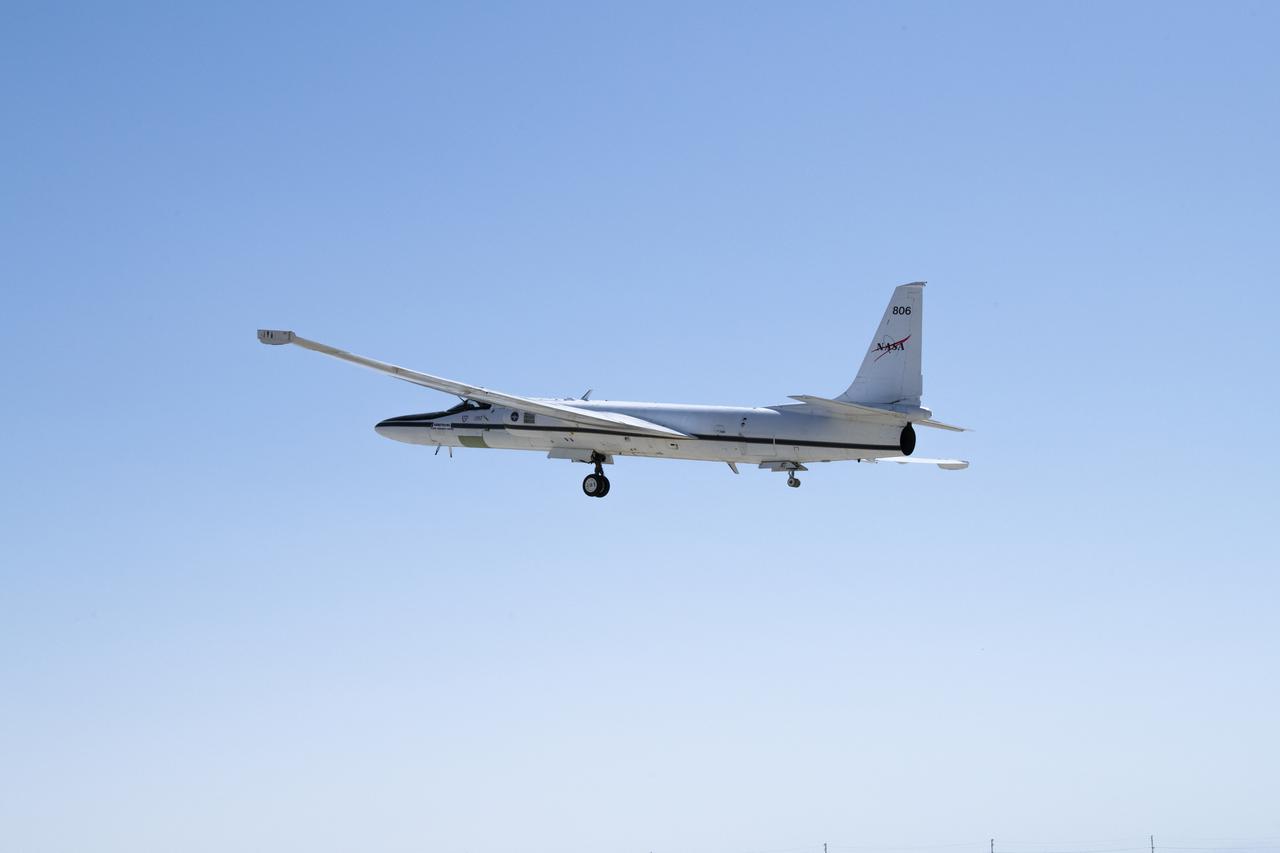
NASA’s ER-2 No. 806 returns to flying high-altitude on April 7, 2022, after three years of heavy maintenance. NASA Armstrong operates two ER-2 aircraft to collect information about Earth resources, celestial observations, atmospheric chemistry and dynamics, and oceanic processes.
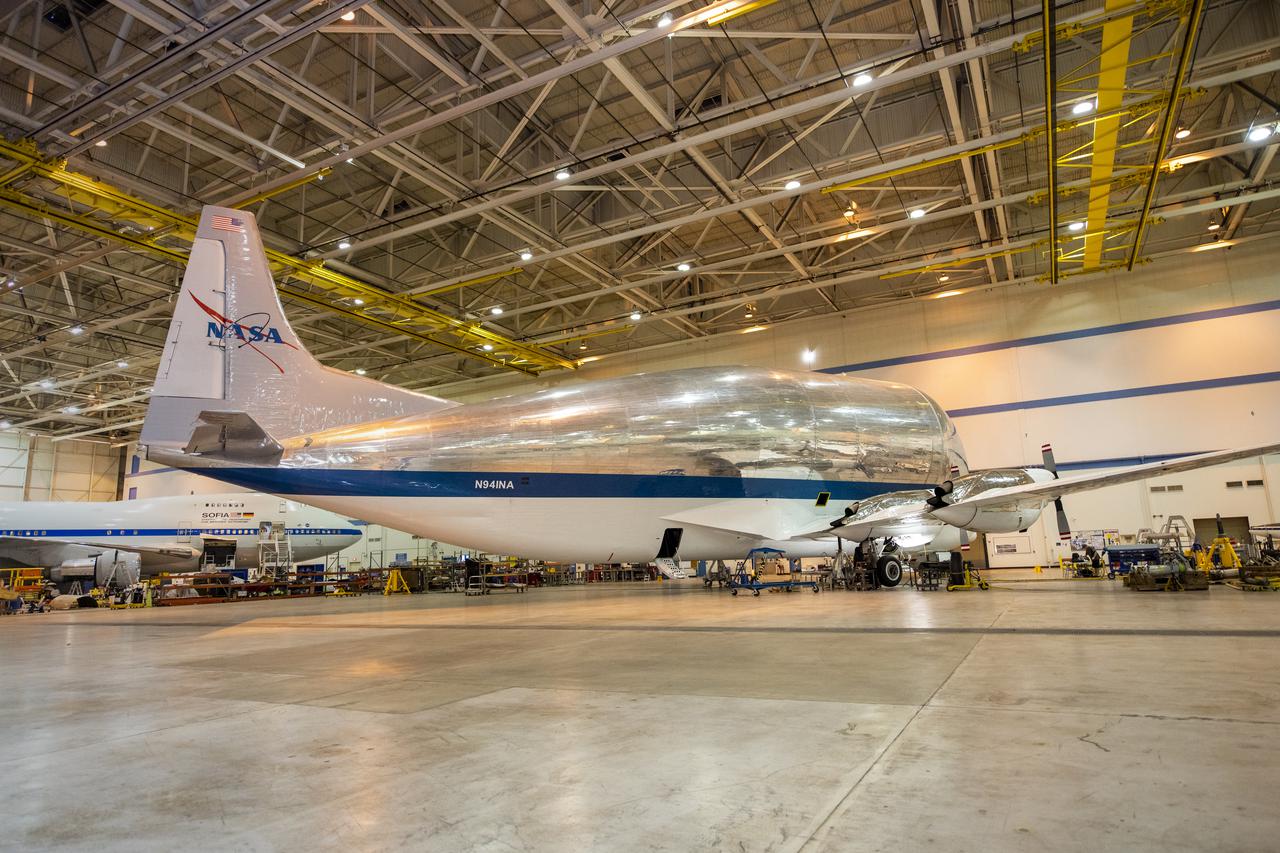
NASA's Super Guppy Turbine cargo aircraft in the hangar at NASA's Armstrong Flight Research Center on August 24, 2021. This unique whale-like aircraft arrived at the center's Building 703 in Palmdale, CA to support crews in the performance of routine maintenance. The Super Guppy aircraft, operated by NASA's Johnson Space Center, aids in the transportation of oversized aerospace cargo in a practical and economical way.
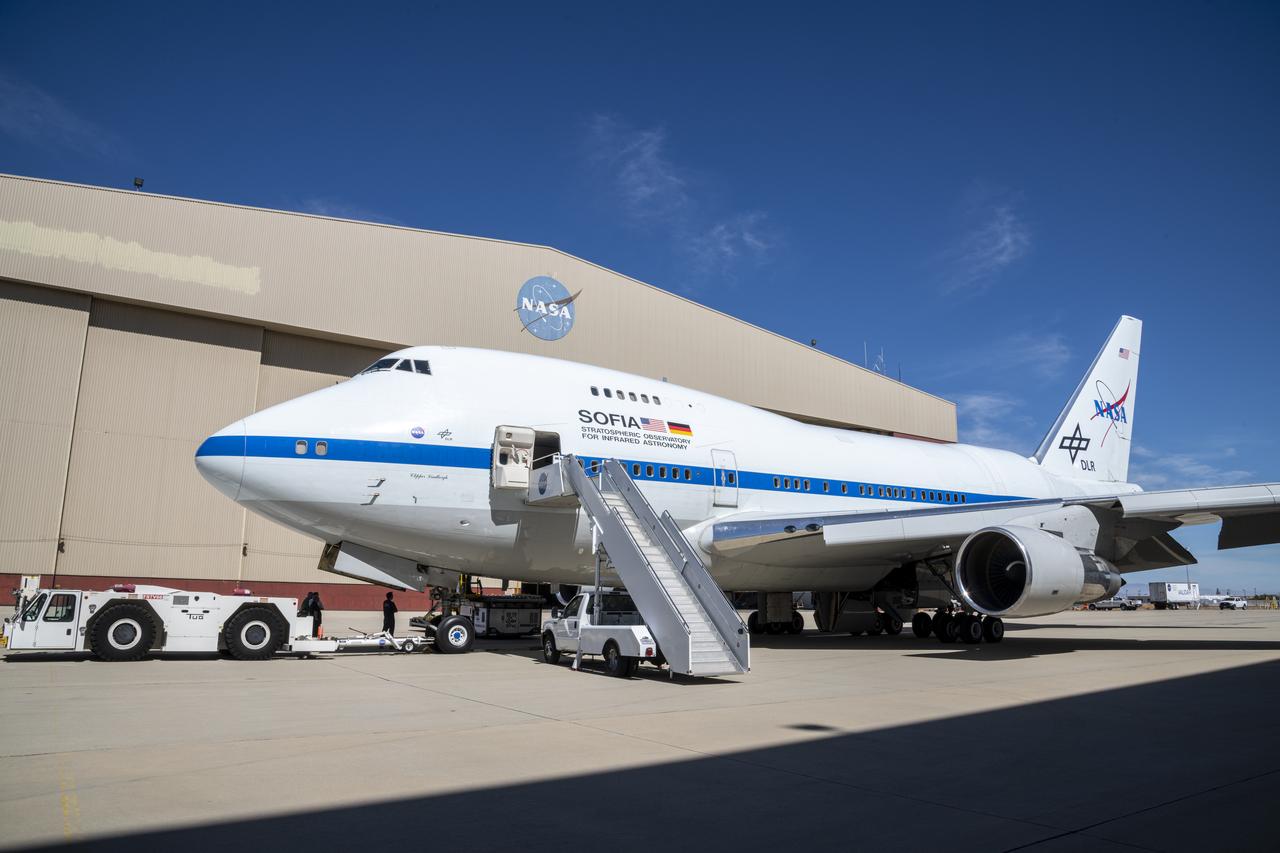
The Stratospheric Observatory for Infrared Astronomy (SOFIA) returns to NASA’s Armstrong Flight Research Center Building 703 on Aug. 11 after a productive month of science flights out of Christchurch International Airport in New Zealand.
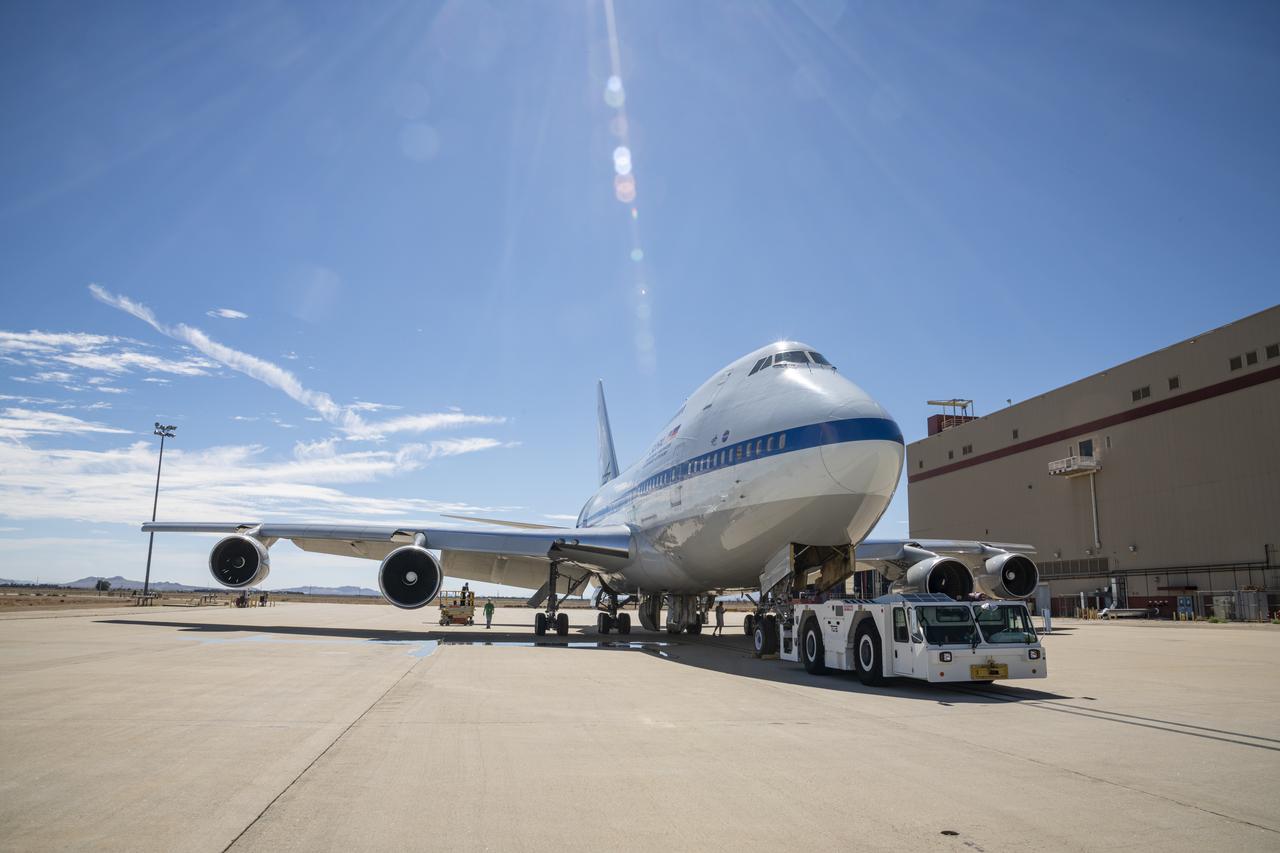
The Stratospheric Observatory for Infrared Astronomy (SOFIA) returns to NASA’s Armstrong Flight Research Center Building 703 on Aug. 11 after a productive month of science flights out of Christchurch International Airport in New Zealand.

NASA’s Stratospheric Observatory for Infrared Astronomy, SOFIA, takes off from its base of operations at NASA’s Armstrong Flight Research Center’s Building 703 in Palmdale, California. The aircraft is on its way to Fa’a’ā, French Polynesia where it will be on a mission from July 19 to Sept. 12 to observe parts of the sky that are not visible from the Northern Hemisphere. NASA’s Stratospheric Observatory for Infrared Astronomy, SOFIA, takes off from its base of operations at NASA’s Armstrong Flight Research Center’s Building 703 in Palmdale, California. The aircraft is on its way to Fa’a’ā, French Polynesia where it will be on a mission from July 19 to Sept. 12 to observe parts of the sky that are not visible from the Northern Hemisphere.
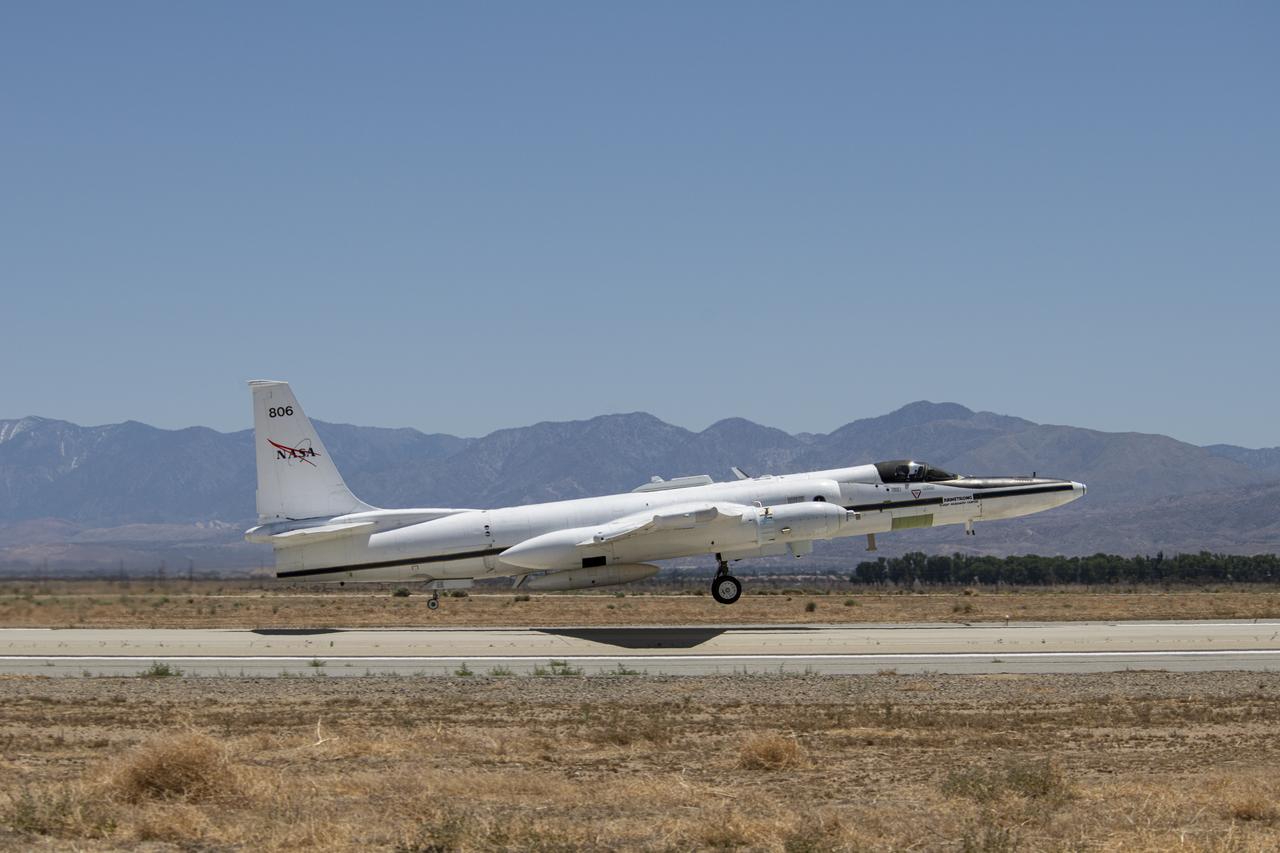
NASA's ER-2 high altitude aircraft takes off from Armstrong Flight Research Center Building 703 in Palmdale, California to perform a check flight for the the Dynamics and Chemistry of the Summer Stratosphere, or DCOTSS, 2022 campaign on May 13, 2022.
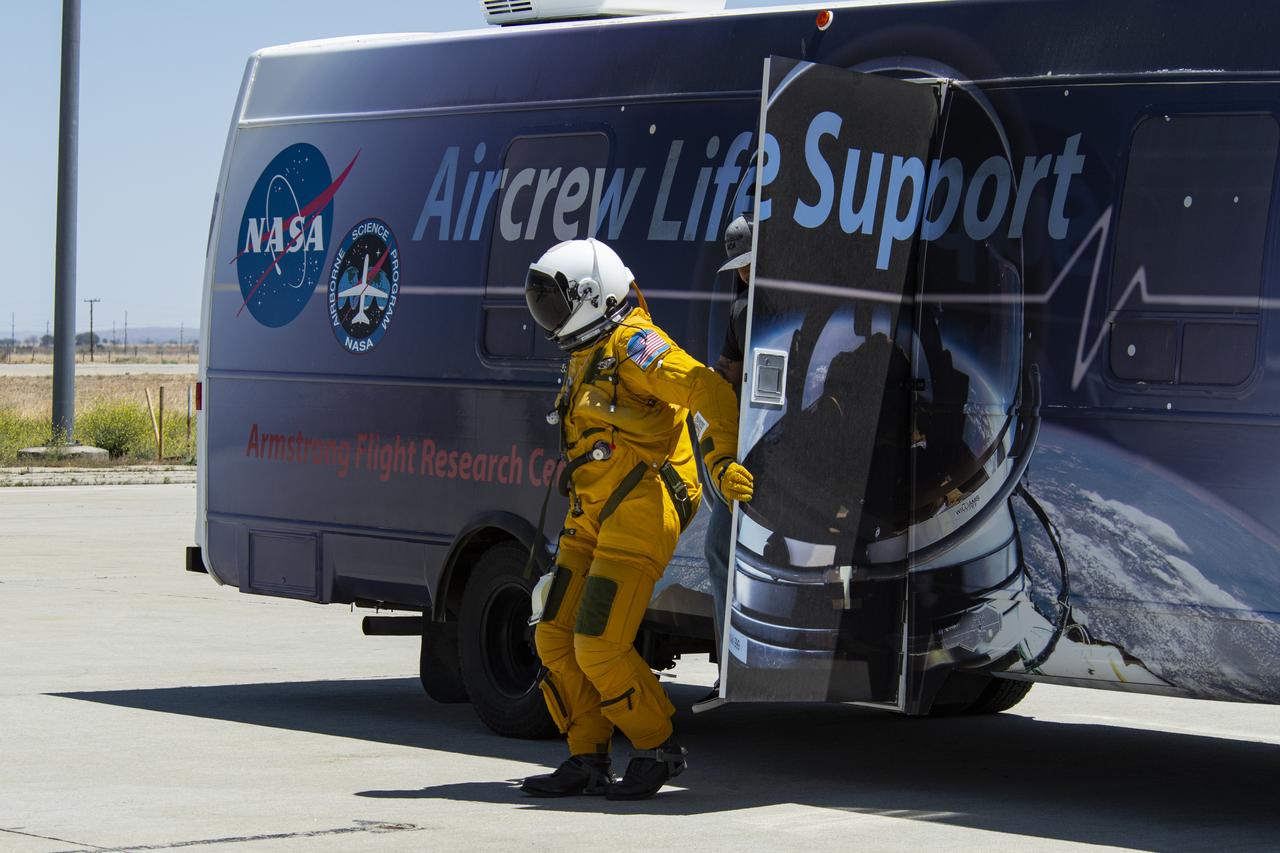
NASA ER-2 pilot Tim Williams prepares for a check flight with life support on May 13, 2022.
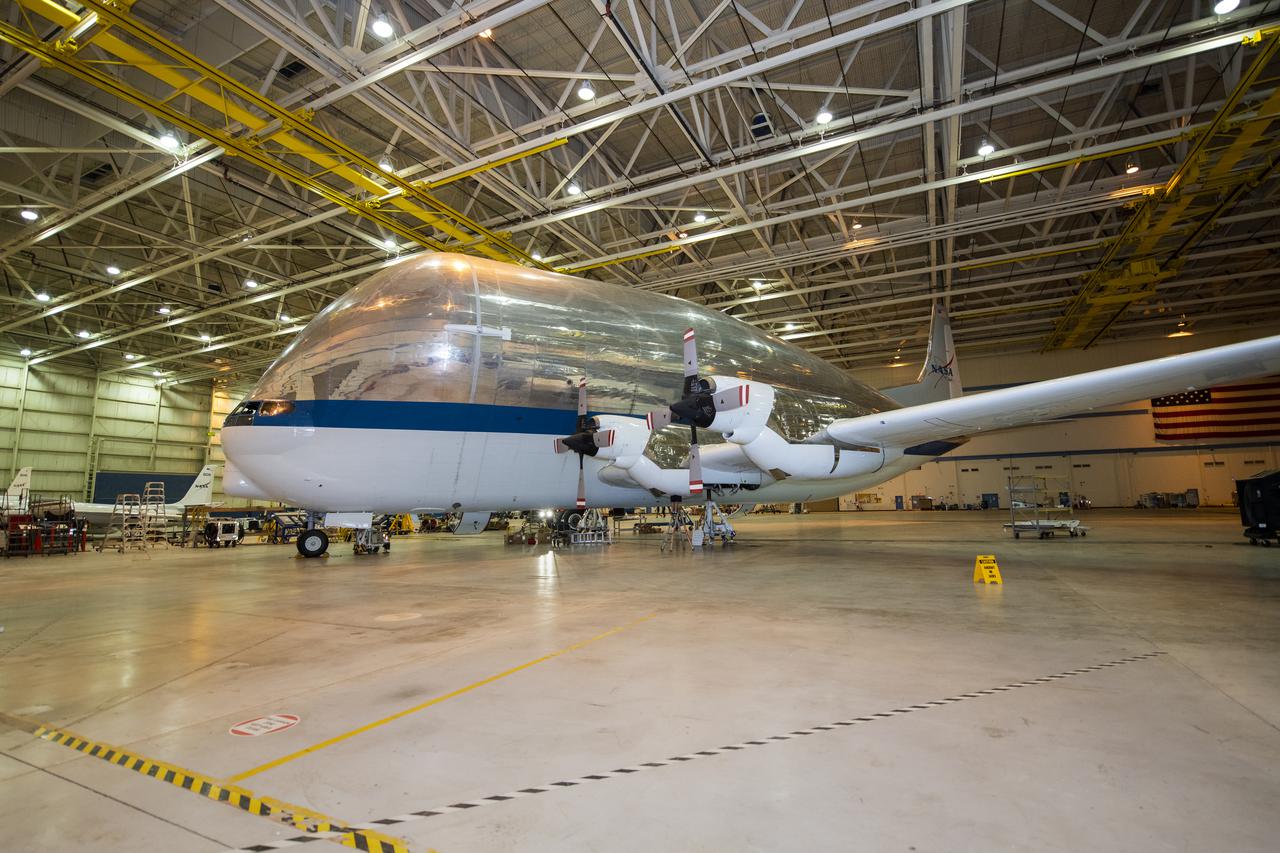
NASA's Super Guppy Turbine cargo aircraft in the hangar at NASA's Armstrong Flight Research Center on August 24, 2021. This unique whale-like aircraft arrived at the center's Building 703 in Palmdale, CA to support crews in the performance of routine maintenance. The Super Guppy aircraft, operated by NASA's Johnson Space Center, aids in the transportation of oversized aerospace cargo in a practical and economical way.
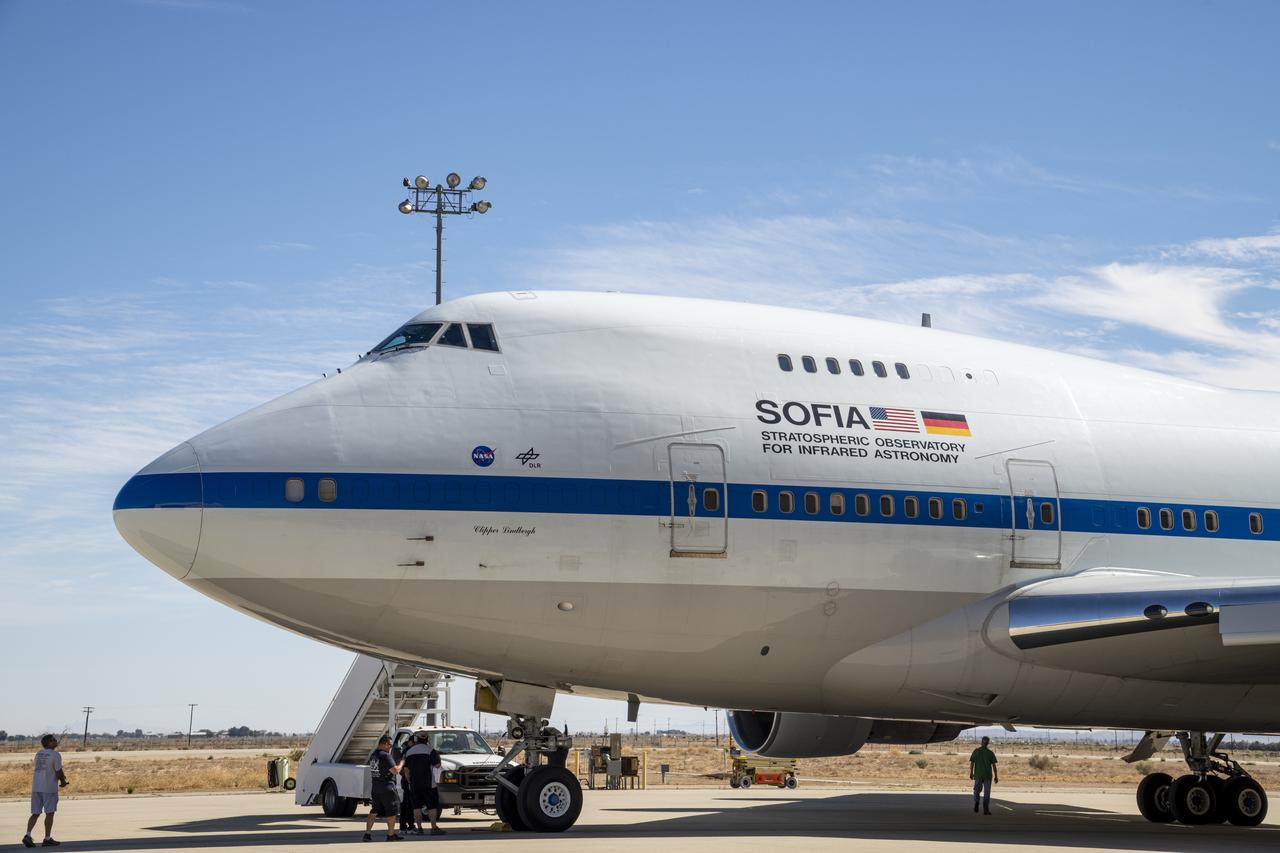
The Stratospheric Observatory for Infrared Astronomy (SOFIA) returns to NASA’s Armstrong Flight Research Center Building 703 on Aug. 11 after a productive month of science flights out of Christchurch International Airport in New Zealand.
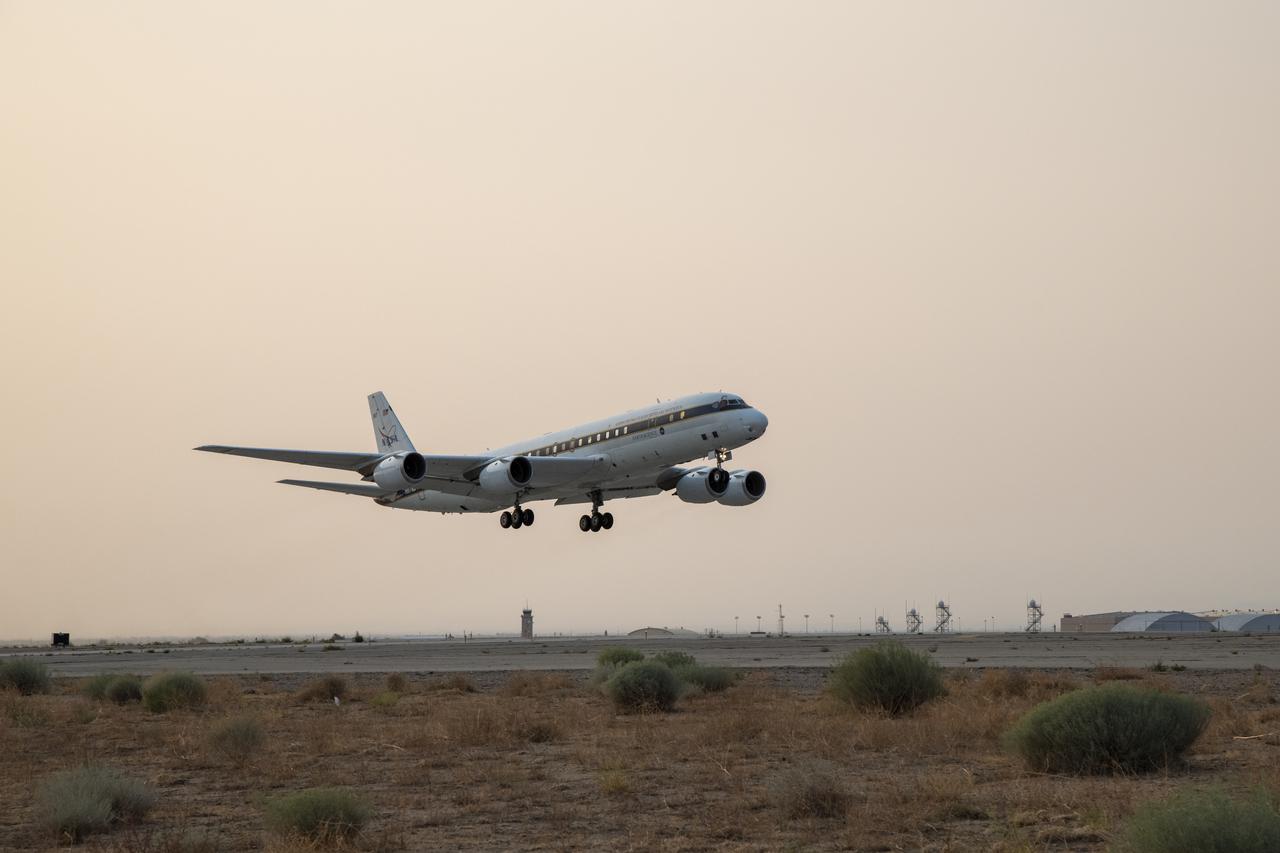
NASA’s DC-8 taking off to St. Croix in support of the Convective Processes Experiment – Aerosols and Winds campaign (CPEX-AW) on Aug 17, 2021.
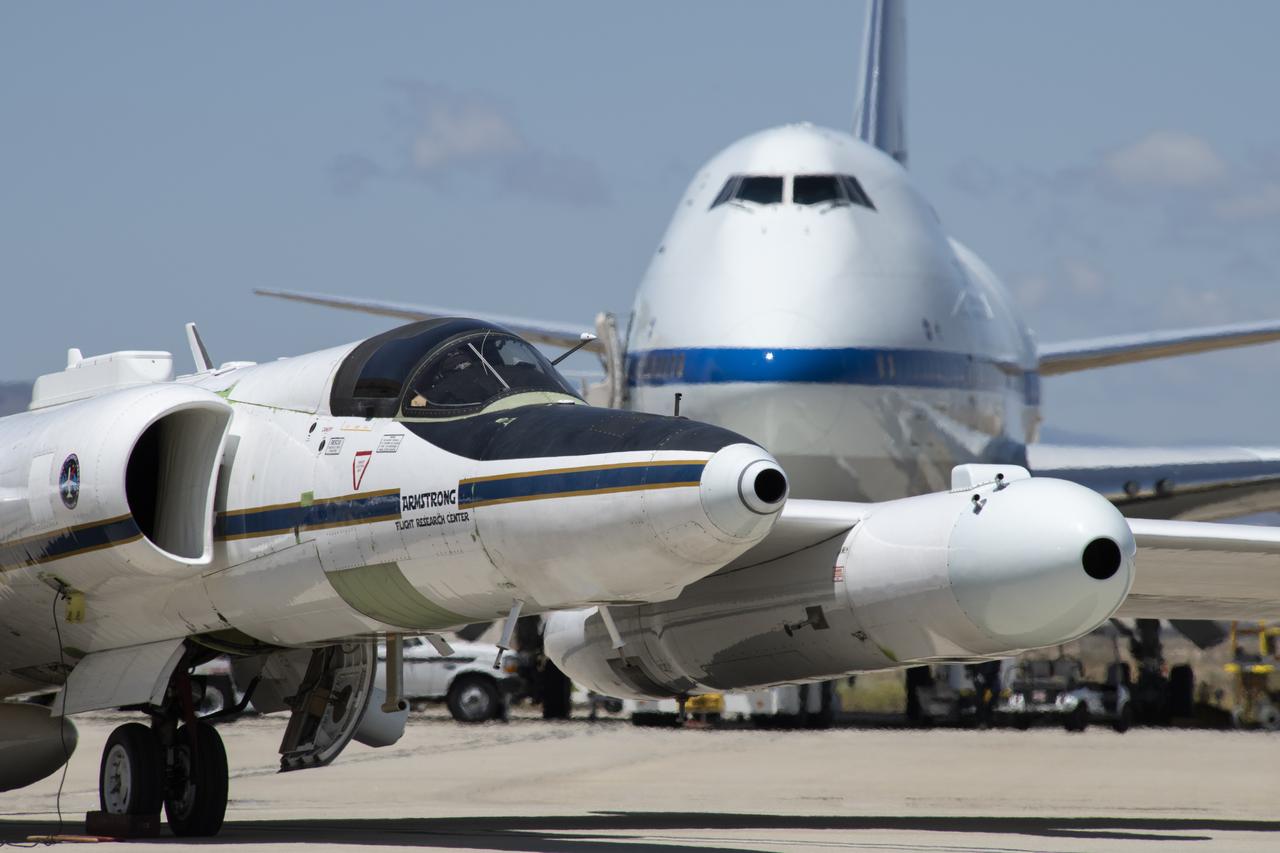
NASA's ER-2 and SOFIA at Armstrong Flight Research Center Building 703 in Palmdale, California.
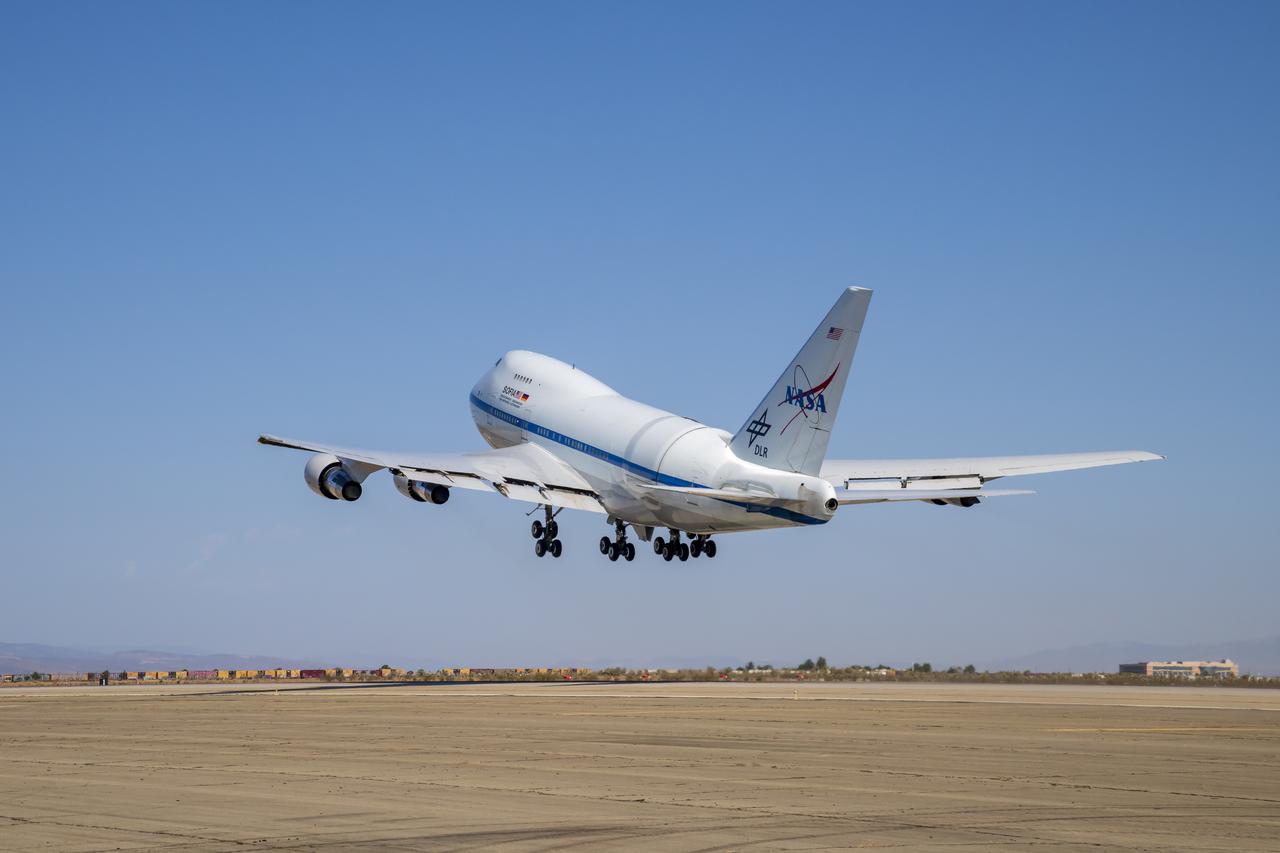
NASA’s Stratospheric Observatory for Infrared Astronomy, SOFIA, takes off from its base of operations at NASA’s Armstrong Flight Research Center’s Building 703 in Palmdale, California. The aircraft is on its way to Fa’a’ā, French Polynesia where it will be on a mission from July 19 to Sept. 12 to observe parts of the sky that are not visible from the Northern Hemisphere. NASA’s Stratospheric Observatory for Infrared Astronomy, SOFIA, takes off from its base of operations at NASA’s Armstrong Flight Research Center’s Building 703 in Palmdale, California. The aircraft is on its way to Fa’a’ā, French Polynesia where it will be on a mission from July 19 to Sept. 12 to observe parts of the sky that are not visible from the Northern Hemisphere.
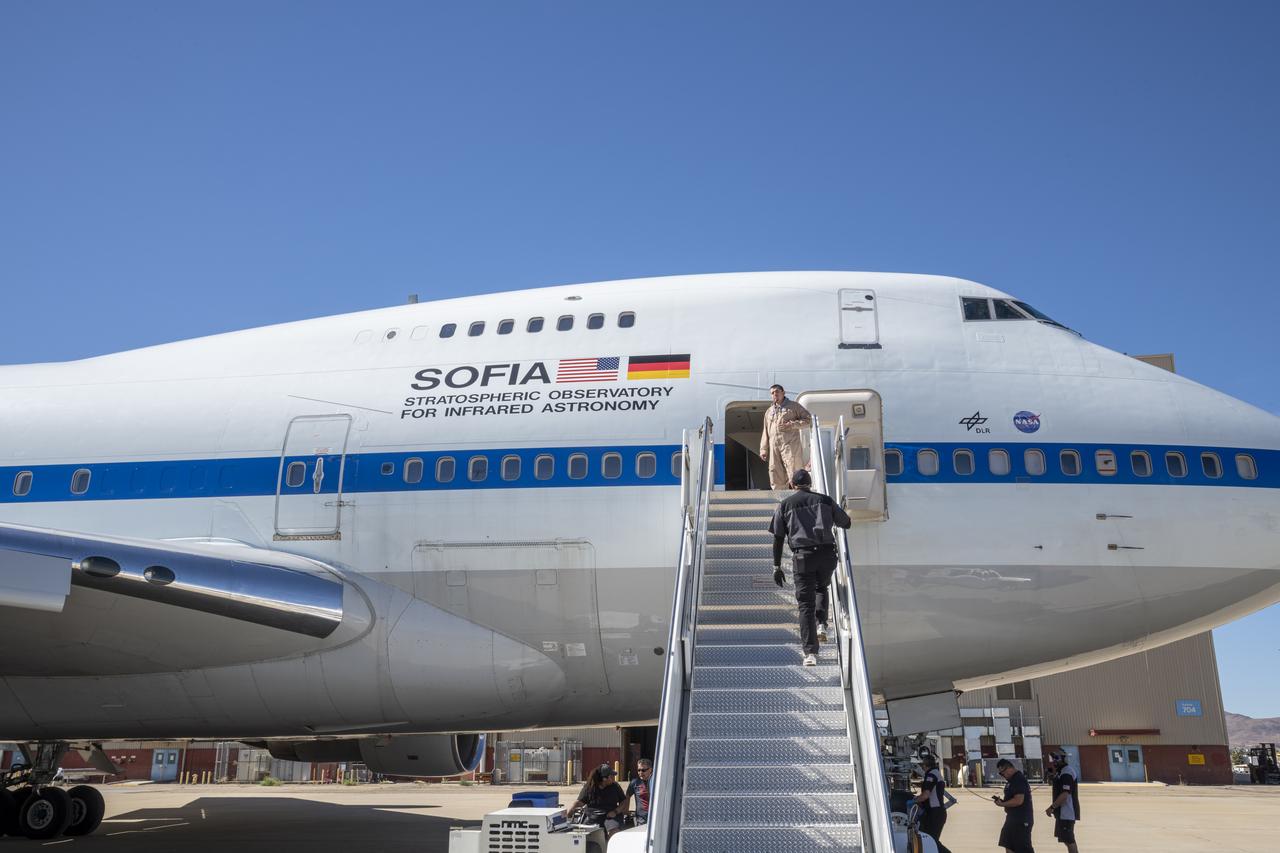
The Stratospheric Observatory for Infrared Astronomy (SOFIA) returns to NASA’s Armstrong Flight Research Center Building 703 on Aug. 11 after a productive month of science flights out of Christchurch International Airport in New Zealand.
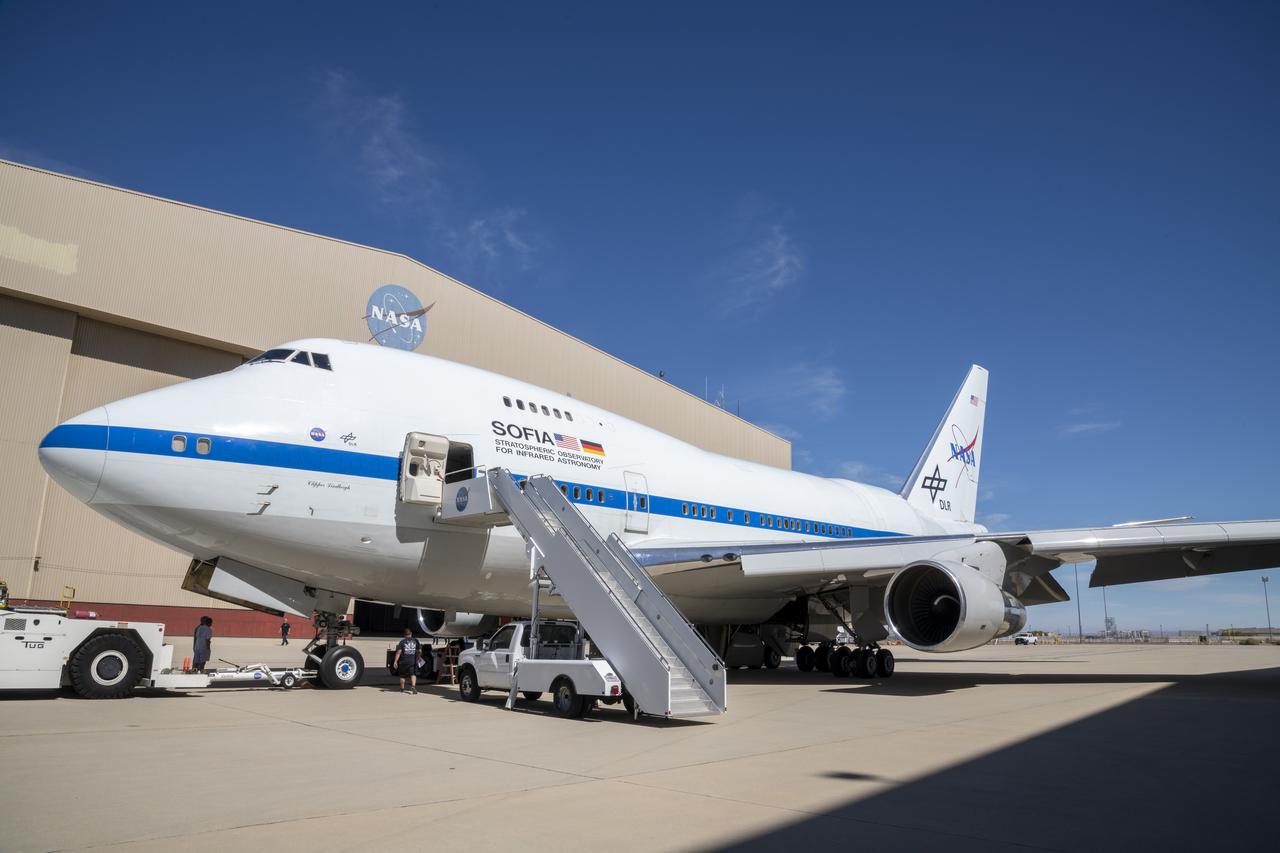
The Stratospheric Observatory for Infrared Astronomy (SOFIA) returns to NASA’s Armstrong Flight Research Center Building 703 on Aug. 11 after a productive month of science flights out of Christchurch International Airport in New Zealand.
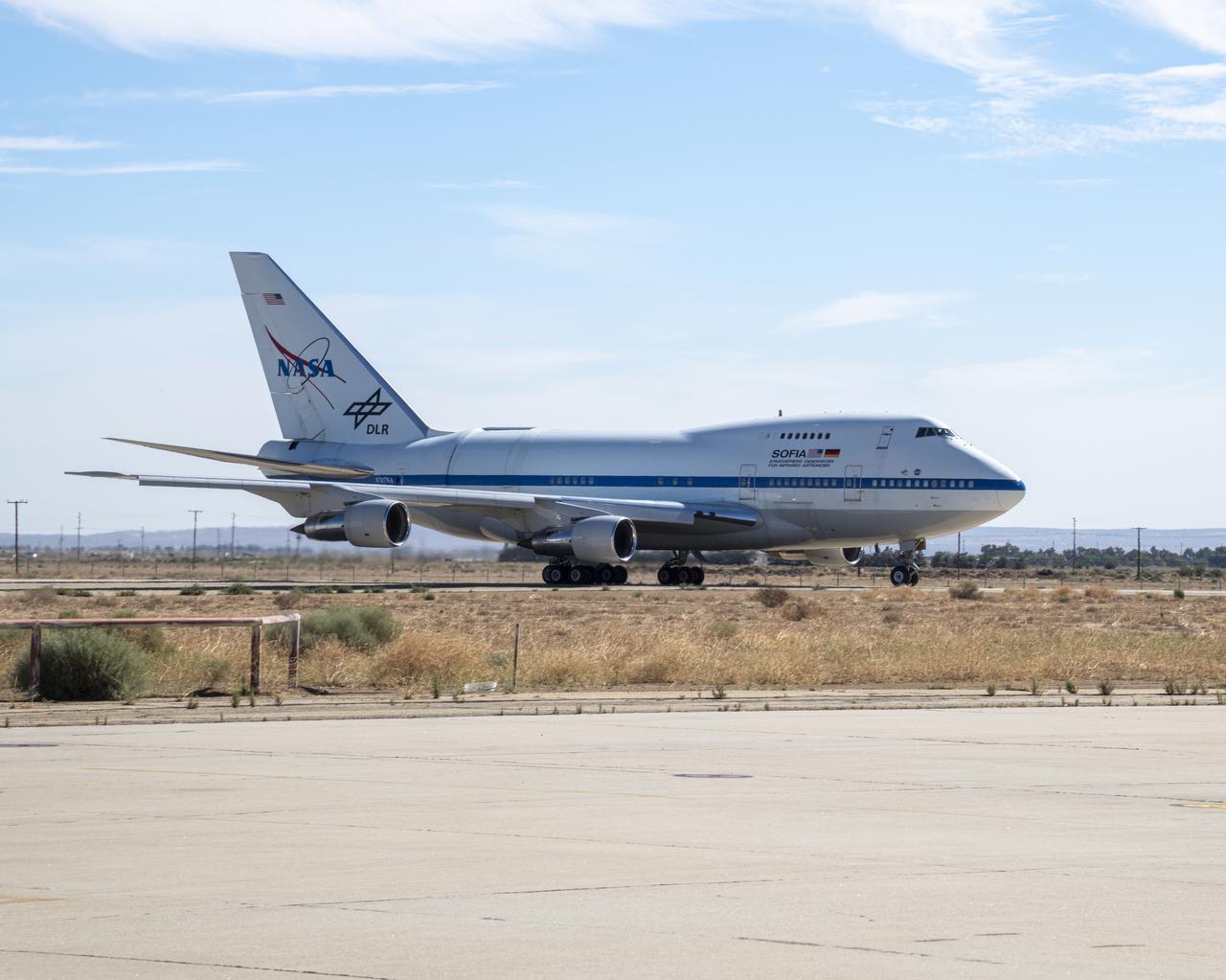
The Stratospheric Observatory for Infrared Astronomy (SOFIA) returns to NASA’s Armstrong Flight Research Center Building 703 on Aug. 11 after a productive month of science flights out of Christchurch International Airport in New Zealand.
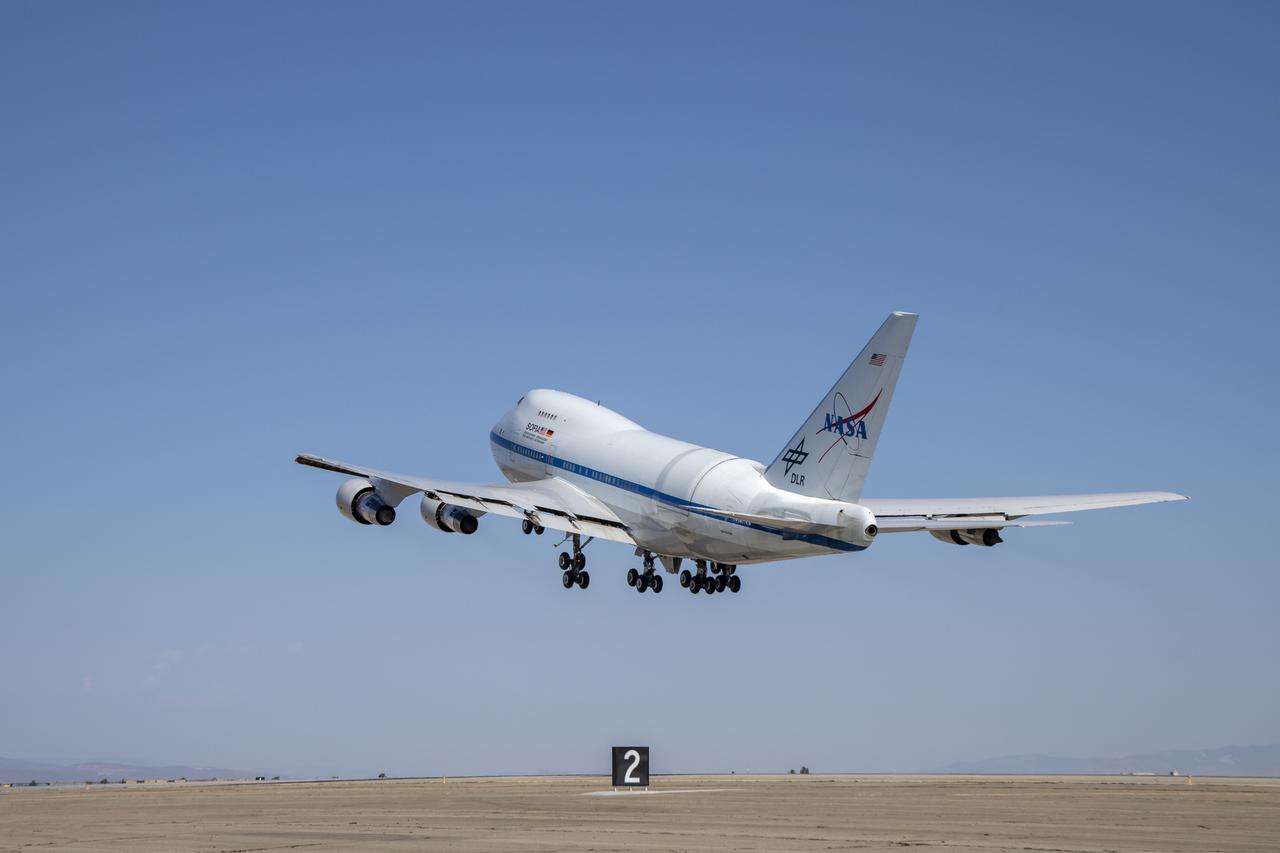
NASA’s Stratospheric Observatory for Infrared Astronomy, SOFIA, takes off from its base of operations at NASA’s Armstrong Flight Research Center’s Building 703 in Palmdale, California. The aircraft is on its way to Fa’a’ā, French Polynesia where it will be on a mission from July 19 to Sept. 12 to observe parts of the sky that are not visible from the Northern Hemisphere. NASA’s Stratospheric Observatory for Infrared Astronomy, SOFIA, takes off from its base of operations at NASA’s Armstrong Flight Research Center’s Building 703 in Palmdale, California. The aircraft is on its way to Fa’a’ā, French Polynesia where it will be on a mission from July 19 to Sept. 12 to observe parts of the sky that are not visible from the Northern Hemisphere.
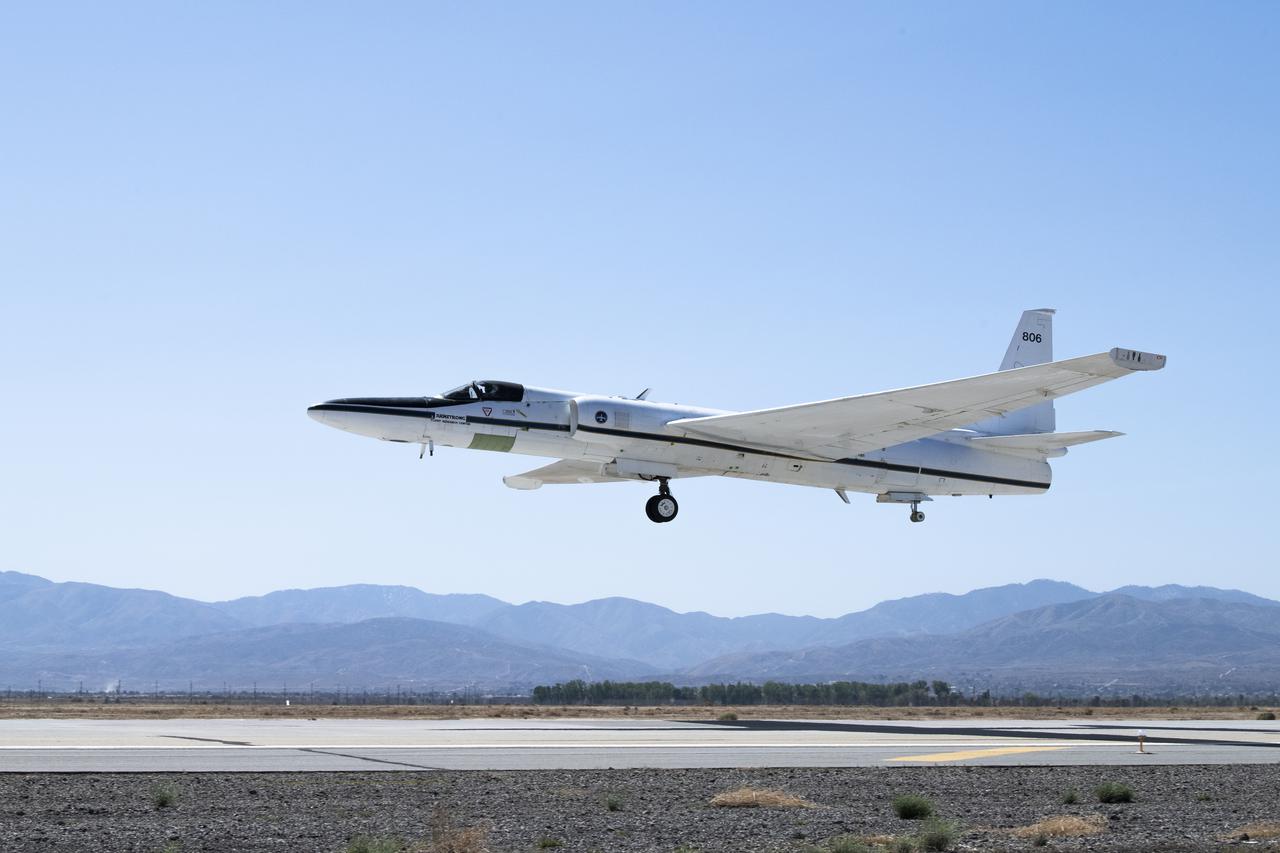
NASA's ER-2 No. 806 returns to flying high-altitude on April 7, 2022, after three years of heavy maintenance. NASA Armstrong operates two ER-2 aircraft to collect information about Earth resources, celestial observations, atmospheric chemistry and dynamics, and oceanic processes.
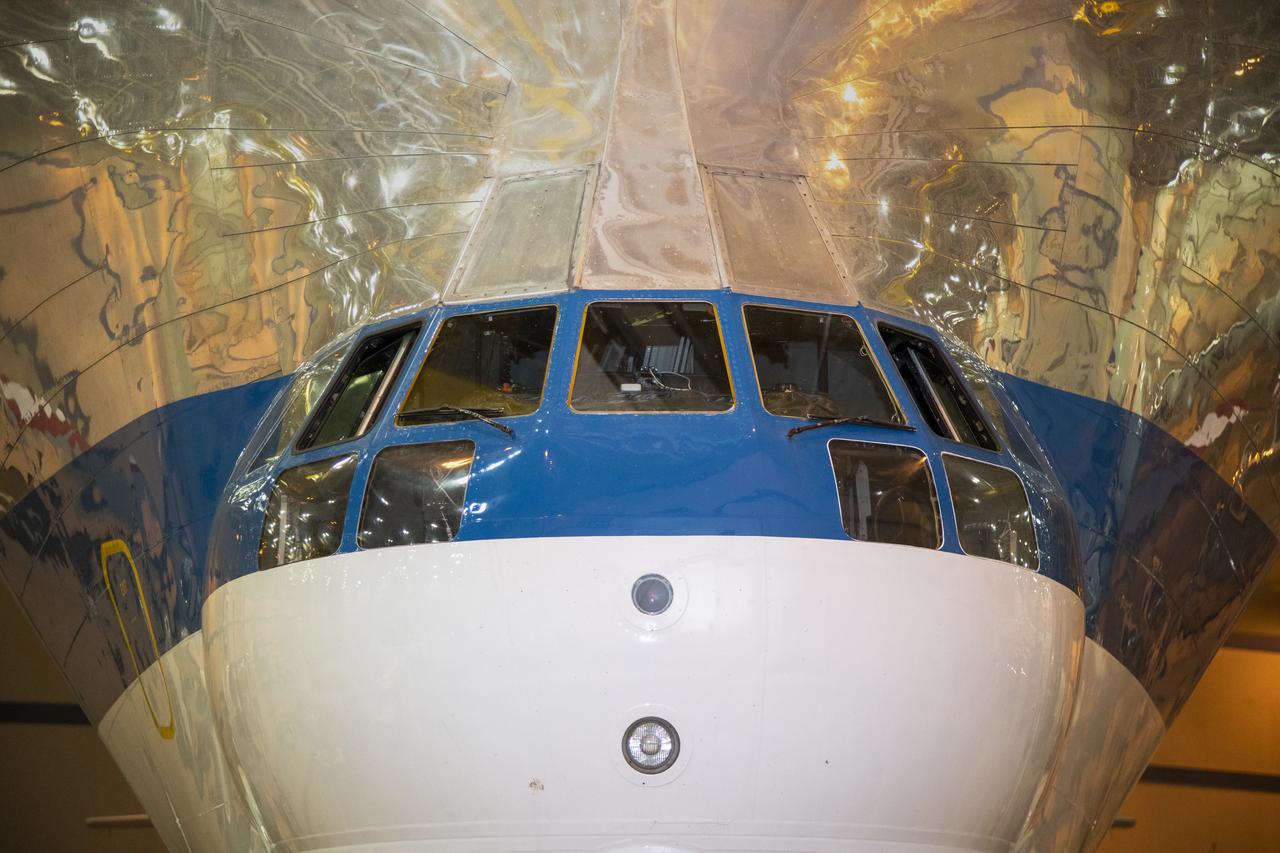
NASA's Super Guppy Turbine cargo aircraft in the hangar at NASA's Armstrong Flight Research Center on August 24, 2021. This unique whale-like aircraft arrived at the center's Building 703 in Palmdale, CA to support crews in the performance of routine maintenance. The Super Guppy aircraft, operated by NASA's Johnson Space Center, aids in the transportation of oversized aerospace cargo in a practical and economical way.
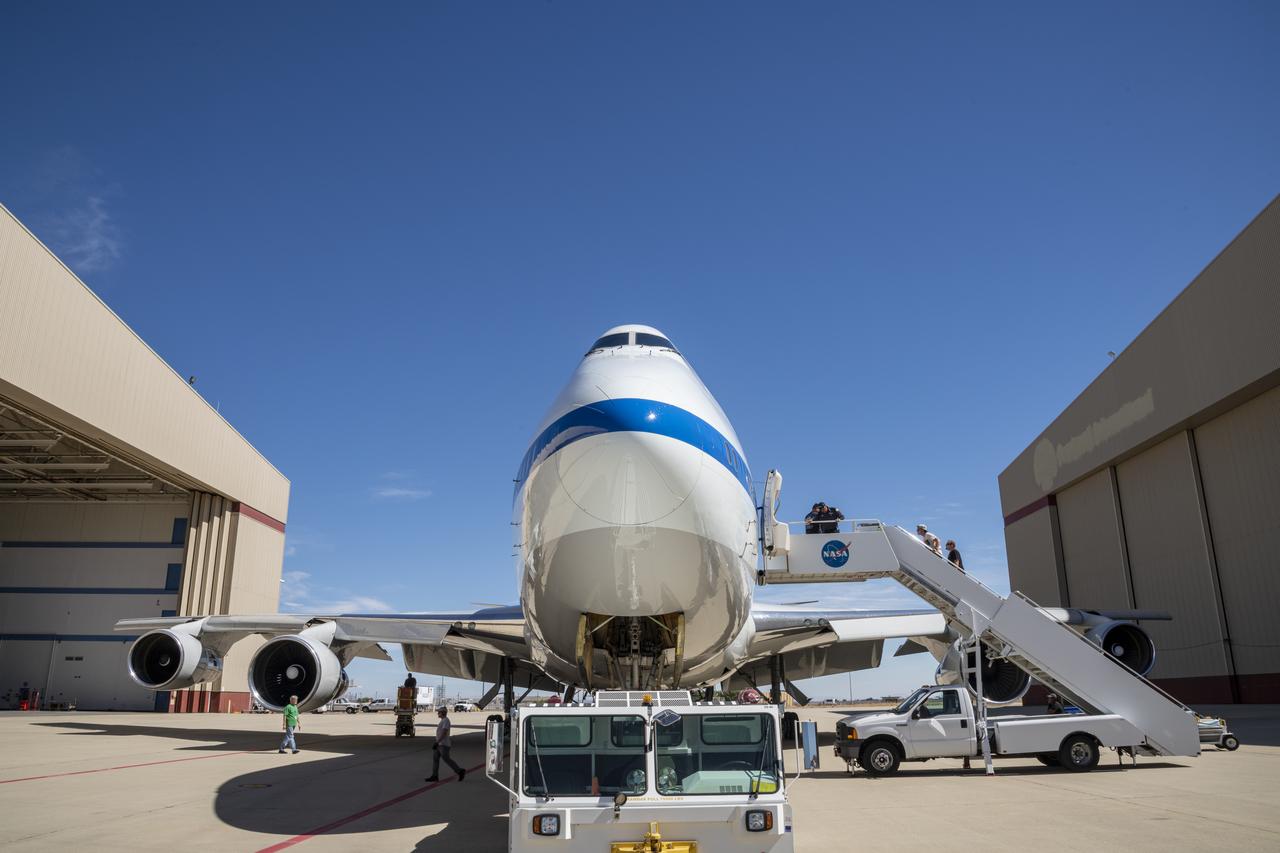
The Stratospheric Observatory for Infrared Astronomy (SOFIA) returns to NASA’s Armstrong Flight Research Center Building 703 on Aug. 11 after a productive month of science flights out of Christchurch International Airport in New Zealand.
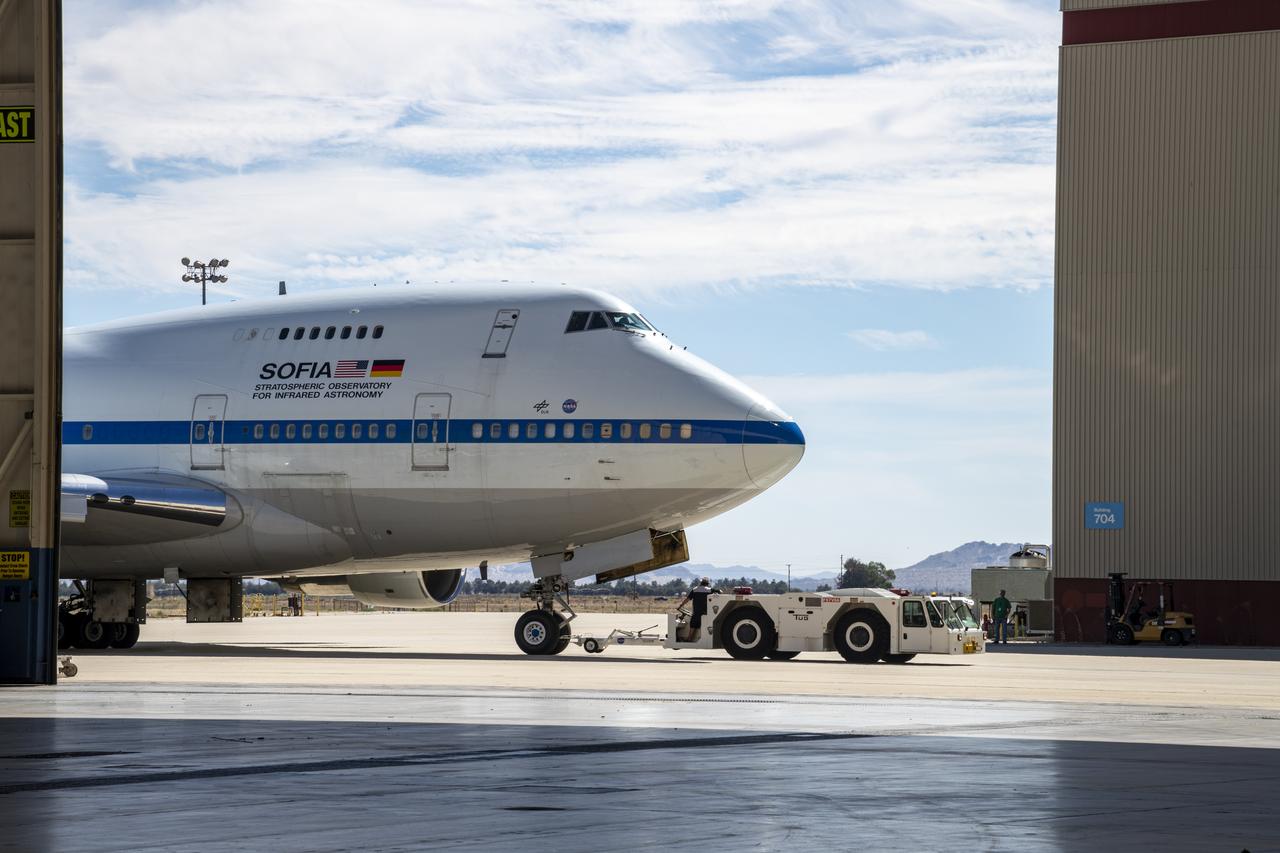
The Stratospheric Observatory for Infrared Astronomy (SOFIA) returns to NASA’s Armstrong Flight Research Center Building 703 on Aug. 11 after a productive month of science flights out of Christchurch International Airport in New Zealand.
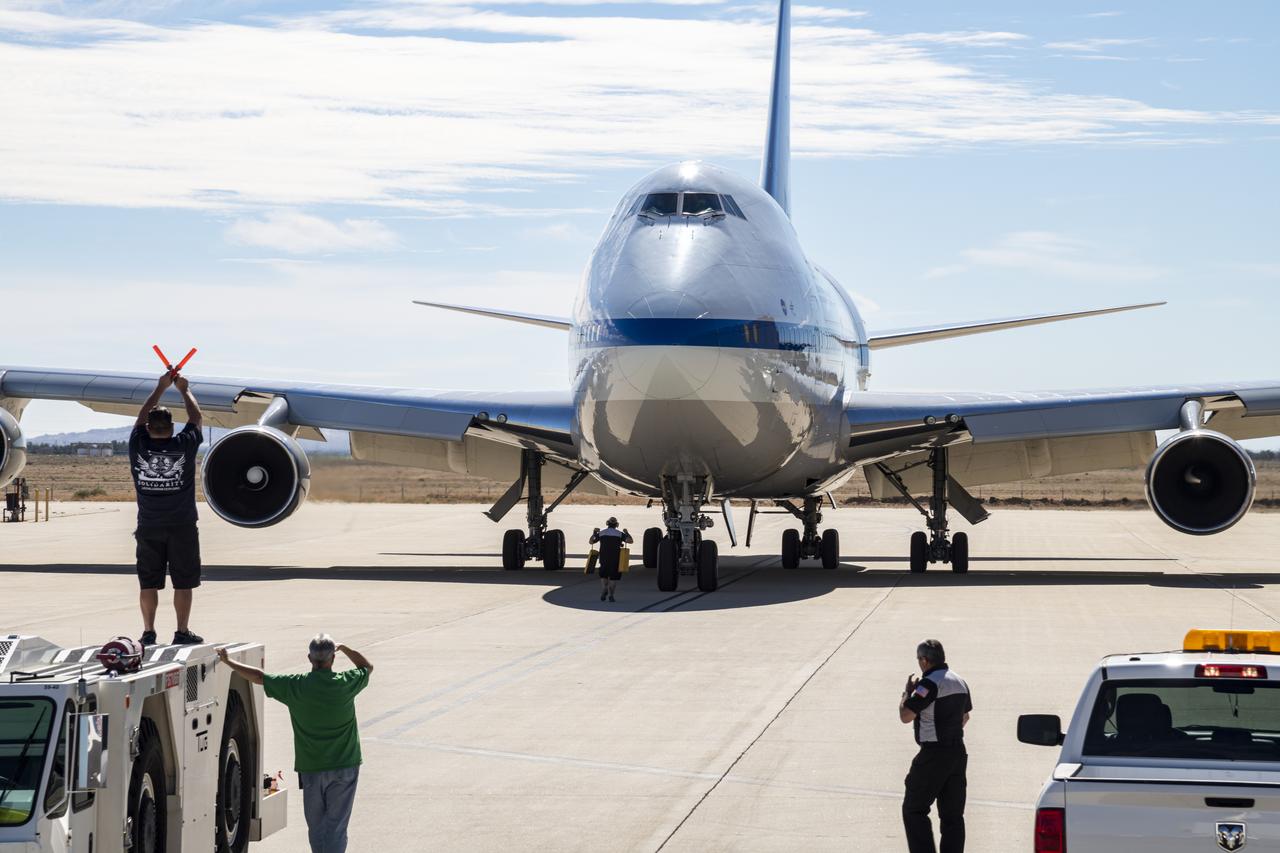
The Stratospheric Observatory for Infrared Astronomy (SOFIA) returns to NASA’s Armstrong Flight Research Center Building 703 on Aug. 11 after a productive month of science flights out of Christchurch International Airport in New Zealand.
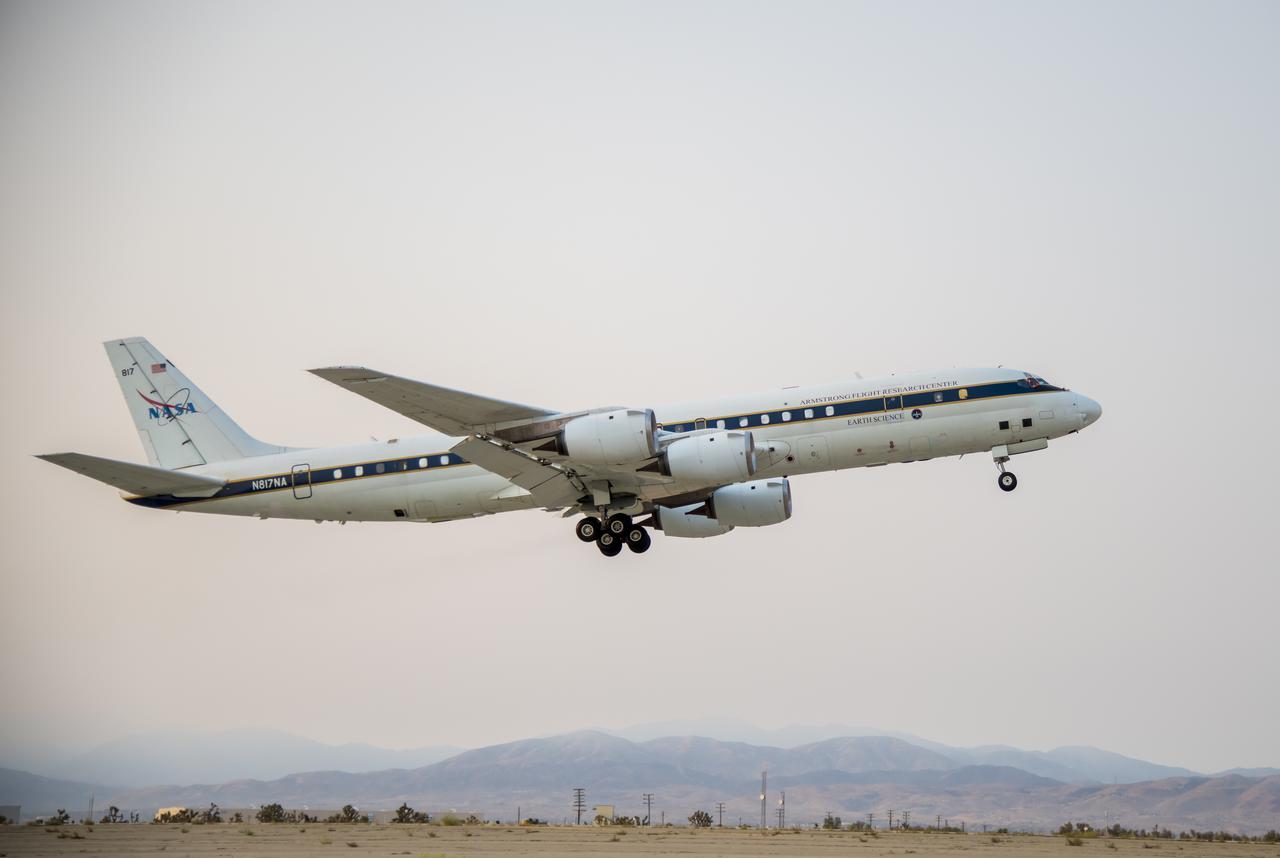
NASA's DC-8 taking off to St. Croix in support of the Convective Processes Experiment - Aerosols and Winds campaign (CPEX-AW) on Aug 17, 2021.
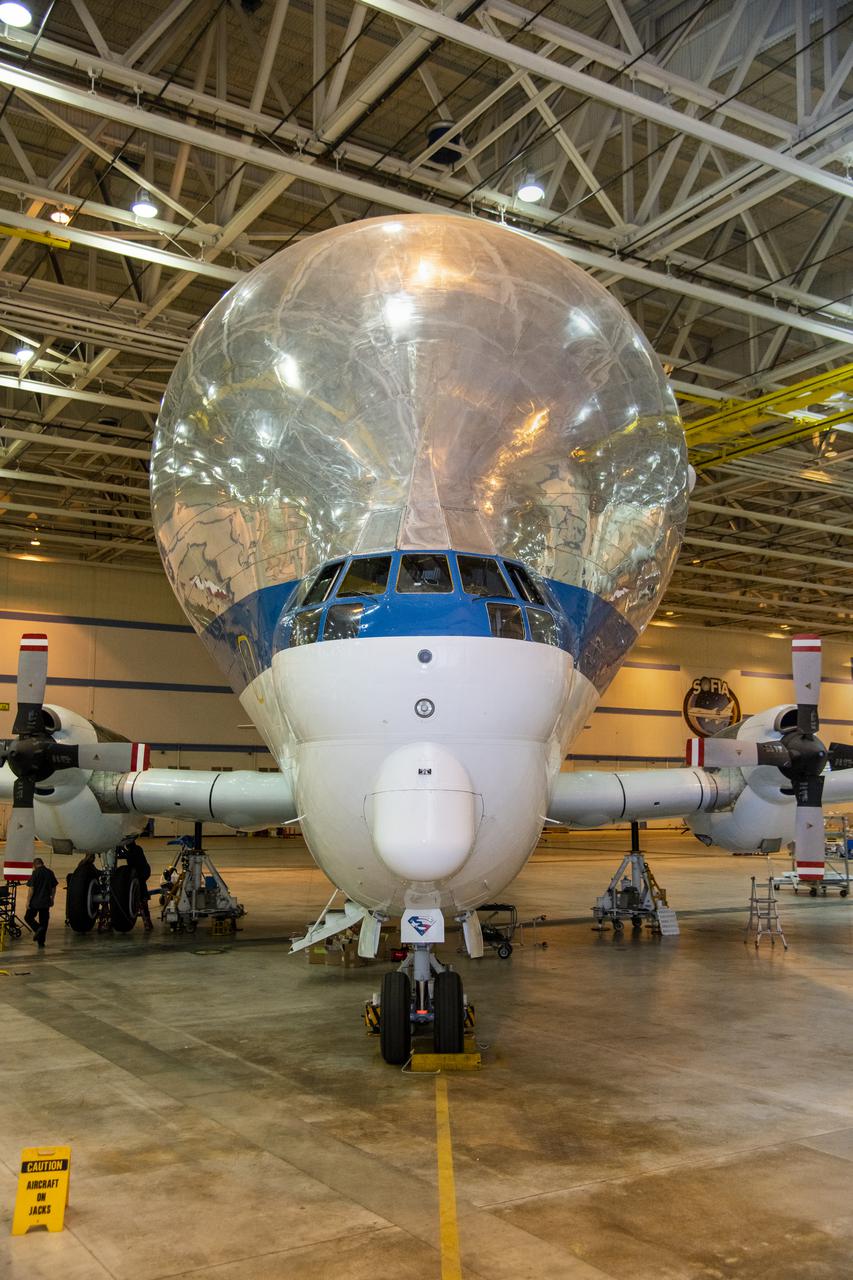
NASA’s Super Guppy Turbine cargo aircraft in the hangar at NASA’s Armstrong Flight Research Center on August 24, 2021. This unique whale-like aircraft arrived at the center’s Building 703 in Palmdale, CA to support crews in the performance of routine maintenance. The Super Guppy aircraft, operated by NASA’s Johnson Space Center, aids in the transportation of oversized aerospace cargo in a practical and economical way.
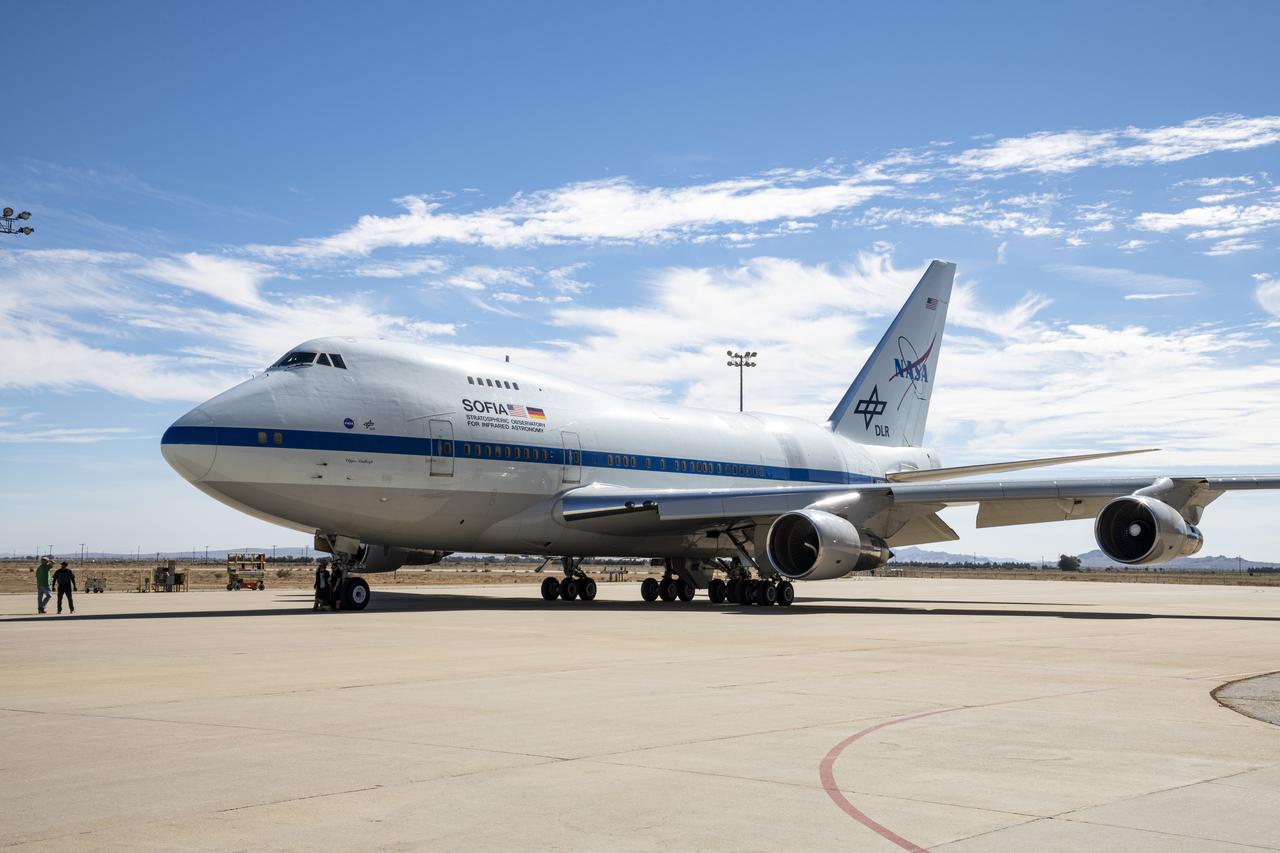
The Stratospheric Observatory for Infrared Astronomy (SOFIA) returns to NASA’s Armstrong Flight Research Center Building 703 on Aug. 11 after a productive month of science flights out of Christchurch International Airport in New Zealand.
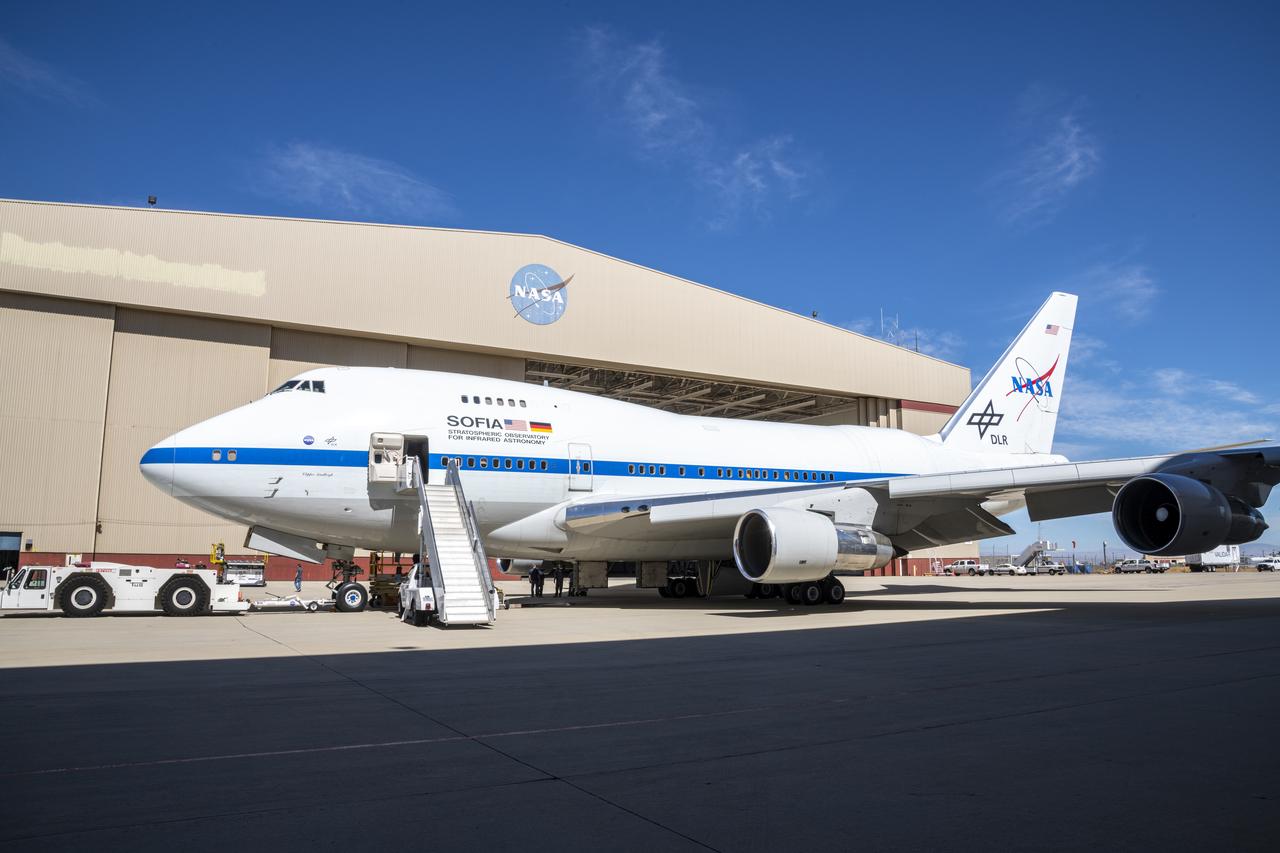
The Stratospheric Observatory for Infrared Astronomy (SOFIA) returns to NASA’s Armstrong Flight Research Center Building 703 on Aug. 11 after a productive month of science flights out of Christchurch International Airport in New Zealand.
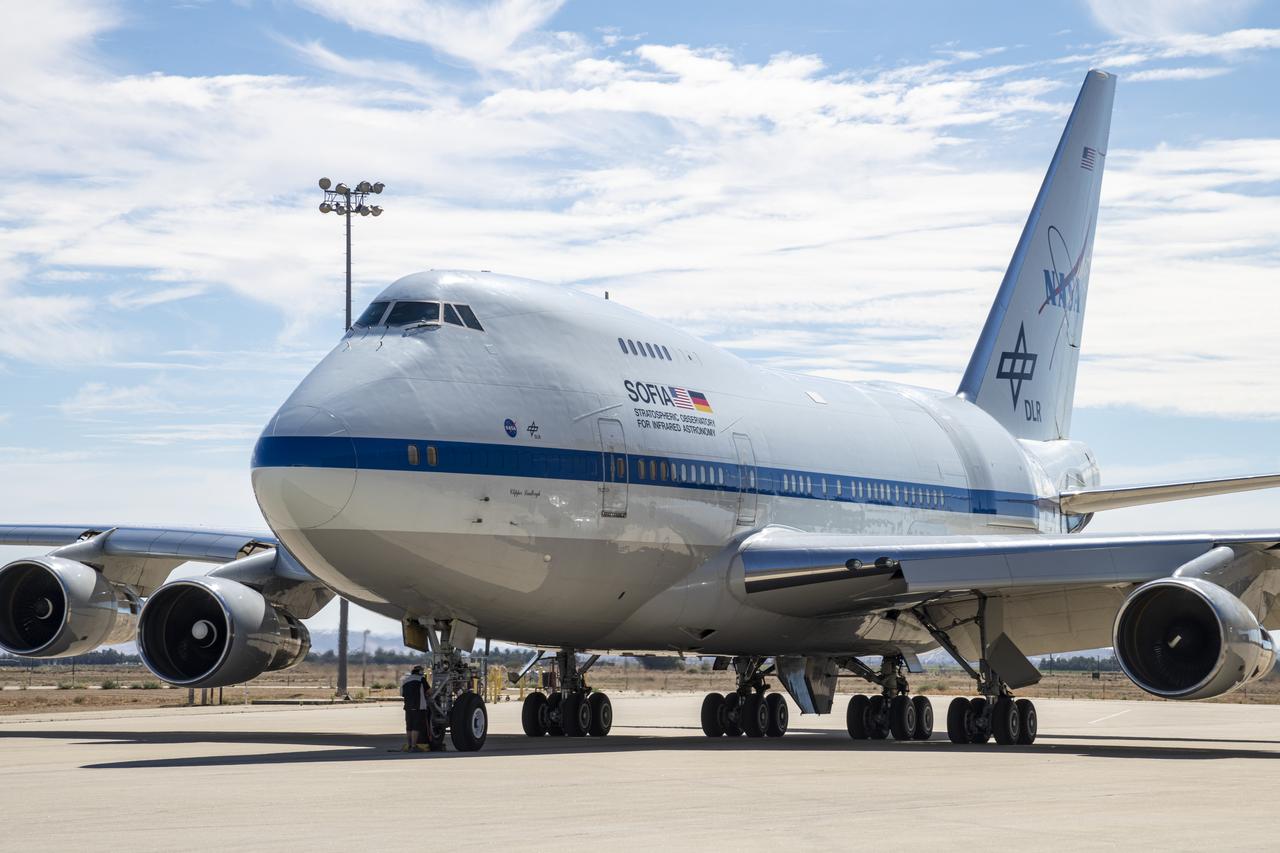
The Stratospheric Observatory for Infrared Astronomy (SOFIA) returns to NASA’s Armstrong Flight Research Center Building 703 on Aug. 11 after a productive month of science flights out of Christchurch International Airport in New Zealand.
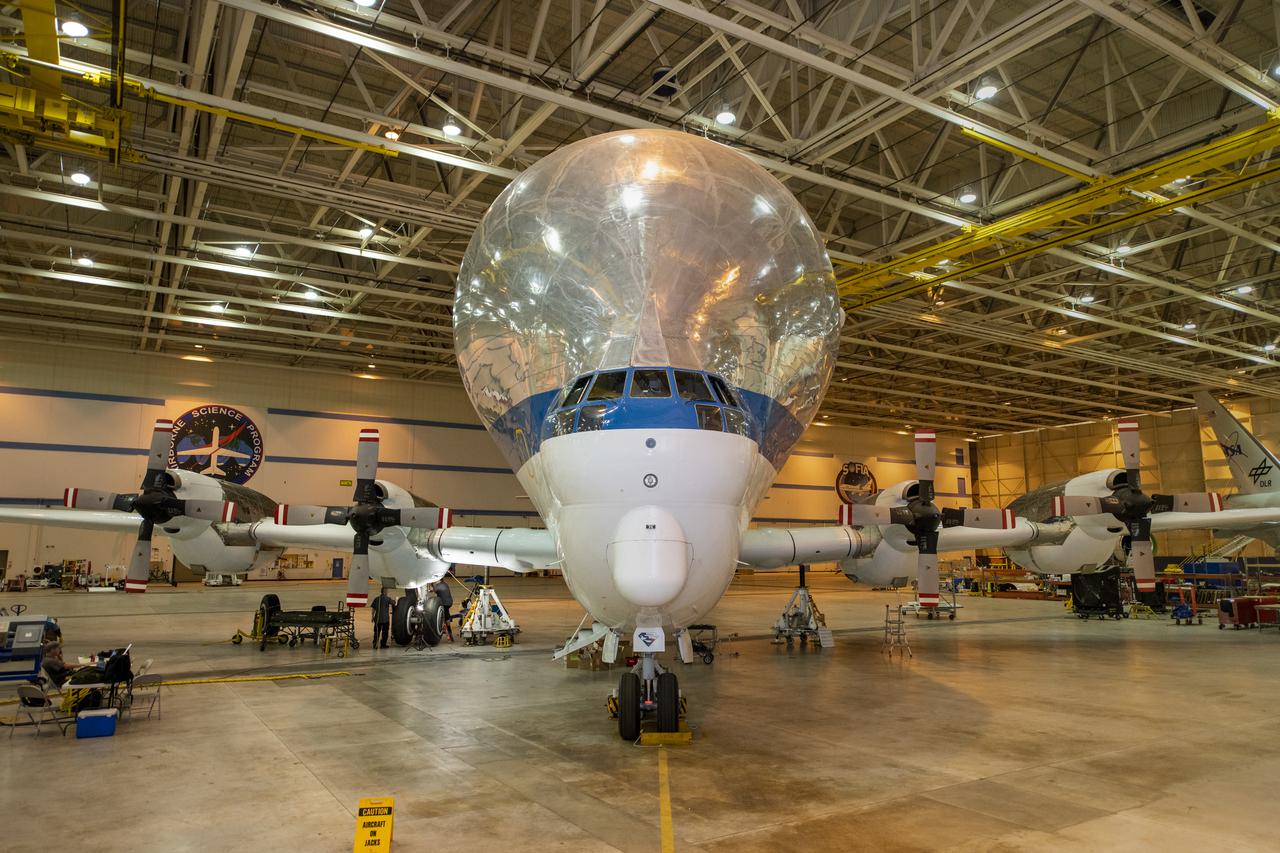
NASA's Super Guppy Turbine cargo aircraft in the hangar at NASA's Armstrong Flight Research Center on August 24, 2021. This unique whale-like aircraft arrived at the center's Building 703 in Palmdale, CA to support crews in the performance of routine maintenance. The Super Guppy aircraft, operated by NASA's Johnson Space Center, aids in the transportation of oversized aerospace cargo in a practical and economical way.

NASA’s Stratospheric Observatory for Infrared Astronomy, SOFIA, takes off from its base of operations at NASA’s Armstrong Flight Research Center’s Building 703 in Palmdale, California. The aircraft is on its way to Fa’a’ā, French Polynesia where it will be on a mission from July 19 to Sept. 12 to observe parts of the sky that are not visible from the Northern Hemisphere. NASA’s Stratospheric Observatory for Infrared Astronomy, SOFIA, takes off from its base of operations at NASA’s Armstrong Flight Research Center’s Building 703 in Palmdale, California. The aircraft is on its way to Fa’a’ā, French Polynesia where it will be on a mission from July 19 to Sept. 12 to observe parts of the sky that are not visible from the Northern Hemisphere.
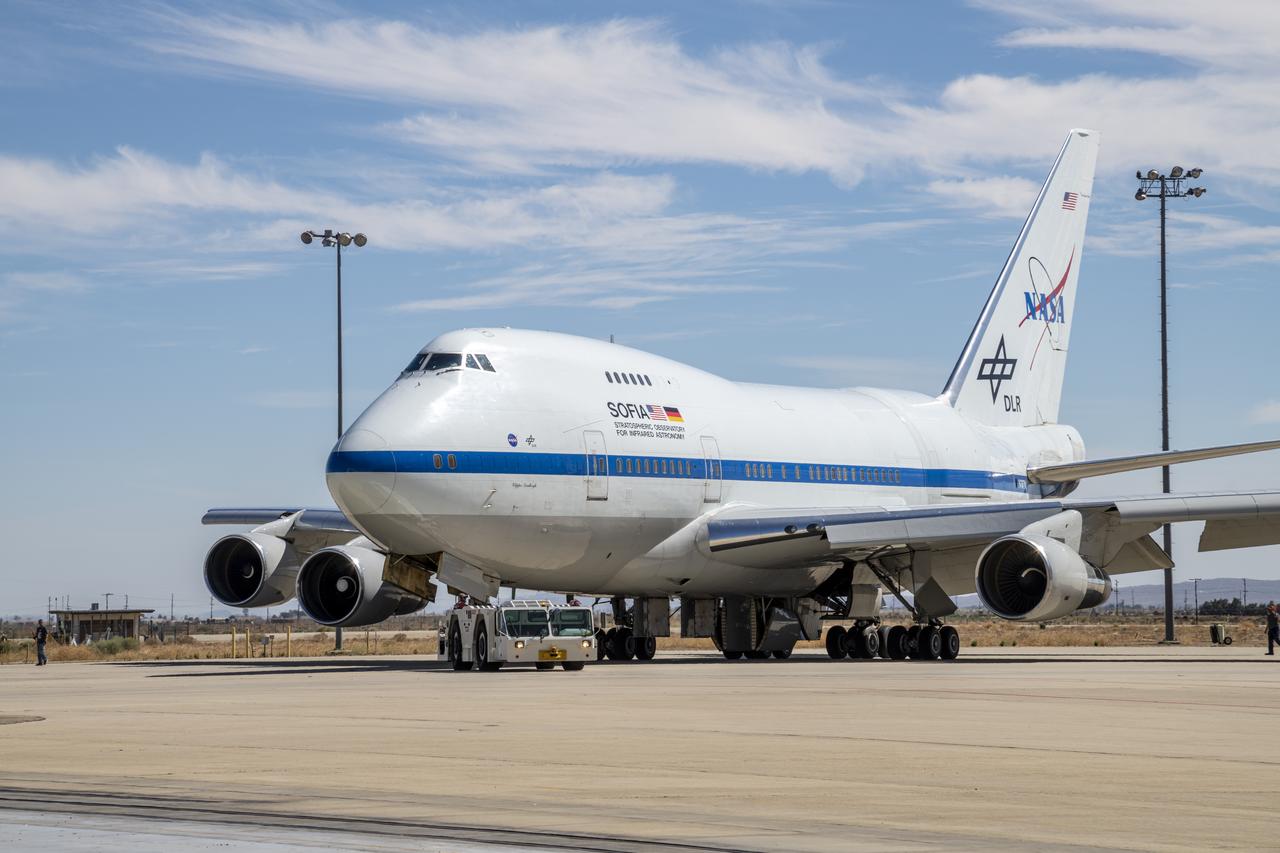
The Stratospheric Observatory for Infrared Astronomy (SOFIA) returns to NASA’s Armstrong Flight Research Center Building 703 on Aug. 11 after a productive month of science flights out of Christchurch International Airport in New Zealand.
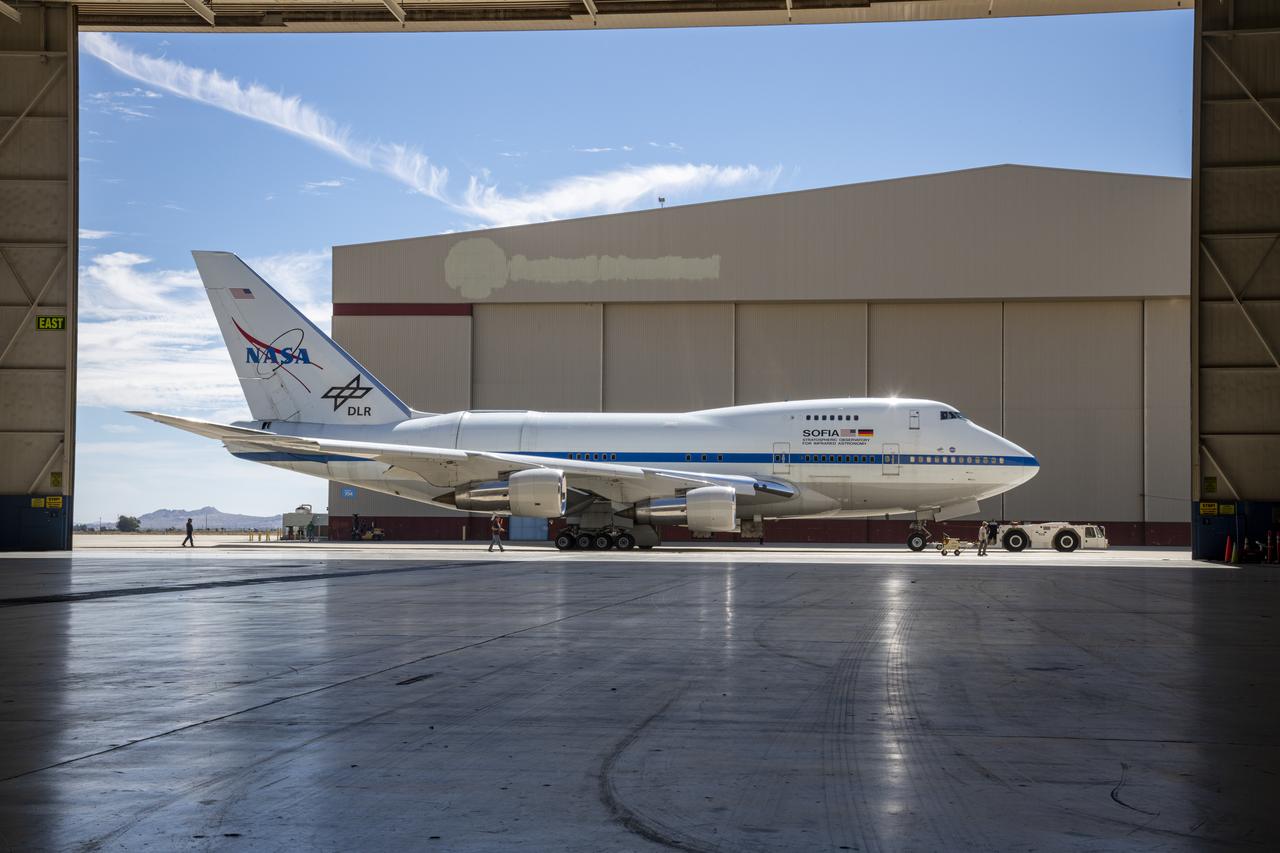
The Stratospheric Observatory for Infrared Astronomy (SOFIA) returns to NASA’s Armstrong Flight Research Center Building 703 on Aug. 11 after a productive month of science flights out of Christchurch International Airport in New Zealand.
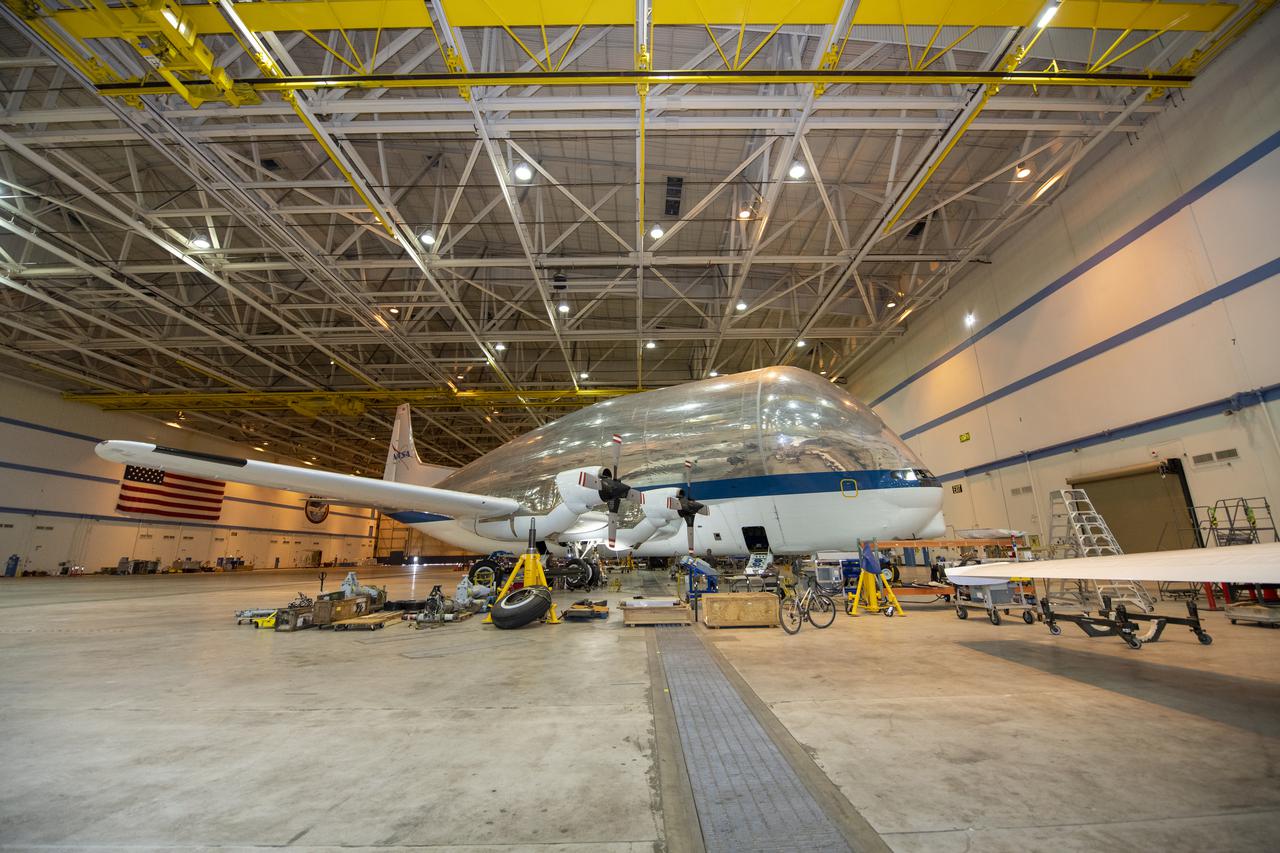
NASA's Super Guppy Turbine cargo aircraft in the hangar at NASA's Armstrong Flight Research Center on August 24, 2021. This unique whale-like aircraft arrived at the center's Building 703 in Palmdale, CA to support crews in the performance of routine maintenance. The Super Guppy aircraft, operated by NASA's Johnson Space Center, aids in the transportation of oversized aerospace cargo in a practical and economical way.
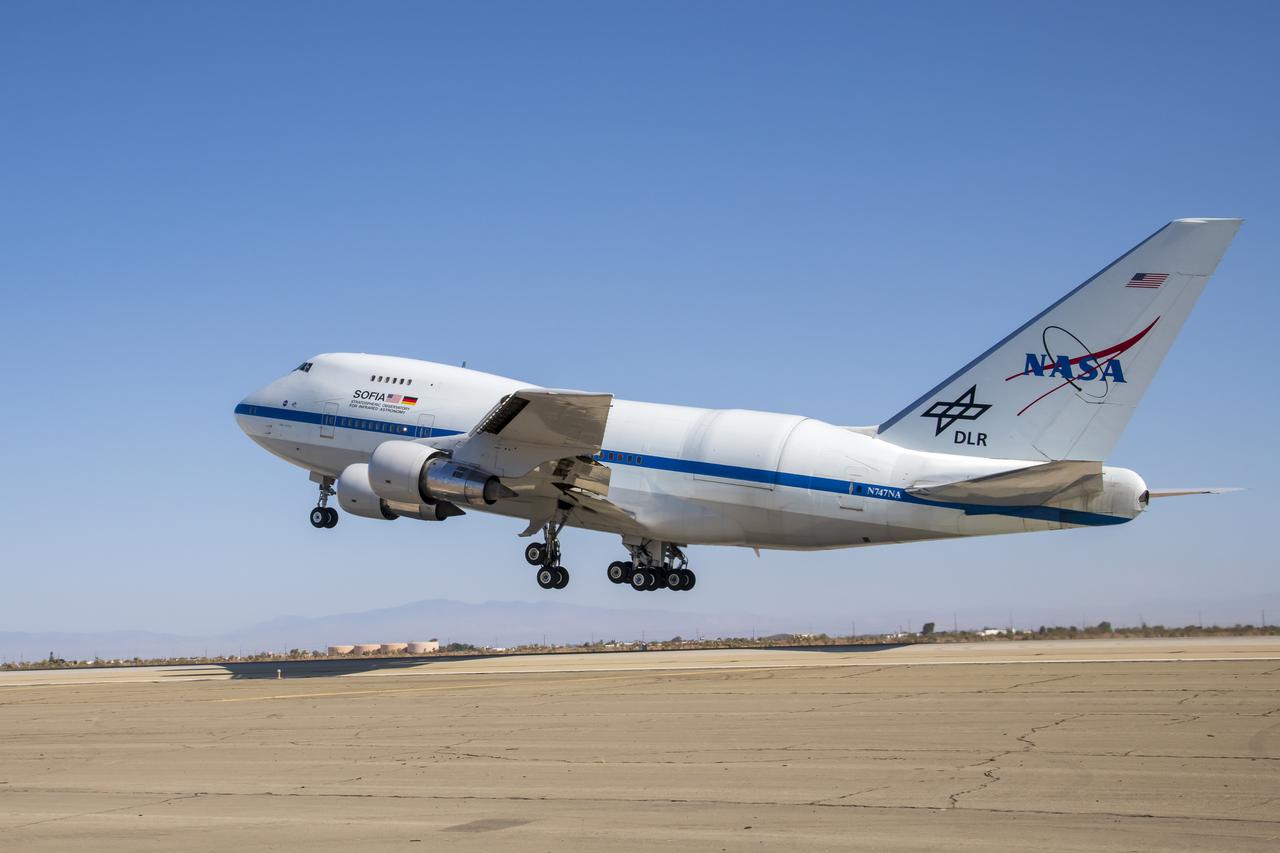
NASA’s Stratospheric Observatory for Infrared Astronomy, SOFIA, takes off from its base of operations at NASA’s Armstrong Flight Research Center’s Building 703 in Palmdale, California. The aircraft is on its way to Fa’a’ā, French Polynesia where it will be on a mission from July 19 to Sept. 12 to observe parts of the sky that are not visible from the Northern Hemisphere. NASA’s Stratospheric Observatory for Infrared Astronomy, SOFIA, takes off from its base of operations at NASA’s Armstrong Flight Research Center’s Building 703 in Palmdale, California. The aircraft is on its way to Fa’a’ā, French Polynesia where it will be on a mission from July 19 to Sept. 12 to observe parts of the sky that are not visible from the Northern Hemisphere.
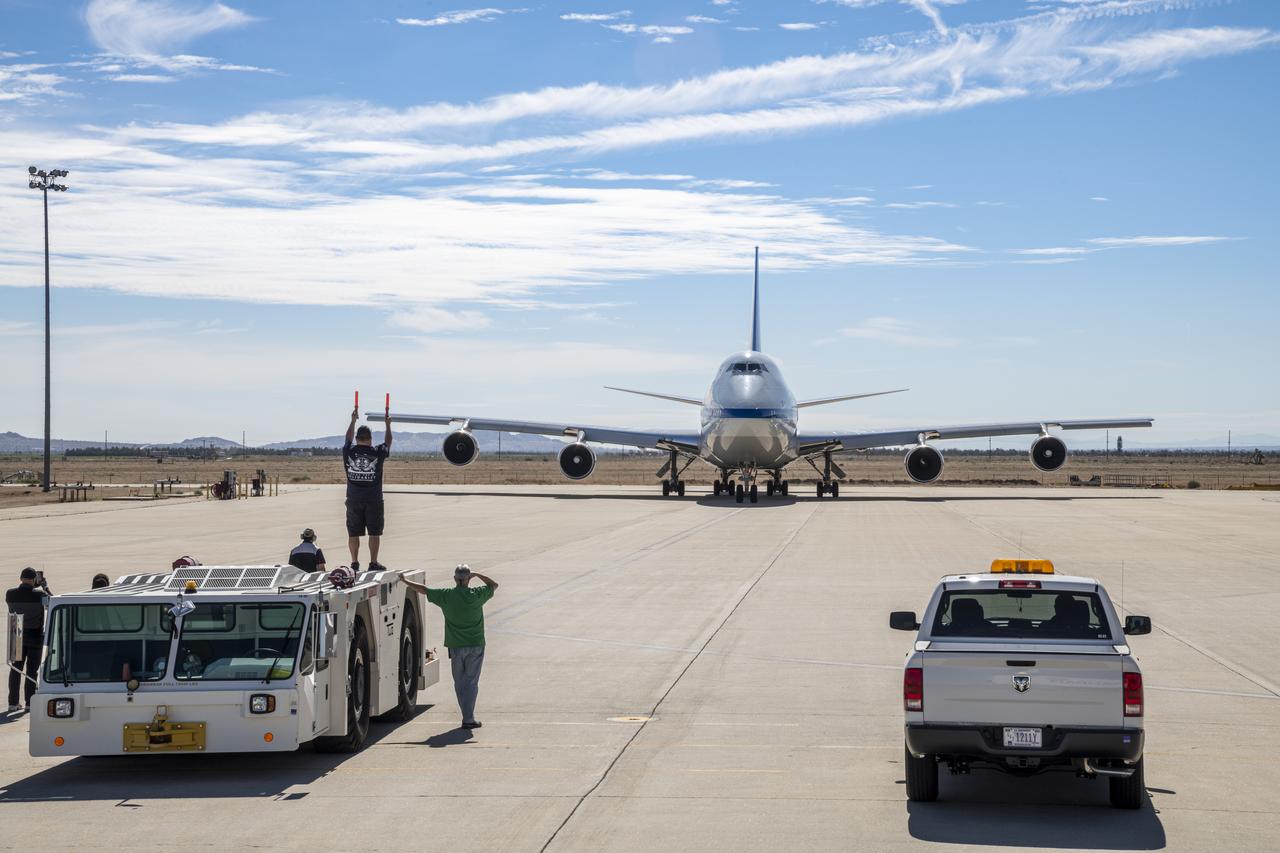
The Stratospheric Observatory for Infrared Astronomy (SOFIA) returns to NASA’s Armstrong Flight Research Center Building 703 on Aug. 11 after a productive month of science flights out of Christchurch International Airport in New Zealand.
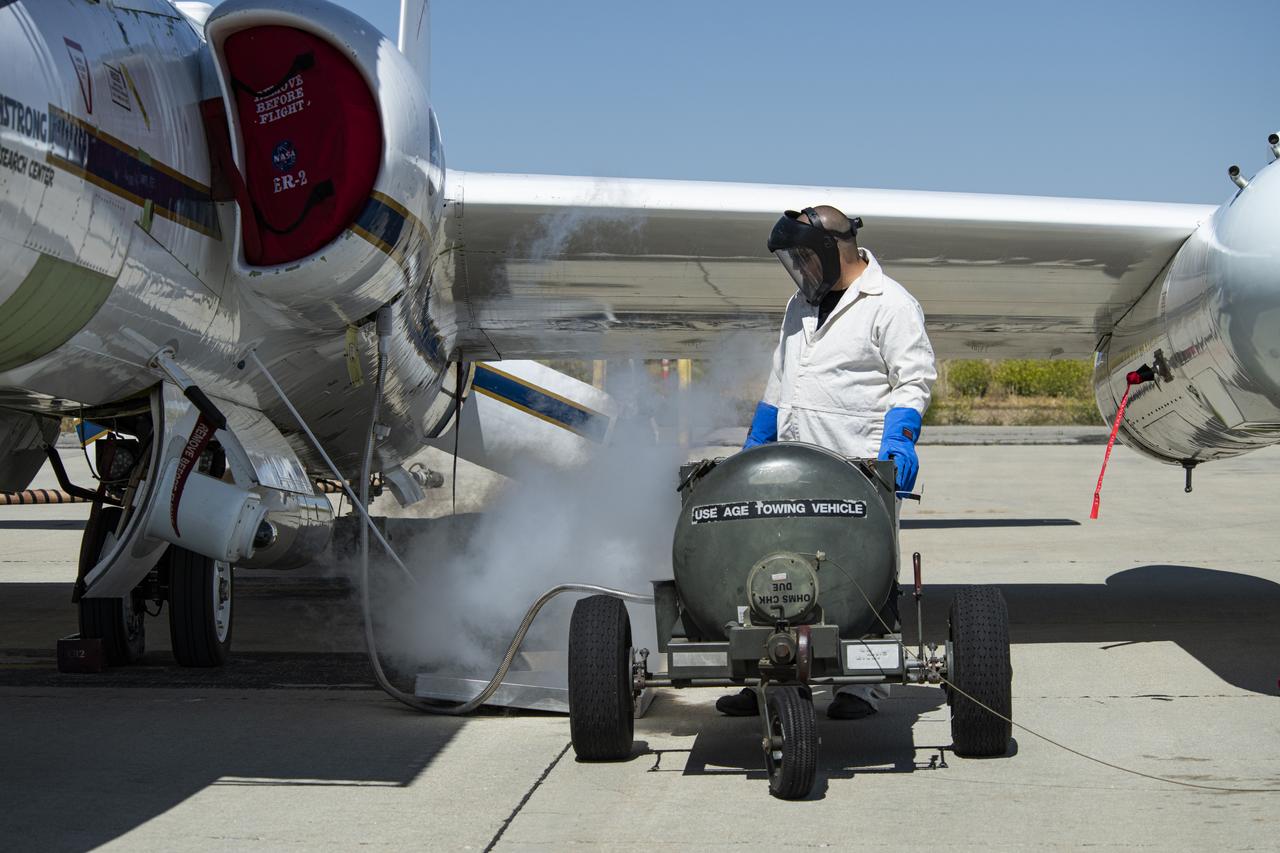
NASA's ER-2 aircraft receives a liquid oxygen refill (LOX) by engineer technician Octavio Provincia-Salazar. Liquid oxygen is used to supply the pilot with substantial oxygen for flight without additional weight.

The Stratospheric Observatory for Infrared Astronomy (SOFIA) returns to NASA’s Armstrong Flight Research Center Building 703 on Aug. 11 after a productive month of science flights out of Christchurch International Airport in New Zealand.
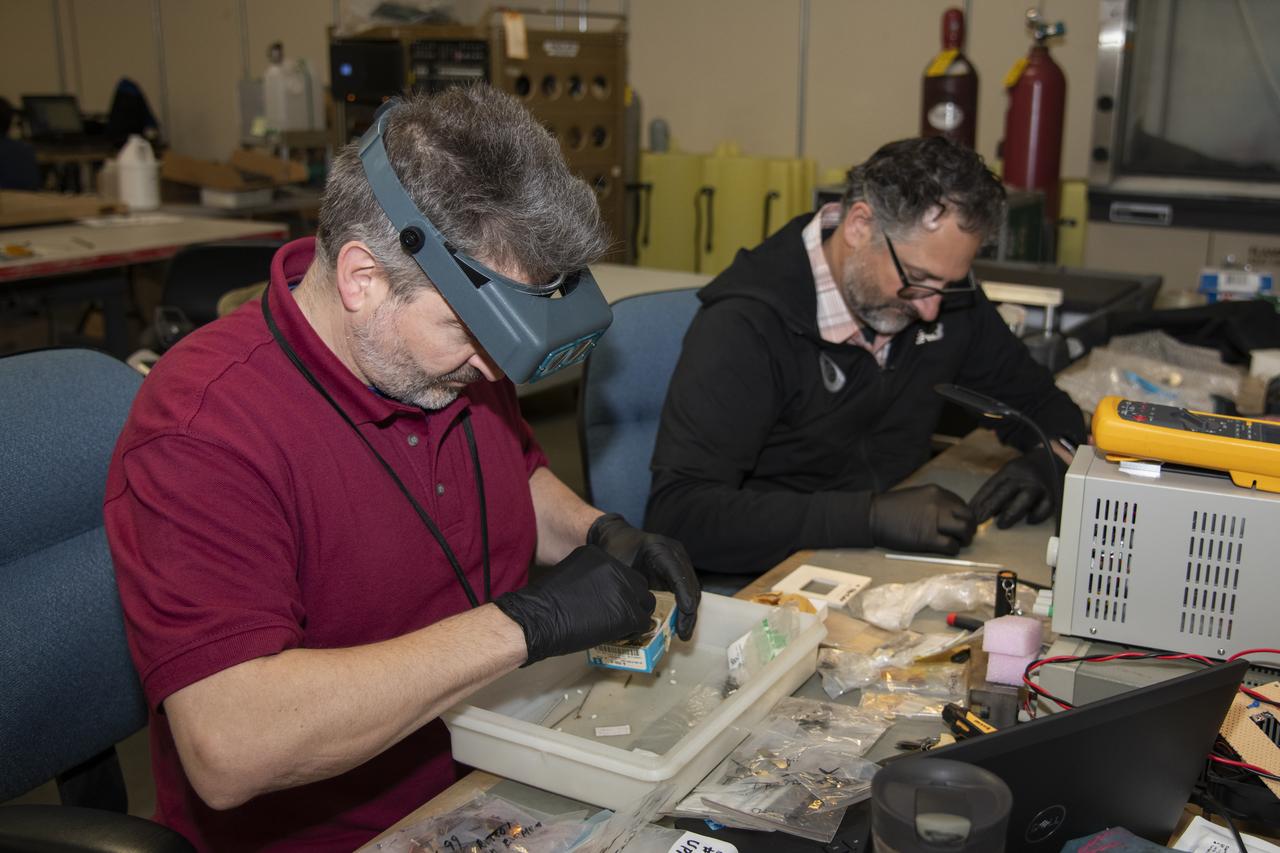
The Harvard Halogen Instrument (HAL) is prepared for integration on NASA's ER-2 by electrical engineer Marco Rivero and mechanical engineer Michael Greenberg for the Dynamics and Chemistry of the Summer Stratosphere, or DCOTSS, 2022 campaign.
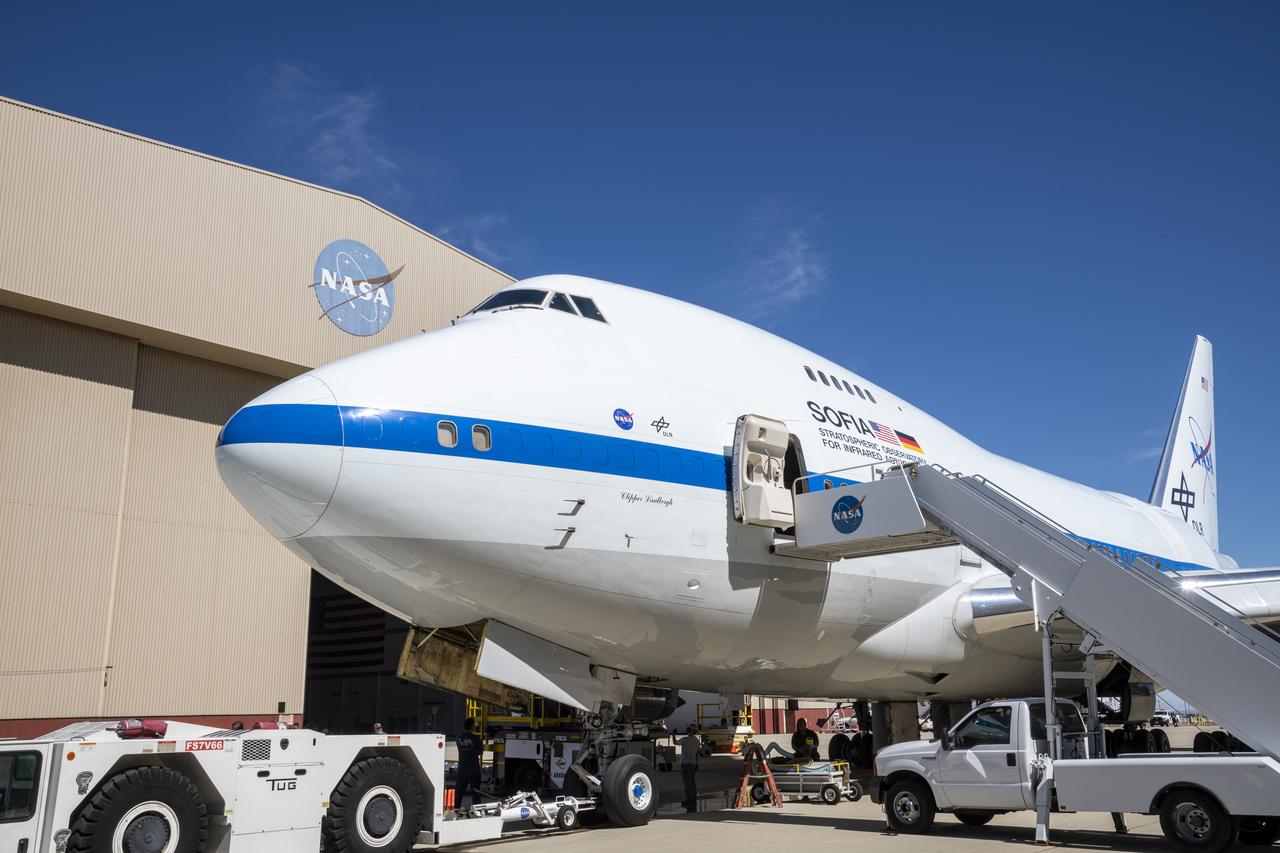
The Stratospheric Observatory for Infrared Astronomy (SOFIA) returns to NASA’s Armstrong Flight Research Center Building 703 on Aug. 11 after a productive month of science flights out of Christchurch International Airport in New Zealand.
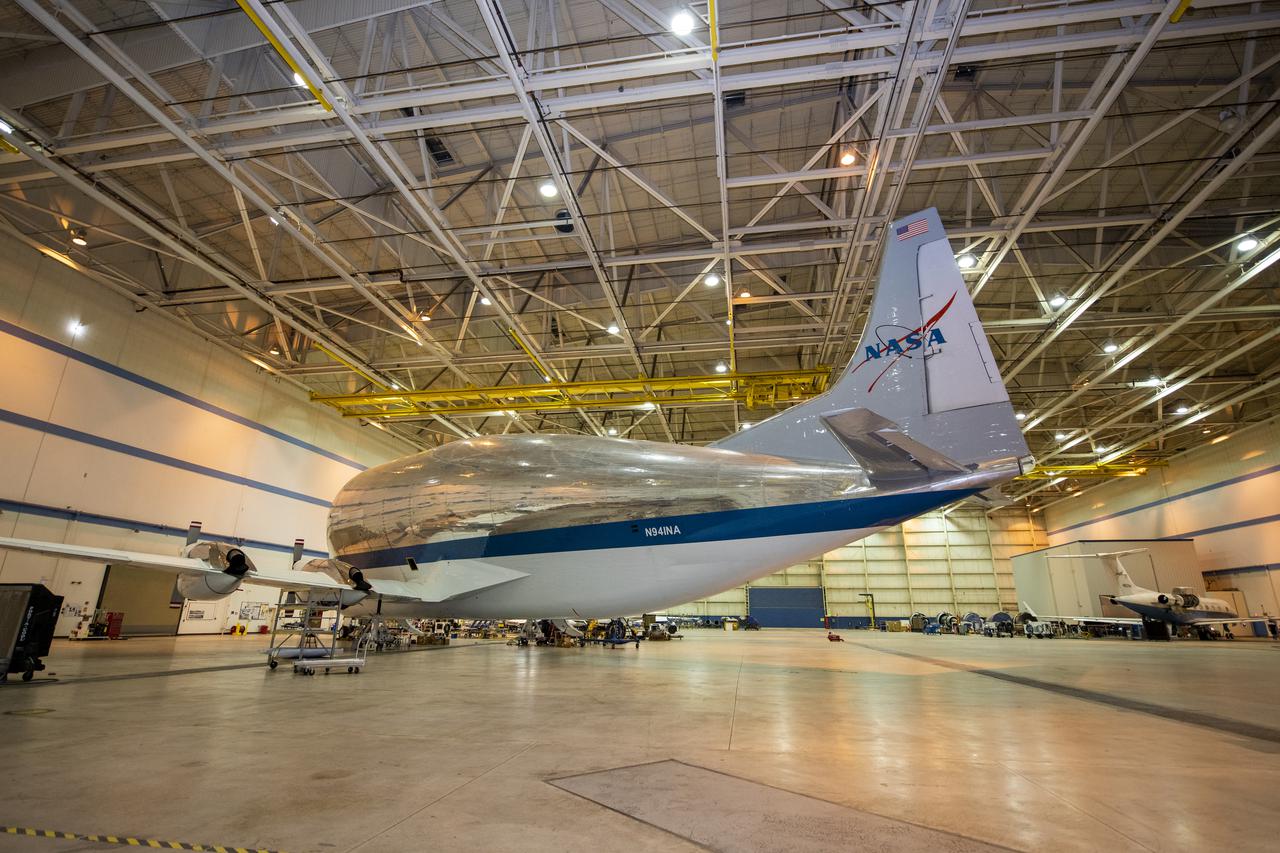
NASA’s Super Guppy Turbine cargo aircraft in the hangar at NASA’s Armstrong Flight Research Center on August 24, 2021. This unique whale-like aircraft arrived at the center’s Building 703 in Palmdale, CA to support crews in the performance of routine maintenance. The Super Guppy aircraft, operated by NASA’s Johnson Space Center, aids in the transportation of oversized aerospace cargo in a practical and economical way.
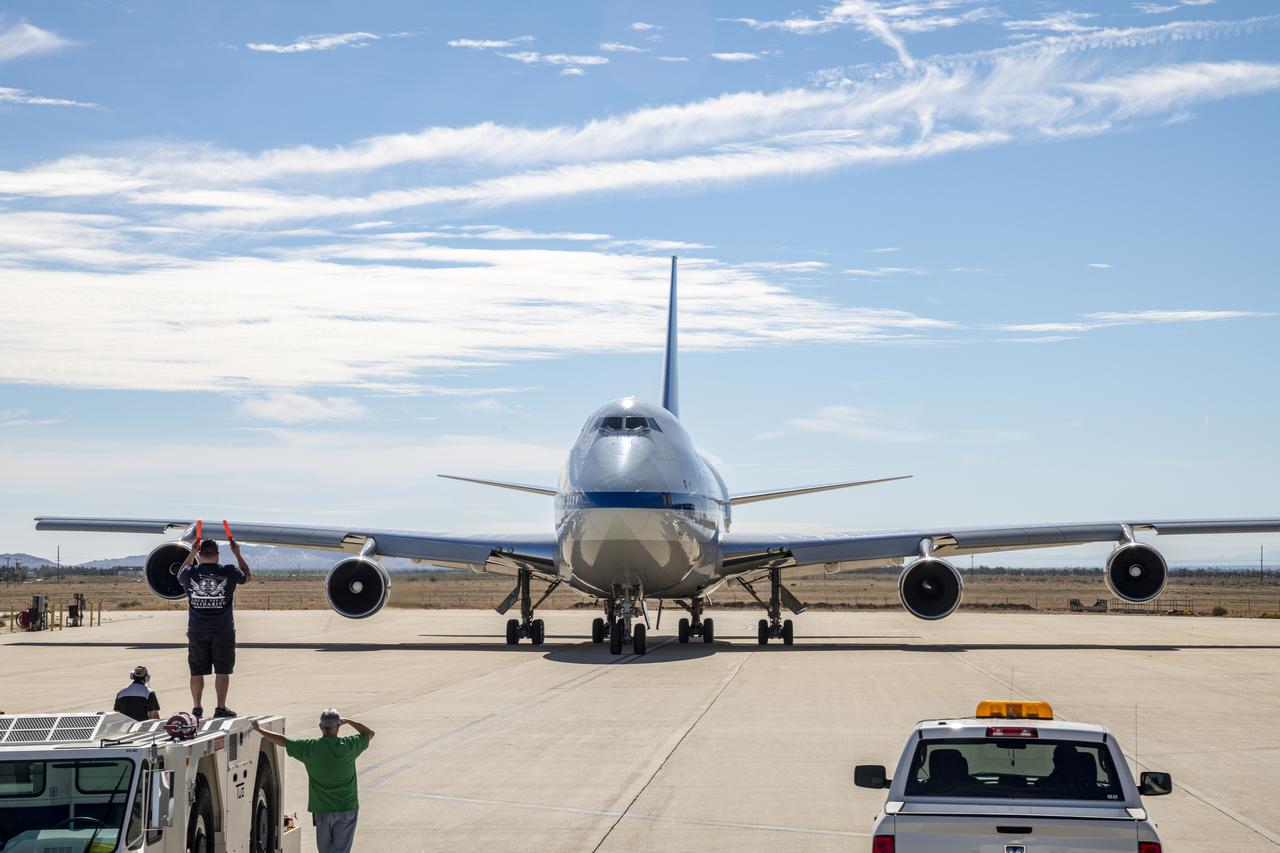
The Stratospheric Observatory for Infrared Astronomy (SOFIA) returns to NASA’s Armstrong Flight Research Center Building 703 on Aug. 11 after a productive month of science flights out of Christchurch International Airport in New Zealand.
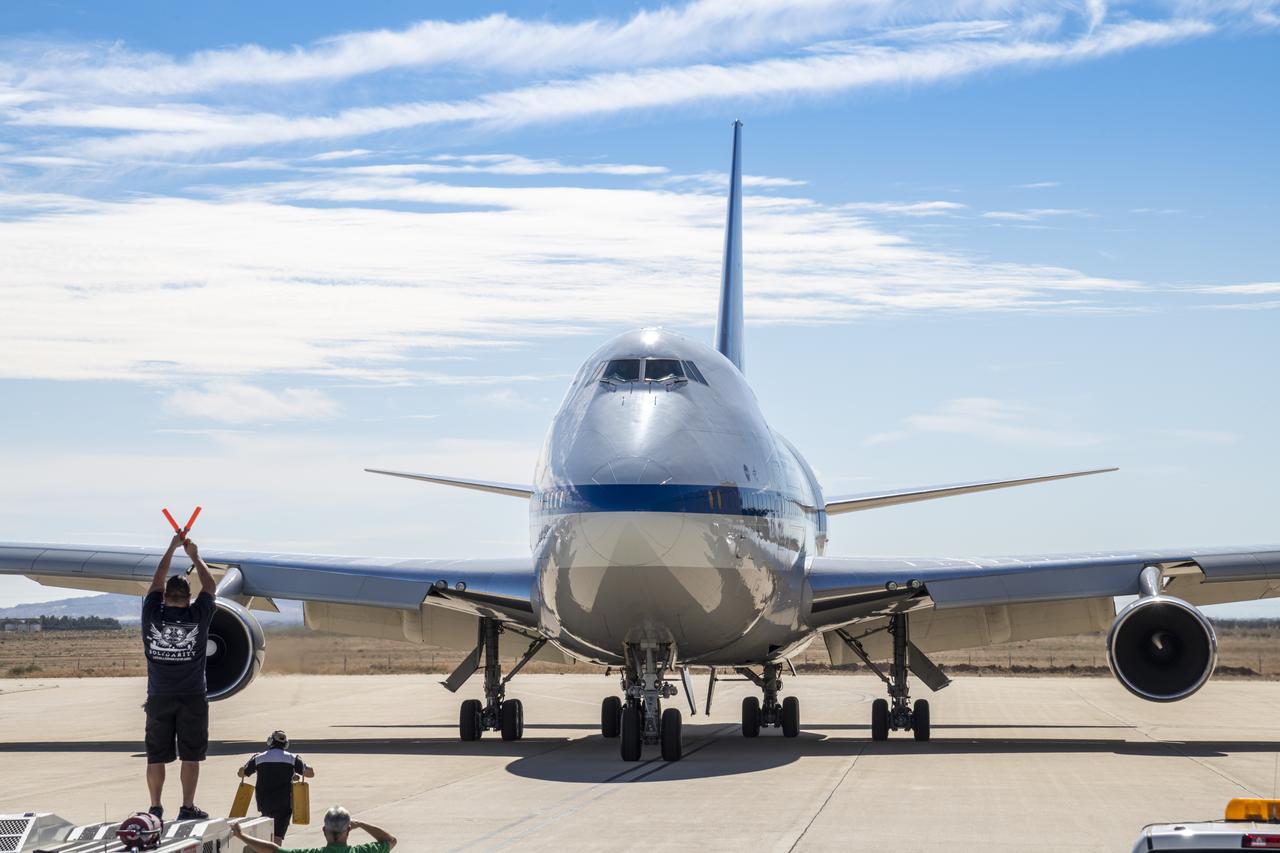
The Stratospheric Observatory for Infrared Astronomy (SOFIA) returns to NASA’s Armstrong Flight Research Center Building 703 on Aug. 11 after a productive month of science flights out of Christchurch International Airport in New Zealand.
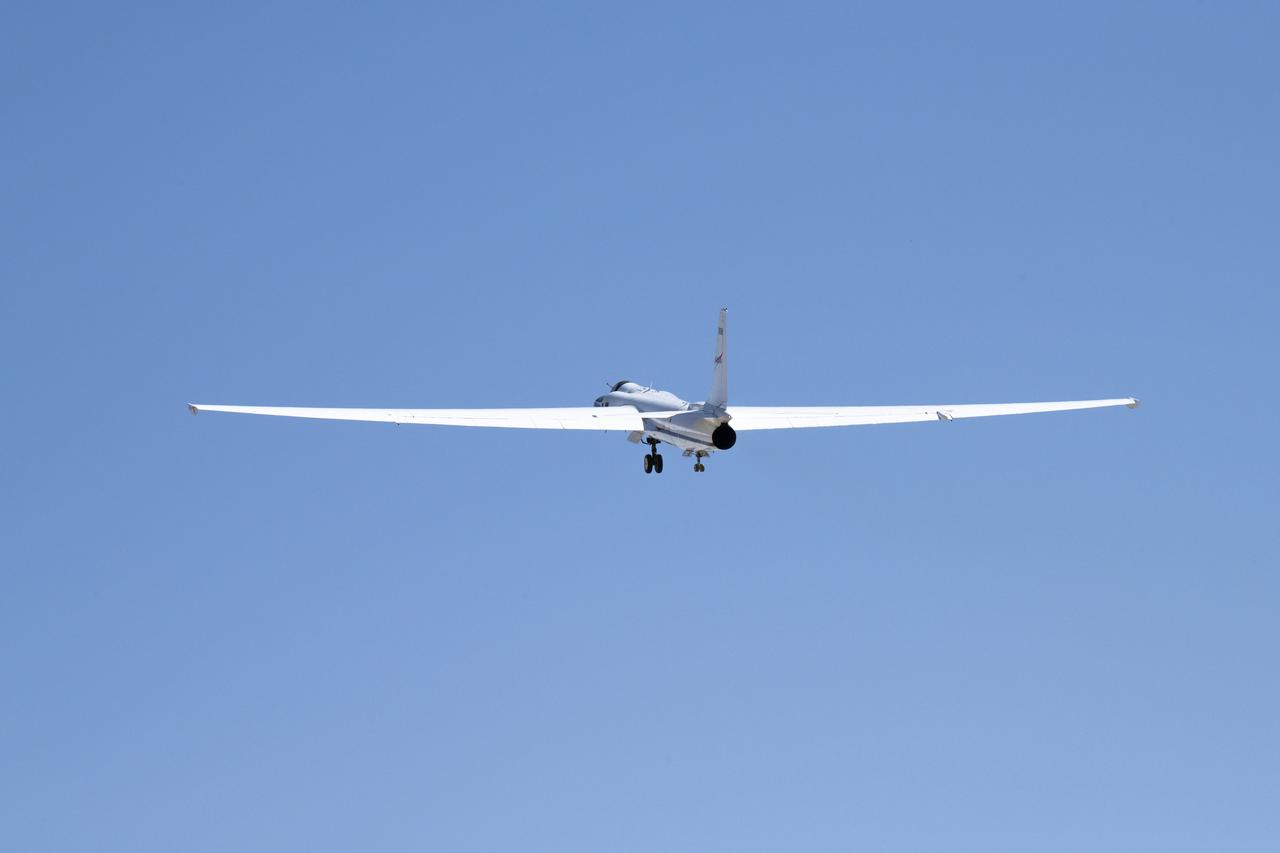
NASA’s ER-2 No. 806 returns to flying high-altitude on April 7, 2022, after three years of heavy maintenance. NASA Armstrong operates two ER-2 aircraft to collect information about Earth resources, celestial observations, atmospheric chemistry and dynamics, and oceanic processes.
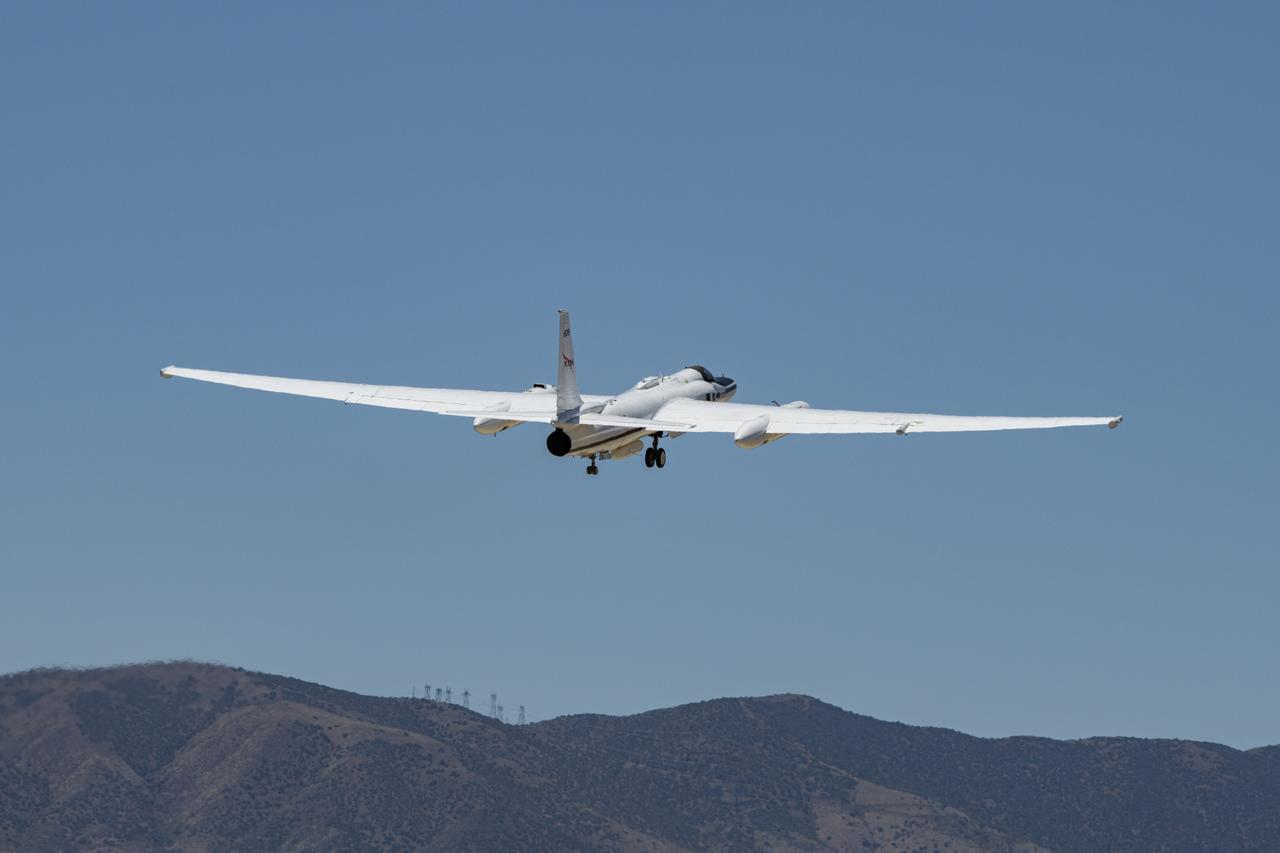
NASA’s ER-2 aircraft performs a check flight for the Dynamics and Chemistry of the Summer Stratosphere, or DCOTSS, 2022 campaign on May 13, 2022.
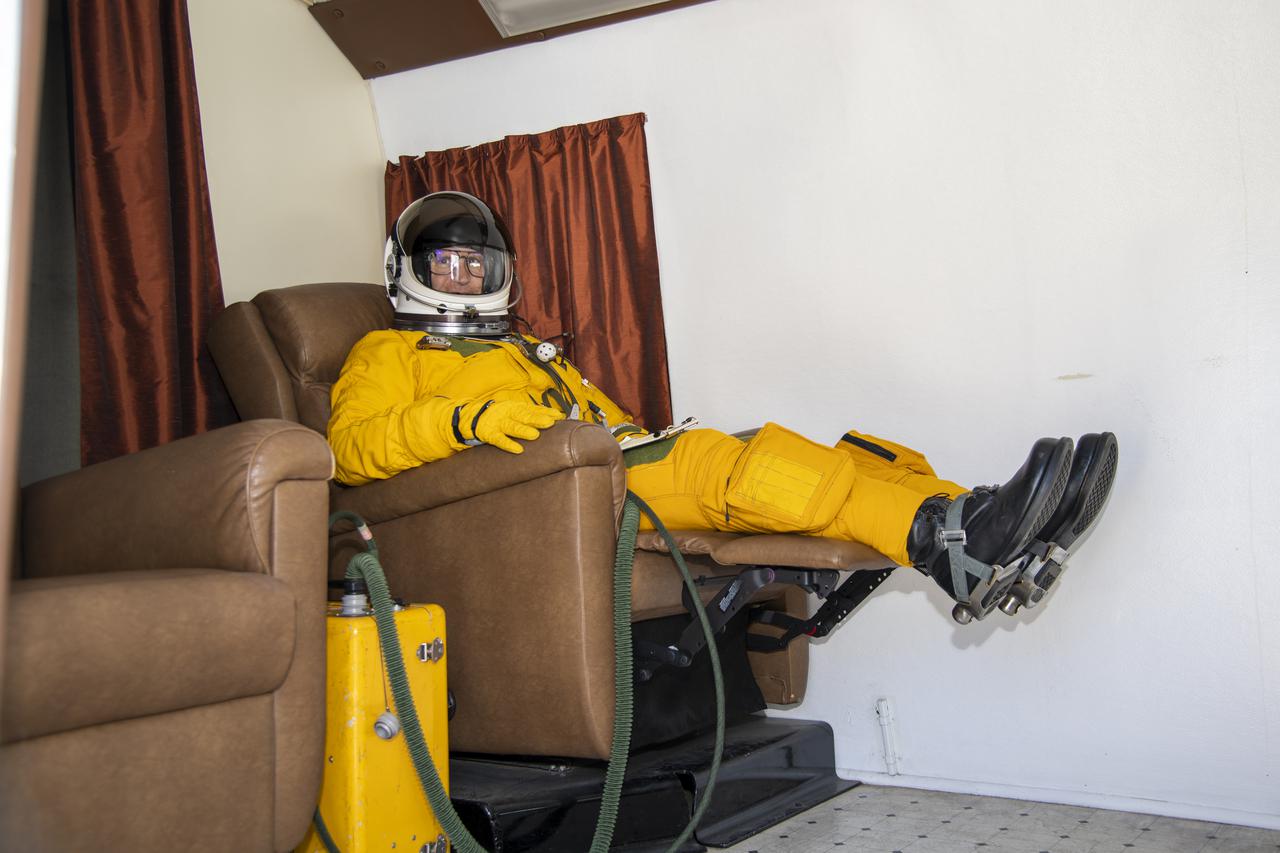
NASA pilot Greg “Coach” Nelson preparing for ER-2 No. 806 return to flight on April 7, 2022.
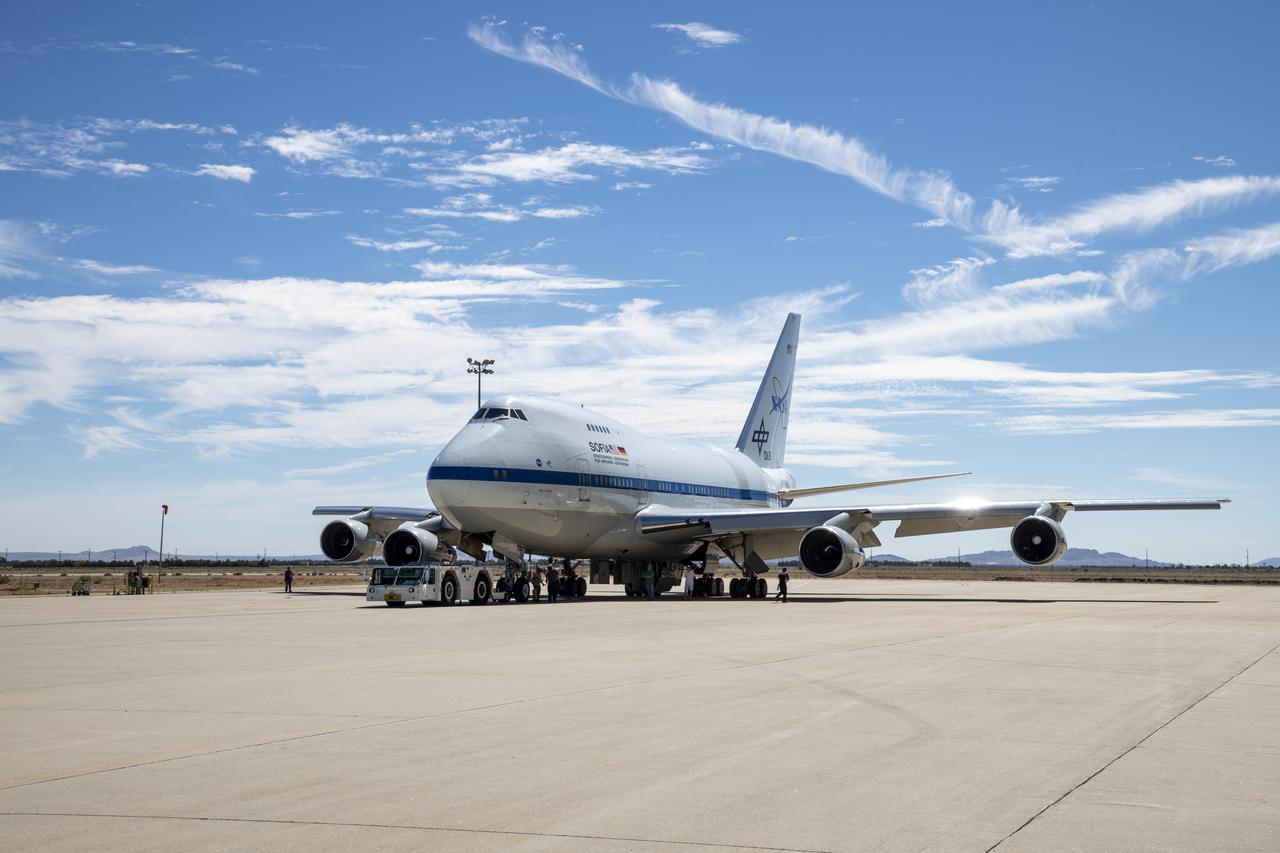
The Stratospheric Observatory for Infrared Astronomy (SOFIA) returns to NASA’s Armstrong Flight Research Center Building 703 on Aug. 11 after a productive month of science flights out of Christchurch International Airport in New Zealand.
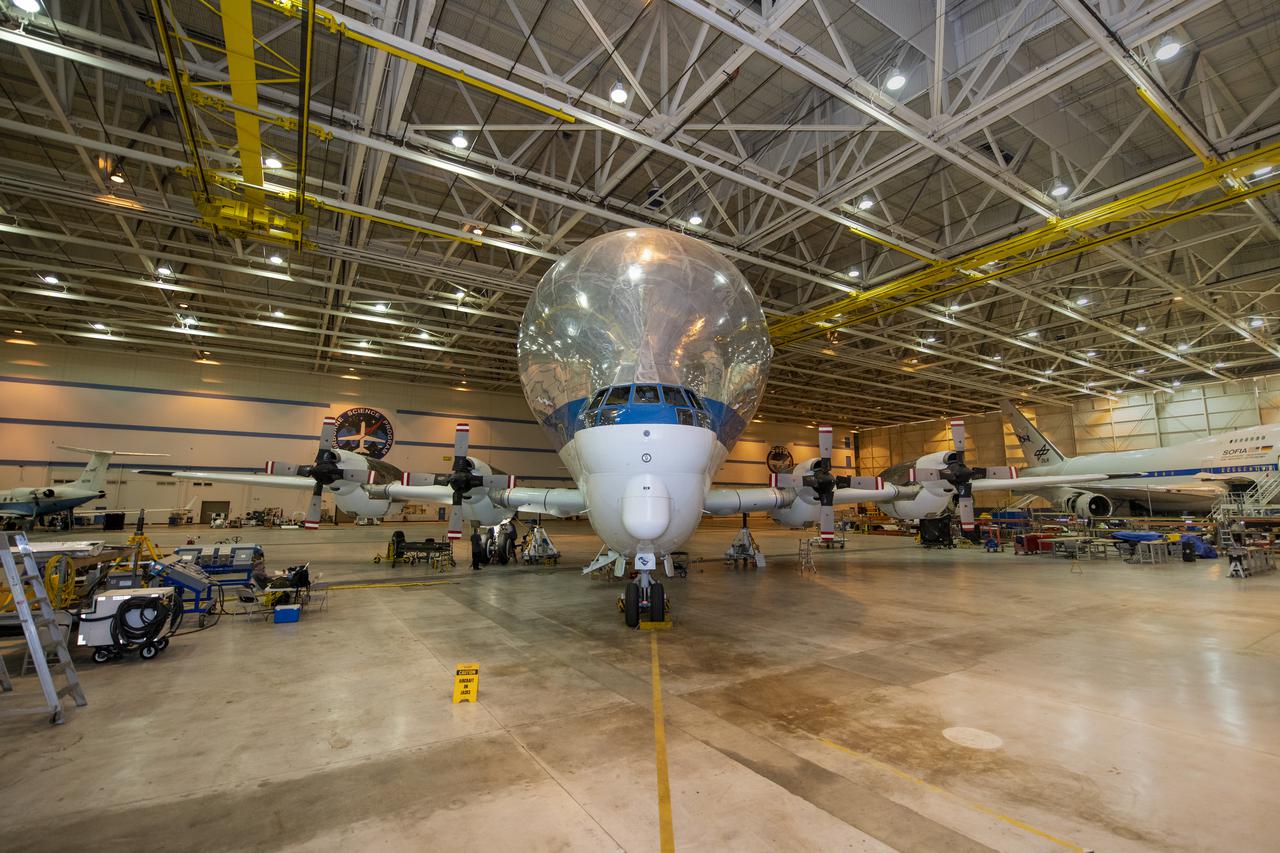
NASA’s Super Guppy Turbine cargo aircraft in the hangar at NASA’s Armstrong Flight Research Center on August 24, 2021. This unique whale-like aircraft arrived at the center’s Building 703 in Palmdale, CA to support crews in the performance of routine maintenance. The Super Guppy aircraft, operated by NASA’s Johnson Space Center, aids in the transportation of oversized aerospace cargo in a practical and economical way.
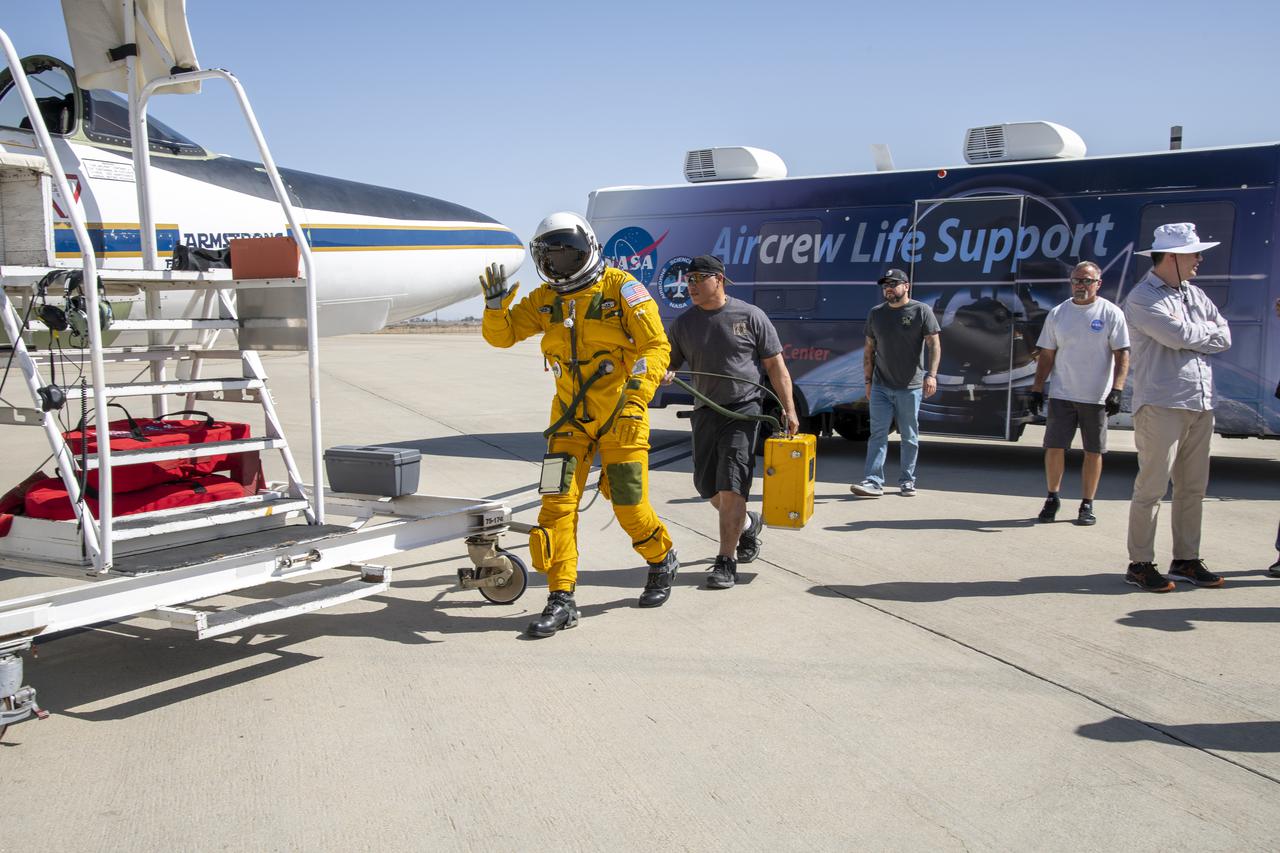
NASA pilot Greg "Coach" Nelson prepared for flight on the ER-2 by air crew life support at Armstrong Flight Research Center on April 7, 2022.
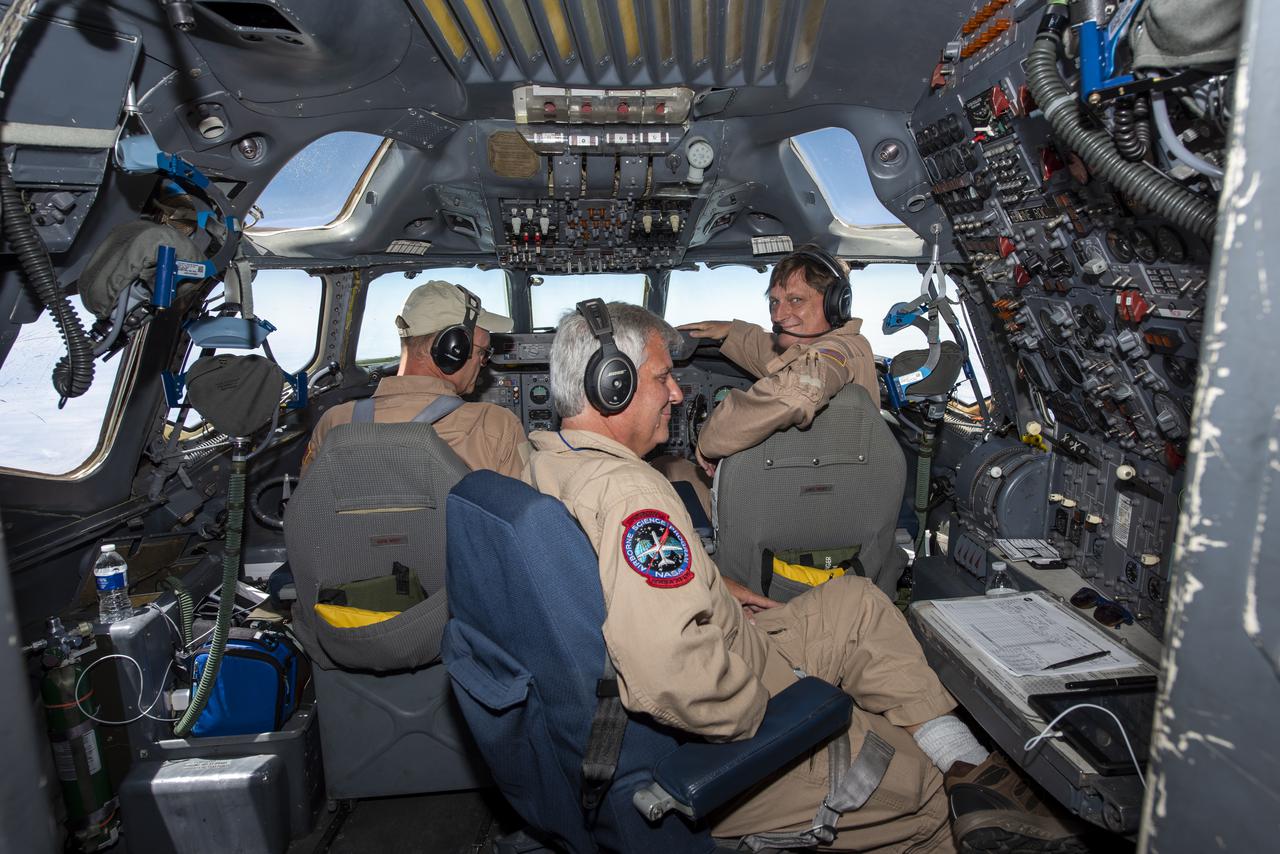
NASA's Armstrong Flight Research Center flies the DC-8 airborne science laboratory in support of the Convective Processes Experiment - Aerosols and Winds campaign, CPEX-AW, on Aug 6, 2021. From left to right: Nils Larson, David Fedors and Mark Crane
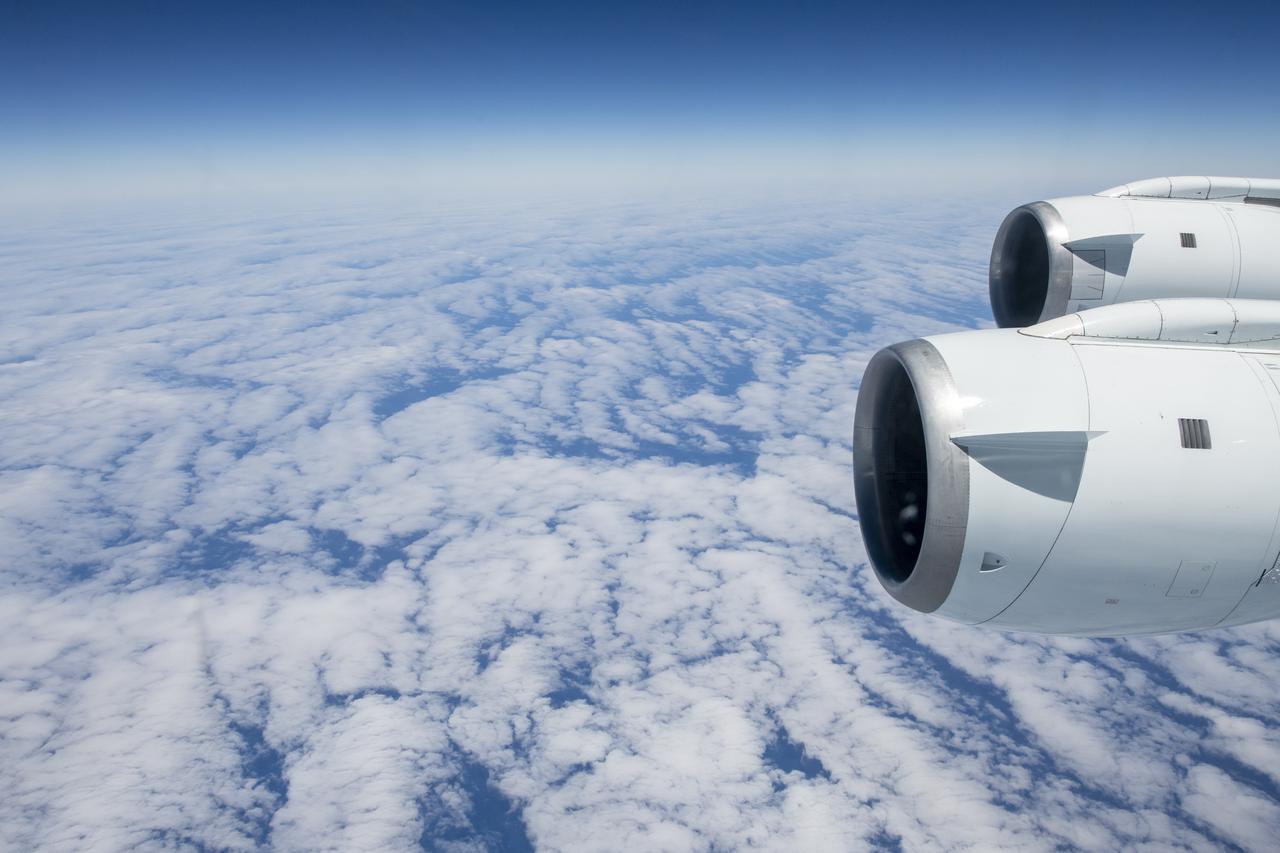
NASA's Armstrong Flight Research Center flies the DC-8 airborne science laboratory in support of the Convective Processes Experiment - Aerosols and Winds campaign, CPEX-AW, on Aug 6, 2021.
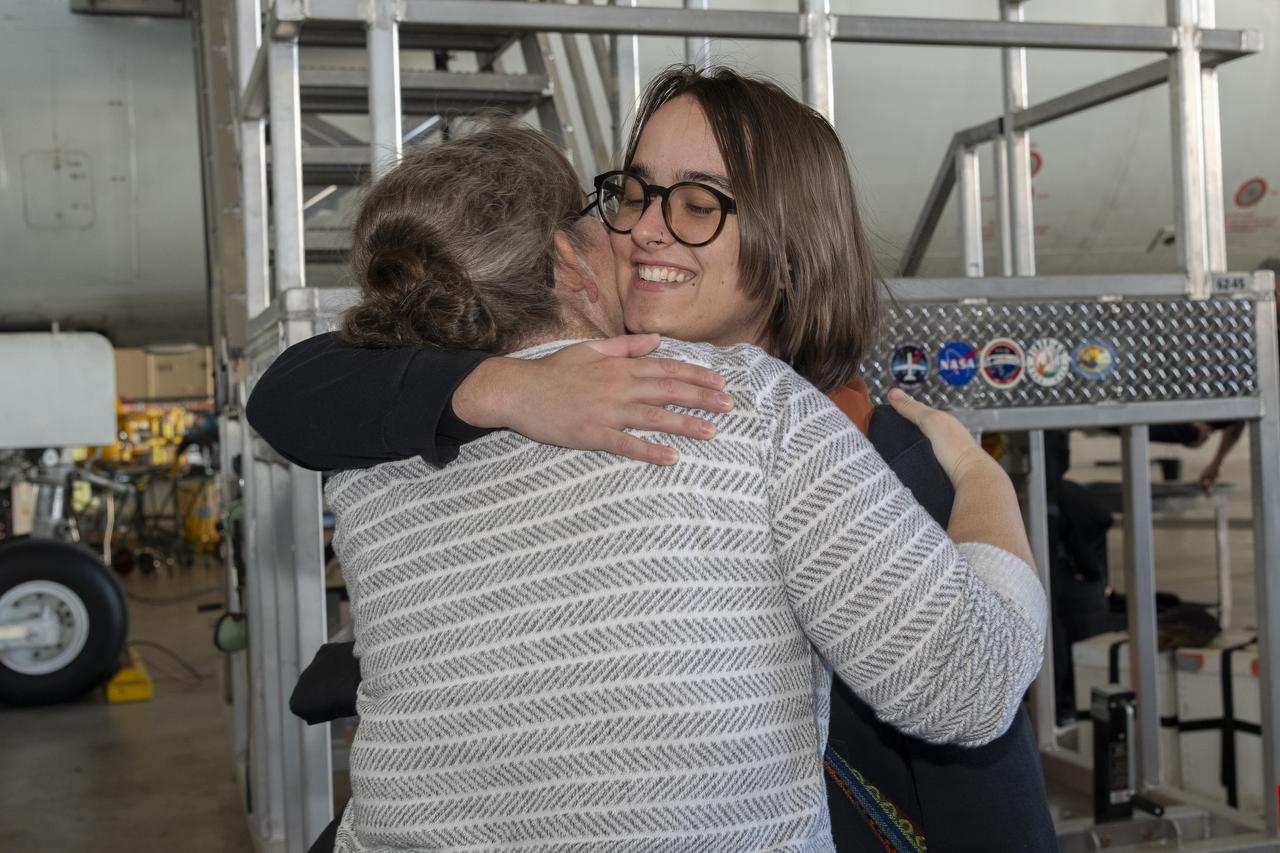
NASA’s DC-8 operations engineer, Nickelle “Nicki” Reid, left, embraces Katherine Ball, chemical engineering Ph.D. candidate at California Institute of Technology, after the DC-8 aircraft and crew return to NASA Armstrong’s Building 703 in Palmdale, California, on April 1, 2024, following the aircraft’s final mission in support of the Airborne and Satellite Investigation of Asian Air Quality (ASIA-AQ).
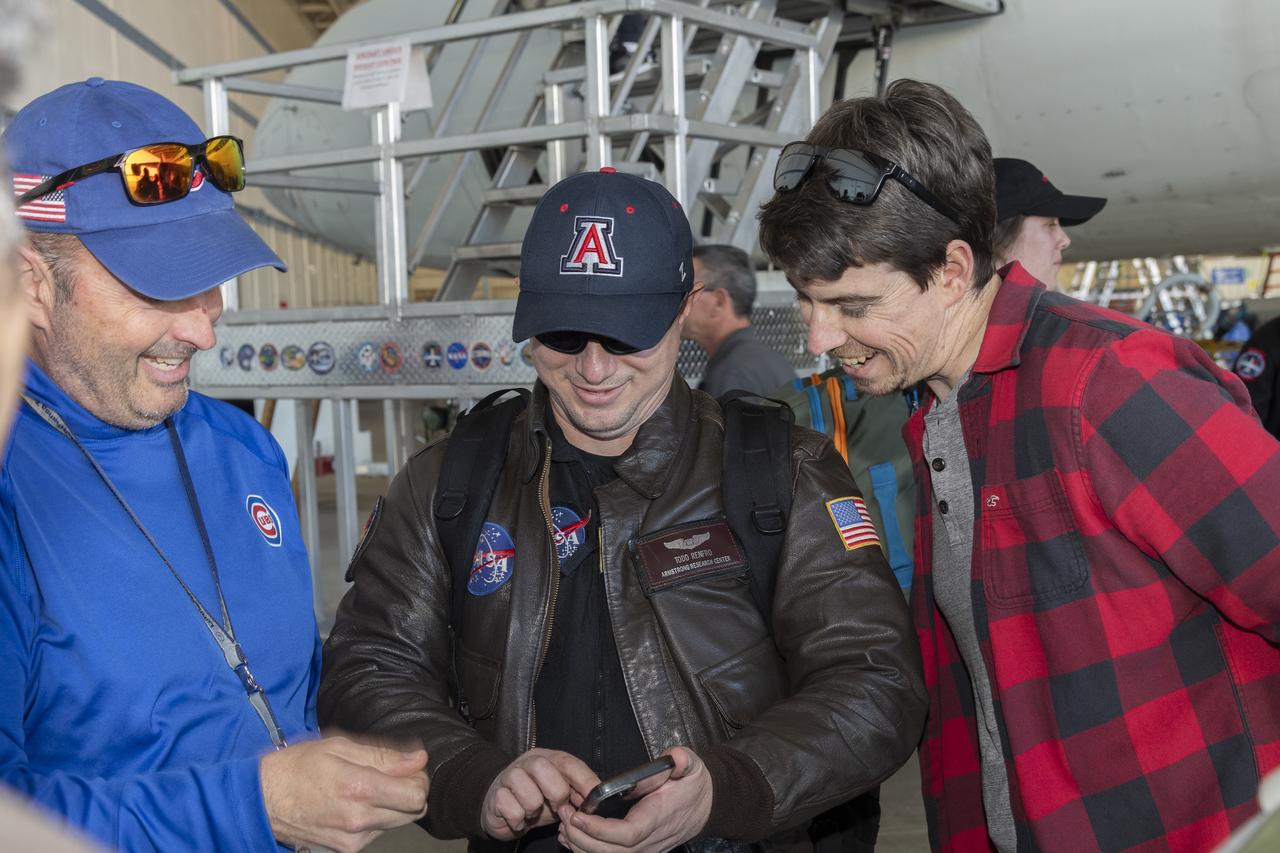
From left, Andy Barry, DC-8 pilot; Todd Renfro, flight navigator; and Adam Devalon, flight engineer, share smiles after the DC-8 aircraft and crew return to NASA’s Armstrong Flight Research Center Building 703 in Palmdale, California, on April 1, 2024, following the aircraft’s final mission in support of the Airborne and Satellite Investigation of Asian Air Quality (ASIA-AQ).

NASA’s Armstrong Flight Research Center Director Brad Flick smiles as members of the DC-8 team gather and exchange congratulations after the aircraft and crew return to NASA Armstrong’s Building 703 in Palmdale, California, on April 1, 2024, following the aircraft’s final mission in support of the Airborne and Satellite Investigation of Asian Air Quality (ASIA-AQ).
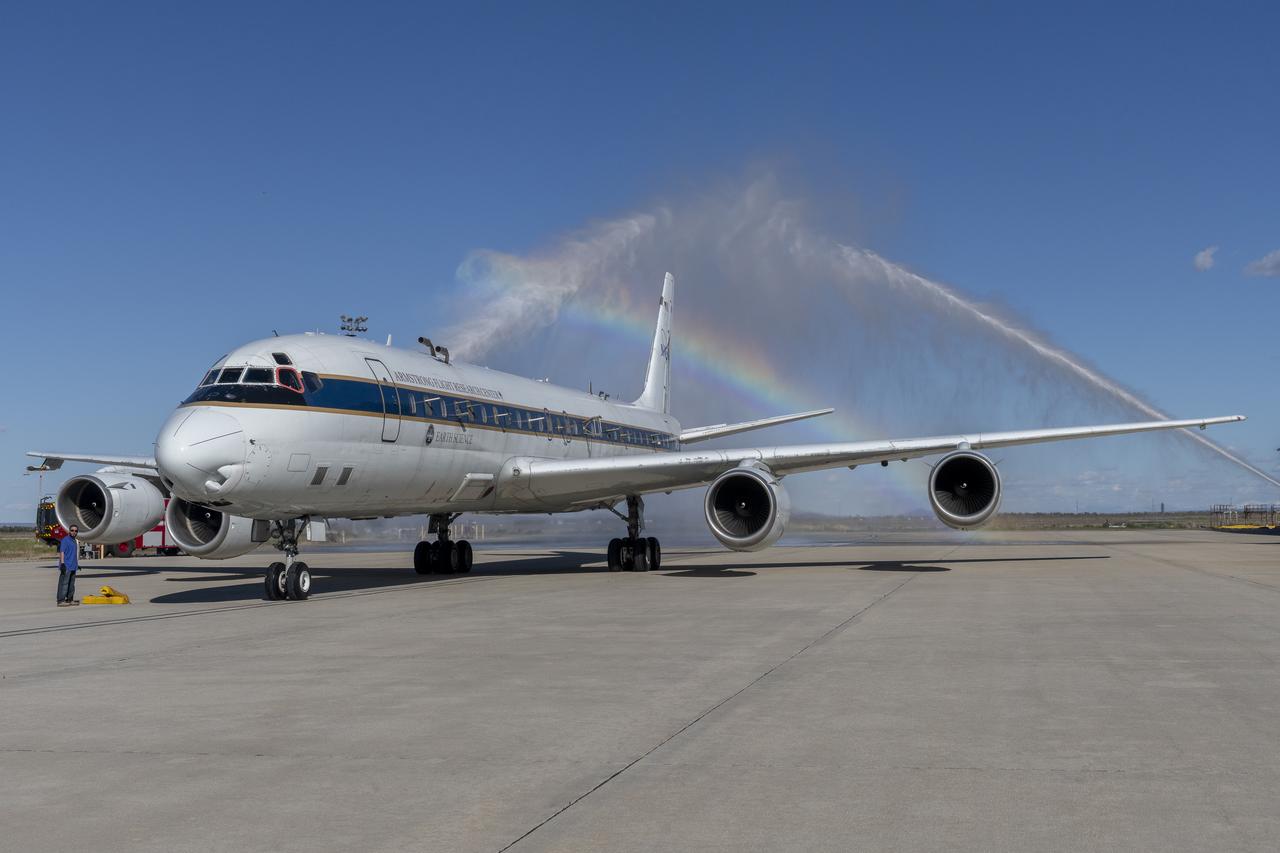
The DC-8 aircraft returned to NASA’s Armstrong Flight Research Center Building 703 in Palmdale, California, on April 1, 2024, after completing its final mission supporting Airborne and Satellite Investigation of Asian Air Quality (ASIA-AQ). The aircraft and crew were welcomed back with a celebratory water salute by the U.S. Air Force Plant 42 Fire Department.
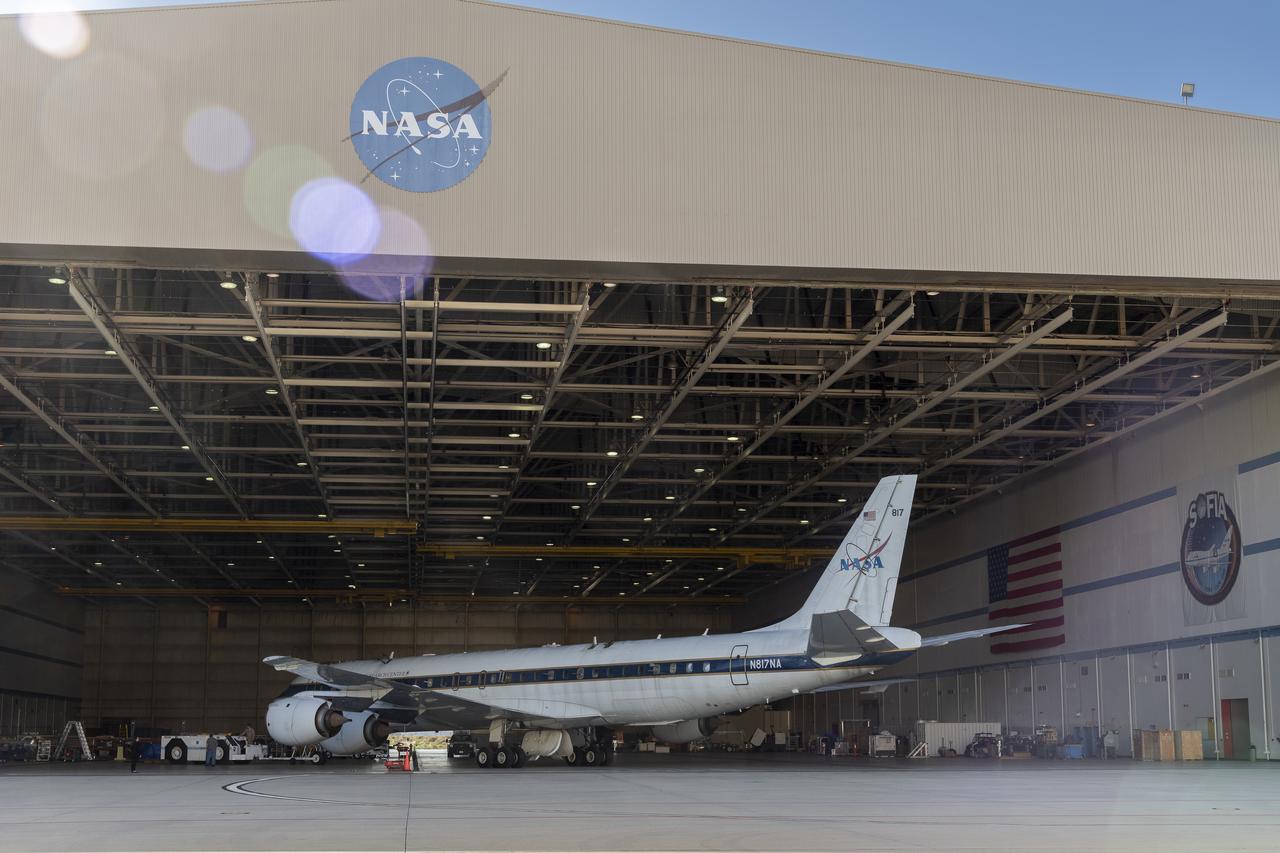
The DC-8 aircraft returns to the hangar at NASA’s Armstrong Flight Research Center Building 703 in Palmdale, California, on April 1, 2024, after completing its final mission supporting Airborne and Satellite Investigation of Asian Air Quality (ASIA-AQ).

From left, Wayne Ringelberg, chief pilot at NASA’s Armstrong Flight Research Center in Edwards, California, is welcomed by Michael Thomson, director of NASA Armstrong’s Science Mission Directorate, and Kirsten Boogaard, NASA’s DC-8 project manager, after the DC-8 aircraft and crew return to NASA Armstrong’s Building 703 in Palmdale, California, on April 1, 2024, following the aircraft’s final mission in support of the Airborne and Satellite Investigation of Asian Air Quality (ASIA-AQ).
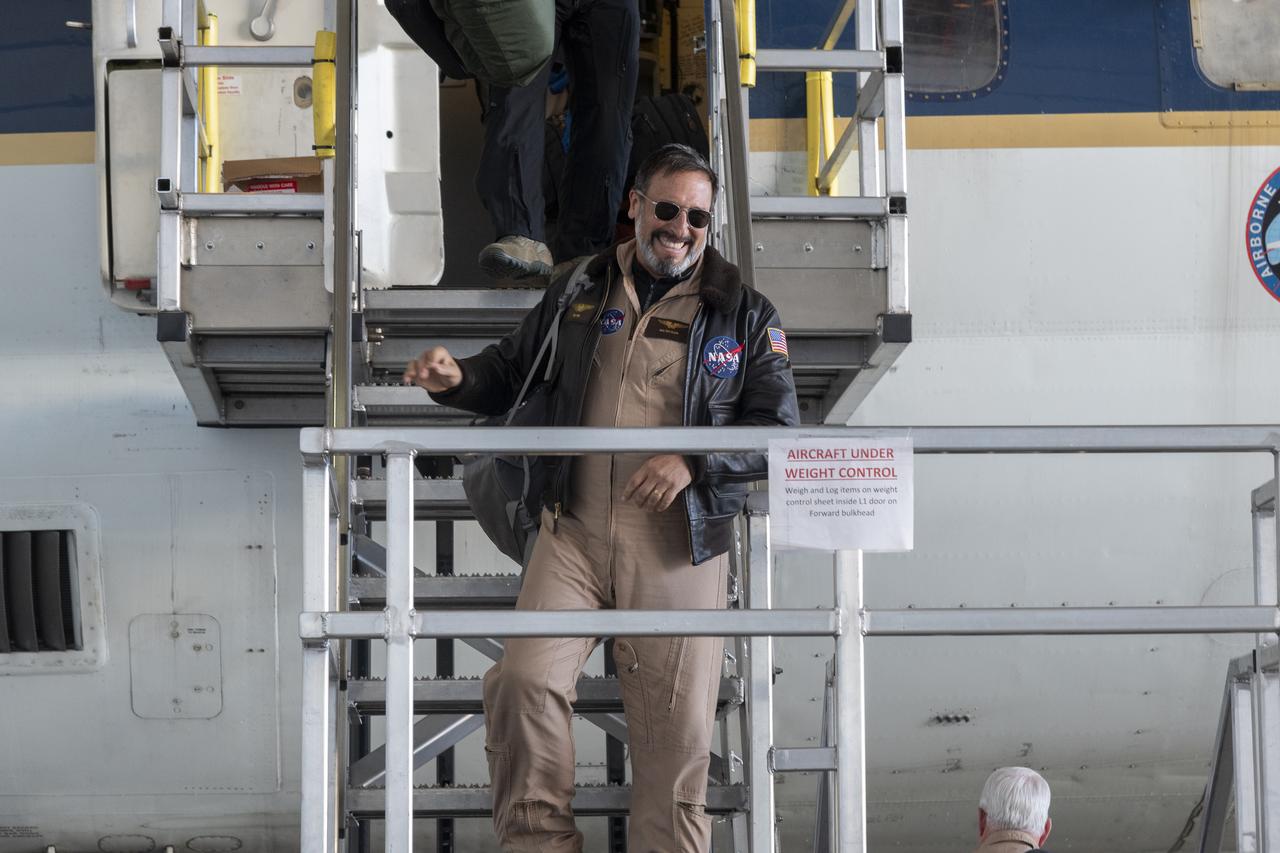
Walter Klein, DC-8 navigator, exits the aircraft cabin and is welcomed with applause from a supportive team after the DC-8 aircraft and crew return to NASA’s Armstrong Flight Research Center Building 703 in Palmdale, California, on April 1, 2024, following the aircraft’s final mission in support of the Airborne and Satellite Investigation of Asian Air Quality (ASIA-AQ).
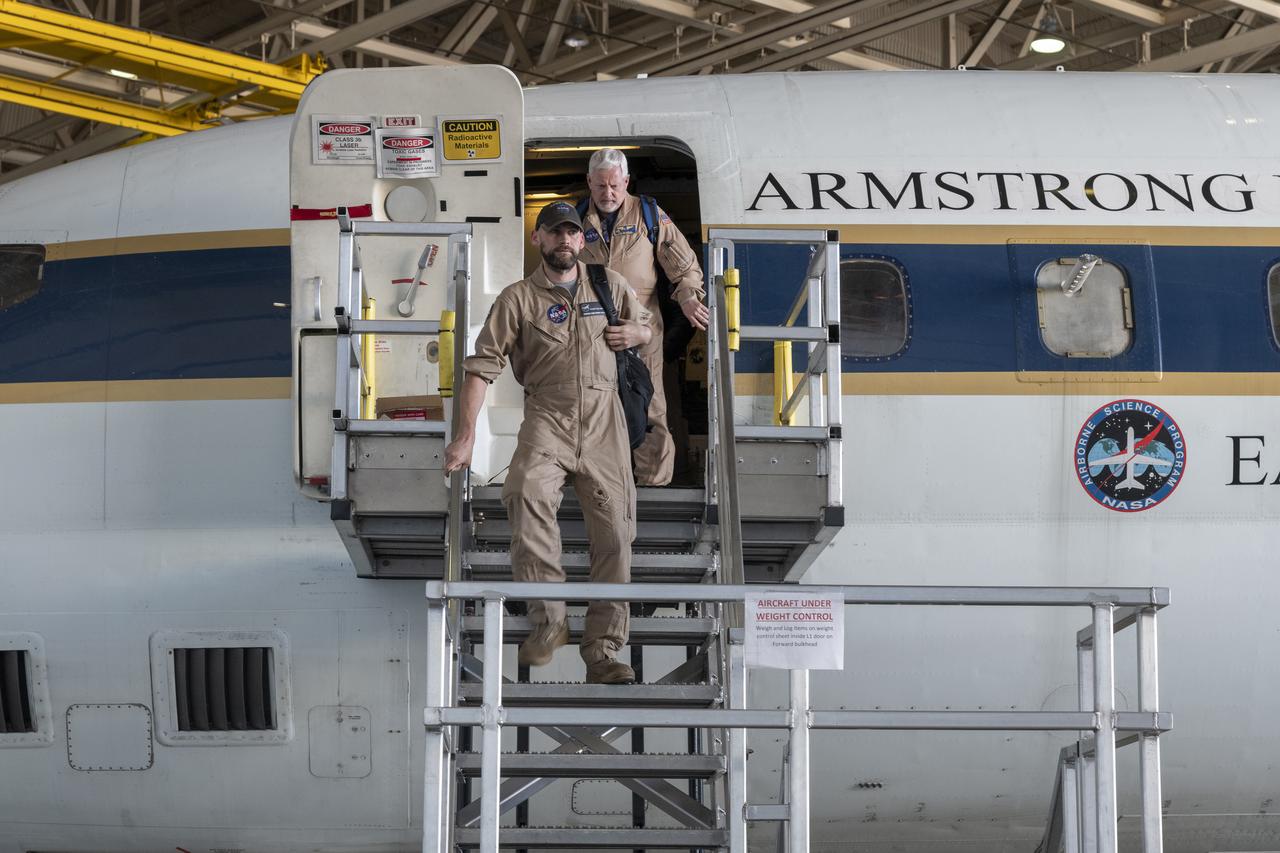
Kelly Jellison, avionics lead, and Tim Sandon, flight engineer, exit the DC-8 aircraft cabin and are welcomed with applause from a supportive team after the DC-8 aircraft and crew return to NASA’s Armstrong Flight Research Center Building 703 in Palmdale, California, on April 1, 2024, following the aircraft’s final mission in support of the Airborne and Satellite Investigation of Asian Air Quality (ASIA-AQ).

NASA DC-8 crew members Nickelle “Nicki” Reid, operations engineer, left, and Isac Mata, engineer technician, exchange in a heartfelt hug after the DC-8 aircraft and crew return to NASA Armstrong’s Building 703 in Palmdale, California, on April 1, 2024, following the aircraft’s final mission in support of the Airborne and Satellite Investigation of Asian Air Quality (ASIA-AQ). Smiling in the background is Michael Thomson, director of NASA Armstrong’s Science Mission Directorate.
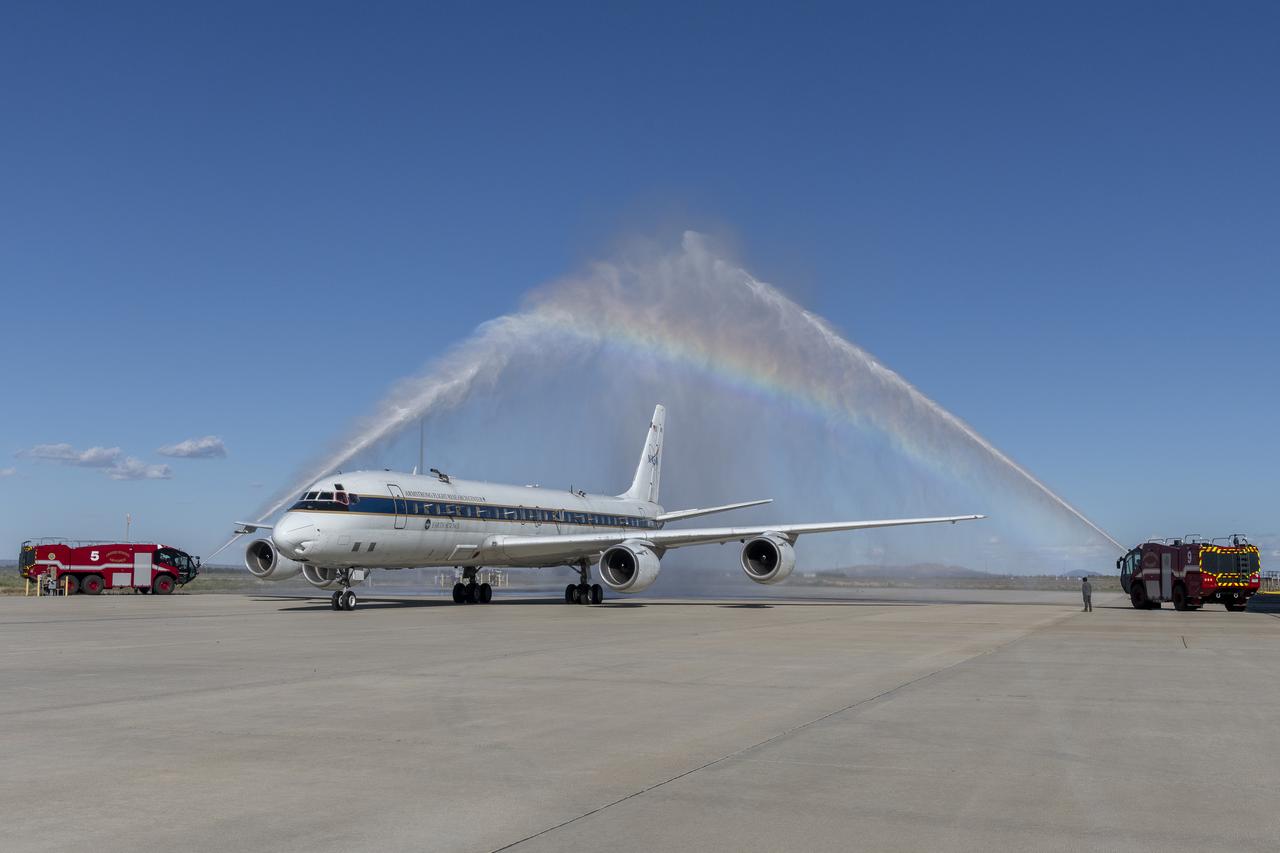
The DC-8 aircraft returned to NASA’s Armstrong Flight Research Center Building 703 in Palmdale, California, on April 1, 2024, after completing its final mission supporting Airborne and Satellite Investigation of Asian Air Quality (ASIA-AQ). The aircraft and crew were welcomed back with a celebratory water salute by the U.S. Air Force Plant 42 Fire Department.