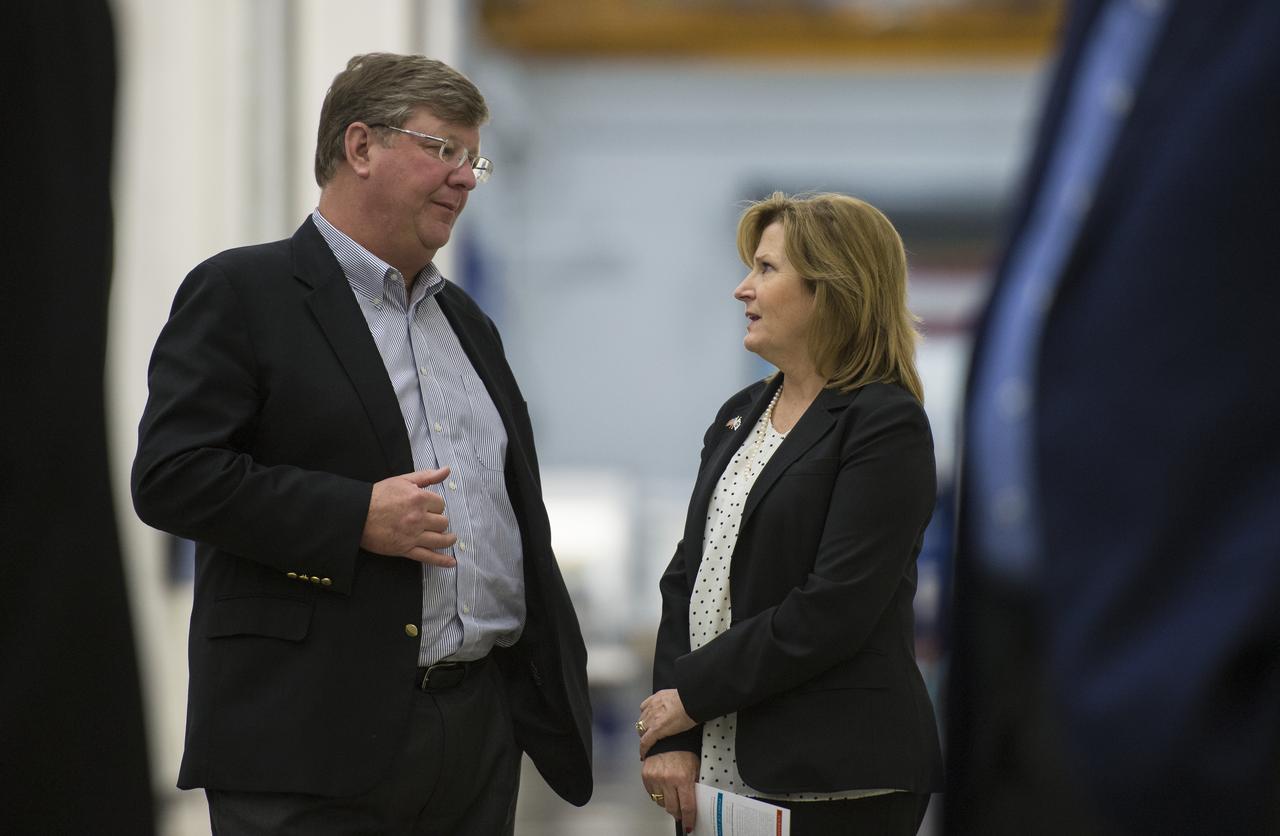
Acting NASA Deputy Administrator Lesa Roe, right, speaks with Rob Strain, president of Ball Aerospace, Thursday, April 6, 2017 during a visit to Ball Aerospace in Boulder, Colo. Photo Credit: (NASA/Joel Kowsky)
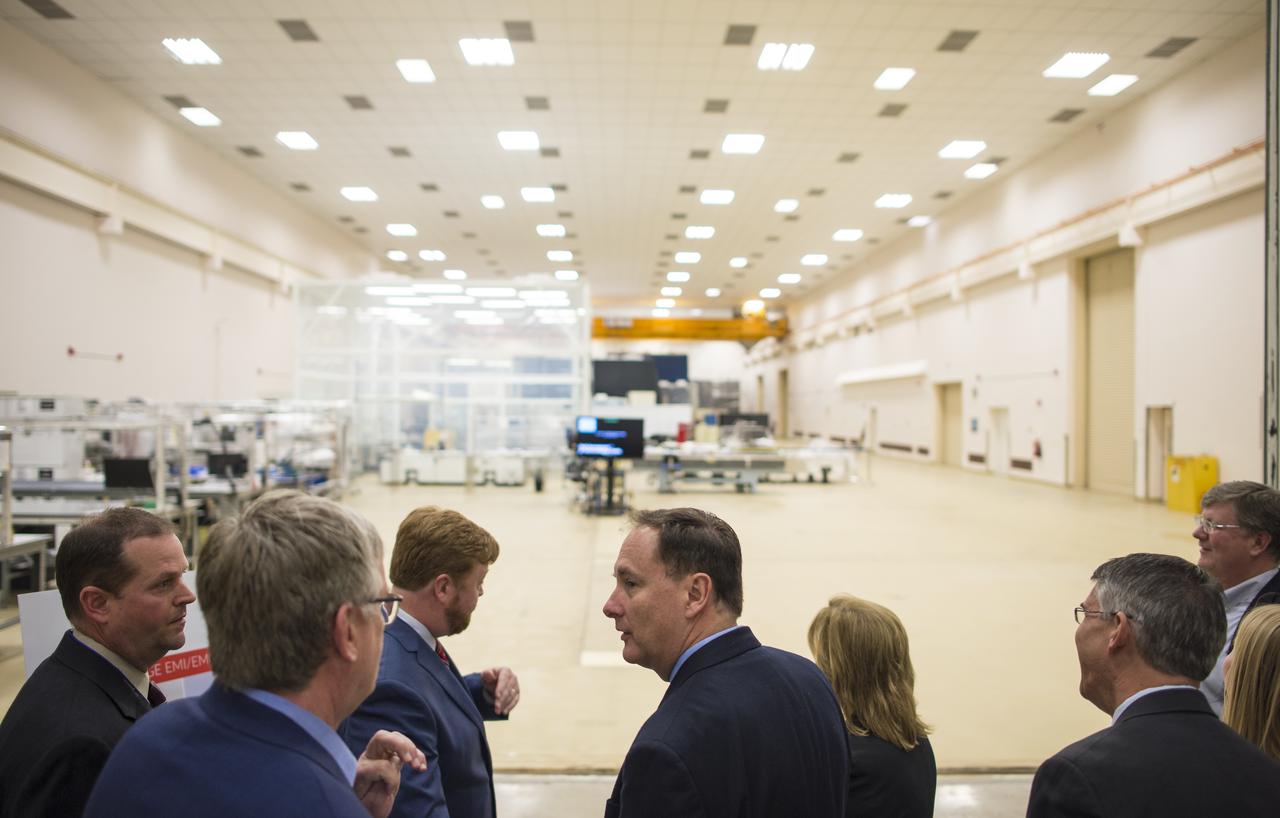
Acting NASA Administrator Robert Lightfoot, center, is seen during a visit to the environmental test facilities at Ball Aerospace, Thursday, April 6, 2017 in Boulder, Colo. Photo Credit: (NASA/Joel Kowsky)
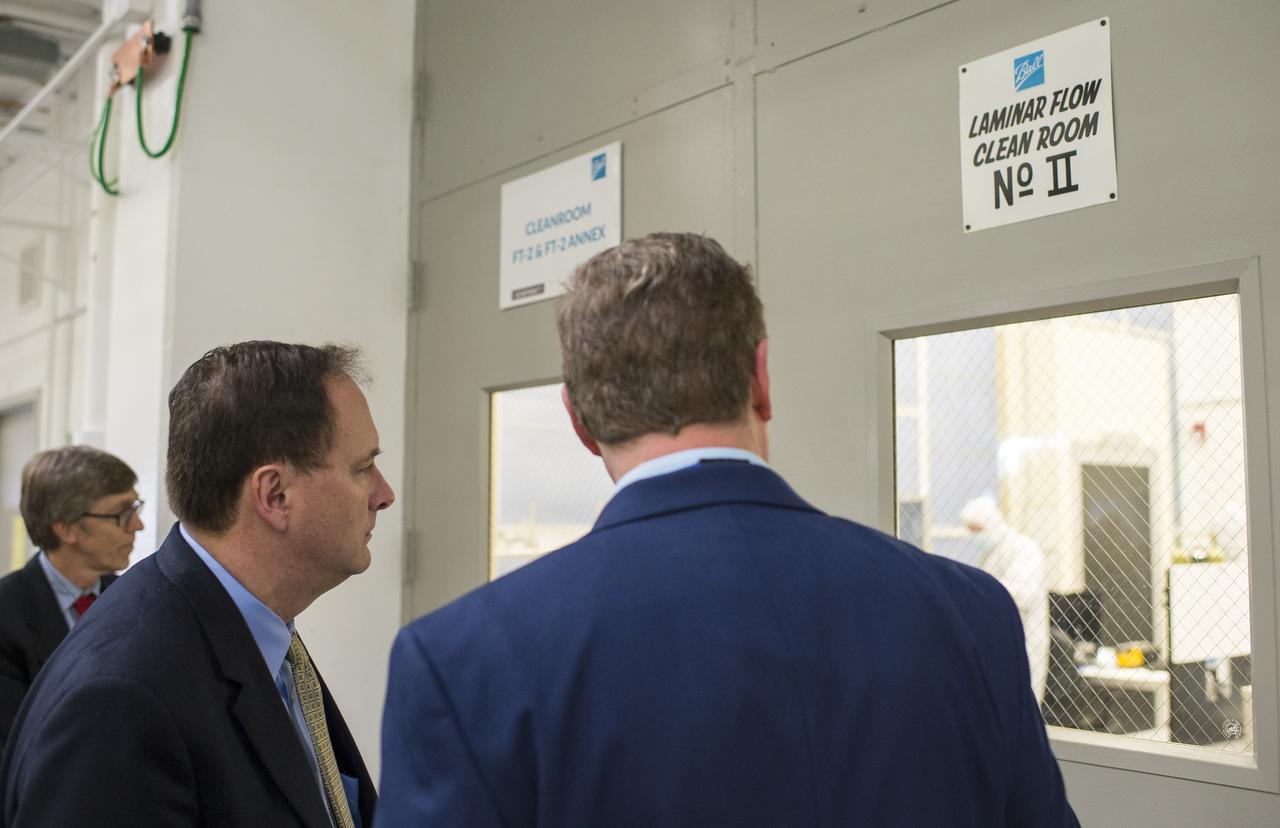
Acting NASA Administrator Robert Lightfoot, left, views a clean room with Tim Schoenweis, senior project engineer for the Ozone Mapping Profiler Suite (OMPS) at Ball Aerospace, right, Thursday, April 6, 2017 at Ball Aerospace in Boulder, Colo. Photo Credit: (NASA/Joel Kowsky)
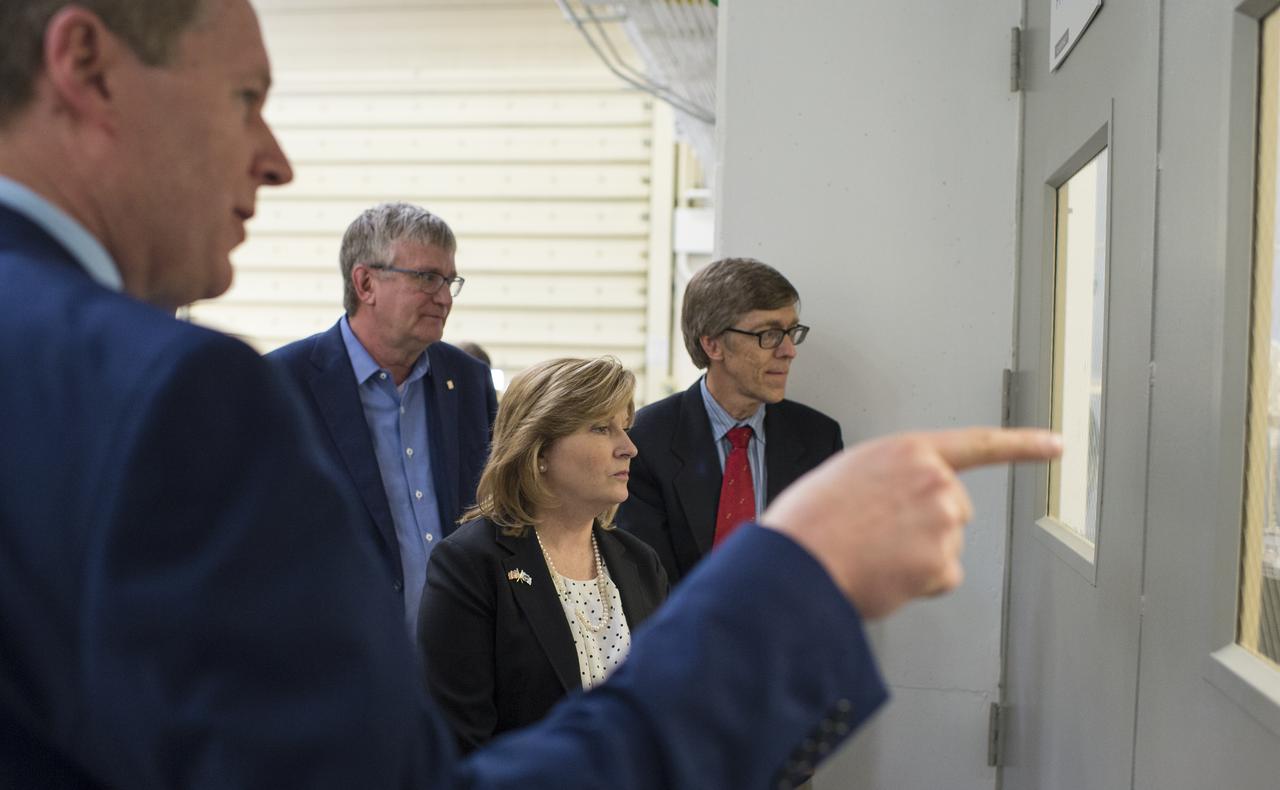
Acting NASA Deputy Administrator Lesa Roe, center, views a clean room with Tim Schoenweis, senior project engineer for the Ozone Mapping Profiler Suite (OMPS) at Ball Aerospace, left, Thursday, April 6, 2017 at Ball Aerospace in Boulder, Colo. Photo Credit: (NASA/Joel Kowsky)
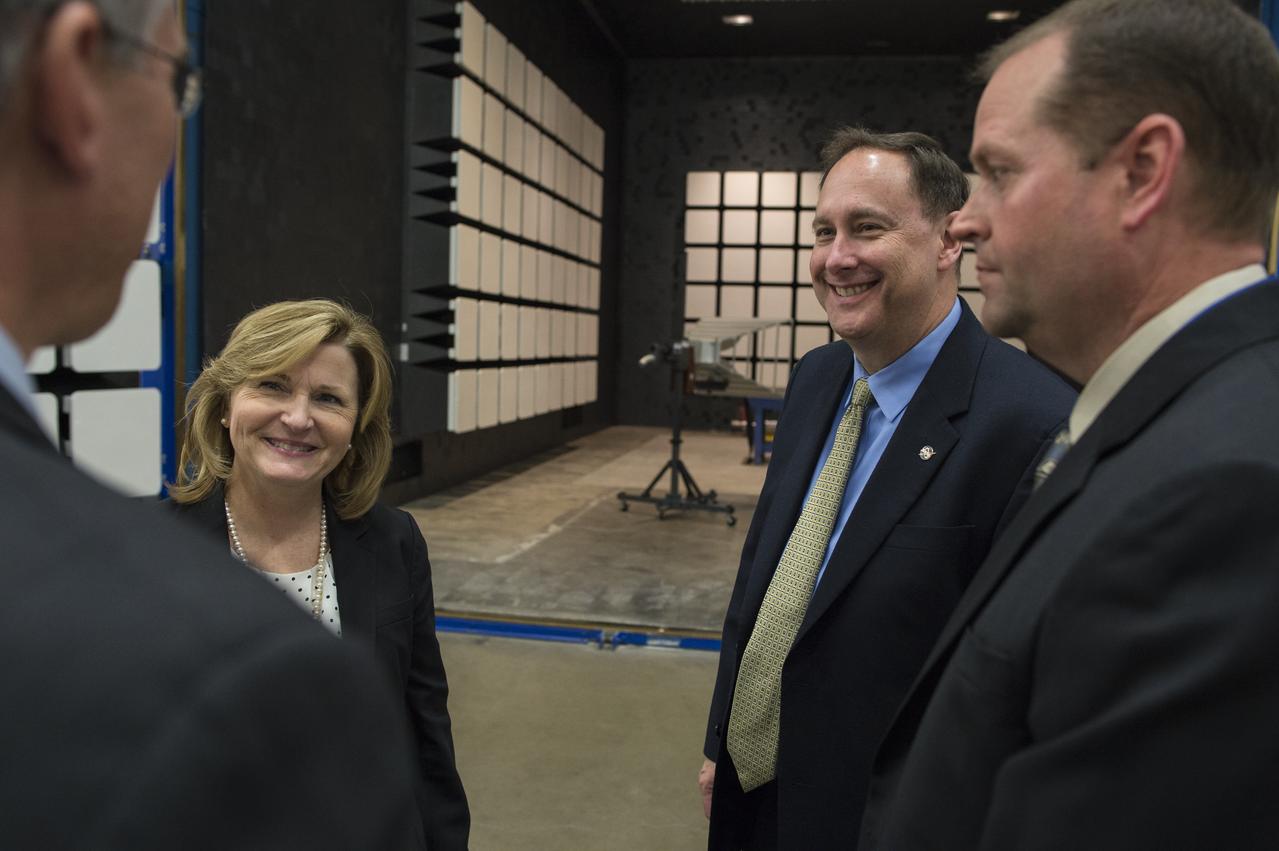
Acting NASA Deputy Administrator Lesa Roe, second from left, and acting NASA Administrator Robert Lightfoot, second from left, are seen with Mike Gazarik, vice president of Engineering at Ball Aerospace, left and Shawn Conley, test operations manager at Ball Aerospace, left, in front of the large semi-anechoic chamber, Thursday, April 6, 2017 during a visit to Ball Aerospace in Boulder, Colo. Photo Credit: (NASA/Joel Kowsky)

Michael Dean, senior project engineer for the Joint Polar Satellite System (JPSS) program at Ball Aerospace, right, speaks with acting NASA Deputy Administrator Lesa Roe, second from left, and acting NASA Administrator Robert Lightfoot, center, about the 20ft. by 24 ft. vertical thermal vacuum chamber, Thursday, April 6, 2017 during a visit to Ball Aerospace in Boulder, Colo. Photo Credit: (NASA/Joel Kowsky)
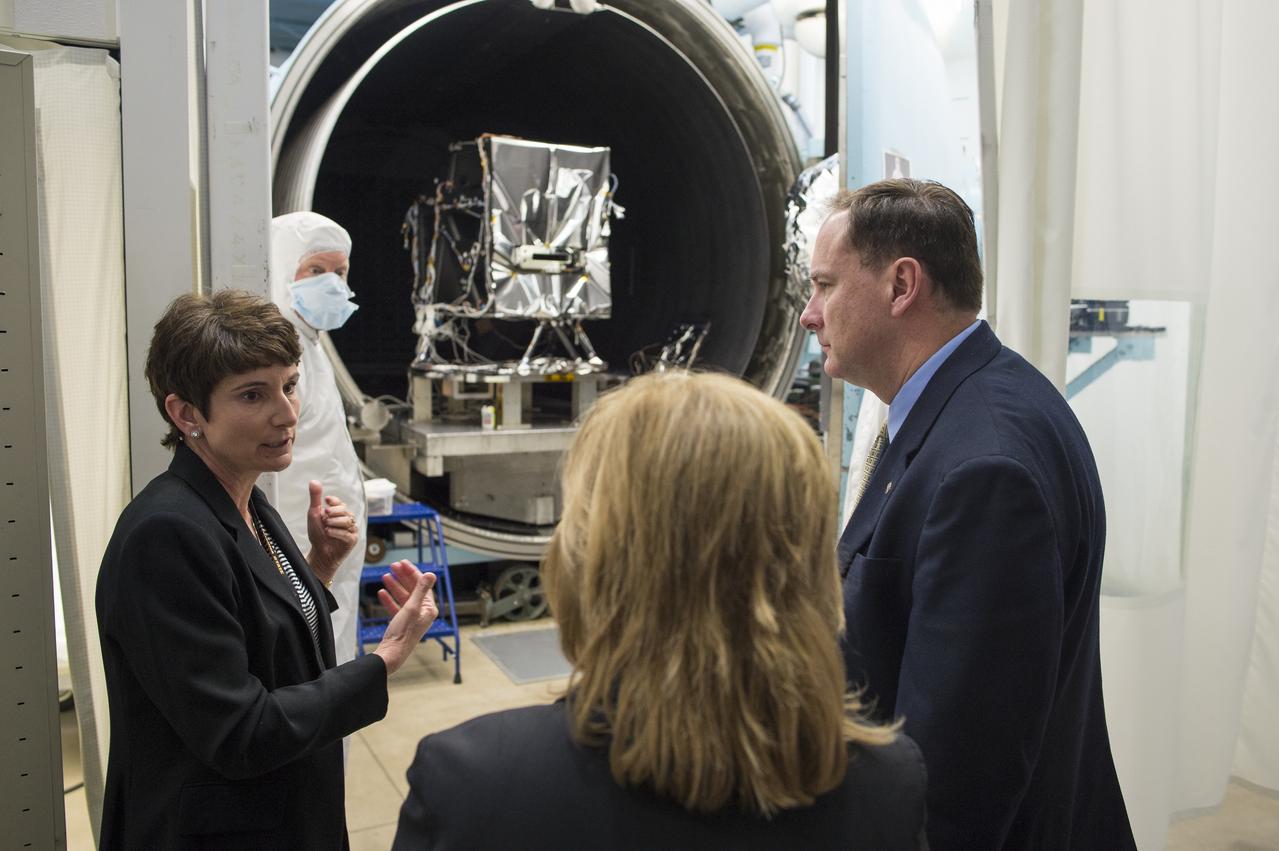
Leanne Presley, Operational Land Imager-2 (OLI-2) program manager at Ball Aerospace, left, speaks with acting NASA Deputy Administrator Lesa Roe, center, and acting NASA Administrator Robert Lightfoot in front of a thermal vacuum chamber used to test satellite optics, Thursday, April 6, 2017 during a visit to Ball Aerospace in Boulder, Colo. The Operation Land Imager-2 (OLI-2) is being build for Landsat 9, a collaboration between NASA and the U.S. Geological Survey that will continue the Landsat Program's 40-year data record of monitoring the Earth's landscapes from space. Photo Credit: (NASA/Joel Kowsky)
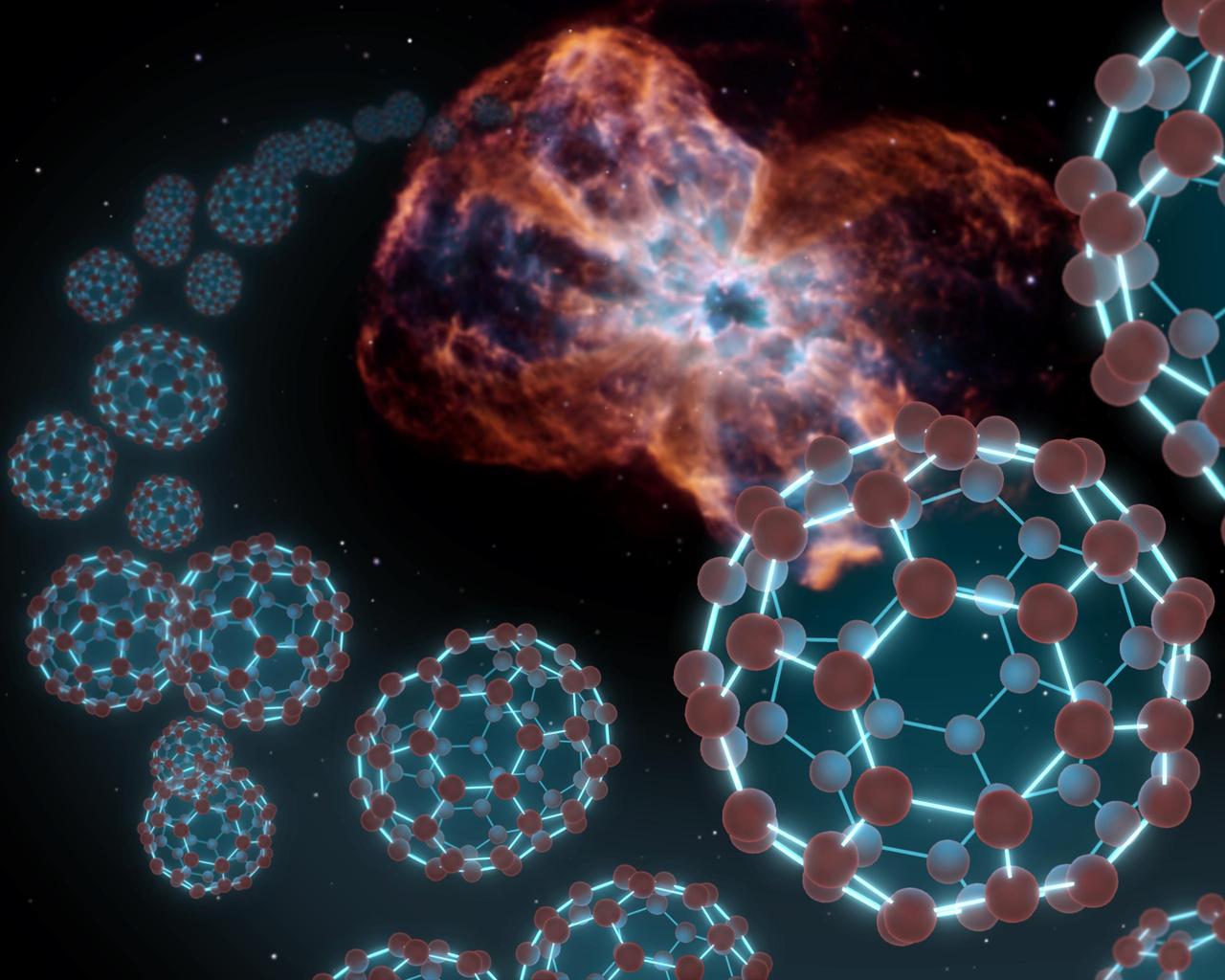
NASA Spitzer Space Telescope has at last found buckyballs resembling soccer balls in space shown in this artist concept using Hubble picture of the NGC 2440 nebula. Hubble image cred: NASA, ESA, STScI
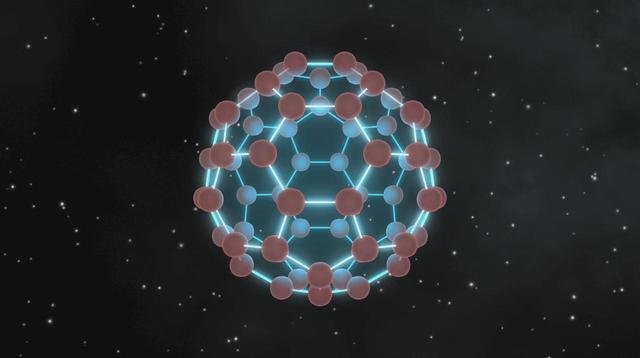
This image illustrates that buckyballs -- discovered in space by NASA Spitzer Space Telescope -- closely resemble old fashioned, black-and-white soccer balls, only on much smaller scales.
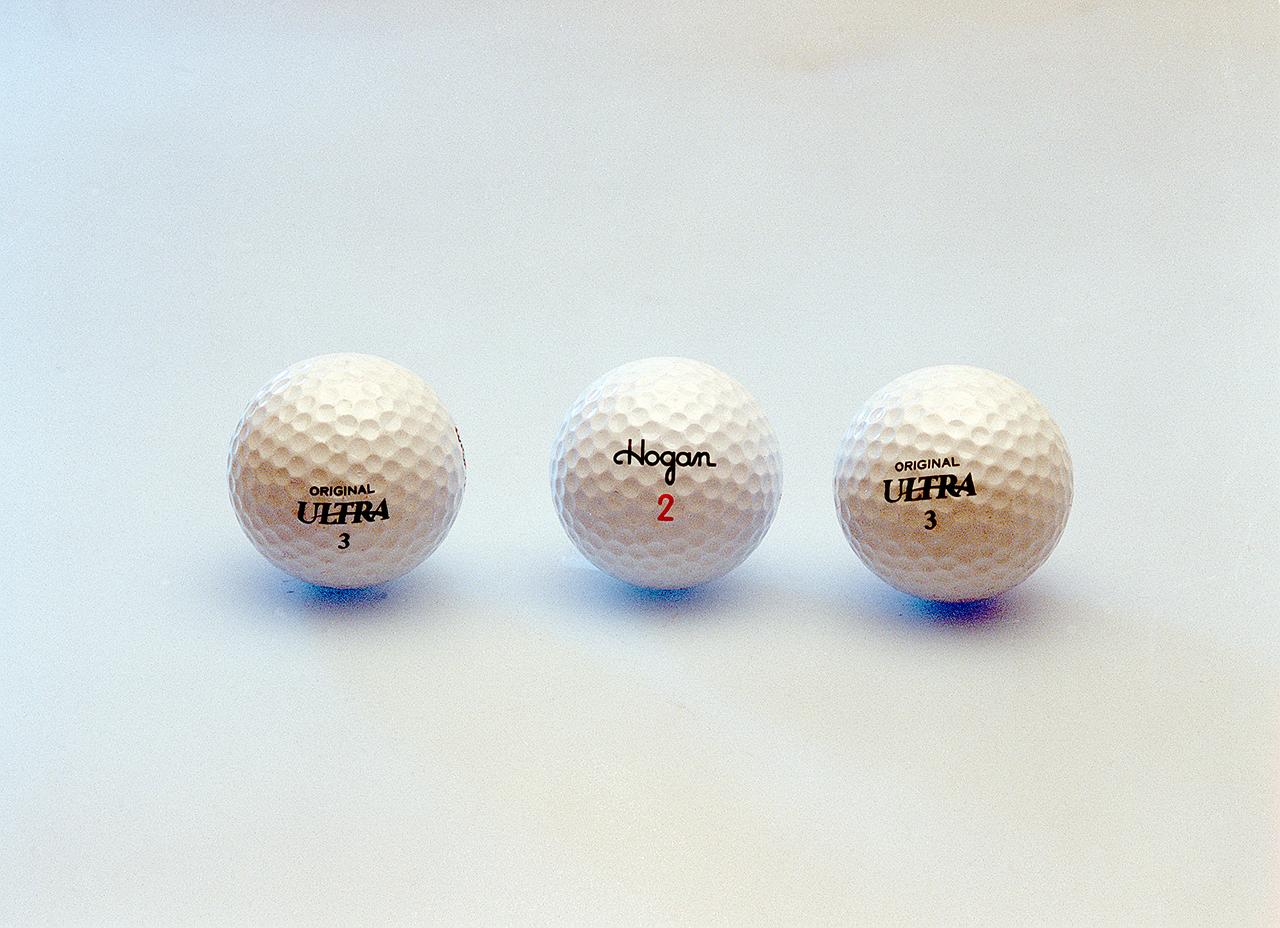
The Ultra 500 Series golf balls, introduced in 1995 by Wilson Sporting Goods Company, has 500 dimples arranged in a pattern of 60 spherical triangles. The design employs NASA's aerodynamics technology analysis of air loads of the tank and Shuttle orbiter that was performed under the Space Shuttle External Tank program. According to Wilson, this technology provides "the most symmetrical ball surface available, sustaining initial velocity longer and producing the most stable ball flight for unmatched accuracy and distance." The dimples are in three sizes, shapes and depths mathematically positioned for the best effect. The selection of dimples and their placement optimizes the interaction of opposing forces of lift and drag. Large dimples reduce air drag, enhance lift, and maintain spin for distance. Small dimples prevent excessive lift that destabilizes the ball flight and the medium size dimples blend the other two.
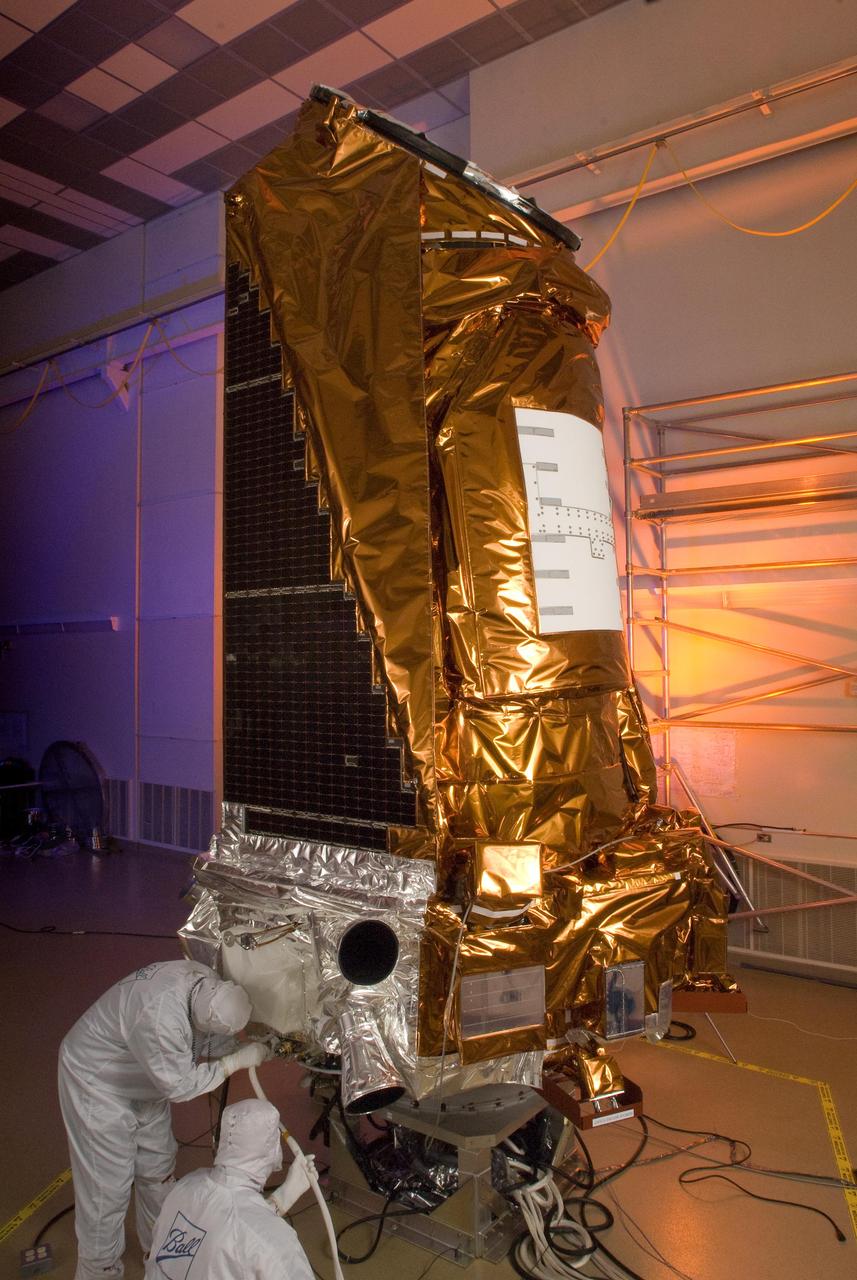
NASA Kepler spacecraft at Ball Aerospace & Technologies Corp. in Boulder, Colo.
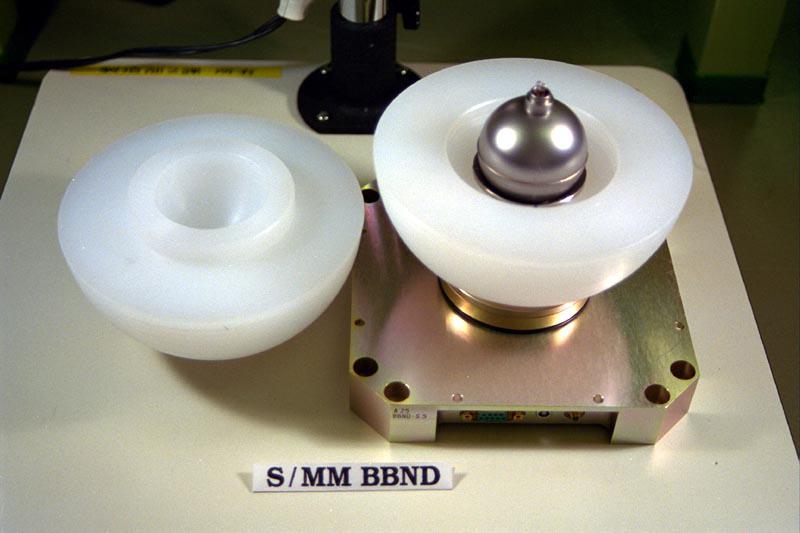
The Bonner Ball Neutron Detector measures neutron radiation. Neutrons are uncharged atomic particles that have the ability to penetrate living tissues, harming human beings in space. The Bonner Ball Neutron Detector is one of three radiation experiments during Expedition Two. The others are the Phantom Torso and Dosimetric Mapping.
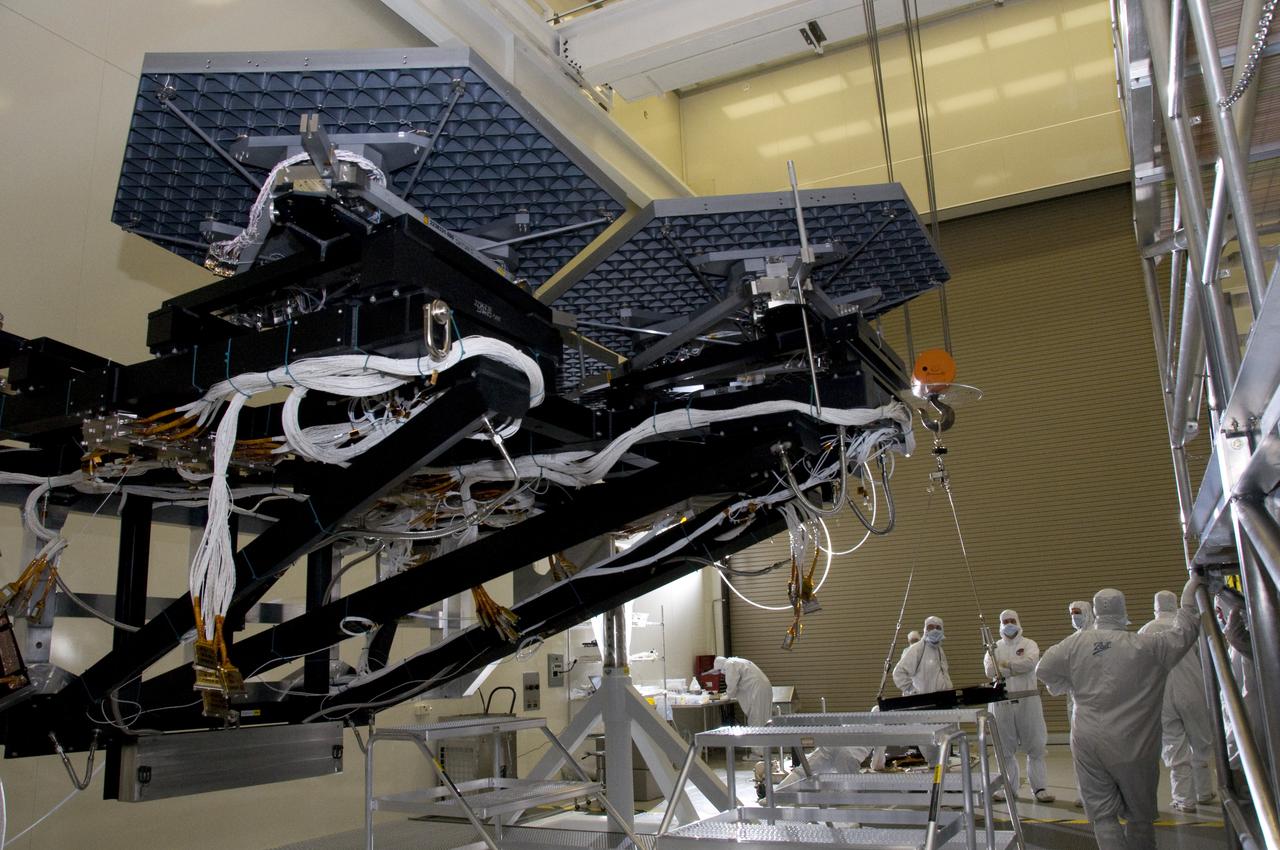
BALL AEROSPACE AND NASA ENGINEERS & TECHNICIANS INSTALL MIRRORS ON THE ROTATABLE CRYOGENIC OPTICAL TEST STAND IN MARSHALL SPACE FLIGHT CENTER’S XRCF CLEAN ROOM

iss052e046695 (8/15/2020) --- A view of NASA astronaut Peggy Whitson aboard the International Space Station (ISS) with the Japanese Experiment Module (JEM) Internal Ball Camera. This device is a free-flying camera robot that provides real time video downlink and photographs. It is expected to reduce the crew time requirements to support video recording of activities, especially at the blind spot of existing JEM internal cameras.

iss052e046674 (8/15/2020) --- A view of NASA astronaut Peggy Whitson aboard the International Space Station (ISS) with the Japanese Experiment Module (JEM) Internal Ball Camera. This device is a free-flying camera robot that provides real time video downlink and photographs. It is expected to reduce the crew time requirements to support video recording of activities, especially at the blind spot of existing JEM internal cameras.
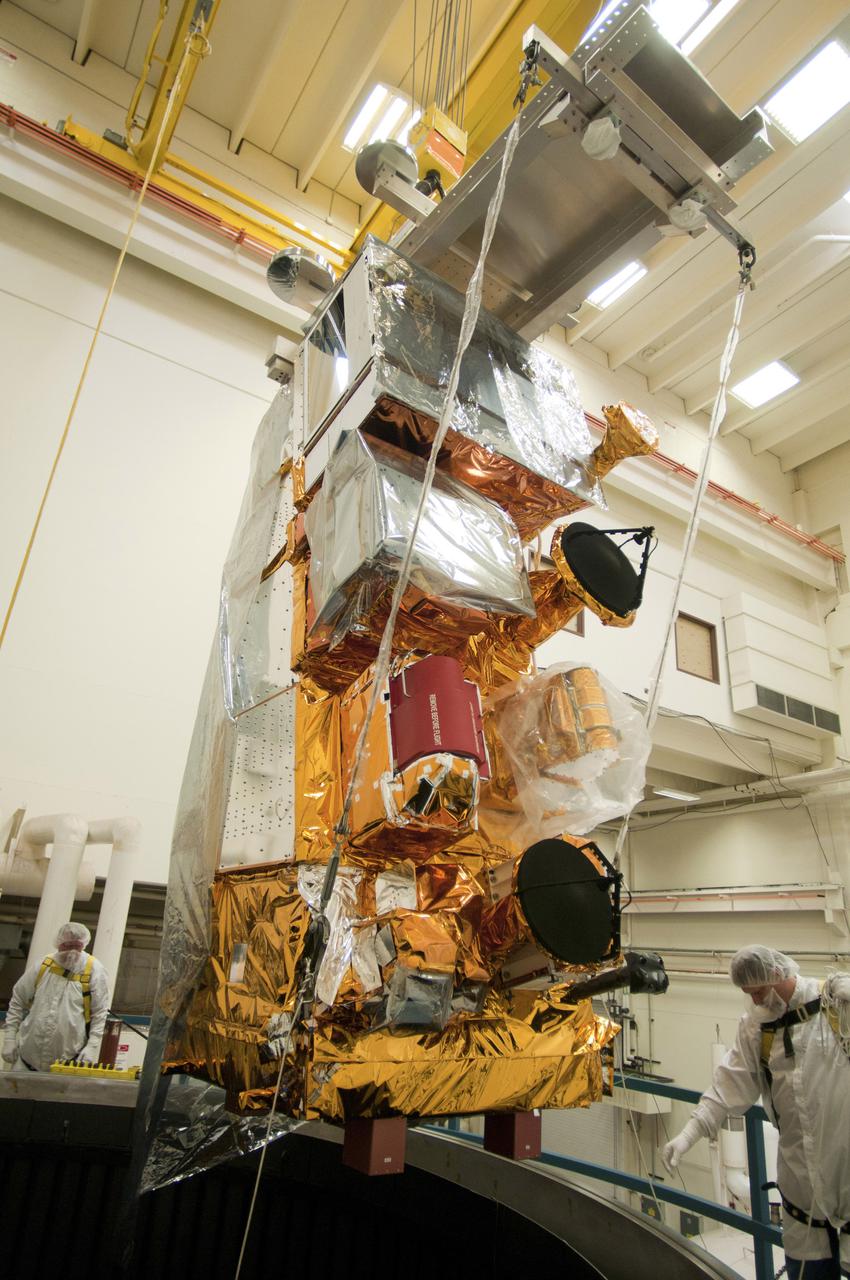
BALL AEROSPACE, Boulder, Colo. – In a cleanroom at Ball Aerospace and Technologies Corp., NASA's National Polar-orbiting Operational Environmental Satellite System Preparatory Project (NPP) satellite, with all systems integrated, is being lowered by technicians into a thermal vacuum chamber for testing. A United Launch Alliance Delta II rocket will carry NPP into space. NPP represents a critical first step in building the next-generation of Earth-observing satellites. NPP will carry the first of the new sensors developed for this satellite fleet, now known as the Joint Polar Satellite System (JPSS) to be launched in 2016. NPP is the bridge between NASA's Earth Observing System (EOS) satellites and the forthcoming series of JPSS satellites. The mission will test key technologies and instruments for the JPSS missions. NPP is targeted to launch Oct. 27. For more information, visit http:__www.nasa.gov_NPP. Photo credit: Ball Aerospace
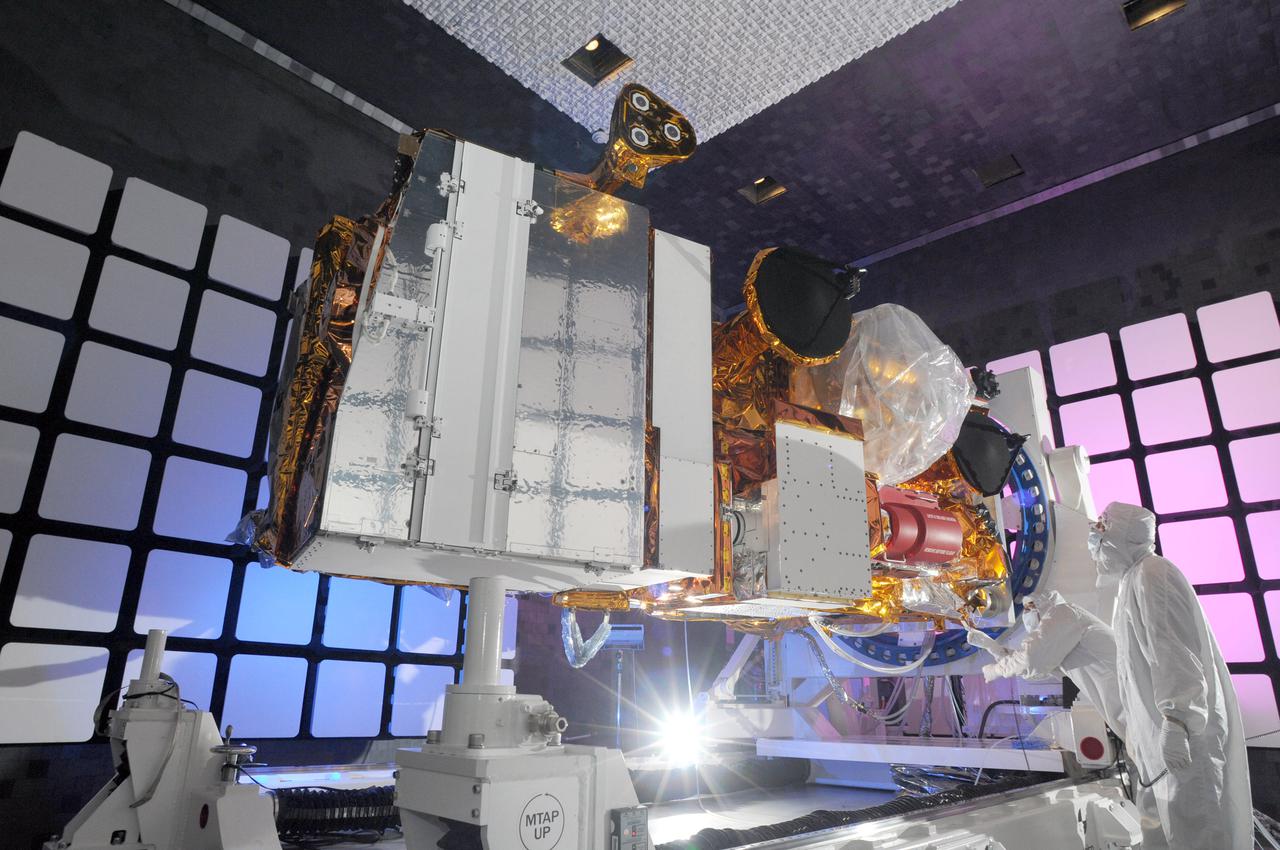
BALL AEROSPACE, Boulder, Colo. – In a Ball Aerospace and Technologies Corp. cleanroom in Boulder, Colo., NASA's National Polar-orbiting Operational Environmental Satellite System Preparatory Project NPP satellite is undergoing Electromagnetic Interference_Electromagnetic Compatibility EMI_EMC testing. A United Launch Alliance Delta II rocket will carry NPP into space. NPP represents a critical first step in building the next-generation of Earth-observing satellites. NPP will carry the first of the new sensors developed for this satellite fleet, now known as the Joint Polar Satellite System JPSS to be launched in 2016. NPP is the bridge between NASA's Earth Observing System EOS satellites and the forthcoming series of JPSS satellites. The mission will test key technologies and instruments for the JPSS missions. NPP is targeted to launch Oct. 27. For more information, visit http:__www.nasa.gov_NPP. Photo credit: Ball Aerospace
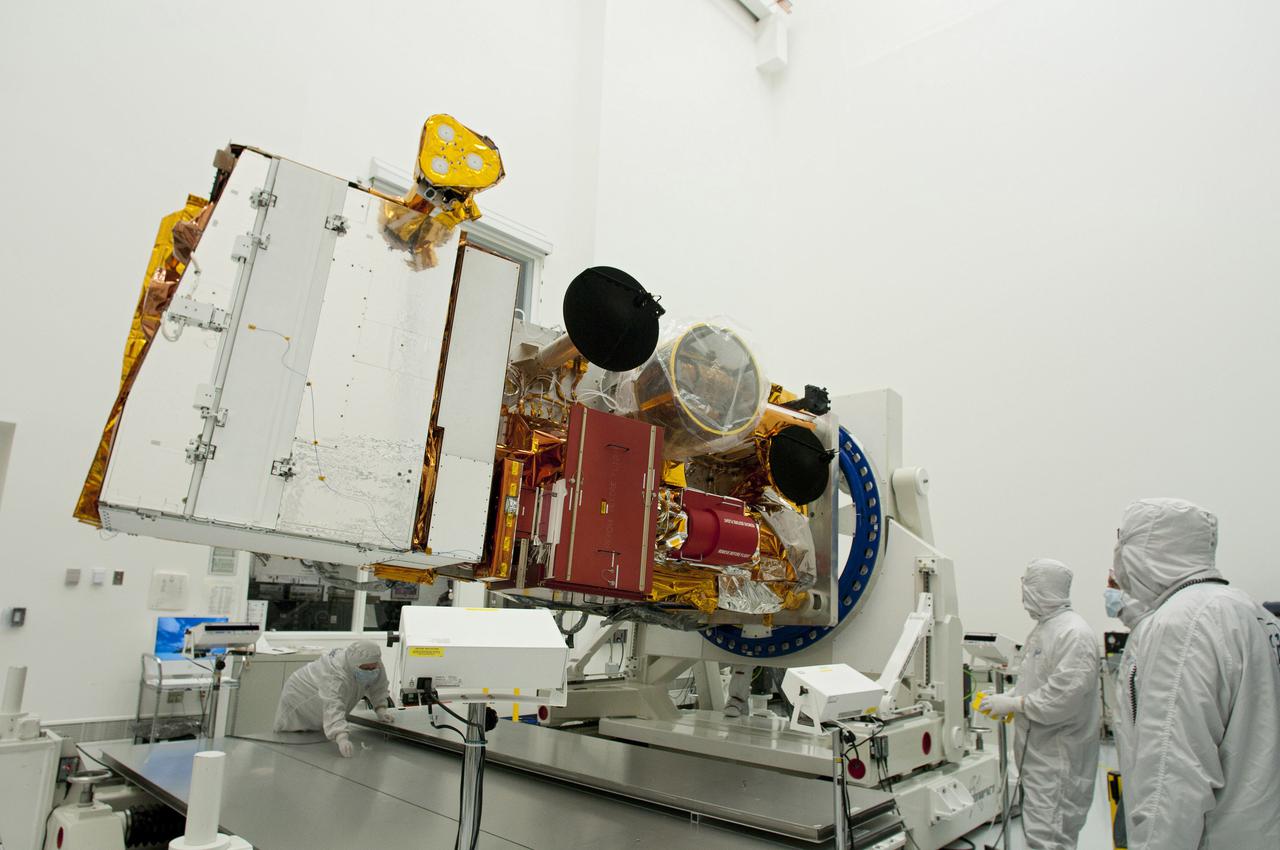
BALL AEROSPACE, Boulder, Colo. – In the Ball Aerospace and Technologies Corp. Production and Test Facility in Boulder, Colo., NASA's National Polar-orbiting Operational Environmental Satellite System Preparatory Project NPP satellite undergoes inspection by technicians after successfully completing end-to-end electromagnetic compatibility testing. A United Launch Alliance Delta II rocket will carry NPP into space. NPP represents a critical first step in building the next-generation of Earth-observing satellites. NPP will carry the first of the new sensors developed for this satellite fleet, now known as the Joint Polar Satellite System JPSS to be launched in 2016. NPP is the bridge between NASA's Earth Observing System EOS satellites and the forthcoming series of JPSS satellites. The mission will test key technologies and instruments for the JPSS missions. NPP is targeted to launch Oct. 27. For more information, visit http:__www.nasa.gov_NPP. Photo credit: Ball Aerospace
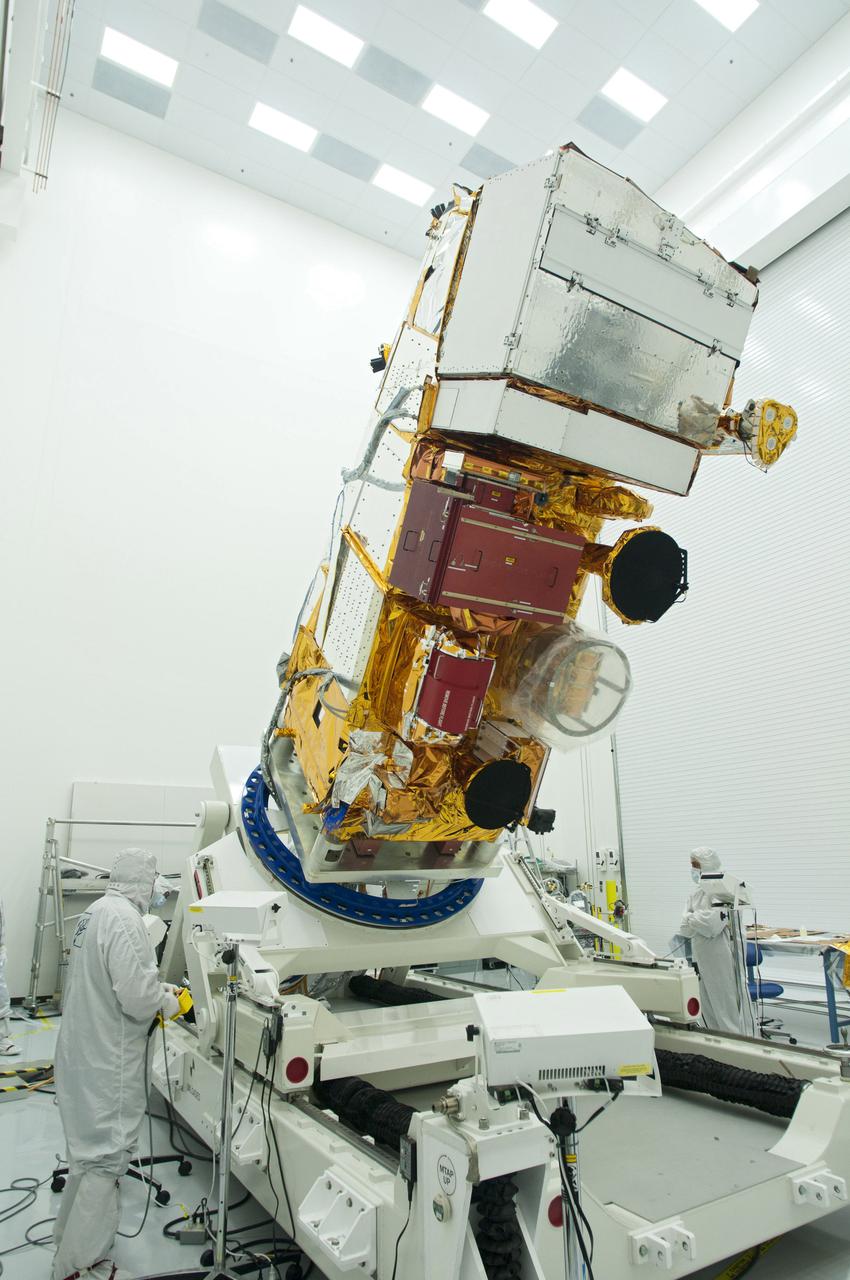
BALL AEROSPACE, Boulder, Colo. – In a cleanroom at Ball Aerospace and Technologies Corp., technicians inspect NASA's National Polar-orbiting Operational Environmental Satellite System Preparatory Project NPP satellite following electromagnetic compatibility testing. A United Launch Alliance Delta II rocket will carry NPP into space. NPP represents a critical first step in building the next-generation of Earth-observing satellites. NPP will carry the first of the new sensors developed for this satellite fleet, now known as the Joint Polar Satellite System JPSS to be launched in 2016. NPP is the bridge between NASA's Earth Observing System EOS satellites and the forthcoming series of JPSS satellites. The mission will test key technologies and instruments for the JPSS missions. NPP is targeted to launch Oct. 27. For more information, visit http:__www.nasa.gov_NPP. Photo credit: Ball Aerospace
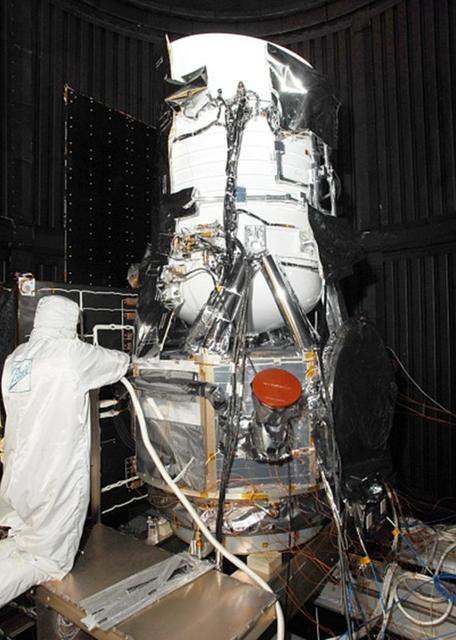
NASA Wide-field Infrared Survey Explorer in the clean room at Ball Aerospace & Technologies Corp., in Boulder, Colo.
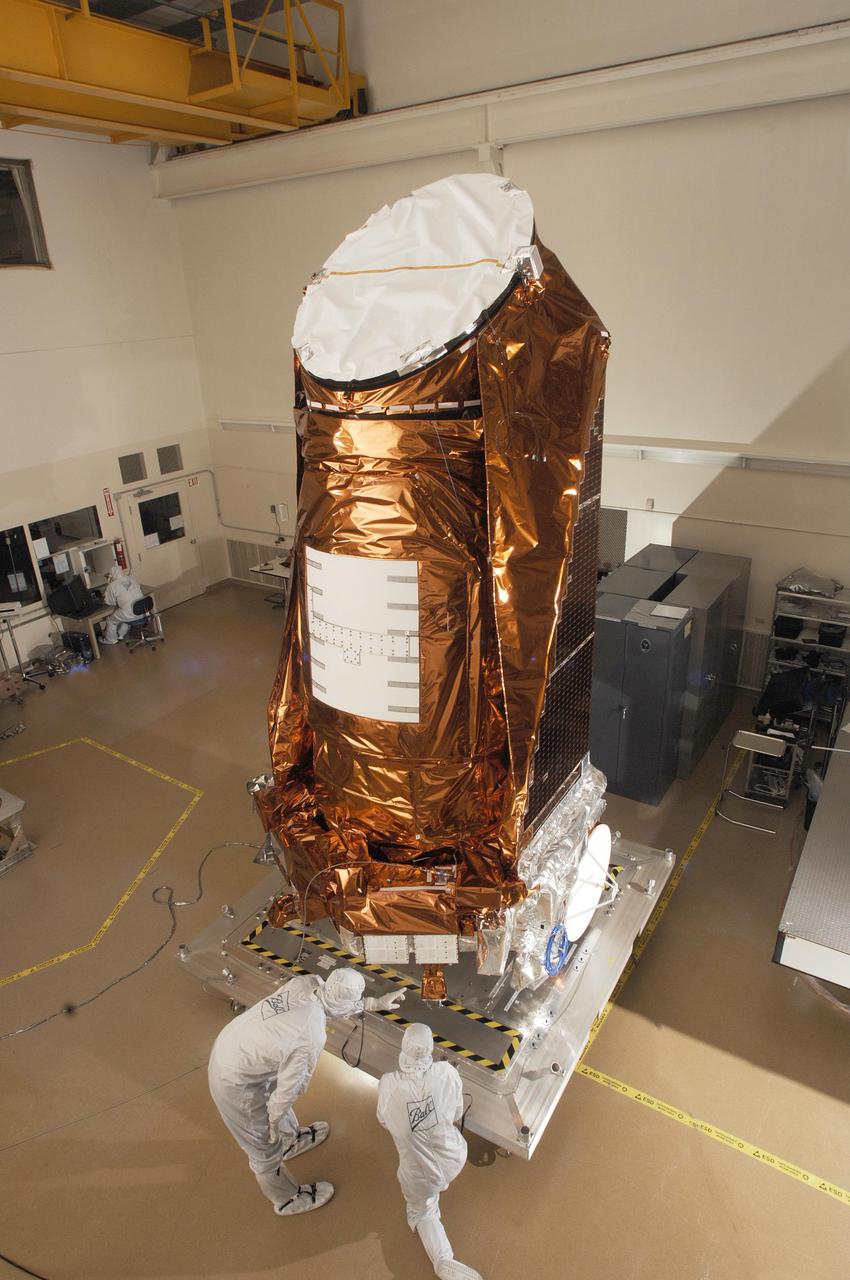
NASA Kepler spacecraft in a clean room at Ball Aerospace & Technologies Corp. in Boulder, Colo.
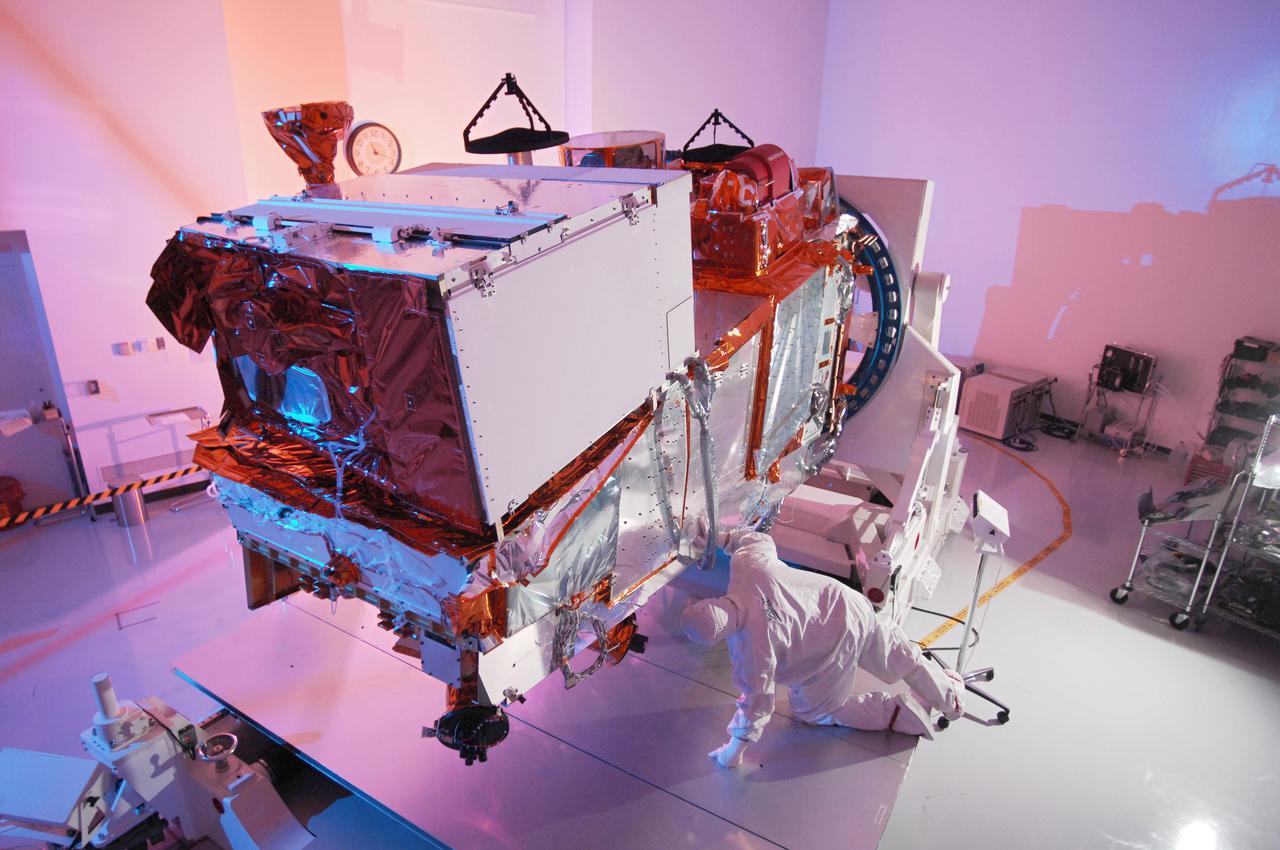
BALL AEROSPACE, Boulder, Colo. – In a cleanroom at Vandenberg Air Force Base in California, Ball Aerospace and Technologies Corp. technicians begin integration of the medium resolution Visible Infrared Imaging Radiometer Suite VIIRS into NASA’s National Polar-orbiting Operational Environmental Satellite System Preparatory Project NPP satellite. NPP is carrying five instruments on board, the biggest being VIIRS which will provide highly detailed imagery of clouds, vegetation, snow cover, dust storms, sea surface temperature and other environmental phenomena. A United Launch Alliance Delta II rocket will carry NPP into space. NPP represents a critical first step in building the next-generation of Earth-observing satellites. NPP will carry the first of the new sensors developed for this satellite fleet, now known as the Joint Polar Satellite System JPSS to be launched in 2016. NPP is the bridge between NASA's Earth Observing System EOS satellites and the forthcoming series of JPSS satellites. The mission will test key technologies and instruments for the JPSS missions. NPP is targeted to launch Oct. 27. For more information, visit http:__www.nasa.gov_NPP. Photo credit: Ball Aerospace
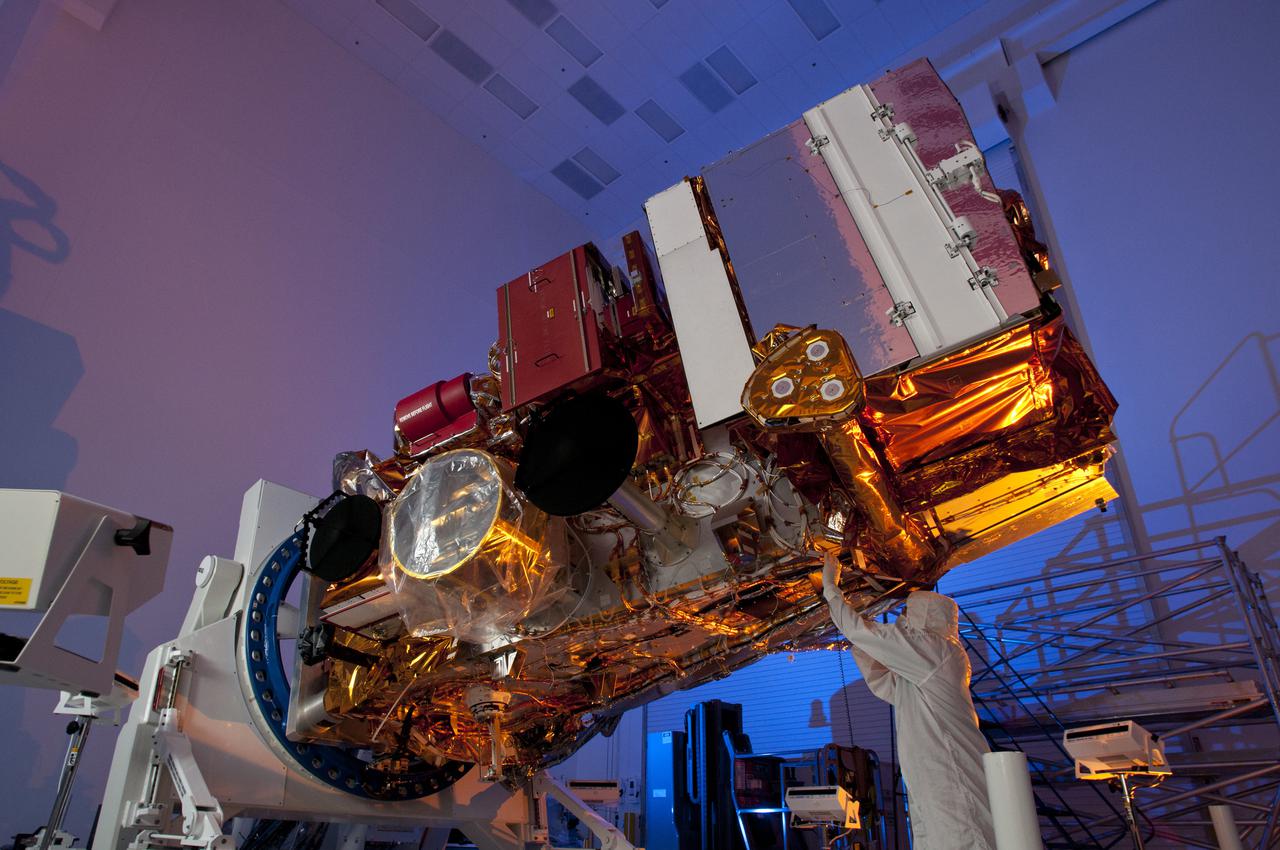
BALL AEROSPACE, Boulder, Colo. – In a Ball Aerospace and Technologies Corp. cleanroom in Boulder, Colo., technicians have completed integration and performance testing of the Cross-track Infrared Sounder CrIS that will fly aboard NASA's National Polar-orbiting Operational Environmental Satellite System Preparatory Project NPP satellite. CrIS will produce high-resolution, three-dimensional temperature, pressure, and moisture profiles which will be used to enhance weather forecasting models for short and long-term weather forecasting. A United Launch Alliance Delta II rocket will carry NPP into space. NPP represents a critical first step in building the next-generation of Earth-observing satellites. NPP will carry the first of the new sensors developed for this satellite fleet, now known as the Joint Polar Satellite System JPSS to be launched in 2016. NPP is the bridge between NASA's Earth Observing System EOS satellites and the forthcoming series of JPSS satellites. The mission will test key technologies and instruments for the JPSS missions. NPP is targeted to launch Oct. 27. For more information, visit http:__www.nasa.gov_NPP. Photo credit: Ball Aerospace
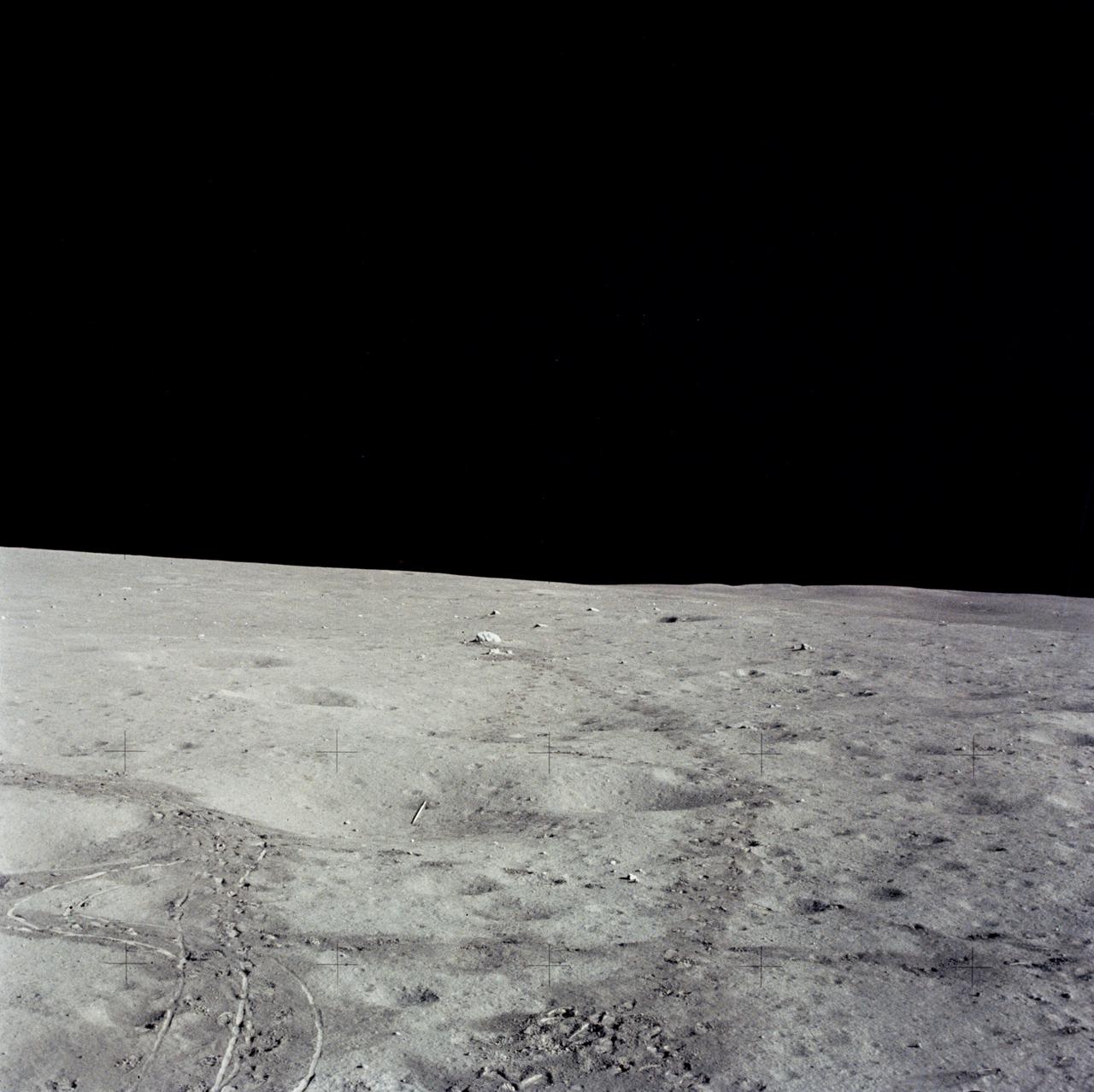
AS14-66-9337 (6 Feb. 1971) --- This view shows the "javelin" and golf ball used by astronaut Alan B. Shepard Jr., commander, during the mission's second extravehicular activity (EVA) on Feb. 6, 1971. Just to the left of center lies the "javelin", with the golf ball just below it, almost perpendicular to it. Dark colored trails are the results of tracks made by the lunar overshoes of the astronauts and the wheels of the modular equipment transporter (MET). This photograph was made through the right window of the Lunar Module (LM), looking northwest.
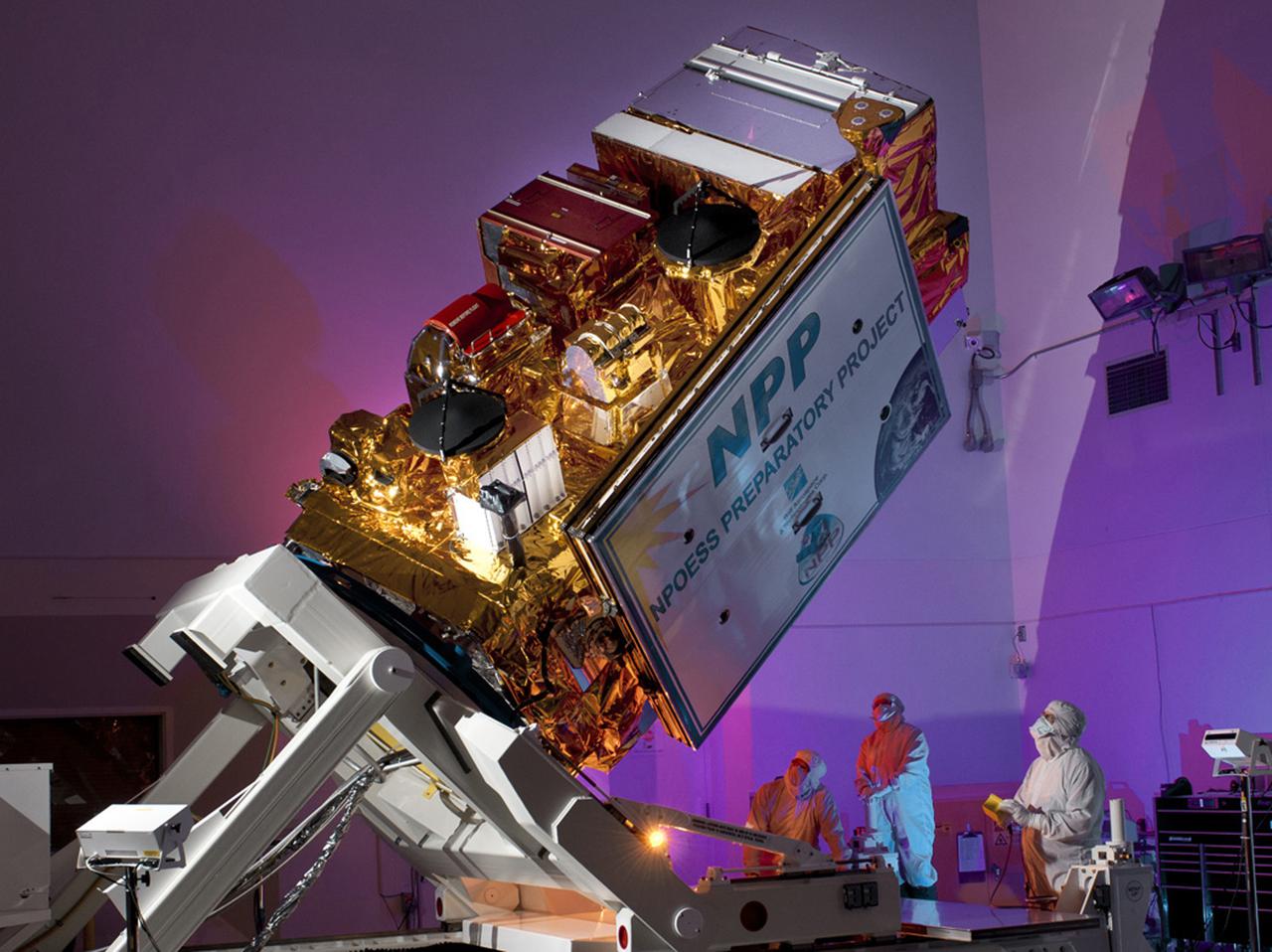
VANDENBERG AIR FORCE BASE, Calif. -- In a clean room at Vandenberg Air Force Base in California, Ball Aerospace and Technologies Corp., technicians perform final testing on NASA’s National Polar-orbiting Operational Environmental Satellite System Preparatory Project (NPP) satellite. A United Launch Alliance Delta II rocket will carry NPP into space. NPP represents a critical first step in building the next-generation of Earth-observing satellites. NPP will carry the first of the new sensors developed for this satellite fleet, now known as the Joint Polar Satellite System (JPSS) to be launched in 2016. NPP is the bridge between NASA's Earth Observing System (EOS) satellites and the forthcoming series of JPSS satellites. The mission will test key technologies and instruments for the JPSS missions. NPP is targeted to launch Oct. 27. For more information, visit http:__www.nasa.gov_NPP. Photo credit: Ball Aerospace
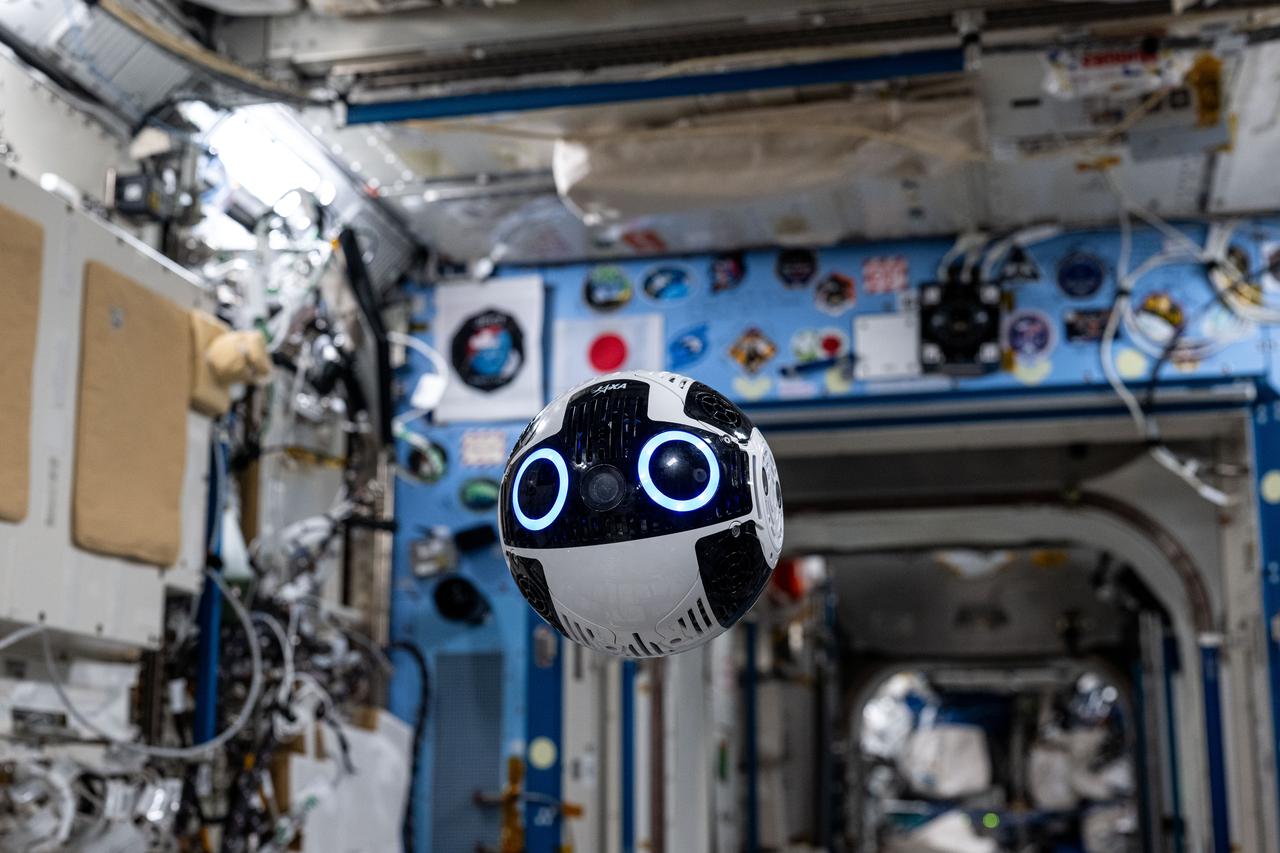
iss073e0030966 (May 14, 2025) --- The Japanese Experiment Module Internal Ball Camera 2 tests the automation of capturing photographs and videos of crew activities aboard the International Space Station's Kibo laboratory module. The spherical, free-flying robotic camera may enable more crew time for important duties such as microgravity research. Credit: JAXA/Takuya Onishi
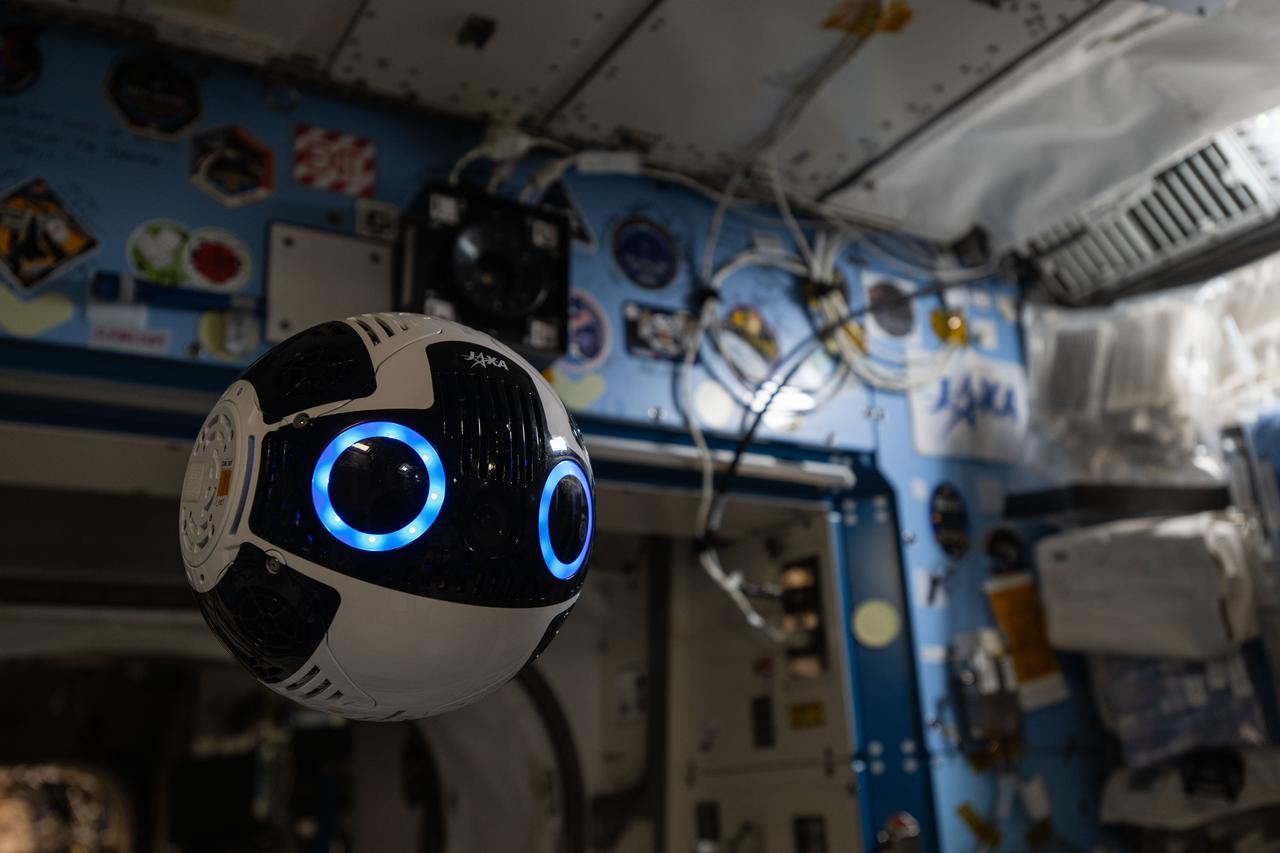
iss072e859330 (March 26, 2025) --- The Japanese Experiment Module Internal Ball Camera 2 tests the automation of capturing photographs and videos of crew activities aboard the International Space Station's Kibo laboratory module The spherical, free-flying robotic camera may enable more crew time for important duties such as microgravity research. Credit: JAXA/Takuya Onishi
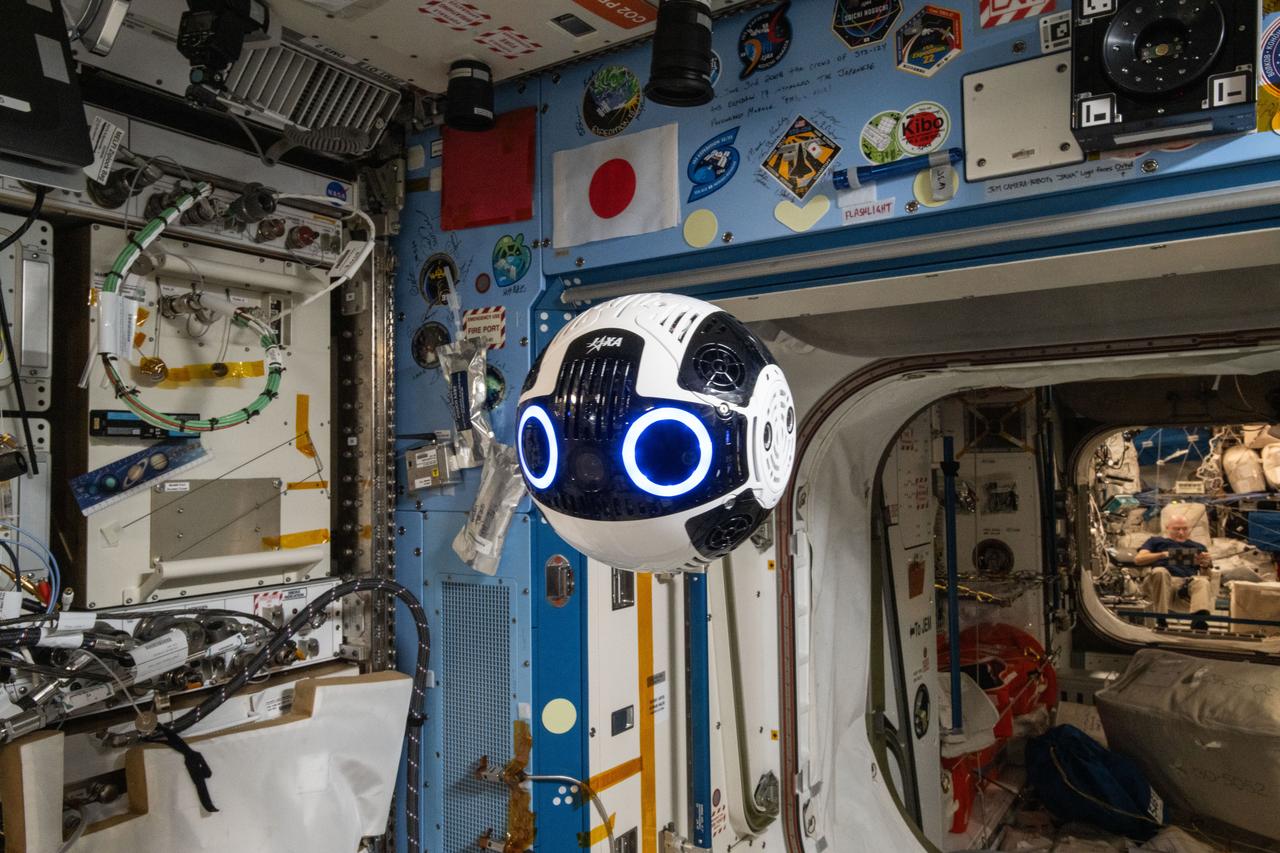
iss072e859334 (March 26, 2025) --- The Japanese Experiment Module Internal Ball Camera 2 tests the automation of capturing photographs and videos of crew activities aboard the International Space Station's Kibo laboratory module The spherical, free-flying robotic camera may enable more crew time for important duties such as microgravity research. Credit: JAXA/Takuya Onishi
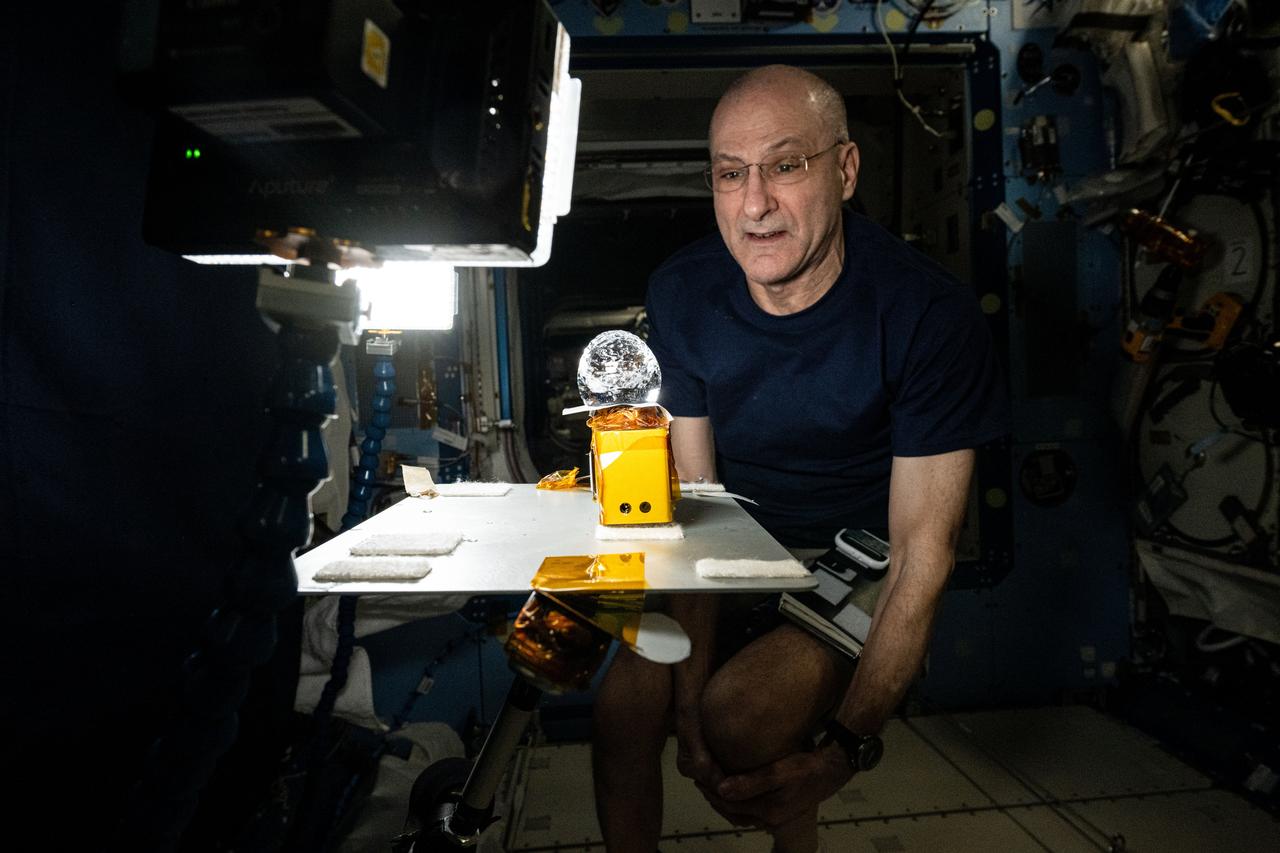
iss072e742508 (March 2, 2025) --- NASA astronaut and Expedition 72 Flight Engineer Don Pettit stares at a ball of water shaped by microgravity and attached to research hardware by surface tension. Pettit was demonstrating simple space physics phenomena inside the International Space Station's Kibo laboratory module.
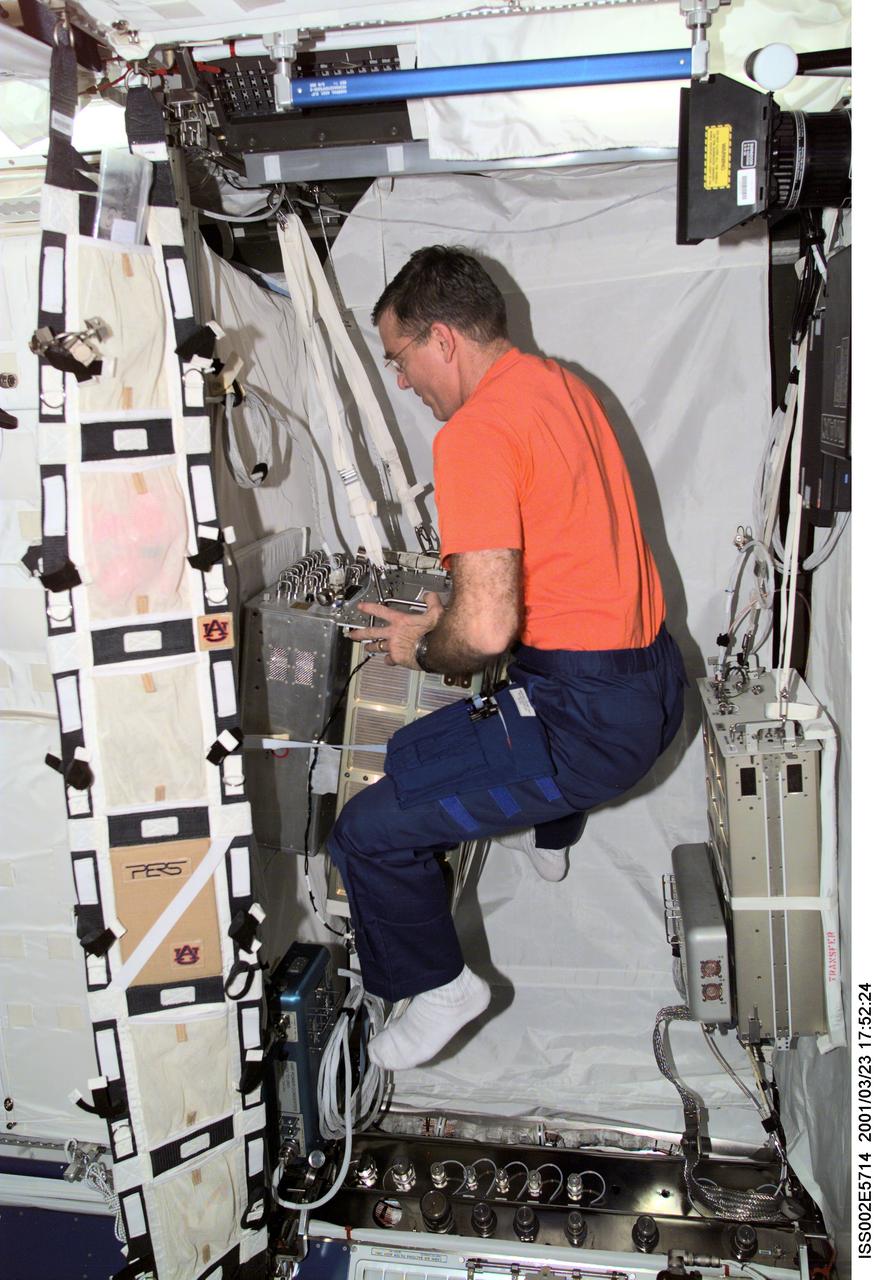
ISS002-E-5714 (23 March 2001) --- Astronaut James S. Voss, Expedition Two flight engineer, sets up the Bonner Ball Neutron Detector (BBND) in the Destiny laboratory. The BBND is connected to the Human Research Facility (HRF). This image was recorded with a digital still camera.
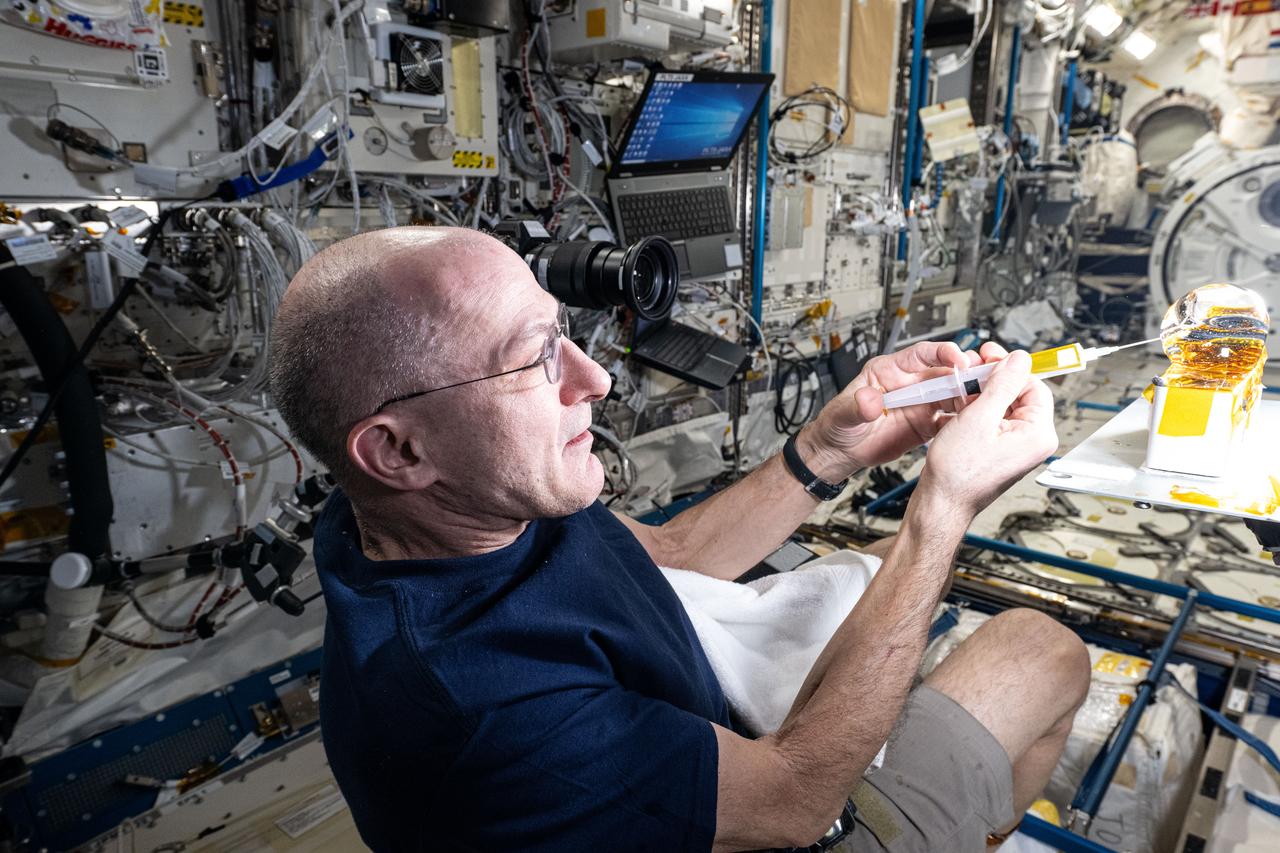
iss072e742488 (March 2, 2025) --- NASA astronaut and Expedition 72 Flight Engineer Don Pettit injects yellow ink into a ball of water shaped by microgravity and attached to research hardware by surface tension. Pettit was demonstrating simple space physics phenomena inside the International Space Station's Kibo laboratory module.
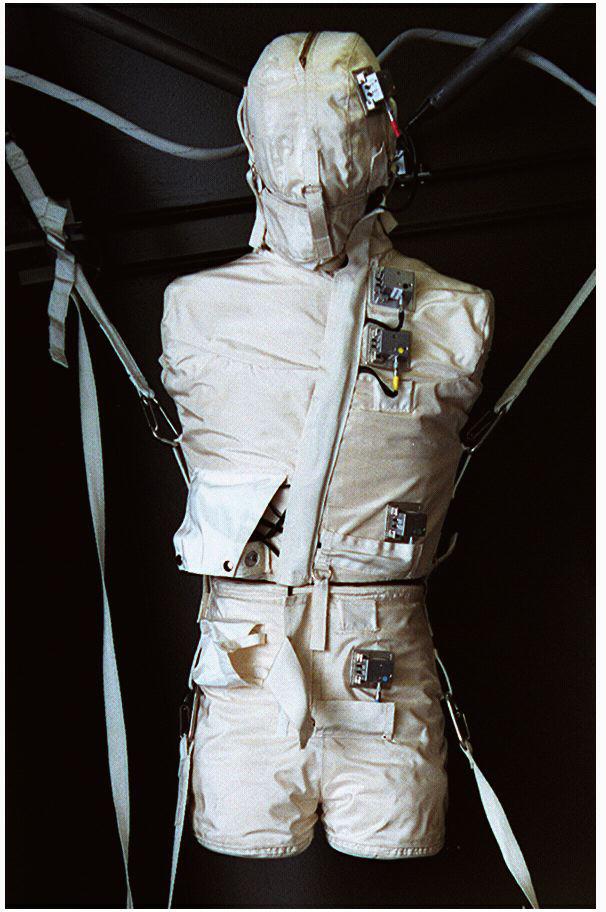
The Phantom Torso is a tissue-muscle plastic anatomical model of a torso and head. It contains over 350 radiation measuring devices to calculate the radiation that penetrates internal organs in space travel. The Phantom Torso is one of three radiation experiments in Expedition Two including the Borner Ball Neutron Detector and Dosimetric Mapping.
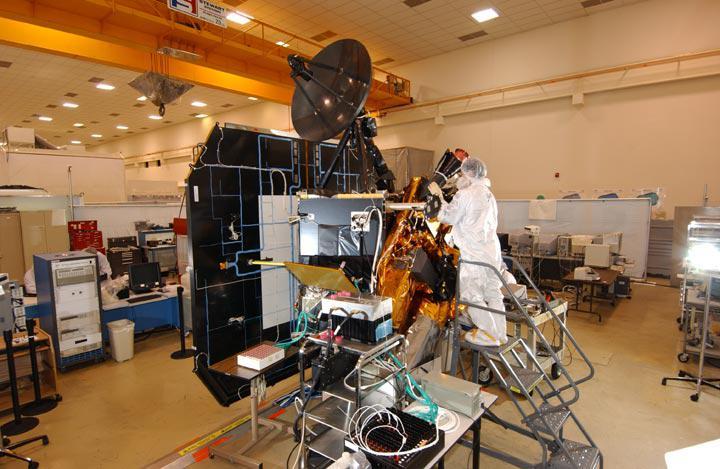
This image shows NASA Deep Impact spacecraft being built at Ball Aerospace & Technologies Corporation, Boulder, Colo. on July 2, 2005. The spacecraft impactor was released from Deep Impact flyby spacecraft.
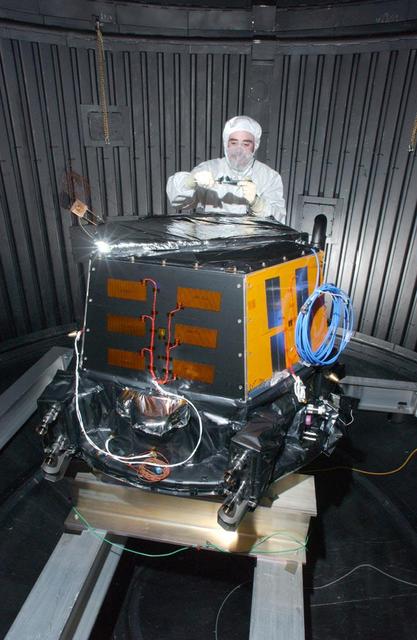
This image shows NASA Deep Impact spacecraft being built at Ball Aerospace & Technologies Corporation, Boulder, Colo. On July 2, 2005. The impactor S-band antenna is the rectangle-shaped object seen on the top of the impactor.
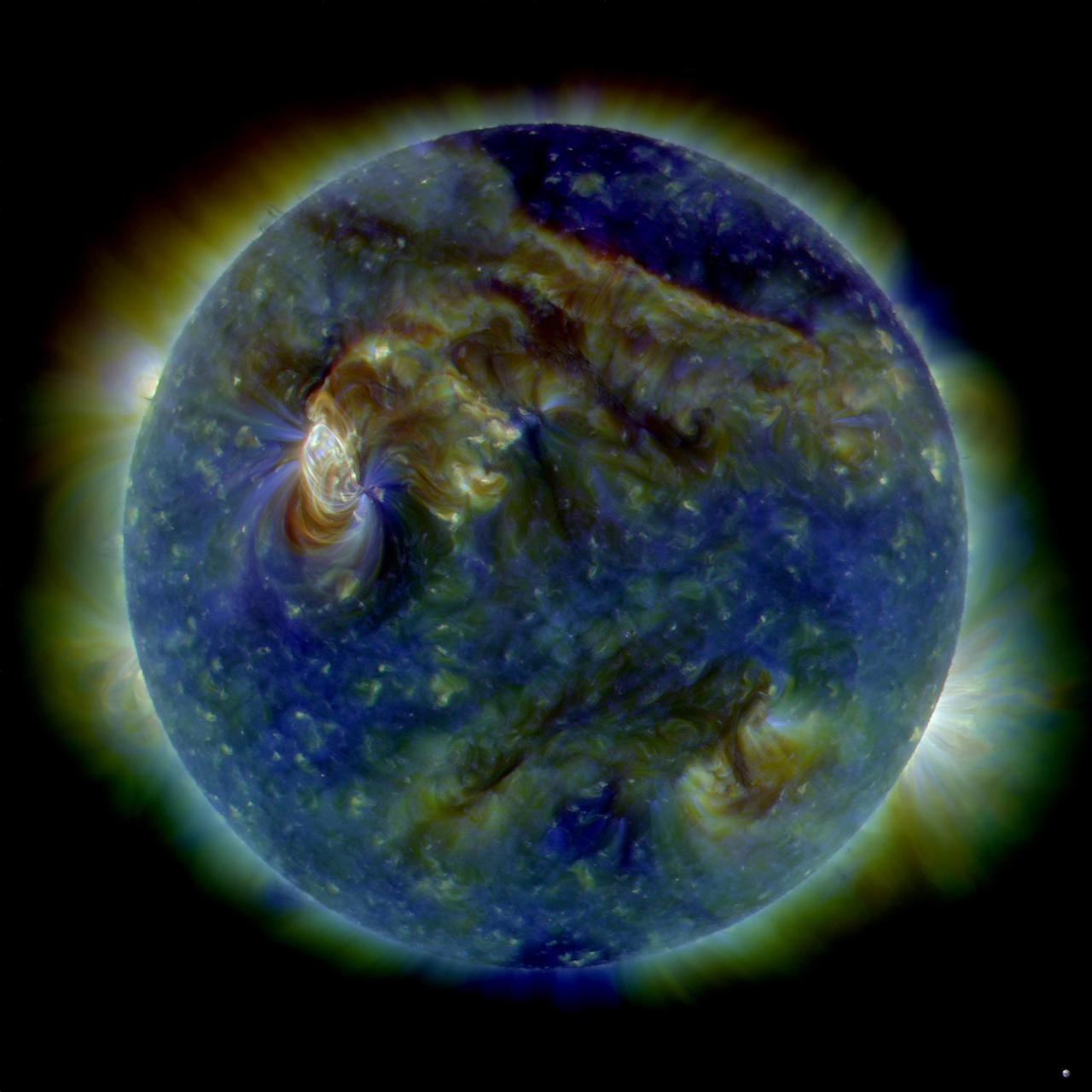
NASA image release August 6, 2010 On August 1, 2010, almost the entire Earth-facing side of the sun erupted in a tumult of activity. This image from the Solar Dynamics Observatory of the news-making solar event on August 1 shows the C3-class solar flare (white area on upper left), a solar tsunami (wave-like structure, upper right), multiple filaments of magnetism lifting off the stellar surface, large-scale shaking of the solar corona, radio bursts, a coronal mass ejection and more. This multi-wavelength extreme ultraviolet snapshot from the Solar Dynamics Observatory shows the sun's northern hemisphere in mid-eruption. Different colors in the image represent different gas temperatures. Earth's magnetic field is still reverberating from the solar flare impact on August 3, 2010, which sparked aurorae as far south as Wisconsin and Iowa in the United States. Analysts believe a second solar flare is following behind the first flare and could re-energize the fading geomagnetic storm and spark a new round of Northern Lights. Credit: NASA/SDO/AIA <b><a href="http://www.nasa.gov/centers/goddard/home/index.html" rel="nofollow">NASA Goddard Space Flight Center</a></b> is home to the nation's largest organization of combined scientists, engineers and technologists that build spacecraft, instruments and new technology to study the Earth, the sun, our solar system, and the universe. <b>Follow us on <a href="http://twitter.com/NASA_GoddardPix" rel="nofollow">Twitter</a></b> <b>Join us on <a href="http://www.facebook.com/pages/Greenbelt-MD/NASA-Goddard/395013845897?ref=tsd" rel="nofollow">Facebook</a><b> </b></b>
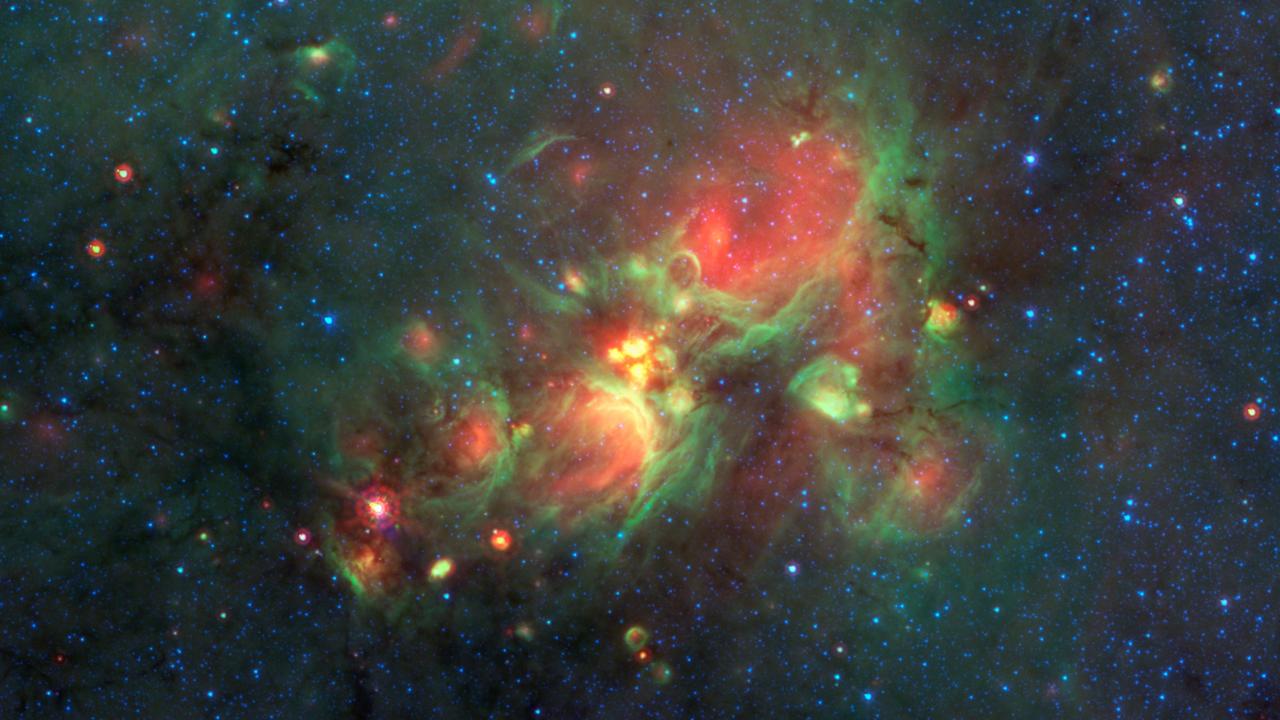
Yellow balls -- which are several hundred to thousands times the size of our solar system -- are pictured here in the center of this image taken by NASA Spitzer Space Telescope.

This image from NASA Spitzer Space Telescope shows he Peony nebula star, a blazing ball of gas shines with the equivalent light of 3.2 million suns.
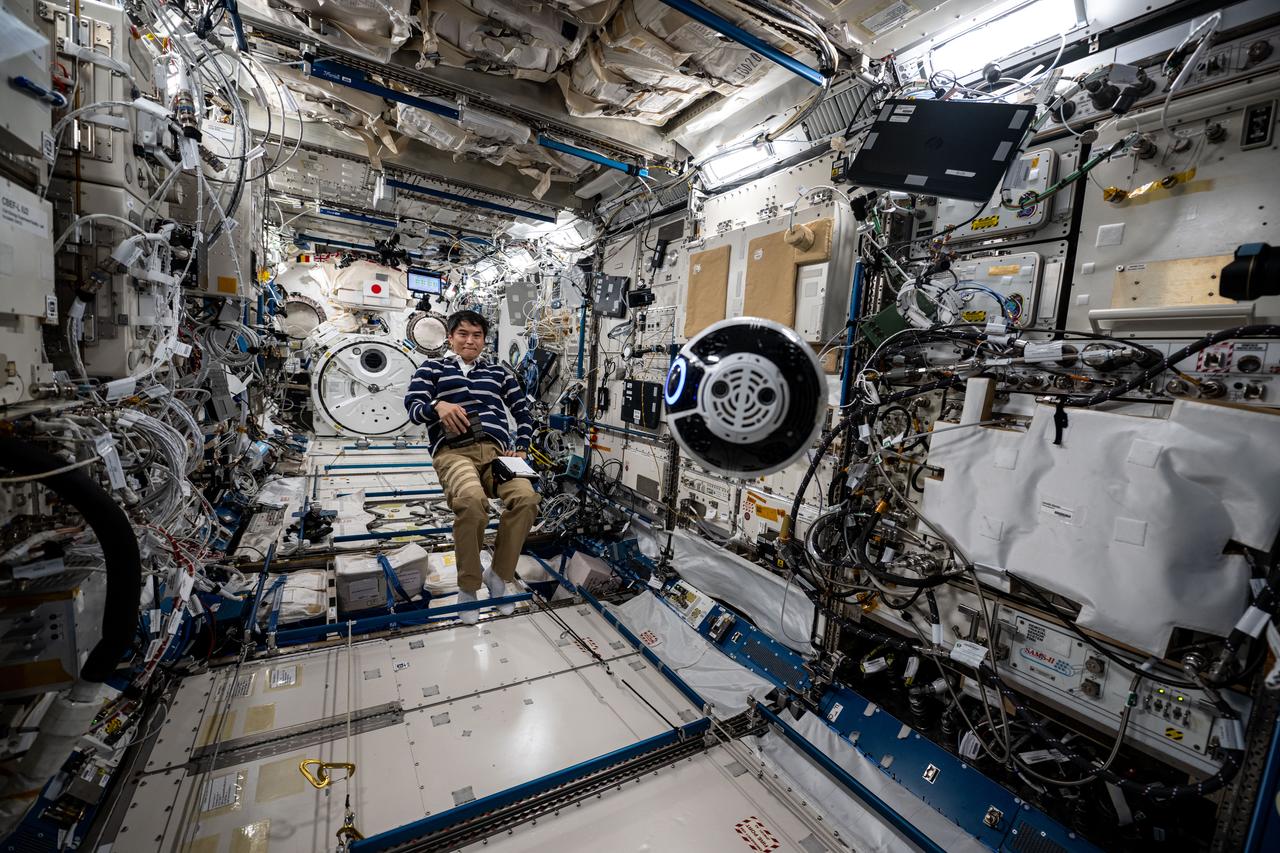
iss073e0030870 (May 14, 2025) --- JAXA (Japan Aerospace Exploration Agency) astronaut and Expedition 73 Commander Takuya Onishi monitors the Japanese Experiment Module Internal Ball Camera 2 aboard the International Space Station's Kibo laboratory module. The spherical, free-flying robotic camera tests the automation of capturing video and imagery enabling more crew time for important duties such as microgravity research.
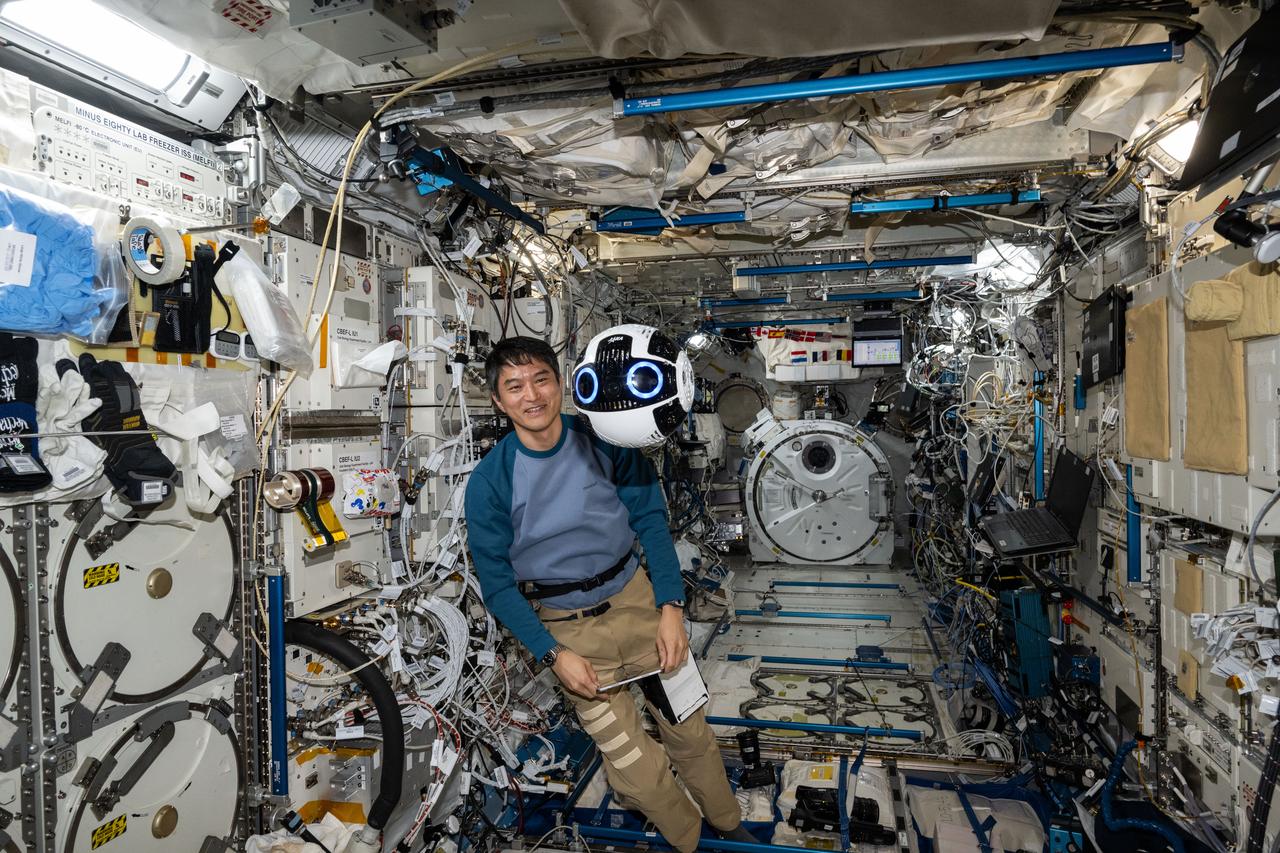
iss072e859364 (March 26, 2025) --- JAXA (Japan Aerospace Exploration Agency) astronaut and Expediion 72 Flight Engineer Takuya Onishi monitors the Japanese Experiment Module Internal Ball Camera 2 aboard the International Space Station's Kibo laboratory module. The spherical, free-flying robotic camera tests the automation of capturing video and imagery enabling more crew time for important duties such as microgravity research.
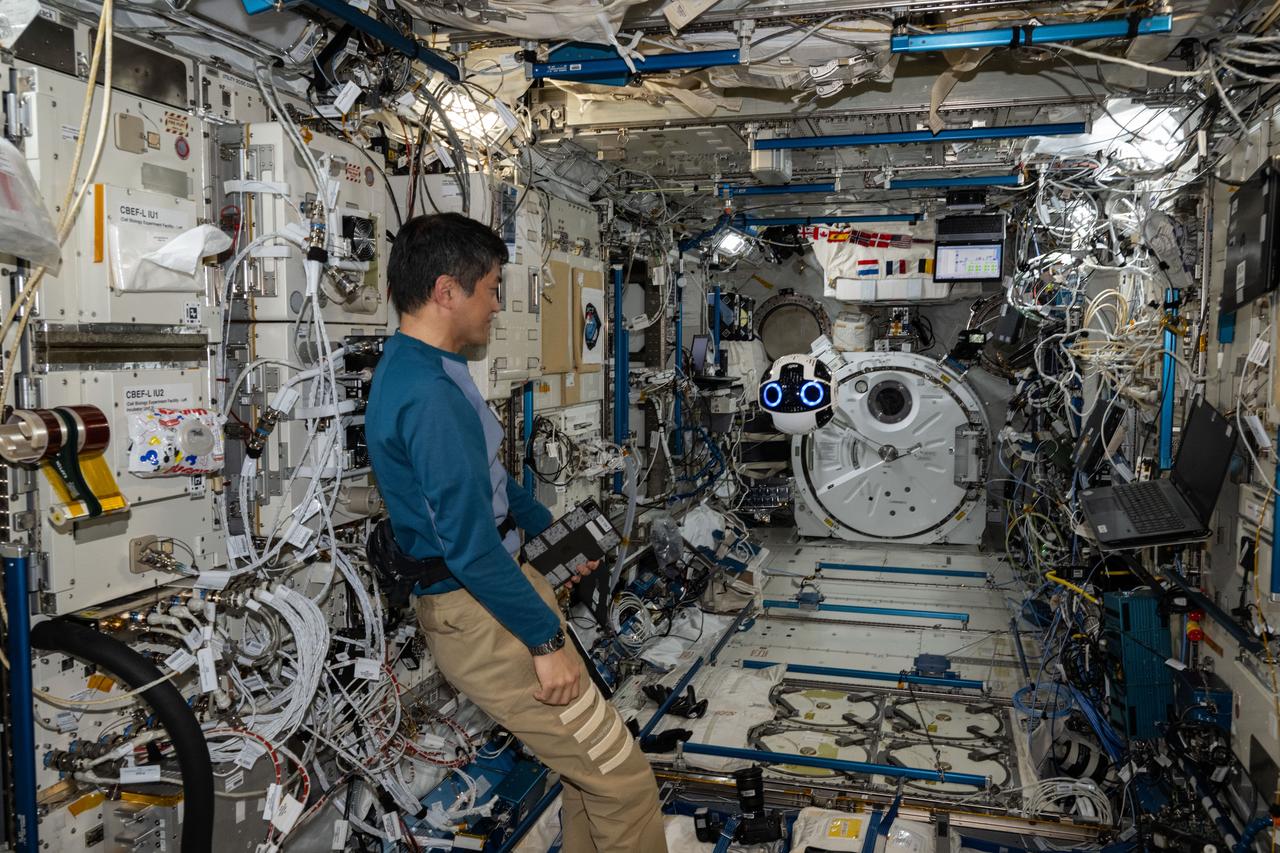
iss072e859359 (March 26, 2025) --- JAXA (Japan Aerospace Exploration Agency) astronaut and Expediion 72 Flight Engineer Takuya Onishi monitors the Japanese Experiment Module Internal Ball Camera 2 aboard the International Space Station's Kibo laboratory module. The spherical, free-flying robotic camera tests the automation of capturing video and imagery enabling more crew time for important duties such as microgravity research.
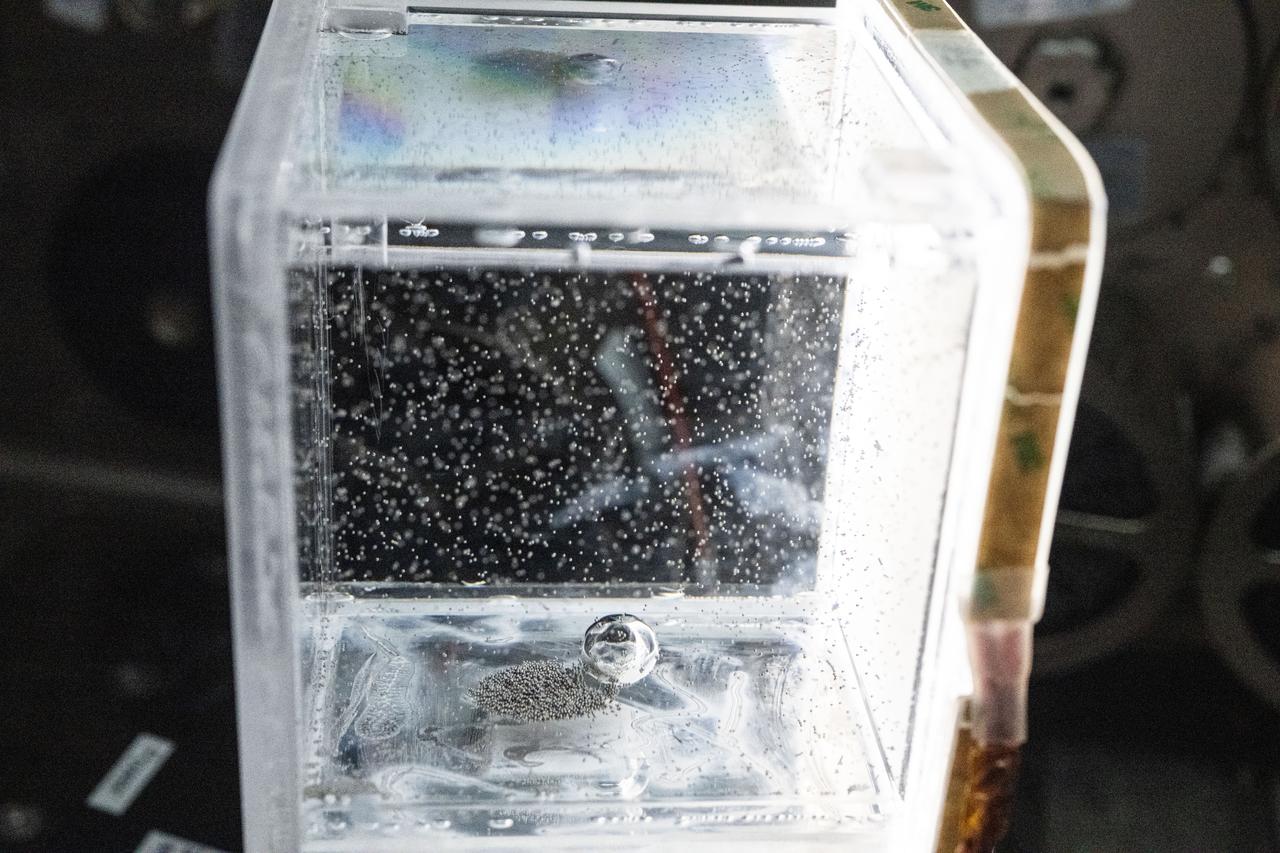
iss073e0917376 (Oct. 20, 2025) --- Tiny ball bearings surround a larger central bearing during the Fluid Particles experiment, conducted inside the Microgravity Science Glovebox (MSG) aboard the International Space Station’s Destiny laboratory module. A bulk container installed in the MSG, filled with viscous fluid and embedded particles, is subjected to oscillating frequencies to observe how the particles cluster and form larger structures in microgravity. Insights from this research may advance fire suppression, lunar dust mitigation, and plant growth in space. On Earth, the findings could inform our understanding of pollen dispersion, algae blooms, plastic pollution, and sea salt transport during storms.
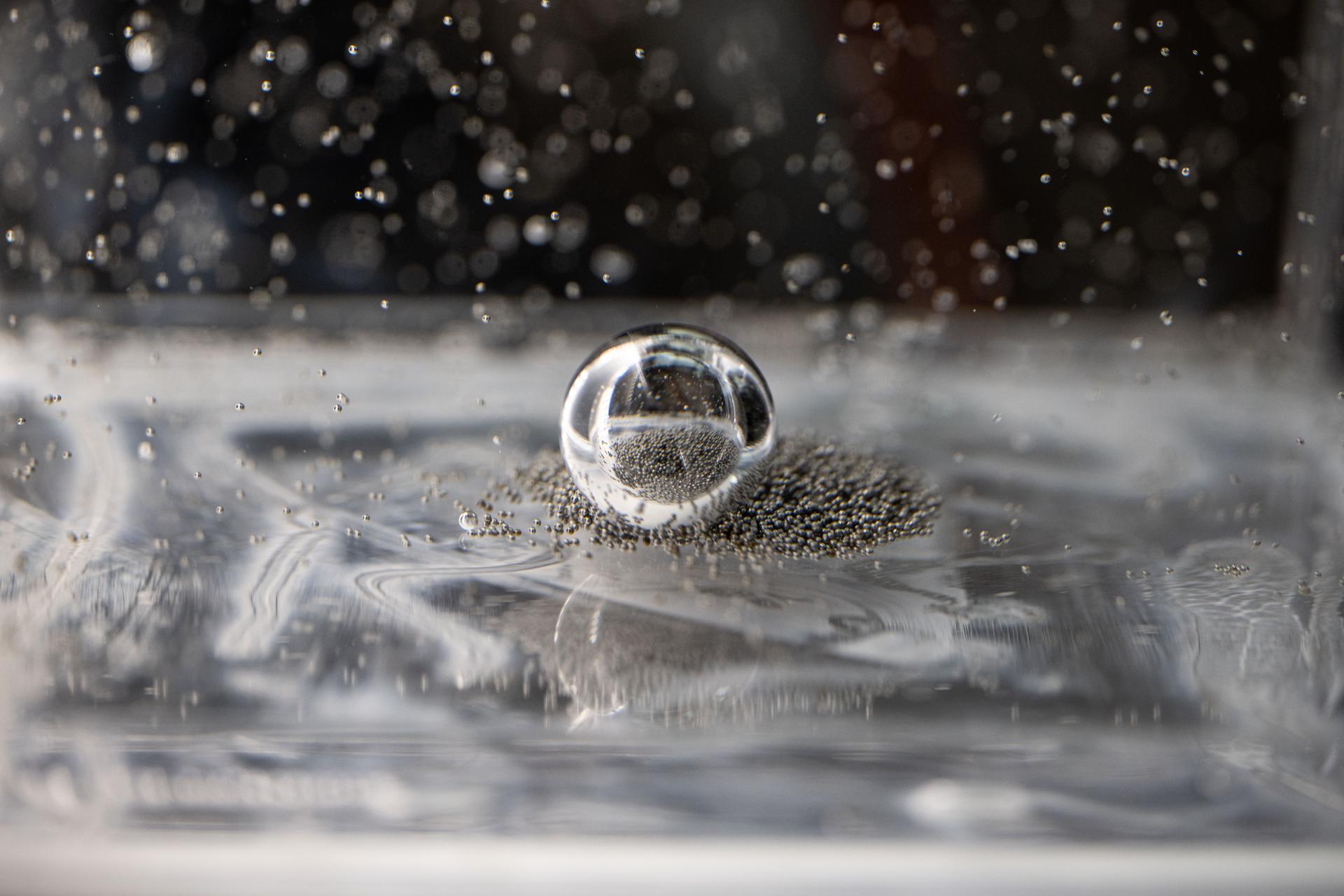
iss073e0917381 (Oct. 20, 2025) --- Tiny ball bearings surround a larger central bearing during the Fluid Particles experiment, conducted inside the Microgravity Science Glovebox (MSG) aboard the International Space Station’s Destiny laboratory module. A bulk container installed in the MSG, filled with viscous fluid and embedded particles, is subjected to oscillating frequencies to observe how the particles cluster and form larger structures in microgravity. Insights from this research may advance fire suppression, lunar dust mitigation, and plant growth in space. On Earth, the findings could inform our understanding of pollen dispersion, algae blooms, plastic pollution, and sea salt transport during storms.
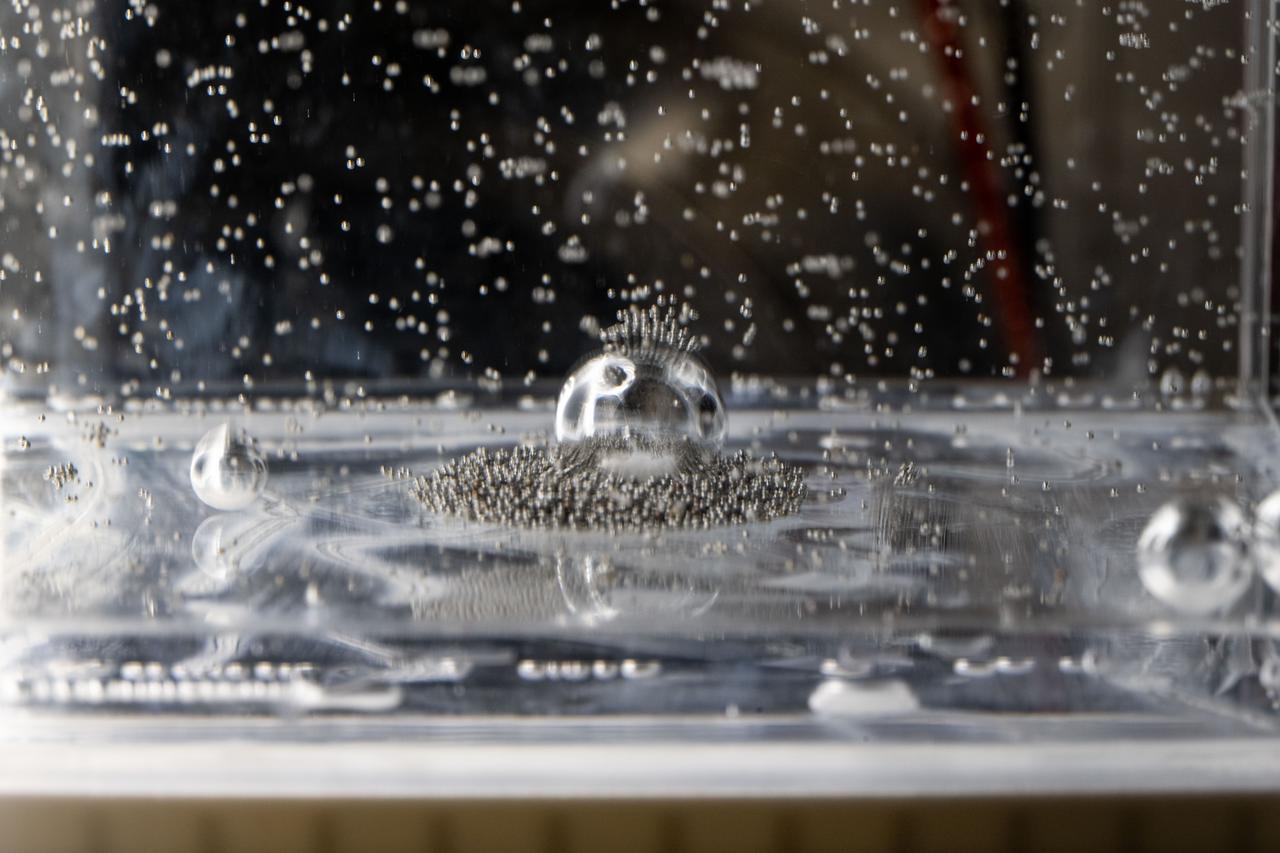
iss073e0917383 (Oct. 20, 2025) --- Tiny ball bearings surround a larger central bearing during the Fluid Particles experiment, conducted inside the Microgravity Science Glovebox (MSG) aboard the International Space Station’s Destiny laboratory module. A bulk container installed in the MSG, filled with viscous fluid and embedded particles, is subjected to oscillating frequencies to observe how the particles cluster and form larger structures in microgravity. Insights from this research may advance fire suppression, lunar dust mitigation, and plant growth in space. On Earth, the findings could inform our understanding of pollen dispersion, algae blooms, plastic pollution, and sea salt transport during storms.
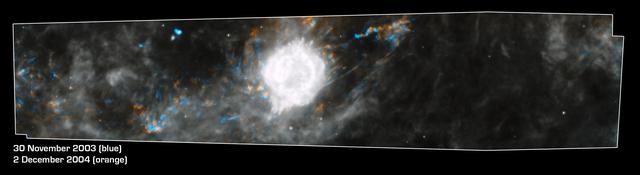
This Spitzer Space Telescope composite shows the supernova remnant Cassiopeia A white ball and surrounding clouds of dust gray, orange and blue. It consists of two processed images taken one year apart.
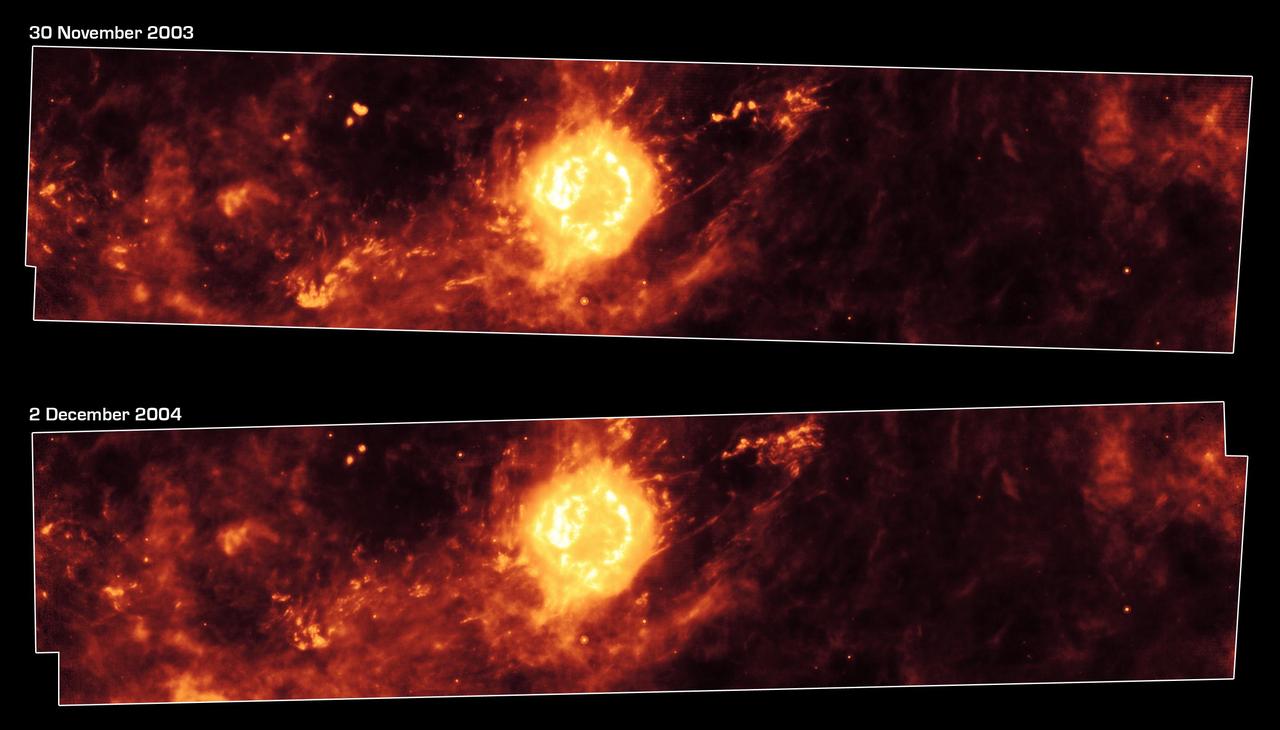
These images from NASA Spitzer Space Telescope, taken one year apart, show the supernova remnant Cassiopeia A yellow ball and surrounding clouds of dust reddish orange.
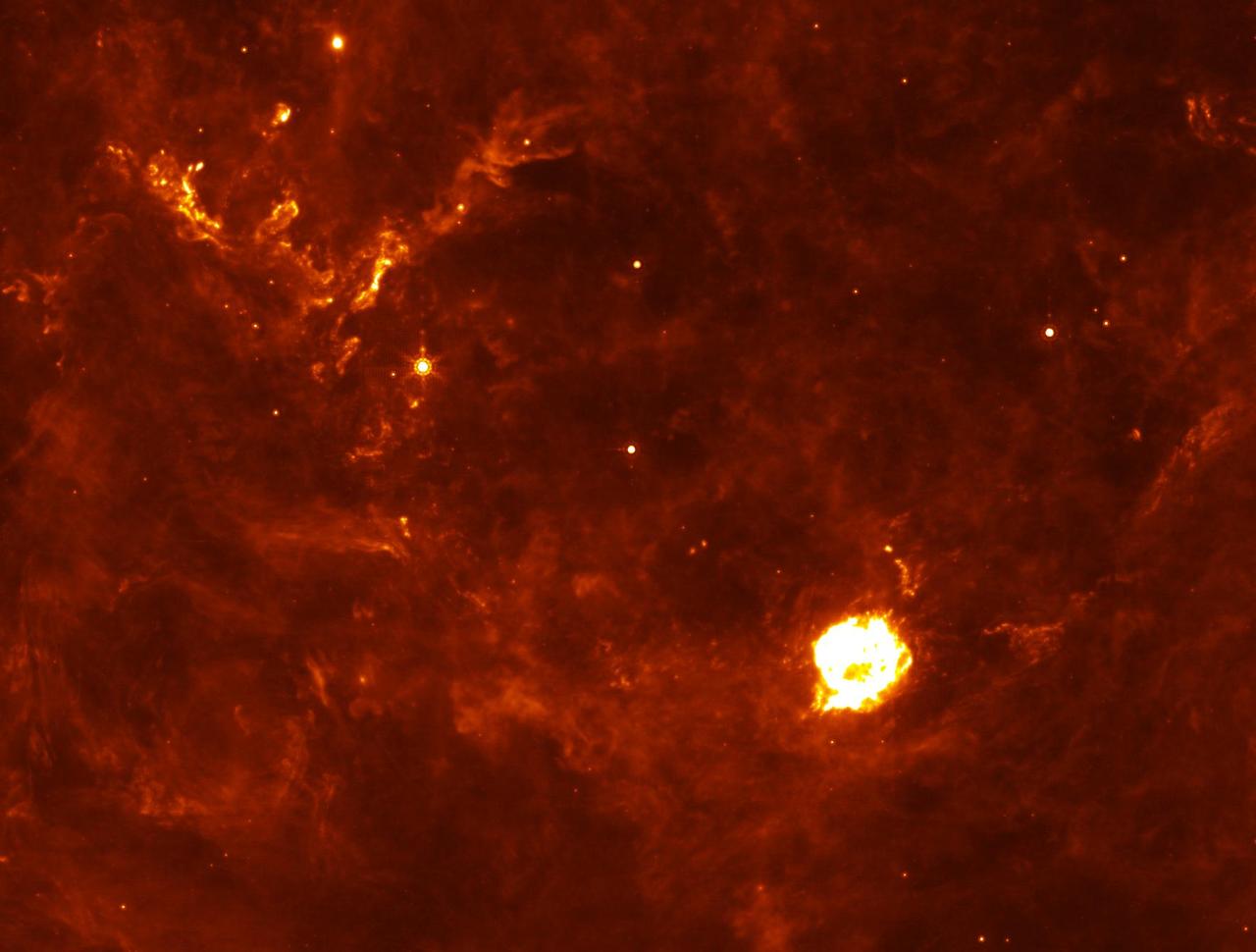
The Cassiopeia A supernova first flash of radiation makes six clumps of dust circled in annotated version unusually hot. The supernova remnant is the large white ball in the center. This infrared picture was taken by NASA Spitzer Space Telescope.
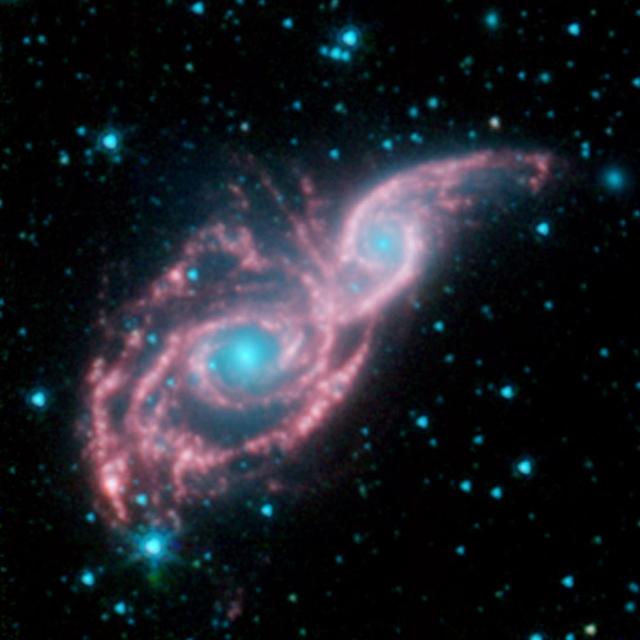
Something appears to be peering through a shiny red mask, in this new false-colored image from NASA Spitzer Space Telescope. The mysterious blue eyes are actually starlight from the cores of two merging galaxies, called NGC 2207 and IC 2163.
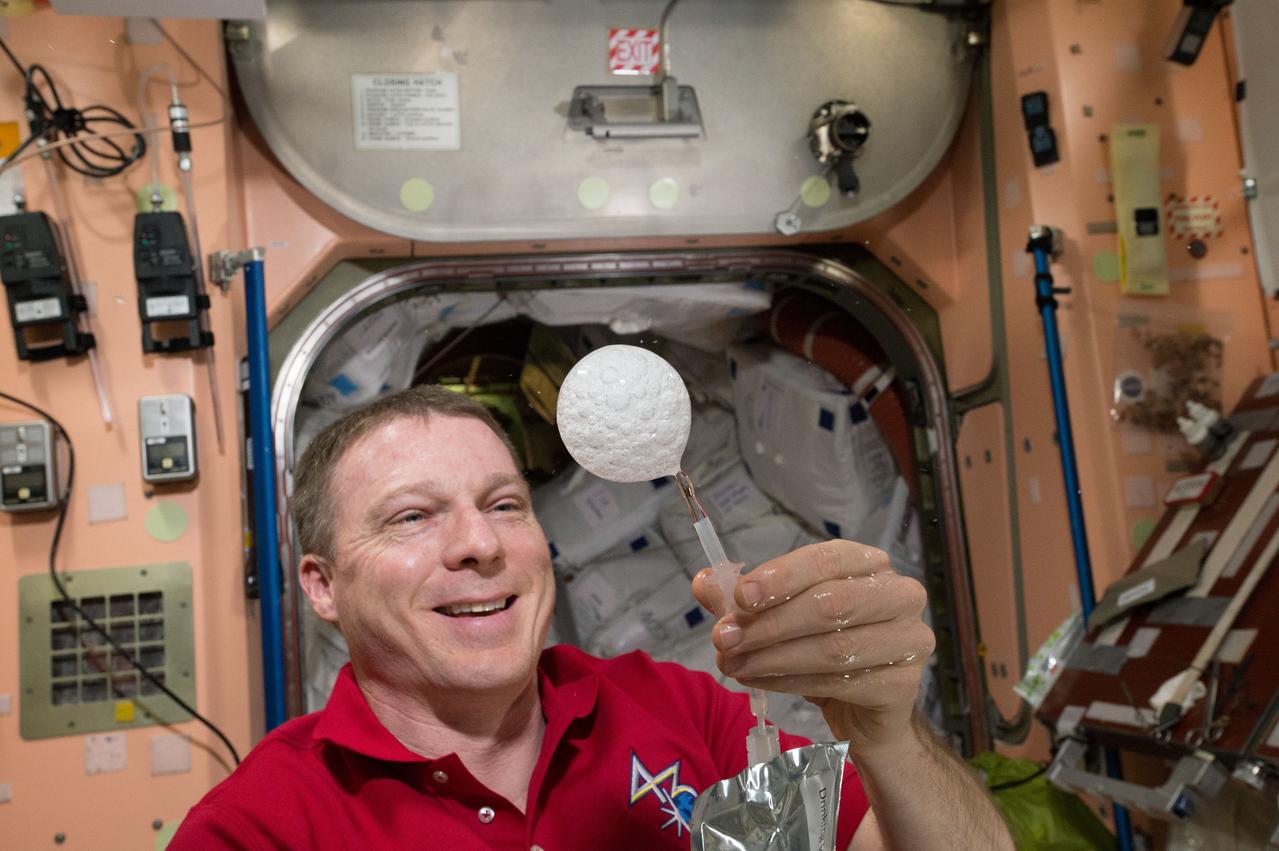
ISS043E276537 (05/31/2015) --- Expedition 43 Commander and NASA astronaut Terry Virts creates a sphere of bubbles in the station’s microgravity environment using drinking water and an antacid tablet.
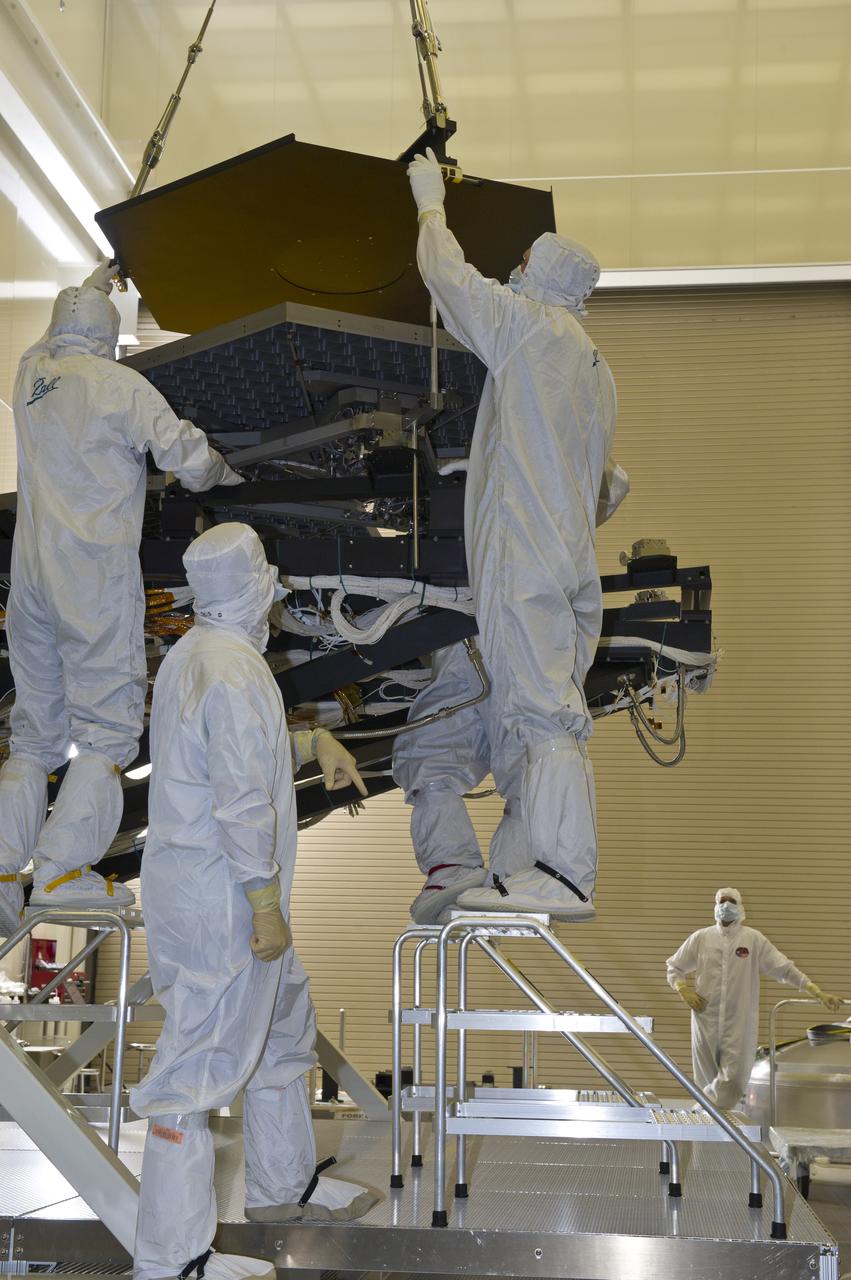
BALL ENGINEERS DISMANTLE ARRAY OF SIX GOLD-PLATED JAMES WEBB SPACE TELESCOPE MIRRORS FOR TRANSPORT TO BALL AEROSPACE AFTER CRYOGENIC TESTING AT MARSHALL'S X-RAY AND CRYOGENIC FACILITY.
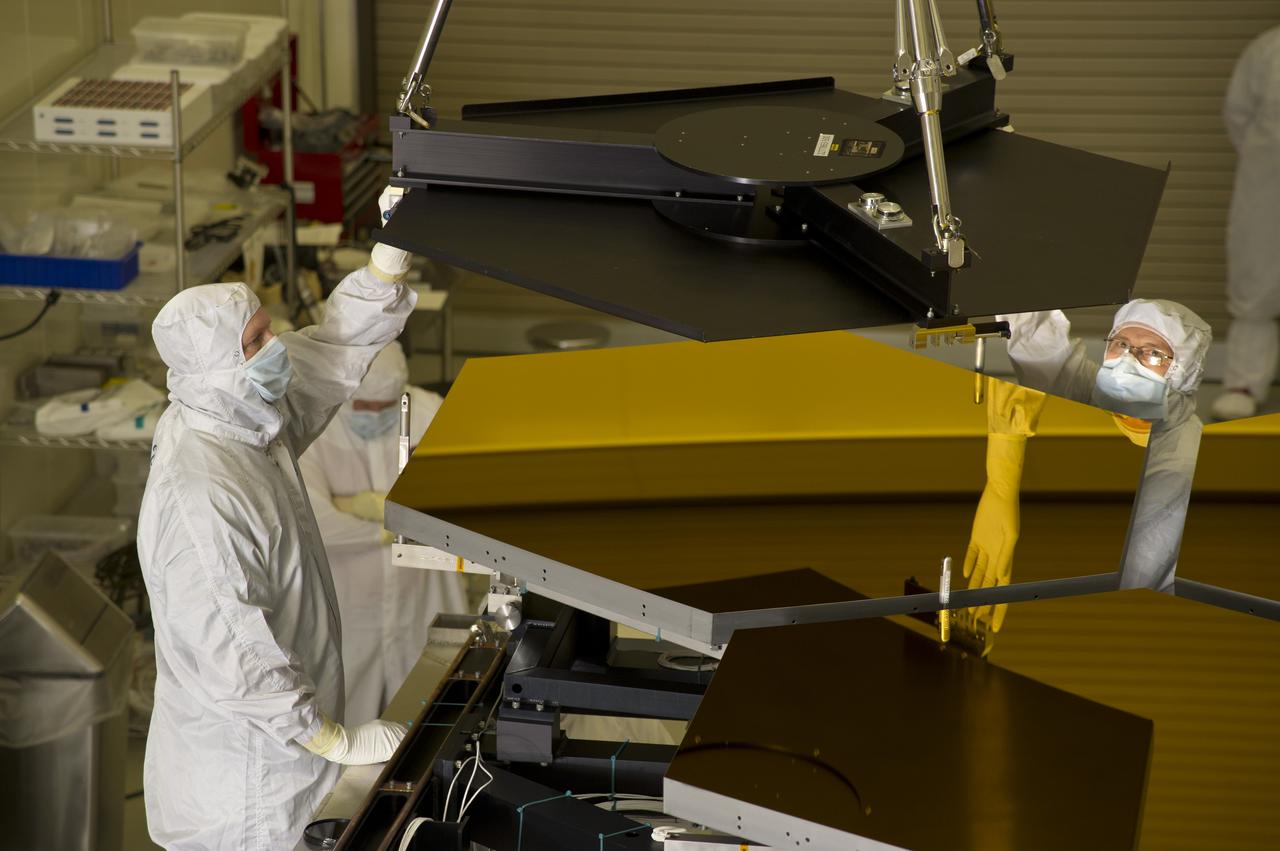
BALL ENGINEERS DISMANTLE ARRAY OF SIX GOLD-PLATED JAMES WEBB SPACE TELESCOPE MIRRORS FOR TRANSPORT TO BALL AEROSPACE AFTER CRYOGENIC TESTING AT MARSHALL'S X-RAY AND CRYOGENIC FACILITY.
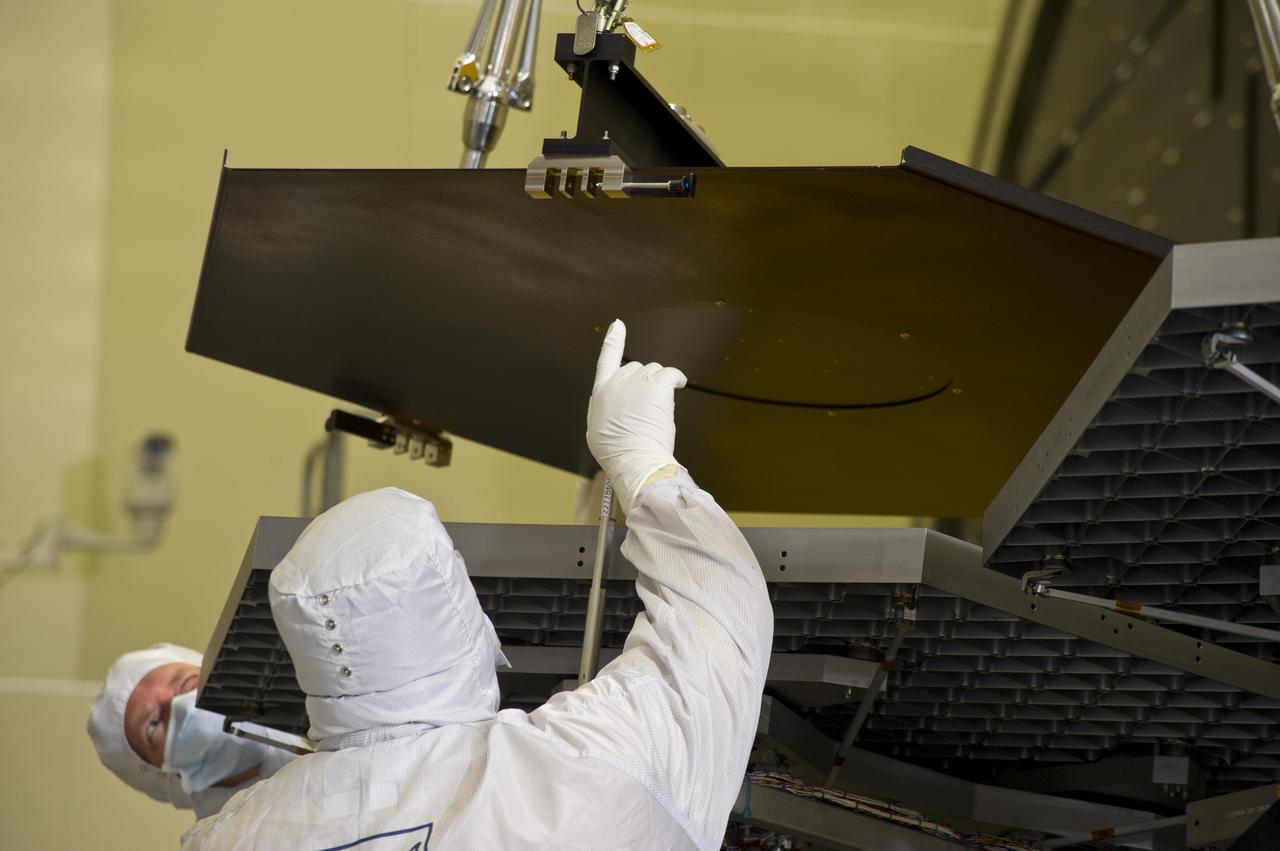
BALL ENGINEERS DISMANTLE ARRAY OF SIX GOLD-PLATED JAMES WEBB SPACE TELESCOPE MIRRORS FOR TRANSPORT TO BALL AEROSPACE AFTER CRYOGENIC TESTING AT MARSHALL'S X-RAY AND CRYOGENIC FACILITY.
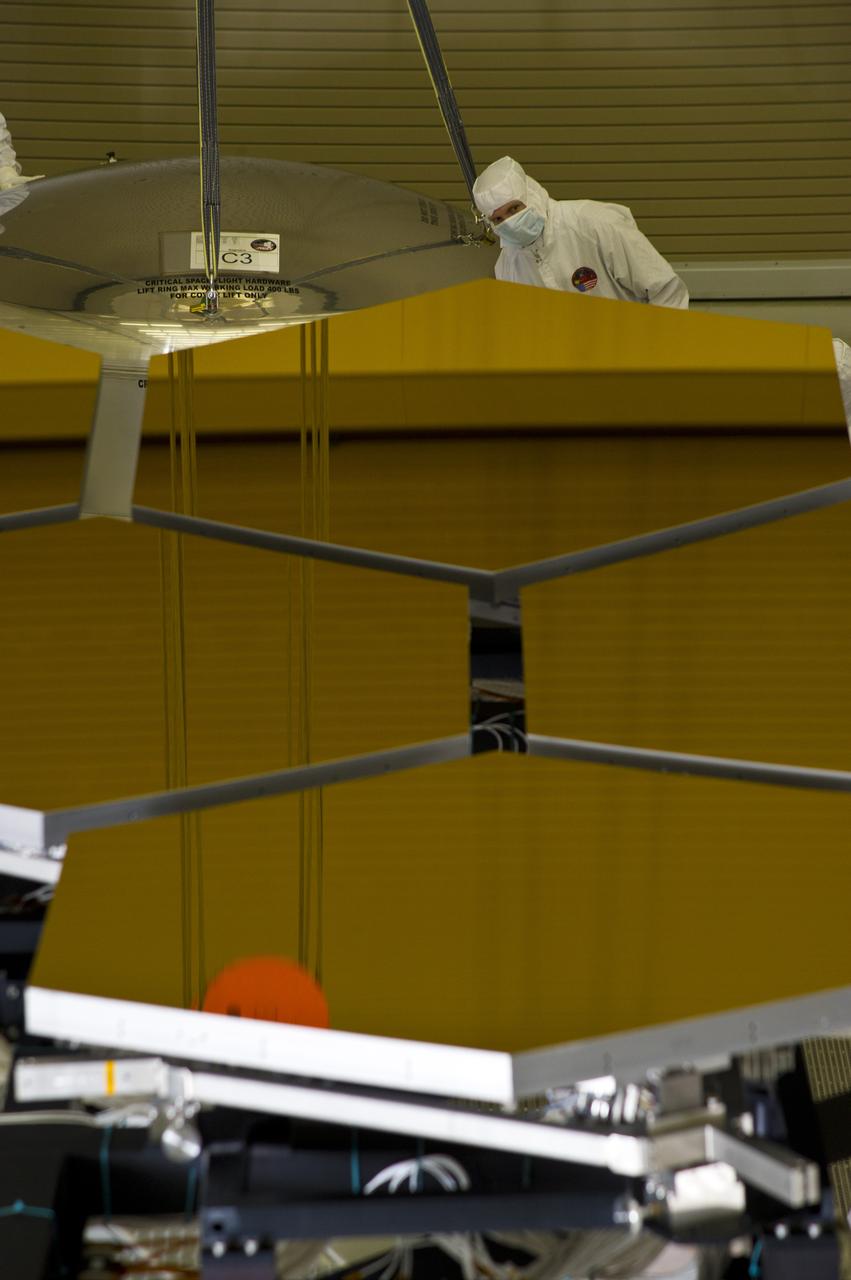
BALL ENGINEERS DISMANTLE ARRAY OF SIX GOLD-PLATED JAMES WEBB SPACE TELESCOPE MIRRORS FOR TRANSPORT TO BALL AEROSPACE AFTER CRYOGENIC TESTING AT MARSHALL'S X-RAY AND CRYOGENIC FACILITY.
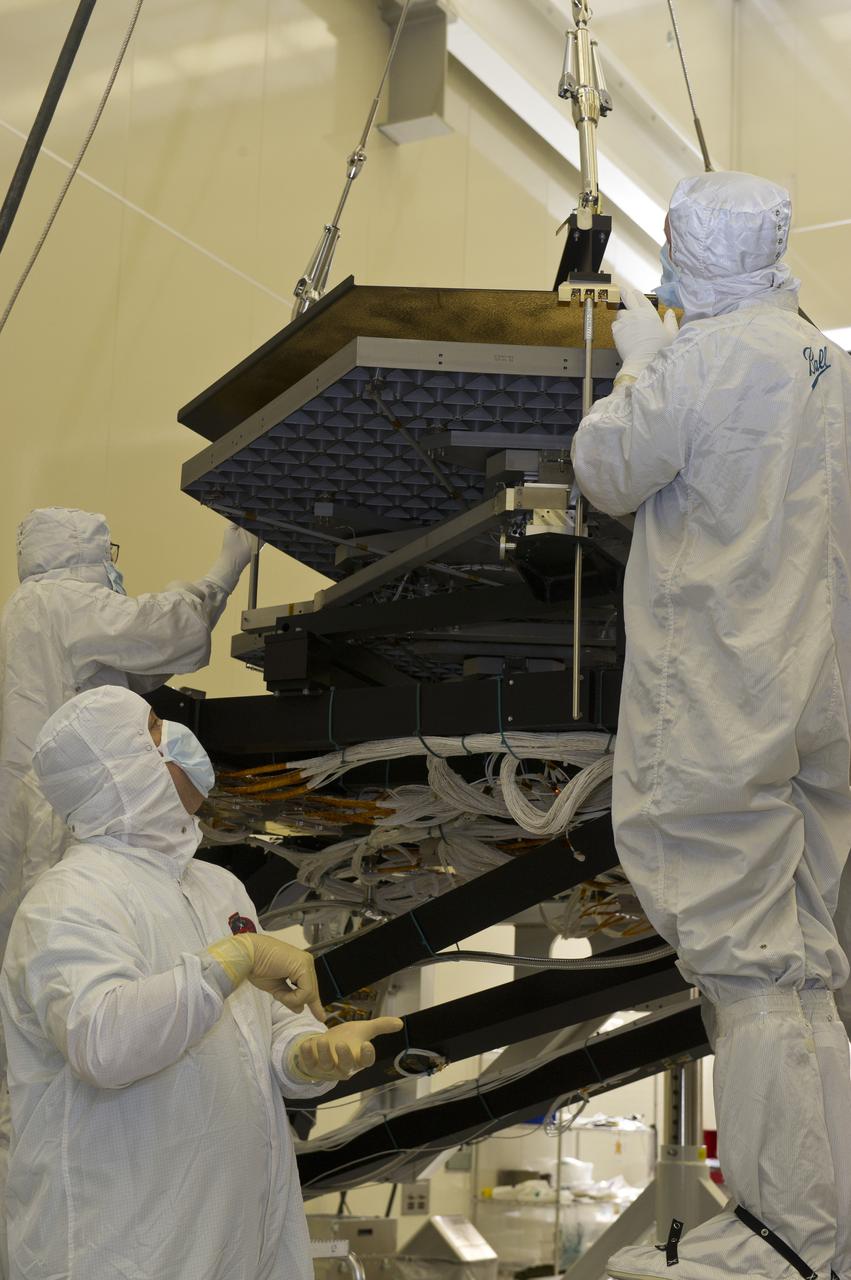
BALL ENGINEERS DISMANTLE ARRAY OF SIX GOLD-PLATED JAMES WEBB SPACE TELESCOPE MIRRORS FOR TRANSPORT TO BALL AEROSPACE AFTER CRYOGENIC TESTING AT MARSHALL'S X-RAY AND CRYOGENIC FACILITY.
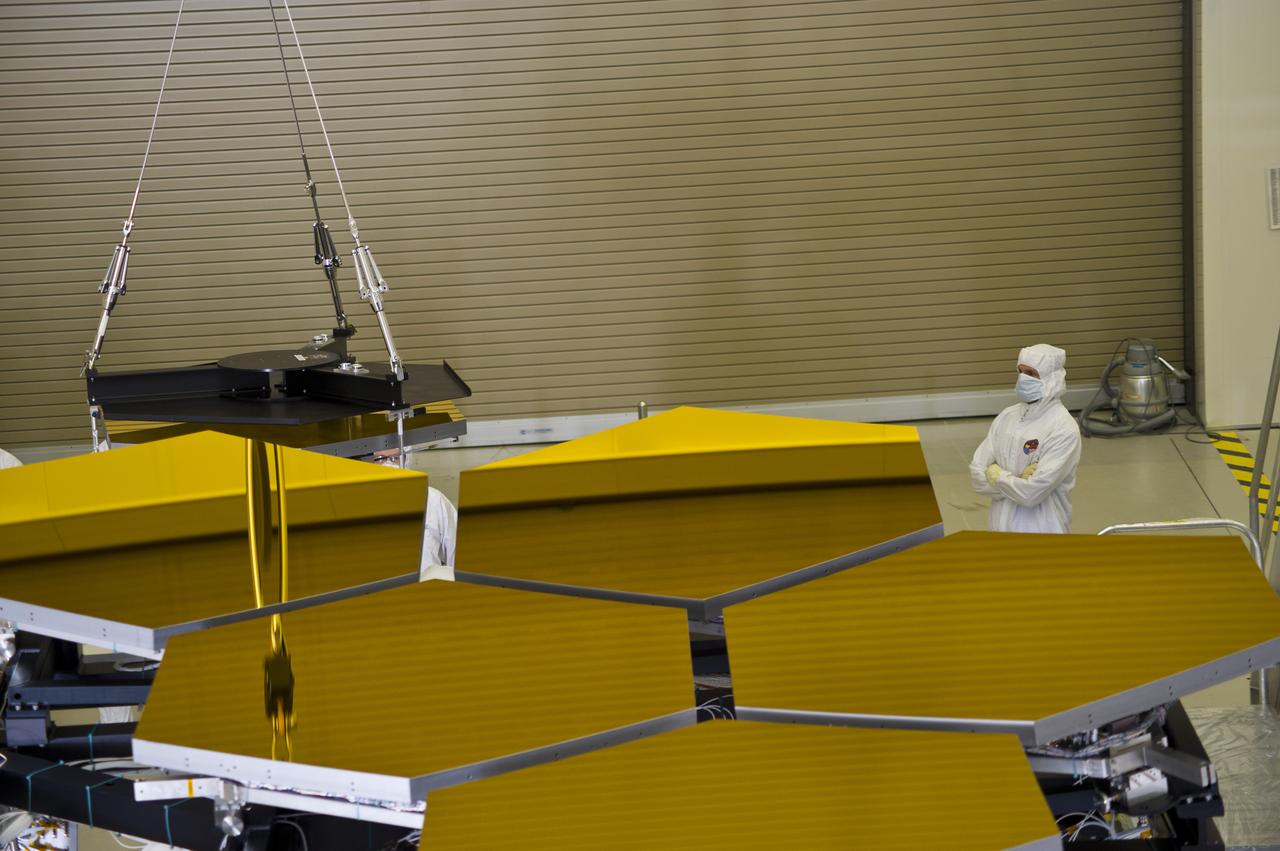
BALL ENGINEERS DISMANTLE ARRAY OF SIX GOLD-PLATED JAMES WEBB SPACE TELESCOPE MIRRORS FOR TRANSPORT TO BALL AEROSPACE AFTER CRYOGENIC TESTING AT MARSHALL'S X-RAY AND CRYOGENIC FACILITY.
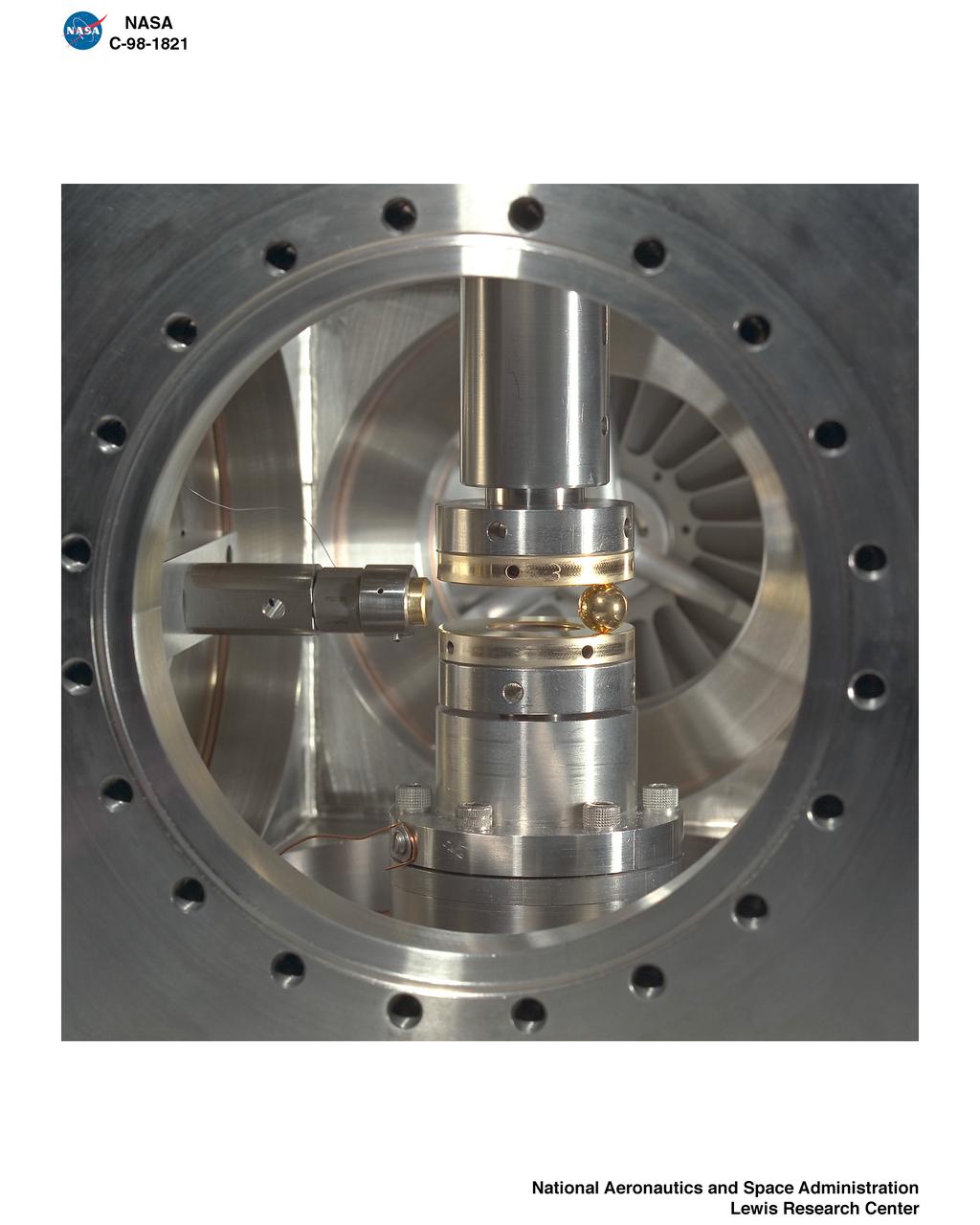
BALL ON PLATE TRIBOMETER

On March 28, 2024 NASA held its 2023 Administrator’s Agency Honor Awards at the Glenn Research Center in Cleveland, OH. Zachary Ball and Troy Shivers, staff who supported the event, pose for a photo. This celebratory event recognized the invaluable contributions of civil servants and contractors alike, each one instrumental in propelling humanity further into the realms of space exploration, understanding, and discoverThis is NASA's highest form of recognition that is awarded to any Government employee who, by distinguished service, ability, or vision has personally contributed to NASA's advancement of United States' interests. Photo Credit: (NASA/Sara Lowthian-Hanna)
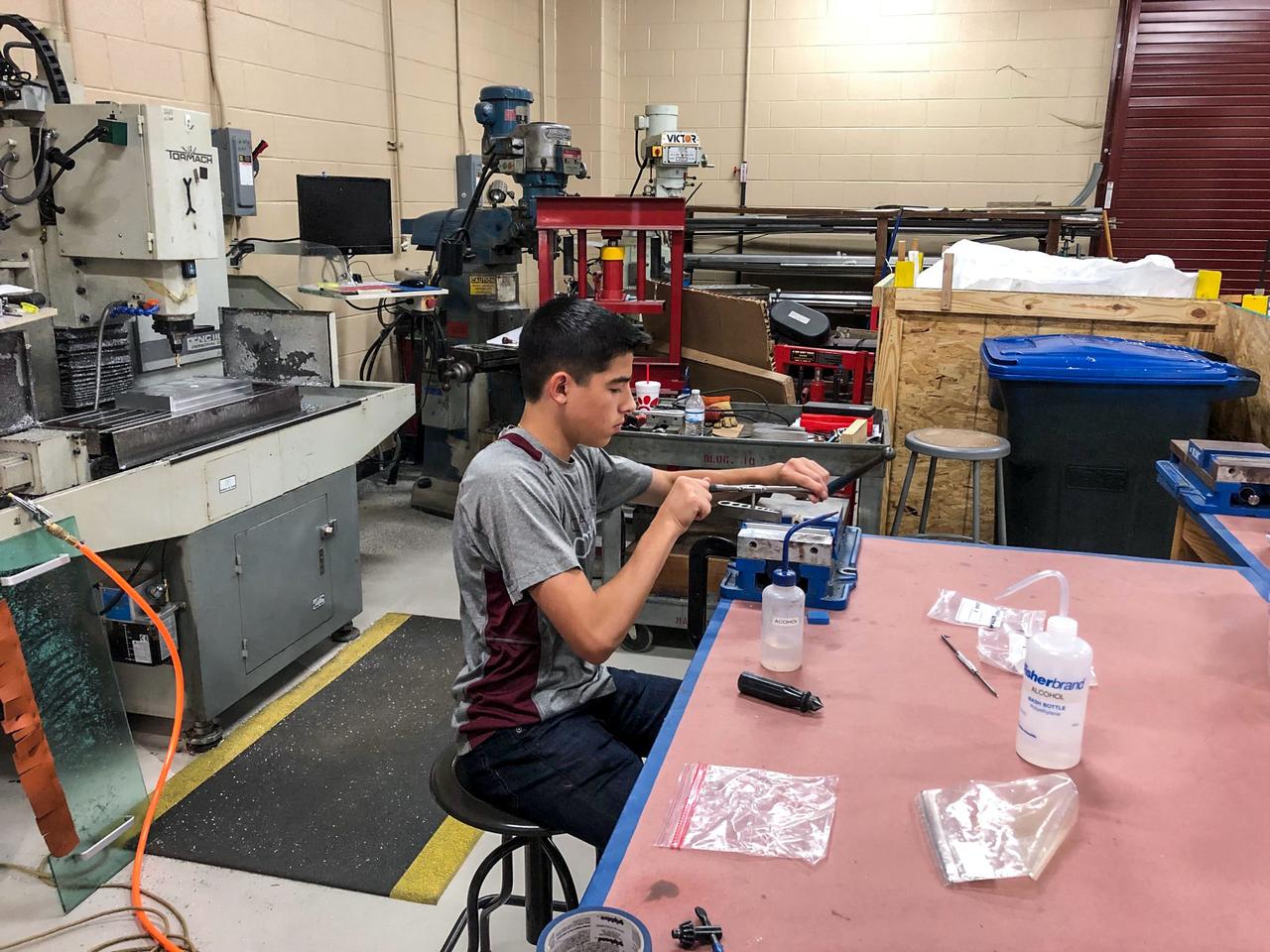
jsc2023e010181 (2/28/2023) --- The High school students United with NASA to Create Hardware (HUNCH) Ball Clamp Monopod (HUNCH Ball Clamp Monopod) investigation aims to test a temporary but stable platform for holding cameras, making camera operations easier and faster for the International Space Station crew. Flight elements were programmed and fabricated by skilled HUNCH machining schools using CNC machinery and HUNCH additive manufacturing schools produced the components for the ball clamp and inserts. Image courtesy of HUNCH.

Makenzie Lystrup, vice president and general manager, civil space, Ball Aerospace, participates in a prelaunch news conference for NASA’s Imaging X-ray Polarimetry Explorer (IXPE) spacecraft on Dec. 7, 2021 at NASA’s Kennedy Space Center in Florida. IXPE is scheduled to launch no earlier than 1 a.m. EST Thursday, Dec. 9, on a SpaceX Falcon 9 rocket from Kennedy’s Launch Complex 39A. NASA’s Launch Services Program is managing this launch. NASA’s Marshall Space Flight Center in Huntsville, Alabama, manages the IXPE mission. Ball Aerospace, headquartered in Broomfield, Colorado, manages spacecraft operations with support from the University of Colorado at Boulder. NASA’s Goddard Space Flight Center in Greenbelt, Maryland, manages the Explorers Program for the agency’s Science Mission Directorate in Washington. The U.S. Space Force’s Space Launch Delta 45 provides range support for this launch. SpaceX is providing the launch vehicle for this mission.

MacKenzie Ferrie, IXPE program manager, Ball Aerospace, participates in a payload briefing for NASA’s Imaging X-ray Polarimetry Explorer (IXPE) spacecraft on Dec.7, 2021 at NASA’s Kennedy Space Center in Florida. IXPE is scheduled to launch no earlier than 1 a.m. EST Thursday, Dec. 9, on a SpaceX Falcon 9 rocket from Kennedy’s Launch Complex 39A. NASA’s Launch Services Program is managing this launch. NASA’s Marshall Space Flight Center in Huntsville, Alabama, manages the IXPE mission. Ball Aerospace, headquartered in Broomfield, Colorado, manages spacecraft operations with support from the University of Colorado at Boulder. NASA’s Goddard Space Flight Center in Greenbelt, Maryland, manages the Explorers Program for the agency’s Science Mission Directorate in Washington. The U.S. Space Force’s Space Launch Delta 45 provides range support for this launch. SpaceX is providing the launch vehicle for this mission.

An infrared photo of the Small Magellanic Cloud taken by NASA Spitzer Space Telescope is shown in this artist illustration; an example of a planetary nebula, and a magnified depiction of buckyballs.
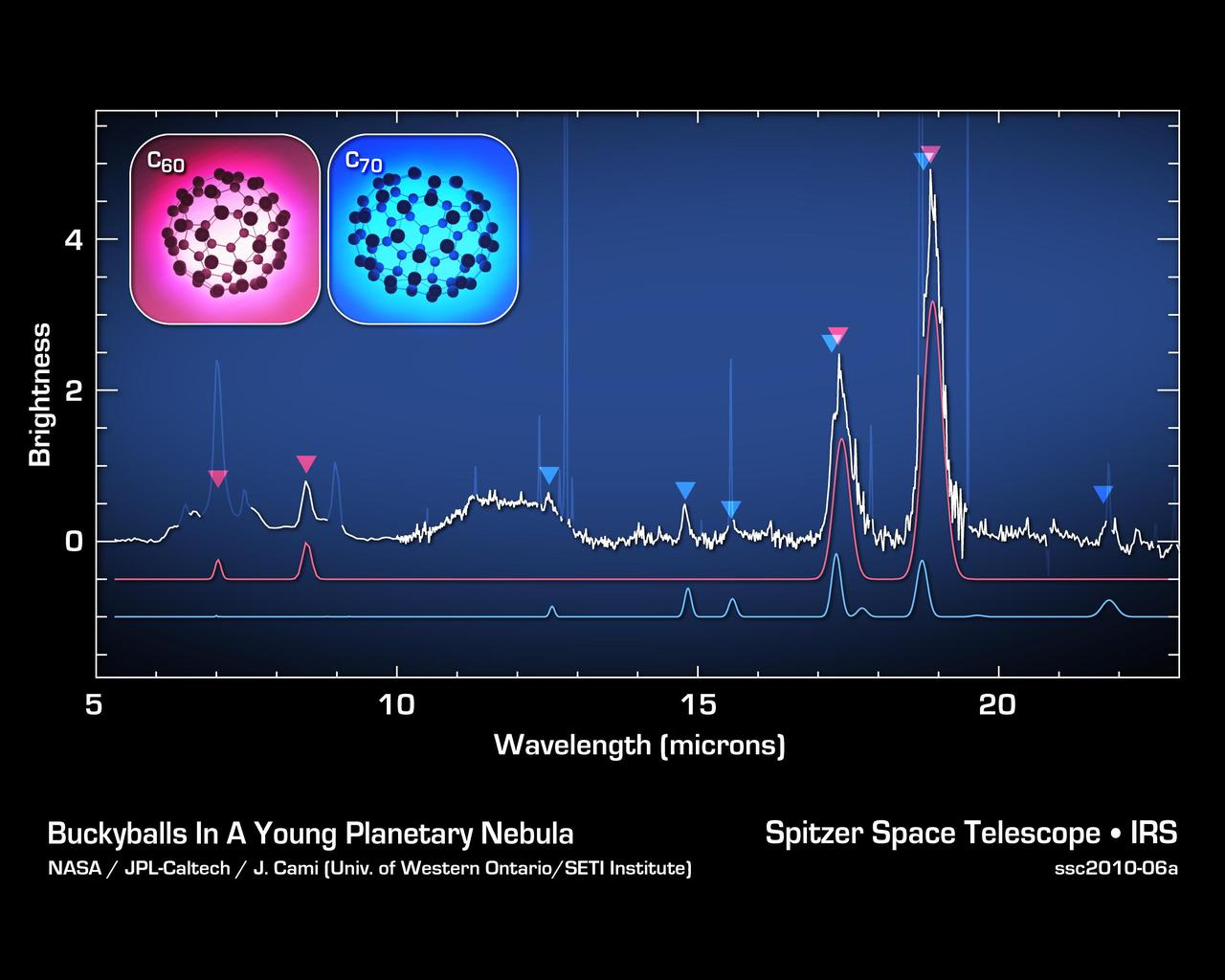
These data from NASA Spitzer Space Telescope show the signatures of buckyballs in space. Buckyballs, also called C60 or buckministerfullerenes, after architect Buckminister Fuller geodesic domes.

Stephen Beitashour, a professional soccer player from the San Jose Earthquakes, was asked to demonstrate kicking the ball for his student audience. With the increased globalization of soccer, more young people are playing the sport and developing motor skills to compete effectively. To enhance their skills, students in the United States and Canada recently were given the opportunity to discuss with a NASA scientist the aerodynamics of the newly designed soccer ball. To help student soccer players better understand the movement of the ball, NASA scientists at the Fluid Mechanics Laboratory at NASA’s Ames Research Center, Moffett Field, Calif., recently tested the performance of the Jabulani design, and compared it to the 2006 design. Included in this study was Rabi Mehta who had done previous tests on tennis and cricket balls in wind tunnels.
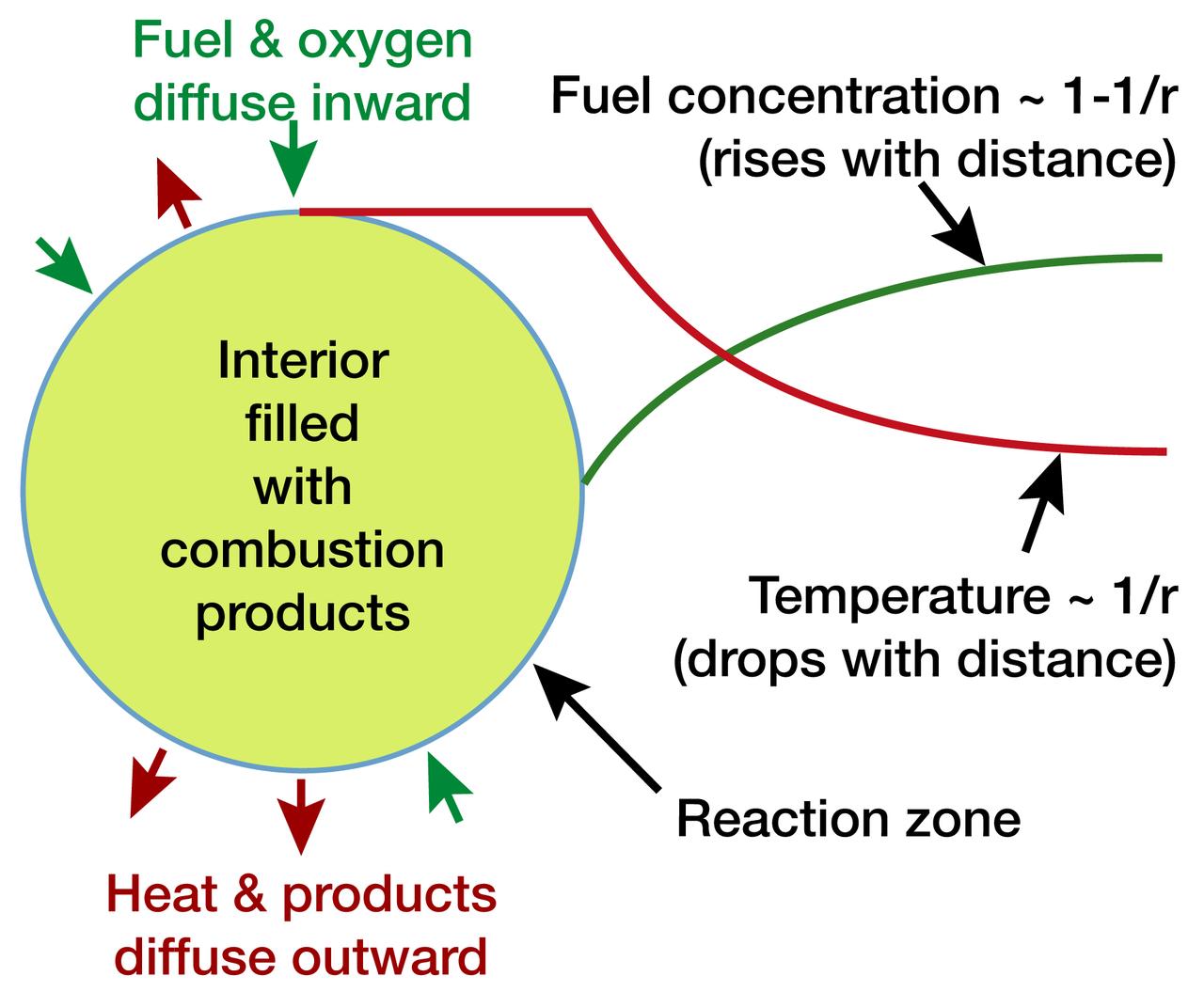
The potential for investigating combustion at the limits of flammability, and the implications for spacecraft fire safety, led to the Structures Of Flame Balls At Low Lewis-number (SOFBALL) experiment flown twice aboard the Space Shuttle in 1997. The success there led to reflight on STS-107 Research 1 mission plarned for 2002. All the combustion in a flame ball takes place in a razor-thin reaction zone that depends on diffusion to keep the ball alive. Such a fragile balance is impossible on Earth. The principal investigator is Dr. Paul Ronney of the University of Southern California, Los Angeles. Glenn Research in Cleveland, OH, manages the project.
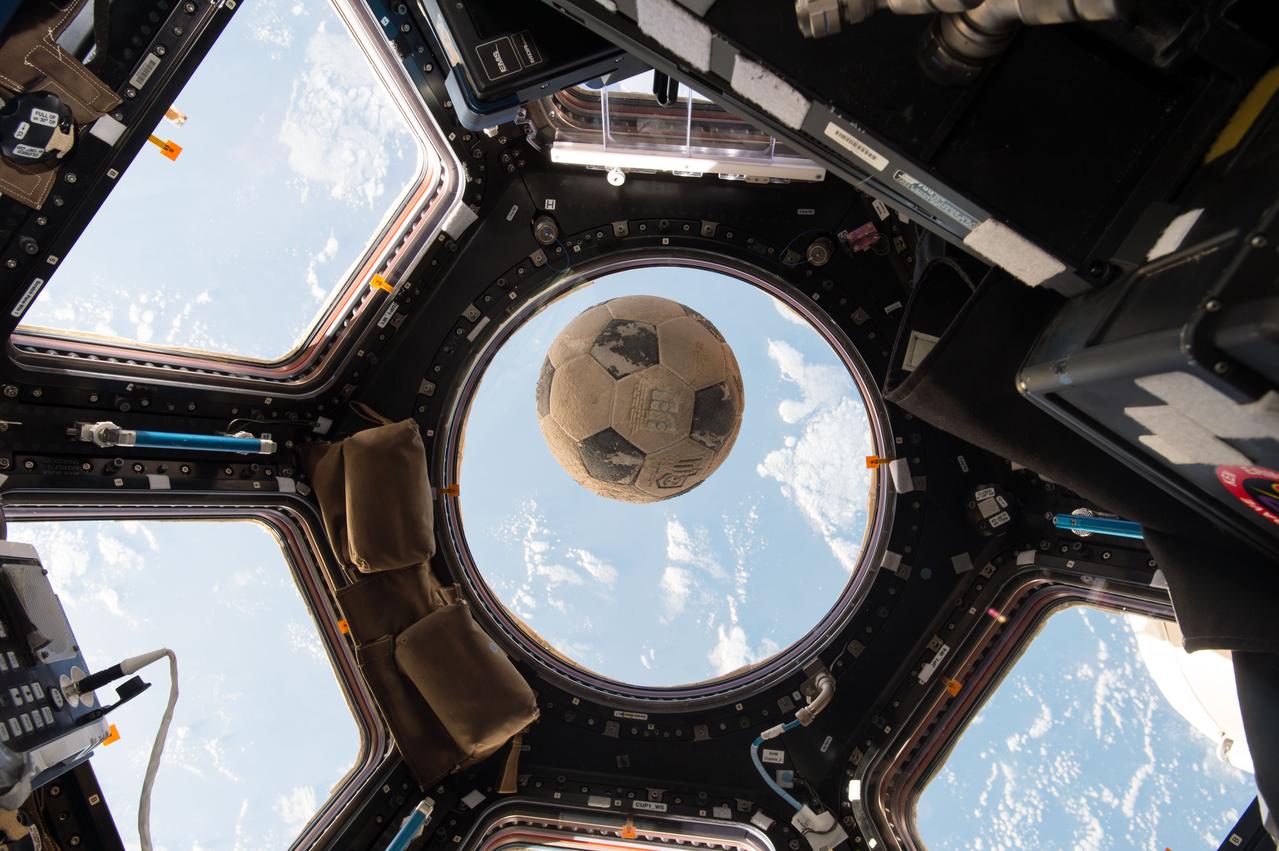
iss050e033912 (01/21/2017) --- A soccer ball originally packed onto space shuttle Challenger in 1986 is now orbiting the Earth on board the International Space Station, 31 years later. The soccer ball was signed and presented to NASA astronaut Ellison Onizuka by soccer players – including his daughter – from Clear Lake High School, near NASA’s Johnson Space Center. Onizuka was one of seven astronauts on board Challenger on Jan. 28, 1986, when it exploded shortly after liftoff. Following the accident, the ball was recovered and returned to the high school, where it has been on display for the past three decades. Its history had begun to fade into obscurity when Principal Karen Engle learned of its origin. Soon after, astronaut Shane Kimbrough, whose son attends Clear Lake High School, offered to carry up a memento on the school’s behalf, and she had the idea to send the soccer ball into space. Kimbrough snapped this photo of the ball floating in front of the station’s Cupola window in advance of Challenger anniversary and NASA’s Day of Remembrance.
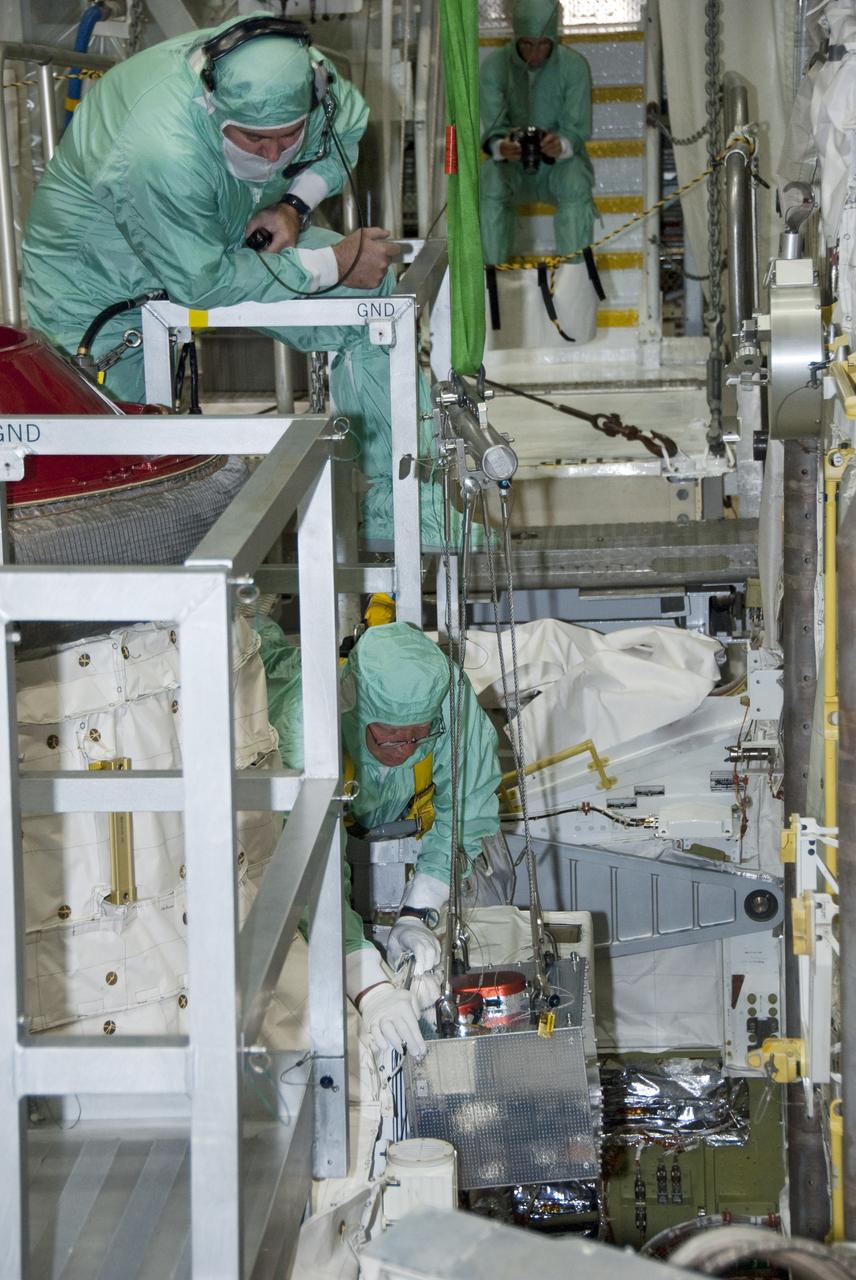
STS-134 ENDEAVOUR STORRM INSTLN FORWARD CARGO BAY FOR "BALL" ORION PROJECT - DOCKING EXPERIMENT - LARK
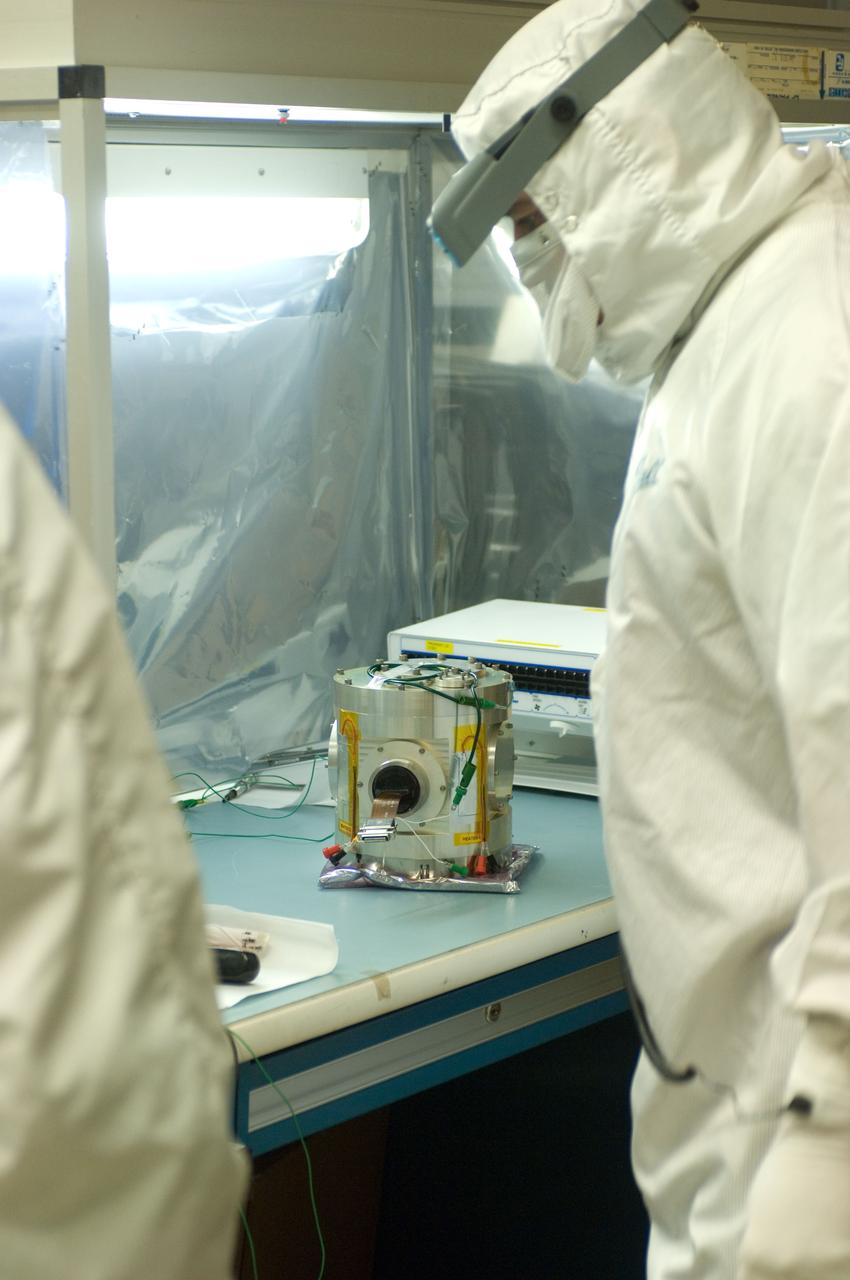
Kepler project; technicians from Ball Aerospace work on and in the test chamber assembled at Nasa Ames Research center testing components
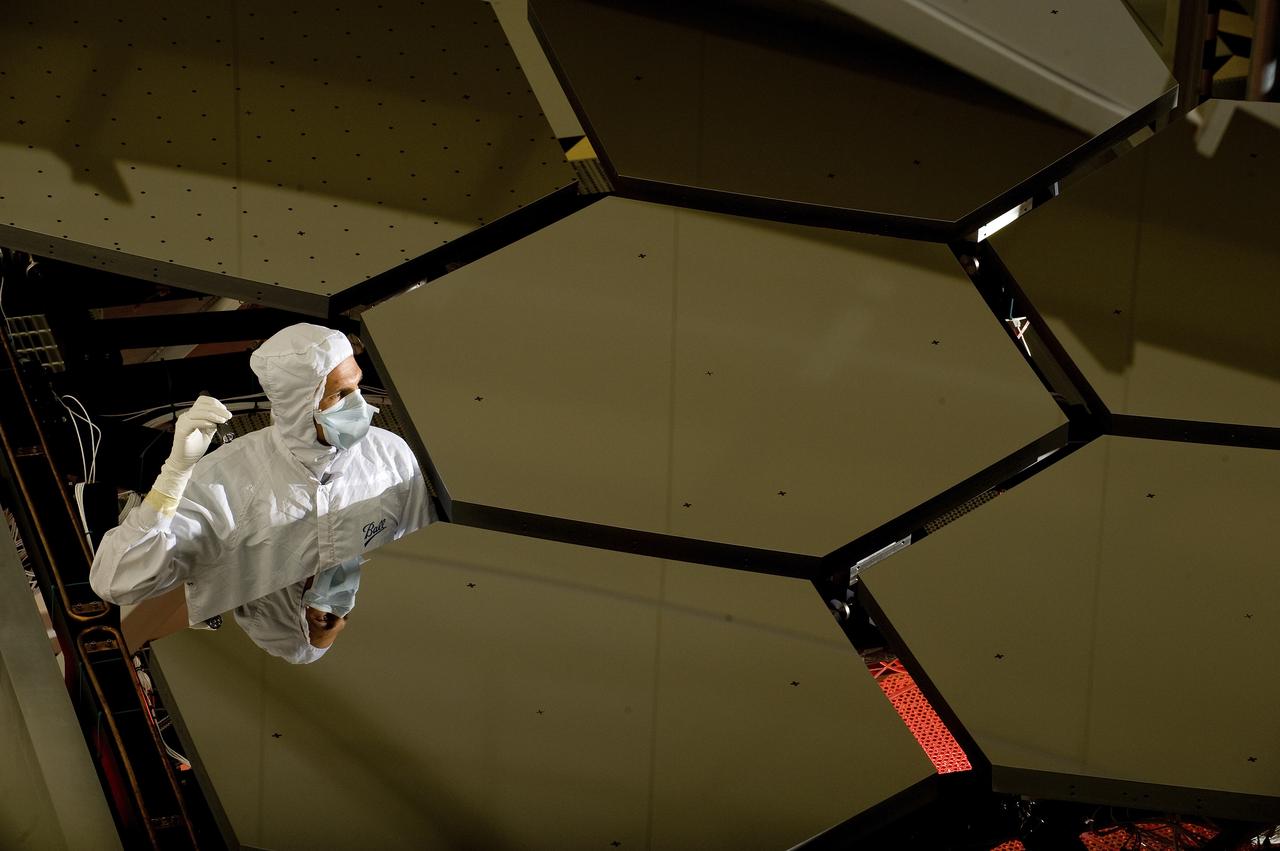
A BALL AEROSPACE TECHNICIAN STANDS WITHIN A JAMES WEBB SPACE TELESCOPE ARRAY THAT WAS IN THE X-RAY AND CRYOGENIC FACILITY FOR TESTING
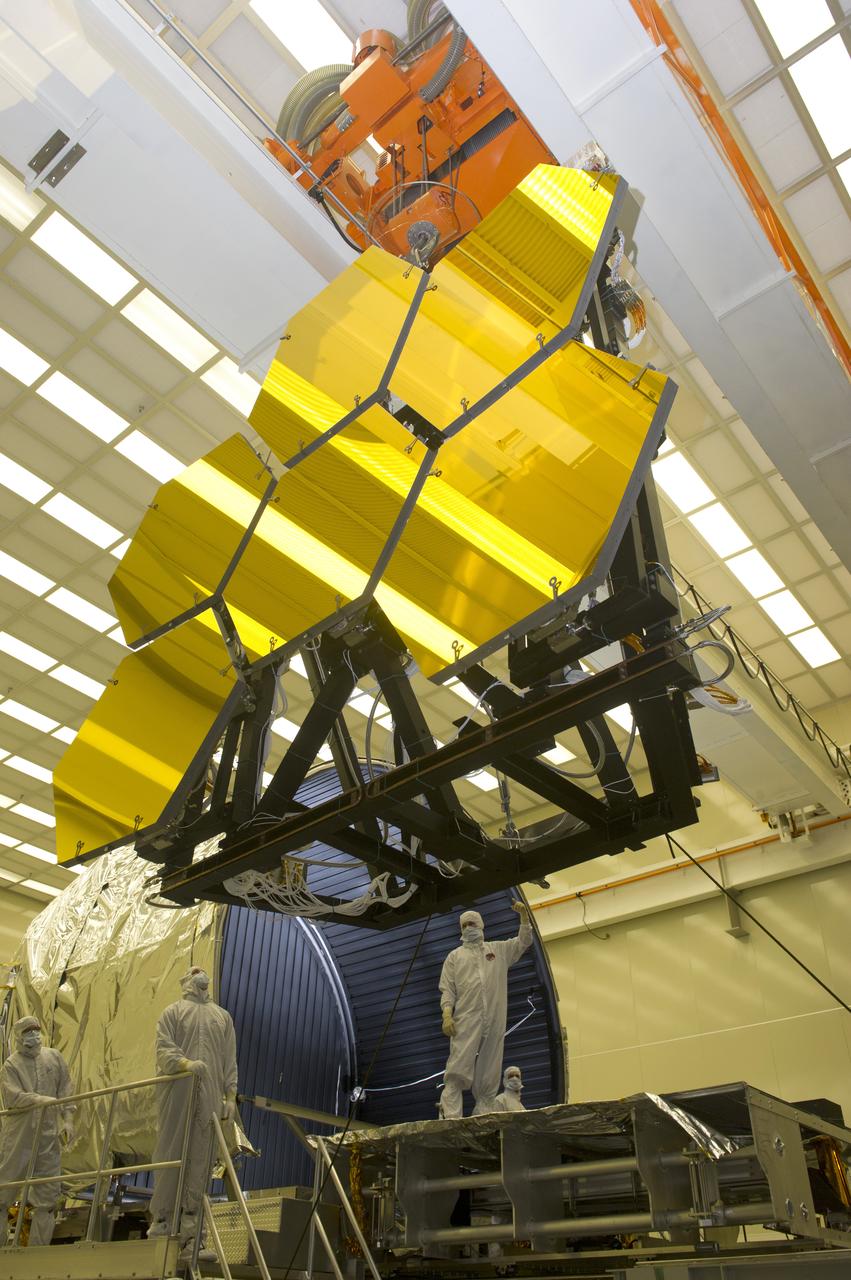
BALL AEROSPACE TECHNICIANS REMOVE FINAL SIX JWST MIRRORS TESTED AT MSFC X-RAY AND CRYOGENIC FACILITY
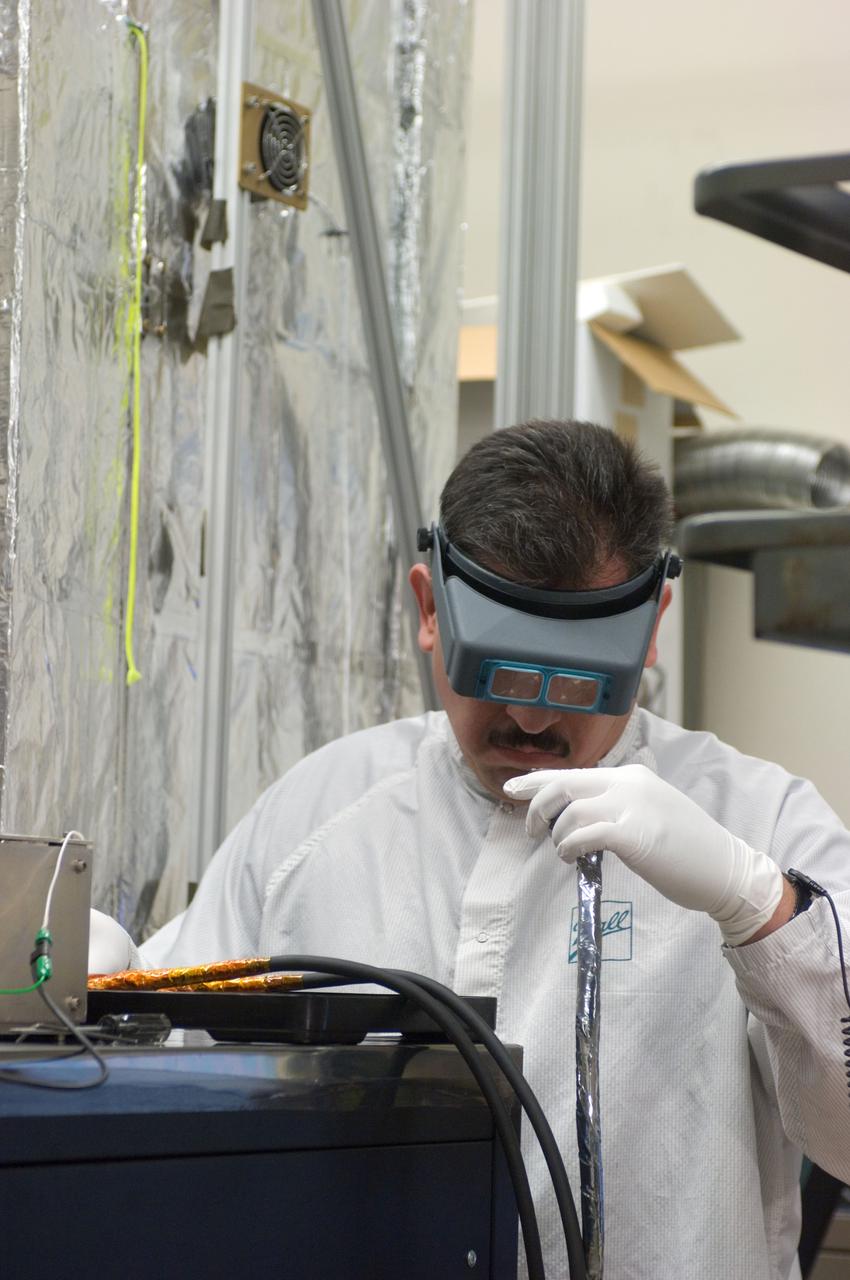
Kepler project; technicians from Ball Aerospace work on and in the test chamber assembled at Nasa Ames Research center testing components
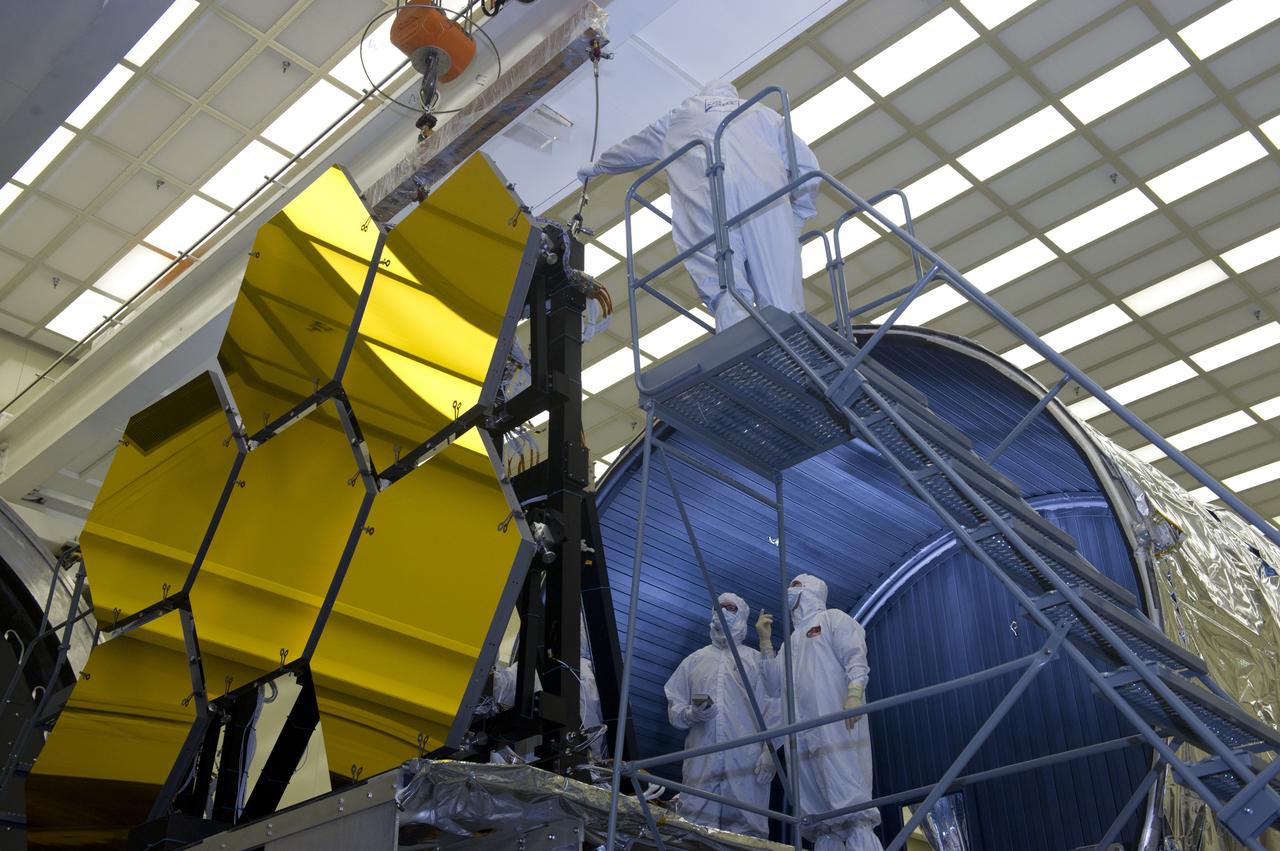
BALL AEROSPACE TECHNICIANS REMOVE FINAL SIX JWST MIRRORS TESTED AT MSFC X-RAY AND CRYOGENIC FACILITY
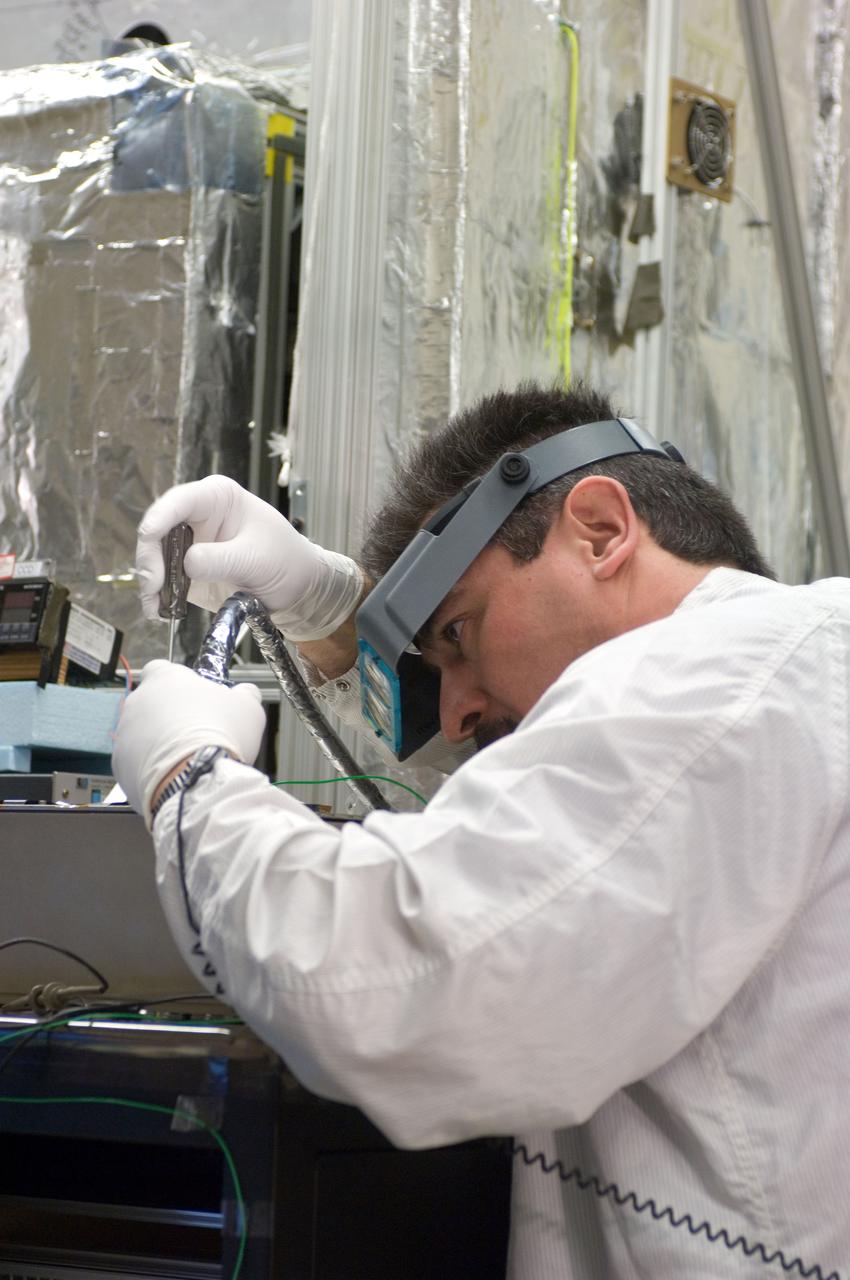
Kepler project; technicians from Ball Aerospace work on and in the test chamber assembled at Nasa Ames Research center testing components
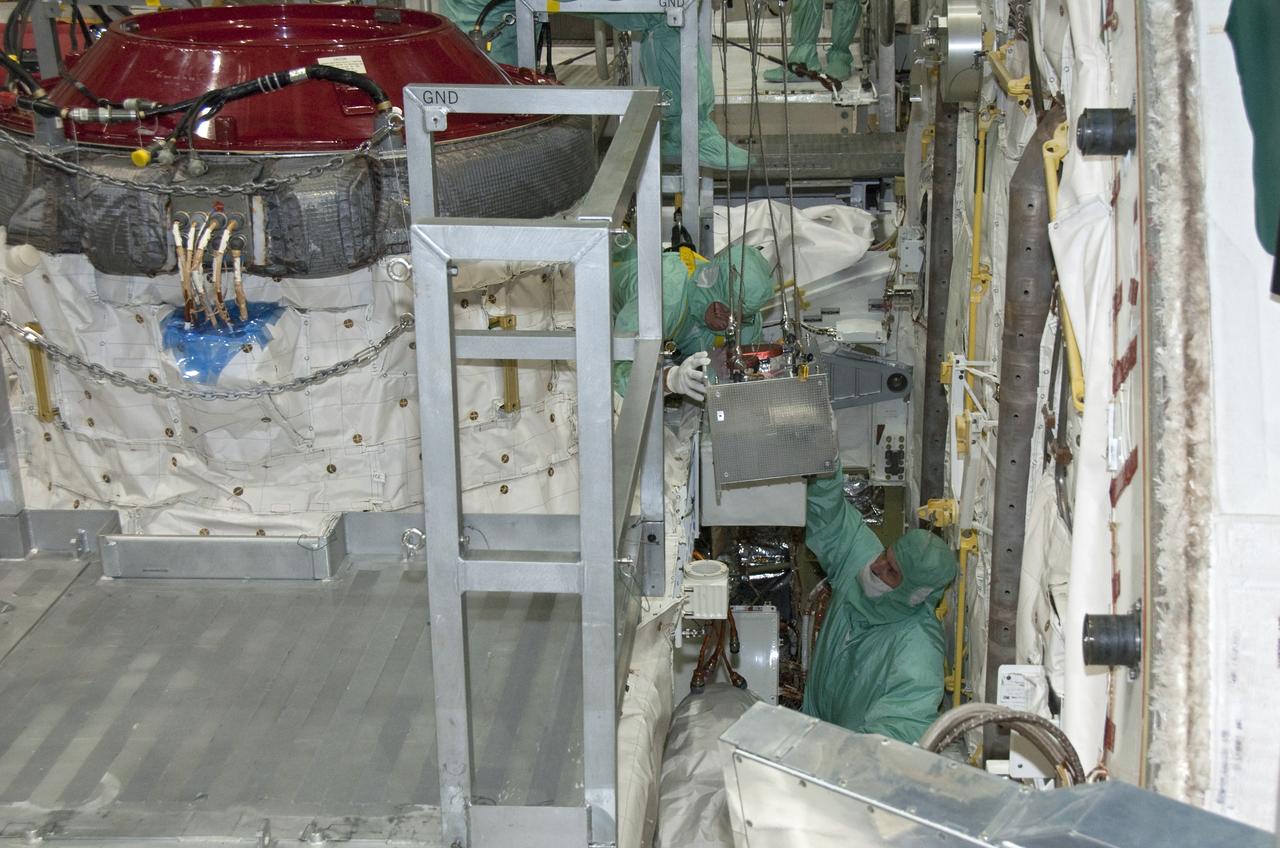
STS-134 ENDEAVOUR STORRM INSTLN FORWARD CARGO BAY FOR "BALL" ORION PROJECT - DOCKING EXPERIMENT - LARK
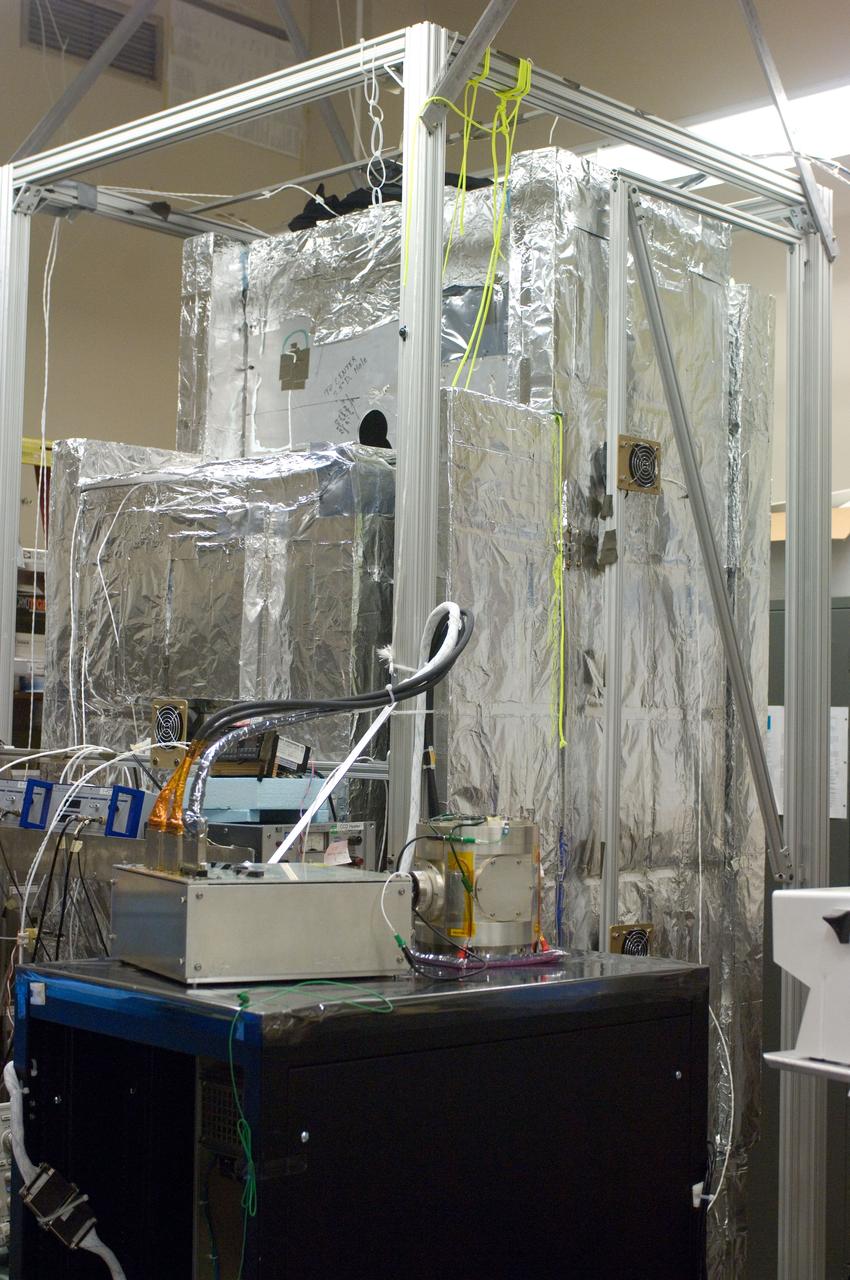
Kepler project; technicians from Ball Aerospace work on and in the test chamber assembled at Nasa Ames Research center testing components
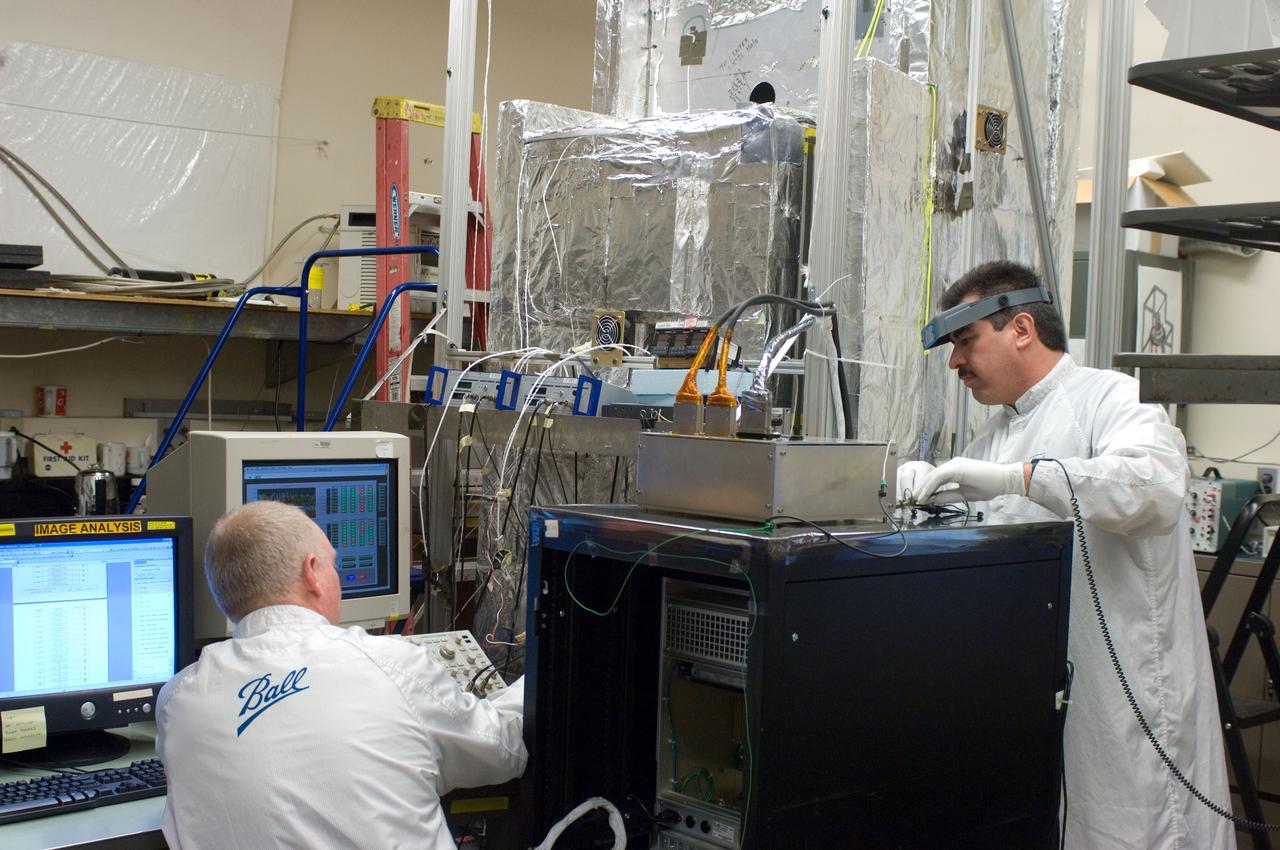
Kepler project; technicians from Ball Aerospace work on and in the test chamber assembled at Nasa Ames Research center testing components
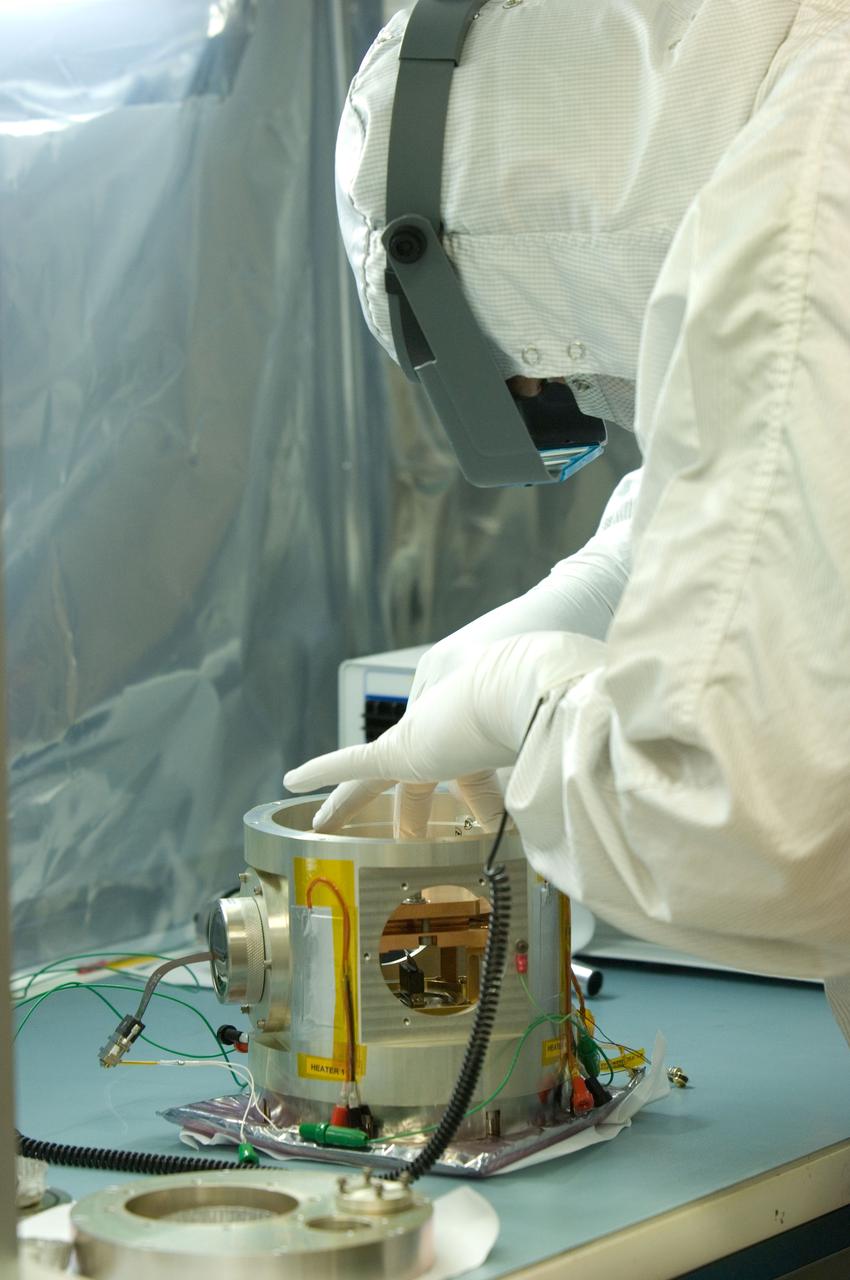
Kepler project; technicians from Ball Aerospace work on and in the test chamber assembled at Nasa Ames Research center testing components
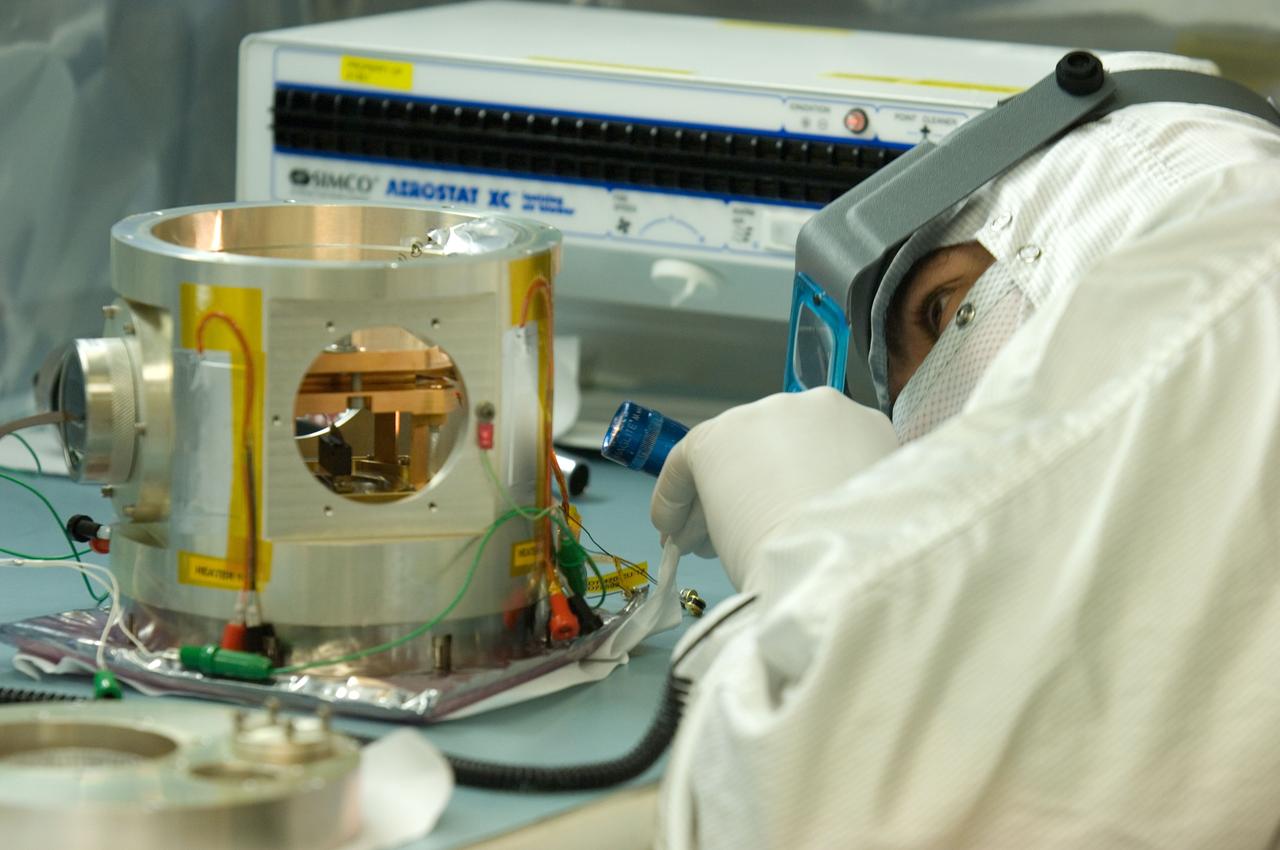
Kepler project; technicians from Ball Aerospace work on and in the test chamber assembled at Nasa Ames Research center testing components
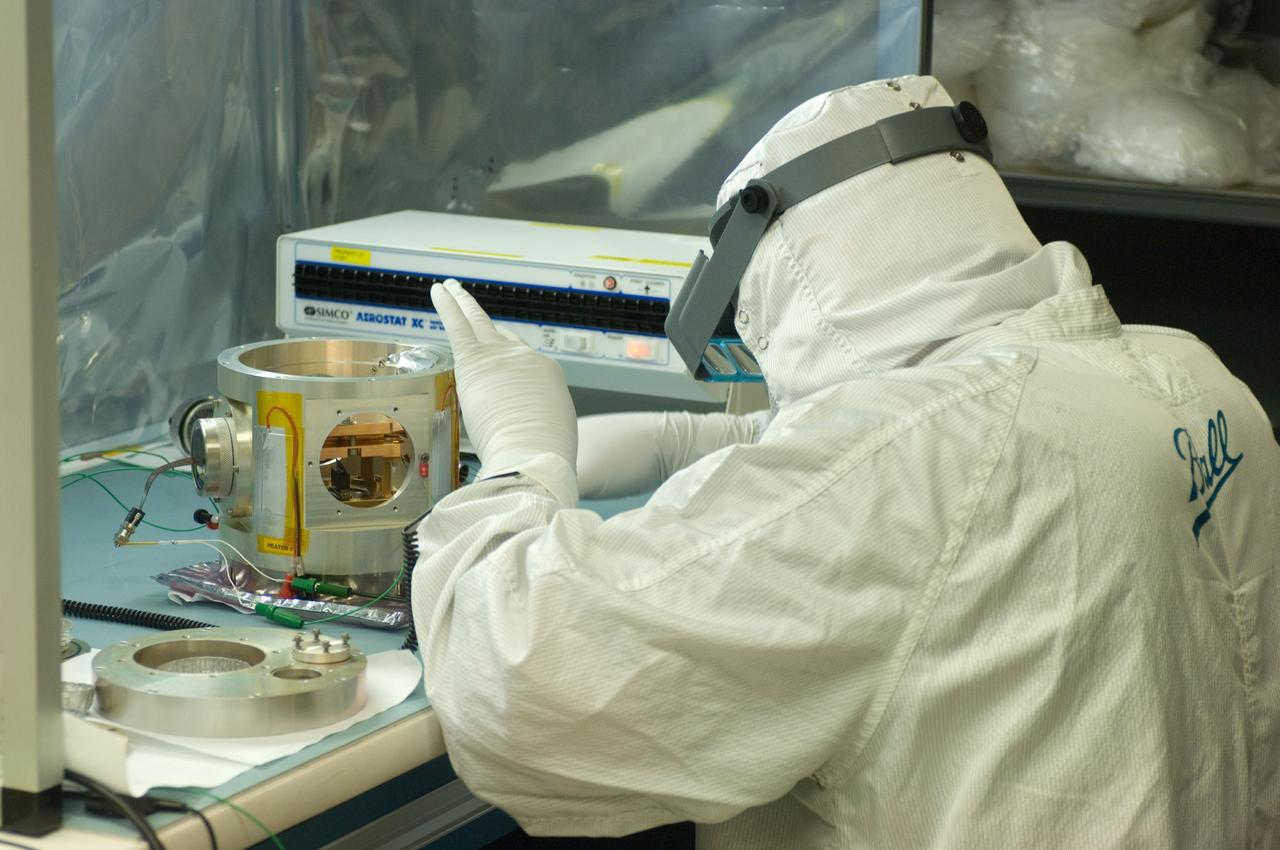
Kepler project; technicians from Ball Aerospace work on and in the test chamber assembled at Nasa Ames Research center testing components
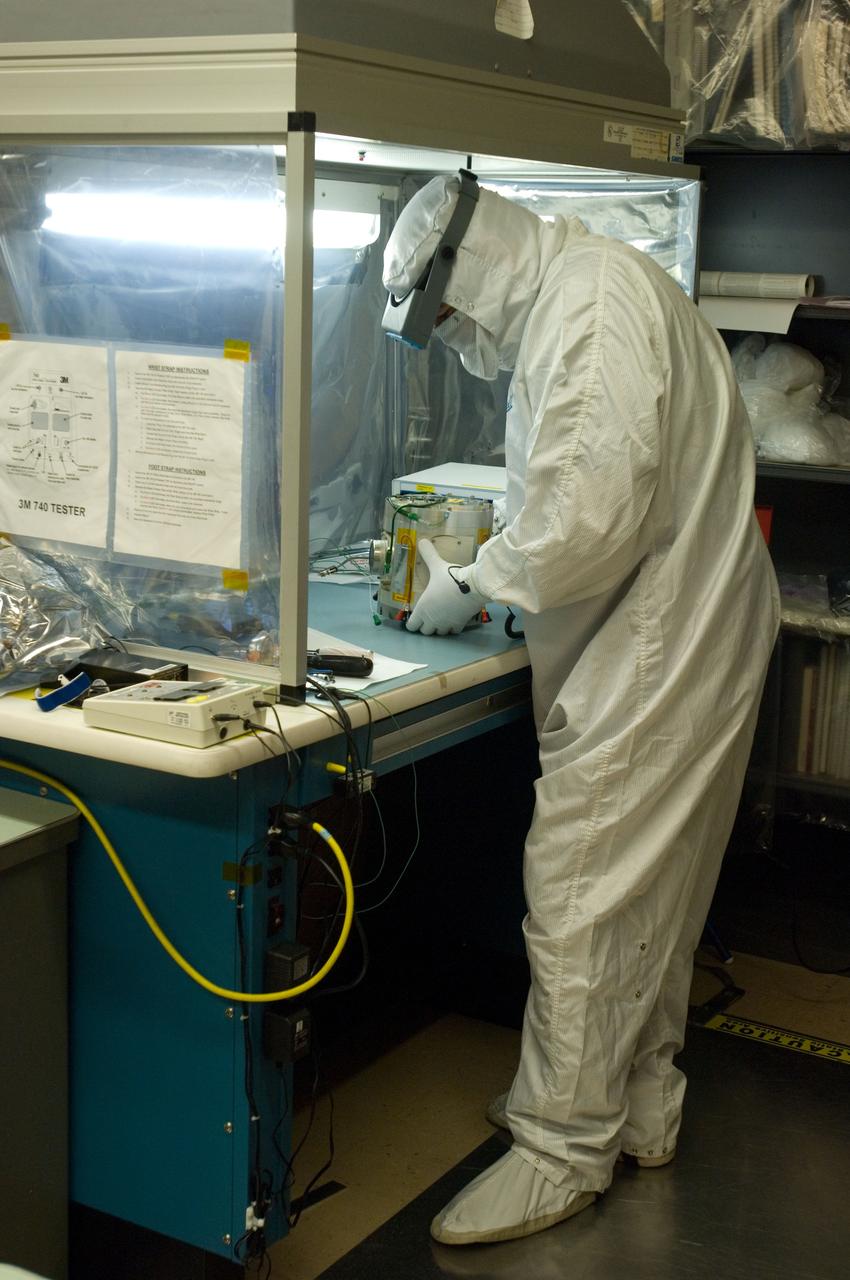
Kepler project; technicians from Ball Aerospace work on and in the test chamber assembled at Nasa Ames Research center testing components
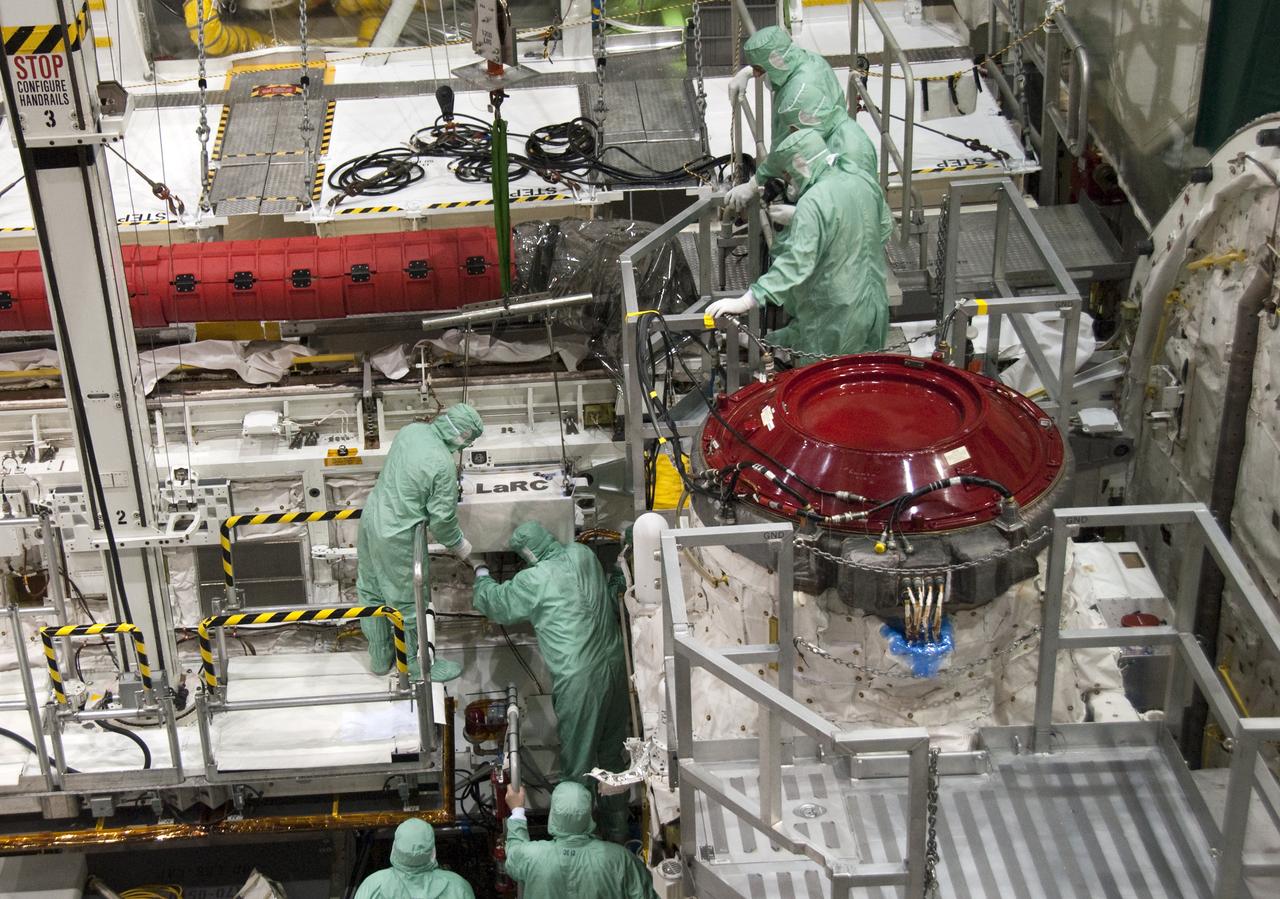
STS-134 ENDEAVOUR STORRM INSTLN FORWARD CARGO BAY FOR "BALL" ORION PROJECT - DOCKING EXPERIMENT - LARK
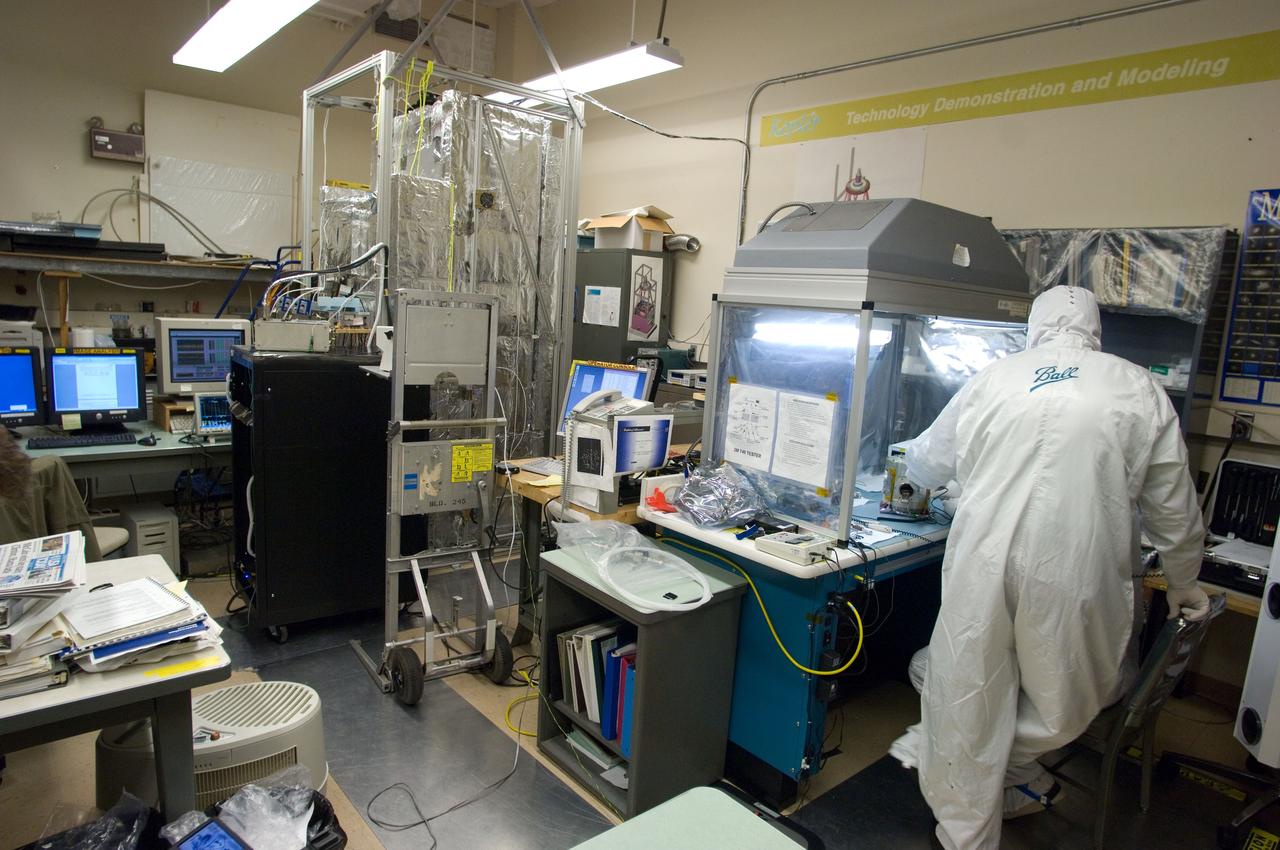
Kepler project; technicians from Ball Aerospace work on and in the test chamber assembled at Nasa Ames Research center testing components
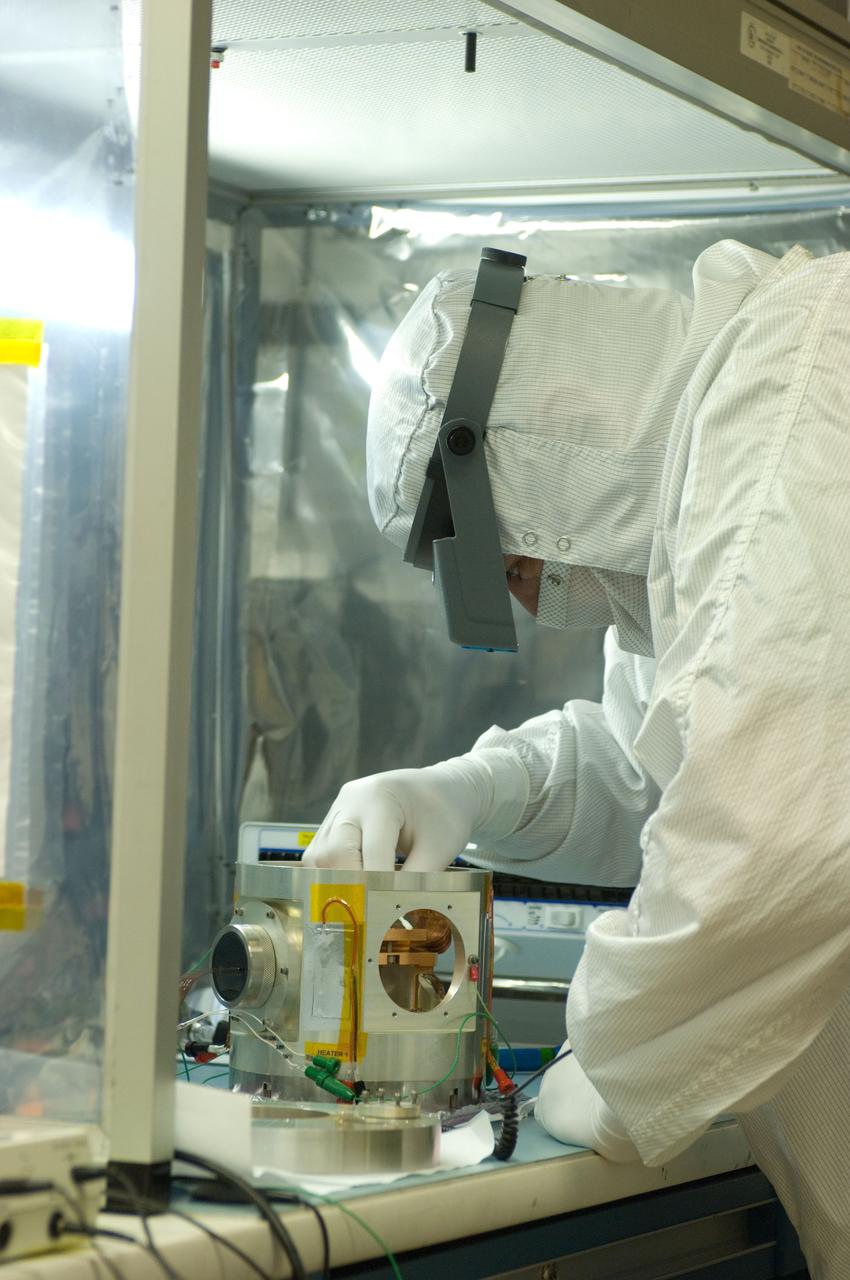
Kepler project; technicians from Ball Aerospace work on and in the test chamber assembled at Nasa Ames Research center testing components
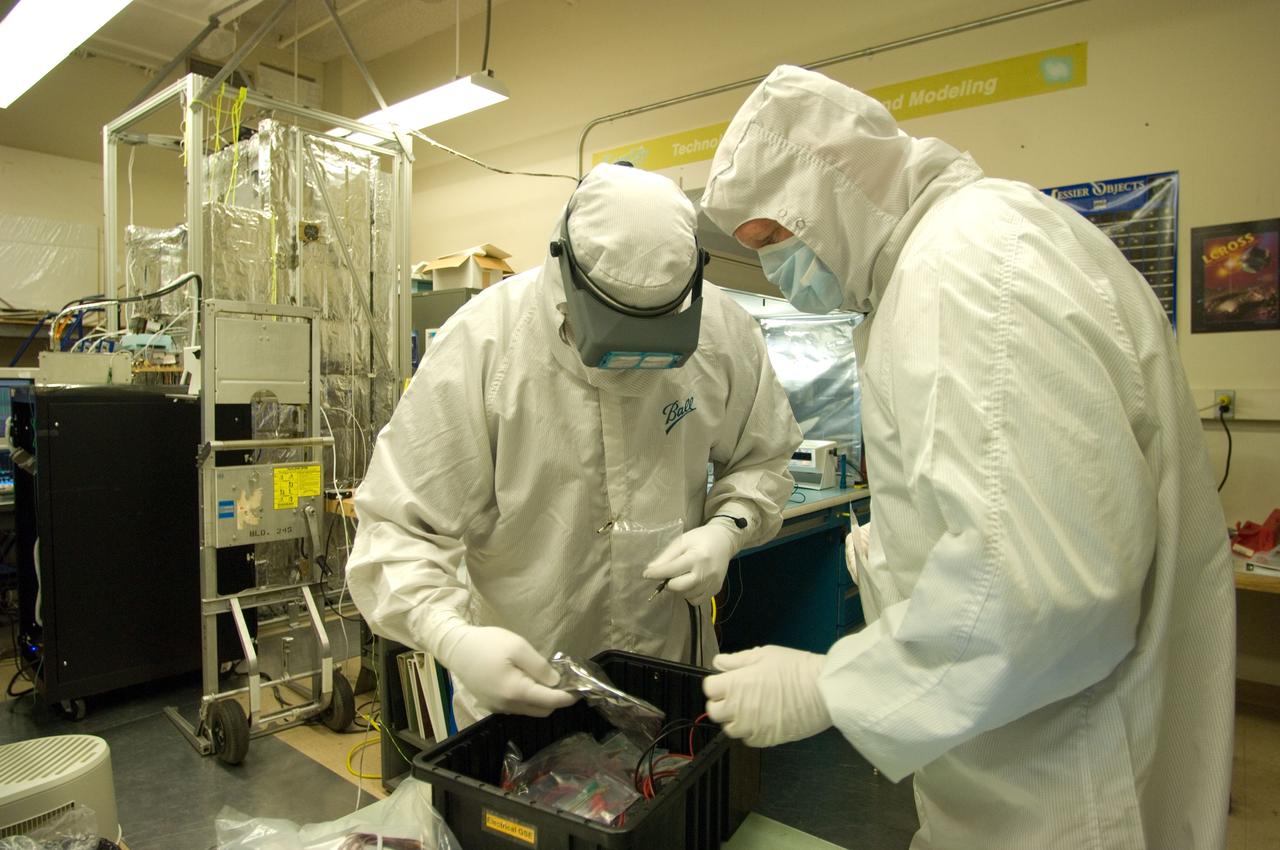
Kepler project; technicians from Ball Aerospace work on and in the test chamber assembled at Nasa Ames Research center testing components
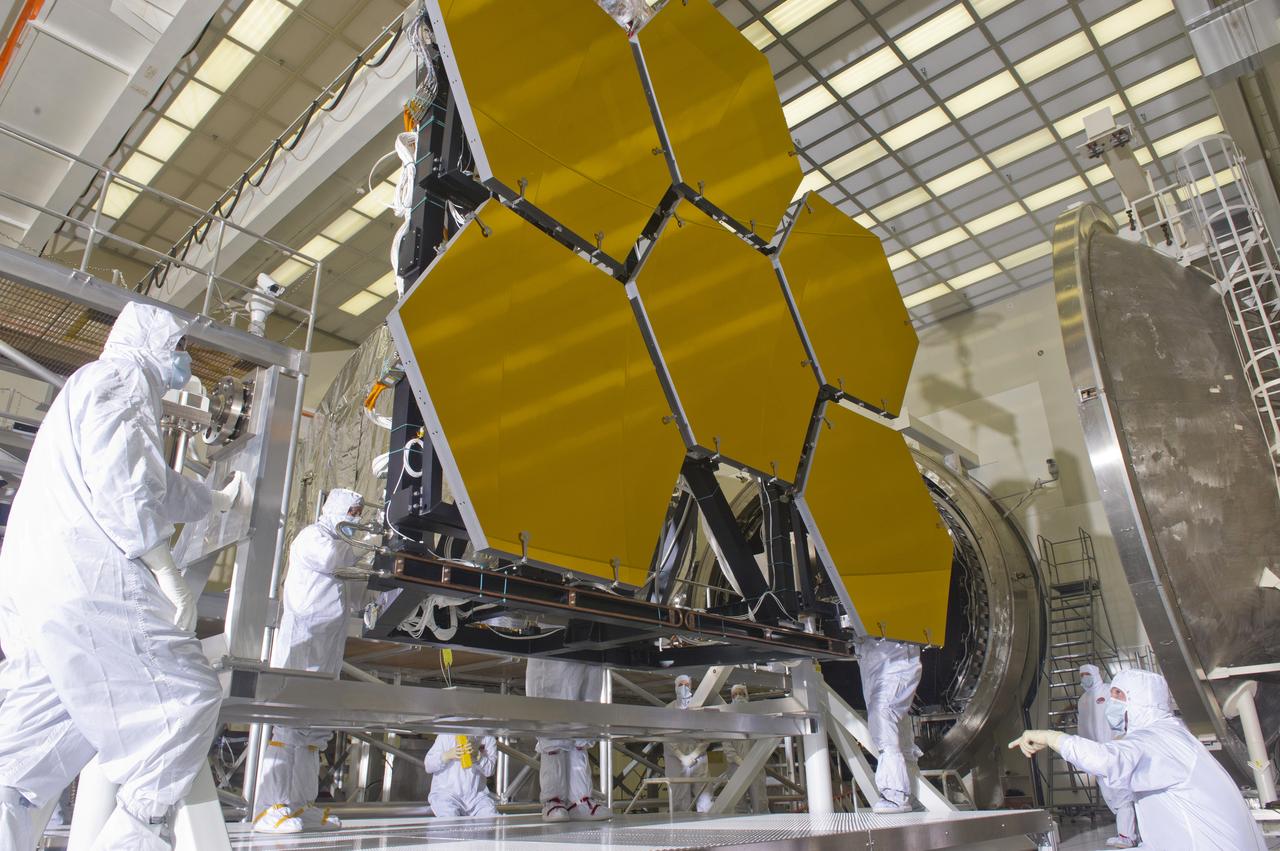
BALL AEROSPACE TECHNICIANS REMOVE FINAL SIX JWST MIRRORS TESTED AT MSFC X-RAY AND CRYOGENIC FACILITY
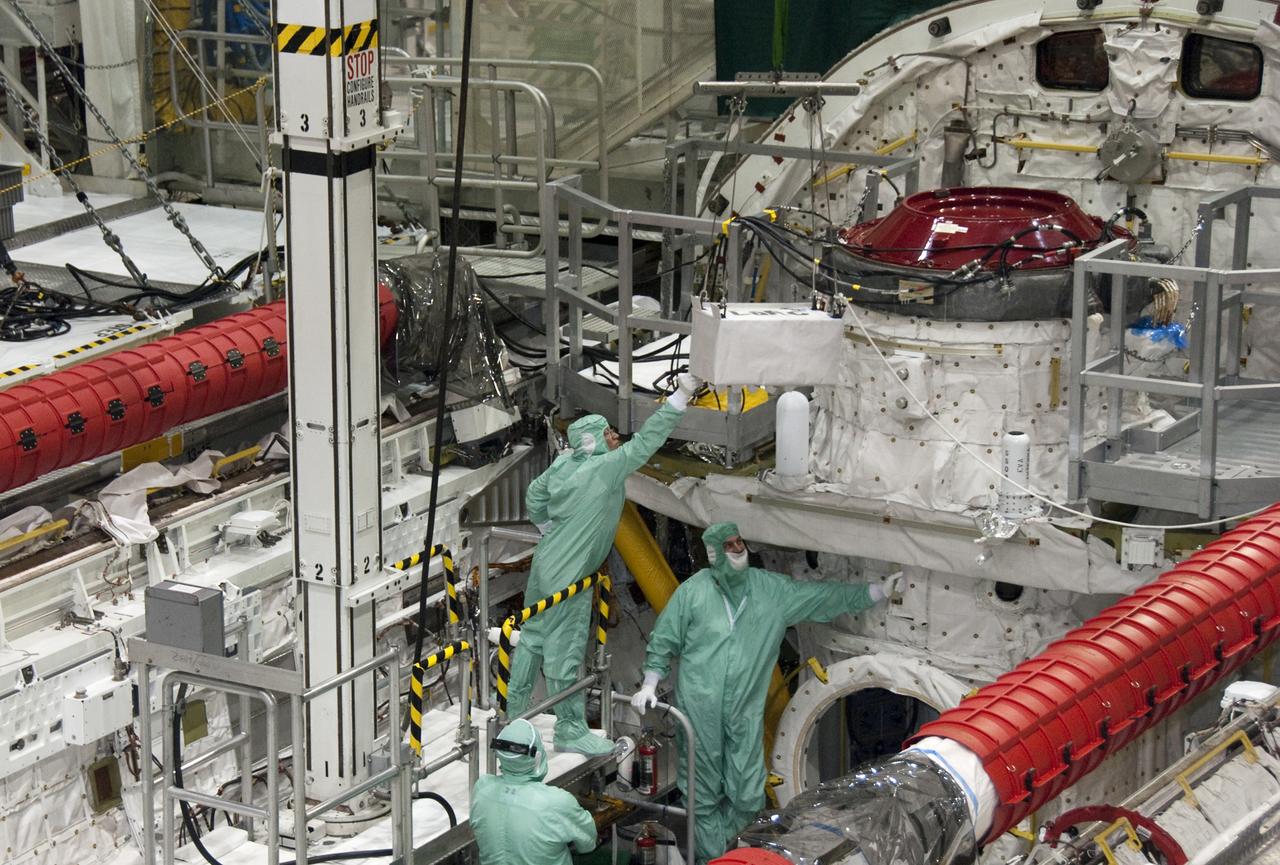
STS-134 ENDEAVOUR STORRM INSTLN FORWARD CARGO BAY FOR "BALL" ORION PROJECT - DOCKING EXPERIMENT - LARK
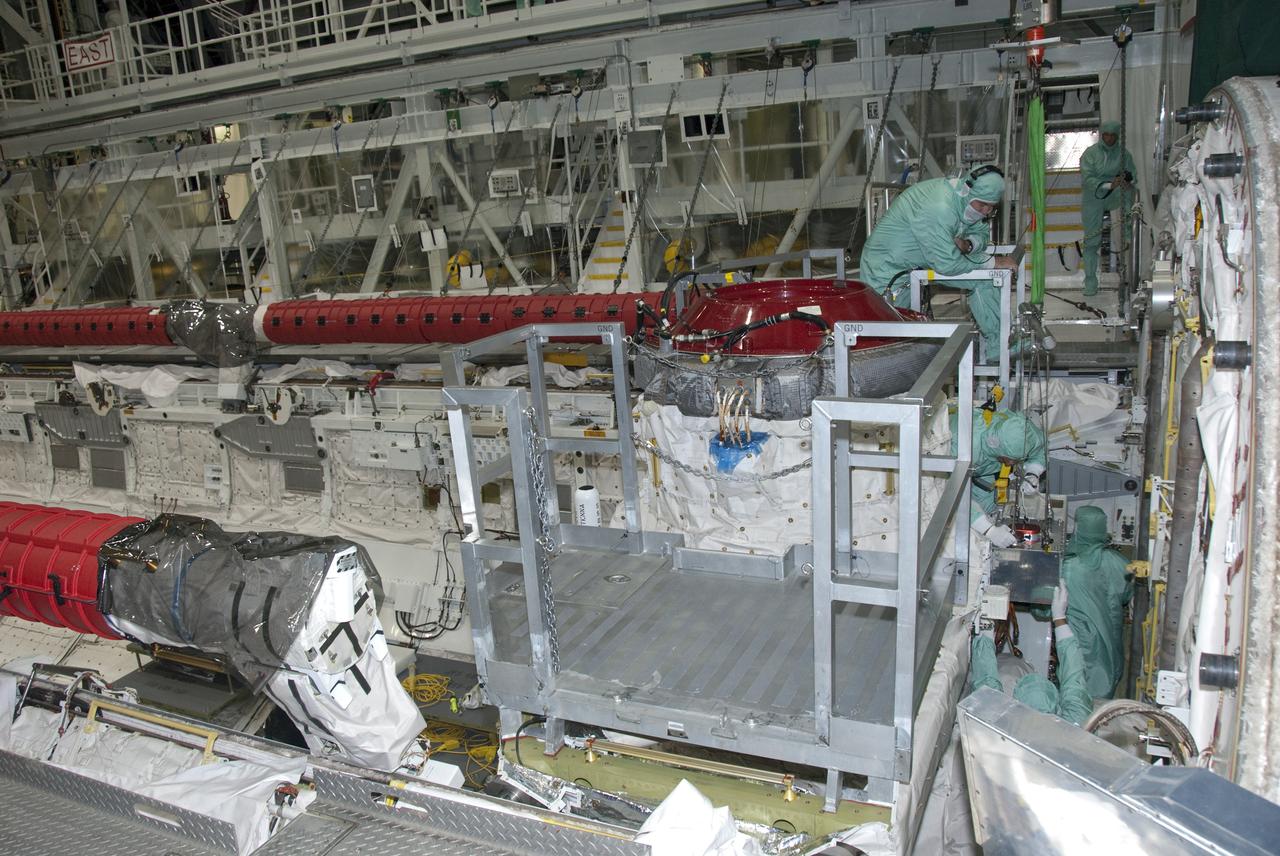
STS-134 ENDEAVOUR STORRM INSTLN FORWARD CARGO BAY FOR "BALL" ORION PROJECT - DOCKING EXPERIMENT - LARK
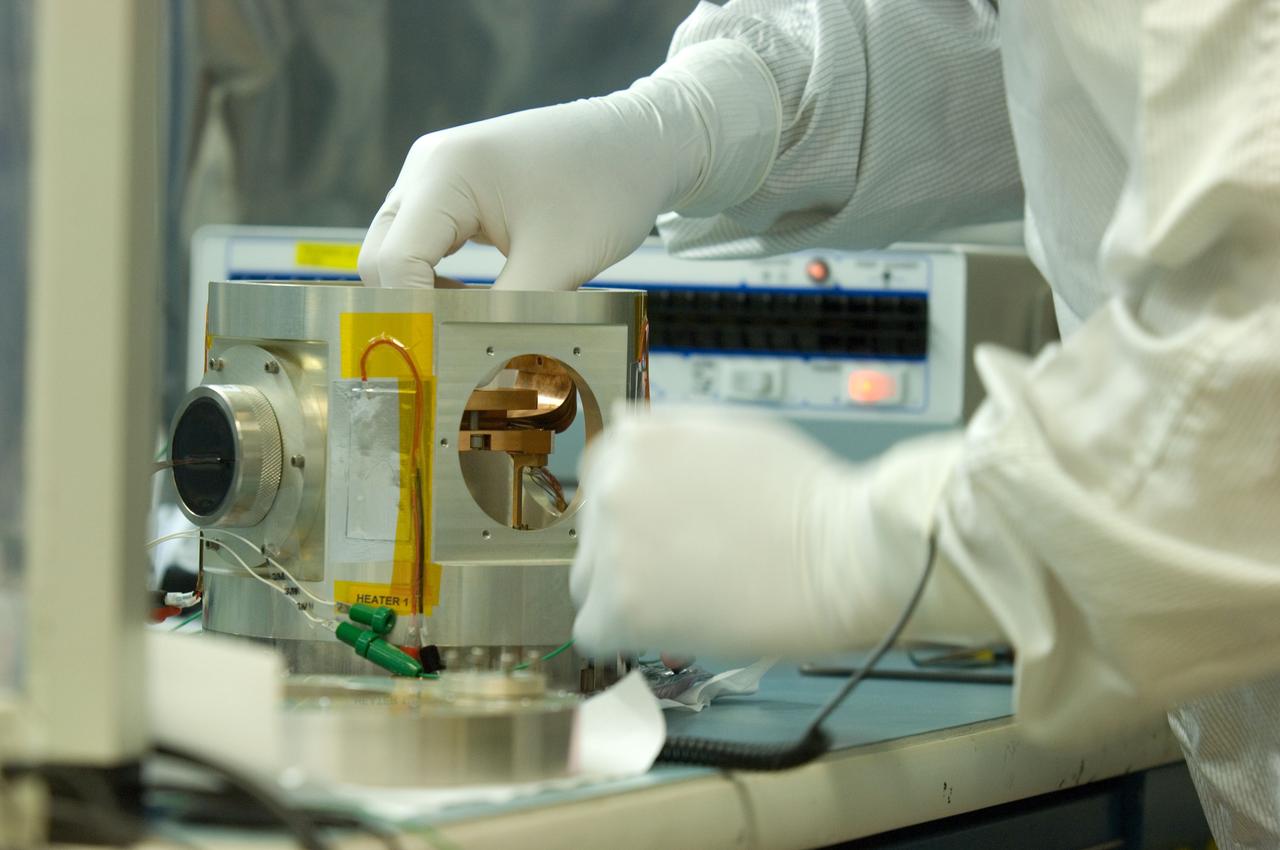
Kepler project; technicians from Ball Aerospace work on and in the test chamber assembled at Nasa Ames Research center testing components
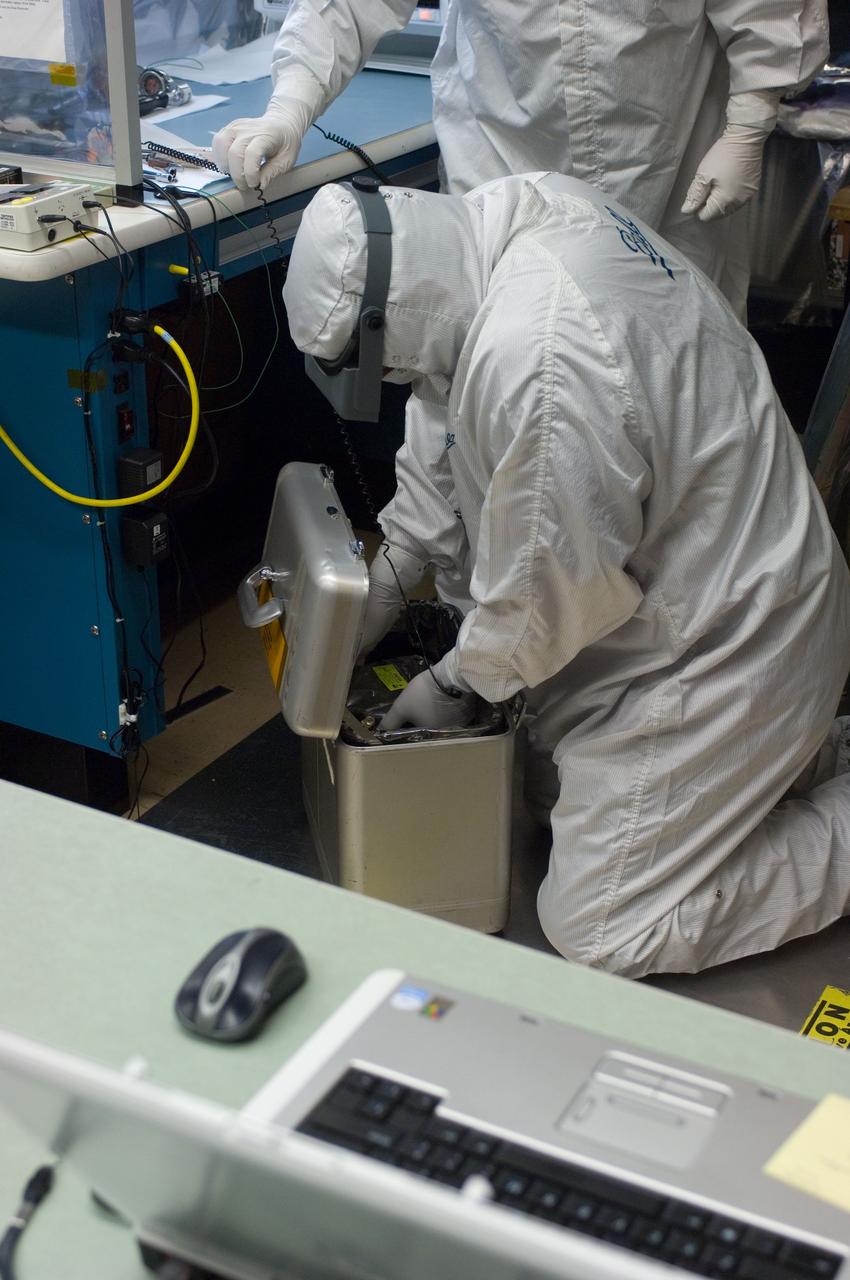
Kepler project; technicians from Ball Aerospace work on and in the test chamber assembled at Nasa Ames Research center testing components
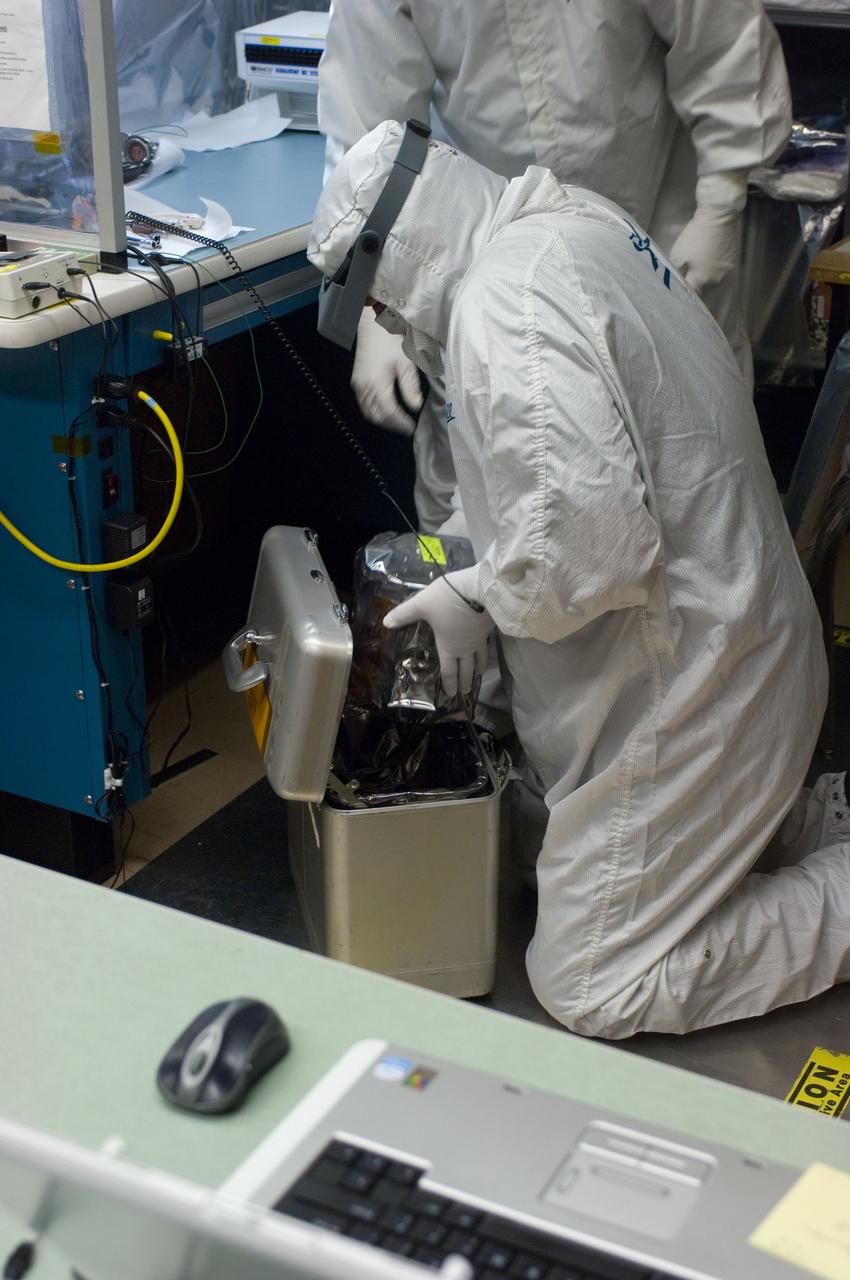
Kepler project; technicians from Ball Aerospace work on and in the test chamber assembled at Nasa Ames Research center testing components
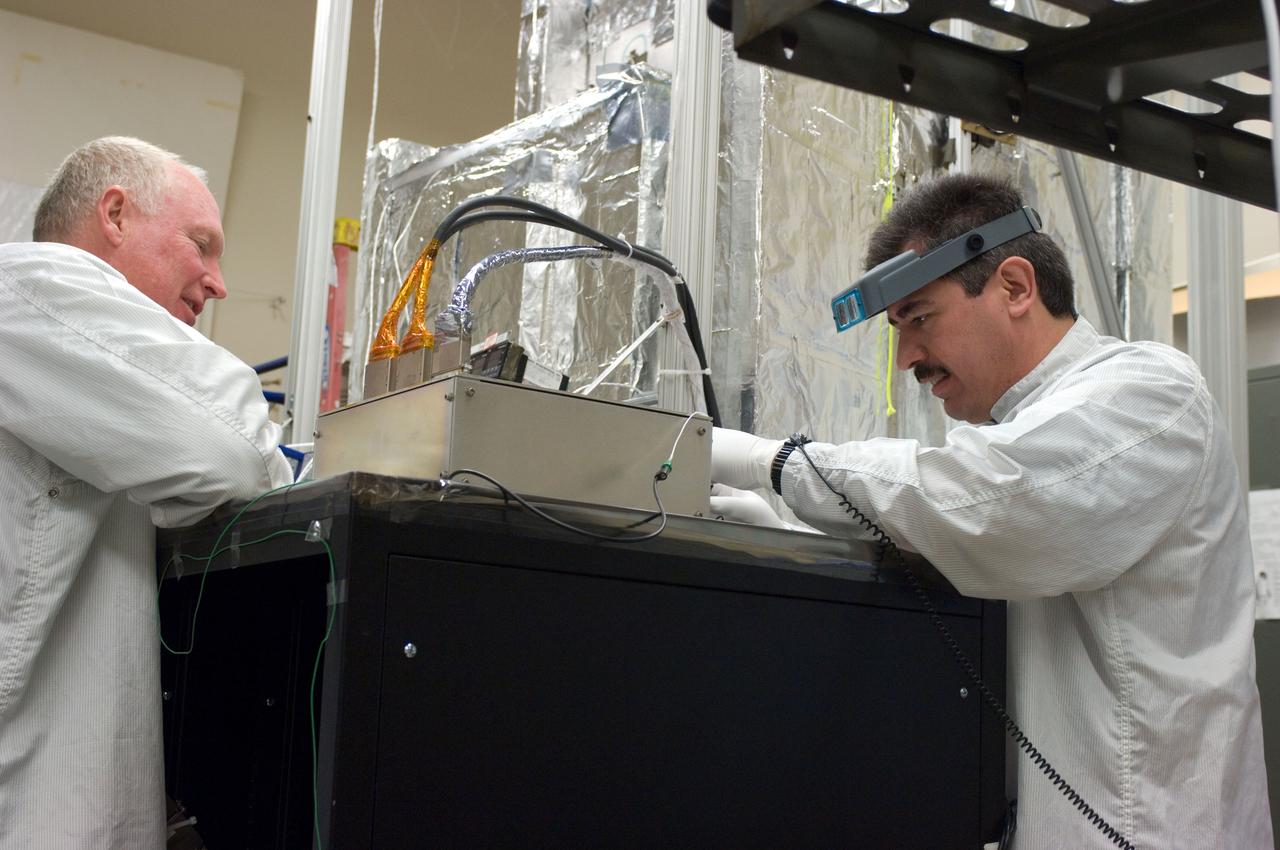
Kepler project; technicians from Ball Aerospace work on and in the test chamber assembled at Nasa Ames Research center testing components
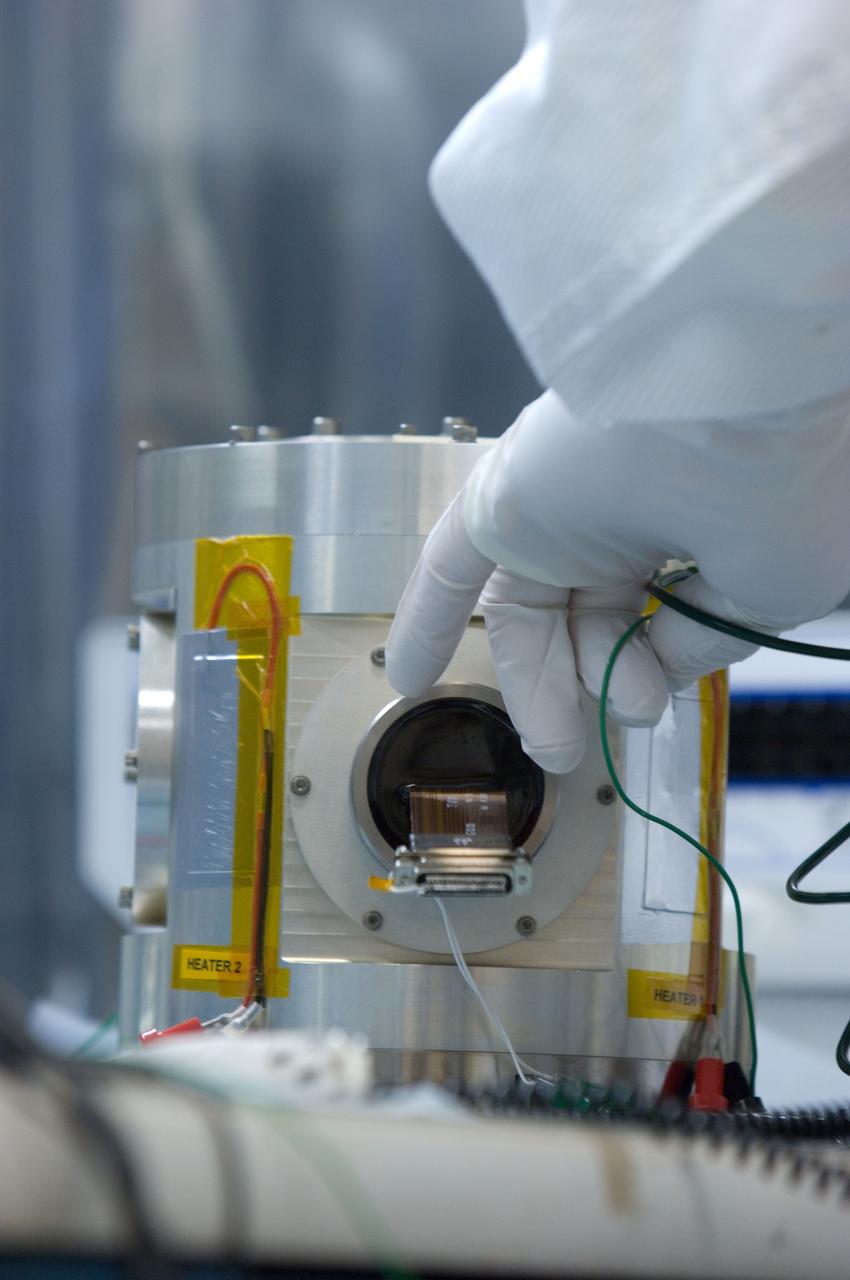
Kepler project; technicians from Ball Aerospace work on and in the test chamber assembled at Nasa Ames Research center testing components
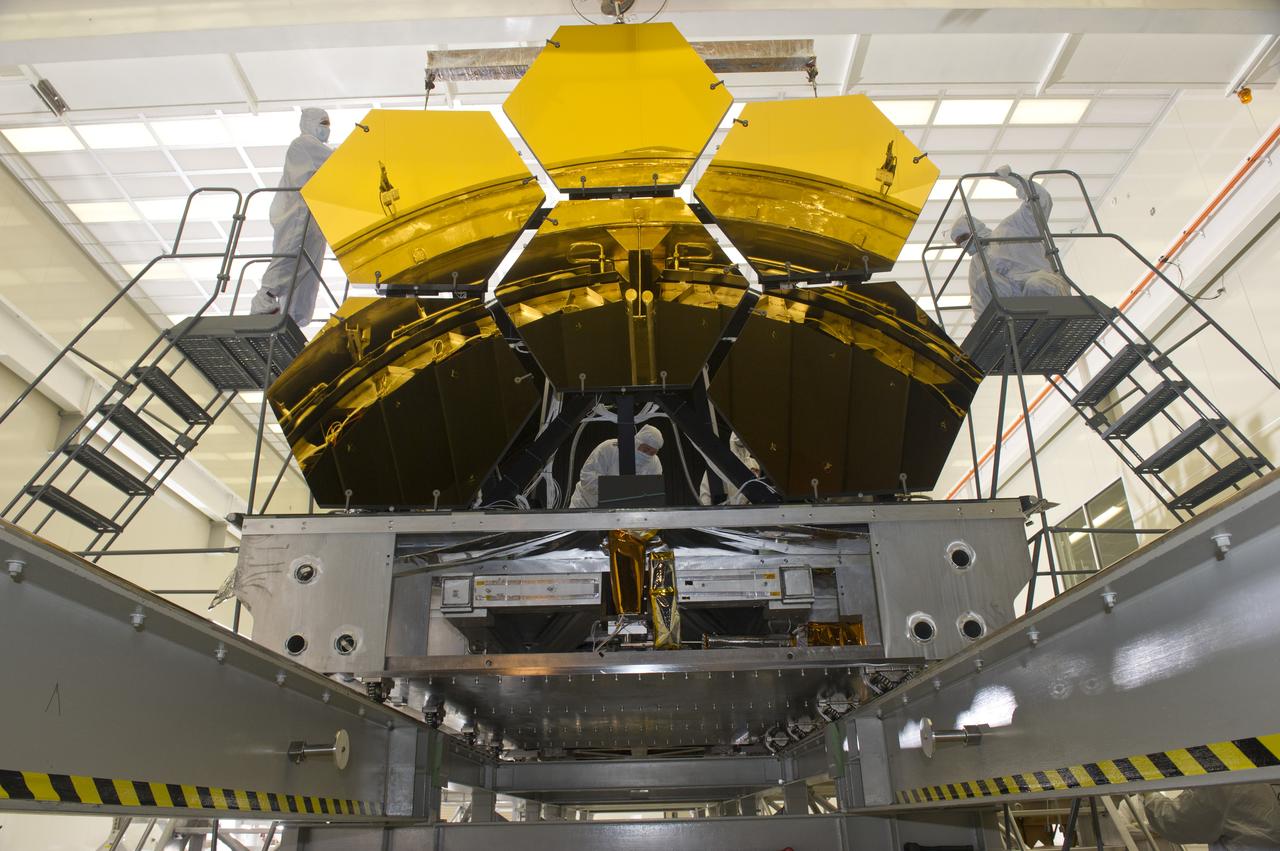
BALL AEROSPACE TECHNICIANS REMOVE FINAL SIX JWST MIRRORS TESTED AT MSFC X-RAY AND CRYOGENIC FACILITY
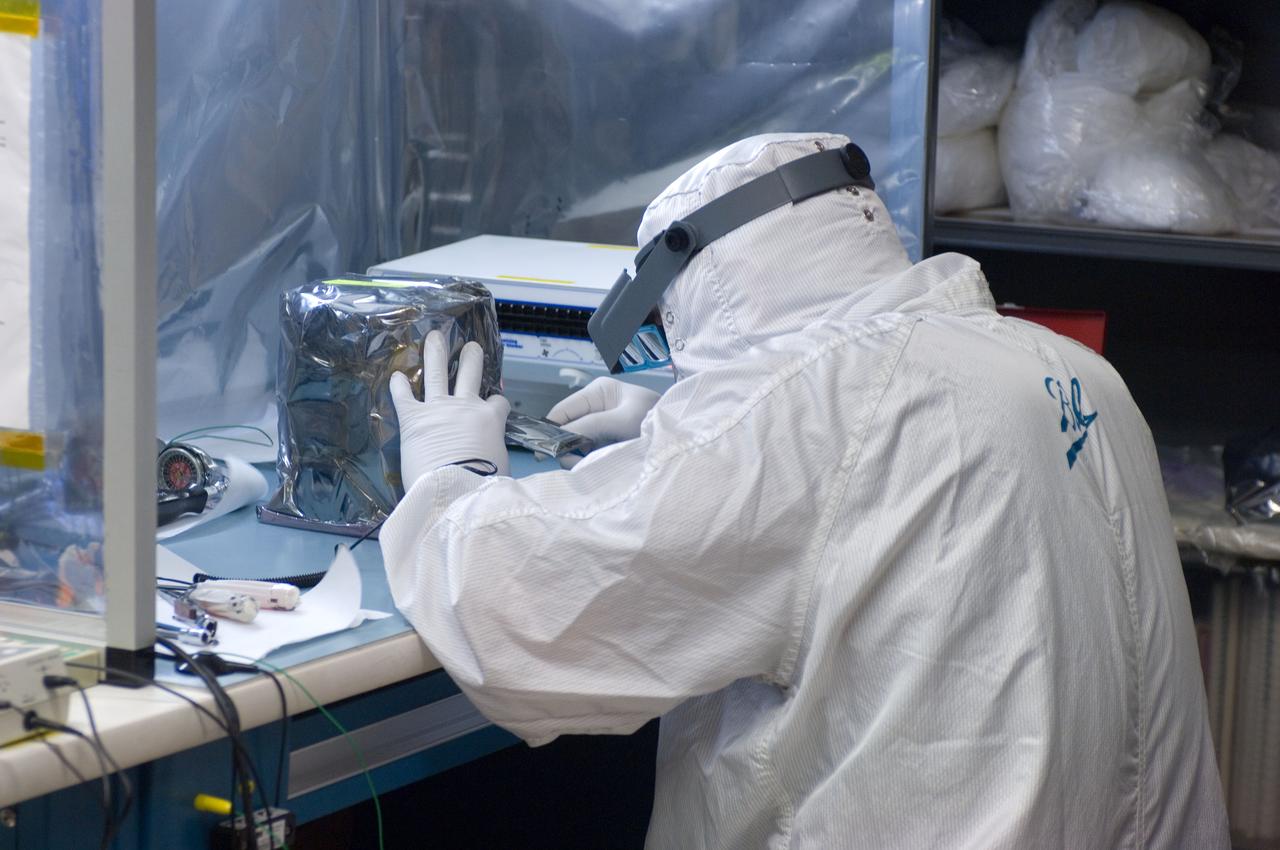
Kepler project; technicians from Ball Aerospace work on and in the test chamber assembled at Nasa Ames Research center testing components
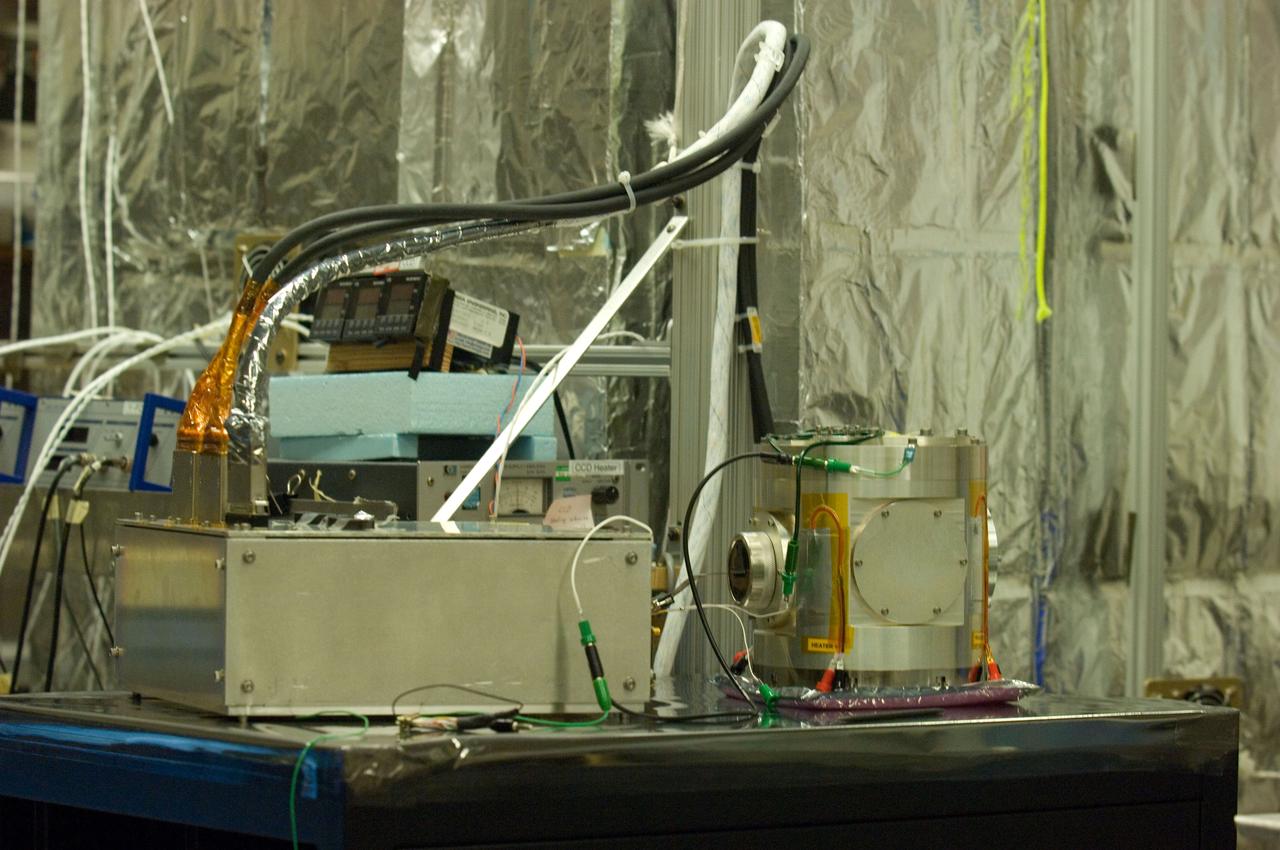
Kepler project; technicians from Ball Aerospace work on and in the test chamber assembled at Nasa Ames Research center testing components
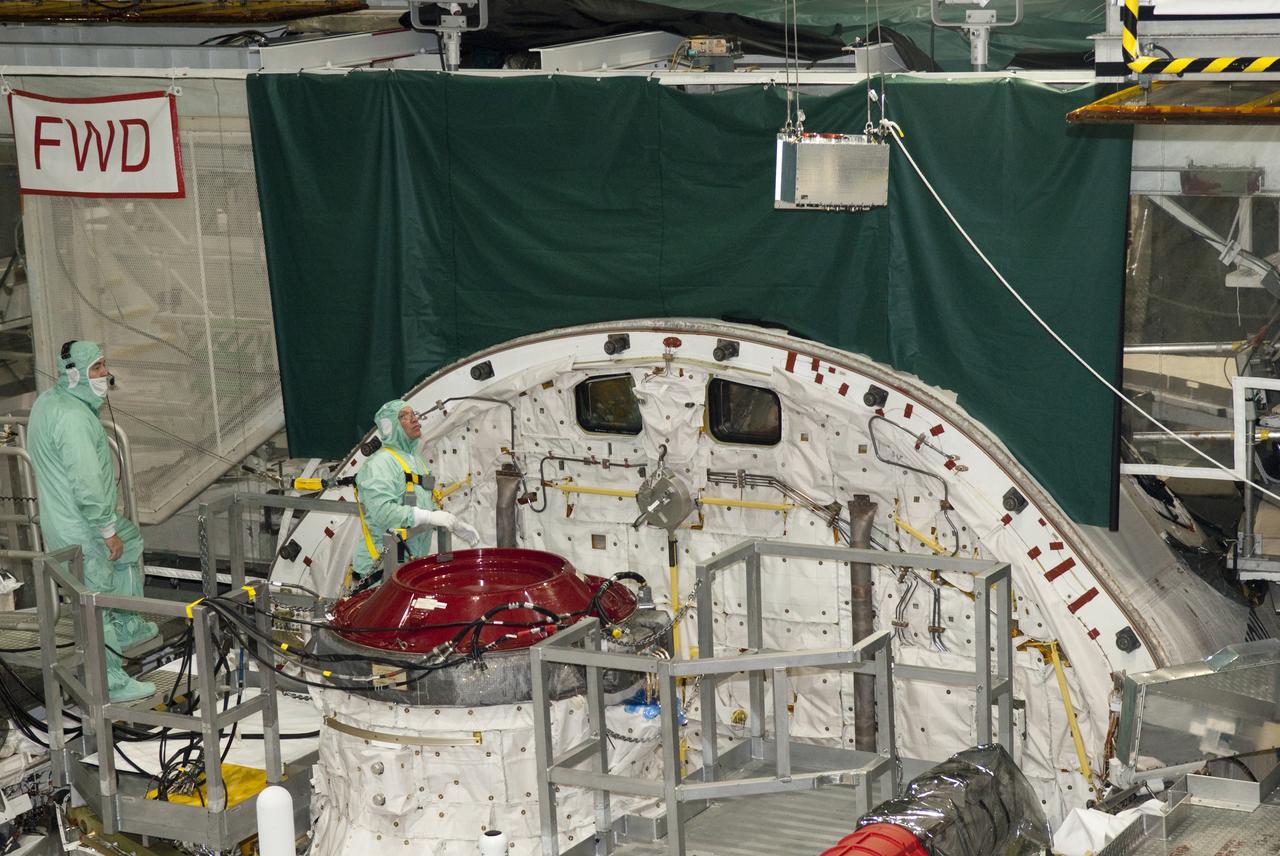
STS-134 ENDEAVOUR STORRM INSTLN FORWARD CARGO BAY FOR "BALL" ORION PROJECT - DOCKING EXPERIMENT - LARK
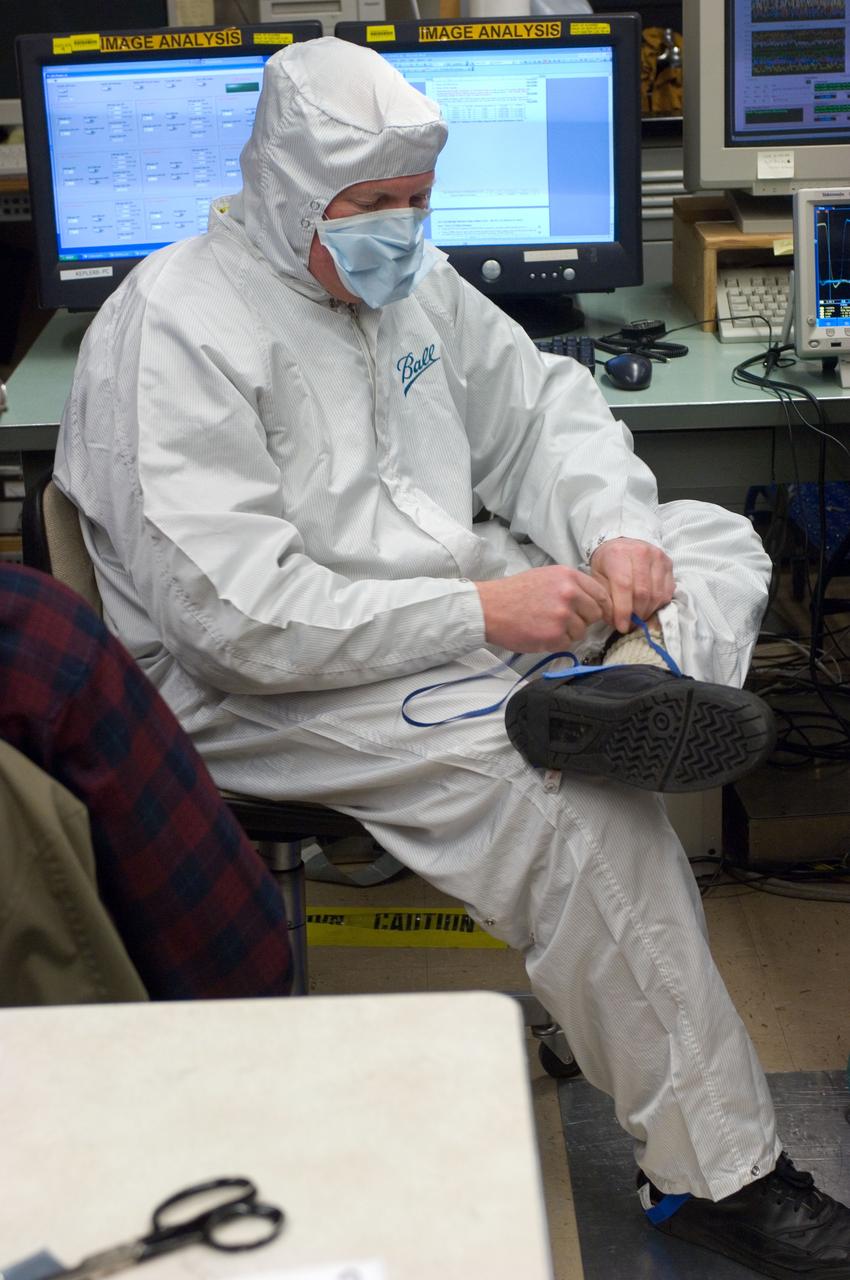
Kepler project; technicians from Ball Aerospace work on and in the test chamber assembled at Nasa Ames Research center testing components
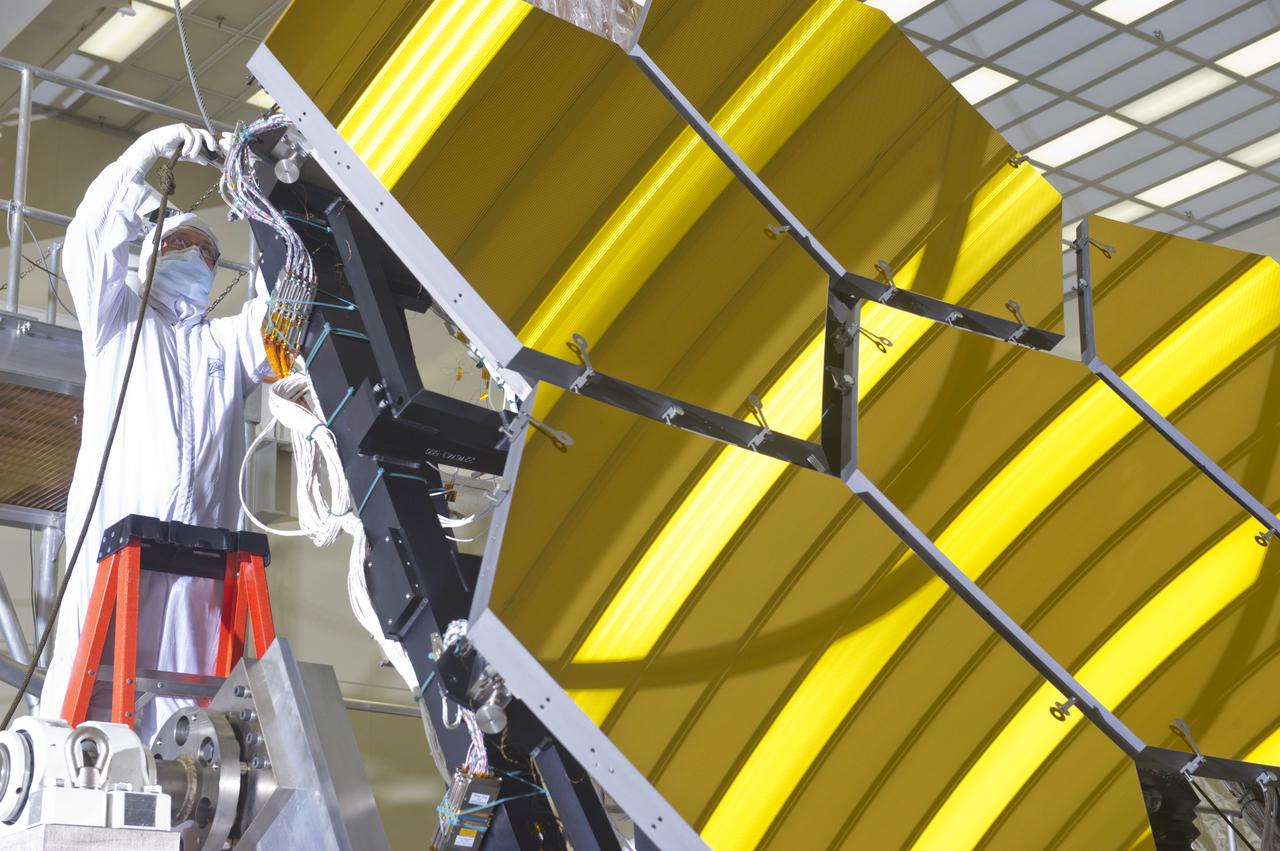
BALL AEROSPACE TECHNICIANS REMOVE FINAL SIX JWST MIRRORS TESTED AT MSFC X-RAY AND CRYOGENIC FACILITY
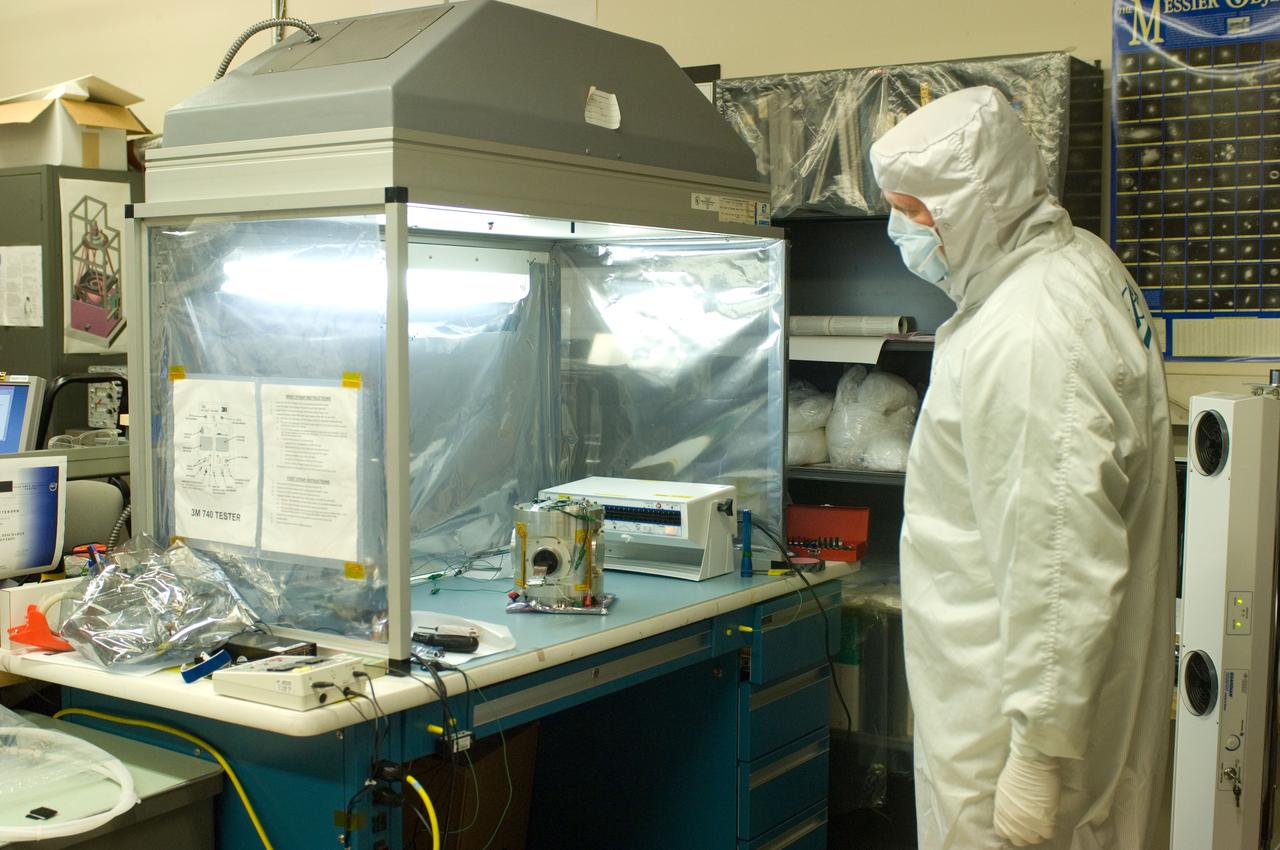
Kepler project; technicians from Ball Aerospace work on and in the test chamber assembled at Nasa Ames Research center testing components
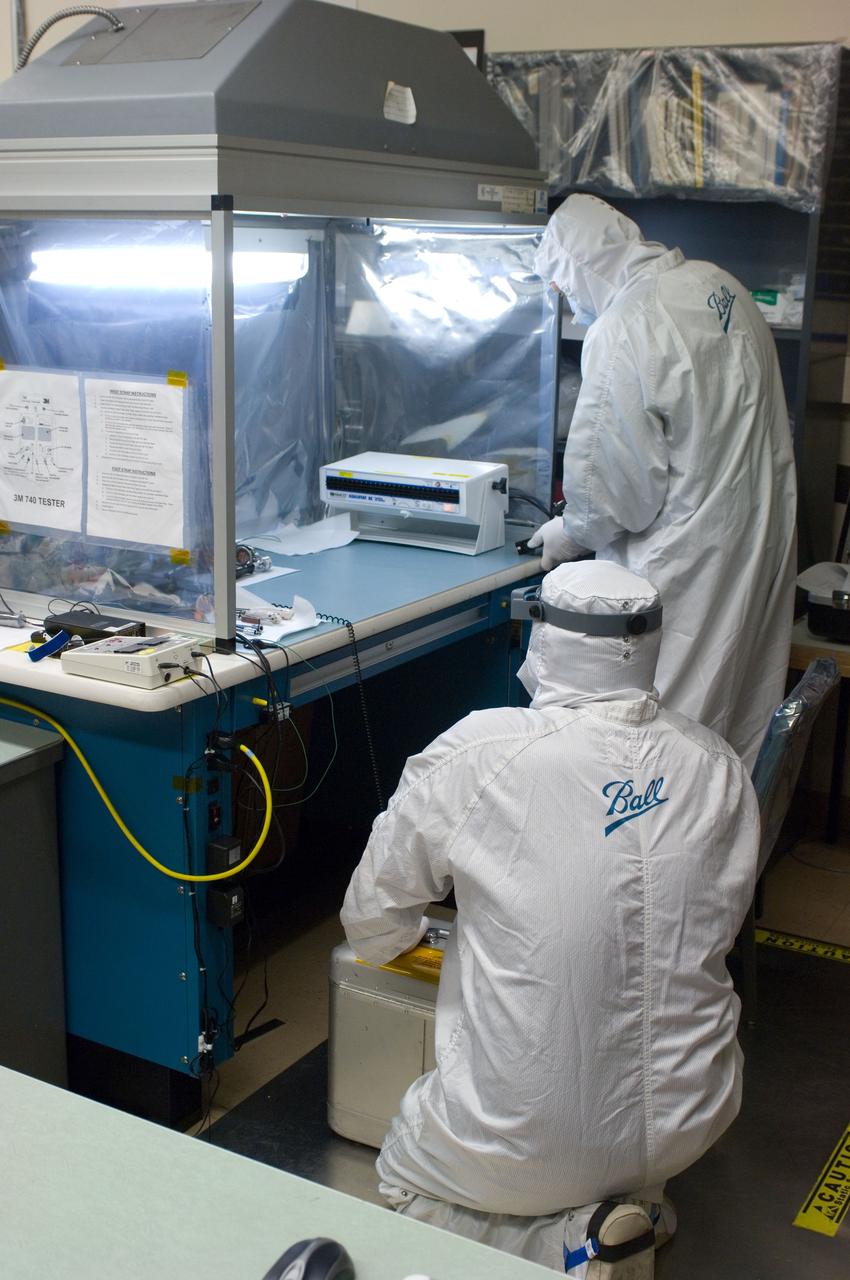
Kepler project; technicians from Ball Aerospace work on and in the test chamber assembled at Nasa Ames Research center testing components
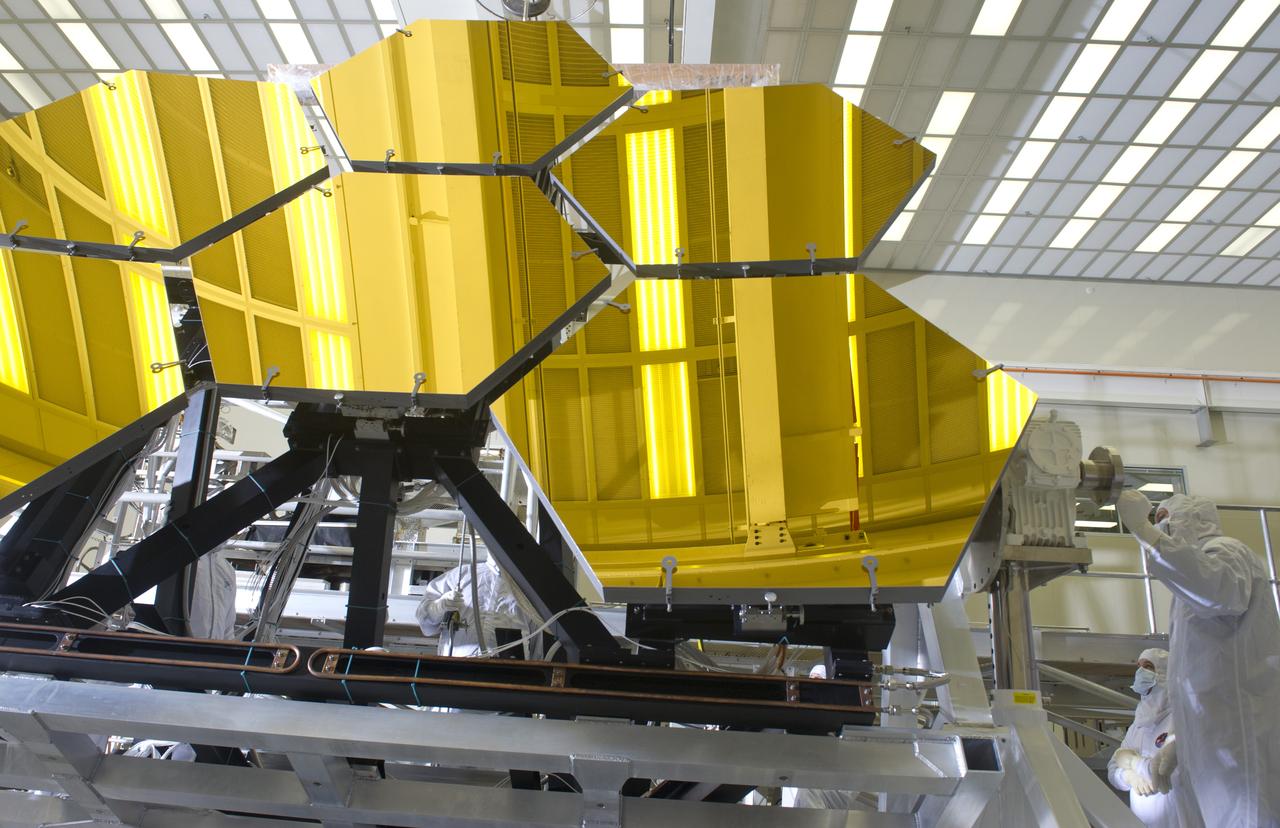
BALL AEROSPACE TECHNICIANS REMOVE FINAL SIX JWST MIRRORS TESTED AT MSFC X-RAY AND CRYOGENIC FACILITY
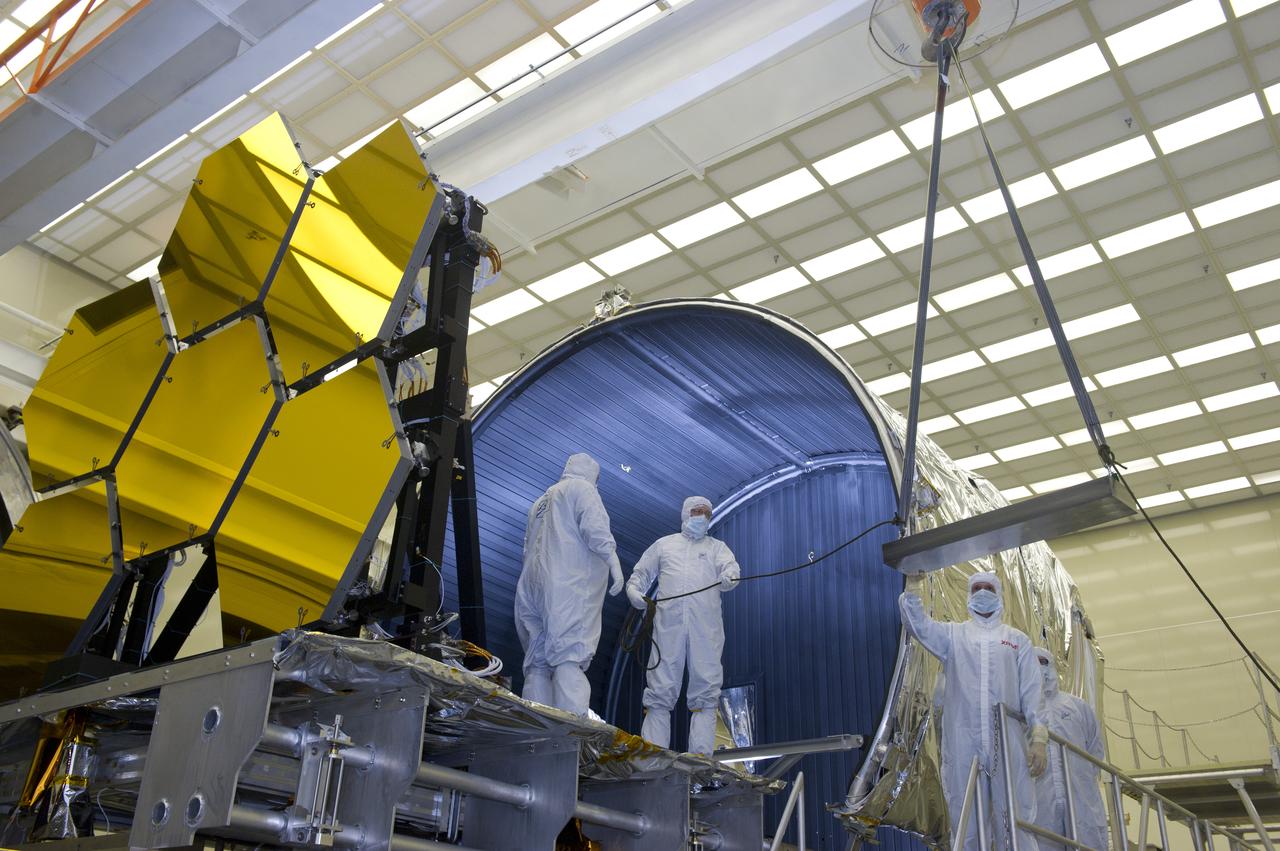
BALL AEROSPACE TECHNICIANS REMOVE FINAL SIX JWST MIRRORS TESTED AT MSFC X-RAY AND CRYOGENIC FACILITY