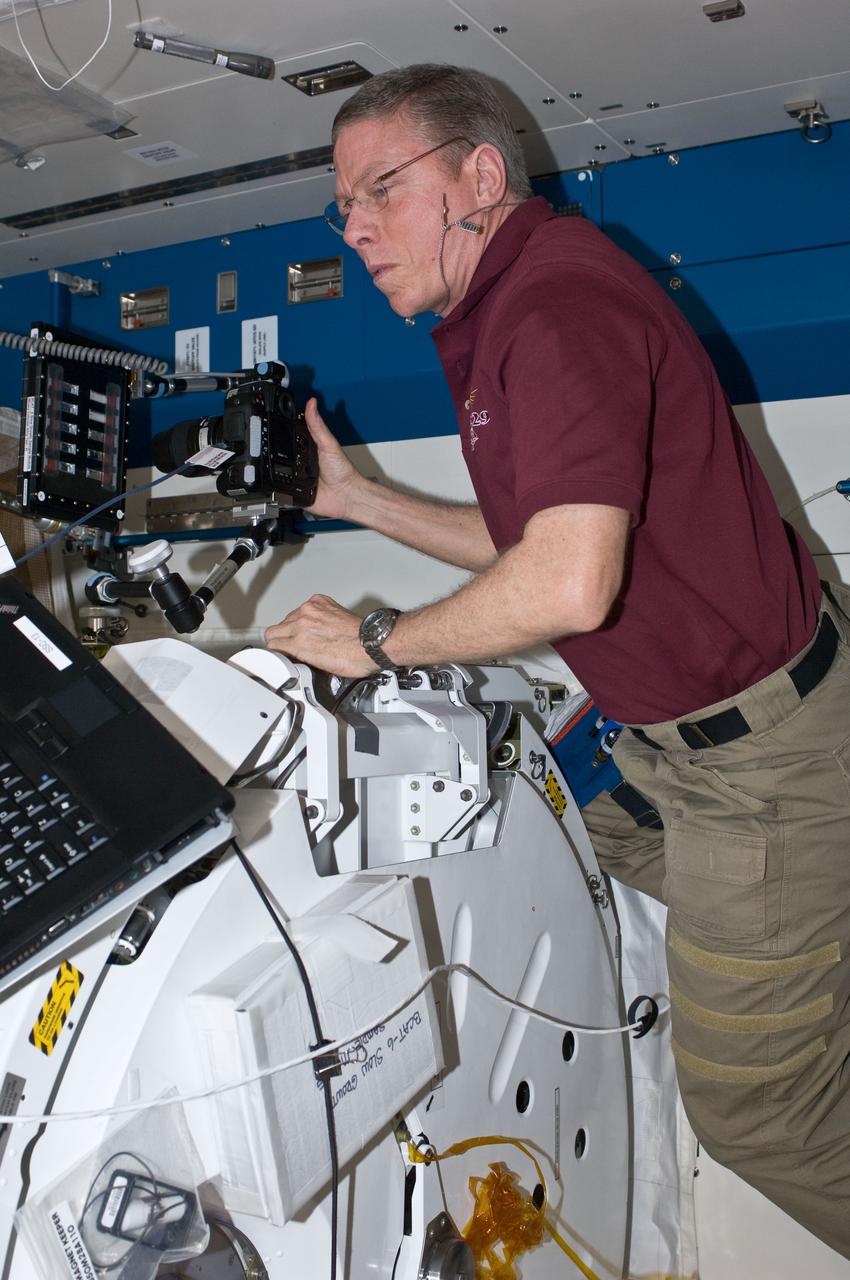
ISS029-E-032410 (24 Oct. 2011) --- NASA Mike Fossum, Expedition 29 commander, conducts a session with the Binary Colloidal Alloy Test-6 (BCAT-6) experiment in the Kibo laboratory of the International Space Station.
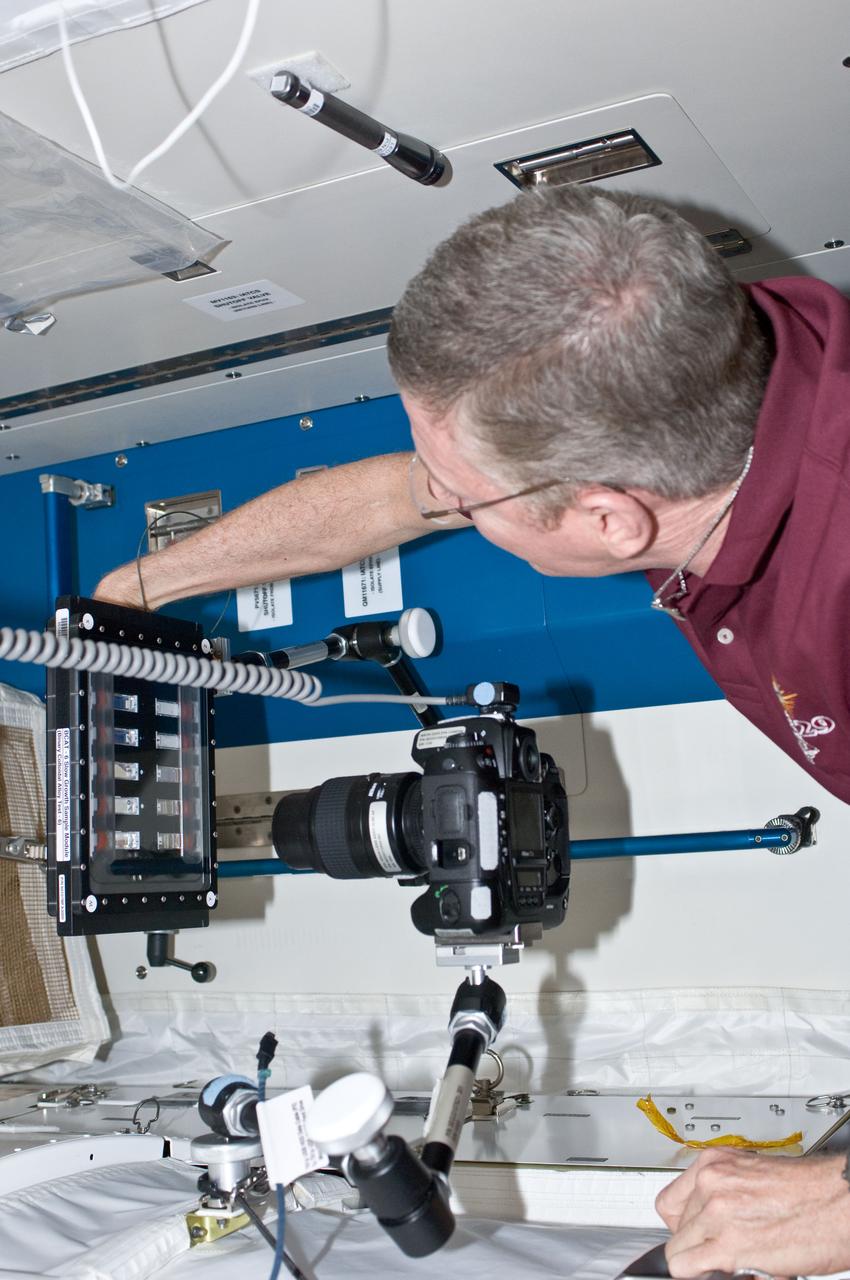
ISS029-E-032414 (24 Oct. 2011) --- NASA Mike Fossum, Expedition 29 commander, conducts a session with the Binary Colloidal Alloy Test-6 (BCAT-6) experiment in the Kibo laboratory of the International Space Station.
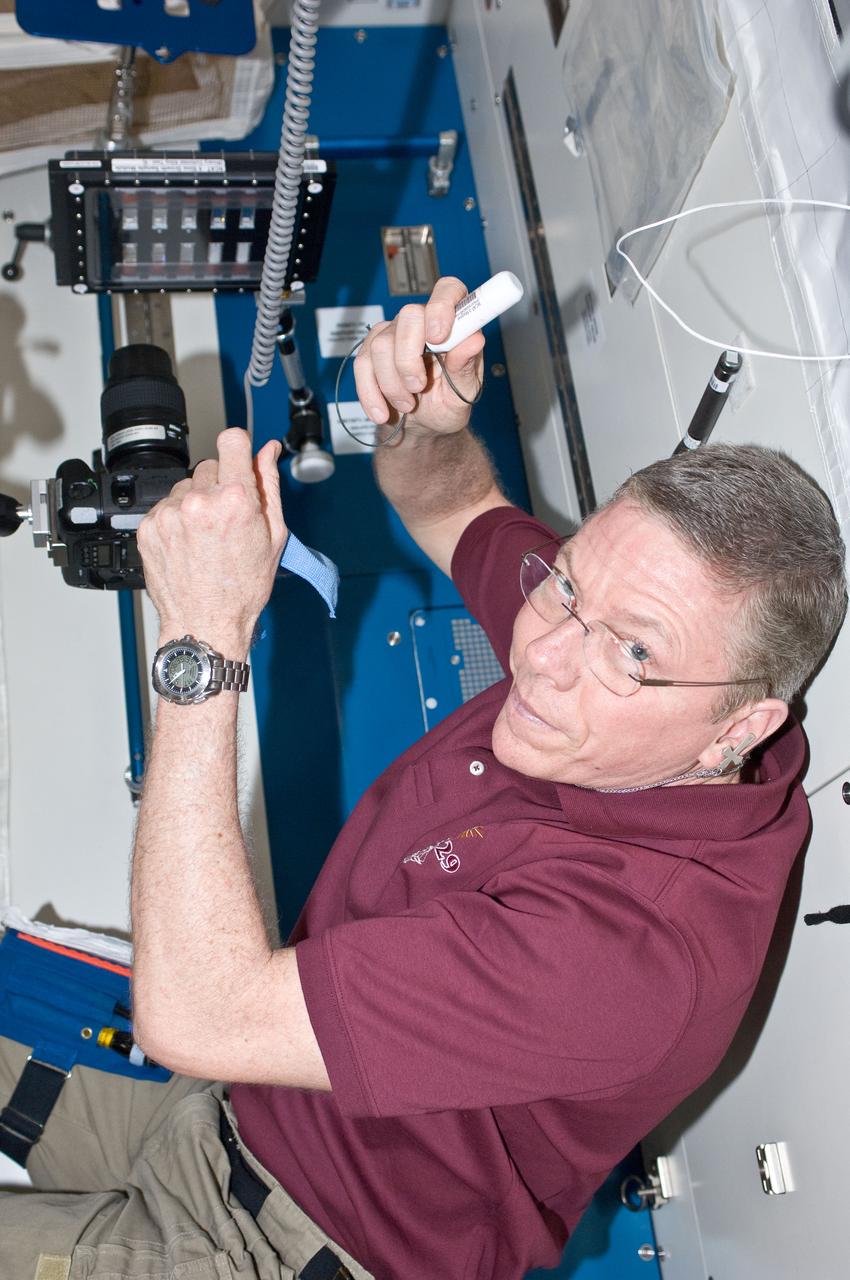
ISS029-E-032412 (24 Oct. 2011) --- NASA Mike Fossum, Expedition 29 commander, conducts a session with the Binary Colloidal Alloy Test-6 (BCAT-6) experiment in the Kibo laboratory of the International Space Station.
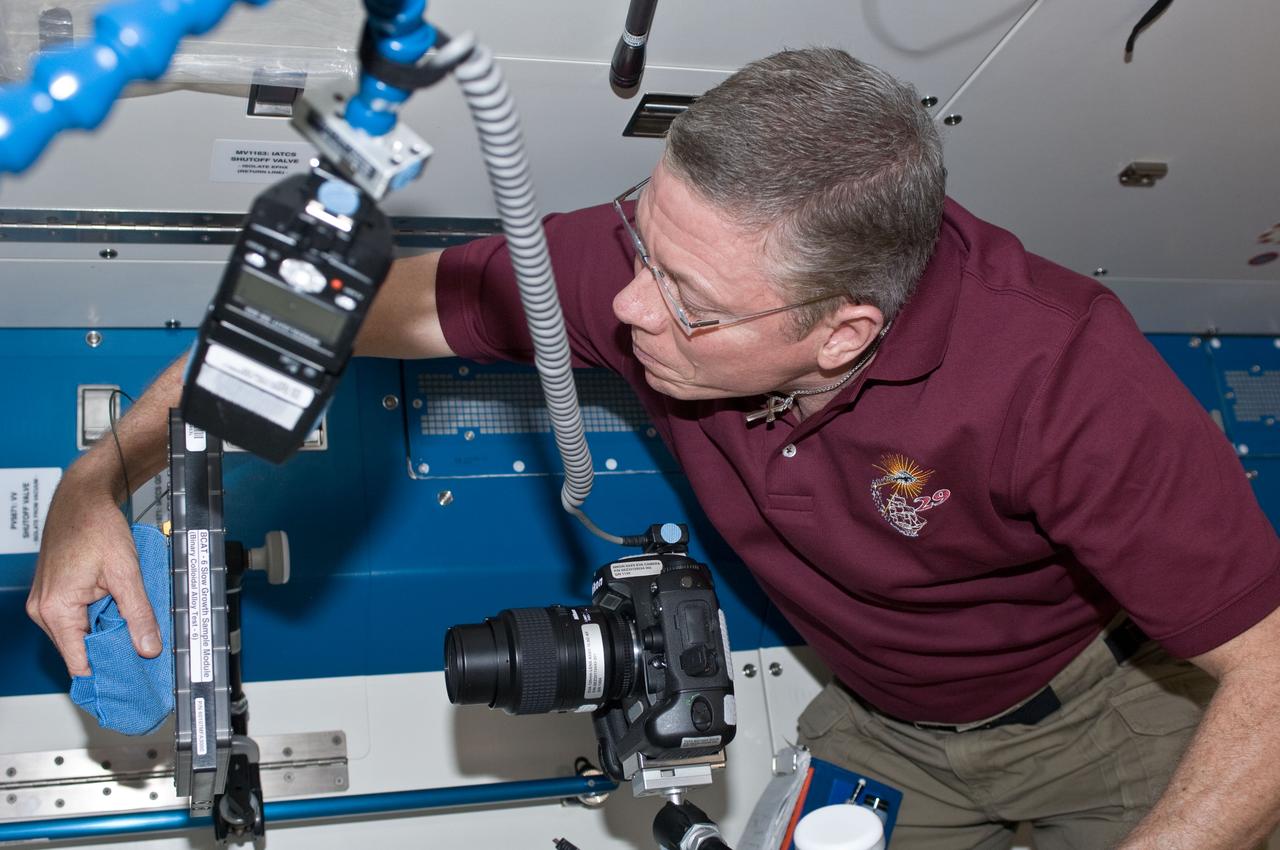
ISS029-E-032422 (24 Oct. 2011) --- NASA Mike Fossum, Expedition 29 commander, conducts a session with the Binary Colloidal Alloy Test-6 (BCAT-6) experiment in the Kibo laboratory of the International Space Station.
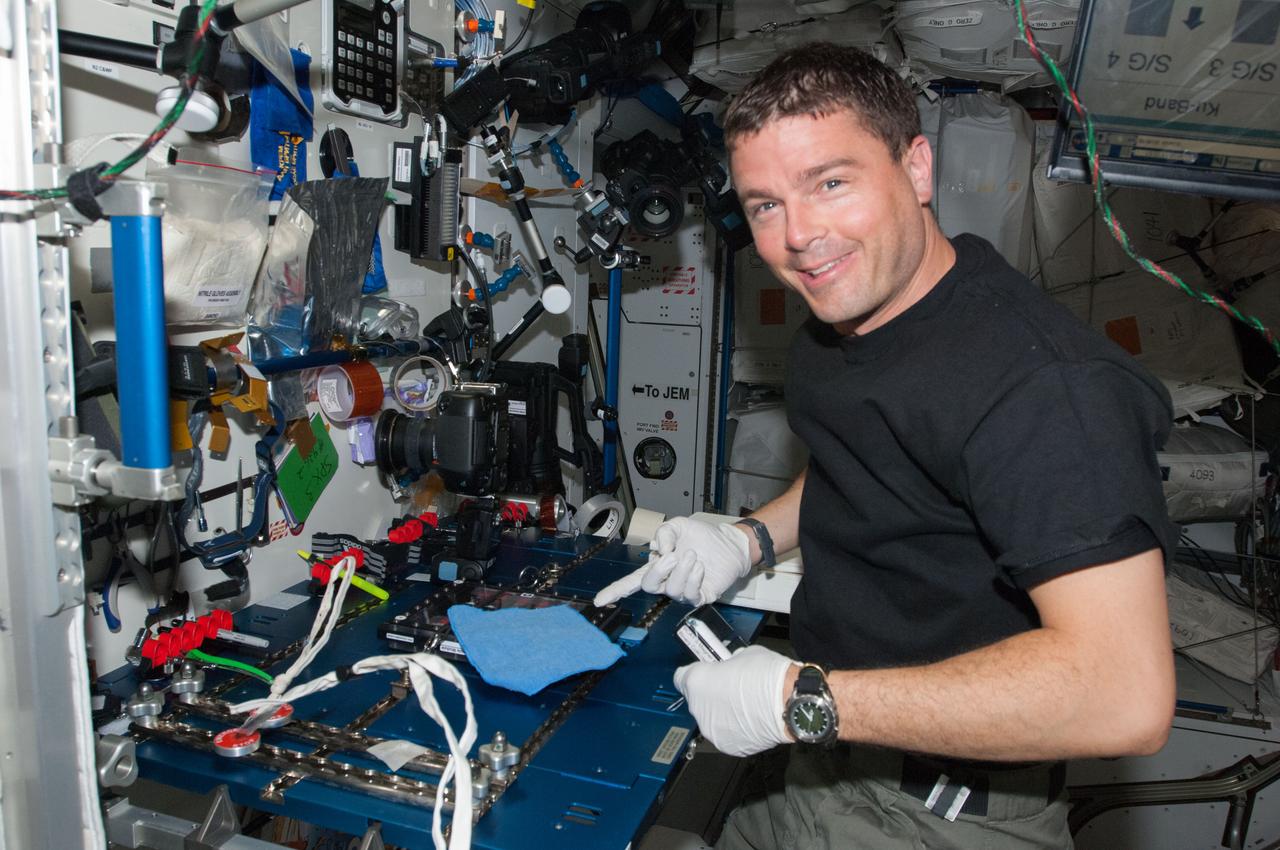
ISS040-E-013856 (17 June 2014) --- NASA astronaut Reid Wiseman, Expedition 40 flight engineer, conducts a session with the Binary Colloidal Alloy Test (BCAT) experiment at a workstation in the Harmony node of the International Space Station.
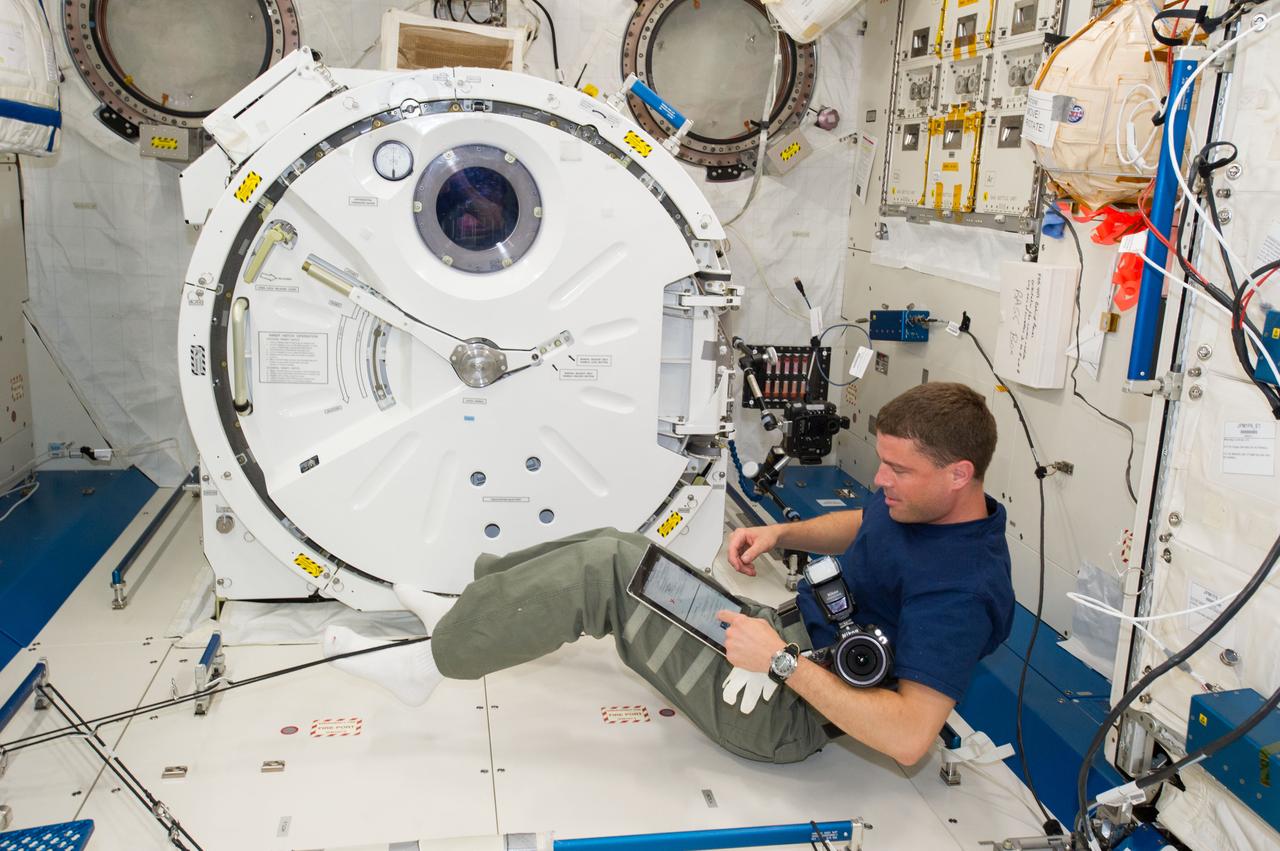
ISS040-E-006891 (3 June 2014) --- NASA astronaut Reid Wiseman, Expedition 40 flight engineer, conducts a session with the Binary Colloidal Alloy Test (BCAT) experiment in the Kibo laboratory of the International Space Station.
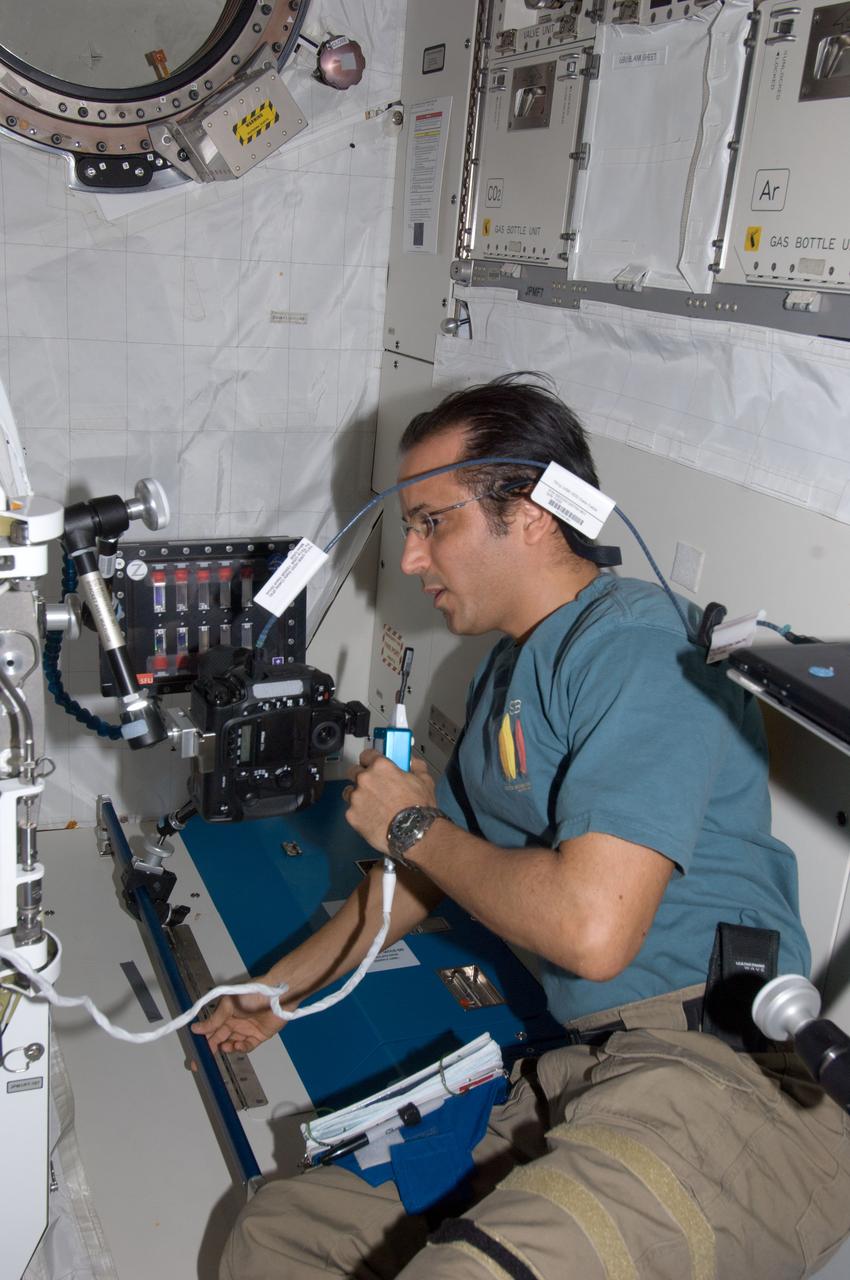
ISS032-E-014593 (6 Aug. 2012) --- NASA astronaut Joe Acaba, Expedition 32 flight engineer, conducts a session with the Binary Colloidal Alloy Test-6 (BCAT-6) experiment in the Kibo laboratory of the International Space Station.
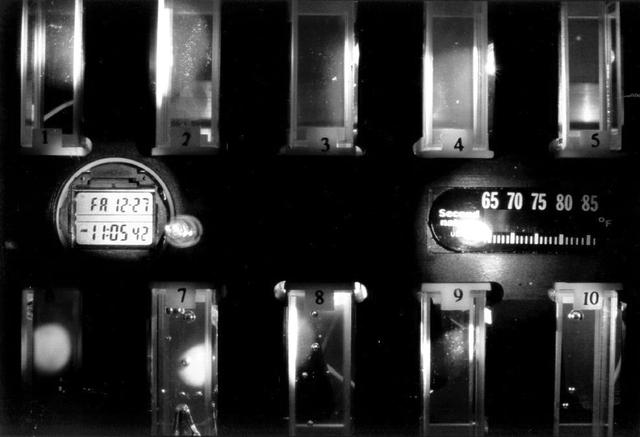
Close-up view of the Binary Colloidal Alloy Test during an experiment run aboard the Russian Mir space station. BCAT is part of an extensive series of experiments plarned to investigate the fundamental properties of colloids so that scientists can make colloids more useful for technological applications. Some of the colloids studied in BCAT are made of two different sized particles (binary colloidal alloys) that are very tiny, uniform plastic spheres. Under the proper conditions, these colloids can arrange themselves in a pattern to form crystals, which may have many unique properties that may form the basis of new classes of light switches, displays, and optical devices that can fuel the evolution of the next generation of computer and communication technologies. This Slow Growth hardware consisted of a 35-mm camera aimed toward a module which contained 10 separate colloid samples. To begin the experiment, one of the astronauts would mix the samples to disperse the colloidal particles. Then the hardware operated autonomously, taking photos of the colloidal samples over a 90-day period. The investigation proved that gravity plays a central role in the formation and stability of these types of colloidal crystal structures. The investigation also helped identify the optimum conditions for the formation of colloidal crystals, which will be used for optimizing future microgravity experiments in the study of colloidal physics. Dr. David Weitz of the University of Pennsylvania and Dr. Peter Pusey of the University of Edinburgh, United Kingdom, are the principal investigators.
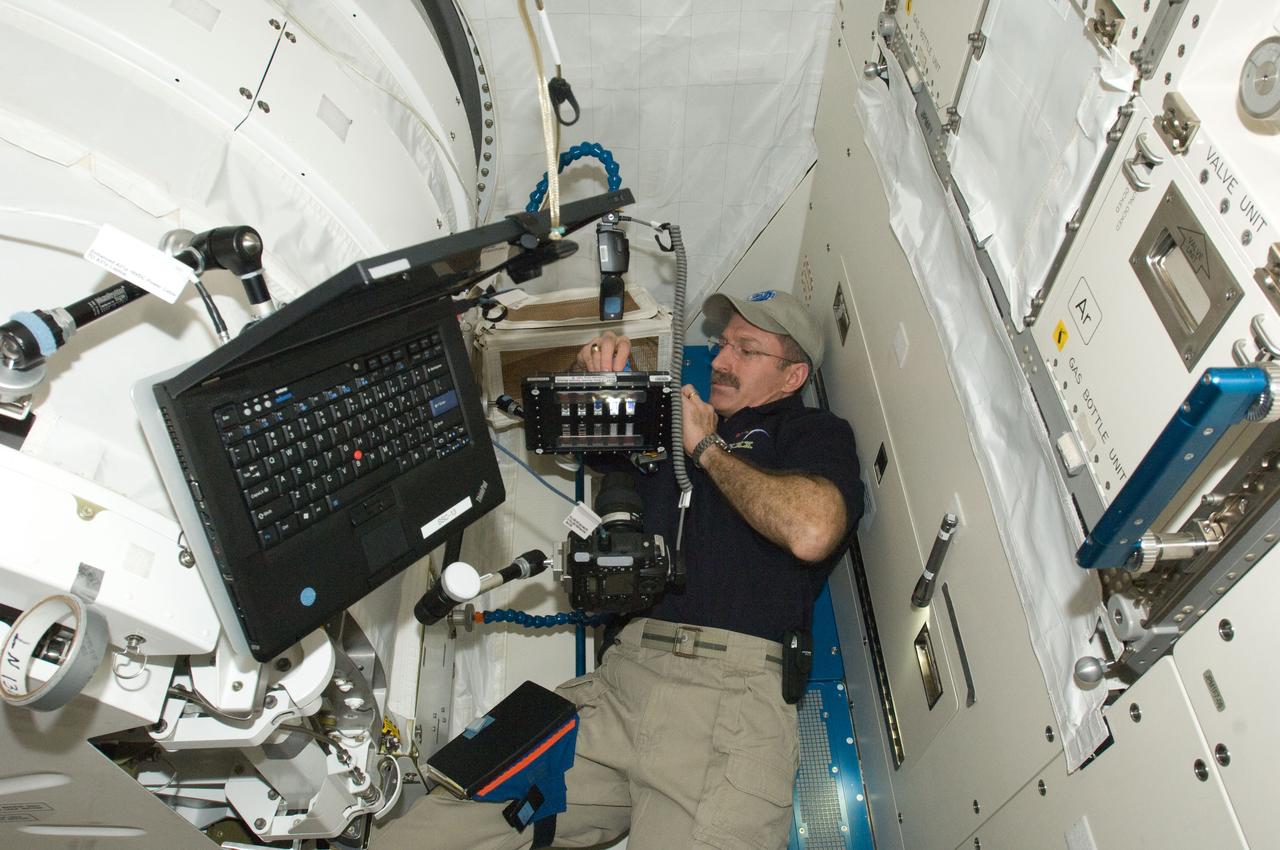
ISS030-E-063957 (8 Feb. 2012) --- NASA astronaut Dan Burbank, Expedition 30 commander, conducts a session with the Binary Colloidal Alloy Test-6 (BCAT-6) experiment in the Kibo laboratory of the International Space Station.
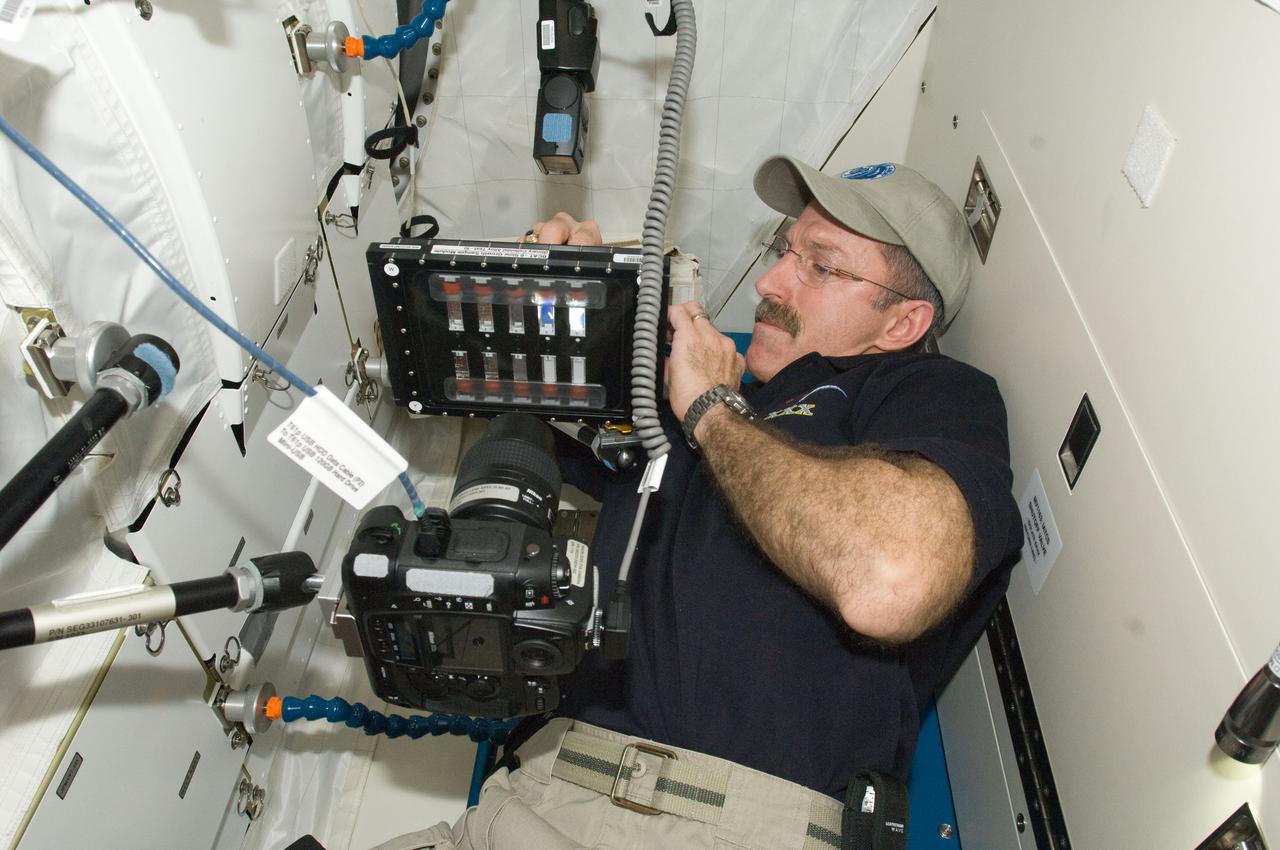
ISS030-E-063961 (8 Feb. 2012) --- NASA astronaut Dan Burbank, Expedition 30 commander, conducts a session with the Binary Colloidal Alloy Test-6 (BCAT-6) experiment in the Kibo laboratory of the International Space Station.
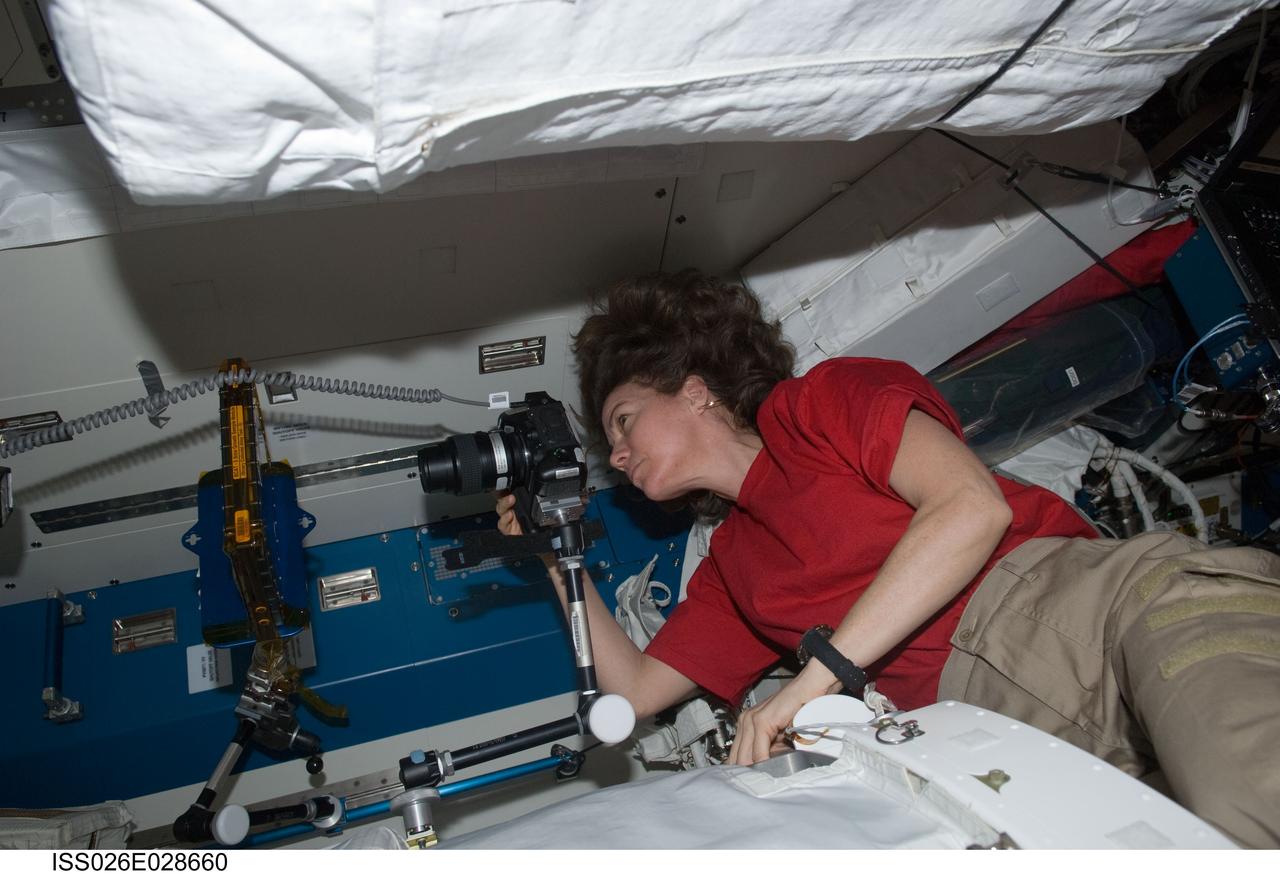
ISS026-E-028660 (23 Feb. 2011) --- NASA astronaut Catherine (Cady) Coleman, Expedition 26 flight engineer, uses a digital still camera to photograph the Binary Colloidal Alloy Test-5 (BCAT-5) payload setup in the Kibo laboratory of the International Space Station.
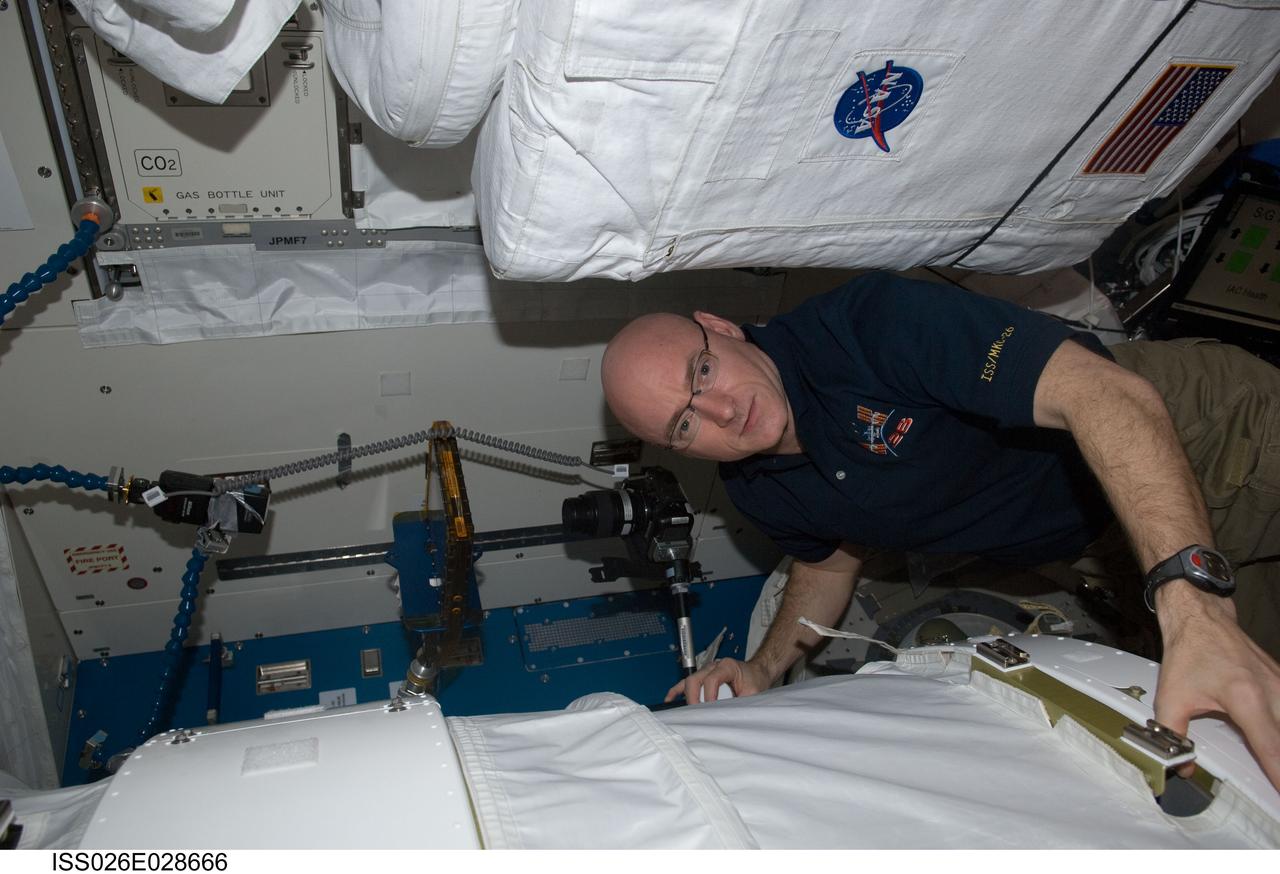
ISS026-E-028666 (23 Feb. 2011) --- NASA astronaut Scott Kelly, Expedition 26 commander, uses a digital still camera to photograph the Binary Colloidal Alloy Test-5 (BCAT-5) payload setup in the Kibo laboratory of the International Space Station.
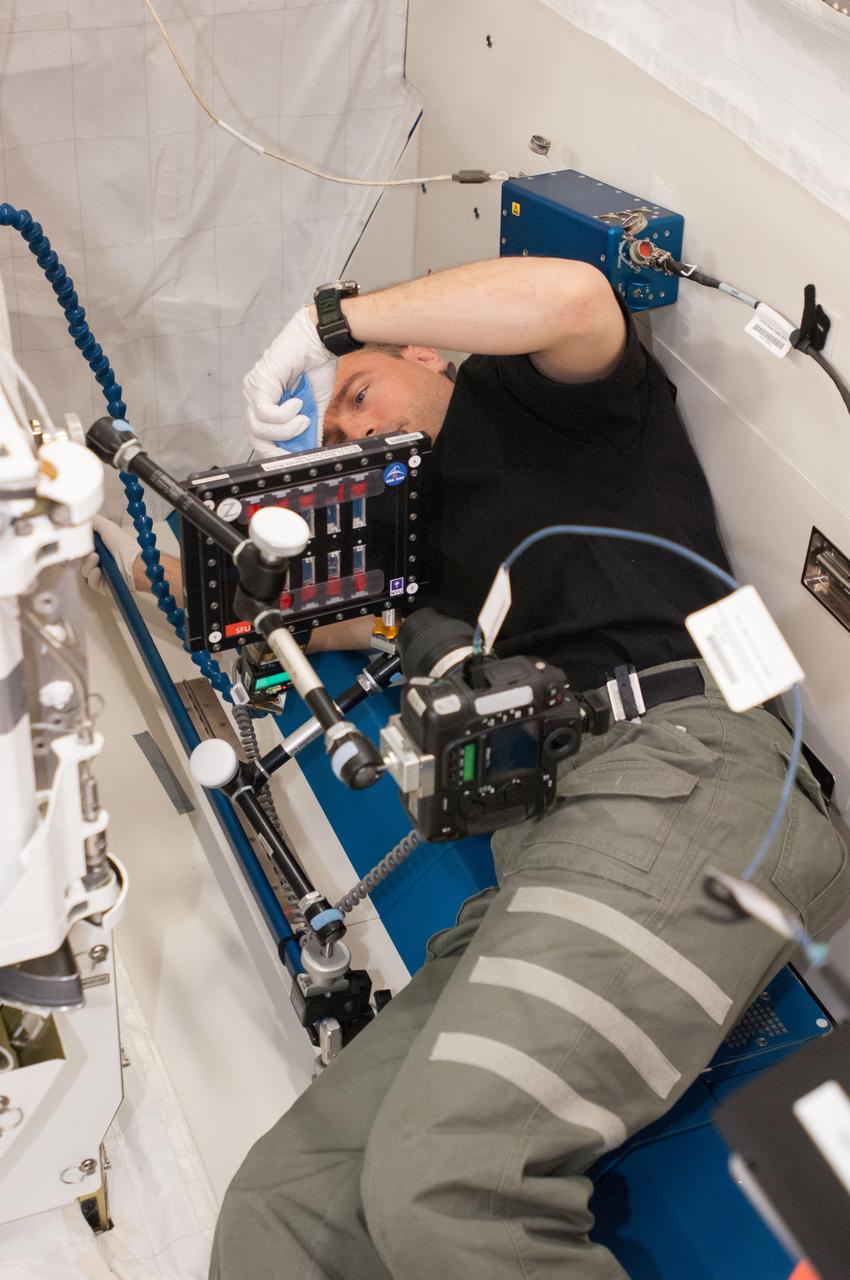
ISS040-E-076505 (25 July 2014) --- NASA astronaut Reid Wiseman, Expedition 40 flight engineer, conducts a session with the Binary Colloidal Alloy Test-C1, or BCAT-C1, experiment in the Kibo laboratory of the International Space Station. Results from this ongoing investigation of colloids ? mixtures of small particles distributed throughout a liquid ? will help materials scientists to develop new consumer products with unique properties and longer shelf lives.
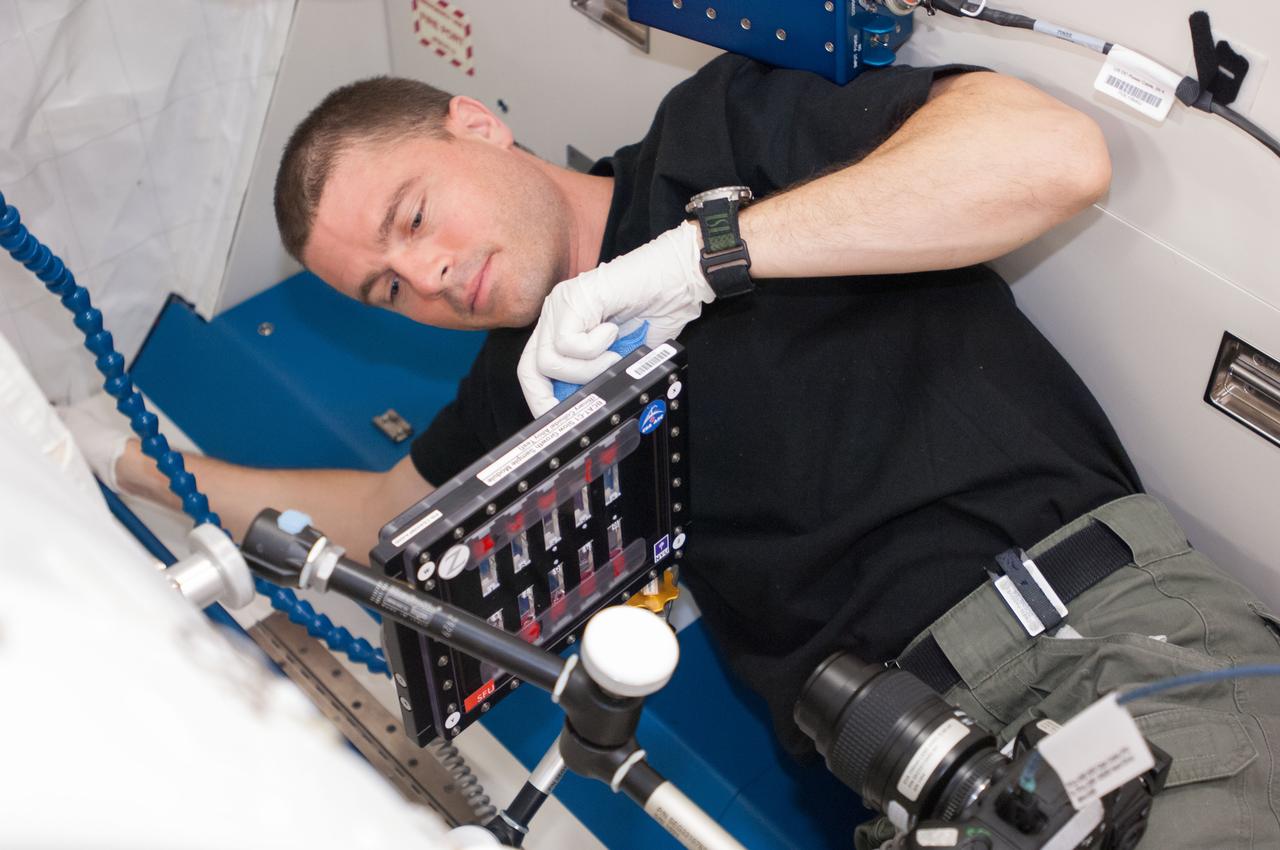
ISS040-E-076510 (25 July 2014) --- NASA astronaut Reid Wiseman, Expedition 40 flight engineer, conducts a session with the Binary Colloidal Alloy Test-C1, or BCAT-C1, experiment in the Kibo laboratory of the International Space Station. Results from this ongoing investigation of colloids ? mixtures of small particles distributed throughout a liquid ? will help materials scientists to develop new consumer products with unique properties and longer shelf lives.
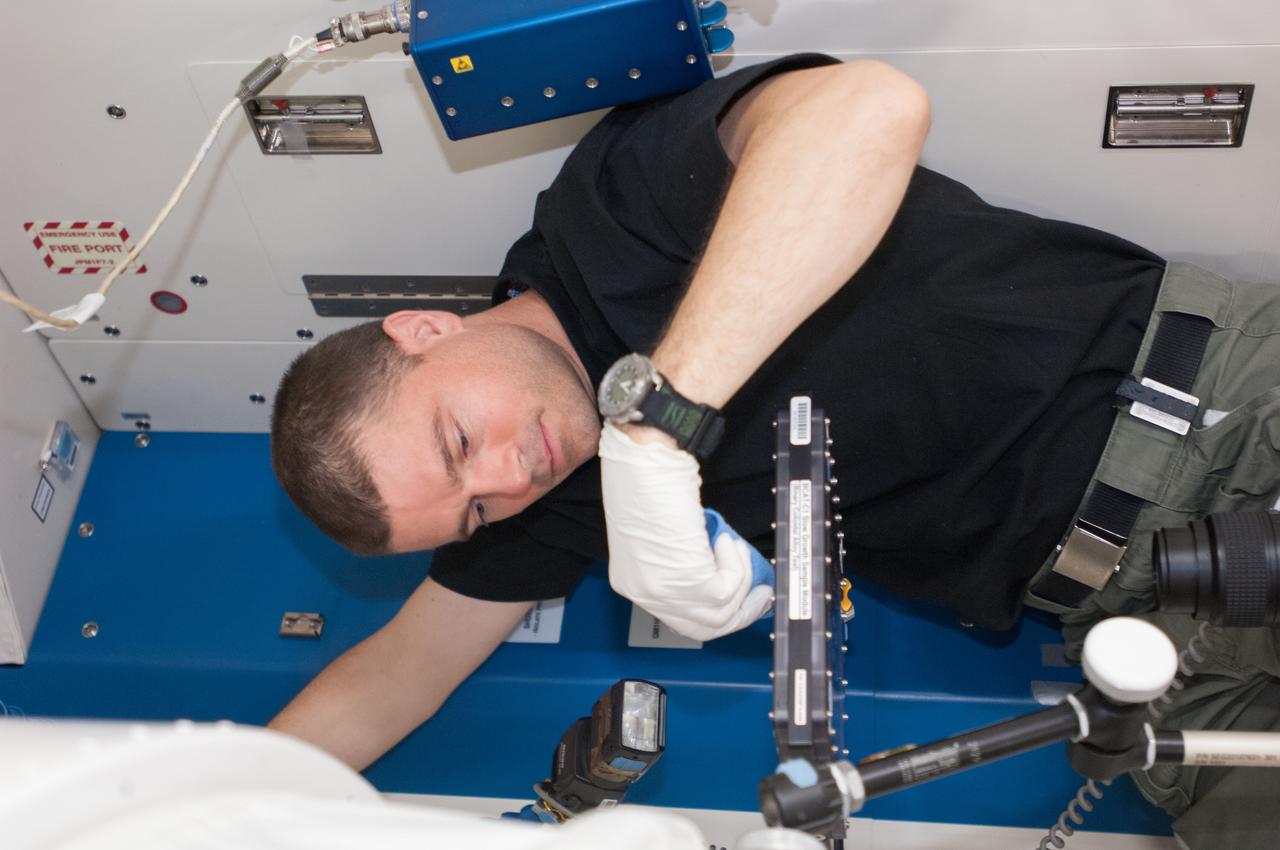
ISS040-E-076507 (25 July 2014) --- NASA astronaut Reid Wiseman, Expedition 40 flight engineer, conducts a session with the Binary Colloidal Alloy Test-C1, or BCAT-C1, experiment in the Kibo laboratory of the International Space Station. Results from this ongoing investigation of colloids ? mixtures of small particles distributed throughout a liquid ? will help materials scientists to develop new consumer products with unique properties and longer shelf lives.
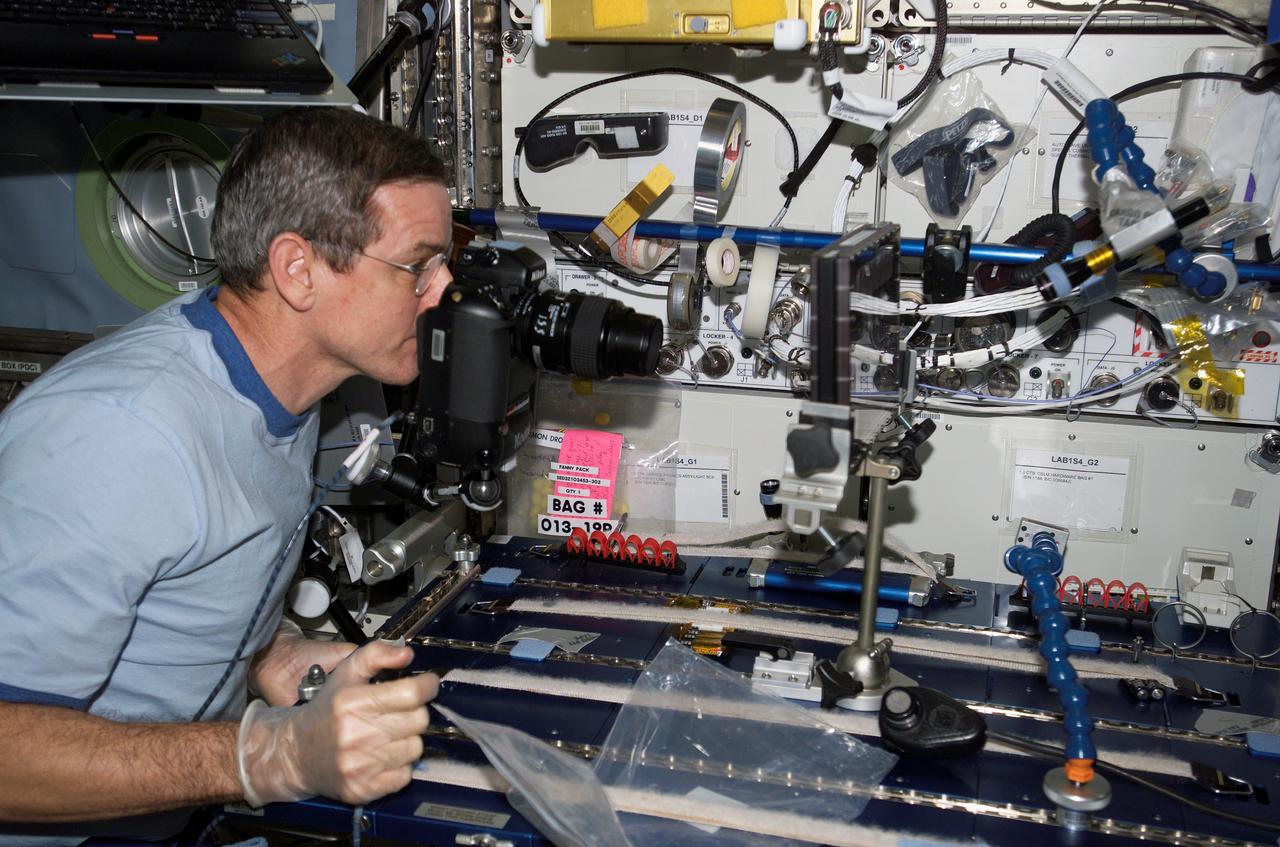
ISS012-E-07685 (11 Nov. 2005) --- Astronaut William S. (Bill) McArthur Jr., Expedition 12 commander and NASA space station science officer, photographs Binary Colloidal Alloy Test-3 (BCAT-3) experiment samples in the Destiny laboratory of the international space station.
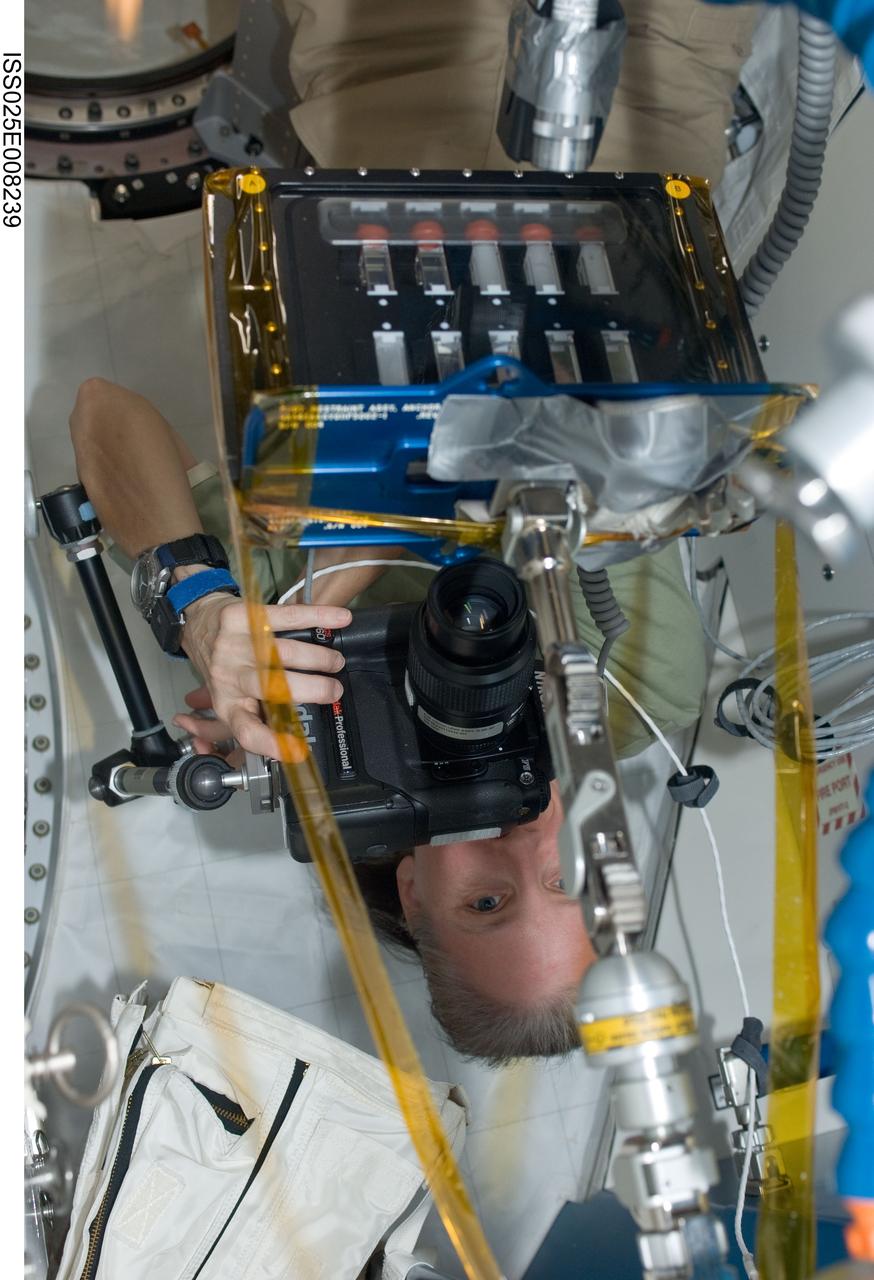
ISS025-E-008239 (19 Oct. 2010) --- NASA astronaut Shannon Walker, Expedition 25 flight engineer, uses a digital still camera to photograph Binary Colloidal Alloy Test-5 (BCAT-5) experiment samples in the Kibo laboratory of the International Space Station.
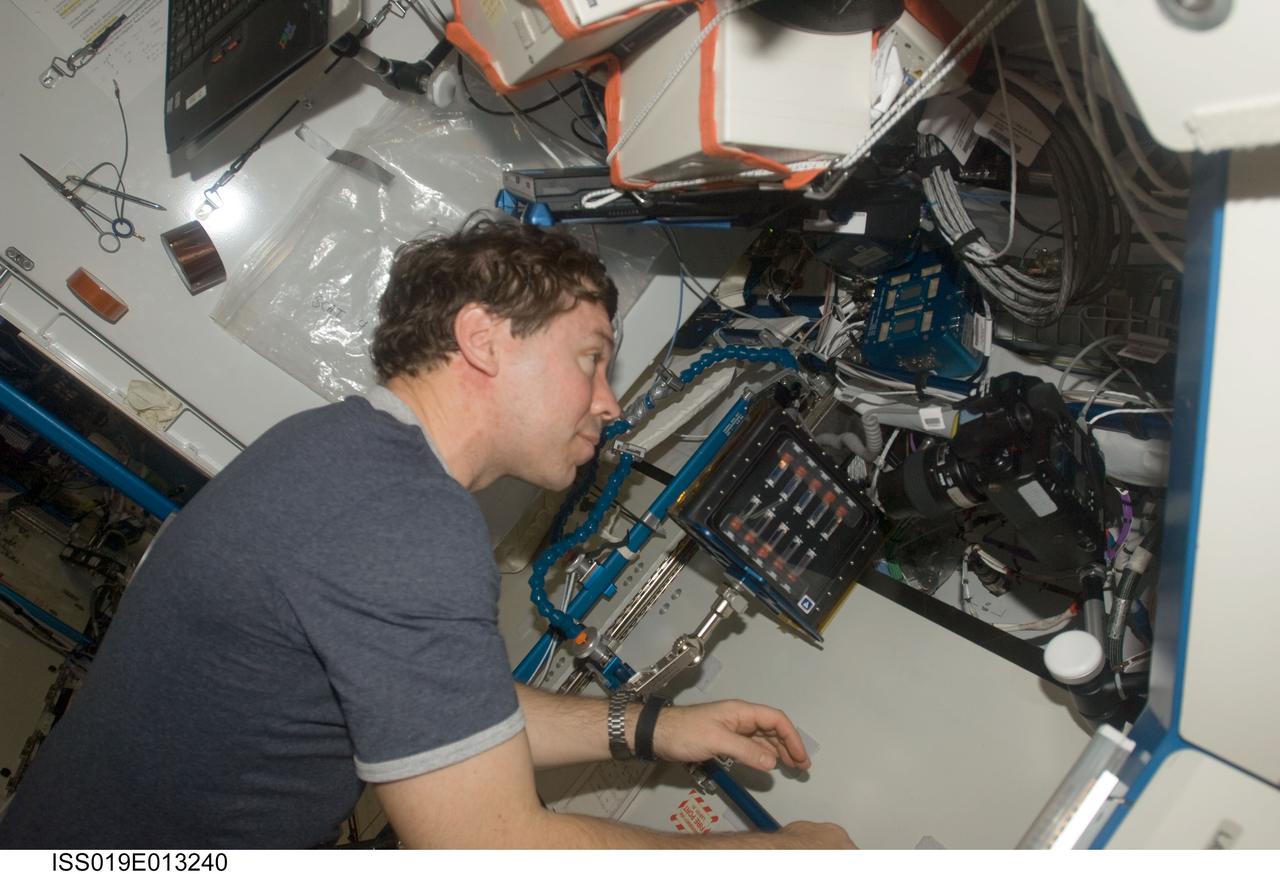
ISS019-E-013240 (2 May 2009) --- Astronaut Michael Barratt, Expedition 19/20 flight engineer, conducts a session with the Binodal Colloidal Aggregation Test?4 (BCAT-4) in the Destiny laboratory of the International Space Station. This experiment studies the long-term behavior of colloids ? fine particles suspended in a fluid in a microgravity environment, where the effects of sedimentation and convention are removed. Results from this study may lead to new colloid materials with applications in the communications and computer industries for switches, displays and optical devices with properties that could rival those of lasers.
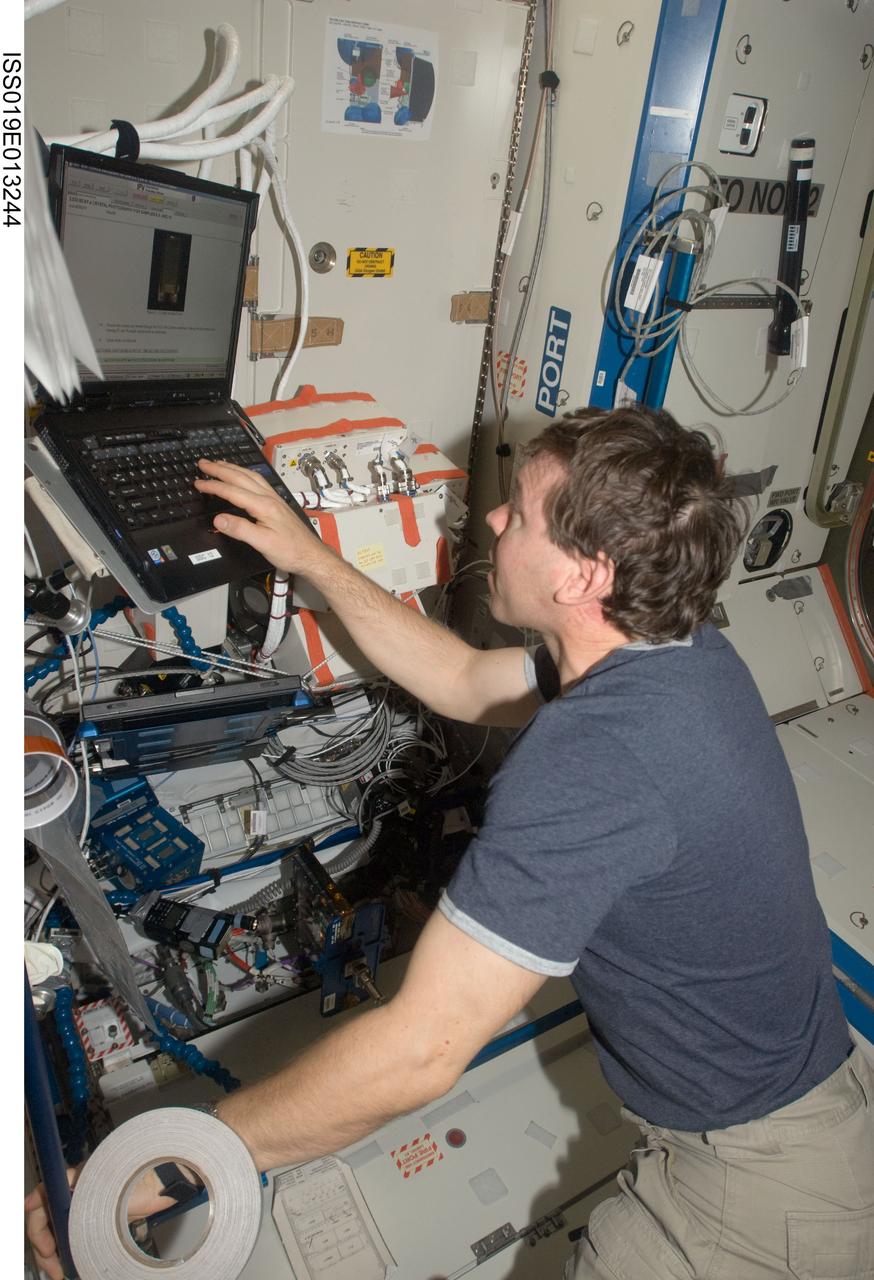
ISS019-E-013244 (2 May 2009) --- Astronaut Michael Barratt, Expedition 19/20 flight engineer, uses a computer during a session with the Binodal Colloidal Aggregation Test?4 (BCAT-4) in the Destiny laboratory of the International Space Station. This experiment studies the long-term behavior of colloids ? fine particles suspended in a fluid in a microgravity environment, where the effects of sedimentation and convention are removed. Results from this study may lead to new colloid materials with applications in the communications and computer industries for switches, displays and optical devices with properties that could rival those of lasers.
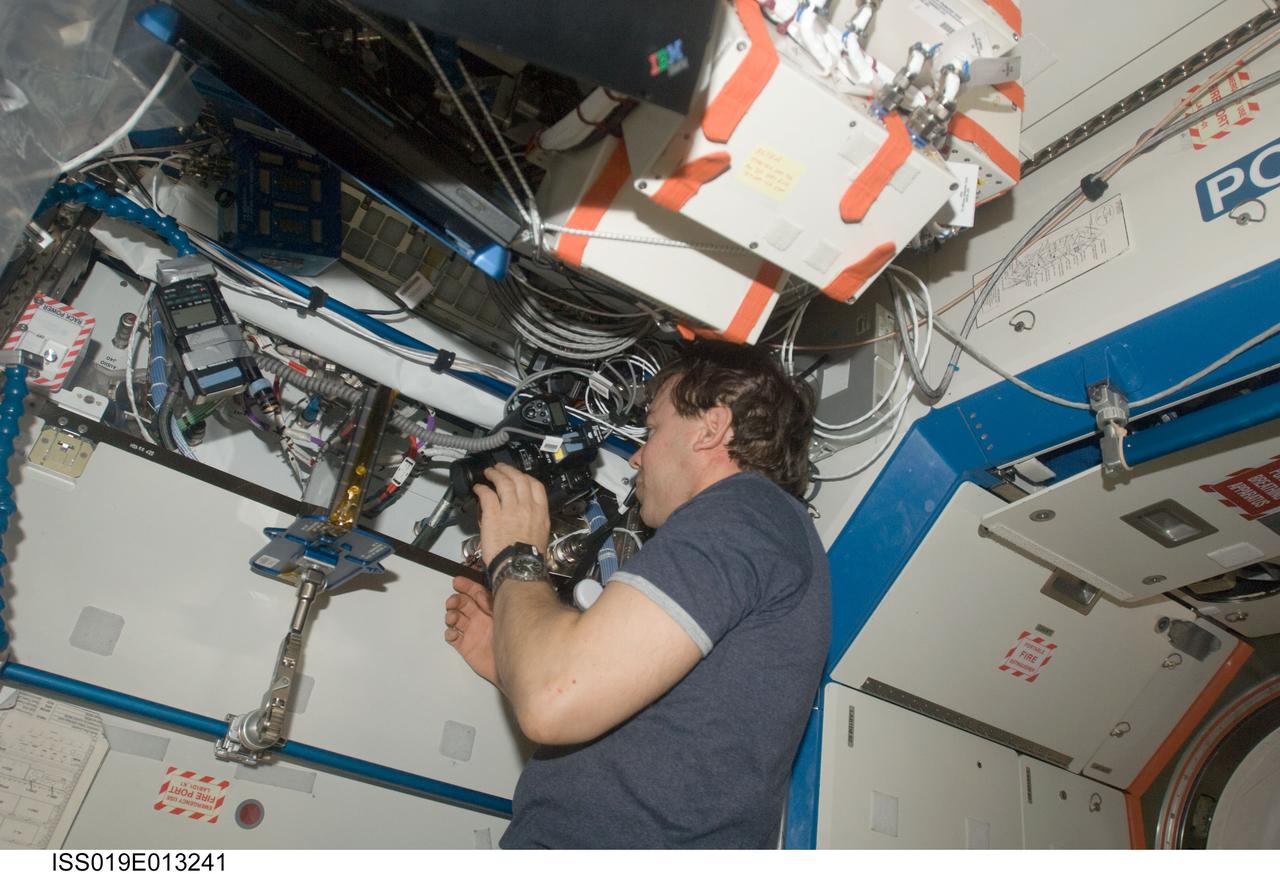
ISS019-E-013241 (2 May 2009) --- Astronaut Michael Barratt, Expedition 19/20 flight engineer, prepares to photograph Binodal Colloidal Aggregation Test?4 (BCAT-4) experiment samples in the Destiny laboratory of the International Space Station. This experiment studies the long-term behavior of colloids ? fine particles suspended in a fluid in a microgravity environment, where the effects of sedimentation and convention are removed. Results from this study may lead to new colloid materials with applications in the communications and computer industries for switches, displays and optical devices with properties that could rival those of lasers.
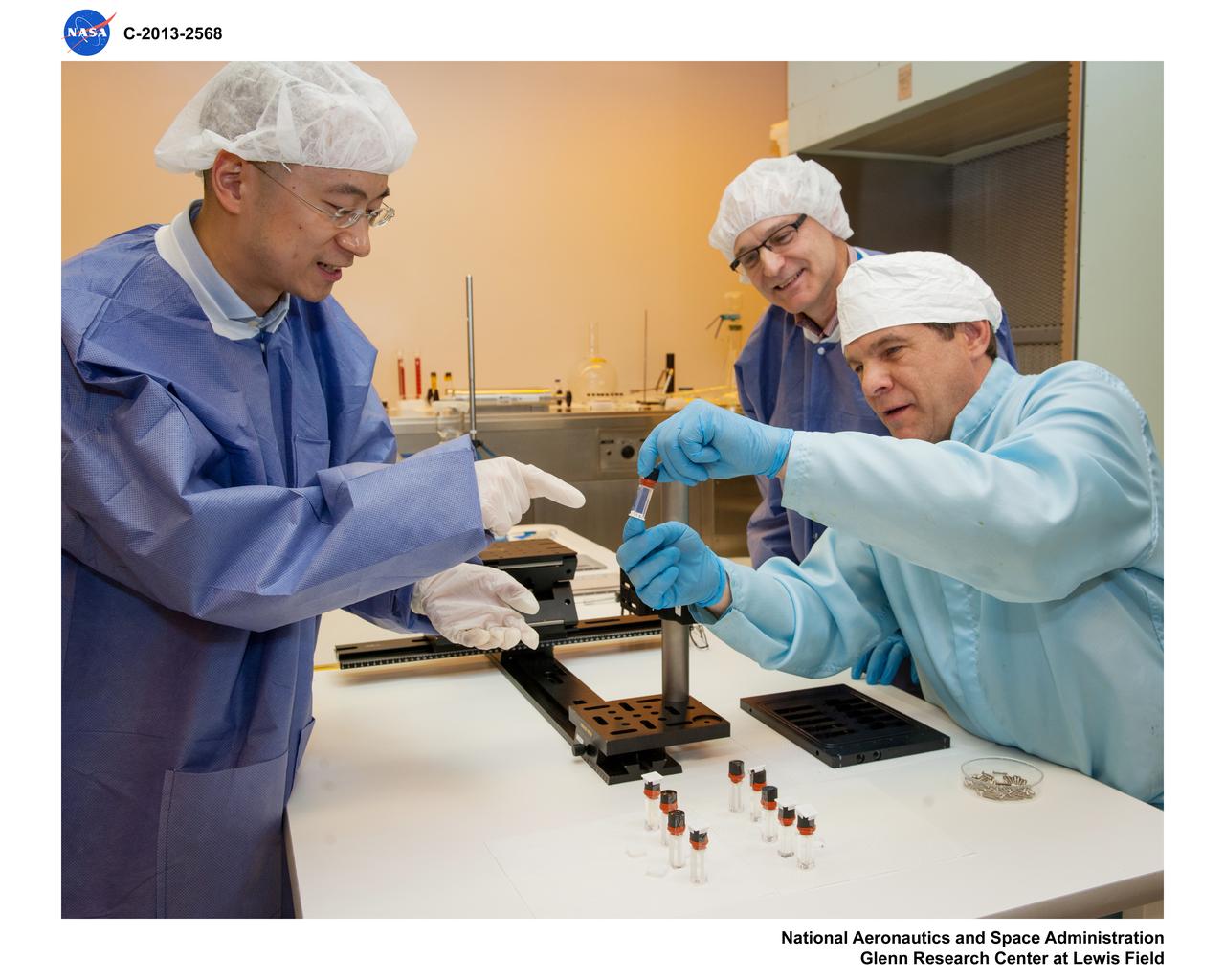
BCAT-5, ISS, International Space Station
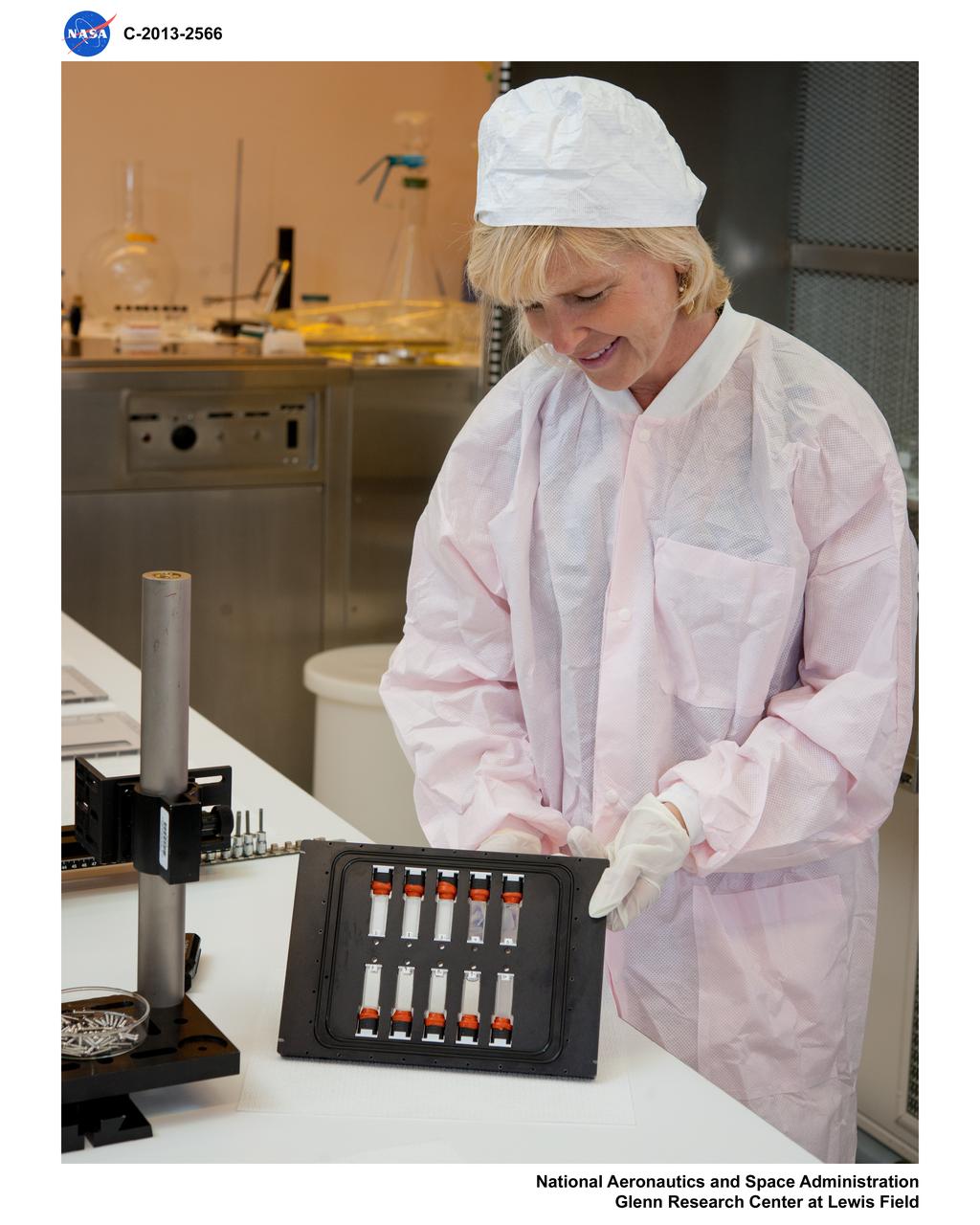
BCAT-5, ISS, International Space Station
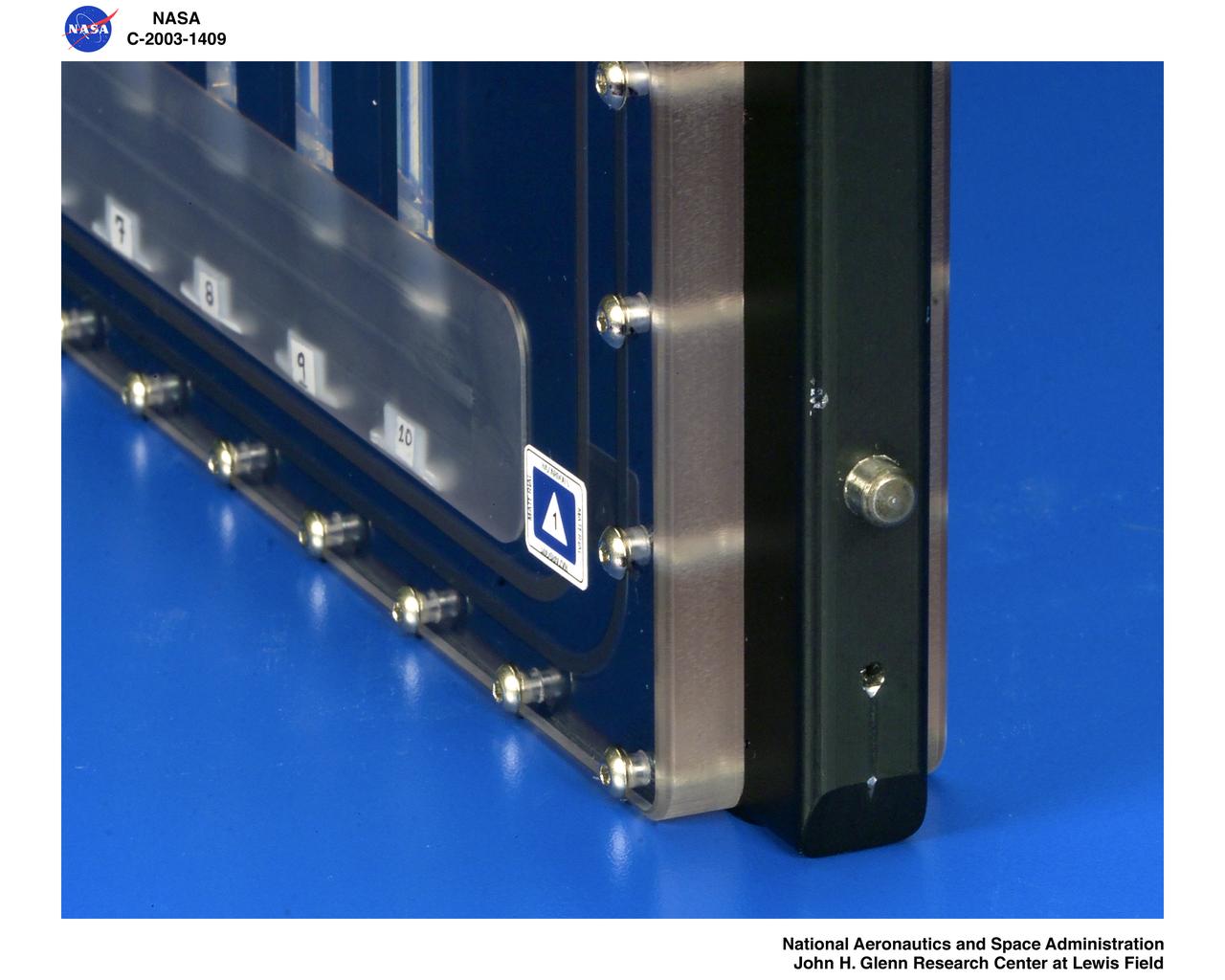
BCAT-3 - Binary Collidoidal Alloy Test-3
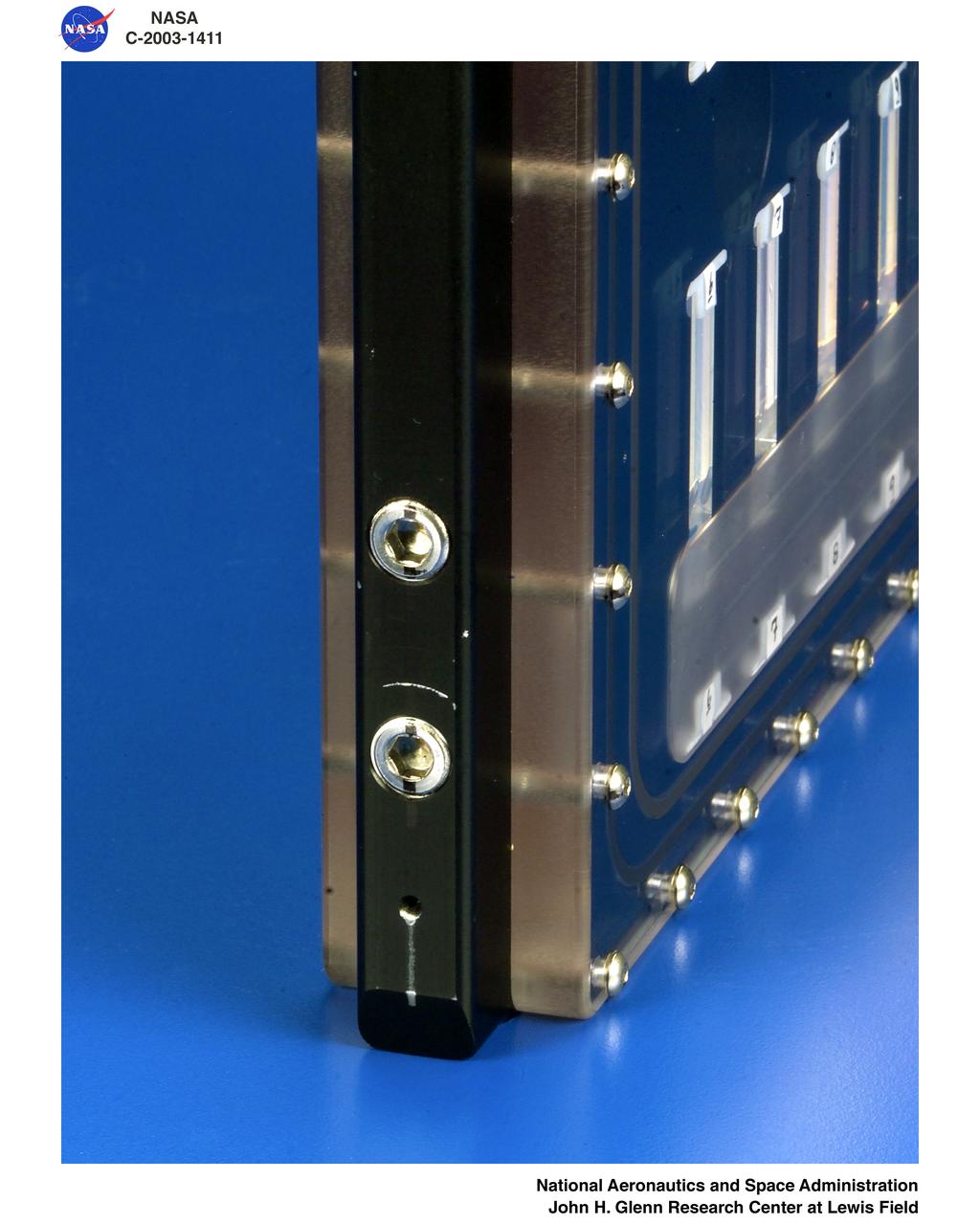
BCAT-3 - Binary Collidoidal Alloy Test-3
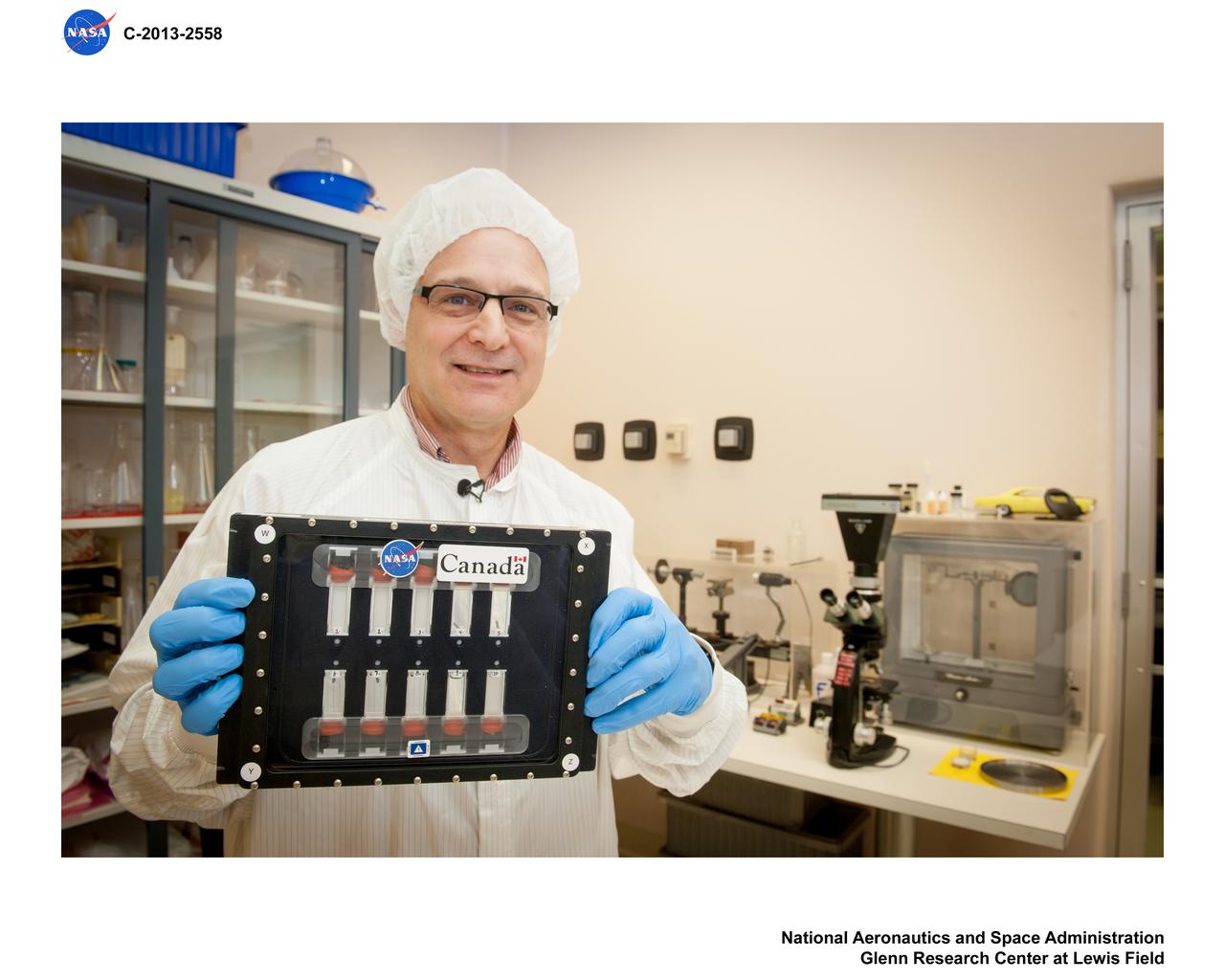
BCAT-5, ISS, International Space Station
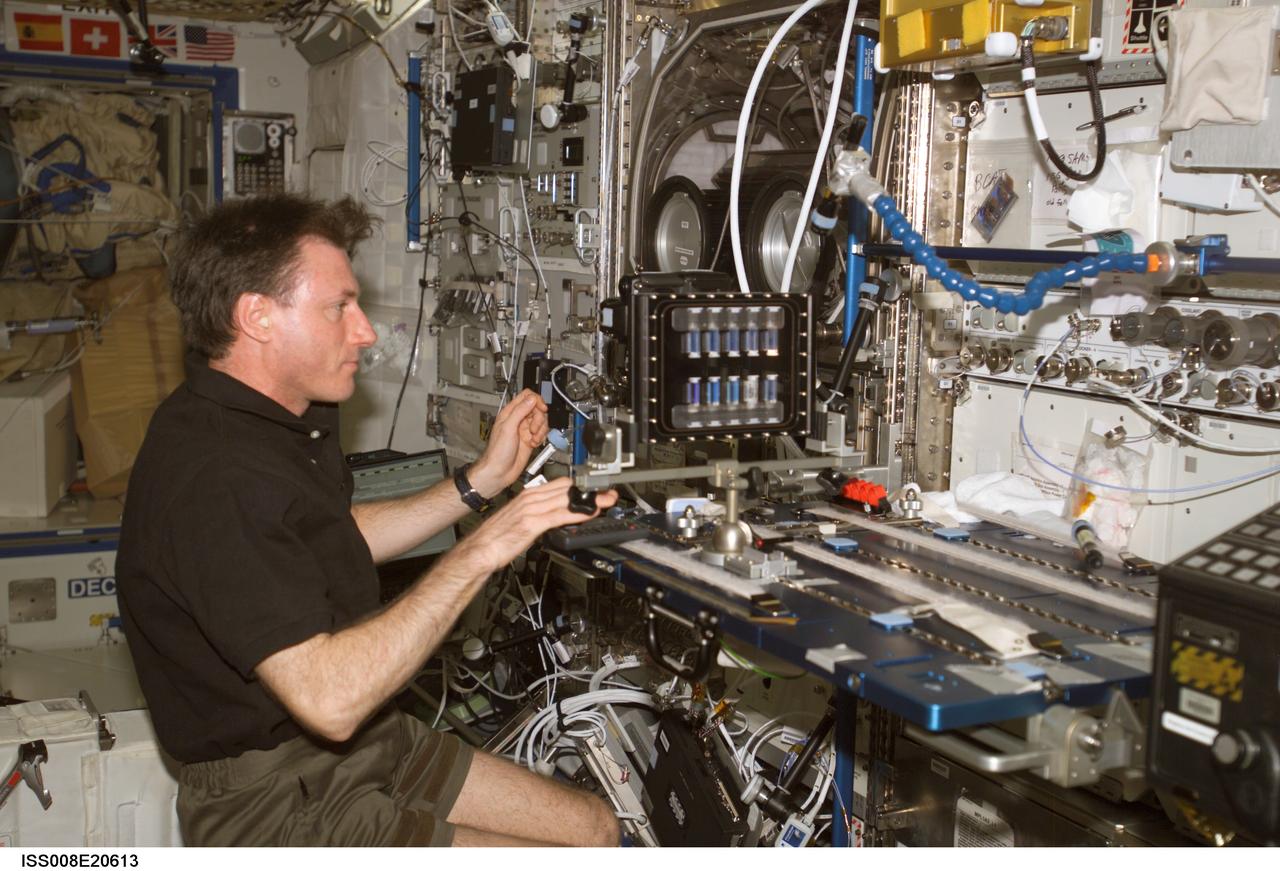
ISS008-E-20613 (5 April 2004) --- Astronaut C. Michael Foale, Expedition 8 commander and NASA ISS science officer, works with a Slow Growth Sample Module (SGSM) for the Binary Colloidal Alloy Test-3 (BCAT) experiment. The SGSM is on a mounting bracket attached to the Maintenance Work Area (MWA) table set up in the Destiny laboratory of the International Space Station (ISS).
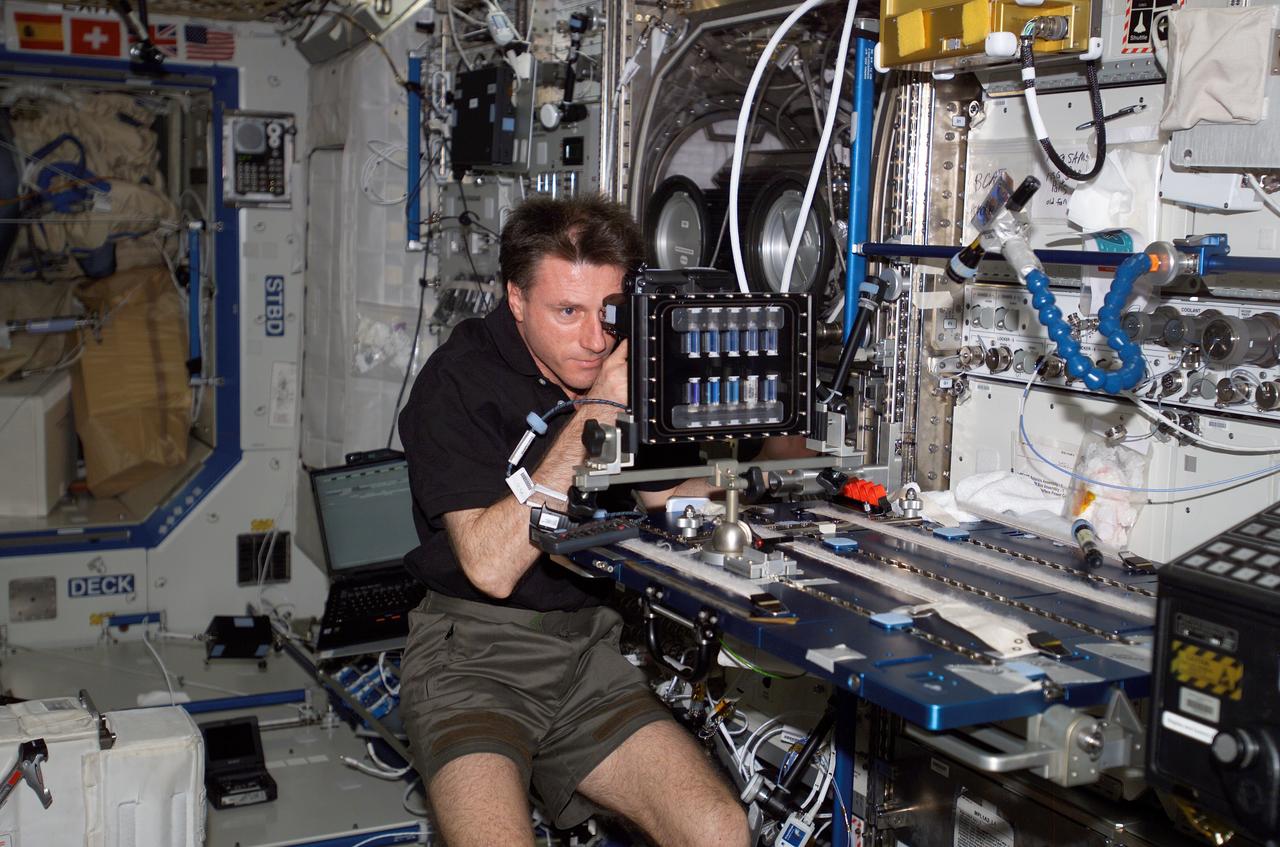
ISS008-E-20610 (5 April 2004) --- Astronaut C. Michael Foale, Expedition 8 commander and NASA ISS science officer, uses a digital still camera to photograph a Slow Growth Sample Module (SGSM) for the Binary Colloidal Alloy Test-3 (BCAT) experiment. The SGSM is on a mounting bracket attached to the Maintenance Work Area (MWA) table set up in the Destiny laboratory of the International Space Station (ISS).
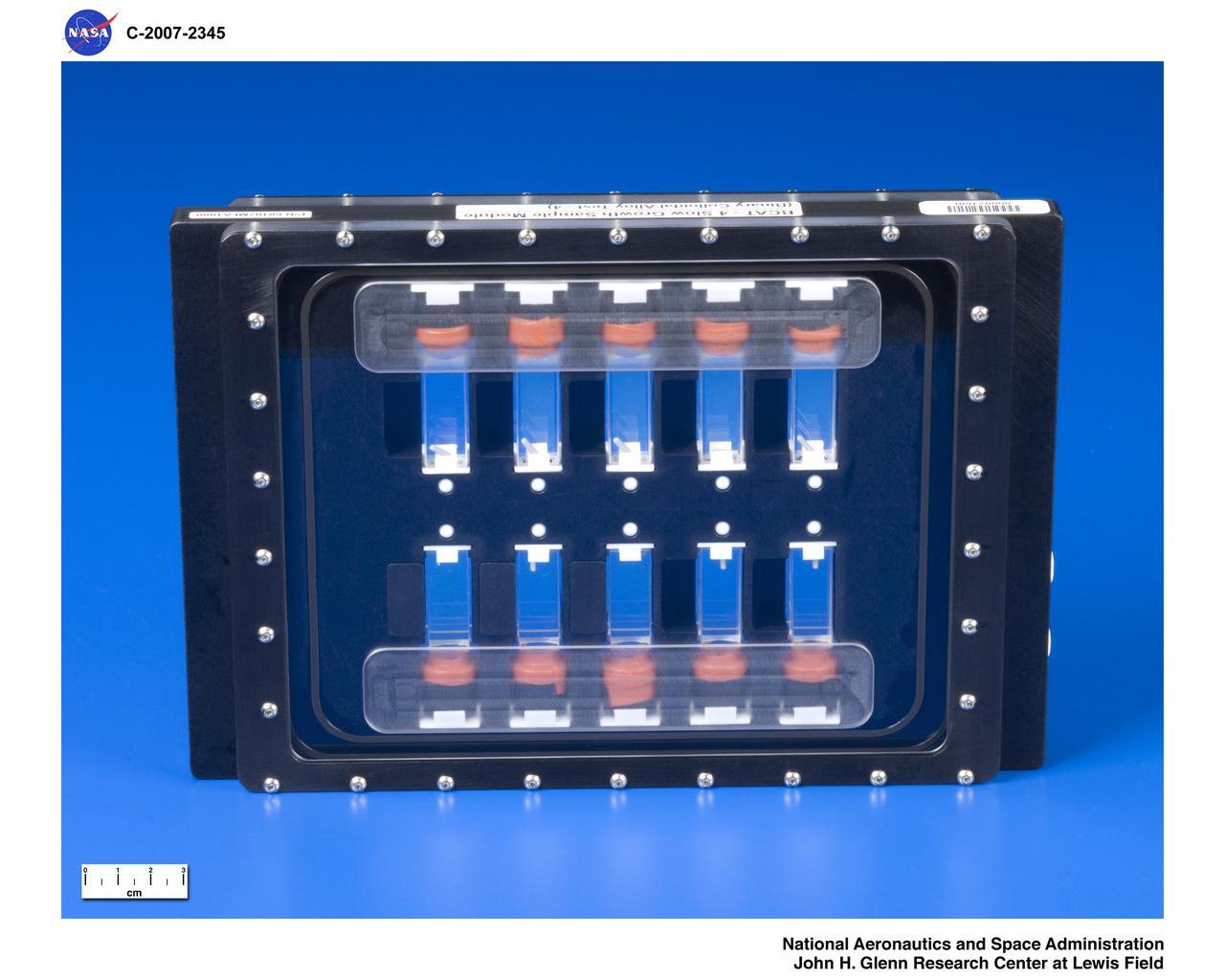
Binary Collidoidal Alloy Test-4, (BCAT-4) Flight Hardware
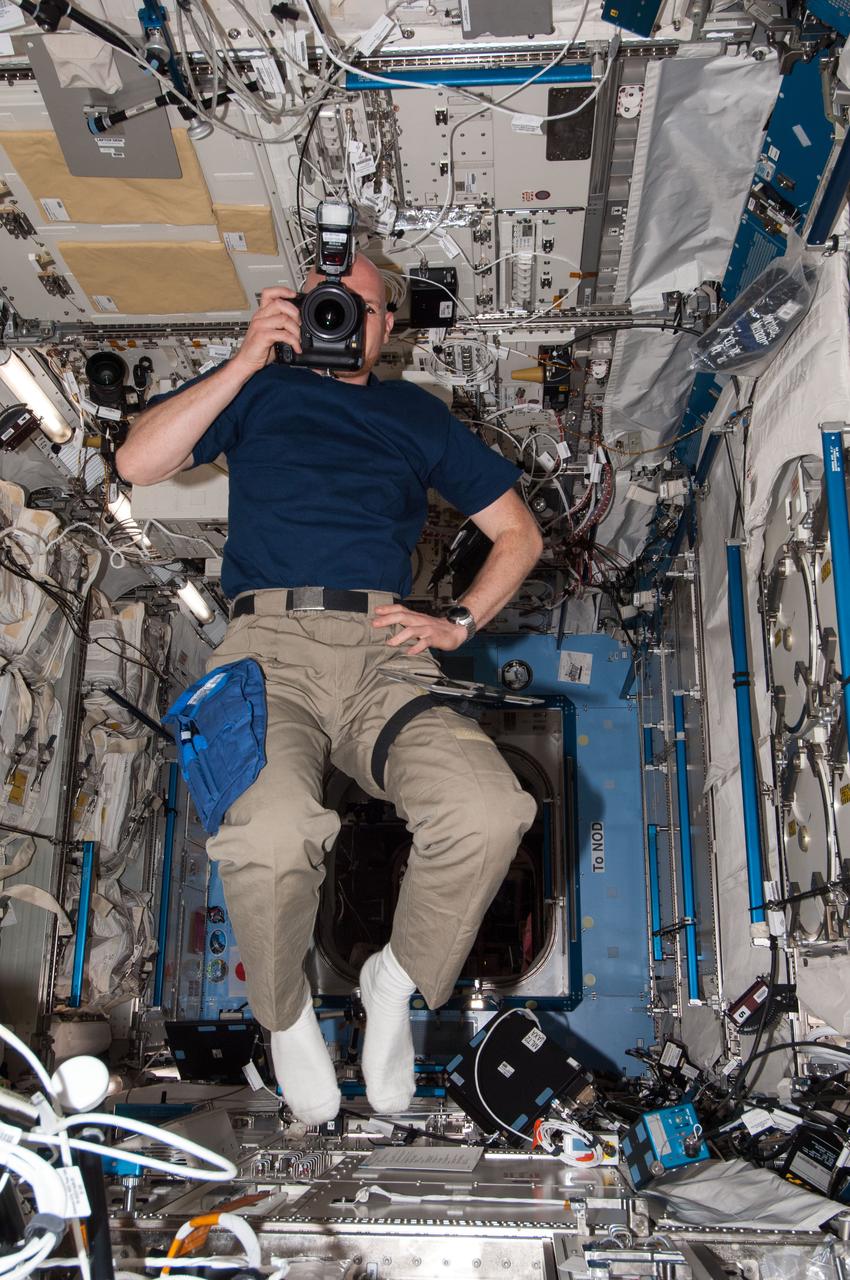
ISS040-E-006885 (3 June 2014) --- European Space Agency astronaut Alexander Gerst, Expedition 40 flight engineer, uses a still camera in the Kibo laboratory of the International Space Station.

ISS028-E-036517 (2 Sept. 2011) --- NASA astronaut Mike Fossum, Expedition 28 flight engineer, conducts a session with the Binary Colloidal Alloy Test-5 (BCAT-5) in the Kibo laboratory of the International Space Station.
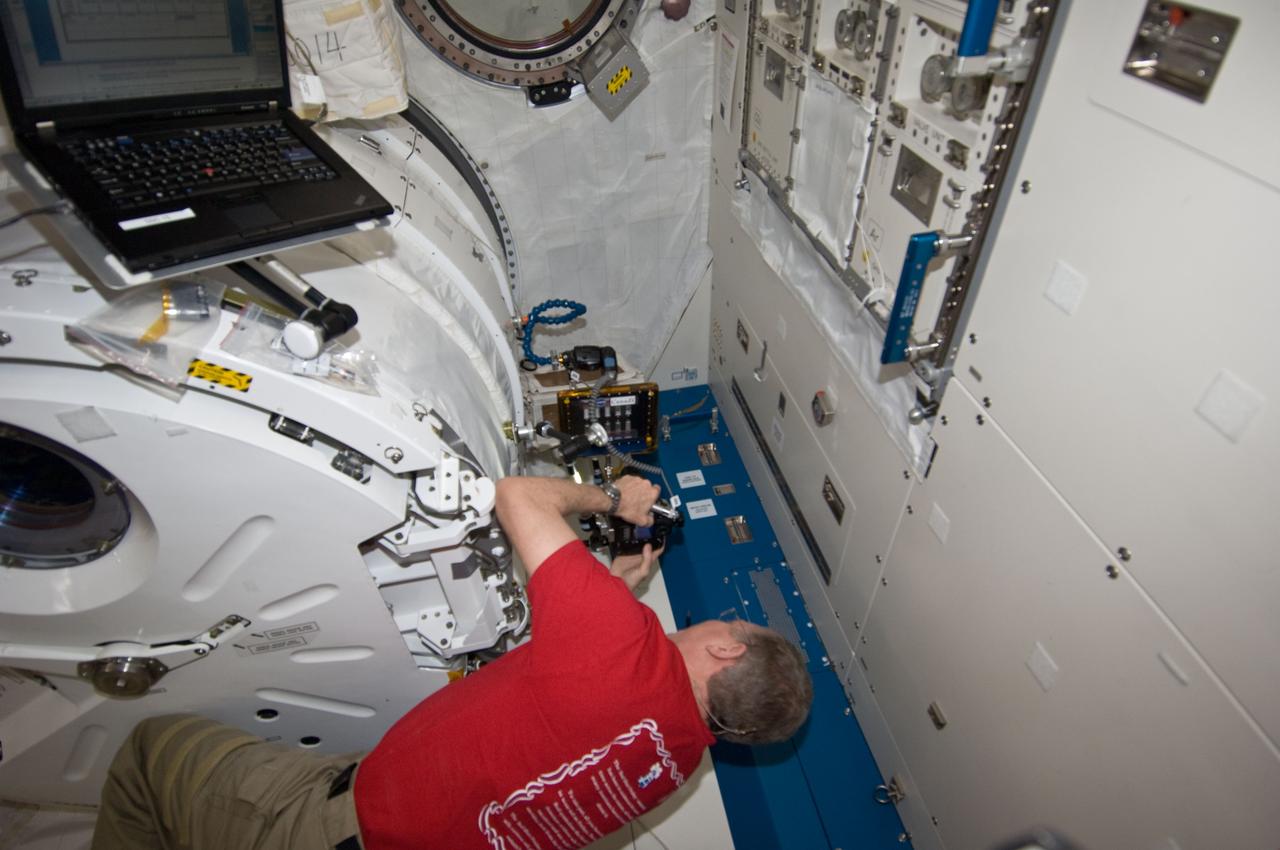
ISS028-E-036580 (2 Sept. 2011) --- NASA astronaut Mike Fossum, Expedition 28 flight engineer, conducts a session with the Binary Colloidal Alloy Test-5 (BCAT-5) in the Kibo laboratory of the International Space Station.
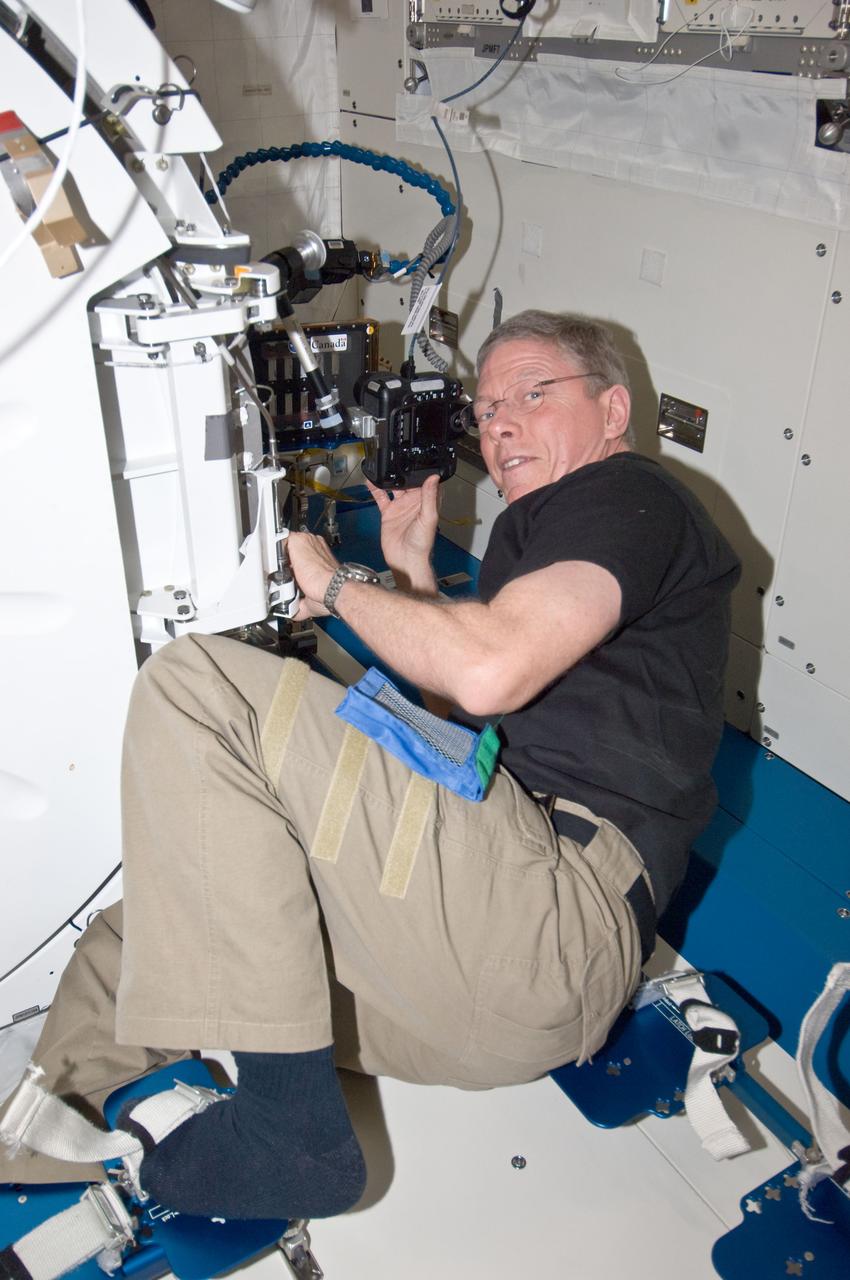
ISS029-E-010999 (21 Sept. 2011) --- NASA astronaut Mike Fossum, Expedition 29 commander, prepares a camcorder for recording documentary video of the Binary Colloidal Alloy Test-5 (BCAT-5) payload operations in the Kibo laboratory of the International Space Station.
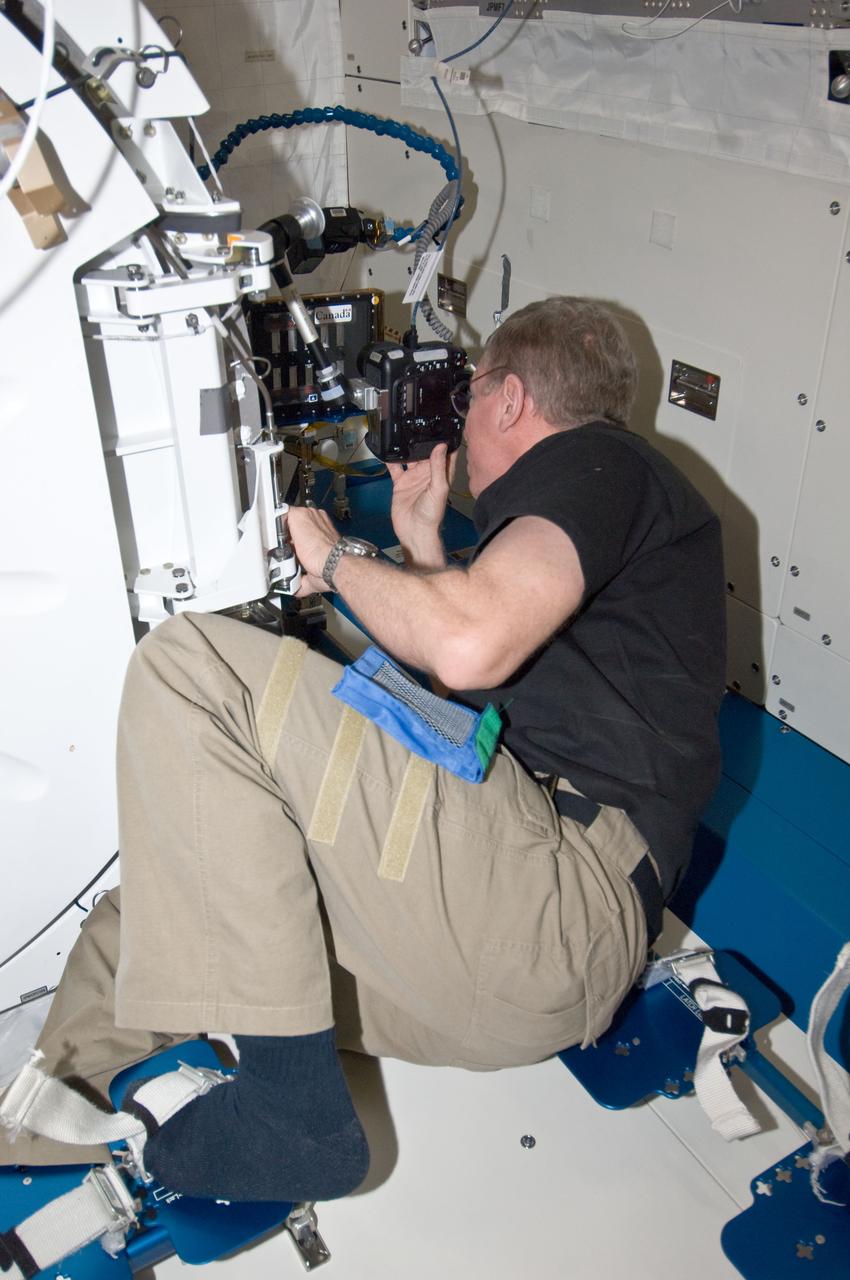
ISS029-E-010998 (21 Sept. 2011) --- NASA astronaut Mike Fossum, Expedition 29 commander, prepares a camcorder for recording documentary video of the Binary Colloidal Alloy Test-5 (BCAT-5) payload operations in the Kibo laboratory of the International Space Station.
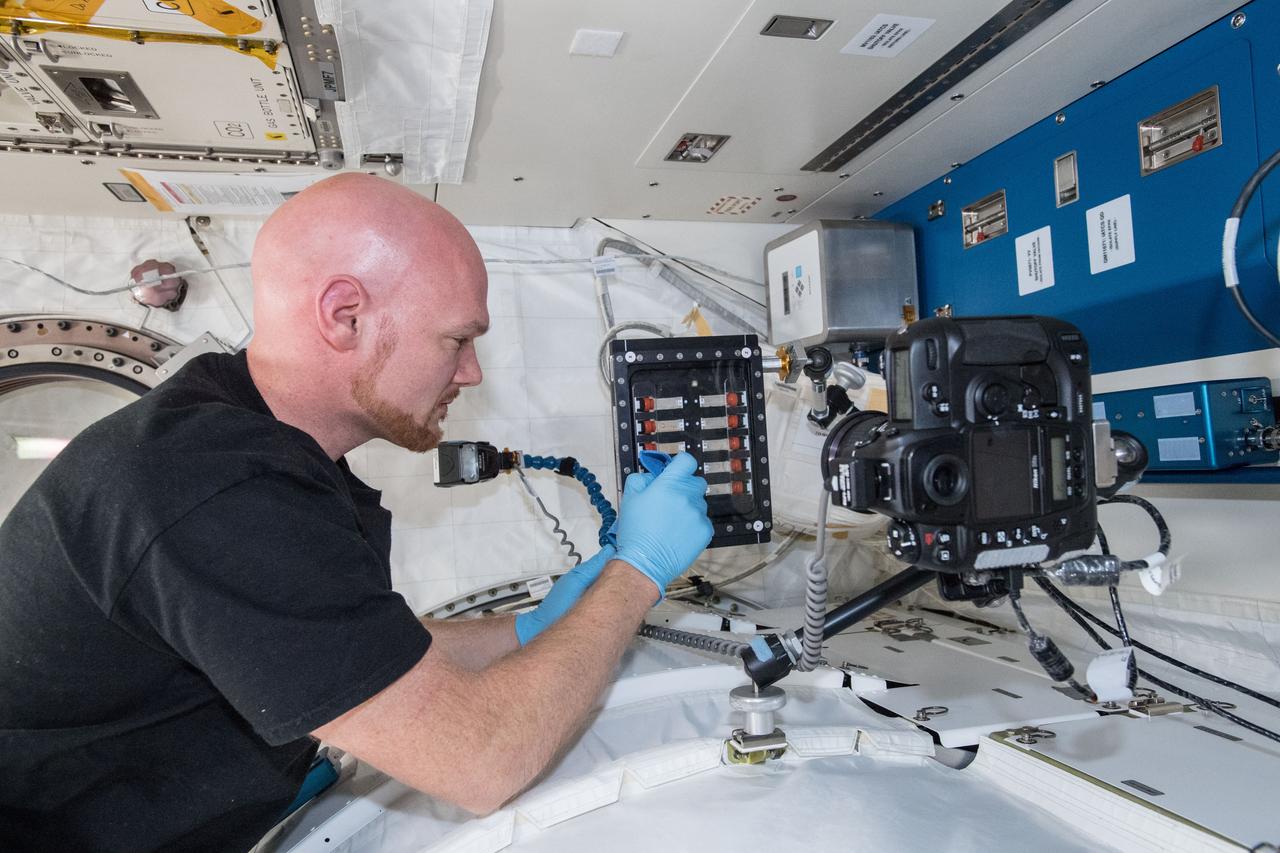
iss056e098995 (July 26, 2018) --- Astronaut Alexander Gerst of ESA (European Space Agency) works inside the Japanese Kibo laboratory module taking pictures of samples for the Binary Colloidal Alloy Test-Cohesive Sedimentation investigation (BCAT-CS). The fluid physics research explores the sedimentary properties of quartz and clay particles. Mixed quartz and clay samples are suspended in a liquid for photographic and video downlink to scientists on Earth helping guide future geological studies of unexplored planets and improving petroleum exploration here on Earth.
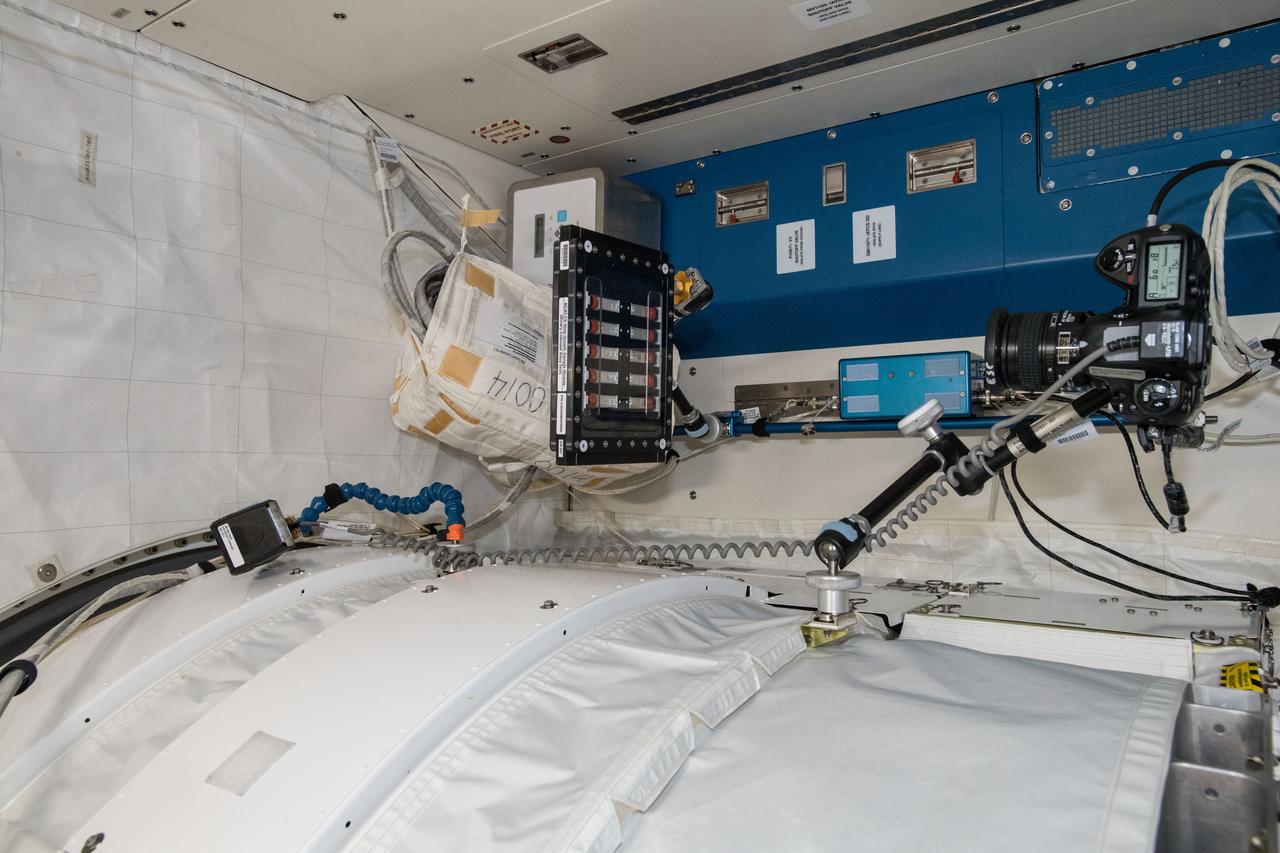
iss056e098988 (July 26, 2018) --- Photographic documentation of the Binary Colloidal Alloy Test-Cohesive Sedimentation investigation (BCAT-CS). The fluid physics research explores the sedimentary properties of quartz and clay particles. Mixed quartz and clay samples are suspended in a liquid for photographic and video downlink to scientists on Earth helping guide future geological studies of unexplored planets and improving petroleum exploration here on Earth.

ISS018-E-013863 (20 Dec. 2008) --- Astronaut Sandra Magnus, Expedition 18 flight engineer, works in the Harmony node of the International Space Station.