
iss060e043926 (Aug. 23, 2019) --- Expedition 60 Flight Engineer Christina Koch of NASA conducts science operations for the BioFabrication Facility experiment researching the effectiveness of using 3D biological printers to produce usable human organs in microgravity.
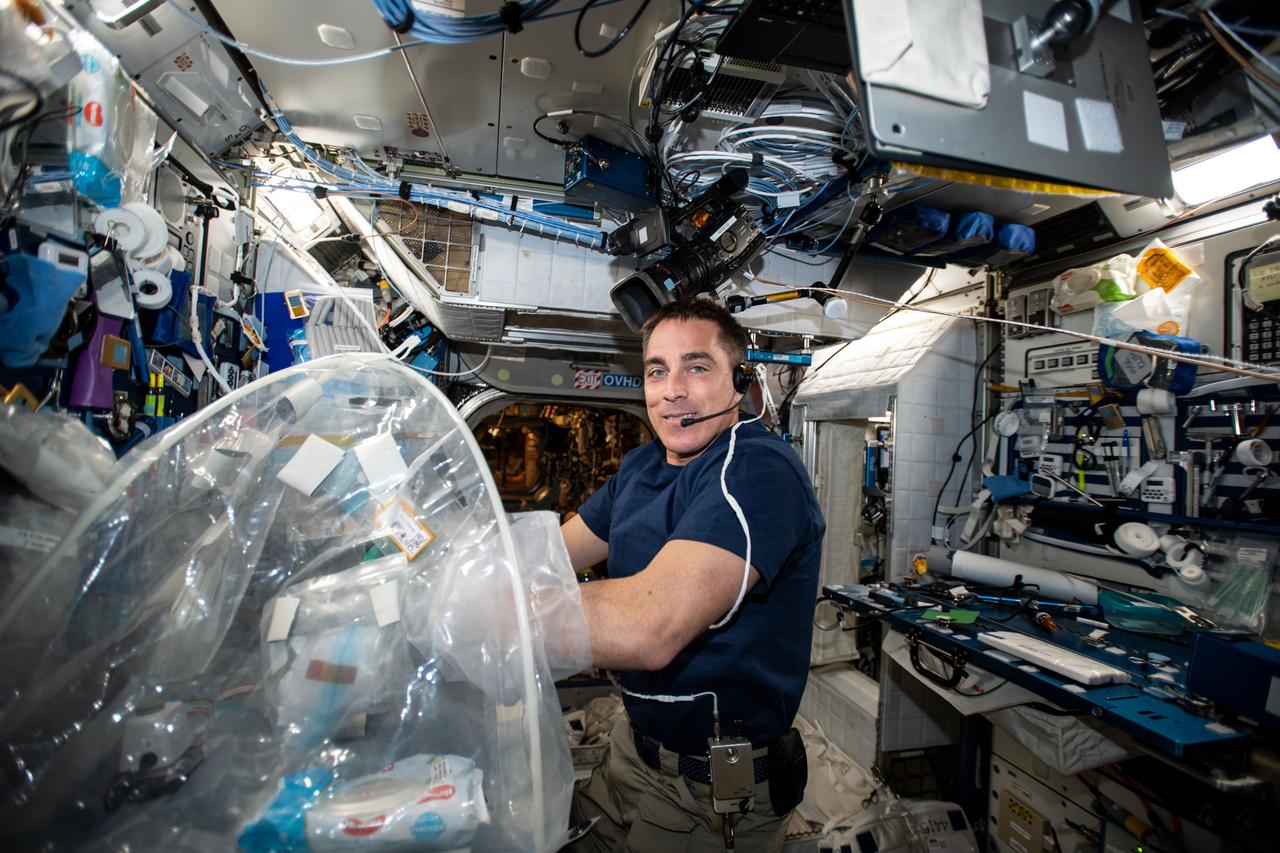
iss062e151901 (April 7, 2020) --- NASA astronaut Chris Cassidy services biological samples in a glovebag for the Food Physiology experiment to characterize the key effects of an enhanced spaceflight diet on immune function, the gut microbiome, and nutritional status indicators.
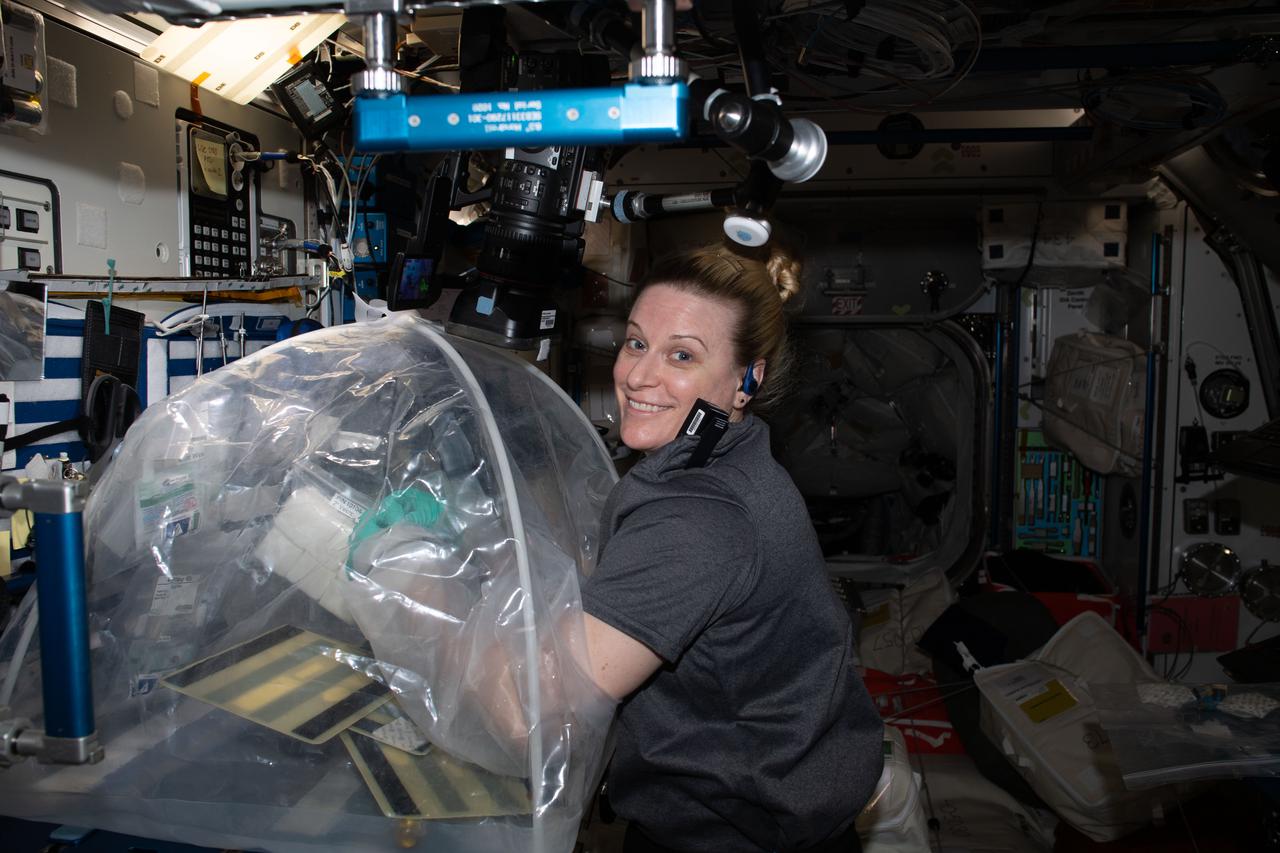
iss064e013392 (December 19, 2020) --- NASA astronaut Kate Rubins works in a glove bag on the MVP Cell-06 study. The experiment develops a biological model to study the effects of spaceflight on musculoskeletal disease. This investigation could lead to drugs to prevent the progression of this disease.
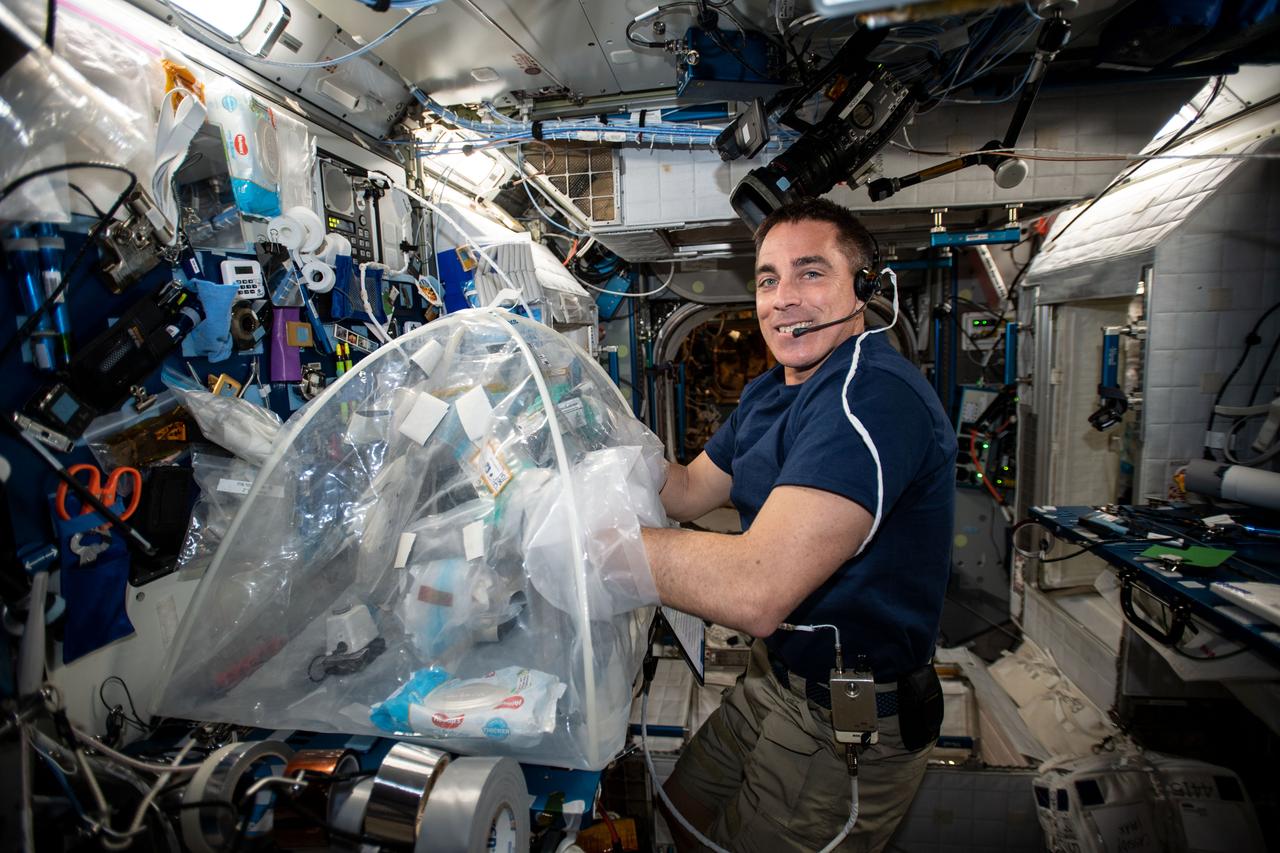
ss062e151904 (April 16, 2020) --- NASA astronaut Chris Cassidy services biological samples in a glovebag aboard the International Space Station (ISS) for the Food Physiology experiment to characterize the key effects of an enhanced spaceflight diet on immune function, the gut microbiome, and nutritional status indicators.
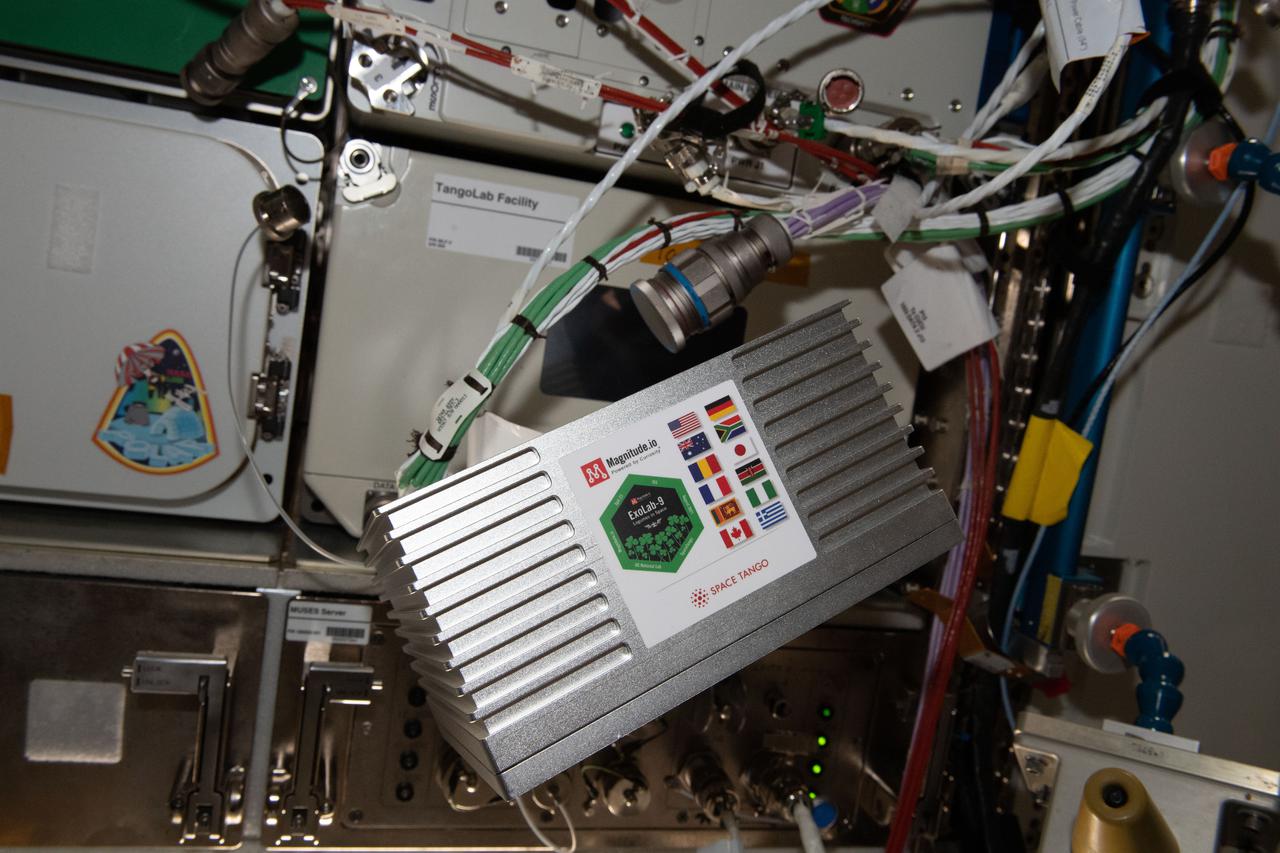
iss065e423765 (9/27/2021) --- --- A view of the Symbiotic Leguminous Nitrogen Fixation CubeLab onboard the International Space Station (ISS). Nitrogen Fixation of Leguminous Species in MicroG (Symbiotic Leguminous Nitrogen Fixation) explores microgravity’s effects on the growth and development of Vigna unguiculata, a legume capable of biological nitrogen fixation.
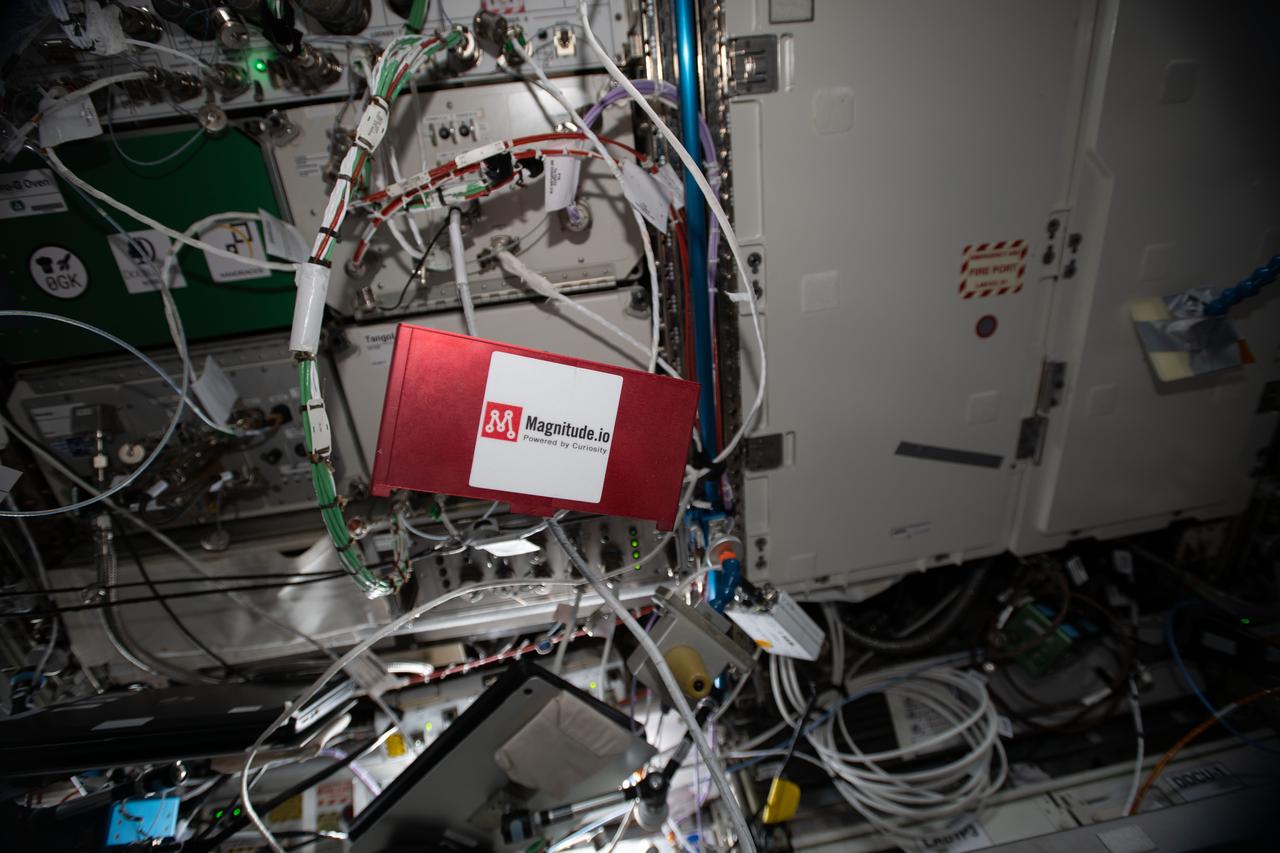
iss062e102715 (3/19/2020) --- A view of the Symbiotic Leguminous Nitrogen Fixation CubeLab onboard the International Space Station (ISS). Nitrogen Fixation of Leguminous Species in MicroG (Symbiotic Leguminous Nitrogen Fixation) explores microgravity’s effects on the growth and development of Vigna unguiculata, a legume capable of biological nitrogen fixation.
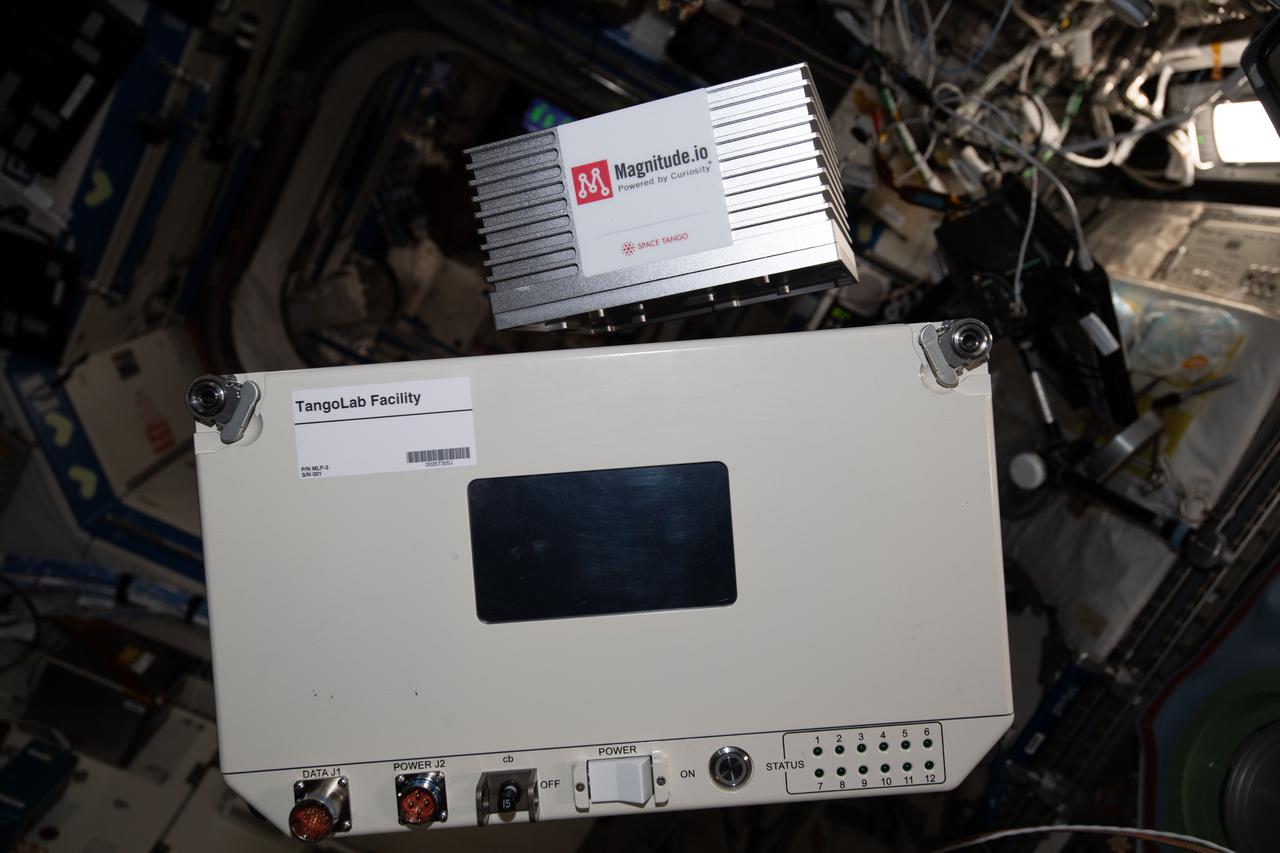
iss065e004334 (4/25/2021) --- A view of the TangoLab Facility with the Space Tango CubeLab for the Nitrogen Fixation of Leguminous Species in MicroG (Symbiotic Leguminous Nitrogen Fixation) investigation. Symbiotic Leguminous Nitrogen Fixation explores the effects of microgravity on the growth and development of legumes, plants capable of biological nitrogen fixation with symbiotic bacteria.
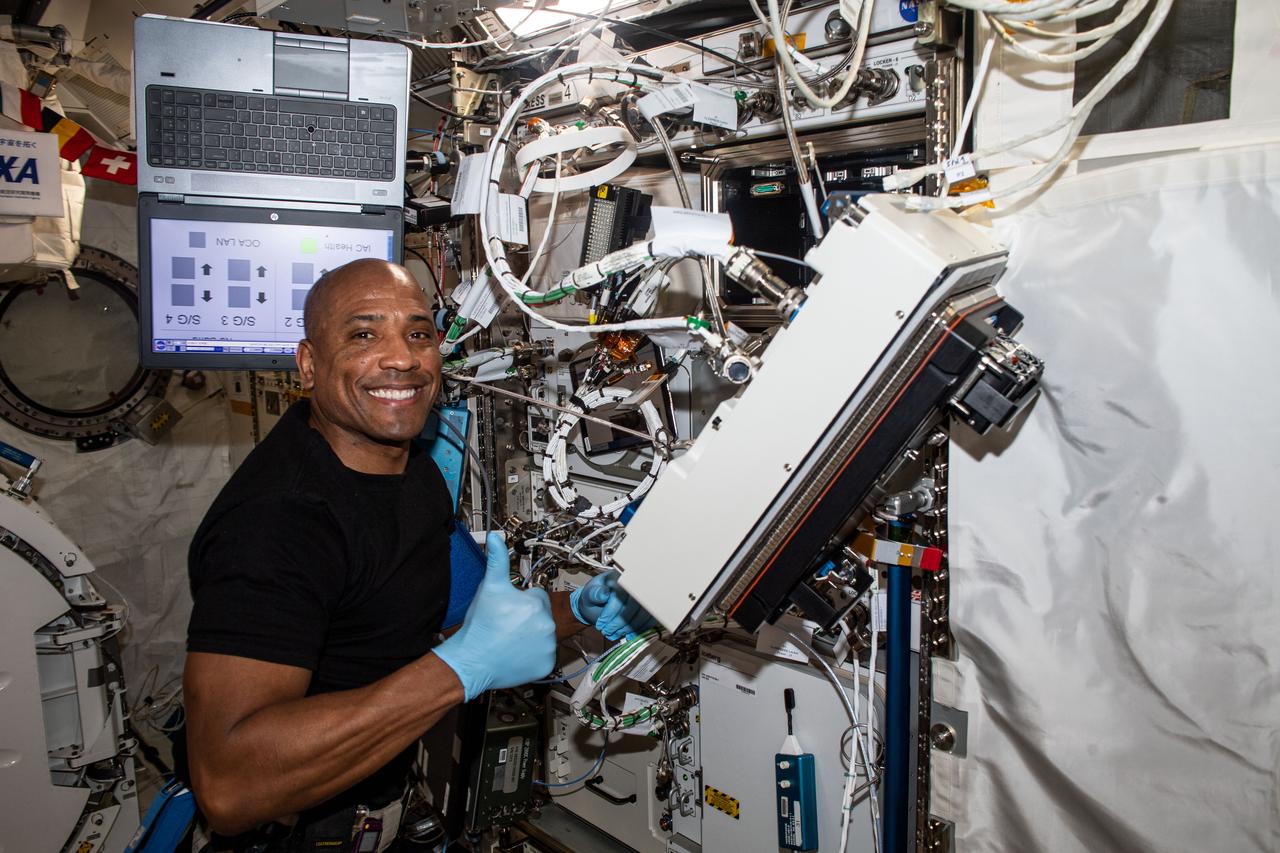
iss064e010944 (Dec. 8, 2020) --- NASA astronaut and Expedition 64 Flight Engineer Victor Glover is pictured inside Japan's Kibo laboratory module installing research gear that will develop a biological model to study the effects of spaceflight on musculoskeletal disease. The investigation could lead to drugs that will prevent the progression of the disease.
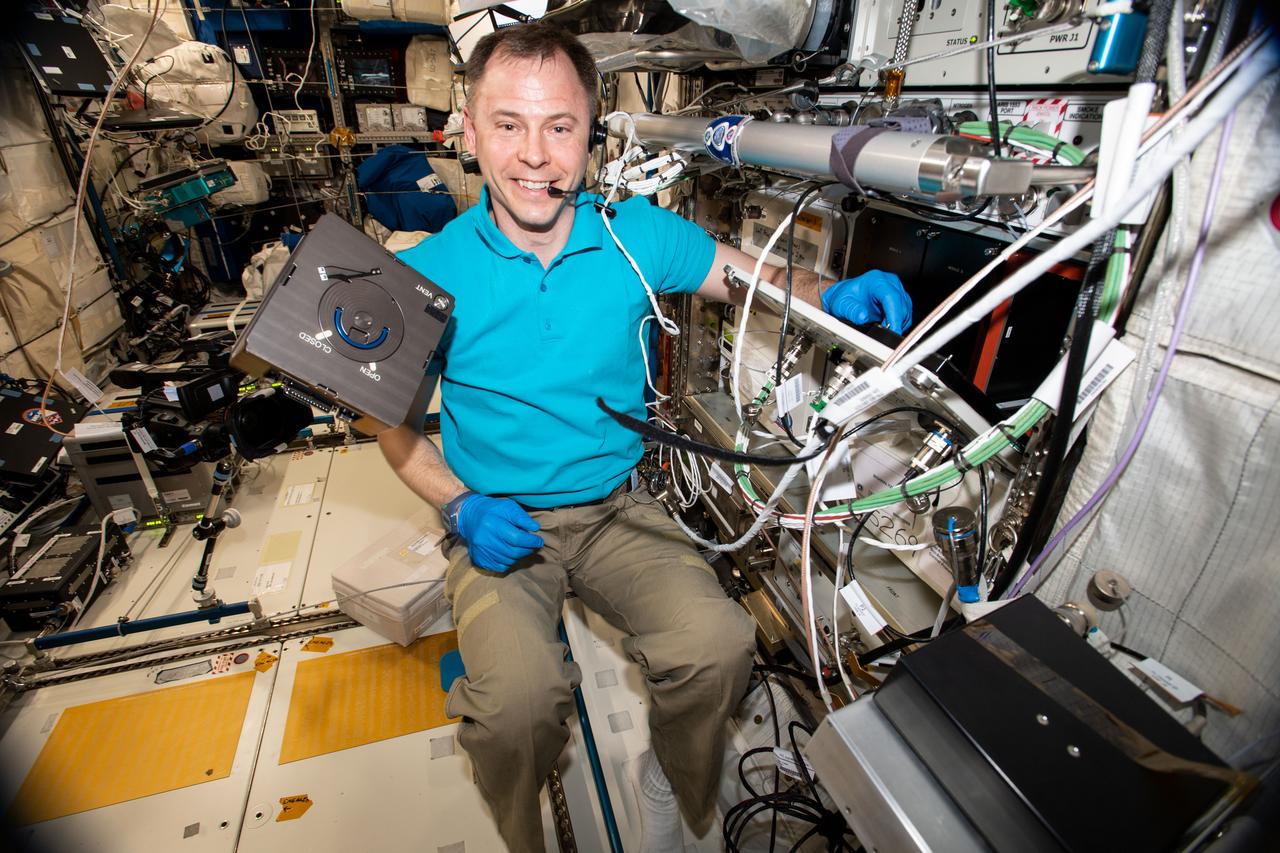
iss060e035050 (Aug. 12, 2019) --- Expedition 60 Flight Engineer Nick Hague of NASA conducts science operations inside Europe's Columbus Laboratory module for the BioFabrication Facility experiment. The study is investigating the effectiveness of using 3D biological printers to produce usable human organs in microgravity.
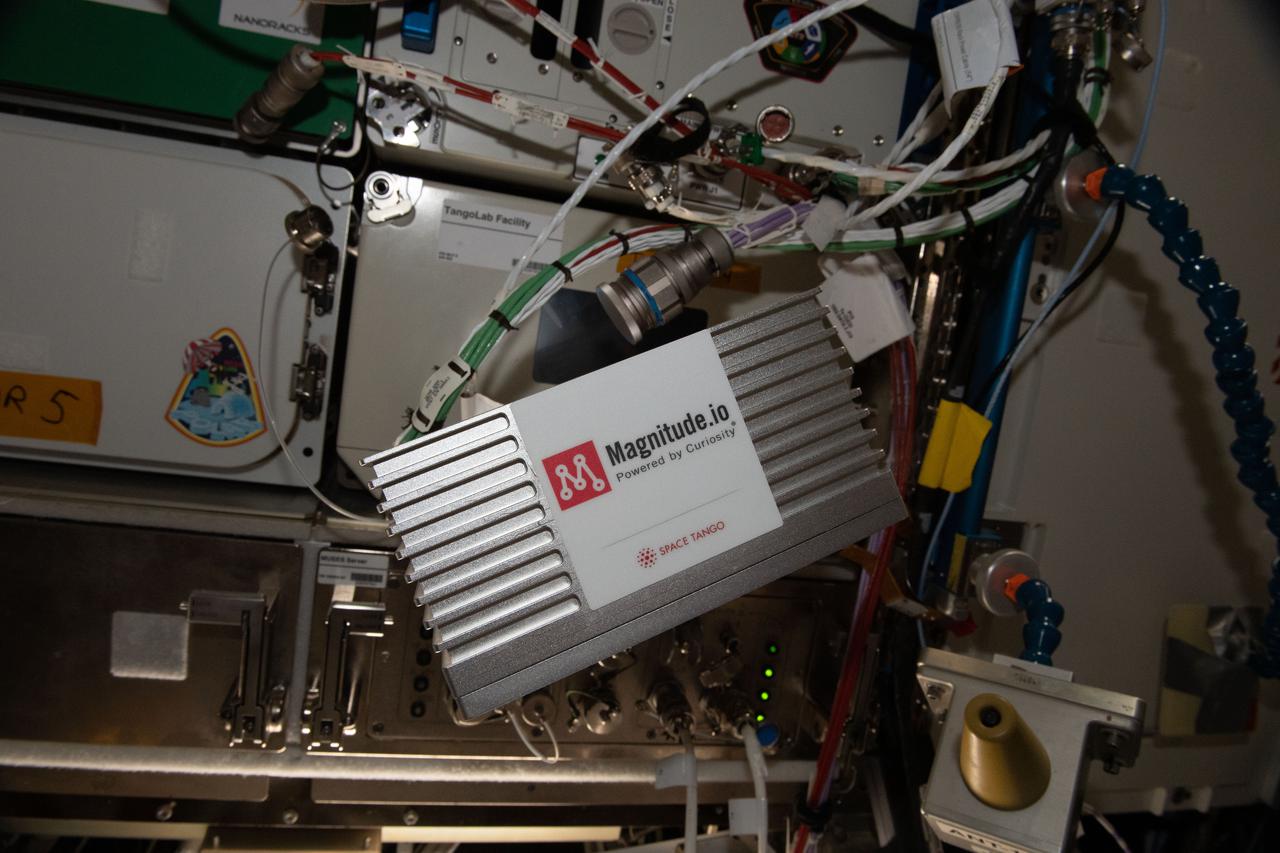
iss065e423763 (9/27/2021) --- A view of the Symbiotic Leguminous Nitrogen Fixation CubeLab onboard the International Space Station (ISS). Nitrogen Fixation of Leguminous Species in MicroG (Symbiotic Leguminous Nitrogen Fixation) explores microgravity’s effects on the growth and development of Vigna unguiculata, a legume capable of biological nitrogen fixation.
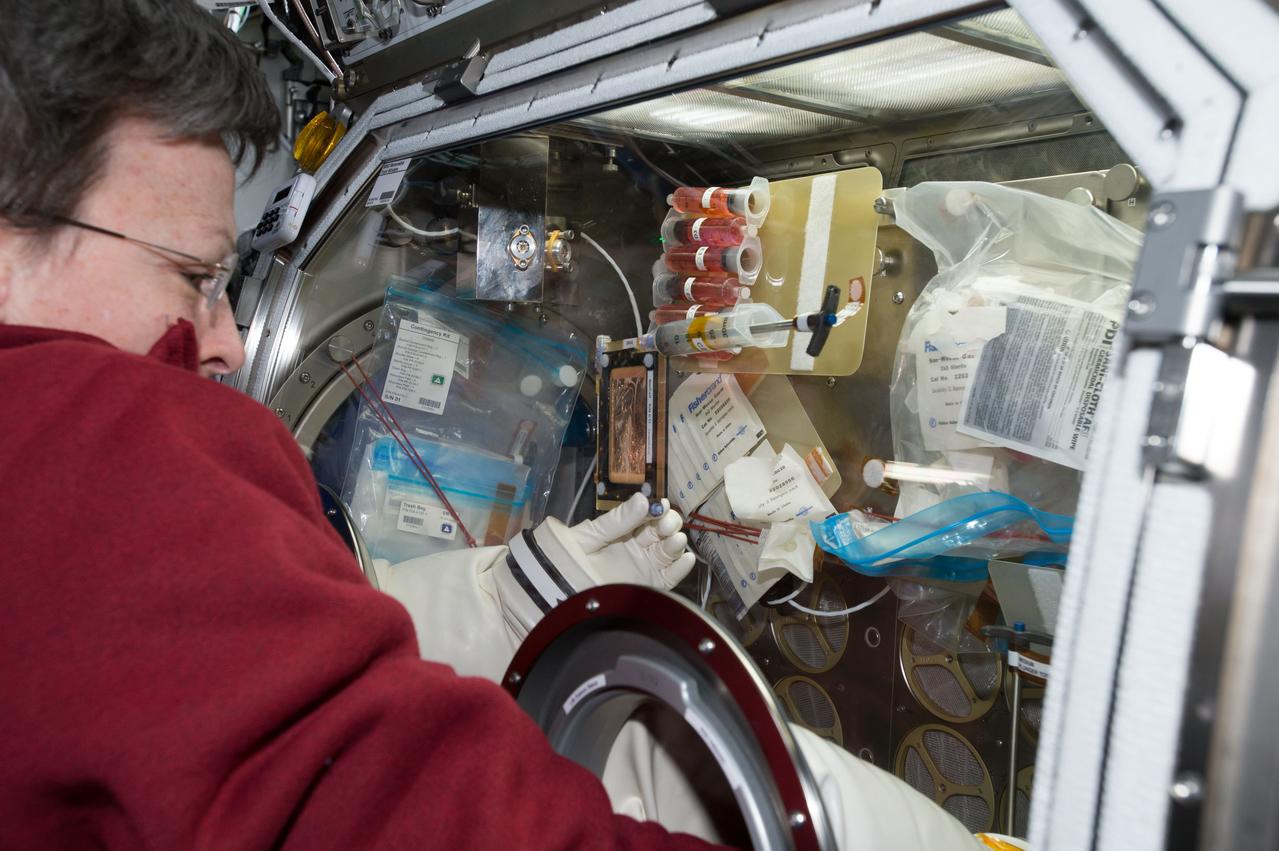
iss051e036121 (5/3/2017) --- An over-the-shoulder look at Commander Peggy Whitson working inside the Microgravity Sciences Glovebox (MSG) to change the media in the BioCell for the OsteoOmics experiment. Image was taken in the Destiny U.S. Laboratory. Gravitational Regulation of Osteoblast Genomics and Metabolism (OsteoOmics) aims to validate if magnetic levitation is a reasonable simulation of orbital free fall by measuring biological endpoints, such as signaling pathways and gene expression in osteoblast and osteoclast cells. Cells are exposed to a microgravity environment and ground based cells are exposed to magnetic levitation. If the validation is successful, then ground-based magnetic levitation will be an important ground-based tool to investigate the effect of gravitational force on biological systems.
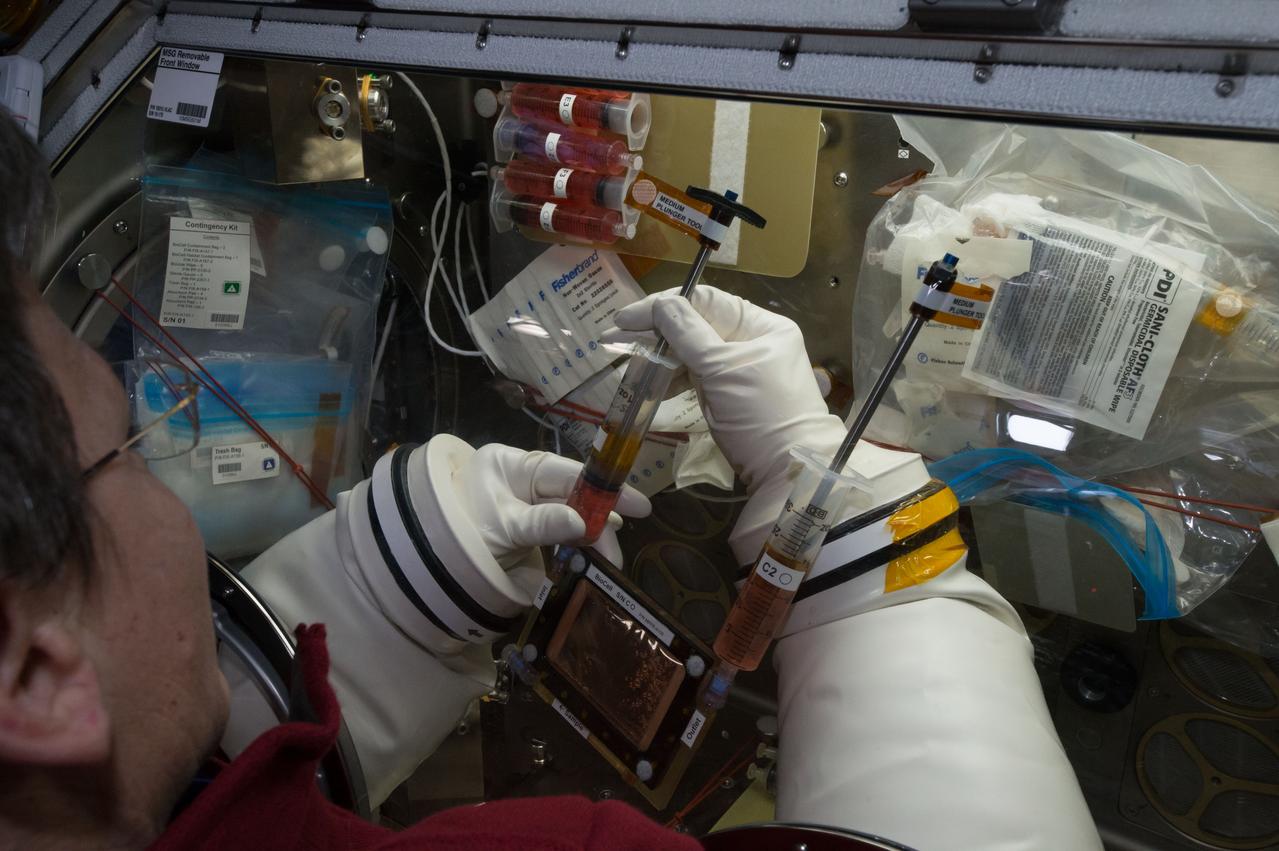
iss051e036140 (5/3/2017) --- A view inside the Microgravity Sciences Glovebox (MSG) where Commander Peggy Whitson works to change the media in a BioCell for the OsteoOmics experiment. Image was taken in the Destiny U.S. Laboratory. Gravitational Regulation of Osteoblast Genomics and Metabolism (OsteoOmics) aims to validate if magnetic levitation is a reasonable simulation of orbital free fall by measuring biological endpoints, such as signaling pathways and gene expression in osteoblast and osteoclast cells. Cells are exposed to a microgravity environment and ground based cells are exposed to magnetic levitation. If the validation is successful, then ground-based magnetic levitation will be an important ground-based tool to investigate the effect of gravitational force on biological systems.
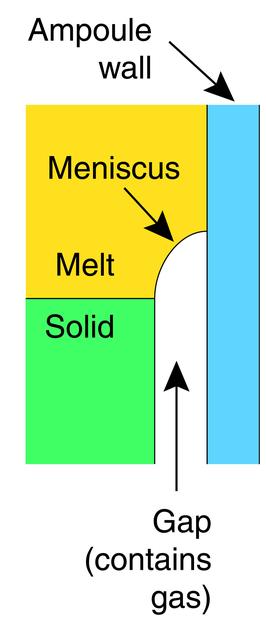
While the microgravity environment of orbit eliminates a number of effects that impede the formation of materials on Earth, the change can also cause new, unwanted effects. A mysterious phenomenon, known as detached solidification, apparently stems from a small hydrostatic force that turns out to be pervasive. The contact of the solid with the ampoule transfers stress to the growing crystal and causing unwanted dislocations and twins. William Wilcox and Liya Regel of Clarkson University theorize that the melt is in contact with the ampoule wall, while the solid is not, and the melt and solid are cornected by a meniscus. Their work is sponsored by NASA's Office of Biological and Physical Researcxh, and builds on earlier work by Dr. David Larson of the State University of New York at Stony Brook.
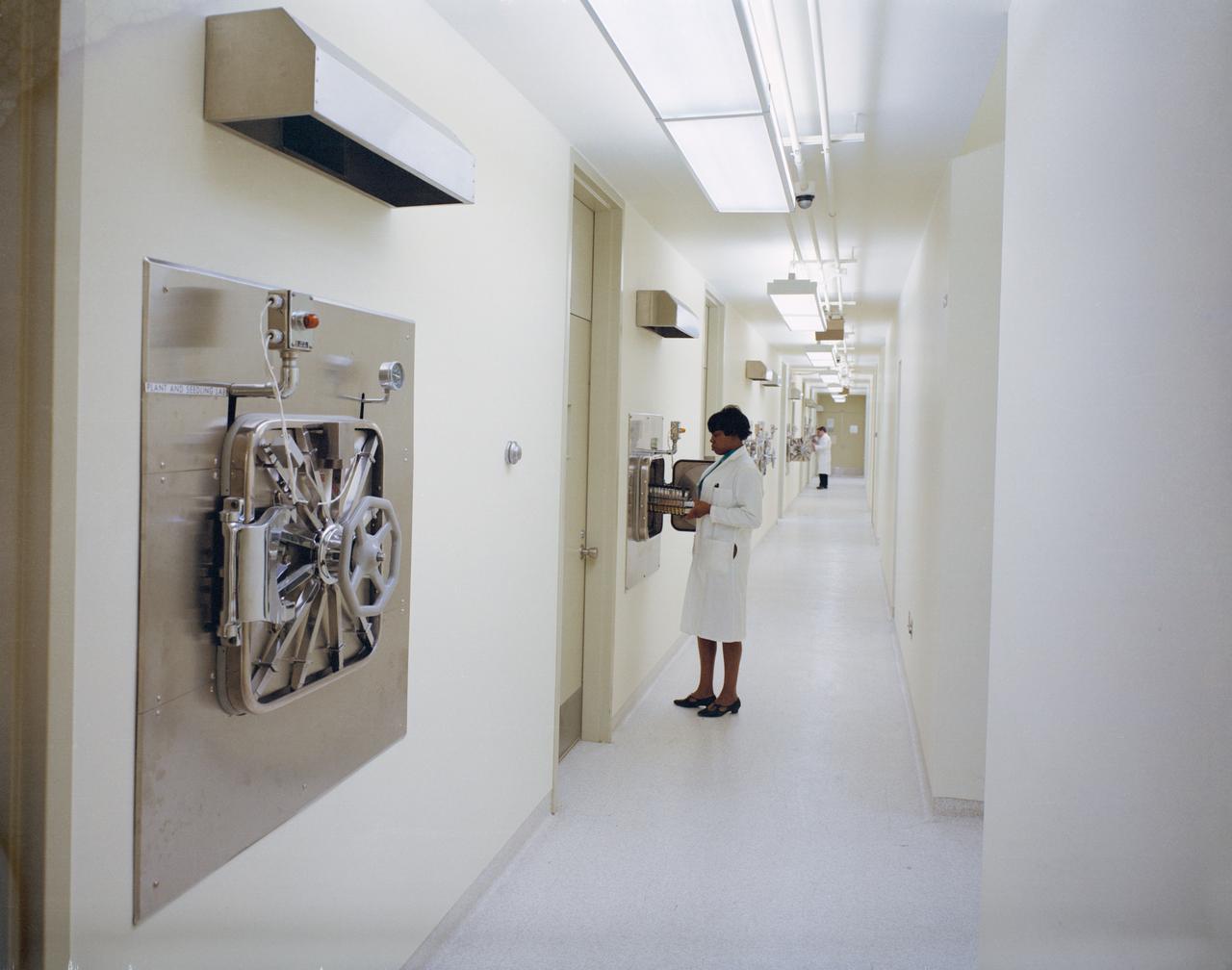
Biological Test Laboratory, Sample Operations Area, Lunar Receiving Laboratory, bldg 37, Manned Spacecraft Center, Houston, Texas.

iss024e014714 (9/15/2010) --- A view of a Bioecology Case containing a stowed BTKh-27 ASTROVAKTSINA (Astrovaccine) payload aboard the International Space Station (ISS). The Cultivating Escheria coli Producer of CAF1 Protein in Weightlessness (Astrovaktsina) studies the effect of spaceflight factors on the processes of biosynthesis, secretion, capsule formation, and the biological properties of the E. coli producer of the genetically engineered CAF1 antigen protein of Yersinia pestis during its exposure to microgravity.
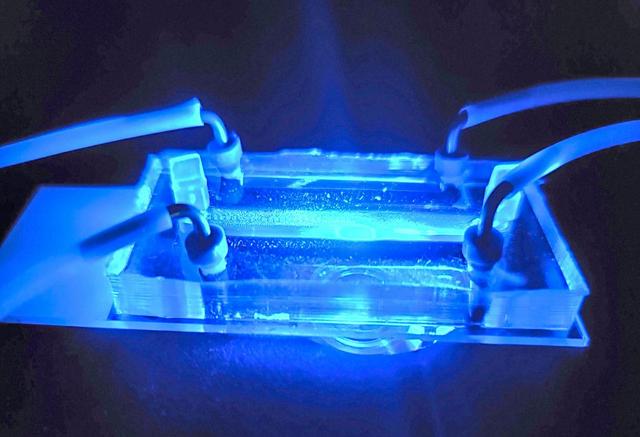
jsc2024e005964 (11/6/2023) --- A preflight image of the Janus base nano-matrix (JBNm) enabled cartilage tissue chip. The Compartment Cartilage Tissue Construct investigation uses biological materials that mimic DNA to develop a scaffold for regenerating cartilage tissues and tests the effect of a specific RNA on cartilage growth in space. Image courtesy of the University of Connecticut.
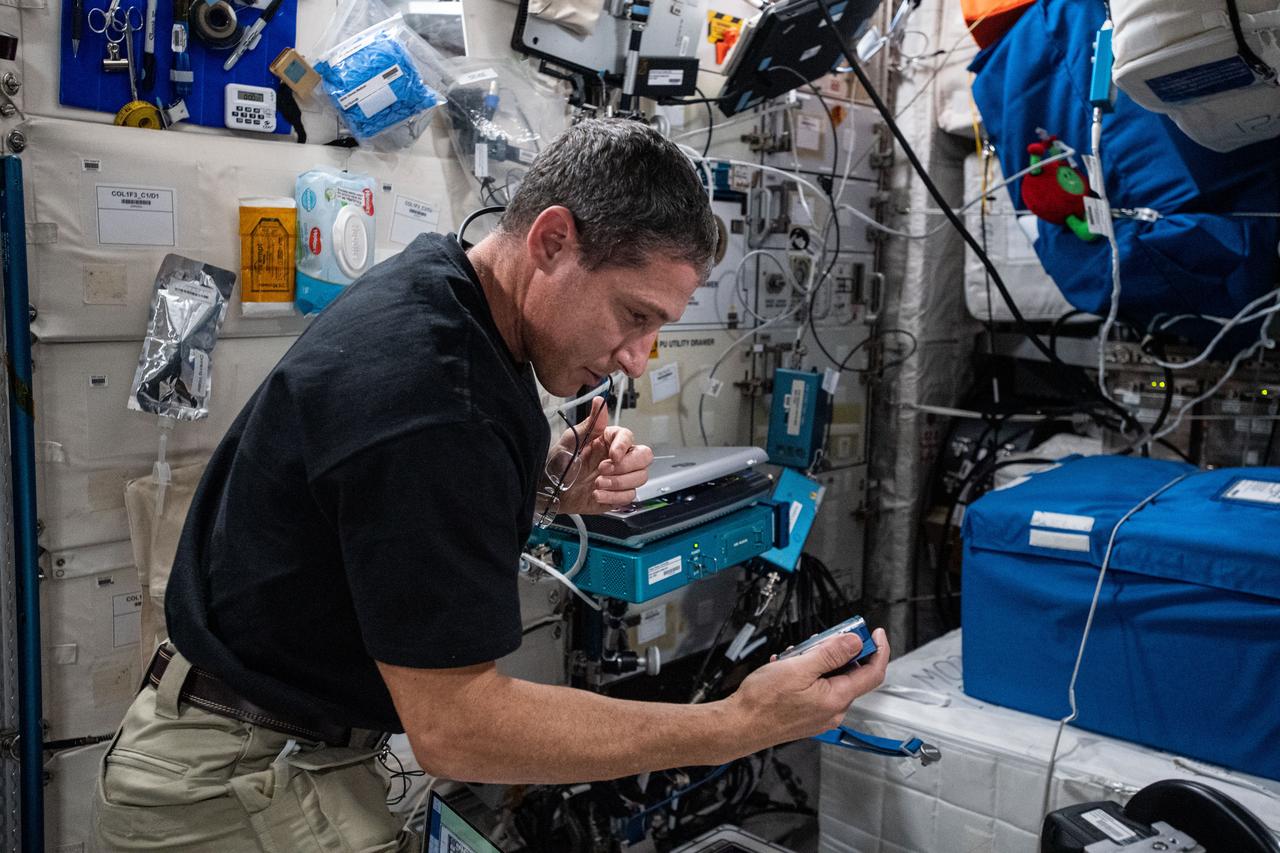
iss064e011391 (Dec. 8, 2020) --- NASA astronaut and Expedition 64 Flight Engineer Michael Hopkins shakes an experiment container containing biological samples to displace bubbles before placing it into the Kubik incubator facility. Hopkins was servicing the samples for the Rotifer-B2 experiment that is exploring the effects spaceflight has on DNA repair mechanisms of the bdelloid rotifer Adineta vaga, a plankton-like microscopic organism.
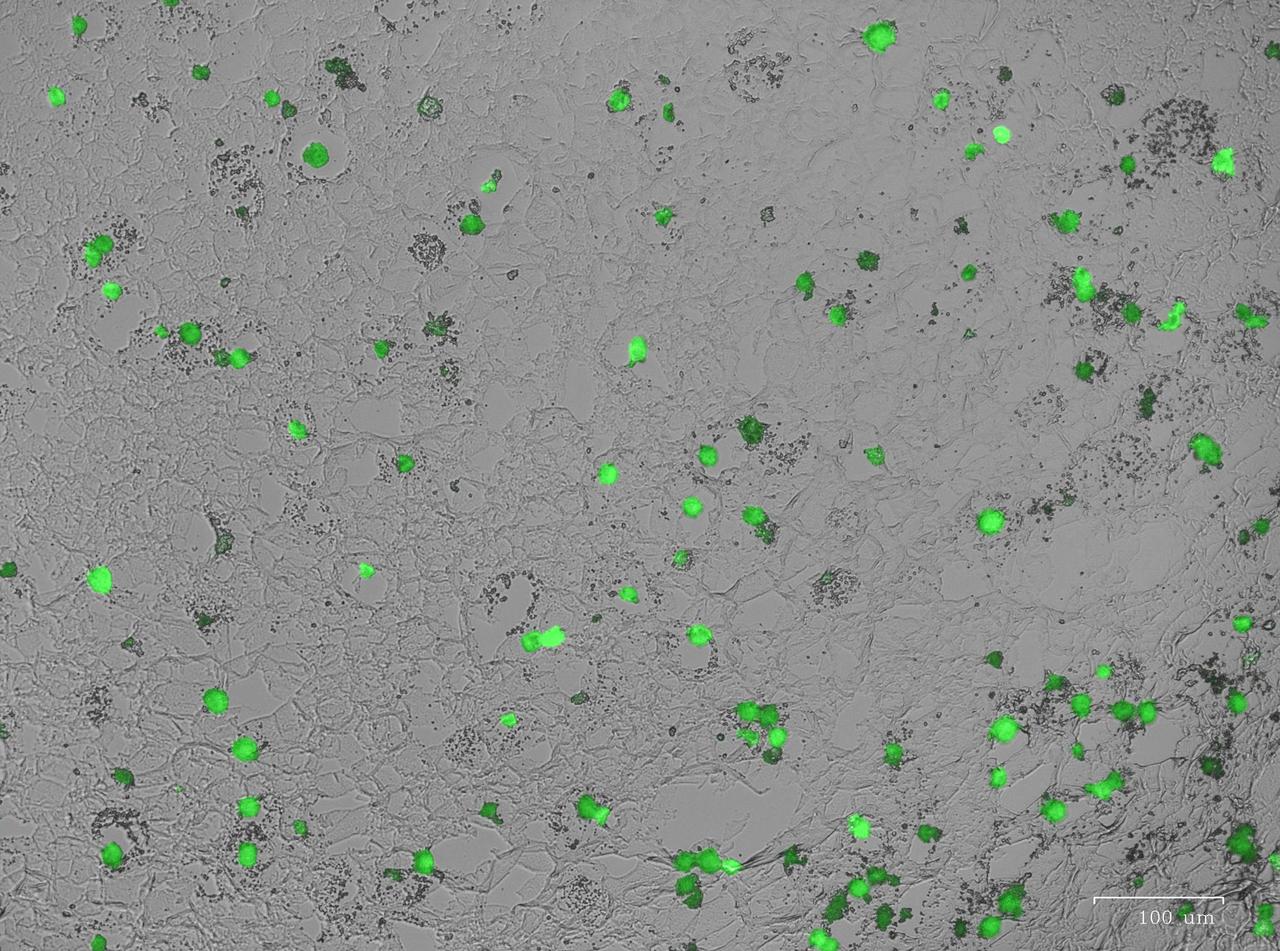
jsc2024e005962 (12/10/2023) --- A preflight image for the Compartment Cartilage Tissue Construct investigation shows that the Janus base Nanopieces (JBNps) delivered green fluorescence labeled therapeutic RNA into cartilage cells. Compartment Cartilage Tissue Construct uses biological materials that mimic DNA to develop a scaffold for regenerating cartilage tissues and tests the effect of a specific RNA on cartilage growth in space. Image courtesy of the University of Connecticut.
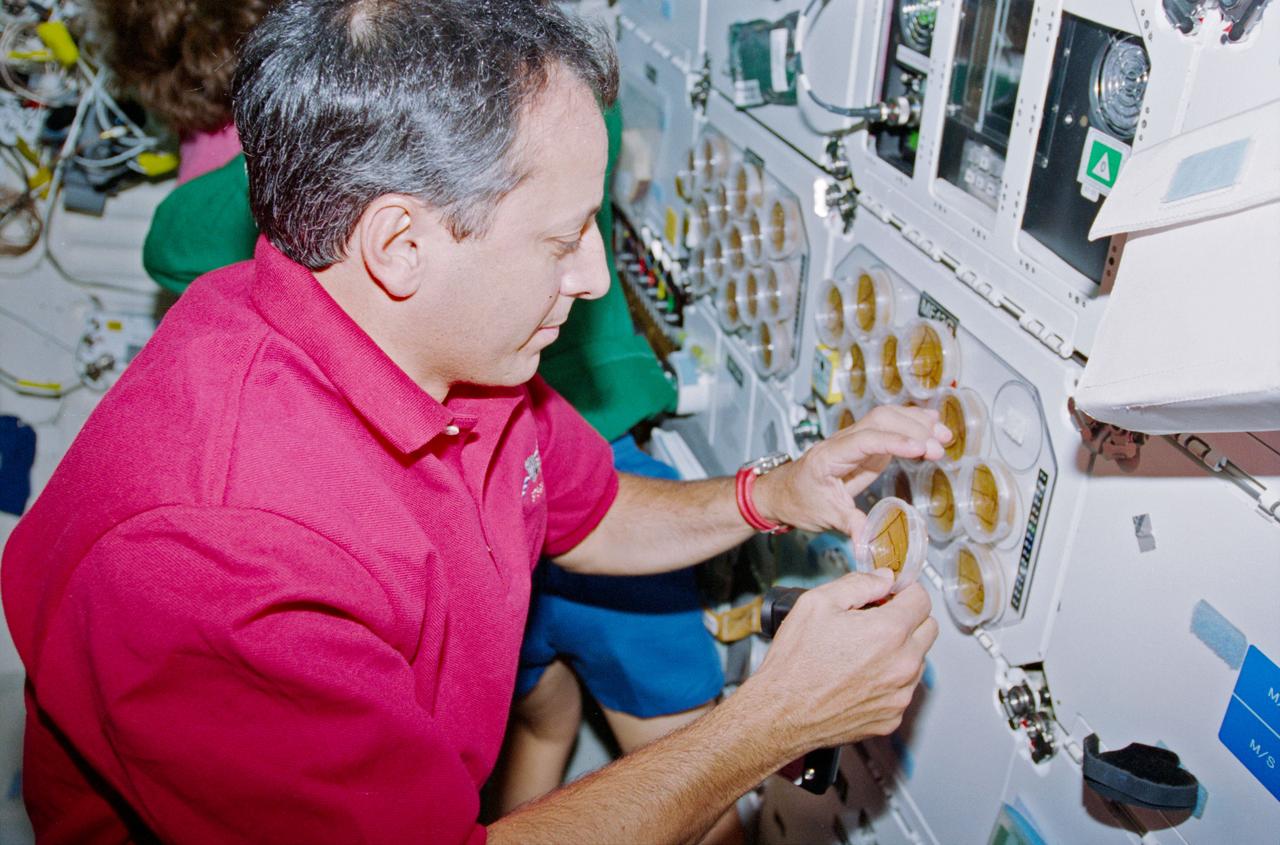
STS093-350-008 (22-27 July 1999) --- Astronaut Michel Tognini, mission specialist representing France’s Centre National d’Etudes Spatiales (CNES), checks the Biological Research in Canisters (BRIC) payload petri dishes on the mid deck of the Space Shuttle Columbia. BRIC was designed to investigate the effects of space flight on small arthropod animals and plant specimens.
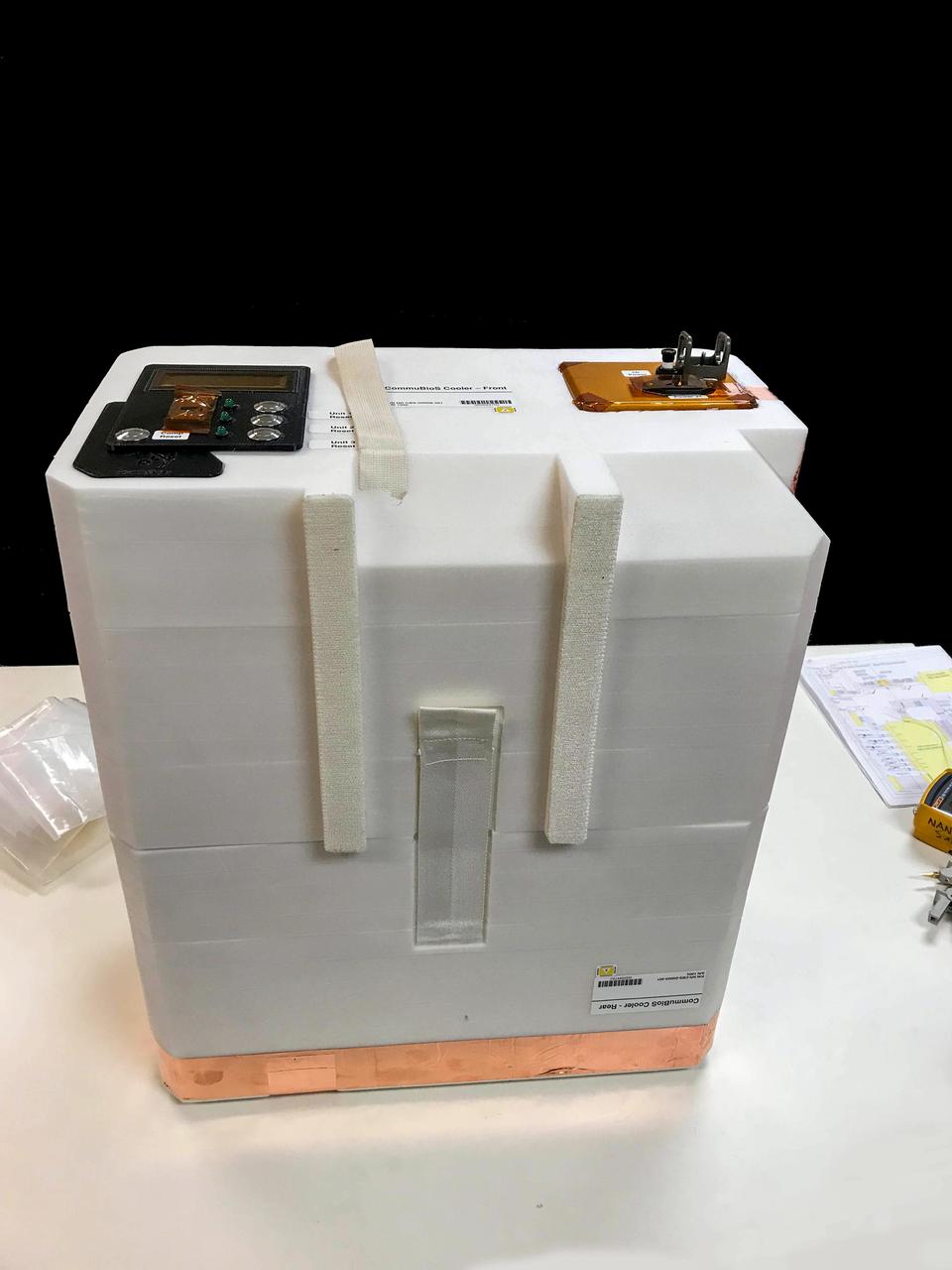
jsc2019e052824 (8/23/2019) --- Preflight view of the CommuBioS Payload Enclosure. Complex Micro(?)-Biological System (CommuBioS) studies the aging of complex multicomponent liquids during long-term storage in space. It stores samples of wine, a chemically complex liquid, on the space station and compares the samples with those stored in an aging facility on the ground to determine the effect of the space environment on specific components. Results advance knowledge of the evolution of compounds that are critical for the nutrition and taste of foods. Image courtesy of: NanoRacks

iss024e014711 (9/15/2010) --- A view of a Bioecology Case containing a stowed BTKh-27 ASTROVAKTSINA (Astrovaccine) payload aboard the International Space Station (ISS). The Cultivating Escheria coli Producer of CAF1 Protein in Weightlessness (Astrovaktsina) studies the effect of spaceflight factors on the processes of biosynthesis, secretion, capsule formation, and the biological properties of the E. coli producer of the genetically engineered CAF1 antigen protein of Yersinia pestis during its exposure to microgravity.
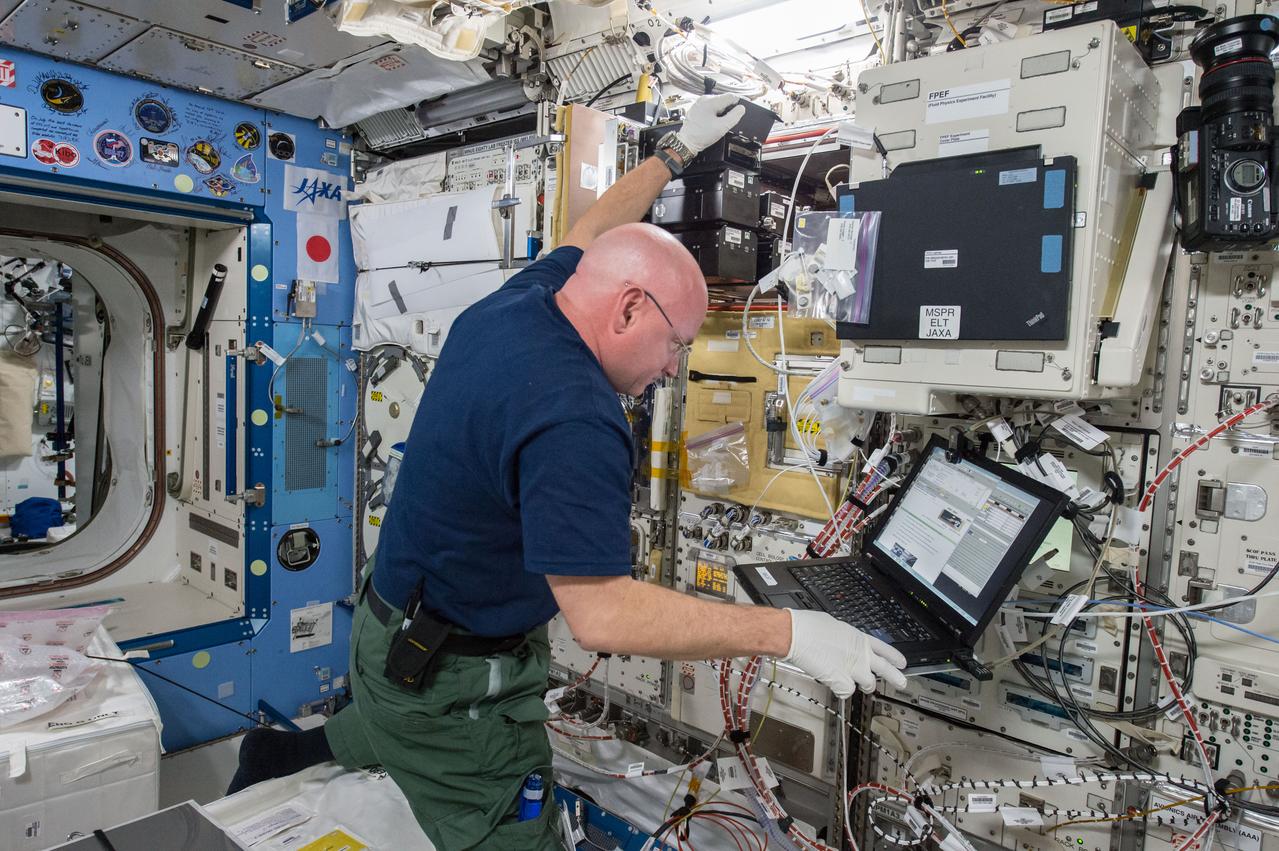
iss043e124225 (4/18/2015) --- NASA astronaut Scott Kelly is seen performing the Space Aging experiment using the Cell Biology Experiment Facility (CBEF) rack in the Japanese Experiment Module (JEM) aboard the International Space Station (ISS). The purpose of the experiment is to study the effects of weightlessness in space flight on the aging of the C. elegans roundworm, a model organism for a range of biological studies. Microgravity causes a number of physiological changes, like heart and bone deconditioning, involving mechanisms that are poorly understood and may affect the rate at which organisms and astronauts age. The Space Aging experiment will grow millimeter-long C. elegans roundworms in microgravity and compare their health and longevity with controlled specimens on Earth.
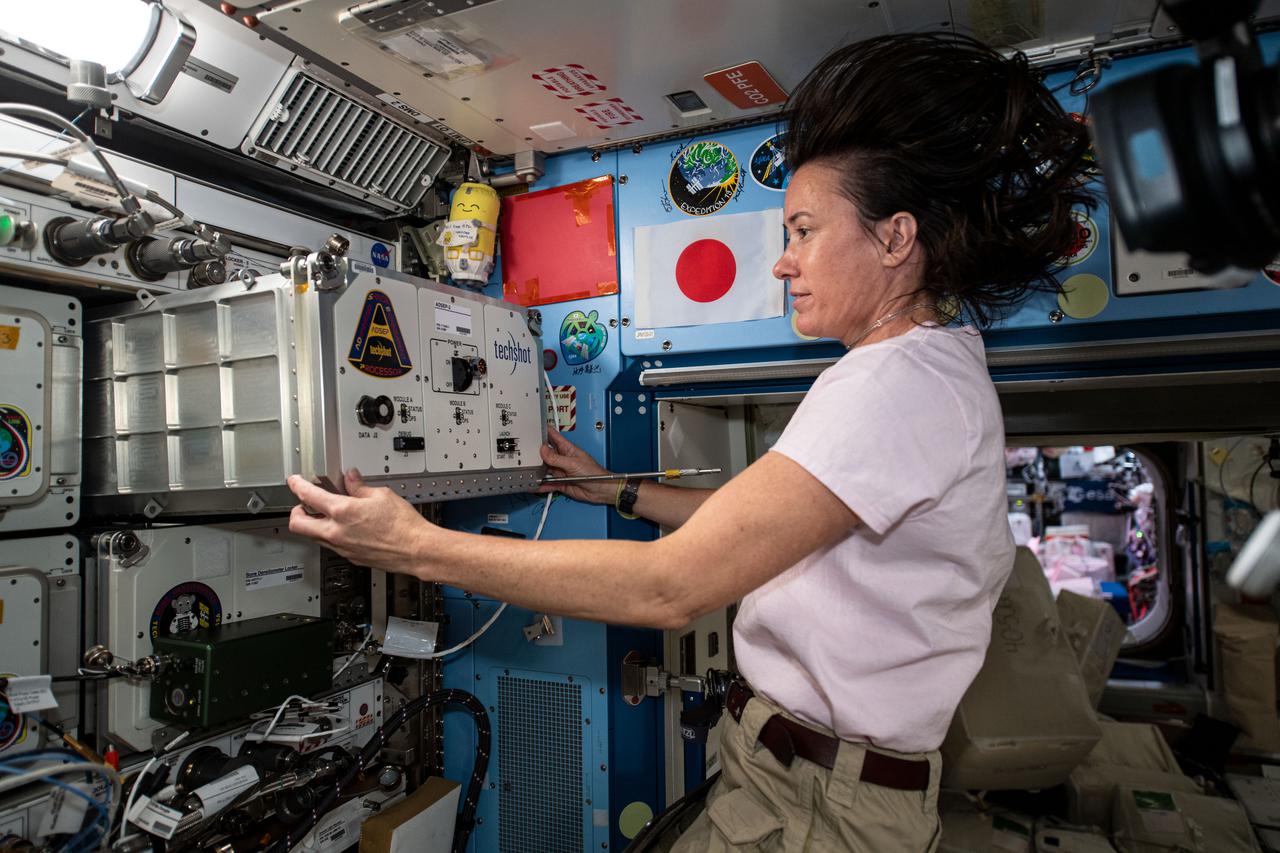
iss065e093498 (June 7, 2021) --- NASA astronaut Megan McArthur installs a new ADSEP-2 (Advanced Space Experiment Processor-2) containing ADSEP-UMAMI samples inside the Kibo laboratory module aboard the International Space Station (ISS). The Understanding of Microgravity on Animal-Microbe Interactions (UMAMI) investigation examines the effects of spaceflight on the molecular and chemical interactions between beneficial microbes and their animal hosts. The ADSEP-2 facility supports observations of biological or physical samples and can also be operated aboard the Cargo Dragon and Northrop Grumman Cygnus resupply ships.
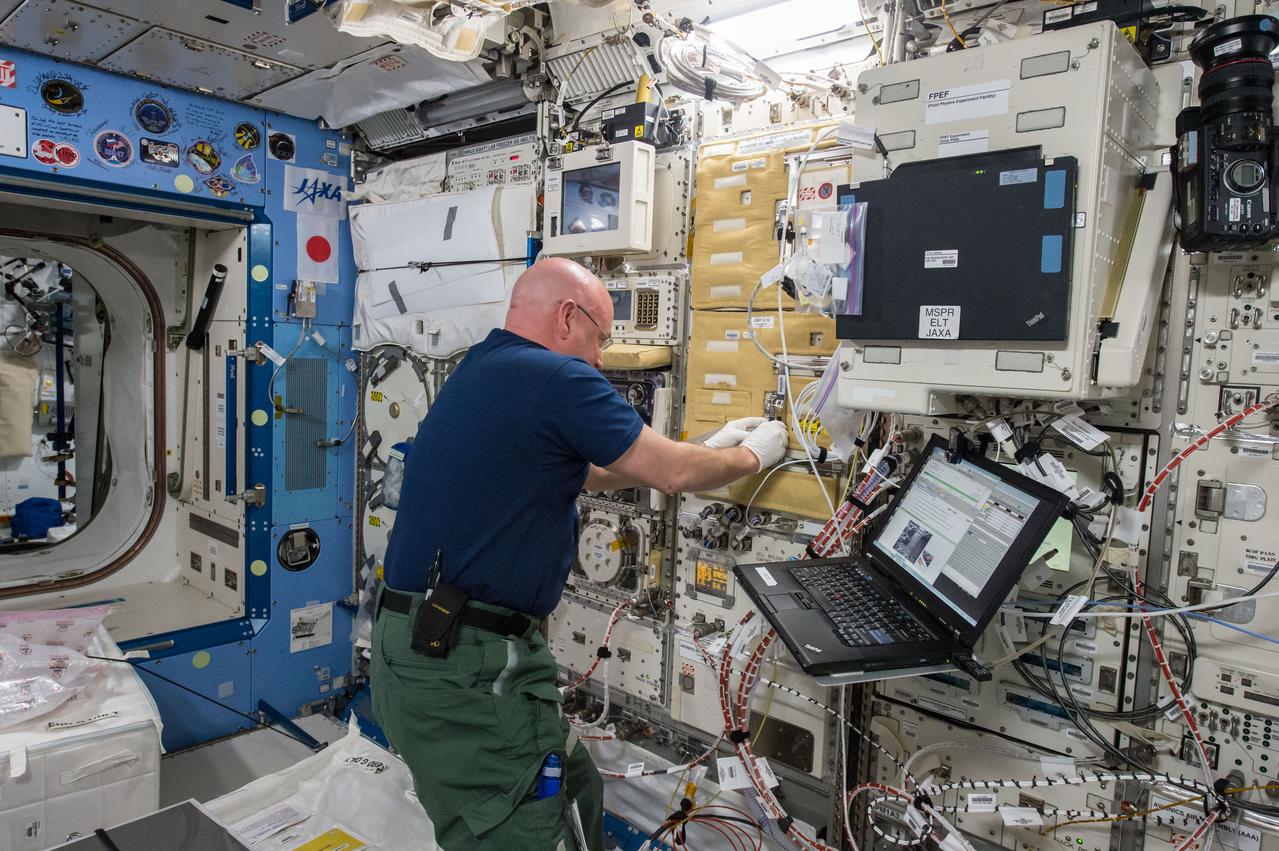
iss043e124238 (4/18/2015) --- NASA astronaut Scott Kelly is seen performing the Space Aging experiment using the Cell Biology Experiment Facility (CBEF) rack in the Japanese Experiment Module (JEM) aboard the International Space Station (ISS). The purpose of the experiment is to study the effects of weightlessness in space flight on the aging of the C. elegans roundworm, a model organism for a range of biological studies. Microgravity causes a number of physiological changes, like heart and bone deconditioning, involving mechanisms that are poorly understood and may affect the rate at which organisms and astronauts age. The Space Aging experiment will grow millimeter-long C. elegans roundworms in microgravity and compare their health and longevity with controlled specimens on Earth.
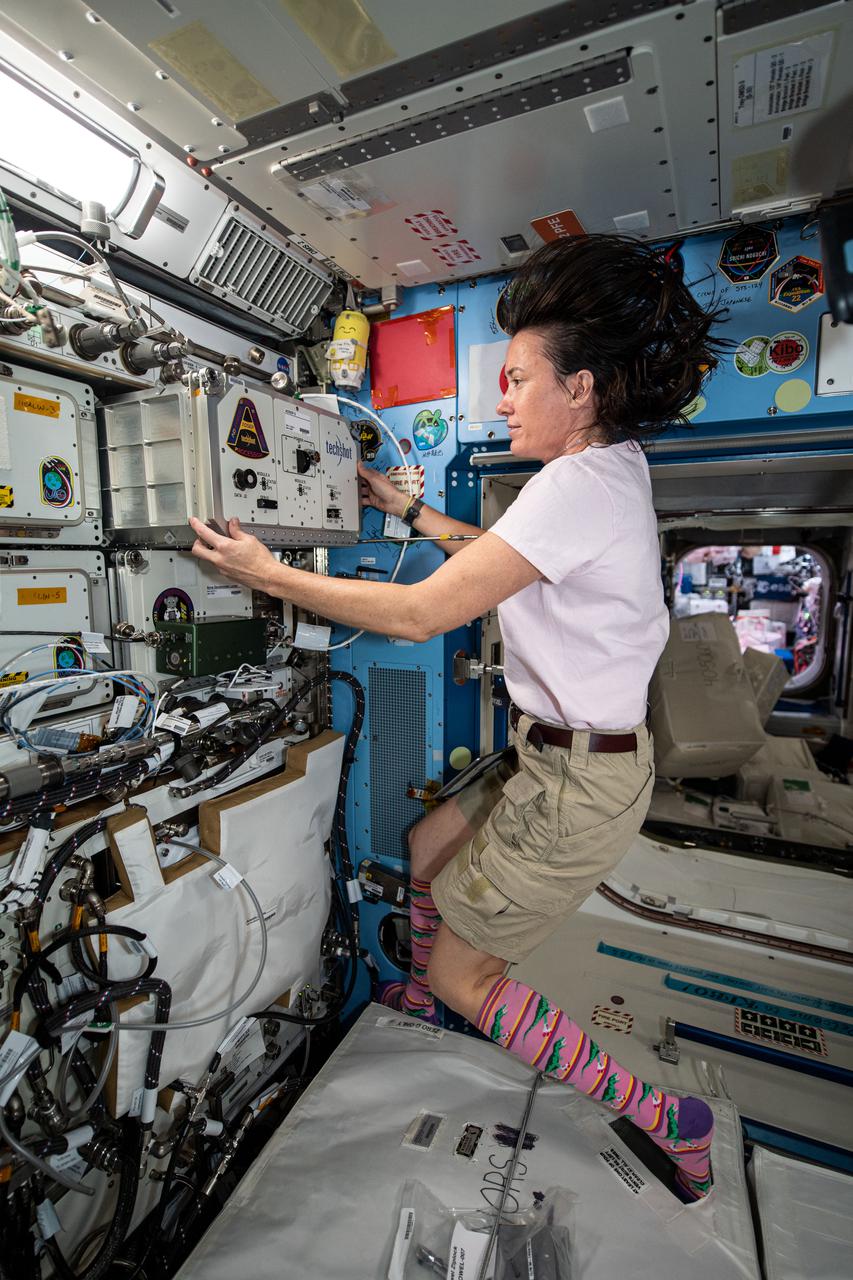
iss065e093501 (June 7, 2021) --- NASA astronaut Megan McArthur installs a new ADSEP-2 (Advanced Space Experiment Processor-2) containing ADSEP-UMAMI samples inside the Kibo laboratory module aboard the International Space Station (ISS). The Understanding of Microgravity on Animal-Microbe Interactions (UMAMI) investigation examines the effects of spaceflight on the molecular and chemical interactions between beneficial microbes and their animal hosts. The ADSEP-2 facility supports observations of biological or physical samples and can also be operated aboard the Cargo Dragon and Northrop Grumman Cygnus resupply ships.
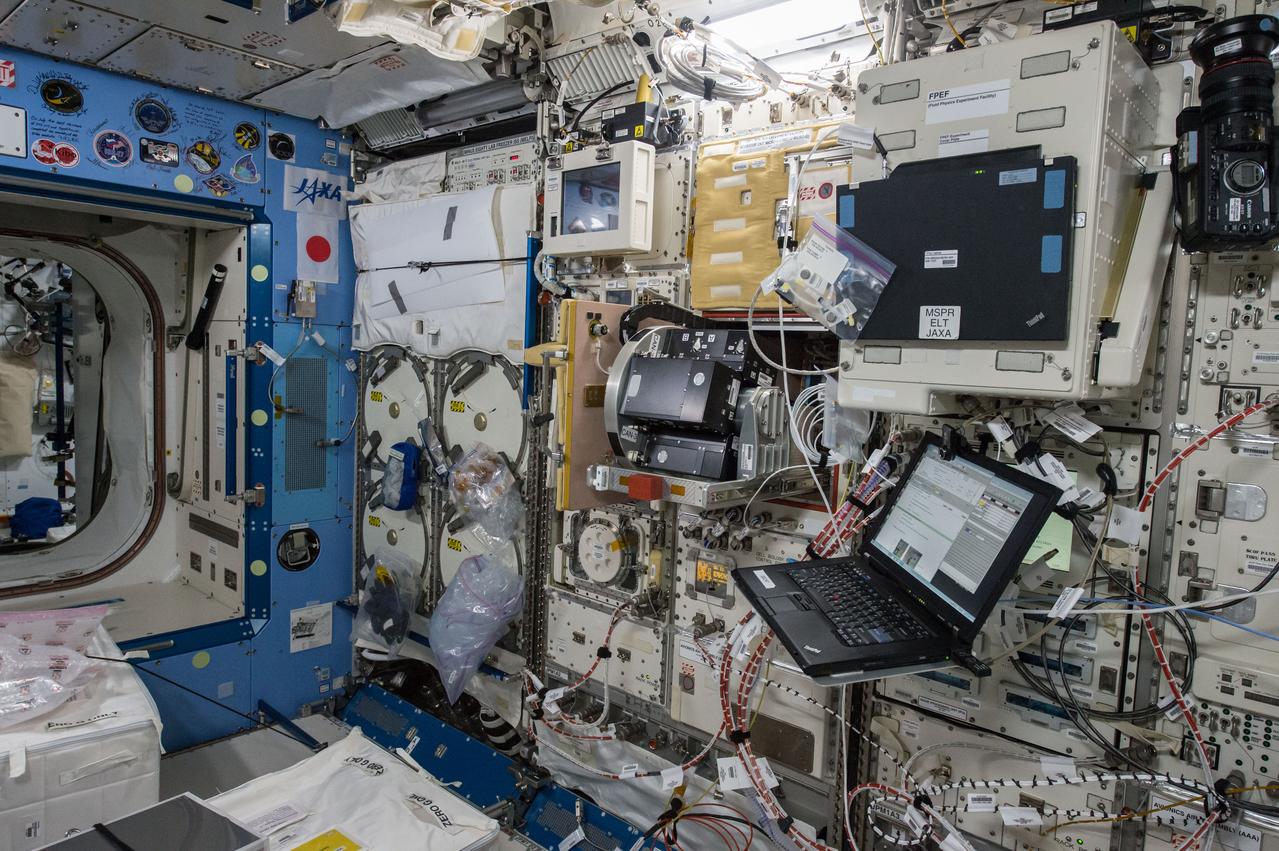
iss043e124204 (4/18/2015) --- A view of the Cell Biology Experiment Facility (CBEF) rack in the Japanese Experiment Module (JEM) aboard the International Space Station (ISS) in preparation for the Space Aging investigation. The purpose of the experiment is to study the effects of weightlessness in space flight on the aging of the C. elegans roundworm, a model organism for a range of biological studies. Microgravity causes a number of physiological changes, like heart and bone deconditioning, involving mechanisms that are poorly understood and may affect the rate at which organisms and astronauts age. The Space Aging experiment will grow millimeter-long C. elegans roundworms in microgravity and compare their health and longevity with controlled specimens on Earth.
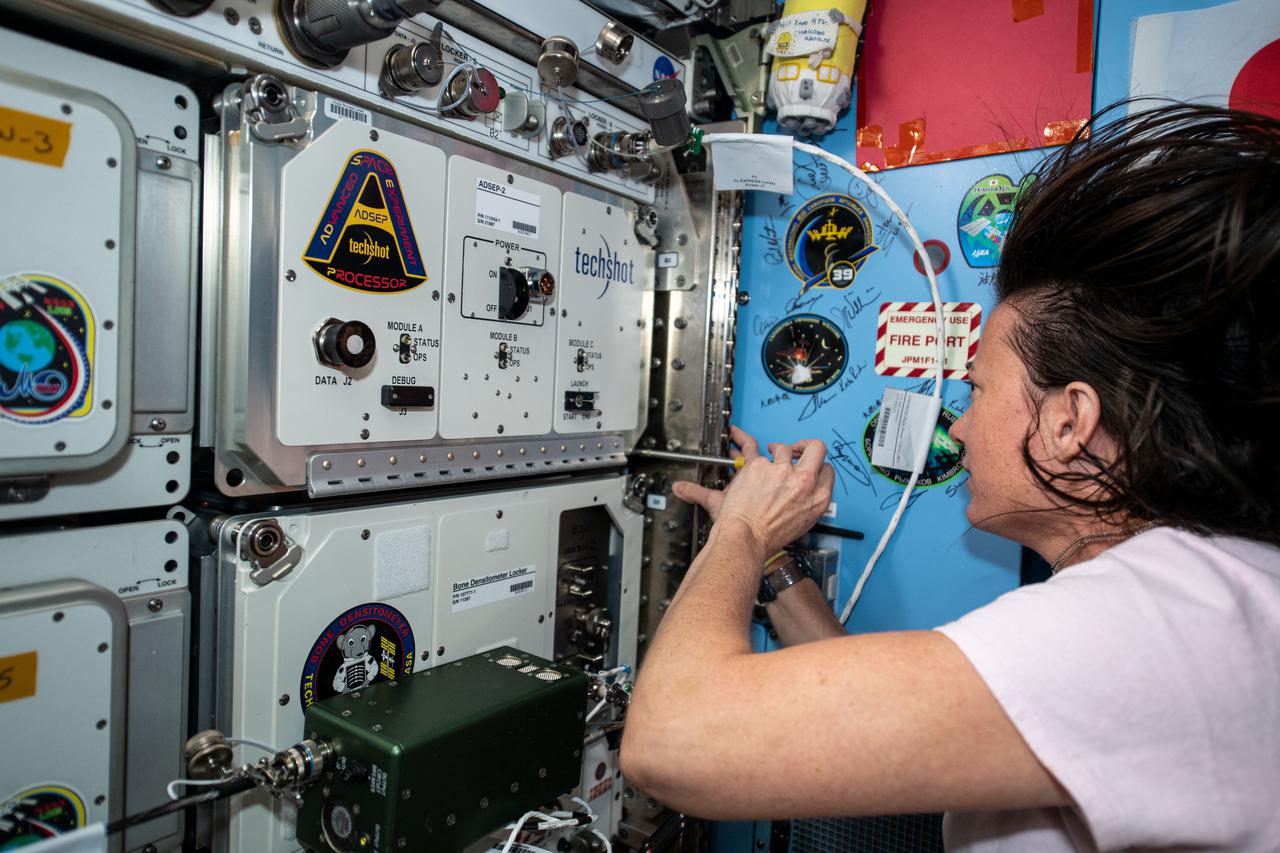
iss065e093508 (June 7, 2021) --- NASA astronaut Megan McArthur installs a new ADSEP-2 (Advanced Space Experiment Processor-2) containing ADSEP-UMAMI samples inside the Kibo laboratory module aboard the International Space Station (ISS). The Understanding of Microgravity on Animal-Microbe Interactions (UMAMI) investigation examines the effects of spaceflight on the molecular and chemical interactions between beneficial microbes and their animal hosts. The ADSEP-2 facility supports observations of biological or physical samples and can also be operated aboard the Cargo Dragon and Northrop Grumman Cygnus resupply ships.
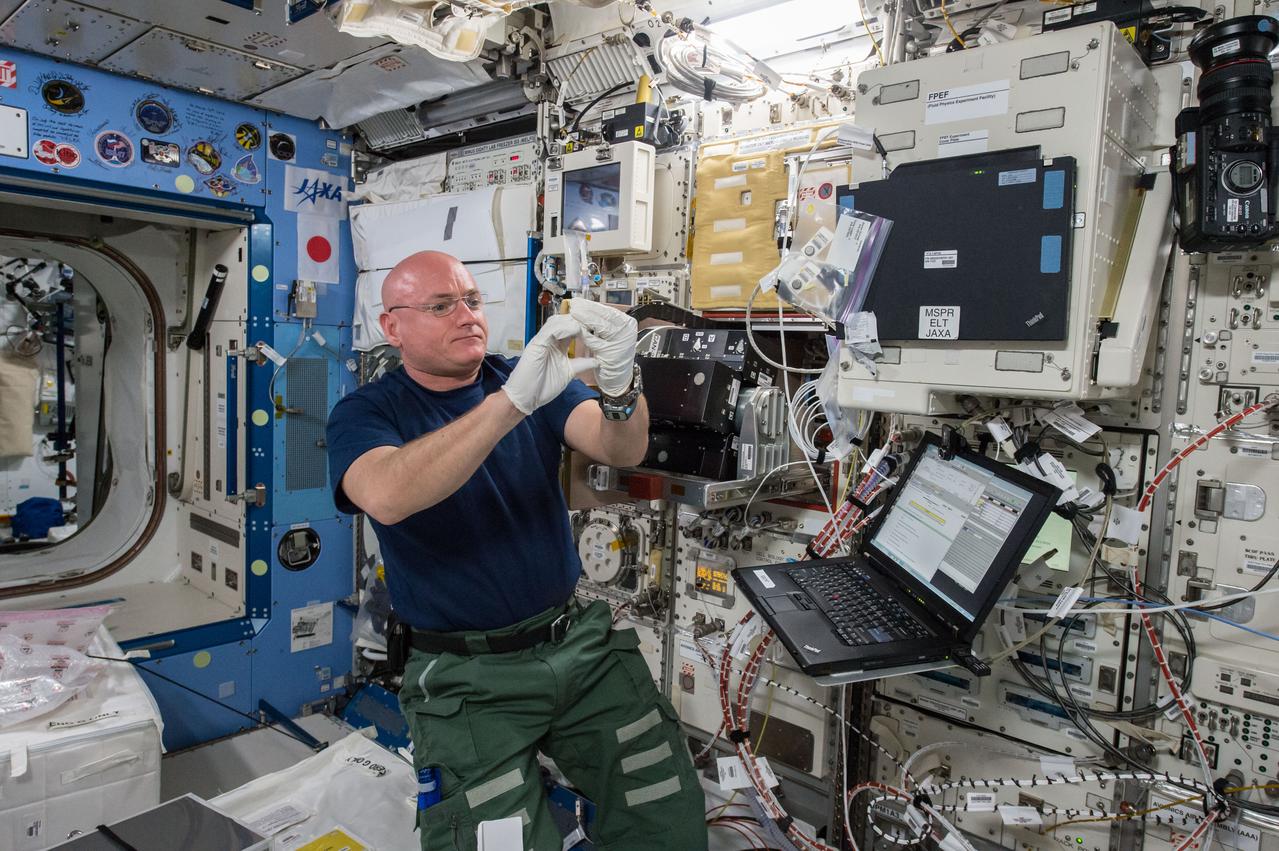
iss043e124213 (4/18/2015) --- NASA astronaut Scott Kelly is seen performing the Space Aging experiment using the Cell Biology Experiment Facility (CBEF) rack in the Japanese Experiment Module (JEM) aboard the International Space Station (ISS). The purpose of the experiment is to study the effects of weightlessness in space flight on the aging of the C. elegans roundworm, a model organism for a range of biological studies. Microgravity causes a number of physiological changes, like heart and bone deconditioning, involving mechanisms that are poorly understood and may affect the rate at which organisms and astronauts age. The Space Aging experiment will grow millimeter-long C. elegans roundworms in microgravity and compare their health and longevity with controlled specimens on Earth.
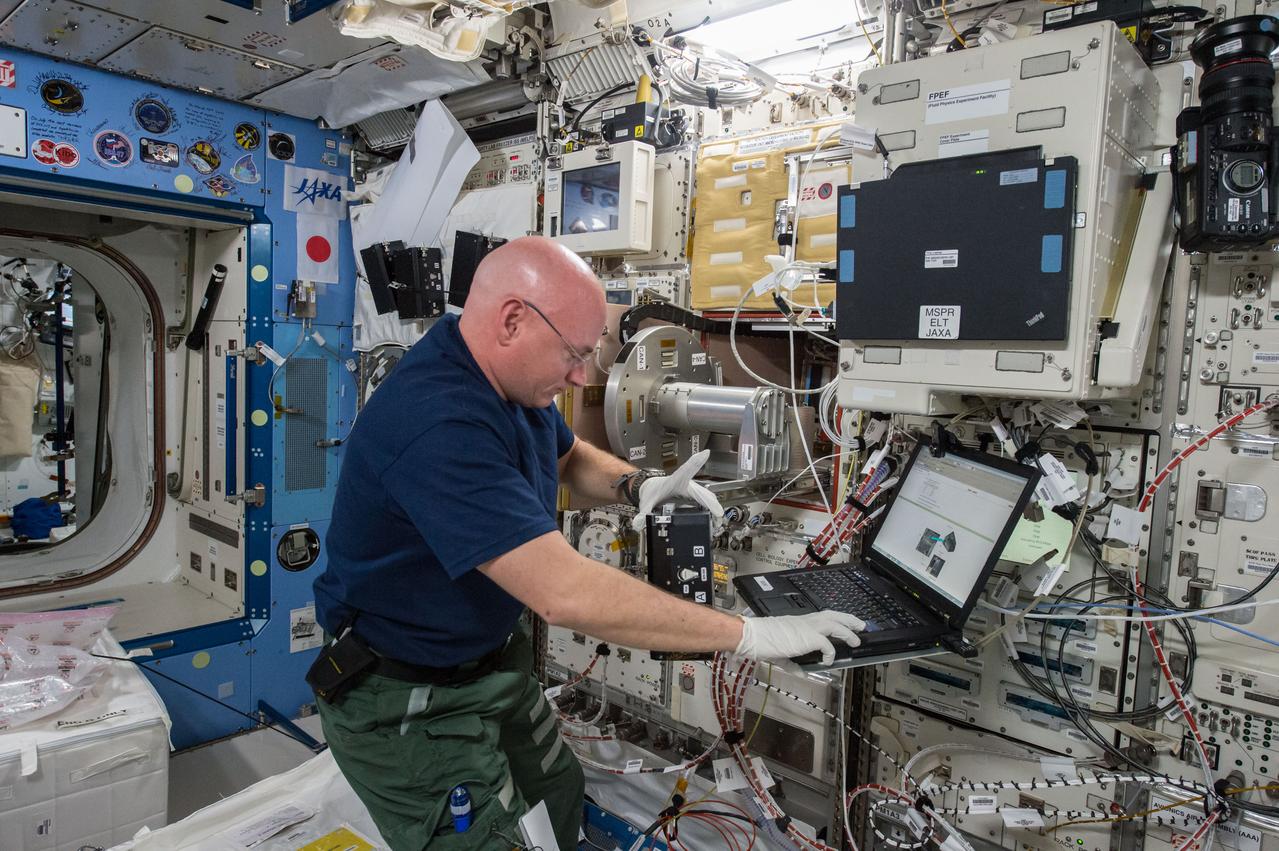
iss043e124063 (4/18/2015) --- NASA astronaut Scott Kelly is seen performing the Space Aging experiment using the Cell Biology Experiment Facility (CBEF) rack in the Japanese Experiment Module (JEM) aboard the International Space Station (ISS). The purpose of the experiment is to study the effects of weightlessness in space flight on the aging of the C. elegans roundworm, a model organism for a range of biological studies. Microgravity causes a number of physiological changes, like heart and bone deconditioning, involving mechanisms that are poorly understood and may affect the rate at which organisms and astronauts age. The Space Aging experiment will grow millimeter-long C. elegans roundworms in microgravity and compare their health and longevity with controlled specimens on Earth.
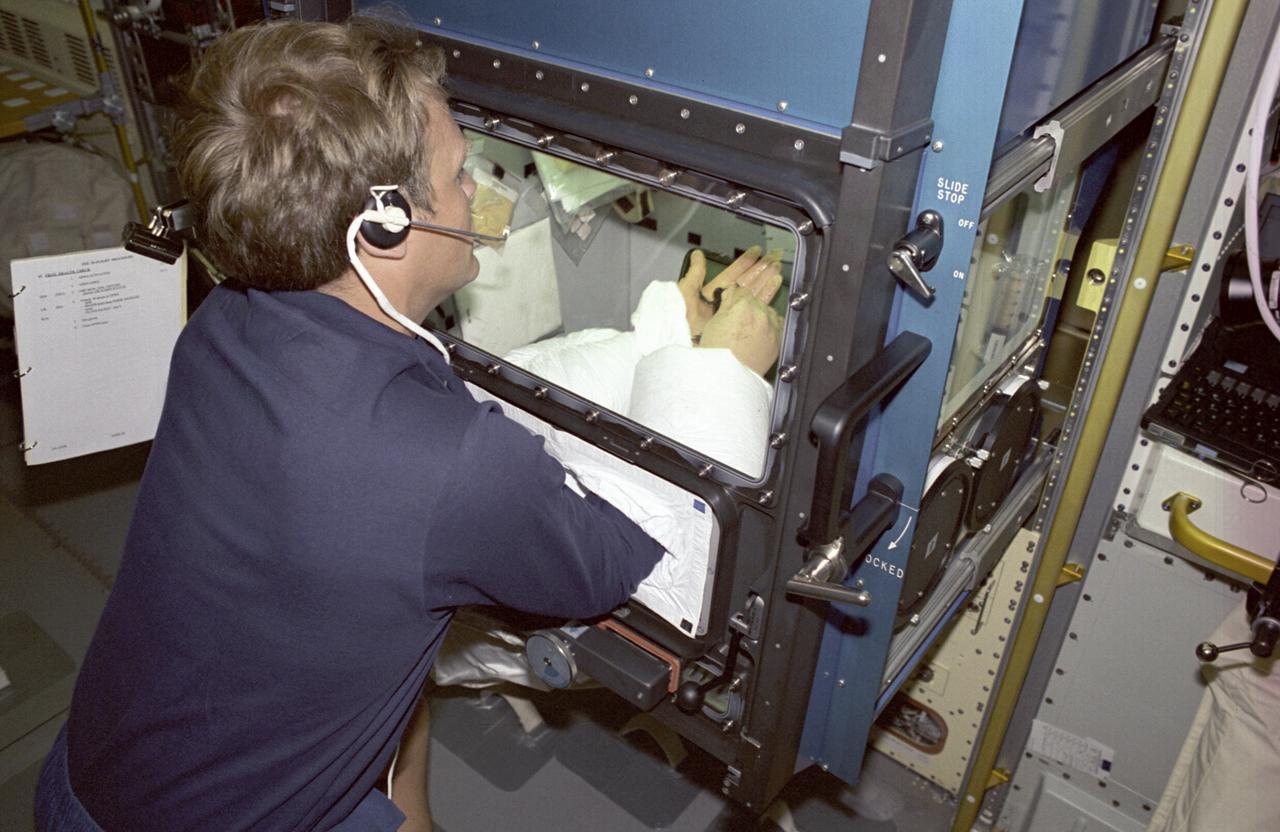
The Spacelab-J (SL-J) mission was a joint venture between NASA and the National Space Development Agency of Japan (NASDA) utilizing a marned Spacelab module. Materials science investigations covered such fields as biotechnology, electronic materials, fluid dynamics and transport phenomena, glasses and ceramics, metals and alloys, and acceleration measurements. Life sciences included experiments on human health, cell separation and biology, developmental biology, animal and human physiology and behavior, space radiation, and biological rhythms. Before long-term space ventures are attempted, numerous questions must be answered: how will gravity play in the early development of an organism, and how will new generations of a species be conceived and develop normally in microgravity. The Effects of Weightlessness on the Development of Amphibian Eggs Fertilized in Space experiment aboard SL-J examined aspects of these questions. To investigate the effect of microgravity on amphibian development, female frogs carried aboard SL-J were induced to ovulate and shed eggs. These eggs were then fertilized in the microgravity environment. Half were incubated in microgravity, while the other half were incubated in a centrifuge that spins to simulate normal gravity. This photograph shows astronaut Mark Lee working with one of the adult female frogs inside the incubator. The mission also examined the swimming behavior of tadpoles grown in the absence of gravity. The Spacelab-J was launched aboard the Space Shuttle Orbiter Endeavour on September 12, 1992.
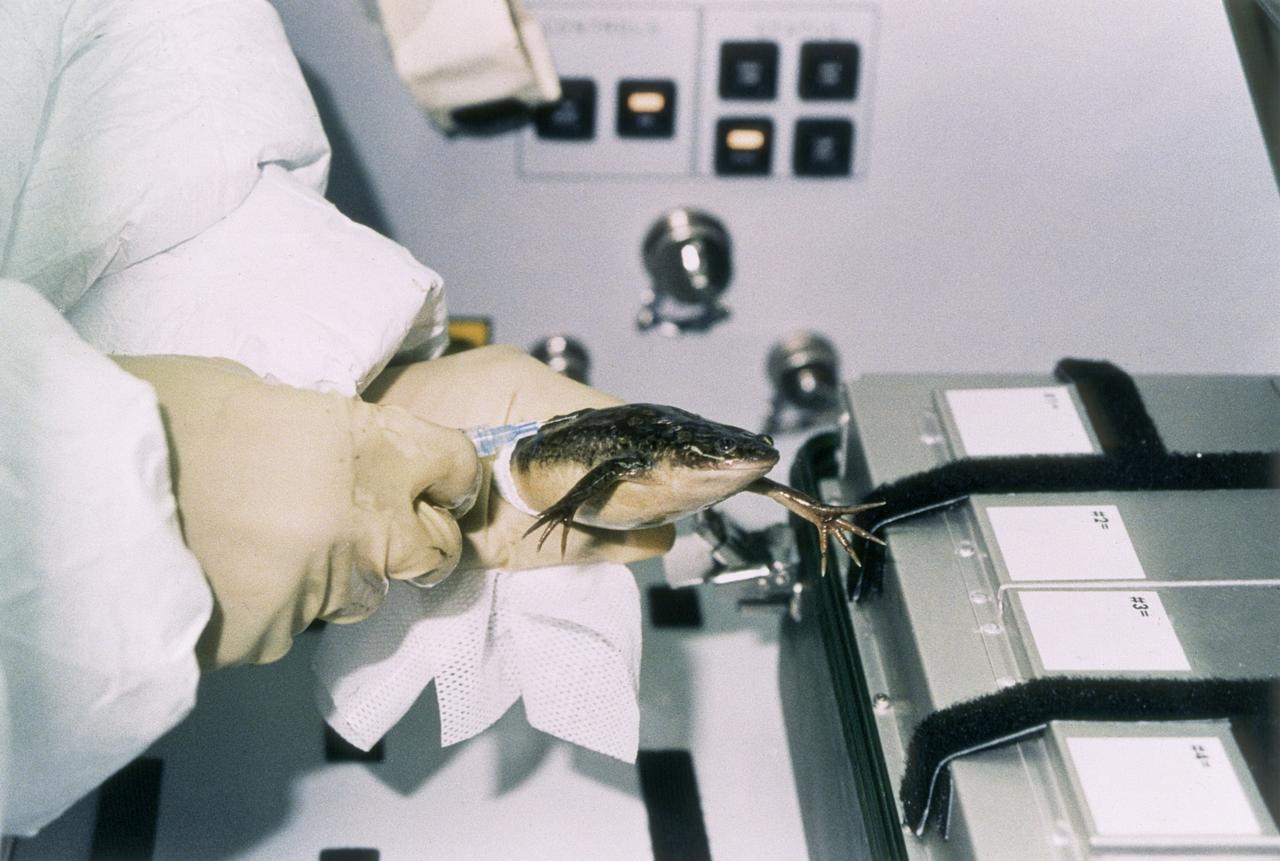
The Spacelab-J (SL-J) mission was a joint venture between NASA and the National Space Development Agency of Japan (NASDA) utilizing a marned Spacelab module. Materials science investigations covered such fields as biotechnology, electronic materials, fluid dynamics and transport phenomena, glasses and ceramics, metals and alloys, and acceleration measurements. Life sciences included experiments on human health, cell separation and biology, developmental biology, animal and human physiology and behavior, space radiation, and biological rhythms. Before long-term space ventures are attempted, numerous questions must be answered: how will gravity play in the early development of an organism, and how will new generations of a species be conceived and develop normally in microgravity. The Effects of Weightlessness on the Development of Amphibian Eggs Fertilized in Space experiment aboard SL-J examined aspects of these questions. To investigate the effect of microgravity on amphibian development, female frogs carried aboard SL-J were induced to ovulate and shed eggs. These eggs were then fertilized in the microgravity environment. Half were incubated in microgravity, while the other half were incubated in a centrifuge that spins to simulate normal gravity. This photograph shows an astronaut working with one of the adult female frogs inside the incubator. The mission also examined the swimming behavior of tadpoles grown in the absence of gravity. The Spacelab-J was launched aboard the Space Shuttle Orbiter Endeavour on September 12, 1992.
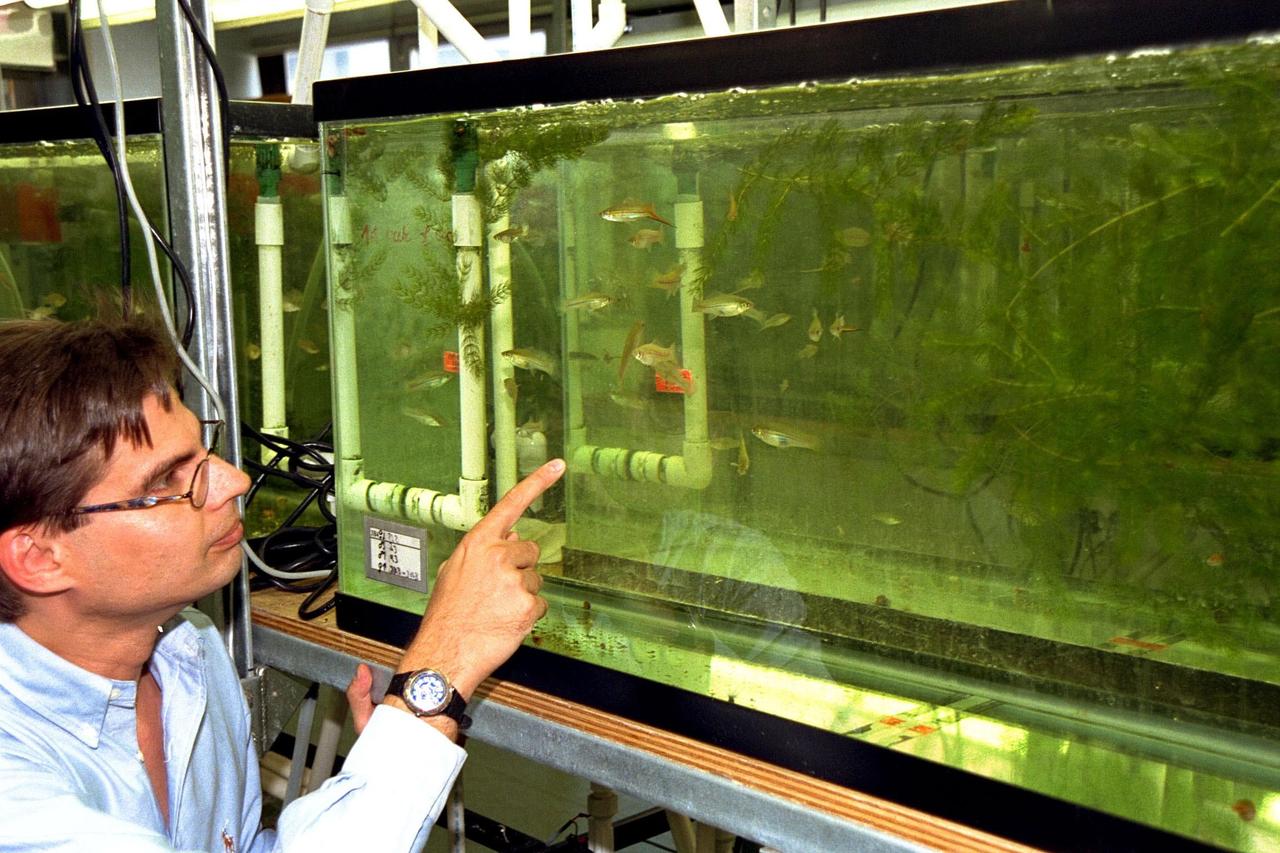
KENNEDY SPACE CENTER, FLA. -- Dr. Dirk Voeste, a scientist with Ruhr-University of Bochum, Germany, examines some swordtail fish (Xiphophorus helleri), like those that are part of the Neurolab payload on Space Shuttle Mission STS-90, in their holding tank in the Operations and Checkout Building. The fish will fly in the Closed Equilibrated Biological Aquatic System (CEBAS) Minimodule, a middeck locker-sized fresh water habitat, designed to allow the controlled incubation of aquatic species in a self-stabilizing, artifical ecosystem for up to three weeks under space conditions. Investigations during the Neurolab mission will focus on the effects of microgravity on the nervous system. The crew of STS-90, slated for launch April 16 at 2:19 p.m. EDT, include Commander Richard Searfoss, Pilot Scott Altman, Mission Specialists Richard Linnehan, D.V.M., Dafydd (Dave) Williams, M.D., and Kathryn (Kay) Hire, and Payload Specialists Jay Buckey, M.D., and James Pawelczyk, Ph.D
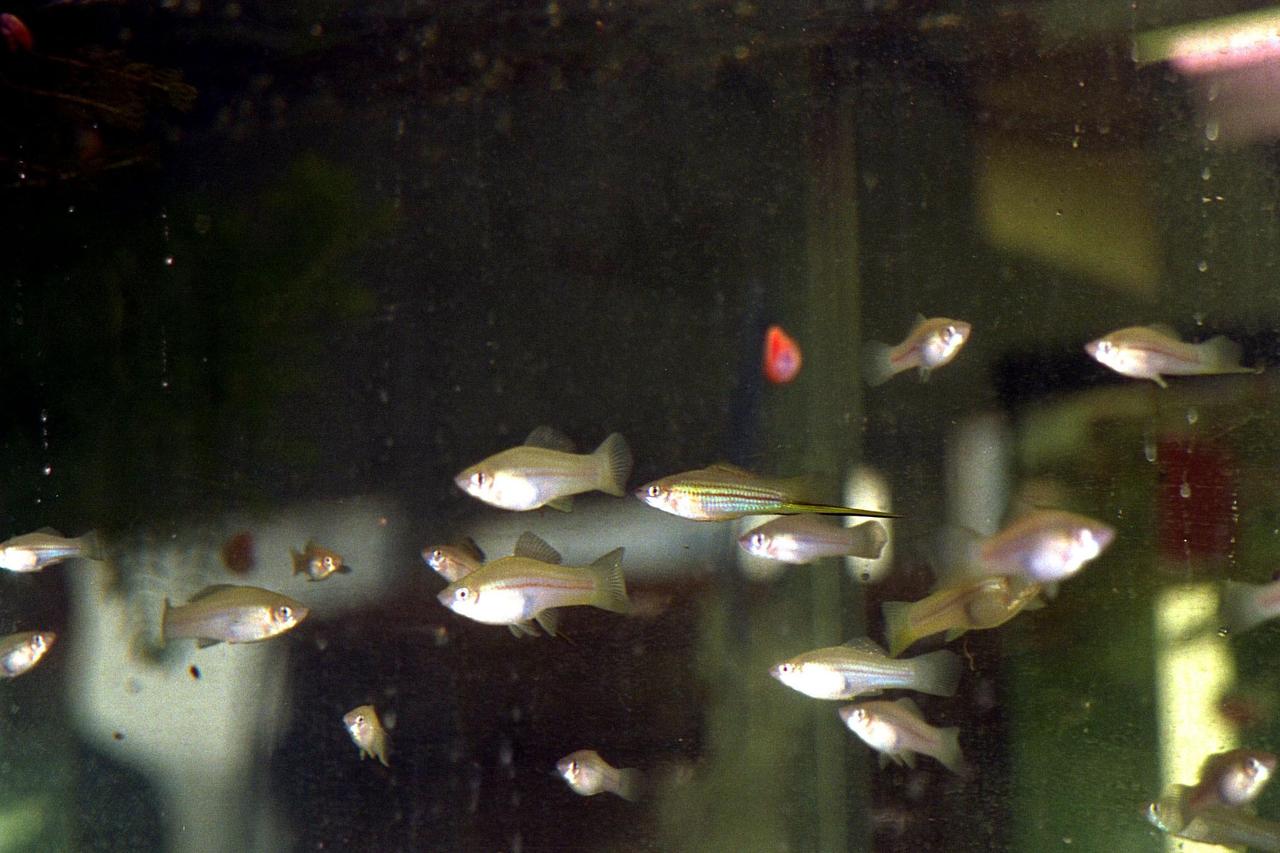
KENNEDY SPACE CENTER, FLA. -- Swordtail fish (Xiphophorus helleri), like those that are part of the Neurolab payload on Space Shuttle Mission STS-90, are shown in their holding tank in the Operations and Checkout Building. The fish will fly in the Closed Equilibrated Biological Aquatic System (CEBAS) Minimodule, a middeck locker-sized fresh water habitat, designed to allow the controlled incubation of aquatic species in a self-stabilizing, artifical ecosystem for up to three weeks under space conditions. Investigations during the Neurolab mission will focus on the effects of microgravity on the nervous system. The crew of STS-90, slated for launch April 16 at 2:19 p.m. EDT, include Commander Richard Searfoss, Pilot Scott Altman, Mission Specialists Richard Linnehan, D.V.M., Dafydd (Dave) Williams, M.D., and Kathryn (Kay) Hire, and Payload Specialists Jay Buckey, M.D., and James Pawelczyk, Ph.D
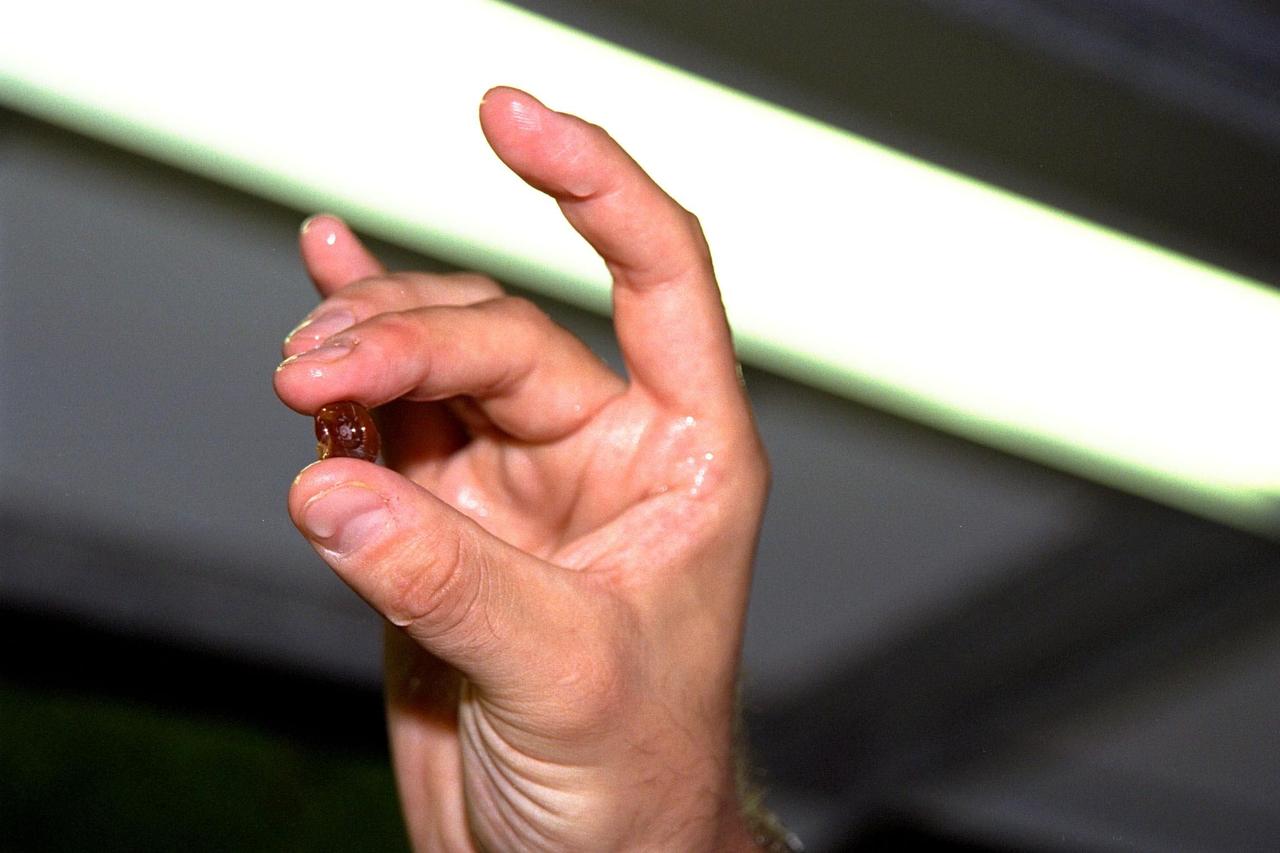
KENNEDY SPACE CENTER, FLA. -- A water snail (Biomphalaria glabrata), like those that are part of the Neurolab payload on Space Shuttle Mission STS-90, is held up for inspection in the Operations and Checkout Building. The snails will fly in the Closed Equilibrated Biological Aquatic System (CEBAS) Minimodule, a middeck locker-sized fresh water habitat, designed to allow the controlled incubation of aquatic species in a self-stabilizing, artifical ecosystem for up to three weeks under space conditions. Investigations during the Neurolab mission will focus on the effects of microgravity on the nervous system. The crew of STS-90, slated for launch April 16 at 2:19 p.m. EDT, includes Commander Richard Searfoss, Pilot Scott Altman, Mission Specialists Richard Linnehan, D.V.M., Dafydd (Dave) Williams, M.D., and Kathryn (Kay) Hire, and Payload Specialists Jay Buckey, M.D., and James Pawelczyk, Ph.D
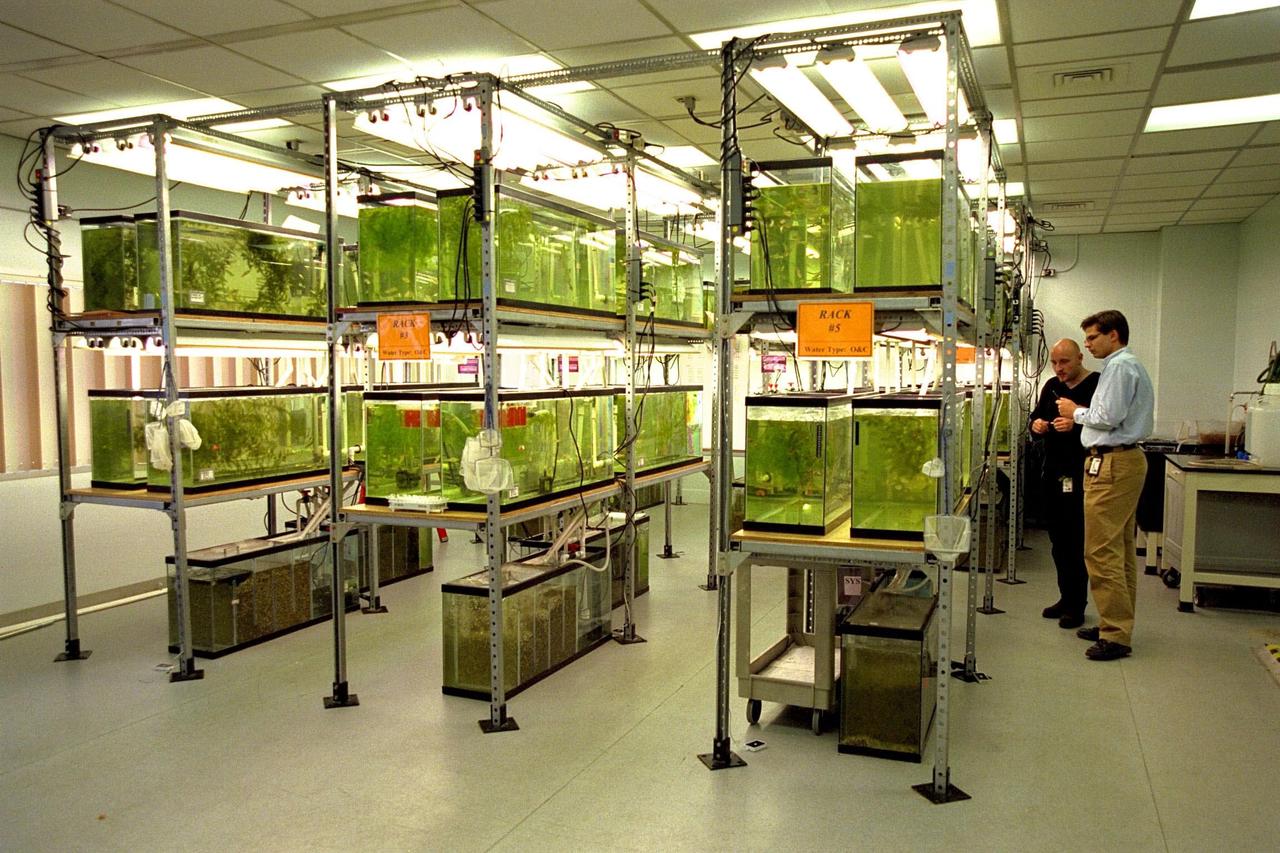
KENNEDY SPACE CENTER, FLA. -- Ingo Ronny Wortmann (left) and Dr. Dirk Voeste, scientists with Ruhr-University of Bochum, Germany, examine swordtail fish (Xiphophorus helleri), like those that are part of the Neurolab payload on Space Shuttle Mission STS-90, in their holding tanks in the Operations and Checkout Building. The fish will fly in the Closed Equilibrated Biological Aquatic System (CEBAS) Minimodule, a middeck locker-sized freshwater habitat, designed to allow the controlled incubation of aquatic species in a self-stabilizing, artifical ecosystem for up to three weeks under space conditions. Investigations during the Neurolab mission will focus on the effects of microgravity on the nervous system. The crew of STS-90, slated for launch April 16 at 2:19 p.m. EDT, include Commander Richard Searfoss, Pilot Scott Altman, Mission Specialists Richard Linnehan, D.V.M., Dafydd (Dave) Williams, M.D., and Kathryn (Kay) Hire, and Payload Specialists Jay Buckey, M.D., and James Pawelczyk, Ph.D
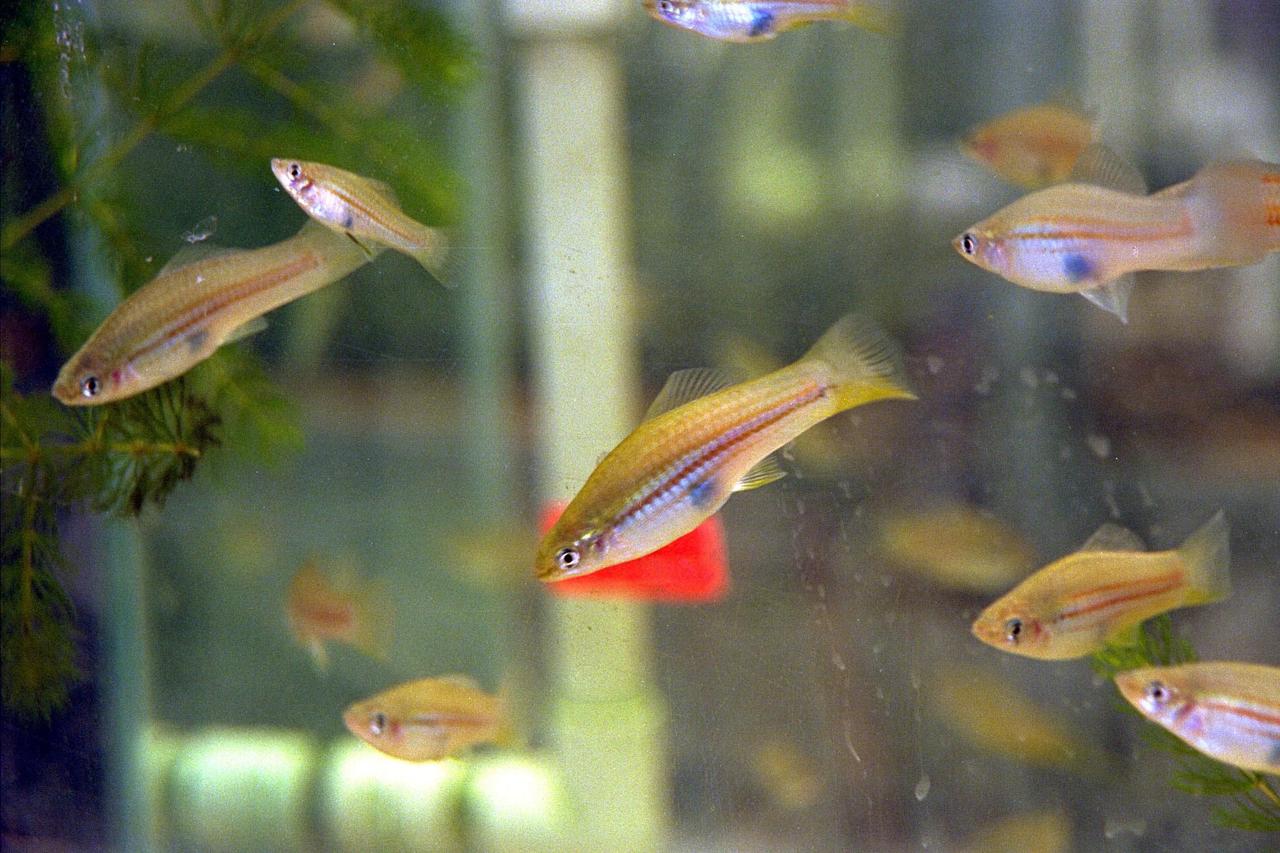
KENNEDY SPACE CENTER, FLA. -- Swordtail fish (Xiphophorus helleri), like those that are part of the Neurolab payload on Space Shuttle Mission STS-90, are shown in their holding tank in the Operations and Checkout Building. The fish will fly in the Closed Equilibrated Biological Aquatic System (CEBAS) Minimodule, a middeck locker-sized fresh water habitat, designed to allow the controlled incubation of aquatic species in a self-stabilizing, artifical ecosystem for up to three weeks under space conditions. Investigations during the Neurolab mission will focus on the effects of microgravity on the nervous system. The crew of STS-90, slated for launch April 16 at 2:19 p.m. EDT, include Commander Richard Searfoss, Pilot Scott Altman, Mission Specialists Richard Linnehan, D.V.M., Dafydd (Dave) Williams, M.D., and Kathryn (Kay) Hire, and Payload Specialists Jay Buckey, M.D., and James Pawelczyk, Ph.D.
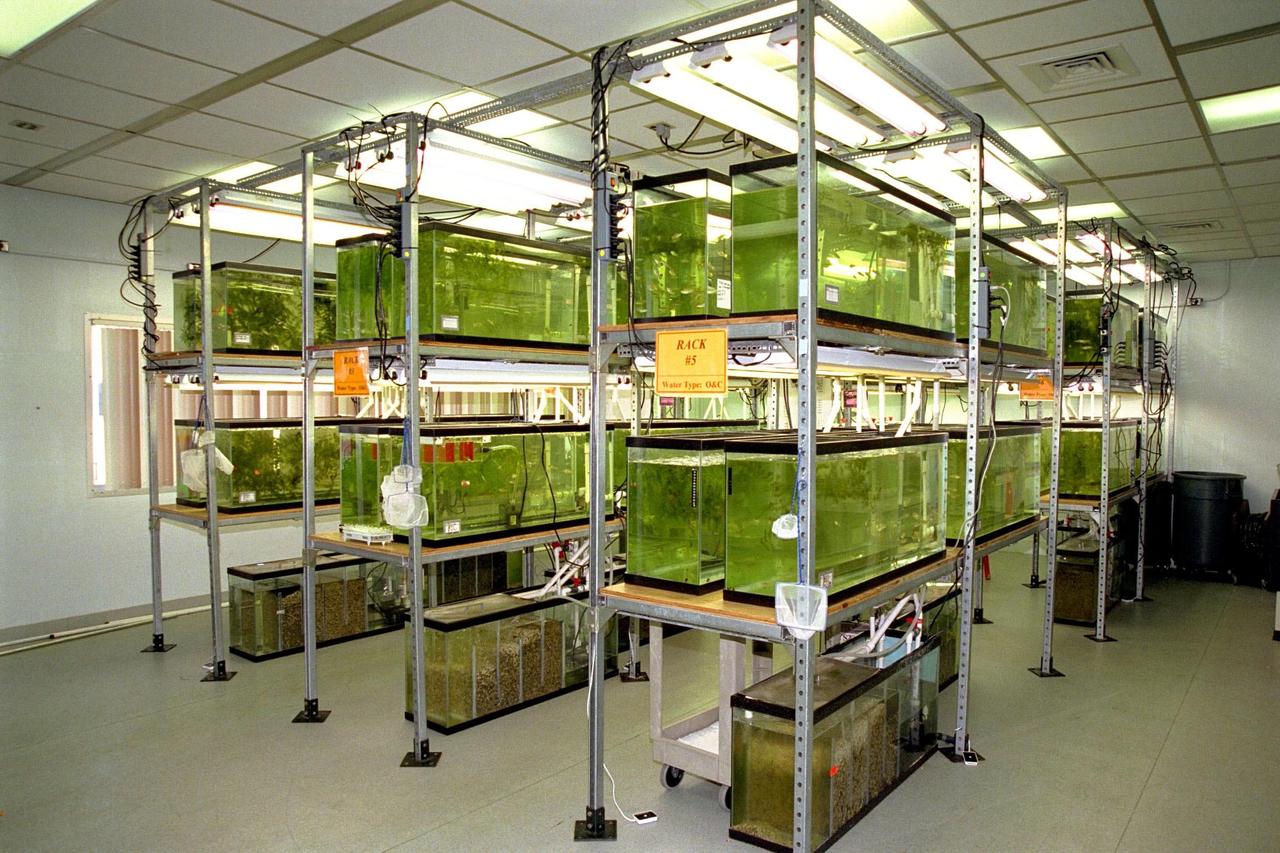
KENNEDY SPACE CENTER, FLA. -- Swordtail fish (Xiphophorus helleri), like those that are part of the Neurolab payload on Space Shuttle Mission STS-90, are shown in their holding tanks in the Operations and Checkout Building. The fish will fly in the Closed Equilibrated Biological Aquatic System (CEBAS) Minimodule, a middeck locker-sized fresh water habitat, designed to allow the controlled incubation of aquatic species in a self-stabilizing, artifical ecosystem for up to three weeks under space conditions. Investigations during the Neurolab mission will focus on the effects of microgravity on the nervous system. The crew of STS-90, slated for launch April 16 at 2:19 p.m. EDT, include Commander Richard Searfoss, Pilot Scott Altman, Mission Specialists Richard Linnehan, D.V.M., Dafydd (Dave) Williams, M.D., and Kathryn (Kay) Hire, and Payload Specialists Jay Buckey, M.D., and James Pawelczyk, Ph.D

Inside the Multi-Payload Processing Facility at NASA’s Kennedy Space Center in Florida, on Wednesday, Aug. 27, 2025, technicians with the Korea AeroSpace Administration (KASA) complete closeouts on the K-Rad Cube, one of several international CubeSats slated to fly on NASA’s Artemis II test flight in 2026. Deploying in high Earth orbit from a spacecraft adapter on NASA’s SLS (Space Launch System) rocket after Orion is safely flying on its own with its crew of four astronauts, K-Rad Cube will use a dosimeter made of material designed to mimic human tissue to measure space radiation and assess biological effects at various altitudes across the Van Allen radiation belts, a critical area of research for human presence at the Moon and Mars.
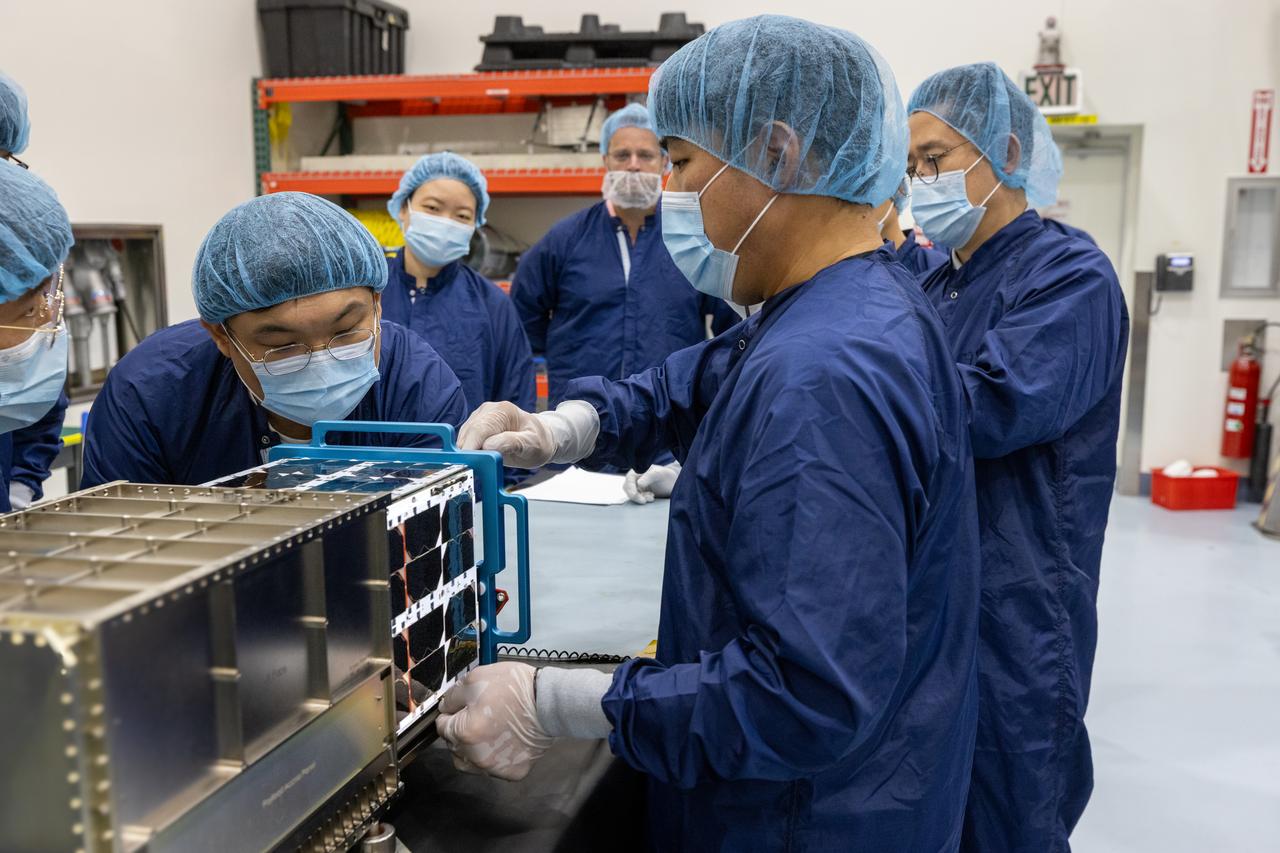
Inside the Multi-Payload Processing Facility at NASA’s Kennedy Space Center in Florida, on Wednesday, Aug. 27, 2025, technicians with the Korea AeroSpace Administration (KASA) complete closeouts on the K-Rad Cube, one of several international CubeSats slated to fly on NASA’s Artemis II test flight in 2026. Deploying in high Earth orbit from a spacecraft adapter on NASA’s SLS (Space Launch System) rocket after Orion is safely flying on its own with its crew of four astronauts, K-Rad Cube will use a dosimeter made of material designed to mimic human tissue to measure space radiation and assess biological effects at various altitudes across the Van Allen radiation belts, a critical area of research for human presence at the Moon and Mars.
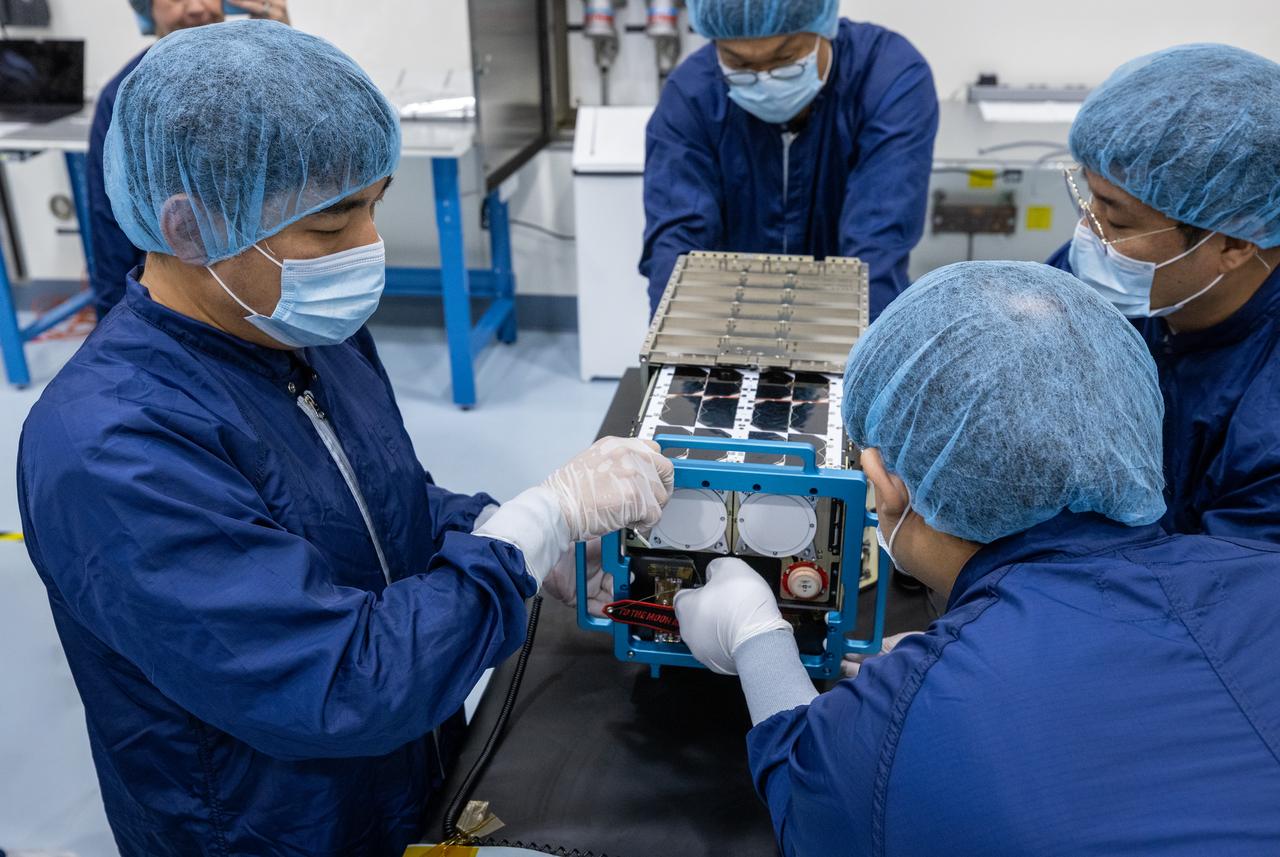
Inside the Multi-Payload Processing Facility at NASA’s Kennedy Space Center in Florida, on Wednesday, Aug. 27, 2025, technicians with the Korea AeroSpace Administration (KASA) complete closeouts on the K-Rad Cube, one of several international CubeSats slated to fly on NASA’s Artemis II test flight in 2026. Deploying in high Earth orbit from a spacecraft adapter on NASA’s SLS (Space Launch System) rocket after Orion is safely flying on its own with its crew of four astronauts, K-Rad Cube will use a dosimeter made of material designed to mimic human tissue to measure space radiation and assess biological effects at various altitudes across the Van Allen radiation belts, a critical area of research for human presence at the Moon and Mars.
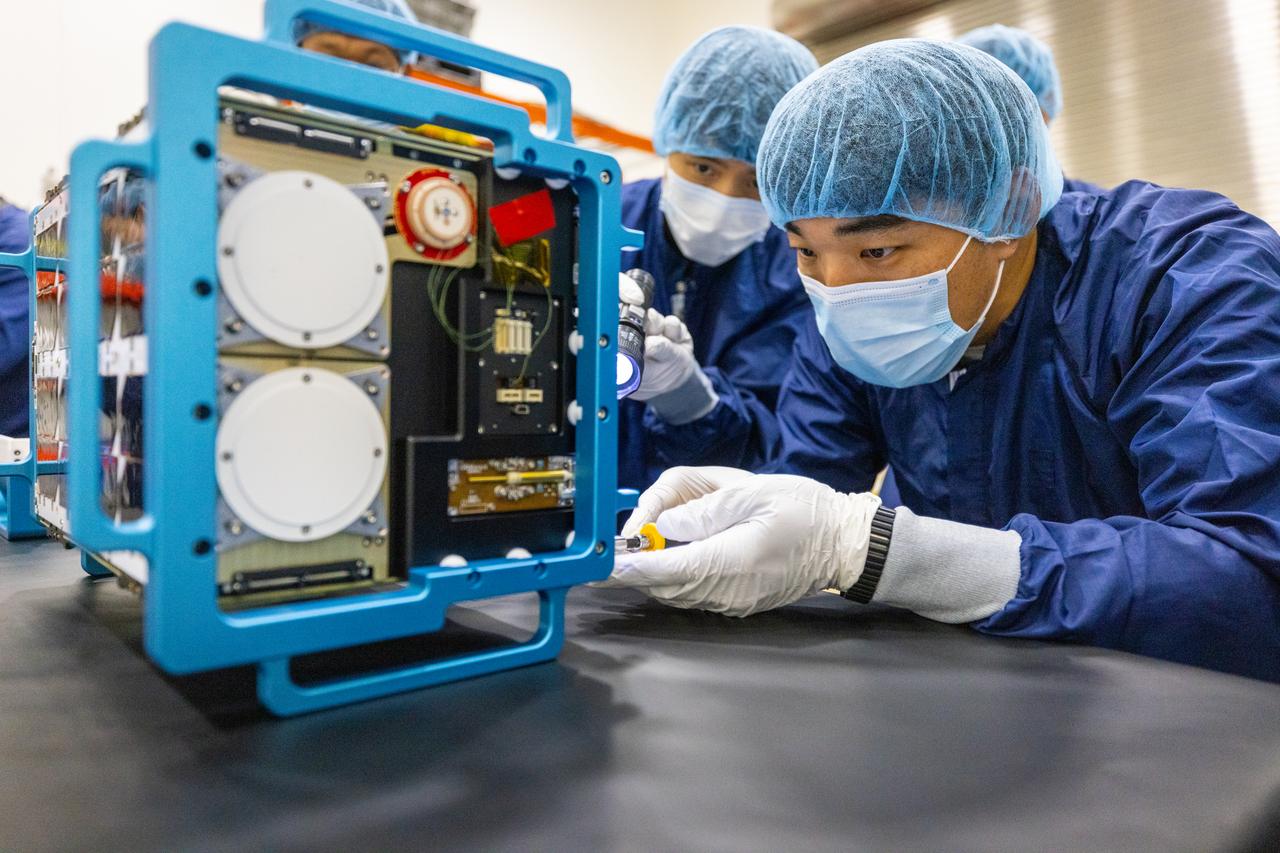
Inside the Multi-Payload Processing Facility at NASA’s Kennedy Space Center in Florida, on Tuesday, Aug. 26, 2025, technicians with the Korea AeroSpace Administration (KASA) inspect the K-Rad Cube, one of several international CubeSats slated to fly on NASA’s Artemis II test flight in 2026. Deploying in high Earth orbit from a spacecraft adapter on NASA’s SLS (Space Launch System) rocket after Orion is safely flying on its own with its crew of four astronauts, K-Rad Cube will use a dosimeter made of material designed to mimic human tissue to measure space radiation and assess biological effects at various altitudes across the Van Allen radiation belts, a critical area of research for human presence at the Moon and Mars.
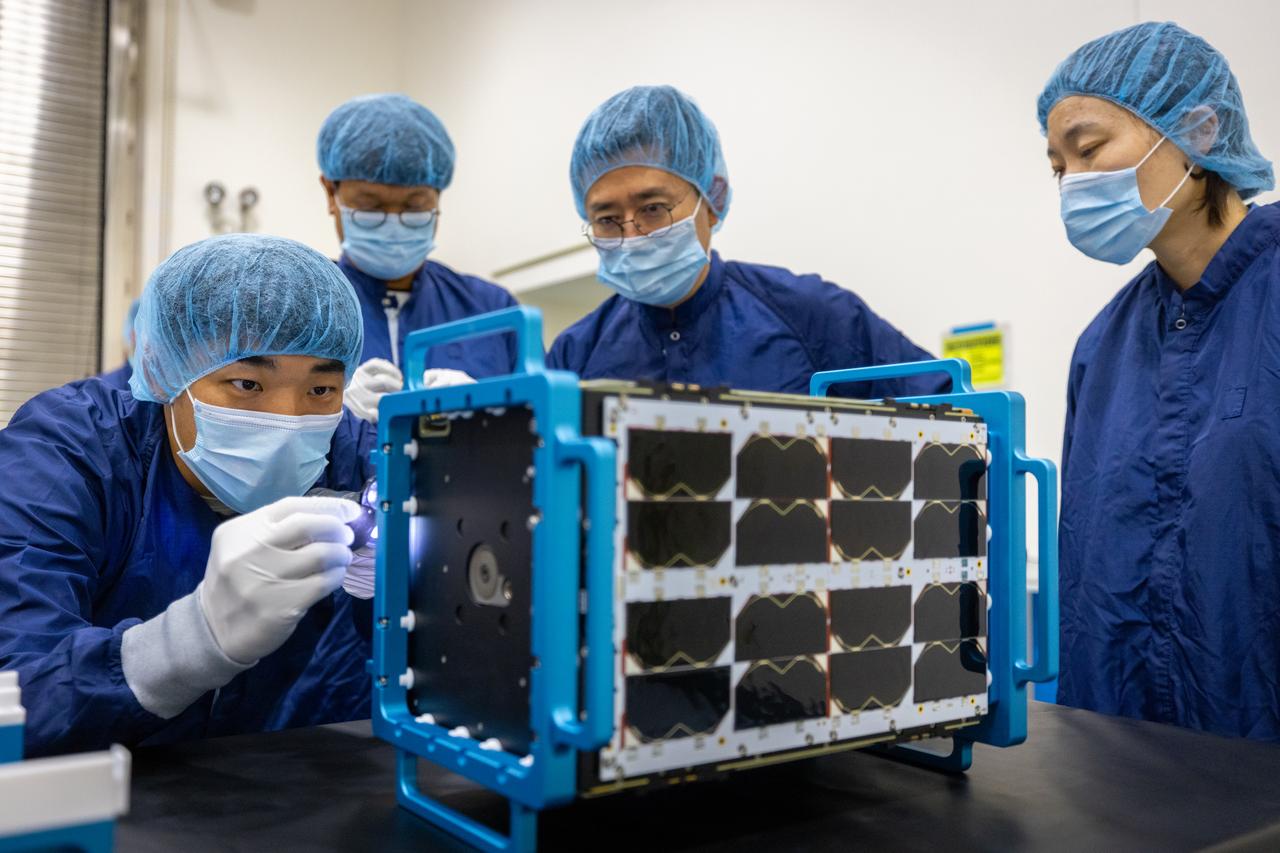
Inside the Multi-Payload Processing Facility at NASA’s Kennedy Space Center in Florida, on Tuesday, Aug. 26, 2025, technicians with the Korea AeroSpace Administration (KASA) inspect the K-Rad Cube, one of several international CubeSats slated to fly on NASA’s Artemis II test flight in 2026. Deploying in high Earth orbit from a spacecraft adapter on NASA’s SLS (Space Launch System) rocket after Orion is safely flying on its own with its crew of four astronauts, K-Rad Cube will use a dosimeter made of material designed to mimic human tissue to measure space radiation and assess biological effects at various altitudes across the Van Allen radiation belts, a critical area of research for human presence at the Moon and Mars.
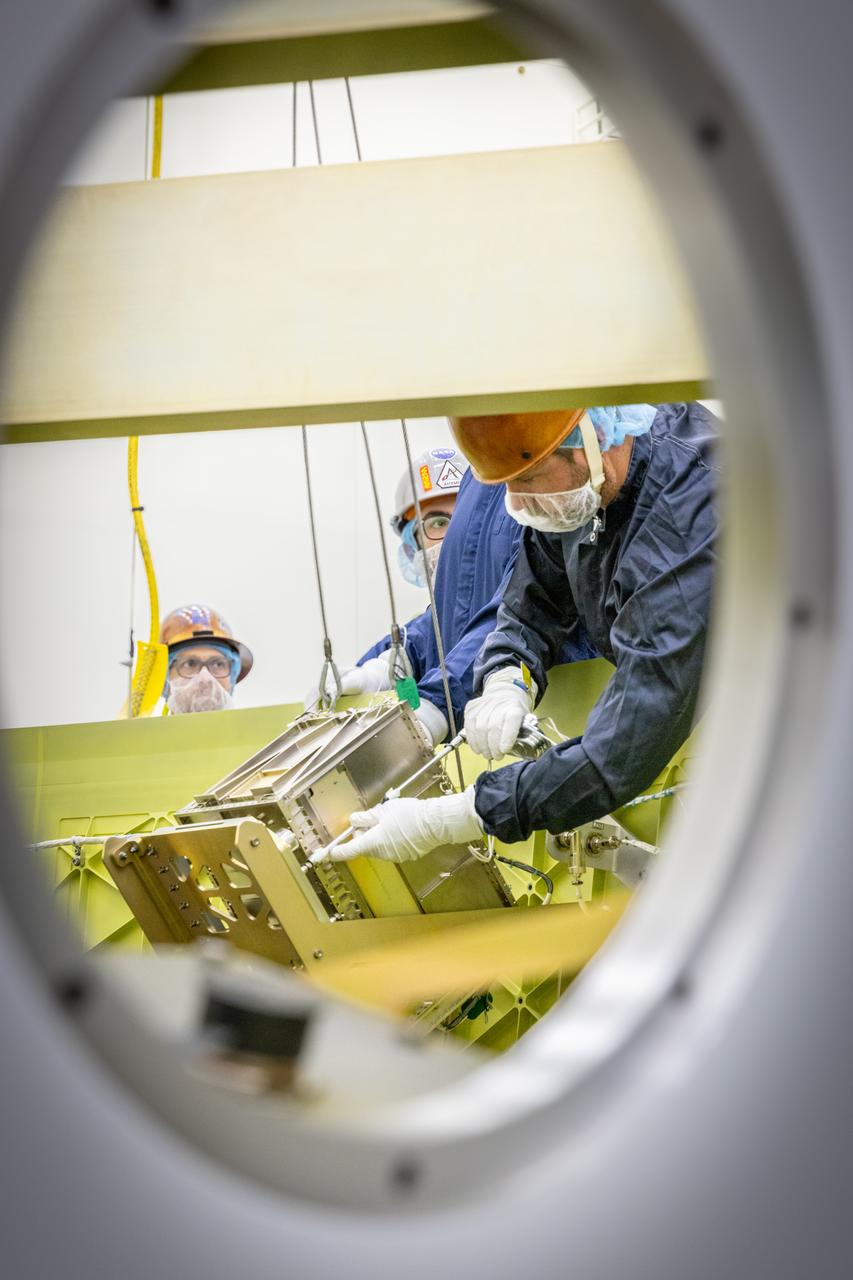
Technicians install the Korea AeroSpace Administration (KASA) K-Rad Cube within the Orion stage adapter inside the Multi-Payload Processing Facility at NASA’s Kennedy Space Center in Florida on Tuesday, Sept. 2, 2025. The K-Rad Cube, about the size of a shoebox, is one of the CubeSats slated to fly on NASA’s Artemis II test flight in 2026. Deploying in high Earth orbit from a spacecraft adapter on NASA’s SLS (Space Launch System) rocket after Orion is safely flying on its own with its crew of four astronauts, K-Rad Cube will use a dosimeter made of material designed to mimic human tissue to measure space radiation and assess biological effects at various altitudes across the Van Allen radiation belts, a critical area of research for human presence at the Moon and Mars.
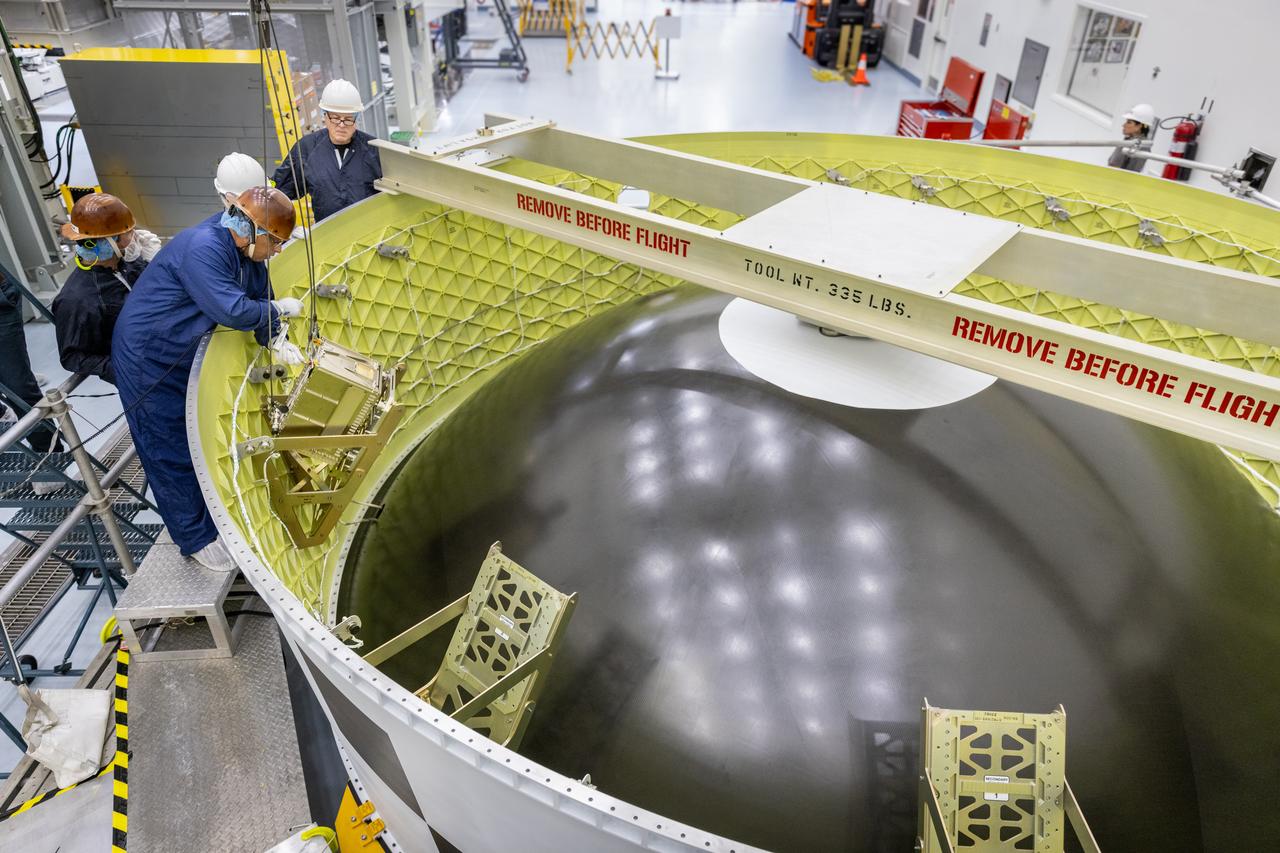
Technicians install the Korea AeroSpace Administration (KASA) K-Rad Cube within the Orion stage adapter inside the Multi-Payload Processing Facility at NASA’s Kennedy Space Center in Florida on Tuesday, Sept. 2, 2025. The K-Rad Cube, about the size of a shoebox, is one of the CubeSats slated to fly on NASA’s Artemis II test flight in 2026. Deploying in high Earth orbit from a spacecraft adapter on NASA’s SLS (Space Launch System) rocket after Orion is safely flying on its own with its crew of four astronauts, K-Rad Cube will use a dosimeter made of material designed to mimic human tissue to measure space radiation and assess biological effects at various altitudes across the Van Allen radiation belts, a critical area of research for human presence at the Moon and Mars.
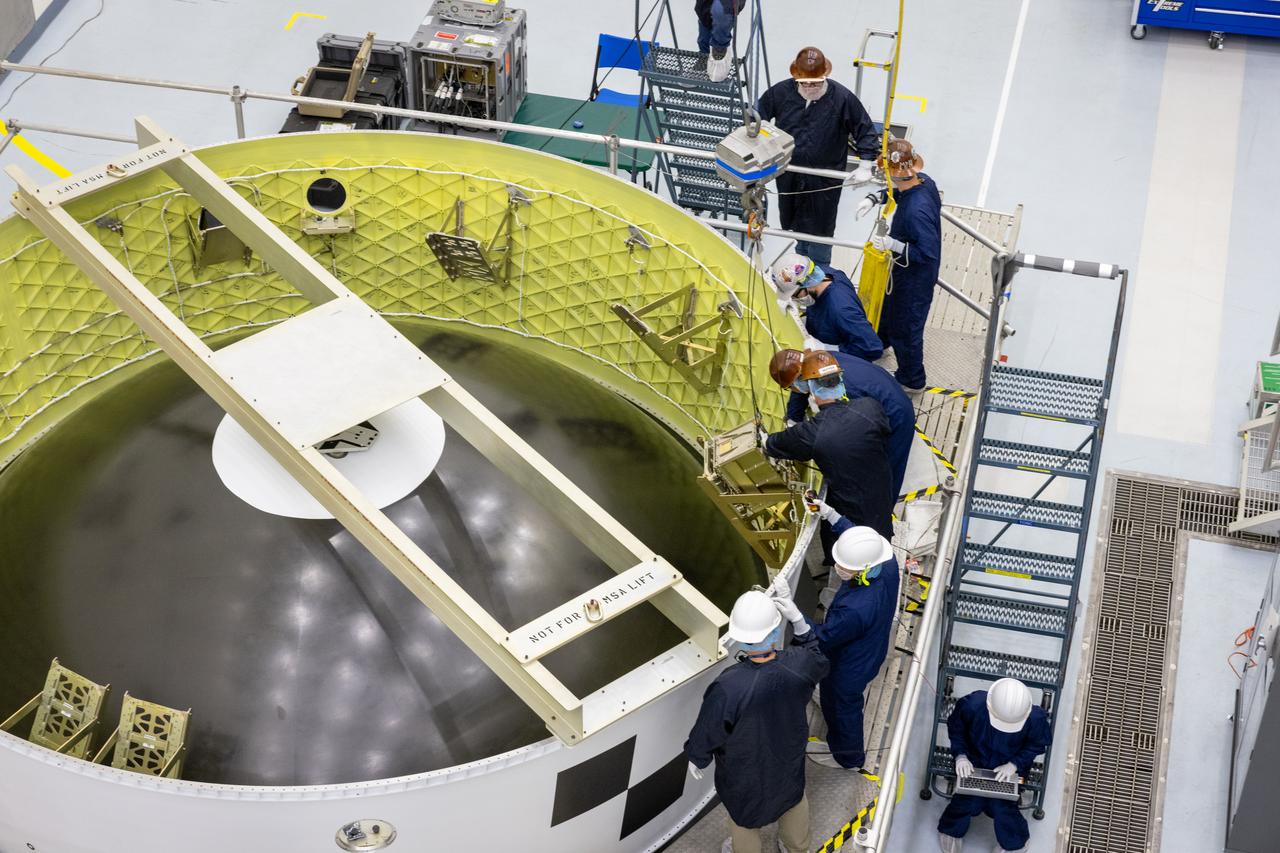
Technicians install the Korea AeroSpace Administration (KASA) K-Rad Cube within the Orion stage adapter inside the Multi-Payload Processing Facility at NASA’s Kennedy Space Center in Florida on Tuesday, Sept. 2, 2025. The K-Rad Cube, about the size of a shoebox, is one of the CubeSats slated to fly on NASA’s Artemis II test flight in 2026. Deploying in high Earth orbit from a spacecraft adapter on NASA’s SLS (Space Launch System) rocket after Orion is safely flying on its own with its crew of four astronauts, K-Rad Cube will use a dosimeter made of material designed to mimic human tissue to measure space radiation and assess biological effects at various altitudes across the Van Allen radiation belts, a critical area of research for human presence at the Moon and Mars.

Technicians install the Korea AeroSpace Administration (KASA) K-Rad Cube within the Orion stage adapter inside the Multi-Payload Processing Facility at NASA’s Kennedy Space Center in Florida on Tuesday, Sept. 2, 2025. The K-Rad Cube, about the size of a shoebox, is one of the CubeSats slated to fly on NASA’s Artemis II test flight in 2026. Deploying in high Earth orbit from a spacecraft adapter on NASA’s SLS (Space Launch System) rocket after Orion is safely flying on its own with its crew of four astronauts, K-Rad Cube will use a dosimeter made of material designed to mimic human tissue to measure space radiation and assess biological effects at various altitudes across the Van Allen radiation belts, a critical area of research for human presence at the Moon and Mars.
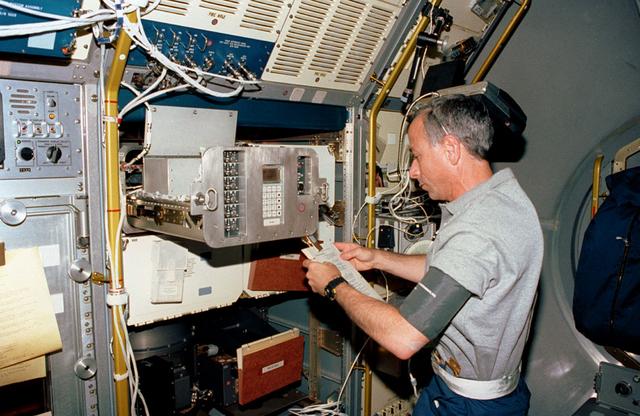
The first United States Microgravity Laboratory (USML-1) was one of NASA's science and technology programs and provided scientists an opportunity to research various scientific investigations in a weightless environment inside the Spacelab module. It also provided demonstrations of new equipment to help prepare for advanced microgravity research and processing aboard the Space Station. The USML-1 flew in orbit for extended periods, providing greater opportunities for research in materials science, fluid dynamics, biotechnology, and combustion science. In this photograph, astronaut Carl Meade is reviewing the manual to activate the Generic Bioprocessing Apparatus (GBA) inside the Spacelab module. The GBA for the USML-1 mission was a multipurpose facility that could help us answer important questions about the relationship between gravity and biology. This unique facility allowed scientists to study biological processes in samples ranging from molecules to small organisms. For example, scientists would examine how collagen, a protein substance found in cornective tissue, bones, and cartilage, forms fibers. In microgravity, it might be possible to alter collagen fiber assembly so that this material could be used more effectively as artificial skin, blood vessels, and other parts of the body. The USML-1 was managed by the Marshall Space Flight Center and waslaunched aboard the Space Shuttle Orbiter Columbia (STS-50) on June 25, 1992.
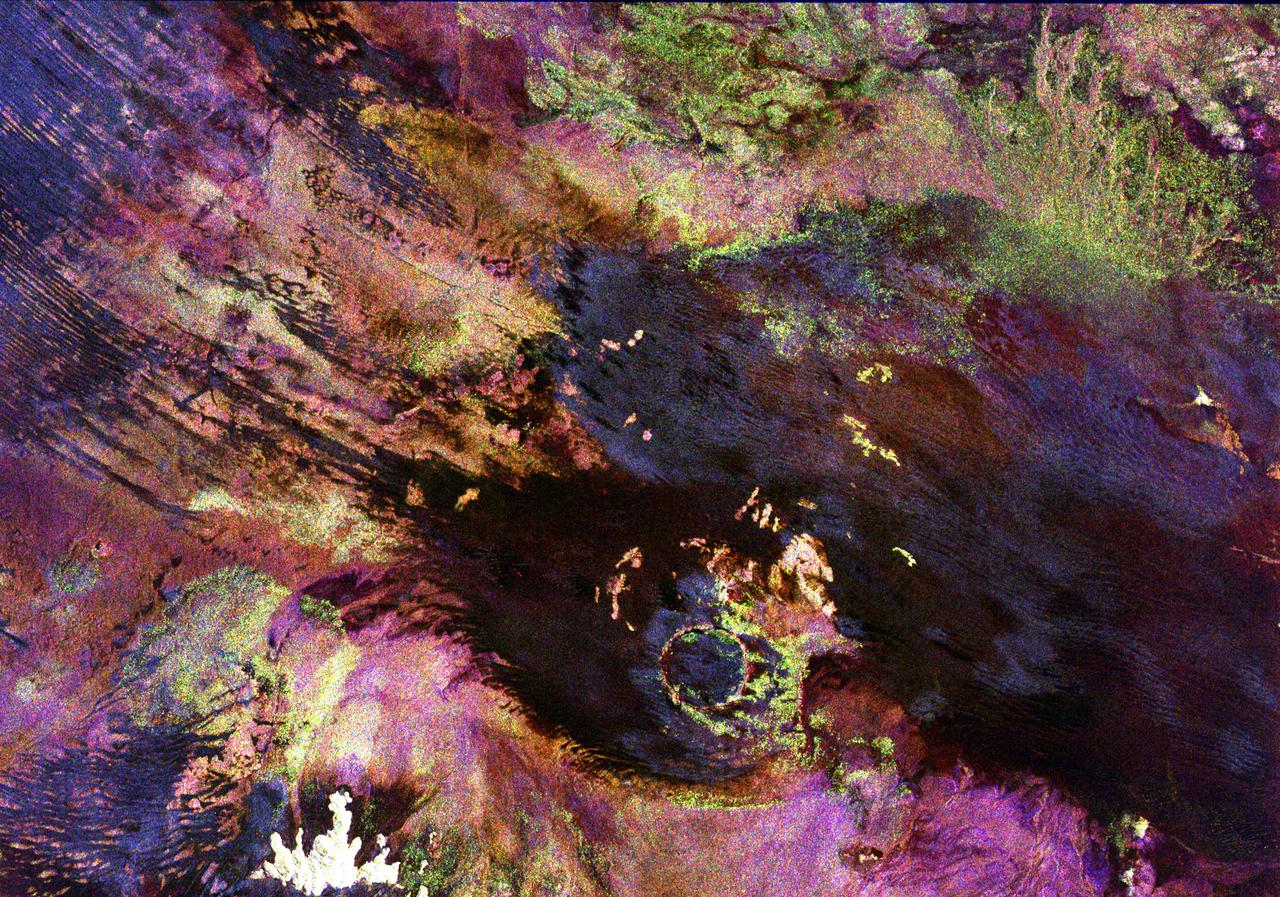
This space radar image shows the Roter Kamm impact crater in southwest Namibia. The crater rim is seen in the lower center of the image as a radar-bright, circular feature. Geologists believe the crater was formed by a meteorite that collided with Earth approximately 5 million years ago. The data were acquired by the Spaceborne Imaging Radar-C/X-Band Synthetic Aperture Radar (SIR-C/X-SAR) instrument onboard space shuttle Endeavour on April 14, 1994. The area is located at 27.8 degrees south latitude and 16.2 degrees east longitude in southern Africa. The colors in this image were obtained using the following radar channels: red represents the L-band (horizontally transmitted and received); green represents the L-band (horizontally transmitted and vertically received); and blue represents the C-band (horizontally transmitted and vertically received). The area shown is approximately 25.5 kilometers (15.8 miles) by 36.4 kilometers (22.5 miles), with north toward the lower right. The bright white irregular feature in the lower left corner is a small hill of exposed rock outcrop. Roter Kamm is a moderate sized impact crater, 2.5 kilometers (1.5 miles) in diameter rim to rim, and is 130 meters (400 feet) deep. However, its original floor is covered by sand deposits at least 100 meters (300 feet) thick. In a conventional aerial photograph, the brightly colored surfaces immediately surrounding the crater cannot be seen because they are covered by sand. The faint blue surfaces adjacent to the rim may indicate the presence of a layer of rocks ejected from the crater during the impact. The darkest areas are thick windblown sand deposits which form dunes and sand sheets. The sand surface is smooth relative to the surrounding granite and limestone rock outcrops and appears dark in radar image. The green tones are related primarily to larger vegetation growing on sand soil, and the reddish tones are associated with thinly mantled limestone outcrops. Studies of impact craters on the surface of the Earth help geologists understand the role of the impact process in the Earth's evolution, including effects on the atmosphere and on biological evolution. http://photojournal.jpl.nasa.gov/catalog/PIA00503

As it sped away from Venus, NASA's Mariner 10 spacecraft captured this seemingly peaceful view of a planet the size of Earth, wrapped in a dense, global cloud layer. But, contrary to its serene appearance, the clouded globe of Venus is a world of intense heat, crushing atmospheric pressure and clouds of corrosive acid. This newly processed image revisits the original data with modern image processing software. A contrast-enhanced version of this view, also provided here, makes features in the planet's thick cloud cover visible in greater detail. The clouds seen here are located about 40 miles (60 kilometers) above the planet's surface, at altitudes where Earth-like atmospheric pressures and temperatures exist. They are comprised of sulfuric acid particles, as opposed to water droplets or ice crystals, as on Earth. These cloud particles are mostly white in appearance; however, patches of red-tinted clouds also can be seen. This is due to the presence of a mysterious material that absorbs light at blue and ultraviolet wavelengths. Many chemicals have been suggested for this mystery component, from sulfur compounds to even biological materials, but a consensus has yet to be reached among researchers. The clouds of Venus whip around the planet at nearly over 200 miles per hour (100 meters per second), circling the globe in about four and a half days. That these hurricane-force winds cover nearly the entire planet is another unexplained mystery, especially given that the solid planet itself rotates at a very slow 4 mph (less than 2 meters per second) — much slower than Earth's rotation rate of about 1,000 mph (450 meters per second). The winds and clouds also blow to the west, not to the east as on the Earth. This is because the planet itself rotates to the west, backward compared to Earth and most of the other planets. As the clouds travel westward, they also typically progress toward the poles; this can be seen in the Mariner 10 view as a curved spiral pattern at mid latitudes. Near the equator, instead of long streaks, areas of more clumpy, discrete clouds can be seen, indicating enhanced upwelling and cloud formation in the equatorial region, spurred on by the enhanced power of sunlight there. This view is a false color composite created by combining images taken using orange and ultraviolet spectral filters on the spacecraft's imaging camera. These were used for the red and blue channels of the color image, respectively, with the green channel synthesized by combining the other two images. Flying past Venus en route to the first-ever flyby of Mercury, Mariner 10 became the first spacecraft to use a gravity assist to change its flight path in order to reach another planet. The images used to create this view were acquired by Mariner 10 on Feb. 7 and 8, 1974, a couple of days after the spacecraft's closest approach to Venus on Feb. 5. Despite their many differences, comparisons between Earth and Venus are valuable for helping to understand their distinct climate histories. Nearly 50 years after this view was obtained, many fundamental questions about Venus remain unanswered. Did Venus have oceans long ago? How has its atmosphere evolved over time, and when did its runaway greenhouse effect begin? How does Venus lose its heat? How volcanically and tectonically active has Venus been over the last billion years? This image was processed from archived Mariner 10 data by JPL engineer Kevin M. Gill. The Mariner 10 mission was managed by NASA's Jet Propulsion Laboratory. https://photojournal.jpl.nasa.gov/catalog/PIA23791
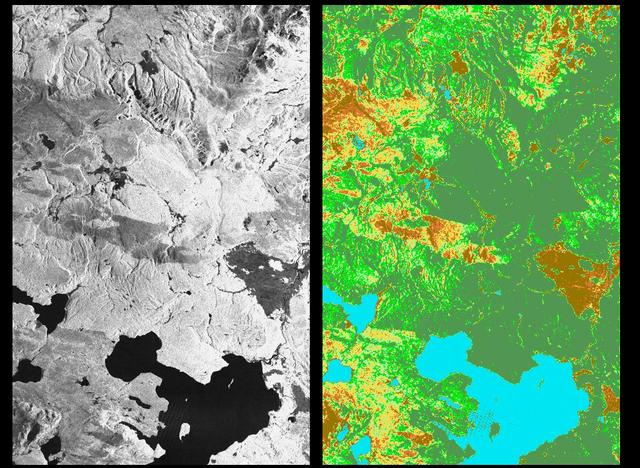
These two radar images show the majestic Yellowstone National Park, Wyoming, the oldest national park in the United States and home to the world's most spectacular geysers and hot springs. The region supports large populations of grizzly bears, elk and bison. In 1988, the park was burned by one of the most widespread fires to occur in the northern Rocky Mountains in the last 50 years. Surveys indicated that 793,880 acres of land burned. Of that, 41 percent was burned forest, with tree canopies totally consumed by the fire; 35 percent was a combination of unburned, scorched and blackened trees; 13 percent was surface burn under an unburned canopy; 6 percent was non-forest burn; and 5 percent was undifferentiated burn. Six years later, the burned areas are still clearly visible in these false-color radar images obtained by the Spaceborne Imaging Radar-C/X-band Synthetic Aperture Radar on board the space shuttle Endeavour. The image at the left was obtained using the L-band radar channel, horizontally received and vertically transmitted, on the shuttle's 39th orbit on October 2, 1994. The area shown is 45 kilometers by 71 kilometers (28 miles by 44 miles) in size and centered at 44.6 degrees north latitude, 110.7 degrees west longitude. North is toward the top of the image (to the right). Most trees in this area are lodge pole pines at different stages of fire succession. Yellowstone Lake appears as a large dark feature at the bottom of the scene. At right is a map of the forest crown, showing its biomass, or amount of vegetation, which includes foliage and branches. The map was created by inverting SIR-C data and using in situ estimates of crown biomass gathered by the Yellowstone National Biological Survey. The map is displayed on a color scale from blue (rivers and lakes with no biomass) to brown (non-forest areas with crown biomass of less than 4 tons per hectare) to light brown (areas of canopy burn with biomass of between 4 and 12 tons per hectare). Yellow indicates areas of canopy burn and mixed burn with a biomass of between 12 to 20 tons per hectare; light green is mixed burn and on-burn forest with a biomass of 20 to 35 tons per hectare; and green is non-burned forest with a biomass of greater than 35 tons per hectare. Forest recovery from the fire seems to depend on fire intensity and soil conditions. In areas of severe canopy burn and poor soil conditions, crown biomass was still low in 1994 (indicated by the brown areas at the center left), whereas in areas of mixed burn with nutrient-rich soils, seen west of Yellowstone Lake, crown biomass has increased significantly in six years (indicated by the yellow and light green areas). Imaging fire-affected regions with spaceborne radar illustrates SIR-C/X-SAR's keen abilities to monitor regrowth after a fire. Knowing the amount of carbon accumulated in the atmosphere by regenerating forest in the 20 to 50 years following a fire disturbance is also a significant factor in understanding the global carbon cycle. Measuring crown biomass is necessary to evaluate the effects of past and future fires in specific regions. http://photojournal.jpl.nasa.gov/catalog/PIA01741