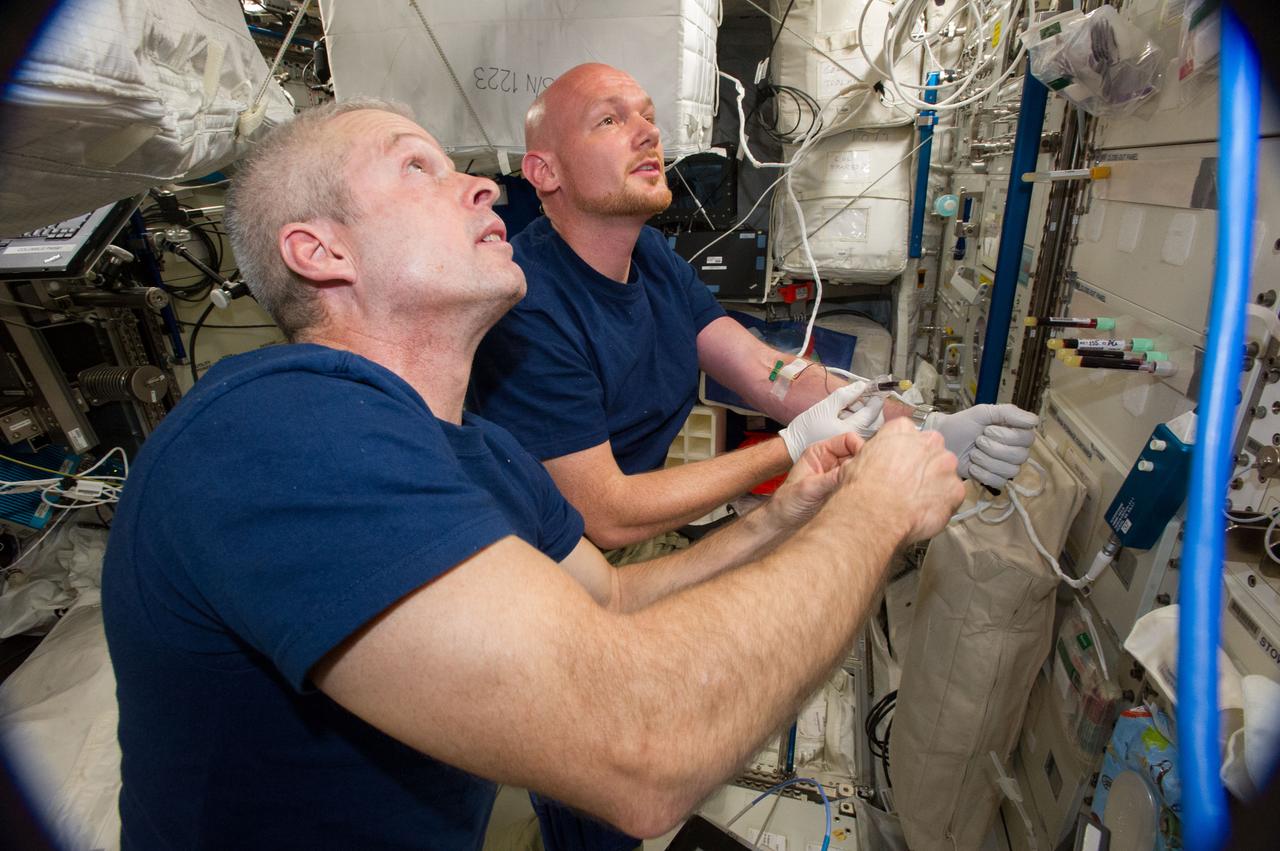
Astronaut Alexander Gerst,Expedition 40 flight engineer (background),and Expedition 40 Commander Steve Swanson are photographed performing blood sample collection in the Columbus module as part of HRF Generic Frozen Blood Collection Operations.

S81-26158 (Feb 1981) --- A close-up view of a training version of a STS-40/SLS-1 blood kit. Blood samples from crewmembers are critical to a number of Space Life Sciences-1 (SLS-1) investigations. One day's collection equipment, color coded for each crewmember, is neatly organized in the kit.
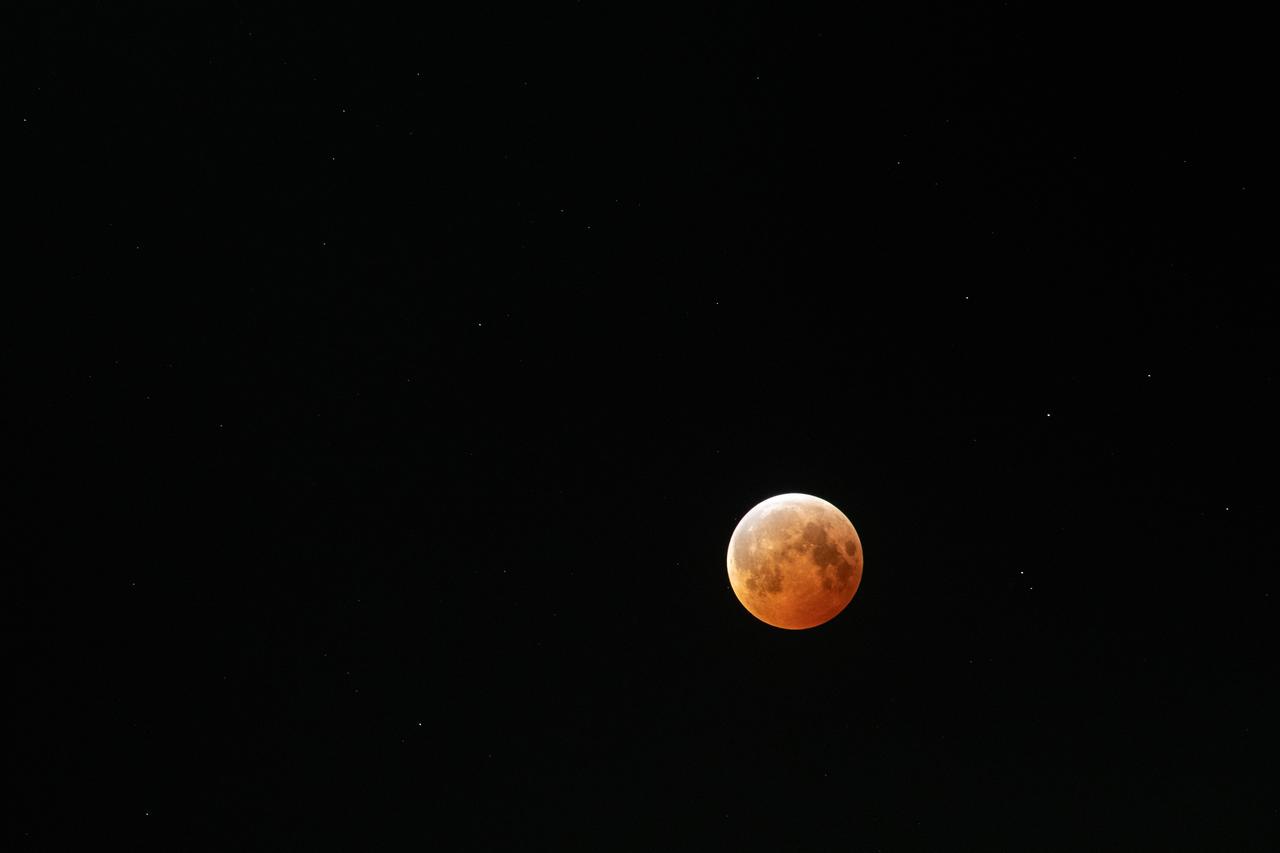
Blood Moon on March 14th, 2025 seen from Sandusky, OH. Photo Credit: (NASA/Sara Lowthian-Hanna)
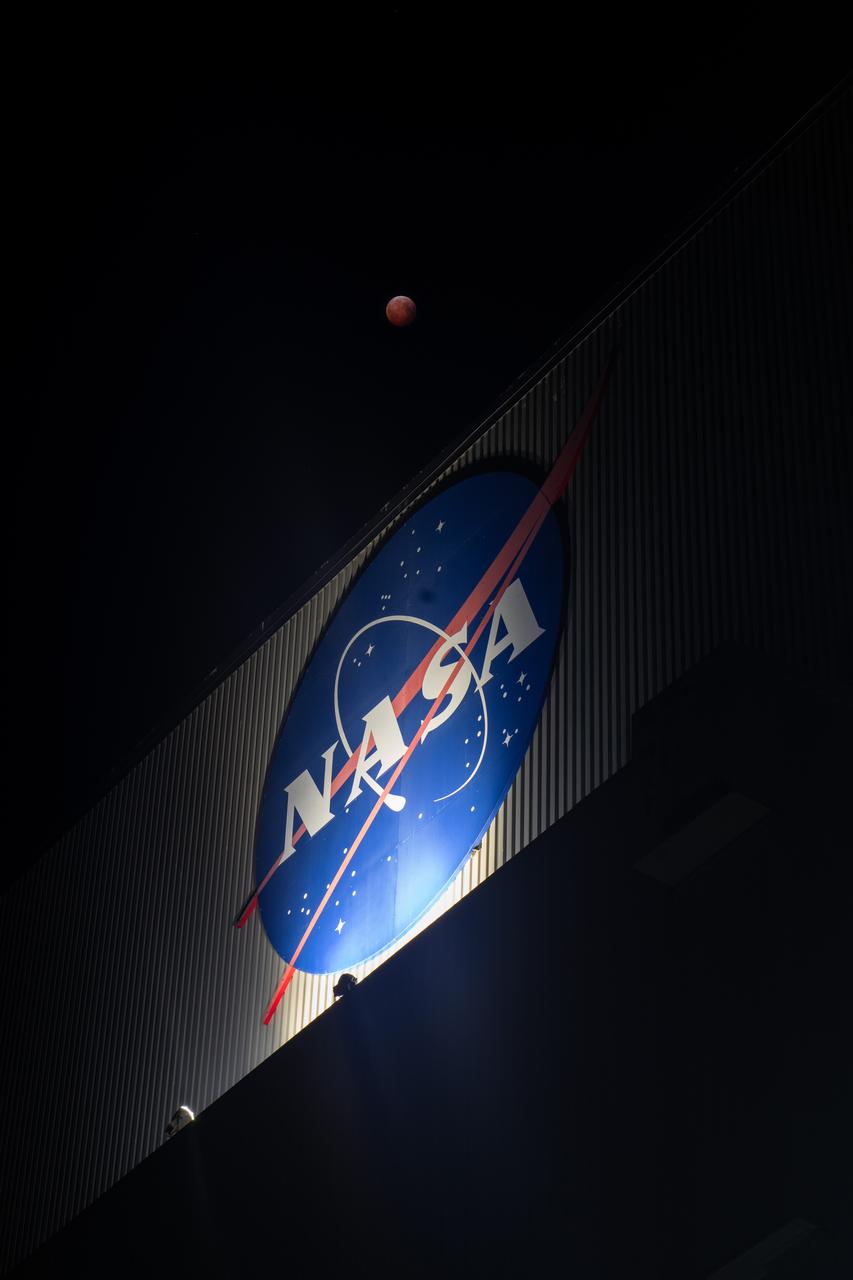
Blood Moon on March 14, 2025 at Armstrong Test Facility in Sandusky, OH. Photo Credit: (NASA/Sara Lowthian-Hanna)

This composite photo made up of 11 images of shows the Blood Moon and the phases of the Lunar Eclipse on March 14th, 2025 seen from Brookpark, OH at NASA Glenn Research Center.. Photo Credit: (NASA/Jordan Cochran)
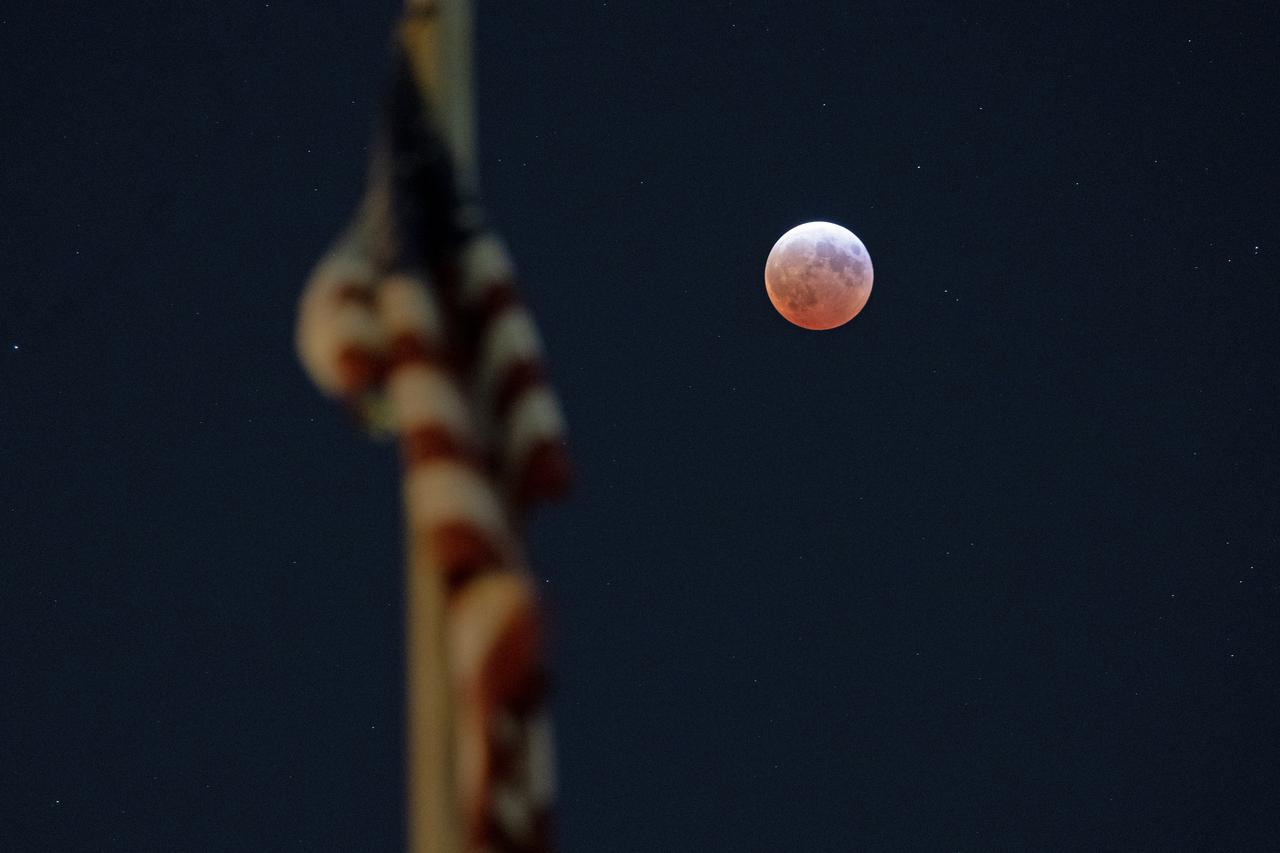
The blood moon lunar eclipse over New Orleans, home to NASA’s Michoud Assembly Facility, on Friday, March 14, 2025. Image credit: NASA/Michael DeMocker
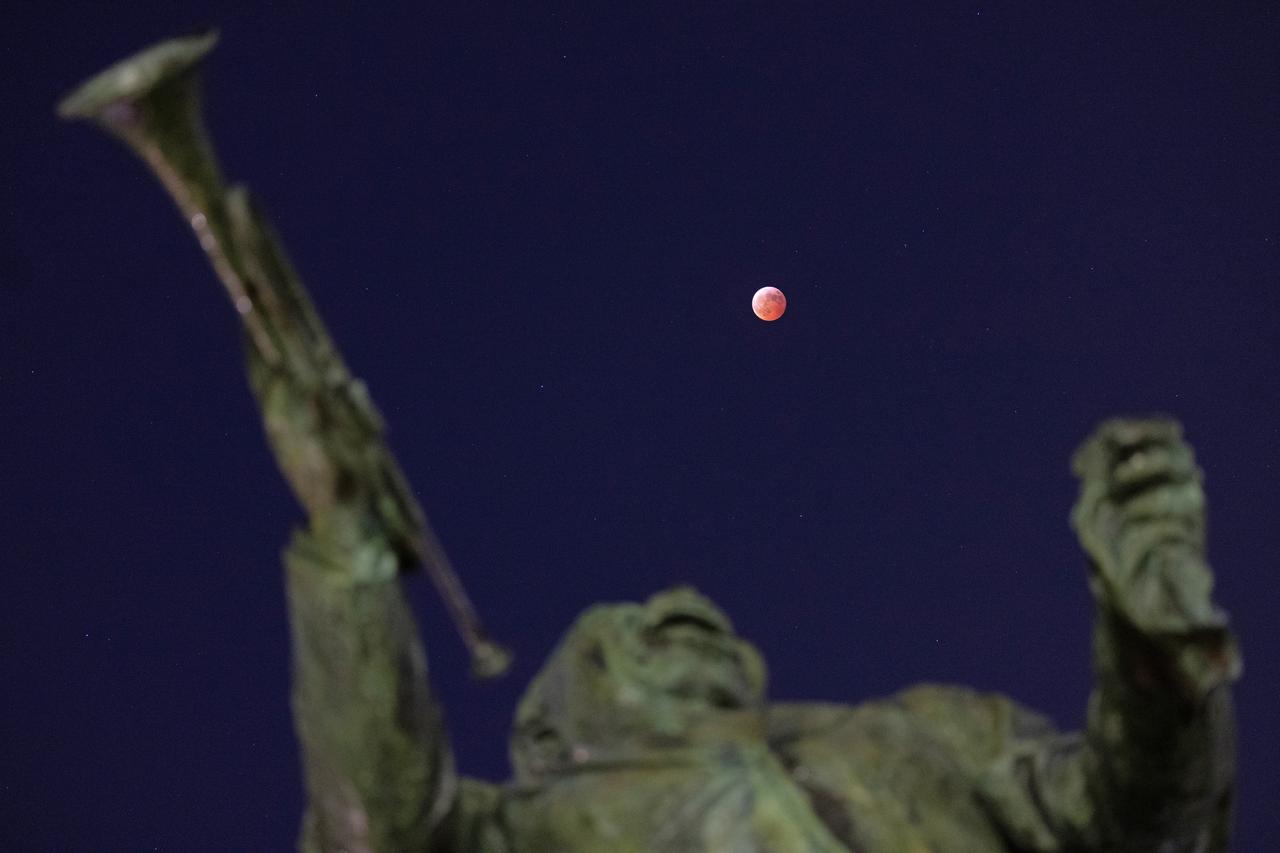
The blood moon lunar eclipse is shown above a statue of Louis Armstrong in New Orleans, home to NASA’s Michoud Assembly Facility, on Friday, March 14, 2025. Image credit: NASA/Michael DeMocker
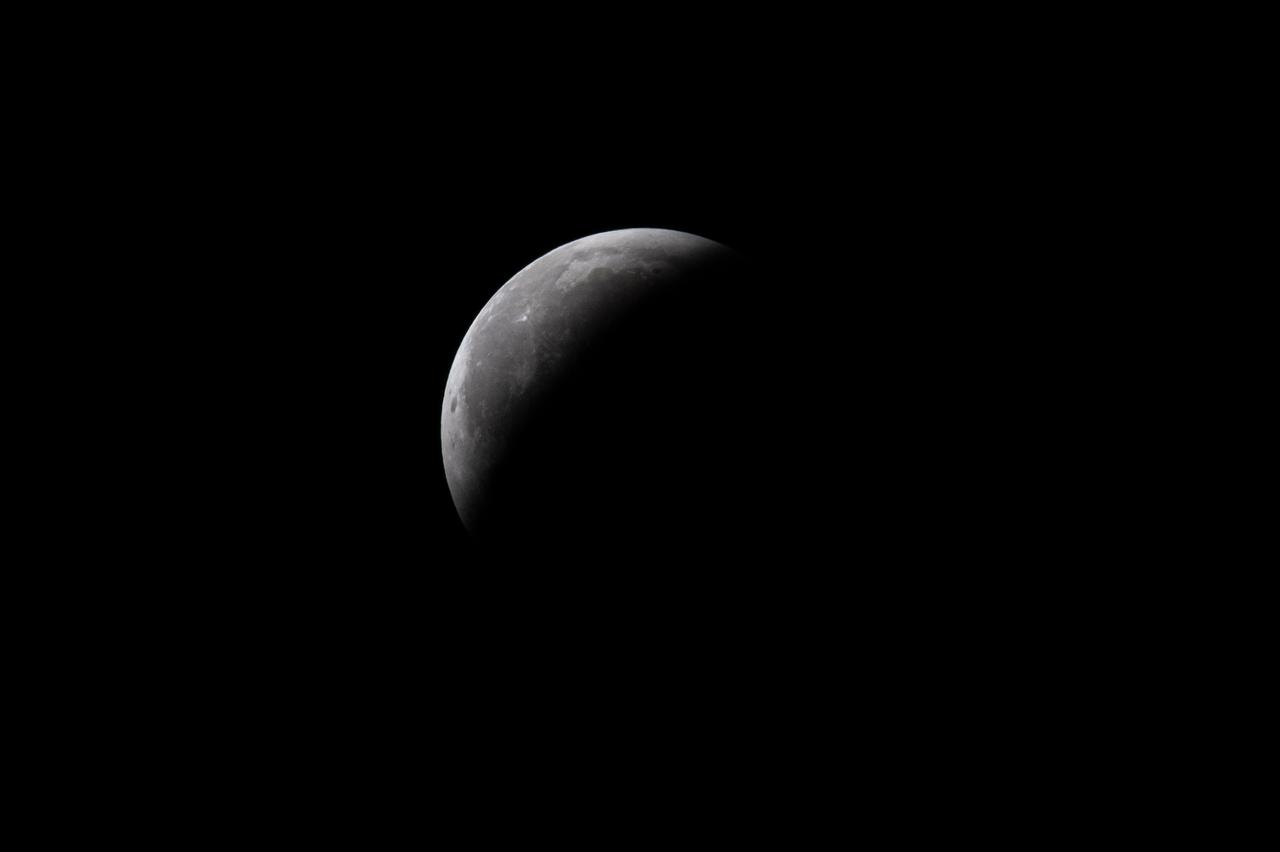
Blood Moon/Lunar Eclipse on March 14th, 2025 seen from Brookpark, OH at NASA Glenn Research Center.. Photo Credit: (NASA/Jordan Cochran)
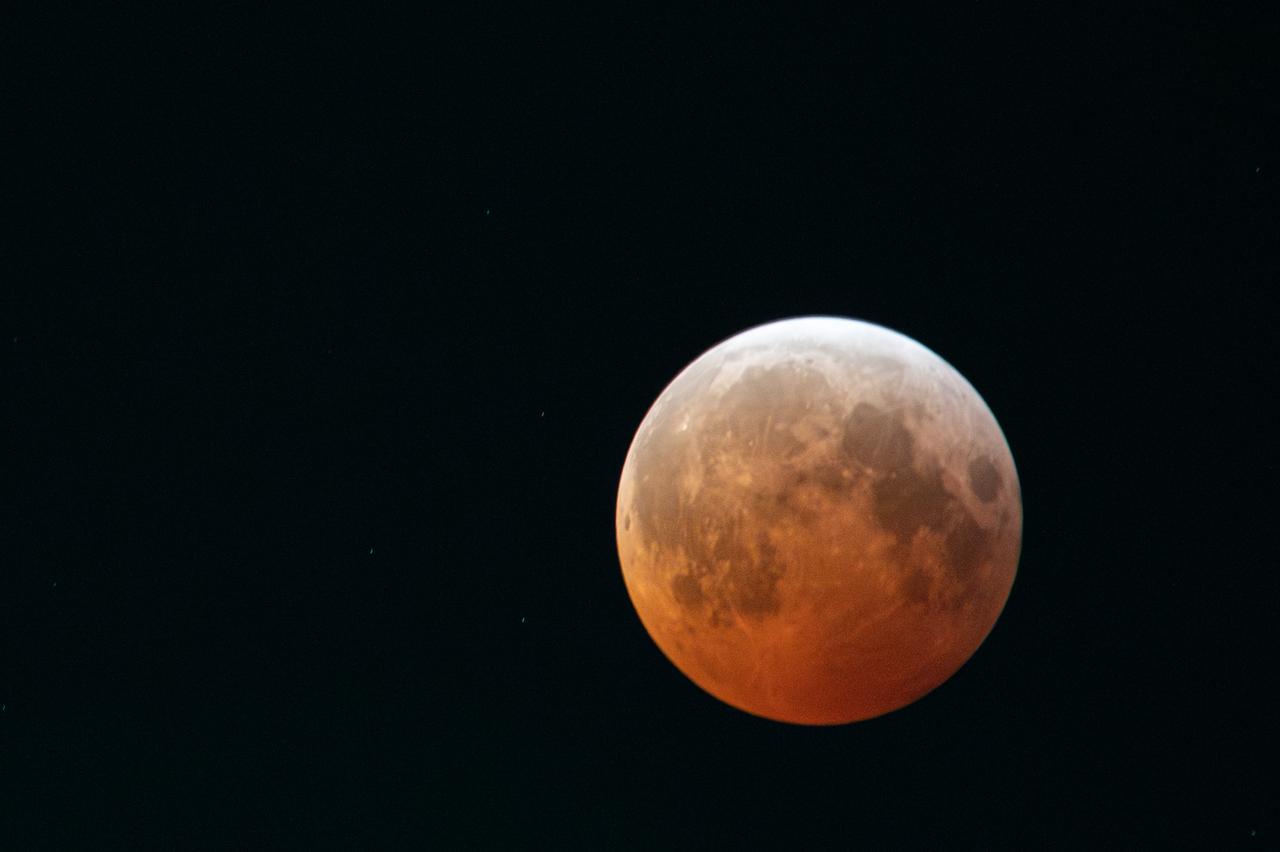
Blood Moon/Lunar Eclipse on March 14th, 2025 seen from Brookpark, OH at NASA Glenn Research Center.. Photo Credit: (NASA/Jordan Cochran)
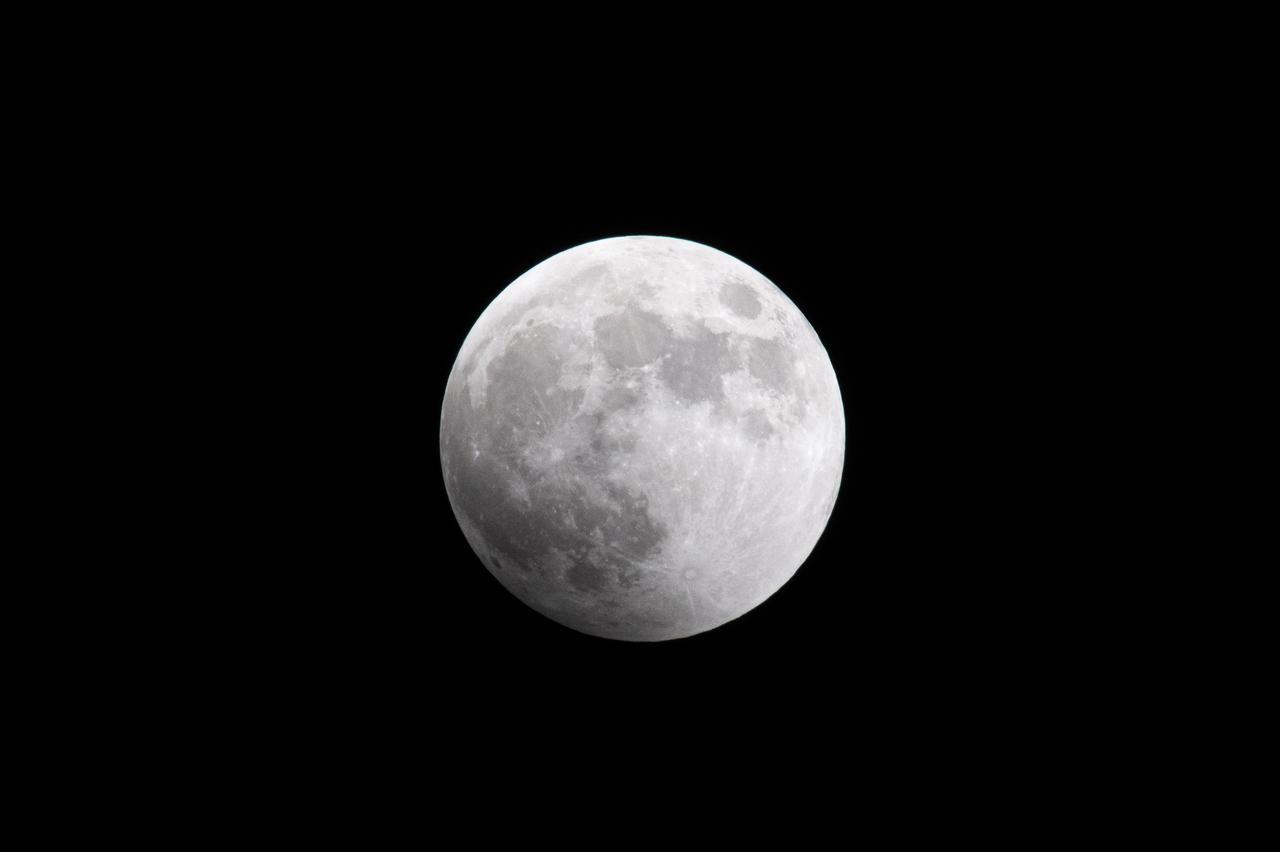
Blood Moon/Lunar Eclipse on March 14th, 2025 seen from Brookpark, OH at NASA Glenn Research Center.. Photo Credit: (NASA/Jordan Cochran)
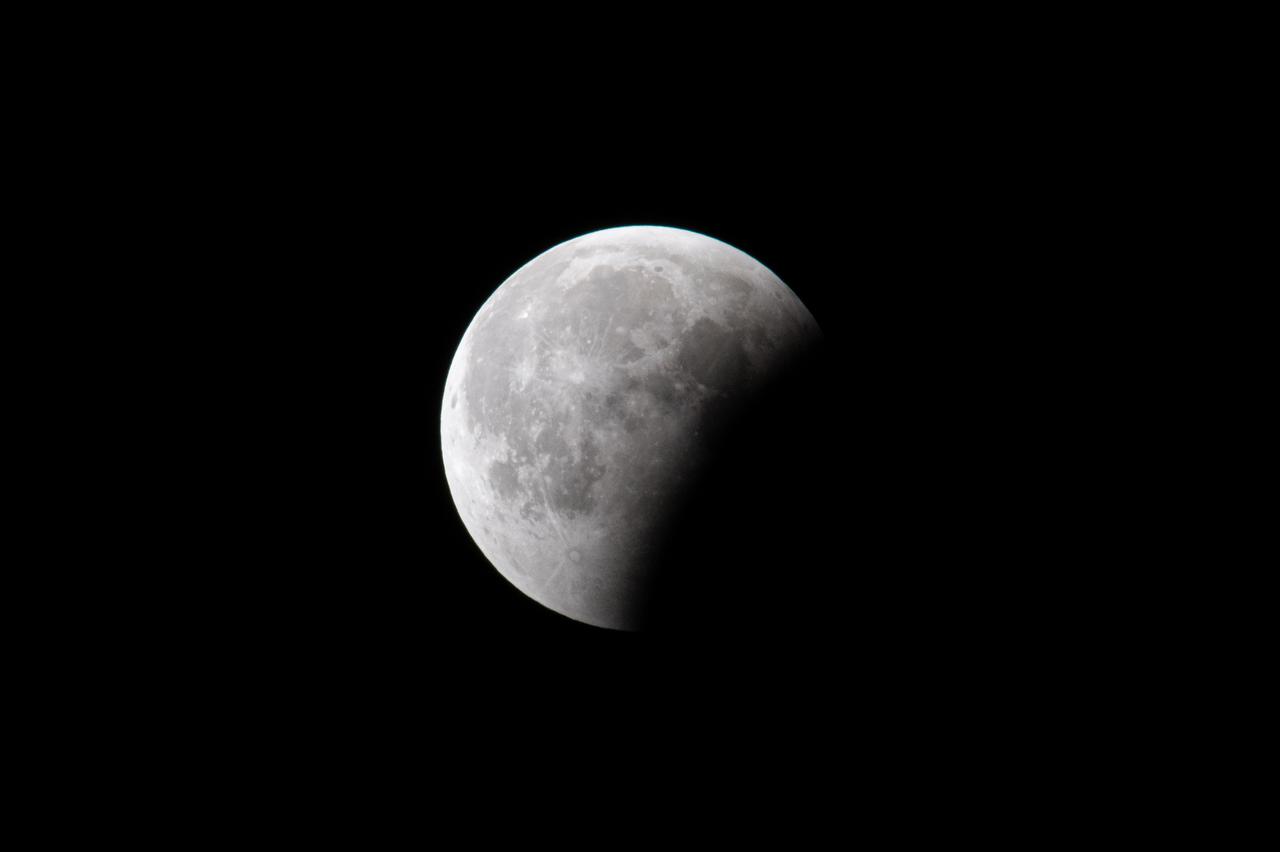
Blood Moon/Lunar Eclipse on March 14th, 2025 seen from Brookpark, OH at NASA Glenn Research Center.. Photo Credit: (NASA/Jordan Cochran)
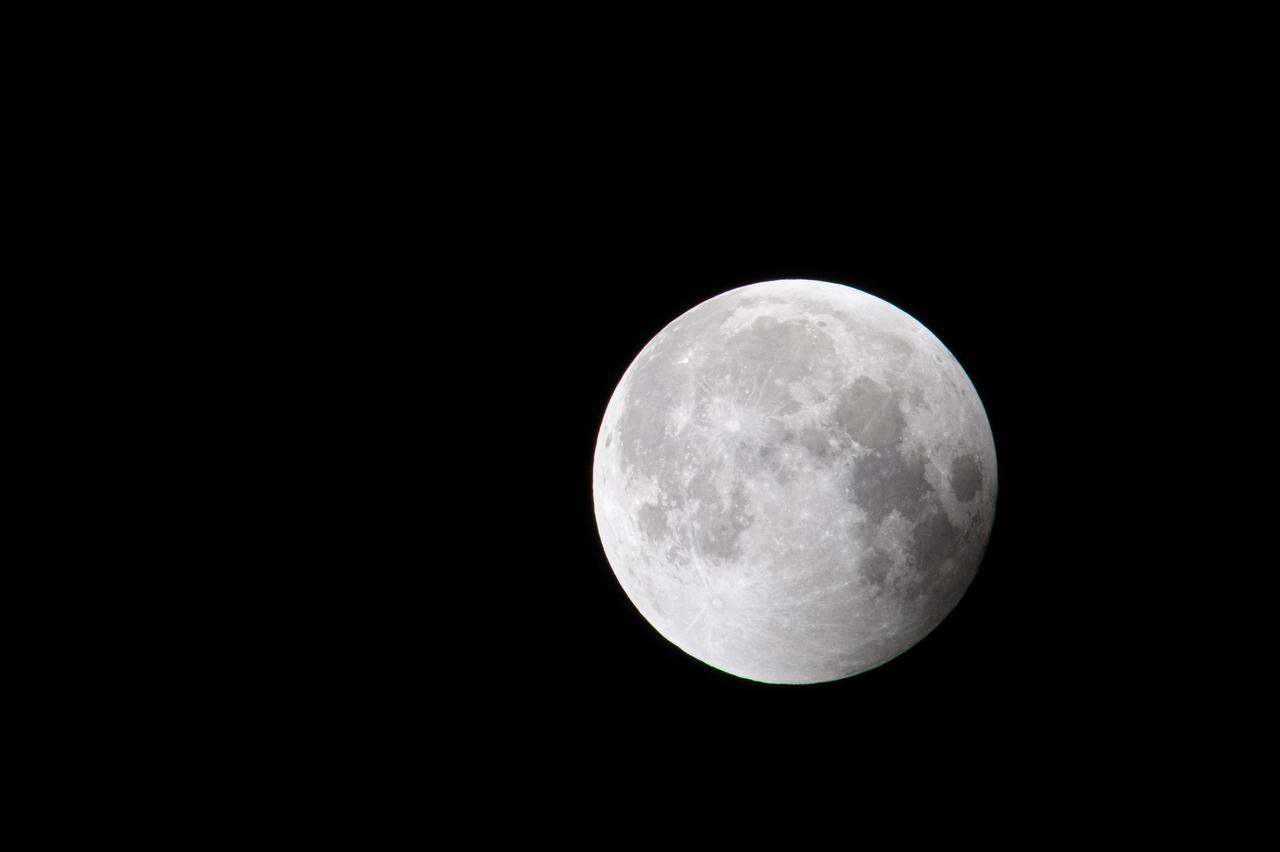
Blood Moon/Lunar Eclipse on March 14th, 2025 seen from Brookpark, OH at NASA Glenn Research Center.. Photo Credit: (NASA/Jordan Cochran)
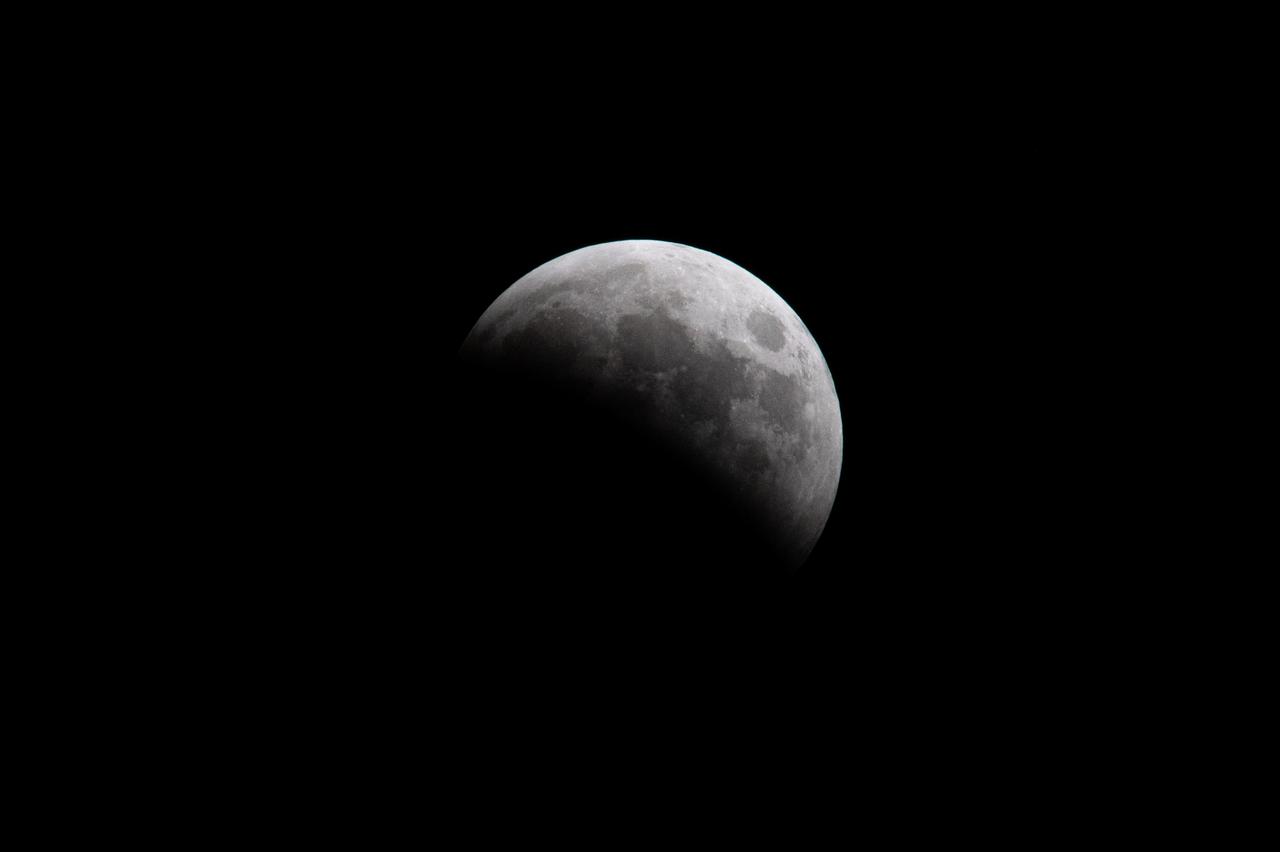
Blood Moon/Lunar Eclipse on March 14th, 2025 seen from Brookpark, OH at NASA Glenn Research Center.. Photo Credit: (NASA/Jordan Cochran)
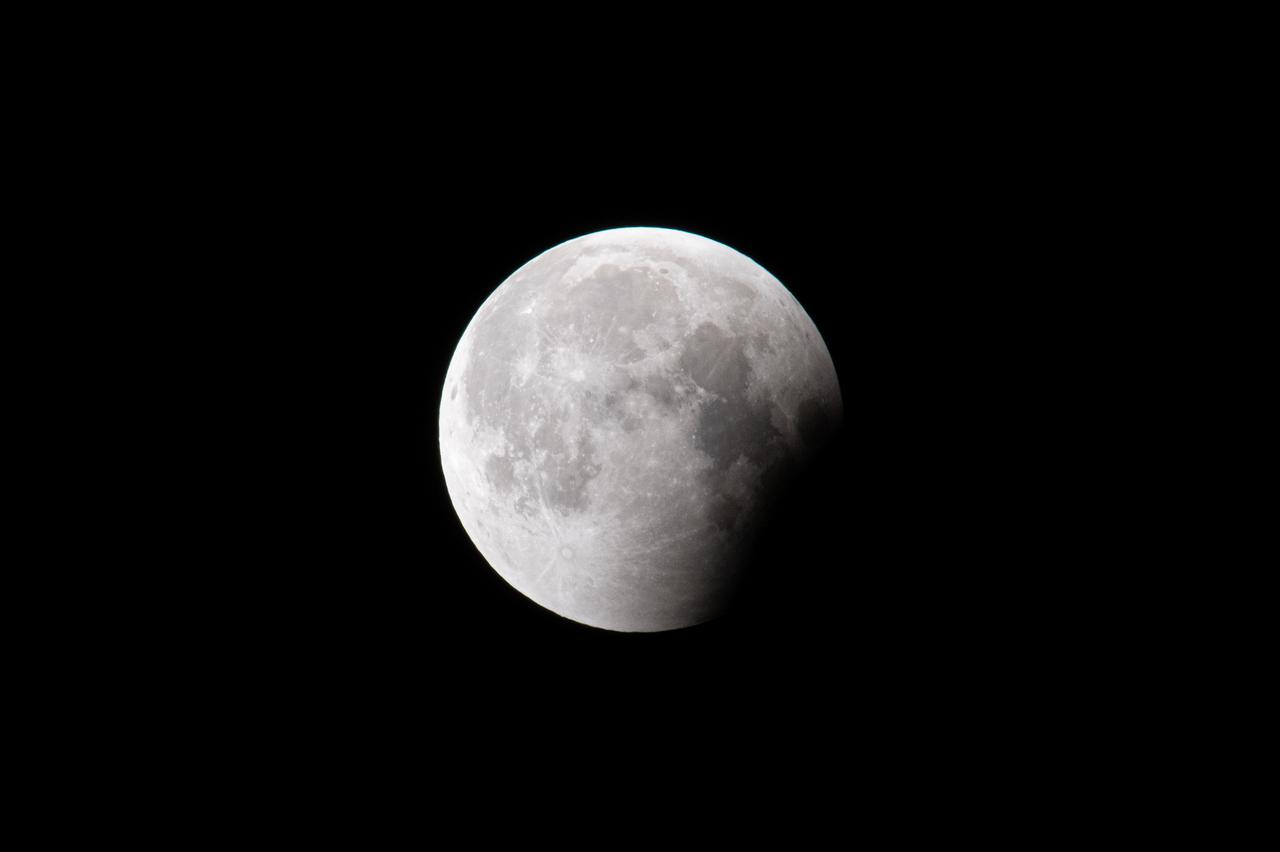
Blood Moon/Lunar Eclipse on March 14th, 2025 seen from Brookpark, OH at NASA Glenn Research Center.. Photo Credit: (NASA/Jordan Cochran)
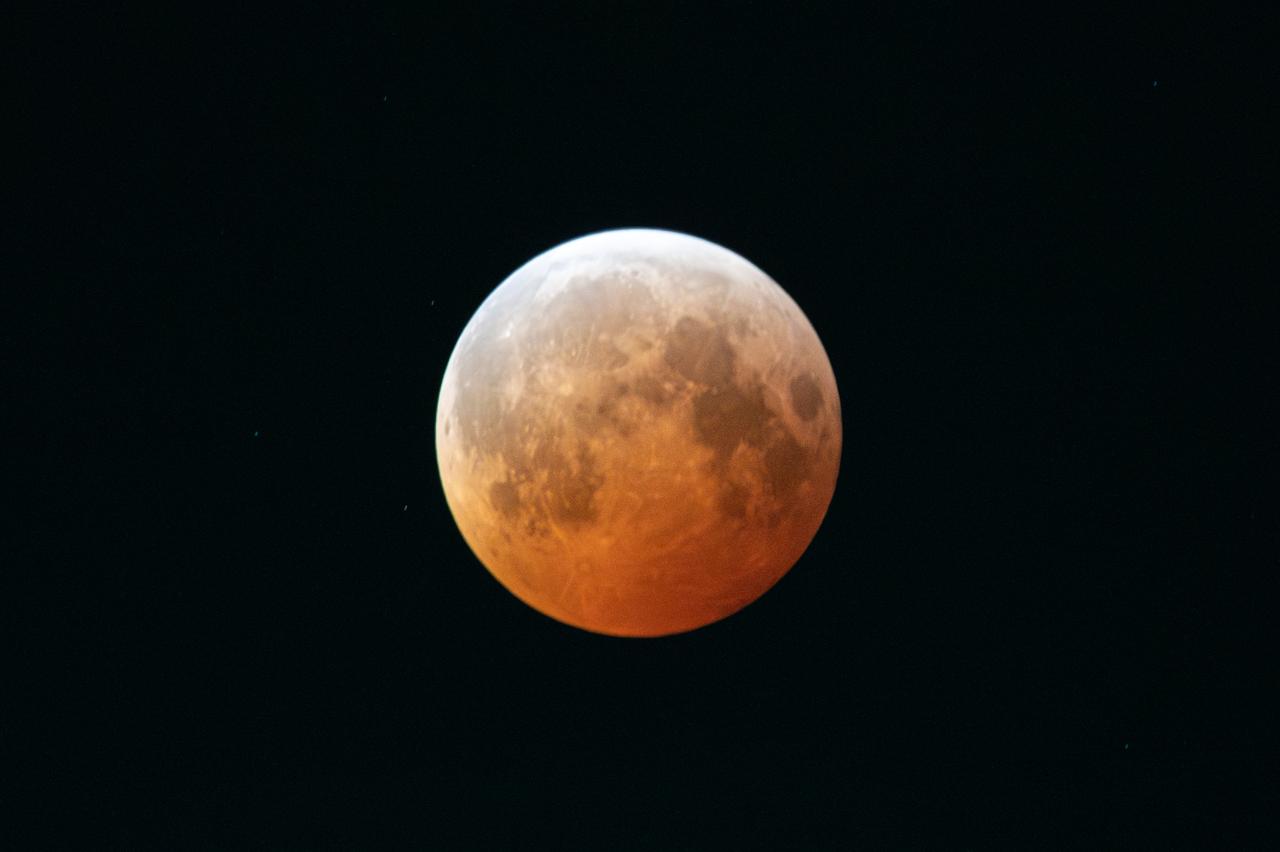
Blood Moon/Lunar Eclipse on March 14th, 2025 seen from Brookpark, OH at NASA Glenn Research Center.. Photo Credit: (NASA/Jordan Cochran)
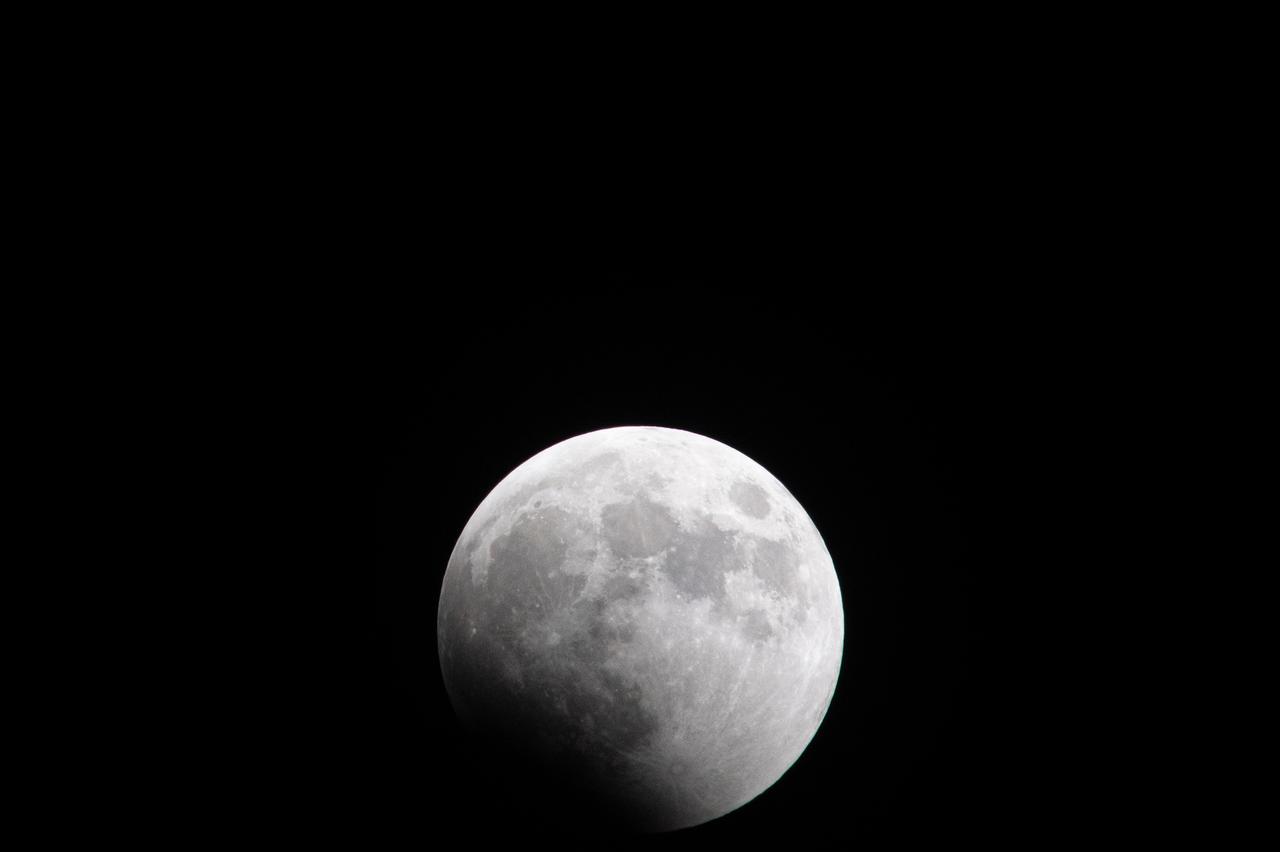
Blood Moon/Lunar Eclipse on March 14th, 2025 seen from Brookpark, OH at NASA Glenn Research Center.. Photo Credit: (NASA/Jordan Cochran)
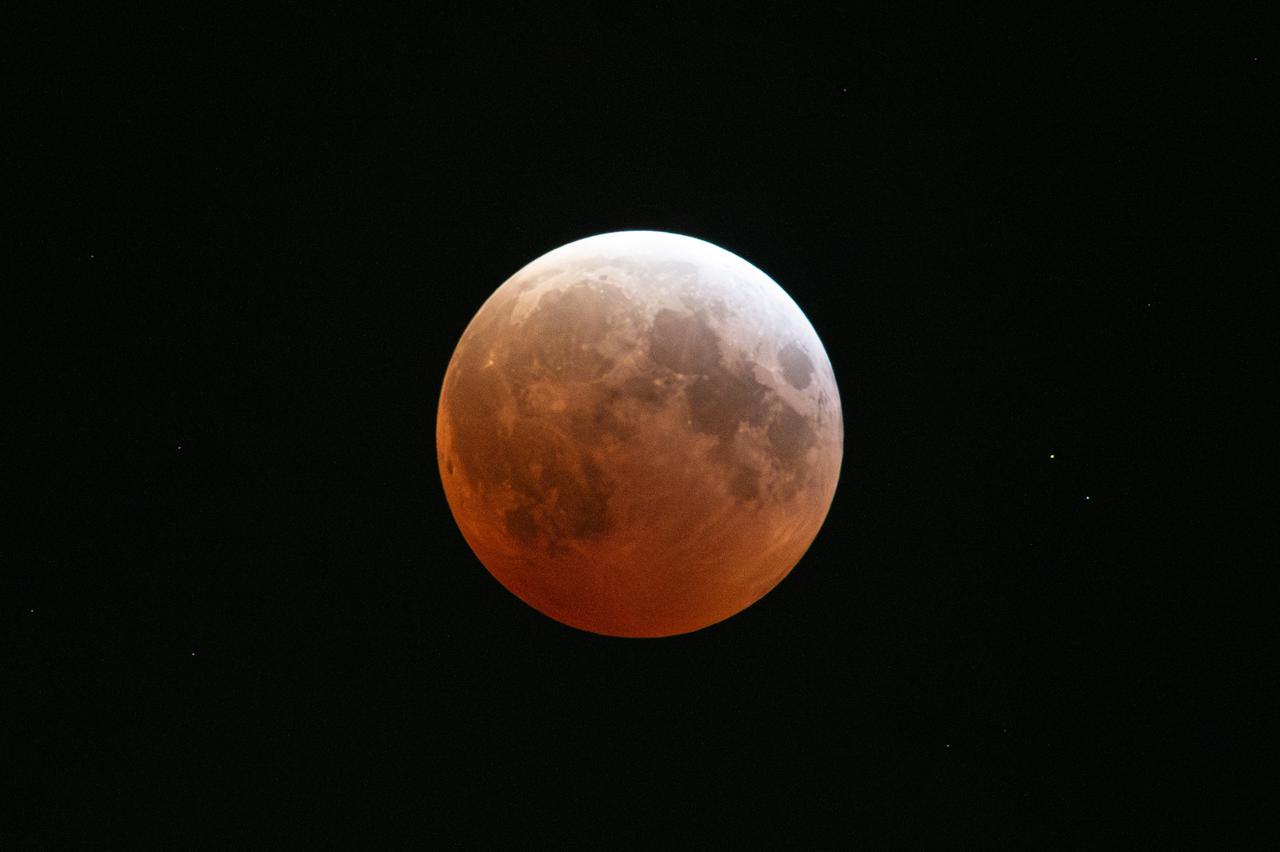
Blood Moon/Lunar Eclipse on March 14th, 2025 seen from Brookpark, OH at NASA Glenn Research Center.. Photo Credit: (NASA/Jordan Cochran)
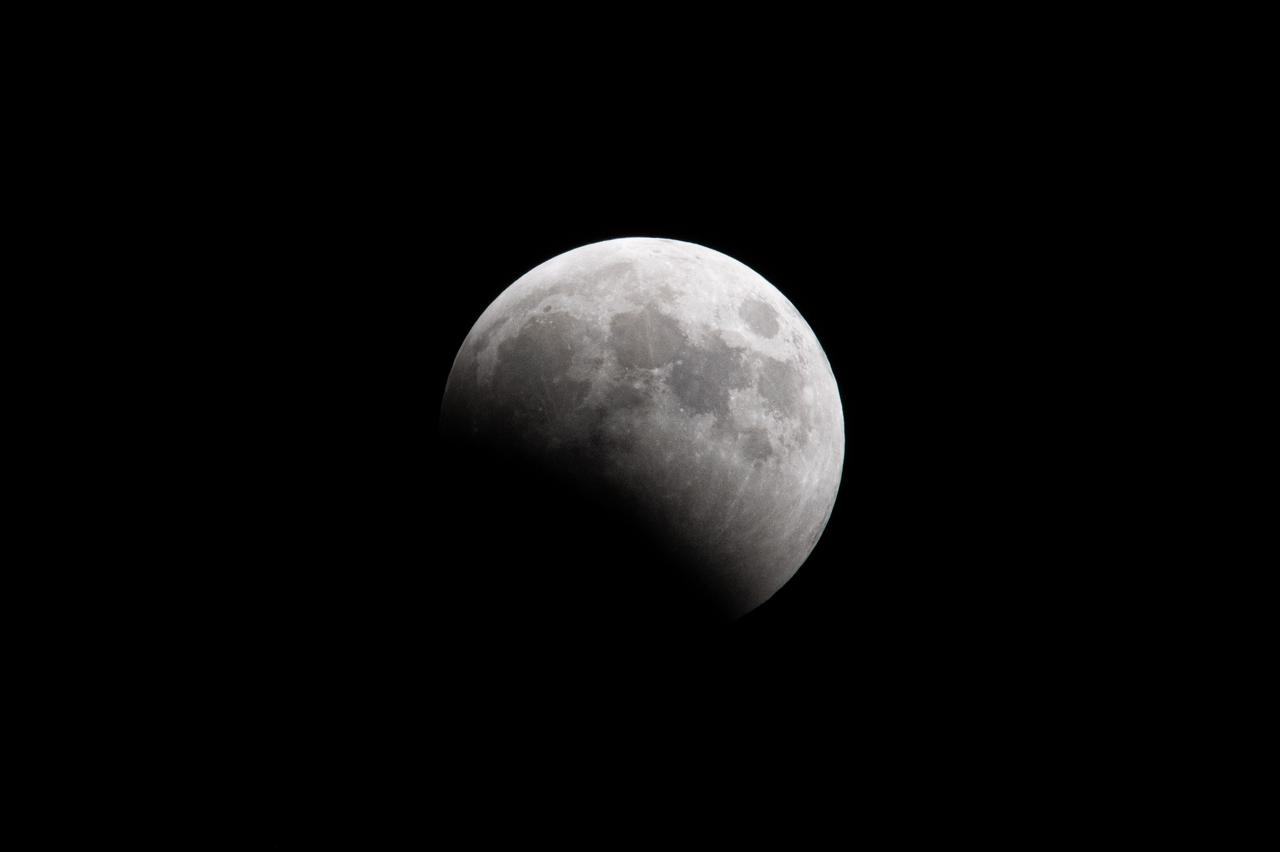
Blood Moon/Lunar Eclipse on March 14th, 2025 seen from Brookpark, OH at NASA Glenn Research Center.. Photo Credit: (NASA/Jordan Cochran)
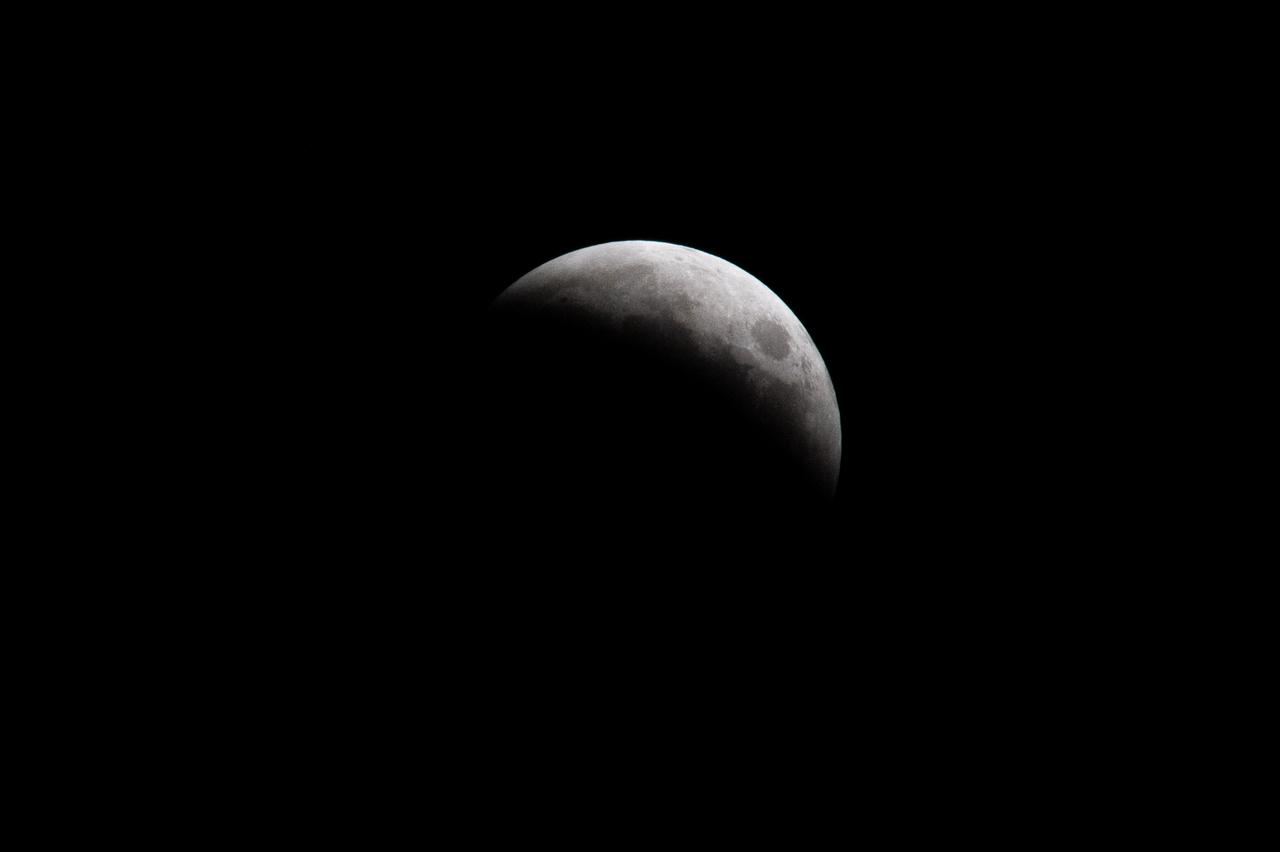
Blood Moon/Lunar Eclipse on March 14th, 2025 seen from Brookpark, OH at NASA Glenn Research Center.. Photo Credit: (NASA/Jordan Cochran)

Blood Moon/Lunar Eclipse on March 14th, 2025 seen from Brookpark, OH at NASA Glenn Research Center.. Photo Credit: (NASA/Jordan Cochran)
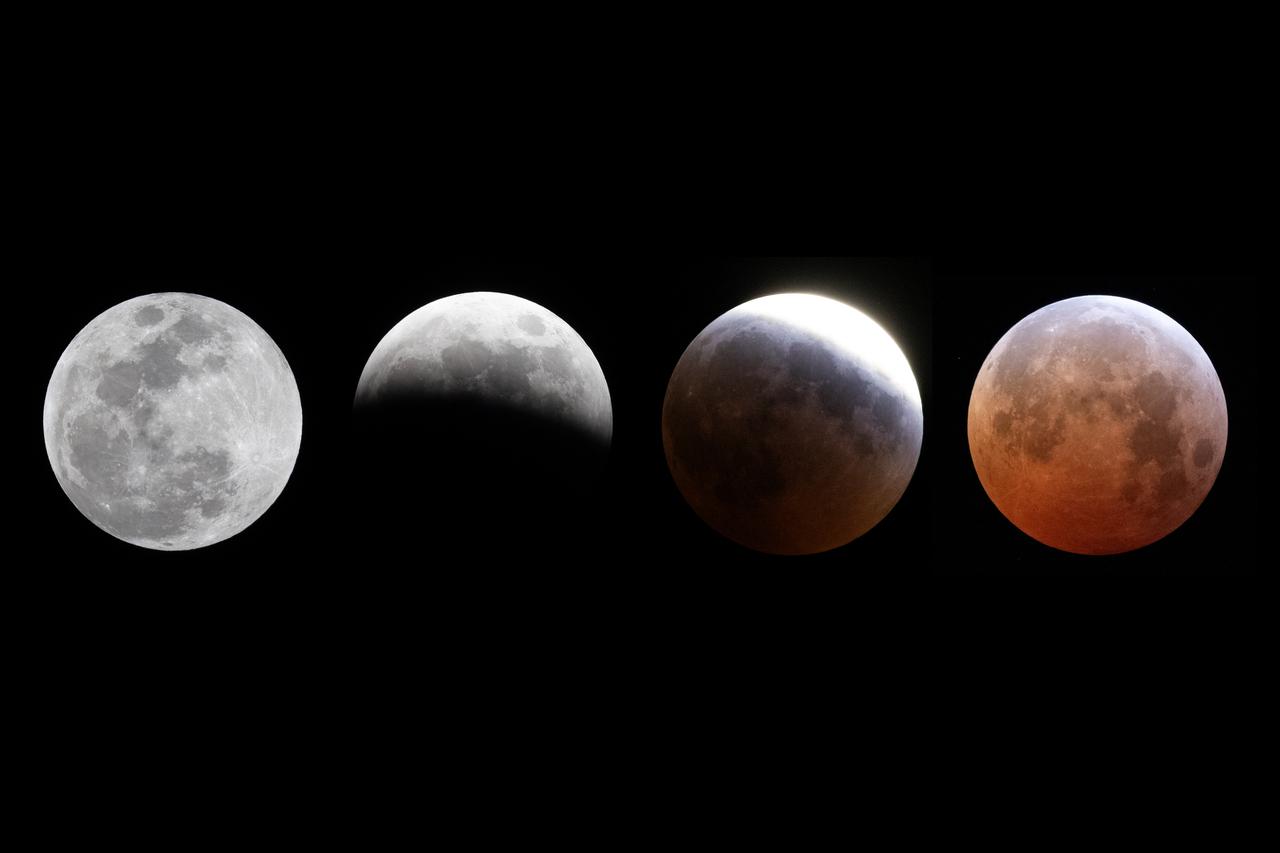
The blood moon lunar eclipse over New Orleans, home to NASA’s Michoud Assembly Facility, is shown from full moon to totality as it moves into the Earth’s umbral shadow in a composite of four images shot early Friday morning, March 14, 2025. Image credit: NASA/Michael DeMocker
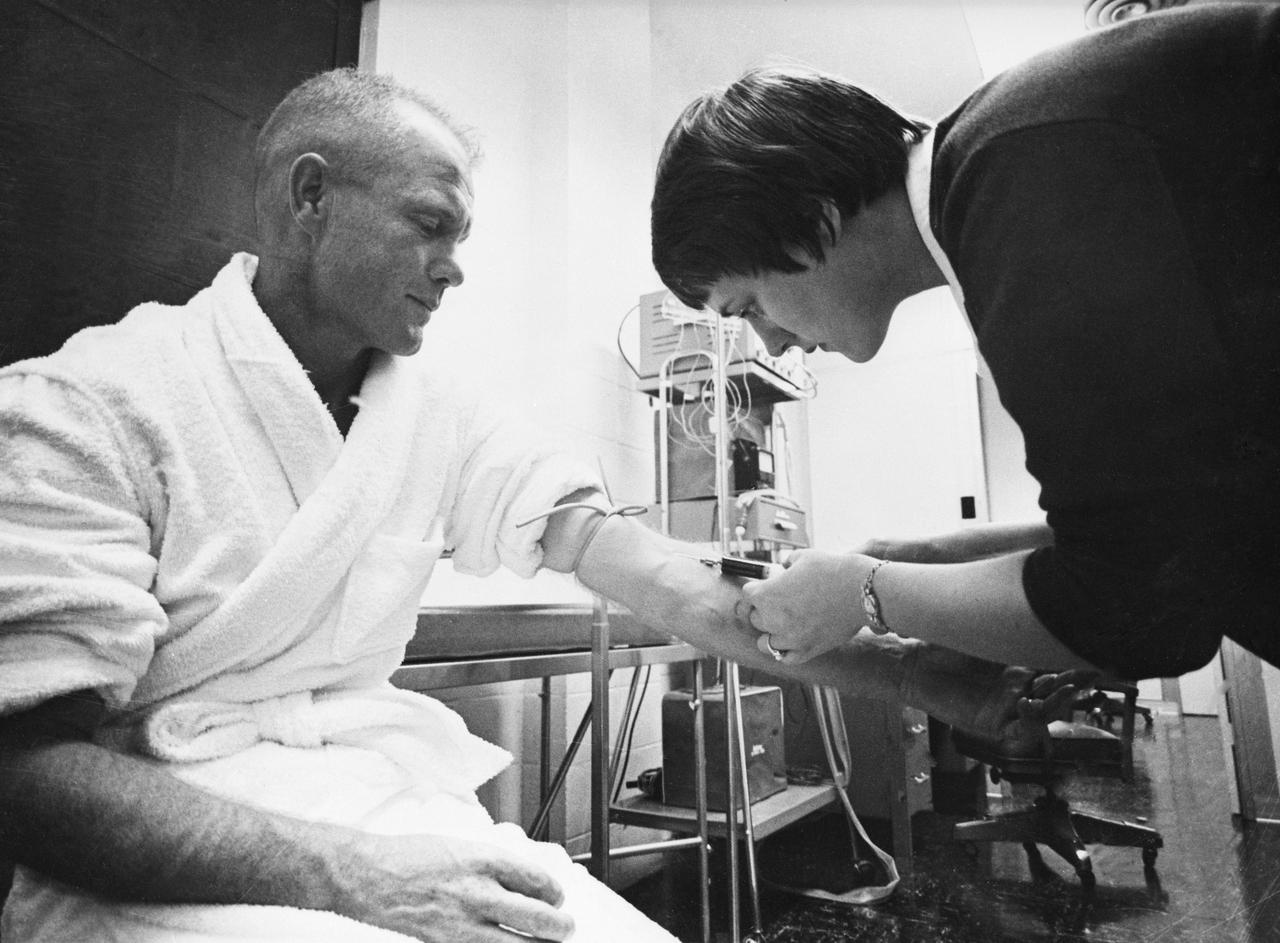
S61-02579 (1961) --- Astronaut nurse Delores B. O'Hara, R.N., in the Aeromedical Laboratory at Cape Canaveral, Florida, takes a blood sample from Mercury astronaut John H. Glenn Jr. Photo credit: NASA
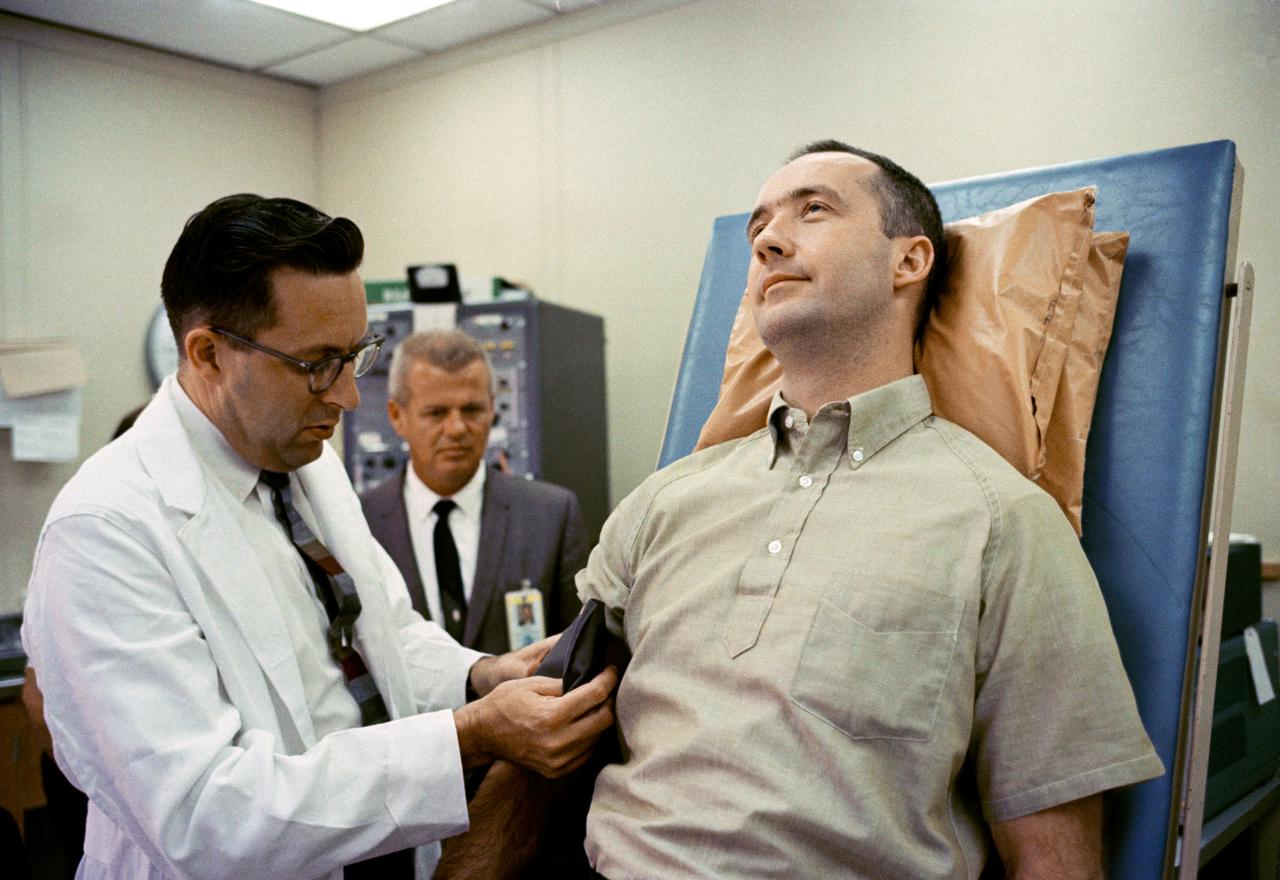
S65-19524 (1 June 1965) --- Dr. Charles A. Berry, chief of Center Medical Programs, MSC, Houston, Texas, prepares to check the blood pressure of astronaut James A. McDivitt, command pilot for the Gemini-Titan 4 spaceflight. McDivitt is on the tilt table at the Aero Medical Area, MSC, Merritt Island, where he and astronaut Edward H. White II (out of frame), GT-4 pilot, underwent preflight physicals in preparation for the four-day, 62-revolution spaceflight. The two astronauts were declared in top physical condition. In the background is Dr. Gordon Benson, NASA physician at Cape Kennedy.

CLOUDY with a chance of NOT SEEING the Super Blood Moon Lunar Eclipse? WATCH Live here: <a href="http://bit.ly/1LfspfW" rel="nofollow">bit.ly/1LfspfW</a> No worries, we've got you've covered. Click on over to the live stream starting at 8:00 p.m. until at least 11:30 p.m. EDT broadcast from NASA's Marshall Space Flight Center in Huntsville, Ala., with a live feed from the Griffith Observatory, Los Angeles, Calif. Mitzi Adams, a NASA solar physicist at Marshall will discuss the eclipse and answer questions on Twitter. To ask a question, use #askNASA. <b><a href="http://www.nasa.gov/audience/formedia/features/MP_Photo_Guidelines.html" rel="nofollow">NASA image use policy.</a></b> <b><a href="http://www.nasa.gov/centers/goddard/home/index.html" rel="nofollow">NASA Goddard Space Flight Center</a></b> enables NASA’s mission through four scientific endeavors: Earth Science, Heliophysics, Solar System Exploration, and Astrophysics. Goddard plays a leading role in NASA’s accomplishments by contributing compelling scientific knowledge to advance the Agency’s mission. <b>Follow us on <a href="http://twitter.com/NASAGoddardPix" rel="nofollow">Twitter</a></b> <b>Like us on <a href="http://www.facebook.com/pages/Greenbelt-MD/NASA-Goddard/395013845897?ref=tsd" rel="nofollow">Facebook</a></b> <b>Find us on <a href="http://instagrid.me/nasagoddard/?vm=grid" rel="nofollow">Instagram</a></b>
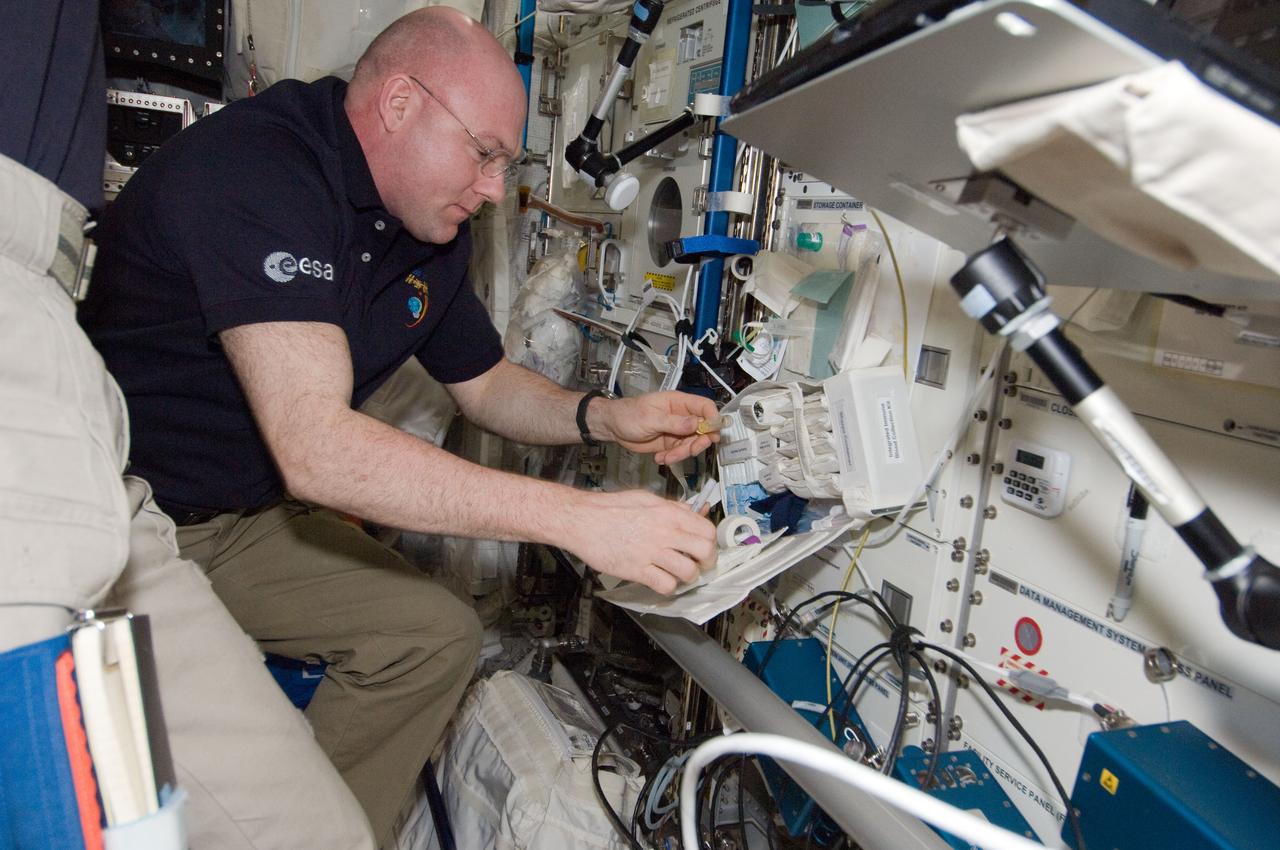
iss030e257689 (4/26/2012) --- European Space Agency (ESA) Andre Kuipers during Integrated Immune Blood Sample Draw at the Human Research Facility (HRF), in the Columbus Module. The Functional Immune investigation analyzes blood and saliva samples to determine the changes taking place in crew members’ immune systems during flight.
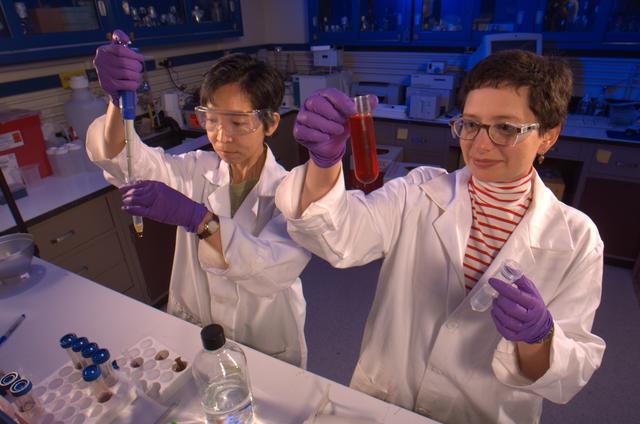
Hiromi Kagawa and Kira Foygel working with blood samples in NASA Ames Research Center biosafety level 2 laboratory.
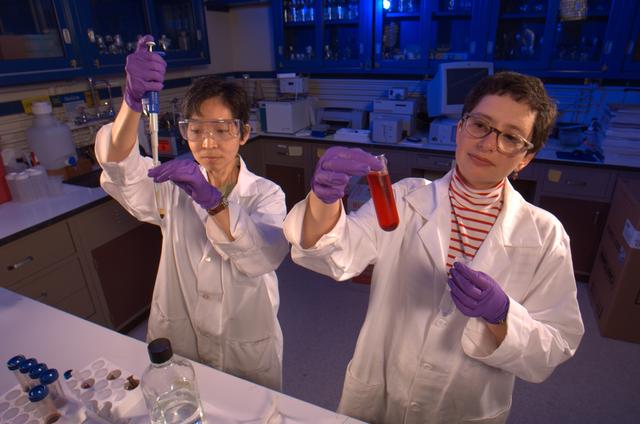
Hiromi Kagawa and Kira Foygel working with blood samples in biosafety level 2 laboratory.
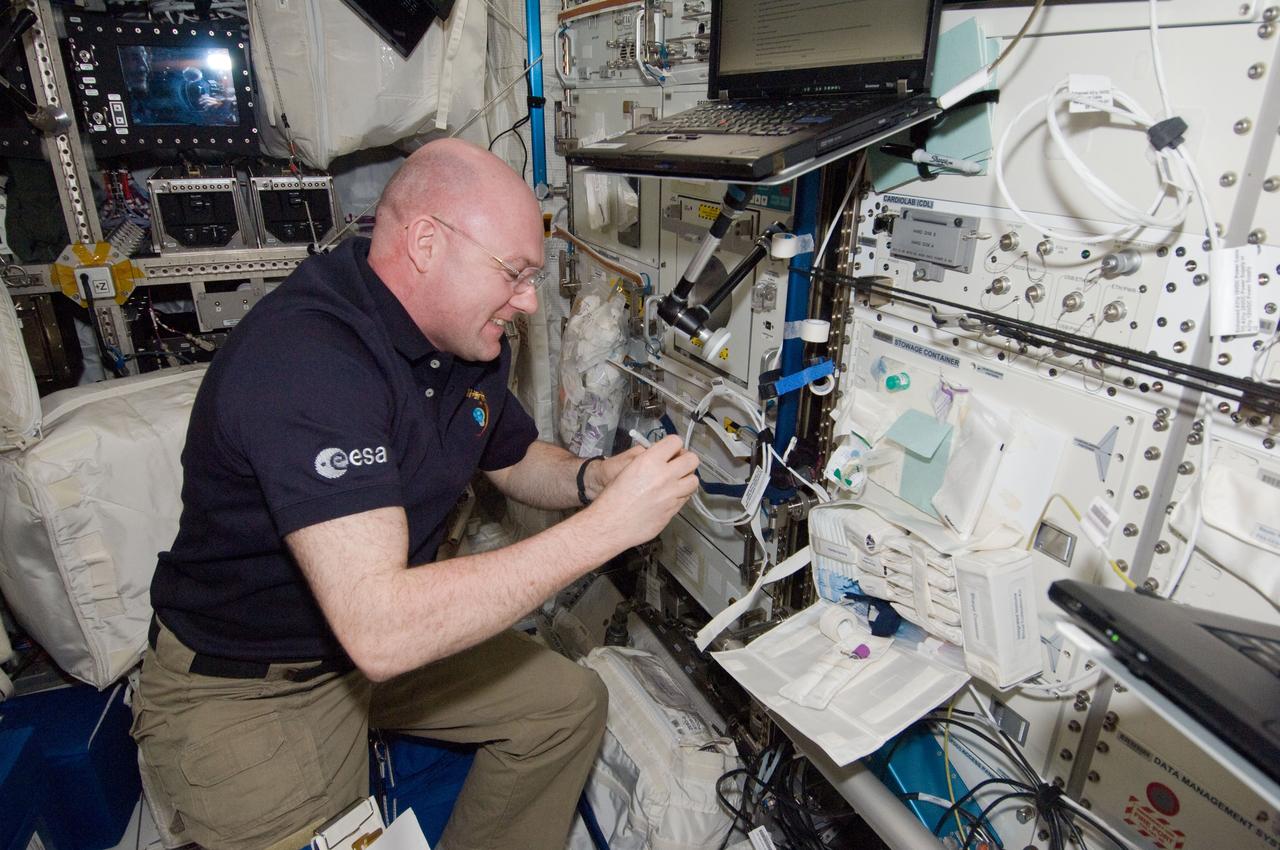
ISS030-E-257690 (26 April 2012) --- European Space Agency astronaut Andre Kuipers, Expedition 30 flight engineer, prepares for IMMUNE venous blood sample draws in the Columbus laboratory of the International Space Station. Following the blood draws, the samples were temporarily stowed in the Minus Eighty Laboratory Freezer for ISS 1 (MELFI-1) and later packed together with saliva samples on the Soyuz TMA-22 for return to Earth for analysis.
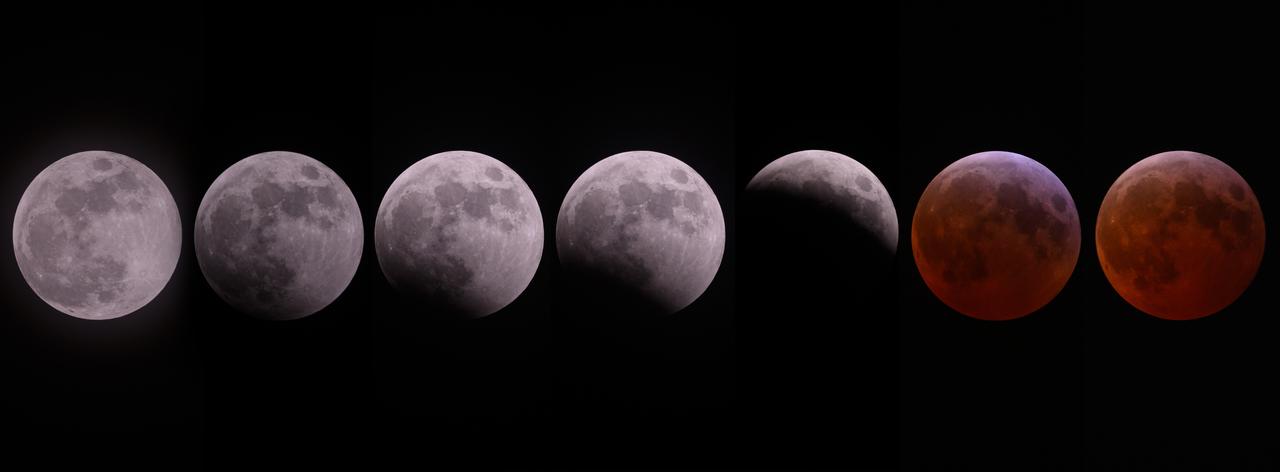
The blood Moon lunar eclipse over NASA’s Michoud Assembly Facility in New Orleans is shown from the initial partial eclipse to totality in a composite of 7 images shot on Friday, March 14, 2025. Image credit: NASA/Eric Bordelon
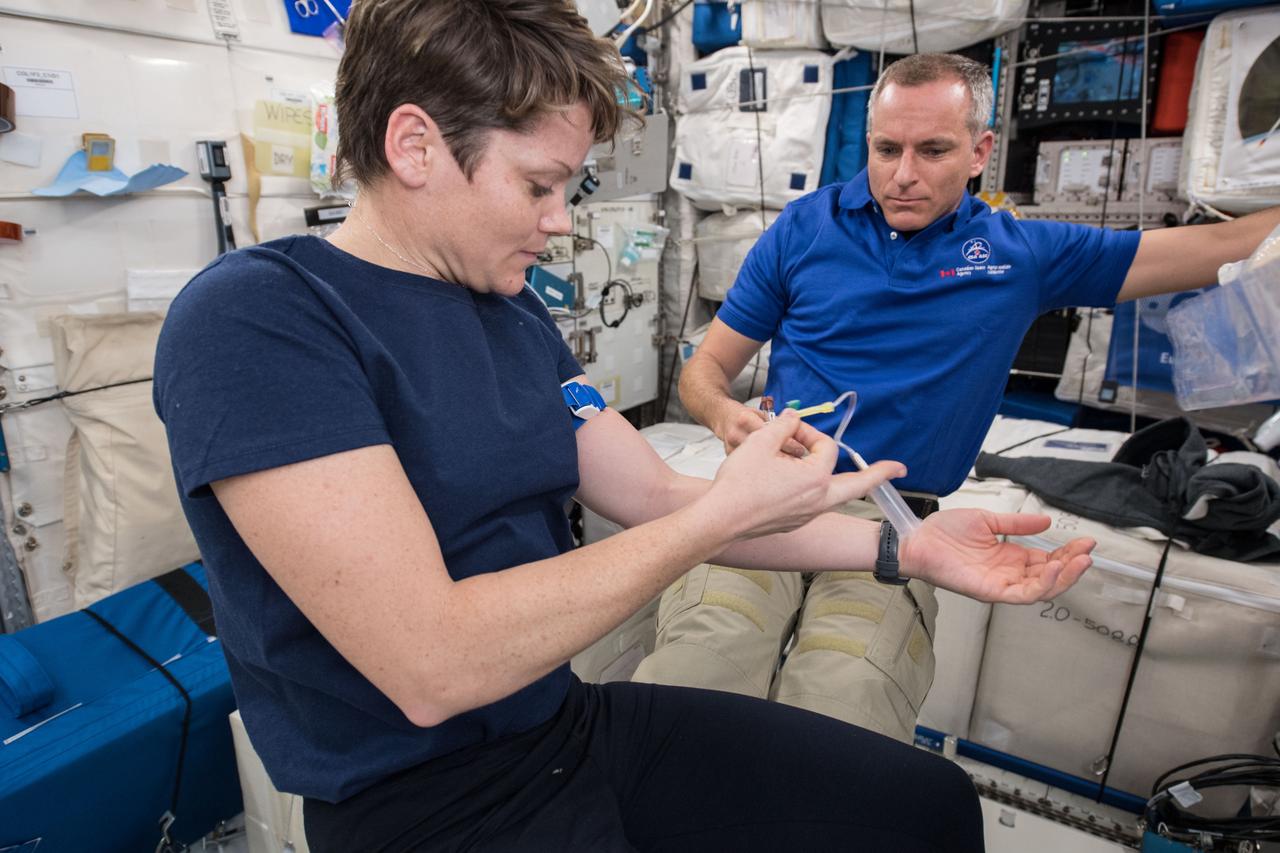
(12/8/2018) --- Flight Engineer (FE) Anne McClain prepares to draw her blood for the Marrow Study (Bone Marrow Adipose Reaction: Red Or White?). FE David Saint-Jacques assists. Photo was taken in the Columbus European Laboratory.
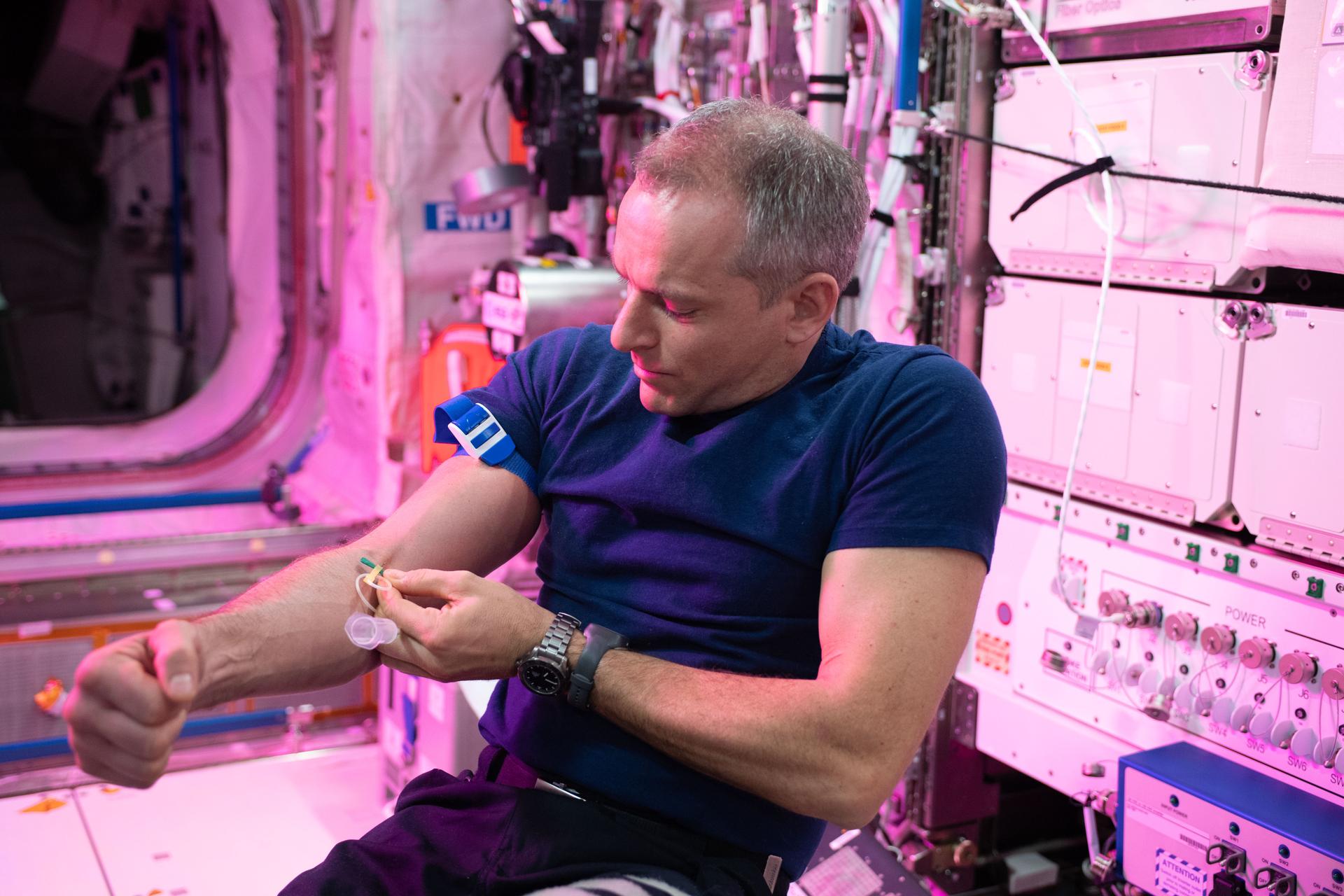
iss057e134327 (December 14, 2018) --- Expedition 57 Flight Engineer David Saint-Jacques conducts generic blood collection operations (OPS) in the Columbus European Laboratory.
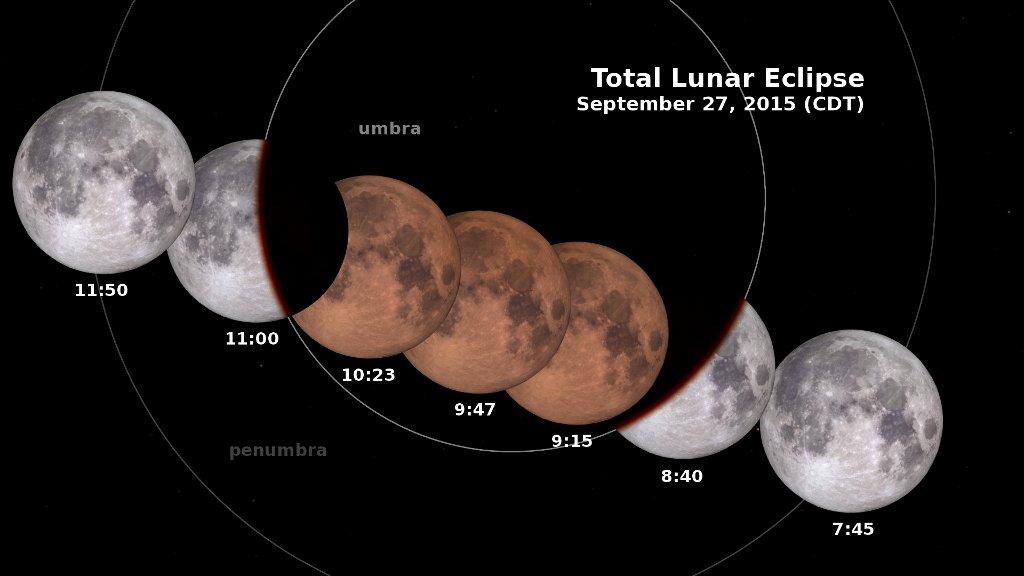
What time will you be able to view the Super Moon Eclipse? The images below show times to view it for Eastern Daylight Time (EDT), Central Daylight Time (CDT), Mountain Daylight Time (MDT) and Pacific Daylight Time (PDT). All of South America and most of North and Central America will see the entire eclipse, while those west of roughly 120°W will see it in progress at moonrise. You won’t need special equipment to see it. Just go outside and look up! <b><a href="http://www.nasa.gov/audience/formedia/features/MP_Photo_Guidelines.html" rel="nofollow">NASA image use policy.</a></b> <b><a href="http://www.nasa.gov/centers/goddard/home/index.html" rel="nofollow">NASA Goddard Space Flight Center</a></b> enables NASA’s mission through four scientific endeavors: Earth Science, Heliophysics, Solar System Exploration, and Astrophysics. Goddard plays a leading role in NASA’s accomplishments by contributing compelling scientific knowledge to advance the Agency’s mission. <b>Follow us on <a href="http://twitter.com/NASAGoddardPix" rel="nofollow">Twitter</a></b> <b>Like us on <a href="http://www.facebook.com/pages/Greenbelt-MD/NASA-Goddard/395013845897?ref=tsd" rel="nofollow">Facebook</a></b> <b>Find us on <a href="http://instagrid.me/nasagoddard/?vm=grid" rel="nofollow">Instagram</a></b>
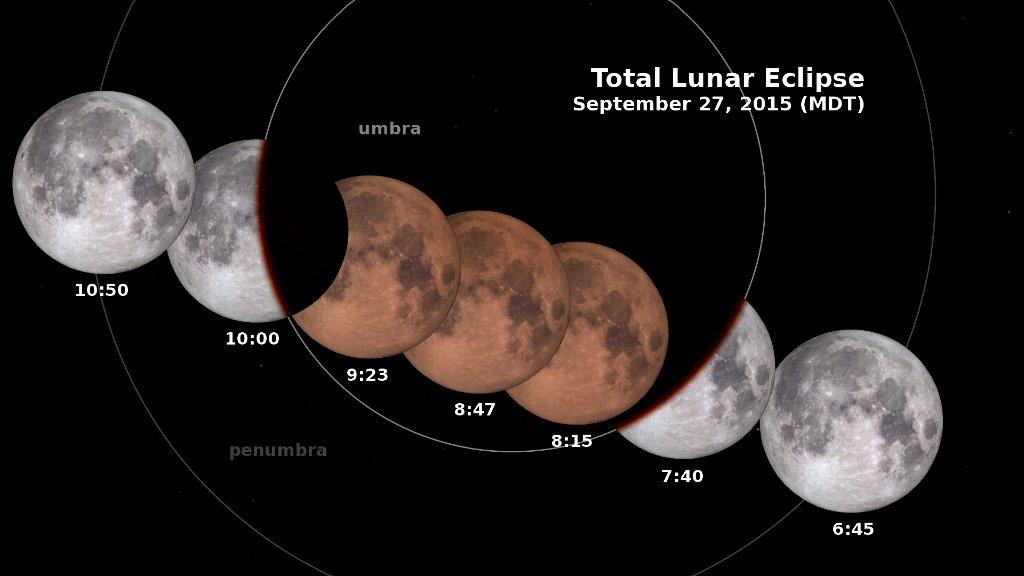
What time will you be able to view the Super Moon Eclipse? The images below show times to view it for Eastern Daylight Time (EDT), Central Daylight Time (CDT), Mountain Daylight Time (MDT) and Pacific Daylight Time (PDT). All of South America and most of North and Central America will see the entire eclipse, while those west of roughly 120°W will see it in progress at moonrise. You won’t need special equipment to see it. Just go outside and look up! <b><a href="http://www.nasa.gov/audience/formedia/features/MP_Photo_Guidelines.html" rel="nofollow">NASA image use policy.</a></b> <b><a href="http://www.nasa.gov/centers/goddard/home/index.html" rel="nofollow">NASA Goddard Space Flight Center</a></b> enables NASA’s mission through four scientific endeavors: Earth Science, Heliophysics, Solar System Exploration, and Astrophysics. Goddard plays a leading role in NASA’s accomplishments by contributing compelling scientific knowledge to advance the Agency’s mission. <b>Follow us on <a href="http://twitter.com/NASAGoddardPix" rel="nofollow">Twitter</a></b> <b>Like us on <a href="http://www.facebook.com/pages/Greenbelt-MD/NASA-Goddard/395013845897?ref=tsd" rel="nofollow">Facebook</a></b> <b>Find us on <a href="http://instagrid.me/nasagoddard/?vm=grid" rel="nofollow">Instagram</a></b>
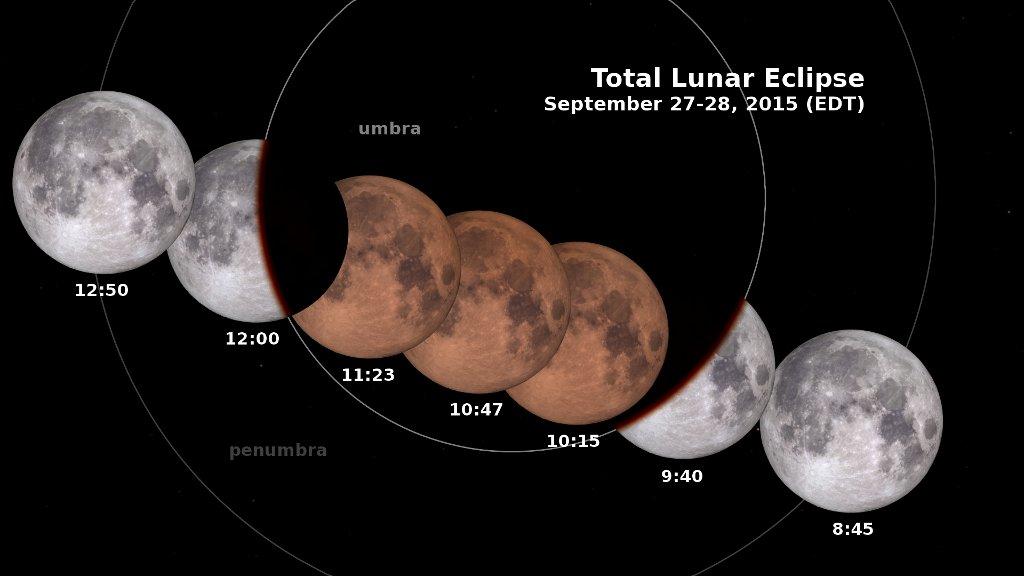
What time will you be able to view the Super Moon Eclipse? The images below show times to view it for Eastern Daylight Time (EDT), Central Daylight Time (CDT), Mountain Daylight Time (MDT) and Pacific Daylight Time (PDT). All of South America and most of North and Central America will see the entire eclipse, while those west of roughly 120°W will see it in progress at moonrise. You won’t need special equipment to see it. Just go outside and look up! <b><a href="http://www.nasa.gov/audience/formedia/features/MP_Photo_Guidelines.html" rel="nofollow">NASA image use policy.</a></b> <b><a href="http://www.nasa.gov/centers/goddard/home/index.html" rel="nofollow">NASA Goddard Space Flight Center</a></b> enables NASA’s mission through four scientific endeavors: Earth Science, Heliophysics, Solar System Exploration, and Astrophysics. Goddard plays a leading role in NASA’s accomplishments by contributing compelling scientific knowledge to advance the Agency’s mission. <b>Follow us on <a href="http://twitter.com/NASAGoddardPix" rel="nofollow">Twitter</a></b> <b>Like us on <a href="http://www.facebook.com/pages/Greenbelt-MD/NASA-Goddard/395013845897?ref=tsd" rel="nofollow">Facebook</a></b> <b>Find us on <a href="http://instagrid.me/nasagoddard/?vm=grid" rel="nofollow">Instagram</a></b>
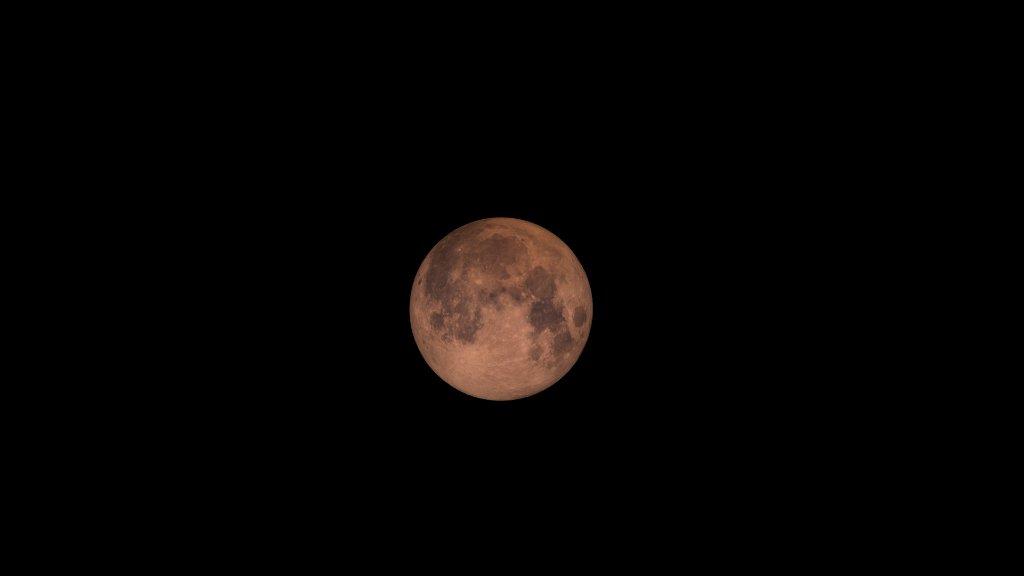
Are you ready for tonight's #SuperBloodMoon Lunar Eclipse? Get your camera and find a great spot to snap a pic of the event, then share it with NASA in our Flickr group <a href="https://www.flickr.com/groups/superbloodmoon/">www.flickr.com/groups/superbloodmoon/</a> You can also share your photo with us starting at 10:00pm EDT tonight in the NASA photo contest here: <a href="http://go.nasa.gov/superbloodmoon-contest" rel="nofollow">go.nasa.gov/superbloodmoon-contest</a> Learn more about this celestial event & when to look up to see it: <a href="http://bit.ly/1NVEwh5" rel="nofollow">bit.ly/1NVEwh5</a> <b><a href="http://www.nasa.gov/audience/formedia/features/MP_Photo_Guidelines.html" rel="nofollow">NASA image use policy.</a></b> <b><a href="http://www.nasa.gov/centers/goddard/home/index.html" rel="nofollow">NASA Goddard Space Flight Center</a></b> enables NASA’s mission through four scientific endeavors: Earth Science, Heliophysics, Solar System Exploration, and Astrophysics. Goddard plays a leading role in NASA’s accomplishments by contributing compelling scientific knowledge to advance the Agency’s mission. <b>Follow us on <a href="http://twitter.com/NASAGoddardPix" rel="nofollow">Twitter</a></b> <b>Like us on <a href="http://www.facebook.com/pages/Greenbelt-MD/NASA-Goddard/395013845897?ref=tsd" rel="nofollow">Facebook</a></b> <b>Find us on <a href="http://instagrid.me/nasagoddard/?vm=grid" rel="nofollow">Instagram</a></b>
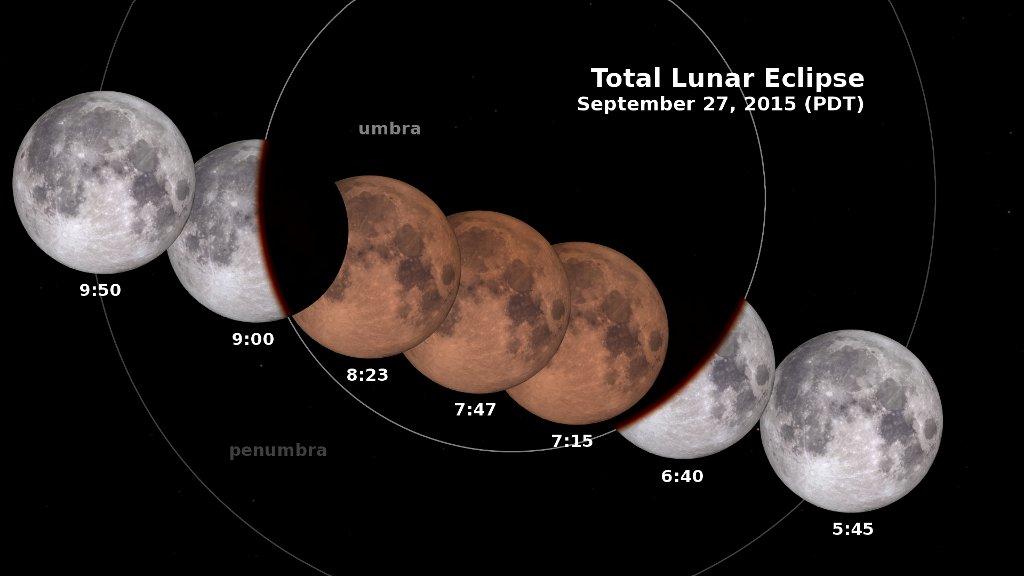
What time will you be able to view the Super Moon Eclipse? The images below show times to view it for Eastern Daylight Time (EDT), Central Daylight Time (CDT), Mountain Daylight Time (MDT) and Pacific Daylight Time (PDT). All of South America and most of North and Central America will see the entire eclipse, while those west of roughly 120°W will see it in progress at moonrise. You won’t need special equipment to see it. Just go outside and look up! <b><a href="http://www.nasa.gov/audience/formedia/features/MP_Photo_Guidelines.html" rel="nofollow">NASA image use policy.</a></b> <b><a href="http://www.nasa.gov/centers/goddard/home/index.html" rel="nofollow">NASA Goddard Space Flight Center</a></b> enables NASA’s mission through four scientific endeavors: Earth Science, Heliophysics, Solar System Exploration, and Astrophysics. Goddard plays a leading role in NASA’s accomplishments by contributing compelling scientific knowledge to advance the Agency’s mission. <b>Follow us on <a href="http://twitter.com/NASAGoddardPix" rel="nofollow">Twitter</a></b> <b>Like us on <a href="http://www.facebook.com/pages/Greenbelt-MD/NASA-Goddard/395013845897?ref=tsd" rel="nofollow">Facebook</a></b> <b>Find us on <a href="http://instagrid.me/nasagoddard/?vm=grid" rel="nofollow">Instagram</a></b>
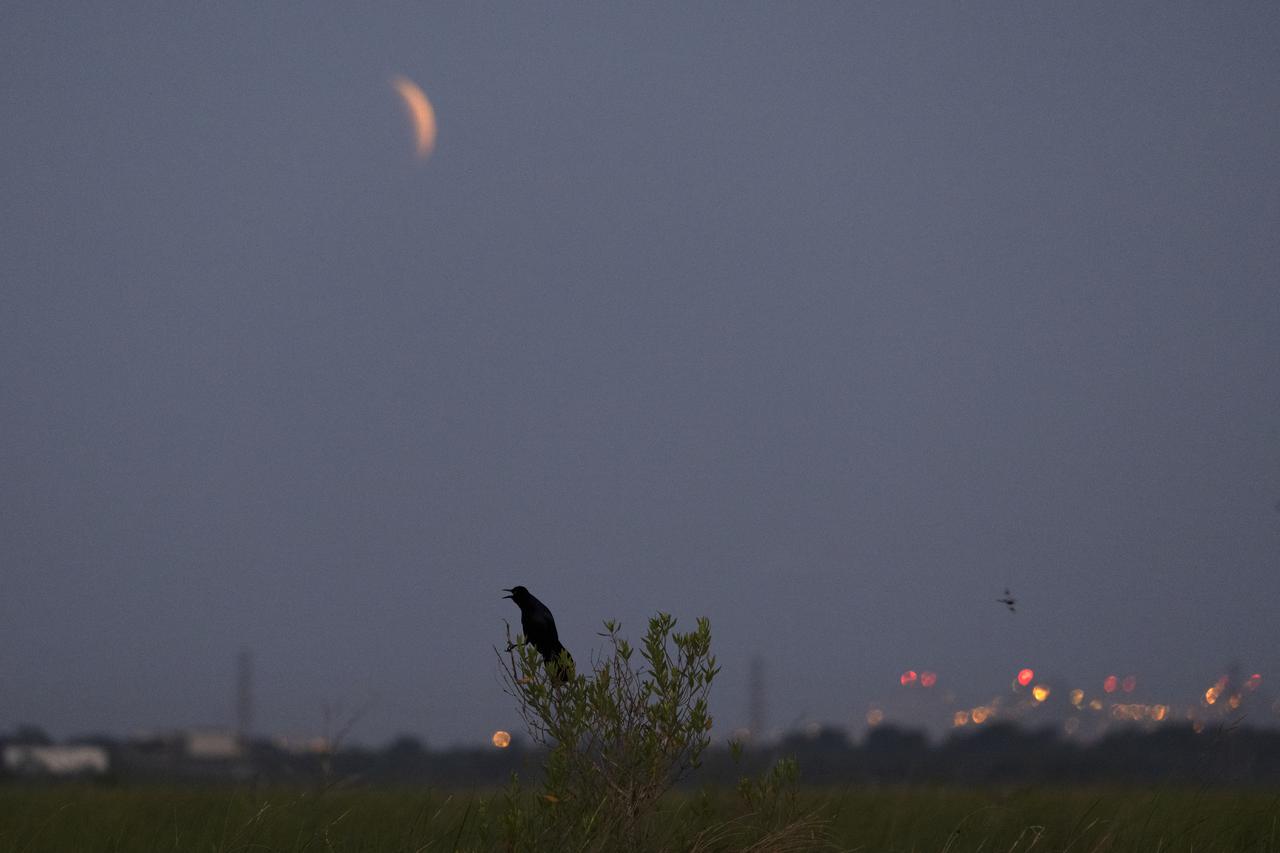
A sliver of the Super Flower Blood Moon over Bayou Bienvenue in New Orleans during the eclipse early Wednesday morning, May 26, 2021. Image credit: NASA/Michael DeMocker
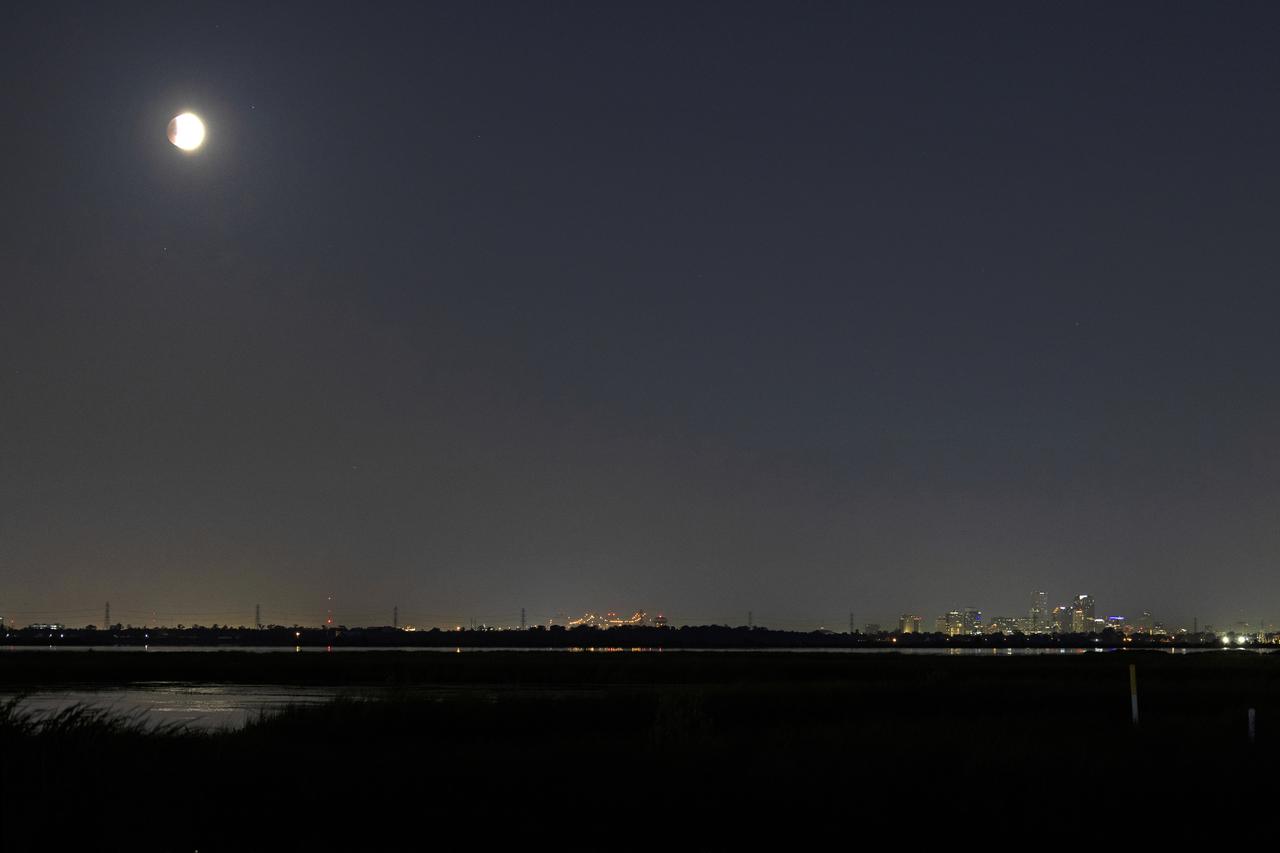
The beginning of the eclipse of the Super Flower Blood Moon over Bayou Bienvenue with the New Orleans Crescent City Connection in the distance early Wednesday morning, May 26, 2021. Image credit: NASA/Michael DeMocker
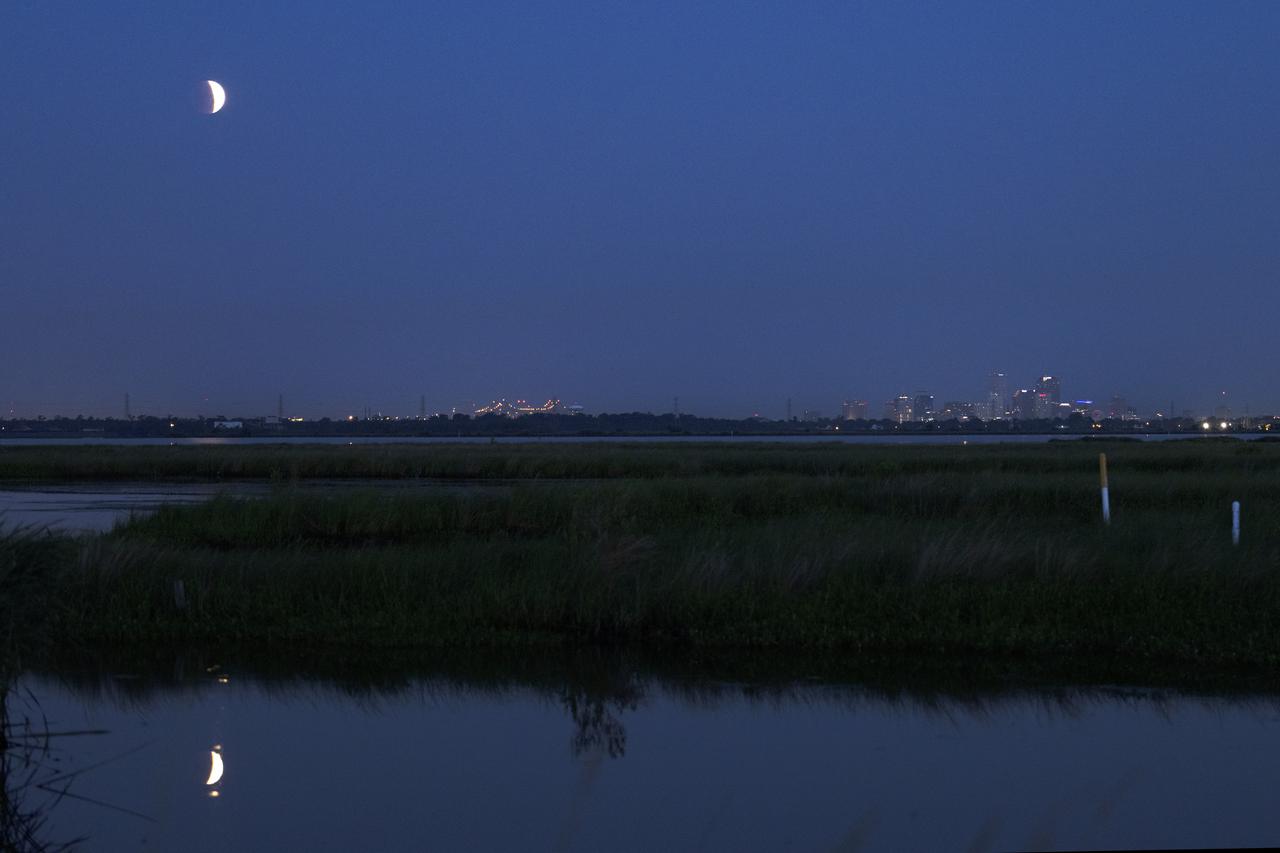
The eclipse of the Super Flower Blood Moon over Bayou Bienvenue with the skyline of the city of New Orleans in the distance early Wednesday morning, May 26, 2021. Image credit: NASA/Michael DeMocker
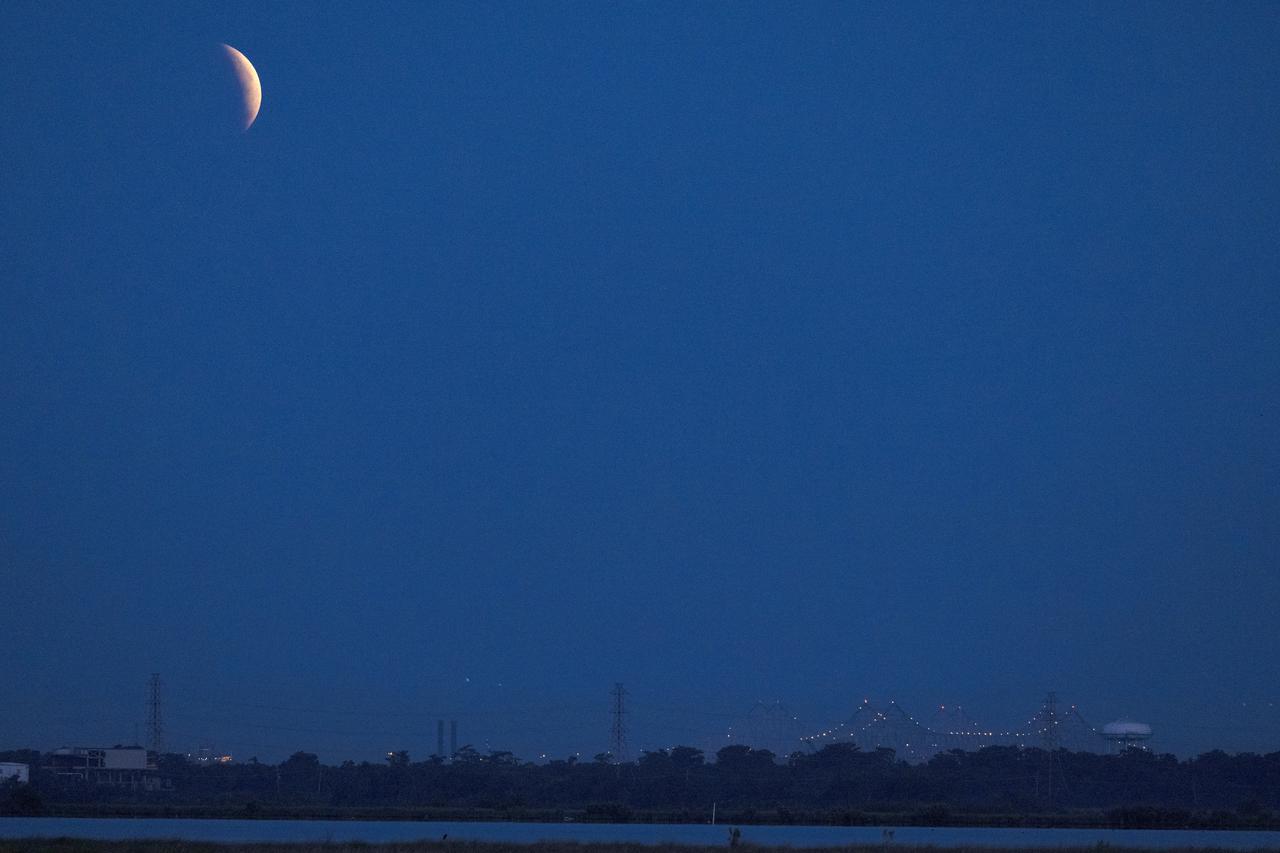
The eclipse of the Super Flower Blood Moon over Bayou Bienvenue with the New Orleans Crescent City Connection in the distance early Wednesday morning, May 26, 2021. Image credit: NASA/Michael DeMocker
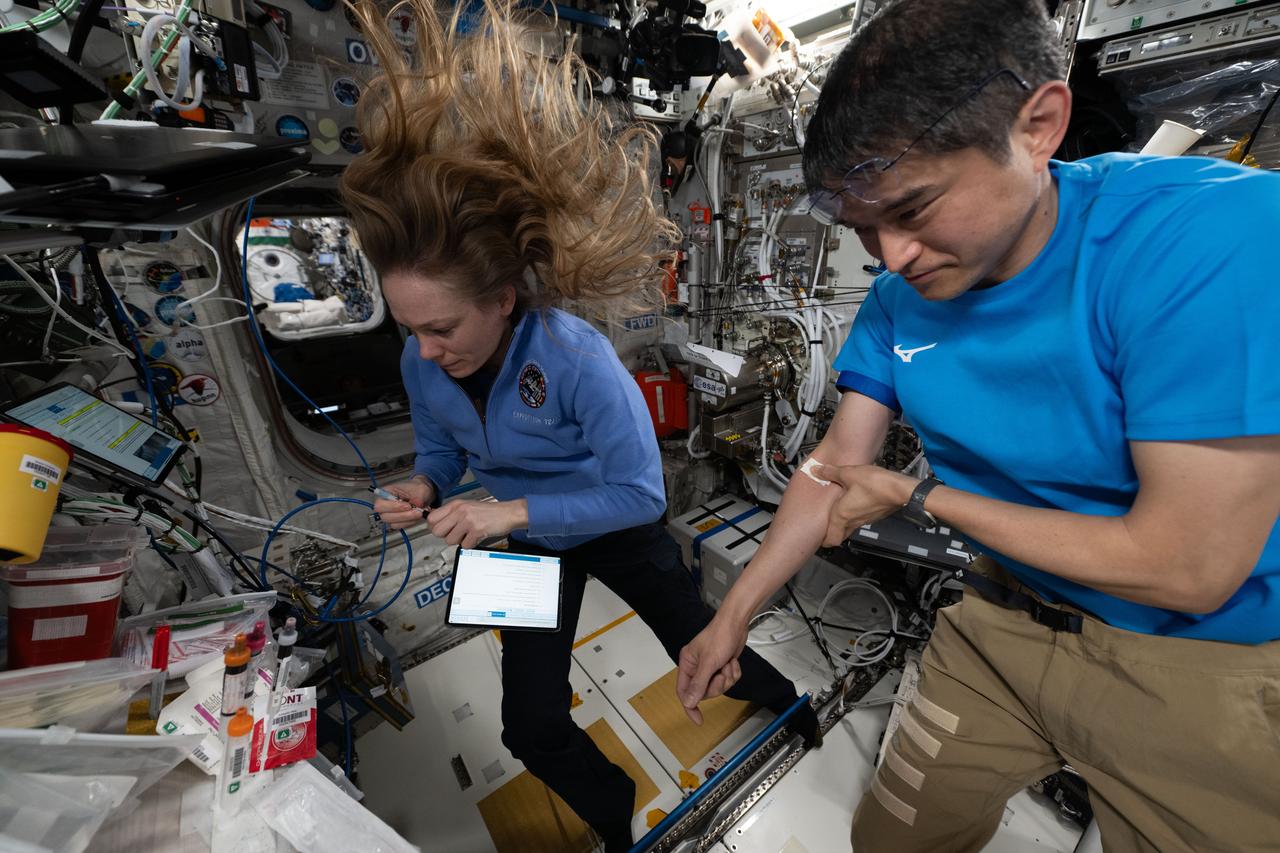
iss073e0284440 (July 8, 2025) --- Expedition 73 Flight Engineer Nichole Ayers of NASA and International Space Station Commander Takuya Onishi of JAXA (Japan Aerospace Exploration Agency) collect blood samples for the Immunity Assay human research investigation. The study will analyze the blood samples for signs of space-caused stress on cellular immune function to help doctors monitor crew health and keeps crews healthy on long term space missions.
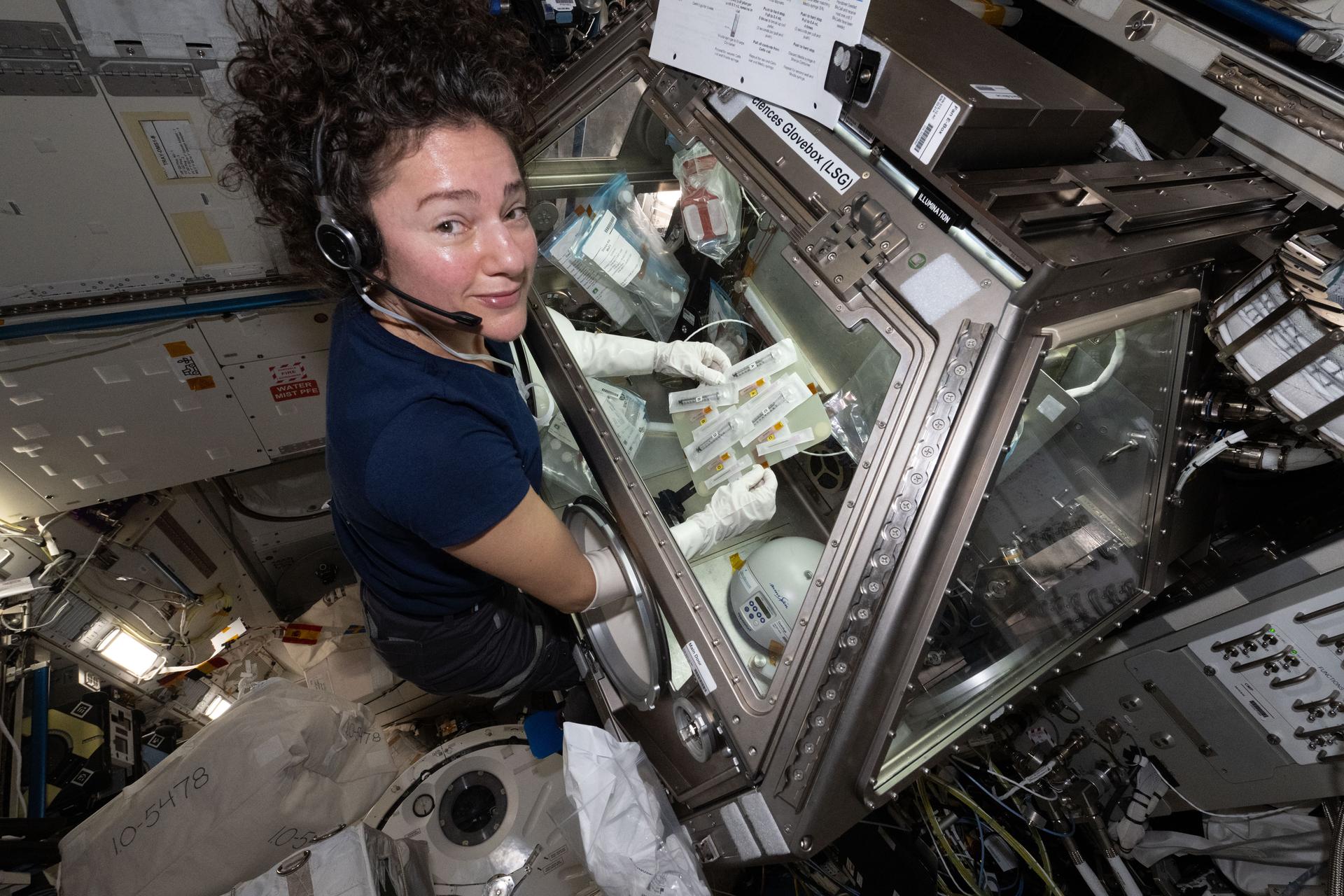
iss074e0591327 (May 18, 2026) --- NASA astronaut and Expedition 74 flight engineer Jessica Meir works inside the Kibo laboratory module’s Life Science Glovebox aboard the International Space Station. Meir was preparing blood platelet samples for incubation and growth to observe how weightlessness affects a crew member’s blood clotting and immune function at the cellular and genetic levels. Credit: ESA/Sophie Adenot
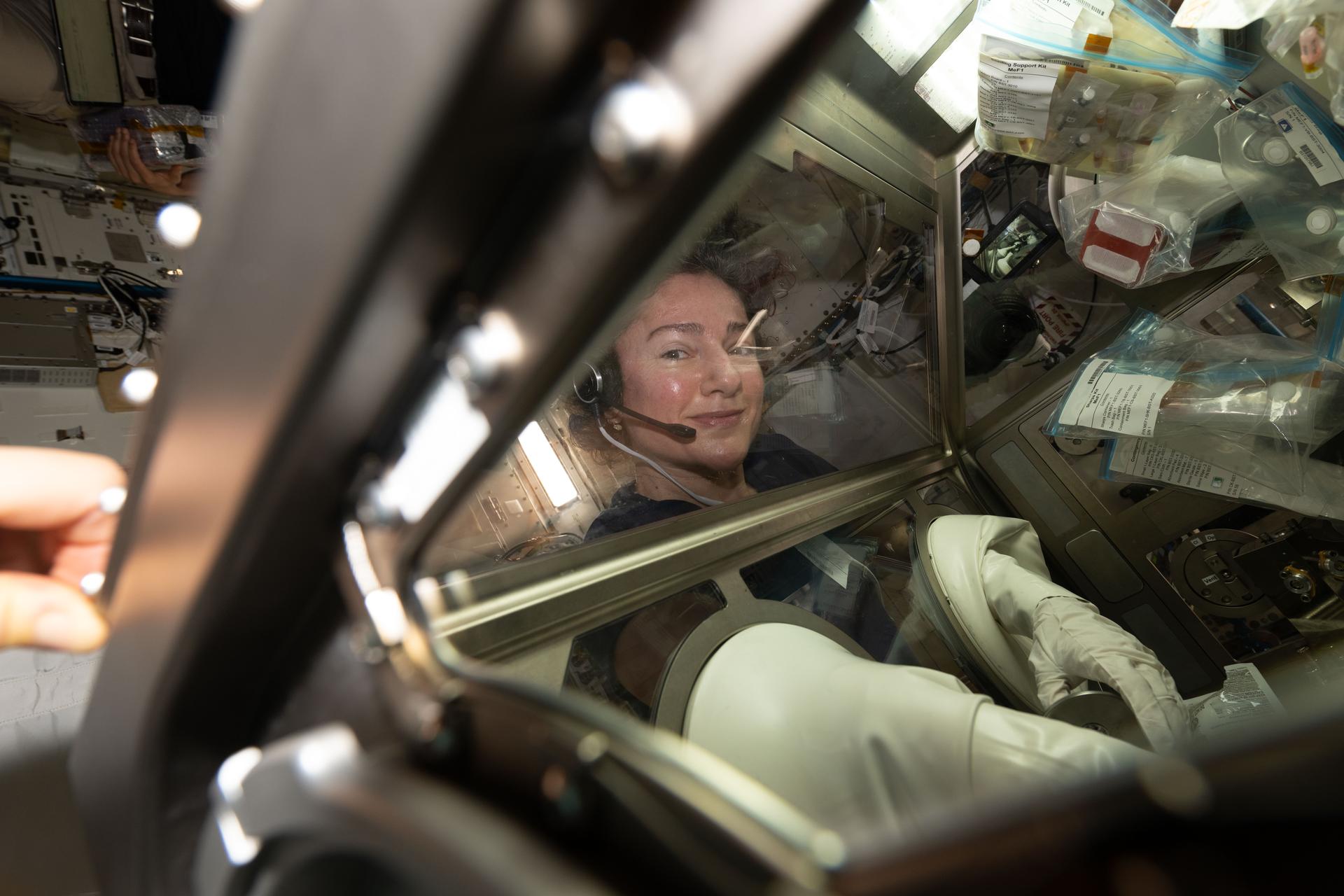
iss074e0590869 (May 18, 2026) --- NASA astronaut and Expedition 74 flight engineer Jessica Meir works inside the Kibo laboratory module’s Life Science Glovebox aboard the International Space Station. Meir was preparing blood‑making cell samples—blood platelets—for incubation and growth to observe how weightlessness affects a crew member’s blood clotting and immune function at the cellular and genetic levels. Credit: ESA/Sophie Adenot
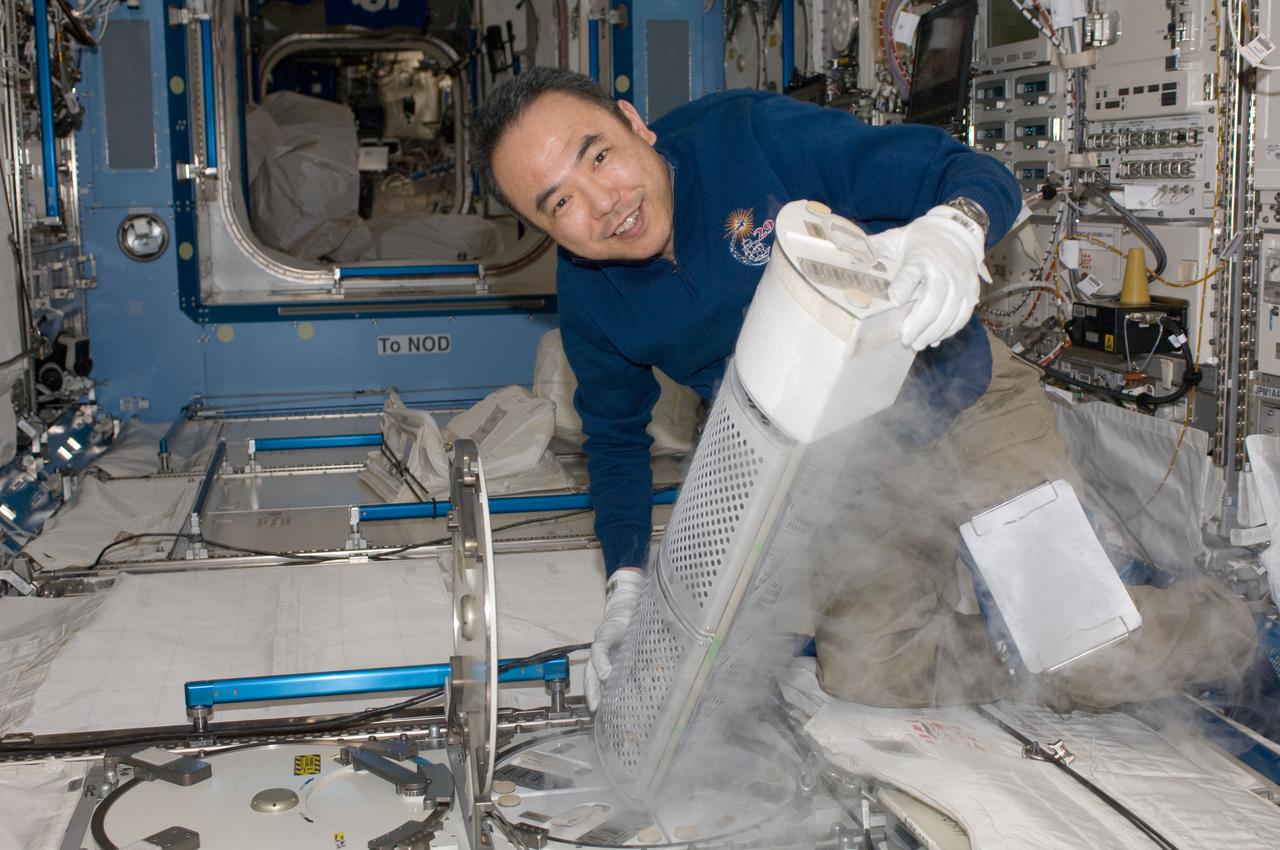
iss029e028495 (10/18/2011) --- Japan Aerospace Exploration Agency astronaut Satoshi Furukawa,Expedition 29 flight engineer,prepares to put samples from the CSA (Canadian Space Agency) Vascular Blood Collection protocol into the MELFI-1 (Minus Eighty Laboratory Freezer for ISS 1) unit.
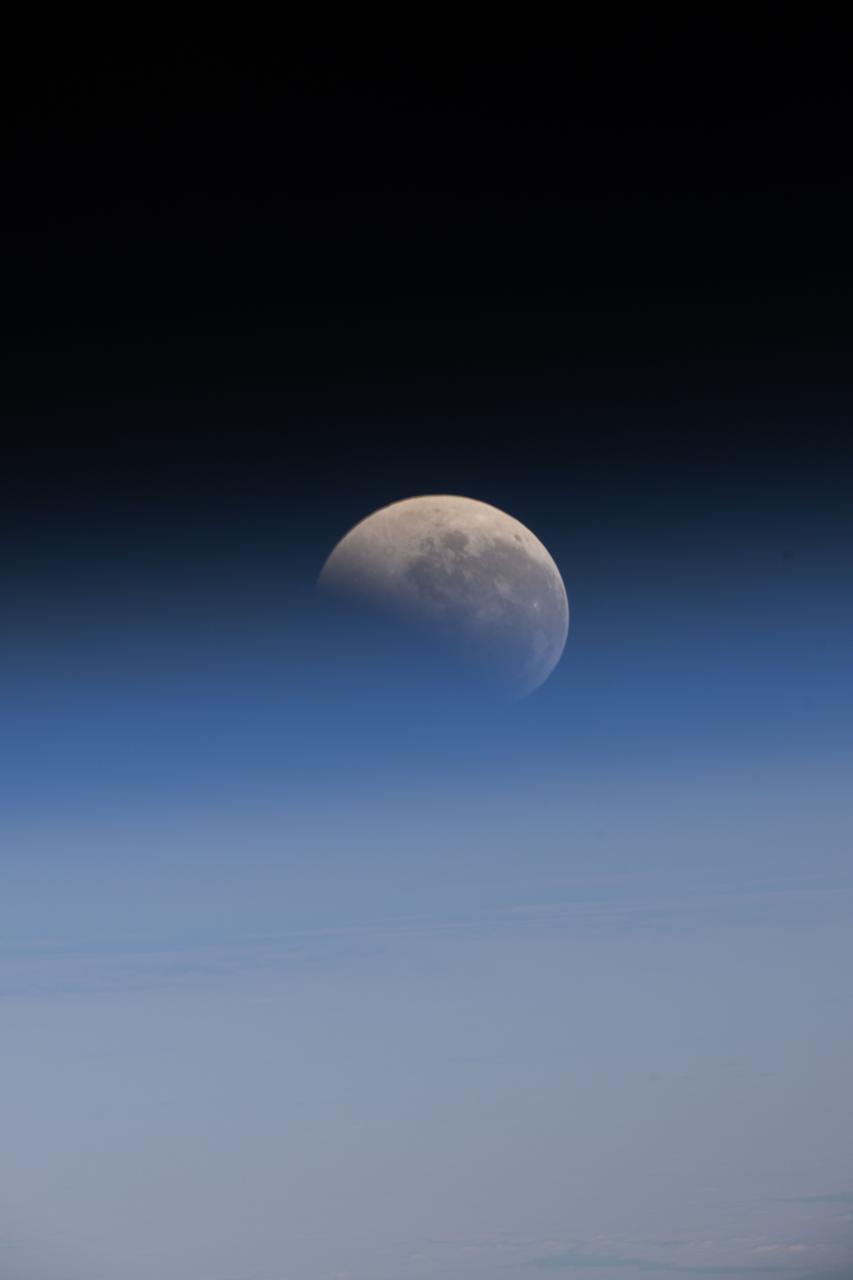
iss073e0611610 (Sept. 7, 2025) --- The lunar eclipse, also known as the Blood Moon, is pictured just above Earth's horizon from the International Space Station as it orbited 266 miles above the South Pacific Ocean.
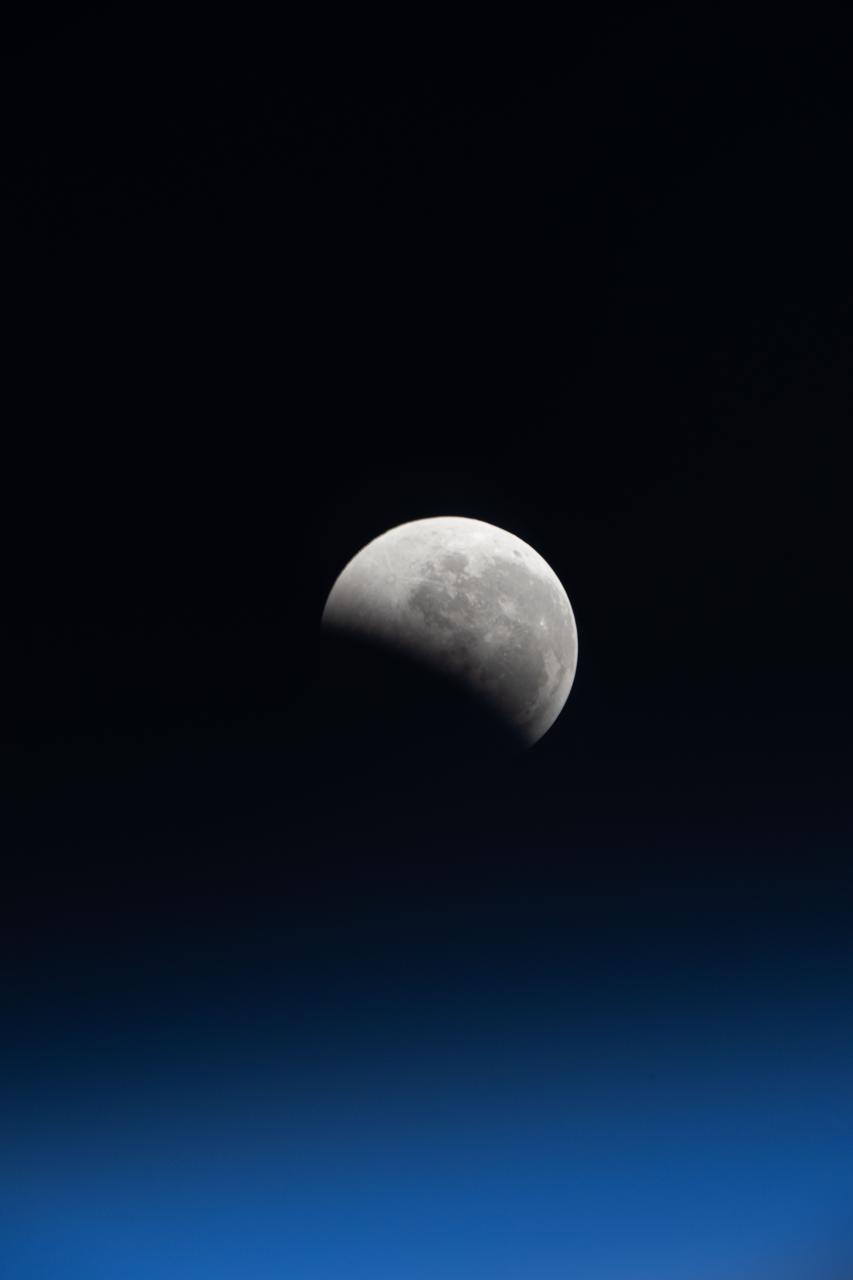
iss073e0611600 (Sept. 7, 2025) --- The lunar eclipse, also known as the Blood Moon, is pictured just above Earth's horizon from the International Space Station as it orbited 266 miles above the South Pacific Ocean.
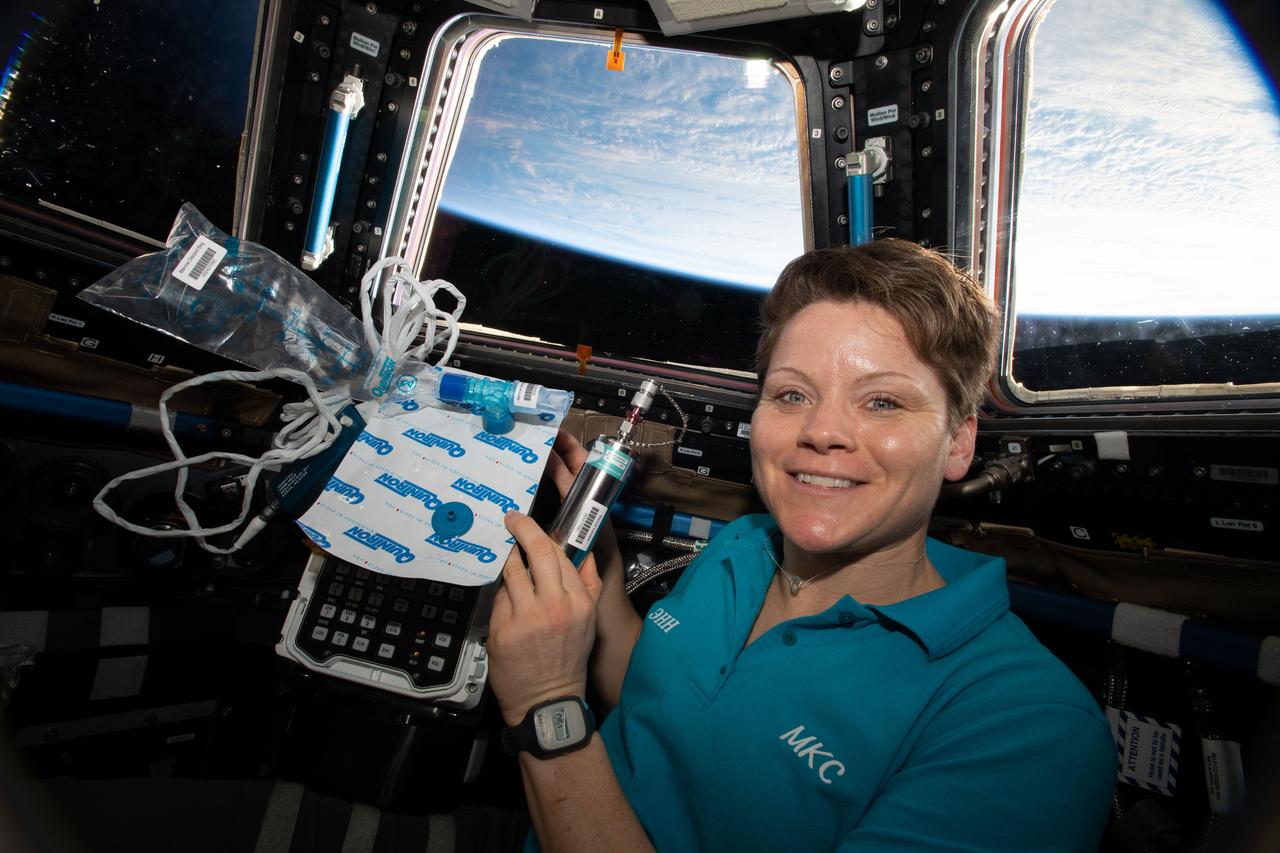
iss058e010750 (Feb. 6, 2019) --- Expedition 58 Flight Engineer Anne McClain of NASA is pictured in the cupola holding biomedical gear for the Marrow experiment. The study measures fat changes in the bone marrow before, and after exposure to microgravity. In addition, this investigation measures specific changes of red and white blood cell functions. Bone marrow fat is measured using magnetic resonance. Red blood cell function is measured with a breath sample analyzed with a gas chromatograph, and white blood cell function is studied through their genetic expression.
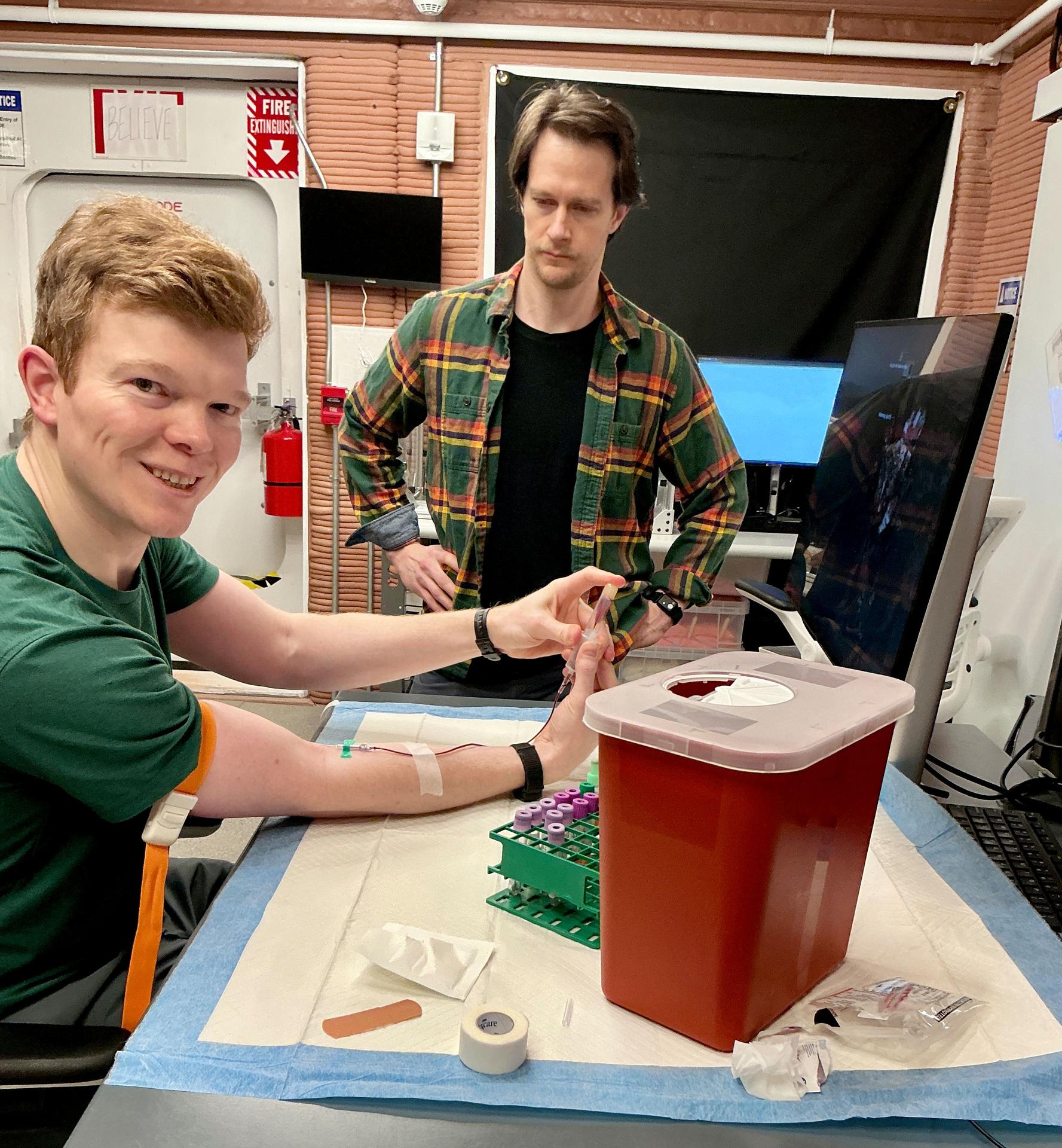
jsc2026e403175 (April 15, 2026) -- CHAPEA crew members perform blood collections to monitor their health (From left: James Spicer, Matthew Montgomery). Credit: NASA
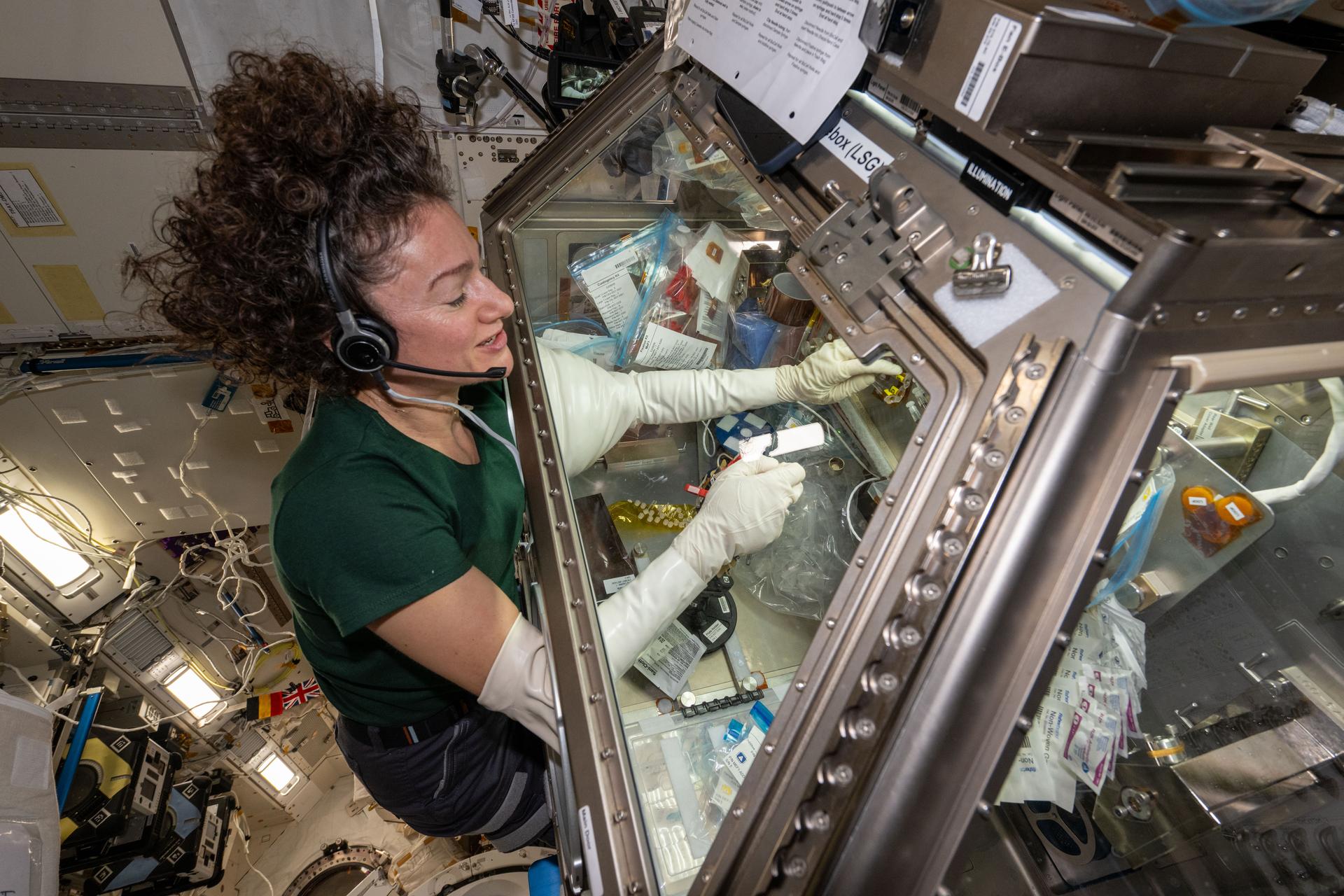
iss074e0621519 (May 29, 2026) --- NASA astronaut and Expedition 74 flight engineer Jessica Meir processes blood platelet samples inside the Kibo laboratory module’s Life Science Glovebox aboard the International Space Station. Doctors are studying how microgravity alters blood platelets, cell fragments that form clots and prevent bleeding, to protect human health on and off the Earth. Credit: NASA/Jack Hathaway
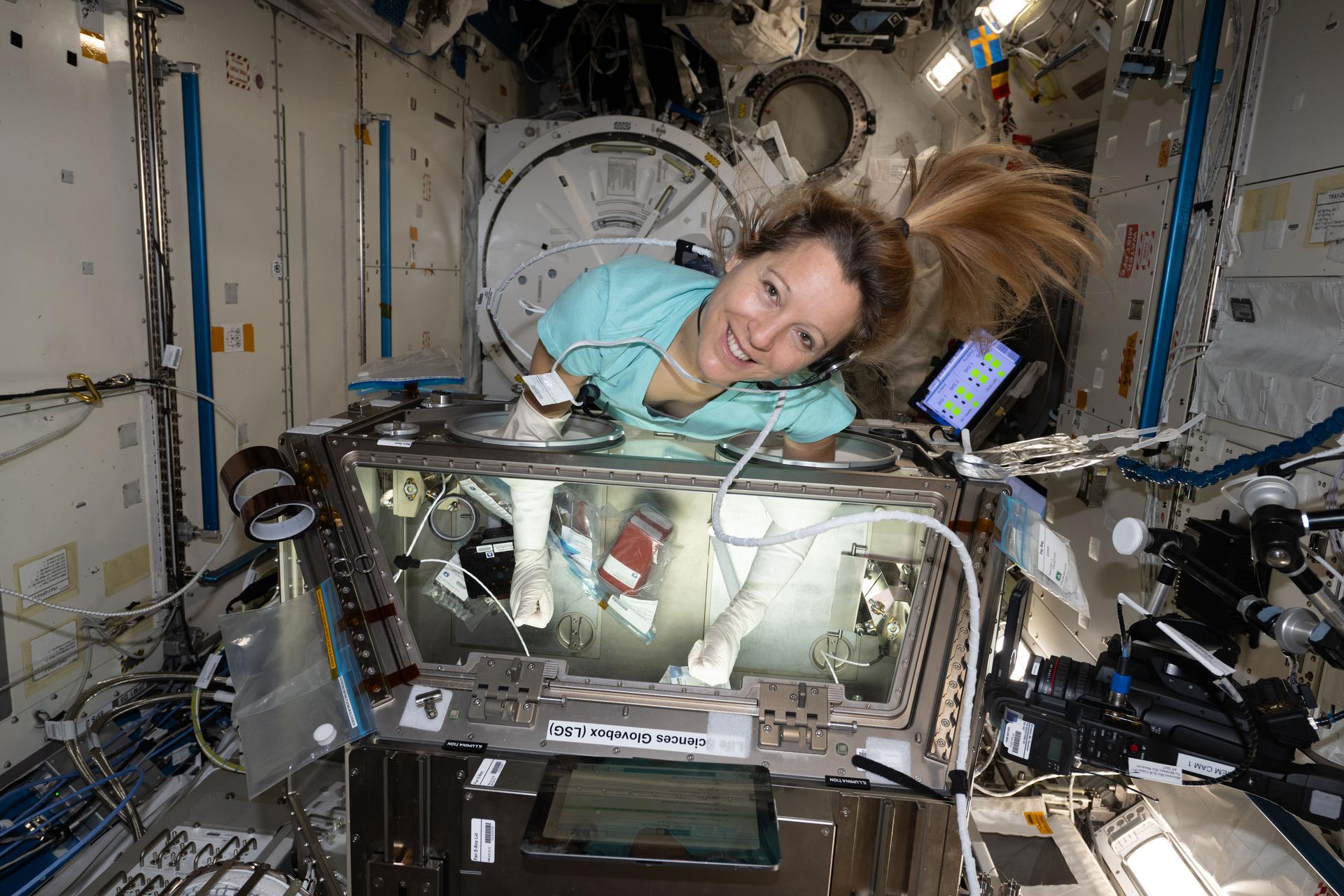
iss074e0503523 (April 21, 2026) --- ESA (European Space Agency) astronaut and Expedition 74 flight engineer Sophie Adenot works inside the Kibo laboratory module’s Life Science Glovebox, processing blood stem cell samples to learn how to produce larger quantities of clinical‑grade stem cells in space. Results from this biotechnology investigation may lead to improved stem‑cell qualities, potentially enhancing treatments for blood diseases and cancer while also expanding commercial opportunities in space. Credit: NASA/Jessica Meir
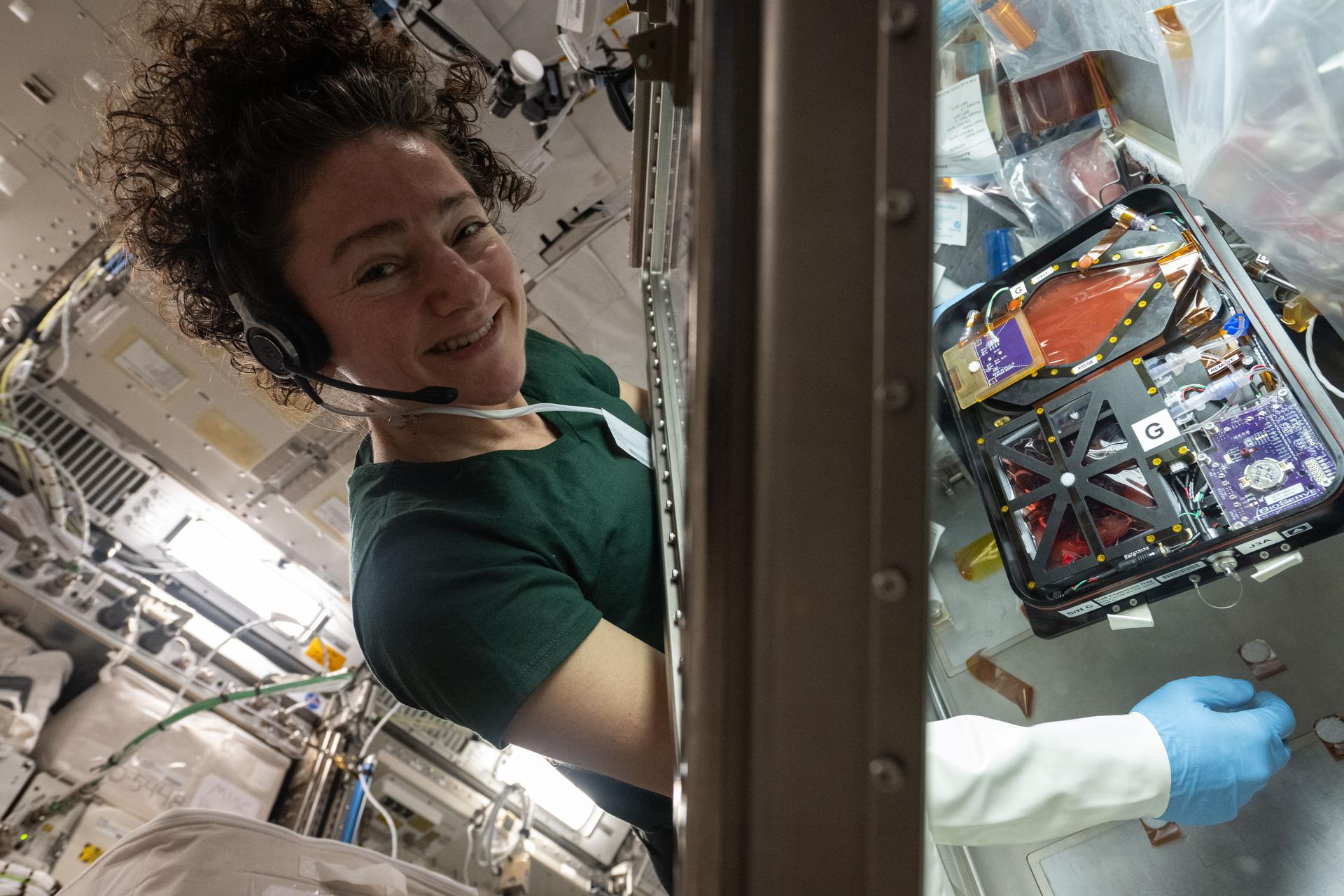
iss074e0669779 (June 4, 2026) --- NASA astronaut and Expedition 74 flight engineer Jessica Meir works inside the Kibo laboratory module's Life Science Glovebox setting up research hardware for a blood stem cell investigation. Meir would later nourish the stem cells that are growing inside a research incubator to help doctors learn how to manufacture and commercialize space-designed therapies for a variety of blood cancers and immune diseases. Credit: NASA/Jack Hathaway
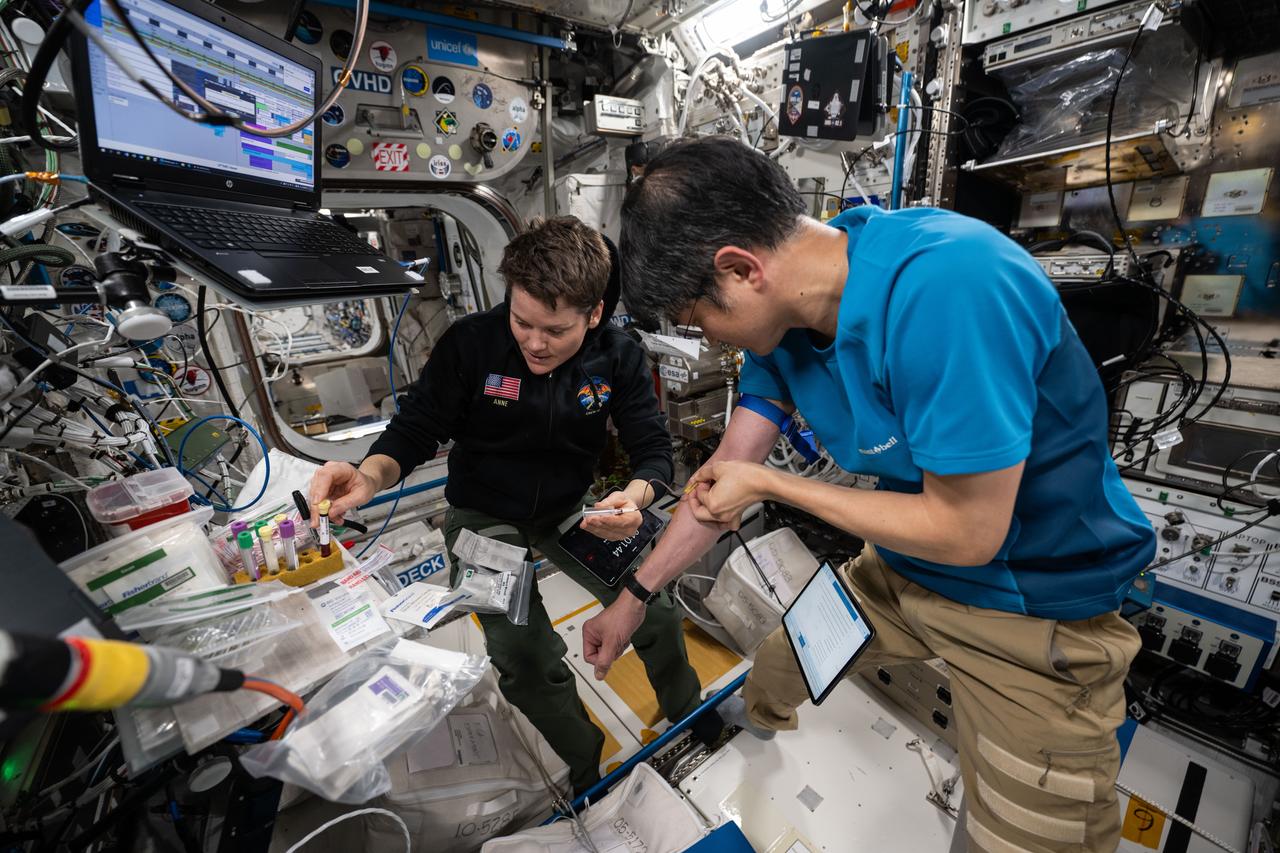
iss073e0078566 (May 23, 2025) --- Astronauts Anne McClain of NASA and Takuya Onishi of JAXA (Japan Aerospace Exploration Agency), Expedition 73 Flight Engineer and Commander respectively, work together inside the International Space Station's Columbus laboratory module drawing blood samples for testing and monitoring an astronaut's health in microgravity.
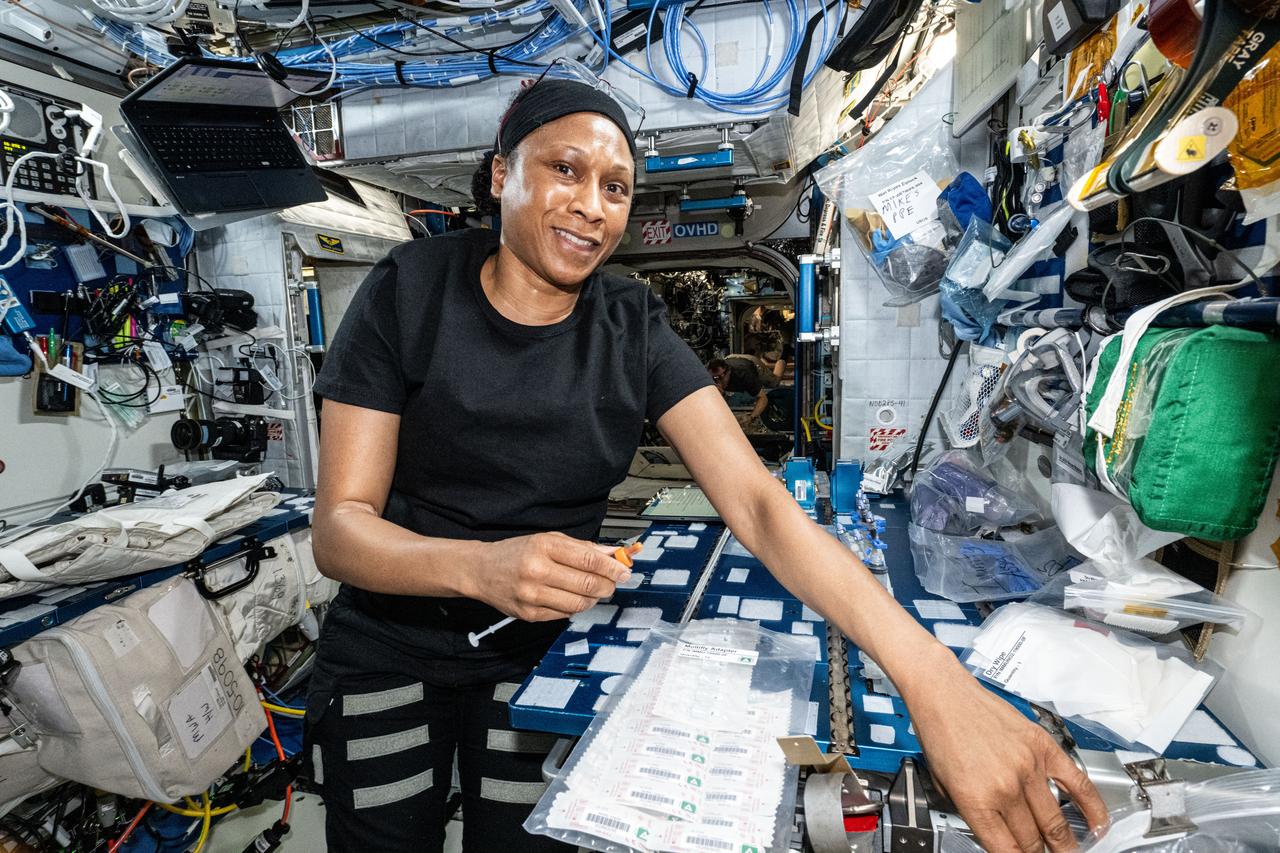
iss071e414653 (Aug. 1, 2024) --- NASA astronaut and Expedition 71 Flight Engineer Jeanette Epps processes blood and saliva samples aboard the International Space Station's Harmony module. She stowed the specimens in a science freezer and the Kubik research incubator for future retrieval and later analysis. The weightless environment of the orbital outpost allows investigators to explore how living in space long term affects humans and gain insights not possible in Earth’s gravity conditions.

NASA Armstrong Flight Research Center photographer Lauren Hughes takes photos of the Super Blue Blood Moon eclipse from California’s Trona Pinnacles Desert National Conservation for the Jan. 31 of the total lunar eclipse that provided a rare opportunity to capture a supermoon, a blue moon and a lunar eclipse at the same time. A supermoon occurs when the Moon is closer to Earth in its orbit and appearing 14 percent brighter than usual. As the second full moon of the month, this moon is also commonly known as a blue moon, though it will not be blue in appearance. The super blue moon passed through Earth’s shadow and took on a reddish tint, known as a blood moon. This total lunar eclipse occurs when the Sun, Earth, and a full moon form a near-perfect lineup in space. The Moon passes directly behind the Earth into its umbra (shadow).
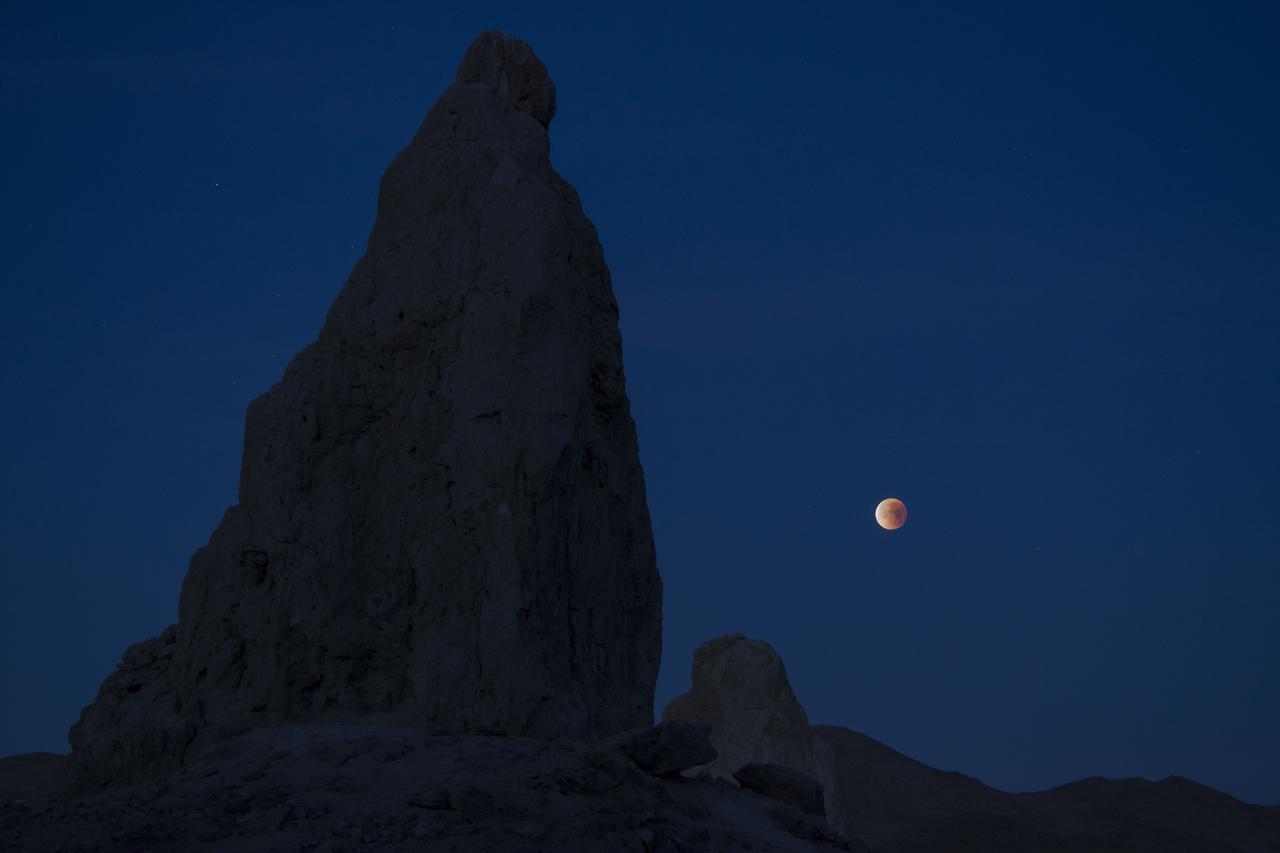
NASA Armstrong Flight Research Center photographer Lauren Hughes takes photos of the Super Blue Blood Moon eclipse from California's Trona Pinnacles Desert National Conservation for the Jan. 31 of the total lunar eclipse that provided a rare opportunity to capture a supermoon, a blue moon and a lunar eclipse at the same time. A supermoon occurs when the Moon is closer to Earth in its orbit and appearing 14 percent brighter than usual. As the second full moon of the month, this moon is also commonly known as a blue moon, though it will not be blue in appearance. The super blue moon passed through Earth's shadow and took on a reddish tint, known as a blood moon. This total lunar eclipse occurs when the Sun, Earth, and a full moon form a near-perfect lineup in space. The Moon passes directly behind the Earth into its umbra (shadow).
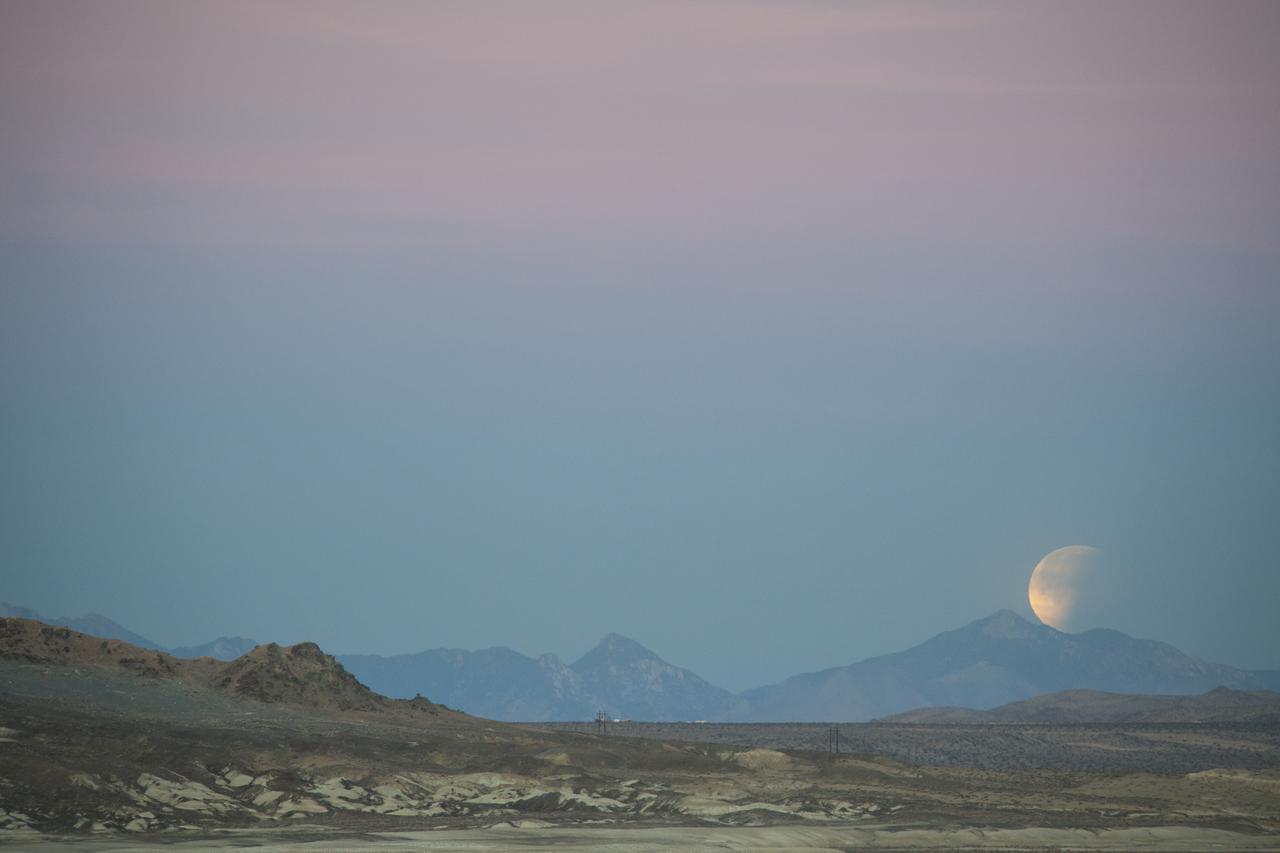
NASA Armstrong Flight Research Center photographer Lauren Hughes takes photos of the Super Blue Blood Moon eclipse from California’s Trona Pinnacles Desert National Conservation for the Jan. 31 of the total lunar eclipse that provided a rare opportunity to capture a supermoon, a blue moon and a lunar eclipse at the same time. A supermoon occurs when the Moon is closer to Earth in its orbit and appearing 14 percent brighter than usual. As the second full moon of the month, this moon is also commonly known as a blue moon, though it will not be blue in appearance. The super blue moon passed through Earth’s shadow and took on a reddish tint, known as a blood moon. This total lunar eclipse occurs when the Sun, Earth, and a full moon form a near-perfect lineup in space. The Moon passes directly behind the Earth into its umbra (shadow).
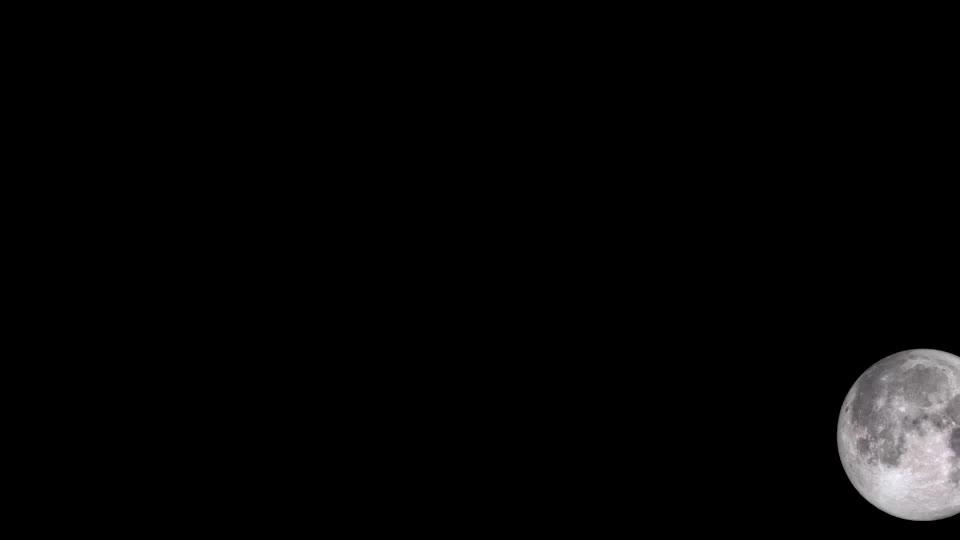
A preview animation of the Super Moon Lunar Eclipse On the evening of September 27, 2015 in the Americas (early morning on September 28 in Europe and most of Africa), the Moon enters the Earth’s shadow, creating a total lunar eclipse, the last of four visible in the Western Hemisphere in a span of 18 months. This animation shows the changing appearance of the Moon as it travels into and out of the Earth’s shadow. <b><a href="http://www.nasa.gov/audience/formedia/features/MP_Photo_Guidelines.html" rel="nofollow">NASA image use policy.</a></b> <b><a href="http://www.nasa.gov/centers/goddard/home/index.html" rel="nofollow">NASA Goddard Space Flight Center</a></b> enables NASA’s mission through four scientific endeavors: Earth Science, Heliophysics, Solar System Exploration, and Astrophysics. Goddard plays a leading role in NASA’s accomplishments by contributing compelling scientific knowledge to advance the Agency’s mission. <b>Follow us on <a href="http://twitter.com/NASAGoddardPix" rel="nofollow">Twitter</a></b> <b>Like us on <a href="http://www.facebook.com/pages/Greenbelt-MD/NASA-Goddard/395013845897?ref=tsd" rel="nofollow">Facebook</a></b> <b>Find us on <a href="http://instagrid.me/nasagoddard/?vm=grid" rel="nofollow">Instagram</a></b>
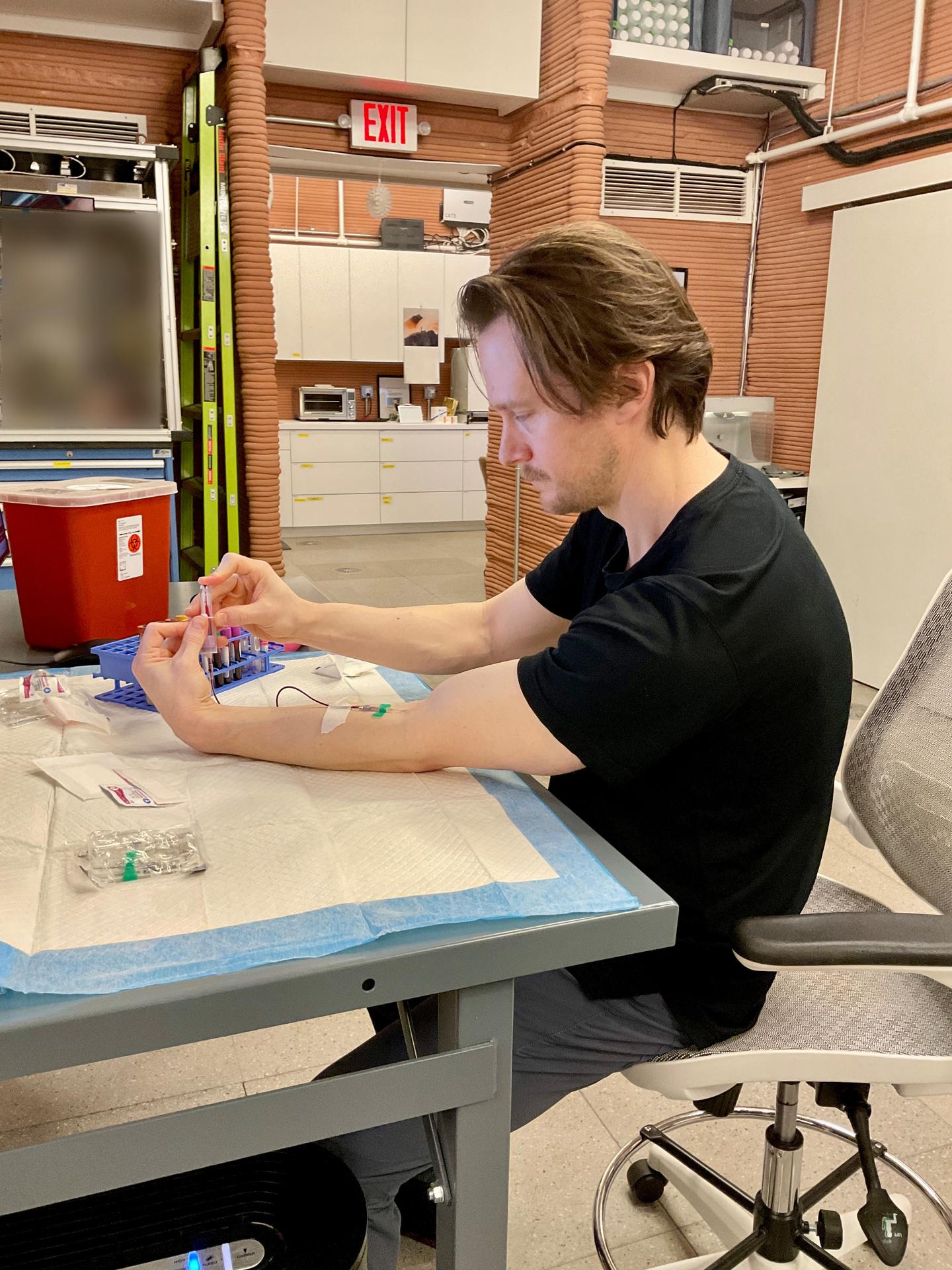
jsc2026e403178 (May 20, 2026) -- Matthew Montgomery, Crew Health and Performance Exploration Analog (CHAPEA) Mission 2 science officer, performing blood collection to monitor crew health. Credit: NASA
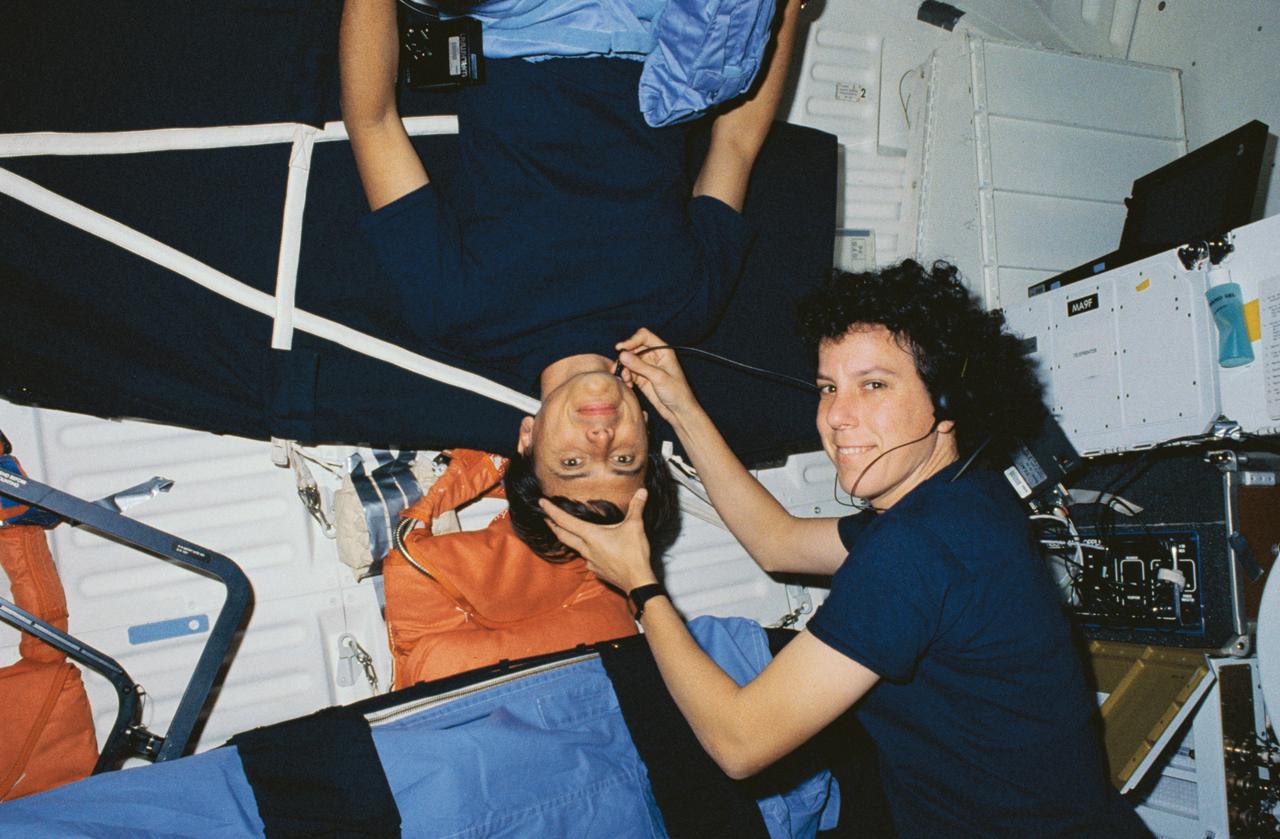
STS034-08-007 (18-23 Oct. 1989) --- Astronaut Ellen S. Baker, an STS-34 mission specialist and medical doctor, conducts a medical examination on astronaut Franklin R. Chang-Diaz, mission specialist, on the middeck of the Earth-orbiting space shuttle Atlantis. Dr. Baker was monitoring Chang-Diaz's blood flow. The scene was recorded on film with a 35mm camera.Photo credit: NASA or National Aeronautics and Space Administration
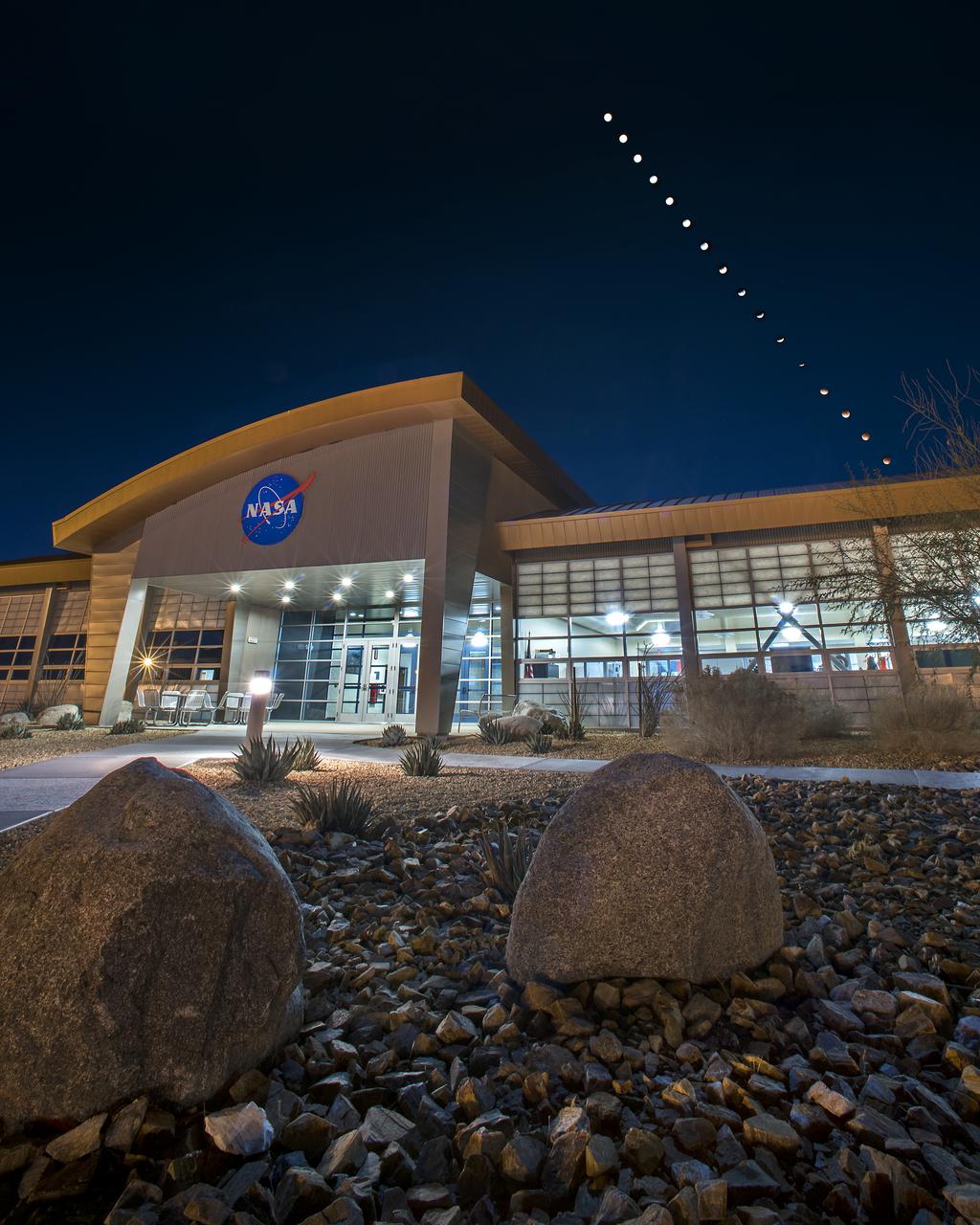
California’s NASA Armstrong Flight Research Center photographer Ken Ulbrich takes photos of Super Blue Blood Moon eclipse making a time-lapse composition of the event on January 31. The total lunar eclipse provided a rare opportunity to capture a supermoon, a blue moon and a lunar eclipse at the same time. A supermoon occurs when the Moon is closer to Earth in its orbit and appearing 14 percent brighter than usual. As the second full moon of the month, this moon is also commonly known as a blue moon, though it will not be blue in appearance. The super blue moon passed through Earth’s shadow and took on a reddish tint, known as a blood moon. This total lunar eclipse occurs when the Sun, Earth, and a full moon form a near-perfect lineup in space. The Moon passes directly behind the Earth into its umbra (shadow).
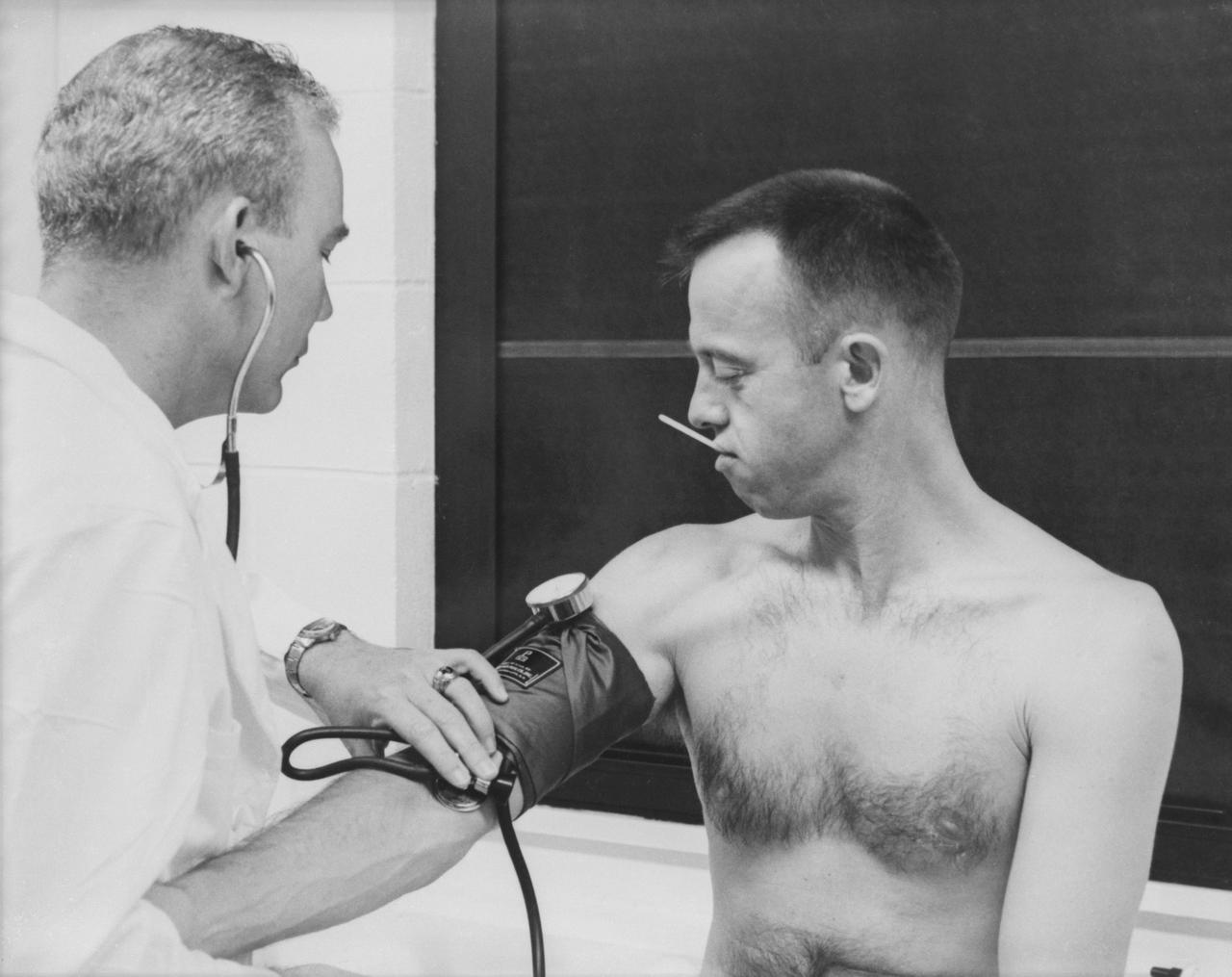
S61-02749 (5 May 1961) --- Astronaut Alan B. Shepard Jr. has his blood pressure and temperature checked prior to his Mercury-Redstone 3 (MR-3) mission, the first American manned spaceflight. The attending physician is Dr. William K. Douglas. Photo credit: NASA or National Aeronautics and Space Administration
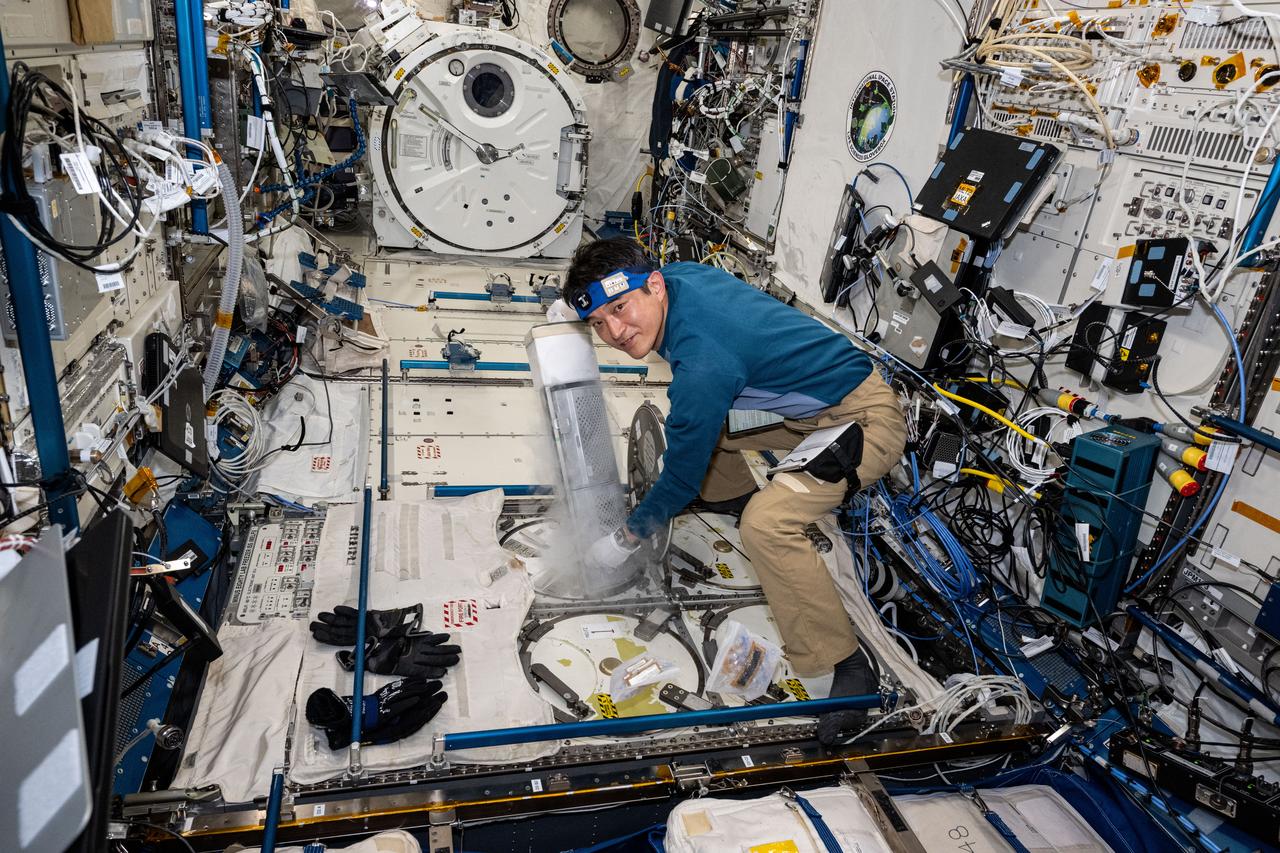
iss072e861307 (March 27, 2025) --- JAXA (Japan Aerospace Exploration Agency) astronaut and Expediion 72 Flight Engineer Takuya Onishi inserts a cryogenic storage unit, called a dewar, containing blood samples collected from a crew member into a science freezer for preservation and later analysis. The Minus Eighty-Degree Laboratory Freezer for International Space Station, or MELFI, is a research freezer that maintains experiment samples at ultra-cold temperatures in microgravity.
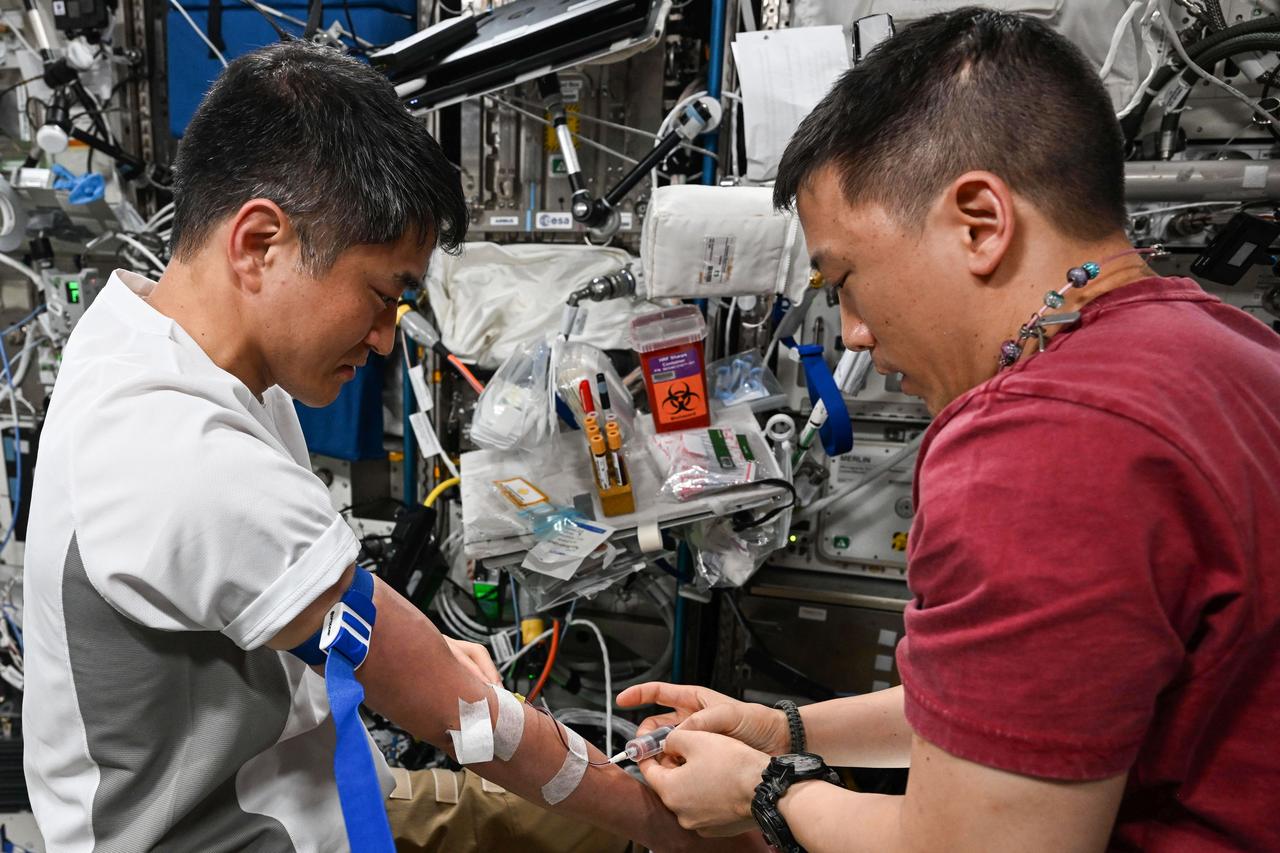
iss073e0384171 (July 1, 2025) --- Expedition 73 Flight Engineer Jonny Kim (right) of NASA draws a blood sample from station Commander Takuya Onishi of JAXA (Japan Aerospace Exploration Agency) for processing in a centrifuge and preservation in a science freezer. The samples will be returned to Earth where scientists will analyze the specimens to learn how living and working in microgravity affects the human body and provide countermeasures to potential space-caused symptoms.
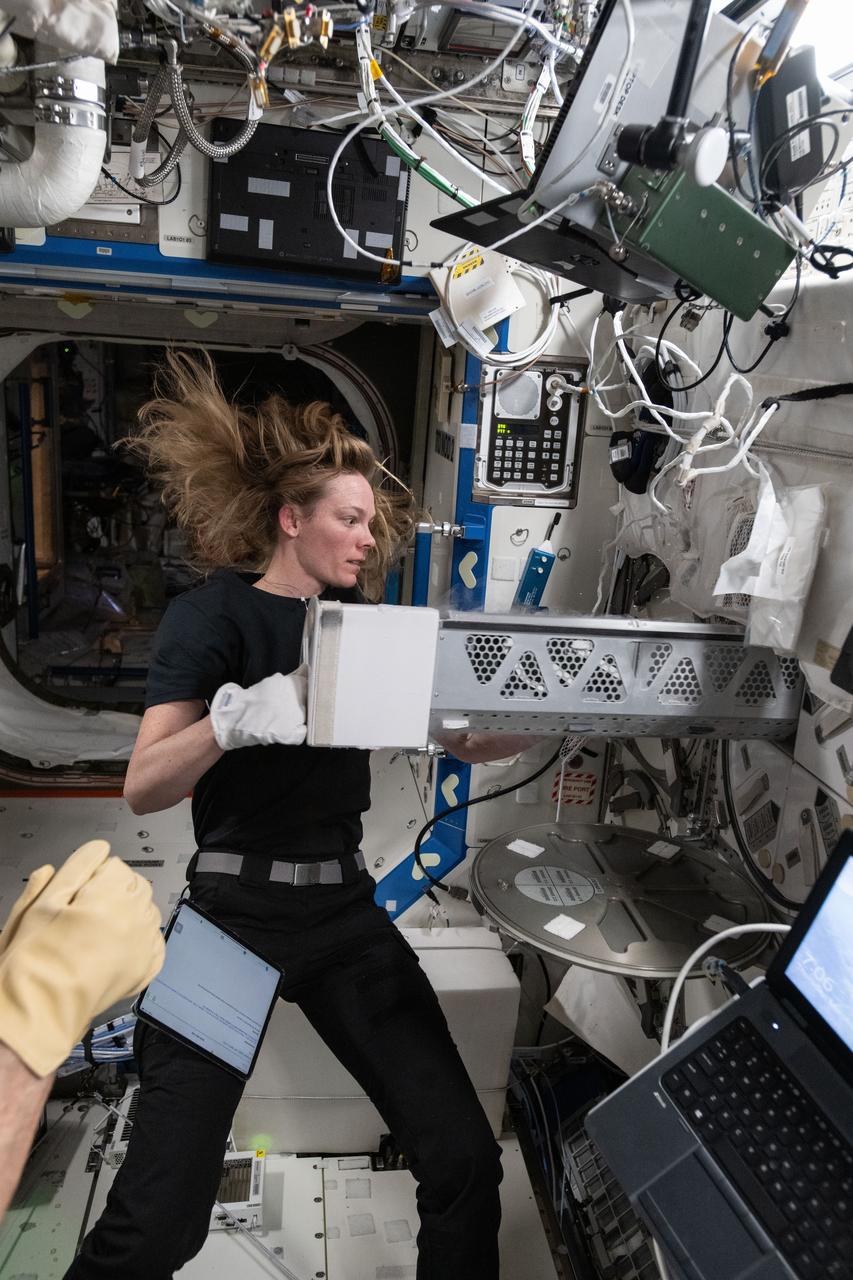
iss072e808609 (March 20, 2025) --- NASA astronaut and Expedition 72 Flight Engineer Nichole Ayers inserts a cryogenic storage unit, called a dewar, containing blood samples collected from a crew member into a science freezer for preservation and later analysis. The Minus Eighty-Degree Laboratory Freezer for International Space Station, or MELFI, is a research freezer that maintains experiment samples at ultra-cold temperatures in microgravity.
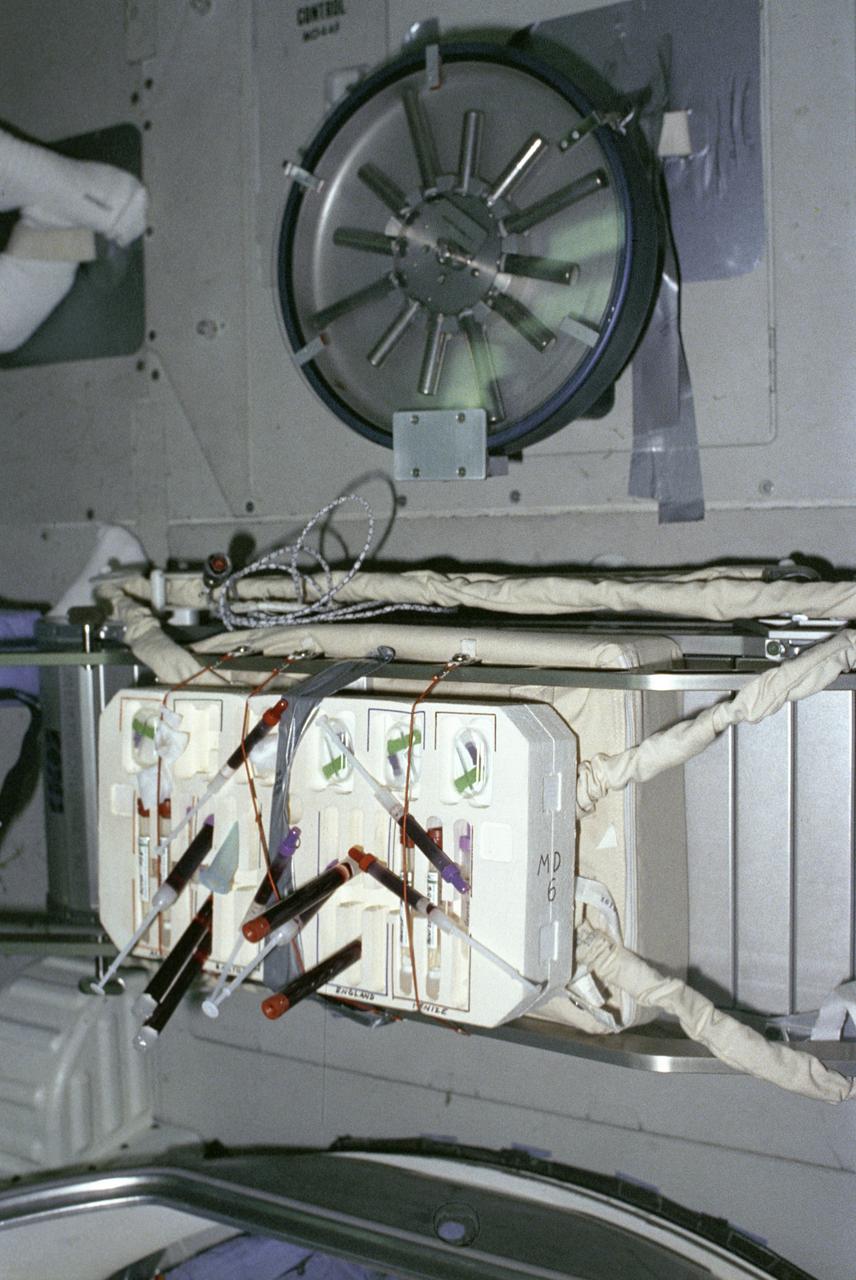
While instruments on the pallets in the payload bay observed the universe, biological experiments were performed in the middeck of the Shuttle Orbiter Challenger. Studying life processes in a microgravity environment can shed new light on the functioning of biological systems on Earth. These investigations can also help us understand how living organisms react to prolonged weightlessness. One such experiment was the vitamin D metabolites and bone demineralization experiment. This investigation measured the vitamin d metabolite levels of crew members to gain information on the cause of bone demineralization and mineral imbalance that occur during prolonged spaceflight as well as on Earth. Research into the biochemical nature of vitamin D has shown that the D-metabolites play a major role in regulating the body's calcium and phosphorus levels. One major function of the most biologically active vitamin D metabolite is to regulate the amount of calcium absorbed from the diet and taken out of bones. This investigation had two phases. The first was the developmental phase, which included extensive testing before flight, and the second, or final phase, involved the postflight analysis of the crew's blood samples. This photograph shows a blood draw test kit and centrifuge used for the experiment aboard the Spacelab-2. Marshall Space Flight Center had management responsibilities of all Spacelab missions.
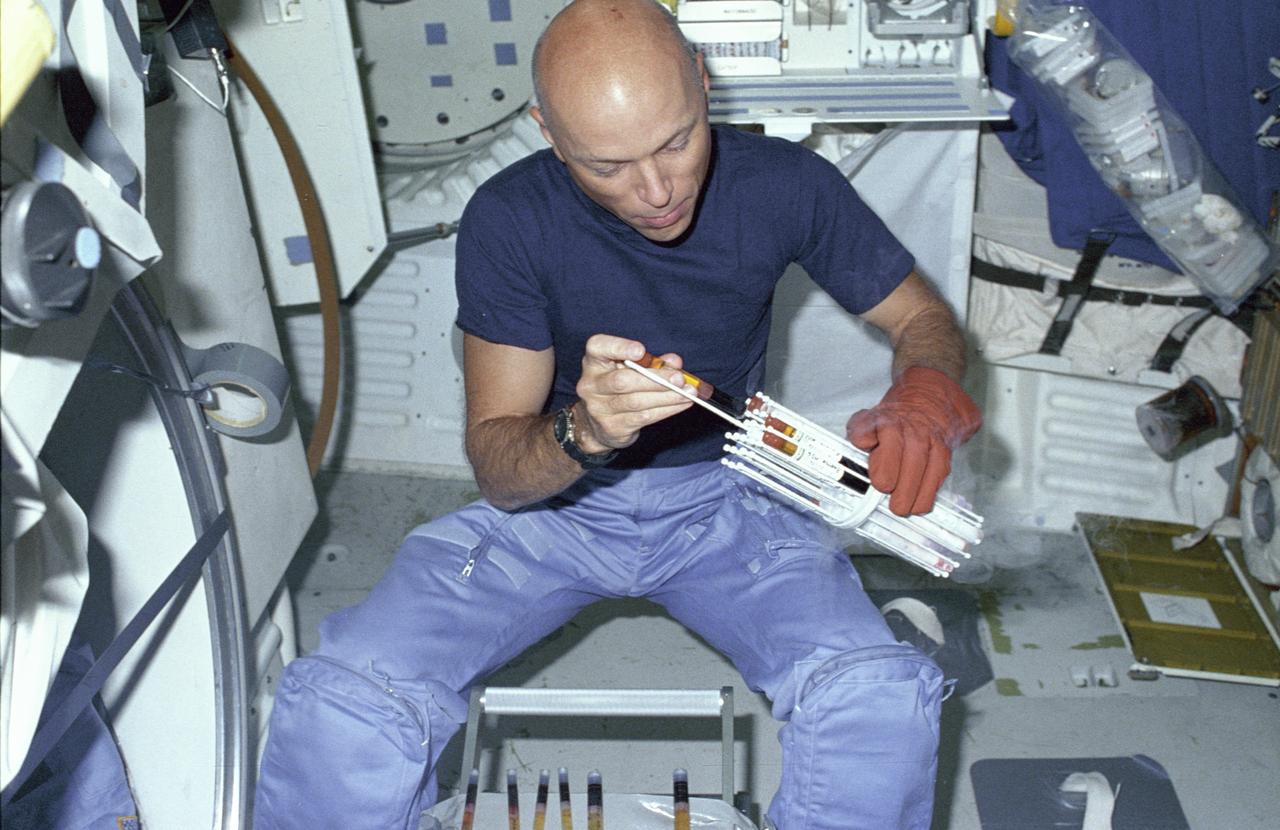
While instruments on the pallets in the payload bay observed the universe, biological experiments were performed in the middeck of the Shuttle Orbiter Challenger. Studying life processes in a microgravity environment can shed new light on the functioning of biological systems on Earth. These investigations can also help us understand how living organisms react to prolonged weightlessness. One such experiment was the vitamin D metabolites and bone demineralization experiment. This investigation measured the vitamin D metabolite levels of crew members to gain information on the cause of bone demineralization and mineral imbalance that occur during prolonged spaceflight as well as on Earth. Research into the biochemical nature of vitamin D has shown that the D-metabolites play a major role in regulating the body's calcium and phosphorus levels. One major function of the most biologically active vitamin D metabolite is to regulate the amount of calcium absorbed from the diet and taken out of bones. This investigation had two phases. The first was the developmental phase, which included extensive testing before flight, and the second, or final phase, involved the postflight analysis of the crew's blood samples. This photograph shows astronaut Story Musgrave in the middeck of the Shuttle Orbiter Challenger, attending to the blood samples he collected from crew members for the experiment.
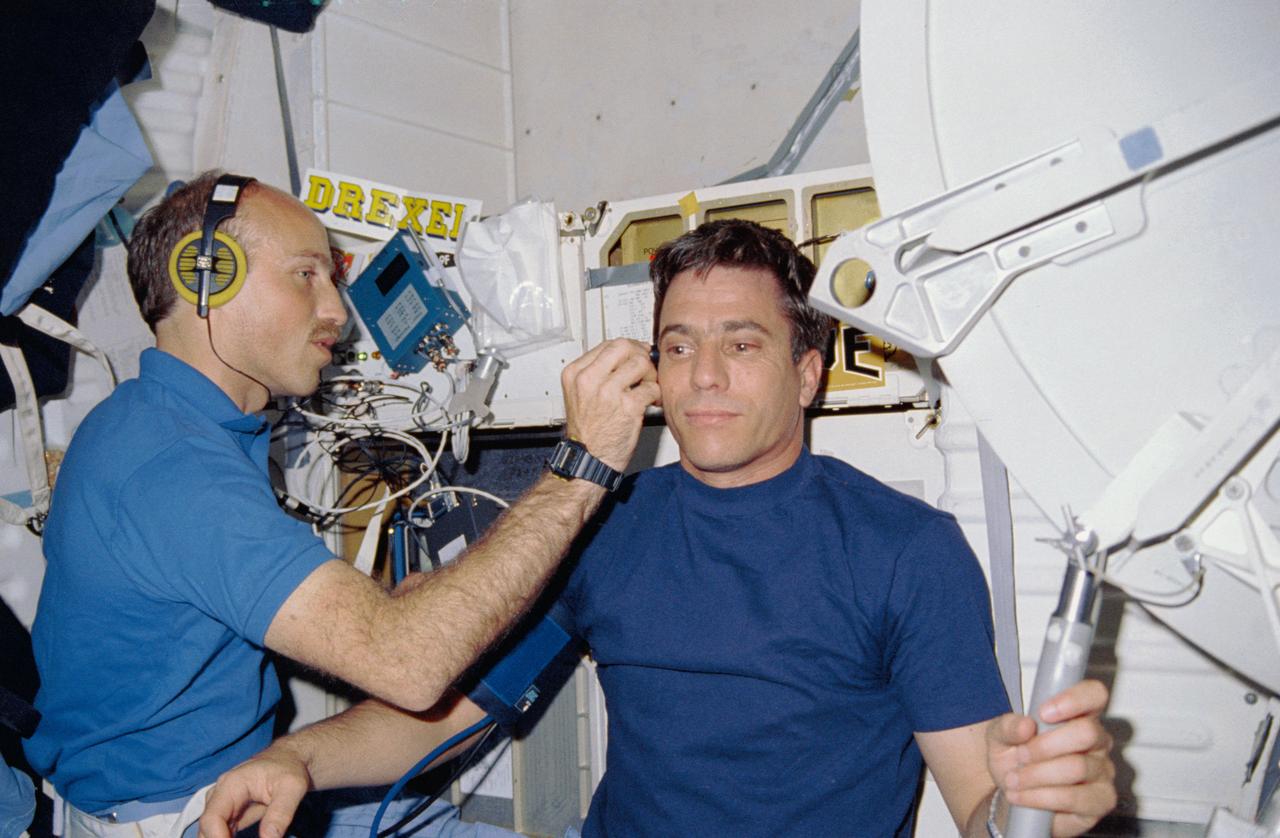
STS29-05-024 (16 March 1989) --- Astronaut John E. Blaha, STS-29 pilot, has his blood flow checked by astronaut James P. Bagian, mission specialist and a physician. The two are on the mid deck of the Earth-orbiting Space Shuttle Discovery.
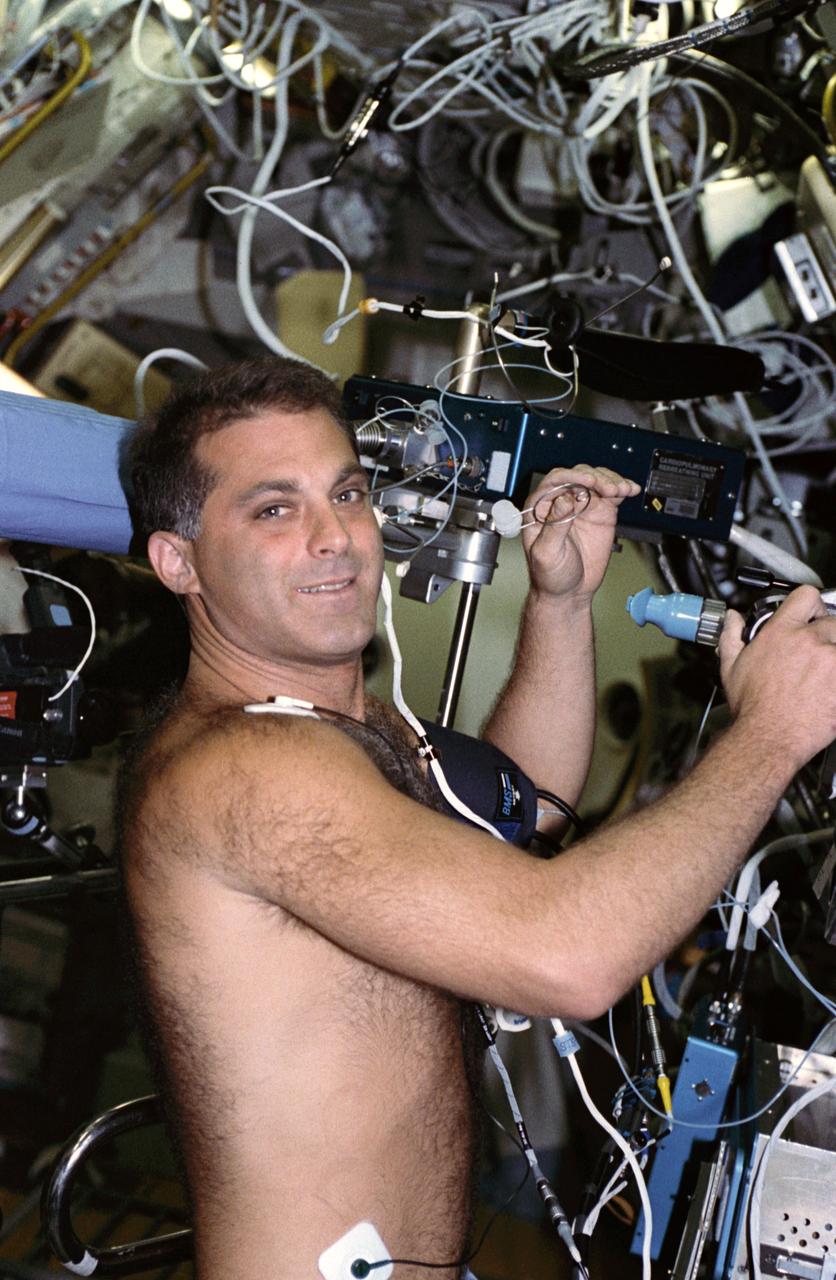
STS058-204-014 (18 Oct.-1 Nov. 1993) --- Astronaut David A. Wolf, mission specialist, participates in an experiment that investigates in-space distribution and movement of blood and gas in the pulmonary system. The data gathered during the two-week flight will be compared with results of tests performed on Earth to determine the changes that occur in pulmonary functions. Photo credit: NASA
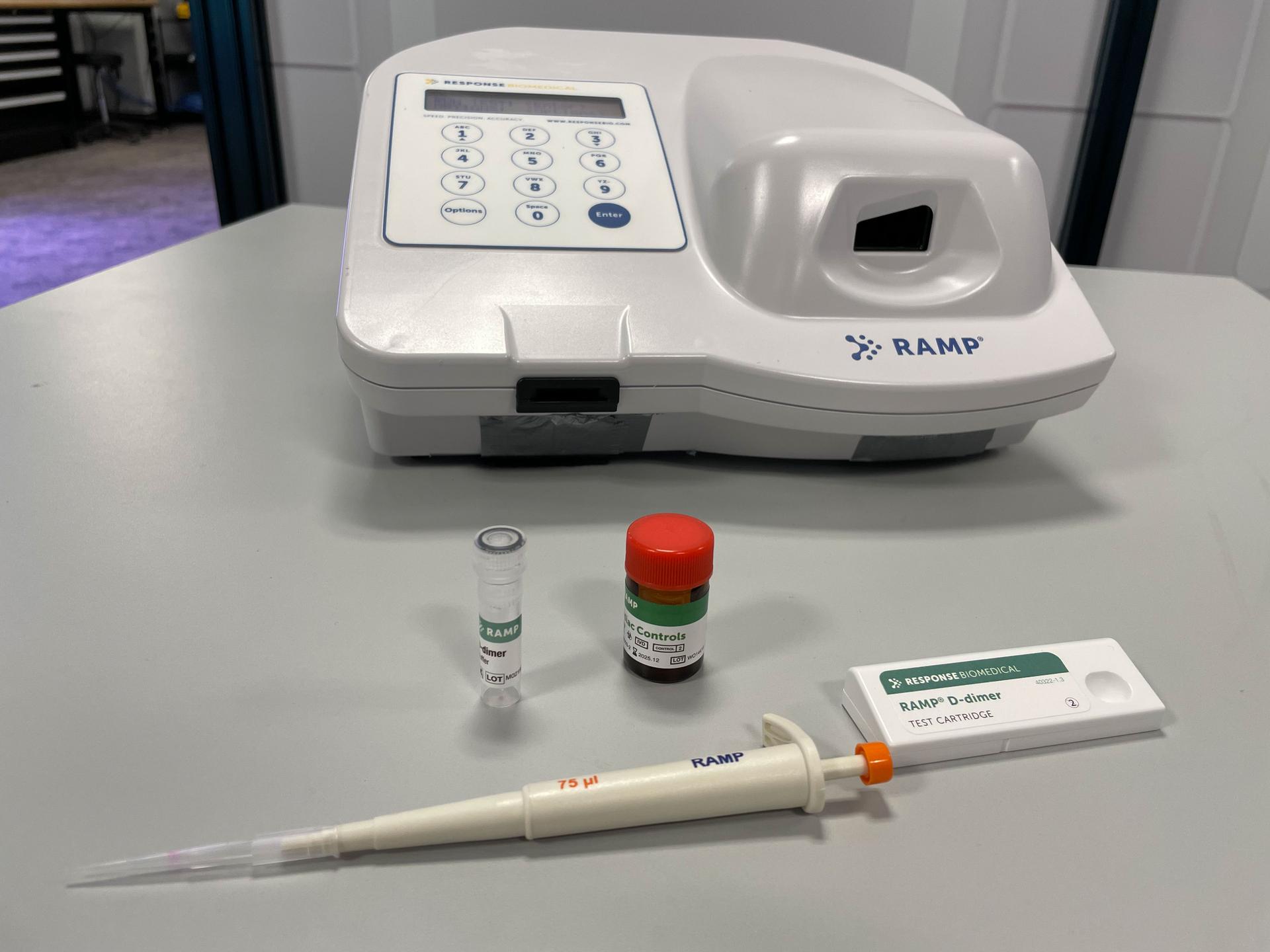
jsc2026e404780 (July 29, 2026) --- Preflight image of Acute Care Testing in Space (ACTIS) Reader and consumables required for sample preparation. This facility allows different blood tests in space, including measuring D-dimer, a blood marker that can indicate a possible blood clot. Credit: CSA.
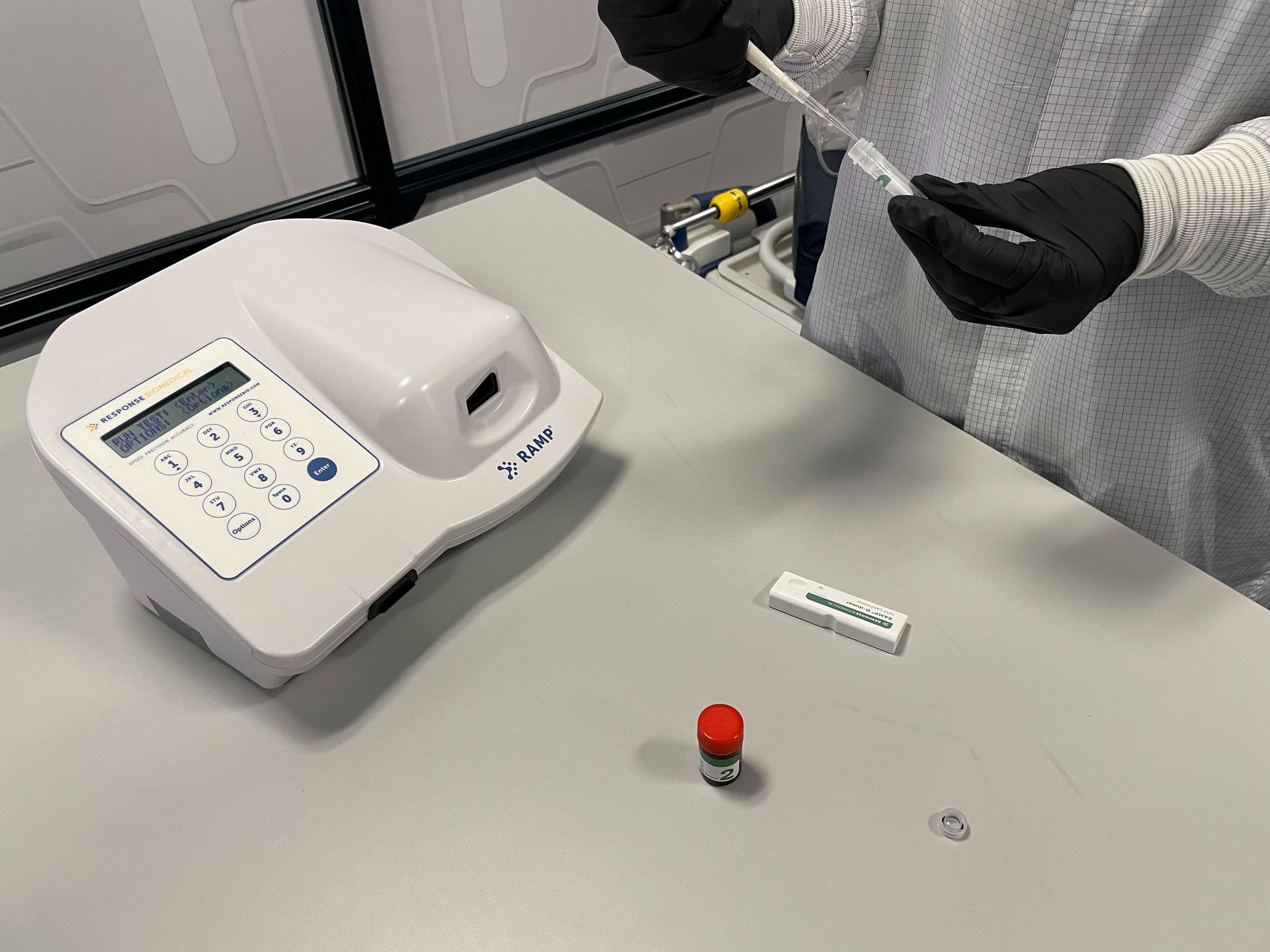
jsc2026e404779 (July 29, 2026) --- Preflight image of an operator preparing a D-dimer cartridge to insert into the Acute Care Testing in Space (ACTIS) Reader. This facility allows different blood tests in space, including measuring D-dimer, a blood marker that can indicate a possible blood clot. Credit: CSA.

California's NASA Armstrong Flight Research Center photographer Carla Thomas takes photos on January 31 of the rare opportunity to capture a supermoon, a blue moon and a lunar eclipse at the same time. A supermoon occurs when the Moon is closer to Earth in its orbit and appearing 14 percent brighter than usual. As the second full moon of the month, this moon is also commonly known as a blue moon, though it will not be blue in appearance. The super blue moon will pass through Earth's shadow and take on a reddish tint, known as a blood moon. This total lunar eclipse occurs when the Sun, Earth, and a full moon form a near-perfect lineup in space. The Moon passes directly behind the Earth into its umbra (shadow).

California's NASA Armstrong Flight Research Center photographer Carla Thomas takes photos on January 31 of the rare opportunity to capture a supermoon, a blue moon and a lunar eclipse at the same time. A supermoon occurs when the Moon is closer to Earth in its orbit and appearing 14 percent brighter than usual. As the second full moon of the month, this moon is also commonly known as a blue moon, though it will not be blue in appearance. The super blue moon passed through Earth's shadow and took on a reddish tint, known as a blood moon. This total lunar eclipse occurs when the Sun, Earth, and a full moon form a near-perfect lineup in space. The Moon passes directly behind the Earth into its umbra (shadow).
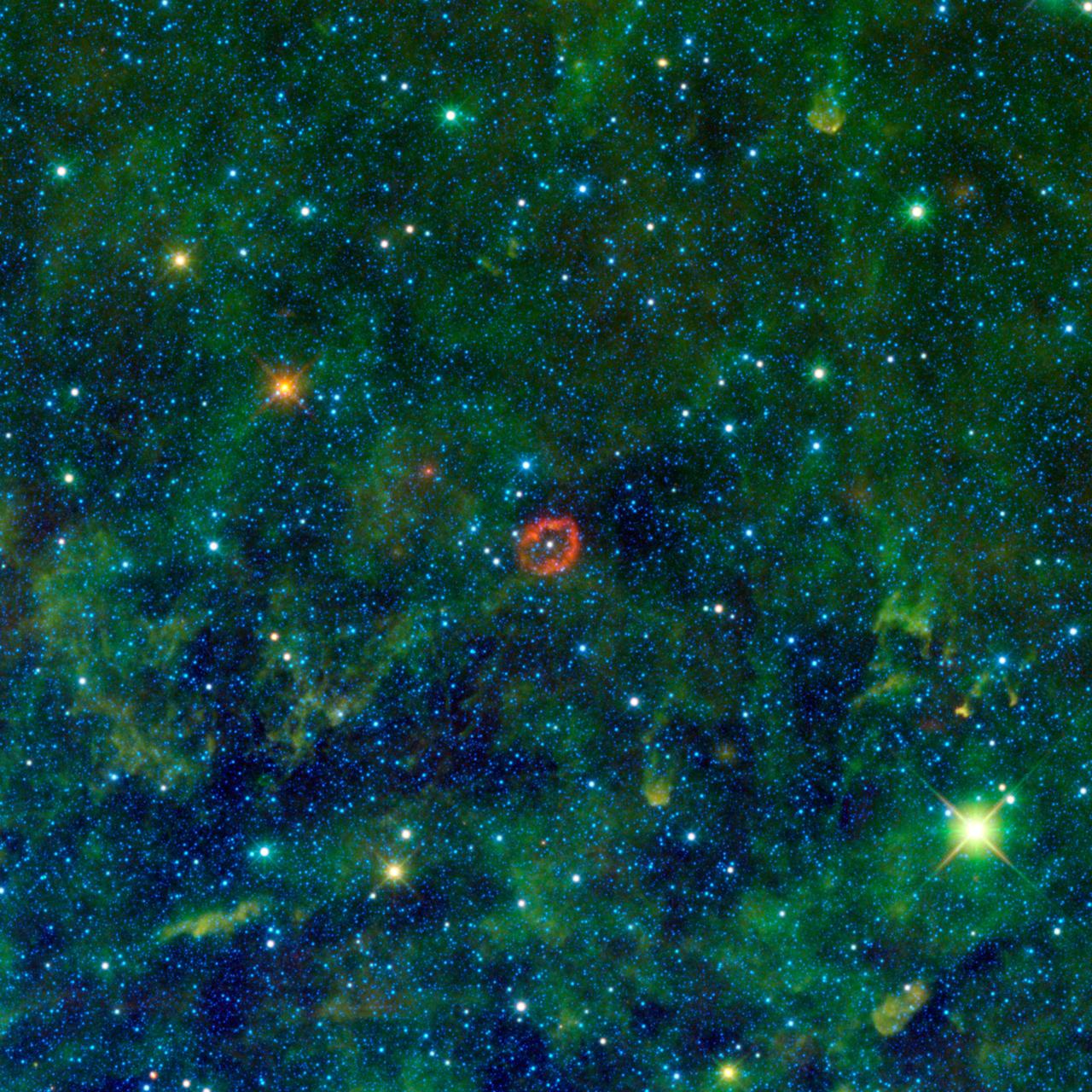
Some might see a blood-red jellyfish, while others might see a pair of lips. In fact, the red-colored object in this new image from NASA Wide-field Infrared Survey Explorer is a sphere of stellar innards.
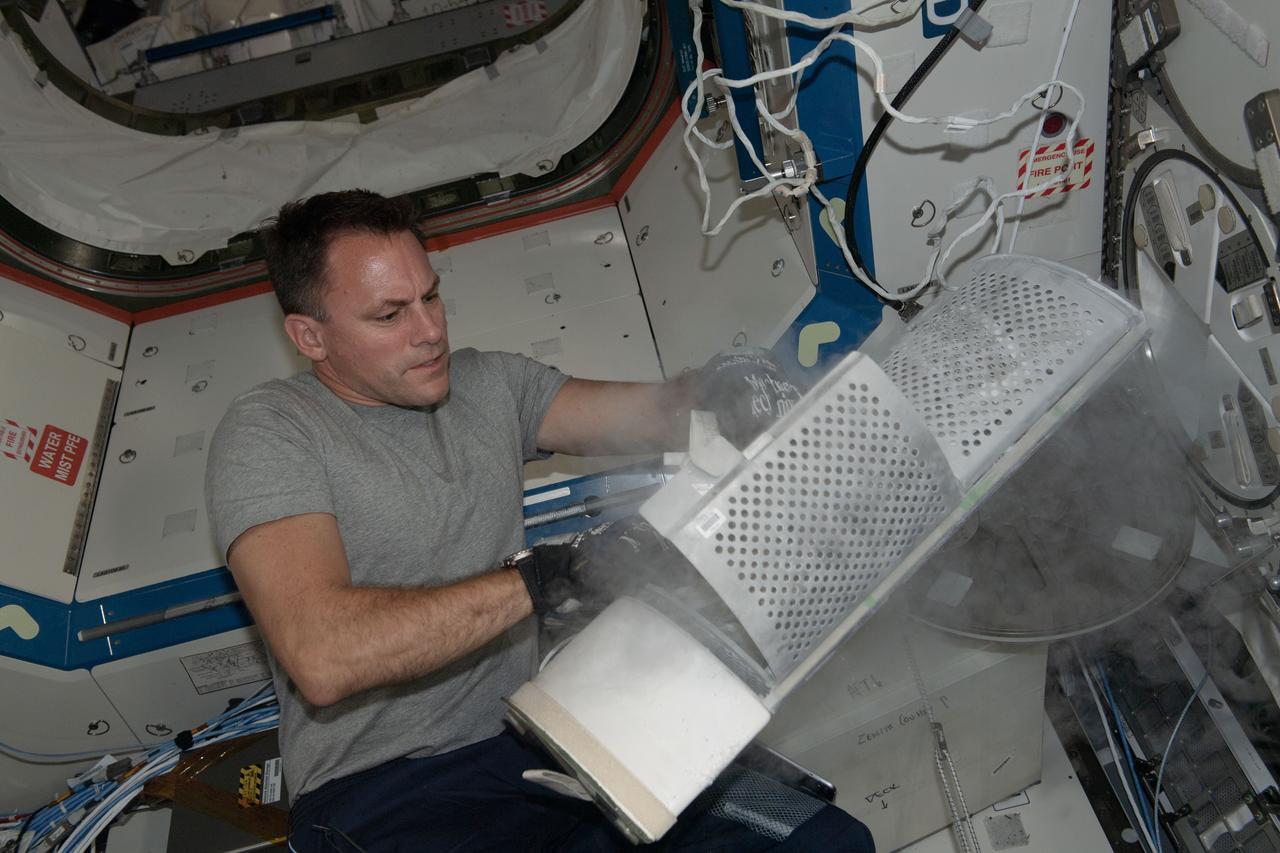
iss068e018995 (Oct. 24, 2022) --- NASA astronaut and Expedition 68 Flight Engineer Josh Cassada stows blood samples from previous blood collection activities inside a science freezer aboard the International Space Station.
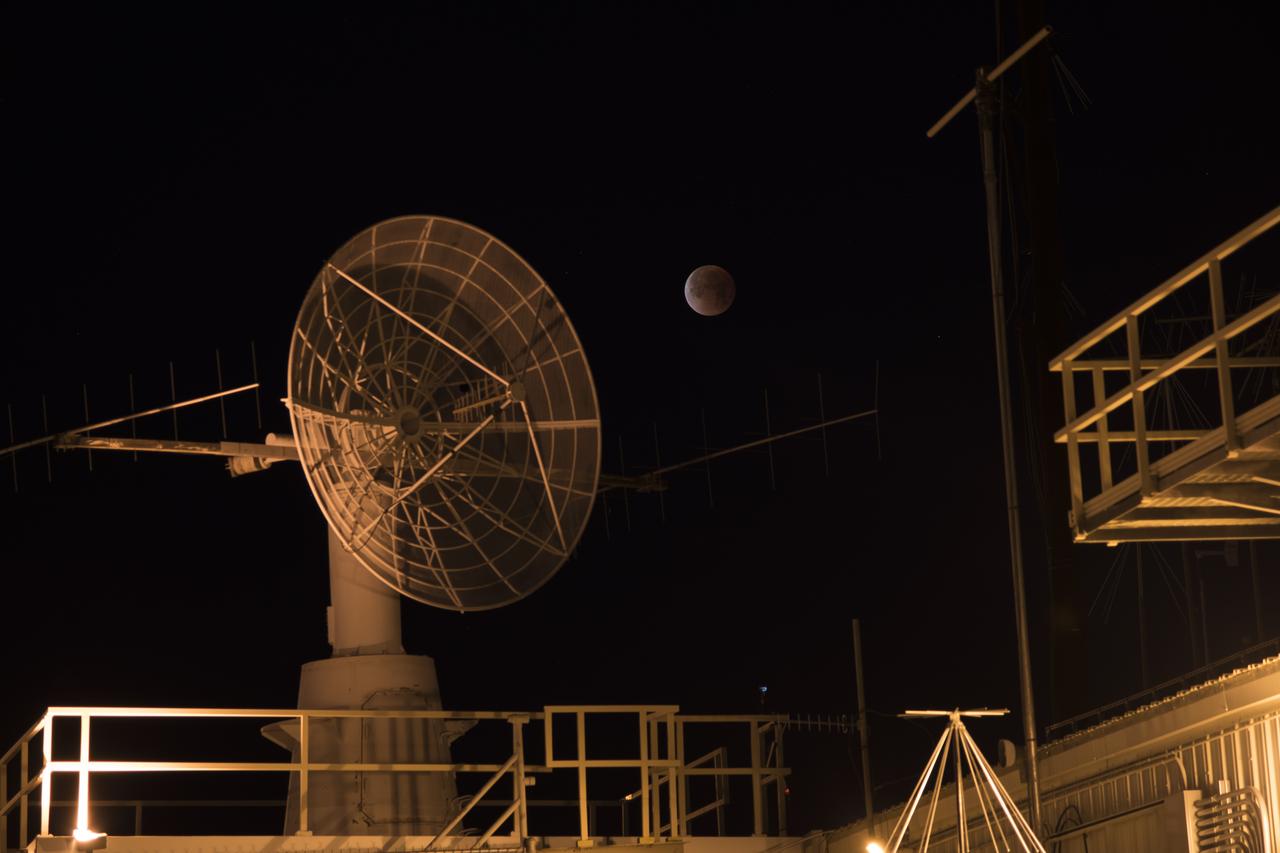
California’s NASA Armstrong Flight Research Center’s photographer Carla Thomas takes photos on January 31 of the rare opportunity to capture a supermoon, a blue moon and a lunar eclipse at the same time. A supermoon occurs when the Moon is closer to Earth in its orbit and appearing 14 percent brighter than usual. As the second full moon of the month, this moon is also commonly known as a blue moon, though it will not be blue in appearance. The super blue moon passed through Earth’s shadow and took on a reddish tint, known as a blood moon. This total lunar eclipse occurs when the Sun, Earth, and a full moon form a near-perfect lineup in space. The Moon passes directly behind the Earth into its umbra (shadow).
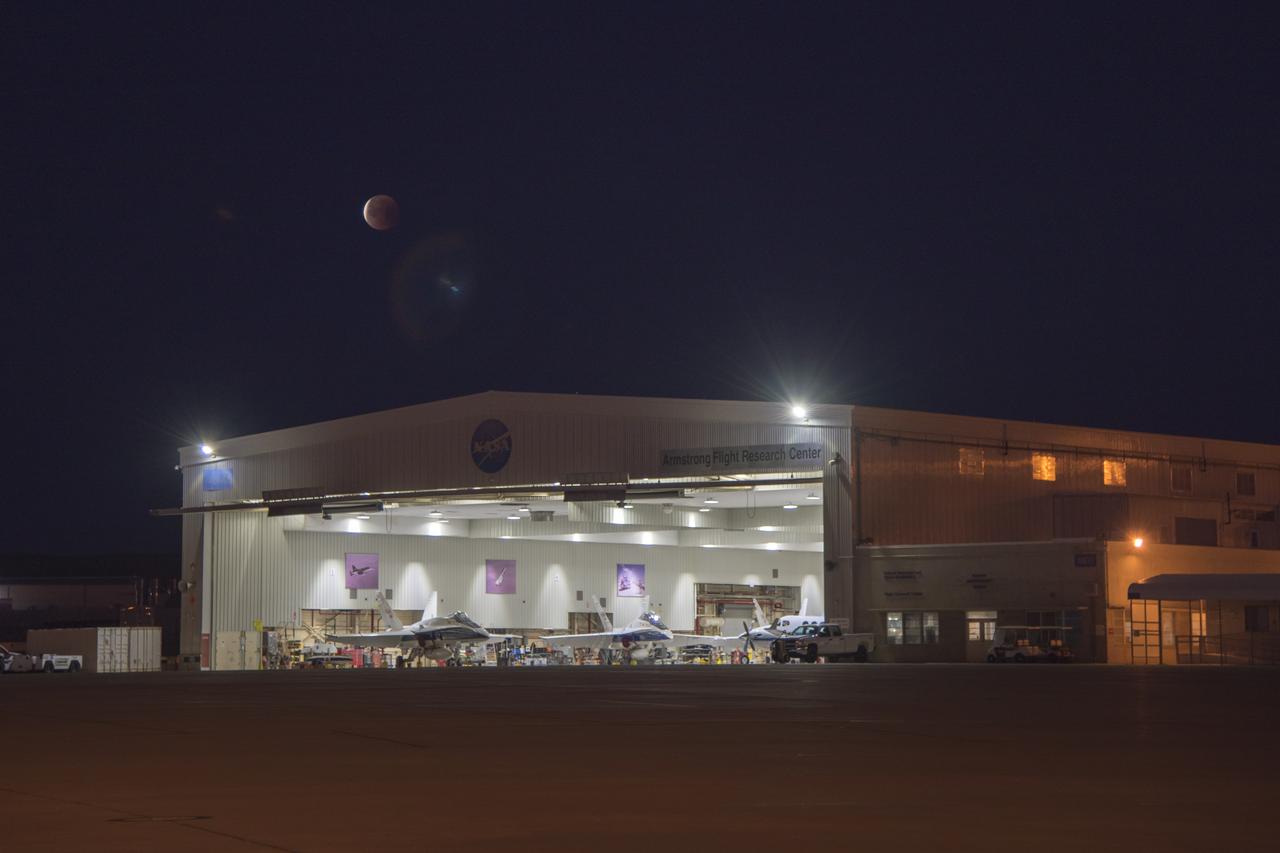
California's NASA Armstrong Flight Research Center photographer Carla Thomas takes photos on January 31 of the rare opportunity to capture a supermoon, a blue moon and a lunar eclipse at the same time. A supermoon occurs when the Moon is closer to Earth in its orbit and appearing 14 percent brighter than usual. As the second full moon of the month, this moon is also commonly known as a blue moon, though it will not be blue in appearance. The super blue moon passed through Earth's shadow and took on a reddish tint, known as a blood moon. This total lunar eclipse occurs when the Sun, Earth, and a full moon form a near-perfect lineup in space. The Moon passes directly behind the Earth into its umbra (shadow).
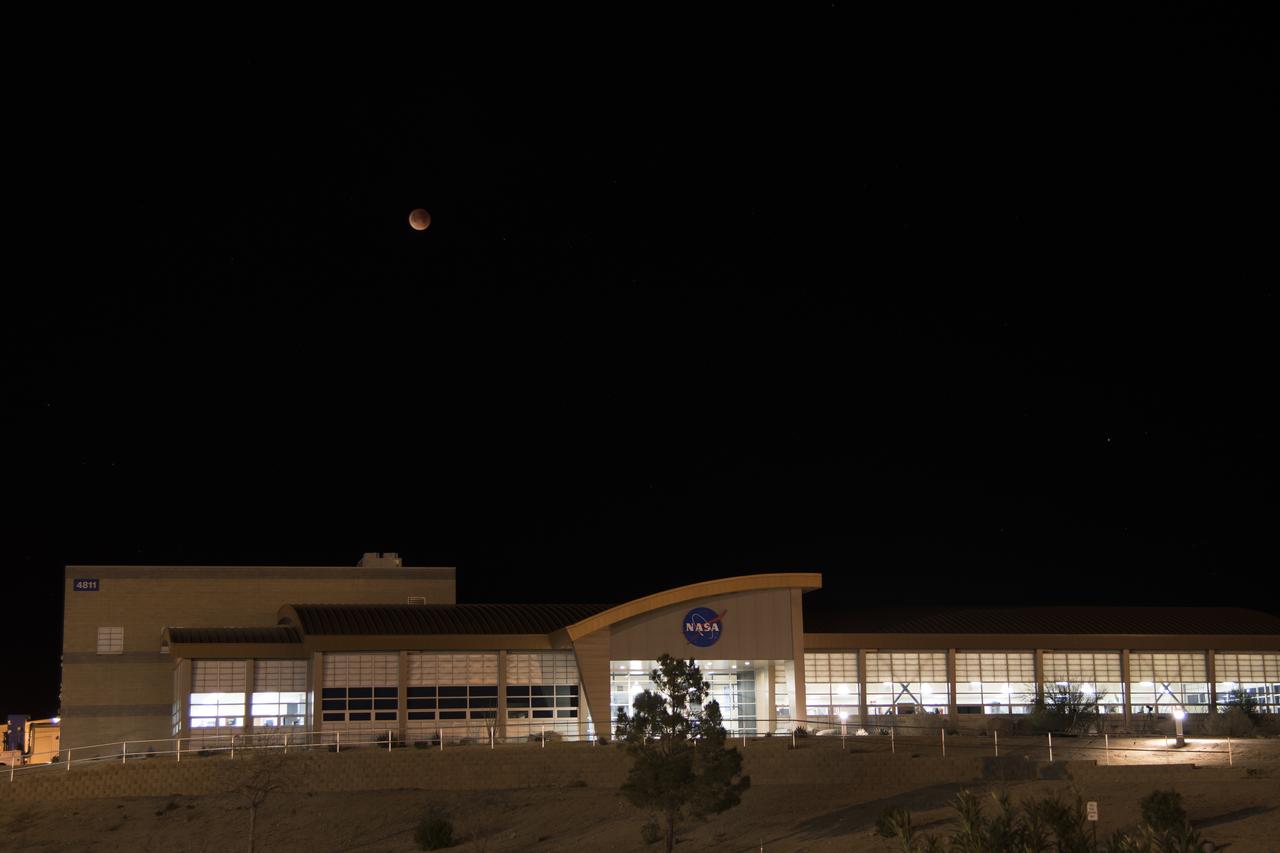
California's NASA Armstrong Flight Research Center photographer Carla Thomas takes photos on January 31 of the rare opportunity to capture a supermoon, a blue moon and a lunar eclipse at the same time. A supermoon occurs when the Moon is closer to Earth in its orbit and appearing 14 percent brighter than usual. As the second full moon of the month, this moon is also commonly known as a blue moon, though it will not be blue in appearance. The super blue moon passed through Earth's shadow and took on a reddish tint, known as a blood moon. This total lunar eclipse occurs when the Sun, Earth, and a full moon form a near-perfect lineup in space. The Moon passes directly behind the Earth into its umbra (shadow).
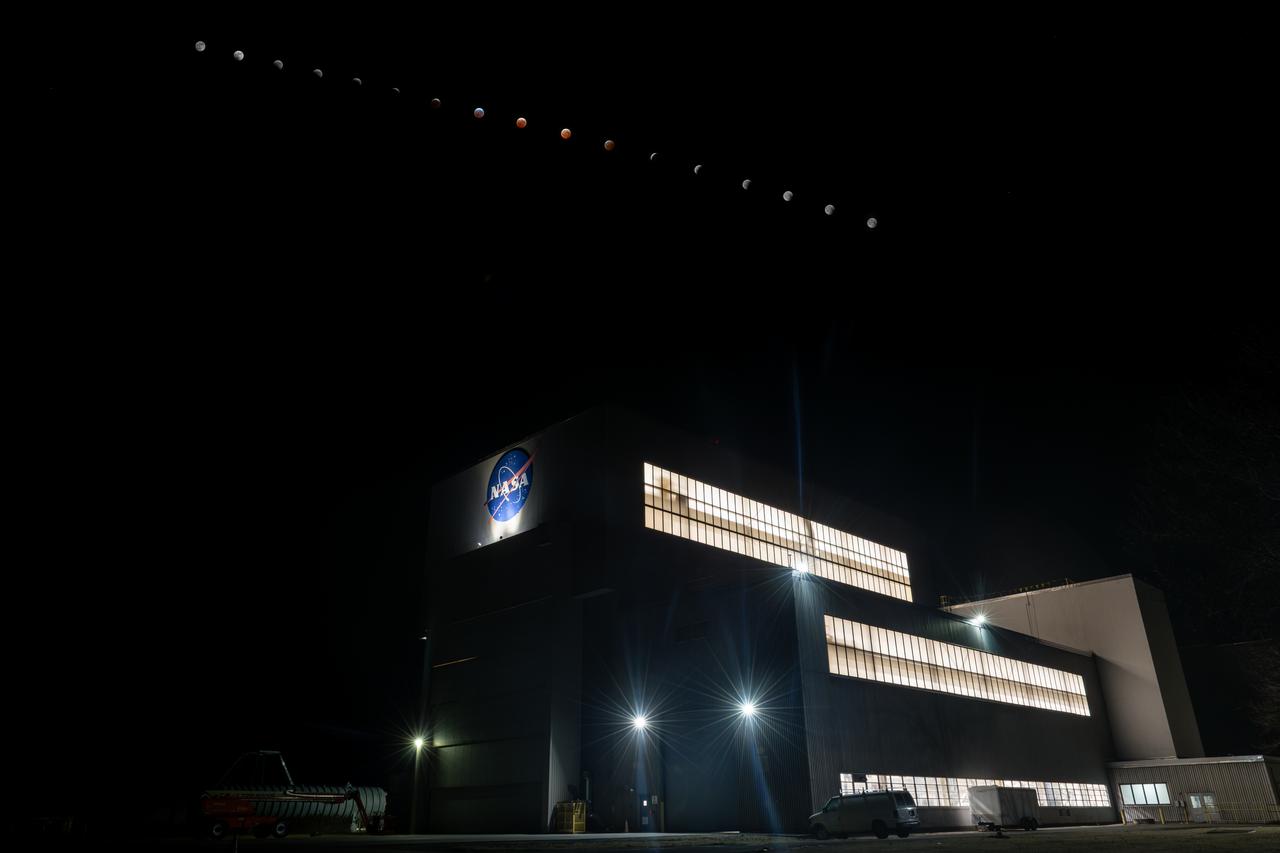
A composite photo made from 18 images of the lunar eclipse above the Space Environments Complex at NASA’s Glenn Research Center at Neil Armstrong Test Facility in Sandusky, Ohio, during the early hours of March 14, 2025. Photo Credit: (NASA/Sara Lowthian-Hanna)
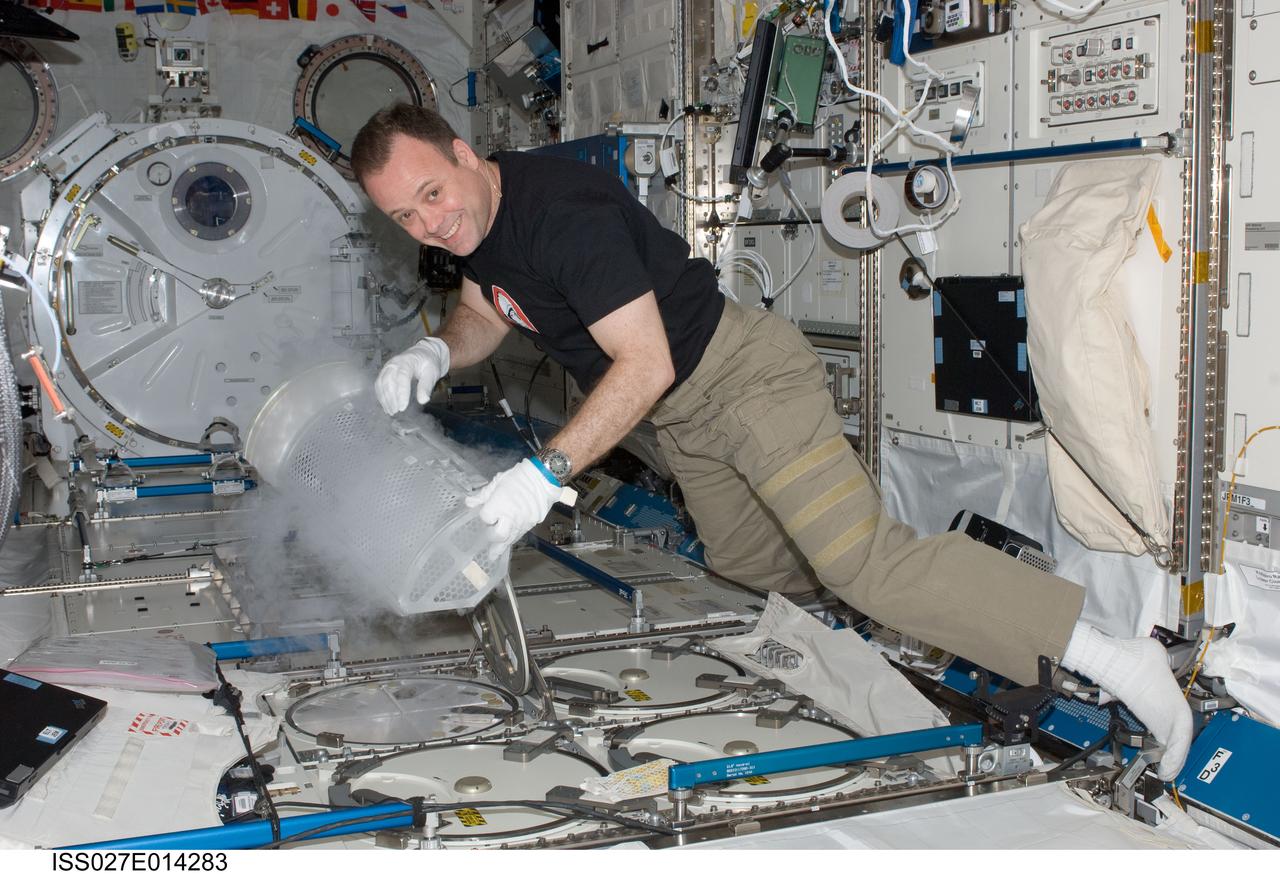
iss027e014283 (4/13/2011) --- Expedition 27 flight engineer Ron Garan prepares to stow a blood draw for the CSA (Canadian Space Agency) Vascular Blood Collection protocol in the Minus Eighty Laboratory Freezer for ISS (MELFI-1) in the Kibo laboratory of the International Space Station.
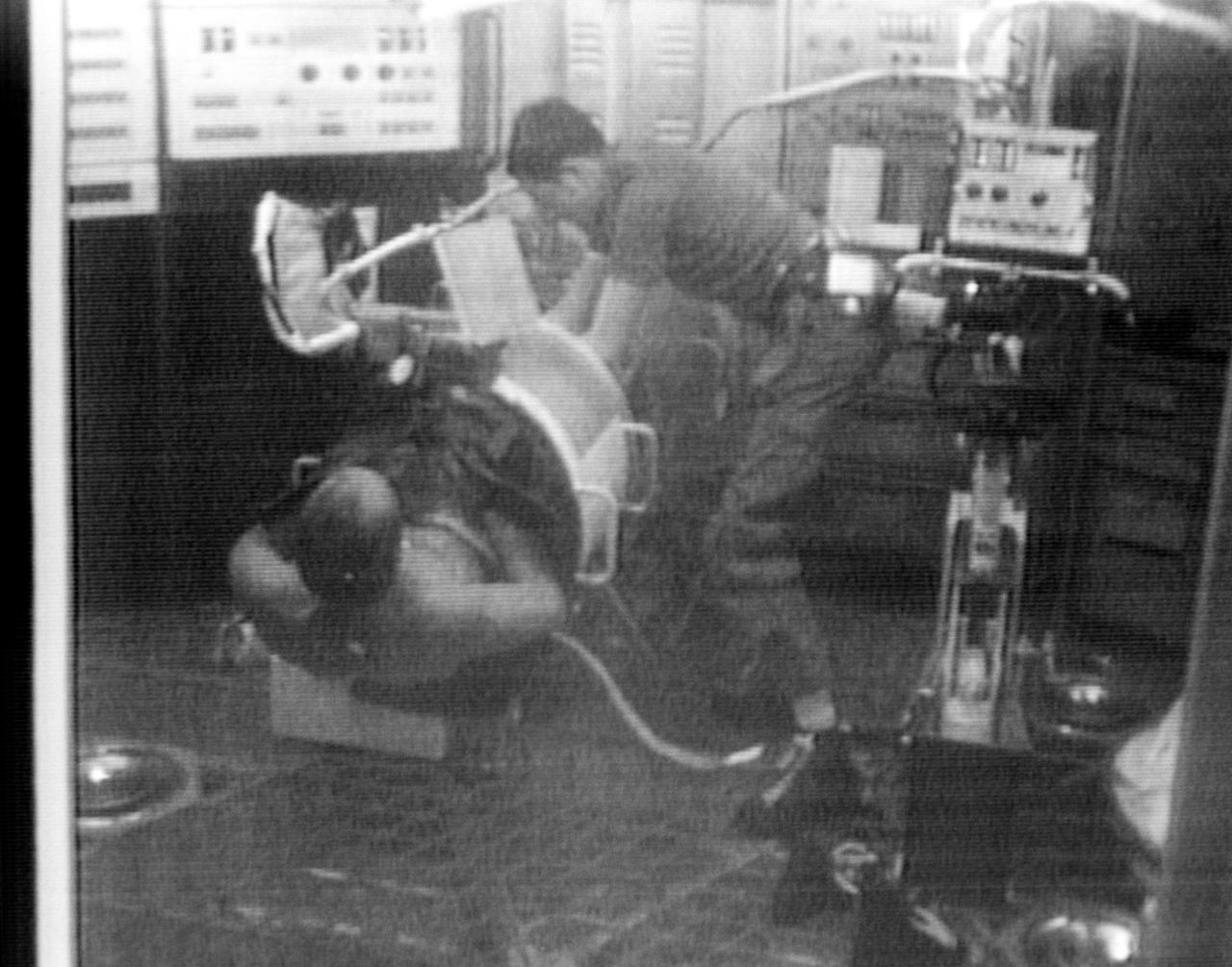
S73-27707 (9 June 1973) --- Astronaut Charles Conrad Jr., Skylab 2 commander, serves as test subject for the Lower Body Negative Pressure (MO92) Experiment, as seen in this reproduction taken from a color television transmission made by a TV camera aboard the Skylab 1/2 space station cluster in Earth orbit. Scientist-astronaut Joseph P. Kerwin, Skylab 2 science pilot, assists Conrad into the LBNP device. Kerwin served as monitor for the experiment. The purpose of the MO92 experiment is to provide information concerning the time course of cardiovascular adaptation during flight, and to provide inflight data for predicting the degree of orthostatic intolerance and impairment of physical capacity to be expected upon return to Earth environment. The data collected in support of MO92 blood pressure, heart rate, body temperature, vectorcardiogram, LBNPD pressure, leg volume changes, and body weight. Photo credit: NASA
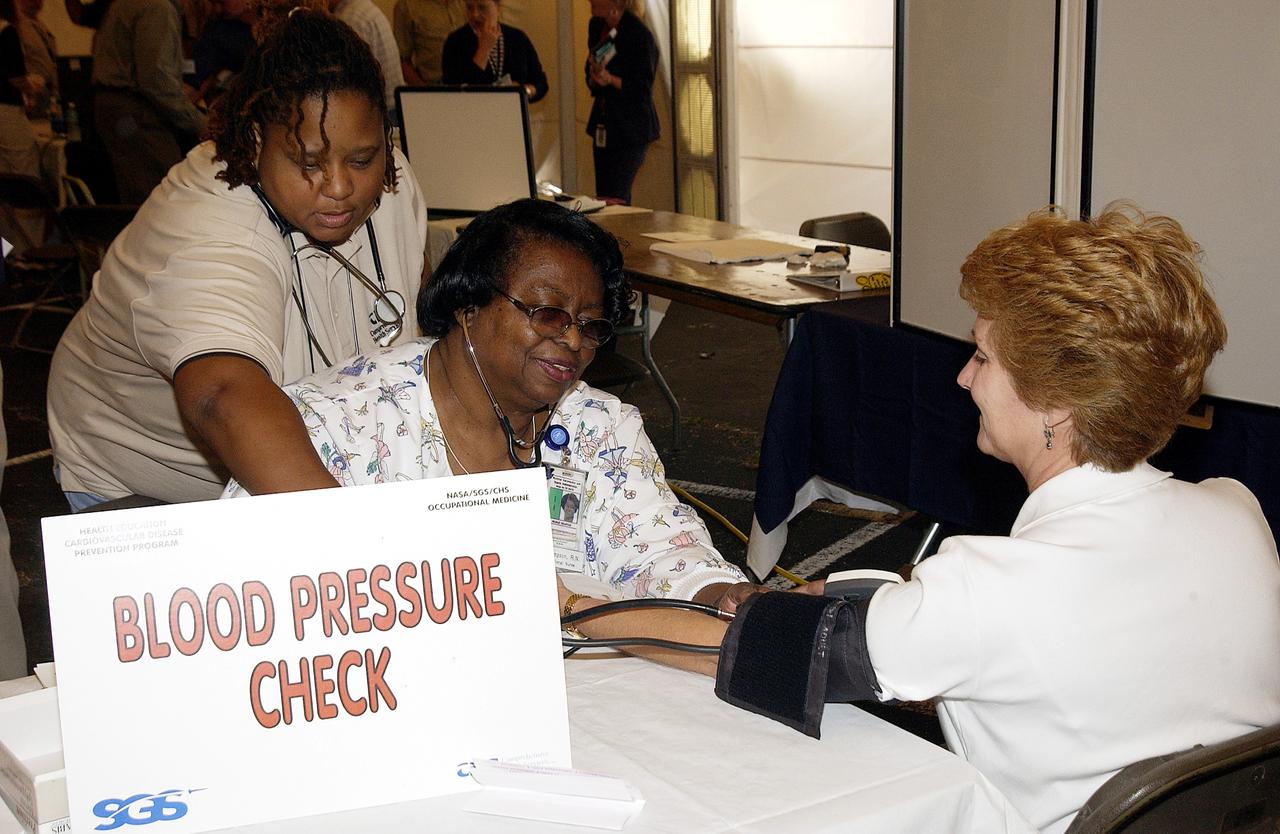
KENNEDY SPACE CENTER, FLA. - An employee gets a blood pressure check from one of the participating organizations in Spaceport Super Safety and Health Day at KSC and Cape Canaveral Air Force Station. Many vendors and Center organizations displayed and demonstrated their products during the annual event dedicated to reinforcing safe and healthful behaviors in the workforce.
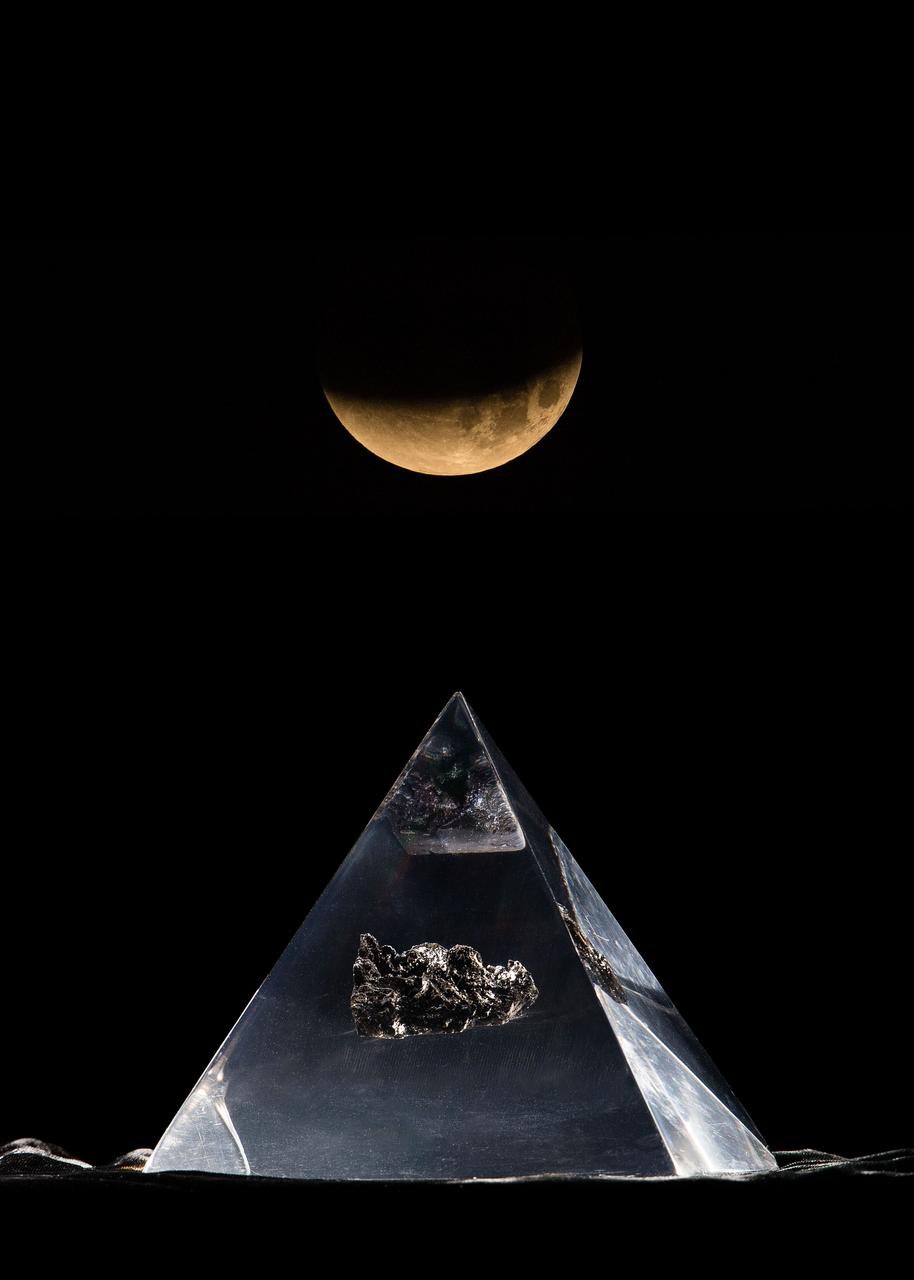
jsc2018e003239_alt (Jan. 31, 2018) --- Composite image of an Apollo lunar sample in front of the lunar eclipse "Blood Moon". Credit: NASA/Josh Valcarcel
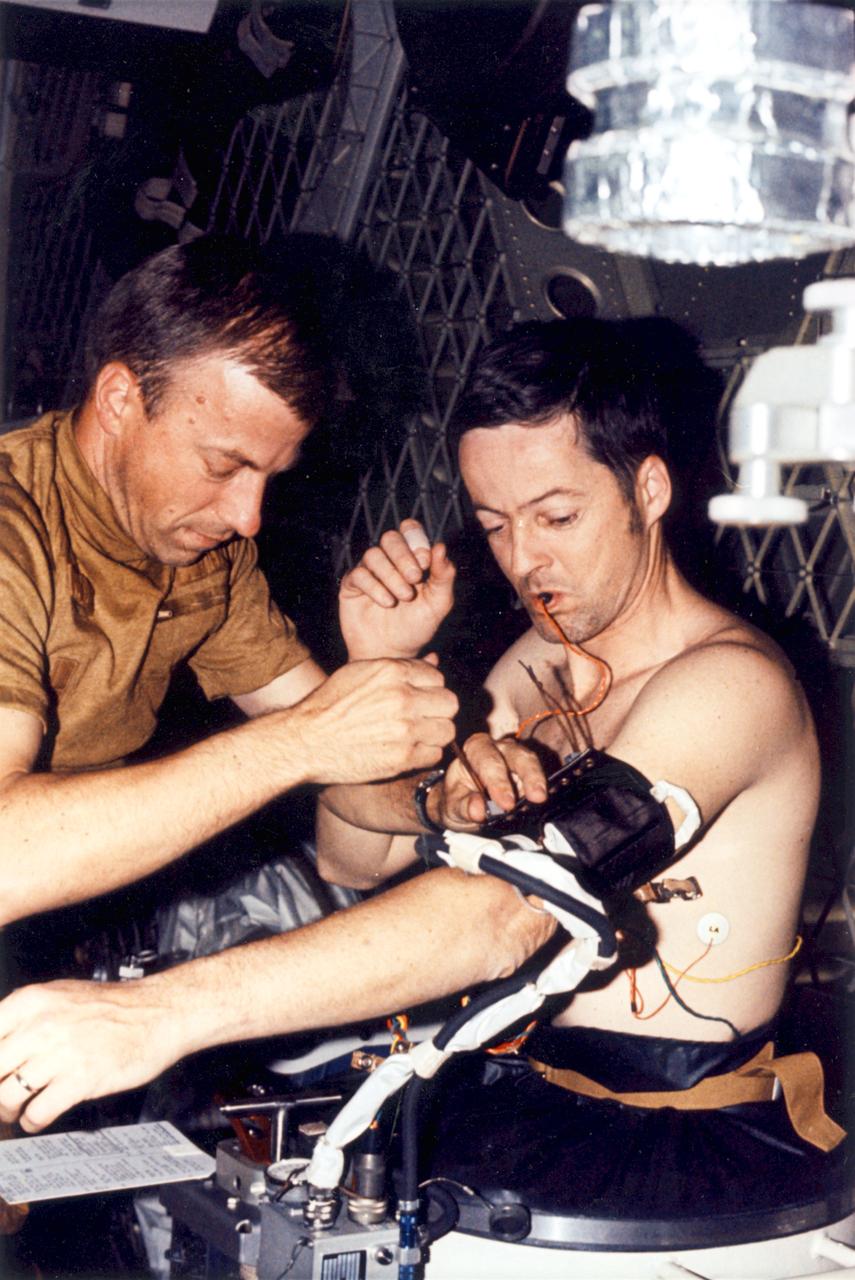
Astronaut Weitz assists Astronaut Kerwin with blood pressure cuff. Skylab-2 mission duration 5/25/73 thru 6/22/73.
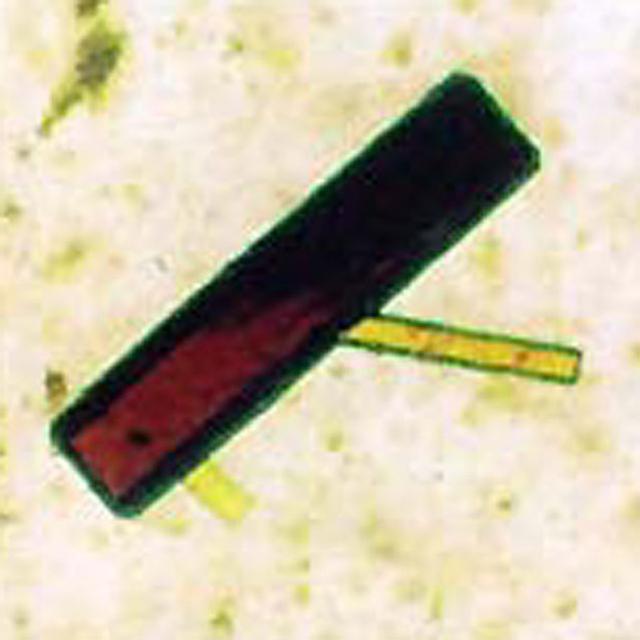
Along with hemoglobin the primary oxygen storage and transport proteins in all higher animals including humans. Important for medical reasons because they are primary blood proteins.

jsc2026e034362 (April 28, 2026) --- Bone marrow internal content from magnetic resonance imaging in a participant to a space analogue study. Red blood cells are produced in the bone marrow, and the SPARK investigation aims to detect changes in red blood cell production, bone marrow content, and the effects of chronic space hemolysis. Credit: Bone and Joint Research Laboratory.
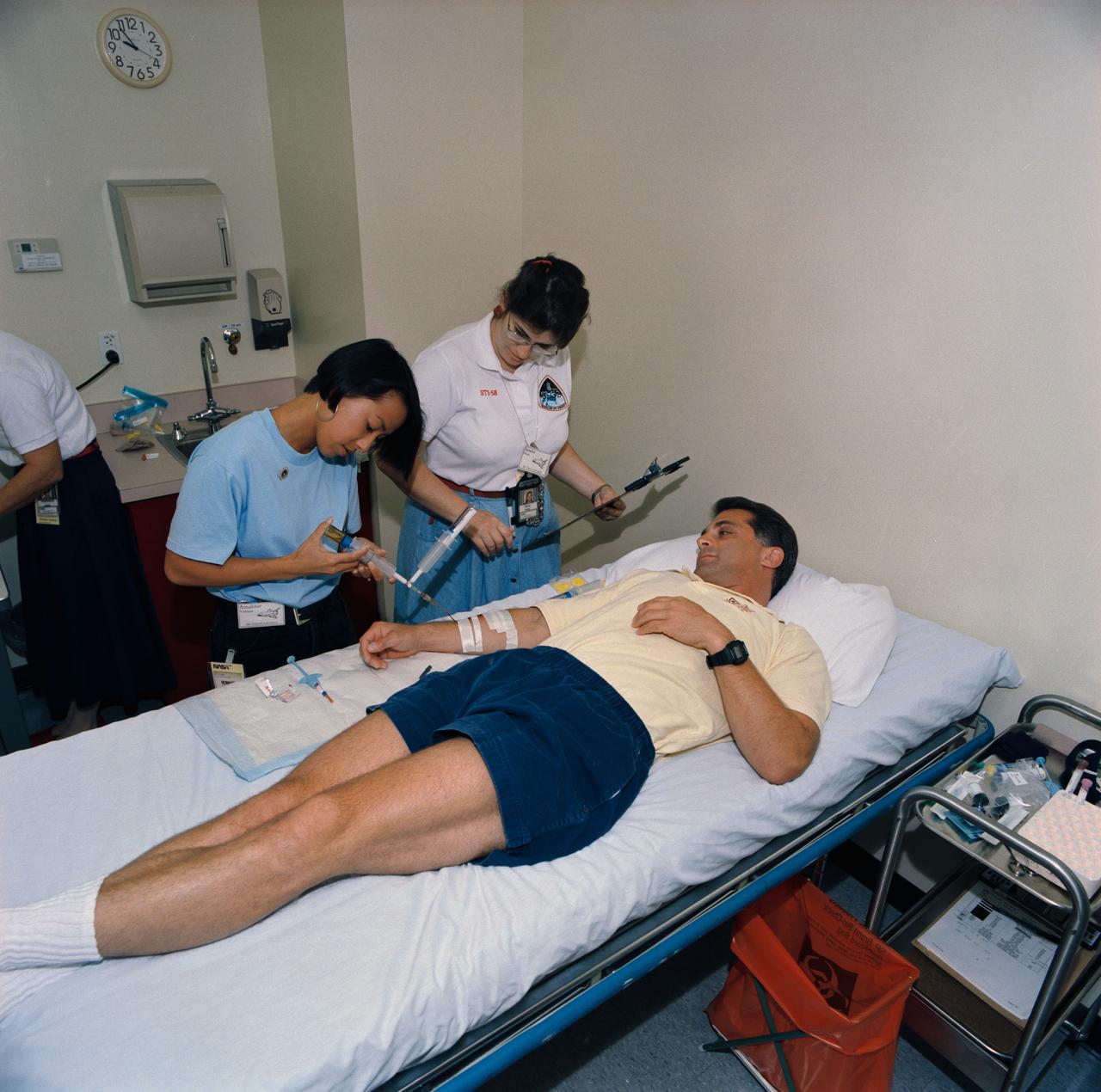
S93-45370 (29 Sept 1993) --- Blood samples from crew members are critical to several Spacelab Life Sciences (SLS-2) investigations. Amalour Veloso (left) and Sandra Prow draw blood from David A. Wolf, mission specialist. Wolf was participating with five other NASA astronauts and a payload specialist on data collection and training in preparation for the two week SLS-2 mission.

iss064e015134 (Dec. 28, 2020) --- NASA astronaut and Expedition 64 Flight Engineer Michael Hopkins conducts research operations inside a portable glovebag for the HemoCue experiment that seeks to verify an autonomous medical capability for blood analysis in microgravity. Accurate blood analysis can be used to diagnose illness, monitor conditions such as bacterial and viral infections or radiation exposure, track response to treatment, and assess the severity of an illness during space flight.
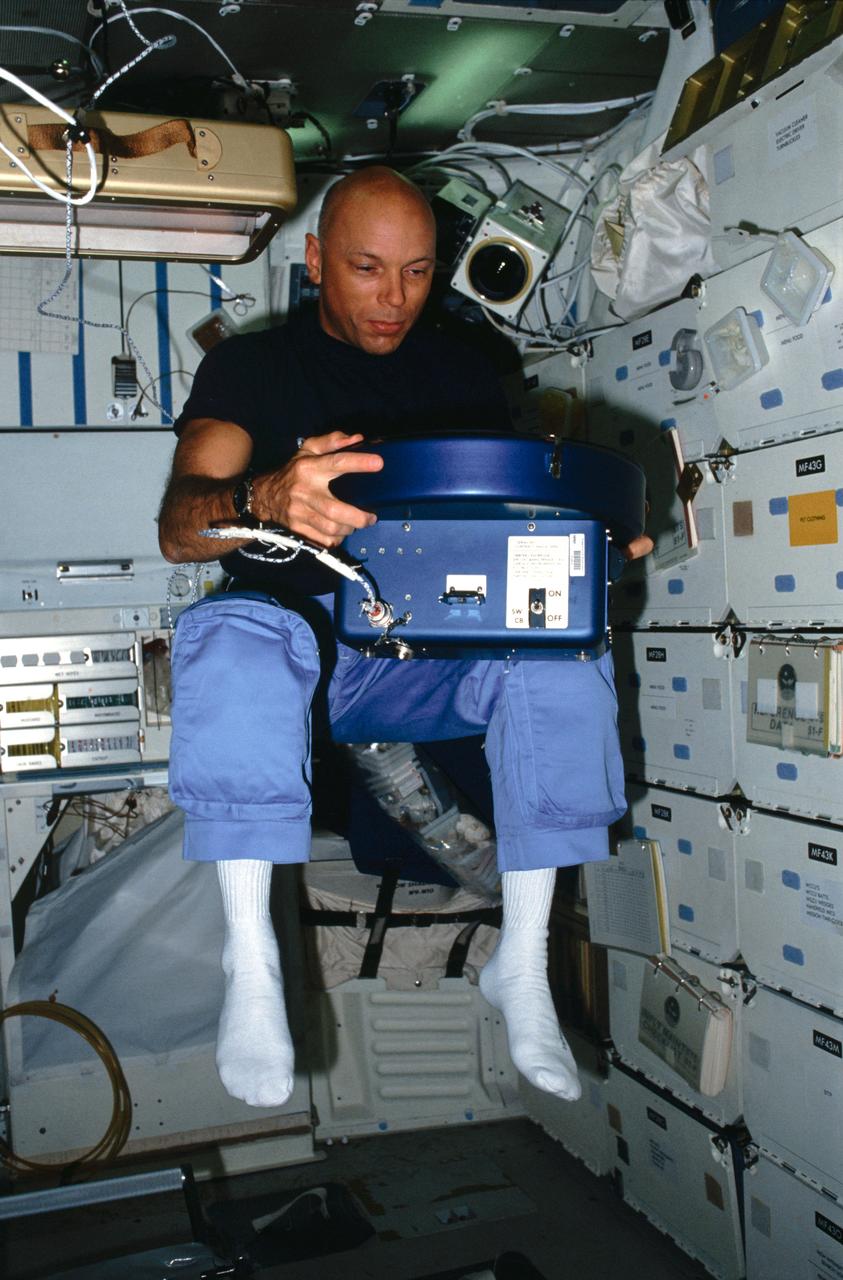
51F-13-021 (29 July-6 Aug 1985) --- Astronaut Story Musgrave, STS51F mission specialist, is seen hitching a zero-g ride on a blood centrifuge on the middeck of the space shuttle Challenger. "The centrifuge got more workout than just separation of our blood," crewmate John Bartoe, payload specialist, later told a gathering of media representatives at the 51F post-flight press conference, referring to Musgrave's off-duty antics. Photo credit: NASA
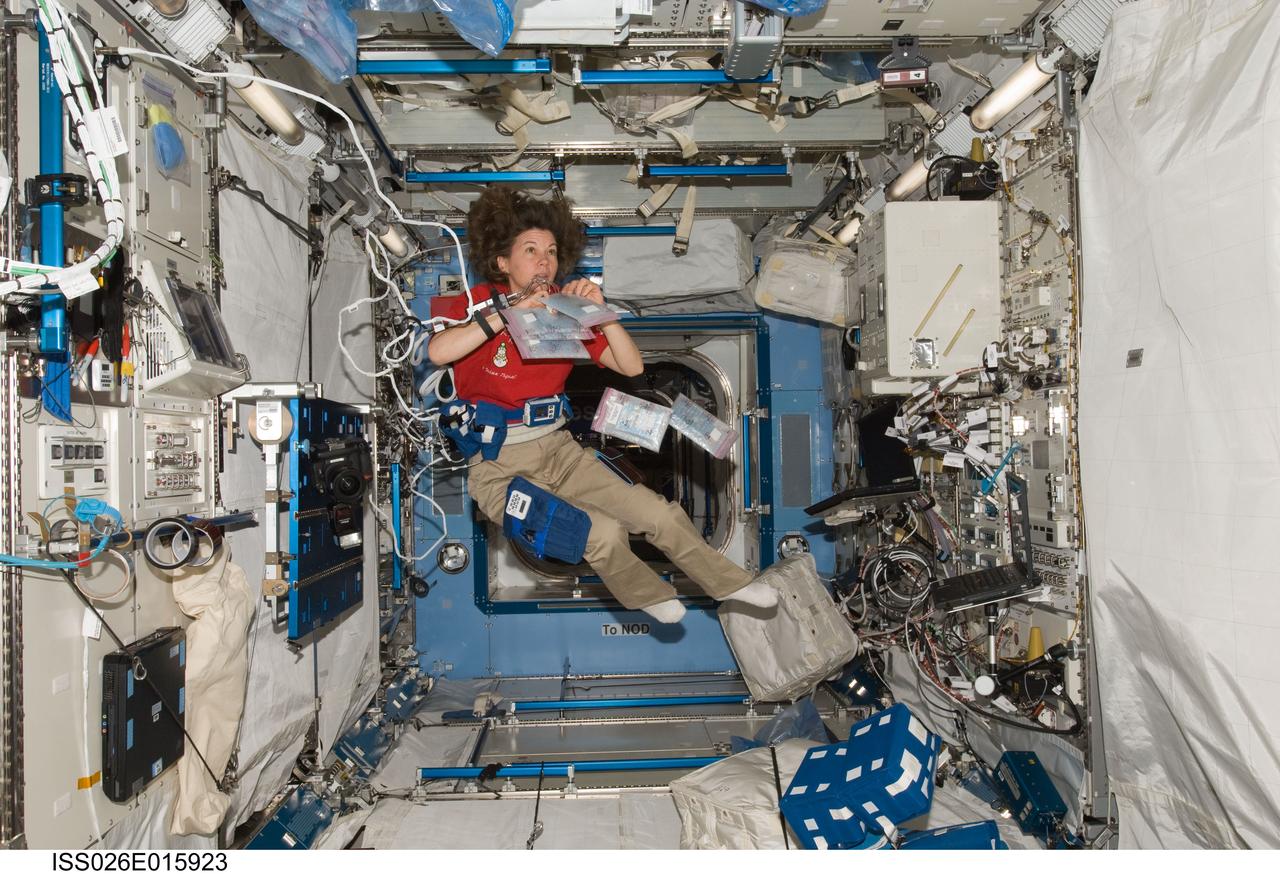
ISS026-E-015923 (7 Jan. 2011) --- NASA astronaut Catherine (Cady) Coleman, Expedition 26 flight engineer, participates in the ambulatory monitoring part of the Integrated Cardiovascular (ICV) assessment research experiment in the Kibo laboratory of the International Space Station. Coleman is wearing electrodes, a Holter Monitor 2 (HM2) for recording Electrocardiogram (ECG), a European Space Agency (ESA) Cardio pressure / Blood Pressure unit to continuously monitor blood pressure and two Actiwatches (hip/waist and ankle) for monitoring activity levels.
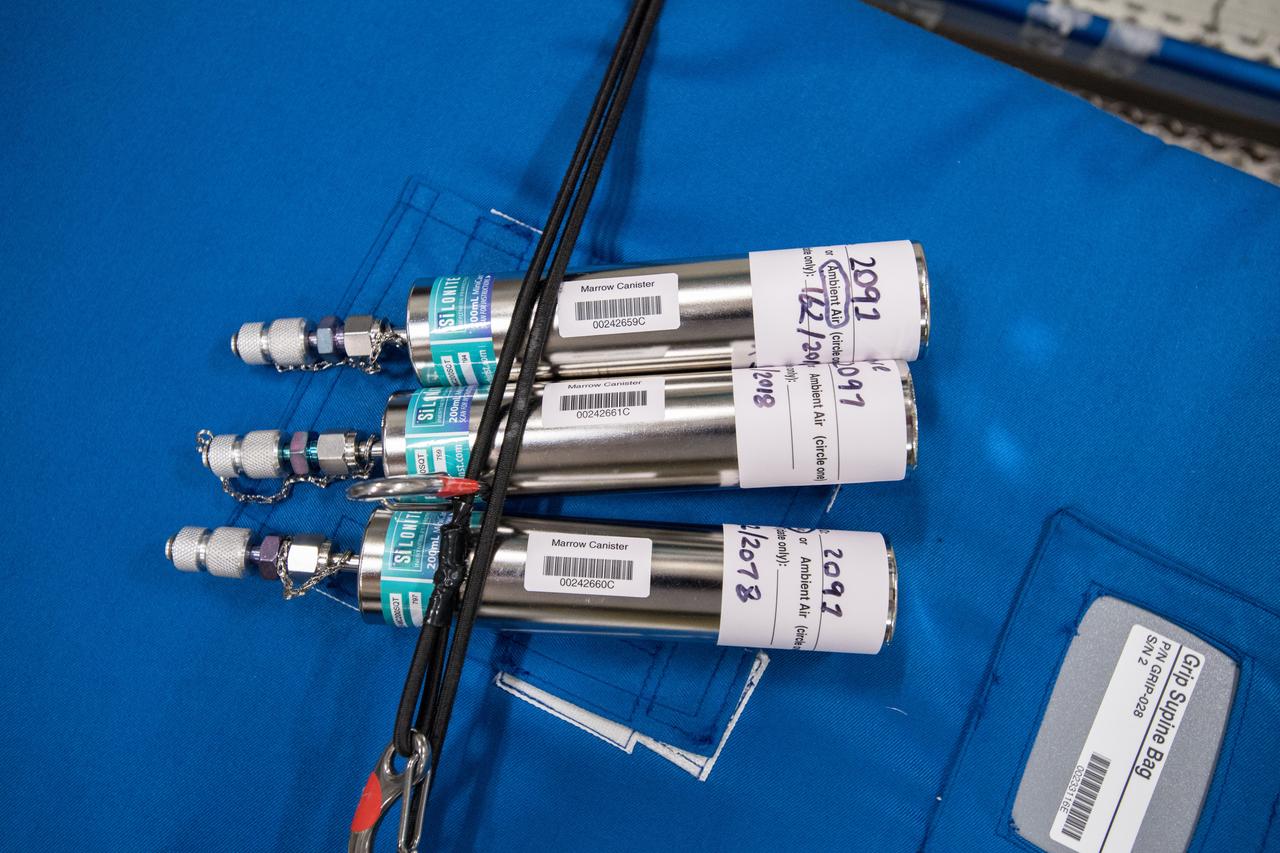
iss056e005940 (6/10/2018) --- Air sample collection hardware for The MARROW Study (Bone Marrow Adipose Reaction: Red or White?). The Marrow investigation looks at the effects of microgravity on bone marrow and analyzes breath samples to measure red blood cell function to help doctors understand how blood cell production is altered in microgravity. Results may improve the health of astronauts on long-term missions and help patients on Earth with mobility and age-related issues.

iss056e200803 (10/3/2018) - European Space Agency (ESA) astronaut Alexander Gerst and NASA astronaut Serena Auñón-Chancellor, during Functional Immune Blood Sample Draw at the Human Research Facility (HRF), in the Columbus Module. The Functional Immune investigation analyzes blood and saliva samples to determine the changes taking place in crew members’ immune systems during flight.
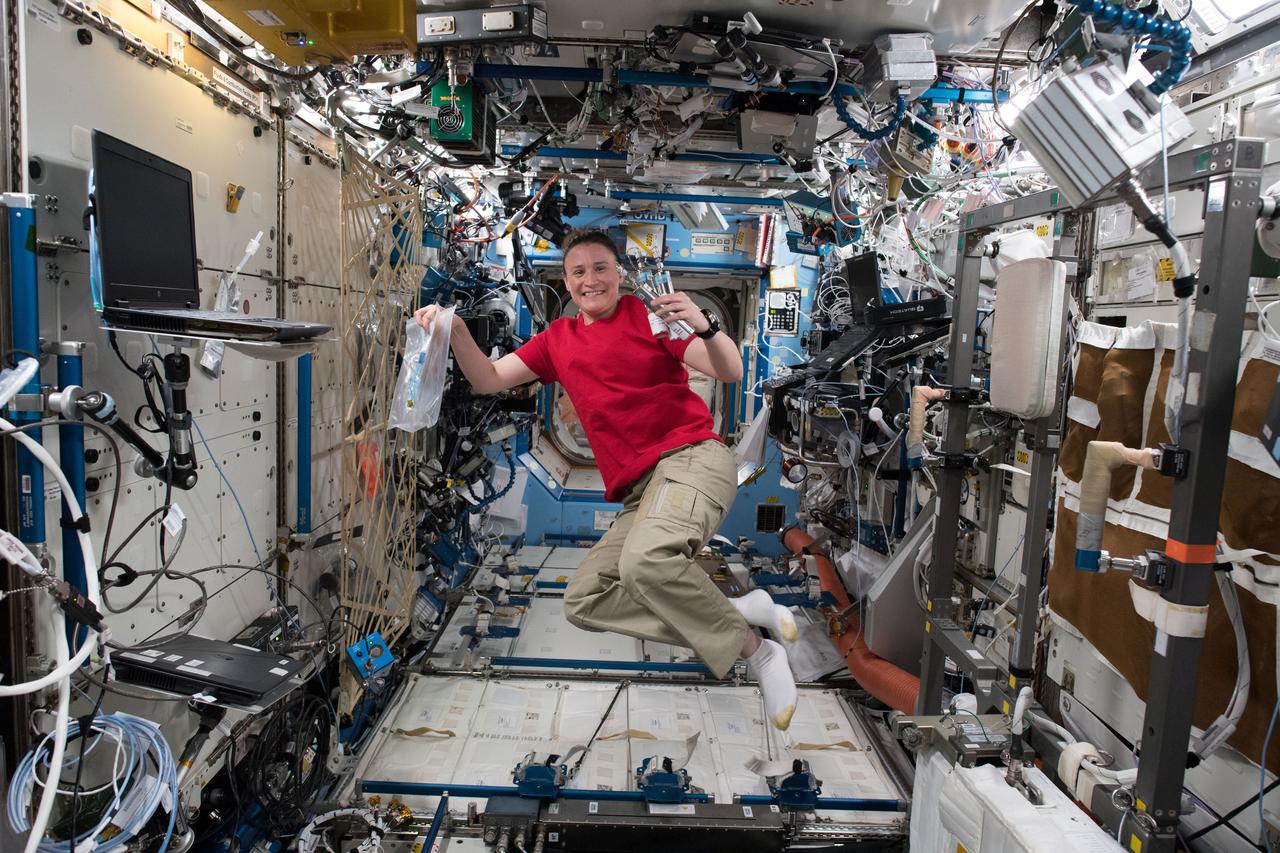
iss056e009809 (June 11, 2018) --- Expedition 56 Flight Engineer Serena Auñón-Chancellor of NASA is pictured in the Destiny laboratory module with gear from the Marrow investigation. She was collecting breath samples to analyze and measure red blood cell function to help doctors understand how blood cell production is altered in microgravity. Results may improve the health of astronauts on long-term missions and help patients on Earth with mobility and aging issues.
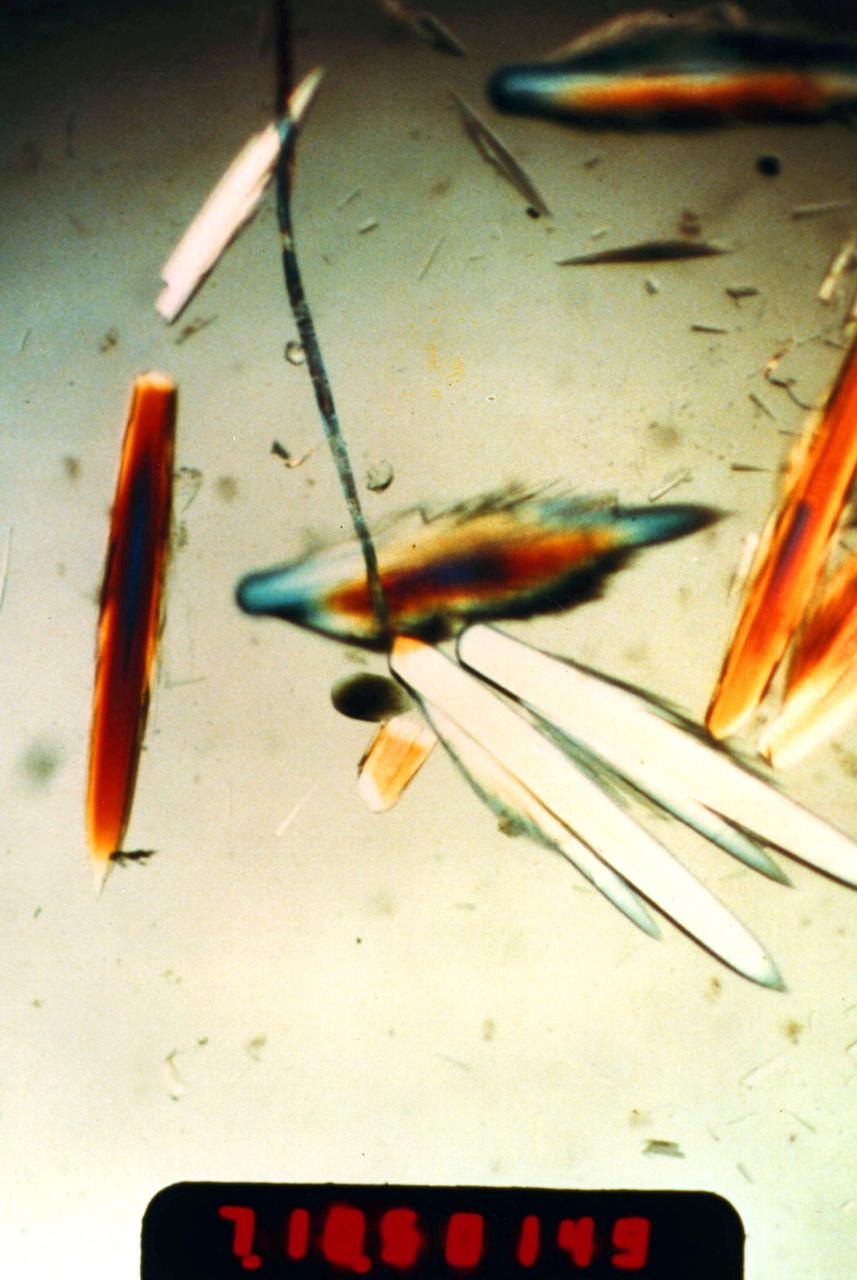
Horse Serum Albumin crystals grown during the USML-1 (STS-50) mission's Protein Crystal Growth Glovebox Experiment. These crystals were grown using a vapor diffusion technique at 22 degrees C. The crystals were allowed to grow for nine days while in orbit. Crystals of 1.0 mm in length were produced. The most abundant blood serum protein, regulates blood pressure and transports ions, metabolites, and therapeutic drugs. Principal Investigator was Edward Meehan.
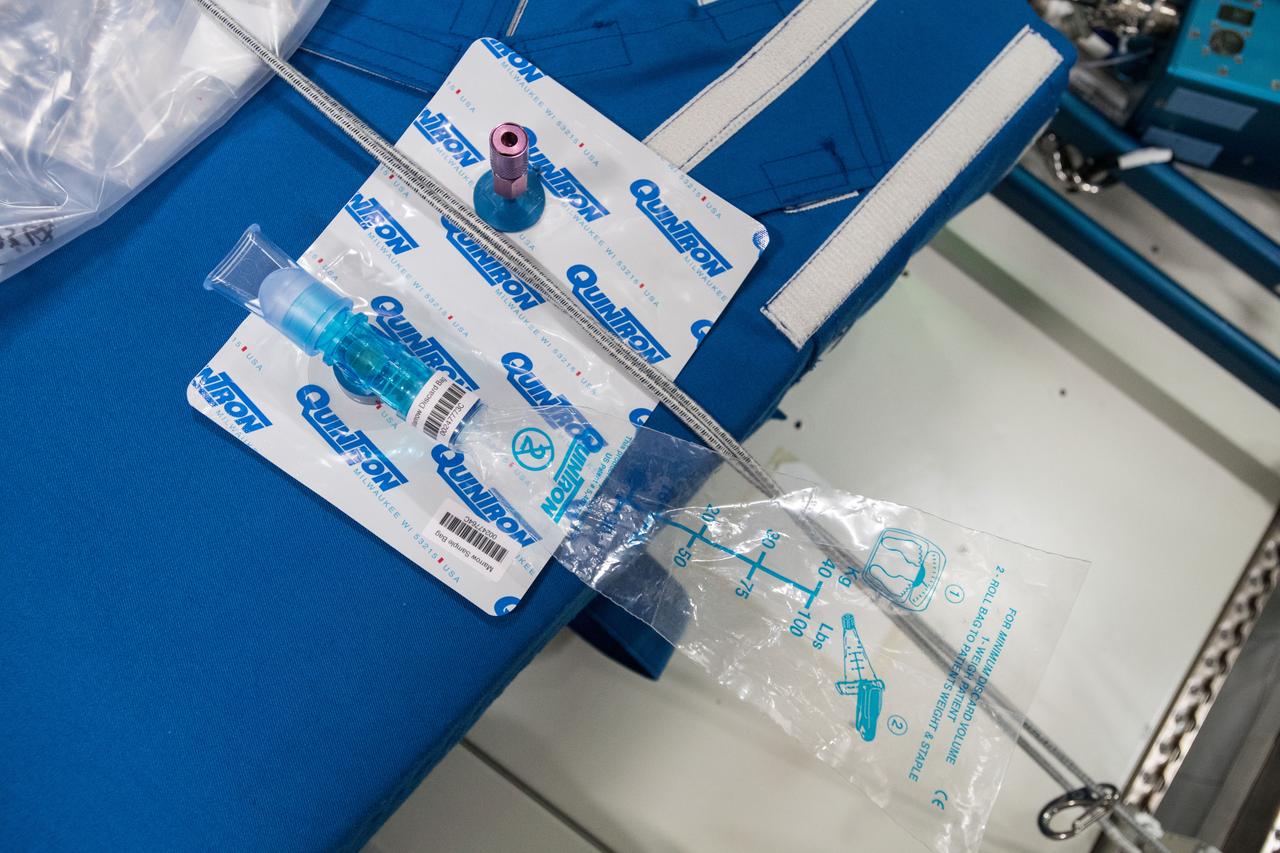
iss056e005938 (6/10/2018) --- Air sample collection hardware for The MARROW Study (Bone Marrow Adipose Reaction: Red or White?). The Marrow investigation looks at the effects of microgravity on bone marrow and analyzes breath samples to measure red blood cell function to help doctors understand how blood cell production is altered in microgravity. Results may improve the health of astronauts on long-term missions and help patients on Earth with mobility and age-related issues.
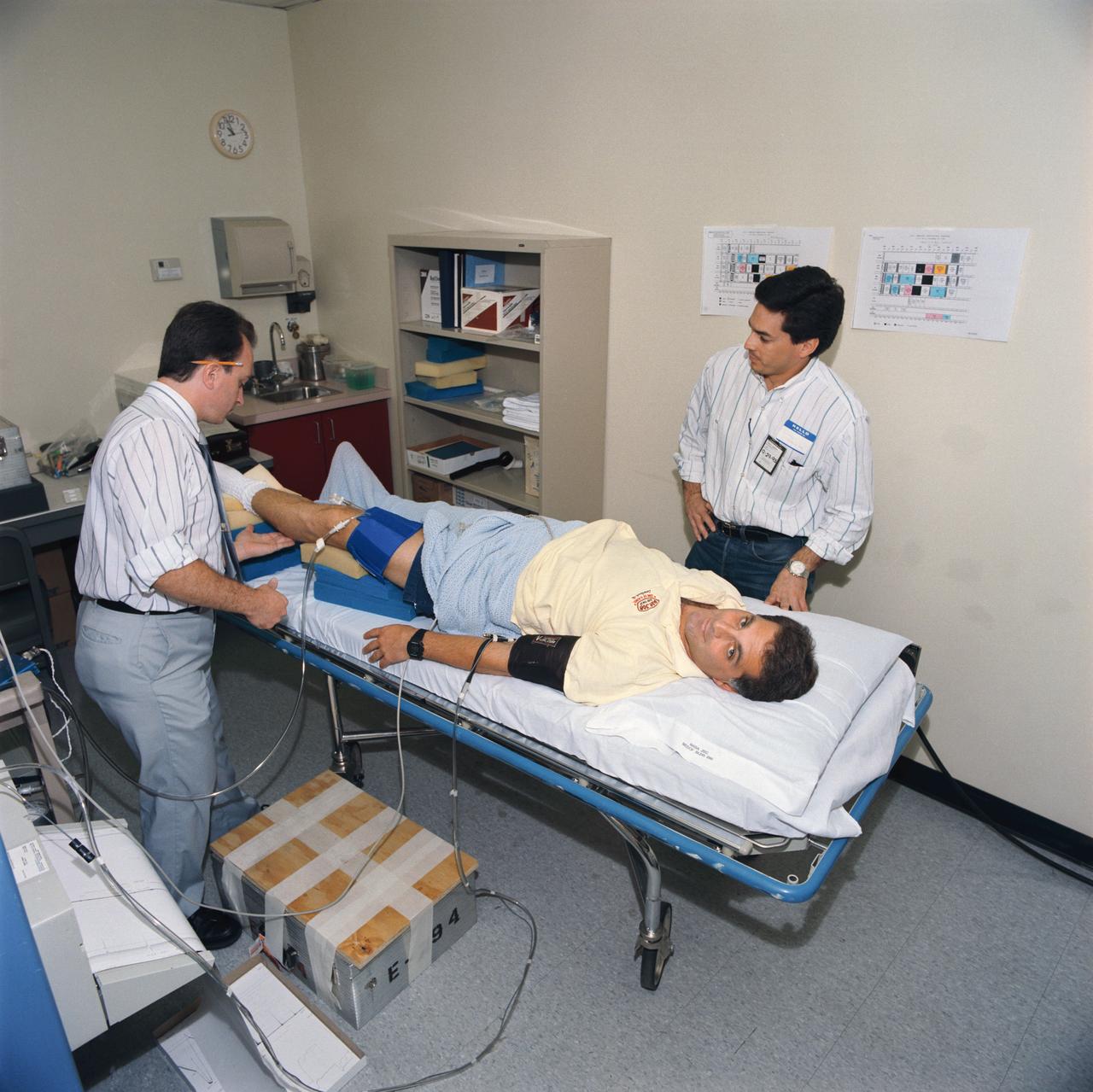
S93-45375 (29 Sept 1993) --- Astronaut David A. Wolf, STS-58 mission specialist, has blood drawn from his leg for volume measuring. The blood draw was part of the cardiovascular function data collection in preparation for the Spacelab Life Sciences (SLS-2) mission. The seven Spacelab Life Sciences crewmembers devoted a full day to miscellaneous biomedical data collection in preparation for next month's two week mission aboard Columbia.
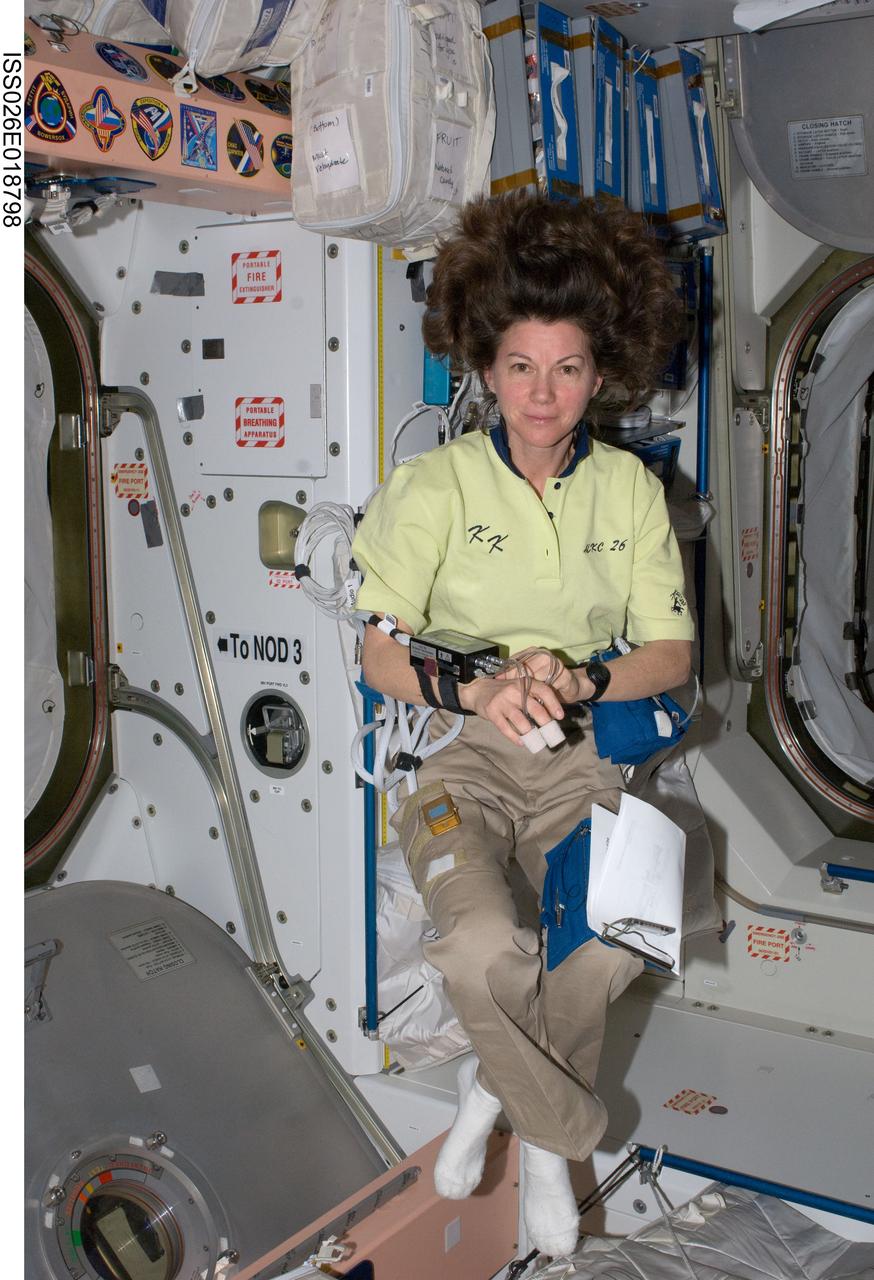
ISS026-E-018798 (20 Jan. 2011) --- NASA astronaut Catherine (Cady) Coleman, Expedition 26 flight engineer, is pictured in the Unity node of the International Space Station. Coleman is wearing electrodes, a Holter Monitor 2 (HM2) for recording Electrocardiogram (ECG), a European Space Agency (ESA) Cardio pressure / Blood Pressure unit to continuously monitor blood pressure and two Actiwatches (hip/waist and ankle) for monitoring activity levels.
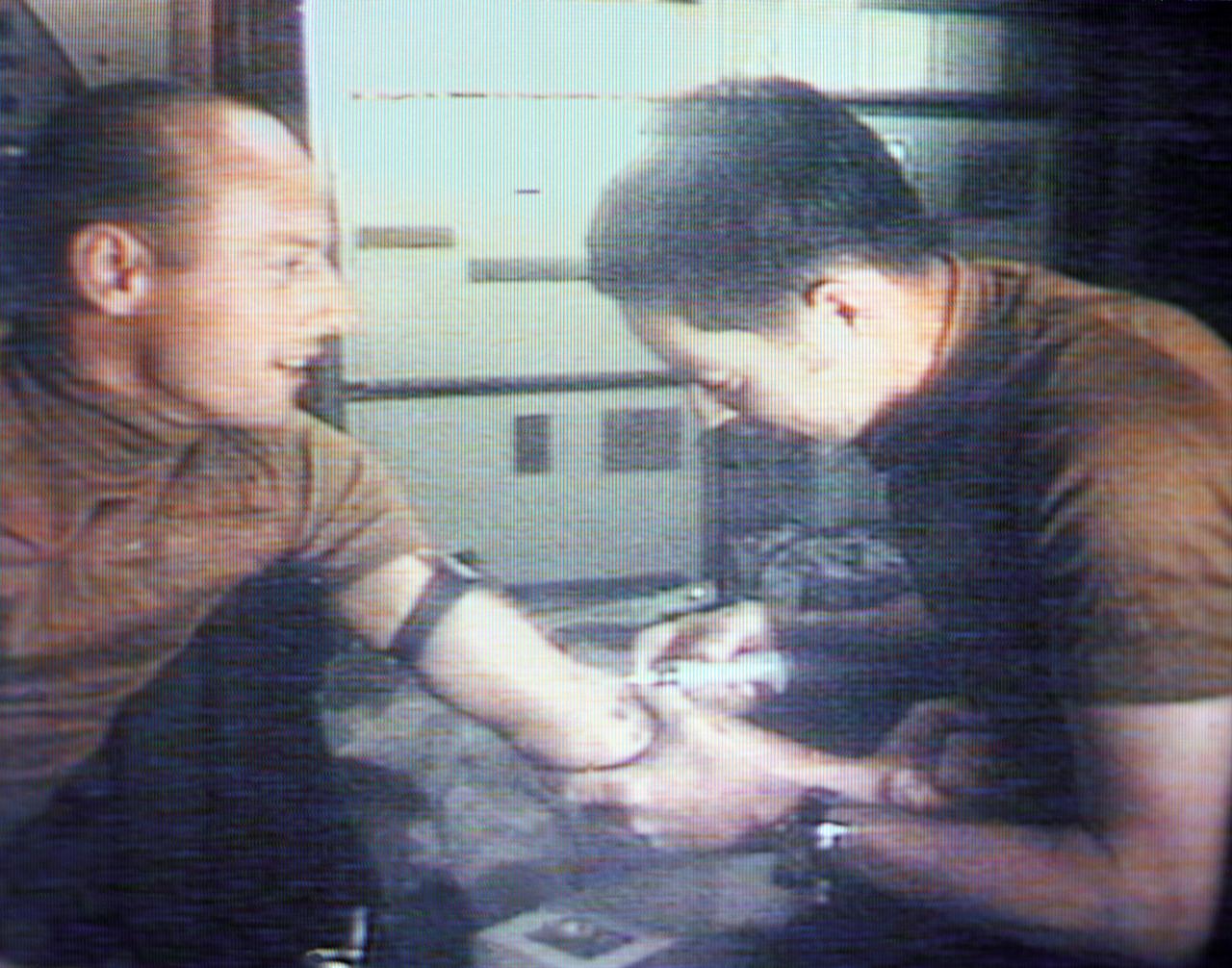
S73-27509 (6 June 1973) --- Scientist-astronaut Joseph P. Kerwin (right), Skylab 2 science pilot and a doctor of medicine, takes a blood sample from astronaut Charles Conrad Jr., Skylab 2 commander, as seen in this reproduction taken from a color television transmission made by a TV camera aboard the Skylab 1 and 2 space station cluster in Earth orbit. The blood sampling was part of the Skylab Hematology and Immunology Experiment M110 series. Photo credit: NASA
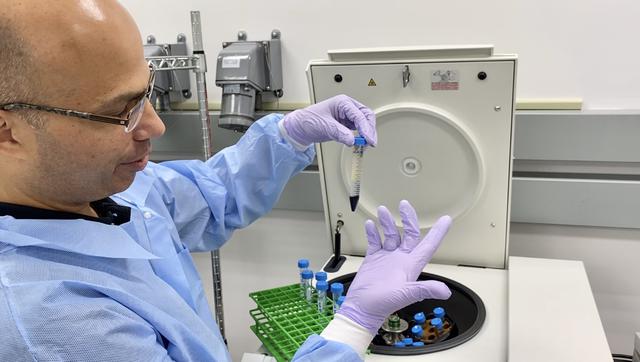
Senior Scientist George Makedonas, from NASA’S Human Immunology and Virology Lab, works with blood samples returned to Earth on SpaceX’s 22nd commercial resupply services mission in the Space Station Processing Facility (SSPF) at Kennedy Space Center in Florida, on July 10, 2021. After its successful parachute-assisted splashdown off the coast of Tallahassee, Florida at 11:29 p.m. EST on Friday, July 9, the SpaceX cargo Dragon returned more than 5,300 pounds of scientific experiments and other cargo from the International Space Station. Splashing down off the coast of Florida enables quick transportation of the science aboard the capsule to the SSPF, delivering some science back into the hands of the researchers as soon as four to nine hours after splashdown. This shorter transportation timeframe allows researchers to collect data with minimal loss of microgravity effects.
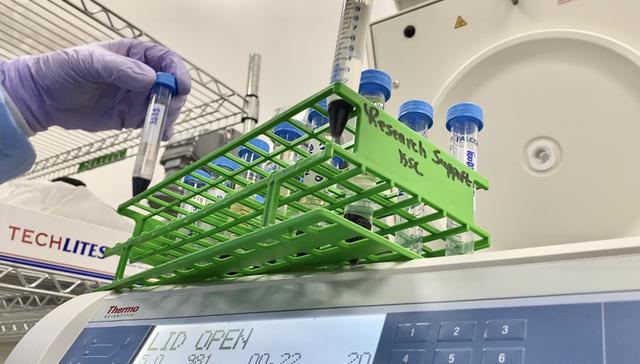
Senior Scientist George Makedonas, from NASA’S Human Immunology and Virology Lab, works with blood samples returned to Earth on SpaceX’s 22nd commercial resupply services mission in the Space Station Processing Facility (SSPF) at Kennedy Space Center in Florida, on July 10, 2021. After its successful parachute-assisted splashdown off the coast of Tallahassee, Florida at 11:29 p.m. EST on Friday, July 9, the SpaceX cargo Dragon returned more than 5,300 pounds of scientific experiments and other cargo from the International Space Station. Splashing down off the coast of Florida enables quick transportation of the science aboard the capsule to the SSPF, delivering some science back into the hands of the researchers as soon as four to nine hours after splashdown. This shorter transportation timeframe allows researchers to collect data with minimal loss of microgravity effects.
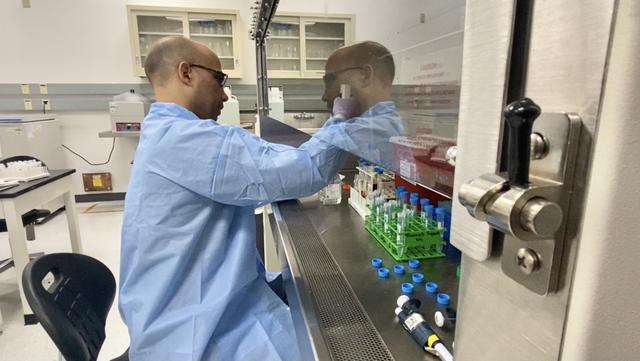
Senior Scientist George Makedonas, from NASA’S Human Immunology and Virology Lab, works with blood samples returned to Earth on SpaceX’s 22nd commercial resupply services mission in the Space Station Processing Facility (SSPF) at Kennedy Space Center in Florida, on July 10, 2021. After its successful parachute-assisted splashdown off the coast of Tallahassee, Florida at 11:29 p.m. EST on July 9, the SpaceX cargo Dragon returned more than 5,300 pounds of scientific experiments and other cargo from the International Space Station. Splashing down off the coast of Florida enables quick transportation of the science aboard the capsule to the SSPF, delivering some science back into the hands of the researchers as soon as four to nine hours after splashdown. This shorter transportation timeframe allows researchers to collect data with minimal loss of microgravity effects.