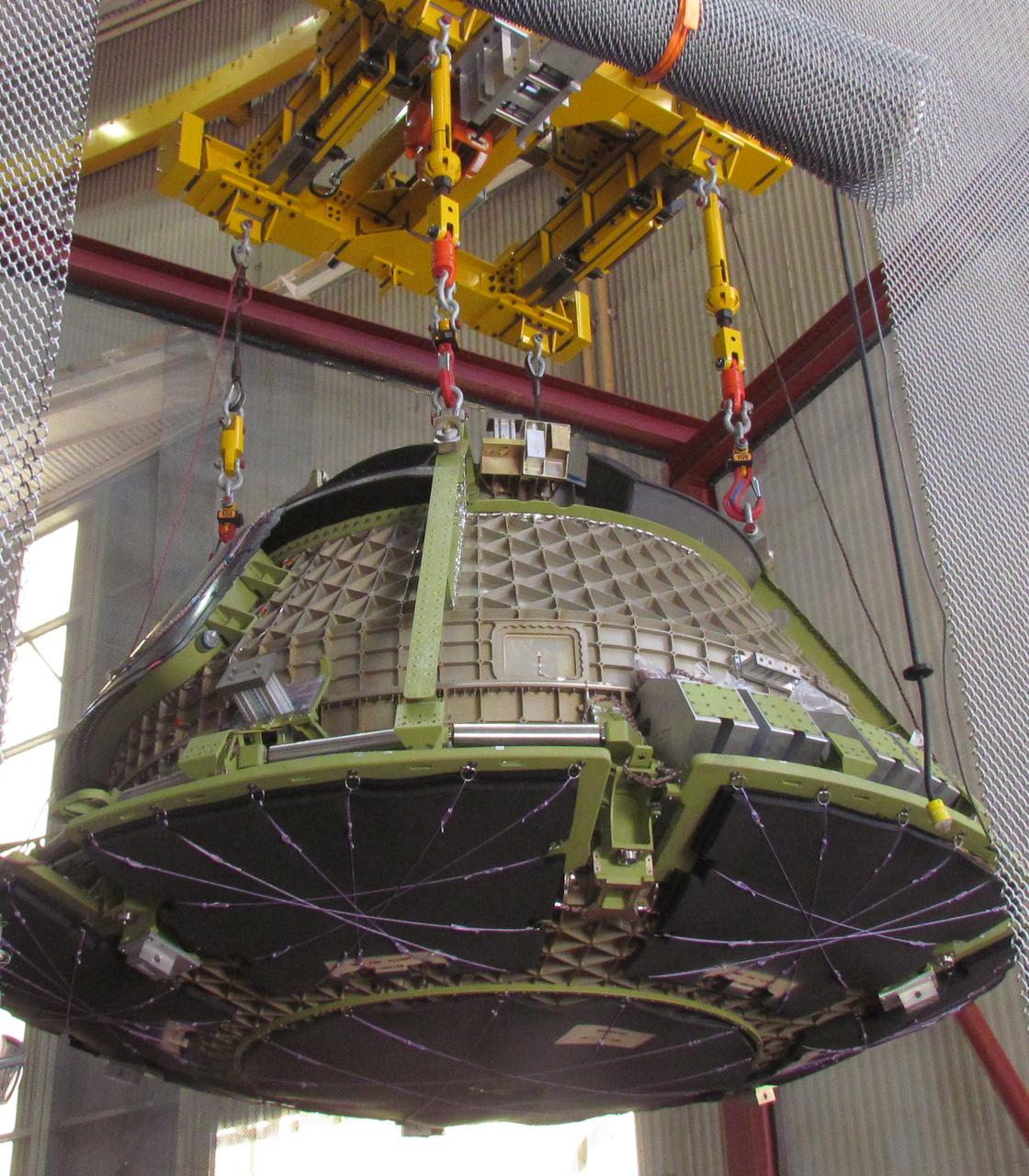
Boeing’s Structural Test Article of its CST-100 Starliner spacecraft arrives at the company’s Huntington Beach, California, facilities for evaluations. Built to the specifications of an operational spacecraft, the STA is intended to be evaluated through a series of thorough testing conditions.
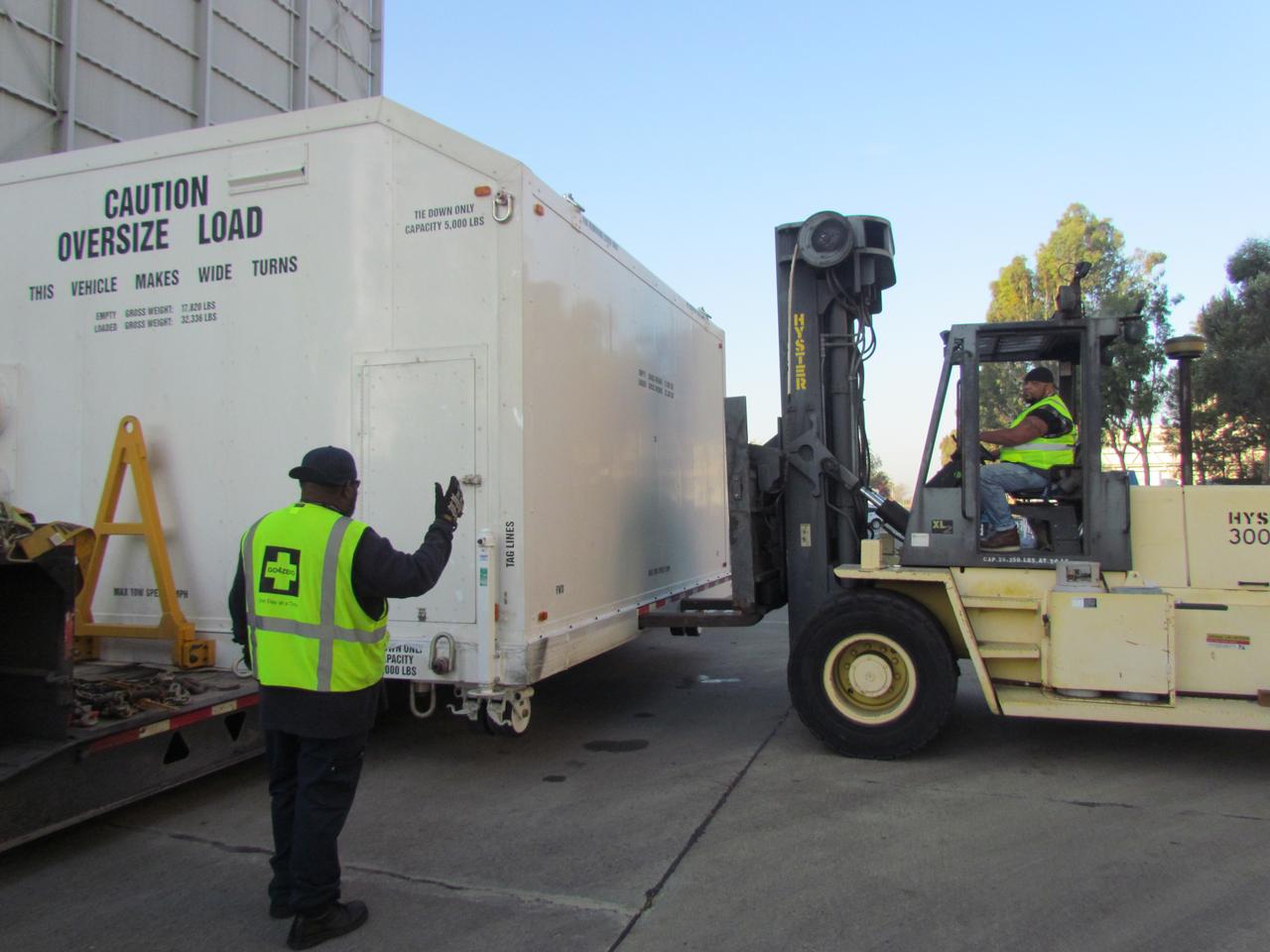
Boeing’s Structural Test Article of its CST-100 Starliner spacecraft arrives at the company’s Huntington Beach, California, facilities for evaluations. Built to the specifications of an operational spacecraft, the STA is intended to be evaluated through a series of thorough testing conditions.
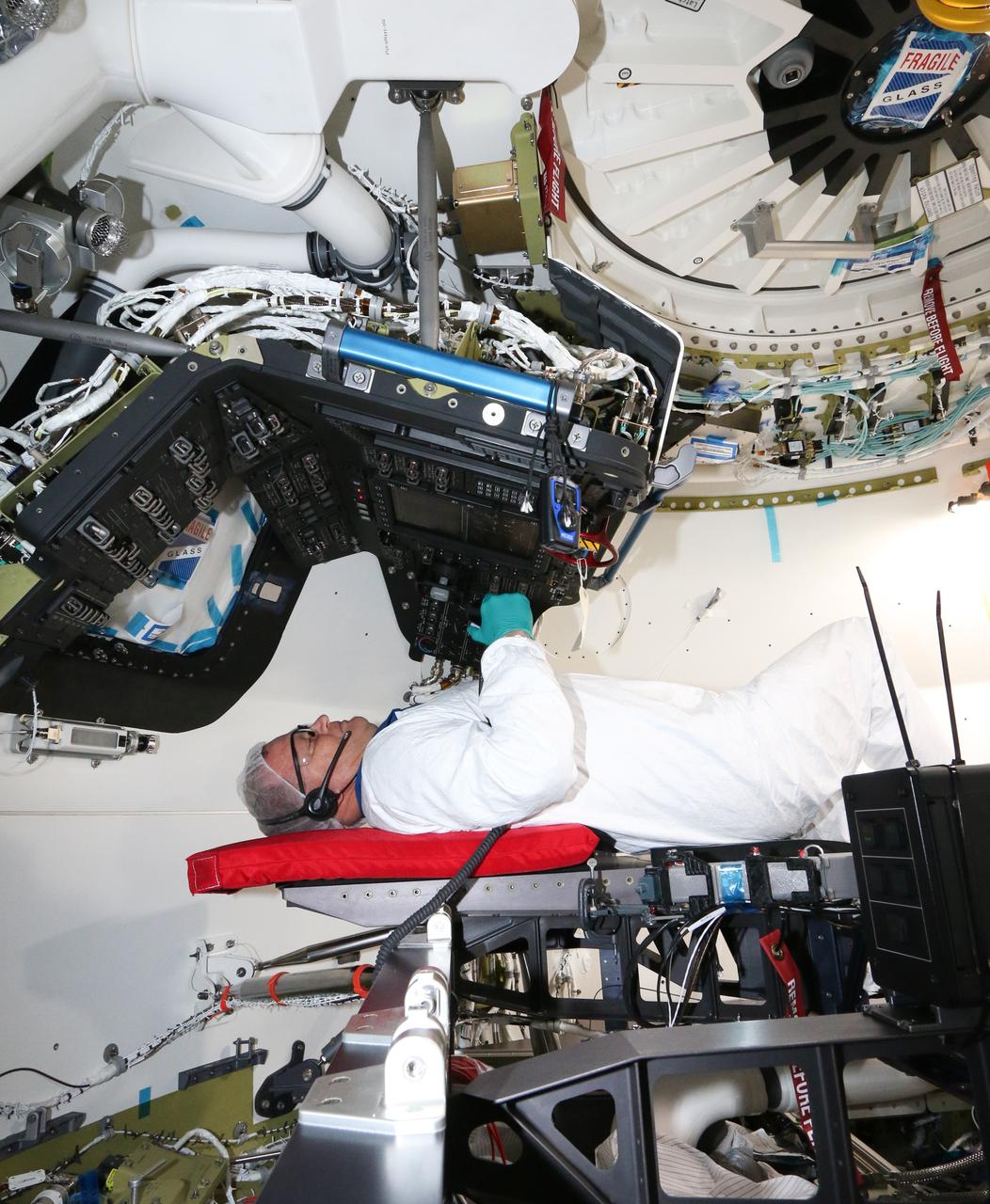
Inside Boeing's Commercial Crew and Cargo Processing Facility at NASA's Kennedy Space Center in Florida, NASA astronaut Eric Boe participates in the first full-up acceptance test of Boeing's CST-100 Starliner, on Aug. 22, 2018. The Starliner will be the first to fly astronauts on the company's Crew Flight Test (CFT), following environmental testing in El Segundo, California. Acceptance testing is a critical part of the spacecraft build progression. Generally, it gives the crew module a clean bill of health that it is built correctly, performs to expectations and is ready to fly.
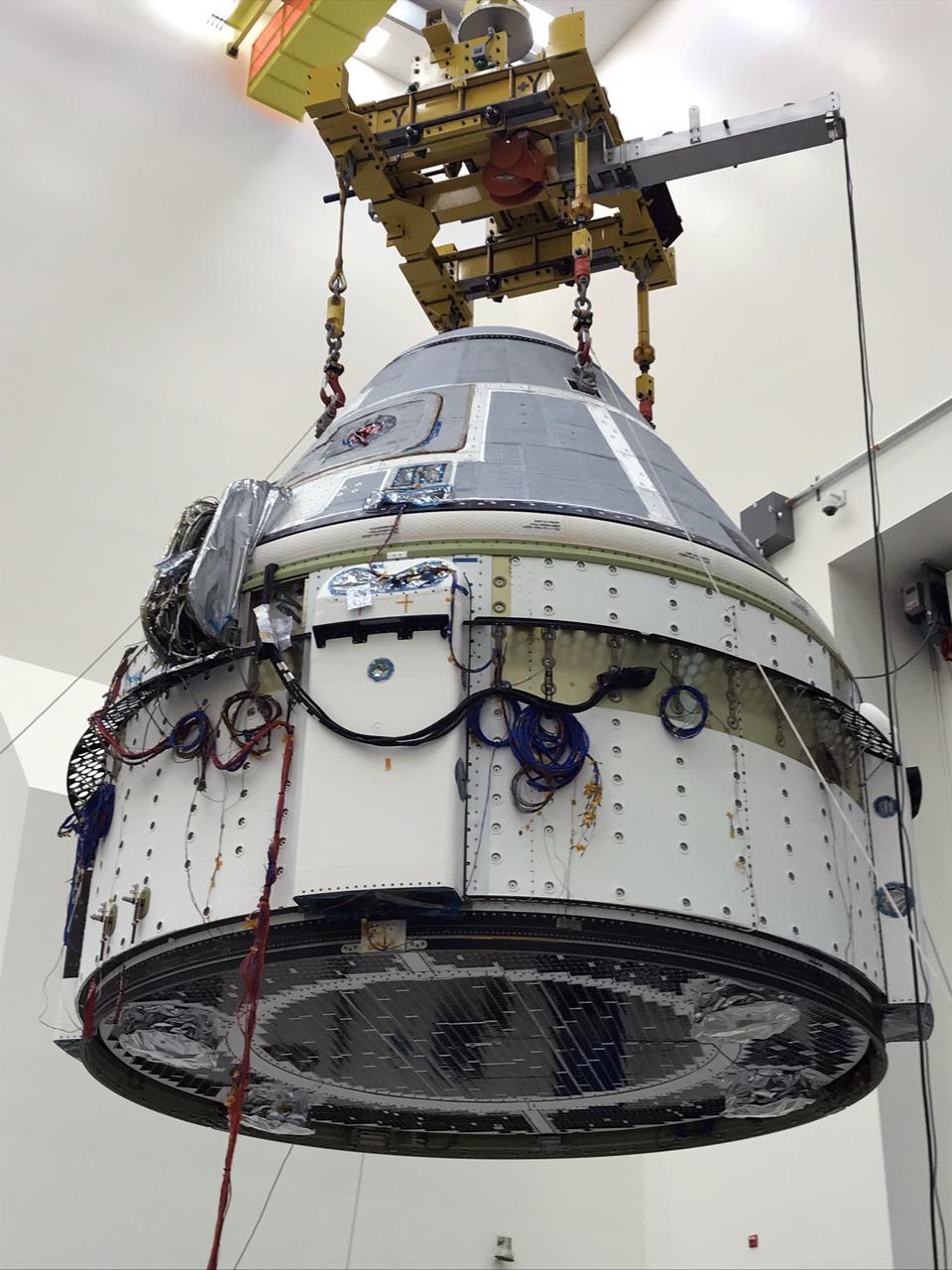
Boeing’s CST-100 Starliner is lifted into a test chamber at Boeing’s Space Environment Test Facility in El Segundo, Calif. There, Boeing engineers conducted different environmental qualification test programs, proving the vehicle is capable of withstanding the harsh environments it will see during launch, ascent and orbit. This is the Starliner that will be used for Boeing’s Crew Flight Test as part of NASA’s Commercial Crew Program, which is working with Boeing to return human spaceflight launches to the space station from U.S. soil.
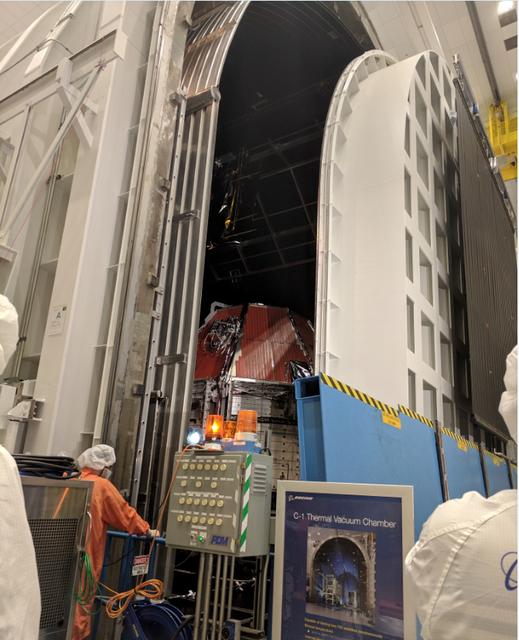
Boeing’s Crew Flight Test Starliner prepares for thermal vacuum testing at Boeing’s Space Environment Test Facility in El Segundo, Calif. During this test series, test teams outfitted Starliner with hot plates and radiators and placed in a vacuum chamber that could also be filled with a cryogenic nitrogen shroud. This allowed Boeing teams to simulate the vacuum environment in space as well as the drastic temperature swings Starliner will see as it moves to and from direct sunlight and the Earth’s shadow. This is the Starliner that will be used for Boeing’s Crew Flight Test as part of NASA’s Commercial Crew Program, which is working with Boeing to return human spaceflight launches to the space station from U.S. soil.
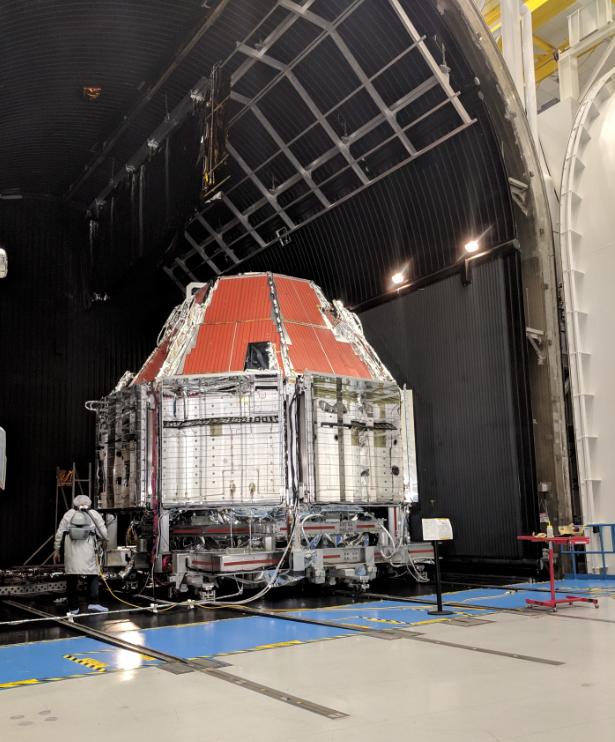
Boeing’s Crew Flight Test Starliner prepares for thermal vacuum testing at Boeing’s Space Environment Test Facility in El Segundo, Calif. During this test series, test teams outfitted Starliner with hot plates and radiators and placed in a vacuum chamber that could also be filled with a cryogenic nitrogen shroud. This allowed Boeing teams to simulate the vacuum environment in space as well as the drastic temperature swings Starliner will see as it moves to and from direct sunlight and the Earth’s shadow. This is the Starliner that will be used for Boeing’s Crew Flight Test as part of NASA’s Commercial Crew Program, which is working with Boeing to return human spaceflight launches to the space station from U.S. soil.
Boeing’s Crew Flight Test CST-100 Starliner prepares for thermal vacuum testing at Boeing’s Space Environment Test Facility in El Segundo, Calif. During this test series, test teams outfitted Starliner with hot plates and radiators and placed in a vacuum chamber that could also be filled with a cryogenic nitrogen shroud. This allowed Boeing teams to simulate the vacuum environment in space as well as the drastic temperature swings Starliner will see as it moves to and from direct sunlight and the Earth’s shadow. This is the Starliner that will be used for Boeing’s Crew Flight Test as part of NASA’s Commercial Crew Program, which is working with Boeing to return human spaceflight launches to the space station from U.S. soil.
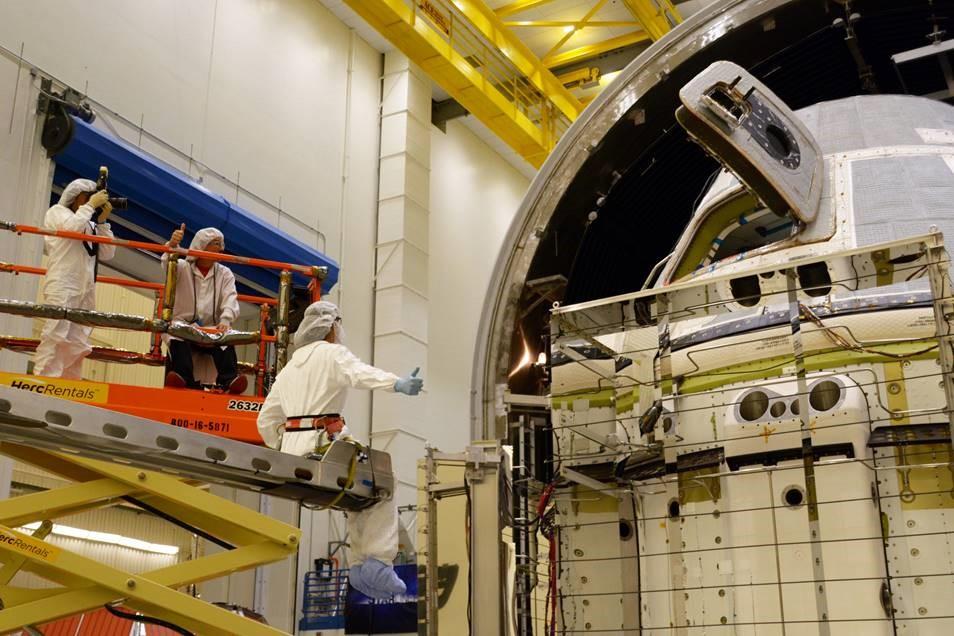
NASA astronaut Suni Williams (seated), assigned to Boeing’s first operational mission aboard the company’s CST-100 Starliner spacecraft, watches as Boeing test teams outfit Starliner with hot plates and radiators ahead of the thermal vacuum test series at Boeing’s Space Environment Test Facility in El Segundo, Calif. NASA’s Commercial Crew Program is working with Boeing to return human spaceflight launches to the space station from U.S. soil.
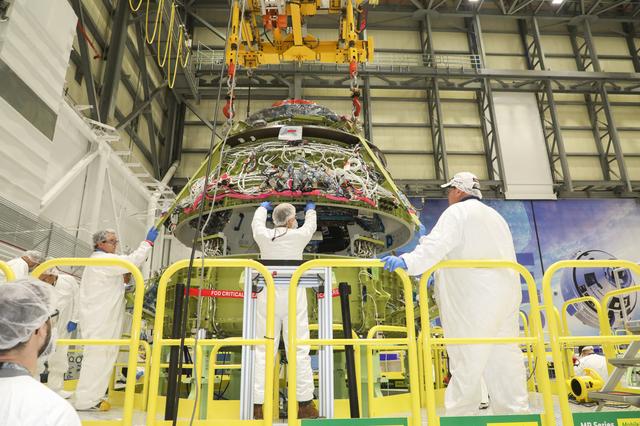
Technicians at Boeing’s Commercial Crew and Cargo Processing Facility (C3PF) at NASA’s Kennedy Space Center in Florida mate the two domes that comprise the main pressure vessel of Boeing’s Orbital Flight Test CST-100 Starliner. This is one of the last major assembly milestones before final outfitting and closeouts as Starliner prepares for its first mission, the uncrewed test flight later this summer. Boeing’s uncrewed Orbital Flight Test is part of NASA’s Commercial Crew Program, which is working with Boeing to return human spaceflight launches to the space station from U.S. soil.
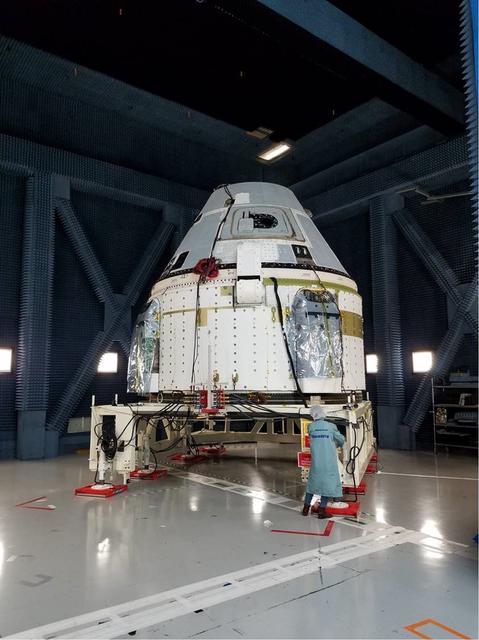
Boeing’s CST-100 Starliner prepares for electromagnetic interference and electromagnetic contamination (EMI/EMC) testing in a specialized test chamber at Boeing’s Space Environment Test Facility in El Segundo, Calif. These tests were the final part of Starliner’s environmental qualification test campaign. EMI/EMC testing ensures that Starliner’s systems will function properly in the orbital radiation environment and also not interfere with other electrical systems on the International Space Station. Once back in Boeing’s Starliner facilities at NASA’s Kennedy Space Center in Florida, this same vehicle will be prepared to fly Starliner’s first crew during the Crew Flight Test mission later this year. Boeing’s Crew Flight Test is part of NASA’s Commercial Crew Program, which is working with Boeing to return human spaceflight launches to the space station from U.S. soil.
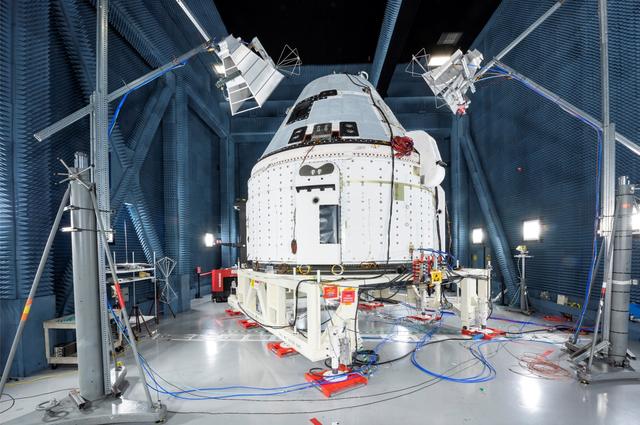
Boeing’s CST-100 Starliner prepares for electromagnetic interference and electromagnetic contamination (EMI/EMC) testing in a specialized test chamber at Boeing’s Space Environment Test Facilities in El Segundo, Calif. These tests were the final part of Starliner’s environmental qualification test campaign. EMI/EMC testing ensures that Starliner’s systems will function properly in the orbital radiation environment and also not interfere with other electrical systems on the International Space Station. Once back in Boeing’s Starliner facilities at the Kennedy Space Center in Florida, this same vehicle will be prepared to fly Starliner’s first crew during the Crew Flight Test mission later this year. NASA’s Commercial Crew Program is working with Boeing to return human spaceflight launches to the space station from U.S. soil.
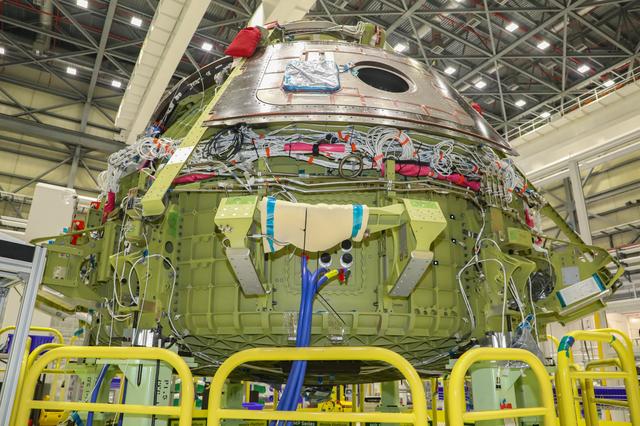
On March 11, Boeing mated the upper and lower domes of its CST-100 Starliner spacecraft slated to fly in the company’s Orbital Flight Test (OFT). The mate was completed at Boeing’s Commercial Crew and Cargo Processing Facility at NASA’s Kennedy Space Center in Florida. Starliner uses an innovative weldless design where the main structure is made of two domes, each spin-formed and machined from a solid piece of aerospace-grade aluminum. The two domes then undergo outfitting with avionics, cooling systems, wire harnesses, fuel and life support lines, and other critical systems before being mated together. This is one of the last major milestones ahead of final processing and closeouts for flight. OFT is Boeing’s uncrewed flight test of Starliner and part of NASA’s Commercial Crew Program, which will return human spaceflight launches into low-Earth orbit from U.S. soil.
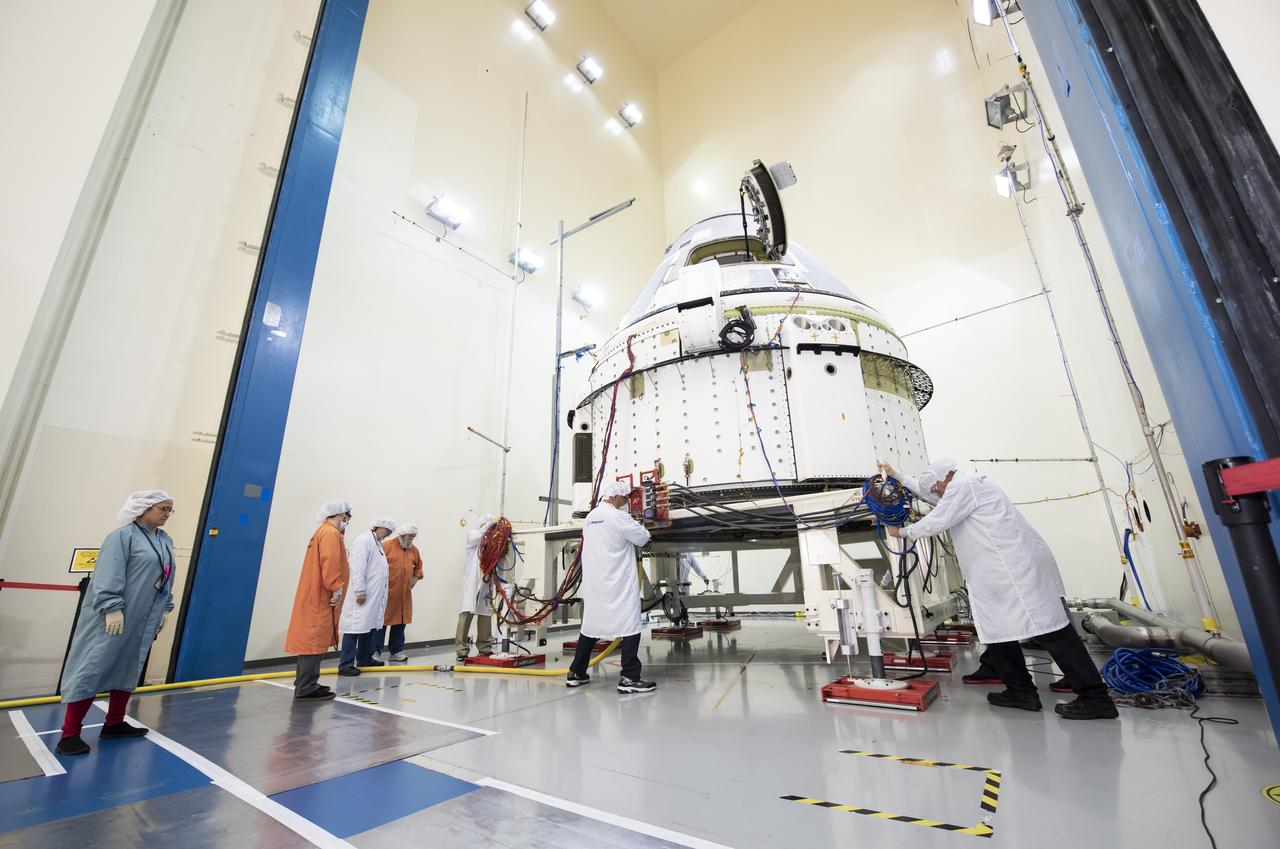
Technicians at Boeing’s Space Environment Test Facility in El Segundo, California position the CST-100 Starliner spacecraft inside an acoustics test chamber. This Starliner, slated to fly in Boeing’s Crew Flight Test (CFT), underwent an environmental qualification test campaign in March, experiencing rounds of acoustics vibration, thermal vacuum and electromagnetic interference and electromagnetic contamination testing. These tests prove Starliner’s design is capable of handling the harsh environments of launch, ascent and orbit and also prove that the electronics systems will operate in space and not interfere with other satellites or the International Space Station. CFT is Boeing’s crewed flight test of Starliner and part of NASA’s Commercial Crew Program, which will return human spaceflight launches into low-Earth orbit from U.S. soil.
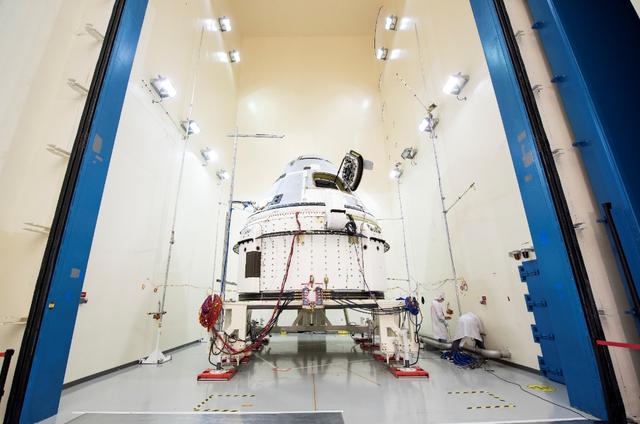
Boeing’s CST-100 Starliner prepares for acoustic testing at Boeing’s spacecraft test facilities in El Segundo, California. This vehicle, known as Spacecraft 2, will fly Starliner’s Crew Flight Test (CFT) after it returns to Florida from environmental testing. The Starliner underwent rounds of acoustics vibration, thermal vacuum and electromagnetic interference and electromagnetic contamination testing. These tests prove Starliner’s design is capable of handling the harsh environments of launch, ascent and orbit and also prove that the electronics systems will operate in space and not interfere with other satellites or the International Space Station. CFT is Boeing’s crewed flight test of Starliner and part of NASA’s Commercial Crew Program, which will return human spaceflight launches into low-Earth orbit from U.S. soil.
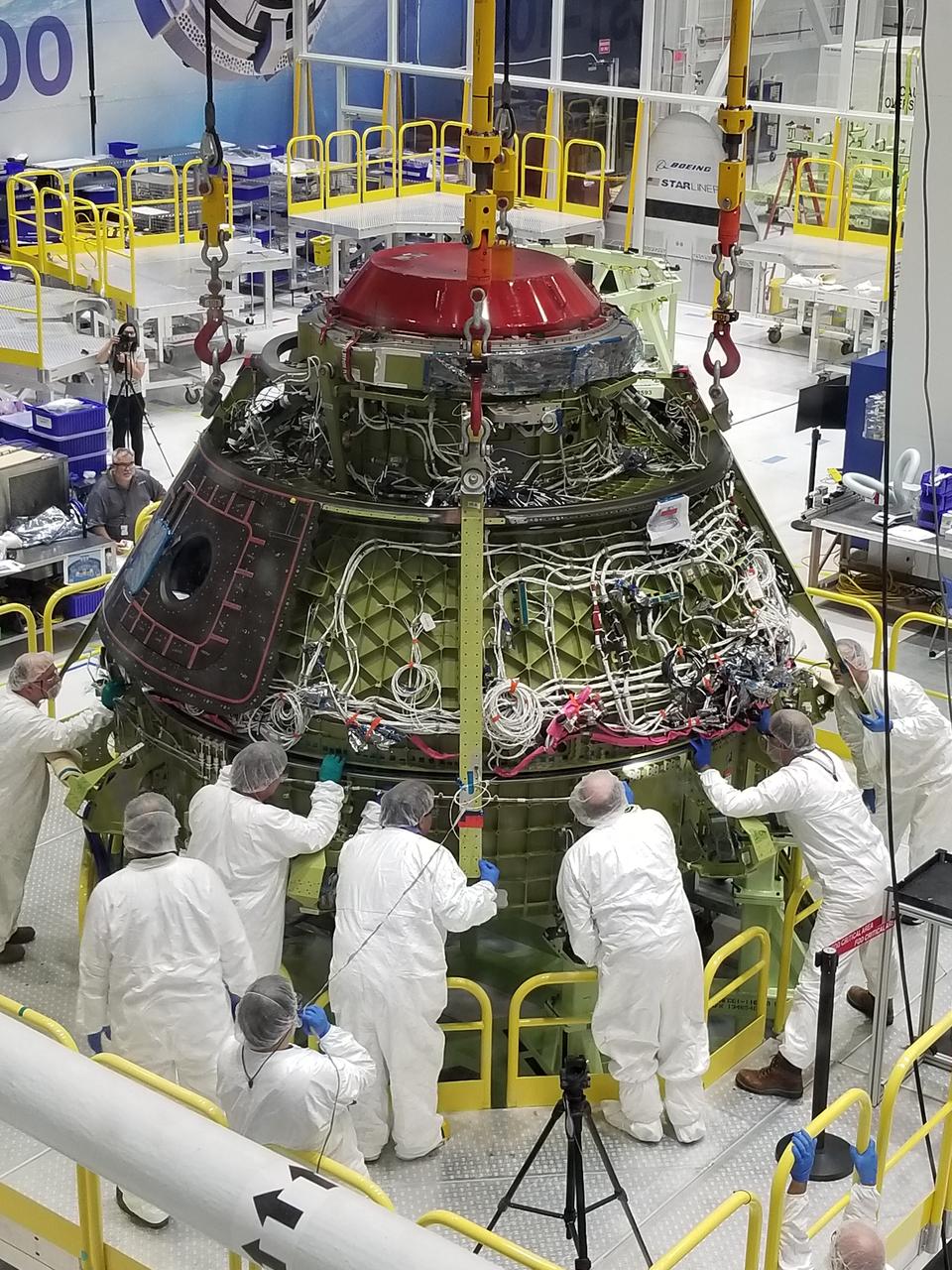
Boeing technicians meticulously lower its CST-100 Starliner’s upper dome to the lower dome before bolting and sealing the pressure vessel on March 11. This is the Starliner spacecraft slated to fly in the company’s Orbital Flight Test (OFT). The mate was completed at Boeing’s Commercial Crew and Cargo Processing Facility at NASA’s Kennedy Space Center in Florida. Starliner uses an innovative weldless design where the main structure is made of two domes, each spin-formed and machined from a solid piece of aerospace-grade aluminum. The two domes then undergo outfitting with avionics, cooling systems, wire harnesses, fuel and life support lines, and other critical systems before being mated together. This is one of the last major milestones ahead of final processing and closeouts for flight. OFT is Boeing’s uncrewed flight test of Starliner and part of NASA’s Commercial Crew Program, which will return human spaceflight launches into low-Earth orbit from U.S. soil.
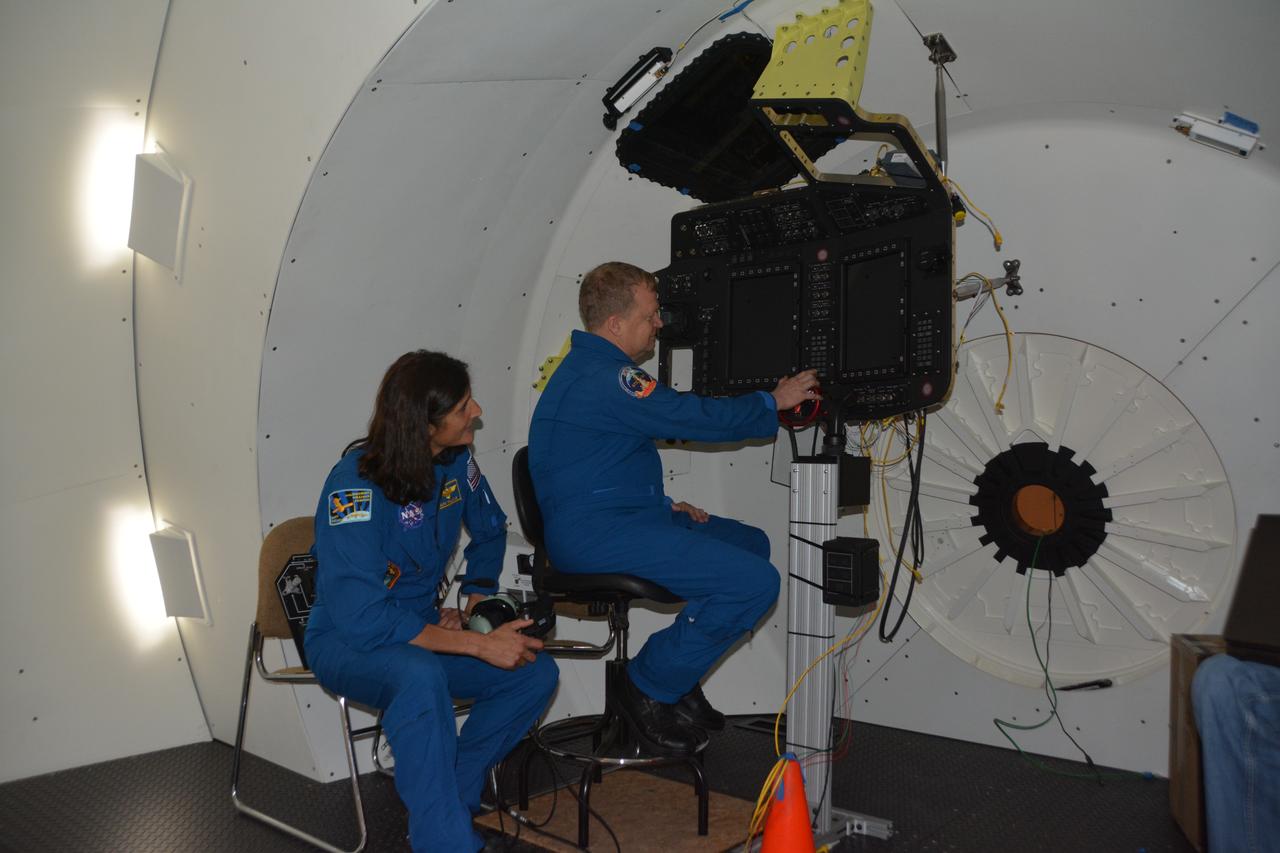
NASA astronauts Suni WIlliams and Eric Boe check the Boeing Mission Simulator at the Boeing facility in St. Louis, Missouri, prior to its completion and shipment to NASA's Johnson Space Center in Houston. The simulator is a full-scale mockup of Boeing's Starliner spacecraft. The simulator will be used to train crews to fly the spacecraft.
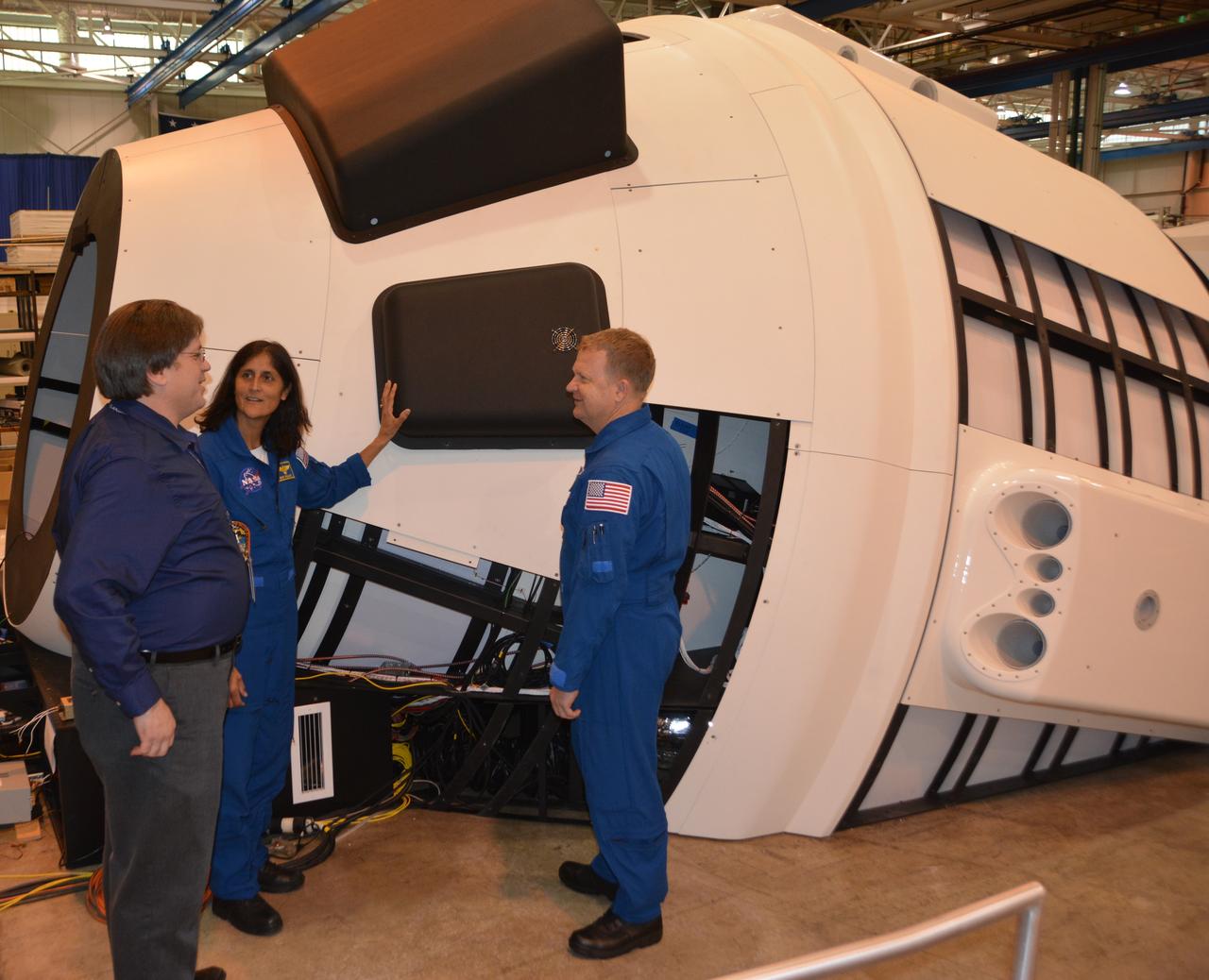
NASA astronauts Suni WIlliams and Eric Boe check the Boeing Mission Simulator at the Boeing facility in St. Louis, Missouri, prior to its completion and shipment to NASA's Johnson Space Center in Houston. The simulator is a full-scale mockup of Boeing's Starliner spacecraft. The simulator will be used to train crews to fly the spacecraft.
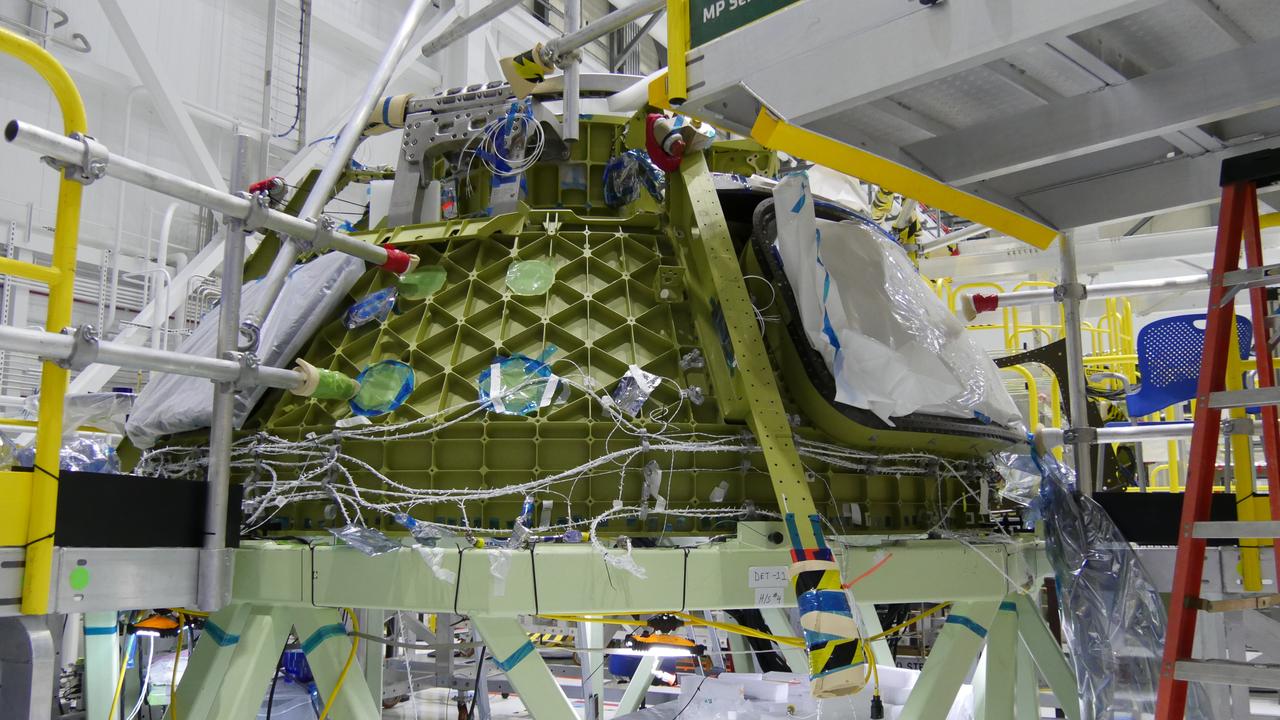
Boeing’s CST-100 Starliner Crew Flight Test vehicle will be the second to go to space, and the first to fly crew on a test flight to the International Space Station. In this picture, the upper dome is actually mated to the lower dome, but only electronically. The Boeing team is making sure all the hardware and software in the two pieces are working together correctly, before they will be put together for a final time. Then, the interior of the spacecraft will be outfitted and the outside will be covered with thermal protection.
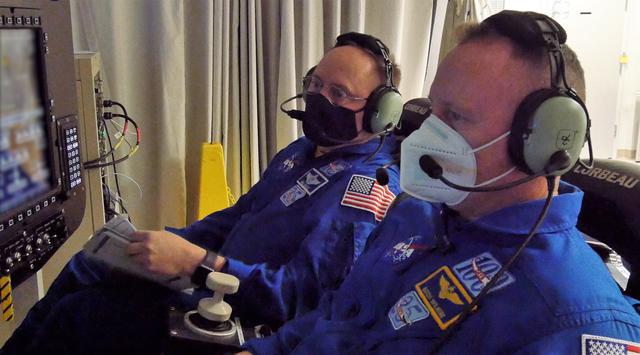
NASA astronauts Barry “Butch” Wilmore and Mike Fincke monitor the launch portion of an integrated mission dress rehearsal of Boeing’s uncrewed Orbital Flight Test-2 (OFT-2) from Boeing’s Houston-based Avionics and Software Integration Lab on Thursday, April 22, 2021. Along with NASA astronaut Nicole Mann, Wilmore and Fincke will fly aboard Boeing’s CST-100 Starliner spacecraft for the company’s Crew Flight Test (CFT) as part of NASA’s Commercial Crew Program.
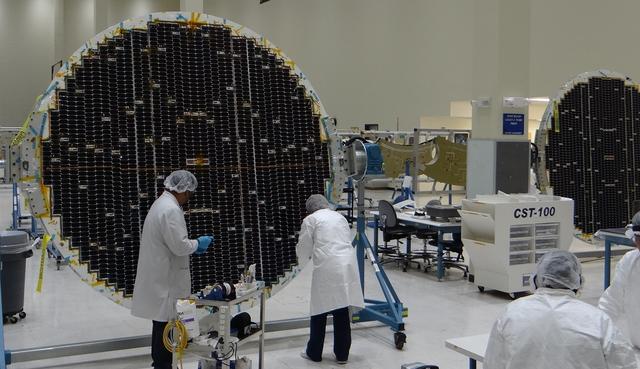
Engineers work with the solar array for Boeing's CST-100 Starliner spacecraft at Spectrolab in Sylmar, California. The solar arrays will power the Starliner as it flies through space and while it is docked to the International Space Station. Photo credit: Boeing
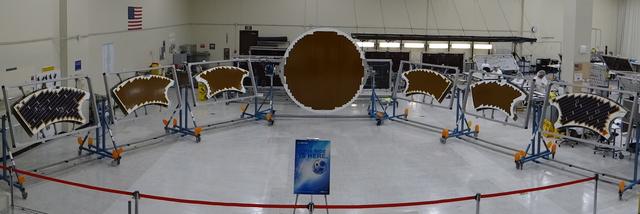
The solar arrays for Boeing's CST-100 Starliner spacecraft are seen at Spectrolab in Sylmar, California. The solar arrays will power the Starliner as it flies through space and while it is docked to the International Space Station. Photo credit: Boeing
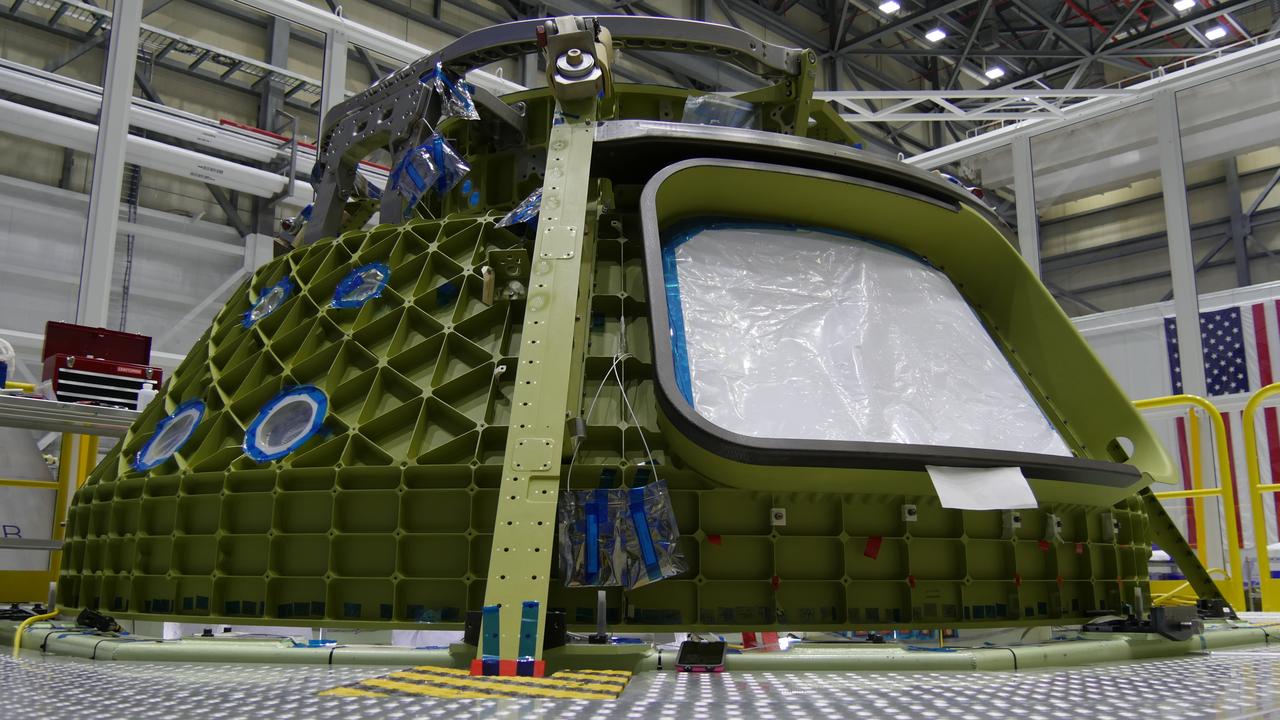
Boeing’s CST-100 Starliner Orbital Flight Test vehicle will fly the first test flight to space on an uncrewed mission to the International Space Station. Here you see the spacecraft’s upper dome undergoing the final preparations before the upper and lower dome are mated for a pressure test, and then the two domes will move on to be populated with avionics, life support and other critical hardware.
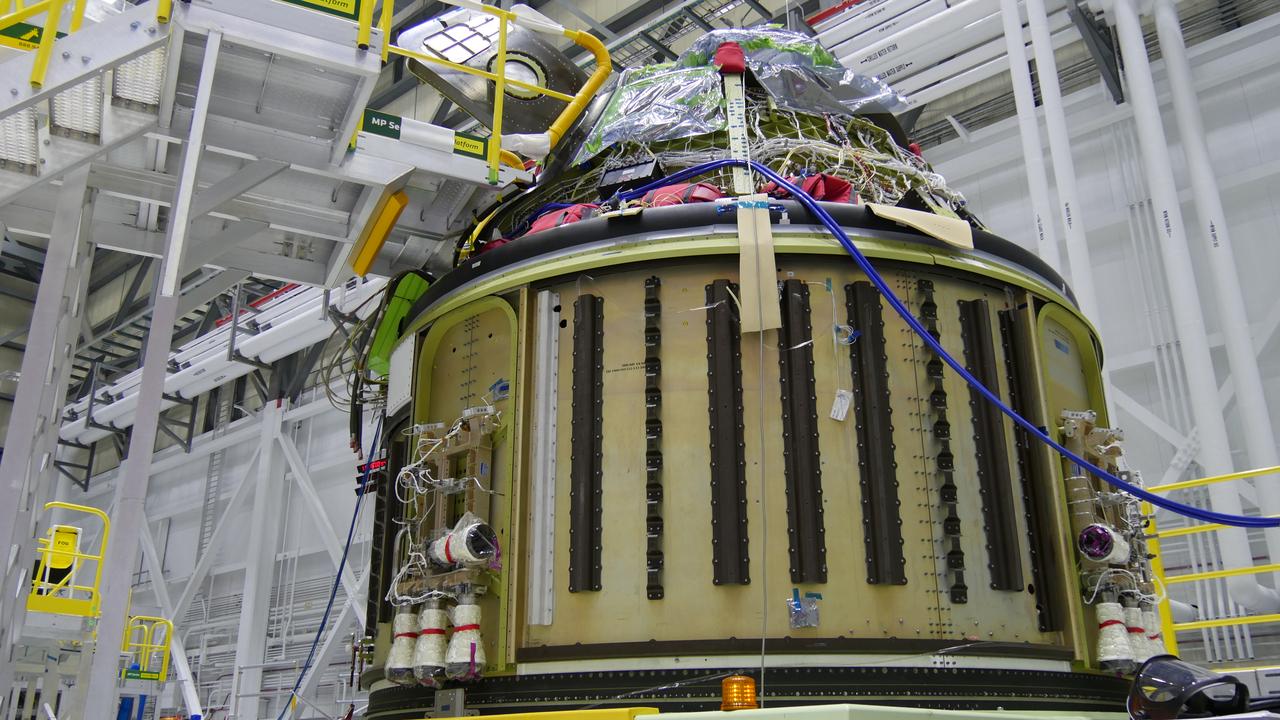
Boeing’s CST-100 Pad Abort Test Vehicle is almost ready to head to White Sands, New Mexico, to test the launch abort engines. During that test, the four abort engines will prove that the vehicle can safely perform an abort maneuver in the event of an emergency on the launchpad or during flight. The vehicle is mated to the service module for a fit check, and then the two will be taken apart for final preparations before heading to the desert.
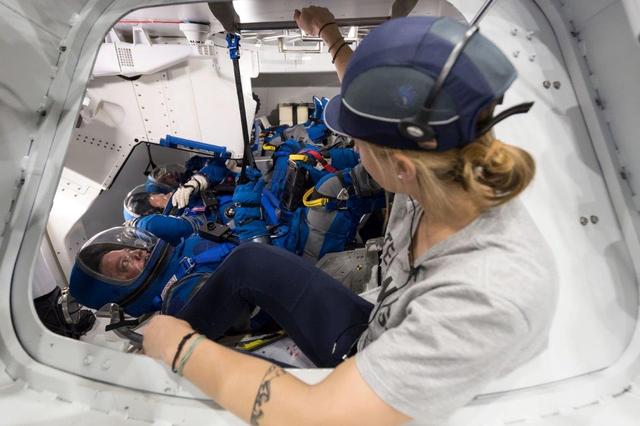
NASA CCP astronauts Bob Behnken, Eric Boe and Doug Hurley conduct a full-suited exercise in Boeing's CST-100 Starliner mockup trainer at the Johnson Space Center in Houston in early May.
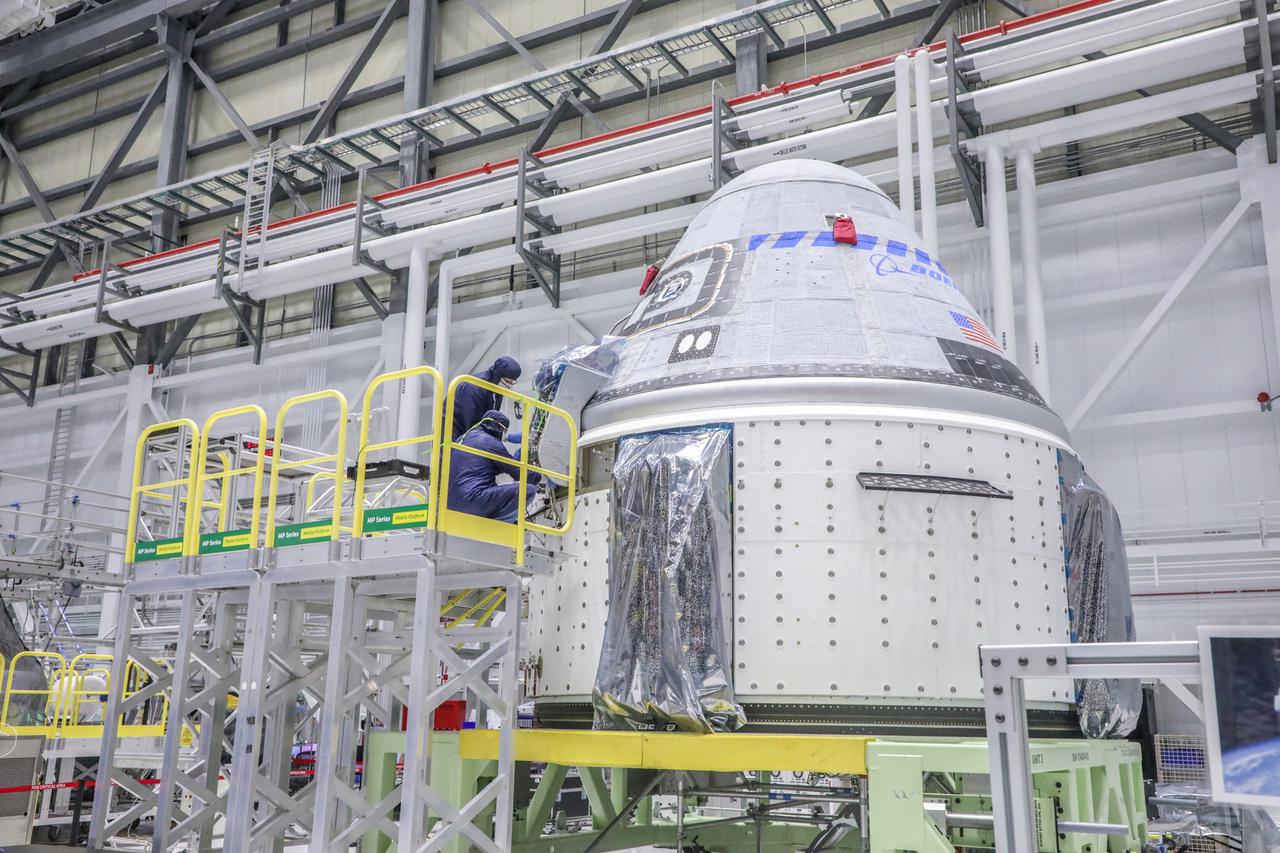
Starliner technicians work on the Orbital Flight Test-2 spacecraft in the high bay of Boeing’s Commercial Crew and Cargo Processing Facility at NASA’s Kennedy Space Center in Florida on Jan. 13, 2022.
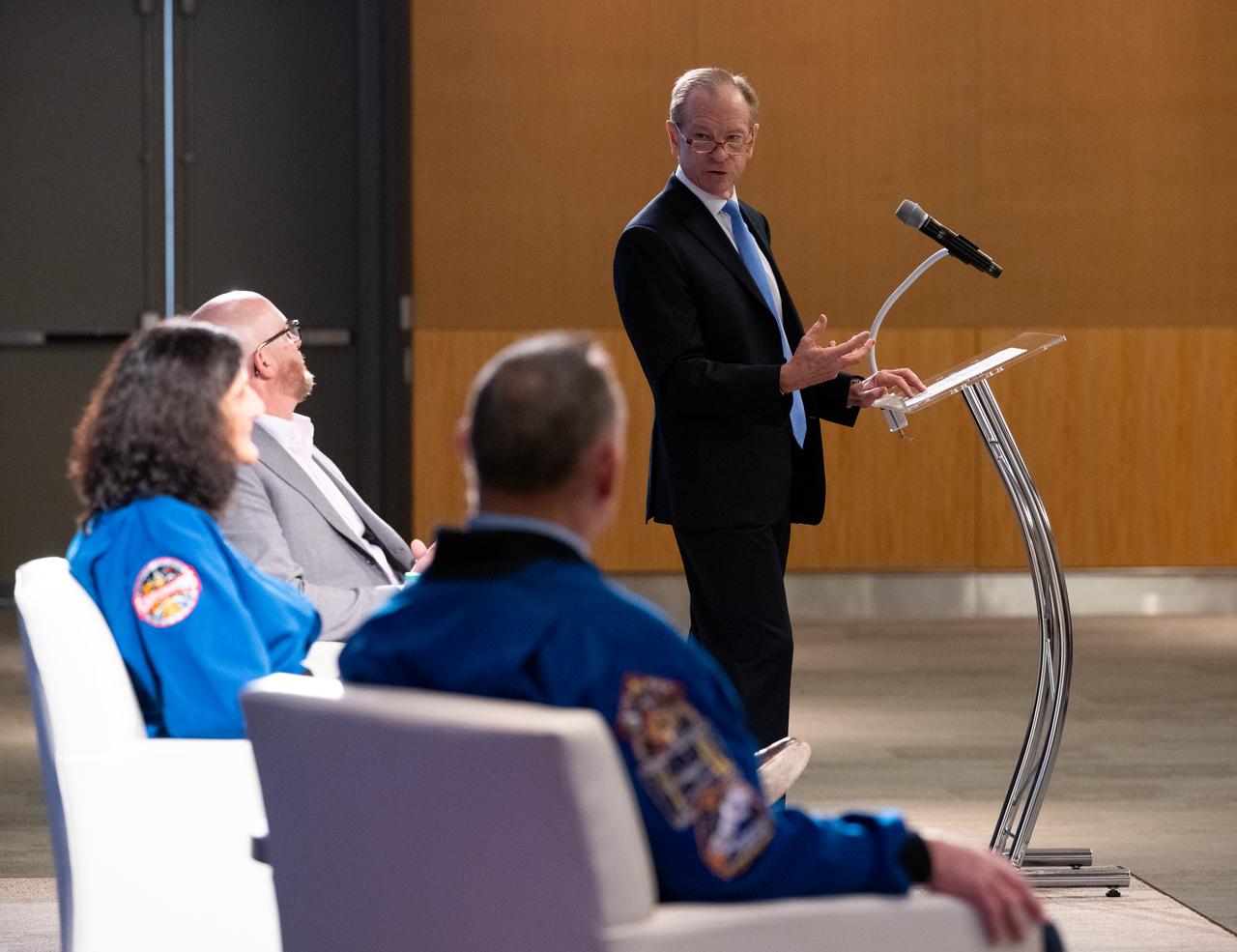
Jeff Shockey, executive vice president for Government Operations, Global Public Policy and Corporate Strategy at Boeing, delivers opening remarks during a visit by NASA astronauts Suni Williams and Butch Wilmore to speak with employees of Boeing, Wednesday, Sept. 17, 2025, at the company’s headquarters in Arlington, Va. Williams and Wilmore launched aboard Boeing’s Starliner spacecraft to the International Space Station as part of the agency’s Boeing Crew Flight Test and were integrated into Expedition 71/72 following the uncrewed return of Starliner. The pair returned to Earth with NASA’s SpaceX Crew 9 astronauts. Photo Credit: (NASA/Joel Kowsky)
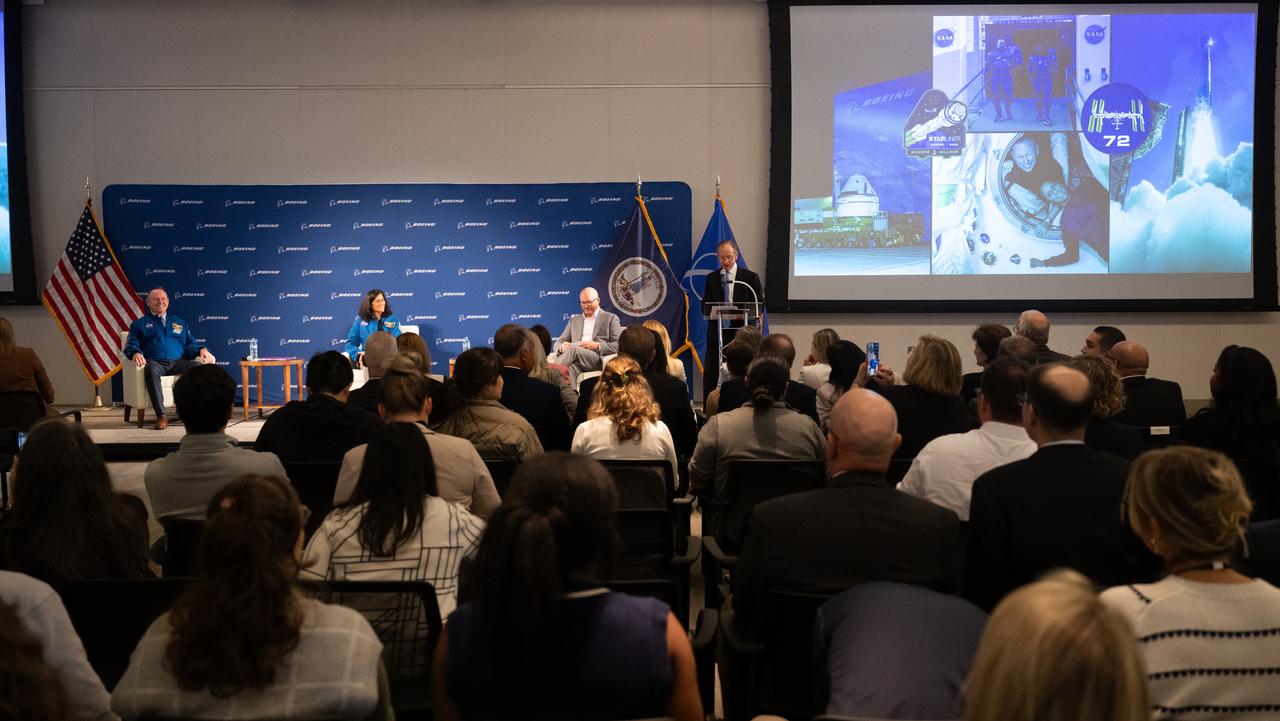
Jeff Shockey, executive vice president for Government Operations, Global Public Policy and Corporate Strategy at Boeing, delivers opening remarks during a visit by NASA astronauts Suni Williams and Butch Wilmore to speak with employees of Boeing, Wednesday, Sept. 17, 2025, at the company’s headquarters in Arlington, Va. Williams and Wilmore launched aboard Boeing’s Starliner spacecraft to the International Space Station as part of the agency’s Boeing Crew Flight Test and were integrated into Expedition 71/72 following the uncrewed return of Starliner. The pair returned to Earth with NASA’s SpaceX Crew 9 astronauts. Photo Credit: (NASA/Joel Kowsky)
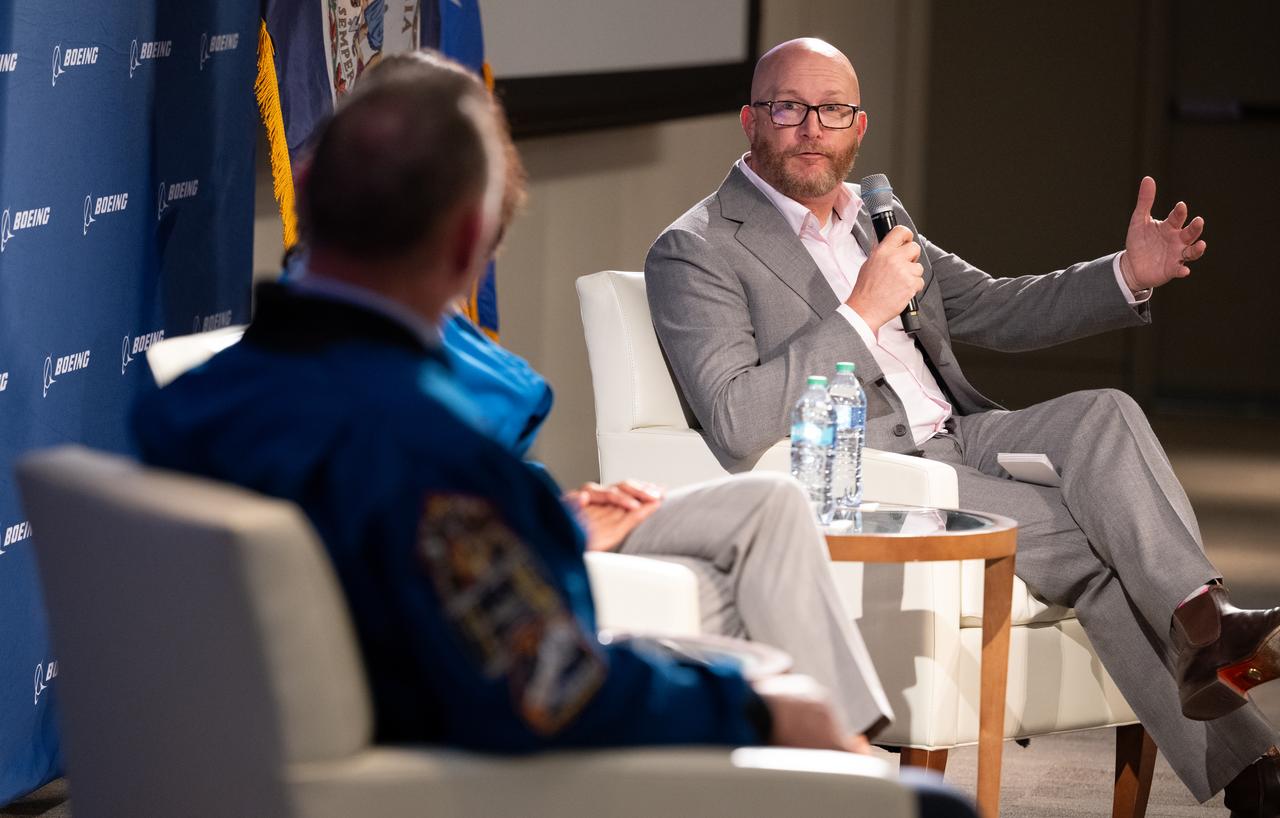
Steve Parker, executive vice president, president and CEO of Boeing Defense, Space and Security, speaks with NASA astronauts Suni Williams and Butch Wilmore during an event with employees of Boeing, Wednesday, Sept. 17, 2025, at the company’s headquarters in Arlington, Va. Williams and Wilmore launched aboard Boeing’s Starliner spacecraft to the International Space Station as part of the agency’s Boeing Crew Flight Test and were integrated into Expedition 71/72 following the uncrewed return of Starliner. The pair returned to Earth with NASA’s SpaceX Crew 9 astronauts. Photo Credit: (NASA/Joel Kowsky)
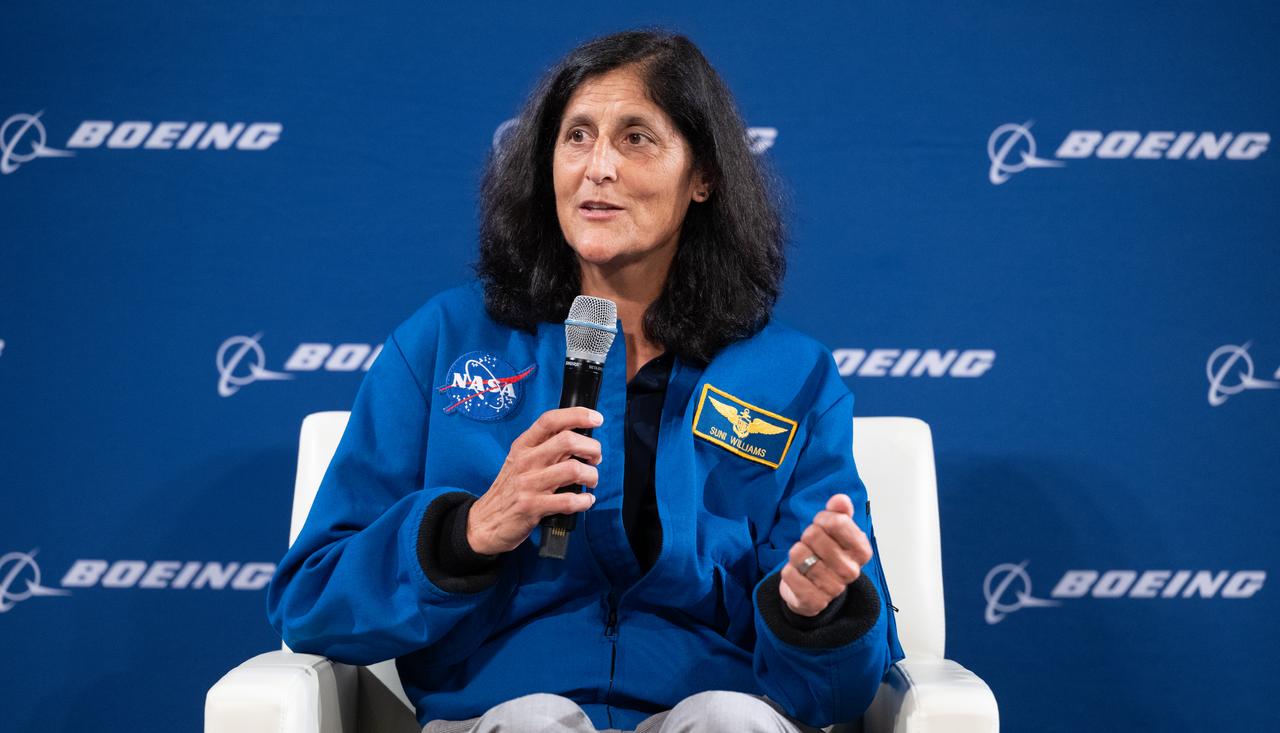
NASA astronaut Suni Williams speaks with employees of Boeing, Wednesday, Sept. 17, 2025, at the company’s headquarters in Arlington, Va. Williams and Butch Wilmore launched aboard Boeing’s Starliner spacecraft to the International Space Station as part of the agency’s Boeing Crew Flight Test and were integrated into Expedition 71/72 following the uncrewed return of Starliner. The pair returned to Earth with NASA’s SpaceX Crew 9 astronauts. Photo Credit: (NASA/Joel Kowsky)
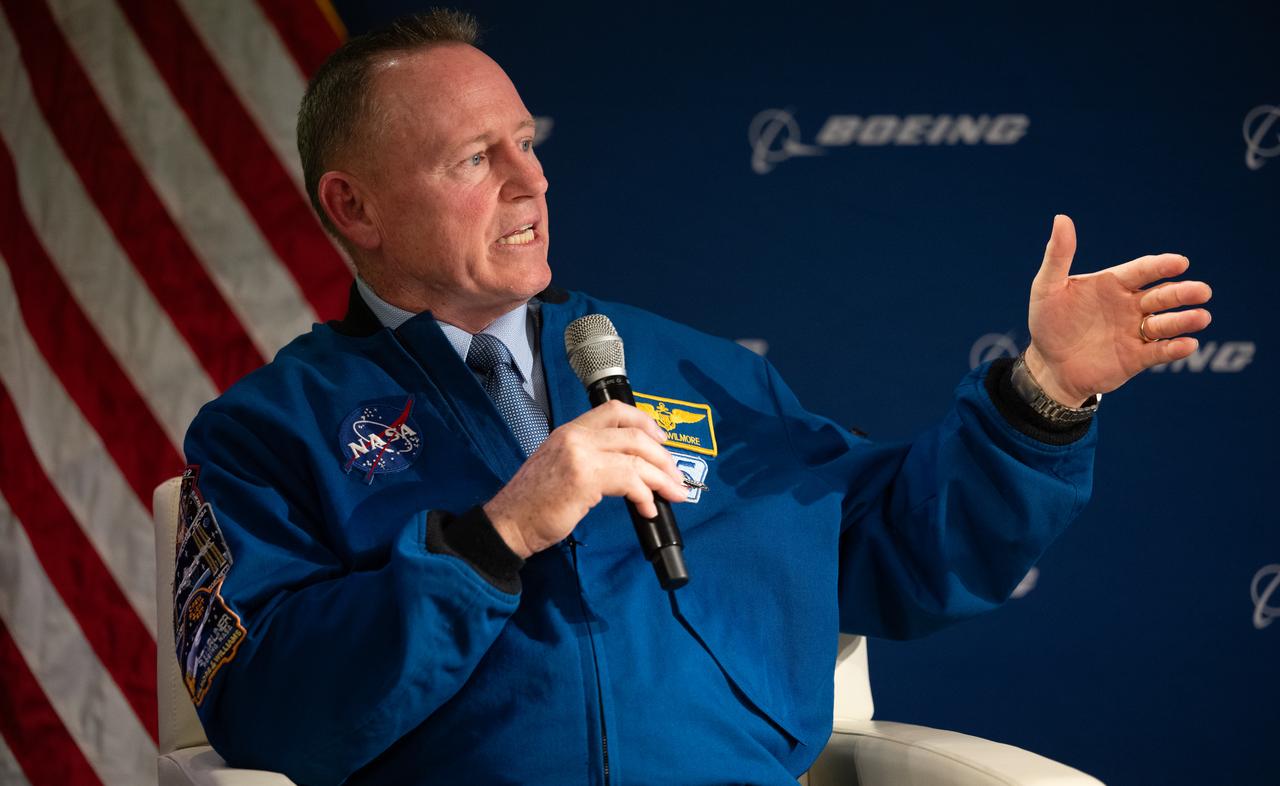
NASA astronaut Butch Wilmore speaks with employees of Boeing, Wednesday, Sept. 17, 2025, at the company’s headquarters in Arlington, Va. Wilmore and Suni Williams launched aboard Boeing’s Starliner spacecraft to the International Space Station as part of the agency’s Boeing Crew Flight Test and were integrated into Expedition 71/72 following the uncrewed return of Starliner. The pair returned to Earth with NASA’s SpaceX Crew 9 astronauts. Photo Credit: (NASA/Joel Kowsky)
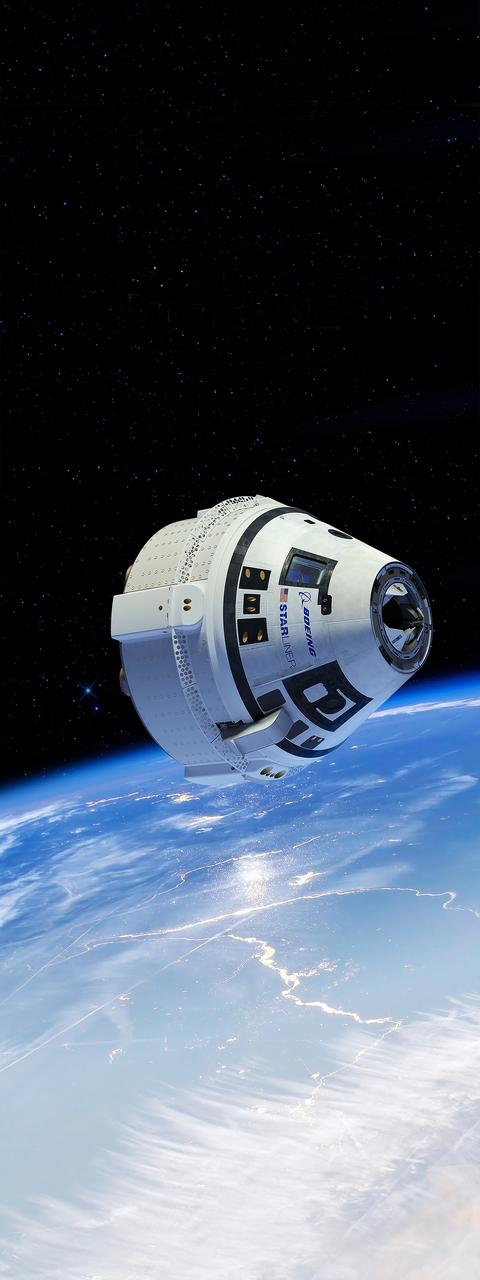
In this illustration, a Boeing CST-100 Starliner spacecraft is shown in low-Earth orbit. NASA is partnering with Boeing and SpaceX to build a new generation of human-rated spacecraft capable of taking astronauts to the International Space Station and expanding research opportunities in orbit. Boeing's upcoming Orbital Flight Test is part of NASA’s Commercial Crew Transportation Capability contract with the goal of returning human spaceflight launch capabilities to the United States.
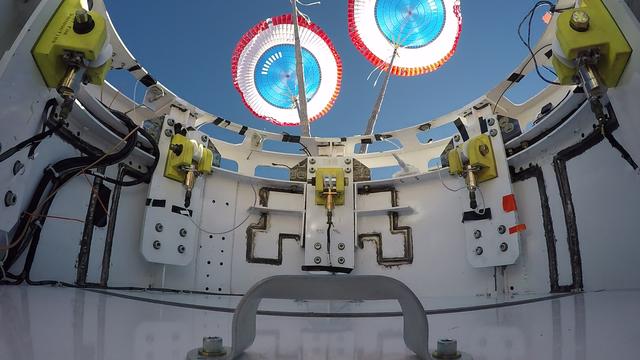
The parachute deployment is seen from the top hatch of a boilerplate CST-100 Starliner during a drop test of the Starliner's parachute system. Boeing, which is building the Starliner, conducted the test in White Sands, New Mexico, as part of the testing campaign for certification by NASA's Commercial Crew Program. Photo credit: Boeing
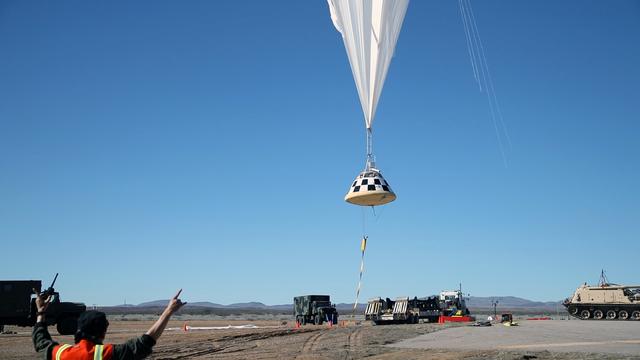
A boilerplate CST-100 Starliner is lifted skyward by a balloon for a drop test of the Starliner's parachute system. Boeing, which is building the Starliner, conducted the test in White Sands, New Mexico, as part of the testing campaign for certification by NASA's Commercial Crew Program. Photo credit: Boeing
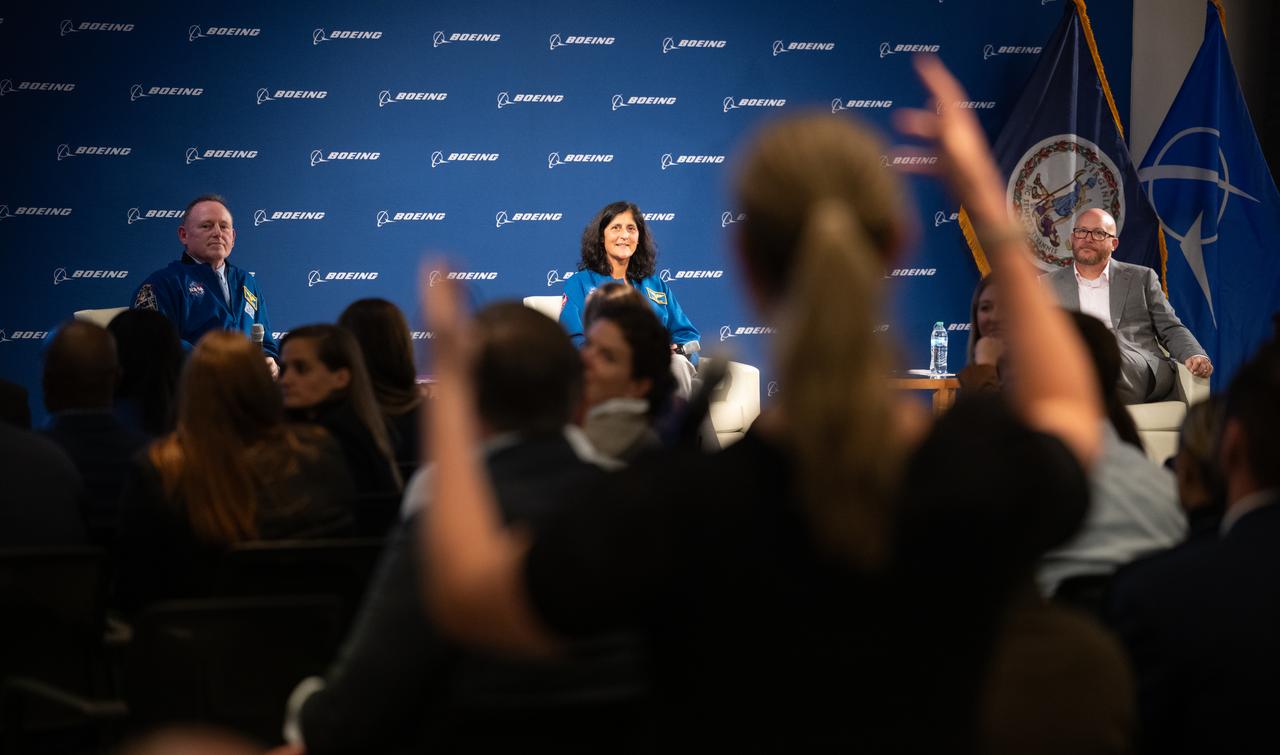
NASA astronauts Suni Williams, center, Butch Wilmore, left, and Steve Parker, executive vice president, president and CEO of Boeing Defense, Space and Security, listen to a question as they speak with employees of Boeing, Wednesday, Sept. 17, 2025, at the company’s headquarters in Arlington, Va. Williams and Wilmore launched aboard Boeing’s Starliner spacecraft to the International Space Station as part of the agency’s Boeing Crew Flight Test and were integrated into Expedition 71/72 following the uncrewed return of Starliner. The pair returned to Earth with NASA’s SpaceX Crew 9 astronauts. Photo Credit: (NASA/Joel Kowsky)
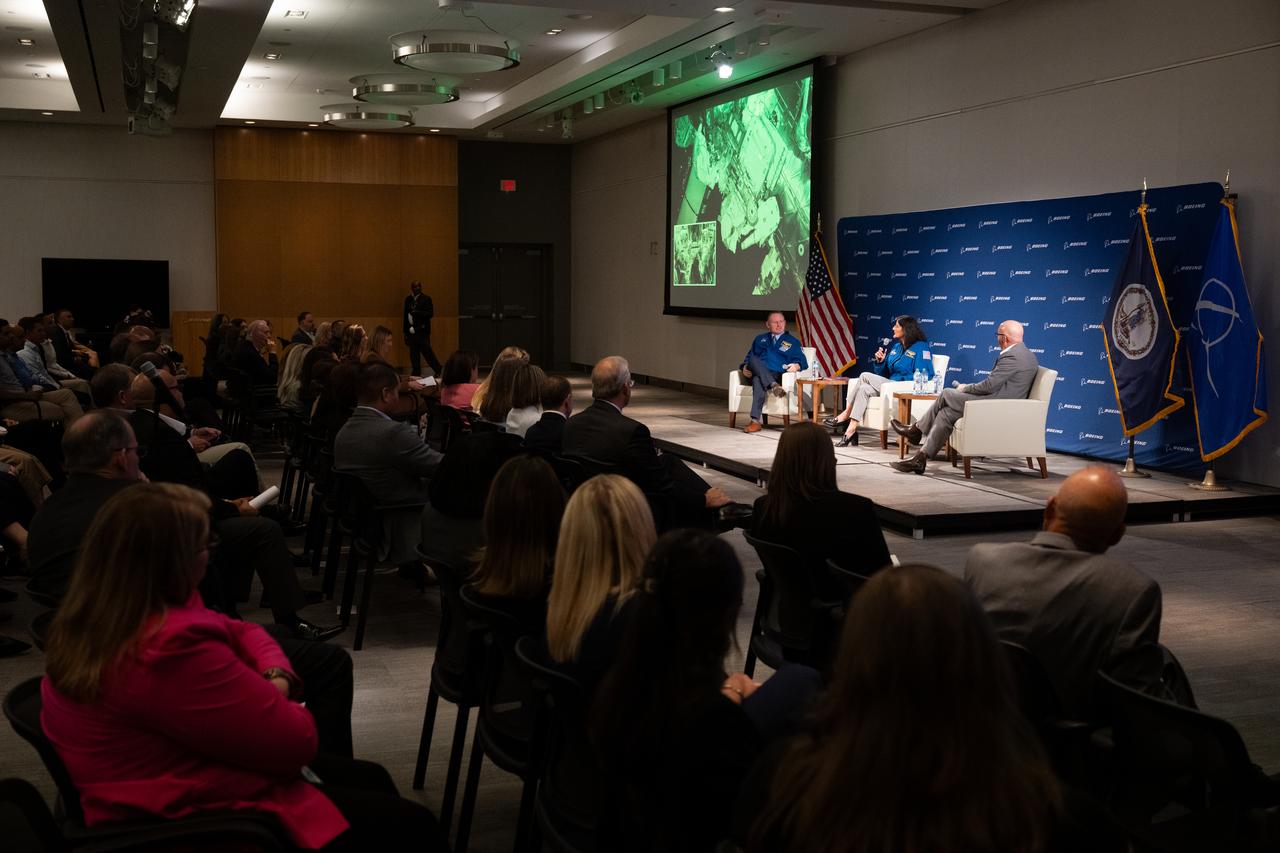
NASA astronauts Suni Williams, center, and Butch Wilmore, left, speak with employees of Boeing alongside Steve Parker, executive vice president, president and CEO of Boeing Defense, Space and Security, Wednesday, Sept. 17, 2025, at the company’s headquarters in Arlington, Va. Williams and Wilmore launched aboard Boeing’s Starliner spacecraft to the International Space Station as part of the agency’s Boeing Crew Flight Test and were integrated into Expedition 71/72 following the uncrewed return of Starliner. The pair returned to Earth with NASA’s SpaceX Crew 9 astronauts. Photo Credit: (NASA/Joel Kowsky)
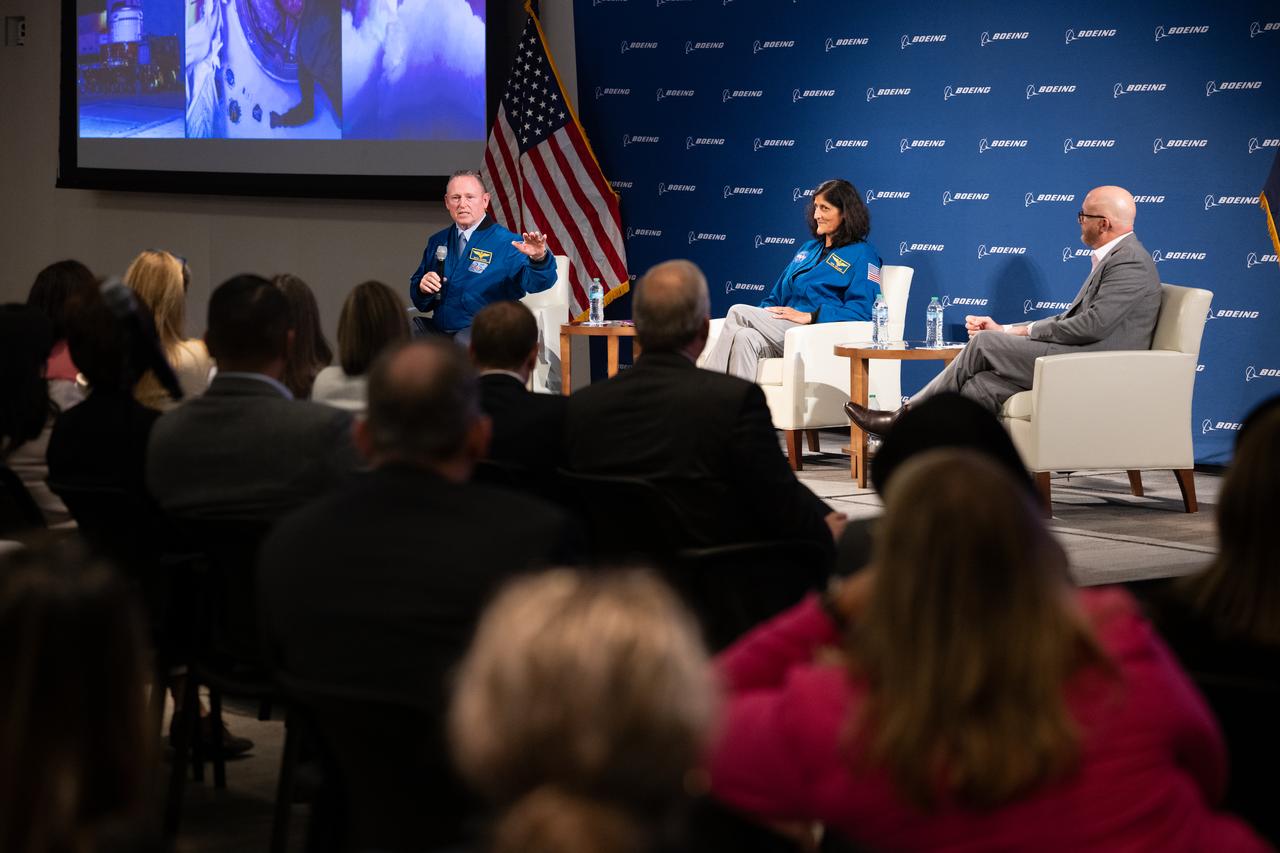
NASA astronauts Butch Wilmore, left, and Suni Williams, center, speak with employees of Boeing alongside Steve Parker, executive vice president, president and CEO of Boeing Defense, Space and Security, Wednesday, Sept. 17, 2025, at the company’s headquarters in Arlington, Va. Williams and Wilmore launched aboard Boeing’s Starliner spacecraft to the International Space Station as part of the agency’s Boeing Crew Flight Test and were integrated into Expedition 71/72 following the uncrewed return of Starliner. The pair returned to Earth with NASA’s SpaceX Crew 9 astronauts. Photo Credit: (NASA/Joel Kowsky)
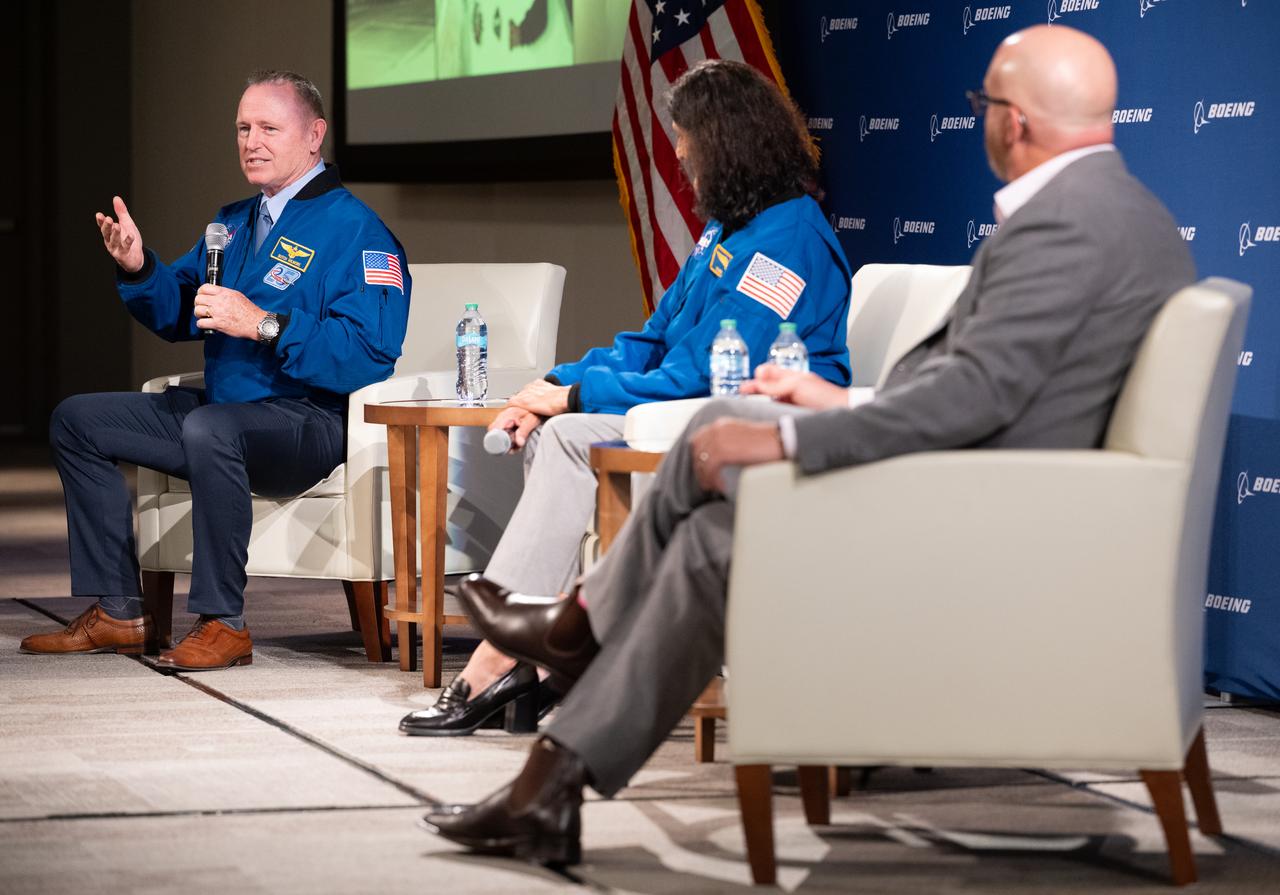
NASA astronauts Butch Wilmore, left, and Suni Williams, center, speak with employees of Boeing alongside Steve Parker, executive vice president, president and CEO of Boeing Defense, Space and Security, Wednesday, Sept. 17, 2025, at the company’s headquarters in Arlington, Va. Williams and Wilmore launched aboard Boeing’s Starliner spacecraft to the International Space Station as part of the agency’s Boeing Crew Flight Test and were integrated into Expedition 71/72 following the uncrewed return of Starliner. The pair returned to Earth with NASA’s SpaceX Crew 9 astronauts. Photo Credit: (NASA/Joel Kowsky)
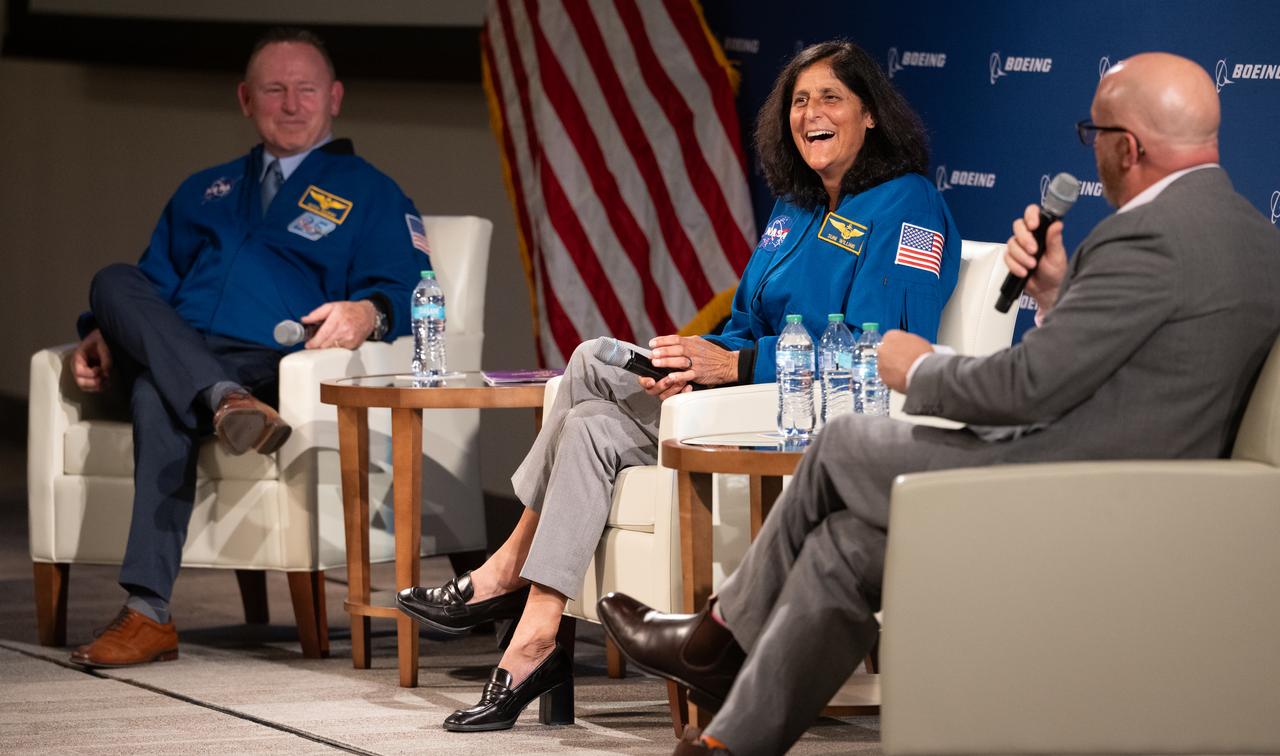
NASA astronauts Suni Williams, center, and Butch Wilmore, left, speak with employees of Boeing alongside Steve Parker, executive vice president, president and CEO of Boeing Defense, Space and Security, Wednesday, Sept. 17, 2025, at the company’s headquarters in Arlington, Va. Williams and Wilmore launched aboard Boeing’s Starliner spacecraft to the International Space Station as part of the agency’s Boeing Crew Flight Test and were integrated into Expedition 71/72 following the uncrewed return of Starliner. The pair returned to Earth with NASA’s SpaceX Crew 9 astronauts. Photo Credit: (NASA/Joel Kowsky)
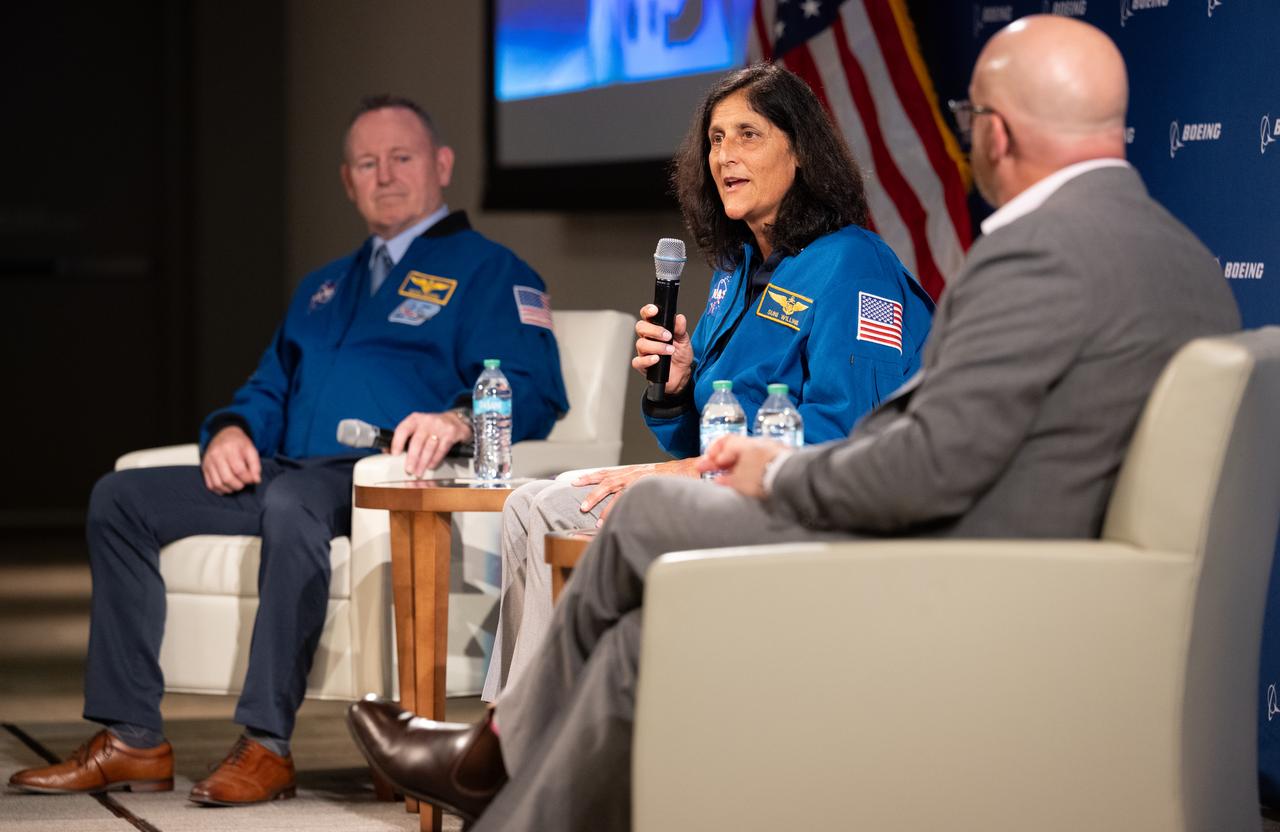
NASA astronauts Suni Williams, center, and Butch Wilmore, left, speak with employees of Boeing alongside Steve Parker, executive vice president, president and CEO of Boeing Defense, Space and Security, Wednesday, Sept. 17, 2025, at the company’s headquarters in Arlington, Va. Williams and Wilmore launched aboard Boeing’s Starliner spacecraft to the International Space Station as part of the agency’s Boeing Crew Flight Test and were integrated into Expedition 71/72 following the uncrewed return of Starliner. The pair returned to Earth with NASA’s SpaceX Crew 9 astronauts. Photo Credit: (NASA/Joel Kowsky)
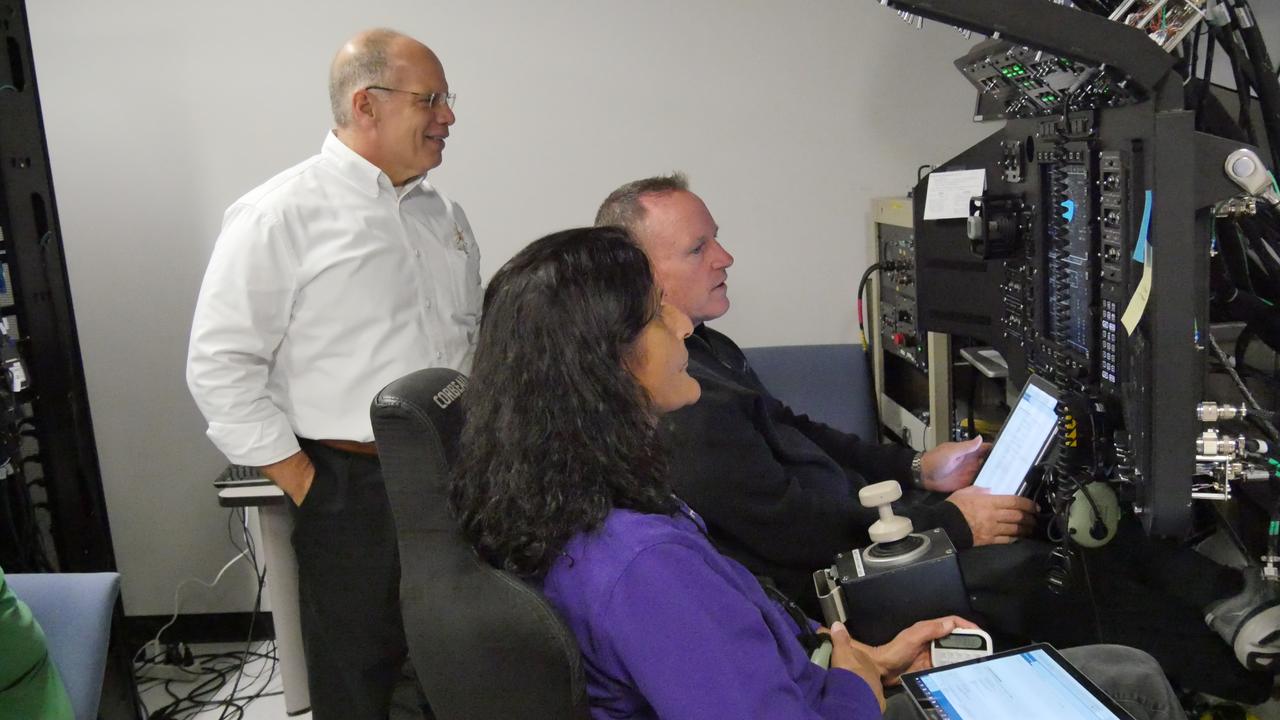
From left, Starliner Flight Crew Integration Manager Tony Ceccacci, and NASA astronauts Barry “Butch” Wilmore and Sunita “Suni” Williams participate in a mission rehearsal at Boeing’s Avionics and Software Integration Lab in Houston.
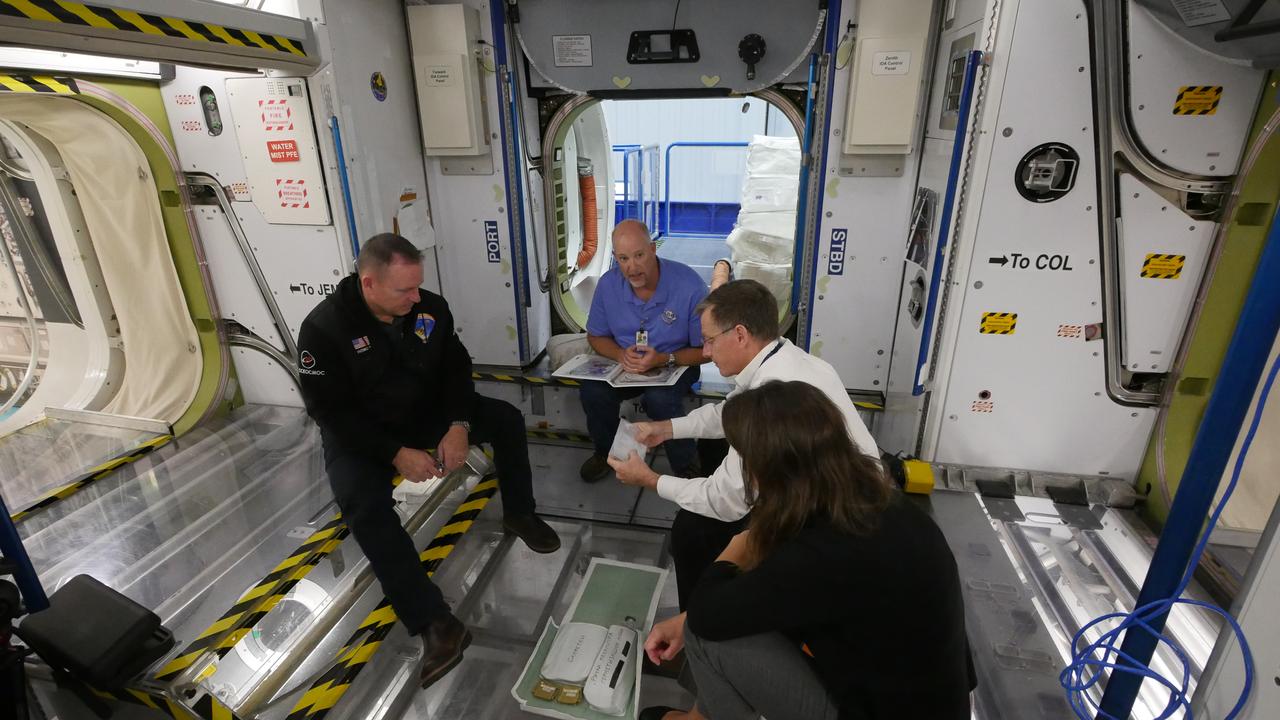
NASA astronauts Nicole Mann and Barry “Butch” Wilmore and Boeing astronaut Chris Ferguson review International Space Station training at NASA’s Johnson Space Center in Houston, Texas. Mann and Ferguson are assigned to Boeing’s Crew Flight Test, the first flight of the company’s CST-100 Starliner spacecraft. The Crew Flight Test is part of NASA’s Commercial Crew Program, which is working with Boeing to return human spaceflight launches to the space station from U.S. soil.
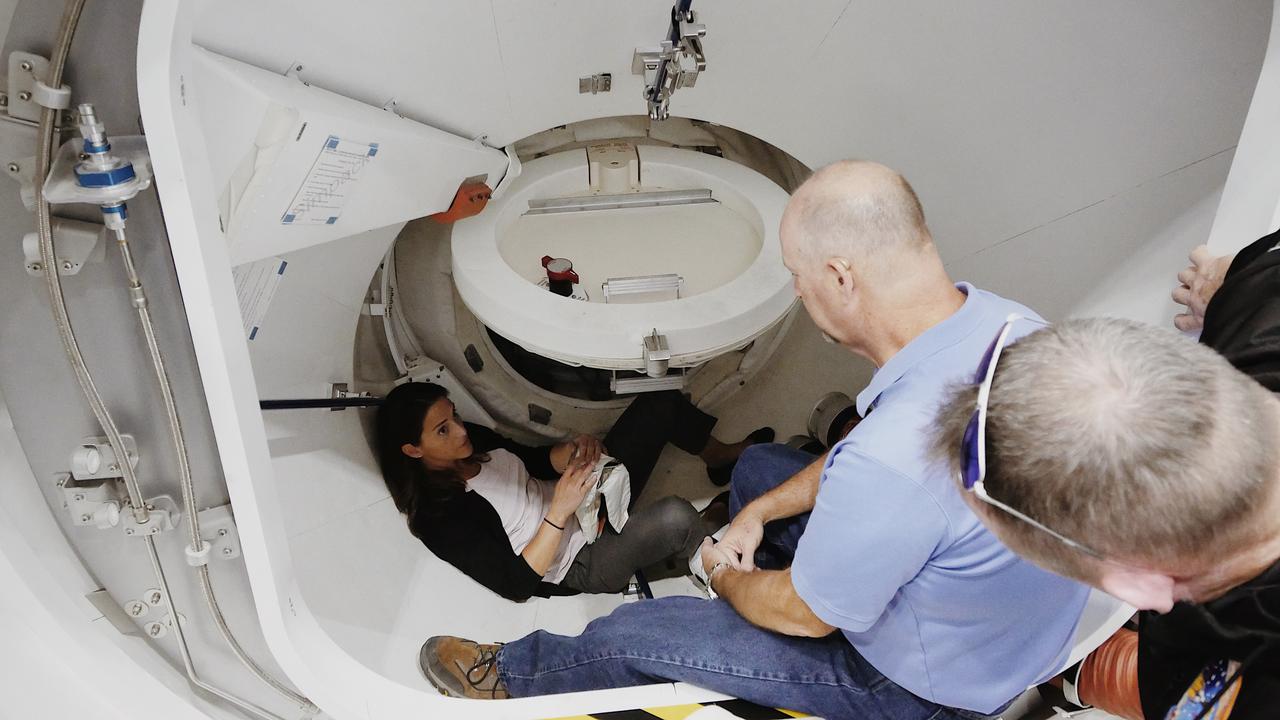
NASA astronaut Nicole Mann, assigned to fly in the Crew Flight Test of Boeing’s CST-100 Starliner, practices opening a mockup of the spacecraft hatch on the International Space Station’s International Docking Adapter at NASA’s Johnson Space Center in Houston, Texas. Boeing’s Crew Flight Test is part of NASA’s Commercial Crew Program, which is working with Boeing to return human spaceflight launches to the space station from U.S. soil.
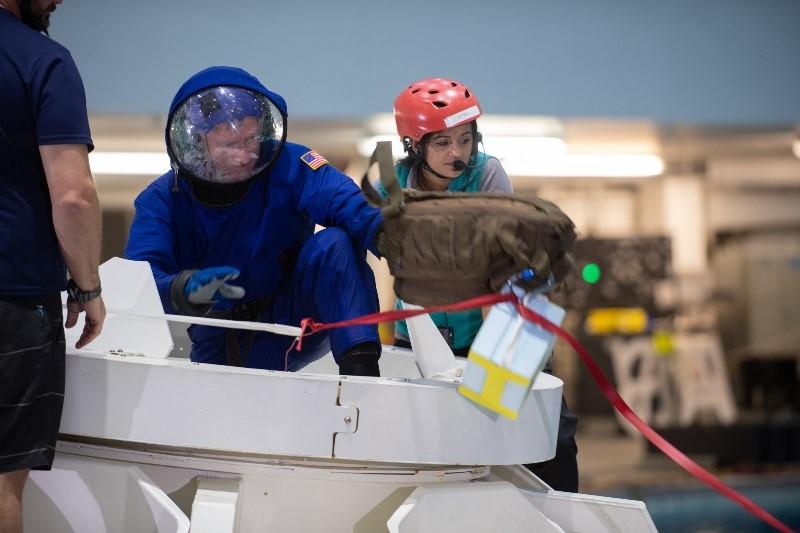
Boeing astronaut and CST-100 Starliner Crew Flight Test crew member Chris Ferguson trains for a contingency water landing in NASA’s Neutral Buoyancy Laboratory at the Johnson Space Center in Houston, Texas. Starliner is designed to land on land, but it can also abort to safe water landings if needed. For safety, all Starliner crews will prepare for all possible scenarios, however unlikely. Boeing’s Crew Flight Test is part of NASA’s Commercial Crew Program, which is working with Boeing to return human spaceflight launches to the space station from U.S. soil.

An engineer monitors a Boeing CST-100 Starliner spacecraft inside Boeing's Commercial Crew and Cargo Processing Facility at NASA's Kennedy Space Center in Florida. This was the first time "Spacecraft 1," as the individual Starliner is known, was powered up. It is being assembled for use during a pad abort test that will demonstrate the Starliners' ability to lift astronauts out of danger in the unlikely event of an emergency. Later flight tests will demonstrate Starliners in orbital missions to the station without a crew, and then with astronauts aboard. The flight tests will preview the crew rotation missions future Starliners will perform as they take up to four astronauts at a time to the orbiting laboratory in order to enhance the research taking place there
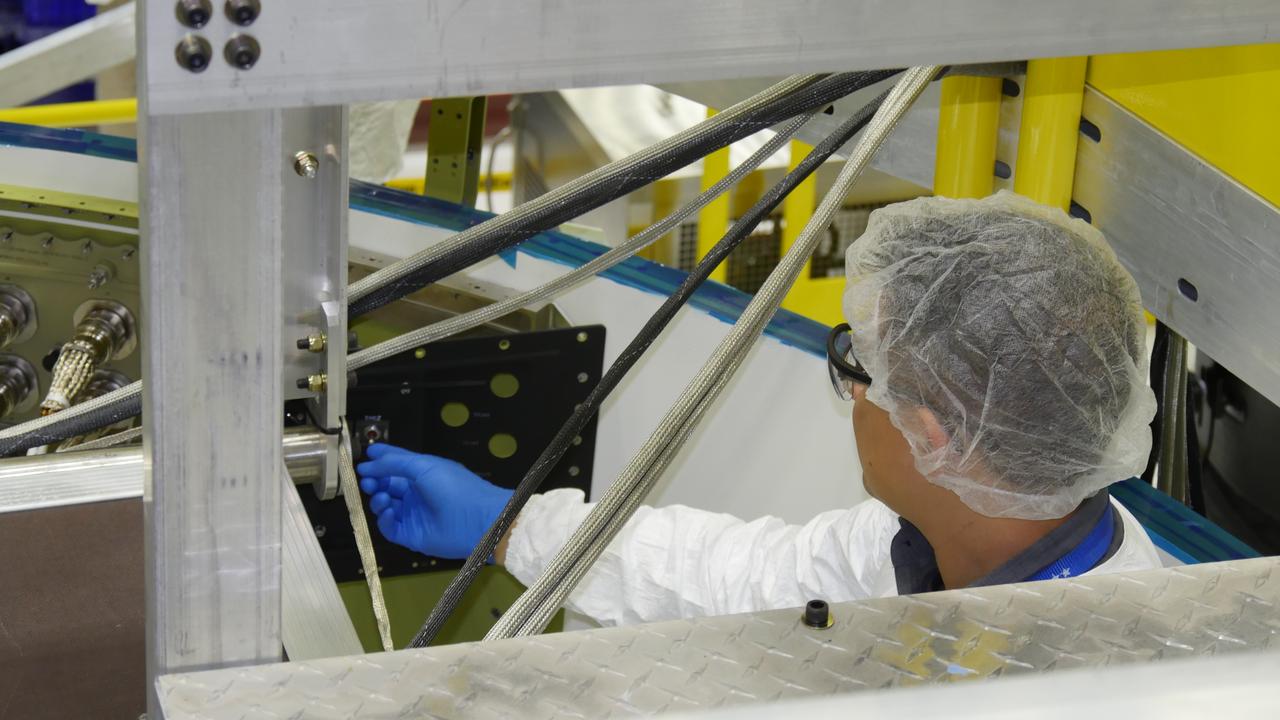
An engineer works the switch to power on a Boeing CST-100 Starliner spacecraft inside Boeing's Commercial Crew and Cargo Processing Facility at NASA's Kennedy Space Center in Florida. This was the first time "Spacecraft 1," as the individual Starliner is known, was powered up. It is being assembled for use during a pad abort test that will demonstrate the Starliners' ability to lift astronauts out of danger in the unlikely event of an emergency. Later flight tests will demonstrate Starliners in orbital missions to the station without a crew, and then with astronauts aboard. The flight tests will preview the crew rotation missions future Starliners will perform as they take up to four astronauts at a time to the orbiting laboratory in order to enhance the research taking place there.

Dutch Netherlands testing of Boeing 360 Vertol Rotor: Full Test
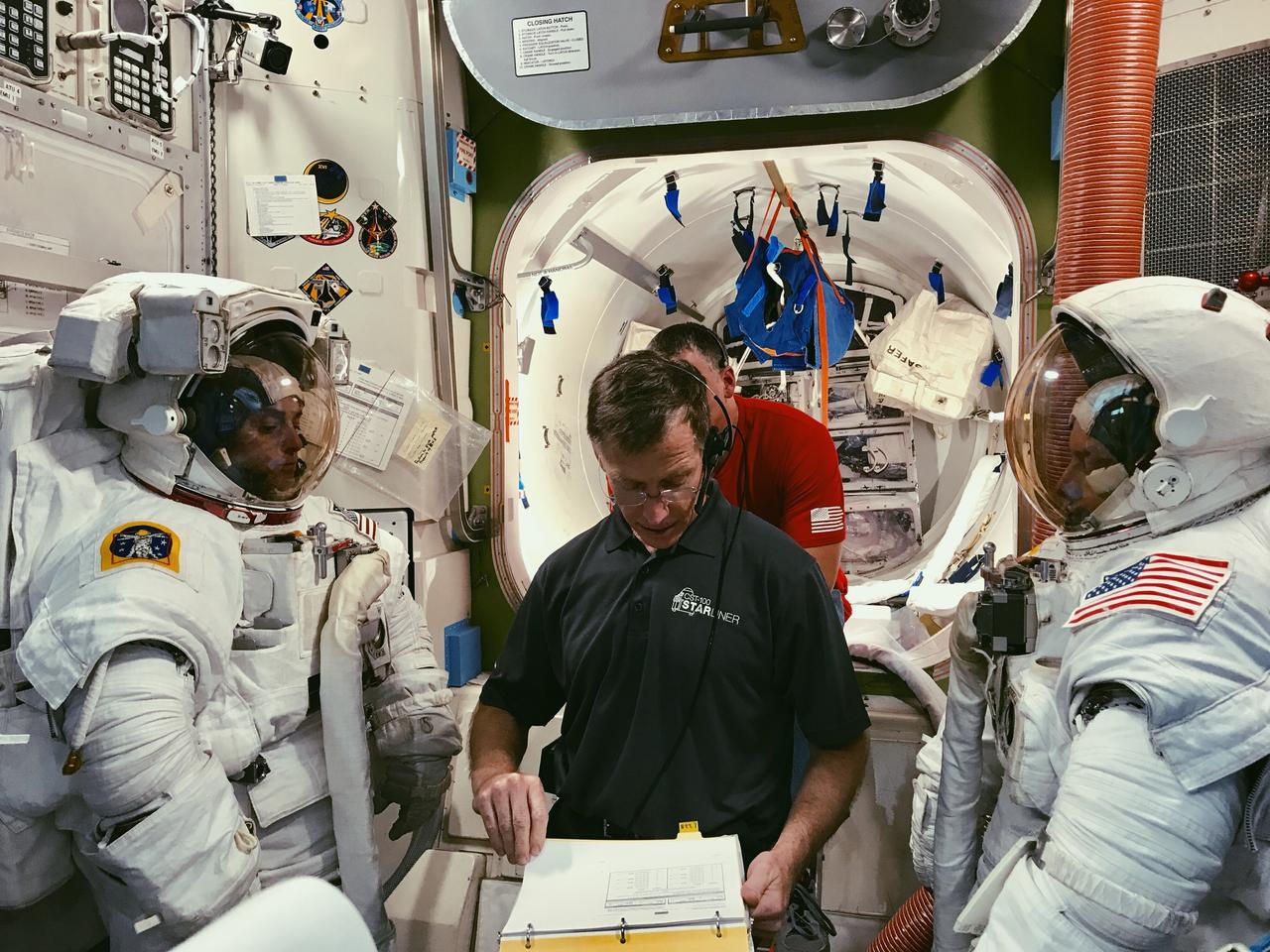
Boeing astronaut Chris Ferguson helps NASA astronauts Nicole Mann (left) and Mike Fincke (right) train for a spacewalk inside the International Space Station Airlock Mockup at NASA’s Johnson Space Center in Houston in February. Mann, Ferguson and Fincke are assigned to Boeing’s Crew Flight Test, Starliner’s first flight with crew as part of NASA’s Commercial Crew Program, which will restore human spaceflight launches to the space station from U.S. soil.
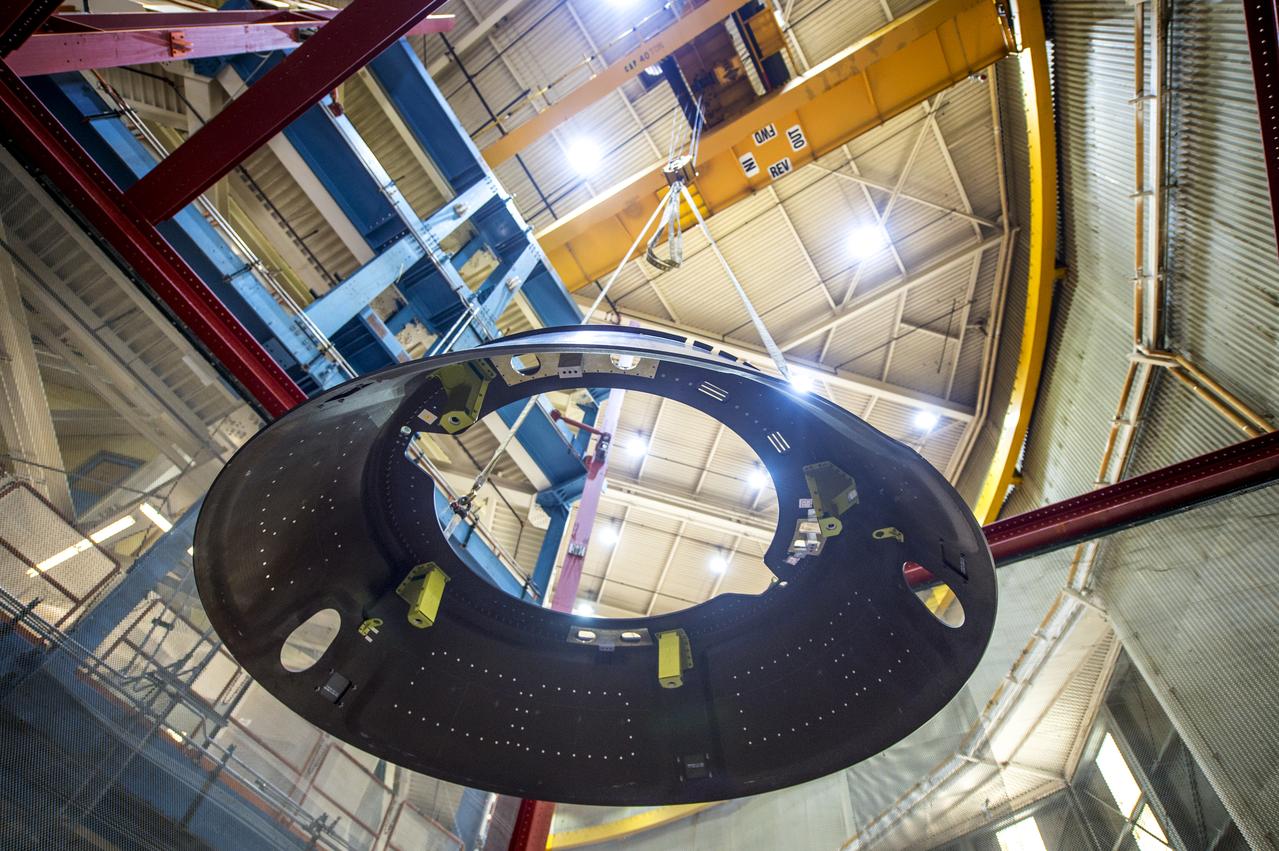
A heat shield is used during separation test activities with Boeing's Starliner structural test article. The test article is undergoing rigorous qualification testing at the company's Huntington Beach Facility in California. Boeing’s CST-100 Starliner will launch on the Atlas V rocket to the International Space Station as part of NASA’s Commercial Crew Program.
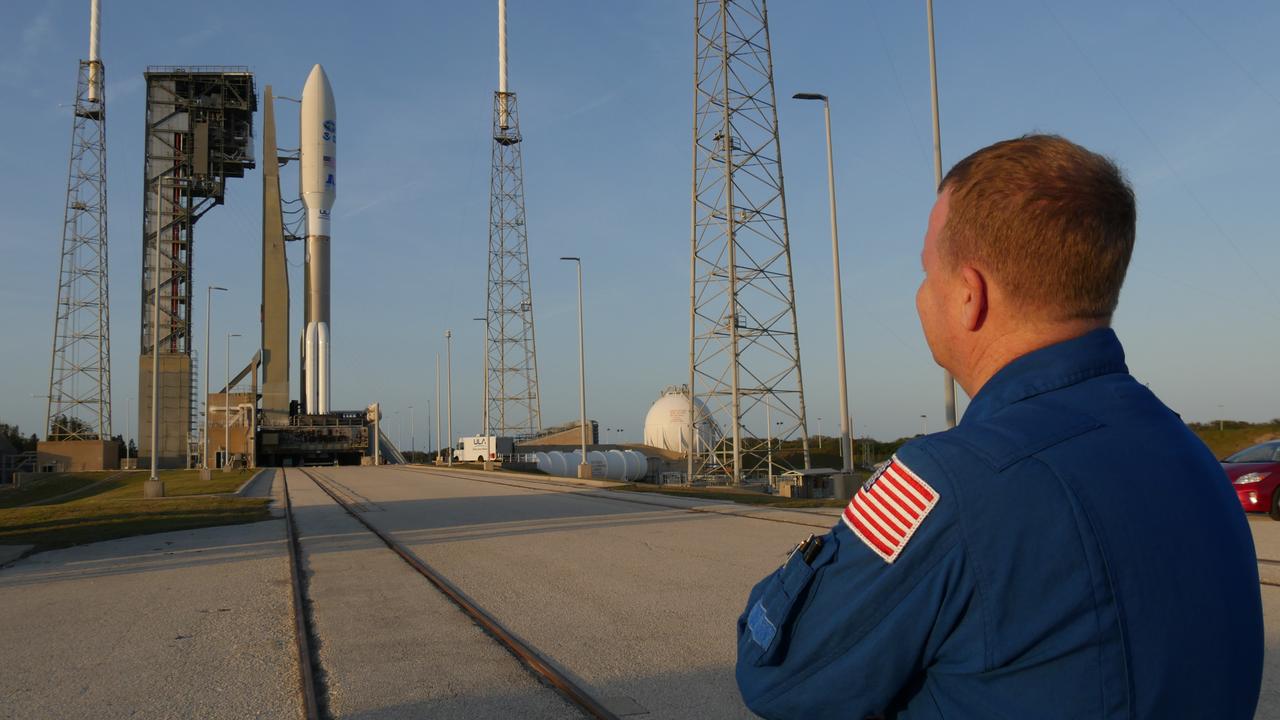
NASA astronaut Eric Boe, one of four astronauts working with the agency’s Commercial Crew Program, had the opportunity to check out the Crew Access Tower at Space Launch Complex 41 (SLC-41) Wednesday with a United Launch Alliance Atlas V on the pad. Boe, along with launch operations engineers from NASA, Boeing, and ULA, climbed the launch pad tower to evaluate lighting and spotlights after dark. The survey helped ensure crew members will have acceptable visibility as they prepare to launch aboard Boeing’s Starliner spacecraft on the Crew Flight Test to the International Space Station targeted for later this year.
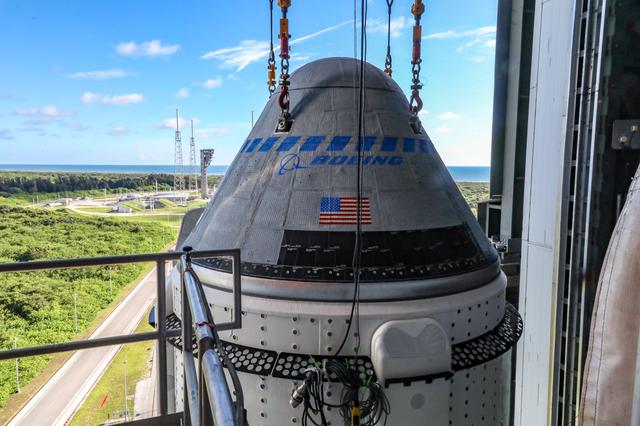
The Boeing CST-100 Starliner spacecraft is secured atop a United Launch Alliance Atlas V rocket at the Vertical Integration Facility at Space Launch Complex 41 at Cape Canaveral Space Force Station in Florida on July 17, 2021. Starliner will launch on the Atlas V for Boeing’s second Orbital Flight Test (OFT-2) for NASA’s Commercial Crew Program. The spacecraft rolled out from Boeing’s Commercial Crew and Cargo Processing Facility at NASA’s Kennedy Space Center earlier in the day.
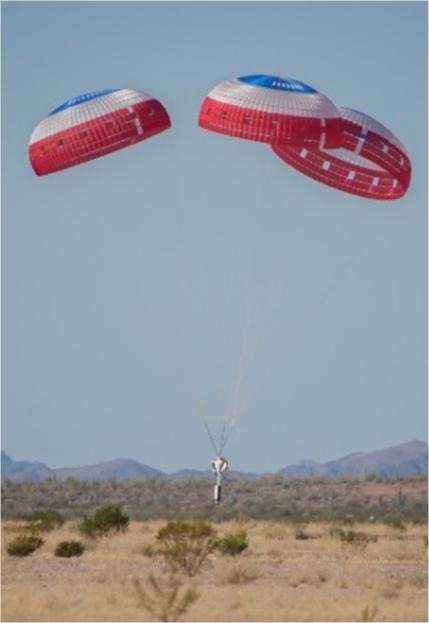
Boeing’s CST-100 Starliner’s parachute systems successfully completed a “lawn dart” test at the Yuma Proving Ground in Arizona in February. The test involved dropping the dart from a C-17 aircraft. This reliability test was part of a special studies program NASA initiated to validate the robust design of Starliner’s parachute systems, and is an important milestone in proving the systems are ready to safely land Starliner. NASA and Boeing are preparing for the company’s uncrewed and crewed flight tests of Starliner as part of NASA’s Commercial Crew Program, which will return human spaceflight launches into low-Earth orbit from U.S. soil.
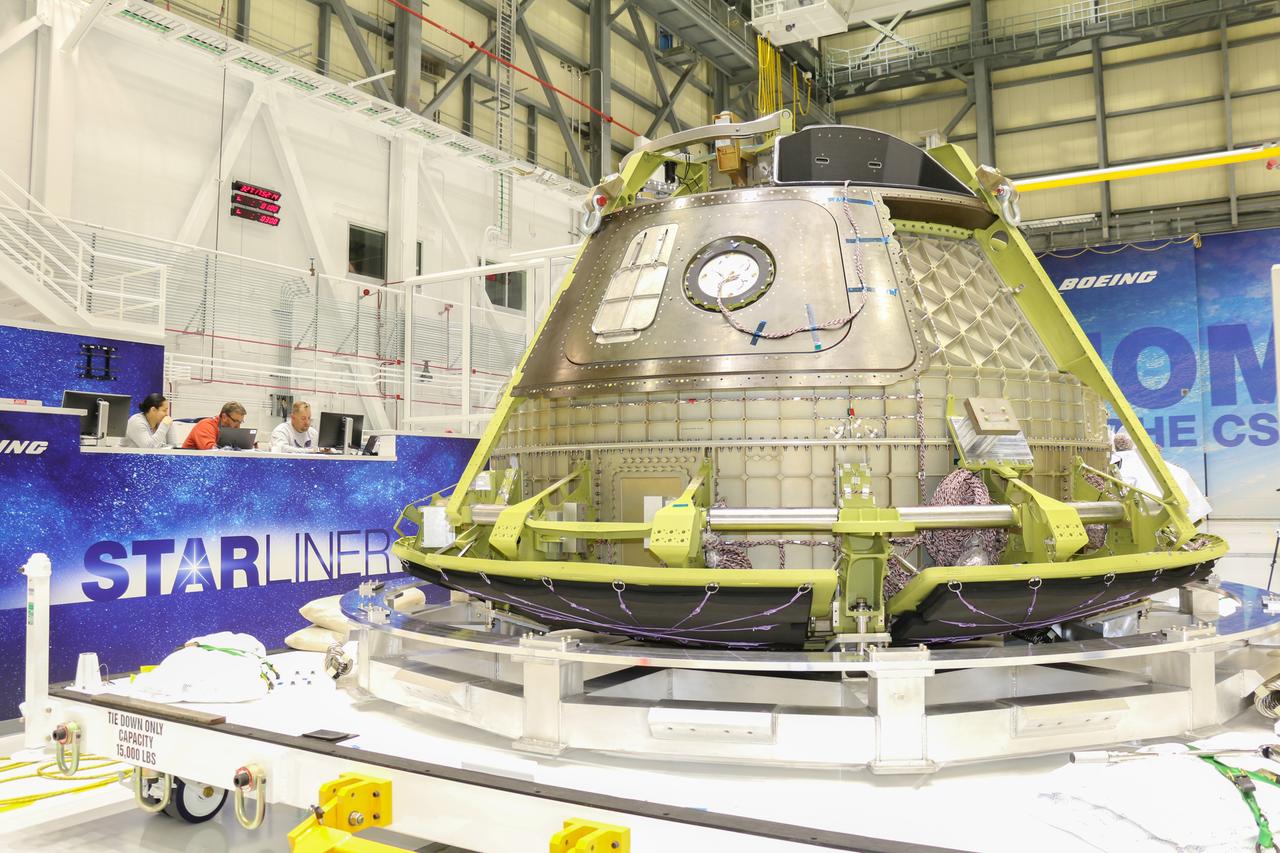
Boeing’s Structural Test Article of its CST-100 Starliner spacecraft is readied inside the company’s Commercial Crew and Cargo Processing Facility at NASA’s Kennedy Space Center. Built to the specifications of an operational spacecraft, the STA is intended to be evaluated through a series of thorough testing conditions at facilities in Huntington Beach, California.
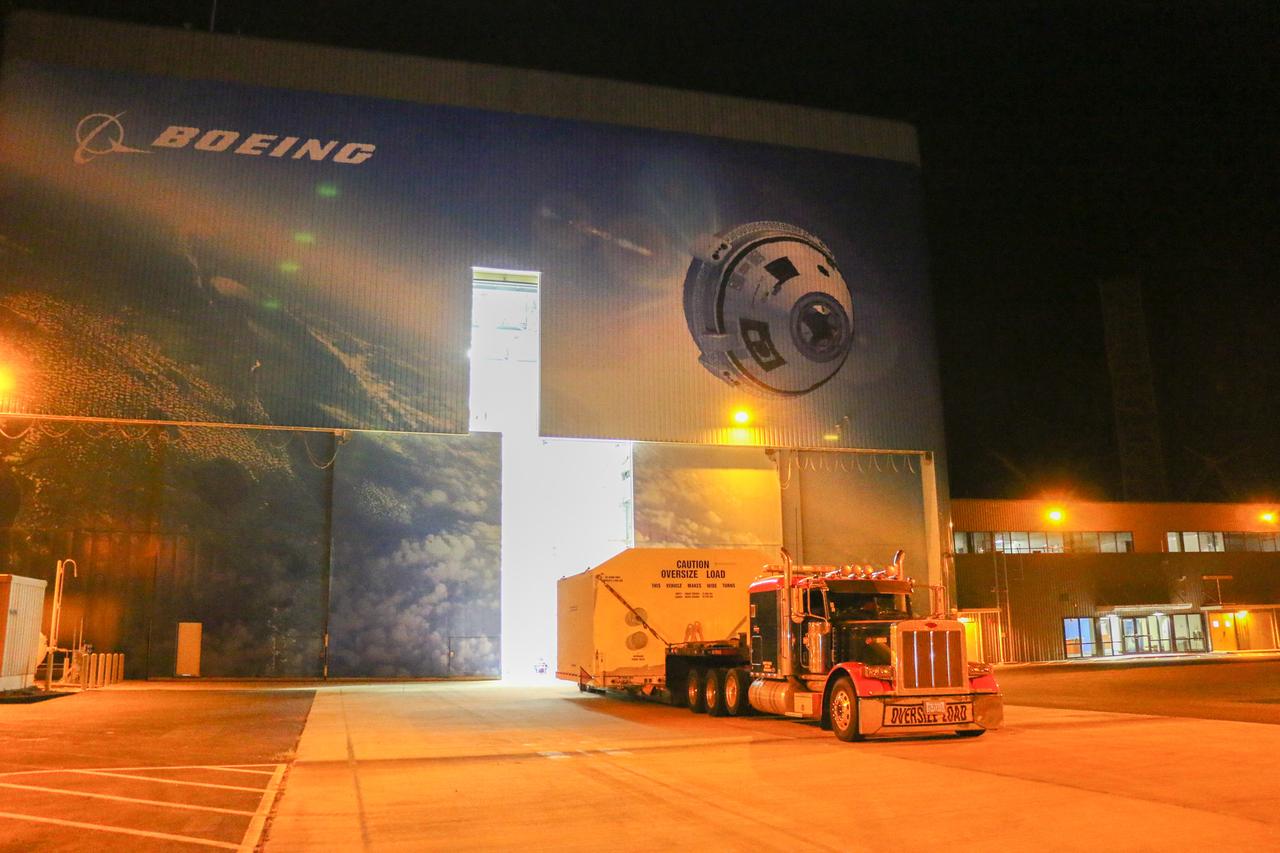
Boeing’s Structural Test Article of its CST-100 Starliner spacecraft is moved out of the company’s Commercial Crew and Cargo Processing Facility at NASA’s Kennedy Space Center on its way to Huntington Beach, California, for evaluations. Built to the specifications of an operational spacecraft, the STA is intended to be evaluated through a series of thorough testing conditions.
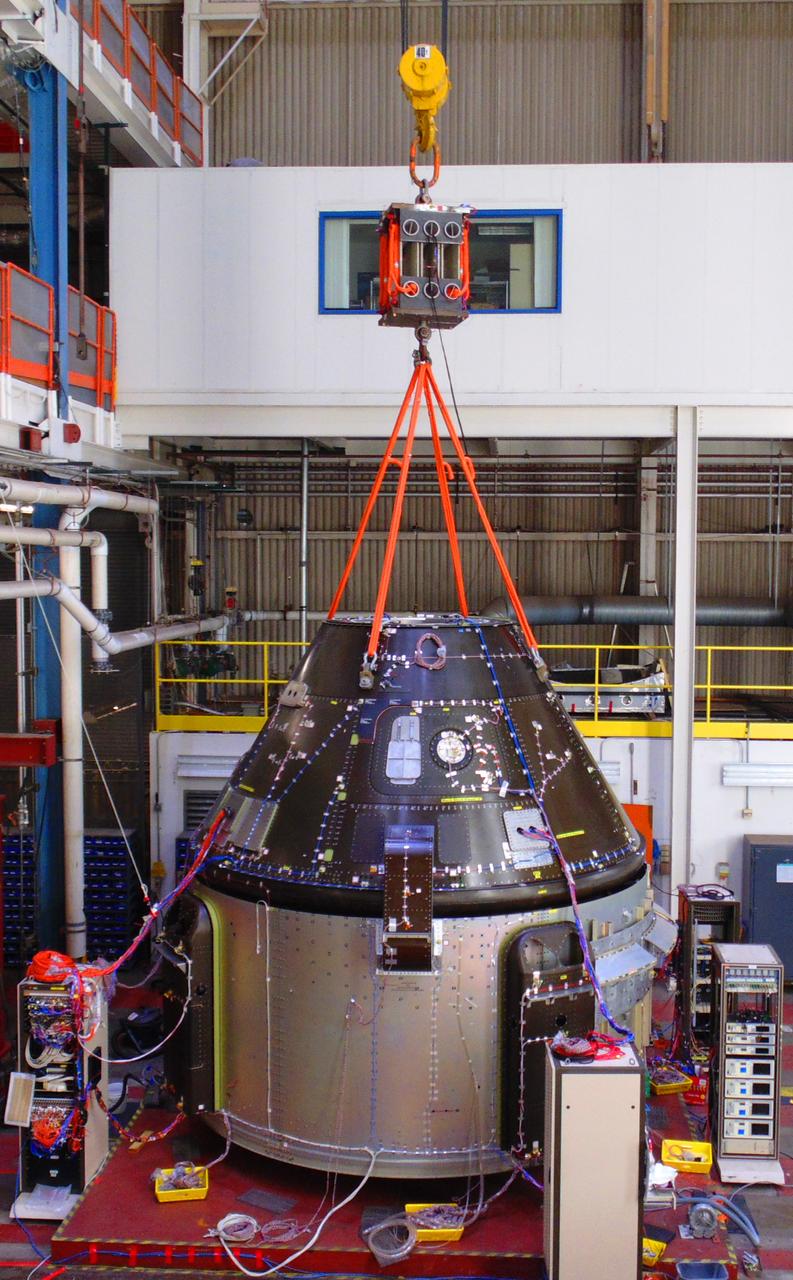
A Starliner structural test article at Boeing's Huntington Beach Facility in California, where the spacecraft, including the service module and other hardware of the Atlas V upper stage, are undergoing rigorous qualification testing, including tests like shock, separation and vibration. Boeing’s CST-100 Starliner will launch on the Atlas V rocket to the International Space Station as part of NASA’s Commercial Crew Program.
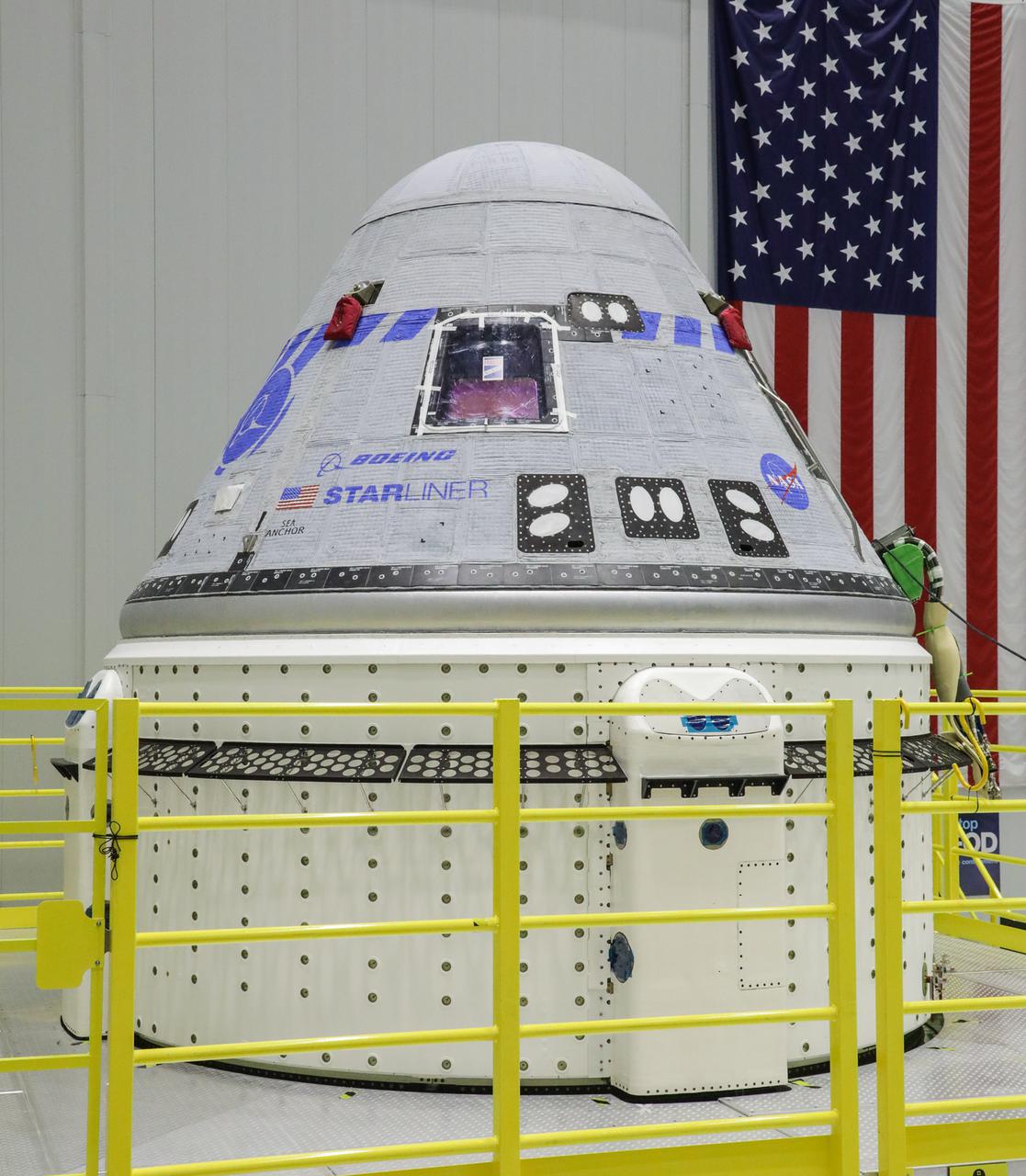
A new service module was mated to a Boeing CST-100 Starliner crew module to form a complete spacecraft on March 12, 2022, in Boeing’s Commercial Crew and Cargo Processing Facility at NASA’s Kennedy Space Center in Florida. Starliner will launch on a United Launch Alliance Atlas V rocket for Boeing’s second uncrewed Orbital Flight Test-2 (OFT-2) for NASA’s Commercial Crew Program.
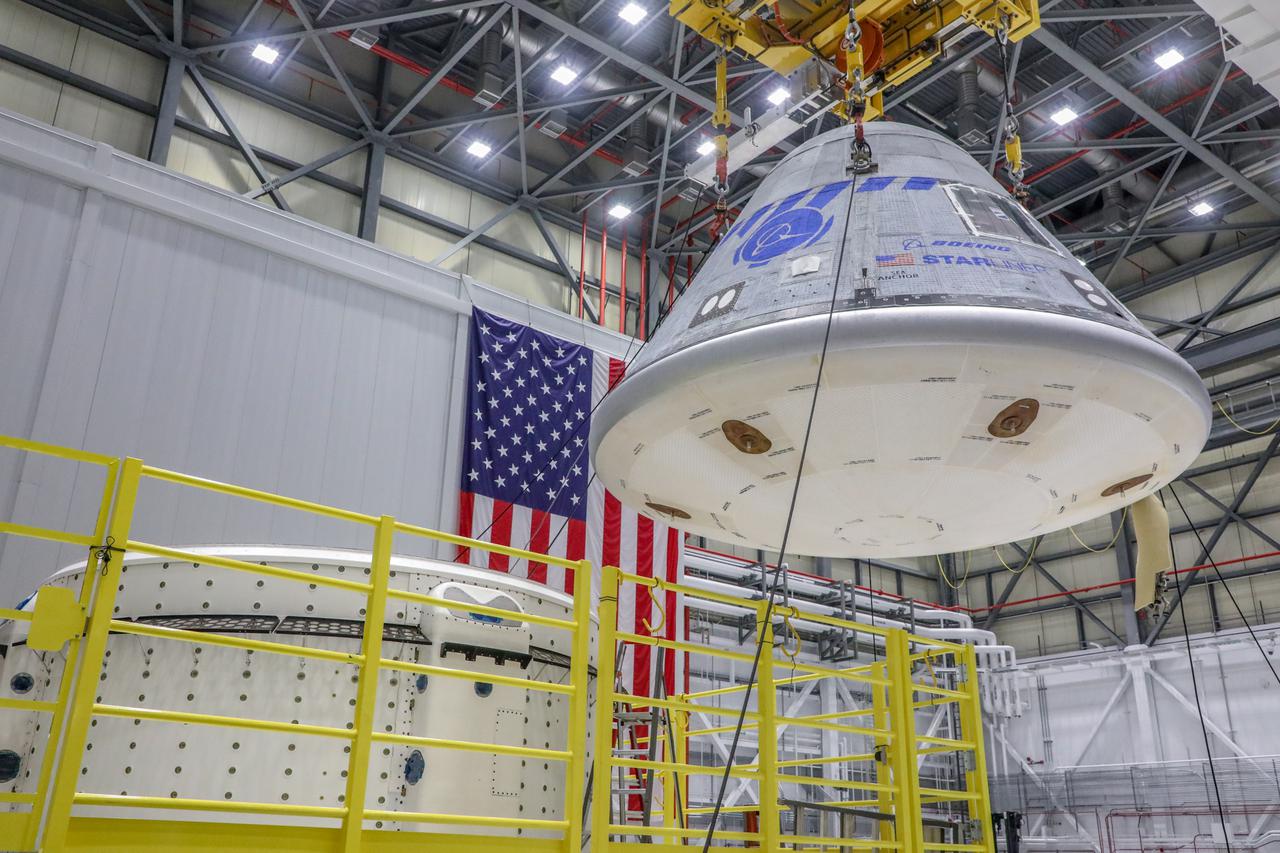
A new service module was mated to a Boeing CST-100 Starliner crew module to form a complete spacecraft on March 12, 2022, in Boeing’s Commercial Crew and Cargo Processing Facility at NASA’s Kennedy Space Center in Florida. Starliner will launch on a United Launch Alliance Atlas V rocket for Boeing’s second uncrewed Orbital Flight Test-2 (OFT-2) for NASA’s Commercial Crew Program.
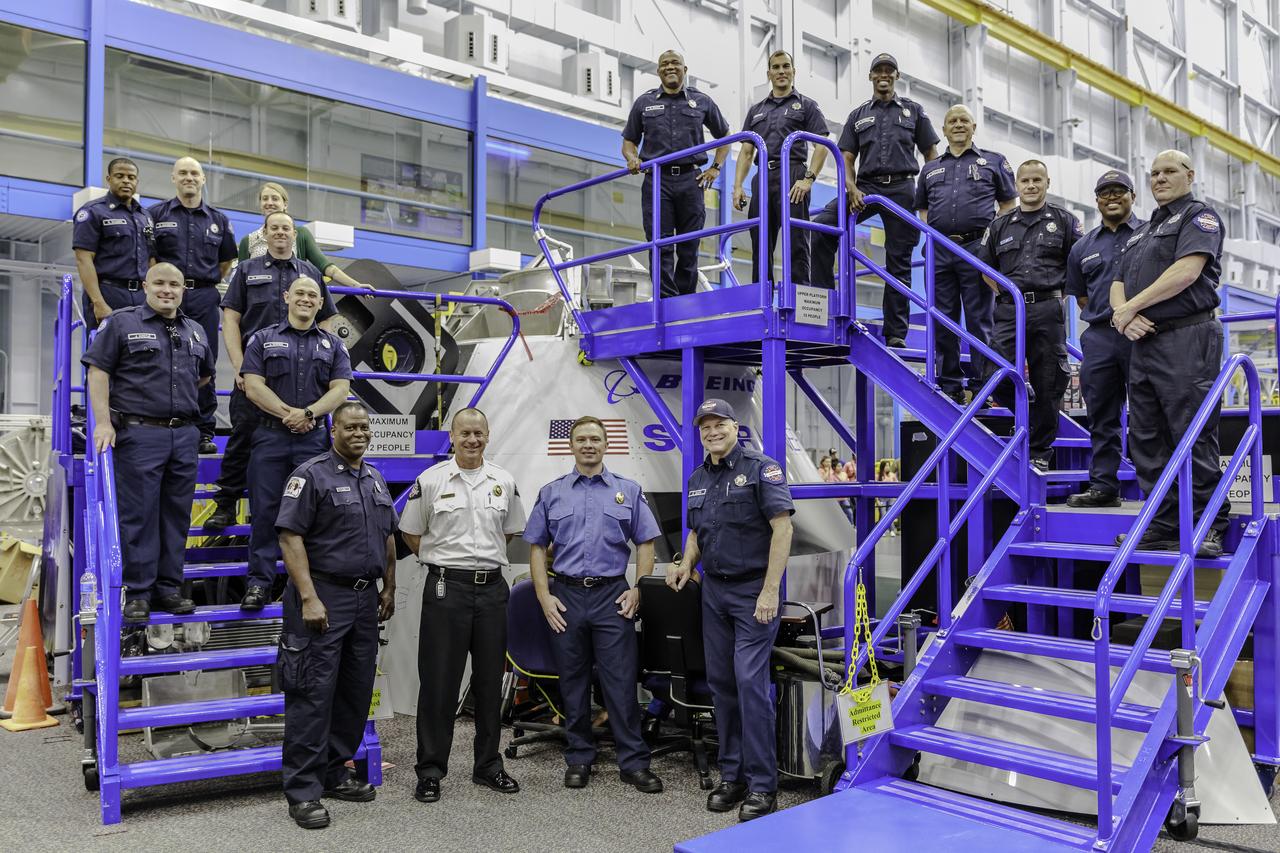
The Boeing extrication team train on the Boeing Mock-up Trainer from May 25 through May 28, 2018, at NASA's Johnson Space Center in Houston. The extrication team is comprised of firefighters from various U.S. Boeing sites. Each member of the team brings an expertise in Aerospace Confined Space Rescue, are Emergency Medical Technicians and have years of rescue experience. The team is highly motivated to getting the crew out quickly, safely and efficiently. The training at Johnson included suit training, side hatch egress, and Intravehicular Activity (IVA) rigging and egress. The week included a run for record on IVA egress for a testing requirement. Participants also included NASA Medical, the 45th Operations Group's Detachment 3, based at Patrick Air Force Base, and U.S. Air Force pararescue representation.
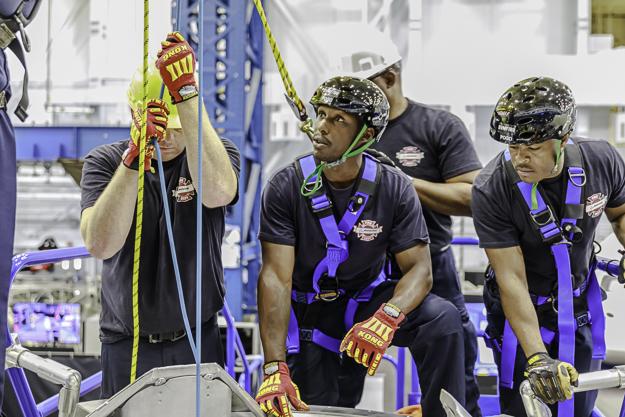
The Boeing extrication team train on the Boeing Mock-up Trainer from May 25 through May 28, 2018, at NASA's Johnson Space Center in Houston. The extrication team is comprised of firefighters from various U.S. Boeing sites. Each member of the team brings an expertise in Aerospace Confined Space Rescue, are Emergency Medical Technicians and have years of rescue experience. The team is highly motivated to getting the crew out quickly, safely and efficiently. The training at Johnson included suit training, side hatch egress, and Intravehicular Activity (IVA) rigging and egress. The week included a run for record on IVA egress for a testing requirement. Participants also included NASA Medical, the 45th Operations Group's Detachment 3, based at Patrick Air Force Base, and U.S. Air Force pararescue representation.
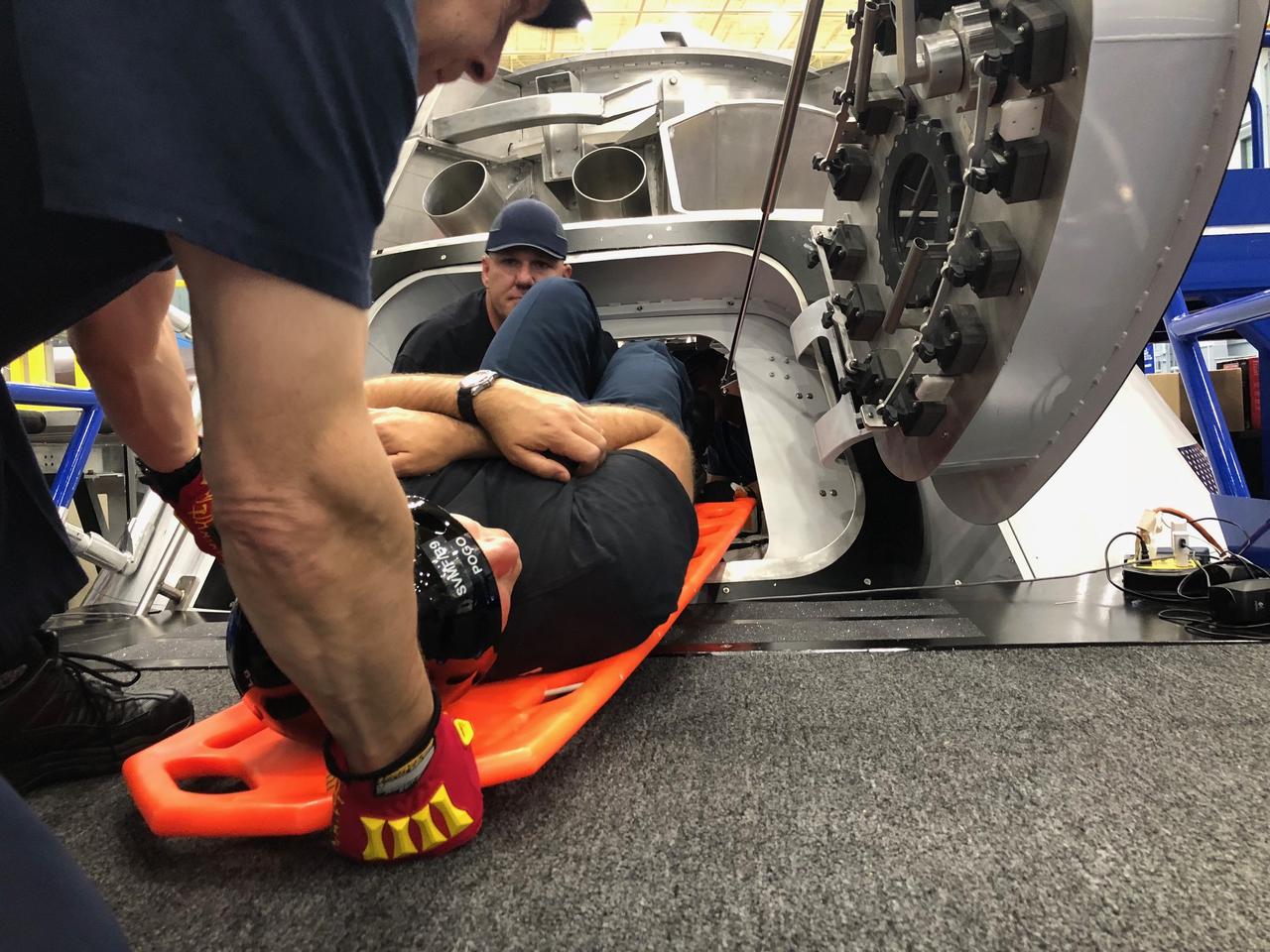
The Boeing extrication team train on the Boeing Mock-up Trainer from May 25 through May 28, 2018, at NASA's Johnson Space Center in Houston. The extrication team is comprised of firefighters from various U.S. Boeing sites. Each member of the team brings an expertise in Aerospace Confined Space Rescue, are Emergency Medical Technicians and have years of rescue experience. The team is highly motivated to getting the crew out quickly, safely and efficiently. The training at Johnson included suit training, side hatch egress, and Intravehicular Activity (IVA) rigging and egress. The week included a run for record on IVA egress for a testing requirement. Participants also included NASA Medical, the 45th Operations Group's Detachment 3, based at Patrick Air Force Base, and U.S. Air Force pararescue representation.
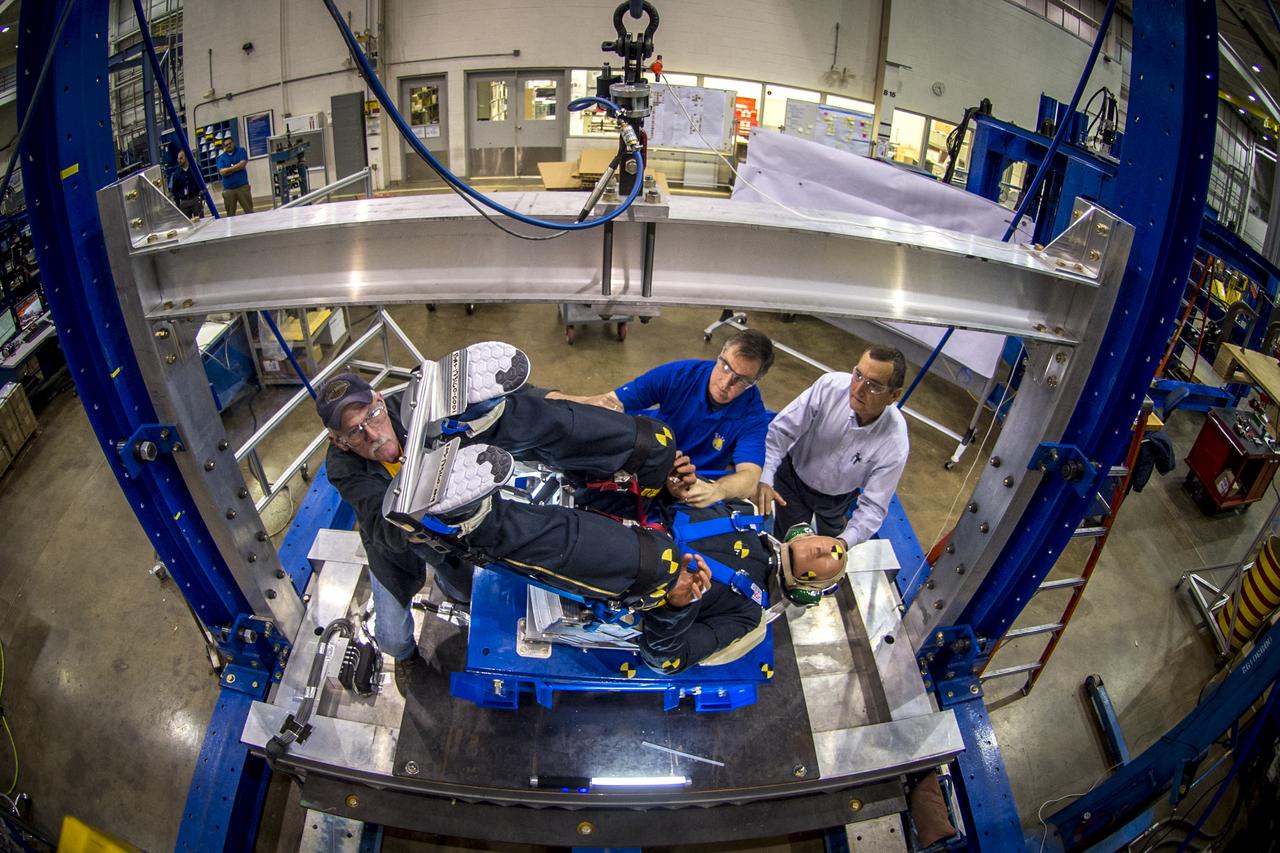
Engineers working with Boeing's CST-100 Starliner test the spacecraft's seat design in Mesa, Arizona, focusing on how the spacecraft seats would protect an astronaut's head, neck and spine during the 240-mile descent from the International Space Station. The company incorporated test dummies for a detailed analysis of impacts on a crew returning to earth. The human-sized dummies were equipped with sensitive instrumentation and secured in the seats for 30 drop tests at varying heights, angles, velocities and seat orientations in order to mimic actual landing conditions. High-speed cameras captured the footage for further analysis. The Starliner spacecraft is being developed in partnership with NASA's Commercial Crew Program.
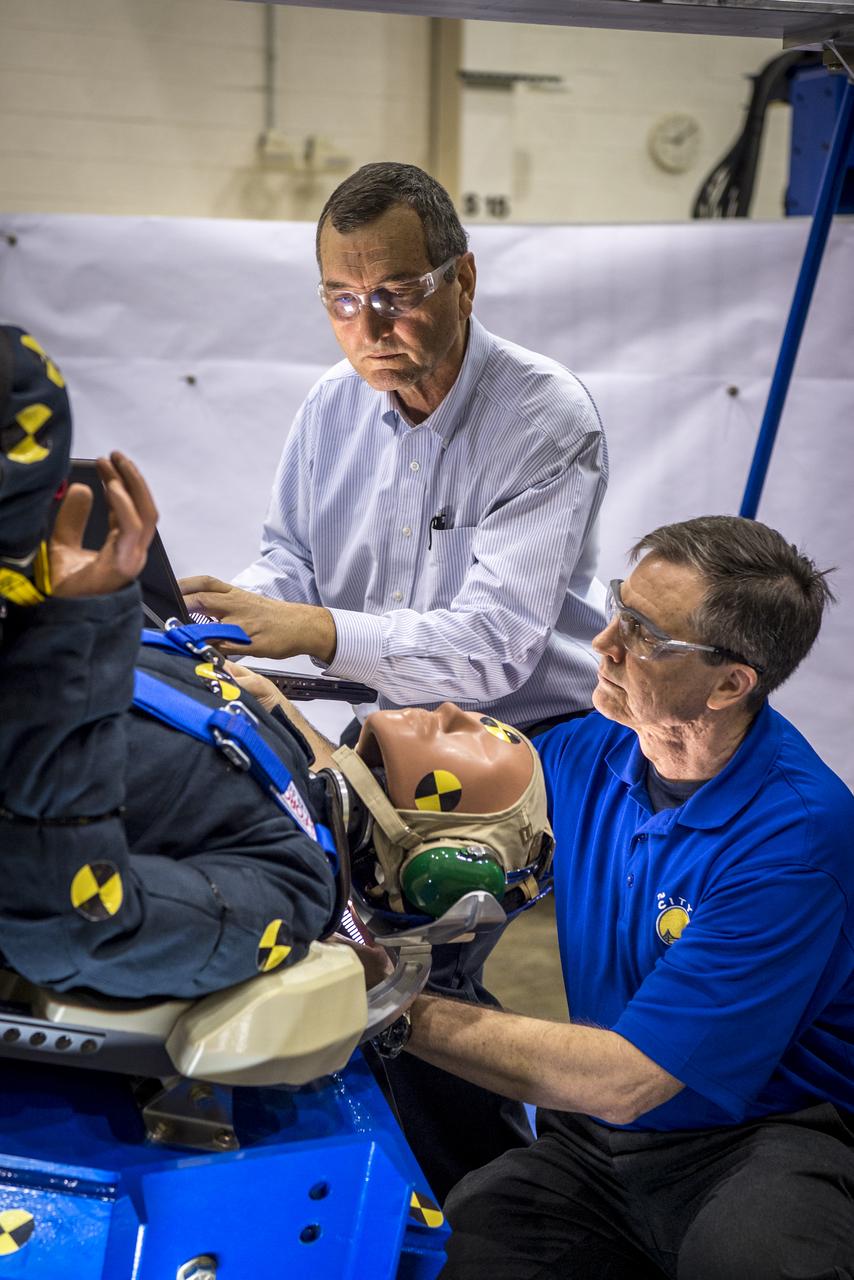
Engineers working with Boeing's CST-100 Starliner test the spacecraft's seat design in Mesa, Arizona, focusing on how the spacecraft seats would protect an astronaut's head, neck and spine during the 240-mile descent from the International Space Station. The company incorporated test dummies for a detailed analysis of impacts on a crew returning to earth. The human-sized dummies were equipped with sensitive instrumentation and secured in the seats for 30 drop tests at varying heights, angles, velocities and seat orientations in order to mimic actual landing conditions. High-speed cameras captured the footage for further analysis. The Starliner spacecraft is being developed in partnership with NASA's Commercial Crew Program.
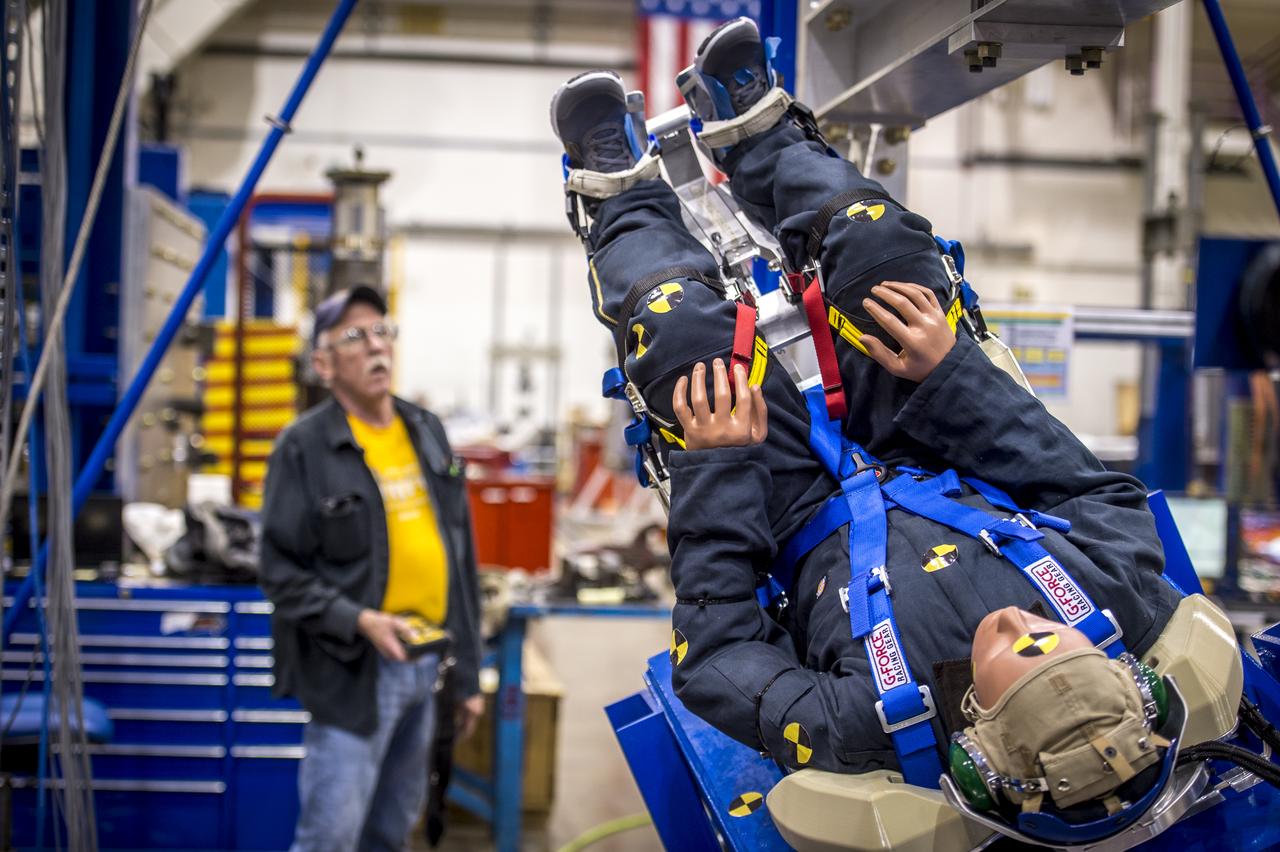
Engineers working with Boeing's CST-100 Starliner test the spacecraft's seat design in Mesa, Arizona, focusing on how the spacecraft seats would protect an astronaut's head, neck and spine during the 240-mile descent from the International Space Station. The company incorporated test dummies for a detailed analysis of impacts on a crew returning to earth. The human-sized dummies were equipped with sensitive instrumentation and secured in the seats for 30 drop tests at varying heights, angles, velocities and seat orientations in order to mimic actual landing conditions. High-speed cameras captured the footage for further analysis. The Starliner spacecraft is being developed in partnership with NASA's Commercial Crew Program.

Engineers working with Boeing's CST-100 Starliner test the spacecraft's seat design in Mesa, Arizona, focusing on how the spacecraft seats would protect an astronaut's head, neck and spine during the 240-mile descent from the International Space Station. The company incorporated test dummies for a detailed analysis of impacts on a crew returning to earth. The human-sized dummies were equipped with sensitive instrumentation and secured in the seats for 30 drop tests at varying heights, angles, velocities and seat orientations in order to mimic actual landing conditions. High-speed cameras captured the footage for further analysis. The Starliner spacecraft is being developed in partnership with NASA's Commercial Crew Program.
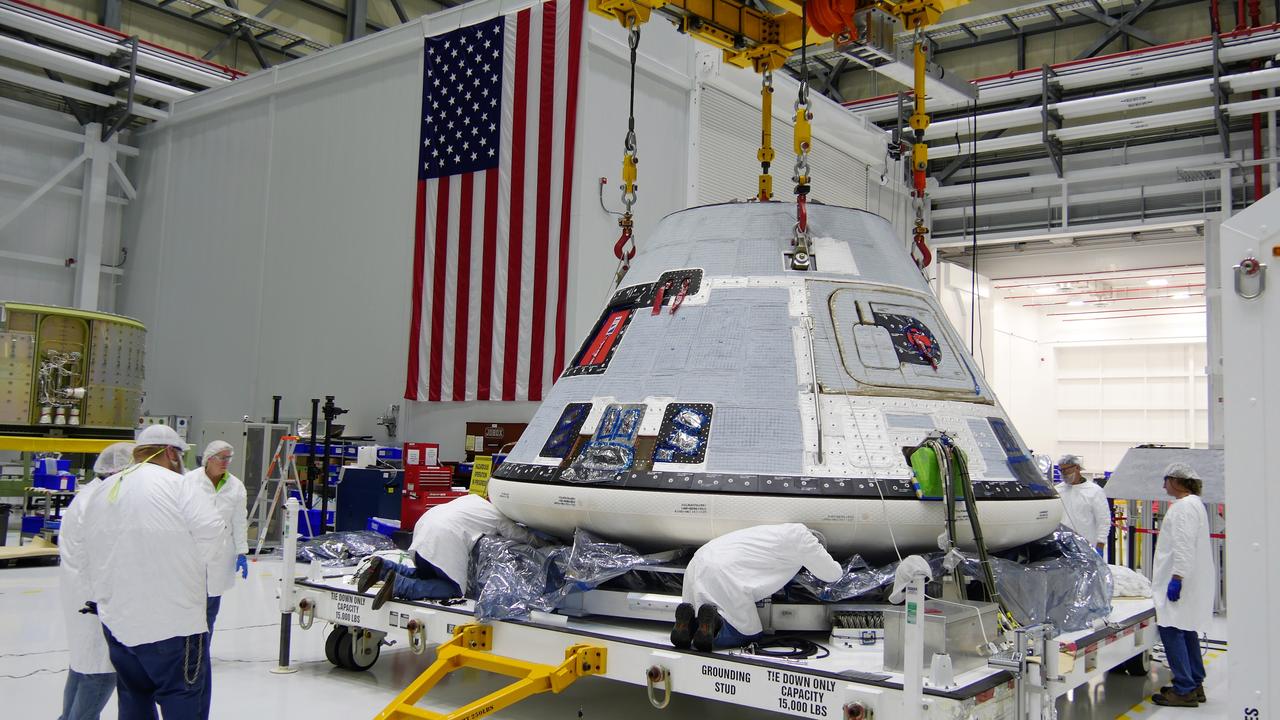
On Nov. 12, 2018, inside the Commercial Crew and Cargo Processing Facility (C3PF) at NASA's Kennedy Space Center in Florida, technicians and engineers prepare Boeing's CST-100 Starliner for transport to the company's testing facilities in El Segundo, California. The spacecraft is destined to fly astronauts to the International Space Station in Boeing's Crew Flight Test (CFT) as part of NASA's Commercial Crew Program (CCP). The Starliner will be undergoing a series of environmental tests designed to simulate what the spacecraft will experience during different stages of flight. The agency's CCP will return human spaceflight launches to U.S. soil, providing safe, reliable and cost-effective access to low-Earth orbit on systems that meet our safety and mission requirements.
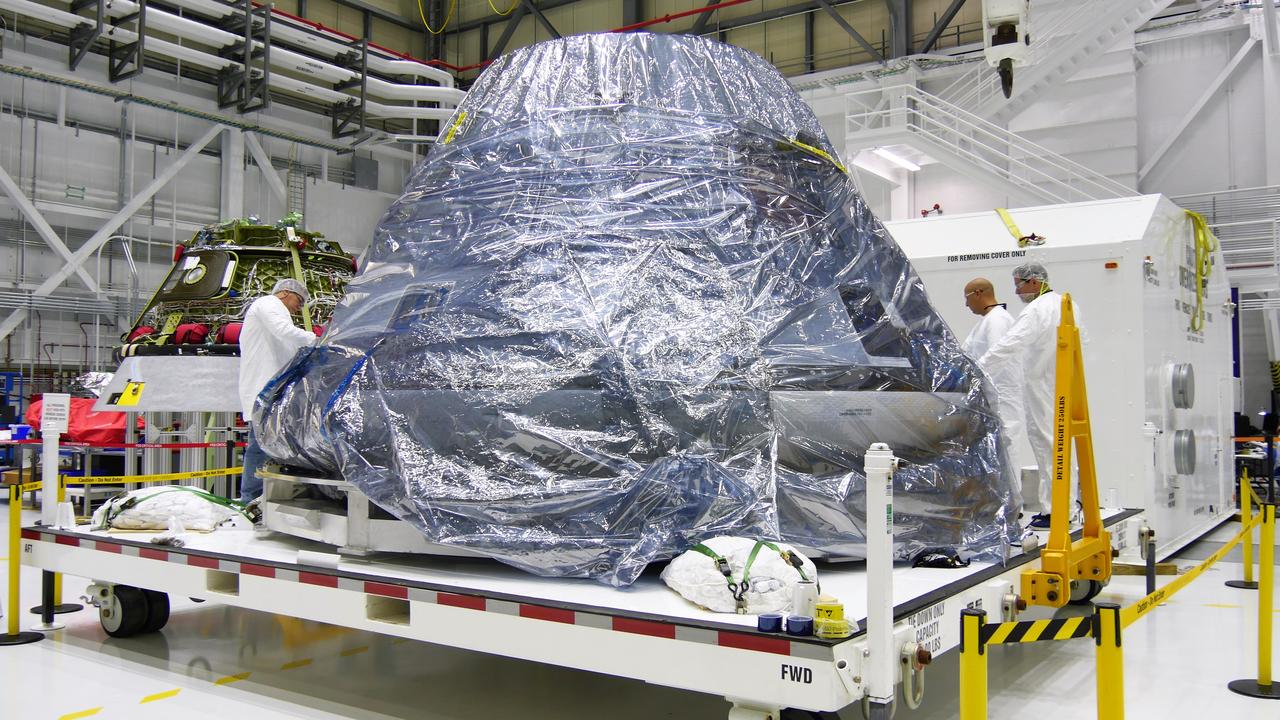
The spacecraft destined to fly astronauts to the International Space Station in Boeing's Crew Flight Test (CFT) is seen Inside the Commercial Crew and Cargo Processing Facility (C3PF) at NASA's Kennedy Space Center in Florida on Nov. 12, 2018. It is surrounded by protective wrapping in preparation for transport to Boeing's testing facilities in El Segundo, California. The company's CST-100 Starliner will be undergoing a series of environmental tests designed to simulate what the spacecraft will experience during different stages of flight as part of NASA's Commercial Crew Program (CCP). The agency's CCP will return human spaceflight launches to U.S. soil, providing safe, reliable and cost-effective access to low-Earth orbit on systems that meet our safety and mission requirements.
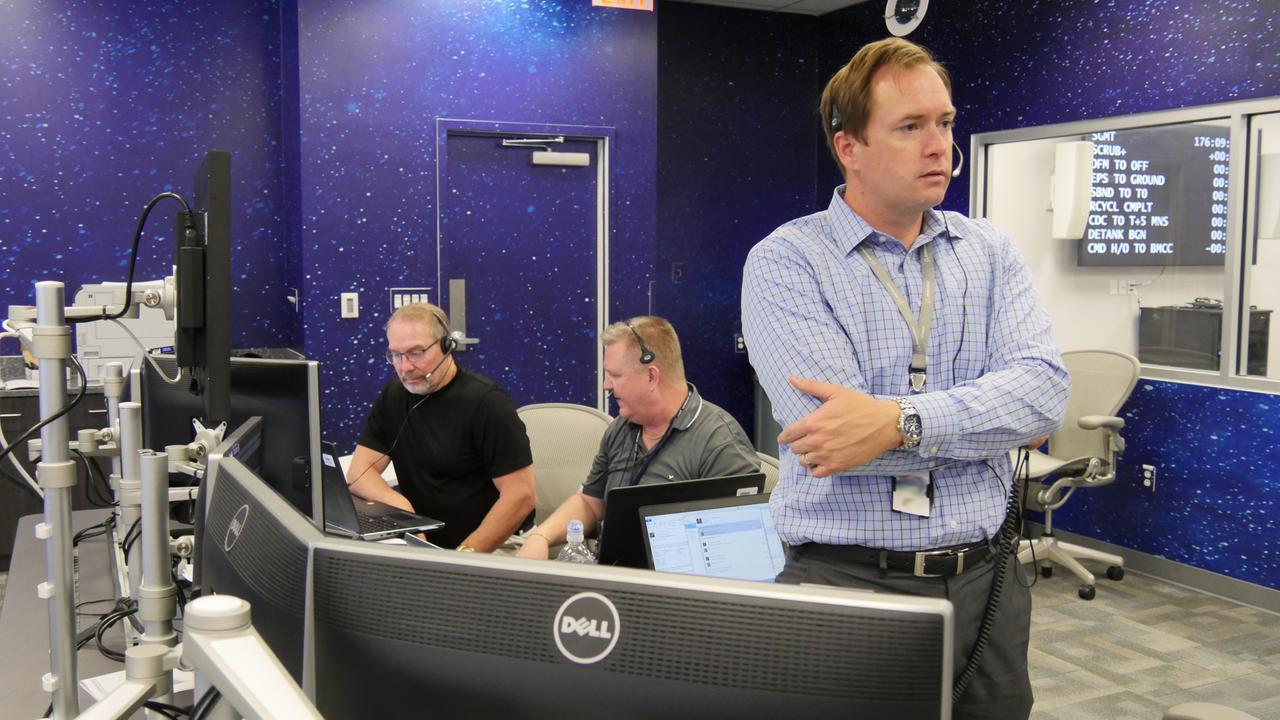
Inside the Boeing Mission Control Center at Kennedy Space Center, Fla., launch control teams for the CST-100 Starliner rehearse a fully integrated prelaunch simulation of the spacecraft’s upcoming Orbital Flight Test. Boeing Spacecraft Launch Conductor Louis Atchison speaks on console to the Mission Management Team as the countdown in the launch simulation progresses.
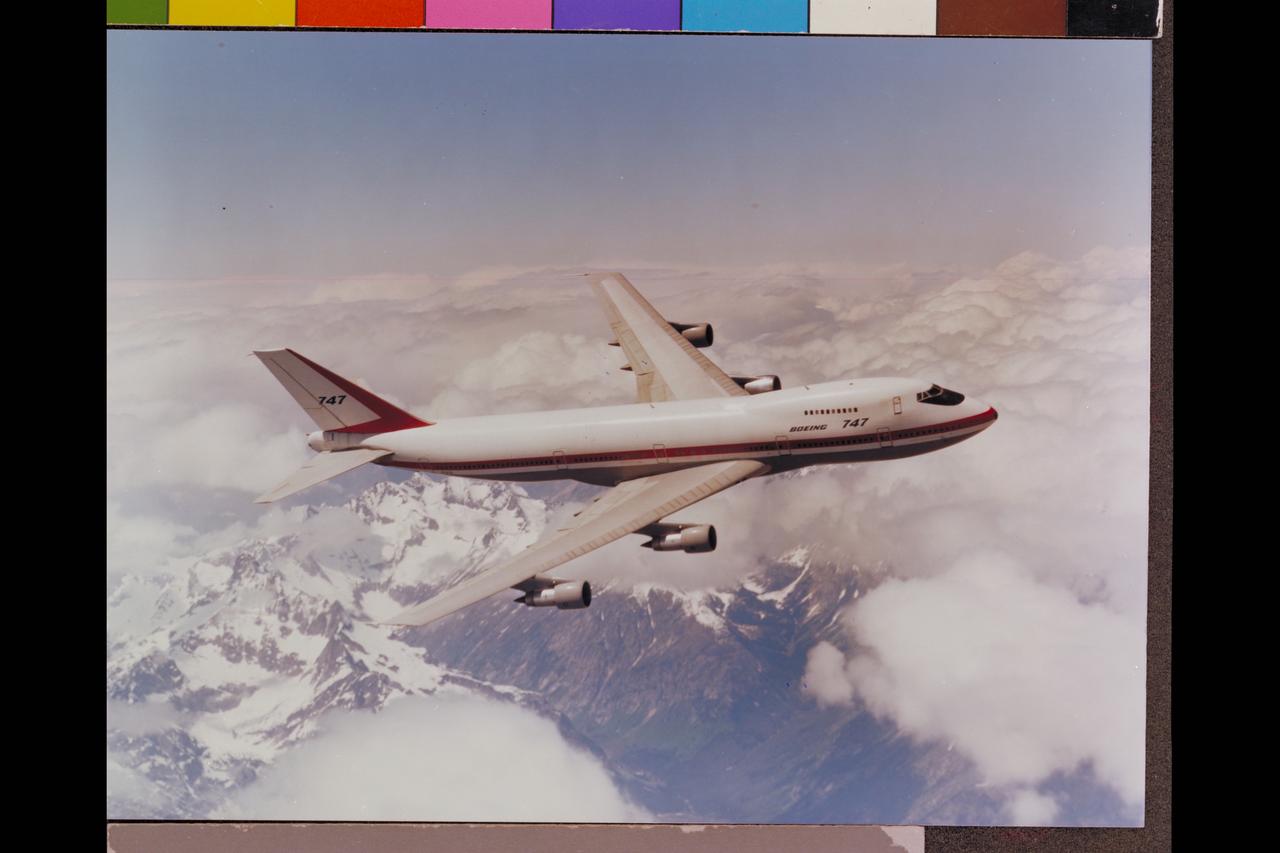
Boeing 747 in flight
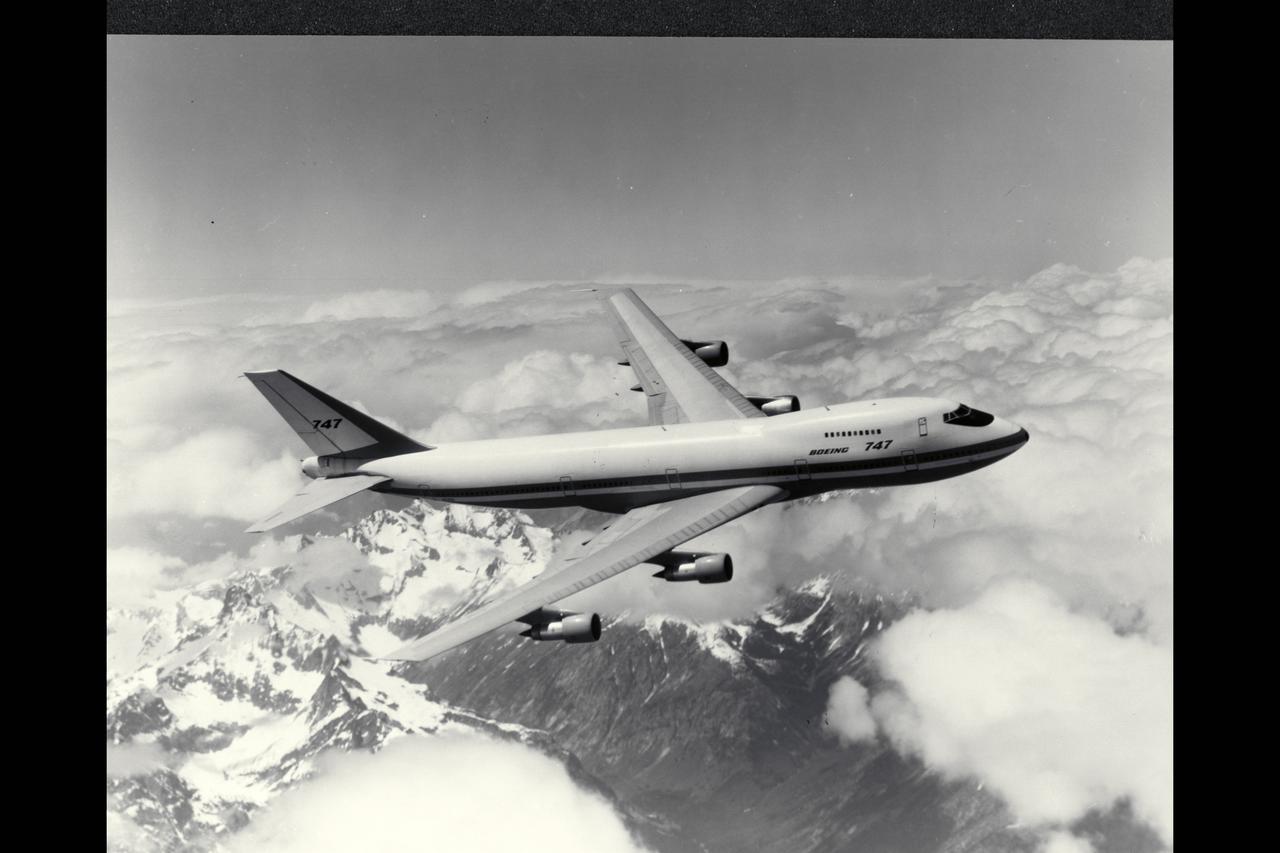
Boeing 747 in flight
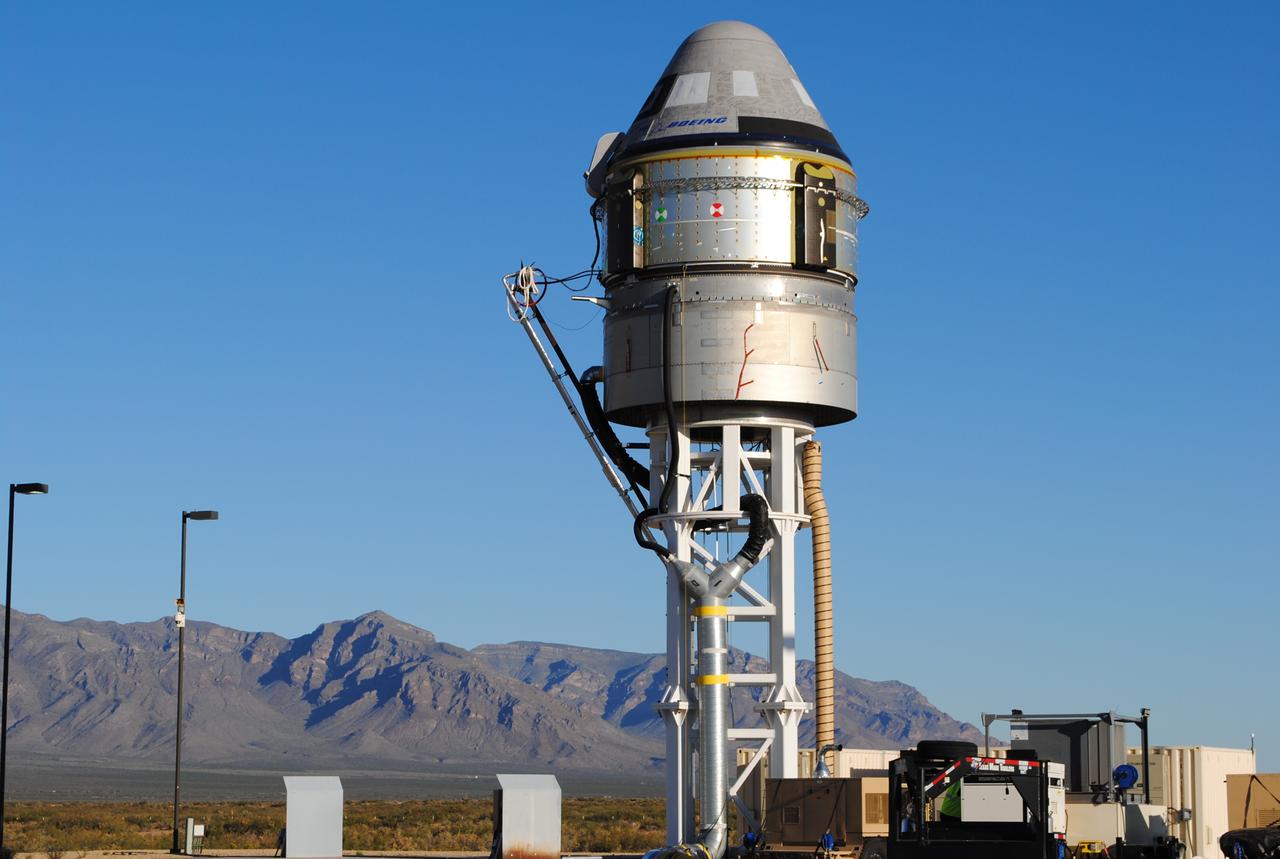
Boeing’s CST-100 Starliner spacecraft and its service module stand atop the test stand at Launch Complex 32, White Sands Missile Range, New Mexico, in preparation for the Pad Abort Test. Boeing’s Pad Abort Test is designed to verify that each of Starliner’s systems will function not only separately, but in concert, to protect astronauts by carrying them safely away from the launch pad in the unlikely event of an emergency prior to liftoff. This will be Boeing’s first flight test as part of NASA’s Commercial Crew Program. The Pad Abort Test is scheduled for Nov. 4, 2019.
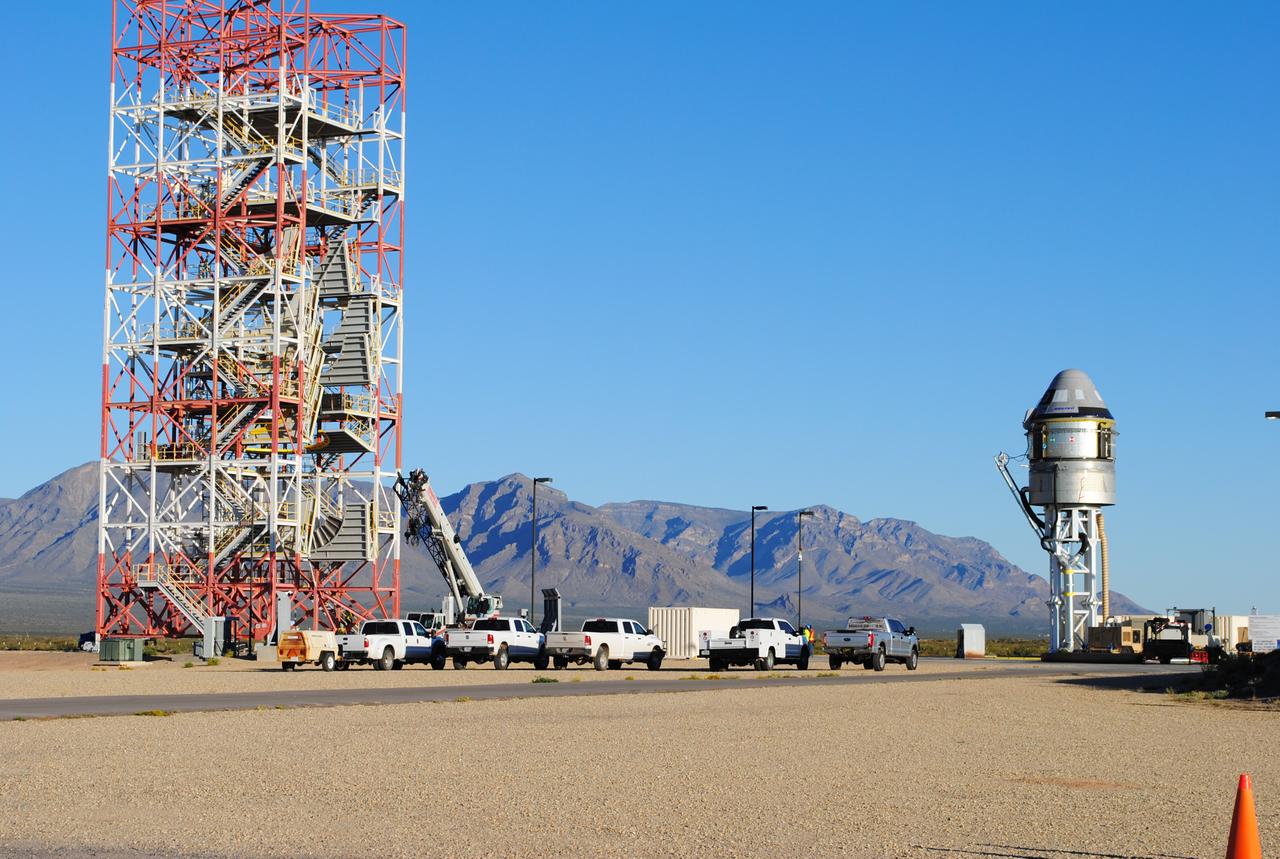
Boeing’s CST-100 Starliner spacecraft and its service module stand atop the test stand at Launch Complex 32, White Sands Missile Range, New Mexico, in preparation for the Pad Abort Test. Boeing’s Pad Abort Test is designed to verify that each of Starliner’s systems will function not only separately, but in concert, to protect astronauts by carrying them safely away from the launch pad in the unlikely event of an emergency prior to liftoff. This will be Boeing’s first flight test as part of NASA’s Commercial Crew Program. The Pad Abort Test is scheduled for Nov. 4, 2019.
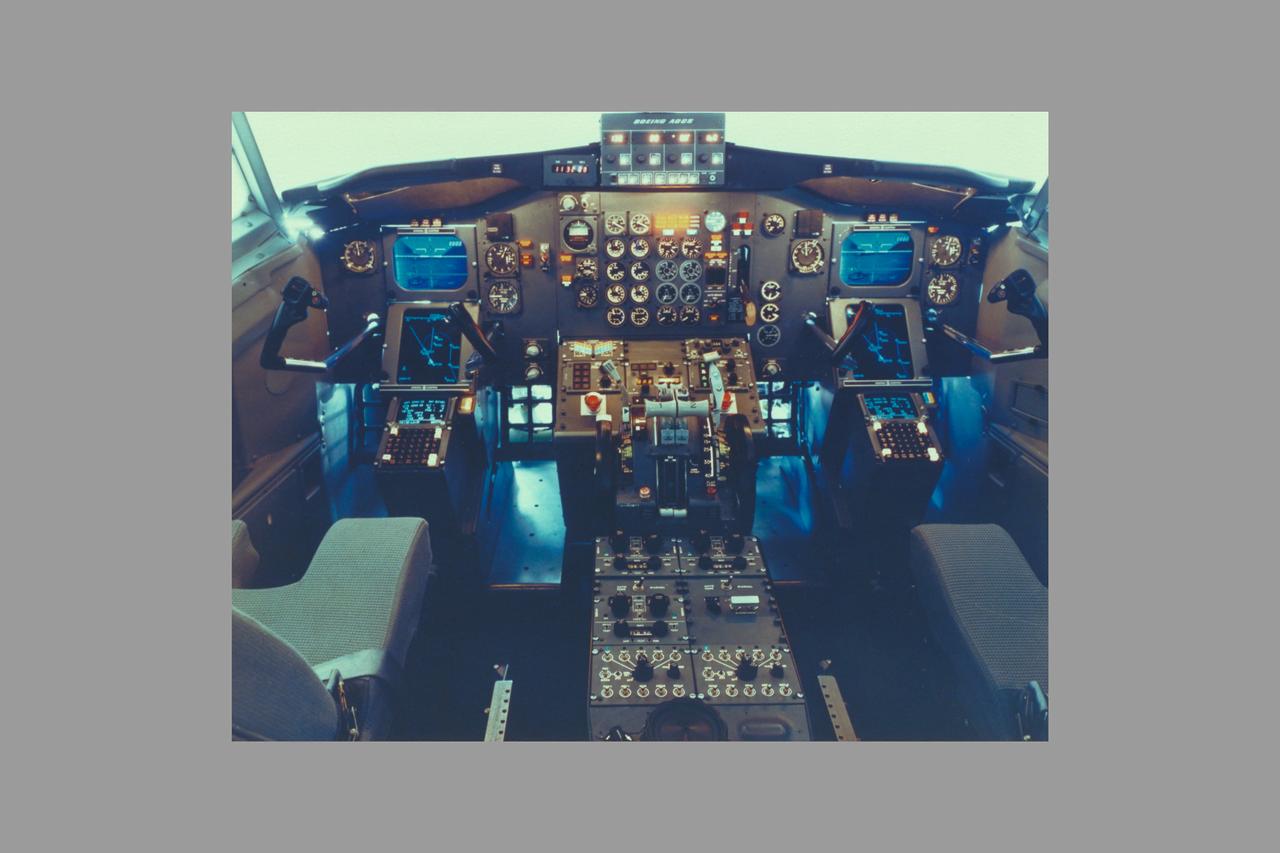
Boeing model 737 TCV research cockpit
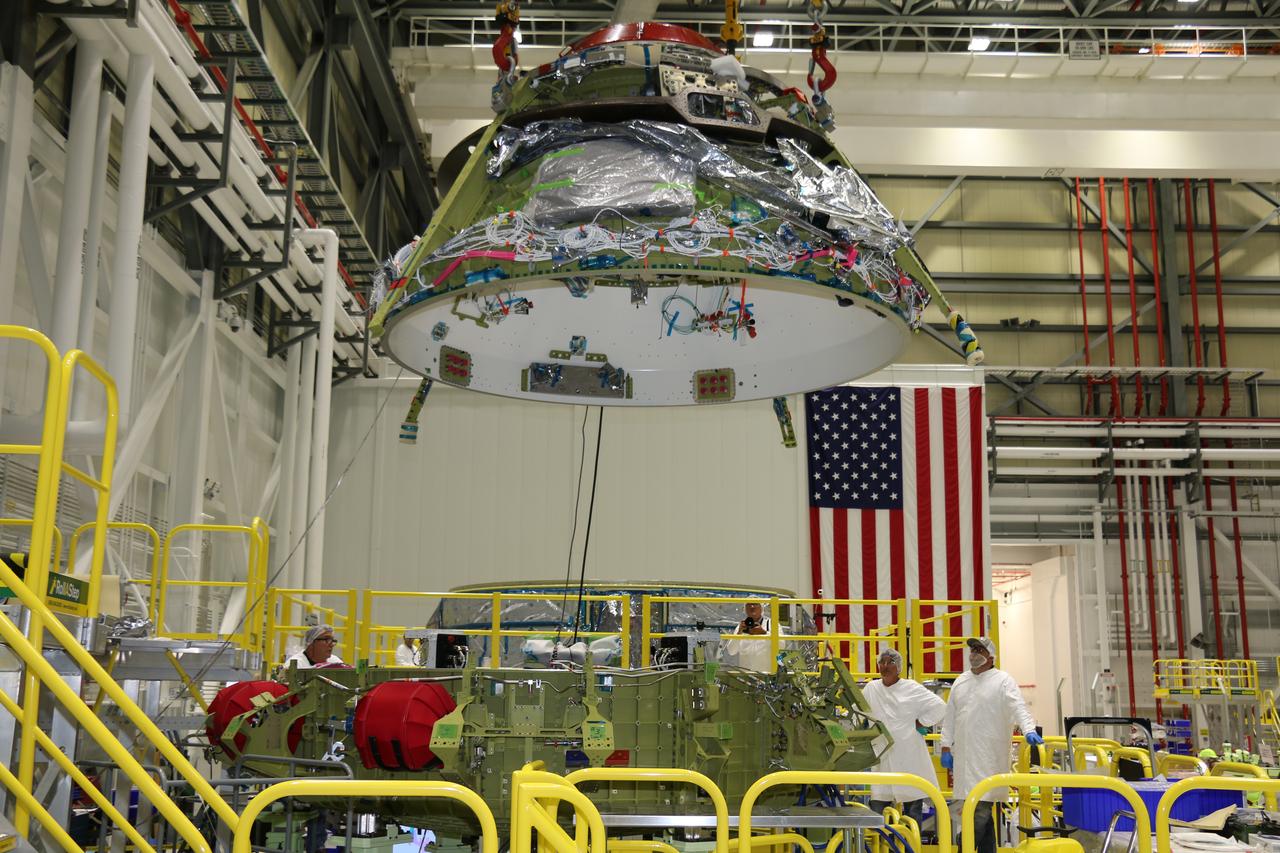
The upper and lower domes of the Boeing CST-100 Starliner Spacecraft 2 Crew Flight Test Vehicle were mated June 19, 2018, inside the Commercial Crew and Cargo Processing Facility (C3PF) at Kennedy Space Center in Florida. The Starliner will launch astronauts on a United Launch Alliance Atlas V rocket to the International Space Station as part of NASA’s Commercial Crew Program.
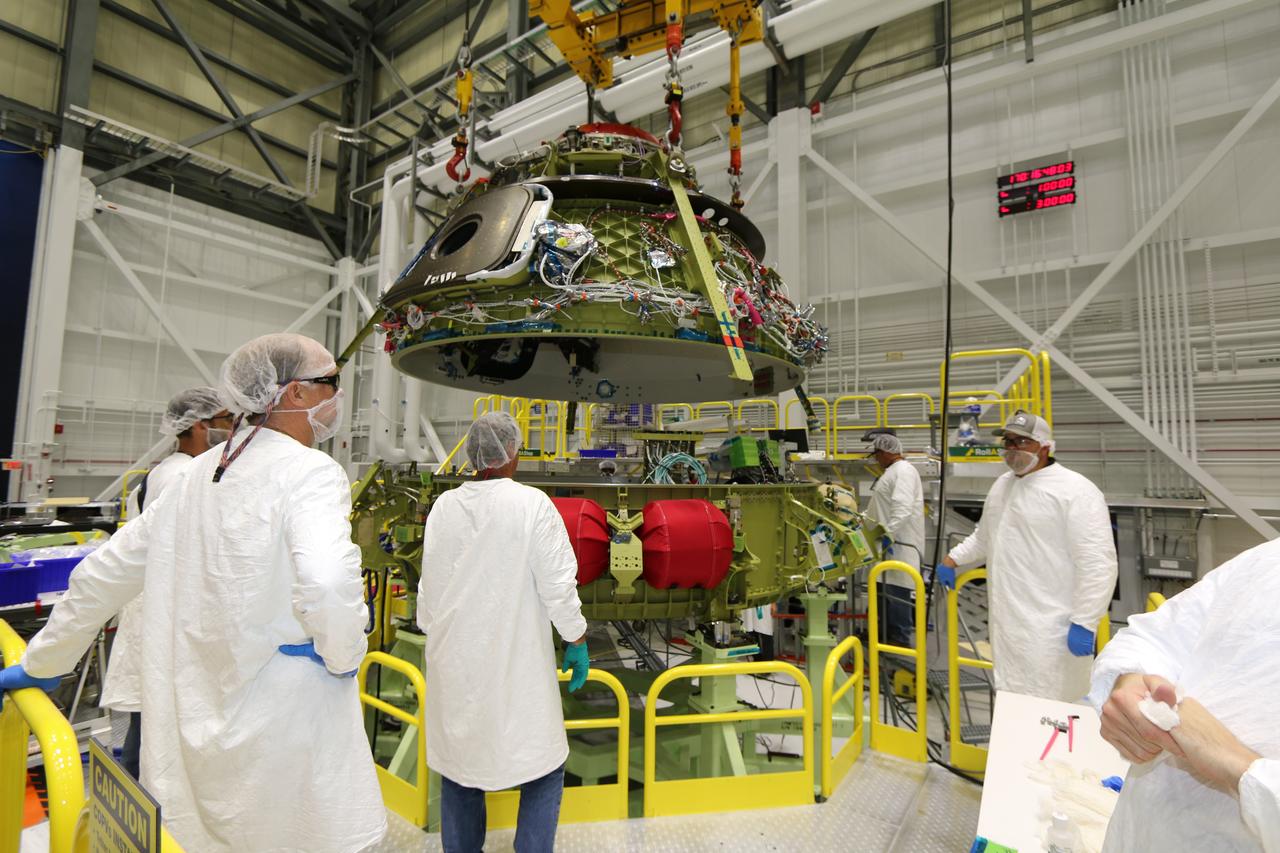
The upper and lower domes of the Boeing CST-100 Starliner Spacecraft 2 Crew Flight Test Vehicle were mated June 19, 2018, inside the Commercial Crew and Cargo Processing Facility (C3PF) at Kennedy Space Center in Florida. The Starliner will launch astronauts on a United Launch Alliance Atlas V rocket to the International Space Station as part of NASA’s Commercial Crew Program.
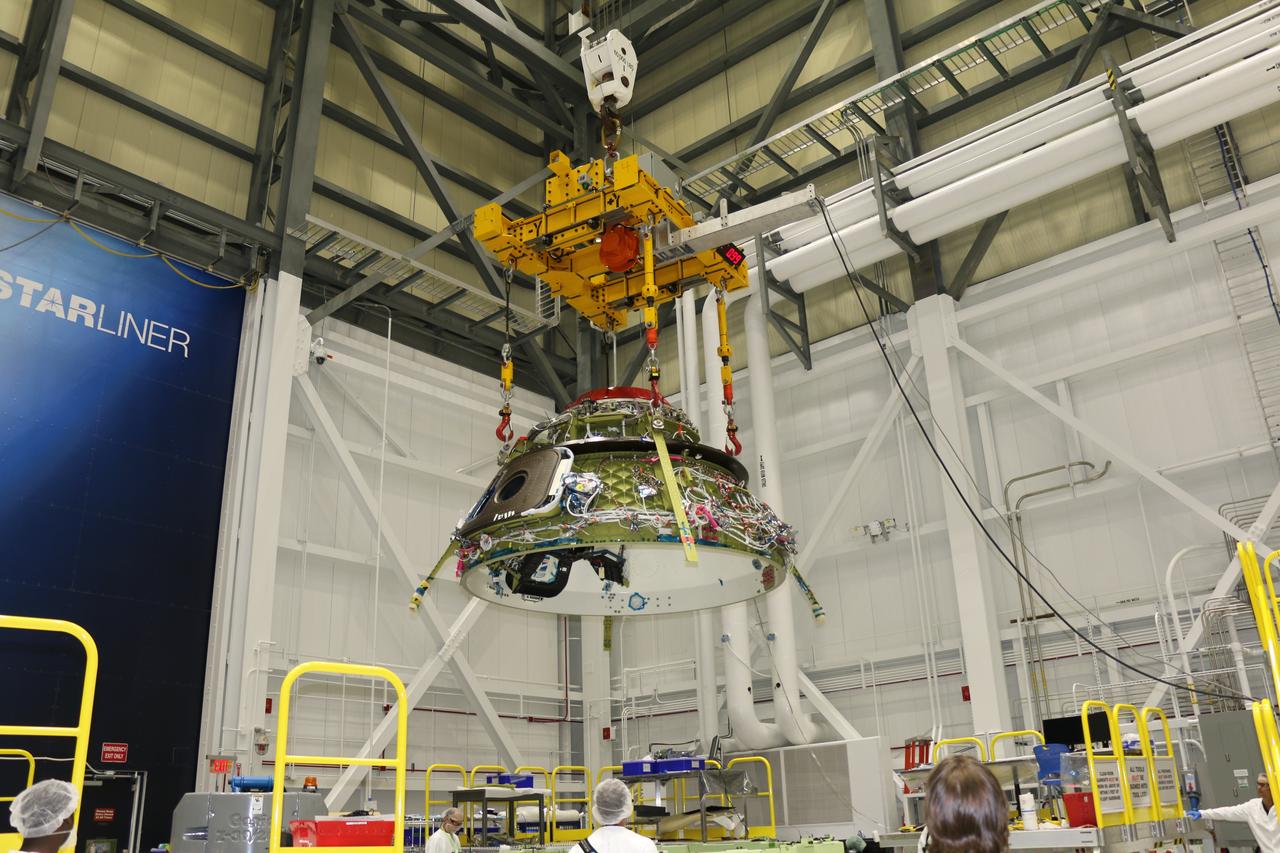
The upper and lower domes of the Boeing CST-100 Starliner Spacecraft 2 Crew Flight Test Vehicle were mated June 19, 2018, inside the Commercial Crew and Cargo Processing Facility (C3PF) at Kennedy Space Center in Florida. The Starliner will launch astronauts on a United Launch Alliance Atlas V rocket to the International Space Station as part of NASA’s Commercial Crew Program.
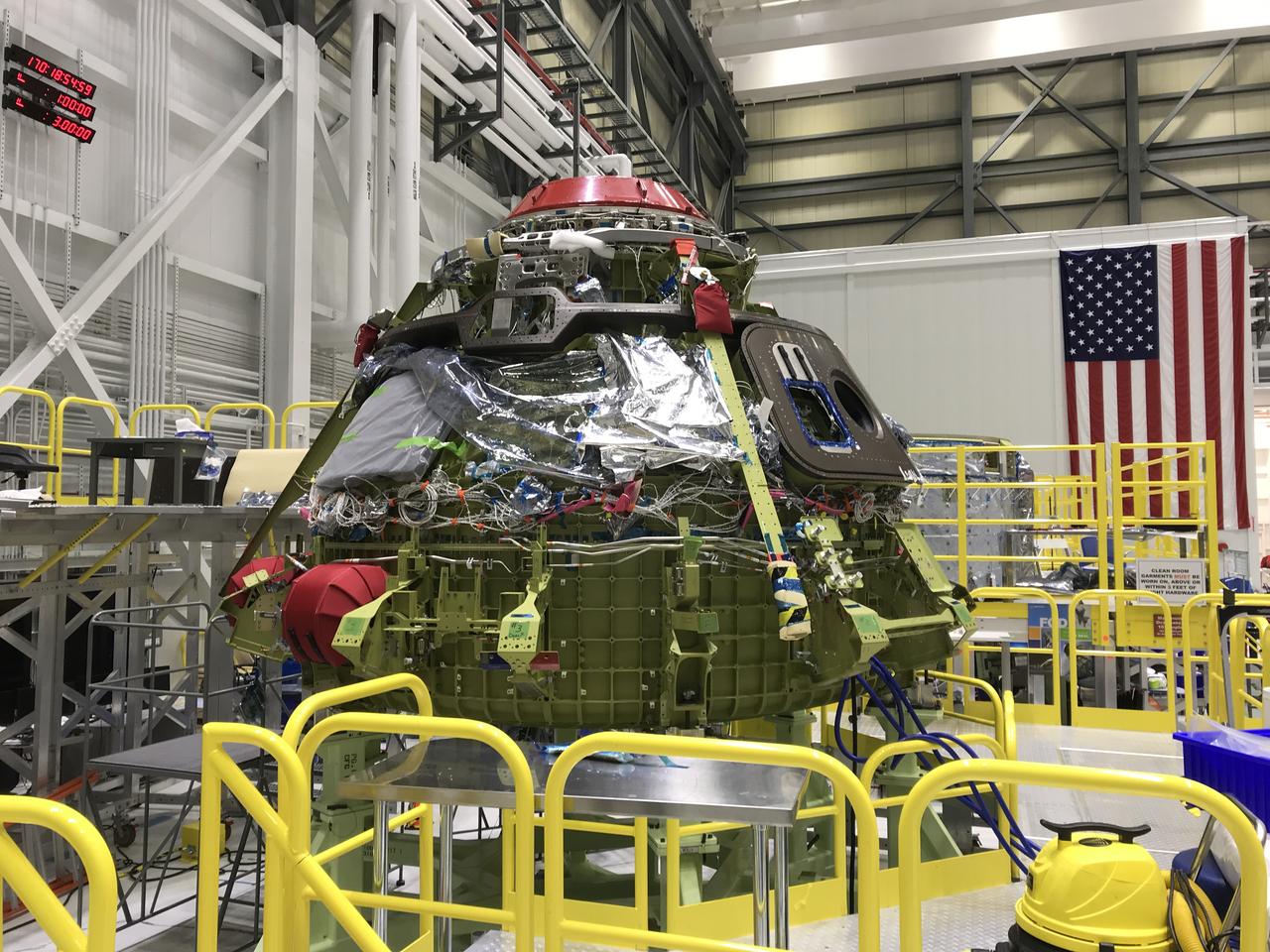
The upper and lower domes of the Boeing CST-100 Starliner Spacecraft 2 Crew Flight Test Vehicle were mated June 19, 2018, inside the Commercial Crew and Cargo Processing Facility (C3PF) at Kennedy Space Center in Florida. The Starliner will launch astronauts on a United Launch Alliance Atlas V rocket to the International Space Station as part of NASA’s Commercial Crew Program.

The CST-100 Starliner spacecraft to be flown on Boeing’s Orbital Flight Test (OFT) is viewed Nov. 2, 2019, while undergoing launch preparations inside the Commercial Crew and Cargo Processing Facility at Kennedy Space Center in Florida. During the OFT mission, the uncrewed Starliner spacecraft will fly to the International Space Station for NASA’s Commercial Crew Program.
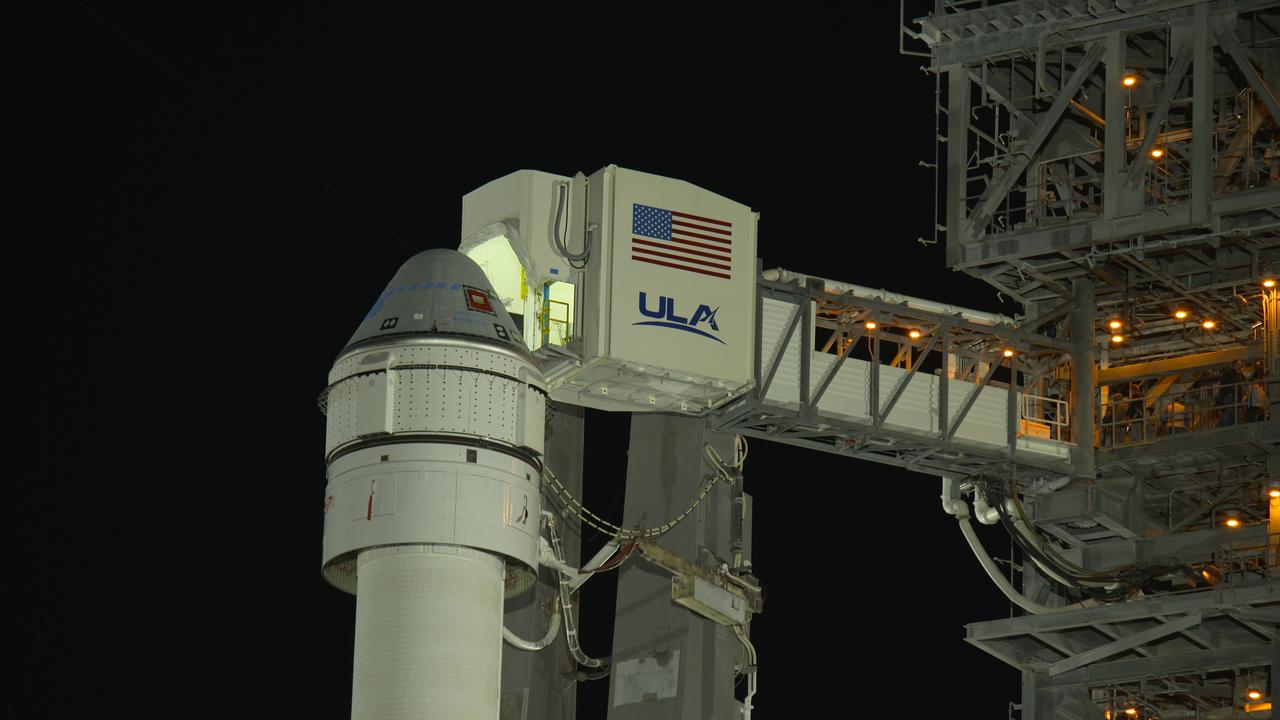
A United Launch Alliance Atlas V rocket, topped by the Boeing CST-100 Starliner spacecraft, stand on Space Launch Complex 41 at Florida's Cape Canaveral Air Force Station on Dec. 4, 2019. The vehicle was in place on the launch pad for Boeing's wet dress rehearsal ahead of the upcoming Orbital Flight Test, an uncrewed mission to the International Space Station for NASA's Commercial Crew Program.
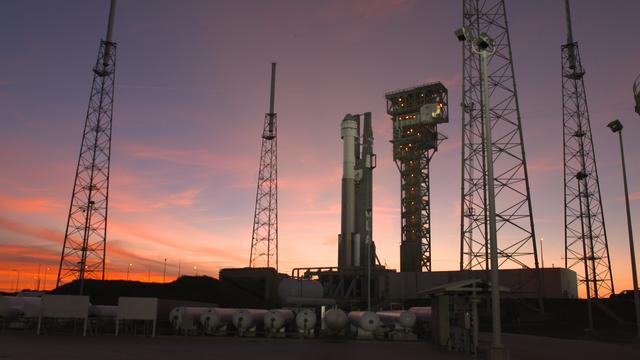
A United Launch Alliance Atlas V rocket, topped by the Boeing CST-100 Starliner spacecraft, stand on Space Launch Complex 41 at Florida's Cape Canaveral Air Force Station on Dec. 4, 2019. The vehicle was in place on the launch pad for Boeing's wet dress rehearsal ahead of the upcoming Orbital Flight Test, an uncrewed mission to the International Space Station for NASA's Commercial Crew Program.
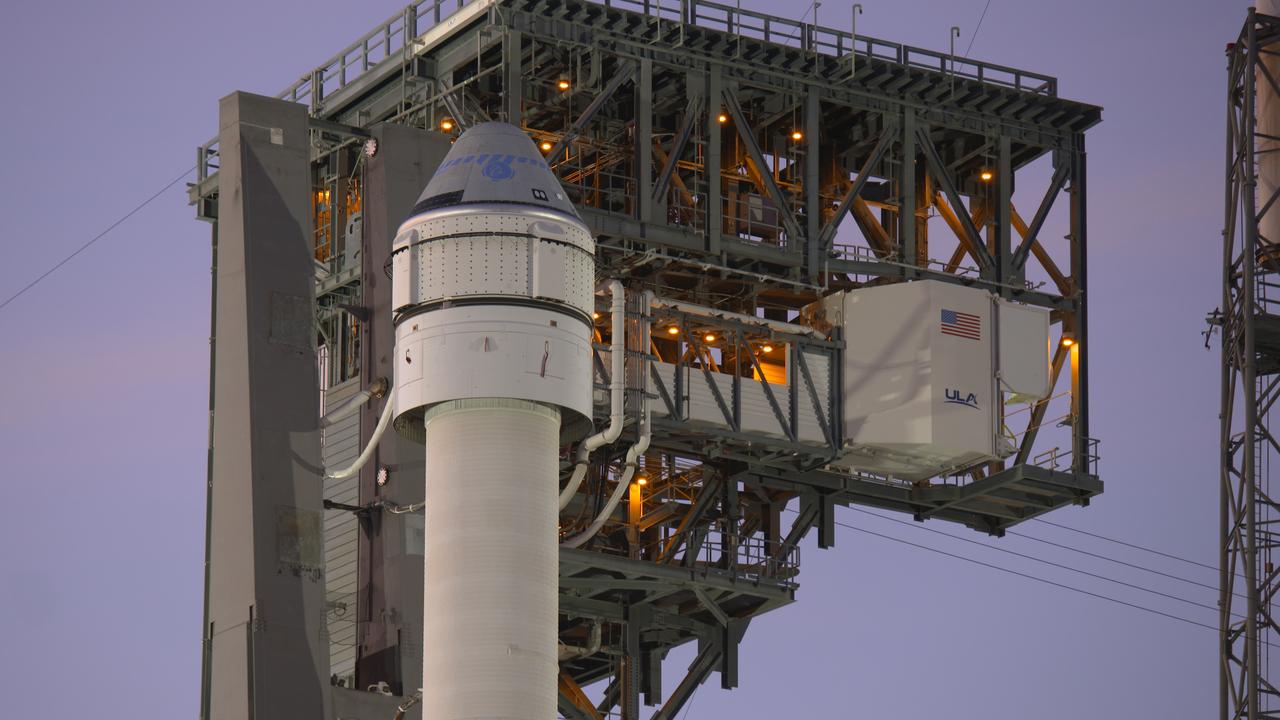
A United Launch Alliance Atlas V rocket, topped by the Boeing CST-100 Starliner spacecraft, stand on Space Launch Complex 41 at Florida's Cape Canaveral Air Force Station on Dec. 4, 2019. The vehicle was in place on the launch pad for Boeing's wet dress rehearsal ahead of the upcoming Orbital Flight Test, an uncrewed mission to the International Space Station for NASA's Commercial Crew Program.
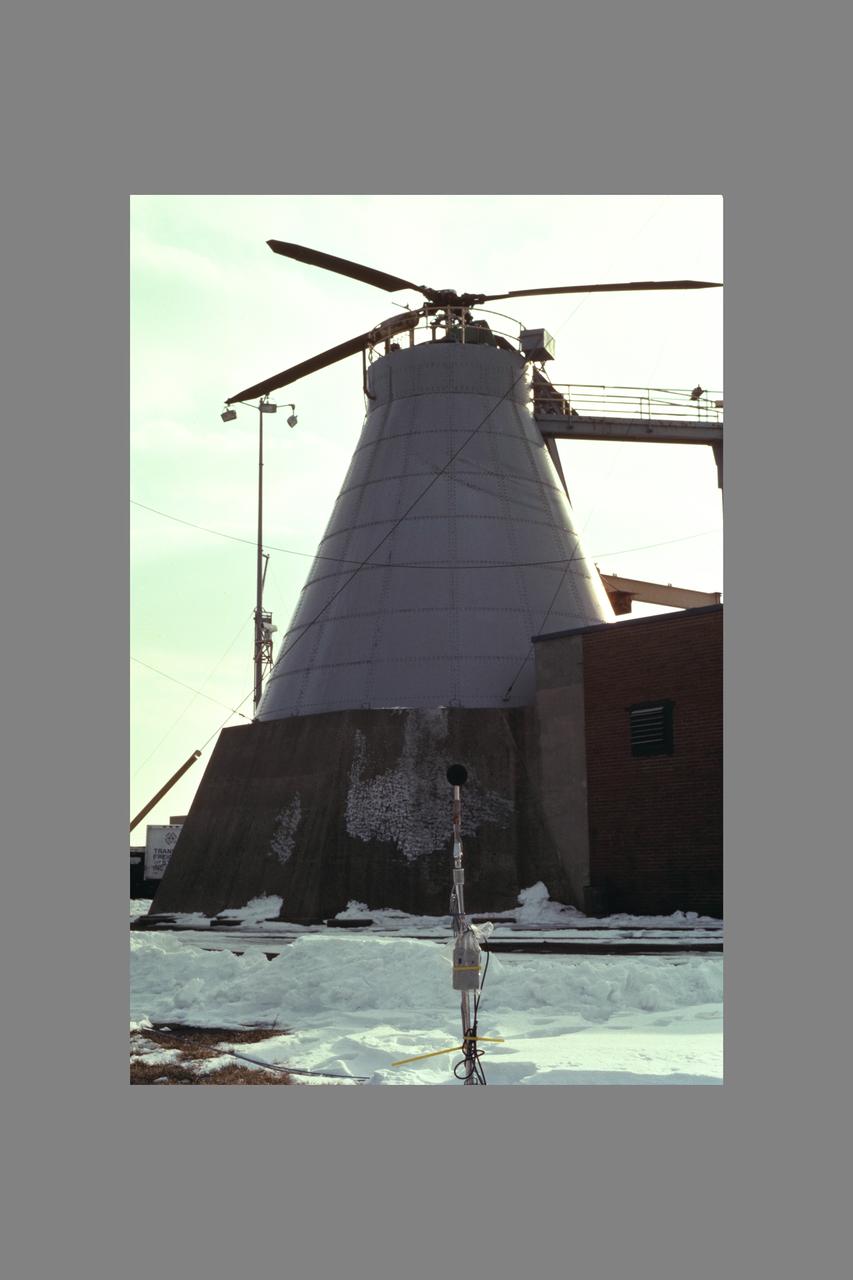
Dutch Netherlands testing of Boeing 360 Vertol Rotor: Full Test
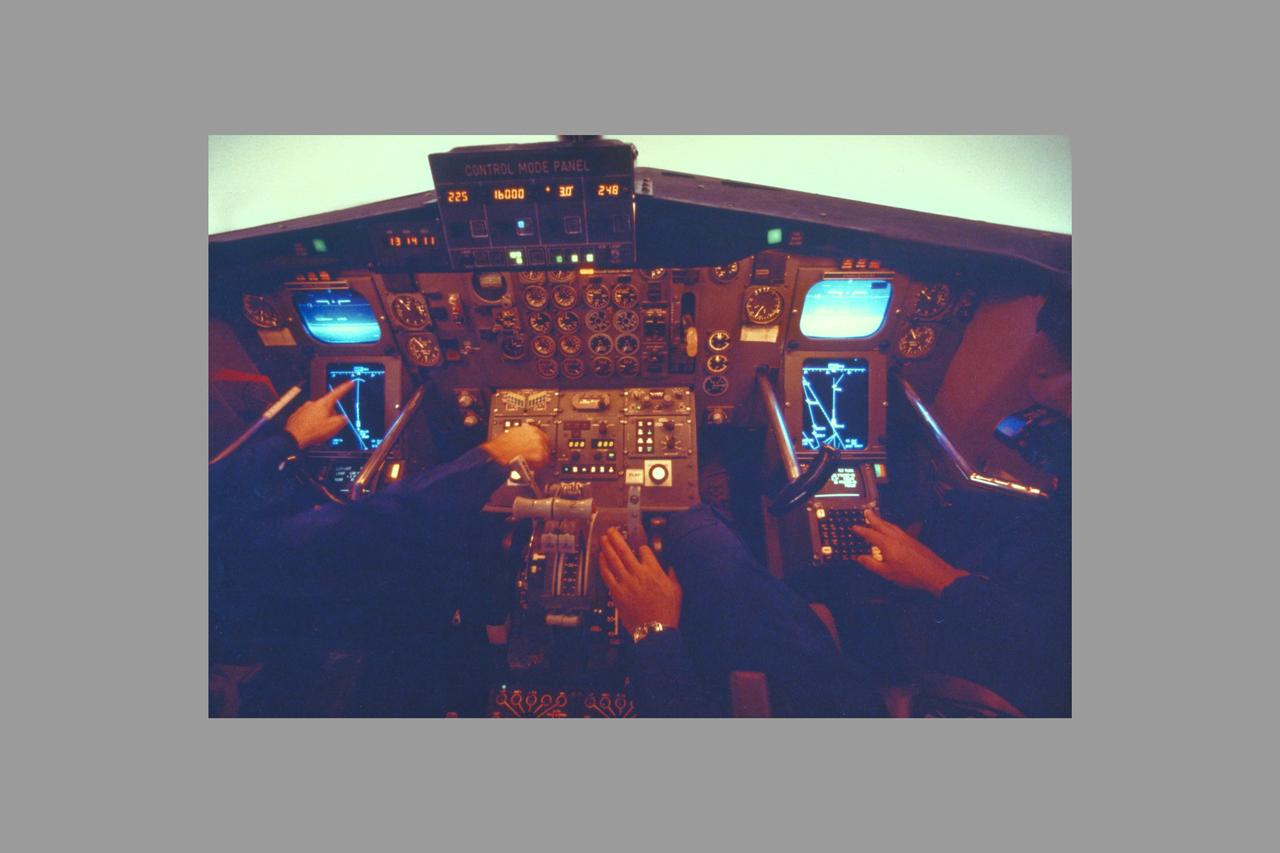
Boeing model 747 flight deck (photo courtesy: National Geographic)
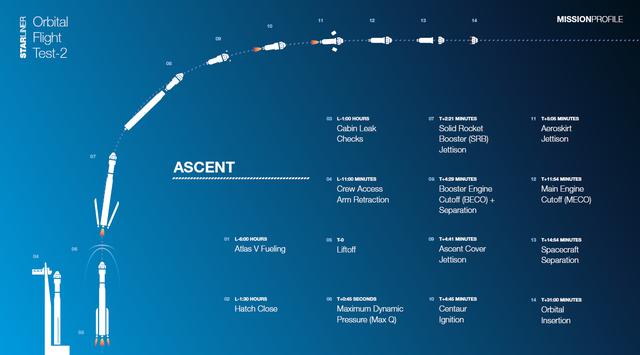
This graphic details ascent operations for NASA’s Boeing Orbital Flight Test-2 (OFT-2). OFT-2 is the second uncrewed flight test of the company’s CST-100 Starliner spacecraft for the agency’s Commercial Crew Program.
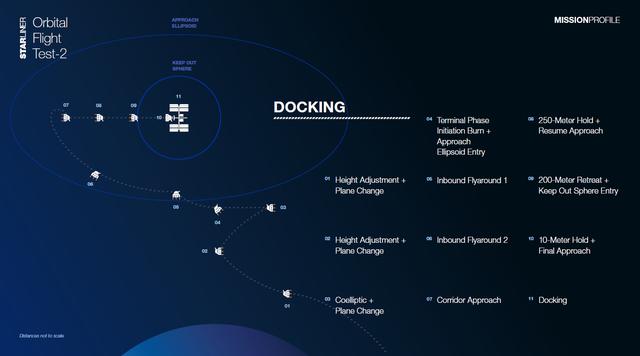
This graphic details docking operations for NASA’s Boeing Orbital Flight Test-2 (OFT-2). OFT-2 is the second uncrewed flight test of the company’s CST-100 Starliner spacecraft for the agency’s Commercial Crew Program.
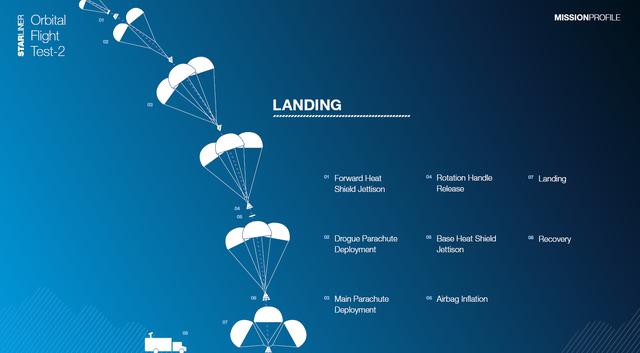
This graphic details landing operations for NASA’s Boeing Orbital Flight Test-2 (OFT-2). OFT-2 is the second uncrewed flight test of the company’s CST-100 Starliner spacecraft for the agency’s Commercial Crew Program.
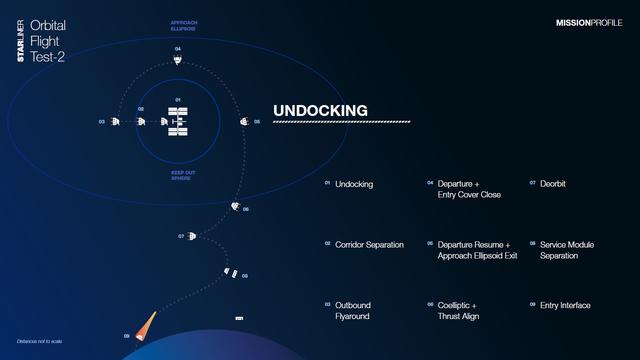
This graphic details undocking operations for NASA’s Boeing Orbital Flight Test-2 (OFT-2). OFT-2 is the second uncrewed flight test of the company’s CST-100 Starliner spacecraft for the agency’s Commercial Crew Program.
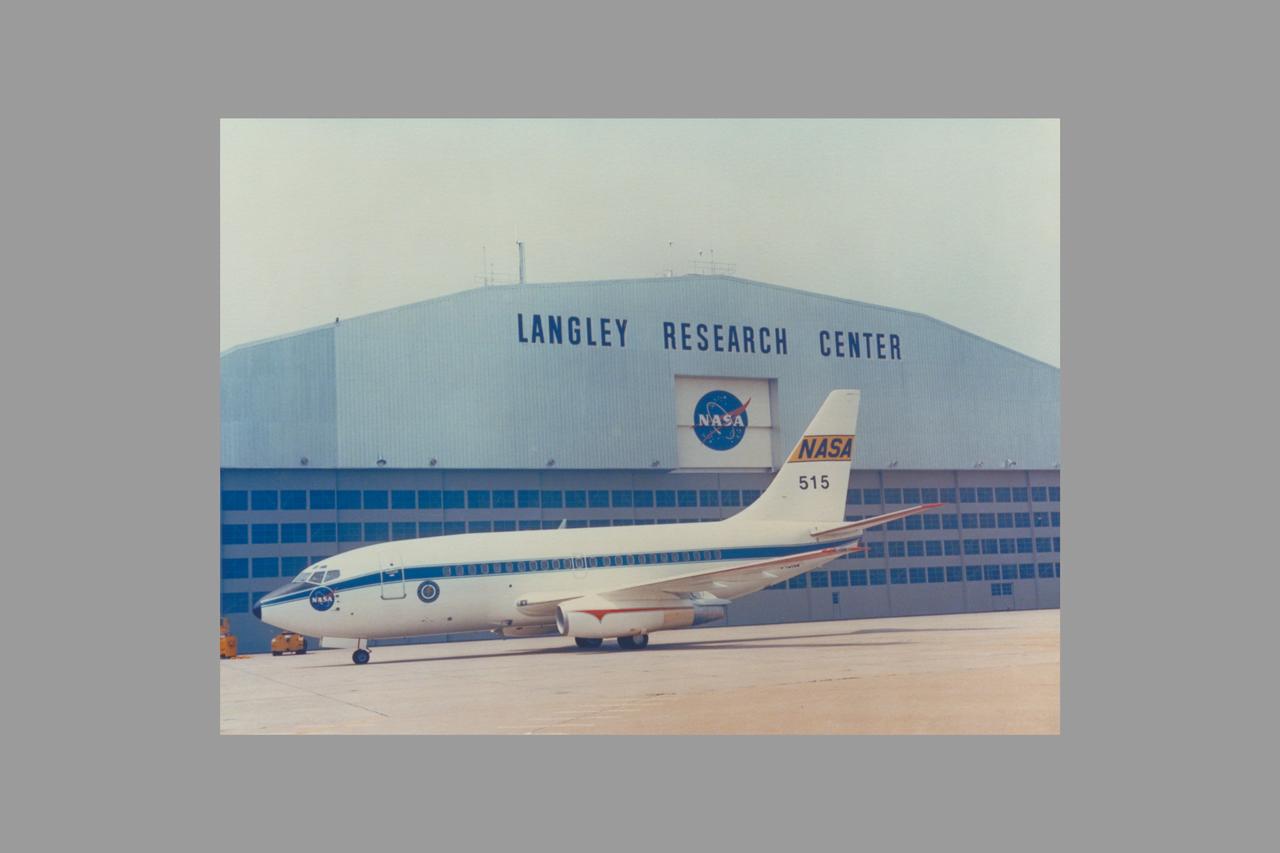
Boeing model 737 (TCV) Terminally configured vehicle on ramp at Langley center (ref: L73-6283)
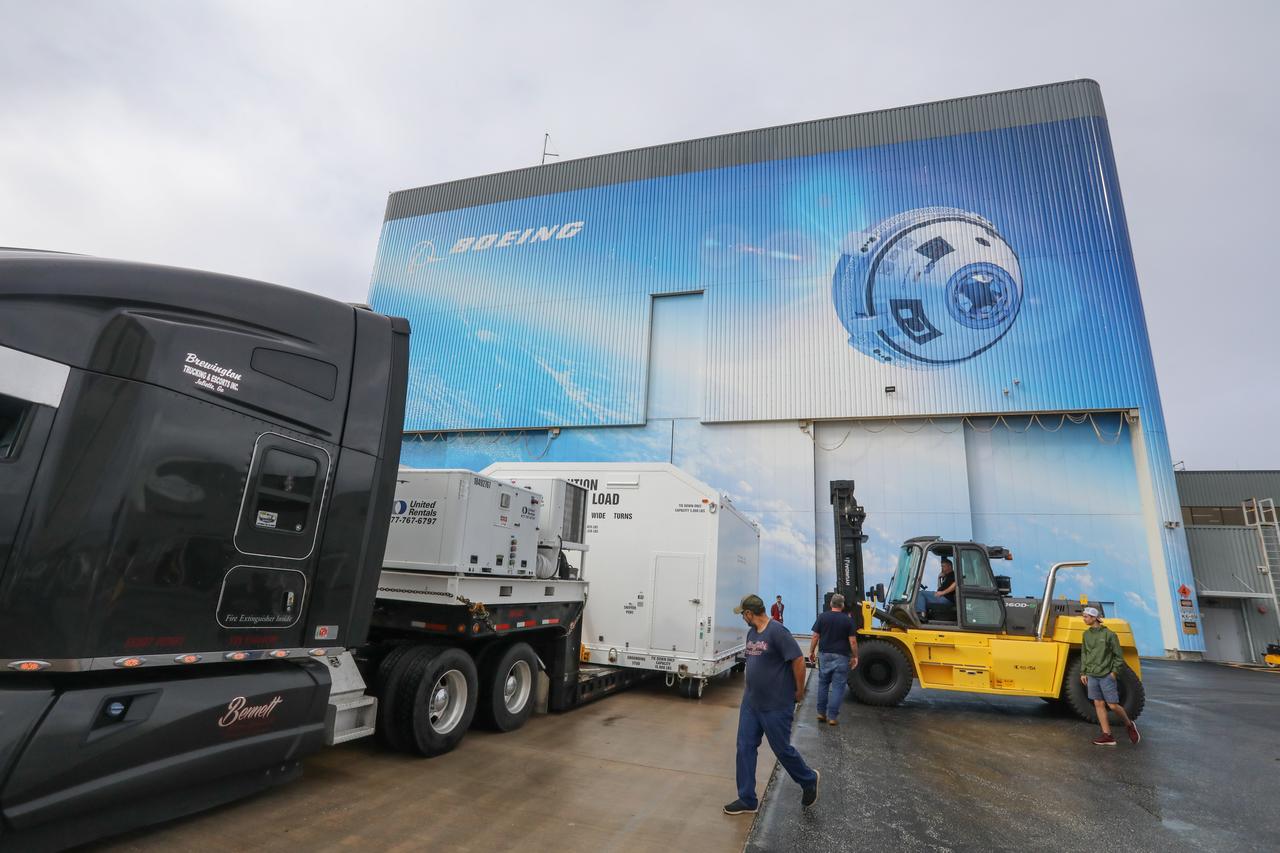
On Nov. 12, 2018, the crated spacecraft destined to fly astronauts to the International Space Station in Boeing's Crew Flight Test (CFT) departs the Commercial Crew and Cargo Processing Facility (C3PF) at NASA's Kennedy Space Center in Florida in preparation for transport to the company's testing facilities in El Segundo, California. The company's CST-100 Starliner will be undergoing a series of environmental tests designed to simulate what the spacecraft will experience during different stages of flight as part of NASA's Commercial Crew Program (CCP). The agency's CCP will return human spaceflight launches to U.S. soil, providing safe, reliable and cost-effective access to low-Earth orbit on systems that meet our safety and mission requirements.
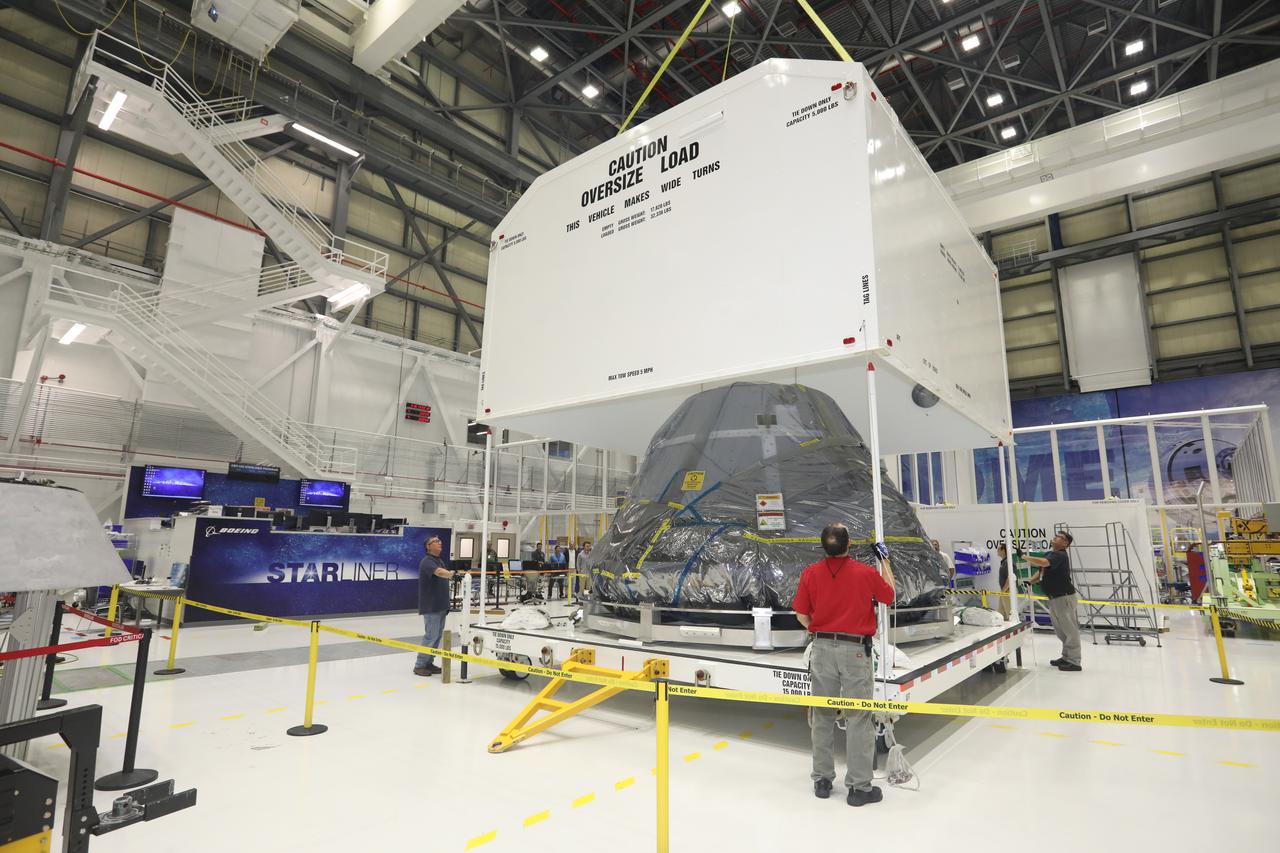
Inside the Commercial Crew and Cargo Processing Facility (C3PF) at NASA's Kennedy Space Center in Florida on Nov. 11, 2018, the spacecraft destined to fly astronauts to the International Space Station in Boeing's Crew Flight Test (CFT) is crated in preparation for transport to the company's testing facilities in El Segundo, California. The company's CST-100 Starliner will be undergoing a series of environmental tests designed to simulate what the spacecraft will experience during different stages of flight as part of NASA's Commercial Crew Program (CCP). The agency's CCP will return human spaceflight launches to U.S. soil, providing safe, reliable and cost-effective access to low-Earth orbit on systems that meet our safety and mission requirements.
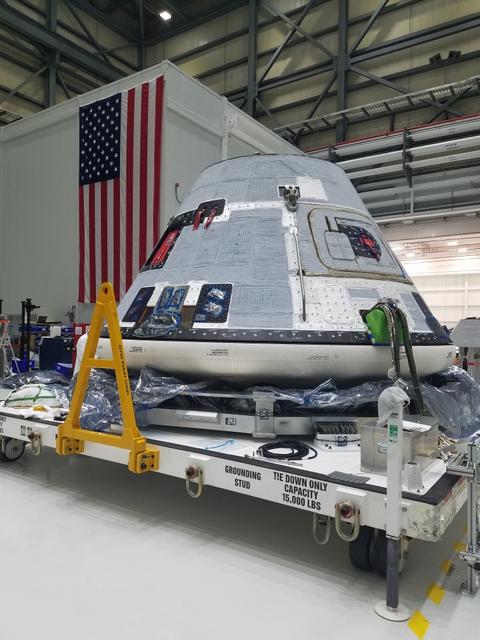
Inside the Commercial Crew and Cargo Processing Facility (C3PF) at NASA's Kennedy Space Center in Florida on Nov. 11, 2018, the spacecraft destined to fly astronauts to the International Space Station in Boeing's Crew Flight Test (CFT) is prepared for transport to the company's testing facilities in El Segundo, California. The company's CST-100 Starliner will be undergoing a series of environmental tests designed to simulate what the spacecraft will experience during different stages of flight as part of NASA's Commercial Crew Program (CCP). The agency's CCP will return human spaceflight launches to U.S. soil, providing safe, reliable and cost-effective access to low-Earth orbit on systems that meet our safety and mission requirements.
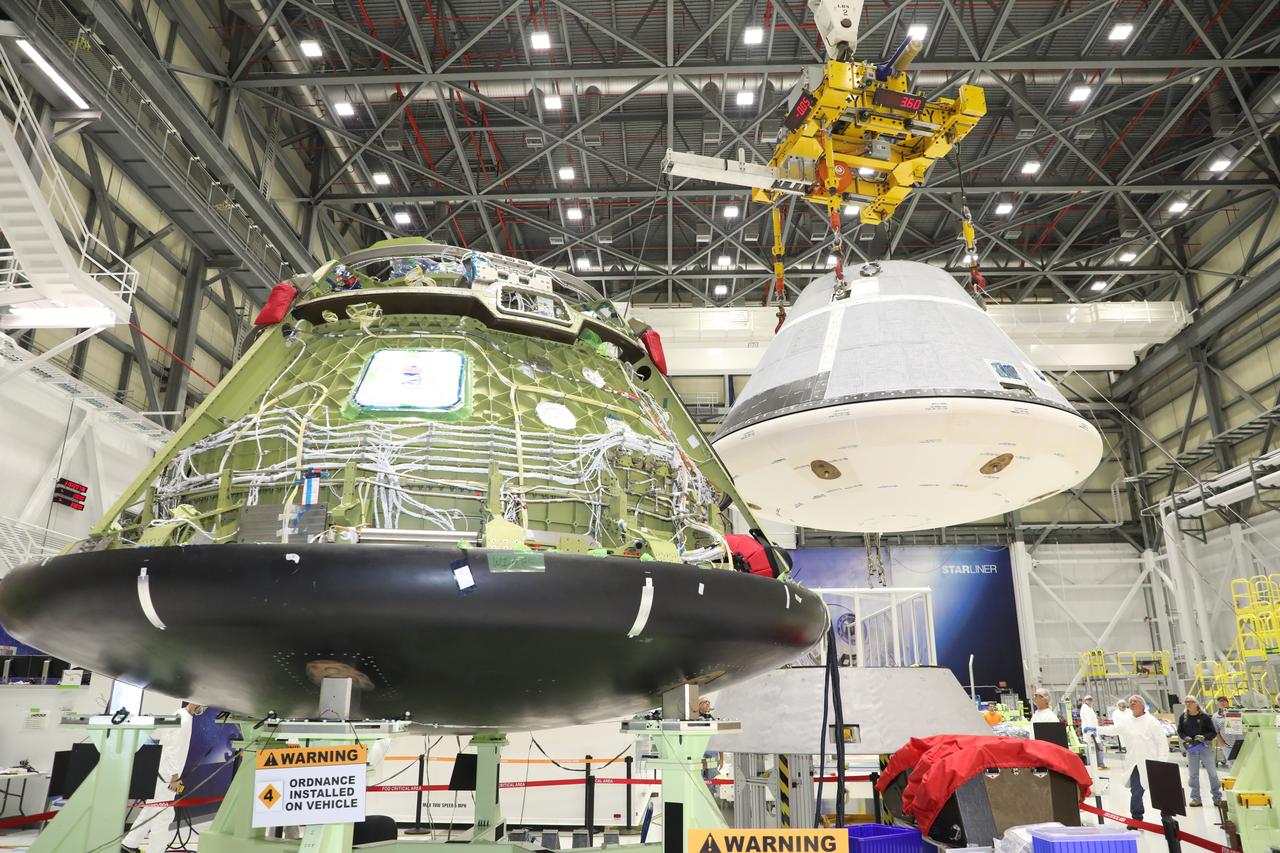
Seen in the foreground inside the Commercial Crew and Cargo Processing Facility (C3PF) at NASA's Kennedy Space Center in Florida on Nov. 11, 2018, the spacecraft destined to fly astronauts to the International Space Station in Boeing's Crew Flight Test (CFT) is prepared for transport to the company's testing facilities in El Segundo, California. The company's CST-100 Starliner will be undergoing a series of environmental tests designed to simulate what the spacecraft will experience during different stages of flight as part of NASA's Commercial Crew Program (CCP). The agency's CCP will return human spaceflight launches to U.S. soil, providing safe, reliable and cost-effective access to low-Earth orbit on systems that meet our safety and mission requirements.
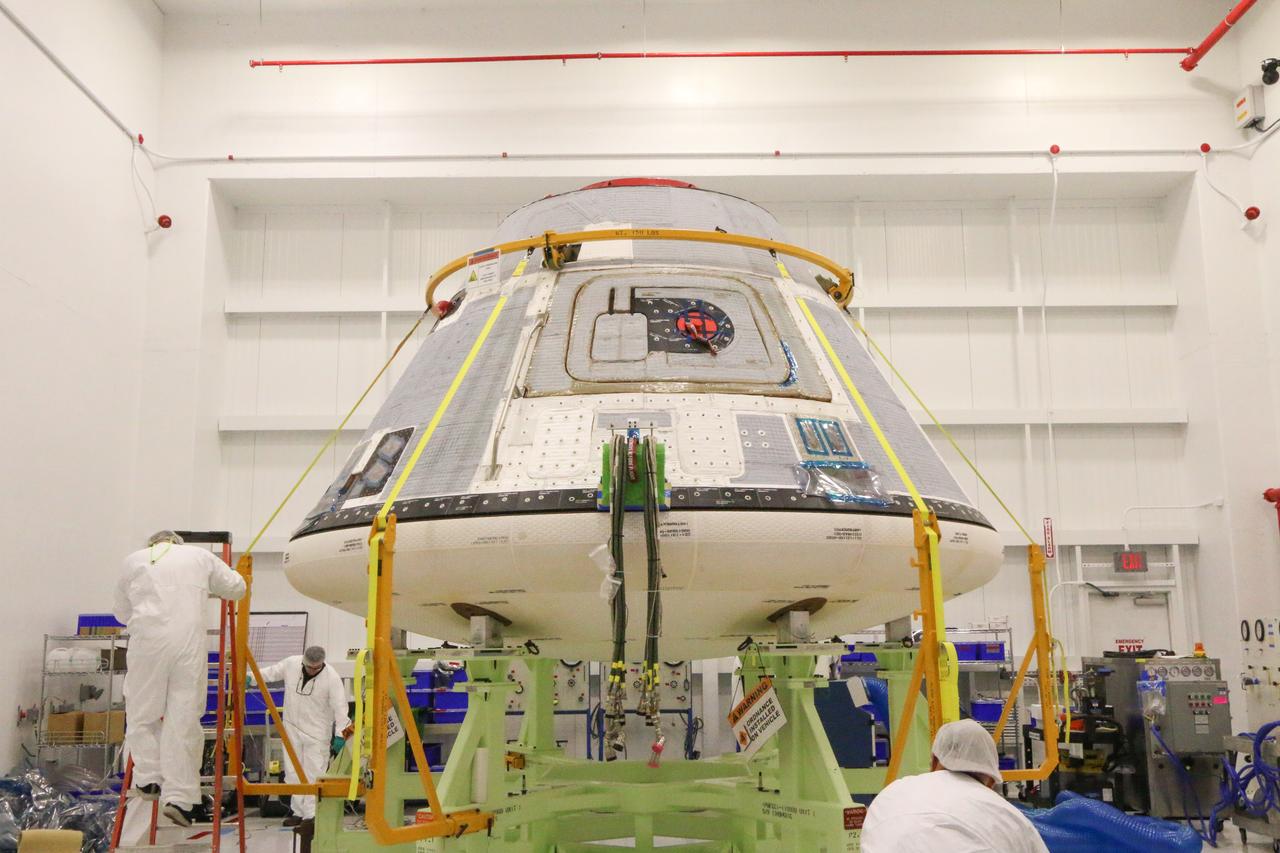
Inside the Commercial Crew and Cargo Processing Facility (C3PF) at NASA's Kennedy Space Center in Florida on Nov. 11, 2018, the spacecraft destined to fly astronauts to the International Space Station in Boeing's Crew Flight Test (CFT) is prepared for transport to the company's testing facilities in El Segundo, California. The company's CST-100 Starliner will be undergoing a series of environmental tests designed to simulate what the spacecraft will experience during different stages of flight as part of NASA's Commercial Crew Program (CCP). The agency's CCP will return human spaceflight launches to U.S. soil, providing safe, reliable and cost-effective access to low-Earth orbit on systems that meet our safety and mission requirements.
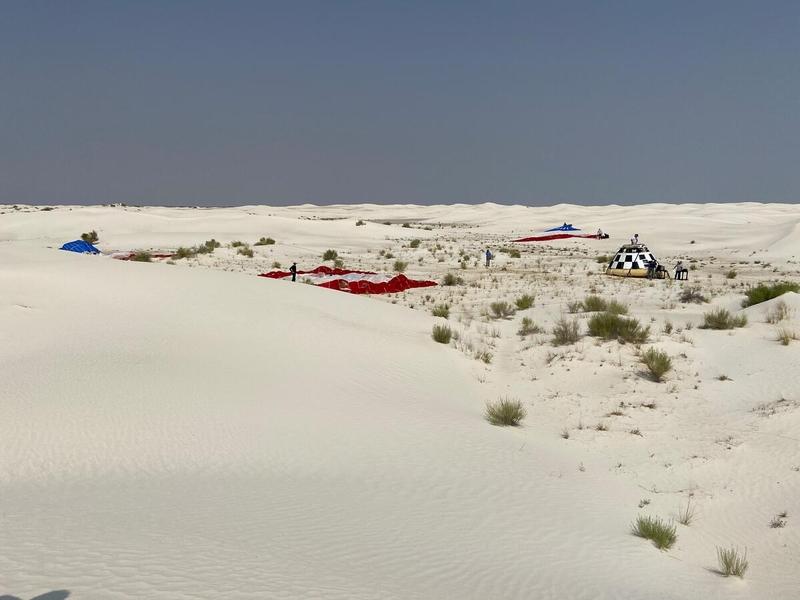
Recovery teams gather at the landing site of Boeing’s CST-100 Starliner test article used in the spacecraft's final parachute reliability test at White Sands Space Harbor, New Mexico, on Sept. 19, 2020. The test is part of a reliability campaign that will help strengthen the spacecraft’s landing system ahead of crewed flights to and from the International Space Station as part of NASA’s Commercial Crew Program.
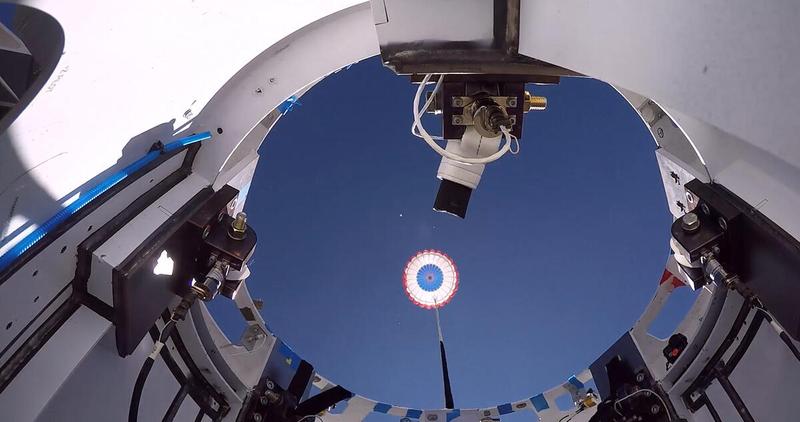
A reused drogue parachute deploys from Boeing’s CST-100 Starliner test article during the final balloon drop parachute test above White Sands, New Mexico, on Sept. 19, 2020. The test is part of a reliability campaign that will help strengthen the spacecraft’s landing system ahead of crewed flights to and from the International Space Station as part of NASA’s Commercial Crew Program.
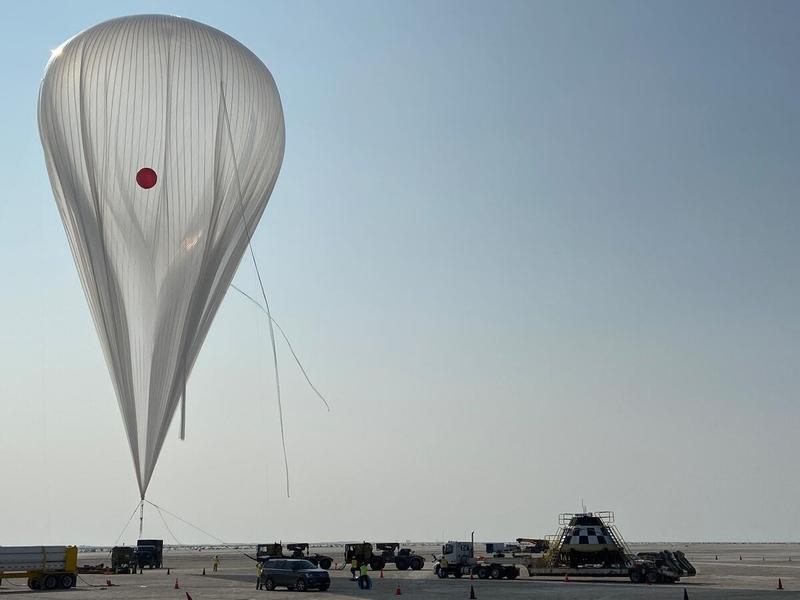
A Boeing CST-100 Starliner test article prepares to mate with a high altitude balloon ahead of its final parachute reliability drop test at White Sands, New Mexico, on Sept. 19, 2020. The test is part of a reliability campaign that will help strengthen the spacecraft’s landing system ahead of crewed flights to and from the International Space Station as part of NASA’s Commercial Crew Program.
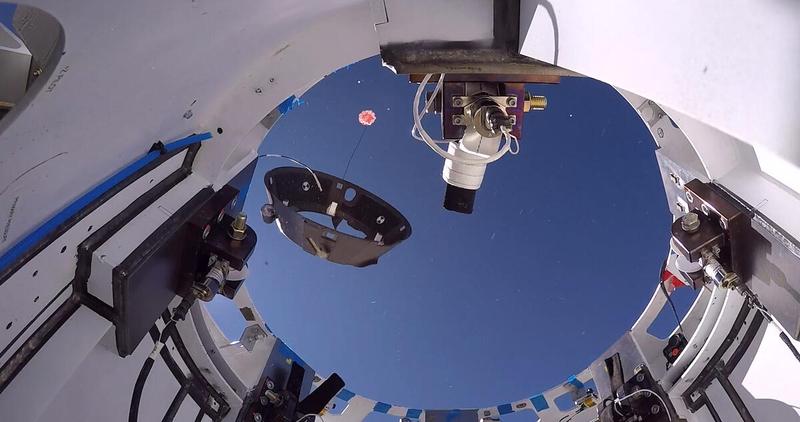
Boeing CST-100 Starliner’s forward heat shield jettisons from a test article during the vehicle’s final balloon drop parachute test at White Sands, New Mexico, on Sept 19, 2020. The test is part of a reliability campaign that will help strengthen the spacecraft’s landing system ahead of crewed flights to and from the International Space Station as part of NASA’s Commercial Crew Program.
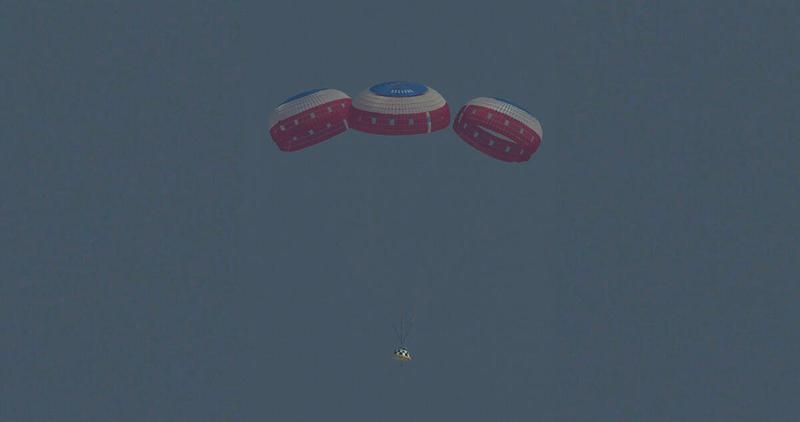
Boeing’s CST-100 Starliner's three main parachutes slow the test article to a safe and soft landing during the final balloon drop parachute test Sept. 19, 2020, at White Sands, New Mexico. The test is part of a reliability campaign that will help strengthen the spacecraft’s landing system ahead of crewed flights to and from the International Space Station as part of NASA’s Commercial Crew Program.
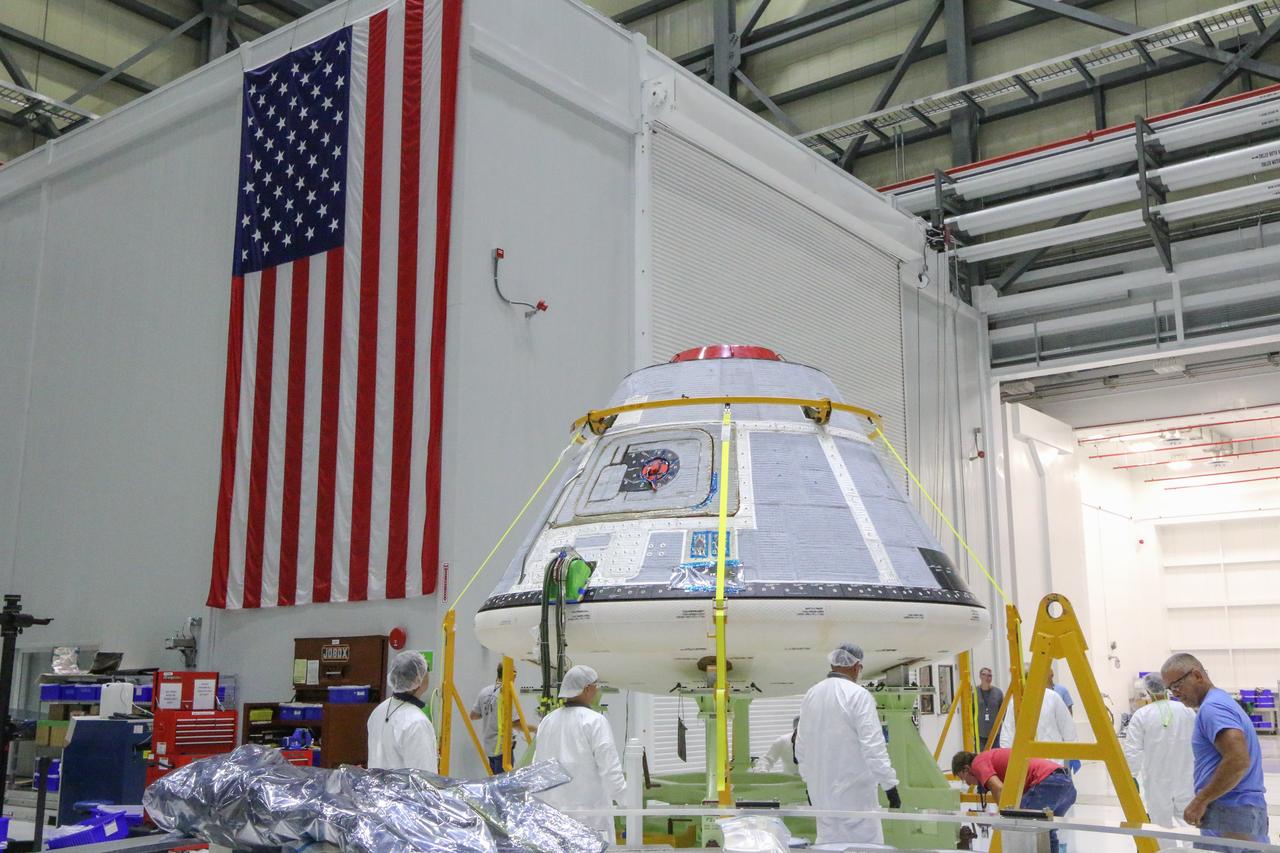
On Nov. 12, 2018, inside the Commercial Crew and Cargo Processing Facility (C3PF) at NASA's Kennedy Space Center in Florida, technicians and engineers prepare the company's CST-100 Starliner for transport to the company's testing facilities in El Segundo, California. The spacecraft is destined to fly astronauts to the International Space Station in Boeing's Crew Flight Test (CFT) as part of NASA's Commercial Crew Program (CCP). The Starliner will be undergoing a series of environmental tests designed to simulate what the spacecraft will experience during different stages of flight. The agency's CCP will return human spaceflight launches to U.S. soil, providing safe, reliable and cost-effective access to low-Earth orbit on systems that meet our safety and mission requirements.
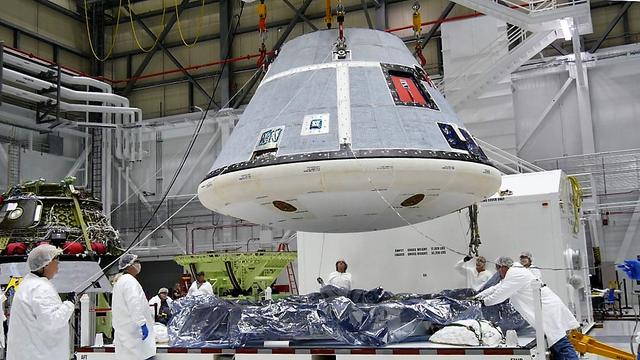
On Nov. 12, 2018, inside the Commercial Crew and Cargo Processing Facility (C3PF) at NASA's Kennedy Space Center in Florida, technicians and engineers prepare the company's CST-100 Starliner for transport to the company's testing facilities in El Segundo, California. The spacecraft is destined to fly astronauts to the International Space Station in Boeing's Crew Flight Test (CFT) as part of NASA's Commercial Crew Program (CCP). The Starliner will be undergoing a series of environmental tests designed to simulate what the spacecraft will experience during different stages of flight. The agency's CCP will return human spaceflight launches to U.S. soil, providing safe, reliable and cost-effective access to low-Earth orbit on systems that meet our safety and mission requirements.
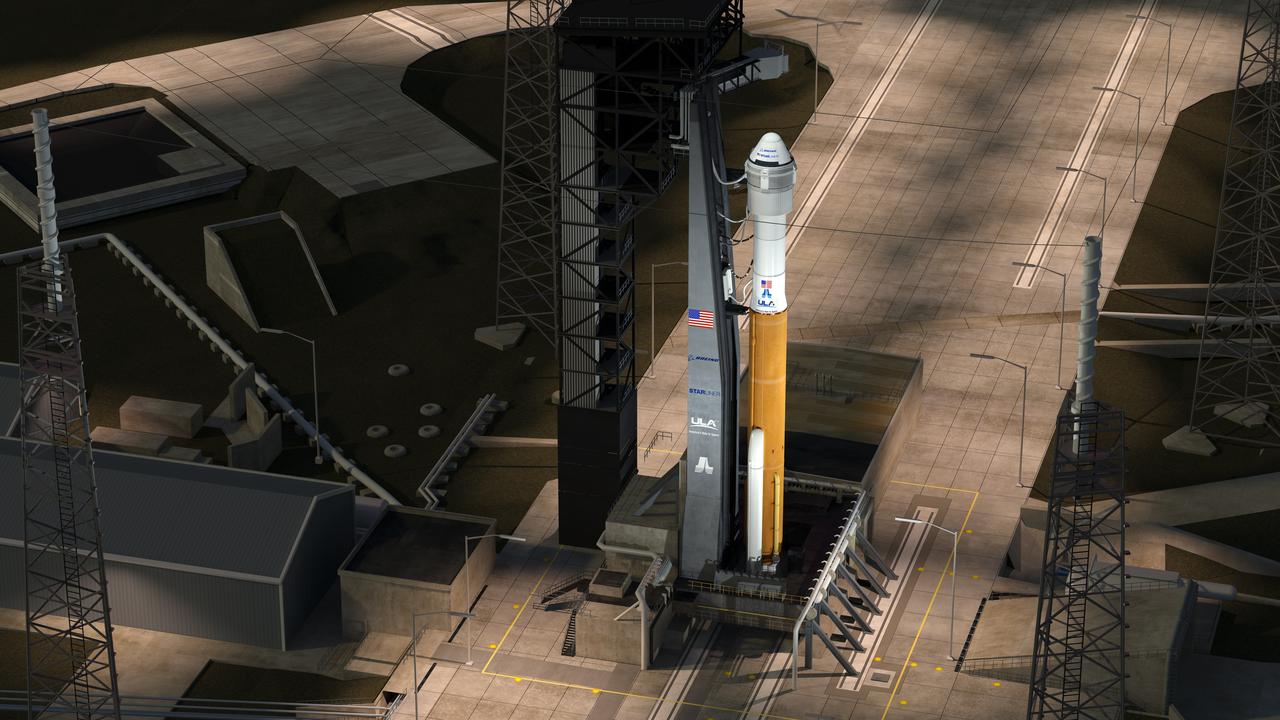
This artist concept shows a United Launch Alliance Atlas V rocket with a Boeing CST-100 Starliner capsule at Space Launch Complex-41 at Cape Canaveral Air Force Station in Florida. The Starliner/Atlas V system is under development by Boeing and ULA in partnership with NASA's Commercial Crew Program to launch astronauts to the International Space Station.
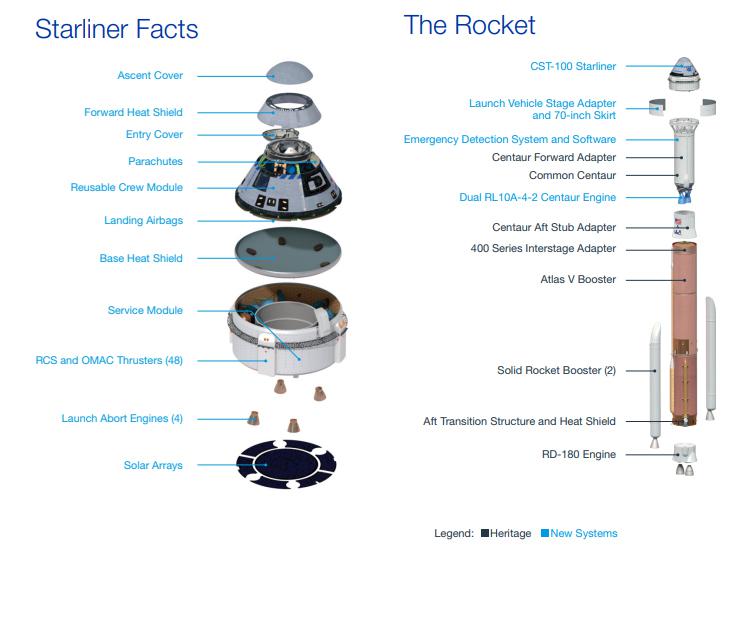
This graphic provides a detailed overview of the makeup of Boeing’s CST-100 Starliner spacecraft, as well as the United Launch Alliance Atlas V rocket.