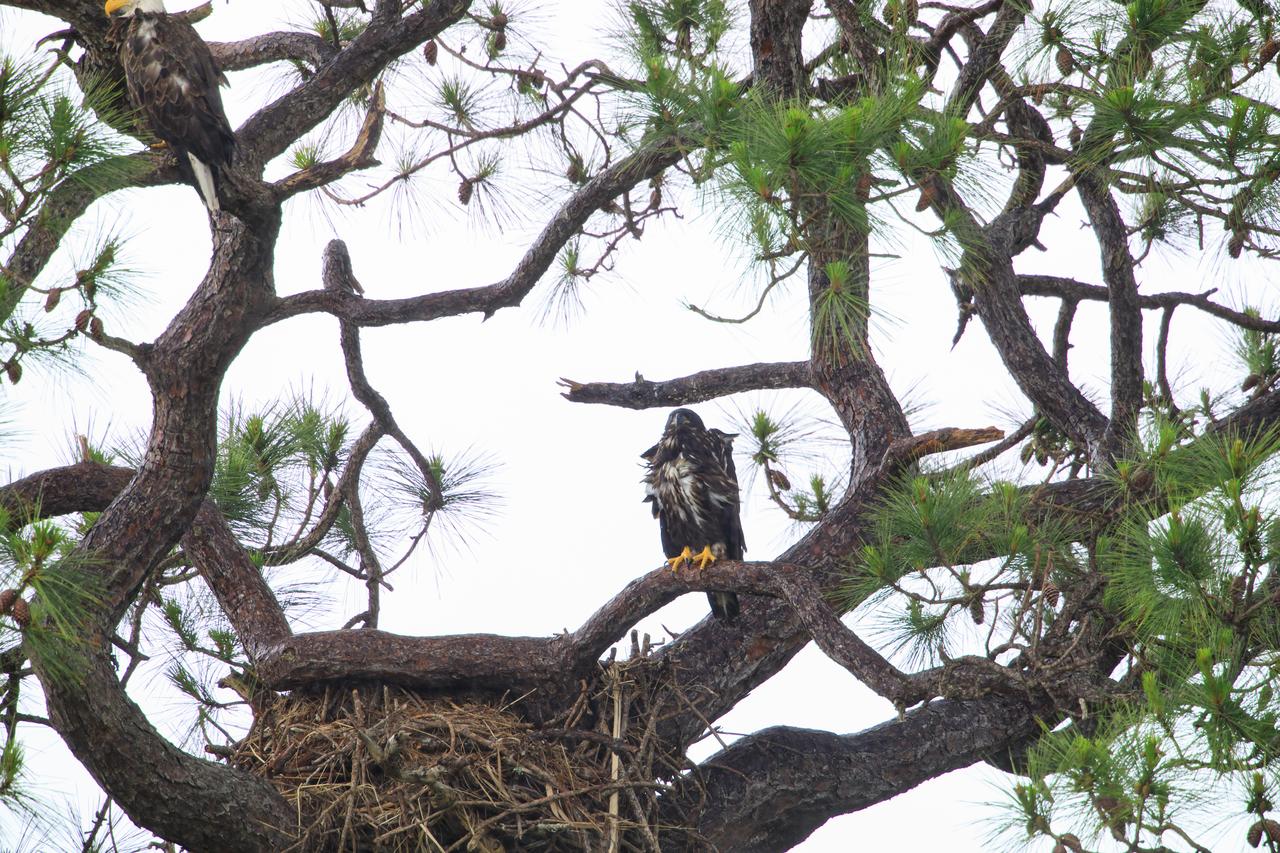
An American bald eagle, upper left, and its baby are perched in a tree near their nest at NASA’s Kennedy Space Center in Florida on April 25, 2023. The eaglet is the lone offspring of a mated pair of eagles that recently built the new home after storms badly damaged their original nest located about 50 yards away. That nest was built in 1973 and had been used by eagles almost every year since 1975.
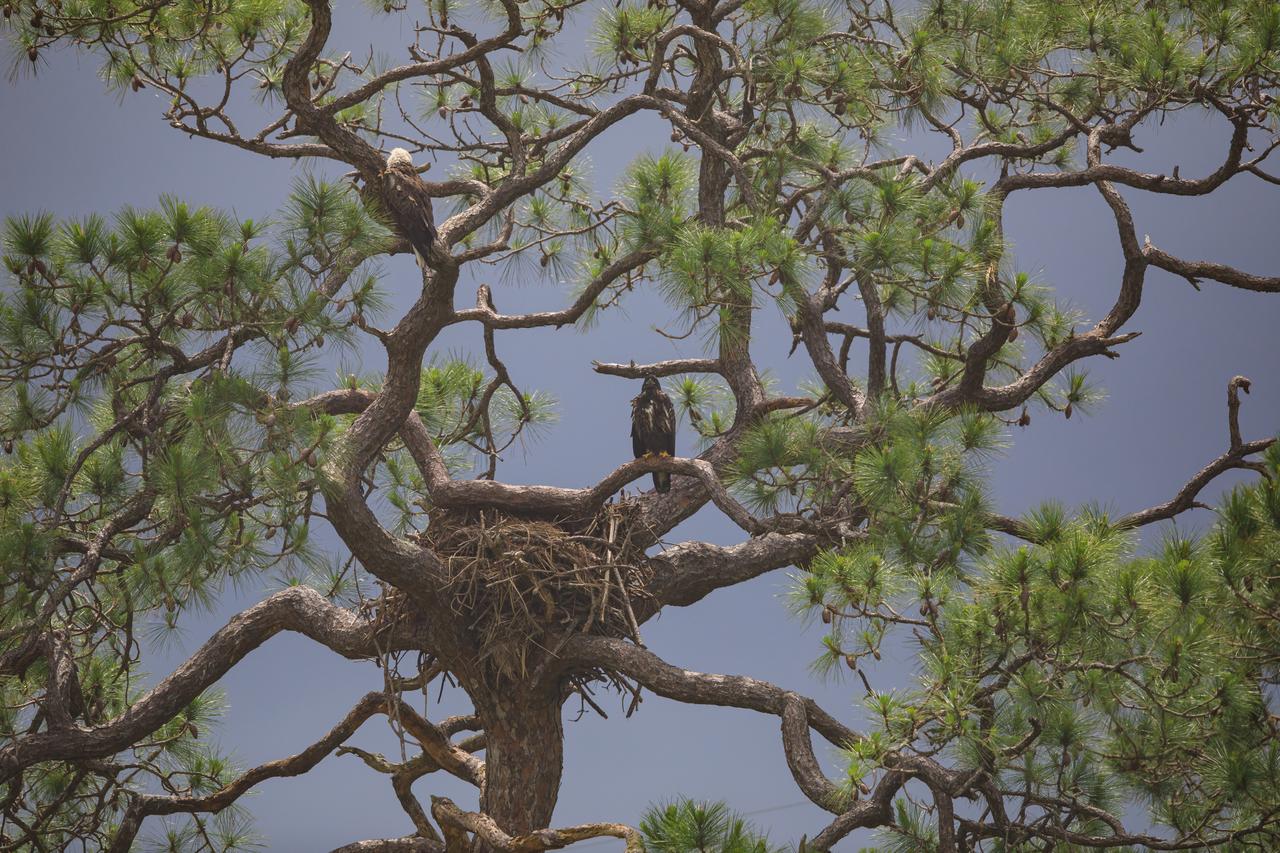
An American bald eagle, upper left, and its baby are perched in a tree near their nest at NASA’s Kennedy Space Center in Florida as a rainstorm approaches on April 25, 2023. The eaglet is the lone offspring of a mated pair of eagles that recently built the new home after storms badly damaged their original nest located about 50 yards away. That nest was built in 1973 and had been used by eagles almost every year since 1975.

An American bald eagle, upper left, and its baby are perched in a tree near their nest at NASA’s Kennedy Space Center in Florida as a rainstorm approaches on April 25, 2023. The eaglet is the lone offspring of a mated pair of eagles that recently built the new home after storms badly damaged their original nest located about 50 yards away. That nest was built in 1973 and had been used by eagles almost every year since 1975.
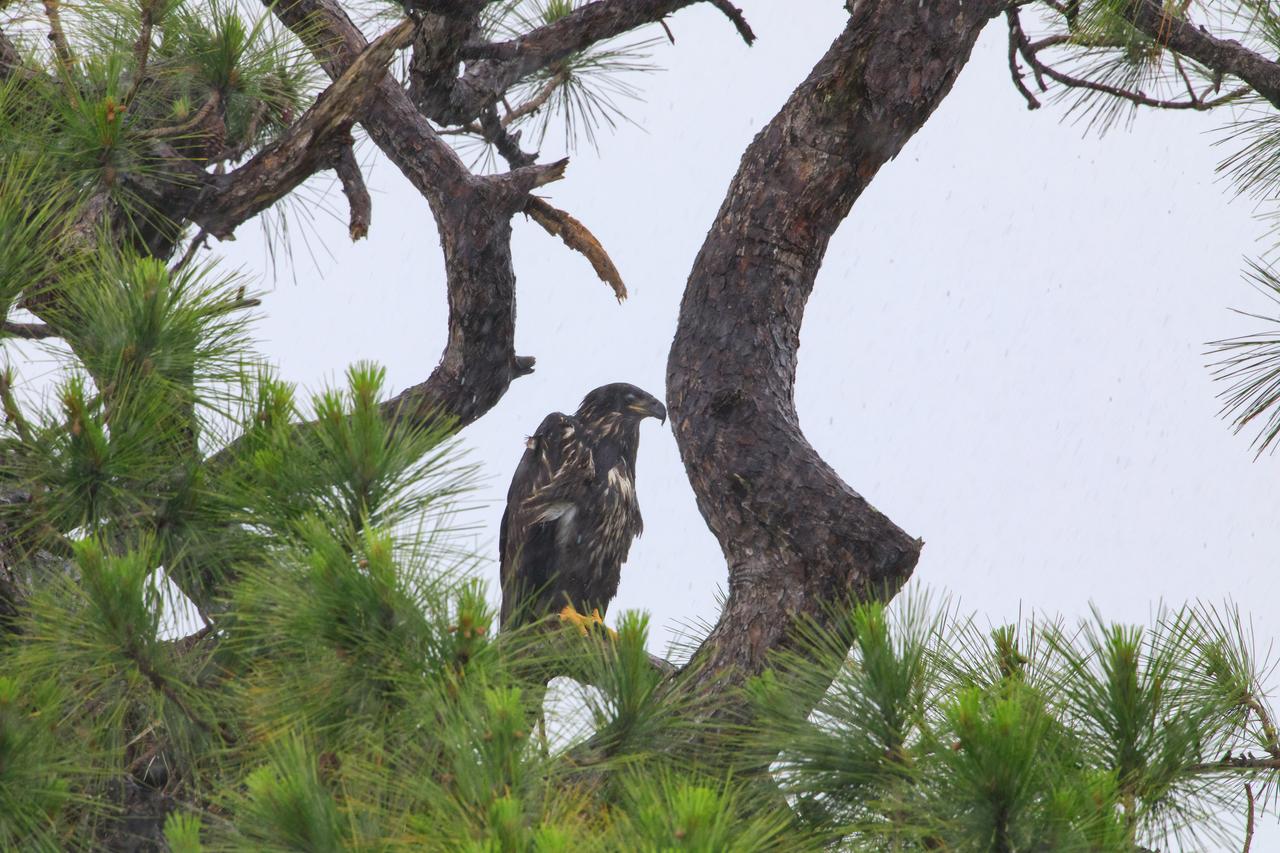
A baby American bald eagle looks out from just above its nest, located in a tree at NASA’s Kennedy Space Center in Florida on April 25, 2023. The eaglet is the lone offspring of a mated pair of eagles that recently built the new home after storms badly damaged their original nest located about 50 yards away. That nest was built in 1973 and had been used by eagles almost every year since 1975.
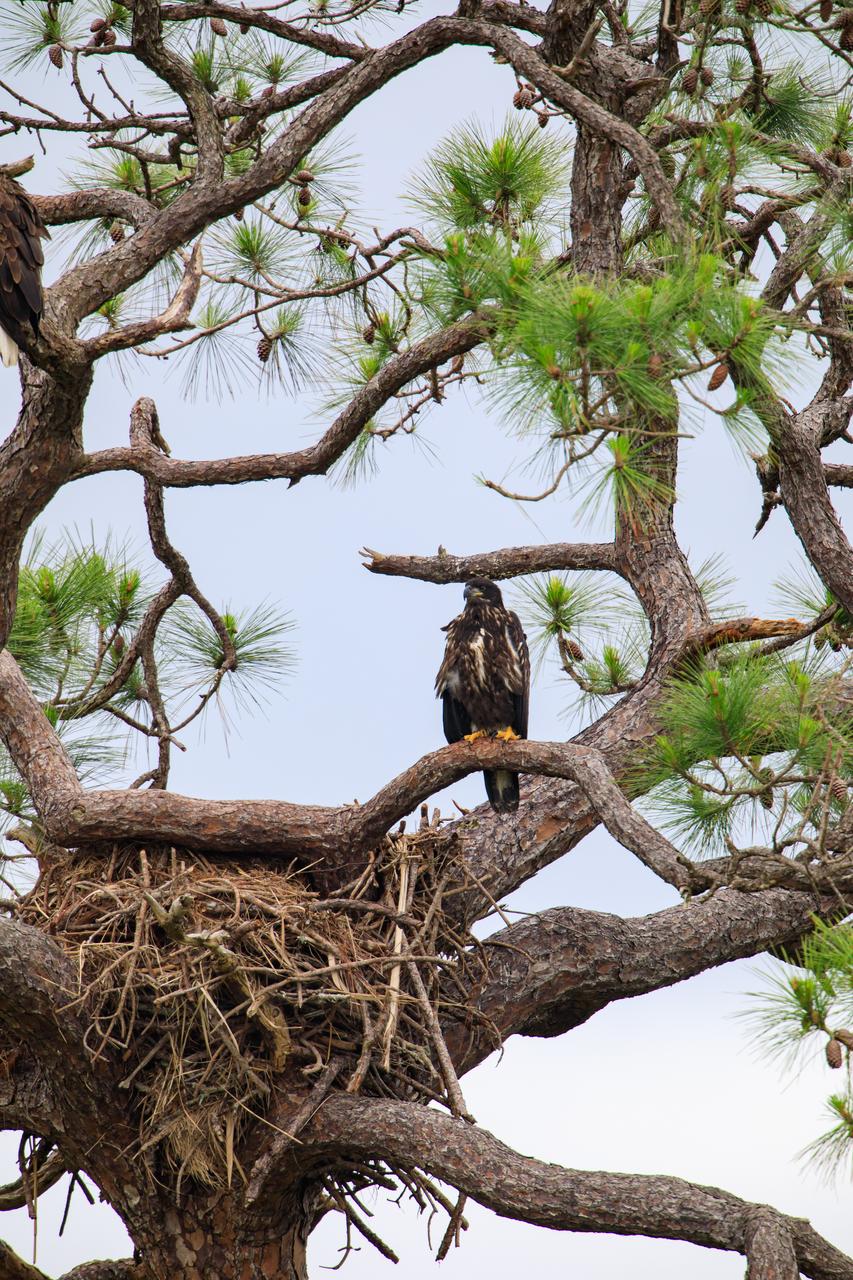
A baby American bald eagle looks out from just above its nest, located in a tree at NASA’s Kennedy Space Center in Florida on April 25, 2023. A mated pair of eagles recently built a new home in this tree after storms badly damaged their original nest located about 50 yards away, and produced one eaglet. The previous nest was built in 1973 and had been used by eagles almost every year since 1975.
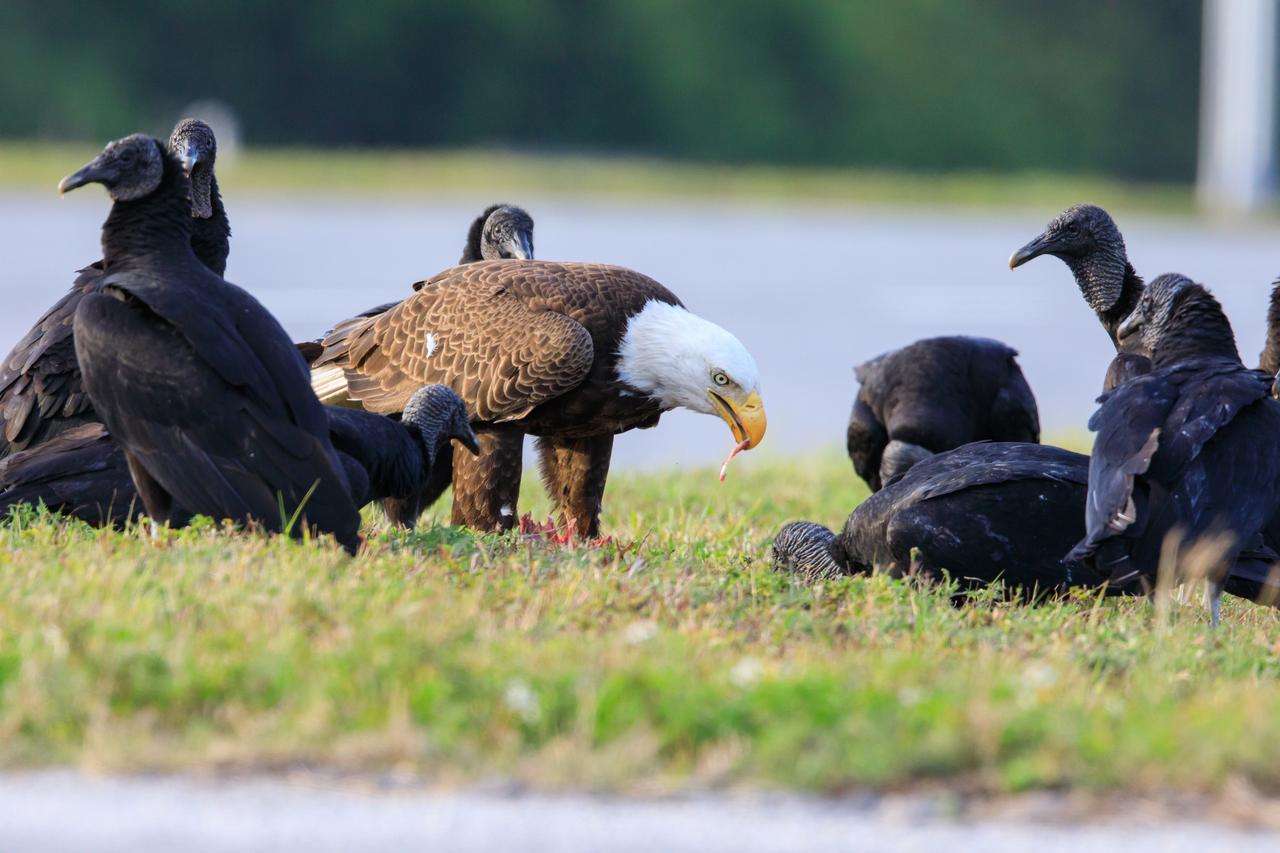
An American bald eagle feeds alongside some vultures at NASA’s Kennedy Space Center on April 10, 2023. The eagle is part of a mated pair that takes up residence at the Florida spaceport during nesting season. The pair is raising a baby eagle in their nest located off of Kennedy Parkway, about two miles from the Vehicle Assembly Building. Kennedy currently is home to approximately 20 nesting pairs of bald eagles.
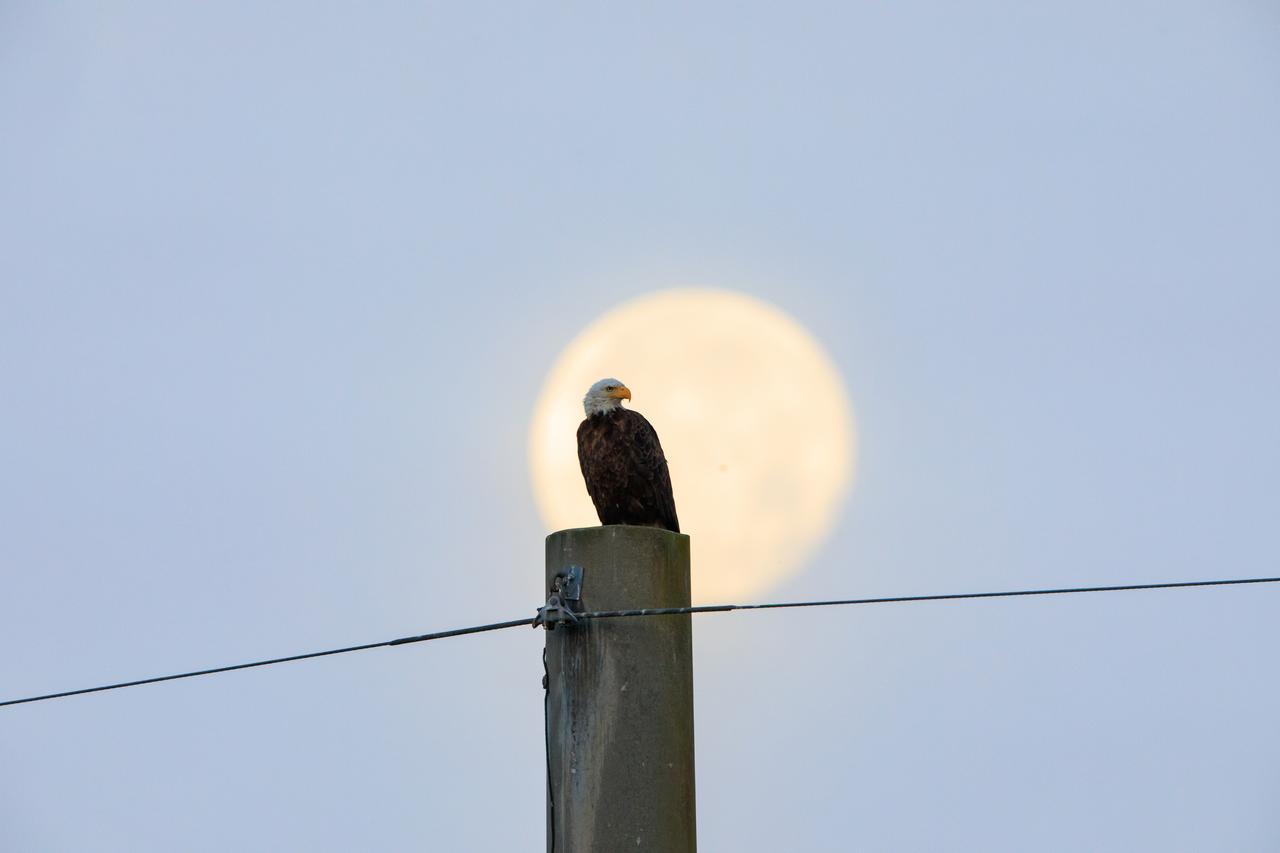
With the Moon in the background, an American bald eagle perches on a pole near its nest at NASA’s Kennedy Space Center on April 10, 2023. The eagle is part of a mated pair that takes up residence at the Florida spaceport during nesting season. This year, the pair is raising a lone baby eagle in the nest, located off of Kennedy Parkway, about two miles from the Vehicle Assembly Building. Kennedy currently is home to approximately 20 nesting pairs of bald eagles.
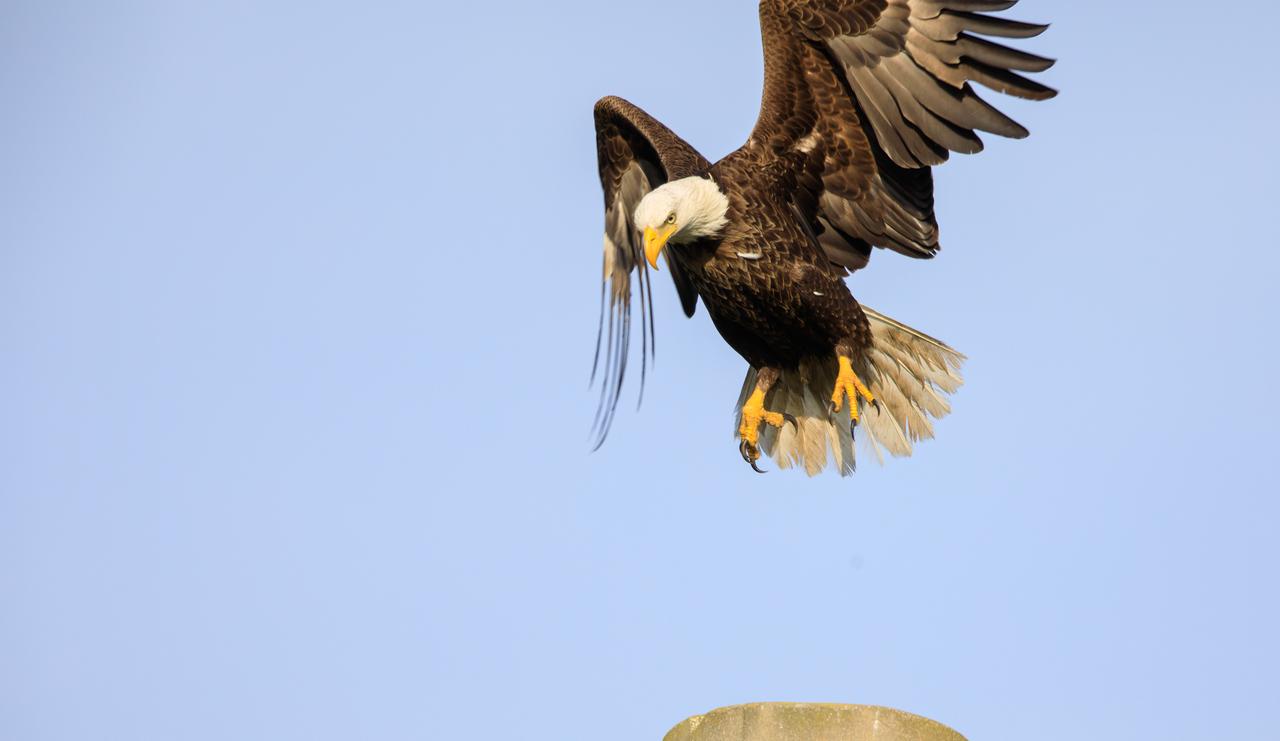
An American bald eagle swoops down to land on a pole at NASA’s Kennedy Space Center on April 10, 2023. The eagle is part of a mated pair that takes up residence at the Florida spaceport during nesting season. This year, the pair is raising a lone baby eagle in the nest, located in a tree near Kennedy Parkway, about two miles from the Vehicle Assembly Building. Kennedy currently is home to approximately 20 nesting pairs of bald eagles.
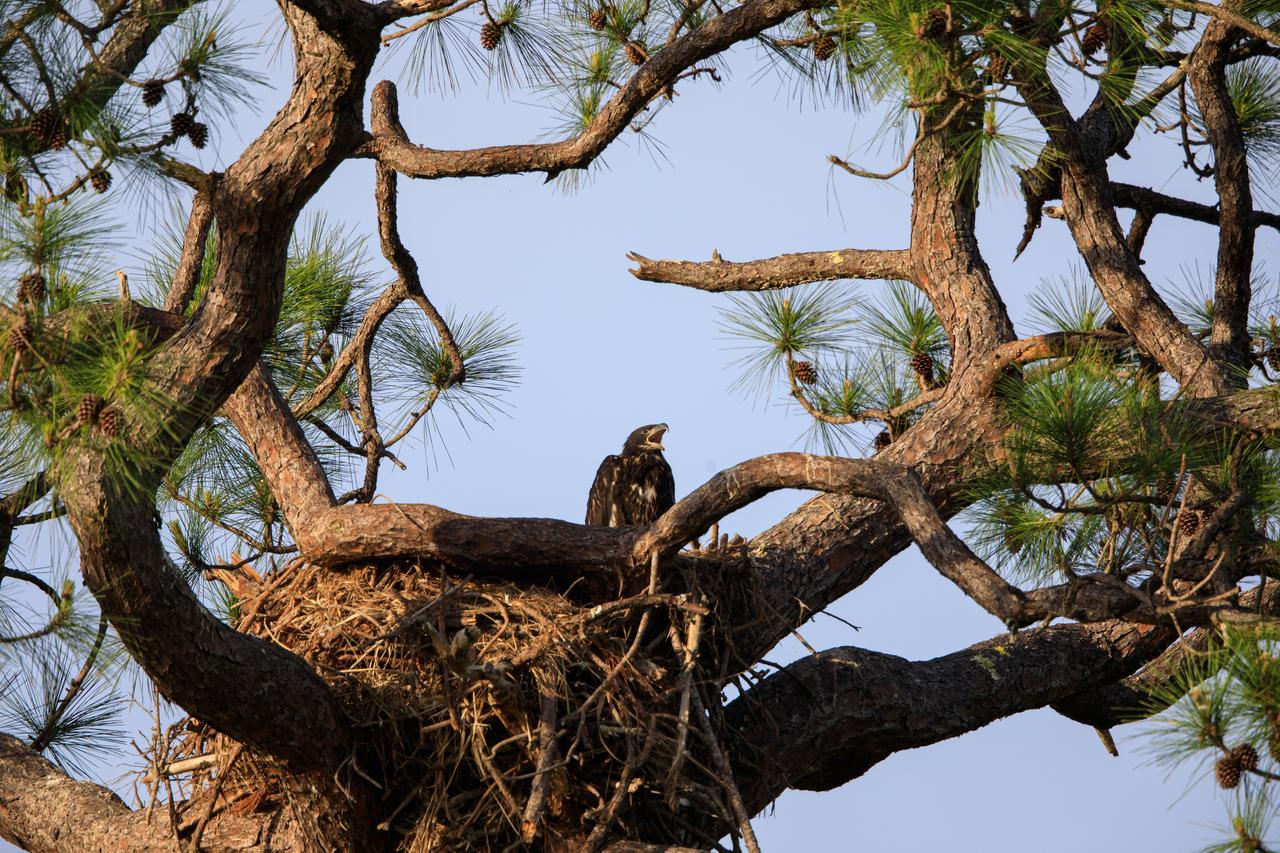
A baby American bald eagle calls out from a nest located near Kennedy Parkway North at NASA’s Kennedy Space Center in Florida on April 10, 2023. The eaglet is the lone offspring of a mated pair of eagles that recently built the new home after storms badly damaged their original nest located about 50 yards away. That nest was built in 1973 and had been used by eagles almost every year since 1975.
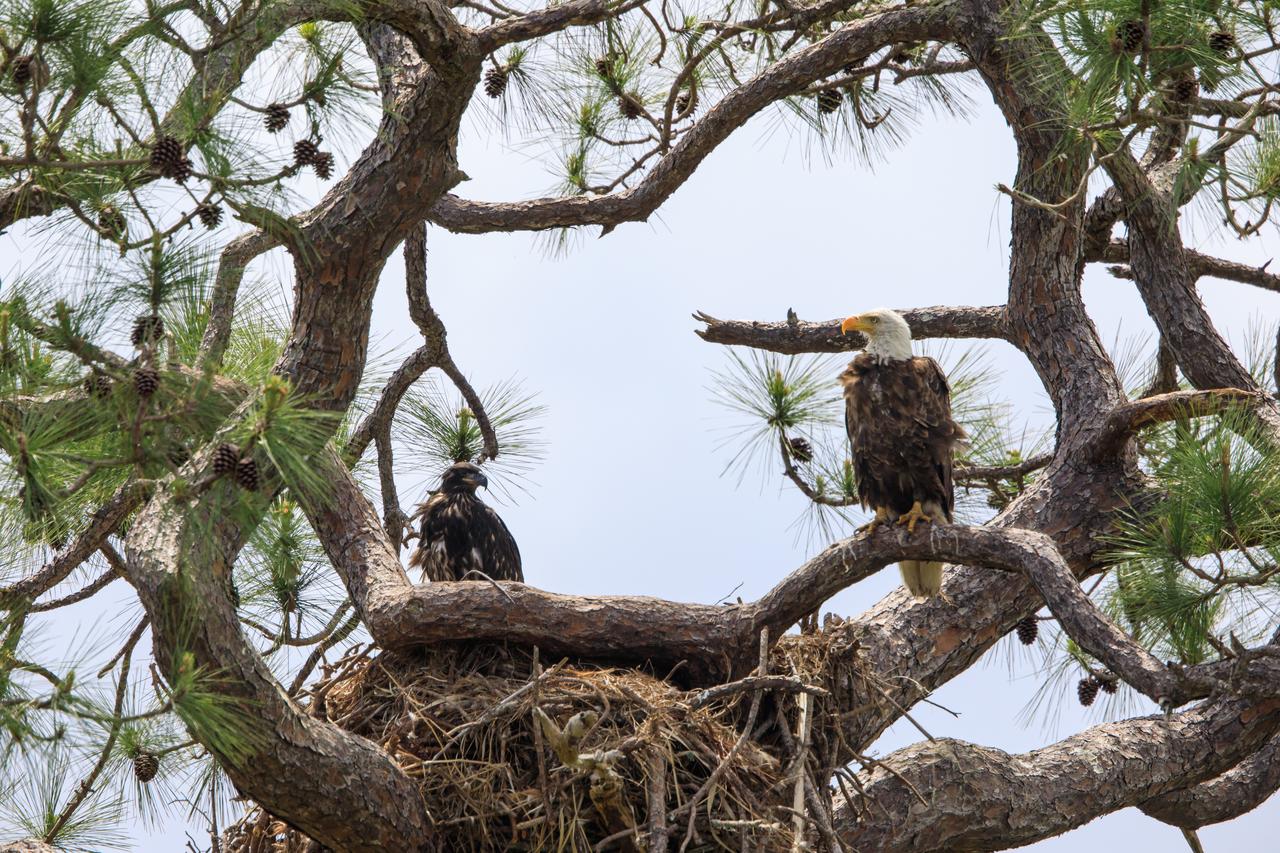
A baby American bald eagle looks out from its nest, accompanied by one of its parents, in a tree located near Kennedy Parkway North at NASA’s Kennedy Space Center in Florida on April 10, 2023. A mated pair of eagles recently built a new home in this tree after storms badly damaged their original nest located about 50 yards away. That nest was built in 1973 and had been used by eagles almost every year since 1975.
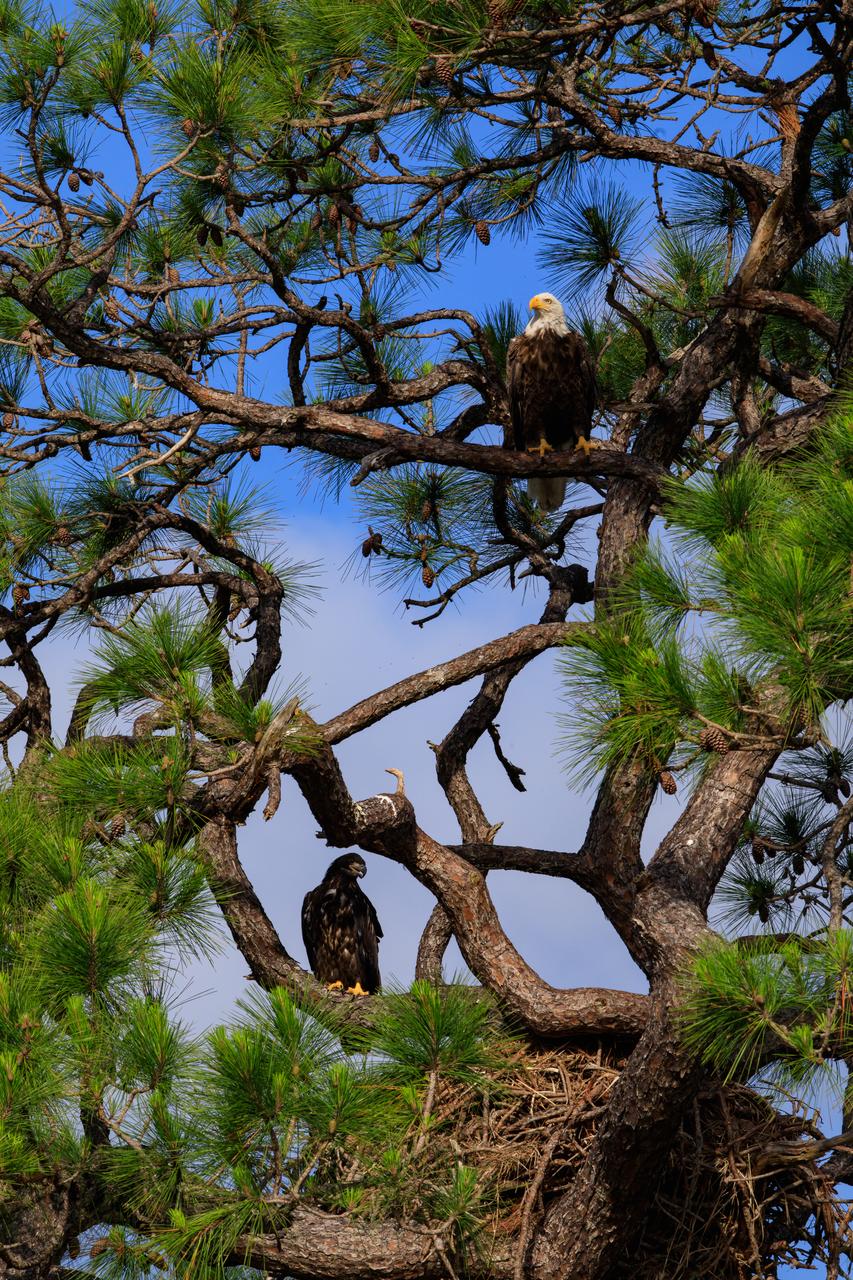
An American bald eagle is perched high in a tree above its nest at NASA’s Kennedy Space Center in Florida on April 10, 2023. Below is its baby eagle, looking up from the nest located off of Kennedy Parkway, about two miles from the Vehicle Assembly Building. The adult eagle is part of a mated pair that recently built a new home in this tree after storms badly damaged their original nest located about 50 yards away. That nest was built in 1973 and had been used by eagles almost every year since 1975. Kennedy currently is home to approximately 20 nesting pairs of bald eagles.
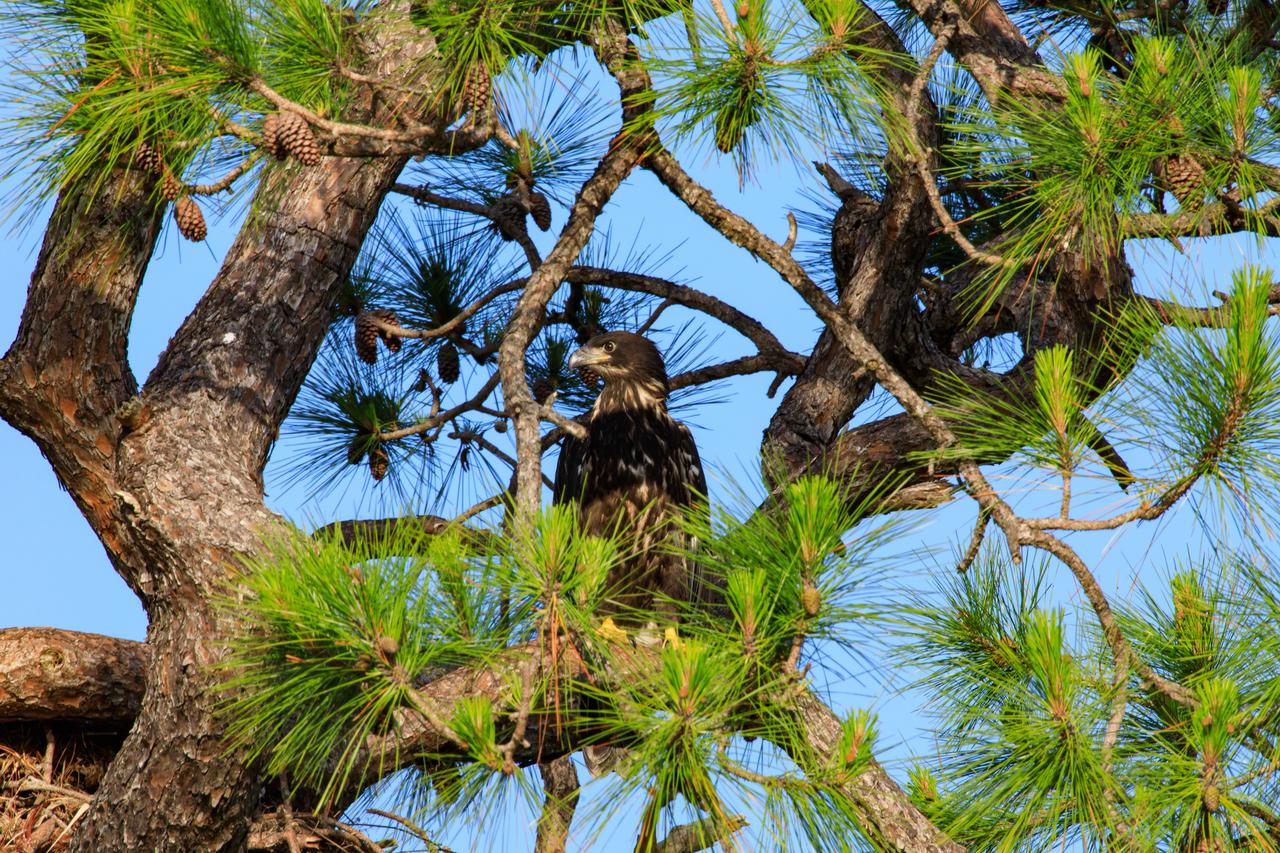
A baby American bald eagle is perched high in a tree above its nest at NASA’s Kennedy Space Center in Florida on April 26, 2023. The nest is located off Kennedy Parkway, about two miles from the Vehicle Assembly Building. The eagle is from a mated pair that recently built a new home in this tree after storms badly damaged their original nest located about 50 yards away. That nest was built in 1973 and had been used by eagles almost every year since 1975. Kennedy currently is home to approximately 20 nesting pairs of bald eagles.
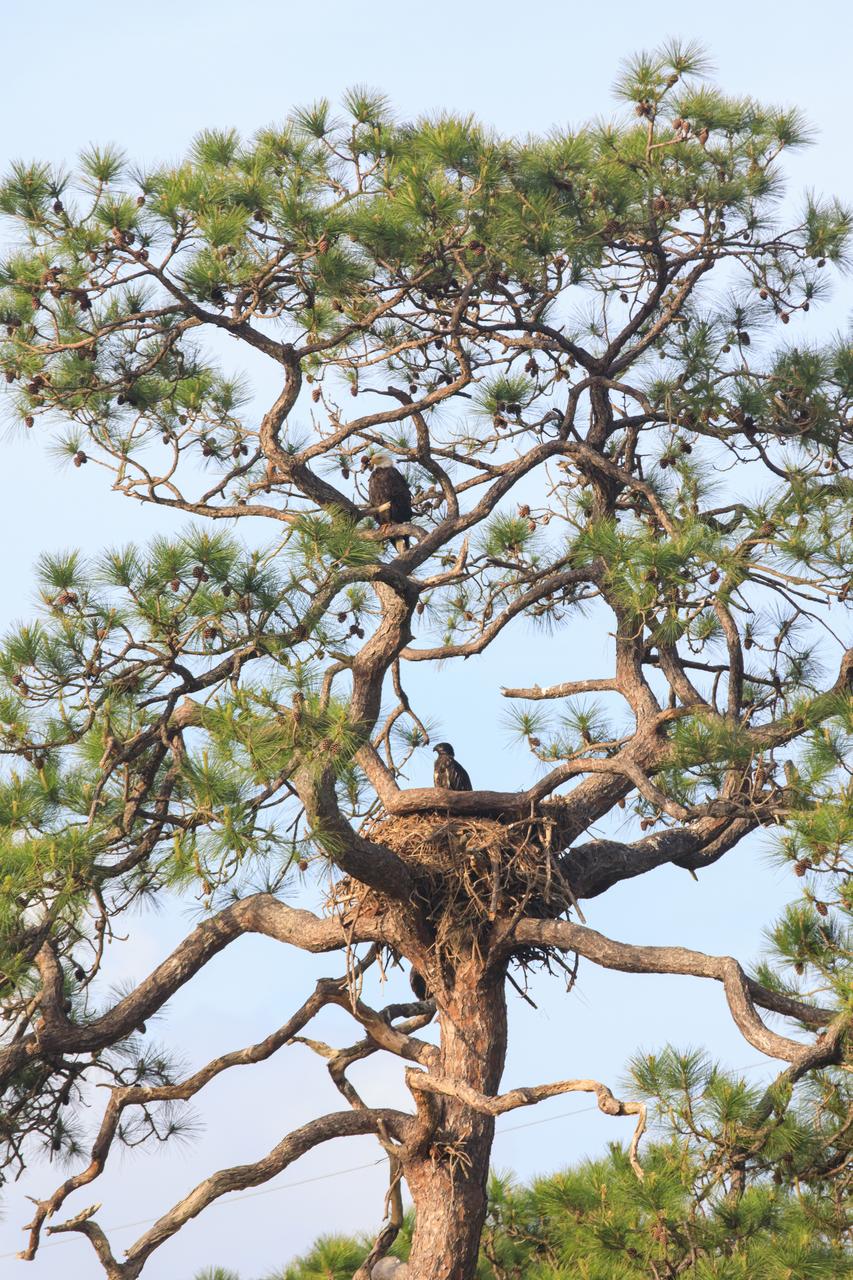
An American bald eagle is perched high in a tree above its nest at NASA’s Kennedy Space Center in Florida on April 10, 2023. Below is its baby eagle, looking up from the nest located off of Kennedy Parkway, about two miles from the Vehicle Assembly Building. The adult eagle is part of a mated pair that recently built a new home in this tree after storms badly damaged their original nest located about 50 yards away. That nest was built in 1973 and had been used by eagles almost every year since 1975.
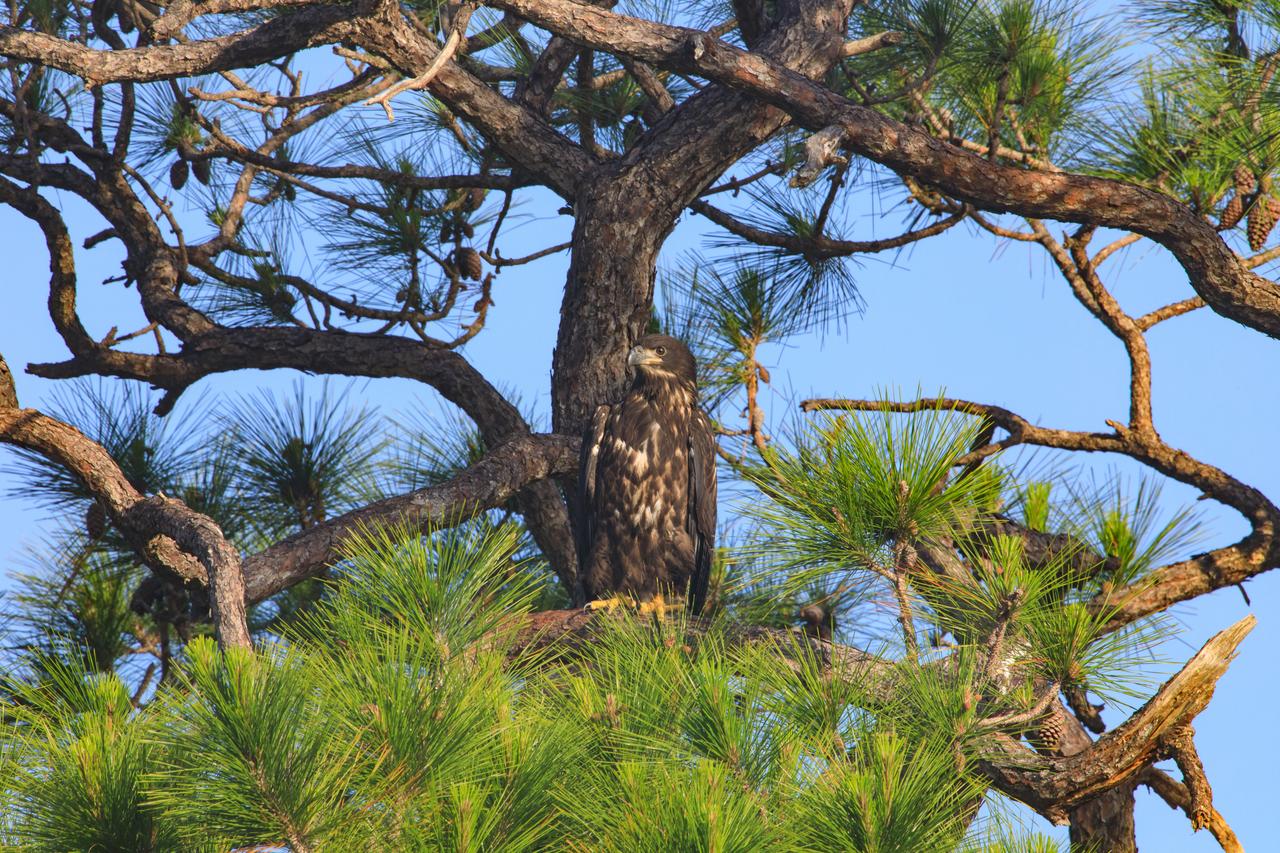
A baby American bald eagle is perched high in a tree above its nest at NASA’s Kennedy Space Center in Florida on April 26, 2023. The nest is located off Kennedy Parkway, about two miles from the Vehicle Assembly Building. The eagle is from a mated pair that recently built a new home in this tree after storms badly damaged their original nest located about 50 yards away. That nest was built in 1973 and had been used by eagles almost every year since 1975. Kennedy currently is home to approximately 20 nesting pairs of bald eagles.
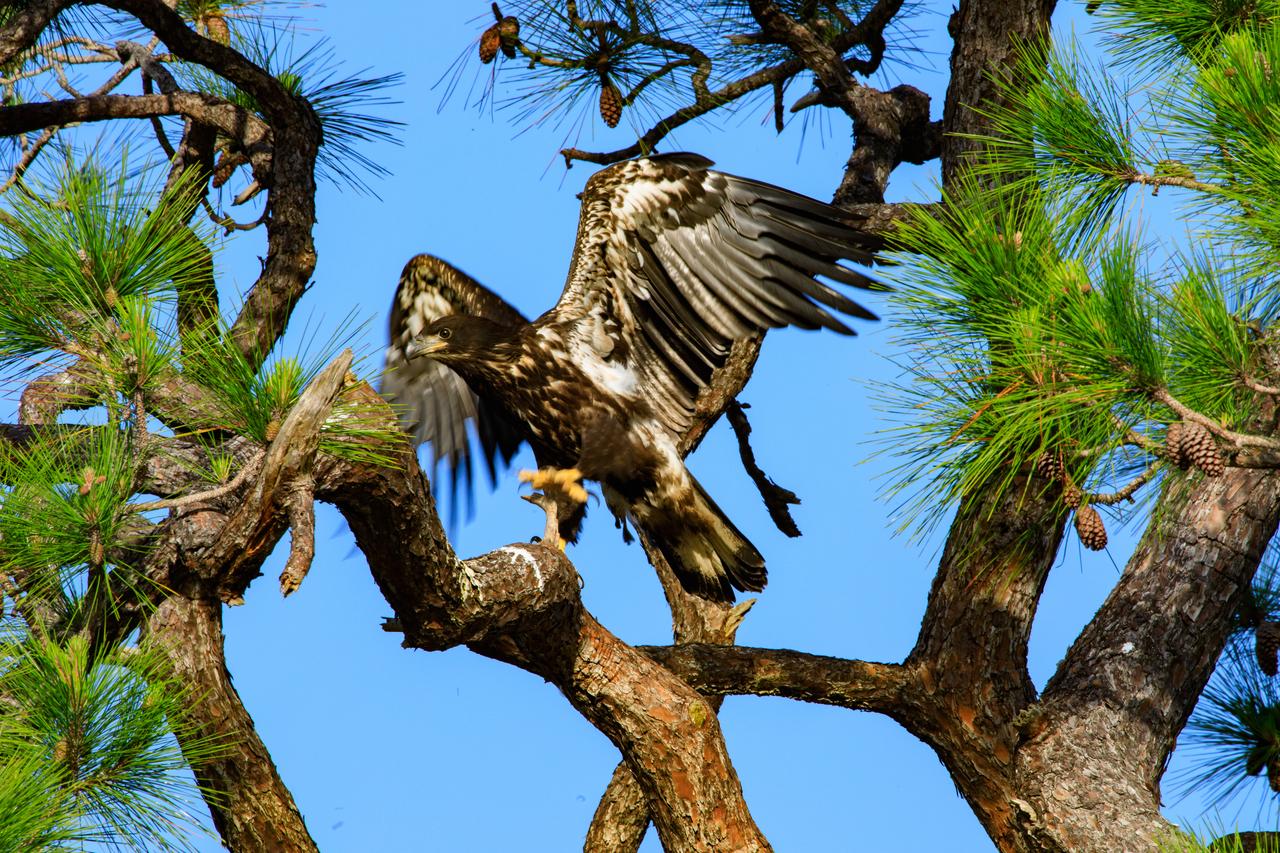
A baby American bald eagle spreads its wings to fly high above a tree that contains its nest at NASA’s Kennedy Space Center in Florida on April 26, 2023. The nest is located off Kennedy Parkway, about two miles from the Vehicle Assembly Building. The eagle is from a mated pair that recently built a new home in this tree after storms badly damaged their original nest located about 50 yards away. That nest was built in 1973 and had been used by eagles almost every year since 1975. Kennedy currently is home to approximately 20 nesting pairs of bald eagles.
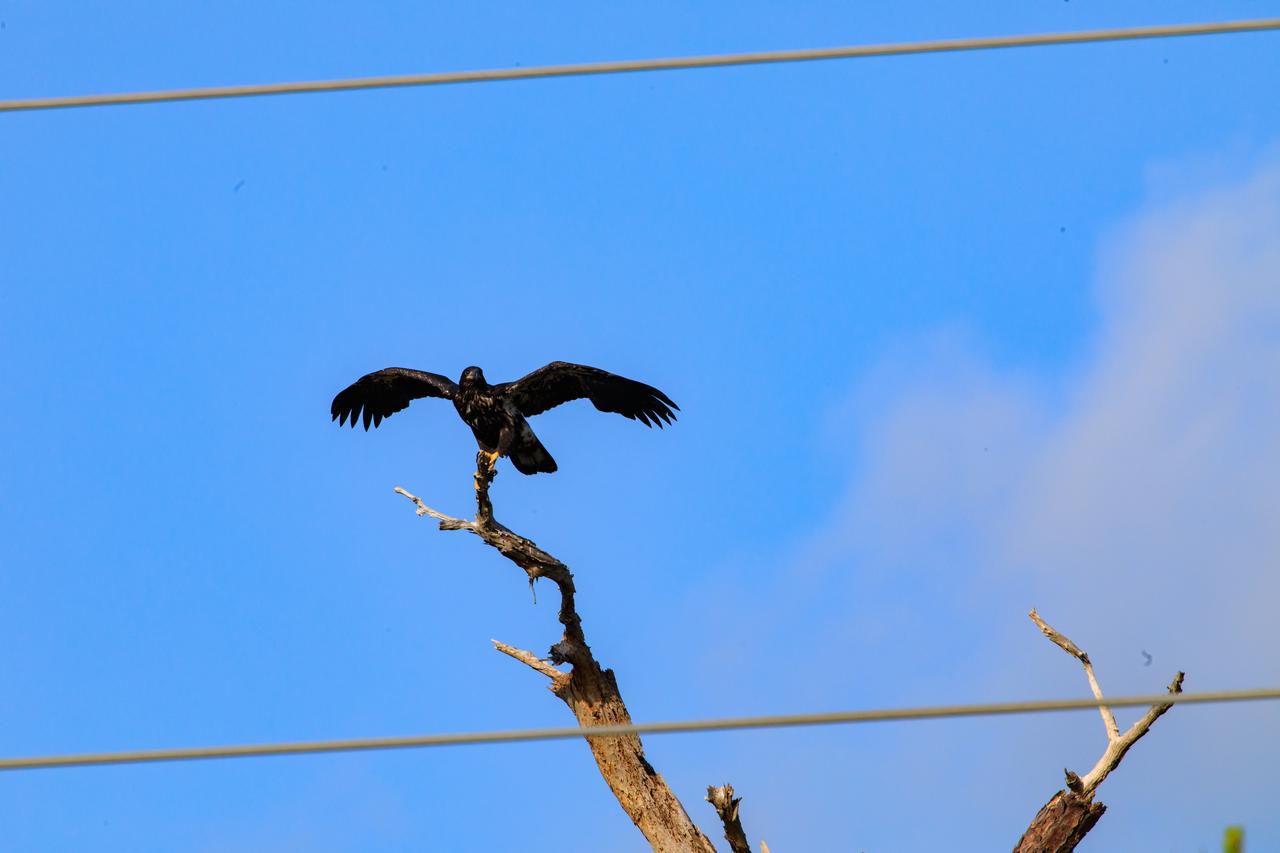
A baby American bald eagle spreads its wings to fly above a tree that contains its nest at NASA’s Kennedy Space Center in Florida on April 26, 2023. The nest is located off Kennedy Parkway, about two miles from the Vehicle Assembly Building. The eagle is from a mated pair that recently built a new home in this tree after storms badly damaged their original nest located about 50 yards away. That nest was built in 1973 and had been used by eagles almost every year since 1975. Kennedy currently is home to approximately 20 nesting pairs of bald eagles.
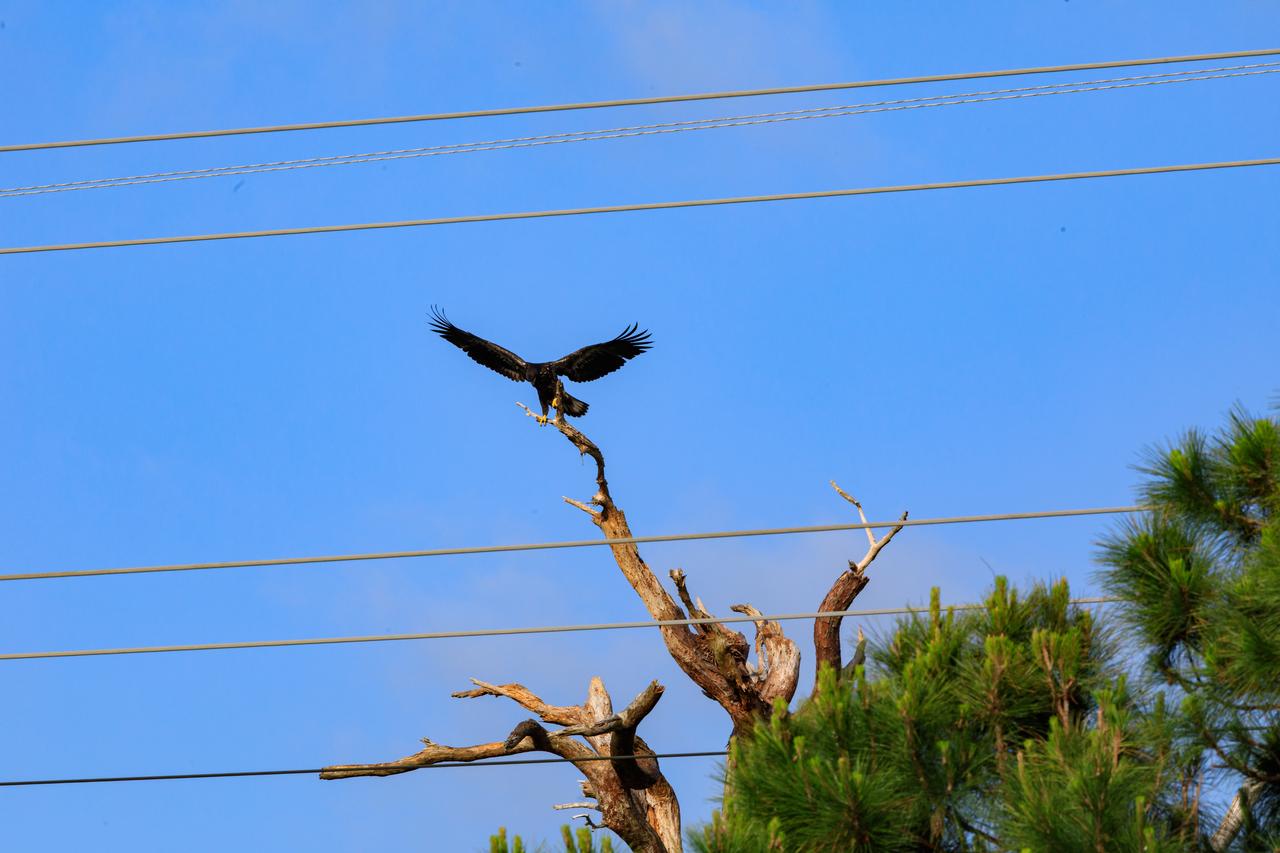
A baby American bald eagle spreads its wings to fly above a tree that contains its nest at NASA’s Kennedy Space Center in Florida on April 26, 2023. The nest is located off Kennedy Parkway, about two miles from the Vehicle Assembly Building. The eagle is from a mated pair that recently built a new home in this tree after storms badly damaged their original nest located about 50 yards away. That nest was built in 1973 and had been used by eagles almost every year since 1975. Kennedy currently is home to approximately 20 nesting pairs of bald eagles.
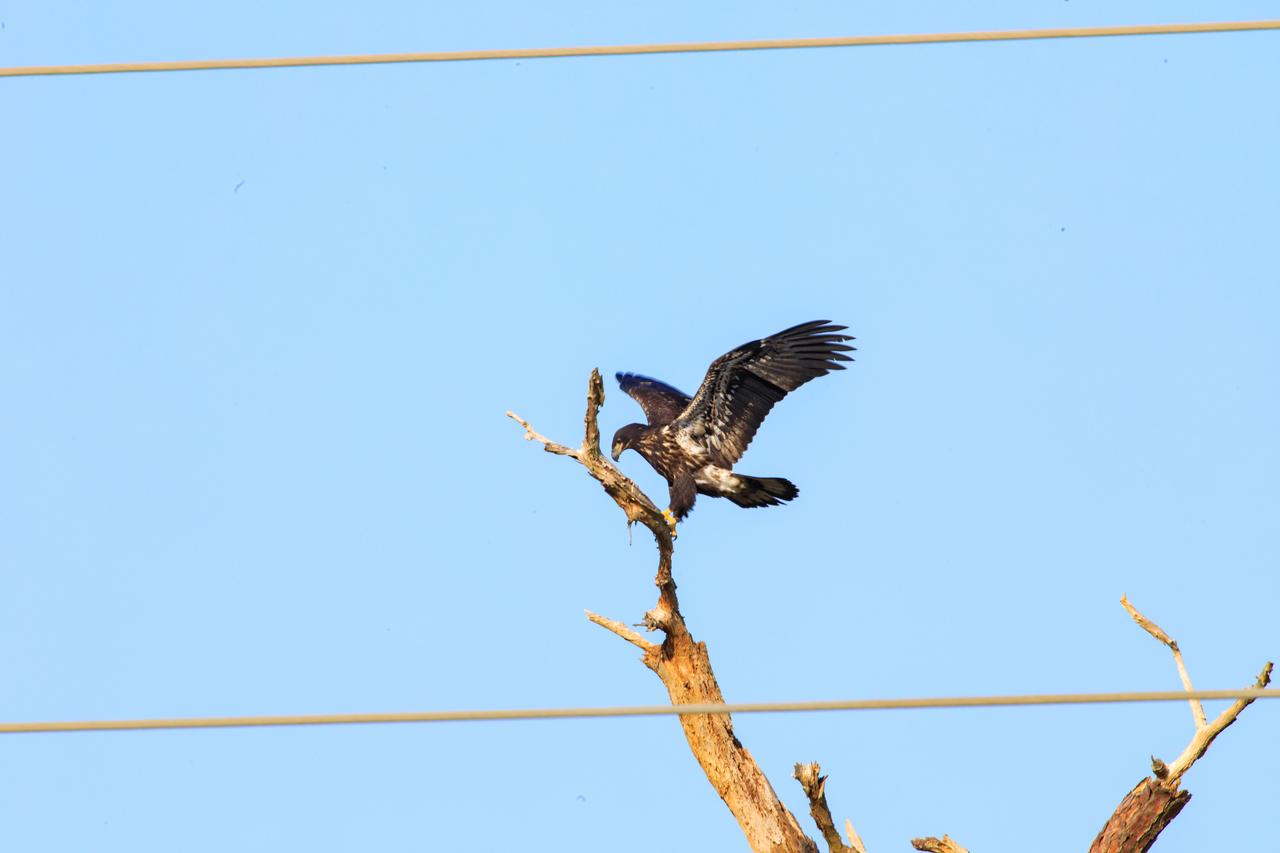
A baby American bald eagle spreads its wings to fly above a tree that contains its nest at NASA’s Kennedy Space Center in Florida on April 26, 2023. The nest is located off Kennedy Parkway, about two miles from the Vehicle Assembly Building. The eagle is from a mated pair that recently built a new home in this tree after storms badly damaged their original nest located about 50 yards away. That nest was built in 1973 and had been used by eagles almost every year since 1975. Kennedy currently is home to approximately 20 nesting pairs of bald eagles.
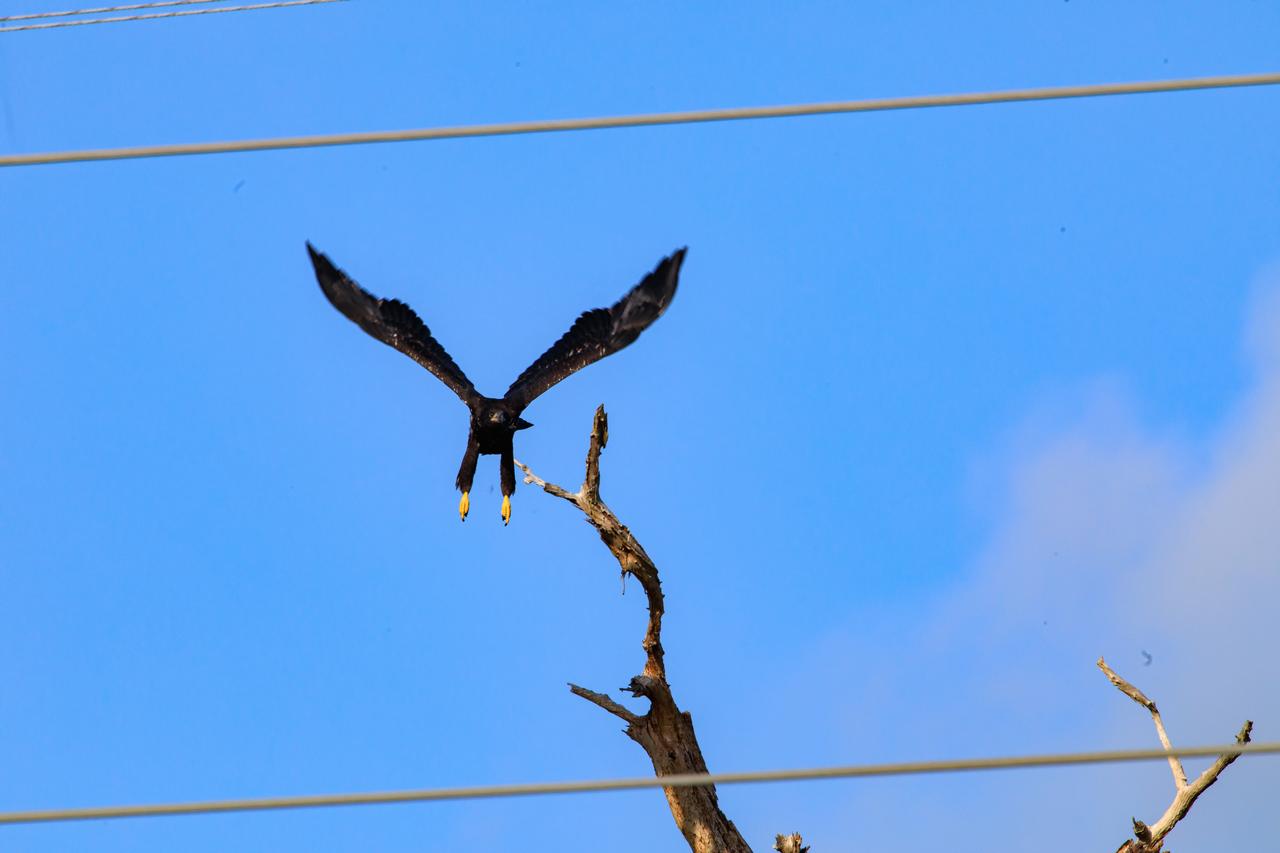
A baby American bald eagle takes flight from a tree that contains its nest at NASA’s Kennedy Space Center in Florida on April 26, 2023. The nest is located off Kennedy Parkway, about two miles from the Vehicle Assembly Building. The eagle is from a mated pair that recently built a new home in this tree after storms badly damaged their original nest located about 50 yards away. That nest was built in 1973 and had been used by eagles almost every year since 1975. Kennedy currently is home to approximately 20 nesting pairs of bald eagles.
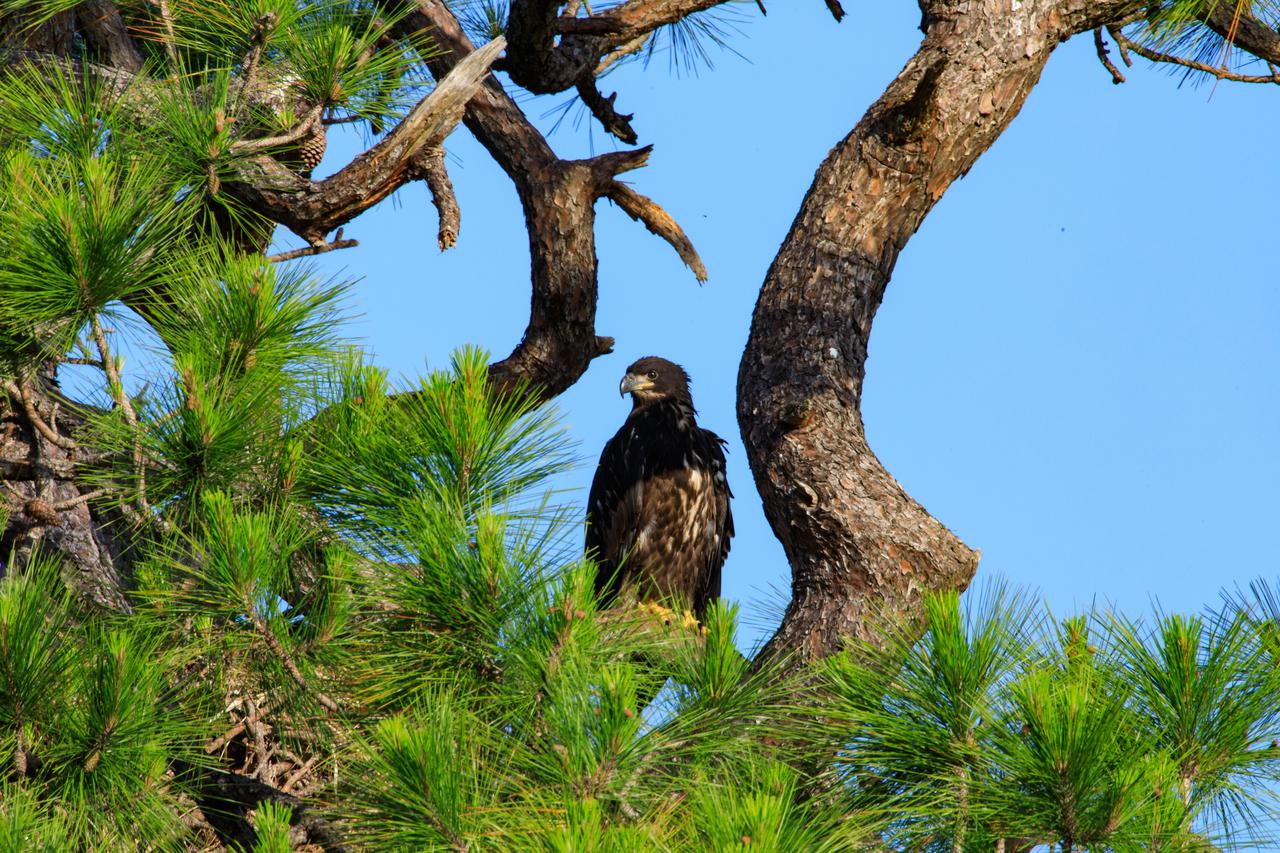
A baby American bald eagle is perched high in a tree above its nest at NASA’s Kennedy Space Center in Florida on April 26, 2023. The nest is located off Kennedy Parkway, about two miles from the Vehicle Assembly Building. The eagle is from a mated pair that recently built a new home in this tree after storms badly damaged their original nest located about 50 yards away. That nest was built in 1973 and had been used by eagles almost every year since 1975. Kennedy currently is home to approximately 20 nesting pairs of bald eagles.
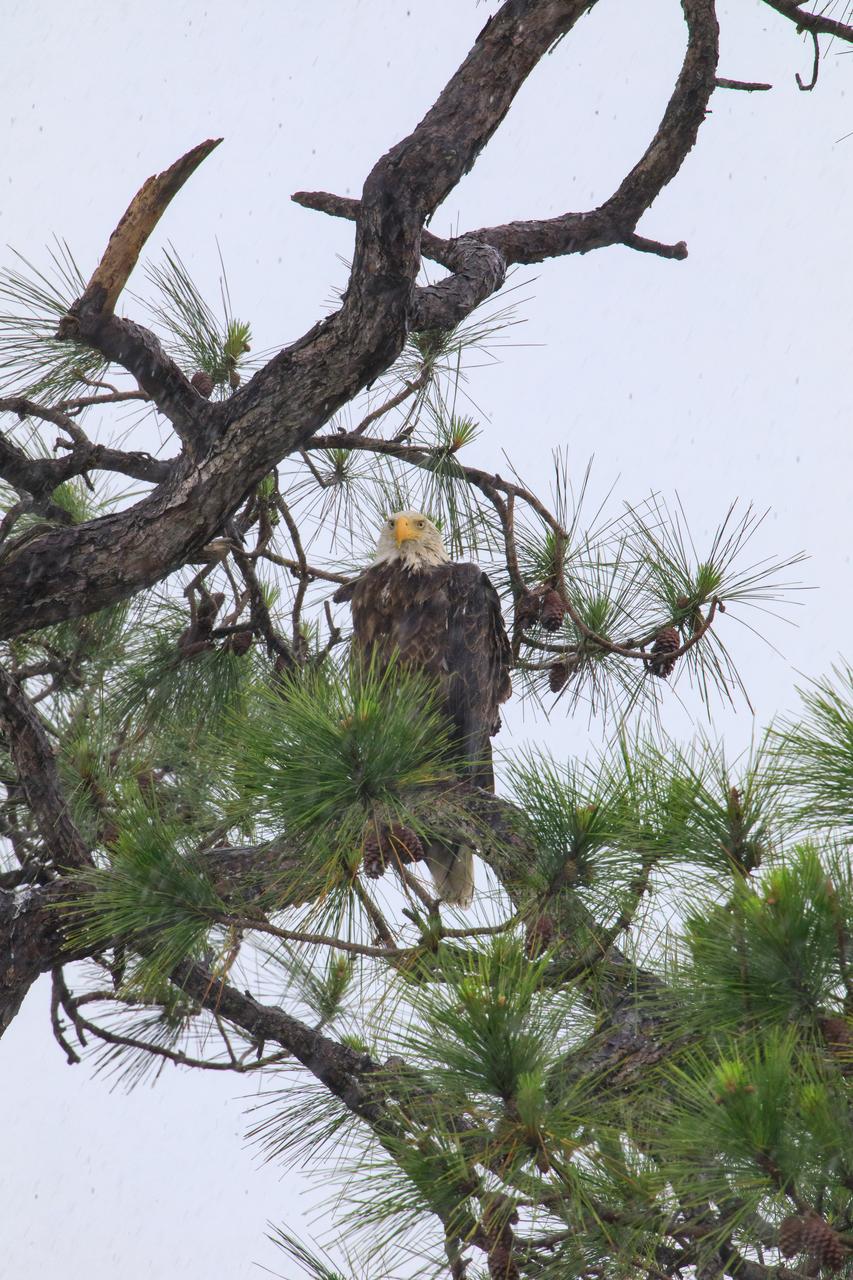
An American bald eagle is perched high in a tree above its nest at NASA’s Kennedy Space Center in Florida on April 25, 2023. The adult eagle is part of a mated pair that recently built a new home in this tree after storms badly damaged their original nest located about 50 yards away. That nest was built in 1973 and had been used by eagles almost every year since 1975. This season, the pair produced one eaglet.
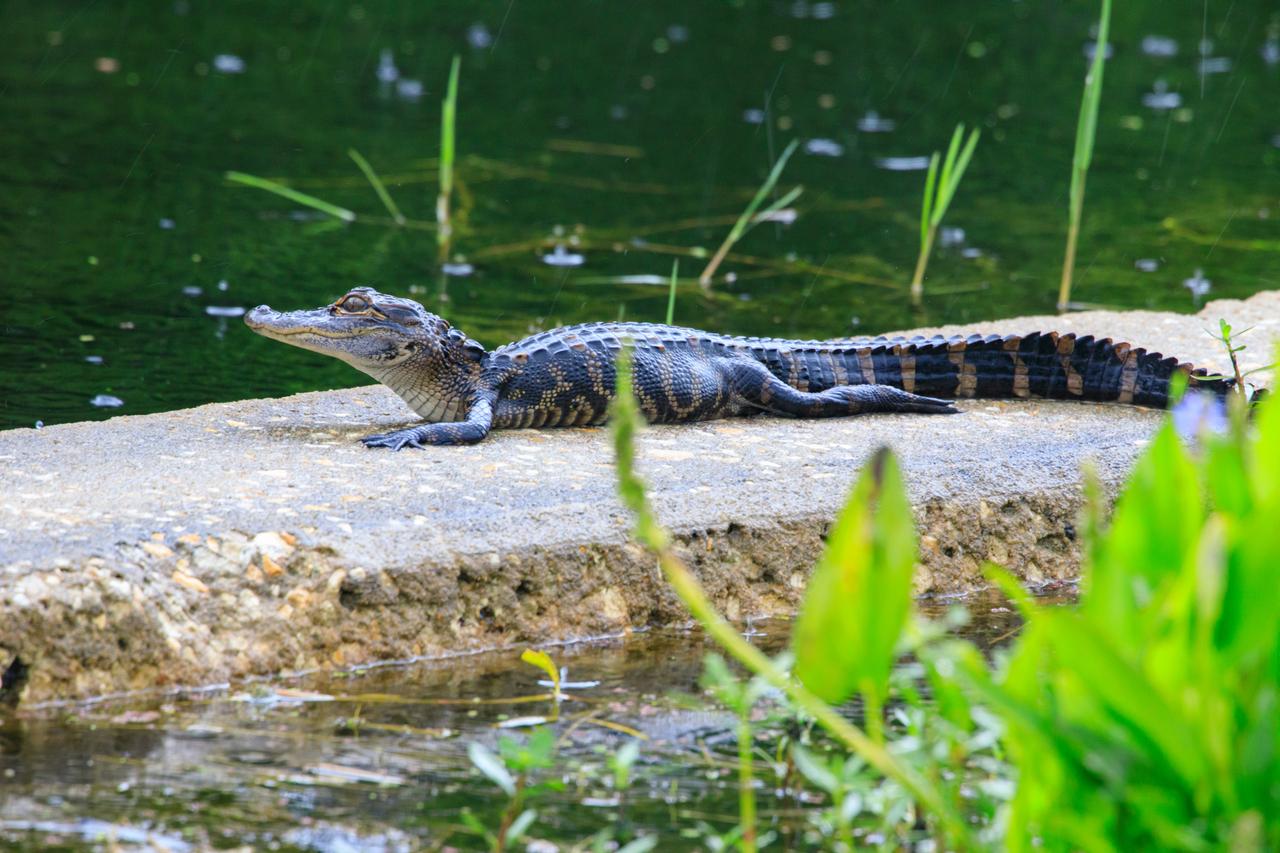
A young alligator rests on a concrete structure at NASA’s Kennedy Space Center in Florida on April 25, 2023. Alligator breeding season starts in May when males begin courting females. By June, pairs have mated and females build vegetation nests in the marsh. Eggs hatch in about 65 days. The mother carries her young to the water and protects them from predators, including male alligators.
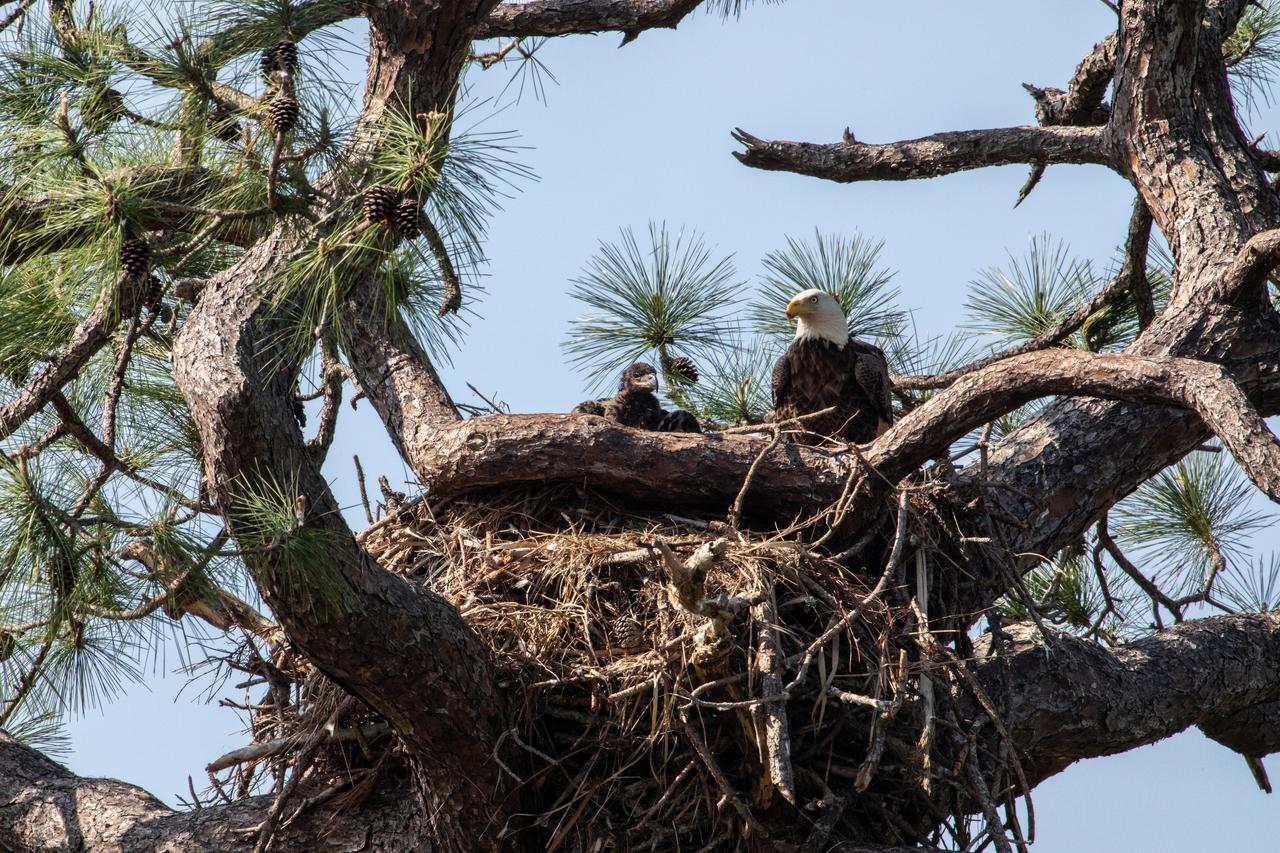
A baby American bald eagle spends time with one of its parents in a nest located near Kennedy Parkway North at NASA’s Kennedy Space Center in Florida on March 8, 2023. A mating pair of eagles recently built a new home in this tree after a combination of storms badly damaged their original nest located less than 100 yards away. That nest was built in 1973 and had been used by eagles almost every year since 1975.
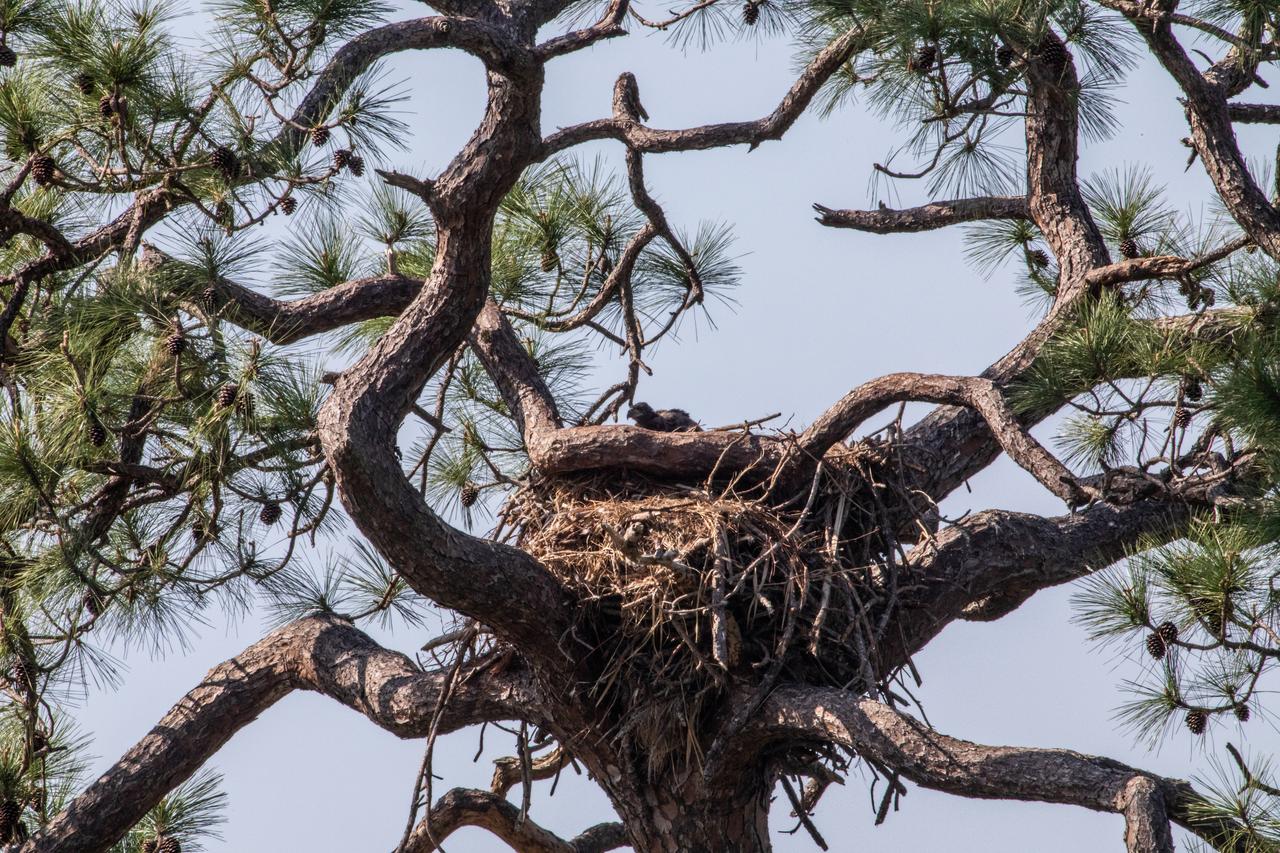
A baby American bald eagle pokes its head up from a nest located near Kennedy Parkway North at NASA’s Kennedy Space Center in Florida on March 8, 2023. A mating pair of eagles recently built a new home in this tree after a combination of storms badly damaged their original nest located less than 100 yards away. That nest was built in 1973 and had been used by eagles almost every year since 1975.
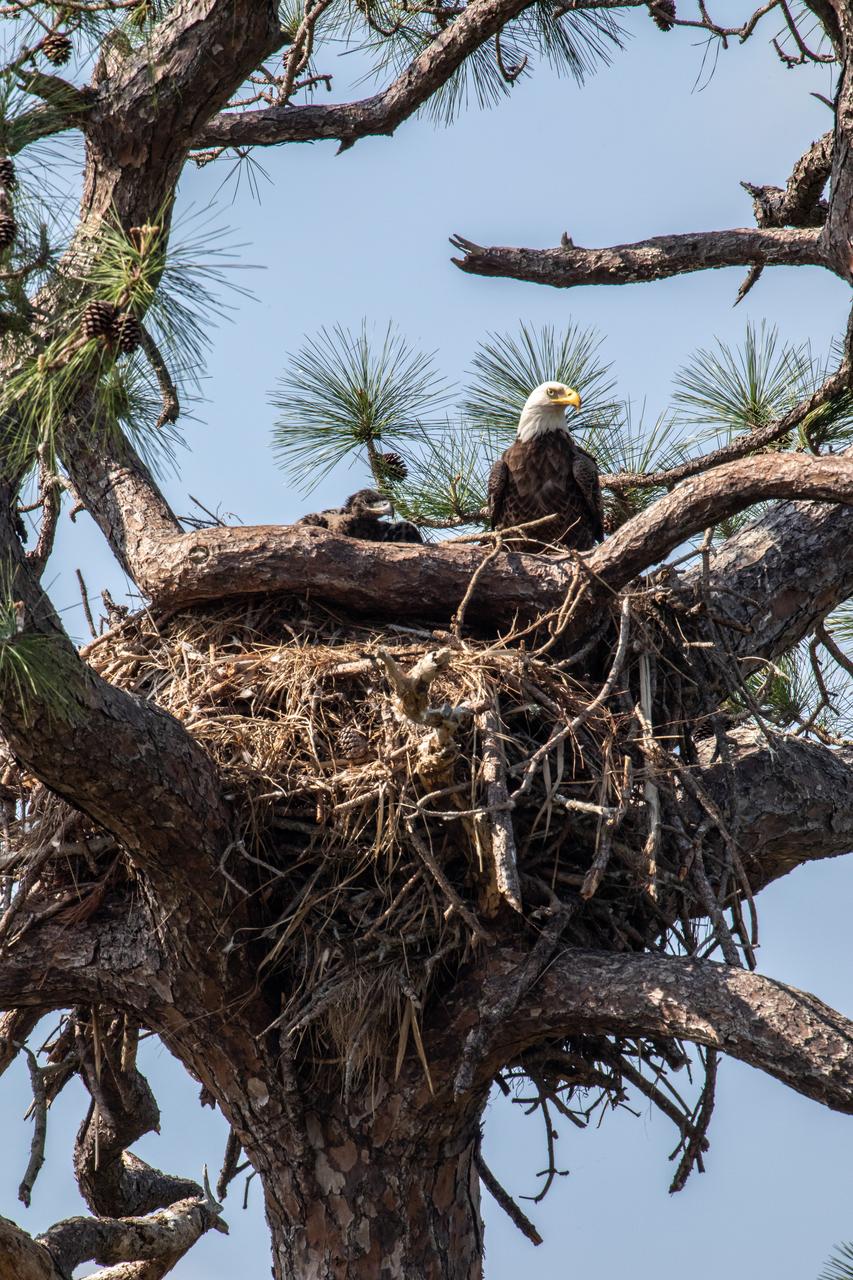
A baby American bald eagle looks out from its nest, along with one of its parents, from their temporary home located near Kennedy Parkway North at NASA’s Kennedy Space Center in Florida on March 8, 2023. A mating pair of eagles recently built a new nest in this tree after a combination of storms badly damaged their original nest located less than 100 yards away. That nest was built in 1973 and had been used by eagles almost every year since 1975.
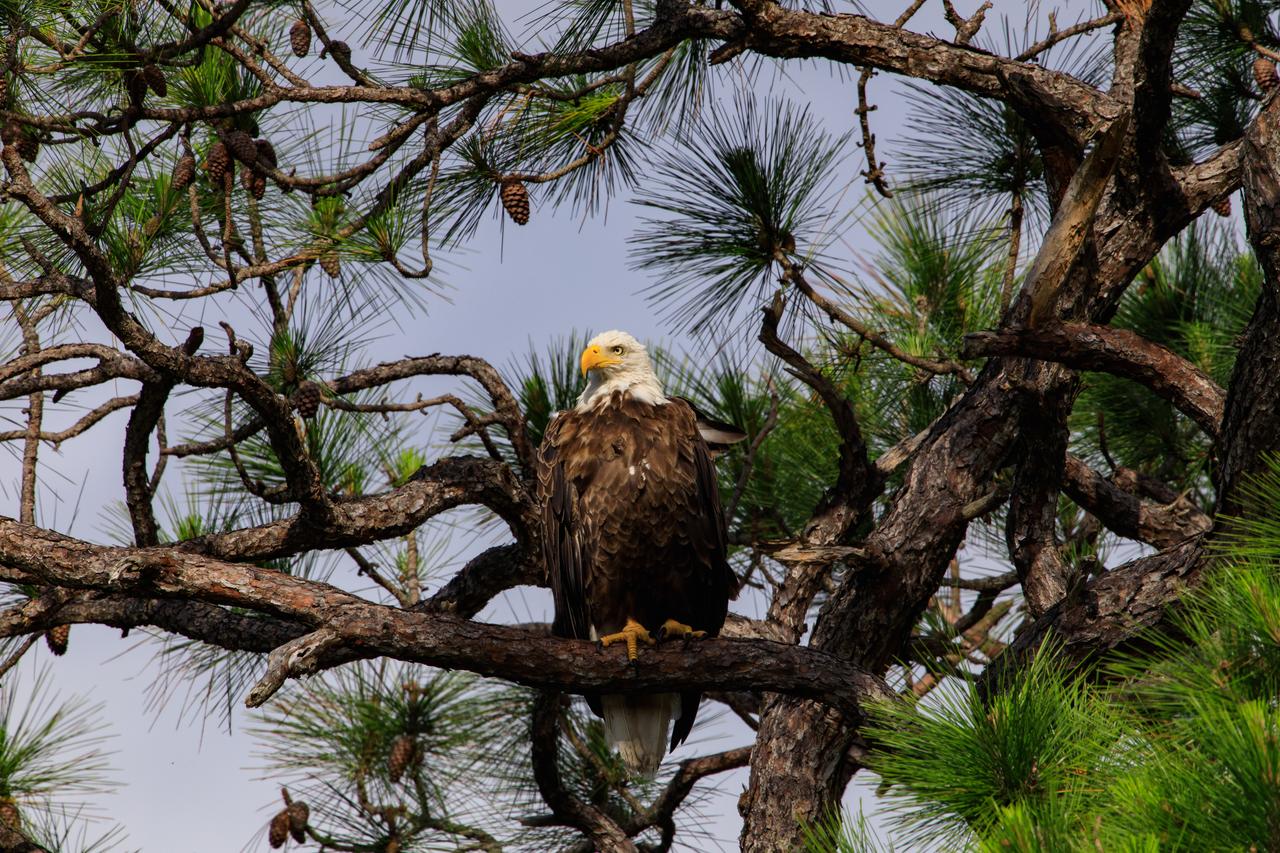
An American bald eagle is perched high in a tree above its nest at NASA’s Kennedy Space Center in Florida on April 10, 2023. The nest is located off of Kennedy Parkway, about two miles from the Vehicle Assembly Building. The adult eagle is part of a mated pair that recently built a new home in this tree after storms badly damaged their original nest located about 50 yards away. That nest was built in 1973 and had been used by eagles almost every year since 1975. Kennedy currently is home to approximately 20 nesting pairs of bald eagles.
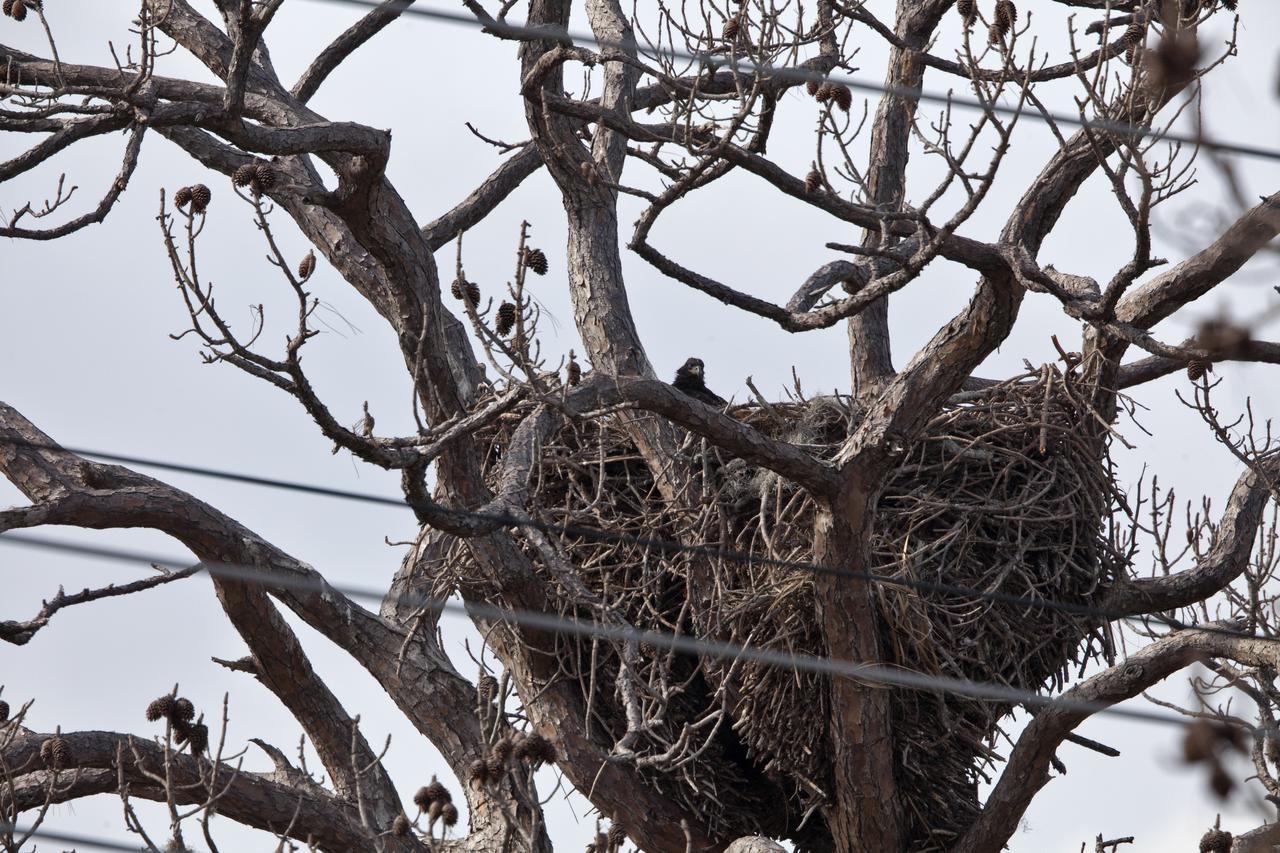
A baby eagle perches in a nest in a tree along State Road 3 at NASA's Kennedy Space Center in Florida. The center shares a border with the 140,000-acre Merritt Island National Wildlife Refuge. More than 330 native and migratory bird species, 25 mammals, 117 fishes and 65 amphibians and reptiles call Kennedy and the wildlife refuge home.
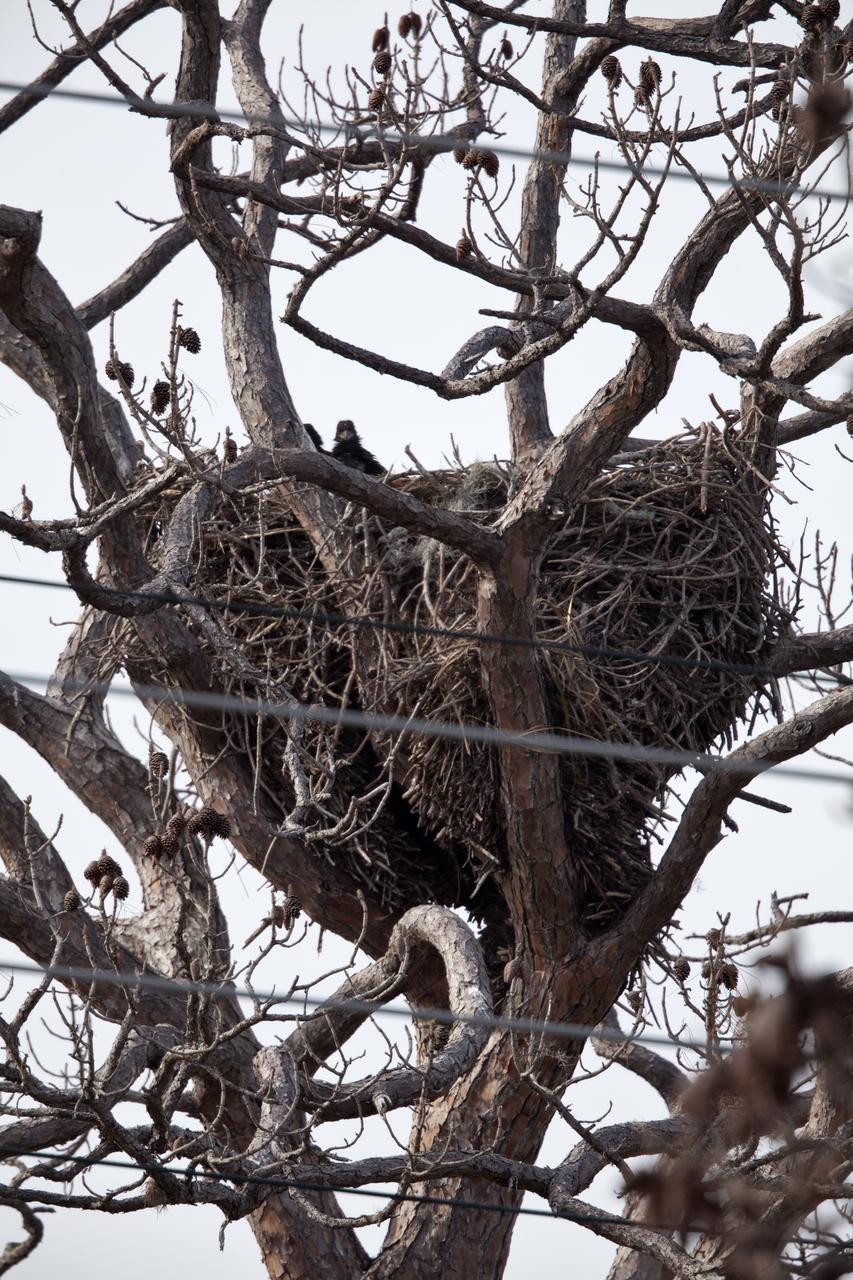
Two baby eagles perch in a nest in a tree along State Road 3 at NASA's Kennedy Space Center in Florida. The center shares a border with the 140,000-acre Merritt Island National Wildlife Refuge. More than 330 native and migratory bird species, 25 mammals, 117 fishes and 65 amphibians and reptiles call Kennedy and the wildlife refuge home.
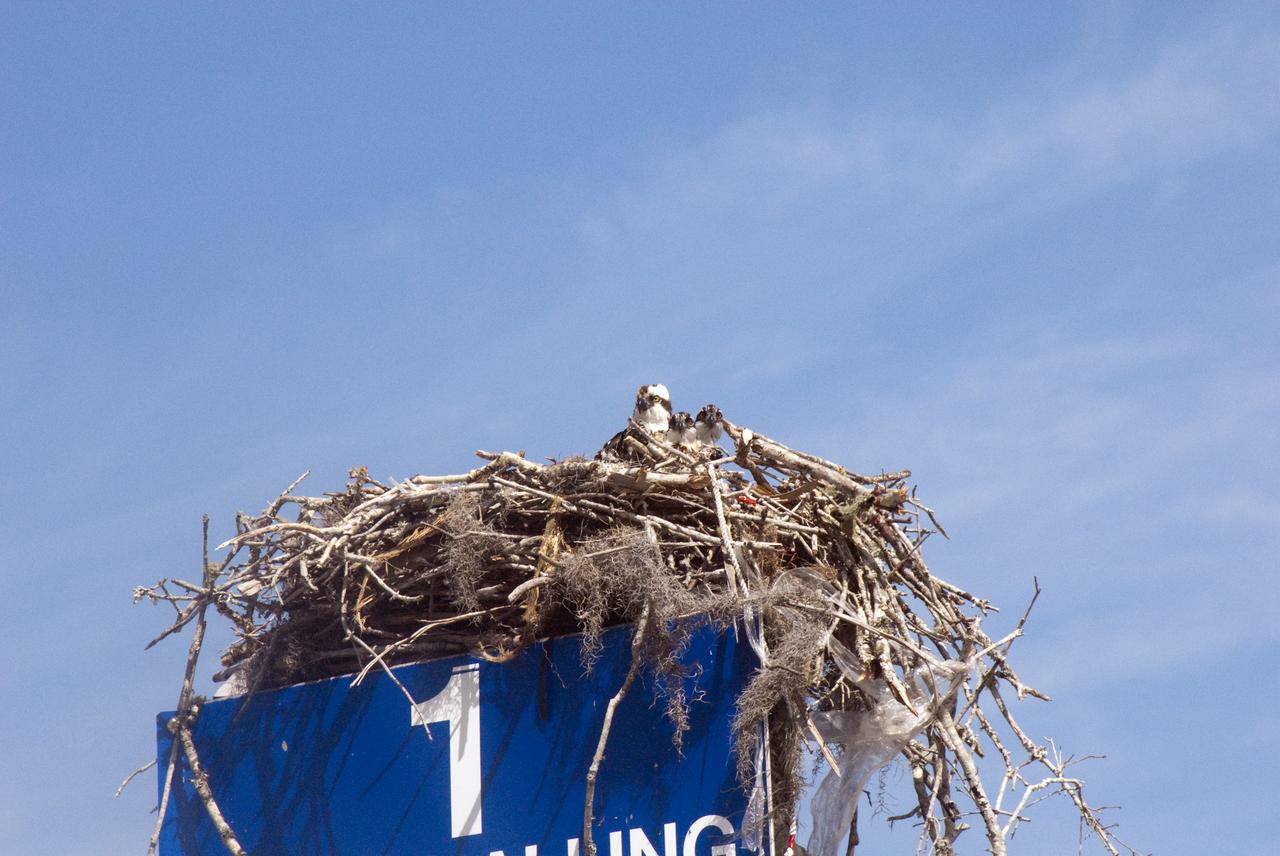
KSC WILDLIFE - BABY EAGLE AT REST ON SR3 - BABY OSPREYS AT PRESS SITE
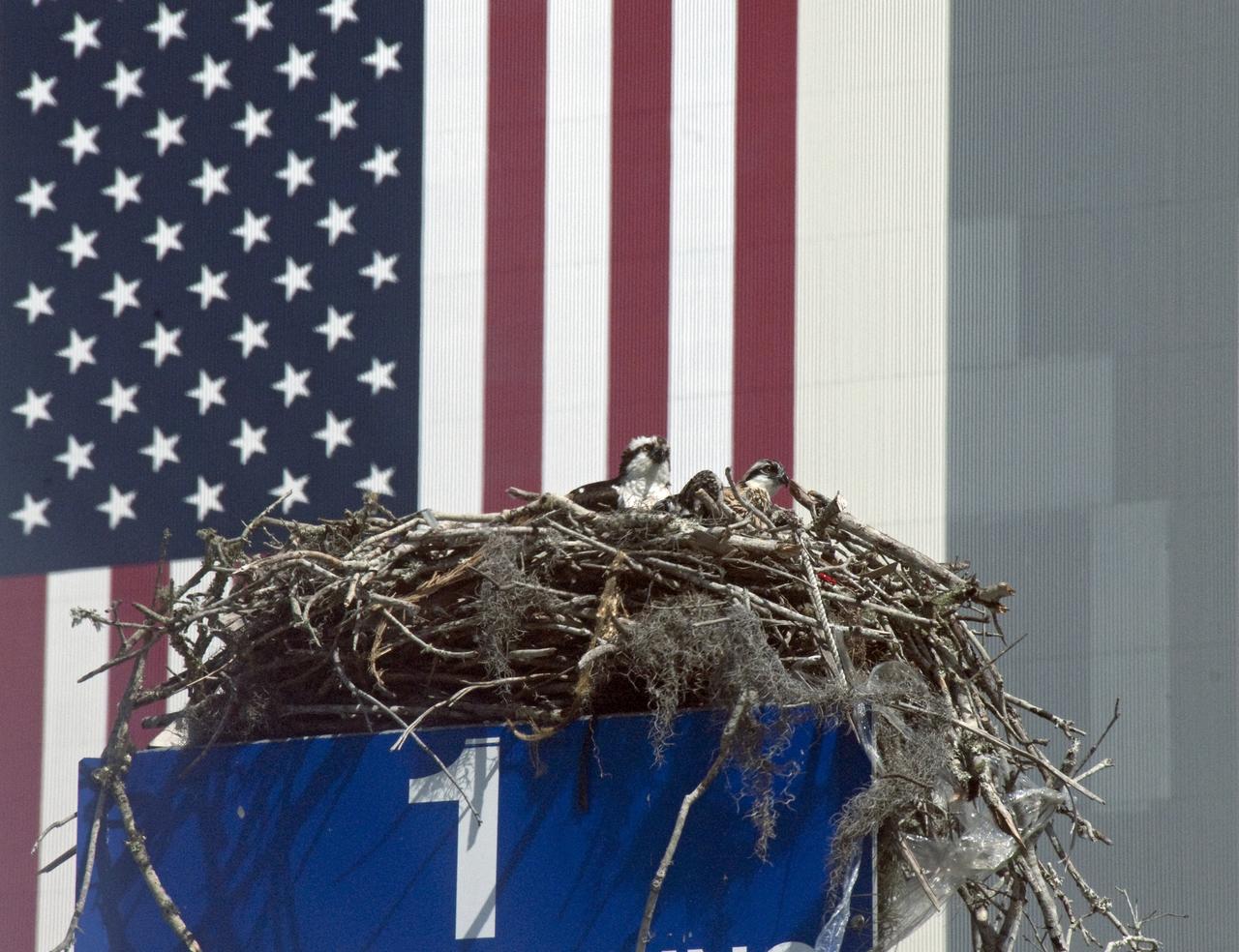
KSC WILDLIFE - BABY EAGLE AT REST ON SR3 - BABY OSPREYS AT PRESS SITE
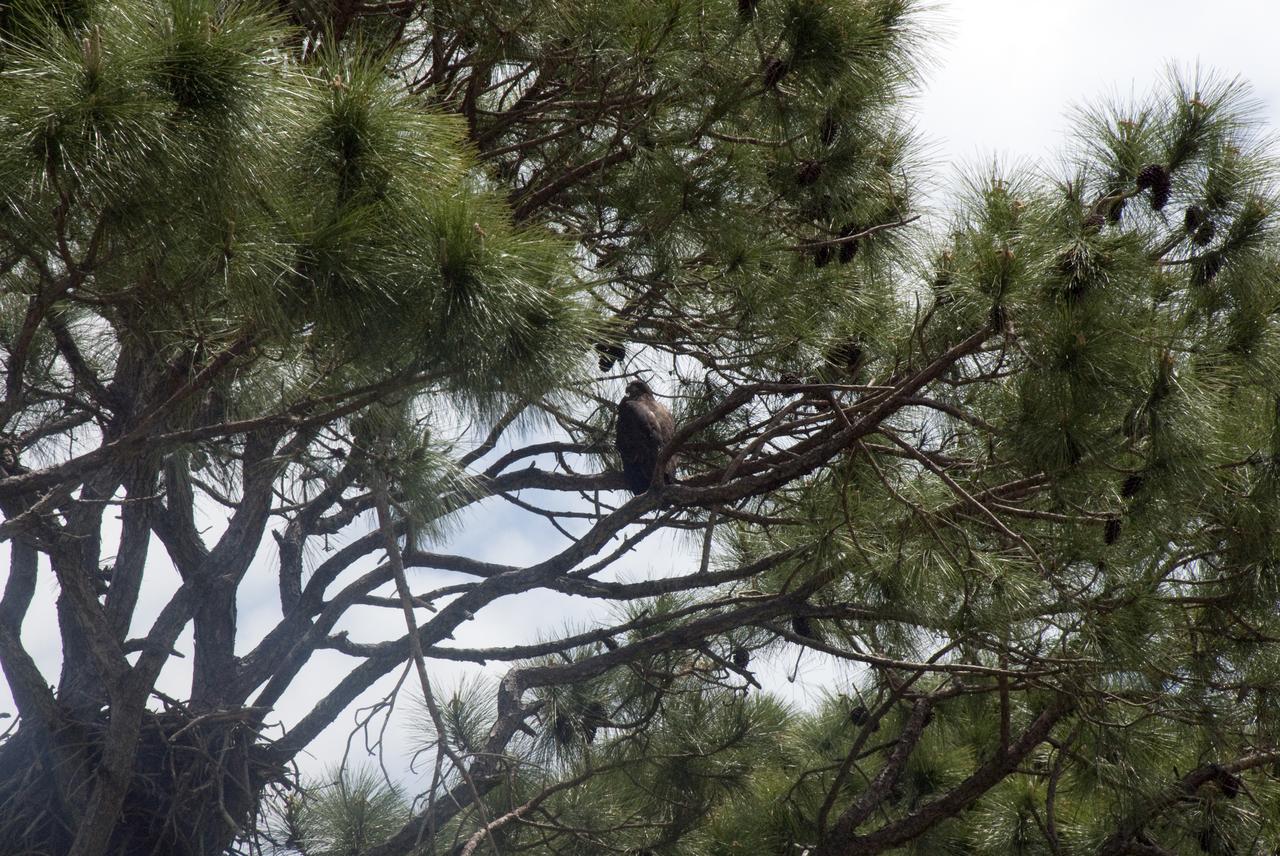
KSC WILDLIFE - BABY EAGLE AT REST ON SR3 - BABY OSPREYS AT PRESS SITE
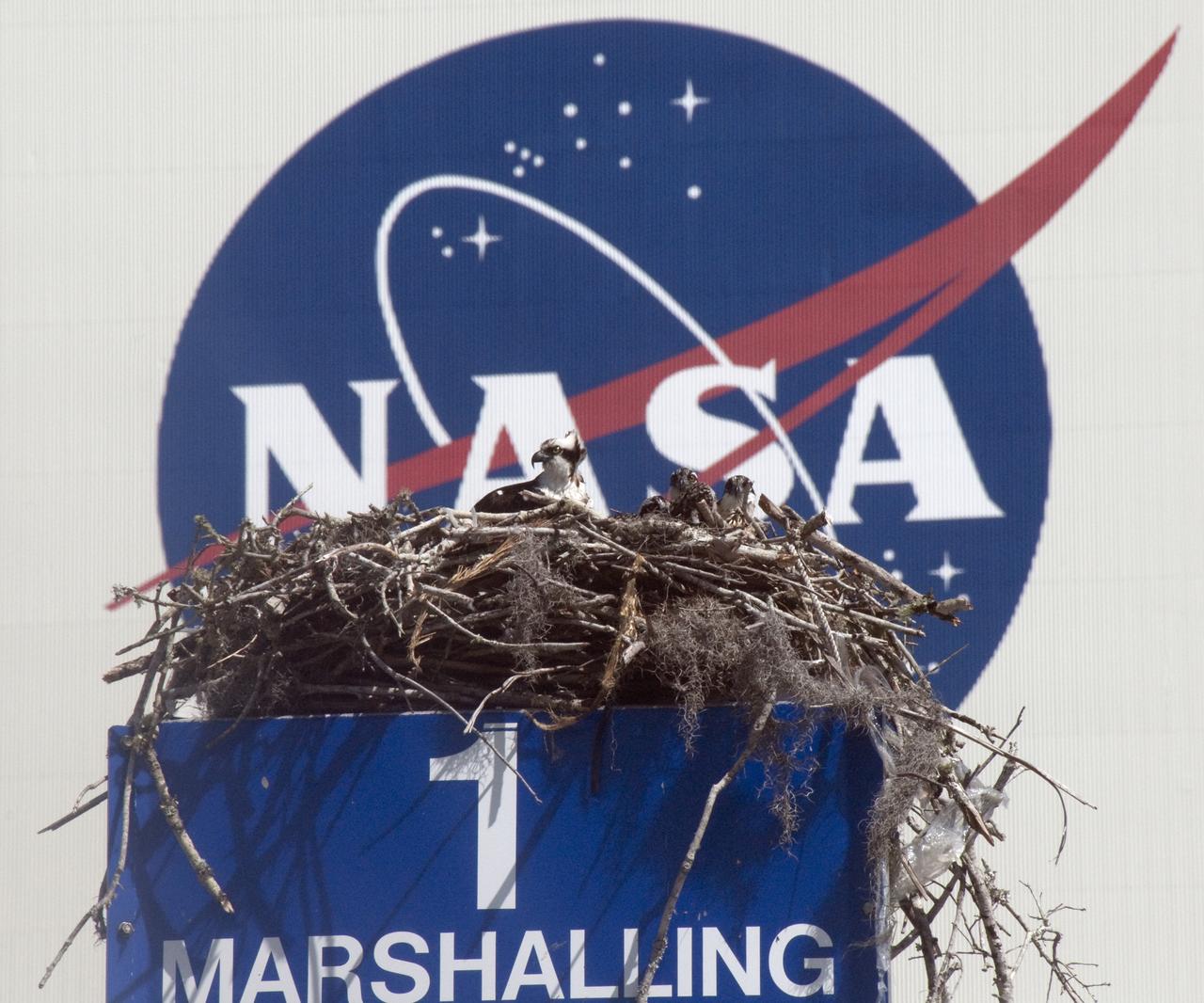
KSC WILDLIFE - BABY EAGLE AT REST ON SR3 - BABY OSPREYS AT PRESS SITE
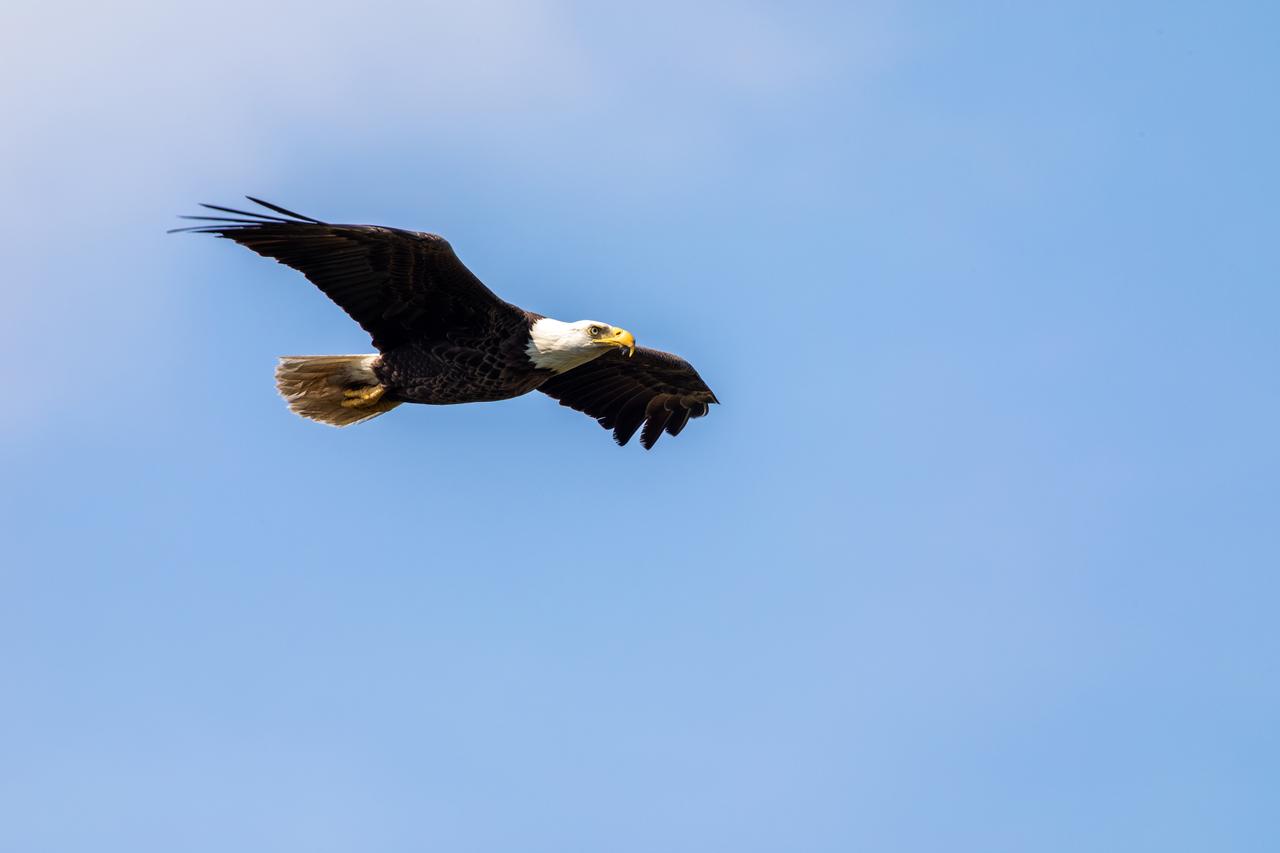
An American bald eagle soars through the sky at NASA’s Kennedy Space Center on March 8, 2023. The eagle is part of a mating pair that takes up residence at the Florida spaceport during nesting season. Recently, a baby eagle was spotted in their nest, located off of Kennedy Parkway, about two miles from the Vehicle Assembly Building. There are 39 eagle territories at Kennedy, 33 of which are active or potentially active.
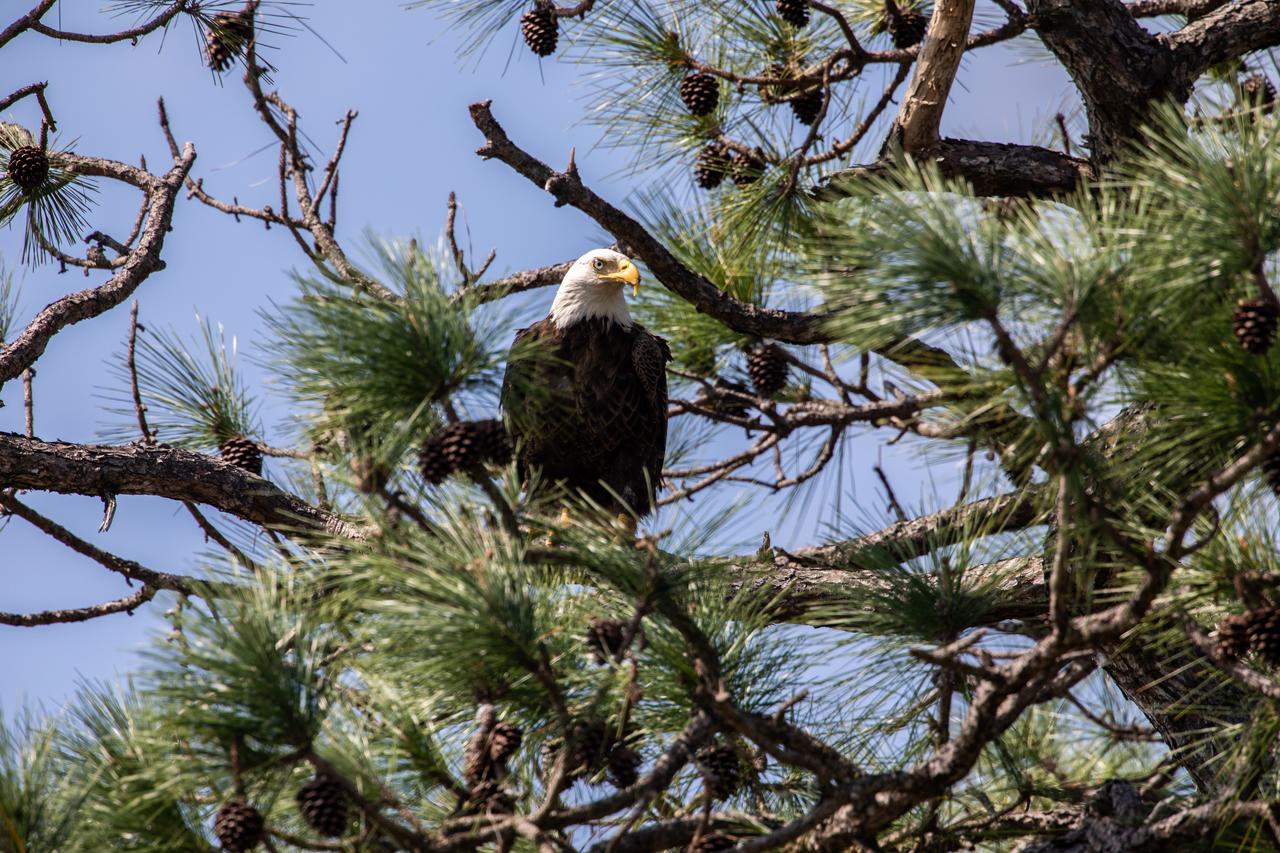
An American bald eagle is perched in a tree near its nest at NASA’s Kennedy Space Center on March 8, 2023. The eagle is part of a mating pair that takes up residence at the Florida spaceport during nesting season. Recently, a baby eagle was spotted in their nest, located off of Kennedy Parkway, about two miles from the Vehicle Assembly Building. There are 39 eagle territories at Kennedy, 33 of which are active or potentially active.
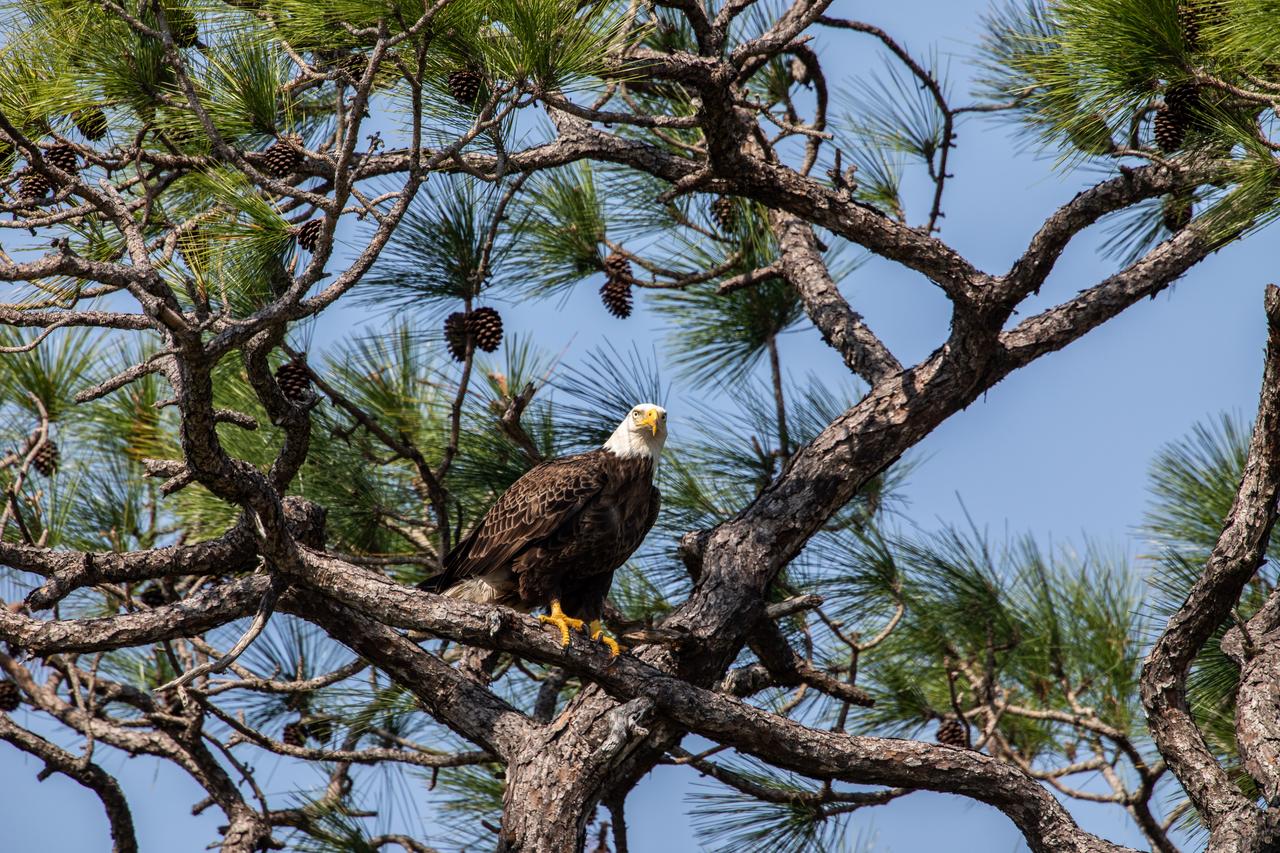
An American bald eagle is perched in a tree near its nest at NASA’s Kennedy Space Center on March 8, 2023. The eagle is part of a mating pair that takes up residence at the Florida spaceport during nesting season. Recently, a baby eagle was spotted in their nest, located off of Kennedy Parkway, about two miles from the Vehicle Assembly Building. There are 39 eagle territories at Kennedy, 33 of which are active or potentially active.
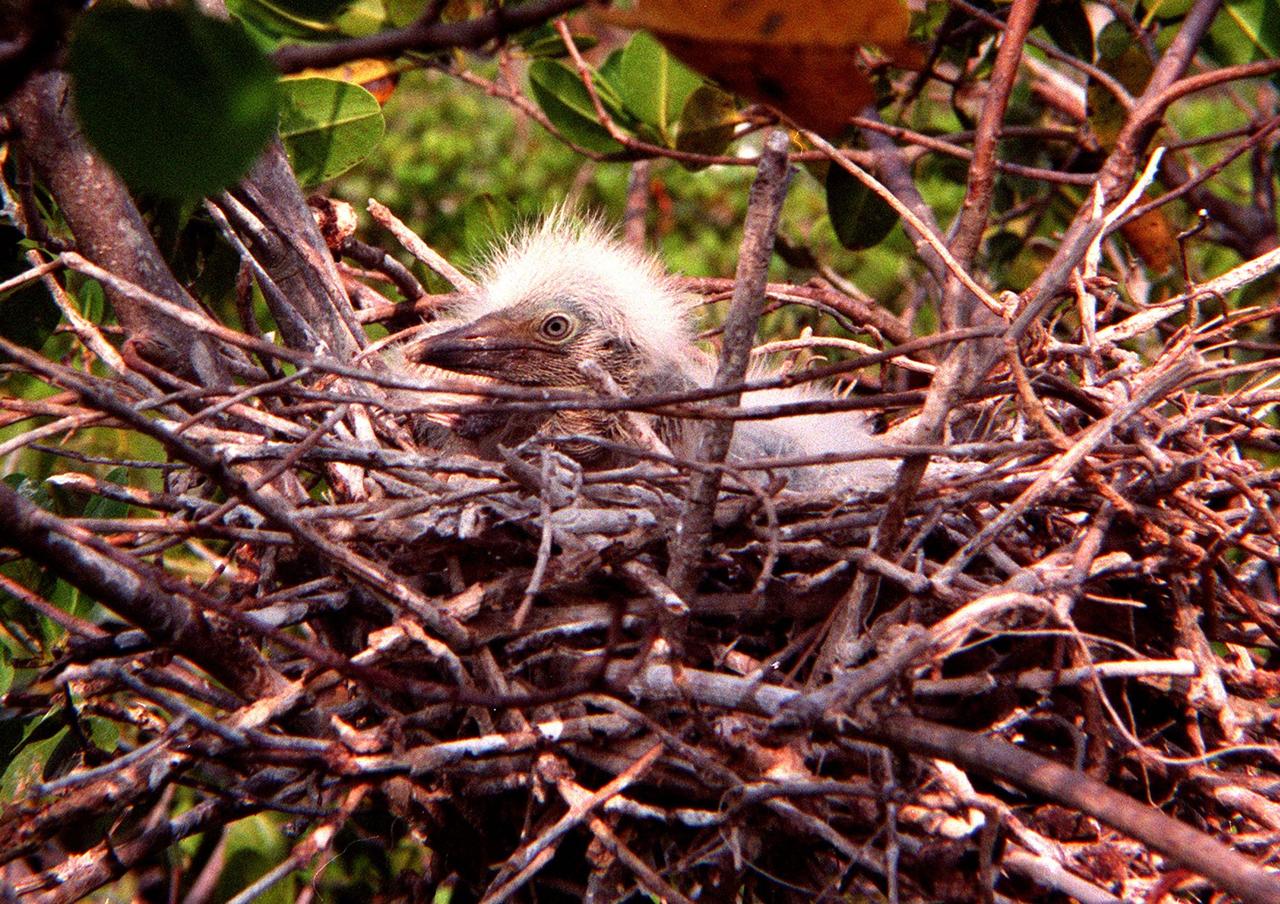
KENNEDY SPACE CENTER, FLA. -- Its newly grown, wispy feathers reflecting light like a halo, an unidentified baby bird waits, probably for its next meal, in its stick-assembled nest. The nest is in the Merritt Island National Wildlife Refuge, which shares a boundary with KSC. Hardwood hammocks and pine flatwoods share the 92,000-acre refuge with fresh-water impoundments, salt-water estuaries and brackish marshes. The diverse landscape provides habitat for more than 310 species of birds, 25 mammals, 117 fishes, and 65 amphibians and reptiles, including such endangered species as Southern bald eagles, wood storks, Florida scrub jays, Atlantic loggerhead and leatherback turtles, osprey, and nearly 5,000 alligators

This image depicts a vast canyon of dust and gas in the Orion Nebula from a 3-D computer model based on observations by NASA's Hubble Space Telescope and created by science visualization specialists at the Space Telescope Science Institute (STScI) in Baltimore, Md. A 3-D visualization of this model takes viewers on an amazing four-minute voyage through the 15-light-year-wide canyon. Credit: NASA, G. Bacon, L. Frattare, Z. Levay, and F. Summers (STScI/AURA) Go here to learn more about Hubble 3D: <a href="http://www.nasa.gov/topics/universe/features/hubble_imax_premiere.html" rel="nofollow">www.nasa.gov/topics/universe/features/hubble_imax_premier...</a> or <a href="http://www.imax.com/hubble/" rel="nofollow">www.imax.com/hubble/</a> Take an exhilarating ride through the Orion Nebula, a vast star-making factory 1,500 light-years away. Swoop through Orion's giant canyon of gas and dust. Fly past behemoth stars whose brilliant light illuminates and energizes the entire cloudy region. Zoom by dusty tadpole-shaped objects that are fledgling solar systems. This virtual space journey isn't the latest video game but one of several groundbreaking astronomy visualizations created by specialists at the Space Telescope Science Institute (STScI) in Baltimore, the science operations center for NASA's Hubble Space Telescope. The cinematic space odysseys are part of the new Imax film "Hubble 3D," which opens today at select Imax theaters worldwide. The 43-minute movie chronicles the 20-year life of Hubble and includes highlights from the May 2009 servicing mission to the Earth-orbiting observatory, with footage taken by the astronauts. The giant-screen film showcases some of Hubble's breathtaking iconic pictures, such as the Eagle Nebula's "Pillars of Creation," as well as stunning views taken by the newly installed Wide Field Camera 3. While Hubble pictures of celestial objects are awe-inspiring, they are flat 2-D photographs. For this film, those 2-D images have been converted into 3-D environments, giving the audience the impression they are space travelers taking a tour of Hubble's most popular targets. "A large-format movie is a truly immersive experience," says Frank Summers, an STScI astronomer and science visualization specialist who led the team that developed the movie visualizations. The team labored for nine months, working on four visualization sequences that comprise about 12 minutes of the movie. "Seeing these Hubble images in 3-D, you feel like you are flying through space and not just looking at picture postcards," Summers continued. "The spacescapes are all based on Hubble images and data, though some artistic license is necessary to produce the full depth of field needed for 3-D." The most ambitious sequence is a four-minute voyage through the Orion Nebula's gas-and-dust canyon, about 15 light-years across. During the ride, viewers will see bright and dark, gaseous clouds; thousands of stars, including a grouping of bright, hefty stars called the Trapezium; and embryonic planetary systems. The tour ends with a detailed look at a young circumstellar disk, which is much like the structure from which our solar system formed 4.5 billion years ago. Based on a Hubble image of Orion released in 2006, the visualization was a collaborative effort between science visualization specialists at STScI, including Greg Bacon, who sculpted the Orion Nebula digital model, with input from STScI astronomer Massimo Roberto; the National Center for Supercomputing Applications at the University of Illinois at Urbana-Champaign; and the Spitzer Science Center at the California Institute of Technology in Pasadena. For some of the sequences, STScI imaging specialists developed new techniques for transforming the 2-D Hubble images into 3-D. STScI image processing specialists Lisa Frattare and Zolt Levay, for example, created methods of splitting a giant gaseous pillar in the Carina Nebula into multiple layers to produce a 3-D effect, giving the structure depth. The Carina Nebula is a nursery for baby stars. Frattare painstakingly removed the thousands of stars in the image so that Levay could separate the gaseous layers on the isolated Carina pillar. Frattare then replaced the stars into both foreground and background layers to complete the 3-D model. For added effect, the same separation was done for both visible and infrared Hubble images, allowing the film to cross-fade between wavelength views in 3-D. In another sequence viewers fly into a field of 170,000 stars in the giant star cluster Omega Centauri. STScI astronomer Jay Anderson used his stellar database to create a synthetic star field in 3-D that matches recent razor-sharp Hubble photos. The film's final four-minute sequence takes viewers on a voyage from our Milky Way Galaxy past many of Hubble's best galaxy shots and deep into space. Some 15,000 galaxies from Hubble's deepest surveys stretch billions of light-years across the universe in a 3-D sequence created by STScI astronomers and visualizers. The view dissolves into a cobweb that traces the universe's large-scale structure, the backbone from which galaxies were born. In addition to creating visualizations, STScI's education group also provided guidance on the "Hubble 3D" Educator Guide, which includes standards-based lesson plans and activities about Hubble and its mission. Students will use the guide before or after seeing the movie. "The guide will enhance the movie experience for students and extend the movie into classrooms," says Bonnie Eisenhamer, STScI's Hubble Formal Education manager. The Hubble Space Telescope is a project of international cooperation between NASA and the European Space Agency (ESA) and is managed by NASA’s Goddard Space Flight Center (GSFC) in Greenbelt, Md. The Space Telescope Science Institute (STScI) conducts Hubble science operations. The institute is operated for NASA by the Association of Universities for Research in Astronomy, Inc., Washington, D.C.