
CAPE CANAVERAL, Fla. -- In the NASA News Center annex at NASA's Kennedy Space Center in Florida, social media participants listen to a briefing by Badri Younes, deputy associate administrator, Space Communications and Navigation SCaN NASA Human Exploration and Operations Mission Directorate at NASA Headquarters in Washington D.C. The social media participants gathered at the Florida spaceport for the launch of the Tracking and Data Relay Satellite, or TDRS-L spacecraft. Their visit included tours of key facilities and participating in presentations by key NASA leaders who updated the space agency's current efforts. Photo credit: NASA/Dan Casper
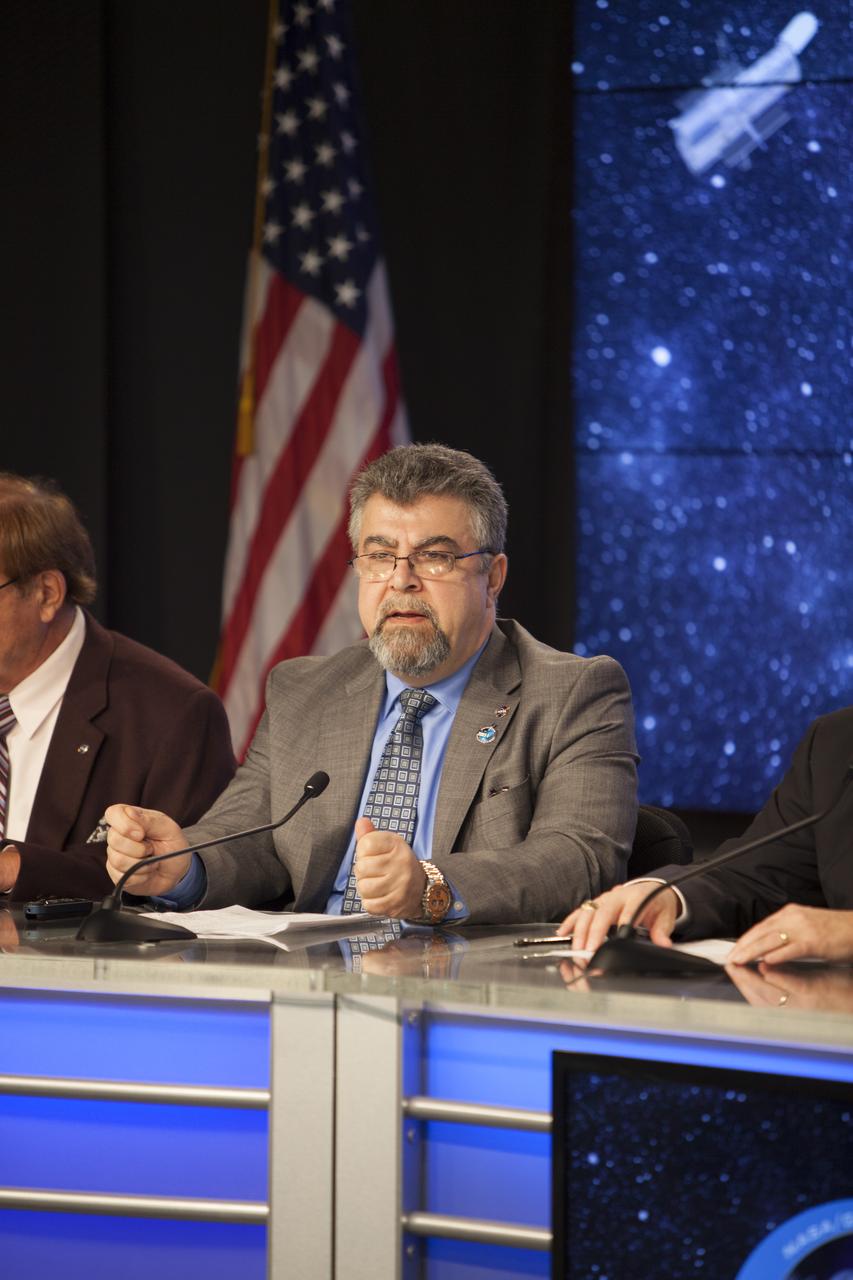
CAPE CANAVERAL, Fla. – During a news conference at NASA's Kennedy Space Center in Florida, agency and contractor officials discussed preparations for the launch of NASA's Tracking and Data Relay Satellite, or TDRS-L, spacecraft. Participants included Badri Younes, deputy associate administrator, Space Communications and Navigation SCaN NASA Human Exploration and Operations Mission Directorate at NASA Headquarters in Washington D.C. The TDRS-L spacecraft is the second of three new satellites designed to ensure vital operational continuity for NASA by expanding the lifespan of the Tracking and Data Relay Satellite System TDRSS fleet, which consists of eight satellites in geosynchronous orbit. The spacecraft provide tracking, telemetry, command and high bandwidth data return services for numerous science and human exploration missions orbiting Earth. These include NASA's Hubble Space Telescope and the International Space Station. TDRS-L has a high-performance solar panel designed for more spacecraft power to meet the growing S-band communications requirements. TDRSS is one of NASA Space Communication and Navigation’s SCaN three networks providing space communications to NASA’s missions. For more information more about TDRS-L, visit: http://www.nasa.gov/tdrs To learn more about SCaN, visit: www.nasa.gov/scan Photo credit: NASA/Frankie Martin
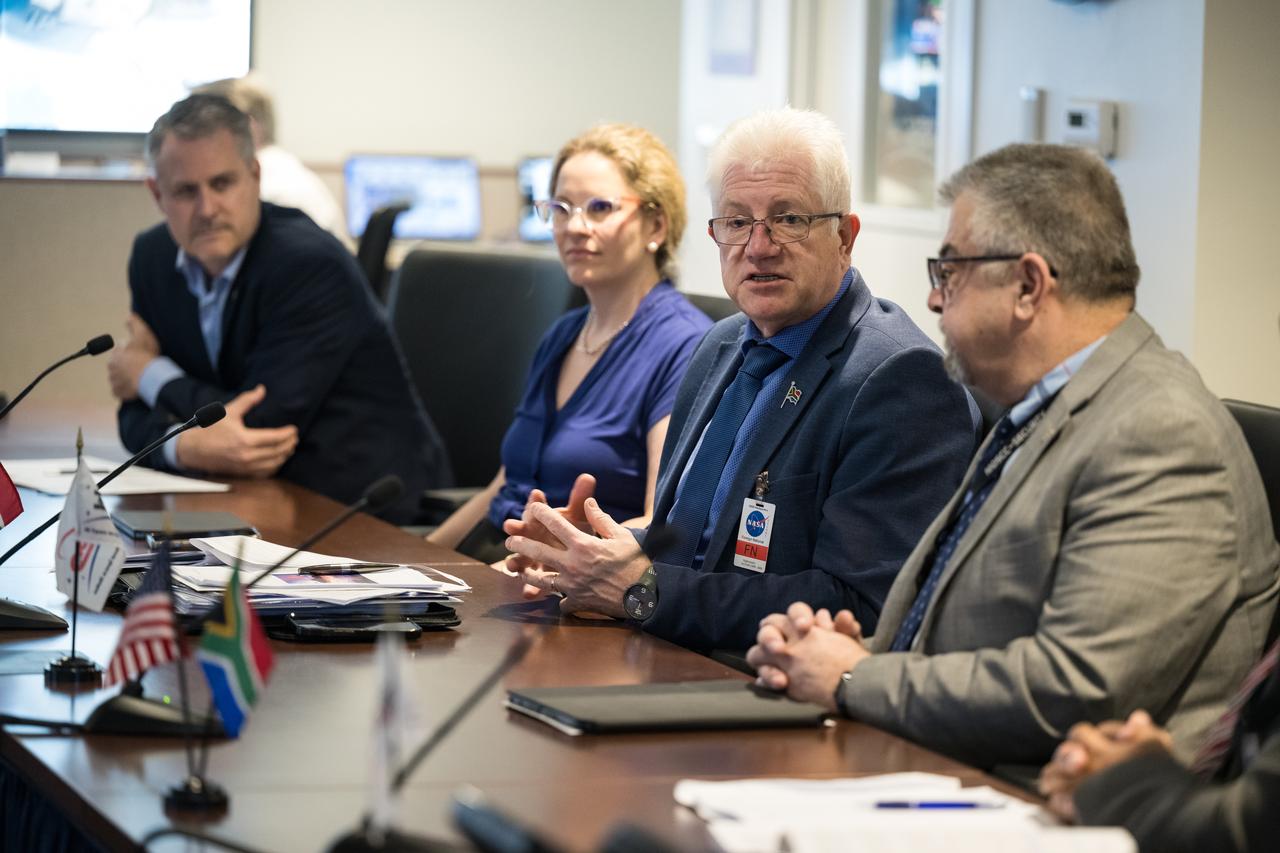
Premier of the Western Cape Government, Alan Winde, provides remarks during a meeting with NASA Deputy Associate Administrator for Space Communications and Navigation, Badri Younes, right, other NASA representatives, and a delegation from South Africa, to discuss the path forward for development of an antenna for the Lunar Exploration Ground Sites (LEGS) mission in Matjiesfontein, South Africa, and other opportunities, Tuesday, June 13, 2023, at the Mary W. Jackson NASA Headquarters building in Washington. Photo Credit: (NASA/Aubrey Gemignani)
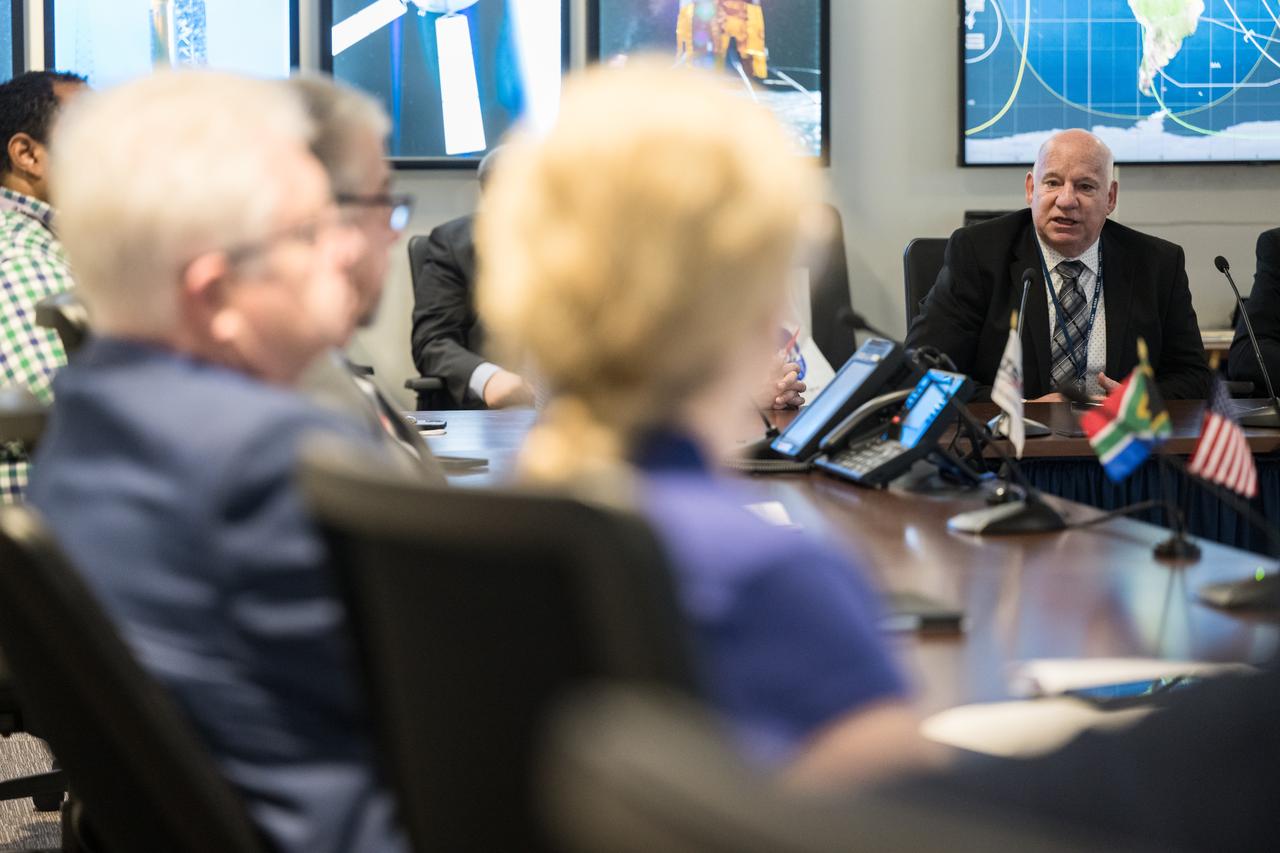
NASA SCaN Development Manager, Bill Marinelli provides remarks during a meeting with NASA Deputy Associate Administrator for Space Communications and Navigation, Badri Younes, the Premier of the Western Cape Government, Alan Winde, and a delegation from South Africa, to discuss the path forward for development of an antenna for the Lunar Exploration Ground Sites (LEGS) mission in Matjiesfontein, South Africa, and other opportunities, Tuesday, June 13, 2023, at the Mary W. Jackson NASA Headquarters building in Washington. Photo Credit: (NASA/Aubrey Gemignani)
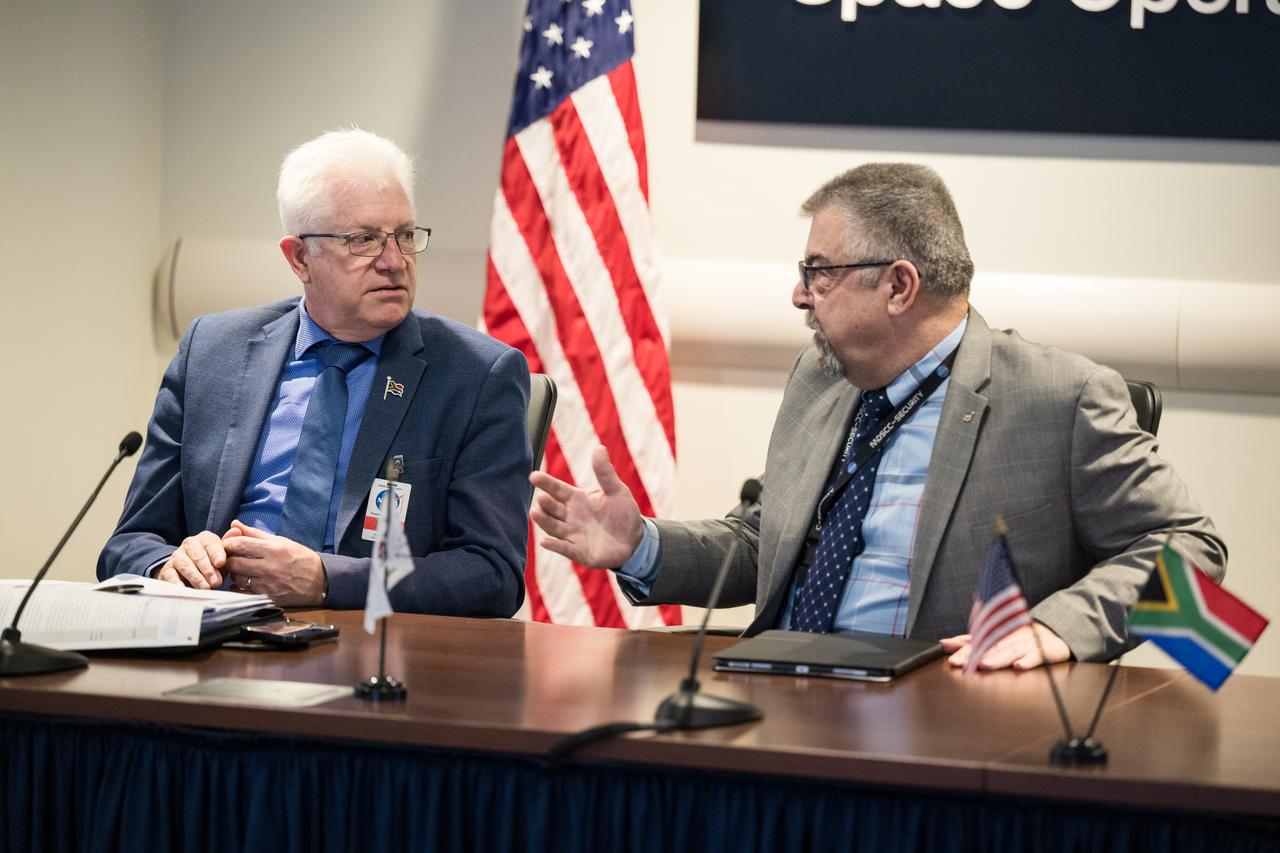
NASA Deputy Associate Administrator for Space Communications and Navigation, Badri Younes, right, speaks with the Premier of the Western Cape Government, Alan Winde, during a meeting with NASA representatives and a delegation from South Africa, to discuss the path forward for development of an antenna for the Lunar Exploration Ground Sites (LEGS) mission in Matjiesfontein, South Africa, and other opportunities, Tuesday, June 13, 2023, at the Mary W. Jackson NASA Headquarters building in Washington. Photo Credit: (NASA/Aubrey Gemignani)
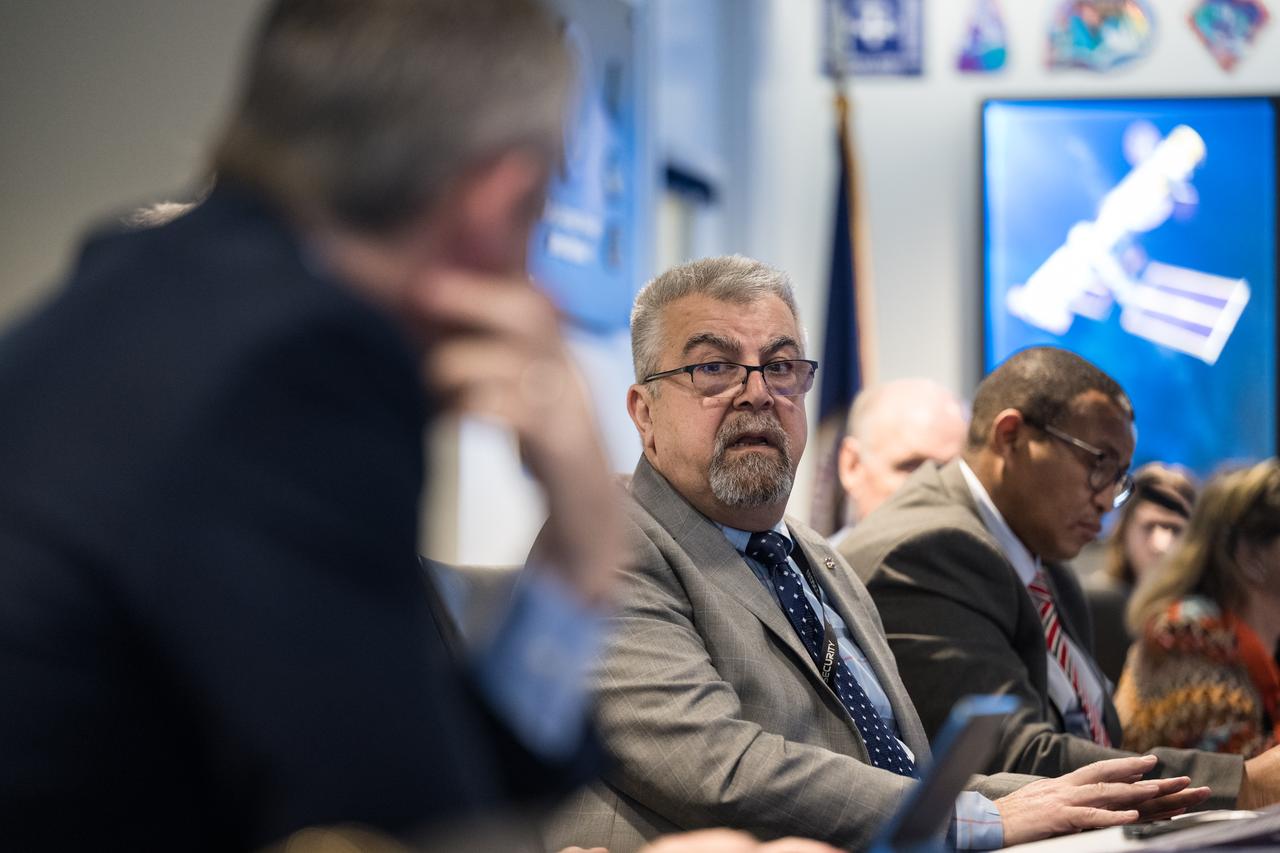
NASA Deputy Associate Administrator for Space Communications and Navigation, Badri Younes, provides remarks during a meeting with the Premier of the Western Cape Government, Alan Winde, NASA representatives, and a delegation from South Africa, to discuss the path forward for development of an antenna for the Lunar Exploration Ground Sites (LEGS) mission in Matjiesfontein, South Africa, and other opportunities, Tuesday, June 13, 2023, at the Mary W. Jackson NASA Headquarters building in Washington. Photo Credit: (NASA/Aubrey Gemignani)
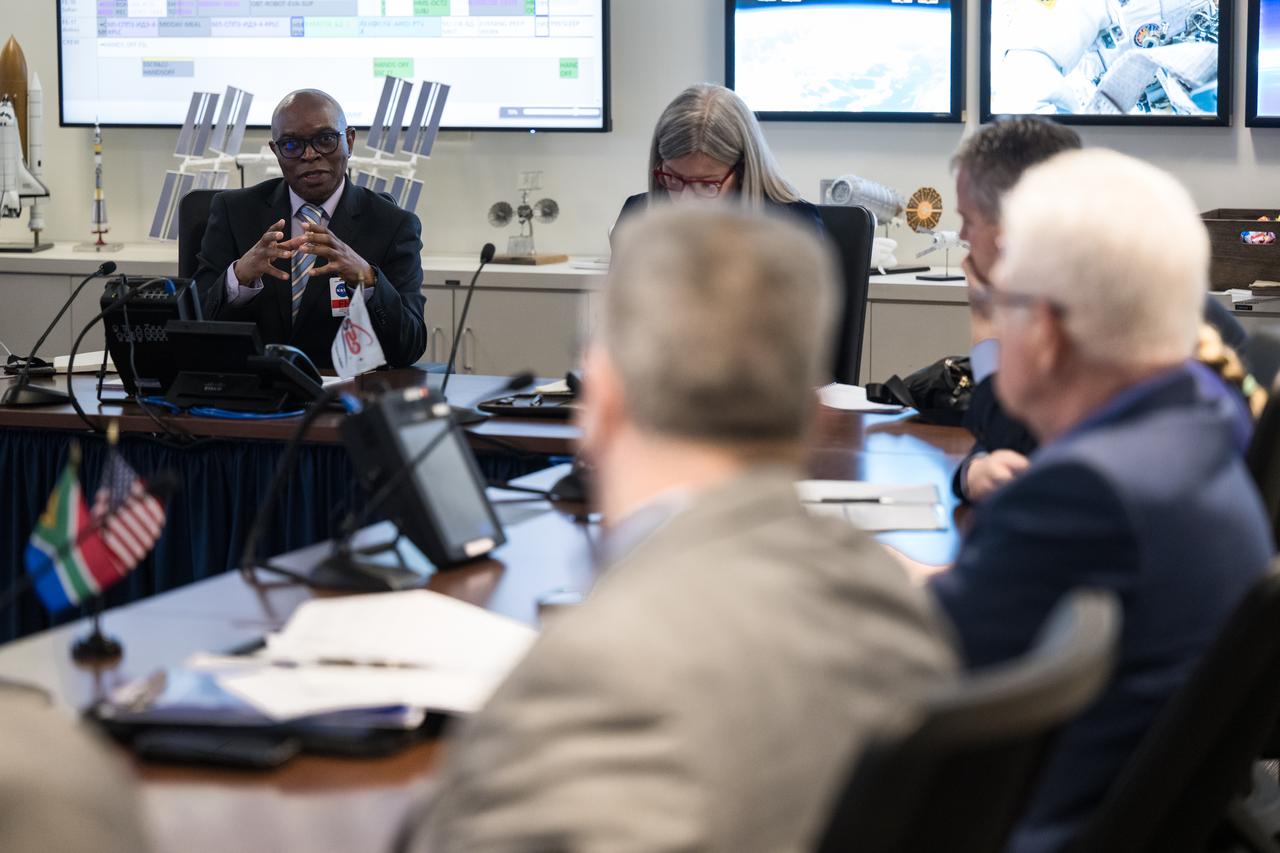
Head of Department, Western Cape Government Economic Development and Tourism, Velile Dube, provides remarks during a meeting with NASA Deputy Associate Administrator for Space Communications and Navigation, Badri Younes, Premier of the Western Cape Government, Alan Winde, other NASA representatives, and a delegation from South Africa, to discuss the path forward for development of an antenna for the Lunar Exploration Ground Sites (LEGS) mission in Matjiesfontein, South Africa, and other opportunities, Tuesday, June 13, 2023, at the Mary W. Jackson NASA Headquarters building in Washington. Photo Credit: (NASA/Aubrey Gemignani)
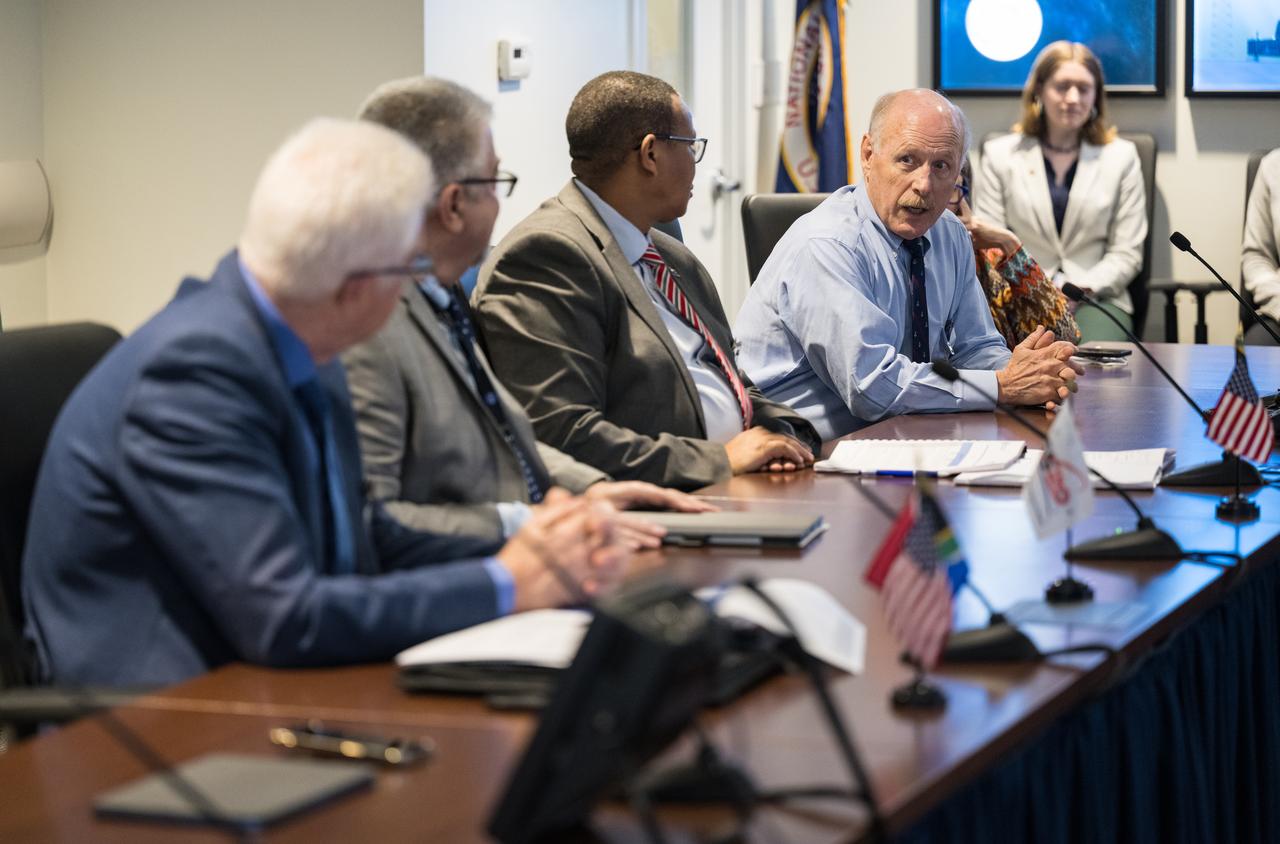
NASA Associate Administrator for the Space Operations Mission Directorate, Ken Bowersox, right, provides remarks during a meeting with from left to right, the Premier of the Western Cape Government, Alan Winde, NASA Deputy Associate Administrator for Space Communications and Navigation, Badri Younes, and Director-General of the Western Cape Government, Dr. Harry Malila, to discuss the path forward for development of an antenna for the Lunar Exploration Ground Sites (LEGS) mission in Matjiesfontein, South Africa, and other opportunities, Tuesday, June 13, 2023, at the Mary W. Jackson NASA Headquarters building in Washington. Photo Credit: (NASA/Aubrey Gemignani)

Director-General of the Western Cape Government, Dr. Harry Malila, third from left, provides remarks during a meeting with the Premier of the Western Cape Government, Alan Winde, left, NASA Deputy Associate Administrator for Space Communications and Navigation, Badri Younes, second from left, and NASA Associate Administrator for the Space Operations Mission Directorate, Ken Bowersox, second from right, to discuss the path forward for development of an antenna for the Lunar Exploration Ground Sites (LEGS) mission in Matjiesfontein, South Africa, and other opportunities, Tuesday, June 13, 2023, at the Mary W. Jackson NASA Headquarters building in Washington. Photo Credit: (NASA/Aubrey Gemignani)
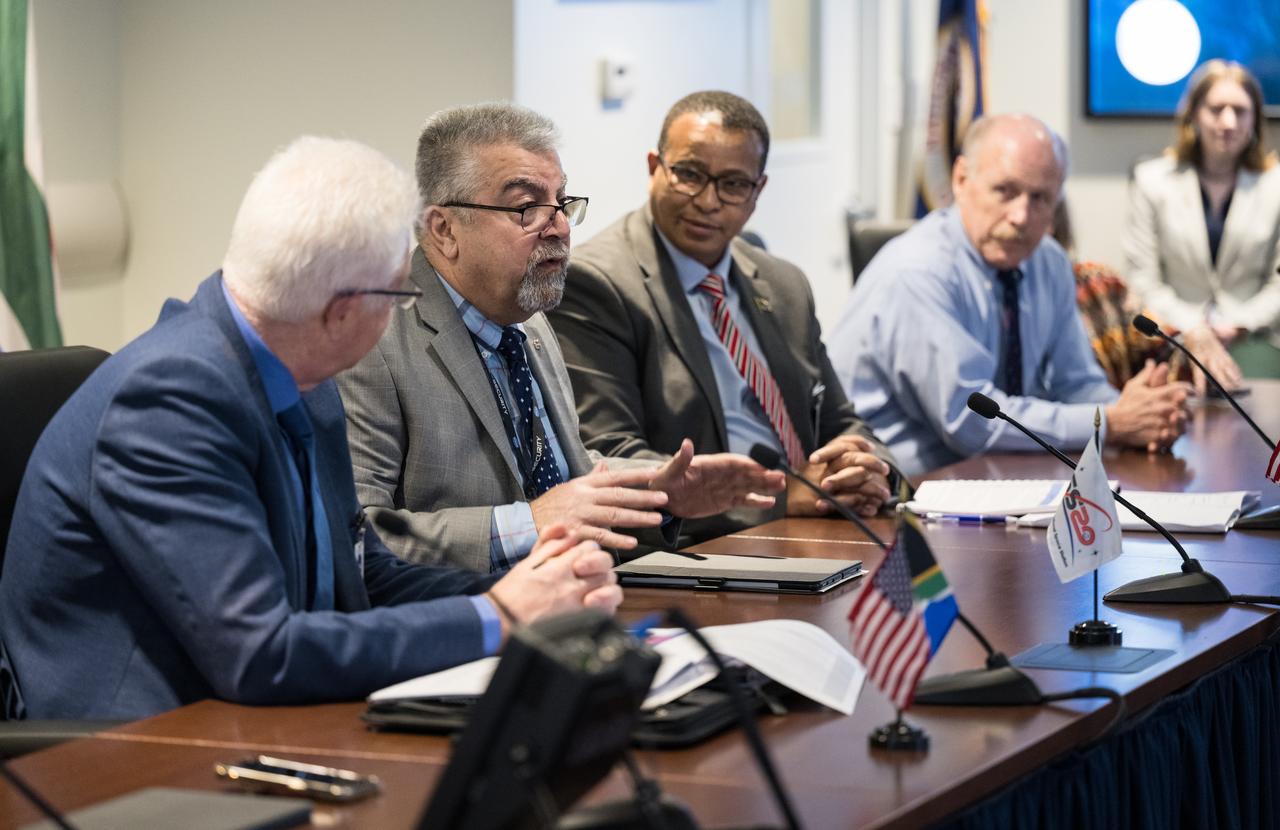
NASA Deputy Associate Administrator for Space Communications and Navigation, Badri Younes, second from left, provides remarks during a meeting with the Premier of the Western Cape Government, Alan Winde, left, Director-General of the Western Cape Government, Dr. Harry Malila, third from left, and NASA Associate Administrator for the Space Operations Mission Directorate, Ken Bowersox, right, to discuss the path forward for development of an antenna for the Lunar Exploration Ground Sites (LEGS) mission in Matjiesfontein, South Africa, and other opportunities, Tuesday, June 13, 2023, at the Mary W. Jackson NASA Headquarters building in Washington. Photo Credit: (NASA/Aubrey Gemignani)
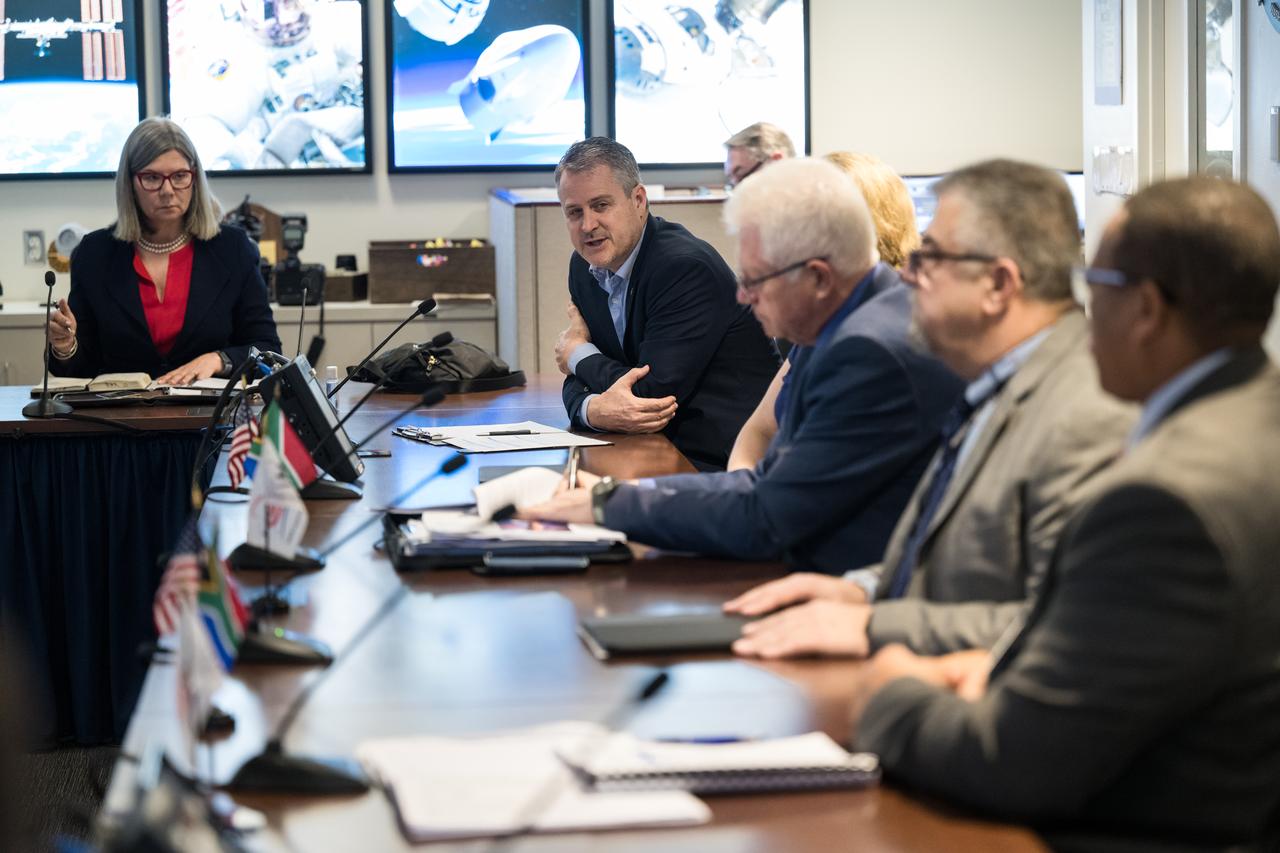
NASA International Program Specialist, Office of International and Interagency Relations, Greg Mann, provide remarks during a meeting with NASA Associate Administrator for the Space Operations Mission Directorate, Ken Bowersox, NASA Deputy Associate Administrator for Space Communications and Navigation, Badri Younes, he Premier of the Western Cape Government, Alan Winde, and a delegation from South Africa, to discuss the path forward for development of an antenna for the Lunar Exploration Ground Sites (LEGS) mission in Matjiesfontein, South Africa, and other opportunities, Tuesday, June 13, 2023, at the Mary W. Jackson NASA Headquarters building in Washington. Photo Credit: (NASA/Aubrey Gemignani)
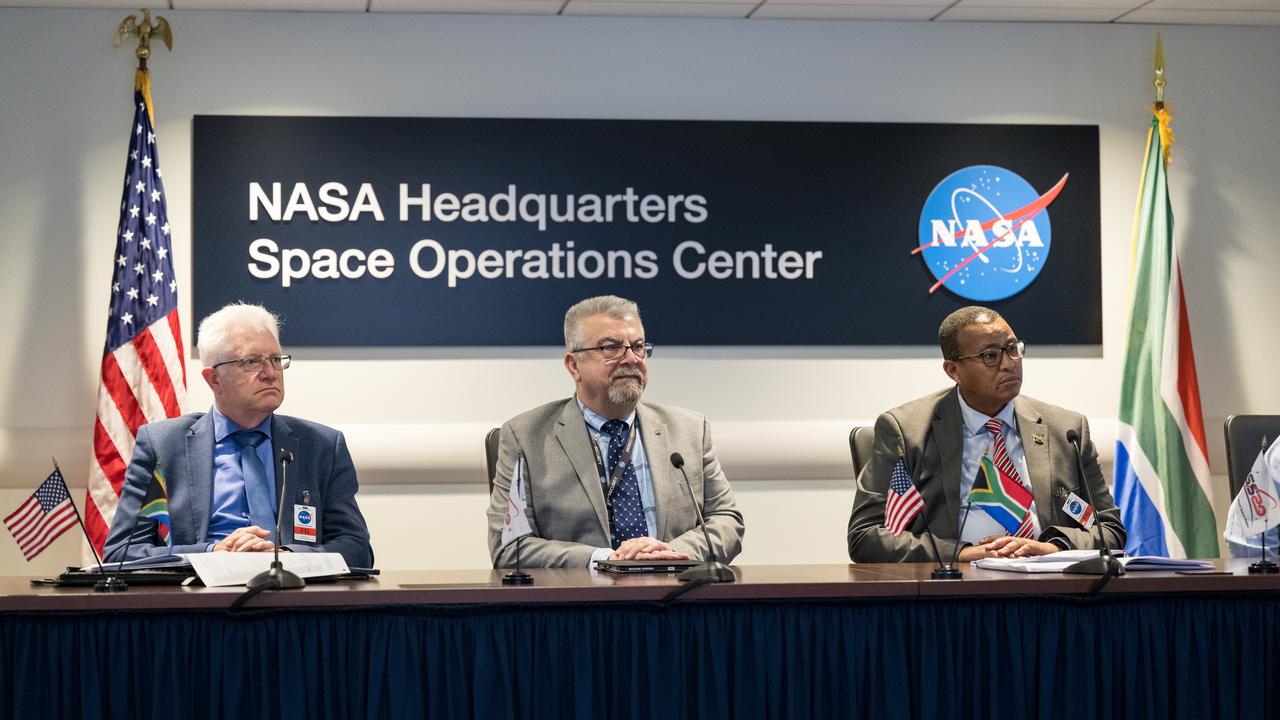
From left to right, the Premier of the Western Cape Government, Alan Winde, NASA Deputy Associate Administrator for Space Communications and Navigation, Badri Younes, and Director-General of the Western Cape Government, Dr. Harry Malila, are seen during a meeting with NASA representatives and a delegation from South Africa, to discuss the path forward for development of an antenna for the Lunar Exploration Ground Sites (LEGS) mission in Matjiesfontein, South Africa, and other opportunities, Tuesday, June 13, 2023, at the Mary W. Jackson NASA Headquarters building in Washington. Photo Credit: (NASA/Aubrey Gemignani)
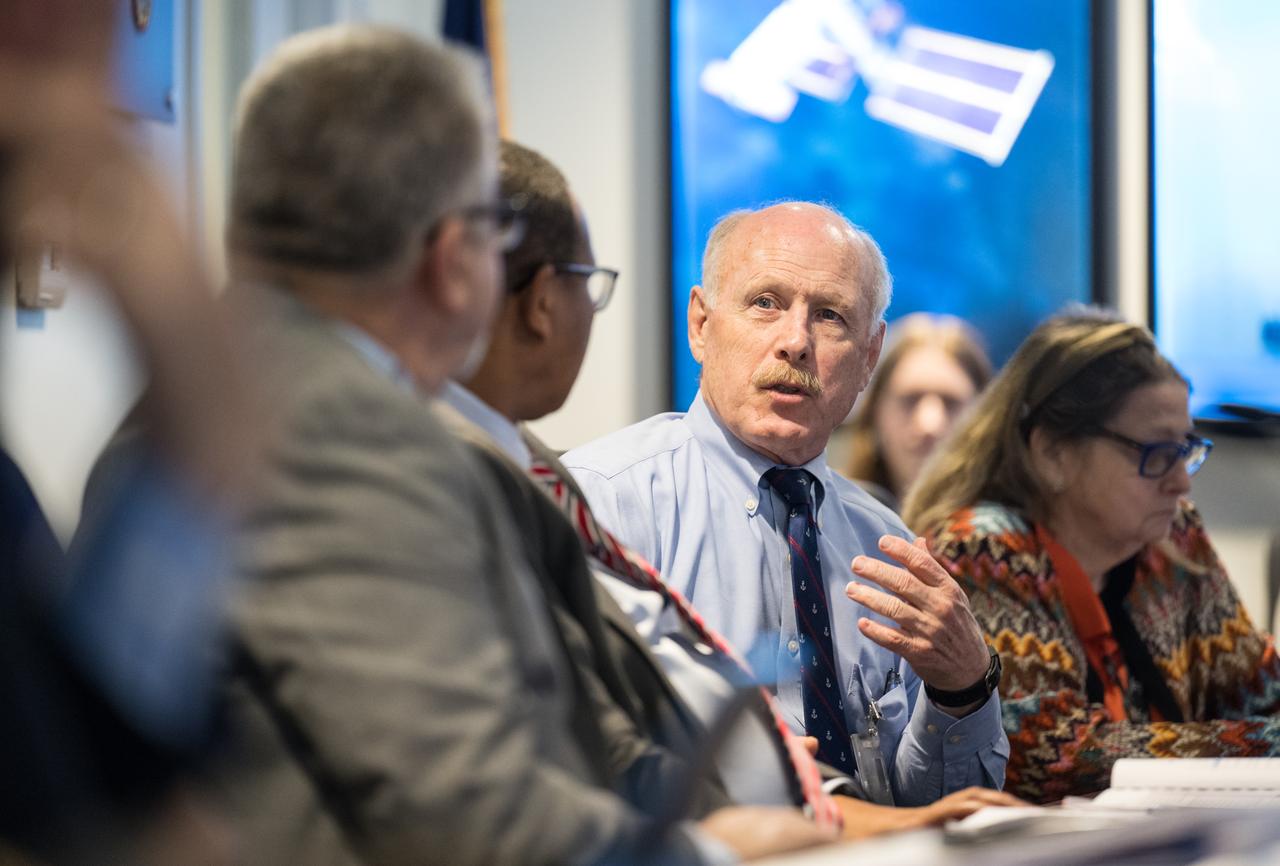
NASA Associate Administrator for the Space Operations Mission Directorate, Ken Bowersox, right, provides remarks during a meeting with the Premier of the Western Cape Government, Alan Winde, NASA Deputy Associate Administrator for Space Communications and Navigation, Badri Younes, left, and Director-General of the Western Cape Government, Dr. Harry Malila, second from left, to discuss the path forward for development of an antenna for the Lunar Exploration Ground Sites (LEGS) mission in Matjiesfontein, South Africa, and other opportunities, Tuesday, June 13, 2023, at the Mary W. Jackson NASA Headquarters building in Washington. Photo Credit: (NASA/Aubrey Gemignani)
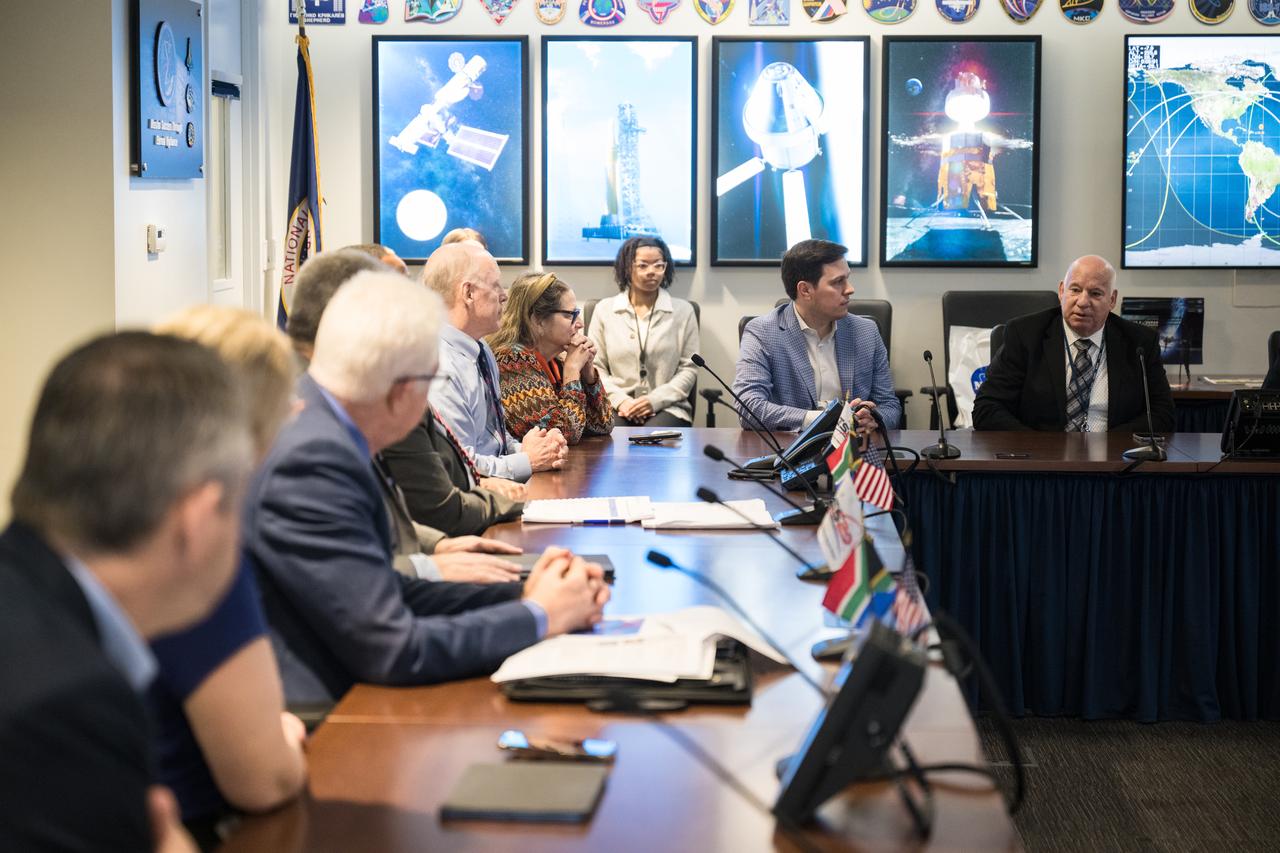
NASA SCaN Development Manager, Bill Marinelli provides remarks during a meeting with the Associate Administrator for the Space Operations Mission Directorate, Ken Bowersox, NASA Deputy Associate Administrator for Space Communications and Navigation, Badri Younes, the Premier of the Western Cape Government, Alan Winde, and a delegation from South Africa, to discuss the path forward for development of an antenna for the Lunar Exploration Ground Sites (LEGS) mission in Matjiesfontein, South Africa, and other opportunities, Tuesday, June 13, 2023, at the Mary W. Jackson NASA Headquarters building in Washington. Photo Credit: (NASA/Aubrey Gemignani)
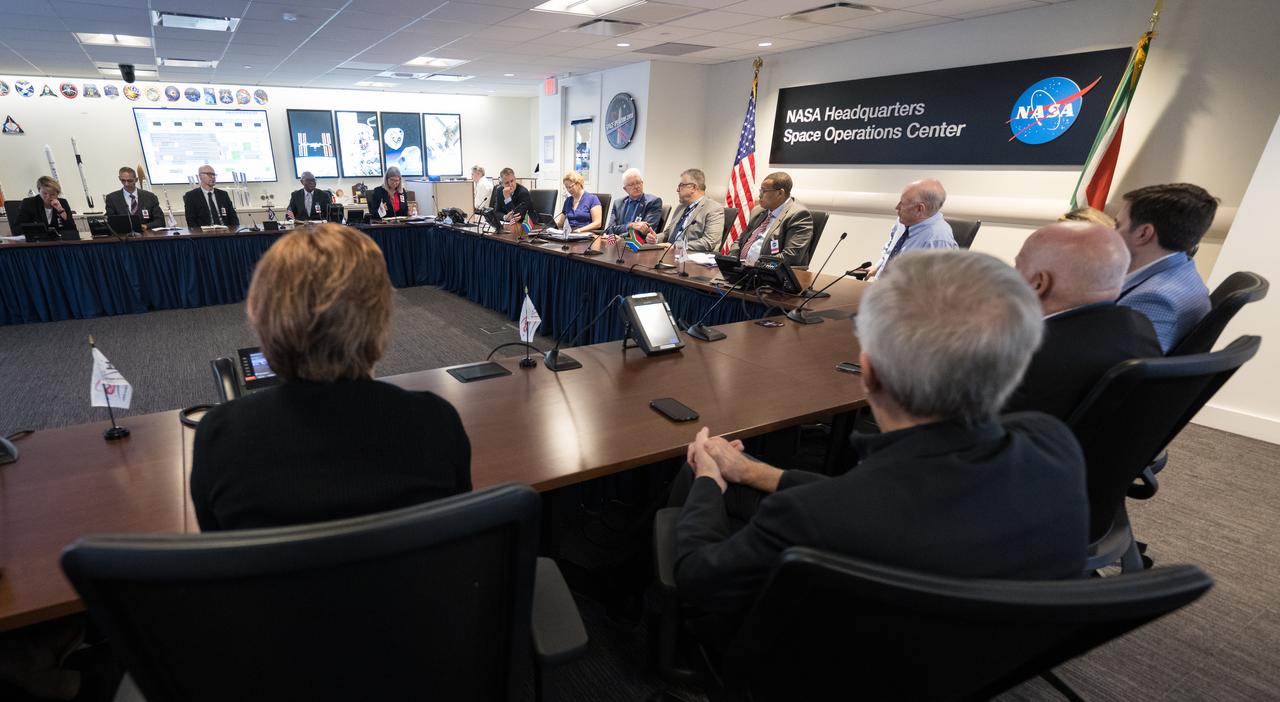
NASA Associate Administrator for the Space Operations Mission Directorate, Ken Bowersox, and NASA Deputy Associate Administrator for Space Communications and Navigation, Badri Younes, meet with the Premier of the Western Cape Government, Alan Winde, and a delegation from South Africa, to discuss the path forward for development of an antenna for the Lunar Exploration Ground Sites (LEGS) mission in Matjiesfontein, South Africa, and other opportunities, Tuesday, June 13, 2023, at the Mary W. Jackson NASA Headquarters building in Washington. Photo Credit: (NASA/Aubrey Gemignani)
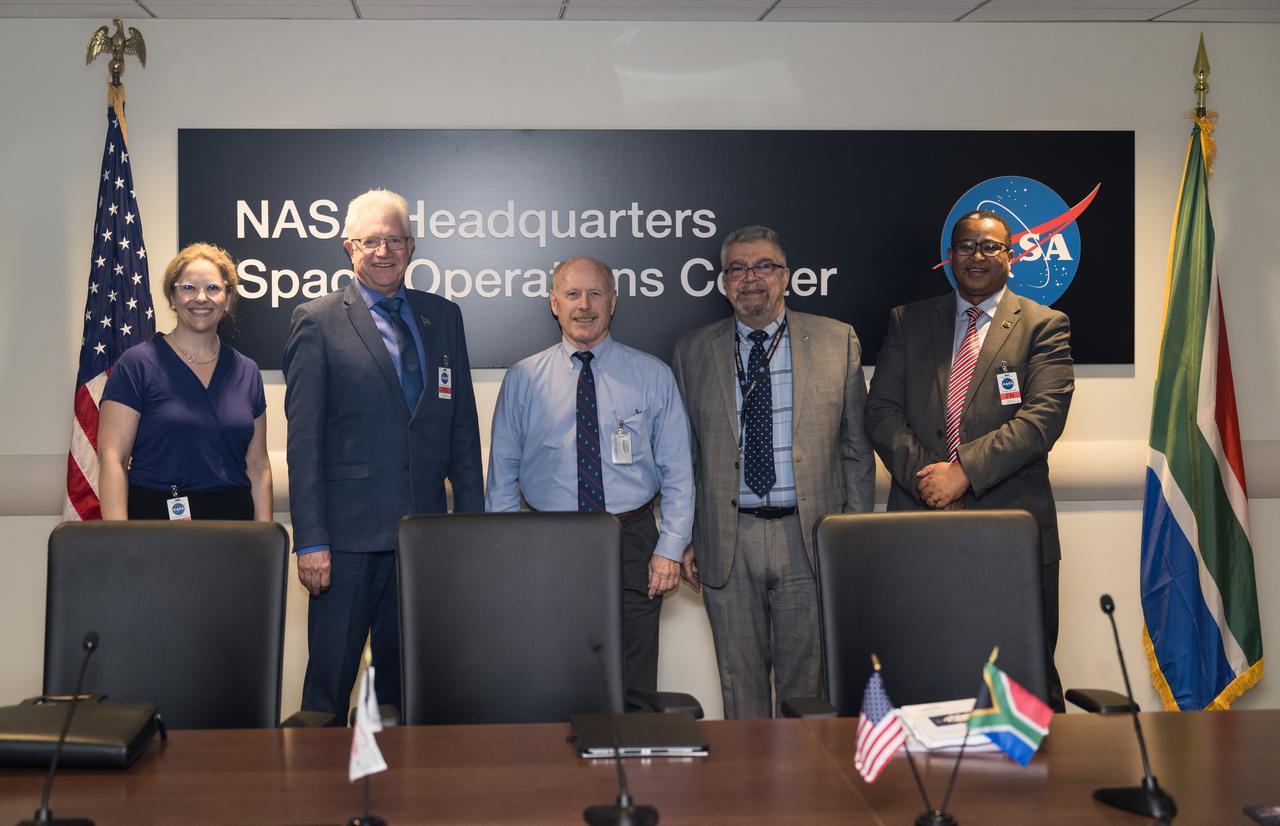
From left to right, Provincial Minister for Finance and Economic Opportunities of the Western Cape Government, Mireille Wenger, Premier of the Western Cape Government, Alan Winde, NASA Associate Administrator for the Space Operations Mission Directorate, Ken Bowersox, NASA Deputy Associate Administrator for Space Communications and Navigation, Badri Younes, and Director-General of the Western Cape Government, Dr. Harry Malila, pose for a photo in the Space Operations Center during a meeting with NASA and Western Cape Government representatives, to discuss the path forward for development of an antenna for the Lunar Exploration Ground Sites (LEGS) mission in Matjiesfontein, South Africa, and other opportunities, Tuesday, June 13, 2023, at the Mary W. Jackson NASA Headquarters building in Washington. Photo Credit: (NASA/Aubrey Gemignani)
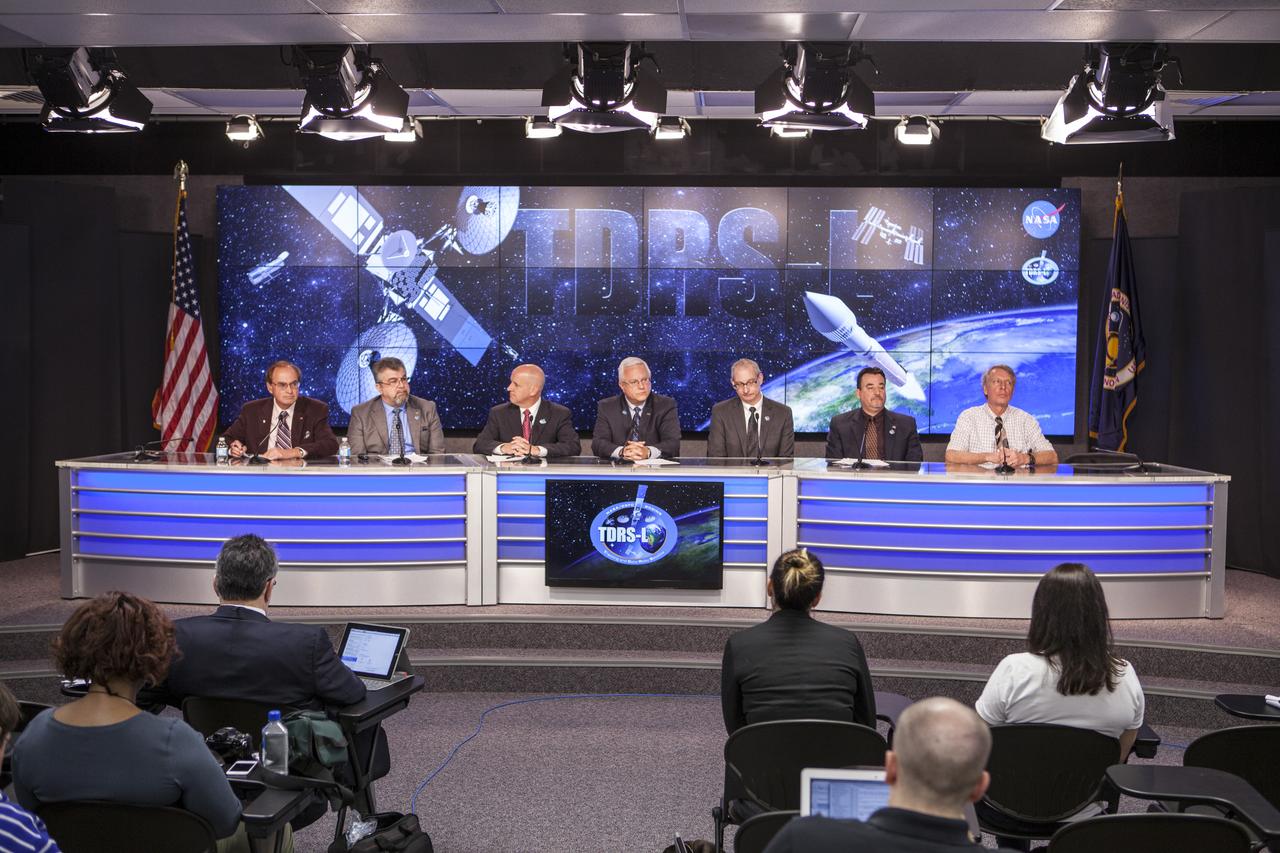
CAPE CANAVERAL, Fla. –During a news conference at NASA's Kennedy Space Center in Florida, agency and contractor officials discussed preparations for the launch of NASA's Tracking and Data Relay Satellite, or TDRS-L, spacecraft. Participating in the briefing, from the left, are George Diller of NASA Public Affairs, Badri Younes, deputy associate administrator, Space Communications and Navigation SCaN NASA Human Exploration and Operations Mission Directorate at NASA Headquarters in Washington D.C., Tim Dunn, NASA launch director at Kennedy, Vernon Thorp, program manager for NASA Missions with United Launch Alliance in Denver, Colo., Jeffrey Gramling, NASA's TDRS-L project manager at the Goddard Space Flight Center in Greenbelt, Md., Andy Kopito, Civil Space Programs director for Boeing Space & Intelligence Systems in El Segundo, Calif., and Clay Flinn, launch weather officer for the 45th Weather Squadron at Cape Canaveral Air Force Station, Fla. The TDRS-L spacecraft is the second of three new satellites designed to ensure vital operational continuity for NASA by expanding the lifespan of the Tracking and Data Relay Satellite System TDRSS fleet, which consists of eight satellites in geosynchronous orbit. The spacecraft provide tracking, telemetry, command and high bandwidth data return services for numerous science and human exploration missions orbiting Earth. These include NASA's Hubble Space Telescope and the International Space Station. TDRS-L has a high-performance solar panel designed for more spacecraft power to meet the growing S-band communications requirements. TDRSS is one of NASA Space Communication and Navigation’s SCaN three networks providing space communications to NASA’s missions. For more information more about TDRS-L, visit: http://www.nasa.gov/tdrs To learn more about SCaN, visit: www.nasa.gov/scan Photo credit: NASA/Frankie Martin
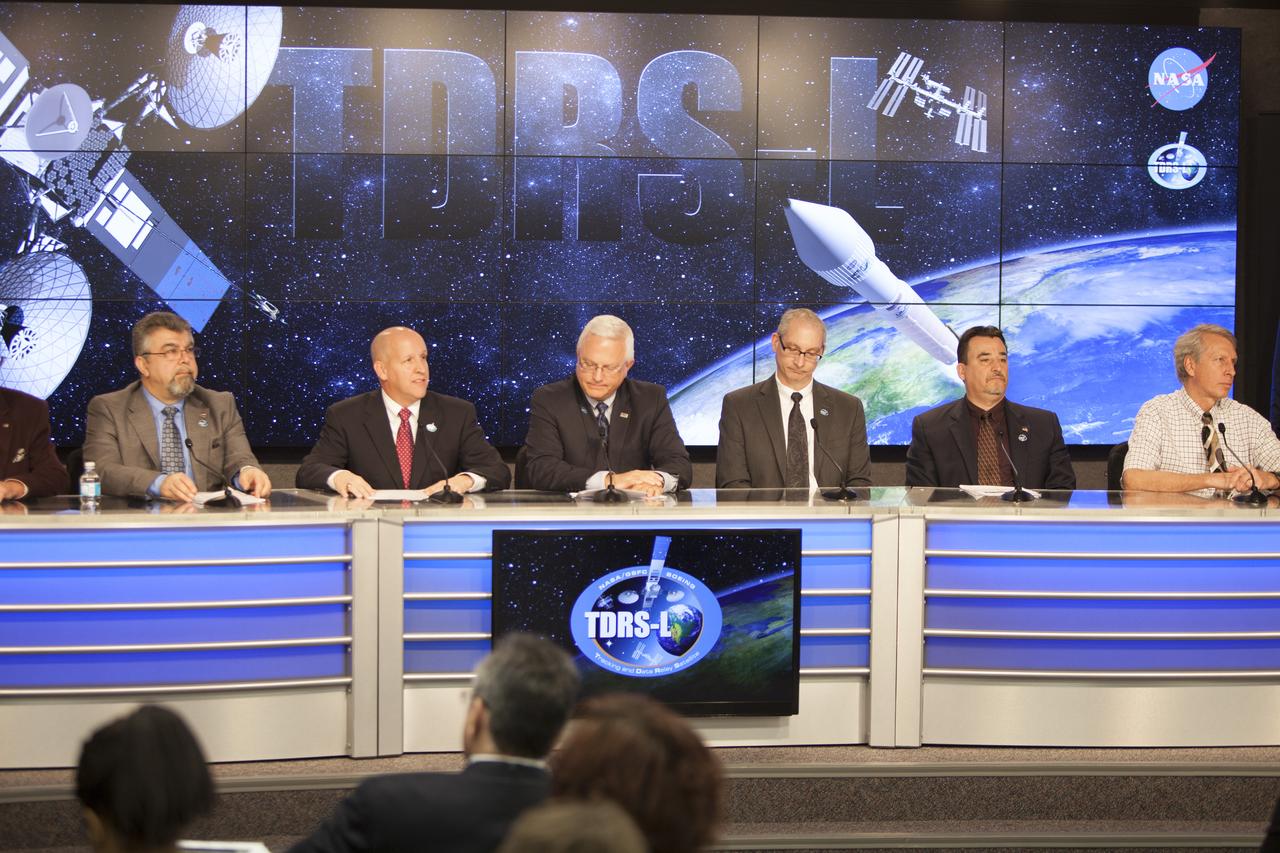
CAPE CANAVERAL, Fla. –During a news conference at NASA's Kennedy Space Center in Florida, agency and contractor officials discussed preparations for the launch of NASA's Tracking and Data Relay Satellite, or TDRS-L, spacecraft. Participating in the briefing, from the left, are Badri Younes, deputy associate administrator, Space Communications and Navigation SCaN NASA Human Exploration and Operations Mission Directorate at NASA Headquarters in Washington D.C., Tim Dunn, NASA launch director at Kennedy, Vernon Thorp, program manager for NASA Missions with United Launch Alliance in Denver, Colo., Jeffrey Gramling, NASA's TDRS-L project manager at the Goddard Space Flight Center in Greenbelt, Md., Andy Kopito, Civil Space Programs director for Boeing Space & Intelligence Systems in El Segundo, Calif., and Clay Flinn, launch weather officer for the 45th Weather Squadron at Cape Canaveral Air Force Station, Fla. The TDRS-L spacecraft is the second of three new satellites designed to ensure vital operational continuity for NASA by expanding the lifespan of the Tracking and Data Relay Satellite System TDRSS fleet, which consists of eight satellites in geosynchronous orbit. The spacecraft provide tracking, telemetry, command and high bandwidth data return services for numerous science and human exploration missions orbiting Earth. These include NASA's Hubble Space Telescope and the International Space Station. TDRS-L has a high-performance solar panel designed for more spacecraft power to meet the growing S-band communications requirements. TDRSS is one of NASA Space Communication and Navigation’s SCaN three networks providing space communications to NASA’s missions. For more information more about TDRS-L, visit: http://www.nasa.gov/tdrs To learn more about SCaN, visit: www.nasa.gov/scan Photo credit: NASA/Frankie Martin
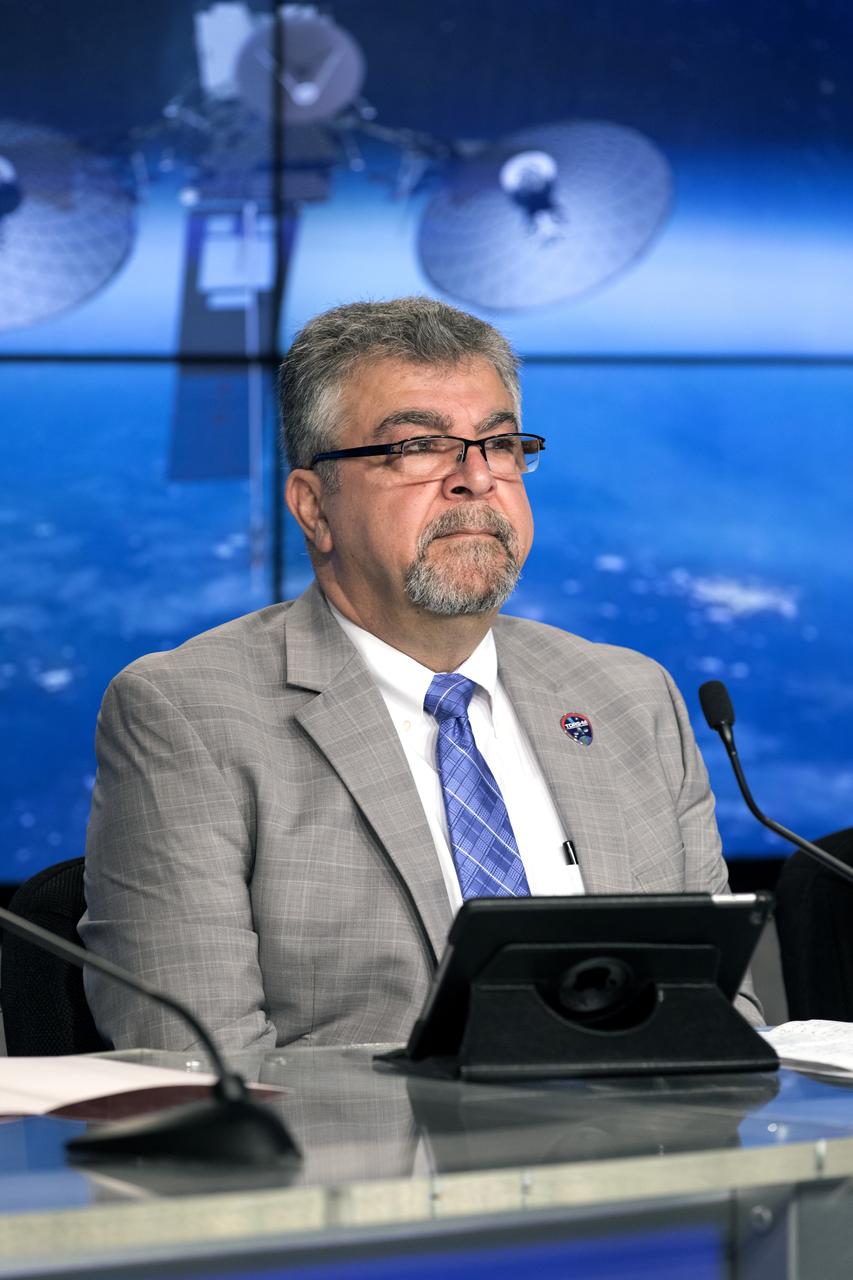
In the Kennedy Space Center's Press Site auditorium, Badri Younes, deputy associate administrator for Space Communications and Navigation at NASA Headquarters in Washington, speaks to members of the media at a prelaunch news conference for NASA's Tracking and Data Relay Satellite, TDRS-M. It is the latest spacecraft destined for the agency's constellation of communications satellites that allows nearly continuous contact with orbiting spacecraft ranging from the International Space Station and Hubble Space Telescope to the array of scientific observatories. Liftoff atop a United Launch Alliance Atlas V rocket is scheduled to take place from Space Launch Complex 41 at Cape Canaveral Air Force Station at 8:03 a.m. EDT Aug. 18.

Badri Younes, deputy associate administrator for Space Communications and Navigation at NASA Headquarters in Washington, speaks to members of social media in the Kennedy Space Center’s Press Site auditorium. The briefing focused on preparations to launch NASA's Tracking and Data Relay Satellite, TDRS-M. The latest spacecraft destined for the agency's constellation of communications satellites, TDRS-M will allow nearly continuous contact with orbiting spacecraft ranging from the International Space Station and Hubble Space Telescope to the array of scientific observatories. Liftoff atop a United Launch Alliance Atlas V rocket is scheduled to take place from Space Launch Complex 41 at Cape Canaveral Air Force Station at 8:03 a.m. EDT Aug. 18.
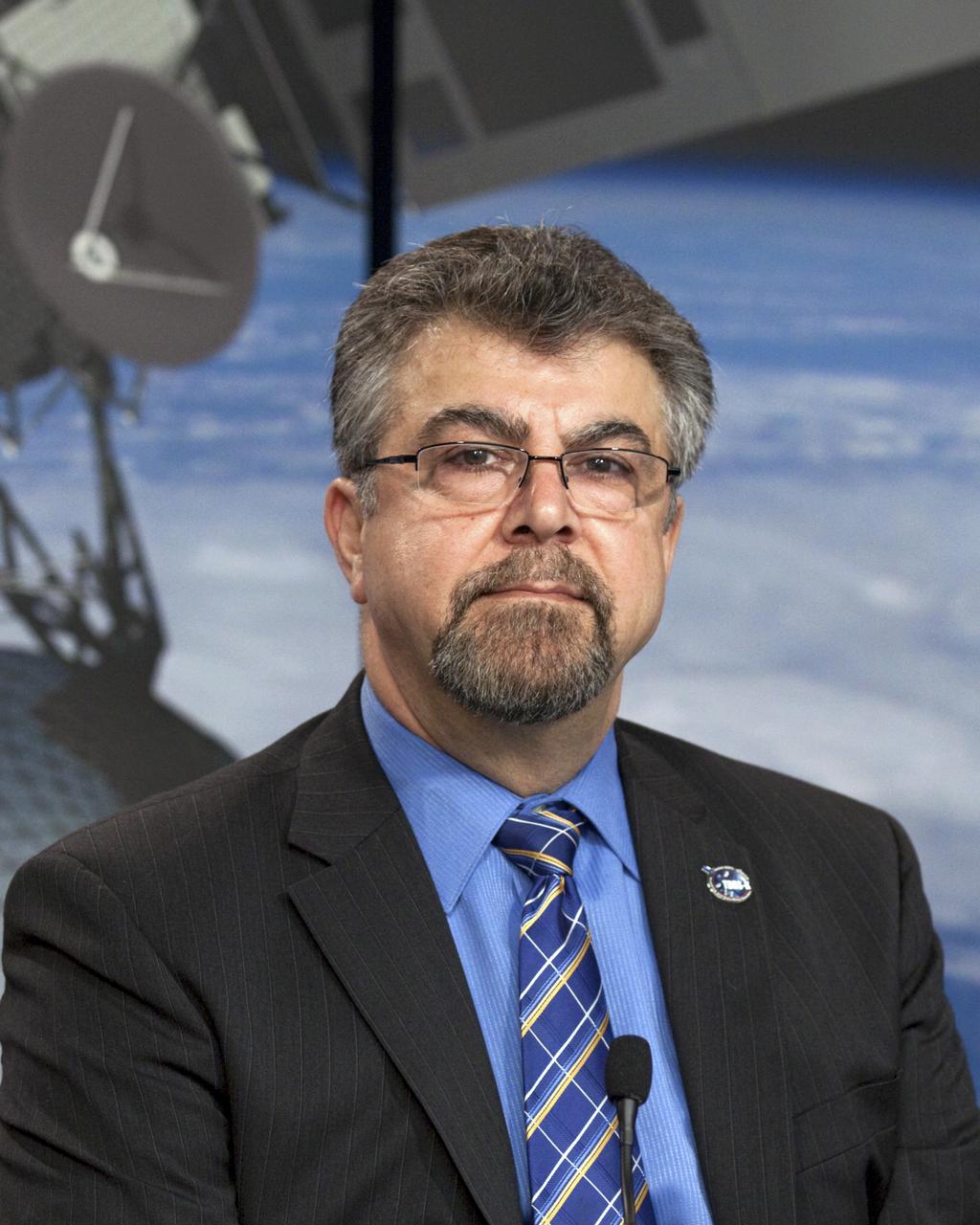
CAPE CANAVERAL, Fla. At a news conference, NASA and United Launch Alliance officials discussed preparations for the planned launch of NASA's Tracking and Data Relay Satellite, TDRS-K, atop an Atlas V rocket. Among those participating in the briefing is Badri Younes, deputy associate administrator, Space Communications and Navigation SCaN, NASA Human Exploration and Operations Mission Directorate in Washington. Liftoff for the TDRS-K is planned for Jan. 30, 2013. The TDRS-K spacecraft is part of the next-generation series in the Tracking and Data Relay Satellite System, a constellation of space-based communication satellites providing tracking, telemetry, command and high-bandwidth data return services. For more information, visit http:__www.nasa.gov_mission_pages_tdrs_index.html Photo credit: NASA_Kim Shiflett
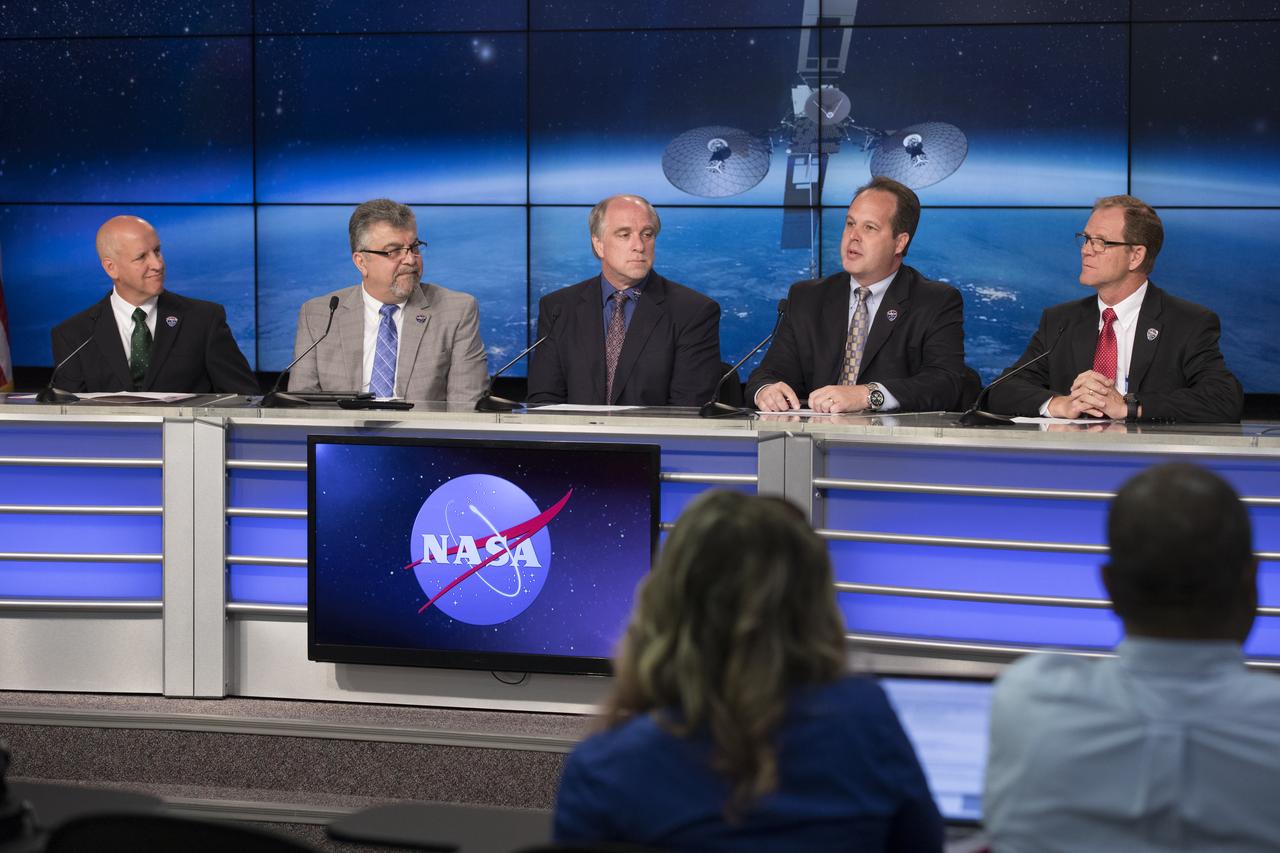
In the Kennedy Space Center's Press Site auditorium, NASA and industry leaders speak to members of the media at a prelaunch news conference for NASA's Tracking and Data Relay Satellite, TDRS-M. Participants from left are: Tim Dunn, launch director at NASA Kennedy, Badri Younes, deputy associate administrator for Space Communications and Navigation at NASA Headquarters in Washington, Dave Littmann, project manager for TDRS-M at NASA’s Goddard Space Flight Center in Greenbelt, Maryland, James Wilson III, Boeing program manager for NASA/Civil Space Programs, and Scott Messer, United Launch Alliance program manager for NASA missions. TDRS-M is the latest spacecraft destined for the agency's constellation of communications satellites that allows nearly continuous contact with orbiting spacecraft ranging from the International Space Station and Hubble Space Telescope to the array of scientific observatories. Liftoff atop a United Launch Alliance Atlas V rocket is scheduled to take place from Space Launch Complex 41 at Cape Canaveral Air Force Station at 8:03 a.m. EDT Aug. 18.
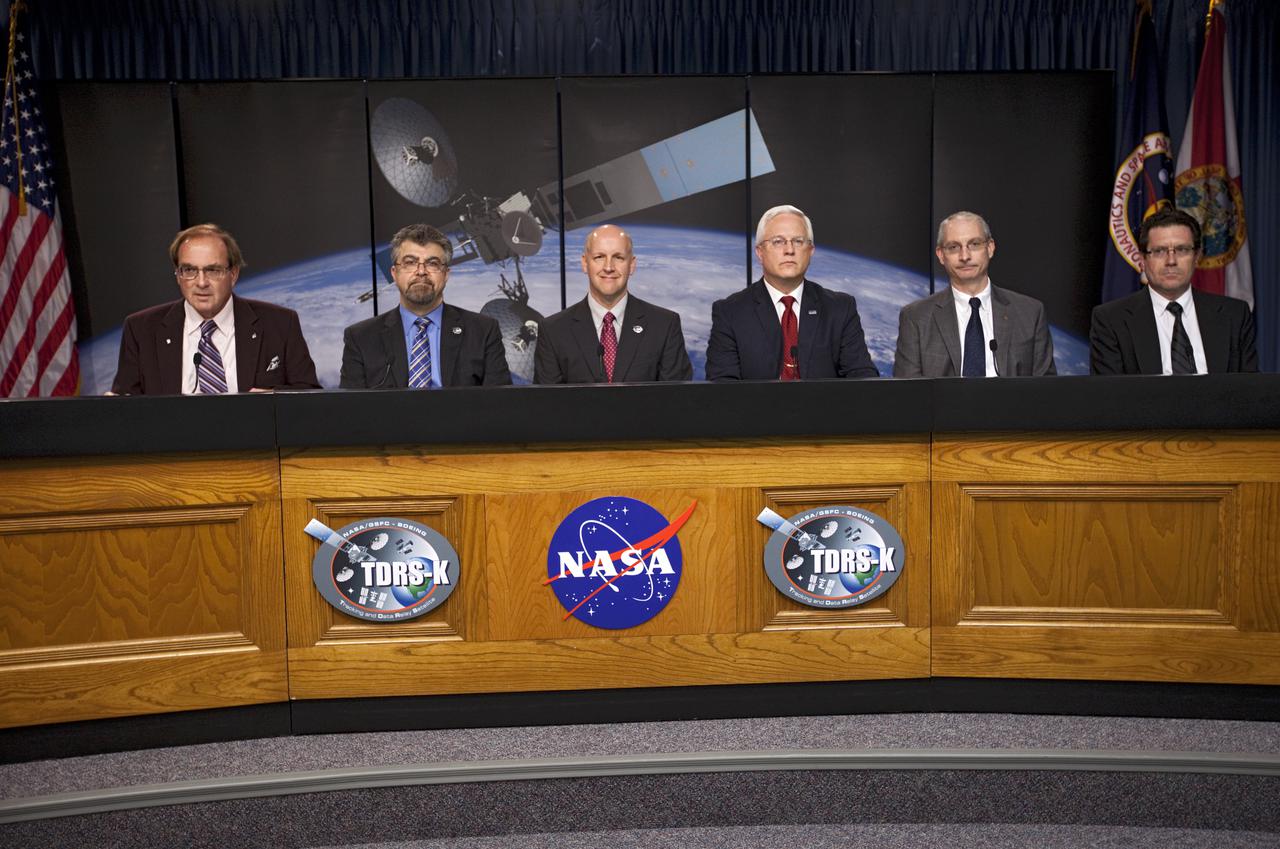
CAPE CANAVERAL, Fla. –- At a news conference, NASA and United Launch Alliance officials discussed preparations for the planned launch of NASA's Tracking and Data Relay Satellite, TDRS-K, atop an Atlas V rocket. Participating in the briefing, from the left are, George Diller, NASA Public Affairs, Badri Younes, deputy associate administrator, Space Communications and Navigation SCaN, NASA Human Exploration and Operations Mission Directorate in Washington Tim Dunn, NASA launch director at the Kennedy Space Center Vernon Thorp, program manager, NASA Missions for United Launch Alliance in Denver, Colo. Jeffrey Gramling, NASA TDRS-K project manager, Goddard Space Flight Center in Greenbelt, Md. and Joel Tumbiolo, launch weather officer, 45th Weather Squadron at Cape Canaveral Air Force Station, Fla. Liftoff for the TDRS-K is planned for Jan. 30, 2013. The TDRS-K spacecraft is part of the next-generation series in the Tracking and Data Relay Satellite System, a constellation of space-based communication satellites providing tracking, telemetry, command and high-bandwidth data return services. For more information, visit http:__www.nasa.gov_mission_pages_tdrs_index.html Photo credit: NASA_Kim Shiflett
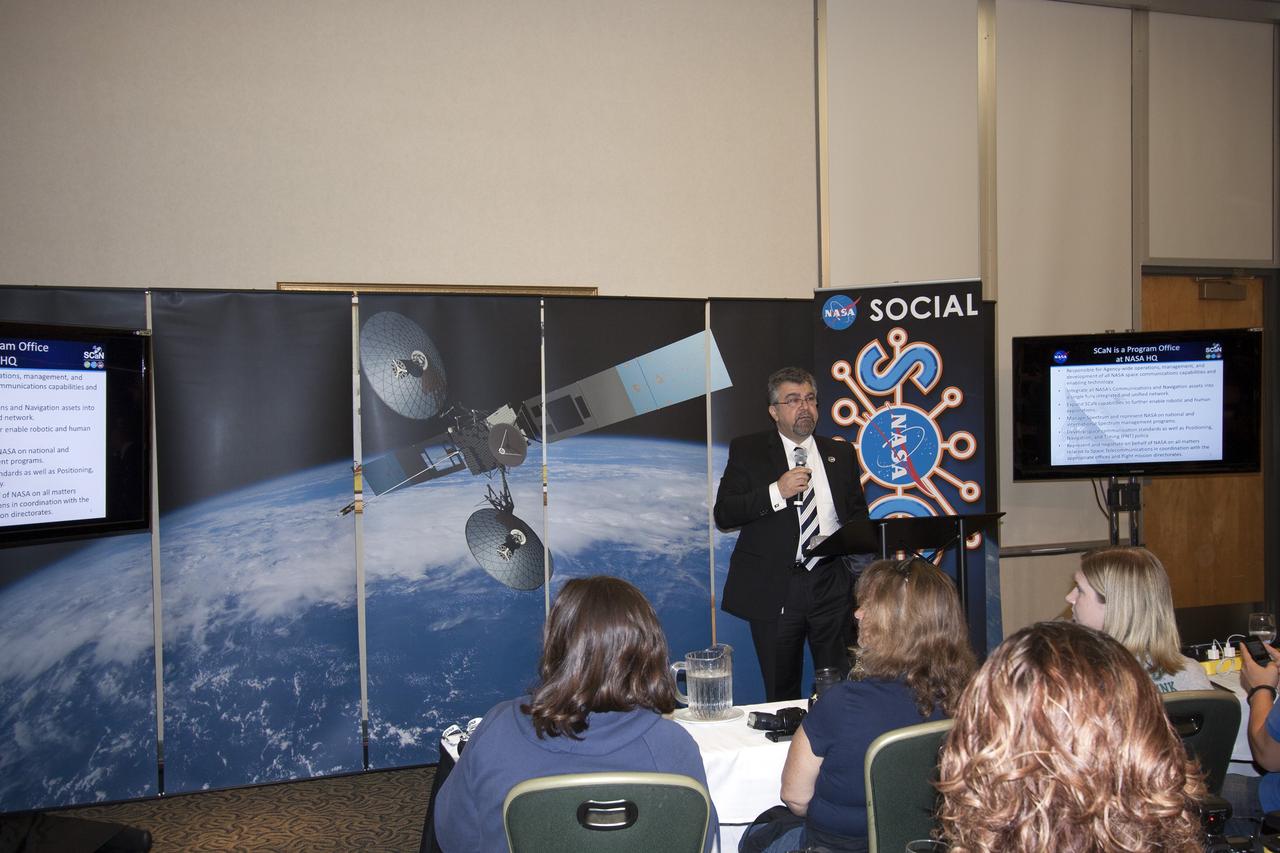
CAPE CANAVERAL, Fla. -- At NASA's Kennedy Space Center in Florida, Badri Younes, NASA deputy associate administrator for Space Communications and Navigation, or SCaN, addresses agency social media followers on the first day of activities of a NASA Social revolving around NASA's Tracking and Data Relay Satellite-K mission. NASA Socials are in-person meetings for people who engage with the agency through Twitter, Facebook, Google+ and other social networks. The satellite, known as TDRS-K, is set to launch at 8:48 p.m. EST on Jan. 30 aboard a United Launch Alliance Atlas V rocket from Space Launch Complex 41 on nearby Cape Canaveral Air Force Station. About 50 followers were selected to participate in the TDRS-K prelaunch and launch activities and share them with their own fan base. The TDRS-K spacecraft is part of the next-generation series in the Tracking and Data Relay Satellite System, a constellation of space-based communication satellites providing tracking, telemetry, command and high-bandwidth data return services. For more information, visit http://www.nasa.gov/mission_pages/tdrs/index.html. Photo credit: NASA/Jim Grossmann
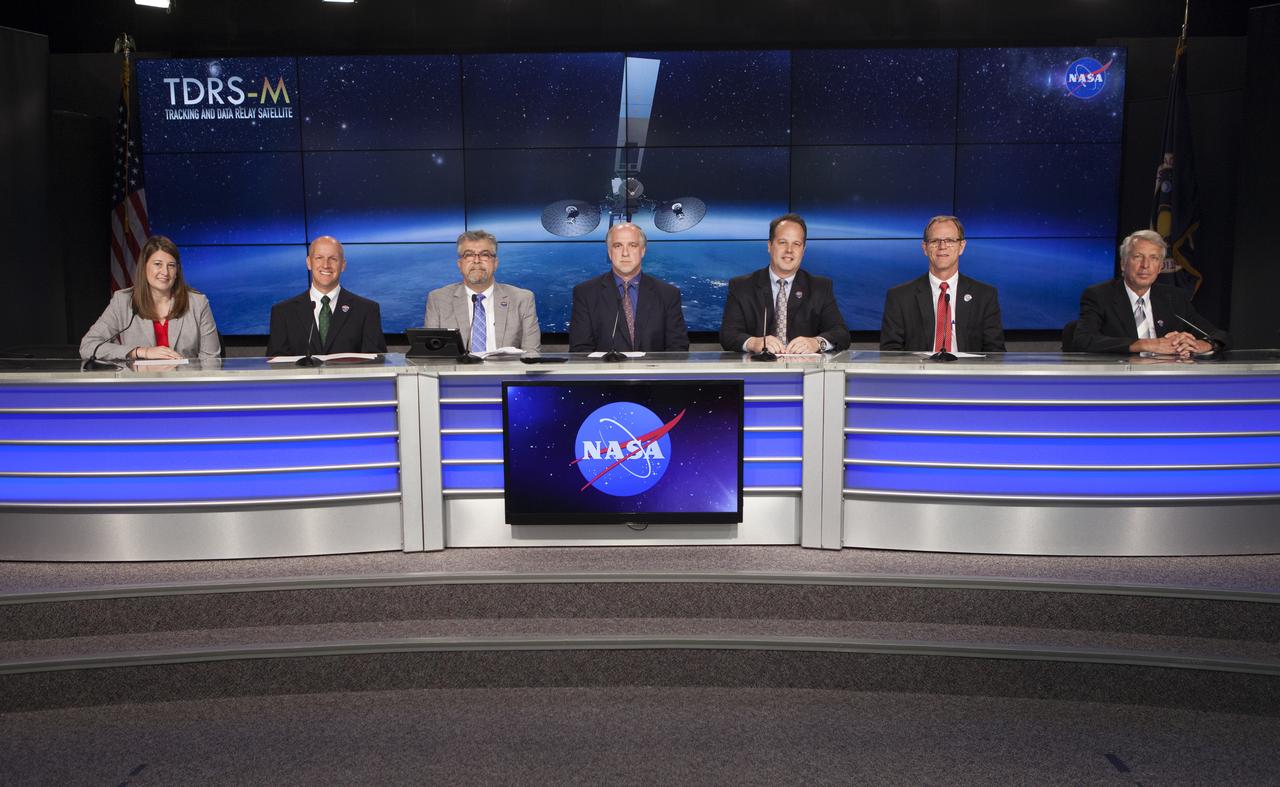
In the Kennedy Space Center's Press Site auditorium, NASA and industry leaders speak to members of the media at a prelaunch news conference for NASA's Tracking and Data Relay Satellite, TDRS-M. Participants from left are: Kathryn Hambleton of NASA Communications, Tim Dunn, launch director at NASA Kennedy, Badri Younes, deputy associate administrator for Space Communications and Navigation at NASA Headquarters in Washington, Dave Littmann, project manager for TDRS-M at NASA’s Goddard Space Flight Center in Greenbelt, Maryland, James Wilson III, Boeing program manager for NASA/Civil Space Programs, Scott Messer, United Launch Alliance program manager for NASA missions, and Clay Flinn, launch weather officer with the 45th Space Wing at Cape Canaveral Air Force Station. TDRS-M is the latest spacecraft destined for the agency's constellation of communications satellites that allows nearly continuous contact with orbiting spacecraft ranging from the International Space Station and Hubble Space Telescope to the array of scientific observatories. Liftoff atop a United Launch Alliance Atlas V rocket is scheduled to take place from Space Launch Complex 41 at Cape Canaveral Air Force Station at 8:03 a.m. EDT Aug. 18.
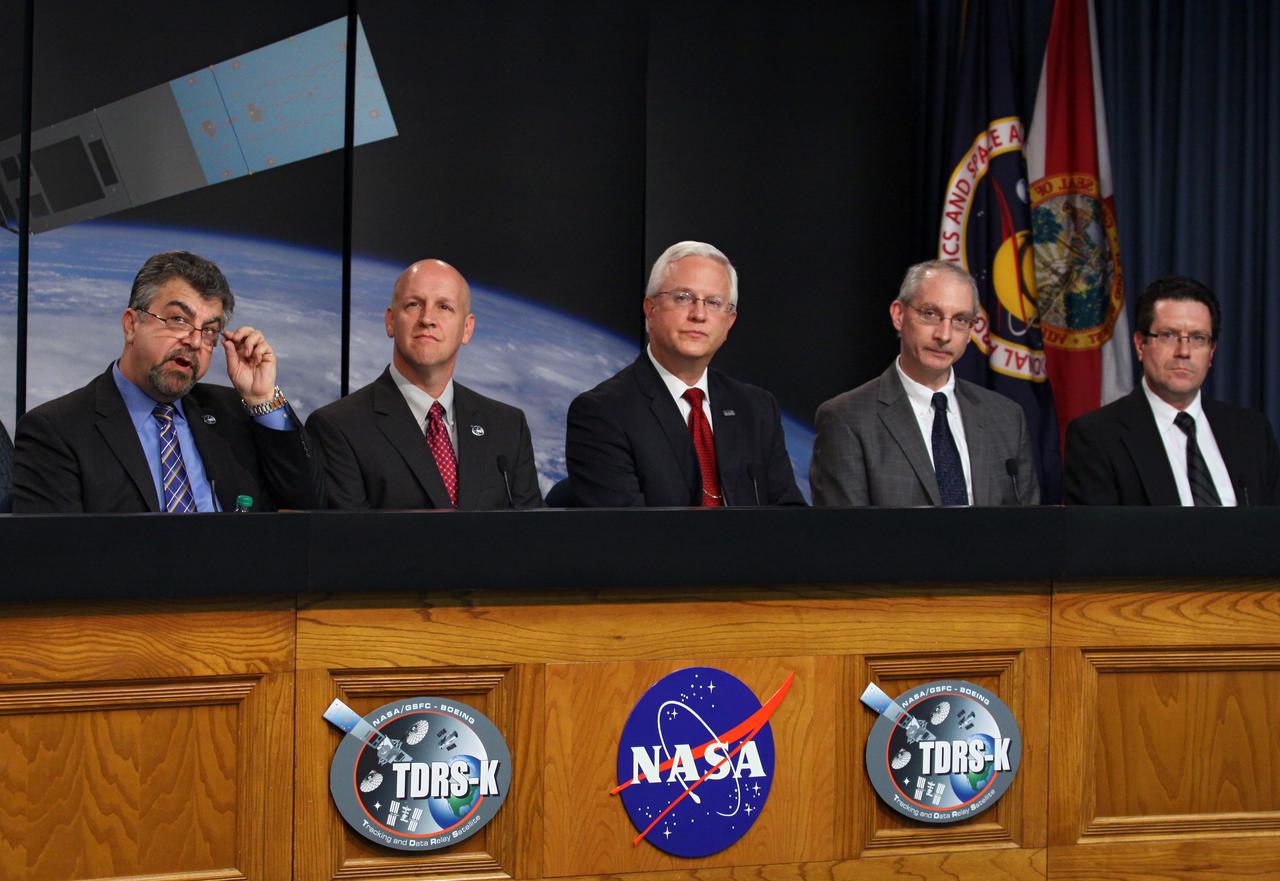
CAPE CANAVERAL, Fla. –- At a news conference, NASA and United Launch Alliance officials discussed preparations for the planned launch of NASA's Tracking and Data Relay Satellite, TDRS-K, atop an Atlas V rocket. Participating in the briefing, from the left are, Badri Younes, deputy associate administrator, Space Communications and Navigation SCaN, NASA Human Exploration and Operations Mission Directorate in Washington Tim Dunn, NASA launch director at the Kennedy Space Center Vernon Thorp, program manager, NASA Missions for United Launch Alliance in Denver, Colo. Jeffrey Gramling, NASA TDRS-K project manager, Goddard Space Flight Center in Greenbelt, Md. and Joel Tumbiolo, launch weather officer, 45th Weather Squadron at Cape Canaveral Air Force Station, Fla. Liftoff for the TDRS-K is planned for Jan. 30, 2013. The TDRS-K spacecraft is part of the next-generation series in the Tracking and Data Relay Satellite System, a constellation of space-based communication satellites providing tracking, telemetry, command and high-bandwidth data return services. For more information, visit http:__www.nasa.gov_mission_pages_tdrs_index.html Photo credit: NASA_Kim Shiflett
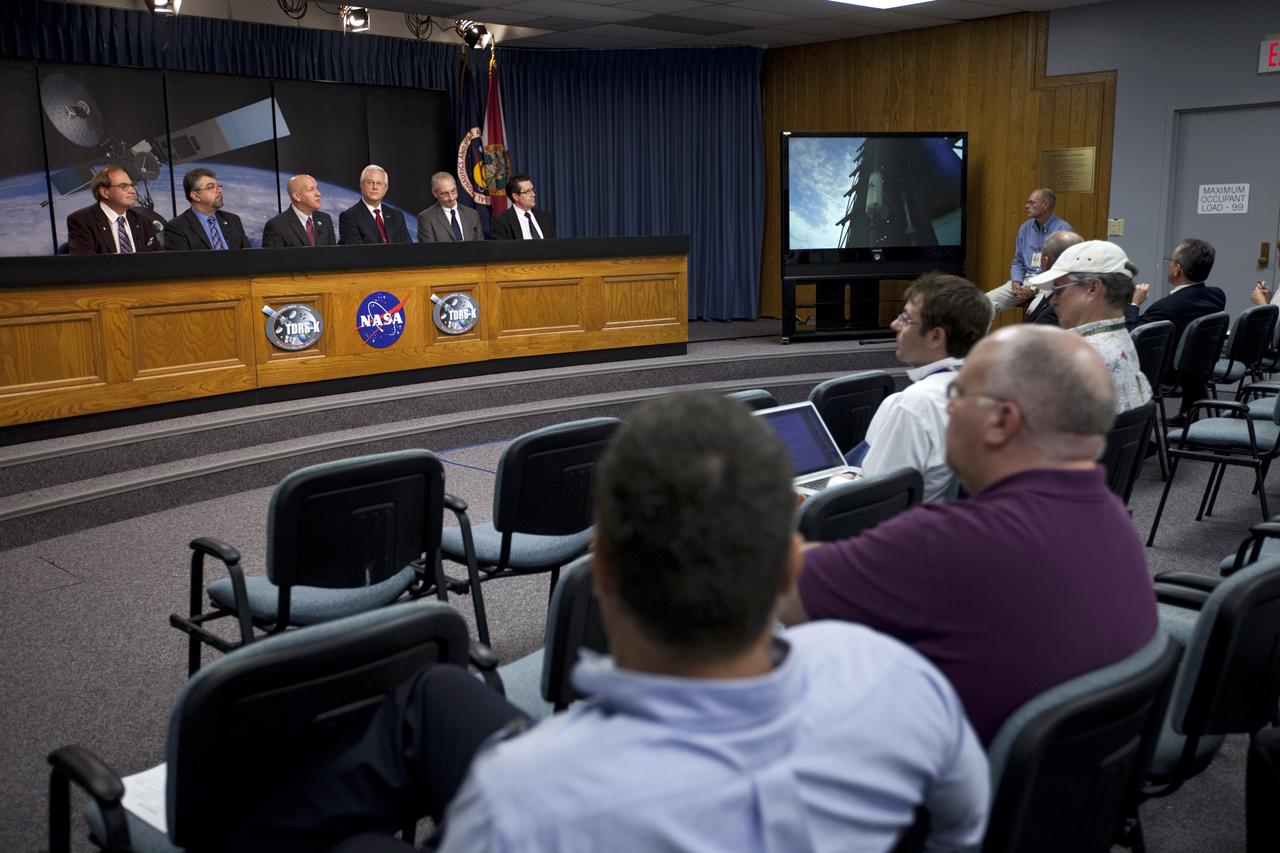
CAPE CANAVERAL, Fla. –- At a news conference, NASA and United Launch Alliance officials discussed preparations for the planned launch of NASA's Tracking and Data Relay Satellite, TDRS-K, atop an Atlas V rocket. Participating in the briefing, from the left are, George Diller, NASA Public Affairs, Badri Younes, deputy associate administrator, Space Communications and Navigation SCaN, NASA Human Exploration and Operations Mission Directorate in Washington Tim Dunn, NASA launch director at the Kennedy Space Center Vernon Thorp, program manager, NASA Missions for United Launch Alliance in Denver, Colo. Jeffrey Gramling, NASA TDRS-K project manager, Goddard Space Flight Center in Greenbelt, Md. and Joel Tumbiolo, launch weather officer, 45th Weather Squadron at Cape Canaveral Air Force Station, Fla. Liftoff for the TDRS-K is planned for Jan. 30, 2013. The TDRS-K spacecraft is part of the next-generation series in the Tracking and Data Relay Satellite System, a constellation of space-based communication satellites providing tracking, telemetry, command and high-bandwidth data return services. For more information, visit http:__www.nasa.gov_mission_pages_tdrs_index.html Photo credit: NASA_Kim Shiflett