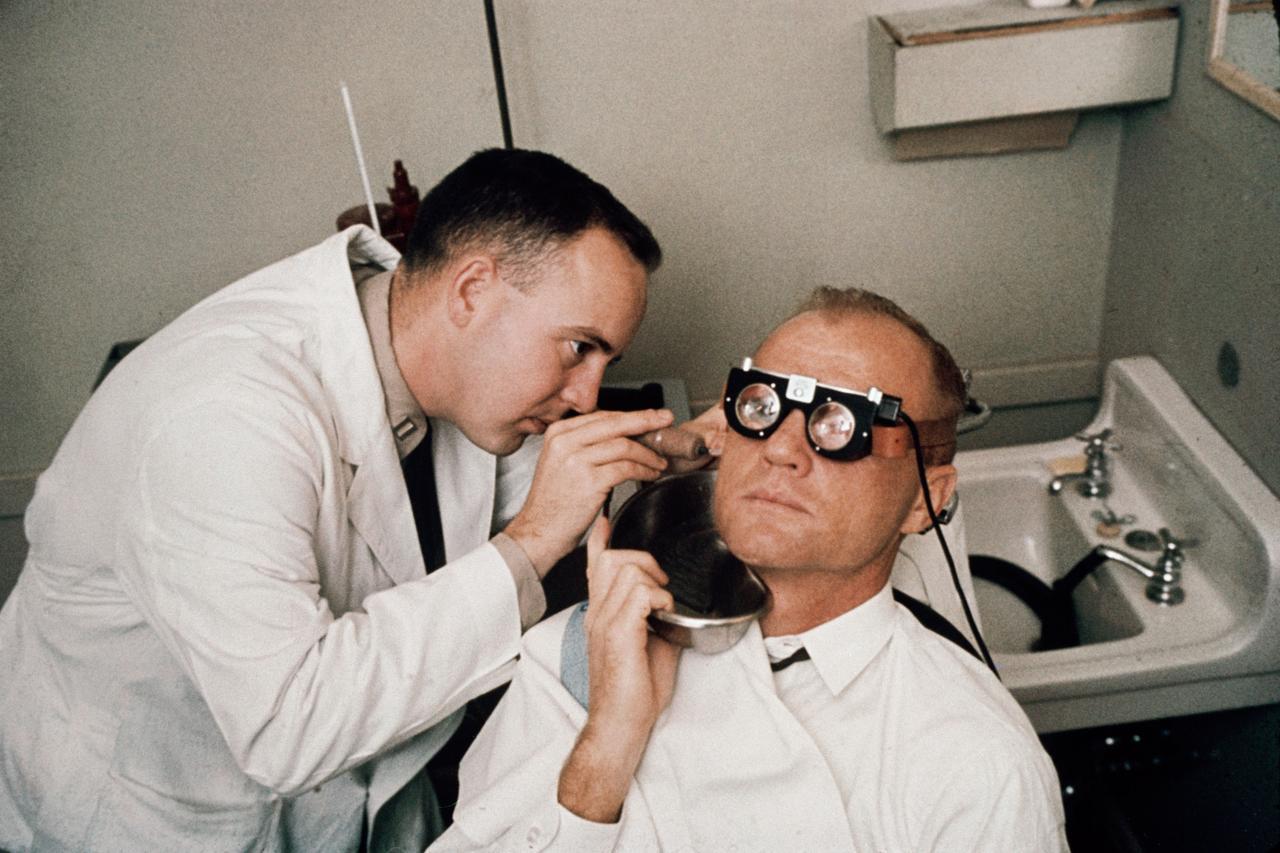
S64-14849 (1962) --- Astronaut John H. Glenn Jr.'s balance mechanism (semi-circular-canals) is tested by running cool water into his ear and measuring effect on eye motions (nystagmus). Photo credit: NASA
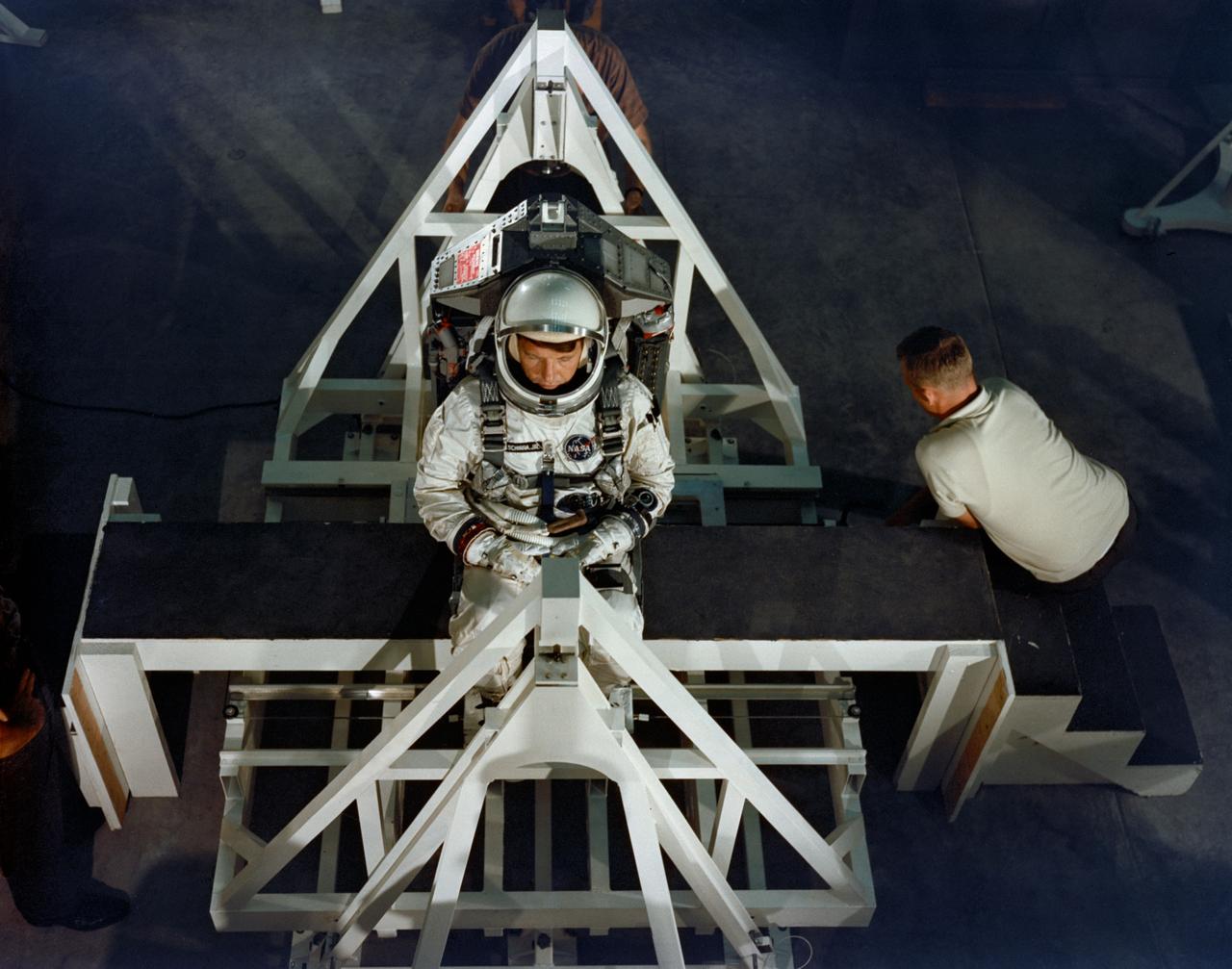
S65-54319 (22 Sept. 1965) --- Astronaut Walter M. Schirra Jr., command pilot of the Gemini-6 prime crew, undergoes weight and balance tests in the Pyrotechnic Installation Building, Merritt Island, Kennedy Space Center, Florida. Photo credit: NASA or National Aeronautics and Space Administration
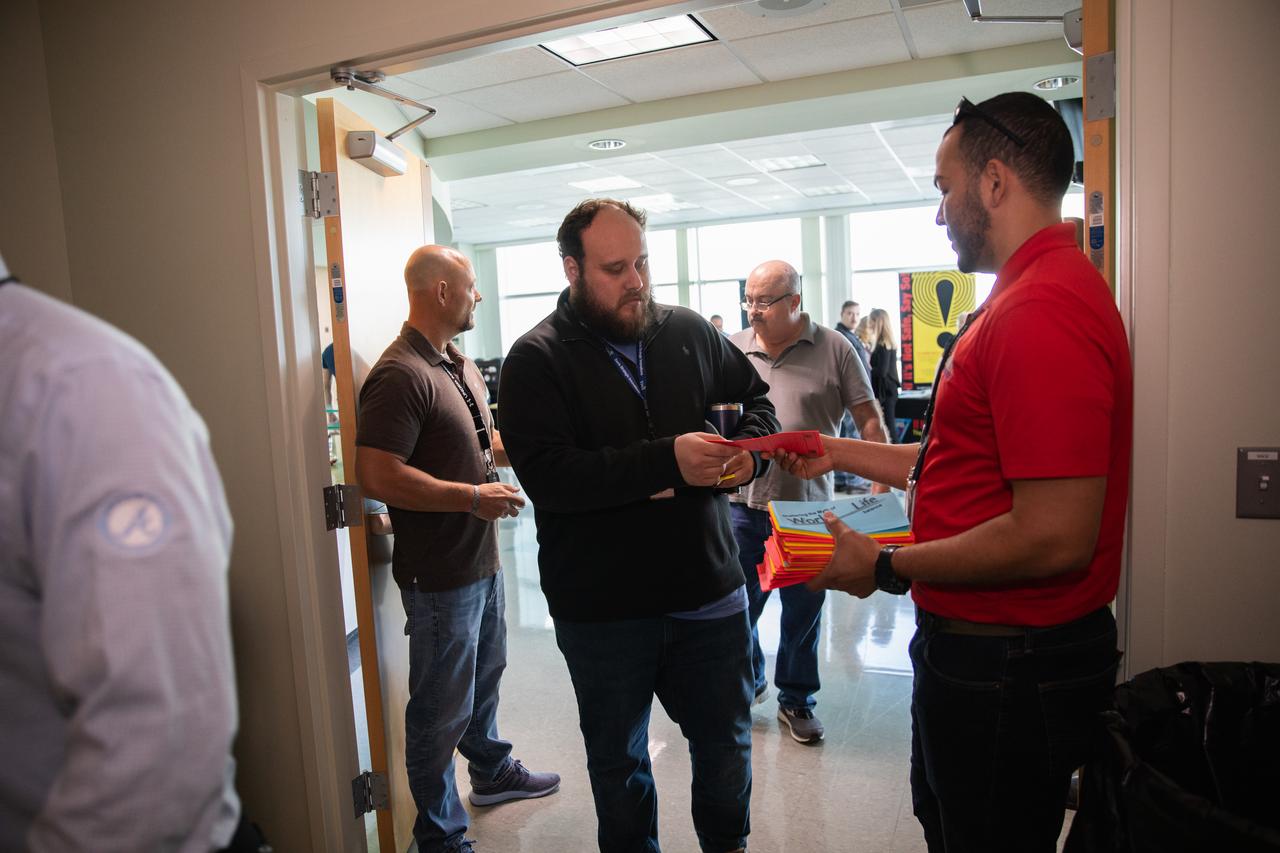
On March 3, 2020, NASA Kennedy Space Center employees attend a presentation in the Florida spaceport’s Operations Support Building II during the center’s annual Safety and Health Days. Taking place March 2 through March 6, Safety and Health Days provides Kennedy employees with a variety of presentations to attend – all of which focus on how to maintain a safe and healthy workforce.
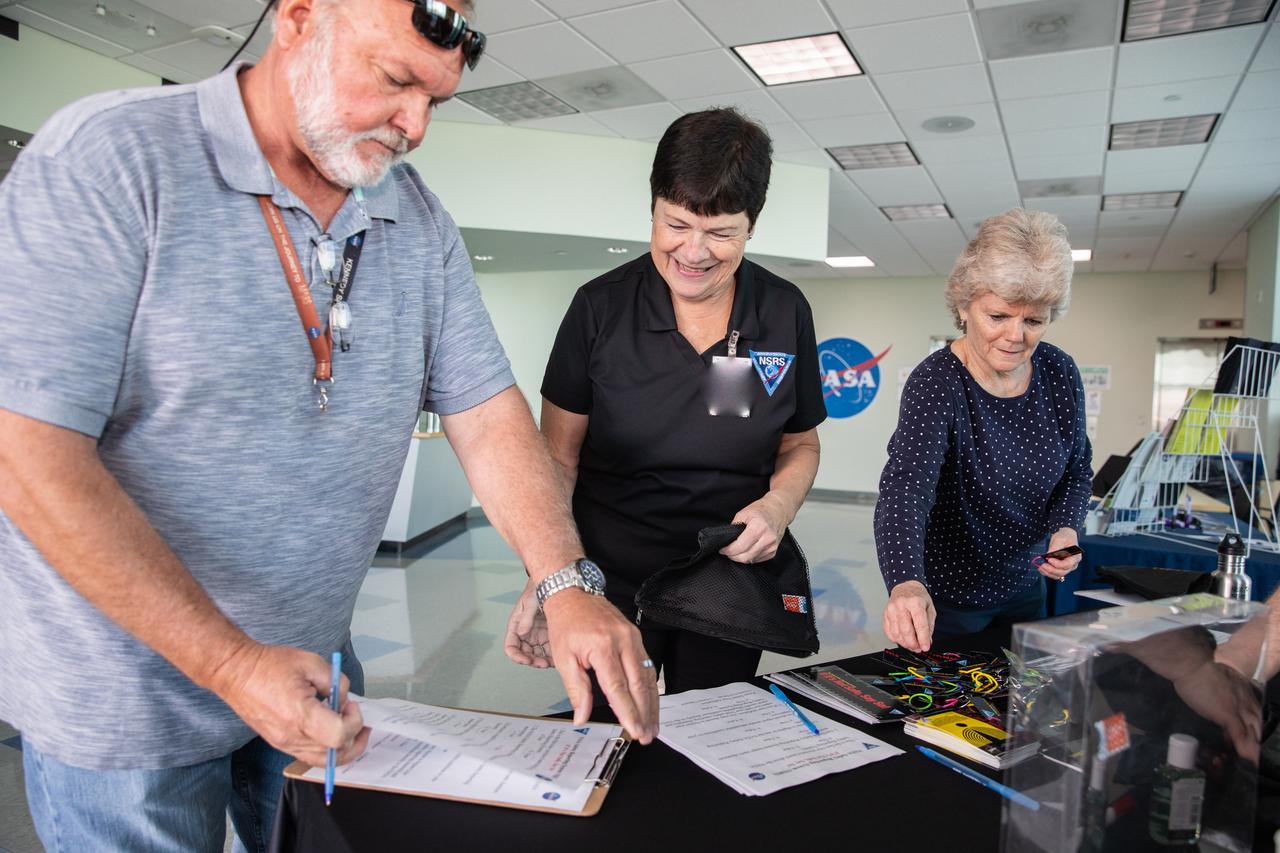
NASA Kennedy Space Center employees learn more about safety from informational tables set up inside the Florida spaceport’s Operations Support Building II on March 3, 2020, during the center’s annual Safety and Health Days. Taking place March 2 through March 6, Safety and Health Days provides Kennedy employees with a variety of presentations to attend – all of which focus on how to maintain a safe and healthy workforce.
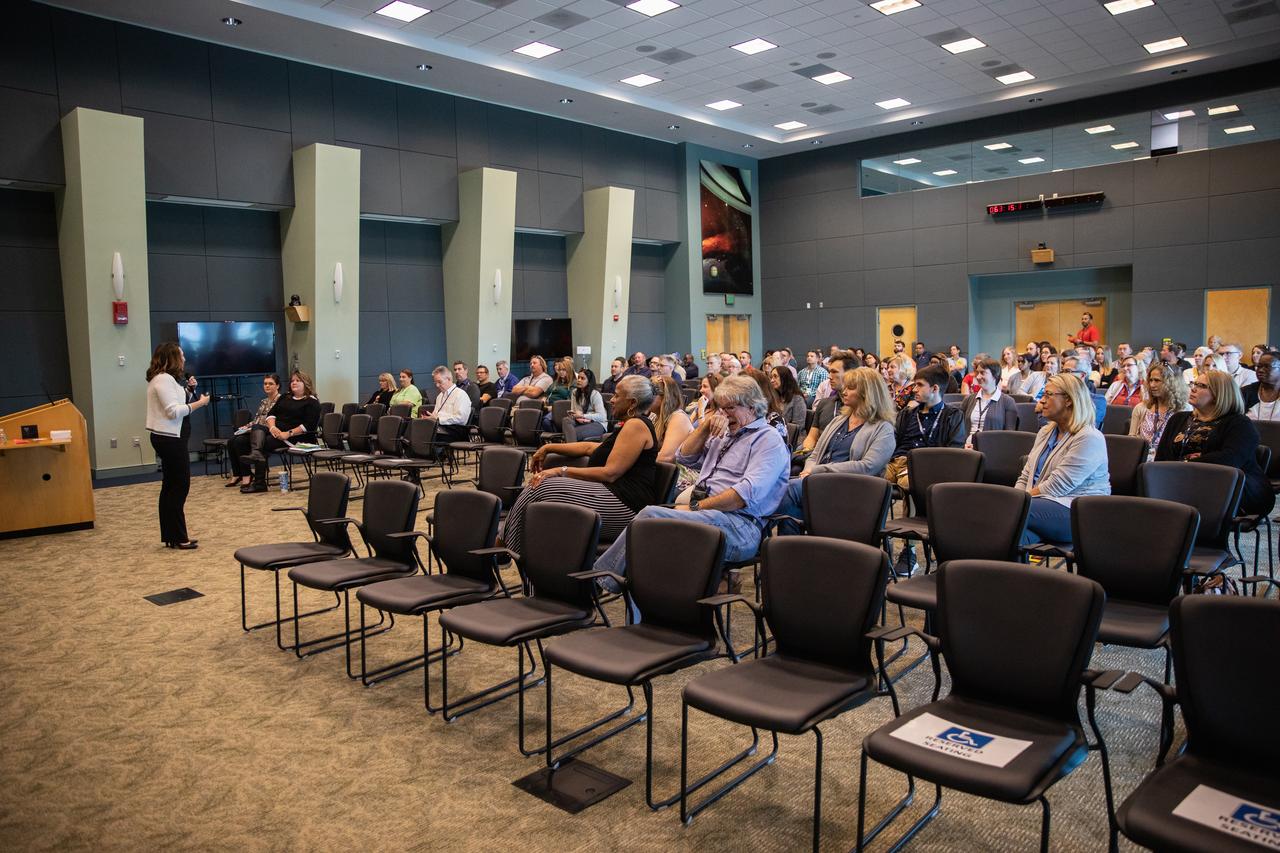
Eliz Greene, one of the guest speakers during Kennedy Space Center’s annual Safety and Health Days, addresses Kennedy employees inside the Florida spaceport’s Operations Support Building II on March 3, 2020. Taking place March 2 through March 6, Safety and Health Days provides Kennedy employees with a variety of presentations to attend – all of which focus on how to maintain a safe and healthy workforce. Greene’s presentation included information on reducing stress and improving focus.

Eliz Greene, one of the guest speakers during Kennedy Space Center’s annual Safety and Health Days, addresses Kennedy employees inside the Florida spaceport’s Operations Support Building II on March 3, 2020. Taking place March 2 through March 6, Safety and Health Days provides Kennedy employees with a variety of presentations to attend – all of which focus on how to maintain a safe and healthy workforce. Greene’s presentation included information on reducing stress and improving focus.
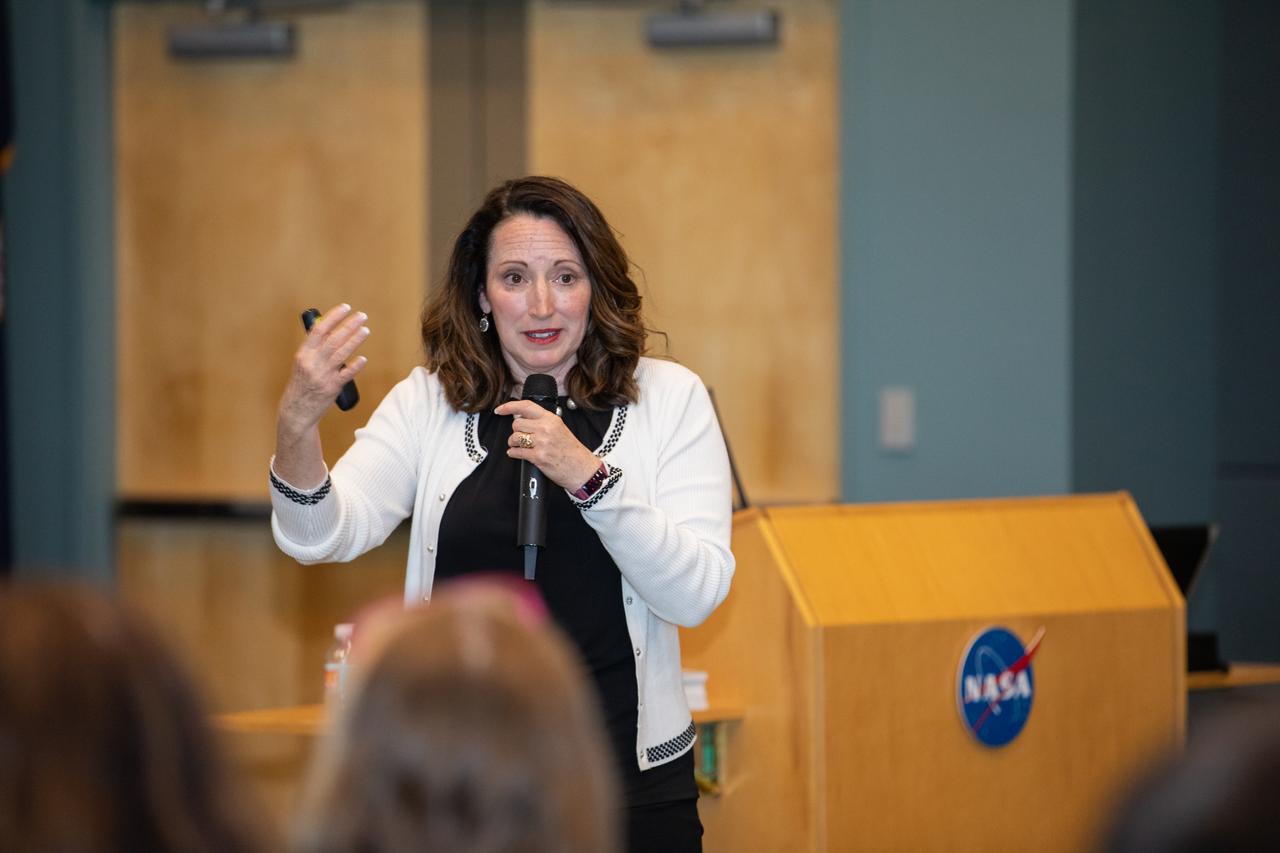
Eliz Greene, one of the guest speakers during Kennedy Space Center’s annual Safety and Health Days, addresses Kennedy employees inside the Florida spaceport’s Operations Support Building II on March 3, 2020. Taking place March 2 through March 6, Safety and Health Days provides Kennedy employees with a variety of presentations to attend – all of which focus on how to maintain a safe and healthy workforce. Greene’s presentation included information on reducing stress and improving focus.
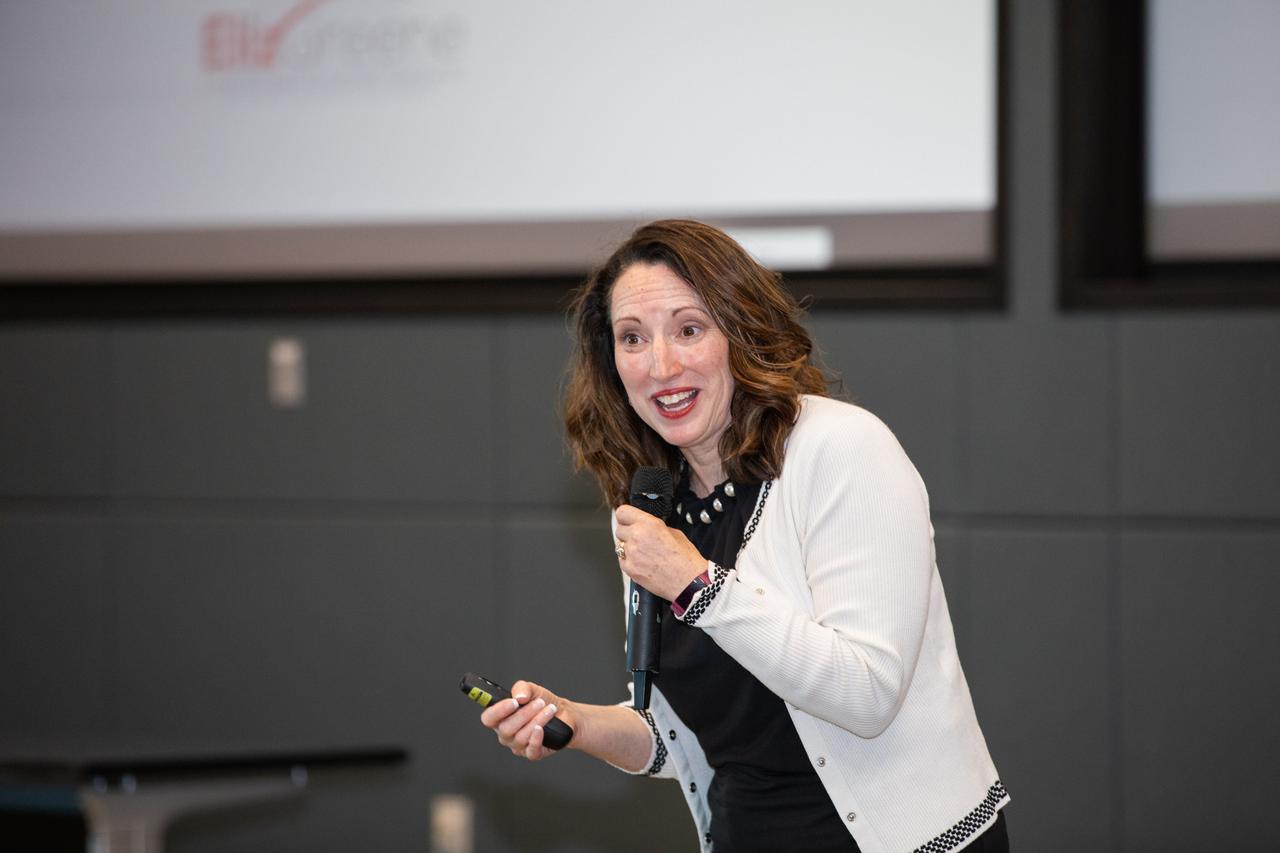
Eliz Greene, one of the guest speakers during Kennedy Space Center’s annual Safety and Health Days, presents information on reducing stress and improving focus inside the Florida spaceport’s Operations Support Building II on March 3, 2020. Taking place March 2 through March 6, Safety and Health Days provides Kennedy employees with a variety of presentations to attend – all of which focus on how to maintain a safe and healthy workforce.
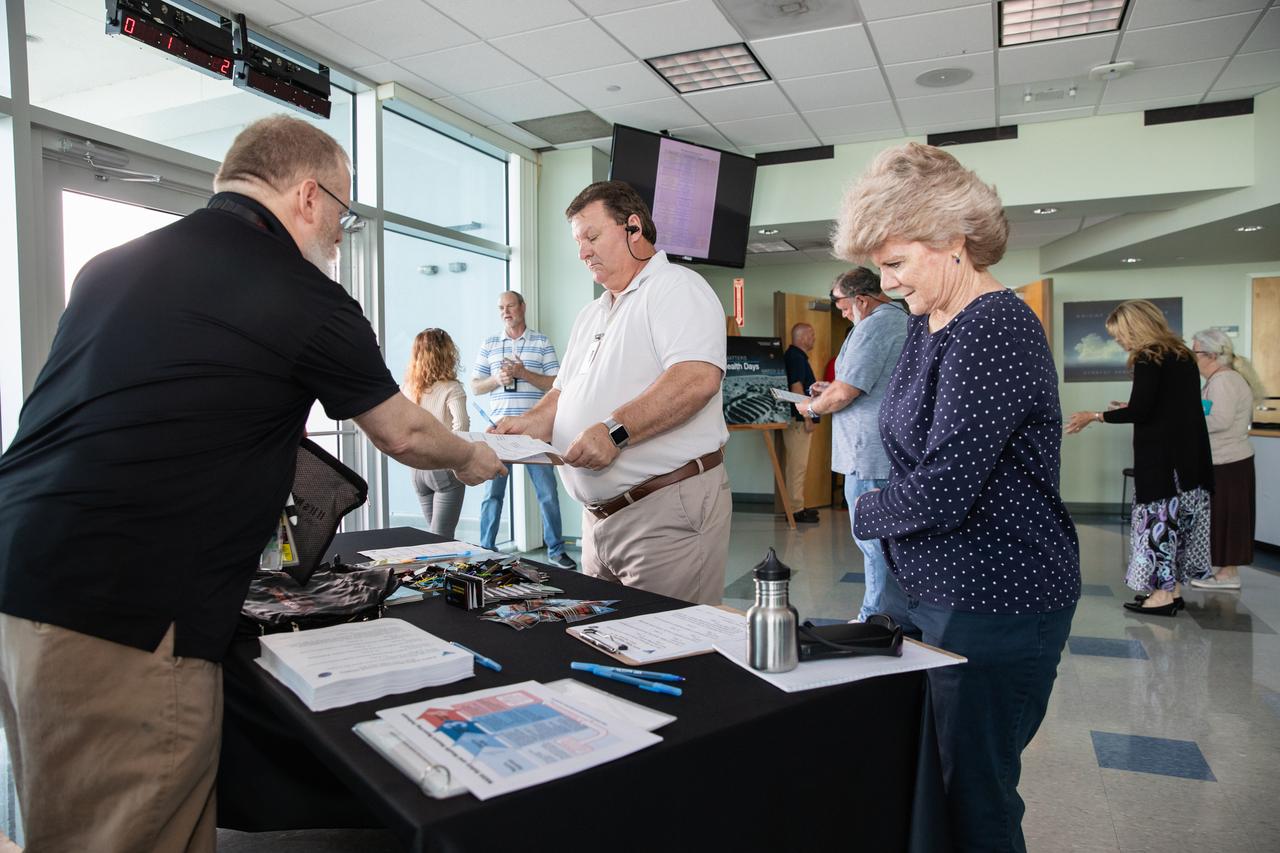
NASA Kennedy Space Center employees learn more about safety from informational tables set up inside the Florida spaceport’s Operations Support Building II on March 3, 2020, during the center’s annual Safety and Health Days. Taking place March 2 through March 6, Safety and Health Days provides Kennedy employees with a variety of presentations to attend – all of which focus on how to maintain a safe and healthy workforce.
Kennedy Space Center employees attend a presentation on reducing stress and improving focus inside the Florida spaceport’s Operations Support Building II on March 3, 2020. The presentation, led by guest speaker Eliz Greene, was offered during the center’s annual Safety and Health Days, which took place March 2 through March 6. Throughout the week, Kennedy employees had the opportunity to attend a variety of presentations – all of which focused on how to maintain a safe and healthy workforce.
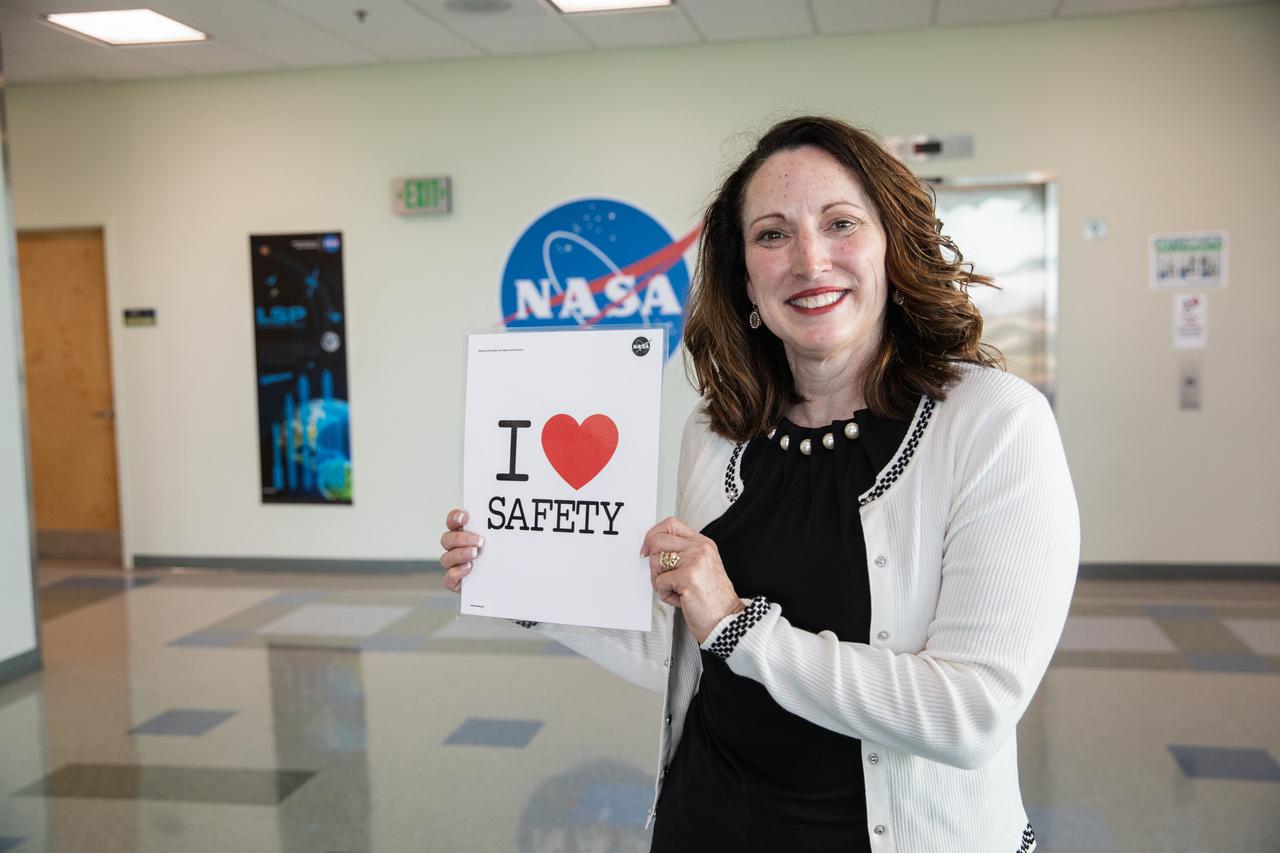
Eliz Greene, one of the guest speakers during NASA Kennedy Space Center’s annual Safety and Health Days, poses with the Safety and Mission Assurance “I Love Safety” poster inside the Operations Support Building II on March 3, 2020, prior to her presentation. Taking place March 2 through March 6, Safety and Health Days provides Kennedy employees with a variety of presentations to attend – all of which focus on how to maintain a safe and healthy workforce. Greene’s presentation included information on reducing stress and improving focus.
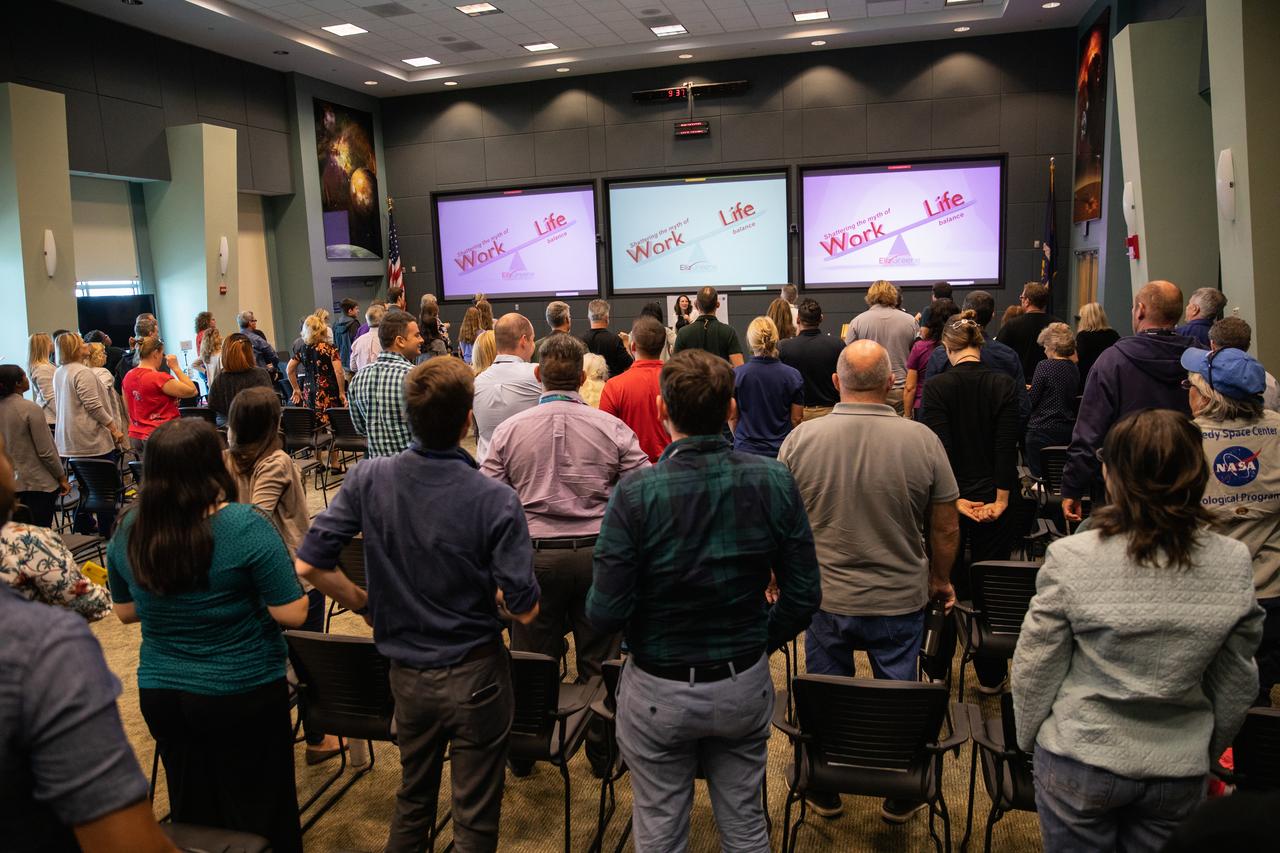
Kennedy Space Center employees attend a presentation on reducing stress and improving focus inside the Florida spaceport’s Operations Support Building II on March 3, 2020. The presentation, led by guest speaker Eliz Greene, was offered during the center’s annual Safety and Health Days, which took place March 2 through March 6. Throughout the week, Kennedy employees had the opportunity to attend a variety of presentations – all of which focused on how to maintain a safe and healthy workforce.
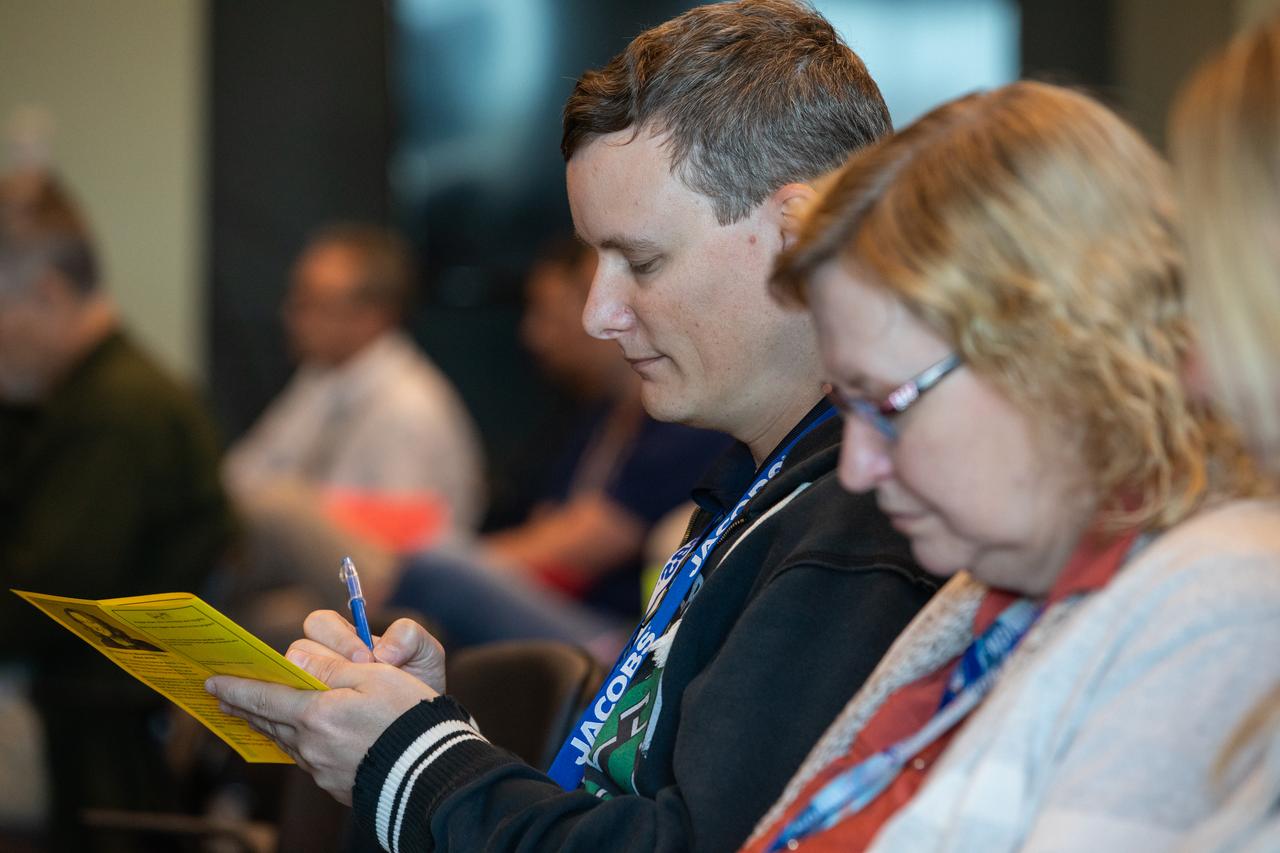
Kennedy Space Center employees attend a presentation on reducing stress and improving focus inside the Florida spaceport’s Operations Support Building II on March 3, 2020. The presentation, led by guest speaker Eliz Greene, was offered during the center’s annual Safety and Health Days, which took place March 2 through March 6. Throughout the week, Kennedy employees had the opportunity to attend a variety of presentations – all of which focused on how to maintain a safe and healthy workforce.
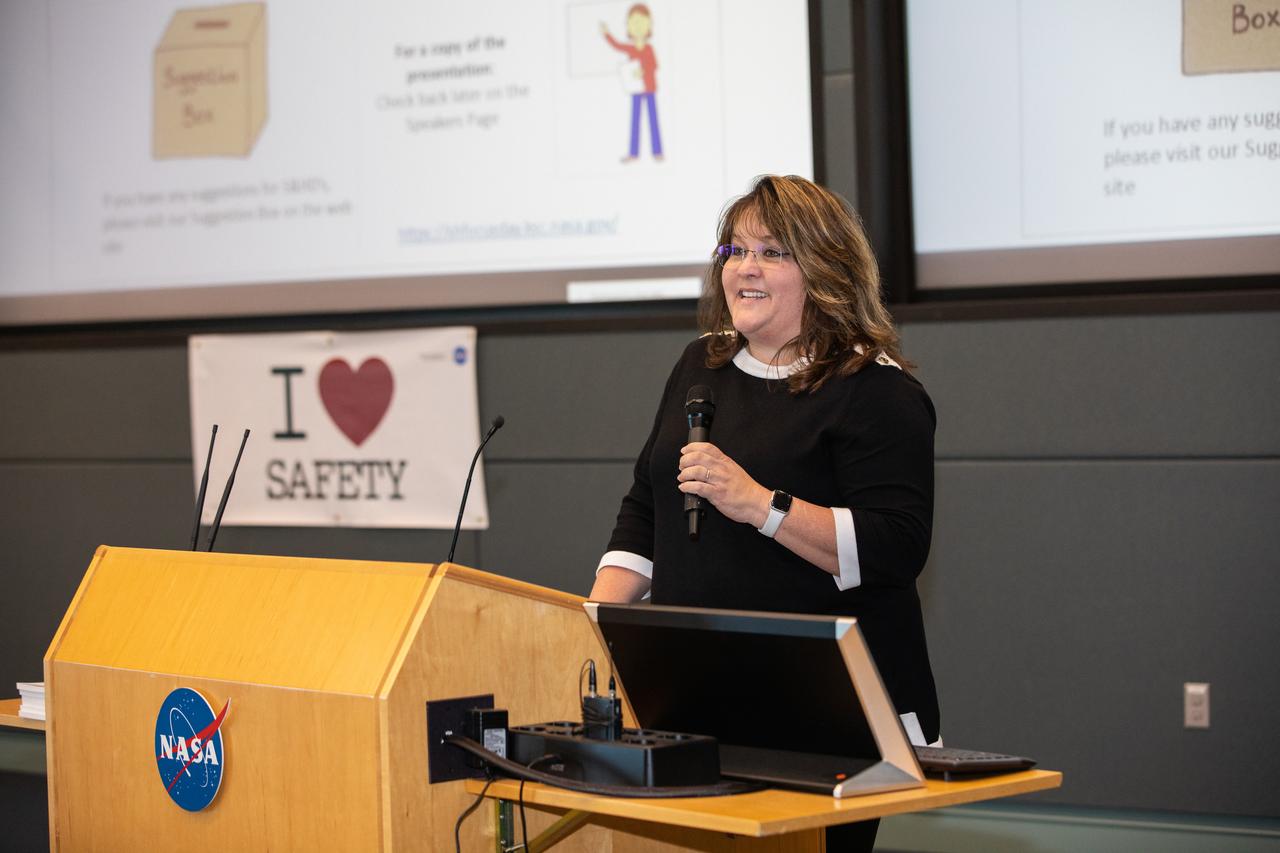
Becky Murray, associate director of Engineering at NASA’s Kennedy Space Center in Florida, addresses Kennedy employees inside the Operations Support Building II on March 3, 2020, during the center’s annual Safety and Health Days. Taking place March 2 through March 6, Safety and Health Days provides Kennedy employees with a variety of presentations to attend – all of which focus on how to maintain a safe and healthy workforce.
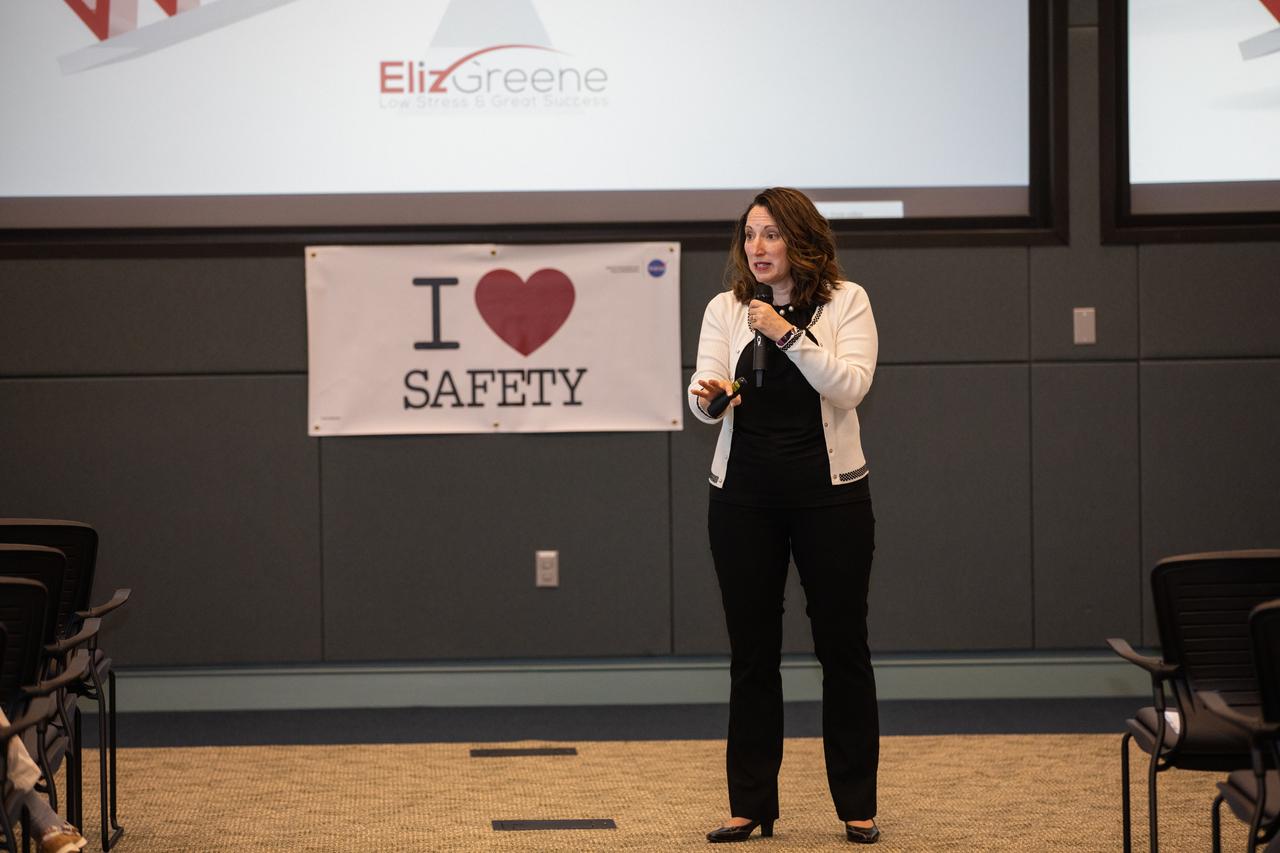
Eliz Greene, one of the guest speakers during Kennedy Space Center’s annual Safety and Health Days, presents information on reducing stress and improving focus inside the Florida spaceport’s Operations Support Building II on March 3, 2020. Taking place March 2 through March 6, Safety and Health Days provides Kennedy employees with a variety of presentations to attend – all of which focus on how to maintain a safe and healthy workforce.
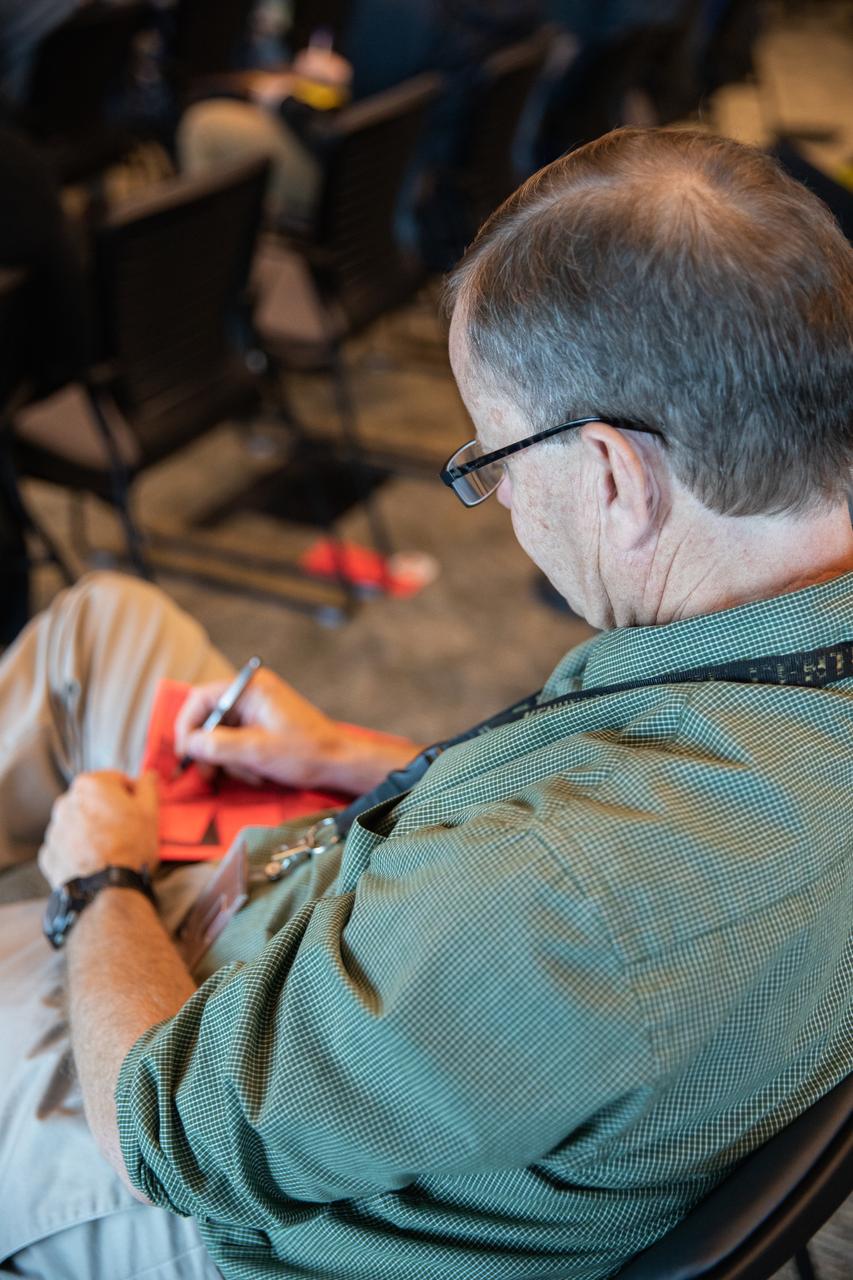
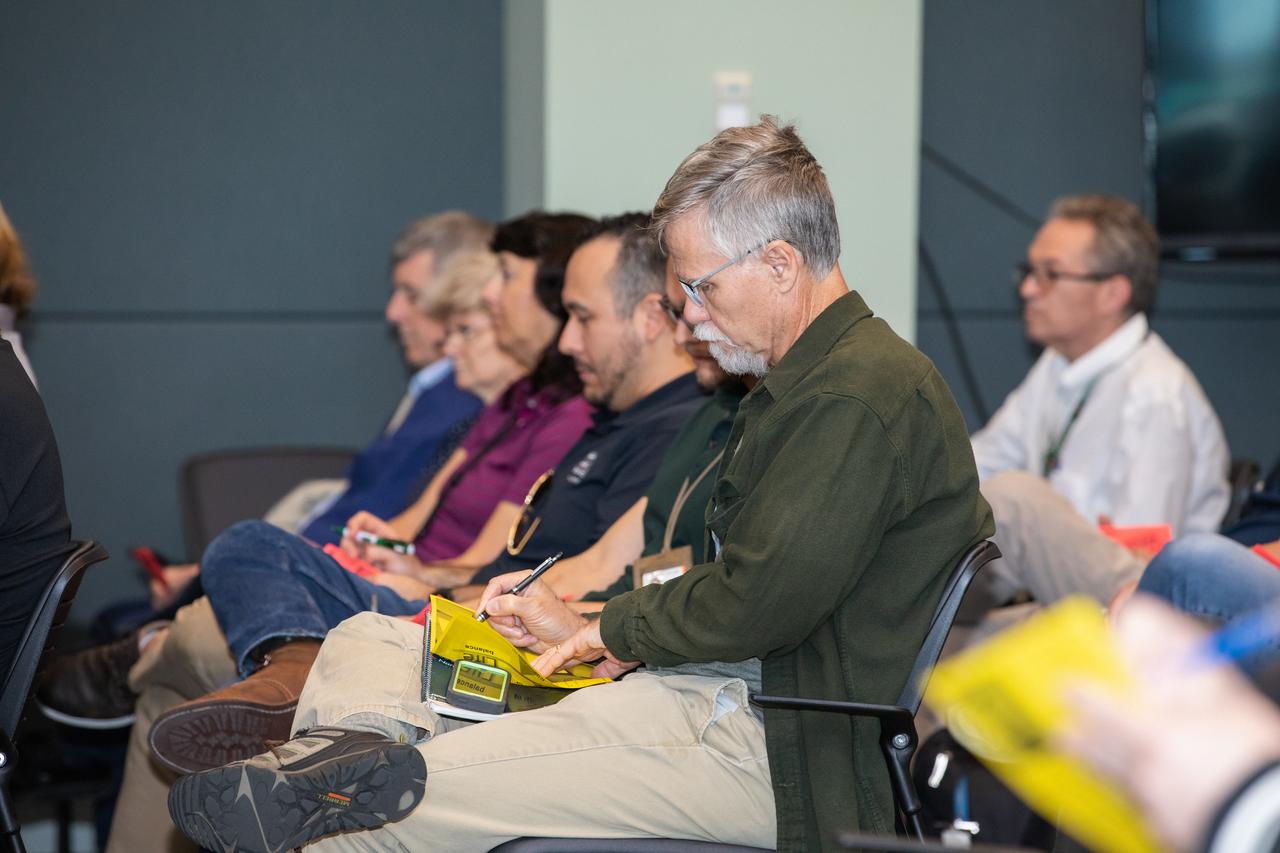
A Kennedy Space Center employee attends a presentation on reducing stress and improving focus inside the Operations Support Building II on March 3, 2020, during the Florida spaceport’s annual Safety and Health Days. Taking place March 2 through March 6, Safety and Health Days provides Kennedy employees with a variety of presentations to attend – all of which focus on how to maintain a safe and healthy workforce.
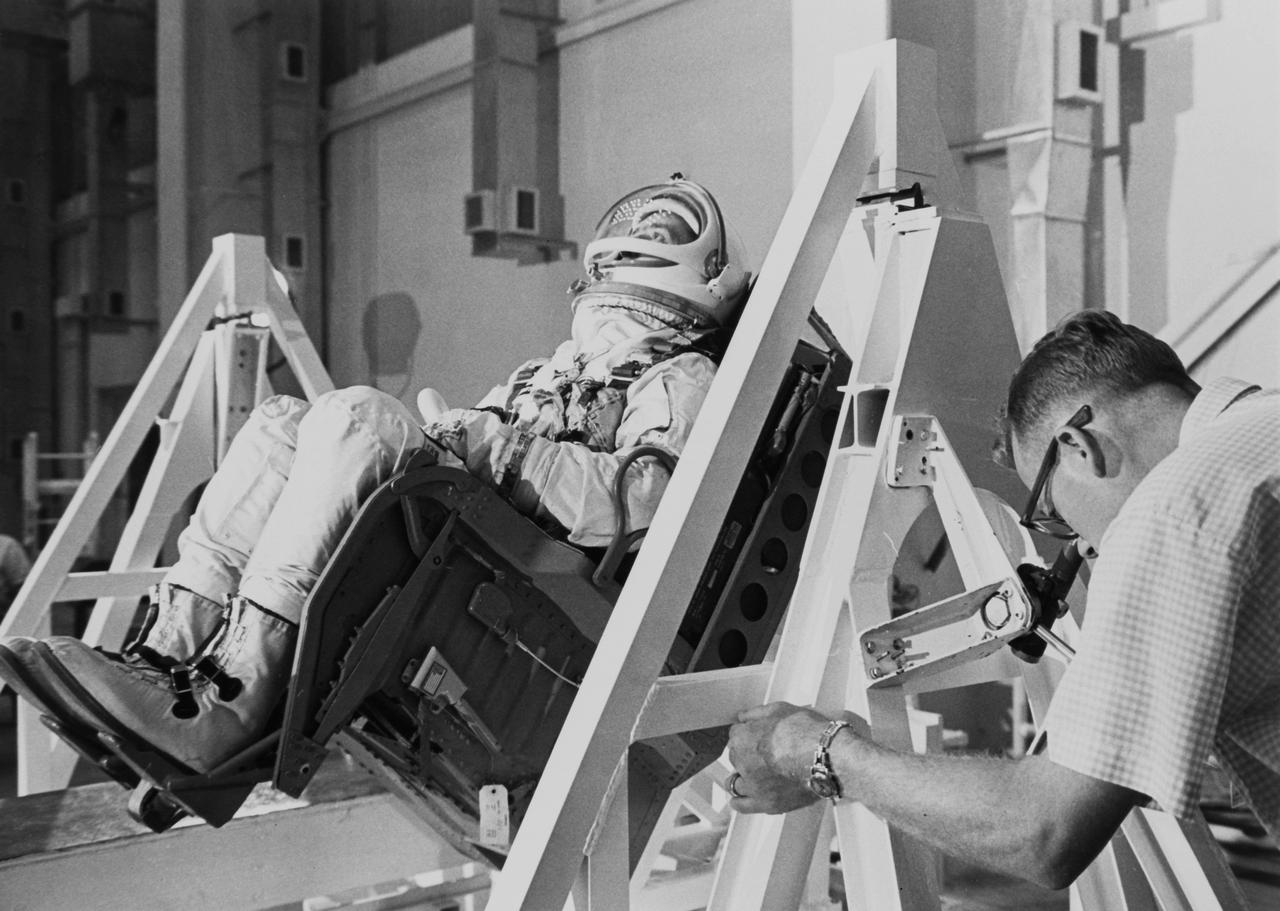
S65-19585 (21 May 1965) --- Astronaut James A. McDivitt, command pilot for the Gemini-Titan 4 prime crew, participates in a weight and balance test during a wet mock simulation exercise at Cape Kennedy, Florida. The two-man Gemini-4 mission, scheduled no earlier than June 3, 1965, will orbit Earth 62 times in four days. Astronaut Edward H. White II (out of frame) is the GT-4 prime crew pilot.

This mosaic of images from the Mast Camera Mastcam on NASA Mars rover Curiosity shows Mount Sharp in a white-balanced color adjustment that makes the sky look overly blue but shows the terrain as if under Earth-like lighting.
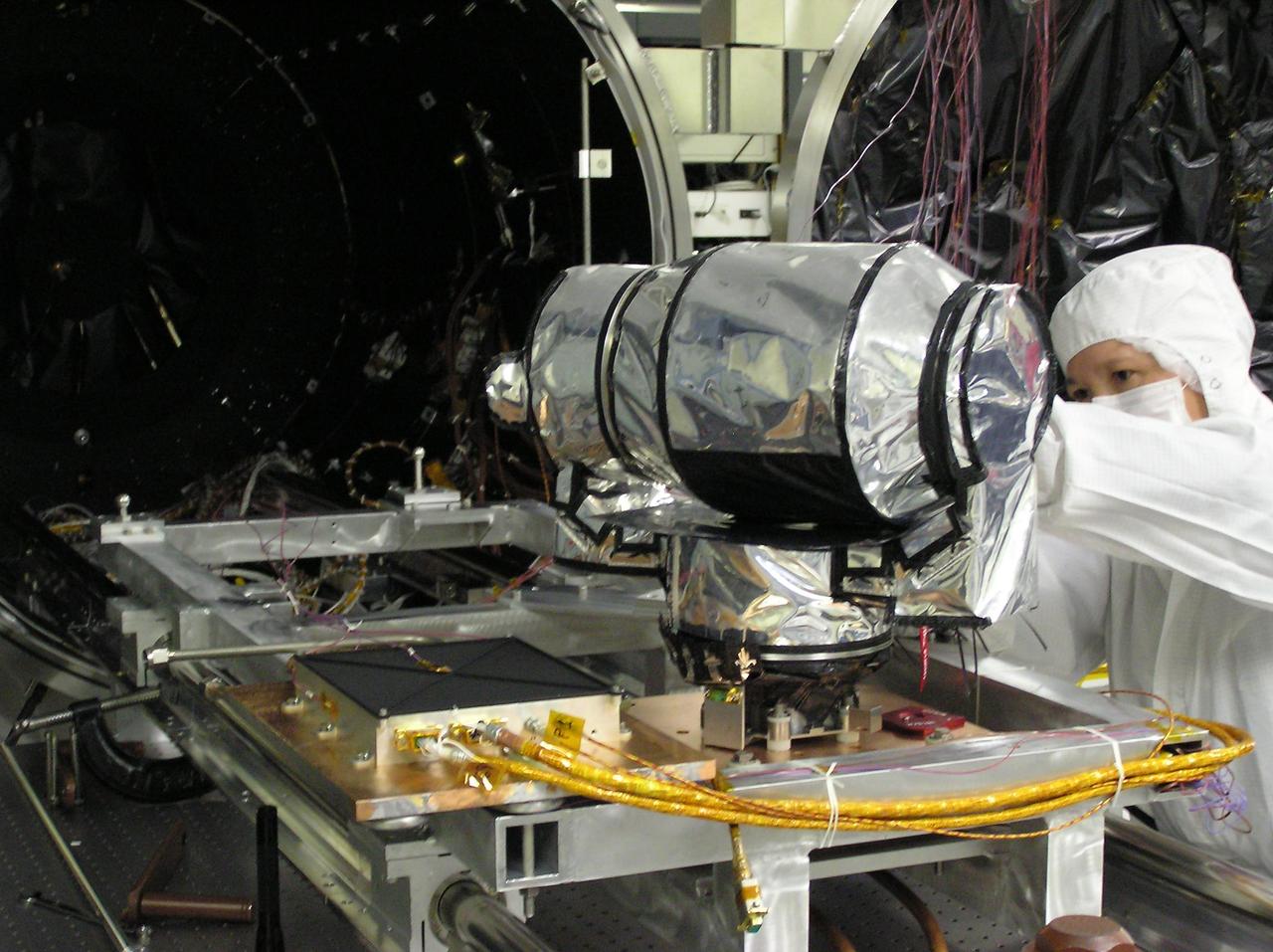
This image shows final preparations being made for thermal balance testing of the Diviner Lunar Radiometer Experiment at JPL. Diviner is one of seven instruments aboard NASA LRO Mission.
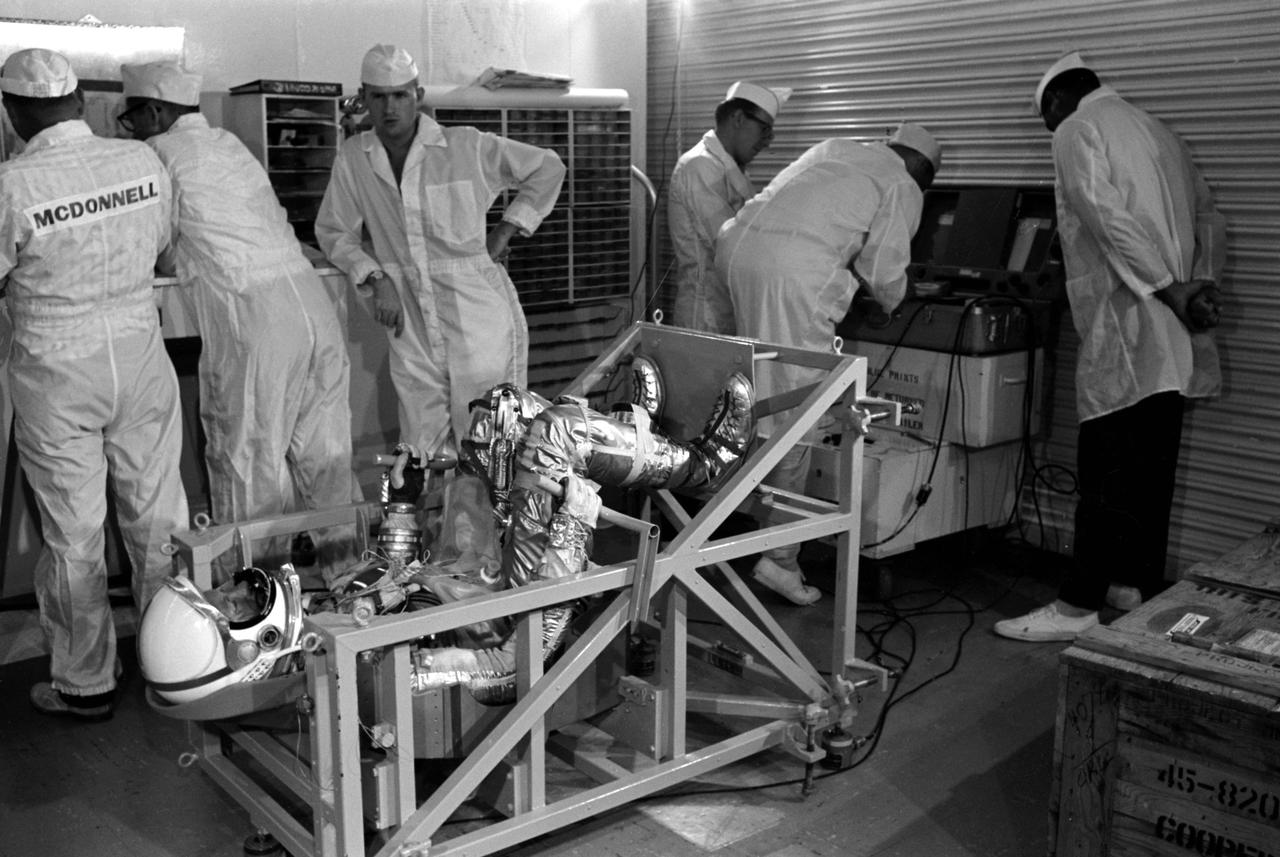
S62-05118 (1962) --- Astronaut L. Gordon Cooper Jr. on weight and balance scale in the White Room, Hangar S at Cape Canaveral. Photo credit: NASA
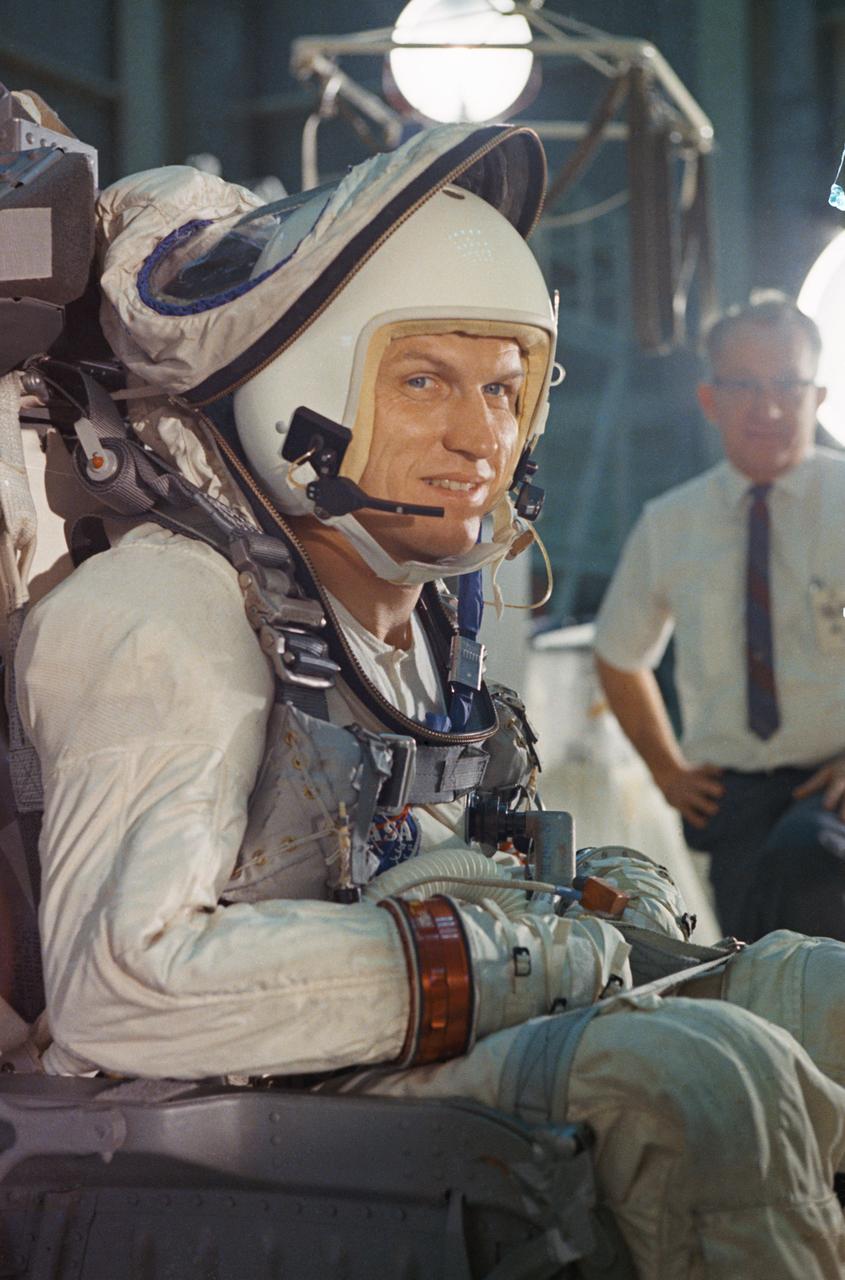
S65-56208 (25 Oct. 1965) --- Astronaut Frank Borman, command pilot for the Gemini-7 prime crew, is pictured during weight and balance tests conducted in the Pyrotechnic Installation Building, Merritt Island, Kennedy Space Center. Photo credit: NASA
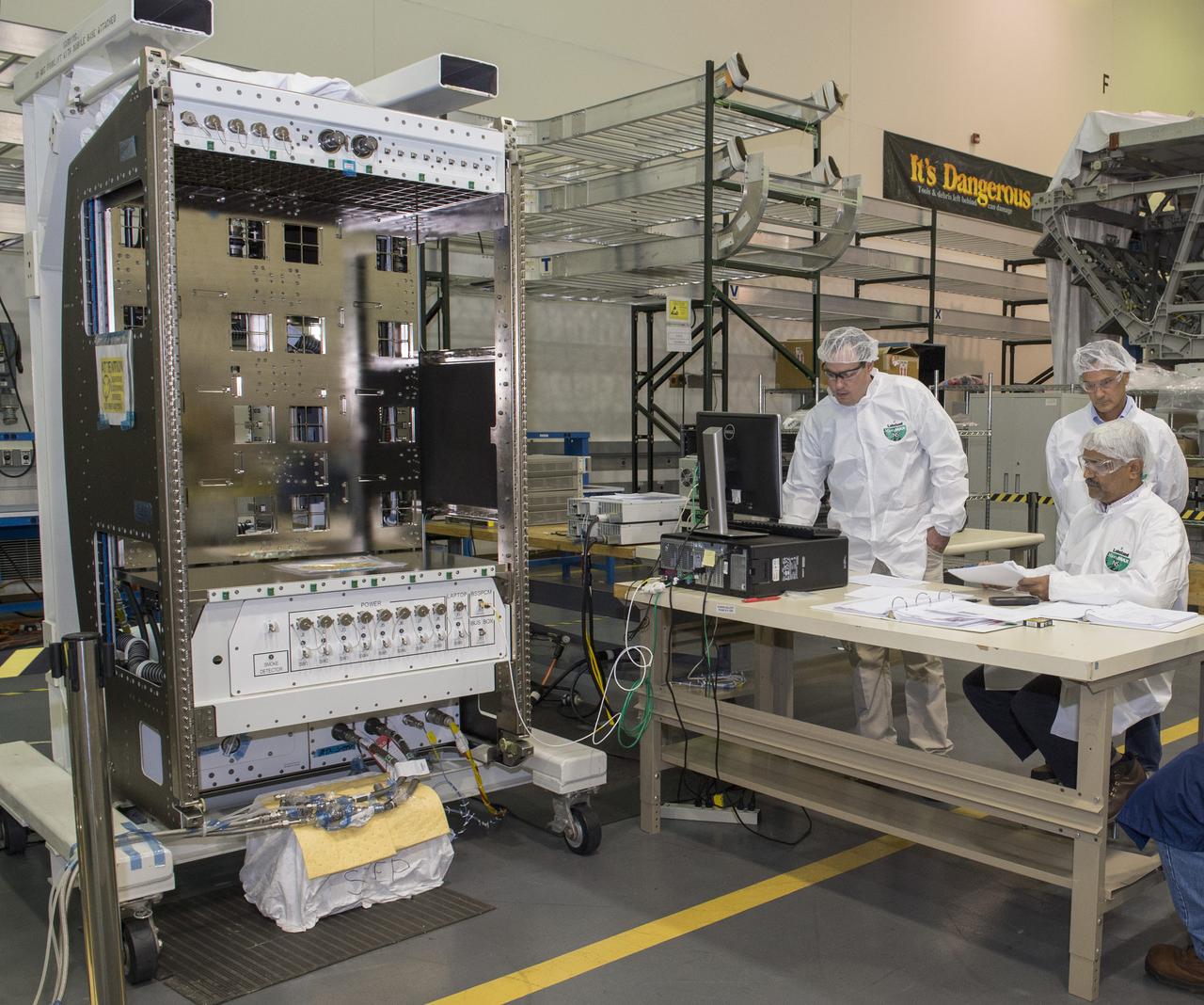
Boeing engineers, Chris Chapman, left, Greg Clark, center, and Ashesh Patel, right, perform air flow balance testing on NASA's new Basic Express Racks. The racks, developed at Marshall, will expand the capabilities for science research aboard the International Space Station. Delivery to the station is scheduled for late 2018.
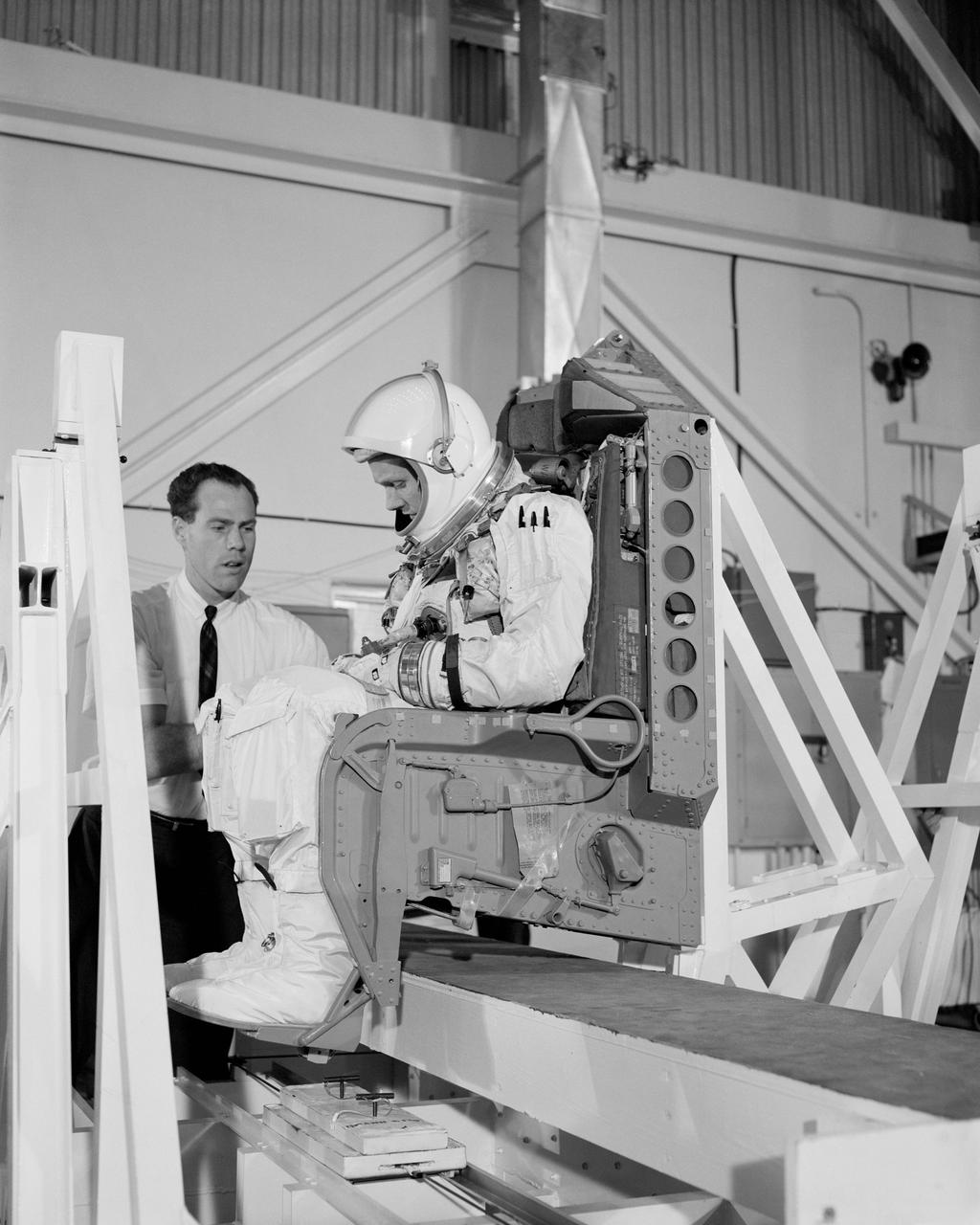
S66-22933 (18 Feb. 1966) --- Astronaut Neil A. Armstrong undergoes weight and balance tests in the Pyrotechnic Installation Building, Merritt Island, Kennedy Space Center, Florida. Photo credit: NASA
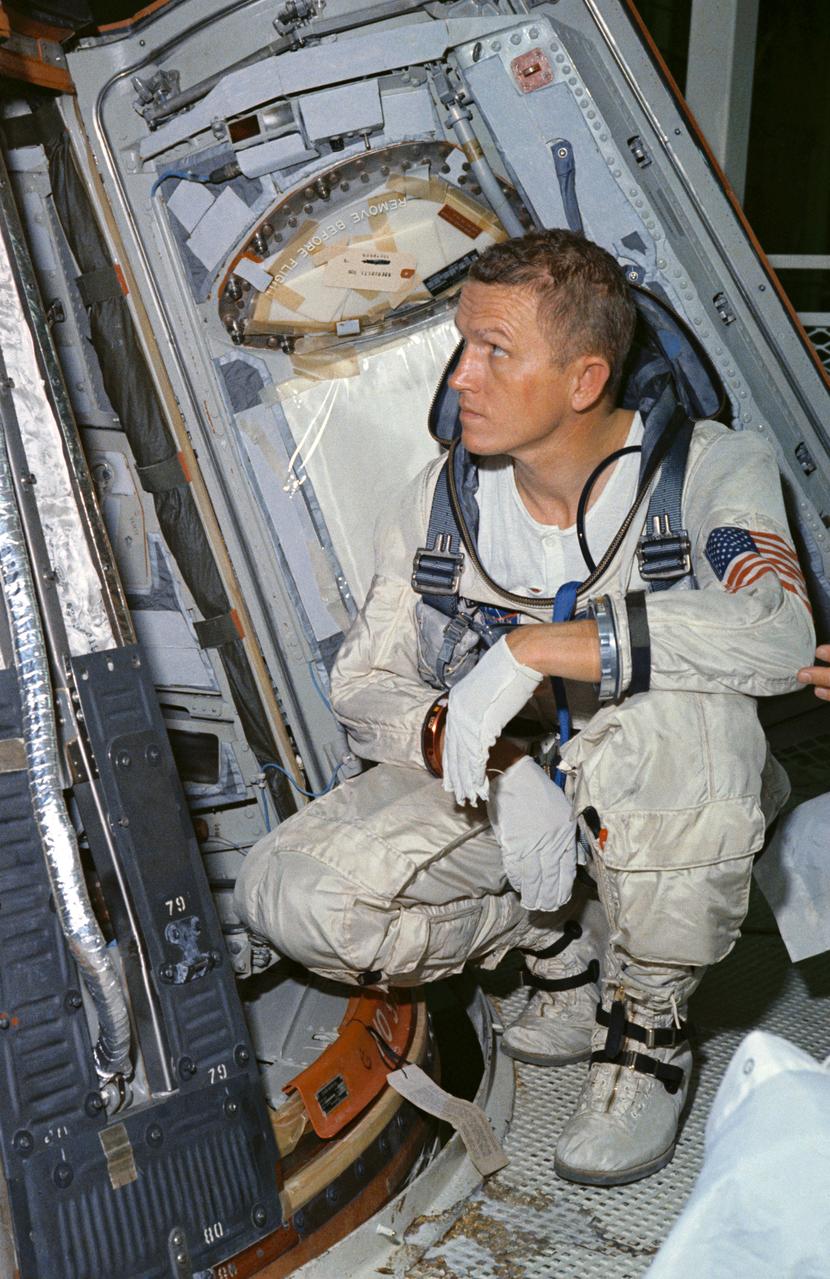
S65-56205 (25 Oct. 1965) --- Astronaut Frank Borman, command pilot for the Gemini-7 spaceflight, looks over the Gemini-7 spacecraft during weight and balance tests. The tests are conducted in the Pyrotechnic Installation Building, Merritt Island, Kennedy Space Center, as part of preflight preparation. Photo credit: NASA
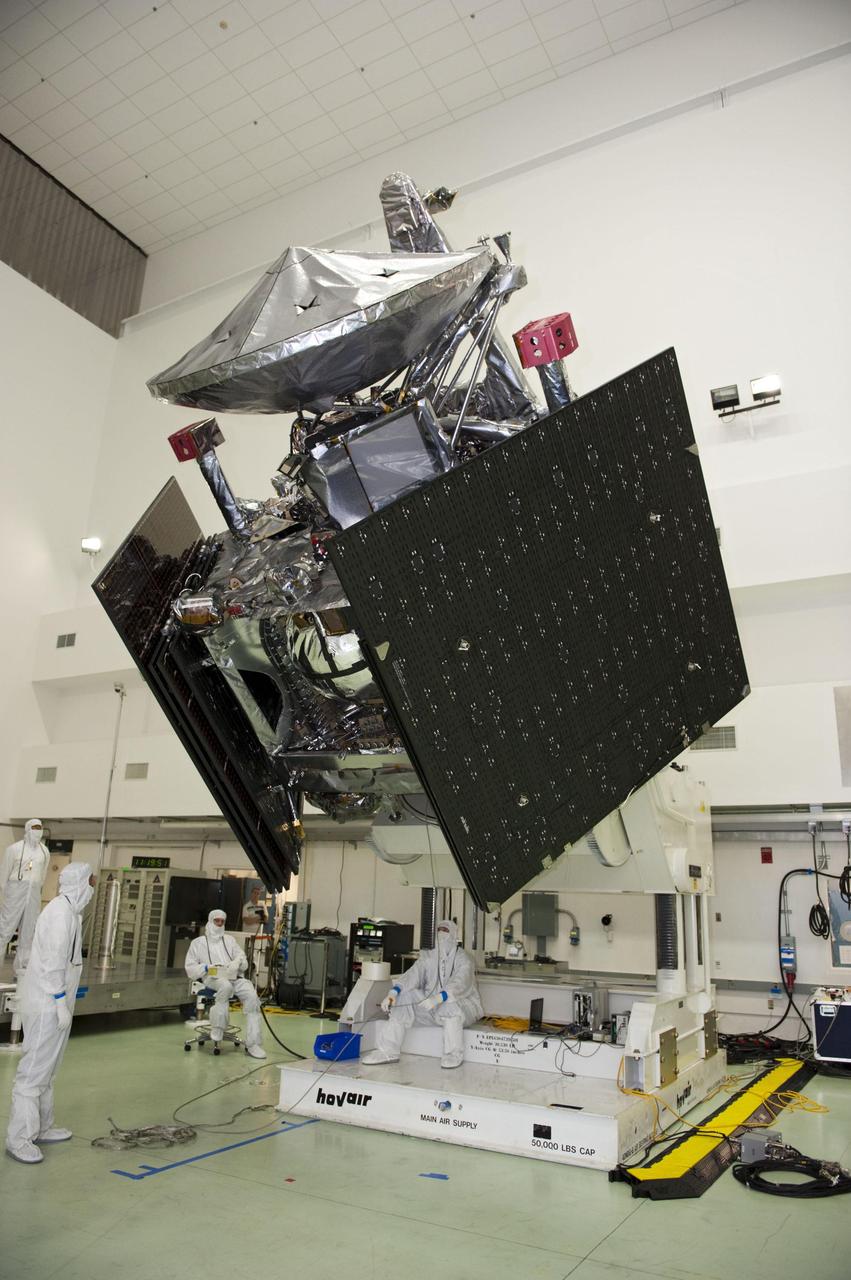
NASA Juno spacecraft undergoes weight and balance testing at Astrotech payload processing facility, Titusville, Fla. June 16, 2011.
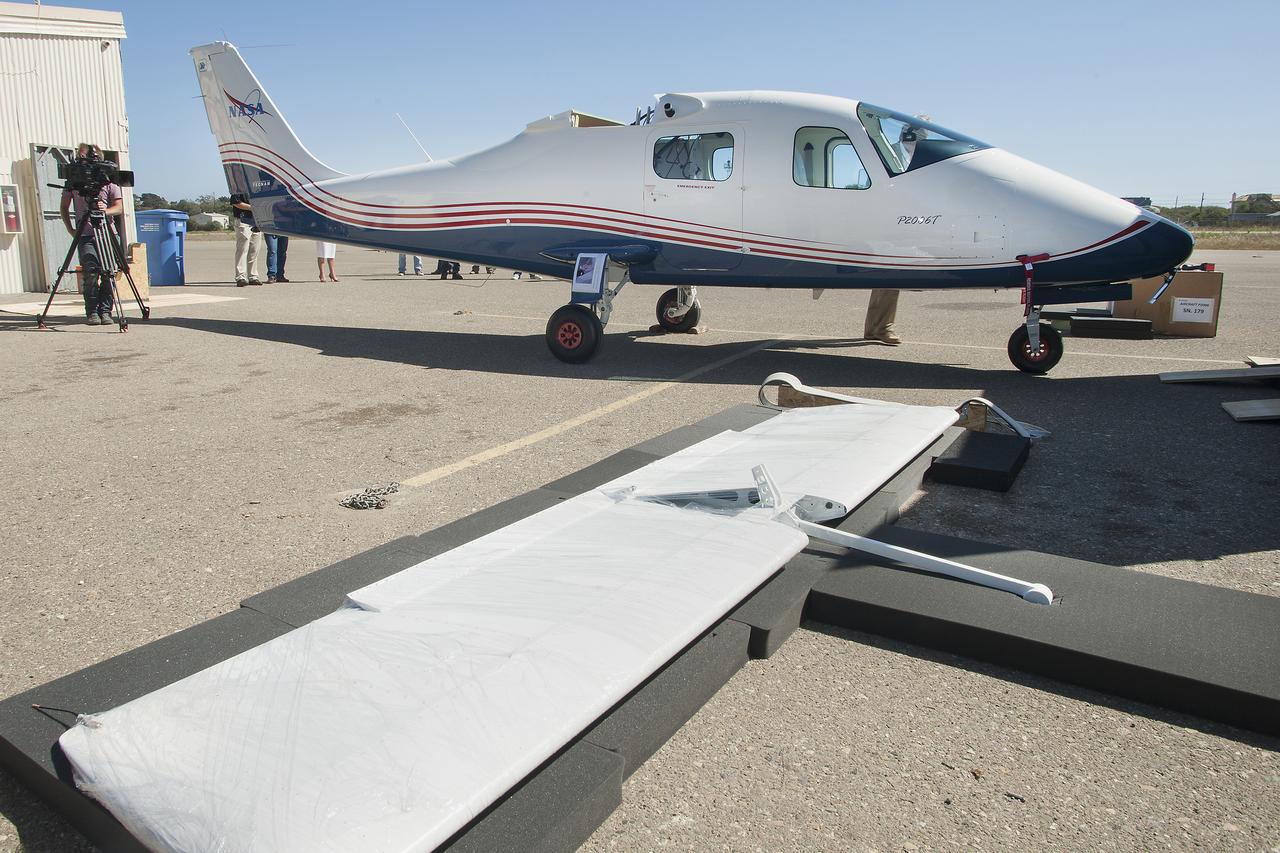
Preparations are underway to inspect, weigh and balance the Tecnam fuselage before it heads to Mojave, California, for wing integration.
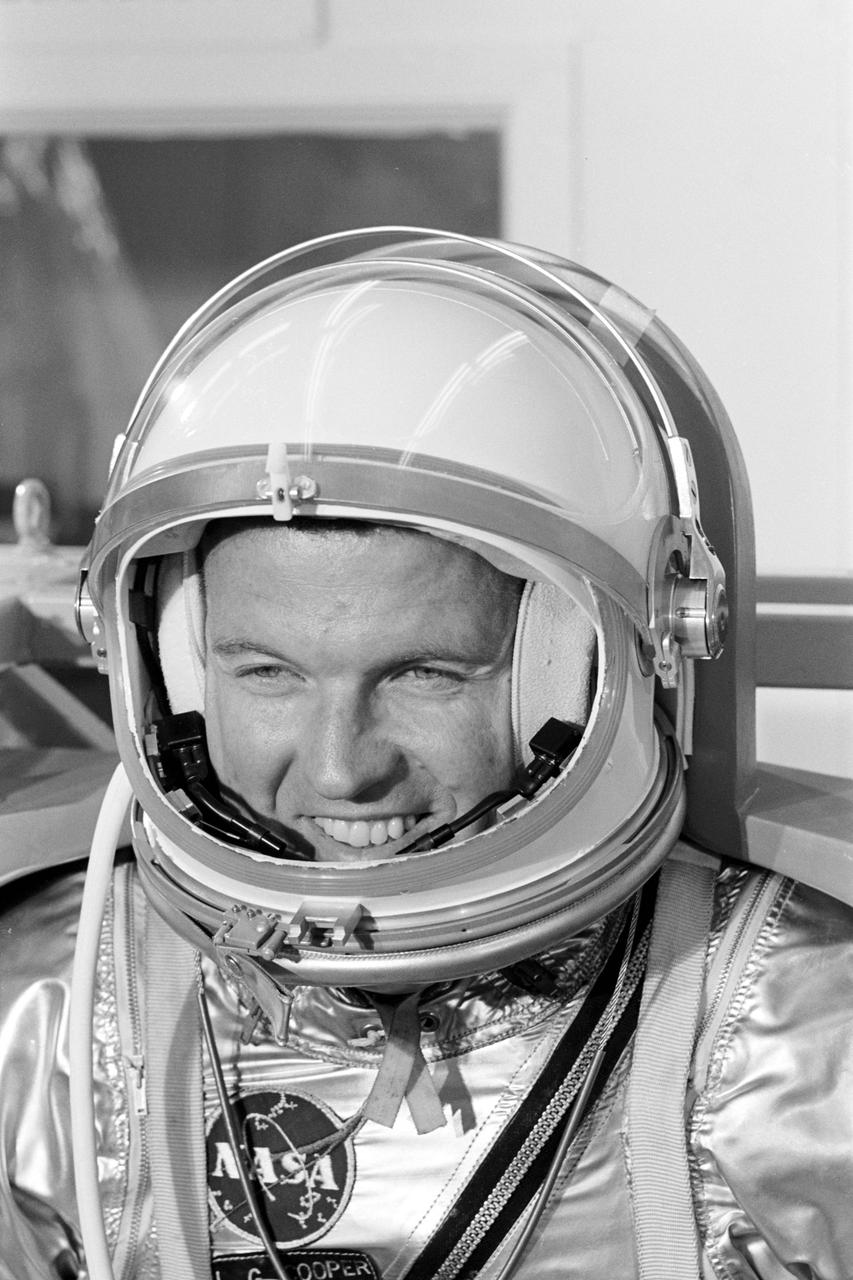
S63-03974 (1963) --- Astronaut L. Gordon Cooper Jr., prime pilot for the Mercury-Atlas 9 (MA-9) mission, relaxes while waiting for weight and balance tests to begin. Photo credit: NASA
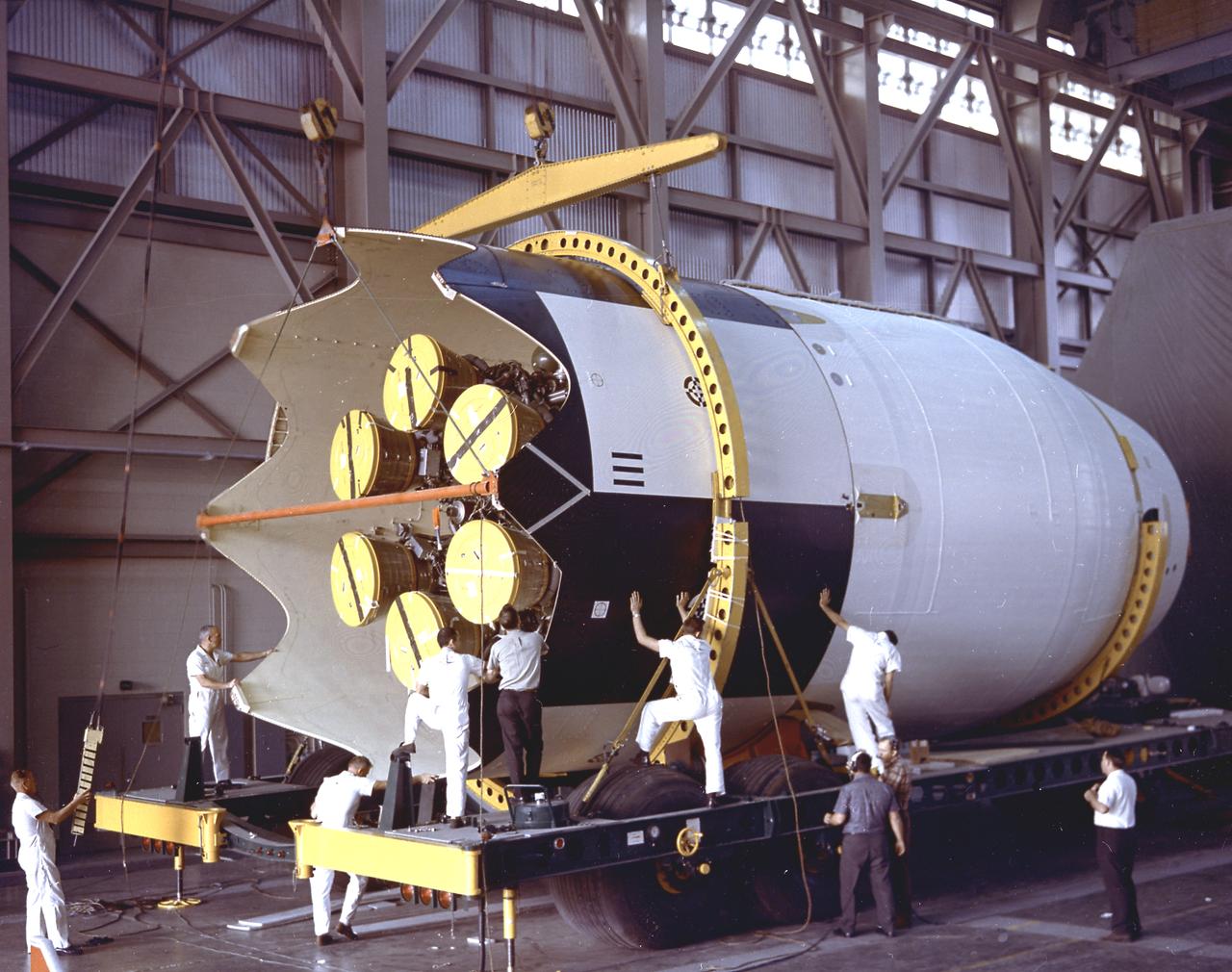
The Saturn I S-IV stage (second stage) assembly for the SA-9 mission underwent the weight and balance test in the hangar building at Cape Canaveral. The S-IV stage had six RL-10 engines which used liquid hydrogen and liquid oxygen as its propellants arranged in a circle. Each RL-10 engine produced a thrust of 15,000 pounds, a total combined thrust of 90,000 pounds. The SA-9 mission was the first Saturn with operational payload Pegasus I, meteoroid detection satellite, and launched on February 16, 1965.

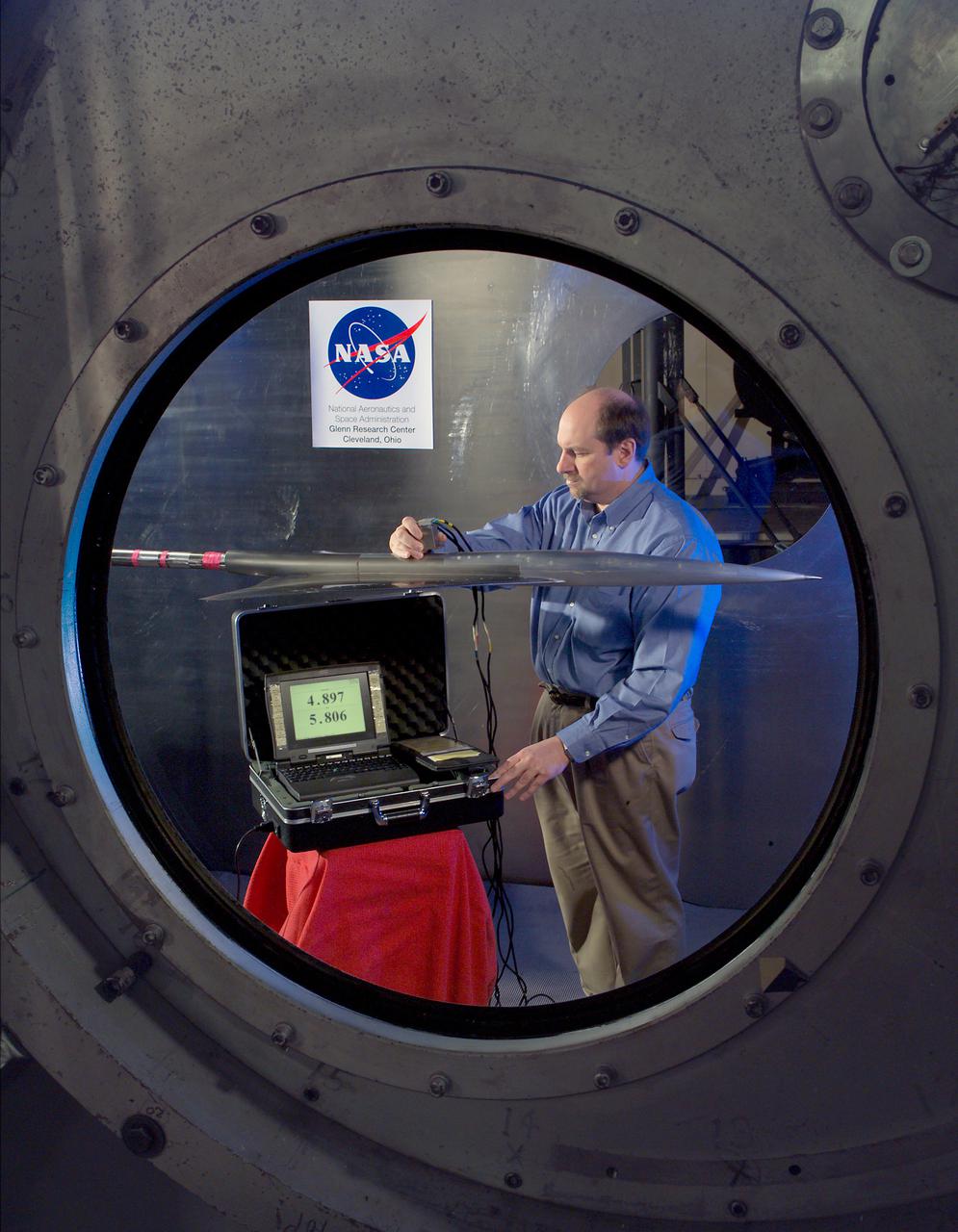
NASA GLENN/NASA LANGLEY LOADS COMPARISON TEST WITH 6 COMPONENT FORCE/MOMENT BALANCE AND 1.7% HIGH SPEED RESEARCH MODEL 5.
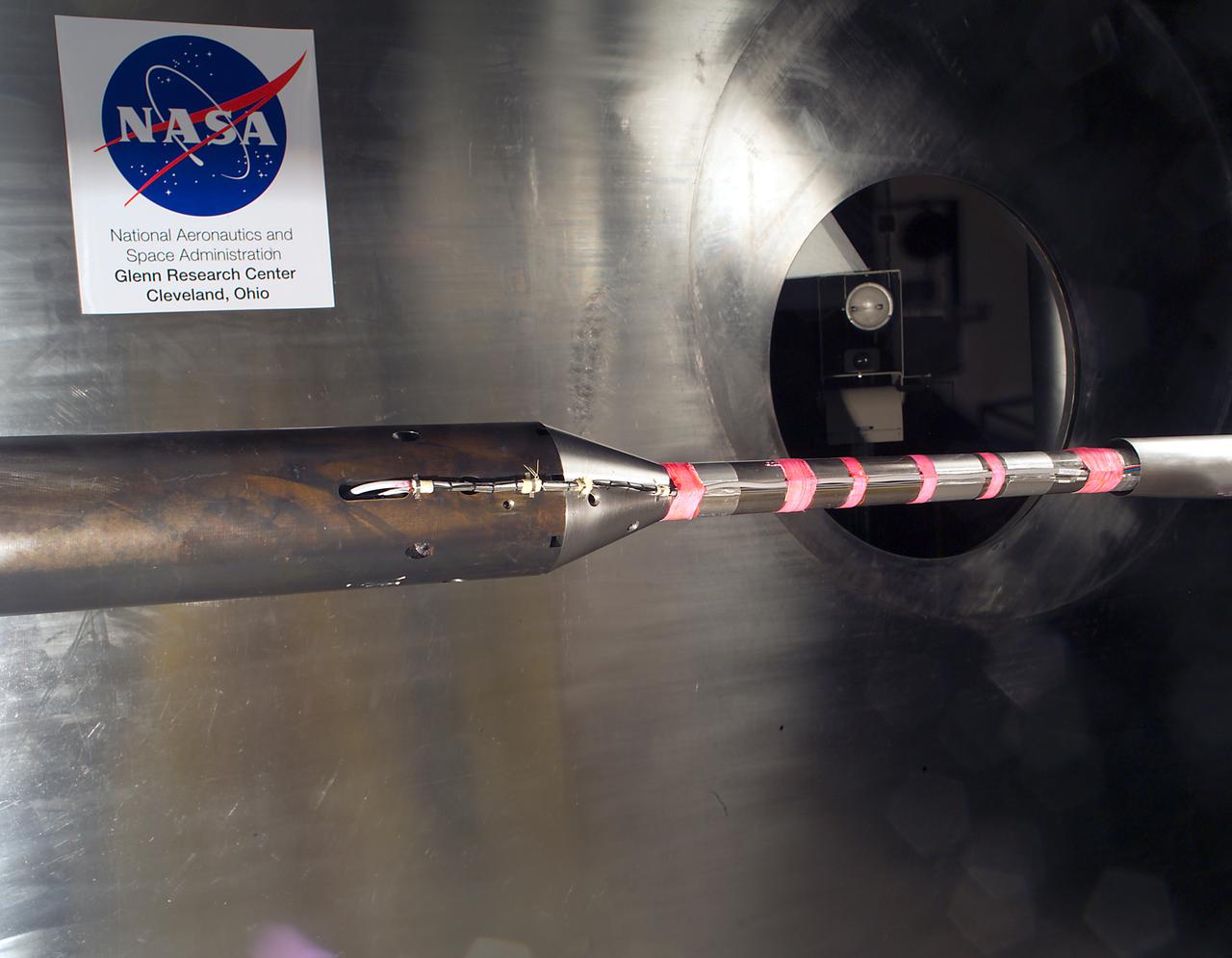
NASA GLENN/NASA LANGLEY LOADS COMPARISON TEST WITH 6 COMPONENT FORCE/MOMENT BALANCE AND 1.7% HIGH SPEED RESEARCH MODEL 5.
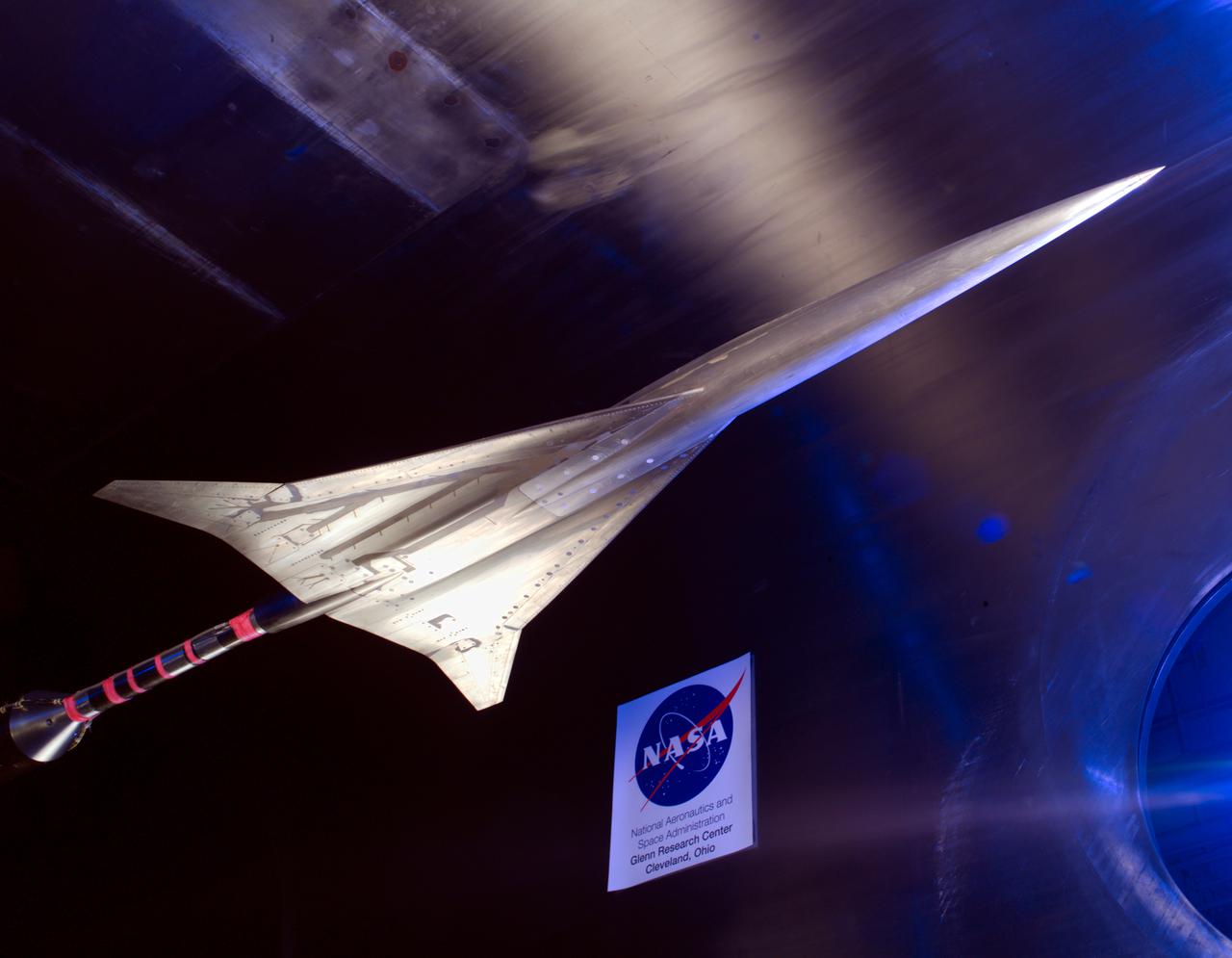
NASA GLENN/NASA LANGLEY LOADS COMPARISON TEST WITH 6 COMPONENT FORCE/MOMENT BALANCE AND 1.7% HIGH SPEED RESEARCH MODEL 5.
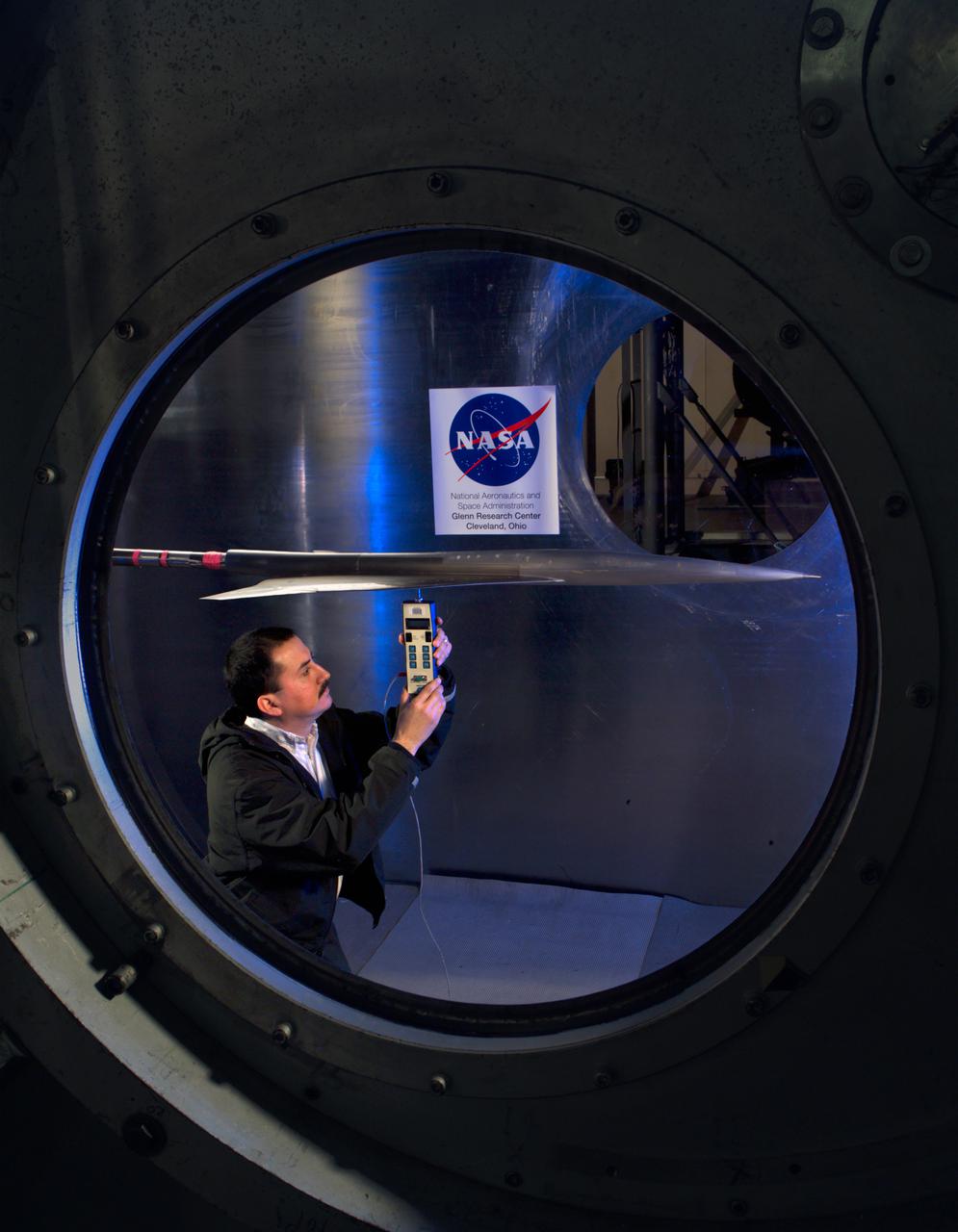
NASA GLENN/NASA LANGLEY LOADS COMPARISON TEST WITH 6 COMPONENT FORCE/MOMENT BALANCE AND 1.7% HIGH SPEED RESEARCH MODEL 5.
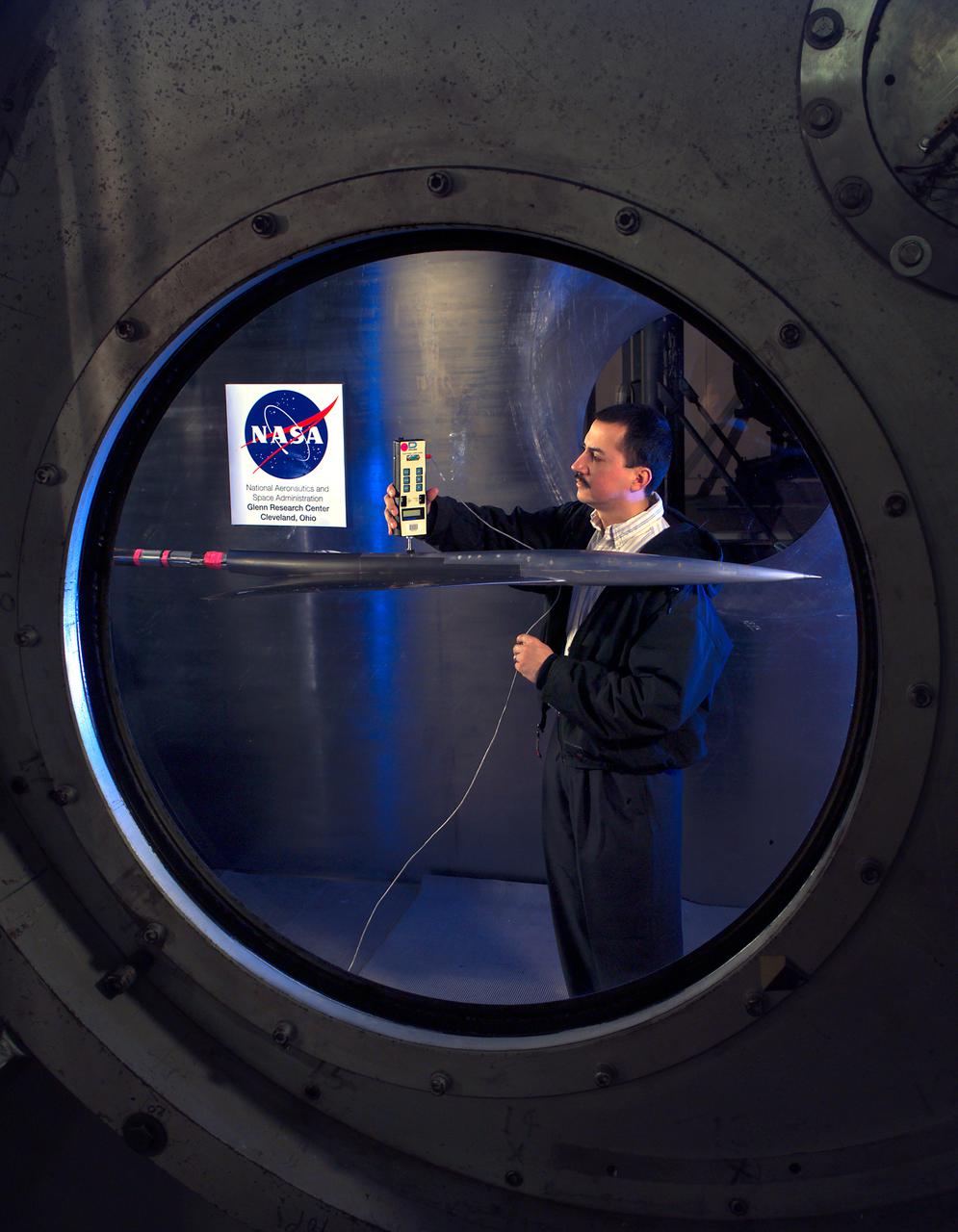
NASA GLENN/NASA LANGLEY LOADS COMPARISON TEST WITH 6 COMPONENT FORCE/MOMENT BALANCE AND 1.7% HIGH SPEED RESEARCH MODEL 5.
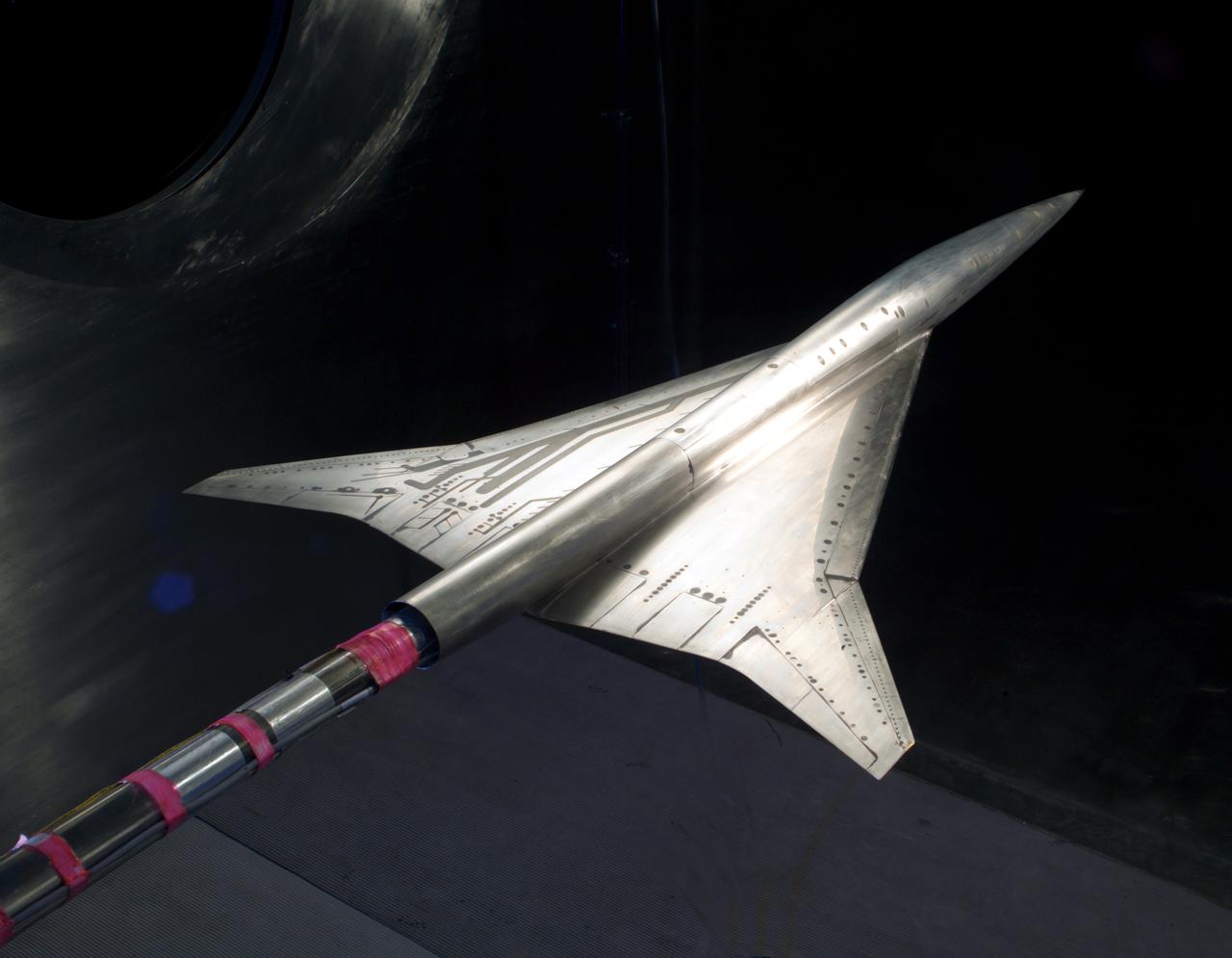
NASA GLENN/NASA LANGLEY LOADS COMPARISON TEST WITH 6 COMPONENT FORCE/MOMENT BALANCE AND 1.7% HIGH SPEED RESEARCH MODEL 5.
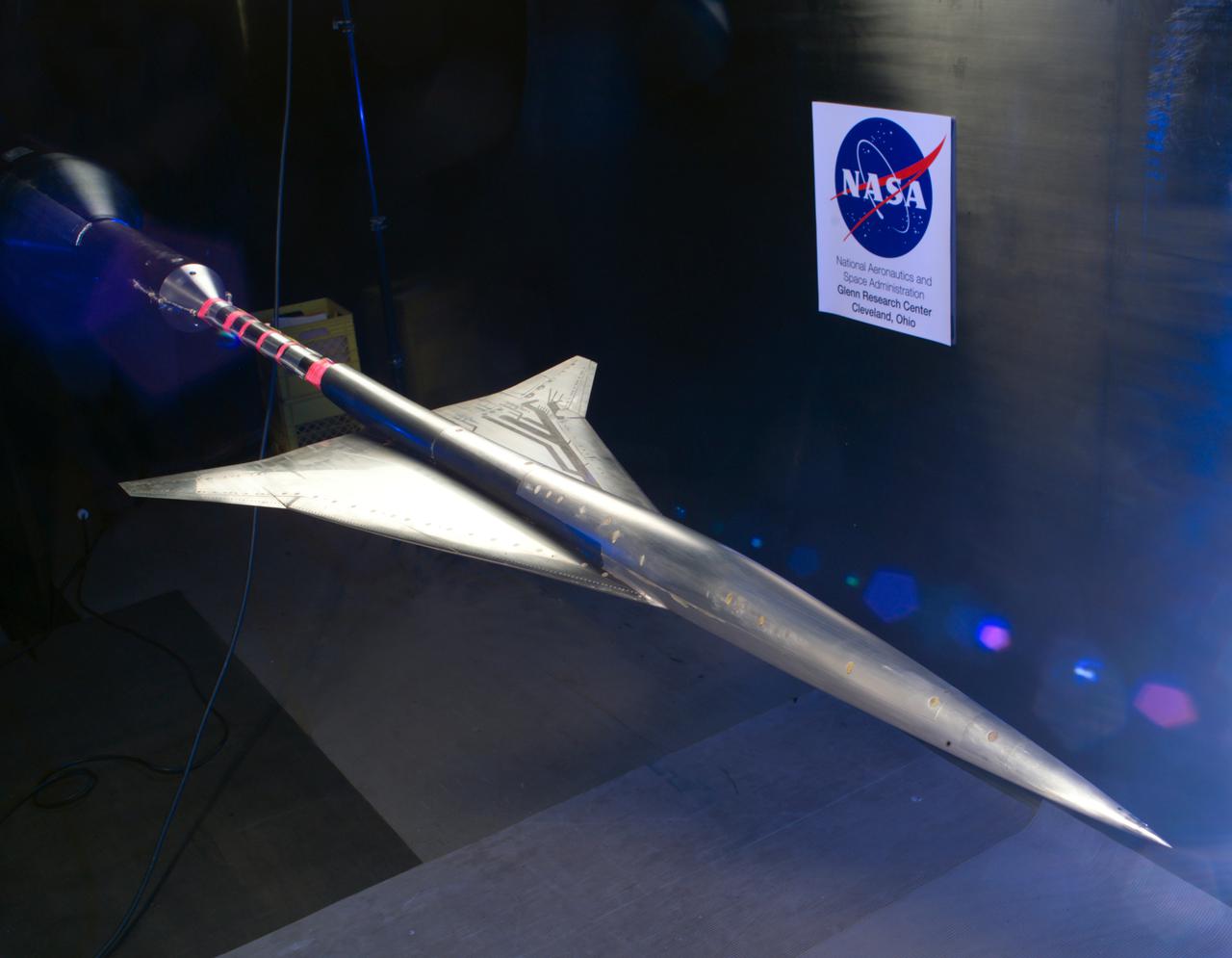
NASA GLENN/NASA LANGLEY LOADS COMPARISON TEST WITH 6 COMPONENT FORCE/MOMENT BALANCE AND 1.7% HIGH SPEED RESEARCH MODEL 5.
NASA GLENN/NASA LANGLEY LOADS COMPARISON TEST WITH 6 COMPONENT FORCE/MOMENT BALANCE AND 1.7% HIGH SPEED RESEARCH MODEL 5. in the 10x10 super sonic wind tunnel
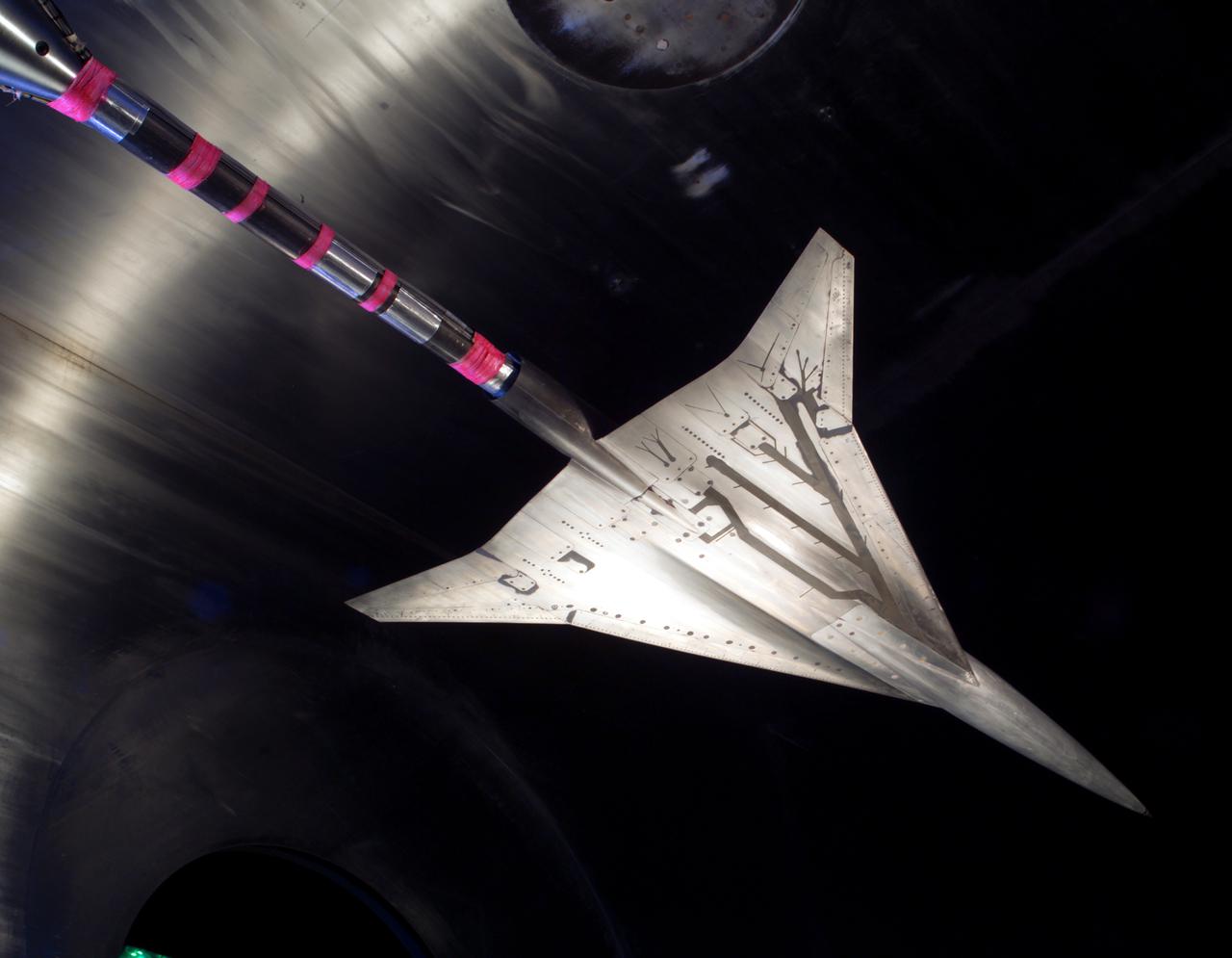
NASA Glenn/NASA Langley, Loads Comparison Test With 6 Component Force/Moment Balance and 1.7% High Speed Research, HSR Model 5. In the Glenn Research Center 10x10 Foot Supersonic Wind Tunnel, SWT

This image from NASA Curiosity Mars rover, Curiosity, has been white-balanced to show what the rocks would look like if they were on Earth.
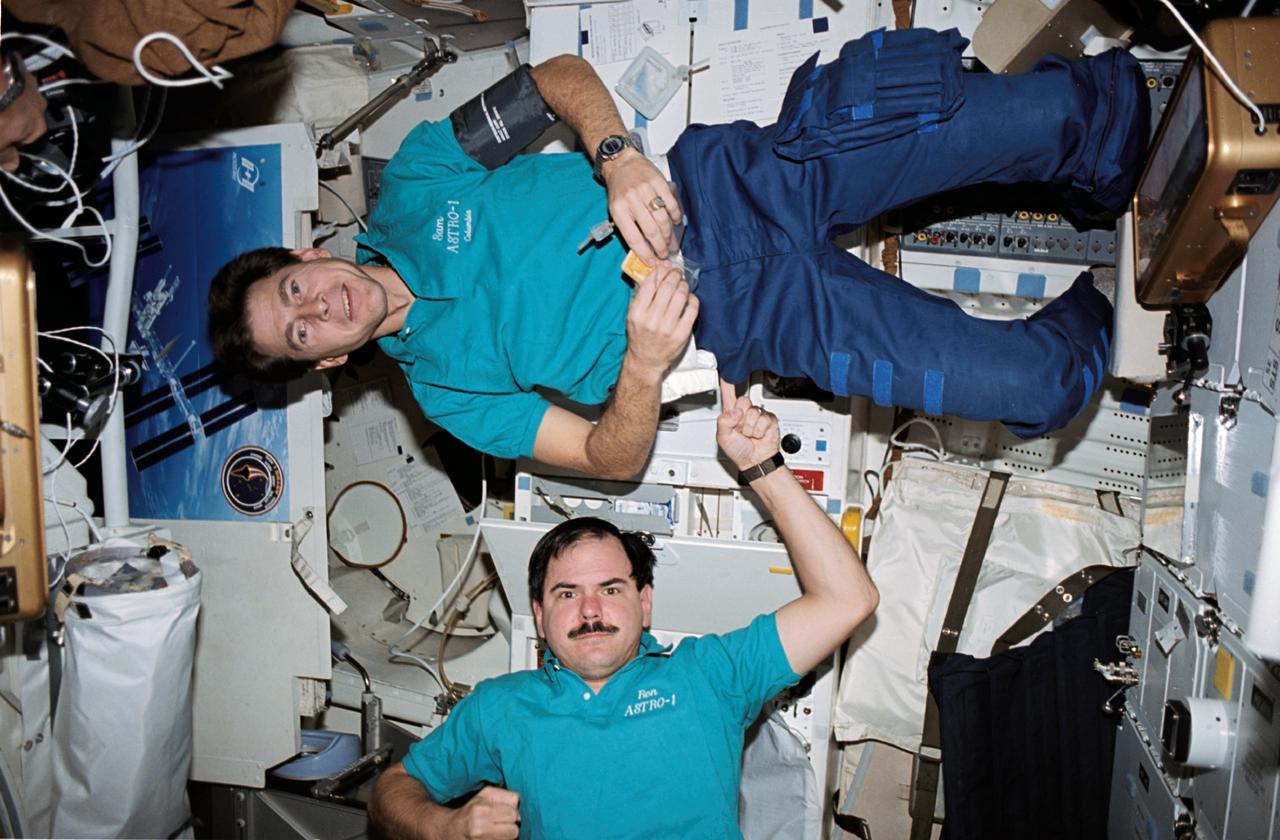
STS035-49-028 (2-10 Dec. 1990) --- This is one of 25 visuals used by the STS-35 crew at its Dec. 20, 1990 post-flight press conference. Columbia's flight of almost nine days duration (launched Dec. 2 from Kennedy Space Center and landed Dec. 10 at Edwards Air Force Base) carried the Astro-1 payload and was dedicated to astrophysics. The mission involved a seven-man crew. Crewmembers were astronauts Vance D. Brand, Guy S. Gardner, Jeffrey A. Hoffman, Robert A.R. Parker and John M. (Mike) Lounge; and Payload Specialists Samuel T. Durrance and Ronald A. Parise.
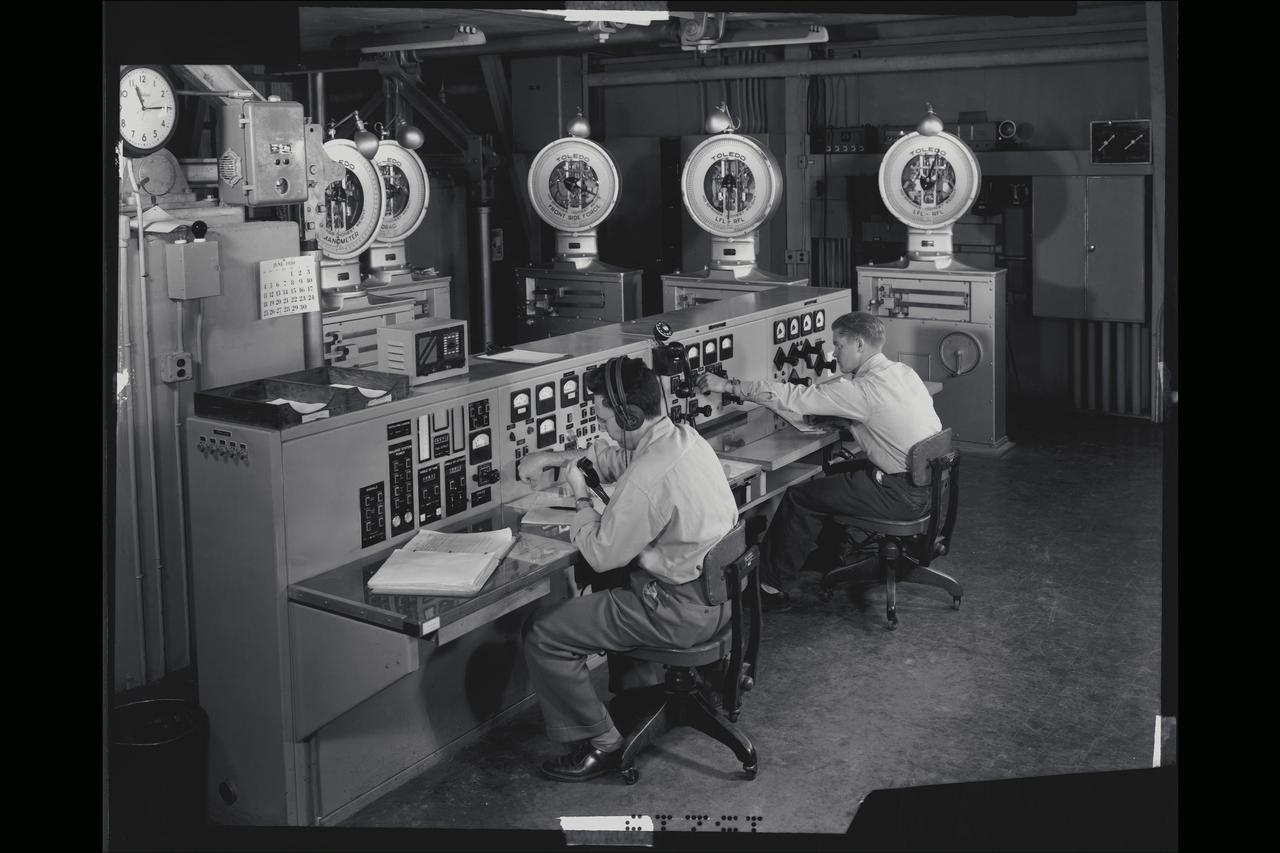
40x80 wind tunnel manometers control room at NACA's Ames Research Center. Control panel (called the bench board) showing five of the seven scale heads which measured the forces on the model (ie. Lift, drag, side force etc.)
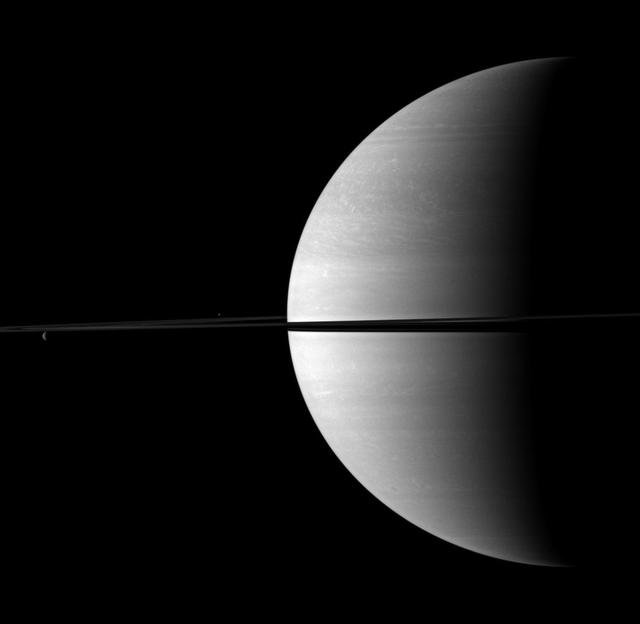
Rhea and Enceladus appear above and below the rings on the left of this image, serving to visually offset the dominance of Saturn in this image taken by NASA Cassini spacecraft.

art002e024603 (April 6, 2026) - The Moon appears half-illuminated in this photo captured by the Artemis II crew on flight day 6. The terminator -- the difference between light and darkness -- provides a stark contrast and even greater perspective of the Moon's rocky, uneven, and otherworldly surface features. The near side, which is what we can see from Earth, appears in the dark gray regions at the top of this image.
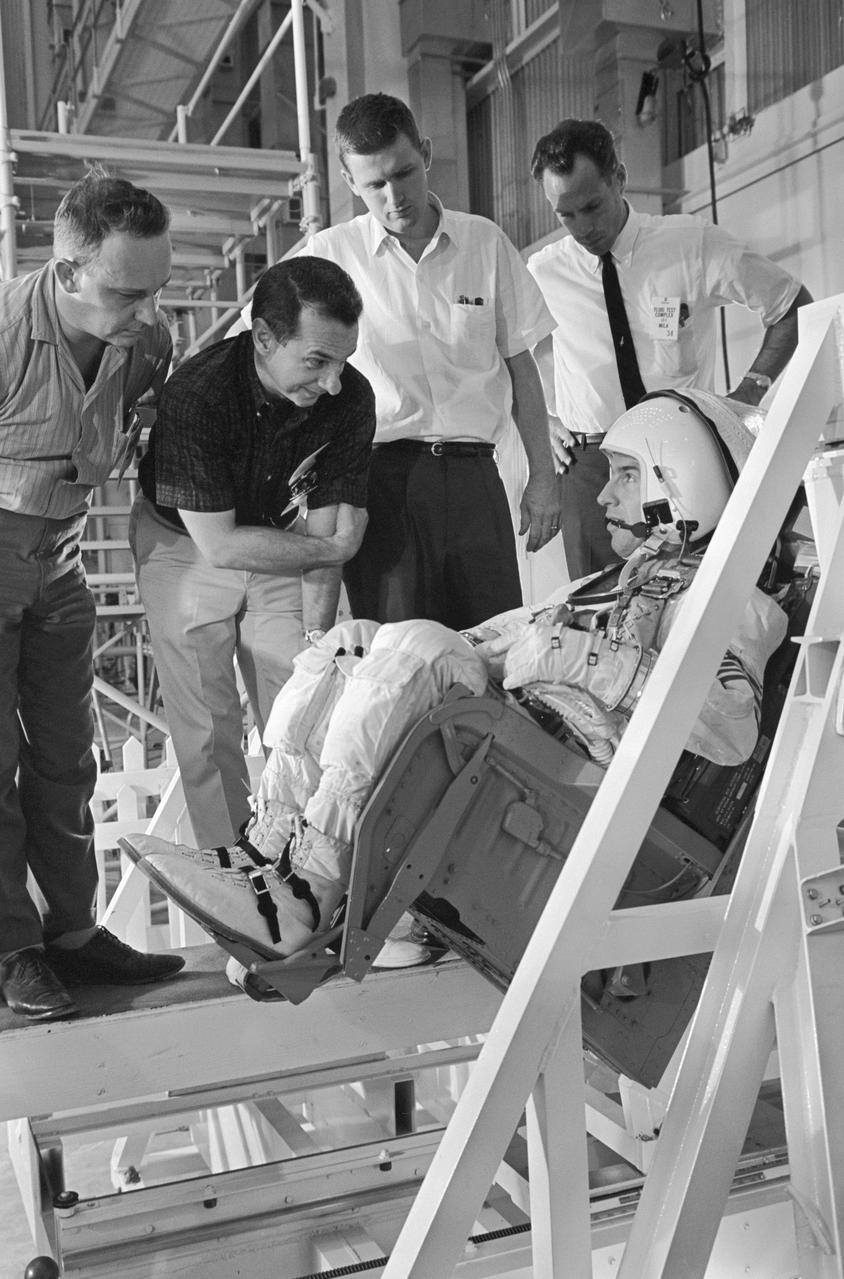
S65-57481 (25 Oct. 1965) --- Astronaut James A. Lovell Jr., pilot of the Gemini-7 spaceflight, undergoes weight and balance tests in the Pyrotechnic Installation Building, Merritt Island, Kennedy Space Center. Talking with Lovell are (left to right) Charlie Beaty, McDonnell Aircraft Corporation; Karl Stoien, MAC; NASA suit technician Al Rochferd; and Norm Batterson, Weber Aircraft Corporation. Photo credit: NASA
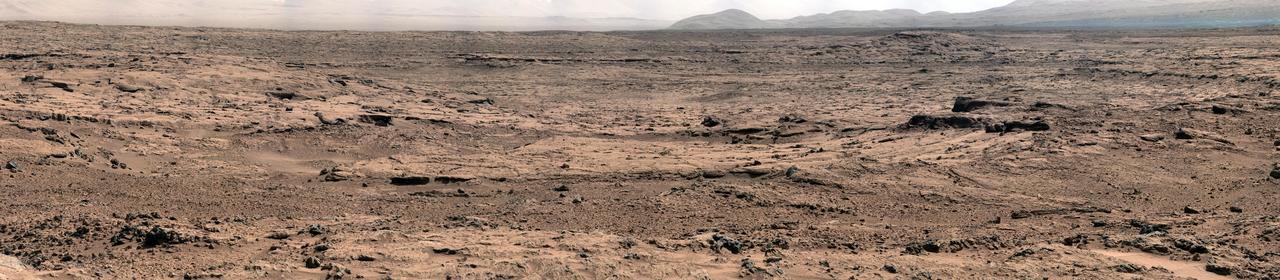
The image, which has been white-balanced to show what the rocks and soils in it would look like if they were on Earth, is a mosaic of images taken at a site called Rocknest while NASA Mars rover Curiosity was working.
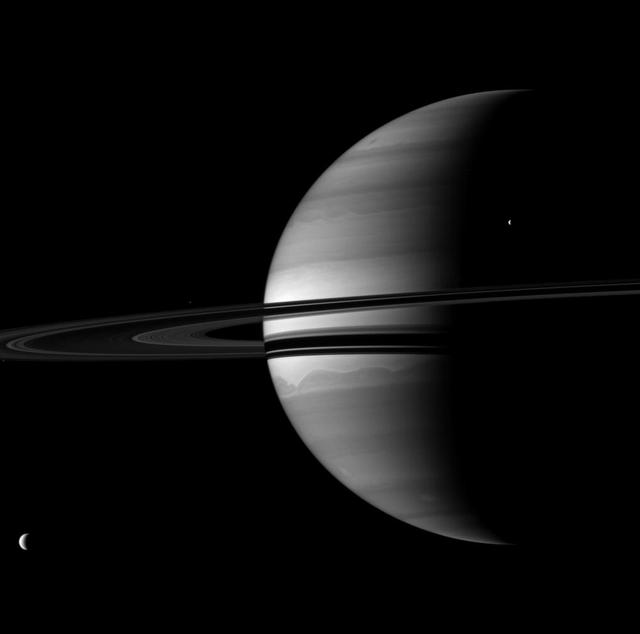
Four of Saturn moons join the planet for a well balanced portrait. Titan, Saturn largest moon, is in the lower left. Tethys appears in upper right. The smaller moons Pandora and Epimetheus are barely visible here.
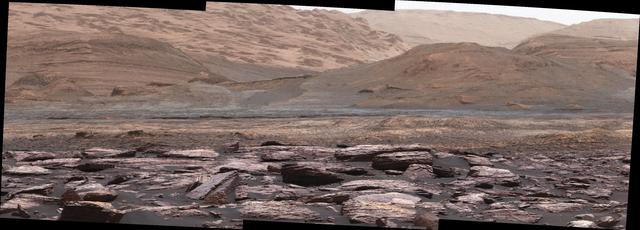
The foreground of this scene from the Mast Camera (Mastcam) on NASA's Curiosity Mars rover shows purple-hued rocks near the rover's late-2016 location on lower Mount Sharp. The scene's middle distance includes higher layers that are future destinations for the mission. Variations in color of the rocks hint at the diversity of their composition on lower Mount Sharp. The purple tone of the foreground rocks has been seen in other rocks where Curiosity's Chemical and Mineralogy (CheMin) instrument has detected hematite. Winds and windblown sand in this part of Curiosity's traverse and in this season tend to keep rocks relatively free of dust, which otherwise can cloak rocks' color. The three frames combined into this mosaic were acquired by the Mastcam's right-eye camera on Nov. 10, 2016, during the 1,516th Martian day, or sol, of Curiosity's work on Mars. The scene is presented with a color adjustment that approximates white balancing, to resemble how the rocks and sand would appear under daytime lighting conditions on Earth. Sunlight on Mars is tinged by the dusty atmosphere and this adjustment helps geologists recognize color patterns they are familiar with on Earth. The view spans about 15 compass degrees, with the left edge toward southeast. The rover's planned direction of travel from its location when this scene was recorded is generally southeastward. The orange-looking rocks just above the purplish foreground ones are in the upper portion of the Murray formation, which is the basal section of Mount Sharp, extending up to a ridge-forming layer called the Hematite Unit. Beyond that is the Clay Unit, which is relatively flat and hard to see from this viewpoint. The next rounded hills are the Sulfate Unit, Curiosity's highest planned destination. The most distant slopes in the scene are higher levels of Mount Sharp, beyond where Curiosity will drive. Figure 1 is a version of the same scene with annotations added as reference points for distance, size and relative elevation. The annotations are triangles with text telling the distance (in kilometers) to the point in the image marked by the triangle, the point's elevation (in meters) relative to the rover's location, and the size (in meters) of an object as big as the triangle at that distance. An annotated figure is available at http://photojournal.jpl.nasa.gov/catalog/PIA21256
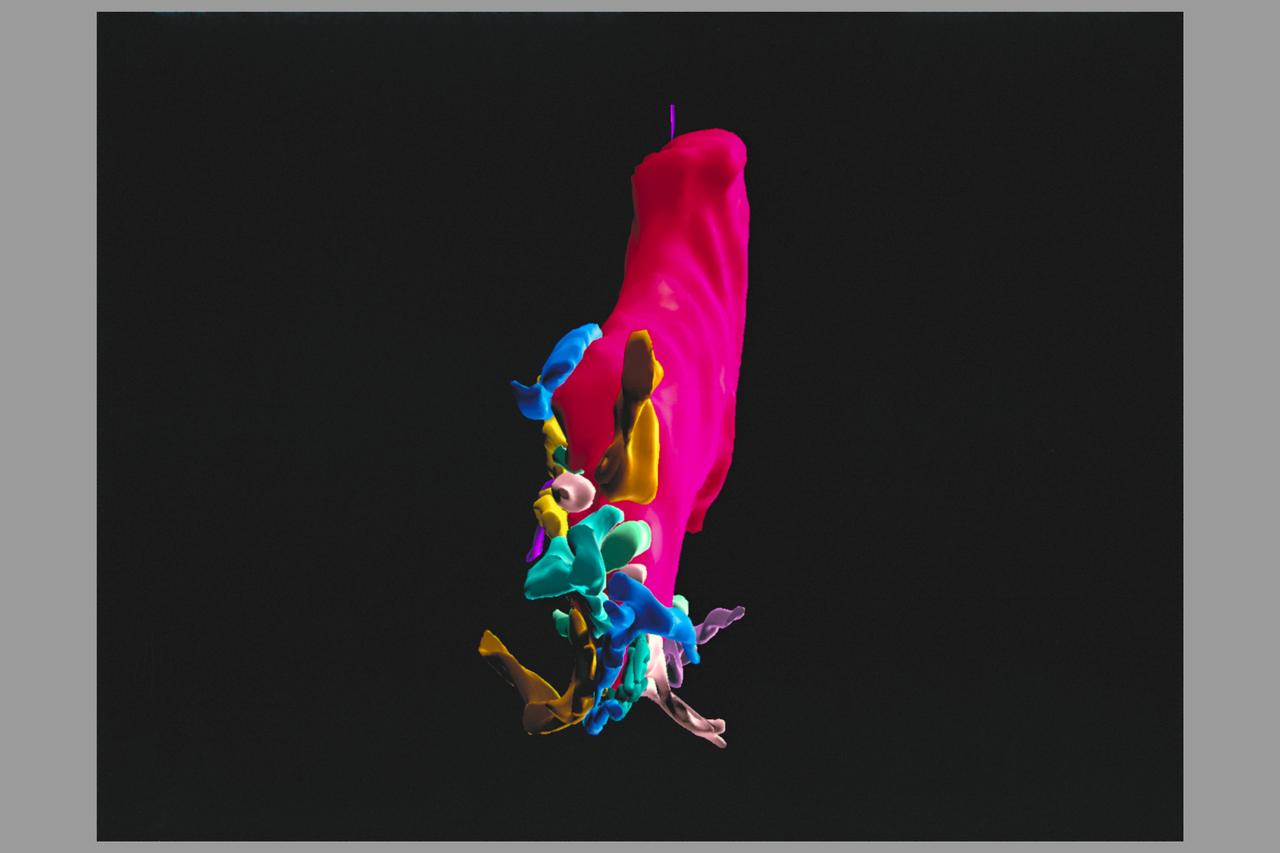
Dr Murial Ross's Virtual Reality Application for Neuroscience Research Biocomputation. To study human disorders of balance and space motion sickness. Shown here is a 3D reconstruction of a nerve ending in inner ear, nature's wiring of balance organs.
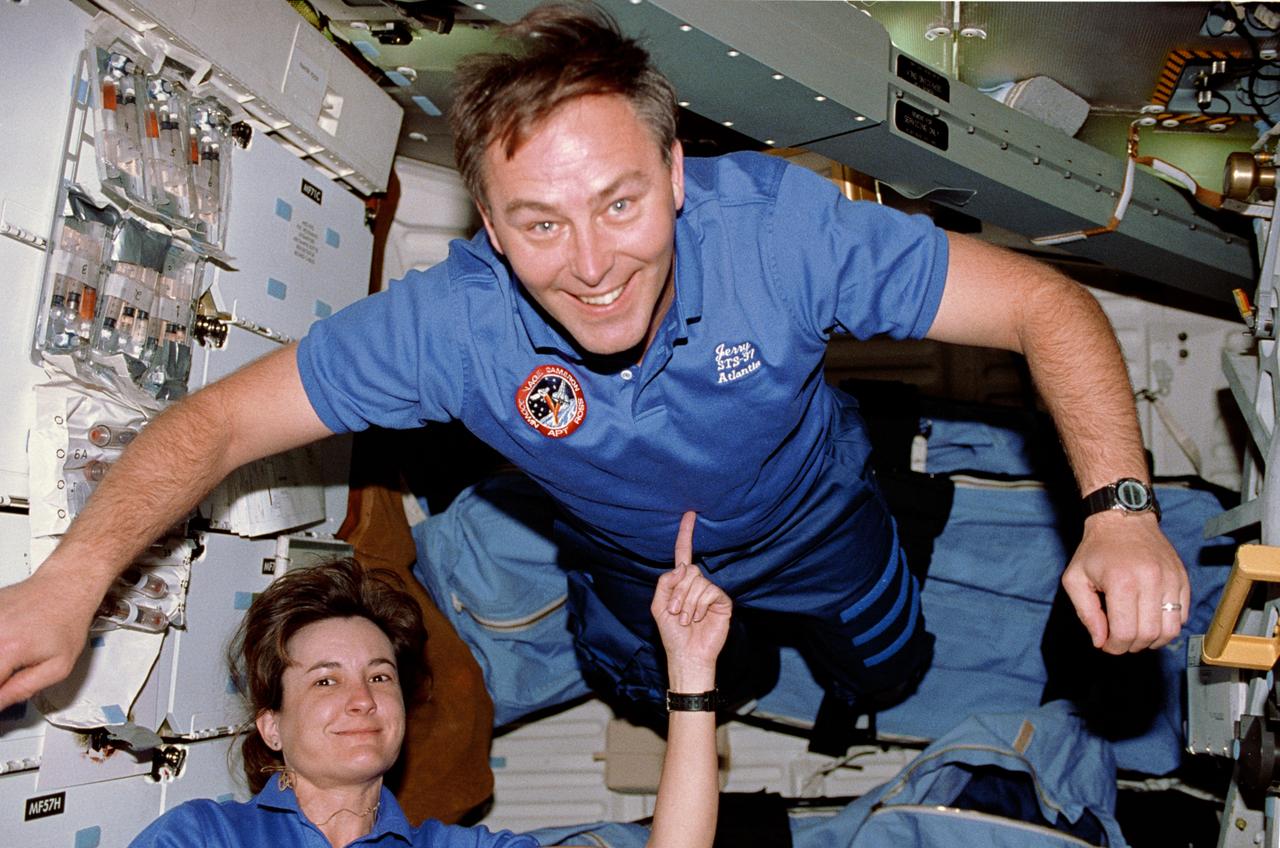
STS037-29-002 (5-11 April 1991) --- Astronauts Linda M. Godwin and Jerry L. Ross perform a balancing act on Atlantis' middeck. With little effort Godwin is able to hold Ross up near the ceiling with her index finger. Although the area the two occupy is very small, a number of articles are seen, including two sleep restraints, the escape pole and Bioserve ITA Materials Dispersion Apparatus bioprocessing test bed (attached to stowage lockers at left). This was one of the visuals used by the STS-37 crewmembers during their April 19 post-flight press conference at the Johnson Space Center (JSC).
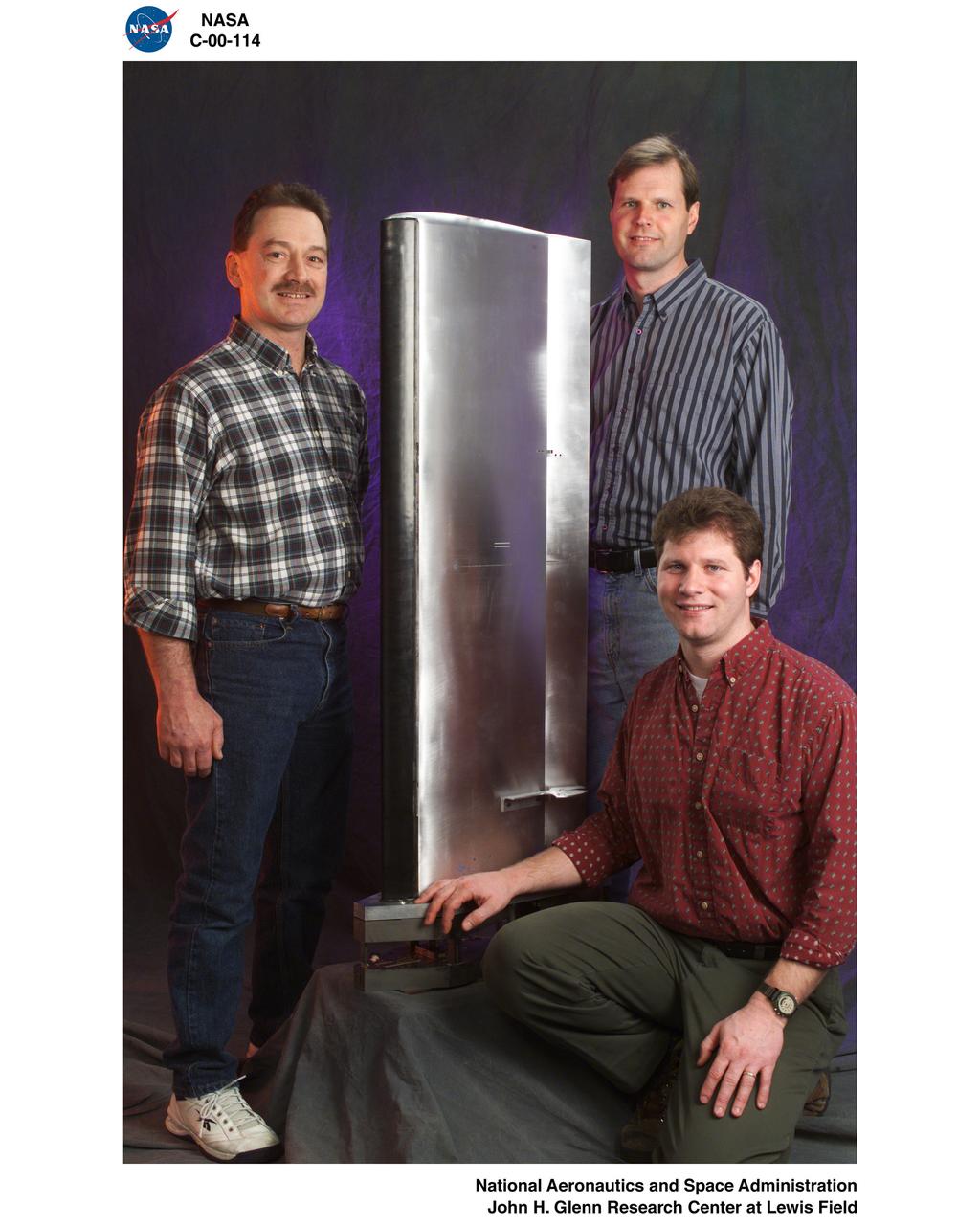
ICED WING CONTROL EFFECTIVENESS MODEL AND FORCE BALANCE
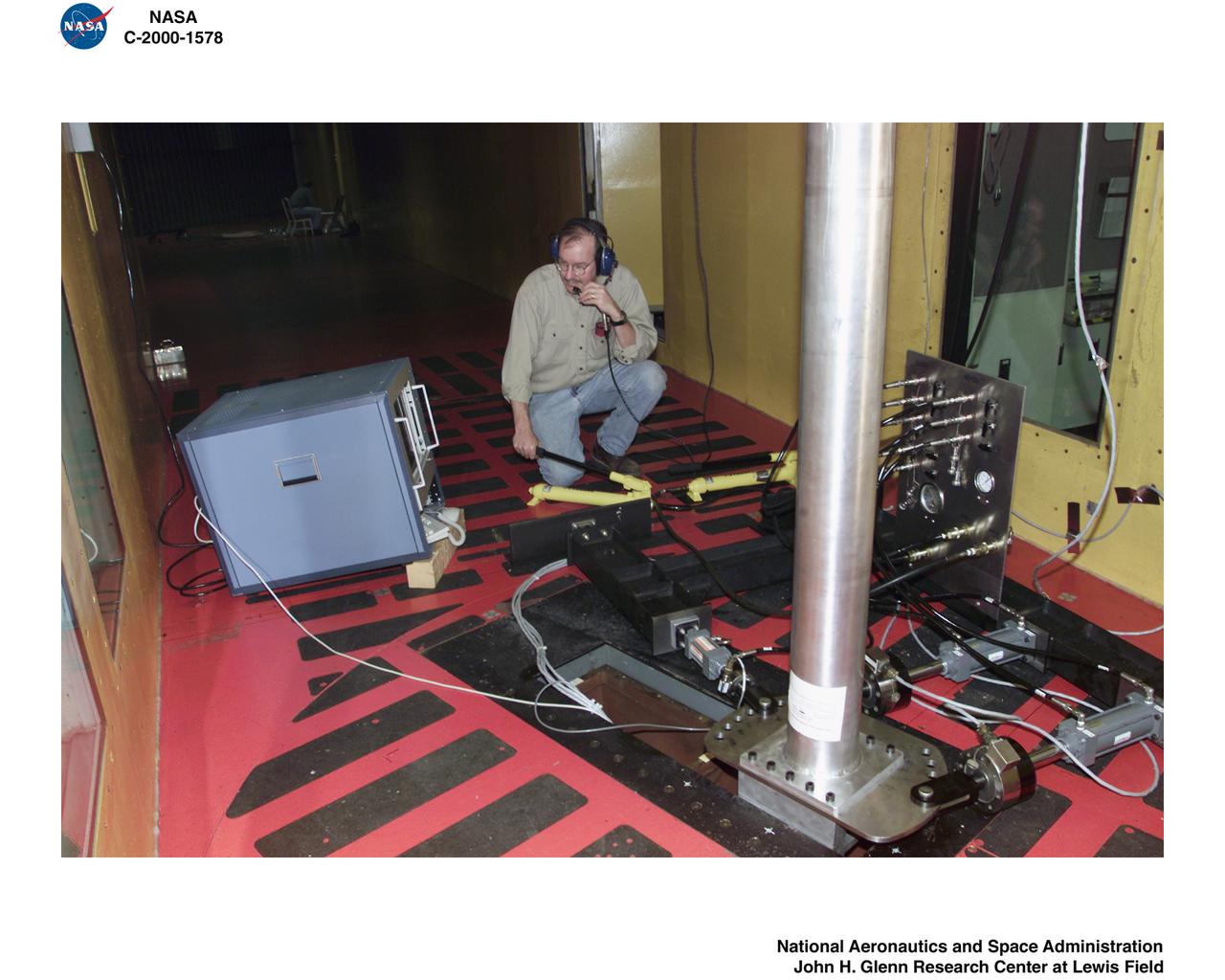
ICING RESEARCH TUNNEL IRT FORCE BALANCE CALIBRATION HARDWARE
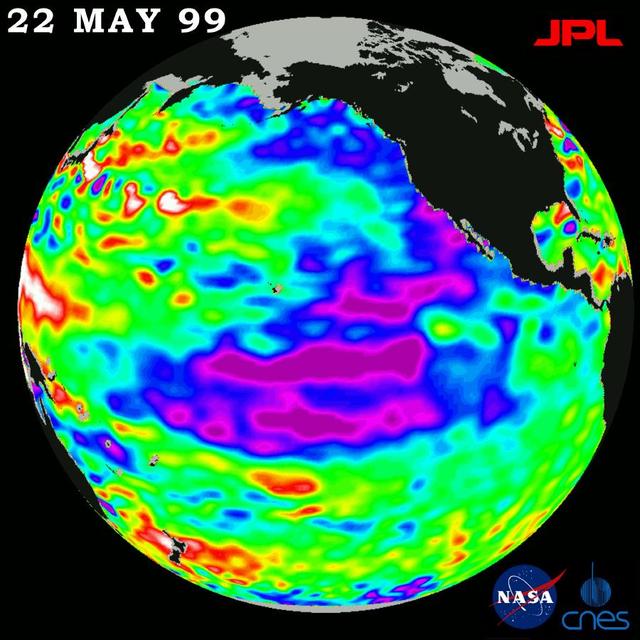
New sea surface height measurements from NASA TOPEX/Poseidon satellite show that the sea level and temperature of the entire Pacific is out of balance, including a large area of abnormally cool water along the west coast of North America.
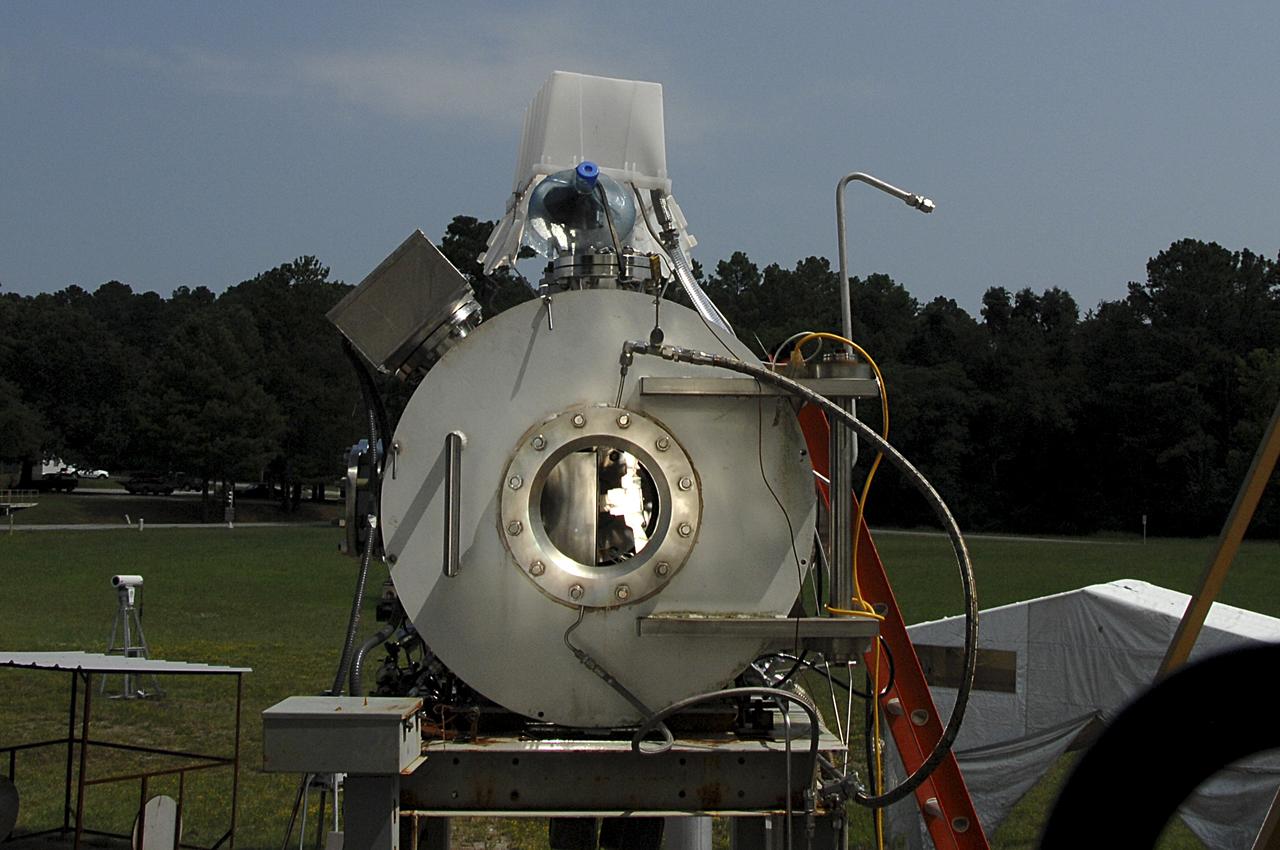
PA084 SOLAR THERMAL PROPULSION BLDG 4590. STROFIO THERMAL BALANCE TEST, CLOSE UP VIEW OF CHAMBER
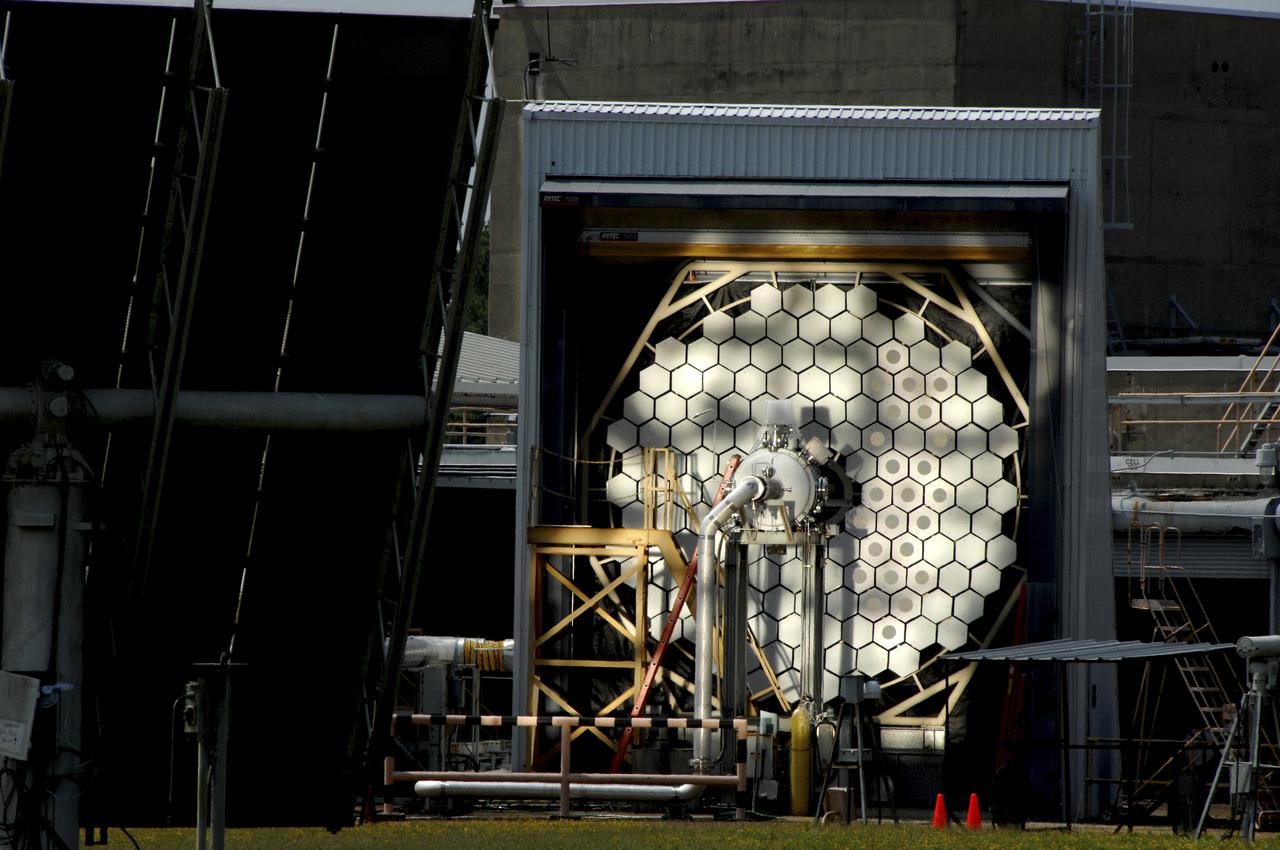
PA084 SOLAR THERMAL PROPULSION BLDG 4590 STROFIO THERMAL BALANCE TEST. OVERALL VIEW
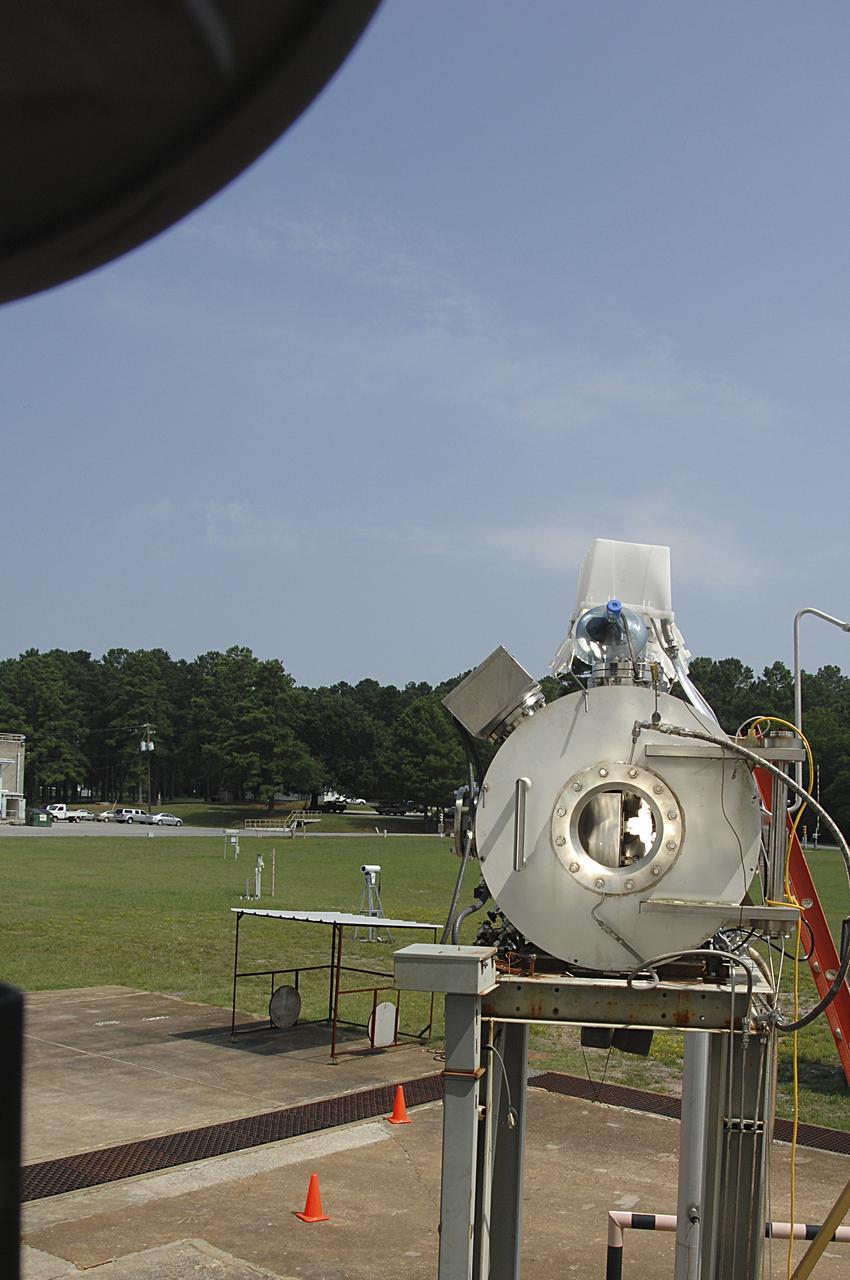
PA084 SOLAR THERMAL PROPULSION BLDG 4590. STROFIO THERMAL BALANCE TEST, OVERALL VIEW OF TEST CHAMBER
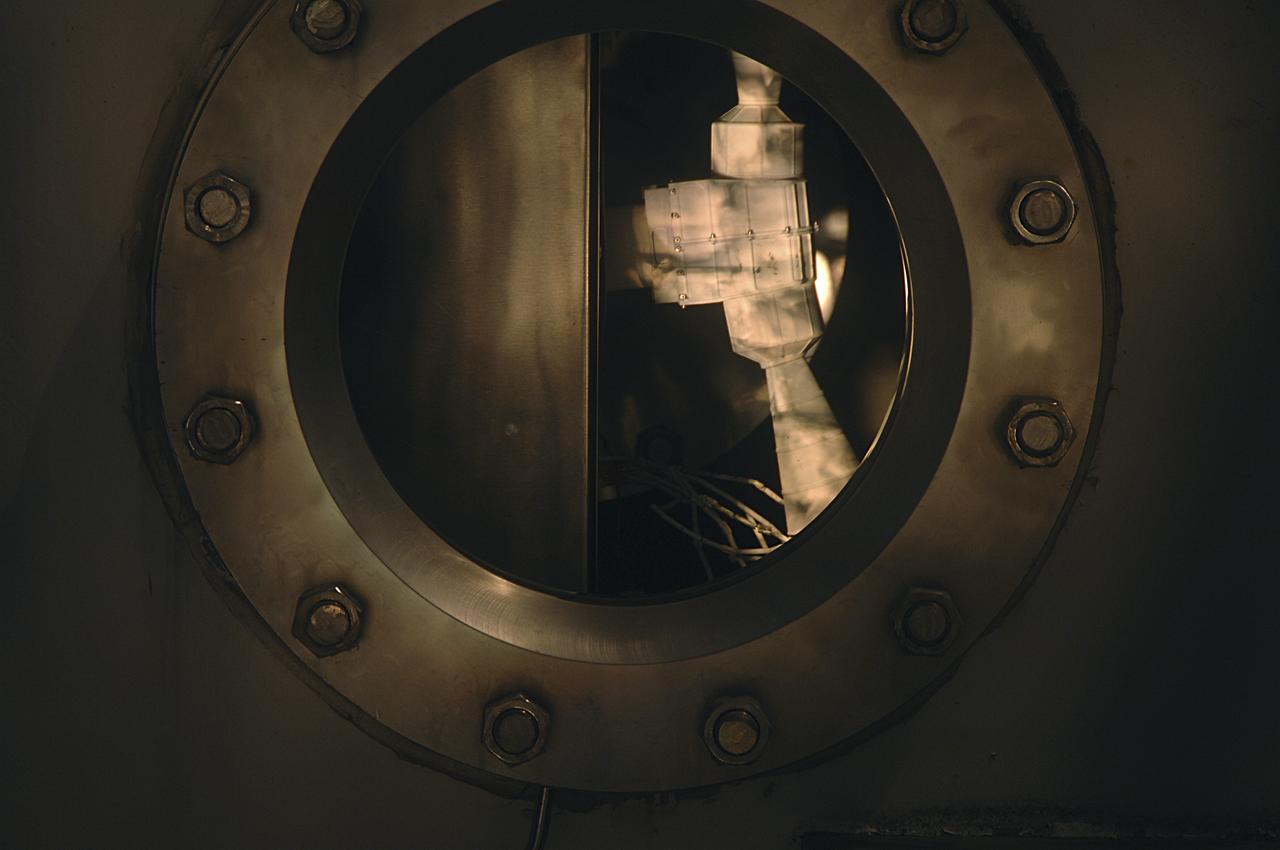
PA084 SOLAR THERMAL PROPULSION, BLDG 4590, STROFIO THERMAL BALANCE TEST, CLOSE UP VIEW OF TEST CHAMBERVIEW
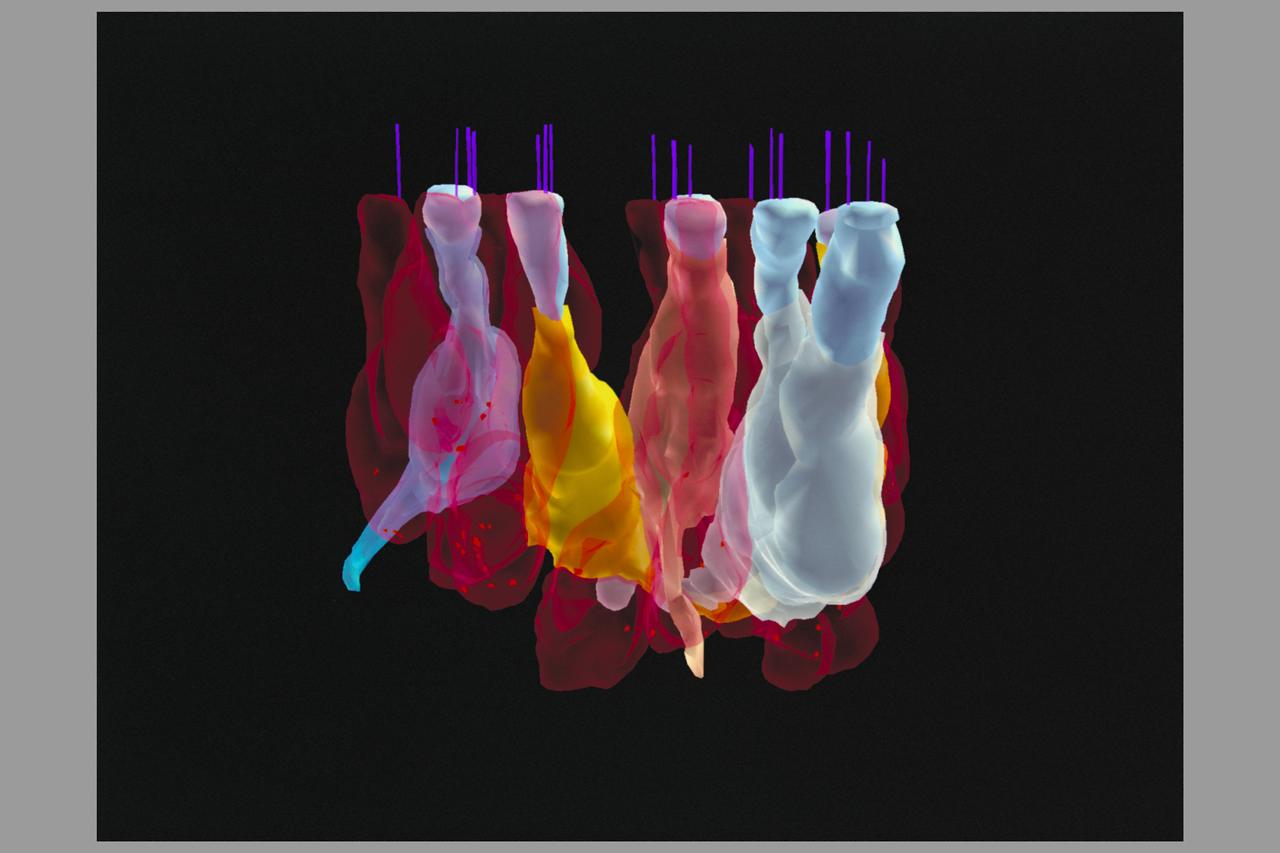
Virtual Reality Application for Neuroscience Research Biocomputation in the study of space motion sickness and balance (inner ear)
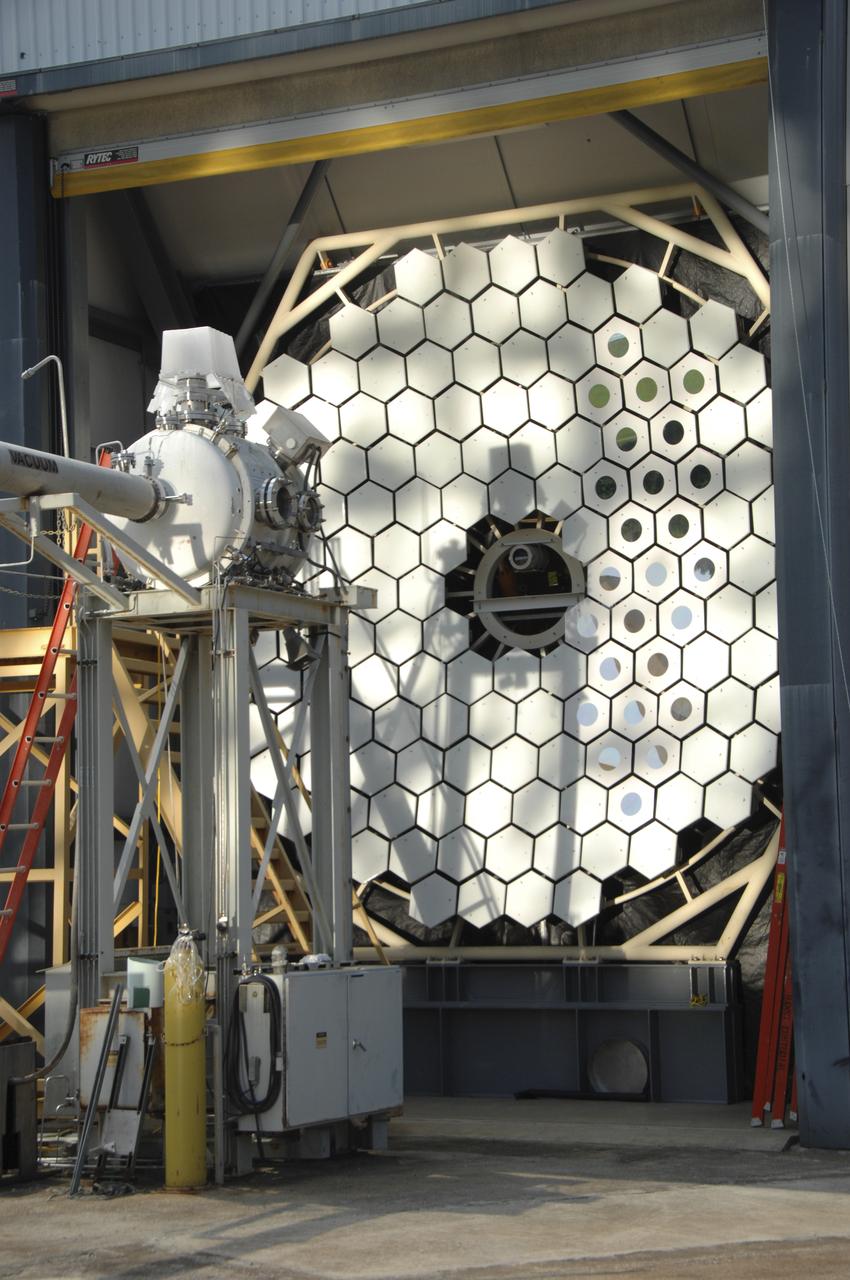
PA084 SOLAR THERMAL PROPULSION BLDG 4590, STROFIO THERMAL BALANCE TEST, OVERALL VIEW
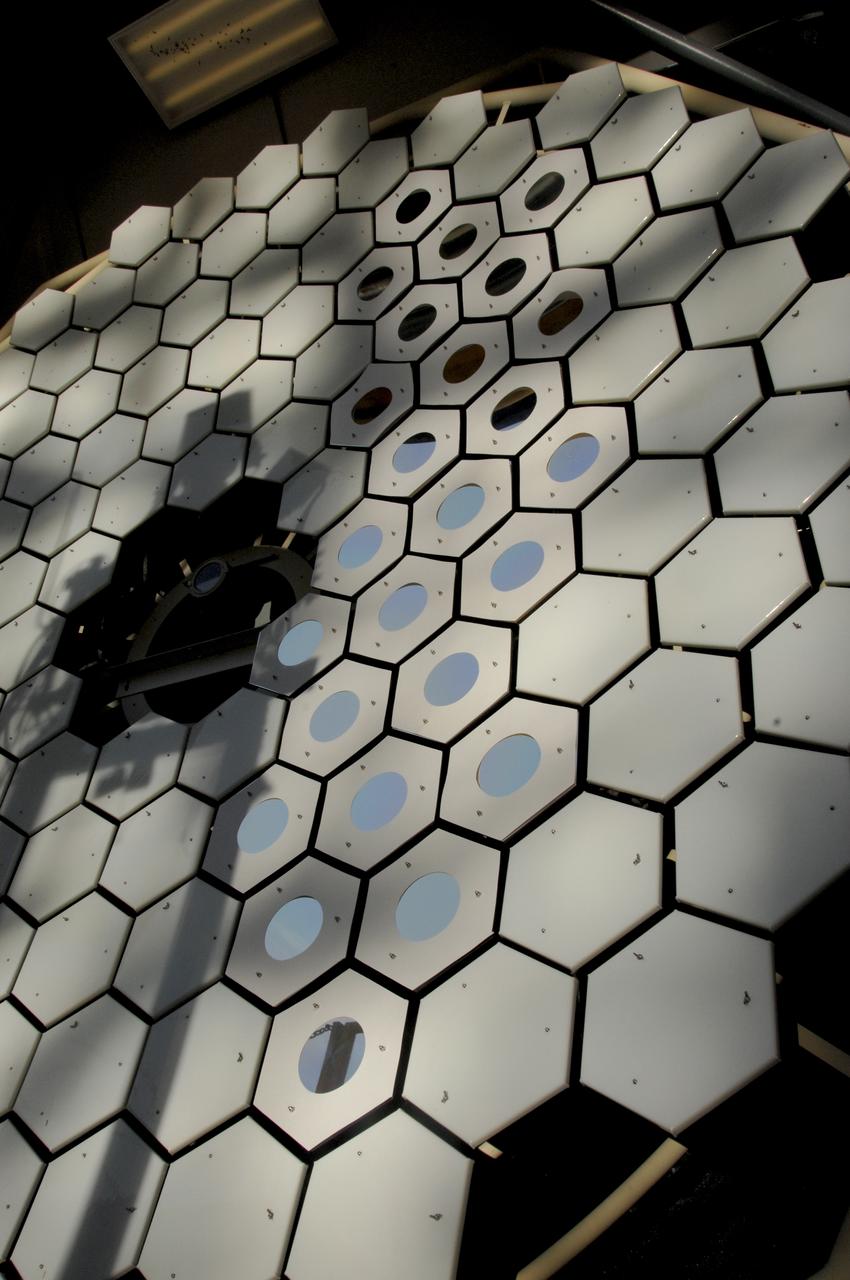
PA084 SOLAR THERMAL PROPULSION. BLDG 4590 STROFIO THERMAL BALANCE TEST, MIRROR VIEW
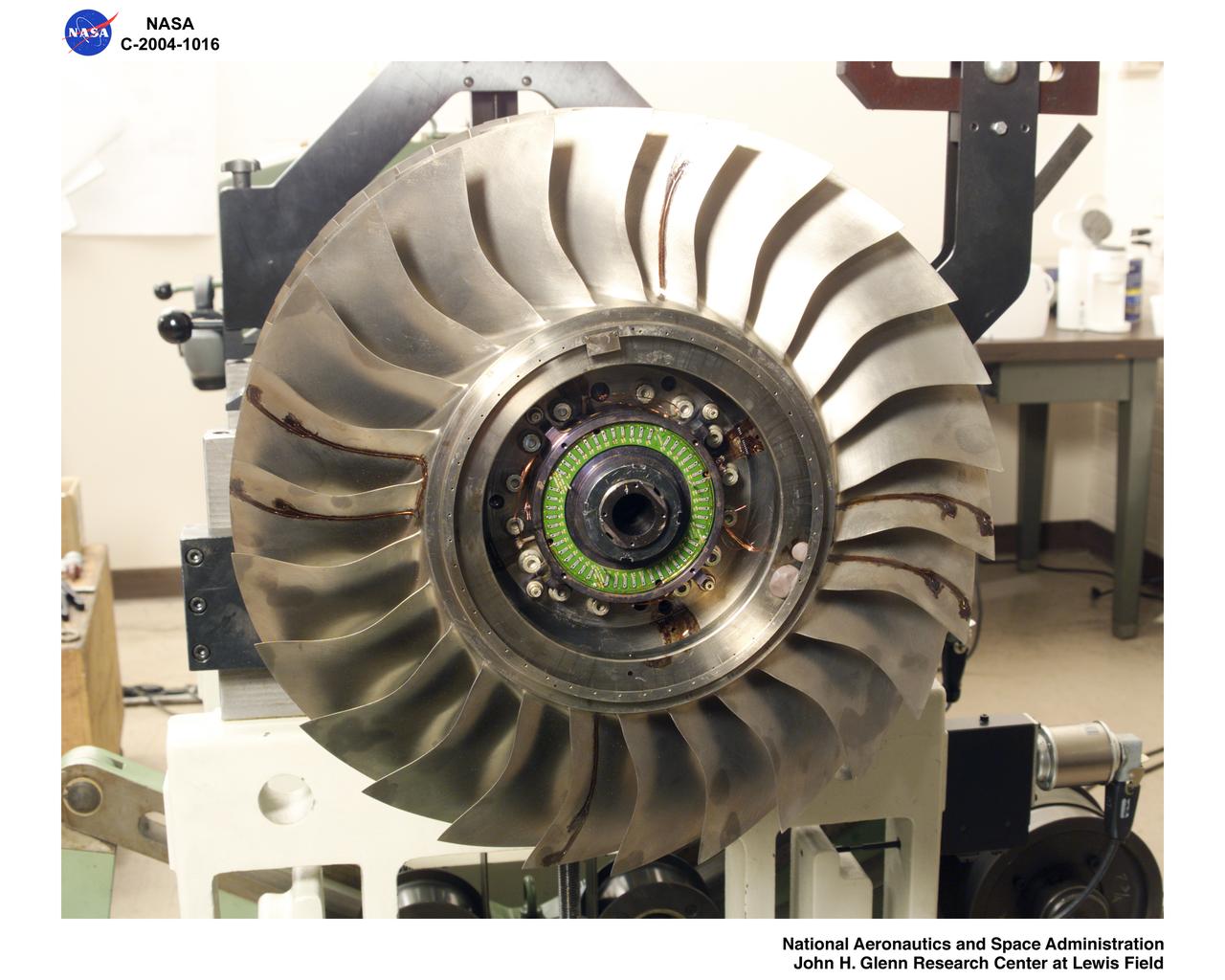
Ultra-Efficient Engine Technology (UEET), Proof of Concept Compressor, Shaft / Rotor Balance Assembly
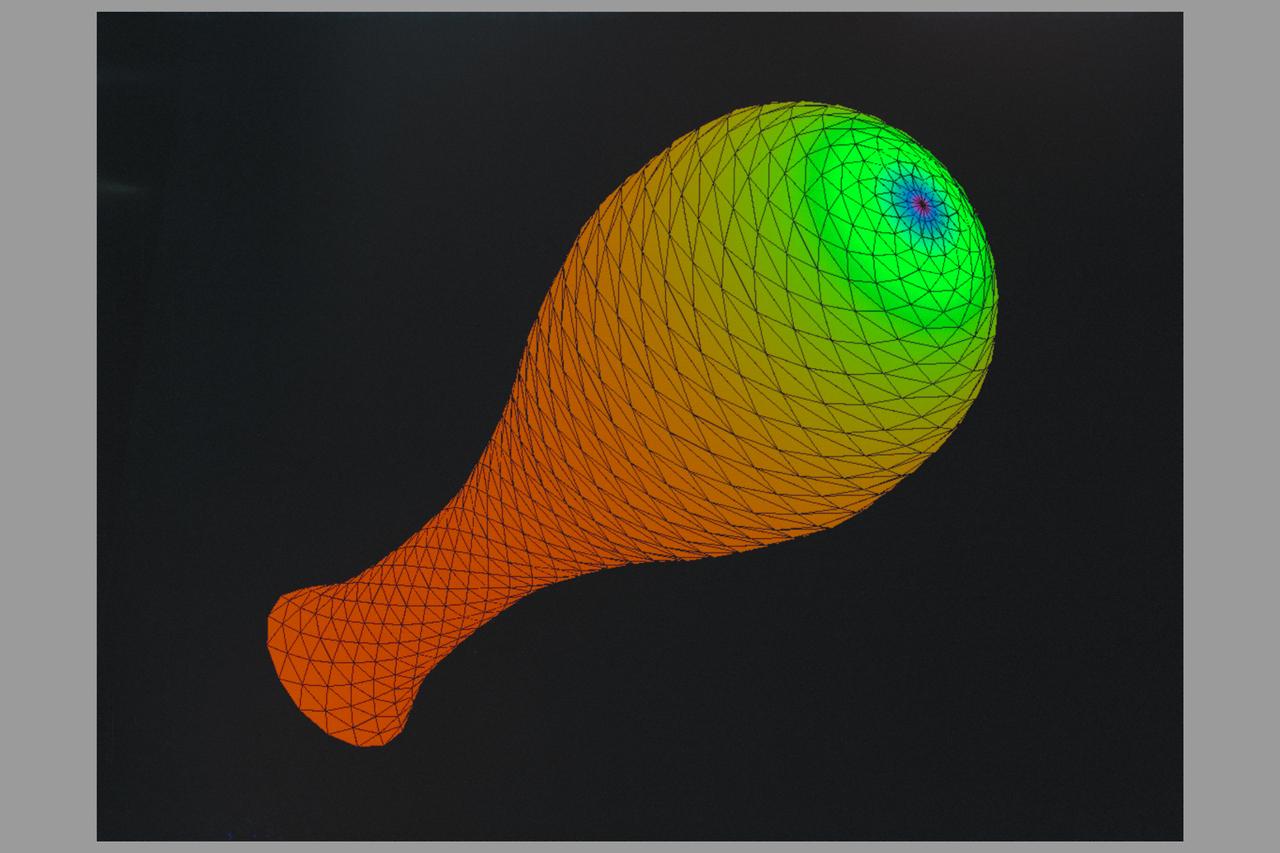
Virtual Reality Application for Neuroscience Research Biocomputation in the study of space motion sickness and balance (inner ear)
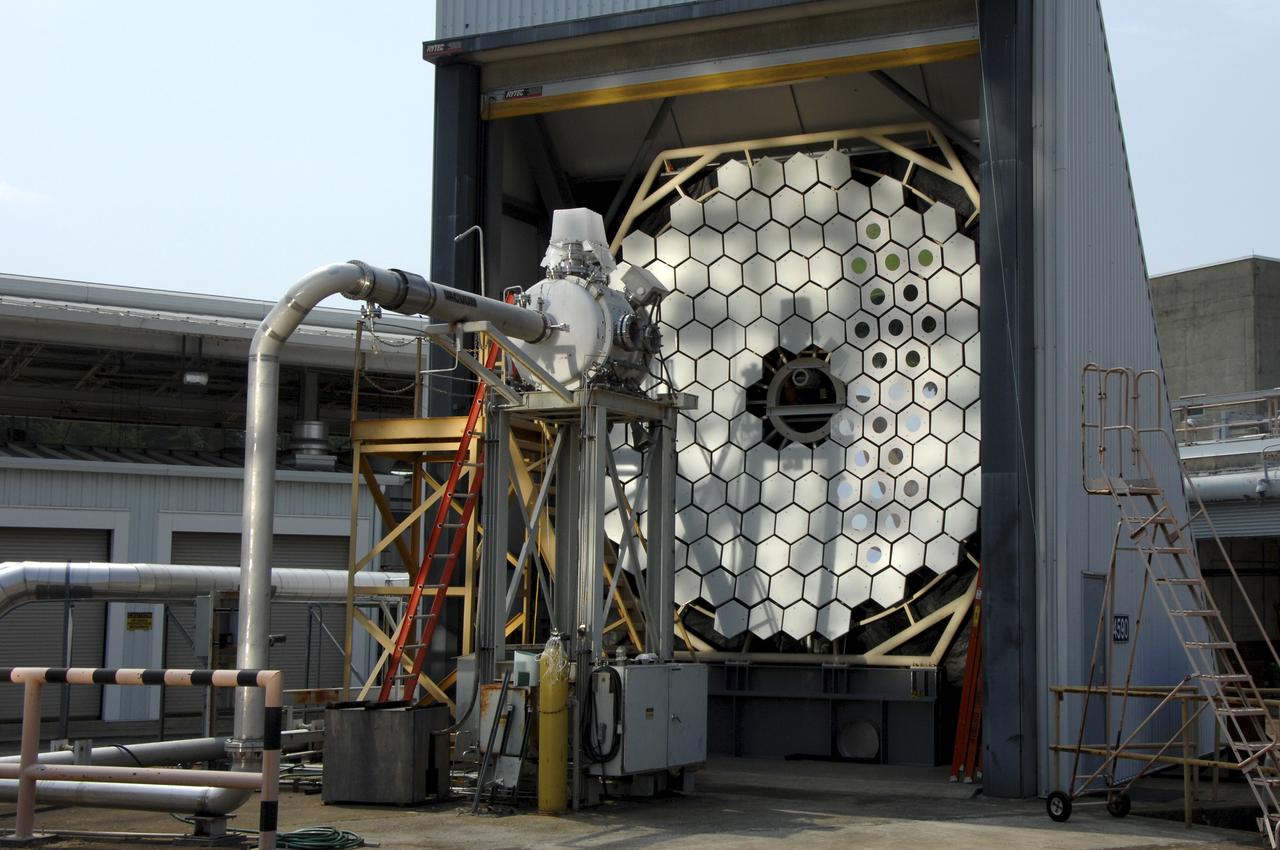
PA084 SOLAR THERMAL PROPULSION, BLDG 4590, STROFIO THERMAL BALANCE TEST, OVERALL VIEW
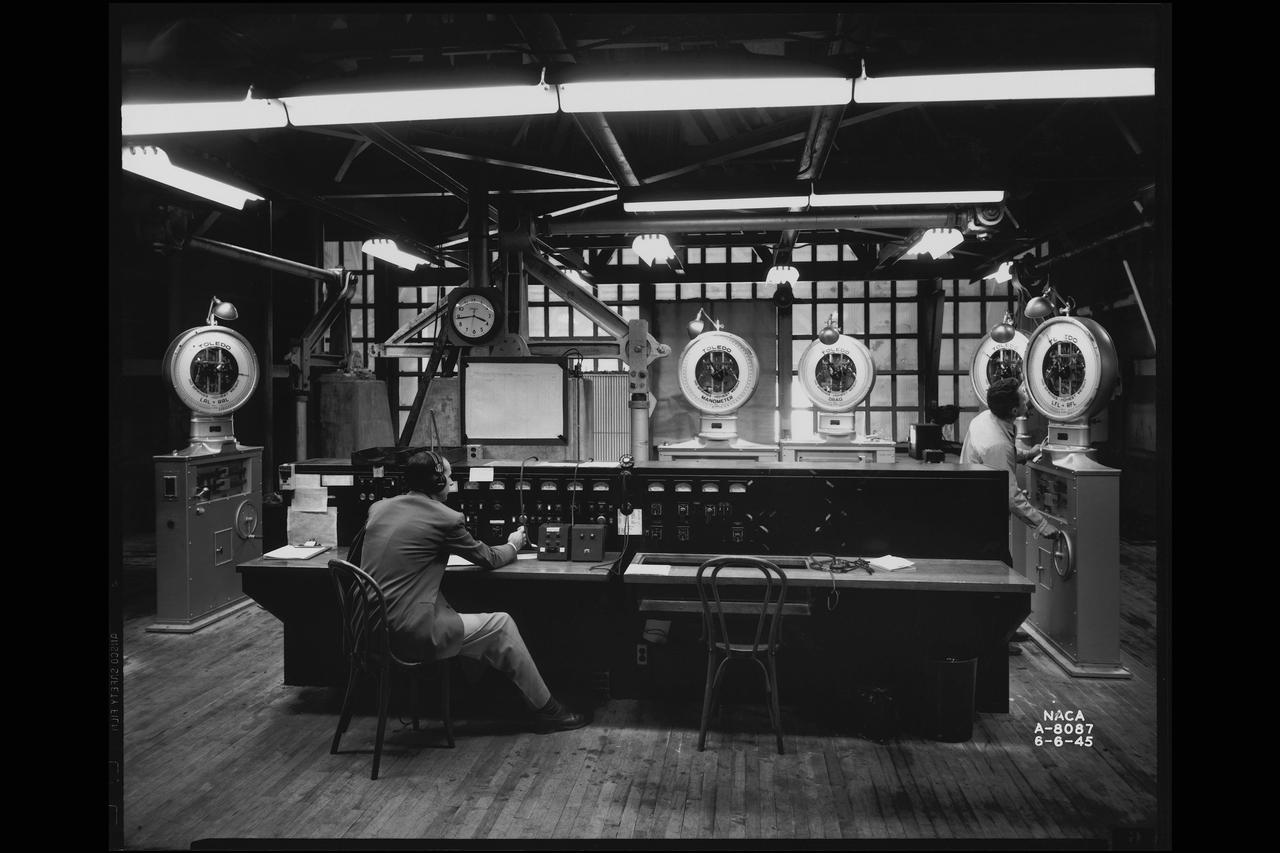
40x80ft w.t. - balance house, control room with Brad Wick soon after it opened. The scales measured lift, drag and other forces mechanically.
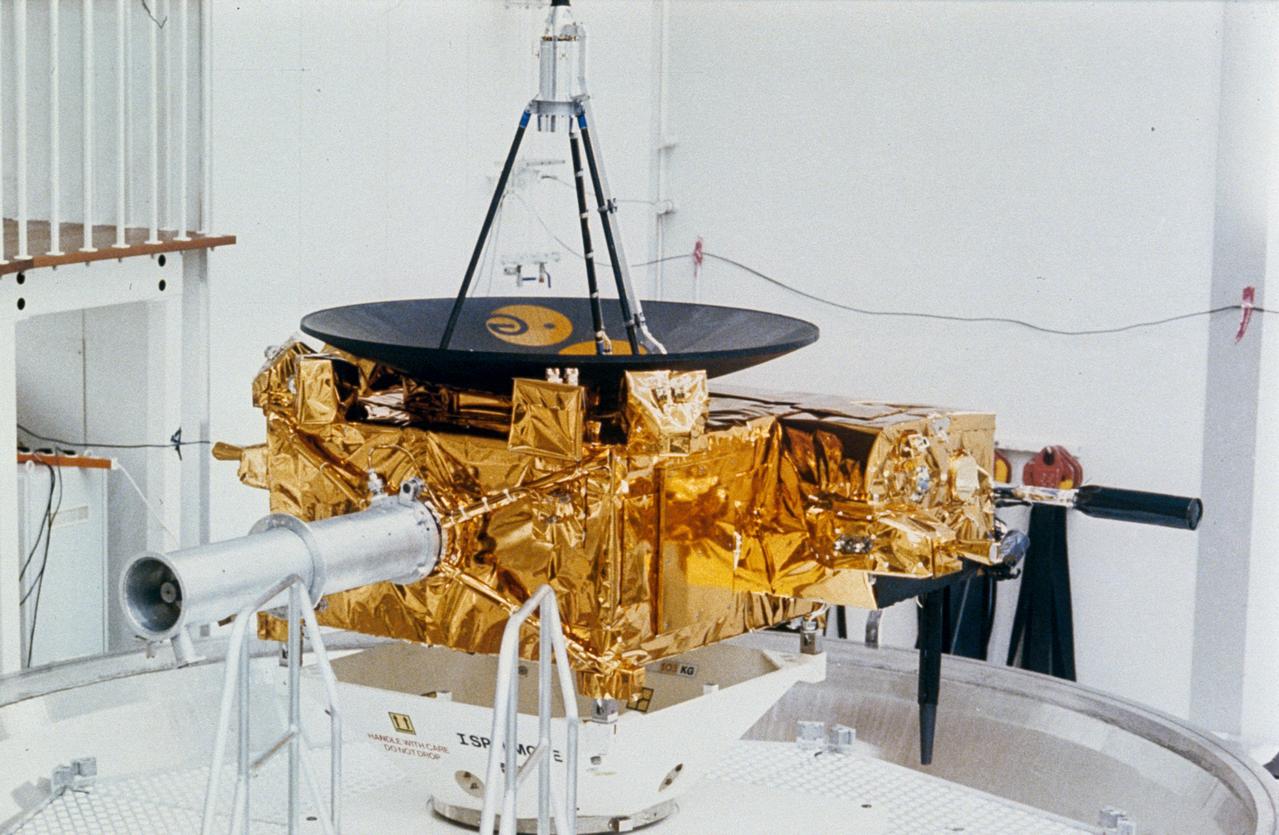
S90-45985 (May 1990) --- The Ulysses spacecraft undergoes testing at the vacuum spin-balancing facility in ESTEC. Careful balancing is required in order to ensure that the high gain antenna, which is aligned with the spacecraft spin axis, can be accurately pointed toward Earth throughout the mission. It will be flown to Kennedy Space Center (KSC) for further processing before being on loaded to Discovery's cargo bay. The Space Shuttle crew of STS-41 will send it off to its long-awaited mission.
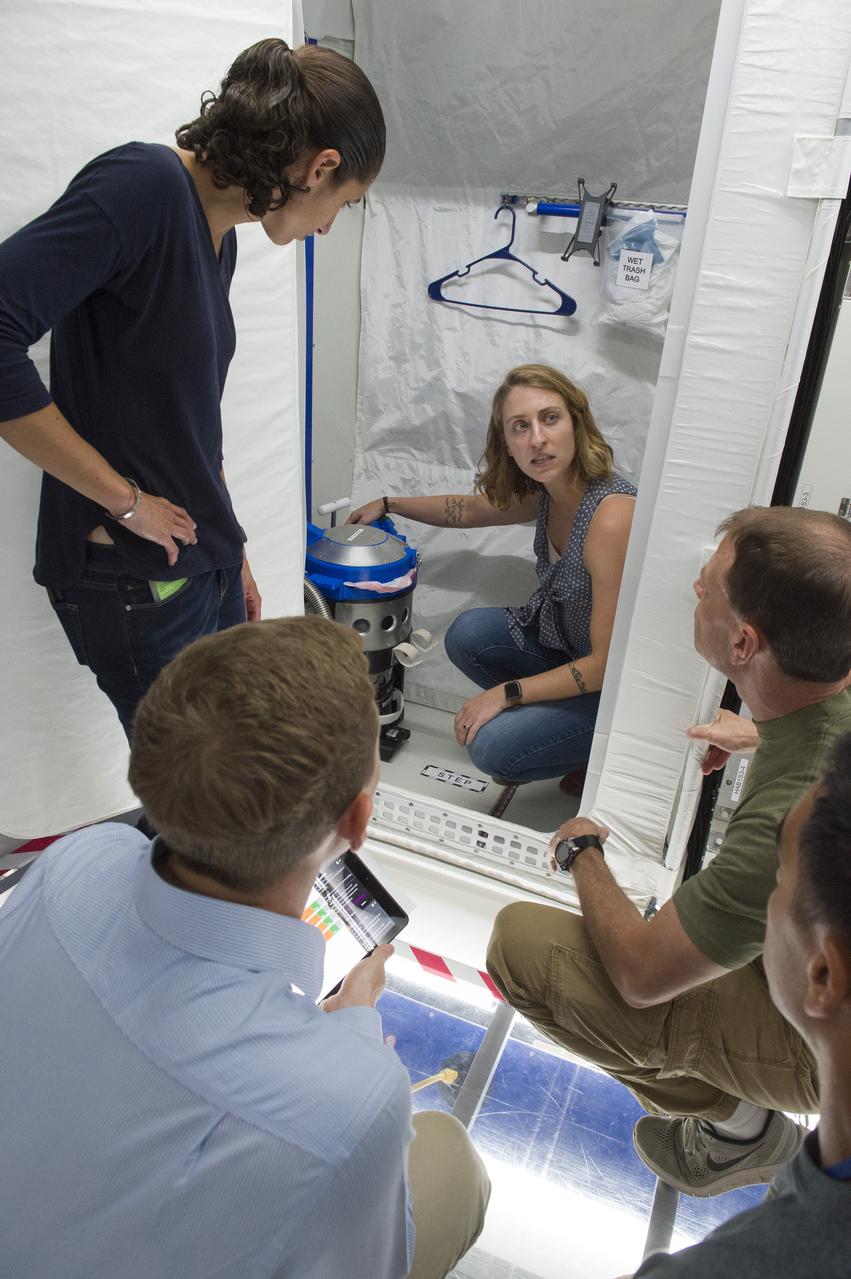
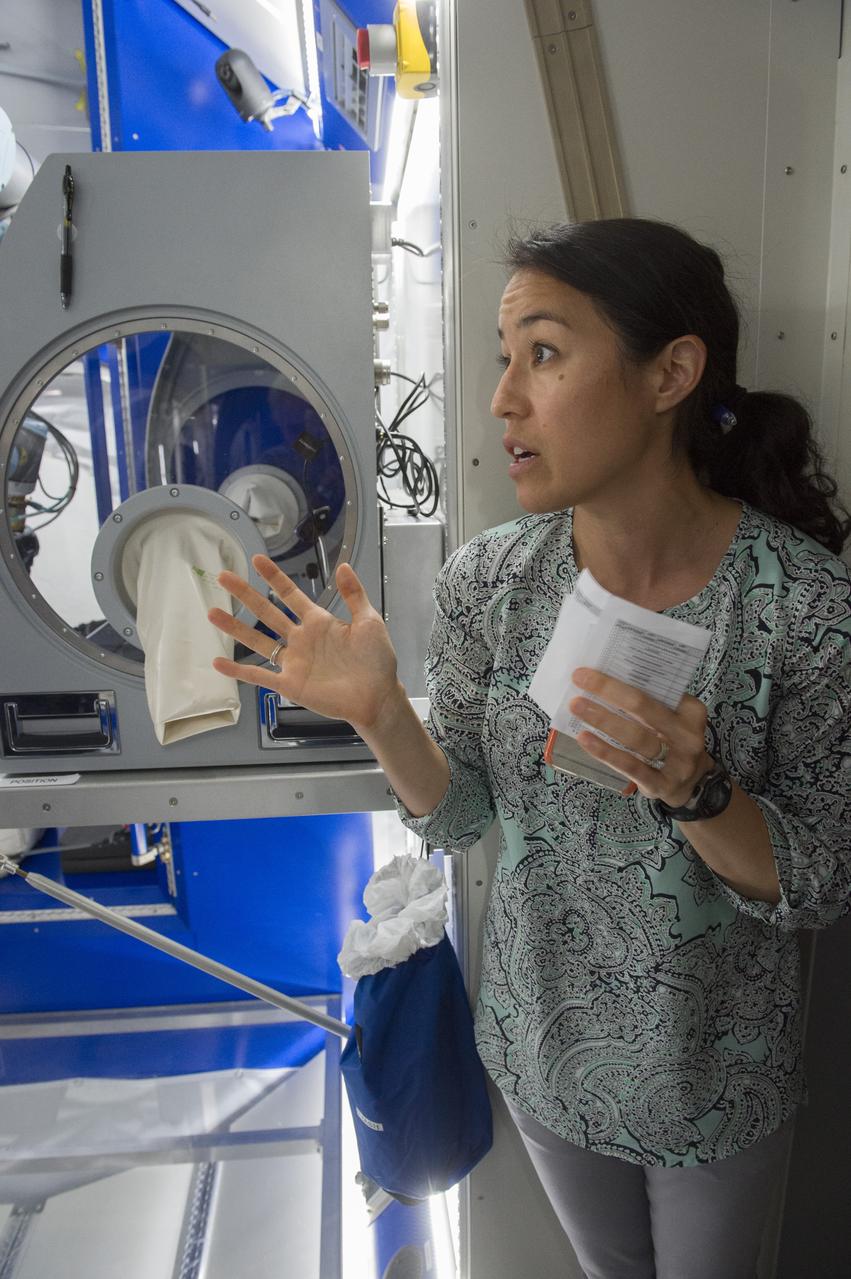
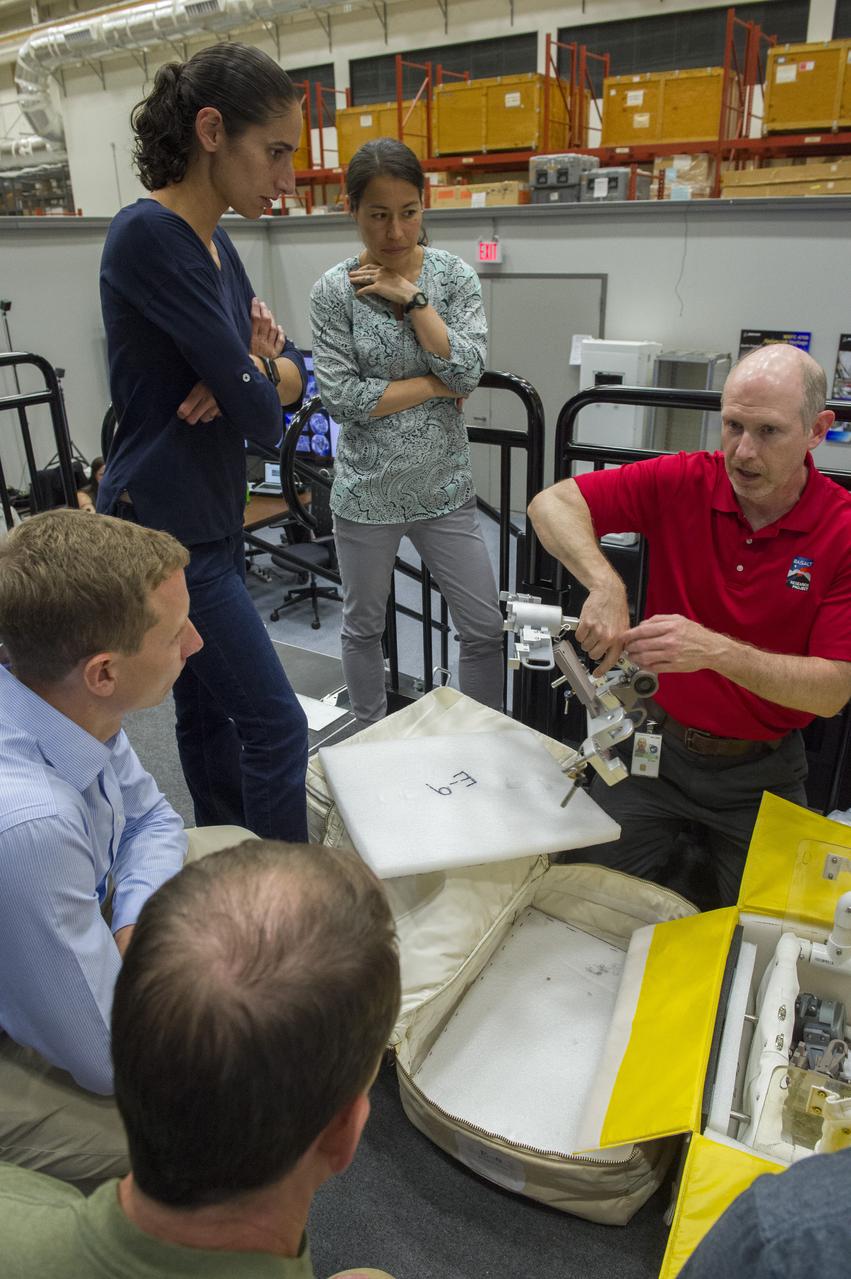
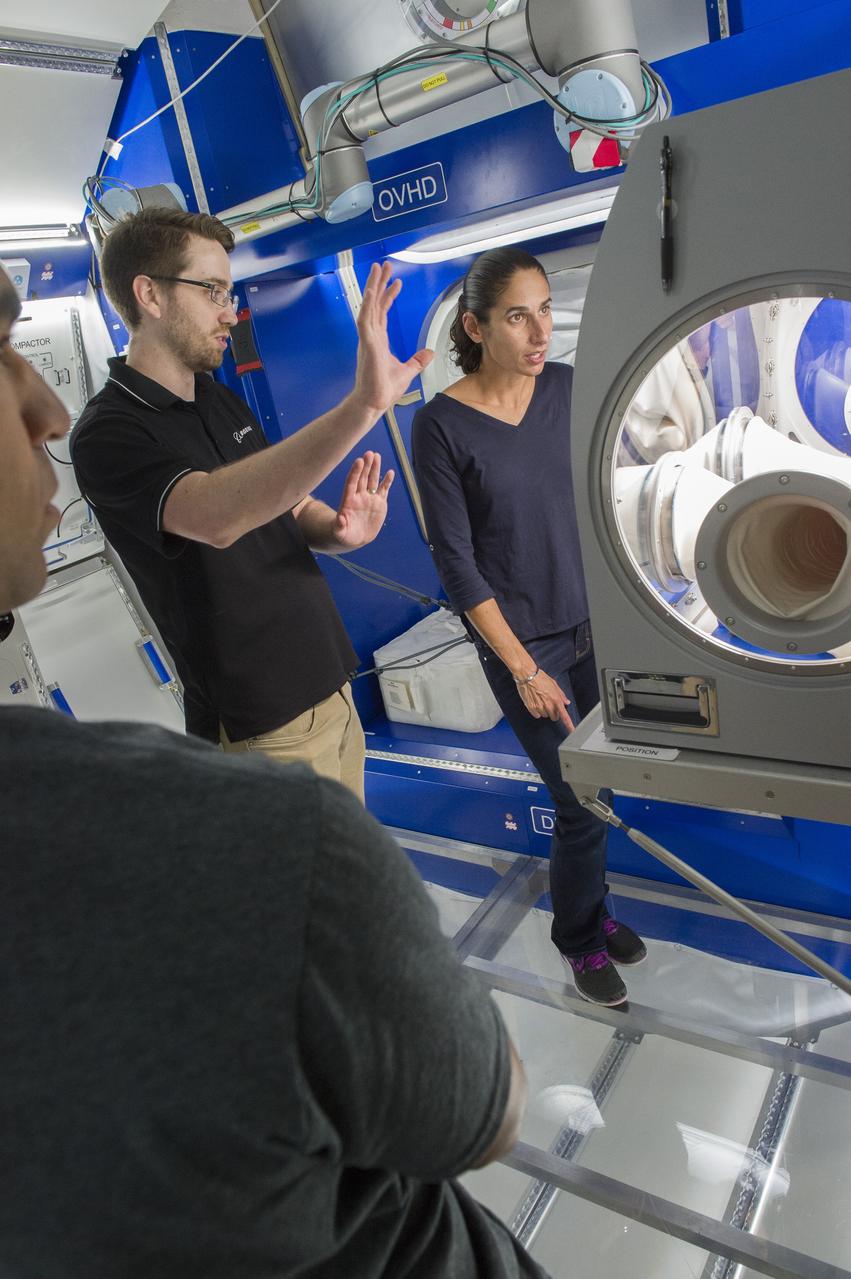
Boeing trainers conduct simulations inside the Boeing Exploration Habitat Demonstrator with astronauts to evaluate the internal layout and ergonomics, to support efficient work-life balance aboard a deep space ship.
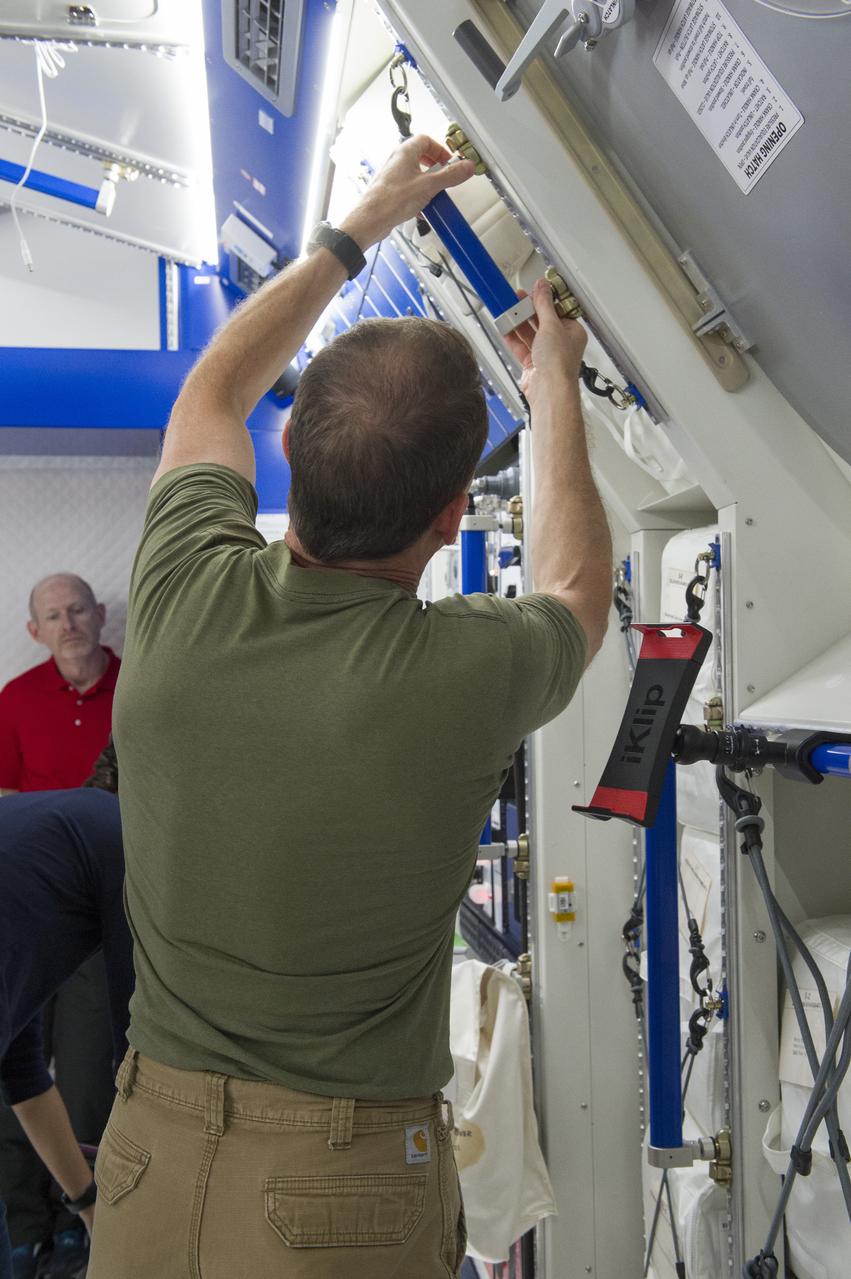
Boeing trainers conduct simulations inside the Boeing Exploration Habitat Demonstrator with astronauts to evaluate the internal layout and ergonomics, to support efficient work-life balance aboard a deep space ship.
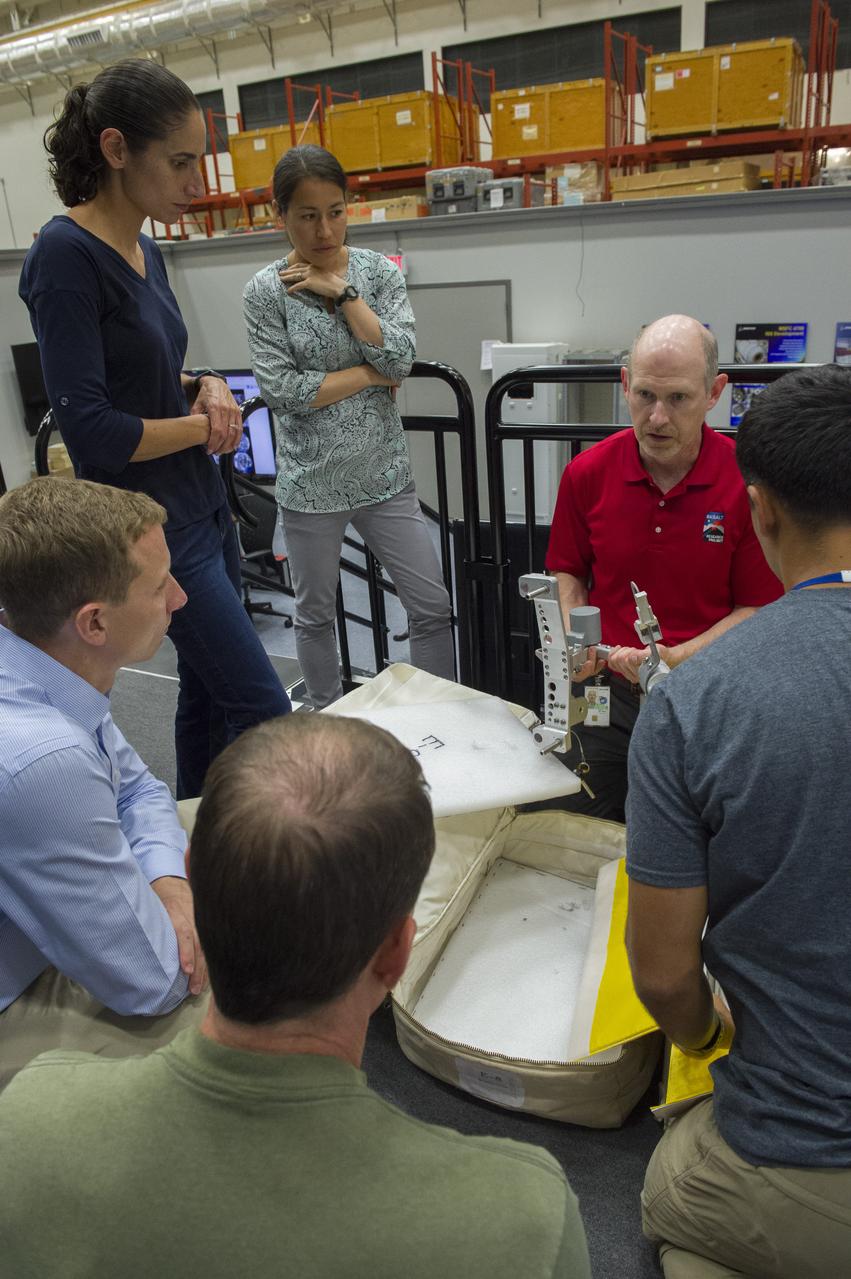
Boeing trainers conduct simulations inside the Boeing Exploration Habitat Demonstrator with astronauts to evaluate the internal layout and ergonomics, to support efficient work-life balance aboard a deep space ship.
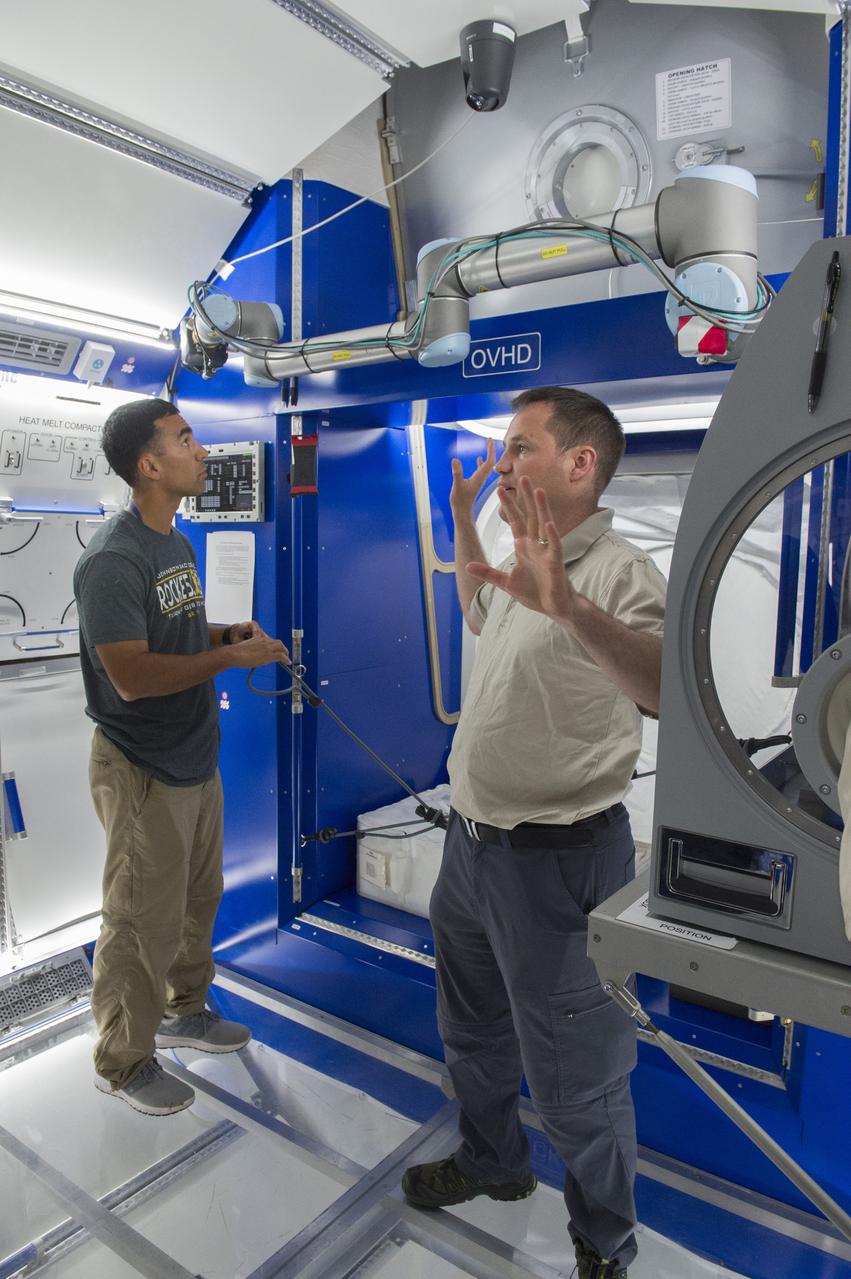
Boeing trainers conduct simulations inside the Boeing Exploration Habitat Demonstrator with astronauts to evaluate the internal layout and ergonomics, to support efficient work-life balance aboard a deep space ship.
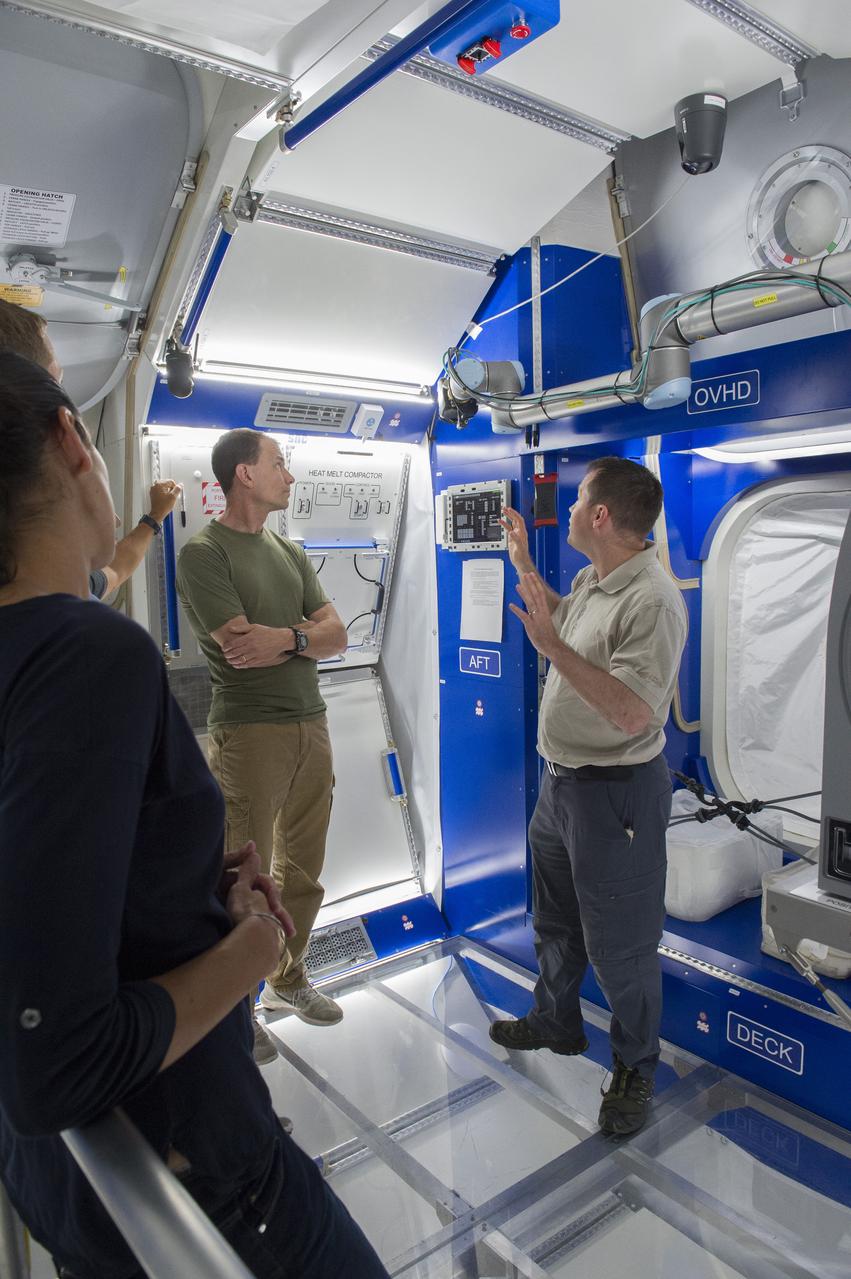
Boeing trainers conduct simulations inside the Boeing Exploration Habitat Demonstrator with astronauts to evaluate the internal layout and ergonomics, to support efficient work-life balance aboard a deep space ship.
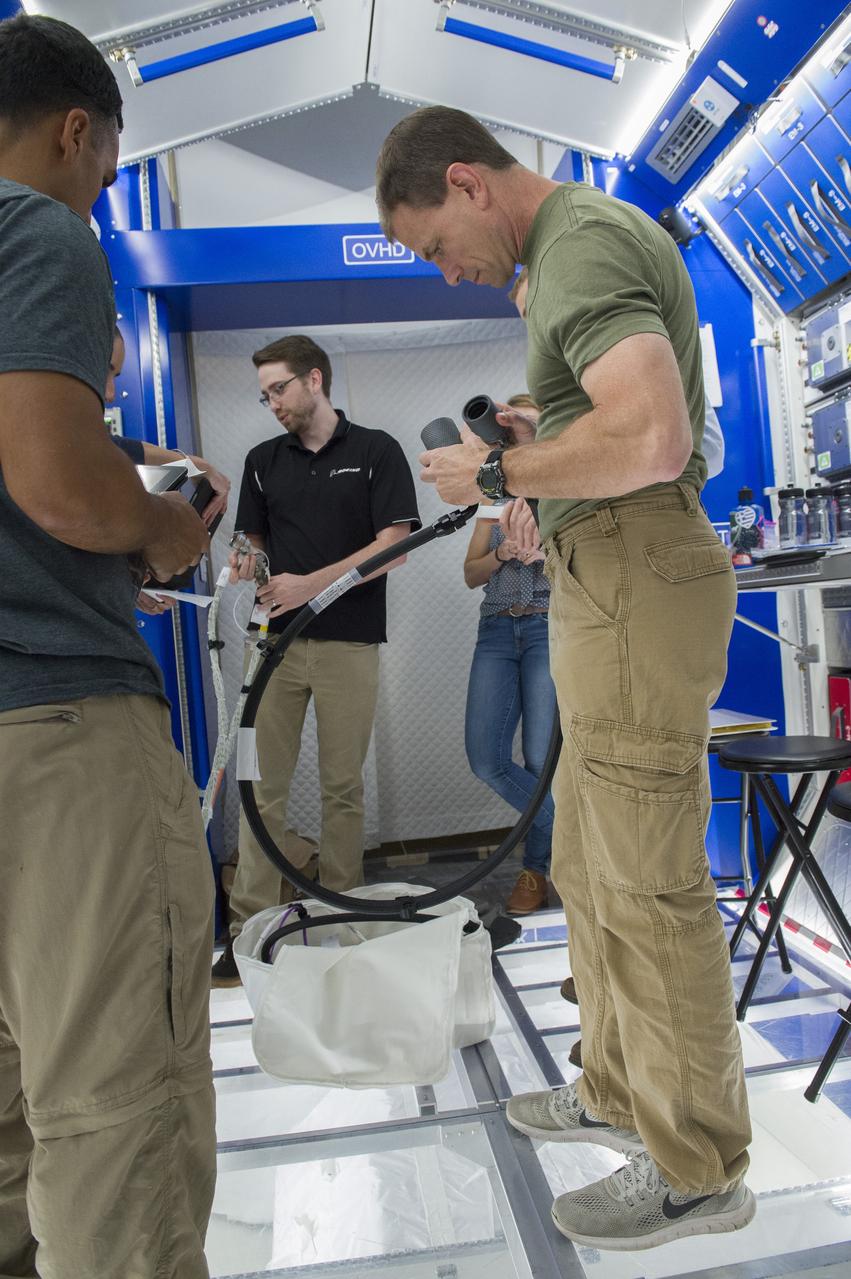
Boeing trainers conduct simulations inside the Boeing Exploration Habitat Demonstrator with astronauts to evaluate the internal layout and ergonomics, to support efficient work-life balance aboard a deep space ship.
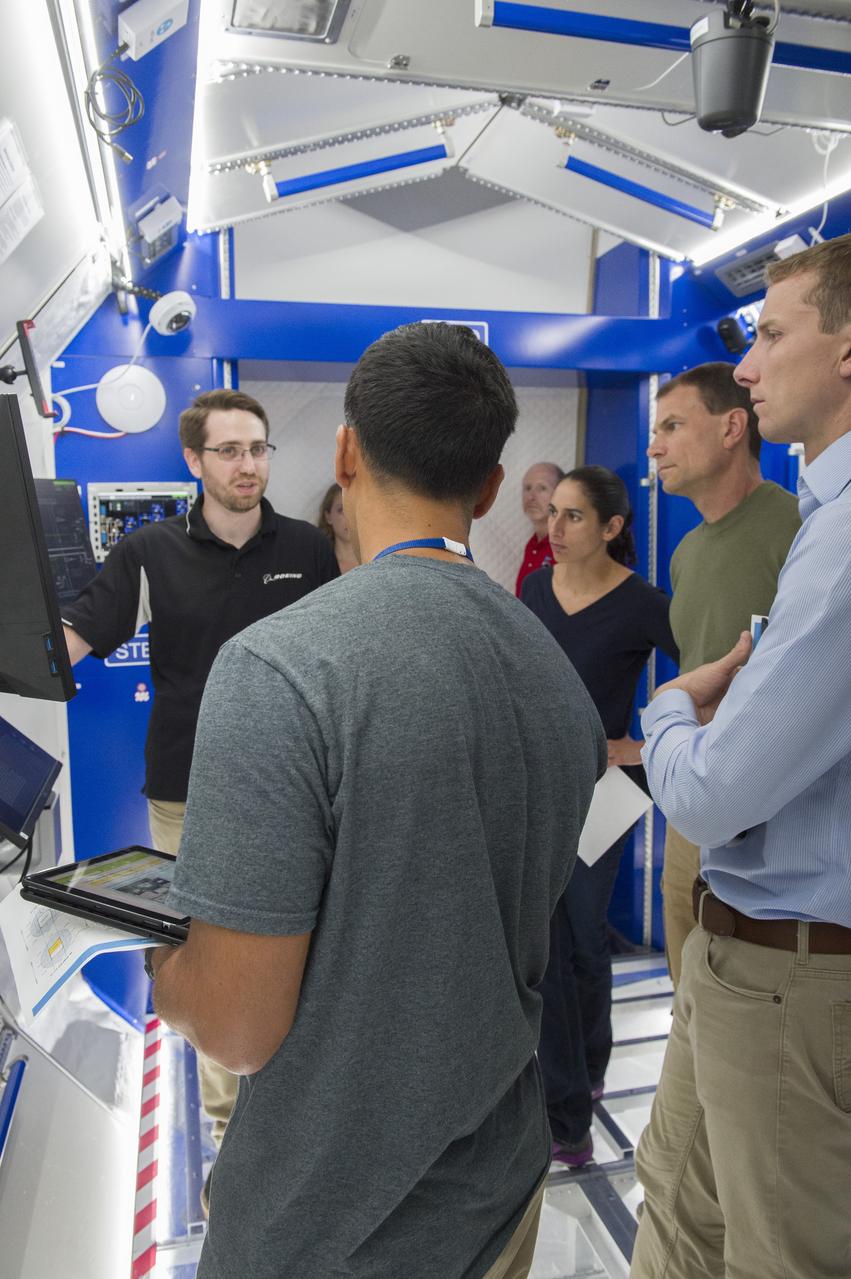
Boeing trainers conduct simulations inside the Boeing Exploration Habitat Demonstrator with astronauts to evaluate the internal layout and ergonomics, to support efficient work-life balance aboard a deep space ship.
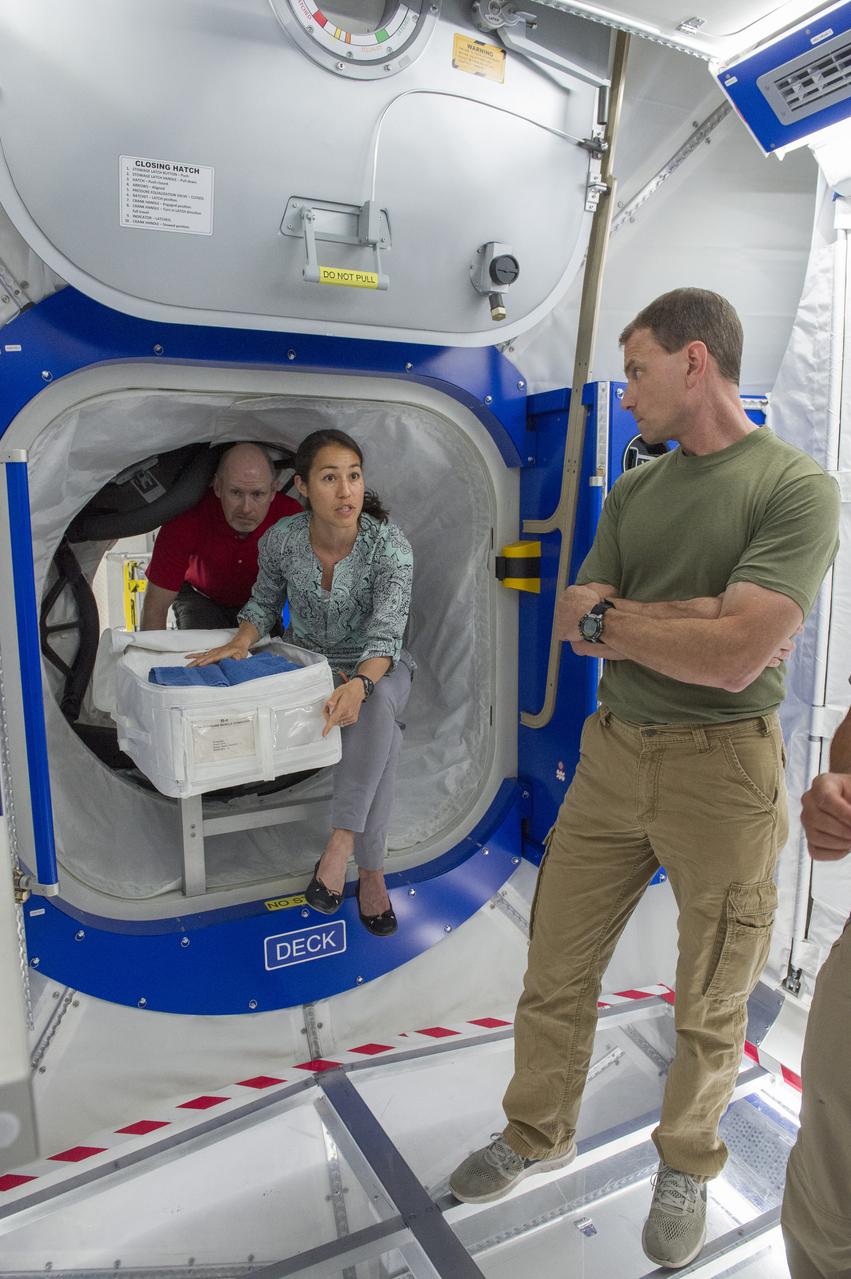
Boeing trainers conduct simulations inside the Boeing Exploration Habitat Demonstrator with astronauts to evaluate the internal layout and ergonomics, to support efficient work-life balance aboard a deep space ship.
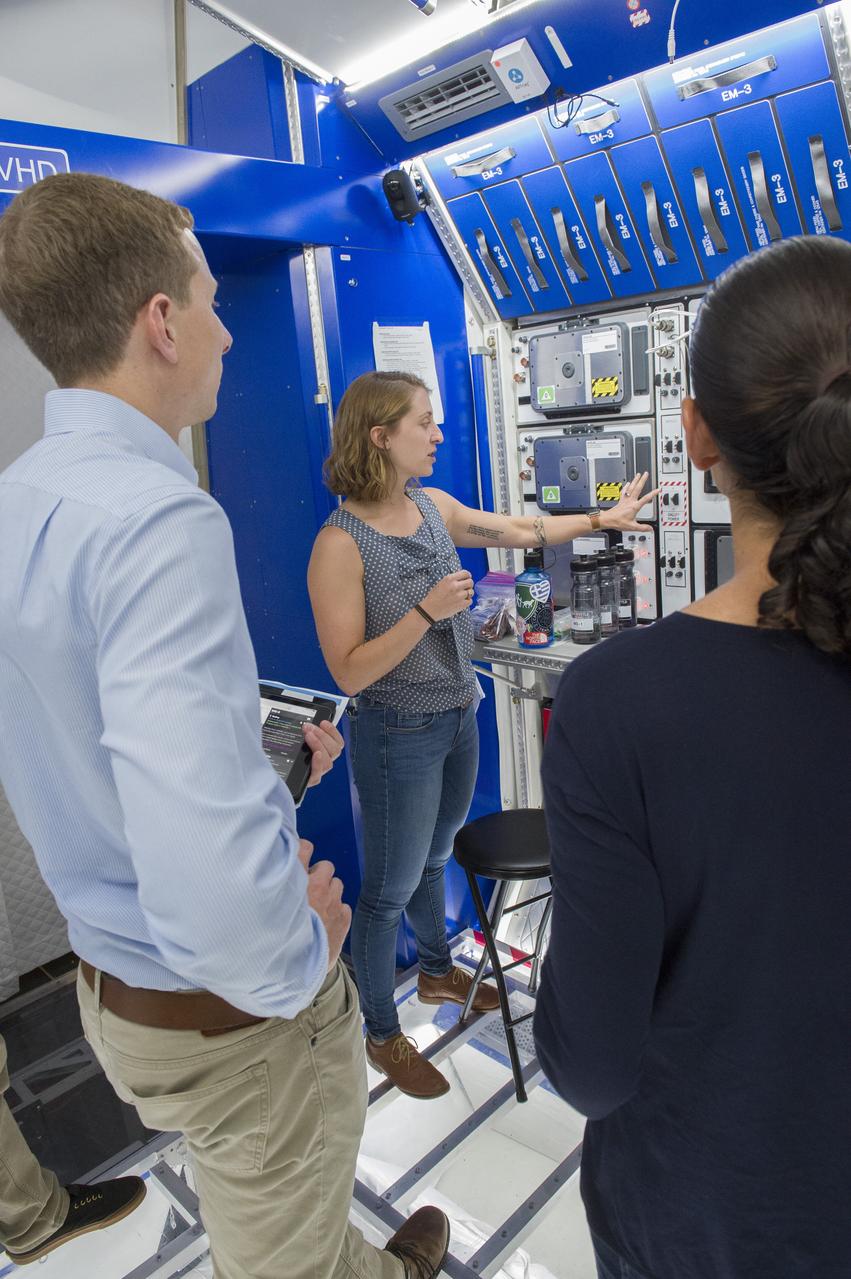
Boeing trainers conduct simulations inside the Boeing Exploration Habitat Demonstrator with astronauts to evaluate the internal layout and ergonomics, to support efficient work-life balance aboard a deep space ship.
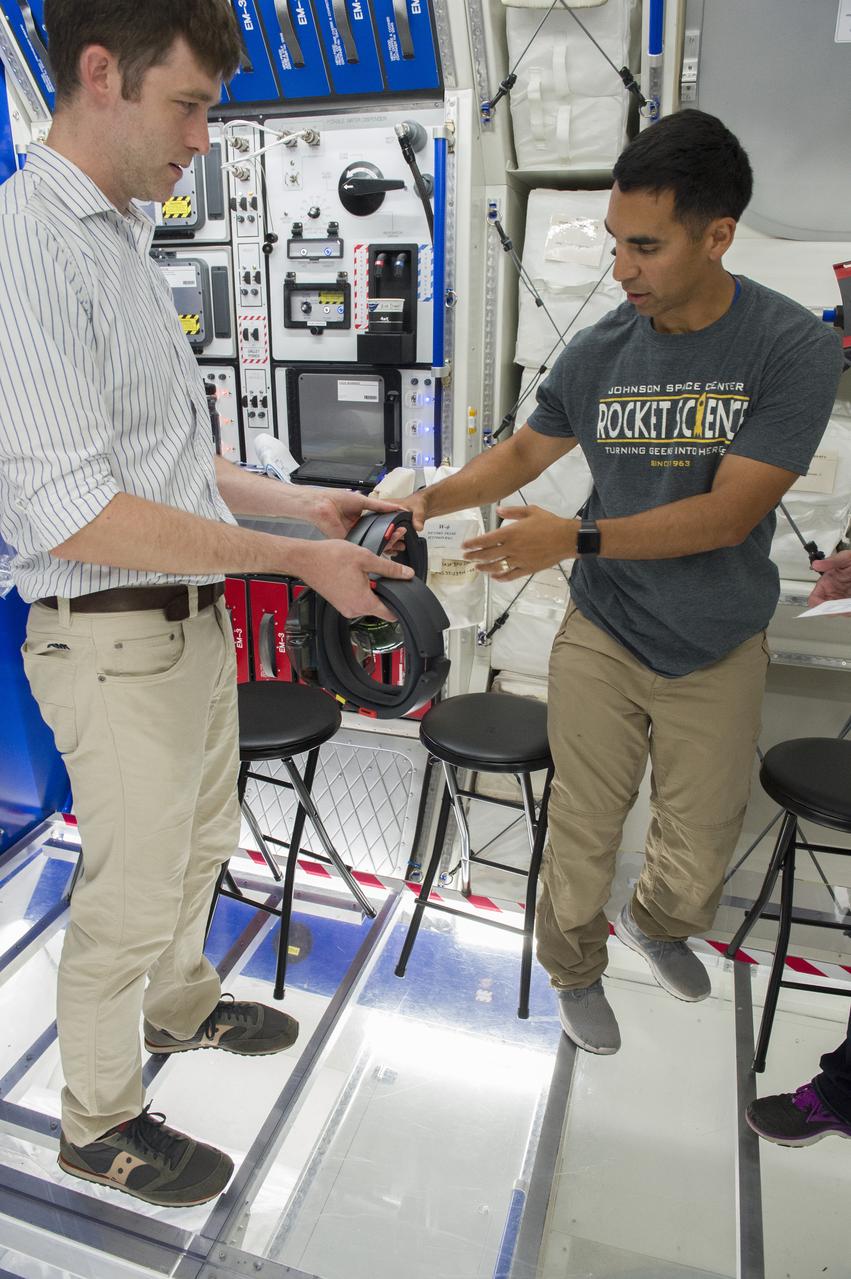
Boeing trainers conduct simulations inside the Boeing Exploration Habitat Demonstrator with astronauts to evaluate the internal layout and ergonomics, to support efficient work-life balance aboard a deep space ship.
Boeing trainers conduct simulations inside the Boeing Exploration Habitat Demonstrator with astronauts to evaluate the internal layout and ergonomics, to support efficient work-life balance aboard a deep space ship.
Boeing trainers conduct simulations inside the Boeing Exploration Habitat Demonstrator with astronauts to evaluate the internal layout and ergonomics, to support efficient work-life balance aboard a deep space ship.
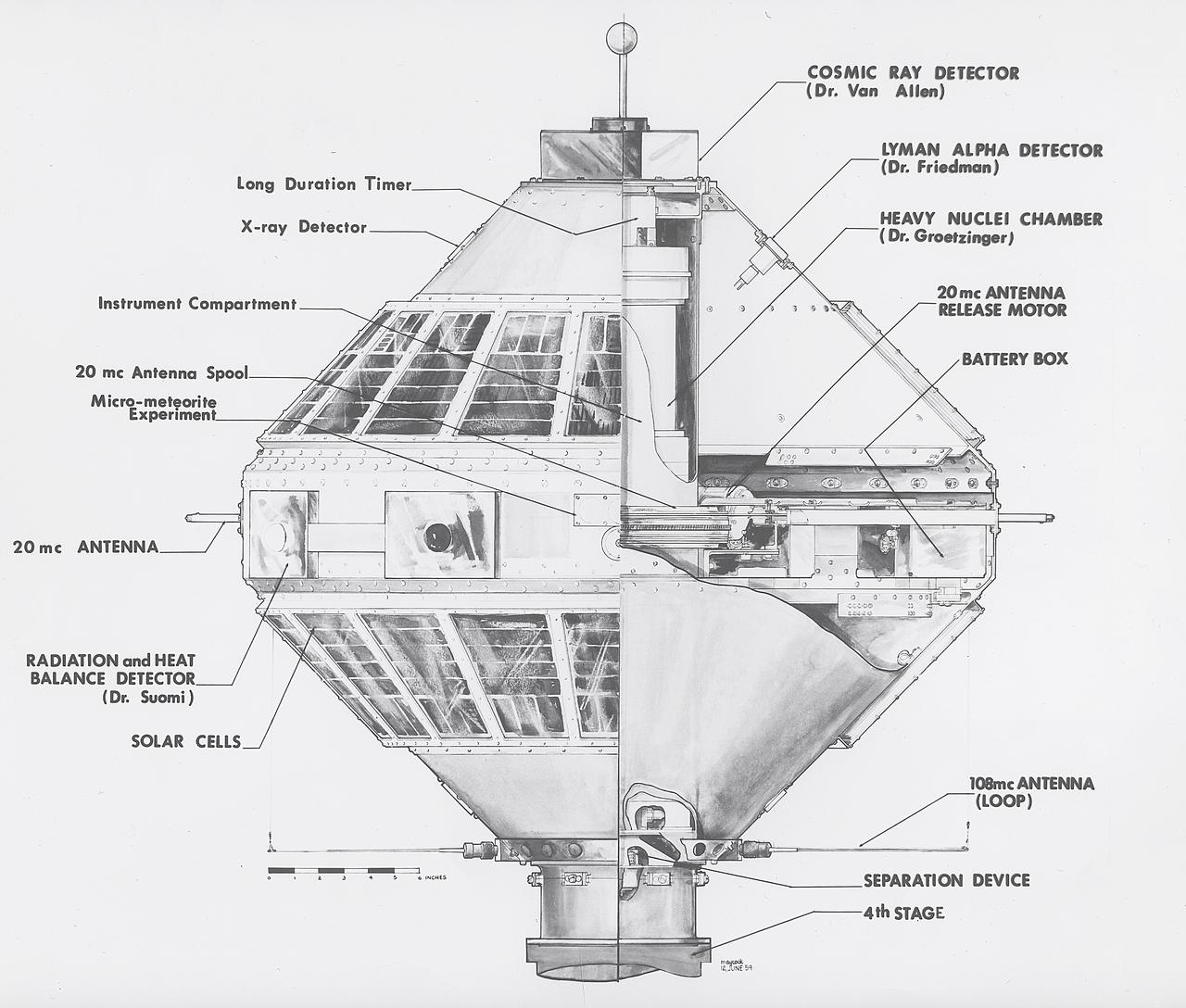
A Juno II launched an Explorer VII satellite on October 13, 1959. Explorer VII, with a total weight of 91.5 pounds, carried a scientific package for detecting micrometeors, measuring the Earth's radiation balance, and conducting other experiments.
Boeing trainers conduct simulations inside the Boeing Exploration Habitat Demonstrator with astronauts to evaluate the internal layout and ergonomics, to support efficient work-life balance aboard a deep space ship.
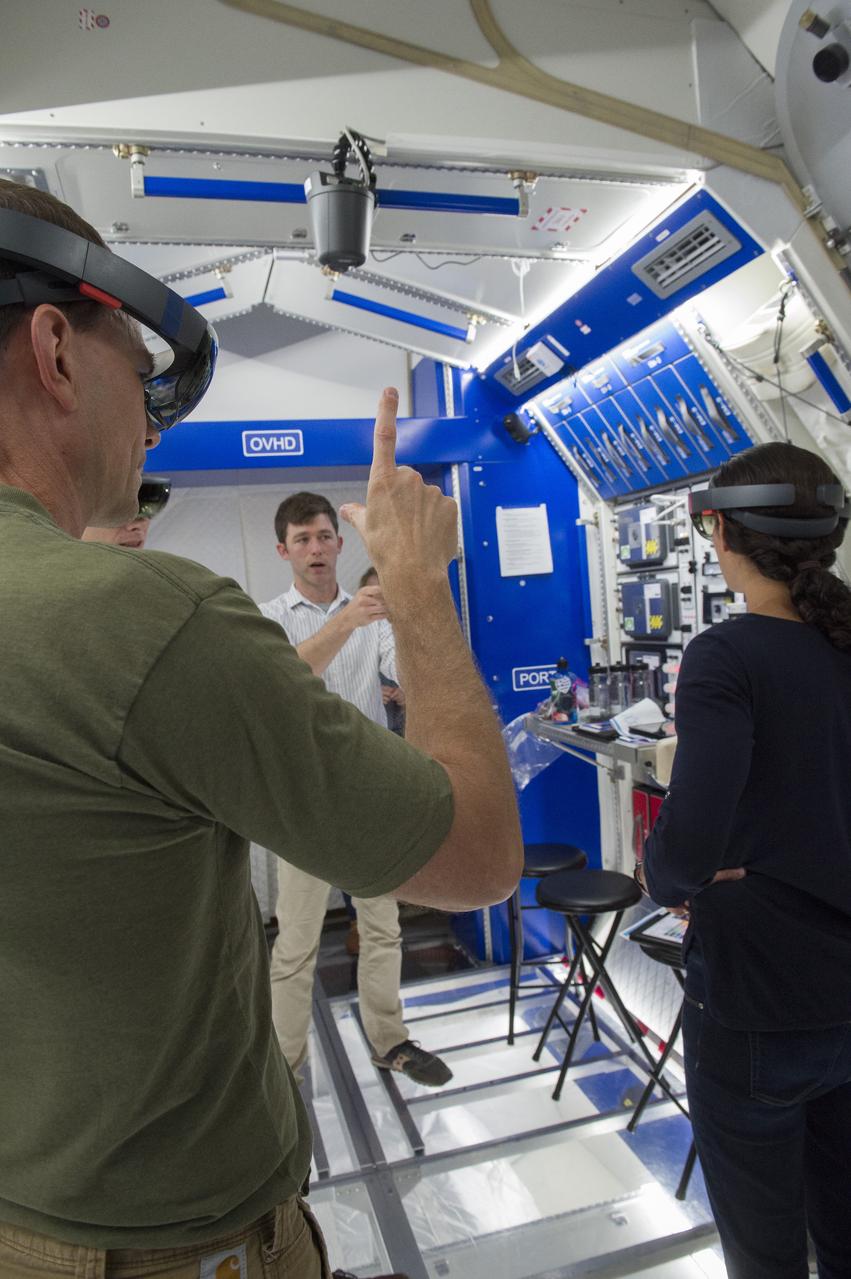
Boeing trainers conduct simulations inside the Boeing Exploration Habitat Demonstrator with astronauts to evaluate the internal layout and ergonomics, to support efficient work-life balance aboard a deep space ship.
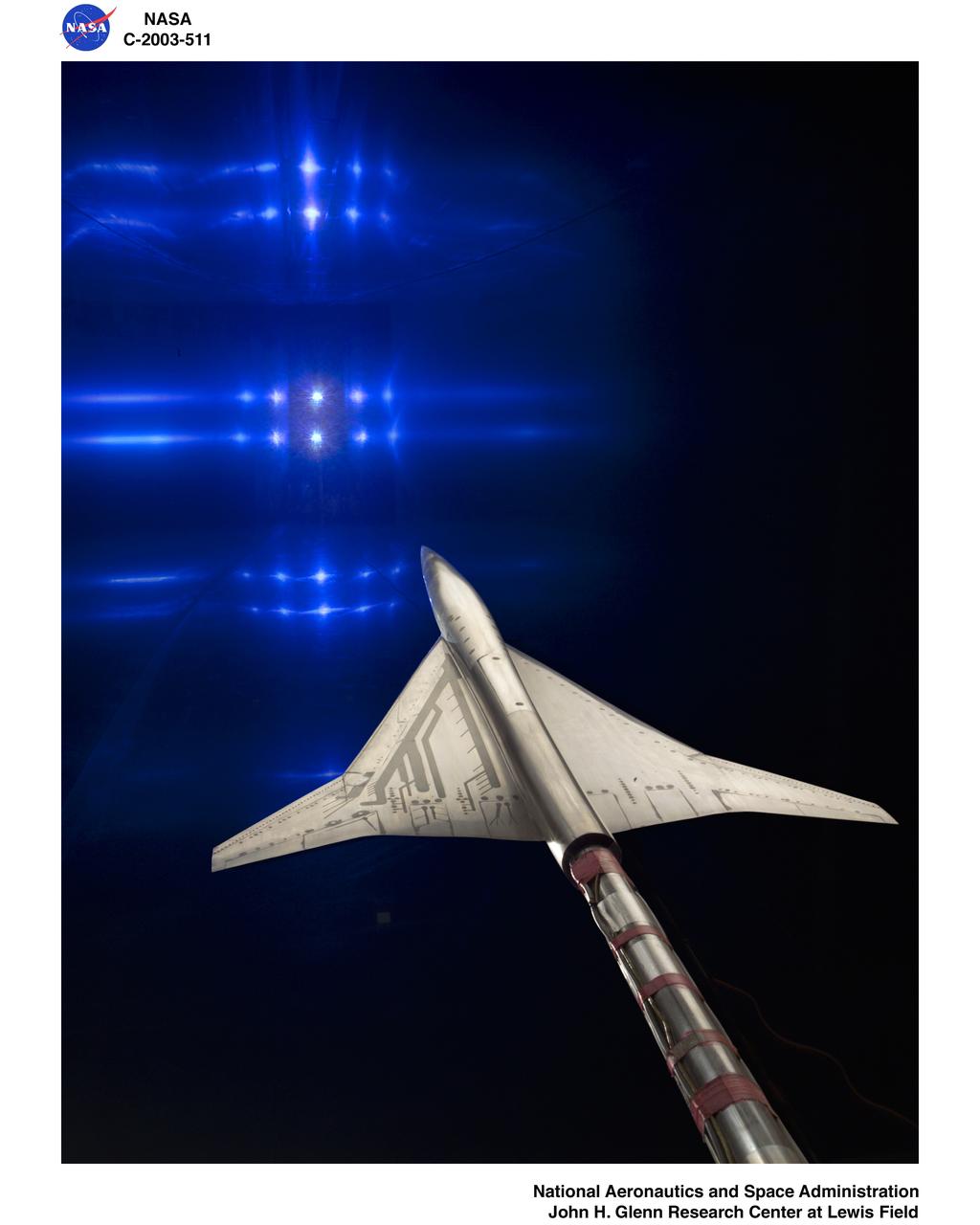
NASA GLENN/NASA LANGLEY LOADS COMPARISON TEST WITH 6 COMPONENT FORCE/MOMENT BALANCE AND 1.7% HIGH SPEED RESEARCH MODEL 5.l in the 10x10 supersonic wind tunnel
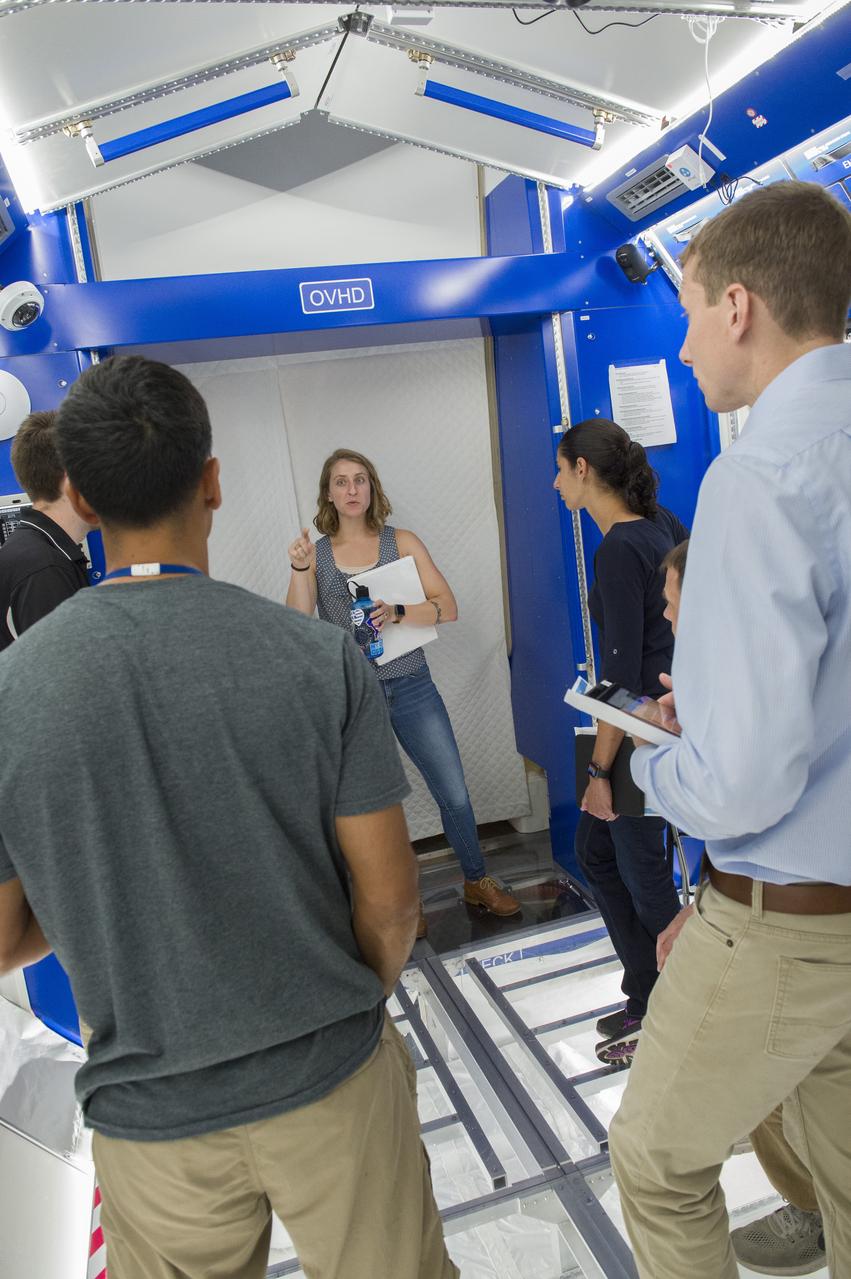
Boeing trainers conduct simulations inside the Boeing Exploration Habitat Demonstrator with astronauts to evaluate the internal layout and ergonomics, to support efficient work-life balance aboard a deep space ship.
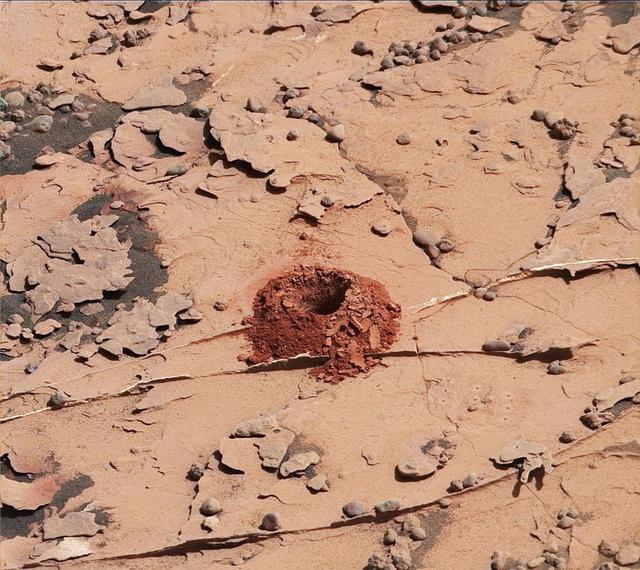
A close-up image of a 2-inch-deep hole produced using a new drilling technique for NASA's Curiosity rover. The hole is about 0.6 inches (1.6 centimeters) in diameter. This image was taken by Curiosity's Mast Camera (Mastcam) on Sol 2057. It has been white balanced and contrast-enhanced. Curiosity drilled this hole in a target called "Duluth" on May 20, 2018. It was the first rock sample captured by the drill since October 2016. A mechanical issue took the drill offline in December 2016. https://photojournal.jpl.nasa.gov/catalog/PIA22326
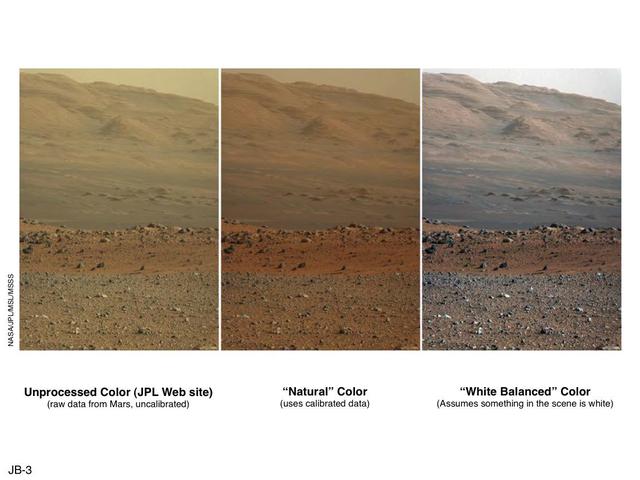
These three versions of the same image taken by the Mast Camera Mastcam on NASA Mars rover Curiosity illustrate different choices that scientists can make in presenting the colors recorded by the camera.
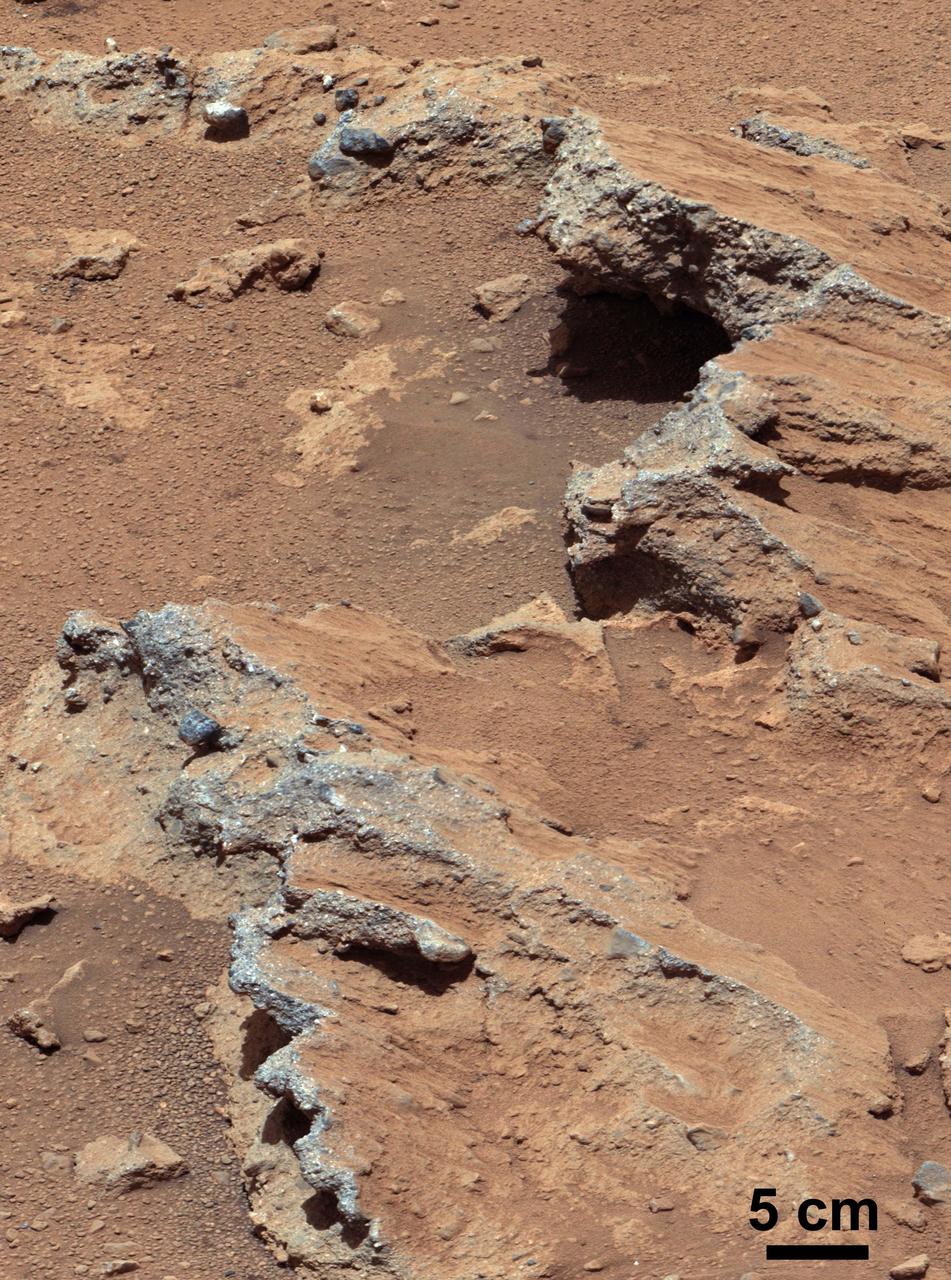
NASA Curiosity rover found evidence for an ancient, flowing stream on Mars at a few sites, including a rock which the science team has named Hottah after Hottah Lake in Canada Northwest Territories.

The official patch of the International Space Station's Expedition 70 crew. The Expedition 70 patch is designed around the central yin-yang symbol representing balance; first and foremost, the balance of our beautiful planet Earth that is encircled by the yin-yang symbol and which forms part of the Expedition number. In our exploration of space, we are reminded of the uniqueness of Earth; the further we push the boundaries of human existence, the stronger our longing for our home planet grows. As our understanding of the cosmos expands, so does our understanding of Earth, and although we live in an ever-changing world, we recognize the need for a planet in balance to ensure our future. Space exploration is also about creating the future of our dreams. The tentative first steps we take today will hopefully become a well-trodden path in the future. This is represented stylistically by the “retro-futuristic” design of the patch, which mimics the design of the posters depicting the future from the early days of the space age. It is also emphasized by the yellow, orange, and red colors suggesting a sunrise. Lastly, the dynamism in the depiction of the number 7 suggests not only the physical launch into space, but also humanity’s progress towards the future.
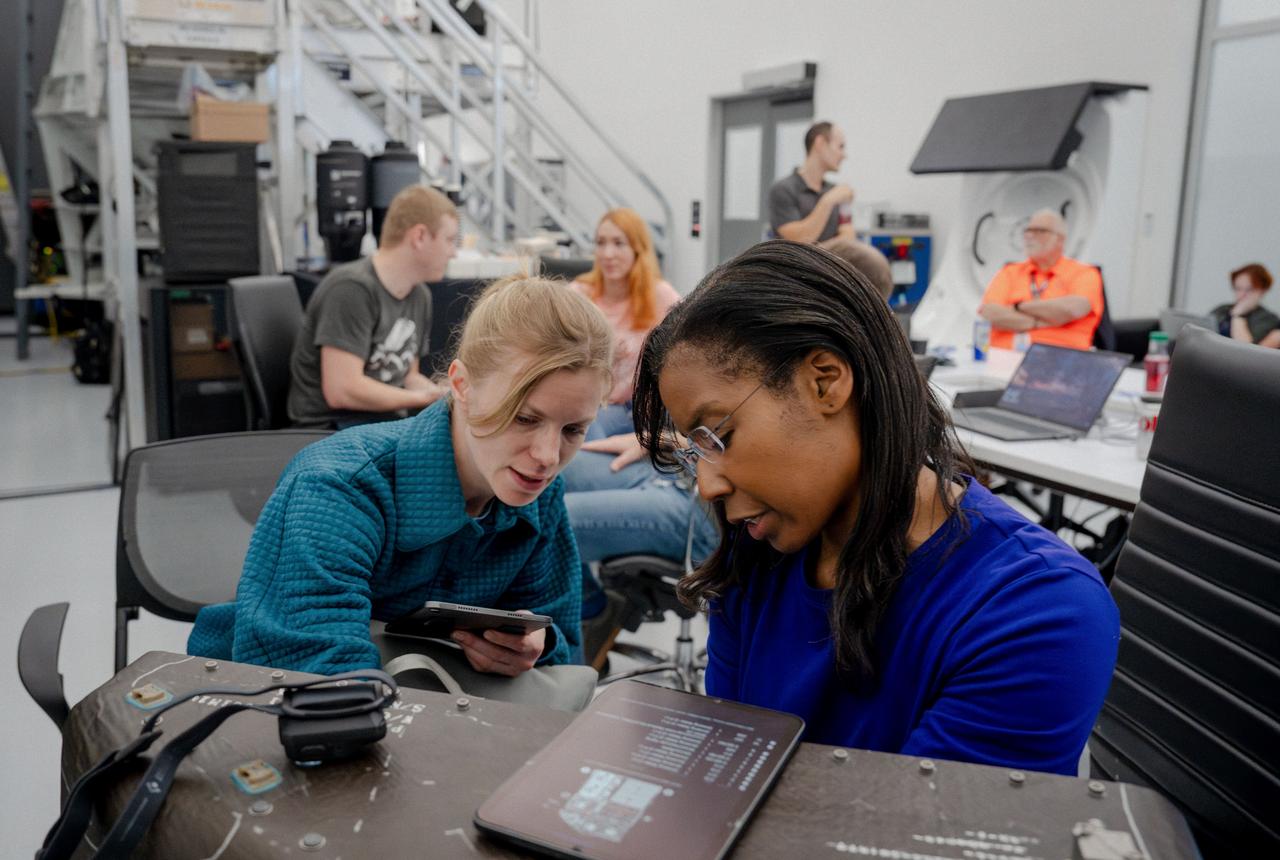
jsc2024e024937 (March 1, 2024) --- NASA’s SpaceX Crew-9 members Commander Zena Cardman and Mission Specialist Stephanie Wilson focus closely on their training, which shows them how to ensure proper weight and balance across the Dragon spacecraft prior to departure and entry. Credit: SpaceX
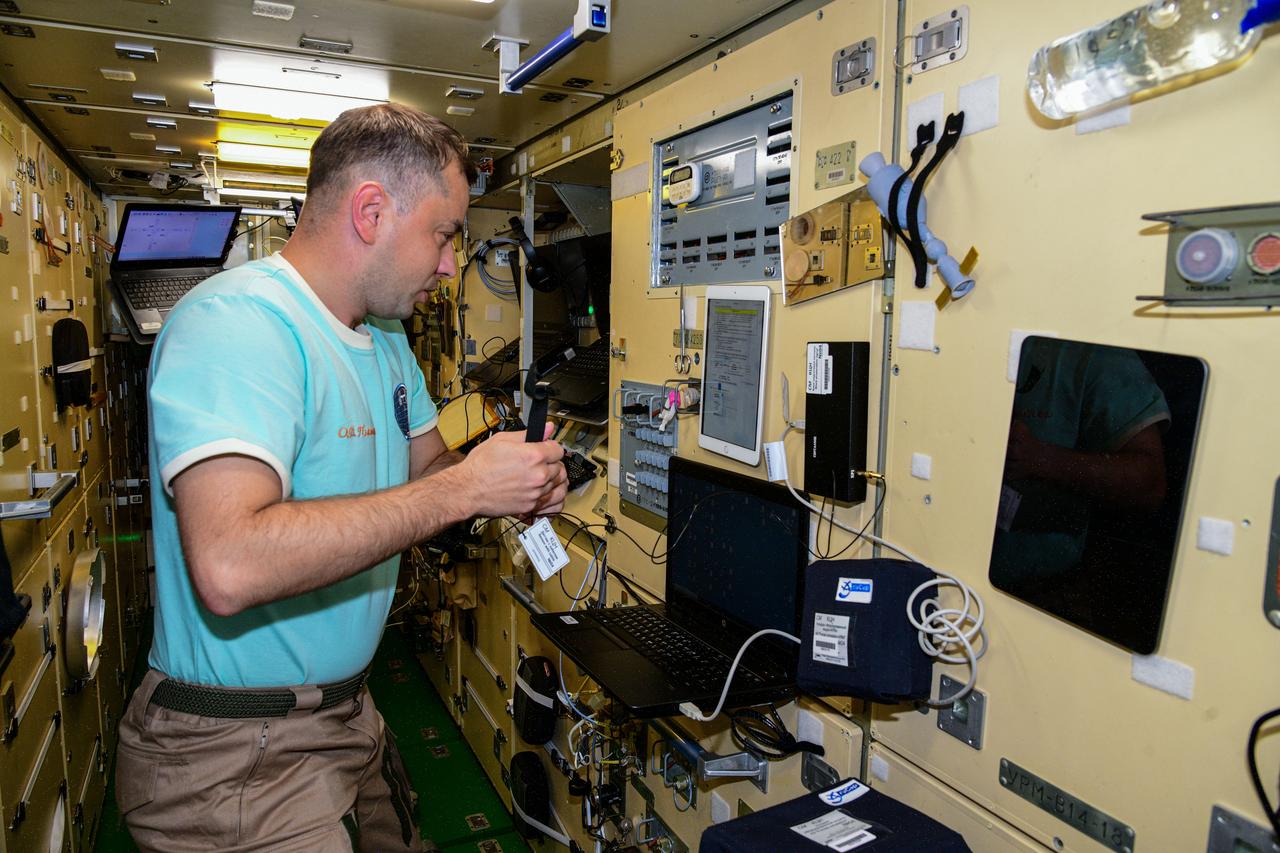
iss073e0422705 (Aug. 4, 2025) --- Roscosmos cosmonaut and Expedition 73 Flight Engineer Oleg Platonov conducts research operations inside the International Space Station's Nauka science module to learn how his balance and sensory perception are adapting to microgravity.
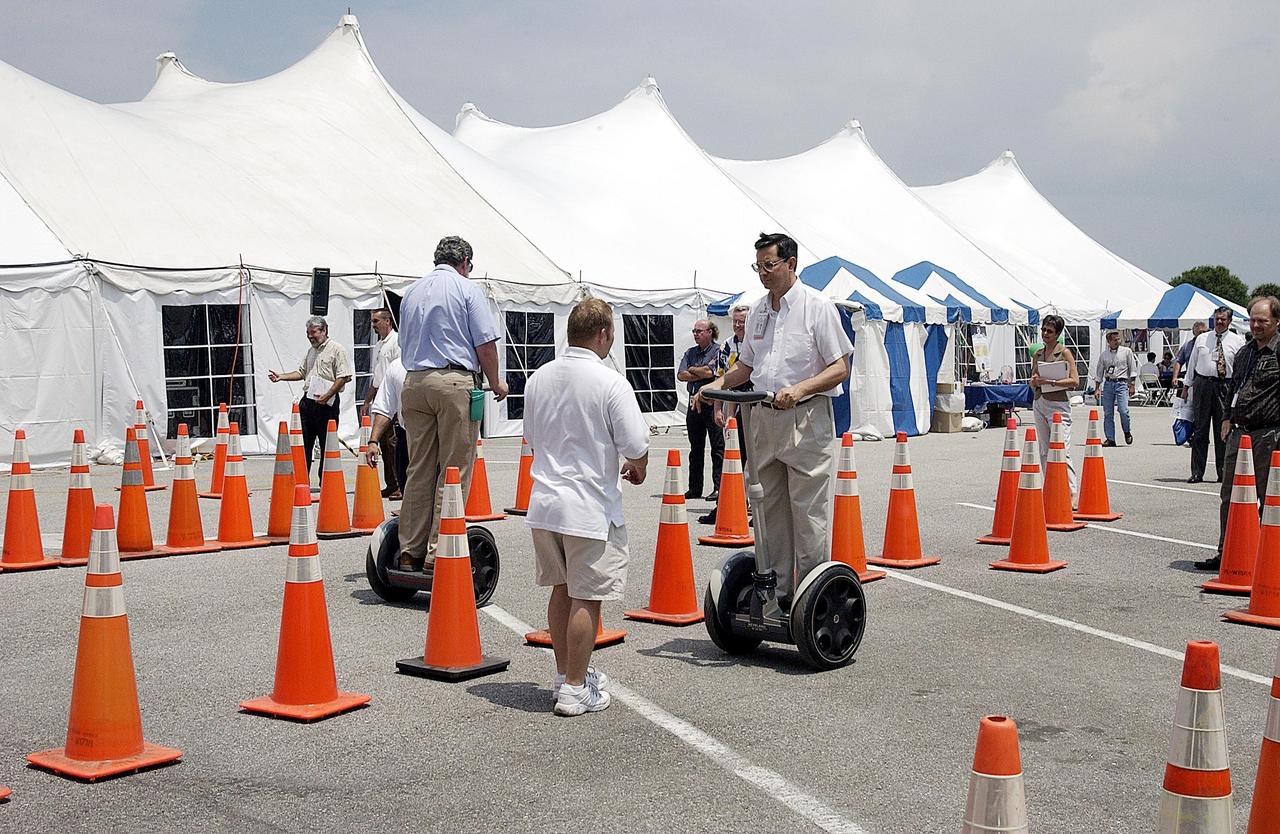
KENNEDY SPACE CENTER, FLA. - During Energy and Awareness Week, employees try out the Segway Human Transporter, a self-balancing, electric-powered transportation device. Narrower than a standard doorway, the Segway is clean and quiet, with zero emissions. The two-day event was held April 22-23 around the Center.
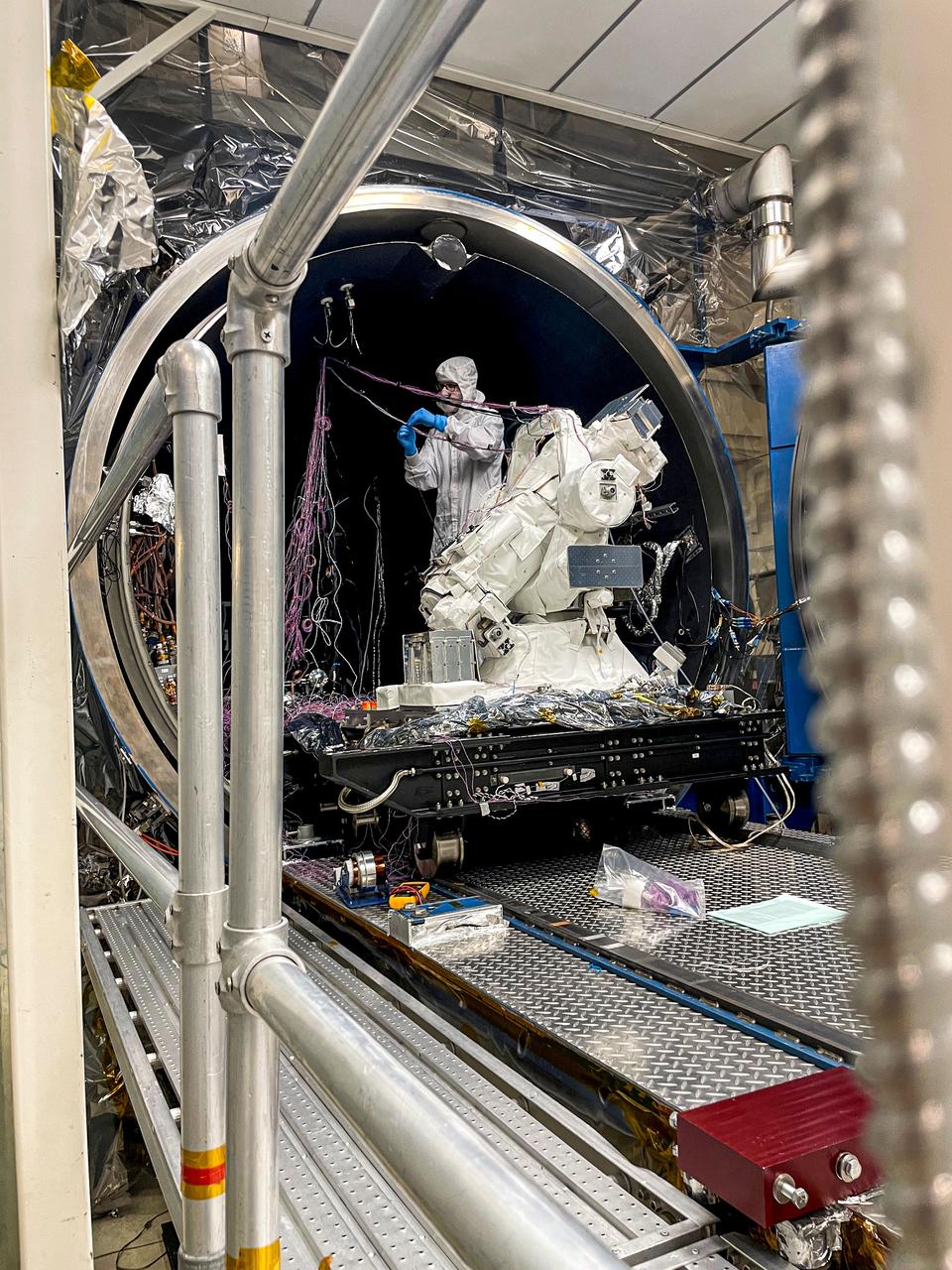
jsc2024e061942 (9/12/2024) --- COronal Diagnostic EXperiment (CODEX) prepares for the thermal vacuum thermal balance test at Goddard Space Flight Center. This test verifies CODEX can survive and operate successfully in vacuum of space and under the changing temperatures of day and night cycles. Credit: CODEX team / NASA
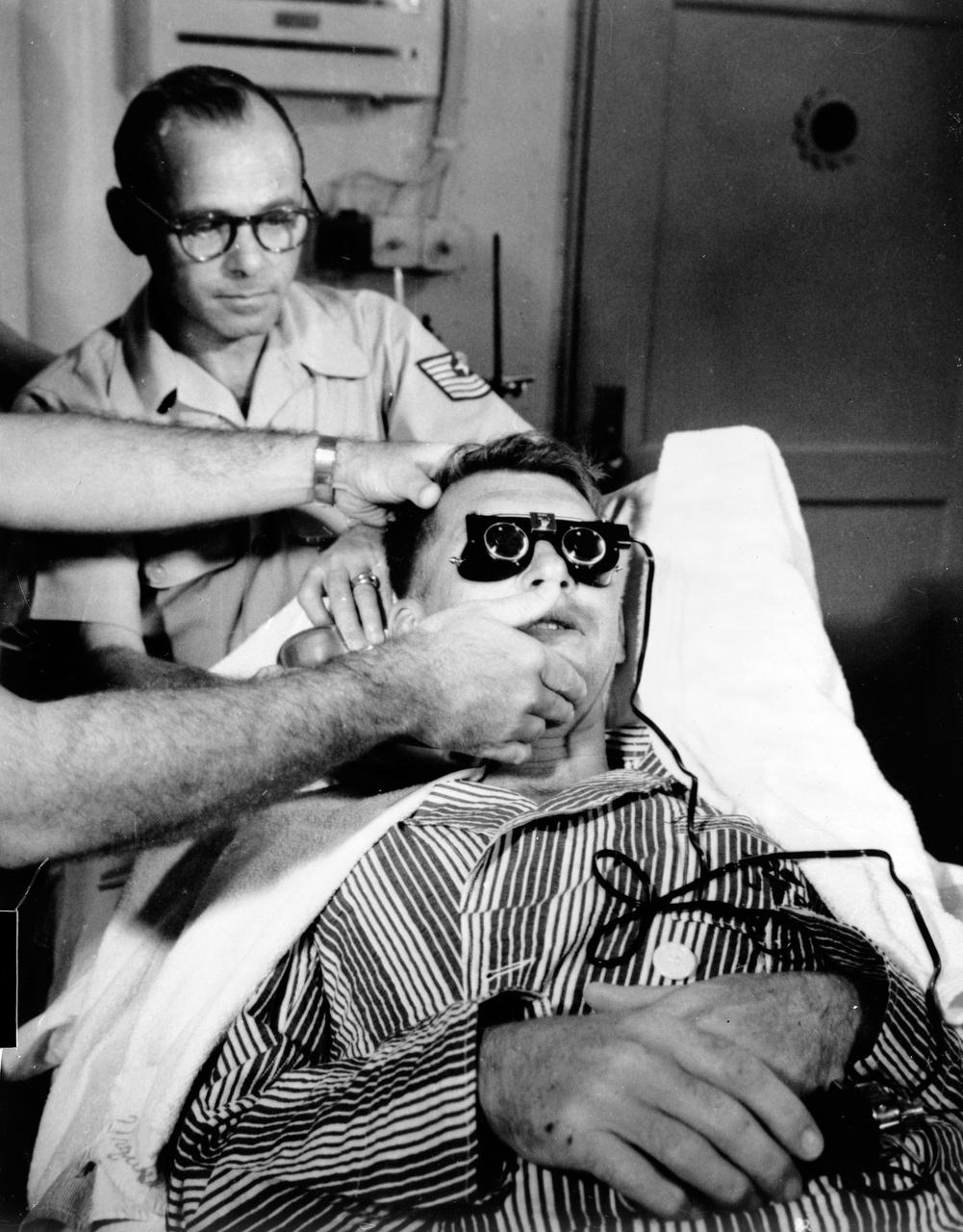
S62-06157 (1962) --- Astronaut Walter Schirra Jr. gets modified calonic test. His balance mechanism (semicircular canals) are tested by running cool water into ear and measuring effect on eye motions (nystagmus) after his six-orbit flight in the Sigma 7 spacecraft. Photo credit: NASA
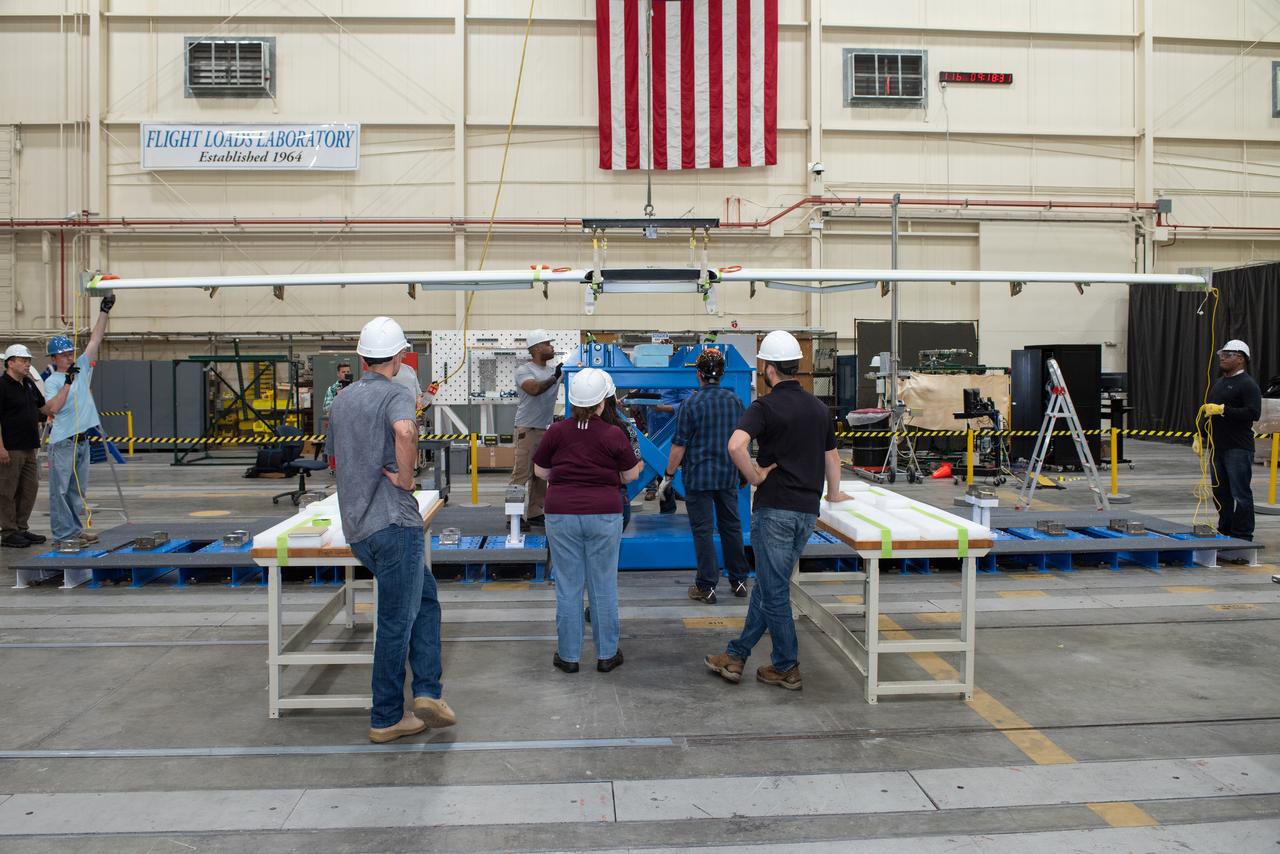
Engineers and specialists prepare X-57s Mod III wing for testing in the Flight Loads Laboratory at NASA’s Armstrong Flight Research Center in Edwards, California. Here, the wing began preparation for several tests, including weight and balance measurement, ground vibration testing, and wing loading tests.
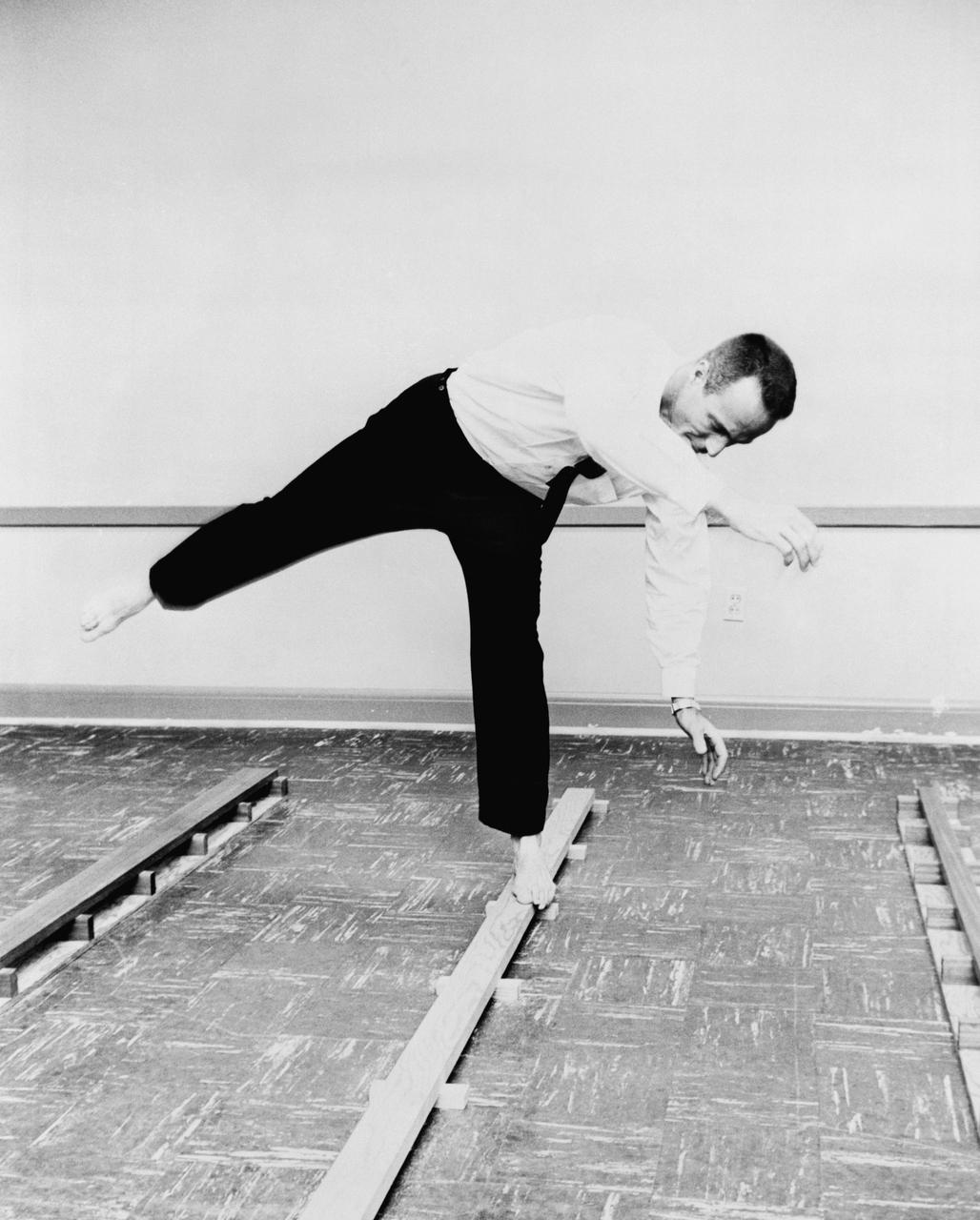
S61-04570 (1961) --- Astronaut M. Scott Carpenter's balance mechanism performance is tested by his walking on a narrow board in his bare feet. He is performing this test at the School of Aviation Medicine, Pensacola, Florida. Photo credit: NASA
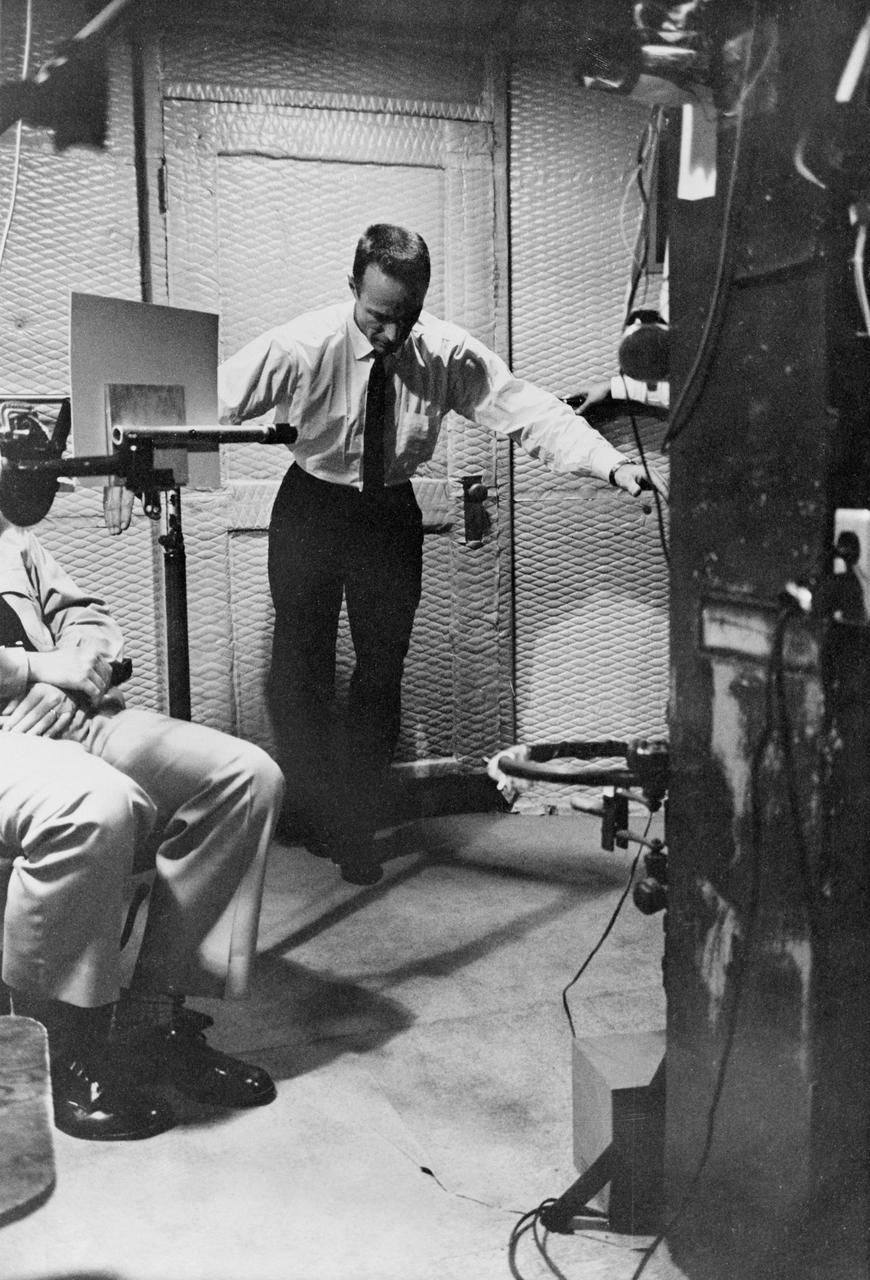
S61-04571 (1961) --- Astronaut M. Scott Carpenter's balance mechanism performance is tested as he walks a straight line by putting one foot directly in front of the other. He is performing this test at the School of Aviation Medicine, Pensicola, Florida. Photo credit: NASA
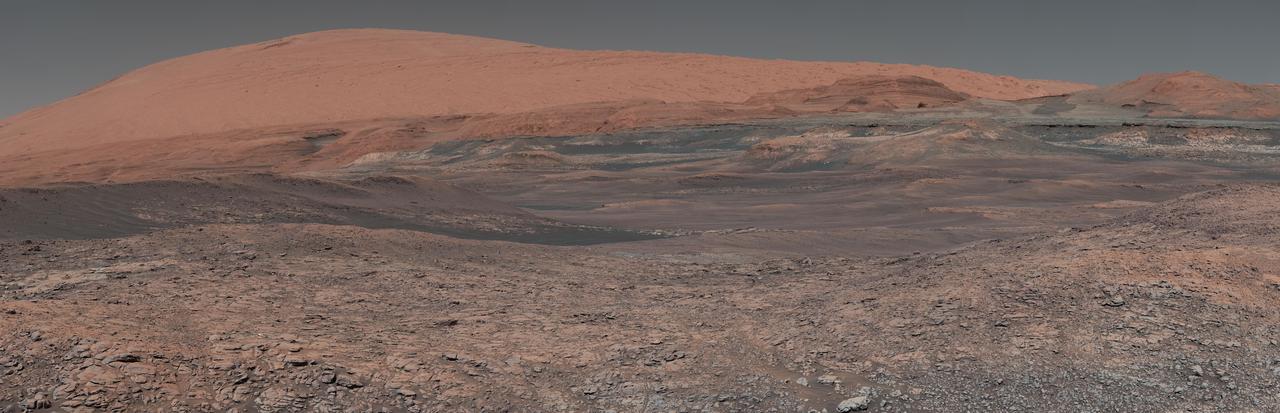
This mosaic taken by NASA's Mars Curiosity rover looks uphill at Mount Sharp, which Curiosity has been climbing. Spanning the center of the image is an area with clay-bearing rocks that scientists are eager to explore; it could shed additional light on the role of water in creating Mount Sharp. The mosaic was assembled from dozens of images taken by Curiosity's Mast Camera (Mastcam). It was taken on Sol 1931 back in January. Mount Sharp stands in the middle of Gale Crater, which is 96 miles (154 kilometers) in diameter. This mound, which Curiosity has been climbing since 2014, likely formed in the presence of water at various points of time in Mars ancient history. That makes it an ideal place to study how water influenced the habitability of Mars billions of years ago. The scene has been white-balanced so the colors of the rock materials resemble how they would appear under daytime lighting conditions on Earth. https://photojournal.jpl.nasa.gov/catalog/PIA22313
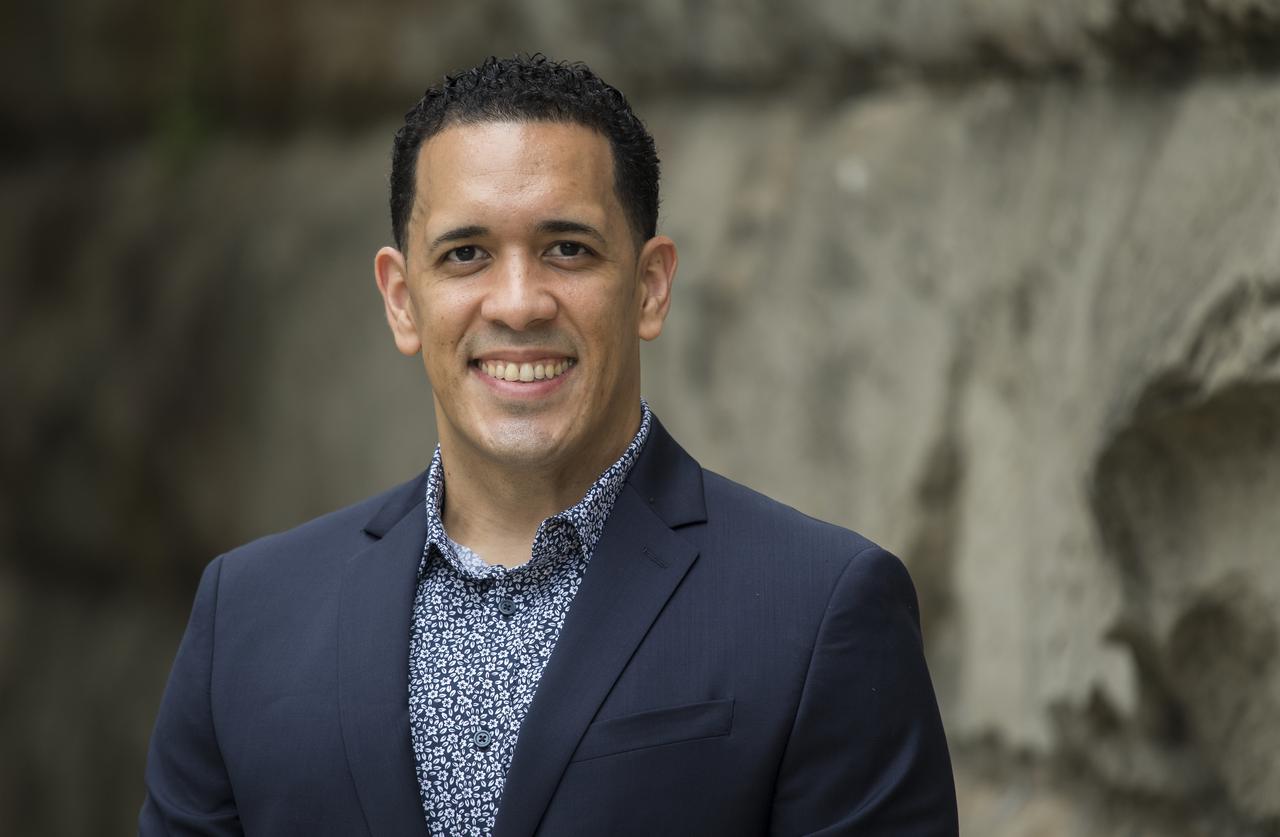
“Since I was 13, I’ve had maybe two or three jobs. Right now, I feel like I have four jobs. I have the NASA job, the Navy job. I’m also the chair for the Hispanic Outreach and Leadership Alliance, and I’m a new dad. It’s a lot. They say that the more you do, the more you can do. That’s a motto we have in the military. It’s true. The more you do, the more you can do, and unless you try to do something, you won’t know if you can. I have this philosophy in life that you’re only ever going to do things related to four categories: fitness and health, social and family time, your career, or faith and spirituality. You’re never, ever going to get those things perfectly in balance because nobody’s perfect. But I think the goal is to try to maintain balance. You’re going to have periods in your life where you may have a lot of work assignments and you’re spending a lot of time on the career side of things, but you need to also remember that you owe some time to your family and your friends. Are you taking time off for your health? Recognize when you’re a little bit off-balanced on one end. Success is in the journey of trying to work your way back to balanced.” Magdiel Santana, Senior Program Analyst at NASA Headquarters, poses for a portrait, Tuesday, Sept. 1, 2020, near NASA Headquarters in Washington, DC. Photo Credit: (NASA/Joel Kowsky)
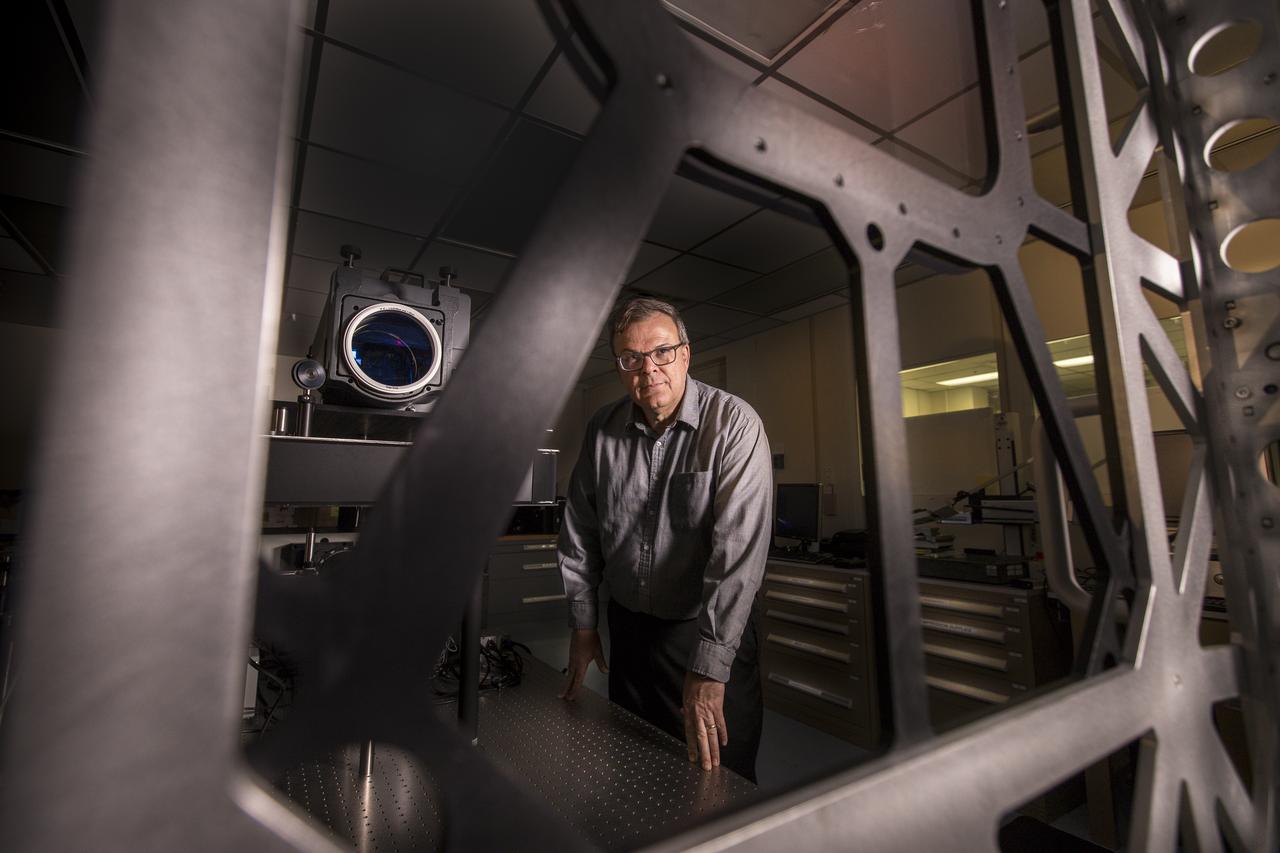
Mark Nurge, a physicist in Kennedy Space Center’s Applied Physics Lab, stands near a laser interferometer, which is used to determine if there are acceptable levels of distortion and imperfections in windows. Nurge recently completed optical metrology testing and evaluation of all flight windows on the Orion capsule for Artemis 1. The interferometer uses a laser source to do wavefront and transmission measurements, as well as evaluation of the color balance. Artemis 1 is an uncrewed flight that will pave the way for future crewed missions and enable future missions to the Moon, Mars, and beyond.
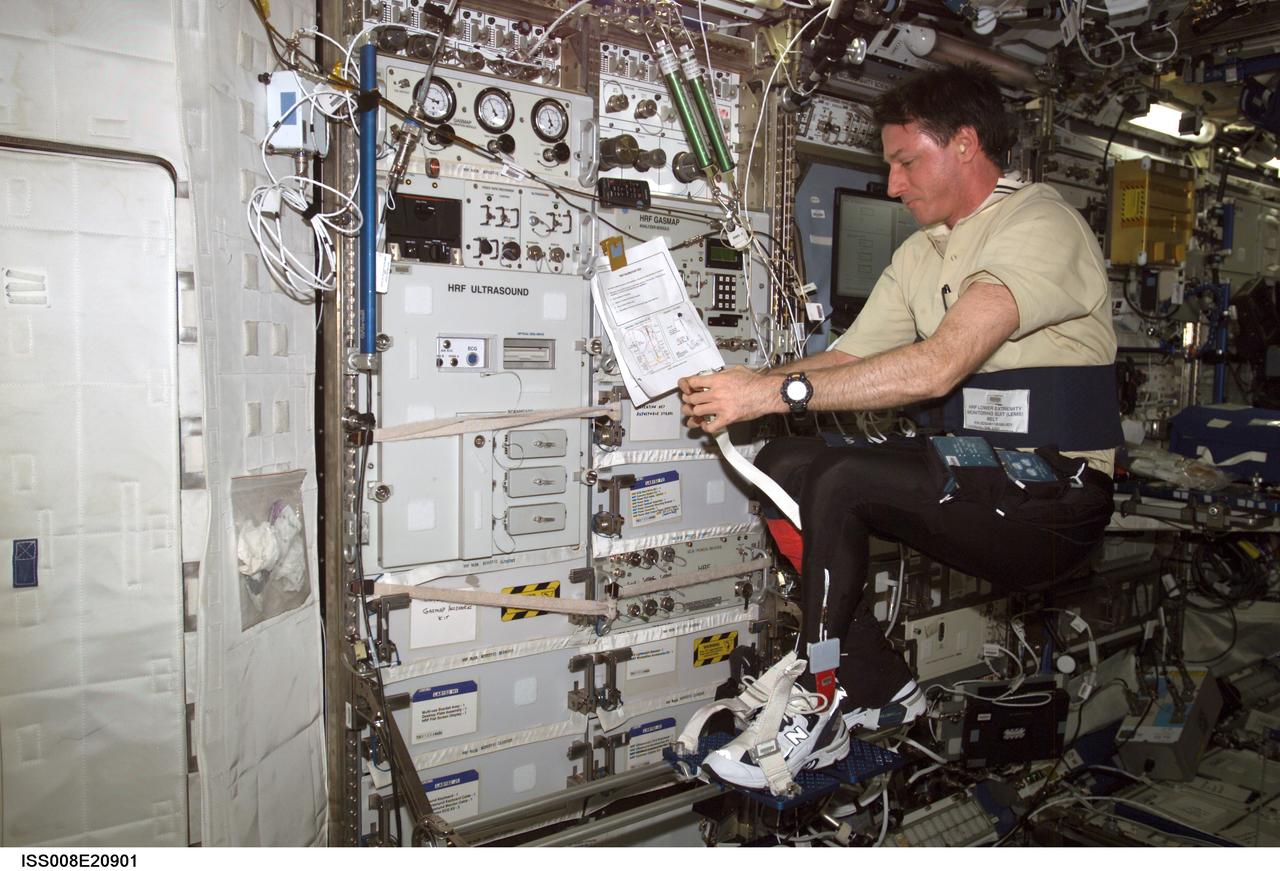
ISS008-E-20901 (7 April 2004) --- Astronaut C. Michael Foale, Expedition 8 commander and NASA ISS science officer, balances on the footplate of a special track attached to the Human Research Facility (HRF) rack in the Destiny laboratory on the International Space Station (ISS) to perform Foot/Ground Reaction Forces During Spaceflight (FOOT) / Electromyography (EMG) calibration operations. Foale is wearing the Lower Extremity Monitoring Suit (LEMS), the cycling tights outfitted with 20 sensors, which measures forces on joints and muscle activity.
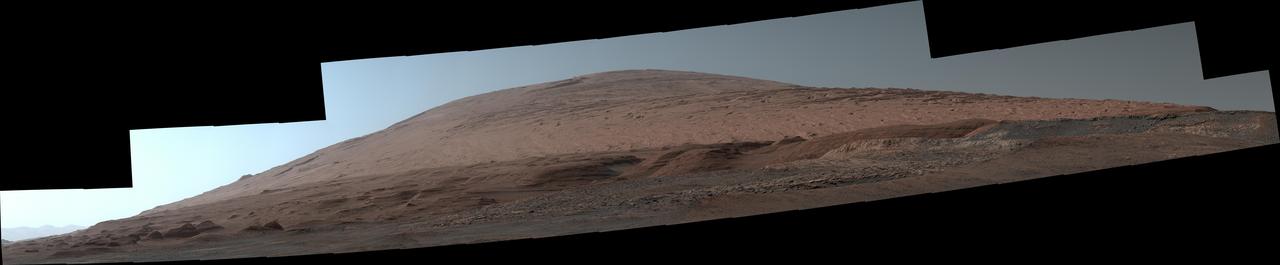
The Mast Camera, or Mastcam, on NASA's Curiosity Mars rover used its telephoto lens to capture Mount Sharp in the morning illumination on Oct. 13, 2019, the 2,555th Martian day, or sol, of the mission. The panorama is composed of 44 individual images stitched together. The panorama has been white-balanced and additionally brightened so that the colors of the rock materials resemble how they would appear under daytime lighting conditions on Earth. https://photojournal.jpl.nasa.gov/catalog/PIA23898

In the Space Station Processing Facility, the Italian-built Multi-Purpose Logistics Module “Raffaello” rests on a workstand where its weight and balance will be evaluated. Rafaello is the payload on mission STS-100, a Lab outfitting flight. Raffaello carries six system racks and two storage racks for the U.S. Lab. Launch of STS-100 is scheduled for April 19, 2001
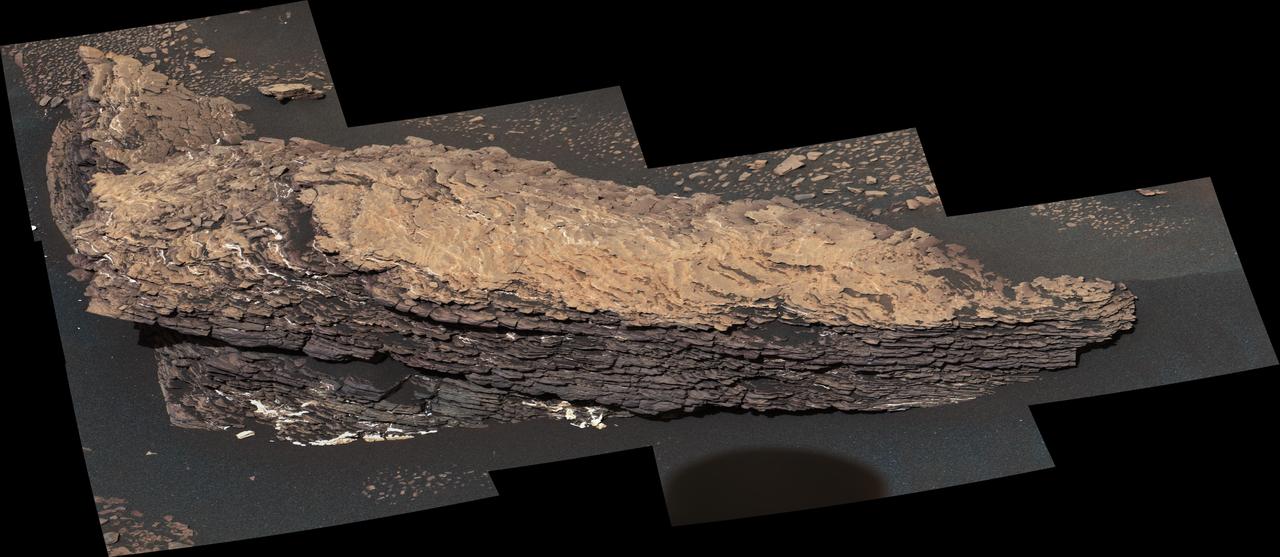
This mosaic of images shows a boulder-sized rock called "Strathdon," which is made up of many complex layers. NASA's Curiosity Mars rover took these images using its Mast Camera, or Mastcam, on July 9, 2019, the 2,461st Martian sol, or day, of the mission. The color in the image has been adjusted to approximate white balancing to resemble how the rocks and sand would appear under daytime lighting conditions on Earth. https://photojournal.jpl.nasa.gov/catalog/PIA23348

At Astrotech Space Operations, workers look over the integrated THEMIS spacecraft before spin-balance testing. THEMIS consists of five identical probes, the largest number of scientific satellites ever launched into orbit aboard a single rocket. This unique constellation of satellites will resolve the tantalizing mystery of what causes the spectacular sudden brightening of the aurora borealis and aurora australis - the fiery skies over the Earth's northern and southern polar regions. THEMIS is scheduled to launch Feb. 15 from Cape Canaveral Air Force Station.