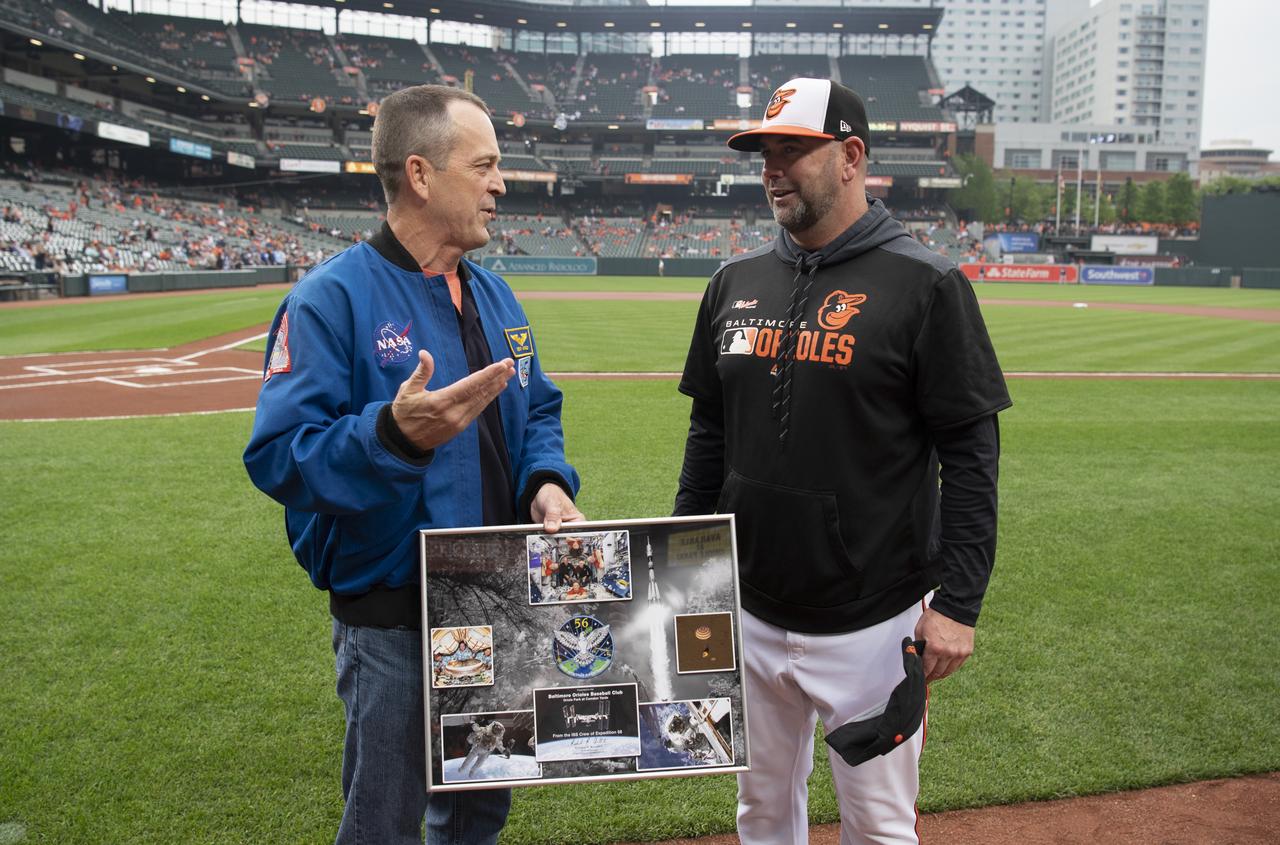
NASA astronaut and Maryland native Ricky Arnold talks with Baltimore Orioles manager Brandon Hyde after presenting a montage of images from his mission and a Baltimore Orioles hat that was flown aboard the International Space Station before the Tampa Bay Rays take on the Baltimore Orioles, Saturday, May 4, 2019 at Camden Yards in Baltimore, Md. During Arnold’s 197 days onboard the International Space Station, as part of Expeditions 55 and 56, he ventured outside the space station on three spacewalks in addition to conducting numerous experiments and educational downlink events. Photo Credit: (NASA/Joel Kowsky)
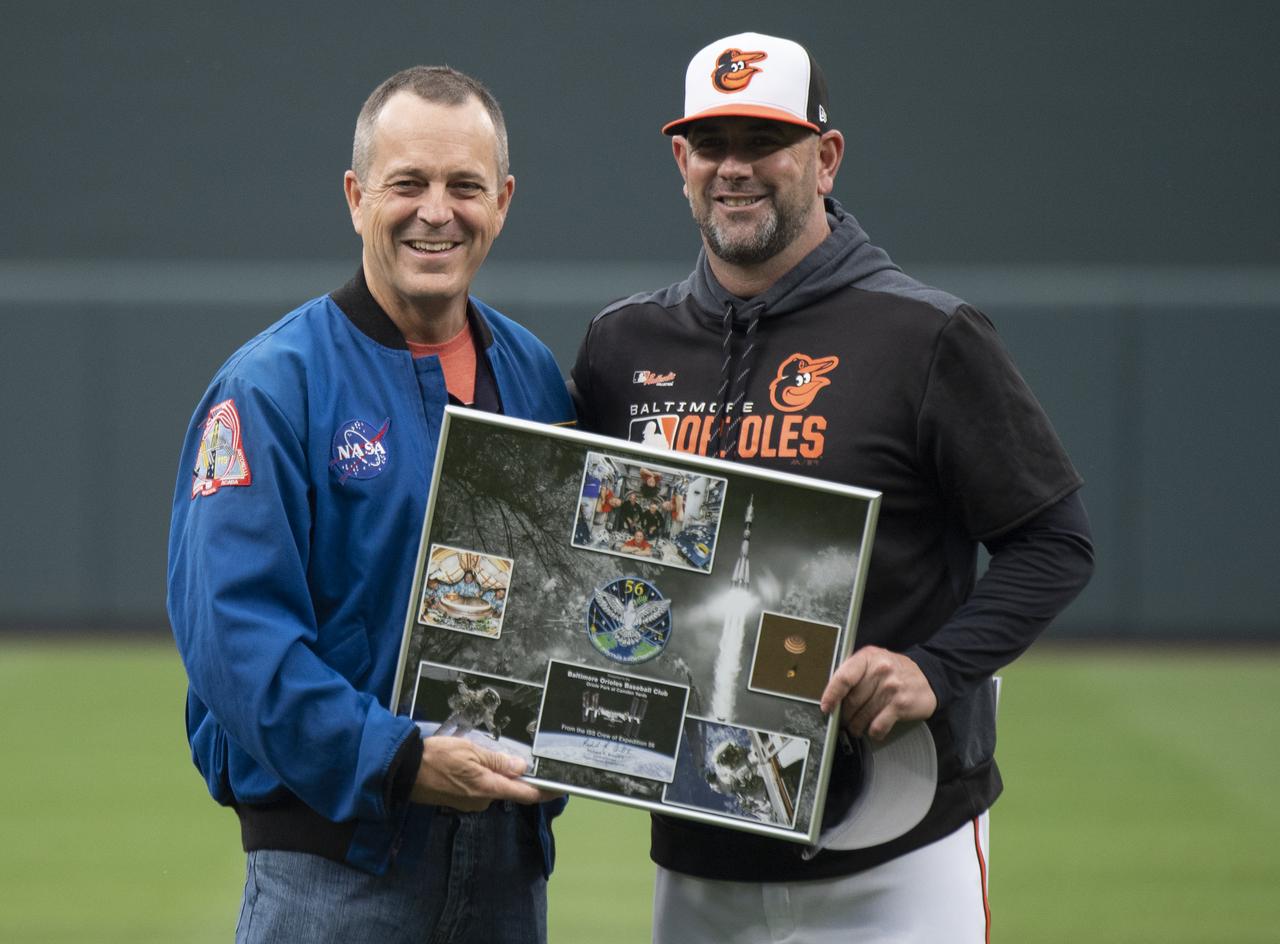
NASA astronaut and Maryland native Ricky Arnold presents a montage of images from his mission and a Baltimore Orioles hat that was flown aboard the International Space Station to Baltimore Orioles manager Brandon Hyde before the Tampa Bay Rays take on the Baltimore Orioles, Saturday, May 4, 2019 at Camden Yards in Baltimore, Md. During Arnold’s 197 days onboard the International Space Station, as part of Expeditions 55 and 56, he ventured outside the space station on three spacewalks in addition to conducting numerous experiments and educational downlink events. Photo Credit: (NASA/Joel Kowsky)
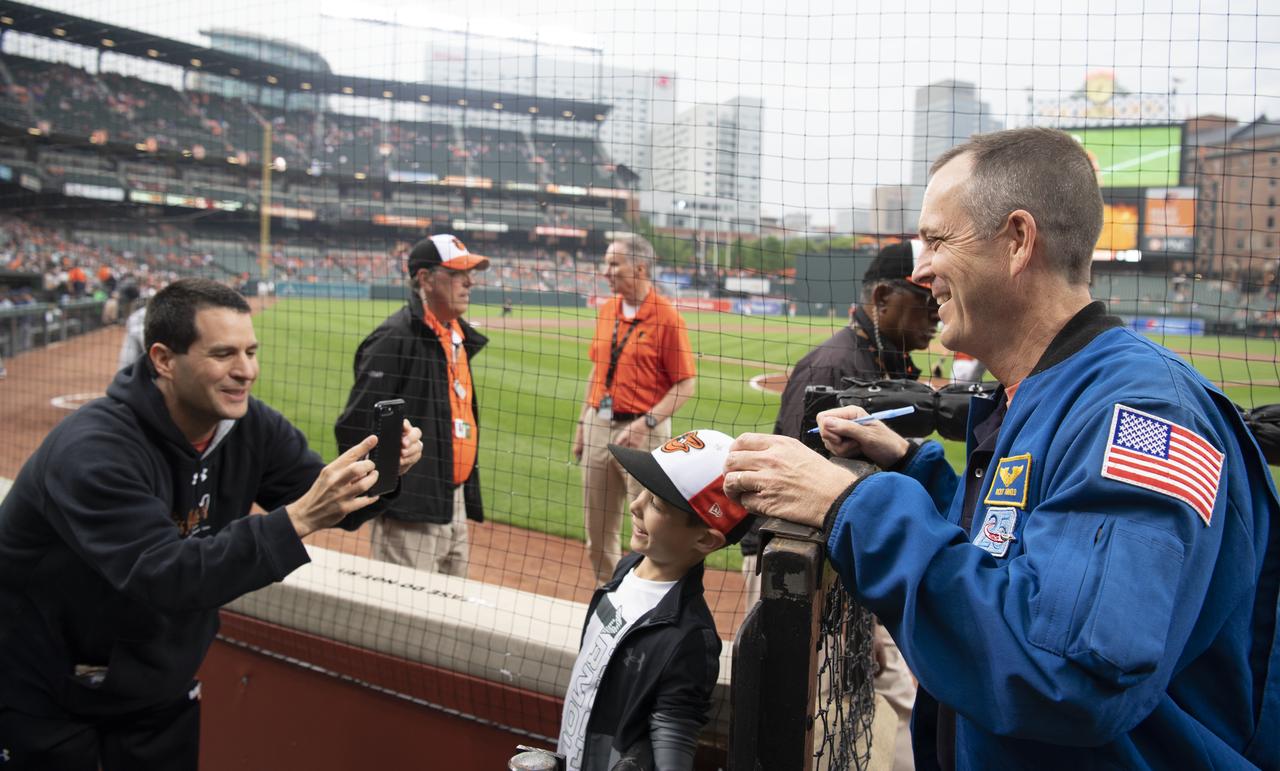
NASA astronaut and Maryland native Ricky Arnold takes a picture with a young fan before the Tampa Bay Rays take on the Baltimore Orioles, Saturday, May 4, 2019 at Camden Yards in Baltimore, Md. During Arnold’s 197 days onboard the International Space Station, as part of Expeditions 55 and 56, he ventured outside the space station on three spacewalks in addition to conducting numerous experiments and educational downlink events. Photo Credit: (NASA/Joel Kowsky)
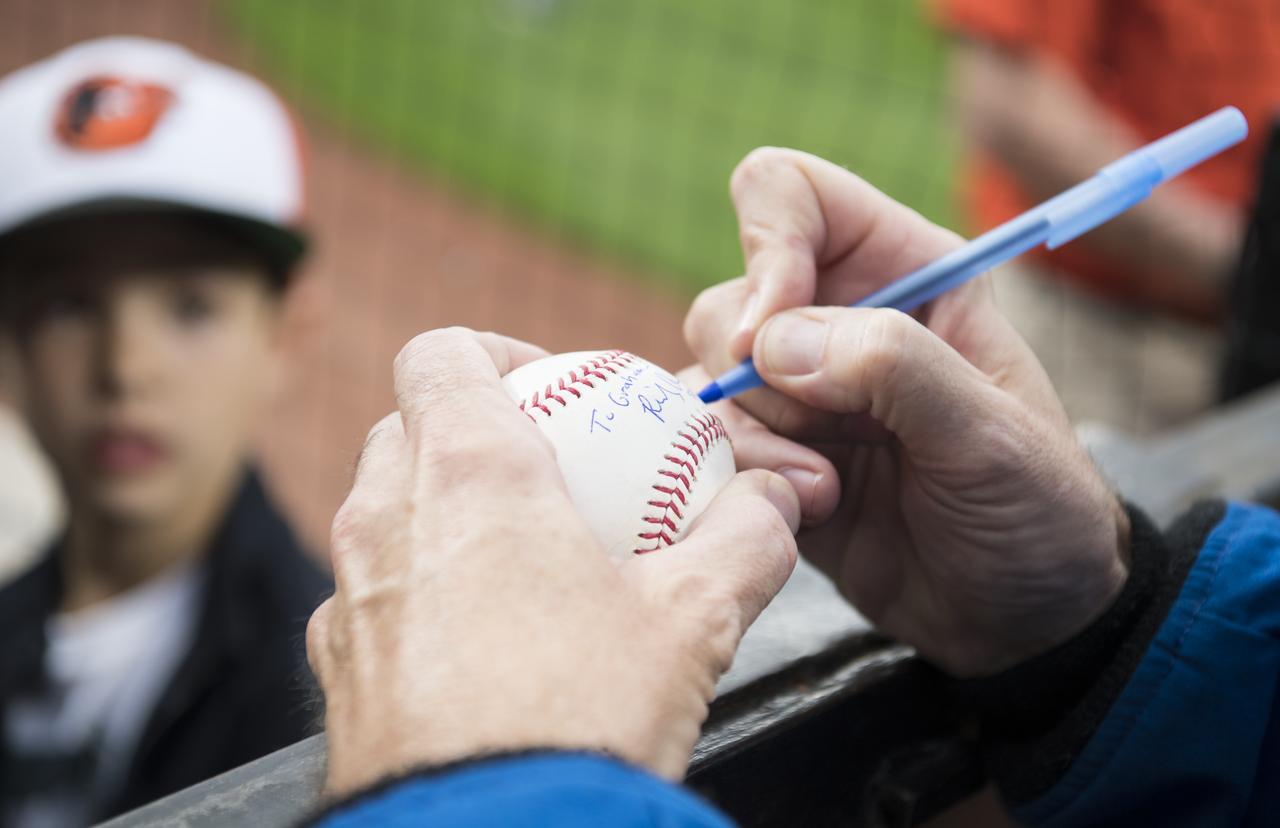
NASA astronaut and Maryland native Ricky Arnold signs a baseball for a young fan before the Tampa Bay Rays take on the Baltimore Orioles, Saturday, May 4, 2019 at Camden Yards in Baltimore, Md. During Arnold’s 197 days onboard the International Space Station, as part of Expeditions 55 and 56, he ventured outside the space station on three spacewalks in addition to conducting numerous experiments and educational downlink events. Photo Credit: (NASA/Joel Kowsky)
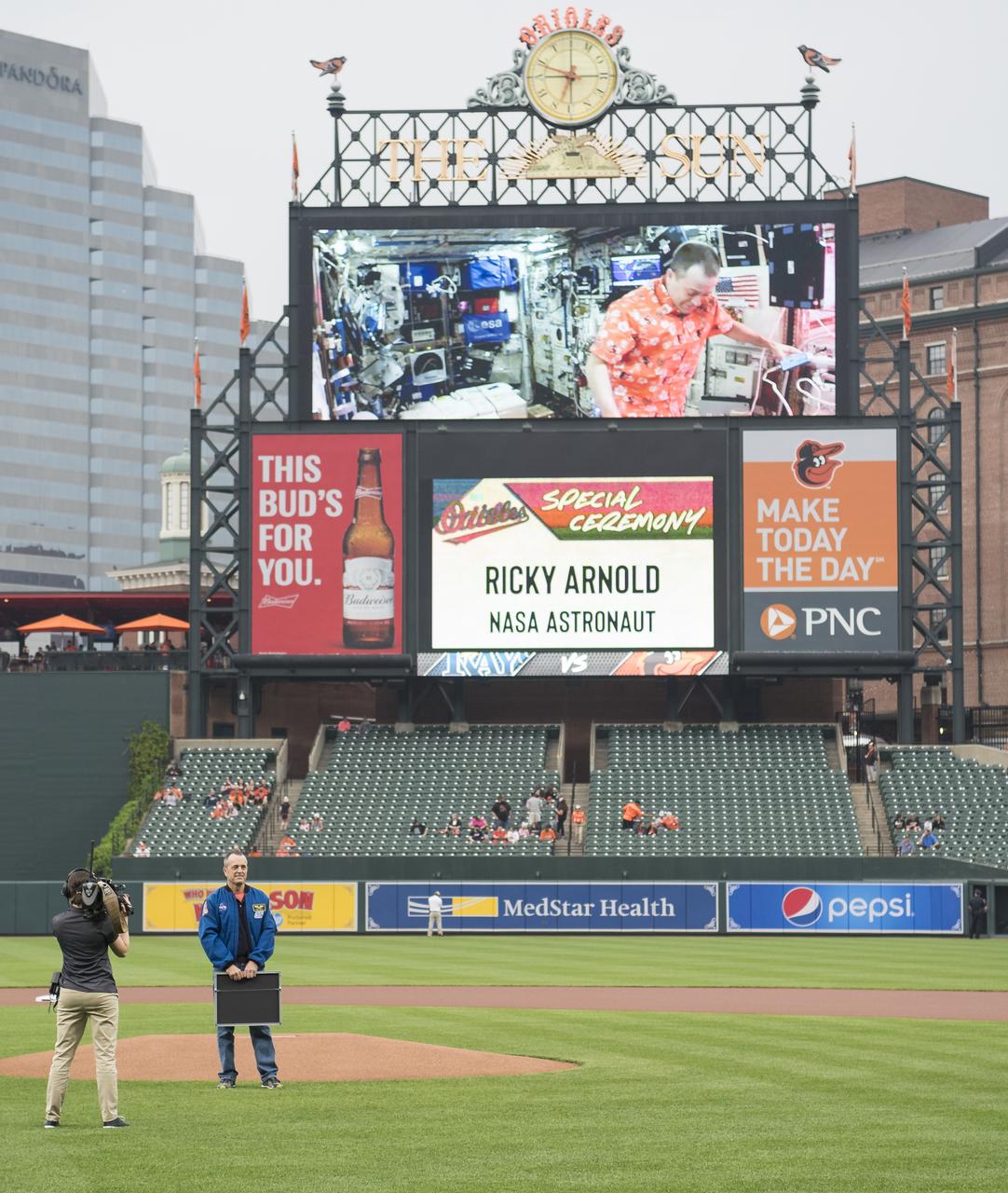
NASA astronaut and Maryland native Ricky Arnold is seen on field before the Tampa Bay Rays take on the Baltimore Orioles, Saturday, May 4, 2019 at Camden Yards in Baltimore, Md. During Arnold’s 197 days onboard the International Space Station, as part of Expeditions 55 and 56, he ventured outside the space station on three spacewalks in addition to conducting numerous experiments and educational downlink events. Photo Credit: (NASA/Joel Kowsky)
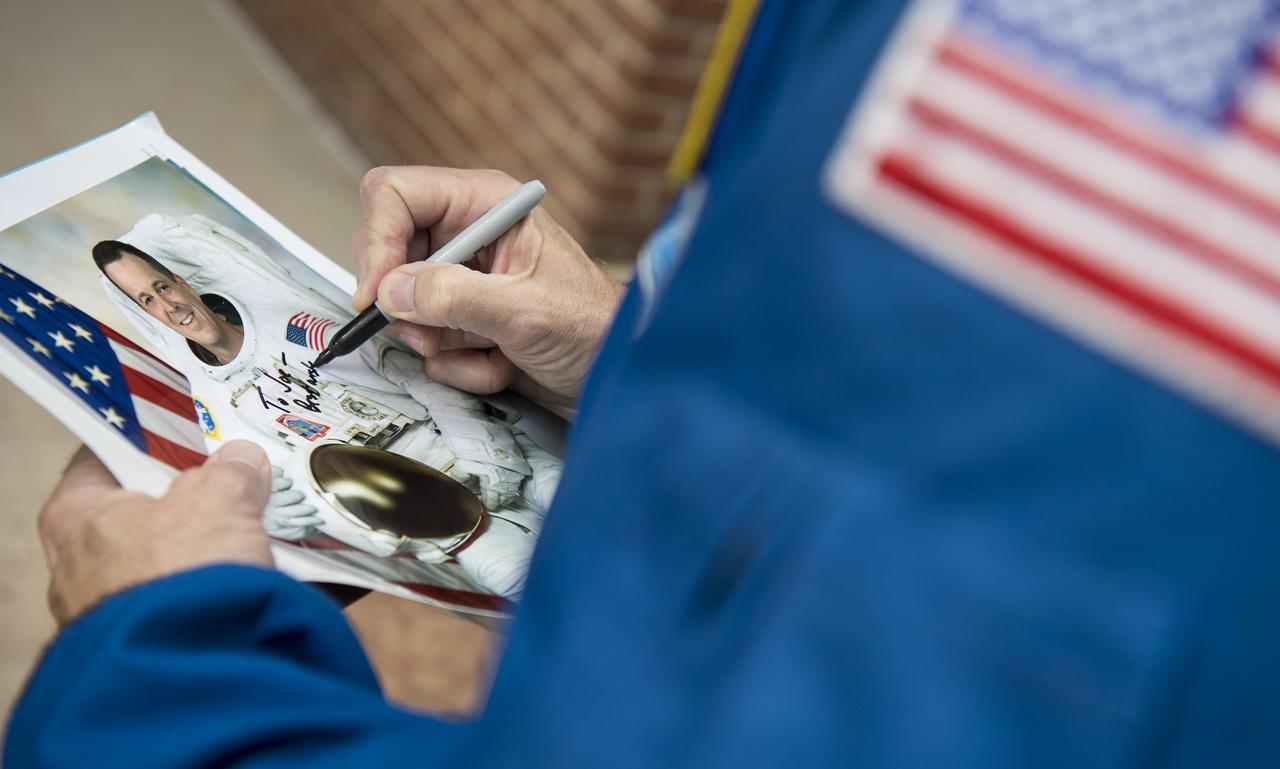
NASA astronaut and Maryland native Ricky Arnold signs an autograph before the Tampa Bay Rays take on the Baltimore Orioles, Saturday, May 4, 2019 at Camden Yards in Baltimore, Md. During Arnold’s 197 days onboard the International Space Station, as part of Expeditions 55 and 56, he ventured outside the space station on three spacewalks in addition to conducting numerous experiments and educational downlink events. Photo Credit: (NASA/Joel Kowsky)
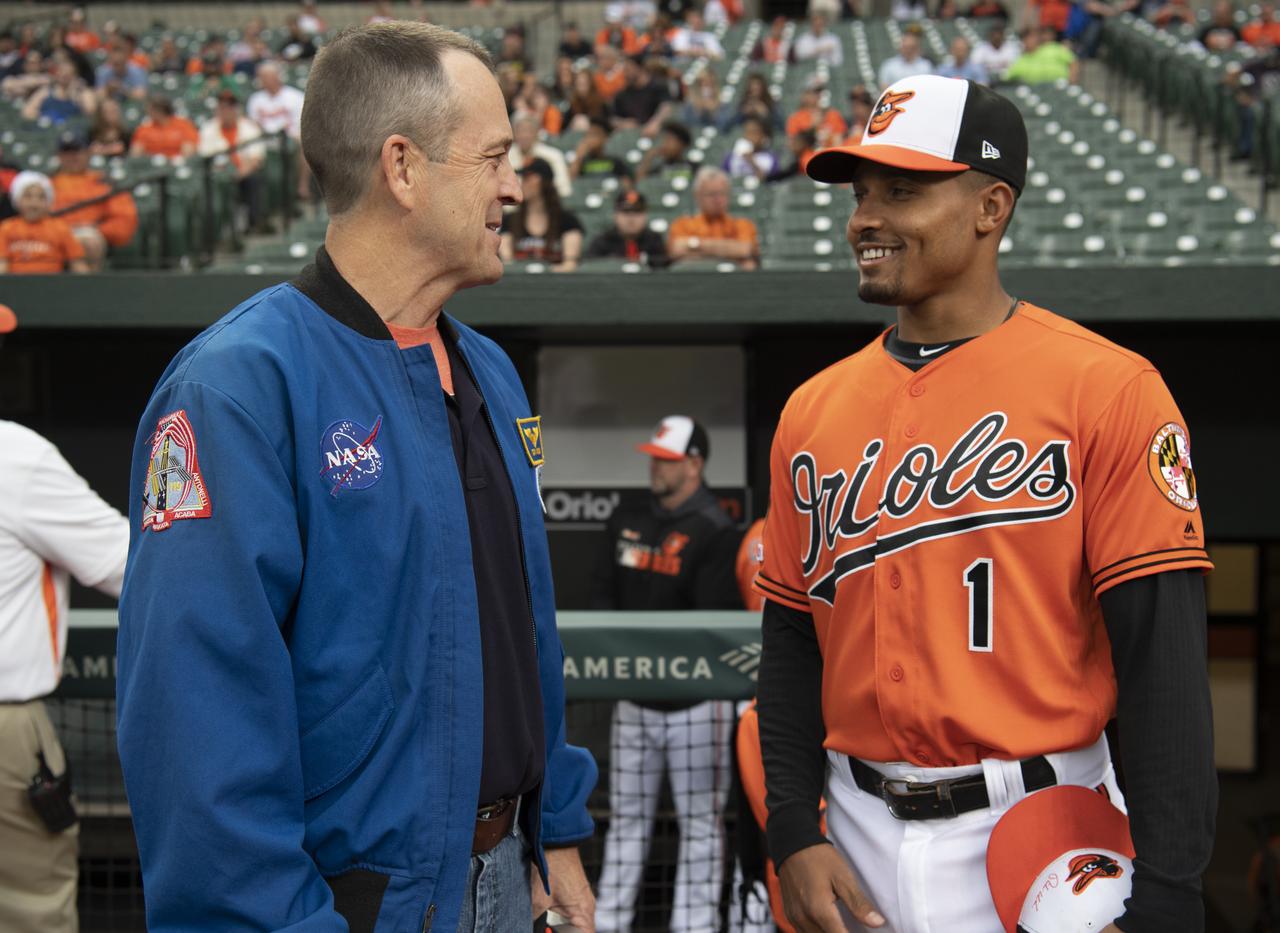
NASA astronaut and Maryland native Ricky Arnold talks with Baltimore Orioles shortstop Richie Martin before the Tampa Bay Rays take on the Baltimore Orioles, Saturday, May 4, 2019 at Camden Yards in Baltimore, Md. During Arnold’s 197 days onboard the International Space Station, as part of Expeditions 55 and 56, he ventured outside the space station on three spacewalks in addition to conducting numerous experiments and educational downlink events. Photo Credit: (NASA/Joel Kowsky)

Baltimore is the largest city in Maryland and one of the busiest ports in the United States. Its economy focuses on research and development, especially in the areas of aquaculture, pharmaceuticals, and medical supplies and services. Before European settlement, the site of Baltimore was inhabited by Native Americans of the Susquehannock tribe. The town was founded in 1729 and named for the barons Baltimore, the British founders of the Maryland Colony. This ASTER image of Baltimore was acquired on April 4, 2000, covers an area of 17 by 20 km, and is located at 39.3 degrees north latitude and 76.7 degrees west longitude. http://photojournal.jpl.nasa.gov/catalog/PIA11089
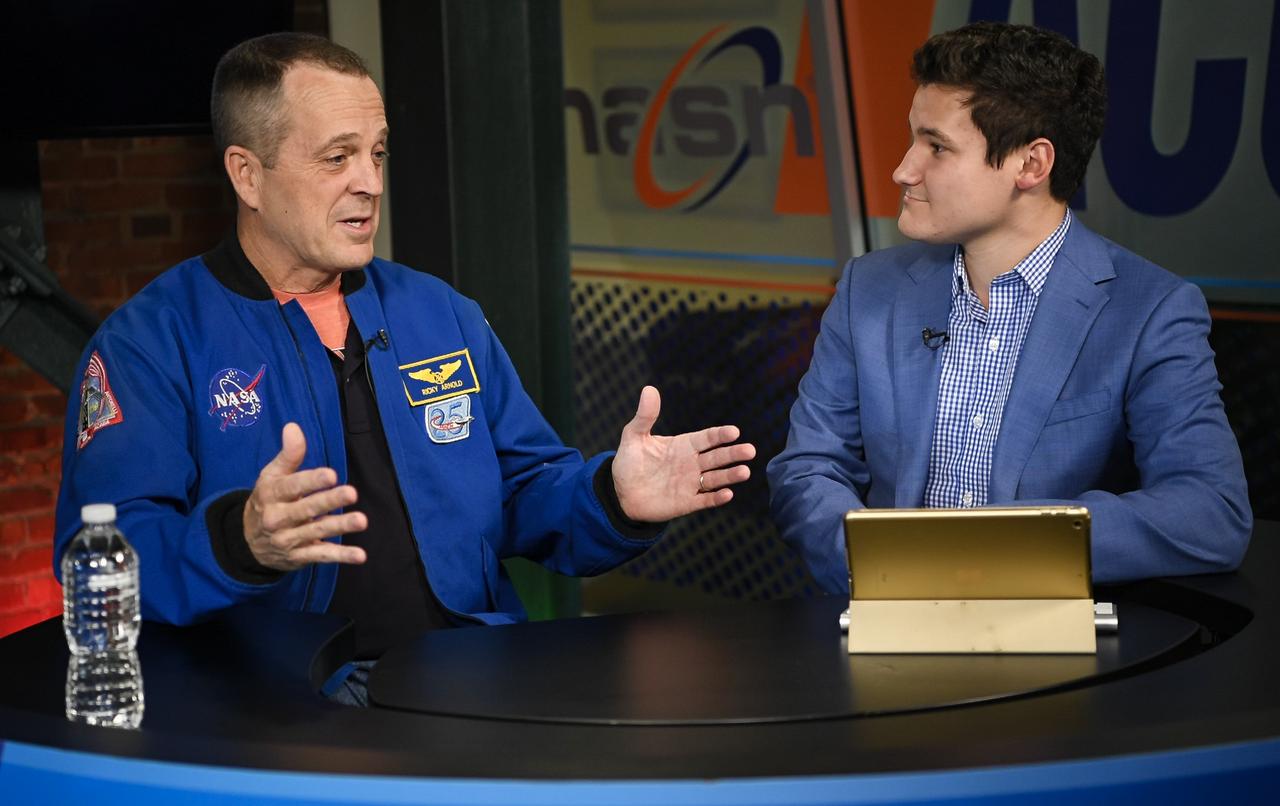
NASA astronaut and Maryland native Ricky Arnold is interviewed by Paul Mancano of MASN All Access before the Tampa Bay Rays take on the Baltimore Orioles, Saturday, May 4, 2019 at Camden Yards in Baltimore, Md. During Arnold’s 197 days onboard the International Space Station, as part of Expeditions 55 and 56, he ventured outside the space station on three spacewalks in addition to conducting numerous experiments and educational downlink events. Photo Credit: (NASA/Joel Kowsky)
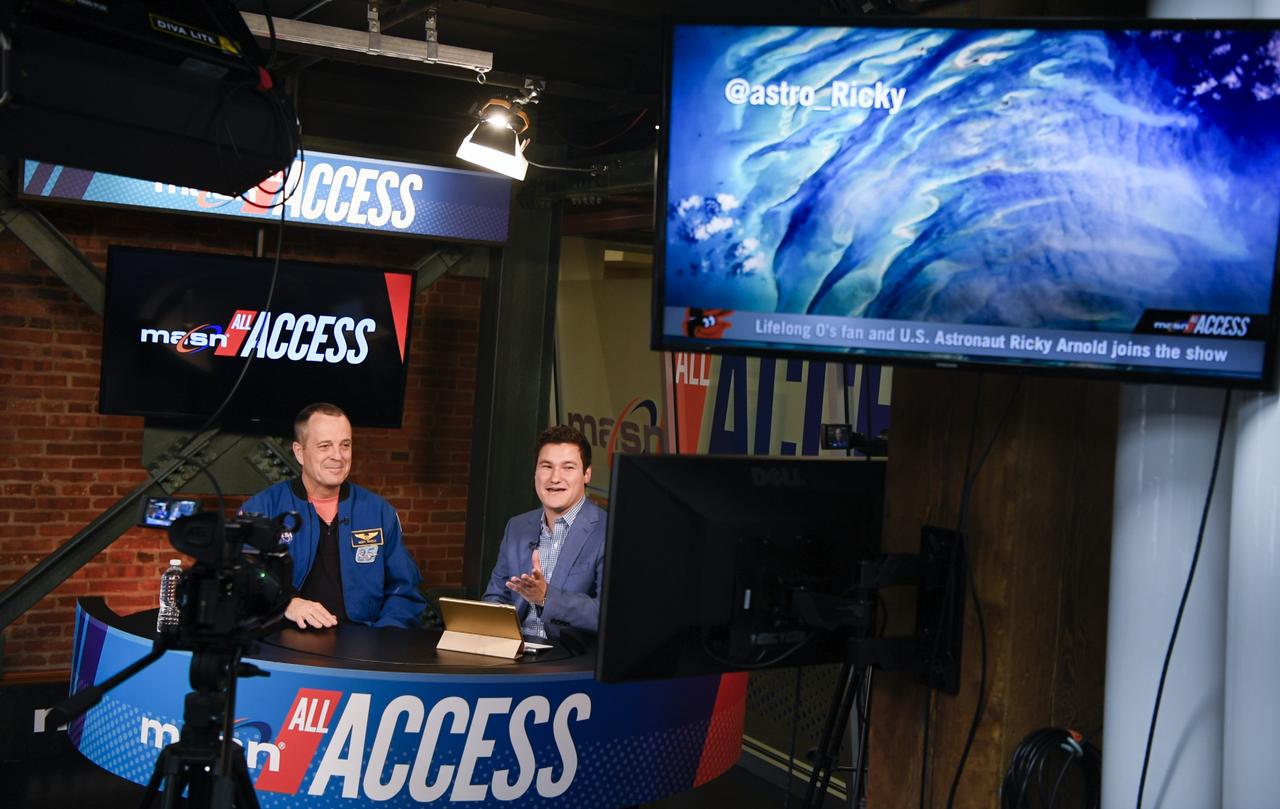
NASA astronaut and Maryland native Ricky Arnold is interviewed by Paul Mancano of MASN All Access before the Tampa Bay Rays take on the Baltimore Orioles, Saturday, May 4, 2019 at Camden Yards in Baltimore, Md. During Arnold’s 197 days onboard the International Space Station, as part of Expeditions 55 and 56, he ventured outside the space station on three spacewalks in addition to conducting numerous experiments and educational downlink events. Photo Credit: (NASA/Joel Kowsky)
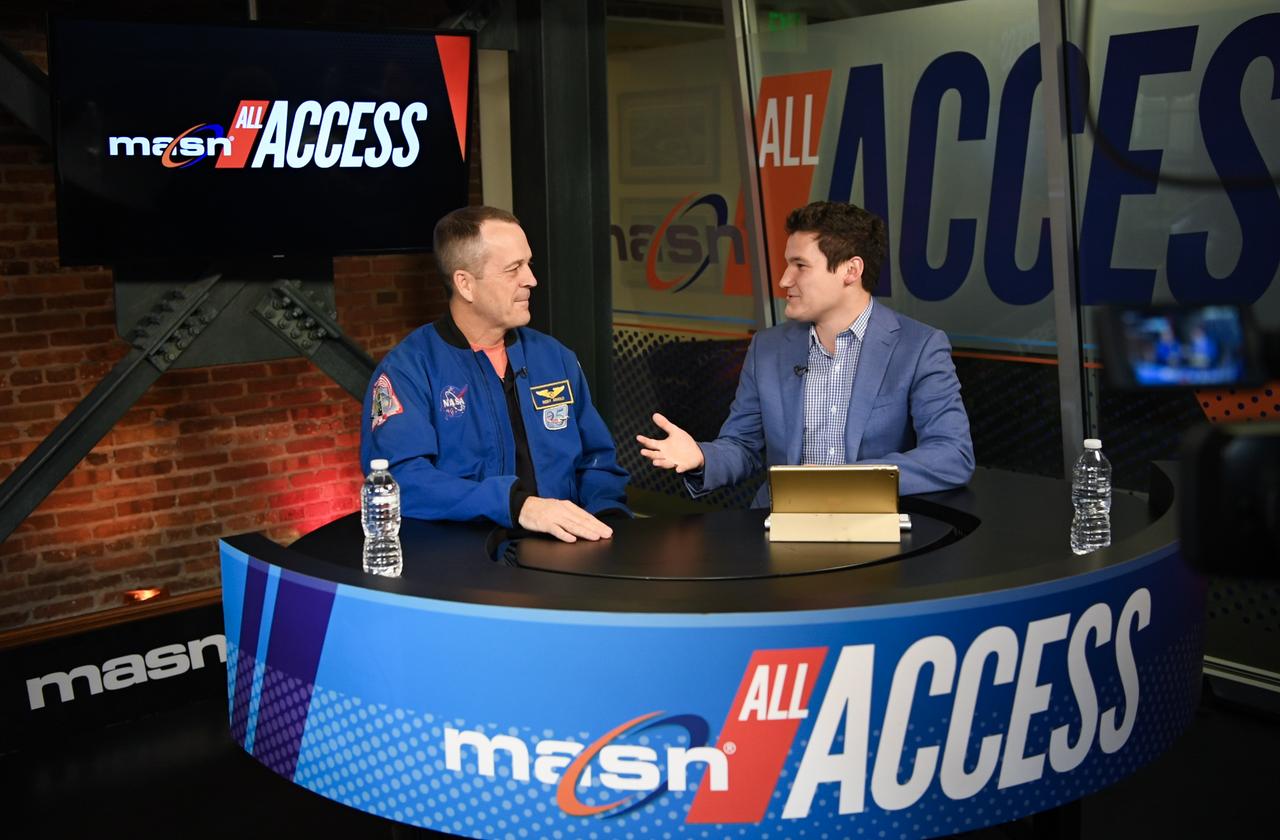
NASA astronaut and Maryland native Ricky Arnold is interviewed by Paul Mancano of MASN All Access before the Tampa Bay Rays take on the Baltimore Orioles, Saturday, May 4, 2019 at Camden Yards in Baltimore, Md. During Arnold’s 197 days onboard the International Space Station, as part of Expeditions 55 and 56, he ventured outside the space station on three spacewalks in addition to conducting numerous experiments and educational downlink events. Photo Credit: (NASA/Joel Kowsky)
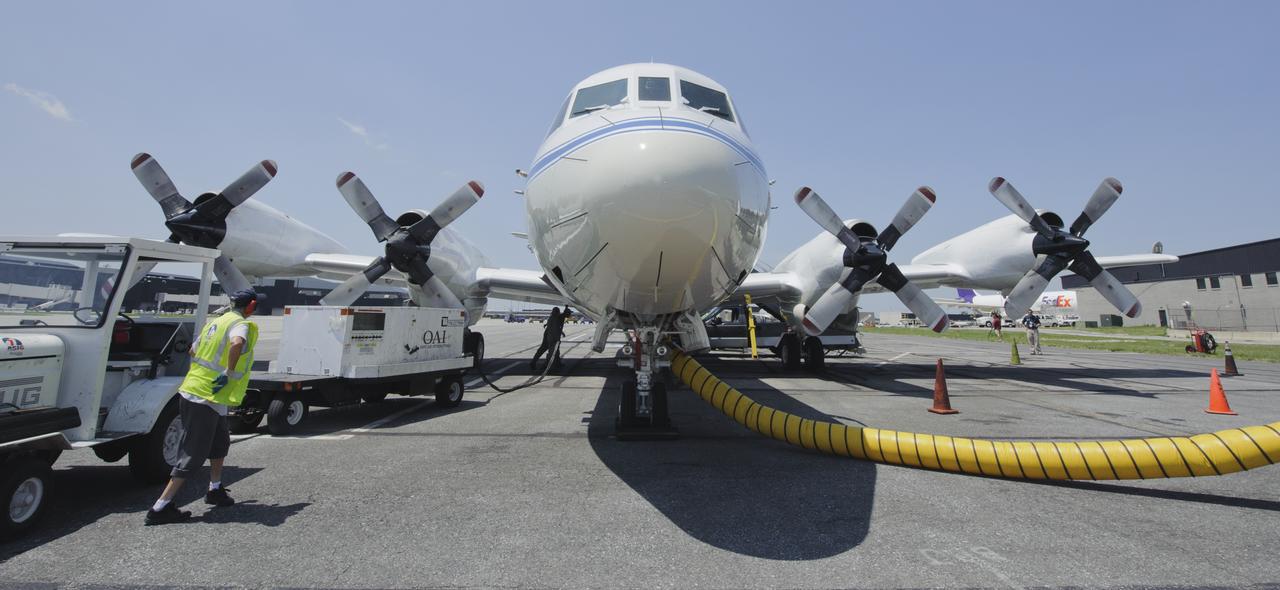
A 117-foot P-3B NASA research aircraft is seen on the tarmac at Baltimore/Washington International Thurgood Marshall Airport, Tuesday, June 28, 2011, in Baltimore, Md. The aircraft is part of a month-long field campaign designed to improve satellite measurements of air pollution. The name of the experiment -- Deriving Information on Surface conditions from Column and Vertically Resolved Observations Relevant to Air Quality (DISCOVER -- AQ) -- is a mouthful, but its purpose is simple. Come July, the aircraft will be flying spirals over six ground stations in Maryland. Photo Credit: (NASA/Paul E. Alers)
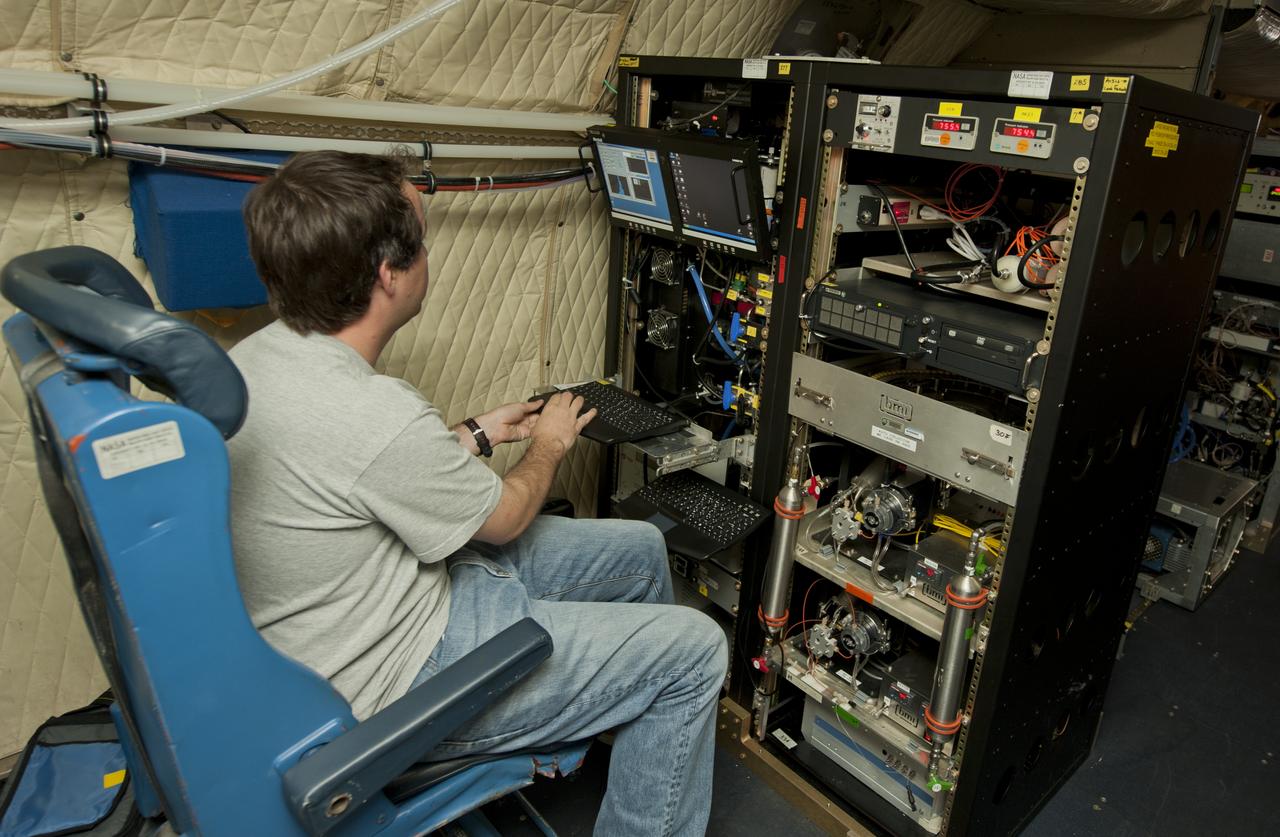
An unidentified researcher works aboard the P-3B NASA research aircraft at Baltimore/Washington International Thurgood Marshall Airport, Tuesday, June 28, 2011, in Baltimore, Md. The aircraft is part of a month-long field campaign designed to improve satellite measurements of air pollution. The name of the experiment -- Deriving Information on Surface conditions from Column and Vertically Resolved Observations Relevant to Air Quality (DISCOVER -- AQ) -- is a mouthful, but its purpose is simple. Come July, the aircraft will be flying spirals over six ground stations in Maryland. Photo Credit: (NASA/Paul E. Alers)
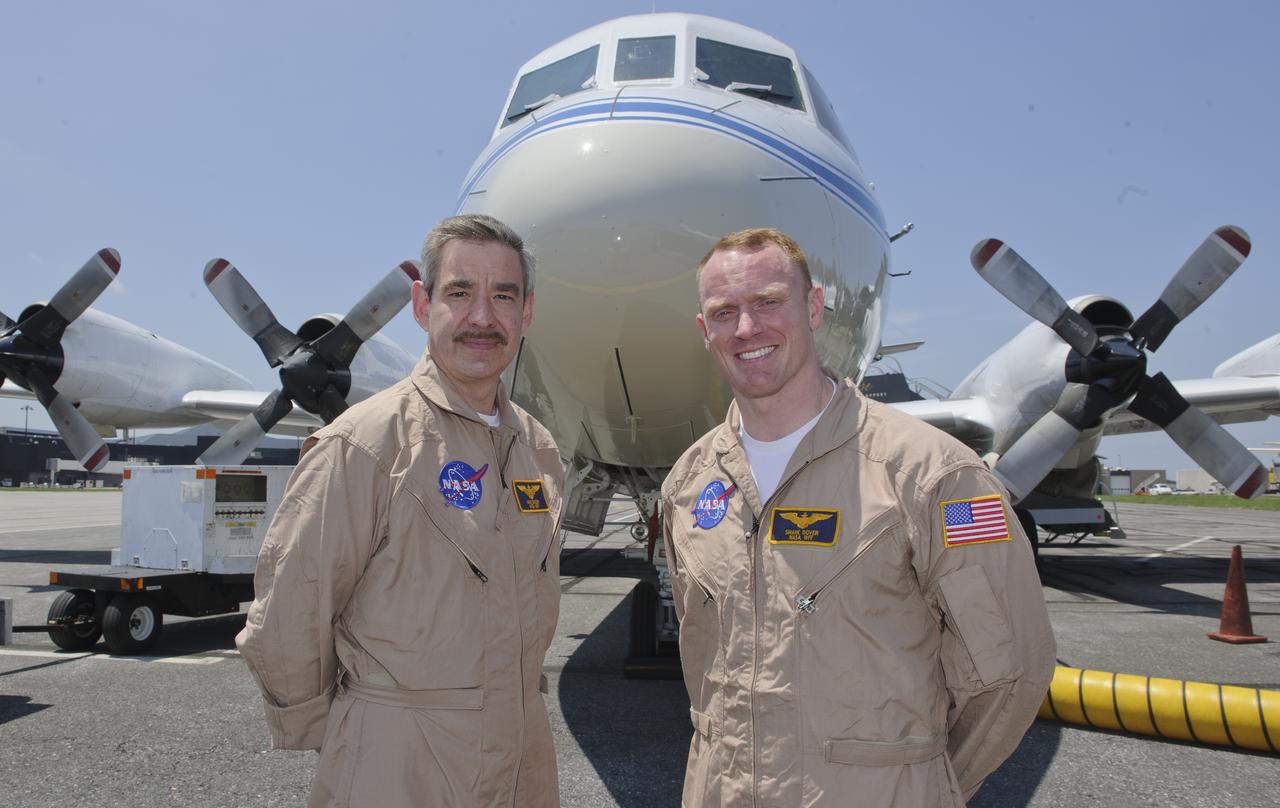
WFF Pilots Mike Singer, left, and Shane Dover stand in front of the 117-foot P-3B NASA research aircraft on the tarmac at Baltimore/Washington International Thurgood Marshall Airport, Tuesday, June 28, 2011, in Baltimore, Md. The aircraft is part of a month-long field campaign designed to improve satellite measurements of air pollution. The name of the experiment -- Deriving Information on Surface conditions from Column and Vertically Resolved Observations Relevant to Air Quality (DISCOVER -- AQ) -- is a mouthful, but its purpose is simple. Come July, the aircraft will be flying spirals over six ground stations in Maryland. Photo Credit: (NASA/Paul E. Alers)

Pilots Shane Dover, left, and Mike Singer are seen on the flight deck of the P-3B NASA research aircraft at Baltimore/Washington International Thurgood Marshall Airport, Tuesday, June 28, 2011, in Baltimore, Md. The aircraft is part of a month-long field campaign designed to improve satellite measurements of air pollution. The name of the experiment -- Deriving Information on Surface conditions from Column and Vertically Resolved Observations Relevant to Air Quality (DISCOVER -- AQ) -- is a mouthful, but its purpose is simple. Come July, the aircraft will be flying spirals over six ground stations in Maryland. Photo Credit: (NASA/Paul E. Alers)
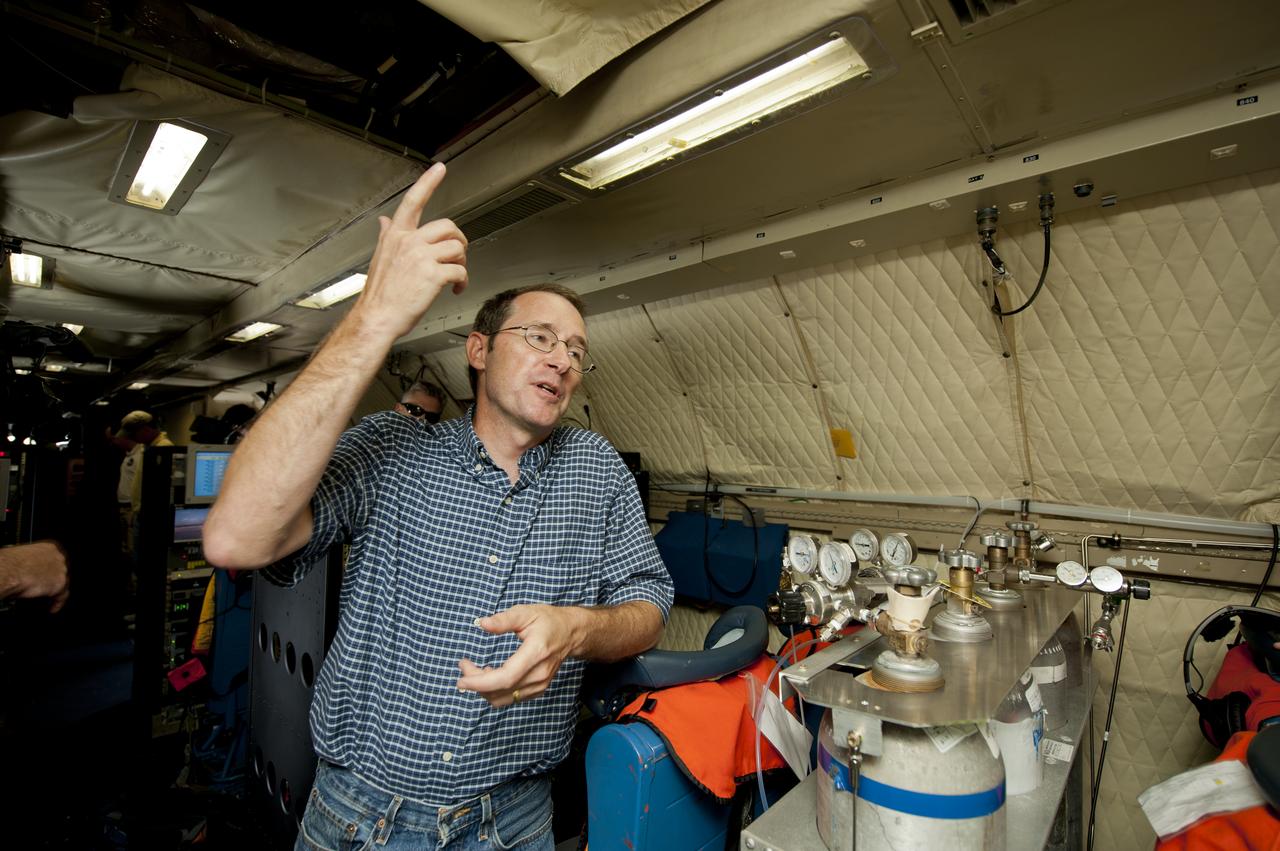
James Crawford, principal investigator and scientist based at NASA’s Langley Research Center in Hampton, Va., talks about the DISCOVER-AQ project on board the P-3B NASA research aircraft at Baltimore/Washington International Thurgood Marshall Airport, Tuesday, June 28, 2011, in Baltimore, Md. The aircraft is part of a month-long field campaign designed to improve satellite measurements of air pollution. The name of the experiment -- Deriving Information on Surface conditions from Column and Vertically Resolved Observations Relevant to Air Quality (DISCOVER -- AQ) -- is a mouthful, but its purpose is simple. Come July, the aircraft will be flying spirals over six ground stations in Maryland. Photo Credit: (NASA/Paul E. Alers)

A 117-foot P-3B NASA research aircraft is seen on the tarmac at Baltimore/Washington International Thurgood Marshall Airport, Tuesday, June 28, 2011, in Baltimore, Md. The aircraft is part of a month-long field campaign designed to improve satellite measurements of air pollution. The name of the experiment -- Deriving Information on Surface conditions from Column and Vertically Resolved Observations Relevant to Air Quality (DISCOVER -- AQ) -- is a mouthful, but its purpose is simple. Come July, the aircraft will be flying spirals over six ground stations in Maryland. Photo Credit: (NASA/Paul E. Alers)
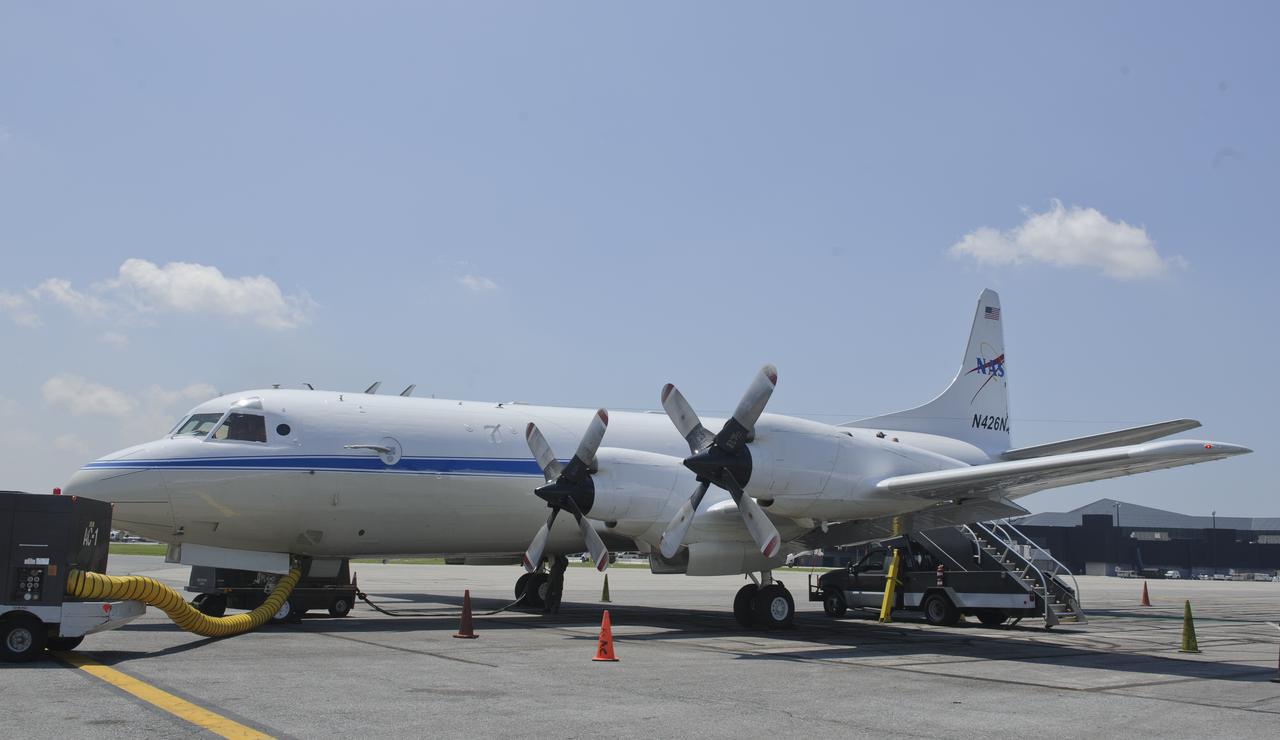
A 117-foot P-3B NASA research aircraft is seen on the tarmac at Baltimore/Washington International Thurgood Marshall Airport, Tuesday, June 28, 2011, in Baltimore, Md. The aircraft is part of a month-long field campaign designed to improve satellite measurements of air pollution. The name of the experiment -- Deriving Information on Surface conditions from Column and Vertically Resolved Observations Relevant to Air Quality (DISCOVER -- AQ) -- is a mouthful, but its purpose is simple. Come July, the aircraft will be flying spirals over six ground stations in Maryland. Photo Credit: (NASA/Paul E. Alers)
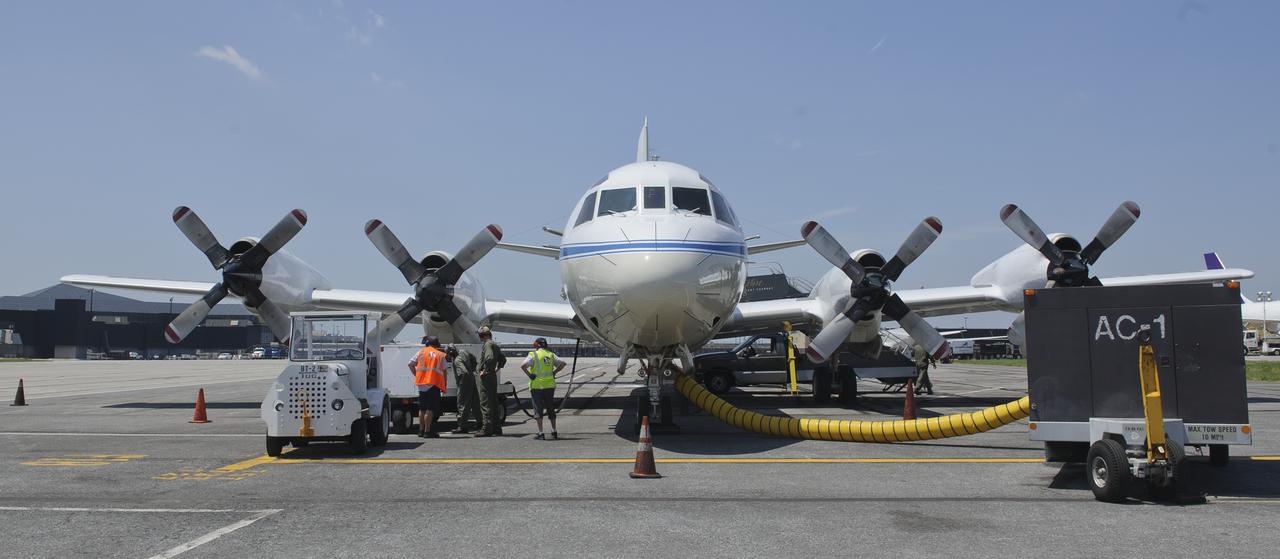
A 117-foot P-3B NASA research aircraft is seen on the tarmac at Baltimore/Washington International Thurgood Marshall Airport, Tuesday, June 28, 2011, in Baltimore, Md. The aircraft is part of a month-long field campaign designed to improve satellite measurements of air pollution. The name of the experiment -- Deriving Information on Surface conditions from Column and Vertically Resolved Observations Relevant to Air Quality (DISCOVER -- AQ) -- is a mouthful, but its purpose is simple. Come July, the aircraft will be flying spirals over six ground stations in Maryland. Photo Credit: (NASA/Paul E. Alers)
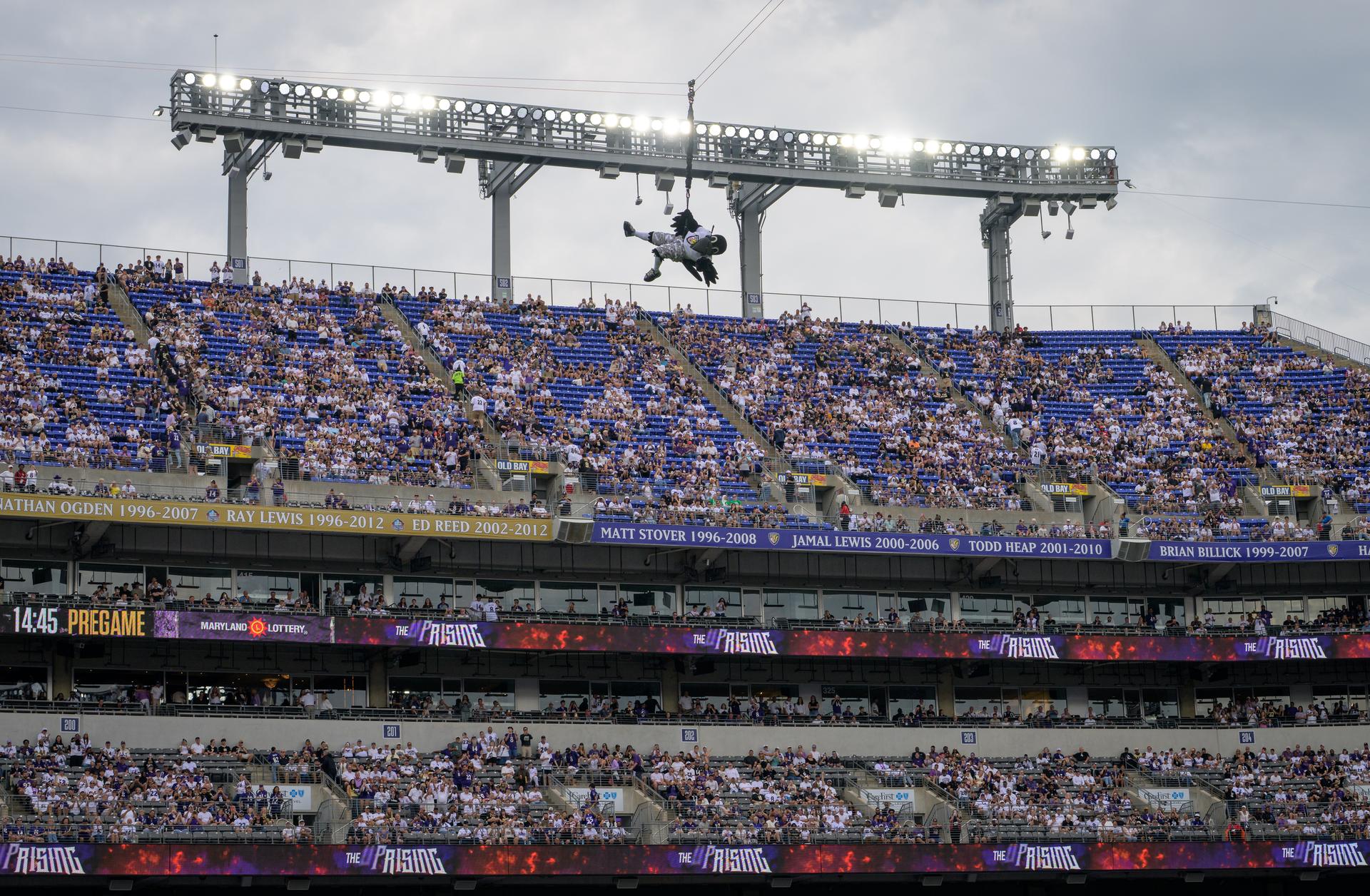
Baltimore Ravens mascot Poe is seen during a pregame show at an NFL game between the New Orleans Saints and the Baltimore Ravens at M&T Bank Stadium, Sunday, Sept. 20, 2026, in Baltimore. NASA’s engagement at NFL games is part of the agency's Inspiration Tour, aimed at strengthening connections between NASA and its partners and showcasing innovation in air and space in the lead up to the MAX POWER aerospace technology expo and airshow at the agency's Kennedy Space Center in early November. Photo Credit: (NASA/Bill Ingalls)
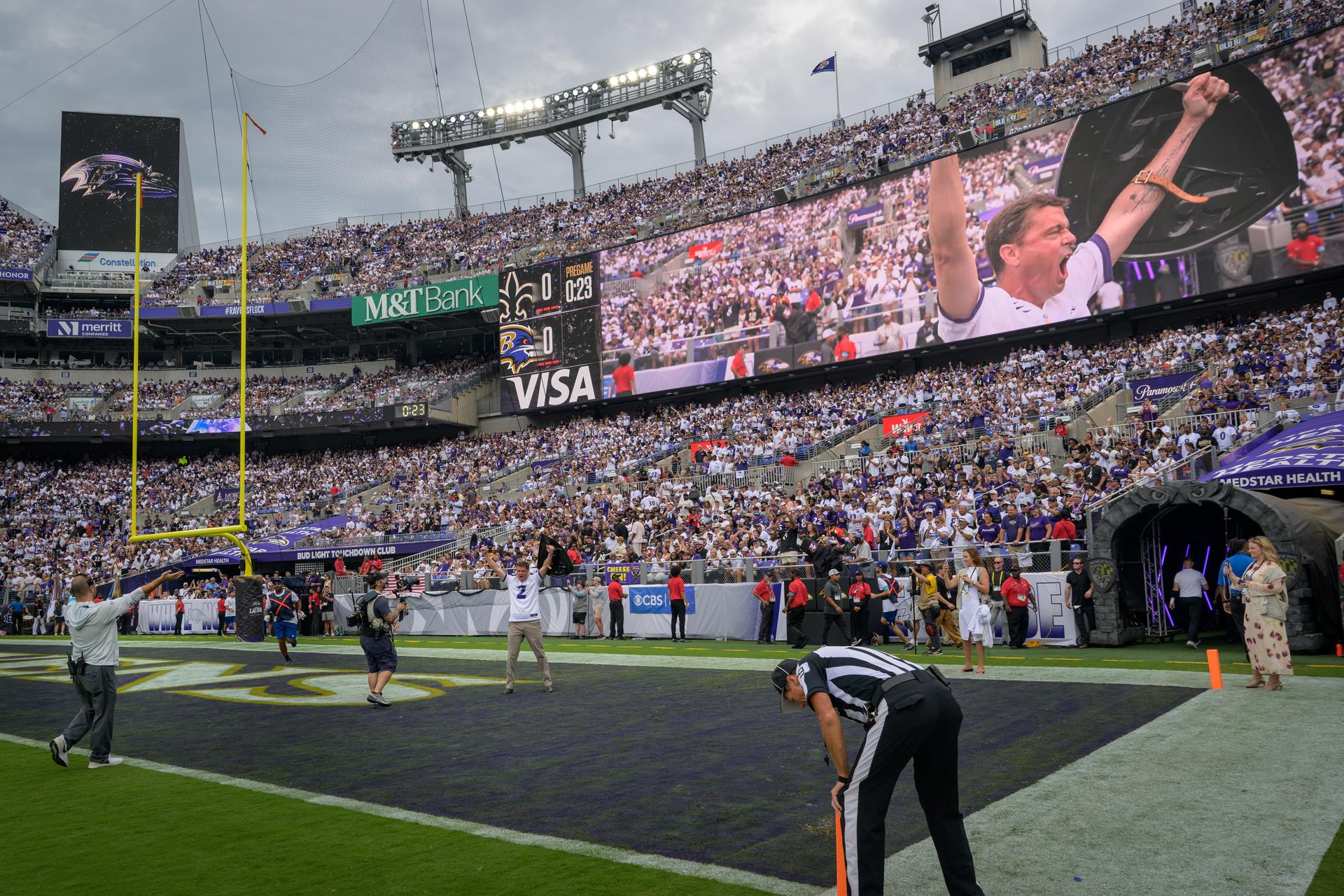
NASA astronaut and commander of the agency’s Artemis II mission, Reid Wiseman, a Baltimore native, leads “The Uprising”, a pregame show at an NFL game between the New Orleans Saints and the Baltimore Ravens at M&T Bank Stadium, Sunday, Sept. 20, 2026, in Baltimore. NASA’s engagement at NFL games is part of the agency's Inspiration Tour, aimed at strengthening connections between NASA and its partners and showcasing innovation in air and space in the lead up to the MAX POWER aerospace technology expo and airshow at the agency's Kennedy Space Center in early November. Photo Credit: (NASA/Bill Ingalls)
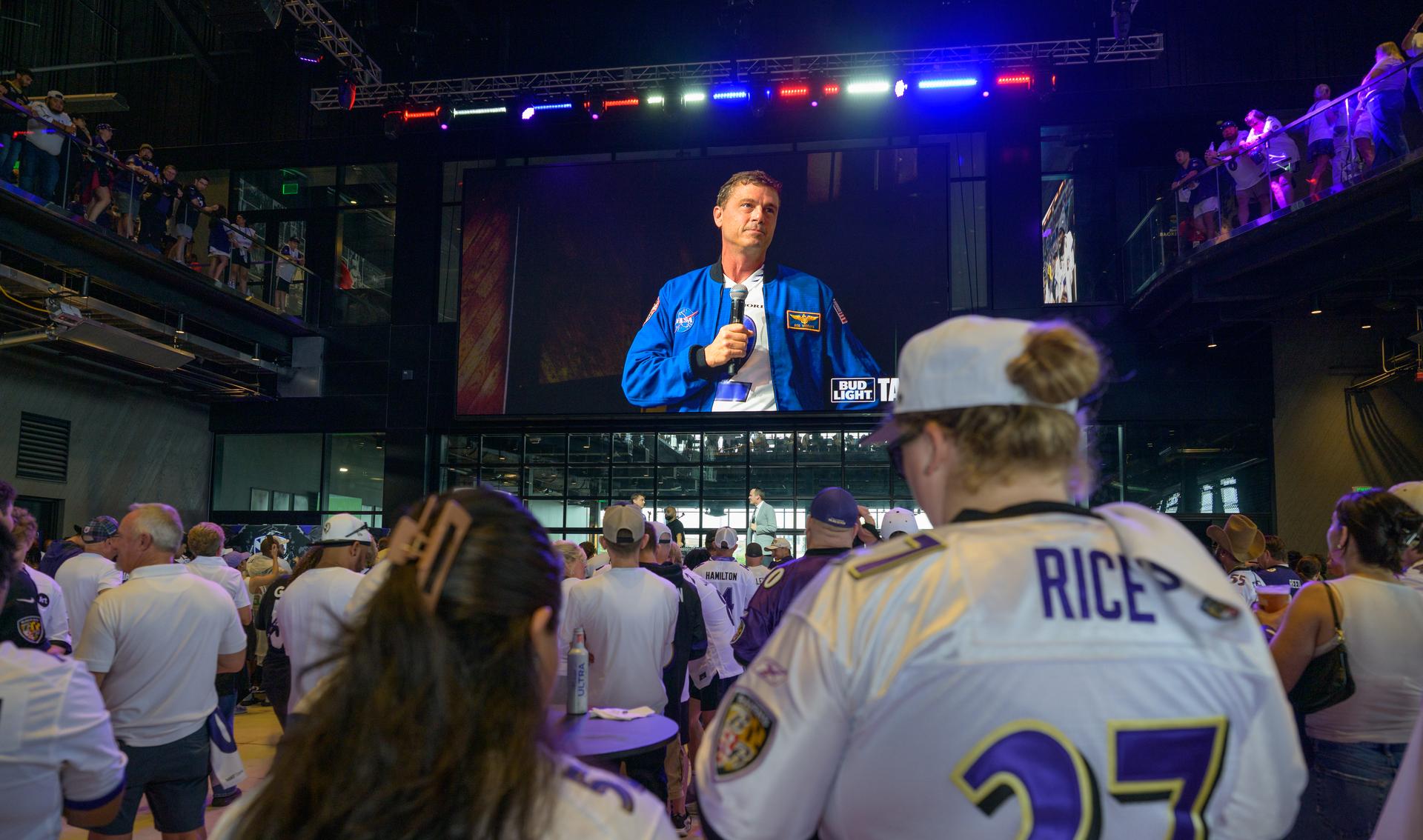
NASA astronaut and commander of the agency’s Artemis II mission, Reid Wiseman, a Baltimore native, talks to fans prior to the start of an NFL game between the New Orleans Saints and the Baltimore Ravens at M&T Bank Stadium, Sunday, Sept. 20, 2026, in Baltimore. NASA’s engagement at NFL games is part of the agency's Inspiration Tour, aimed at strengthening connections between NASA and its partners and showcasing innovation in air and space in the lead up to the MAX POWER aerospace technology expo and airshow at the agency's Kennedy Space Center in early November. Photo Credit: (NASA/Bill Ingalls)
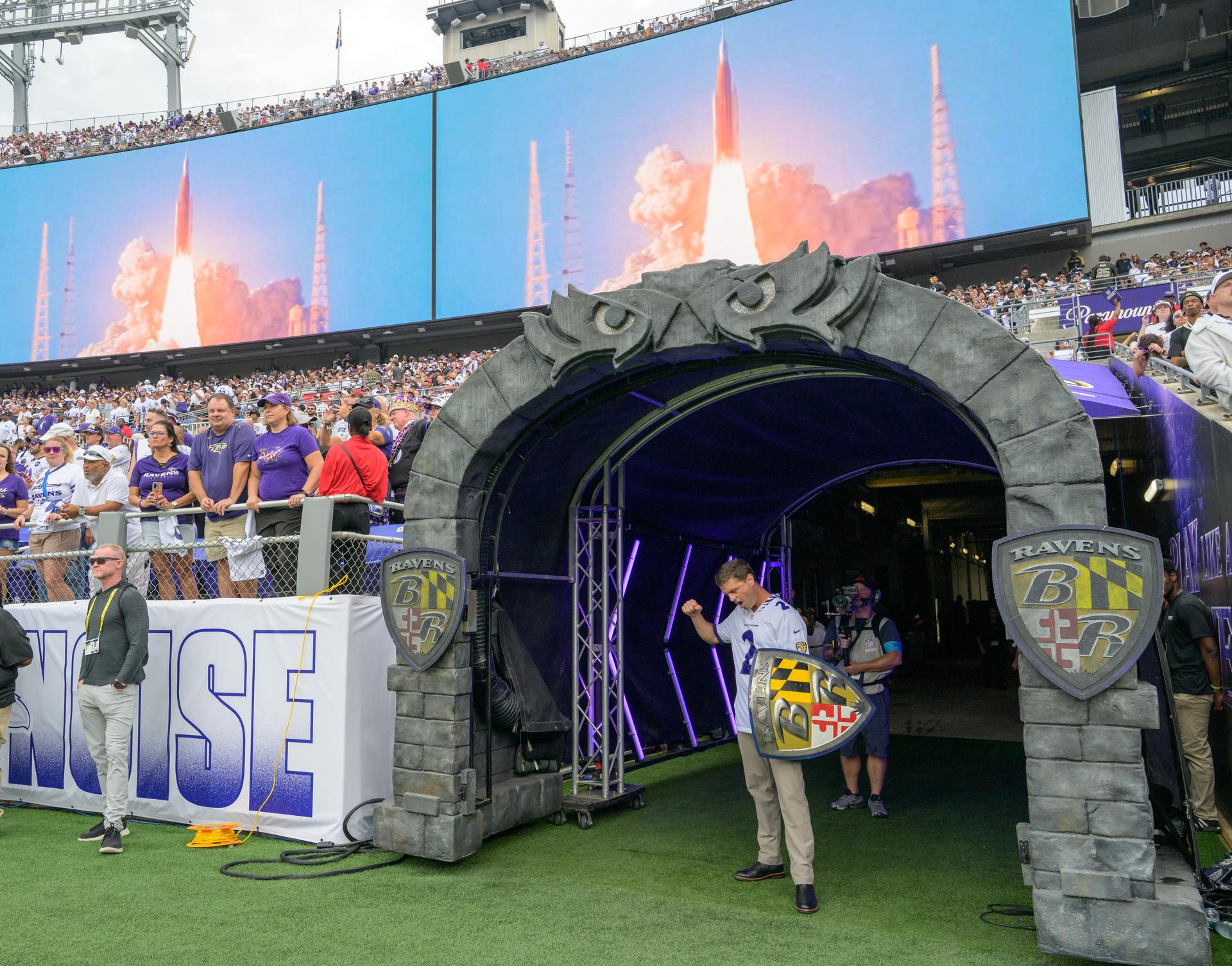
NASA astronaut and commander of the agency’s Artemis II mission, Reid Wiseman, a Baltimore native, leads “The Uprising”, a pregame show at an NFL game between the New Orleans Saints and the Baltimore Ravens at M&T Bank Stadium, Sunday, Sept. 20, 2026, in Baltimore. NASA’s engagement at NFL games is part of the agency's Inspiration Tour, aimed at strengthening connections between NASA and its partners and showcasing innovation in air and space in the lead up to the MAX POWER aerospace technology expo and airshow at the agency's Kennedy Space Center in early November. Photo Credit: (NASA/Bill Ingalls)
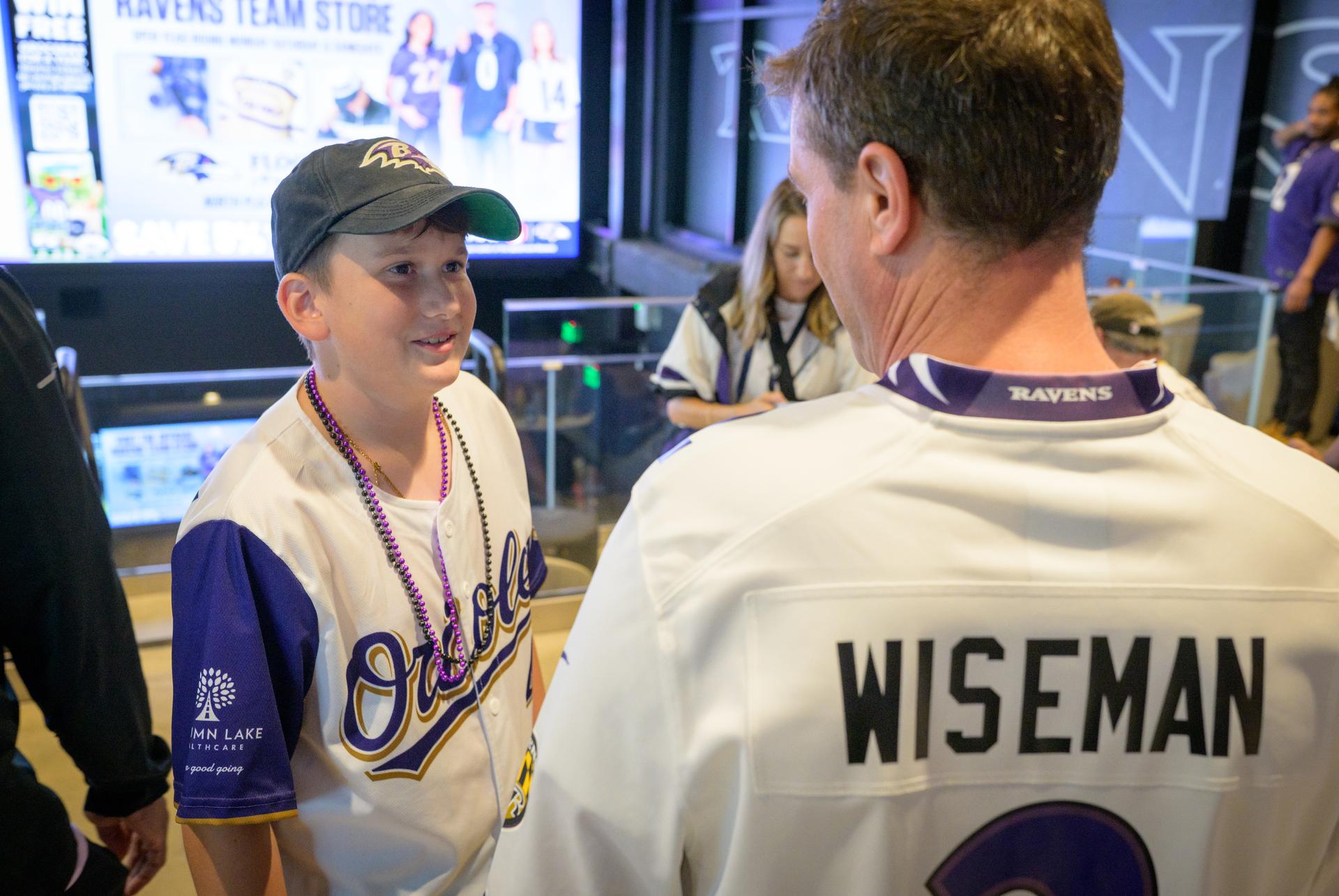
NASA astronaut and commander of the agency’s Artemis II mission, Reid Wiseman, a Baltimore native, meets with fans at an NFL game between the New Orleans Saints and the Baltimore Ravens at M&T Bank Stadium, Sunday, Sept. 20, 2026, in Baltimore. NASA’s engagement at NFL games is part of the agency's Inspiration Tour, aimed at strengthening connections between NASA and its partners and showcasing innovation in air and space in the lead up to the MAX POWER aerospace technology expo and airshow at the agency's Kennedy Space Center in early November. Photo Credit: (NASA/Bill Ingalls)
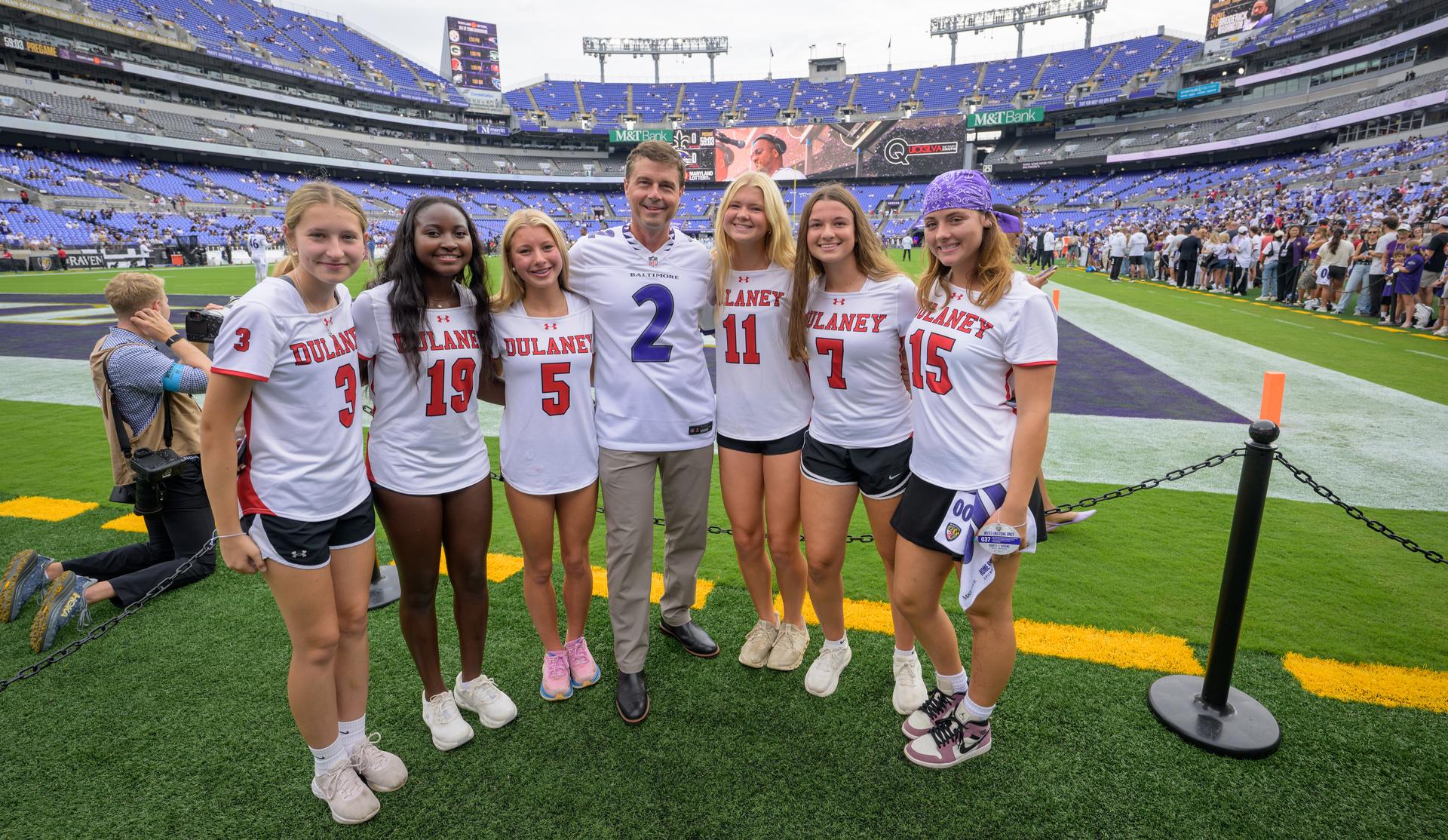
NASA astronaut and commander of the agency’s Artemis II mission, Reid Wiseman, a Baltimore native, poses for a photograph with students from Dulaney High School in Maryland at an NFL game between the New Orleans Saints and the Baltimore Ravens at M&T Bank Stadium, Sunday, Sept. 20, 2026, in Baltimore. NASA’s engagement at NFL games is part of the agency's Inspiration Tour, aimed at strengthening connections between NASA and its partners and showcasing innovation in air and space in the lead up to the MAX POWER aerospace technology expo and airshow at the agency's Kennedy Space Center in early November. Photo Credit: (NASA/Bill Ingalls)
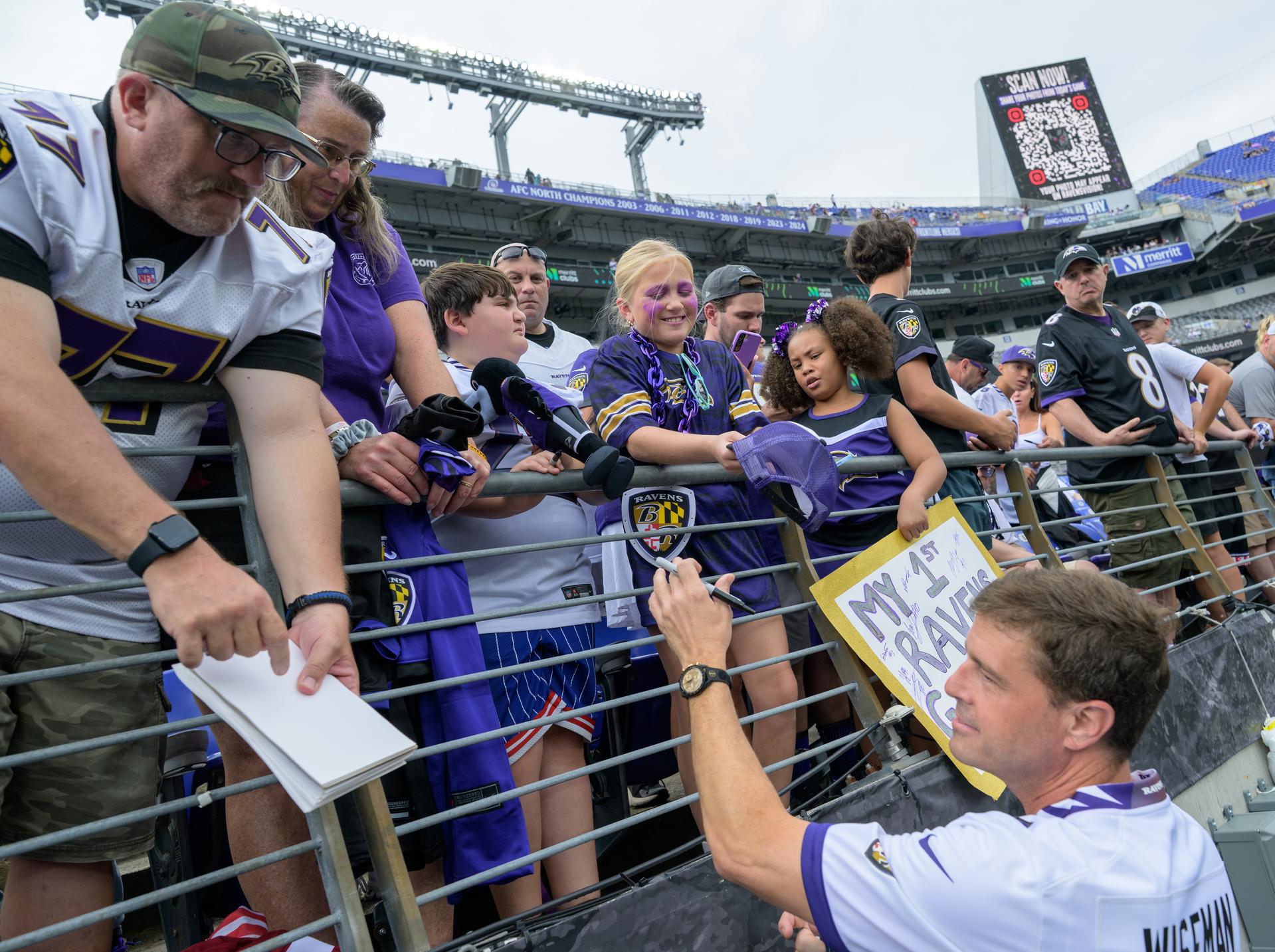
NASA astronaut and commander of the agency’s Artemis II mission, Reid Wiseman, a Baltimore native, talks with fans at an NFL game between the New Orleans Saints and the Baltimore Ravens at M&T Bank Stadium, Sunday, Sept. 20, 2026, in Baltimore. NASA’s engagement at NFL games is part of the agency's Inspiration Tour, aimed at strengthening connections between NASA and its partners and showcasing innovation in air and space in the lead up to the MAX POWER aerospace technology expo and airshow at the agency's Kennedy Space Center in early November. Photo Credit: (NASA/Bill Ingalls)
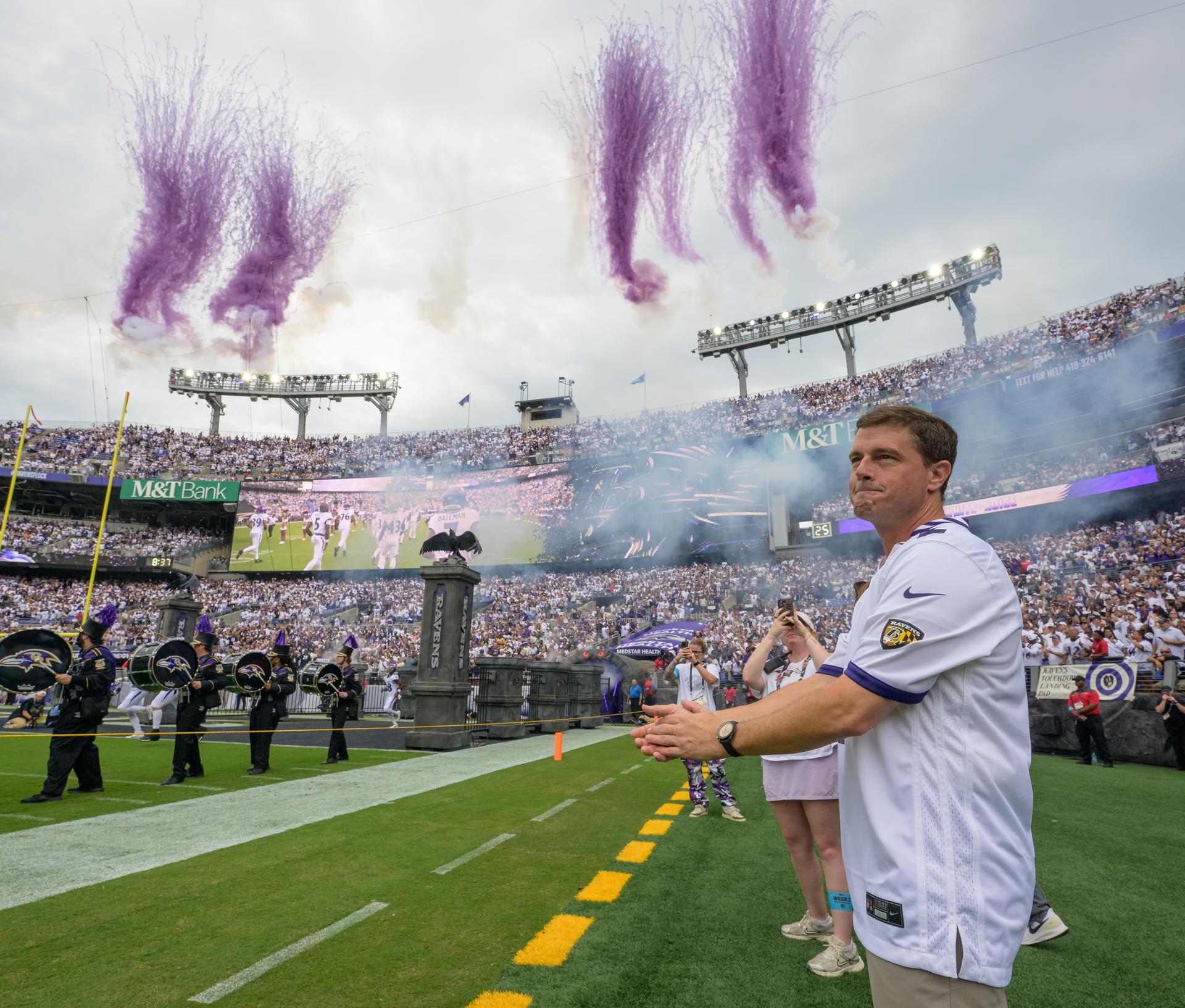
NASA astronaut and commander of the agency’s Artemis II mission, Reid Wiseman, a Baltimore native, celebrates as the Baltimore Ravens team is announced at an NFL game between the New Orleans Saints and the Ravens at M&T Bank Stadium, Sunday, Sept. 20, 2026, in Baltimore. NASA’s engagement at NFL games is part of the agency's Inspiration Tour, aimed at strengthening connections between NASA and its partners and showcasing innovation in air and space in the lead up to the MAX POWER aerospace technology expo and airshow at the agency's Kennedy Space Center in early November. Photo Credit: (NASA/Bill Ingalls)
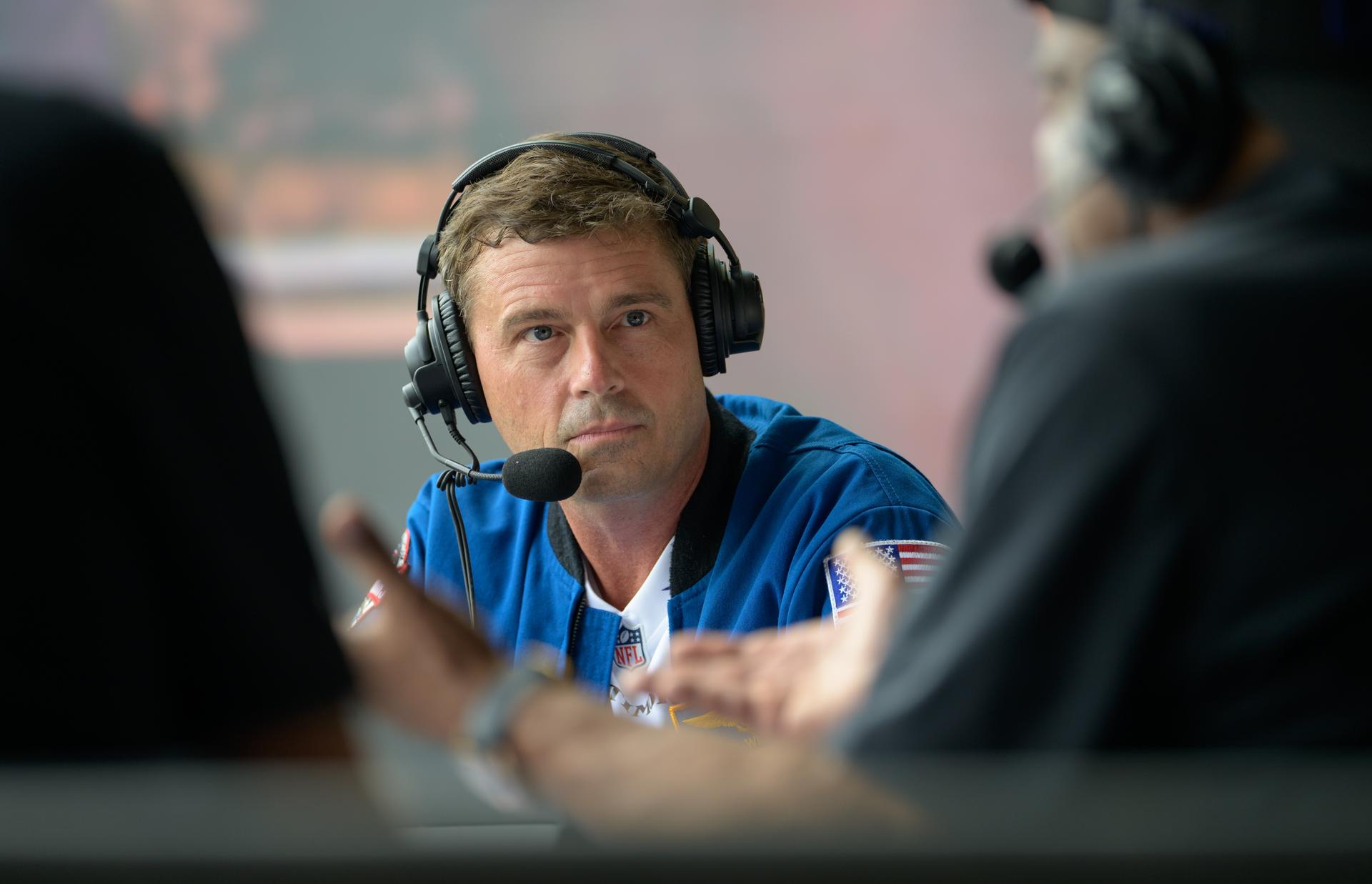
NASA astronaut and commander of the agency’s Artemis II mission, Reid Wiseman, a Baltimore native, is seen during an WBAL radio interview prior to the start of an NFL game between the New Orleans Saints and the Baltimore Ravens at M&T Bank Stadium, Sunday, Sept. 20, 2026, in Baltimore. NASA’s engagement at NFL games is part of the agency's Inspiration Tour, aimed at strengthening connections between NASA and its partners and showcasing innovation in air and space in the lead up to the MAX POWER aerospace technology expo and airshow at the agency's Kennedy Space Center in early November. Photo Credit: (NASA/Bill Ingalls)
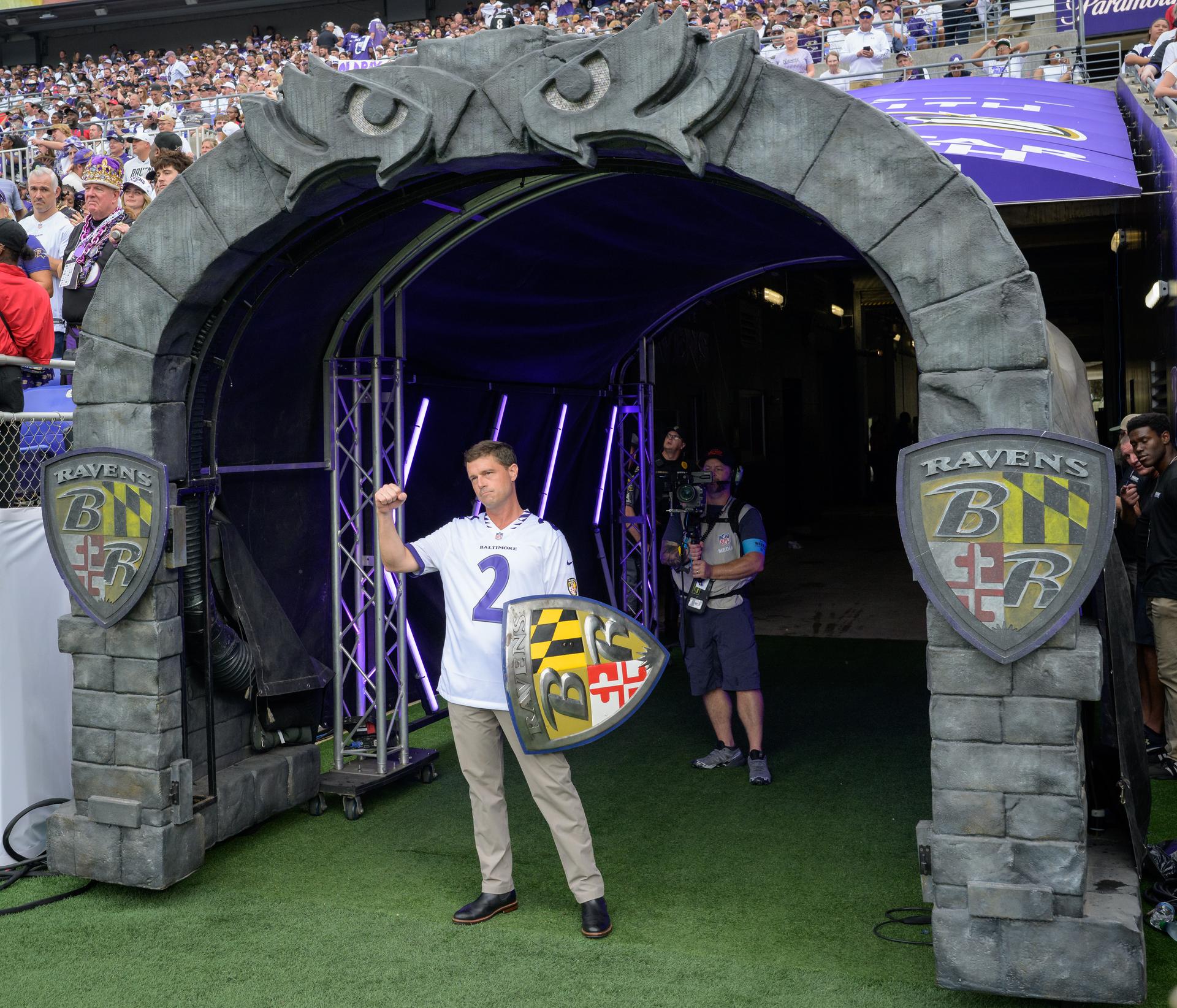
NASA astronaut and commander of the agency’s Artemis II mission, Reid Wiseman, a Baltimore native, leads “The Uprising”, a pregame show at an NFL game between the New Orleans Saints and the Baltimore Ravens at M&T Bank Stadium, Sunday, Sept. 20, 2026, in Baltimore. NASA’s engagement at NFL games is part of the agency's Inspiration Tour, aimed at strengthening connections between NASA and its partners and showcasing innovation in air and space in the lead up to the MAX POWER aerospace technology expo and airshow at the agency's Kennedy Space Center in early November. Photo Credit: (NASA/Bill Ingalls)
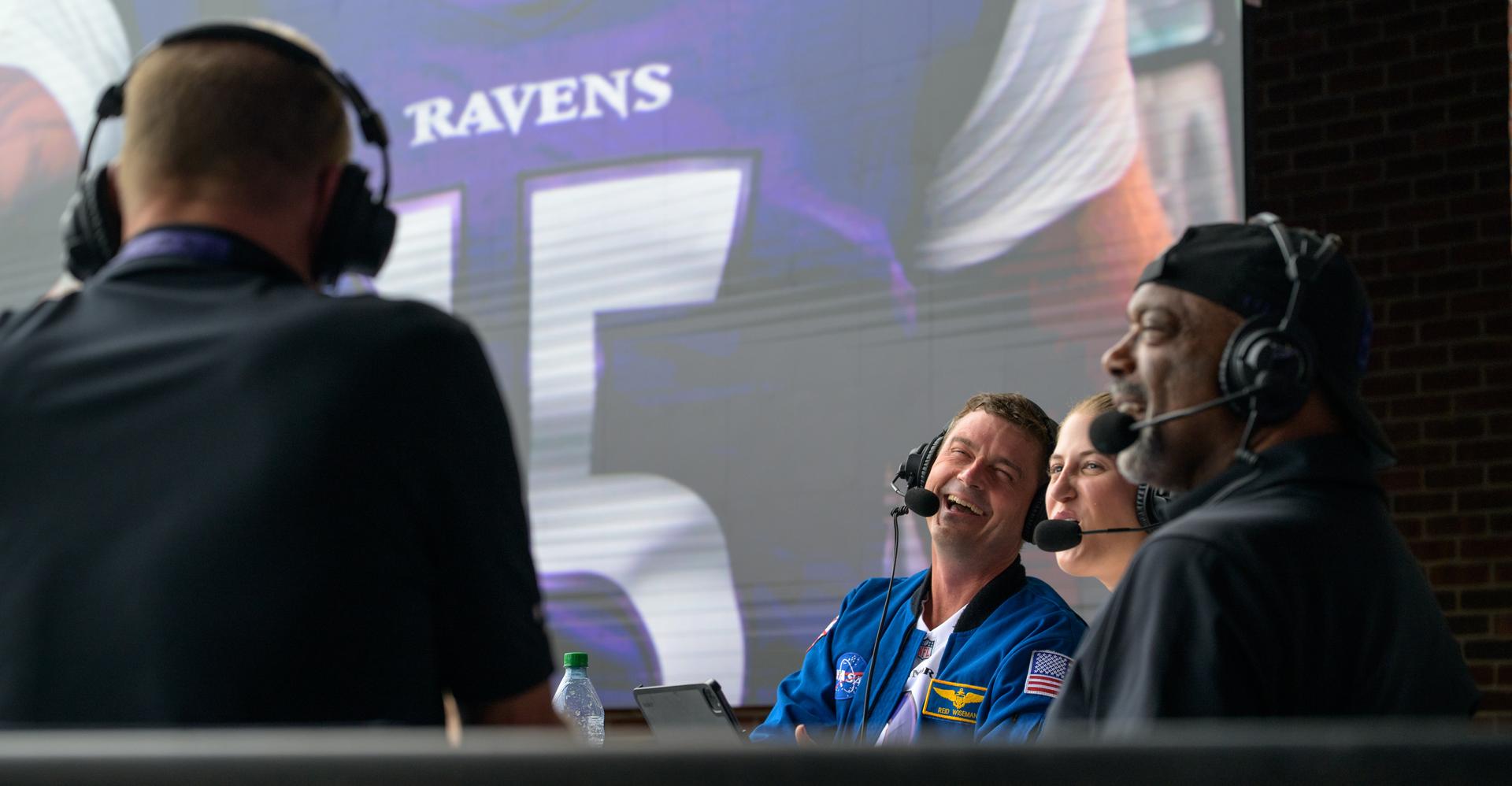
NASA astronaut and commander of the agency’s Artemis II mission, Reid Wiseman, a Baltimore native, is seen during an WBAL radio interview prior to the start of an NFL game between the New Orleans Saints and the Baltimore Ravens at M&T Bank Stadium, Sunday, Sept. 20, 2026, in Baltimore. NASA’s engagement at NFL games is part of the agency's Inspiration Tour, aimed at strengthening connections between NASA and its partners and showcasing innovation in air and space in the lead up to the MAX POWER aerospace technology expo and airshow at the agency's Kennedy Space Center in early November. Photo Credit: (NASA/Bill Ingalls)
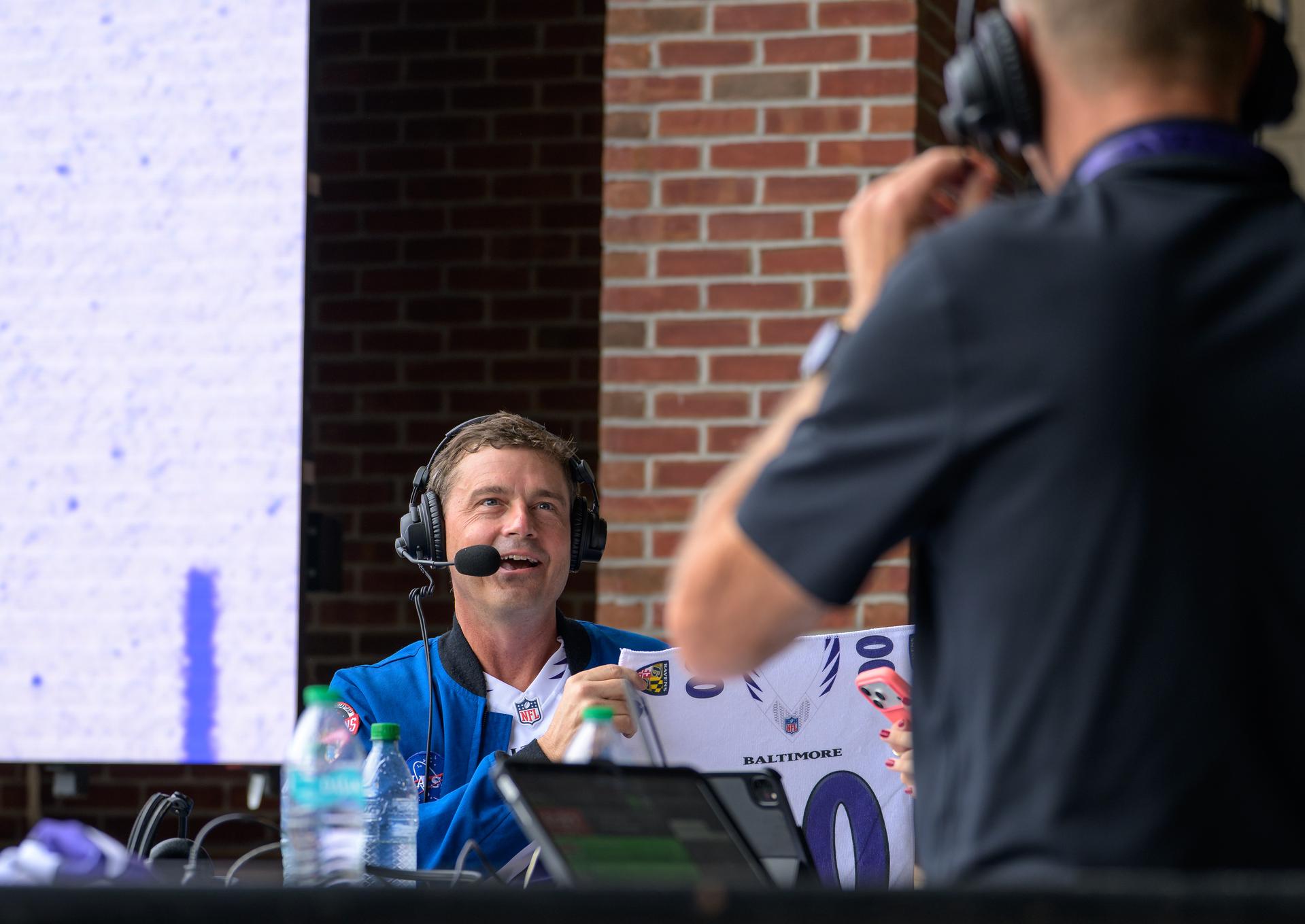
NASA astronaut and commander of the agency’s Artemis II mission, Reid Wiseman, a Baltimore native, is seen during an WBAL radio interview prior to the start of an NFL game between the New Orleans Saints and the Baltimore Ravens at M&T Bank Stadium, Sunday, Sept. 20, 2026, in Baltimore. NASA’s engagement at NFL games is part of the agency's Inspiration Tour, aimed at strengthening connections between NASA and its partners and showcasing innovation in air and space in the lead up to the MAX POWER aerospace technology expo and airshow at the agency's Kennedy Space Center in early November. Photo Credit: (NASA/Bill Ingalls)
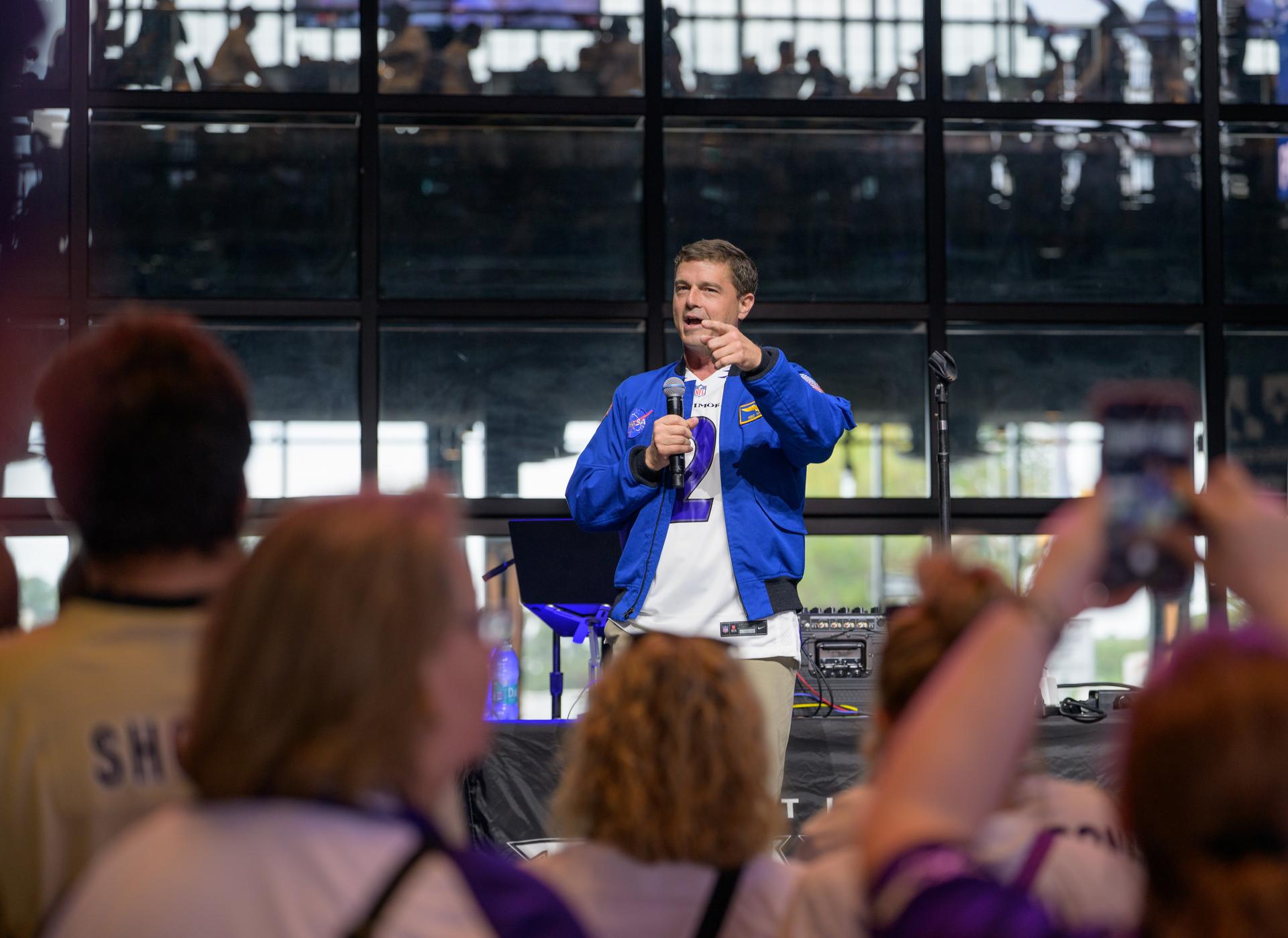
NASA astronaut and commander of the agency’s Artemis II mission, Reid Wiseman, a Baltimore native, talks to fans prior to the start of an NFL game between the New Orleans Saints and the Baltimore Ravens at M&T Bank Stadium, Sunday, Sept. 20, 2026, in Baltimore. NASA’s engagement at NFL games is part of the agency's Inspiration Tour, aimed at strengthening connections between NASA and its partners and showcasing innovation in air and space in the lead up to the MAX POWER aerospace technology expo and airshow at the agency's Kennedy Space Center in early November. Photo Credit: (NASA/Bill Ingalls)
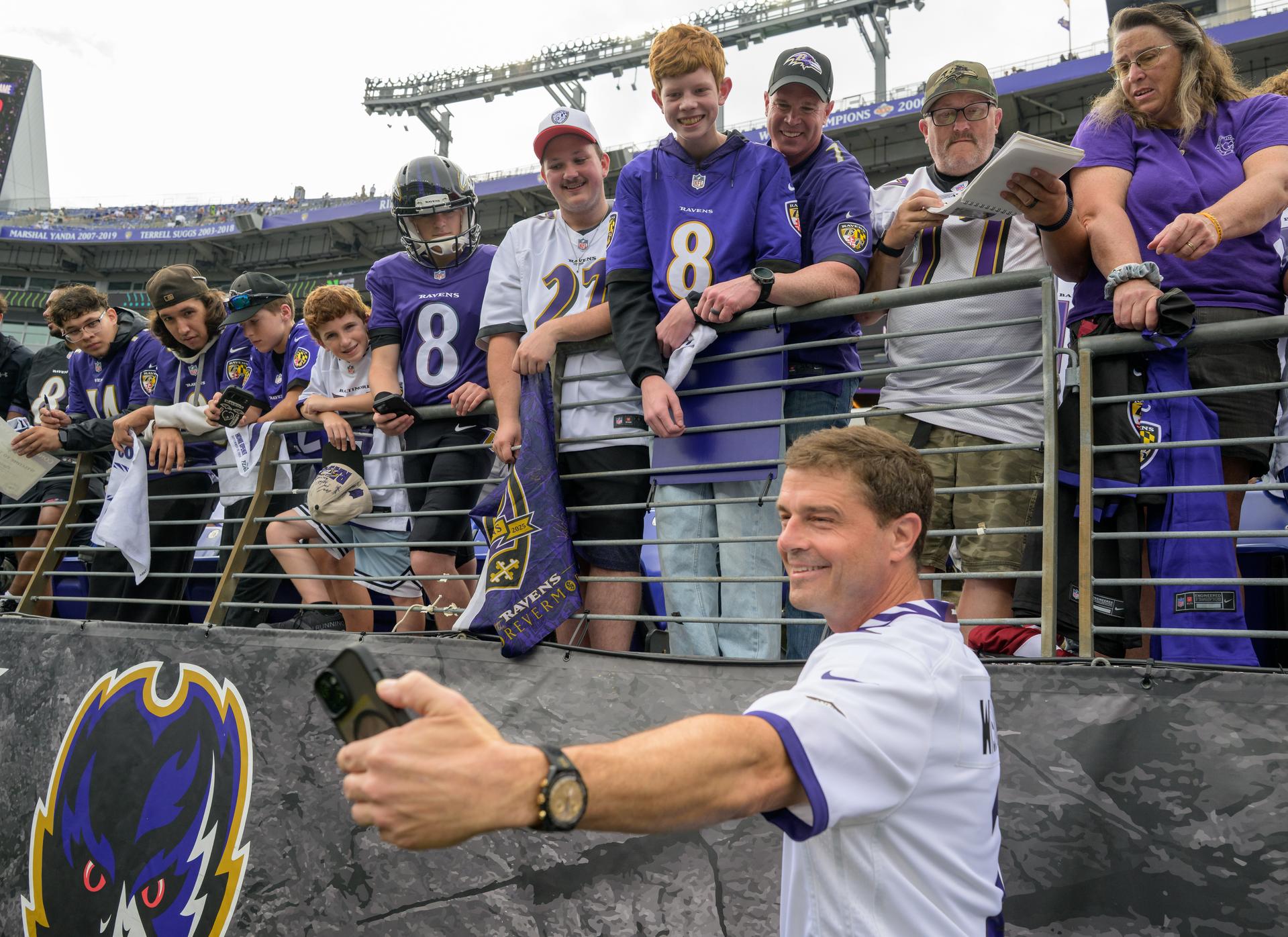
NASA astronaut and commander of the agency’s Artemis II mission, Reid Wiseman, a Baltimore native, does a selfie photograph with fans at an NFL game between the New Orleans Saints and the Baltimore Ravens at M&T Bank Stadium, Sunday, Sept. 20, 2026, in Baltimore. NASA’s engagement at NFL games is part of the agency's Inspiration Tour, aimed at strengthening connections between NASA and its partners and showcasing innovation in air and space in the lead up to the MAX POWER aerospace technology expo and airshow at the agency's Kennedy Space Center in early November. Photo Credit: (NASA/Bill Ingalls)
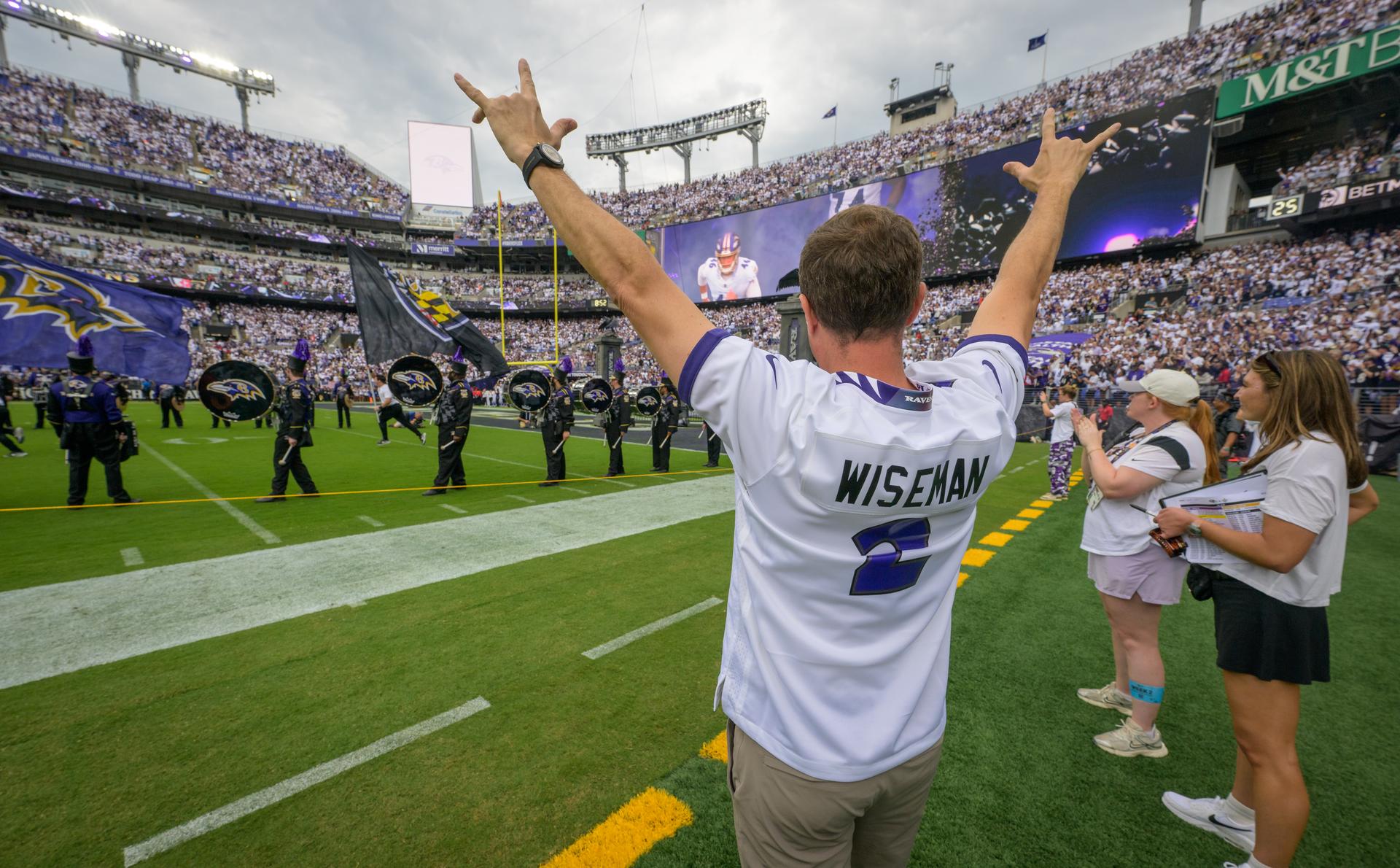
NASA astronaut and commander of the agency’s Artemis II mission, Reid Wiseman, a Baltimore native, celebrates as the Baltimore Ravens team is announced at an NFL game between the New Orleans Saints and the Ravens at M&T Bank Stadium, Sunday, Sept. 20, 2026, in Baltimore. NASA’s engagement at NFL games is part of the agency's Inspiration Tour, aimed at strengthening connections between NASA and its partners and showcasing innovation in air and space in the lead up to the MAX POWER aerospace technology expo and airshow at the agency's Kennedy Space Center in early November. Photo Credit: (NASA/Bill Ingalls)
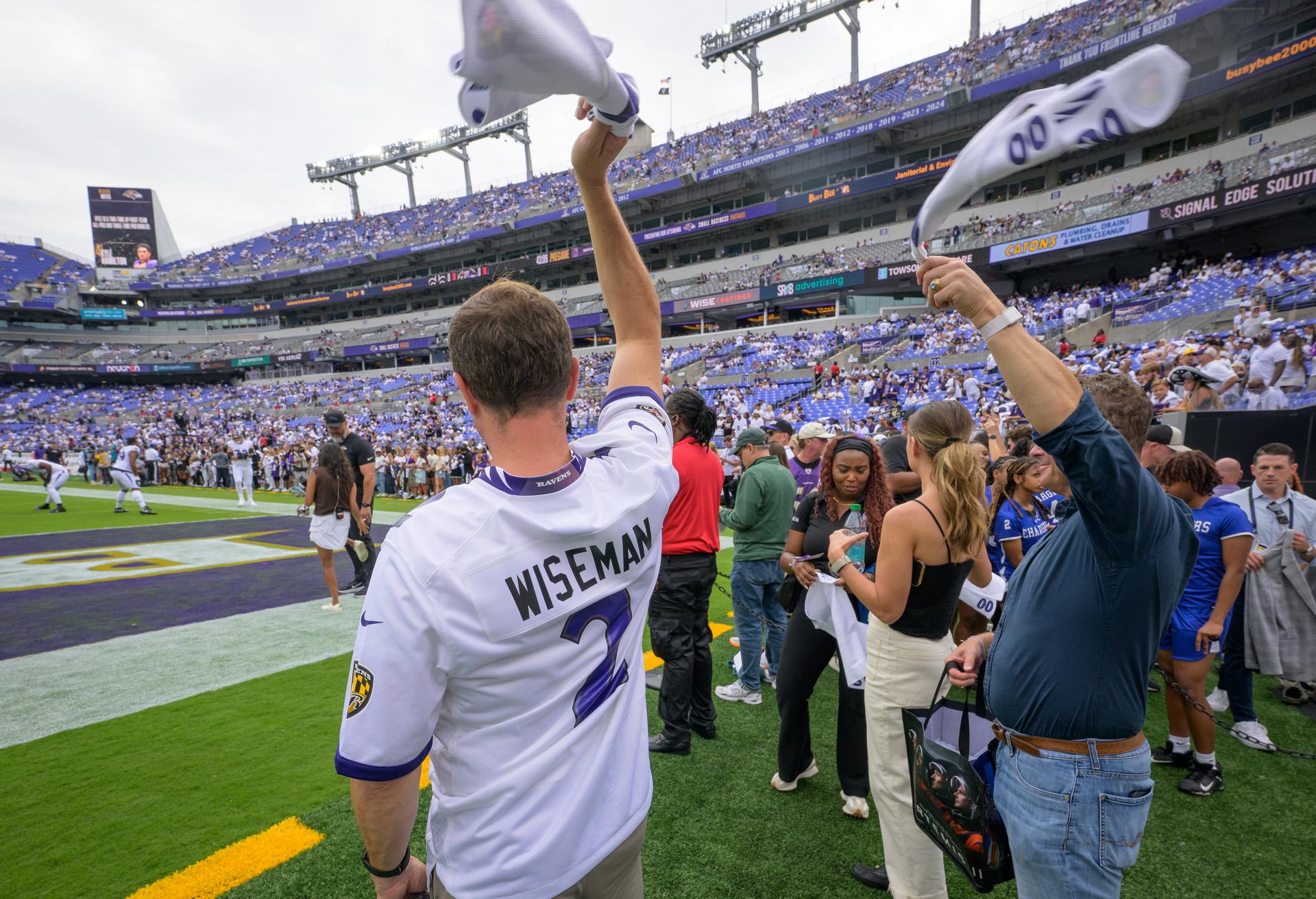
NASA astronaut and commander of the agency’s Artemis II mission, Reid Wiseman, a Baltimore native, left, waves a towel at an NFL game between the New Orleans Saints and the Baltimore Ravens at M&T Bank Stadium, Sunday, Sept. 20, 2026, in Baltimore. NASA’s engagement at NFL games is part of the agency's Inspiration Tour, aimed at strengthening connections between NASA and its partners and showcasing innovation in air and space in the lead up to the MAX POWER aerospace technology expo and airshow at the agency's Kennedy Space Center in early November. Photo Credit: (NASA/Bill Ingalls)
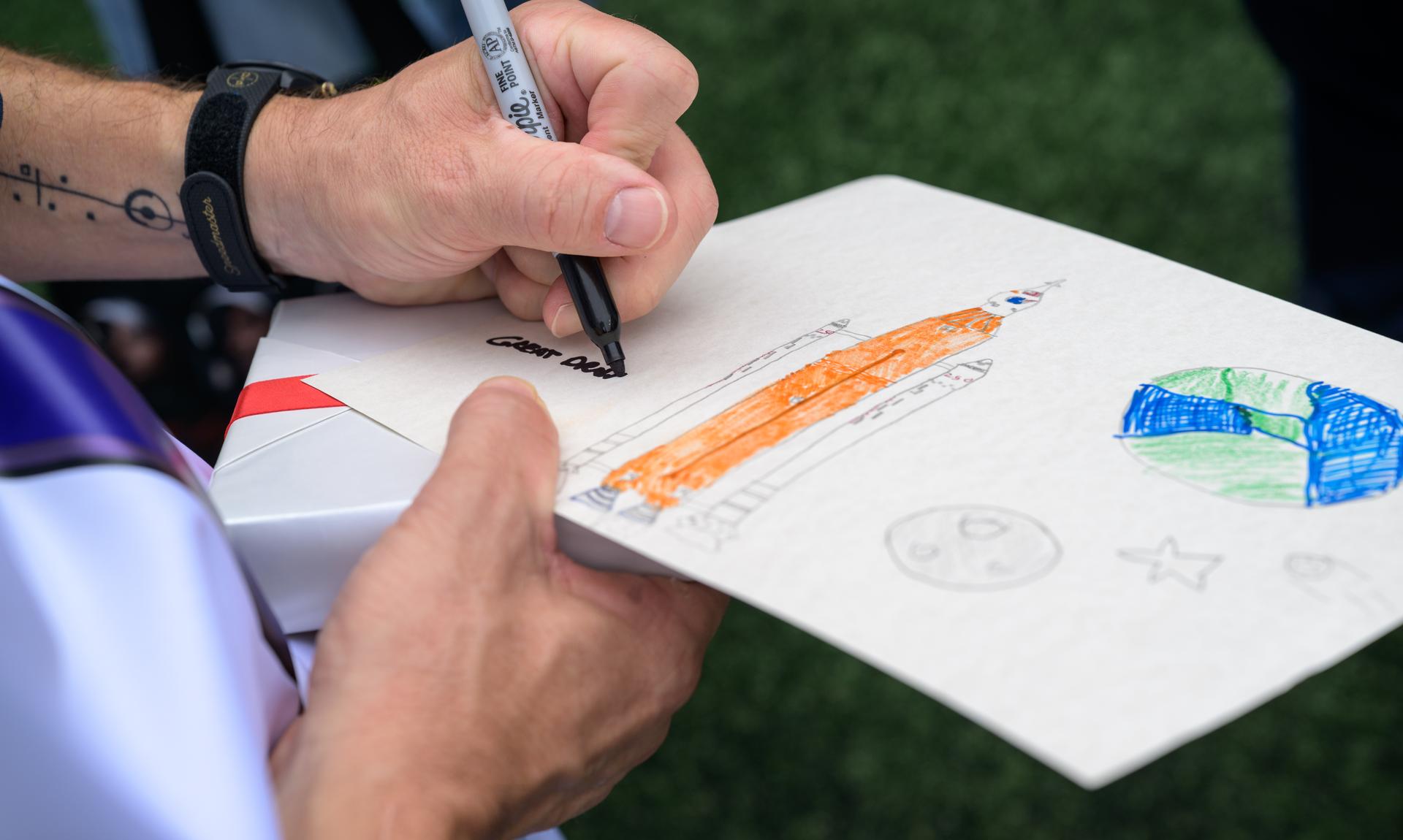
NASA astronaut and commander of the agency’s Artemis II mission, Reid Wiseman, a Baltimore native, signs artwork at an NFL game between the New Orleans Saints and the Baltimore Ravens at M&T Bank Stadium, Sunday, Sept. 20, 2026, in Baltimore. NASA’s engagement at NFL games is part of the agency's Inspiration Tour, aimed at strengthening connections between NASA and its partners and showcasing innovation in air and space in the lead up to the MAX POWER aerospace technology expo and airshow at the agency's Kennedy Space Center in early November. Photo Credit: (NASA/Bill Ingalls)
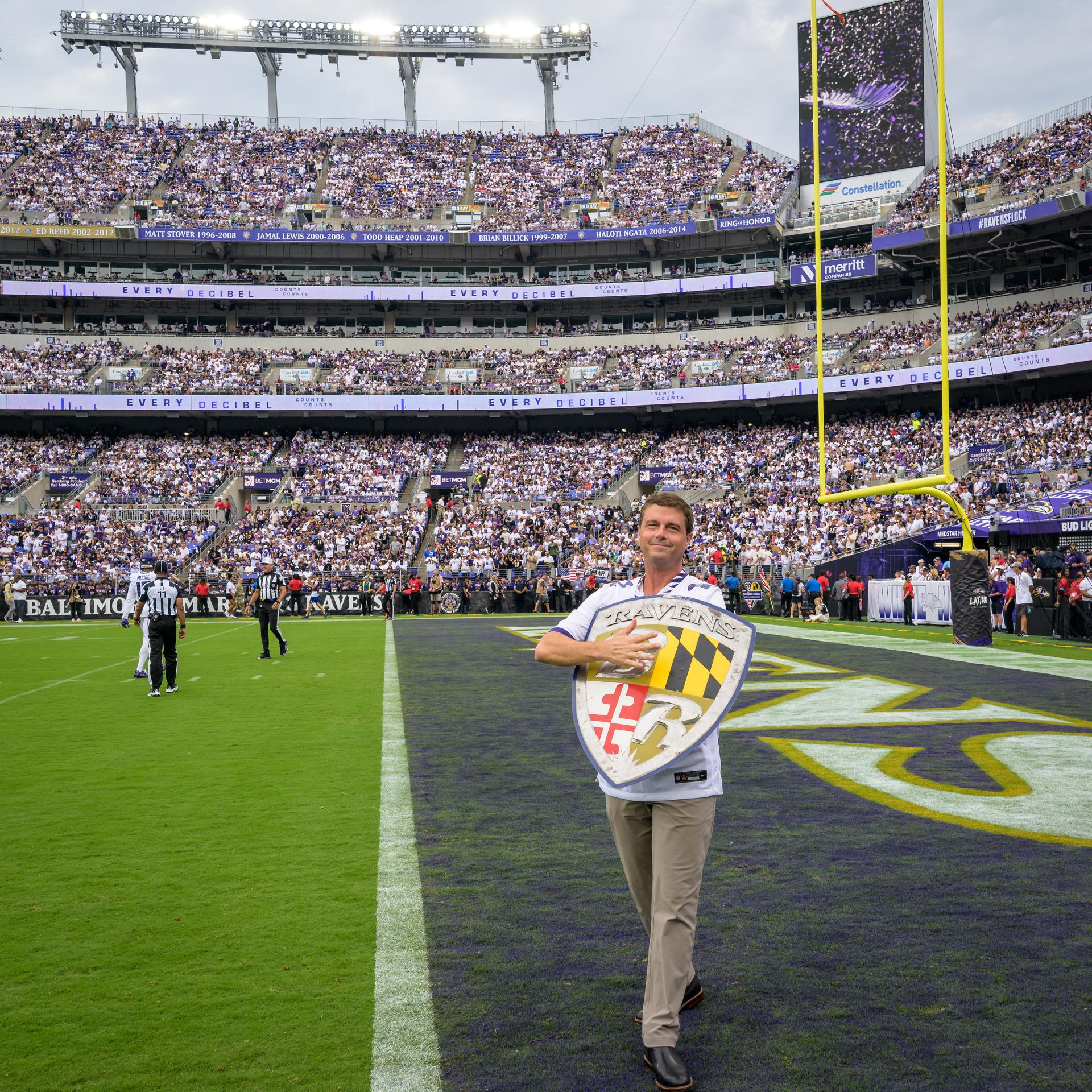
NASA astronaut and commander of the agency’s Artemis II mission, Reid Wiseman, a Baltimore native, leads “The Uprising”, a pregame show at an NFL game between the New Orleans Saints and the Baltimore Ravens at M&T Bank Stadium, Sunday, Sept. 20, 2026, in Baltimore. NASA’s engagement at NFL games is part of the agency's Inspiration Tour, aimed at strengthening connections between NASA and its partners and showcasing innovation in air and space in the lead up to the MAX POWER aerospace technology expo and airshow at the agency's Kennedy Space Center in early November. Photo Credit: (NASA/Bill Ingalls)
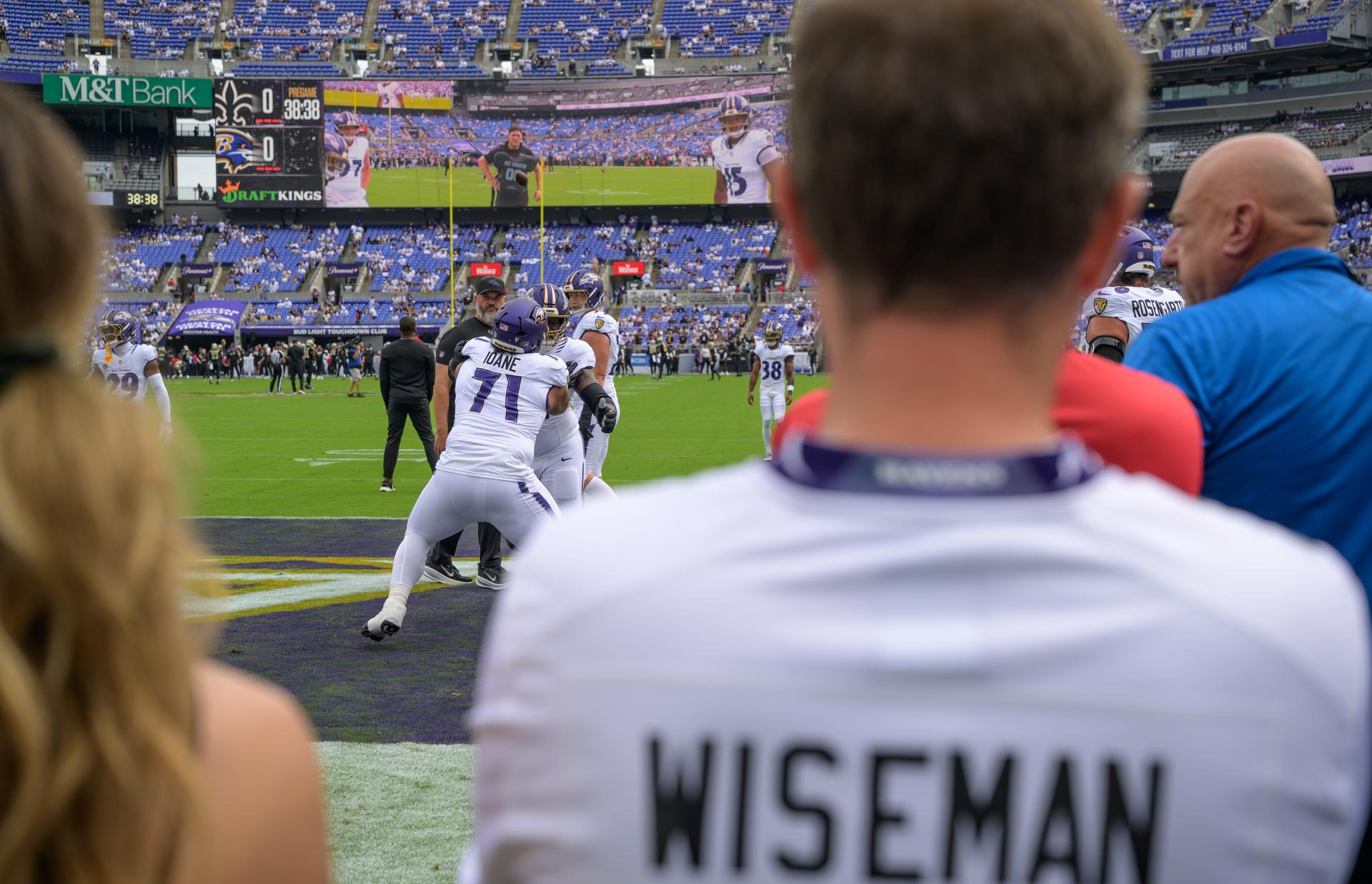
NASA astronaut and commander of the agency’s Artemis II mission, Reid Wiseman, a Baltimore native, watches as players warm up at an NFL game between the New Orleans Saints and the Baltimore Ravens at M&T Bank Stadium, Sunday, Sept. 20, 2026, in Baltimore. NASA’s engagement at NFL games is part of the agency's Inspiration Tour, aimed at strengthening connections between NASA and its partners and showcasing innovation in air and space in the lead up to the MAX POWER aerospace technology expo and airshow at the agency's Kennedy Space Center in early November. Photo Credit: (NASA/Bill Ingalls)
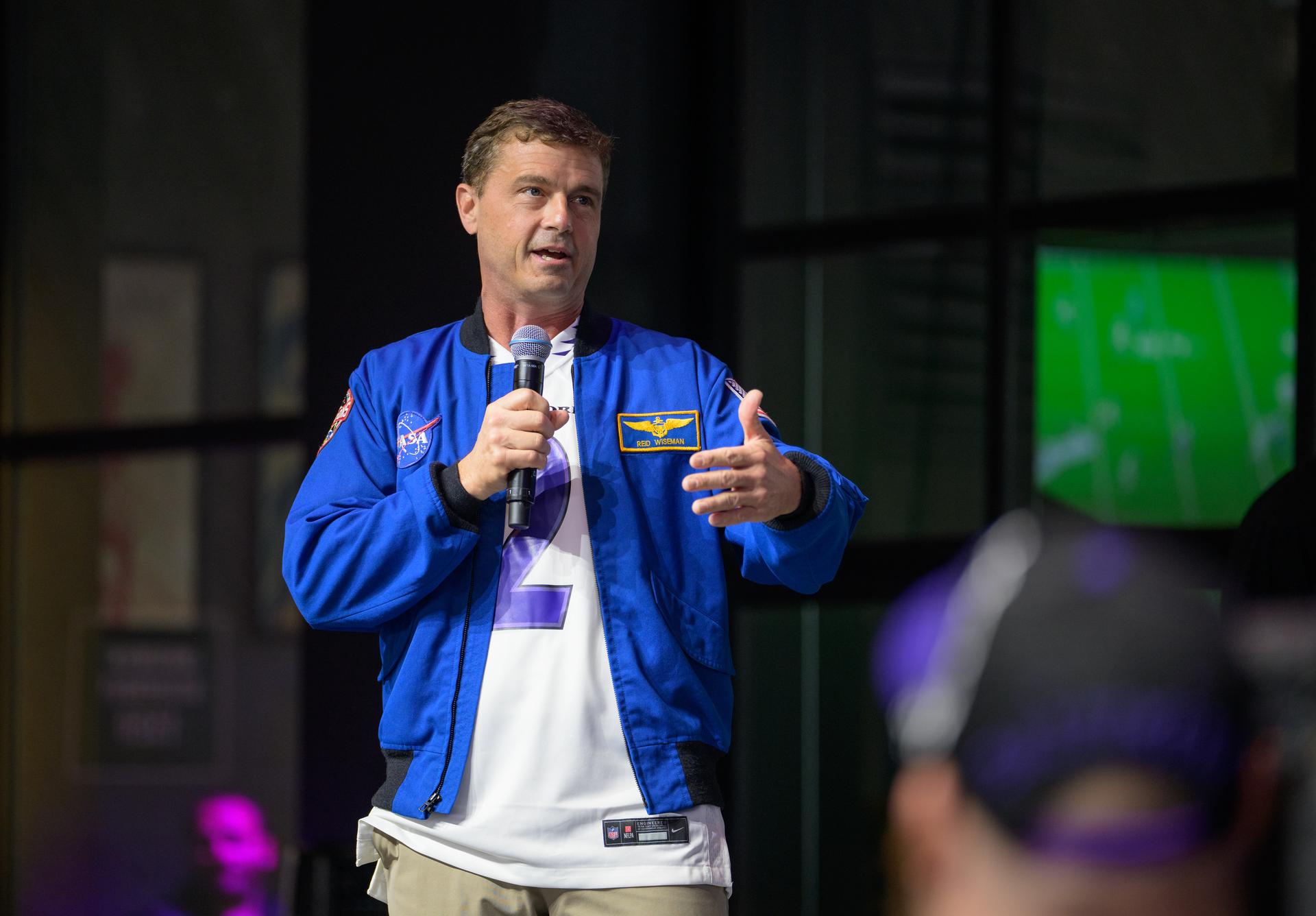
NASA astronaut and commander of the agency’s Artemis II mission, Reid Wiseman, a Baltimore native, talks to fans prior to the start of an NFL game between the New Orleans Saints and the Baltimore Ravens at M&T Bank Stadium, Sunday, Sept. 20, 2026, in Baltimore. NASA’s engagement at NFL games is part of the agency's Inspiration Tour, aimed at strengthening connections between NASA and its partners and showcasing innovation in air and space in the lead up to the MAX POWER aerospace technology expo and airshow at the agency's Kennedy Space Center in early November. Photo Credit: (NASA/Bill Ingalls)
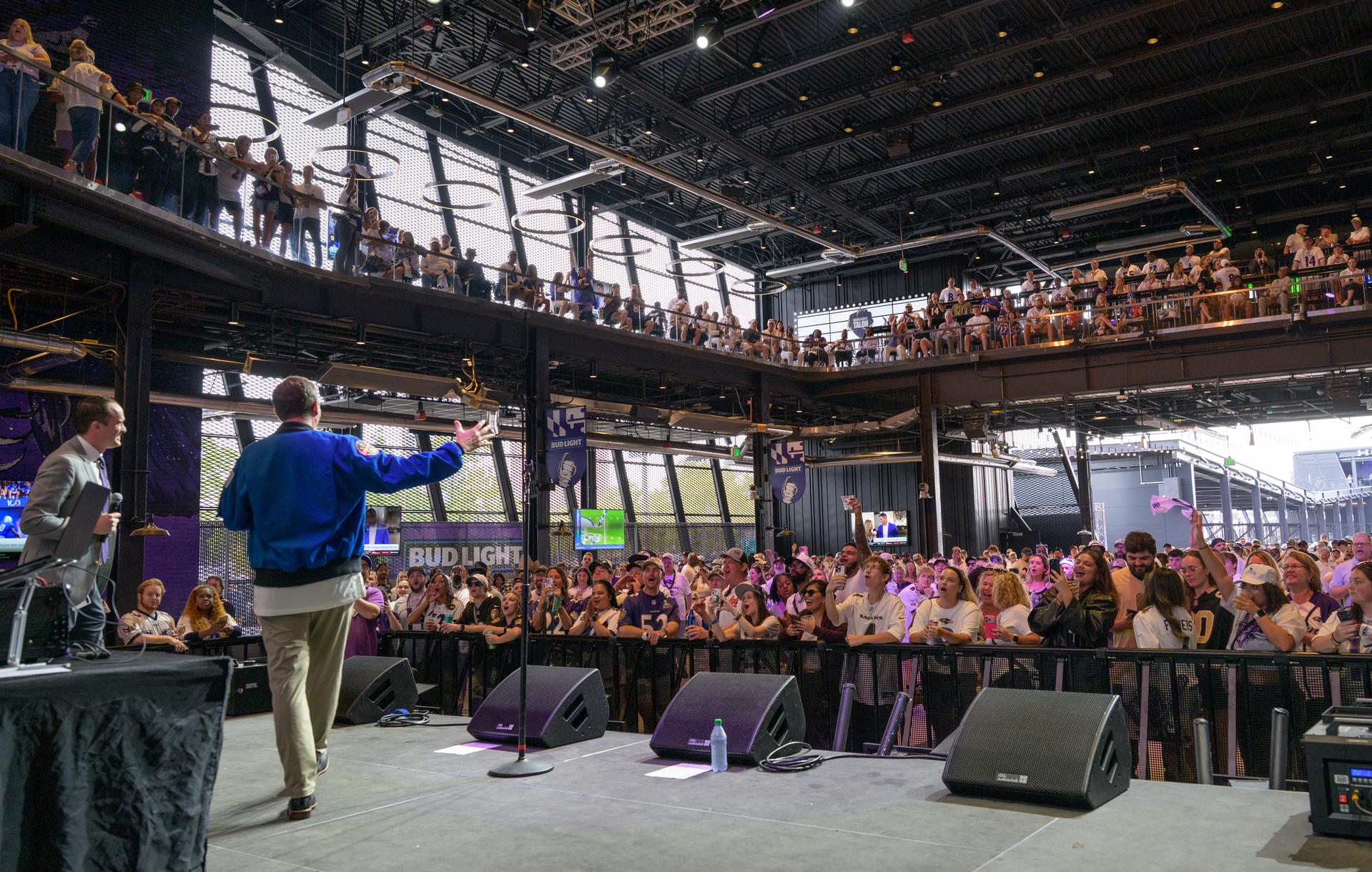
NASA astronaut and commander of the agency’s Artemis II mission, Reid Wiseman, a Baltimore native, joins Garrett Downing, Senior Director of Social Media for the Baltimore Ravens on stage prior to an NFL game between the New Orleans Saints and the Baltimore Ravens at M&T Bank Stadium, Sunday, Sept. 20, 2026, in Baltimore. NASA’s engagement at NFL games is part of the agency's Inspiration Tour, aimed at strengthening connections between NASA and its partners and showcasing innovation in air and space in the lead up to the MAX POWER aerospace technology expo and airshow at the agency's Kennedy Space Center in early November. Photo Credit: (NASA/Bill Ingalls)
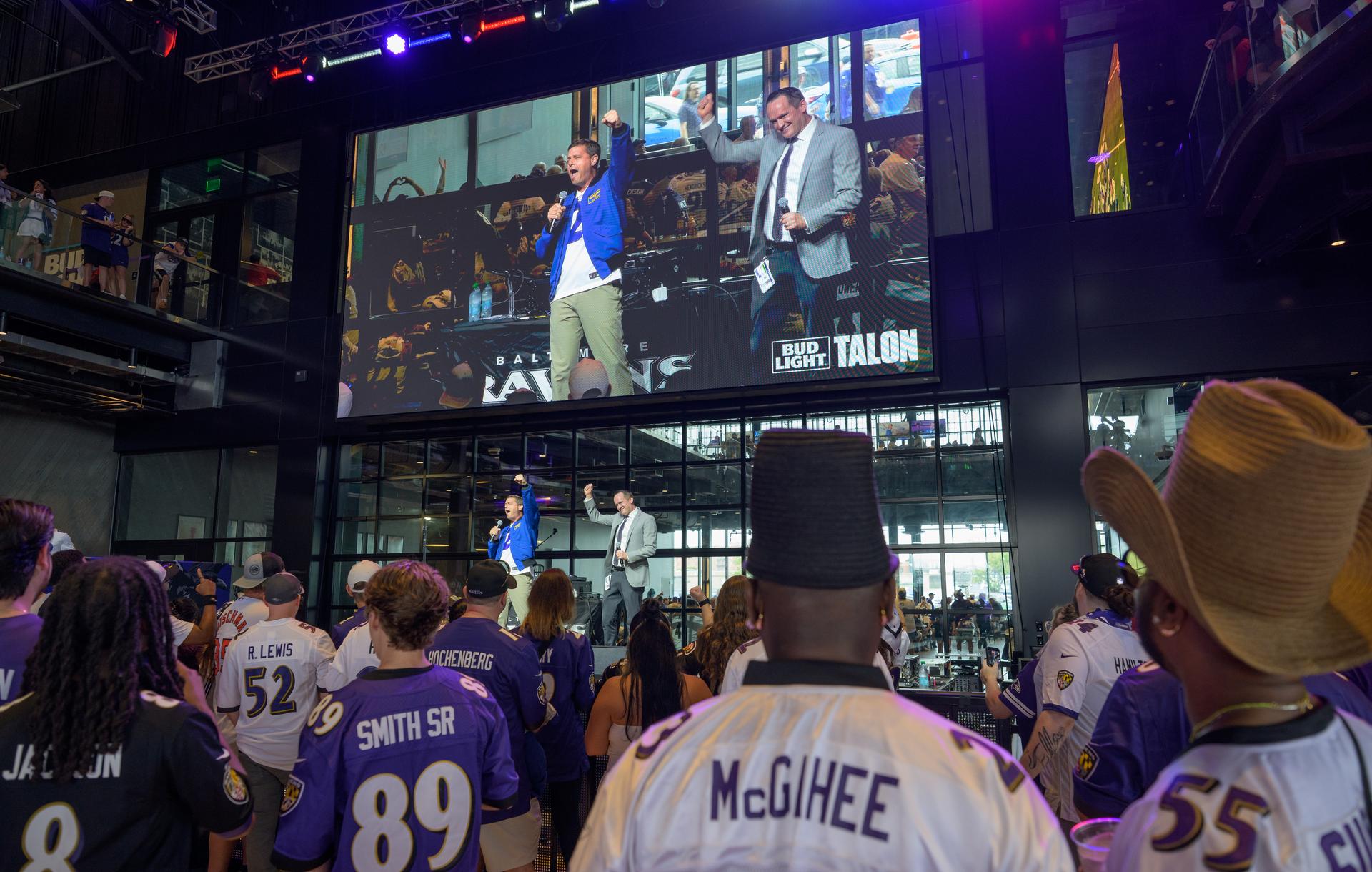
NASA astronaut and commander of the agency’s Artemis II mission, Reid Wiseman, a Baltimore native, joins Garrett Downing, Senior Director of Social Media for the Baltimore Ravens on stage prior to an NFL game between the New Orleans Saints and the Baltimore Ravens at M&T Bank Stadium, Sunday, Sept. 20, 2026, in Baltimore. NASA’s engagement at NFL games is part of the agency's Inspiration Tour, aimed at strengthening connections between NASA and its partners and showcasing innovation in air and space in the lead up to the MAX POWER aerospace technology expo and airshow at the agency's Kennedy Space Center in early November. Photo Credit: (NASA/Bill Ingalls)
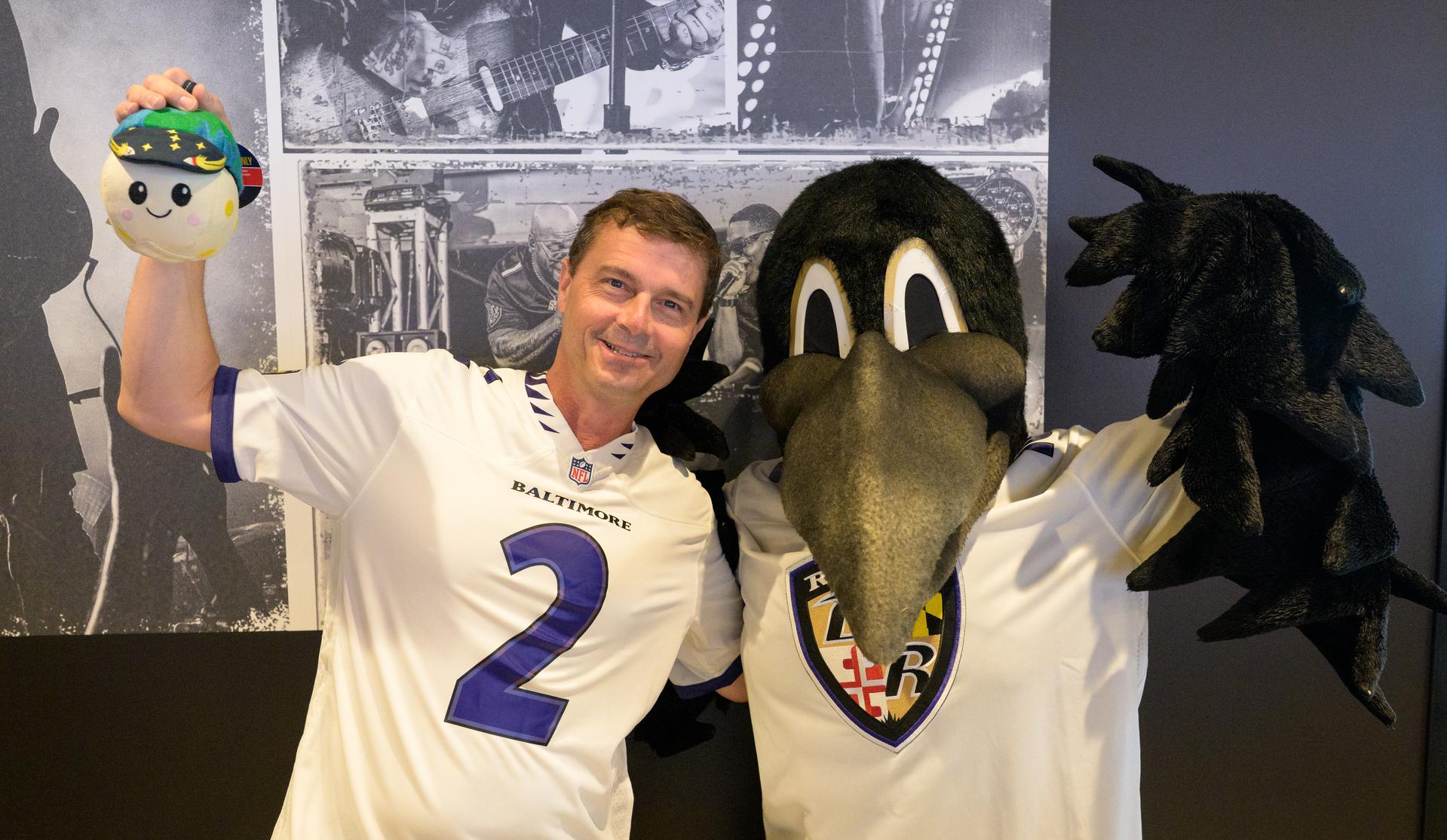
NASA astronaut and commander of the agency’s Artemis II mission, Reid Wiseman, a Baltimore native, holds Rise, the zero gravity indicator from the Artemis II mission, as he poses for a photograph with Baltimore Ravens mascot Poe at an NFL game between the New Orleans Saints and the Baltimore Ravens at M&T Bank Stadium, Sunday, Sept. 20, 2026, in Baltimore. NASA’s engagement at NFL games is part of the agency's Inspiration Tour, aimed at strengthening connections between NASA and its partners and showcasing innovation in air and space in the lead up to the MAX POWER aerospace technology expo and airshow at the agency's Kennedy Space Center in early November. Photo Credit: (NASA/Bill Ingalls)
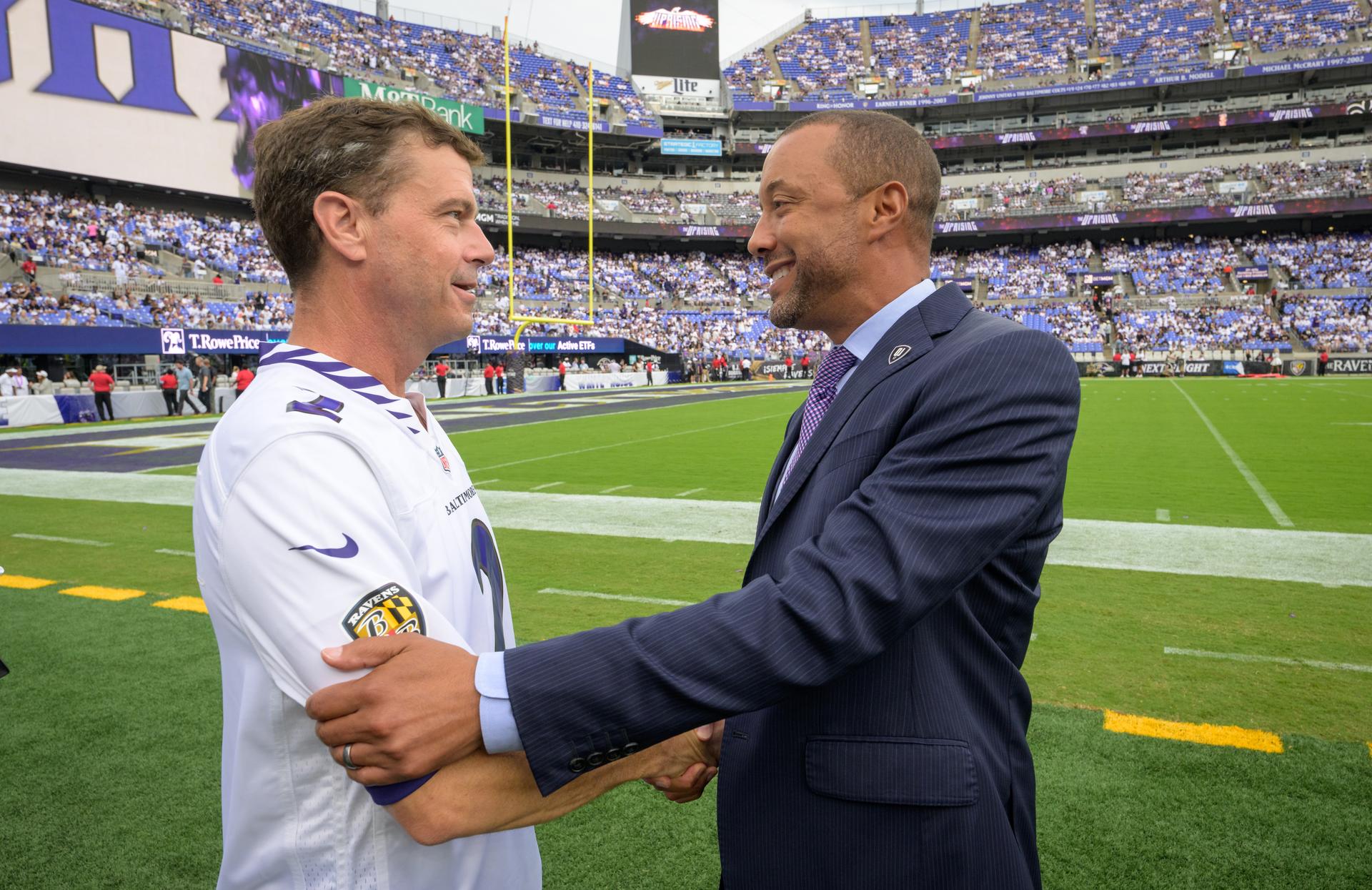
NASA astronaut and commander of the agency’s Artemis II mission, Reid Wiseman, a Baltimore native, left, shakes hands with Baltimore Ravens President Sashi Brown, at an NFL game between the New Orleans Saints and the Baltimore Ravens at M&T Bank Stadium, Sunday, Sept. 20, 2026, in Baltimore. NASA’s engagement at NFL games is part of the agency's Inspiration Tour, aimed at strengthening connections between NASA and its partners and showcasing innovation in air and space in the lead up to the MAX POWER aerospace technology expo and airshow at the agency's Kennedy Space Center in early November. Photo Credit: (NASA/Bill Ingalls)
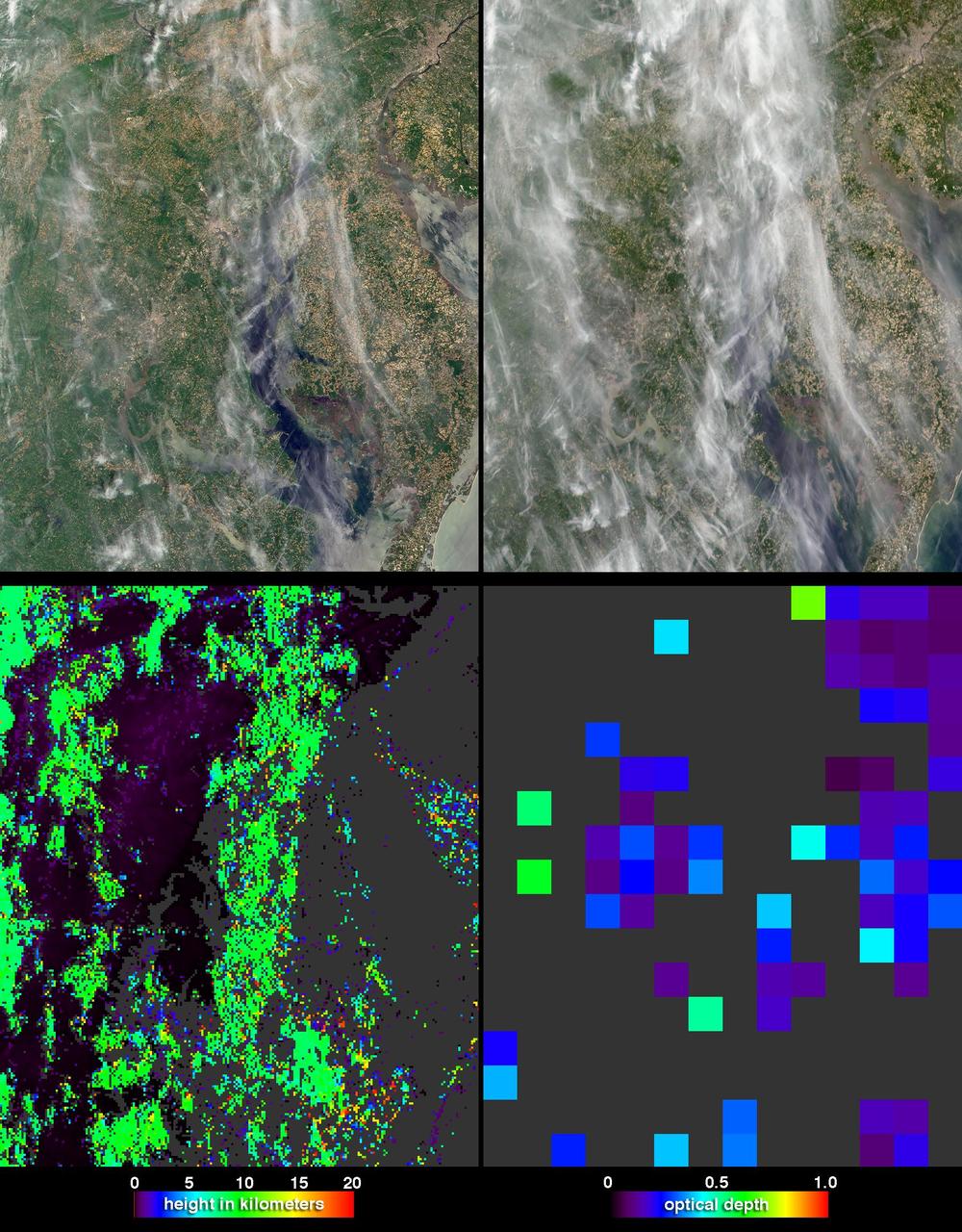
During Spring 2003, students, teachers, and scientists worked side-by-side, measuring the properties of aerosols fine particulate matter suspended in the air over Baltimore, Maryland using hand-held instruments shown here by NASA Terra spacecraft.
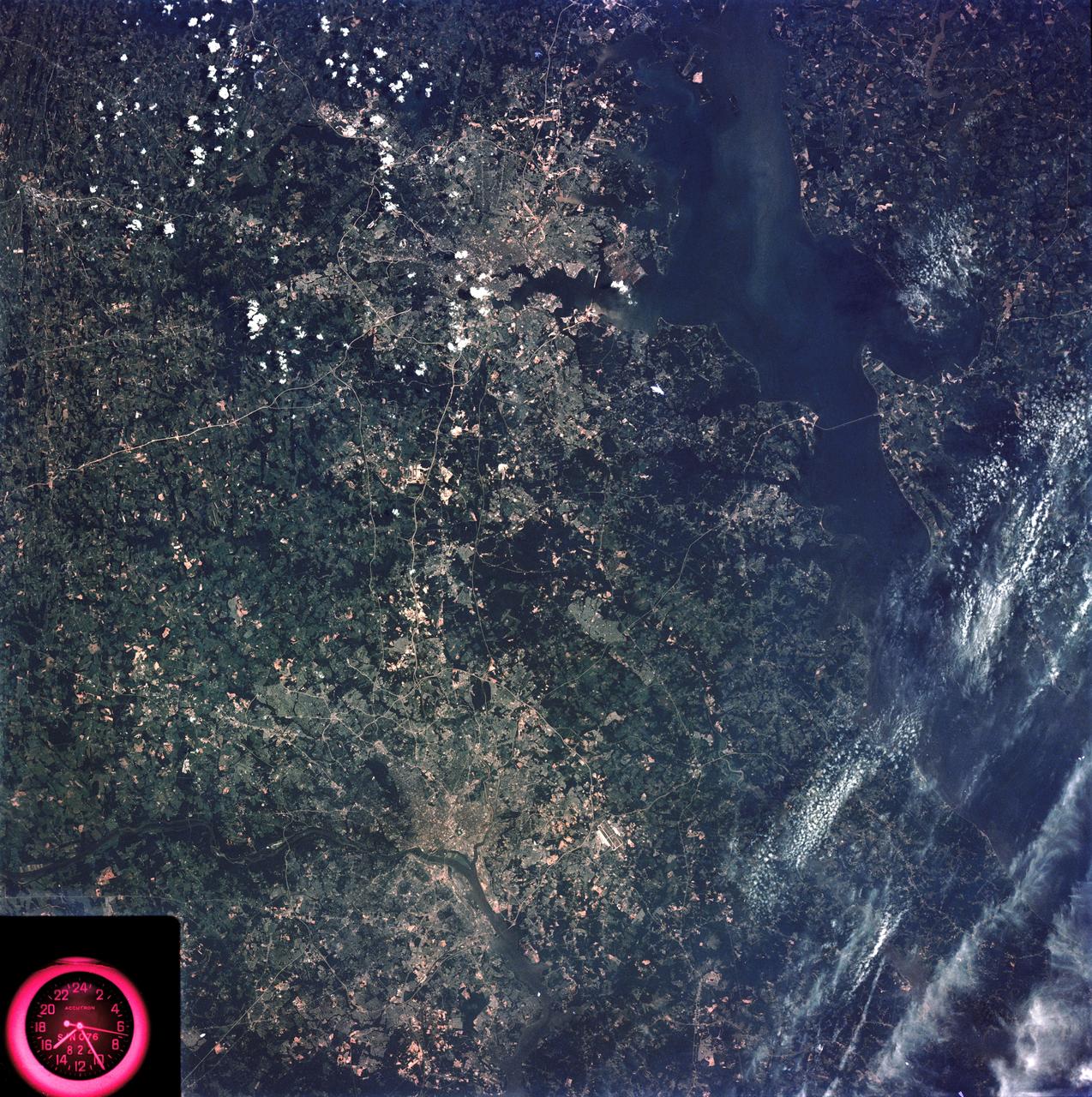
SL3-83-166 (July-September 1973) --- A vertical view of the Washington D.C. and the Baltimore, Maryland area is seen in the Skylab 3 Earth Resources Experiments Package S190-B (five-inch Earth terrain camera) photograph taken from the Skylab space station in Earth orbit. The Chesapeake Bay is on the right (east) side of the picture. The Potomac River flows through the Washington area in the lower left (southwest) corner of the photograph. Several transportation routes and major highways stand out very distinctly. Especially conspicuous are the beltways around the cities, Interstate 95 between Baltimore and the nation?s capitol and Interstate 70N leading west from Baltimore. The tunnel and harbor facilities in Baltimore show clearly, also. Identifiable features in the Washington area include the Capitol Building, the Mall area, Robert F. Kennedy Stadium (white circle), the five bridges across the Potomac, Andrews Air Force Base (on east loop), and the smaller Anacostia River. The extent of the urbanization in this area is dramatically illustrated in this picture. The photograph has sufficient resolution that the housing patterns for individual suburban areas are clearly defined with the houses shown as pink gray, wooded areas as dark green and cleared areas light green. Chesapeake Bay circulation patterns are indicated by contrast of dark and light blue. Sediment plumes (red) are seen entering the bay north and east of Baltimore. The bay bridge stands out white against the blue water. The detailed information contained in this one photograph will be of direct use to several EREP investigator teams in land use analysis, sedimentation and circulation patterns in the bay, and resource surveys of Maryland. All EREP photography is available to the public through the Department of Interior?s Earth Resources Observations Systems Data Center, Sioux Falls, South Dakota, 57198. Photo credit: NASA
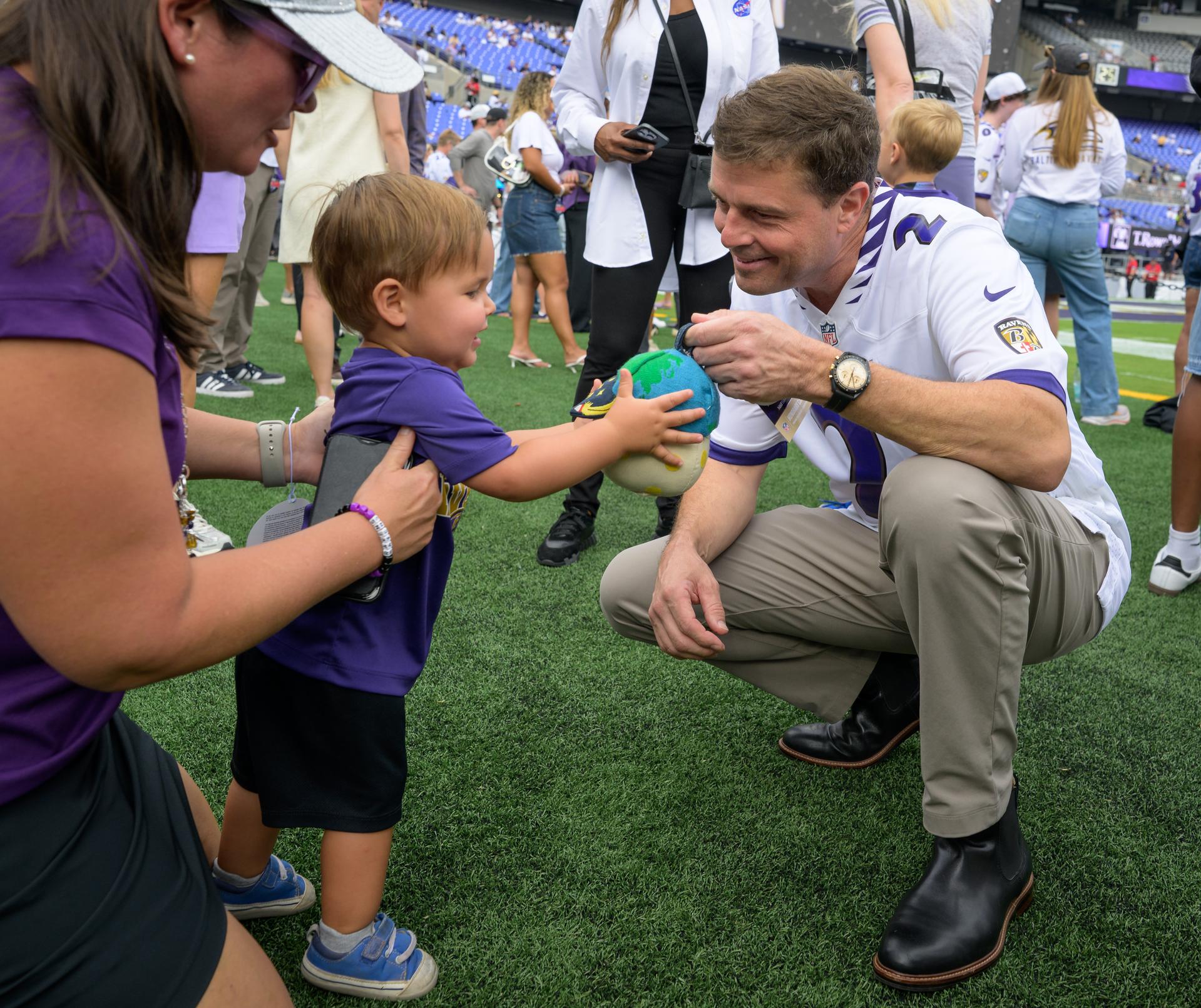
NASA astronaut and commander of the agency’s Artemis II mission, Reid Wiseman, a Baltimore native, shows a young fan Rise, the zero gravity indicator from the Artemis II mission, at an NFL game between the New Orleans Saints and the Baltimore Ravens at M&T Bank Stadium, Sunday, Sept. 20, 2026, in Baltimore. NASA’s engagement at NFL games is part of the agency's Inspiration Tour, aimed at strengthening connections between NASA and its partners and showcasing innovation in air and space in the lead up to the MAX POWER aerospace technology expo and airshow at the agency's Kennedy Space Center in early November. Photo Credit: (NASA/Bill Ingalls)
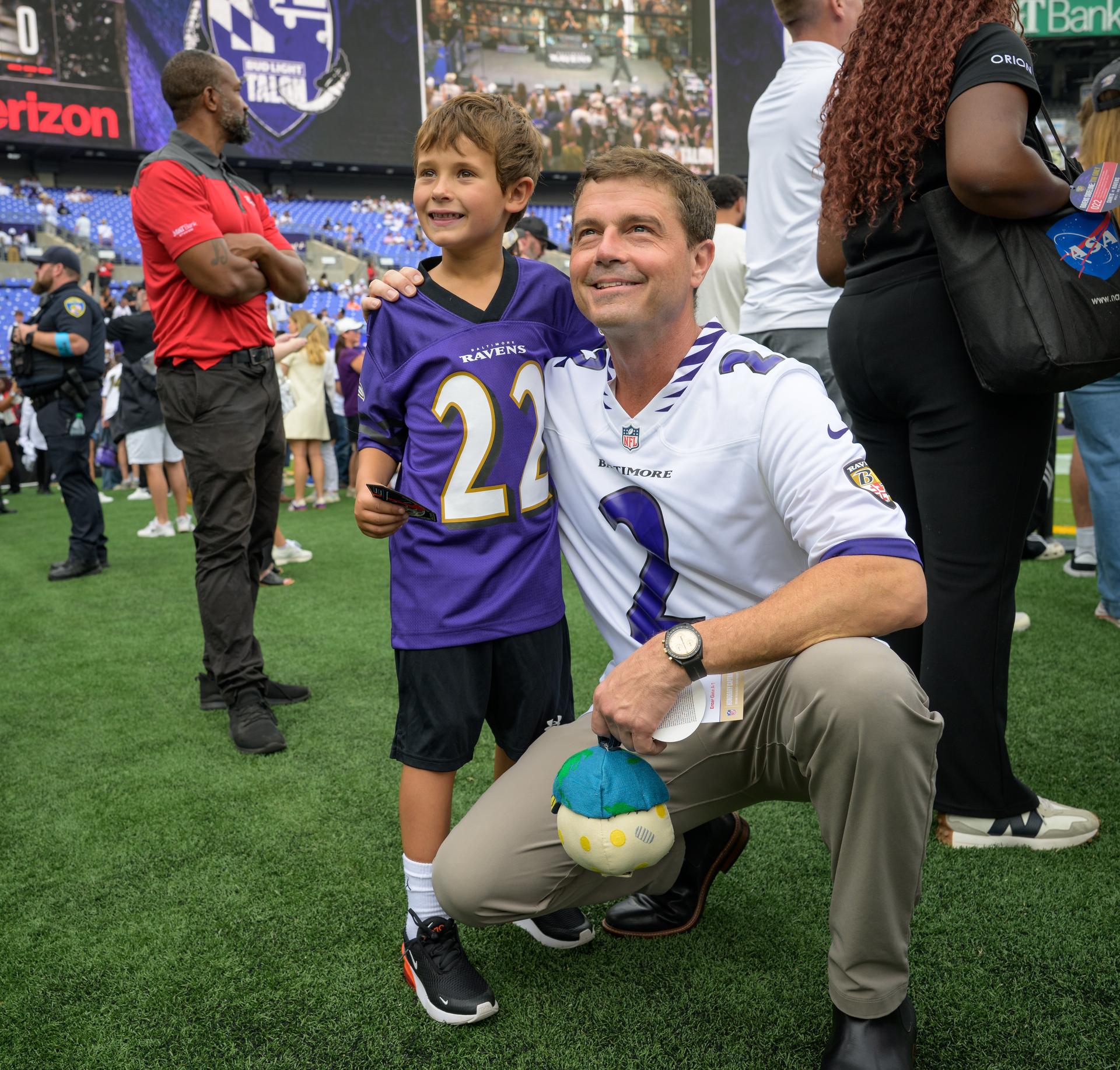
NASA astronaut and commander of the agency’s Artemis II mission, Reid Wiseman, a Baltimore native, poses for a photoraph with a fan while holding Rise, the zero gravity indicator from the Artemis II mission, at an NFL game between the New Orleans Saints and the Baltimore Ravens at M&T Bank Stadium, Sunday, Sept. 20, 2026, in Baltimore. NASA’s engagement at NFL games is part of the agency's Inspiration Tour, aimed at strengthening connections between NASA and its partners and showcasing innovation in air and space in the lead up to the MAX POWER aerospace technology expo and airshow at the agency's Kennedy Space Center in early November. Photo Credit: (NASA/Bill Ingalls)
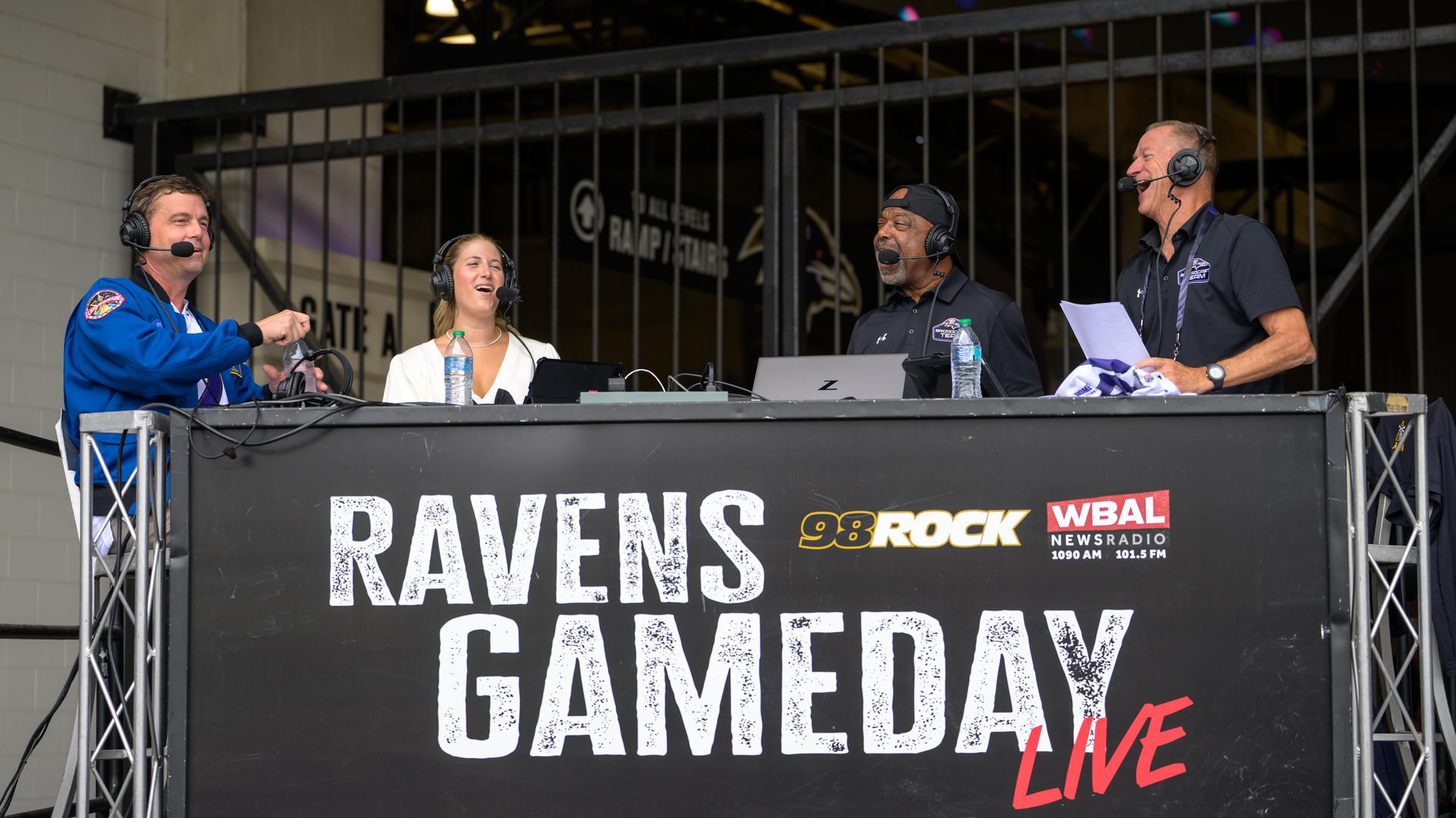
NASA astronaut and commander of the agency’s Artemis II mission, Reid Wiseman, a Baltimore native, left, joins Valerie Preactor, Kirk McEwen, and Keith Mills, right, for a WBAL radio interview prior to the start of an NFL game between the New Orleans Saints and the Baltimore Ravens at M&T Bank Stadium, Sunday, Sept. 20, 2026, in Baltimore. NASA’s engagement at NFL games is part of the agency's Inspiration Tour, aimed at strengthening connections between NASA and its partners and showcasing innovation in air and space in the lead up to the MAX POWER aerospace technology expo and airshow at the agency's Kennedy Space Center in early November. Photo Credit: (NASA/Bill Ingalls)
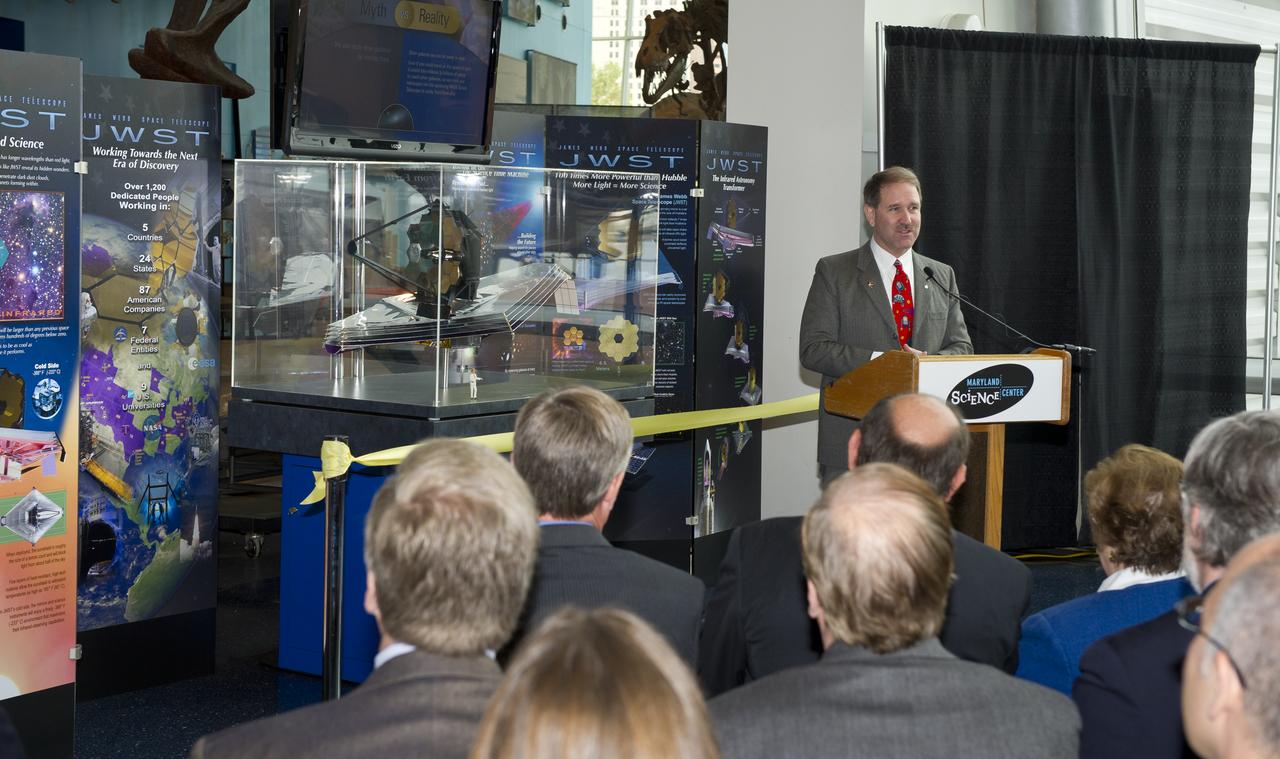
Dr. John Grunsfeld, former astronaut and Deputy Director, Space Telescope Science Institute (STScI), Baltimore speaks at the presentation of the permanent exhibit of the James Webb Space Telescope at the Maryland Science Center on Wednesday, Oct. 26, 2011 in Baltimore. Photo Credit: (NASA/Carla Cioffi)
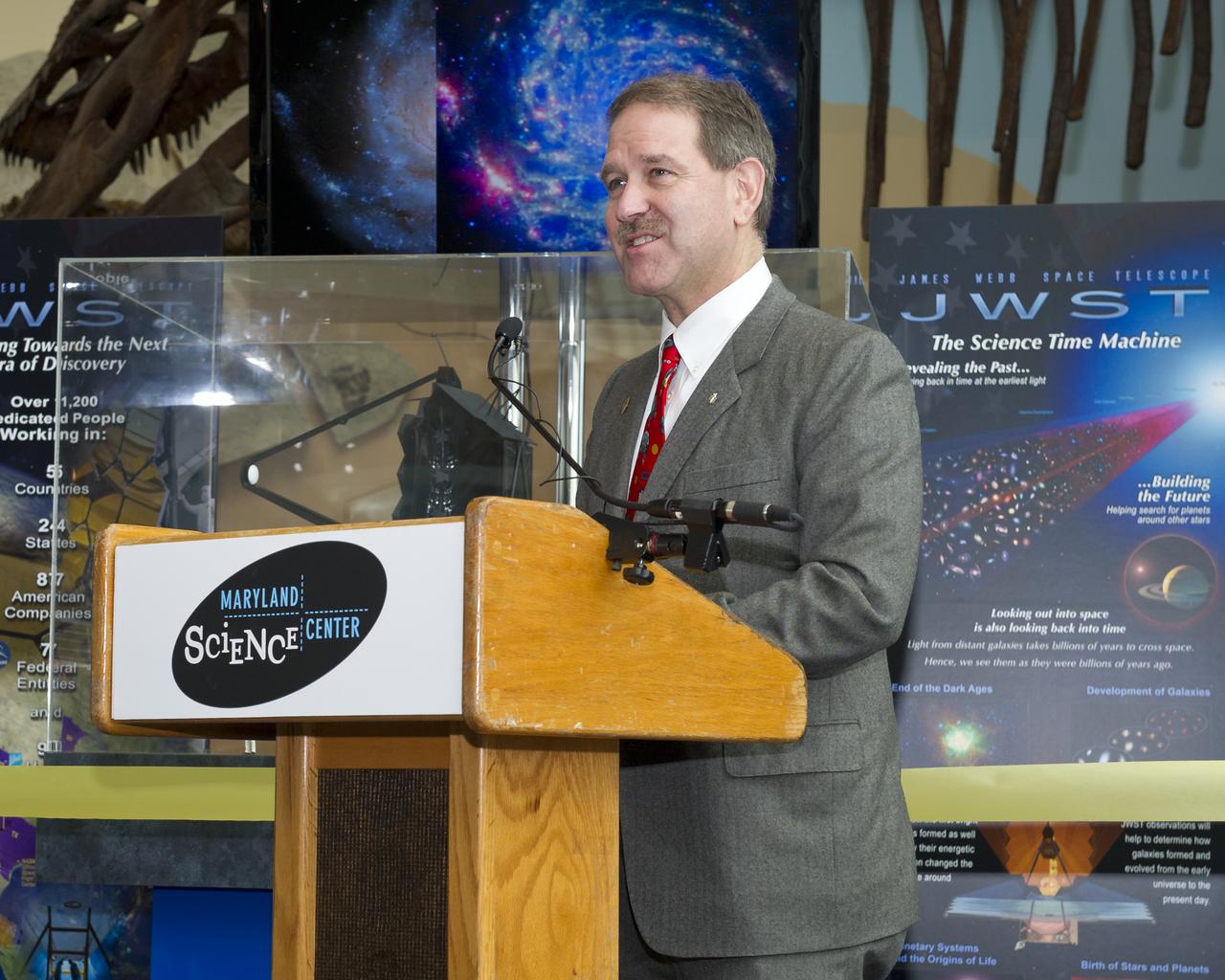
Dr. John Grunsfeld, former astronaut and Deputy Director, Space Telescope Science Institute (STScI), Baltimore speaks at the presentation of the permanent exhibit of the James Webb Space Telescope at the Maryland Science Center on Wednesday, Oct. 26, 2011 in Baltimore. Photo Credit: (NASA/Carla Cioffi)
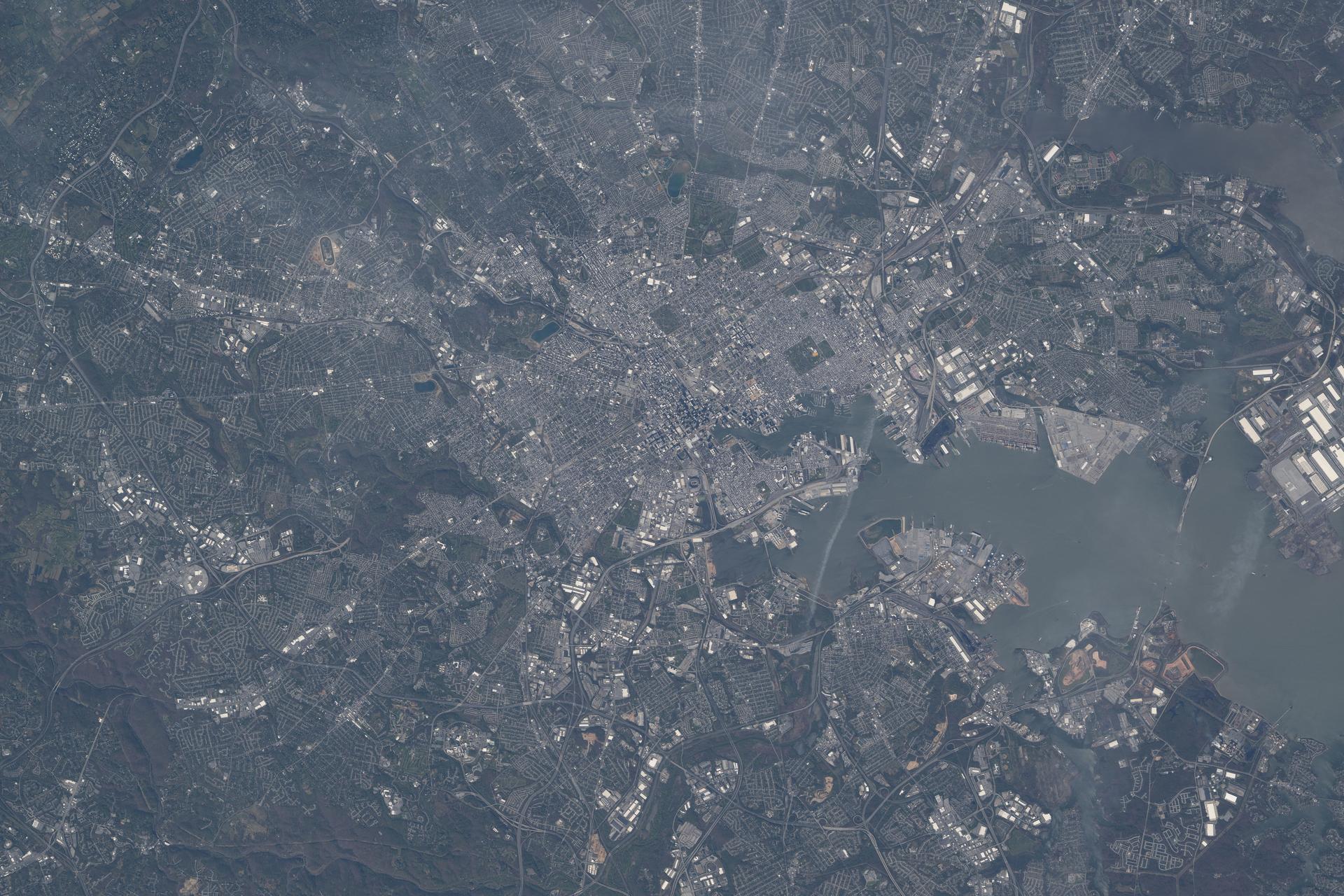
iss074e0459538 (April 10, 2026) --- Baltimore, Maryland, on the Patapsco River with a metropolitan population of about 2.86 million and birthplace of baseball legend Babe Ruth, is pictured from the International Space Station as it orbited 266 miles above. Credit: NASA/Chris Williams
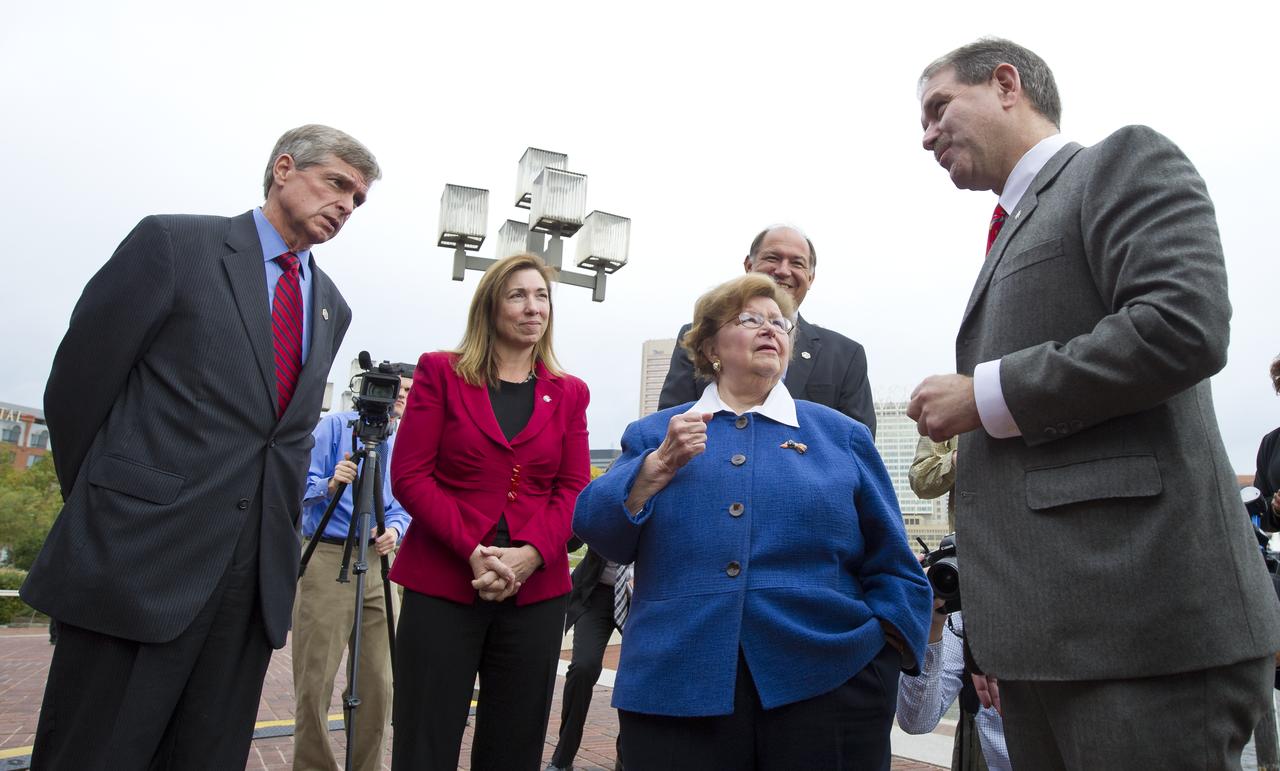
Dr. John Grunsfeld, former astronaut and Deputy Director, Space Telescope Science Institute (STScI), Baltimore, far right, speaks with U.S. Senator Barbara Mikulski about the James Webb Space Telescope at the Maryland Science Center in Baltimore on Wednesday, Oct. 26, 2011. Looking on are Van Reiner, President and CEO of the Maryland Science Center, Baltimore, far left; NASA Deputy Administrator Lori Garver and Jeffrey Grant, VP and General Manager of the Space Systems Division, Northrop Grumman. Photo Credit: (NASA/Carla Cioffi)
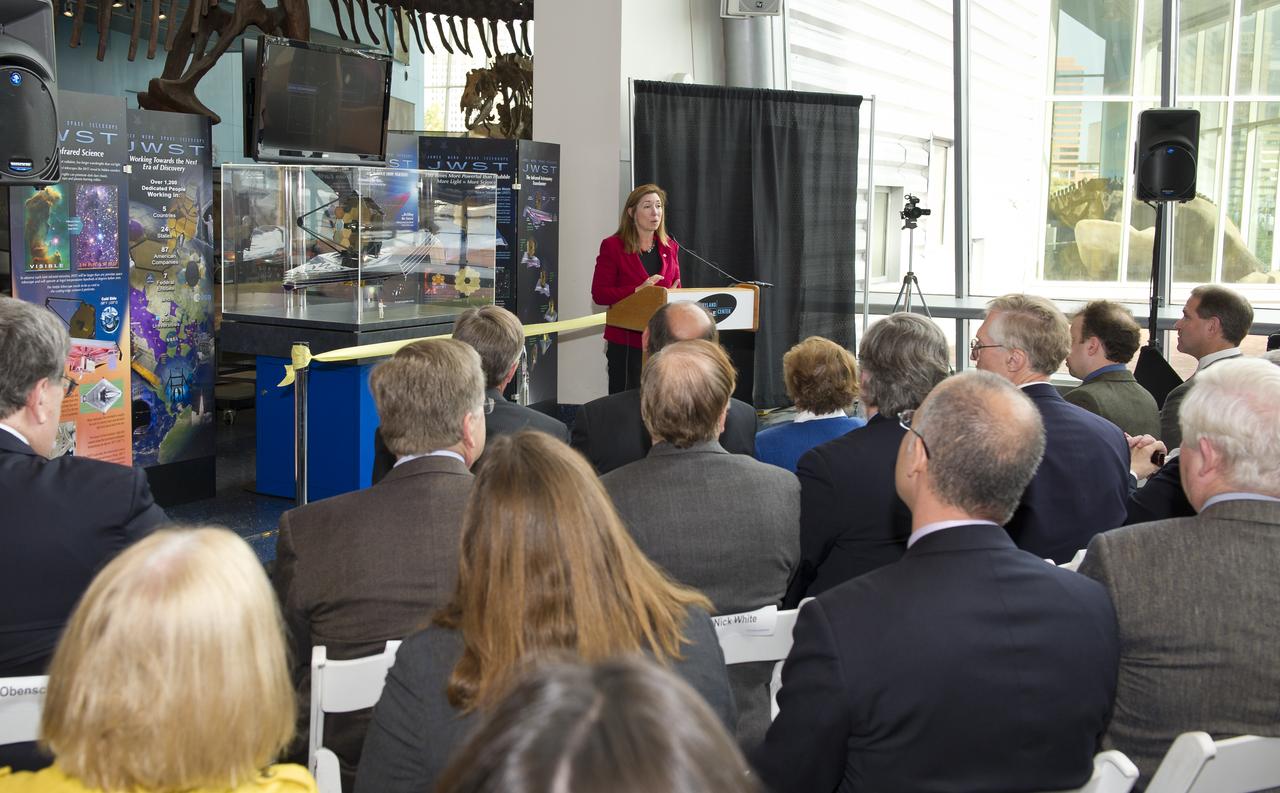
NASA Deputy Administrator Lori Garver speaks at the presentation of the permanent exhibit of the James Webb Space Telescope at the Maryland Science Center on Wednesday, Oct. 26, 2011 in Baltimore. Photo Credit: (NASA/Carla Cioffi)
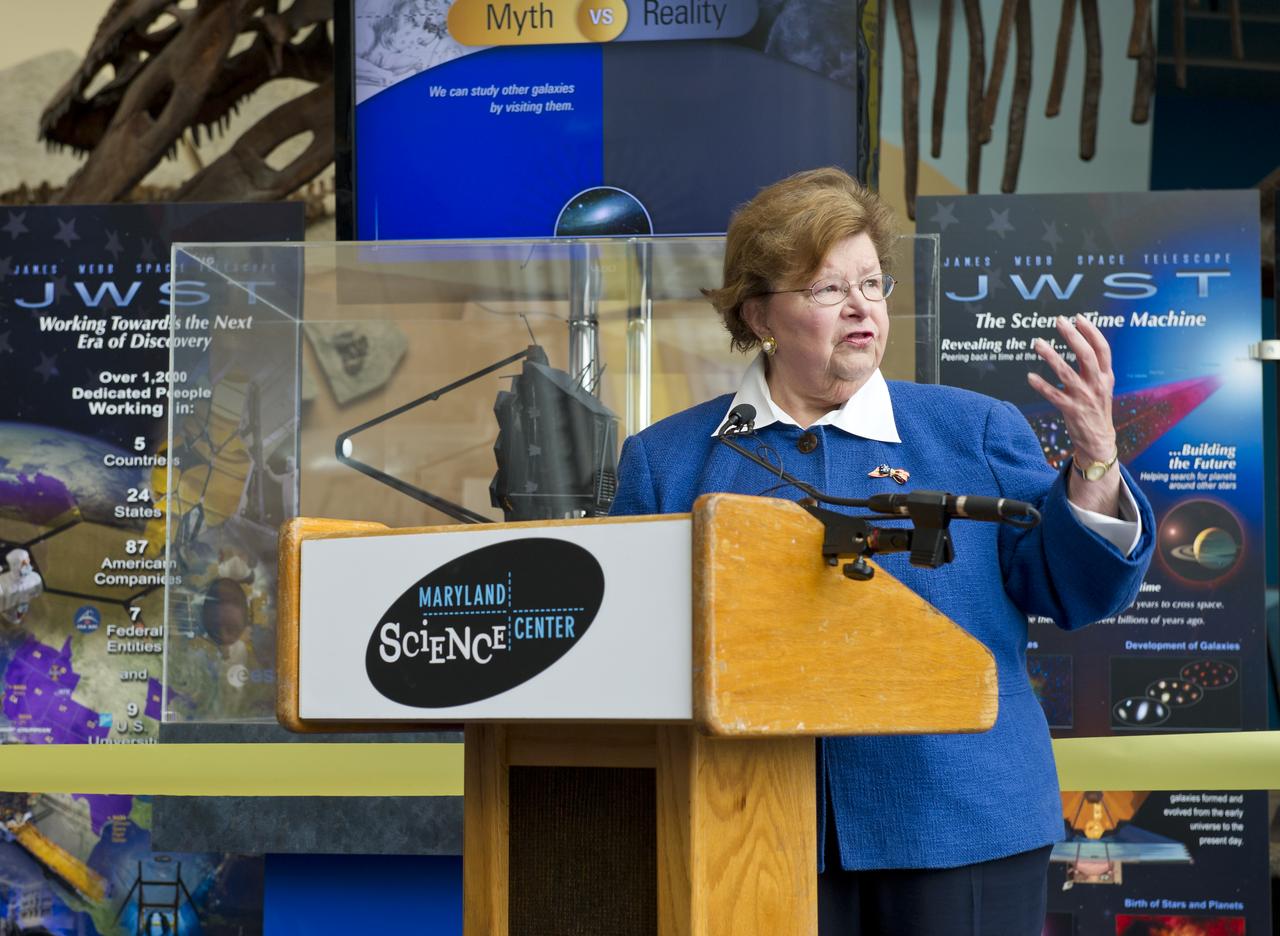
U.S. Senator Barbara Mikulski (D-Md.) speaks at the presentation of the permanent exhibit of the James Webb Space Telescope at the Maryland Science Center on Wednesday, Oct. 26, 2011 in Baltimore. Photo Credit: (NASA/Carla Cioffi)
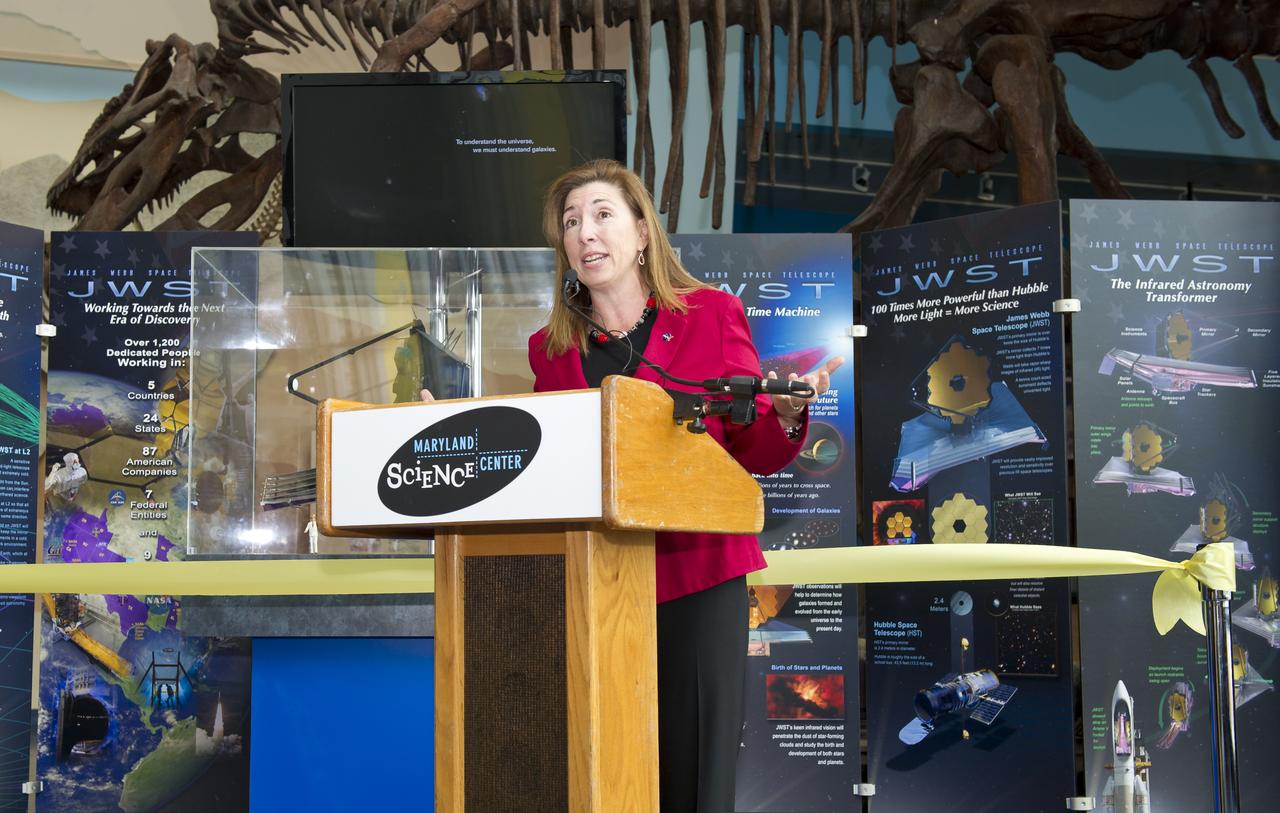
NASA Deputy Administrator Lori Garver speaks at the presentation of the permanent exhibit of the James Webb Space Telescope at the Maryland Science Center on Wednesday, Oct. 26, 2011 in Baltimore. Photo Credit: (NASA/Carla Cioffi)
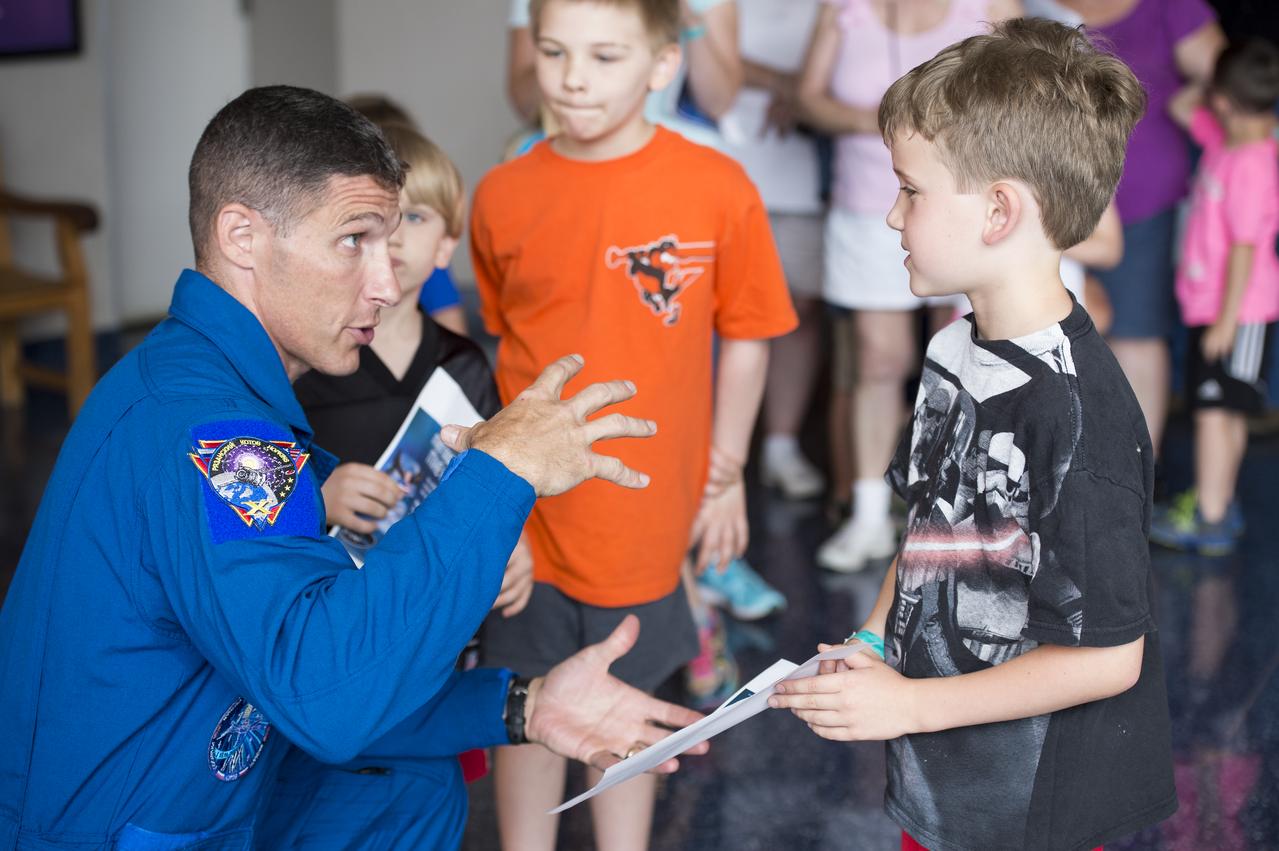
NASA Astronaut Mike Hopkins explains what it was like to live on the International Space Station for 6 months to visitors at the Maryland Science Center in Baltimore, MD on Monday, June 9, 2014. Hopkins served on Expeditions 37 and 38 with Russian cosmonauts Oleg Kotov and Sergey Ryazanskiy and returned home in March, 2014. (Photo Credit: NASA/Aubrey Gemignani)
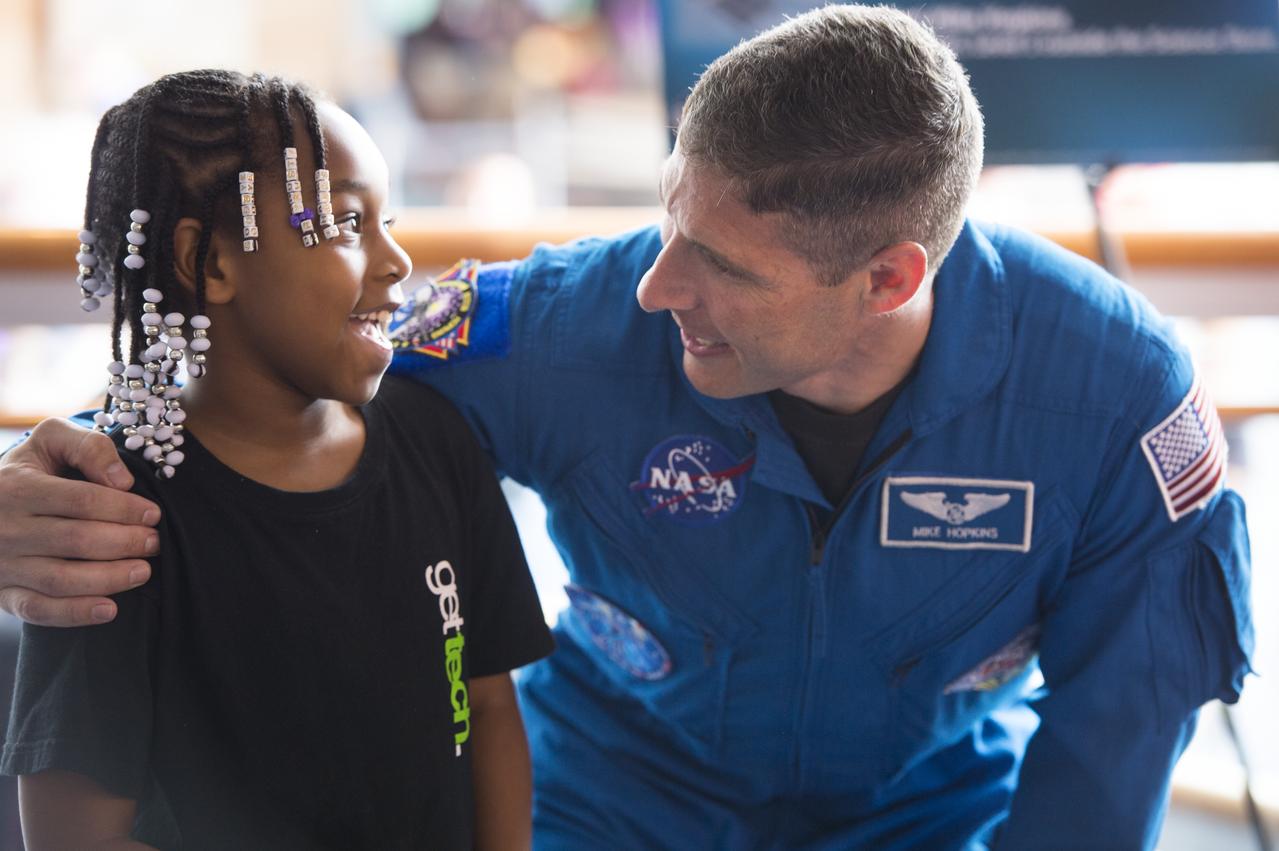
NASA Astronaut Mike Hopkins explains what it was like to live on the International Space Station for 6 months to visitors at the Maryland Science Center in Baltimore, MD on Monday, June 9, 2014. Hopkins served on Expeditions 37 and 38 with Russian cosmonauts Oleg Kotov and Sergey Ryazanskiy and returned home in March, 2014. (Photo Credit: NASA/Aubrey Gemignani)
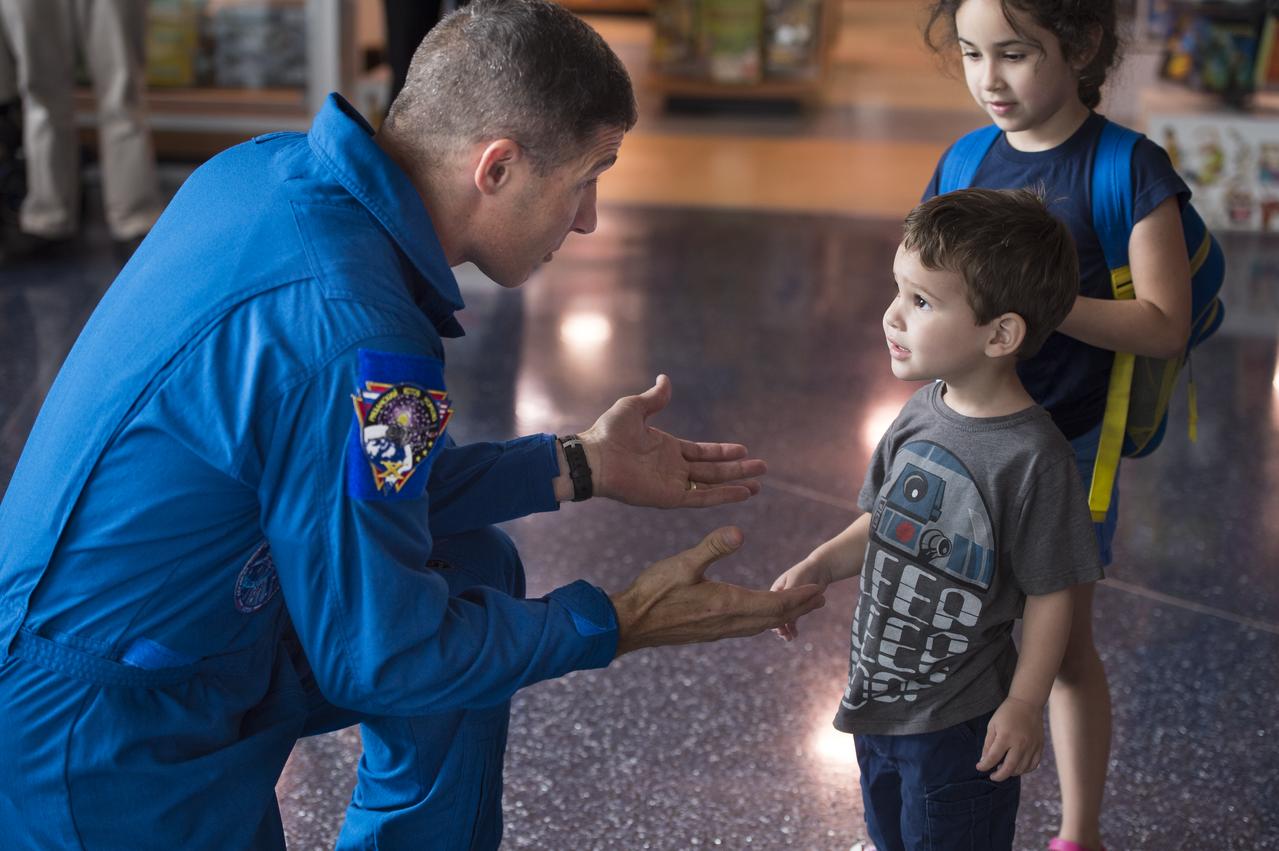
NASA Astronaut Mike Hopkins explains what it was like to live on the International Space Station for 6 months to visitors at the Maryland Science Center in Baltimore, MD on Monday, June 9, 2014. Hopkins served on Expeditions 37 and 38 with Russian cosmonauts Oleg Kotov and Sergey Ryazanskiy and returned home in March, 2014. (Photo Credit: NASA/Aubrey Gemignani)
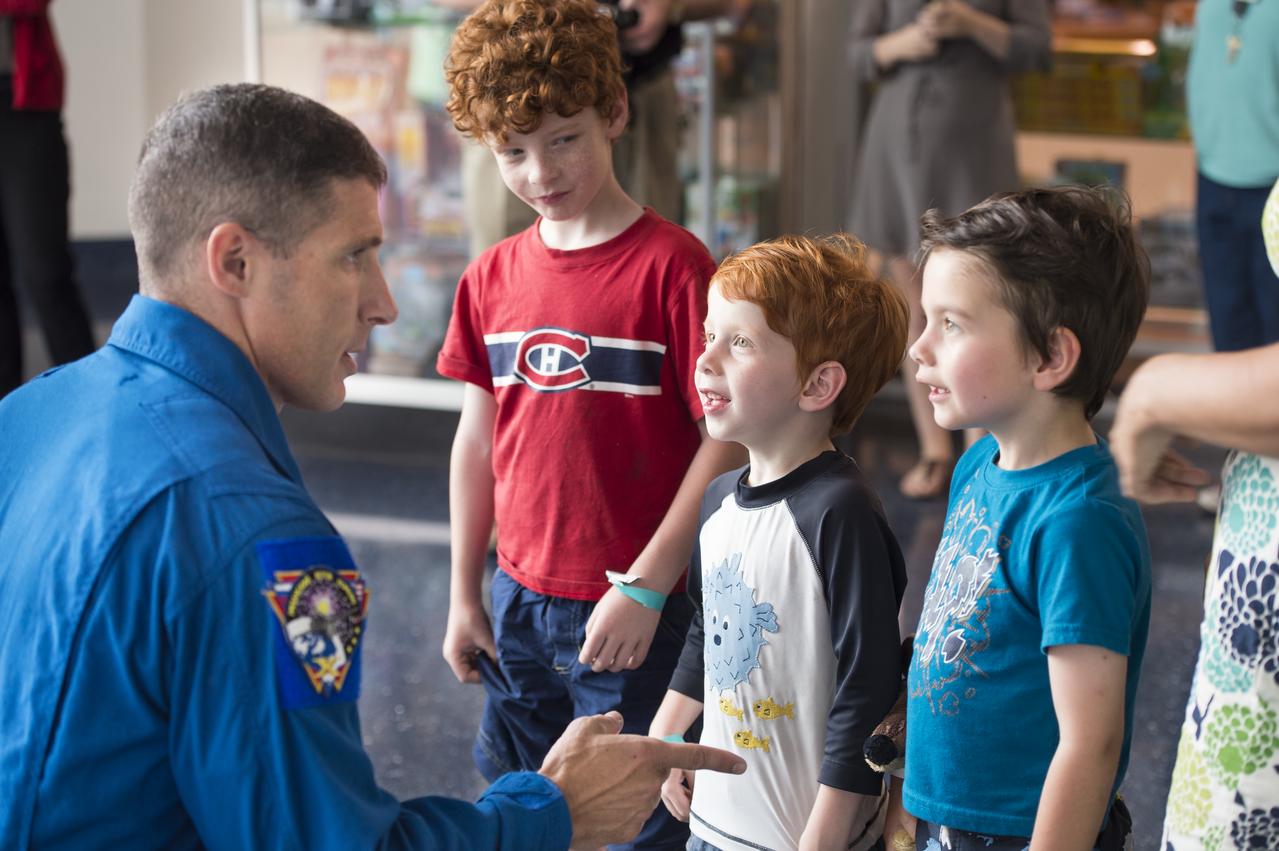
NASA Astronaut Mike Hopkins explains what it was like to live on the International Space Station for 6 months to visitors at the Maryland Science Center in Baltimore, MD on Monday, June 9, 2014. Hopkins served on Expeditions 37 and 38 with Russian cosmonauts Oleg Kotov and Sergey Ryazanskiy and returned home in March, 2014. (Photo Credit: NASA/Aubrey Gemignani)
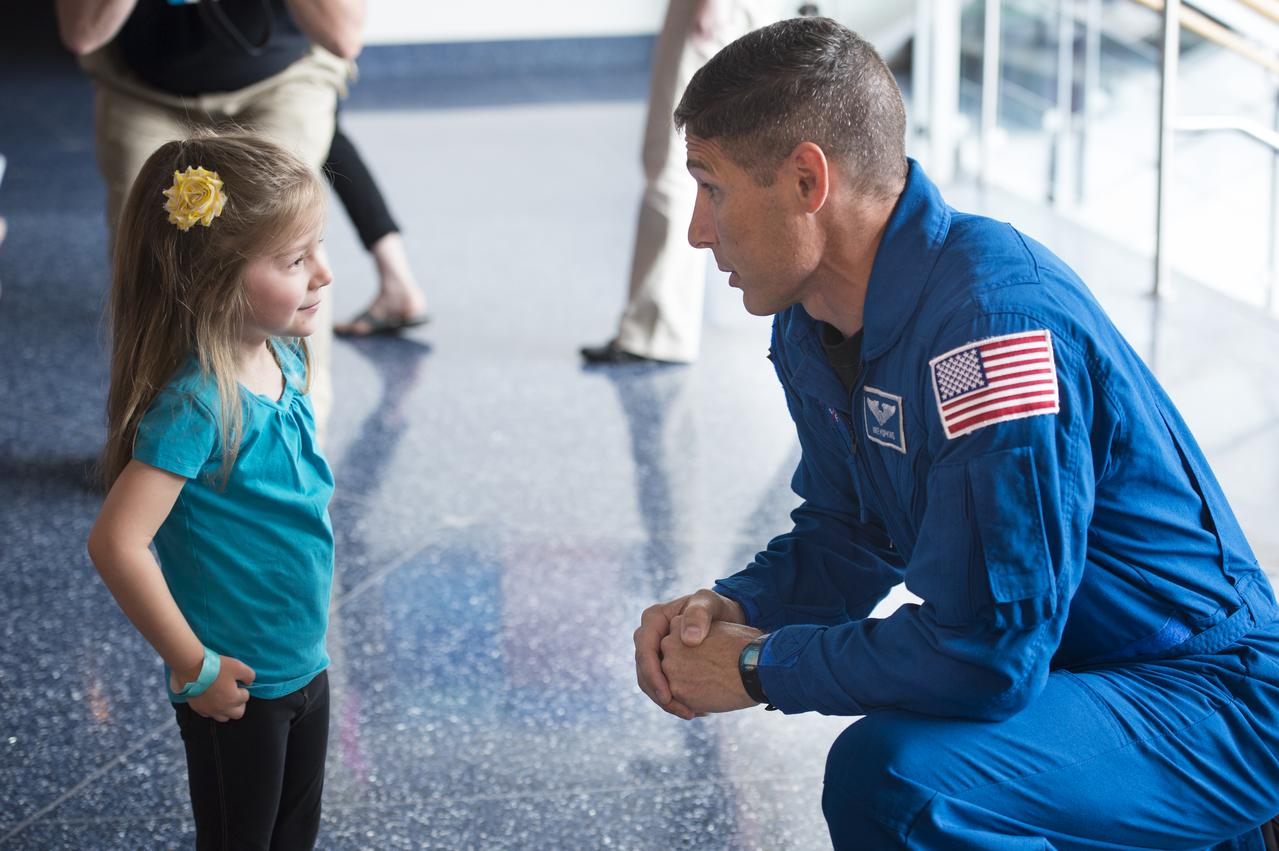
NASA Astronaut Mike Hopkins explains what it was like to live on the International Space Station for 6 months to visitors at the Maryland Science Center in Baltimore, MD on Monday, June 9, 2014. Hopkins served on Expeditions 37 and 38 with Russian cosmonauts Oleg Kotov and Sergey Ryazanskiy and returned home in March, 2014. (Photo Credit: NASA/Aubrey Gemignani)
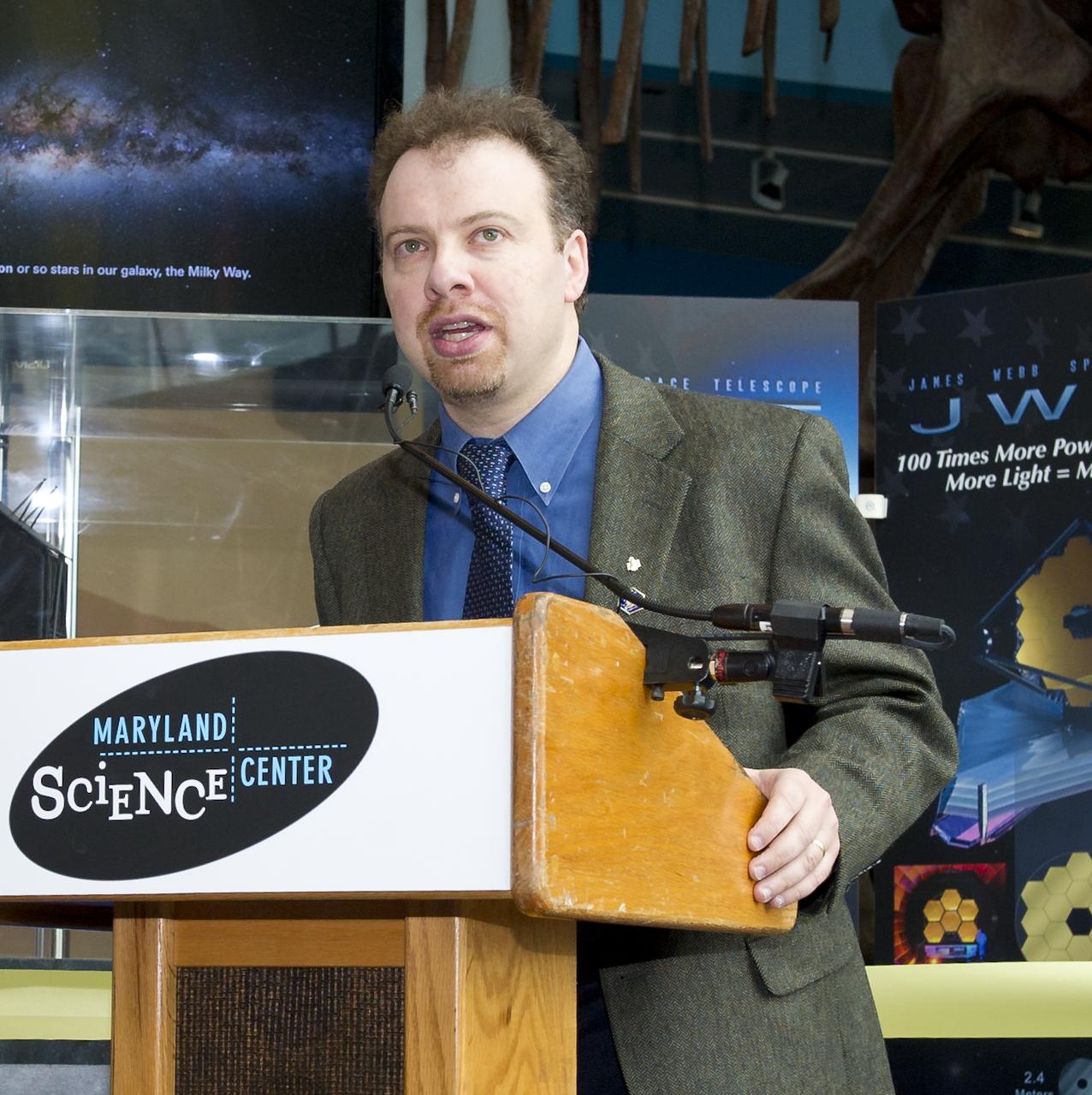
Adam Reiss, recipient of the 2011 Nobel Prize in Physics and professor of astronomy and physics at Johns Hopkins University speaks at the presentation of the permanent exhibit of the James Webb Space Telescope at the Maryland Science Center on Wednesday, Oct. 26, 2011 in Baltimore. Photo Credit: (NASA/Carla Cioffi)
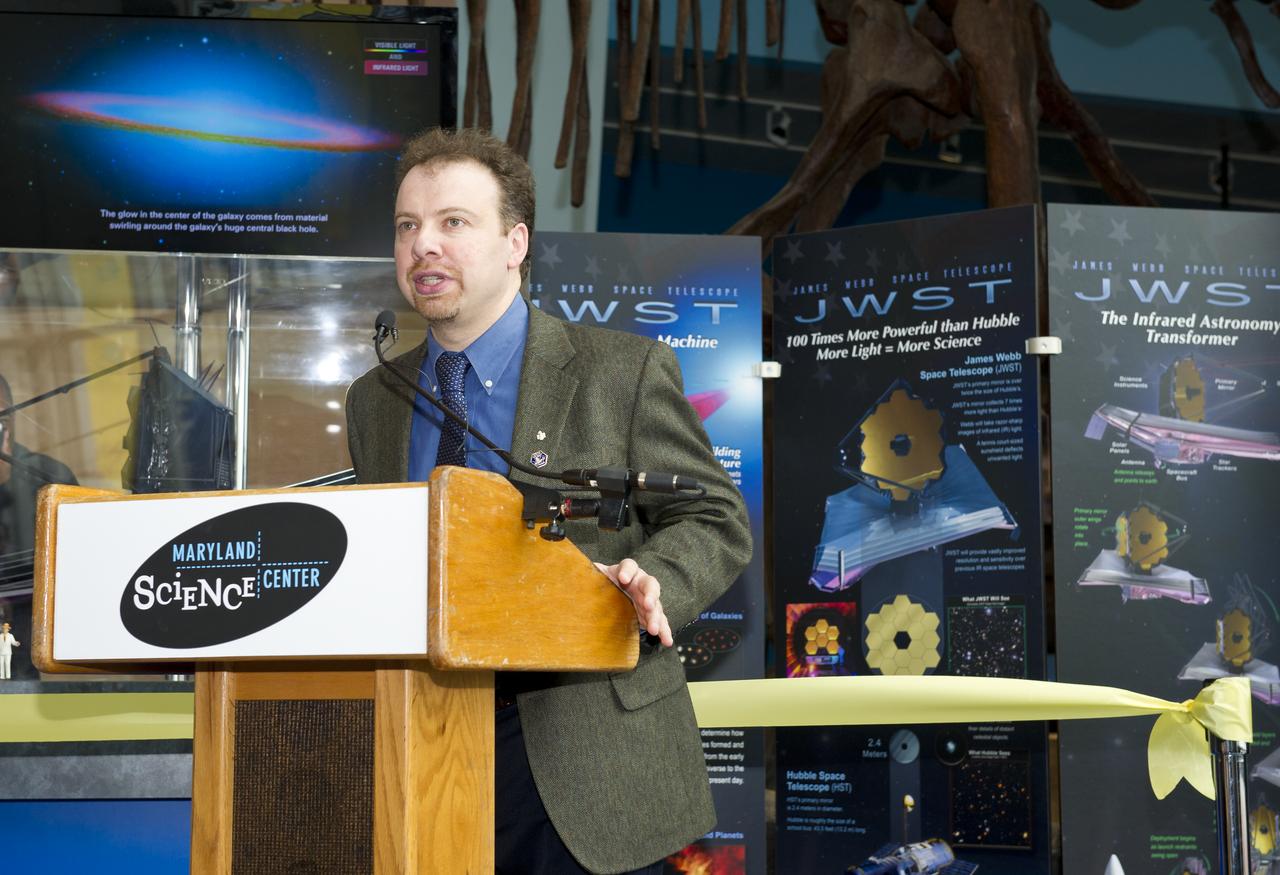
Adam Reiss, recipient of the 2011 Nobel Prize in Physics and professor of astronomy and physics at Johns Hopkins University speaks at the presentation of the permanent exhibit of the James Webb Space Telescope at the Maryland Science Center on Wednesday, Oct. 26, 2011 in Baltimore. Photo Credit: (NASA/Carla Cioffi)
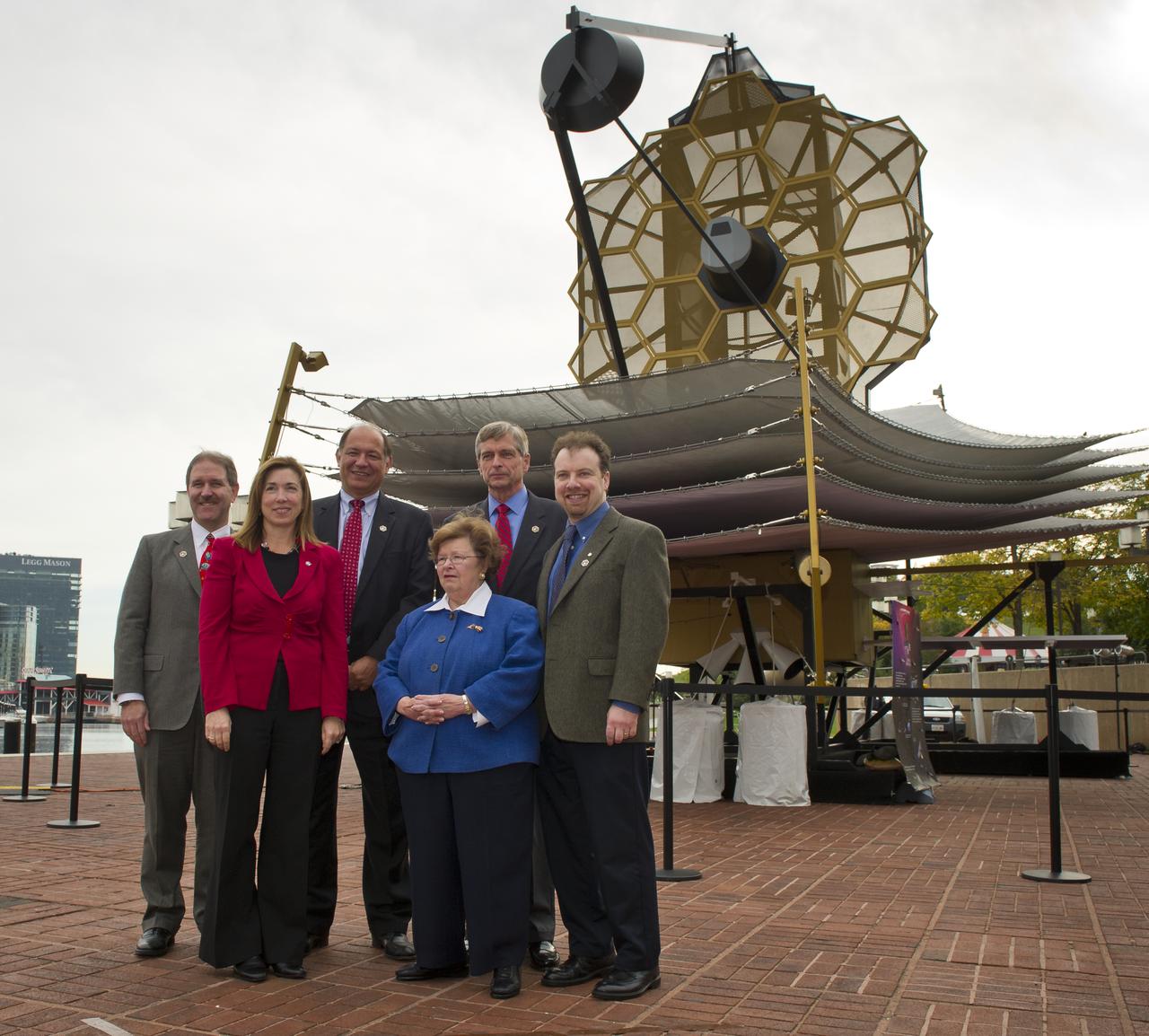
NASA, space science industry and government officials are seen in front of a full-size model of NASA's James Webb Space Telescope at the Maryland Science Center in Baltimore, Wednesday, Oct. 26, 2011. From left, back row are: Dr. John Grunsfeld, former astronaut and Deputy Director, Space Telescope Science Institute (STScI), Baltimore; Jeffrey Grant, VP and General Manager of the Space Systems Division, Northrop Grumman; Van Reiner, President and CEO of the Maryland Science Center, Baltimore and Adam Reiss, recipient of the 2011 Nobel Prize in Physics and professor of astronomy and physics at Johns Hopkins University. In the front row are NASA Deputy Administrator Lori Garver, left, and U.S. Senator Barbara Mikulski (D-Md.). Photo Credit: (NASA/Carla Cioffi)
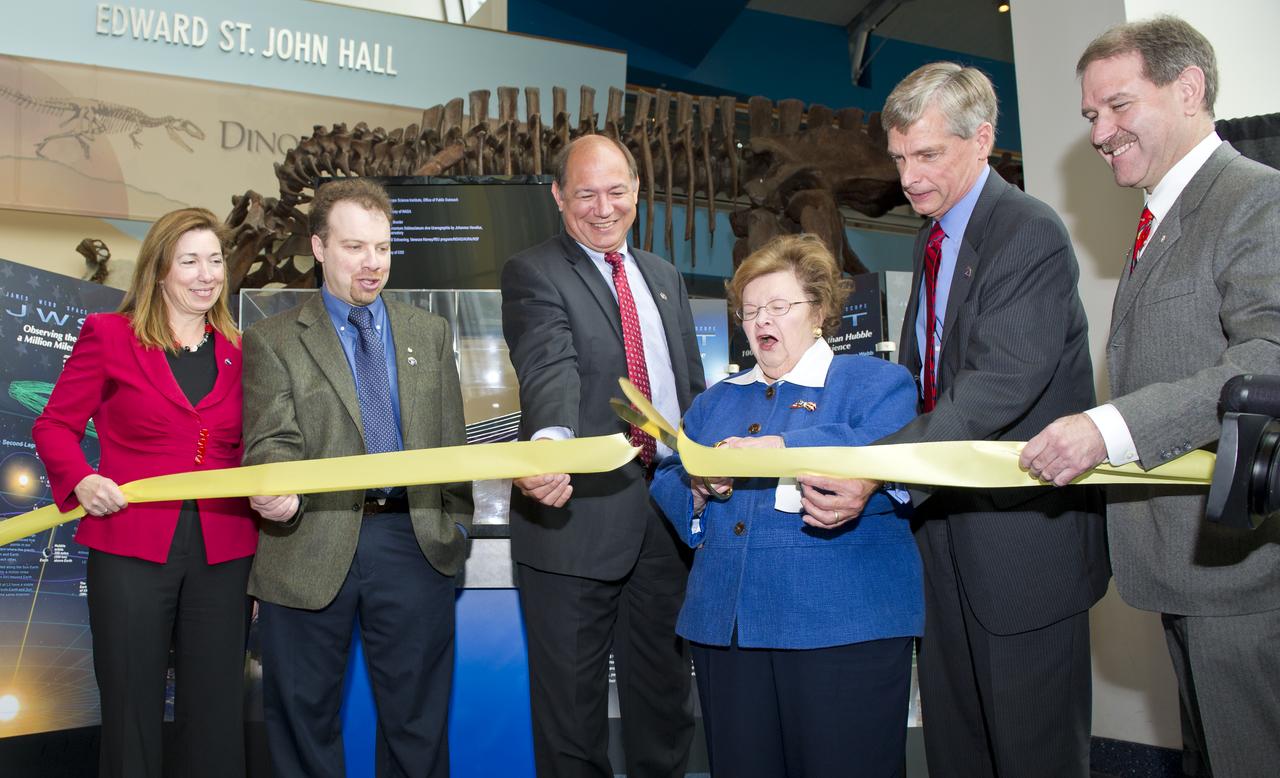
U.S. Senator Barbara Mikulski (D-Md.), third from right, cuts the yellow ribbon presenting the James Webb Space Telescope permanent exhibit at the Maryland Science Center on Wednesday, Oct. 26, 2011 in Baltimore. Mikulski is joined by NASA Deputy Administrator Lori Garver, far left; Adam Reiss, recipient of the 2011 Nobel Prize in Physics and professor of astronomy and physics at Johns Hopkins University; Jeffrey Grant, VP and General Manager of the Space Systems Division, Northrop Grumman; Van Reiner, President and CEO of the Maryland Science Center, Baltimore and Dr. John Grunsfeld, former astronaut and Deputy Director, Space Telescope Science Institute (STScI), Baltimore. The Webb telescope will provide images of the first galaxies ever formed and explore planets around distant stars. Photo Credit: (NASA/Carla Cioffi)
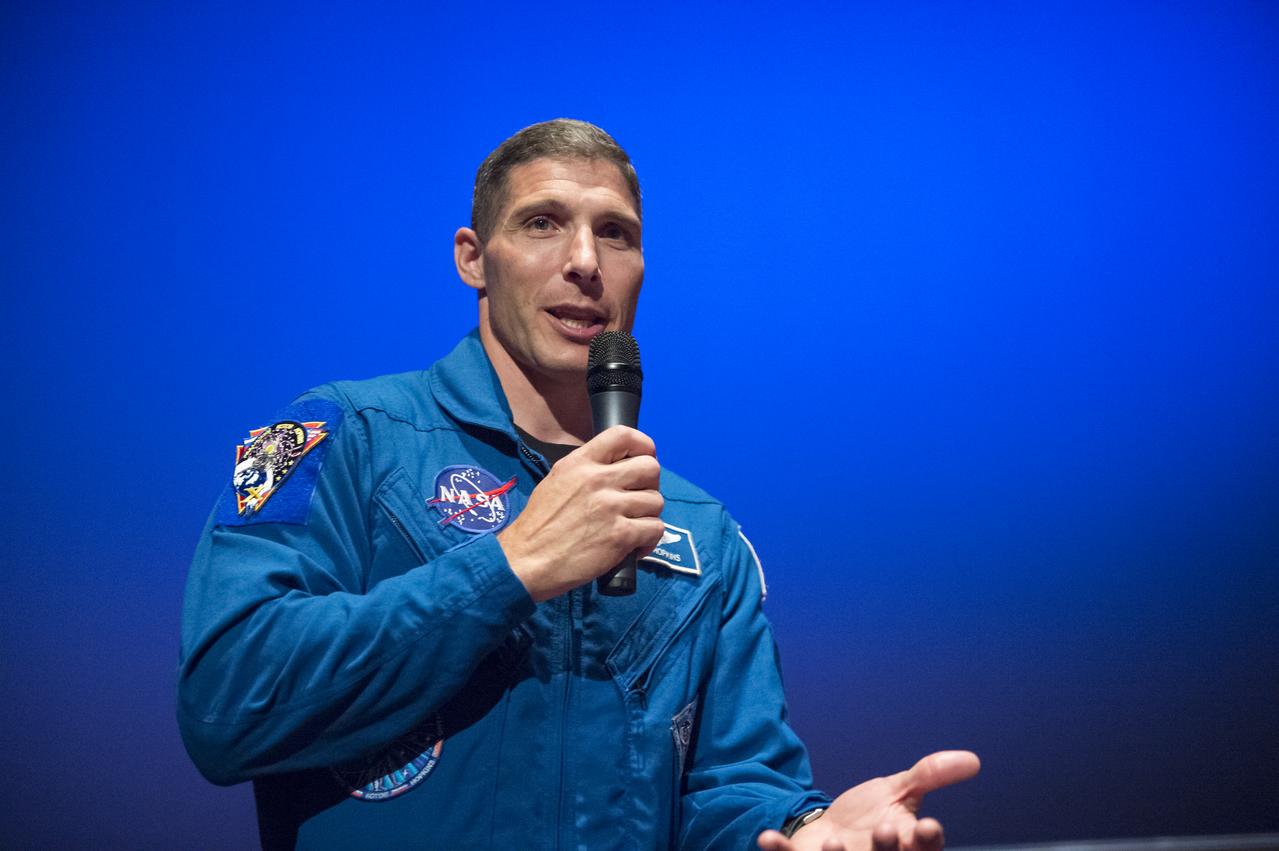
NASA Astronaut Mike Hopkins explains what it was like to live on the International Space Station for 6 months to seventh graders from Clear Spring Middle School at the Maryland Science Center in Baltimore, MD on Monday, June 9, 2014. Hopkins served on Expeditions 37 and 38 with Russian cosmonauts Oleg Kotov and Sergey Ryazanskiy and returned home in March, 2014. (Photo Credit: NASA/Aubrey Gemignani)
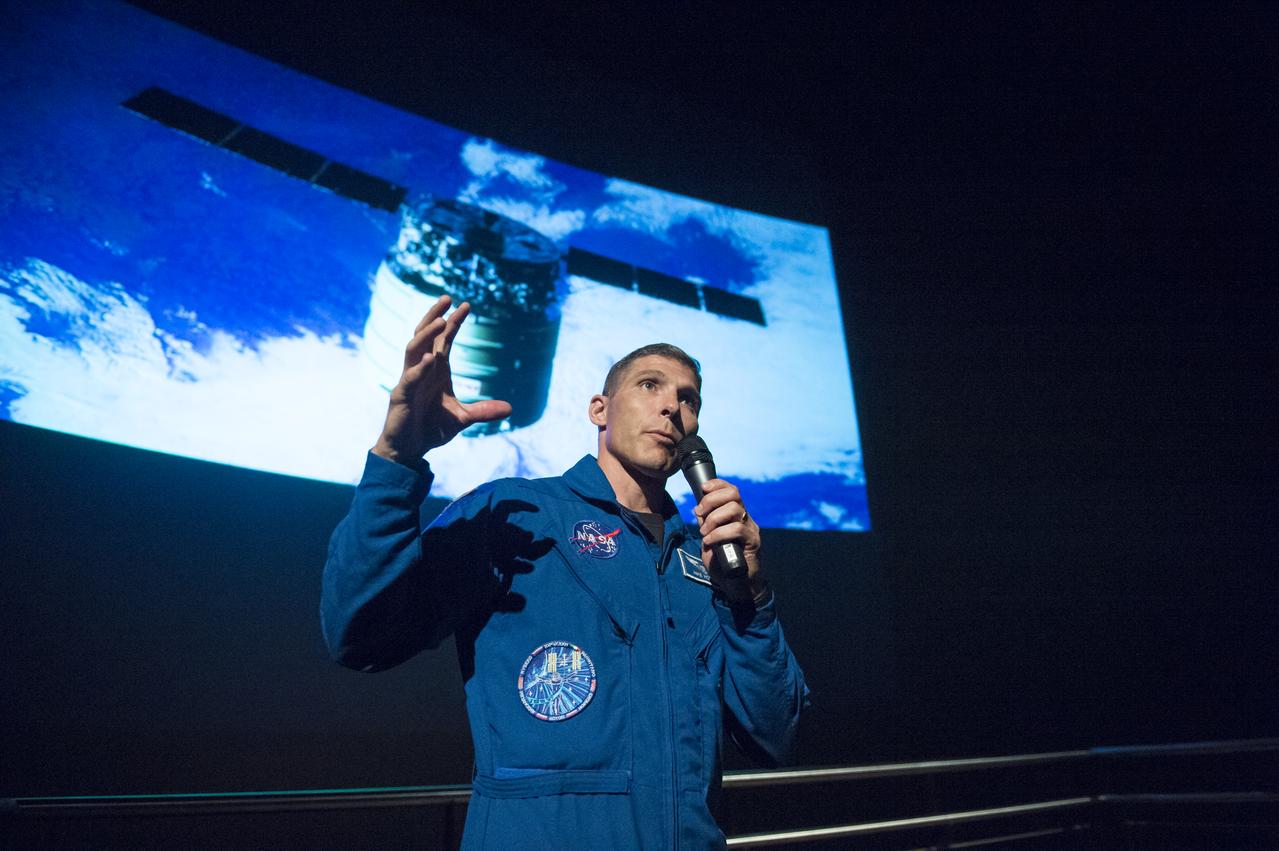
NASA Astronaut Mike Hopkins explains what it was like to live on the International Space Station for 6 months to seventh graders from Clear Spring Middle School at the Maryland Science Center in Baltimore, MD on Monday, June 9, 2014. Hopkins served on Expeditions 37 and 38 with Russian cosmonauts Oleg Kotov and Sergey Ryazanskiy and returned home in March, 2014. (Photo Credit: NASA/Aubrey Gemignani)
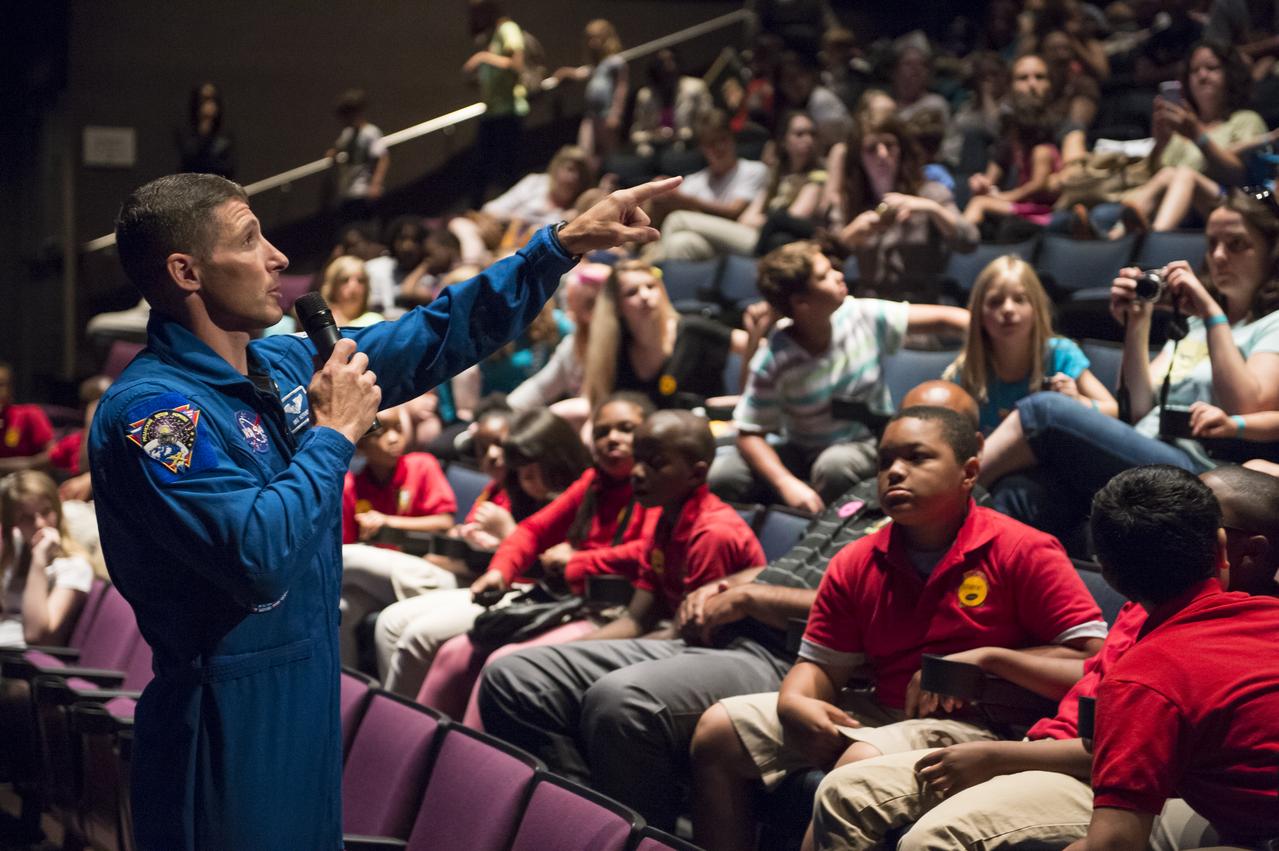
NASA Astronaut Mike Hopkins explains what it was like to live on the International Space Station for 6 months to seventh graders from Clear Spring Middle School at the Maryland Science Center in Baltimore, MD on Monday, June 9, 2014. Hopkins served on Expeditions 37 and 38 with Russian cosmonauts Oleg Kotov and Sergey Ryazanskiy and returned home in March, 2014. (Photo Credit: NASA/Aubrey Gemignani)
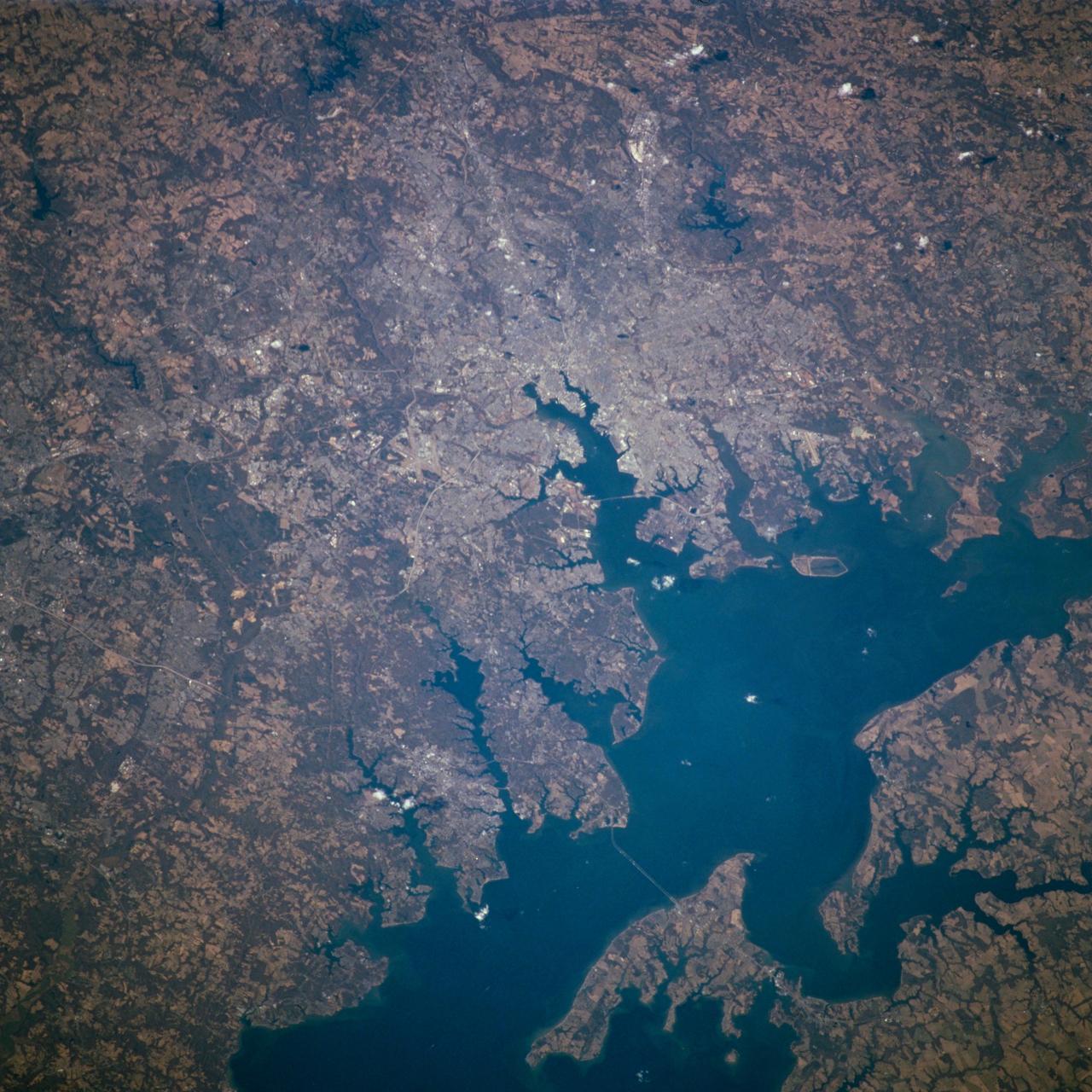
STS098-716-057 (7-20 February 2001) --- Baltimore, Maryland can be identified in this northwest-looking view, photographed with a 70mm handheld camera from the Space Shuttle Atlantis, which shows the western shore of Chesapeake Bay. Numerous drowned river valleys provide excellent natural harbors along the periphery of the bay. Baltimore’s harbor has been developed along one of these drowned valleys, the Patapsco River. With a population of over 2.5 million people, the greater Baltimore urban area is part of the northeastern U.S. Megalopolis that extends from the Boston (MA) area to Richmond (VA). Specific features that can be seen in the image include a short segment of Interstate Highway 95 that connects southwest Baltimore with northeast Washington, D.C.; the intersecting runways of Baltimore-Washington International Airport south of downtown Baltimore; Francis Scott Key Bridge that skirts around the southeast side of Baltimore; the Chesapeake Bay Bridge that spans the bay and connects the Baltimore area with the eastern shore of Maryland; and the central business district of Baltimore where the two arms of the inner harbor terminate. The darker-looking vegetation cover is mixed hardwood forests (notice that many wooded areas are located along streambeds and floodplains of small river valleys), while lighter-looking land parcels in the rural countryside is used for crops or pasturelands.
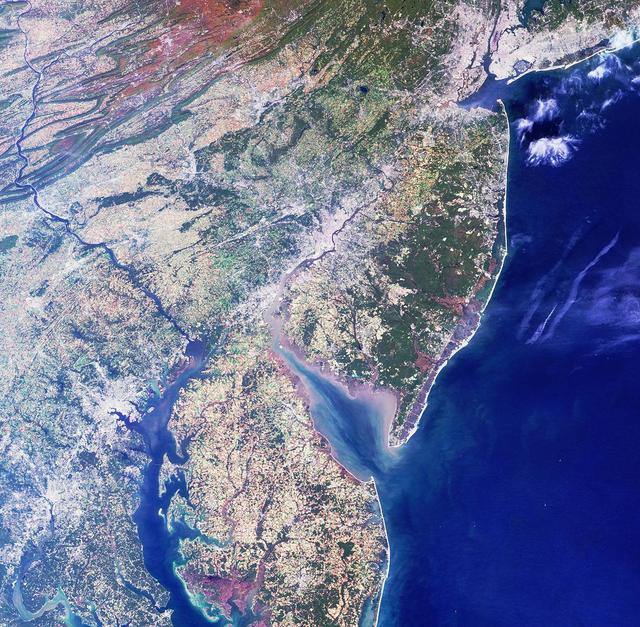
Philadelphia lies in the center of this image from NASA Terra satellite. Larger cities, including New York, Newark, Philadelphia, Wilmington, Baltimore and Washington D.C., are visible from upper right to lower left.
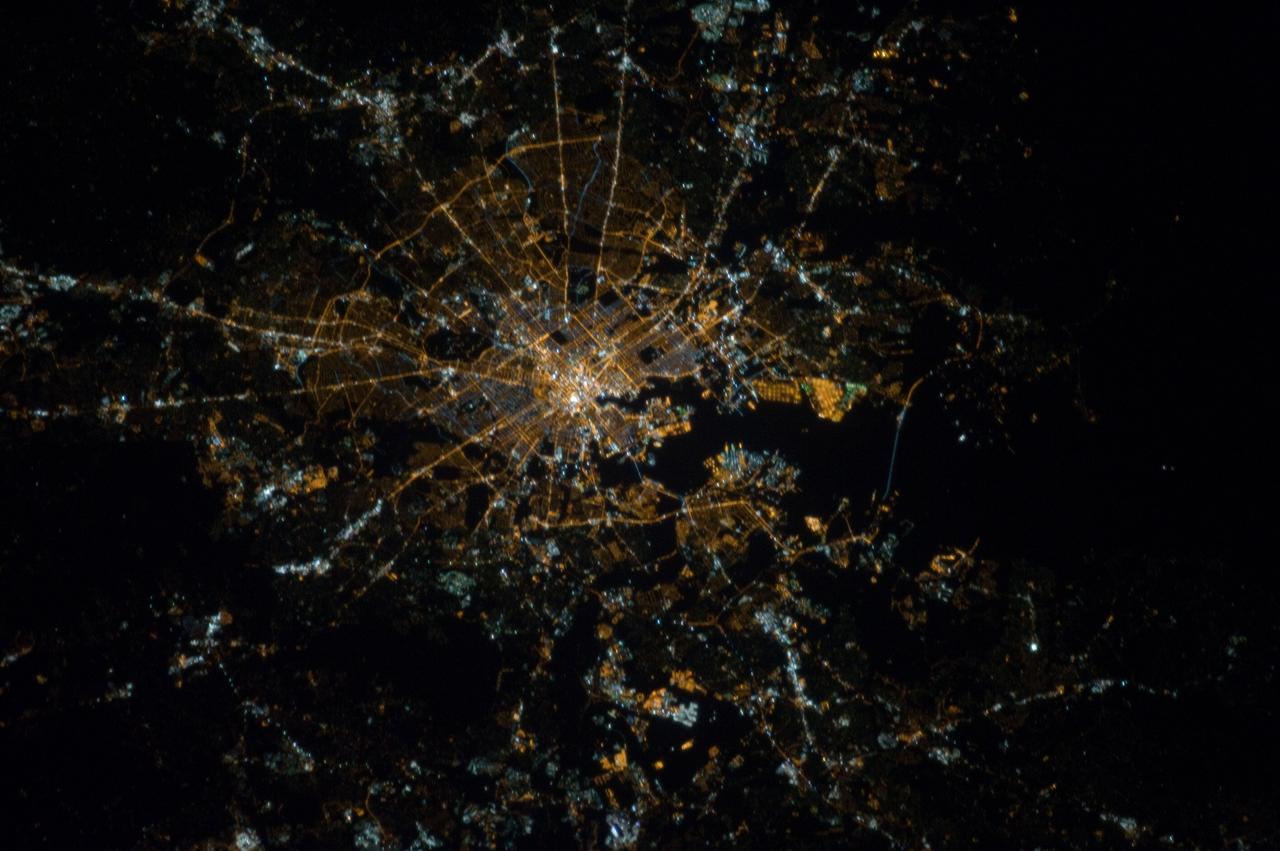
ISS033-E-014186 (16 Oct. 2012) --- A nighttime view of Baltimore, Maryland is featured in this image photographed by an Expedition 33 crew member in the International Space Station. Baltimore is located on the U.S. mid-Atlantic coastline along the terminus of the Patapsco River into Chesapeake Bay, and is the largest seaport along this part of the coast. Like many large U.S. metropolitan areas, the most brightly lit area corresponds to the highest density of buildings and typically indicates the urban core -- in this case, downtown Baltimore at center. Highways and large arterial streets appear as bright yellow-orange lines extending outwards from the downtown area into the surrounding suburban regions (light violet and reddish brown regions of diffuse lighting). Dark areas beyond the suburban zone are rural - or to the southeast, indicate the waters of Chesapeake Bay. Small dark patches within the metropolitan area are open space including parks, cemeteries, and the Baltimore Zoo (top left). Two large, brightly-lit areas along Chesapeake Bay are commercial/industrial regions, and include the major port facilities for Baltimore. The City of Baltimore was incorporated in 1796, after serving as the de facto capital of the nascent United States of America during the Second Continental Congress (from Dec. 20, 1776 to March 4, 1777). Today, the Baltimore metropolitan area (as defined by the Baltimore Metropolitan Council) includes over 2.5 million people and includes six Maryland counties (Anne Arundel, Baltimore, Carroll, Harford, and Howard) in addition to the City of Baltimore. The region is also a focus of urban ecological research through the Baltimore Ecosystem Study.
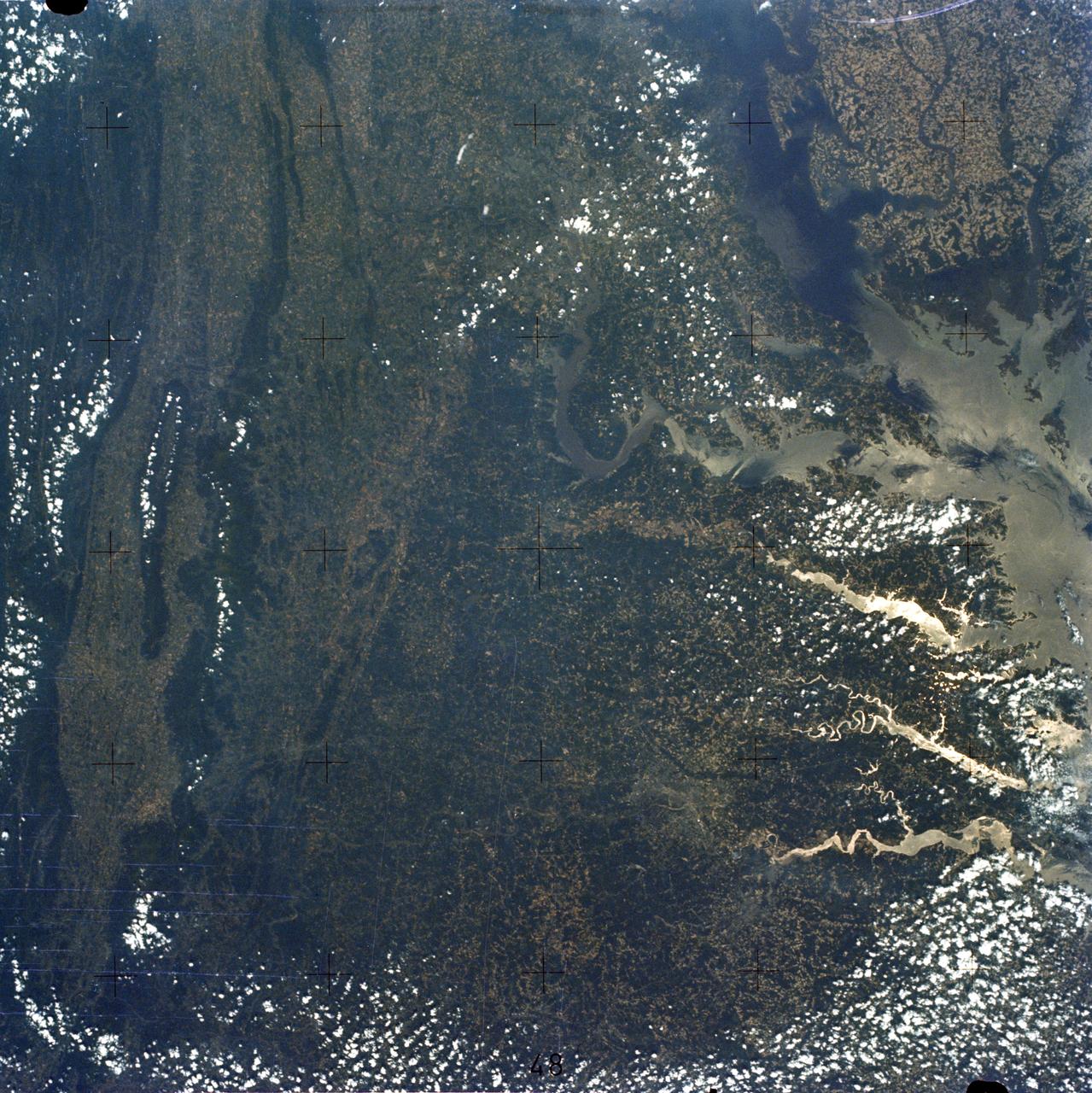
SL2-05-393 (22 June 1973) --- The nation's capital lies astride the Potomac River (38.5N, 77.5W) at the head of the Potomac Estuary. Baltimore, MD, also in the scene, is connected to Washington by the Baltimore-Washington Parkway. The suburbs of both cities tend to cluster around the Washington and Baltimore Beltways. Most of the countryside in the eastern two-thirds of this scene is either heavily forested or is in farming, dairy operations or poultry production. Photo credit: NASA
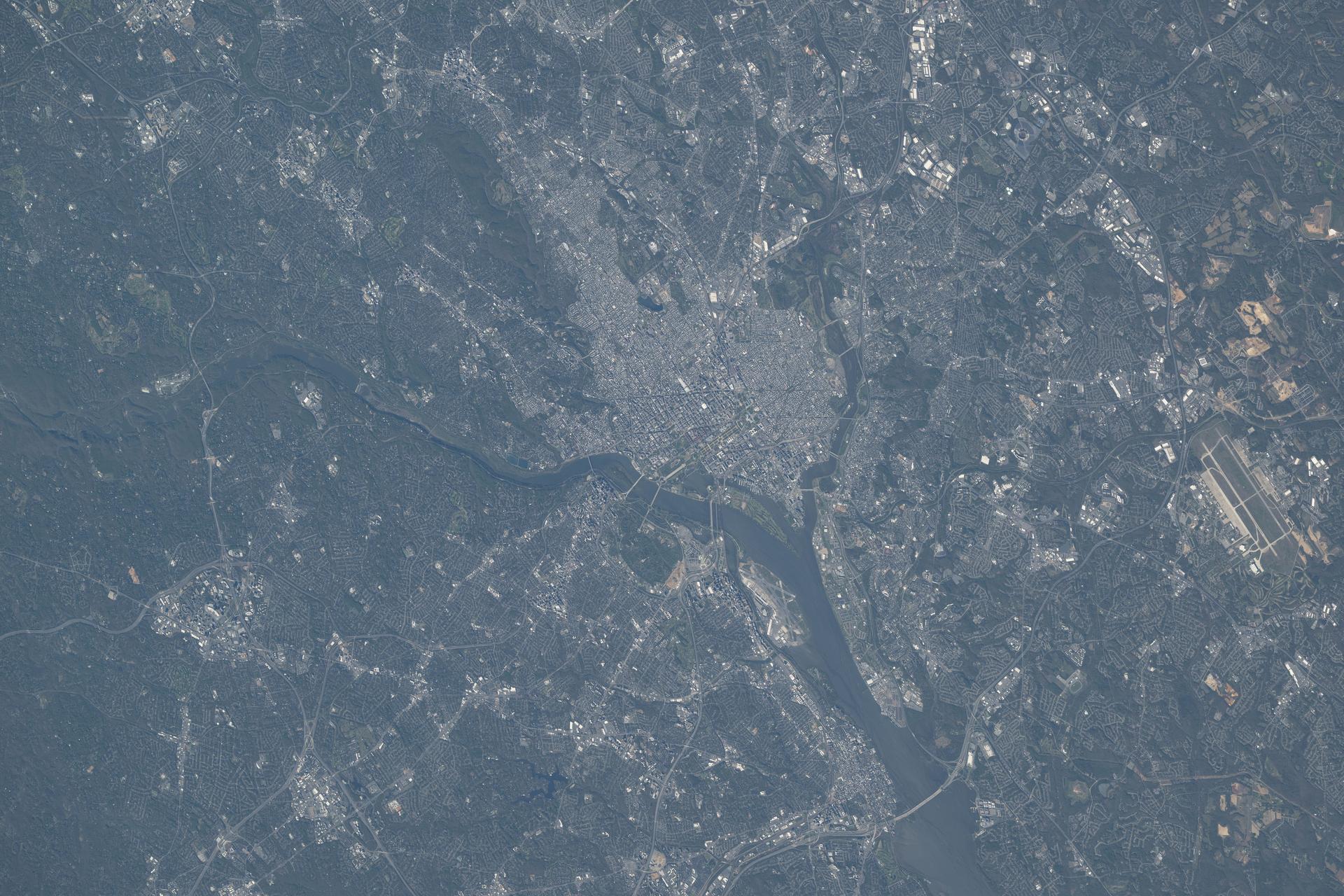
GMT100_19_31_Chris Williams_Day AppalacianWildfire Baltimore DC WORF 560mm
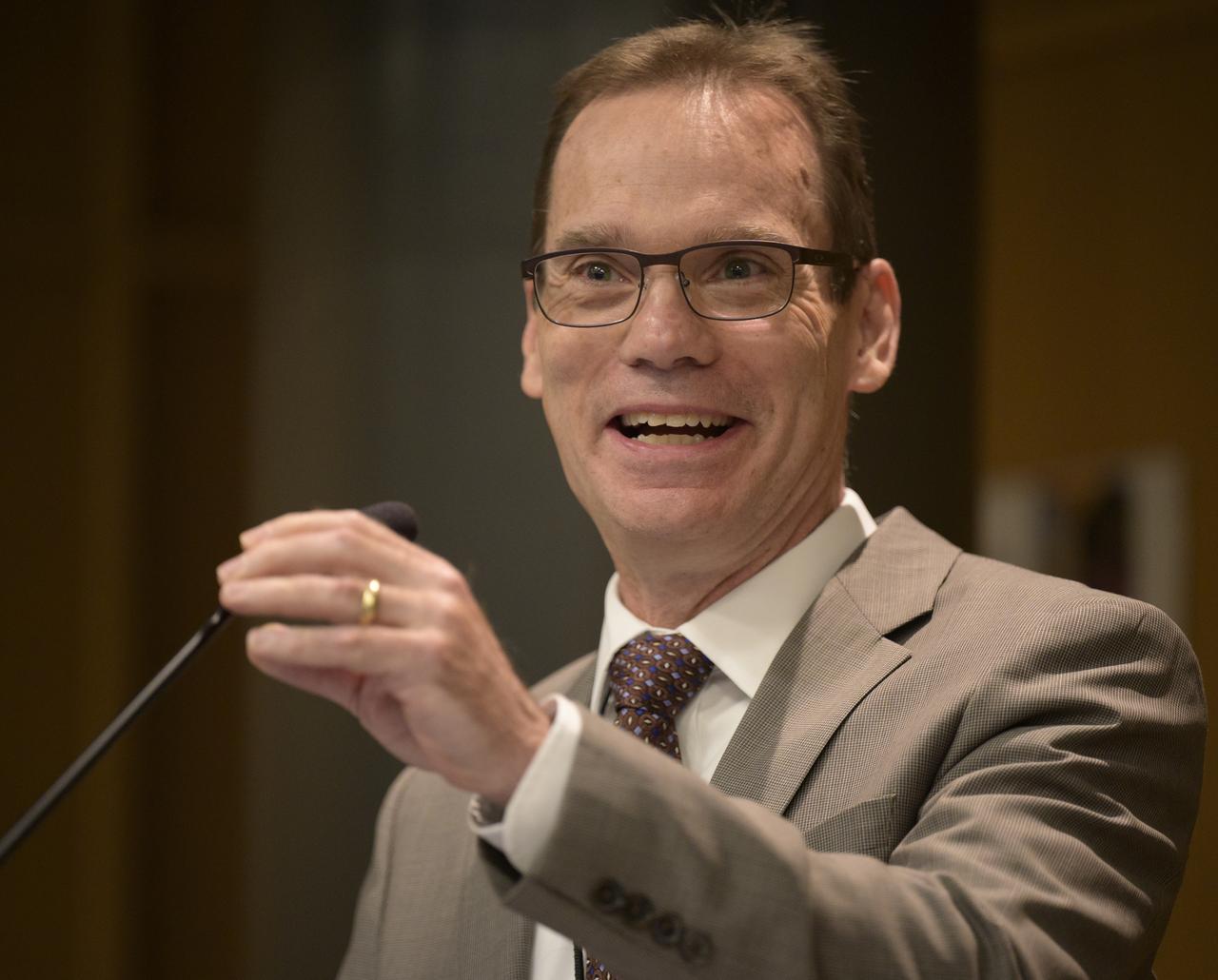
Space Telescope Science Institute (STScI) Director Kenneth Sembach gives remarks during a briefing, Wednesday, June 29, 2022, at the Space Telescope Science Institute (STScI) in Baltimore. The briefing focused on the status of NASA’s James Webb Space Telescope in its final weeks of preparing for its science mission, as well as overviews of planned science for Webb’s first year of operations. Photo Credit: (NASA/Bill Ingalls)
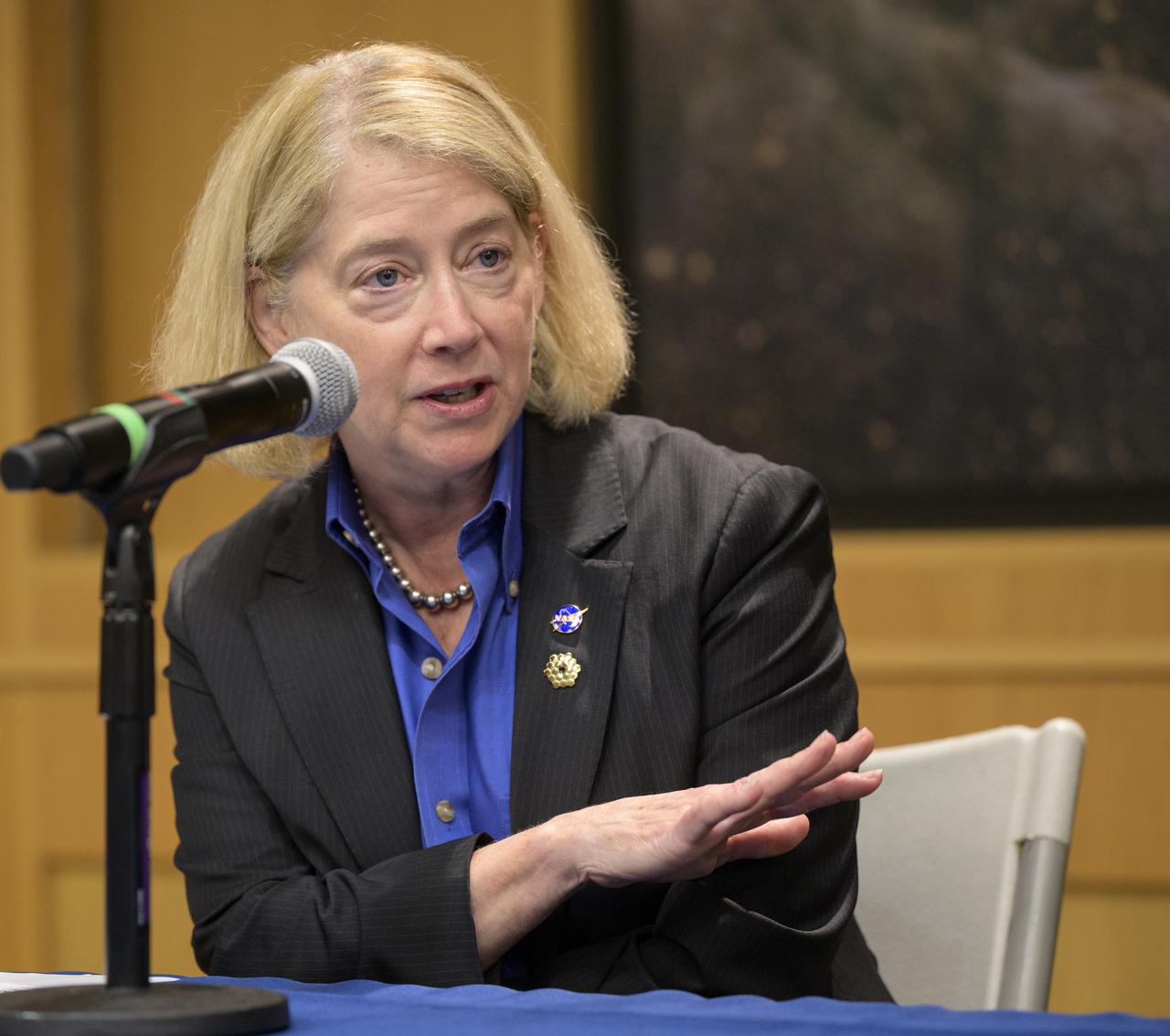
NASA Deputy Administrator Pam Melroy gives remarks during a briefing, Wednesday, June 29, 2022, at the Space Telescope Science Institute (STScI) in Baltimore. The briefing focused on the status of NASA’s James Webb Space Telescope in its final weeks of preparing for its science mission, as well as overviews of planned science for Webb’s first year of operations. Photo Credit: (NASA/Bill Ingalls)
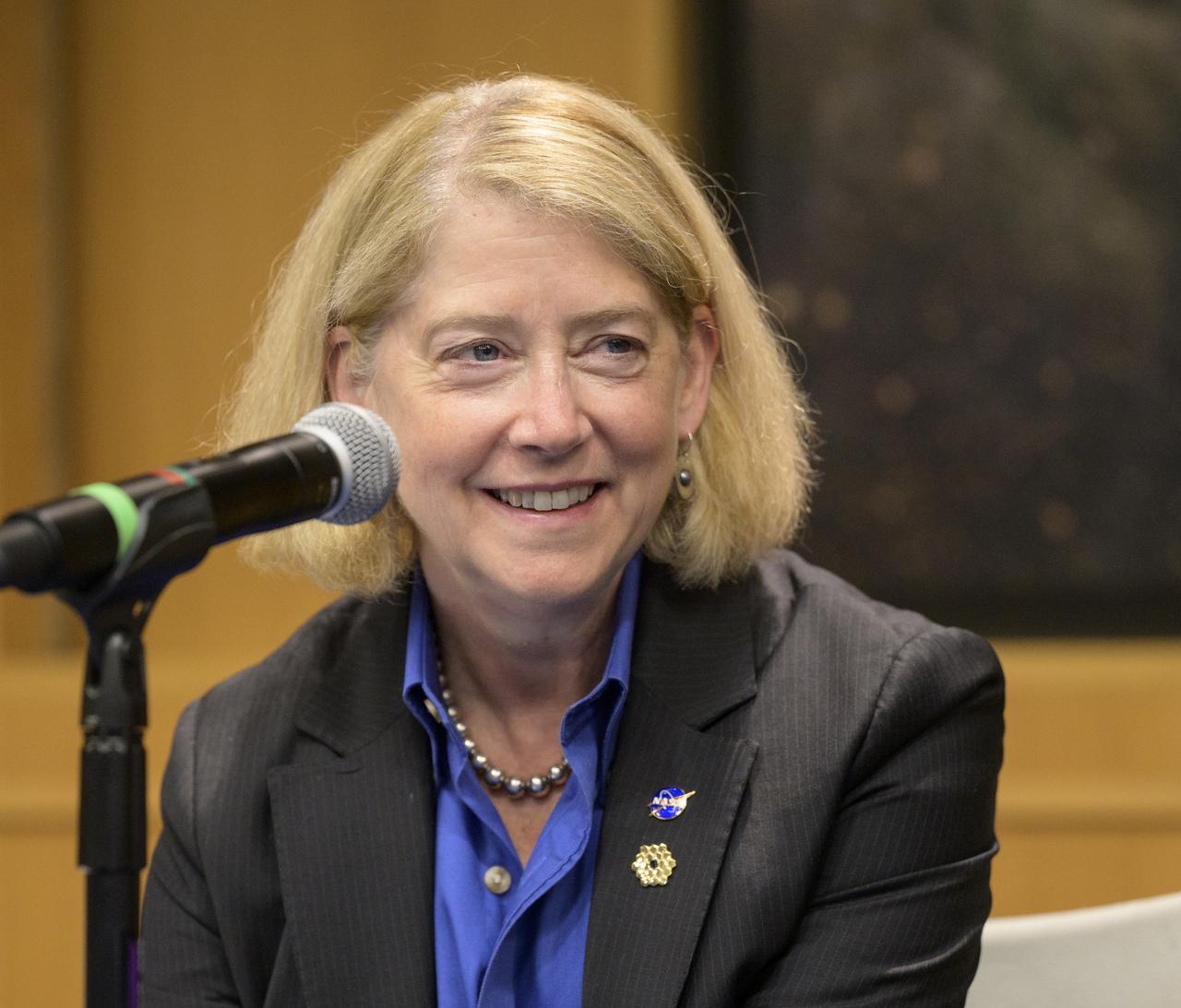
NASA Deputy Administrator Pam Melroy gives remarks during a briefing, Wednesday, June 29, 2022, at the Space Telescope Science Institute (STScI) in Baltimore. The briefing focused on the status of NASA’s James Webb Space Telescope in its final weeks of preparing for its science mission, as well as overviews of planned science for Webb’s first year of operations. Photo Credit: (NASA/Bill Ingalls)
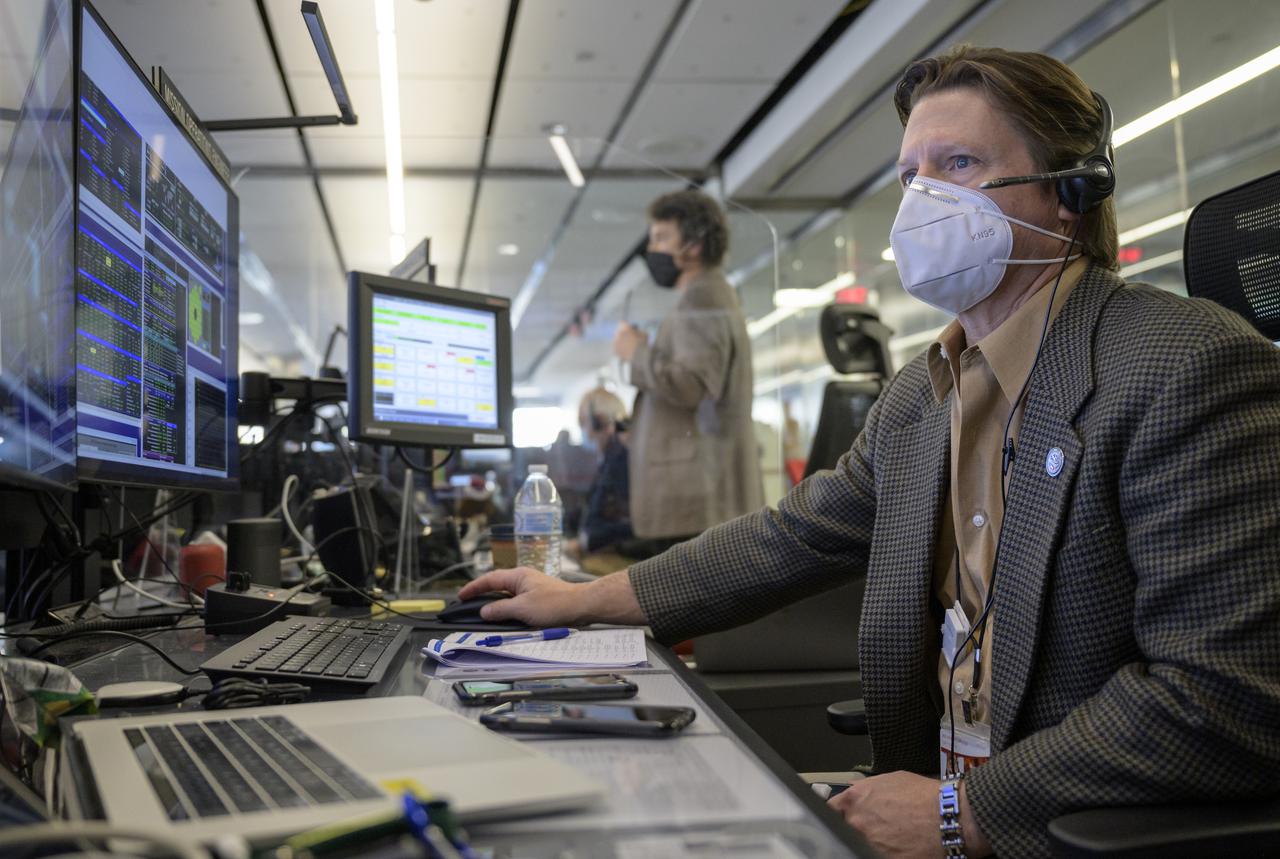
NASA James Webb Space Telescope Mission Operations Engineer Kenny McKenzie monitors the progress of Webb’s second primary mirror wing latching, Saturday, Jan. 8, 2022, in Baltimore. When fully latched, the infrared observatory will have completed its unprecedented process of unfolding in space to prepare for science operations. Webb will study every phase of cosmic history—from within our solar system to the most distant observable galaxies in the early universe. Photo Credit: (NASA/Bill Ingalls)
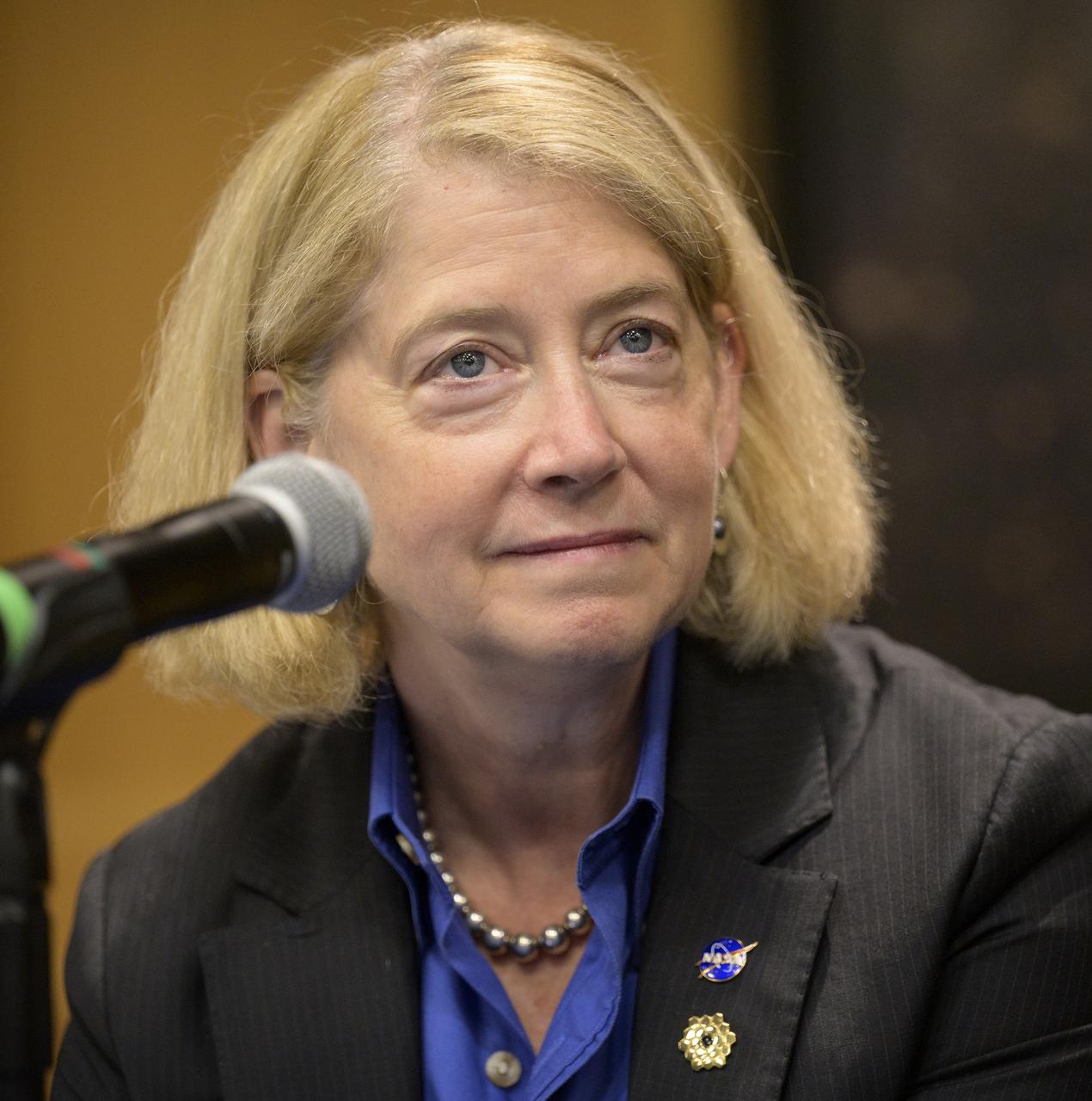
NASA Deputy Administrator Pam Melroy gives remarks during a briefing, Wednesday, June 29, 2022, at the Space Telescope Science Institute (STScI) in Baltimore. The briefing focused on the status of NASA’s James Webb Space Telescope in its final weeks of preparing for its science mission, as well as overviews of planned science for Webb’s first year of operations. Photo Credit: (NASA/Bill Ingalls)
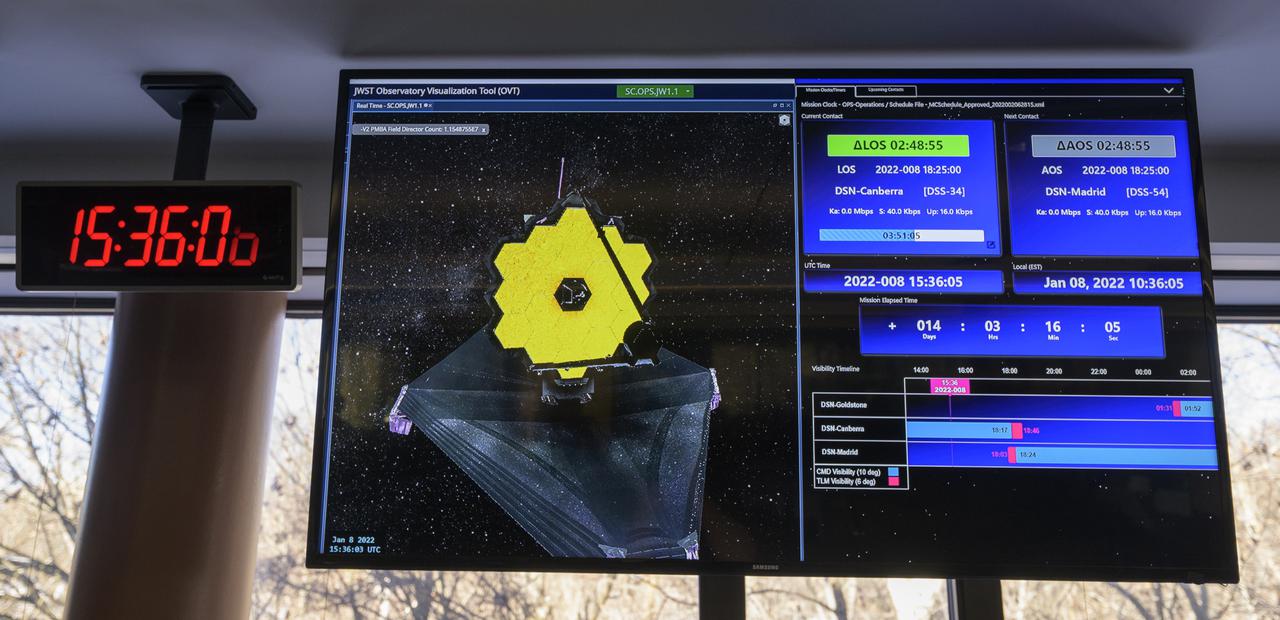
A monitor in the NASA James Webb Space Telescope flight control room of the Space Telescope Science Institute shows the progress of the second primary mirror wing latching on the Webb observatory, Saturday, Jan. 8, 2022, in Baltimore. When fully latched, the infrared observatory will have completed its unprecedented process of unfolding in space to prepare for science operations. Webb will study every phase of cosmic history—from within our solar system to the most distant observable galaxies in the early universe. Photo Credit: (NASA/Bill Ingalls)
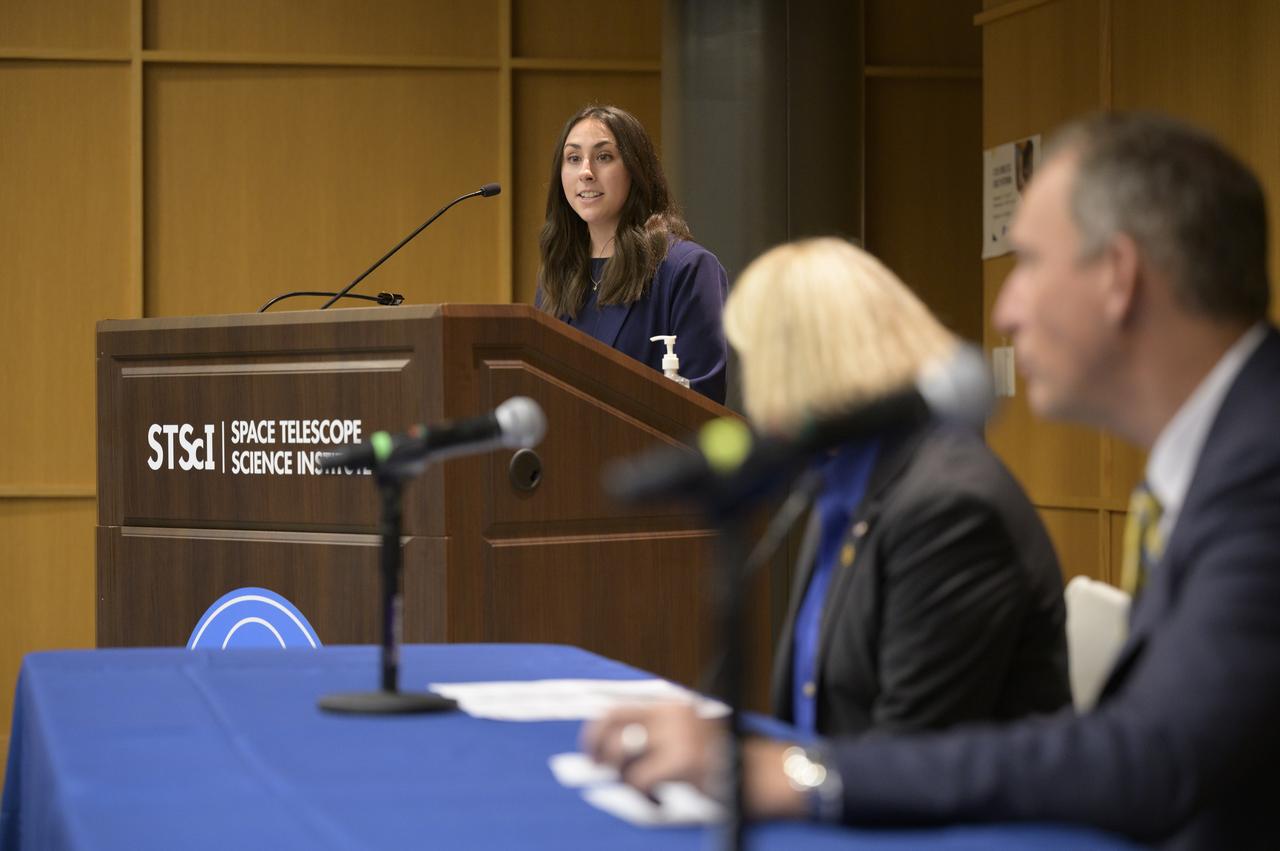
NASA Public Affairs Officer Alise Fisher moderates a briefing, Wednesday, June 29, 2022, at the Space Telescope Science Institute (STScI) in Baltimore. The briefing focused on the status of NASA’s James Webb Space Telescope in its final weeks of preparing for its science mission, as well as overviews of planned science for Webb’s first year of operations. Photo Credit: (NASA/Bill Ingalls)

NASA Deputy Administrator Pam Melroy gives remarks during a briefing, Wednesday, June 29, 2022, at the Space Telescope Science Institute (STScI) in Baltimore. The briefing focused on the status of NASA’s James Webb Space Telescope in its final weeks of preparing for its science mission, as well as overviews of planned science for Webb’s first year of operations. Photo Credit: (NASA/Bill Ingalls)
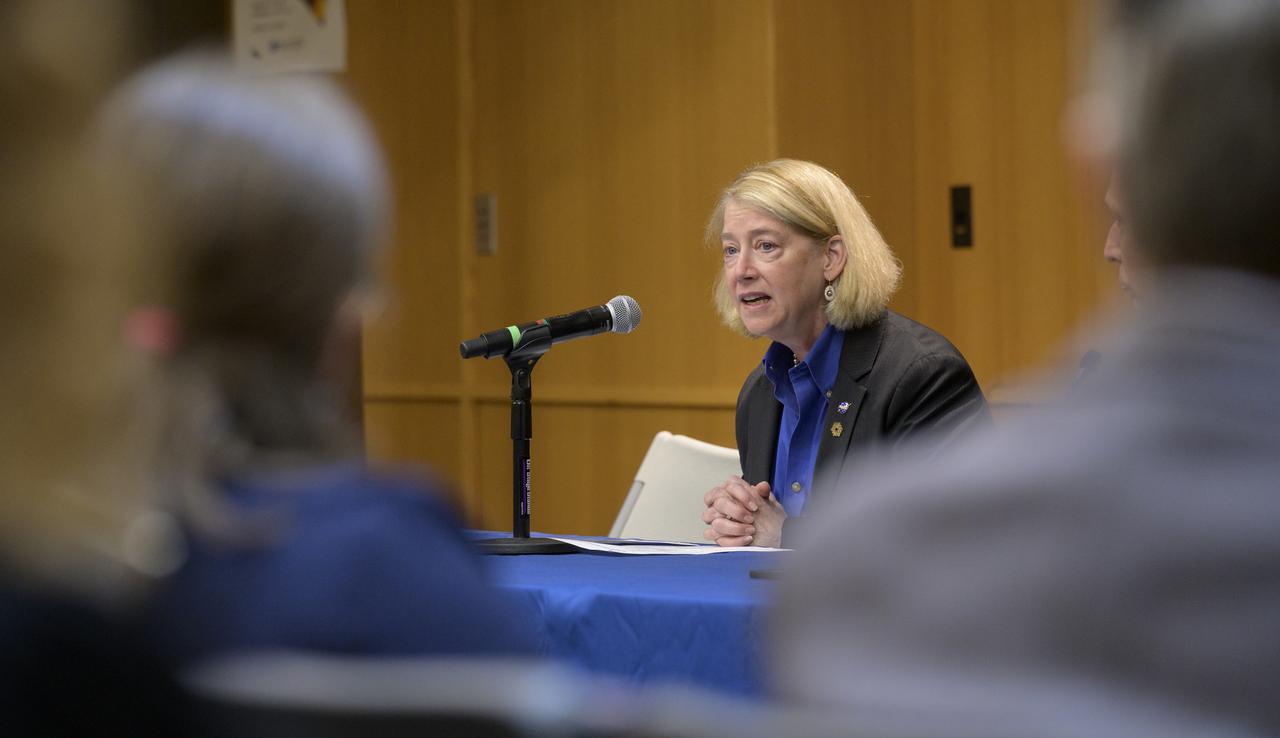
NASA Deputy Administrator Pam Melroy gives remarks during a briefing, Wednesday, June 29, 2022, at the Space Telescope Science Institute (STScI) in Baltimore. The briefing focused on the status of NASA’s James Webb Space Telescope in its final weeks of preparing for its science mission, as well as overviews of planned science for Webb’s first year of operations. Photo Credit: (NASA/Bill Ingalls)
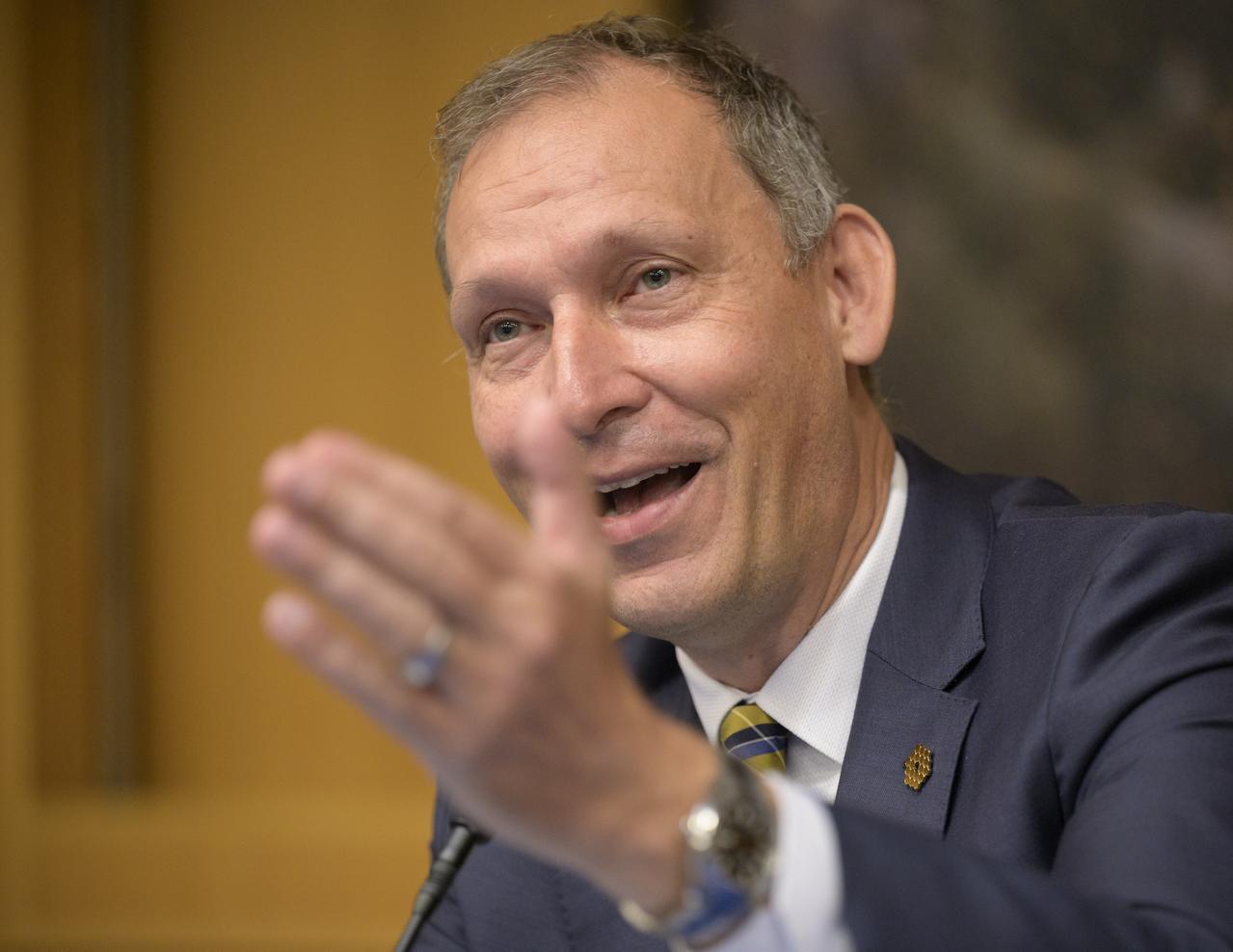
NASA Associate Administrator for the Science Mission Directorate Thomas Zurbuchen gives remarks during a briefing, Wednesday, June 29, 2022, at the Space Telescope Science Institute (STScI) in Baltimore. The briefing focused on the status of NASA’s James Webb Space Telescope in its final weeks of preparing for its science mission, as well as overviews of planned science for Webb’s first year of operations. Photo Credit: (NASA/Bill Ingalls)
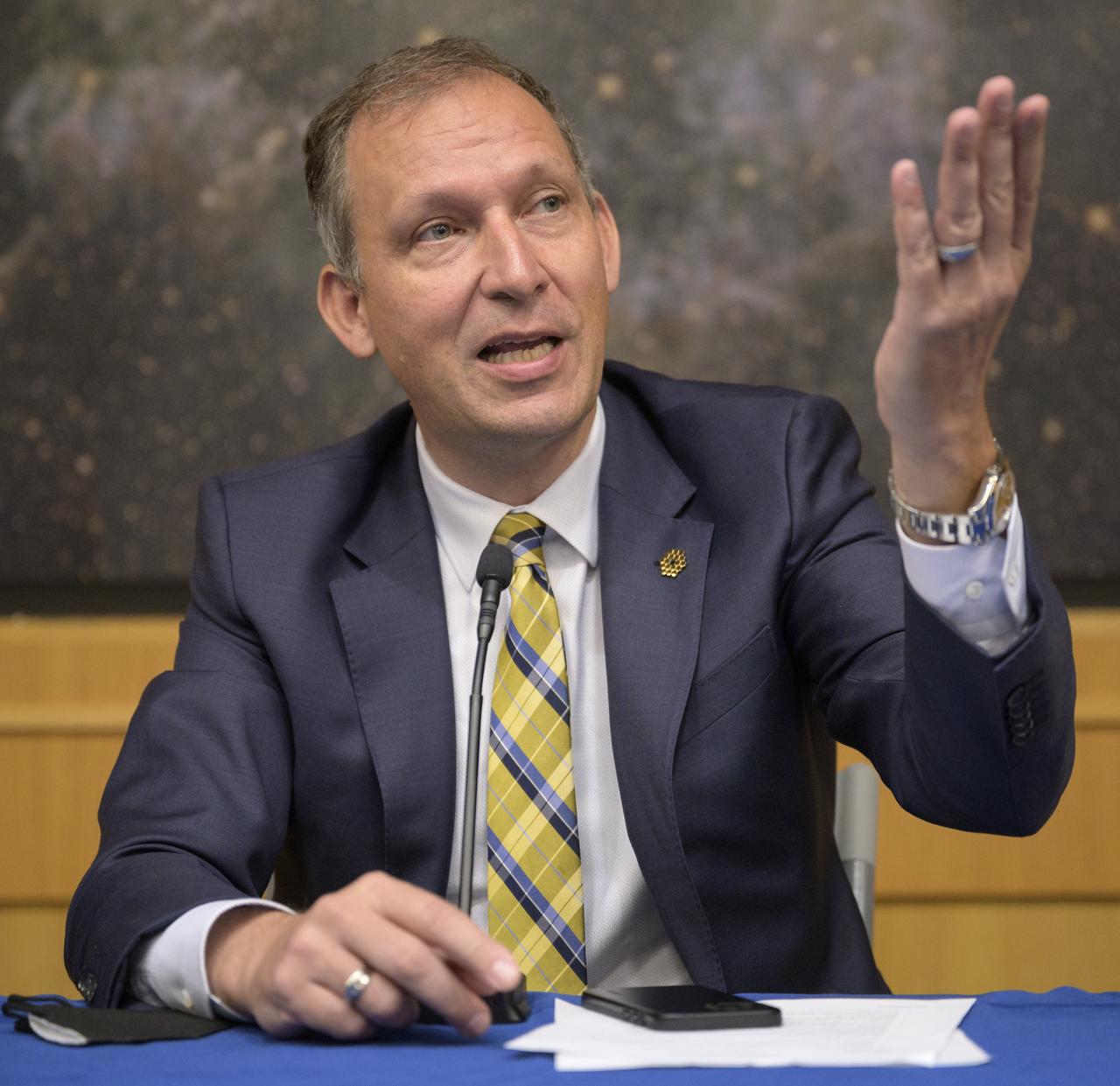
NASA Associate Administrator for the Science Mission Directorate Thomas Zurbuchen gives remarks during a briefing, Wednesday, June 29, 2022, at the Space Telescope Science Institute (STScI) in Baltimore. The briefing focused on the status of NASA’s James Webb Space Telescope in its final weeks of preparing for its science mission, as well as overviews of planned science for Webb’s first year of operations. Photo Credit: (NASA/Bill Ingalls)
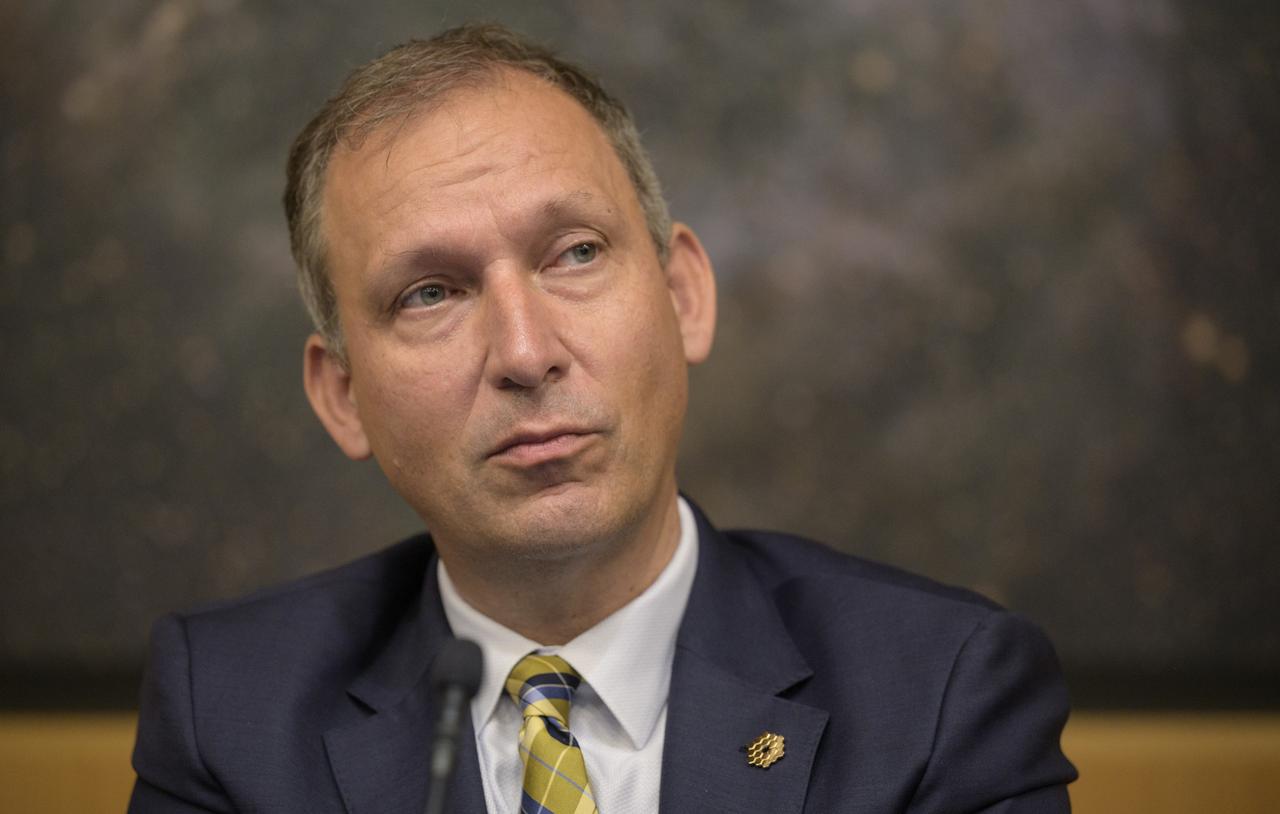
NASA Associate Administrator for the Science Mission Directorate Thomas Zurbuchen gives remarks during a briefing, Wednesday, June 29, 2022, at the Space Telescope Science Institute (STScI) in Baltimore. The briefing focused on the status of NASA’s James Webb Space Telescope in its final weeks of preparing for its science mission, as well as overviews of planned science for Webb’s first year of operations. Photo Credit: (NASA/Bill Ingalls)
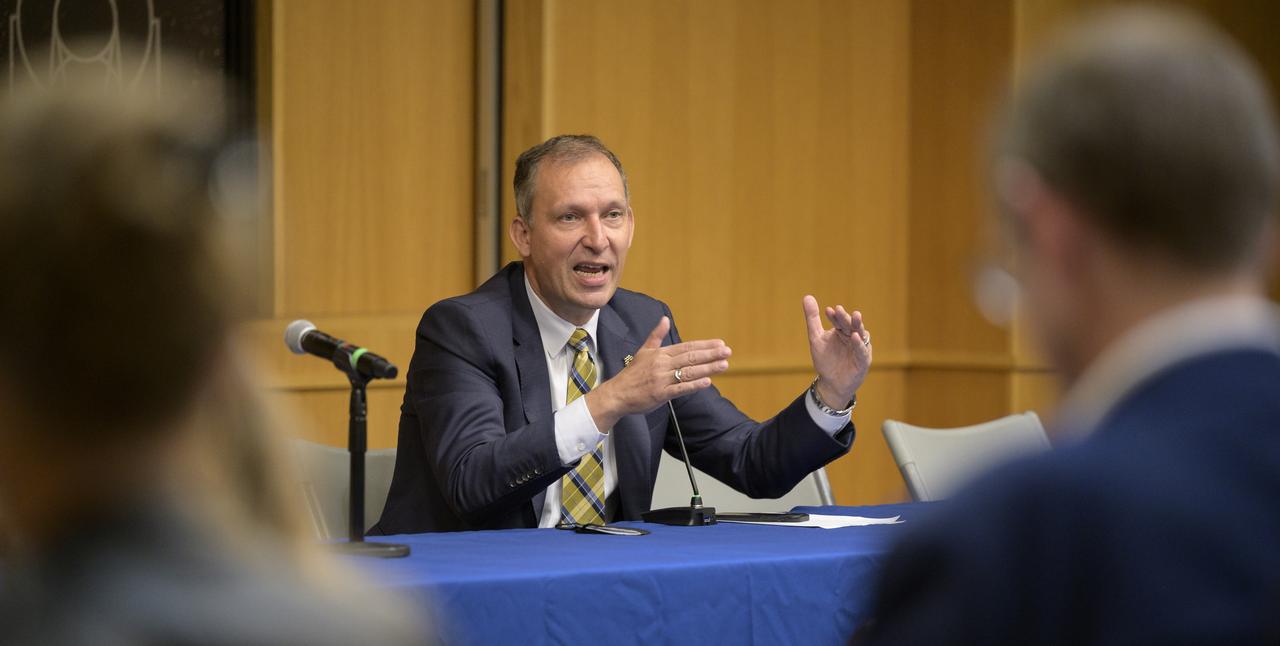
NASA Associate Administrator for the Science Mission Directorate Thomas Zurbuchen gives remarks during a briefing, Wednesday, June 29, 2022, at the Space Telescope Science Institute (STScI) in Baltimore. The briefing focused on the status of NASA’s James Webb Space Telescope in its final weeks of preparing for its science mission, as well as overviews of planned science for Webb’s first year of operations. Photo Credit: (NASA/Bill Ingalls)
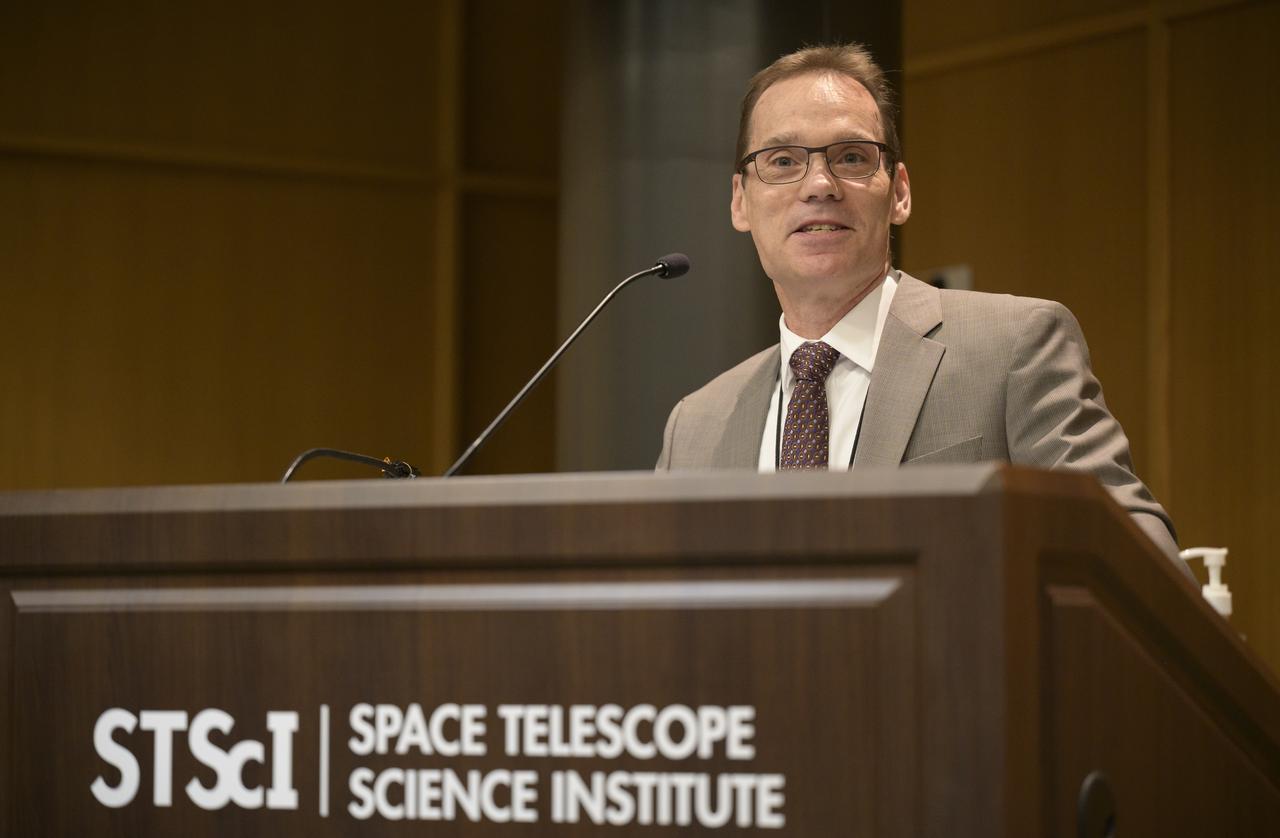
Space Telescope Science Institute (STScI) Director Kenneth Sembach gives remarks during a briefing, Wednesday, June 29, 2022, at the Space Telescope Science Institute (STScI) in Baltimore. The briefing focused on the status of NASA’s James Webb Space Telescope in its final weeks of preparing for its science mission, as well as overviews of planned science for Webb’s first year of operations. Photo Credit: (NASA/Bill Ingalls)
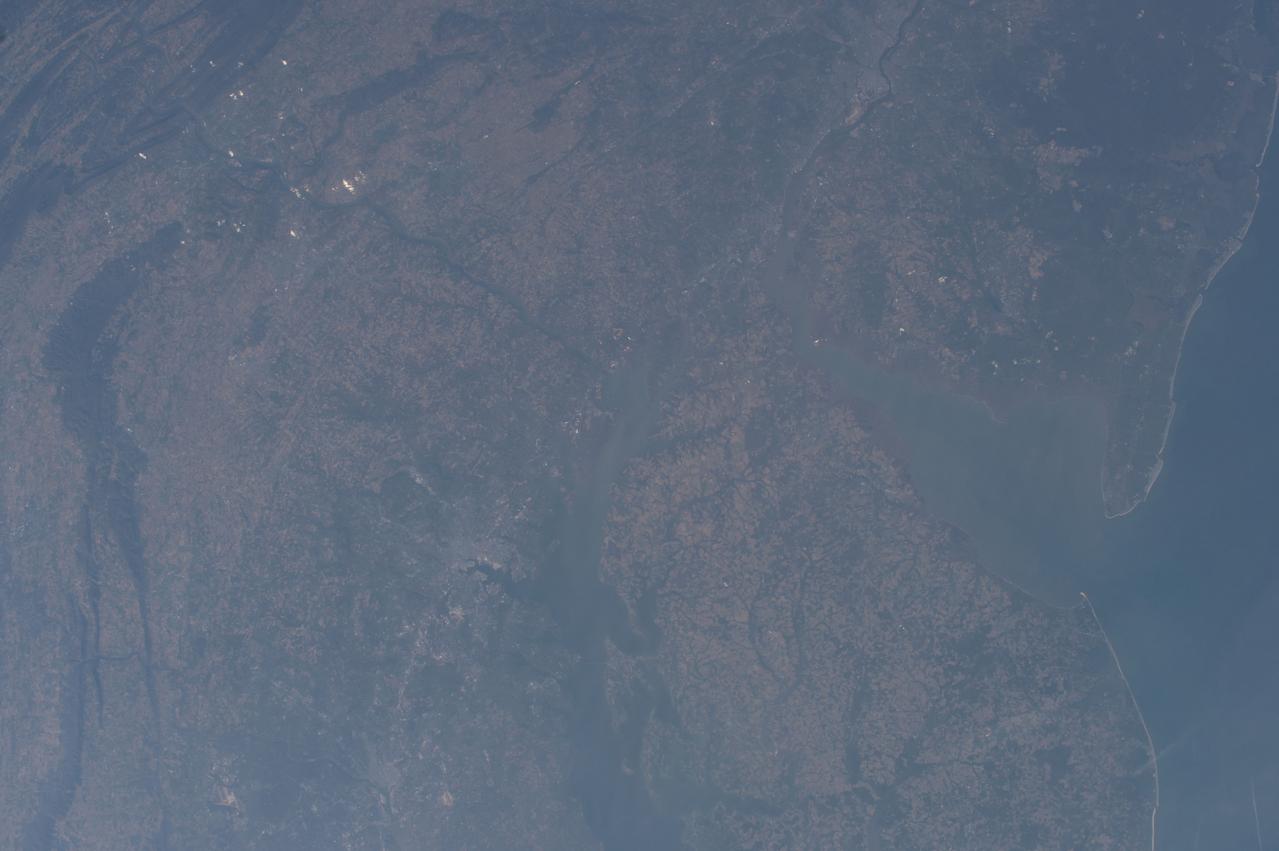
GMT365_22_06_Terry Virts_great lakes east coast dc baltimore philly_131
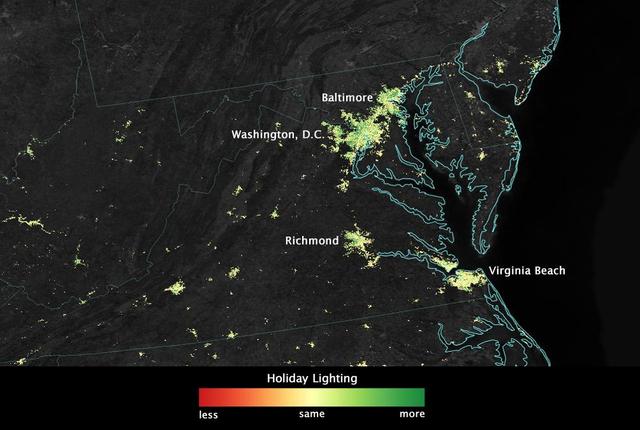
City lights shine brighter during the holidays in the United States when compared with the rest of the year, as shown using a new analysis of daily data from the NASA-NOAA Suomi NPP satellite. Dark green pixels are areas where lights are 50 percent brighter, or more, during December. Because snow reflects so much light, the researchers could only analyze snow-free cities. They focused on the U.S. West Coast from San Francisco and Los Angeles, and cities south of a rough imaginary line from St. Louis to Washington, D.C. Credit: Jesse Allen, NASA’s Earth Observatory Read more: <a href="http://www.nasa.gov/content/goddard/satellite-sees-holiday-lights-brighten-cities." rel="nofollow">www.nasa.gov/content/goddard/satellite-sees-holiday-light...</a>.<b><a href="http://www.nasa.gov/audience/formedia/features/MP_Photo_Guidelines.html" rel="nofollow">NASA image use policy.</a></b> <b><a href="http://www.nasa.gov/centers/goddard/home/index.html" rel="nofollow">NASA Goddard Space Flight Center</a></b> enables NASA’s mission through four scientific endeavors: Earth Science, Heliophysics, Solar System Exploration, and Astrophysics. Goddard plays a leading role in NASA’s accomplishments by contributing compelling scientific knowledge to advance the Agency’s mission. <b>Follow us on <a href="http://twitter.com/NASAGoddardPix" rel="nofollow">Twitter</a></b> <b>Like us on <a href="http://www.facebook.com/pages/Greenbelt-MD/NASA-Goddard/395013845897?ref=tsd" rel="nofollow">Facebook</a></b> <b>Find us on <a href="http://instagram.com/nasagoddard?vm=grid" rel="nofollow">Instagram</a></b>
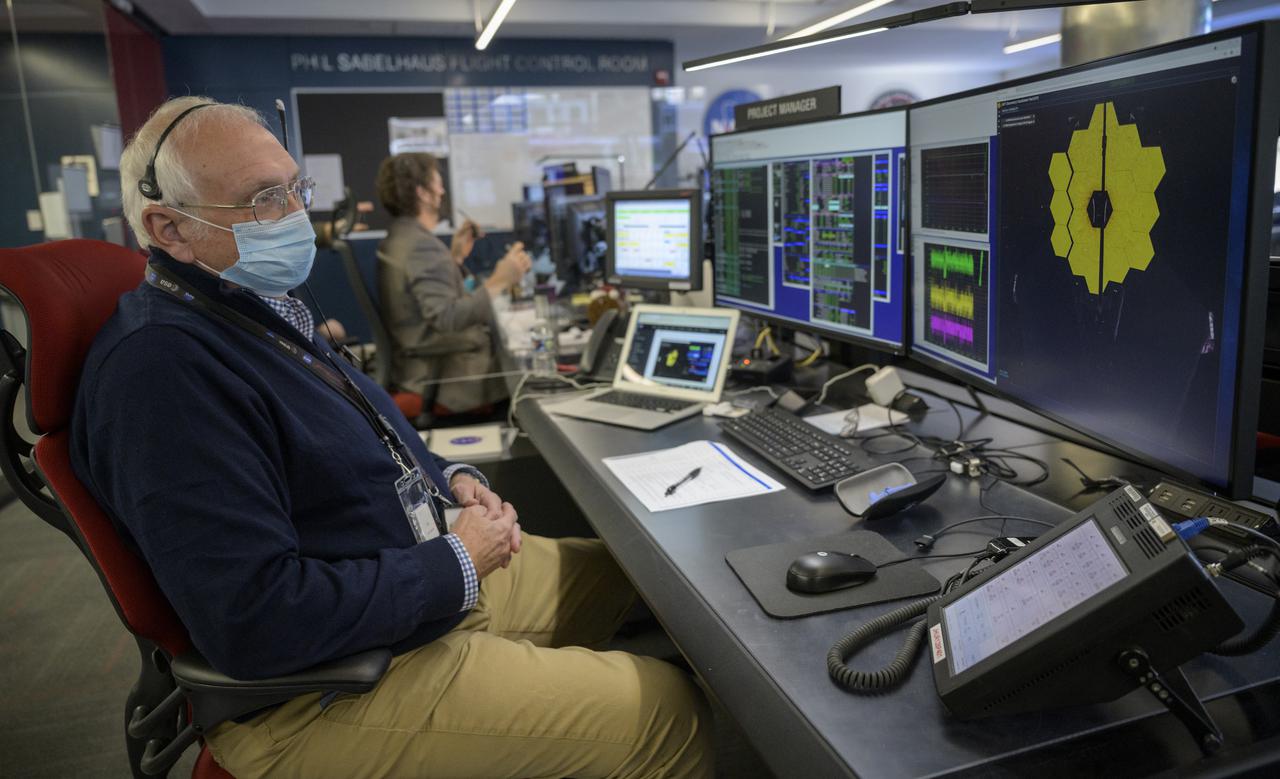
NASA James Webb Space Telescope Project Manager Bill Ochs monitors the progress of the observatory’s second primary mirror wing as it rotates into position, Saturday, Jan. 8, 2022, from NASA’s James Webb Space Telescope Mission Operations Center at the Space Telescope Science Institute in Baltimore. Webb, an infrared telescope with a 21.3-foot (6.5-meter) primary mirror, was folded up for launch and underwent an unprecedented deployment process to unfold in space. As NASA's next flagship observatory, Webb will study every phase of cosmic history—from within our solar system to the most distant observable galaxies in the early universe. Photo Credit: (NASA/Bill Ingalls)
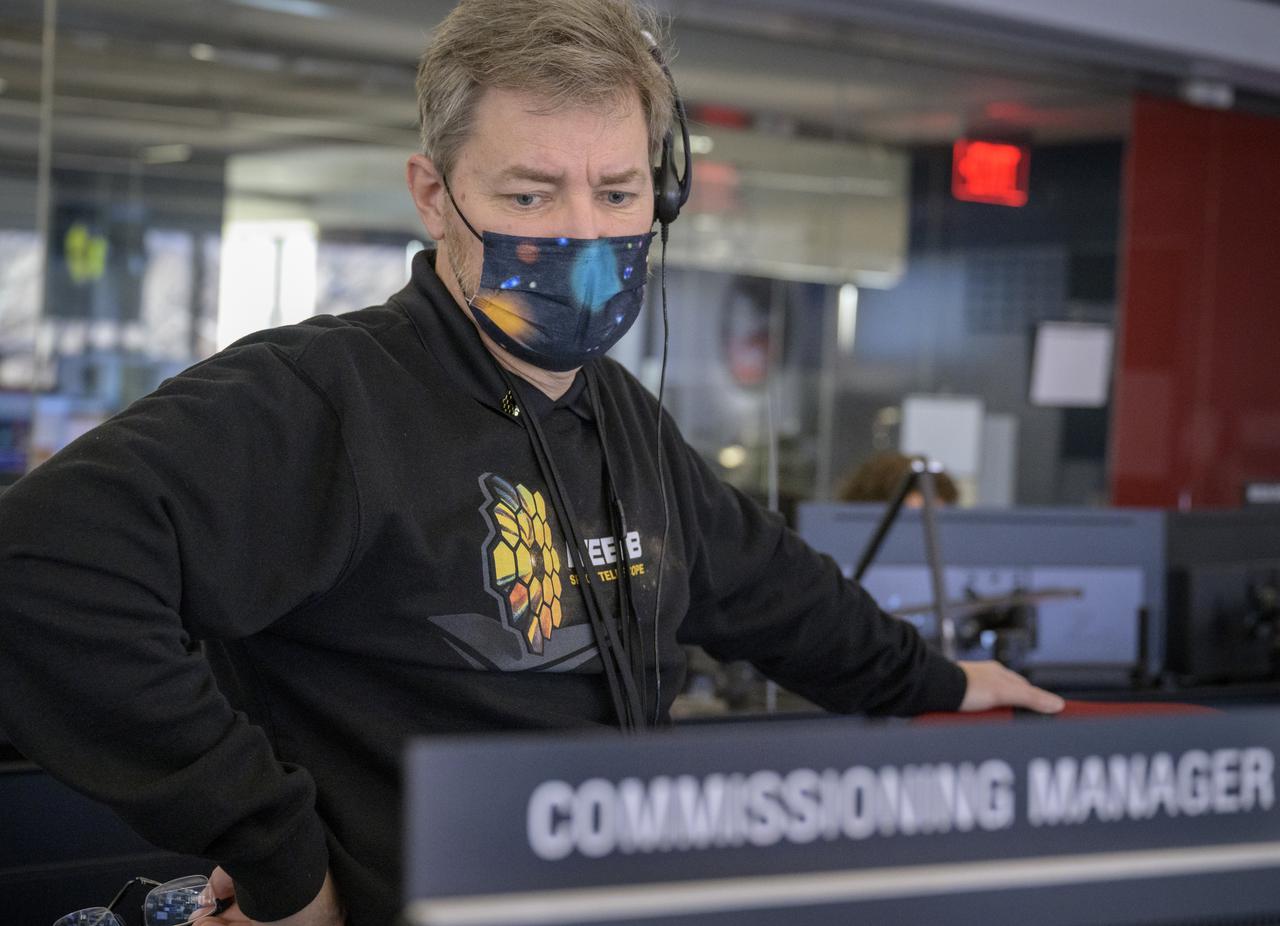
NASA James Webb Space Telescope Commissioning Manager John Durning monitors the progress of the Webb observatory as it’s second primary mirror wing is rotated into position, Saturday, Jan. 8, 2022, from NASA’s James Webb Space Telescope Mission Operations Center at the Space Telescope Science Institute in Baltimore. Webb, an infrared telescope with a 21.3-foot (6.5-meter) primary mirror, was folded up for launch and underwent an unprecedented deployment process to unfold in space. As NASA's next flagship observatory, Webb will study every phase of cosmic history—from within our solar system to the most distant observable galaxies in the early universe. Photo Credit: (NASA/Bill Ingalls)
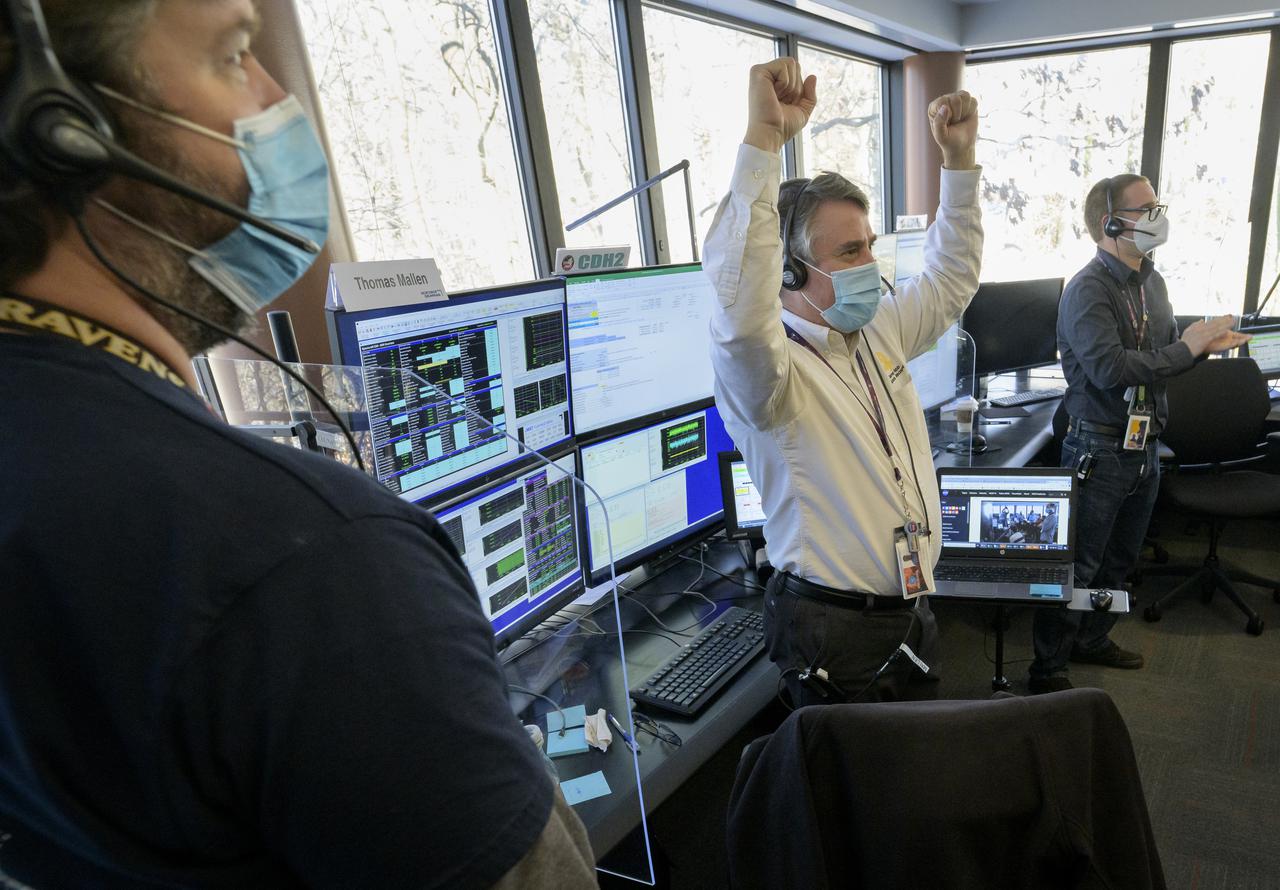
NASA’s James Webb Space Telescope mission operations team celebrates, Saturday, Jan. 8, 2022, at the Space Telescope Science Institute in Baltimore, after confirming that the observatory’s final primary mirror wing successfully extended and locked into place. With Webb’s 21.3-foot (6.5-meter) primary mirror fully deployed, the infrared observatory has completed its unprecedented process of unfolding in space to prepare for science operations. The observatory will study every phase of cosmic history—from within our solar system to the most distant observable galaxies in the early universe. Photo Credit: (NASA/Bill Ingalls)
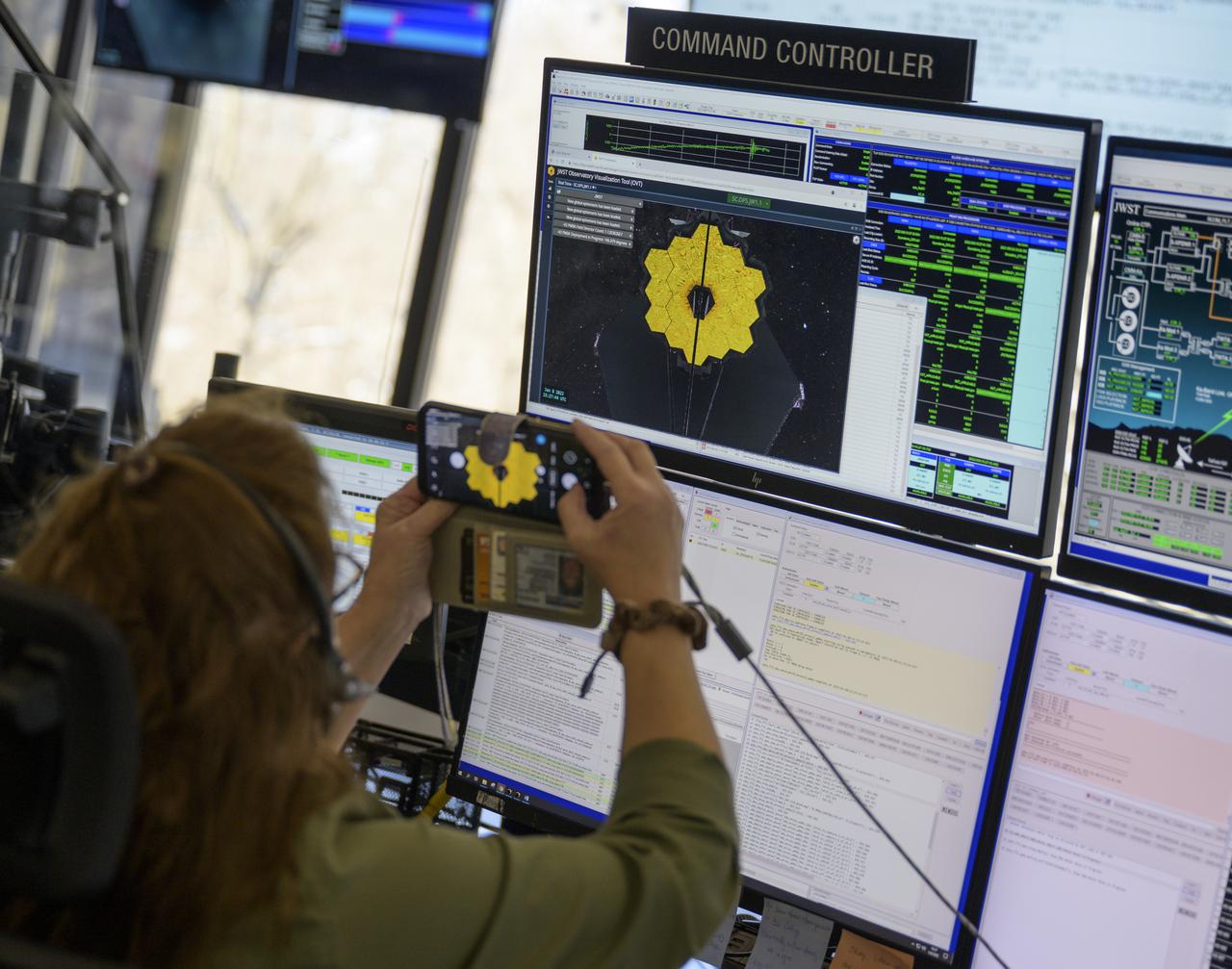
Engineering teams at NASA’s James Webb Space Telescope Mission Operations Center at the Space Telescope Science Institute in Baltimore monitor progress as the observatory’s second primary mirror wing rotates into position, Saturday, Jan. 8, 2022. Webb, an infrared telescope with a 21.3-foot (6.5-meter) primary mirror, was folded up for launch and underwent an unprecedented deployment process to unfold in space. As NASA's next flagship observatory, Webb will study every phase of cosmic history—from within our solar system to the most distant observable galaxies in the early universe. Photo Credit: (NASA/Bill Ingalls)
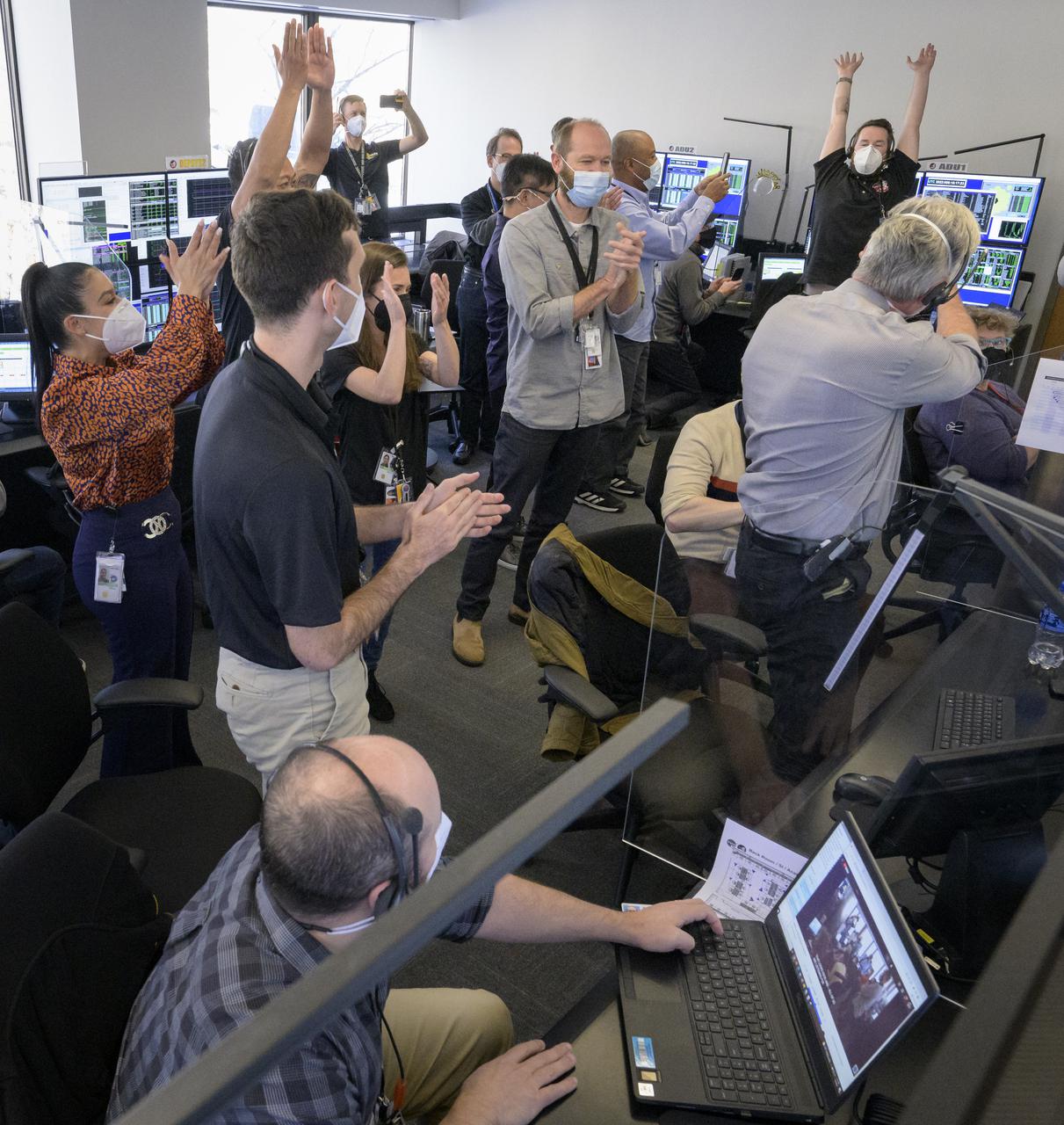
NASA’s James Webb Space Telescope mission operations team celebrates, Saturday, Jan. 8, 2022, at the Space Telescope Science Institute in Baltimore, after confirming that the observatory’s final primary mirror wing successfully extended and locked into place. With Webb’s 21.3-foot (6.5-meter) primary mirror fully deployed, the infrared observatory has completed its unprecedented process of unfolding in space to prepare for science operations. The observatory will study every phase of cosmic history—from within our solar system to the most distant observable galaxies in the early universe. Photo Credit: (NASA/Bill Ingalls)
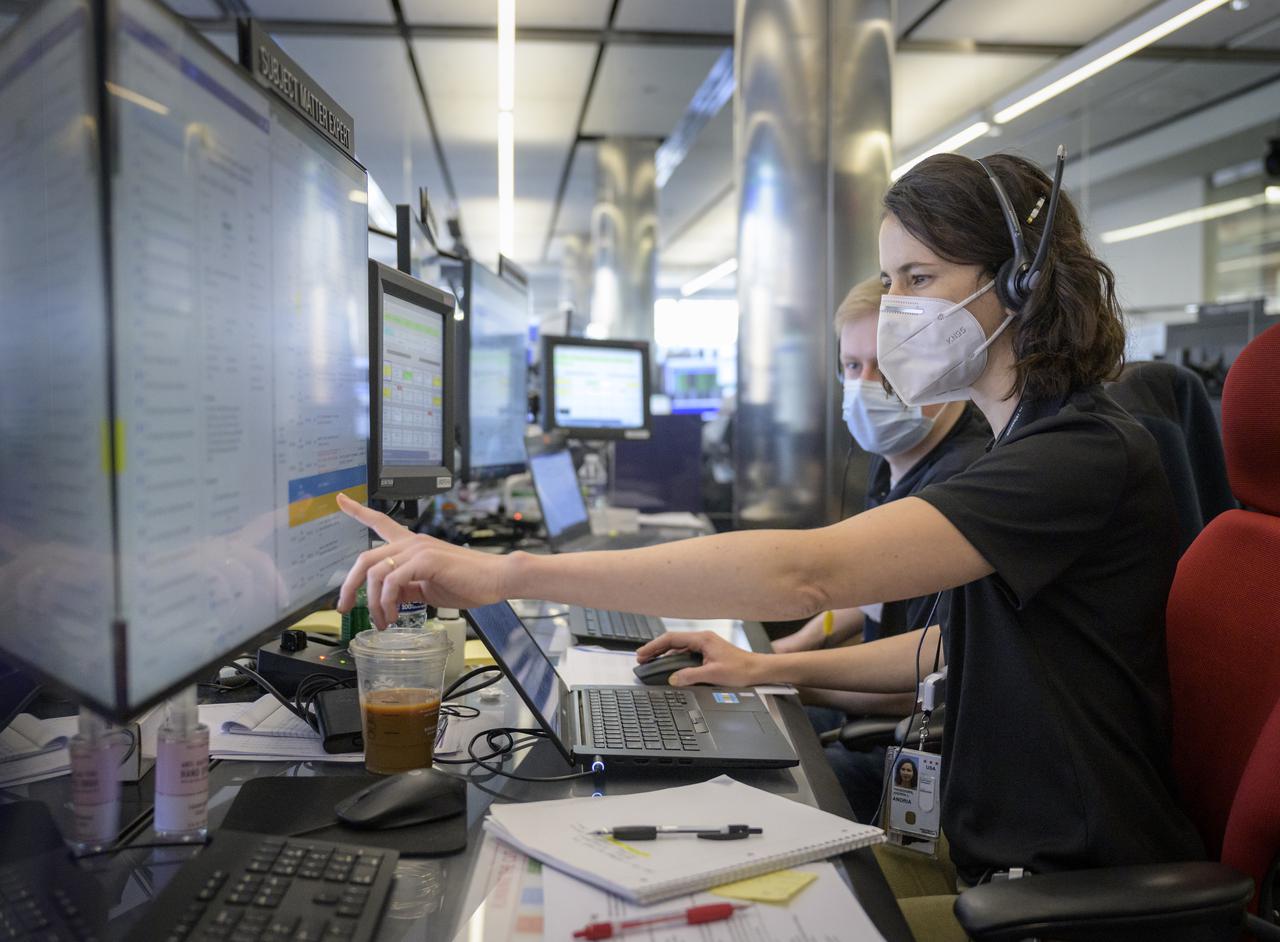
NASA James Webb Space Telescope Timeline Coordinator Andria Hagedorn monitors the progress of the Webb observatory’s second primary mirror wing as it rotates into position, Saturday, Jan. 8, 2022, from NASA’s James Webb Space Telescope Mission Operations Center at the Space Telescope Science Institute in Baltimore. Webb, an infrared telescope with a 21.3-foot (6.5-meter) primary mirror, was folded up for launch and underwent an unprecedented deployment process to unfold in space. As NASA's next flagship observatory, Webb will study every phase of cosmic history—from within our solar system to the most distant observable galaxies in the early universe. Photo Credit: (NASA/Bill Ingalls)
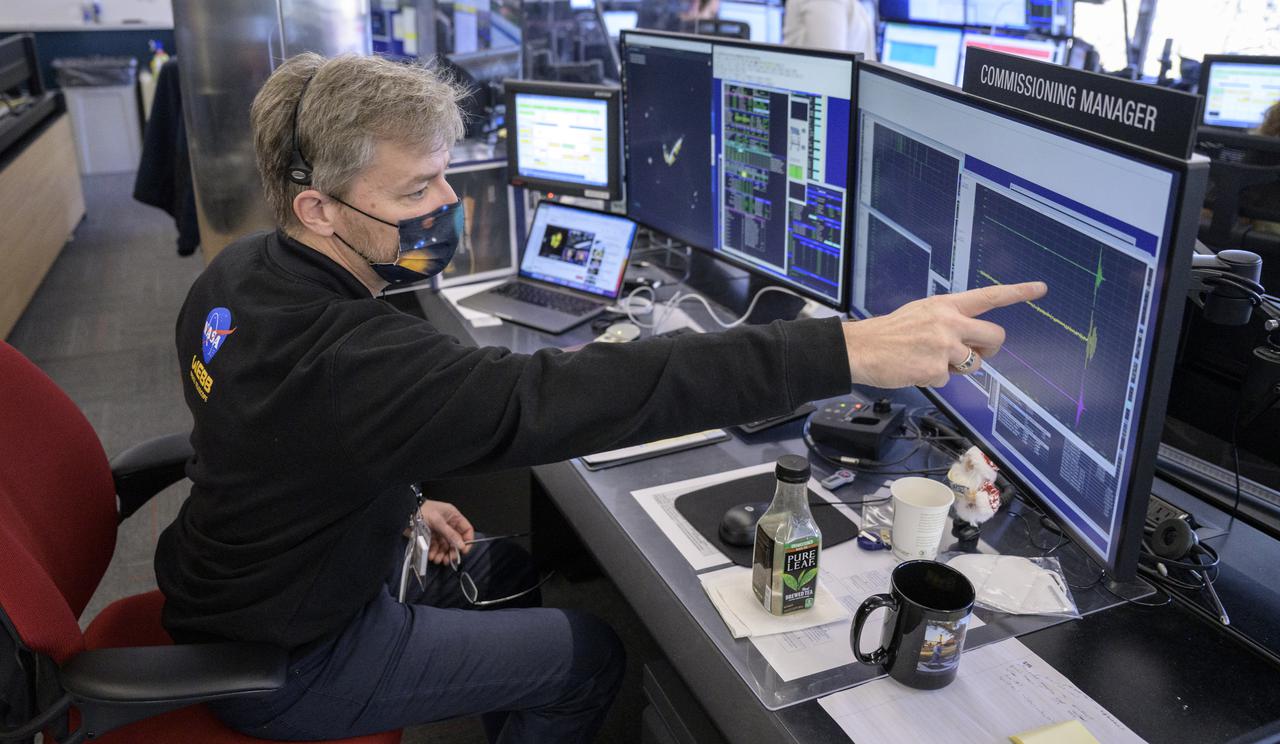
NASA James Webb Space Telescope Commissioning Manager John Durning monitors the progress of the Webb observatory as it’s second primary mirror wing is prepared to rotate into position, Saturday, Jan. 8, 2022, from NASA’s James Webb Space Telescope Mission Operations Center at the Space Telescope Science Institute in Baltimore. Webb, an infrared telescope with a 21.3-foot (6.5-meter) primary mirror, was folded up for launch and underwent an unprecedented deployment process to unfold in space. As NASA's next flagship observatory, Webb will study every phase of cosmic history—from within our solar system to the most distant observable galaxies in the early universe. Photo Credit: (NASA/Bill Ingalls)
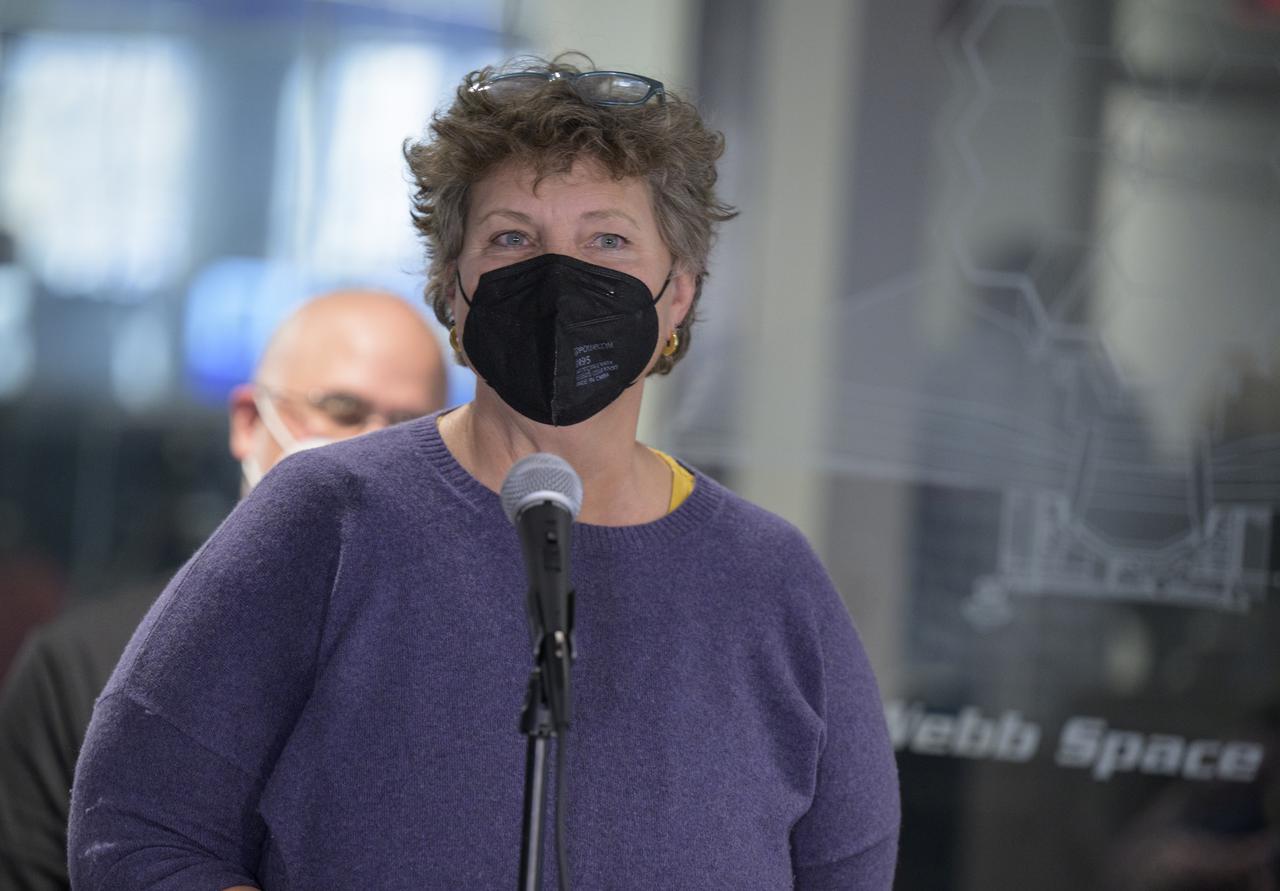
Senior Systems Engineer, Webb, Northrop Grumman, Nanci Shawger answers questions from the media during a briefing following the successful deployment of NASA’s James Webb Space Telescope primary mirror, Saturday, Jan. 8, 2022, from the Webb Space Telescope Mission Operations Center at the Space Telescope Science Institute in Baltimore. With Webb’s 21.3-foot (6.5-meter) primary mirror fully deployed, the infrared observatory has completed its unprecedented process of unfolding in space to prepare for science operations. The observatory will study every phase of cosmic history—from within our solar system to the most distant observable galaxies in the early universe. Photo Credit: (NASA/Bill Ingalls)
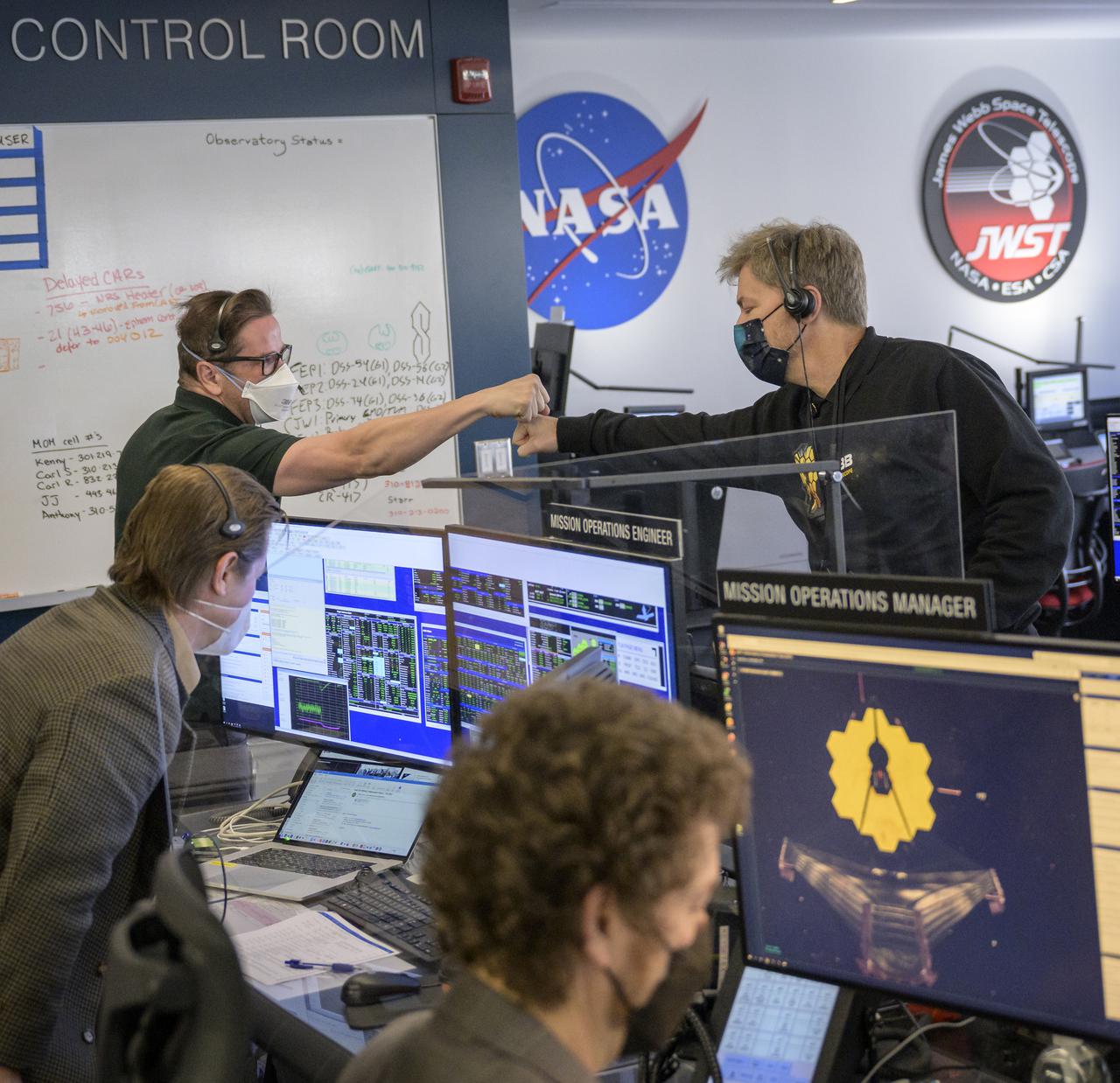
Engineering teams celebrate at the Space Telescope Science Institute in Baltimore as the second primary mirror wing of NASA’s James Webb Space Telescope unfolds, before beginning the process of latching the mirror wing into place, Saturday, Jan. 8, 2022. When fully latched, the infrared observatory will have completed its unprecedented process of unfolding in space to prepare for science operations. Webb will study every phase of cosmic history—from within our solar system to the most distant observable galaxies in the early universe. Photo Credit: (NASA/Bill Ingalls)
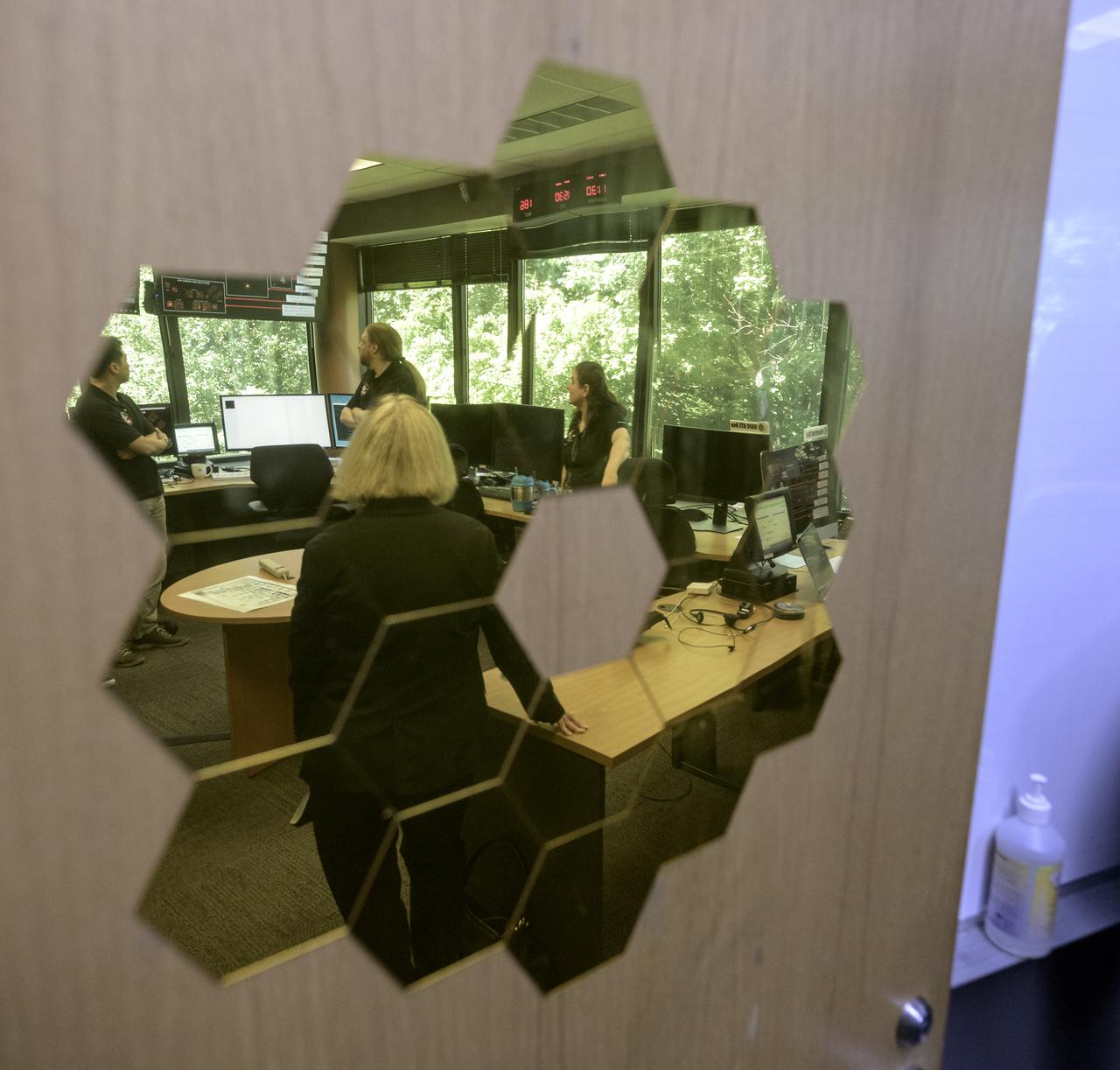
NASA Deputy Administrator Pam Melroy, back to camera, is seen reflected in a door mirror decoration as she meets with members of the NASA James Webb Space Telescope wavefront sensing and control analysis office, Wednesday, June 29, 2022, at the Space Telescope Science Institute (STScI) in Baltimore. Prior to the tour the deputy spoke at a briefing that focused on the status of NASA’s James Webb Space Telescope in its final weeks of preparing for its science mission, as well as overviews of planned science for Webb’s first year of operations. Photo Credit: (NASA/Bill Ingalls)
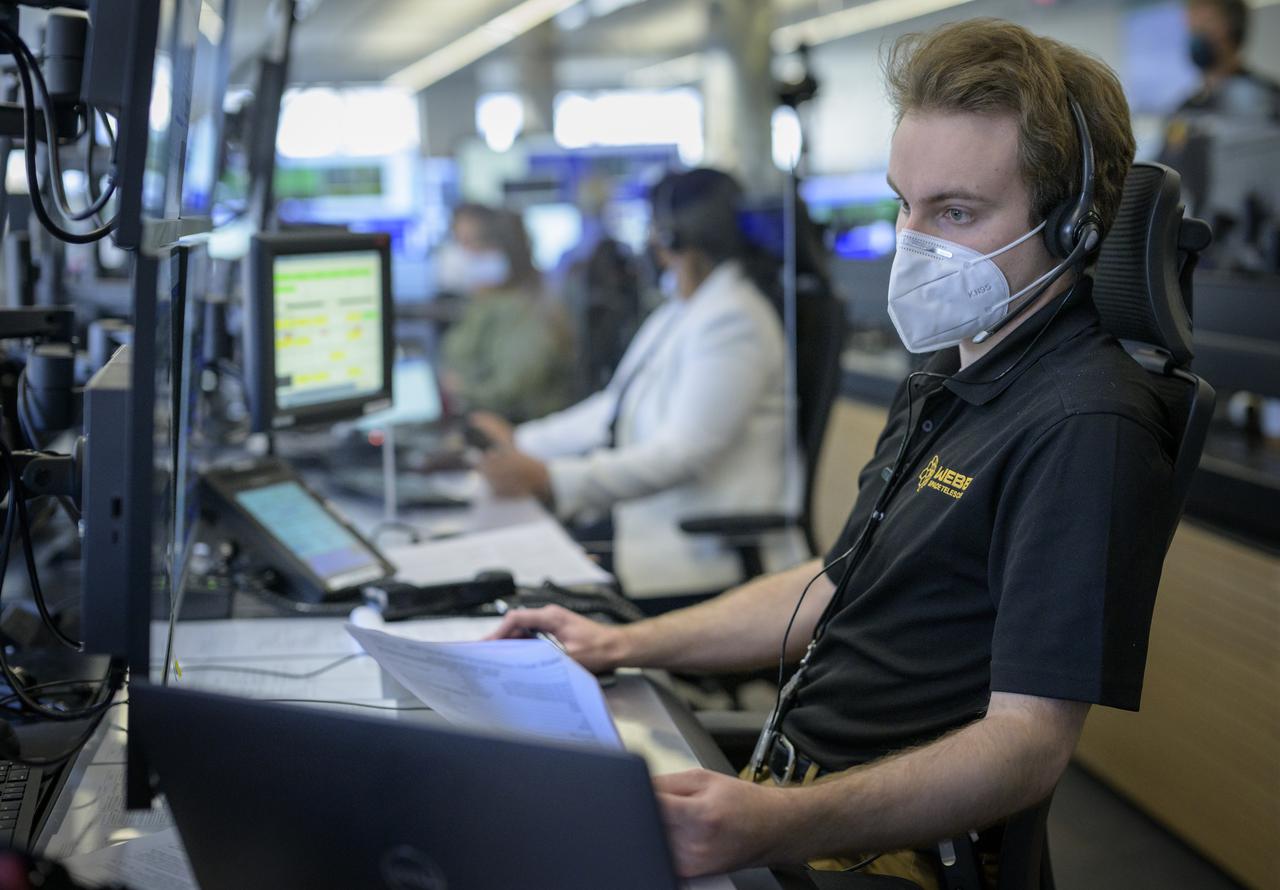
NASA James Webb Space Telescope Ground Engineer Evan Adams monitors the progress of the Webb observatory as it’s second primary mirror wing is prepared to rotate into position, Saturday, Jan. 8, 2022, from NASA’s James Webb Space Telescope Mission Operations Center at the Space Telescope Science Institute in Baltimore. Webb, an infrared telescope with a 21.3-foot (6.5-meter) primary mirror, was folded up for launch and underwent an unprecedented deployment process to unfold in space. As NASA's next flagship observatory, Webb will study every phase of cosmic history—from within our solar system to the most distant observable galaxies in the early universe. Photo Credit: (NASA/Bill Ingalls)
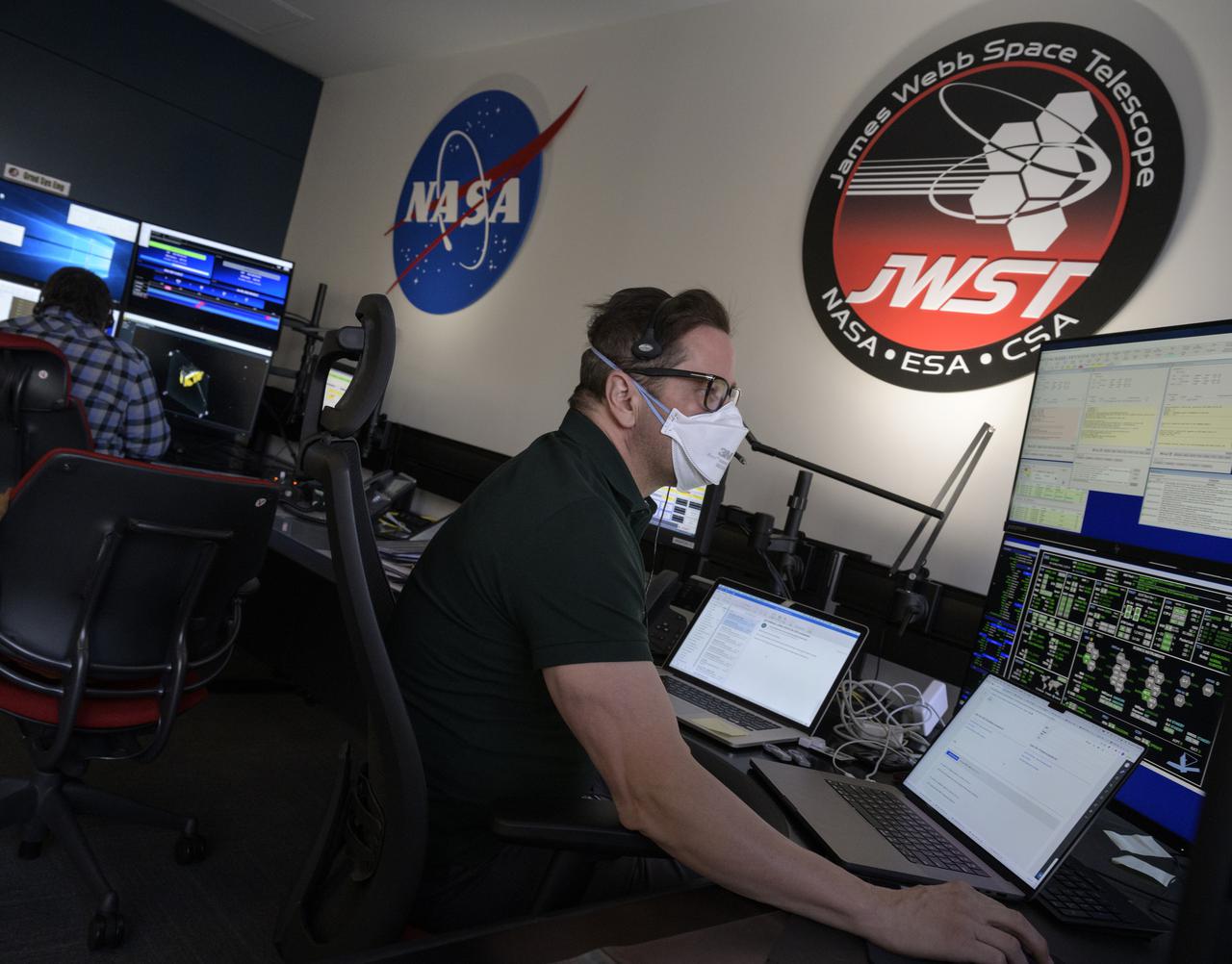
NASA James Webb Space Telescope Ground Systems Engineer Carl Reis at NASA’s James Webb Space Telescope Mission Operations Center at the Space Telescope Science Institute in Baltimore monitors the progress as the observatory’s second primary mirror wing rotates into position, Saturday, Jan. 8, 2022. Webb, an infrared telescope with a 21.3-foot (6.5-meter) primary mirror, was folded up for launch and underwent an unprecedented deployment process to unfold in space. As NASA's next flagship observatory, Webb will study every phase of cosmic history—from within our solar system to the most distant observable galaxies in the early universe. Photo Credit: (NASA/Bill Ingalls)