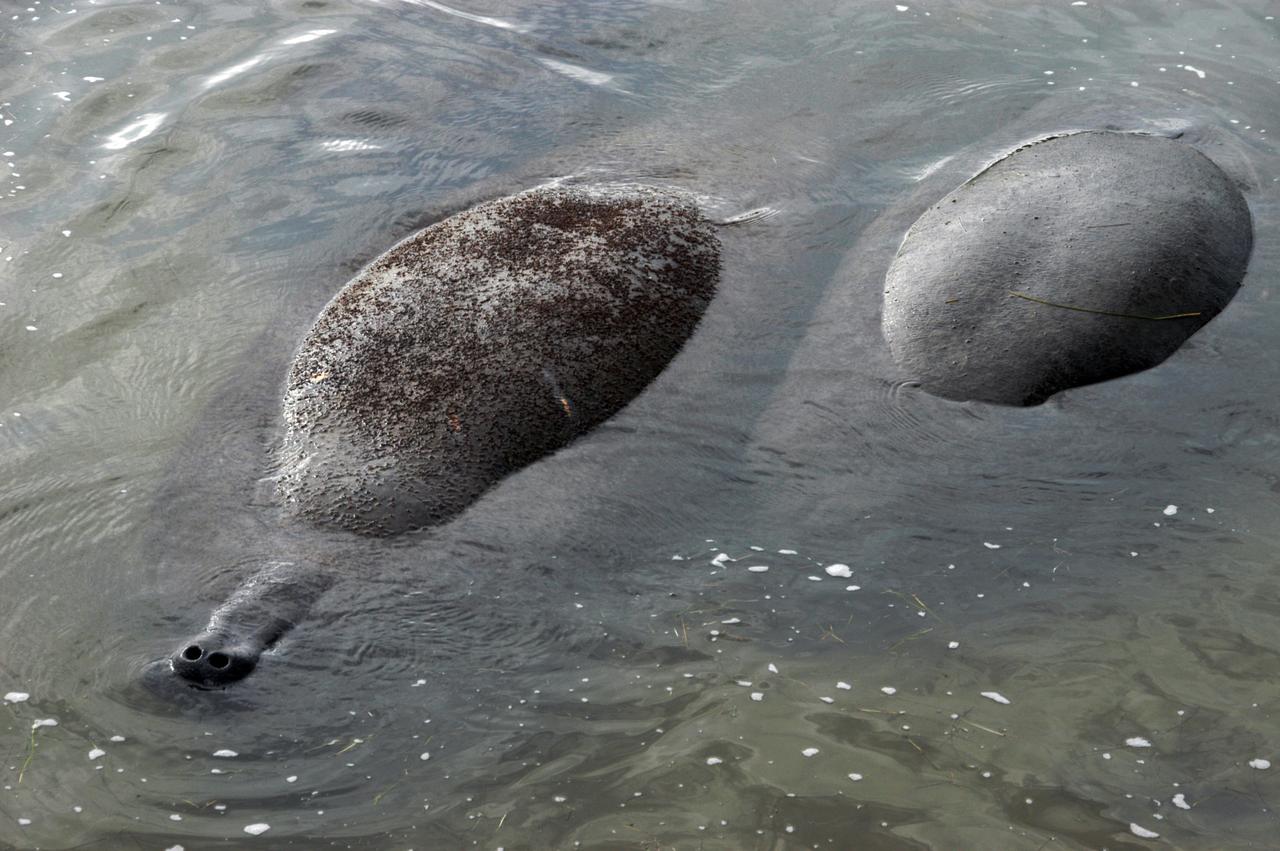
Manatees gather in the Banana Creek inside NASA's Kennedy Space Center. Manatees live in Florida's warm-water rivers and inland springs. The Florida manatee feeds on more than 60 varieties of grasses and plants. Manatee cows give birth about once every three years. Gestation lasts about 12 months. KSC shares a boundary with the Merritt Island National Wildlife Refuge, which encompasses 92,000 acres that are a habitat for more than 331 species of birds, 31 mammals, 117 fishes, and 65 amphibians and reptiles.
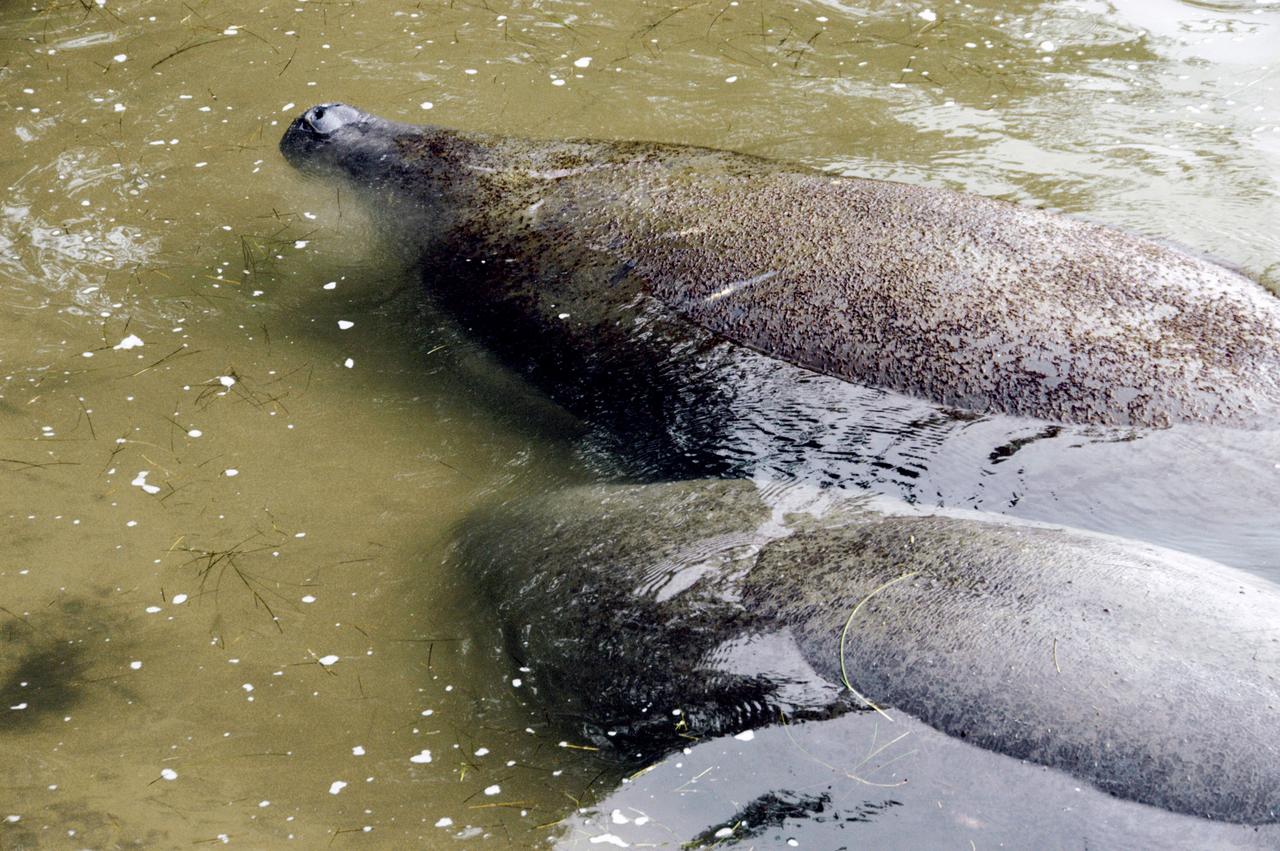
Manatees gather in the shallows of Banana Creek inside NASA's Kennedy Space Center. Manatees live in Florida's warm-water rivers and inland springs. The Florida manatee feeds on more than 60 varieties of grasses and plants. Manatee cows give birth about once every three years. Gestation lasts about 12 months. KSC shares a boundary with the Merritt Island National Wildlife Refuge, which encompasses 92,000 acres that are a habitat for more than 331 species of birds, 31 mammals, 117 fishes, and 65 amphibians and reptiles.
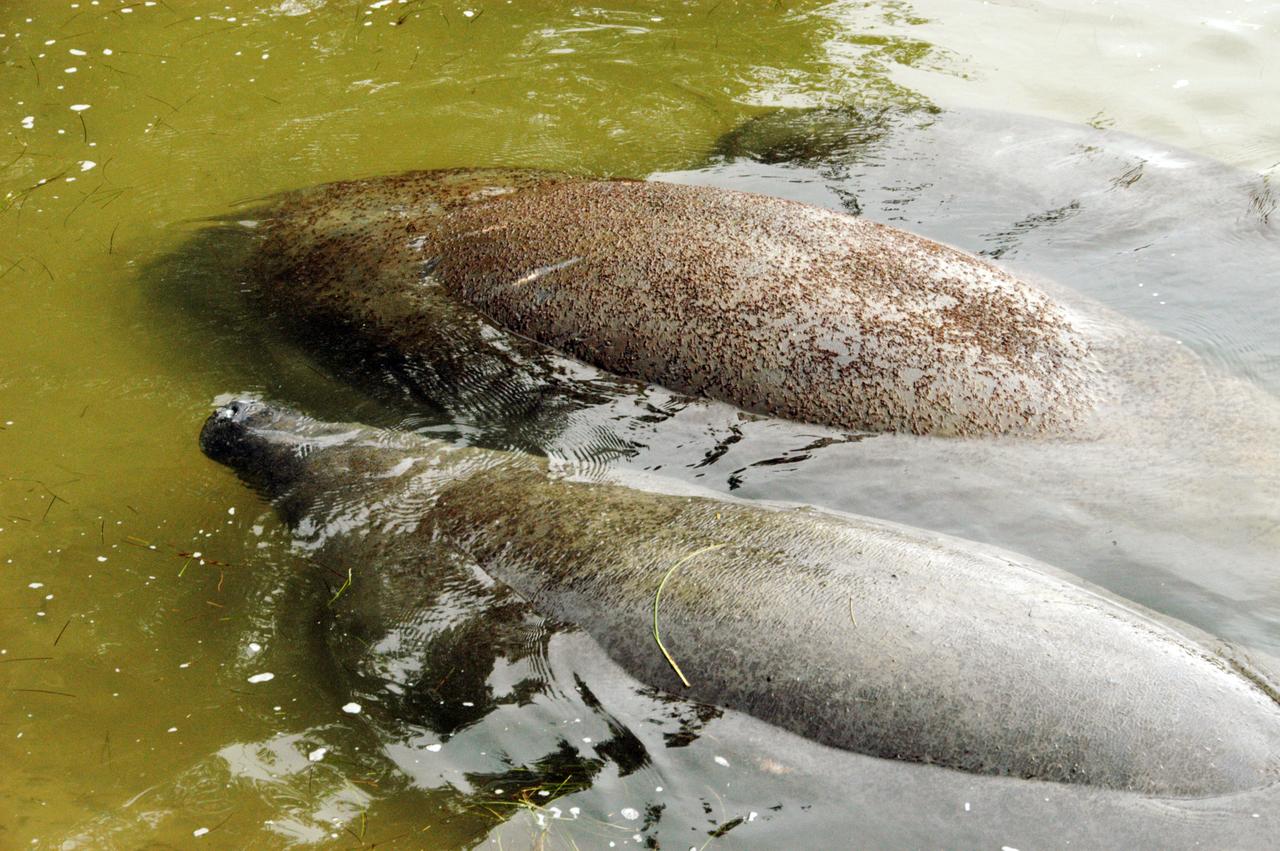
Manatees gather in the shallows of Banana Creek inside NASA's Kennedy Space Center. Manatees live in Florida's warm-water rivers and inland springs. The Florida manatee feeds on more than 60 varieties of grasses and plants. Manatee cows give birth about once every three years. Gestation lasts about 12 months. KSC shares a boundary with the Merritt Island National Wildlife Refuge, which encompasses 92,000 acres that are a habitat for more than 331 species of birds, 31 mammals, 117 fishes, and 65 amphibians and reptiles.
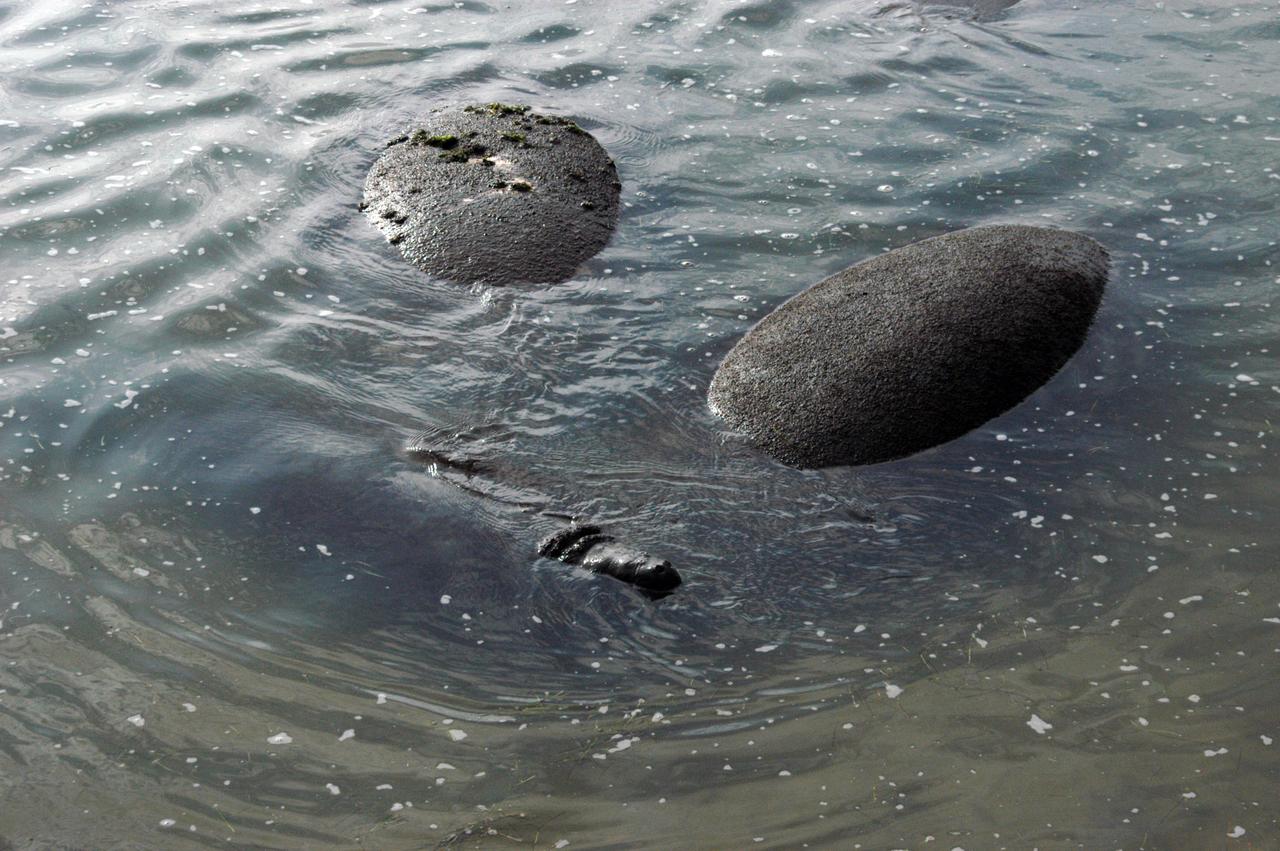
Manatees gather in the Banana Creek inside NASA's Kennedy Space Center. Manatees live in Florida's warm-water rivers and inland springs. The Florida manatee feeds on more than 60 varieties of grasses and plants. Manatee cows give birth about once every three years. Gestation lasts about 12 months. KSC shares a boundary with the Merritt Island National Wildlife Refuge, which encompasses 92,000 acres that are a habitat for more than 331 species of birds, 31 mammals, 117 fishes, and 65 amphibians and reptiles.
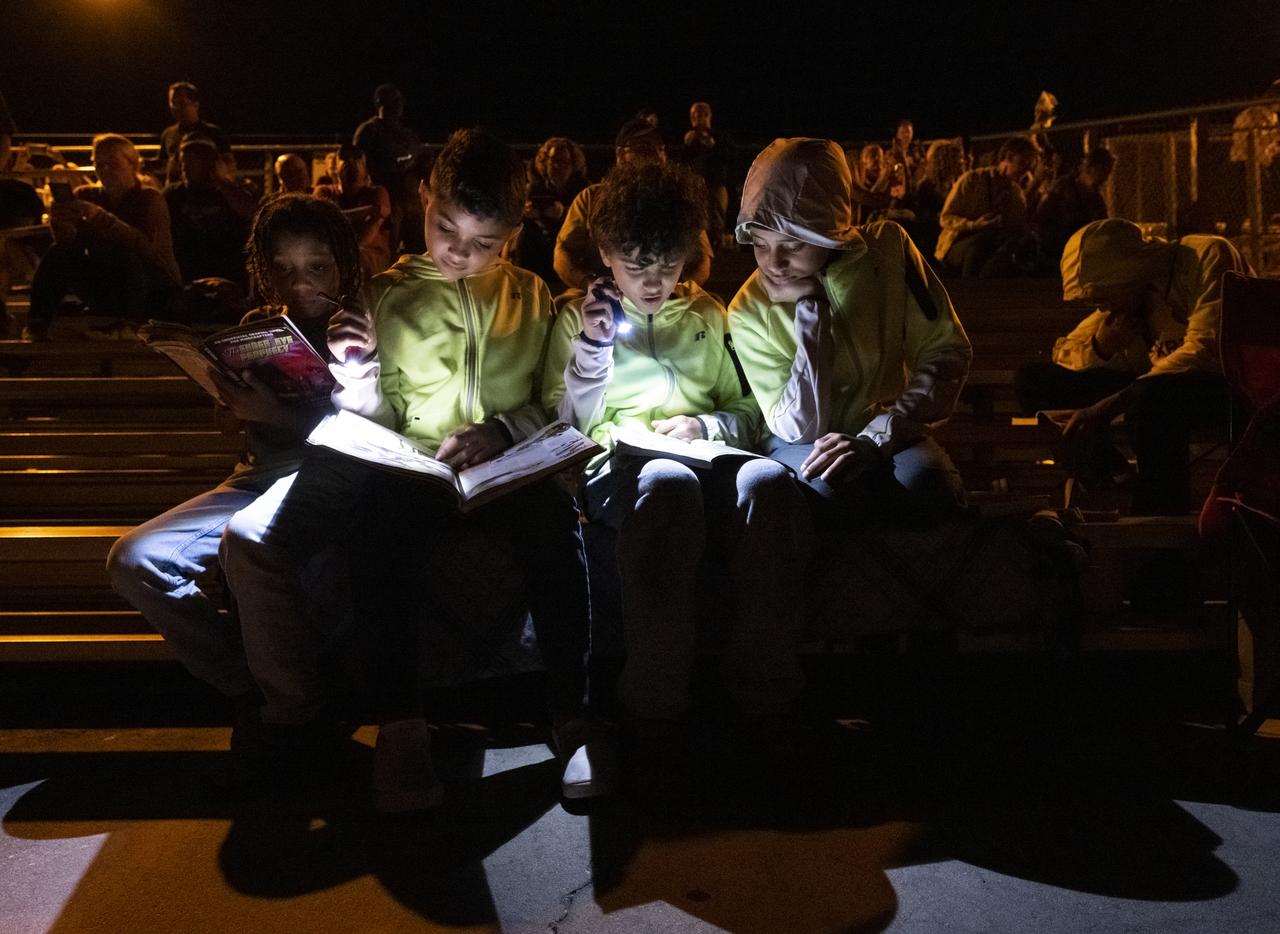
Guests at the Banana Creek viewing site are seen as they wait for the launch of NASA’s Space Launch System rocket carrying the Orion spacecraft on the Artemis I flight test, Tuesday, Nov. 15, 2022, at NASA’s Kennedy Space Center in Florida. NASA’s Artemis I flight test is the first integrated flight test of the agency’s deep space exploration systems: the Orion spacecraft, Space Launch System (SLS) rocket, and ground systems. Launch of the uncrewed flight test is targeted for no earlier than no earlier Nov. 16 at 1:47 a.m. EST. Photo Credit: (NASA/Keegan Barber)

Guests at the Banana Creek viewing site are seen as they wait for the launch of NASA’s Space Launch System rocket carrying the Orion spacecraft on the Artemis I flight test, Tuesday, Nov. 15, 2022, at NASA’s Kennedy Space Center in Florida. NASA’s Artemis I flight test is the first integrated flight test of the agency’s deep space exploration systems: the Orion spacecraft, Space Launch System (SLS) rocket, and ground systems. Launch of the uncrewed flight test is targeted for no earlier than no earlier Nov. 16 at 1:47 a.m. EST. Photo Credit: (NASA/Keegan Barber)
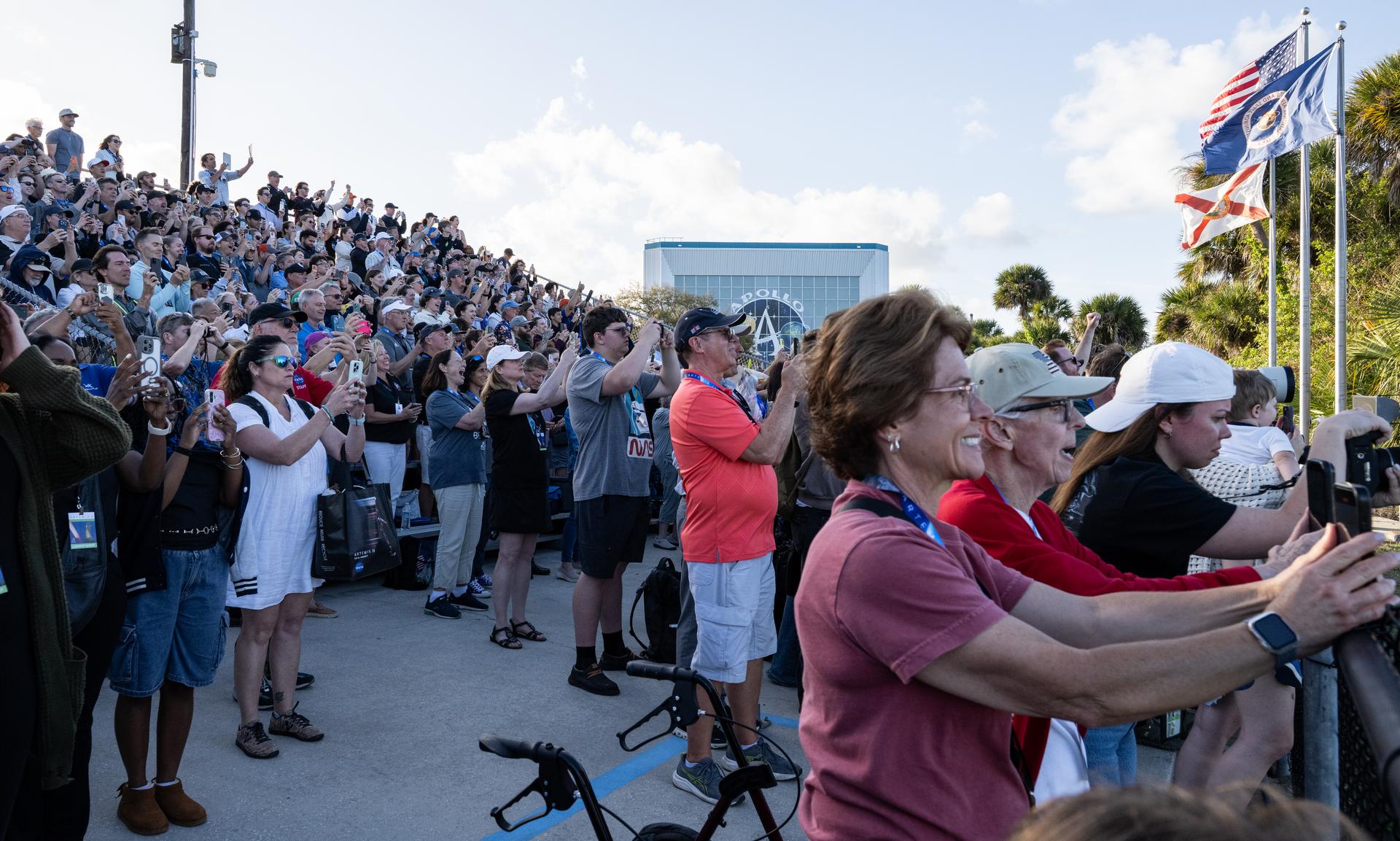
Guests at the Banana Creek viewing site watch the launch of NASA’s Space Launch System (SLS) rocket and Orion spacecraft with Commander Reid Wiseman, Pilot Victor Glover, and Mission Specialist Christina Koch from NASA, and Mission Specialist Jeremy Hansen from the CSA (Canadian Space Agency) on the Artemis II mission, Wednesday, April 1, 2026, at NASA’s Kennedy Space Center in Florida. NASA’s Artemis II mission will take Wiseman, Glover, Koch, and Hansen on a 10-day journey around the Moon and back aboard SLS rocket and Orion spacecraft. The quartet launched at 6:35 p.m. EDT from Launch Complex 39B. Photo Credit: (NASA/Keegan Barber)

Guests at the Banana Creek viewing site watch the launch of NASA’s Space Launch System (SLS) rocket and Orion spacecraft with Commander Reid Wiseman, Pilot Victor Glover, and Mission Specialist Christina Koch from NASA, and Mission Specialist Jeremy Hansen from the CSA (Canadian Space Agency) on the Artemis II mission, Wednesday, April 1, 2026, at NASA’s Kennedy Space Center in Florida. NASA’s Artemis II mission will take Wiseman, Glover, Koch, and Hansen on a 10-day journey around the Moon and back aboard SLS rocket and Orion spacecraft. The quartet launched at 6:35 p.m. EDT from Launch Complex 39B. Photo Credit: (NASA/Keegan Barber)
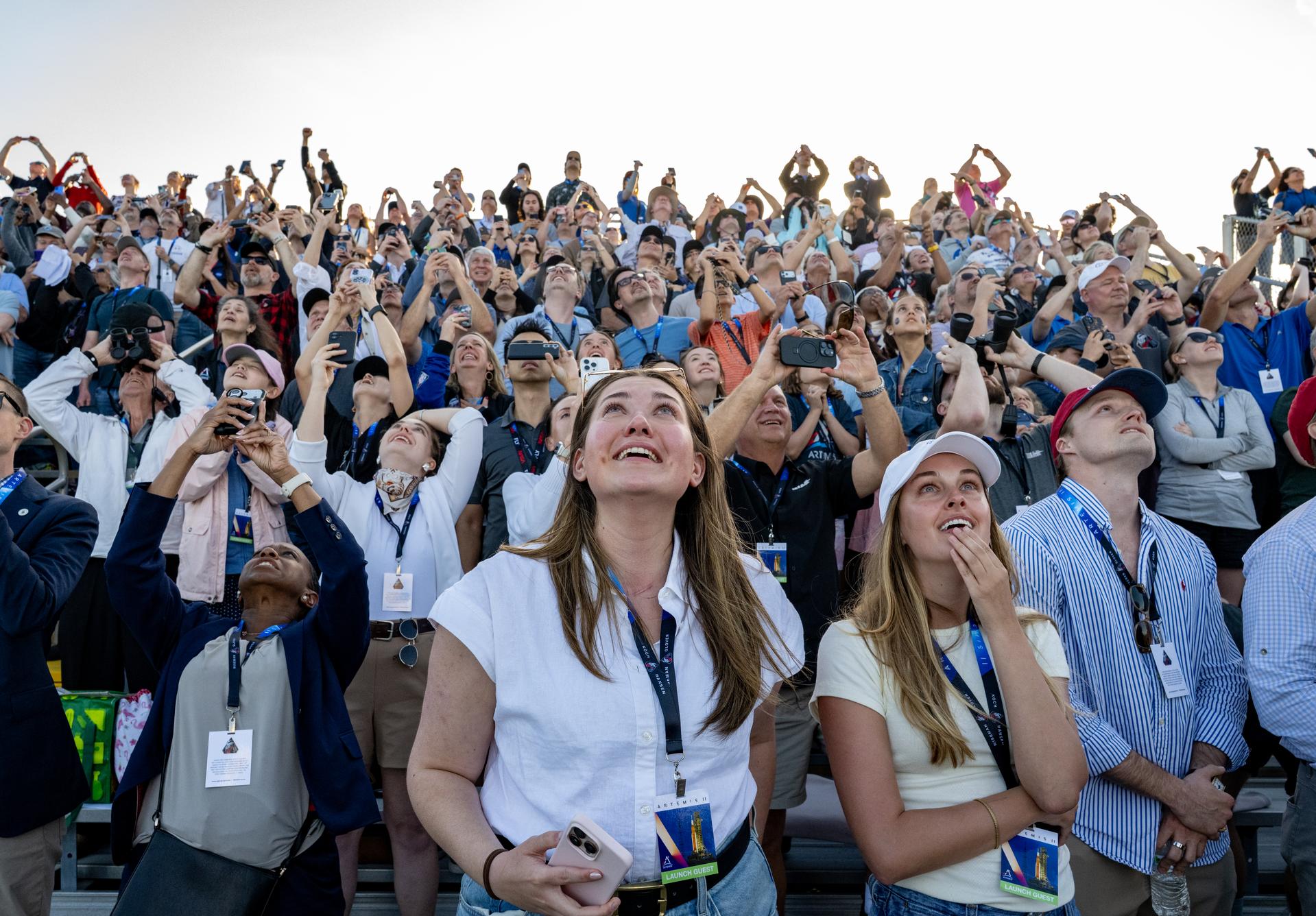
Guests at the Banana Creek viewing site watch the launch of NASA’s Space Launch System (SLS) rocket and Orion spacecraft with Commander Reid Wiseman, Pilot Victor Glover, and Mission Specialist Christina Koch from NASA, and Mission Specialist Jeremy Hansen from the CSA (Canadian Space Agency) on the Artemis II mission, Wednesday, April 1, 2026, at NASA’s Kennedy Space Center in Florida. NASA’s Artemis II mission will take Wiseman, Glover, Koch, and Hansen on a 10-day journey around the Moon and back aboard SLS rocket and Orion spacecraft. The quartet launched at 6:35 p.m. EDT from Launch Complex 39B. Photo Credit: (NASA/Keegan Barber)
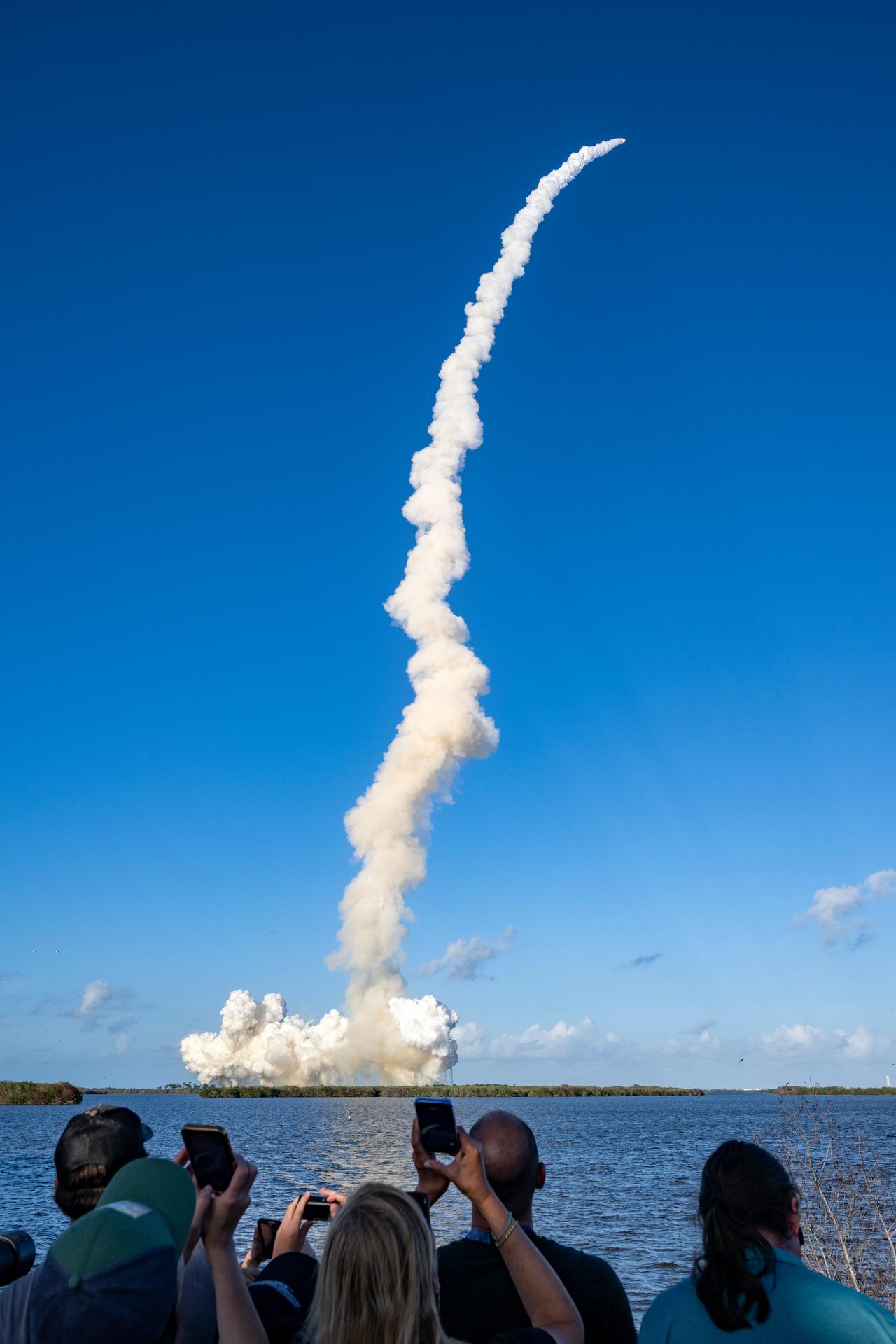
Guests at the Banana Creek viewing site watch the launch of NASA’s Space Launch System (SLS) rocket and Orion spacecraft with Commander Reid Wiseman, Pilot Victor Glover, and Mission Specialist Christina Koch from NASA, and Mission Specialist Jeremy Hansen from the CSA (Canadian Space Agency) on the Artemis II mission, Wednesday, April 1, 2026, at NASA’s Kennedy Space Center in Florida. NASA’s Artemis II mission will take Wiseman, Glover, Koch, and Hansen on a 10-day journey around the Moon and back aboard SLS rocket and Orion spacecraft. The quartet launched at 6:35 p.m. EDT from Launch Complex 39B. Photo Credit: (NASA/Keegan Barber)
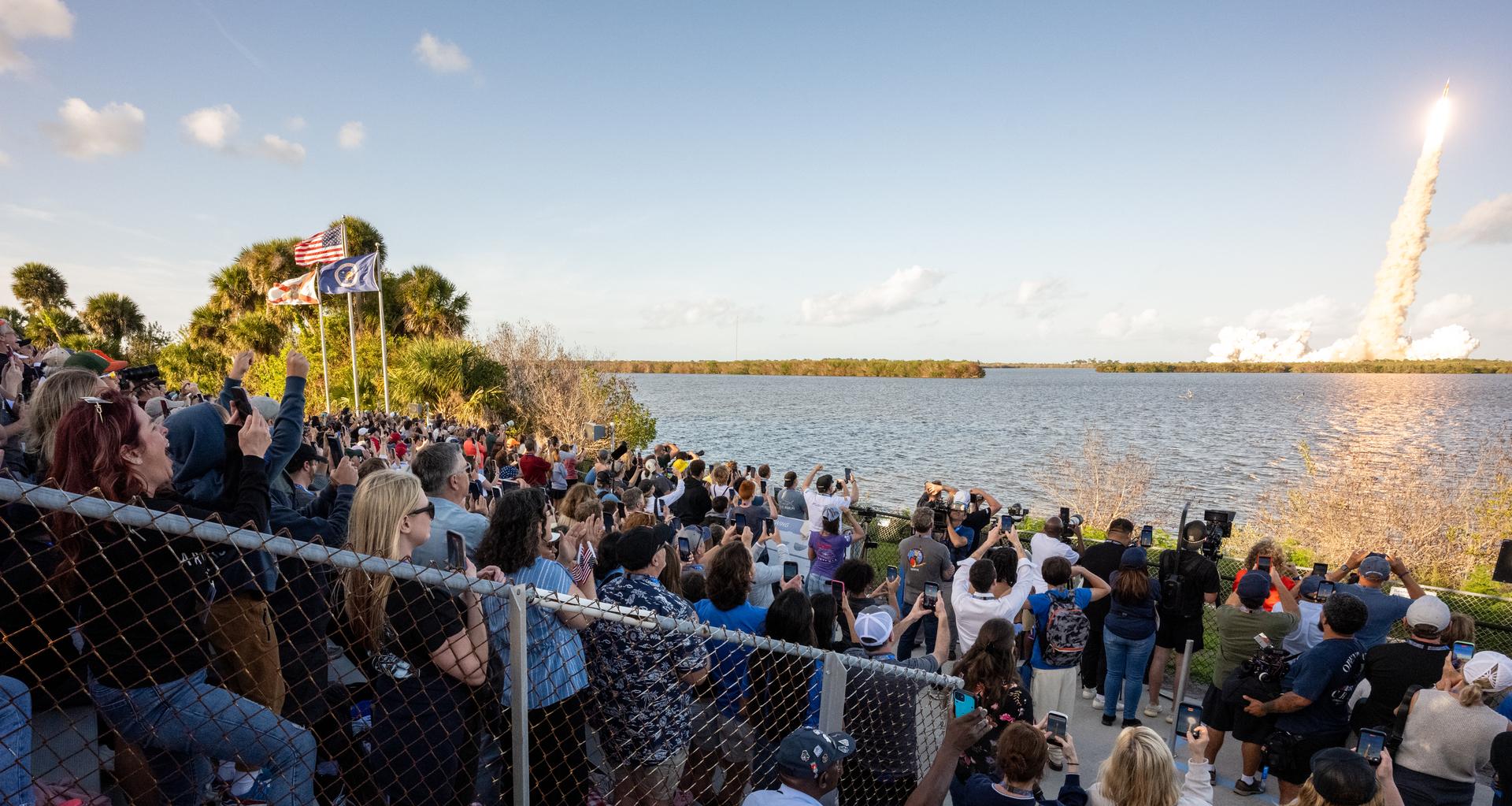
Guests at the Banana Creek viewing site watch the launch of NASA’s Space Launch System (SLS) rocket and Orion spacecraft with Commander Reid Wiseman, Pilot Victor Glover, and Mission Specialist Christina Koch from NASA, and Mission Specialist Jeremy Hansen from the CSA (Canadian Space Agency) on the Artemis II mission, Wednesday, April 1, 2026, at NASA’s Kennedy Space Center in Florida. NASA’s Artemis II mission will take Wiseman, Glover, Koch, and Hansen on a 10-day journey around the Moon and back aboard SLS rocket and Orion spacecraft. The quartet launched at 6:35 p.m. EDT from Launch Complex 39B. Photo Credit: (NASA/Keegan Barber)
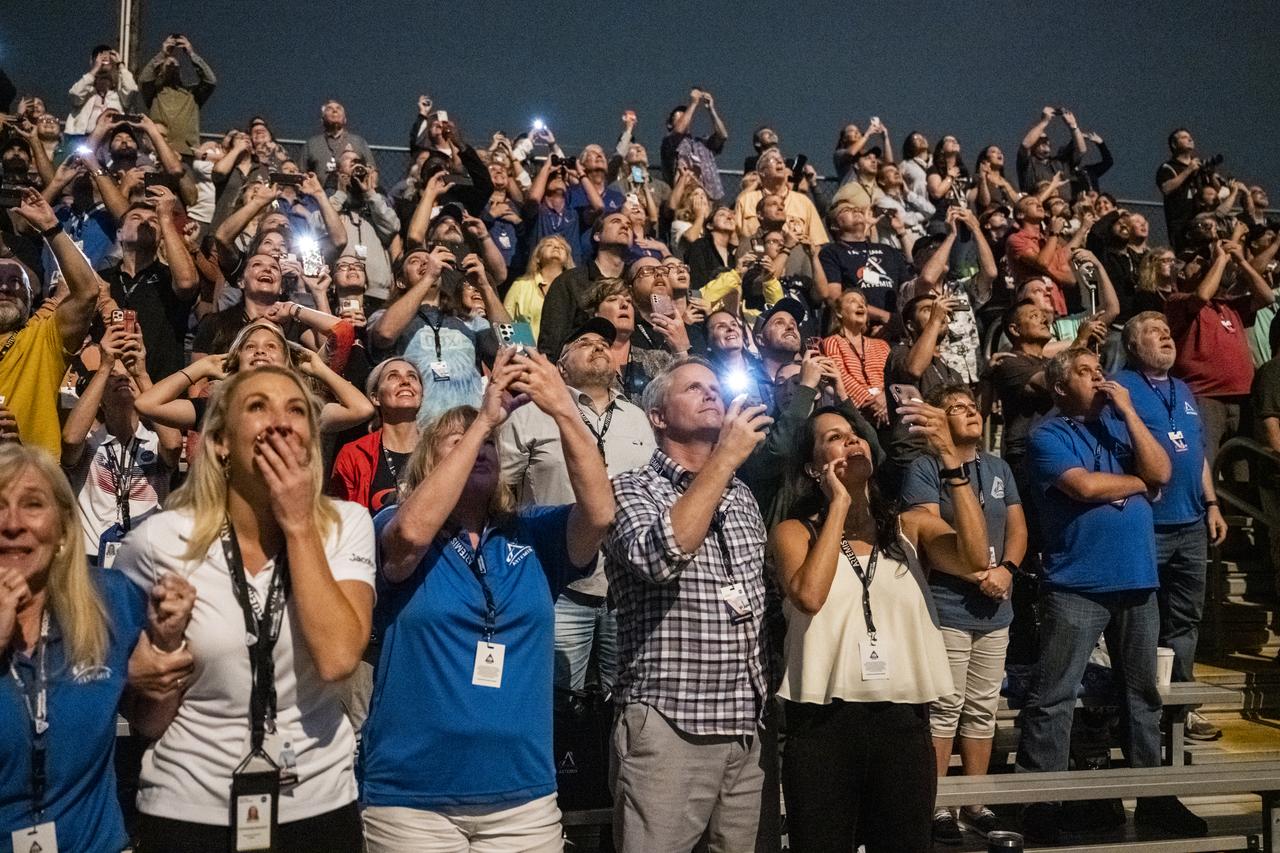
Guests at the Banana Creek viewing site watch the launch of NASA’s Space Launch System rocket carrying the Orion spacecraft on the Artemis I flight test, Wednesday, Nov. 16, 2022, at NASA’s Kennedy Space Center in Florida. NASA’s Artemis I flight test is the first integrated flight test of the agency’s deep space exploration systems: the Orion spacecraft, Space Launch System (SLS) rocket, and ground systems. SLS and Orion launched at 1:47 a.m. EST, from Launch Pad 39B at the Kennedy Space Center. Photo Credit: (NASA/Keegan Barber)
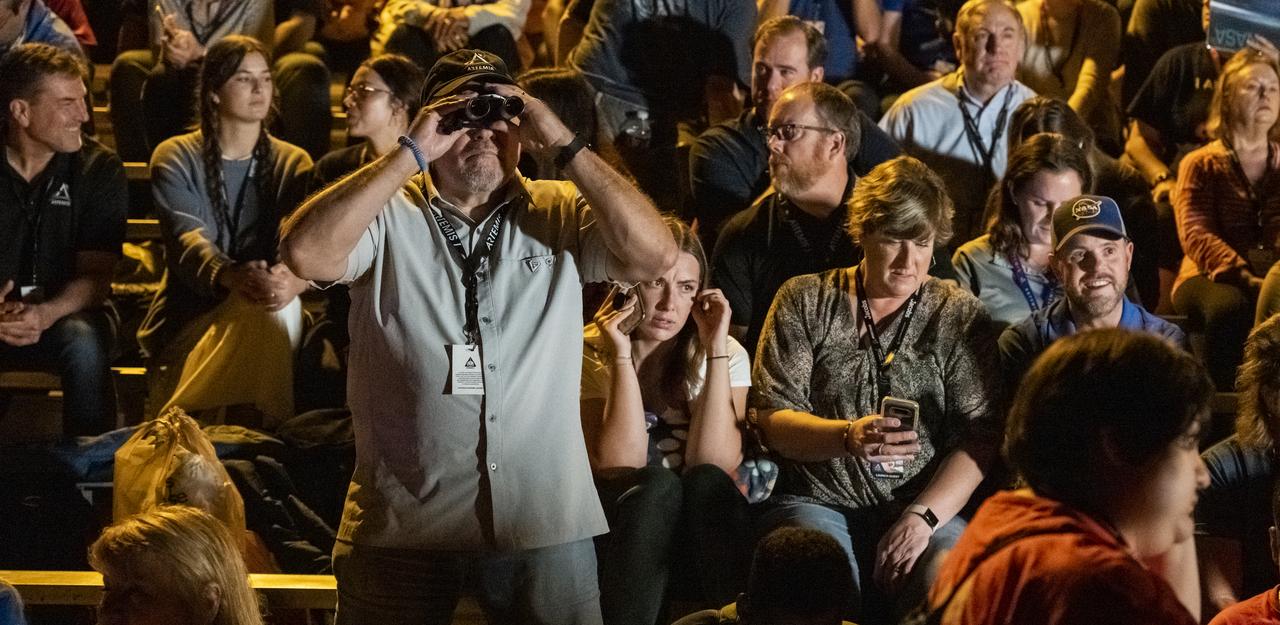
Guests at the Banana Creek viewing site are seen as they wait for the launch of NASA’s Space Launch System rocket carrying the Orion spacecraft on the Artemis I flight test, Tuesday, Nov. 15, 2022, at NASA’s Kennedy Space Center in Florida. NASA’s Artemis I flight test is the first integrated flight test of the agency’s deep space exploration systems: the Orion spacecraft, Space Launch System (SLS) rocket, and ground systems. Launch of the uncrewed flight test is targeted for no earlier than no earlier Nov. 16 at 1:47 a.m. EST. Photo Credit: (NASA/Keegan Barber)
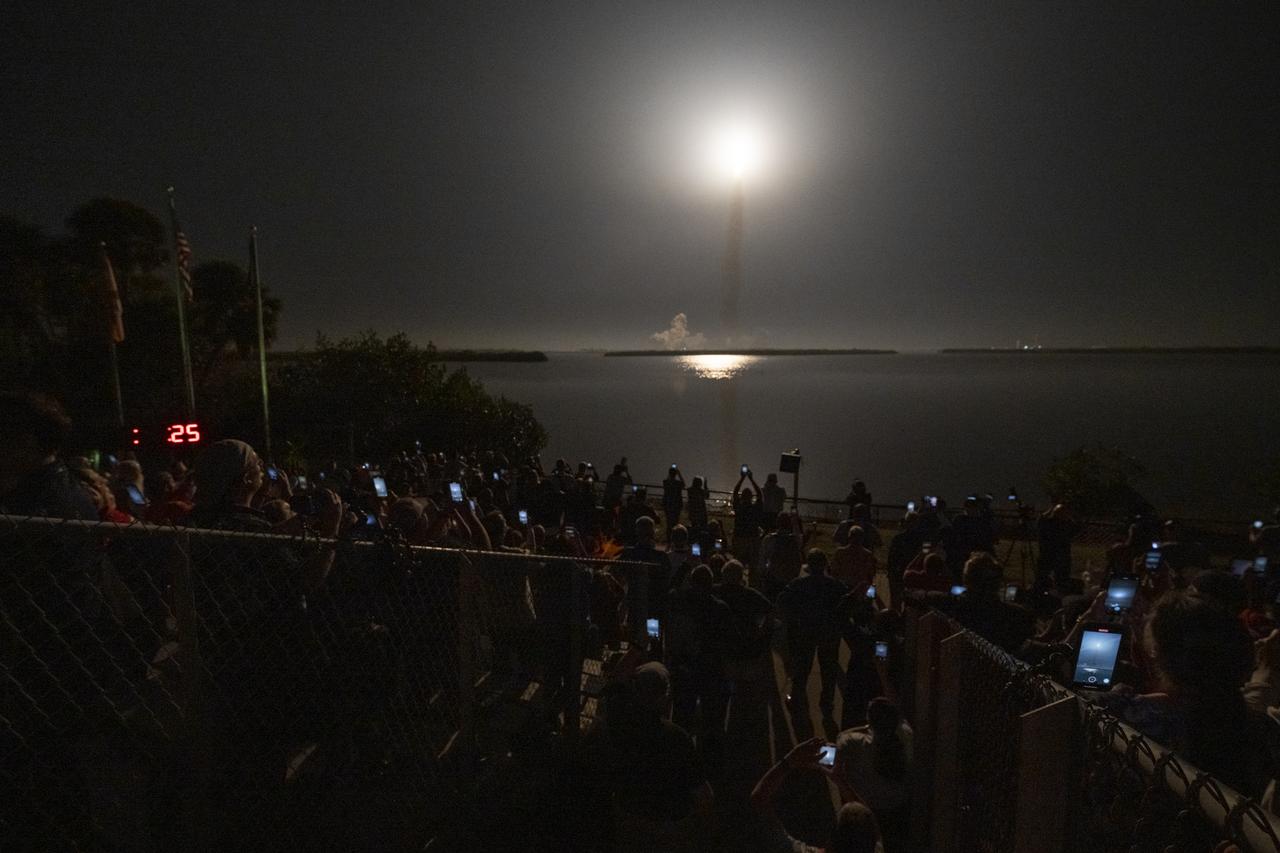
Guests at the Banana Creek viewing site watch the launch of NASA’s Space Launch System rocket carrying the Orion spacecraft on the Artemis I flight test, Wednesday, Nov. 16, 2022, at NASA’s Kennedy Space Center in Florida. NASA’s Artemis I flight test is the first integrated flight test of the agency’s deep space exploration systems: the Orion spacecraft, Space Launch System (SLS) rocket, and ground systems. SLS and Orion launched at 1:47 a.m. EST, from Launch Pad 39B at the Kennedy Space Center. Photo Credit: (NASA/Keegan Barber)
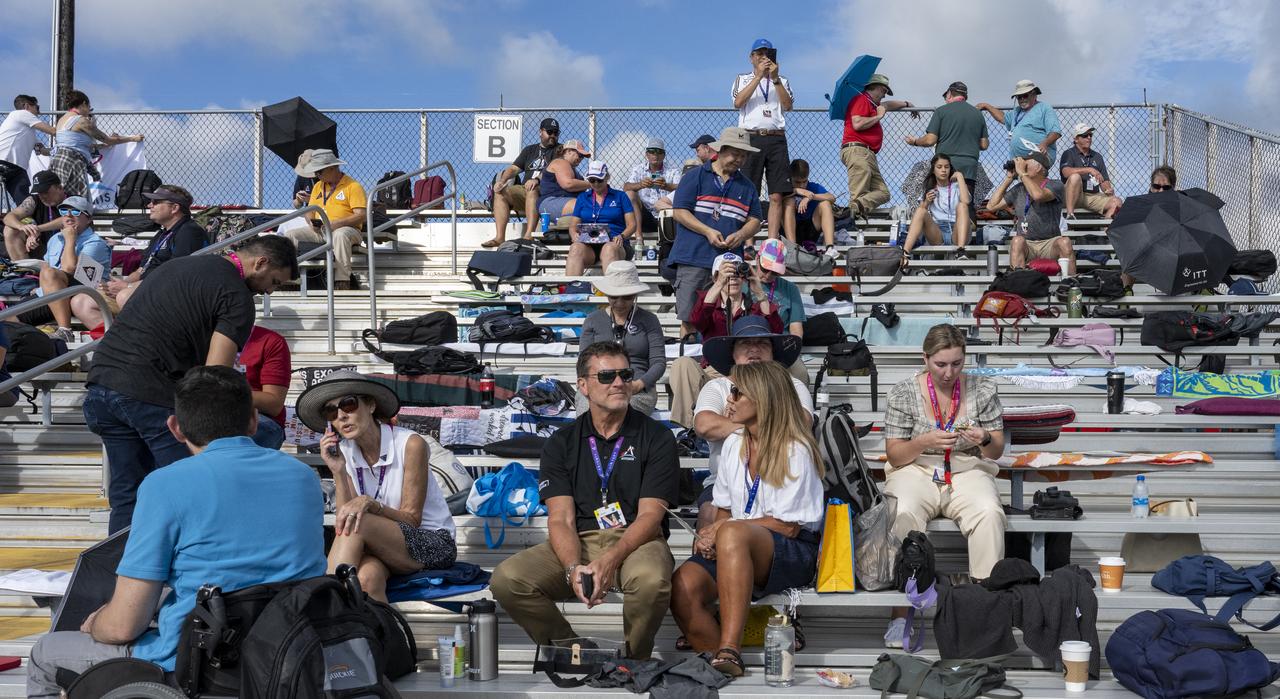
Guests at the Banana Creek viewing site watch NASA’s Space Launch System (SLS) rocket with the Orion spacecraft aboard atop the mobile launcher at Launch Pad 39B, Saturday, Sept. 3, 2022, as the Artemis I launch teams load more than 700,000 gallons of cryogenic propellants including liquid hydrogen and liquid oxygen as the launch countdown progresses at NASA’s Kennedy Space Center in Florida. NASA’s Artemis I flight test is the first integrated test of the agency’s deep space exploration systems: the Orion spacecraft, SLS rocket, and supporting ground systems. The launch director waived off today’s Artemis I launch attempt at approximately 11:17 a.m. EDT. Photo Credit: (NASA/Keegan Barber)
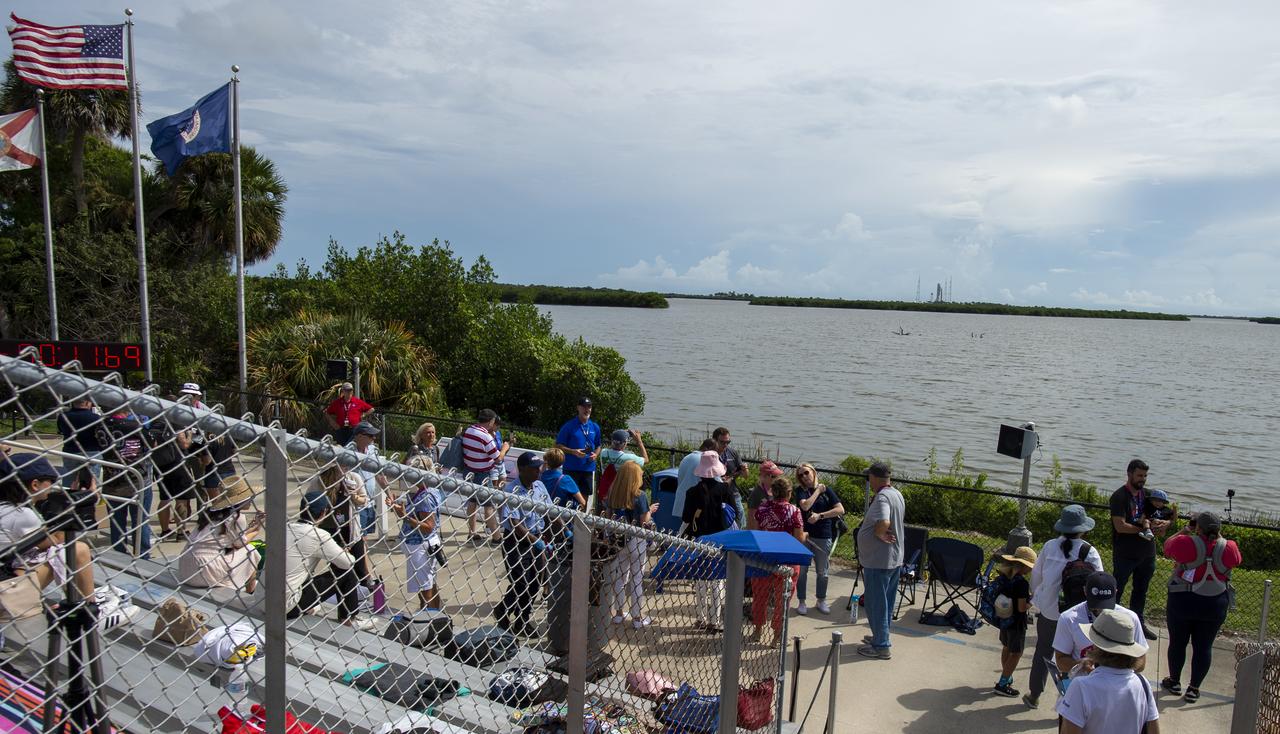
Guests at the Banana Creek viewing site watch NASA’s Space Launch System (SLS) rocket with the Orion spacecraft aboard atop the mobile launcher at Launch Pad 39B, Saturday, Sept. 3, 2022, as the Artemis I launch teams load more than 700,000 gallons of cryogenic propellants including liquid hydrogen and liquid oxygen as the launch countdown progresses at NASA’s Kennedy Space Center in Florida. NASA’s Artemis I flight test is the first integrated test of the agency’s deep space exploration systems: the Orion spacecraft, SLS rocket, and supporting ground systems. The launch director waived off today’s Artemis I launch attempt at approximately 11:17 a.m. EDT. Photo Credit: (NASA/Keegan Barber)
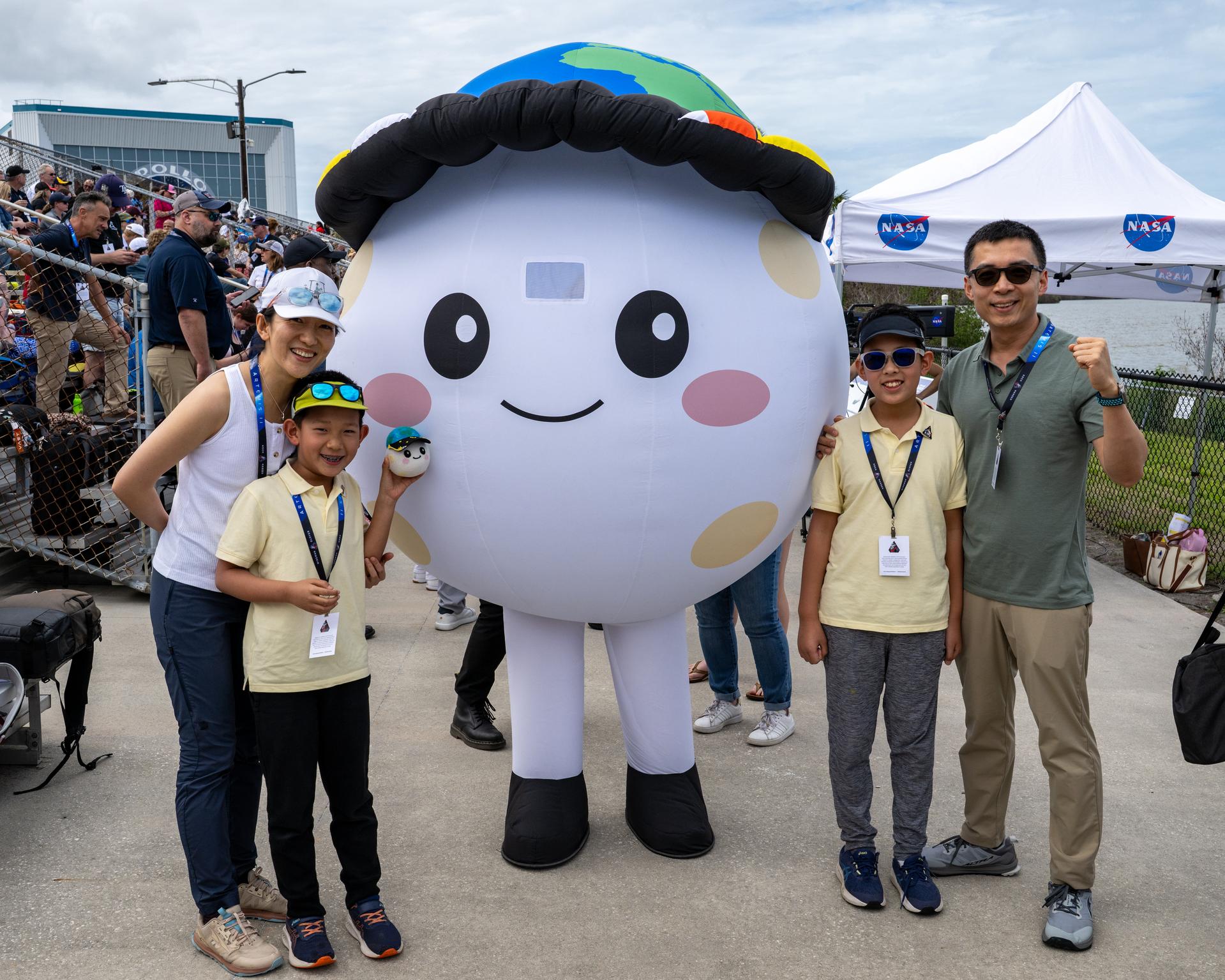
Lucas Ye, designer of zero gravity indicator “Rise,” and his family pose for a photo at the Banana Creek viewing site as the countdown progresses for the launch of NASA’s Space Launch System (SLS) rocket and Orion spacecraft with Commander Reid Wiseman, Pilot Victor Glover, and Mission Specialist Christina Koch from NASA, and Mission Specialist Jeremy Hansen from the CSA (Canadian Space Agency) on the Artemis II mission, Wednesday, April 1, 2026, at NASA’s Kennedy Space Center in Florida. NASA’s Artemis II mission will take Wiseman, Glover, Koch, and Hansen on a 10-day journey around the Moon and back aboard SLS rocket and Orion spacecraft from Launch Complex 39B with launch window opening at 6:24 p.m. EDT. Photo Credit: (NASA/Keegan Barber)

Lucas Ye, designer of zero gravity indicator “Rise,” participates in an interview with members of the NASA Broadcast team at the Banana Creek viewing site as the countdown progresses for the launch of NASA’s Space Launch System (SLS) rocket and Orion spacecraft with Commander Reid Wiseman, Pilot Victor Glover, and Mission Specialist Christina Koch from NASA, and Mission Specialist Jeremy Hansen from the CSA (Canadian Space Agency) on the Artemis II mission, Wednesday, April 1, 2026, at NASA’s Kennedy Space Center in Florida. NASA’s Artemis II mission will take Wiseman, Glover, Koch, and Hansen on a 10-day journey around the Moon and back aboard SLS rocket and Orion spacecraft from Launch Complex 39B with launch window opening at 6:24 p.m. EDT. Photo Credit: (NASA/Keegan Barber)
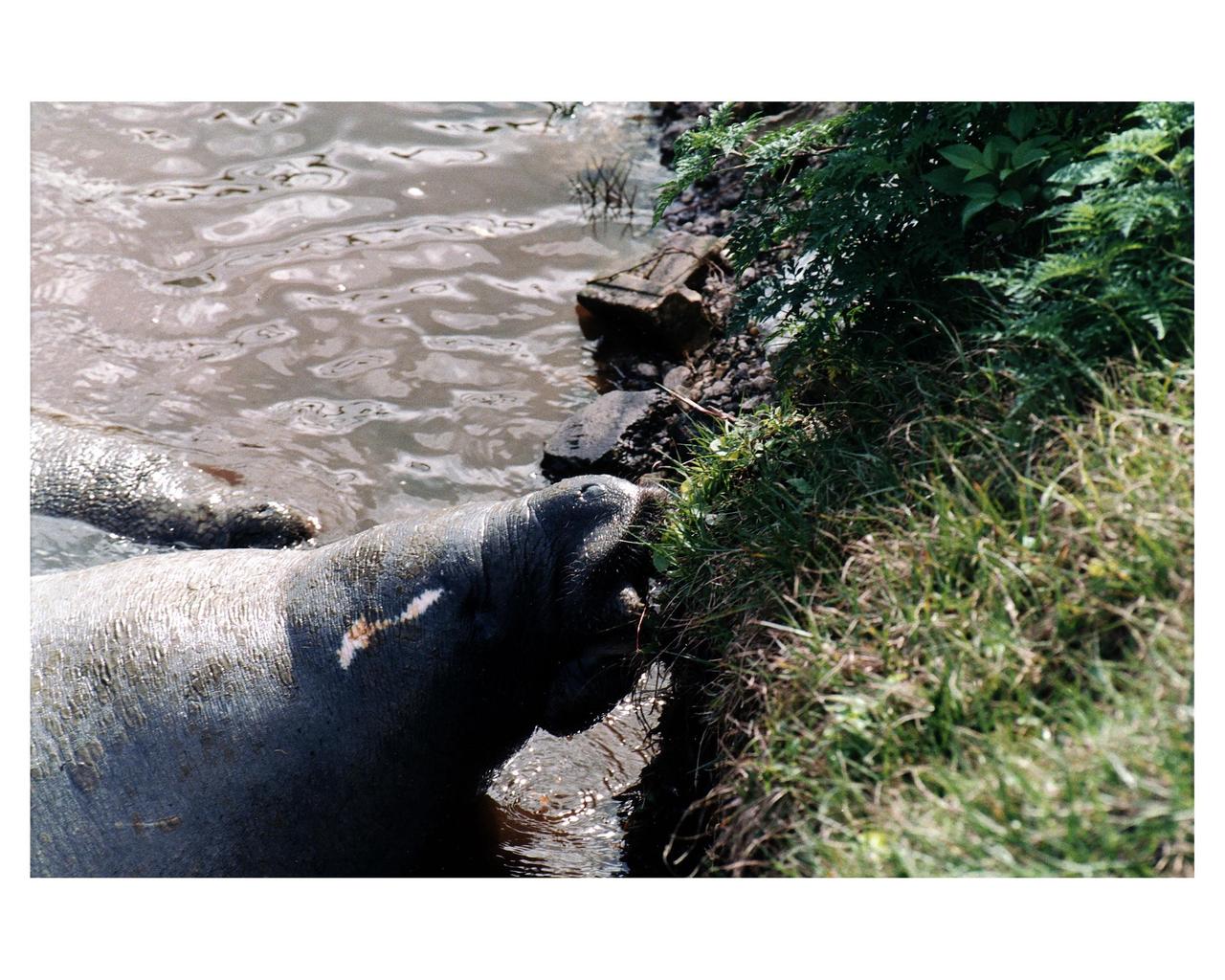
KENNEDY SPACE CENTER, FLA. -- Manatees in the Banana Creek
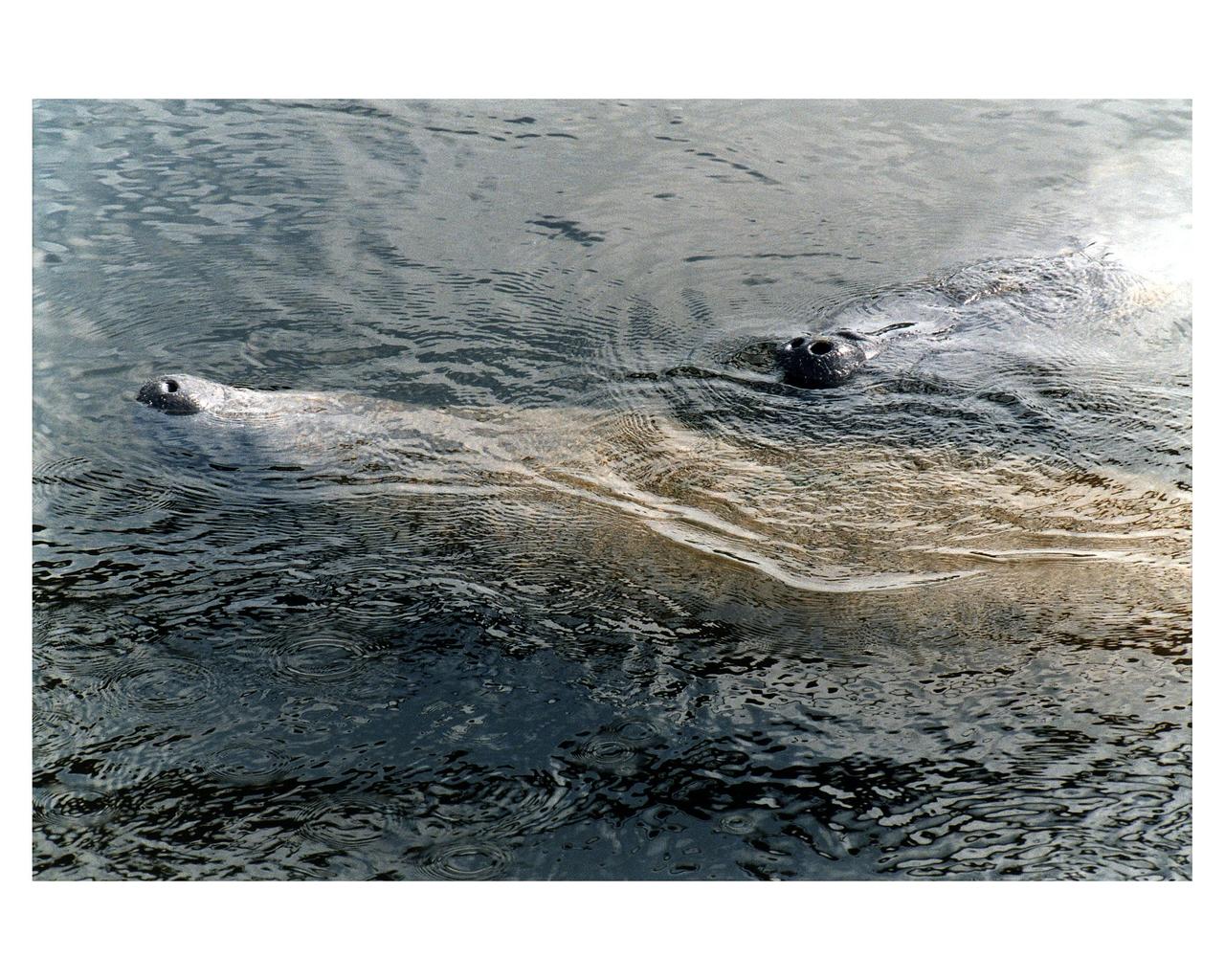
KENNEDY SPACE CENTER, FLA. -- Manatees in the Banana Creek
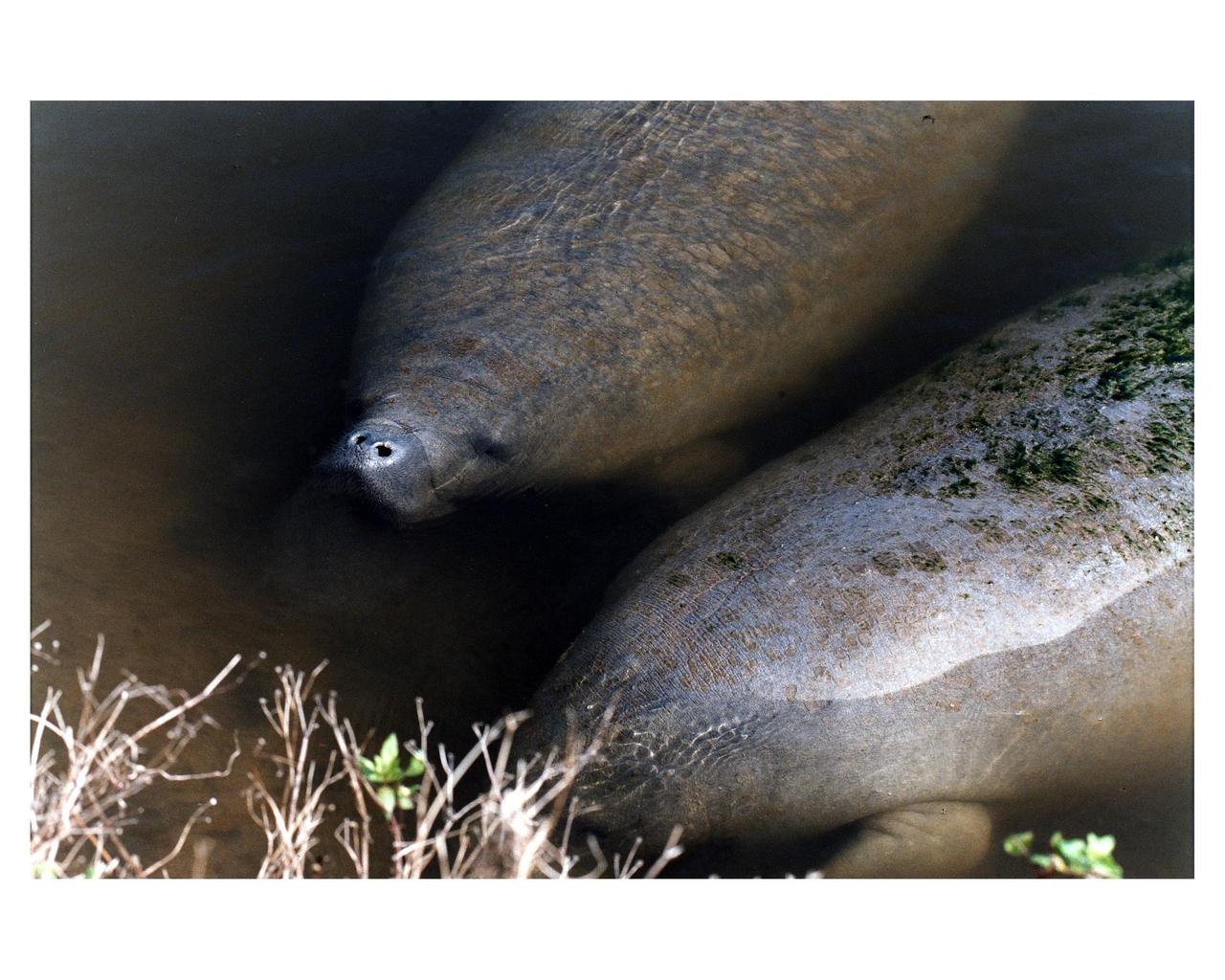
KENNEDY SPACE CENTER, FLA. -- Manatees in the Banana Creek
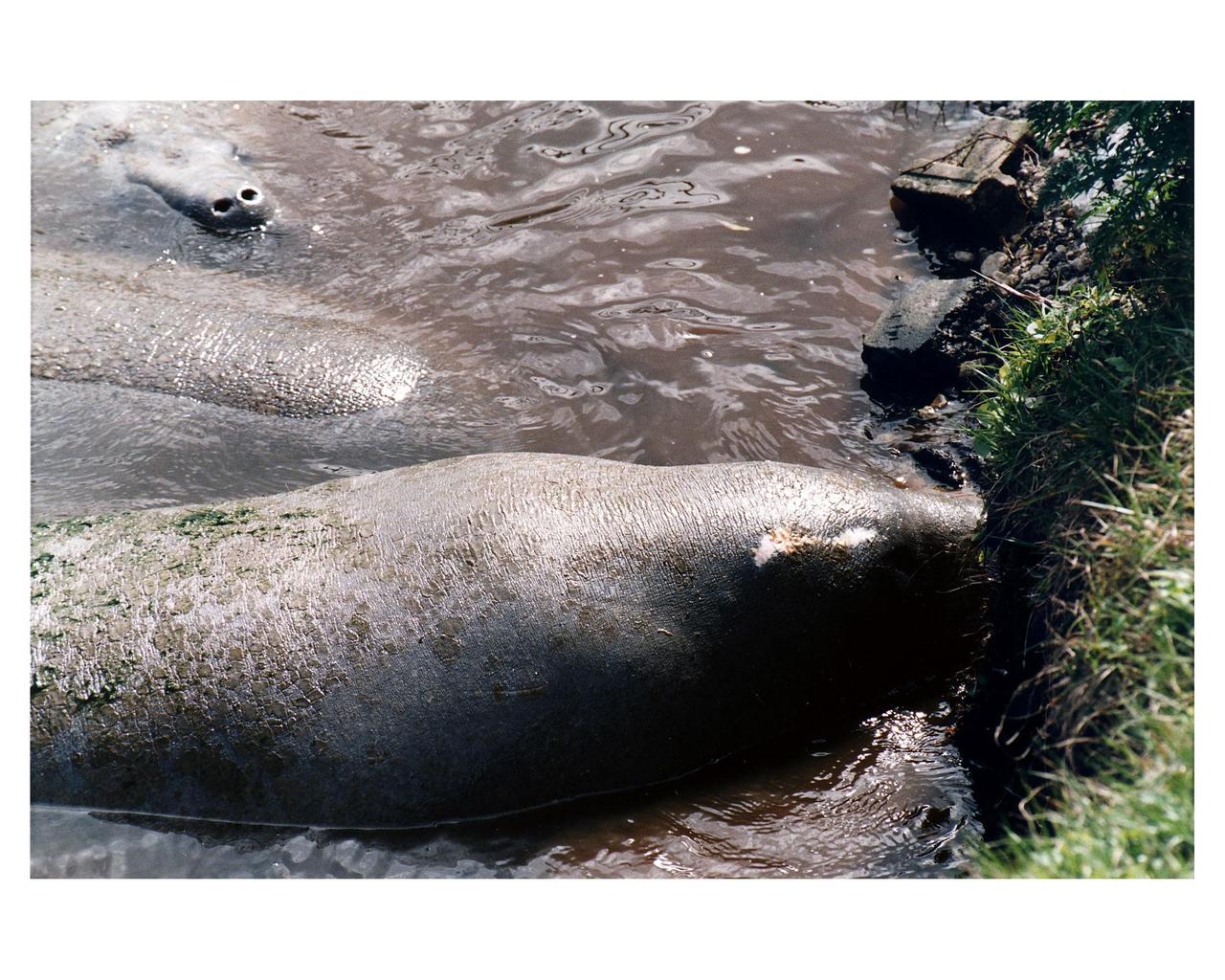
KENNEDY SPACE CENTER, FLA. -- Manatees in the Banana Creek

KENNEDY SPACE CENTER, FLA. -- Manatees in the Banana Creek
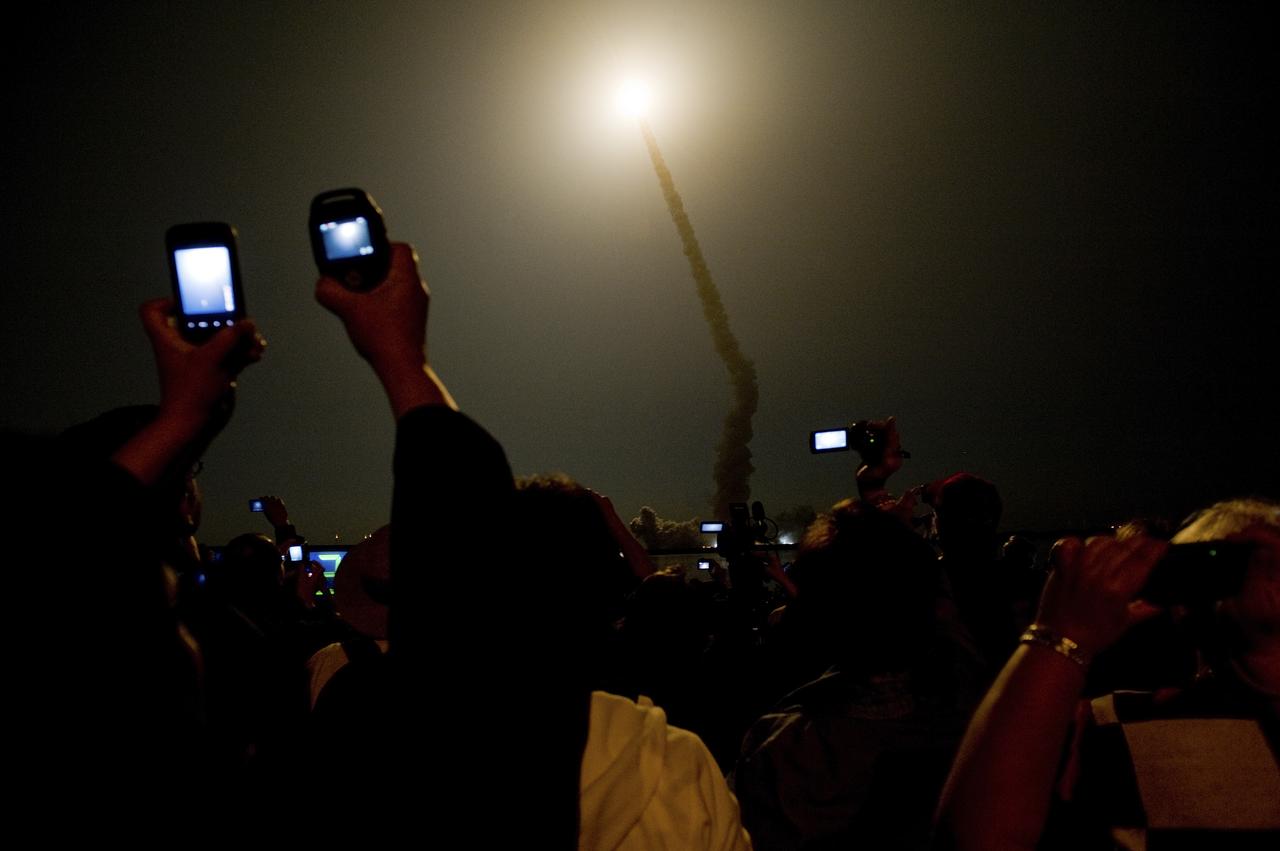
SPECTATORS AT THE BANANA CREEK VIEWING AREA AT KENNEDYY SPACE CENTER USE THEIR PHONES AND CAMERAS TO DOCUMENT THE LAUNCH OF STS-131
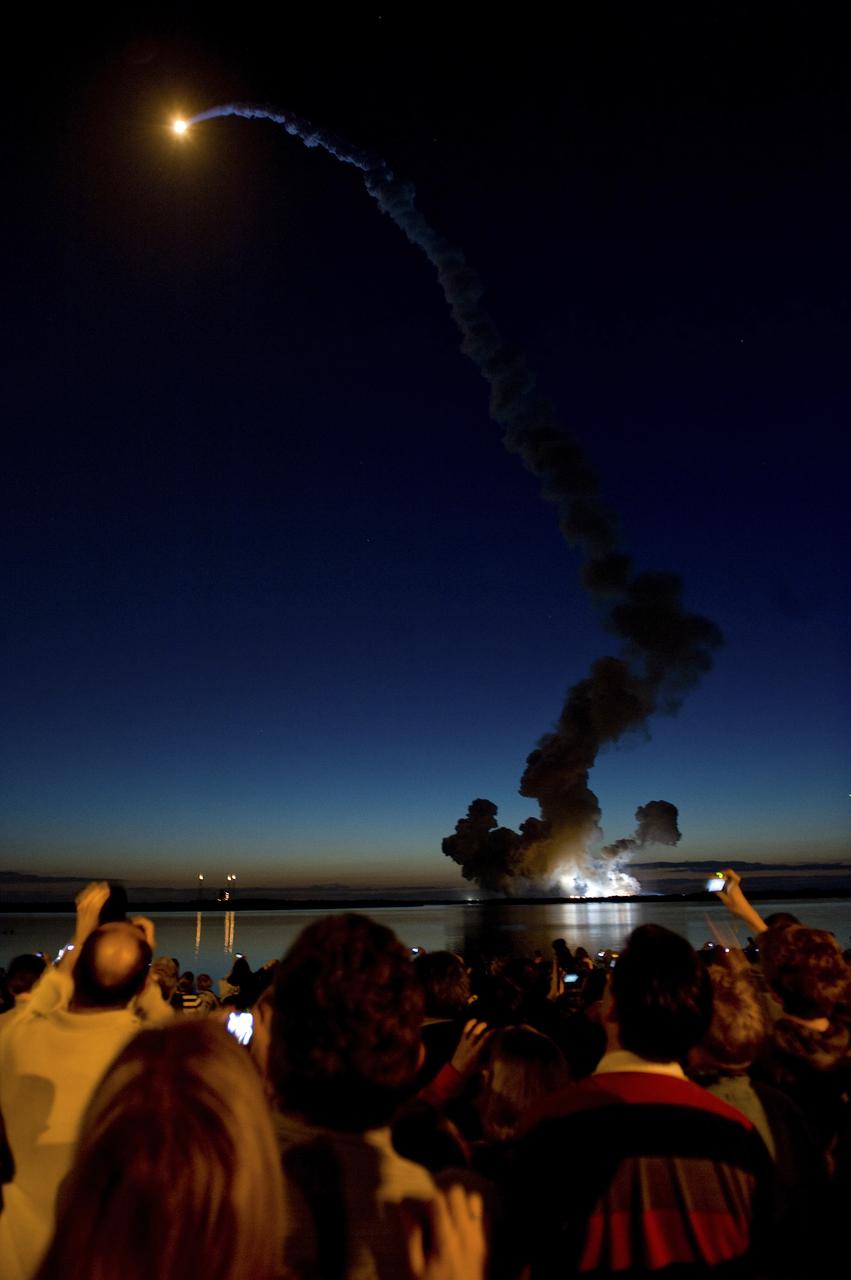
STS-131 LIFTS OFF INTO THE EARLY MORNING SKY AS SPECTATORS AT THE BANANA CREEK VIEWING AREA OBSERVE
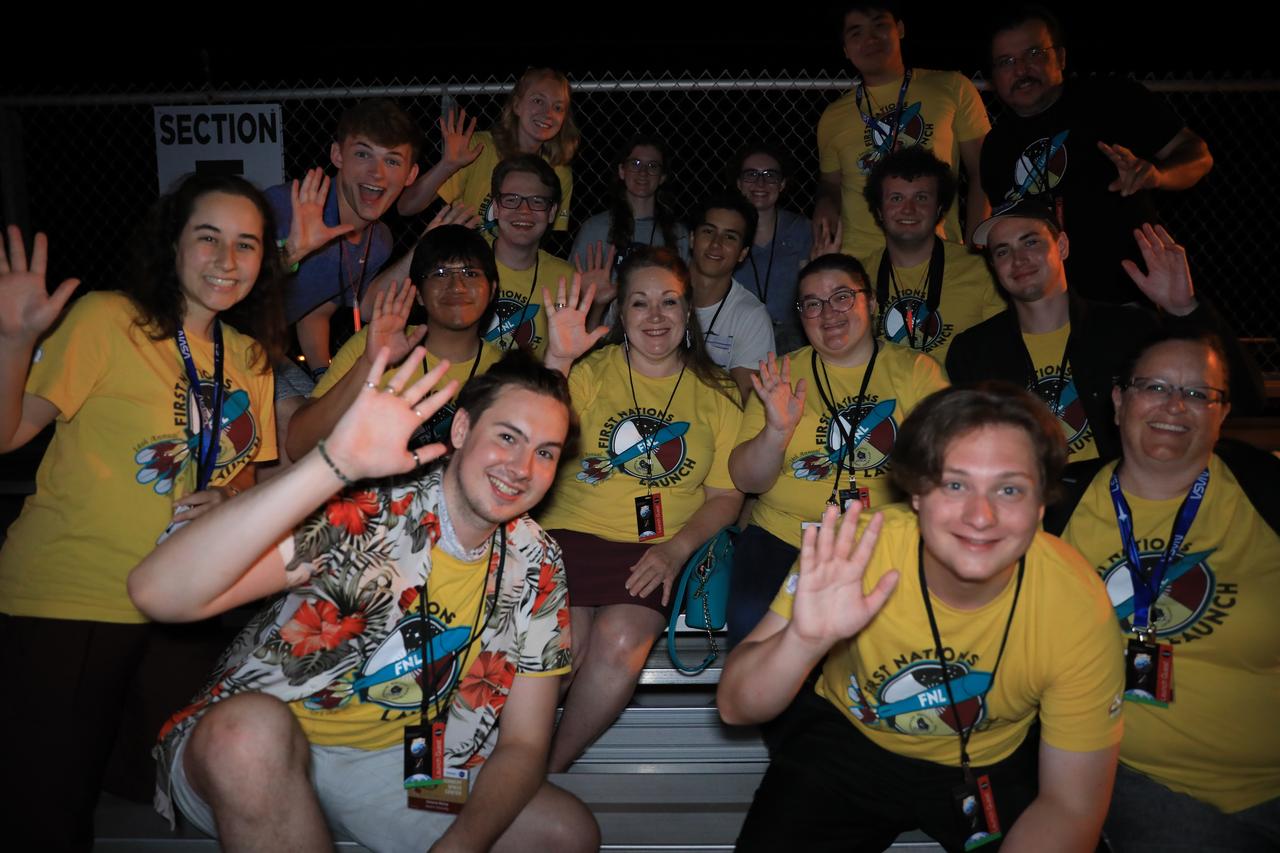
Participants from the 14th First Nations Launch High-Power Rocket Competition watch NASA’s SpaceX Crew-7 launch from the Banana Creek viewing site at the agency’s Kennedy Space Center in Florida on Saturday, Aug. 26, 2023. A SpaceX Falcon 9 rocket carrying NASA astronaut Jasmin Moghbeli, ESA (European Space Agency) astronaut Andreas Mogensen, JAXA (Japan Aerospace Exploration Agency) astronaut Satoshi Furukawa, and Roscosmos cosmonaut Konstantin Borisov launched to the International Space Station at 3:27 a.m. EDT from Kennedy’s Launch Complex 39A. Students and advisors from University of Washington, University of Colorado-Boulder, and an international team from Queens University – this year’s First Nations Launch grand prize teams – traveled to Kennedy for a VIP tour, culminating in viewing the Crew-7 launch. Another highlight included a guided tour of historic Hangar AE, led by James Wood (Osage Nation and Loyal Shawnee), chief engineer of NASA’s Launch Services Program, technical advisor for the Crew-7 launch, and First Nations mentor and judge. One of NASA’s Artemis Student Challenges, the First Nations Launch competition comprises students from tribal colleges and universities, Native American-Serving Nontribal Institutions, and collegiate chapters of the American Indian Science and Engineering Society who design, build, and launch a high-powered rocket from a launch site in Kansasville, Wisconsin. The competition is facilitated by NASA’s Wisconsin Space Grant Consortium and managed by the agency’s Office of STEM Engagement at Kennedy.
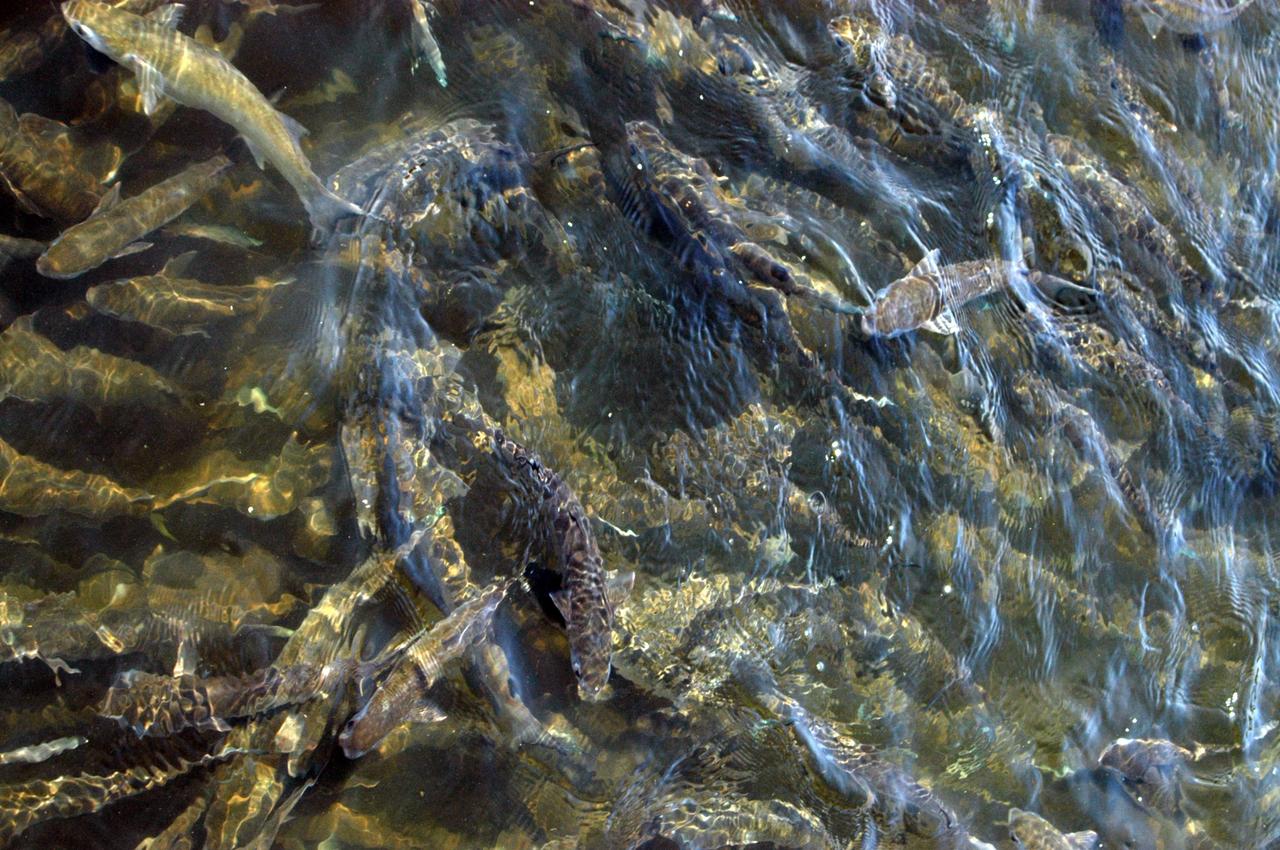
KENNEDY SPACE CENTER, FLA. - In the Banana Creek at Kennedy Space Center, a school of mullet appear to form an underwater carpet as they swarm in the shallows. The creek flows between the Indian River on the west side of Merritt Island and the Banana River on the east side, passing alongside the Launch Complex 39 Area. Photo credit: NASA/George Shelton
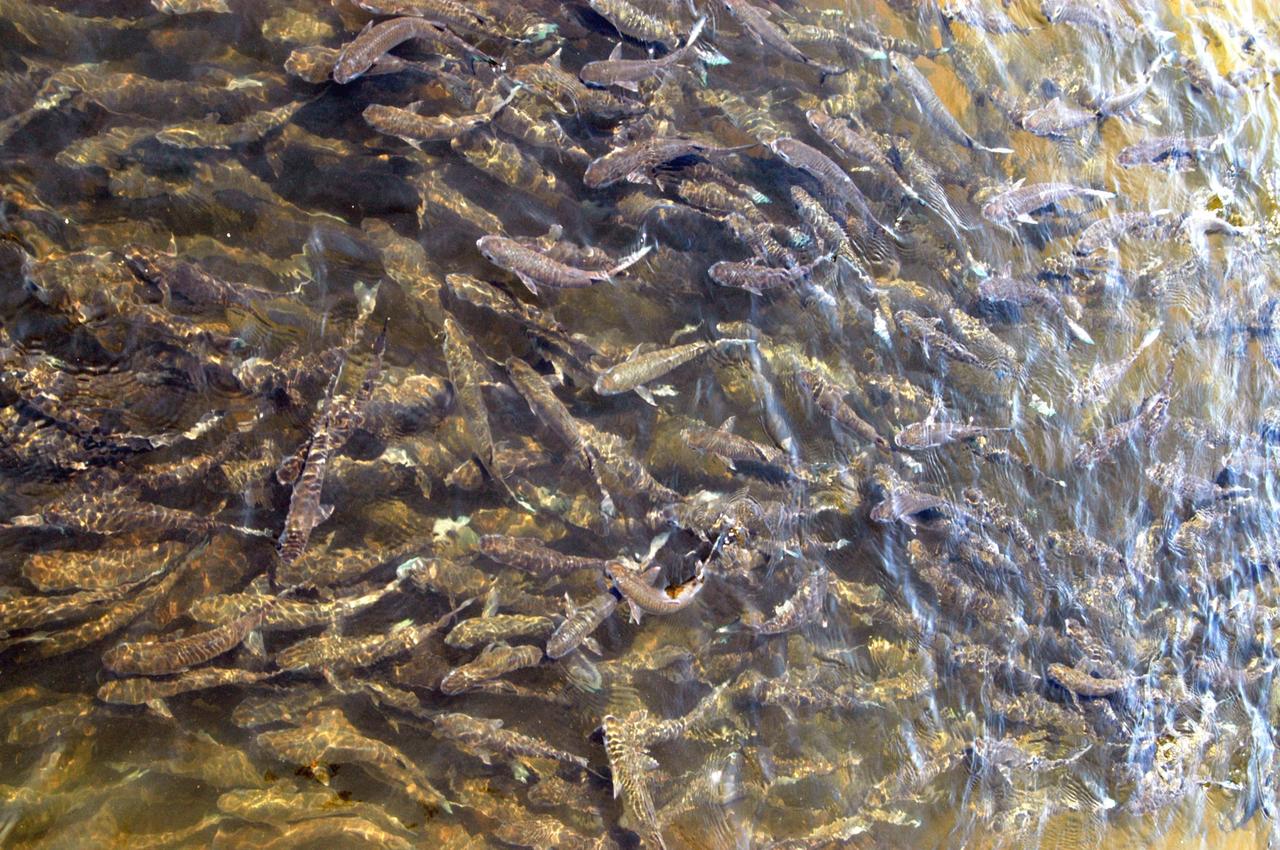
KENNEDY SPACE CENTER, FLA. - In the Banana Creek at Kennedy Space Center, a school of mullet appear to form an underwater carpet as they swarm in the shallows. The creek flows between the Indian River on the west side of Merritt Island and the Banana River on the east side, passing alongside the Launch Complex 39 Area. Photo credit: NASA/George Shelton
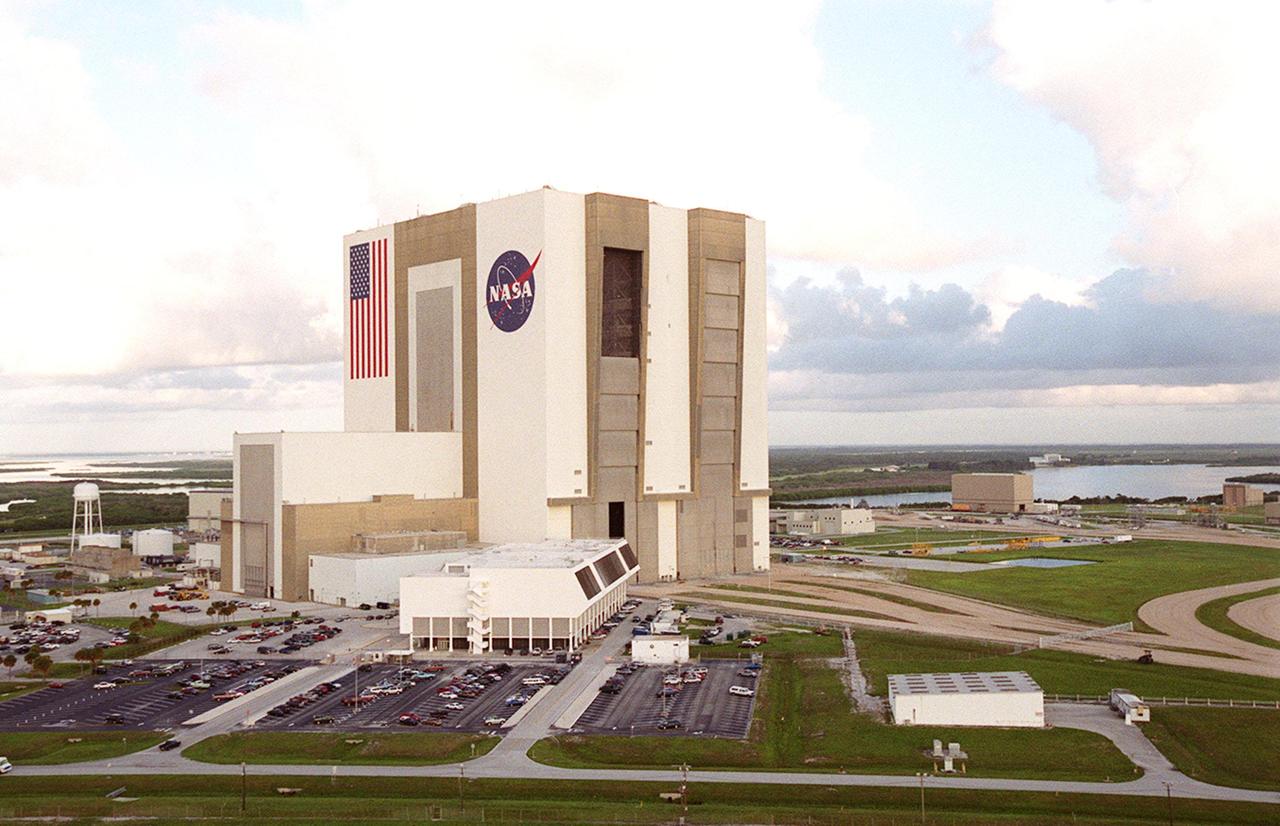
Even in this aerial view at KSC, the Vehicle Assembly Building is imposing. In front of it is the Launch Control Center. In the background is the Rotation/Processing Facility, next to the Banana Creek. In the foreground is the Saturn Causeway that leads to Launch Pads 39A and 39B.
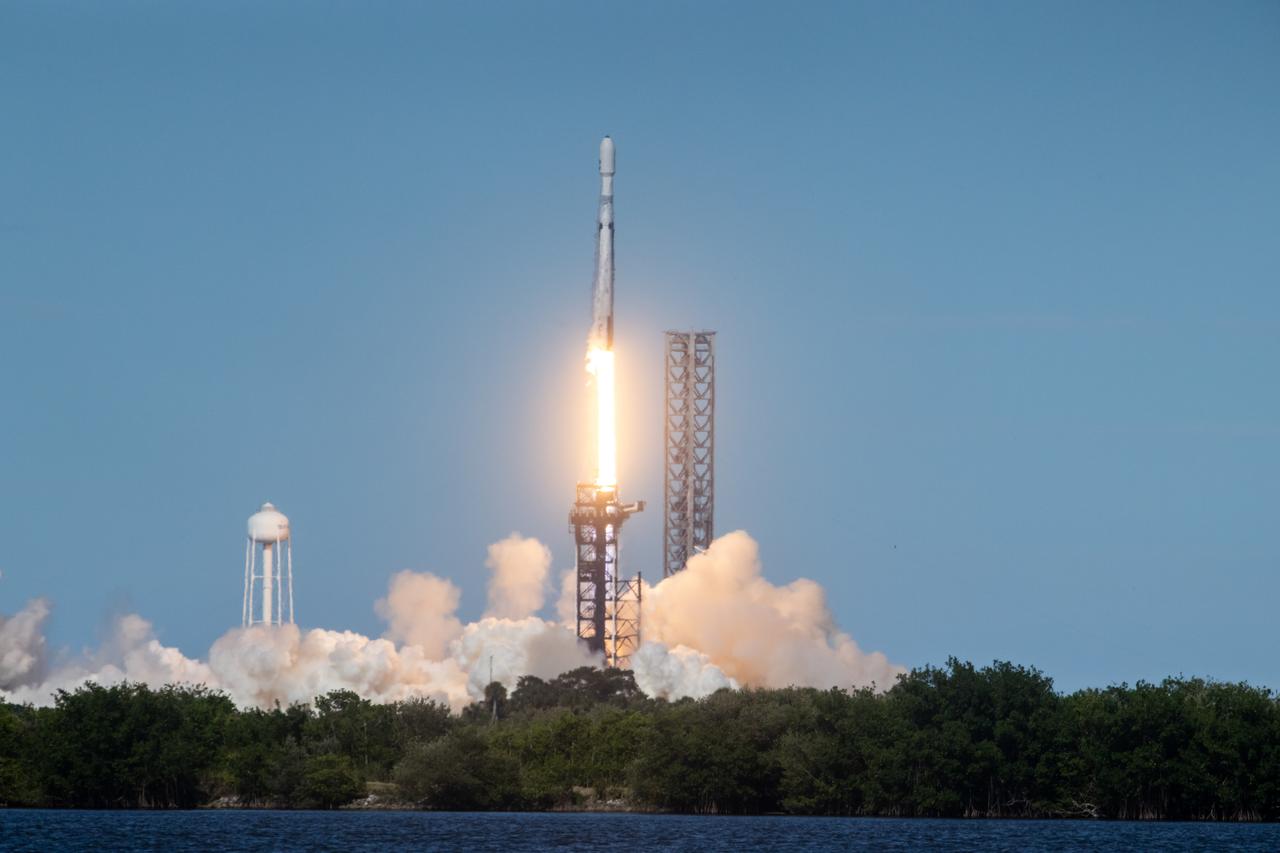
A SpaceX Falcon Heavy rocket carrying the National Oceanic and Atmospheric Administration (NOAA) GOES-U (Geostationary Operational Environmental Satellite U) lifts off from Launch Complex 39A at NASA’s Kennedy Space Center in Florida on Tuesday, June 25, 2024. The GOES-U satellite is the final satellite in the GOES-R series, which serves a critical role in providing continuous coverage of the Western Hemisphere, including monitoring tropical systems in the eastern Pacific and Atlantic oceans.

CAPE CANAVERAL, Fla. – The fog clears from the turn basin as the morning sky turns blue over NASA's Kennedy Space Center in Florida. A pelican has a front row seat for the spectacle. Kennedy is surrounded by water: the Banana River, Banana Creek, Indian River Lagoon and the Atlantic Ocean, all of which provide scenes of beauty and nature that contrast with the high technology and power of the center. Photo credit: NASA/Ben Smegelsky
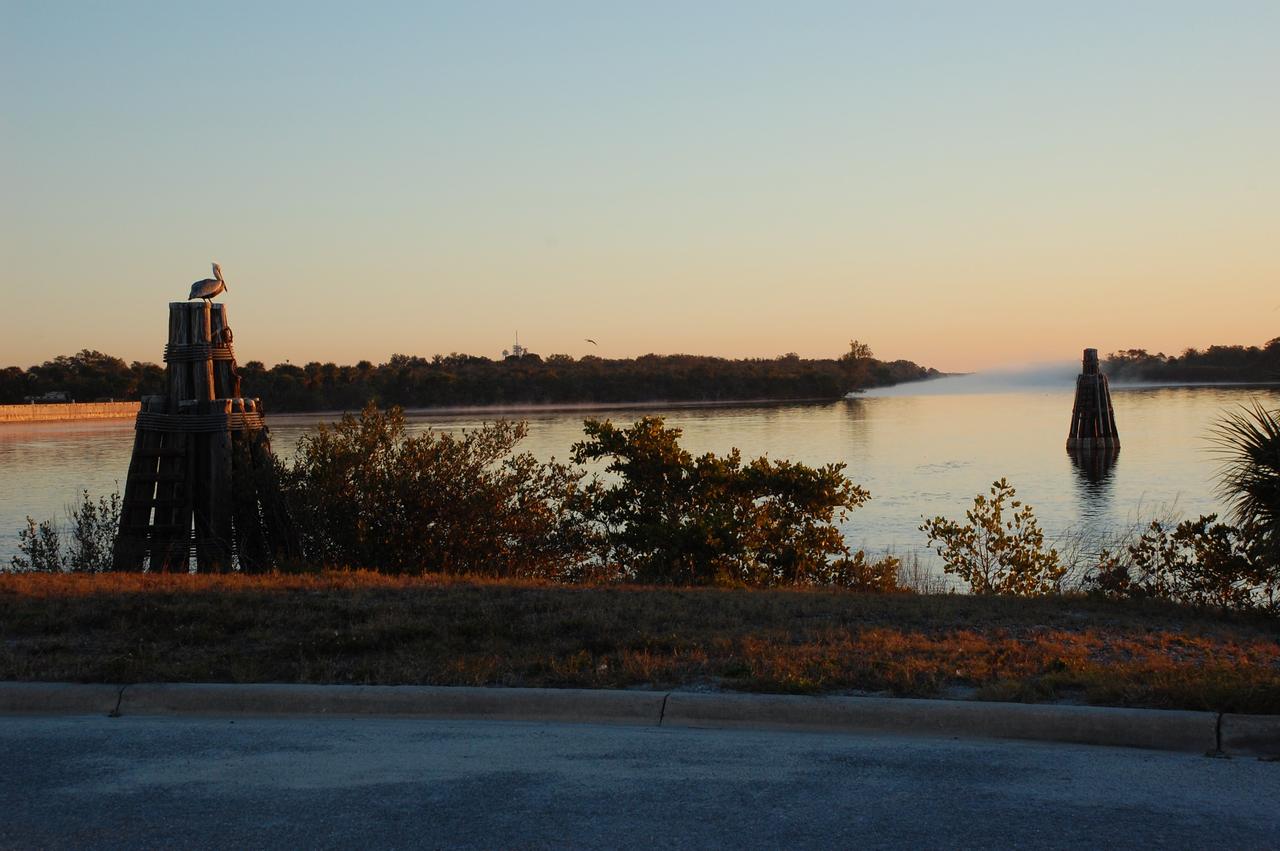
CAPE CANAVERAL, Fla. – Rising higher in the morning sky, the sun puts a glow on the fog rising from the turn basin at NASA's Kennedy Space Center in Florida. A pelican has a front row seat for the spectacle. Kennedy is surrounded by water: the Banana River, Banana Creek, Indian River Lagoon and the Atlantic Ocean, all of which provide scenes of beauty and nature that contrast with the high technology and power of the center. Photo credit: NASA/Ben Smegelsky
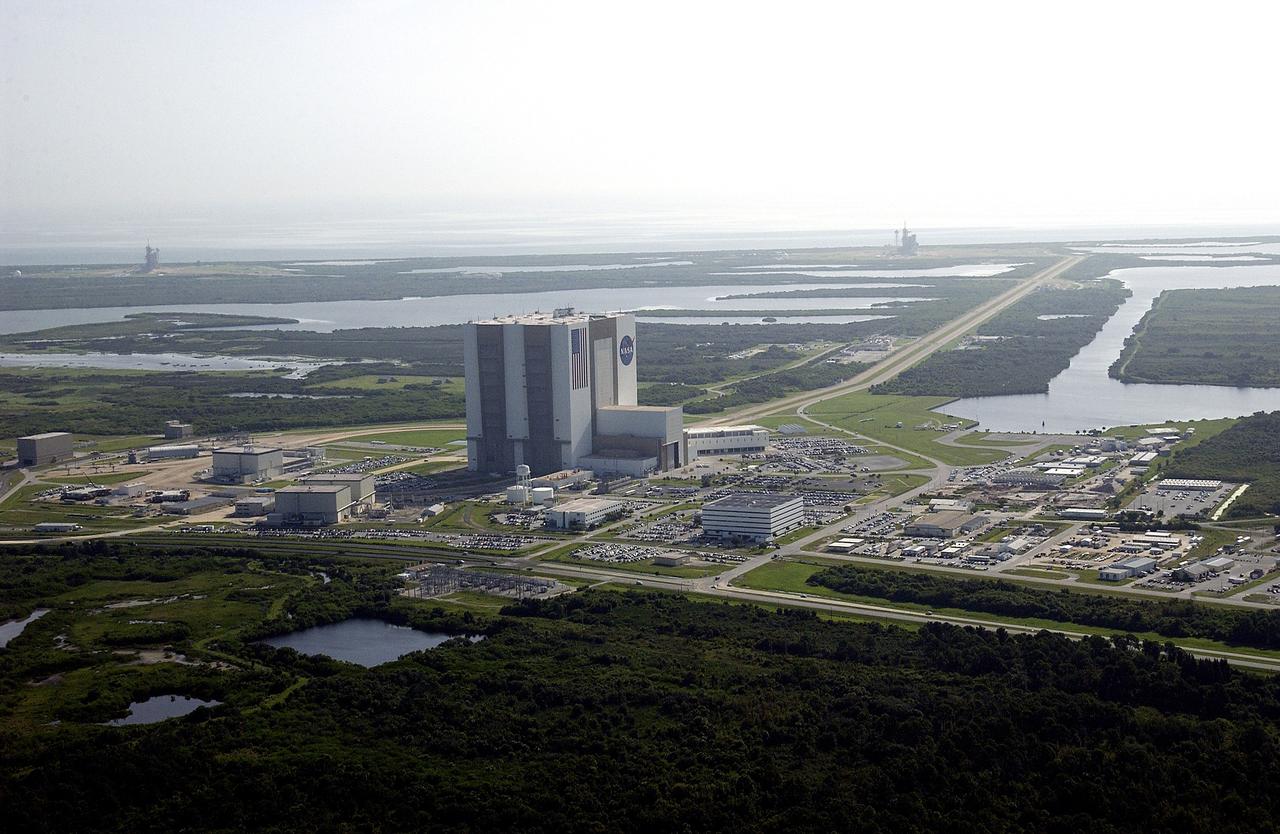
CAPE CANAVERAL, Fla. -- This aerial view shows the Launch Complex 39 Area. At center is the 525-foot-tall Vehicle Assembly Building. On the horizon at the far left is Launch Pad 39B to the right is Launch Pad 39A. The crawlerway can be seen stretching from the VAB toward Pad A. Waters of the Banana Creek and Banana River surround the pads. At center right is the Turn Basin. Photo credit: NASA
CAPE CANAVERAL, Fla. – The sun rising over the Launch Complex 39 Area turn basin at NASA's Kennedy Space Center in Florida casts a brilliant flame in the water. At right is the U.S. flag on the grounds of the NASA News Center. Kennedy is surrounded by water: the Banana River, Banana Creek, Indian River Lagoon and the Atlantic Ocean, all of which provide scenes of beauty and nature that contrast with the high technology and power of the center. Photo credit: NASA/Ben Smegelsky
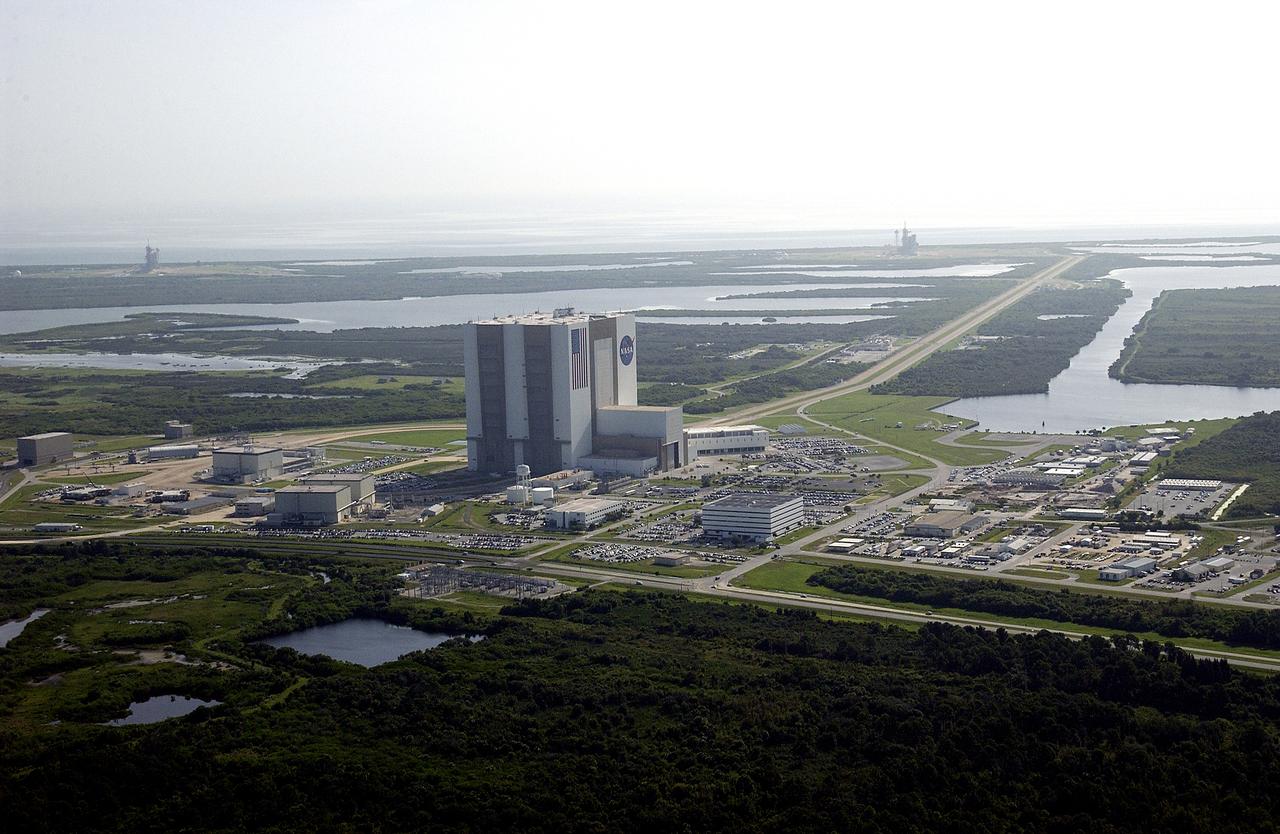
KENNEDY SPACE CENTER, FLA. – This aerial view shows Launch Complex 39 Area. At center is the 525-foot-tall Vehicle Assembly Building. On the horizon at the far left is Launch Pad 39B; to the right is Launch Pad 39A. The crawlerway can be seen stretching from the VAB toward Pad A. Waters of the Banana Creek and Banana River surround the pads. At center right is the Turn Basin.

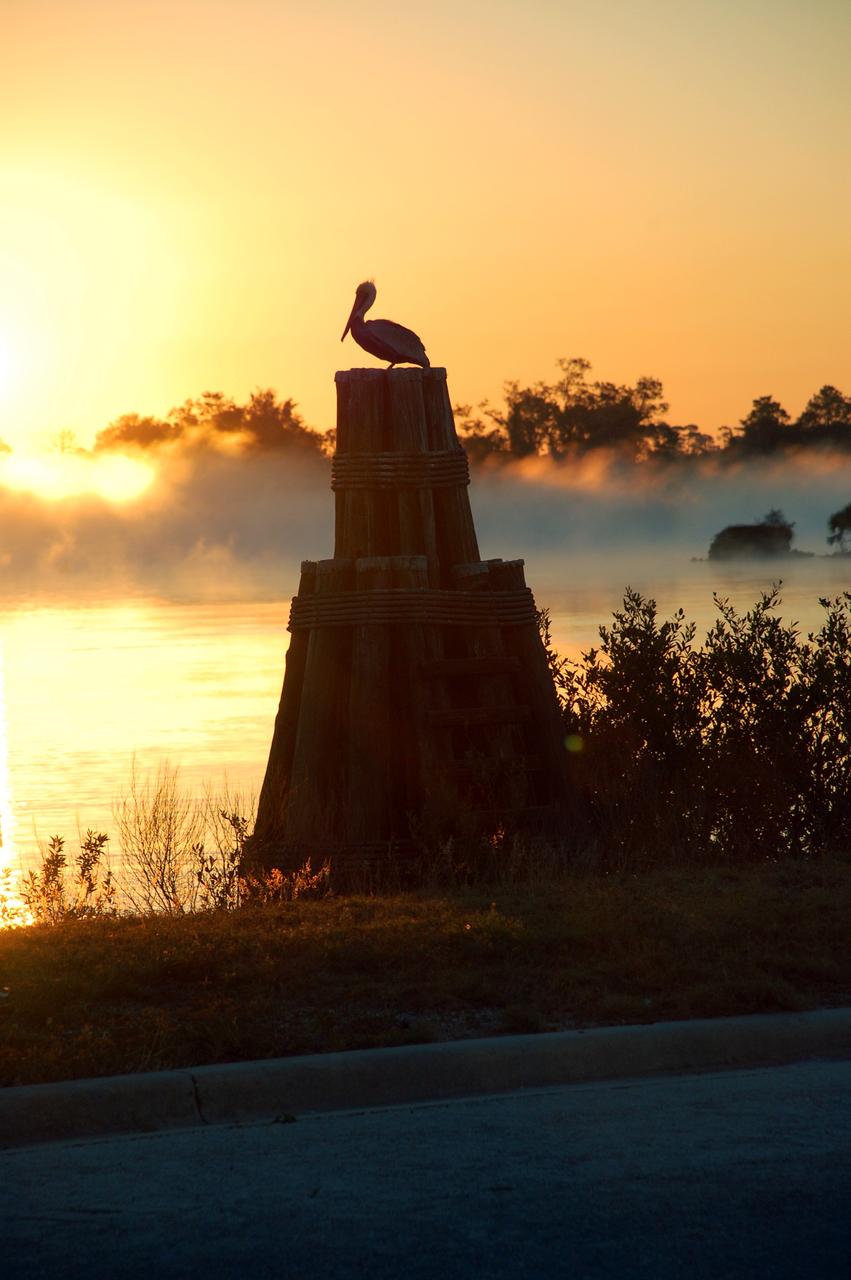
CAPE CANAVERAL, Fla. – A pelican is silhouetted against the rosy dawn sky as morning fog floats over the turn basin at NASA's Kennedy Space Center in Florida. Kennedy is surrounded by water: the Banana River, Banana Creek, Indian River Lagoon and the Atlantic Ocean, all of which provide scenes of beauty and nature that contrast with the high technology and power of the center. Photo credit: NASA/Ben Smegelsky
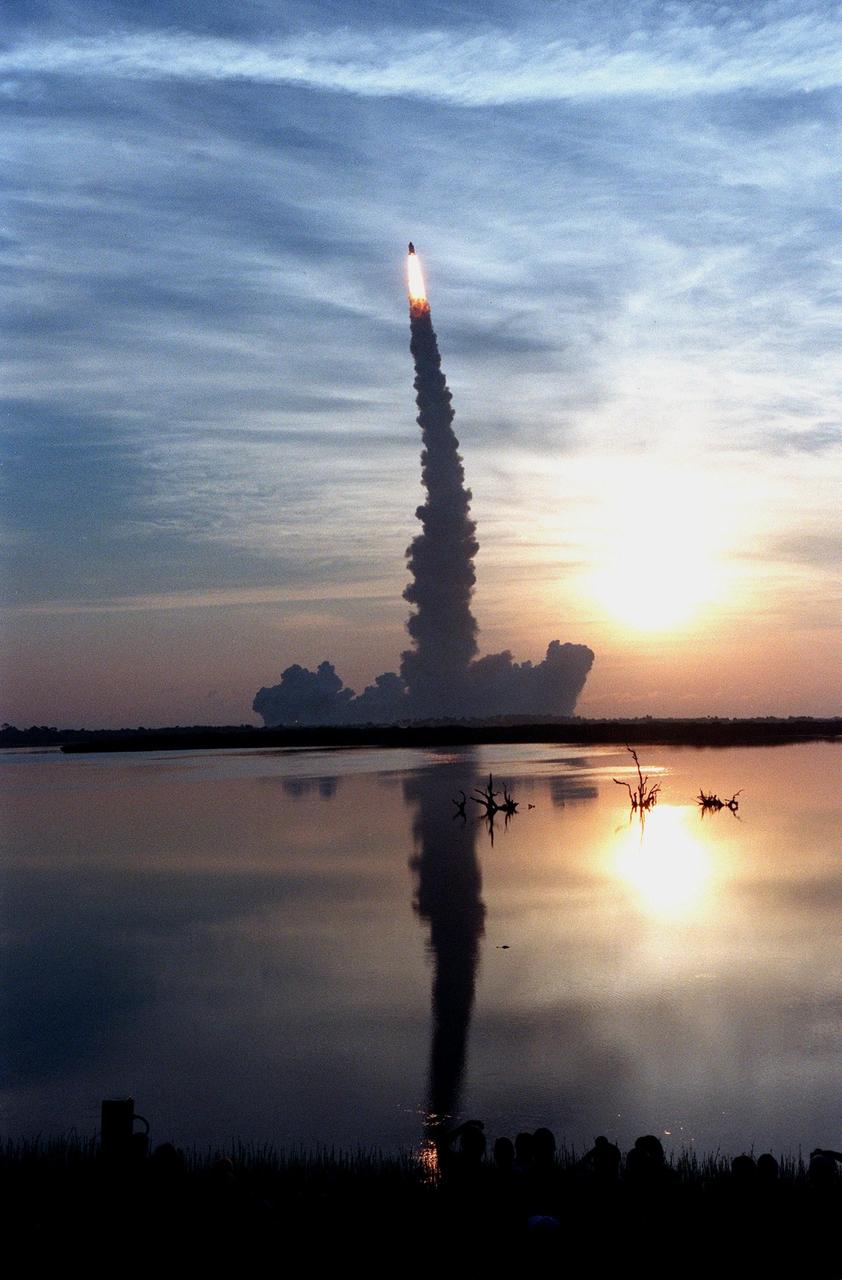
KENNEDY SPACE CENTER, FLA. -- The launch of Space Shuttle Discovery on mission STS-96 is reflected in the waters of Banana Creek just after sunrise. Liftoff occurred at 6:49:42 a.m. EDT. In the shadows near the bottom are silhouetted a number of spectators at the Banana Creek viewing site. STS-96 is on a 10-day logistics and resupply mission for the International Space Station. Along with such payloads as a Russian crane, the Strela; a U.S.-built crane; the Spacehab Oceaneering Space System Box (SHOSS), a logistics items carrier; and STARSHINE, a student-involved experiment, Discovery carries about 4,000 pounds of supplies, to be stored aboard the station for use by future crews, including laptop computers, cameras, tools, spare parts, and clothing. The mission includes a space walk to attach the cranes to the outside of the ISS for use in future construction. Landing is expected at the SLF on June 6 about 1:58 a.m. EDT
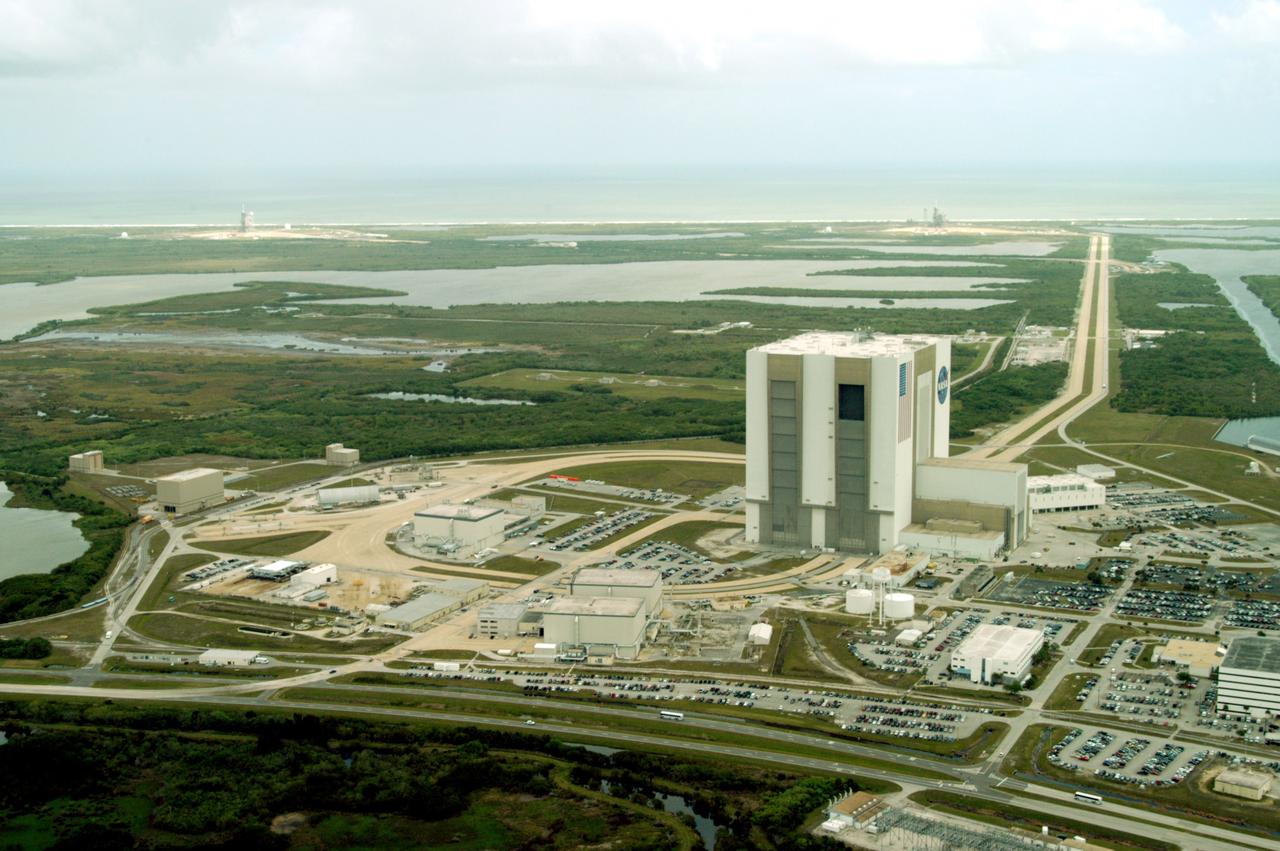
CAPE CANAVERAL, Fla. -- This aerial photo shows the expanse of the Launch Complex 39 Area, bordered at the top by the Atlantic and a cloud-filled sky. At center right, towering above the surrounding sites, is the Vehicle Assembly Building. To the left is the Orbiter Processing Facility's Bay 3. In the foreground are OPF Bays 1 and 2. The two-lane crawlerway stretches from the VAB toward the coast, site of Launch Pad 39A, closest, and Launch Pad 39B, far left. Between the VAB and the ocean sprawl the Banana Creek and the Banana River. Photo credit: NASA

Apollo 7 Commander Walter M. "Wally" Schirra and his wife, Josephine, were among the many special NASA STS-83 launch guests who witnessed the liftoff of the Space Shuttle Columbia April 4 at the Banana Creek VIP Viewing Site at KSC. Columbia took off from Launch Pad 39A at 2:20:32 p.m. EST to begin the 16-day Microgravity Science Laboratory-1 (MSL-1) mission
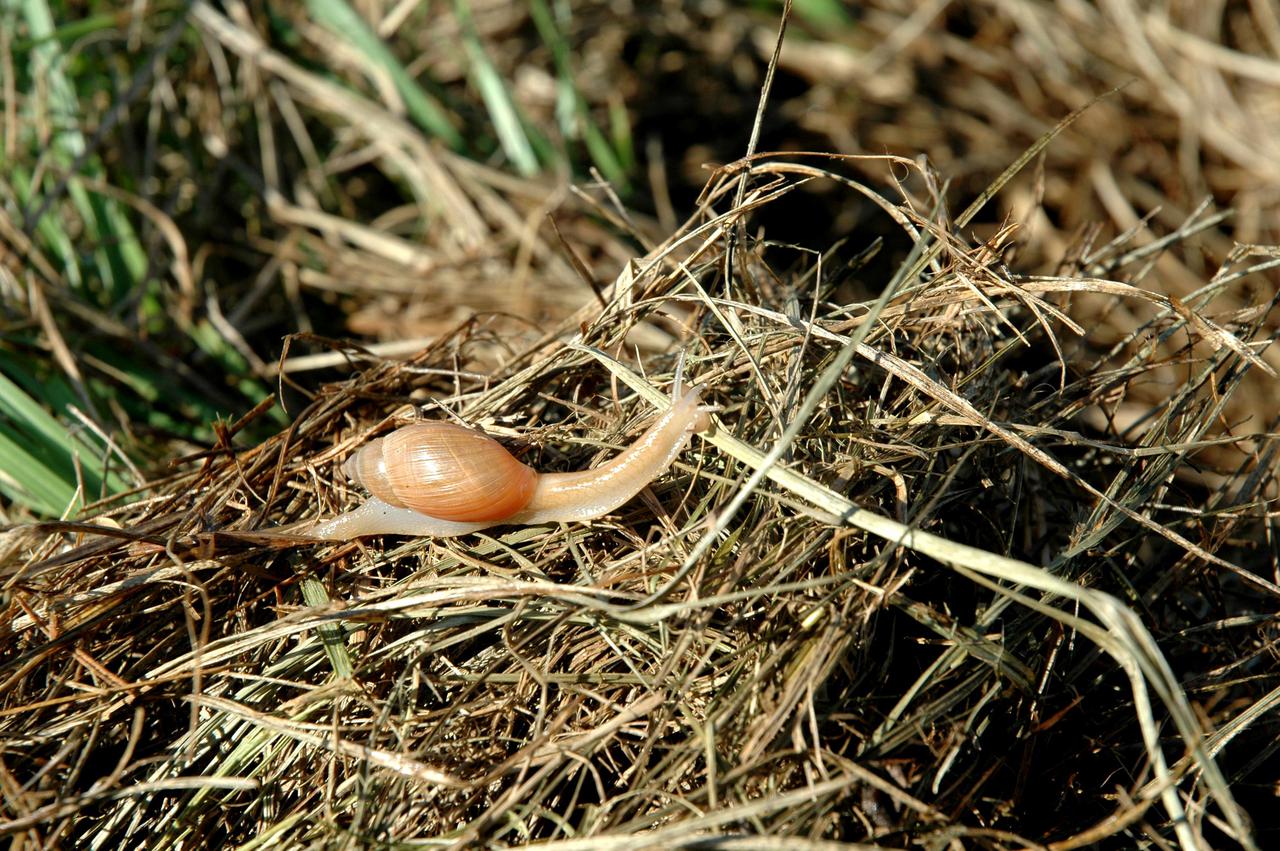
KENNEDY SPACE CENTER, FLA. - This snail was photographed near the NASA Kennedy Space Center Shuttle Landing Facility. It appears to have the characteristics of the “Rosy Predator Snail,” which is found in Southeastern Texas, Louisiana, Mississippi, Alabama, Georgia, South Carolina and is widespread in Florida including the Keys. It is usually found singly in hardwood forests, roadsides and urban gardens. The Shuttle Landing Facility backs up to the Banana Creek and surrounding marshes.
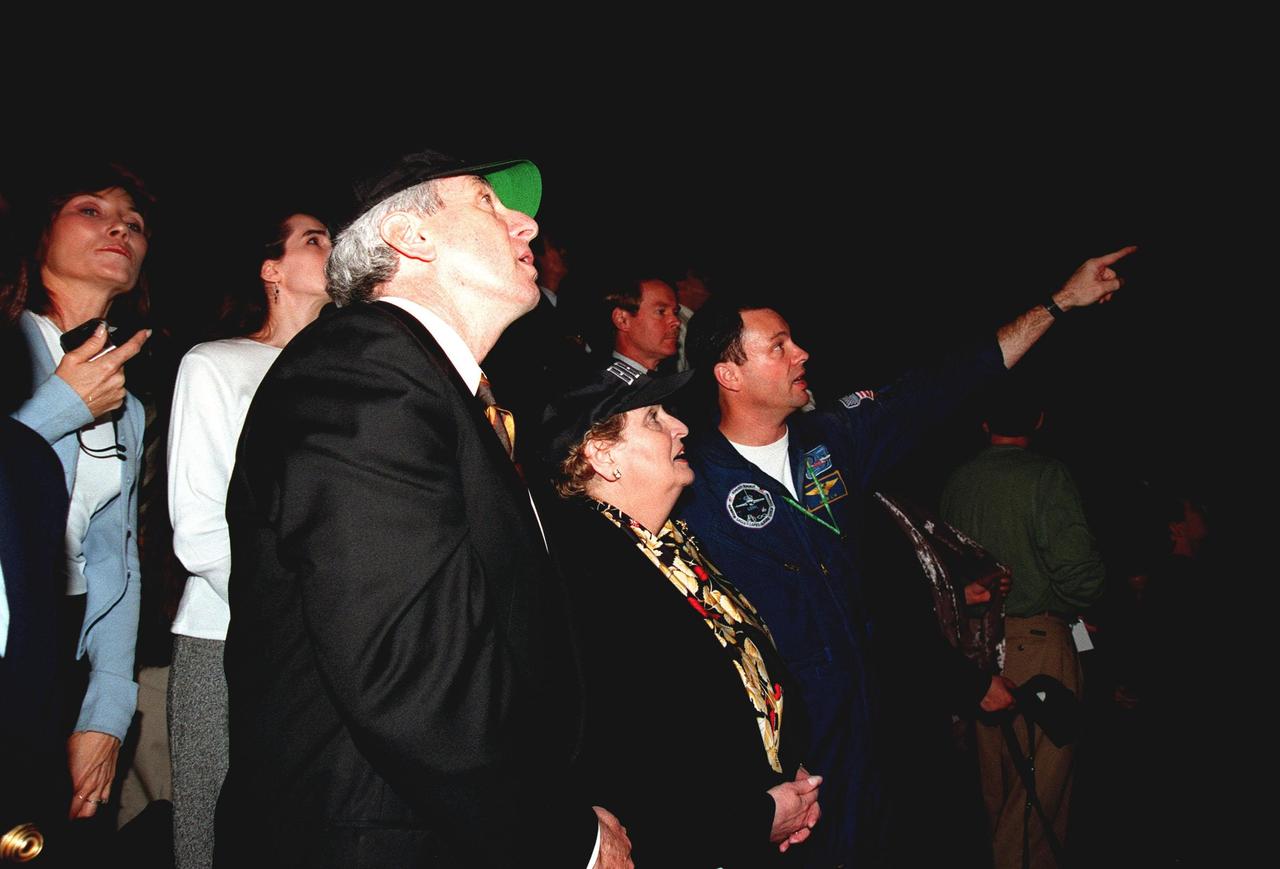
At the Banana Creek Viewing Site, NASA Administrator Daniel Goldin (left), U.S. Secretary of State Madeleine Albright (center) and astronaut Michael Lopez-Alegria watch the launch of STS-88 from Launch Pad 39A at 3:35:34 a.m. EST. STS-88 is the first U.S. mission dedicated to the assembly of the International Space Station (ISS). Lopez-Alegria is part of the STS-92 crew that is assigned to the fourth ISS assembly flight scheduled for launch on Oct. 28, 1999, aboard Discovery
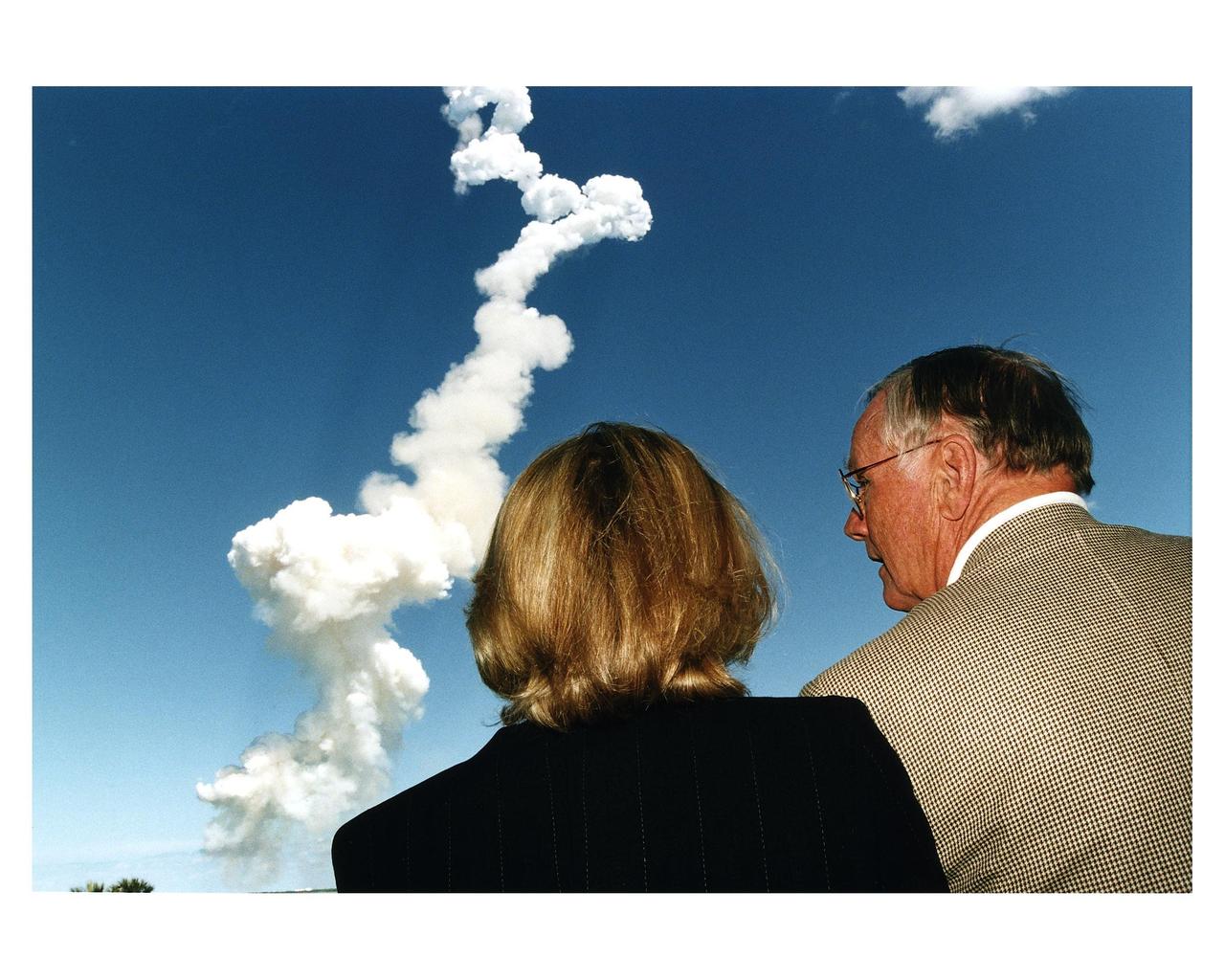
Apollo l1 Commander Neil A. Armstrong and his wife, Carol, were among the many special NASA STS-83 launch guests who witnessed the liftoff of the Space Shuttle Columbia April 4 at the Banana Creek VIP Viewing Site at KSC. Columbia took off from Launch Pad 39A at 2:20:32 p.m. EST to begin the 16-day Microgravity Science Laboratory-1 (MSL-1) mission
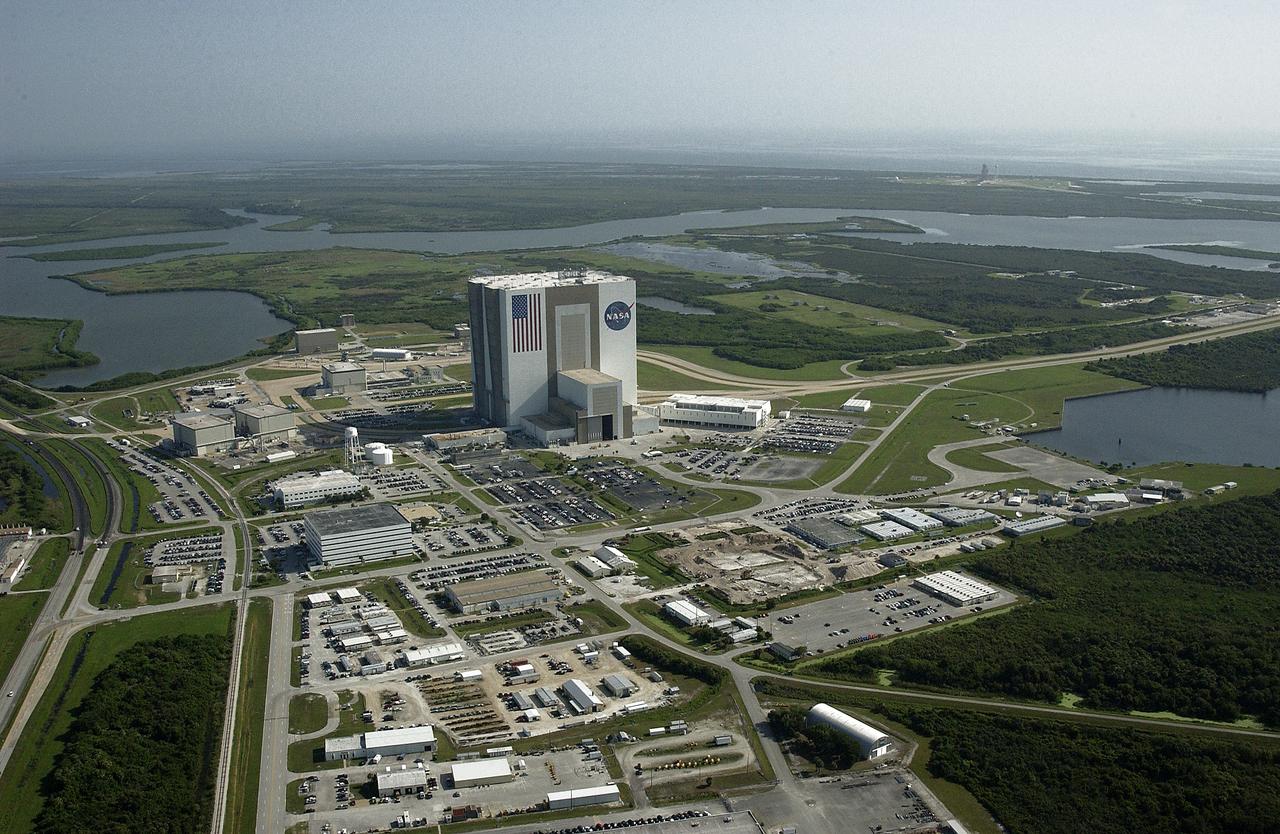
KENNEDY SPACE CENTER, FLA. – This view shows much of the Launch Complex 39 Area looking north. At center is the 525-foot-tall Vehicle Assembly Building. Other buildings surrounding it are (counter clockwise from left) the Orbiter Processing Facility, Multi-Function Facility, Operations Support Building and Launch Control Center (next to VAB). The crawlerway leads from the VAB toward the launch pads. In the background are the waters of the Banana Creek.
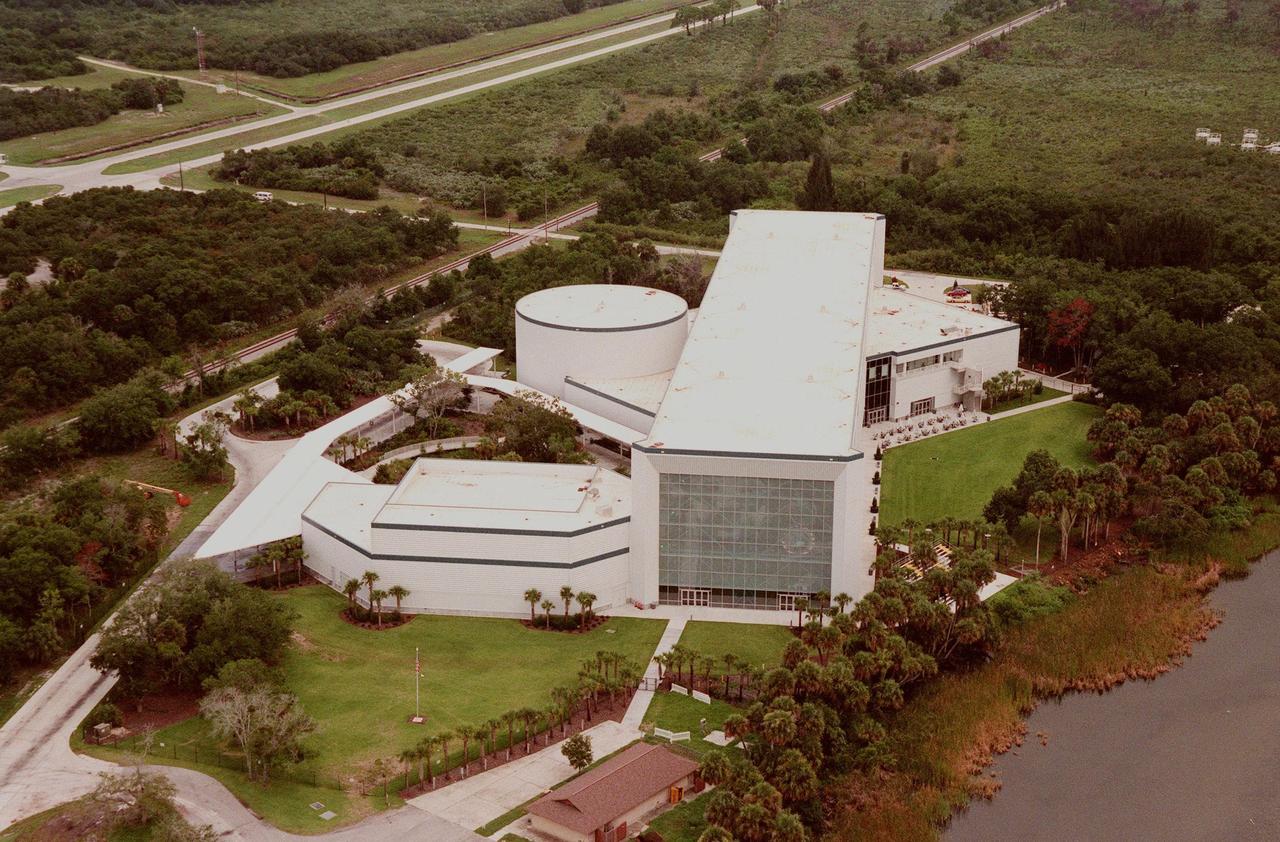
This aerial view, looking north, shows the Apollo/Saturn V Center, part of the KSC Visitor Complex. Located about 2 miles north of the Vehicle Assembly Building on the Kennedy Parkway, it is near the current Banana Creek VIP Shuttle launch viewing site. The 100,000-square-foot attraction includes a refurbished 363-foot-long Apollo-era Saturn V rocket that had been displayed previously near the VAB. Inside, the center includes artifacts and historical displays, plus two film theaters
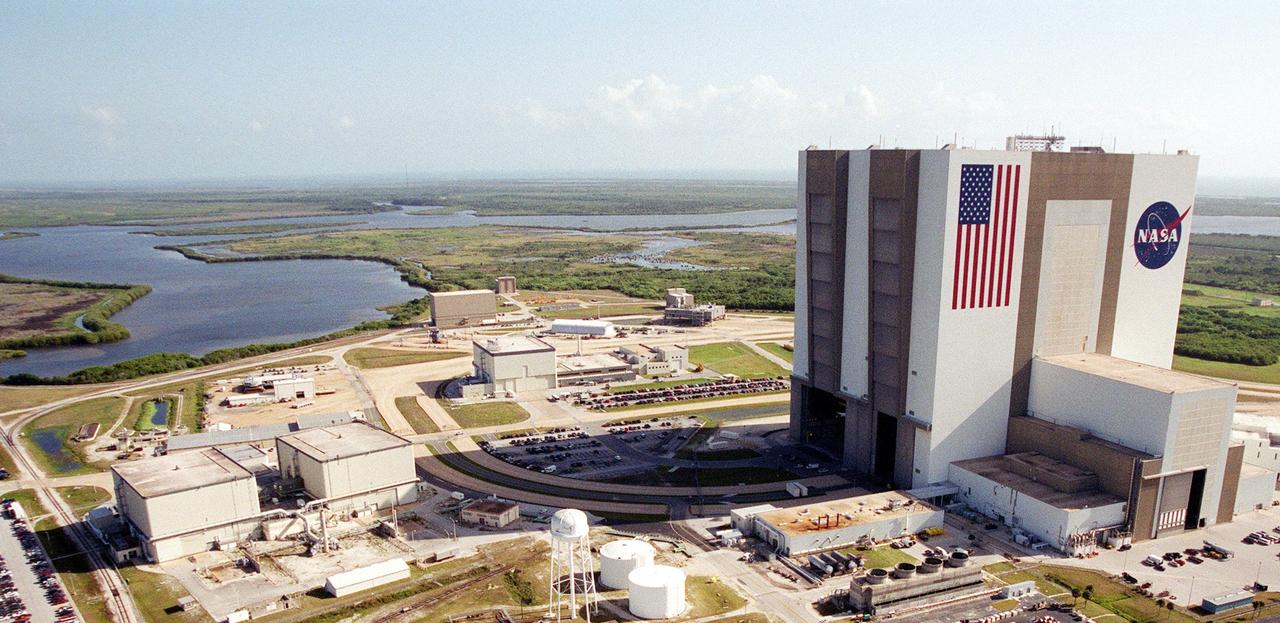
CAPE CANAVERAL, Fla. – An aerial view of Launch Complex 39 shows the south and west sides of the Vehicle Assembly Building. The curved roadway heading to the VAB leads to high bay 2, the Safe Haven facility constructed in 2000. Beyond it is the Orbiter Processing Facility, bays 1 and 2. The OPF bay 3 is farther still, closer to the VAB. Farther in the background are the waters of the Banana Creek in the Merritt Island National Wildlife Refuge. Photo credit: NASA
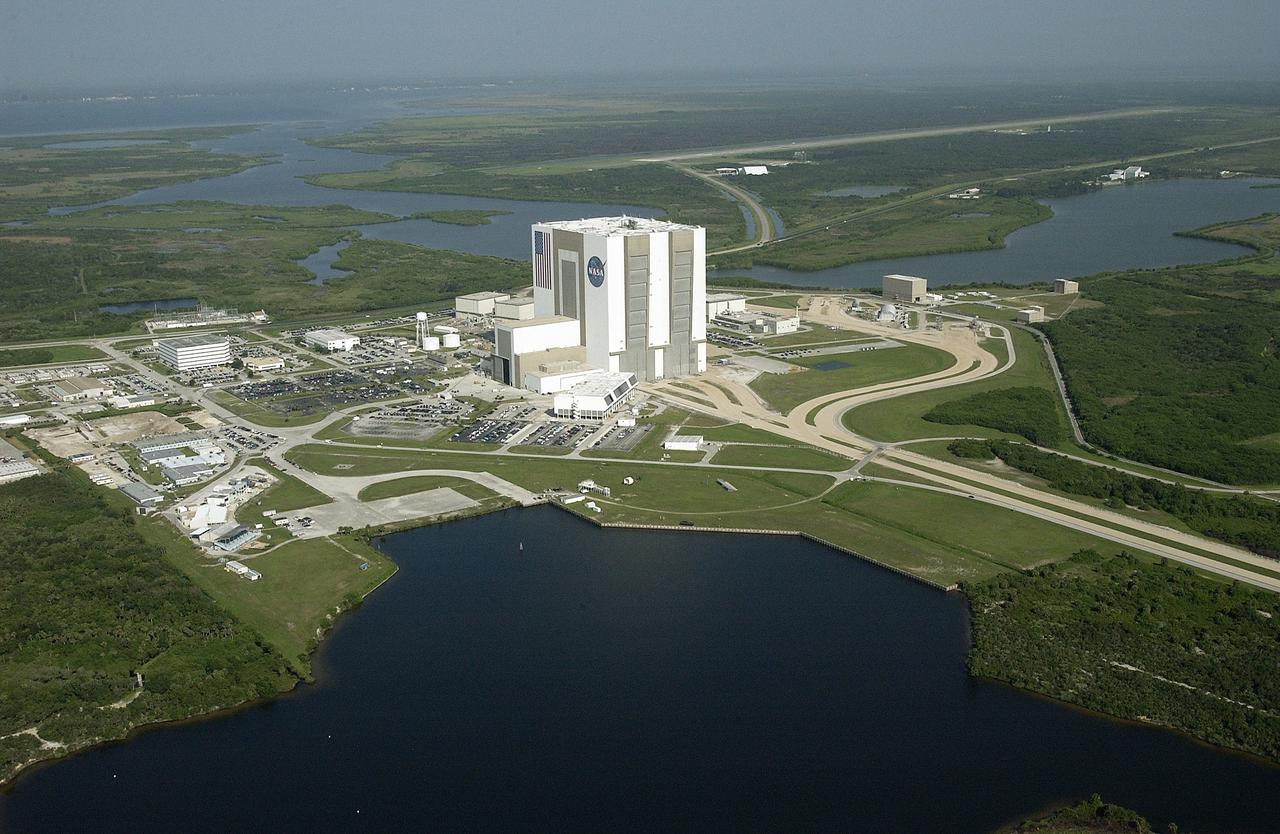
CAPE CANAVERAL, Fla. -- This view shows much of the Launch Complex 39 Area stretching beyond the Turn Basin in the foreground. At center is the 525-foot-tall Vehicle Assembly Building, with the starting and endpoint of the crawlerway that leads to both launch pads. The low building attached to the VAB is the Launch Control Center. At center left is the Operations and Support Building. At upper right can be seen the runway at the Shuttle Landing Facility. Surrounding waters are part of Banana Creek. Photo credit: NASA
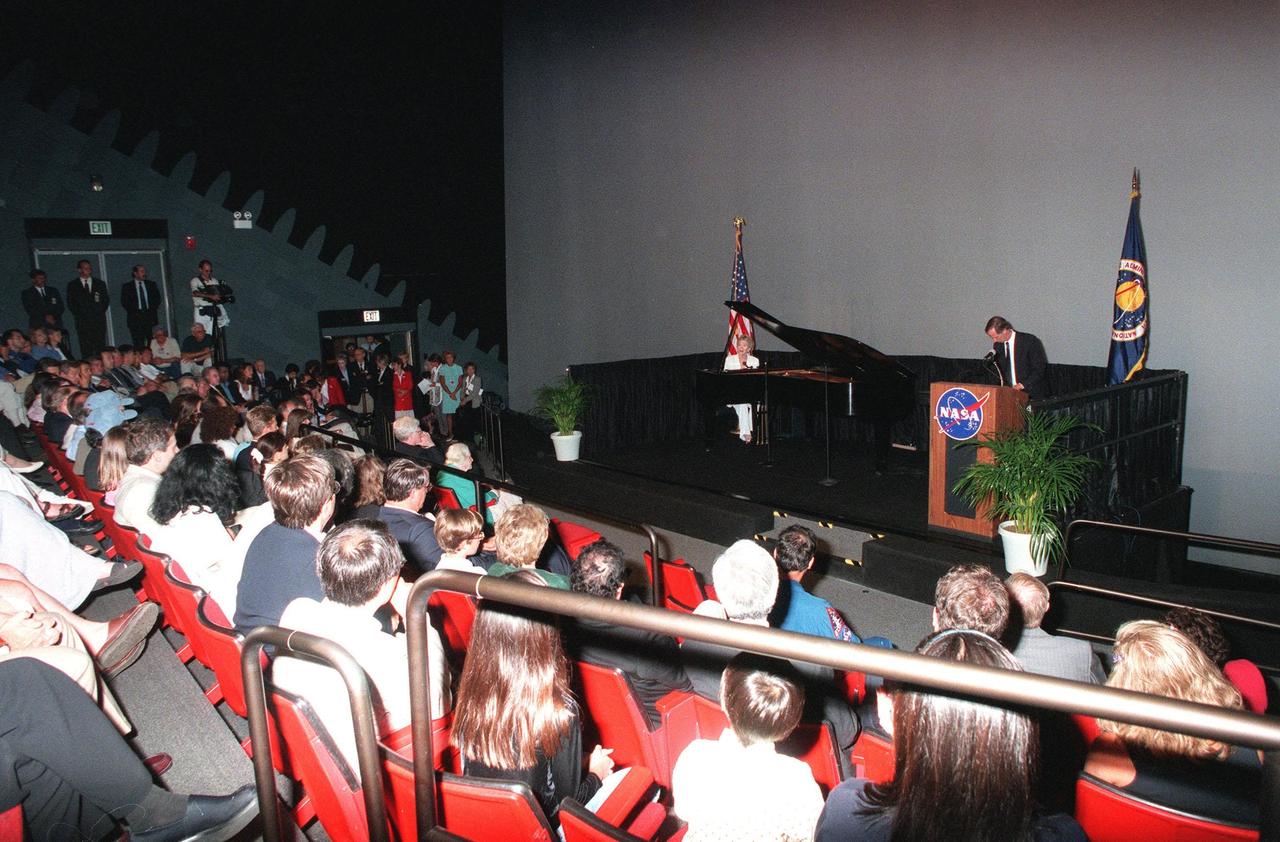
At the piano, singer-songwriter Judy Collins performs her original song, "Beyond the Sky," at the KSC Visitor Complex's Imax Theater for an audience waiting for the launch of STS-93. The song, commissioned by NASA through the Nasa Art Program, honored Eileen Collins, the first woman to command a Space Shuttle. The attendees are planning to view the launch at the Banana Creek viewing sight. Liftoff is scheduled for July 20 at 12:36 a.m. EDT
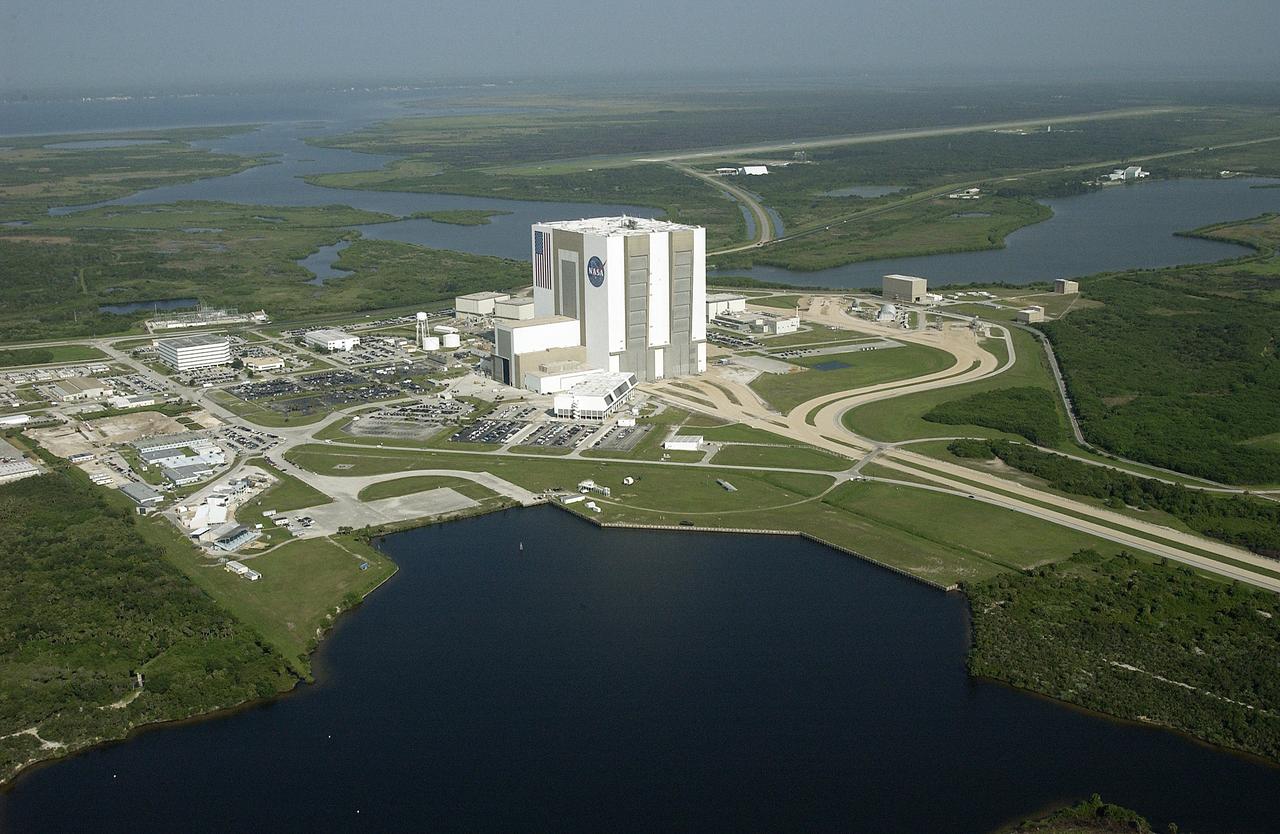
KENNEDY SPACE CENTER, FLA. – This view shows much of the Launch Complex 39 Area stretching beyond the Turn Basin in the foreground. At center is the 525-foot-tall Vehicle Assembly Building, with the starting and endpoint of the crawlerway that leads to both launch pads. The low building attached to the VAB is the Launch Control Center. At center left is the Operations and Support Building. At upper right can be seen the Runway at the Shuttle Landing Facility. Surrounding waters are part of Banana Creek.
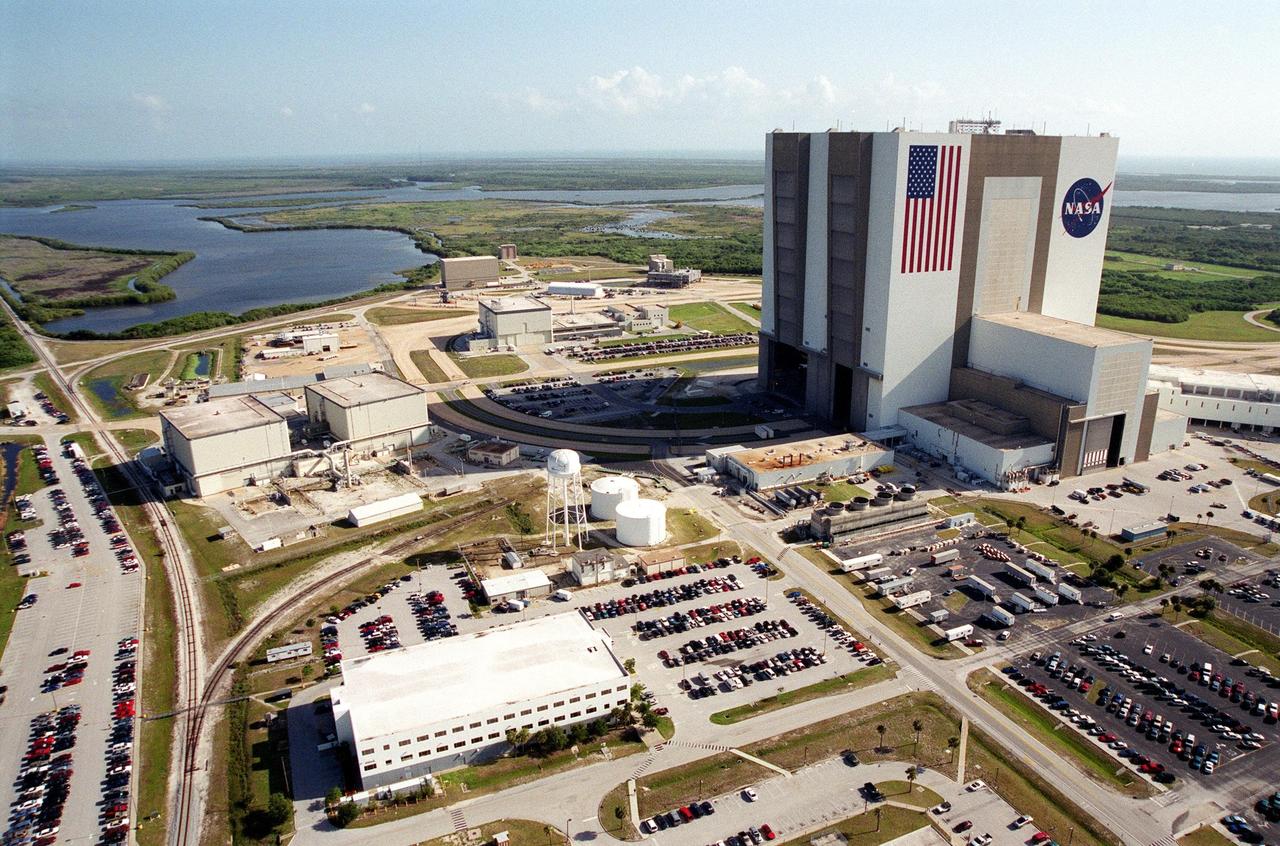
KENNEDY SPACE CENTER, Fla. -- An aerial view of Launch Complex 39 shows the south and west sides of the Vehicle Assembly Building. The curved roadway heading to the VAB leads to the high bay 2, the Safe Haven facility constructed in 2000. The white building in the foreground is the Processing Control Center. Beyond it is the Orbiter Processing Facility, bays 1 and 2. The OPF bay 3 is farther still, closer to the VAB. Farther in the background are the waters of Banana Creek in the Merritt Island National Wildlife Refuge
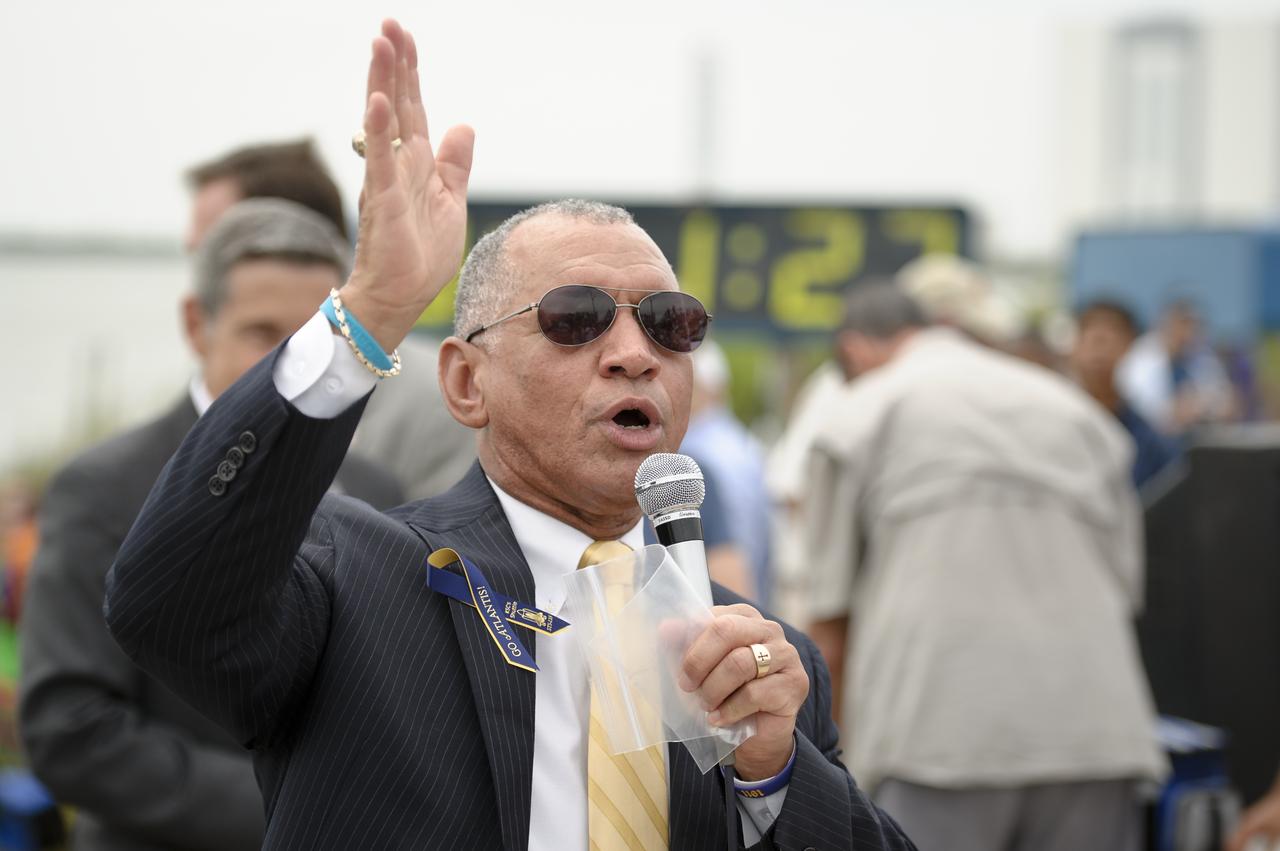
NASA Administrator Charles Bolden speaks to visitors at the NASA Kennedy Space Center Banana Creek viewing site prior to going to the Launch Control Center (LCC) for the planned launch of the space shuttle Atlantis from pad 39A on Friday, July 8, 2011, in Cape Canaveral, Fla. The launch of Atlantis, STS-135, is the final flight of the shuttle program, a 12-day mission to the International Space Station. Photo Credit: (NASA/Bill Ingalls)
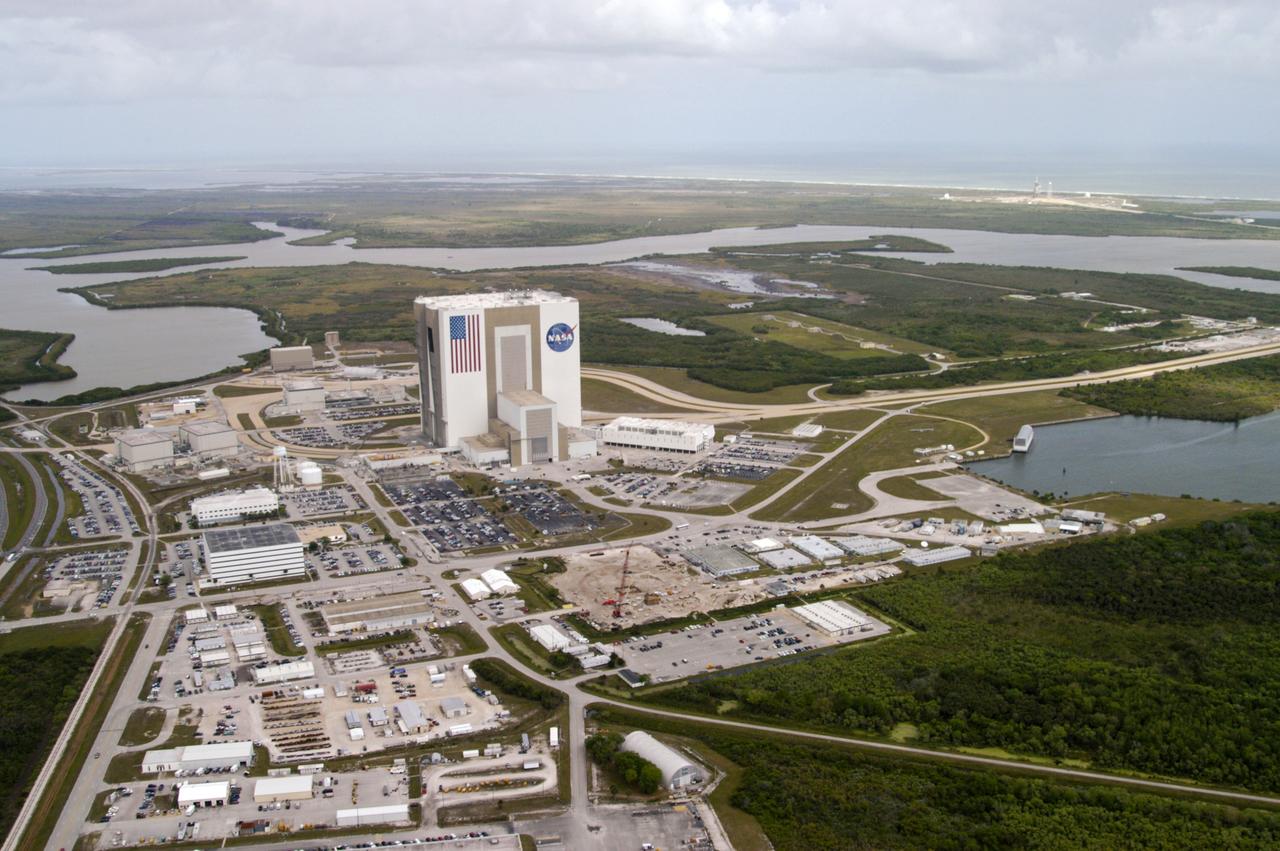
CAPE CANAVERAL, Fla. -- The 525-foot high Vehicle Assembly Building dominates the Launch Complex 39 Area. On the right is the Launch Control Center. Behind the VAB meanders the Banana Creek. The two-lane crawlerway stretches from the VAB toward the coast, site of Launch Pad 39A and 39B, seen here. The Turn Basin is at right, ending at the parking area for the NASA KSC News Center. At center foreground is the construction area for Operations Support Building 2. Photo credit: NASA
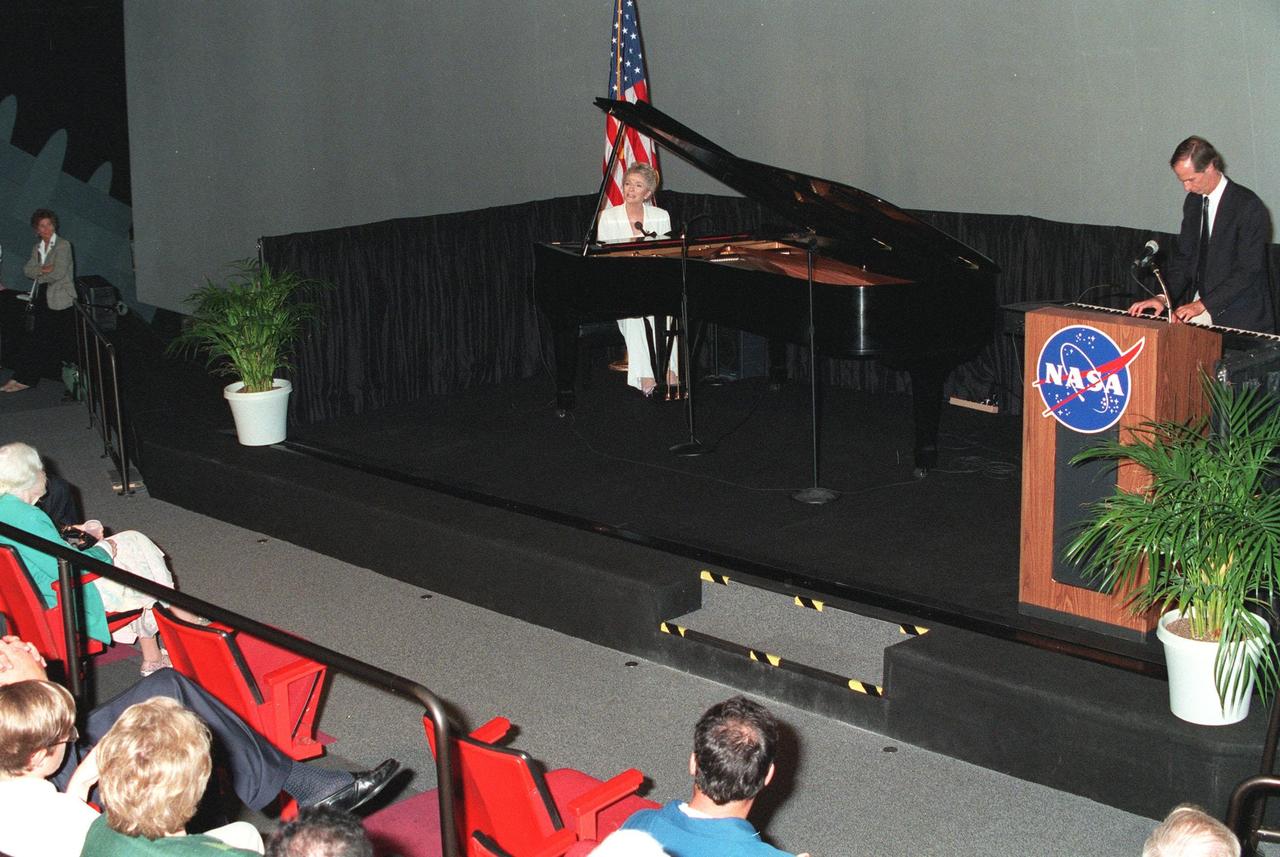
At the piano, singer-songwriter Judy Collins performs her original song, "Beyond the Sky," at the KSC Visitor Complex's Imax Theater for an audience waiting for the launch of STS-93. The song, commissioned by NASA through the Nasa Art Program, honored Eileen Collins, the first woman to command a Space Shuttle. The attendees are planning to view the launch at the Banana Creek viewing sight. Liftoff is scheduled for July 20 at 12:36 a.m. EDT
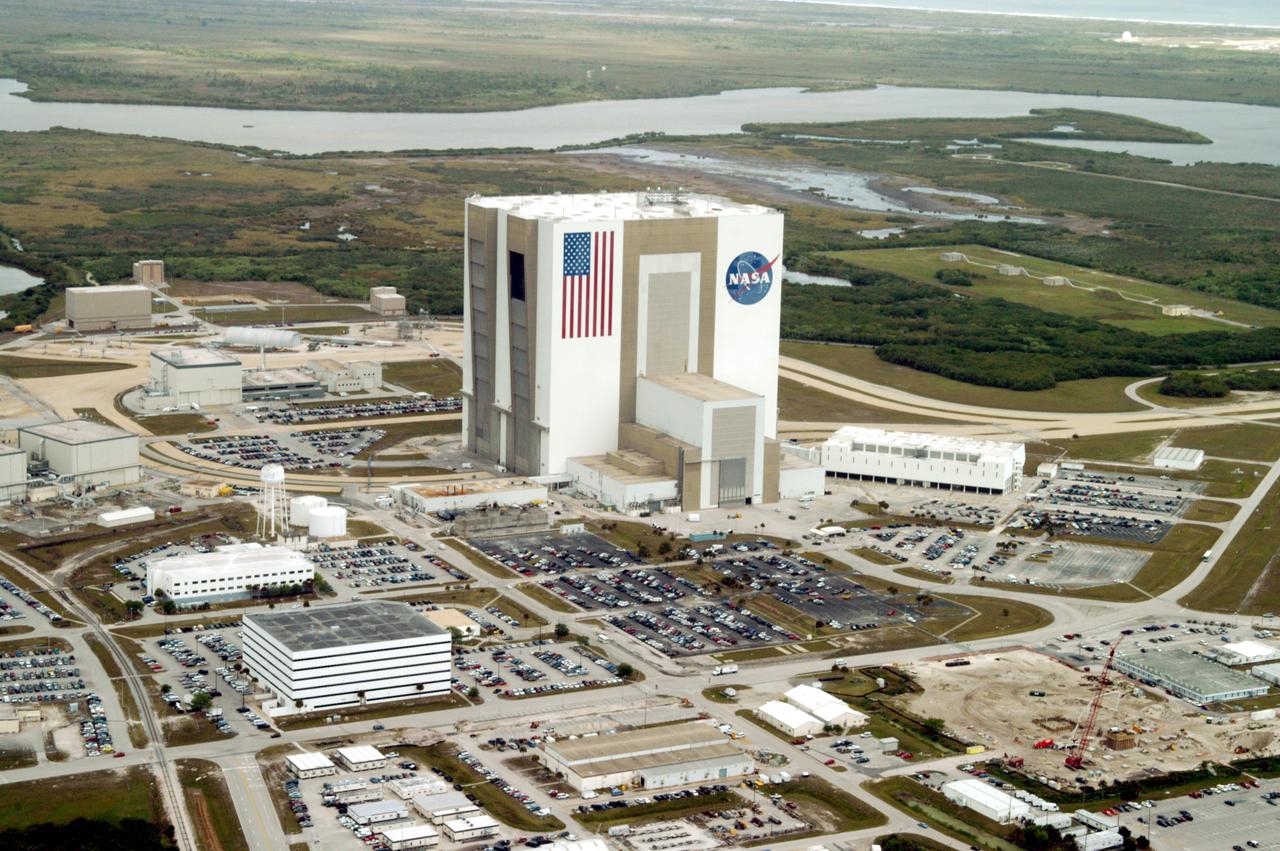
CAPE CANAVERAL, Fla. -- The 525-foot high Vehicle Assembly Building dominates the Launch Complex 39 Area. On the right is the Launch Control Center. To the left are the Orbiter Processing Facility Bays 1, 2 and 3. At lower left is the Operation Support Building at lower right is the construction area for Operations Support Building 2. Behind the VAB meanders the Banana Creek. Photo credit: NASA
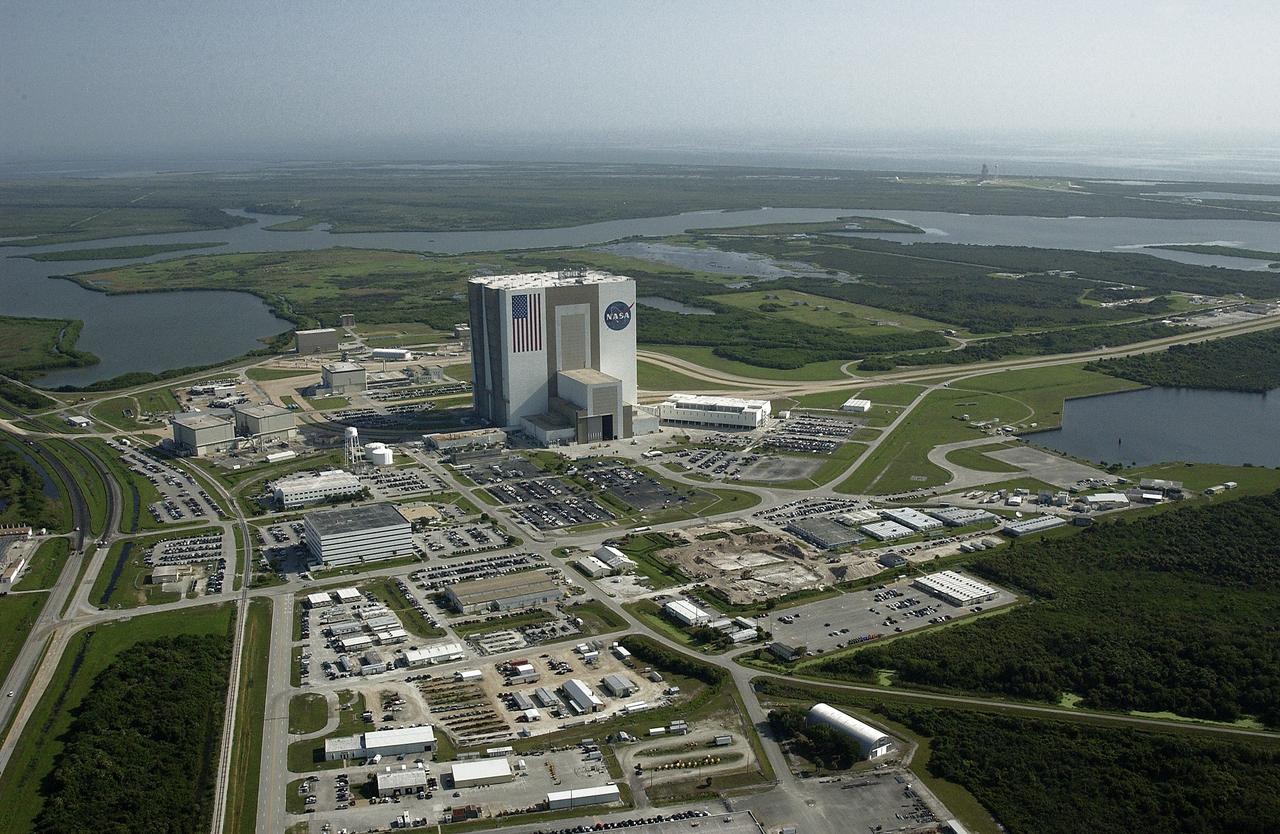
CAPE CANAVERAL, Fla. -- This view shows much of the Launch Complex 39 Area looking north. At center is the 525-foot-tall Vehicle Assembly Building. Other buildings surrounding it are counter clockwise from left the Orbiter Processing Facility, Multi-Function Facility, Operations Support Building and Launch Control Center, next to the VAB. The crawlerway leads from the VAB toward the launch pads. In the background are the waters of the Banana Creek. Photo credit: NASA

Apollo 11 Commander Neil A. Armstrong and his wife, Carol, were among the many special NASA STS-83 launch guests who witnessed the liftoff of the Space Shuttle Columbia April 4 at the Banana Creek VIP Viewing Site at KSC. Columbia took off from Launch Pad 39A at 2:20:32 p.m. EST to begin the 16-day Microgravity Science Laboratory-1 (MSL-1) mission

Singer-songwriter Judy Collins performs her original song, "Beyond the Sky," at the KSC Visitor Complex's Imax Theater for an audience waiting for the launch of STS-93. The song, commissioned by NASA through the nASA Art Program, honored Eileen Collins, the first woman to command a Space Shuttle. The attendees are planning to view the launch at the Banana Creek viewing sight. Liftoff is scheduled for July 20 at 12:36 a.m. EDT
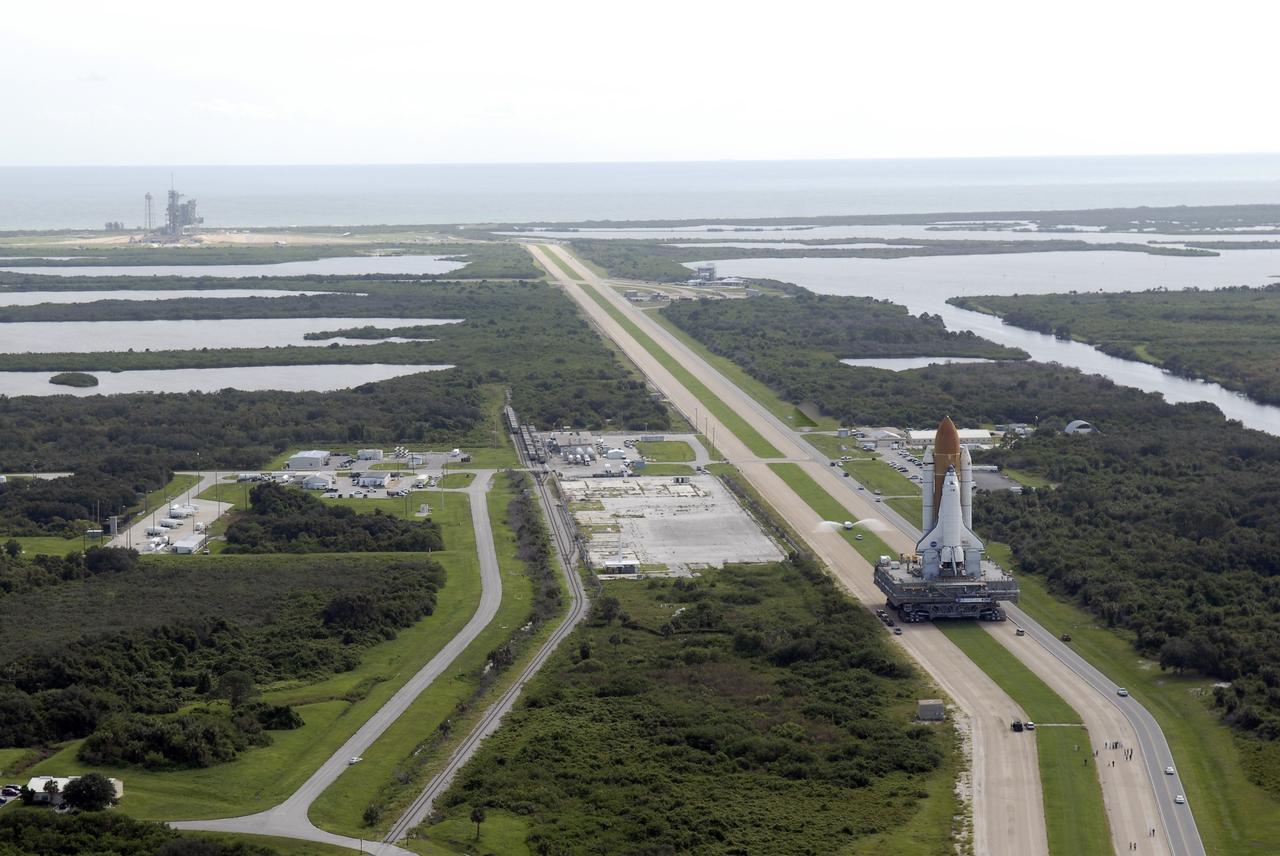
CAPE CANAVERAL, Fla. – Space shuttle Atlantis has passed the bend in the crawlerway taking it to Launch Pad 39A, above left, at NASA's Kennedy Space Center. The crawlerway is flanked by the Banana River at right and Banana Creek at left. The Atlantic Ocean stretches across the horizon. The shuttle stack, with solid rocket boosters and external fuel tank attached to Atlantis, rest on the mobile launcher platform. Movement is provided by the crawler-transporter underneath. First motion occurred at 9:19 a.m. EDT. The Sept. 2 rollout date was postponed due to Tropical Storm Hanna’s shift to a northern track. Atlantis is scheduled to launch on the STS-125 mission to service NASA’s Hubble Space Telescope. Launch is targeted for Oct. 8. Photo credit: NASA/Kim Shiflett
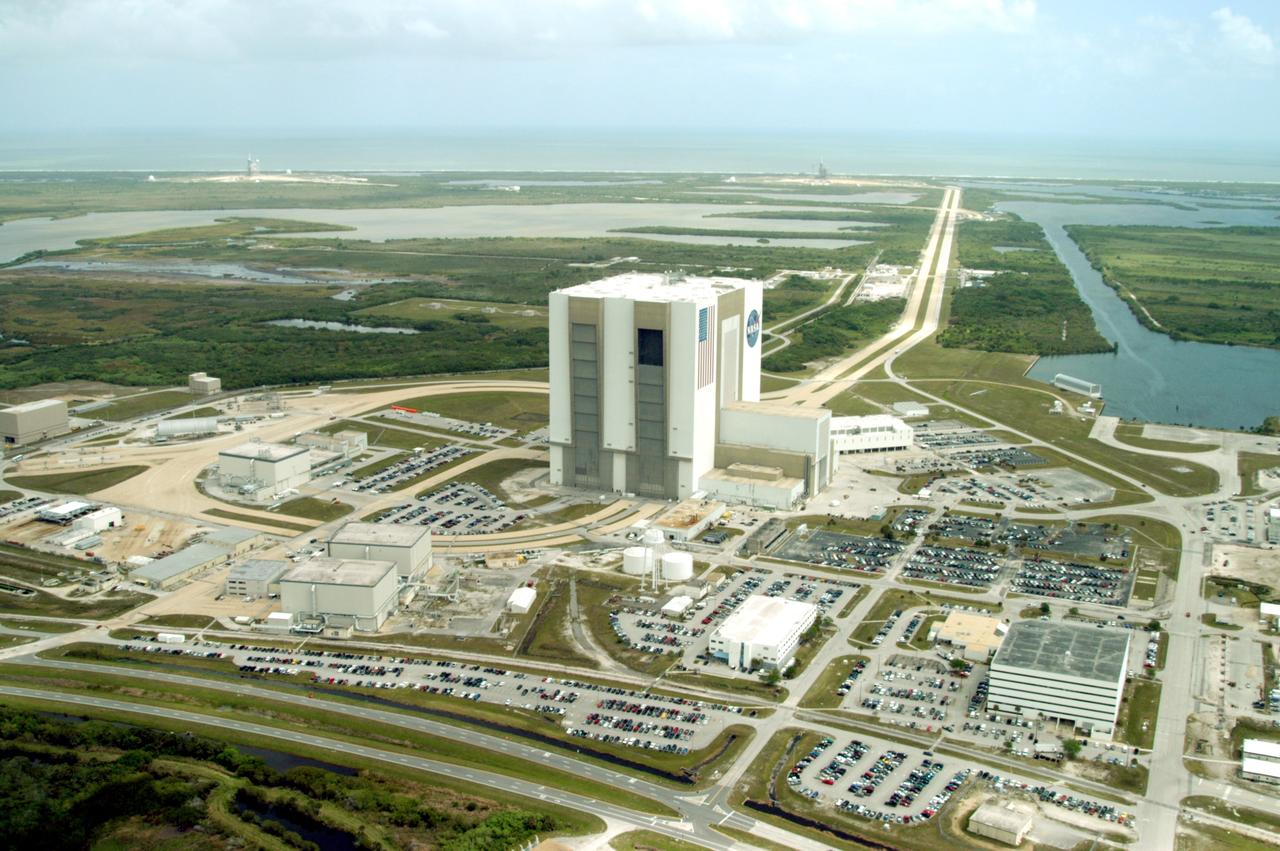
CAPE CANAVERAL, Fla. -- This aerial photo shows the expanse of the Launch Complex 39 Area, bordered on the east by the Atlantic Ocean and cloud-filled sky. At center right, towering above the surrounding sites, is the Vehicle Assembly Building. To the left, or north, is the Orbiter Processing Facility’s Bay 3. On the western side are OPF Bays 1 and 2. In the lower right corner is the Operations Support Building. The two-lane crawlerway stretches from the VAB toward the coast, site of Launch Pad 39A, closest, and Launch Pad 39B, far left. Between the VAB and the ocean sprawl the Banana Creek and the Banana River. The turn basin, at right, allows delivery of external tanks that are offloaded close to and transported to the VAB. Photo credit: NASA
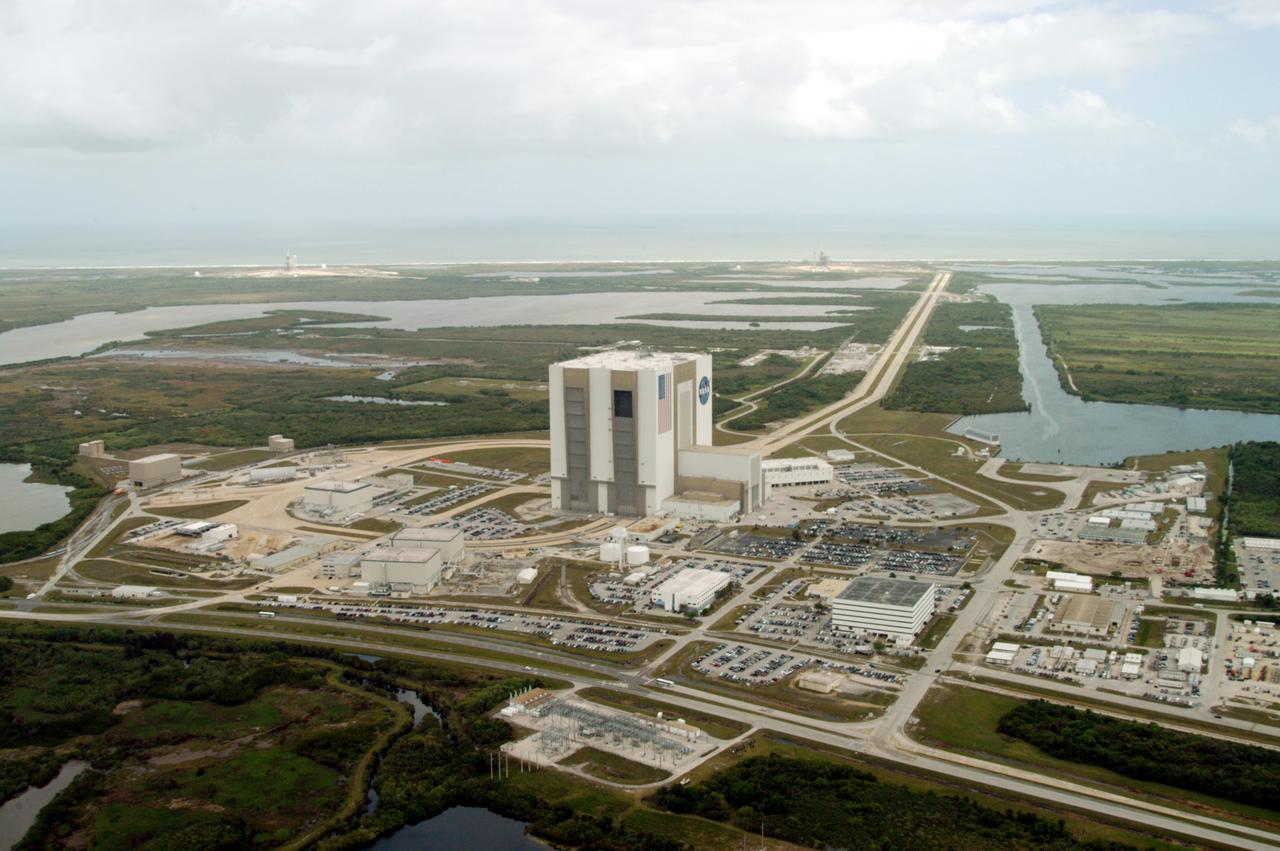
CAPE CANAVERAL, Fla. -- This aerial photo shows the expanse of the Launch Complex 39 Area, bordered on the east by the Atlantic Ocean and cloud-filled sky. At center right, towering above the surrounding sites, is the Vehicle Assembly Building. To the left, or north, is the Orbiter Processing Facility’s Bay 3. On the western side are OPF Bays 1 and 2. South, near the roadway, is the Operations Support Building. The two-lane crawlerway stretches from the VAB toward the coast, site of Launch Pad 39A, closest, and Launch Pad 39B, far left. Between the VAB and the ocean sprawl the Banana Creek and the Banana River. The turn basin, at right, allows delivery of external tanks that are offloaded close to and transported to the VAB. At the western end of the Turn Basin sits the press mound, home of the NASA KSC News Center. Photo credit: NASA
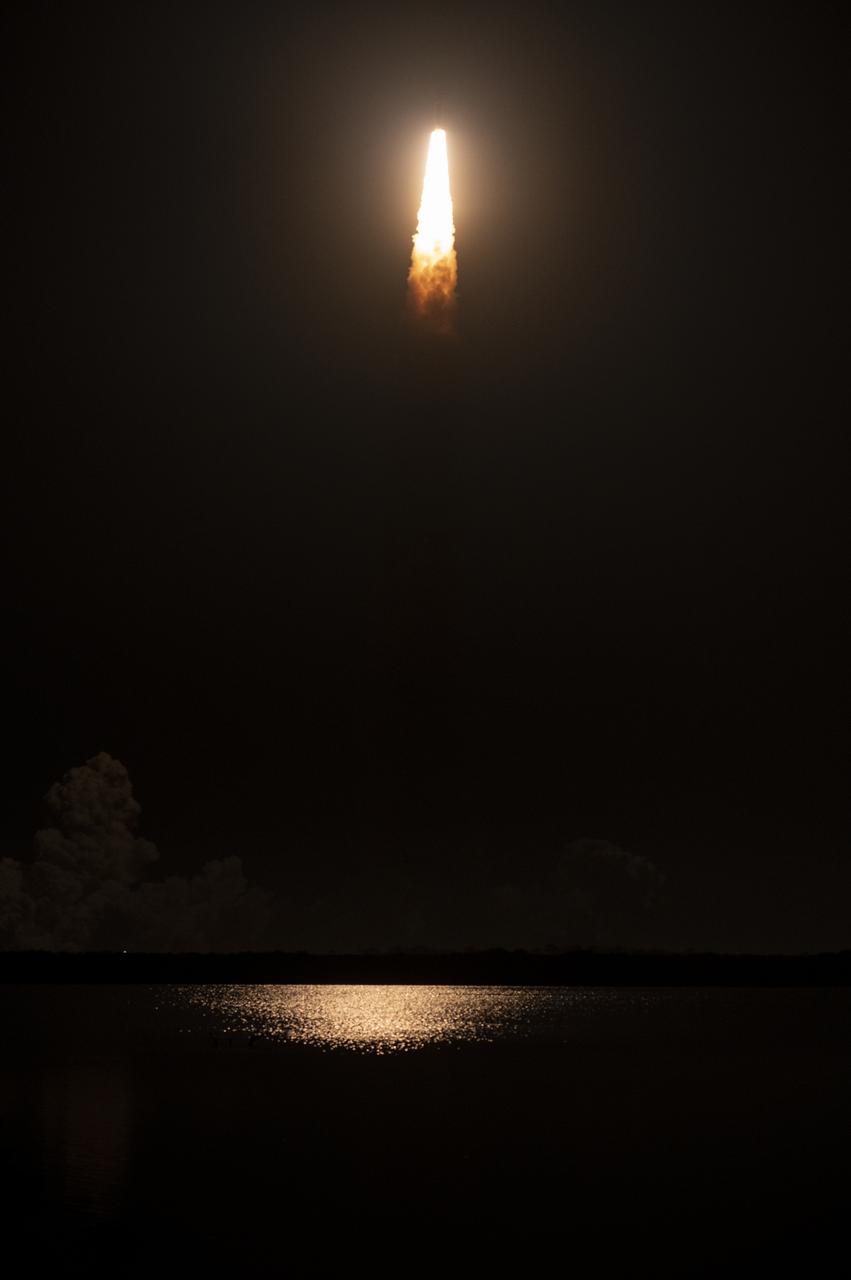
NASA’s Space Launch System rocket carrying the Orion spacecraft launches on the Artemis I flight test, Wednesday, Nov. 16, 2022, from Launch Complex 39B at NASA’s Kennedy Space Center in Florida. NASA’s Artemis I mission is the first integrated flight test of the agency’s deep space exploration systems: the Orion spacecraft, Space Launch System (SLS) rocket, and ground systems. SLS and Orion launched at 1:47 a.m. EST, from Launch Pad 39B at the Kennedy Space Center. Photo Credit: (NASA/Keegan Barber)
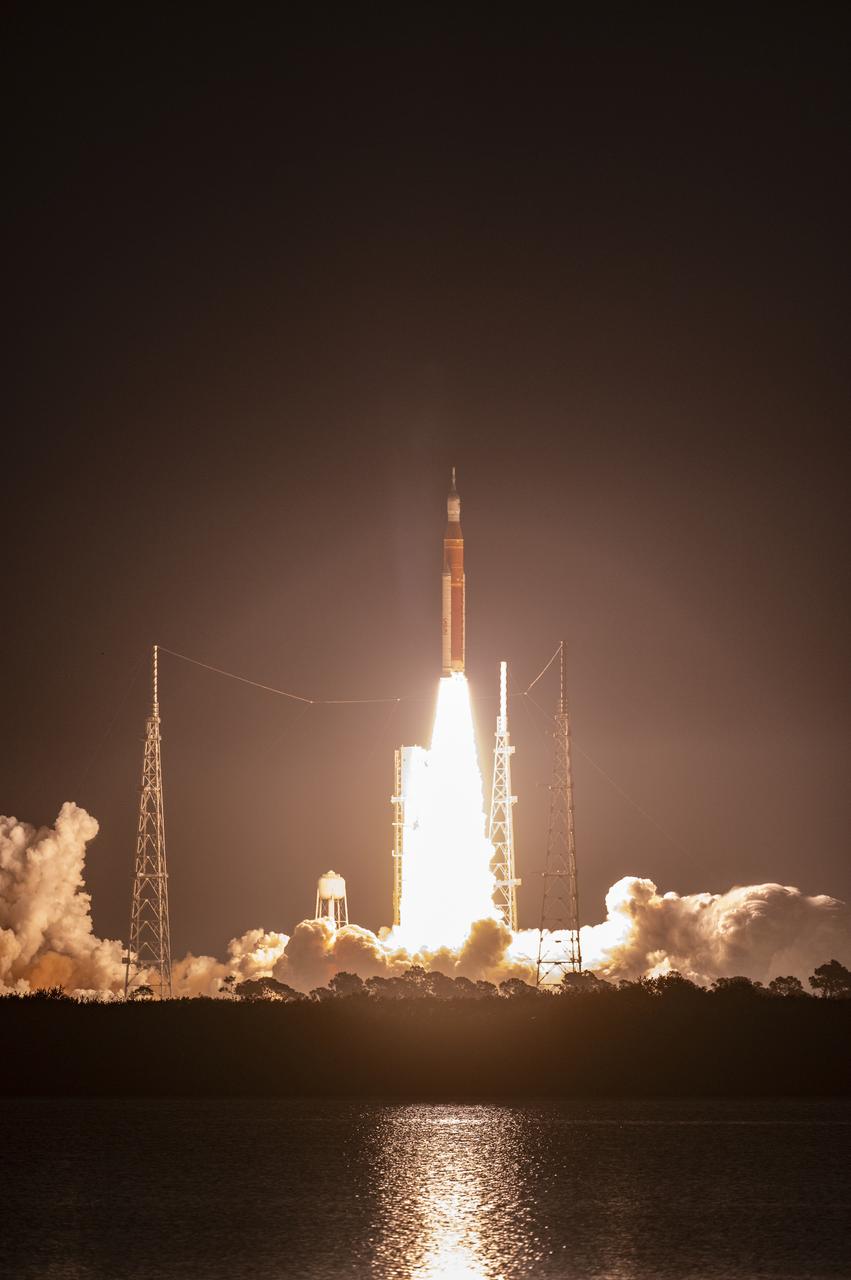
NASA’s Space Launch System rocket carrying the Orion spacecraft launches on the Artemis I flight test, Wednesday, Nov. 16, 2022, from Launch Complex 39B at NASA’s Kennedy Space Center in Florida. NASA’s Artemis I mission is the first integrated flight test of the agency’s deep space exploration systems: the Orion spacecraft, Space Launch System (SLS) rocket, and ground systems. SLS and Orion launched at 1:47 a.m. EST, from Launch Pad 39B at the Kennedy Space Center. Photo Credit: (NASA/Keegan Barber)
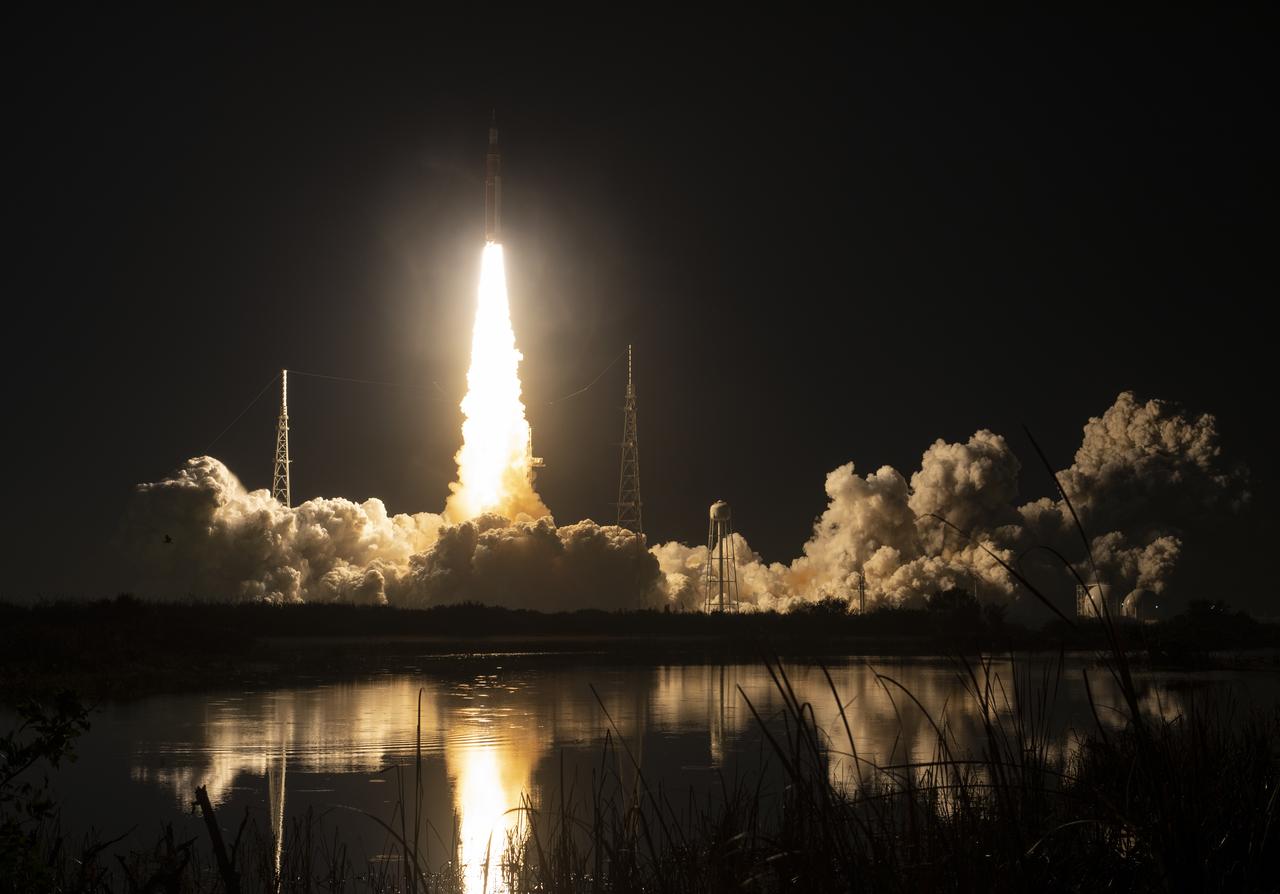
NASA’s Space Launch System rocket carrying the Orion spacecraft launches on the Artemis I flight test, Wednesday, Nov. 16, 2022, from Launch Complex 39B at NASA’s Kennedy Space Center in Florida. NASA’s Artemis I mission is the first integrated flight test of the agency’s deep space exploration systems: the Orion spacecraft, Space Launch System (SLS) rocket, and ground systems. SLS and Orion launched at 1:47 a.m. EST, from Launch Pad 39B at the Kennedy Space Center. Photo Credit: (NASA/Keegan Barber)
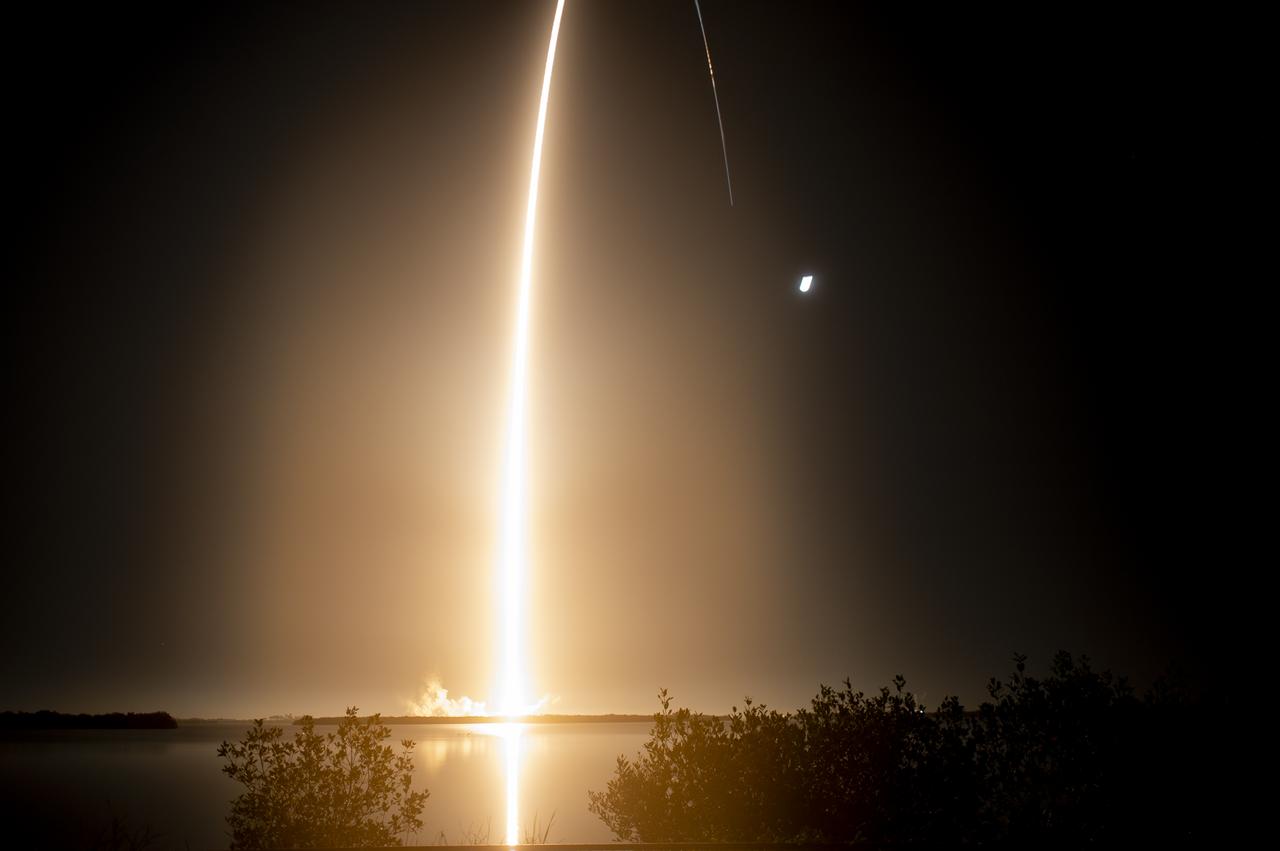
NASA’s Space Launch System rocket carrying the Orion spacecraft launches on the Artemis I flight test, Wednesday, Nov. 16, 2022, from Launch Complex 39B at NASA’s Kennedy Space Center in Florida. NASA’s Artemis I mission is the first integrated flight test of the agency’s deep space exploration systems: the Orion spacecraft, Space Launch System (SLS) rocket, and ground systems. SLS and Orion launched at 1:47 a.m. EST, from Launch Pad 39B at the Kennedy Space Center. Photo Credit: (NASA/Keegan Barber)
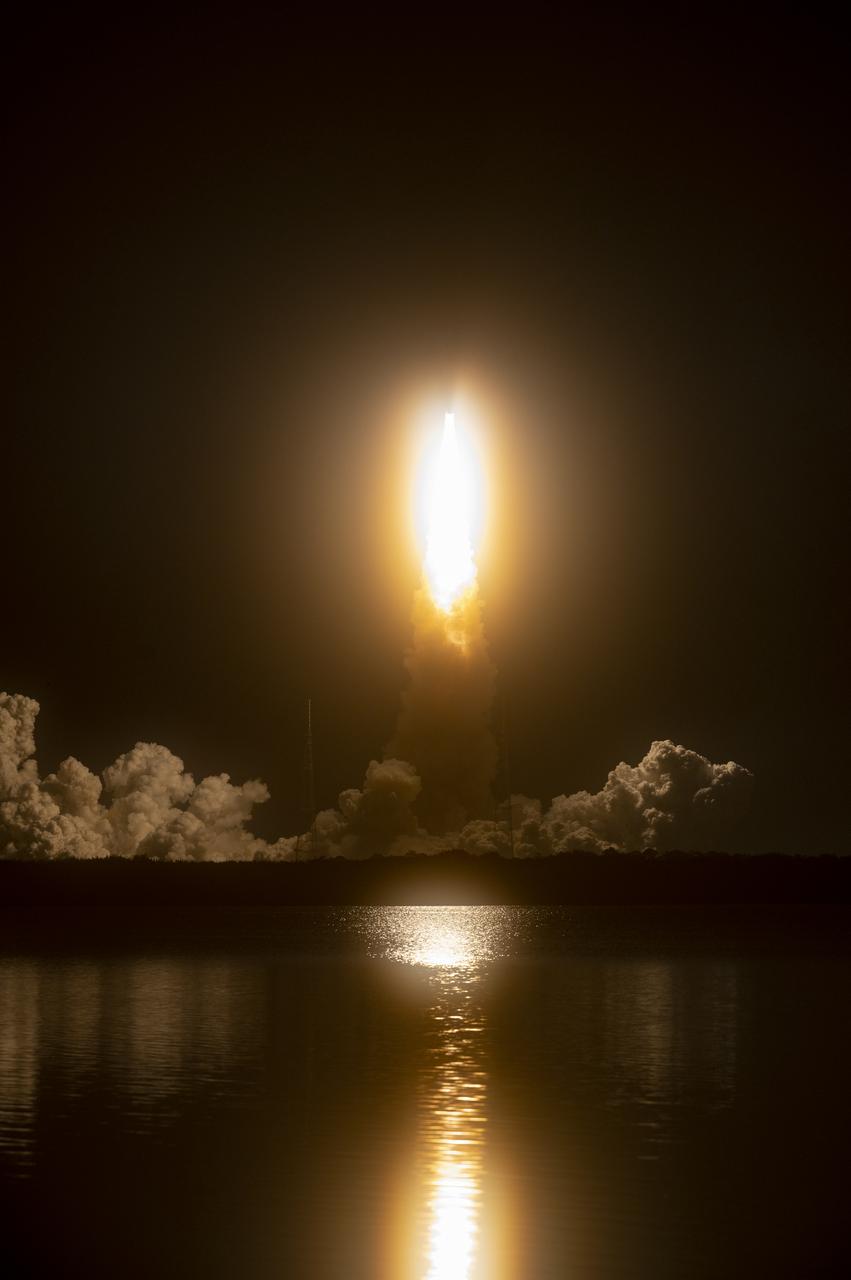
NASA’s Space Launch System rocket carrying the Orion spacecraft launches on the Artemis I flight test, Wednesday, Nov. 16, 2022, from Launch Complex 39B at NASA’s Kennedy Space Center in Florida. NASA’s Artemis I mission is the first integrated flight test of the agency’s deep space exploration systems: the Orion spacecraft, Space Launch System (SLS) rocket, and ground systems. SLS and Orion launched at 1:47 a.m. EST, from Launch Pad 39B at the Kennedy Space Center. Photo Credit: (NASA/Keegan Barber)
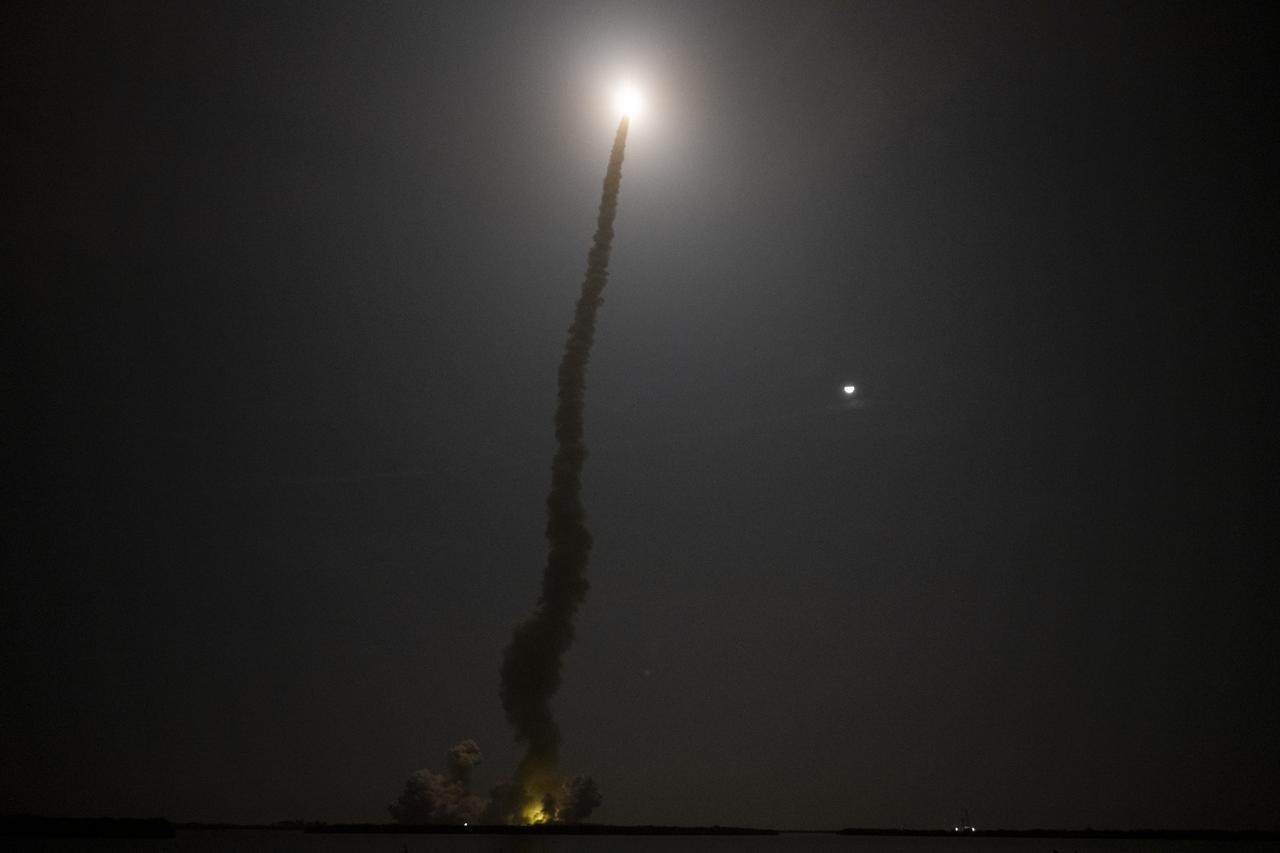
NASA’s Space Launch System rocket carrying the Orion spacecraft launches on the Artemis I flight test, Wednesday, Nov. 16, 2022, from Launch Complex 39B at NASA’s Kennedy Space Center in Florida. NASA’s Artemis I mission is the first integrated flight test of the agency’s deep space exploration systems: the Orion spacecraft, Space Launch System (SLS) rocket, and ground systems. SLS and Orion launched at 1:47 a.m. EST, from Launch Pad 39B at the Kennedy Space Center. Photo Credit: (NASA/Keegan Barber)
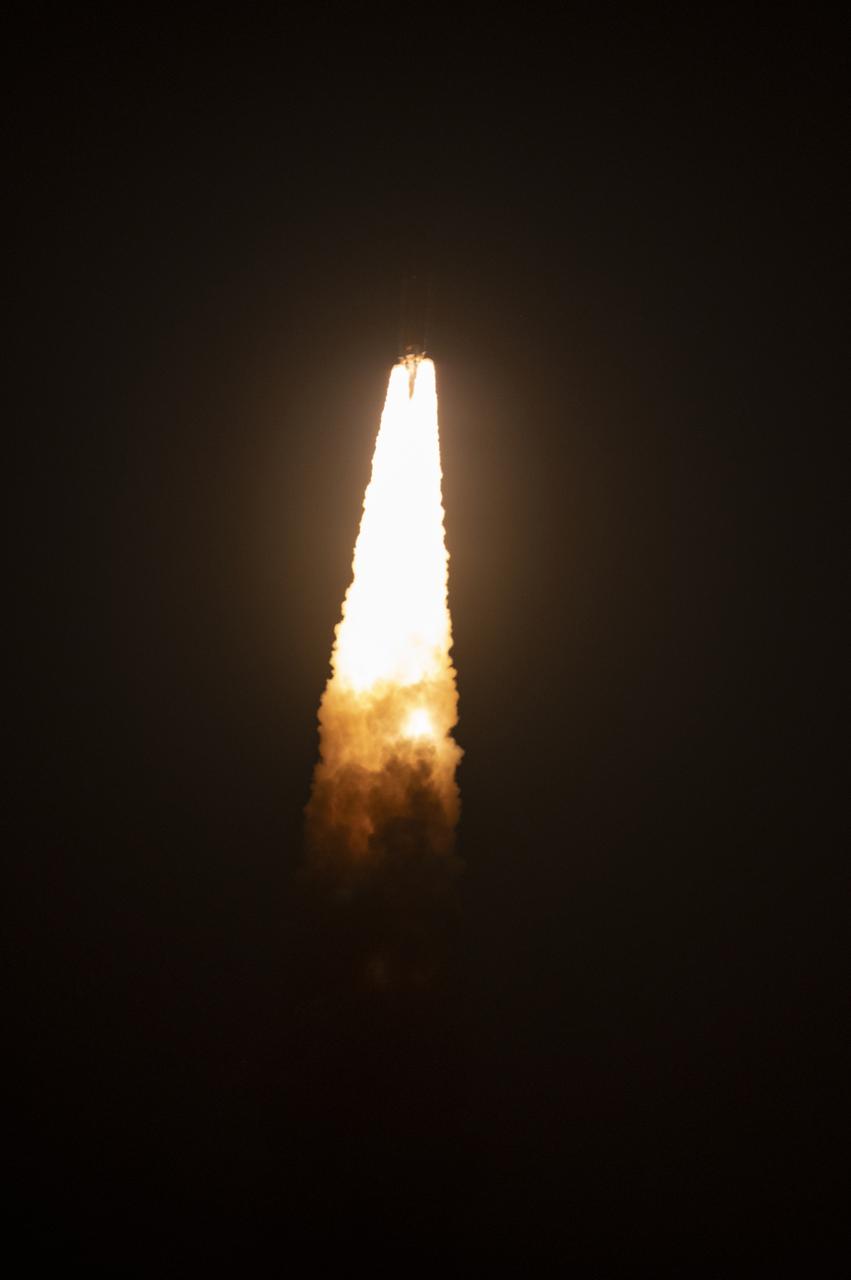
NASA’s Space Launch System rocket carrying the Orion spacecraft launches on the Artemis I flight test, Wednesday, Nov. 16, 2022, from Launch Complex 39B at NASA’s Kennedy Space Center in Florida. NASA’s Artemis I mission is the first integrated flight test of the agency’s deep space exploration systems: the Orion spacecraft, Space Launch System (SLS) rocket, and ground systems. SLS and Orion launched at 1:47 a.m. EST, from Launch Pad 39B at the Kennedy Space Center. Photo Credit: (NASA/Keegan Barber)

NASA’s Space Launch System rocket carrying the Orion spacecraft launches on the Artemis I flight test, Wednesday, Nov. 16, 2022, from Launch Complex 39B at NASA’s Kennedy Space Center in Florida. NASA’s Artemis I mission is the first integrated flight test of the agency’s deep space exploration systems: the Orion spacecraft, Space Launch System (SLS) rocket, and ground systems. SLS and Orion launched at 1:47 a.m. EST, from Launch Pad 39B at the Kennedy Space Center. Photo Credit: (NASA/Keegan Barber)
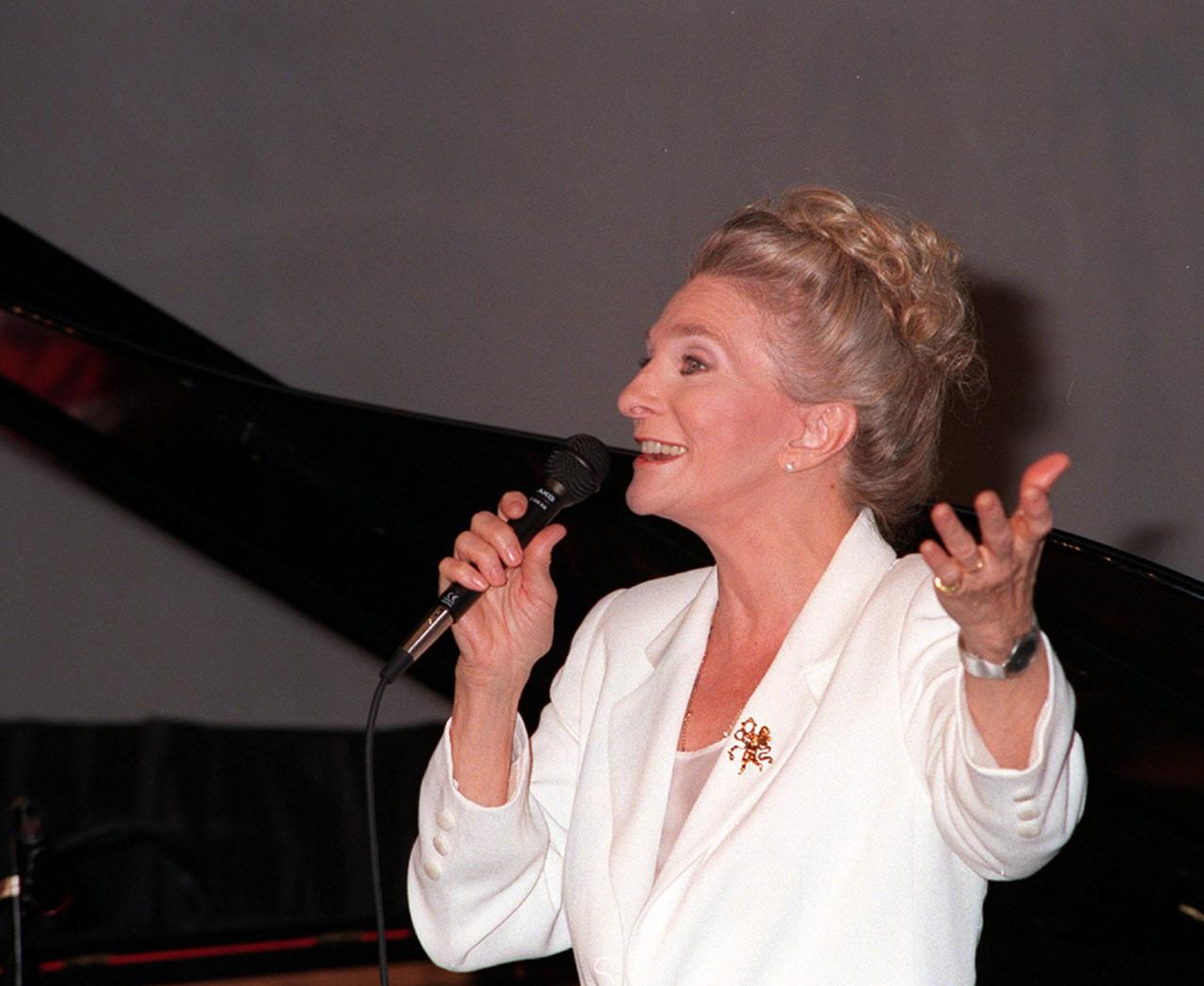
Singer-songwriter Judy Collins performs her original song, "Beyond the Sky," at the KSC Visitor Complex's Imax Theater for an audience of women attending a forum. The song, commissioned by NASA through the nASA Art Program, honored Eileen Collins, the first woman to command a Space Shuttle. The forum included a welcome by Center Director Roy Bridges, remarks by NASA Administrator Daniel Goldin, and a panel discussion, "Past, Present and Future of Space." The attendees are planning to view the launch of STS-93 at the Banana Creek viewing sight. Liftoff is scheduled for July 20 at 12:36 a.m. EDT
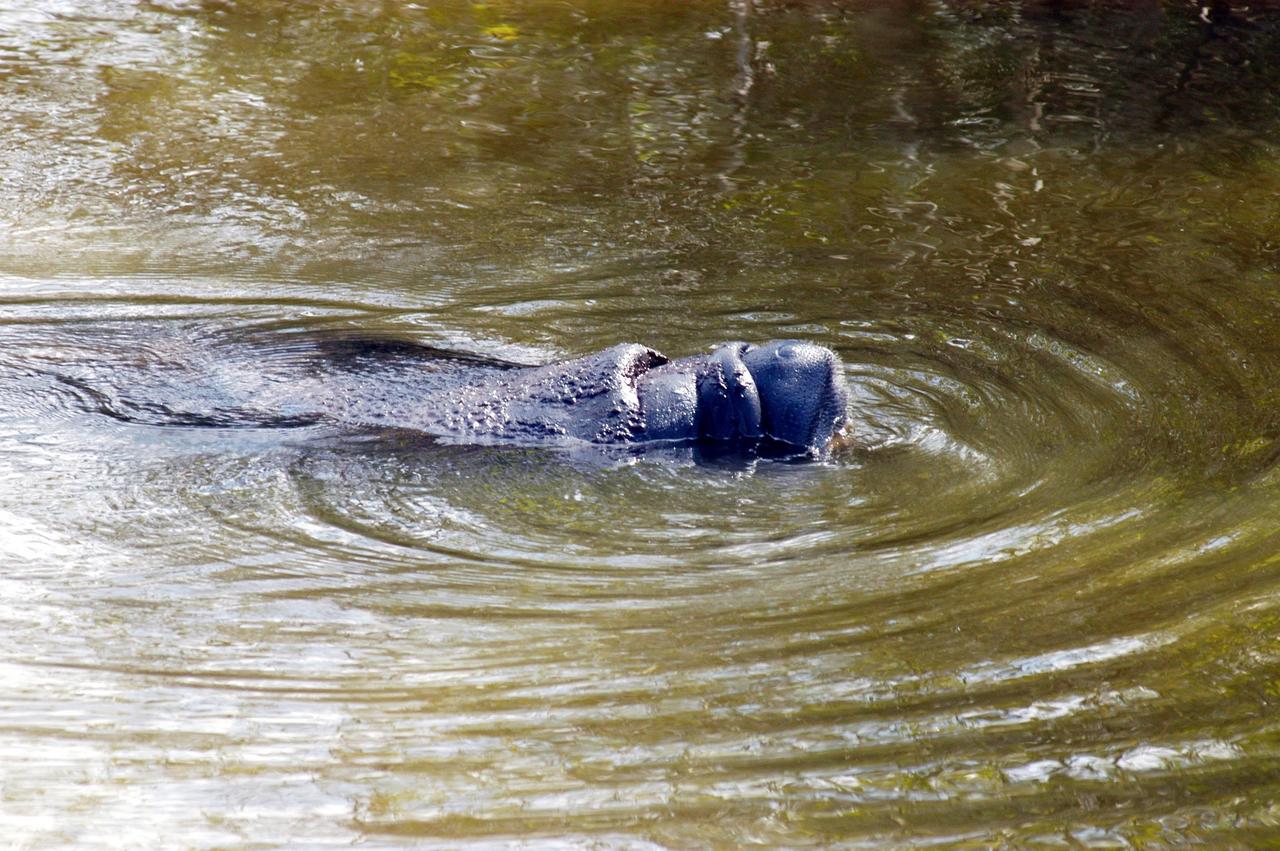
KENNEDY SPACE CENTER, FLA. - At the mouth of Banana Creek on Kennedy Space Center, a manatee rests in the shallows. Manatees live in Florida's warm-water rivers and inland springs. The Florida manatee feeds on more than 60 varieties of grasses and plants. Manatee cows give birth about once every three years. Gestation lasts about 12 months. KSC shares a boundary with the Merritt Island National Wildlife Refuge, which encompasses 92,000 acres that are a habitat for more than 331 species of birds, 31 mammals, 117 fishes, and 65 amphibians and reptiles.
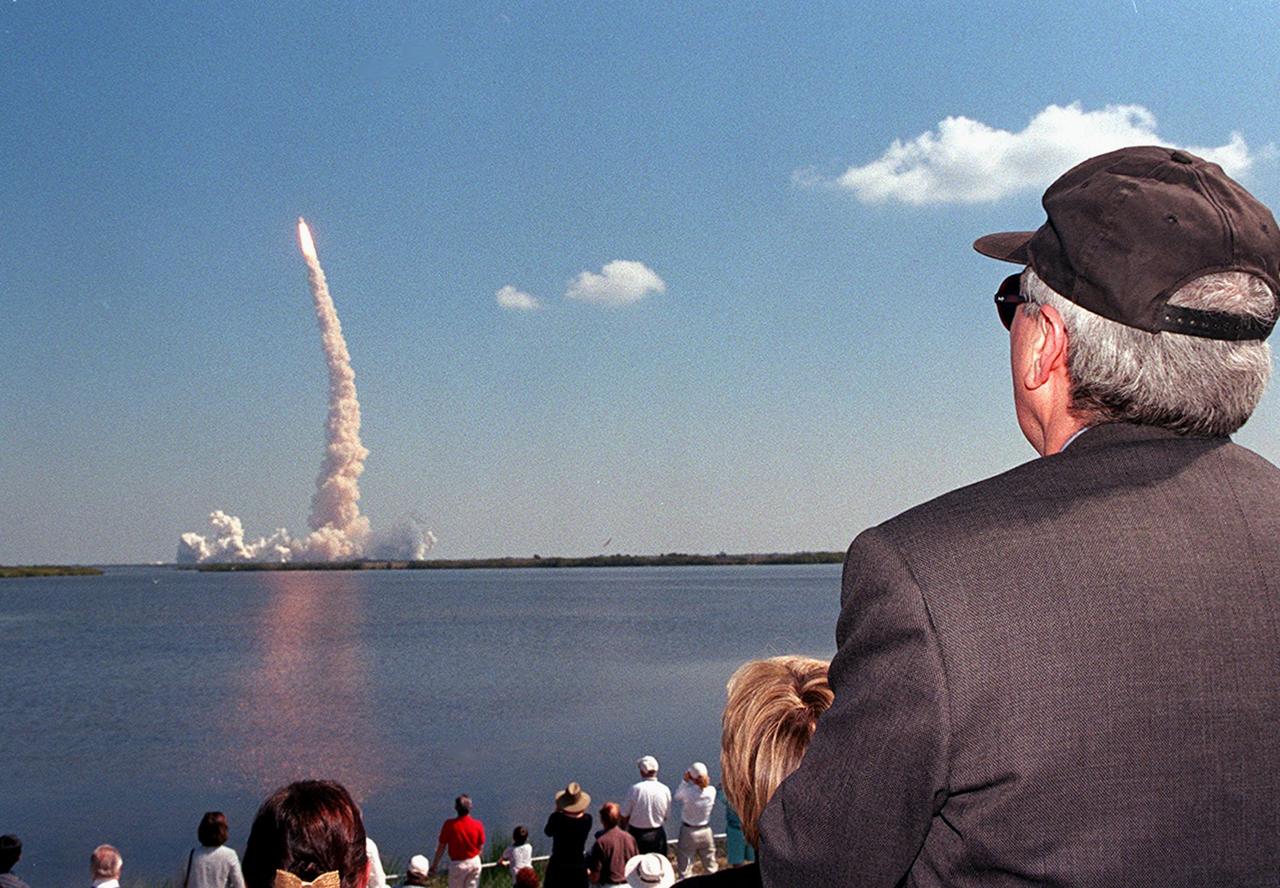
KENNEDY SPACE CENTER, FLA. -- NASA Administrator Dan Goldin (right) joins other spectators at the Banana Creek viewing site in cheering the successful launch of Space Shuttle Endeavour on mission STS-99. The perfect liftoff occurred at 12:43:40 p.m. EST. Known as the Shuttle Radar Topography Mission (SRTM), STS-99 will chart a new course to produce unrivaled 3-D images of the Earth's surface. The result of the SRTM could be close to 1 trillion measurements of the Earth's topography. The mission is expected to last 11days, with Endeavour landing at KSC Tuesday, Feb. 22, at 4:36 p.m. EST. This is the 97th Shuttle flight and 14th for Shuttle Endeavour
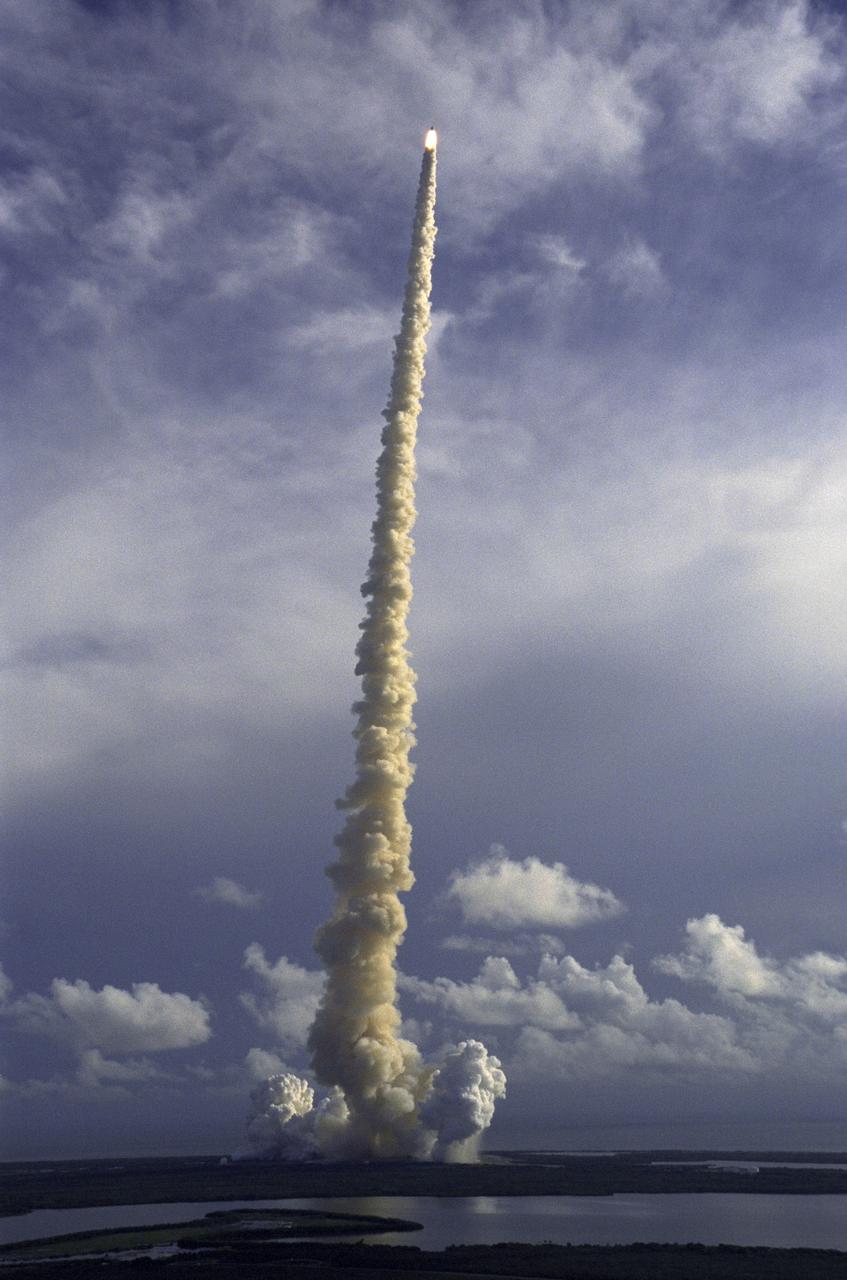
STS106-S-005 (8 September 2000) --- This distant view of the STS-106 liftoff was photographed across marsh waters around Mosquito Lagoon and Banana Creek, looking toward the Atlantic Ocean. The perfect on-time liftoff of the Space Shuttle Atlantis occurred at 8:45:47 a.m. (EDT), September 8, 2000. Onboard the shuttle were astronauts Terrence W. Wilcutt, Scott D. Altman, Edward T. Lu, Richard A. Mastracchio and Daniel C. Burbank, along with cosmonauts Yuri I. Malenchenko and Boris V. Morukov who represent the Russian Aviation and Space Agency.
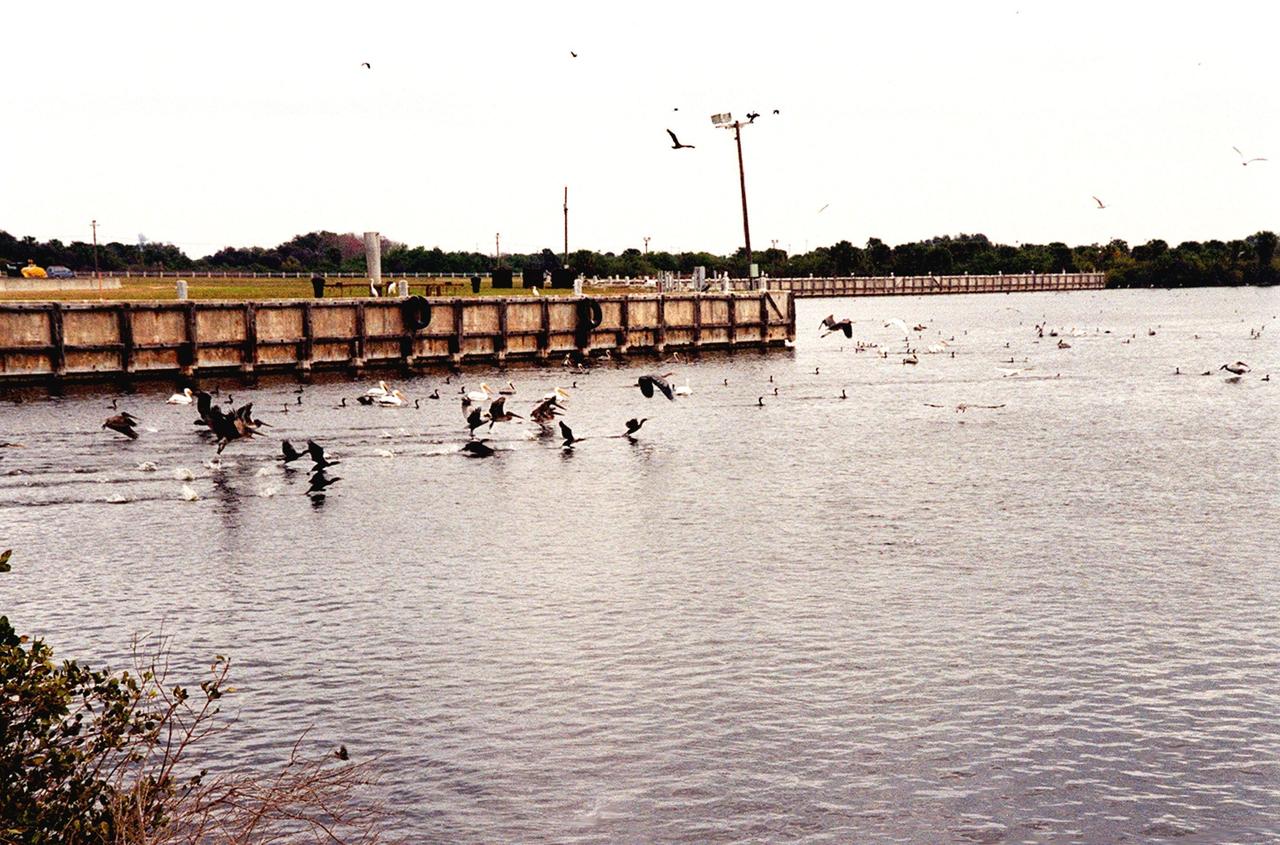
KENNEDY SPACE CENTER, FLA. -- The water in the turn basin, east of the Vehicle Assembly Building and next to the crawlerway, teems with fish and draws white pelicans, gray pelicans, cormorants, sea gulls and more looking for a meal. The turn basin is part of the Indian River Lagoon, composed of Mosquito Lagoon to the north, Banana River and Creek to the south and the Indian River to the west. The Indian River Lagoon has one of the most diverse bird populations anywhere in America. Also, nearly one-third of the nation's manatee population lives here or migrates through the lagoon seasonally. The lagoon varies in width from ½ mile to 5 miles and averages only 3 feet in depth
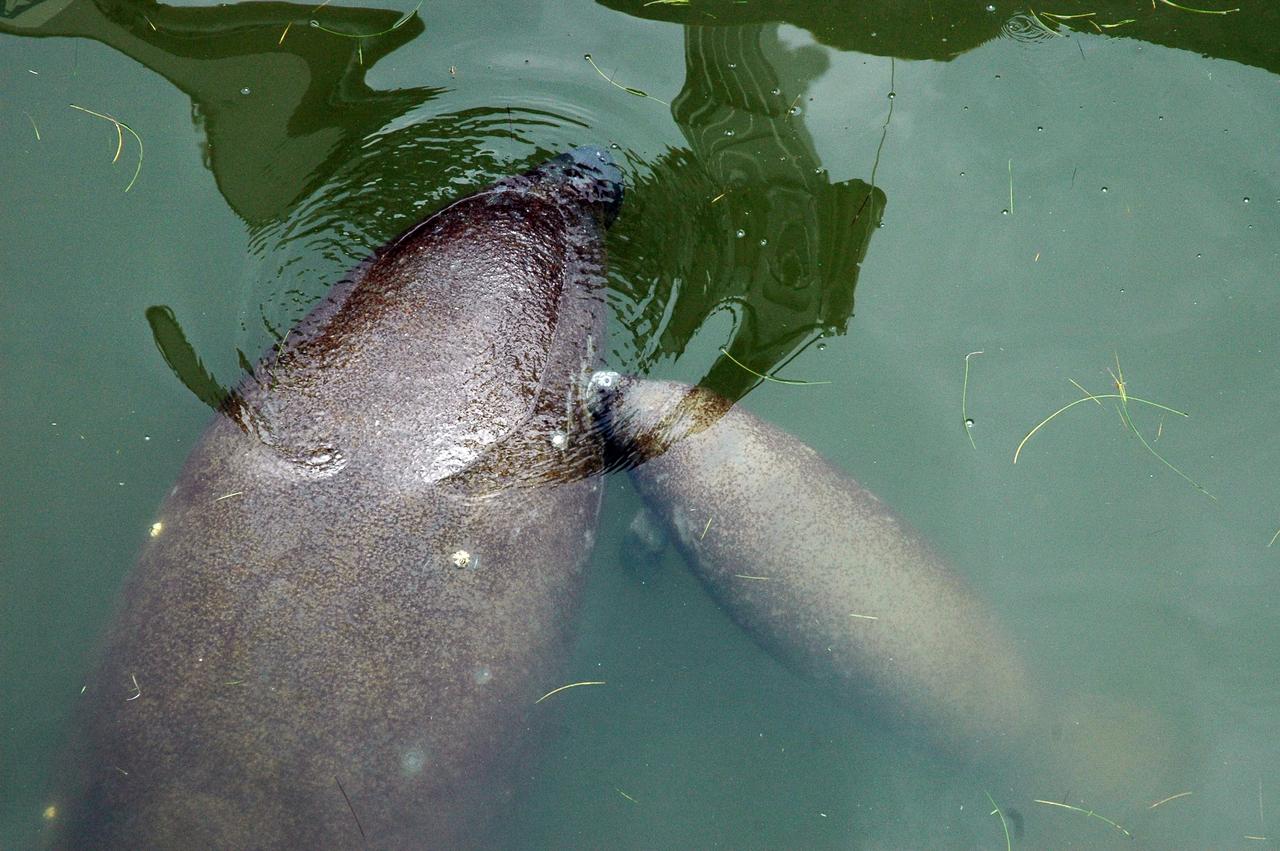
CAPE CANAVERAL, Fla. – Two manatees frolic in the Banana Creek at Cape Canaveral Air Force Station, adjacent to NASA’s Kennedy Space Center. Manatees live in Florida’s warm-water rivers and inland springs. The Florida manatee feeds on more than 60 varieties of grasses and plants. Kennedy shares a boundary with the Merritt Island National Wildlife Refuge, which encompasses 92,000 acres that are a habitat for more than 330 species of birds, 25 mammals, 117 fishes and 65 amphibians and reptiles. Photo credit: NASA/Ben Smegelsky
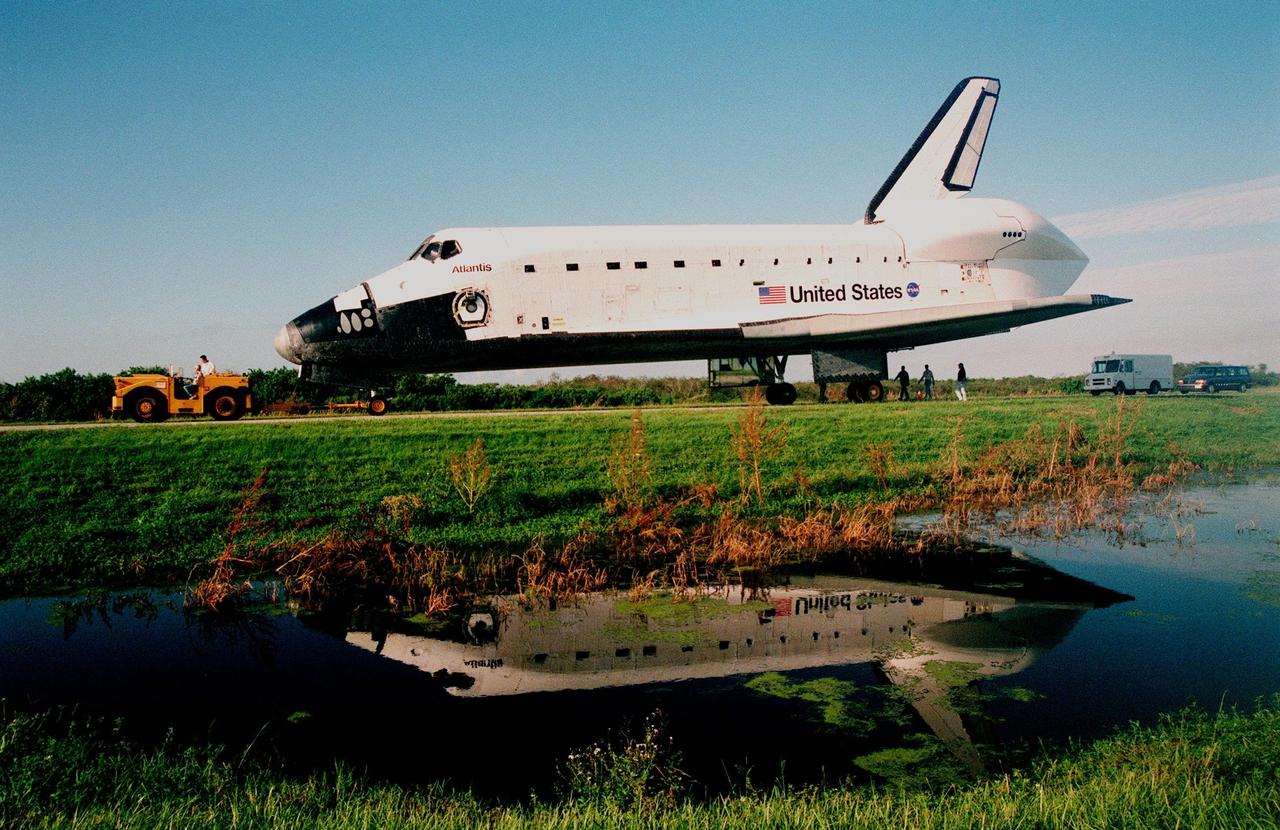
The orbiter Atlantis, being towed from the Shuttle Landing Facility, is reflected in waters from the Banana Creek next to the towway. The orbiter spent 10 months in Palmdale, CA, undergoing extensive inspections and modifications in the orbiter processing facility there. The modifications included several upgrades enabling it to support International Space Station missions, such as adding an external airlock for ISS docking missions and installing thinner, lighter thermal protection blankets for weight reduction which will allow it to haul heavier cargo. Atlantis will undergo preparations in the Orbiter Processing Facility at KSC for its planned flight in June 1999
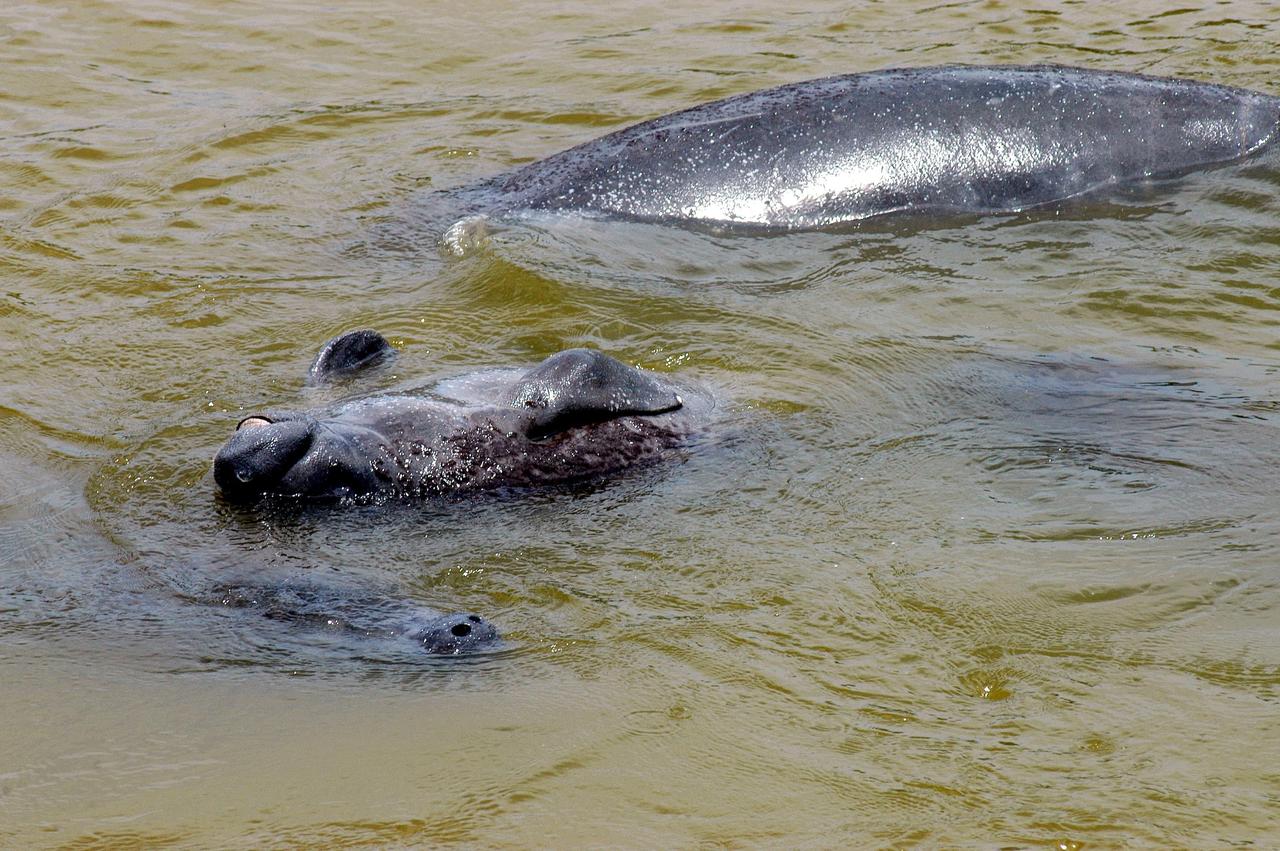
KENNEDY SPACE CENTER, FLA. - At the mouth of Banana Creek on Kennedy Space Center, a baby manatee seems to be smiling as it floats on its back nestled between two adults. Manatees live in Florida's warm-water rivers and inland springs. The Florida manatee feeds on more than 60 varieties of grasses and plants. Manatee cows give birth about once every three years. Gestation lasts about 12 months. KSC shares a boundary with the Merritt Island National Wildlife Refuge, which encompasses 92,000 acres that are a habitat for more than 331 species of birds, 31 mammals, 117 fishes, and 65 amphibians and reptiles.
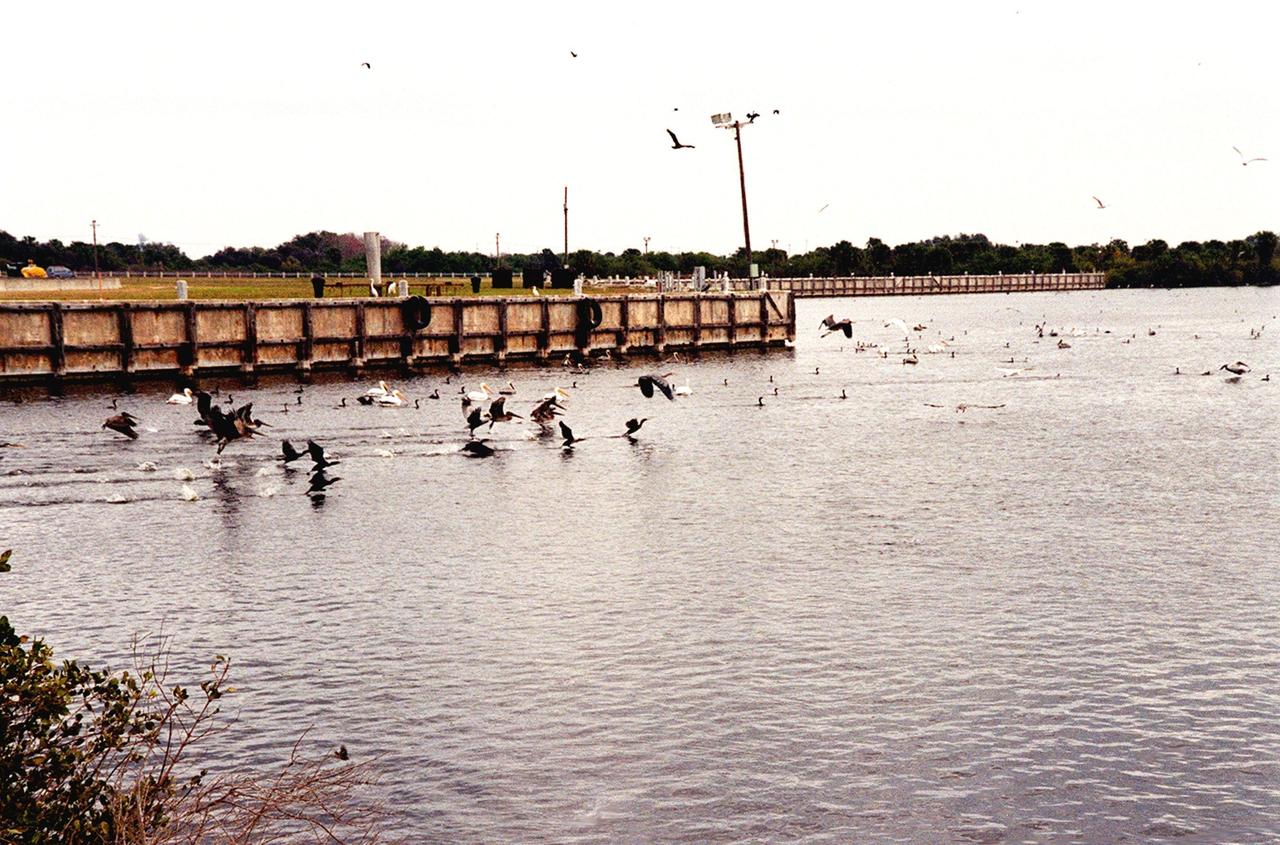
KENNEDY SPACE CENTER, FLA. -- The water in the turn basin, east of the Vehicle Assembly Building and next to the crawlerway, teems with fish and draws white pelicans, gray pelicans, cormorants, sea gulls and more looking for a meal. The turn basin is part of the Indian River Lagoon, composed of Mosquito Lagoon to the north, Banana River and Creek to the south and the Indian River to the west. The Indian River Lagoon has one of the most diverse bird populations anywhere in America. Also, nearly one-third of the nation's manatee population lives here or migrates through the lagoon seasonally. The lagoon varies in width from ½ mile to 5 miles and averages only 3 feet in depth
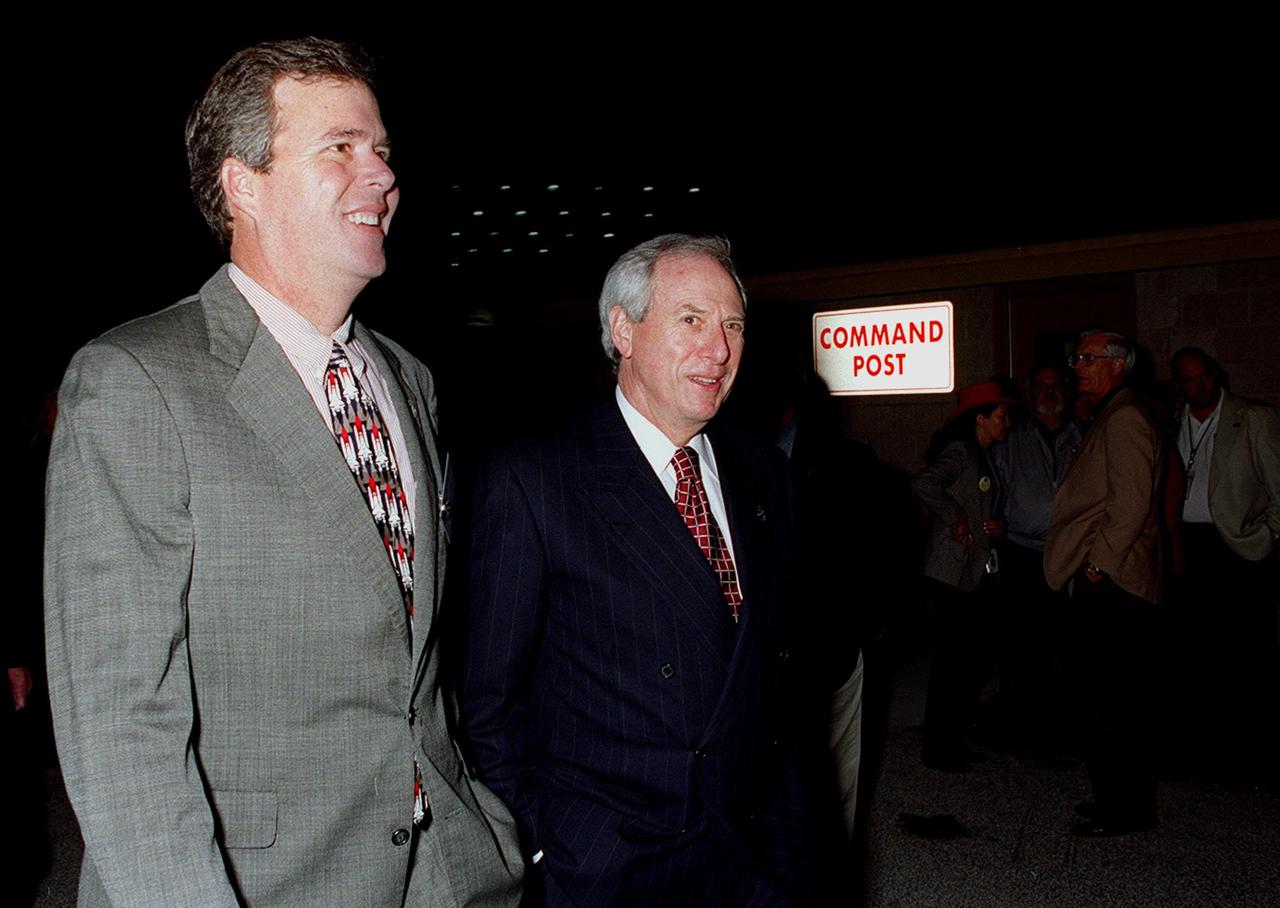
KENNEDY SPACE CENTER, FLA. -- Florida’s Gov. Jeb Bush (left) joins NASA Administrator Daniel Goldin (right) for the launch of Space Shuttle Endeavour on mission STS-97. They viewed the launch from the Banana Creek VIP Site. Liftoff of Endeavour occurred on time at 10:06:01 p.m. EST with a crew of five. The sixth construction flight to the International Space Station, Endeavour is transporting the P6 Integrated Truss Structure that comprises Solar Array Wing-3 and the Integrated Electronic Assembly, to provide power to the Space Station. The 11-day mission includes two spacewalks to complete the solar array connections. Endeavour is expected to land Dec. 11 at 6:19 p.m. EST
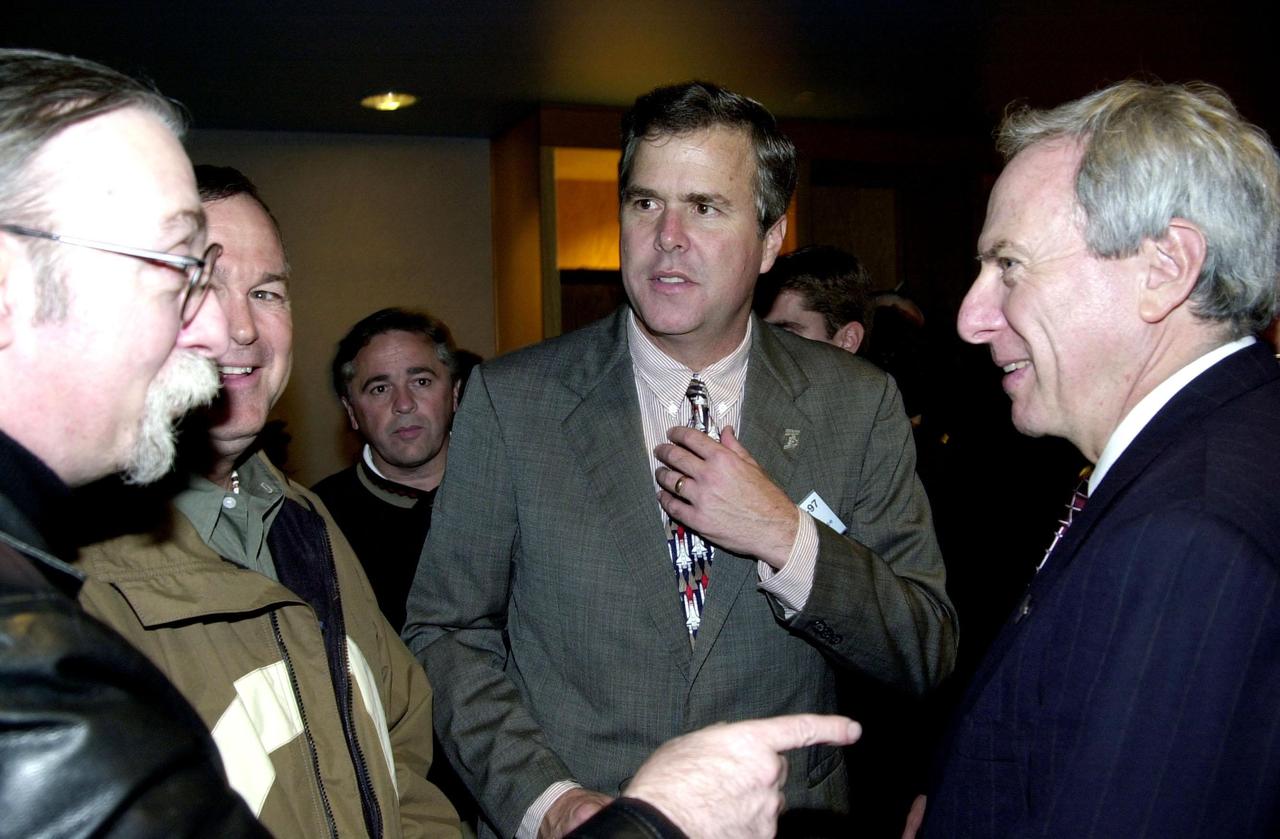
KENNEDY SPACE CENTER, FLA. -- Florida’s Governor Jeb Bush (center) joins NASA Administrator Daniel Goldin (right) for the launch of Space Shuttle Endeavour on mission STS-97. They viewed the launch from the Banana Creek VIP Site. Liftoff of Endeavour occurred on time at 10:06:01 p.m. EST with a crew of five. The sixth construction flight to the International Space Station, Endeavour is transporting the P6 Integrated Truss Structure that comprises Solar Array Wing-3 and the Integrated Electronic Assembly, to provide power to the Space Station. The 11-day mission includes two spacewalks to complete the solar array connections. Endeavour is expected to land Dec. 11 at 6:19 p.m. EST

KENNEDY SPACE CENTER, FLA. -- NASA Administrator Dan Goldin (right) joins other spectators at the Banana Creek viewing site in cheering the successful launch of Space Shuttle Endeavour on mission STS-99. The perfect liftoff occurred at 12:43:40 p.m. EST. Known as the Shuttle Radar Topography Mission (SRTM), STS-99 will chart a new course to produce unrivaled 3-D images of the Earth's surface. The result of the SRTM could be close to 1 trillion measurements of the Earth's topography. The mission is expected to last 11days, with Endeavour landing at KSC Tuesday, Feb. 22, at 4:36 p.m. EST. This is the 97th Shuttle flight and 14th for Shuttle Endeavour
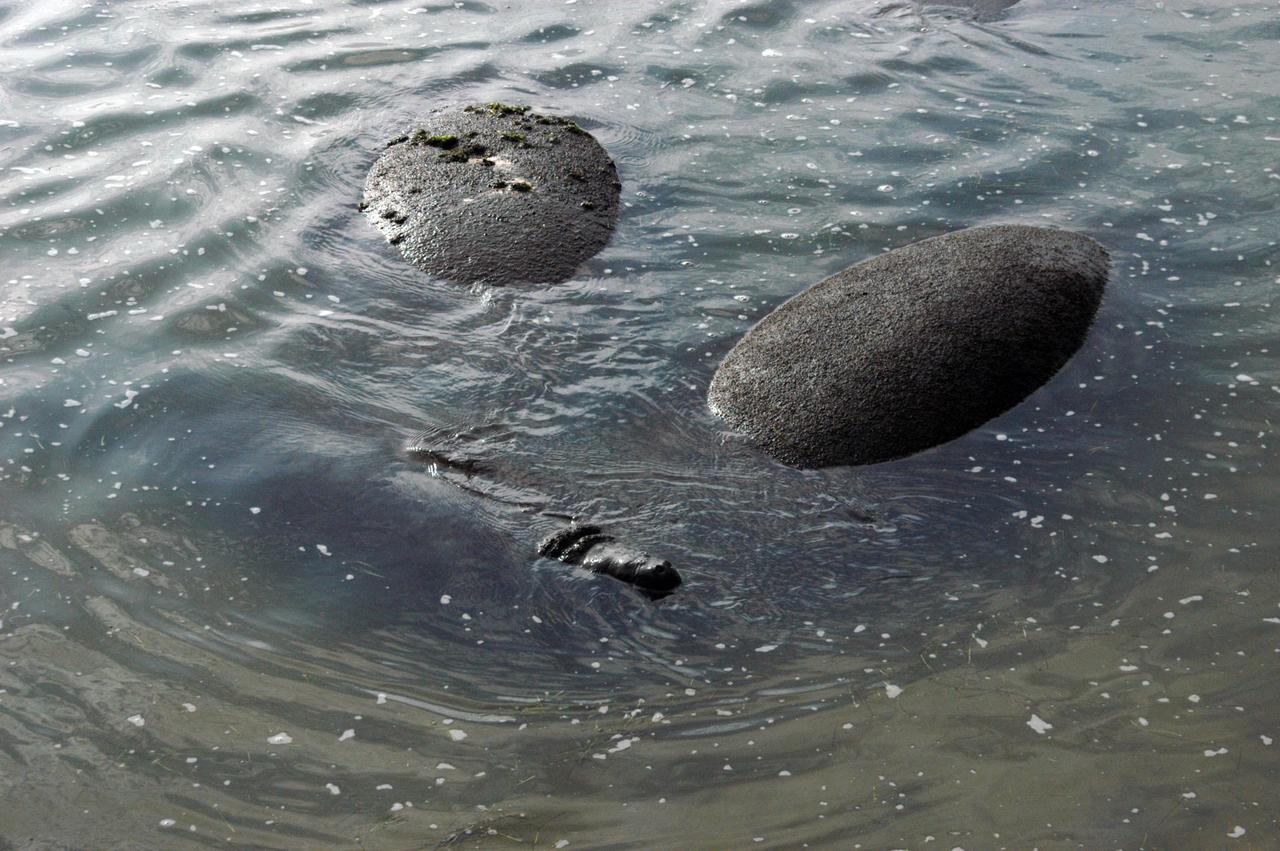
KENNEDY SPACE CENTER, FLA. -- Manatees gather in the Banana Creek inside NASA's Kennedy Space Center. Manatees live in Florida's warm-water rivers and inland springs. The Florida manatee feeds on more than 60 varieties of grasses and plants. Manatee cows give birth about once every three years. Gestation lasts about 12 months. KSC shares a boundary with the Merritt Island National Wildlife Refuge, which encompasses 92,000 acres that are a habitat for more than 331 species of birds, 31 mammals, 117 fishes, and 65 amphibians and reptiles. Photo credit: NASA/George Shelton
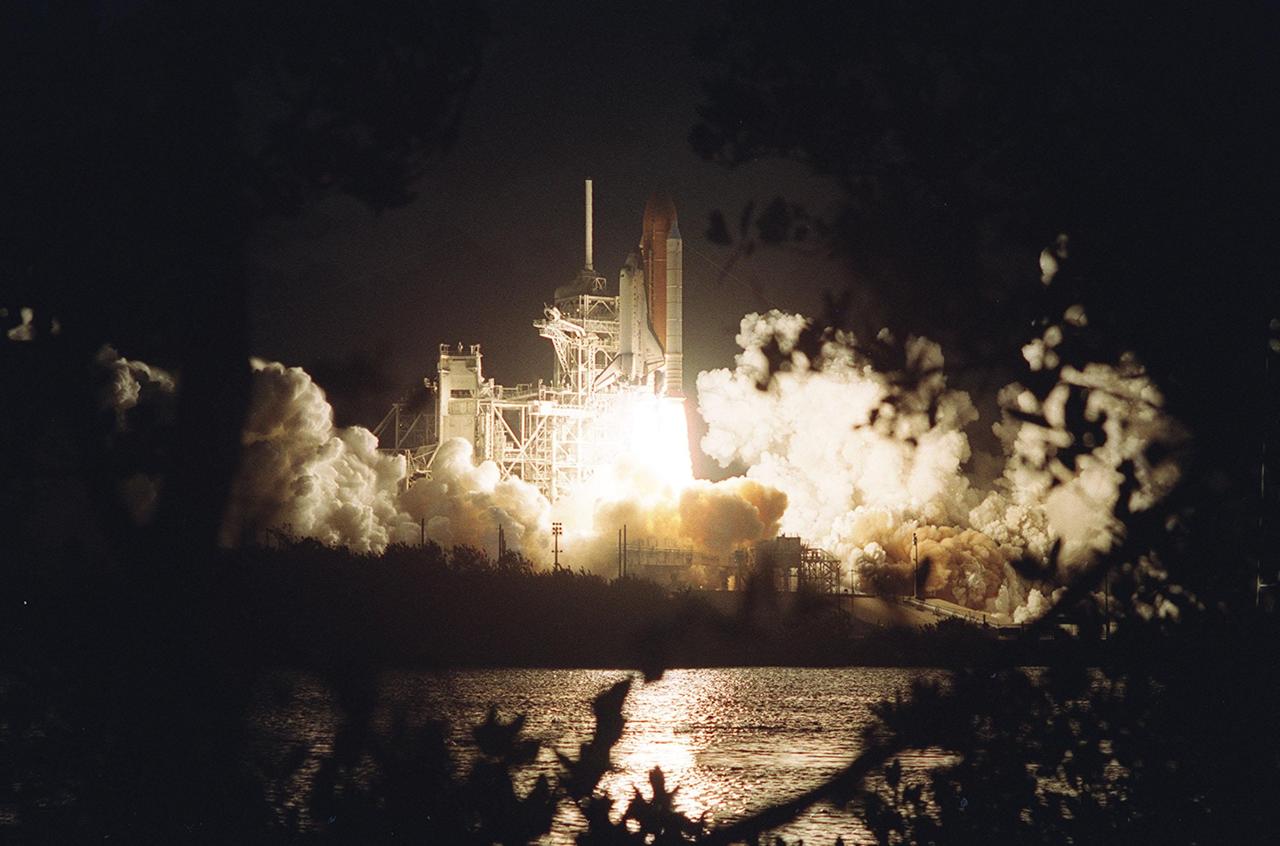
KENNEDY SPACE CENTER, Fla. -- Viewed from across the waters of Banana Creek, clouds of smoke and steam are illuminated by the flames from Space Shuttle Discovery’s perfect on-time launch at 7:17 p.m. EDT. Discovery carries a crew of seven on a construction flight to the International Space Station. Discovery also carries a payload that includes the Integrated Truss Structure Z-1, first of 10 trusses that will form the backbone of the Space Station, and the third Pressurized Mating Adapter that will provide a Shuttle docking port for solar array installation on the sixth Station flight and Lab installation on the seventh Station flight. Discovery’s landing is expected Oct. 22 at 2:10 p.m. EDT
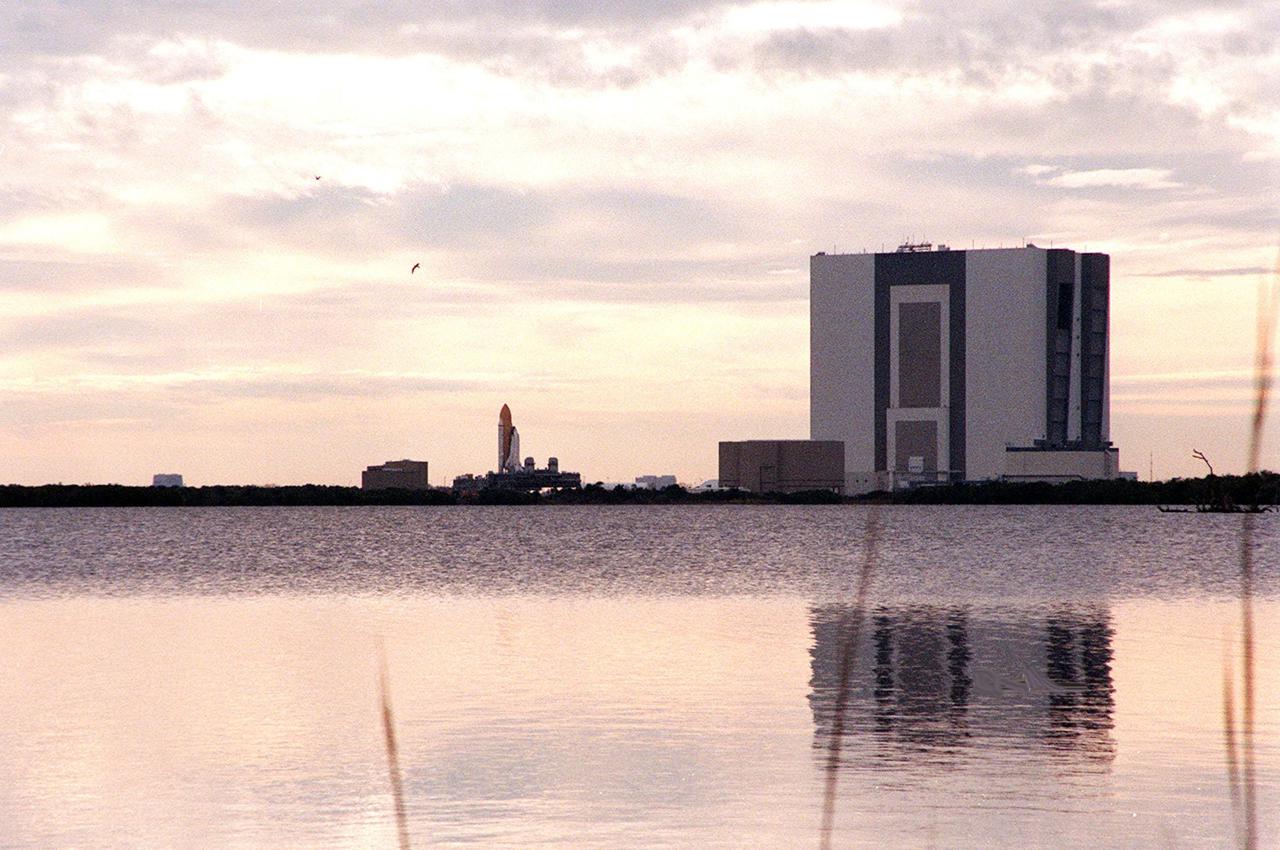
KENNEDY SPACE CENTER, Fla. -- Under cloudy skies, Space Shuttle Atlantis inches its way to Launch Pad 39A from the Vehicle Assembly Building (right). The journey is a distance of just over 3 miles. The water in the foreground is part of Banana Creek. Atlantis will fly on mission STS-98, the seventh construction flight to the International Space Station. The orbiter will carry in its payload bay the U.S. Laboratory, named Destiny, that will have five system racks already installed inside the module. After delivery of electronics in the lab, electrically powered attitude control for Control Moment Gyroscopes will be activated. Atlantis is scheduled for launch no earlier than Jan. 19, 2001, with a crew of five
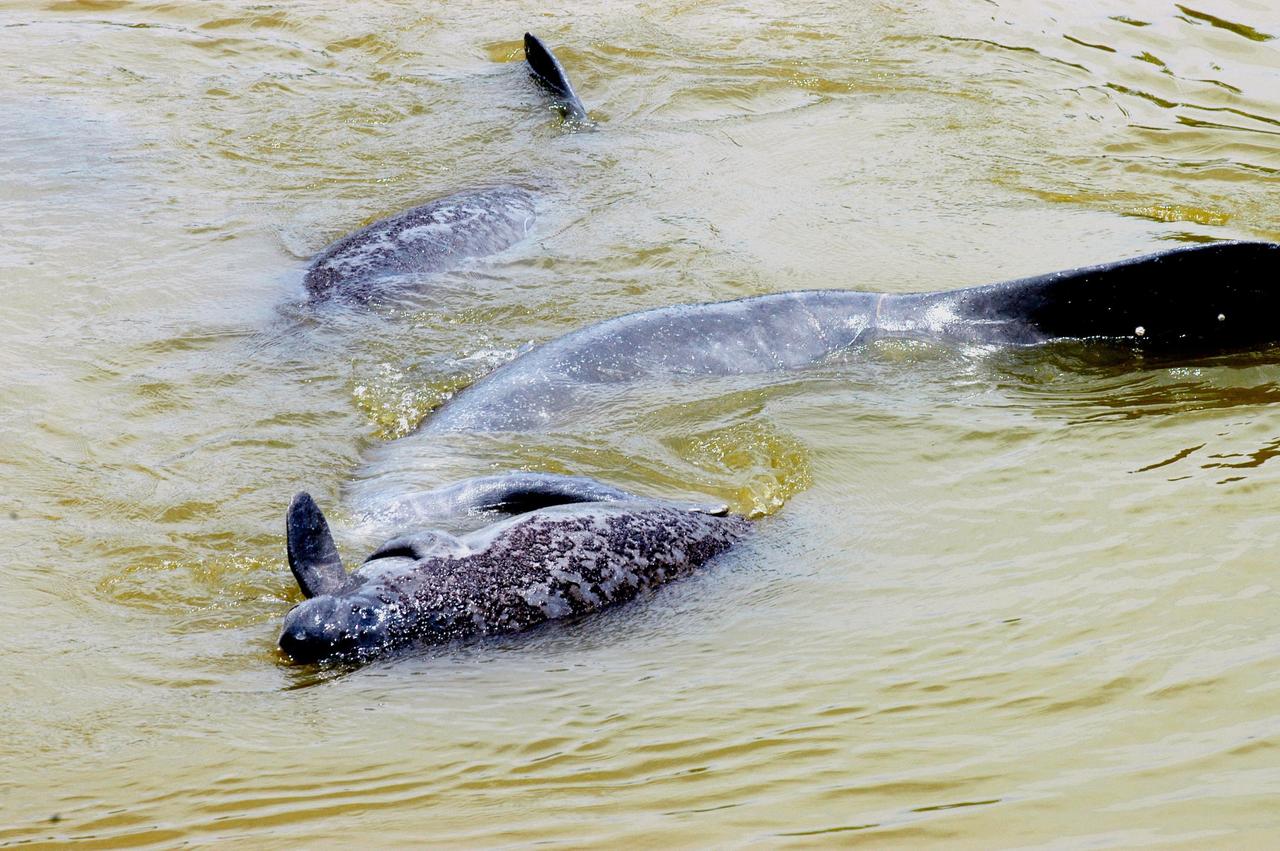
KENNEDY SPACE CENTER, FLA. - At the mouth of Banana Creek on Kennedy Space Center, a baby manatee (foreground) is nuzzled by one of its parents while another swims nearby. Manatees live in Florida's warm-water rivers and inland springs. The Florida manatee feeds on more than 60 varieties of grasses and plants. Manatee cows give birth about once every three years. Gestation lasts about 12 months. KSC shares a boundary with the Merritt Island National Wildlife Refuge, which encompasses 92,000 acres that are a habitat for more than 331 species of birds, 31 mammals, 117 fishes, and 65 amphibians and reptiles.
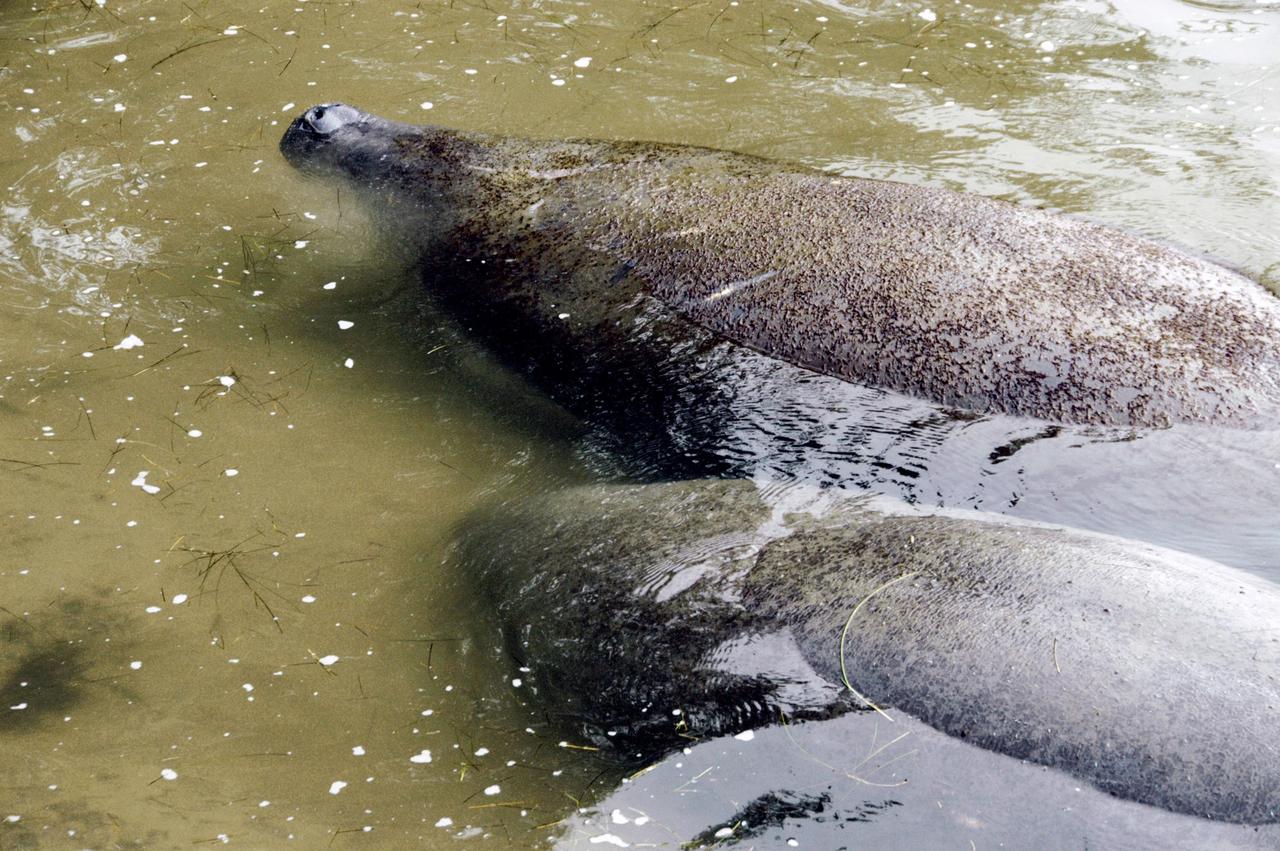
KENNEDY SPACE CENTER, FLA. -- Manatees gather in the shallows of Banana Creek inside NASA's Kennedy Space Center. Manatees live in Florida's warm-water rivers and inland springs. The Florida manatee feeds on more than 60 varieties of grasses and plants. Manatee cows give birth about once every three years. Gestation lasts about 12 months. KSC shares a boundary with the Merritt Island National Wildlife Refuge, which encompasses 92,000 acres that are a habitat for more than 331 species of birds, 31 mammals, 117 fishes, and 65 amphibians and reptiles. Photo credit: NASA/George Shelton
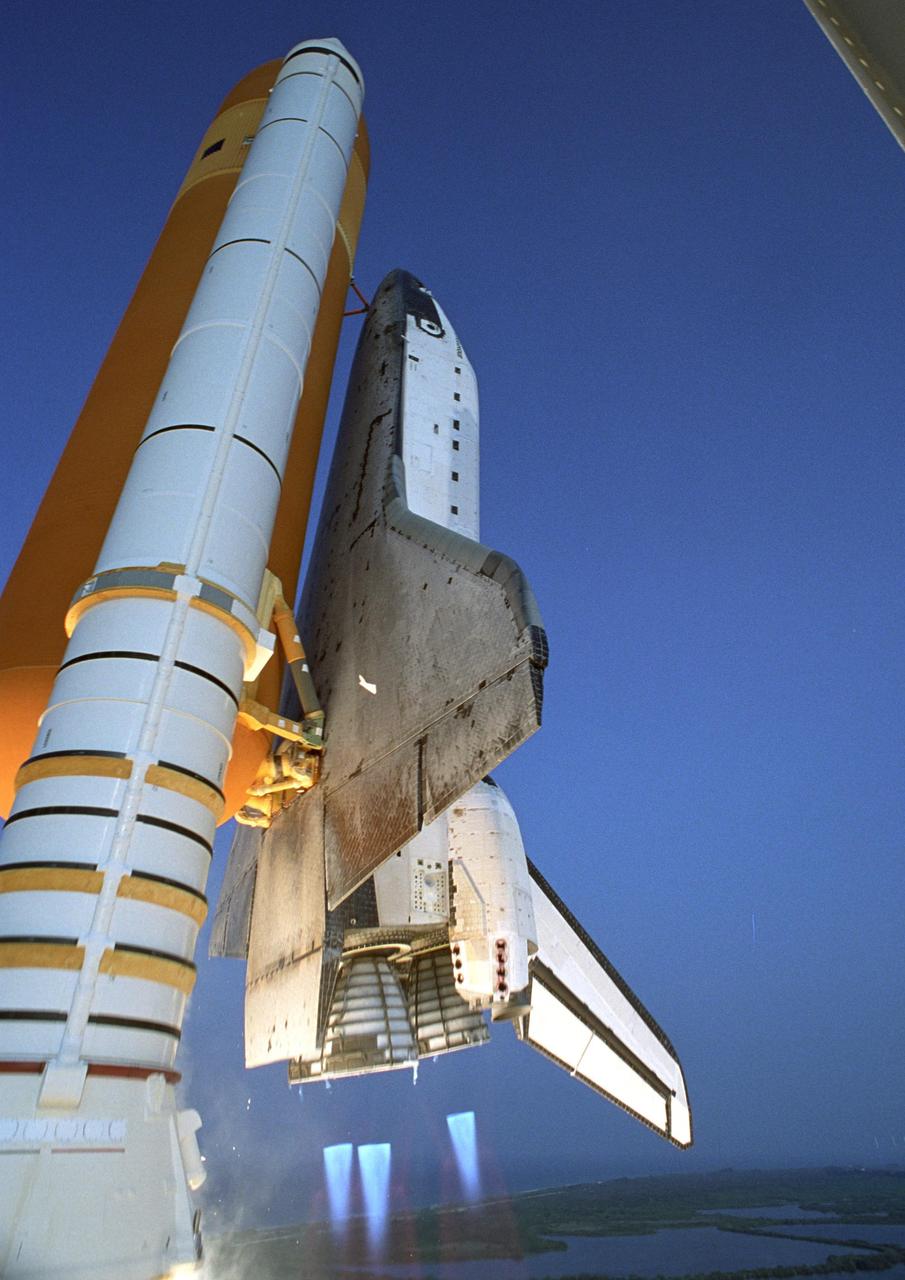
KENNEDY SPACE CENTER, FLA. -- Blue mach diamonds appear beneath the main engines on Space Shuttle Endeavour as it hurtles into the sky on mission STS-118. In the background, lower right, are the Banana Creek, Cape Canaveral beaches and the Atlantic Ocean. The 22nd shuttle flight to the International Space Station, the mission will continue space station construction by delivering a third starboard truss segment, S5, and other payloads such as the SPACEHAB module and the external stowage platform 3. Liftoff of Endeavour was on time at 6:36 p.m. EDT. Photo credit: NASA/John Kechele, Scott Haun, Tom Farrar
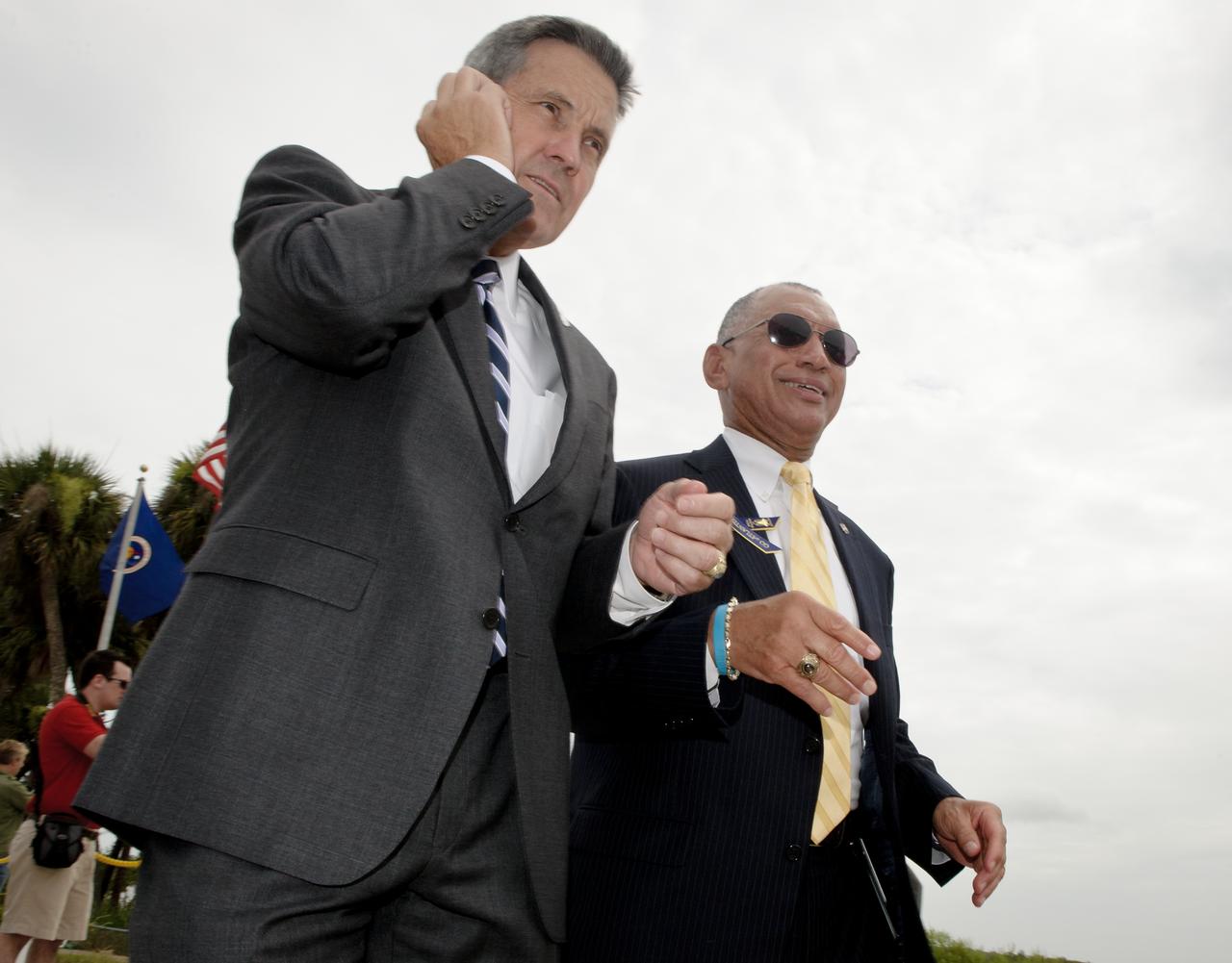
NASA Administrator Charles Bolden, right, and NASA Kennedy Space Center Director Bob Cabana, left, quickly walk to the viewing bleachers at the NASA Kennedy Space Center Banana Creek viewing site in order to say a view words with visitors before they head to the Launch Control Center (LCC) for the planned launch of the space shuttle Atlantis from pad 39A on Friday, July 8, 2011, in Cape Canaveral, Fla. The launch of Atlantis, STS-135, is the final flight of the shuttle program, a 12-day mission to the International Space Station. Photo Credit: (NASA/Bill Ingalls)
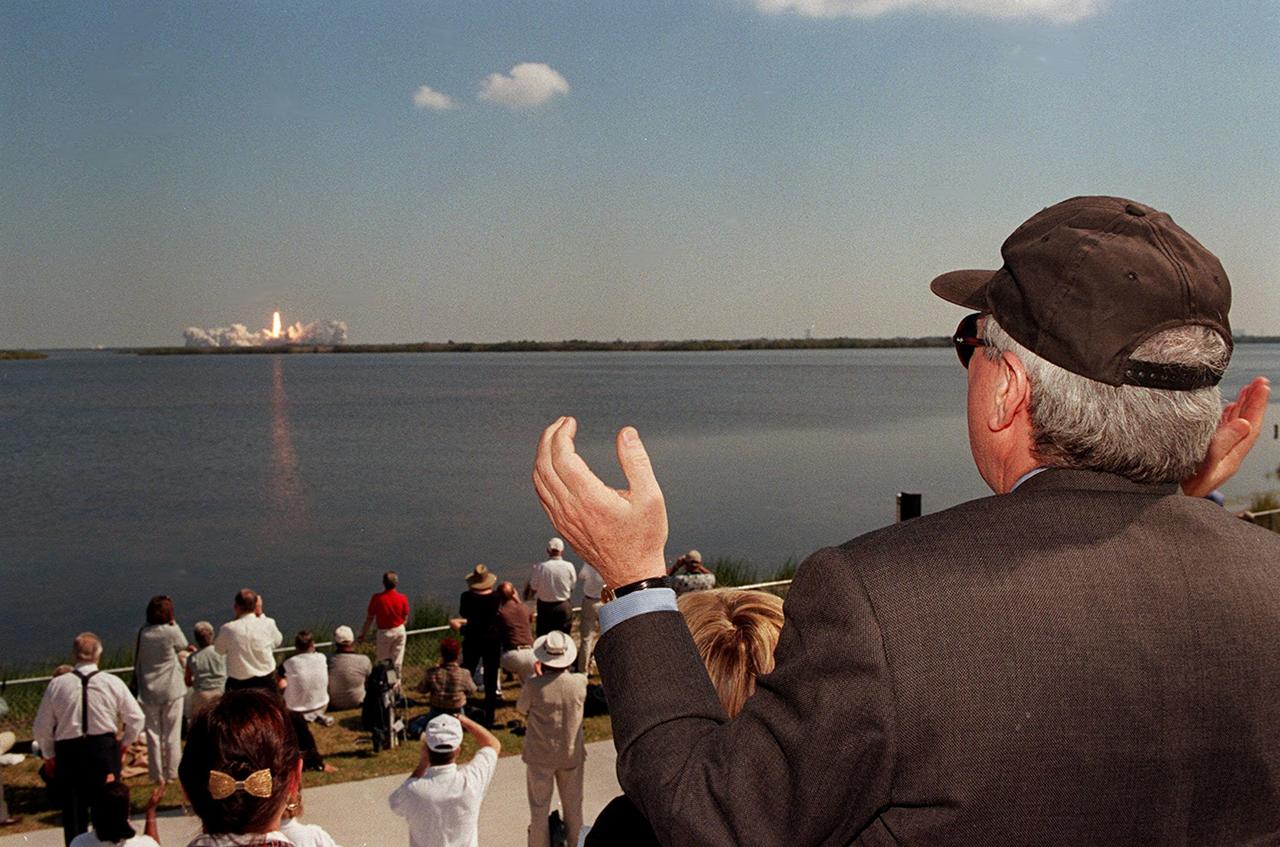
KENNEDY SPACE CENTER, FLA. -- NASA Administrator Dan Goldin (right) joins other spectators at the Banana Creek viewing site in cheering the successful launch of Space Shuttle Endeavour on mission STS-99. The perfect liftoff occurred at 12:43:40 p.m. EST. Known as the Shuttle Radar Topography Mission (SRTM), STS-99 will chart a new course to produce unrivaled 3-D images of the Earth's surface. The result of the SRTM could be close to 1 trillion measurements of the Earth's topography. The mission is expected to last 11days, with Endeavour landing at KSC Tuesday, Feb. 22, at 4:36 p.m. EST. This is the 97th Shuttle flight and 14th for Shuttle Endeavour

KENNEDY SPACE CENTER, FLA. -- Manatees gather in the shallows of Banana Creek inside NASA's Kennedy Space Center. Manatees live in Florida's warm-water rivers and inland springs. The Florida manatee feeds on more than 60 varieties of grasses and plants. Manatee cows give birth about once every three years. Gestation lasts about 12 months. KSC shares a boundary with the Merritt Island National Wildlife Refuge, which encompasses 92,000 acres that are a habitat for more than 331 species of birds, 31 mammals, 117 fishes, and 65 amphibians and reptiles. Photo credit: NASA/George Shelton
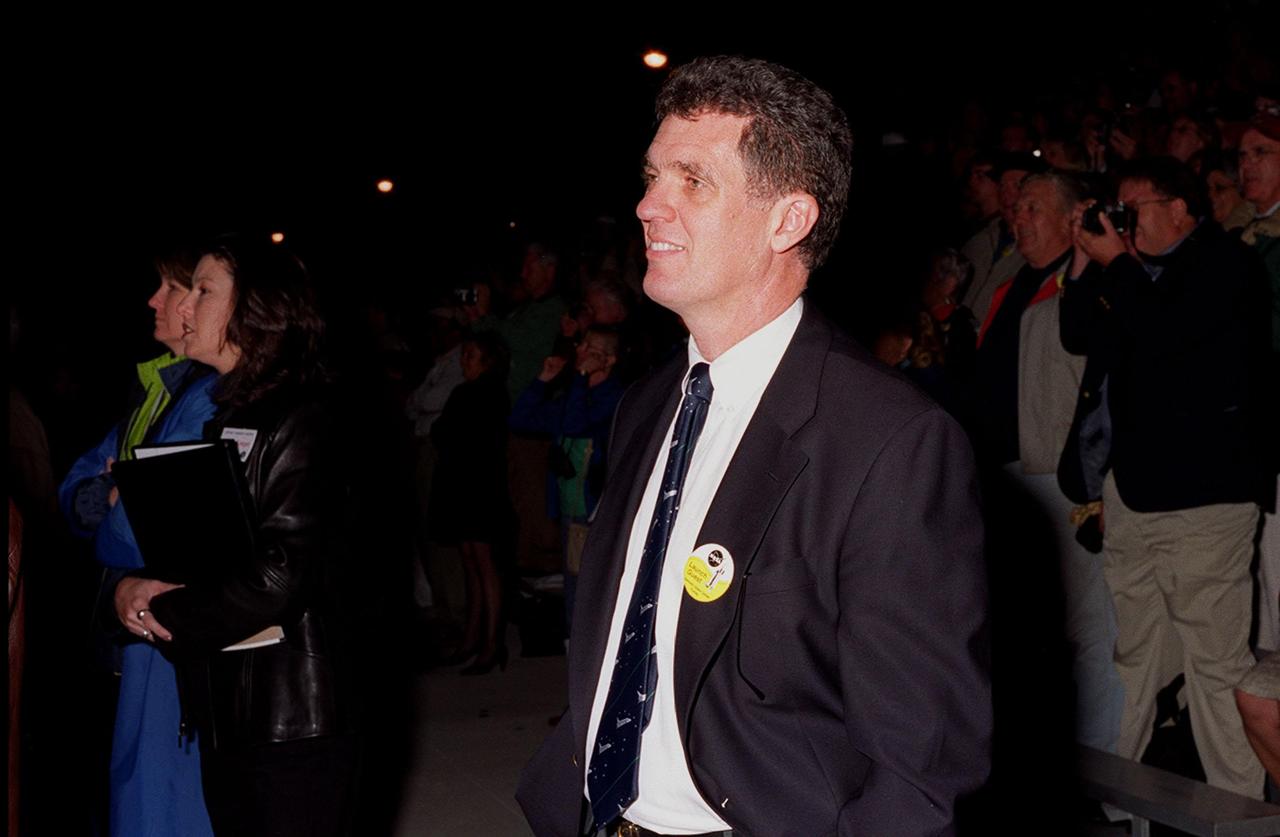
KENNEDY SPACE CENTER, FLA. -- Florida Congressman Dave Weldon enjoys the on-time launch of Space Shuttle Endeavour on the sixth construction flight to the International Space Station. Weldon and other guests of NASA viewed the launch from the Banana Creek VIP viewing site. Liftoff of Endeavour occurred at 10:06:01 p.m. EST. Endeavour is transporting the P6 Integrated Truss Structure that comprises Solar Array Wing-3 and the Integrated Electronic Assembly, to provide power to the Space Station. The 11-day mission includes two spacewalks to complete the solar array connections. Endeavour is expected to land Dec. 11 at 6:19 p.m. EST
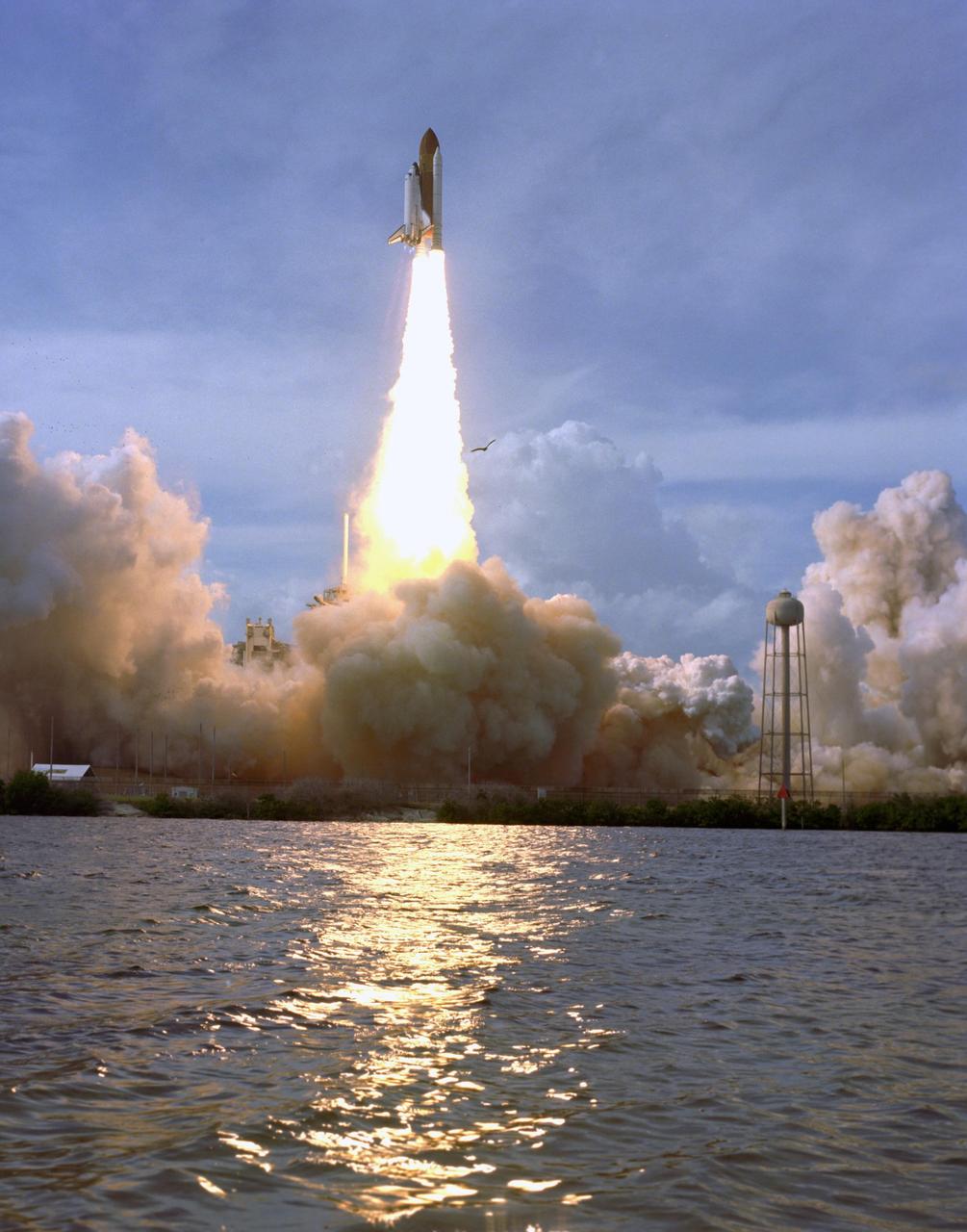
KENNEDY SPACE CENTER, FLA. -- Soaring well above Launch Pad 39A, space shuttle Atlantis startles at least one bird to flight after liftoff at 2:45 p.m. EST on mission STS-122. The water is part of the Banana Creek in the Launch Complex 39 Area at NASA's Kennedy Space Center. This is the third launch attempt for Atlantis since December 2007 to carry the European Space Agency's Columbus laboratory to the International Space Station. During the 11-day mission, the crew's prime objective is to attach the laboratory to the Harmony module, adding to the station's size and capabilities. Photo credit: NASA/NASA/Sandra Joseph, Tony Gray, Robert Murray

KENNEDY SPACE CENTER, FLA. -- At the Apollo/Saturn V Center, country music recording artist Teresa performs a song, "Brave New Girls," written for astronaut Catherine "Cady" Coleman, mission specialist on STS-93. She entertains participants and attendees of a women's forum held in the center. The attendees are planning to view the launch of STS-93 at the Banana Creek viewing sight. Much attention has been generated over the launch due to Commander Eileen M. Collins, the first woman to serve as commander of a Shuttle mission. Liftoff is scheduled for July 20 at 12:36 a.m. EDT
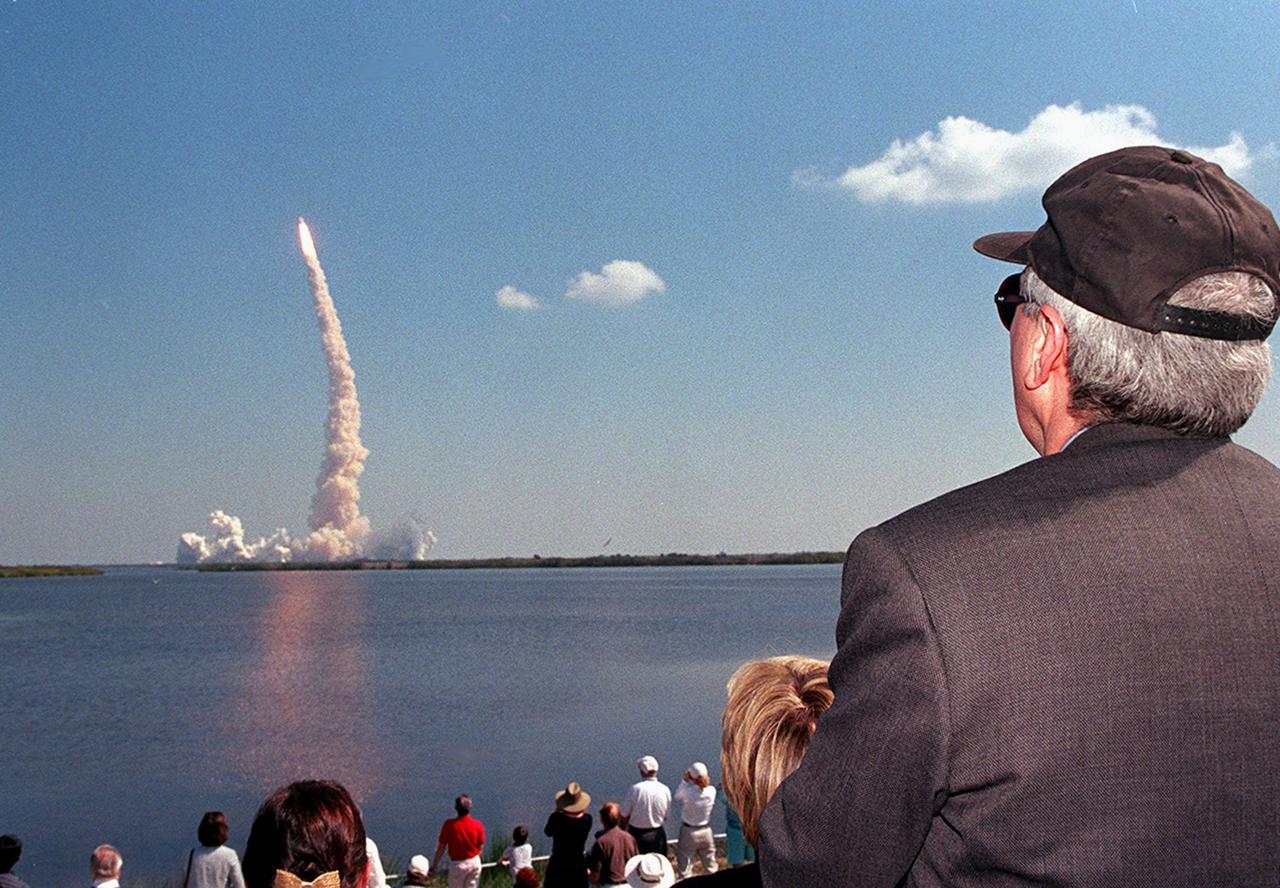
KENNEDY SPACE CENTER, FLA. -- NASA Administrator Dan Goldin (right) joins other spectators at the Banana Creek viewing site in cheering the successful launch of Space Shuttle Endeavour on mission STS-99. The perfect liftoff occurred at 12:43:40 p.m. EST. Known as the Shuttle Radar Topography Mission (SRTM), STS-99 will chart a new course to produce unrivaled 3-D images of the Earth's surface. The result of the SRTM could be close to 1 trillion measurements of the Earth's topography. The mission is expected to last 11days, with Endeavour landing at KSC Tuesday, Feb. 22, at 4:36 p.m. EST. This is the 97th Shuttle flight and 14th for Shuttle Endeavour
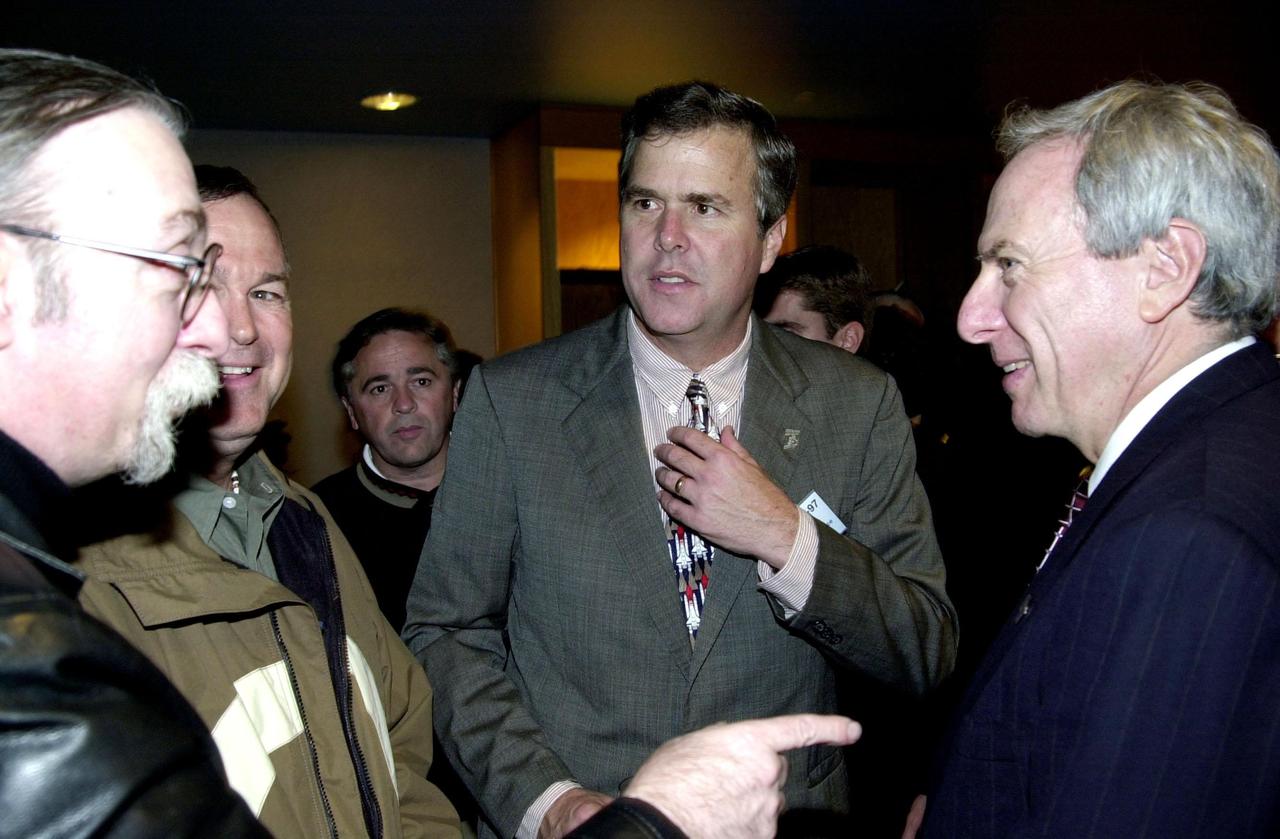
KENNEDY SPACE CENTER, FLA. -- Florida’s Governor Jeb Bush (center) joins NASA Administrator Daniel Goldin (right) for the launch of Space Shuttle Endeavour on mission STS-97. They viewed the launch from the Banana Creek VIP Site. Liftoff of Endeavour occurred on time at 10:06:01 p.m. EST with a crew of five. The sixth construction flight to the International Space Station, Endeavour is transporting the P6 Integrated Truss Structure that comprises Solar Array Wing-3 and the Integrated Electronic Assembly, to provide power to the Space Station. The 11-day mission includes two spacewalks to complete the solar array connections. Endeavour is expected to land Dec. 11 at 6:19 p.m. EST
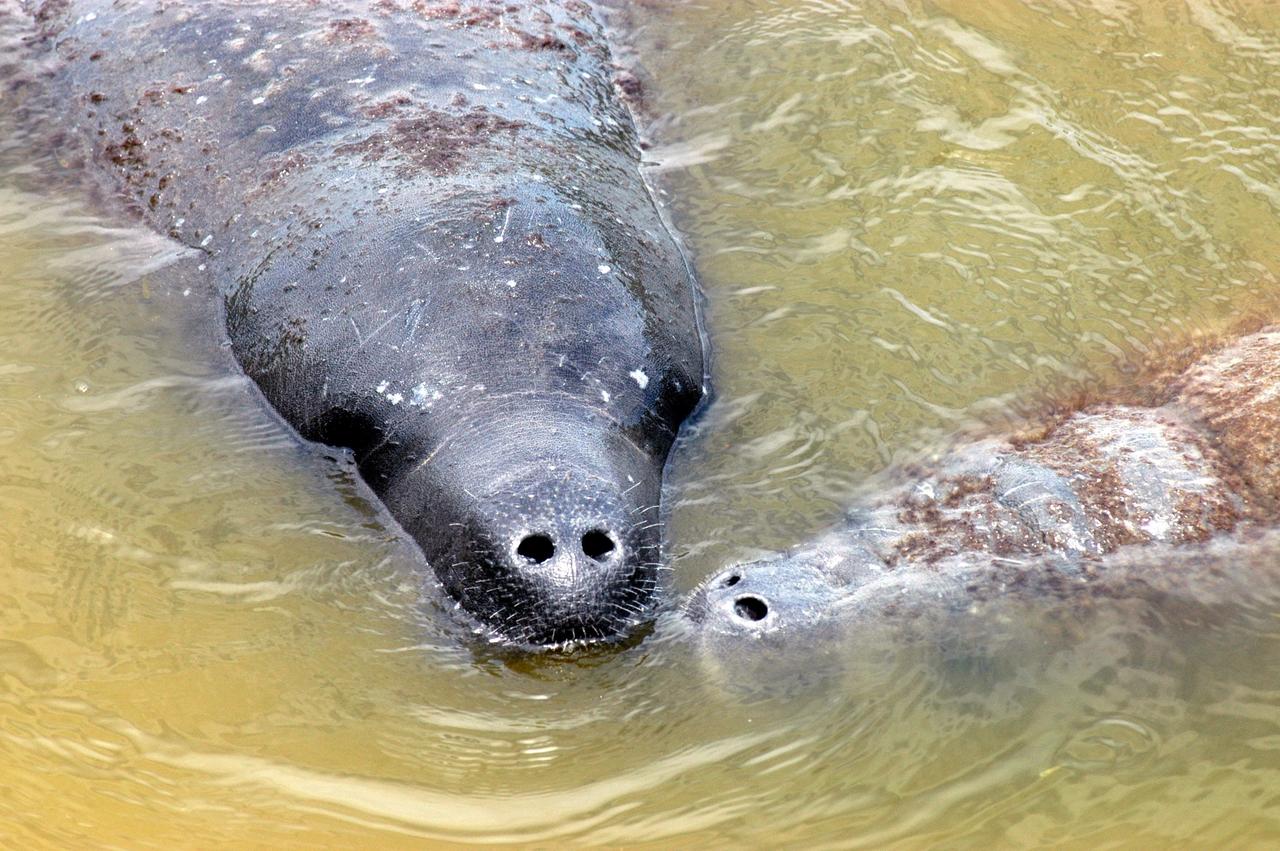
KENNEDY SPACE CENTER, FLA. - Looking more like an alien than a mammal, an adult manatee (left) nuzzles its baby (right) in the water at the mouth of Banana Creek on Kennedy Space Center. Manatees live in Florida's warm-water rivers and inland springs. The Florida manatee feeds on more than 60 varieties of grasses and plants. Manatee cows give birth about once every three years. Gestation lasts about 12 months. KSC shares a boundary with the Merritt Island National Wildlife Refuge, which encompasses 92,000 acres that are a habitat for more than 331 species of birds, 31 mammals, 117 fishes, and 65 amphibians and reptiles.
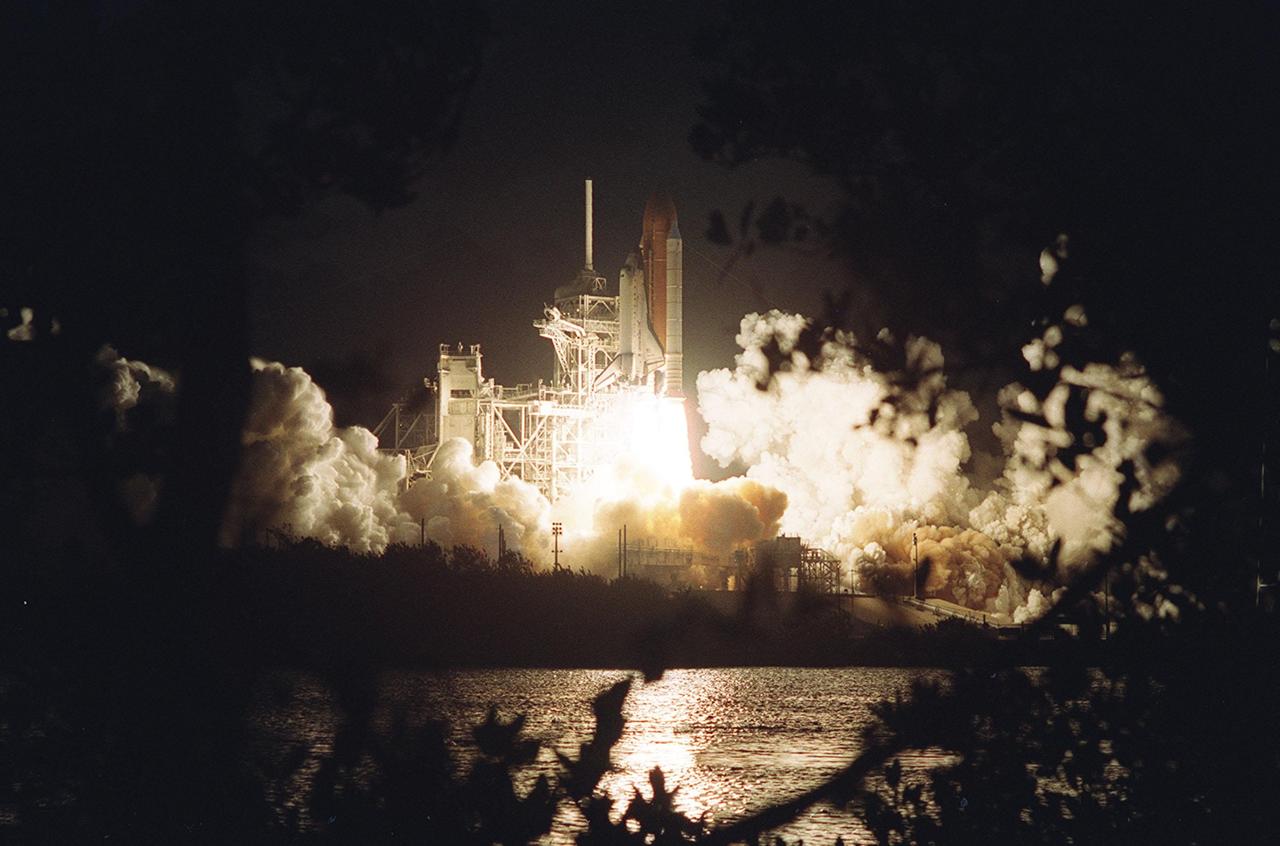
KENNEDY SPACE CENTER, Fla. -- Viewed from across the waters of Banana Creek, clouds of smoke and steam are illuminated by the flames from Space Shuttle Discovery’s perfect on-time launch at 7:17 p.m. EDT. Discovery carries a crew of seven on a construction flight to the International Space Station. Discovery also carries a payload that includes the Integrated Truss Structure Z-1, first of 10 trusses that will form the backbone of the Space Station, and the third Pressurized Mating Adapter that will provide a Shuttle docking port for solar array installation on the sixth Station flight and Lab installation on the seventh Station flight. Discovery’s landing is expected Oct. 22 at 2:10 p.m. EDT
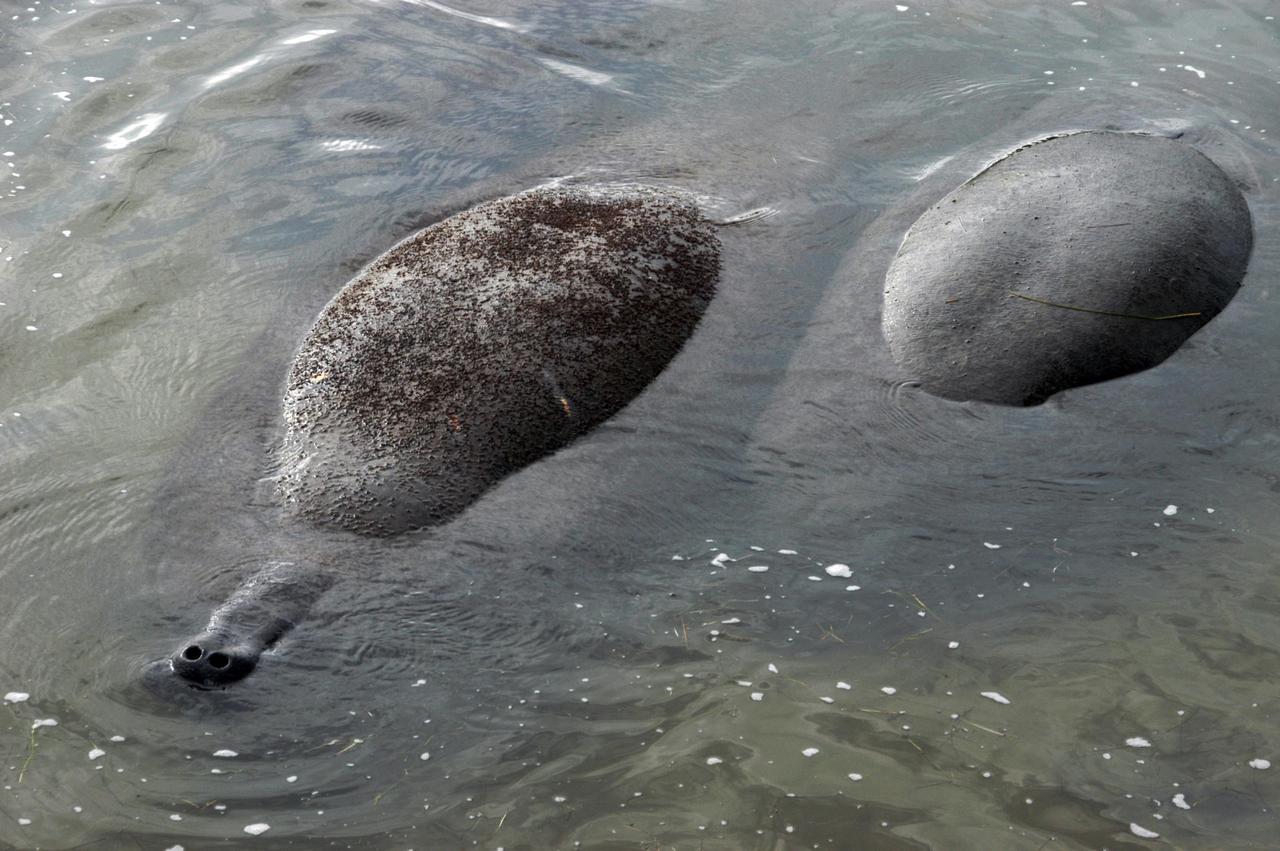
KENNEDY SPACE CENTER, FLA. -- Manatees gather in the Banana Creek inside NASA's Kennedy Space Center. Manatees live in Florida's warm-water rivers and inland springs. The Florida manatee feeds on more than 60 varieties of grasses and plants. Manatee cows give birth about once every three years. Gestation lasts about 12 months. KSC shares a boundary with the Merritt Island National Wildlife Refuge, which encompasses 92,000 acres that are a habitat for more than 331 species of birds, 31 mammals, 117 fishes, and 65 amphibians and reptiles. Photo credit: NASA/George Shelton
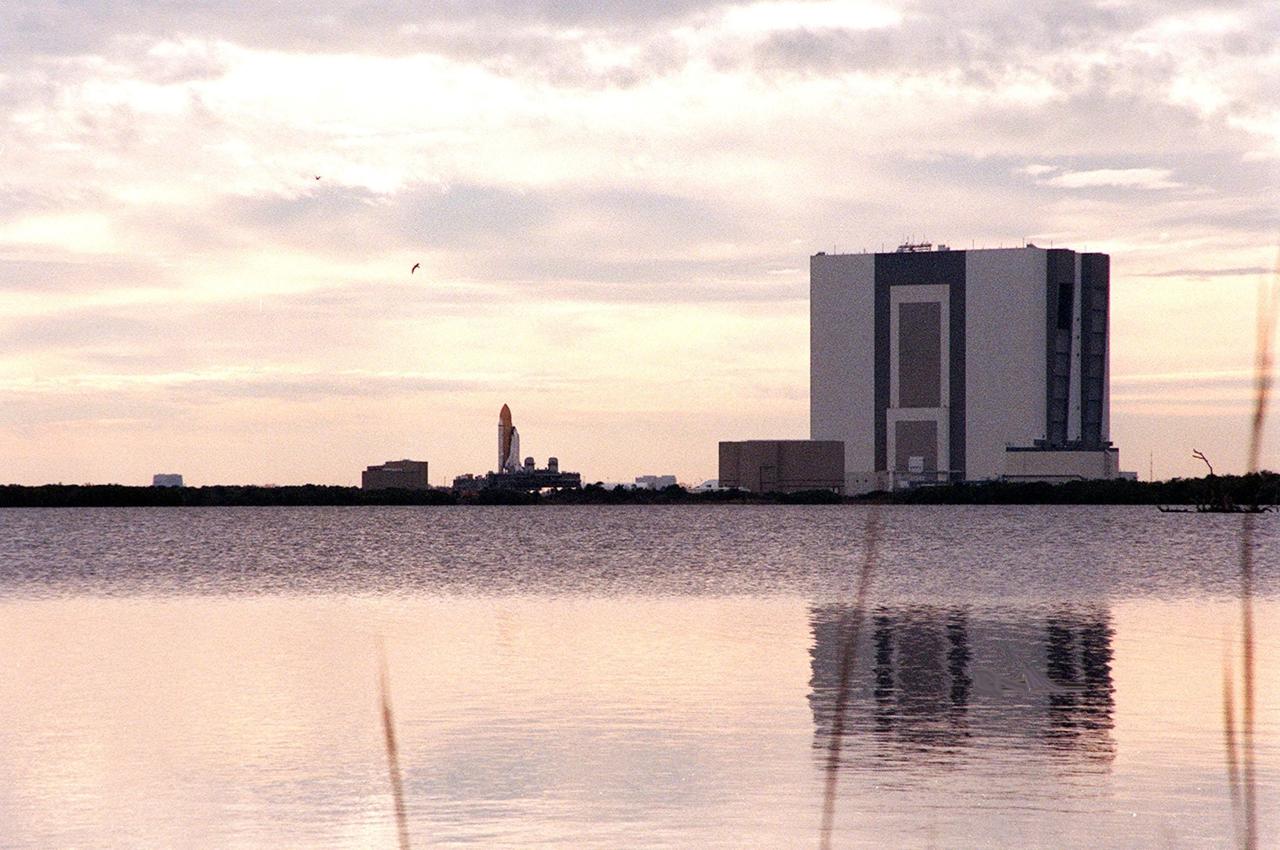
KENNEDY SPACE CENTER, Fla. -- Under cloudy skies, Space Shuttle Atlantis inches its way to Launch Pad 39A from the Vehicle Assembly Building (right). The journey is a distance of just over 3 miles. The water in the foreground is part of Banana Creek. Atlantis will fly on mission STS-98, the seventh construction flight to the International Space Station. The orbiter will carry in its payload bay the U.S. Laboratory, named Destiny, that will have five system racks already installed inside the module. After delivery of electronics in the lab, electrically powered attitude control for Control Moment Gyroscopes will be activated. Atlantis is scheduled for launch no earlier than Jan. 19, 2001, with a crew of five
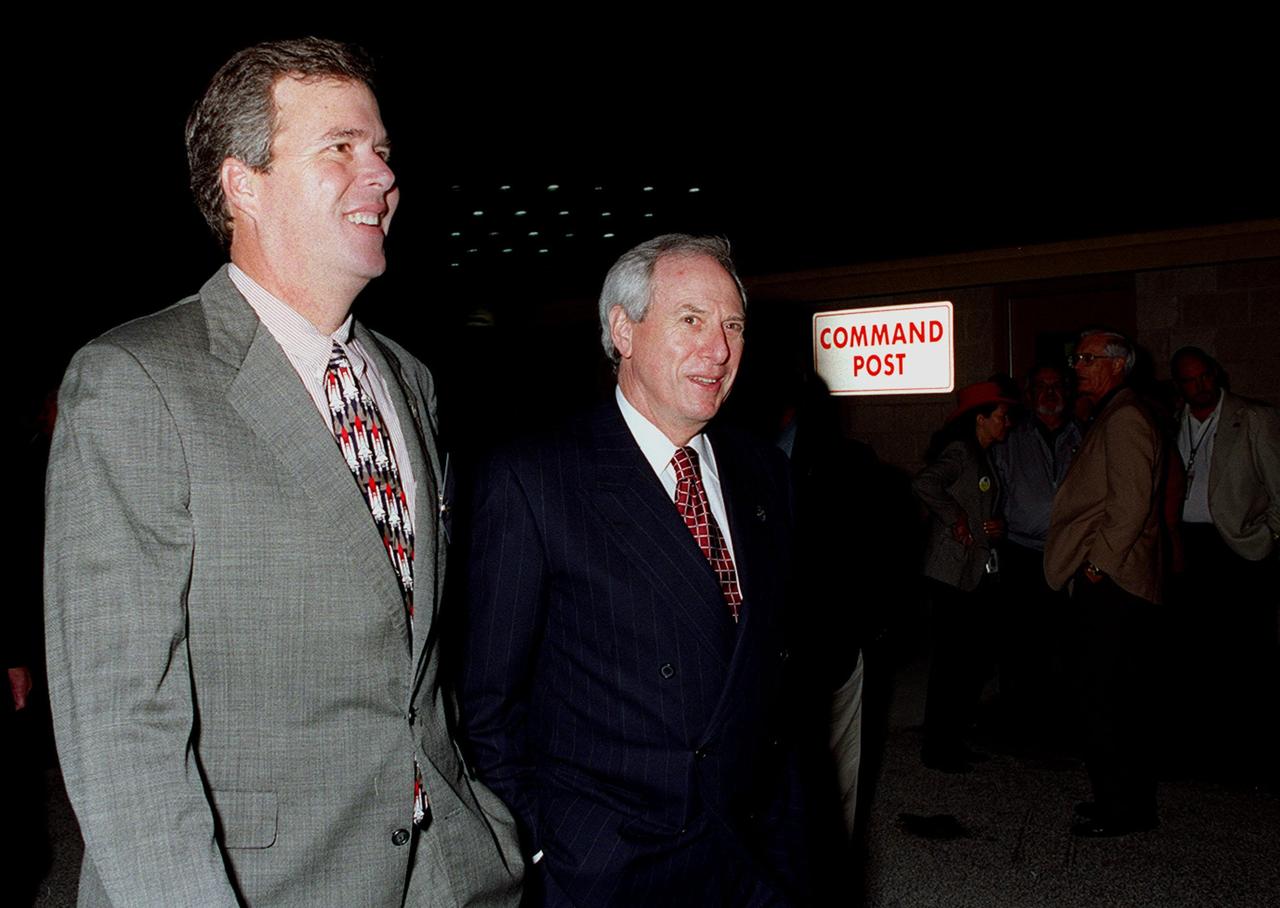
KENNEDY SPACE CENTER, FLA. -- Florida’s Gov. Jeb Bush (left) joins NASA Administrator Daniel Goldin (right) for the launch of Space Shuttle Endeavour on mission STS-97. They viewed the launch from the Banana Creek VIP Site. Liftoff of Endeavour occurred on time at 10:06:01 p.m. EST with a crew of five. The sixth construction flight to the International Space Station, Endeavour is transporting the P6 Integrated Truss Structure that comprises Solar Array Wing-3 and the Integrated Electronic Assembly, to provide power to the Space Station. The 11-day mission includes two spacewalks to complete the solar array connections. Endeavour is expected to land Dec. 11 at 6:19 p.m. EST
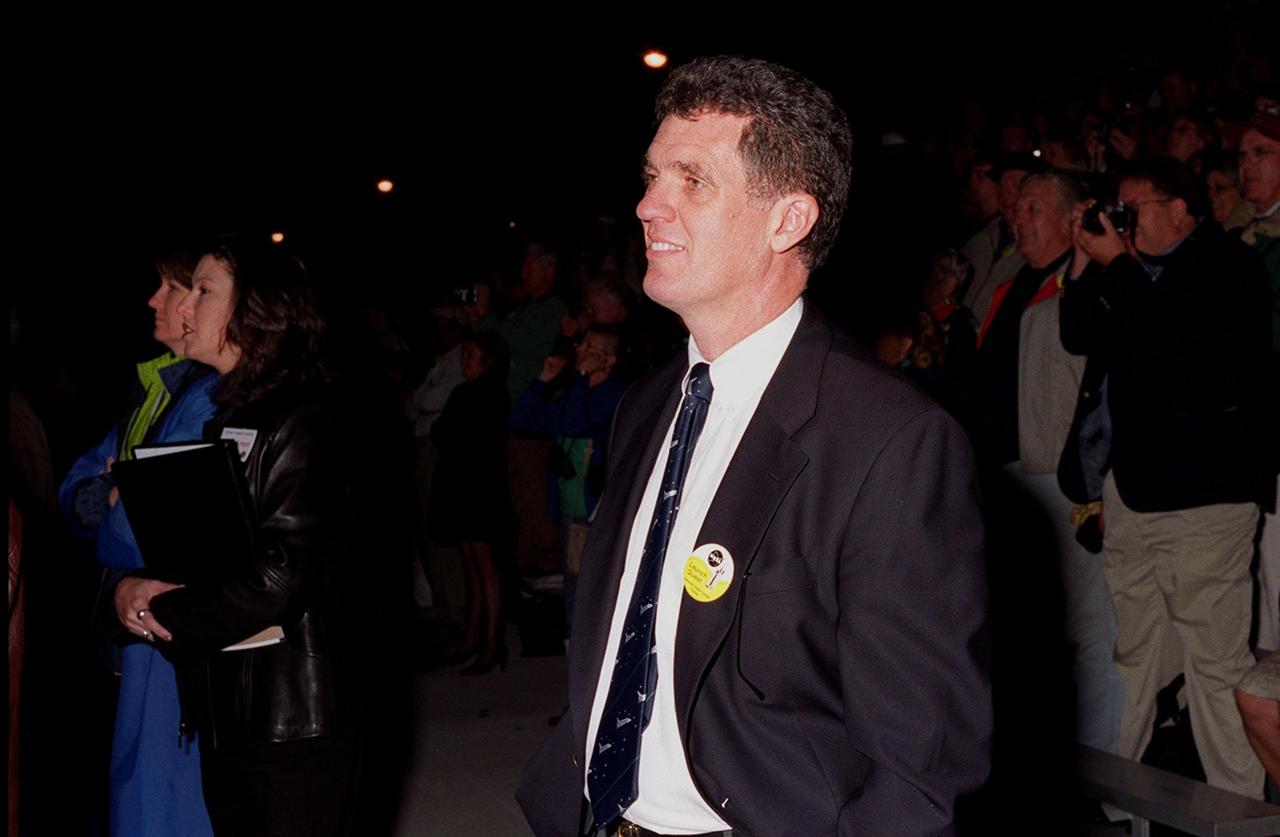
KENNEDY SPACE CENTER, FLA. -- Florida Congressman Dave Weldon enjoys the on-time launch of Space Shuttle Endeavour on the sixth construction flight to the International Space Station. Weldon and other guests of NASA viewed the launch from the Banana Creek VIP viewing site. Liftoff of Endeavour occurred at 10:06:01 p.m. EST. Endeavour is transporting the P6 Integrated Truss Structure that comprises Solar Array Wing-3 and the Integrated Electronic Assembly, to provide power to the Space Station. The 11-day mission includes two spacewalks to complete the solar array connections. Endeavour is expected to land Dec. 11 at 6:19 p.m. EST
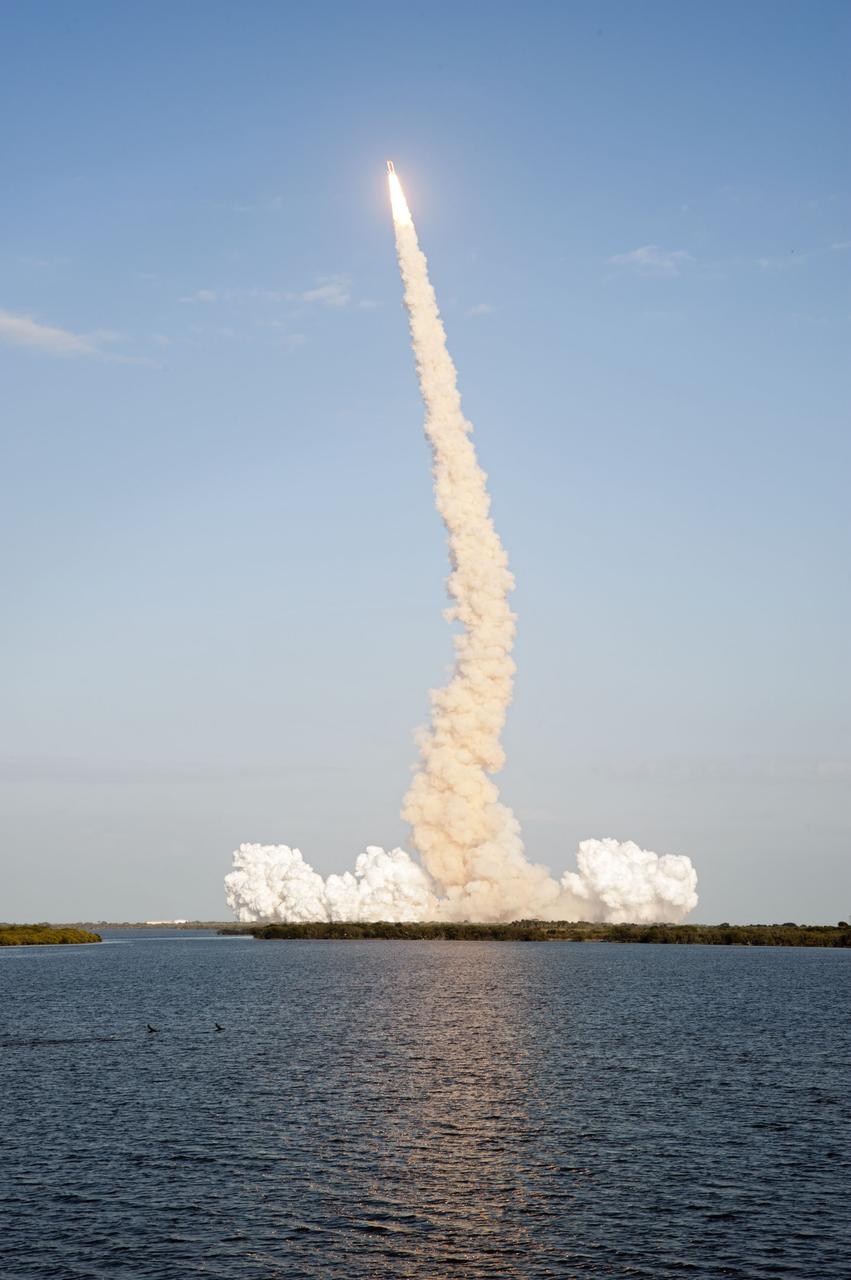
CAPE CANAVERAL, Fla. -- From the Banana River Creek VIP viewing area at NASA's Kennedy Space Center in Florida, space shuttle Discovery is imaged lifting off from Launch Pad 39A on its final mission to the International Space Station. Discovery lifted off at 4:53 p.m. EST on Feb. 24. The six-member STS-133 crew will deliver the Permanent Multipurpose Module, supplies and critical spare parts, as well as Robonaut 2, the dexterous humanoid astronaut helper, to the station. This is the 133rd Space Shuttle Program mission and the 35th shuttle voyage to the space station. For more information on the STS-133 mission, visit www.nasa.gov/mission_pages/shuttle/shuttlemissions/sts133/. Photo credit: NASA/Ben Cooper