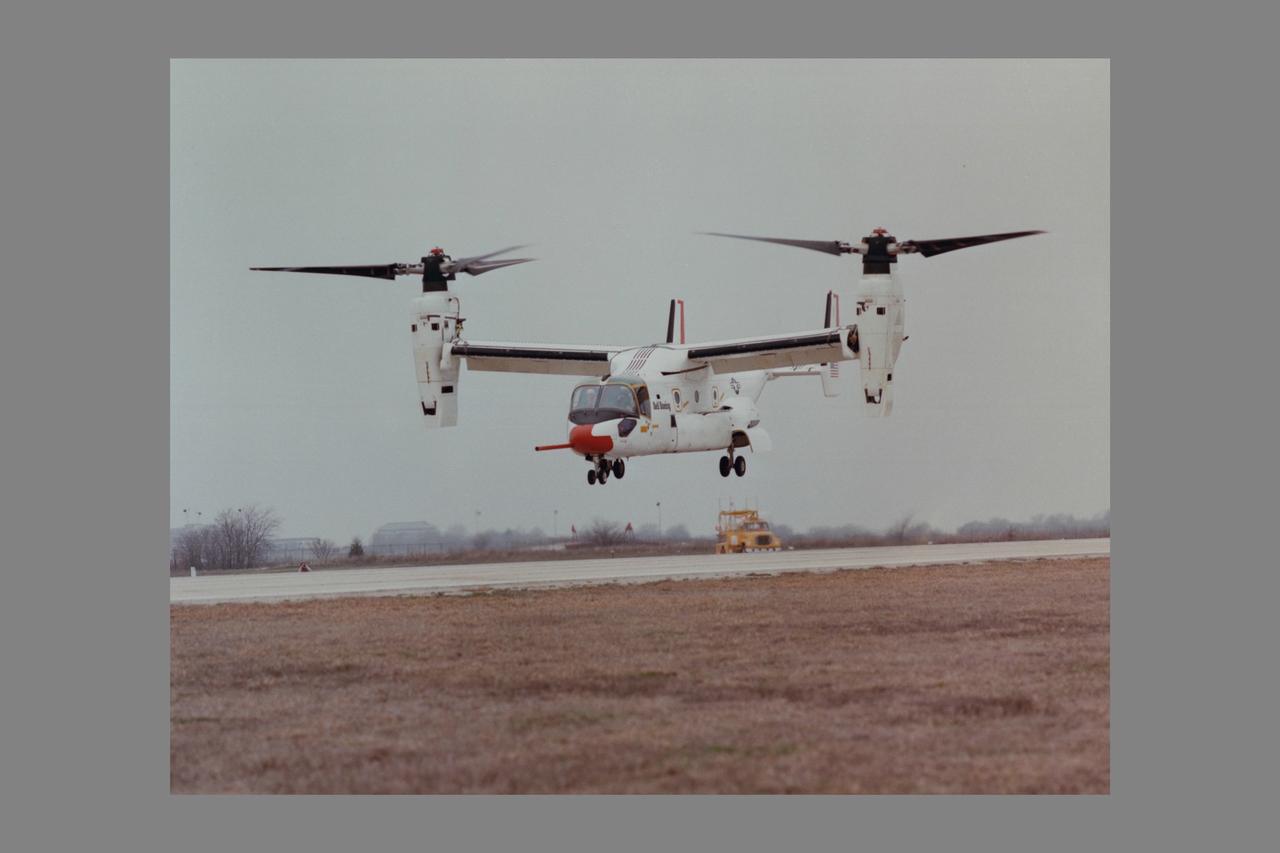
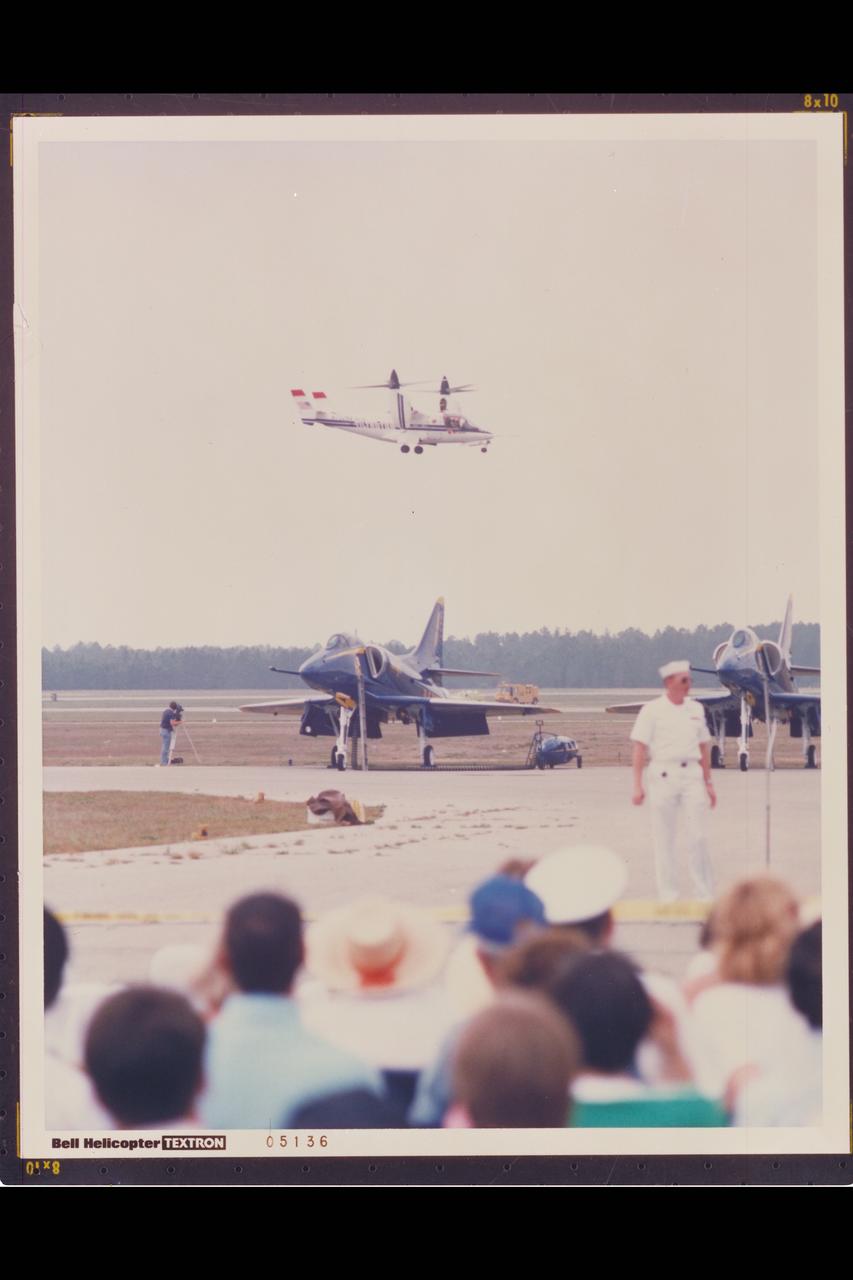
Bell Textron XV-15 Tilt Rotor Aircraft flight demo at airshow - Navy Blue Angles in forground) (Bell Helicopter Textron ref: 05136)
ARC-1986-AC86-0410-5
Southern Belle
Southern Belle
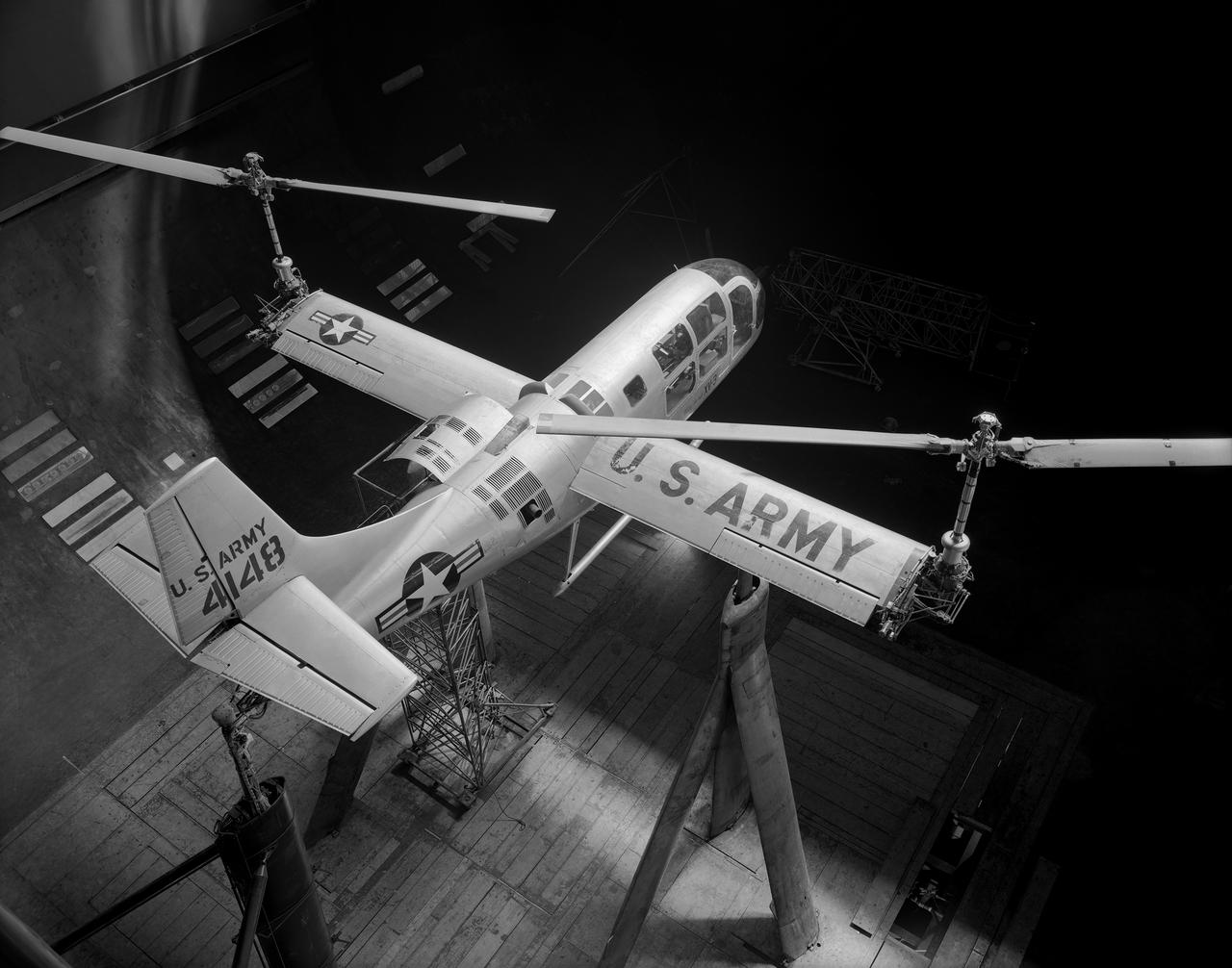
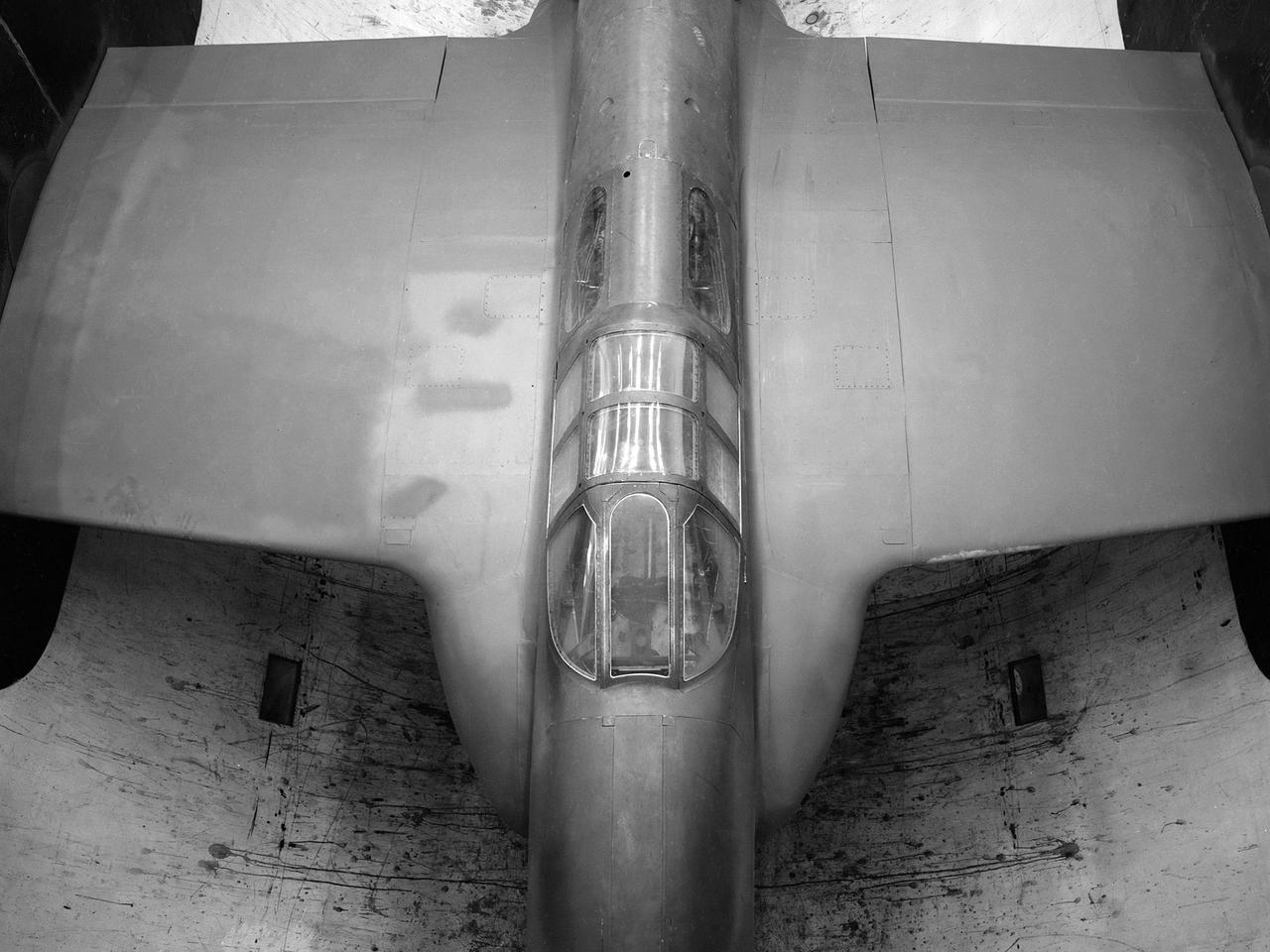
Overhead view of Bell XV-3 Convertiplane. First tilt rotor tested in the 40 x 80 wind tunnel.  Transition aerodynamics studied; shown in hover mode.
Overhead view of Bell XV-3 Convertiplane
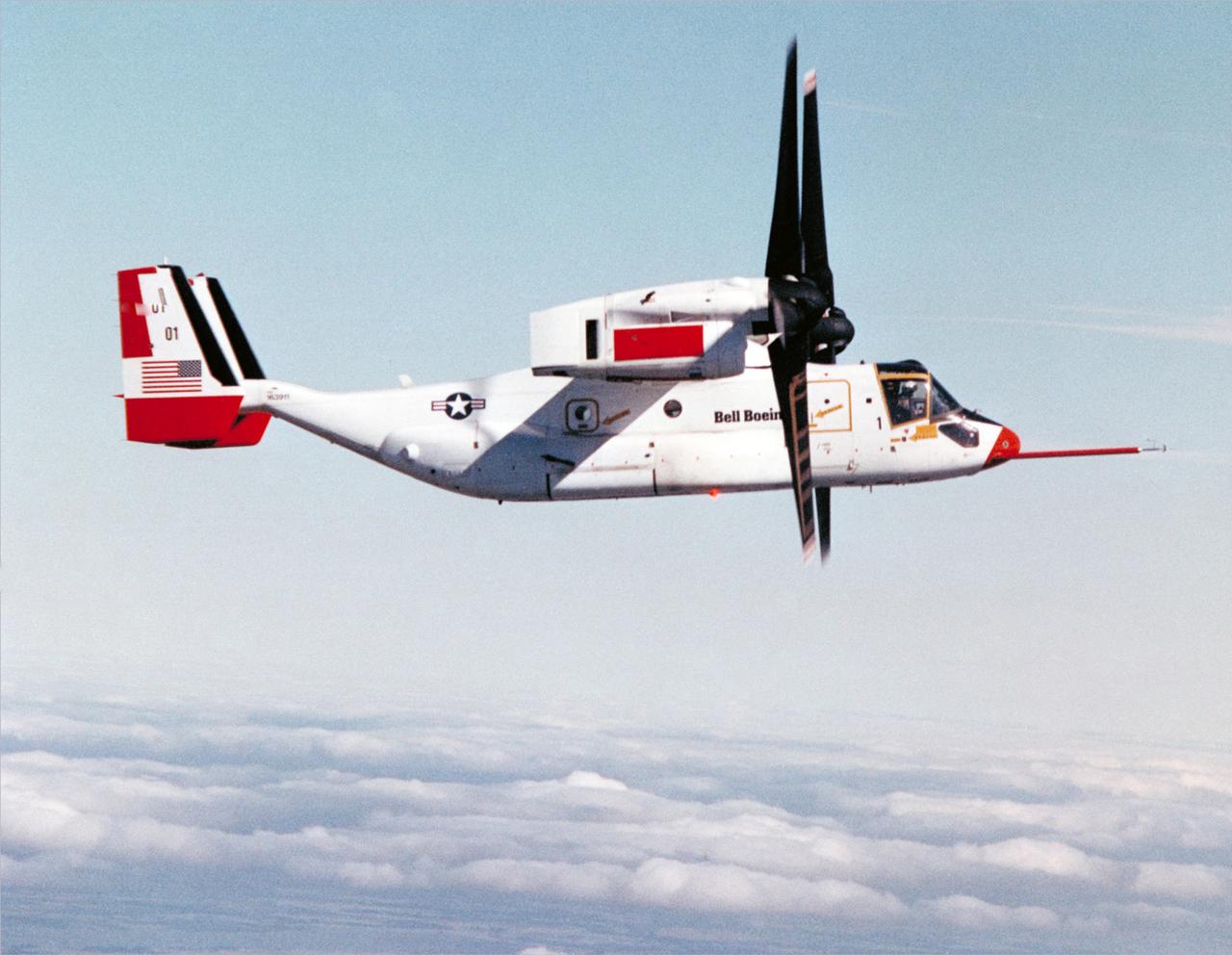
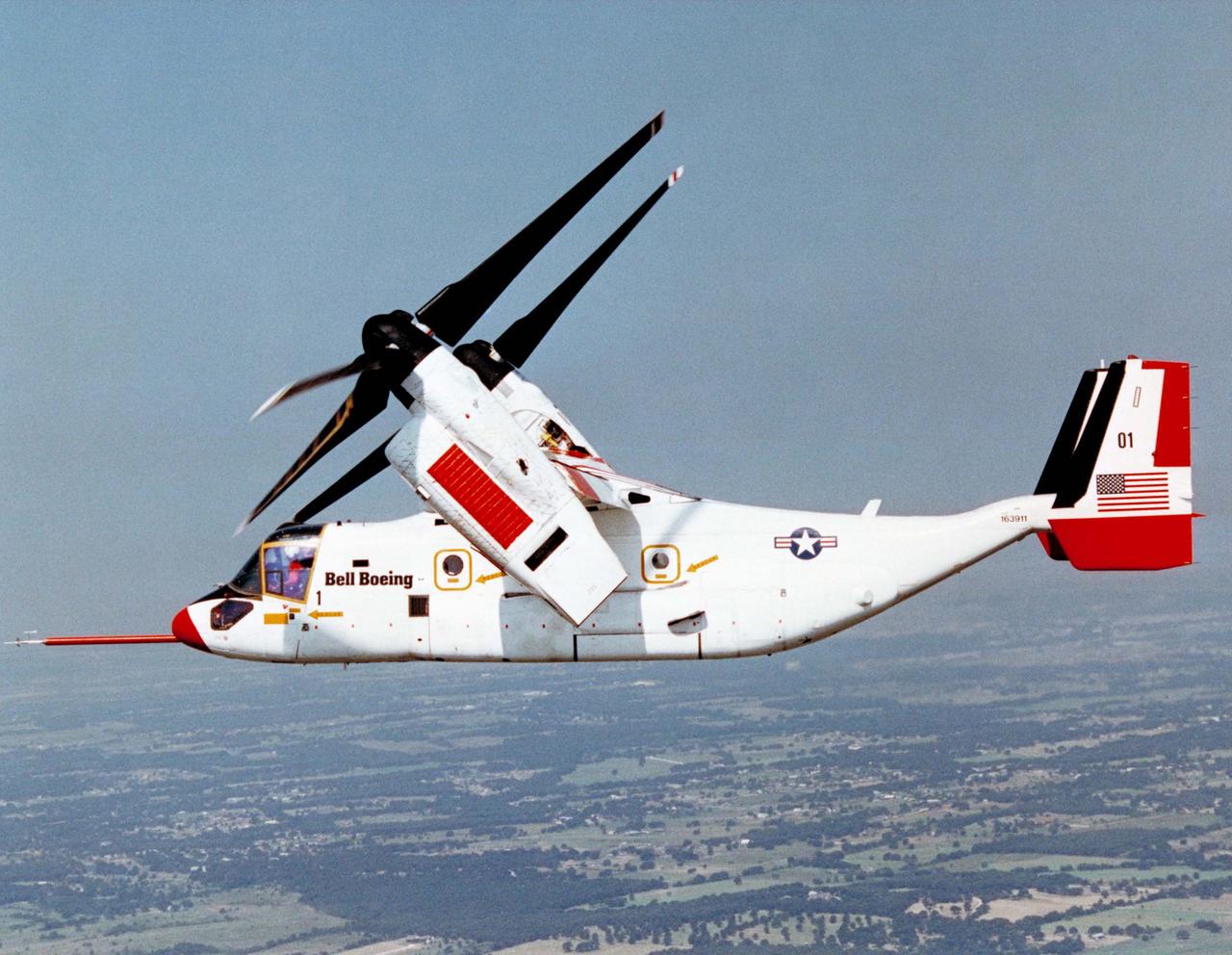
Bell Helicopter Bell-Boeing Tilt Rotor V-22 Osprey in flight.
ARC-1989-AC89-0246-7
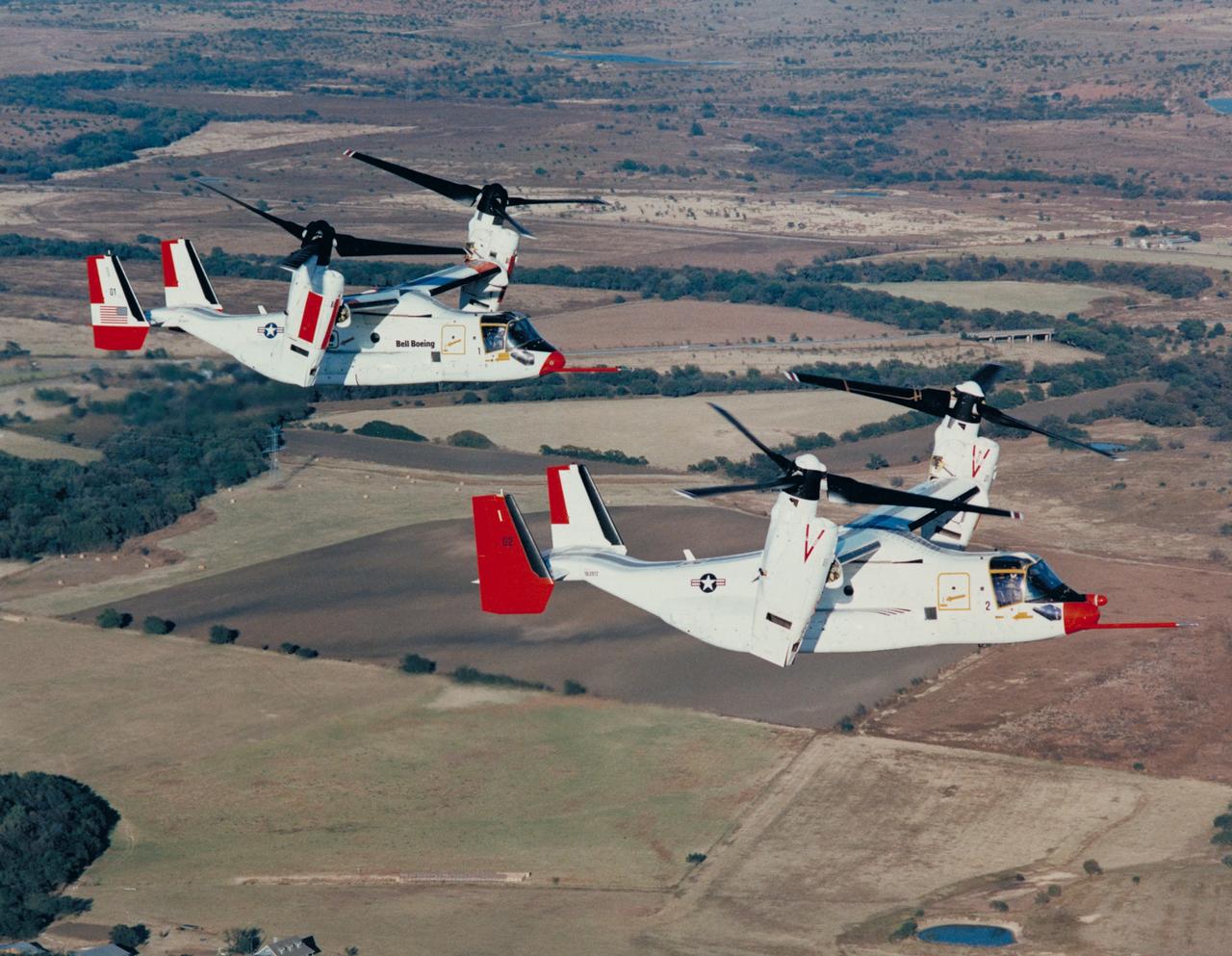
Bell Helicopter Bell-Boeing Tilt Rotor V-22 Ospreys in flight.
ARC-1989-AC89-0246-10
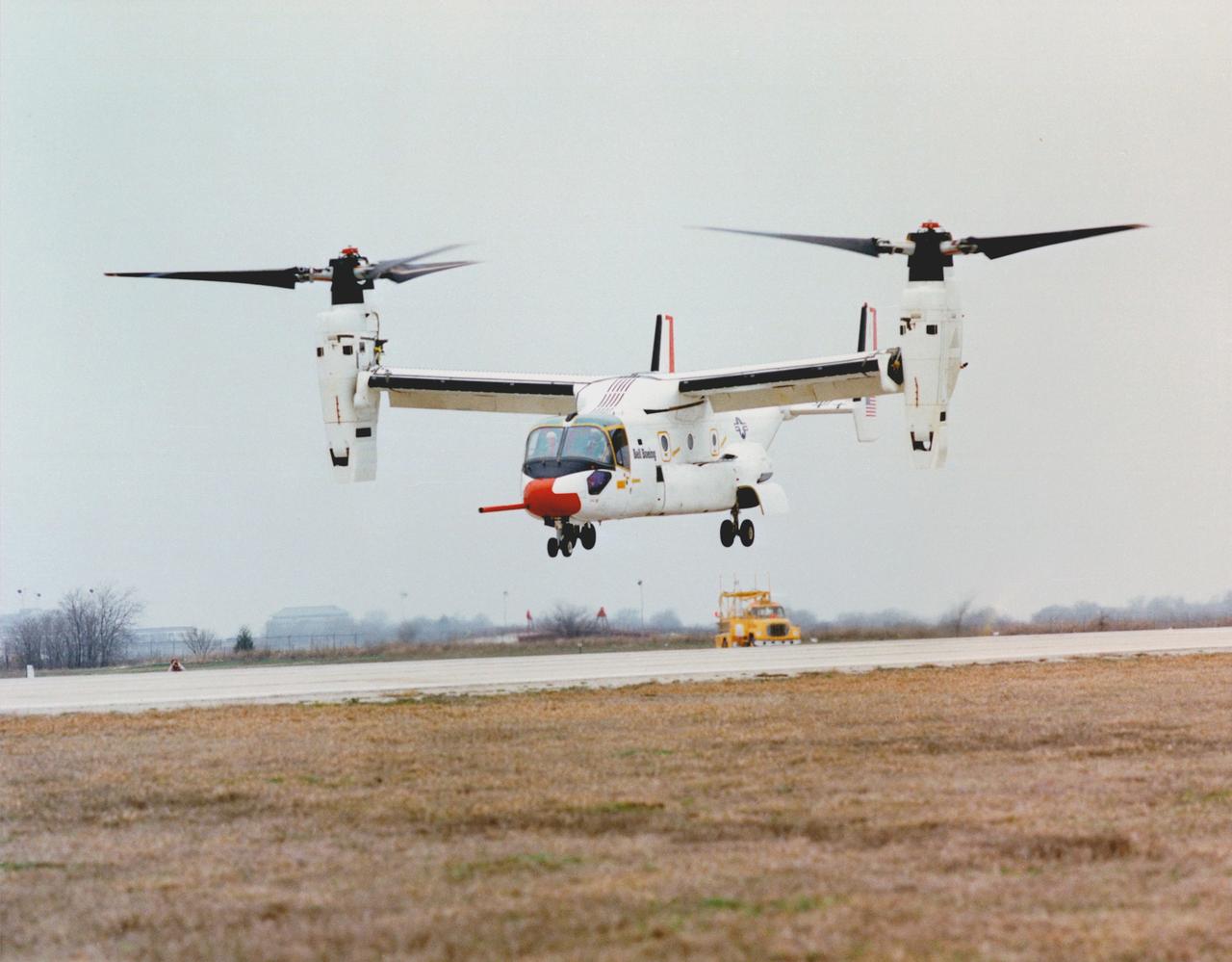
Bell Boeing (Military) Tilt Rotor V-22 Osprey hovering at Bell Boeing Helicopter, Arlington TX
ARC-1989-AC89-0246-5
Bell Boeing (Military) Tilt Rotor V-22 Osprey hovering at Bell Boeing Helicopter, Arlington TX
ARC-1989-AC89-0246-2
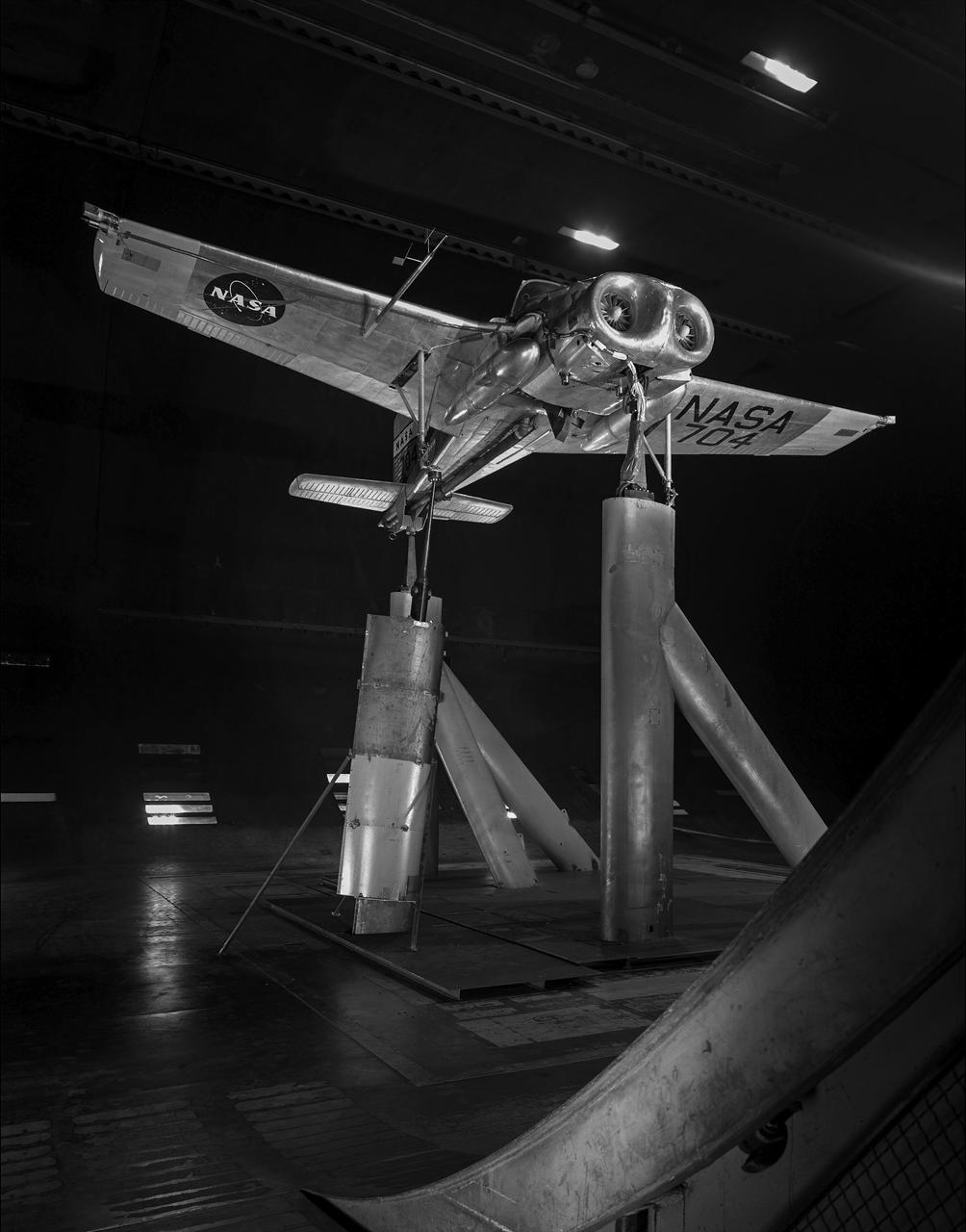
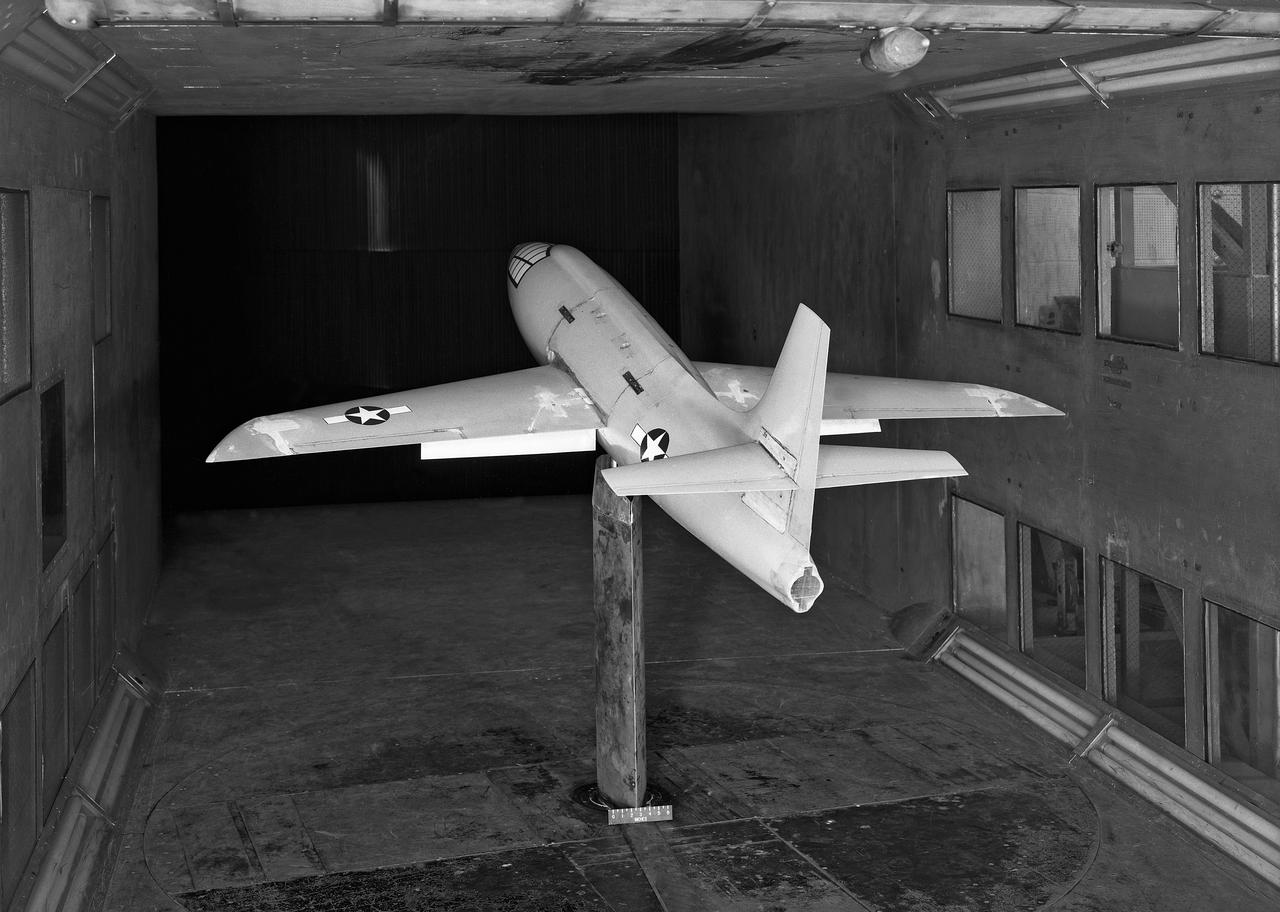
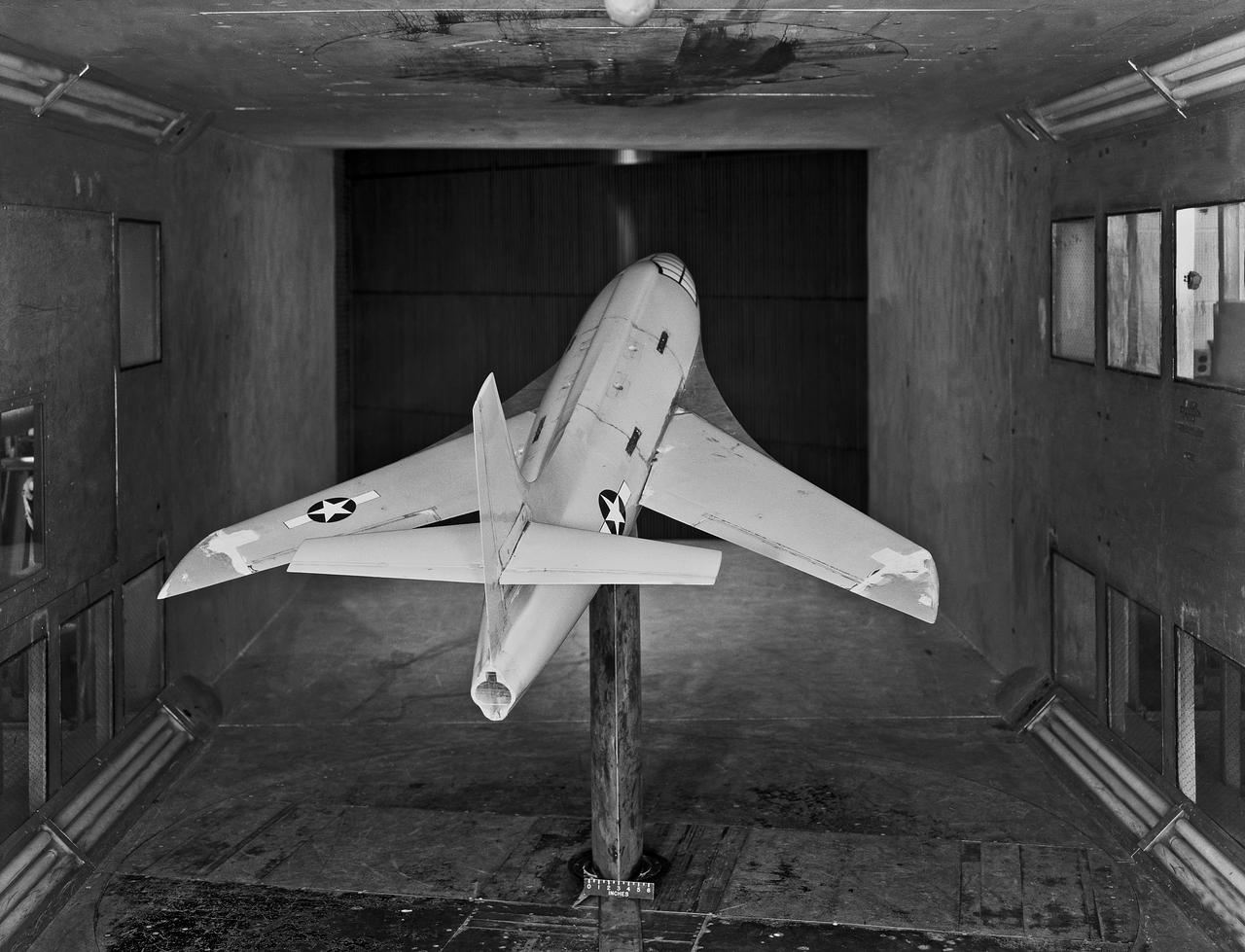
Bell V/STOL X-14 airplane mounted at 90 degrees yaw in 40x80 foot wind tunnel.
Bell VSTOL X-14 Airplane in Ames 40x80 foot Wind Tunnel.
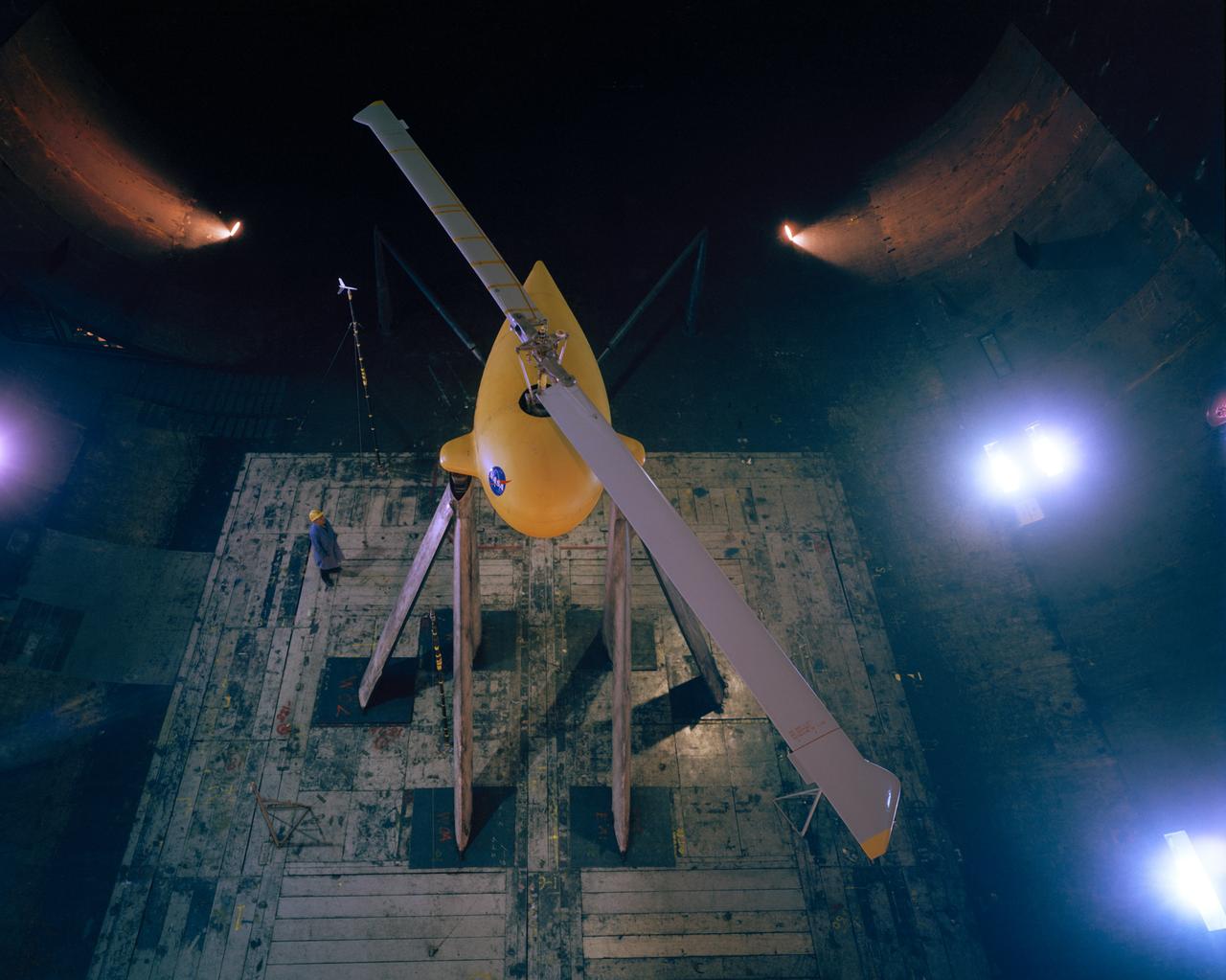
Top Plan view of Bell Rotor with Ed Verrett left frame. Test #437.
Bell Helicopter Rotor Test in the Ames 40x80 foot wind tunnel.
Bell-Boeing Tilt Rotor V-22 Osprey in flight.
ARC-1989-AC89-0246-8
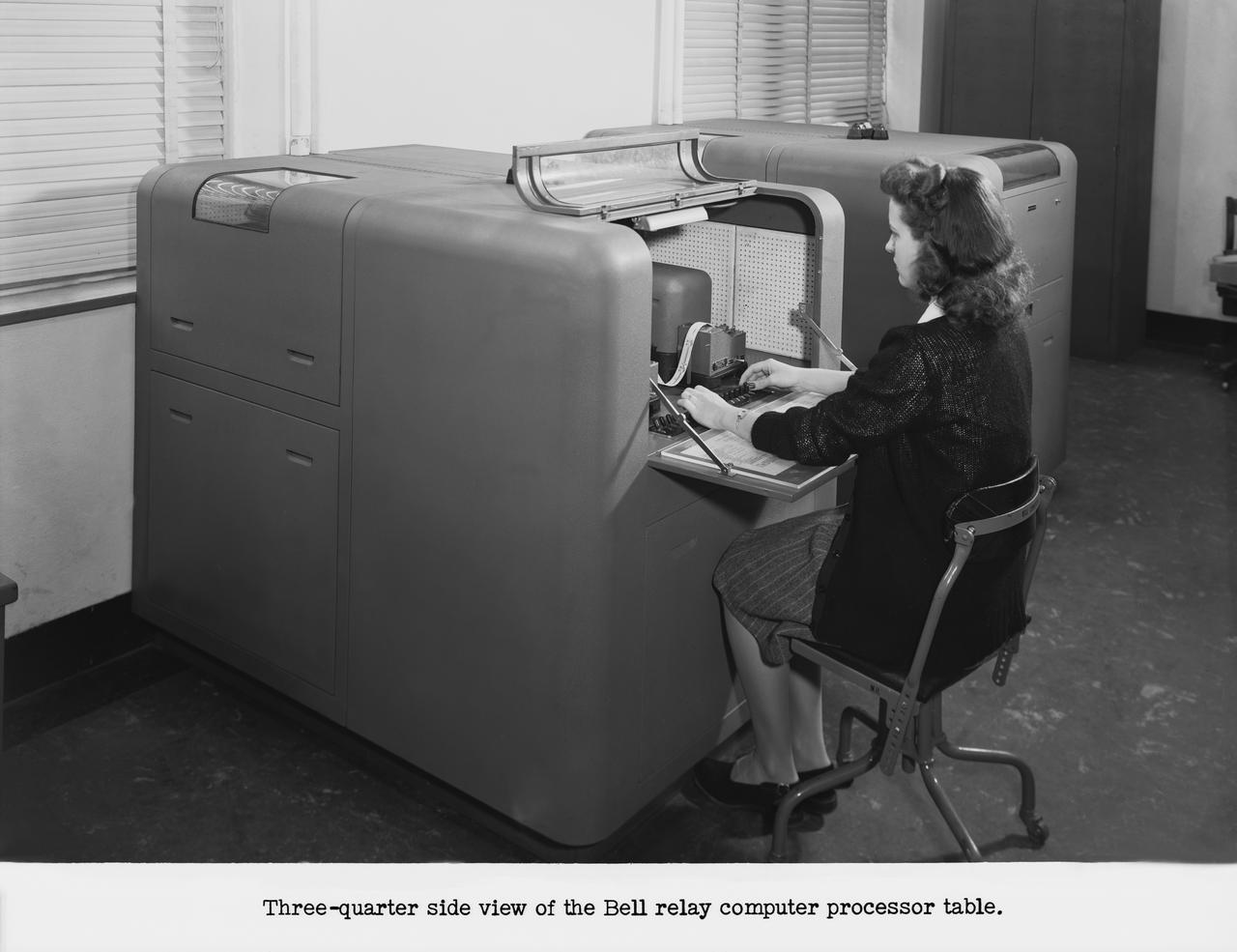
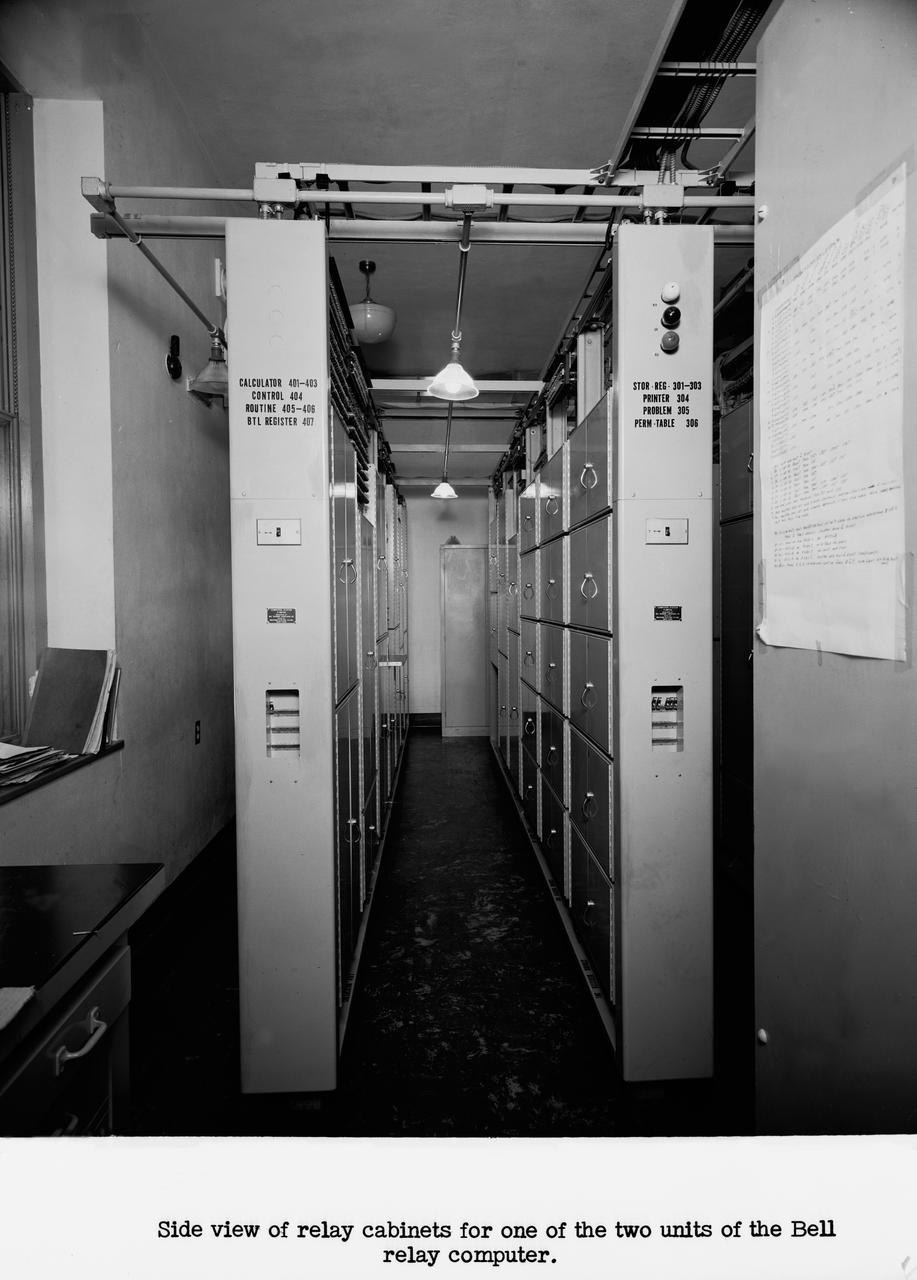
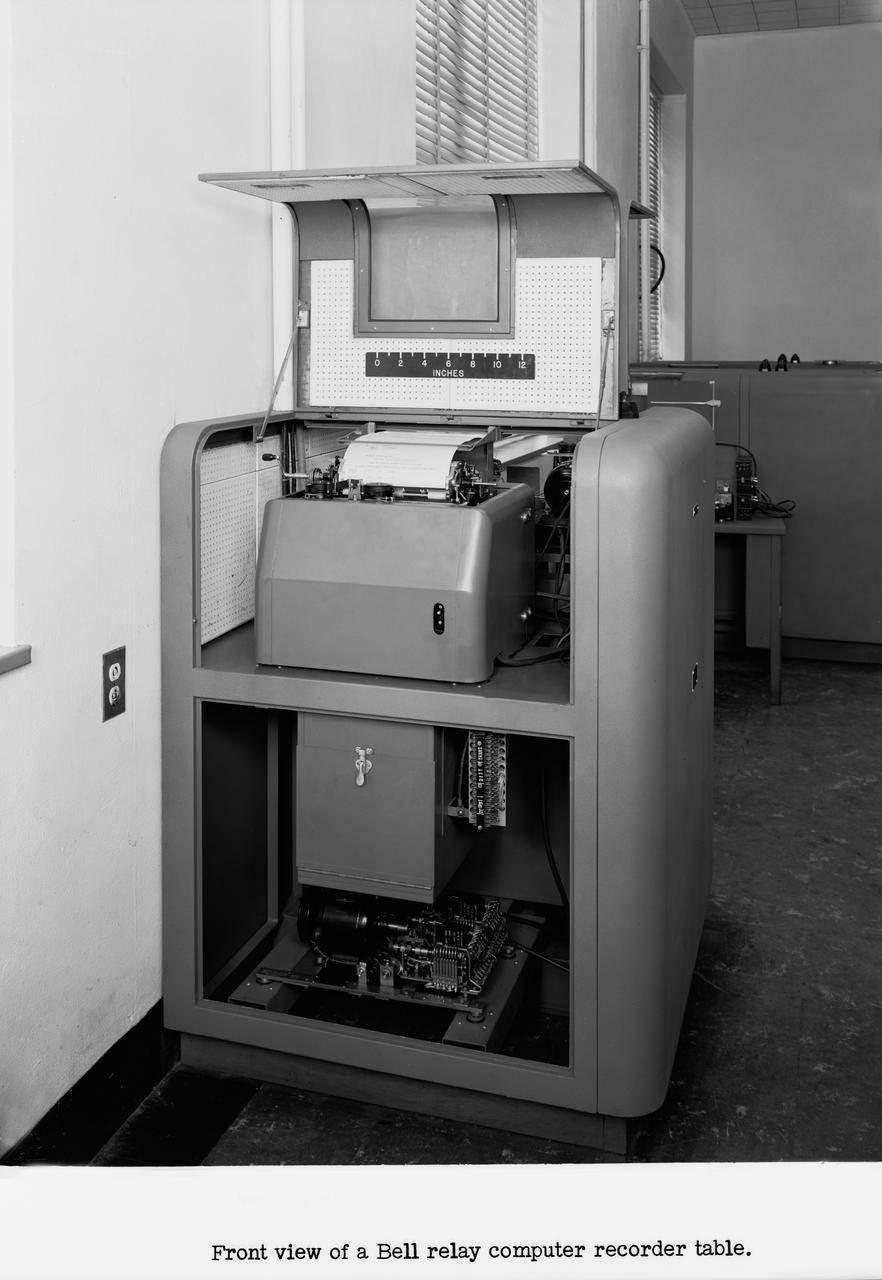
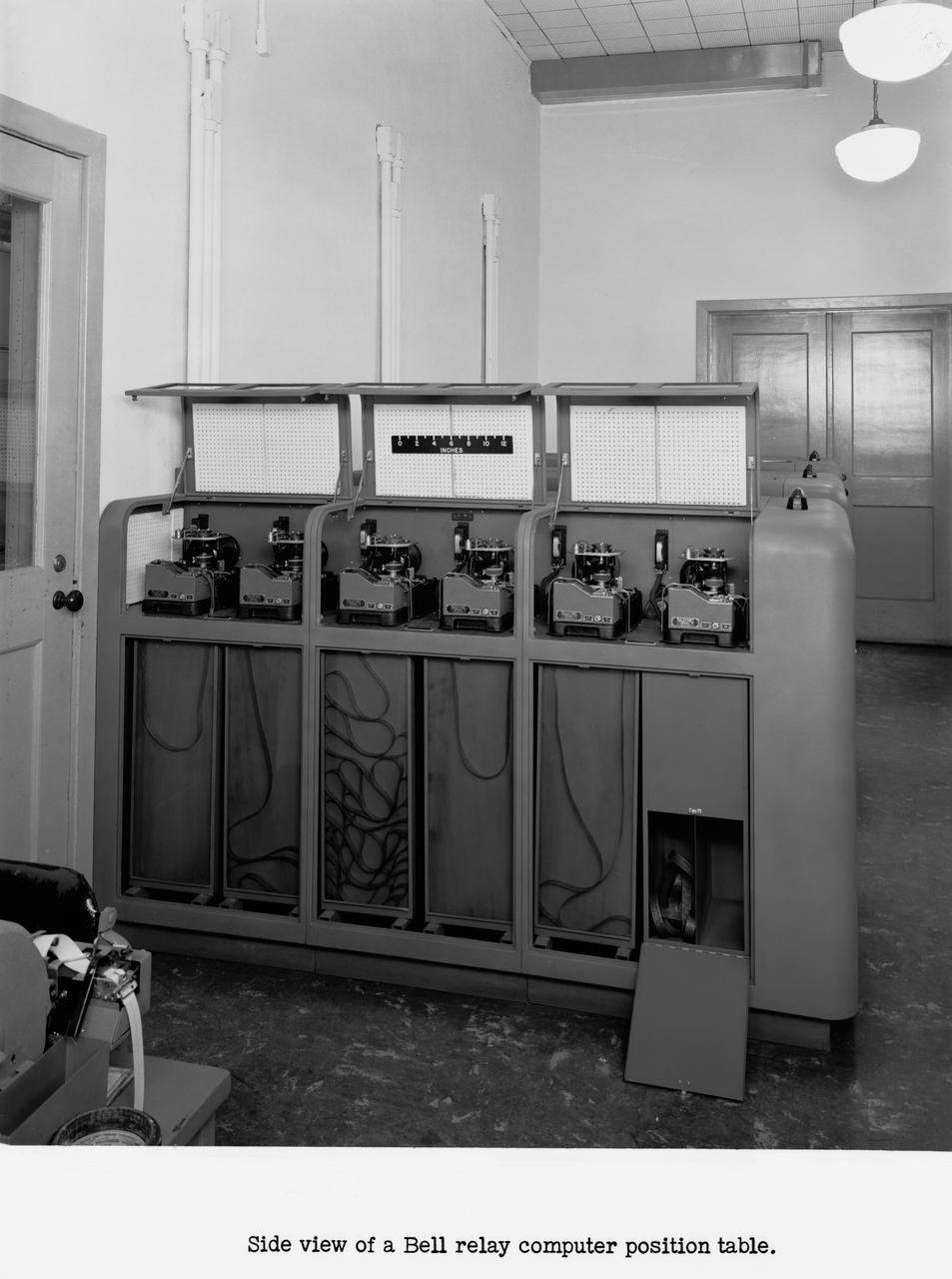
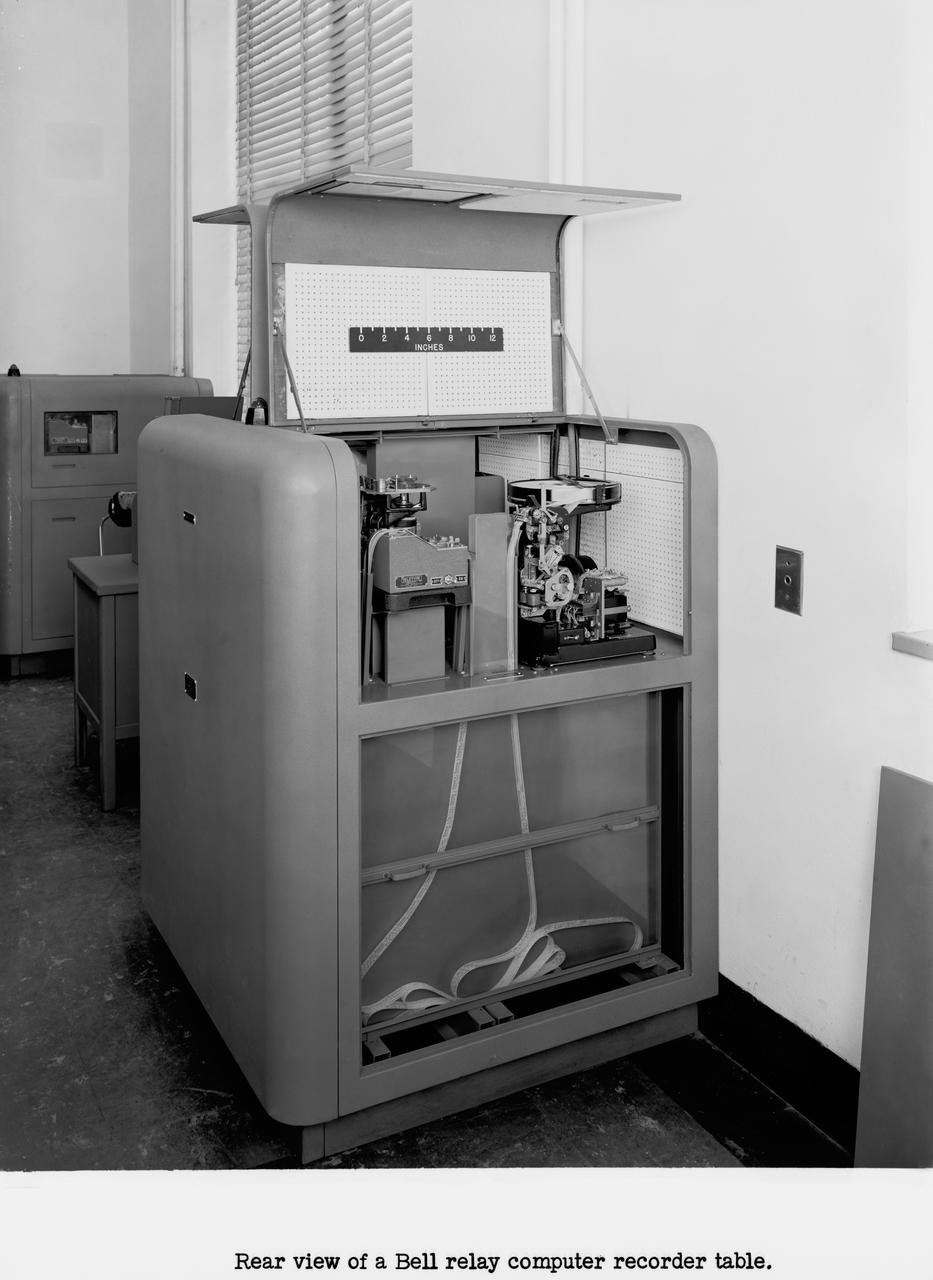
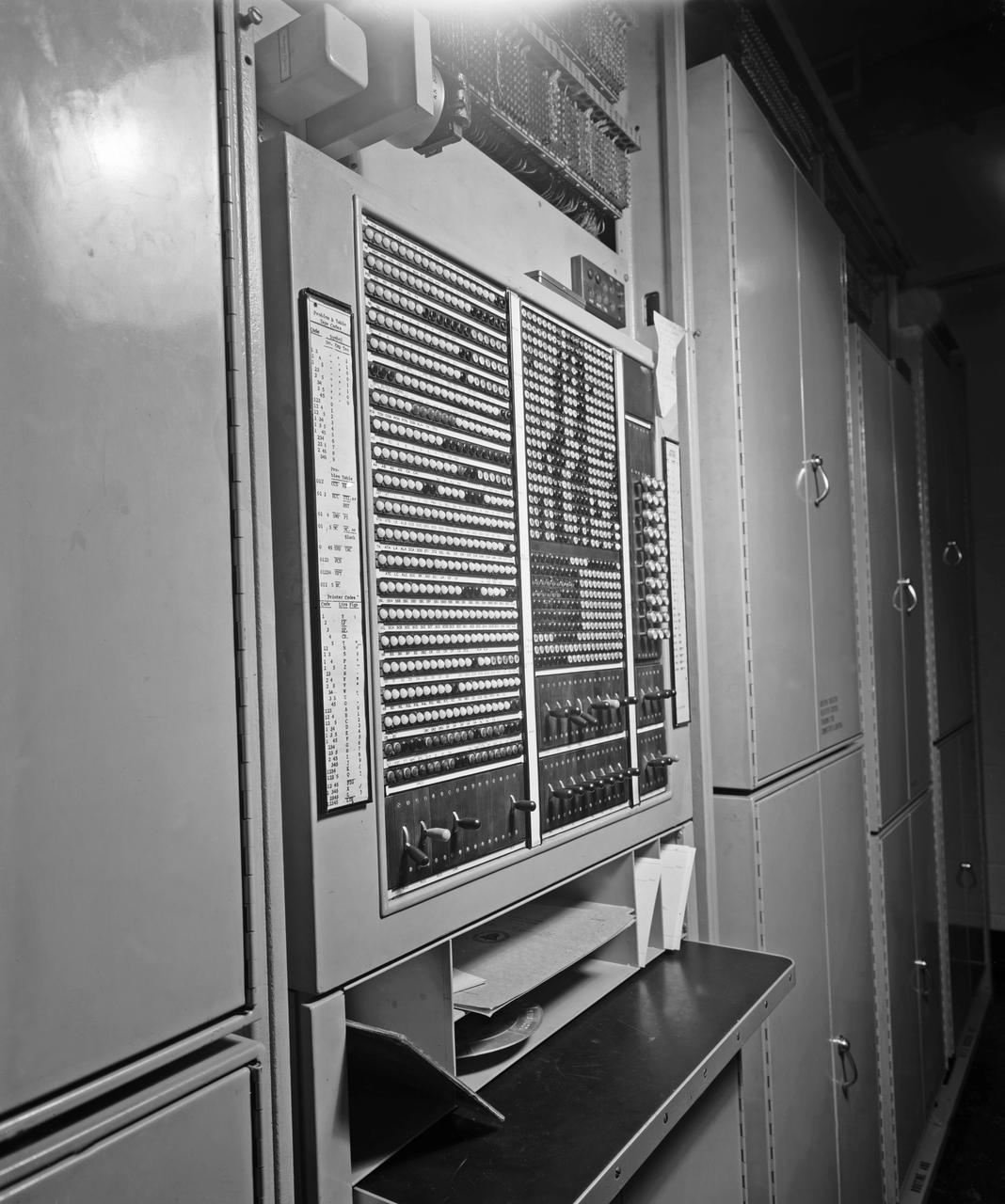
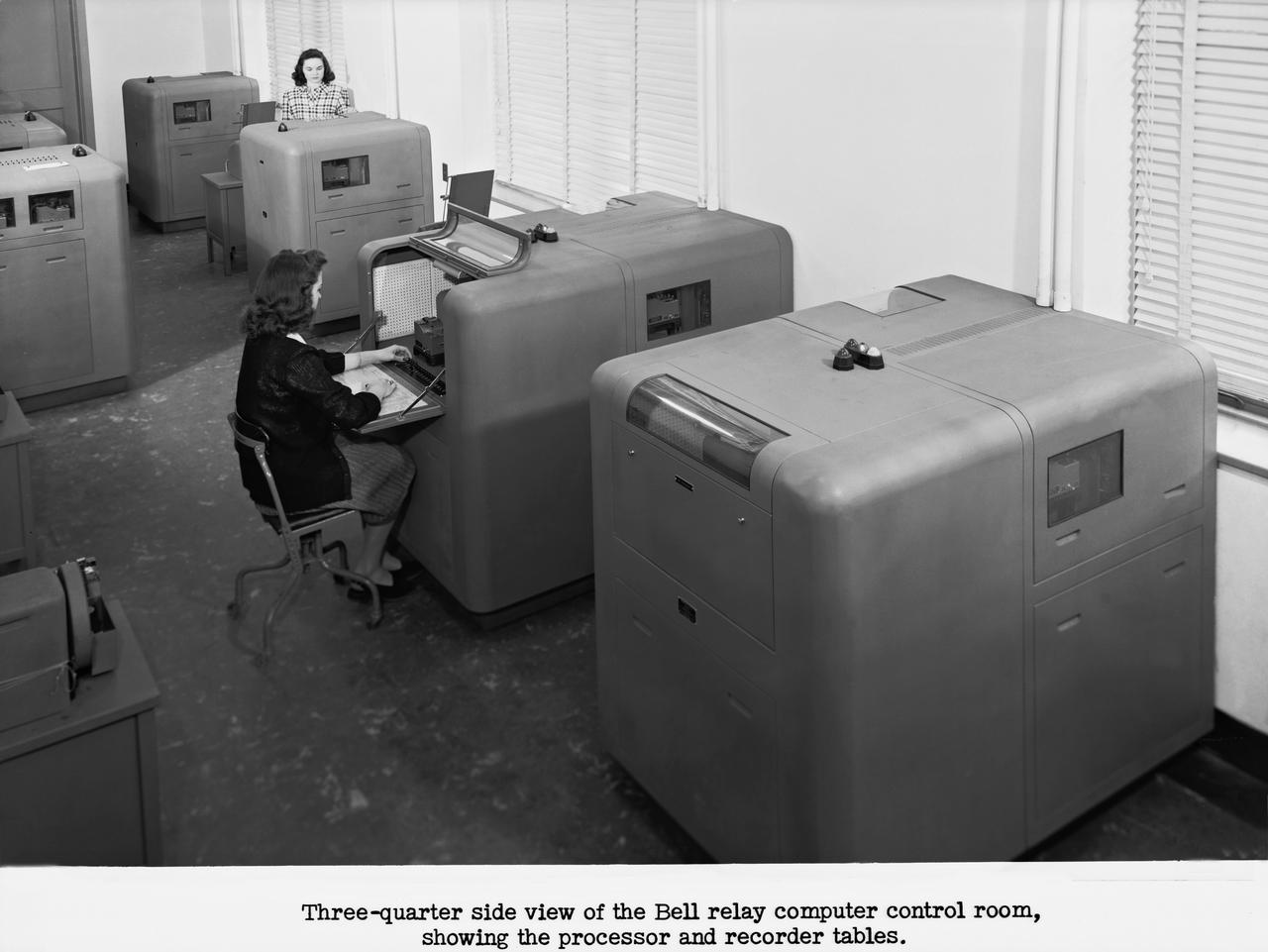
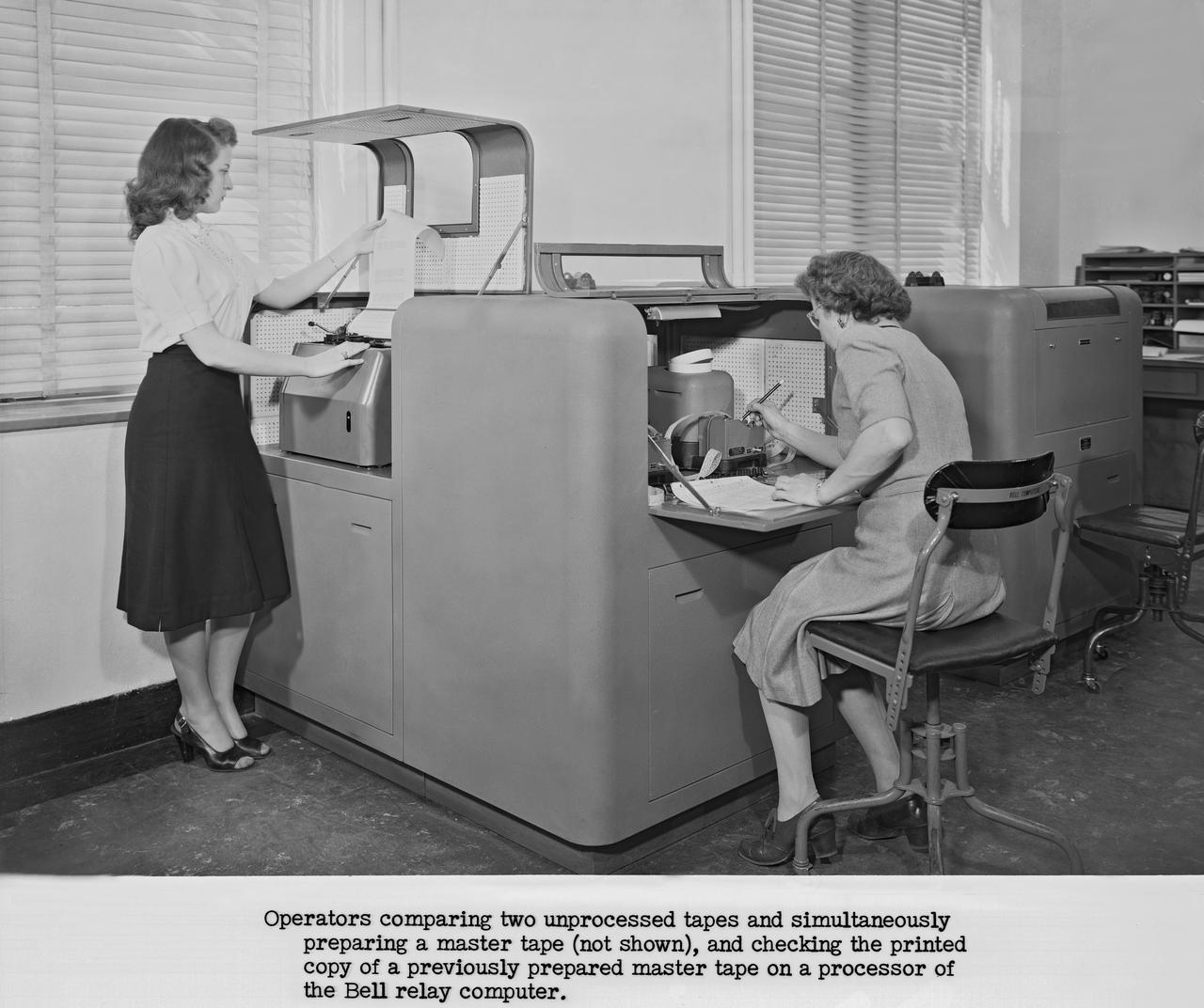
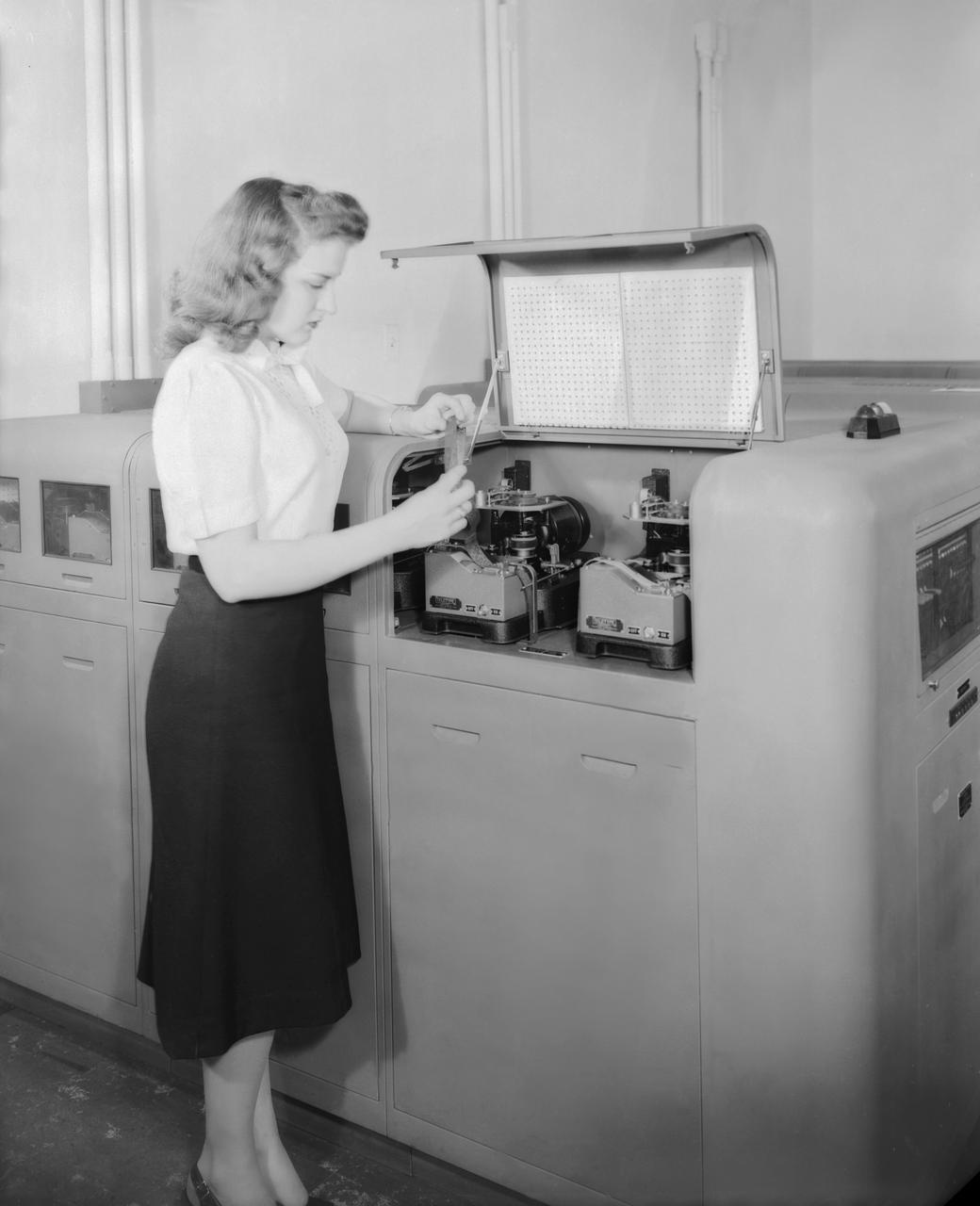
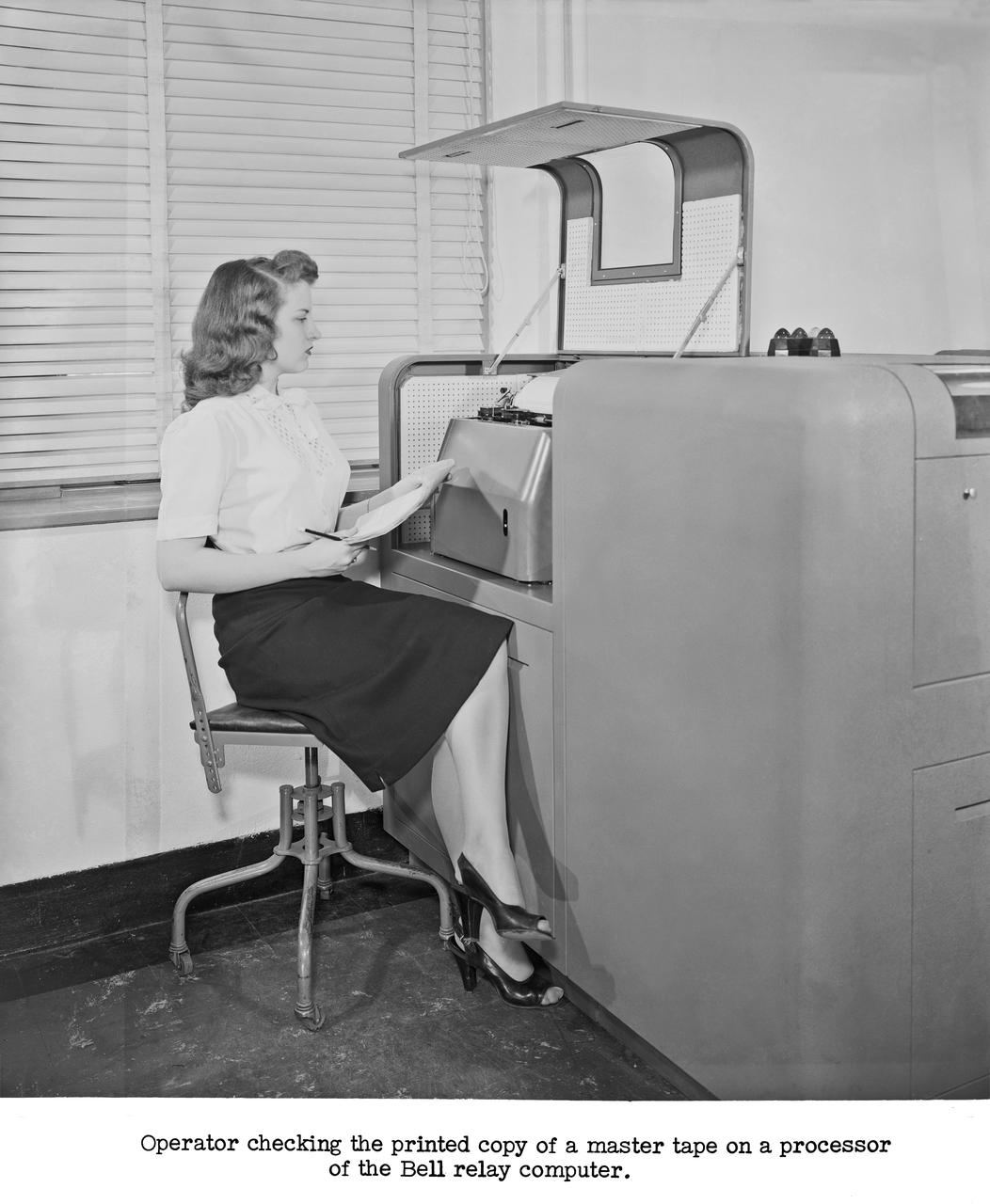
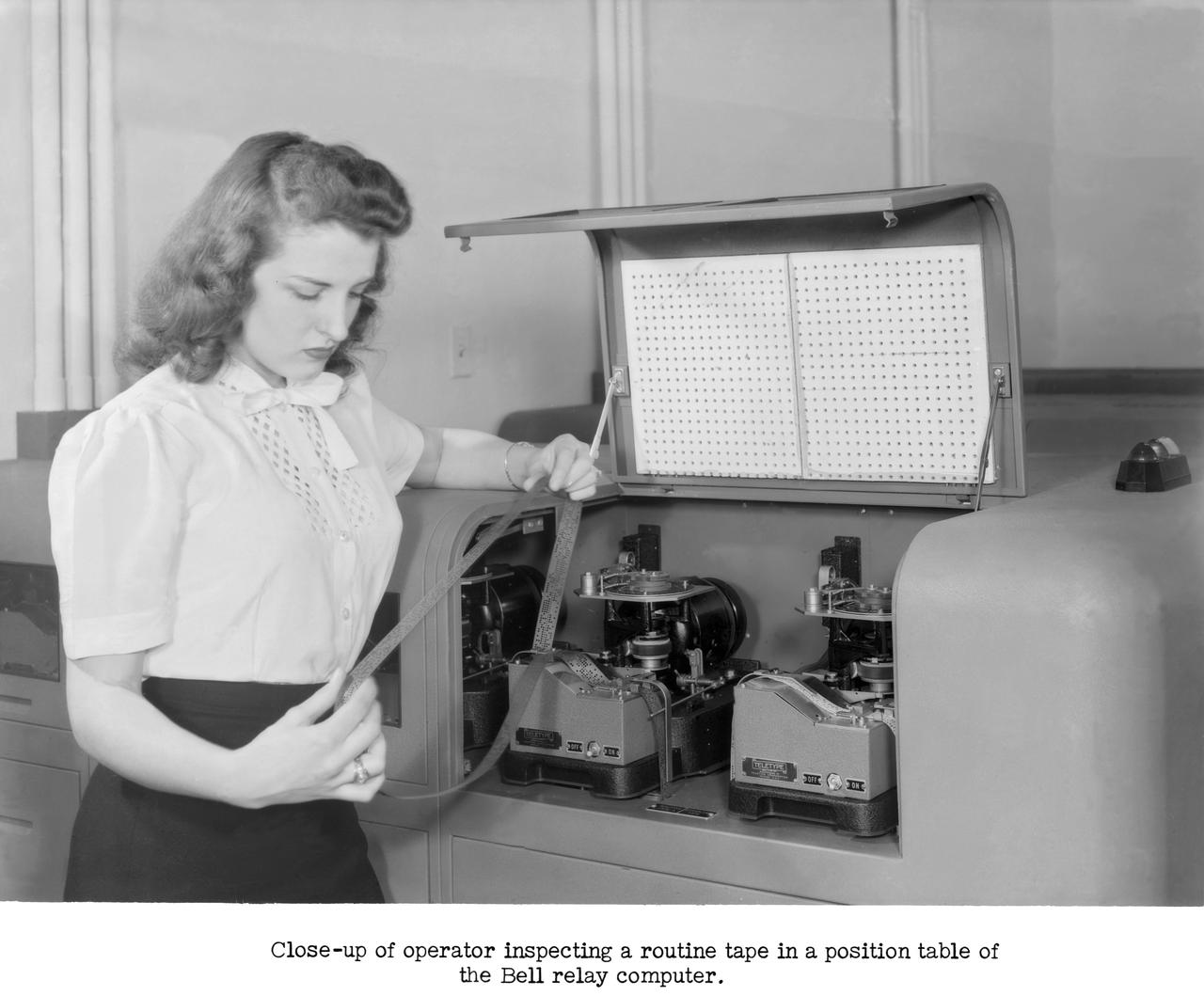
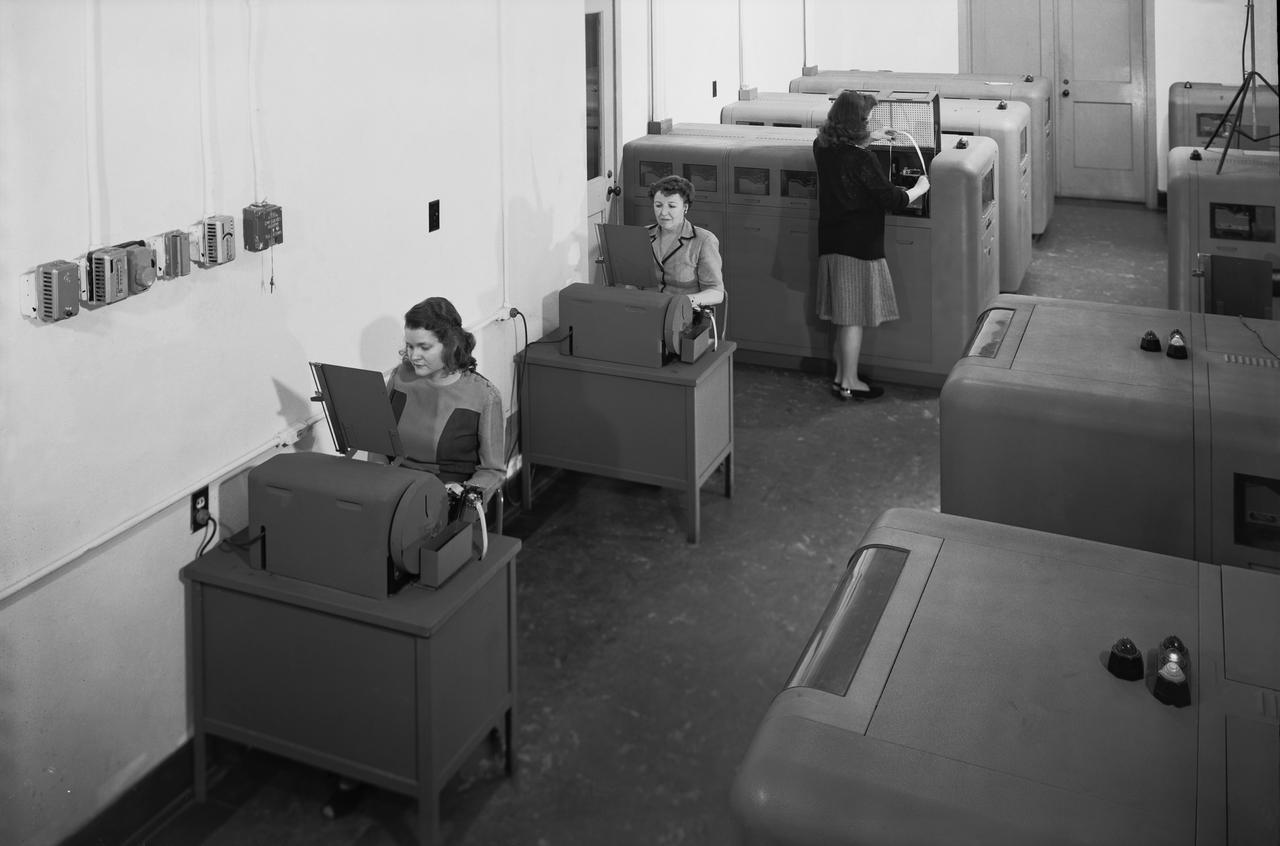
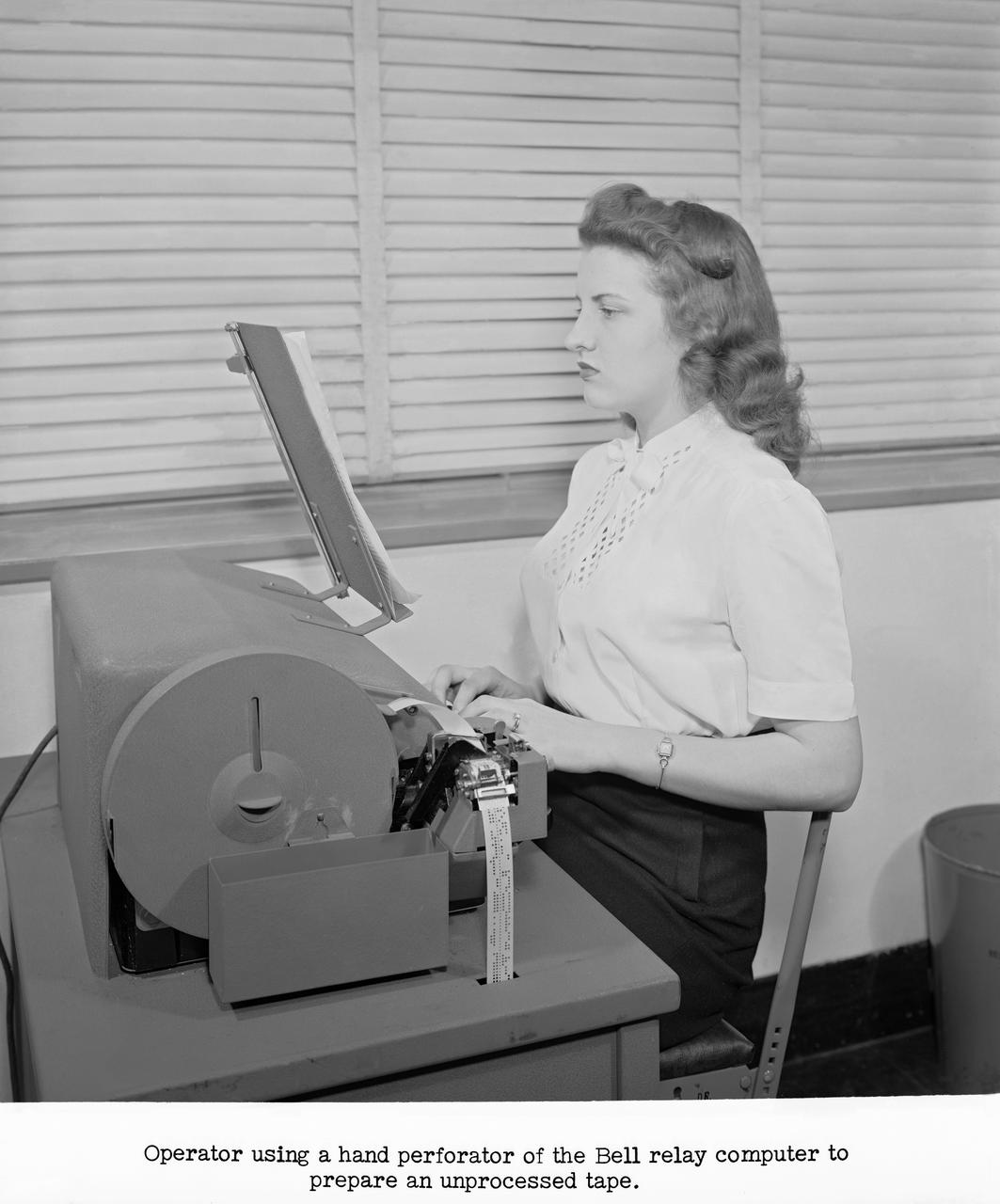
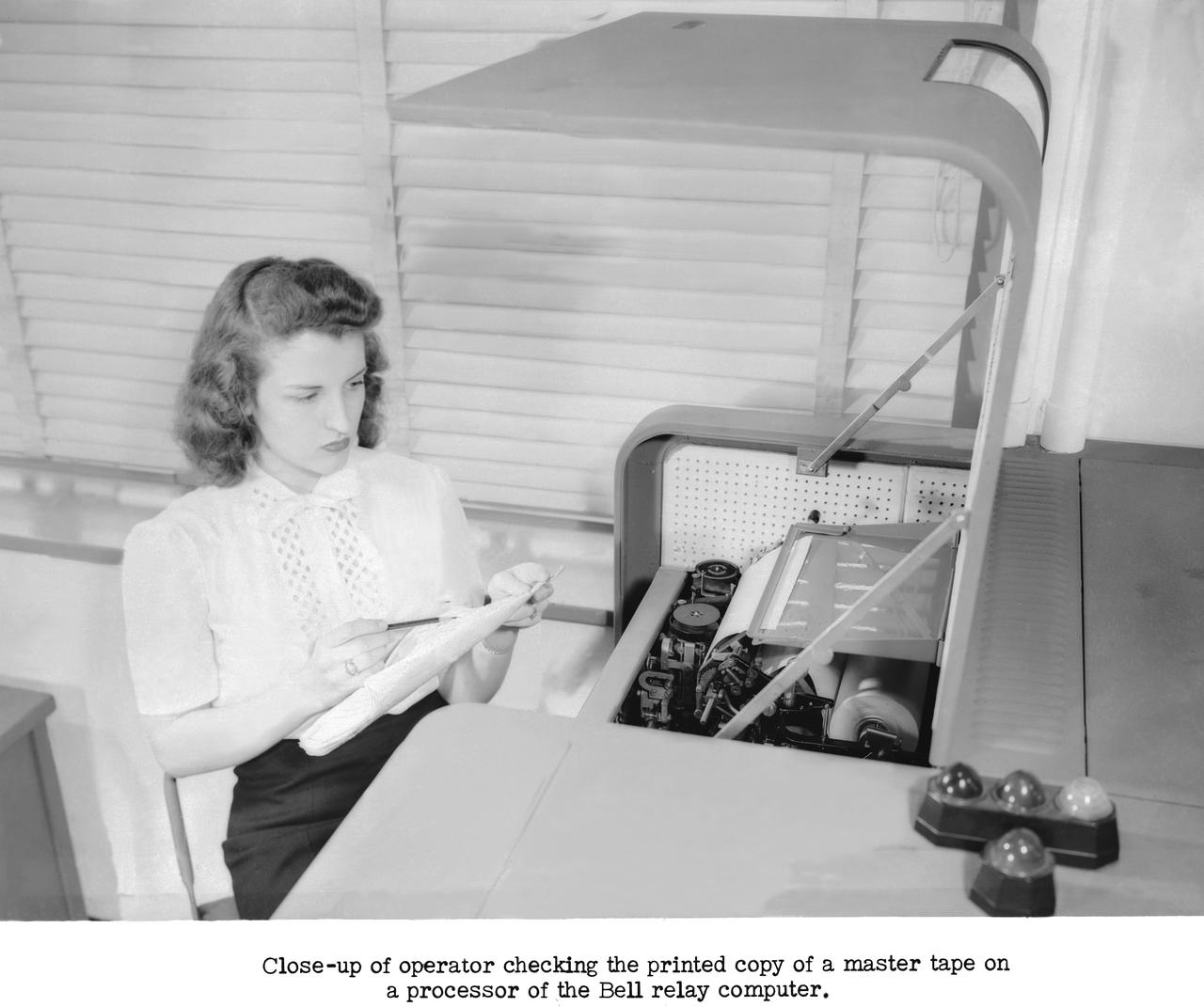
Langley's human computers at work in 1947. The female presence at Langley, who performed mathematical computations for male staff. Bell computers.
Bell Computer Apparatus
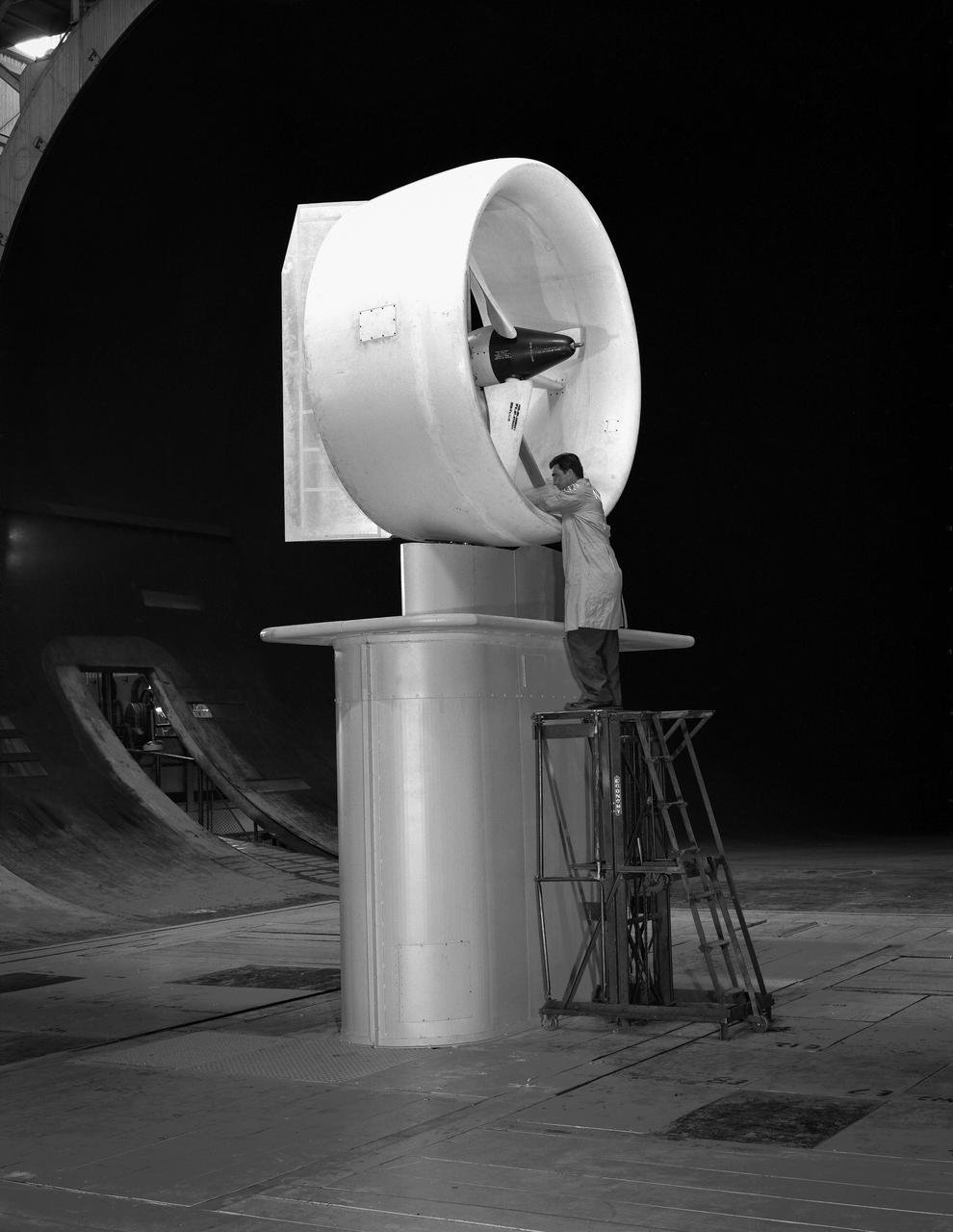
Bell X-22A full scale, Model-C ducted fan with semi-span mount. Duct at 90 degrees with Chuck Greco.
Bell Full-Scale X-22A Ducted Fan with Semi-Span Mount in Ames 40x80ft Wind Tunnel.
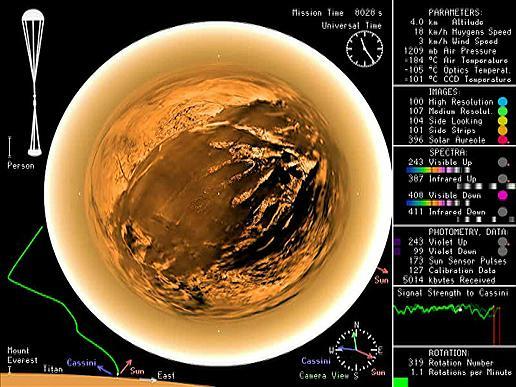
Titan Descent Data Movie with Bells and Whistles
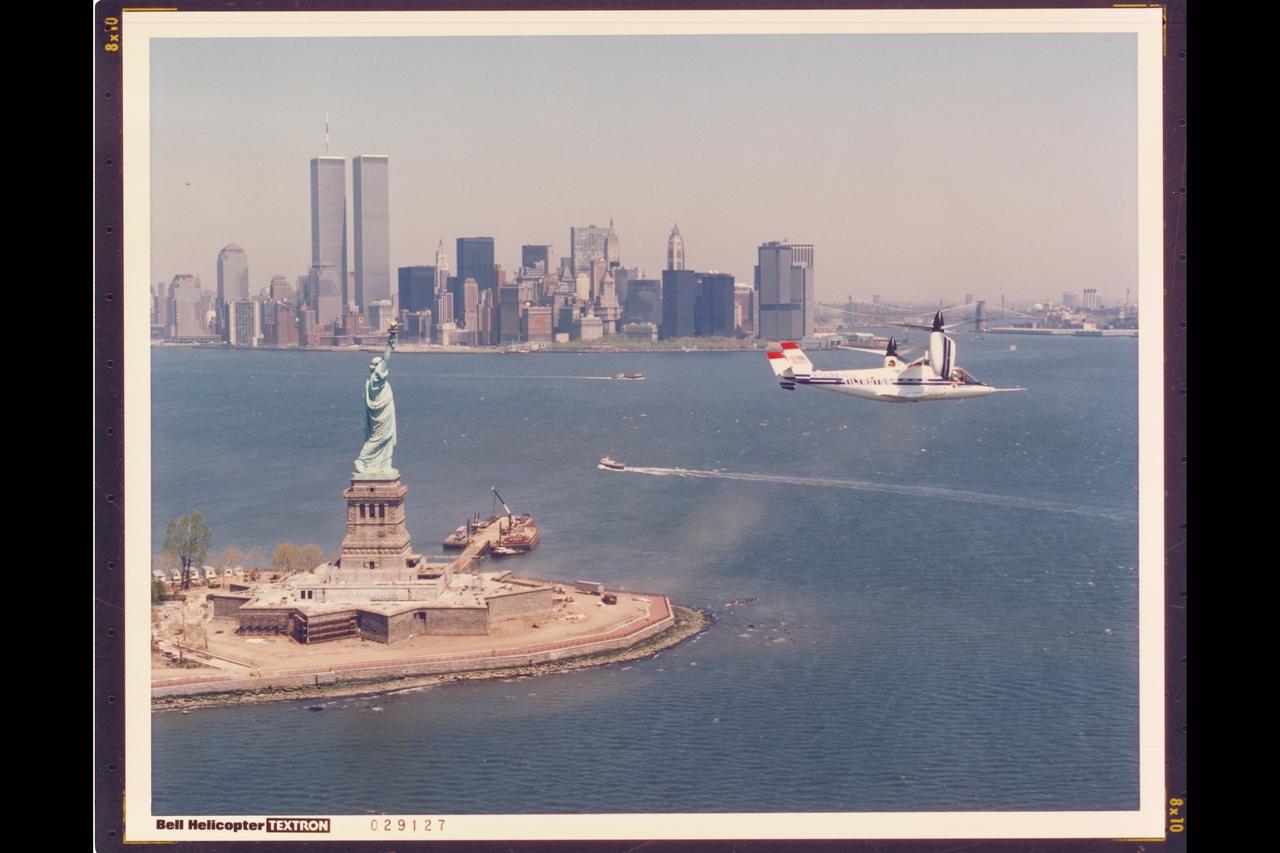
BELL HELICOPTER BELL TEXTRON XV-15 TILT ROTOR AIRCRAFT IN FLIGHT OVER NEW YORK, ELLIS ISLAND AND STATUE OF LIBERTY
ARC-1986-AC86-0410-4
Langley's human computers at work in 1947. The female presence at Langley, who performed mathematical computations for male staff. Bell computers.
Bell Computer Apparatus
Langley's human computers at work in 1947. The female presence at Langley, who performed mathematical computations for male staff. Bell computers.
Bell Computer Apparatus
Langley's human computers at work in 1947. The female presence at Langley, who performed mathematical computations for male staff. Bell computers.
Bell Computer Apparatus
Langley's human computers at work in 1947. The female presence at Langley, who performed mathematical computations for male staff.  Bell computers.
Bell Computer Apparatus
Langley's human computers at work in 1947. The female presence at Langley, who performed mathematical computations for male staff. Bell computers.
Bell Computer Apparatus
Langley's human computers at work in 1947. The female presence at Langley, who performed mathematical computations for male staff. Bell computers.
Bell Computer Apparatus
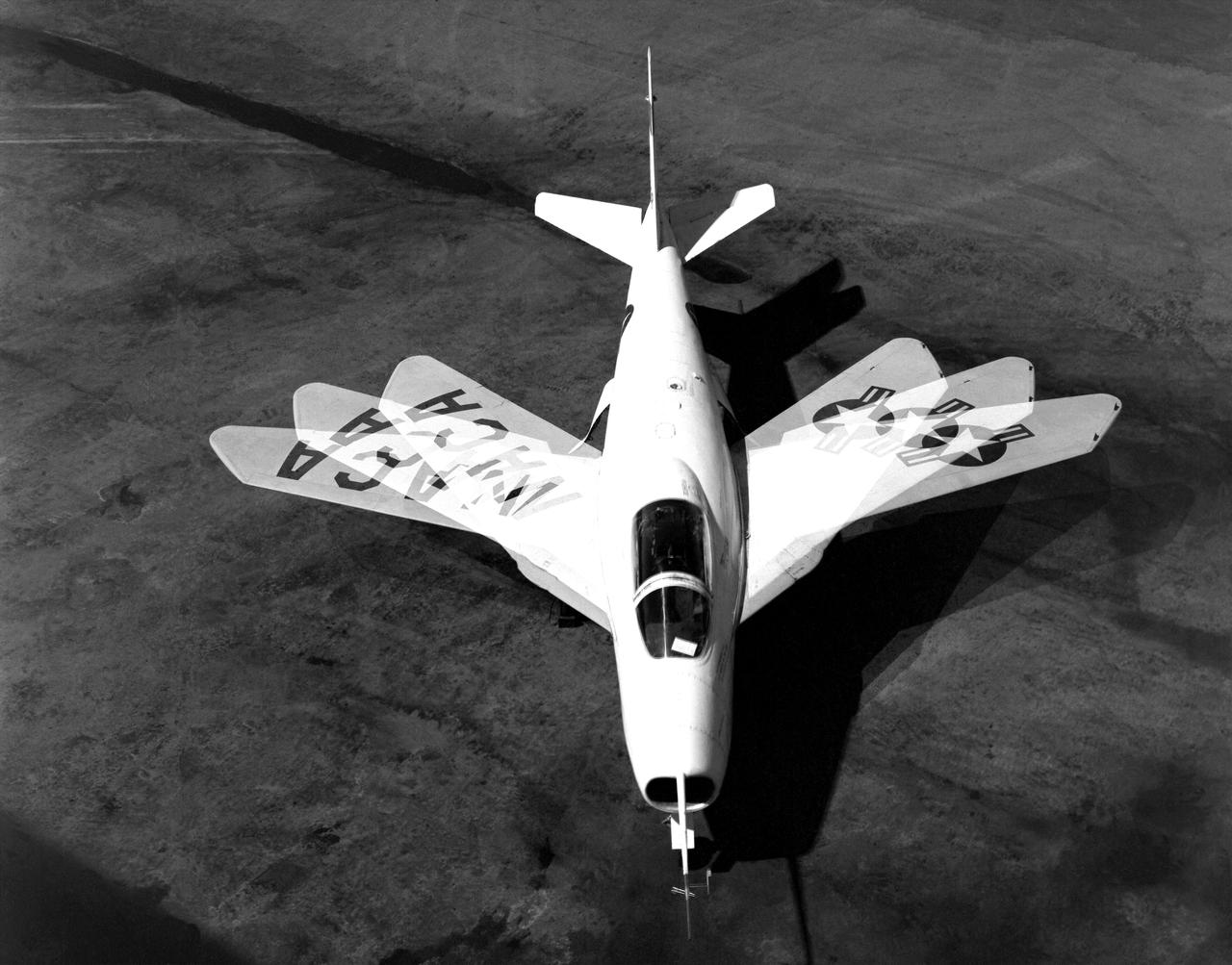
The Bell X-5 swings its wings in this multiple exposure photograph. Variable-sweep wing technology later appeared on the F-111, F-14 and B-1.
Bell X-5 Wings Sweep
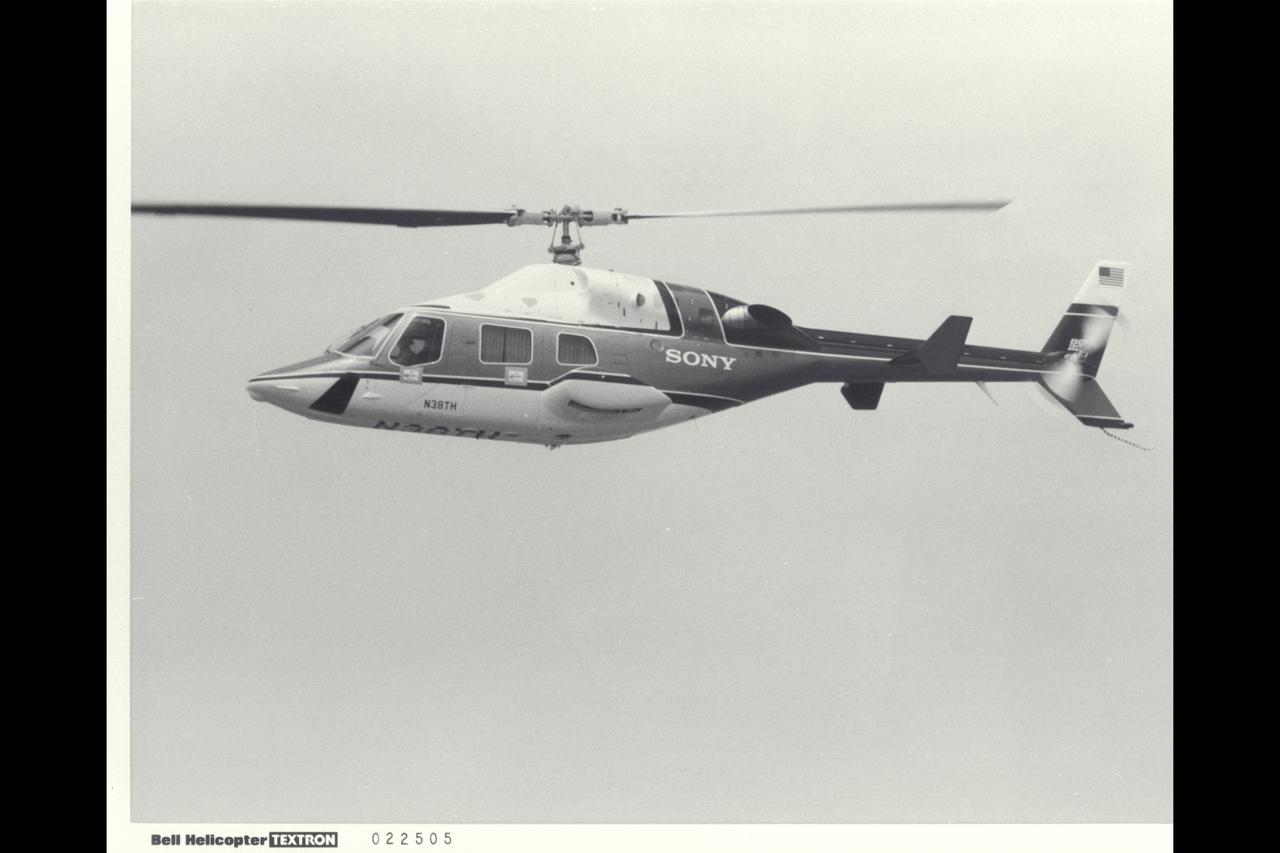
Bell Helicopter 222 Airplane
ARC-1993-A83-0499-16
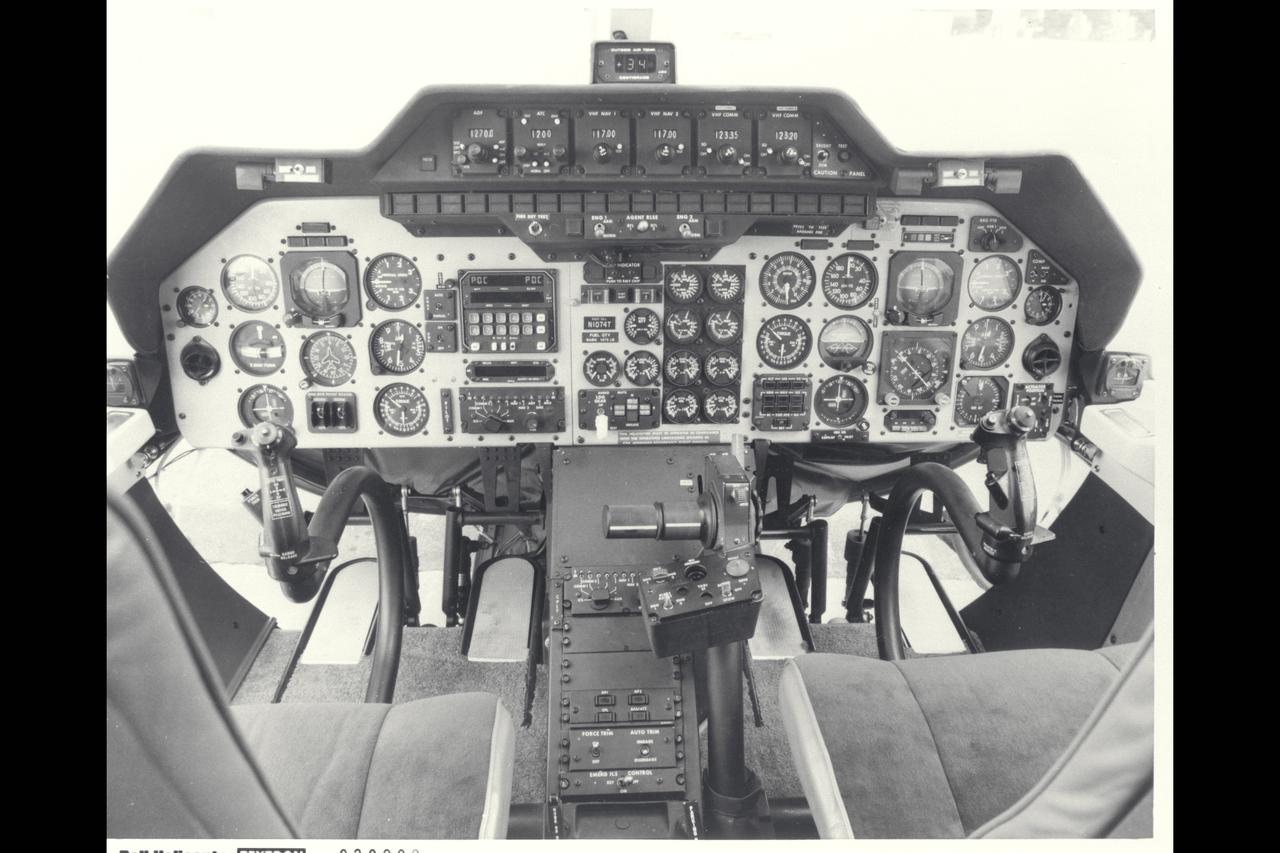
Bell Helicopter 222 Instrument Panel
ARC-1993-A83-0499-17
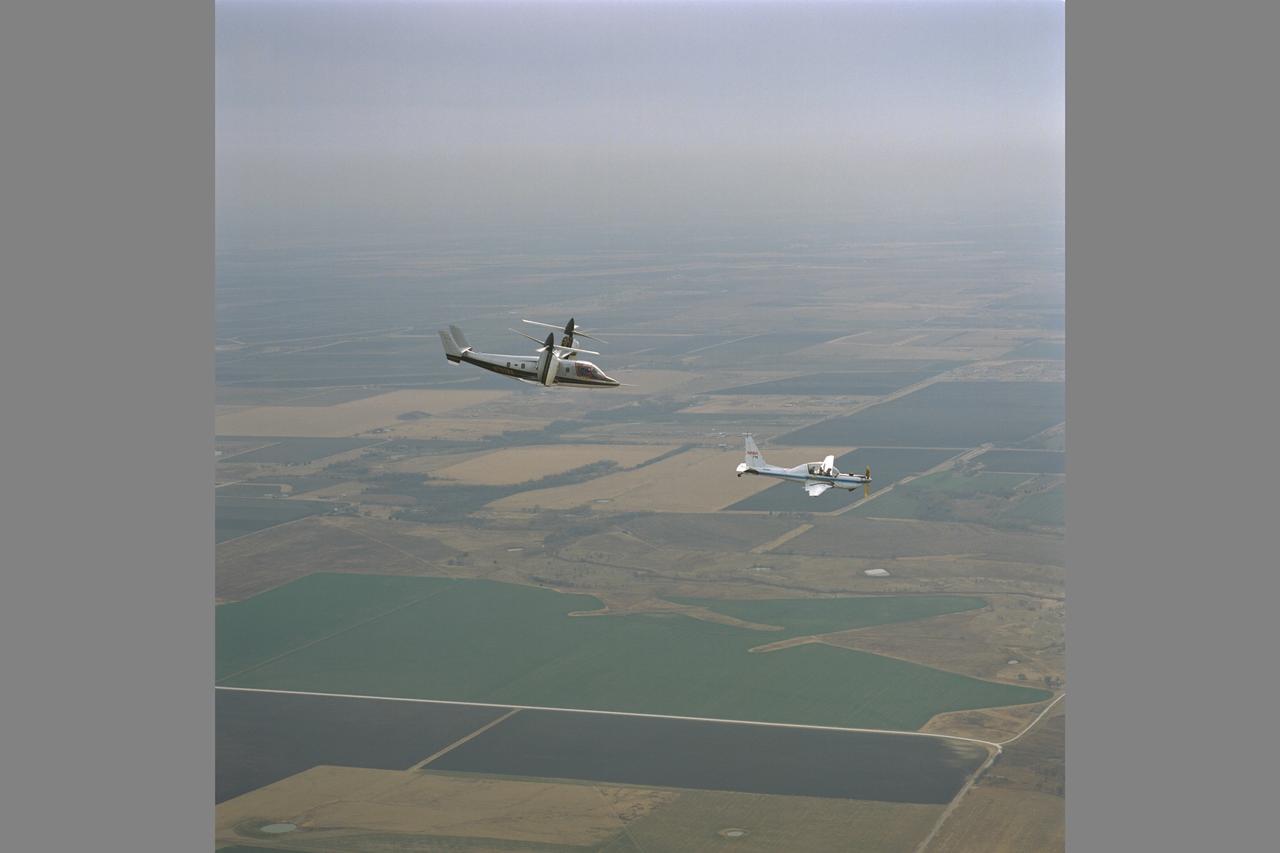
Bell XV-15 (NASA 703) and YO-3A (NASA 718) fly IRAP (inflight rotorcraft acoustics program) tests over Bell Helicopter Textron Co., Arlingtron, Texas
ARC-1995-AC95-0438-15
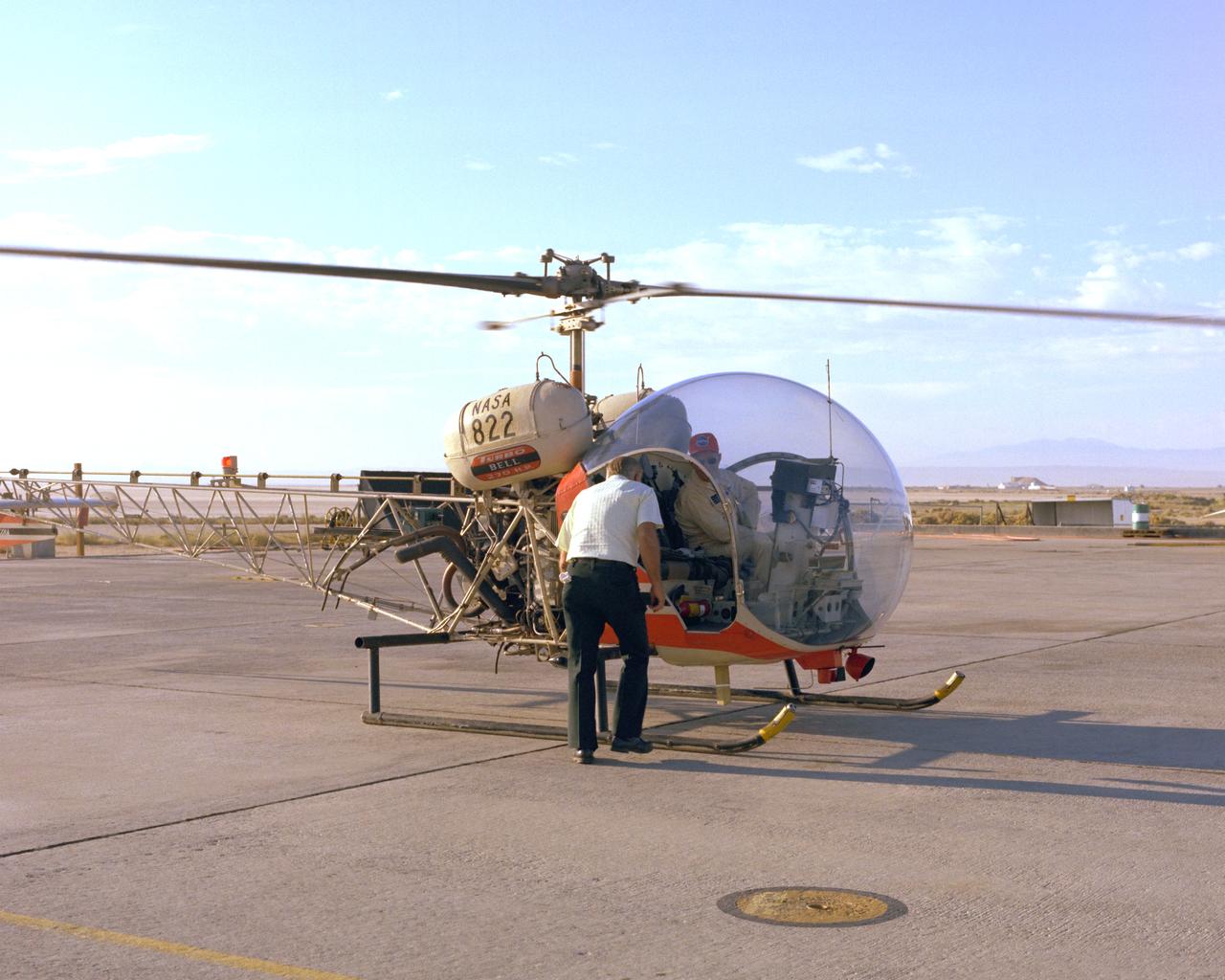
Bell-47 Helicopter #822 on ramp
EC82-18422A
Bell XV-15 Tilt Rotor Army Configurations; Combat
ARC-1966-AC83-0652-1
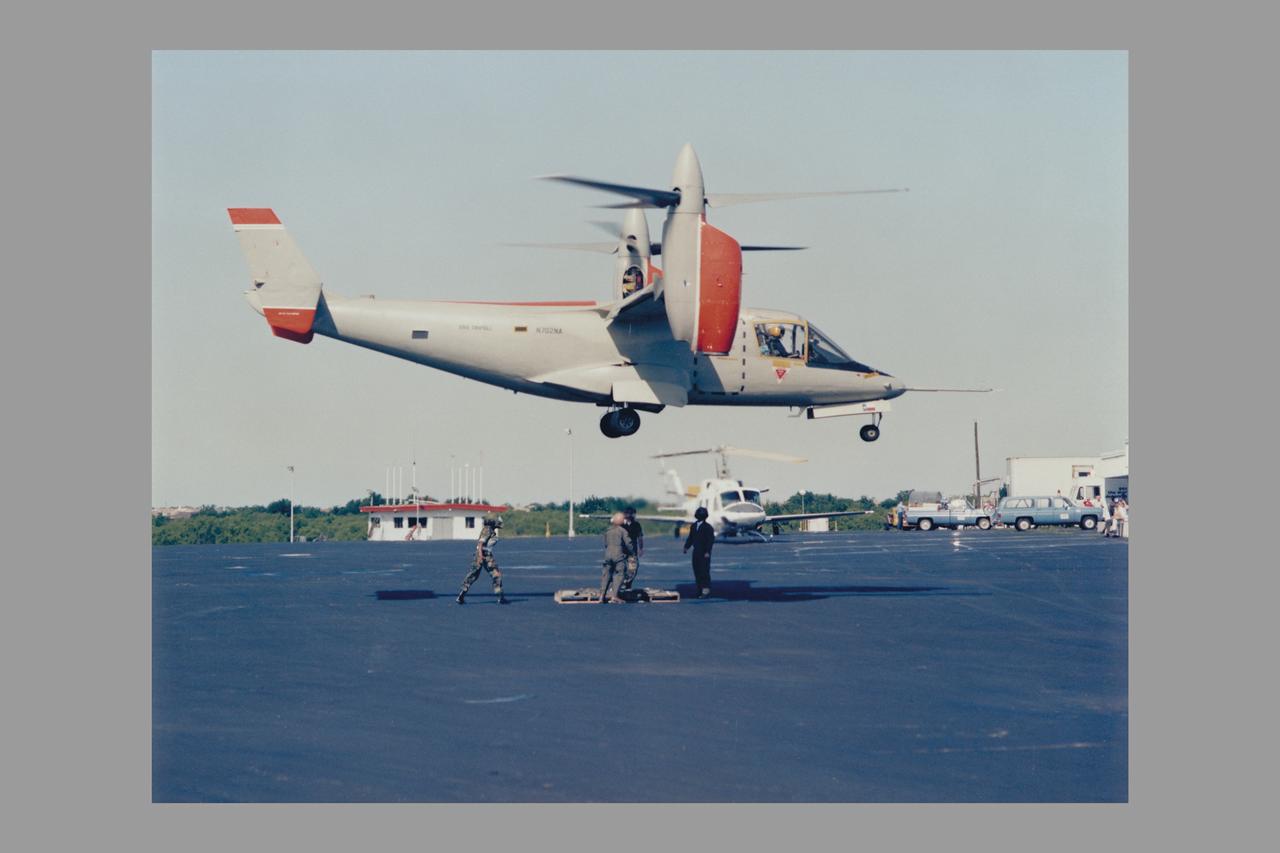
Bell XV-15 Tilt Rotor Army Configurations;  Rescue
ARC-1966-AC83-0652-3
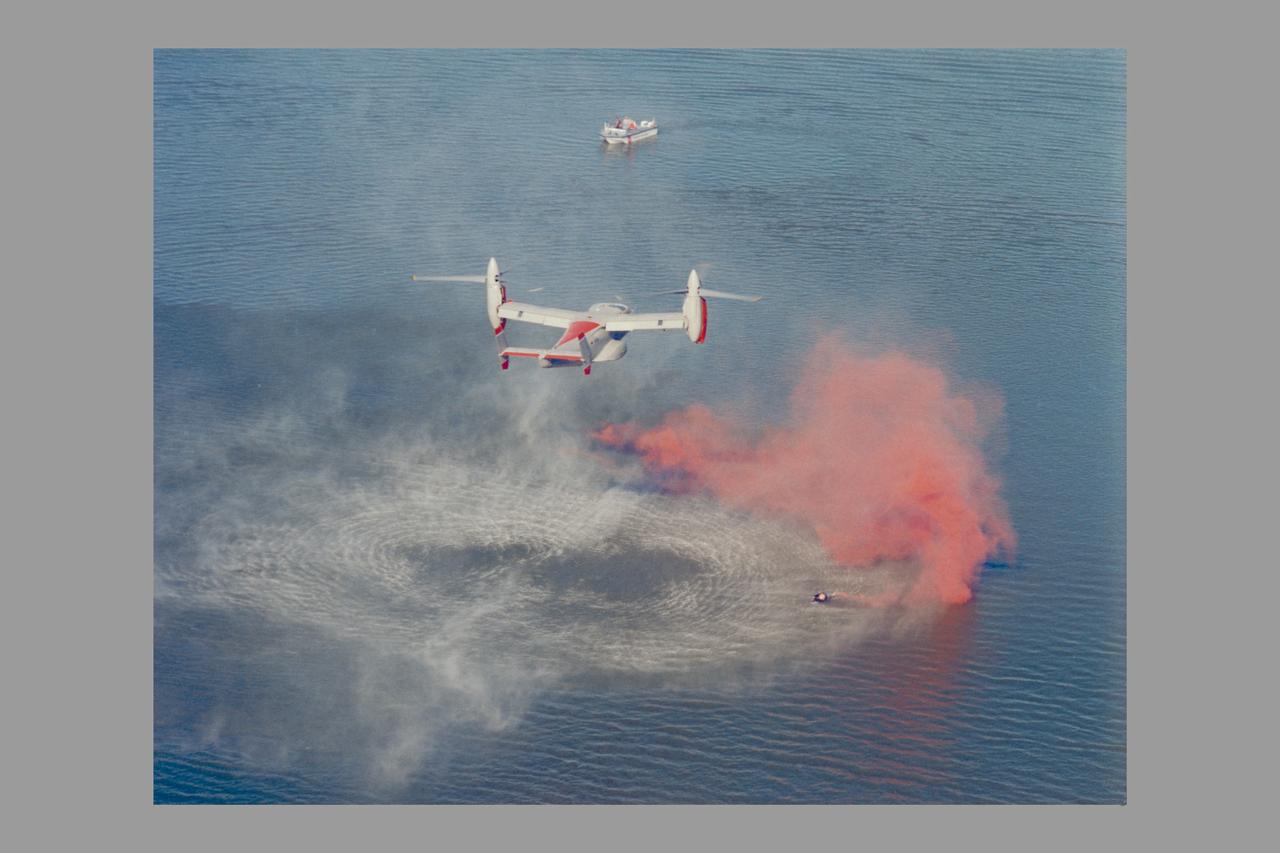
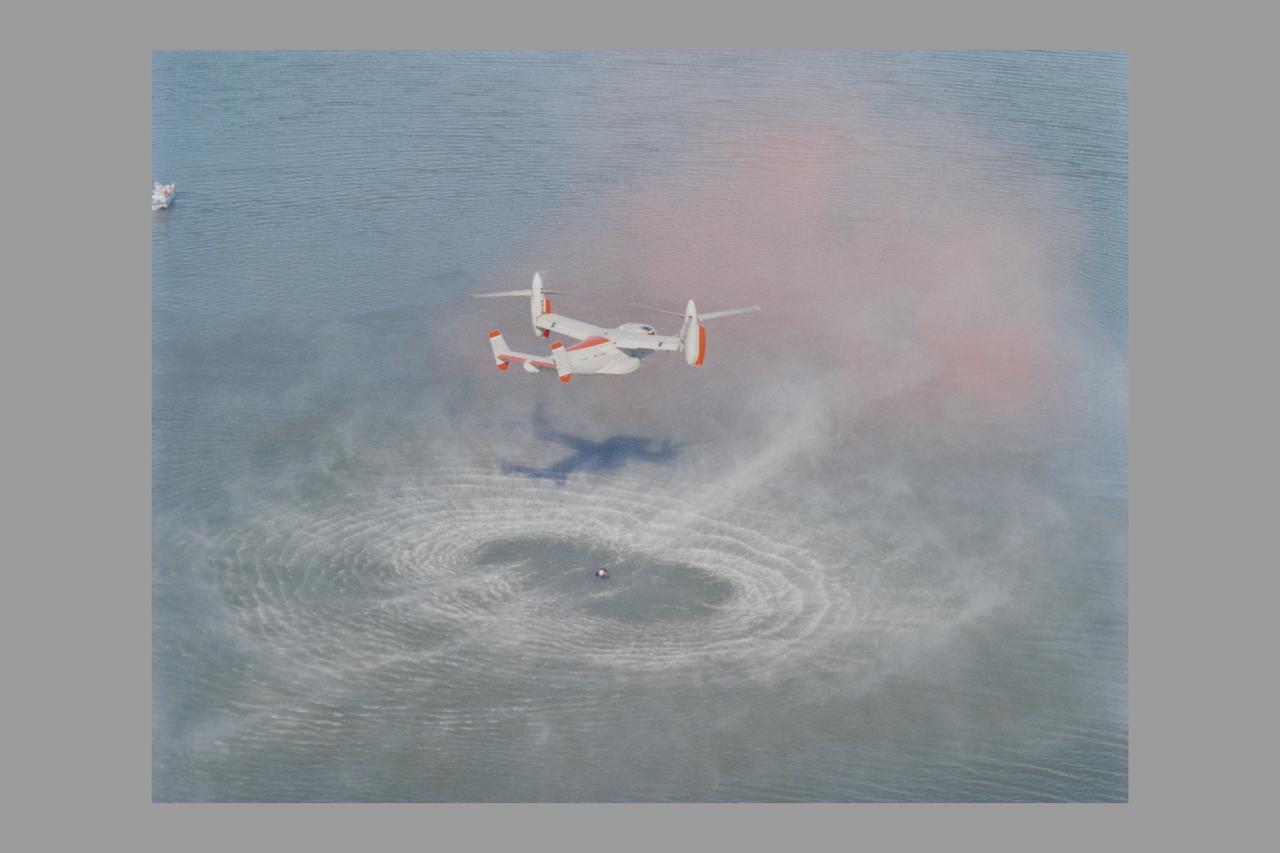
Bell XV-15 Tilt Rotor Army Configurations;  Rescue at sea
ARC-1966-AC83-0652-2
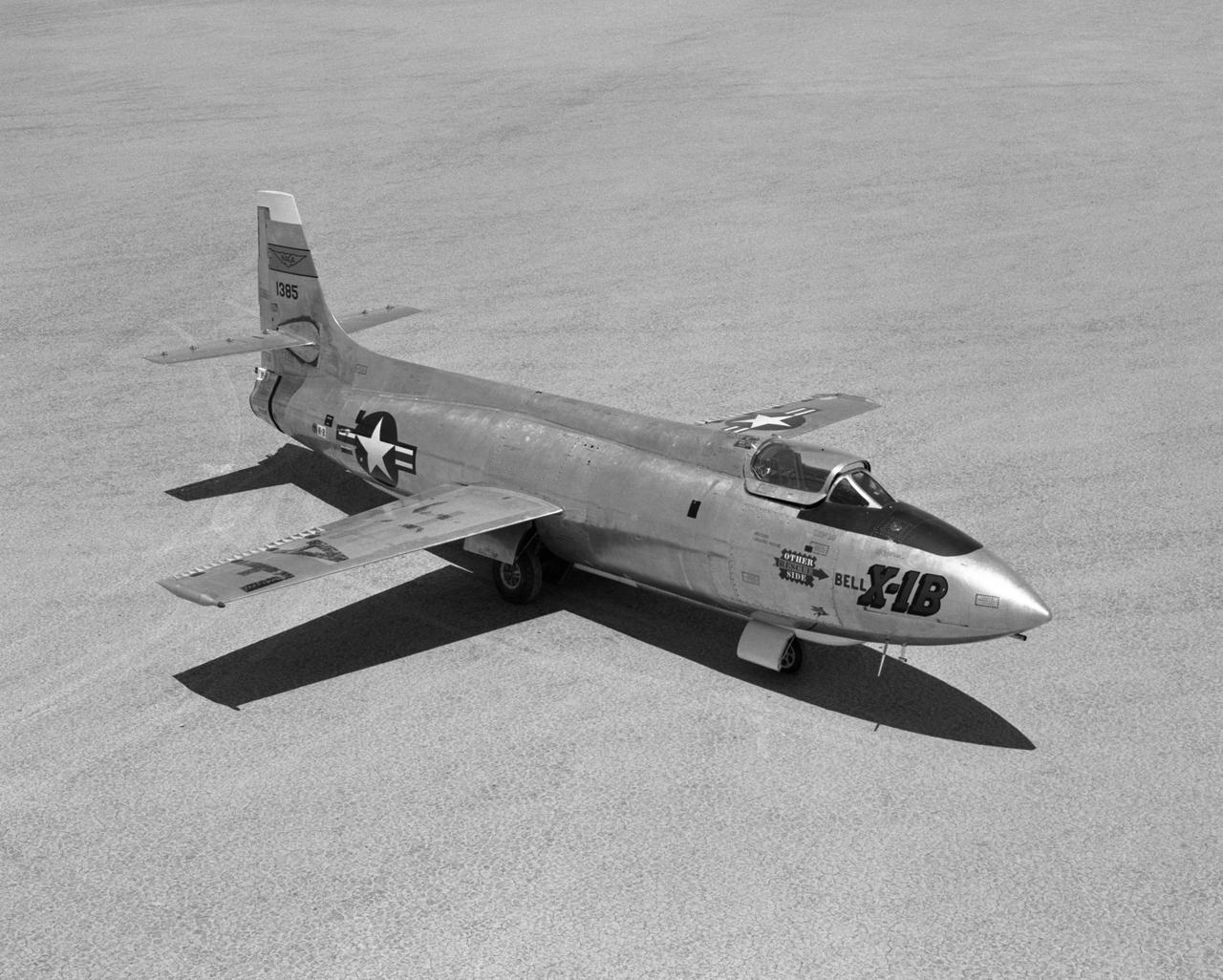
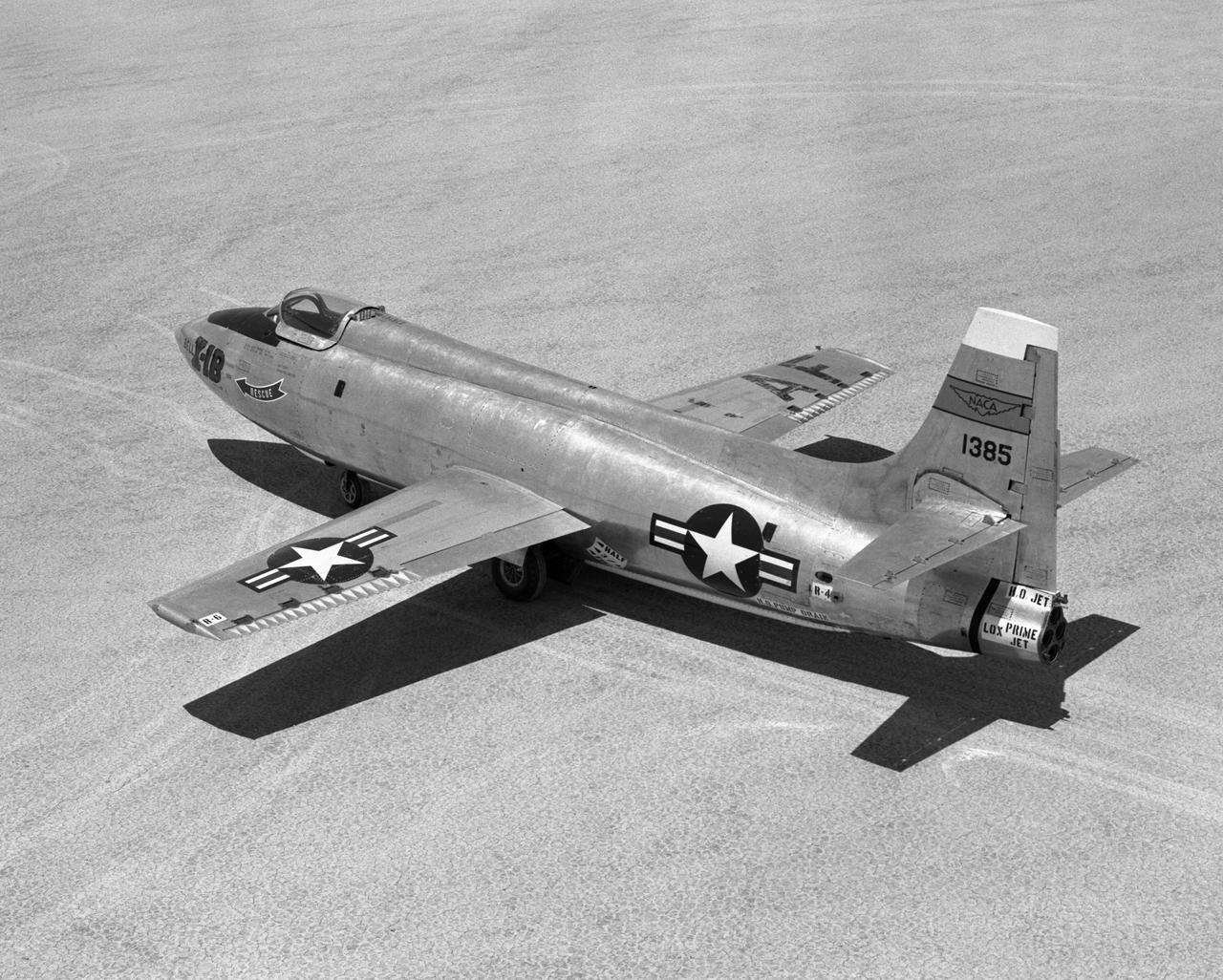
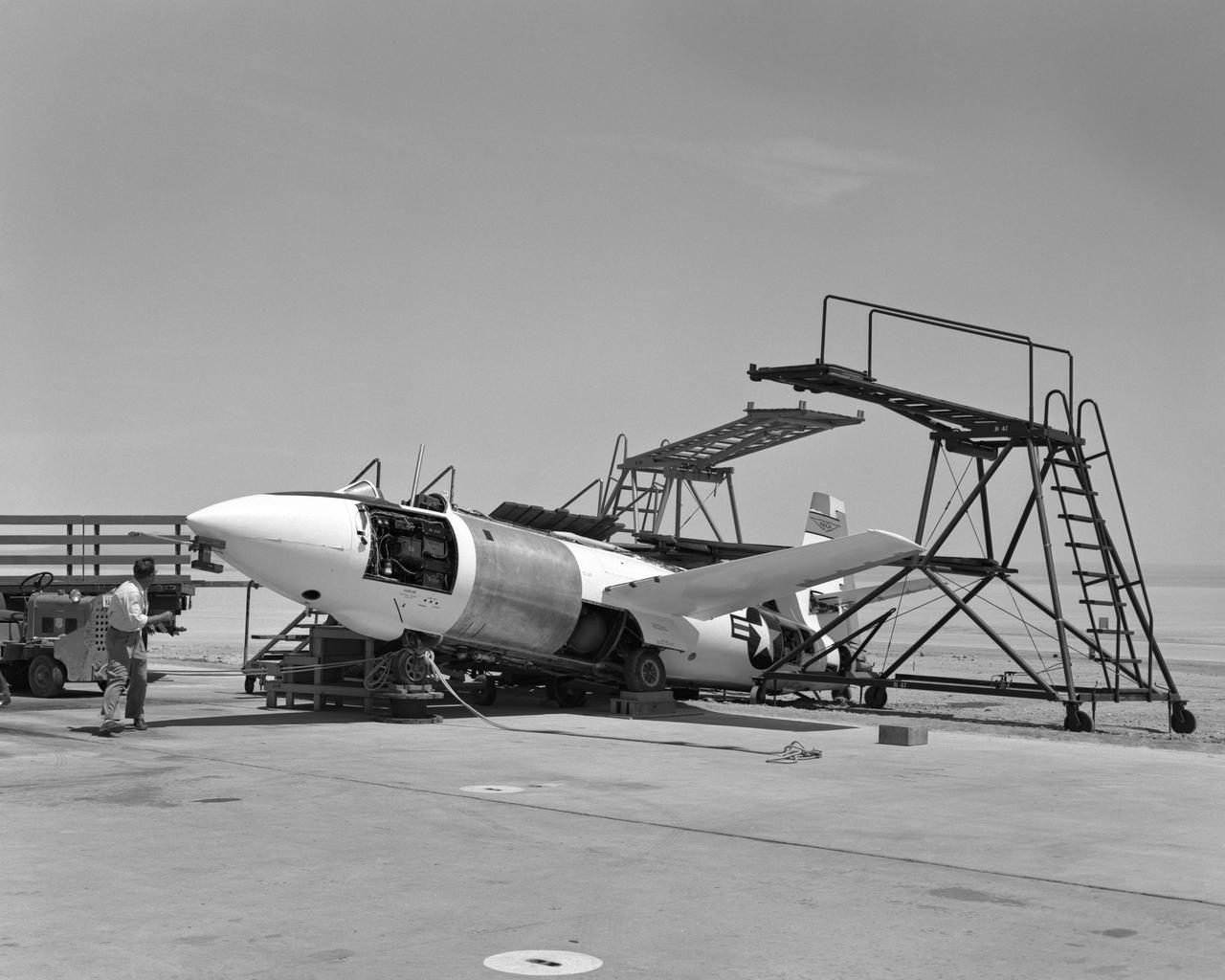
Bell X-1B fitted with a reaction control system on the lakebed
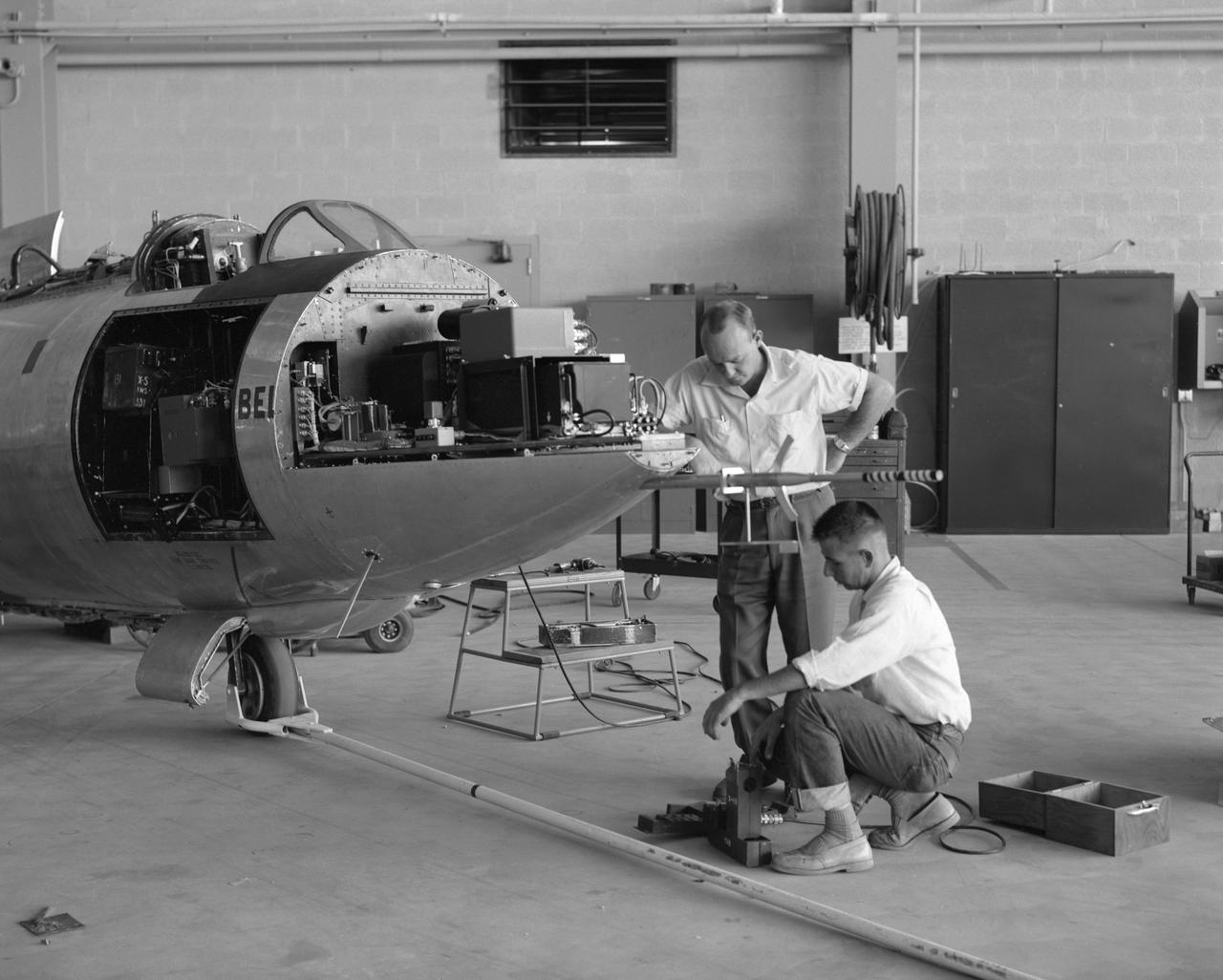
Lee Adelsbach and Bob Cook work on the instrumentation on the Bell X-1B.
Lee Adelsbach and Bob Cook work on the instrumentation on the Bell X-1B
Bell X-1B fitted with a reaction control system on the lakebed.
Bell X-1B fitted with a reaction control system on the lakebed
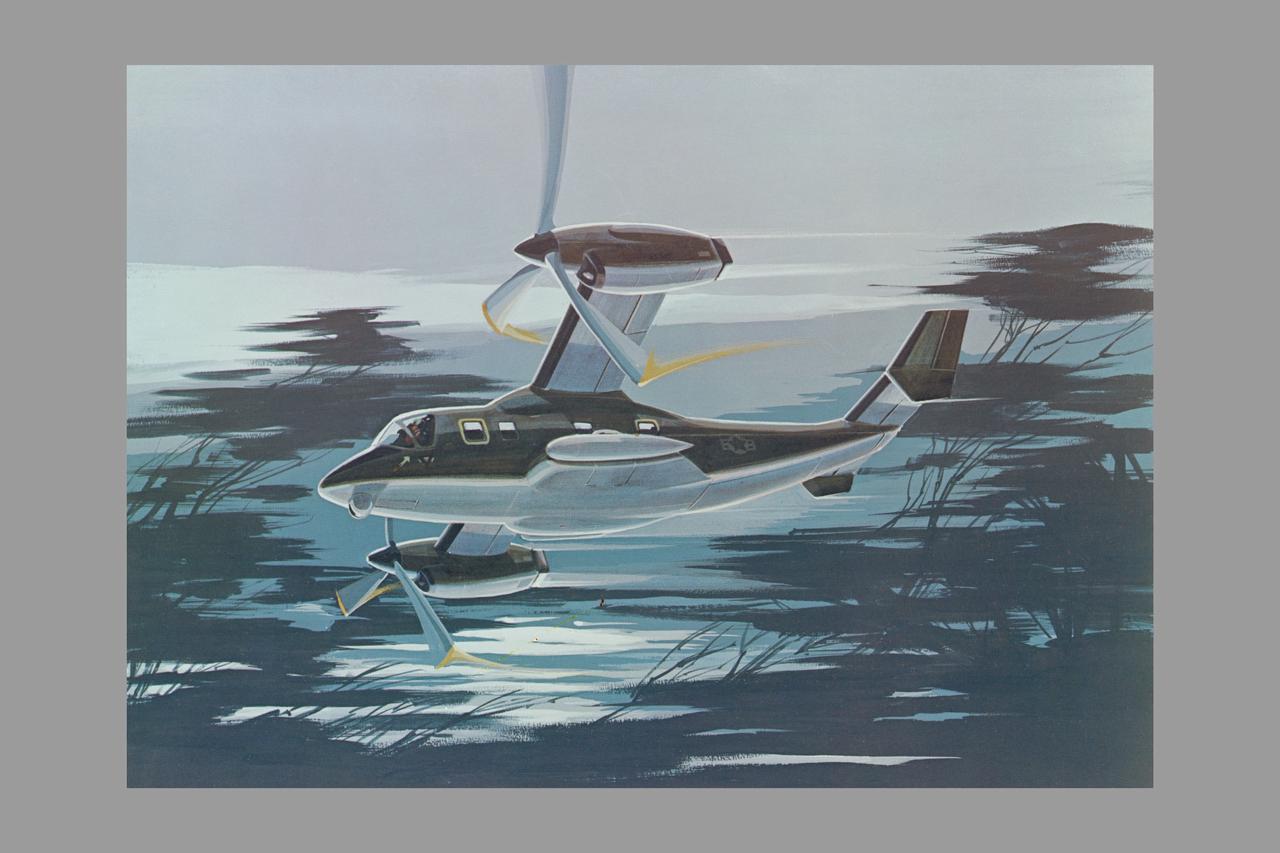
Bell XV-15 Tilt Rotor Army Configurations; Combat, Rescue, and JVX artist renderings
ARC-1966-AC83-0652-6
Bell X-1A ejection seat test setup
Publicity Photos of Bell Computing Machines at 19 Foot Pressure Tunnel Mrs. Doris Rudd Porter Baron photographed in the photos.
Publicity Photos of Bell Computing Machines at 19 Foot Pressure Tunnel
Publicity Photos of Bell Computing Machines at 19 Foot Pressure Tunnel Mrs. Doris Rudd Porter Baron photographed in the photos.
Publicity Photos of Bell Computing Machines at 19 Foot Pressure Tunnel
Publicity Photos of Bell Computing Machines at 19 Foot Pressure Tunnel Mrs. Doris Rudd Porter Baron photographed in the photos.
Publicity Photos of Bell Computing Machines at 19 Foot Pressure
Publicity Photos of Bell Computing Machines at 19 Foot Pressure Tunnel Mrs. Doris Rudd Porter Baron photographed in the photos.
Publicity Photos of Bell Computing Machines at 19 Foot Pressure Tunnel
Publicity Photos of Bell Computing Machines at 19 Foot Pressure Tunnel Mrs. Doris Rudd Porter Baron photographed in the photos.
Publicity Photos of Bell Computing Machines at 19 Foot Pressure Tunnel
Publicity Photos of Bell Computing Machines at 19 Foot Pressure Tunnel Mrs. Doris Rudd Porter Baron photographed in the photos.
Publicity Photos of Bell Computing Machines at 19 Foot Pressure Tunnel
Don Mallick in Bell 47 #822 (N822NA)
EC77-8296
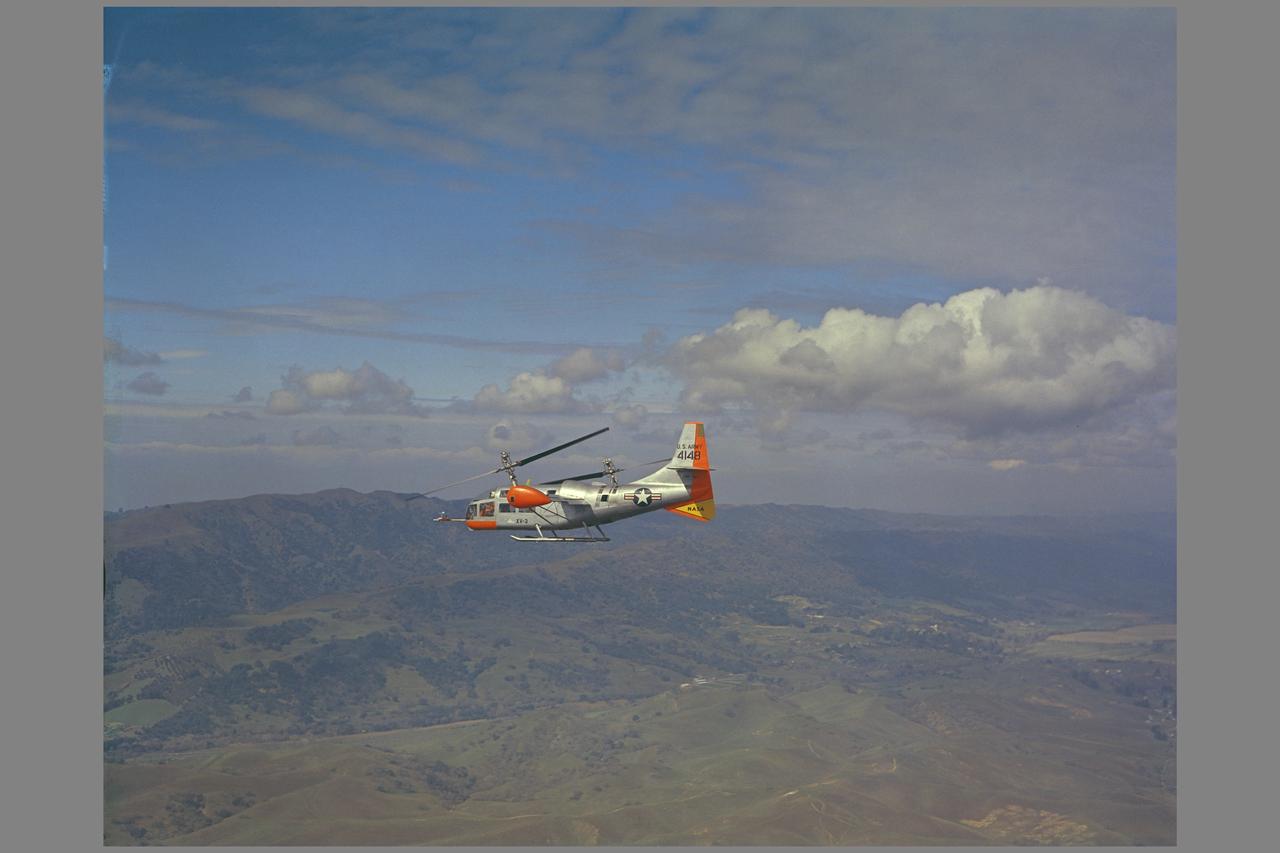
BELL XV-3 (AF54-148) Convertiplane (experimental tilt rotor) IN FLIGHT Note:  Used in publication in Flight Research at Ames;  57 Years of Development and Validation of Aeronautical Technology NASA SP-1998-3300 fig. 121
ARC-1960-AC-26438
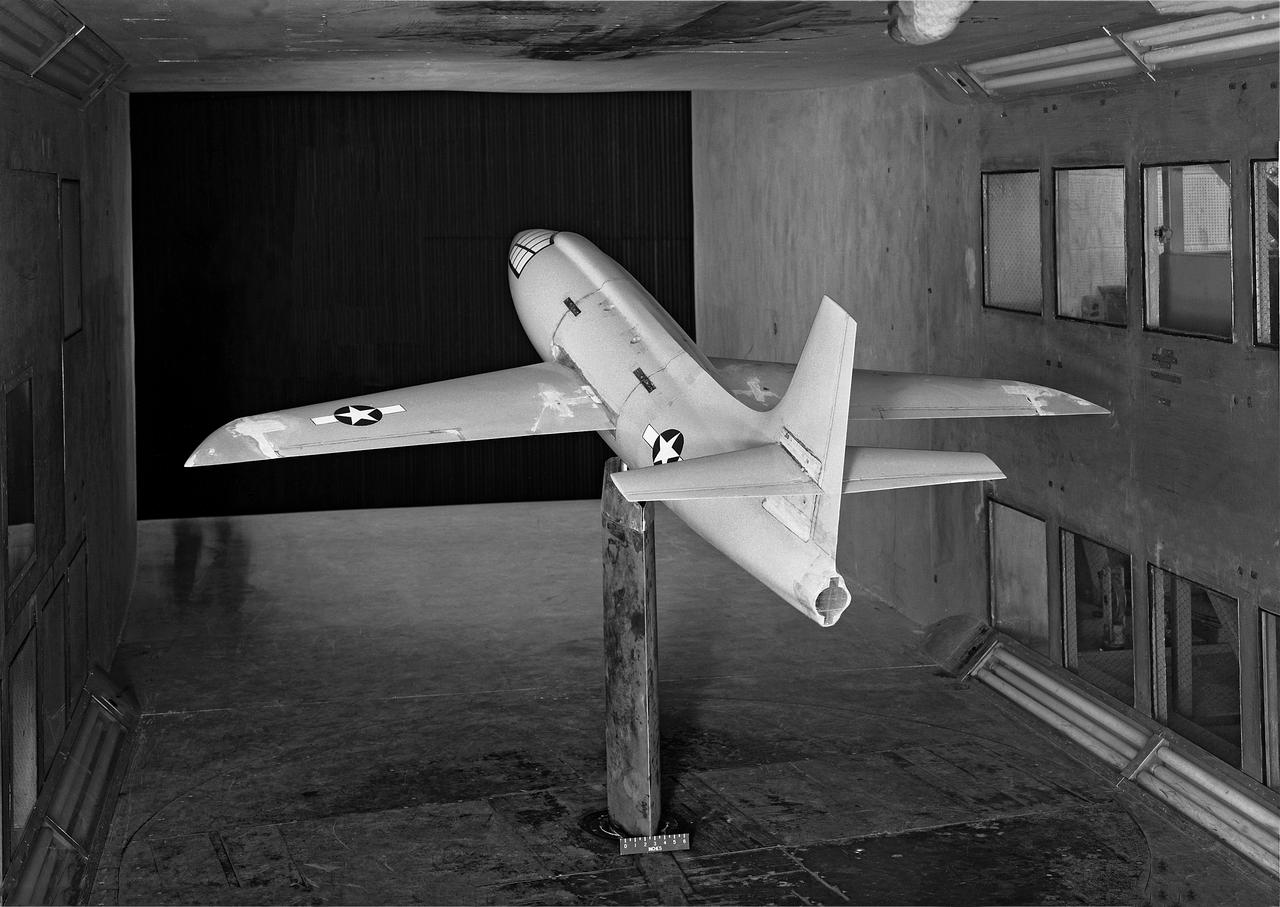
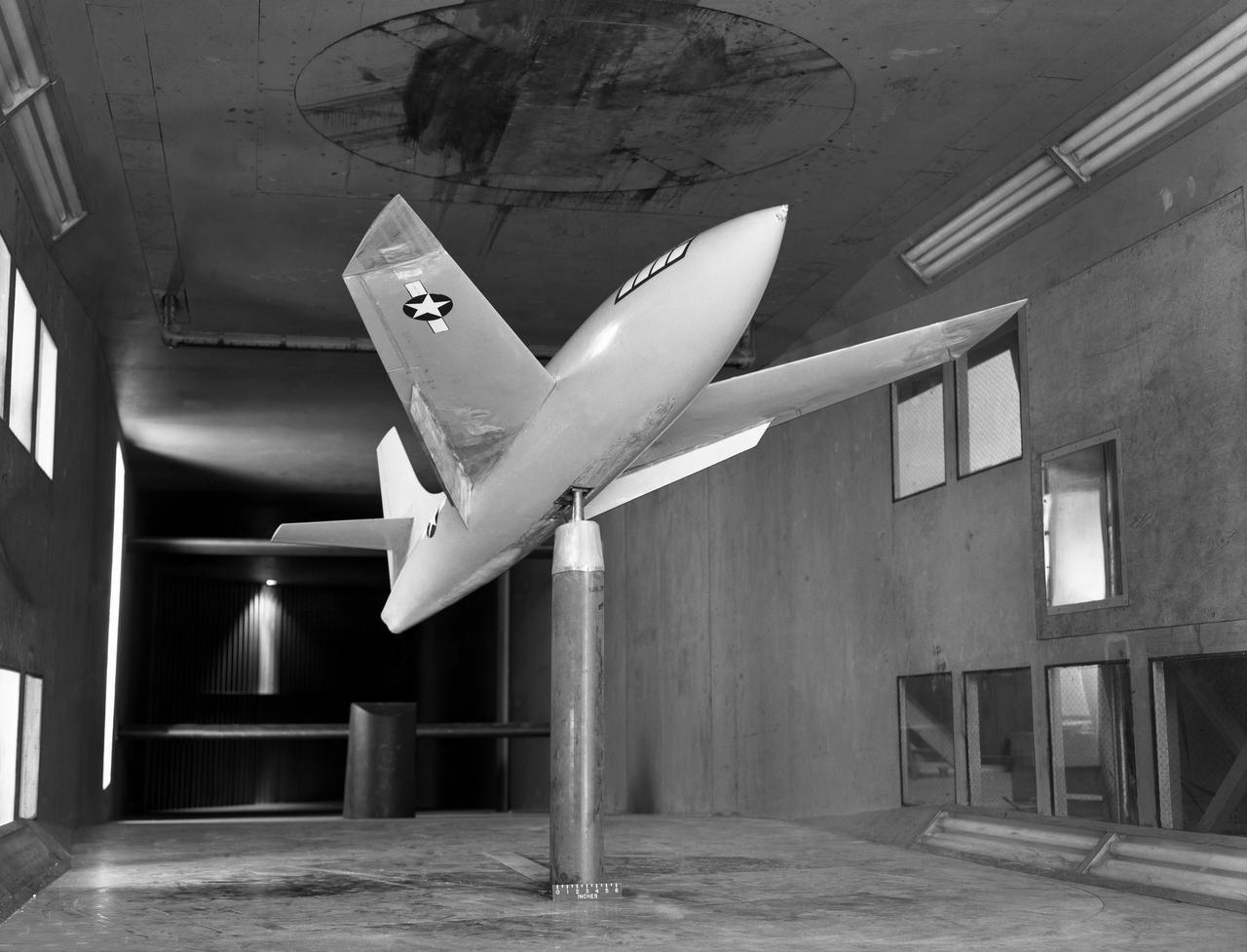
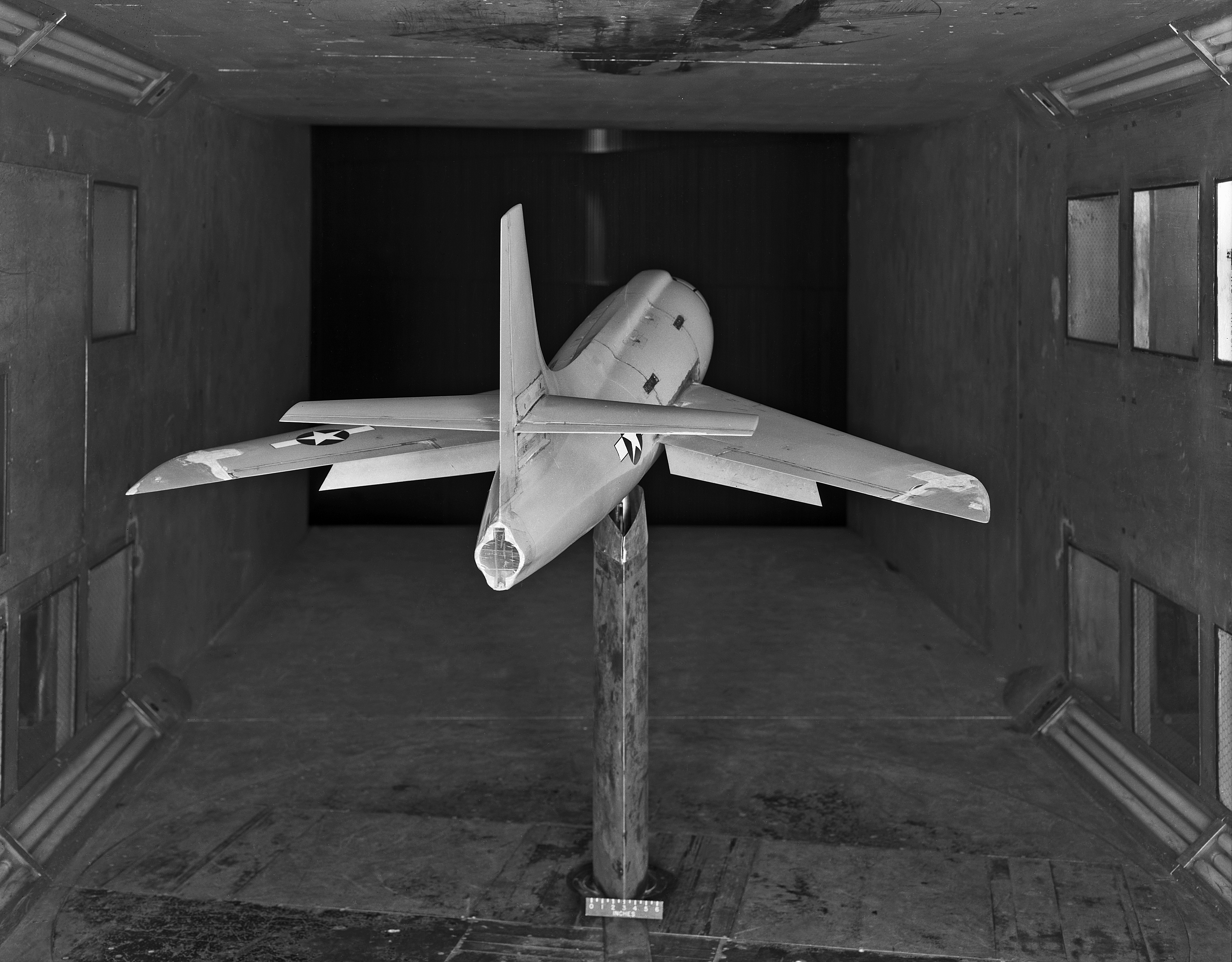
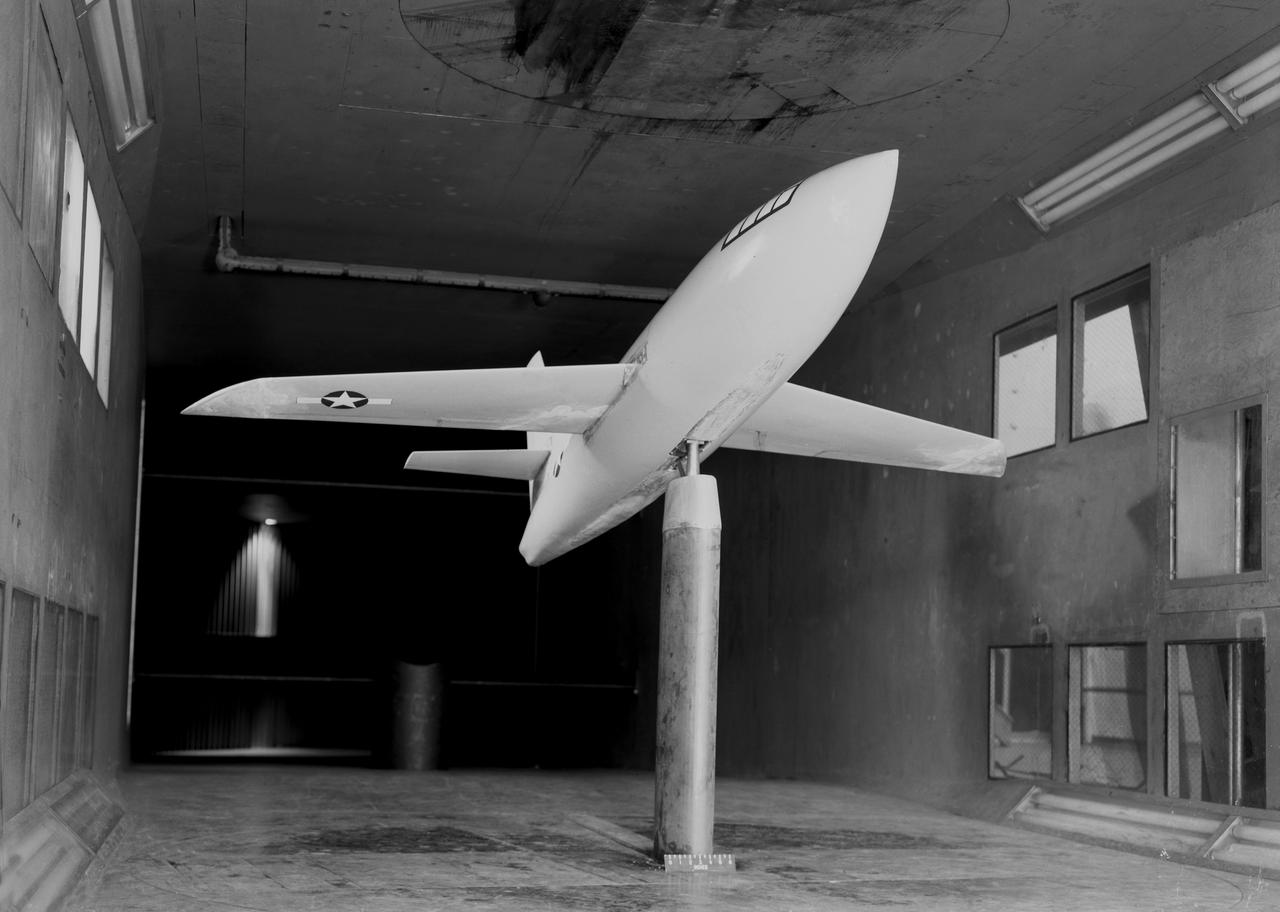
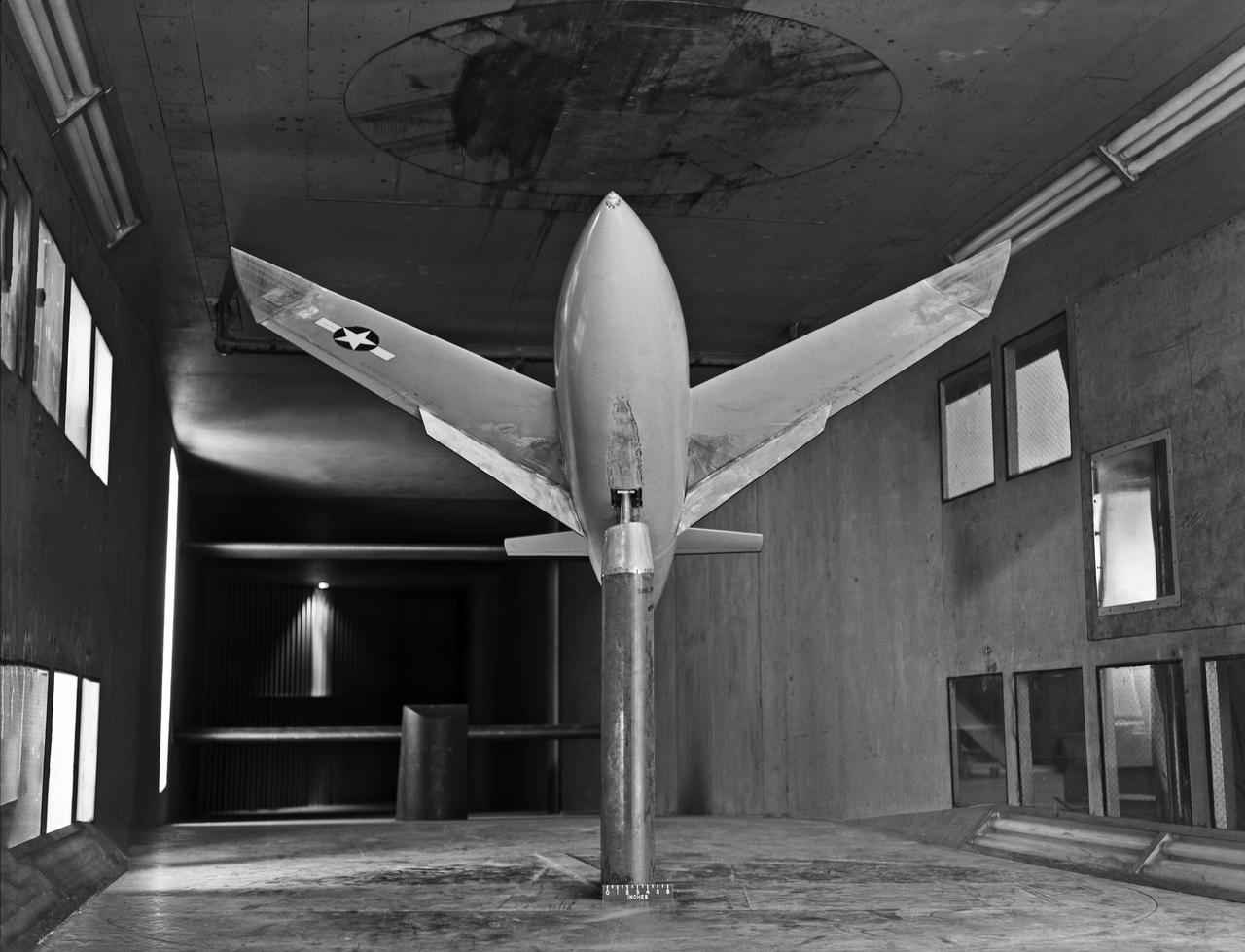
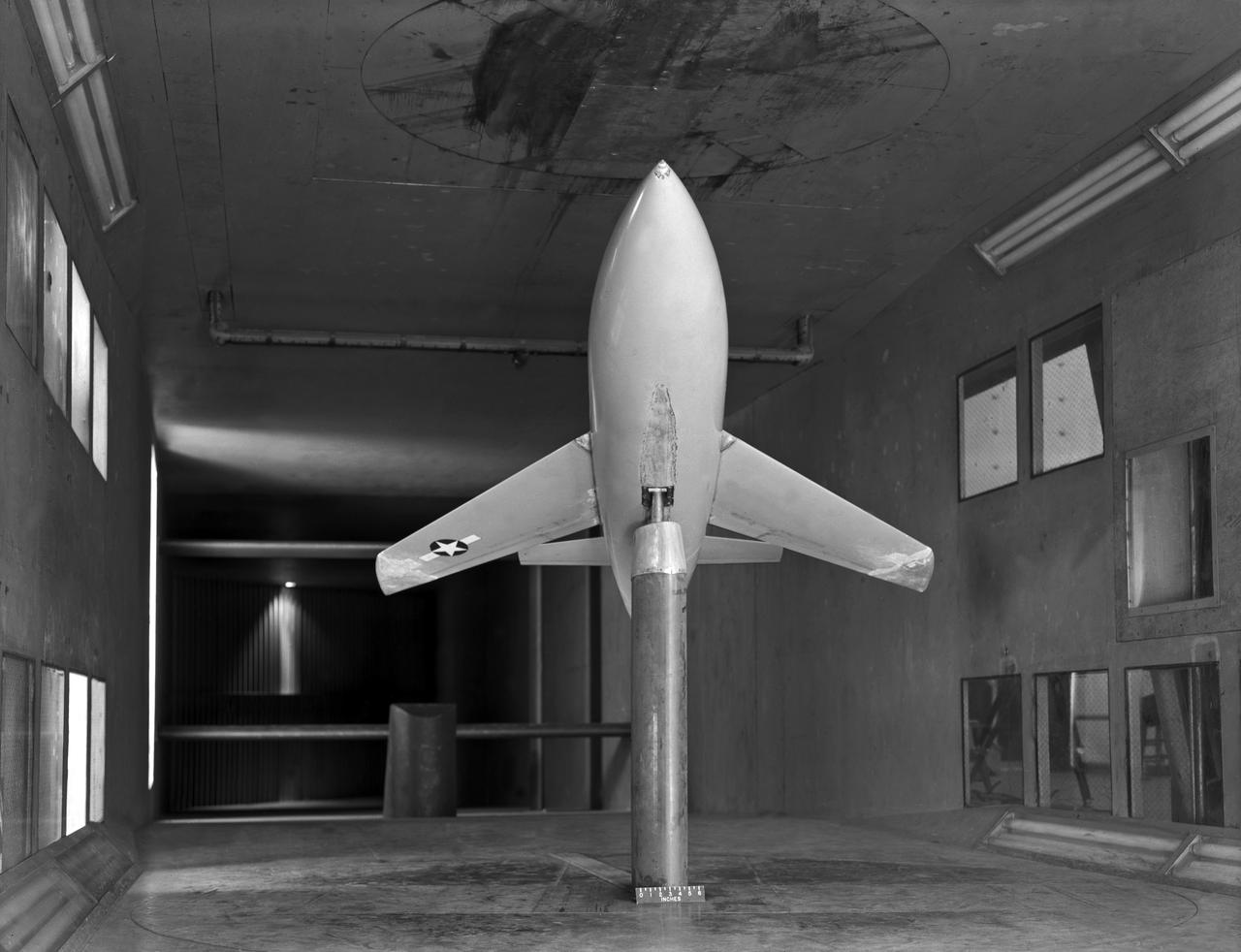
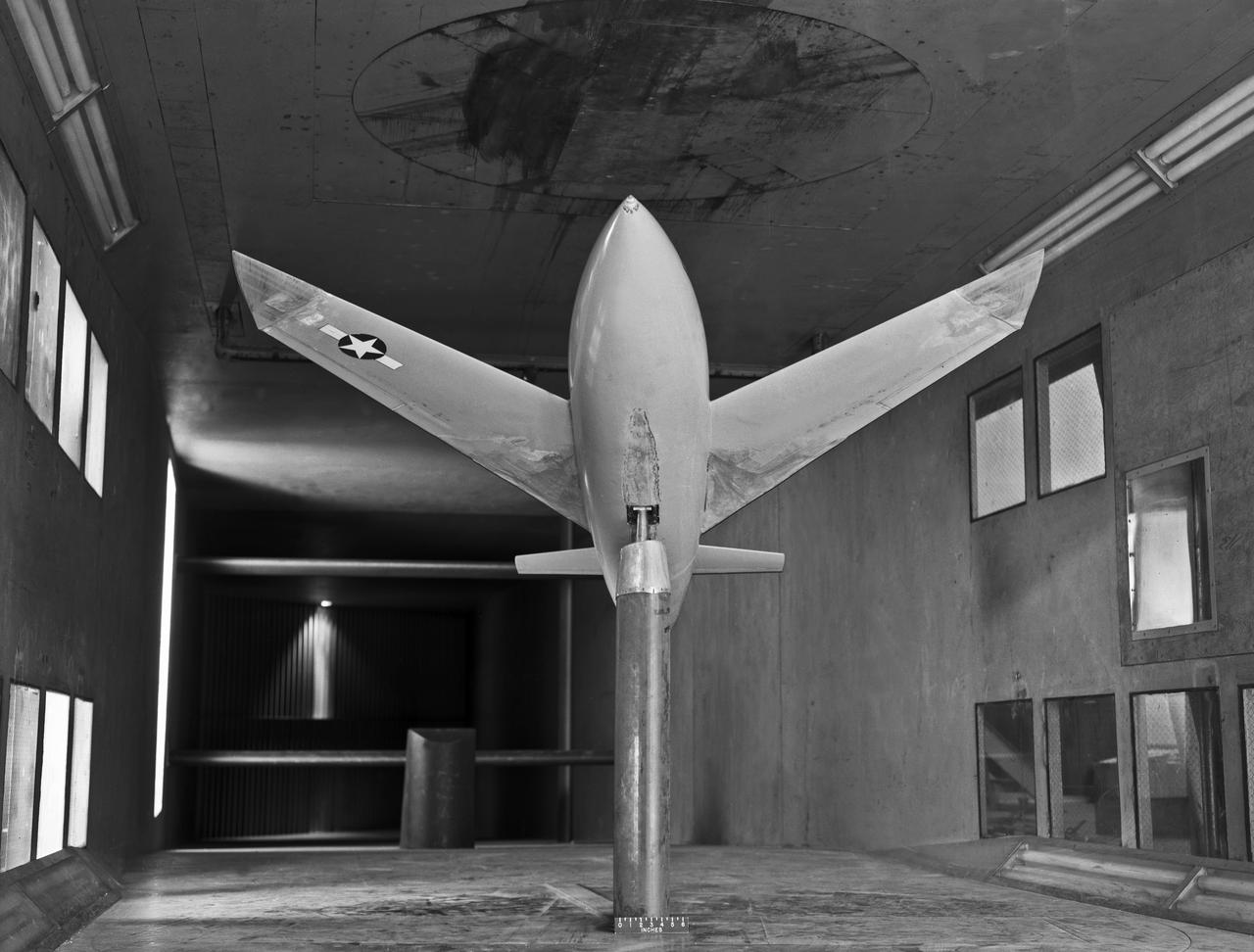
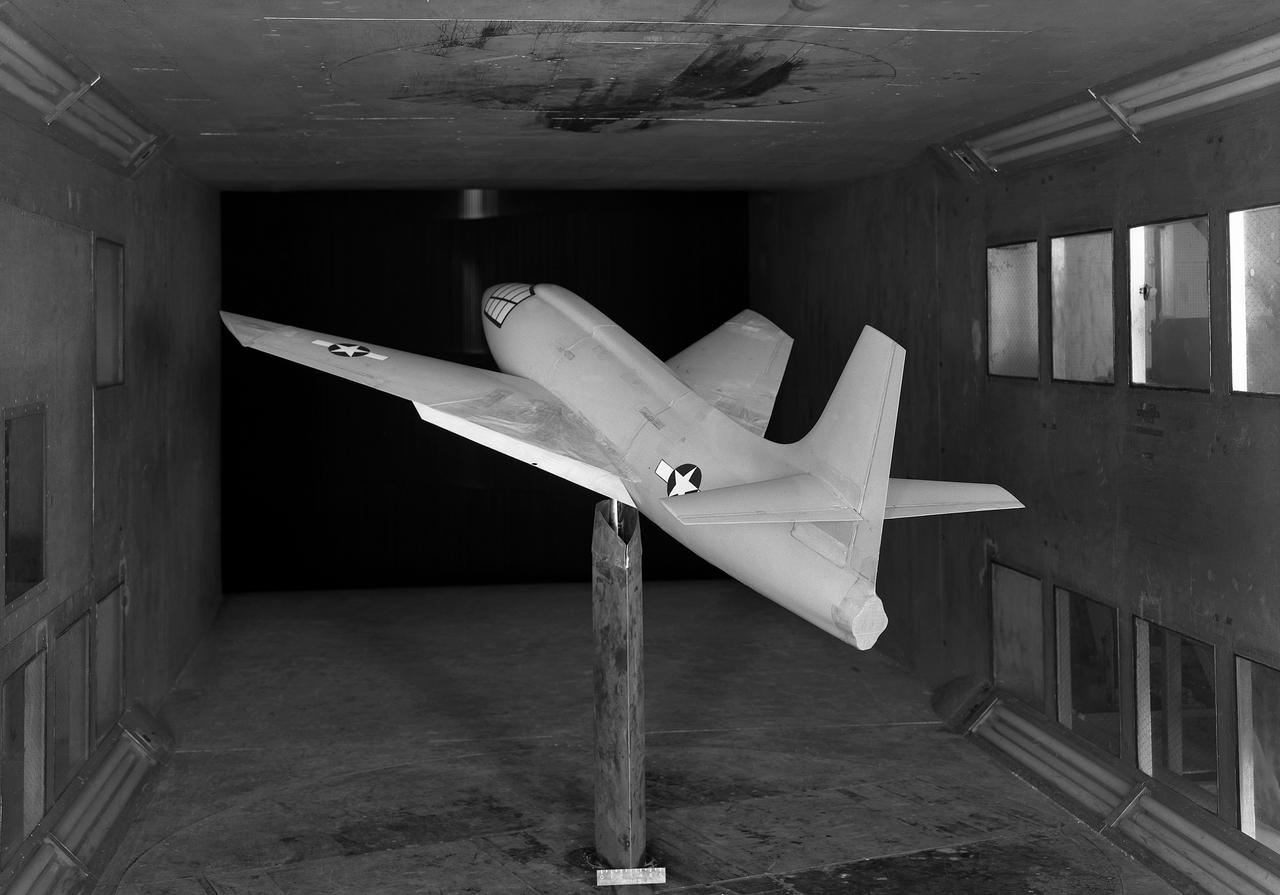
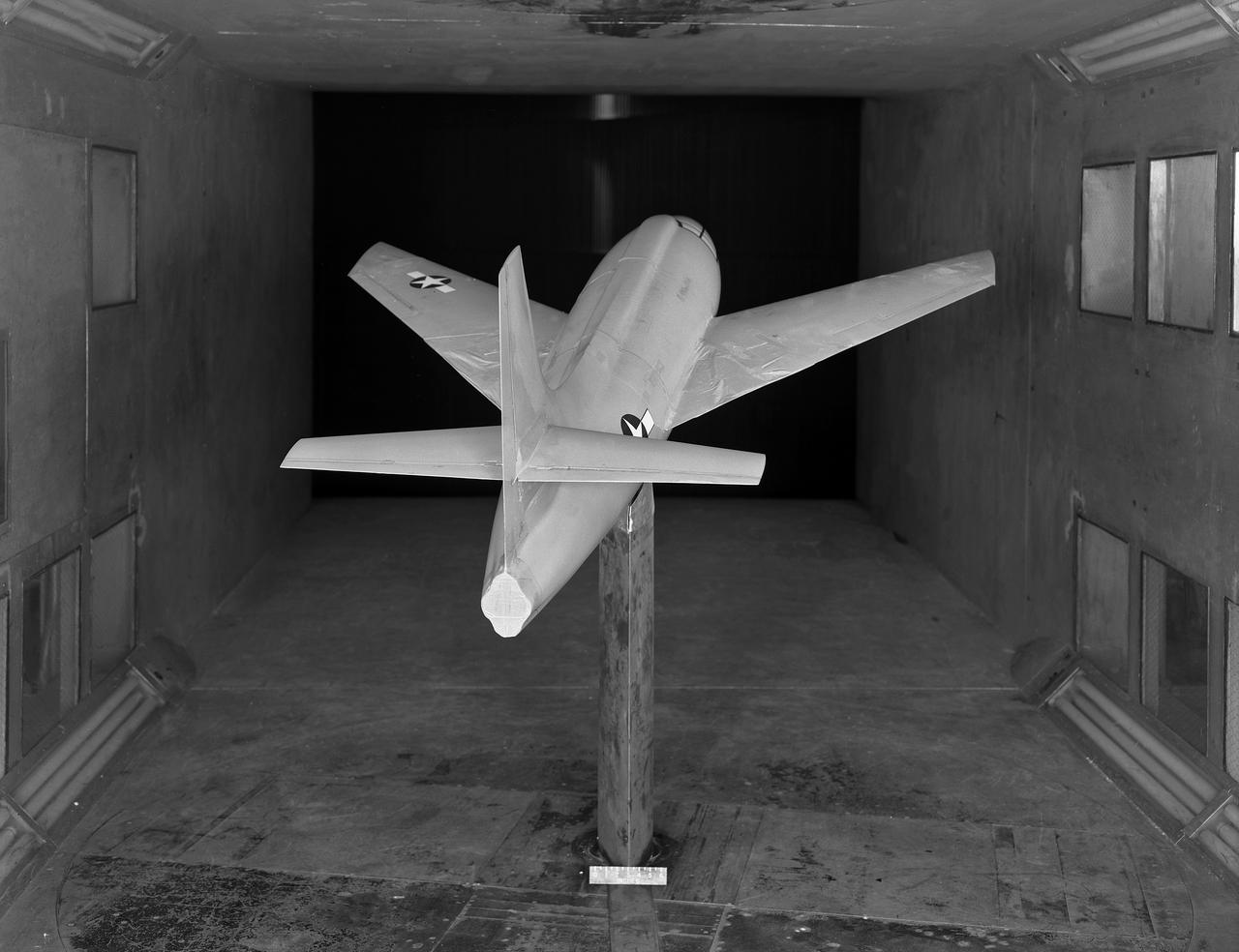
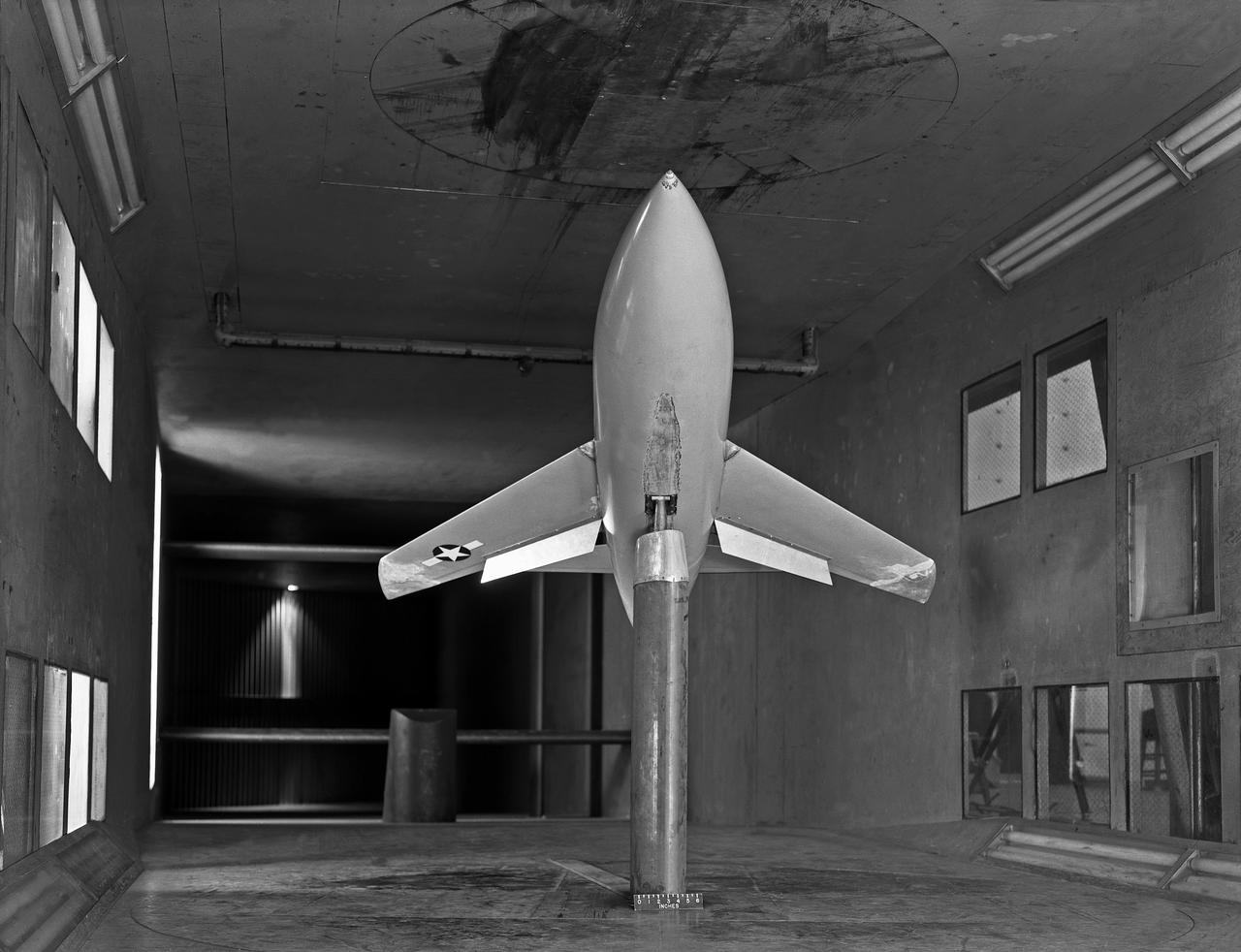
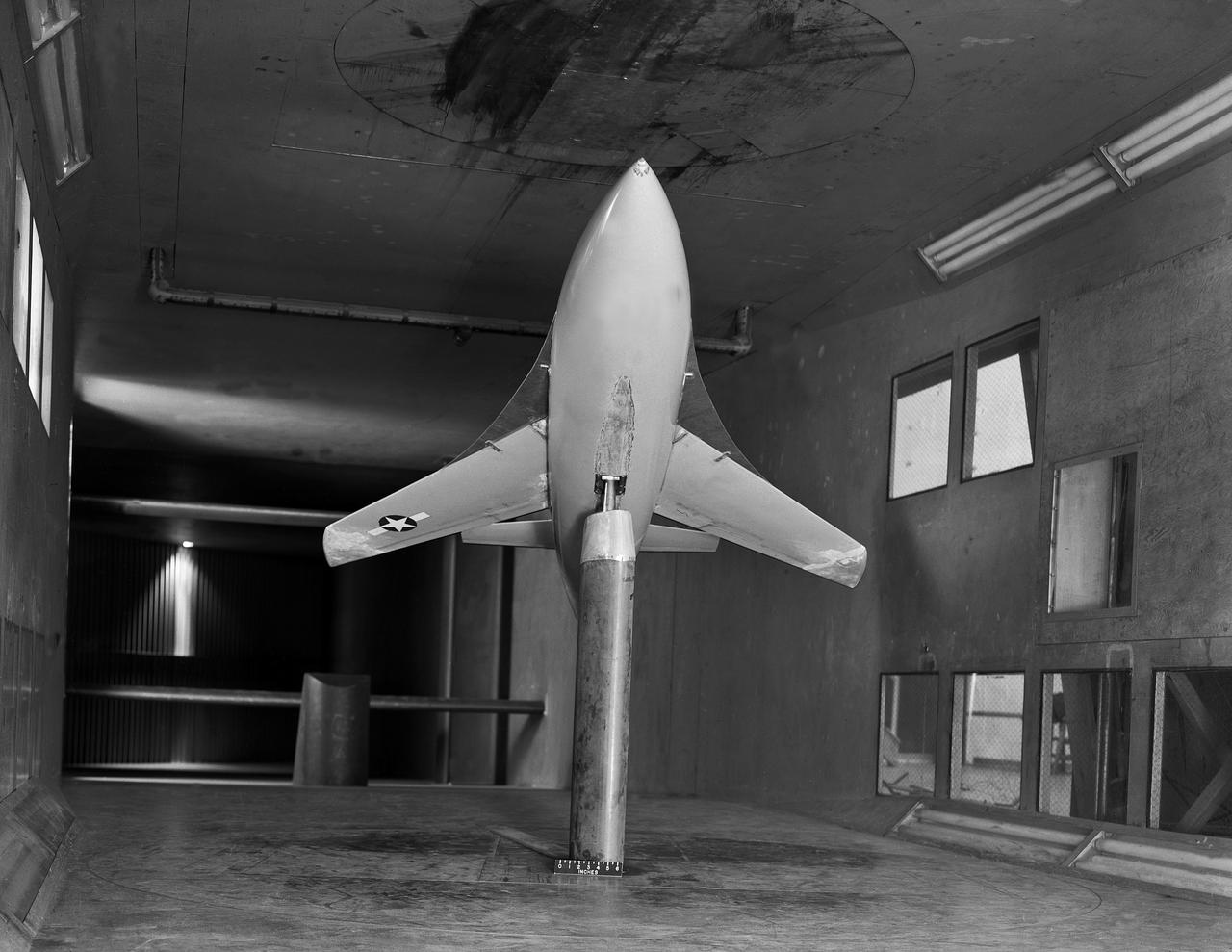
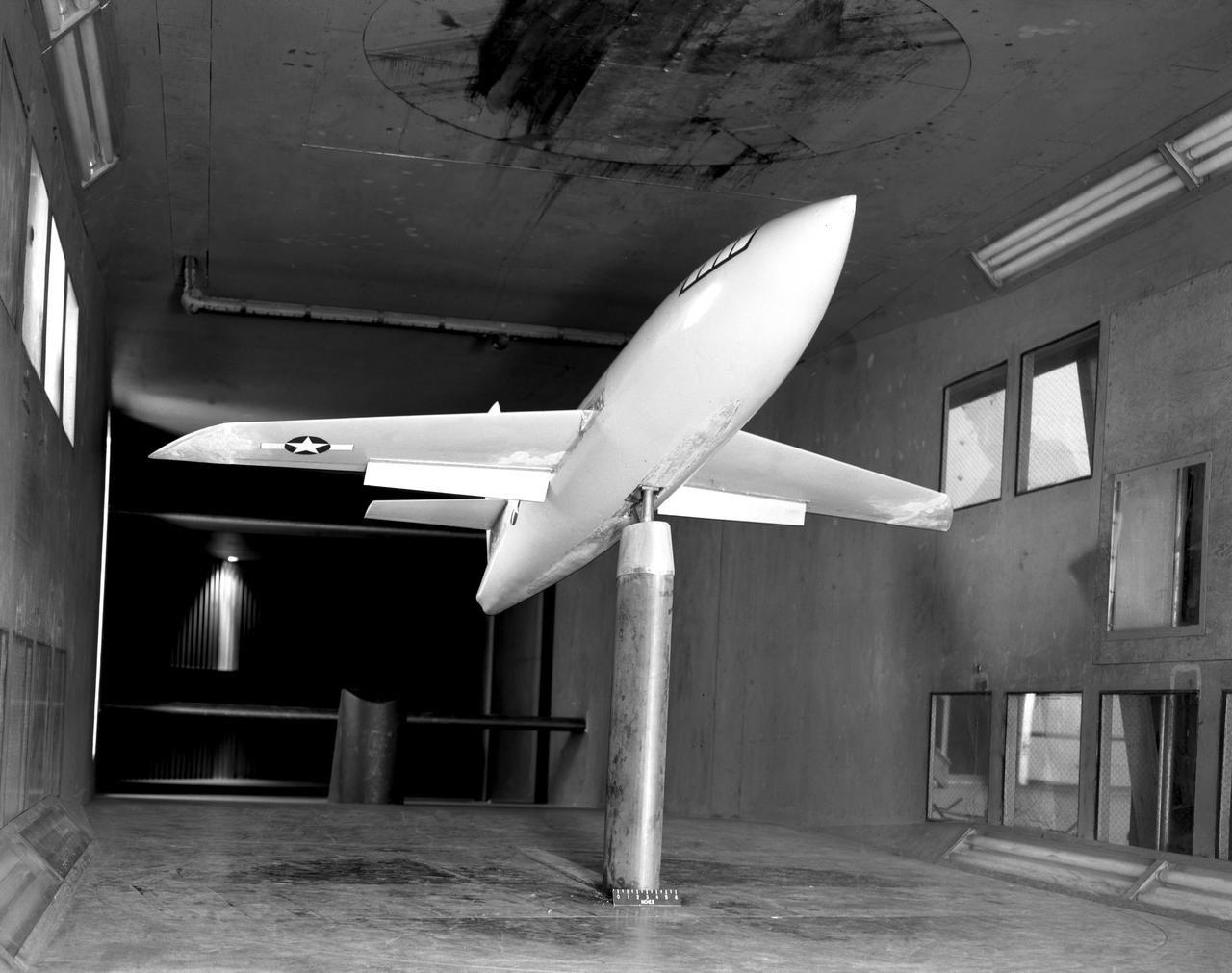
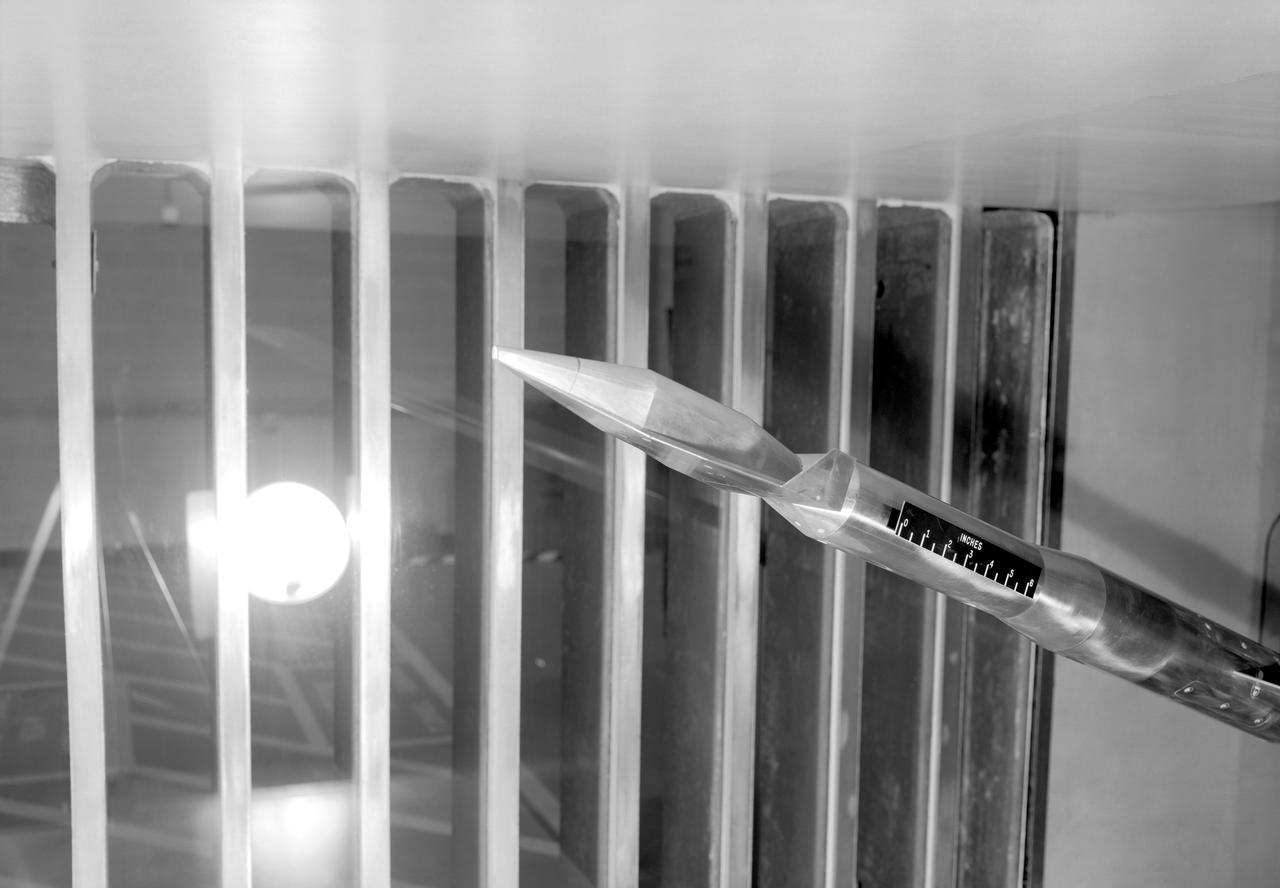
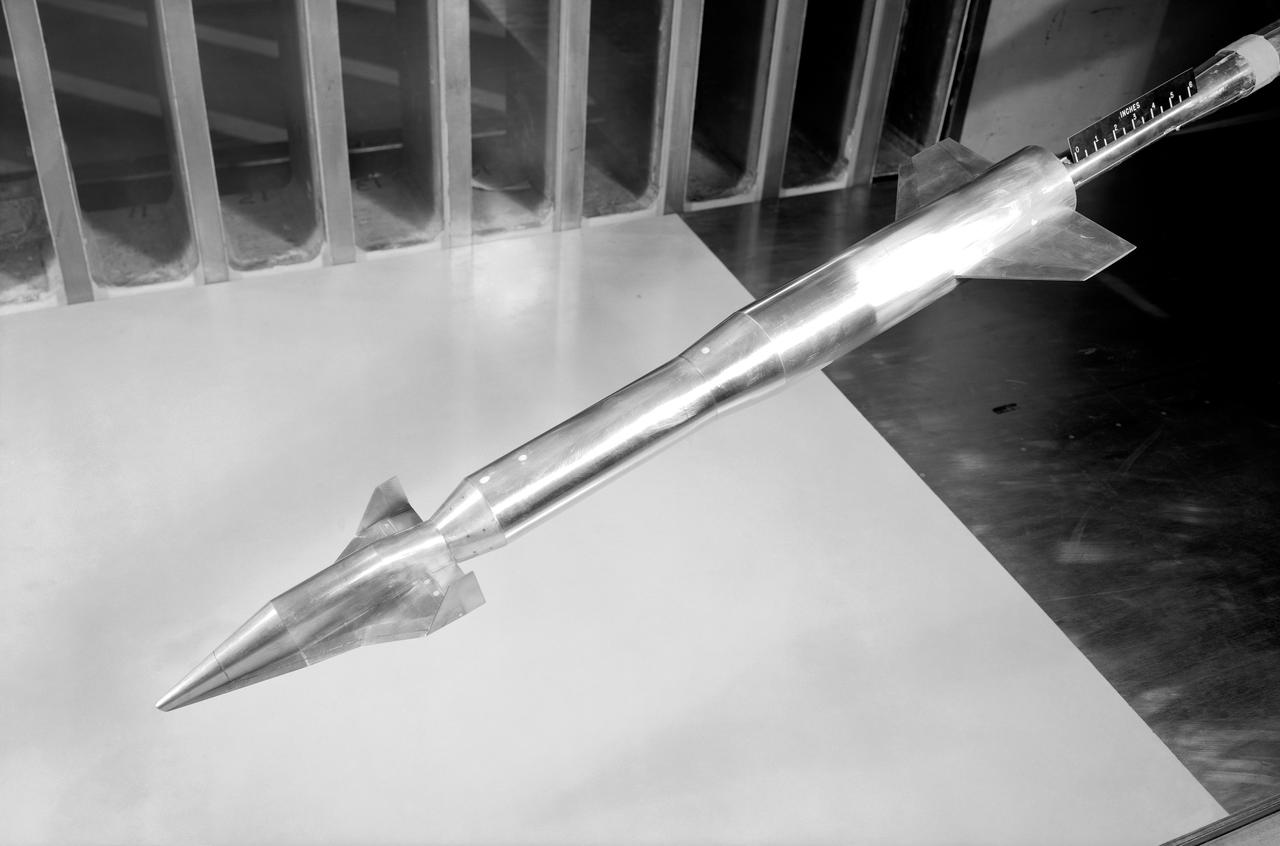
Modified Bell X-1 model pioneered variable-sweep studies in 1947.  Photograph published in Sixty Years of Aeronautical Research 1917-1977 By David A. Anderton. A NASA publication, page 52.
Bell X-1 Research Model on Single Support Strut in 7 x 10 Foot Wind Tunnel
Modified Bell X-1 model pioneered variable-sweep studies in 1947.  Photograph published in Sixty Years of Aeronautical Research 1917-1977 By David A. Anderton. A NASA publication, page 52.
Bell X-1 Research Model on Single Support Strut in 7 x 10 Foot Wind Tunnel
Modified Bell X-1 model pioneered variable-sweep studies in 1947.  Photograph published in Sixty Years of Aeronautical Research 1917-1977 By David A. Anderton. A NASA publication, page 52.
Bell X-1 Research Model on Single Support Strut in 7 x 10 Foot Wind Tunnel
Modified Bell X-1 model pioneered variable-sweep studies in 1947.  Photograph published in Sixty Years of Aeronautical Research 1917-1977 By David A. Anderton. A NASA publication, page 52.
Bell X-1 Research Model on Single Support Strut in 7 x 10 Foot Wind Tunnel
Modified Bell X-1 model pioneered variable-sweep studies in 1947.  Photograph published in Sixty Years of Aeronautical Research 1917-1977 By David A. Anderton. A NASA publication, page 52.
Bell X-1 Research Model on Single Support Strut in 7 x 10 Foot Wind Tunnel
Modified Bell X-1 model pioneered variable-sweep studies in 1947.  Photograph published in Sixty Years of Aeronautical Research 1917-1977 By David A. Anderton. A NASA publication, page 52.
Bell X-1 Research Model on Single Support Strut in 7 x 10 Foot Wind Tunnel
Modified Bell X-1 model pioneered variable-sweep studies in 1947.  Photograph published in Sixty Years of Aeronautical Research 1917-1977 By David A. Anderton. A NASA publication, page 52.
Bell X-1 Research Model on Single Support Strut in 7 x 10 Foot Wind Tunnel
Modified Bell X-1 model pioneered variable-sweep studies in 1947.  Photograph published in Sixty Years of Aeronautical Research 1917-1977 By David A. Anderton. A NASA publication, page 52.
Bell X-1 Research Model on Single Support Strut in 7 x 10 Foot Wind Tunnel
Modified Bell X-1 model pioneered variable-sweep studies in 1947.  Photograph published in Sixty Years of Aeronautical Research 1917-1977 By David A. Anderton. A NASA publication, page 52.
Bell X-1 Research Model on Single Support Strut in 7 x 10 Foot Wind Tunnel
Modified Bell X-1 model pioneered variable-sweep studies in 1947.  Photograph published in Sixty Years of Aeronautical Research 1917-1977 By David A. Anderton. A NASA publication, page 52.
Bell X-1 Research Model on Single Support Strut in 7 x 10 Foot Wind Tunnel
Modified Bell X-1 model pioneered variable-sweep studies in 1947.  Photograph published in Sixty Years of Aeronautical Research 1917-1977 By David A. Anderton. A NASA publication, page 52.
Bell X-1 Research Model on Single Support Strut in 7 x 10 Foot Wind Tunnel
Modified Bell X-1 model pioneered variable-sweep studies in 1947.  Photograph published in Sixty Years of Aeronautical Research 1917-1977 By David A. Anderton. A NASA publication, page 52.
Bell X-1 Research Model on Single Support Strut in 7 x 10 Foot Wind Tunnel
Modified Bell X-1 model pioneered variable-sweep studies in 1947.  Photograph published in Sixty Years of Aeronautical Research 1917-1977 By David A. Anderton. A NASA publication, page 52.
Bell X-1 Research Model on Single Support Strut in 7 x 10 Foot Wind Tunnel
Modified Bell X-1 model pioneered variable-sweep studies in 1947.  Photograph published in Sixty Years of Aeronautical Research 1917-1977 By David A. Anderton. A NASA publication, page 52.Modified Bell X-1 model pioneered variable-sweep studies in 1947.  Photograph published in Sixty Years of Aeronautical Research 1917-1977 By David A. Anderton. A NASA publication, page 52.
Bell X-1 Research Model on Single Support Strut in 7 x 10 Foot Wind Tunnel
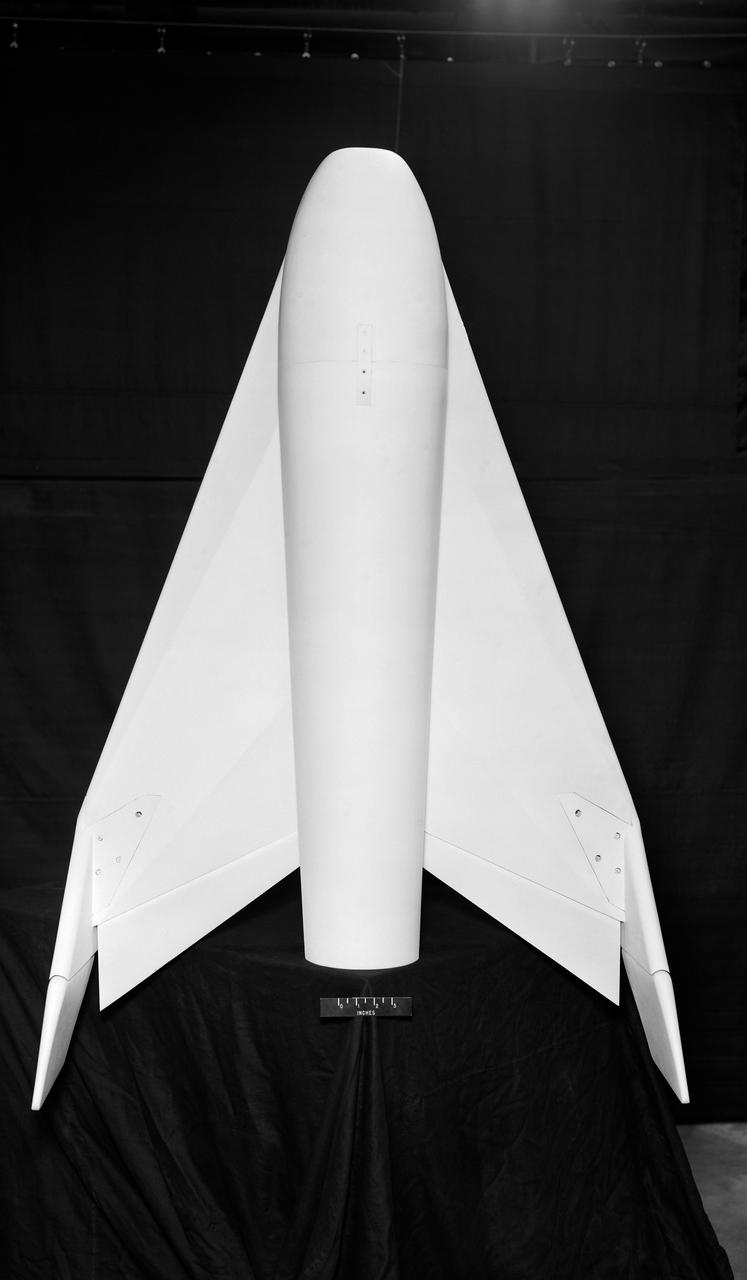
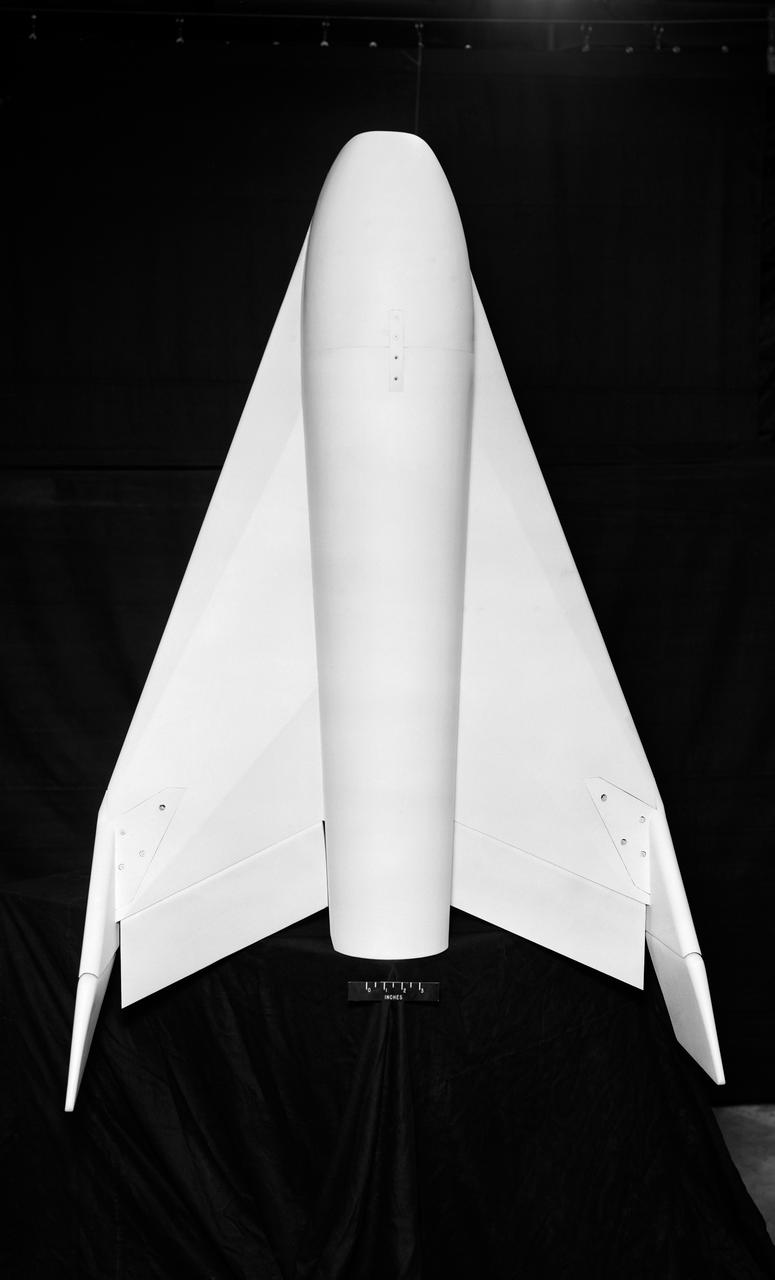
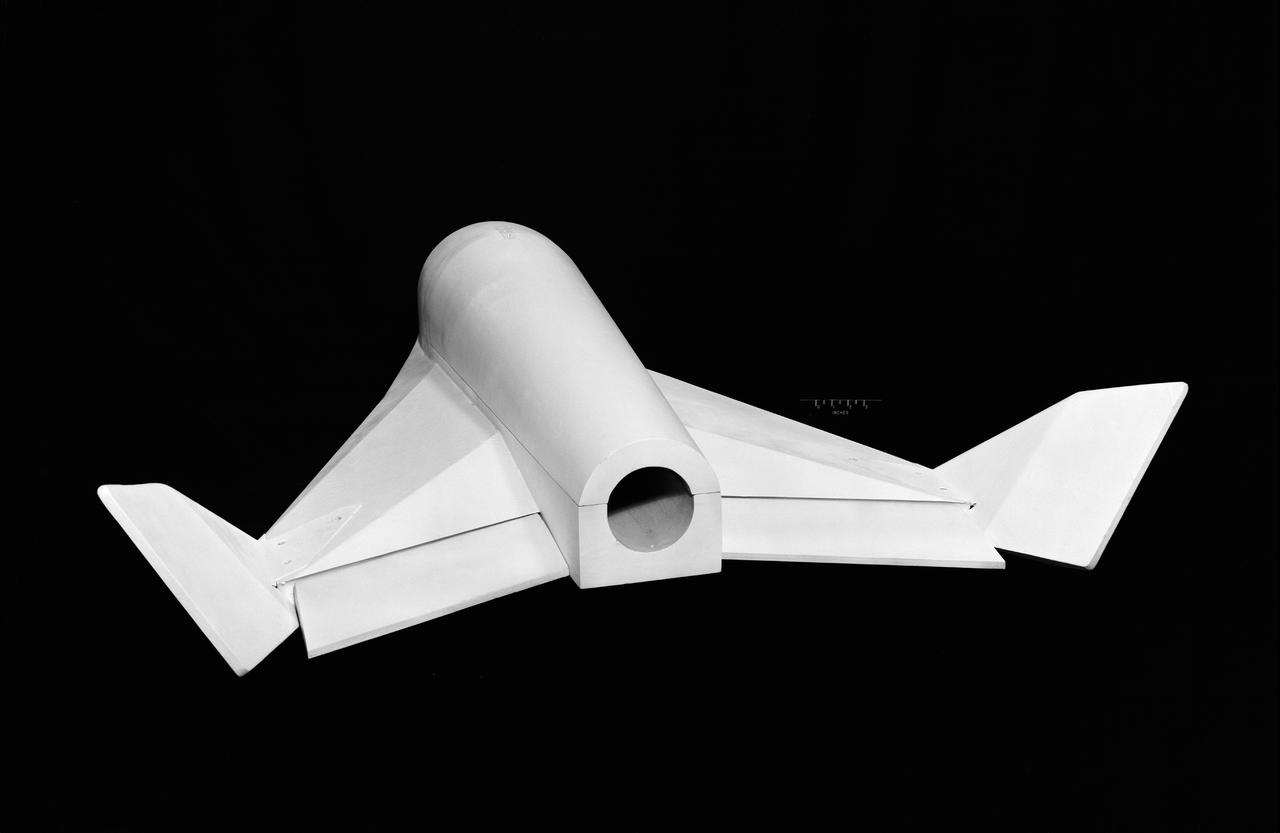
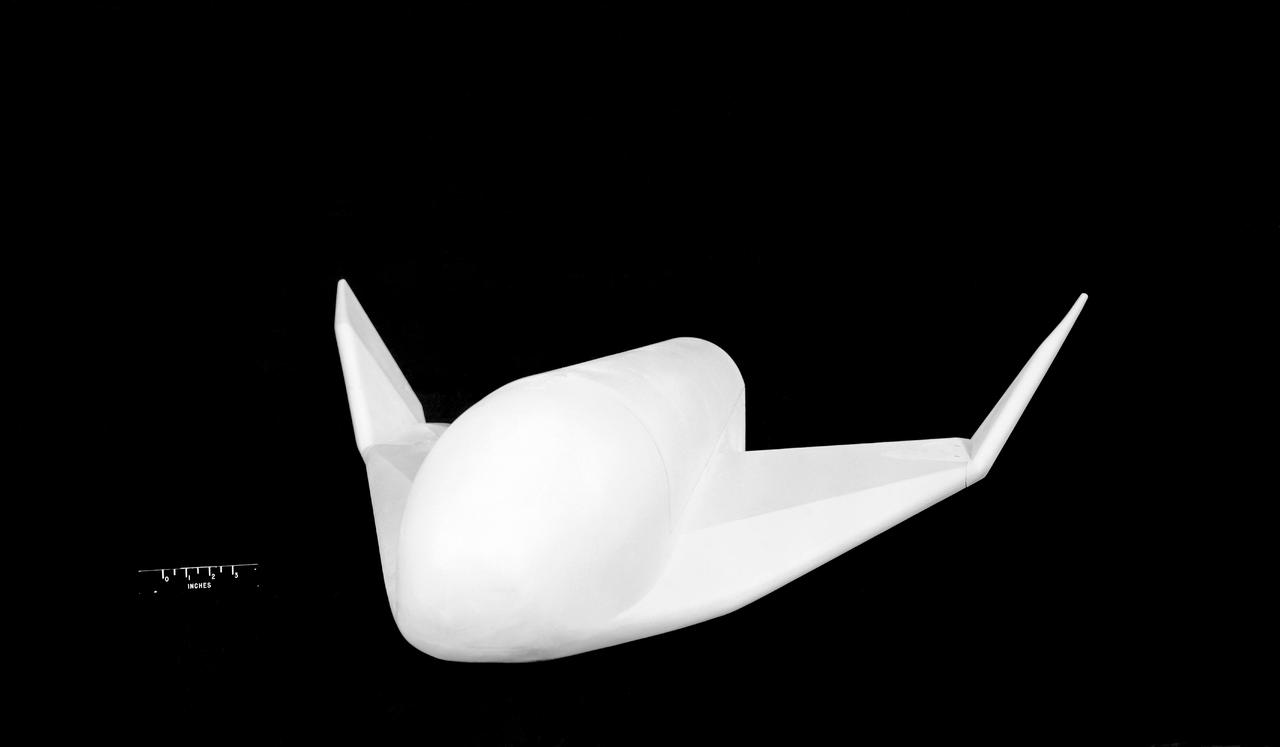
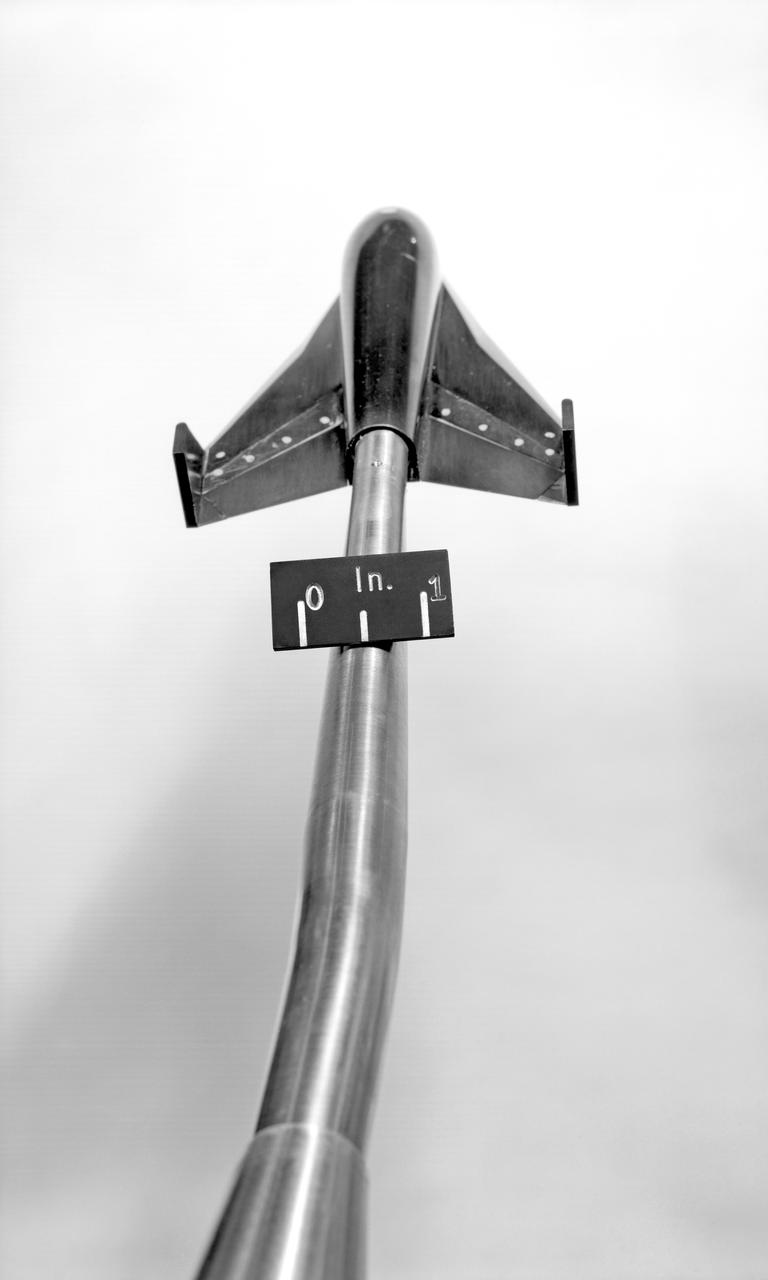
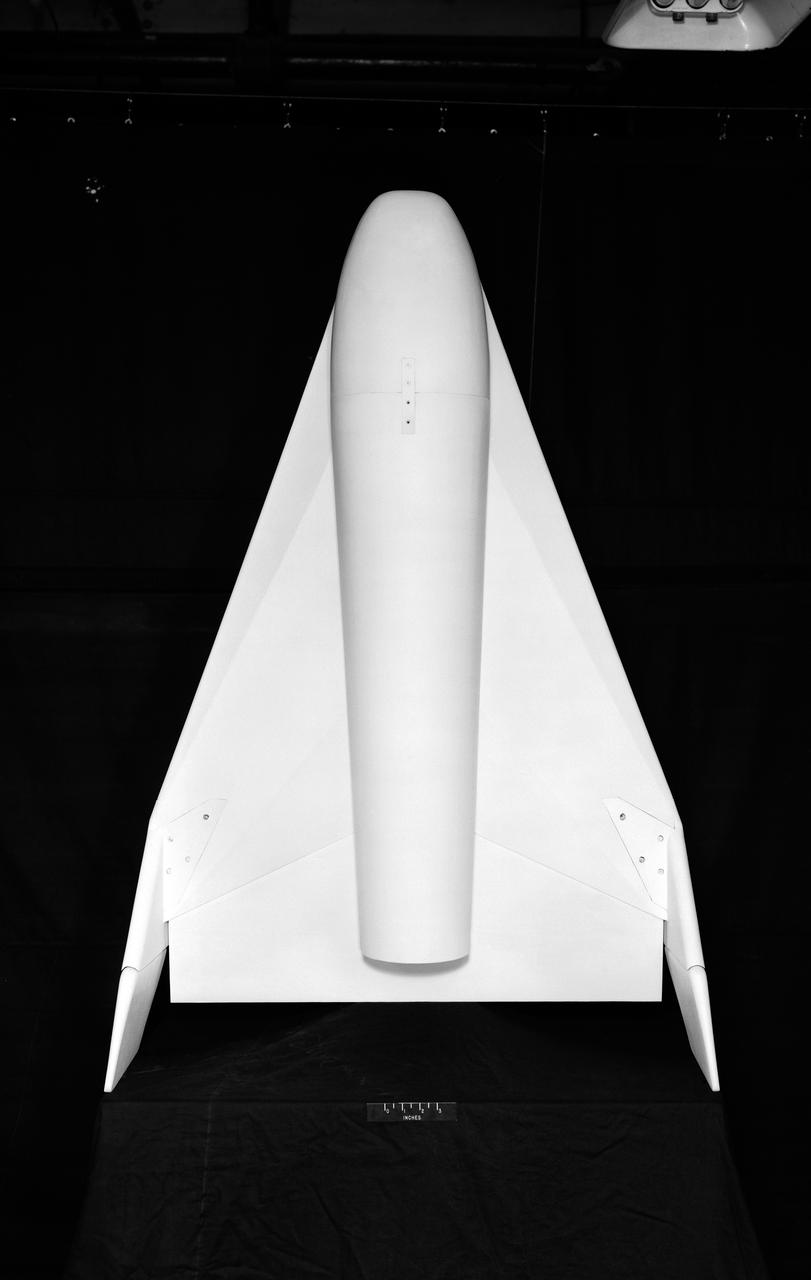
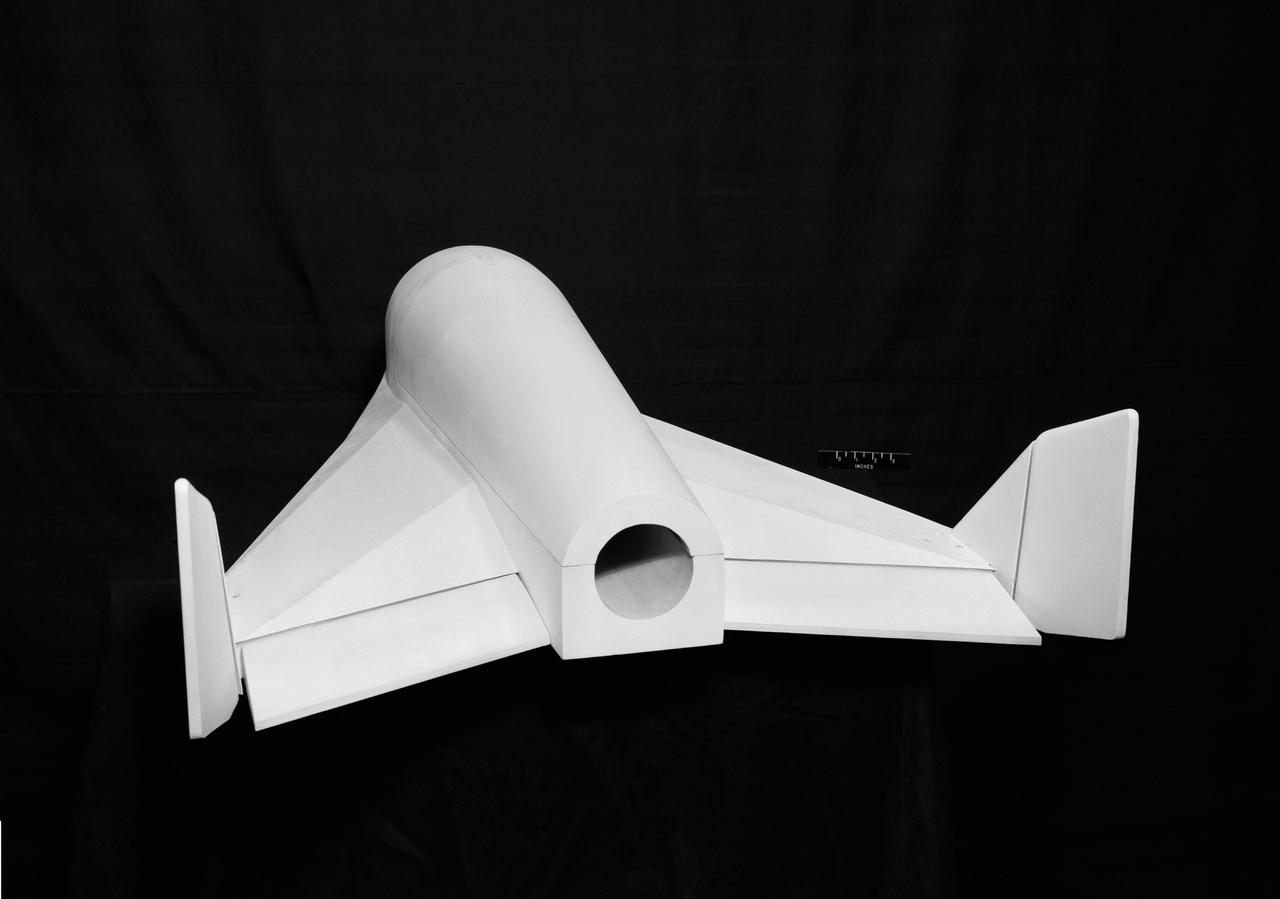
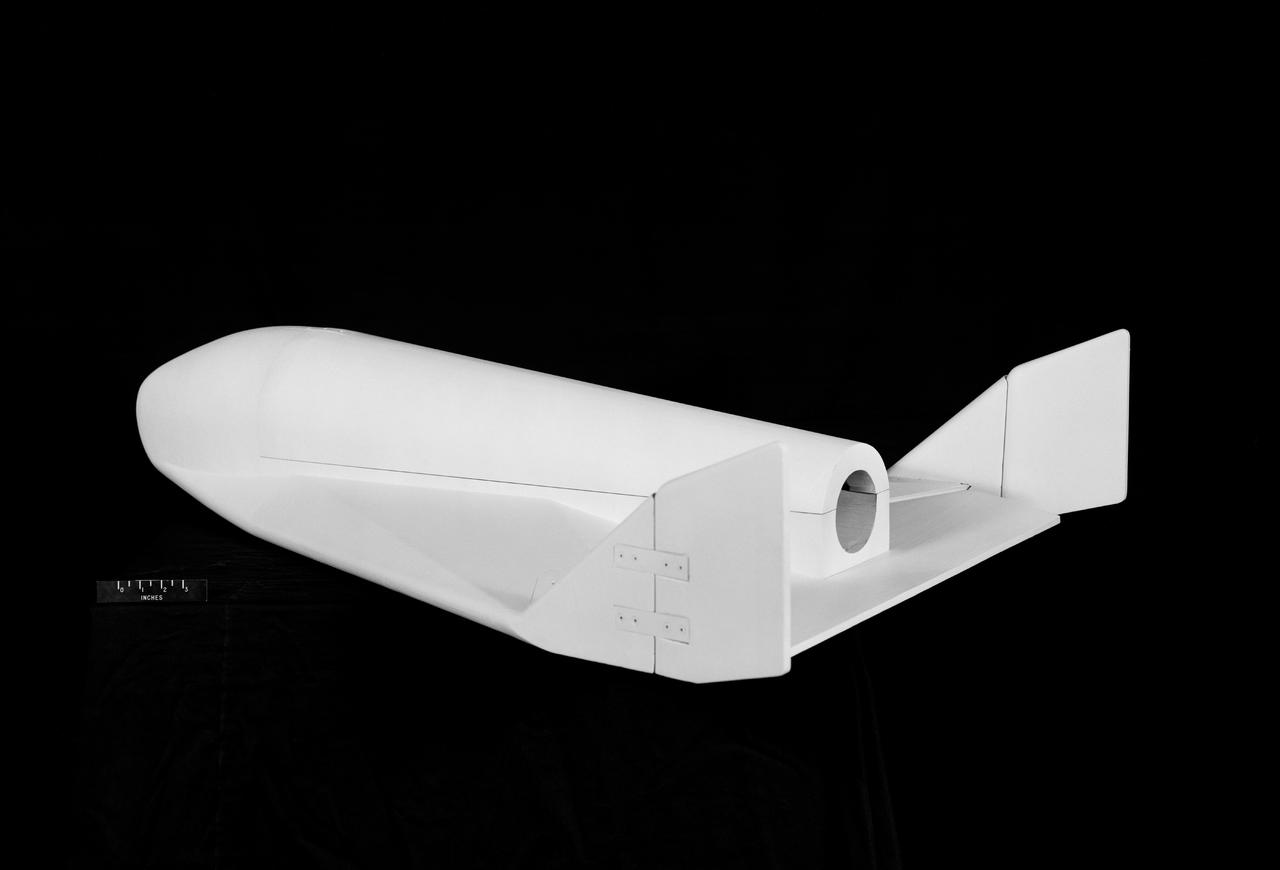
Martin-Bell Dyna Soar Model B.W.V
HSC Model 154 Dyna Soar (Martin-Bell)
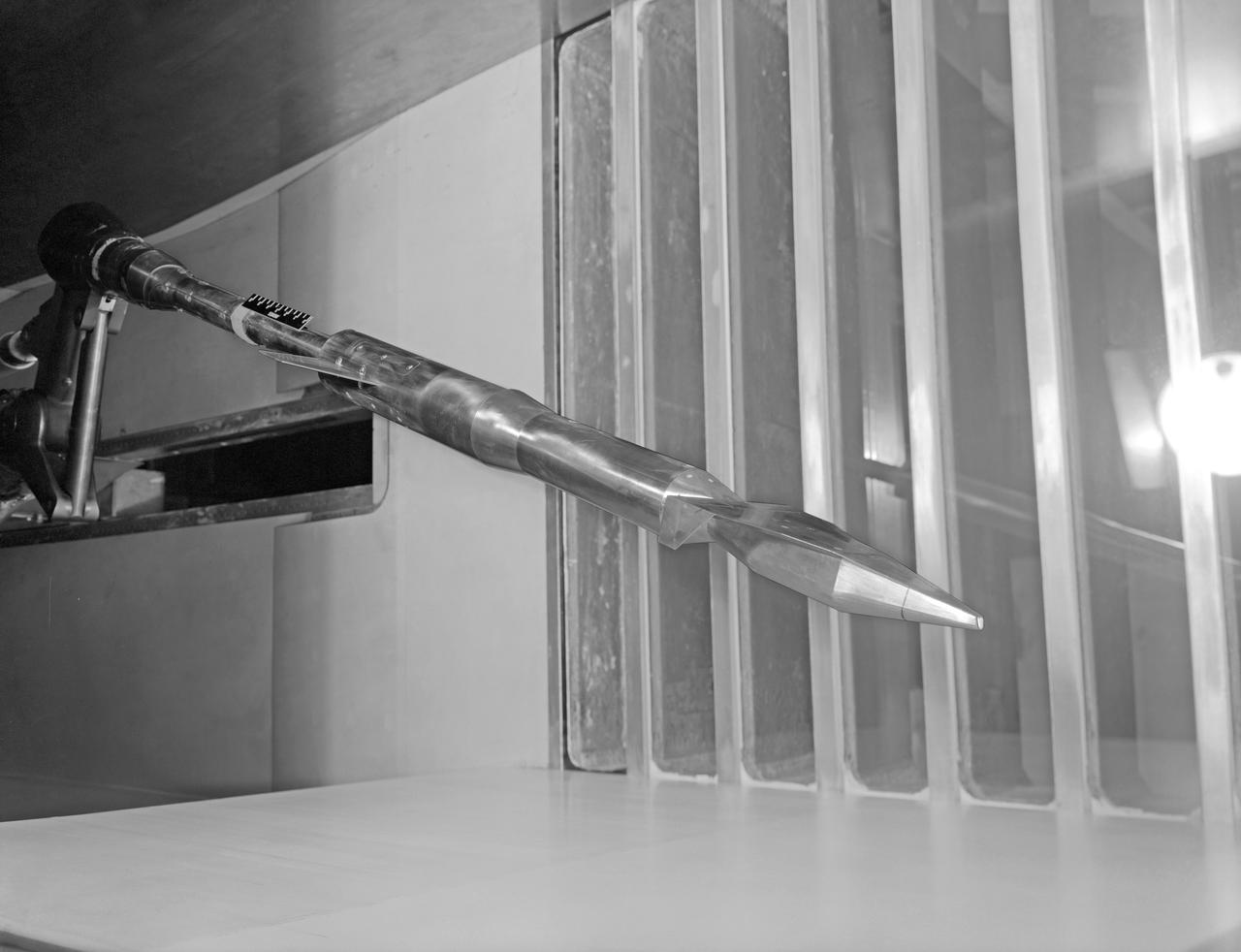
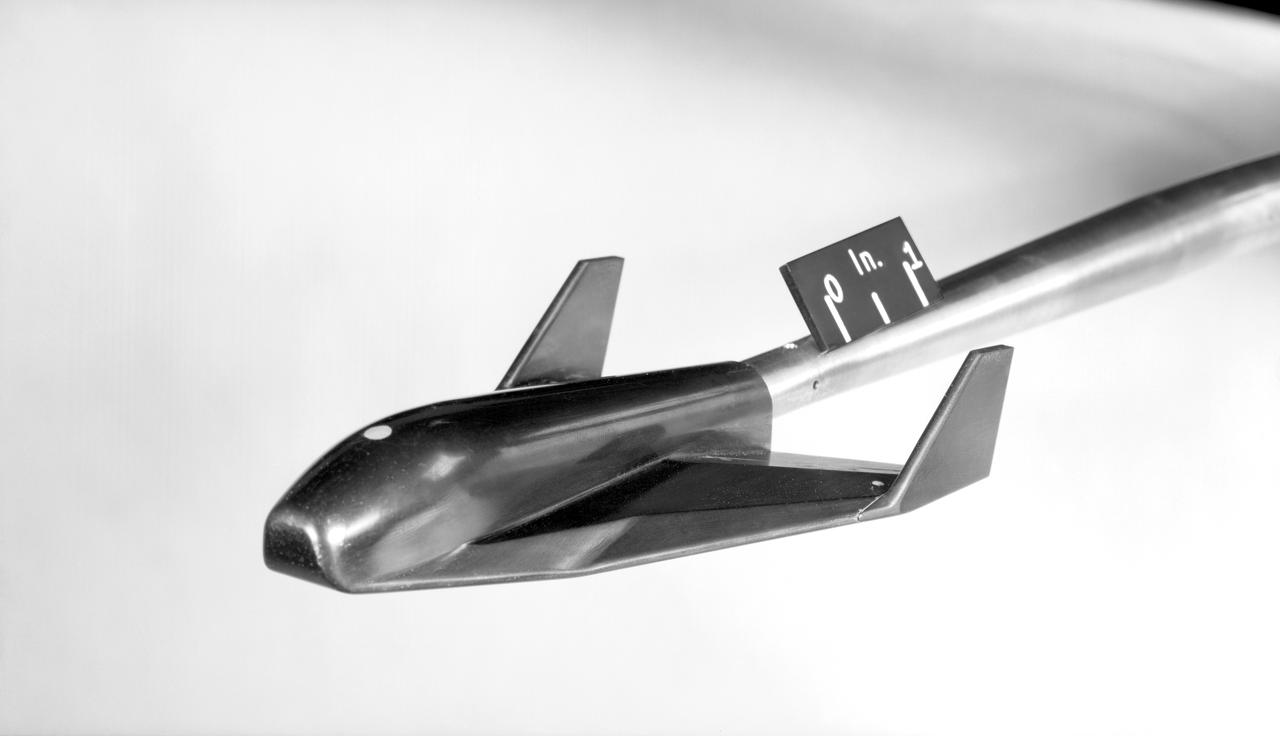
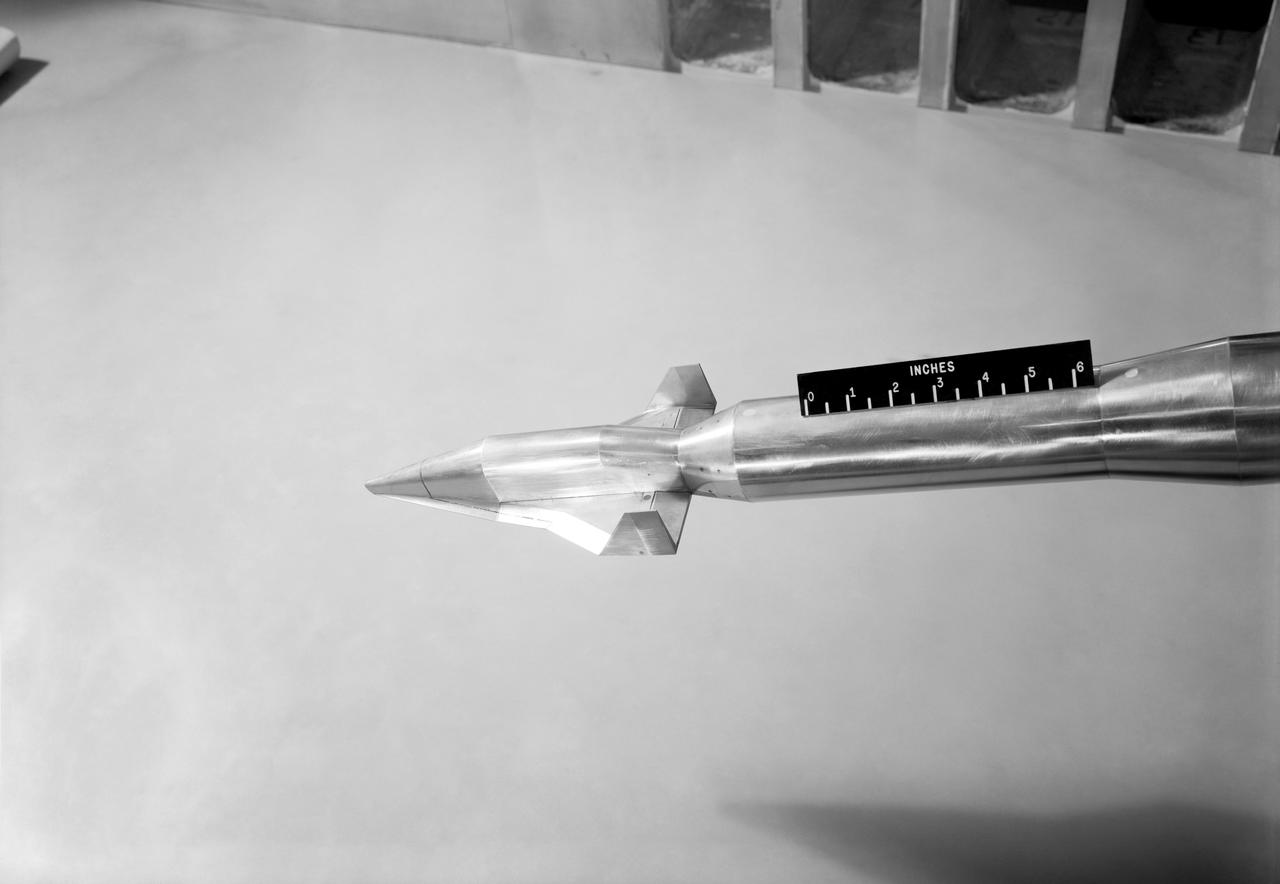
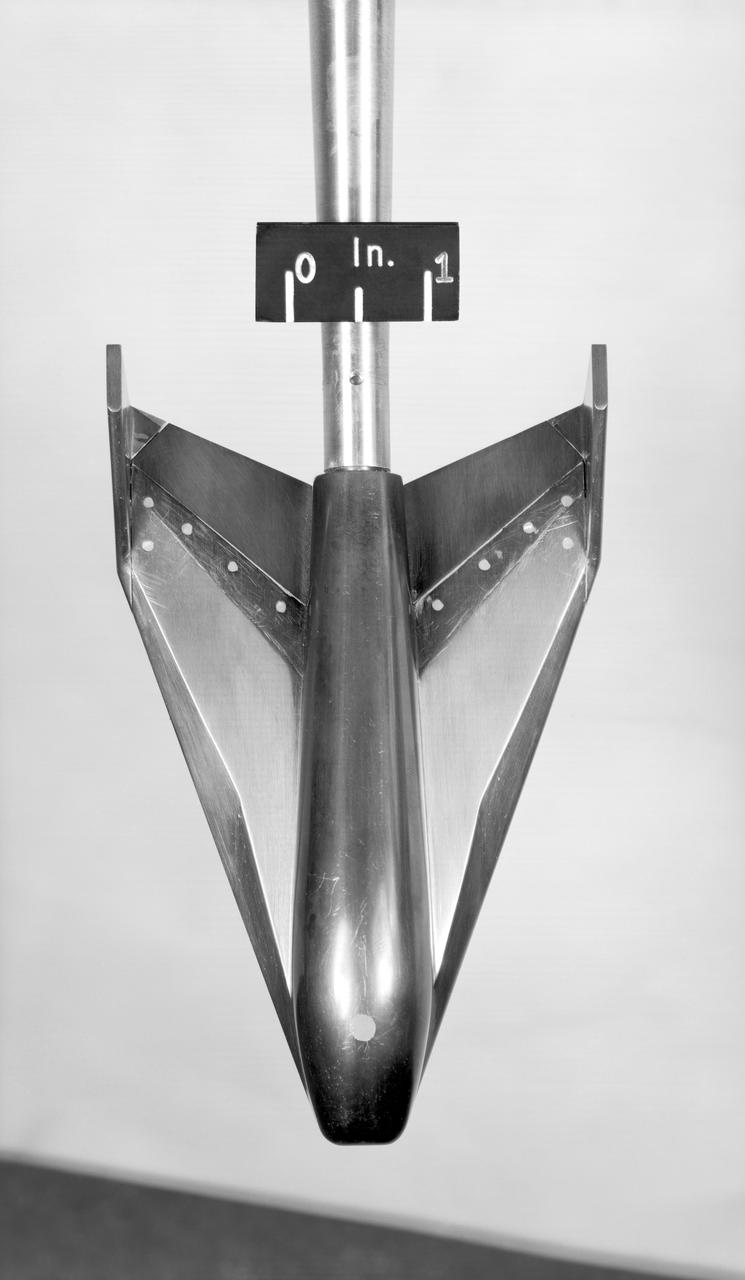
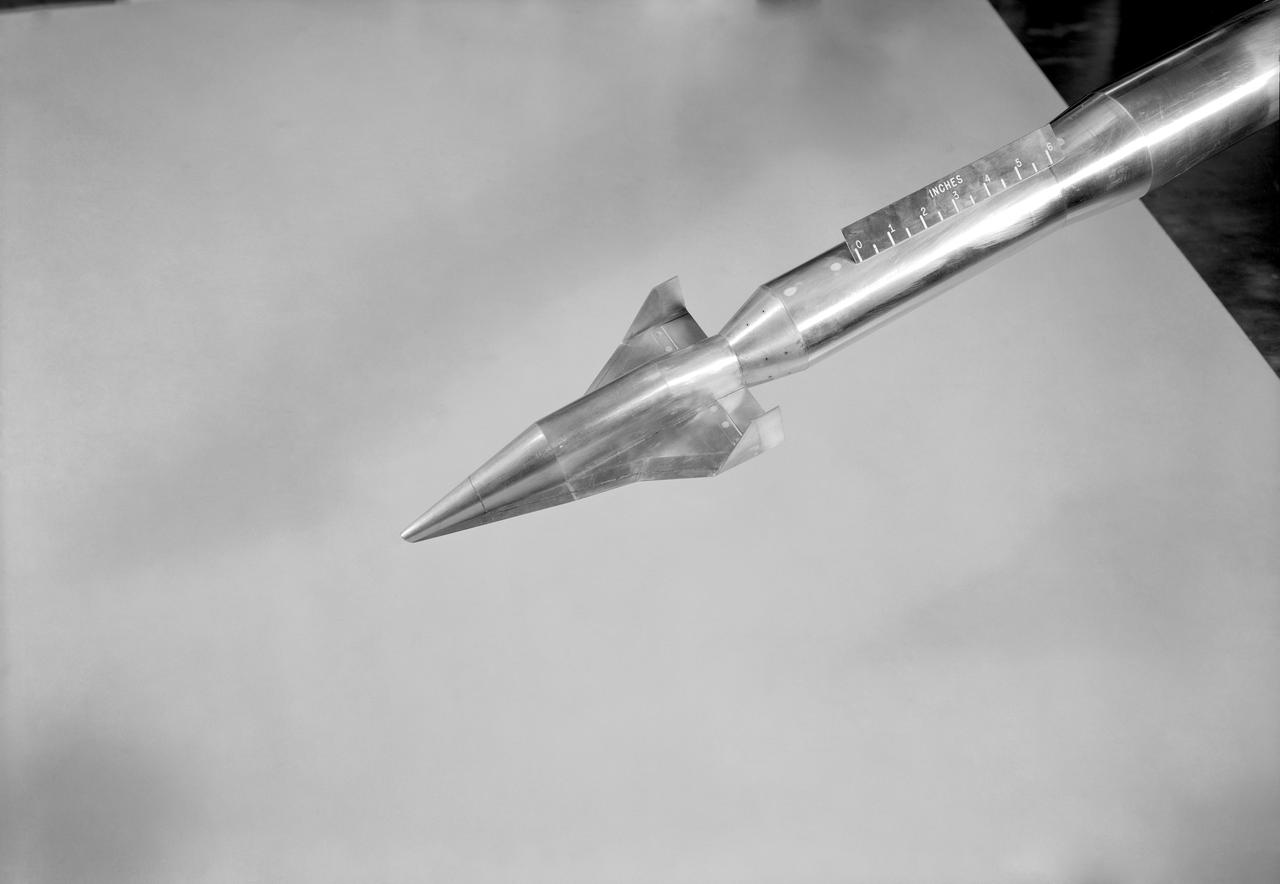
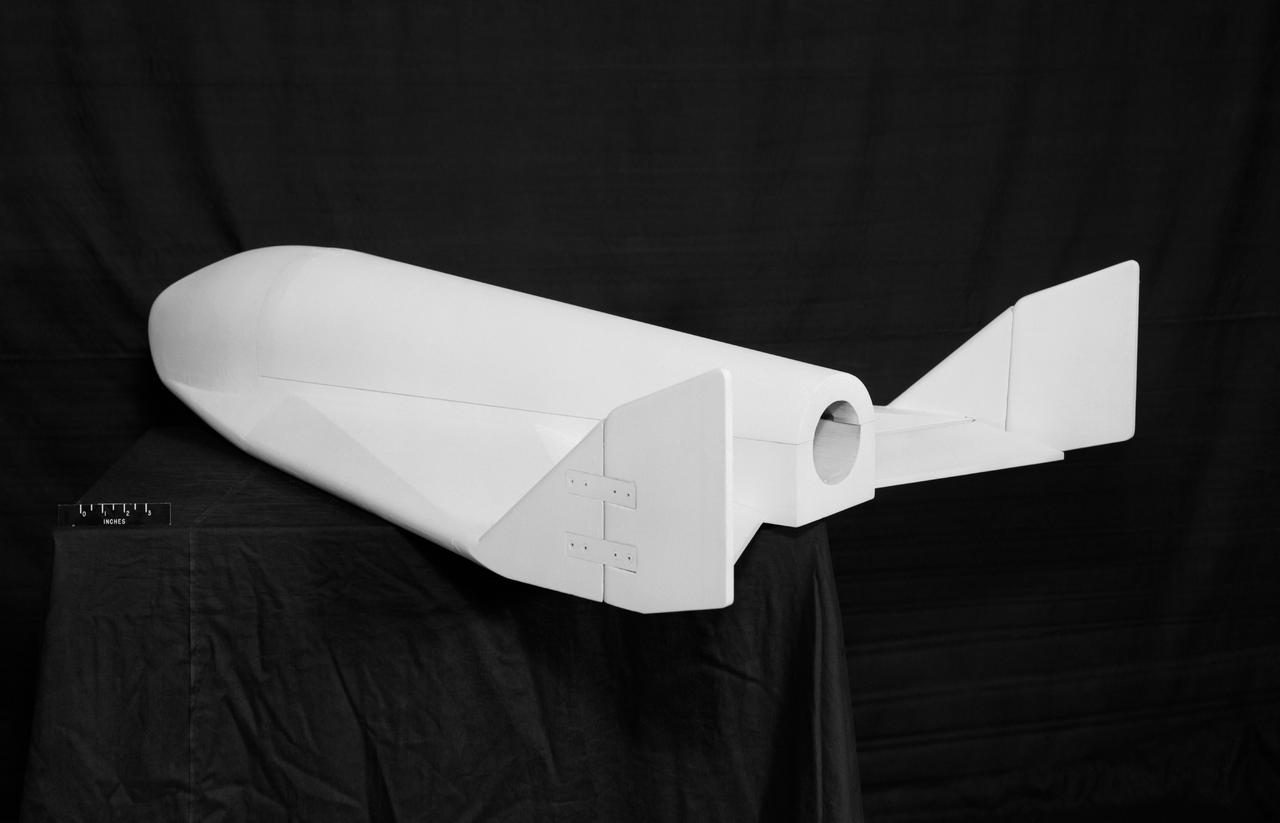
Martin-Bell Dyna Soar I in Unitary Tunnel
HSC Model 154 Dyna Soar (Martin-Bell)
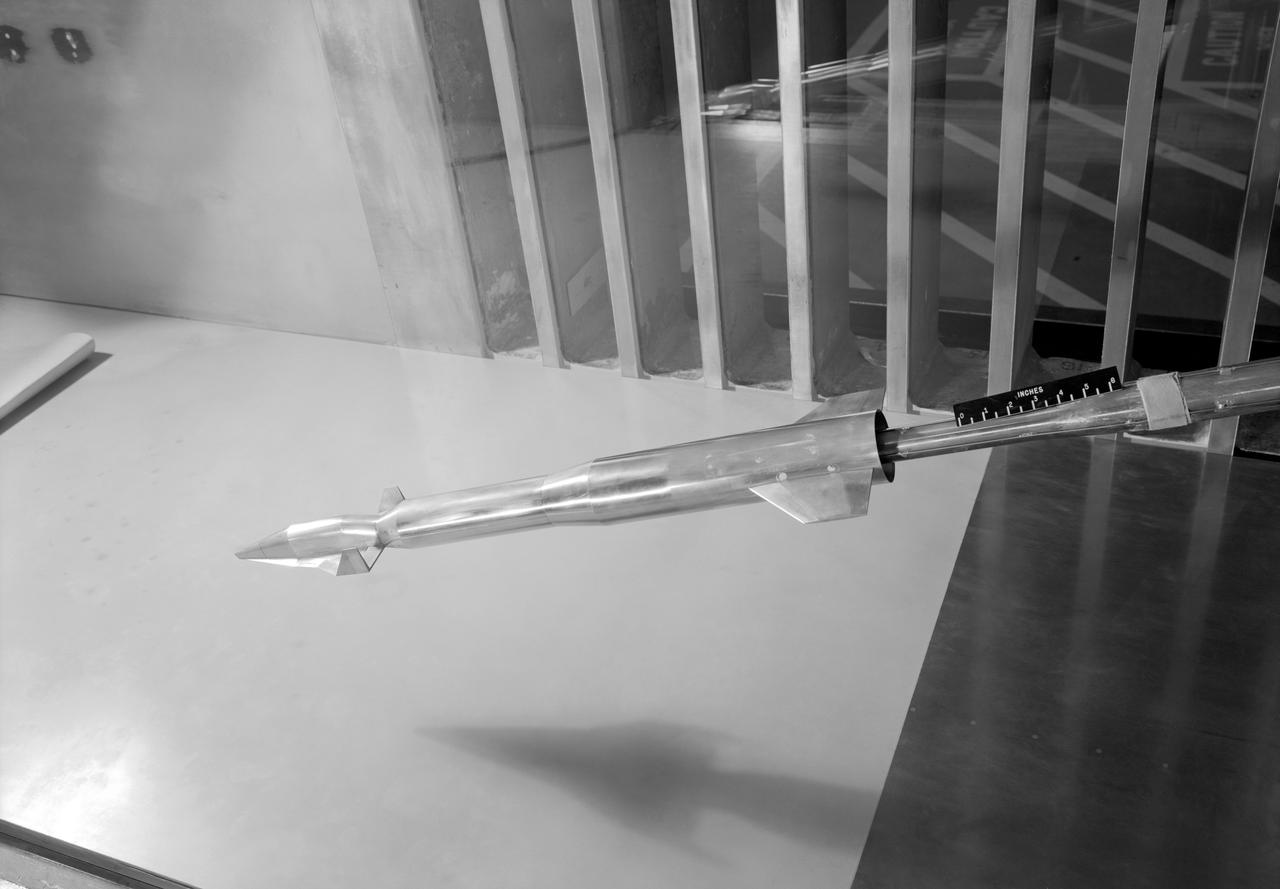
Martin-Bell Dyna Soar I in Unitary Tunnel
HSC Model 154 Dyna Soar (Martin-Bell)
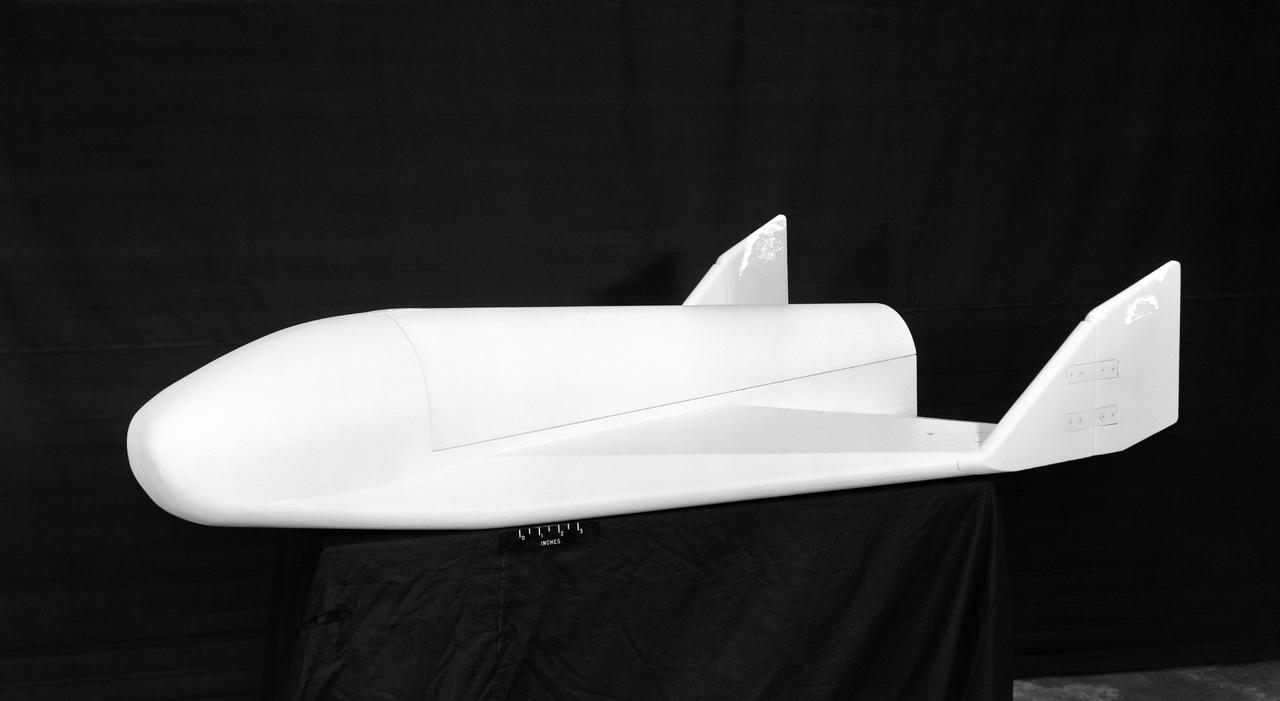
Martin-Bell Dyna Soar Model B.W.V
HSC Model 154 Dyna Soar (Martin-Bell)
Martin-Bell Dyna Soar I in Unitary Tunnel
HSC Model 154 Dyna Soar (Martin-Bell)
Martin-Bell Dyna Soar I in Unitary Tunnel
HSC Model 154 Dyna Soar (Martin-Bell)
Martin-Bell Dyna Soar I in Unitary Tunnel
HSC Model 154 Dyna Soar (Martin-Bell)
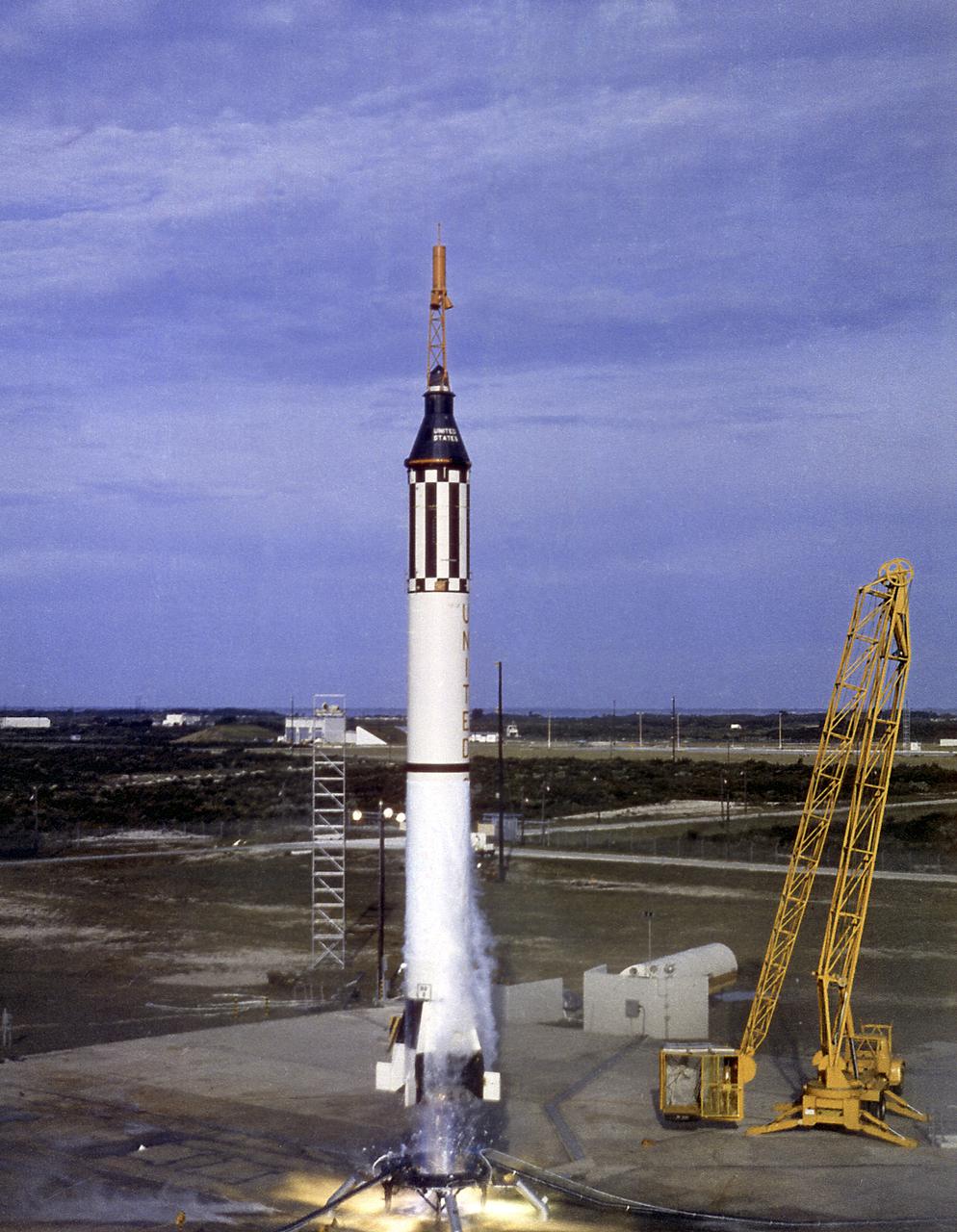
Liftoff of MR-4 (Mercury-Redstone), Liberty Bell 7, on July 21, 1961. MR-4 mission was the second marned suborbital flight and carried Astronaut Virgil Grissom aboard the Liberty Bell 7 spacecraft in space for a duration of 15-1/2 minutes.
Mercury Project
The secret test of the Bell YP–59A Airacomet in the spring of 1944 was the first investigation in the National Advisory Committee for Aeronautics (NACA) Aircraft Engine Research Laboratory’s new Altitude Wind Tunnel (AWT). The Airacomet, powered by two General Electric I–A centrifugal turbojets, was the first US jet aircraft. The Airacomet’s 290-miles per hour speed, however, was dwarfed by the German Messerschmitt Me-262 Schwalbe’s 540 miles per hour.  In 1941 and 1942 General Electric built the first US jet engines based on technical drawings from British engineer Frank Whittle. Bell Aircraft was contracted to produce an airframe to incorporate the new engines. The result was the Bell XP–59A Airacomet. The aircraft made its first flight over Muroc Lake, California, on October 2, 1942. The aircraft continued to struggle over the next year and the NACA was asked to test it in the new AWT.    A Bell YP–59A was flown from the Bell plant in Buffalo to Cleveland by Bob Stanley, who had piloted the first successful flight of the XP–59A at Muroc in 1942. The wing tips and tail were cut from the aircraft so that it would fit into the AWT’s test section. The study first analyzed the engines in their original configuration and then implemented a boundary layer removal duct, a new nacelle inlet, and new cooling seals. Tests of the modified version showed that the improved airflow distribution increased the I–16’s performance by 25 percent. Despite the improved speed, the aircraft was not stable enough to be used in combat, and the design was soon abandoned.
Bell XP–59A Airacomet in the Altitude Wind Tunnel
The Bell Aircraft Corporation X-1-2 aircraft on the ramp at NACA High Speed Flight Research Station located on the South Base of Muroc Army Air Field in 1947. The X-1-2 flew until October 23, 1951, completing 74 glide and powered flights with nine different pilots. The aircraft has white paint and the NACA tail band. The black Xs are reference markings for tracking purposes. They were widely used on NACA aircraft in the early 1950s.
Right side view of Bell X-1 #6063
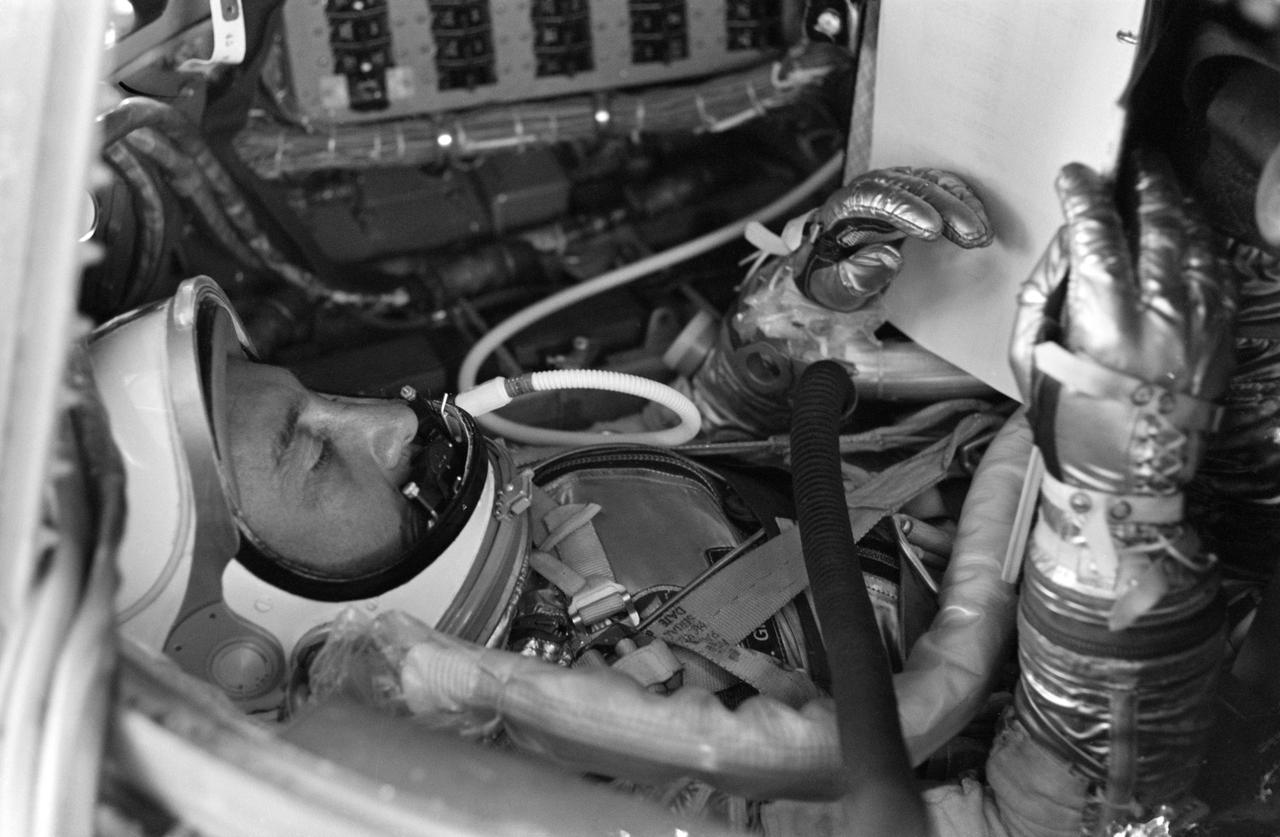
S64-10806 (21 July 1961) --- Astronaut Virgil I. (Gus) Grissom, pilot of the Mercury-Redstone 4 (MR-4) spaceflight, in his Mercury "Liberty Bell 7" spacecraft is checking his flight plan during prelaunch activities. Photo credit: NASA
Astronaut Grissom - Cabin - "Liberty Bell 7" - Capsule
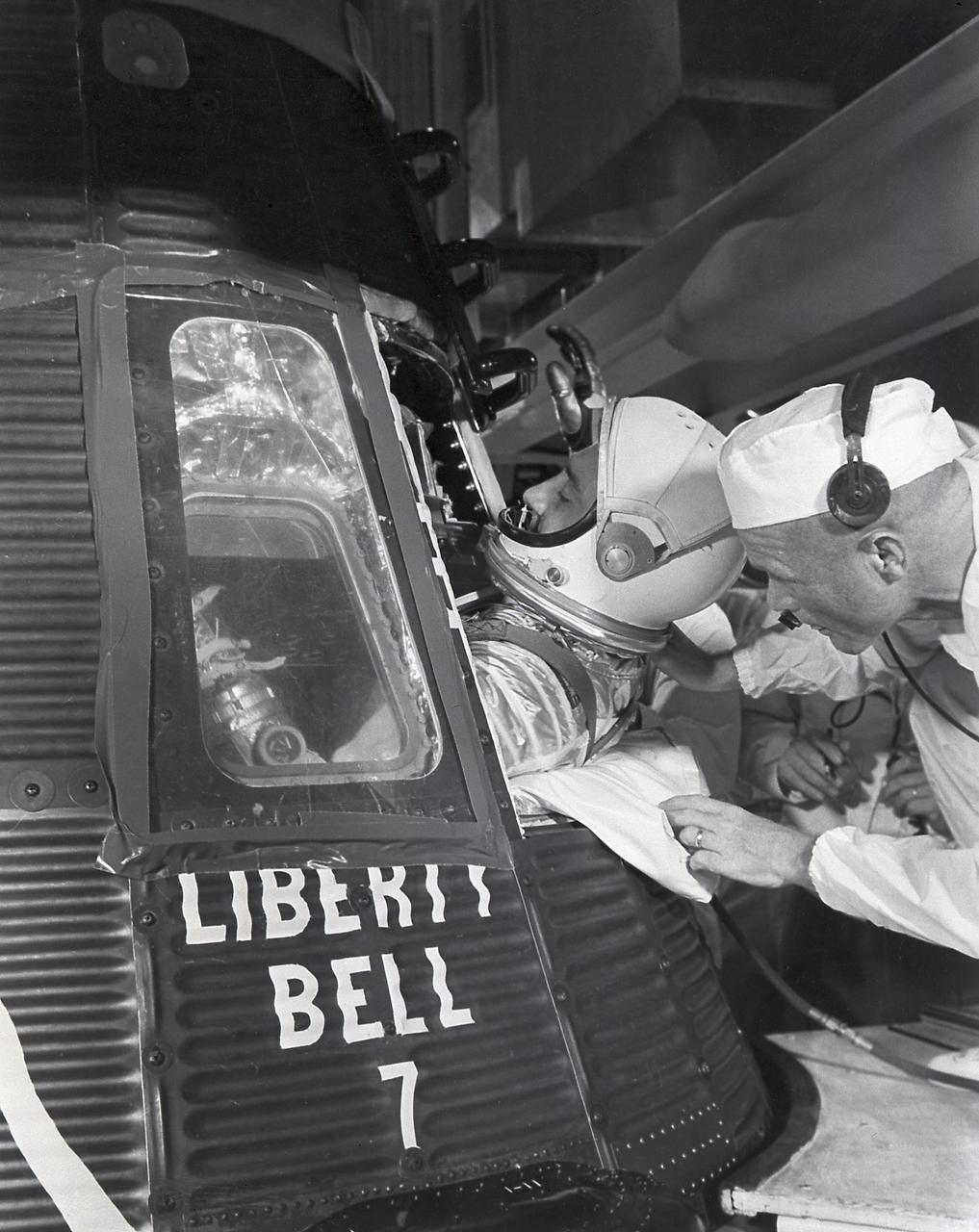
Assisted by Astronaut John Glenn, Astronaut Virgil Grissom enters the Mercury capsule, Liberty Bell 7, for the MR-4 mission on July 21, 1961. Boosted by the Mercury-Redstone vehicle, the MR-4 mission was the second manned suborbital flight.
Mercury Project
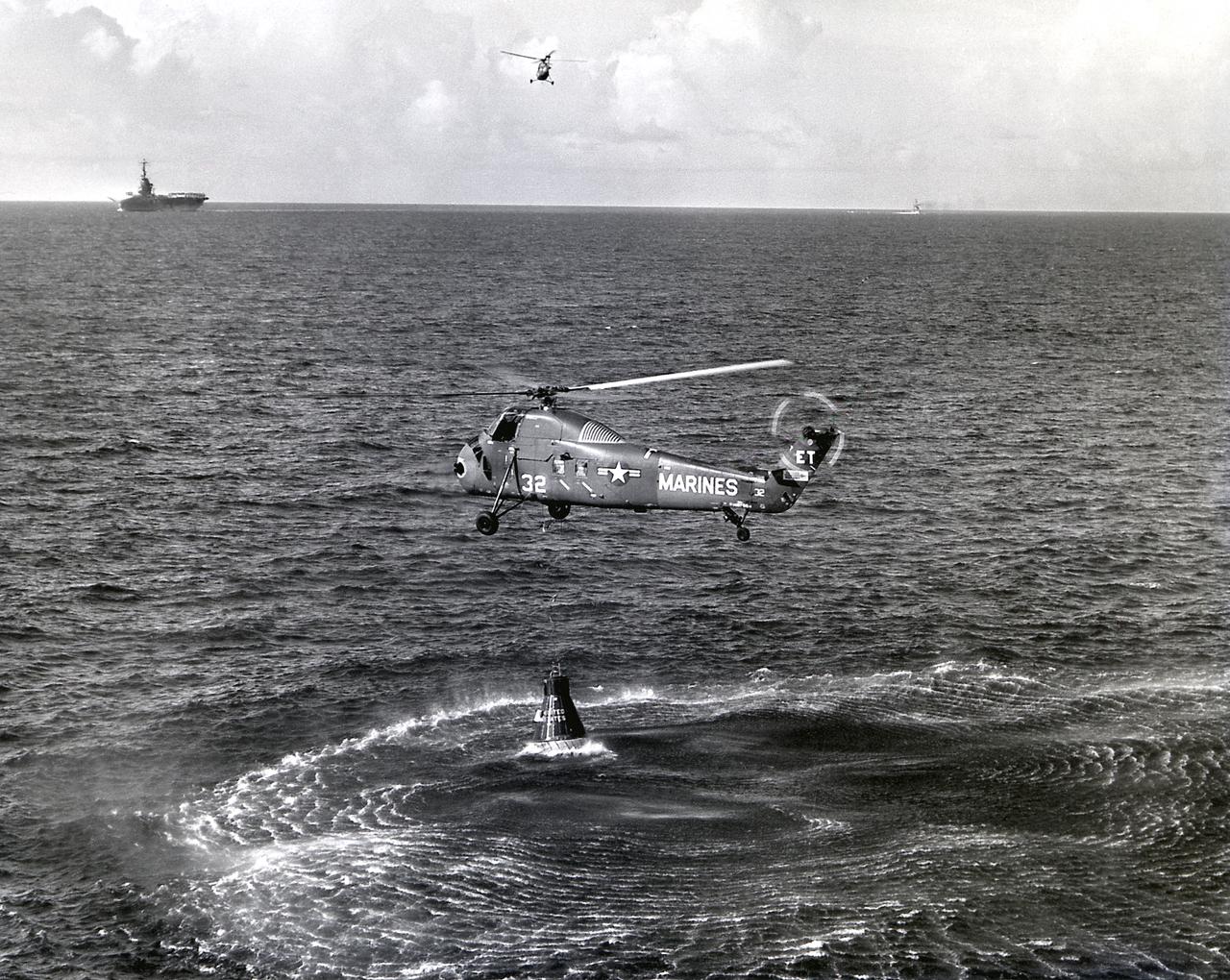
A U.S. Marine helicopter attempts to retrieve the sinking capsule, Liberty Bell 7, of the MR-4 mission. The attempt failed and the capsule sank. The MR-4 mission marned by Astronaut Virgil Grissom was the second manned orbital flight boosted by the Mercury-Redstone vehicle. The Recovery ship is in the background.
Mercury Project
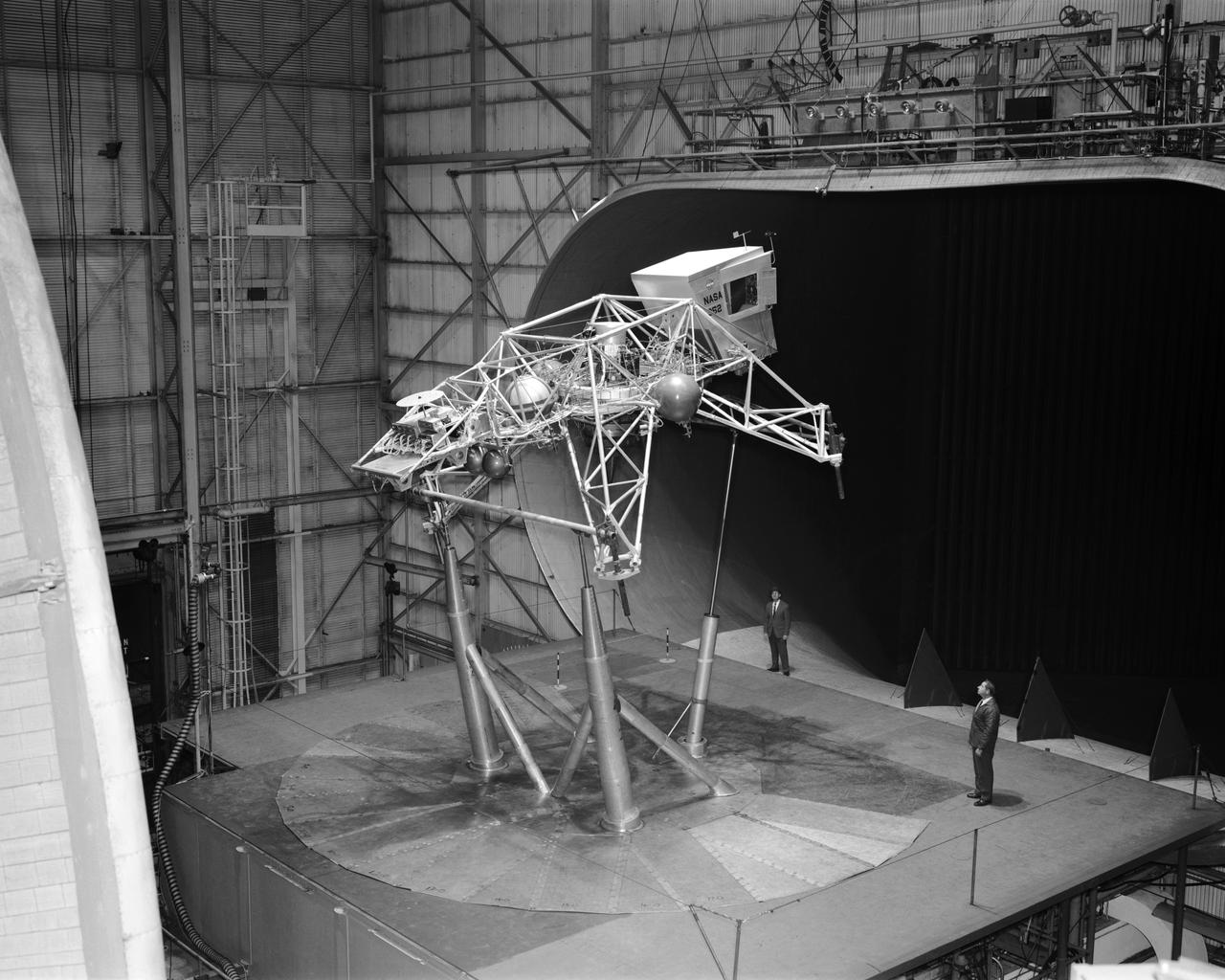
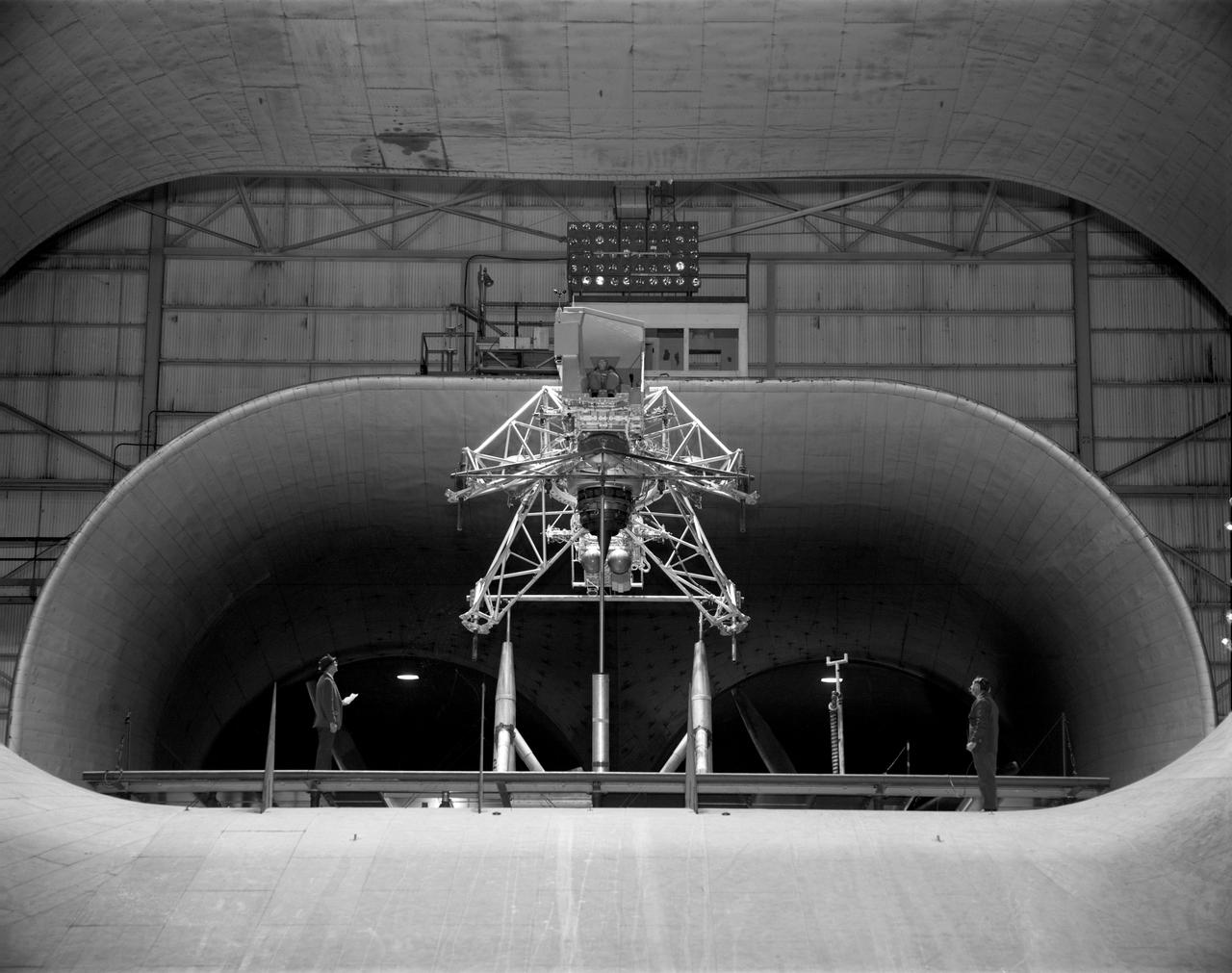
Concept model of the Lunar Excursion Module tested in the Full-Scale wind tunnel. -- Published in James R. Hansen, Spaceflight Revolution: NASA Langley Research Center From Sputnik to Apollo, (Washington: NASA, 1995), p. 356.-L69-670 Bell Lunar Landing Training Vehicle (LLTV): Following the crash of a sister Lunar Landing Training Vehicle at Ellington Field in Houston, Texas, the LLTV NASA 952 was sent from Houston to Langley for tests in the 30 x 60 Full Scale Tunnel. The LLTV was returned to Houston for further training use a short time later. NASA 952 is now on exhibit at the Johnson Space Center in Houston, Texas.
Lunar Excursion Model in Full Scale Wind Tunnel. Apollo Project. Bell Lunar Landing Training Vehicle (LLTV)
Concept model of the Lunar Excursion Module tested in the Full-Scale wind tunnel. -- Published in James R. Hansen, Spaceflight Revolution: NASA Langley Research Center From Sputnik to Apollo, (Washington: NASA, 1995), p. 356.-L69-670 Bell Lunar Landing Training Vehicle (LLTV): Following the crash of a sister Lunar Landing Training Vehicle at Ellington Field in Houston, Texas, the LLTV NASA 952 was sent from Houston to Langley for tests in the 30 x 60 Full Scale Tunnel. The LLTV was returned to Houston for further training use a short time later. NASA 952 is now on exhibit at the Johnson Space Center in Houston, Texas.
Lunar Excursion Model in Full Scale Wind Tunnel. Apollo Project. Bell Lunar Landing Training Vehicle (LLTV)
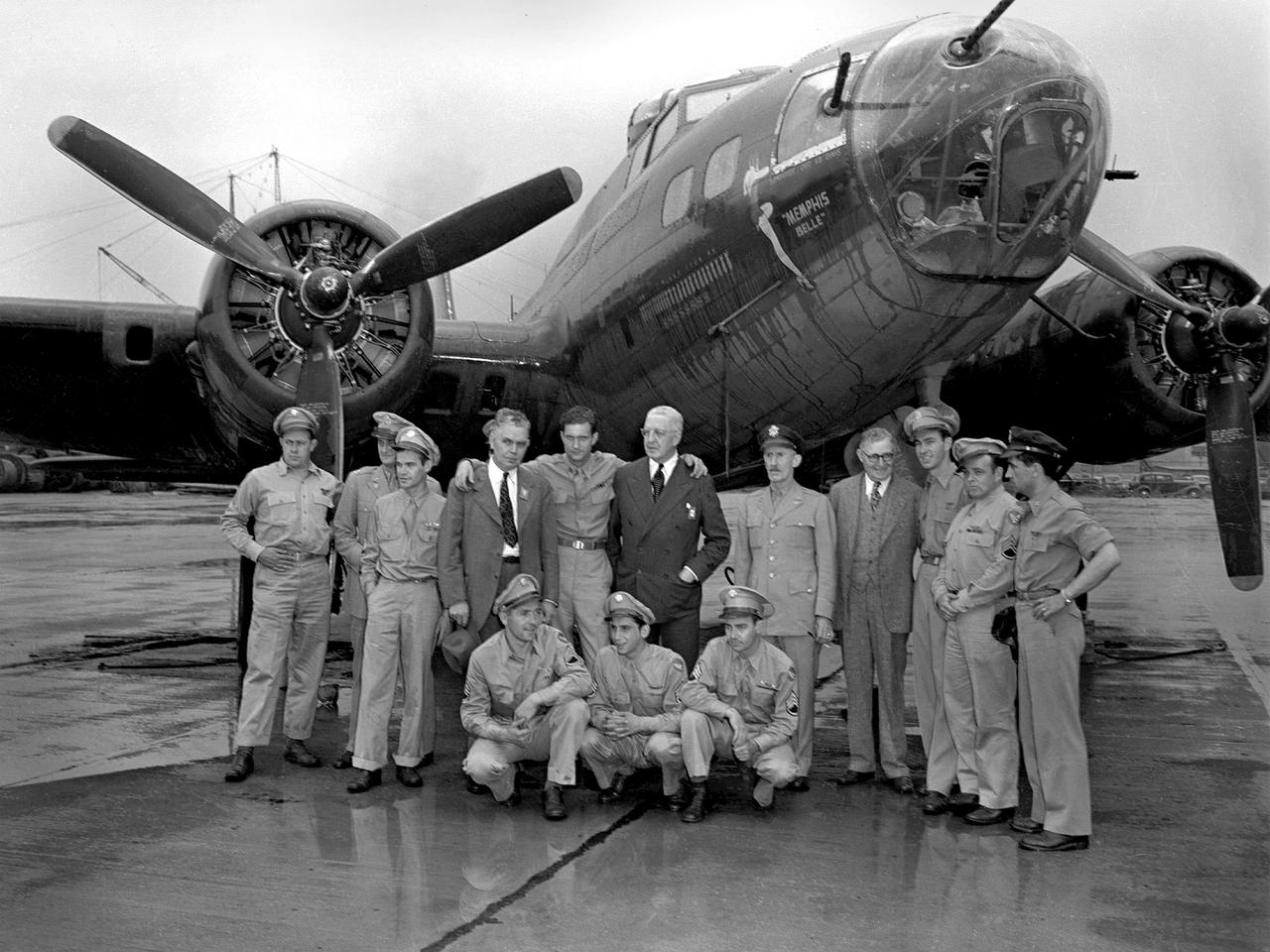
Captain Robert Morgan and the rest of the Memphis Belle crew arrive in Cleveland on a rainy July 7, 1943, for three-day publicity visit. This B–17 Flying Fortress had recently become the first U.S. bomber to complete 25 missions over Germany and France. The lack of long distance escort fighters made the feat even more remarkable. The Memphis Belle and its crew returned to the United States in June and were immediately thrown into a three-month-long war bond tour.  While in Cleveland the crew toured the National Advisory Committee for Aeronautics (NACA) Aircraft Engine Research Laboratory, the Cleveland Bomber Plant, and Thompson Products. In the evenings they were feted downtown by the Chamber of Commerce at the Hotel Cleveland. A local company brought Morgan’s family and his fiancé—the Memphis Belle’s inspiration—to Cleveland to participate in the activities. The bomber was on display to the public near the airport’s fenceline and stored in the NACA’s hangar overnight.    Pictured in this photograph from left to right: Robert Hanson, Vincent Evans, Charles Leighton, NACA Manager Raymond Sharp, Robert Morgan, William Holliday of the Chamber of Commerce, Army Liaison Officer Colonel Edwin Page, Airport Commissioner Jack Berry, Cecil Scott, John Quinlan and James Verinis. Kneeling are Harold Loch, Casimer Nastal and Charles Wichell.
Memphis Belle and Crew Visit the Aircraft Engine Research Laboratory
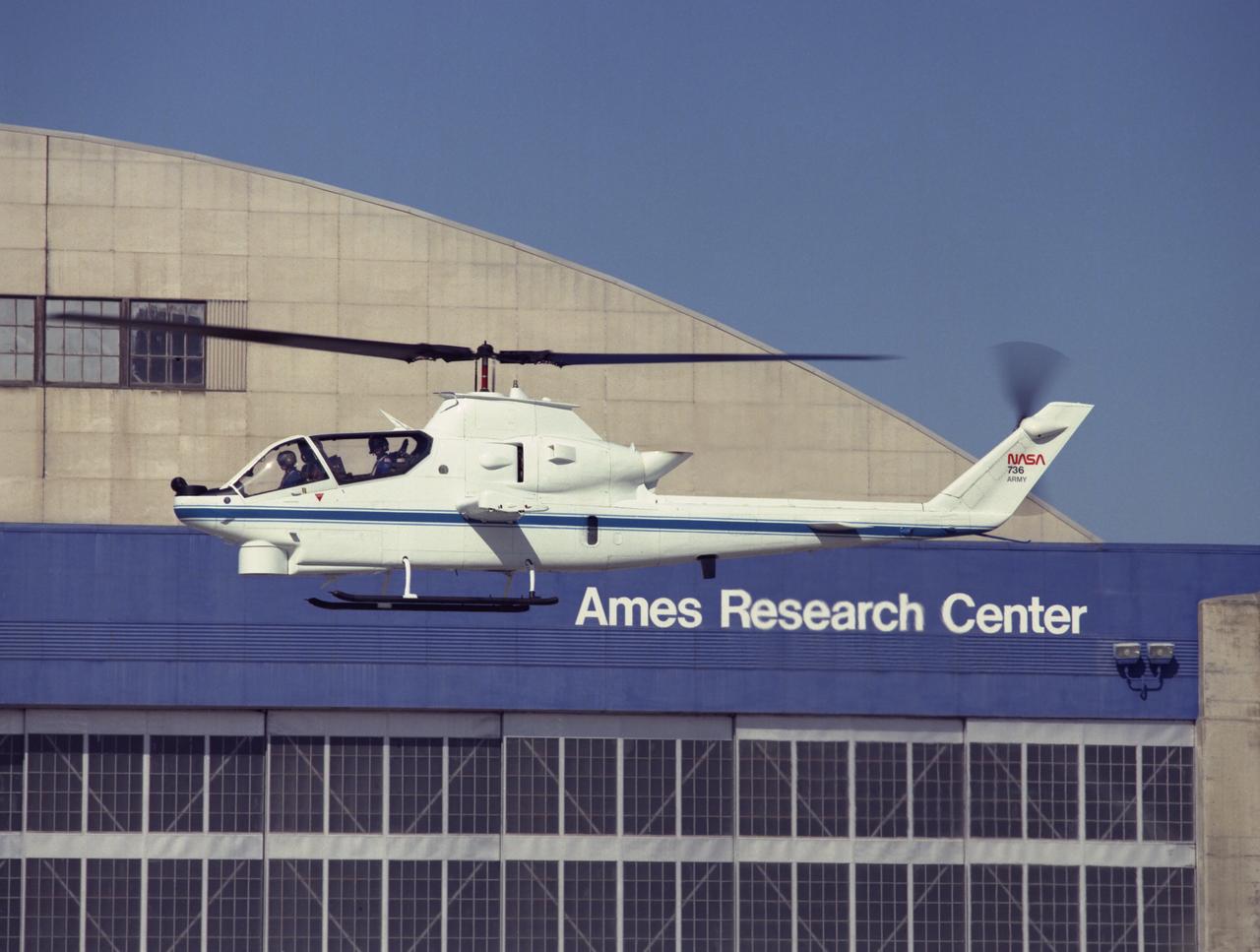
Bell NAH-1G (USA  70-15979 NASA-736) FLITE Cobra helicopter hovering on Ames ramp is successor to the original FLITE Cobra. It has been used extensively in joint NASA/Army human factors research in the areas of night vision displays and voice communications since its arrival in 1987. Note:  Used in publication in Flight Research at Ames;  57 Years of Development and Validation of Aeronautical Technology NASA SP-1998-3300 fig 140
ARC-1969-AC90-0178-97
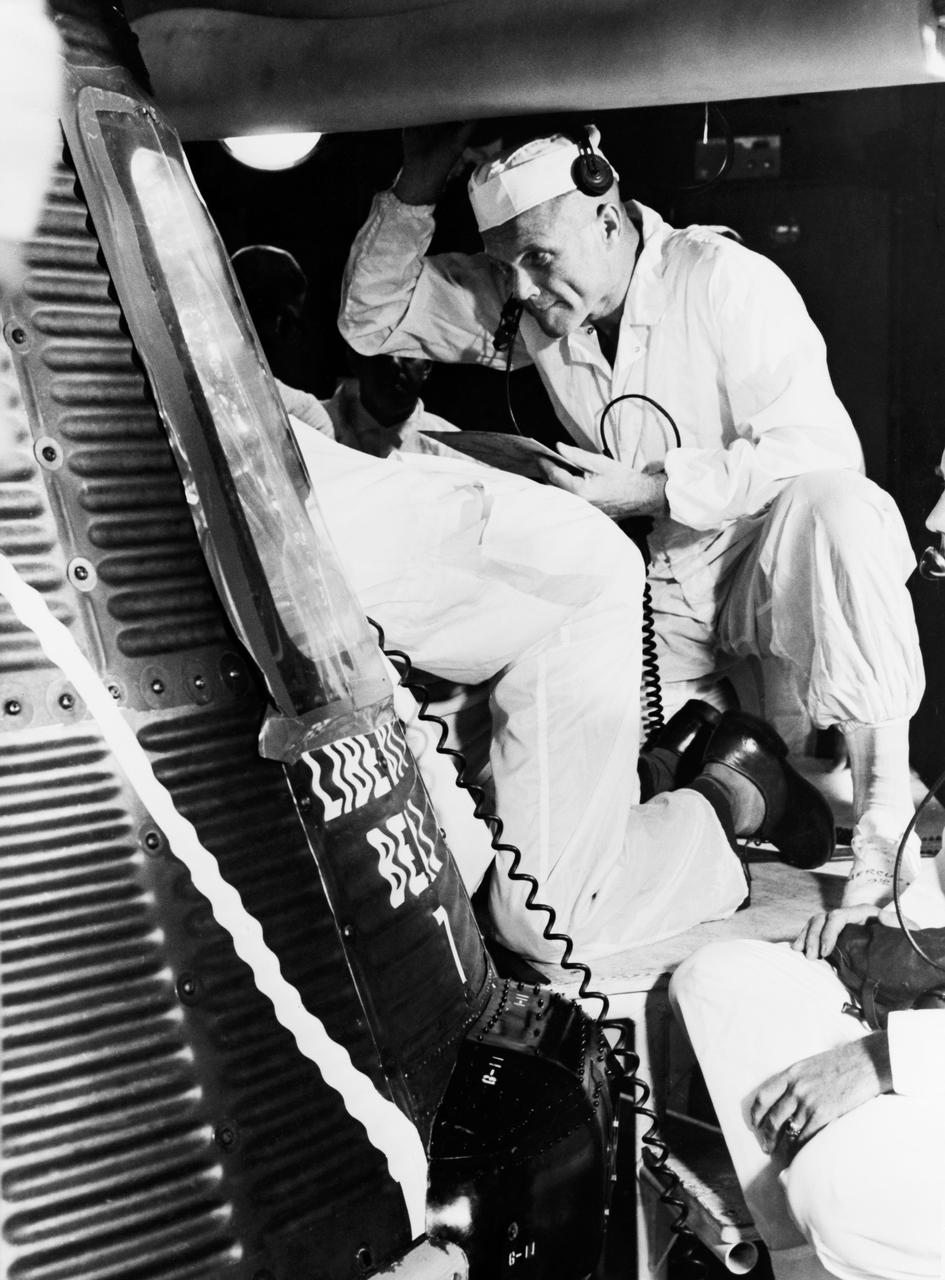
S61-03740 (20 July 1961) --- Astronaut John H. Glenn Jr. and a technician examine the interior of the Liberty Bell 7, the capsule flown a few days later during the Mercury-Redstone 4 mission with astronaut Virgil I. (Gus) Grissom. Photo credit: NASA
Astronaut John Glenn and technician examine interior of Liberty Bell 7
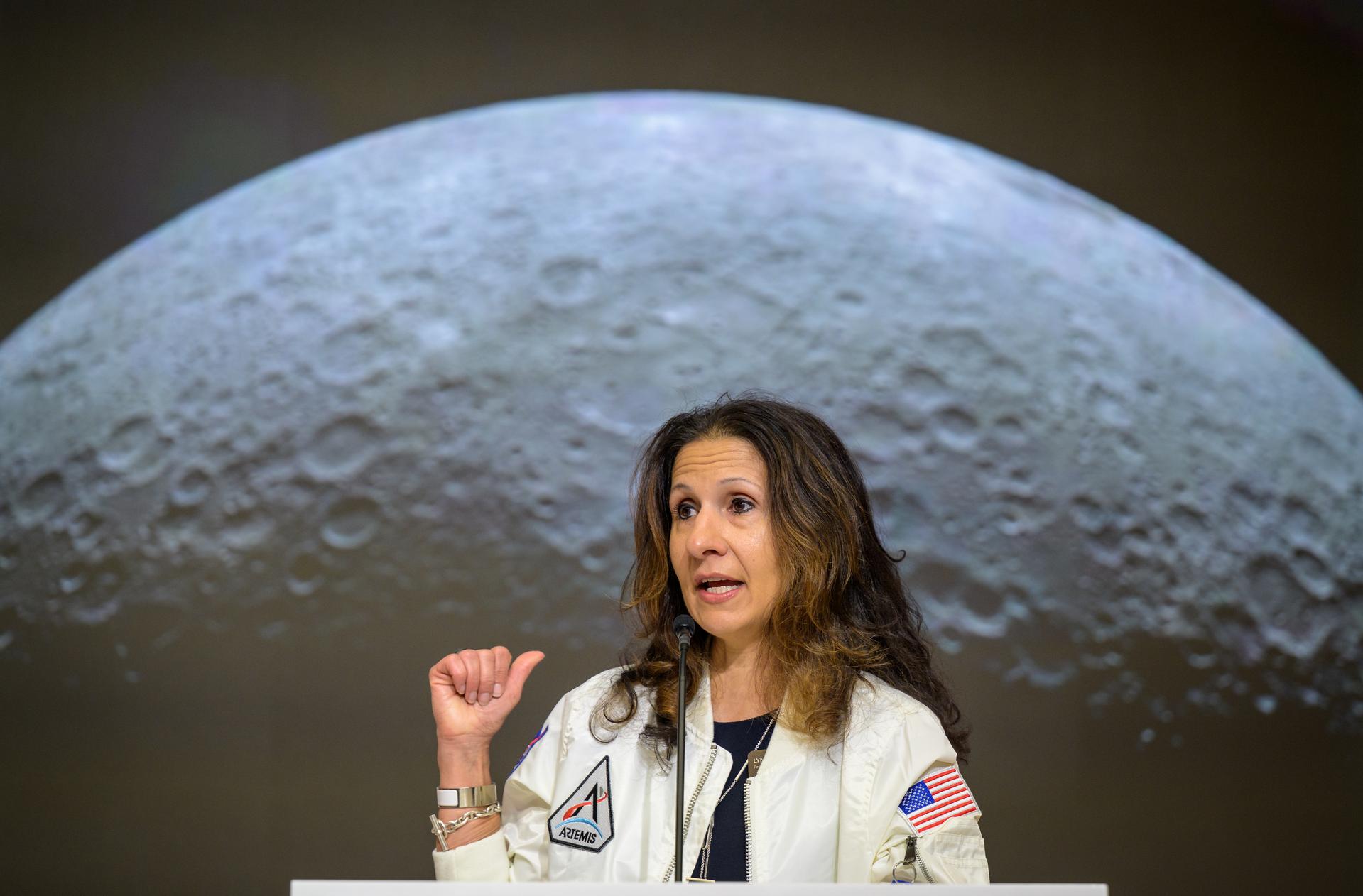
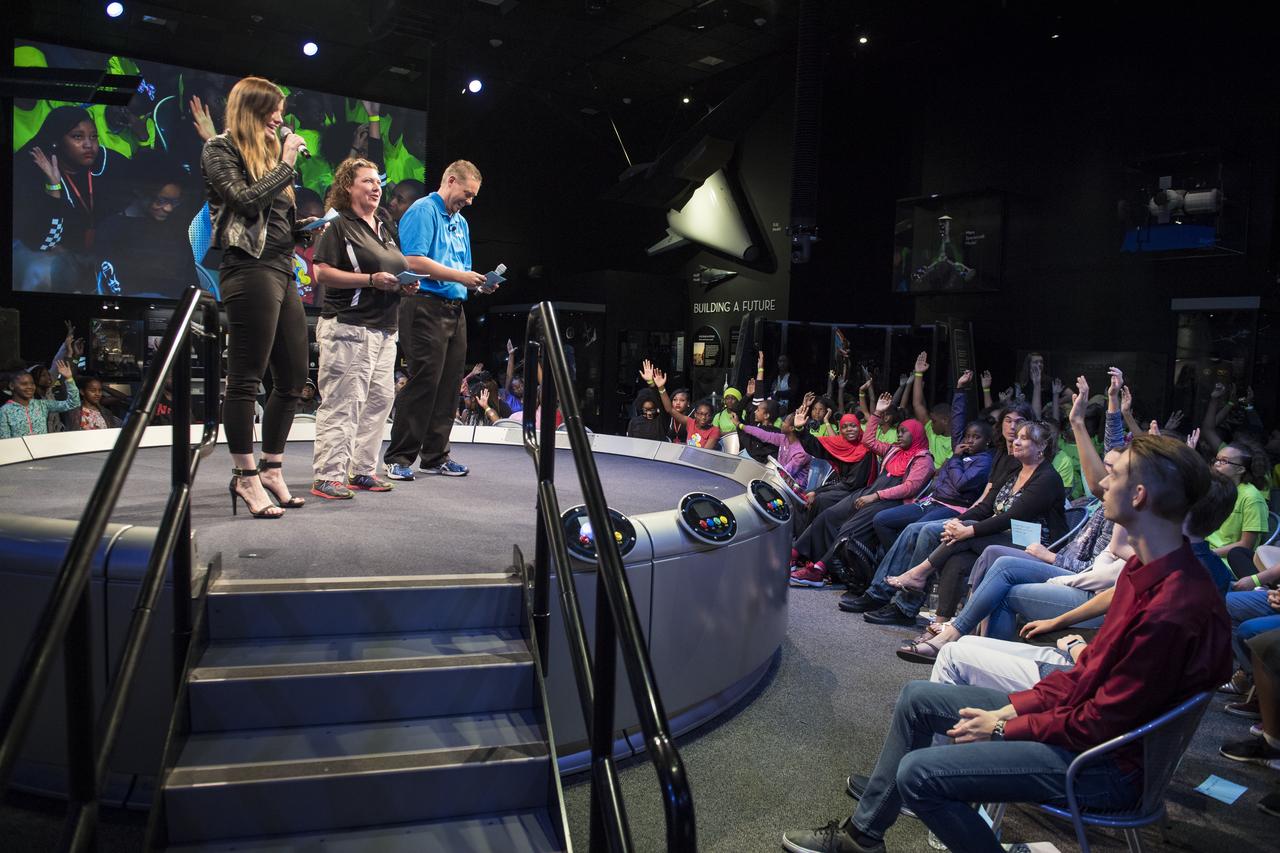
Deanne Bell, engineer, television host, and the founder & CEO of Future Engineers speaks to students during a STEM in 30 event where they announced the winners of the "Two for the Crew" competition, Wednesday, June 27, 2018 at Smithsonian's National Air and Space Museum in Washington. Photo Credit: (NASA/Aubrey Gemignani)
Astronaut Serena Auñon-Chancellor at Air and Space Museum
Astronaut Virgil I. "Gus" Grissom, one of the original seven astronauts for Mercury Project selected by NASA on April 27, 1959. The MR-4 mission, boosted by the Mercury-Redstone vehicle, made the second marned suborbital flight. The capsule, Liberty Bell 7, sank into the sea after the splashdown.
Mercury Project
Deanne Bell, engineer, television host, and the founder & CEO of Future Engineers speaks to students during a STEM in 30 event where they announced the winners of the "Two for the Crew" competition, Wednesday, June 27, 2018 at Smithsonian's National Air and Space Museum in Washington. Photo Credit: (NASA/Aubrey Gemignani)
Astronaut Serena Auñon-Chancellor at Air and Space Museum
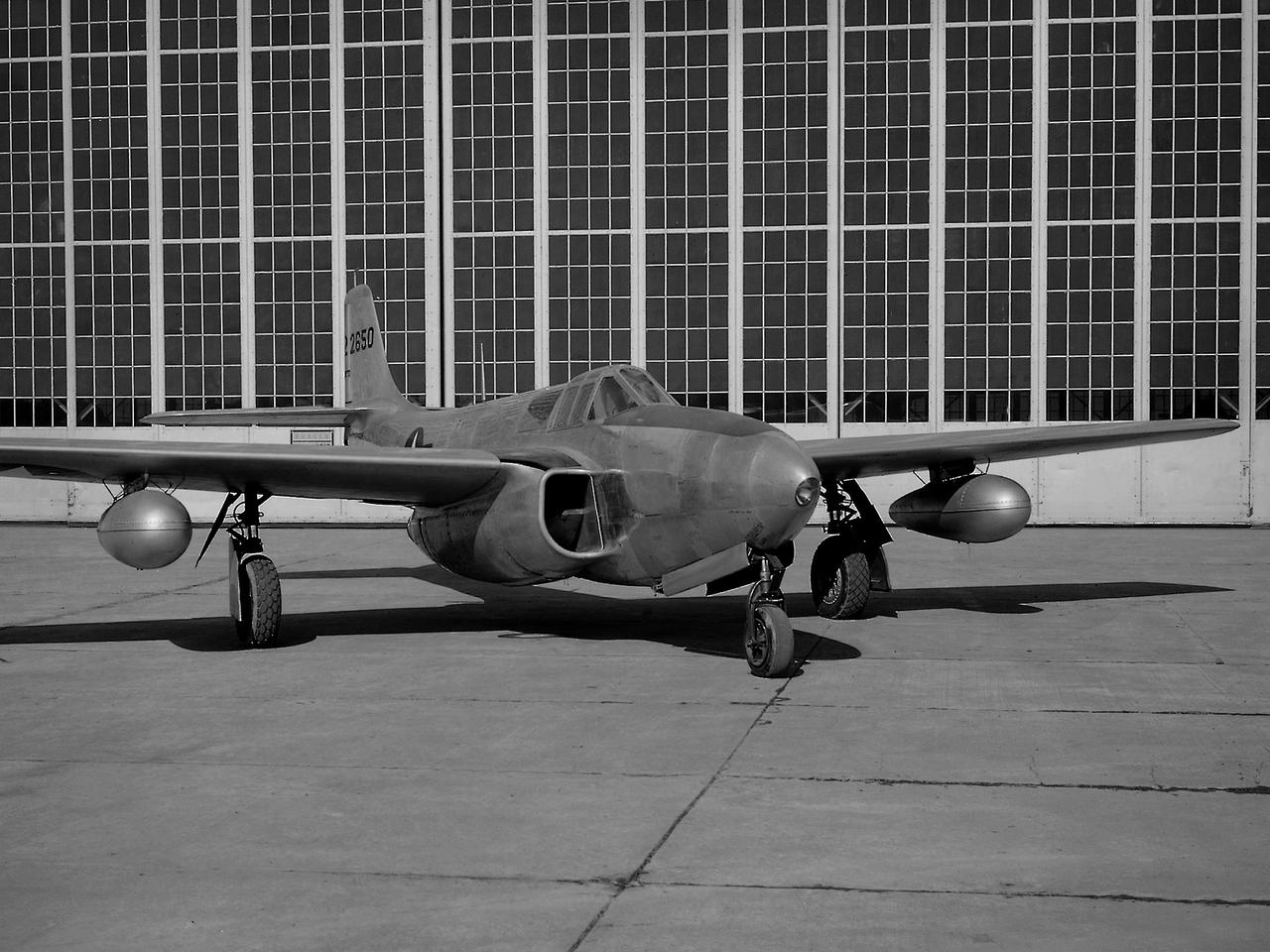
A Bell P-59B Airacomet sits beside the hangar at the National Advisory Committee for Aeronautics (NACA) Lewis Flight Propulsion Laboratory. In 1942 the Bell XP-59A Airacomet became the first jet aircraft in the US. The Airacomet incorporated centrifugal turbojet engines that were based on British plans secretly brought to the US in 1941. A Bell test pilot flew the XP-59A for the first time at Muroc Lake, California in October 1942. The General Electric I-16 engines proved to be problematic. In an effort to increase the engine performance, an Airacomet was secretly brought to Cleveland in early 1944 for testing in the Altitude Wind Tunnel. A series of tunnel investigations in February and March resulted in a 25-percent increase in the I-16 engine’s performance. Nonetheless, Bell’s 66 Airacomets never made it into combat.    A second, slightly improved Airacomet, a P-59B, was transferred to NACA Lewis just after the war in September 1945. The P-59B was used over the next three years to study general jet thrust performance and thrust augmentation devices such as afterburners and water/alcohol injection. The P-59B flights determined the proper alcohol and water mixture and injection rate to produce a 21-percent increase in thrust. Since the extra boost would be most useful for takeoffs, a series of ground-based tests with the aircraft ensued. It was determined that the runway length for takeoffs could be reduced by as much as 15 percent. The P-59B used for the tests is now on display at the Air Force Museum at Wright Patterson.
Bell P-59B Airacomet at the Lewis Flight Propulsion Laboratory
Langley's human computers at work in 1947. The female presence at Langley, who performed mathematical computations for male staff. -- Photograph published in Winds of Change, 75th Anniversary NASA publication (page 48), by James Schultz.
Bell Computer Apparatus
S61-02888 (1961) --- Astronaut Virgil I. (Gus) Grissom, suited up and ready to climb into Liberty Bell 7 spacecraft, stands in front of the capsule for a picture. Backup pilot John Glenn is in the right corner of the view behind Grissom. The Mercury-Redstone 4 (MR-4) mission was scrubbed a few hours later due to unfavorable weather over the launch pad. Photo credit: NASA
Astronaut Grissom on level 3 in front of Liberty Bell 7 capsule
L57-660 A technician prepares dynamic models of the Bell X-1E and the Vought XF-8U Crusader for wind tunnel testing in 1957. The Crusader was then the Navy's fastest aircraft- maximum speed Mach 1.75 at 35,000 Feet. Photograph published in Engineer in Charge: A History of the Langley Aeronautical Laboratory, 1917-1958 by James R. Hansen. Page 307.
Bell X-1E and Vought XF-8U Dynamic Models in 1957
S61-03698 (1961) --- Astronaut Virgil I. (Gus) Grissom, suited up and ready to climb into Liberty Bell 7 spacecraft, sits in front of his capsule for a picture. Behind him technicians work inside the capsule. The Mercury-Redstone 4 (MR-4) mission was scrubbed a few hours later due to unfavorable weather over the launch pad. Photo credit: NASA
Astronaut Grissom on level 3 in front of Liberty Bell 7 capsule
'Belly of the Bird' an etching by Deborah E. Deschner. Tiles underlining the Shuttle Columbia show the subtle ghostlike patterns touched on their surface during reentry.
ARC-2000-89-HC-628
Artwork: Bell Textron Co. Bell Textron Tilt Rotor  Forward Swept Wing Configuration  (Bell-029564 Swept Wing Tilt Rotor Concept)
ARC-1987-AC87-0038-1
The Army Air Forces lent the National Advisory Committee for Aeronautics (NACA) Aircraft Engine Research Laboratory a Bell P–63A King Cobra in October 1943 to complement the lab's extensive efforts to improve the Allison V–1710 engine. The V–1710-powered P–63A was a single-seat fighter that could reach speeds of 410 miles per hour and an altitude of 43,000 feet. The fighter, first produced in 1942, was an improvement on Bell’s P–39, but persistent performance problems at high altitudes prevented its acceptance by the Air Corps. Instead many of the P–63s were transferred to the Soviet Union.       Almost every test facility at the NACA’s engine lab was used to study the Allison V–1710 engine and its supercharger during World War II. Researchers were able to improve the efficiency, capacity and pressure ratio of the supercharger. They found that improved cooling significantly reduced engine knock in the fuel.    Once the researchers were satisfied with their improvements, the new supercharger and cooling components were installed on the P–63A. The Flight Research Division first established the aircraft’s normal flight performance parameters such as speed at various altitudes, rate of climb, and peak altitude. Ensuing flights established the performance parameters of the new configuration in order to determine the improved performance. The program increased V–1710’s horsepower from 1650 to 2250.
Bell P–63A King Cobra at the Aircraft Engine Research Laboratory
Founder and CEO of Future Engineers, Deanne Bell, speaks at a pop-up makerspace hosted by Future Engineers with support from NASA and The American Society of Mechanical Engineers (ASME), at the Steven F. Udvar-Hazy Center, Thursday, September 21, 2017 in Chantilly, Virginia. Participants were able to create digital 3D models using Autodesk Tinkercad and watch objects being printed with Makerbot 3D printers. Photo Credit: (NASA/Aubrey Gemignani)
NASA SOLVE Challenge Event
XV-15 Tiltrotor in hover helicopter flight at Bell Helicopter Co. Bell Photo number 043901 (credit and permission required from Bell Helicopter Company for any non-governmental  reproductions)
ARC-1997-AC97-0145-4
Artwork: Bell Textron Co. Bell Textron Tilt Rotor folding swept wing and Forward Swept Wing Configurations (Bell-030355 Military High Speed Tilt Rotor)
ARC-1987-AC87-0038-3
XV-15 Tiltrotor in hover helcipter flight at Bell Helicopter Co. Bell Photo number 043903 (credit and permission required from Bell Helicopter Company for any non-governmental  reproductions)
ARC-1997-AC97-0145-3