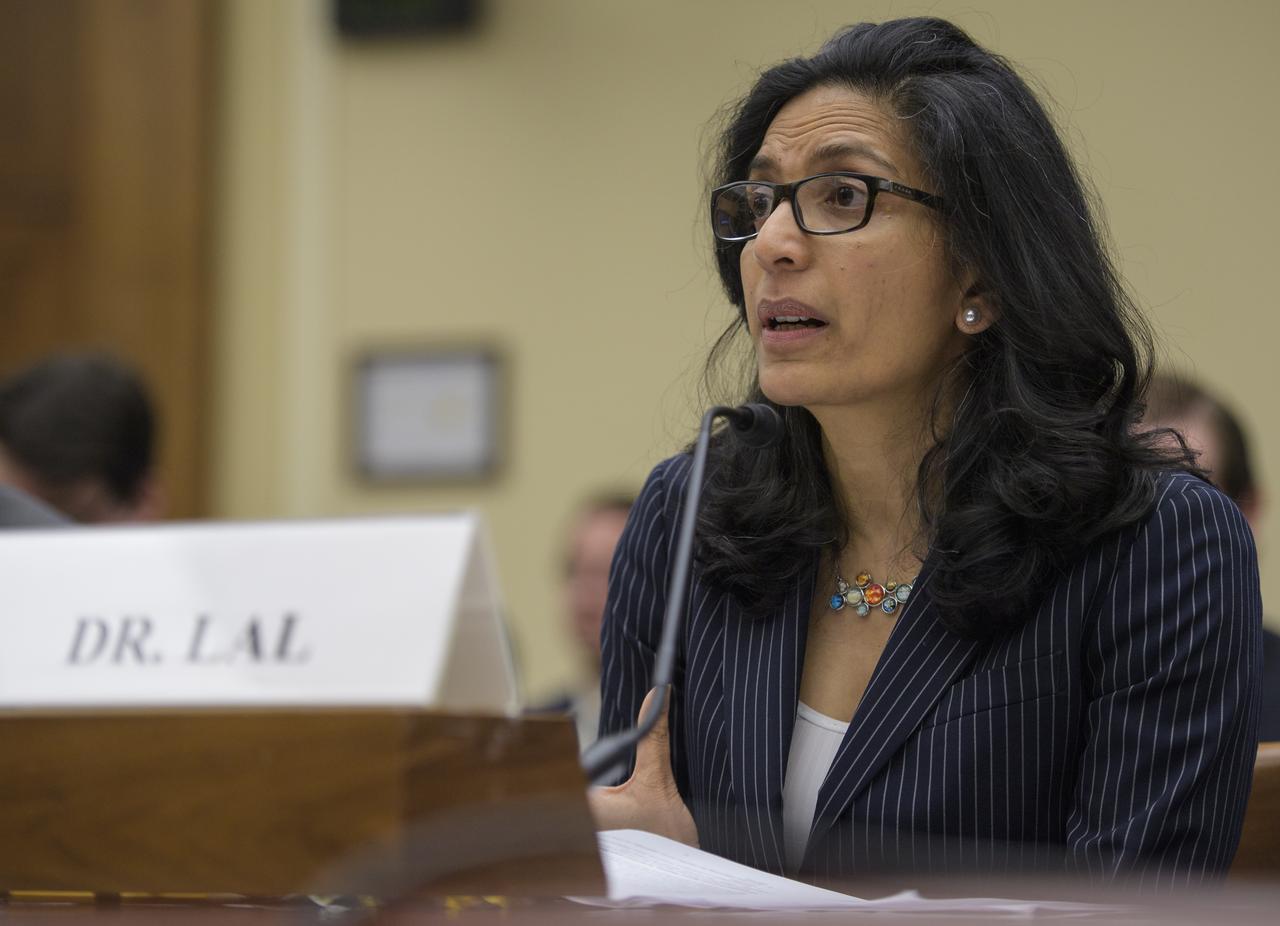
Dr. Bhavya Lal, a researcher at the Institute for Defense Analysis's Science and Technology Policy Institute, testifies during a House Committee on Science, Space, and Technology hearing titled "America's Human Presence in Low-Earth Orbit" on Thursday, May 17, 2018 in the Rayburn House Office Building in Washington. Photo Credit: (NASA/Joel Kowsky)
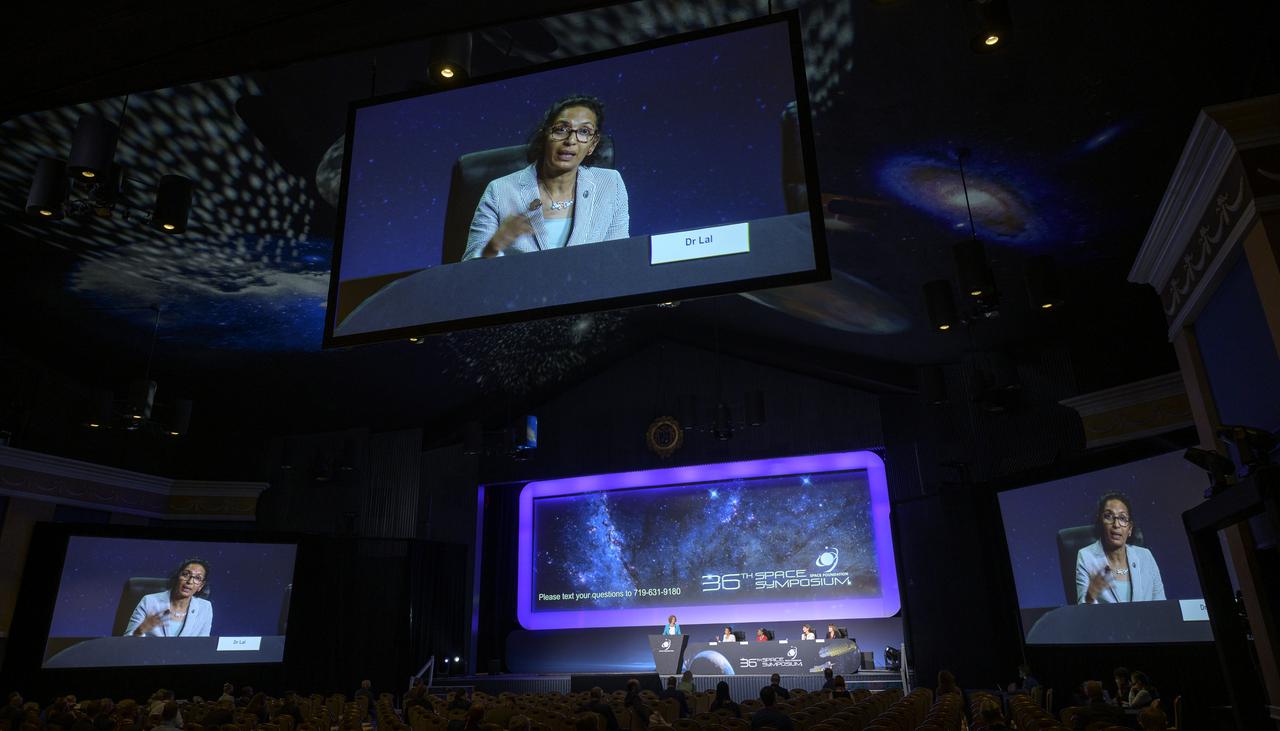
NASA Senior Advisor for Budget and Finance Bhavya Lal participates in a panel discussion titled “Technology Drives Exploration: Paving the Next Era of Space Exploration” during the 36th Space Symposium, Thursday, Aug. 26, 2021, in Colorado Springs, Colorado. Photo Credit: (NASA/Bill Ingalls)
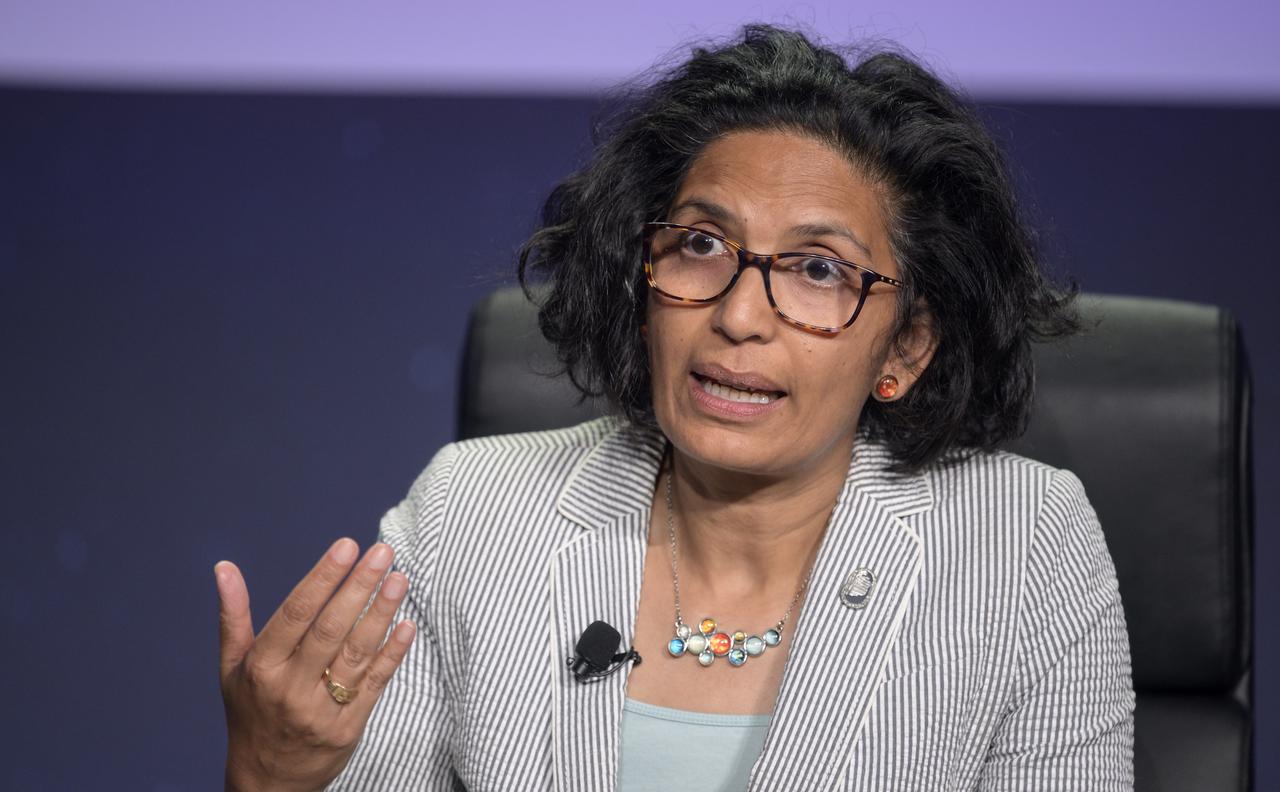
NASA Senior Advisor for Budget and Finance Bhavya Lal participates in a panel discussion titled “Technology Drives Exploration: Paving the Next Era of Space Exploration” during the 36th Space Symposium, Thursday, Aug. 26, 2021, in Colorado Springs, Colorado. Photo Credit: (NASA/Bill Ingalls)
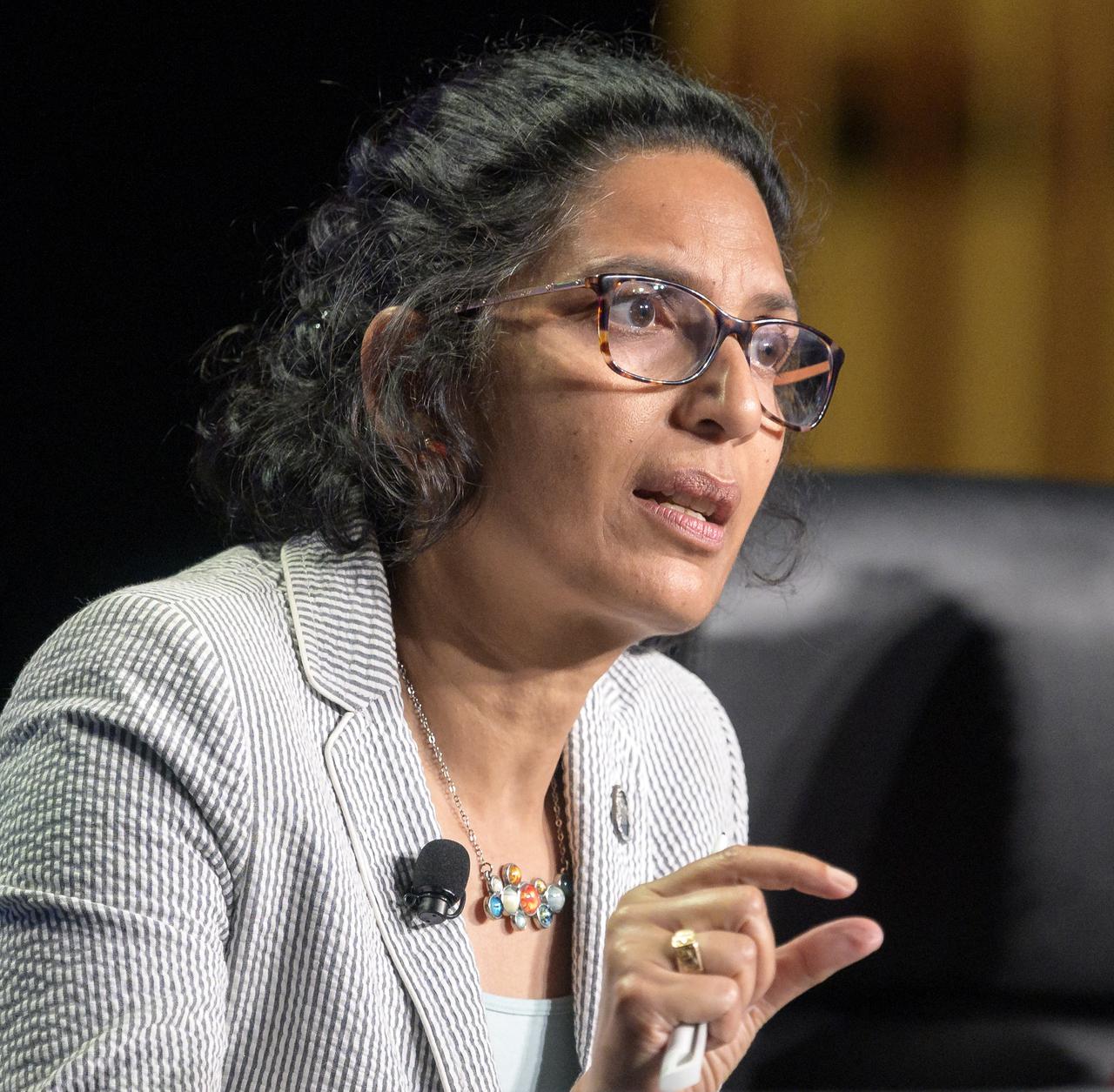
NASA Senior Advisor for Budget and Finance Bhavya Lal participates in a panel discussion titled “Technology Drives Exploration: Paving the Next Era of Space Exploration” during the 36th Space Symposium, Thursday, Aug. 26, 2021, in Colorado Springs, Colorado. Photo Credit: (NASA/Bill Ingalls)
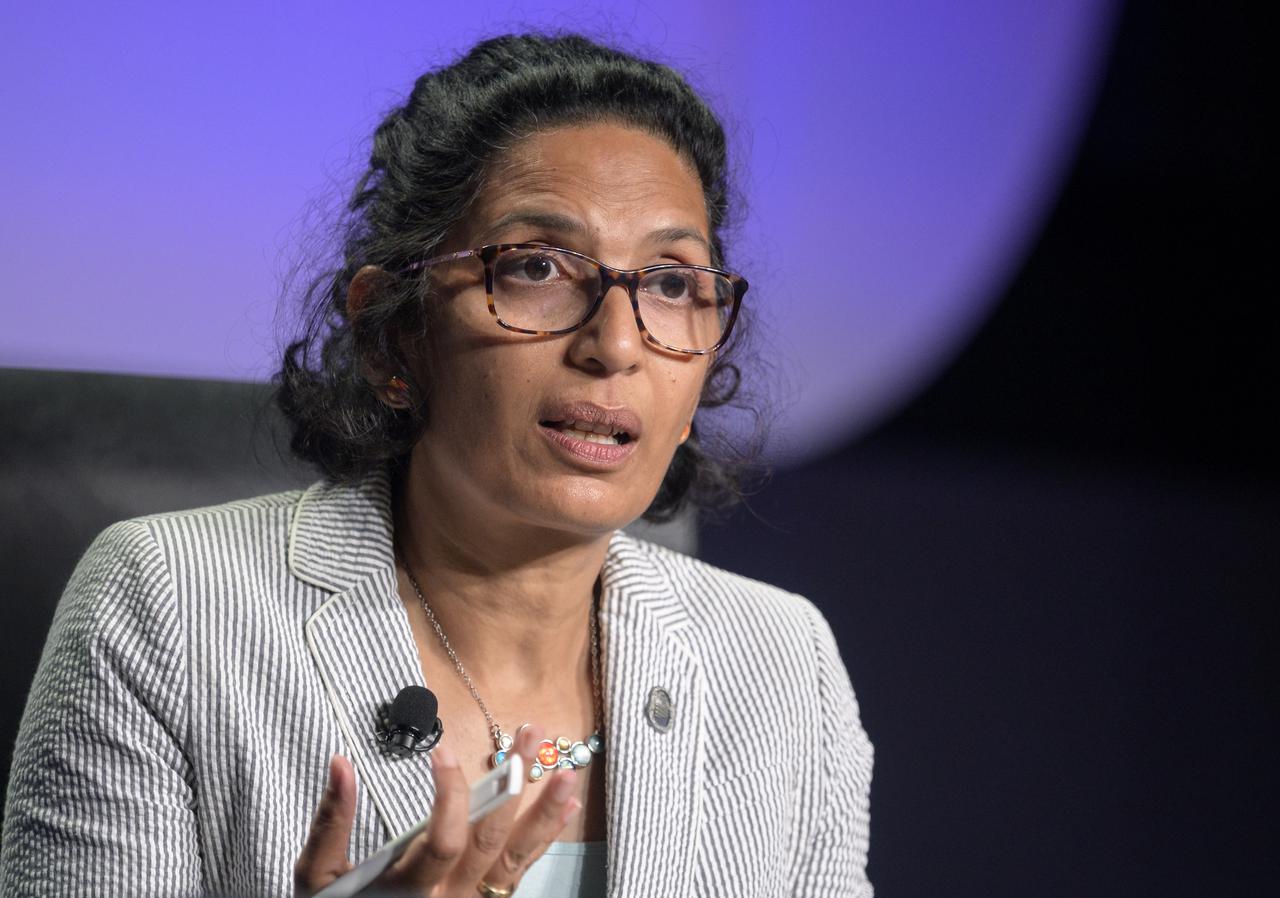
NASA Senior Advisor for Budget and Finance Bhavya Lal participates in a panel discussion titled “Technology Drives Exploration: Paving the Next Era of Space Exploration” during the 36th Space Symposium, Thursday, Aug. 26, 2021, in Colorado Springs, Colorado. Photo Credit: (NASA/Bill Ingalls)
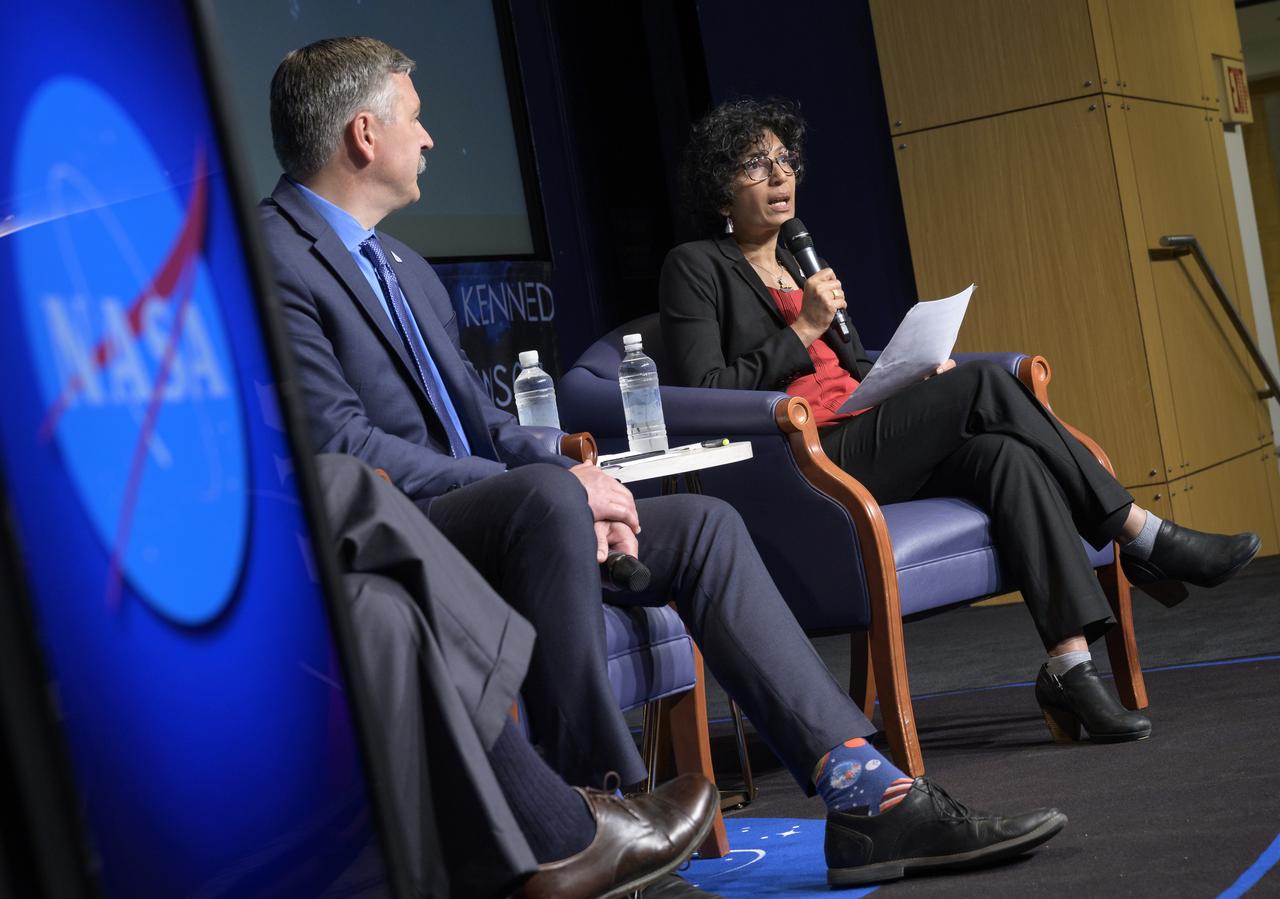
Bhavya Lal, associate administrator for technology, policy, and strategy at NASA Headquarters speaks during a NASA briefing on the Artemis I Moon mission, Wednesday, Aug. 3, 2022, at the Mary W. Jackson NASA Headquarters building in Washington. NASA’s Artemis I mission is the first integrated test of the agency’s deep space exploration systems: the Orion spacecraft, Space Launch System rocket, and supporting ground systems. Launch of the uncrewed flight test is targeted for no earlier than Monday, Aug. 29. Photo Credit: (NASA/Bill Ingalls)
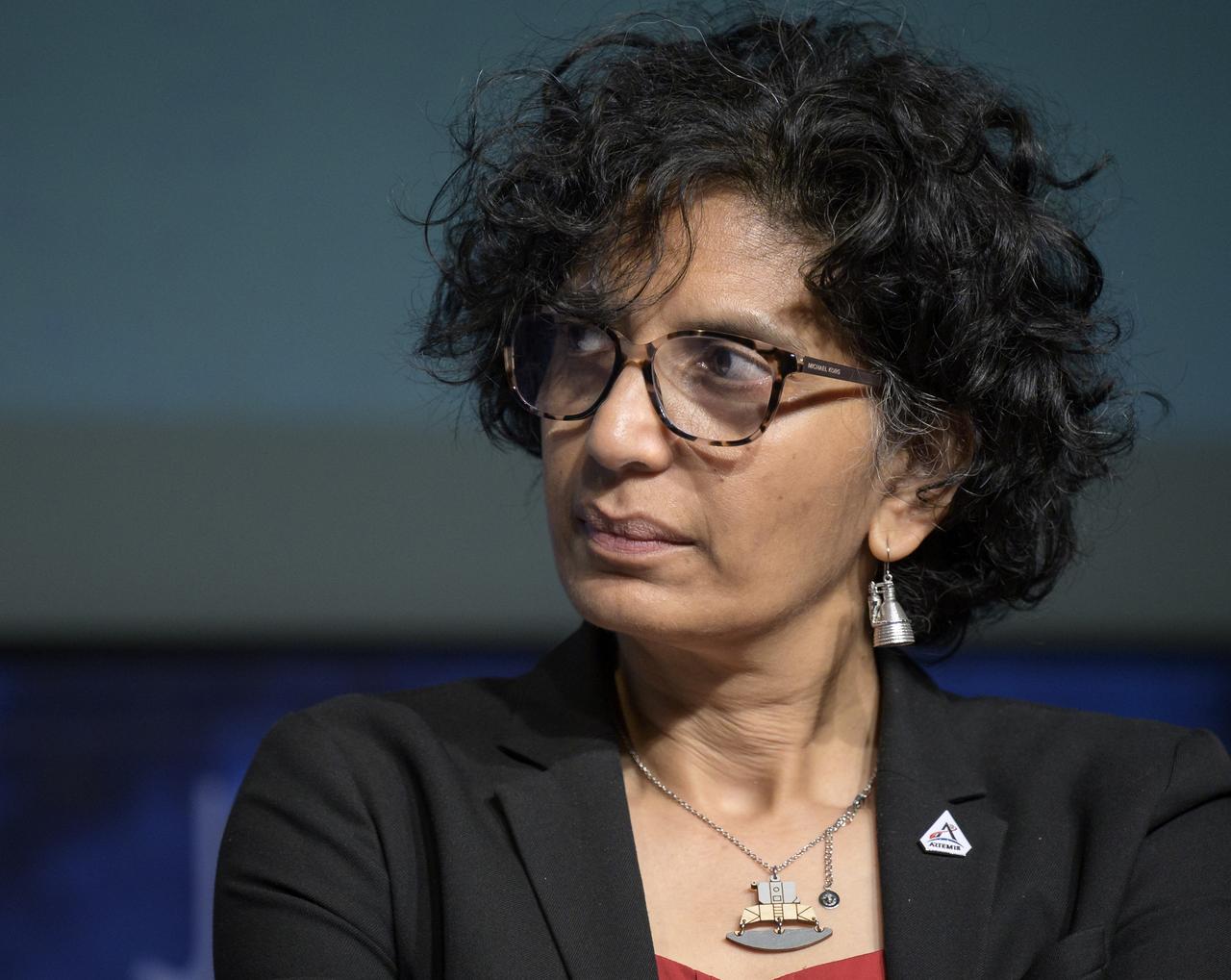
Bhavya Lal, associate administrator for technology, policy, and strategy at NASA Headquarters is seen during a NASA briefing on the Artemis I Moon mission, Wednesday, Aug. 3, 2022, at the Mary W. Jackson NASA Headquarters building in Washington. NASA’s Artemis I mission is the first integrated test of the agency’s deep space exploration systems: the Orion spacecraft, Space Launch System rocket, and supporting ground systems. Launch of the uncrewed flight test is targeted for no earlier than Monday, Aug. 29. Photo Credit: (NASA/Bill Ingalls)
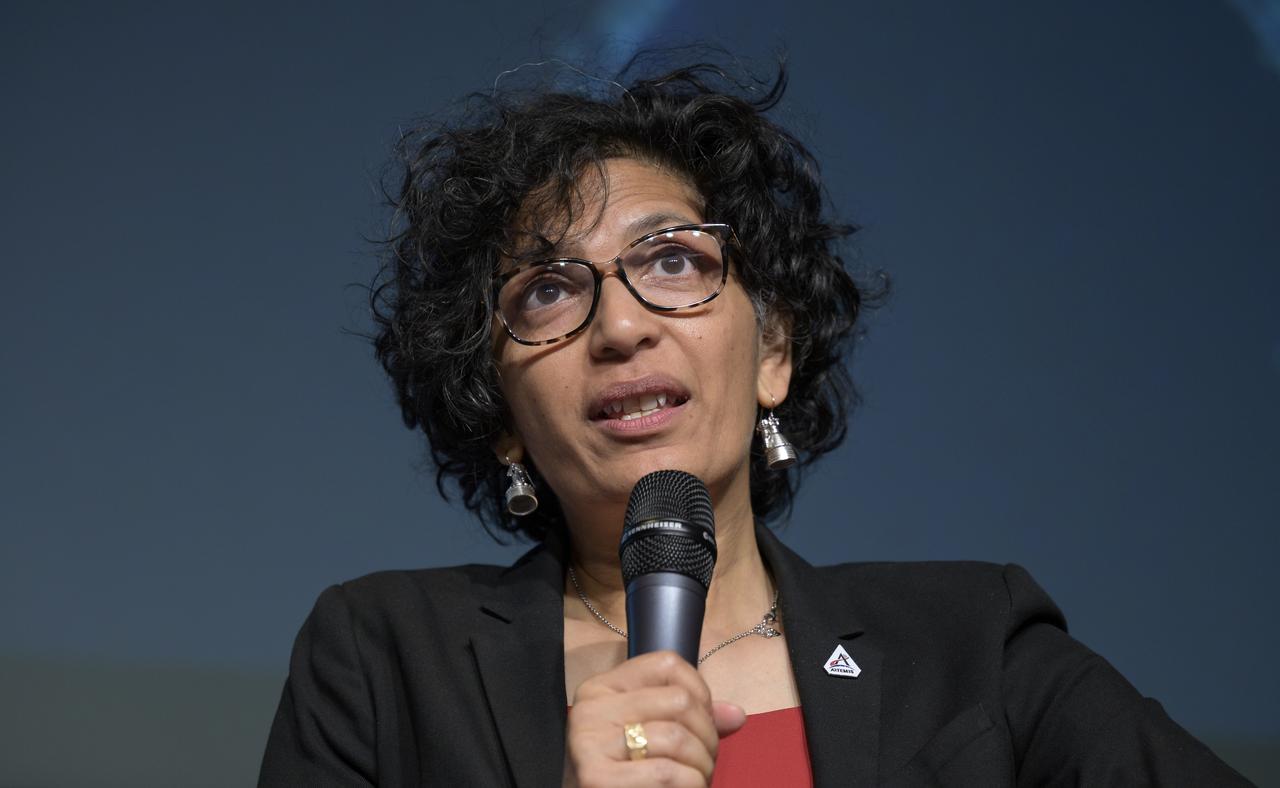
Bhavya Lal, associate administrator for technology, policy, and strategy at NASA Headquarters speaks during a NASA briefing on the Artemis I Moon mission, Wednesday, Aug. 3, 2022, at the Mary W. Jackson NASA Headquarters building in Washington. NASA’s Artemis I mission is the first integrated test of the agency’s deep space exploration systems: the Orion spacecraft, Space Launch System rocket, and supporting ground systems. Launch of the uncrewed flight test is targeted for no earlier than Monday, Aug. 29. Photo Credit: (NASA/Bill Ingalls)
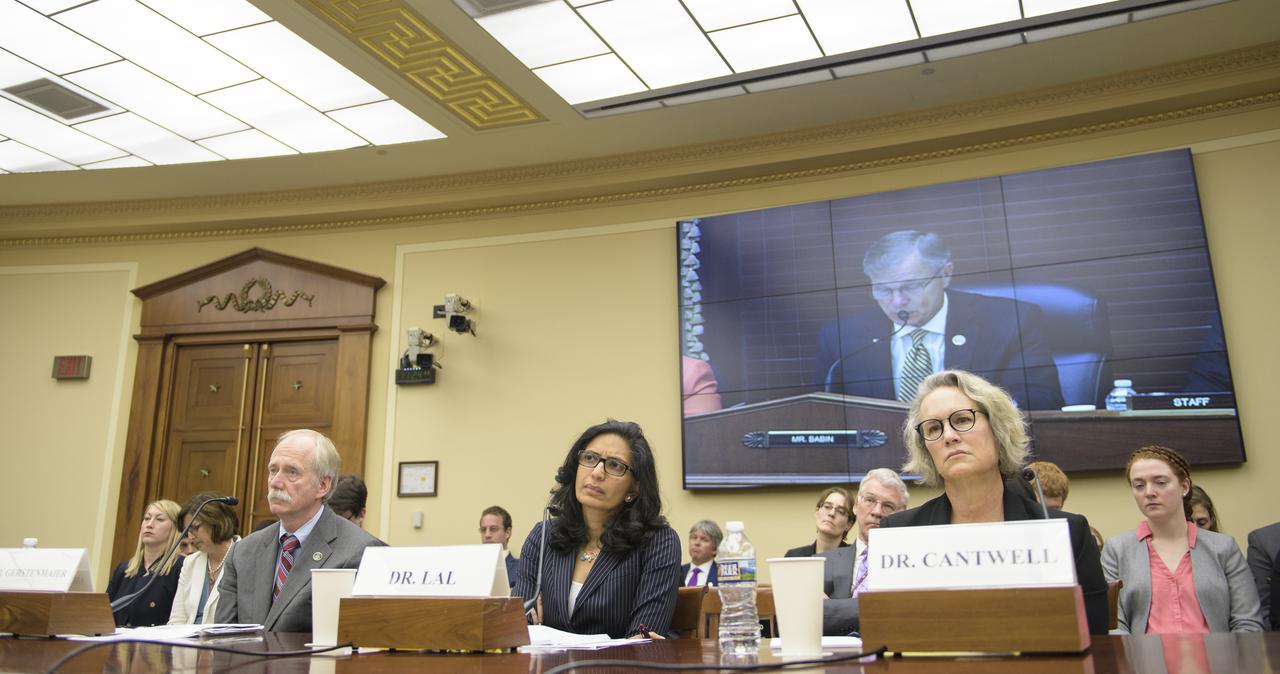
NASA Associate Administrator for the Human Exploration and Operations Mission Directorate William Gerstenmaier, left, Dr. Bhavya Lal, a researcher at the Institute for Defense Analysis's Science and Technology Policy Institute, center, and Dr. Elizabeth Cantwell, chief executive officer at the Arizona State University Research Enterprise, right, listen as Rep. Brian Babin, R-Texas, is seen on screen as he delivers an opening statement during a House Committee on Science, Space, and Technology hearing titled "America's Human Presence in Low-Earth Orbit" on Thursday, May 17, 2018 in the Rayburn House Office Building in Washington. Photo Credit: (NASA/Joel Kowsky)
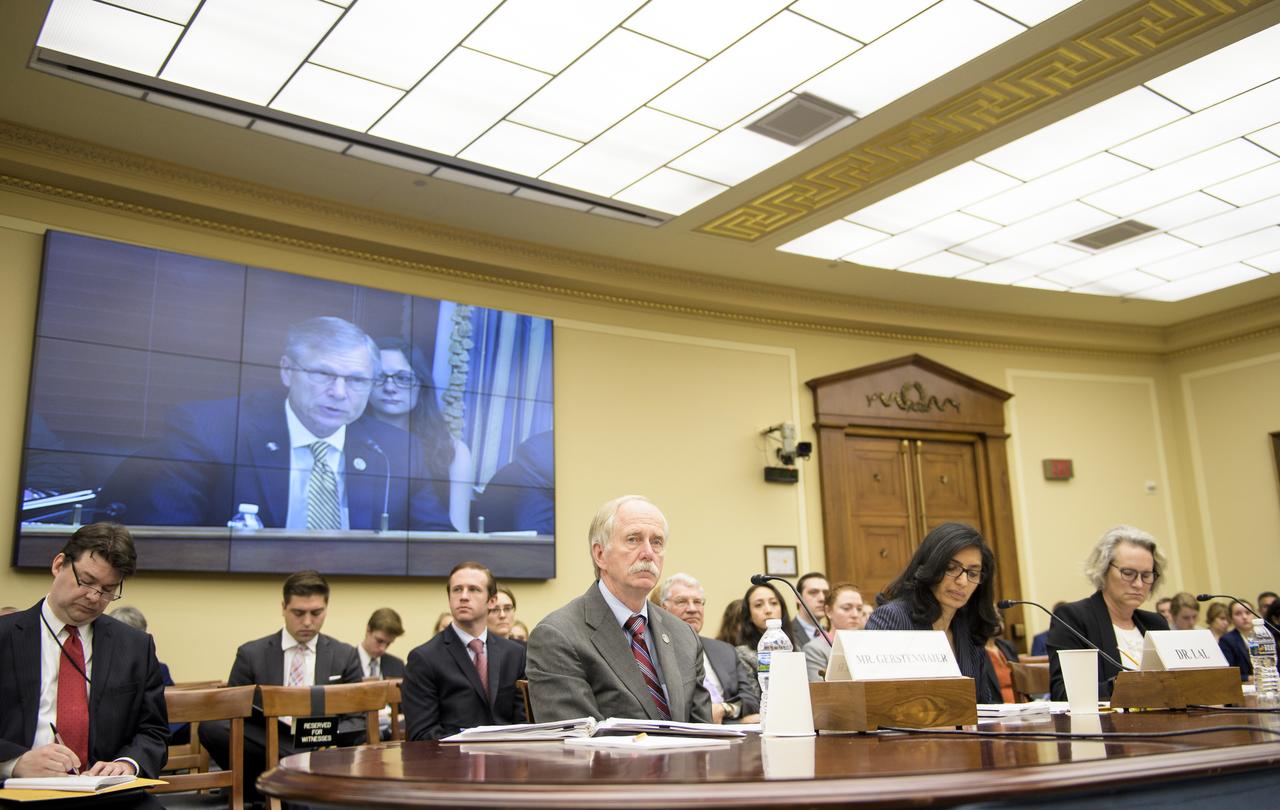
NASA Associate Administrator for the Human Exploration and Operations Mission Directorate William Gerstenmaier, left, Dr. Bhavya Lal, a researcher at the Institute for Defense Analysis's Science and Technology Policy Institute, center, and Dr. Elizabeth Cantwell, chief executive officer at the Arizona State University Research Enterprise, right, listen as Rep. Brian Babin, R-Texas, is seen on screen as he delivers an opening statement during a House Committee on Science, Space, and Technology hearing titled "America's Human Presence in Low-Earth Orbit" on Thursday, May 17, 2018 in the Rayburn House Office Building in Washington. Photo Credit: (NASA/Joel Kowsky)
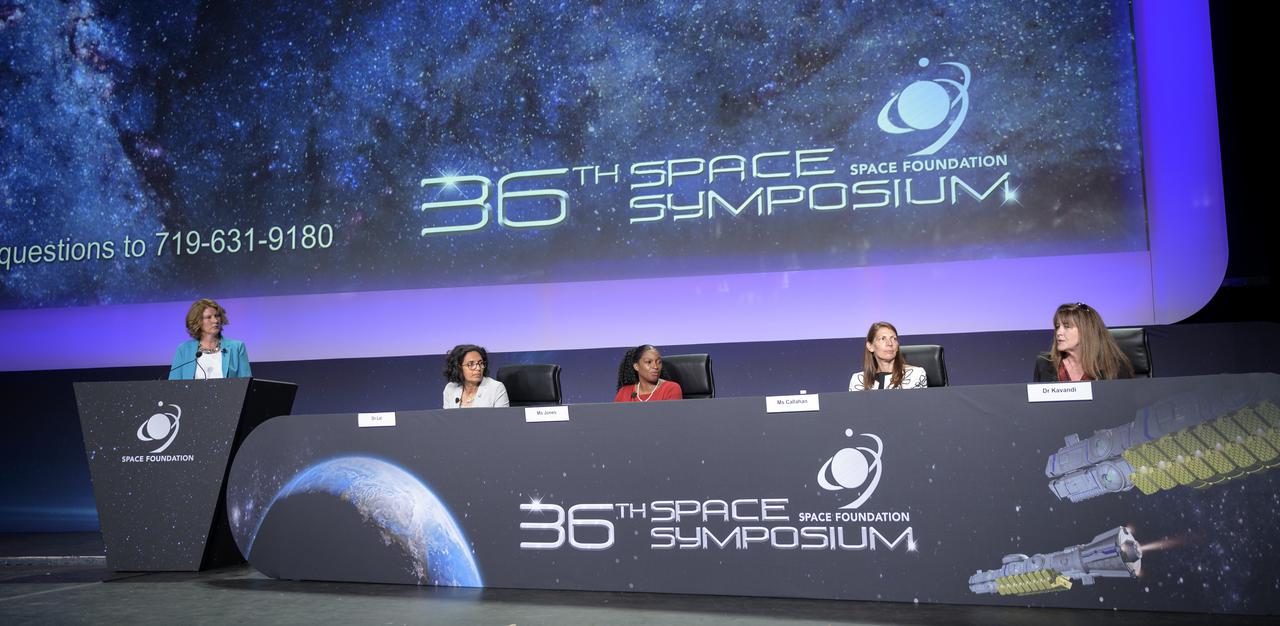
NASA Director of the Technology Demonstration Missions Program, Trudy Kortes moderates a panel discussion titled “Technology Drives Exploration: Paving the Next Era of Space Exploration” with NASA Senior Advisor for Budget and Finance Bhavya Lal; Director of the Program Management Office at MSI STEM Research and Development Consortium (MSRDC), Latonia Jones; Vice President and General Manager, Commercial Civil Space, Lockheed Martin Space, Lisa Callahan; and Executive Vice President, Sierra Space, Sierra Nevada Corporation, Janet Kavandi, right, during the 36th Space Symposium, Thursday, Aug. 26, 2021, in Colorado Springs, Colorado. Photo Credit: (NASA/Bill Ingalls)
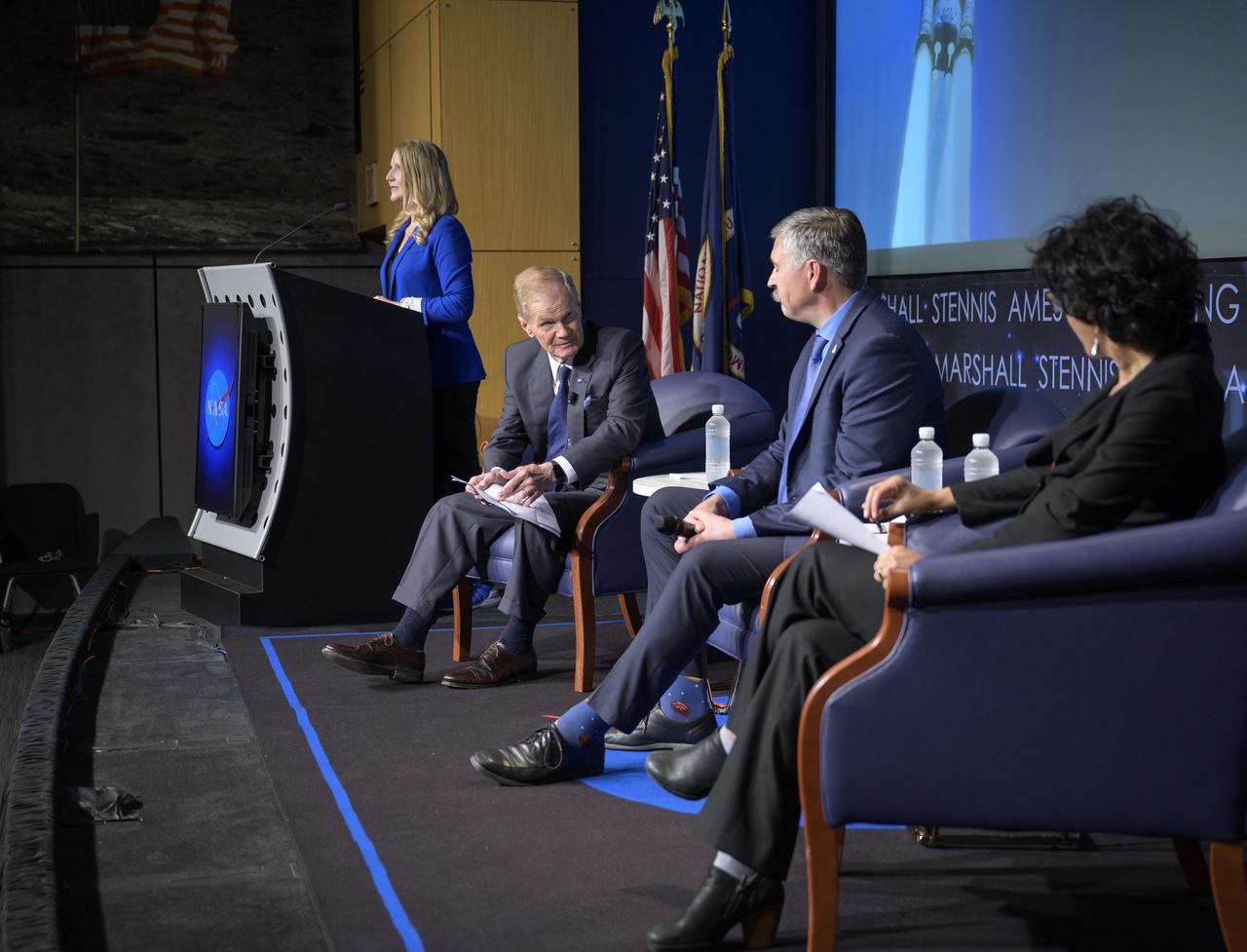
Stephanie Schierholz, a press secretary at NASA Headquarters, left, moderates a NASA briefing on the Artemis I Moon mission, with NASA Administrator Bill Nelson, Mike Sarafin, Artemis I mission manager at NASA Headquarters, and Bhavya Lal, associate administrator for technology, policy, and strategy at NASA Headquarters, right, Wednesday, Aug. 3, 2022, at the Mary W. Jackson NASA Headquarters building in Washington. Also participating remotely were Charlie Blackwell-Thompson, Artemis I launch director at NASA's Kennedy Space Center, John Honeycutt, Space Launch System (SLS) program manager at NASA's Marshall Space Flight Center, and Howard Hu, Orion program manager at NASA's Johnson Space Center. NASA’s Artemis I mission is the first integrated test of the agency’s deep space exploration systems: the Orion spacecraft, Space Launch System rocket, and supporting ground systems. Launch of the uncrewed flight test is targeted for no earlier than Monday, Aug. 29. Photo Credit: (NASA/Bill Ingalls)
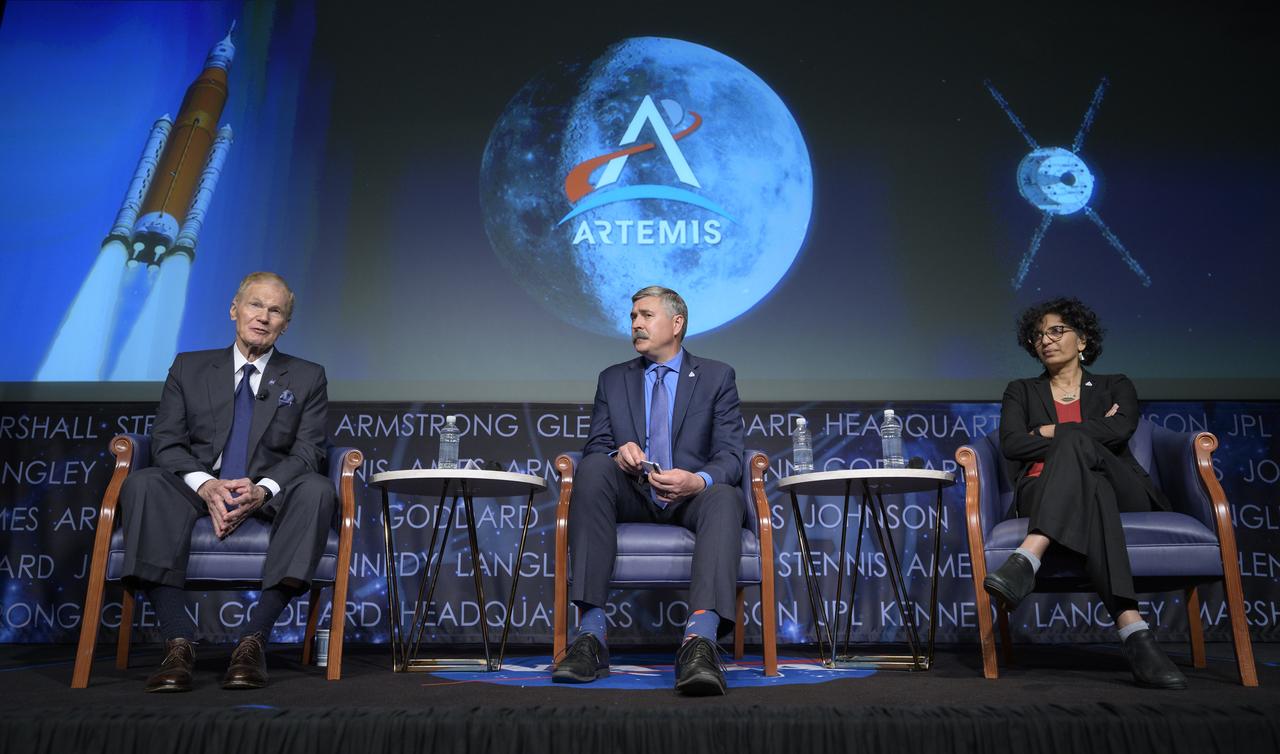
NASA Administrator Bill Nelson, left, Mike Sarafin, Artemis I mission manager at NASA Headquarters, and Bhavya Lal, associate administrator for technology, policy, and strategy at NASA Headquarters, right, are seen during a NASA briefing on the Artemis I Moon mission, Wednesday, Aug. 3, 2022, at the Mary W. Jackson NASA Headquarters building in Washington. Also participating remotely were Charlie Blackwell-Thompson, Artemis I launch director at NASA's Kennedy Space Center, John Honeycutt, Space Launch System (SLS) program manager at NASA's Marshall Space Flight Center, and Howard Hu, Orion program manager at NASA's Johnson Space Center. NASA’s Artemis I mission is the first integrated test of the agency’s deep space exploration systems: the Orion spacecraft, Space Launch System rocket, and supporting ground systems. Launch of the uncrewed flight test is targeted for no earlier than Monday, Aug. 29. Photo Credit: (NASA/Bill Ingalls)
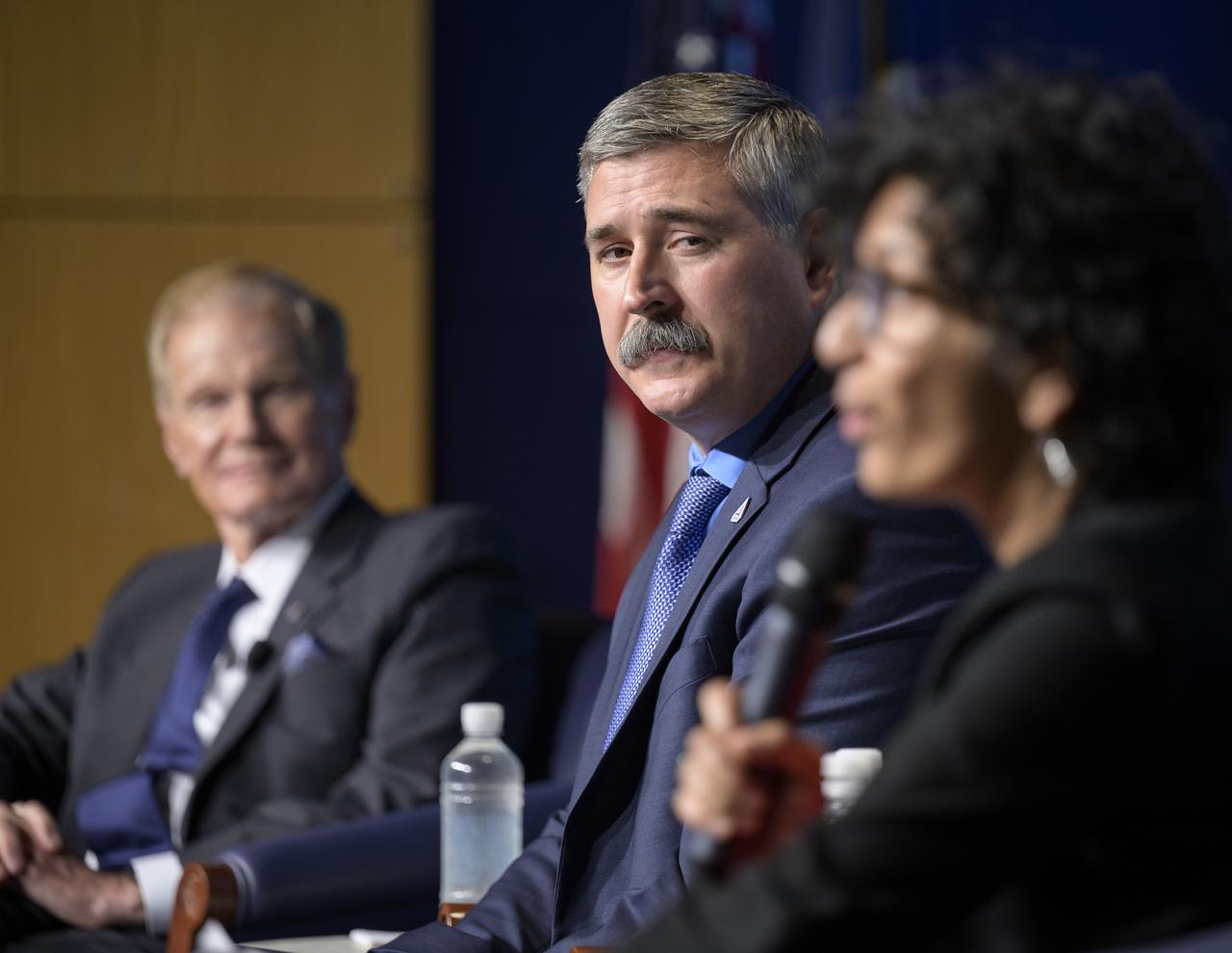
Mike Sarafin, Artemis I mission manager at NASA Headquarters listens as Bhavya Lal, associate administrator for technology, policy, and strategy at NASA Headquarters speaks during a NASA briefing on the Artemis I Moon mission, Wednesday, Aug. 3, 2022, at the Mary W. Jackson NASA Headquarters building in Washington. NASA’s Artemis I mission is the first integrated test of the agency’s deep space exploration systems: the Orion spacecraft, Space Launch System rocket, and supporting ground systems. Launch of the uncrewed flight test is targeted for no earlier than Monday, Aug. 29. Photo Credit: (NASA/Bill Ingalls)
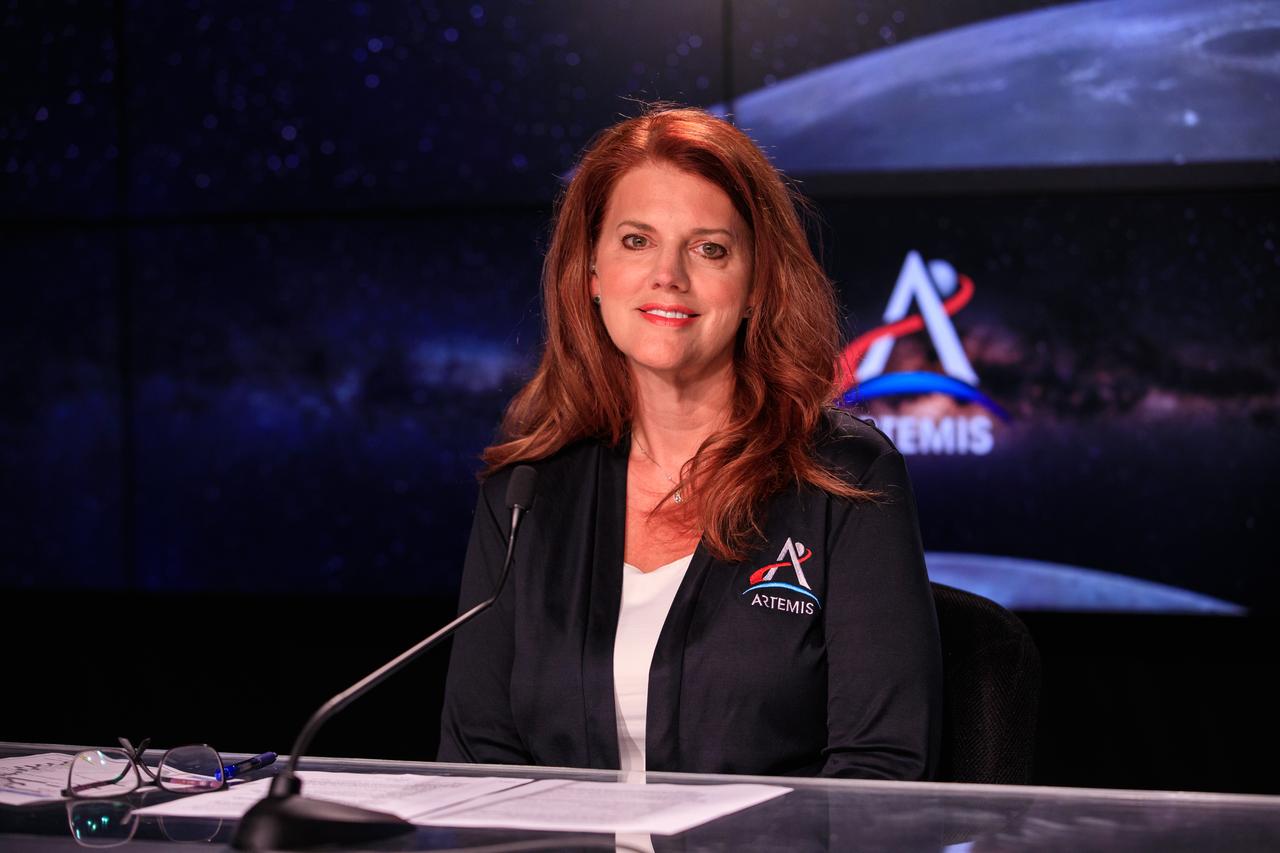
Launch Director Charlie Blackwell-Thompson participates in an Artemis I mission overview briefing inside the Press Site auditorium at NASA’s Kennedy Space Center in Florida on Aug. 3, 2022. Also participating in the briefing from various locations were NASA Administrator Bill Nelson; Associate Administrator for Technology, Policy, and Strategy Bhavya Lal; Mission Manager Mike Sarafin; Space Launch System (SLS) Program Manager John Honeycutt; and Orion Program Manager Howard Hu. The first in an increasingly complex series of missions, Artemis I will test the SLS rocket and Orion spacecraft as an integrated system prior to crewed flights to the Moon. Through Artemis, NASA will land the first woman and first person of color on the lunar surface, paving the way for long-term lunar presence and serving as a steppingstone before venturing to Mars.
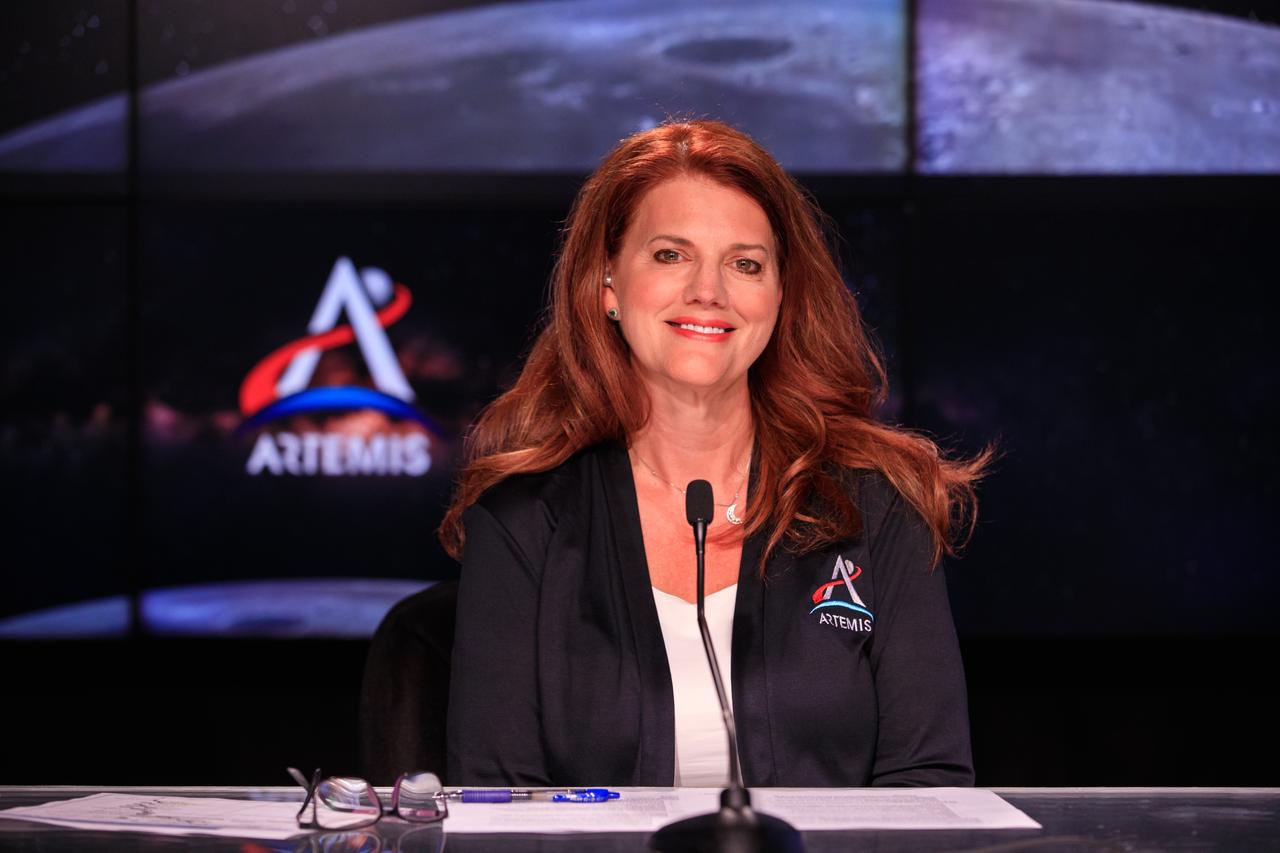
Launch Director Charlie Blackwell-Thompson participates in an Artemis I mission overview briefing inside the Press Site auditorium at NASA’s Kennedy Space Center in Florida on Aug. 3, 2022. Also participating in the briefing from various locations were NASA Administrator Bill Nelson; Associate Administrator for Technology, Policy, and Strategy Bhavya Lal; Mission Manager Mike Sarafin; Space Launch System (SLS) Program Manager John Honeycutt; and Orion Program Manager Howard Hu. The first in an increasingly complex series of missions, Artemis I will test the SLS rocket and Orion spacecraft as an integrated system prior to crewed flights to the Moon. Through Artemis, NASA will land the first woman and first person of color on the lunar surface, paving the way for long-term lunar presence and serving as a steppingstone before venturing to Mars.

Bhavya Lal, NASA associate administrator for technology, policy and strategy, participates in a prelaunch media briefing on the agency’s Moon to Mars exploration plans on Aug. 27, 2022, at NASA’s Kennedy Space Center in Florida, as the clock counts down to the launch of Artemis I scheduled for Aug. 29, at 8:33 a.m. EDT from Kennedy’s Launch Complex 39B. The first in a series of increasingly complex missions, Artemis I will provide a foundation for human deep space exploration and demonstrate our commitment and capability to extend human presence to the Moon and beyond. The primary goal of Artemis I is to thoroughly test the integrated systems before crewed missions by operating the spacecraft in a deep space environment, testing Orion’s heat shield, and recovering the crew module after reentry, descent, and splashdown.
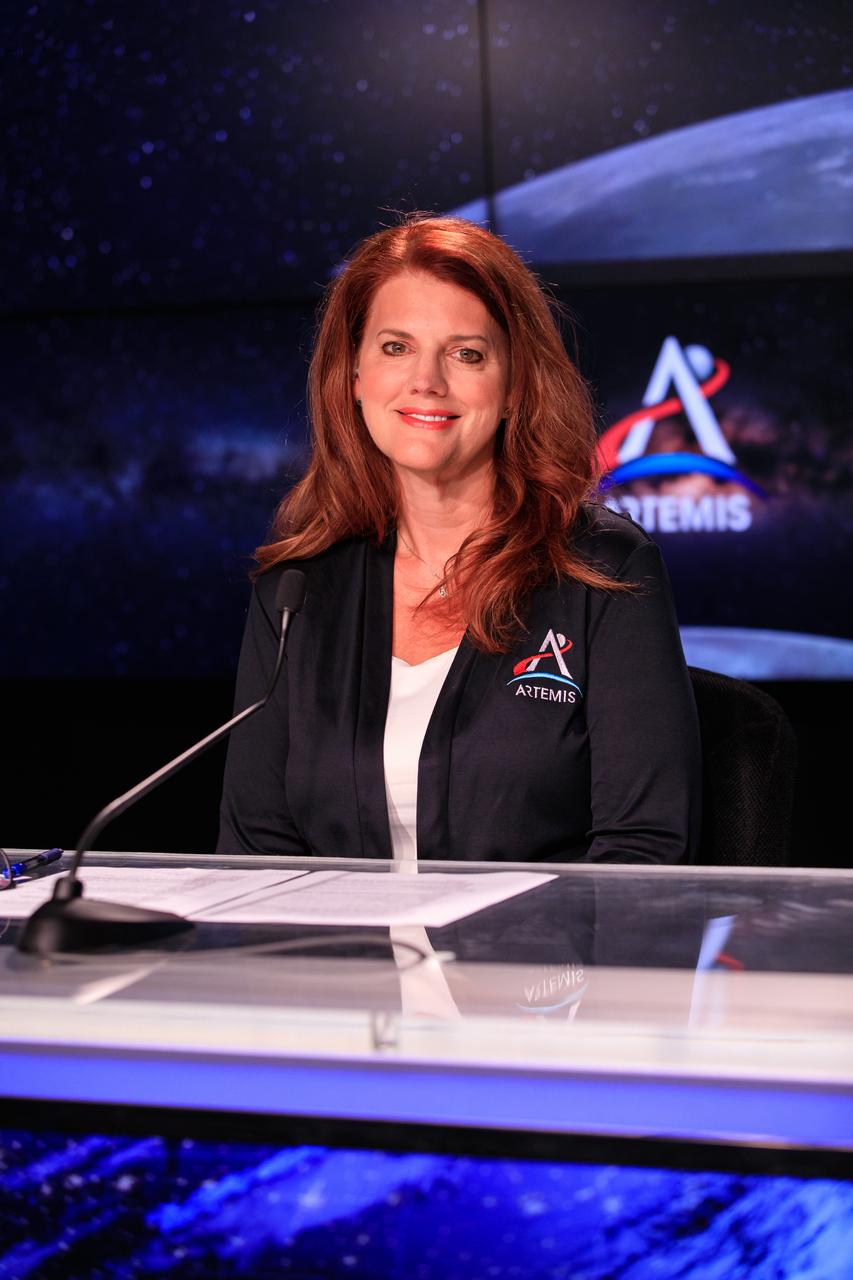
Launch Director Charlie Blackwell-Thompson participates in an Artemis I mission overview briefing inside the Press Site auditorium at NASA’s Kennedy Space Center in Florida on Aug. 3, 2022. Also participating in the briefing from various locations were NASA Administrator Bill Nelson; Associate Administrator for Technology, Policy, and Strategy Bhavya Lal; Mission Manager Mike Sarafin; Space Launch System (SLS) Program Manager John Honeycutt; and Orion Program Manager Howard Hu. The first in an increasingly complex series of missions, Artemis I will test the SLS rocket and Orion spacecraft as an integrated system prior to crewed flights to the Moon. Through Artemis, NASA will land the first woman and first person of color on the lunar surface, paving the way for long-term lunar presence and serving as a steppingstone before venturing to Mars.
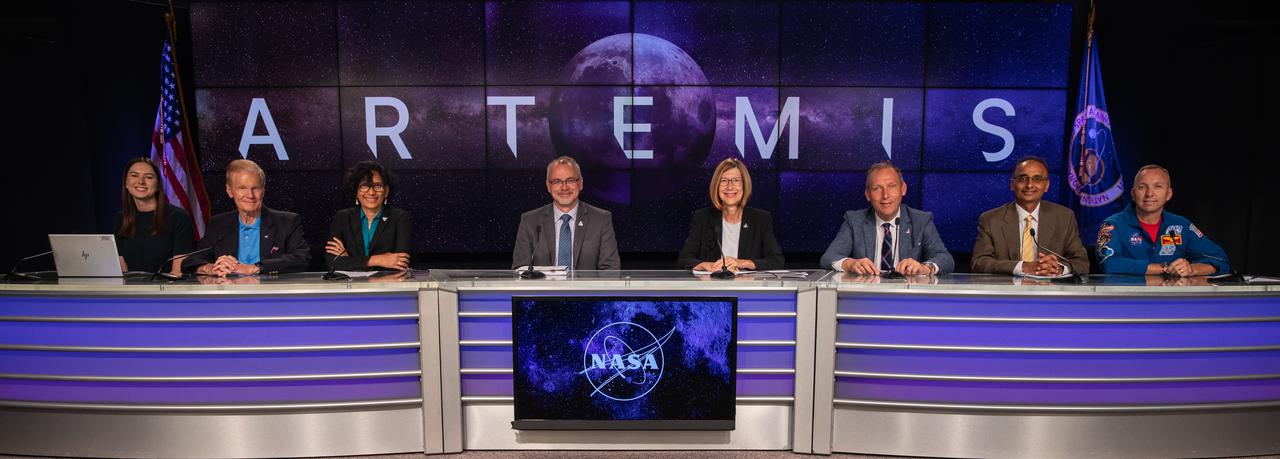
NASA holds a prelaunch media briefing on the agency’s Moon to Mars exploration plans on Aug. 27, 2022, at the agency’s Kennedy Space Center in Florida, as the clock counts down to the launch of Artemis I scheduled for Aug. 29, at 8:33 a.m. EDT from Kennedy’s Launch Complex 39B. From left, are Jackie McGuinness, NASA press secretary; Bill Nelson, NASA administrator; Bhavya Lal, NASA associate administrator for technology, policy and strategy; Jim Free, NASA associate administrator, Exploration Systems Development Mission Directorate; Kathy Lueders, NASA associate administrator, Space Operations Mission Directorate; Thomas Zurbuchen, NASA associate administrator, Science Mission Directorate; Prasun Desai, NASA deputy associate administrator, Space Technology Mission Directorate; and Randy Bresnik, NASA astronaut. The first in a series of increasingly complex missions, Artemis I will provide a foundation for human deep space exploration and demonstrate our commitment and capability to extend human presence to the Moon and beyond. The primary goal of Artemis I is to thoroughly test the integrated systems before crewed missions by operating the spacecraft in a deep space environment, testing Orion’s heat shield, and recovering the crew module after reentry, descent, and splashdown.
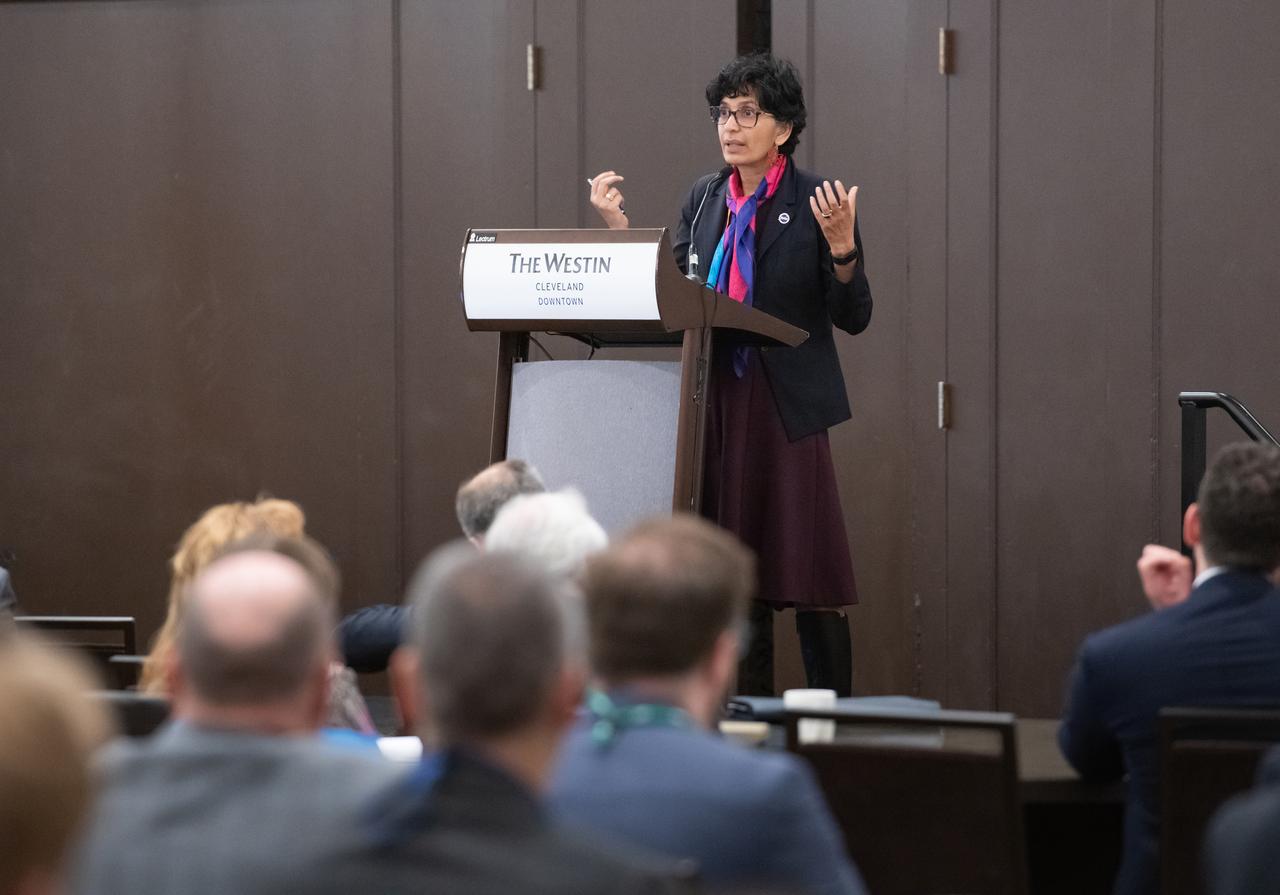
Nuclear Emerging Technologies for Space, NETS 2022 Conference
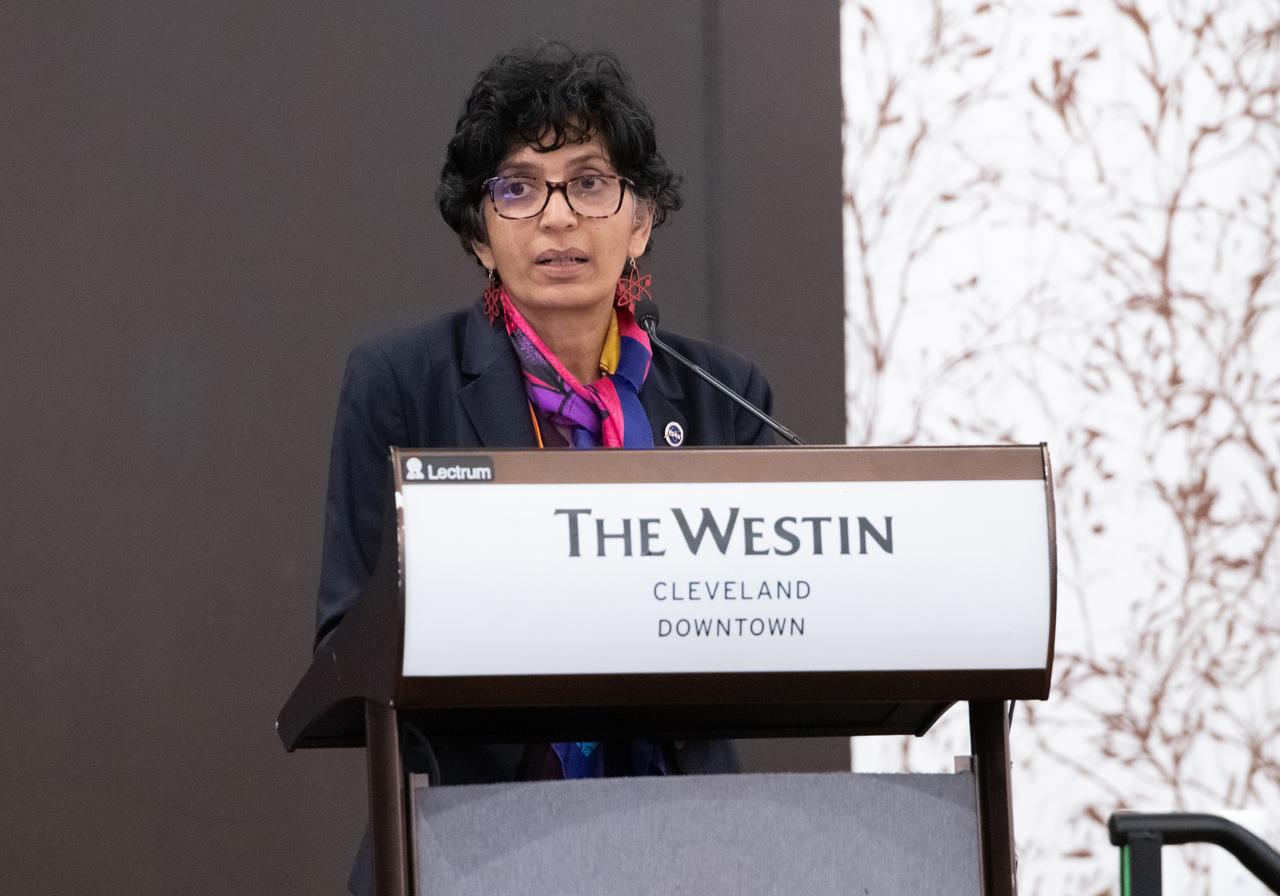
Nuclear Emerging Technologies for Space, NETS 2022 Conference
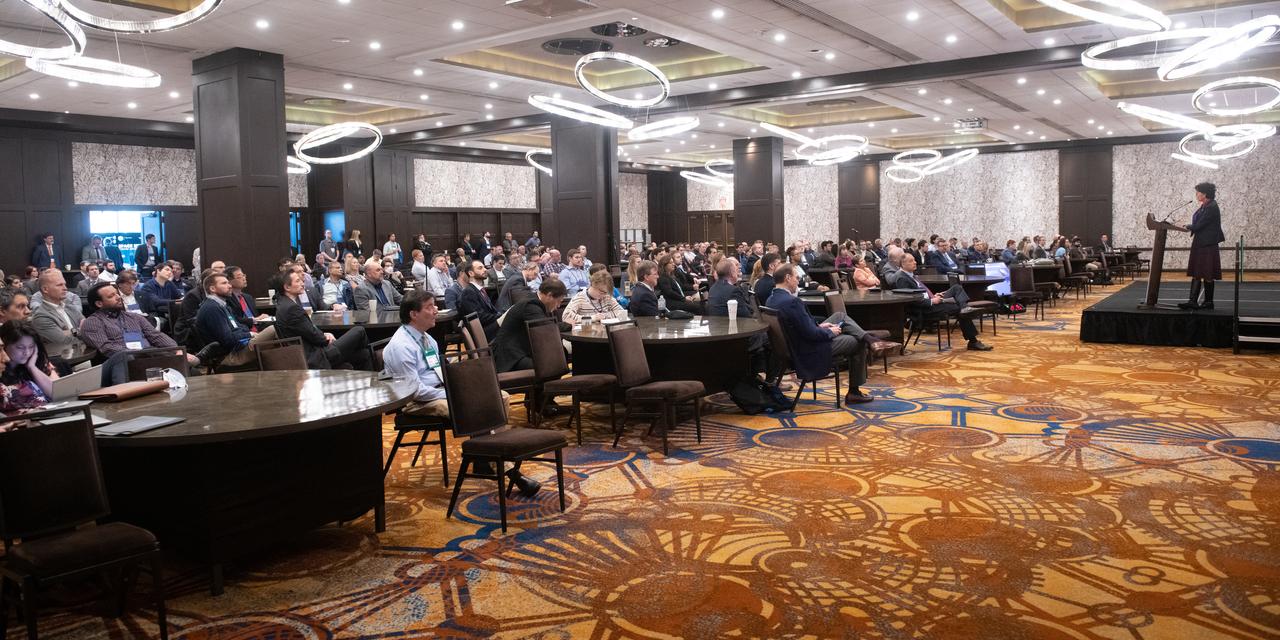
Nuclear Emerging Technologies for Space, NETS 2022 Conference
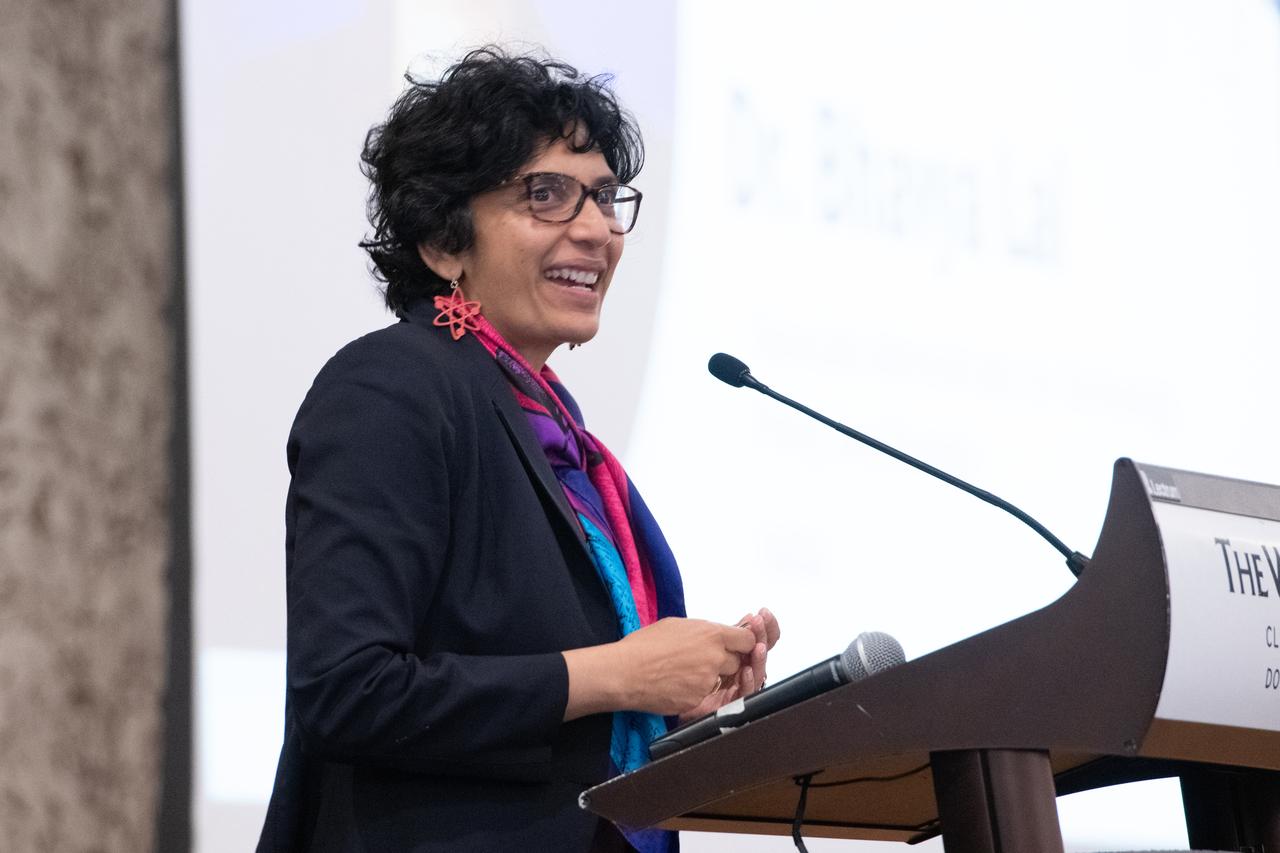
Nuclear Emerging Technologies for Space, NETS 2022 Conference
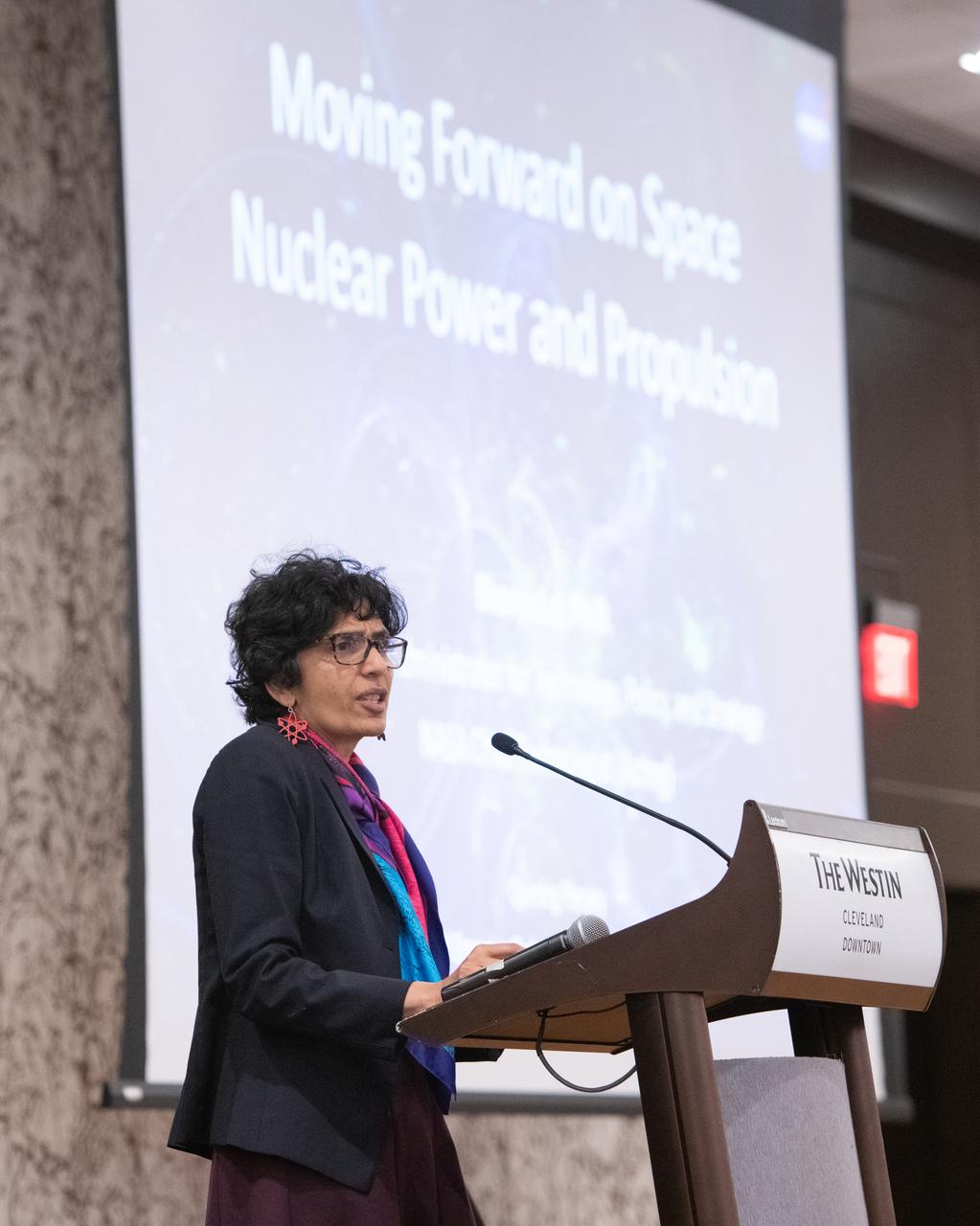
Nuclear Emerging Technologies for Space, NETS 2022 Conference
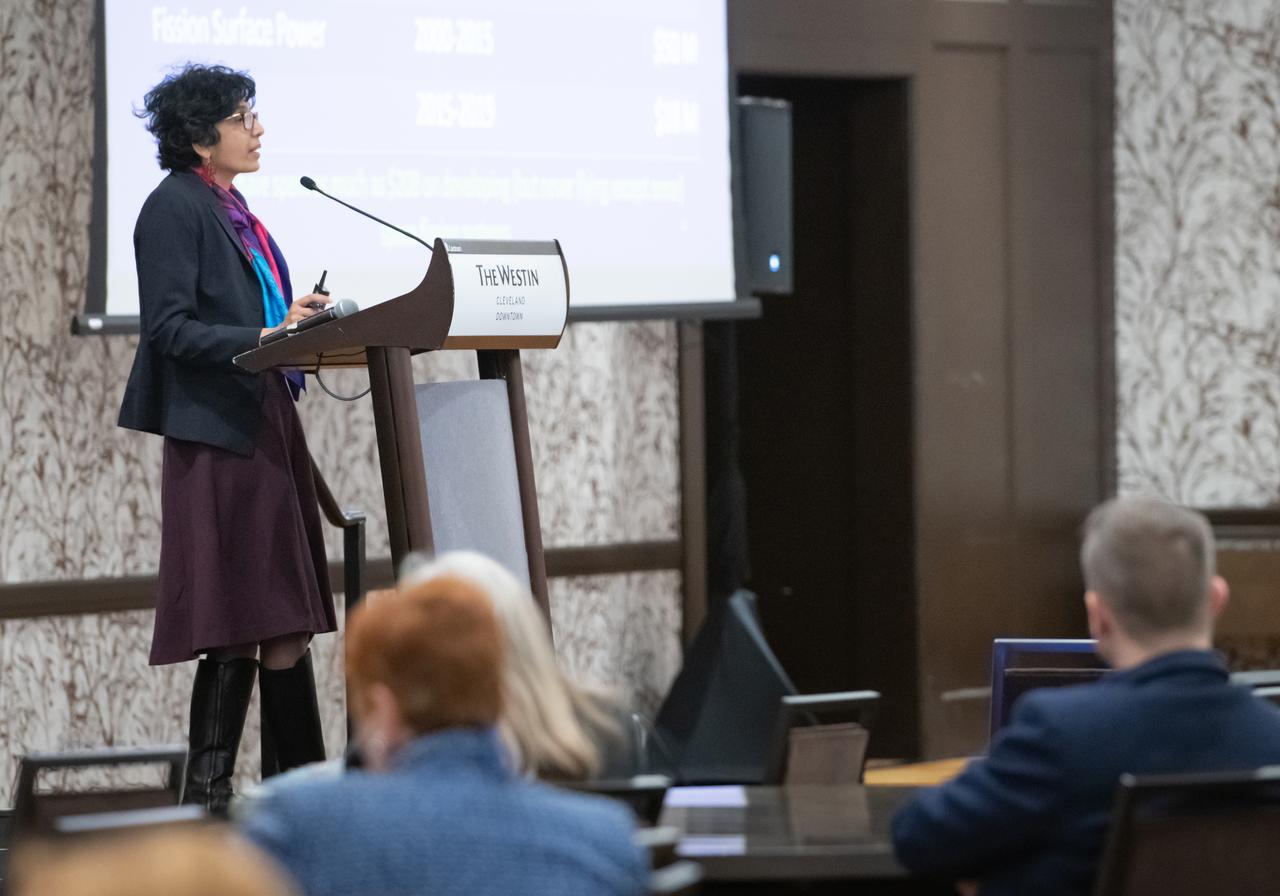
Nuclear Emerging Technologies for Space, NETS 2022 Conference
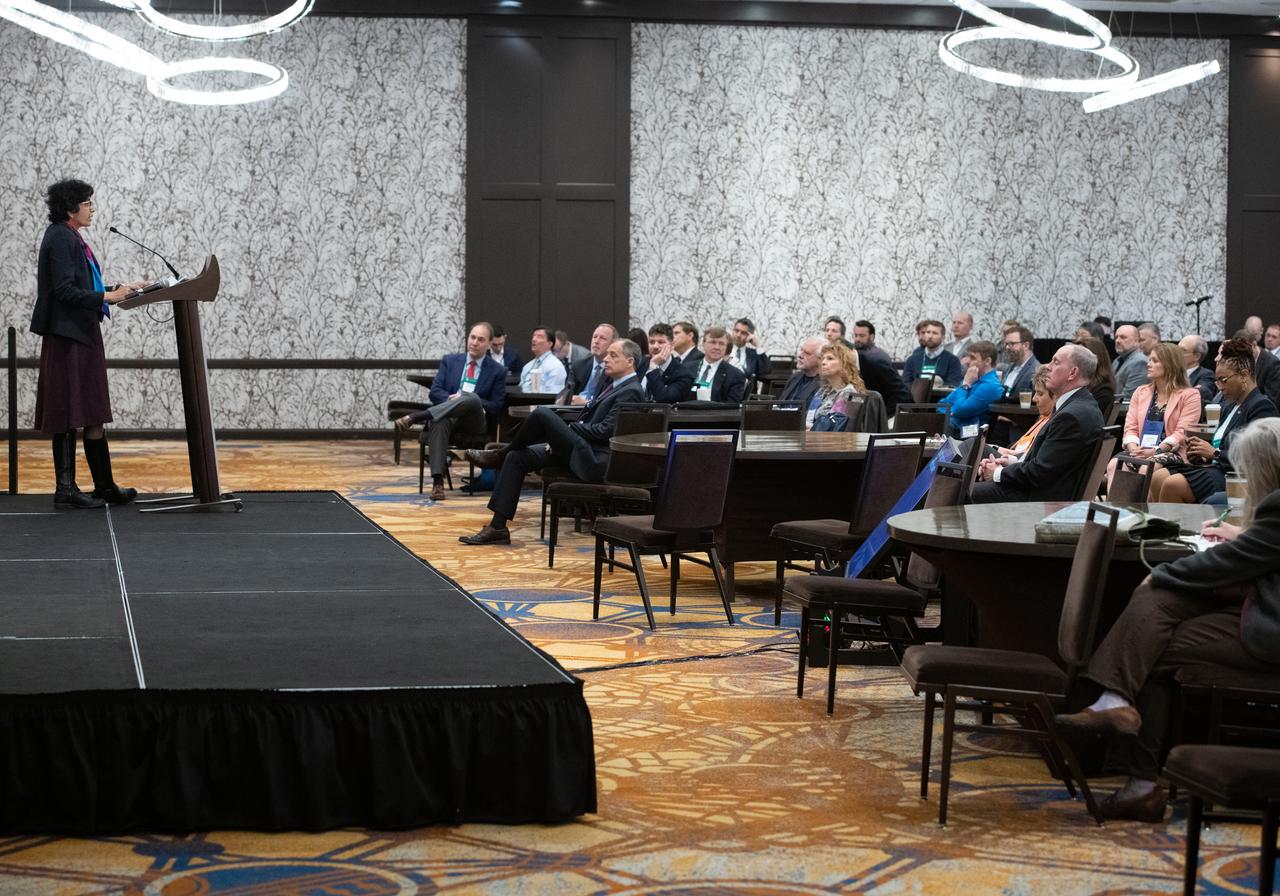
Nuclear Emerging Technologies for Space, NETS 2022 Conference
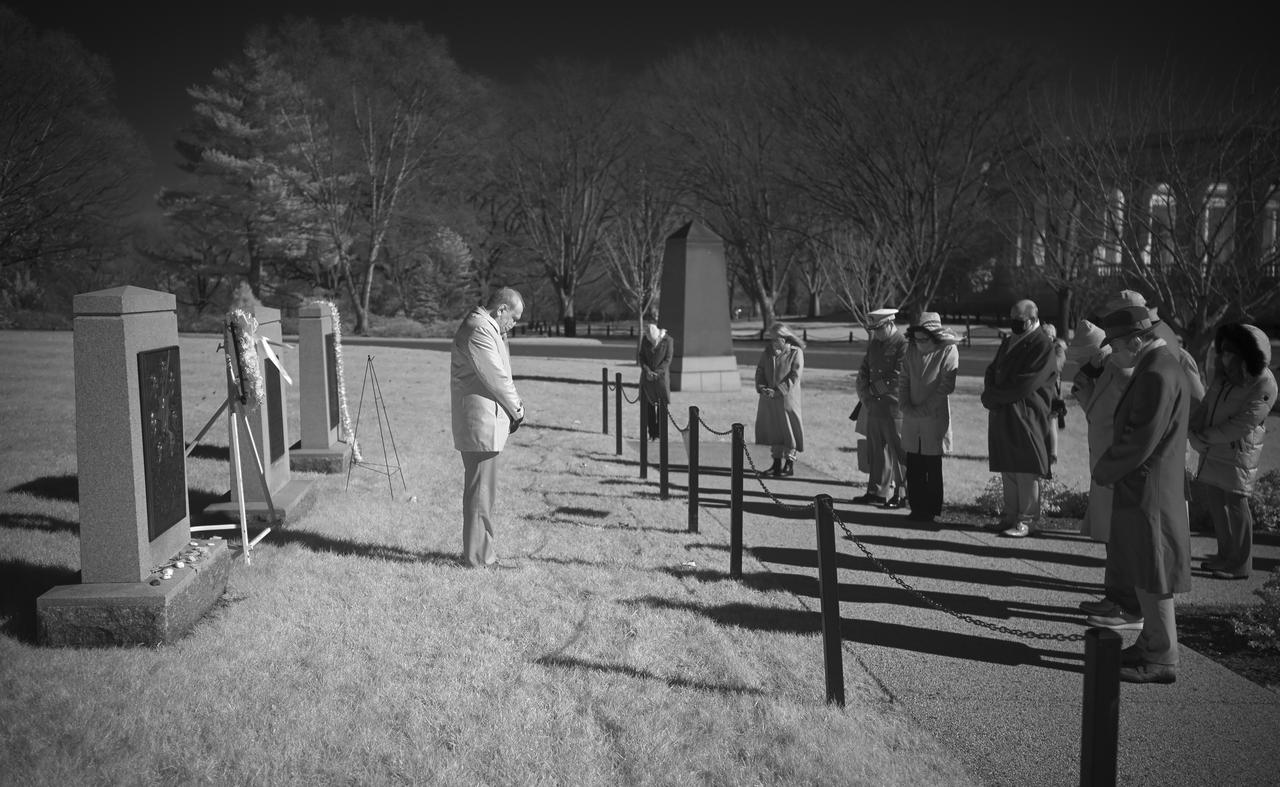
Acting NASA Administrator Steve Jurczyk, NASA personnel and others are seen in this black and white infrared photograph as they observe a moment of silence during a wreath laying ceremony as part of NASA's Day of Remembrance, Thursday, Jan. 28, 2021, at Arlington National Cemetery in Arlington, Va. The wreaths were laid in memory of those men and women who lost their lives in the quest for space exploration. Photo Credit: (NASA/Bill Ingalls)
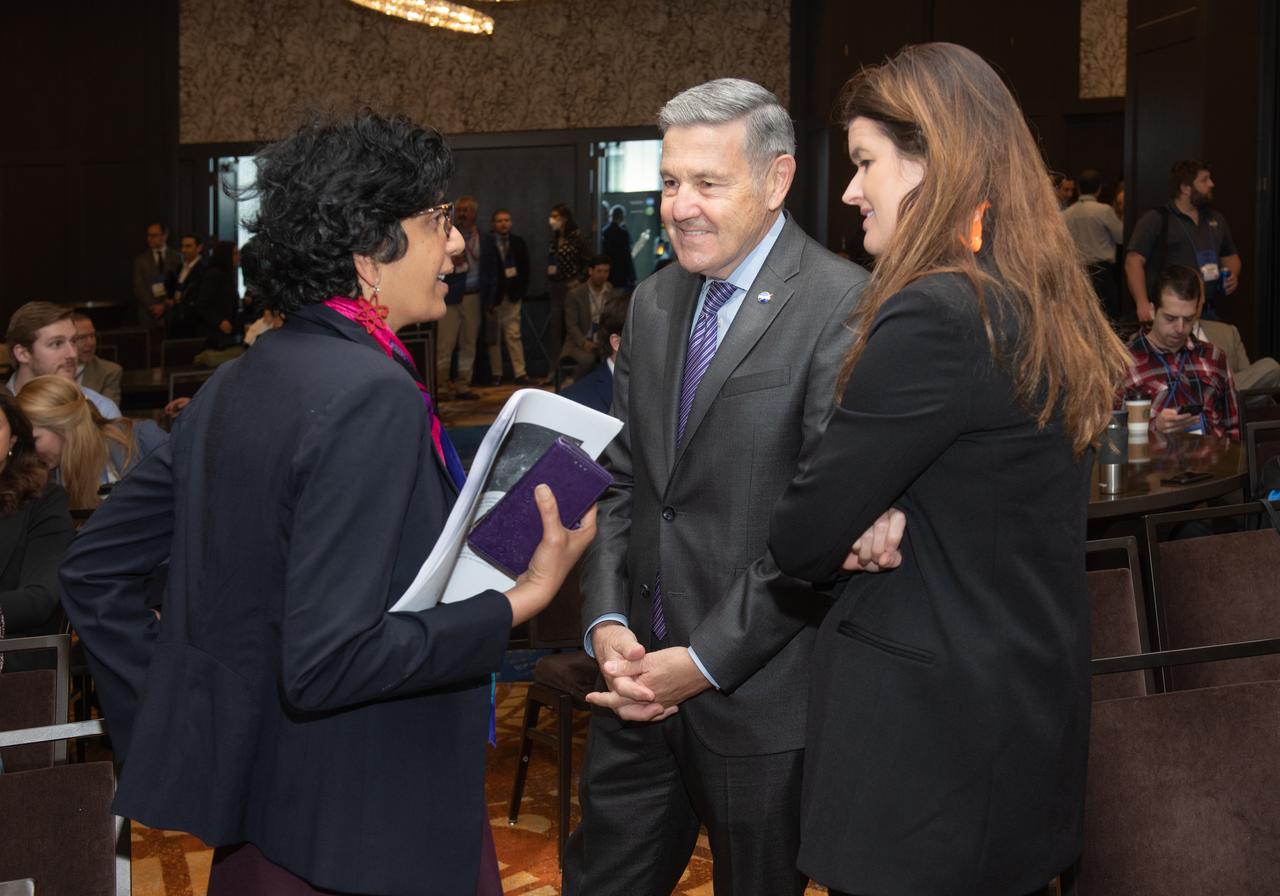
Nuclear Emerging Technologies for Space, NETS 2022 Conference
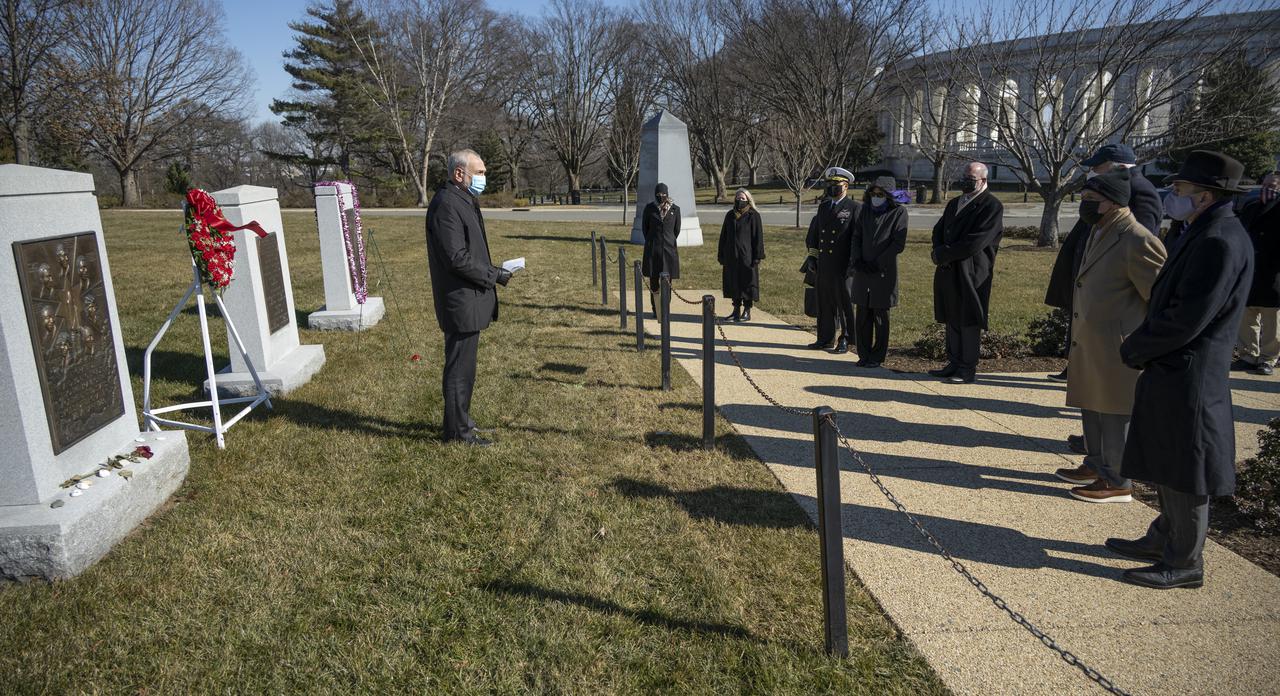
Acting NASA Administrator Steve Jurczyk speaks to NASA personnel and others during a wreath laying ceremony as part of NASA's Day of Remembrance, Thursday, Jan. 28, 2021, at Arlington National Cemetery in Arlington, Va. The wreaths were laid in memory of those men and women who lost their lives in the quest for space exploration. Photo Credit: (NASA/Bill Ingalls)

NASA personnel watch as a wreath is laid at the Tomb of the Unknowns by acting NASA Administrator Steve Jurczyk as part of NASA's Day of Remembrance, Thursday, Jan. 28, 2021, at Arlington National Cemetery in Arlington, Va. The wreaths were laid in memory of those men and women who lost their lives in the quest for space exploration. Photo Credit: (NASA/Bill Ingalls)

NASA personnel watch the guard-change ceremony at the Tomb of the Unknowns by as part of NASA's Day of Remembrance, Thursday, Jan. 28, 2021, at Arlington National Cemetery in Arlington, Va. Wreaths were laid in memory of those men and women who lost their lives in the quest for space exploration. Photo Credit: (NASA/Bill Ingalls)
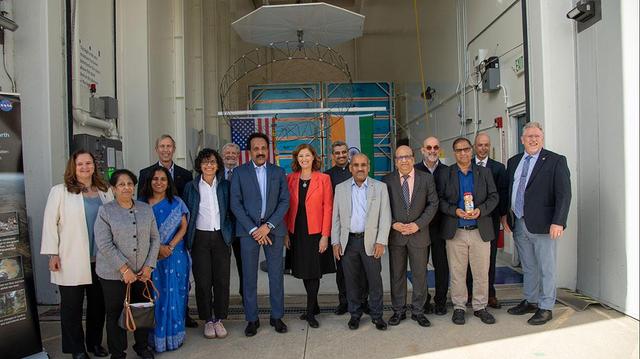
Officials from NASA, the Indian Space Research Organization (ISRO), and the Embassy of India hold a send-off ceremony for the NASA-ISRO Synthetic Aperture Radar (NISAR) science instrument payload on Feb. 3, 2023, outside a clean room at NASA's Jet Propulsion Laboratory in Southern California. The payload is scheduled to be shipped to India in March. Pictured left to right: Karen St. Germain, director, Earth Science Division, NASA; Mitra Dutta, NISAR program executive, NASA; Sripriya Ranganathan, ambassador and deputy chief of mission, Indian Embassy; Larry James, deputy director, JPL; Bhavya Lal, associate administrator for technology, policy, and strategy, NASA; Jim Graf, director, Earth Science and Technology Directorate, JPL; S. Somanath, chairman, ISRO; Laurie Leshin, director, JPL; Krunal Joshi, counselor, space and ISRO technical liaison officer, Indian Embassy; M. Sankaran, director, U R Rao Satellite Centre, ISRO; Shantanu Bhatawdekar, scientific secretary, ISRO; Paul Rosen, NISAR project scientist, JPL; CV Shrikant, NISAR project director, ISRO; Phil Barela, NISAR project manager, JPL; and Gerald Bawden, NISAR program scientist, NASA. NISAR – a joint effort between NASA and ISRO – will measure changes to Earth's land ice surfaces down to fractions of an inch. Data collected by this satellite will help researchers monitor a wide range of changes critical to life on Earth in unprecedented detail. This includes spotting warning signs of imminent volcanic eruptions, helping to monitor groundwater supplies, tracking the melt rate of ice sheets tied to sea level rise, and observing shifts in the distribution of vegetation around the world. The data will inform humanity's responses to urgent challenges posed by natural disasters and climate change, and help communities prepare for and manage hazards. There are two instruments on the satellite that will send and receive radar signals to and from Earth's surface to make the mission's measurements. An L-band synthetic aperture radar (SAR), which uses a signal wavelength of around 9 inches (24 centimeters), and an S-band SAR with a signal wavelength of nearly 5 inches (12 centimeters). Both will bounce their microwave signal off of the planet's surface and record how long it takes the signal to make one roundtrip, as well as the strength of that return signal. This enables the researchers to calculate the distance from the spacecraft to Earth's surface and thereby determine how the land or ice is changing. An antenna reflector nearly 40 feet (12 meters) in diameter, supported by a deployable boom, will focus the microwave signals sent and received by the SARs. JPL, which is managed for NASA by Caltech in Pasadena, leads the U.S. component of NISAR and is providing the mission's L-band SAR instrument. NASA is also providing the radar reflector antenna, the deployable boom, a high-rate communication subsystem for science data, GPS receivers, a solid-state recorder, and payload data subsystem. ISRO is providing the spacecraft bus, the S-band SAR, the launch vehicle, and associated launch services and satellite mission operations. https://photojournal.jpl.nasa.gov/catalog/PIA25600