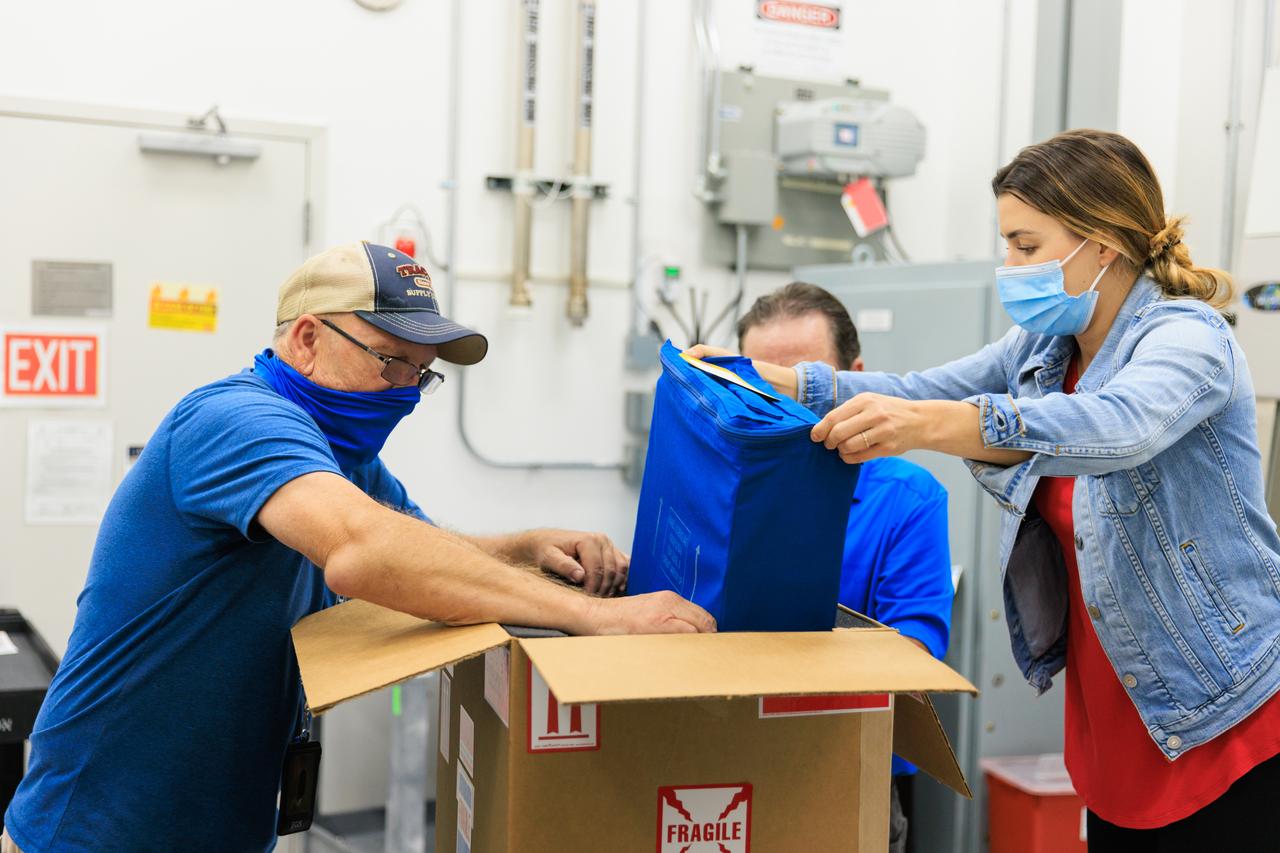
NASA’s Biology Experiment-1 (BioExpt-1) is officially packaged and ready for handover to the Orion team for Artemis I inside the Space Station Processing Facility at the agency’s Kennedy Space Center in Florida on Aug. 18, 2022. BioExpt-1 is a space biology pathfinder, which will carry Arabidopsis, algae, yeast, and fungi science payloads for biology research beyond low-Earth orbit aboard the Orion capsule on the Artemis I mission. The payload container assemblies will be installed onto panels in the Orion capsule and will return to Earth to provide critical and unique data about life beyond low-Earth orbit for the first time in more than 40 years. Artemis I is the first in a series of increasingly complex missions that will enable human exploration to the Moon and eventually on to Mars.
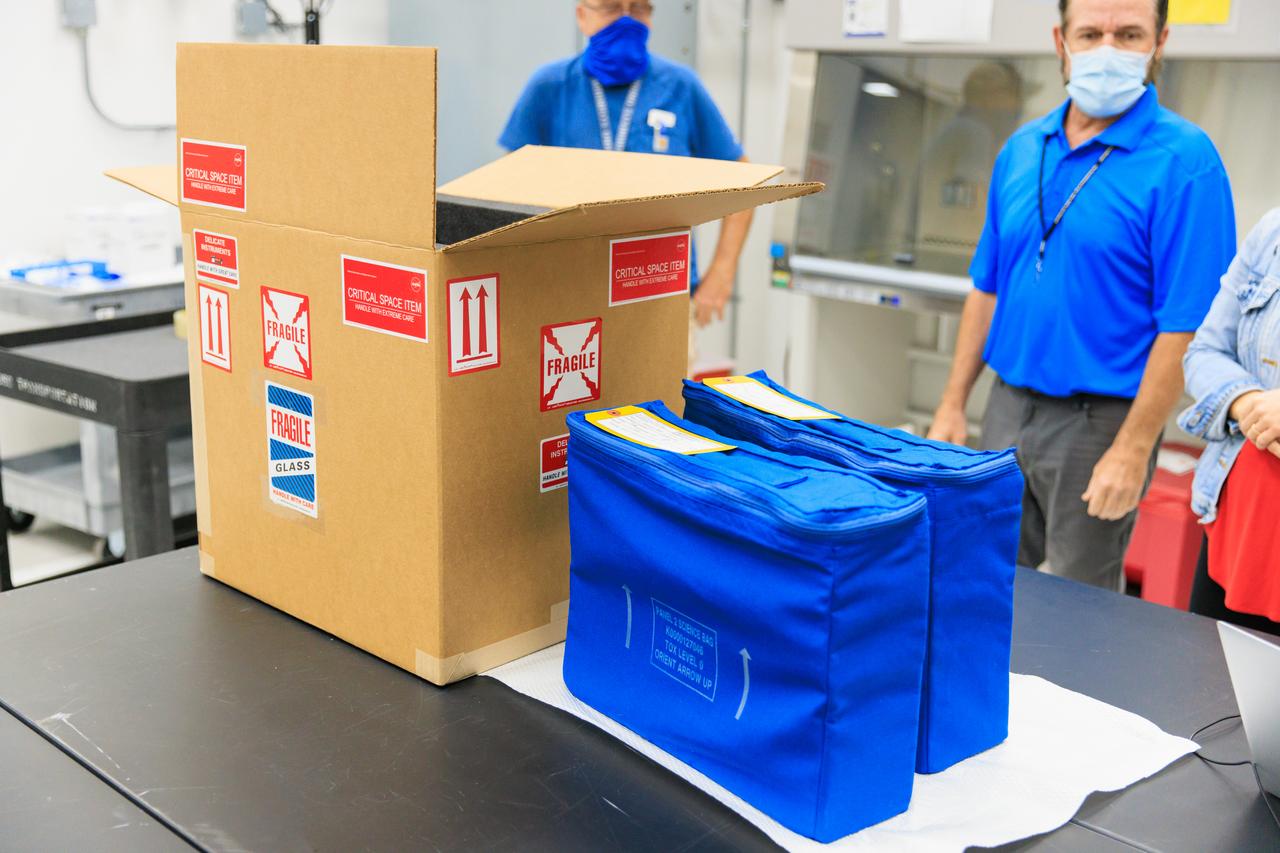
NASA’s Biology Experiment-1 (BioExpt-1) is officially packaged and ready for handover to the Orion team for Artemis I inside the Space Station Processing Facility at the agency’s Kennedy Space Center in Florida on Aug. 18, 2022. BioExpt-1 is a space biology pathfinder, which will carry Arabidopsis, algae, yeast, and fungi science payloads for biology research beyond low-Earth orbit aboard the Orion capsule on the Artemis I mission. The payload container assemblies will be installed onto panels in the Orion capsule and will return to Earth to provide critical and unique data about life beyond low-Earth orbit for the first time in more than 40 years. Artemis I is the first in a series of increasingly complex missions that will enable human exploration to the Moon and eventually on to Mars.
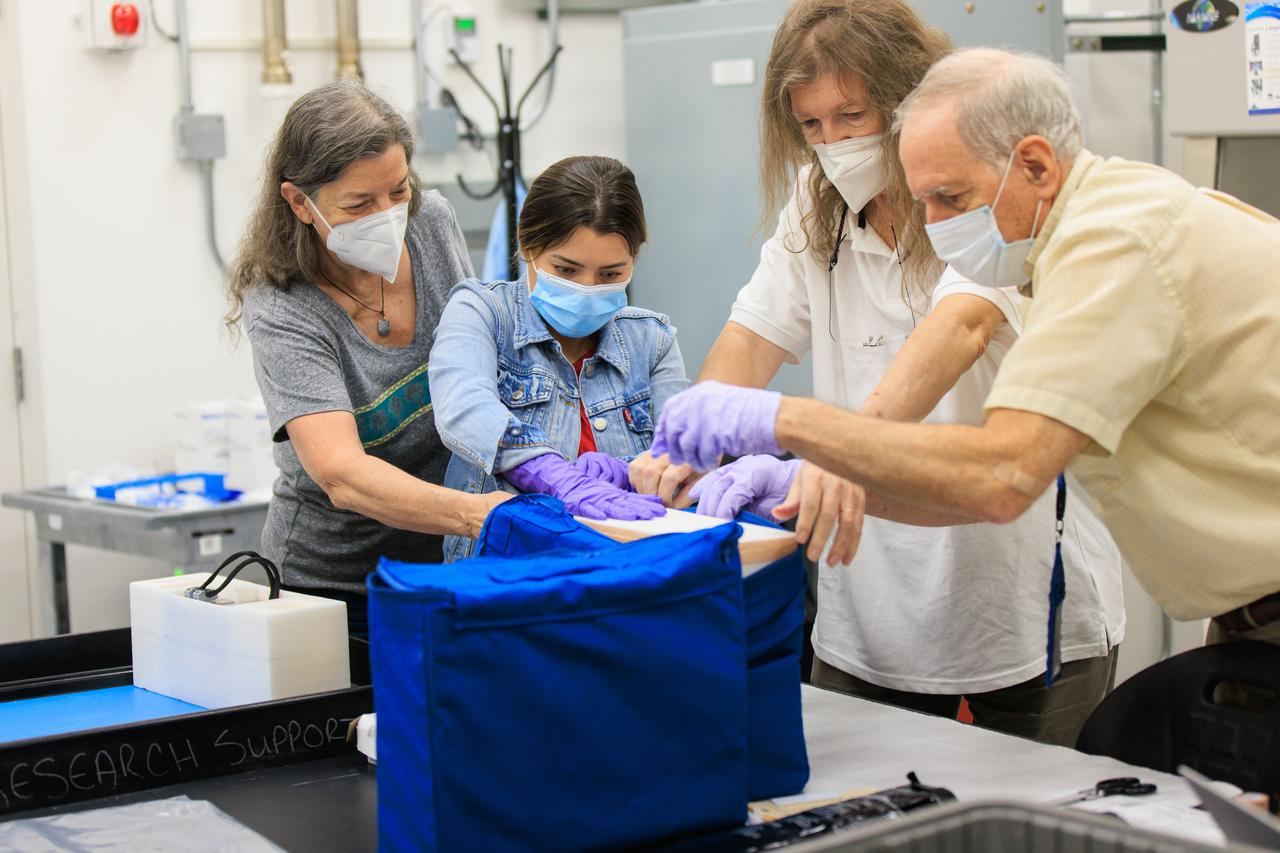
Scientists package up part of NASA’s Biology Experiment-1 (BioExpt-1) for official handover to the Orion team for Artemis I inside the Space Station Processing Facility at the agency’s Kennedy Space Center in Florida on Aug. 18, 2022. BioExpt-1 is a space biology pathfinder, which will carry Arabidopsis, algae, yeast, and fungi science payloads for biology research beyond low-Earth orbit aboard the Orion capsule on the Artemis I mission. The payload container assemblies will be installed onto panels in the Orion capsule and will return to Earth to provide critical and unique data about life beyond low-Earth orbit for the first time in more than 40 years. Artemis I is the first in a series of increasingly complex missions that will enable human exploration to the Moon and eventually on to Mars.
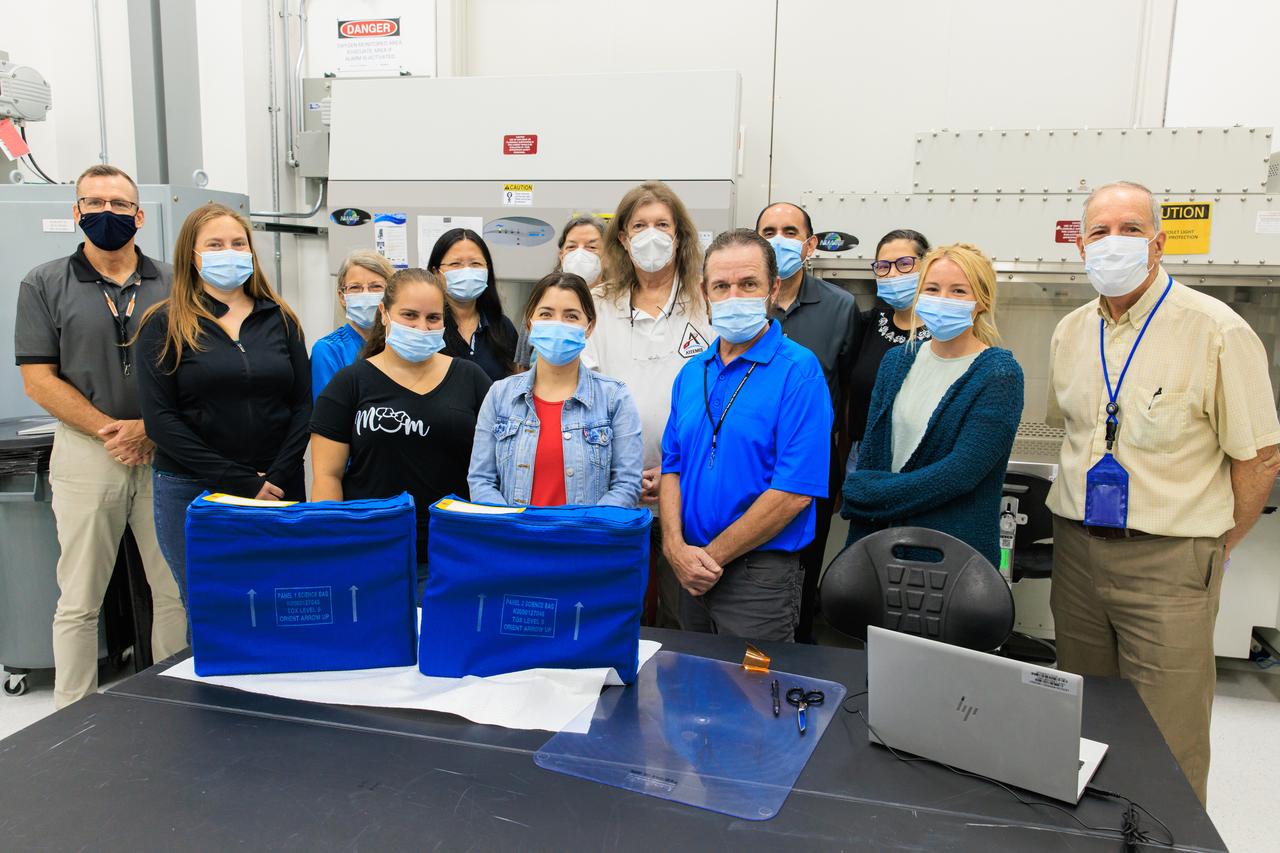
NASA’s Biology Experiment-1 (BioExpt-1) is officially packaged and ready for handover to the Orion team for Artemis I inside the Space Station Processing Facility at the agency’s Kennedy Space Center in Florida on Aug. 18, 2022. BioExpt-1 is a space biology pathfinder, which will carry Arabidopsis, algae, yeast, and fungi science payloads for biology research beyond low-Earth orbit aboard the Orion capsule on the Artemis I mission. The payload container assemblies will be installed onto panels in the Orion capsule and will return to Earth to provide critical and unique data about life beyond low-Earth orbit for the first time in more than 40 years. Artemis I is the first in a series of increasingly complex missions that will enable human exploration to the Moon and eventually on to Mars.
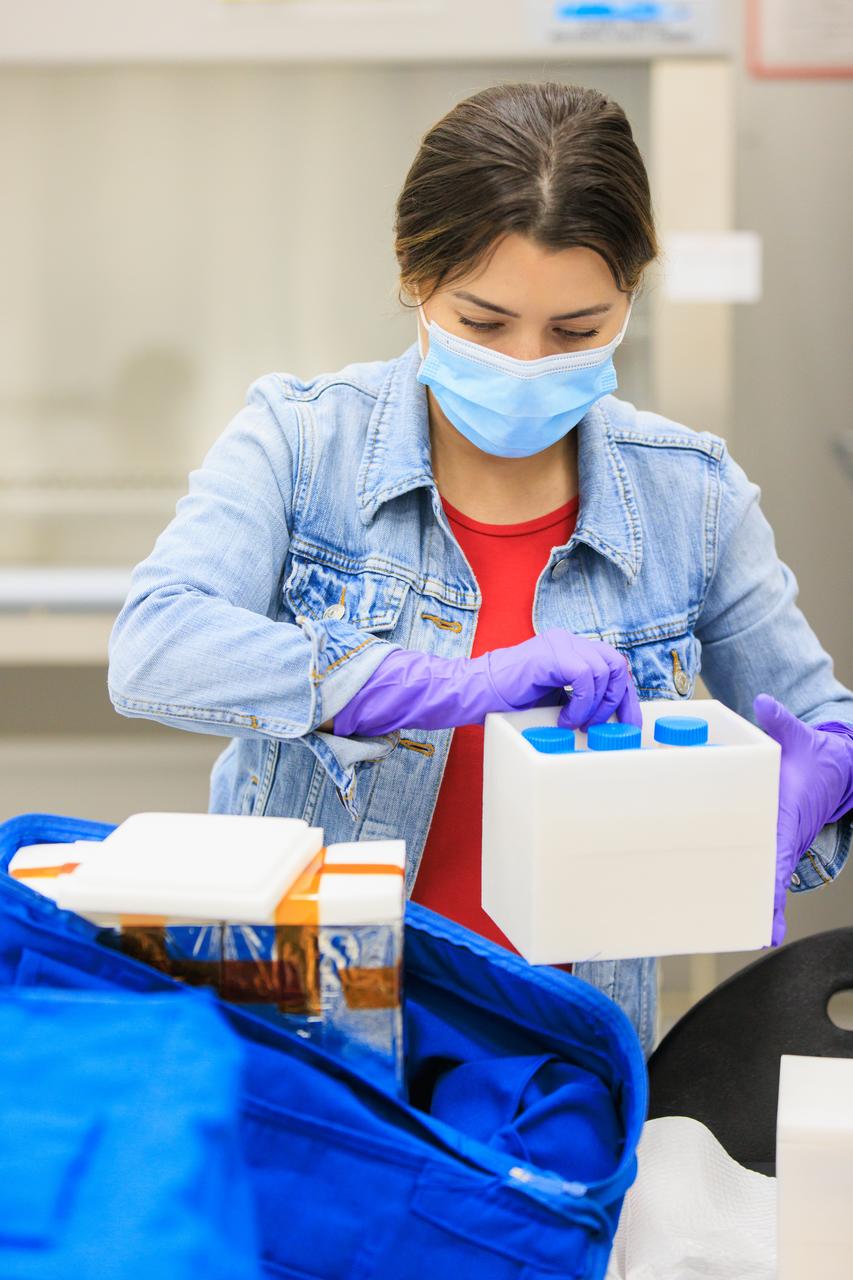
Scientists package up part of NASA’s Biology Experiment-1 (BioExpt-1) for official handover to the Orion team for Artemis I inside the Space Station Processing Facility at the agency’s Kennedy Space Center in Florida on Aug. 18, 2022. BioExpt-1 is a space biology pathfinder, which will carry Arabidopsis, algae, yeast, and fungi science payloads for biology research beyond low-Earth orbit aboard the Orion capsule on the Artemis I mission. The payload container assemblies will be installed onto panels in the Orion capsule and will return to Earth to provide critical and unique data about life beyond low-Earth orbit for the first time in more than 40 years. Artemis I is the first in a series of increasingly complex missions that will enable human exploration to the Moon and eventually on to Mars.
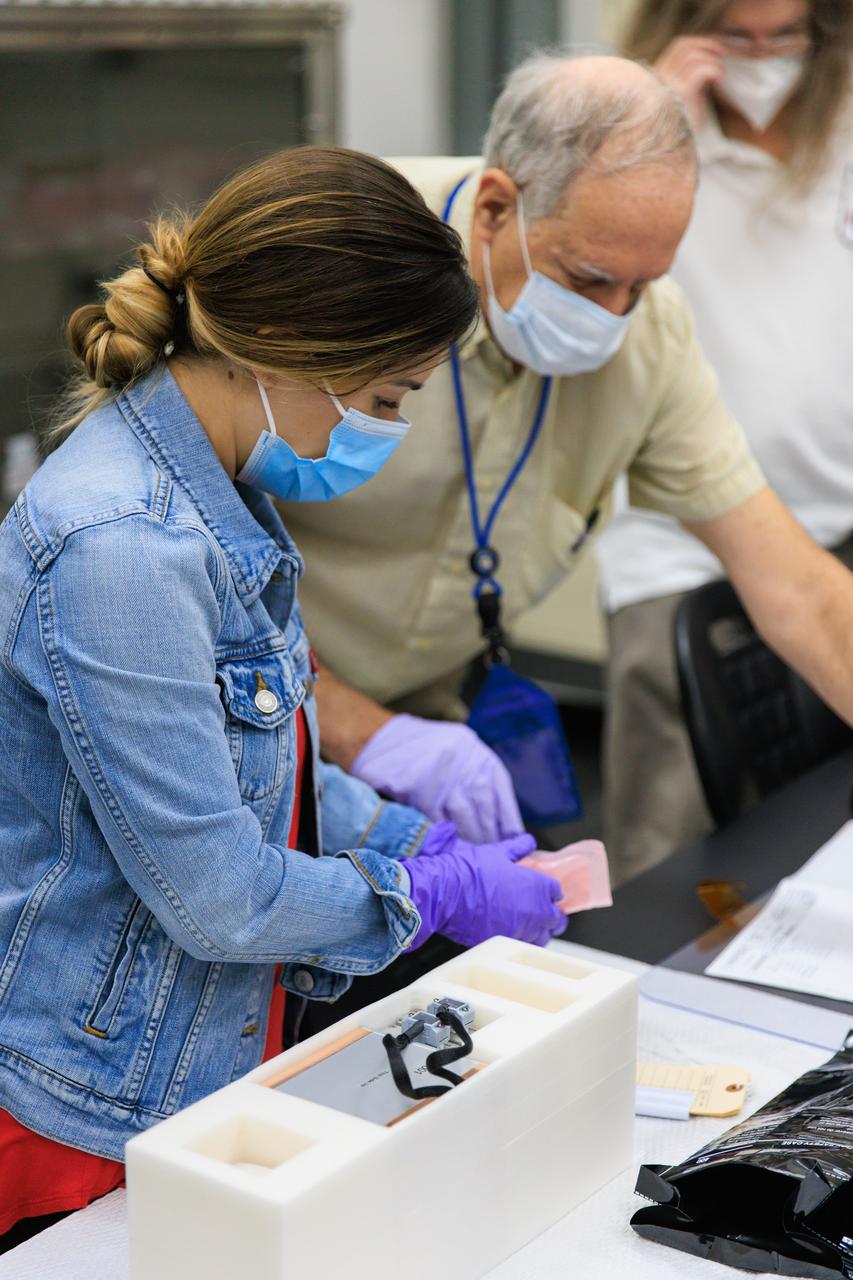
Scientists package up part of NASA’s Biology Experiment-1 (BioExpt-1) for official handover to the Orion team for Artemis I inside the Space Station Processing Facility at the agency’s Kennedy Space Center in Florida on Aug. 18, 2022. BioExpt-1 is a space biology pathfinder, which will carry Arabidopsis, algae, yeast, and fungi science payloads for biology research beyond low-Earth orbit aboard the Orion capsule on the Artemis I mission. The payload container assemblies will be installed onto panels in the Orion capsule and will return to Earth to provide critical and unique data about life beyond low-Earth orbit for the first time in more than 40 years. Artemis I is the first in a series of increasingly complex missions that will enable human exploration to the Moon and eventually on to Mars.
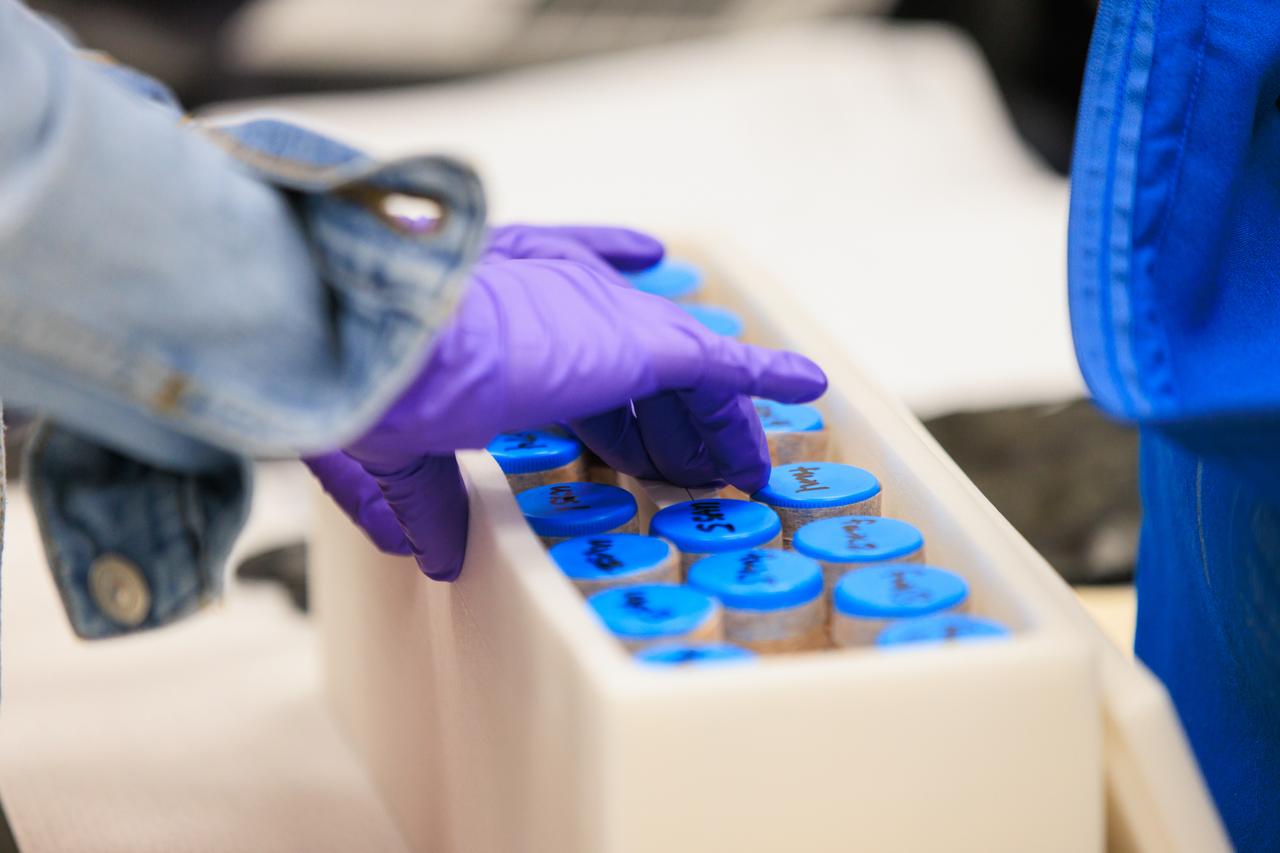
Scientists package up part of NASA’s Biology Experiment-1 (BioExpt-1) for official handover to the Orion team for Artemis I inside the Space Station Processing Facility at the agency’s Kennedy Space Center in Florida on Aug. 18, 2022. BioExpt-1 is a space biology pathfinder, which will carry Arabidopsis, algae, yeast, and fungi science payloads for biology research beyond low-Earth orbit aboard the Orion capsule on the Artemis I mission. The payload container assemblies will be installed onto panels in the Orion capsule and will return to Earth to provide critical and unique data about life beyond low-Earth orbit for the first time in more than 40 years. Artemis I is the first in a series of increasingly complex missions that will enable human exploration to the Moon and eventually on to Mars.
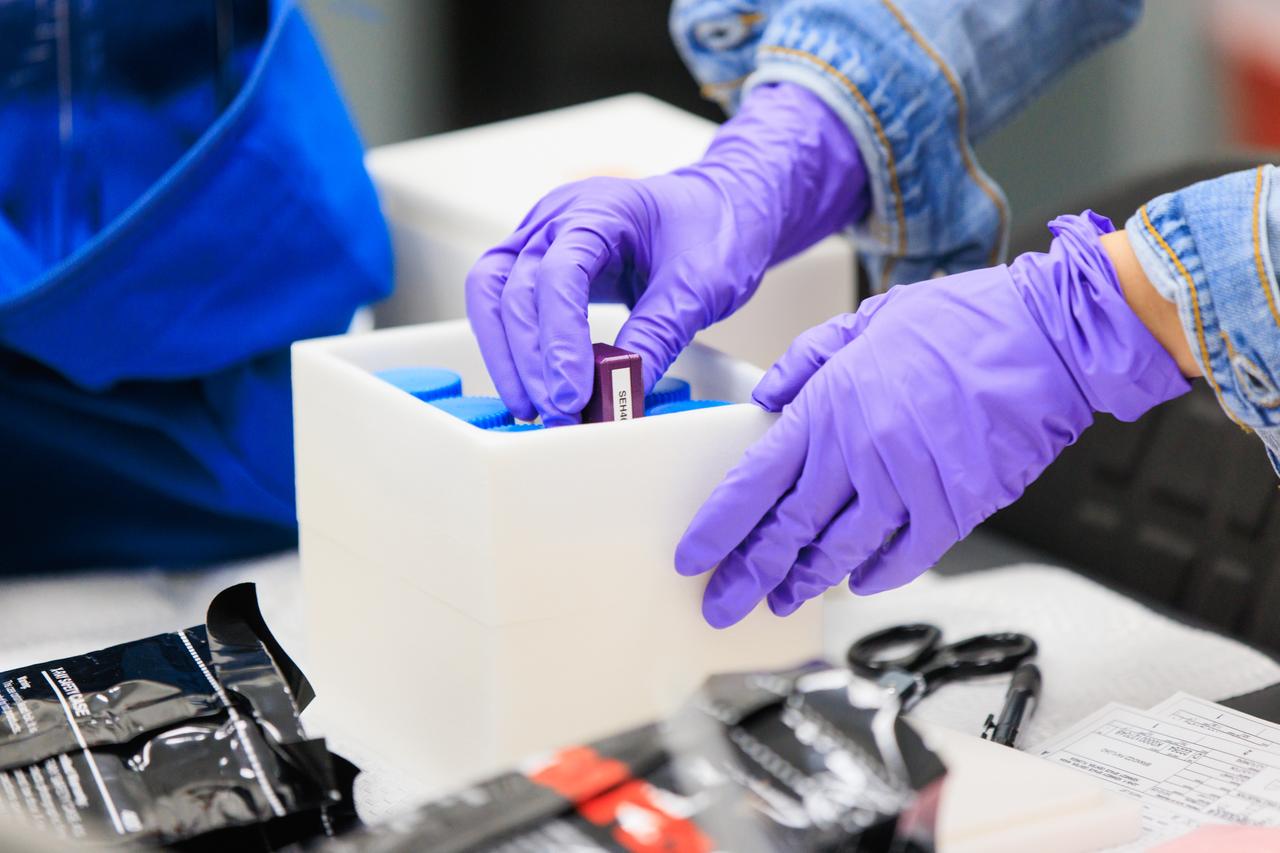
Scientists package up part of NASA’s Biology Experiment-1 (BioExpt-1) for official handover to the Orion team for Artemis I inside the Space Station Processing Facility at the agency’s Kennedy Space Center in Florida on Aug. 18, 2022. BioExpt-1 is a space biology pathfinder, which will carry Arabidopsis, algae, yeast, and fungi science payloads for biology research beyond low-Earth orbit aboard the Orion capsule on the Artemis I mission. The payload container assemblies will be installed onto panels in the Orion capsule and will return to Earth to provide critical and unique data about life beyond low-Earth orbit for the first time in more than 40 years. Artemis I is the first in a series of increasingly complex missions that will enable human exploration to the Moon and eventually on to Mars.
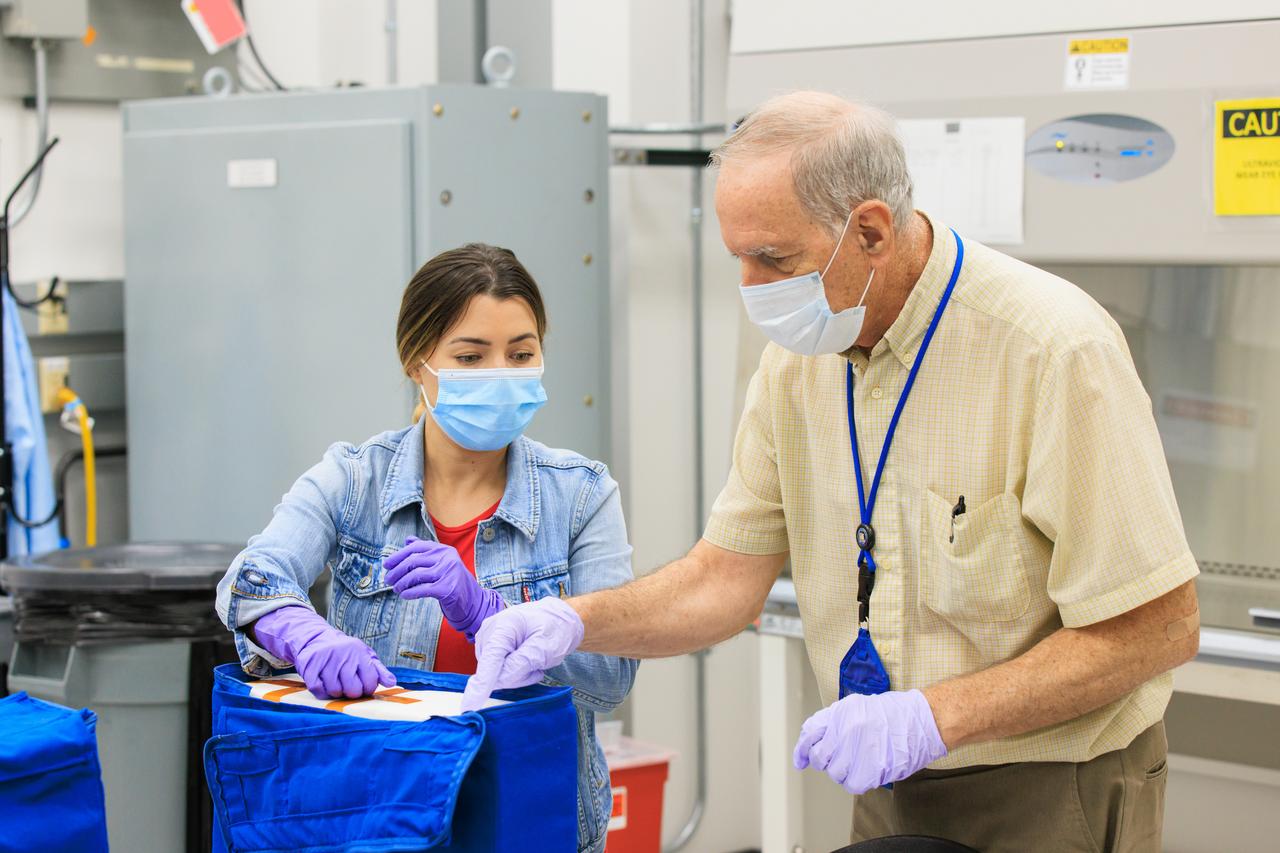
Scientists package up part of NASA’s Biology Experiment-1 (BioExpt-1) for official handover to the Orion team for Artemis I inside the Space Station Processing Facility at the agency’s Kennedy Space Center in Florida on Aug. 18, 2022. BioExpt-1 is a space biology pathfinder, which will carry Arabidopsis, algae, yeast, and fungi science payloads for biology research beyond low-Earth orbit aboard the Orion capsule on the Artemis I mission. The payload container assemblies will be installed onto panels in the Orion capsule and will return to Earth to provide critical and unique data about life beyond low-Earth orbit for the first time in more than 40 years. Artemis I is the first in a series of increasingly complex missions that will enable human exploration to the Moon and eventually on to Mars.
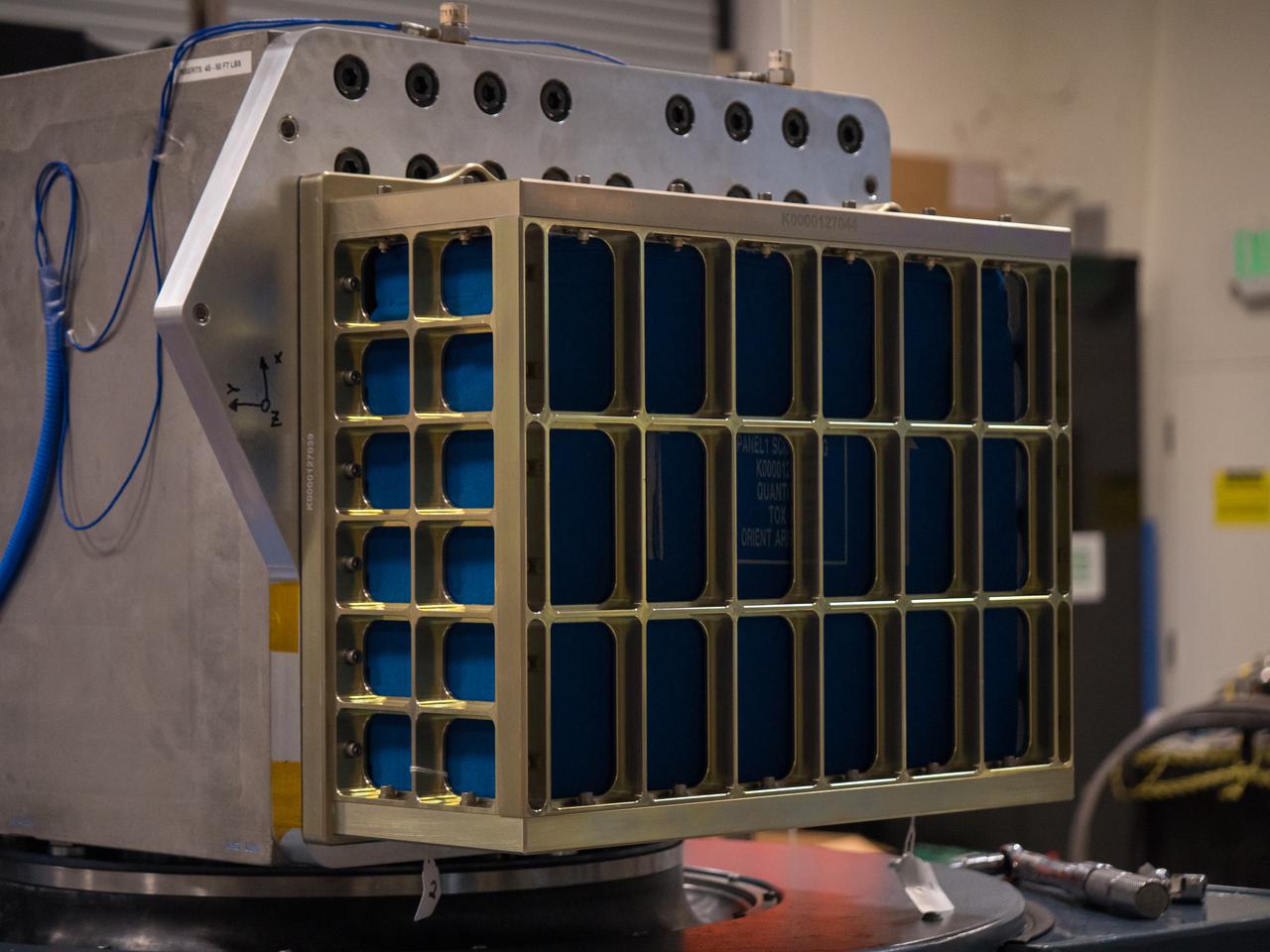
NASA’s Biology Experiment-1 (BioExpt-1) undergoes testing in the Vibration Laboratory at Kennedy Space Center in Florida on May 13, 2021. BioExpt-1 is a space biology pathfinder, which will carry plants, algae, yeast, and fungi for biology research beyond low-Earth orbit (LEO). NASA will install the BioExpt-1 payload container assembles onto panels inside the Orion capsule. BioExpt-1 will return these science payloads to Earth to provide critical and unique data about life beyond LEO for the first time in more than 40 years. Artemis I is the first in a series of increasingly complex missions that will enable human exploration of the Moon and eventually on to Mars.
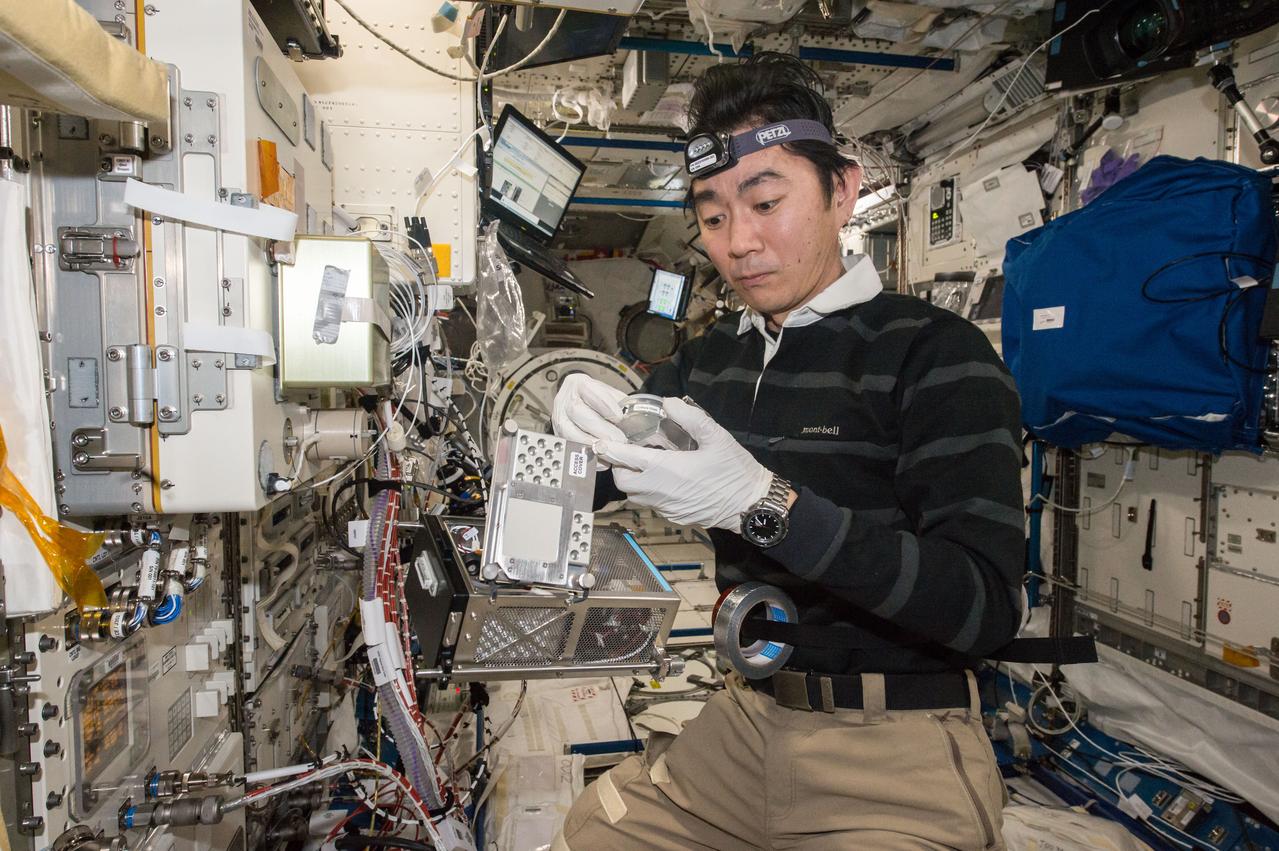
iss045e084268 (10/30/2015) --- Japan Aerospace Exploration Agency (JAXA) astronaut Kimiya Yui works to attach a Plant Experiment Unit to the Cell Biology Experiment Facility (CBEF) prior to Run 1 of the Plant Gravity Sensing 2 experiment.
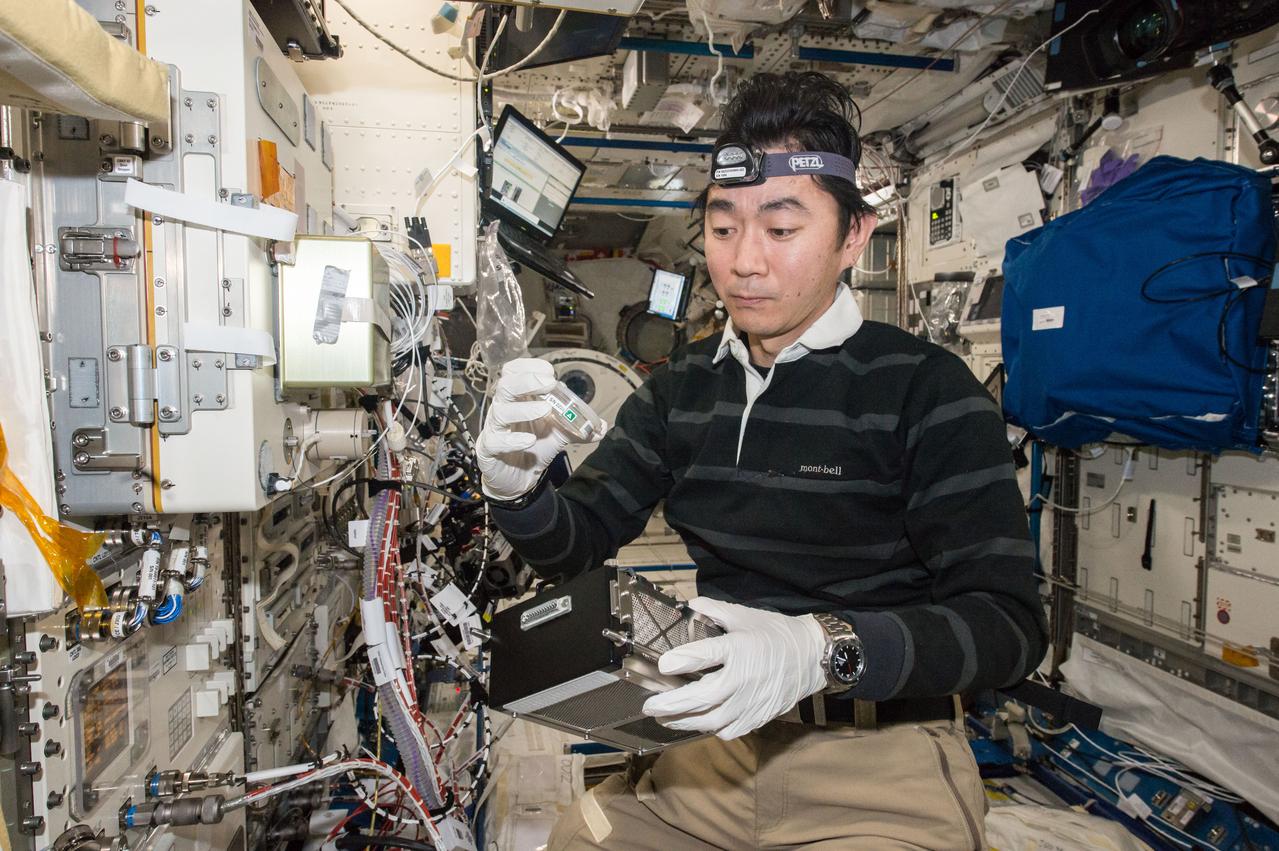
iss045e084267 (10/30/2015) --- Japan Aerospace Exploration Agency (JAXA) astronaut Kimiya Yui works to attach a Plant Experiment Unit to the Cell Biology Experiment Facility (CBEF) prior to Run 1 of the Plant Gravity Sensing 2 experiment.
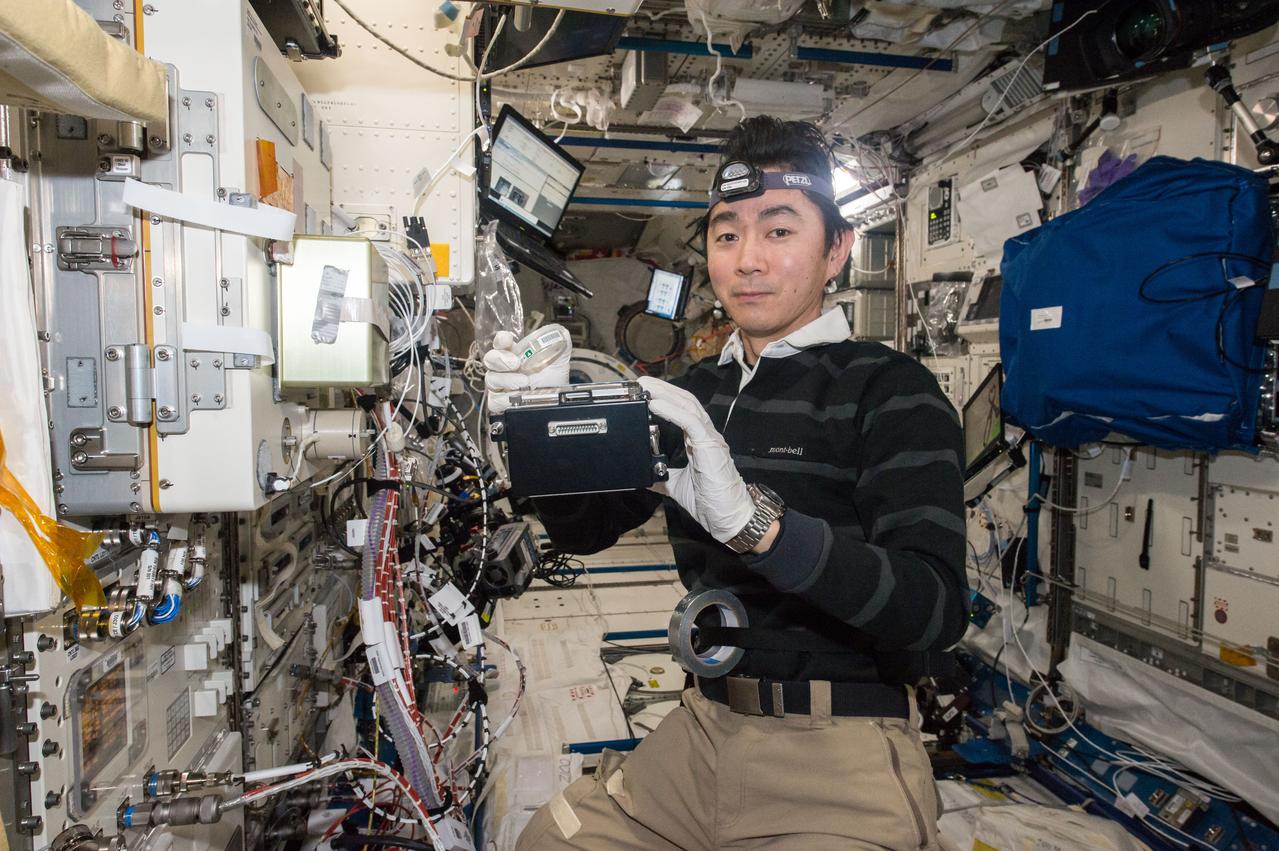
iss045e084264(10/30/2015) --- Japan Aerospace Exploration Agency (JAXA) astronaut Kimiya Yui works to attach a Plant Experiment Unit to the Cell Biology Experiment Facility (CBEF) prior to Run 1 of the Plant Gravity Sensing 2 experiment.

Dave Flowers, the project manager for NASA’s Biology Experiment-1 (BioExpt-1) in Exploration Research and Technology Programs, prepares it for testing in the Vibration Laboratory at Kennedy Space Center in Florida on May 13, 2021. BioExpt-1 is a space biology pathfinder, which will carry plants, algae, yeast, and fungi for biology research beyond low-Earth orbit (LEO). NASA will install the BioExpt-1 payload container assembles onto panels inside the Orion capsule. BioExpt-1 will return these science payloads to Earth to provide critical and unique data about life beyond LEO for the first time in more than 40 years. Artemis I is the first in a series of increasingly complex missions that will enable human exploration of the Moon and eventually on to Mars.
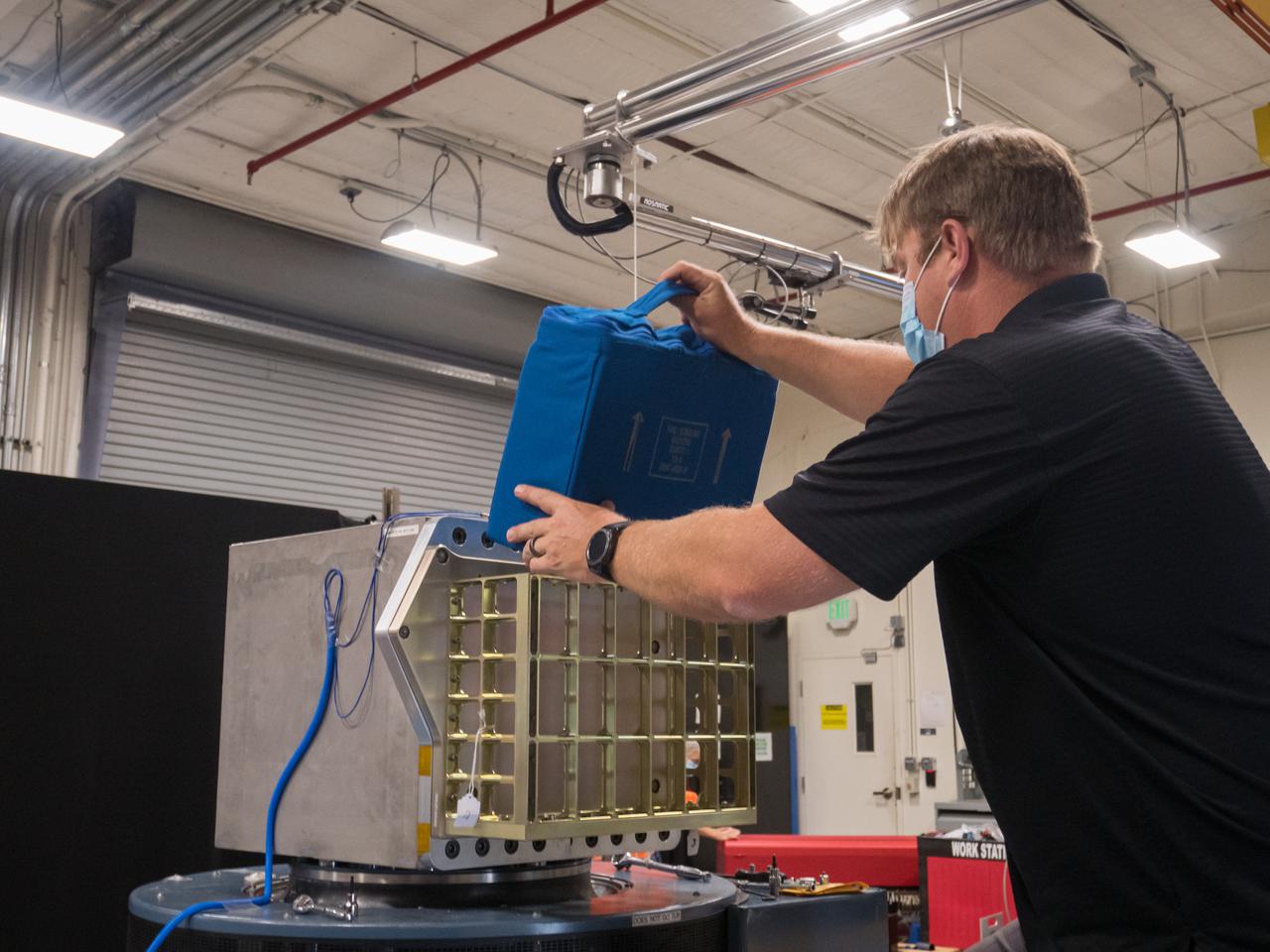
Adam Chaney, a mechanical engineer with the Laboratory Support Services and Operations (LASSO) contract at NASA’s Kennedy Space Center in Florida, prepares NASA’s Biology Experiment-1 (BioExpt-1) for testing in the Vibration Laboratory at Kennedy Space Center in Florida on May 13, 2021. BioExpt-1 is a space biology pathfinder, which will carry plants, algae, yeast, and fungi for biology research beyond low-Earth orbit (LEO). NASA will install the BioExpt-1 payload container assembles onto panels inside the Orion capsule. BioExpt-1 will return these science payloads to Earth to provide critical and unique data about life beyond LEO for the first time in more than 40 years. Artemis I is the first in a series of increasingly complex missions that will enable human exploration of the Moon and eventually on to Mars.
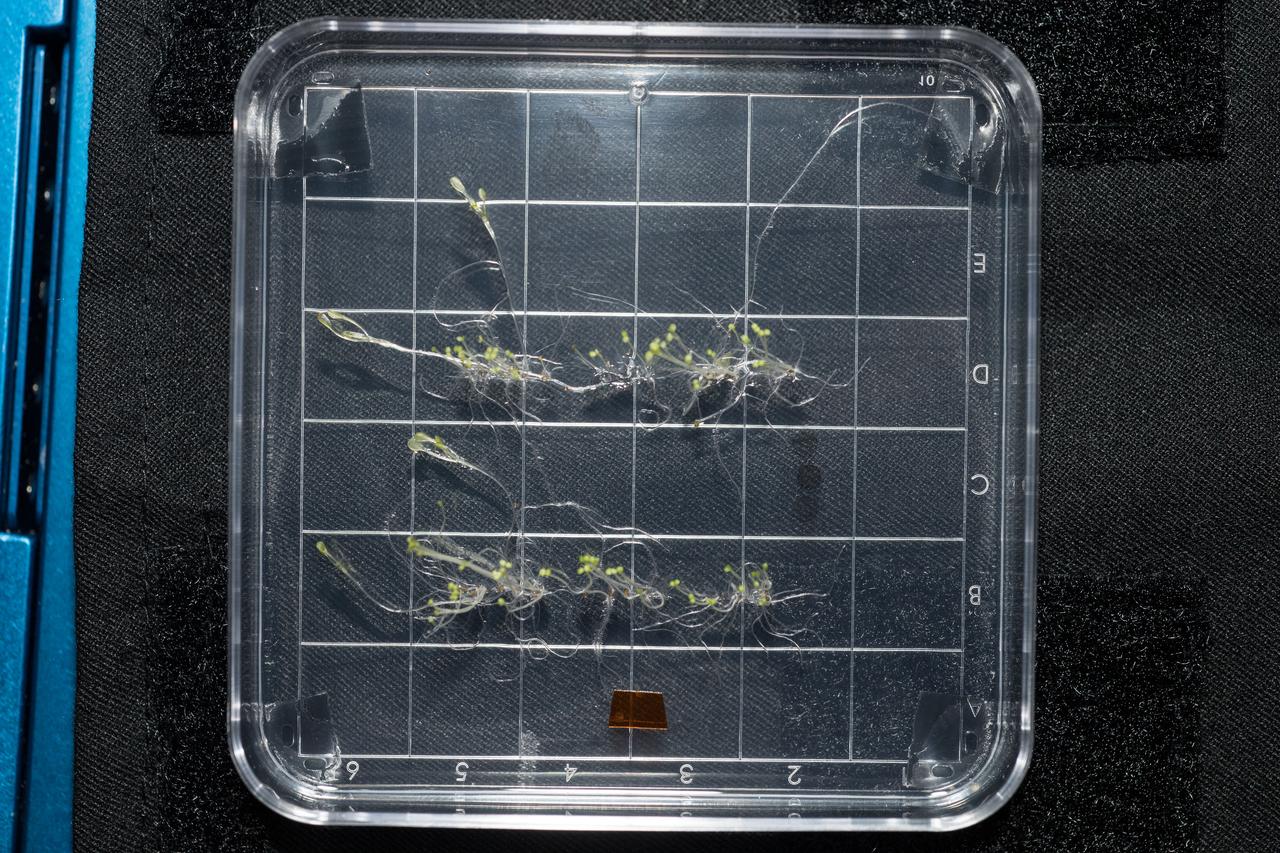
iss054e022372 (1/20/2018) --- Photo documentation of Arabidopsis seedlings from the Petri Plants-2 experiment in the Destiny U.S. Laboratory aboard the International Space Station (ISS). The Characterizing Arabidopsis Root Attractions-2 (CARA-2) investigation explores the molecular biology guiding the altered growth of plants, specifically roots, in spaceflight.
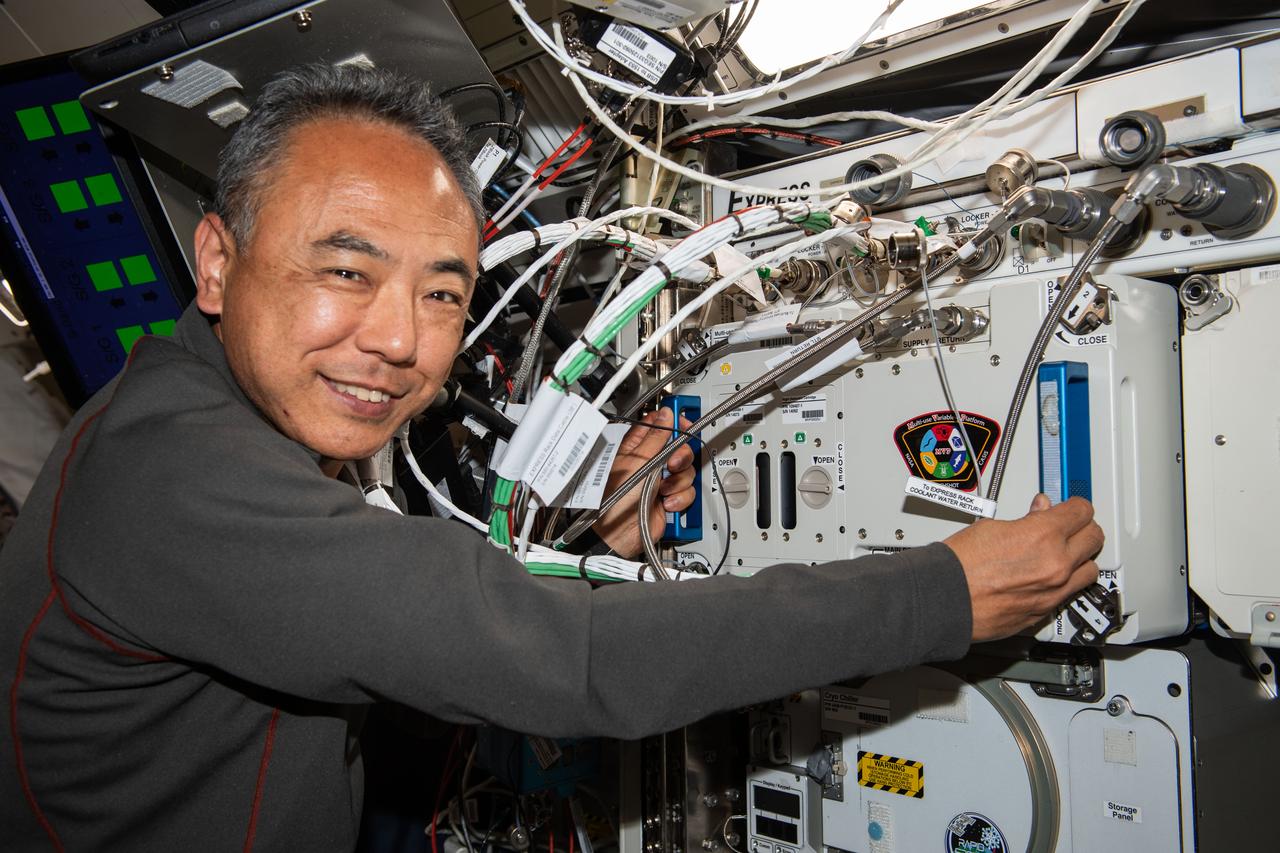
iss069e085467 (Sept. 1, 2023) --- Expedition 69 Flight Engineer and JAXA (Japan Aerospace Exploration Agency) astronaut Satoshi Furukawa removes experiment hardware from inside the Multi-use Variable-g Platform, a biology research device that can generate artificial gravity inside the International Space Station's Kibo laboratory module.
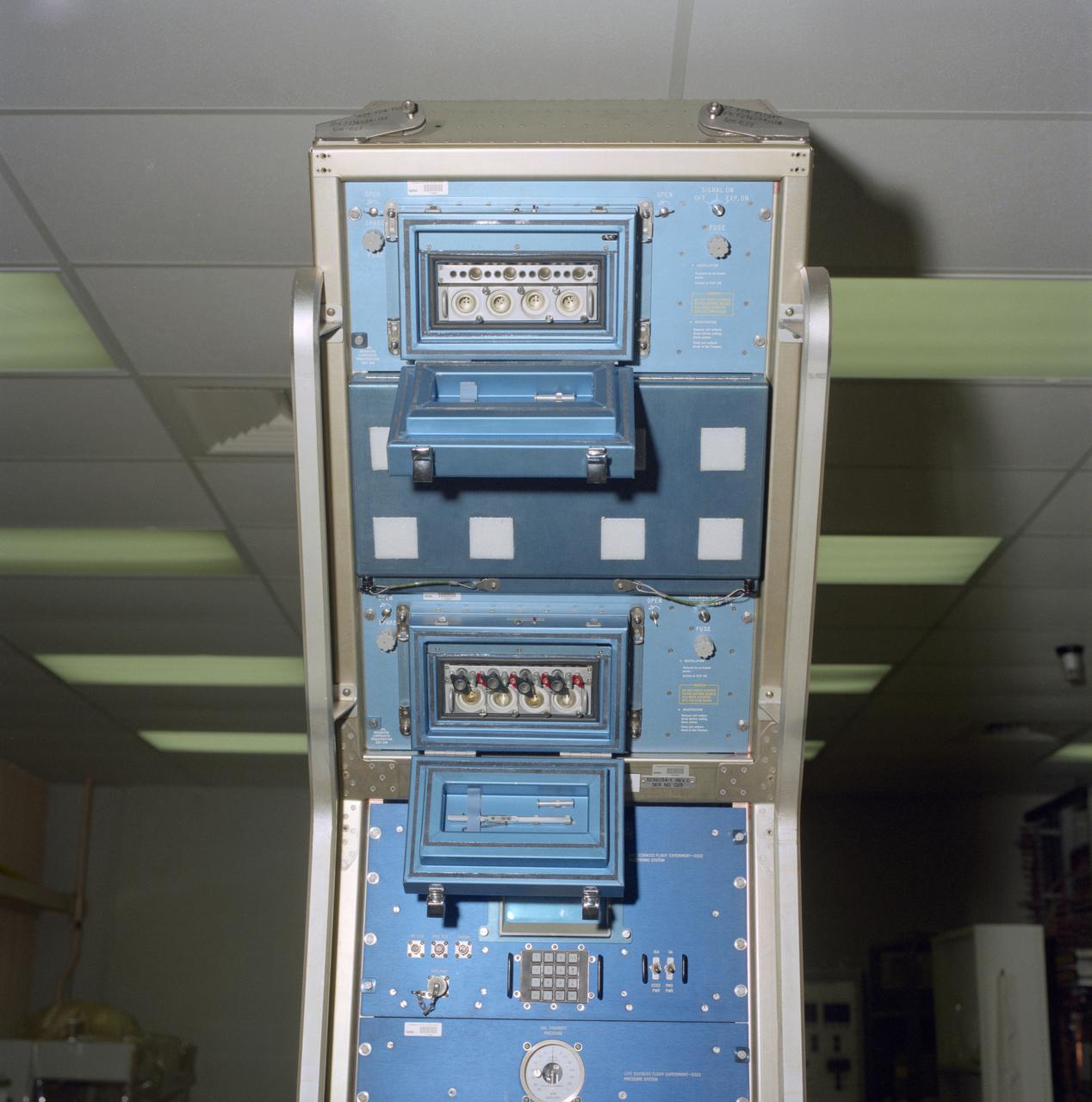
S84-43683 (26 Nov 1984) --- This vertically positioned rectangular piece of hardware, scheduled to fly on the science module of Spacelab Life Sciences-1, is important to the immunology investigation on the mission. Called Lymphocyte Proliferation in Weightlessness (Experiment 240), the test was developed by Dr. Augosto Cogoli of the Institute of Biotechnology, Gruppe Weltraum Biologie, in Zurich, Switzerland. It represents a continuation of previous Spacelab experiments by examining the effects of weightlessness on lymphocyte activation. Cultures will be grown in the microgravity incubators on the pictured hardware.
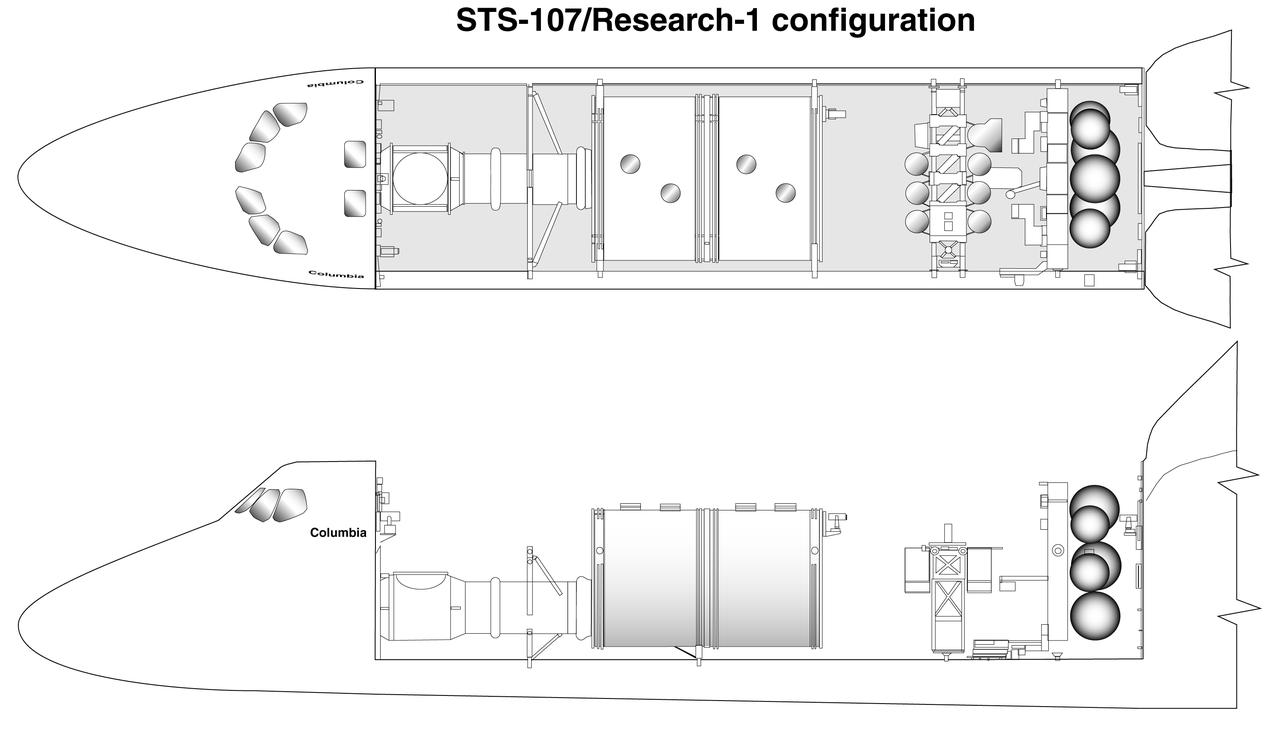
Thisdiagram shows the general arrangement of the payloads to be carried by the multidisciplinary STS-107 Research-1 Space Shuttle mission in 2002. The Spacehab module will host experiments that require direct operation by the flight crew. Others with special requirements will be on the GAS Bridge Assembly sparning the payload bay. The Extended Duration Orbiter kit carries additional oxygen and hydrogen for the electricity-producing fuel cells. Research-1 experiments will cover space biology, life science, microgravity research, and commercial space product development, research sponsored by NASA's Office of Biological and Physical Research. An alternative view with callouts is available at 0101764.
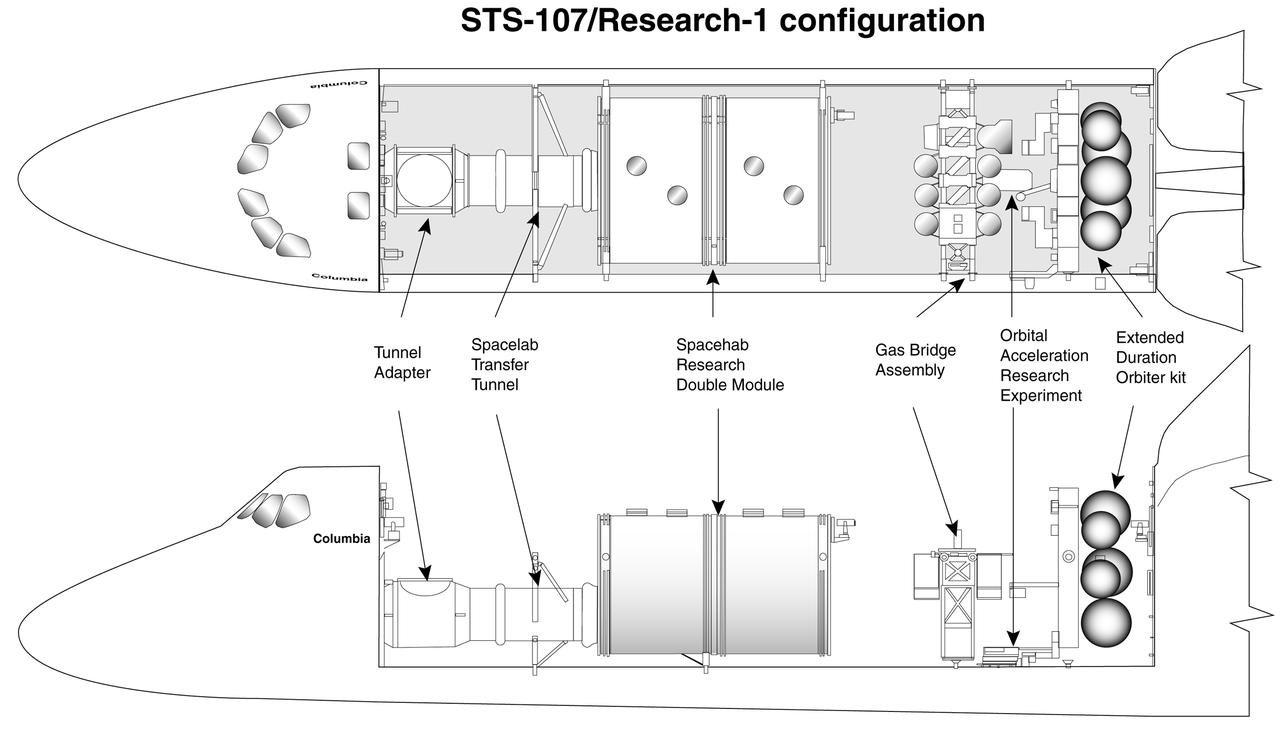
This diagram shows the general arrangement of the payloads to be carried by the multidisciplinary STS-107 Research-1 Space Shuttle mission in 2002. The Spacehab module will host experiments that require direct operation by the flight crew. Others with special requirements will be on the GAS Bridge Assembly sparning the payload bay. The Extended Duration Orbiter kit carries additional oxygen and hydrogen for the electricity-producing fuel cells. Research-1 experiments will cover space biology, life science, microgravity research, and commercial space product development, research sponsored by NASA's Office of Biological and Physical Research. An alternative view without callouts is available at 0101765.
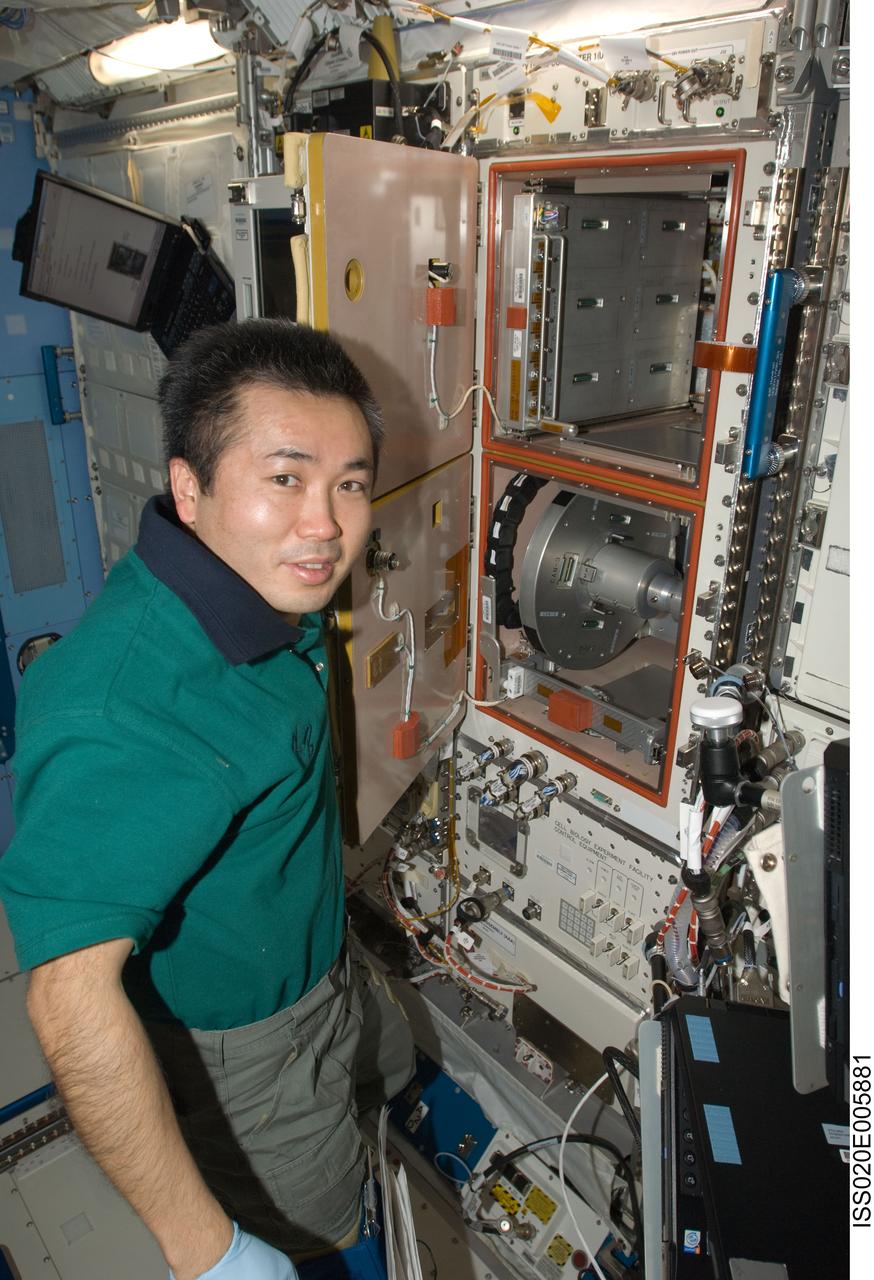
ISS020-E-005881 (1 June 2009) --- Japan Aerospace Exploration Agency (JAXA) astronaut Koichi Wakata, Expedition 20 flight engineer, conducts the current periodic humidity check on the Cell Biology Experiment Facility (CBEF) in the Saibo Rack in the Kibo laboratory of the International Space Station. Wakata opened the facility’s door for wiping up any condensation inside the micro-G & 1G section, if present, and also secured floating fan mesh with Kapton tape.
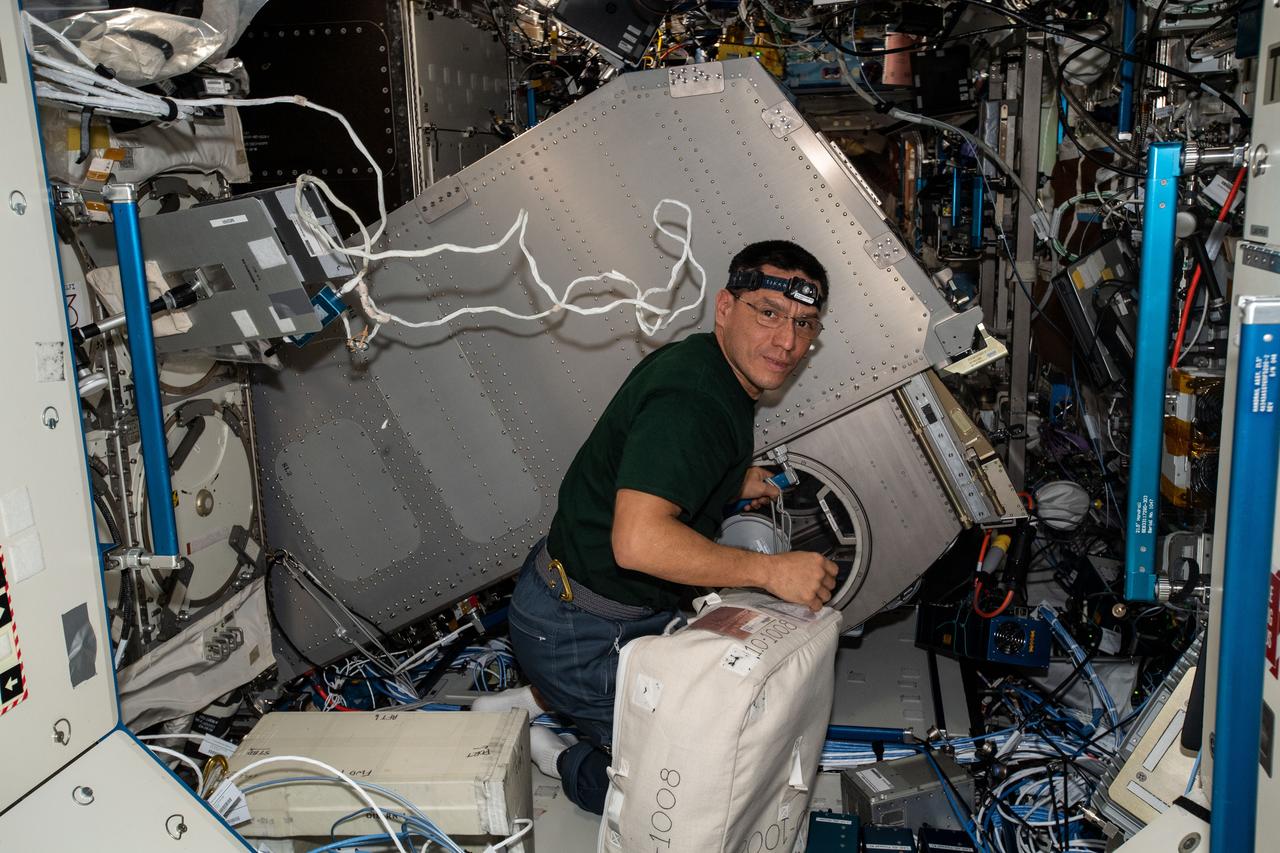
iss068e020375 (Nov. 1, 2022) --- NASA astronaut and Expedition 68 Flight Engineer Frank Rubio cleans fans. filters, and components inside the Microgravity Science Glovebox (MSG) after rotating it down from its rack slot in the U.S. Destiny laboratory module. The MSG hosts numerous space science experiments from physics to biology aboard the International Space Station. Credit: Josh Cassada/NASA
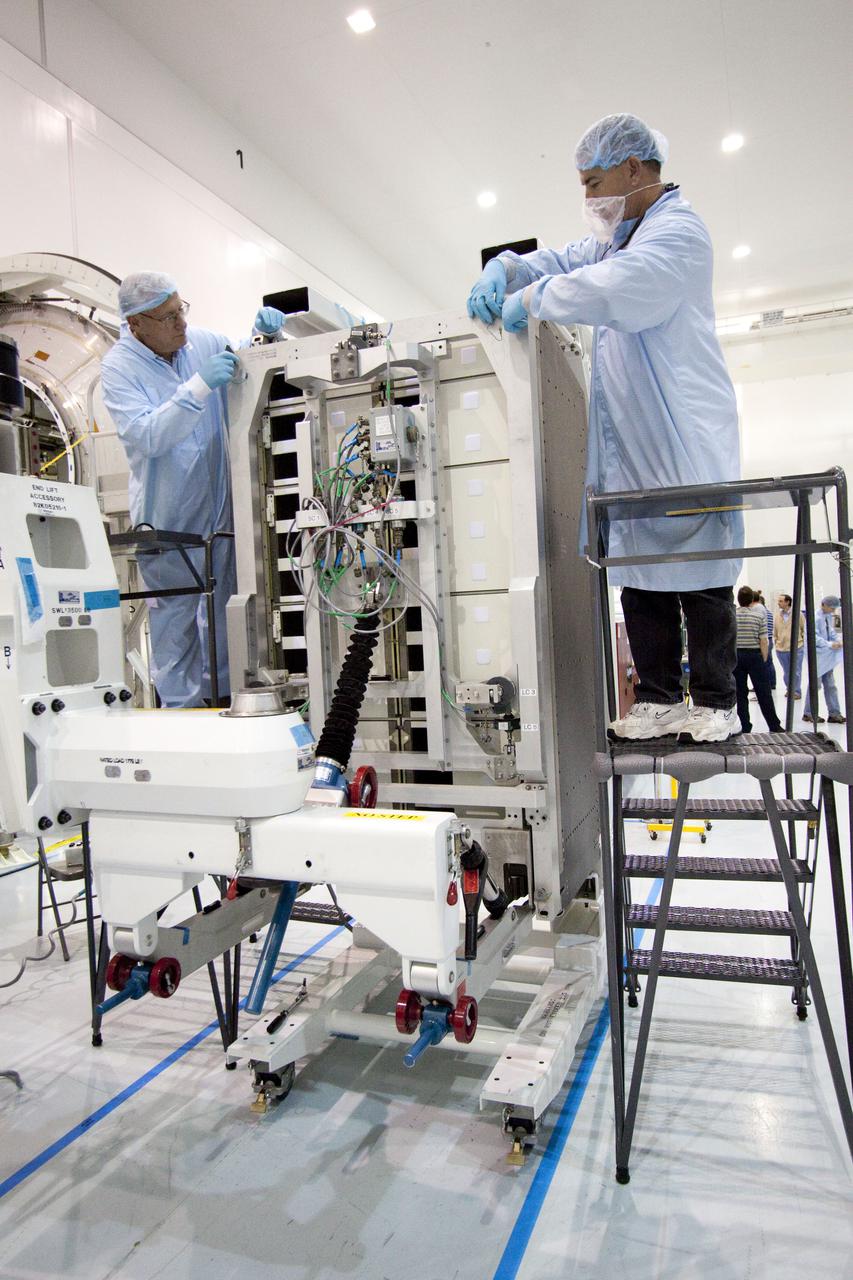
CAPE CANAVERAL, Fla. – In the Space Station Processing Facility at NASA's Kennedy Space Center in Florida, technicians prepare to install a resupply rack into the Permanent Multipurpose Module, or PMM. The Leonardo multi-purpose logistics module, or MPLM, is being modified to become the PMM that will carry supplies and critical spare parts to the International Space Station aboard space shuttle Discovery’s STS-133 mission. Discovery, targeted to launch Nov. 1, will leave the module behind so it can be used for microgravity experiments in fluid physics, materials science, biology and biotechnology. Photo credit: NASA_Jack Pfaller
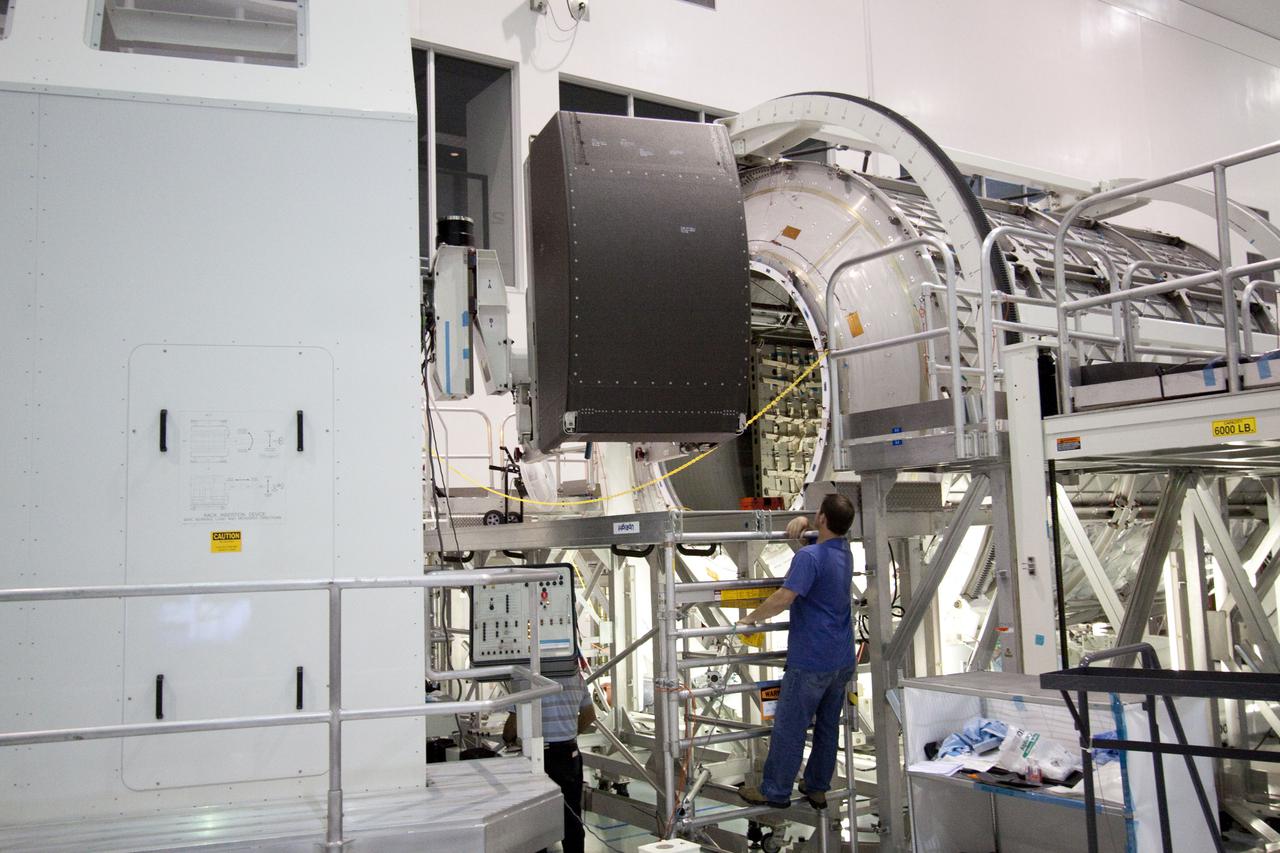
CAPE CANAVERAL, Fla. – In the Space Station Processing Facility at NASA's Kennedy Space Center in Florida, technicians begin to install a resupply rack into the Permanent Multipurpose Module, or PMM. The Leonardo multi-purpose logistics module, or MPLM, is being modified to become the PMM that will carry supplies and critical spare parts to the International Space Station aboard space shuttle Discovery’s STS-133 mission. Discovery, targeted to launch Nov. 1, will leave the module behind so it can be used for microgravity experiments in fluid physics, materials science, biology and biotechnology. Photo credit: NASA_Jack Pfaller
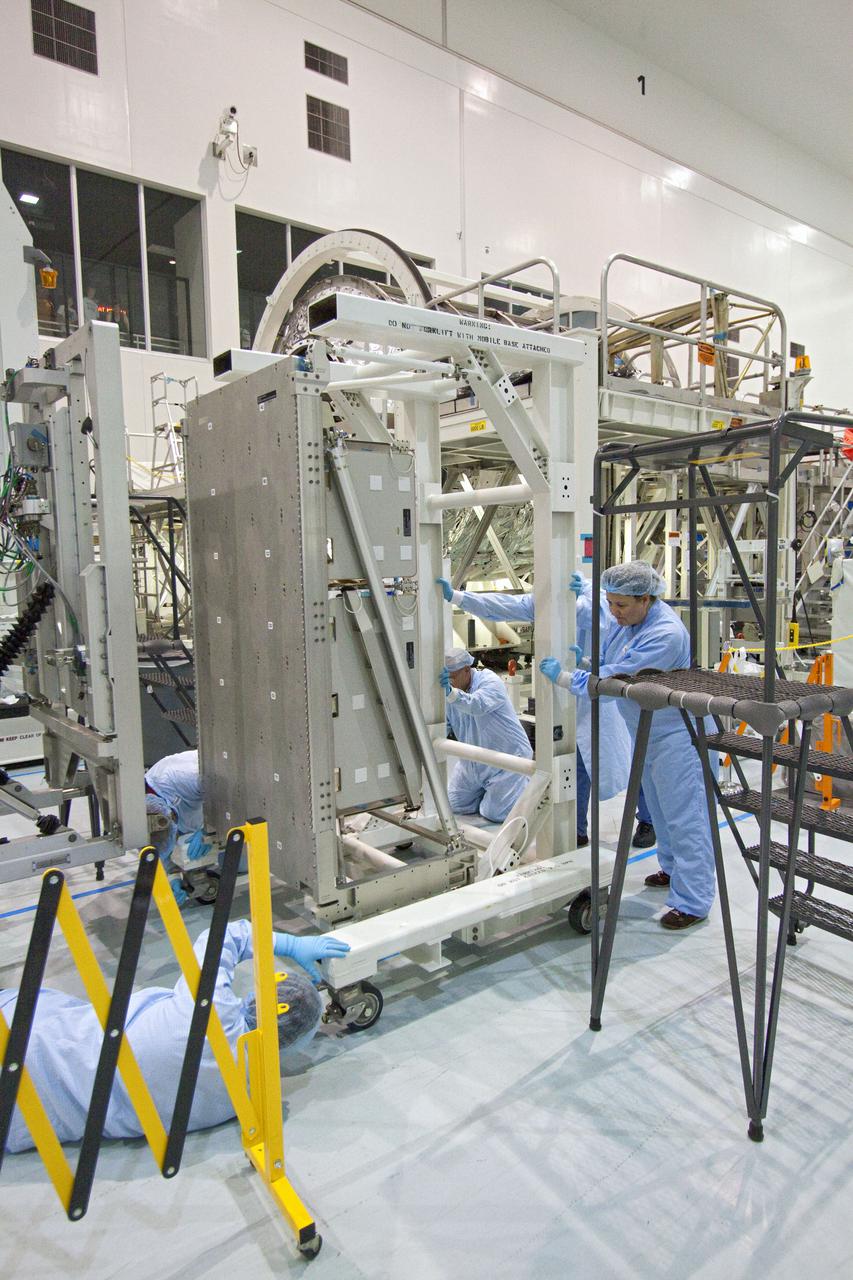
CAPE CANAVERAL, Fla. -- In the Space Station Processing Facility at NASA's Kennedy Space Center in Florida, workers prepare a resupply stowage platform prior to installation of cargo headed to the International Space Station. The stowage platforms will then be moved into the Permanent Multipurpose Module, or PMM. The PMM will be used to carry supplies and critical spare parts to the station. The module will be left behind so it can be used for microgravity experiments in fluid physics, materials science, biology and biotechnology. Space shuttle Discovery will deliver its payload to the station on the STS-133 mission. Launch is targeted for Nov. 1 at 4:33 p.m. EDT. Photo credit: NASA_Jack Pfaller
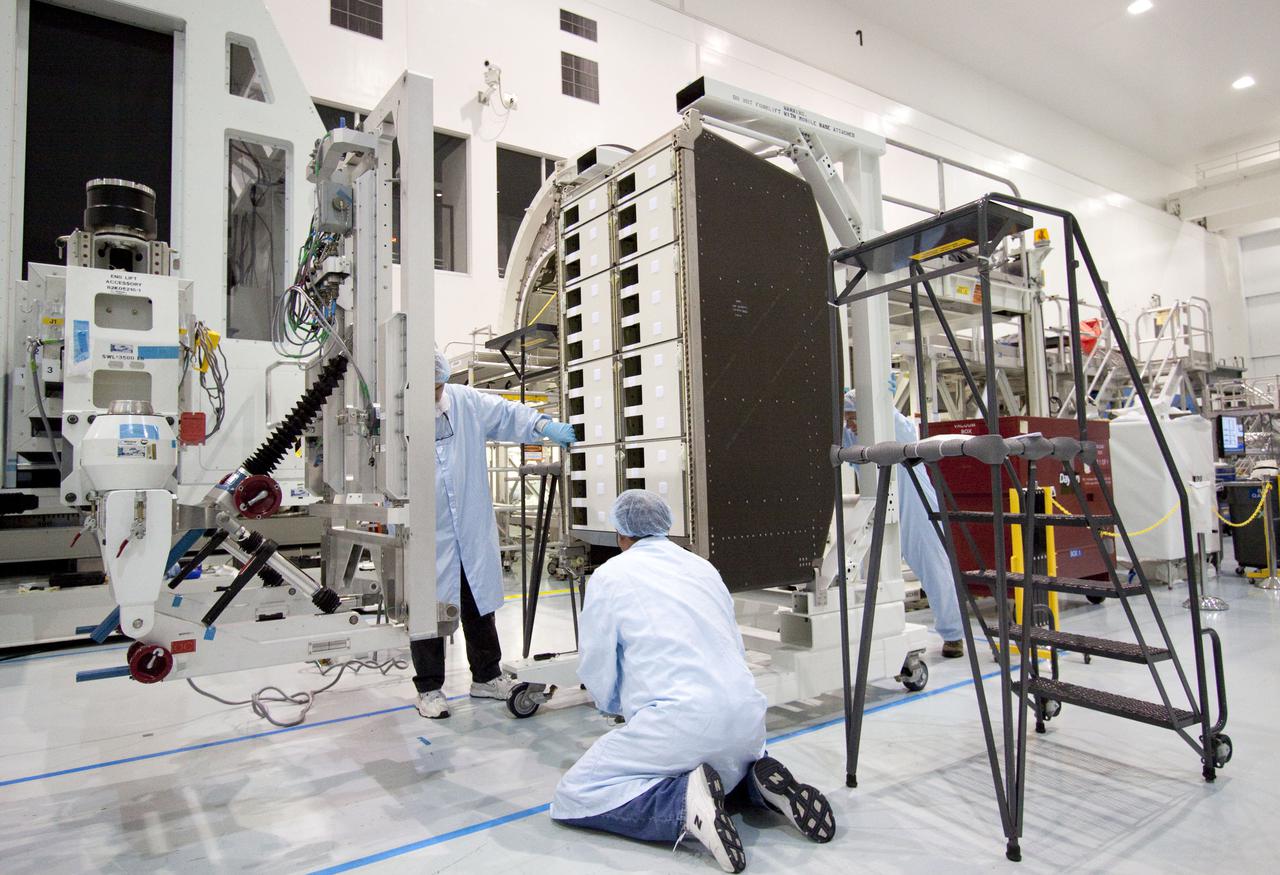
CAPE CANAVERAL, Fla. – In the Space Station Processing Facility at NASA's Kennedy Space Center in Florida, technicians prepare to install a resupply rack into the Permanent Multipurpose Module, or PMM. The Leonardo multi-purpose logistics module, or MPLM, is being modified to become the PMM that will carry supplies and critical spare parts to the International Space Station aboard space shuttle Discovery’s STS-133 mission. Discovery, targeted to launch Nov. 1, will leave the module behind so it can be used for microgravity experiments in fluid physics, materials science, biology and biotechnology. Photo credit: NASA_Jack Pfaller
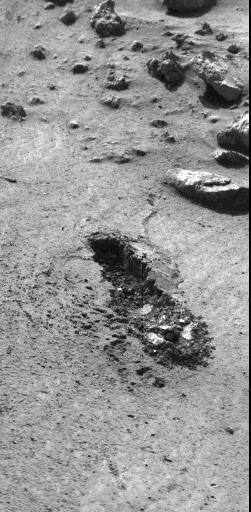
This image, received today, shows the trench excavated by NASA's Viking 1 surface sampler. The trench was dug by extending the surface sampler collection head in a direction from lower right toward the upper left and then withdrawing the surface sampler collector head. Lumpy piles of material at end of trench at lower right was pulled by plowing from trench by the backhoe which will be used to dig trenches later in the mission. Area around trench has ripple marks produced by Martian wind. The trench which was dug early on Sol 8, is about 3 inches wide, 2 inches deep and 6 inches long. Steep dark crater walls show the grains of the Martian surface material stick together (have adhesion). The doming of the surface at far end of the trench show the granular material is dense. The Martian surface material behaves somewhat like moist sand on Earth. Evidence from the trench indicate a sample was collected and delivered to the experiments after repeated tries. The biology experiment level full indicator indicates a sample was received for analysis. The X-Ray fluorescence experiment has no indication to show it received a sample. The GCMS experiment level full indicator suggests no sample was received but this matter is being investigated. http://photojournal.jpl.nasa.gov/catalog/PIA00389
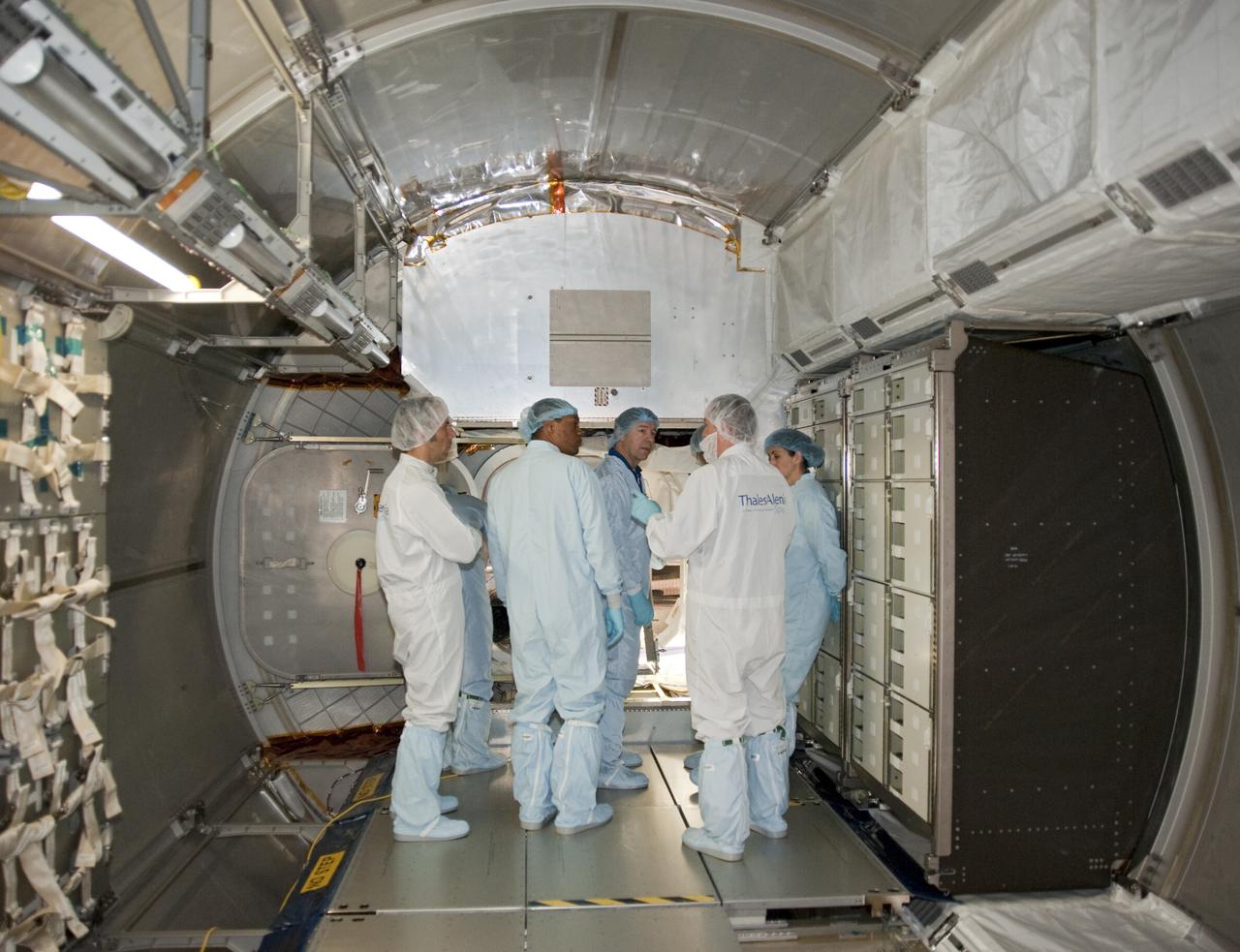
CAPE CANAVERAL, Fla. -- In the Space Station Processing Facility at NASA's Kennedy Space Center in Florida, the STS-133 crew members gather inside the Permanent Multipurpose Module, or PMM for a close look at the storage racks. The PMM will be used to carry supplies and critical spare parts to the station and will be left behind so it can be used for microgravity experiments in fluid physics, materials science, biology and biotechnology. The astronauts are at Kennedy for the Crew Equipment Interface Test, or CEIT, which provides the crew with hands-on training and observation of shuttle and flight hardware for their mission to the International Space Station. Launch of the STS-133 mission on space shuttle Discovery is targeted for Nov. 1 at 4:33 p.m. EDT. Photo credit: NASA_Kim Shiflett
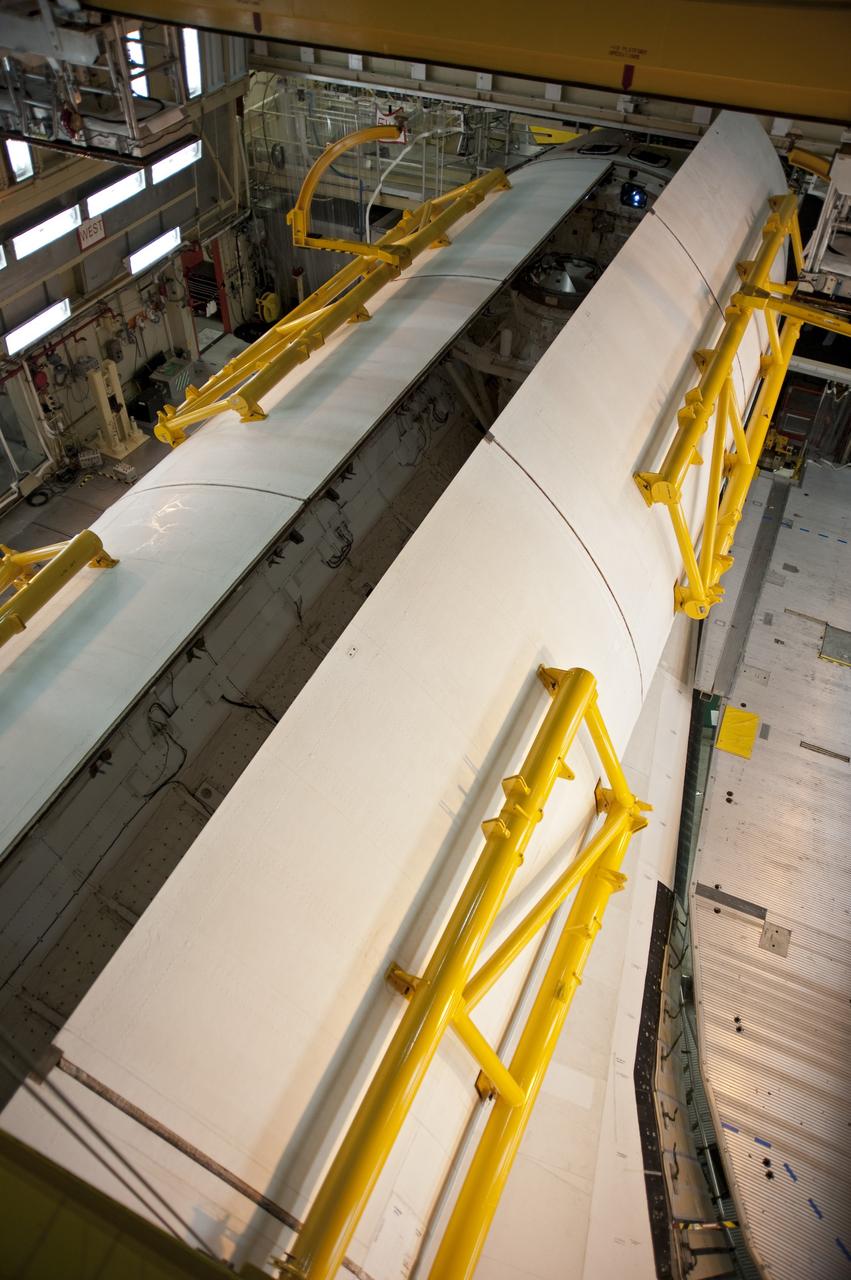
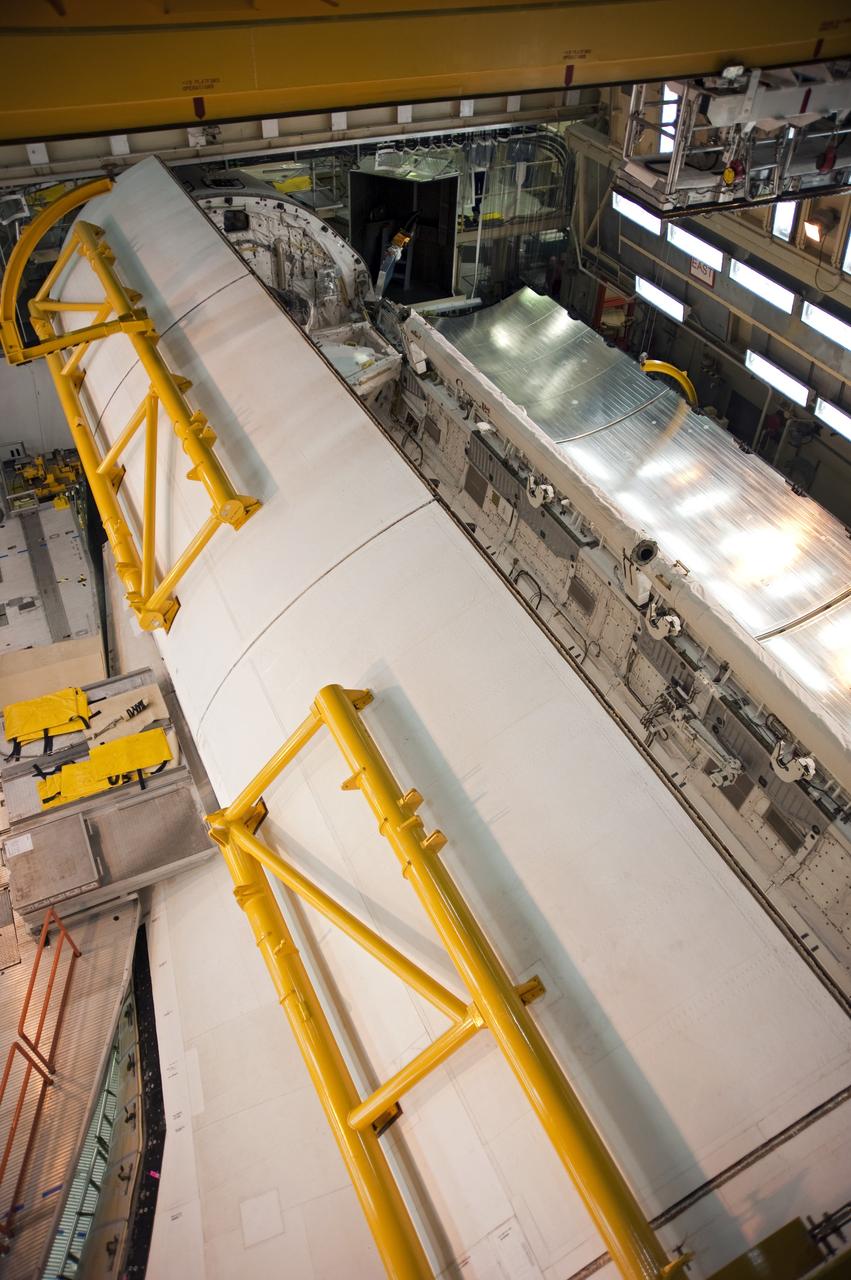
CAPE CANAVERAL, Fla. -- In Orbiter Processing Facility-3 at NASA's Kennedy Space Center in Florida, the clamshell doors of space shuttle Discovery's payload bay close completely in preparation for the its move to the Vehicle Assembly Building next month. There, it will be attached to its external fuel tank and a set of solid rocket boosters for launch on the STS-133 mission to the International Space Station. Targeted to launch Nov. 1, STS-133 will carry the multipurpose logistics module, or PMM, packed with supplies and critical spare parts, as well as Robonaut 2, or R2, to the station. Discovery will leave the module behind so it can be used for microgravity experiments in fluid physics, materials science, biology and biotechnology. Photo credit: NASA/Kim Shiflett
CAPE CANAVERAL, Fla. -- In Orbiter Processing Facility-3 at NASA's Kennedy Space Center in Florida, the clamshell doors of space shuttle Discovery's payload bay begin to close in preparation for the its move to the Vehicle Assembly Building next month. There, it will be attached to its external fuel tank and a set of solid rocket boosters for launch on the STS-133 mission to the International Space Station. Targeted to launch Nov. 1, STS-133 will carry the multipurpose logistics module, or PMM, packed with supplies and critical spare parts, as well as Robonaut 2, or R2, to the station. Discovery will leave the module behind so it can be used for microgravity experiments in fluid physics, materials science, biology and biotechnology. Photo credit: NASA/Kim Shiflett
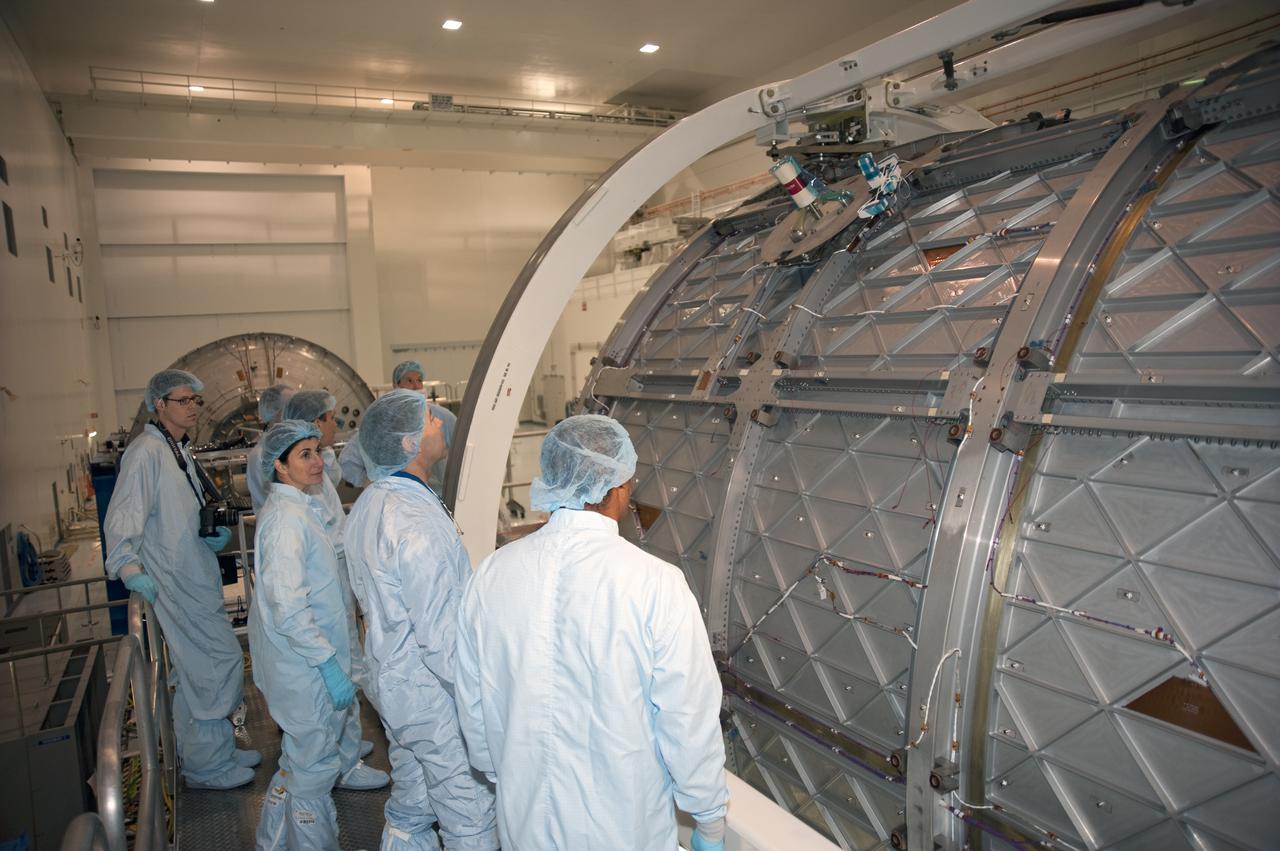
CAPE CANAVERAL, Fla. -- In the Space Station Processing Facility at NASA's Kennedy Space Center in Florida, the STS-133 crew members examine the exterior of the Permanent Multipurpose Module, or PMM. Pictured are Mission Specialists Nicole Stott and Michael Barratt. The PMM will be used to carry supplies and critical spare parts to the station and will be left behind so it can be used for microgravity experiments in fluid physics, materials science, biology and biotechnology. The astronauts are at Kennedy for the Crew Equipment Interface Test, or CEIT, which provides the crew with hands-on training and observation of shuttle and flight hardware for their mission to the International Space Station. Launch of the STS-133 mission on space shuttle Discovery is targeted for Nov. 1 at 4:33 p.m. EDT. Photo credit: NASA_Kim Shiflett
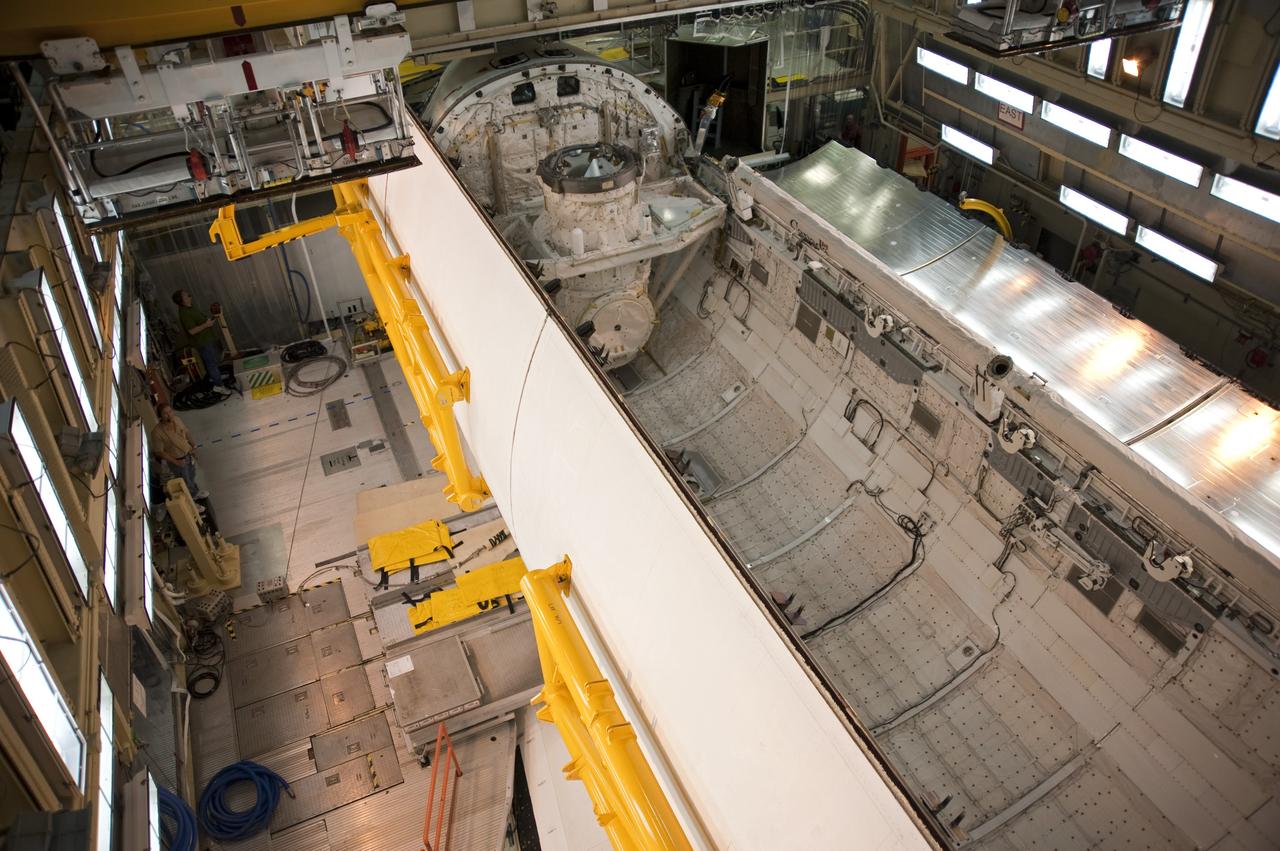
CAPE CANAVERAL, Fla. -- In Orbiter Processing Facility-3 at NASA's Kennedy Space Center in Florida, the clamshell doors of space shuttle Discovery's payload bay begin to close in preparation for the its move to the Vehicle Assembly Building next month. There, it will be attached to its external fuel tank and a set of solid rocket boosters for launch on the STS-133 mission to the International Space Station. Targeted to launch Nov. 1, STS-133 will carry the multipurpose logistics module, or PMM, packed with supplies and critical spare parts, as well as Robonaut 2, or R2, to the station. Discovery will leave the module behind so it can be used for microgravity experiments in fluid physics, materials science, biology and biotechnology. Photo credit: NASA/Kim Shiflett
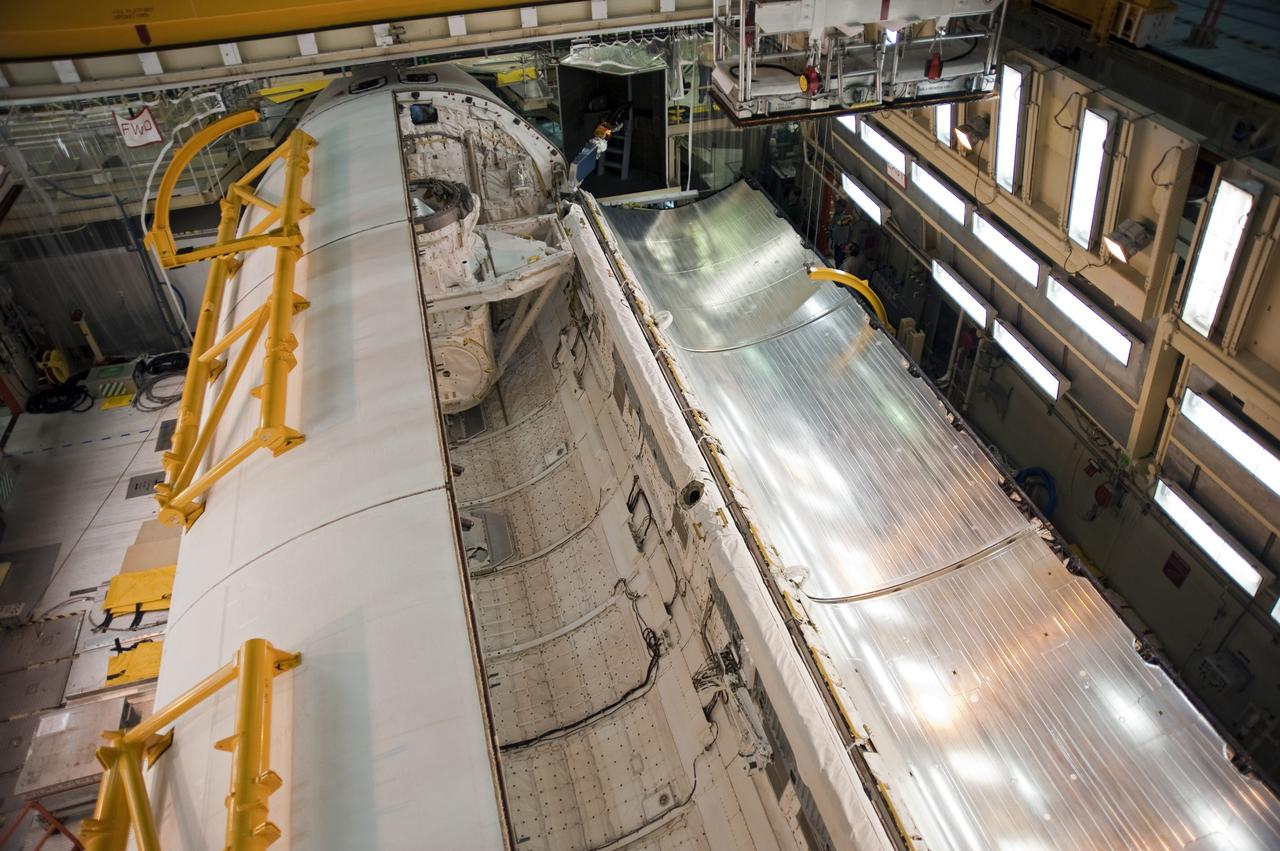
CAPE CANAVERAL, Fla. -- In Orbiter Processing Facility-3 at NASA's Kennedy Space Center in Florida, the clamshell doors of space shuttle Discovery's payload bay begin to close in preparation for the its move to the Vehicle Assembly Building next month. There, it will be attached to its external fuel tank and a set of solid rocket boosters for launch on the STS-133 mission to the International Space Station. Targeted to launch Nov. 1, STS-133 will carry the multipurpose logistics module, or PMM, packed with supplies and critical spare parts, as well as Robonaut 2, or R2, to the station. Discovery will leave the module behind so it can be used for microgravity experiments in fluid physics, materials science, biology and biotechnology. Photo credit: NASA/Kim Shiflett
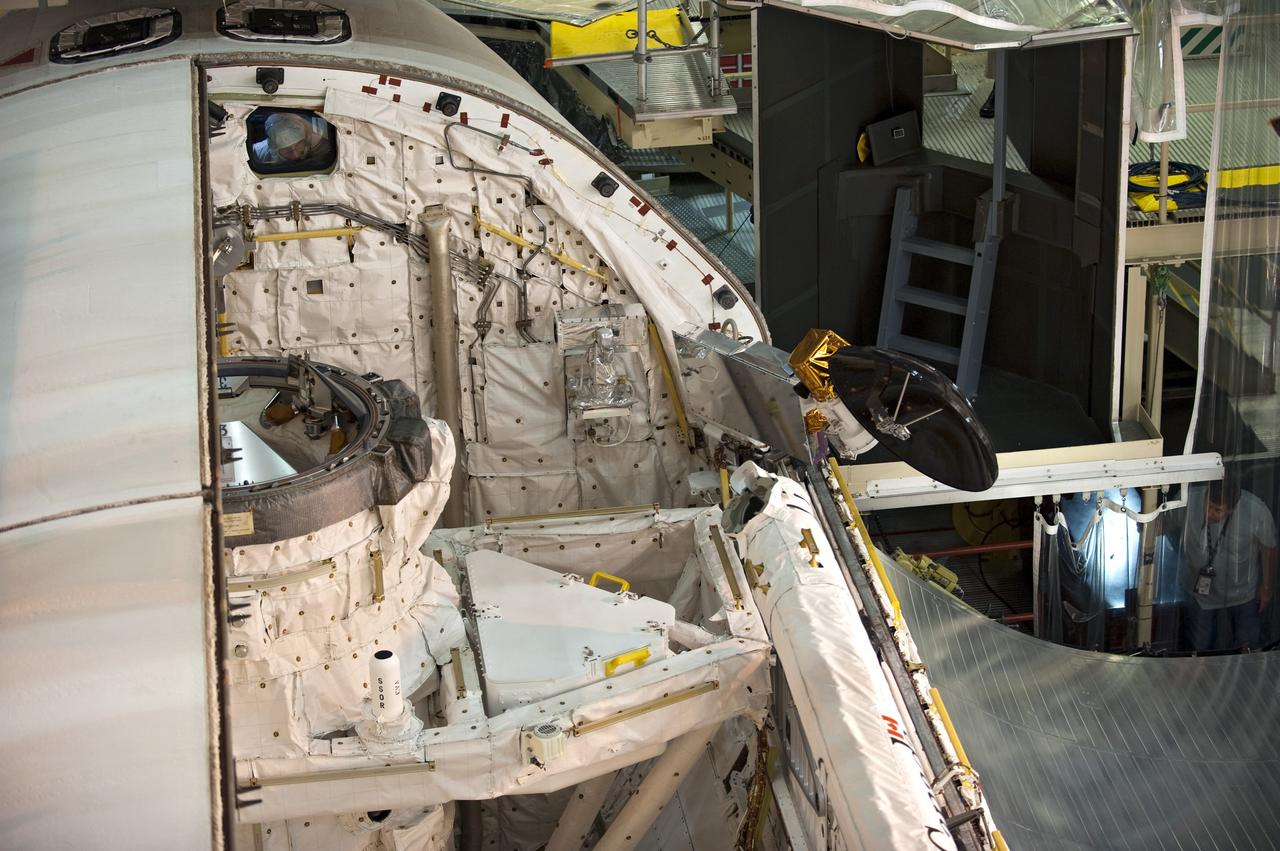
CAPE CANAVERAL, Fla. -- In Orbiter Processing Facility-3 at NASA's Kennedy Space Center in Florida, the Ku-band antenna is stored in space shuttle Discovery's payload bay. The antenna, which resembles a mini-satellite dish, transmits audio, video and data between Earth and the shuttle. Next, the clamshell doors of the payload bay will close completely in preparation for its move to the Vehicle Assembly Building next month. There, it will be attached to its external fuel tank and a set of solid rocket boosters for launch on the STS-133 mission to the International Space Station. Targeted to launch Nov. 1, STS-133 will carry the multipurpose logistics module, or PMM, packed with supplies and critical spare parts, as well as Robonaut 2, or R2, to the station. Discovery will leave the module behind so it can be used for microgravity experiments in fluid physics, materials science, biology and biotechnology. Photo credit: NASA/Kim Shiflett
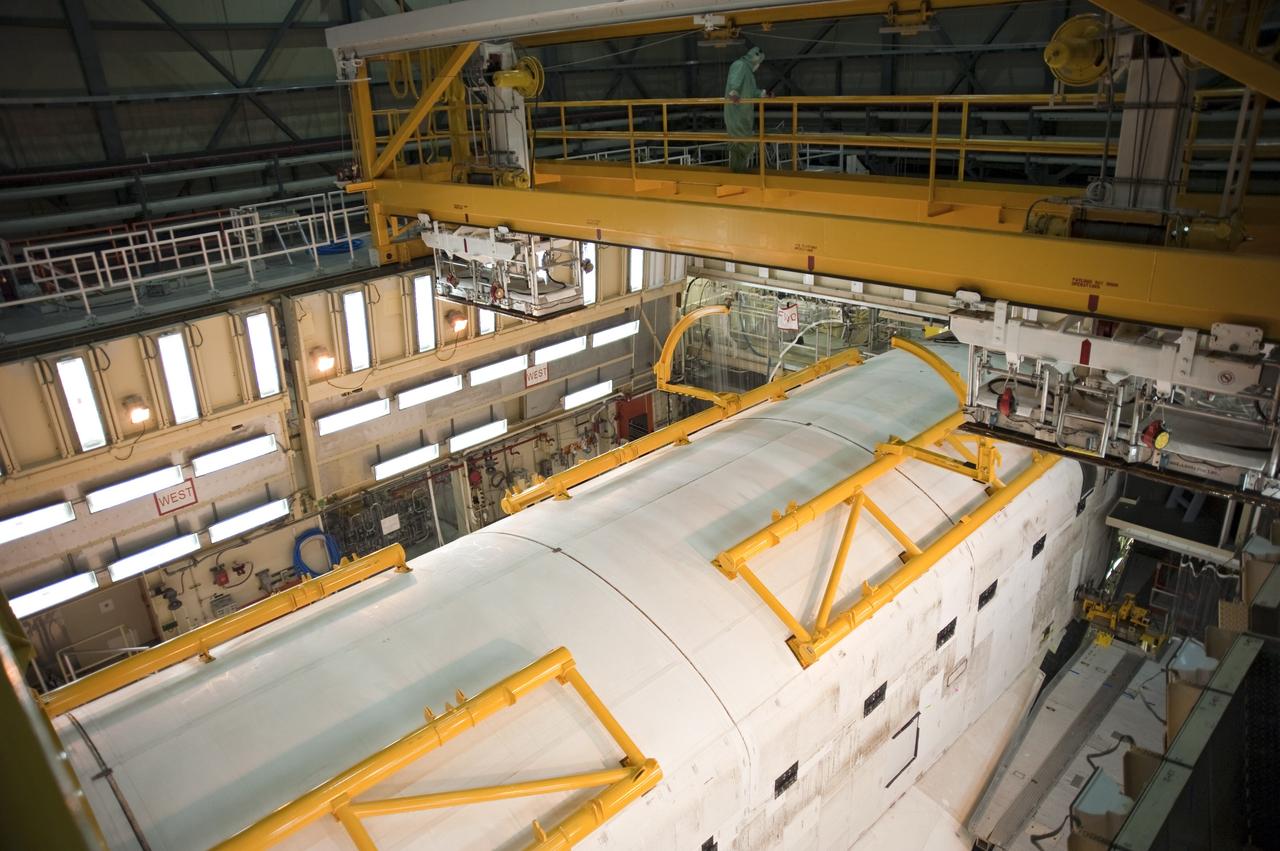
CAPE CANAVERAL, Fla. -- In Orbiter Processing Facility-3 at NASA's Kennedy Space Center in Florida, the clamshell doors of space shuttle Discovery's payload bay are closed completely in preparation for the its move to the Vehicle Assembly Building next month. There, it will be attached to its external fuel tank and a set of solid rocket boosters for launch on the STS-133 mission to the International Space Station. Targeted to launch Nov. 1, STS-133 will carry the multipurpose logistics module, or PMM, packed with supplies and critical spare parts, as well as Robonaut 2, or R2, to the station. Discovery will leave the module behind so it can be used for microgravity experiments in fluid physics, materials science, biology and biotechnology. Photo credit: NASA/Kim Shiflett
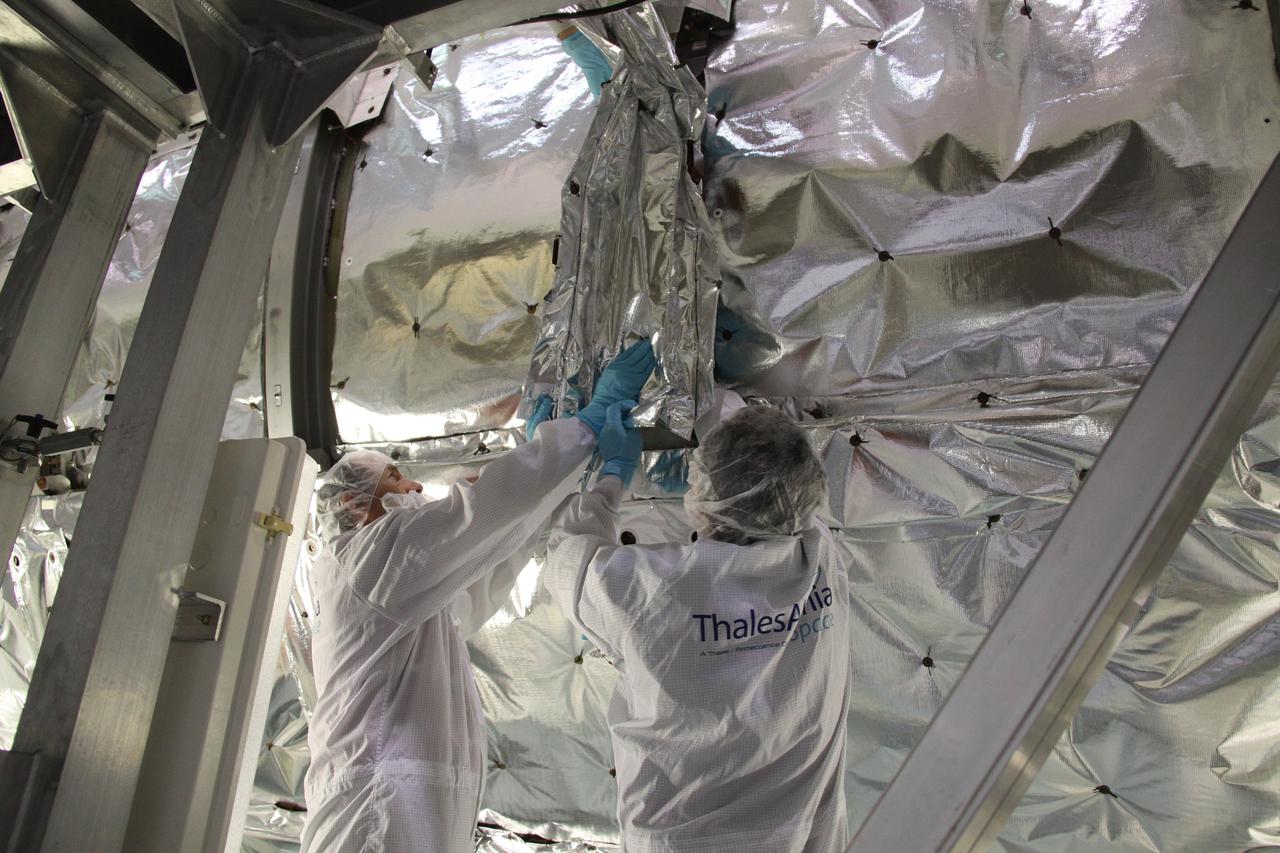
CAPE CANAVERAL, Fla. – In the Space Station Processing Facility at NASA's Kennedy Space Center in Florida, technicians install multi-layer insulation on the Meteoroids and Debris Protective Shield of the Permanent Multipurpose Module, or PMM. The reflective silver mesh is Mylar, which is aluminized to protect hardware aboard the International Space Station from solar thermal radiation. The Leonardo multi-purpose logistics module, or MPLM, is being modified to become the PMM that will carry supplies and critical spare parts to the station aboard space shuttle Discovery’s STS-133 mission. Discovery, targeted to launch Nov. 1, will leave the module behind so it can be used for microgravity experiments in fluid physics, materials science, biology and biotechnology. Photo credit: NASA_Troy Cryder
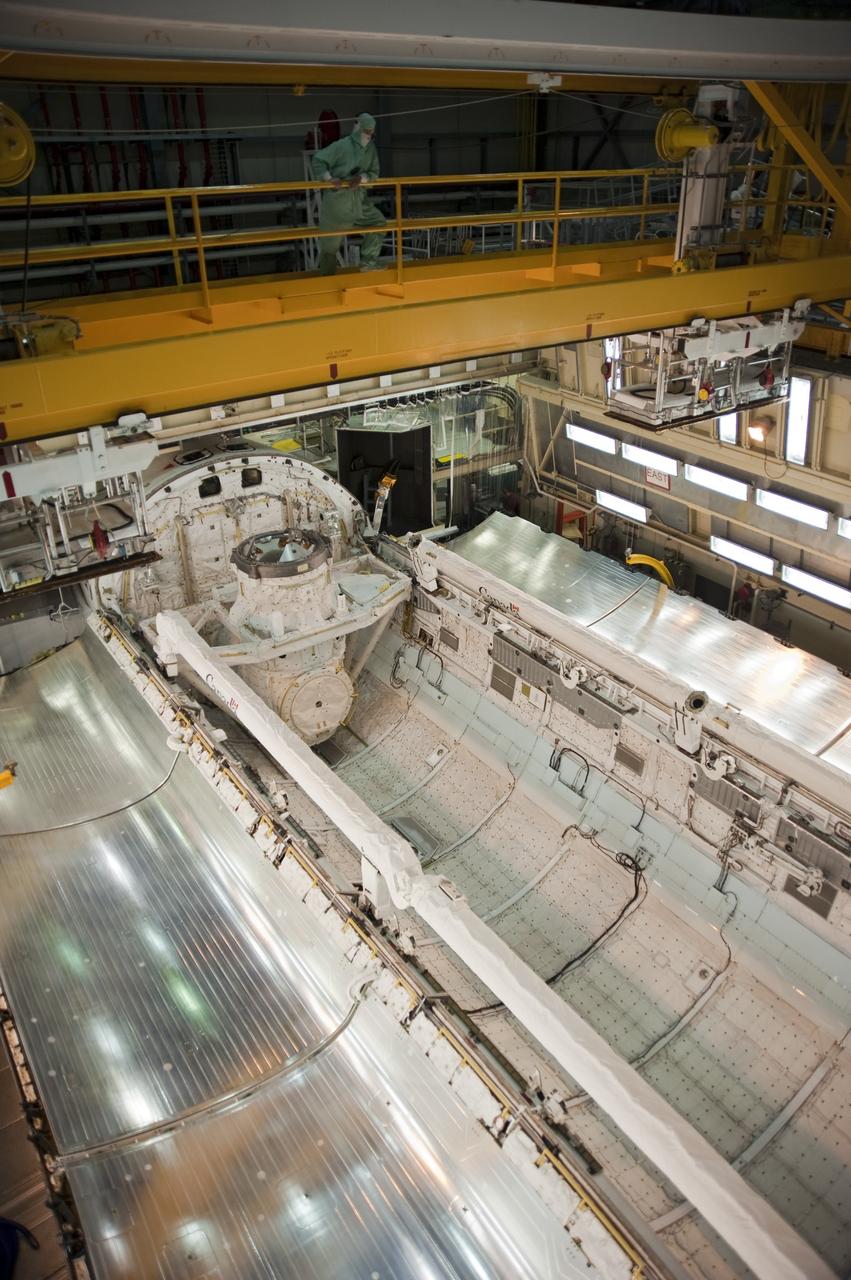
CAPE CANAVERAL, Fla. -- In Orbiter Processing Facility-3 at NASA's Kennedy Space Center in Florida, the clamshell doors of space shuttle Discovery's payload bay begin to close in preparation for the its move to the Vehicle Assembly Building next month. There, it will be attached to its external fuel tank and a set of solid rocket boosters for launch on the STS-133 mission to the International Space Station. Targeted to launch Nov. 1, STS-133 will carry the multipurpose logistics module, or PMM, packed with supplies and critical spare parts, as well as Robonaut 2, or R2, to the station. Discovery will leave the module behind so it can be used for microgravity experiments in fluid physics, materials science, biology and biotechnology. Photo credit: NASA/Kim Shiflett
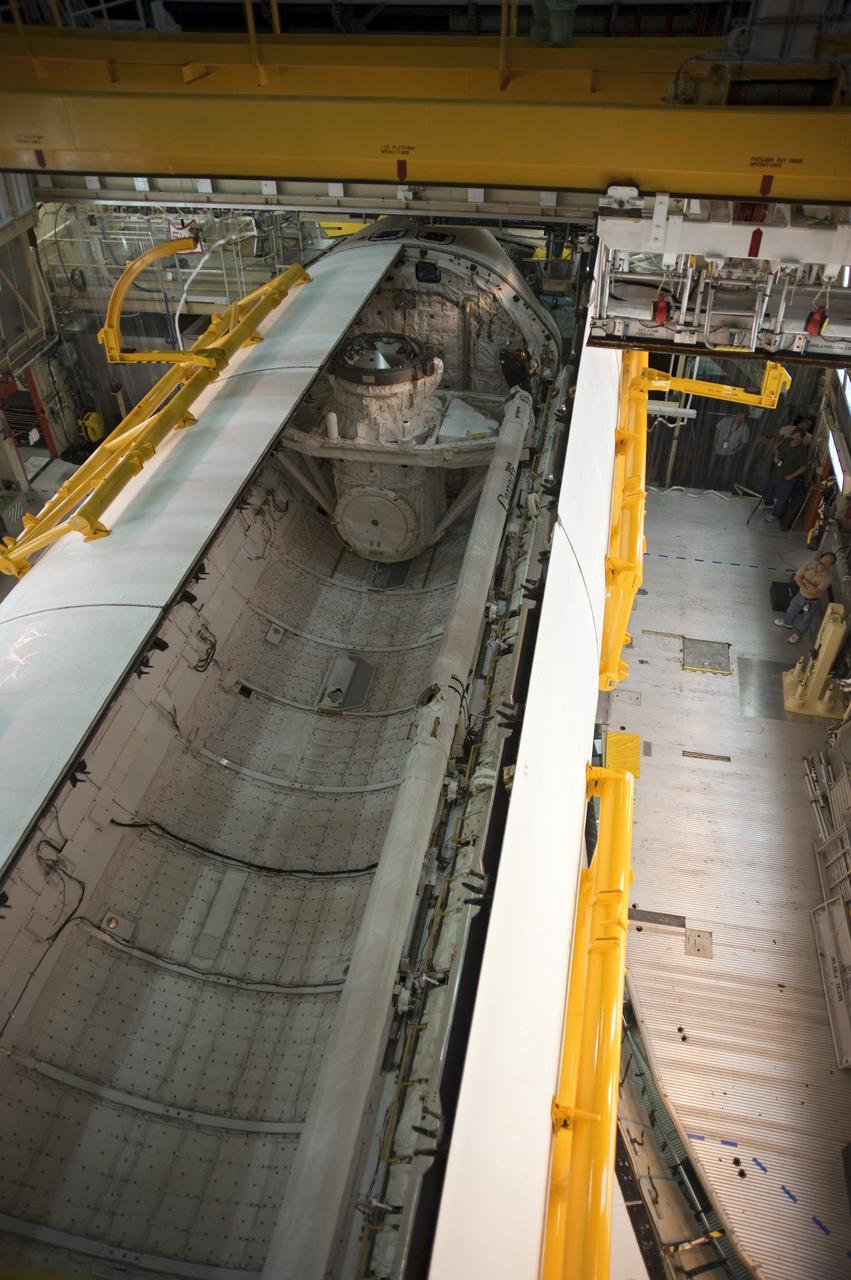
CAPE CANAVERAL, Fla. -- In Orbiter Processing Facility-3 at NASA's Kennedy Space Center in Florida, the clamshell doors of space shuttle Discovery's payload bay close completely in preparation for the its move to the Vehicle Assembly Building next month. There, it will be attached to its external fuel tank and a set of solid rocket boosters for launch on the STS-133 mission to the International Space Station. Targeted to launch Nov. 1, STS-133 will carry the multipurpose logistics module, or PMM, packed with supplies and critical spare parts, as well as Robonaut 2, or R2, to the station. Discovery will leave the module behind so it can be used for microgravity experiments in fluid physics, materials science, biology and biotechnology. Photo credit: NASA/Kim Shiflett
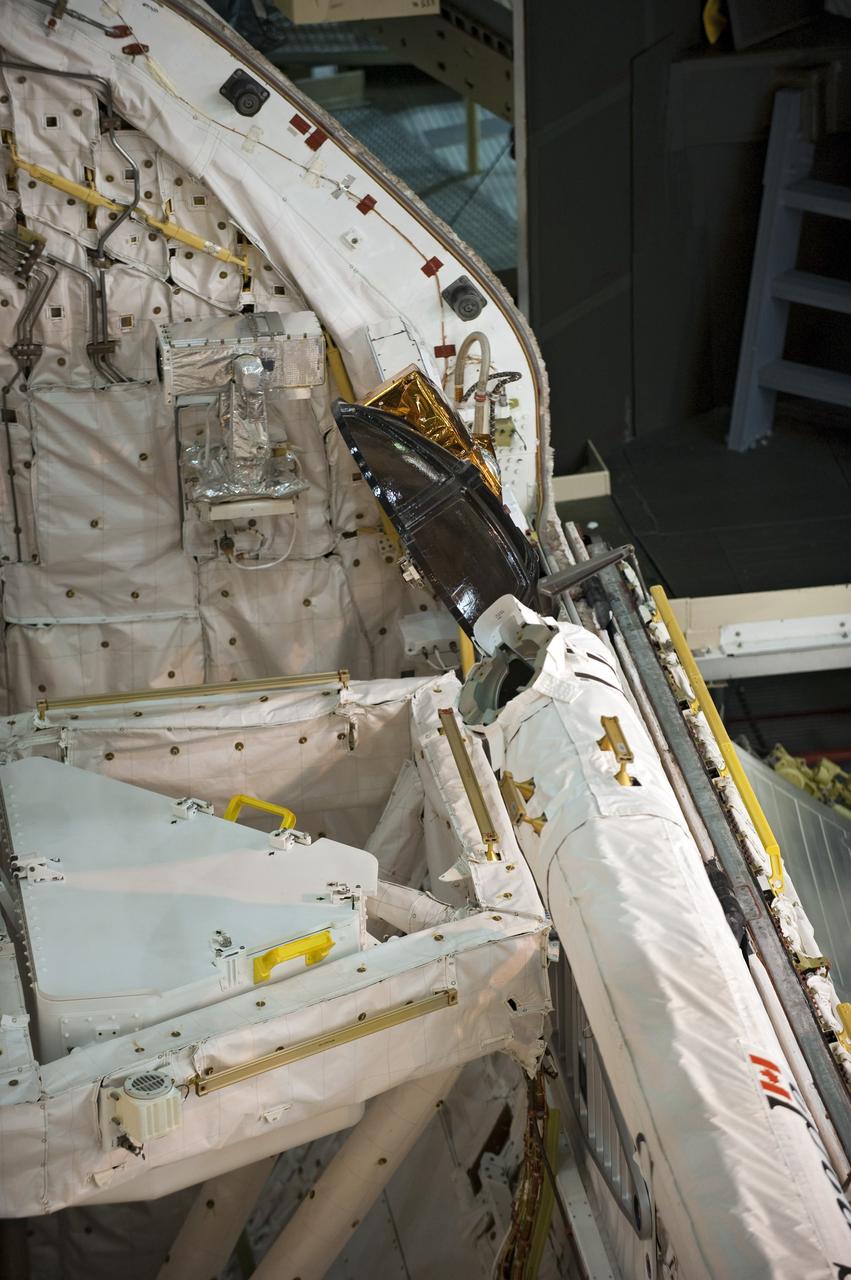
CAPE CANAVERAL, Fla. -- In Orbiter Processing Facility-3 at NASA's Kennedy Space Center in Florida, the Ku-band antenna is stored in space shuttle Discovery's payload bay. The antenna, which resembles a mini-satellite dish, transmits audio, video and data between Earth and the shuttle. Next, the clamshell doors of the payload bay will close completely in preparation for its move to the Vehicle Assembly Building next month. There, it will be attached to its external fuel tank and a set of solid rocket boosters for launch on the STS-133 mission to the International Space Station. Targeted to launch Nov. 1, STS-133 will carry the multipurpose logistics module, or PMM, packed with supplies and critical spare parts, as well as Robonaut 2, or R2, to the station. Discovery will leave the module behind so it can be used for microgravity experiments in fluid physics, materials science, biology and biotechnology. Photo credit: NASA/Kim Shiflett
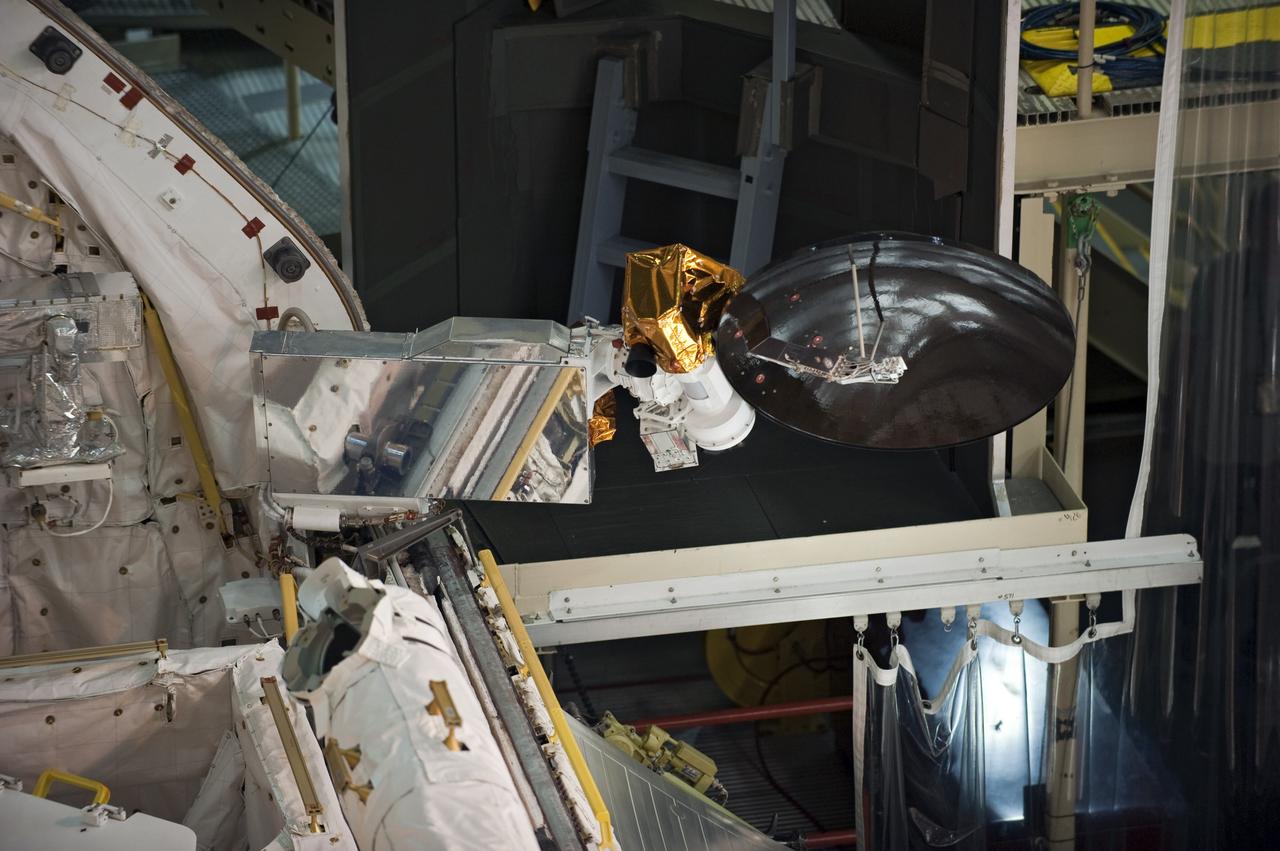
CAPE CANAVERAL, Fla. -- In Orbiter Processing Facility-3 at NASA's Kennedy Space Center in Florida, the Ku-band antenna is stored in space shuttle Discovery's payload bay. The antenna, which resembles a mini-satellite dish, transmits audio, video and data between Earth and the shuttle. Next, the clamshell doors of the payload bay will close completely in preparation for its move to the Vehicle Assembly Building next month. There, it will be attached to its external fuel tank and a set of solid rocket boosters for launch on the STS-133 mission to the International Space Station. Targeted to launch Nov. 1, STS-133 will carry the multipurpose logistics module, or PMM, packed with supplies and critical spare parts, as well as Robonaut 2, or R2, to the station. Discovery will leave the module behind so it can be used for microgravity experiments in fluid physics, materials science, biology and biotechnology. Photo credit: NASA/Kim Shiflett
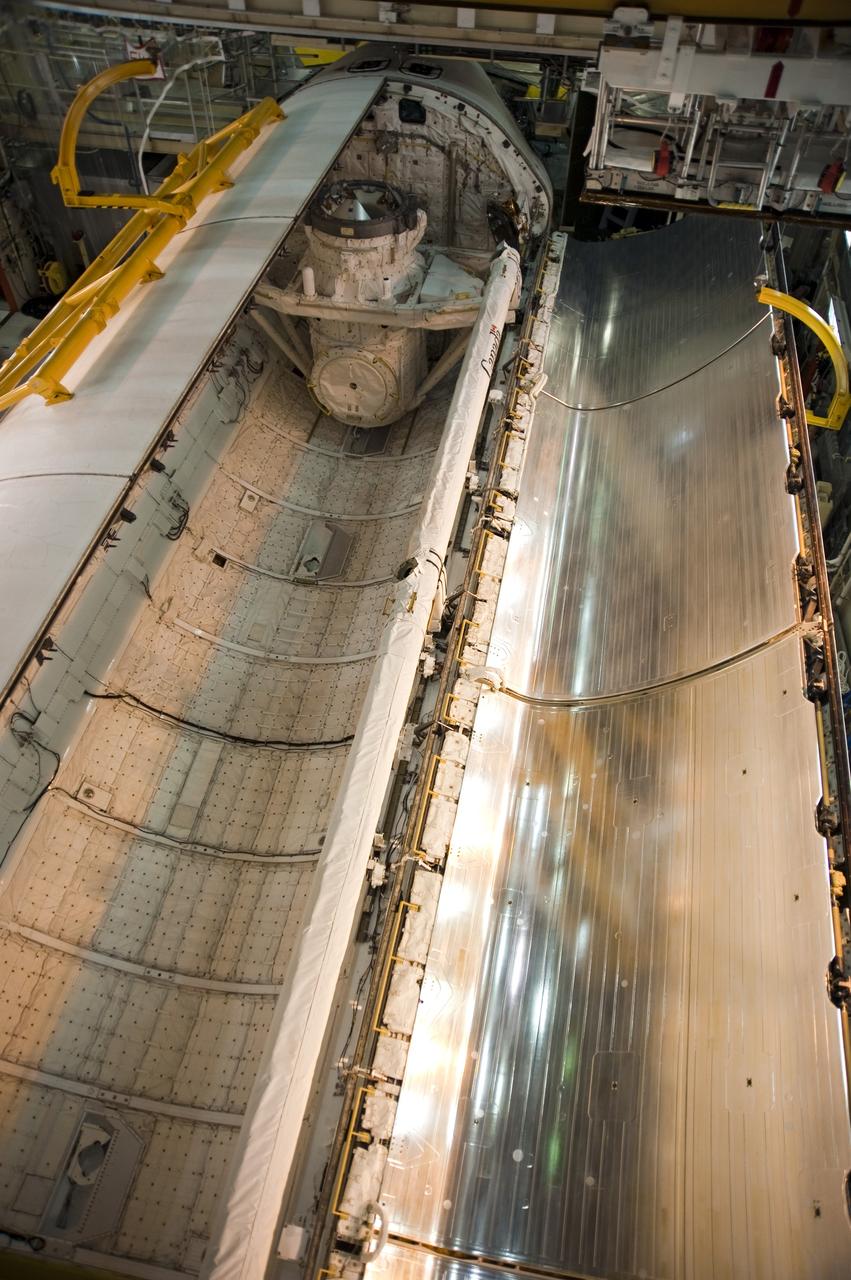
CAPE CANAVERAL, Fla. -- In Orbiter Processing Facility-3 at NASA's Kennedy Space Center in Florida, the clamshell doors of space shuttle Discovery's payload bay close completely in preparation for the its move to the Vehicle Assembly Building next month. There, it will be attached to its external fuel tank and a set of solid rocket boosters for launch on the STS-133 mission to the International Space Station. Targeted to launch Nov. 1, STS-133 will carry the multipurpose logistics module, or PMM, packed with supplies and critical spare parts, as well as Robonaut 2, or R2, to the station. Discovery will leave the module behind so it can be used for microgravity experiments in fluid physics, materials science, biology and biotechnology. Photo credit: NASA/Kim Shiflett
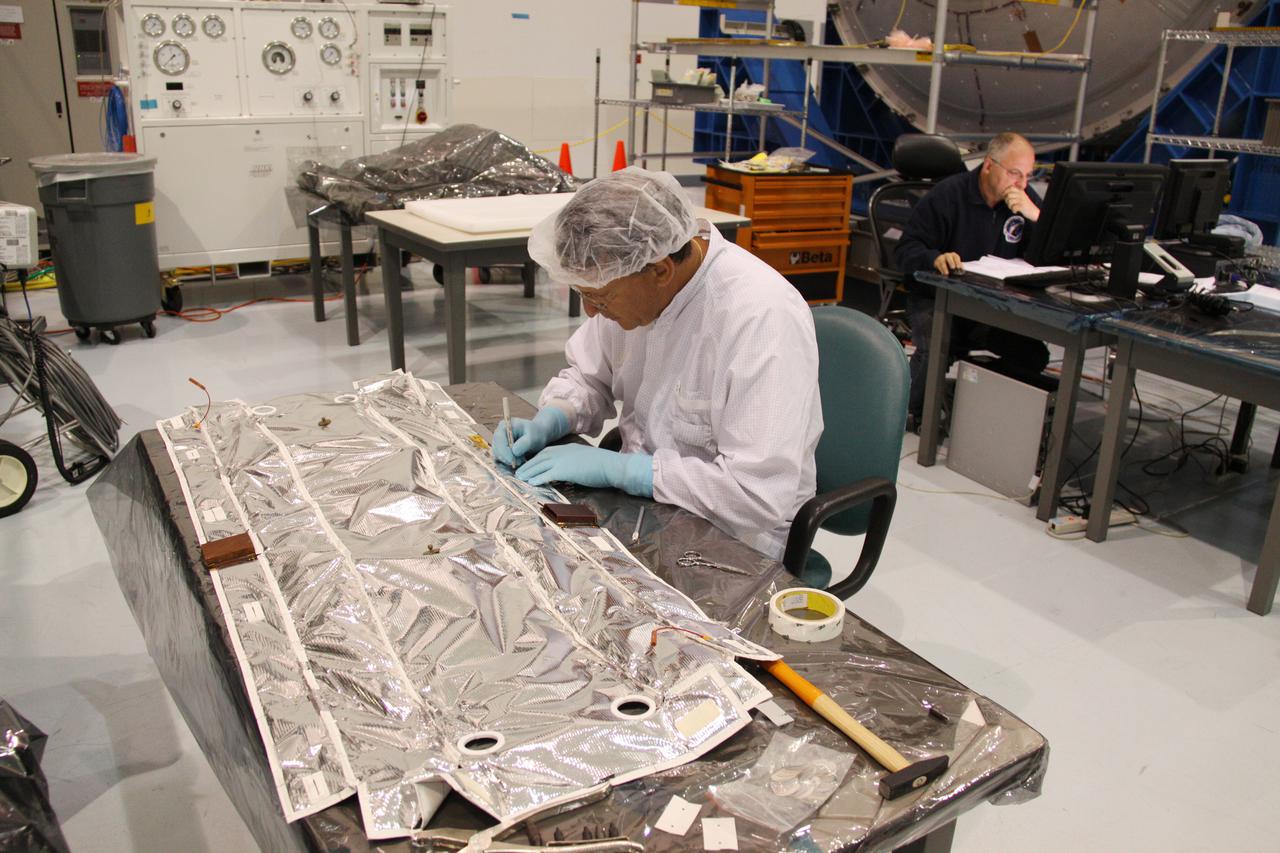
CAPE CANAVERAL, Fla. – In the Space Station Processing Facility at NASA's Kennedy Space Center in Florida, a technician inspects multi-layer insulation before it is installed on the Meteoroids and Debris Protective Shield of the Permanent Multipurpose Module, or PMM. The reflective silver mesh is Mylar, which is aluminized to protect hardware aboard the International Space Station from solar thermal radiation. The Leonardo multi-purpose logistics module, or MPLM, is being modified to become the PMM that will carry supplies and critical spare parts to the station aboard space shuttle Discovery’s STS-133 mission. Discovery, targeted to launch Nov. 1, will leave the module behind so it can be used for microgravity experiments in fluid physics, materials science, biology and biotechnology. Photo credit: NASA_Troy Cryder
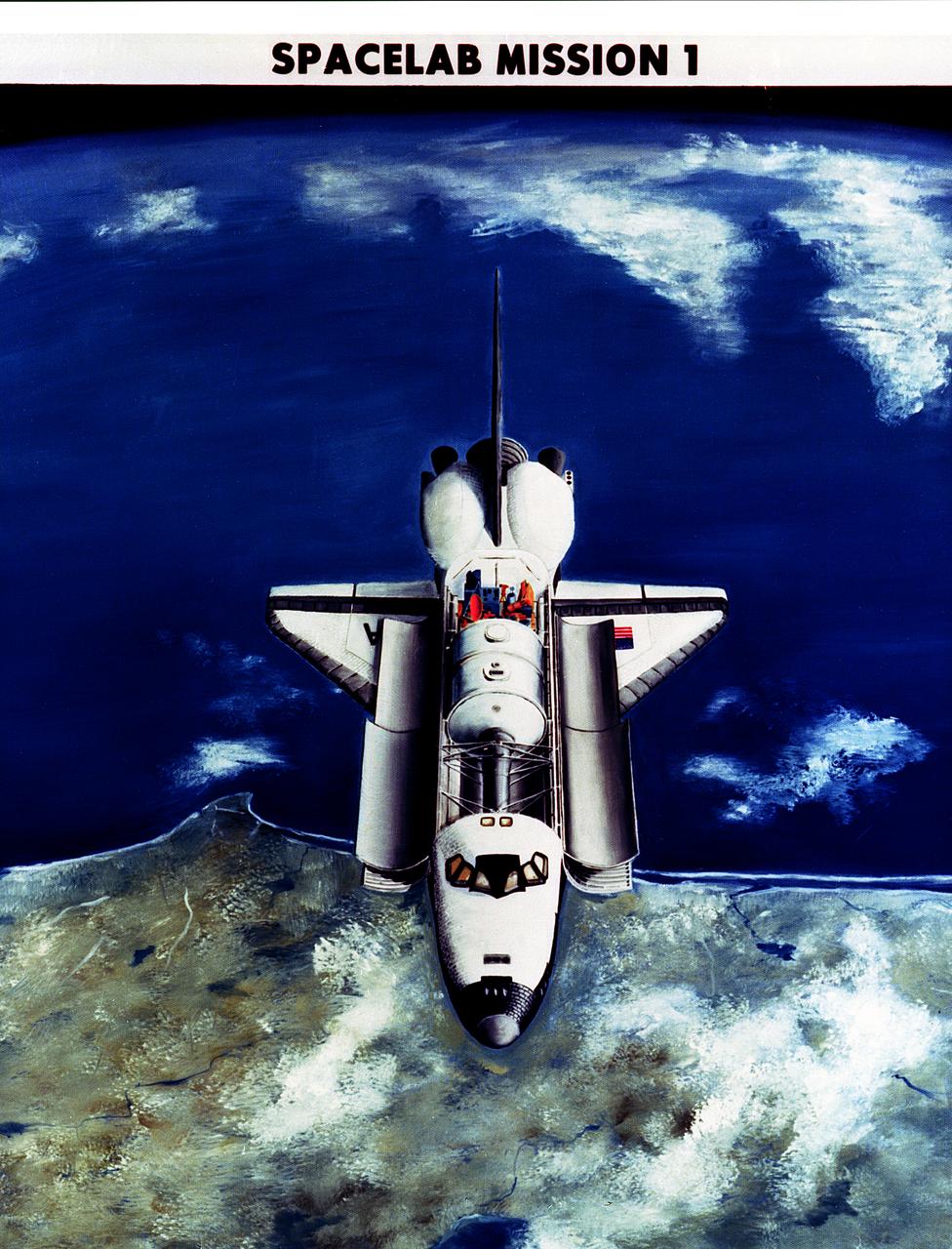
Spacelab was a versatile laboratory carried in the Space Shuttle's cargo bay for special research flights. Its various elements could be combined to accommodate the many types of scientific research that could best be performed in space. Spacelab consisted of an enclosed, pressurized laboratory module and open U-shaped pallets located at the rear of the laboratory module. The laboratory module contained utilities, computers, work benches, and instrument racks to conduct scientific experiments in astronomy, physics, chemistry, biology, medicine, and engineering. Equipment, such as telescopes, anternas, and sensors, was mounted on pallets for direct exposure to space. A 1-meter (3.3-ft.) diameter aluminum tunnel, resembling a z-shaped tube, connected the crew compartment (mid deck) to the module. The reusable Spacelab allowed scientists to bring experiment samples back to Earth for post-flight analysis. Spacelab was a cooperative venture of the European Space Agency (ESA) and NASA. ESA was responsible for funding, developing, and building of Spacelab, while NASA was responsible for the launch and operational use of Spacelab. Spacelab missions were cooperative efforts between scientists and engineers from around the world. Teams from NASA centers, universities, private industry, government agencies and international space organizations designed the experiments. The Marshall Space Flight Center was NASA's lead center for monitoring the development of Spacelab and managing the program.
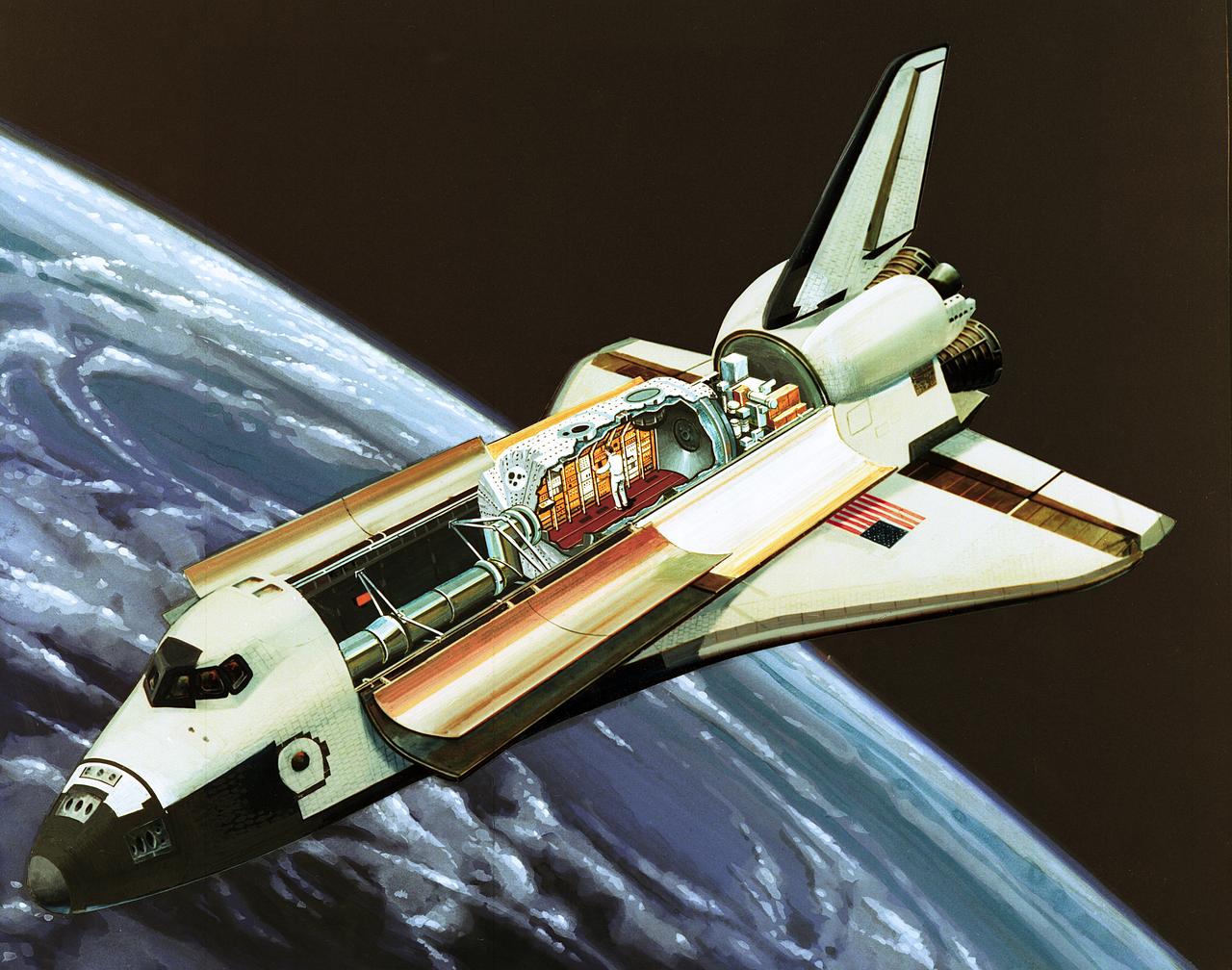
Spacelab was a versatile laboratory carried in the Space Shuttle's cargo bay for special research flights. Its various elements could be combined to accommodate the many types of scientific research that could best be performed in space. Spacelab consisted of an enclosed, pressurized laboratory module and open U-shaped pallets located at the rear of the laboratory module. The laboratory module contained utilities, computers, work benches, and instrument racks to conduct scientific experiments in astronomy, physics, chemistry, biology, medicine, and engineering. Equipment, such as telescopes, anternas, and sensors, was mounted on pallets for direct exposure to space. A 1-meter (3.3-ft.) diameter aluminum tunnel, resembling a z-shaped tube, connected the crew compartment (mid deck) to the module. The reusable Spacelab allowed scientists to bring experiment samples back to Earth for post-flight analysis. Spacelab was a cooperative venture of the European Space Agency (ESA) and NASA. ESA was responsible for funding, developing, and building of Spacelab, while NASA was responsible for the launch and operational use of Spacelab. Spacelab missions were cooperative efforts between scientists and engineers from around the world. Teams from NASA centers, universities, private industry, government agencies and international space organizations designed the experiments. The Marshall Space Flight Center was NASA's lead center for monitoring the development of Spacelab and managing the program.