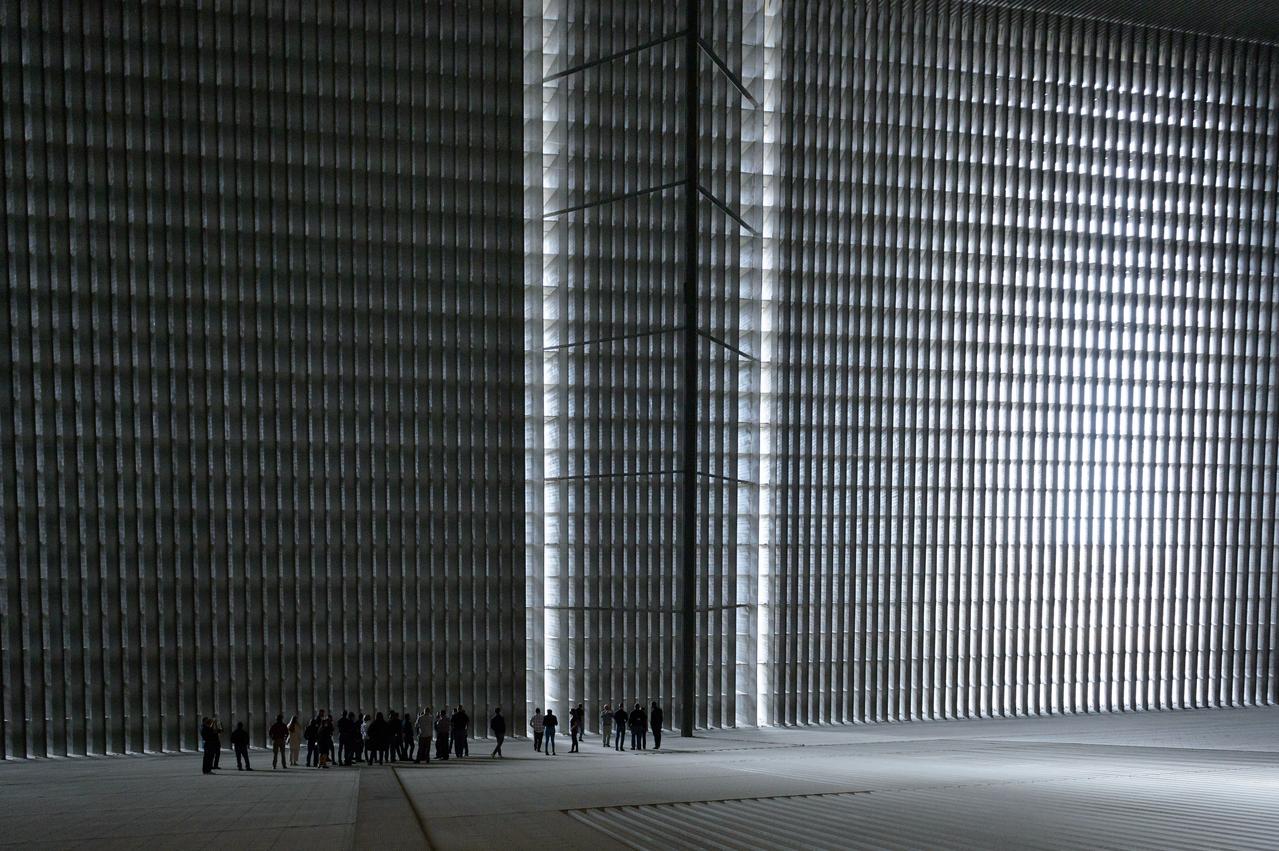
The Blue Angels crew tour the inlet of the NFAC’s 80-by-120-foot wind tunnel test section in building N221.
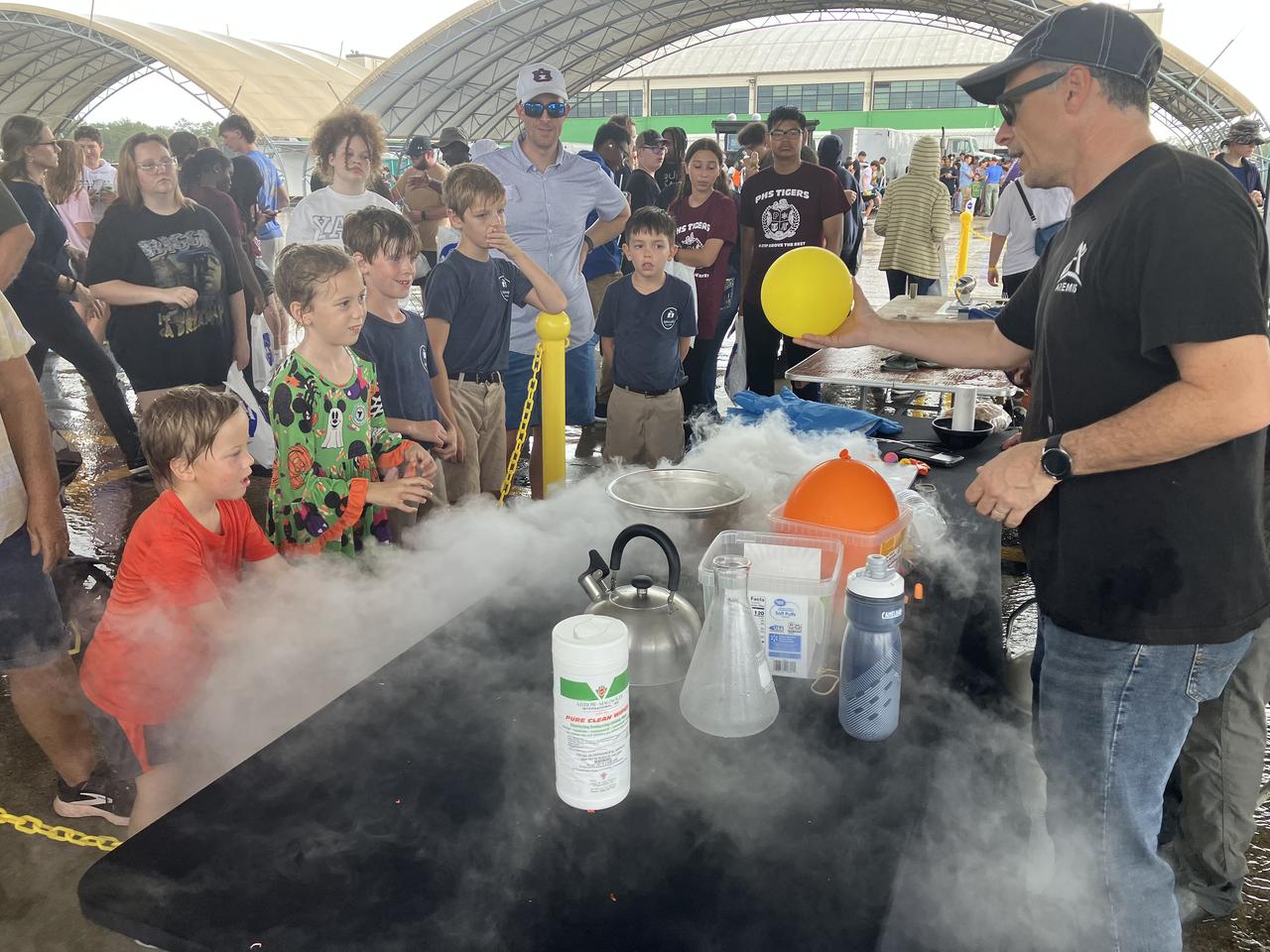
NASA Stennis representatives inspire the Artemis Generation at the NAS Pensacola Blue Angels Homecoming Air Show Nov. 1-2, following STEM engagement activities on Oct. 31. NASA’s exhibit at the air show honors the 55th anniversary of the Apollo 11 lunar landing and showcases the agency’s mission to inspire the world through discovery.
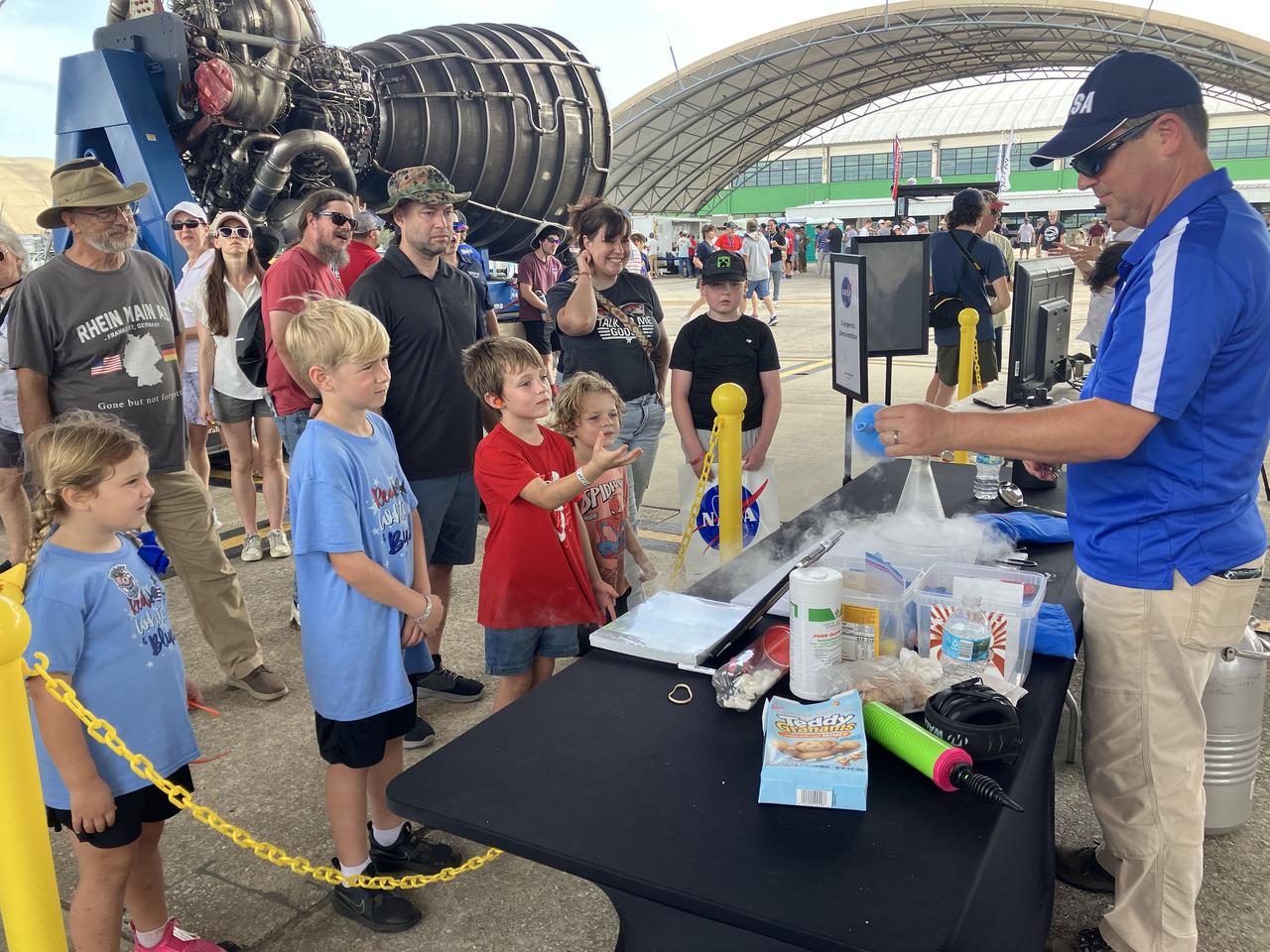
NASA Stennis representatives inspire the Artemis Generation at the NAS Pensacola Blue Angels Homecoming Air Show Nov. 1-2, following STEM engagement activities on Oct. 31. NASA’s exhibit at the air show honors the 55th anniversary of the Apollo 11 lunar landing and showcases the agency’s mission to inspire the world through discovery.
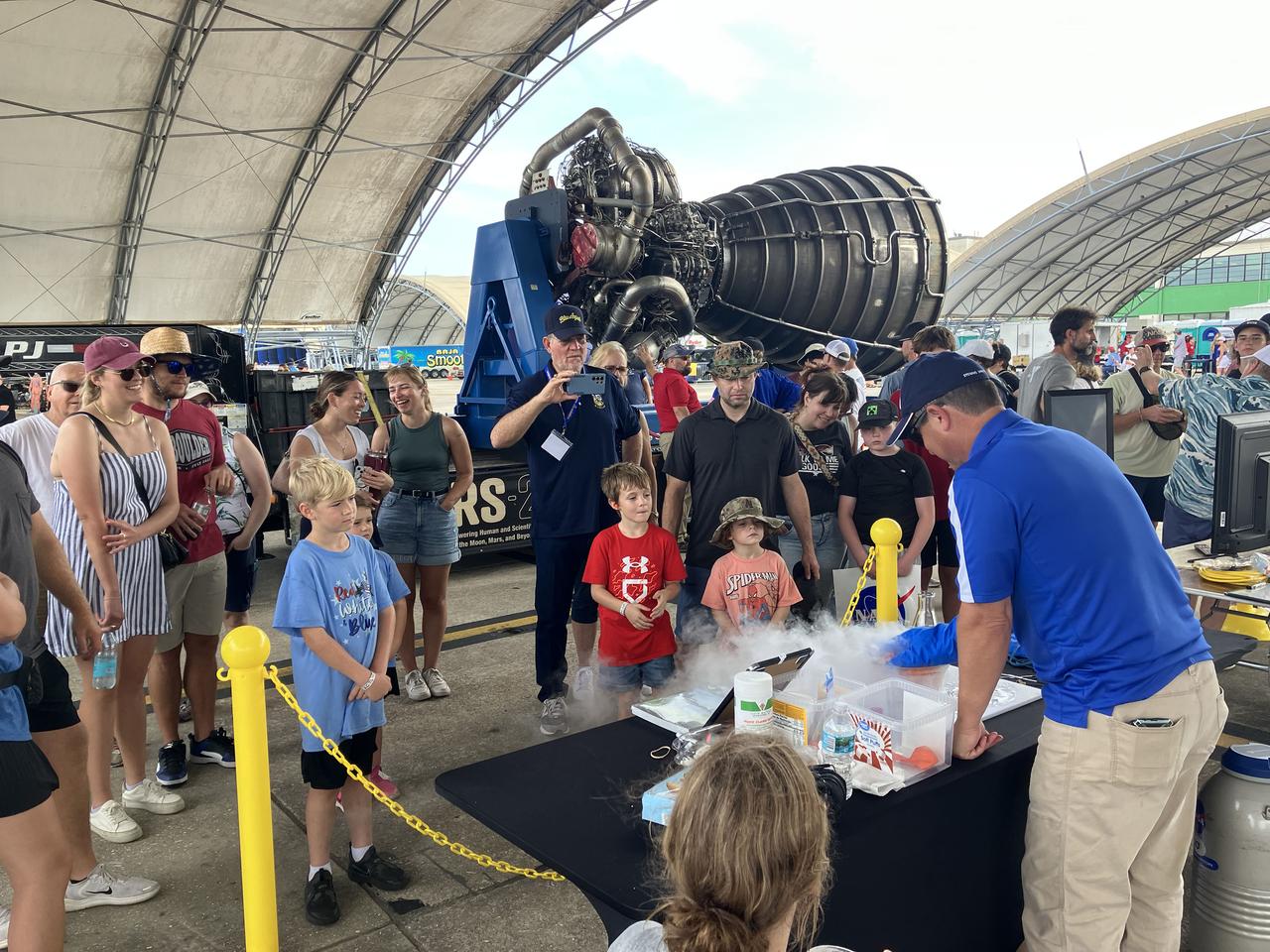
NASA Stennis representatives inspire the Artemis Generation at the NAS Pensacola Blue Angels Homecoming Air Show Nov. 1-2, following STEM engagement activities on Oct. 31. NASA’s exhibit at the air show honors the 55th anniversary of the Apollo 11 lunar landing and showcases the agency’s mission to inspire the world through discovery.
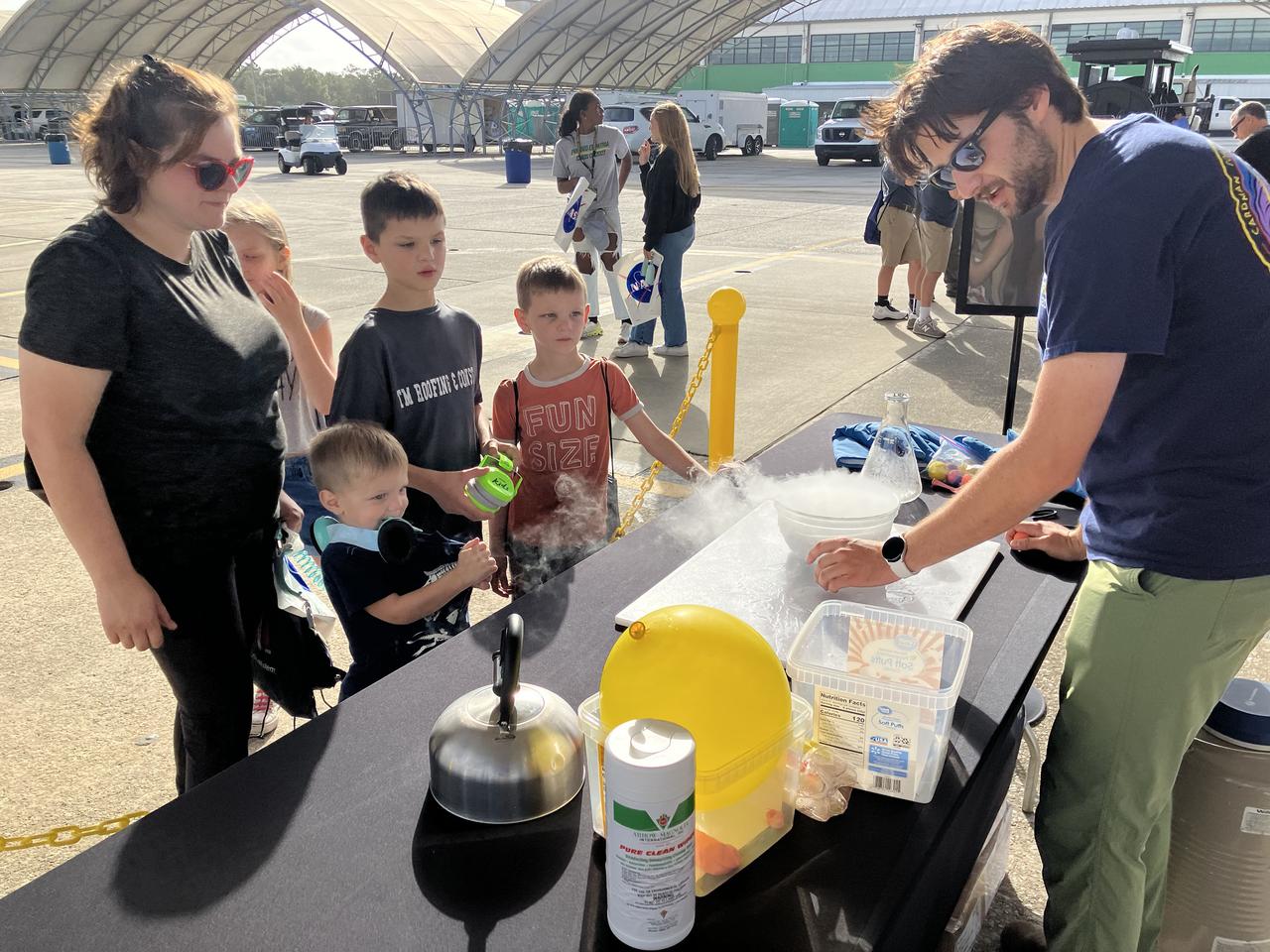
NASA Stennis representatives inspire the Artemis Generation at the NAS Pensacola Blue Angels Homecoming Air Show Nov. 1-2, following STEM engagement activities on Oct. 31. NASA’s exhibit at the air show honors the 55th anniversary of the Apollo 11 lunar landing and showcases the agency’s mission to inspire the world through discovery.
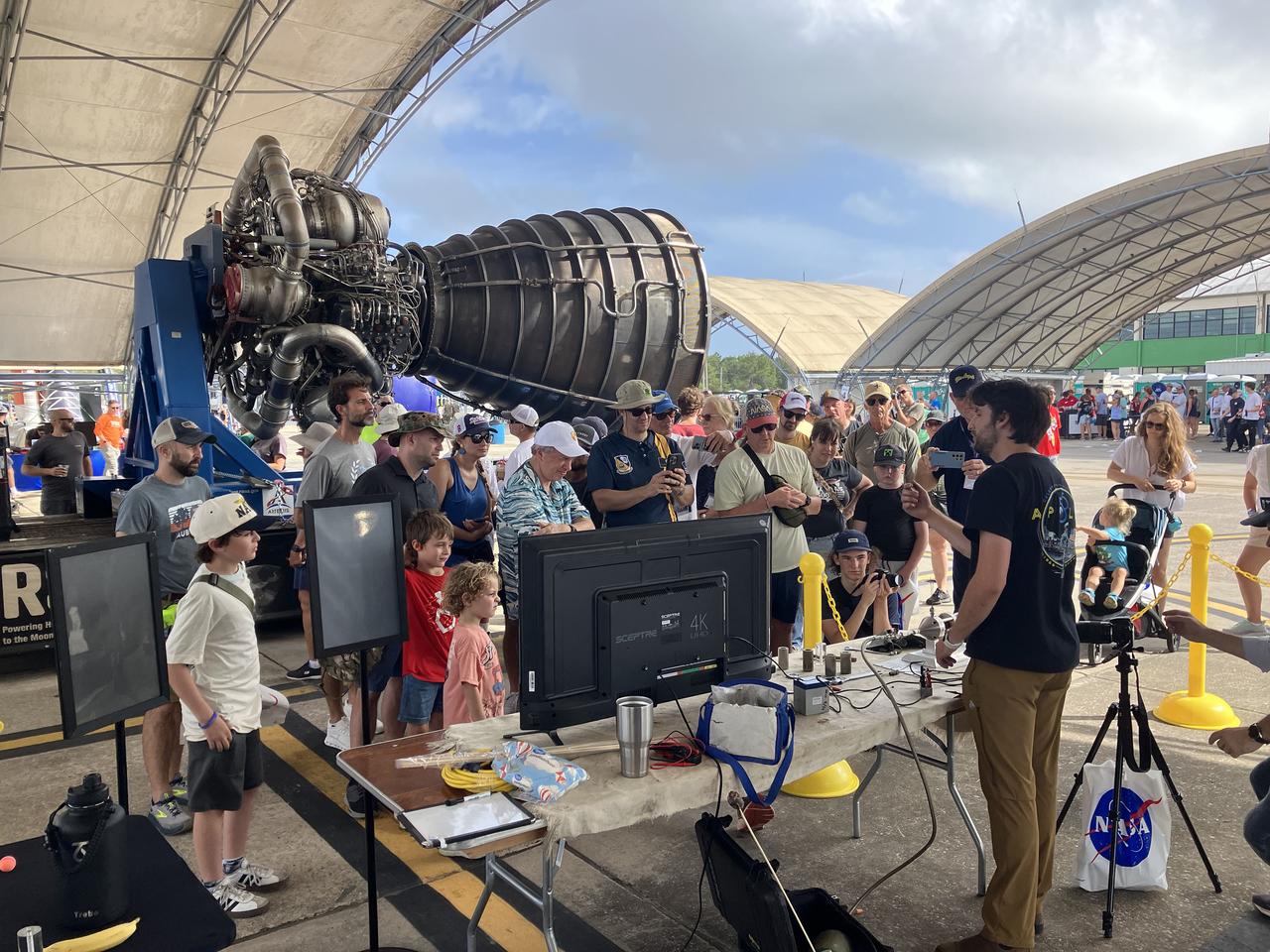
NASA Stennis representatives inspire the Artemis Generation at the NAS Pensacola Blue Angels Homecoming Air Show Nov. 1-2, following STEM engagement activities on Oct. 31. NASA’s exhibit at the air show honors the 55th anniversary of the Apollo 11 lunar landing and showcases the agency’s mission to inspire the world through discovery.
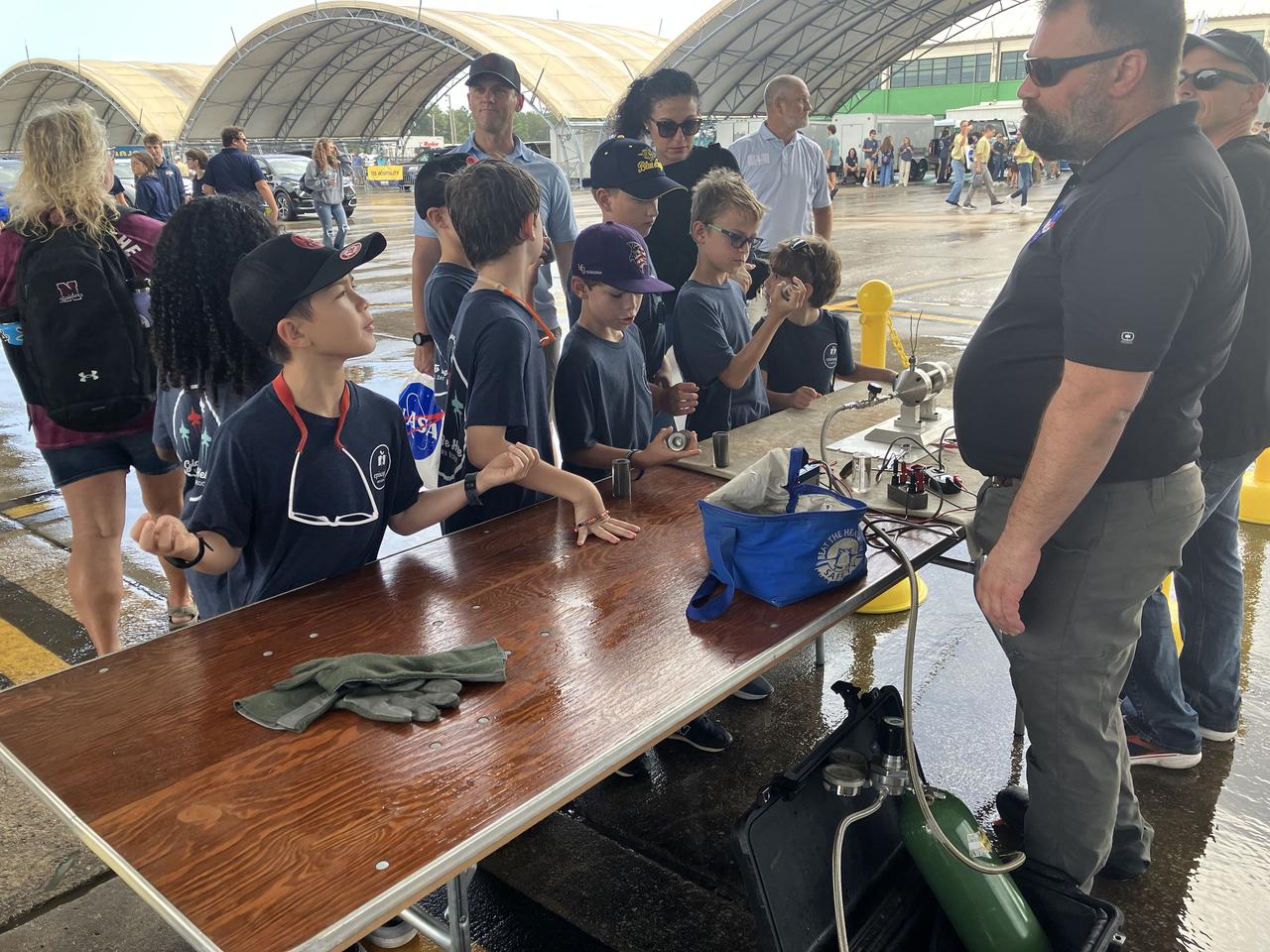
NASA Stennis representatives inspire the Artemis Generation at the NAS Pensacola Blue Angels Homecoming Air Show Nov. 1-2, following STEM engagement activities on Oct. 31. NASA’s exhibit at the air show honors the 55th anniversary of the Apollo 11 lunar landing and showcases the agency’s mission to inspire the world through discovery.
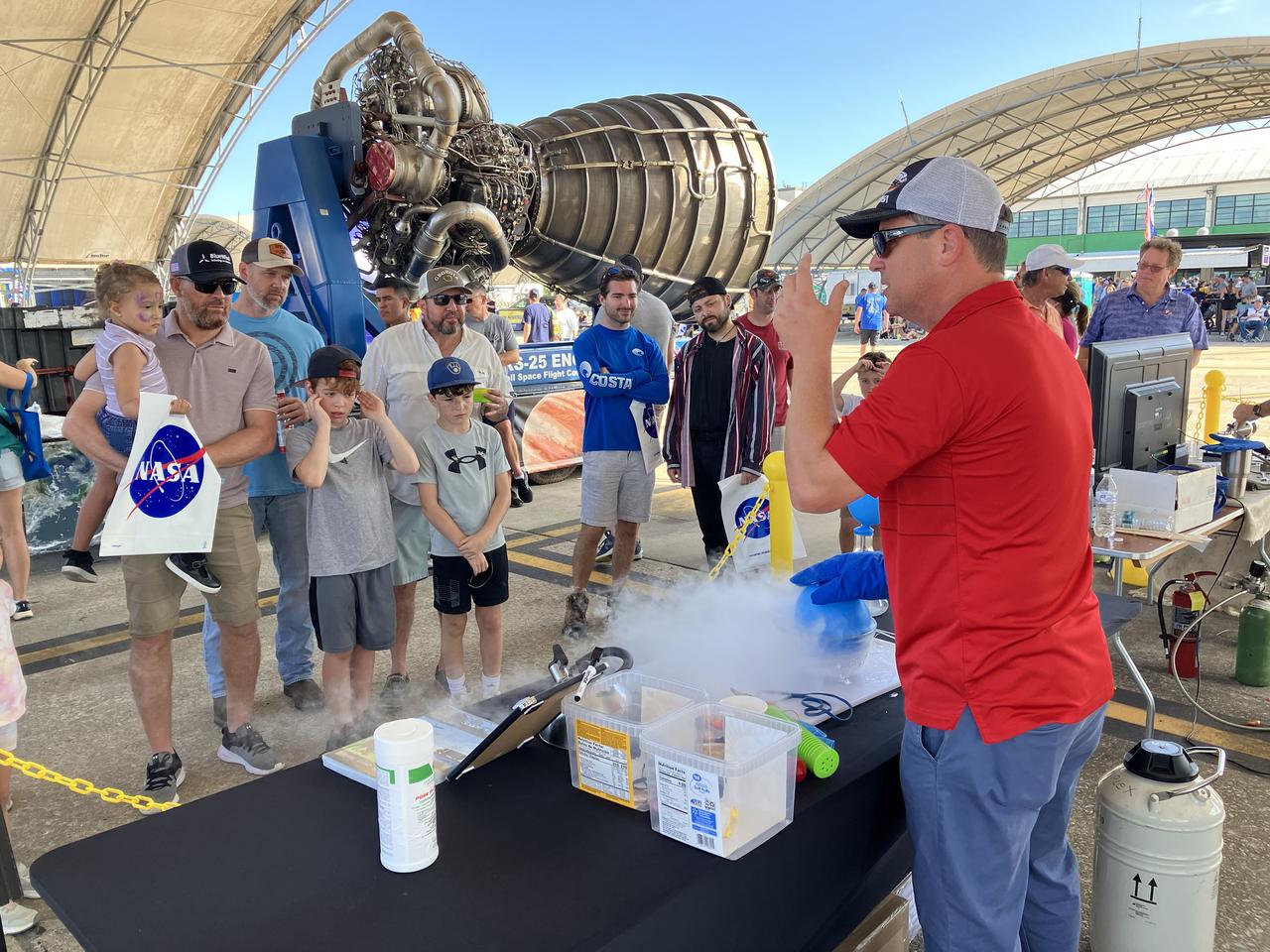
NASA Stennis representatives inspire the Artemis Generation at the NAS Pensacola Blue Angels Homecoming Air Show Nov. 1-2, following STEM engagement activities on Oct. 31. NASA’s exhibit at the air show honors the 55th anniversary of the Apollo 11 lunar landing and showcases the agency’s mission to inspire the world through discovery.
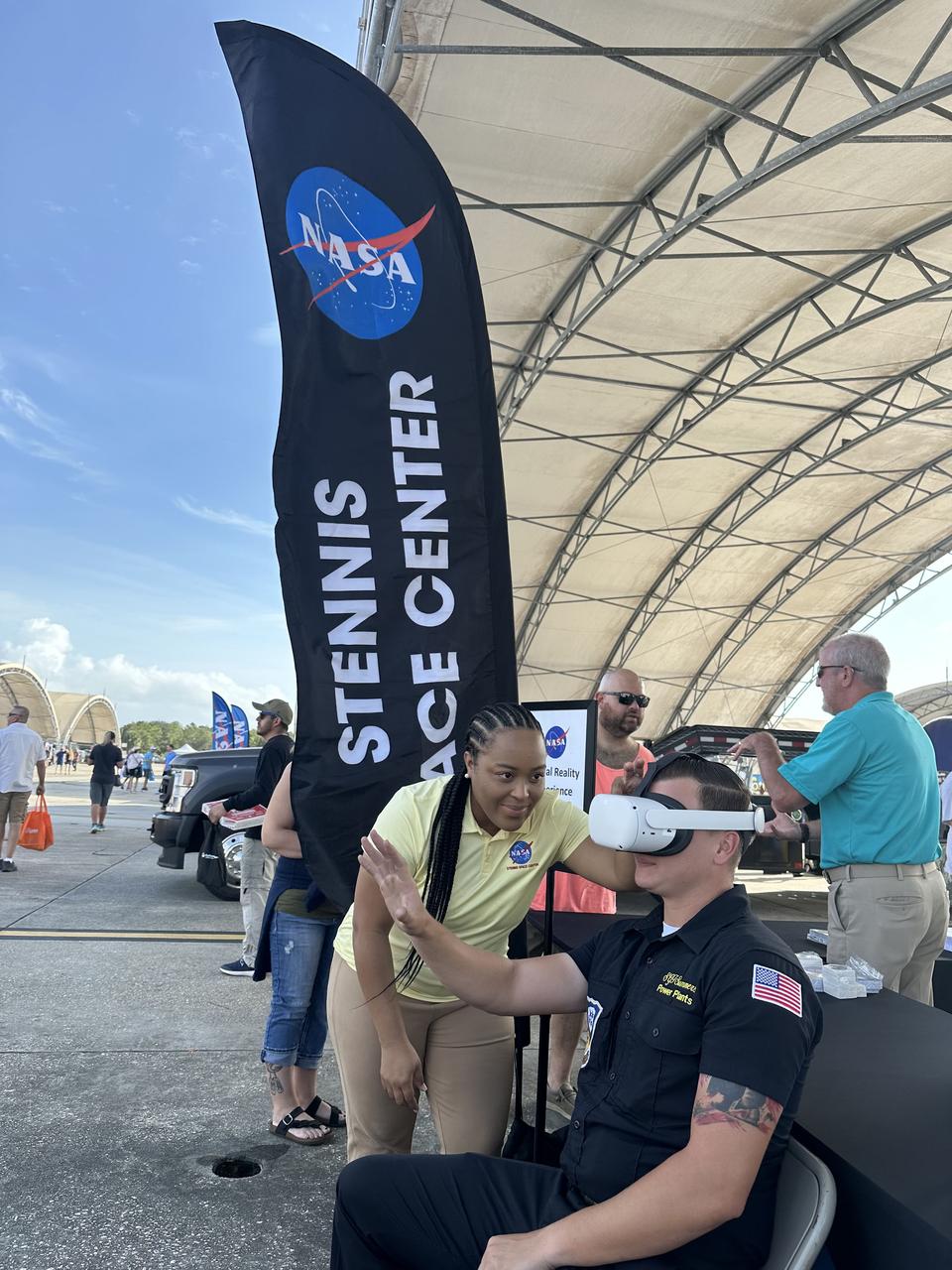
NASA Stennis representatives inspire the Artemis Generation at the NAS Pensacola Blue Angels Homecoming Air Show Nov. 1-2, following STEM engagement activities on Oct. 31. NASA’s exhibit at the air show honors the 55th anniversary of the Apollo 11 lunar landing and showcases the agency’s mission to inspire the world through discovery.
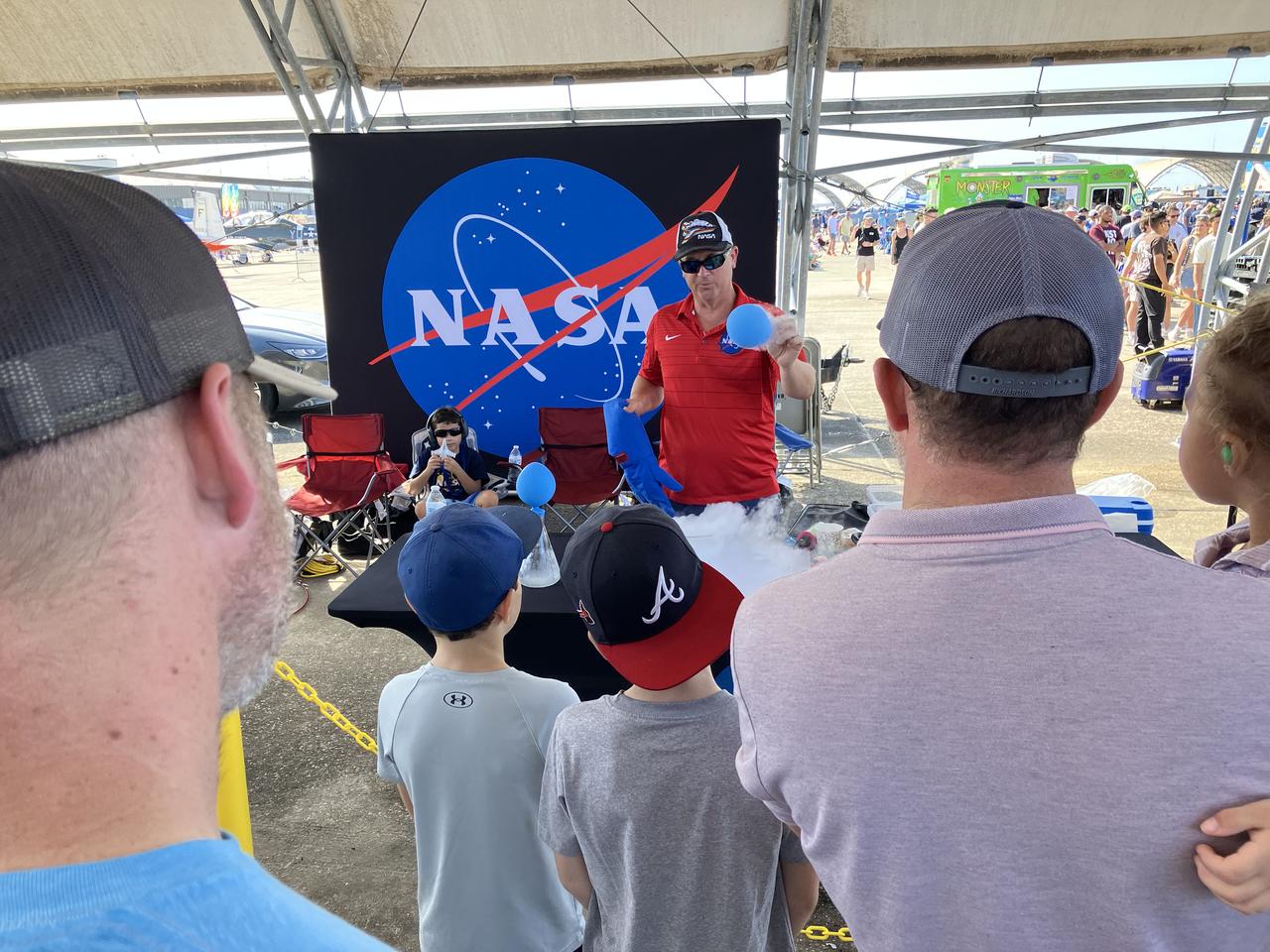
NASA Stennis representatives inspire the Artemis Generation at the NAS Pensacola Blue Angels Homecoming Air Show Nov. 1-2, following STEM engagement activities on Oct. 31. NASA’s exhibit at the air show honors the 55th anniversary of the Apollo 11 lunar landing and showcases the agency’s mission to inspire the world through discovery.
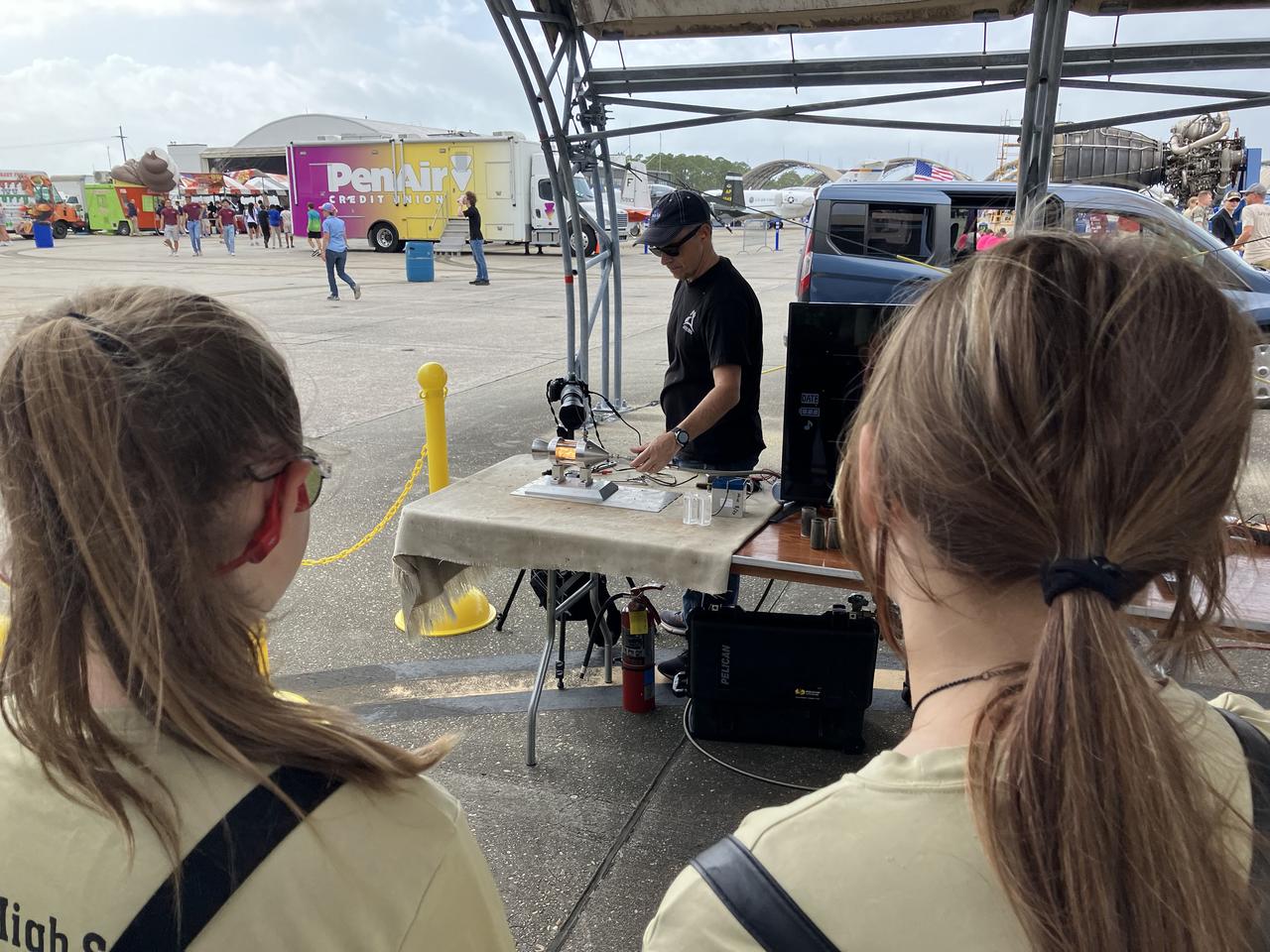
NASA Stennis representatives inspire the Artemis Generation at the NAS Pensacola Blue Angels Homecoming Air Show Nov. 1-2, following STEM engagement activities on Oct. 31. NASA’s exhibit at the air show honors the 55th anniversary of the Apollo 11 lunar landing and showcases the agency’s mission to inspire the world through discovery.
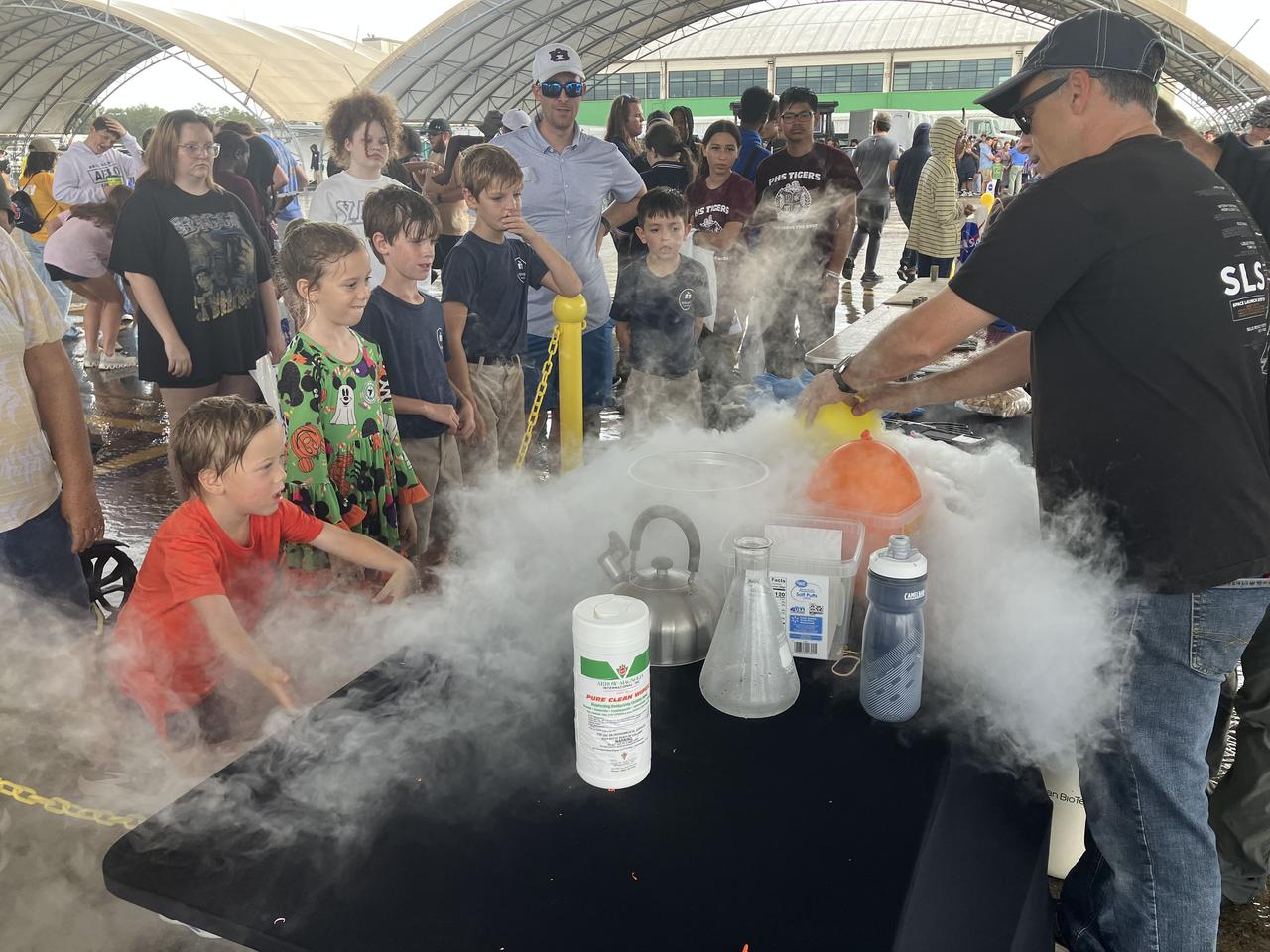
NASA Stennis representatives inspire the Artemis Generation at the NAS Pensacola Blue Angels Homecoming Air Show Nov. 1-2, following STEM engagement activities on Oct. 31. NASA’s exhibit at the air show honors the 55th anniversary of the Apollo 11 lunar landing and showcases the agency’s mission to inspire the world through discovery.
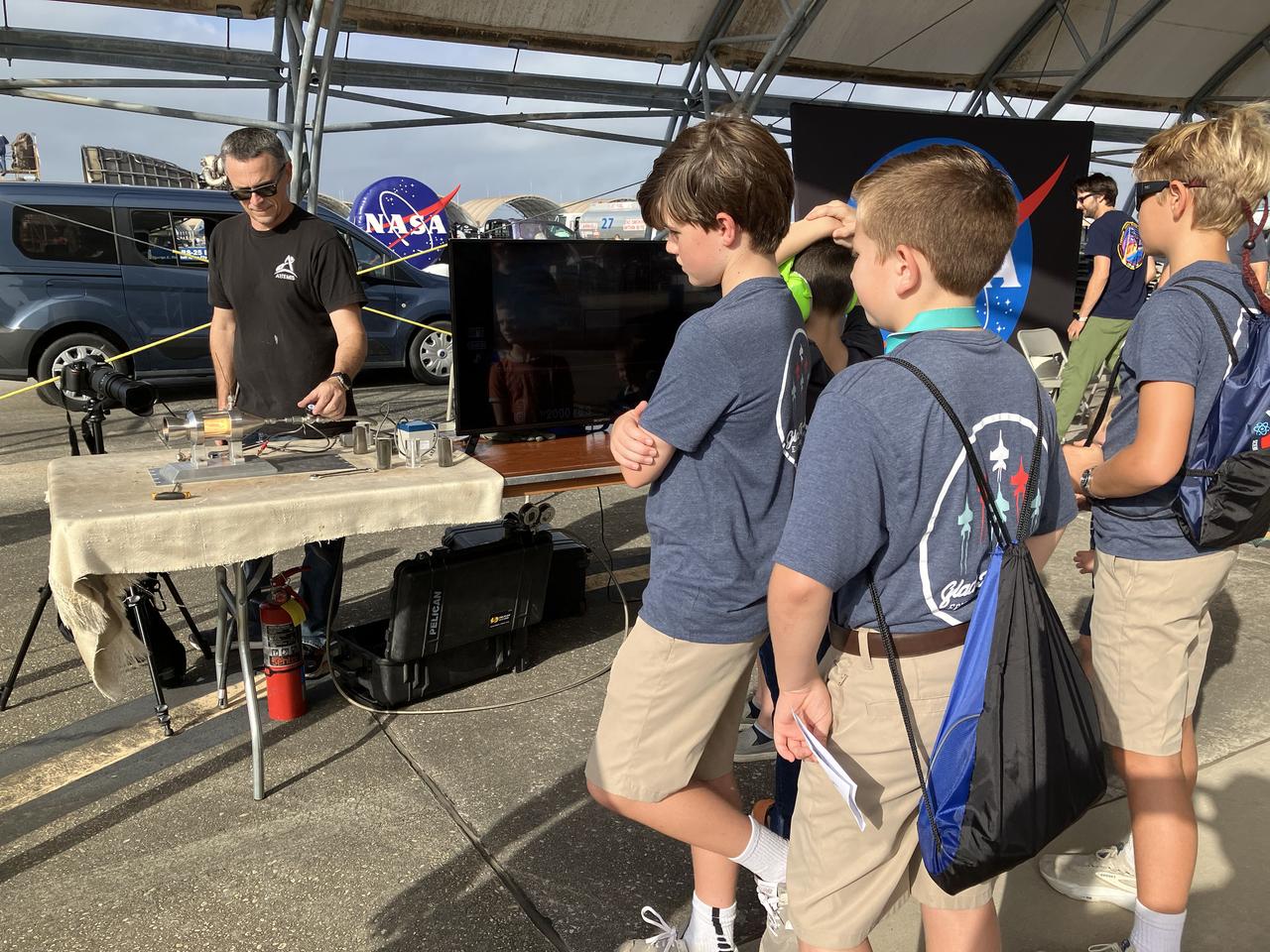
NASA Stennis representatives inspire the Artemis Generation at the NAS Pensacola Blue Angels Homecoming Air Show Nov. 1-2, following STEM engagement activities on Oct. 31. NASA’s exhibit at the air show honors the 55th anniversary of the Apollo 11 lunar landing and showcases the agency’s mission to inspire the world through discovery.
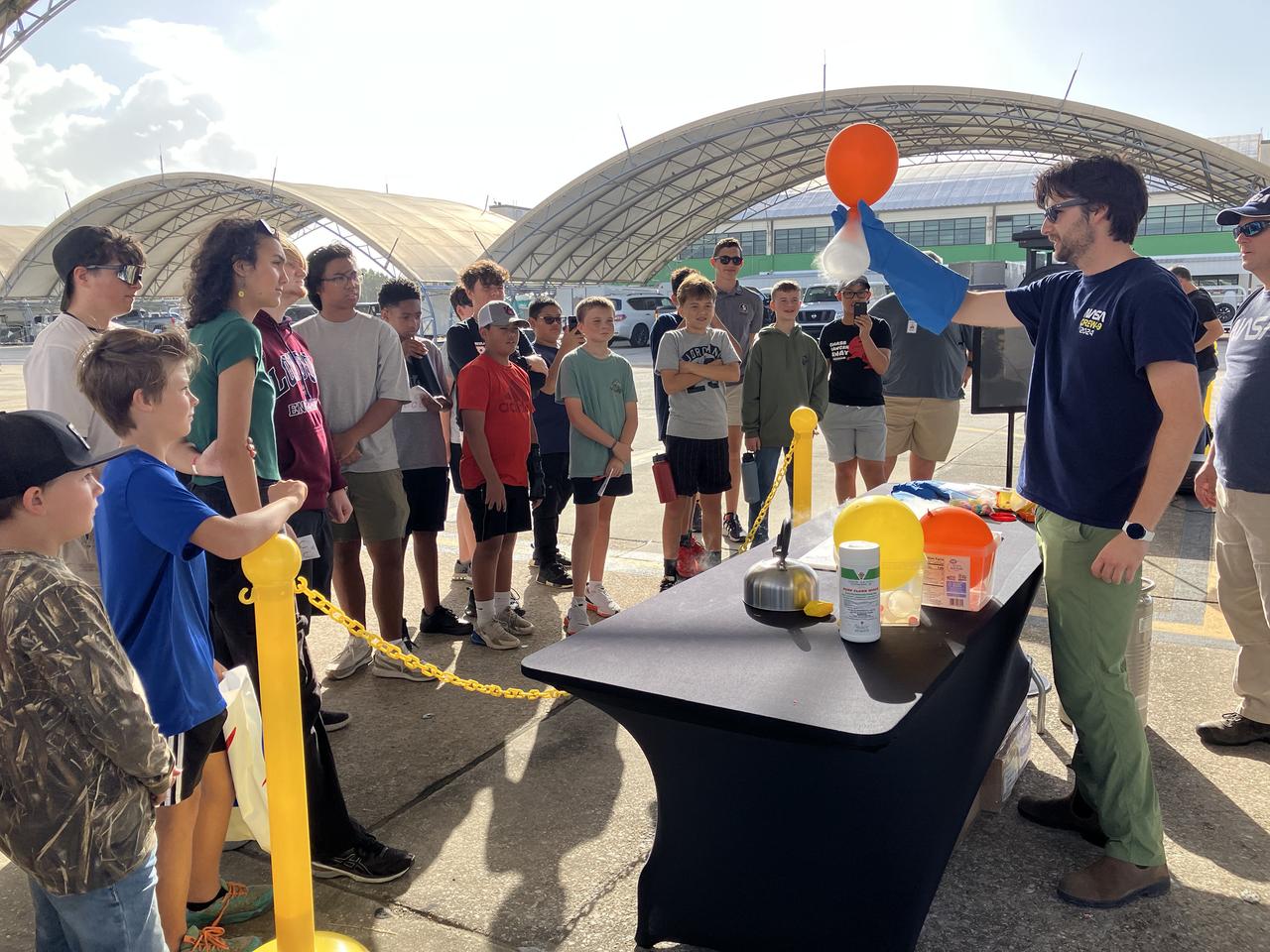
NASA Stennis representatives inspire the Artemis Generation at the NAS Pensacola Blue Angels Homecoming Air Show Nov. 1-2, following STEM engagement activities on Oct. 31. NASA’s exhibit at the air show honors the 55th anniversary of the Apollo 11 lunar landing and showcases the agency’s mission to inspire the world through discovery.
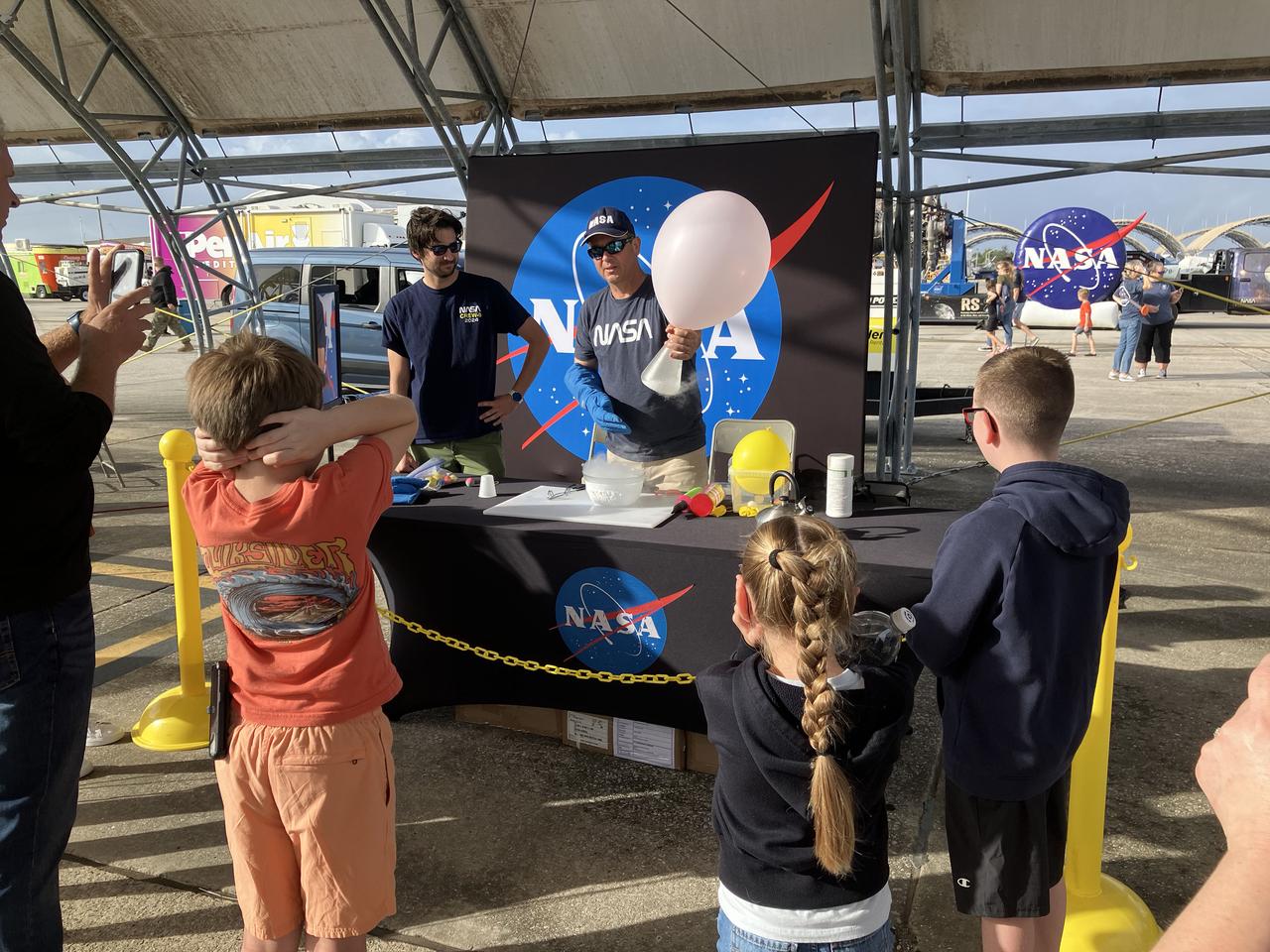
NASA Stennis representatives inspire the Artemis Generation at the NAS Pensacola Blue Angels Homecoming Air Show Nov. 1-2, following STEM engagement activities on Oct. 31. NASA’s exhibit at the air show honors the 55th anniversary of the Apollo 11 lunar landing and showcases the agency’s mission to inspire the world through discovery.
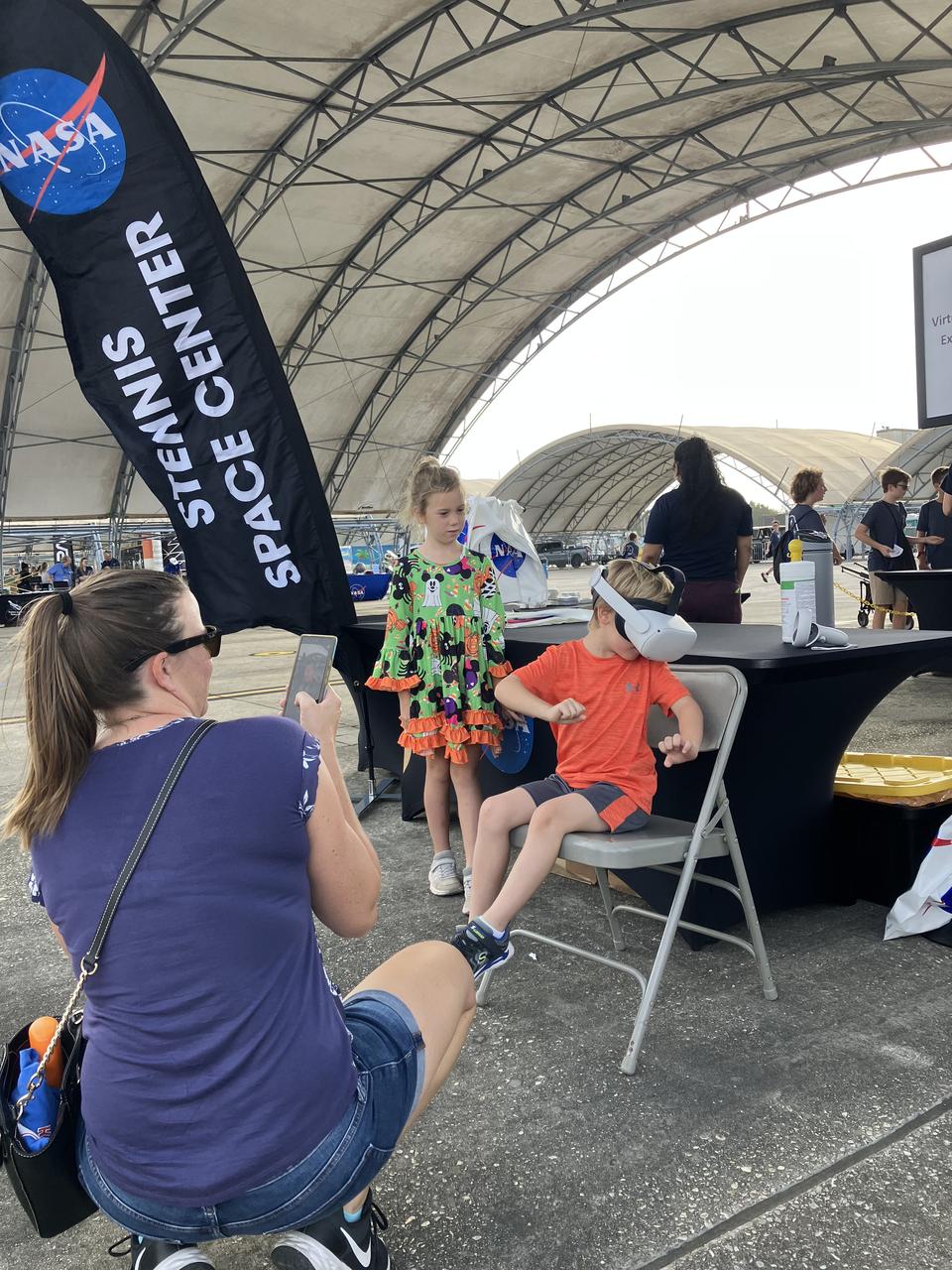
NASA Stennis representatives inspire the Artemis Generation at the NAS Pensacola Blue Angels Homecoming Air Show Nov. 1-2, following STEM engagement activities on Oct. 31. NASA’s exhibit at the air show honors the 55th anniversary of the Apollo 11 lunar landing and showcases the agency’s mission to inspire the world through discovery.
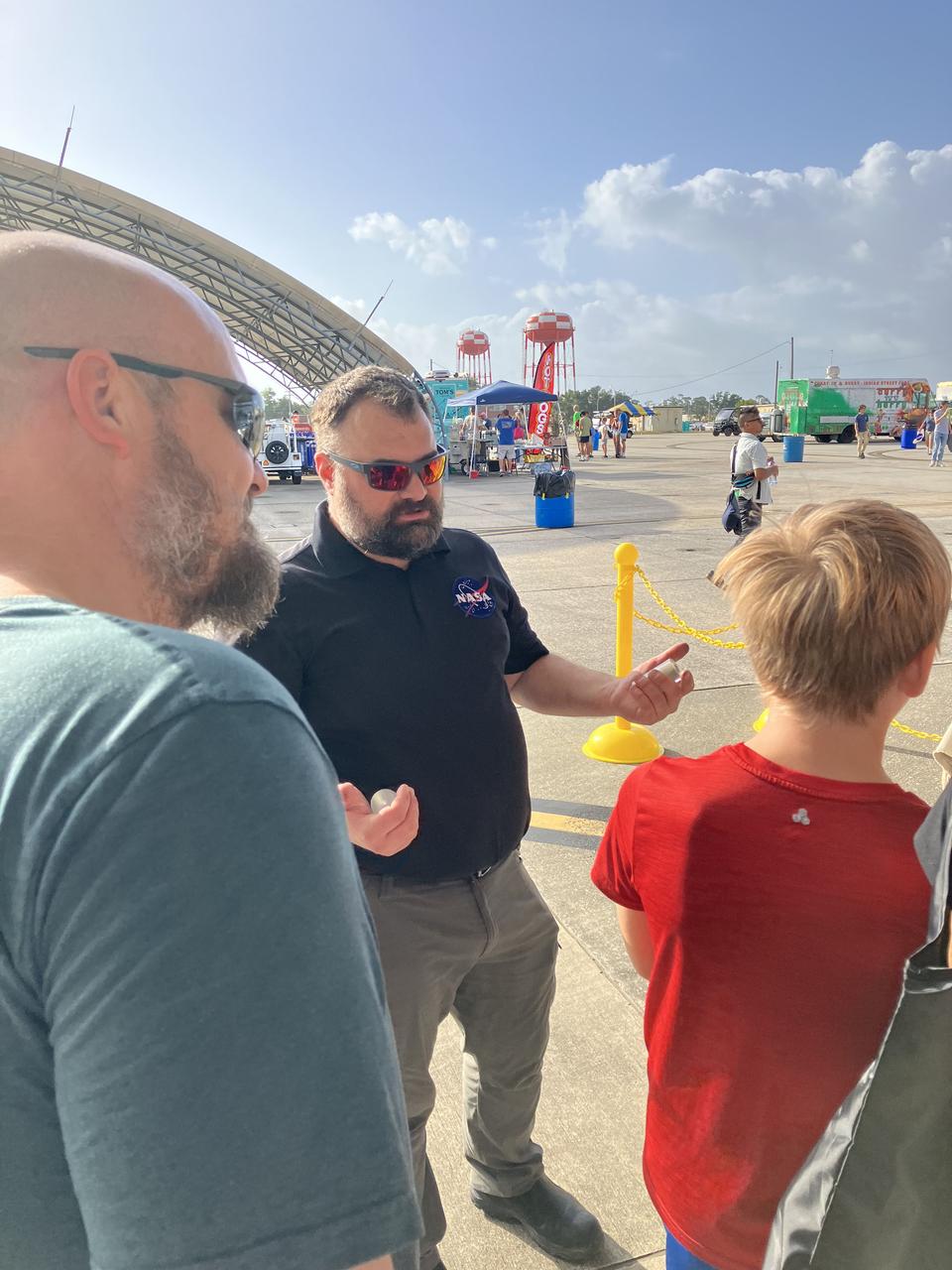
NASA Stennis representatives inspire the Artemis Generation at the NAS Pensacola Blue Angels Homecoming Air Show Nov. 1-2, following STEM engagement activities on Oct. 31. NASA’s exhibit at the air show honors the 55th anniversary of the Apollo 11 lunar landing and showcases the agency’s mission to inspire the world through discovery.
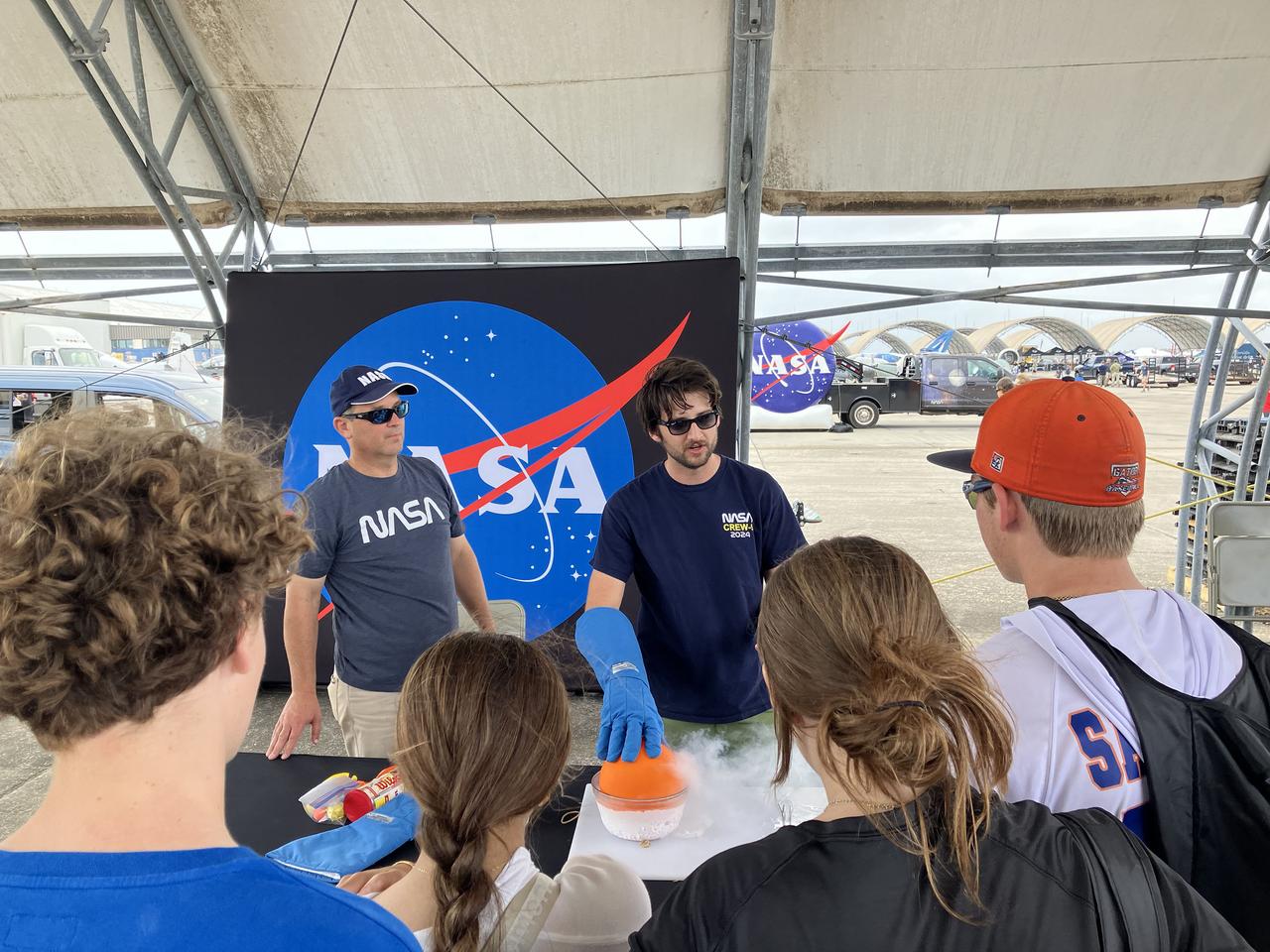
NASA Stennis representatives inspire the Artemis Generation at the NAS Pensacola Blue Angels Homecoming Air Show Nov. 1-2, following STEM engagement activities on Oct. 31. NASA’s exhibit at the air show honors the 55th anniversary of the Apollo 11 lunar landing and showcases the agency’s mission to inspire the world through discovery.
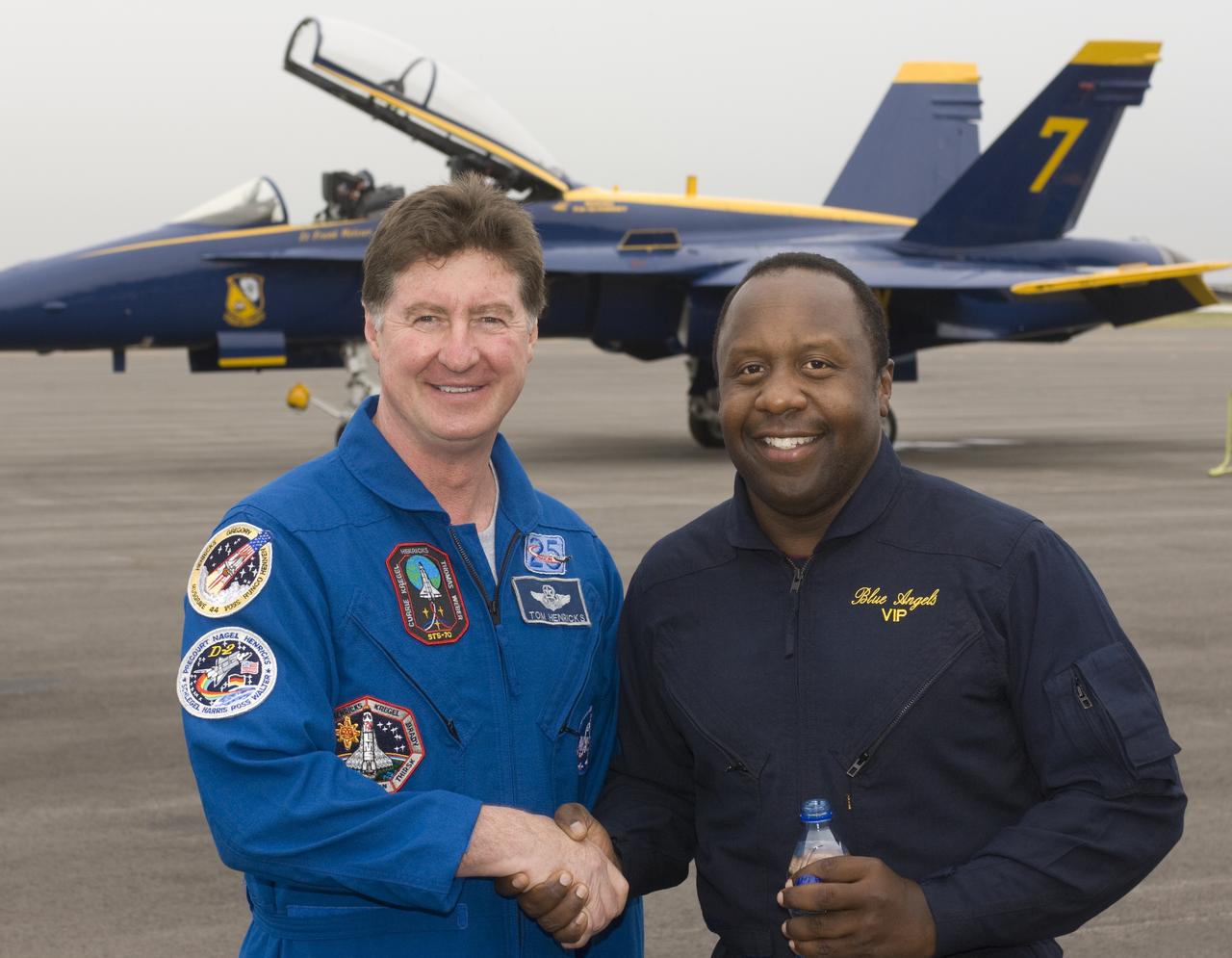
Retired NASA Astronaut taking a media flight with the Blue Angels before the 2008 Cleveland National Air Show

This simulated true color perspective view over the Grand Canyon was created from Advanced Spaceborne Thermal Emission and Reflection Radiometer (ASTER) data acquired on May 12, 2000. The Grand Canyon Village is in the lower foreground; the Bright Angel Trail crosses the Tonto Platform, before dropping down to the Colorado Village and then to the Phantom Ranch (green area across the river). Bright Angel Canyon and the North Rim dominate the view. At the top center of the image the dark blue area with light blue haze is an active forest fire. http://photojournal.jpl.nasa.gov/catalog/PIA01908
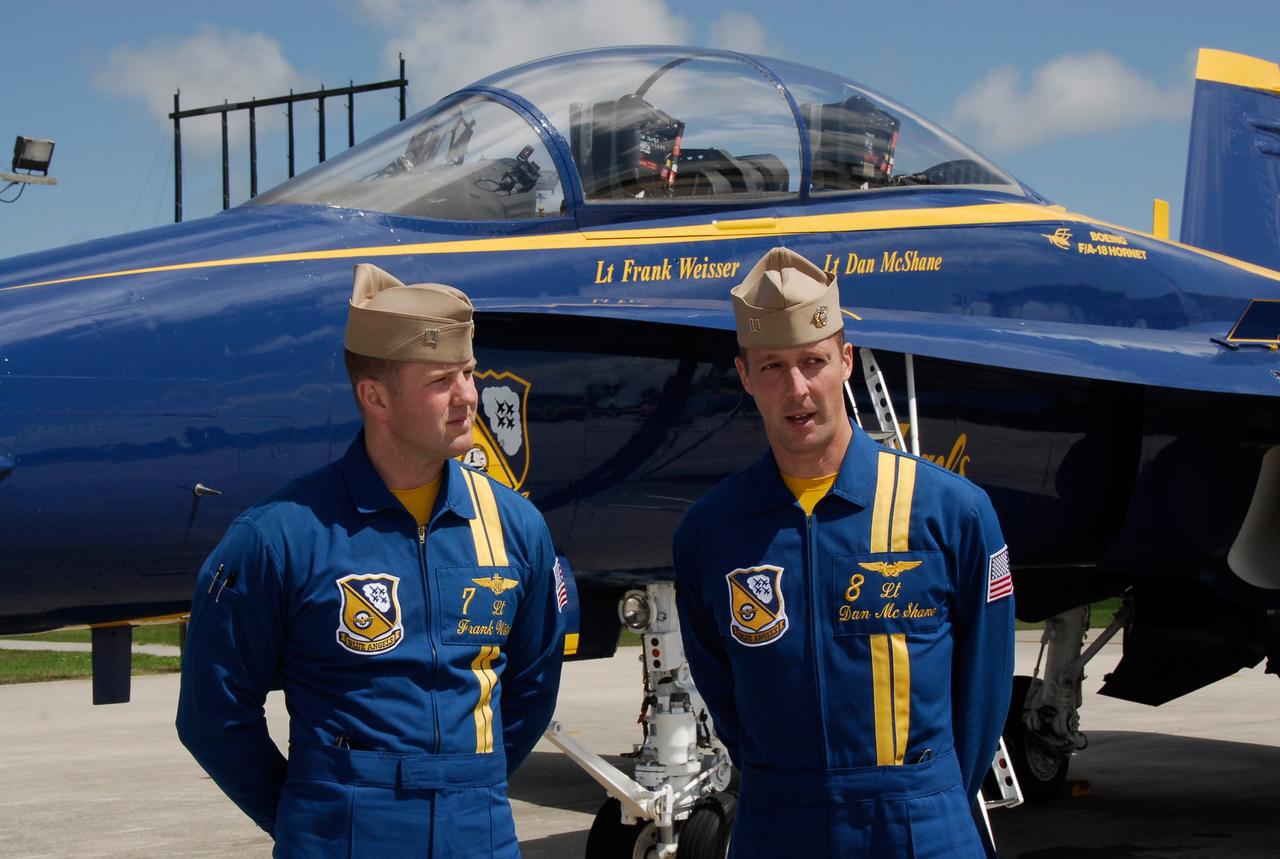
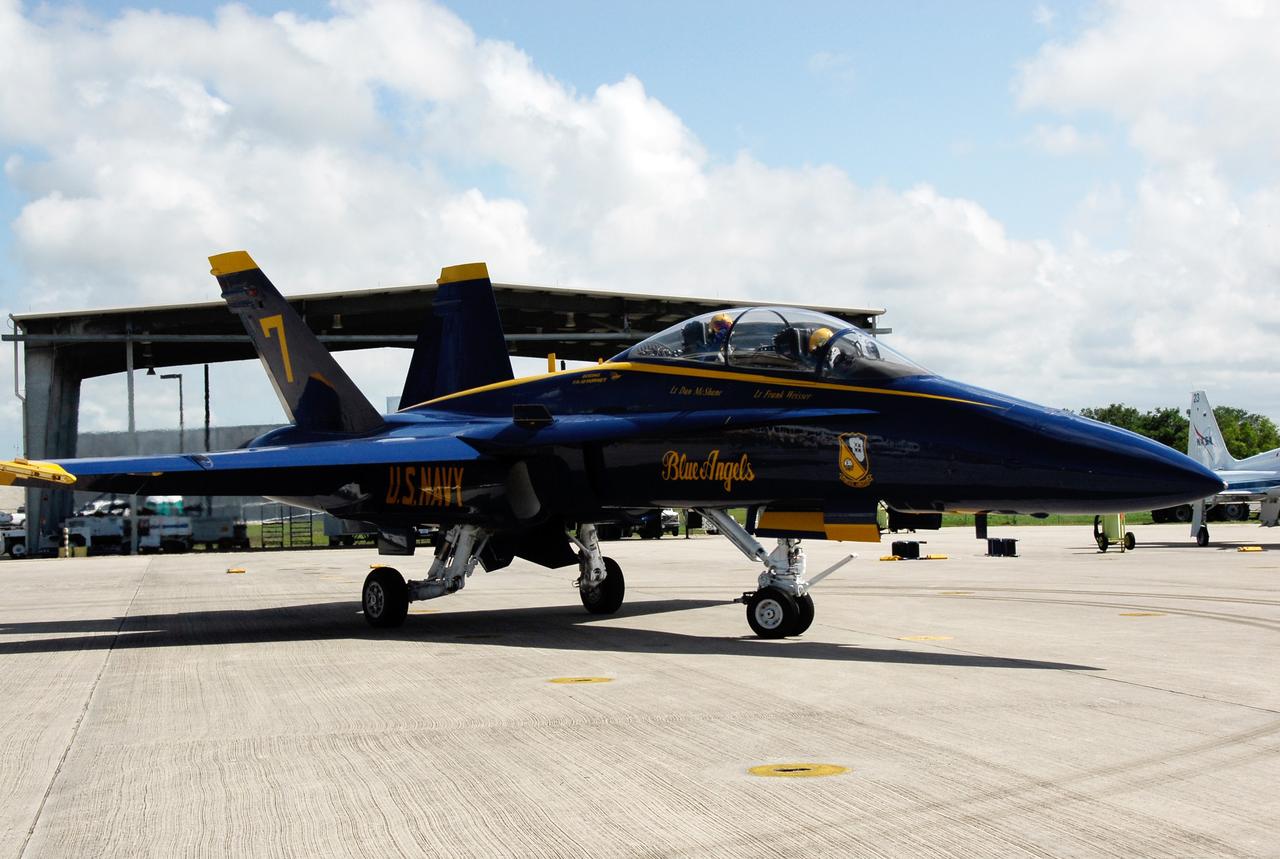
CAPE CANAVERAL, Fla. -- Blue Angel pilots Lt. Frank Weisser and Lt. Dan McShane arrive at NASA's Kennedy Space Center. Behind them is one of the U.S. Navy F-18 Hornets flown by the Blue Angels. The pilots flew into Kennedy to begin preparations for their involvement in the second annual Space & Air Show at Kennedy Space Center Nov. 8-9. The air show will be only the second time the Blue Angels have performed at Kennedy. Their precision flight team will perform high-speed passes, fast rolls, mirror formations, tight turns and their signature Delta formation showcasing the capabilities of the powerful aircraft. The 2008 Space & Air Show will include aircraft displays and space-related exhibits on the ground and plenty of action in the skies over Kennedy. Returning to the show is the 920th Rescue Wing, an Air Force Reserve Command combat search and rescue unit based at Patrick Air Force Base in Central Florida. Also, more than 20 astronauts and special guests will be on hand to personally meet guests, pose for photos and sign memorabilia. Photo credit: NASA/Kim Shiflett
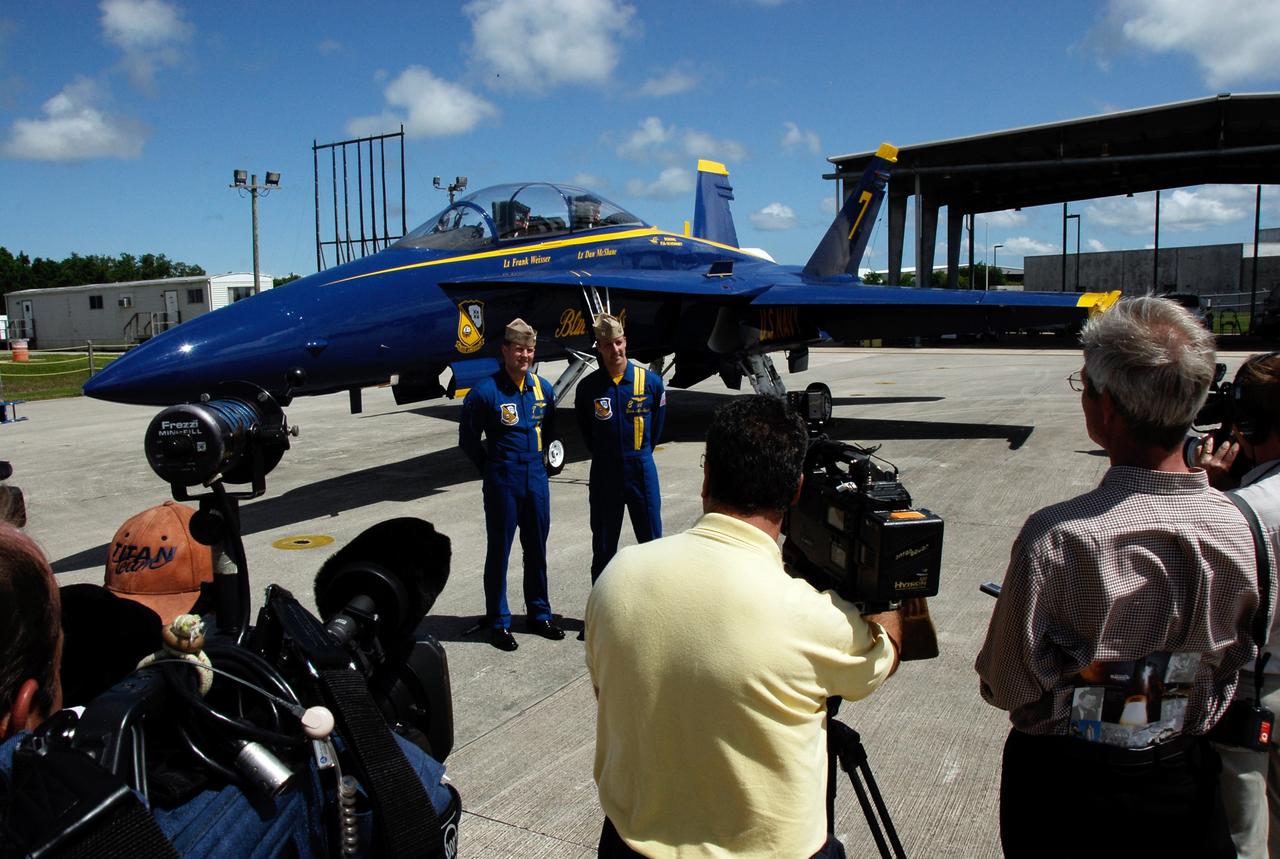
CAPE CANAVERAL, Fla. -- Blue Angel pilots Lt. Frank Weisser and Lt. Dan McShane pose for the media in front of one of the U.S. Navy F-18 Hornets flown by the Blue Angels. The pilots flew into NASA's Kennedy Space Center to begin preparations for their involvement in the second annual Space & Air Show at Kennedy Space Center Nov. 8-9. The air show will be only the second time the Blue Angels have performed at Kennedy. Their precision flight team will perform high-speed passes, fast rolls, mirror formations, tight turns and their signature Delta formation showcasing the capabilities of the powerful aircraft. The 2008 Space & Air Show will include aircraft displays and space-related exhibits on the ground and plenty of action in the skies over Kennedy. Returning to the show is the 920th Rescue Wing, an Air Force Reserve Command combat search and rescue unit based at Patrick Air Force Base in Central Florida. Also, more than 20 astronauts and special guests will be on hand to personally meet guests, pose for photos and sign memorabilia. Photo credit: NASA/Kim Shiflett
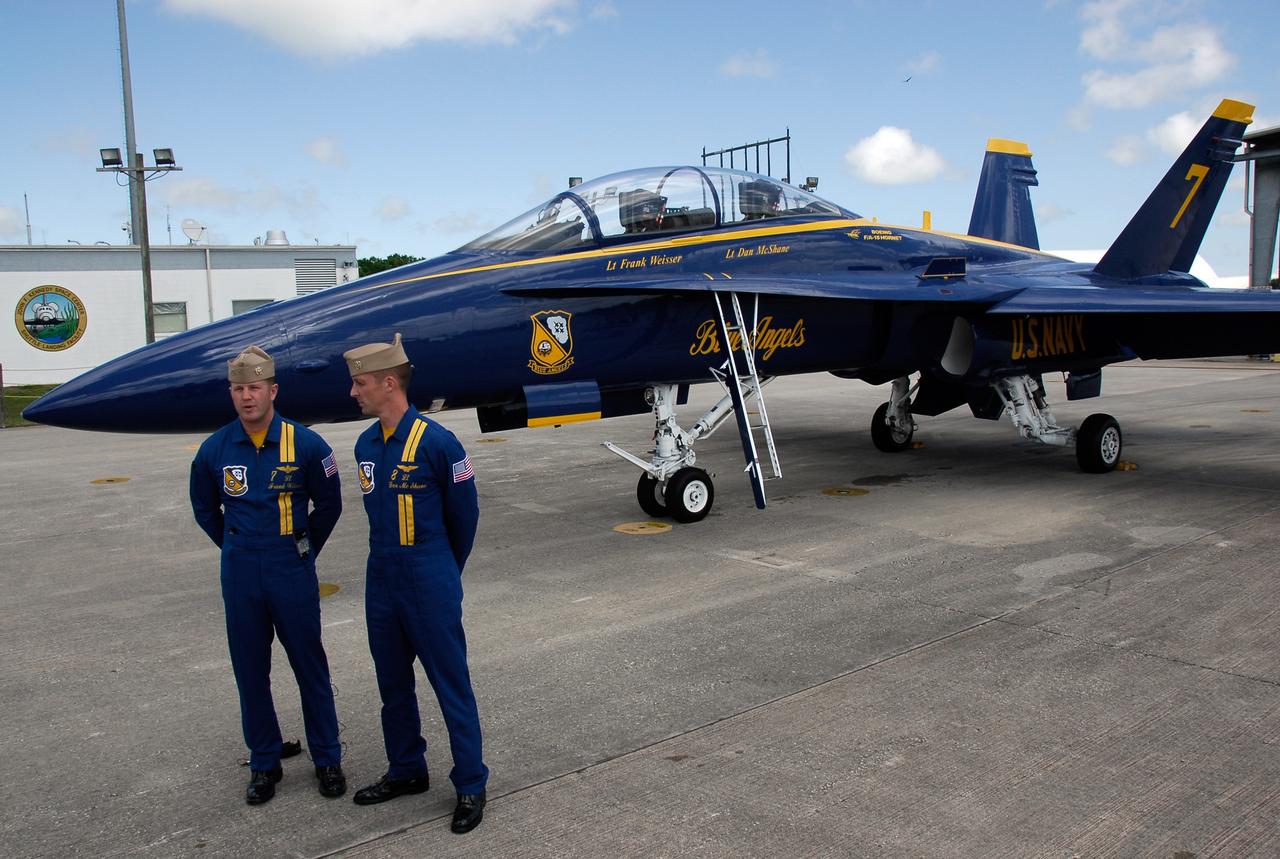
CAPE CANAVERAL, Fla. -- Blue Angel pilots Lt. Frank Weisser and Lt. Dan McShane arrive at NASA's Kennedy Space Center. Behind them is one of the U.S. Navy F-18 Hornets flown by the Blue Angels. The pilots flew into Kennedy to begin preparations for their involvement in the second annual Space & Air Show at Kennedy Nov. 8-9. The air show will be only the second time the Blue Angels have performed at Kennedy. Their precision flight team will perform high-speed passes, fast rolls, mirror formations, tight turns and their signature Delta formation showcasing the capabilities of the powerful aircraft. The 2008 Space & Air Show will include aircraft displays and space-related exhibits on the ground and plenty of action in the skies over Kennedy. Returning to the show is the 920th Rescue Wing, an Air Force Reserve Command combat search and rescue unit based at Patrick Air Force Base in Central Florida. Also, more than 20 astronauts and special guests will be on hand to personally meet guests, pose for photos and sign memorabilia. Photo credit: NASA/Kim Shiflett
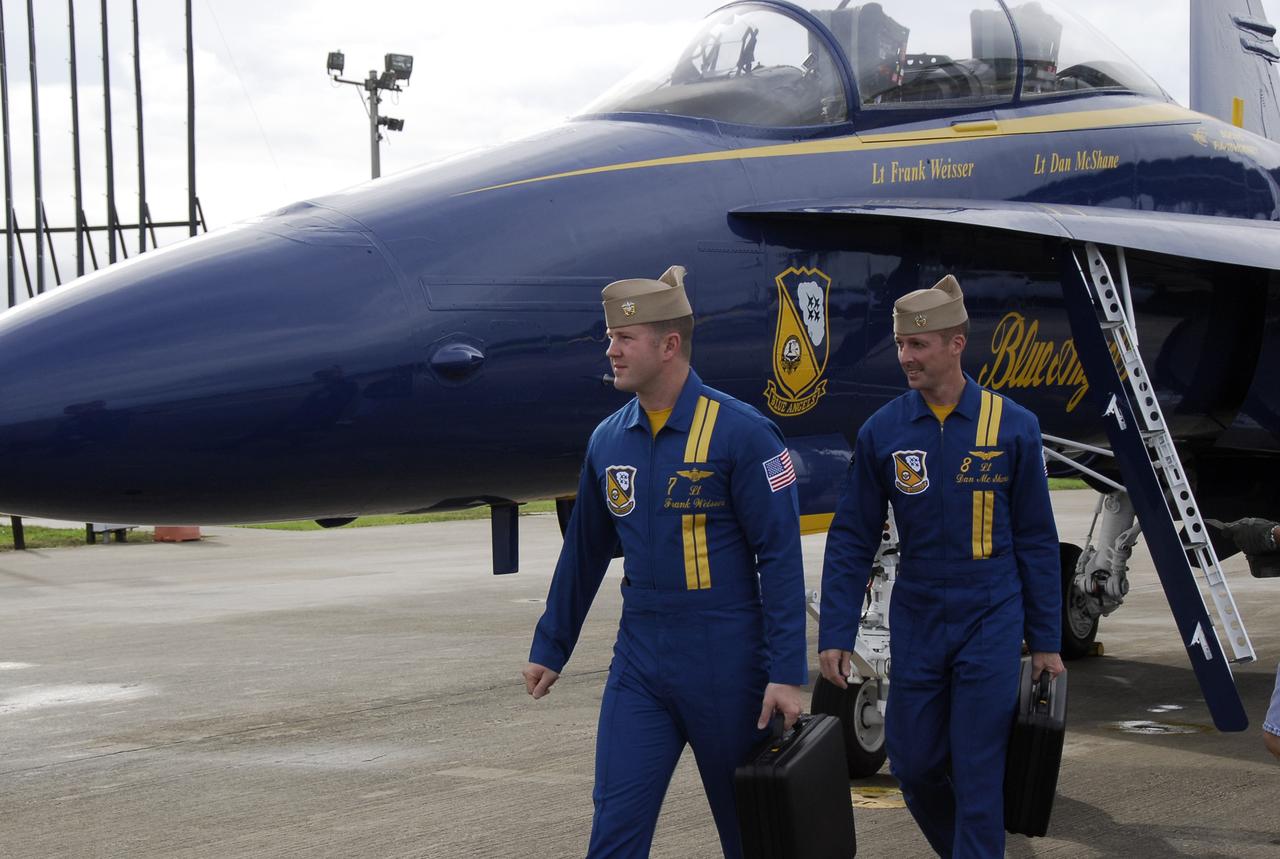
CAPE CANAVERAL, Fla. -- Blue Angel pilots Lt. Frank Weisser and Lt. Dan McShane arrive at NASA's Kennedy Space Center. Behind them is one of the U.S. Navy F-18 Hornets flown by the Blue Angels. The pilots flew into Kennedy to begin preparations for their involvement in the second annual Space & Air Show at Kennedy Space Center Nov. 8-9. The air show will be only the second time the Blue Angels have performed at Kennedy. Their precision flight team will perform high-speed passes, fast rolls, mirror formations, tight turns and their signature Delta formation showcasing the capabilities of the powerful aircraft. The 2008 Space & Air Show will include aircraft displays and space-related exhibits on the ground and plenty of action in the skies over Kennedy. Returning to the show is the 920th Rescue Wing, an Air Force Reserve Command combat search and rescue unit based at Patrick Air Force Base in Central Florida. Also, more than 20 astronauts and special guests will be on hand to personally meet guests, pose for photos and sign memorabilia. Photo credit: NASA/Kim Shiflett
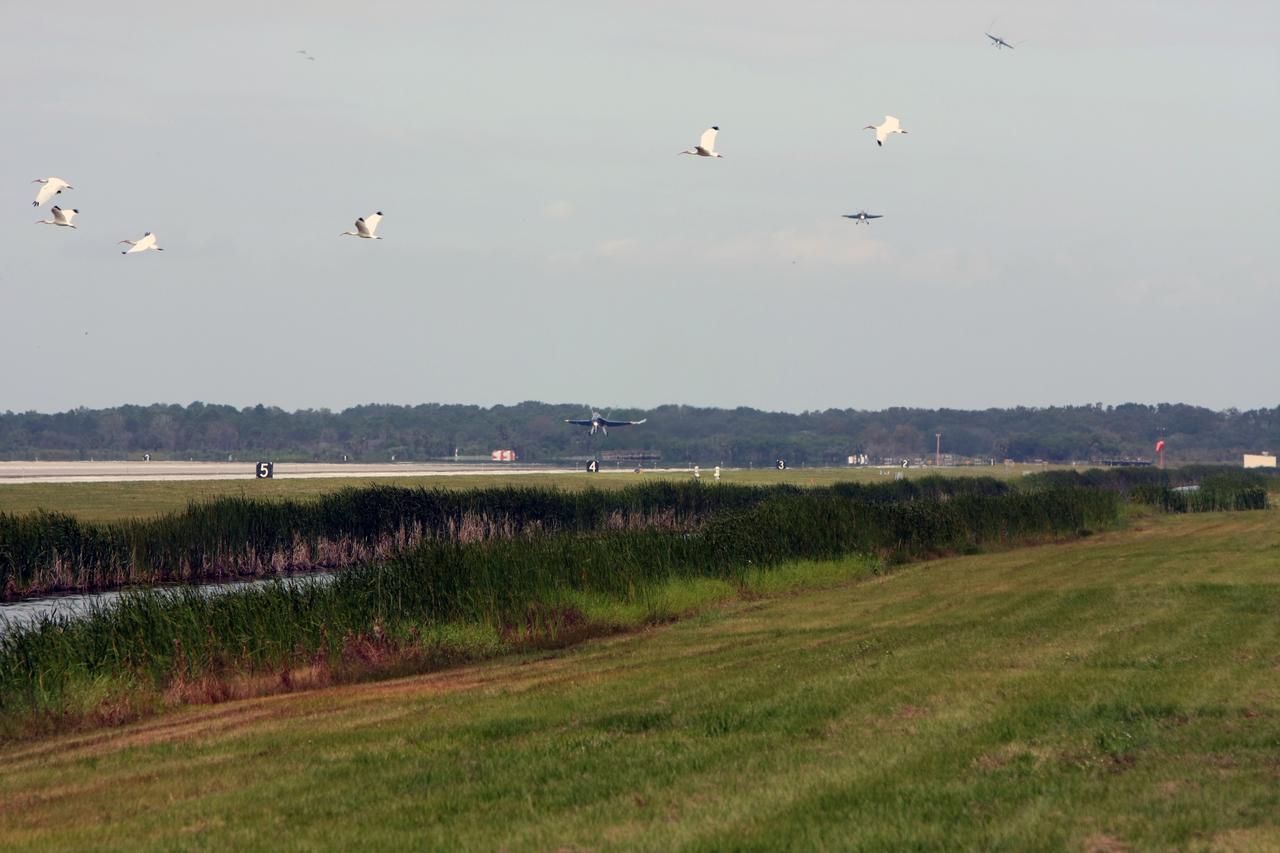
CAPE CANAVERAL, Fla. – Storks seem to join the formation as the U.S. Navy's Blue Angels F/A-18 jets land on the runway at NASA's Kennedy Space Center in Florida. The Blue Angels are at Kennedy to perform in the Kennedy Space Center Visitor Complex Space and Air Show Nov. 8-9. The Navy's elite flight demonstration squadron will take to the skies in military aircraft demonstrations by the F-16 Fighting Falcon and F/A-18 Super Hornet jets for the second annual Space & Air Show at Kennedy. This year’s show brings together the best in military aircraft, coupled with precision pilots and veteran astronauts to celebrate spaceflight and aviation. The event includes military aircraft demonstrations by the F-16 Fighting Falcon and a water rescue demonstration by the 920th Rescue Wing. Photo credit: NASA/Kim Shiflett
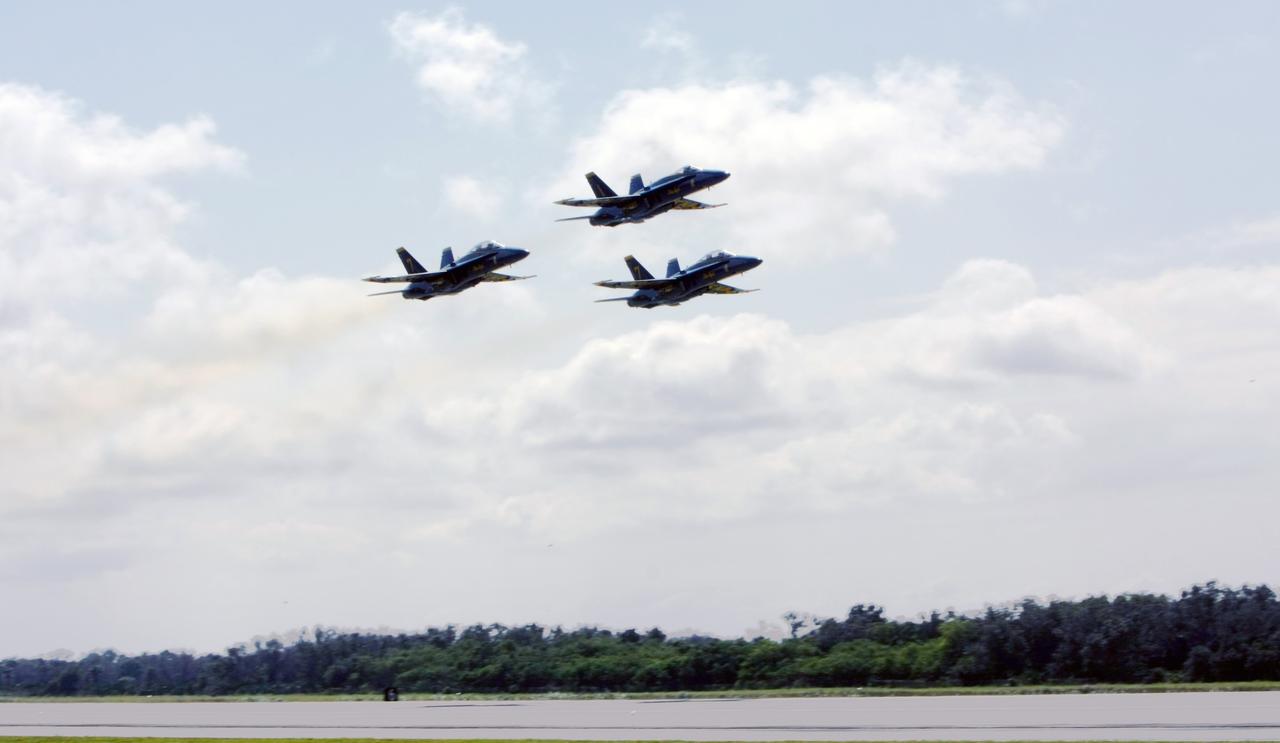
CAPE CANAVERAL, Fla. – Three of the U.S. Navy's Blue Angels F/A-18 jets fly over the runway at NASA's Kennedy Space Center in Florida. The Blue Angels are at Kennedy to perform in the Kennedy Space Center Visitor Complex Space and Air Show Nov. 8-9. The Navy's elite flight demonstration squadron will take to the skies in military aircraft demonstrations by the F-16 Fighting Falcon and F/A-18 Super Hornet jets for the second annual Space & Air Show at Kennedy. This year’s show brings together the best in military aircraft, coupled with precision pilots and veteran astronauts to celebrate spaceflight and aviation. The event includes military aircraft demonstrations by the F-16 Fighting Falcon and a water rescue demonstration by the 920th Rescue Wing. Photo credit: NASA/Kim Shiflett
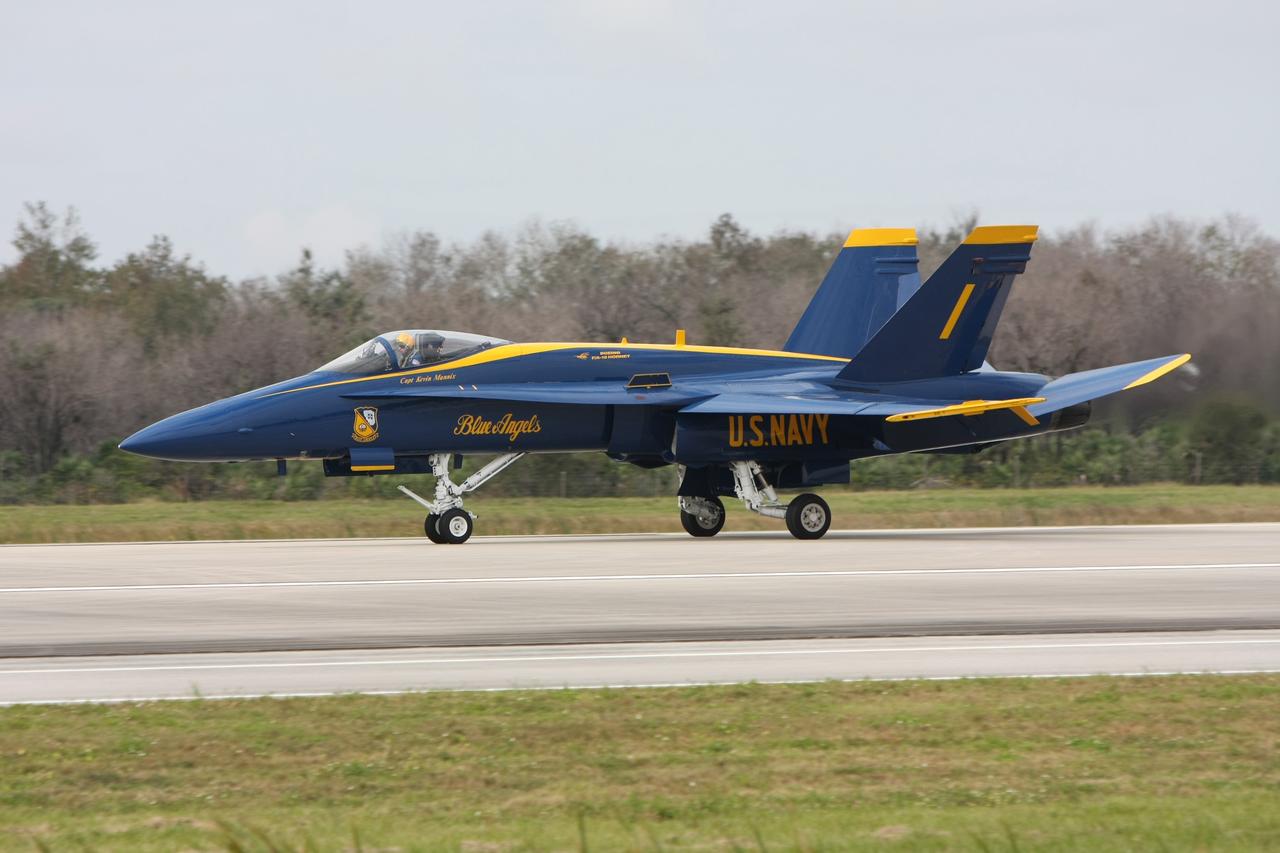
CAPE CANAVERAL, Fla. – The U.S. Navy's Blue Angels F/A-18 jet No. 1 lands on the runway at NASA's Kennedy Space Center in Florida. The Blue Angels are at Kennedy to perform in the Kennedy Space Center Visitor Complex Space and Air Show Nov. 8-9. The Navy's elite flight demonstration squadron will take to the skies in military aircraft demonstrations by the F-16 Fighting Falcon and F/A-18 Super Hornet jets for the second annual Space & Air Show at Kennedy. This year’s show brings together the best in military aircraft, coupled with precision pilots and veteran astronauts to celebrate spaceflight and aviation. The event includes military aircraft demonstrations by the F-16 Fighting Falcon and a water rescue demonstration by the 920th Rescue Wing. Photo credit: NASA/Kim Shiflett
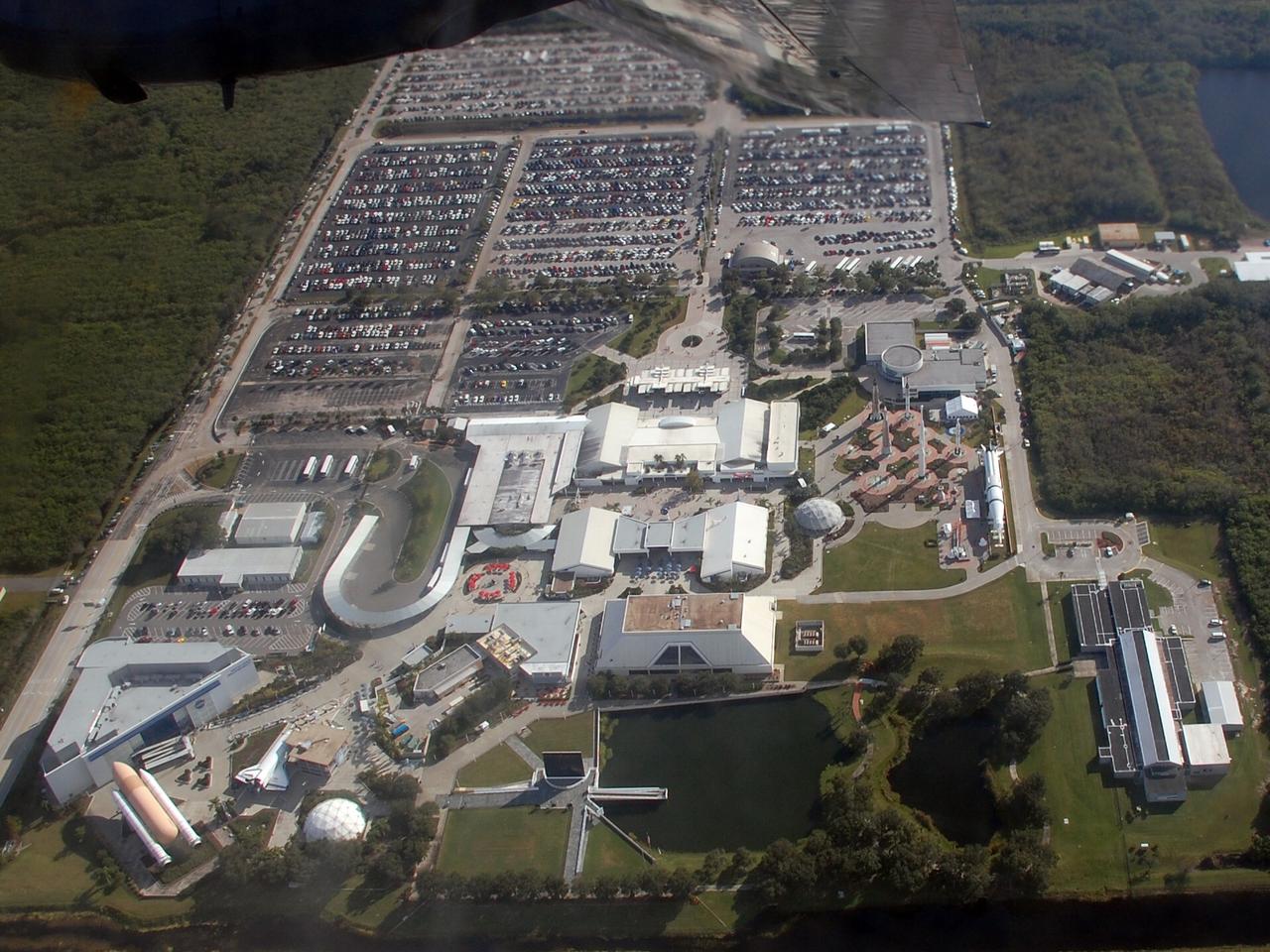
CAPE CANAVERAL, Fla. – During a flight aboard the U.S. Navy Blue Angel's support aircraft, a C-130T Hercules known as "Fat Albert," the photographer was able to capture the entire Kennedy Space Center Visitor Complex. Well-known structures are the genuine, full-size solid rocket boosters and external tank at left, Astronaut Memorial Mirror at center in the foreground, and the Rocket Garden at center right. The Blue Angels performed during the Kennedy Space Center Visitor Complex Space and Air Show held Nov. 8-9. This year’s show brought together the best in military aircraft, such as the F/A-18 Super Hornet and F-16 Fighting Falcon, coupled with precision pilots and veteran astronauts to celebrate spaceflight and aviation. The event included a water rescue demonstration by the 920th Rescue Wing. Photo credit: NASA/Ben Smegelsky
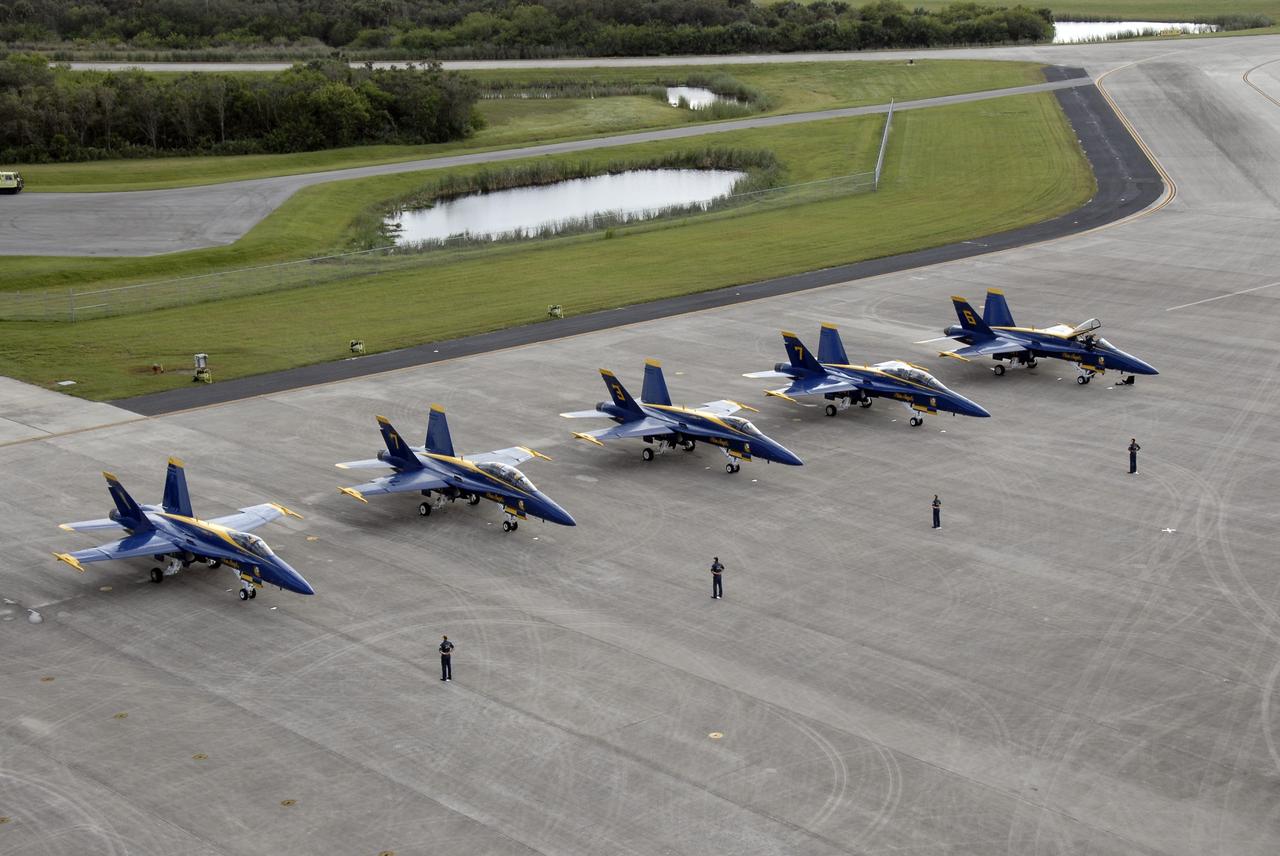
CAPE CANAVERAL, Fla. – The U.S. Navy's F/A-18 Blue Angels are lined up on the Shuttle Landing Facility at NASA's Kennedy Space Center in Florida. The Blue Angels and other aircraft are at Kennedy for demonstrations at the Kennedy Space Center Visitor Complex Space and Air Show Nov. 8-9. The Navy's elite flight demonstration squadron will take to the skies in military aircraft demonstrations for the second annual Space & Air Show at Kennedy. This year’s show brings together the best in military aircraft, coupled with precision pilots and veteran astronauts to celebrate spaceflight and aviation. The event also includes demonstrations by the F-16 Fighting Falcon and a water rescue demonstration by the 920th Rescue Wing. Photo credit: NASA/Kim Shiflett

CAPE CANAVERAL, Fla. – Three of the U.S. Navy's Blue Angels F/A-18 jets fly in formation over the runway before landing at NASA's Kennedy Space Center in Florida. The Blue Angels are at Kennedy to perform in the Kennedy Space Center Visitor Complex Space and Air Show Nov. 8-9. The Navy's elite flight demonstration squadron will take to the skies in military aircraft demonstrations by the F-16 Fighting Falcon and F/A-18 Super Hornet jets for the second annual Space & Air Show at Kennedy. This year’s show brings together the best in military aircraft, coupled with precision pilots and veteran astronauts to celebrate spaceflight and aviation. The event includes military aircraft demonstrations by the F-16 Fighting Falcon and a water rescue demonstration by the 920th Rescue Wing. Photo credit: NASA/Kim Shiflett
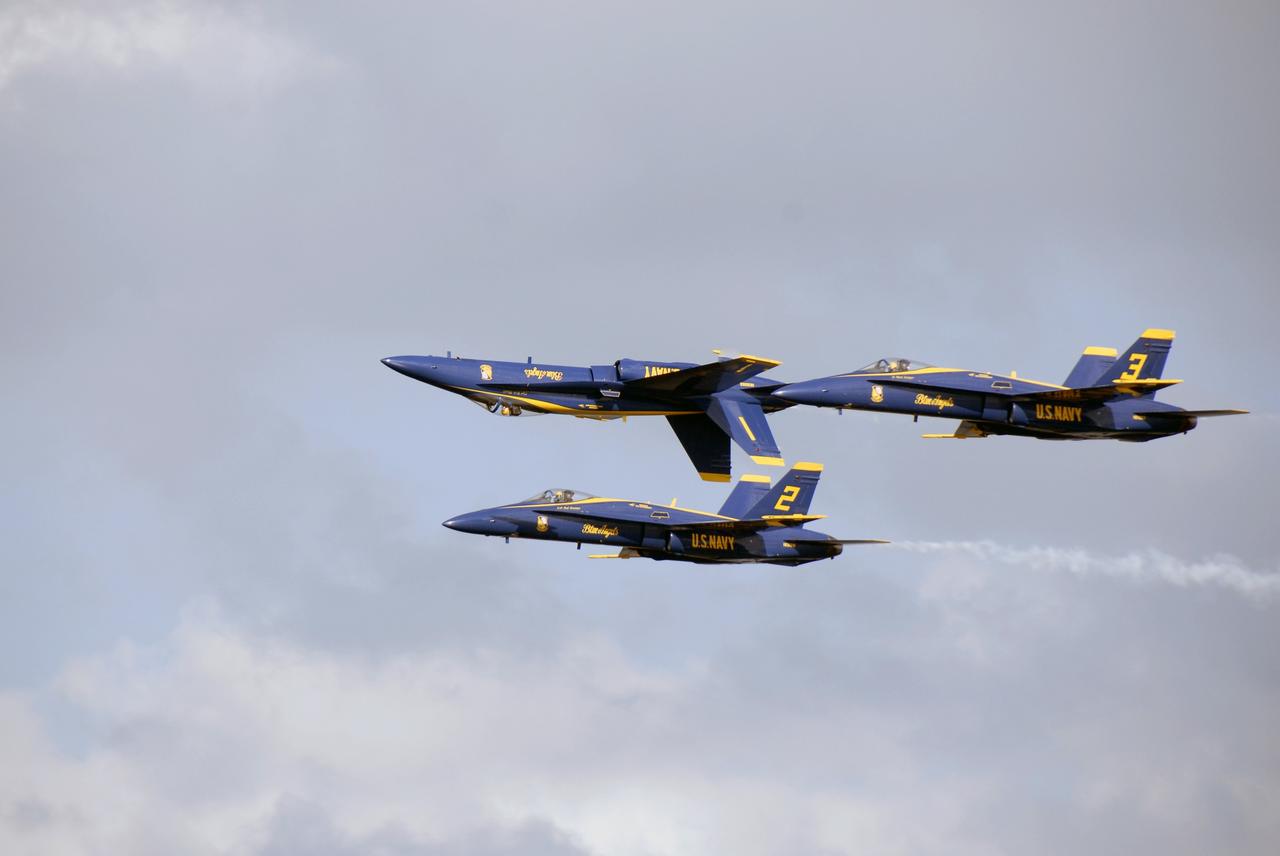
CAPE CANAVERAL, Fla. – The U.S. Navy's Blue Angels perform their tight maneuvers over NASA's Kennedy Space Center in Florida during the Kennedy Space Center Visitor Complex Space and Air Show Nov. 8-9. This year’s show brought together the best in military aircraft, such as the F/A-18 Super Hornet and F-16 Fighting Falcon, coupled with precision pilots and veteran astronauts to celebrate spaceflight and aviation. The event included a water rescue demonstration by the 920th Rescue Wing. Photo credit: NASA/Kim Shiflett
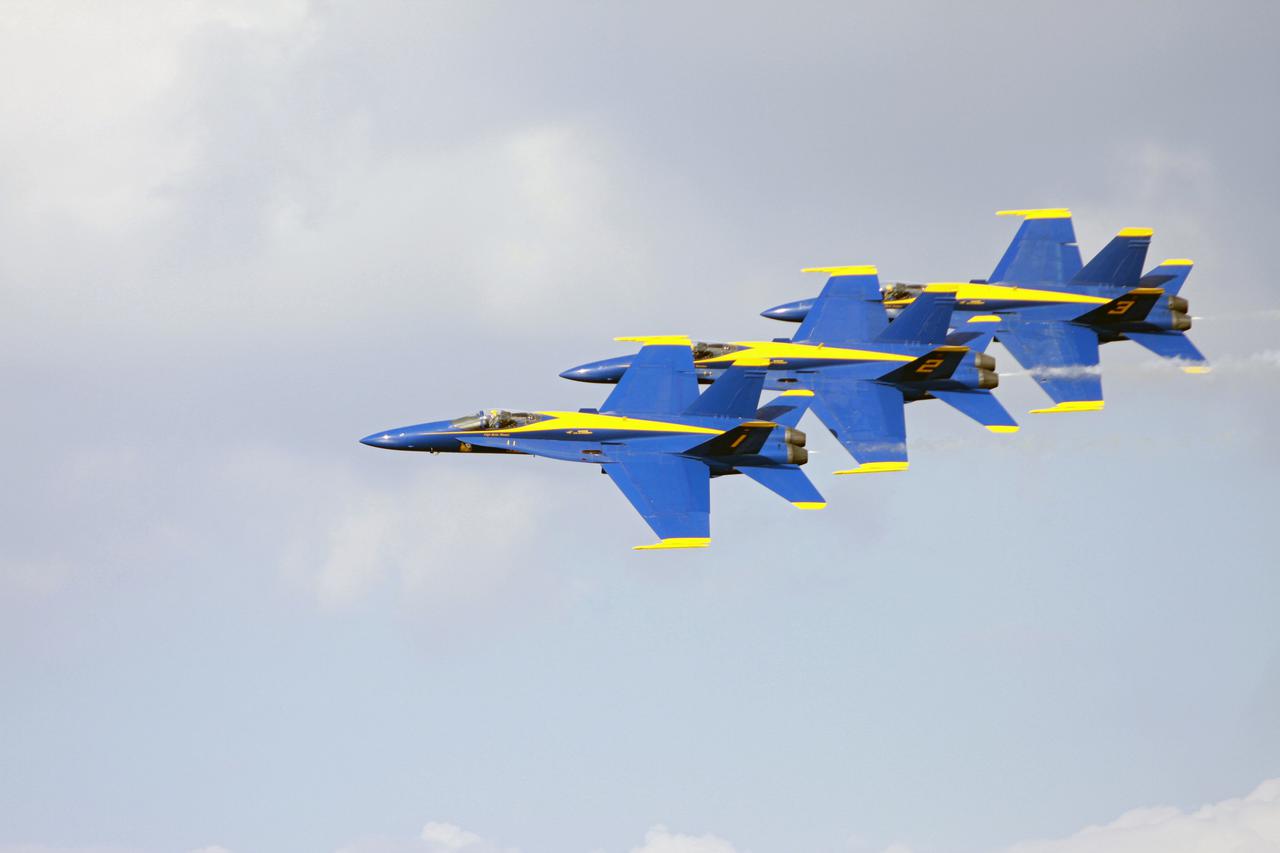
CAPE CANAVERAL, Fla. – The U.S. Navy's Blue Angels perform their tight maneuvers over NASA's Kennedy Space Center in Florida during the Kennedy Space Center Visitor Complex Space and Air Show held Nov. 8-9. This year’s show brought together the best in military aircraft, such as the F_A-18 Super Hornet and F-16 Fighting Falcon, coupled with precision pilots and veteran astronauts to celebrate spaceflight and aviation. The event included a water rescue demonstration by the 920th Rescue Wing. Photo credit: NASA_Troy Cryder
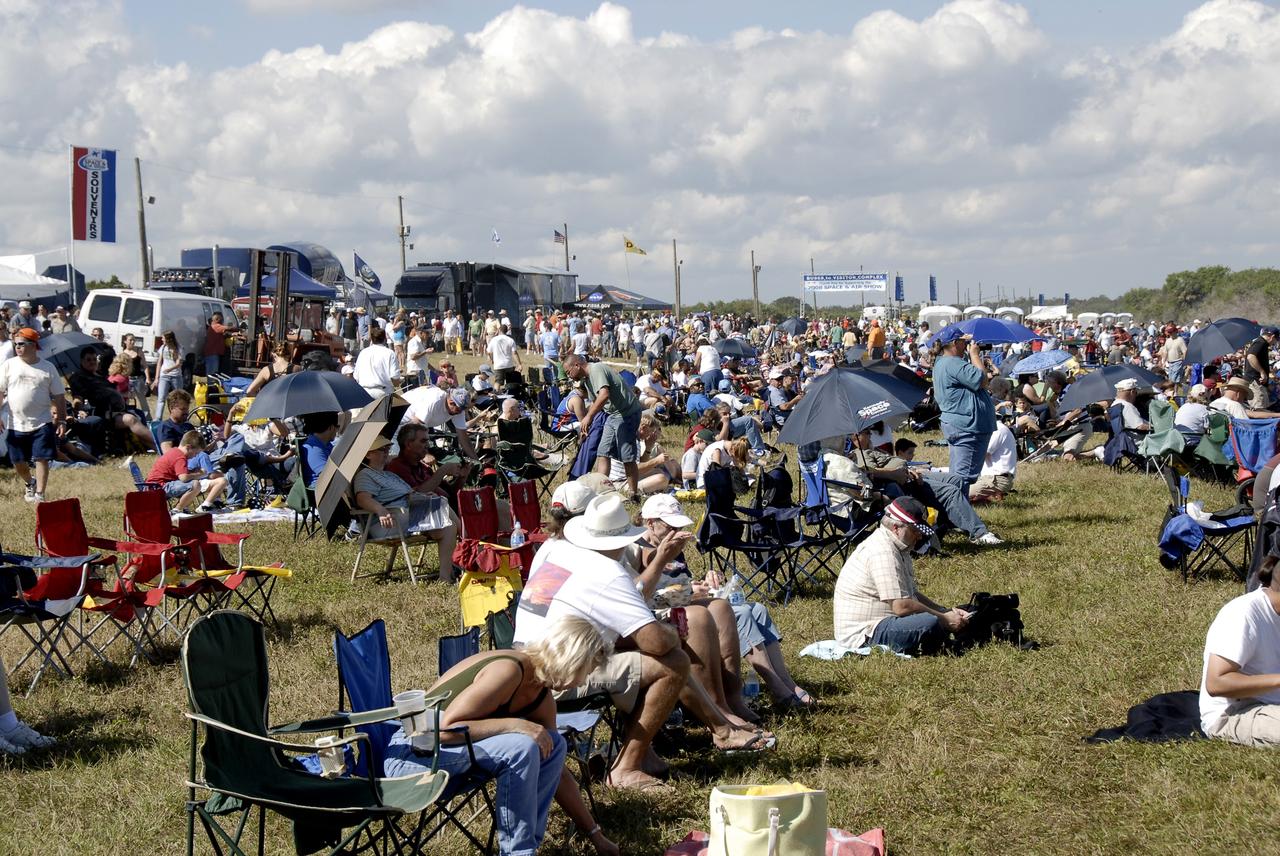
CAPE CANAVERAL, Fla. – Crowds are gathered at NASA's Kennedy Space Center in Florida to watch the U.S. Navy's Blue Angels perform at the Kennedy Space Center Visitor Complex Space and Air Show Nov. 8-9. This year’s show brought together the best in military aircraft, such as the F/A-18 Super Hornet and F-16 Fighting Falcon, coupled with precision pilots and veteran astronauts to celebrate spaceflight and aviation. The event included a water rescue demonstration by the 920th Rescue Wing. Photo credit: NASA/Kim Shiflett
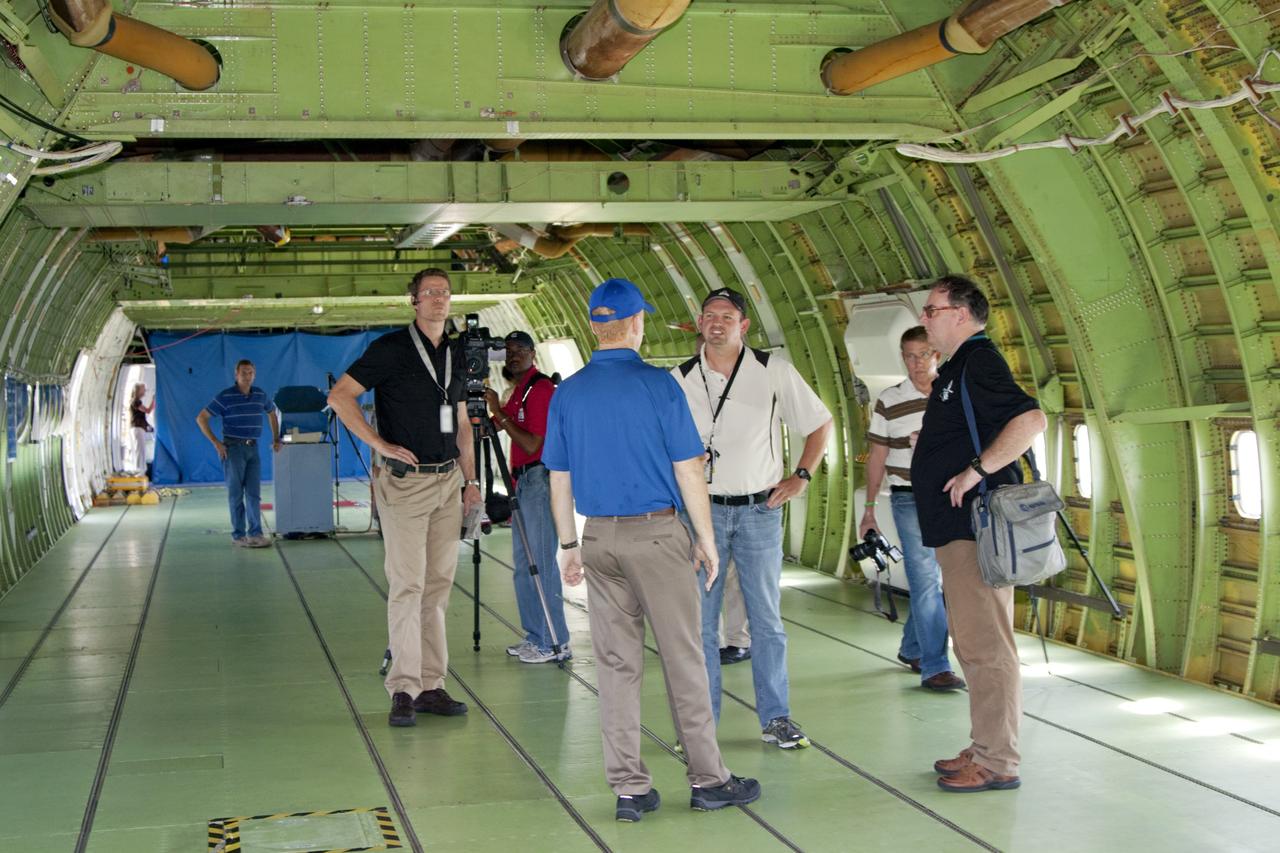
CAPE CANAVERAL, Fla. - Jeff Moultrie, wearing a blue shirt, pilot on the Shuttle Carrier Aircraft, or SCA, speaks with news media inside the SCA at the Shuttle Landing Facility at NASA's Kennedy Space Center in Florida. The SCA will take space shuttle Endeavour from Florida to Los Angeles for public display. Photo credit: NASA/Kim Shiflett
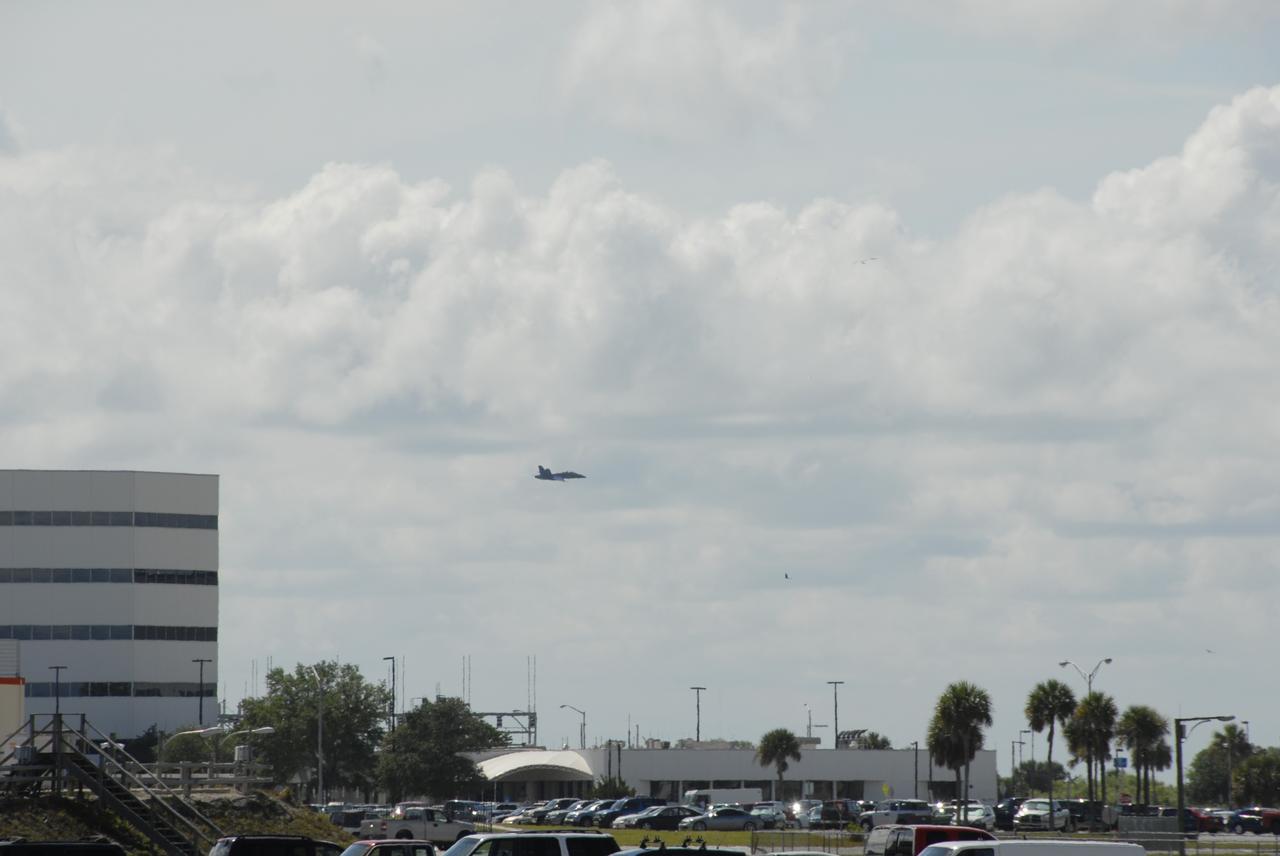
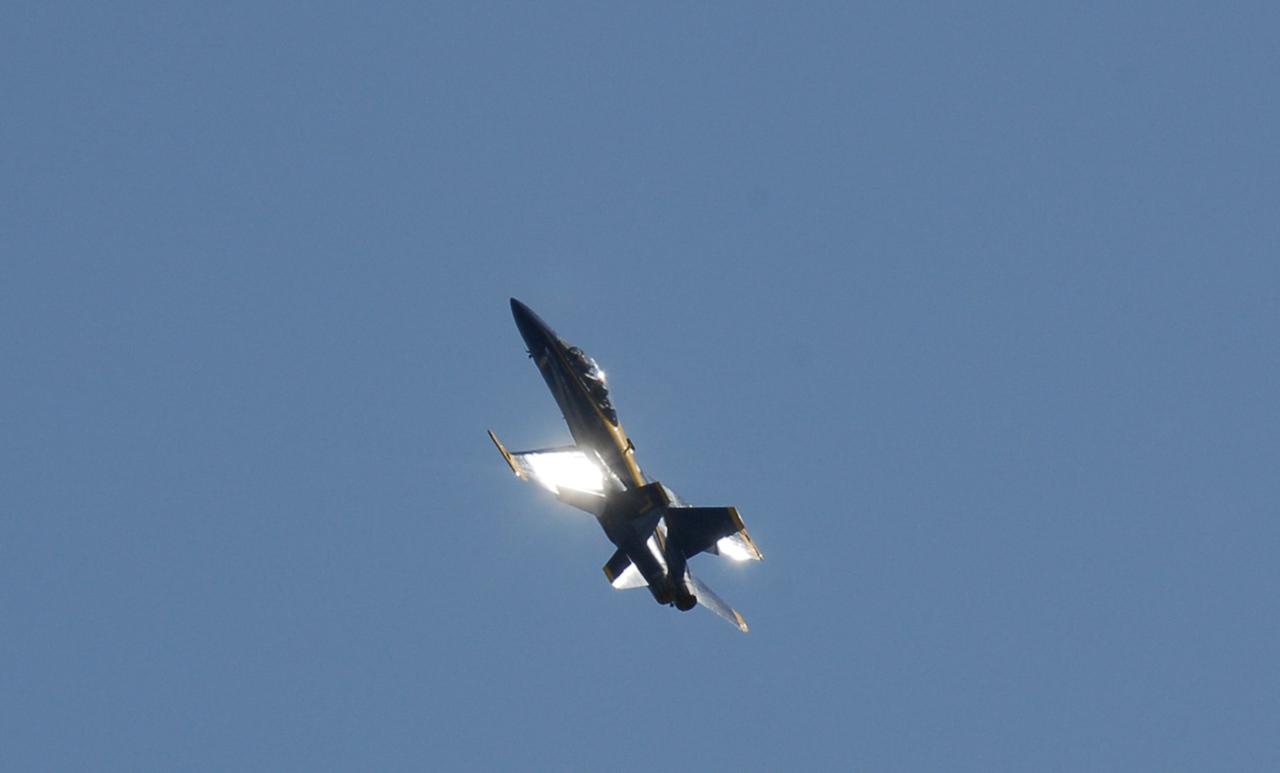
CAPE CANAVERAL, Fla. -- After meeting with NASA officials about their involvement in the second annual Space & Air Show at Kennedy Space Center Nov. 8-9, Blue Angel pilots Lt. Frank Weisser and Lt. Dan McShane fly over the Launch Complex 39 area in their U.S. Navy F-18 Hornet as they return to their home base in Pensacola, Fla. The air show will be only the second time the Blue Angels have performed at Kennedy. Their precision flight team will perform high-speed passes, fast rolls, mirror formations, tight turns and their signature Delta formation showcasing the capabilities of the powerful aircraft. The 2008 Space & Air Show will include aircraft displays and space-related exhibits on the ground and plenty of action in the skies over Kennedy. Returning to the show is the 920th Rescue Wing, an Air Force Reserve Command combat search and rescue unit based at Patrick Air Force Base in Central Florida. Also, more than 20 astronauts and special guests will be on hand to personally meet guests, pose for photos and sign memorabilia. Photo credit: NASA/Dimitri Gerondidakis
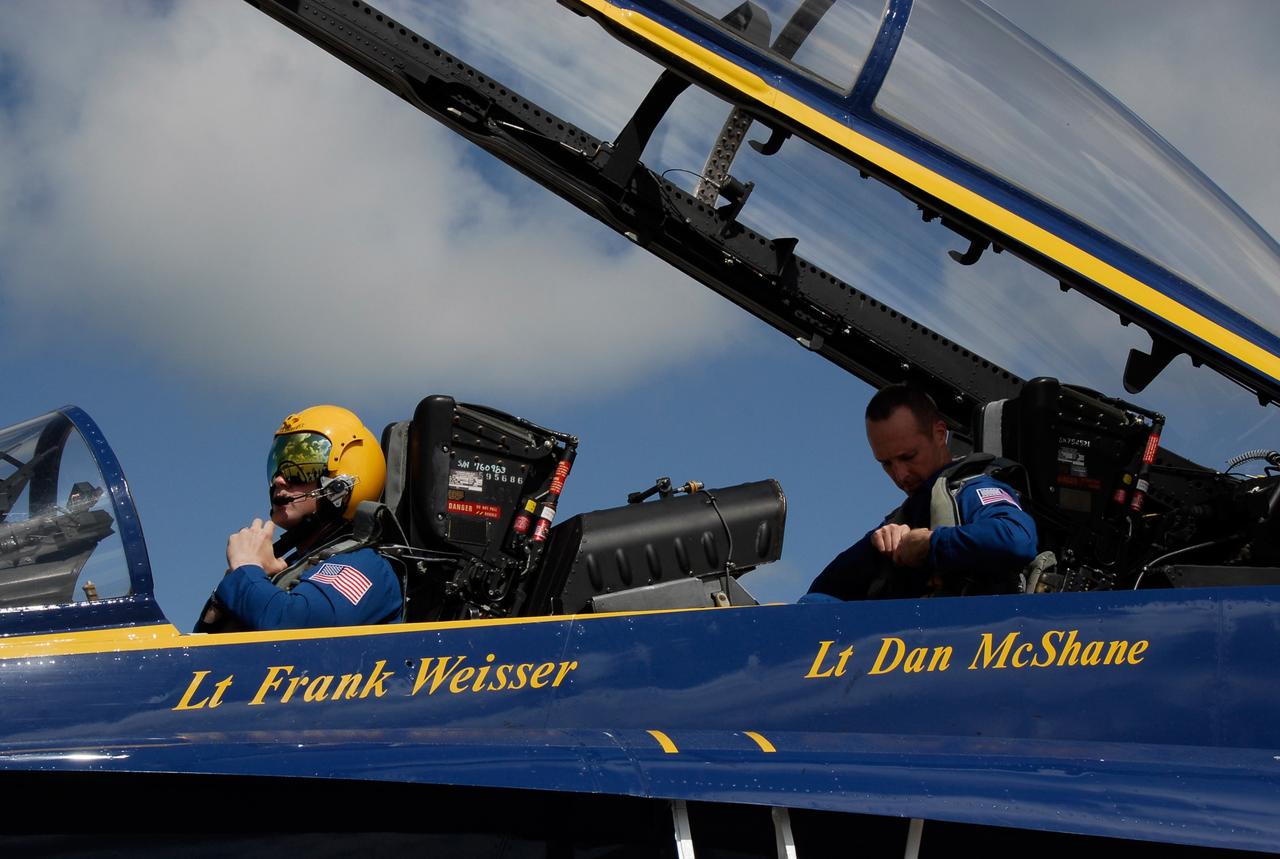
CAPE CANAVERAL, Fla. -- After meeting with NASA officials about their involvement in the second annual Space & Air Show at Kennedy Space Center Nov. 8-9, Blue Angel pilots Lt. Frank Weisser and Lt. Dan McShane board their U.S. Navy F-18 Hornet as they prepare to return to their home base in Pensacola, Fla. The air show will be only the second time the Blue Angels have performed at Kennedy. Their precision flight team will perform high-speed passes, fast rolls, mirror formations, tight turns and their signature Delta formation showcasing the capabilities of the powerful aircraft. The 2008 Space & Air Show will include aircraft displays and space-related exhibits on the ground and plenty of action in the skies over Kennedy. Returning to the show is the 920th Rescue Wing, an Air Force Reserve Command combat search and rescue unit based at Patrick Air Force Base in Central Florida. Also, more than 20 astronauts and special guests will be on hand to personally meet guests, pose for photos and sign memorabilia. Photo credit: NASA/Kim Shiflett
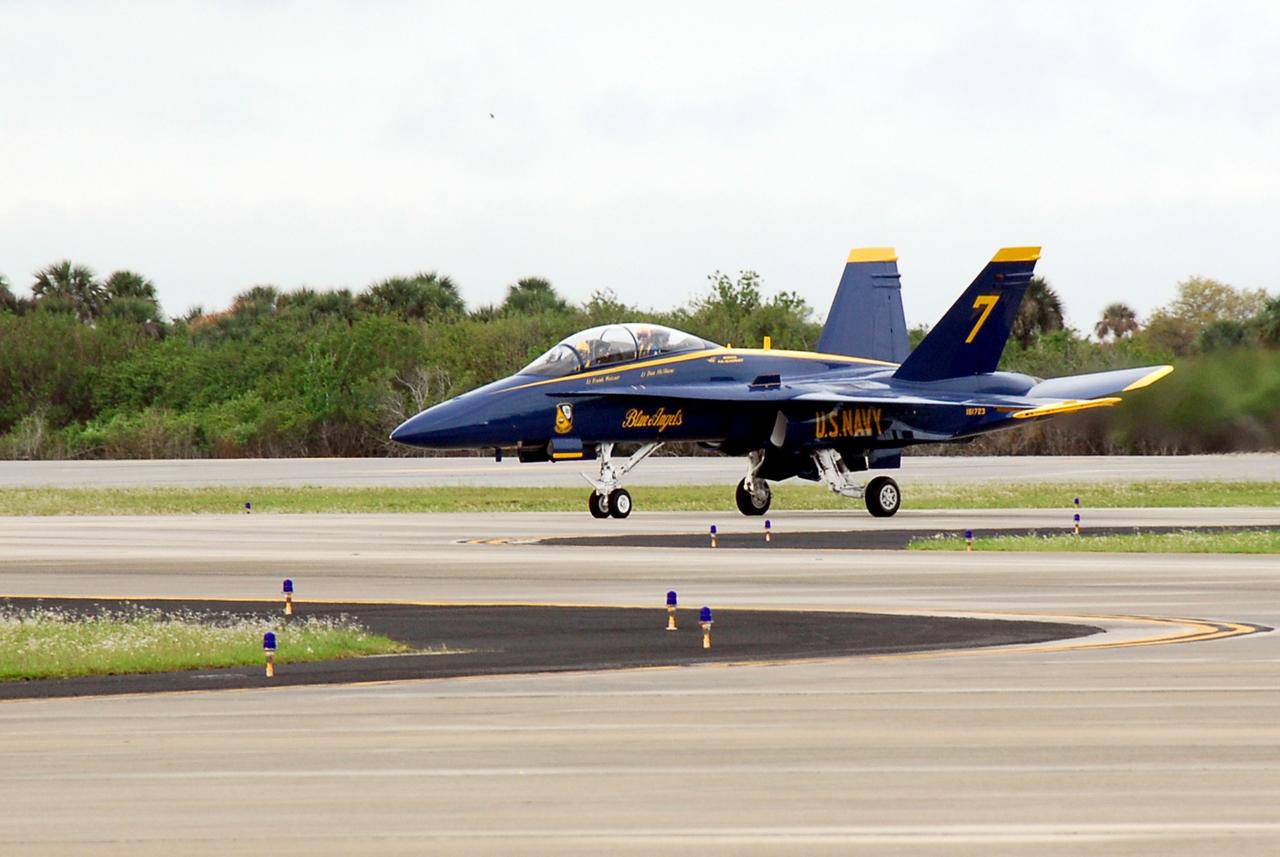
CAPE CANAVERAL, Fla. -- A U.S. Navy F-18 Hornet lands at the Shuttle Landing Facility at NASA's Kennedy Space Center. Aboard are Blue Angel pilots Lt. Frank Weisser and Lt. Dan McShane. They flew into Kennedy to begin preparations for their involvement in the second annual Space & Air Show at Kennedy Space Center Nov. 8-9. The air show will be only the second time the Blue Angels have performed at Kennedy. Their precision flight team will perform high-speed passes, fast rolls, mirror formations, tight turns and their signature Delta formation showcasing the capabilities of the powerful aircraft. The 2008 Space & Air Show will include aircraft displays and space-related exhibits on the ground and plenty of action in the skies over Kennedy. Returning to the show is the 920th Rescue Wing, an Air Force Reserve Command combat search and rescue unit based at Patrick Air Force Base in Central Florida. Also, more than 20 astronauts and special guests will be on hand to personally meet guests, pose for photos and sign memorabilia. Photo credit: NASA/Kim Shiflett
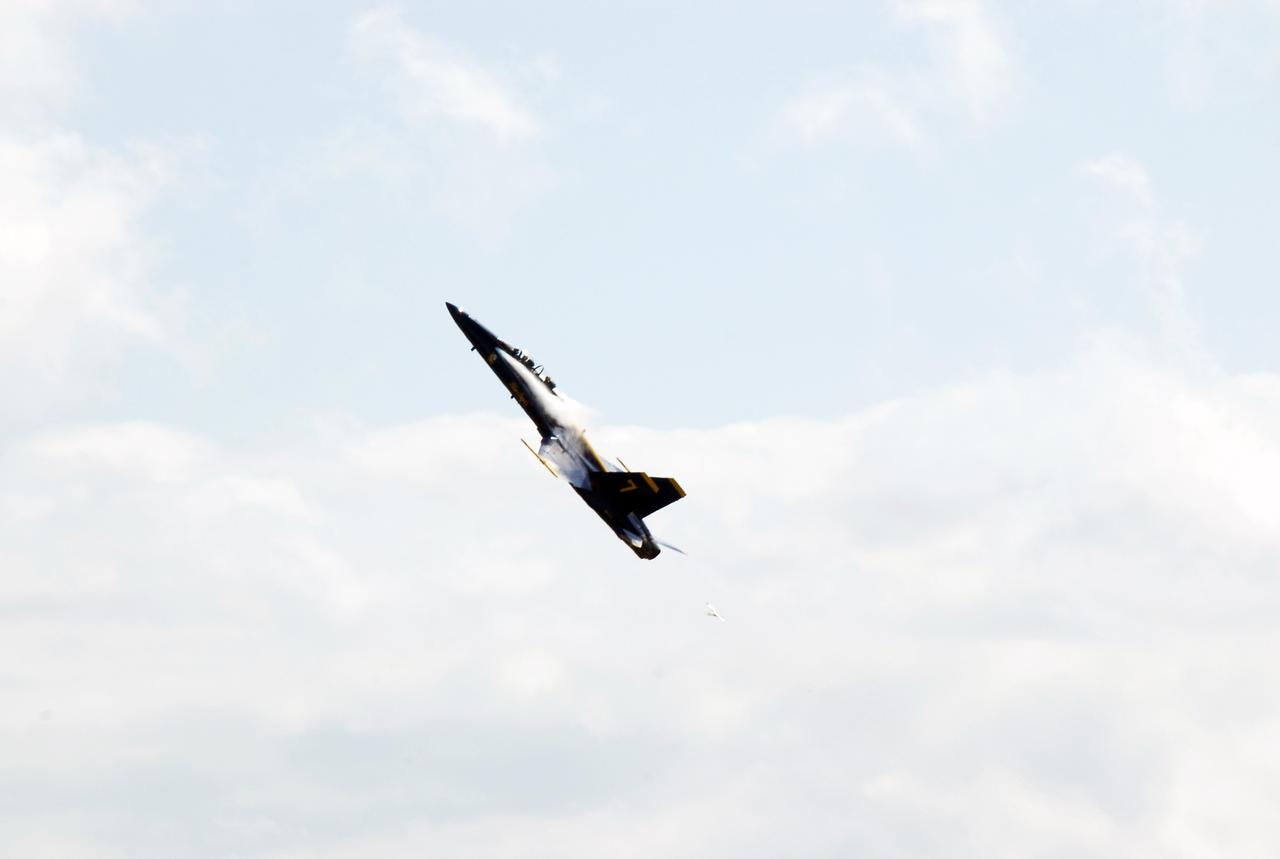
CAPE CANAVERAL, Fla. -- After meeting with NASA officials about their involvement in the second annual Space & Air Show at Kennedy Space Center Nov. 8-9, Blue Angel pilots Lt. Frank Weisser and Lt. Dan McShane take off from the Shuttle Landing Facility aboard their U.S. Navy F-18 Hornet for the return flight to their home base in Pensacola, Fla. The air show will be only the second time the Blue Angels have performed at Kennedy. Their precision flight team will perform high-speed passes, fast rolls, mirror formations, tight turns and their signature Delta formation showcasing the capabilities of the powerful aircraft. The 2008 Space & Air Show will include aircraft displays and space-related exhibits on the ground and plenty of action in the skies over Kennedy. Returning to the show is the 920th Rescue Wing, an Air Force Reserve Command combat search and rescue unit based at Patrick Air Force Base in Central Florida. Also, more than 20 astronauts and special guests will be on hand to personally meet guests, pose for photos and sign memorabilia. Photo credit: NASA/Kim Shiflett
CAPE CANAVERAL, Fla. -- After meeting with NASA officials about their involvement in the second annual Space & Air Show at Kennedy Space Center Nov. 8-9, Blue Angel pilots Lt. Frank Weisser and Lt. Dan McShane prepare for takeoff of their U.S. Navy F-18 Hornet from the Shuttle Landing Facility for the return flight to their home base in Pensacola, Fla. The air show will be only the second time the Blue Angels have performed at Kennedy. Their precision flight team will perform high-speed passes, fast rolls, mirror formations, tight turns and their signature Delta formation showcasing the capabilities of the powerful aircraft. The 2008 Space & Air Show will include aircraft displays and space-related exhibits on the ground and plenty of action in the skies over Kennedy. Returning to the show is the 920th Rescue Wing, an Air Force Reserve Command combat search and rescue unit based at Patrick Air Force Base in Central Florida. Also, more than 20 astronauts and special guests will be on hand to personally meet guests, pose for photos and sign memorabilia. Photo credit: NASA/Kim Shiflett
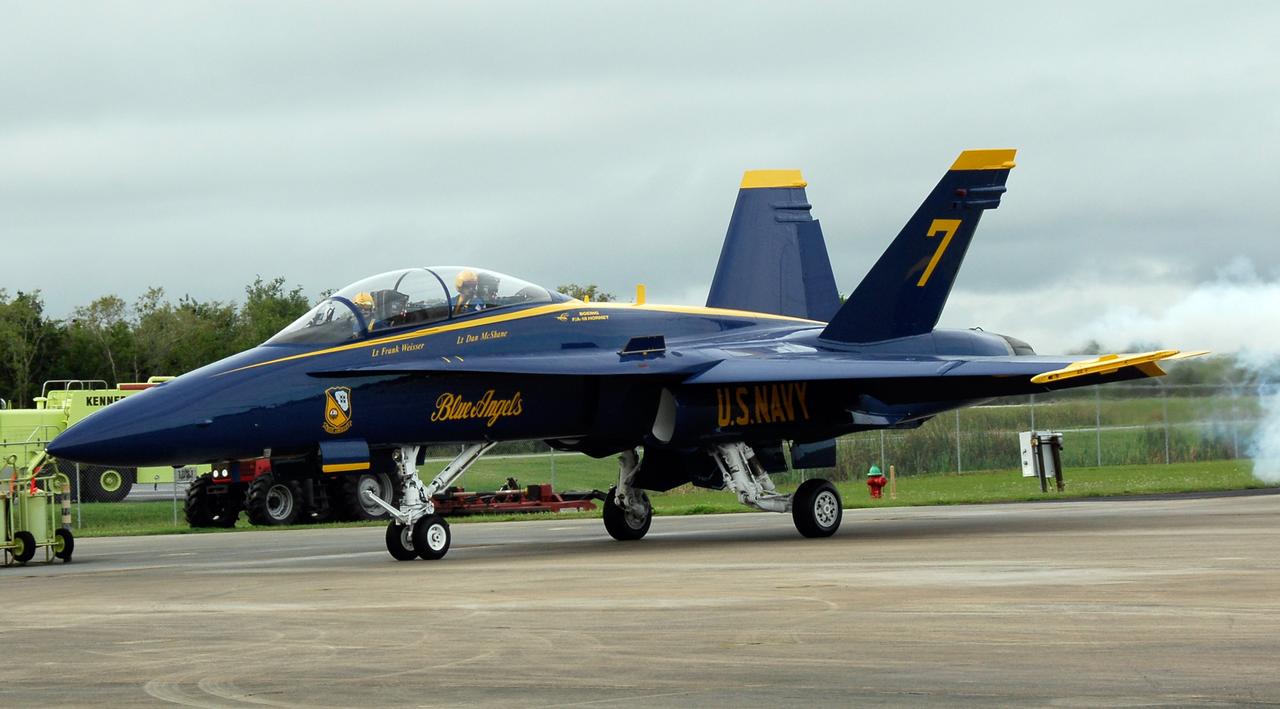
CAPE CANAVERAL, Fla. -- A U.S. Navy F-18 Hornet taxis on the Shuttle Landing Facility runway at NASA's Kennedy Space Center. Aboard are Blue Angel pilots Lt. Frank Weisser and Lt. Dan McShane. They flew into Kennedy to begin preparations for their involvement in the second annual Space & Air Show at Kennedy Space Center Nov. 8-9. The air show will be only the second time the Blue Angels have performed at Kennedy. Their precision flight team will perform high-speed passes, fast rolls, mirror formations, tight turns and their signature Delta formation showcasing the capabilities of the powerful aircraft. The 2008 Space & Air Show will include aircraft displays and space-related exhibits on the ground and plenty of action in the skies over Kennedy. Returning to the show is the 920th Rescue Wing, an Air Force Reserve Command combat search and rescue unit based at Patrick Air Force Base in Central Florida. Also, more than 20 astronauts and special guests will be on hand to personally meet guests, pose for photos and sign memorabilia. Photo credit: NASA/Kim Shiflett
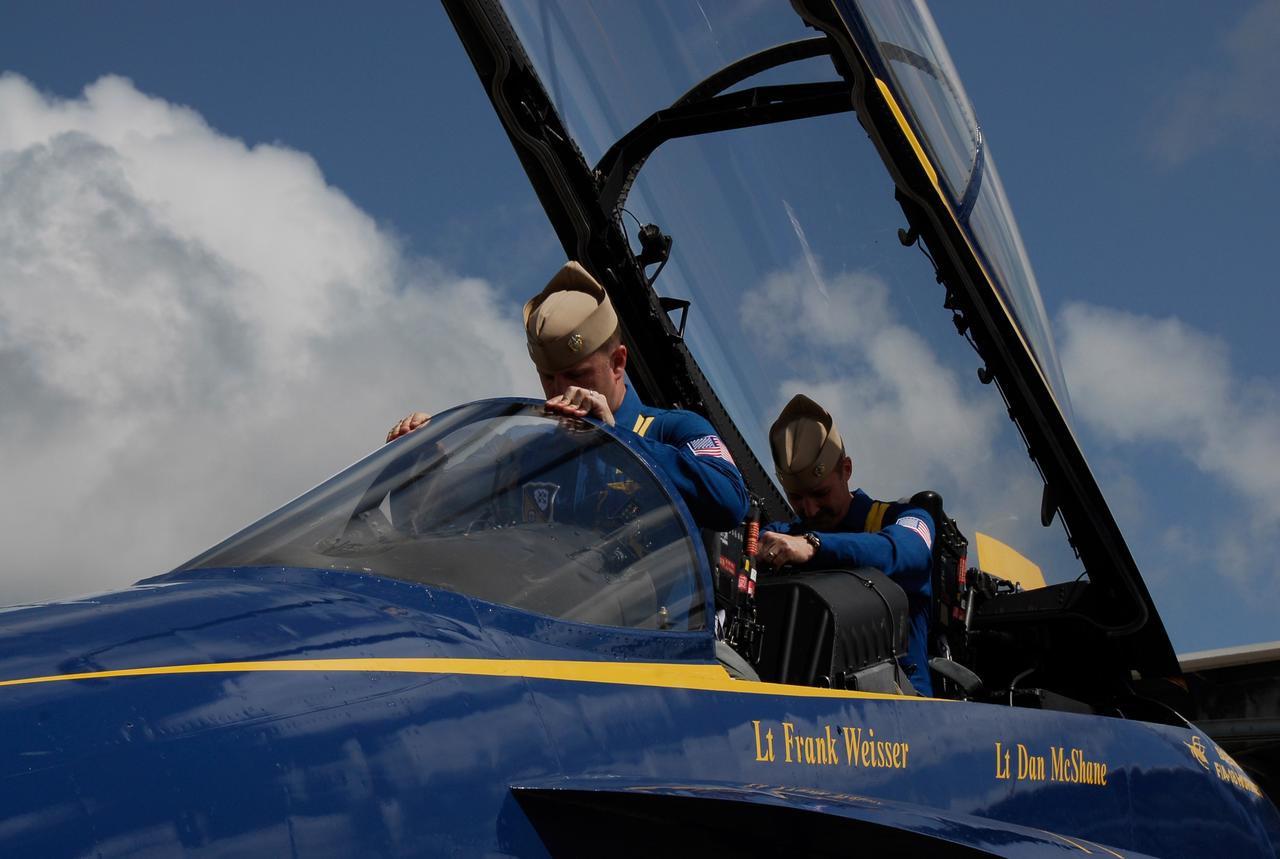
CAPE CANAVERAL, Fla. -- After meeting with NASA officials about their involvement in the second annual Space & Air Show at Kennedy Space Center Nov. 8-9, Blue Angel pilots Lt. Frank Weisser and Lt. Dan McShane board their U.S. Navy F-18 Hornet as they prepare to return to their home base in Pensacola, Fla. The air show will be only the second time the Blue Angels have performed at Kennedy. Their precision flight team will perform high-speed passes, fast rolls, mirror formations, tight turns and their signature Delta formation showcasing the capabilities of the powerful aircraft. The 2008 Space & Air Show will include aircraft displays and space-related exhibits on the ground and plenty of action in the skies over Kennedy. Returning to the show is the 920th Rescue Wing, an Air Force Reserve Command combat search and rescue unit based at Patrick Air Force Base in Central Florida. Also, more than 20 astronauts and special guests will be on hand to personally meet guests, pose for photos and sign memorabilia. Photo credit: NASA/Kim Shiflett
CAPE CANAVERAL, Fla. -- After meeting with NASA officials about their involvement in the second annual Space & Air Show at Kennedy Space Center Nov. 8-9, Blue Angel pilots Lt. Frank Weisser and Lt. Dan McShane take off from the Shuttle Landing Facility aboard their U.S. Navy F-18 Hornet for the return flight to their home base in Pensacola, Fla. The air show will be only the second time the Blue Angels have performed at Kennedy. Their precision flight team will perform high-speed passes, fast rolls, mirror formations, tight turns and their signature Delta formation showcasing the capabilities of the powerful aircraft. The 2008 Space & Air Show will include aircraft displays and space-related exhibits on the ground and plenty of action in the skies over Kennedy. Returning to the show is the 920th Rescue Wing, an Air Force Reserve Command combat search and rescue unit based at Patrick Air Force Base in Central Florida. Also, more than 20 astronauts and special guests will be on hand to personally meet guests, pose for photos and sign memorabilia. Photo credit: NASA/Kim Shiflett
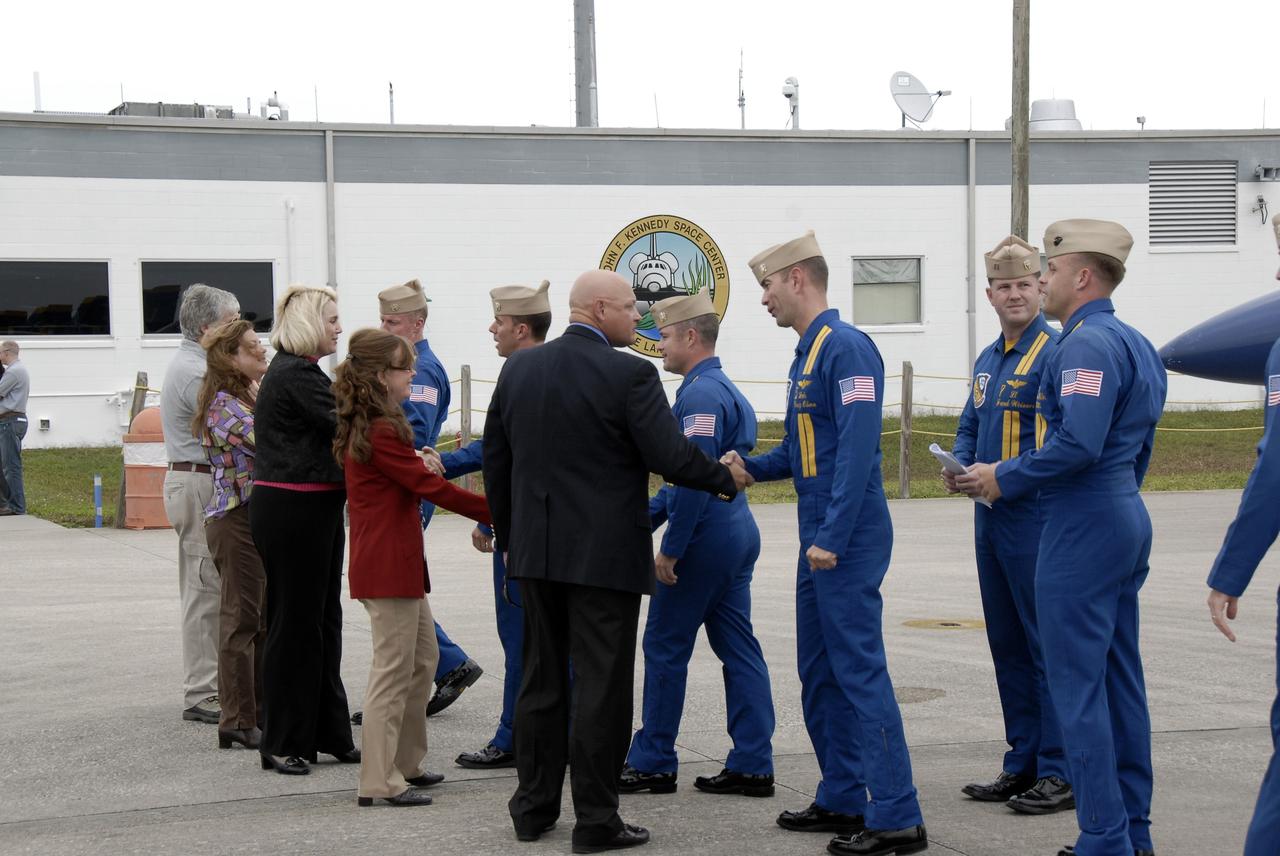
CAPE CANAVERAL, Fla. – At the Shuttle Landing Facility at NASA's Kennedy Space Center in Florida, the U.S. Navy's Blue Angel pilots and support team are greeted by (from right) Special Operations Director Joe Dowdy, External Relations Director Lisa Malone, External Relations Acting Deputy Director Cheryl Hurst and Pam Steele, chief of the Public Services Division at Kennedy. The Blue Angels will perform at the Kennedy Space Center Visitor Complex Space and Air Show Nov. 8-9. The Navy's elite flight demonstration squadron will take to the skies in military aircraft demonstrations by the F-16 Fighting Falcon and F/A-18 Super Hornet jets for the second annual Space & Air Show at Kennedy. This year’s show brings together the best in military aircraft, coupled with precision pilots and veteran astronauts to celebrate spaceflight and aviation. The event includes military aircraft demonstrations by the F-16 Fighting Falcon and a water rescue demonstration by the 920th Rescue Wing. Photo credit: NASA/Kim Shiflett
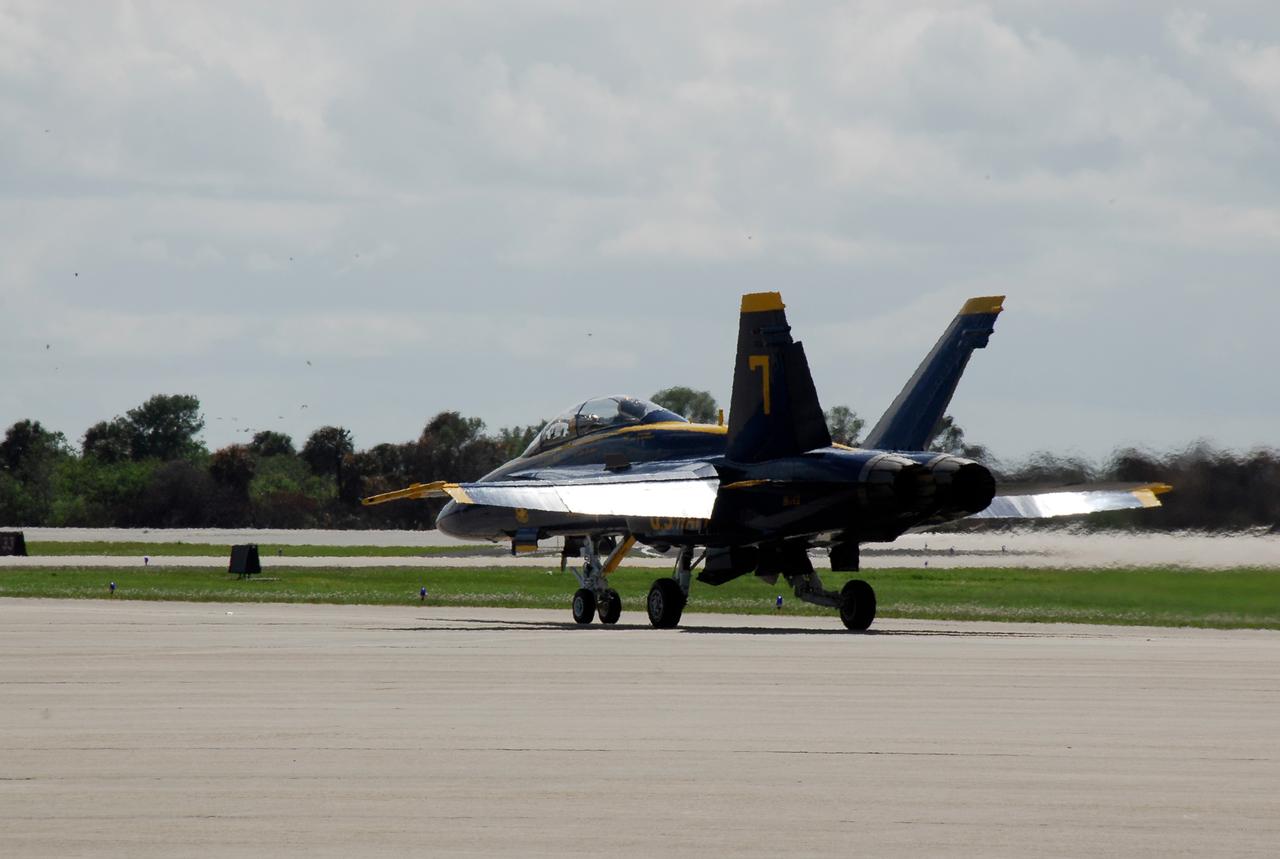
CAPE CANAVERAL, Fla. -- After meeting with NASA officials about their involvement in the second annual Space & Air Show at Kennedy Space Center Nov. 8-9, Blue Angel pilots Lt. Frank Weisser and Lt. Dan McShane prepare for takeoff of their U.S. Navy F-18 Hornet from the Shuttle Landing Facility for the return flight to their home base in Pensacola, Fla. The air show will be only the second time the Blue Angels have performed at Kennedy. Their precision flight team will perform high-speed passes, fast rolls, mirror formations, tight turns and their signature Delta formation showcasing the capabilities of the powerful aircraft. The 2008 Space & Air Show will include aircraft displays and space-related exhibits on the ground and plenty of action in the skies over Kennedy. Returning to the show is the 920th Rescue Wing, an Air Force Reserve Command combat search and rescue unit based at Patrick Air Force Base in Central Florida. Also, more than 20 astronauts and special guests will be on hand to personally meet guests, pose for photos and sign memorabilia. Photo credit: NASA/Kim Shiflett
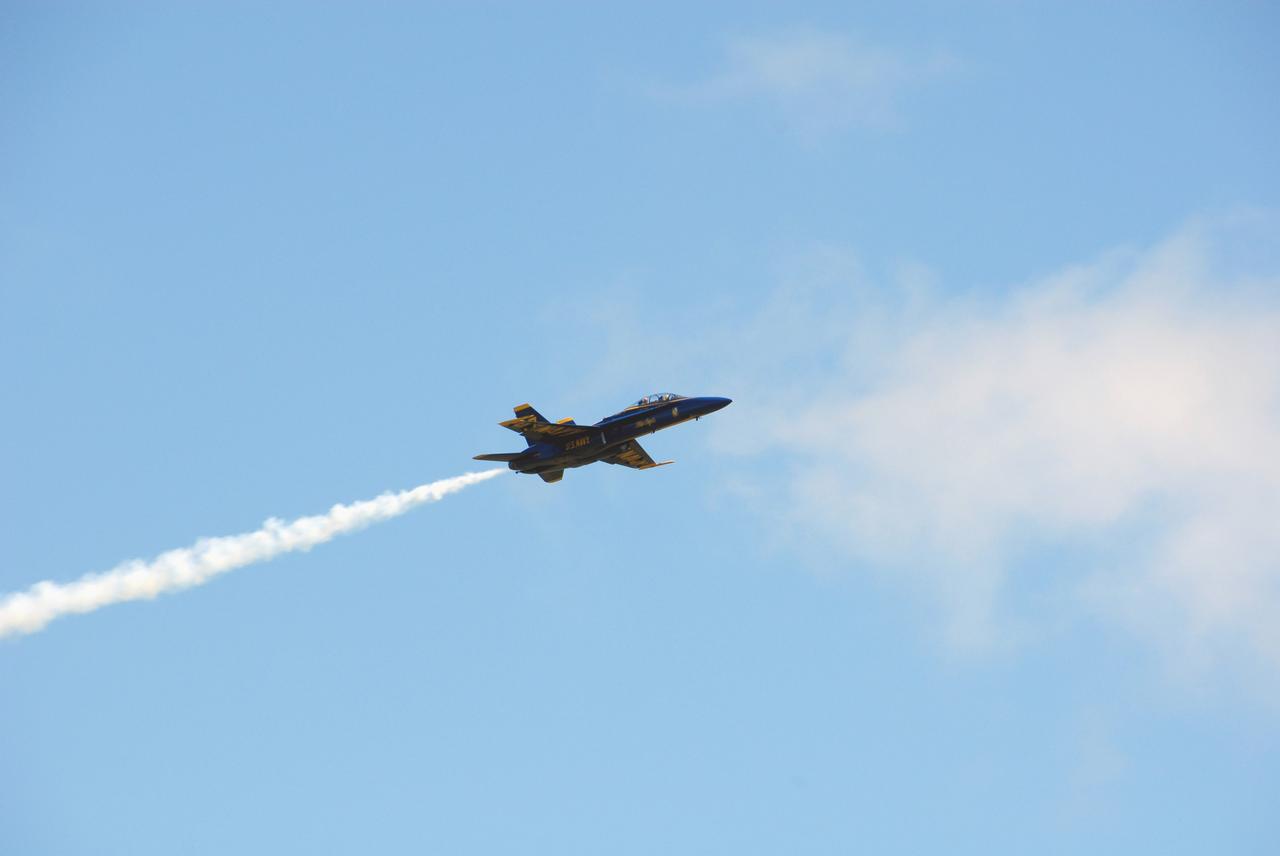
CAPE CANAVERAL, Fla. -- After meeting with NASA officials about their involvement in the second annual Space & Air Show at Kennedy Space Center Nov. 8-9, Blue Angel pilots Lt. Frank Weisser and Lt. Dan McShane take a last look at the center from their U.S. Navy F-18 Hornet as they return to their home base in Pensacola, Fla. The air show will be only the second time the Blue Angels have performed at Kennedy. Their precision flight team will perform high-speed passes, fast rolls, mirror formations, tight turns and their signature Delta formation showcasing the capabilities of the powerful aircraft. The 2008 Space & Air Show will include aircraft displays and space-related exhibits on the ground and plenty of action in the skies over Kennedy. Returning to the show is the 920th Rescue Wing, an Air Force Reserve Command combat search and rescue unit based at Patrick Air Force Base in Central Florida. Also, more than 20 astronauts and special guests will be on hand to personally meet guests, pose for photos and sign memorabilia. Photo credit: NASA/Dimitri Gerondidakis
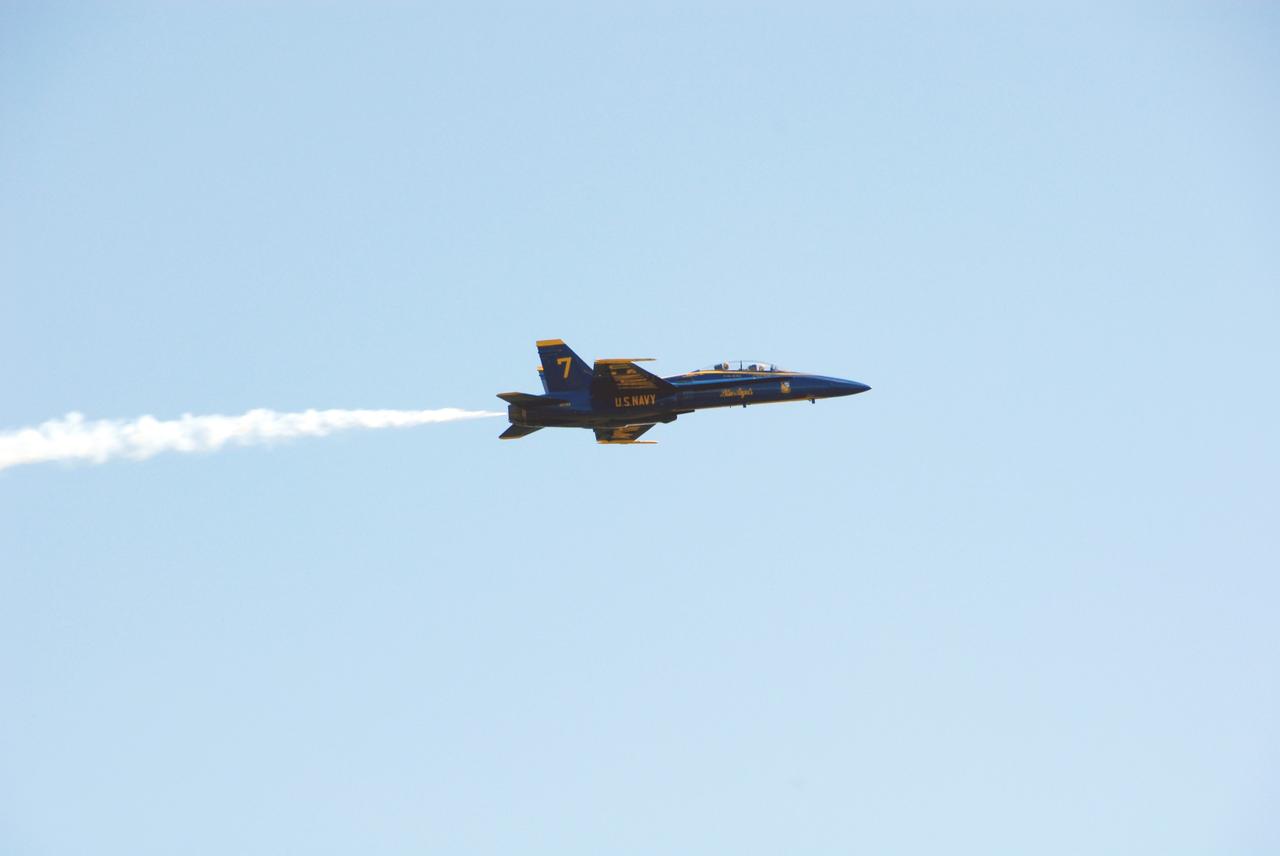
CAPE CANAVERAL, Fla. -- After meeting with NASA officials about their involvement in the second annual Space & Air Show at Kennedy Space Center Nov. 8-9, Blue Angel pilots Lt. Frank Weisser and Lt. Dan McShane take a last look at the center from their U.S. Navy F-18 Hornet as they return to their home base in Pensacola, Fla. The air show will be only the second time the Blue Angels have performed at Kennedy. Their precision flight team will perform high-speed passes, fast rolls, mirror formations, tight turns and their signature Delta formation showcasing the capabilities of the powerful aircraft. The 2008 Space & Air Show will include aircraft displays and space-related exhibits on the ground and plenty of action in the skies over Kennedy. Returning to the show is the 920th Rescue Wing, an Air Force Reserve Command combat search and rescue unit based at Patrick Air Force Base in Central Florida. Also, more than 20 astronauts and special guests will be on hand to personally meet guests, pose for photos and sign memorabilia. Photo credit: NASA/Dimitri Gerondidakis
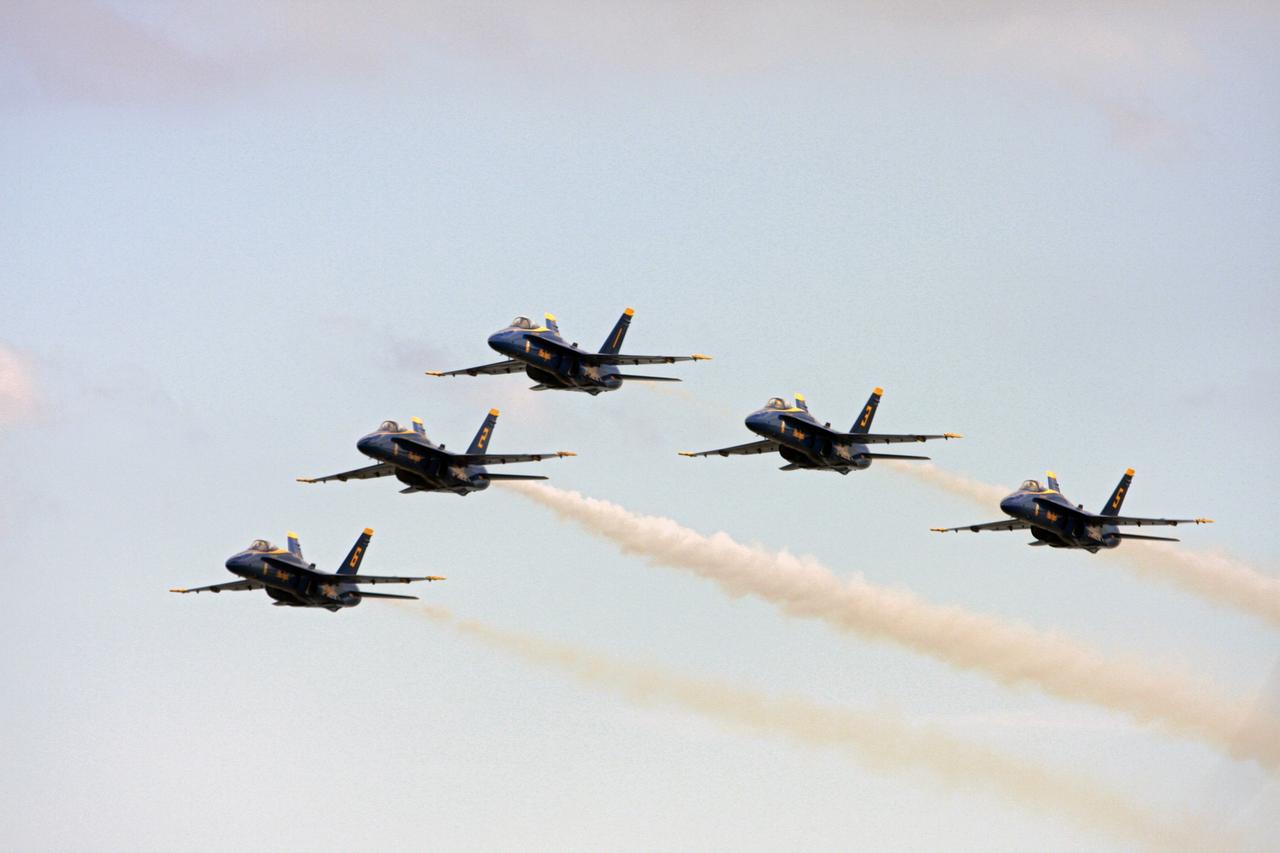
CAPE CANAVERAL, Fla. – The U.S. Navy's Blue Angels perform their tight maneuvers over NASA's Kennedy Space Center in Florida during the Kennedy Space Center Visitor Complex Space and Air Show held Nov. 8-9. This year’s show brought together the best in military aircraft, such as the F/A-18 Super Hornet and F-16 Fighting Falcon, coupled with precision pilots and veteran astronauts to celebrate spaceflight and aviation. The event included a water rescue demonstration by the 920th Rescue Wing. Photo credit: NASA/Troy Cryder
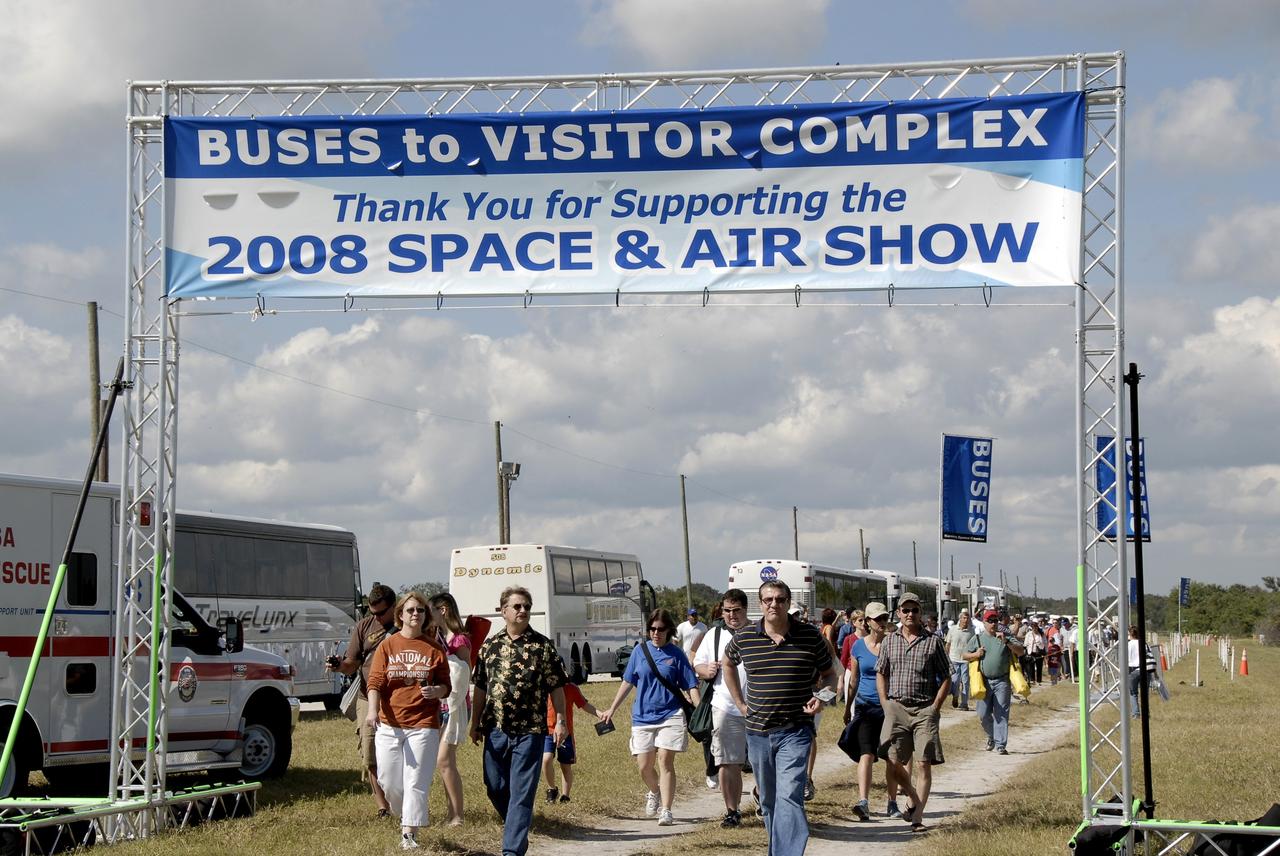
CAPE CANAVERAL, Fla. – Crowds head for the best viewing sites they can find at NASA's Kennedy Space Center in Florida to watch the U.S. Navy's Blue Angels perform at the Kennedy Space Center Visitor Complex Space and Air Show Nov. 8-9. This year’s show brought together the best in military aircraft, such as the F/A-18 Super Hornet and F-16 Fighting Falcon, coupled with precision pilots and veteran astronauts to celebrate spaceflight and aviation. The event included a water rescue demonstration by the 920th Rescue Wing. Photo credit: NASA/Kim Shiflett
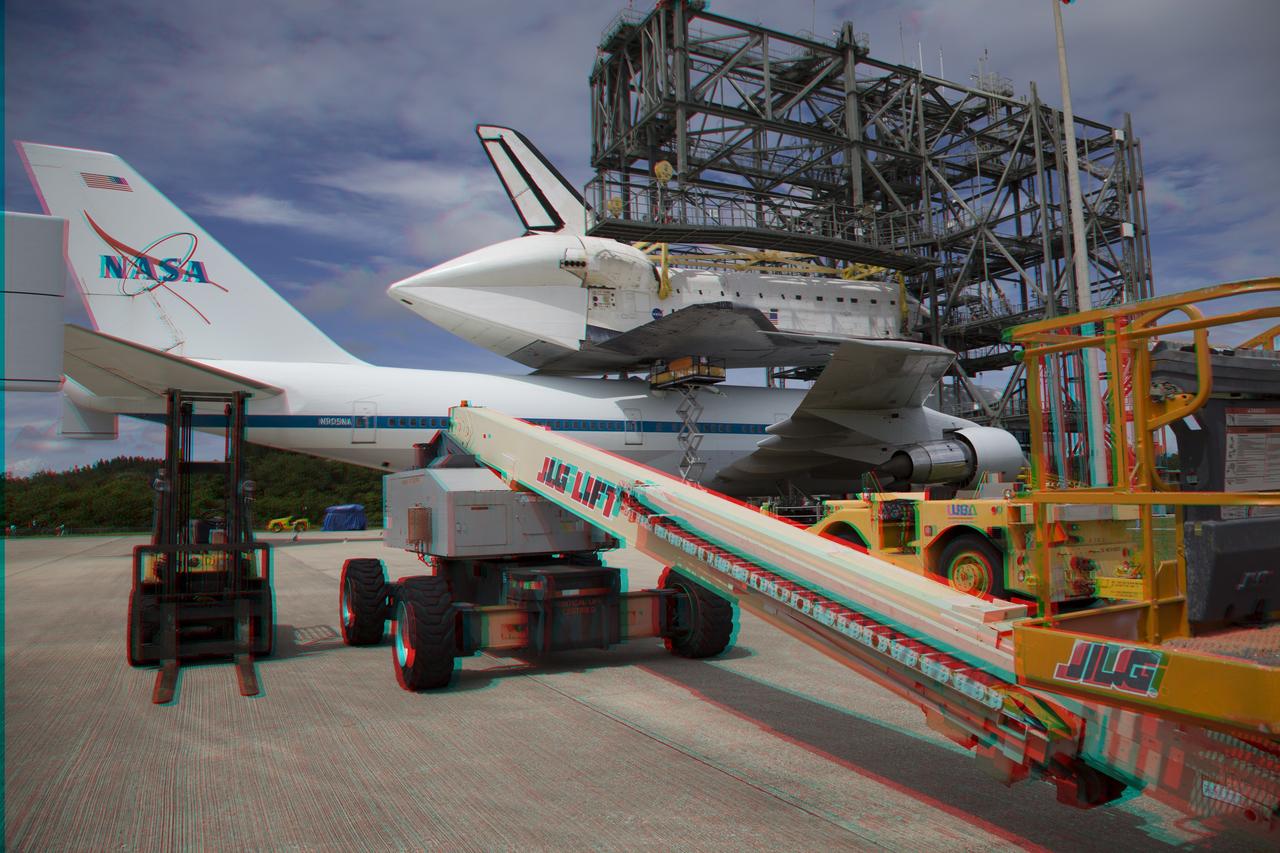
CAPE CANAVERAL, Fla. – This three-dimensional view at the Shuttle Landing Facility at NASA's Kennedy Space Center in Florida, shows a lift being used to support the space shuttle Endeavour, mounted atop NASA's Shuttle Carrier Aircraft, or SCA, as it was being prepared for its ferry flight to California. This image may be viewed in 3-D with red and blue glasses. The SCA, a modified 747 jetliner, will fly Endeavour to Los Angeles where it will be placed on public display at the California Science Center. This is the final ferry flight scheduled in the Space Shuttle Program era. For more information on the shuttles' transition and retirement, visit http://www.nasa.gov/transition. Photo credit: NASA/ Frankie Martin
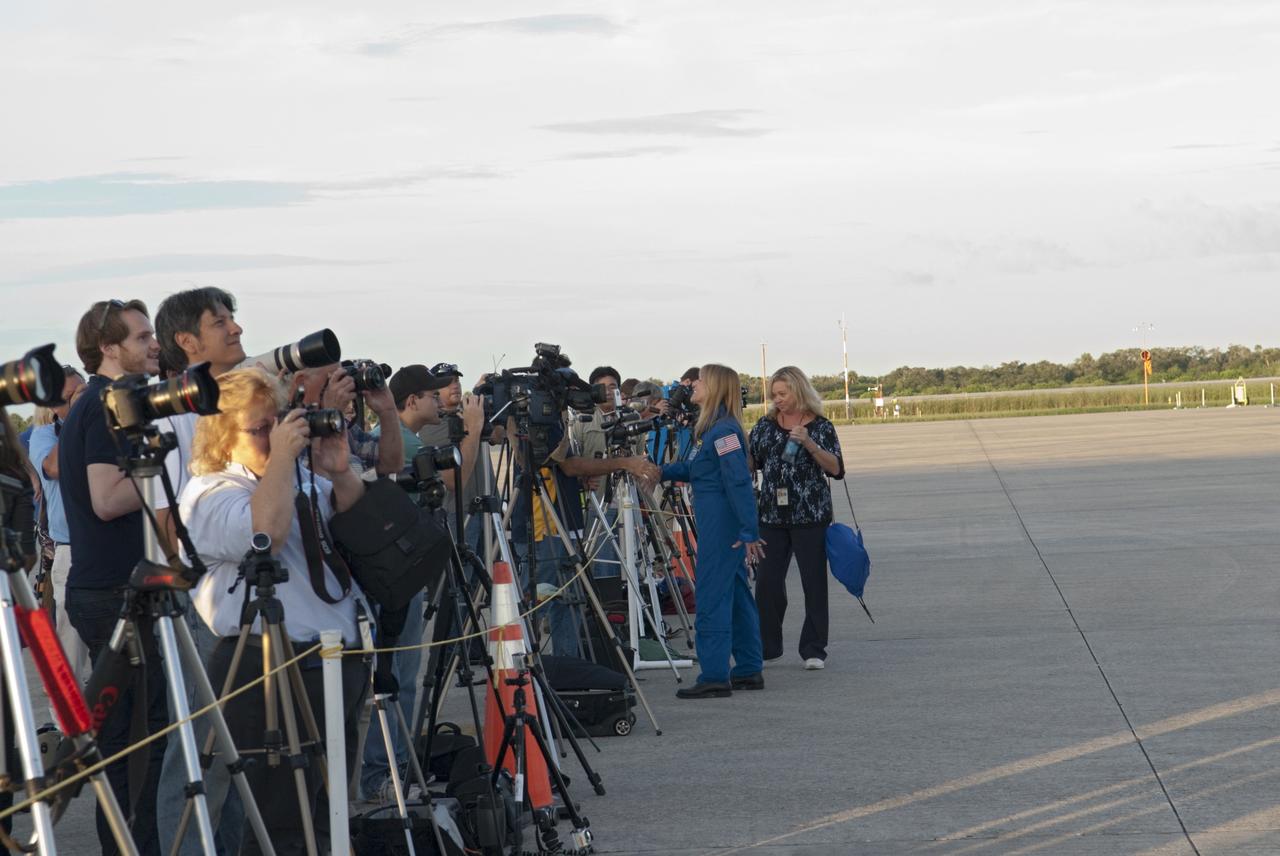
CAPE CANAVERAL, Fla. – Media representatives are given the opportunity to photograph and interview astronaut Kay Hire, in the blue flight suit, at the Shuttle Landing Facility at NASA's Kennedy Space Center in Florida. Preparations are under way for space shuttle Endeavour's upcoming ferry flight atop NASA's Shuttle Carrier Aircraft, or SCA. The SCA, a modified 747 jetliner, will fly Endeavour to Los Angeles where it will be placed on public display at the California Science Center. This is the final ferry flight scheduled in the Space Shuttle Program era. For more information on the shuttles' transition and retirement, visit http://www.nasa.gov/transition. Photo credit: NASA/Charisse Nahser
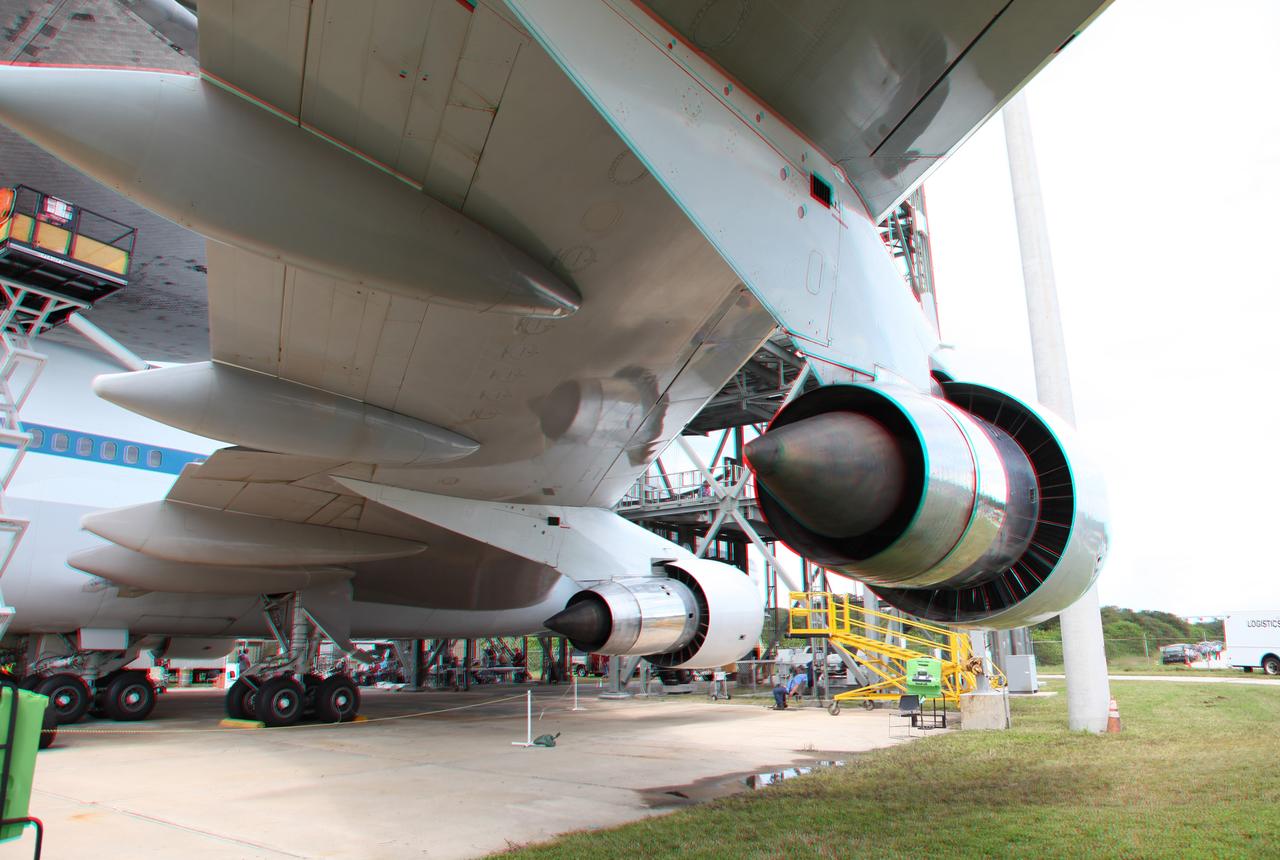
CAPE CANAVERAL, Fla. – This three -dimensional view at the Shuttle Landing Facility at NASA's Kennedy Space Center in Florida, shows jet engines under a wing of the NASA Shuttle Carrier Aircraft, or SCA, which will ferry the space shuttle Endeavour for its ferry flight to California. This image may be viewed in 3-D with red and blue glasses. The SCA, a modified 747 jetliner, will fly Endeavour to Los Angeles where it will be placed on public display at the California Science Center. This is the final ferry flight scheduled in the Space Shuttle Program era. For more information on the shuttles' transition and retirement, visit http://www.nasa.gov/transition. Photo credit: NASA/ Frankie Martin
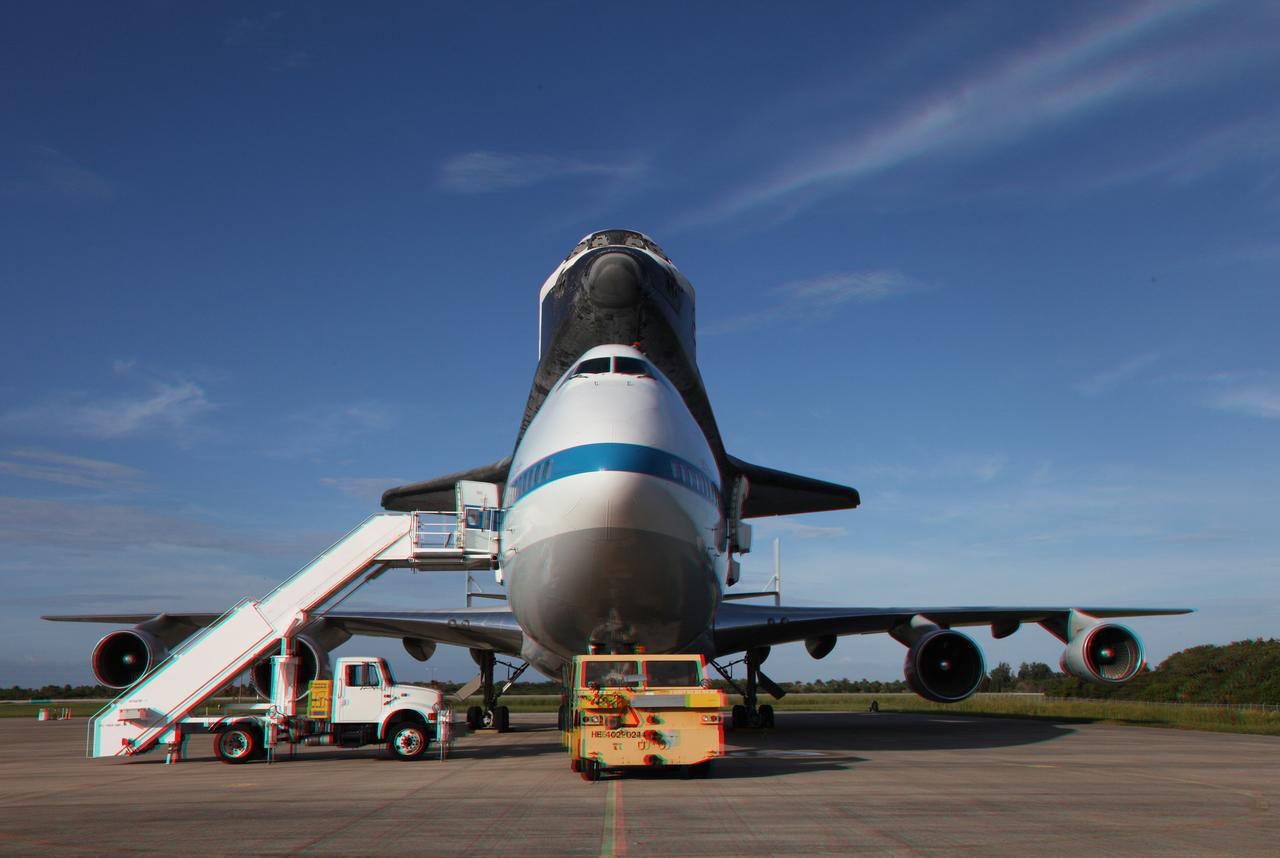
CAPE CANAVERAL, Fla. – This three -dimensional view at the Shuttle Landing Facility at NASA's Kennedy Space Center in Florida, shows the space shuttle Endeavour, mounted atop NASA's Shuttle Carrier Aircraft, or SCA, as it is being prepared for its ferry flight to California. This image may be viewed in 3-D with red and blue glasses. The SCA, a modified 747 jetliner, will fly Endeavour to Los Angeles where it will be placed on public display at the California Science Center. This is the final ferry flight scheduled in the Space Shuttle Program era. For more information on the shuttles' transition and retirement, visit http://www.nasa.gov/transition. Photo credit: NASA/ Frankie Martin
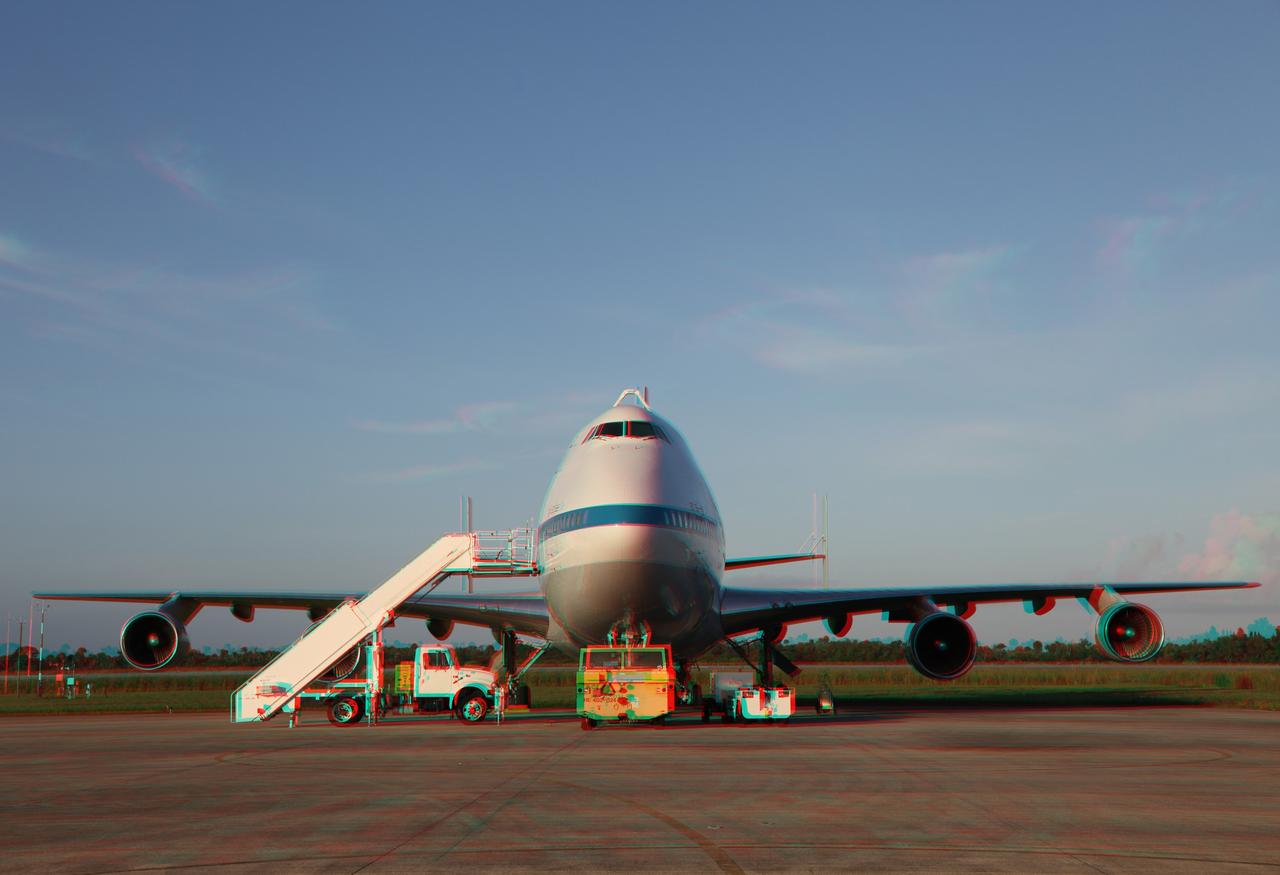
CAPE CANAVERAL, Fla. – This three -dimensional view at the Shuttle Landing Facility at NASA's Kennedy Space Center in Florida, shows the NASA Shuttle Carrier Aircraft, or SCA, which will ferry the space shuttle Endeavour to California. This image may be viewed in 3-D with red and blue glasses. The SCA, a modified 747 jetliner, will fly Endeavour to Los Angeles where it will be placed on public display at the California Science Center. This is the final ferry flight scheduled in the Space Shuttle Program era. For more information on the shuttles' transition and retirement, visit http://www.nasa.gov/transition. Photo credit: NASA/ Frankie Martin
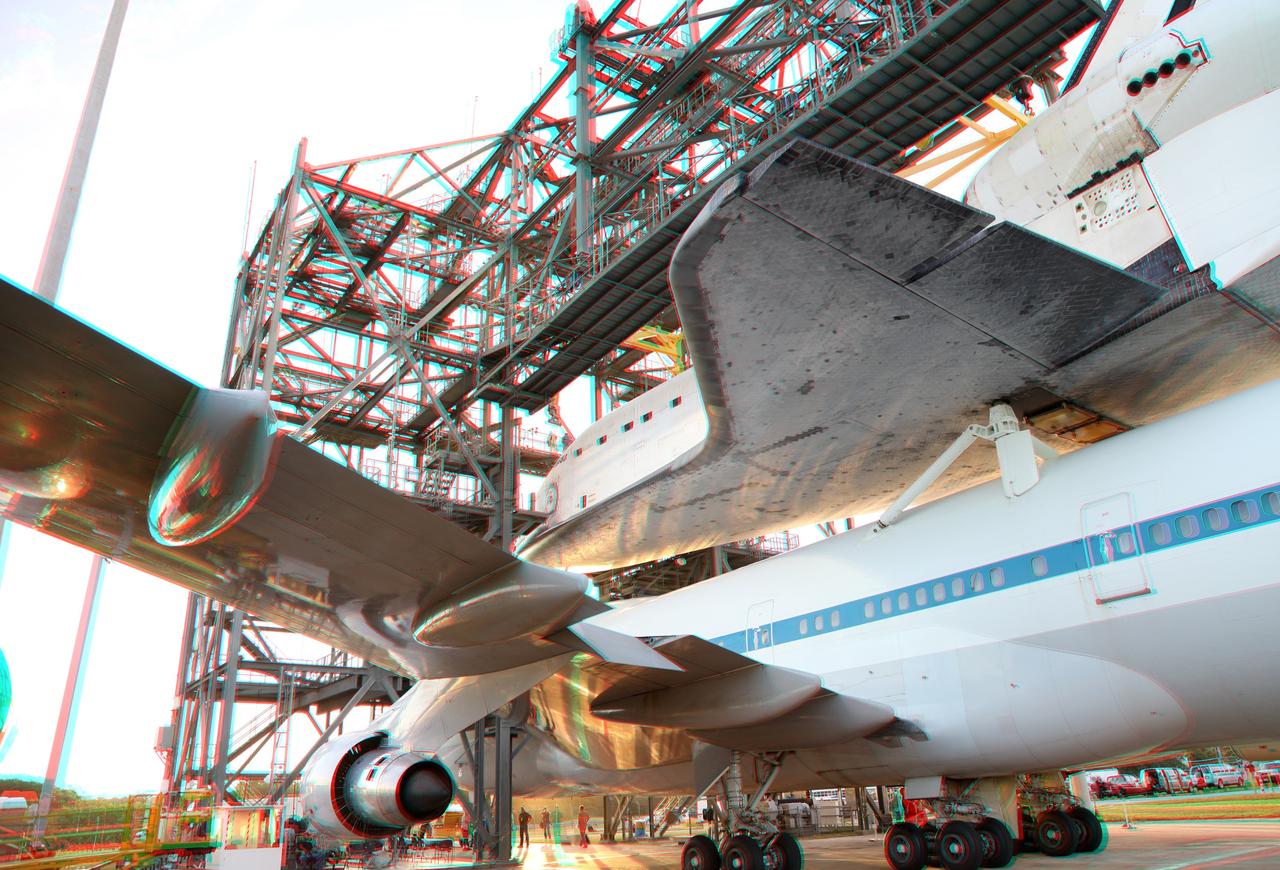
CAPE CANAVERAL, Fla. – This three -dimensional view at the Shuttle Landing Facility at NASA's Kennedy Space Center in Florida, shows the space shuttle Endeavour, being mounted atop NASA's Shuttle Carrier Aircraft, or SCA, in the mate-demate device. This image may be viewed in 3-D with red and blue glasses. The SCA, a modified 747 jetliner, will fly Endeavour to Los Angeles where it will be placed on public display at the California Science Center. This is the final ferry flight scheduled in the Space Shuttle Program era. For more information on the shuttles' transition and retirement, visit http://www.nasa.gov/transition. Photo credit: NASA/ Frankie Martin
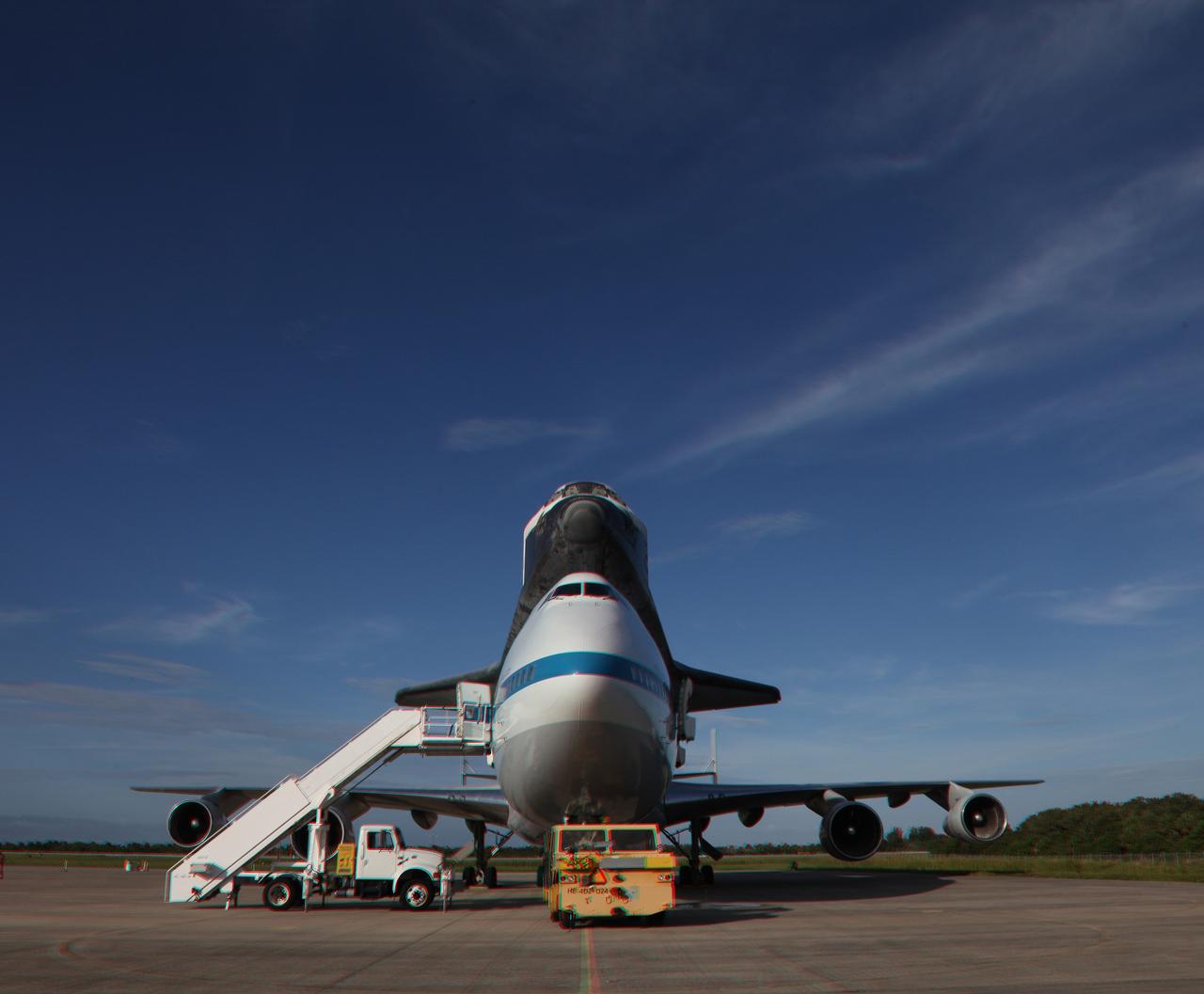
CAPE CANAVERAL, Fla. – This three-dimensional view at the Shuttle Landing Facility at NASA's Kennedy Space Center in Florida, shows the space shuttle Endeavour, mounted atop NASA's Shuttle Carrier Aircraft, or SCA, as it is being prepared for its ferry flight to California. This image may be viewed in 3-D with red and blue glasses. The SCA, a modified 747 jetliner, will fly Endeavour to Los Angeles where it will be placed on public display at the California Science Center. This is the final ferry flight scheduled in the Space Shuttle Program era. For more information on the shuttles' transition and retirement, visit http://www.nasa.gov/transition. Photo credit: NASA/ Frankie Martin
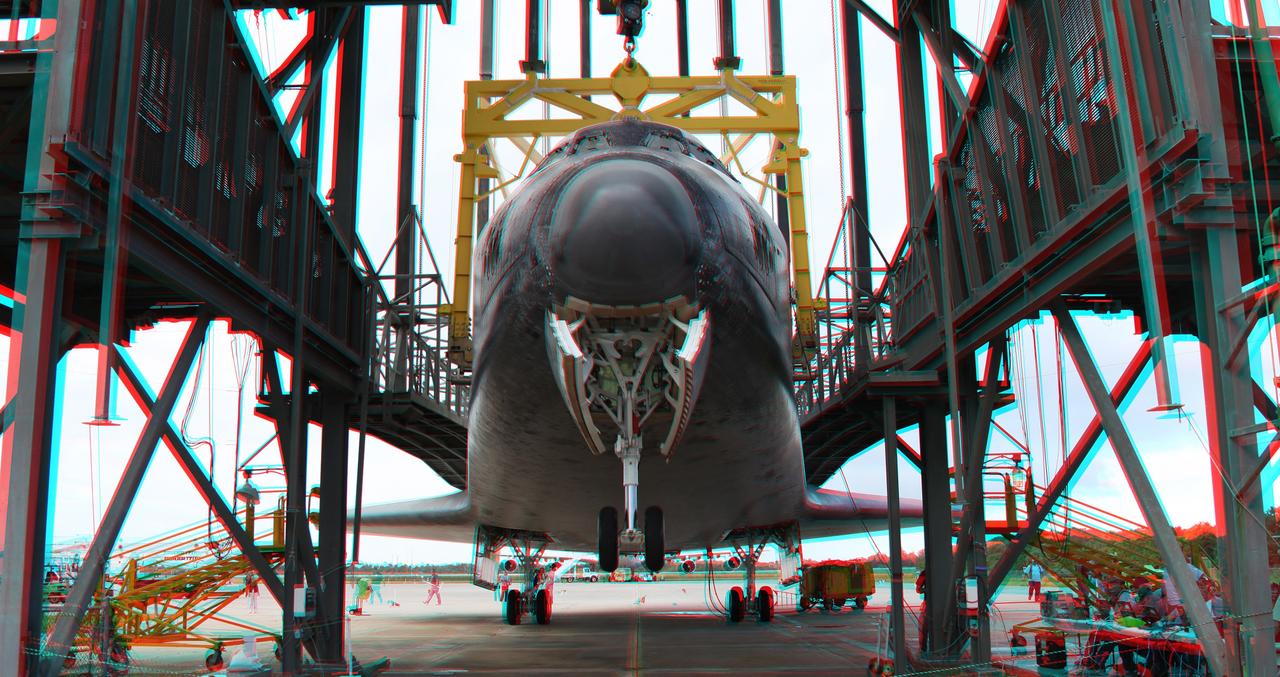
CAPE CANAVERAL, Fla. – This three -dimensional view at the Shuttle Landing Facility at NASA's Kennedy Space Center in Florida, shows the space shuttle Endeavour as it is being lifted in the mate-demate devise for mating to the NASA Shuttle Carrier Aircraft, or SCA, which will ferry the orbiter to California. This image may be viewed in 3-D with red and blue glasses. The SCA, a modified 747 jetliner, will fly Endeavour to Los Angeles where it will be placed on public display at the California Science Center. This is the final ferry flight scheduled in the Space Shuttle Program era. For more information on the shuttles' transition and retirement, visit http://www.nasa.gov/transition. Photo credit: NASA/ Frankie Martin

This temperature map shows the land surface temperatures throughout Los Angeles County on Aug. 14, 2020. The observation was made possible by NASA's Ecosystem Spaceborne Thermal Radiometer Experiment on Space Station (ECOSTRESS), which measured a peak land surface temperature in the San Fernando Valley, northwest of downtown Los Angeles, of 128.3 degrees Fahrenheit (53.5 degrees Celsius). ECOSTRESS collected this data as the space station passed over California at about 3:56 p.m. PDT (6:56 p.m. EDT) during a record-breaking heat wave that gripped the region. The Ranch fire, that burned near the city of Azuza was also detected by ECOSTRESS. With a resolution of about 77 by 77 yards (70 by 70 meters), the image enables the study of surface-temperature conditions down to the size of a football field. The hottest temperatures are shown in dark red, with the coolest temperatures in blue. ECOSTRESS measures the temperature of plants as they heat up when they run out of water. But it can also measure and track heat-related phenomena like heat waves, fires, and volcanoes. https://photojournal.jpl.nasa.gov/catalog/PIA23786

The Grand Canyon is one of North America's most spectacular geologic features. Carved primarily by the Colorado River over the past six million years, the canyon sports vertical drops of 5,000 feet and spans a 445-kilometer-long stretch of Arizona desert. The strata along the steep walls of the canyon form a record of geologic time from the Paleozoic Era (250 million years ago) to the Precambrian (1.7 billion years ago). The above view was acquired by the Advanced Spaceborne Thermal Emission and Reflection Radiometer (ASTER) instrument aboard the Terra spacecraft. Visible and near infrared data were combined to form an image that simulates the natural colors of water and vegetation. Rock colors, however, are not accurate. The image data were combined with elevation data to produce this perspective view, with no vertical exaggeration, looking from above the South Rim up Bright Angel Canyon towards the North Rim. The light lines on the plateau at lower right are the roads around the Canyon View Information Plaza. The Bright Angel Trail, which reaches the Colorado in 11.3 kilometers, can be seen dropping into the canyon over Plateau Point at bottom center. The blue and black areas on the North Rim indicate a forest fire that was smoldering as the data were acquired on May 12, 2000. http://photojournal.jpl.nasa.gov/catalog/PIA02668
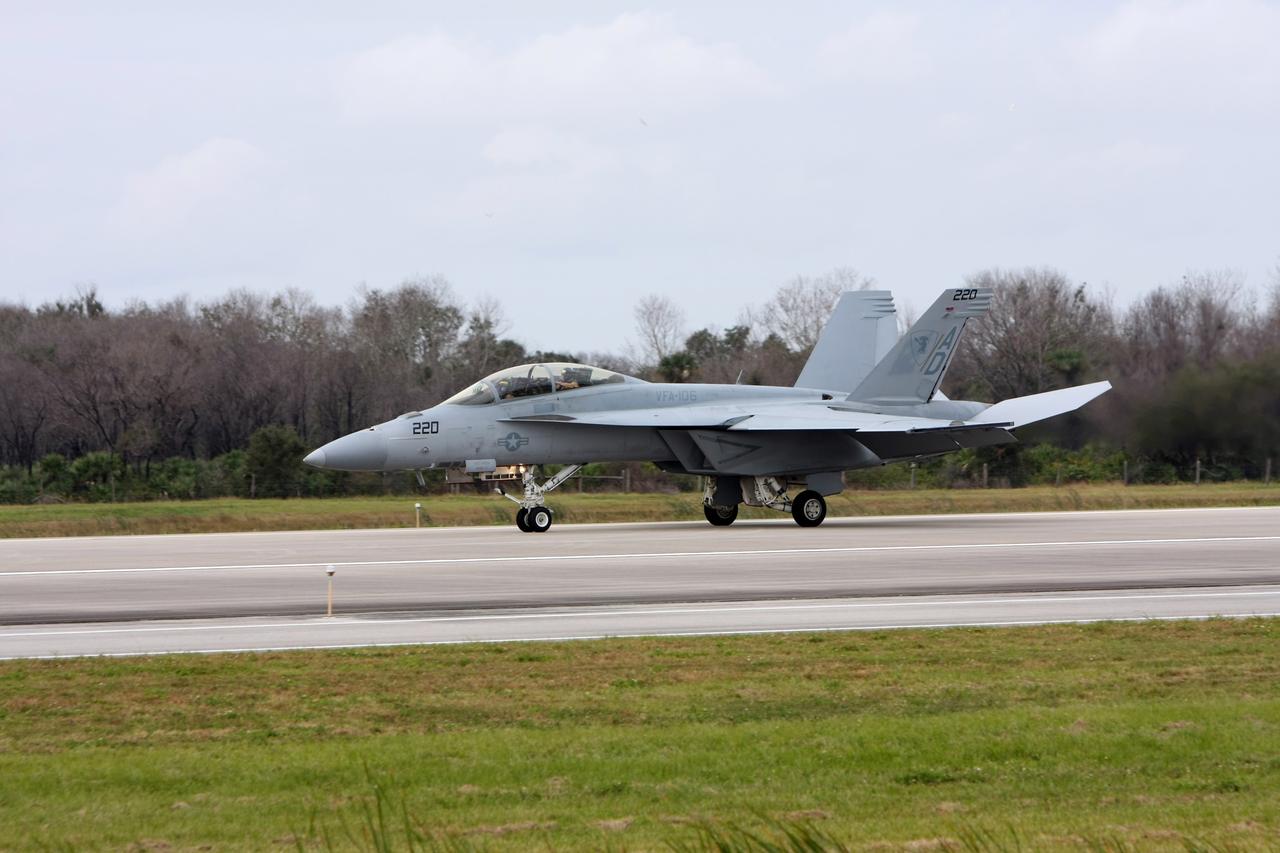
CAPE CANAVERAL, Fla. – An F/A-18 jet lands at NASA's Kennedy Space Center in Florida. It will join the U.S. Navy's Blue Angels and other aircraft for demonstrations at the Kennedy Space Center Visitor Complex Space and Air Show Nov. 8-9. The Navy's elite flight demonstration squadron will take to the skies in military aircraft demonstrations by the F-16 Fighting Falcon and F/A-18 Super Hornet jets for the second annual Space & Air Show at Kennedy. This year’s show brings together the best in military aircraft, coupled with precision pilots and veteran astronauts to celebrate spaceflight and aviation. The event includes military aircraft demonstrations by the F-16 Fighting Falcon and a water rescue demonstration by the 920th Rescue Wing. Photo credit: NASA/Kim Shiflett
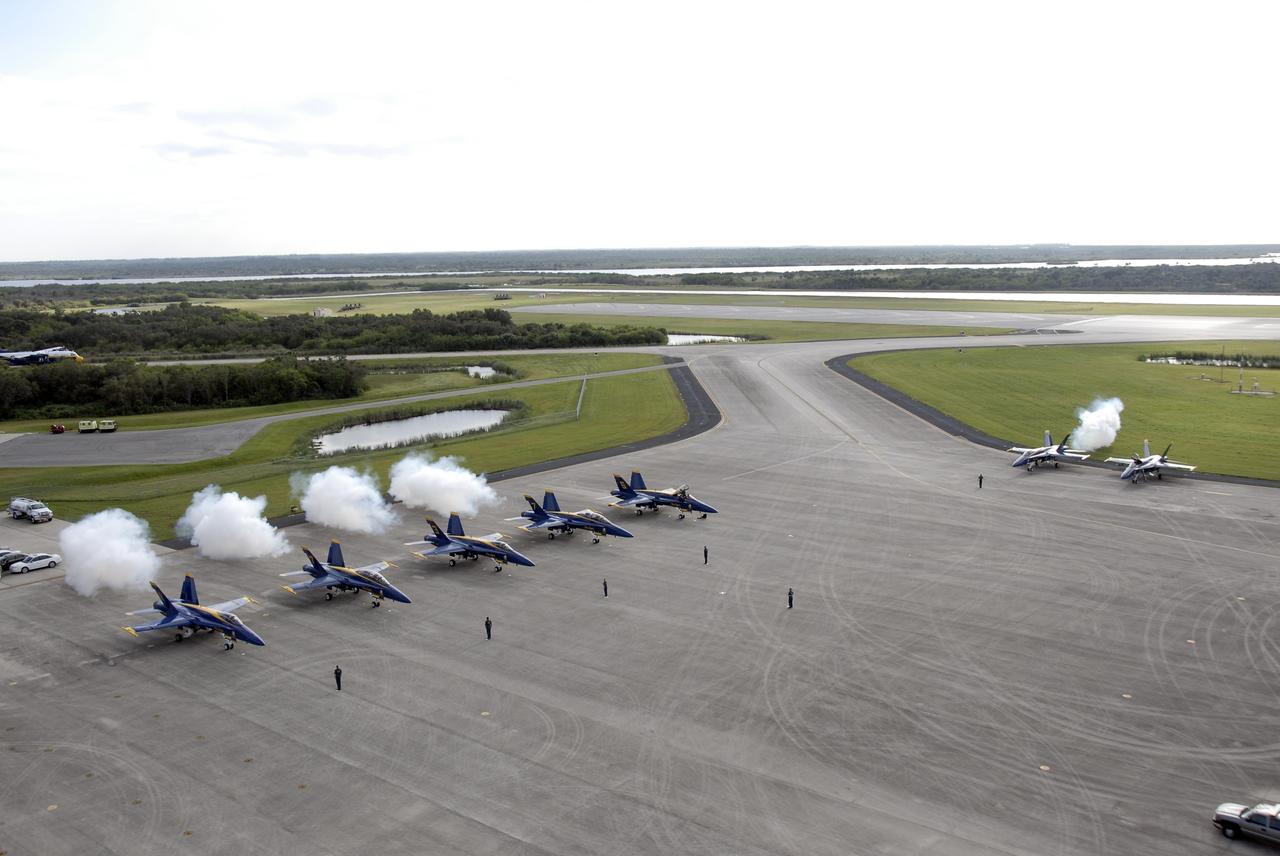
CAPE CANAVERAL, Fla. – The U.S. Navy's F/A-18 Blue Angels (left) and other military aircraft fire their engines on the Shuttle Landing Facility at NASA's Kennedy Space Center in Florida before taking off. They will be rehearsing their demonstrations for the Kennedy Space Center Visitor Complex Space and Air Show Nov. 8-9. The Navy's elite flight demonstration squadron will take to the skies in military aircraft demonstrations for the second annual Space & Air Show at Kennedy. This year’s show brings together the best in military aircraft, coupled with precision pilots and veteran astronauts to celebrate spaceflight and aviation. The event also includes demonstrations by the F-16 Fighting Falcon and a water rescue demonstration by the 920th Rescue Wing. Photo credit: NASA/Kim Shiflett
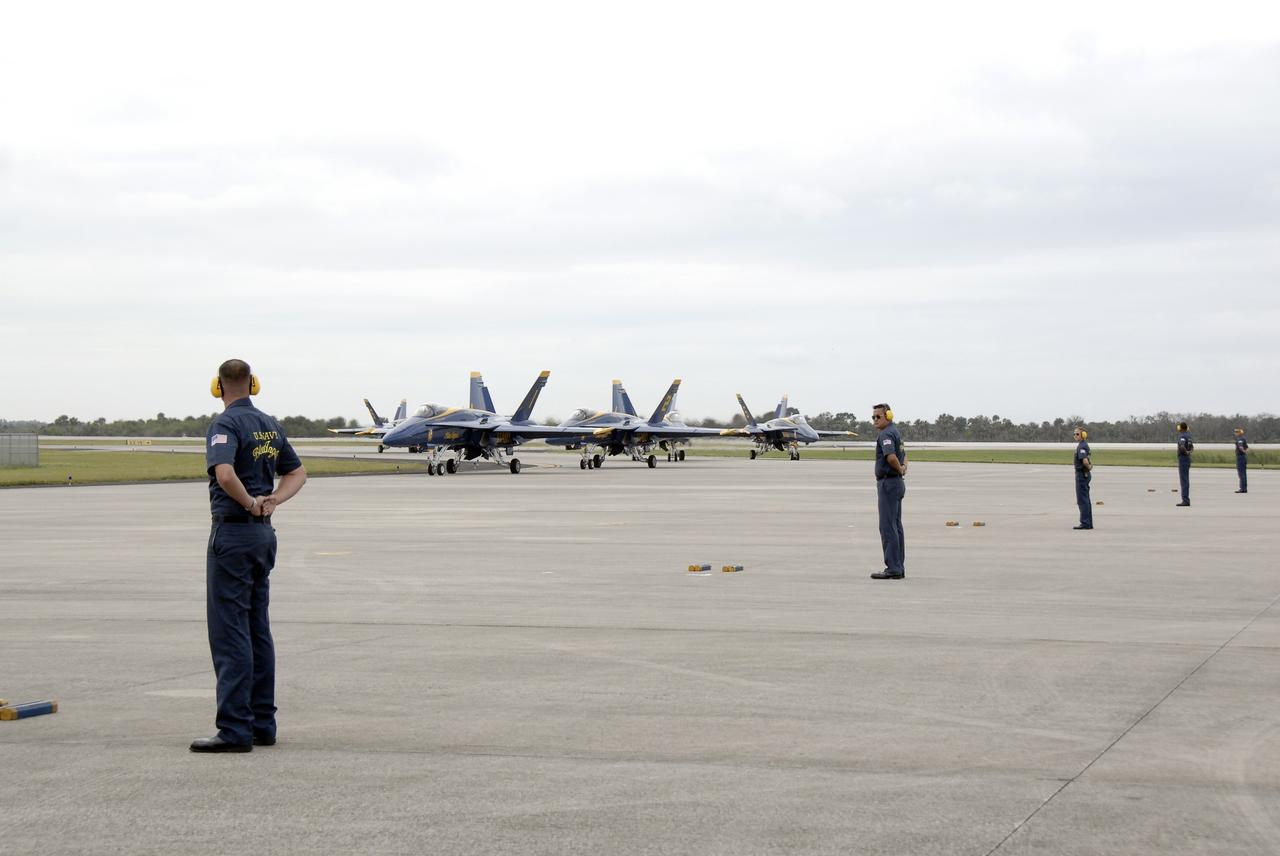
CAPE CANAVERAL, Fla. – The U.S. Navy's Blue Angels demonstration squadron lands at the Shuttle Landing Facility at NASA's Kennedy Space Center in Florida. They will perform at the Kennedy Space Center Visitor Complex Space and Air Show Nov. 8-9. The Navy's elite flight demonstration squadron will take to the skies in military aircraft demonstrations by the F-16 Fighting Falcon and F/A-18 Super Hornet jets for the second annual Space & Air Show at Kennedy. This year’s show brings together the best in military aircraft, coupled with precision pilots and veteran astronauts to celebrate spaceflight and aviation. The event includes military aircraft demonstrations by the F-16 Fighting Falcon and a water rescue demonstration by the 920th Rescue Wing. Photo credit: NASA/Kim Shiflett
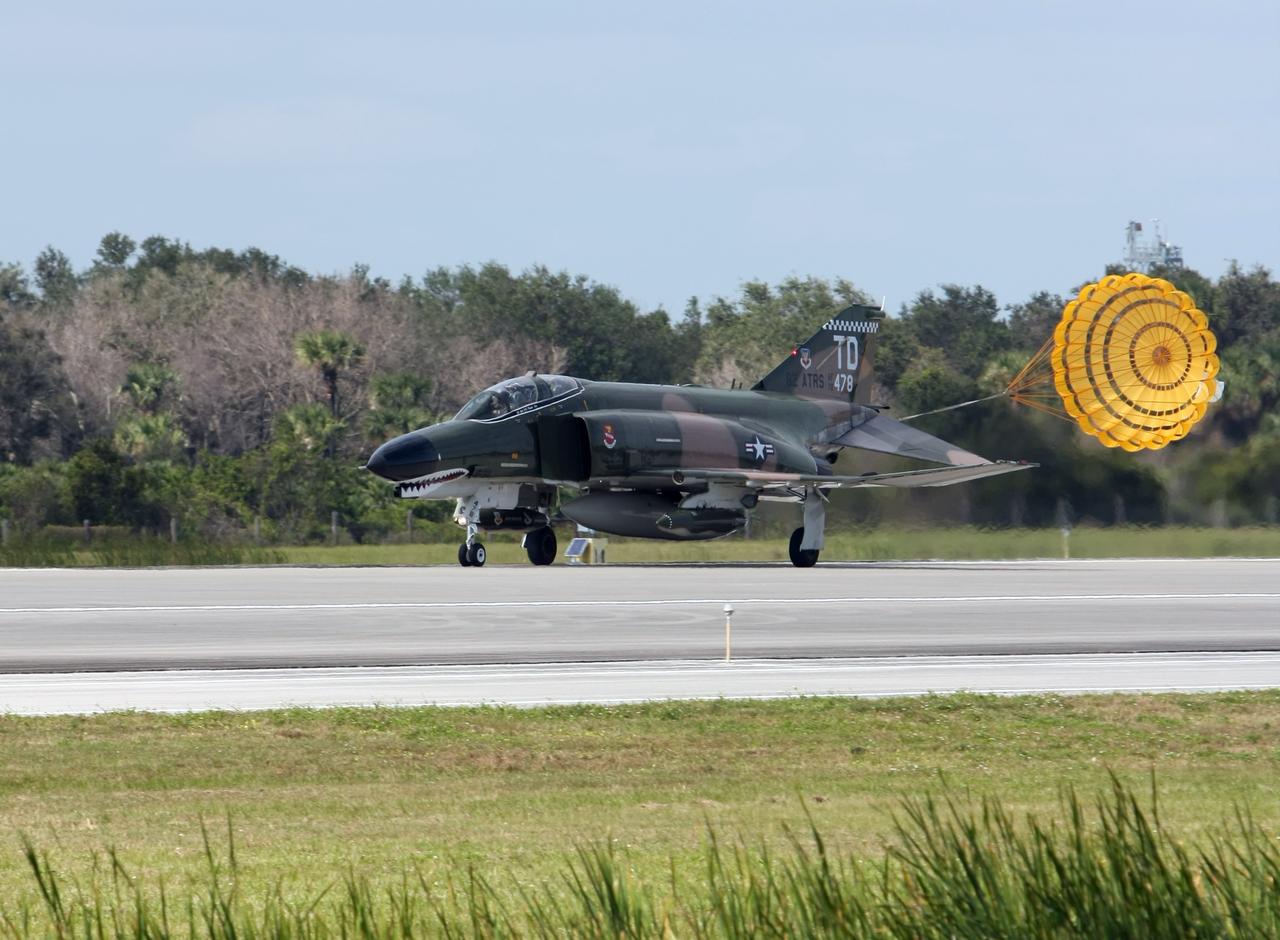
CAPE CANAVERAL, Fla. – An F-4 jet aircraft lands at NASA's Kennedy Space Center in Florida. It will join the U.S. Navy's Blue Angels and other aircraft for demonstrations at the Kennedy Space Center Visitor Complex Space and Air Show Nov. 8-9. The Navy's elite flight demonstration squadron will take to the skies in military aircraft demonstrations by the F-16 Fighting Falcon and F/A-18 Super Hornet jets for the second annual Space & Air Show at Kennedy. This year’s show brings together the best in military aircraft, coupled with precision pilots and veteran astronauts to celebrate spaceflight and aviation. The event includes military aircraft demonstrations by the F-16 Fighting Falcon and a water rescue demonstration by the 920th Rescue Wing. Photo credit: NASA/Kim Shiflett
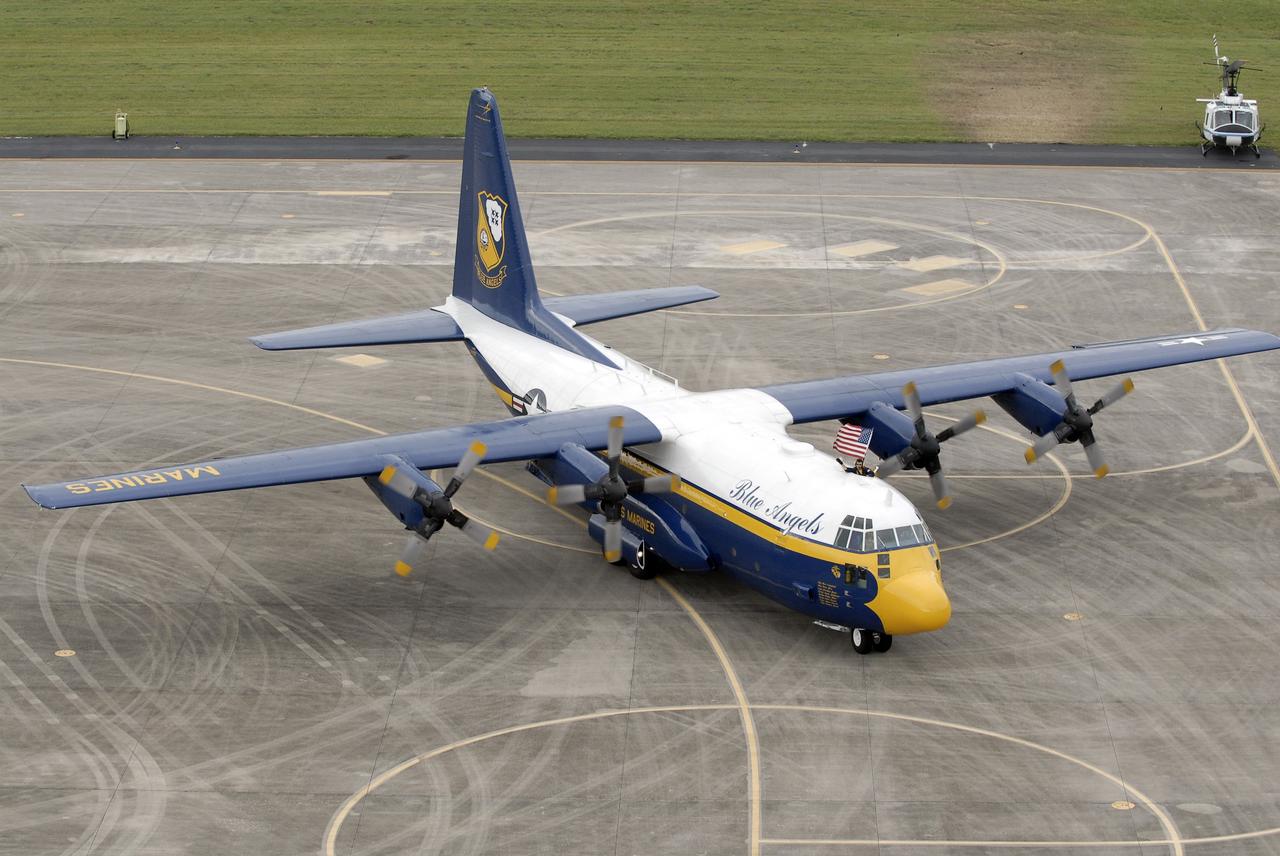
CAPE CANAVERAL, Fla. – A C-130 airplane flown by U.S. Marines lands at the Shuttle Landing Facility at NASA's Kennedy Space Center in Florida. The plane carries the support team for the U.S. Navy's Blue Angels, who are going to perform at the Kennedy Space Center Visitor Complex Space and Air Show Nov. 8-9. The Navy's elite flight demonstration squadron will take to the skies in military aircraft demonstrations by the F-16 Fighting Falcon and F/A-18 Super Hornet jets for the second annual Space & Air Show at Kennedy. This year’s show brings together the best in military aircraft, coupled with precision pilots and veteran astronauts to celebrate spaceflight and aviation. The event includes military aircraft demonstrations by the F-16 Fighting Falcon and a water rescue demonstration by the 920th Rescue Wing. Photo credit: NASA/Kim Shiflett
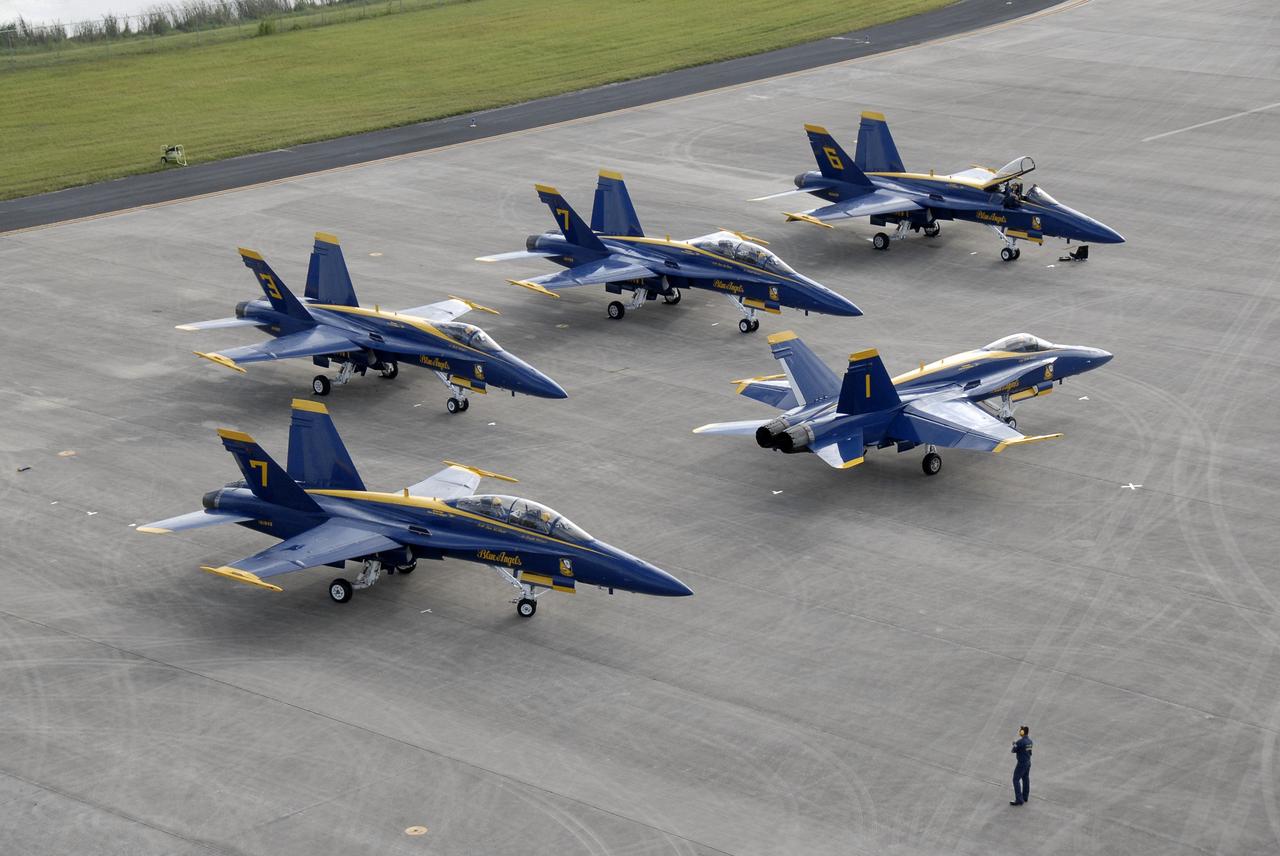
CAPE CANAVERAL, Fla. – The U.S. Navy's F/A-18 Blue Angels begin taxiing toward the runway at the Shuttle Landing Facility at NASA's Kennedy Space Center in Florida. They will taking off to begin rehearsing their demonstrations for the Kennedy Space Center Visitor Complex Space and Air Show Nov. 8-9. The Navy's elite flight demonstration squadron will take to the skies in military aircraft demonstrations for the second annual Space & Air Show at Kennedy. This year’s show brings together the best in military aircraft, coupled with precision pilots and veteran astronauts to celebrate spaceflight and aviation. The event also includes demonstrations by the F-16 Fighting Falcon and a water rescue demonstration by the 920th Rescue Wing. Photo credit: NASA/Kim Shiflett
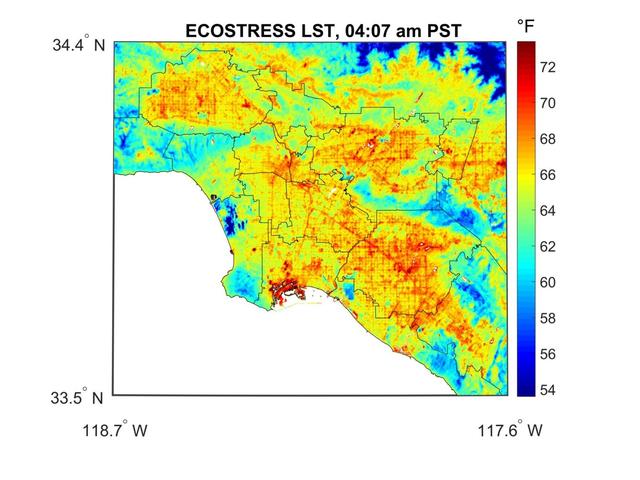
ECOSTRESS captured surface temperature variations in Los Angeles, California between July 22 and August 14 -- a period of extended heat -- at different times of day. The images show how different surfaces within the cityscape warm and cool throughout the day. They have been colored to show the hottest areas in red, warm areas in orange and yellow, and cooler areas in blue. The hottest areas are dark asphalt surfaces that have very little shade during the day and remain warm throughout the night due to their higher heat capacity. They include freeways, airports, oil refineries and parking lots. Clouds and higher-elevation mountainous areas were the coolest. More information is available at https://photojournal.jpl.nasa.gov/catalog/PIA22703
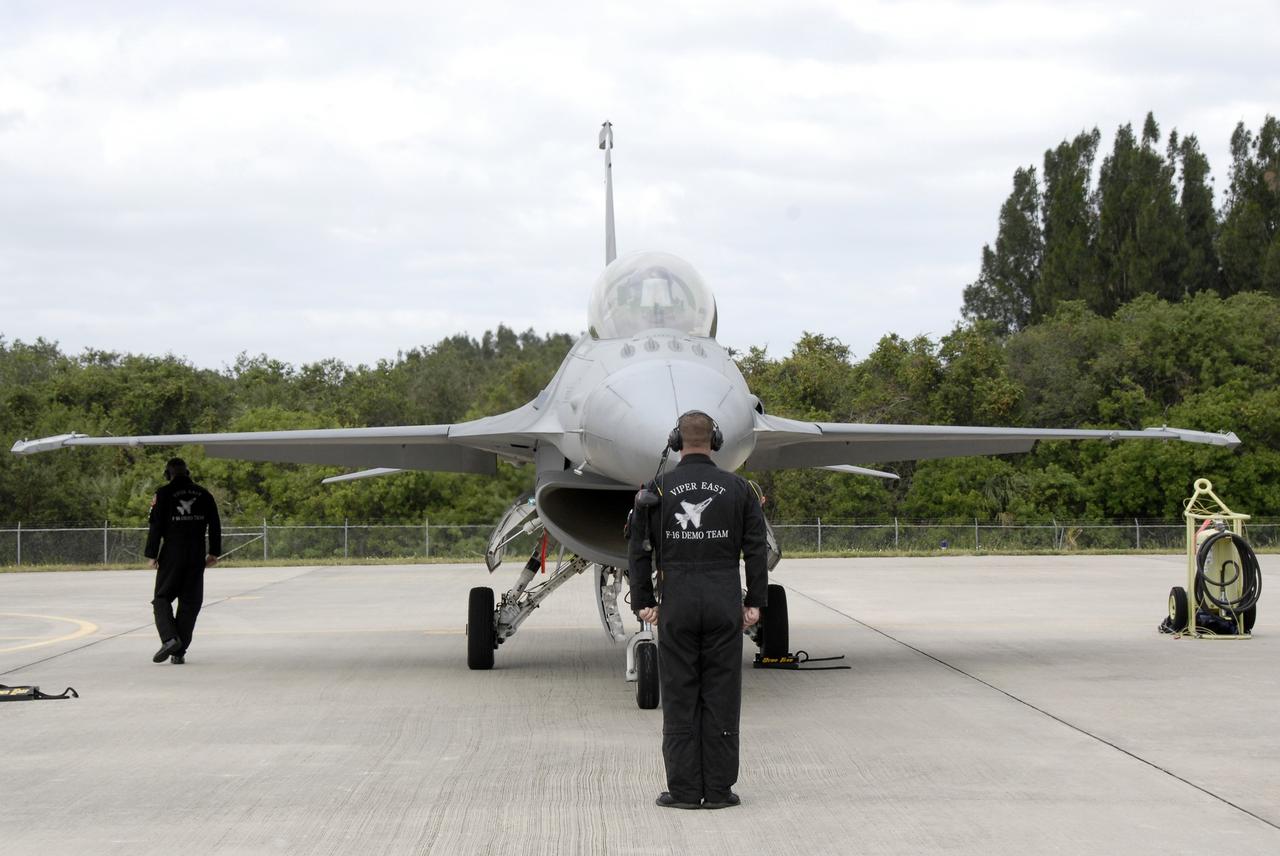
CAPE CANAVERAL, Fla. – Aircraft of the 920th Rescue Wing are lined up at the Shuttle Landing Facility at NASA's Kennedy Space Center in Florida to take part in the Kennedy Space Center Visitor Complex Space and Air Show Nov. 8-9. They will join the U.S. Navy's Blue Angels for the show. The Navy's elite flight demonstration squadron will take to the skies in military aircraft demonstrations by the F-16 Fighting Falcon and F/A-18 Super Hornet jets for the second annual Space & Air Show at Kennedy. This year’s show brings together the best in military aircraft, coupled with precision pilots and veteran astronauts to celebrate spaceflight and aviation. The event includes military aircraft demonstrations by the F-16 Fighting Falcon and a water rescue demonstration by the 920th Rescue Wing. Photo credit: NASA/Kim Shiflett
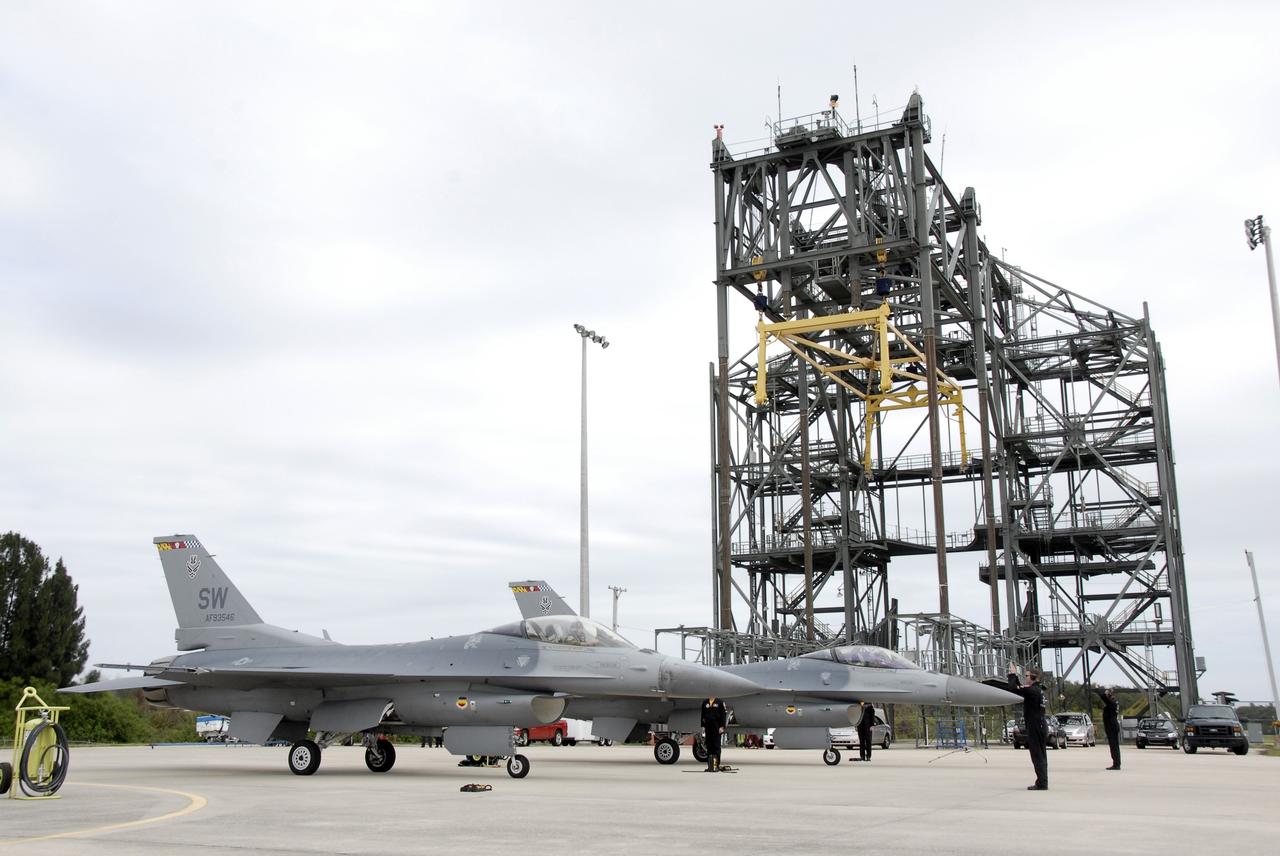
CAPE CANAVERAL, Fla. – Aircraft of the 920th Rescue Wing are lined up at the Shuttle landing Facility at NASA's Kennedy Space Center in Florida to take part in the Kennedy Space Center Visitor Complex Space and Air Show Nov. 8-9. They will join the U.S. Navy's Blue Angels for the show. The Navy's elite flight demonstration squadron will take to the skies in military aircraft demonstrations by the F-16 Fighting Falcon and F/A-18 Super Hornet jets for the second annual Space & Air Show at Kennedy. This year’s show brings together the best in military aircraft, coupled with precision pilots and veteran astronauts to celebrate spaceflight and aviation. The event includes military aircraft demonstrations by the F-16 Fighting Falcon and a water rescue demonstration by the 920th Rescue Wing. Photo credit: NASA/Kim Shiflett
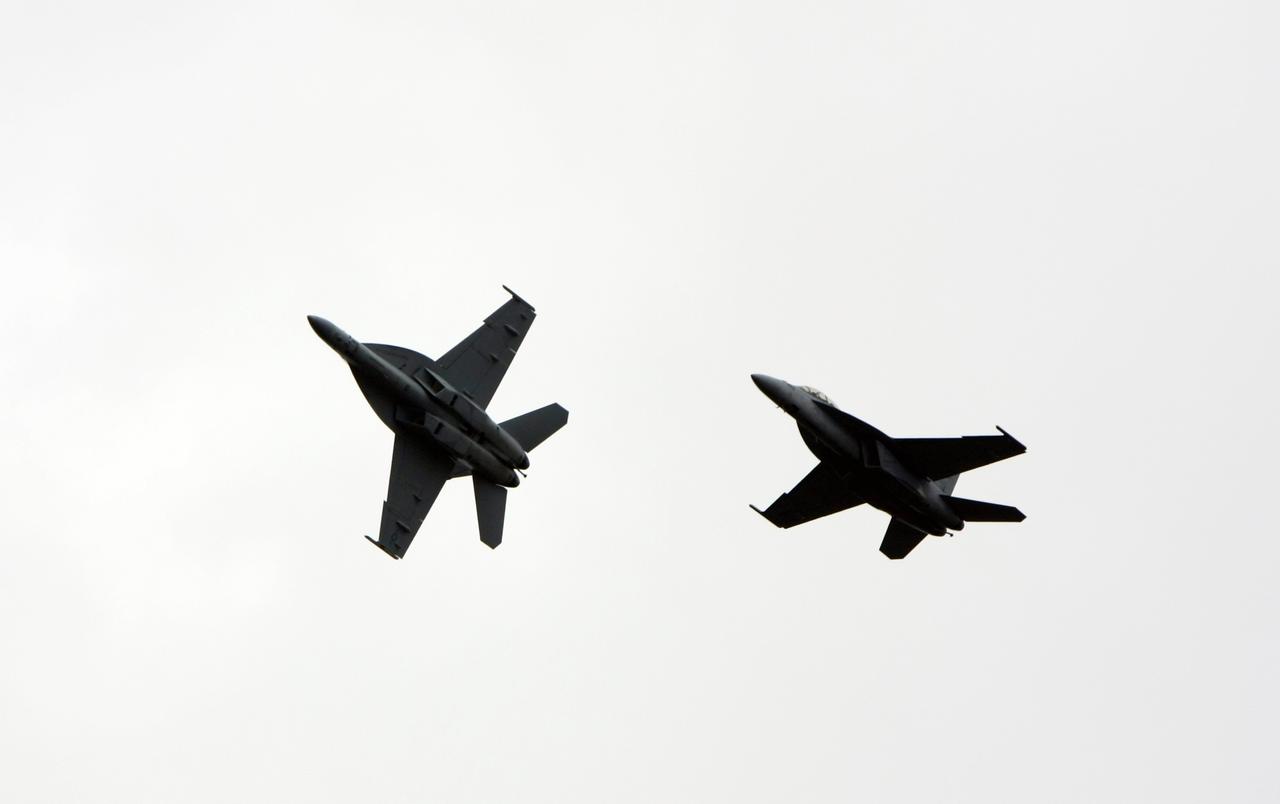
CAPE CANAVERAL, Fla. – Two F/A-18 jets fly over the Shuttle Landing Facility at NASA's Kennedy Space Center in Florida. They will join the U.S. Navy's Blue Angels and other aircraft for demonstrations at the Kennedy Space Center Visitor Complex Space and Air Show Nov. 8-9. The Navy's elite flight demonstration squadron will take to the skies in military aircraft demonstrations by the F-16 Fighting Falcon and F/A-18 Super Hornet jets for the second annual Space & Air Show at Kennedy. This year’s show brings together the best in military aircraft, coupled with precision pilots and veteran astronauts to celebrate spaceflight and aviation. The event includes military aircraft demonstrations by the F-16 Fighting Falcon and a water rescue demonstration by the 920th Rescue Wing. Photo credit: NASA/Kim Shiflett
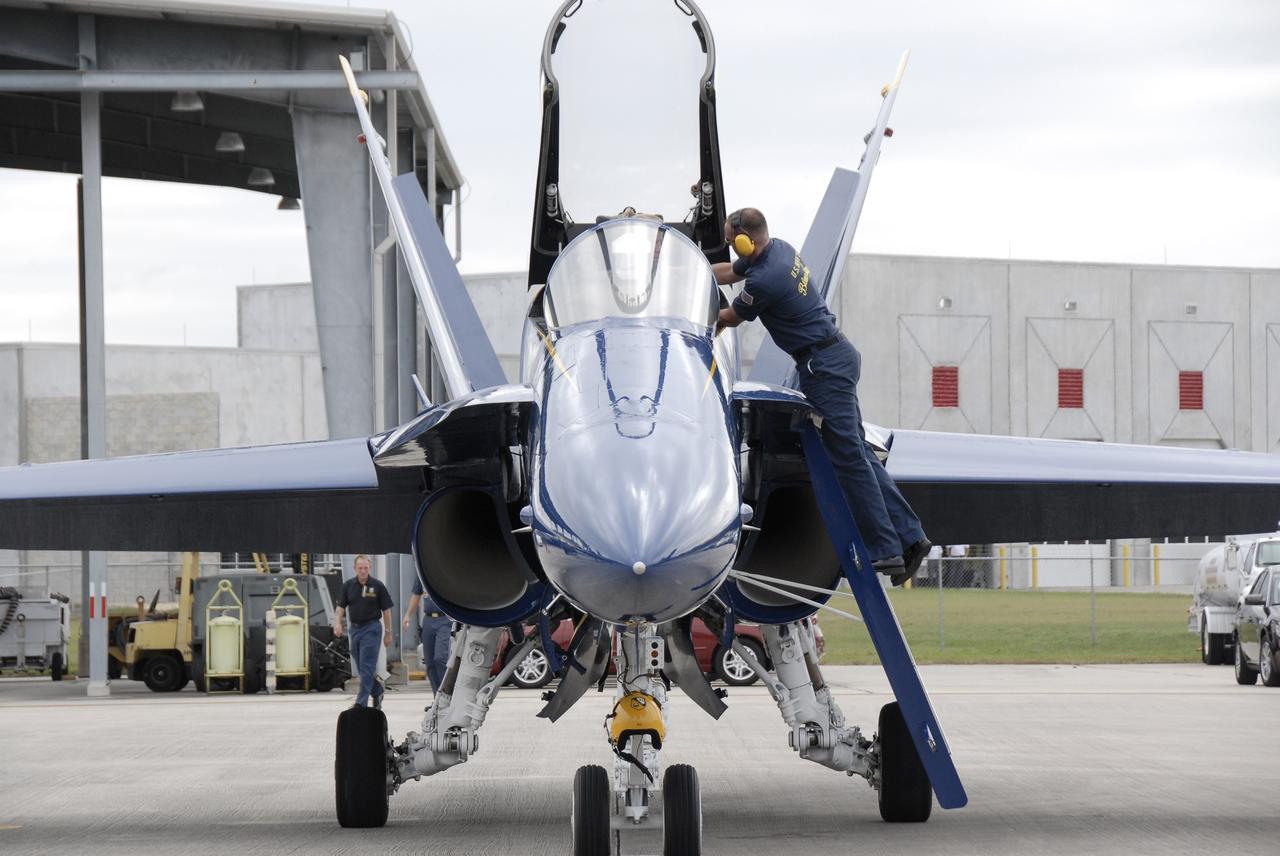
CAPE CANAVERAL, Fla. – At the Shuttle Landing Facility at NASA's Kennedy Space Center in Florida, ground support personnel work on an F/A-18, one of the U.S. Navy's Blue Angels aircraft. The demonstration squadron will perform at the Kennedy Space Center Visitor Complex Space and Air Show Nov. 8-9. The Navy's elite flight demonstration squadron will take to the skies in military aircraft demonstrations by the F-16 Fighting Falcon and F/A-18 Super Hornet jets for the second annual Space & Air Show at Kennedy. This year’s show brings together the best in military aircraft, coupled with precision pilots and veteran astronauts to celebrate spaceflight and aviation. The event includes military aircraft demonstrations by the F-16 Fighting Falcon and a water rescue demonstration by the 920th Rescue Wing. Photo credit: NASA/Kim Shiflett
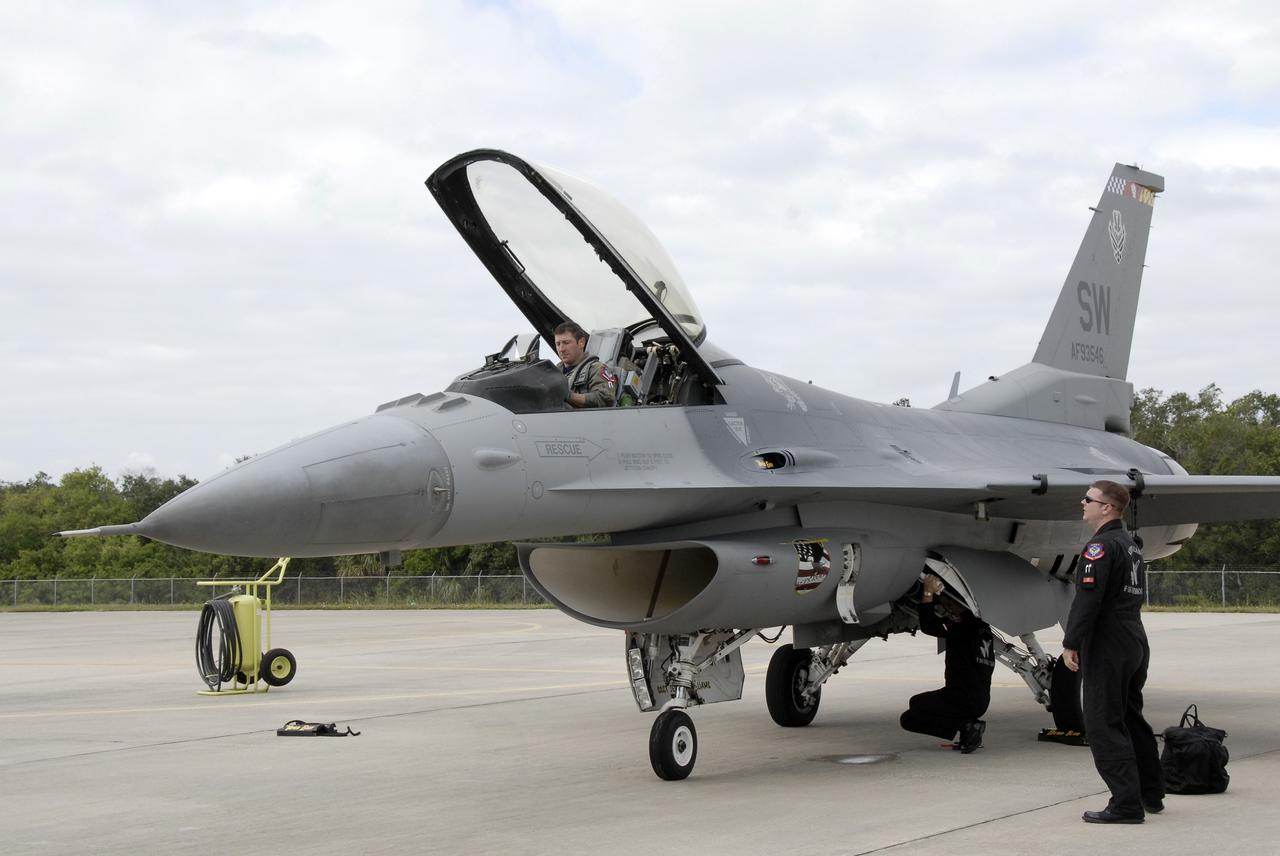
CAPE CANAVERAL, Fla. – A pilot with the 920th Rescue Wing gets ready to disembark his plane after landing at NASA's Kennedy Space Center in Florida. The Rescue Wing will join the U.S. Navy's Blue Angels for the Space and Air Show Nov. 8-9 at the Kennedy Space Center Visitor Complex. The Navy's elite flight demonstration squadron will take to the skies in military aircraft demonstrations by the F-16 Fighting Falcon and F/A-18 Super Hornet jets for the second annual Space & Air Show at Kennedy. This year’s show brings together the best in military aircraft, coupled with precision pilots and veteran astronauts to celebrate spaceflight and aviation. The event includes military aircraft demonstrations by the F-16 Fighting Falcon and a water rescue demonstration by the 920th Rescue Wing. Photo credit: NASA/Kim Shiflett
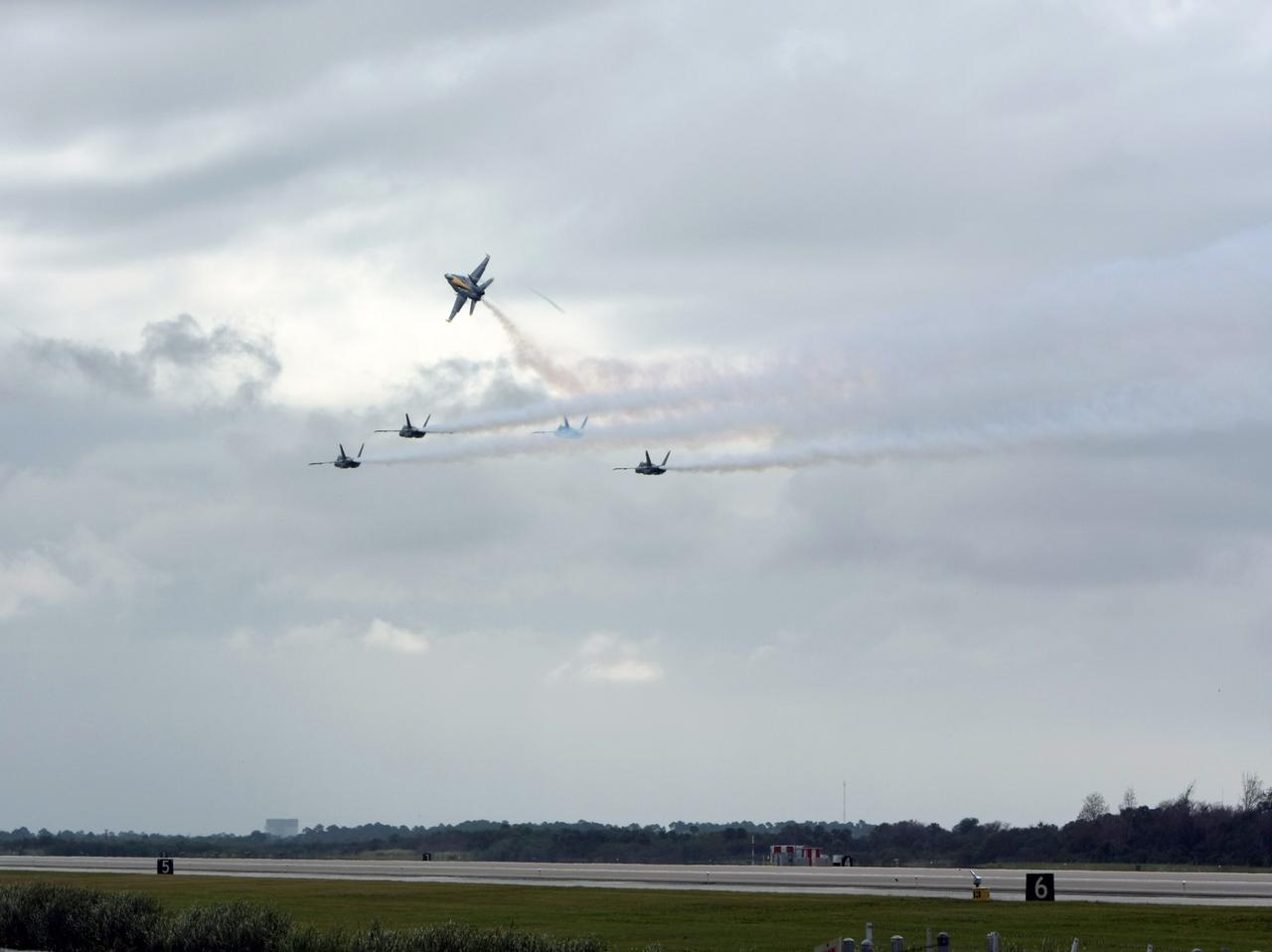
CAPE CANAVERAL, Fla. – The U.S. Navy's Blue Angels F/A-18 jets fly in formation over the runway at NASA's Kennedy Space Center in Florida before landing. They are at Kennedy to perform in the Kennedy Space Center Visitor Complex Space and Air Show Nov. 8-9. The Navy's elite flight demonstration squadron will take to the skies in military aircraft demonstrations by the F-16 Fighting Falcon and F/A-18 Super Hornet jets for the second annual Space & Air Show at Kennedy. This year’s show brings together the best in military aircraft, coupled with precision pilots and veteran astronauts to celebrate spaceflight and aviation. The event includes military aircraft demonstrations by the F-16 Fighting Falcon and a water rescue demonstration by the 920th Rescue Wing. Photo credit: NASA/Kim Shiflett
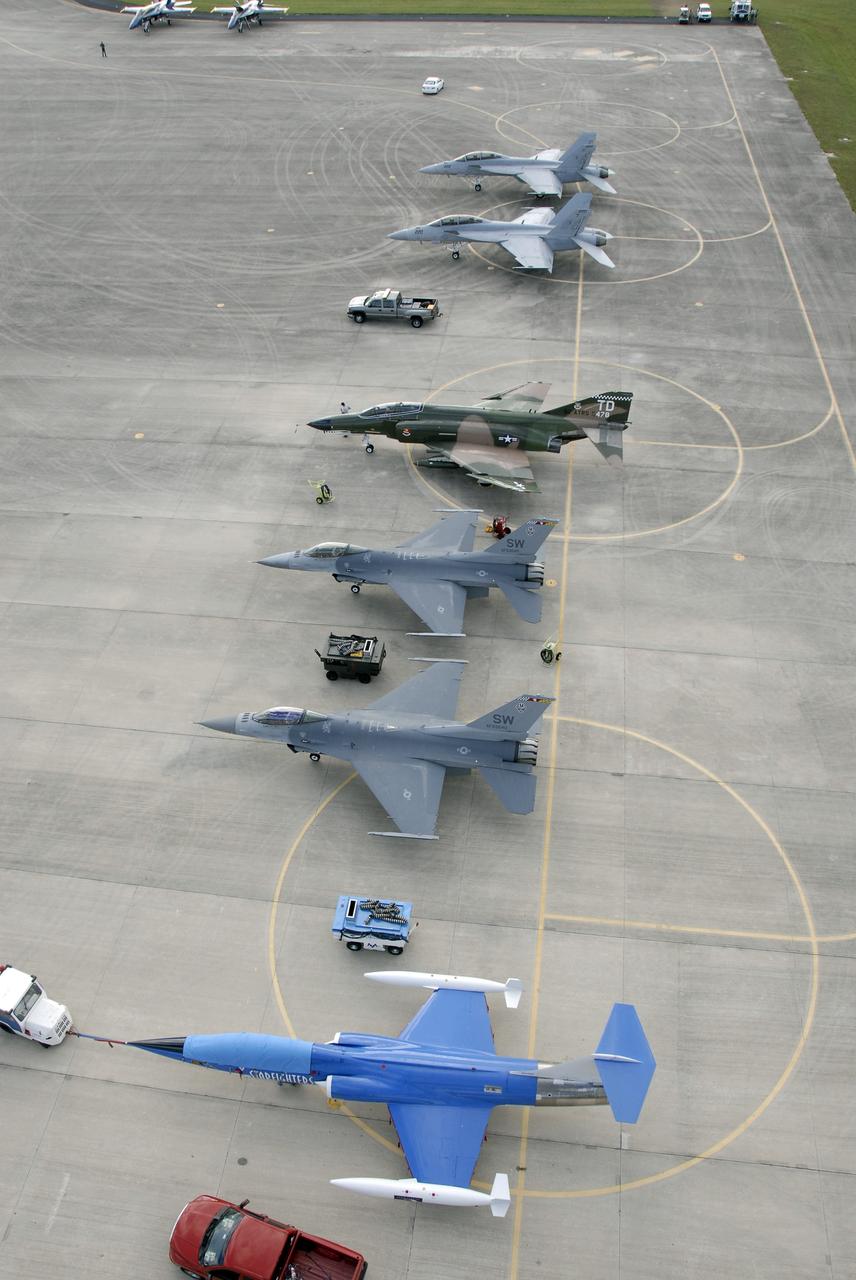
CAPE CANAVERAL, Fla. – Military aircraft are lined up on the Shuttle Landing Facility at NASA's Kennedy Space Center in Florida. The F/A-18s, F-4, F-16 and F-104G Starfighter will take part in demonstrations at the Kennedy Space Center Visitor Complex Space and Air Show Nov. 8-9. The Navy's elite flight demonstration squadron, the Blue Angels, will take to the skies in military aircraft demonstrations for the second annual Space & Air Show at Kennedy. This year’s show brings together the best in military aircraft, coupled with precision pilots and veteran astronauts to celebrate spaceflight and aviation. The event also includes demonstrations by the F-16 Fighting Falcon and a water rescue demonstration by the 920th Rescue Wing. Photo credit: NASA/Kim Shiflett
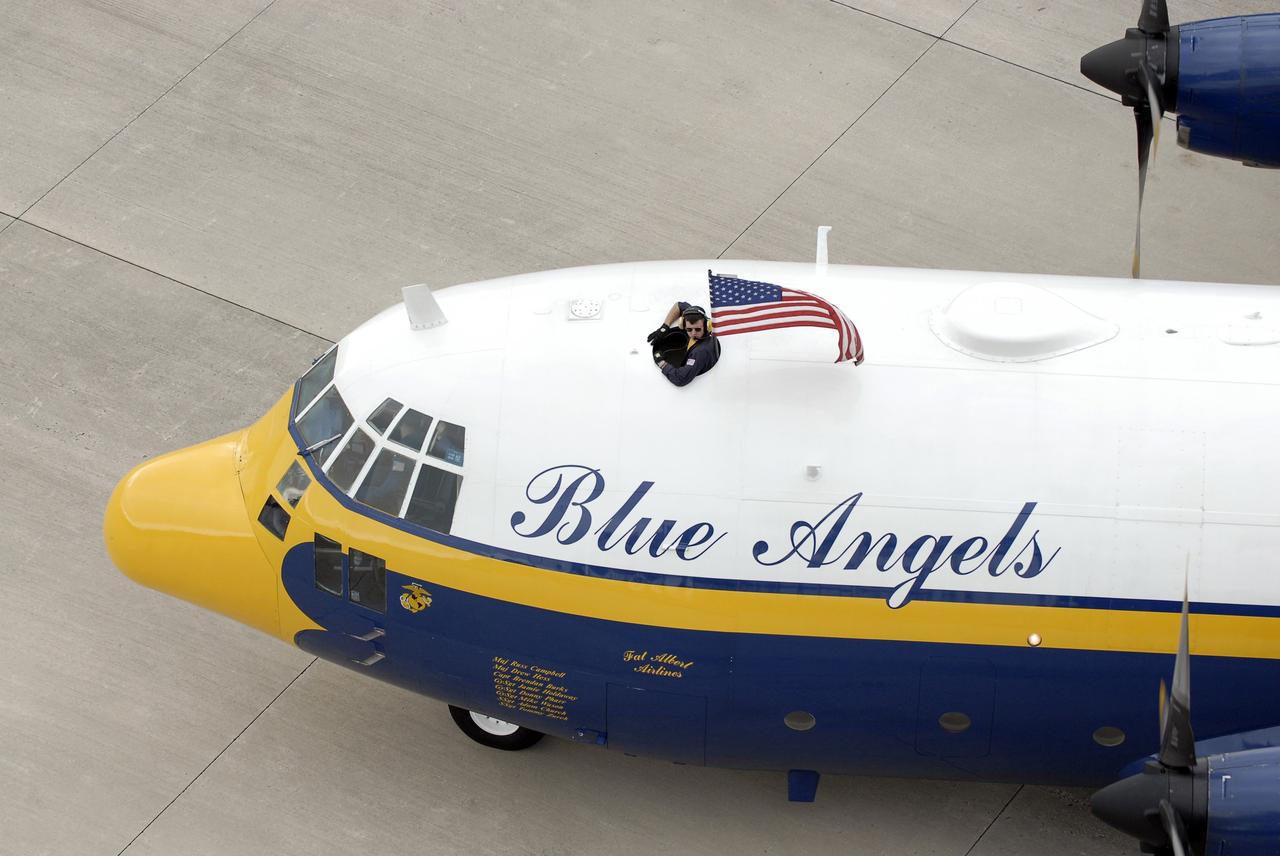
CAPE CANAVERAL, Fla. – A C-130 airplane flown by U.S. Marines stops at the Shuttle Landing Facility at NASA's Kennedy Space Center in Florida. The plane carries the support team for the U.S. Navy's Blue Angels, who are going to perform at the Kennedy Space Center Visitor Complex Space and Air Show Nov. 8-9. The Navy's elite flight demonstration squadron will take to the skies in military aircraft demonstrations by the F-16 Fighting Falcon and F/A-18 Super Hornet jets for the second annual Space & Air Show at Kennedy. This year’s show brings together the best in military aircraft, coupled with precision pilots and veteran astronauts to celebrate spaceflight and aviation. The event includes military aircraft demonstrations by the F-16 Fighting Falcon and a water rescue demonstration by the 920th Rescue Wing. Photo credit: NASA/Kim Shiflett
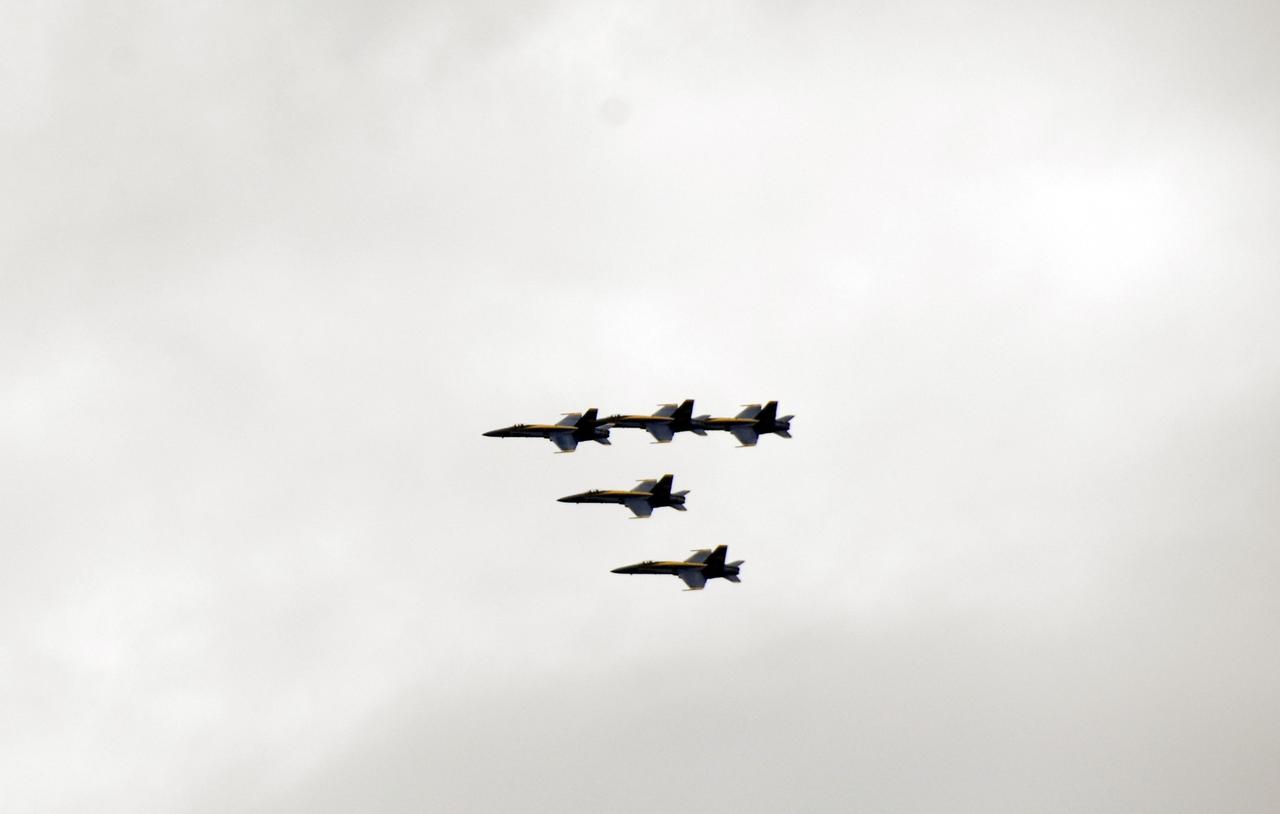
CAPE CANAVERAL, Fla. – The U.S. Navy's Blue Angels approach the Shuttle Landing Facility for a landing at NASA's Kennedy Space Center in Florida. They will perform at the Kennedy Space Center Visitor Complex Space and Air Show Nov. 8-9. The Navy's elite flight demonstration squadron will take to the skies in military aircraft demonstrations by the F-16 Fighting Falcon and F/A-18 Super Hornet jets for the second annual Space & Air Show at Kennedy. This year’s show brings together the best in military aircraft, coupled with precision pilots and veteran astronauts to celebrate spaceflight and aviation. The event includes military aircraft demonstrations by the F-16 Fighting Falcon and a water rescue demonstration by the 920th Rescue Wing. Photo credit: NASA/Kim Shiflett
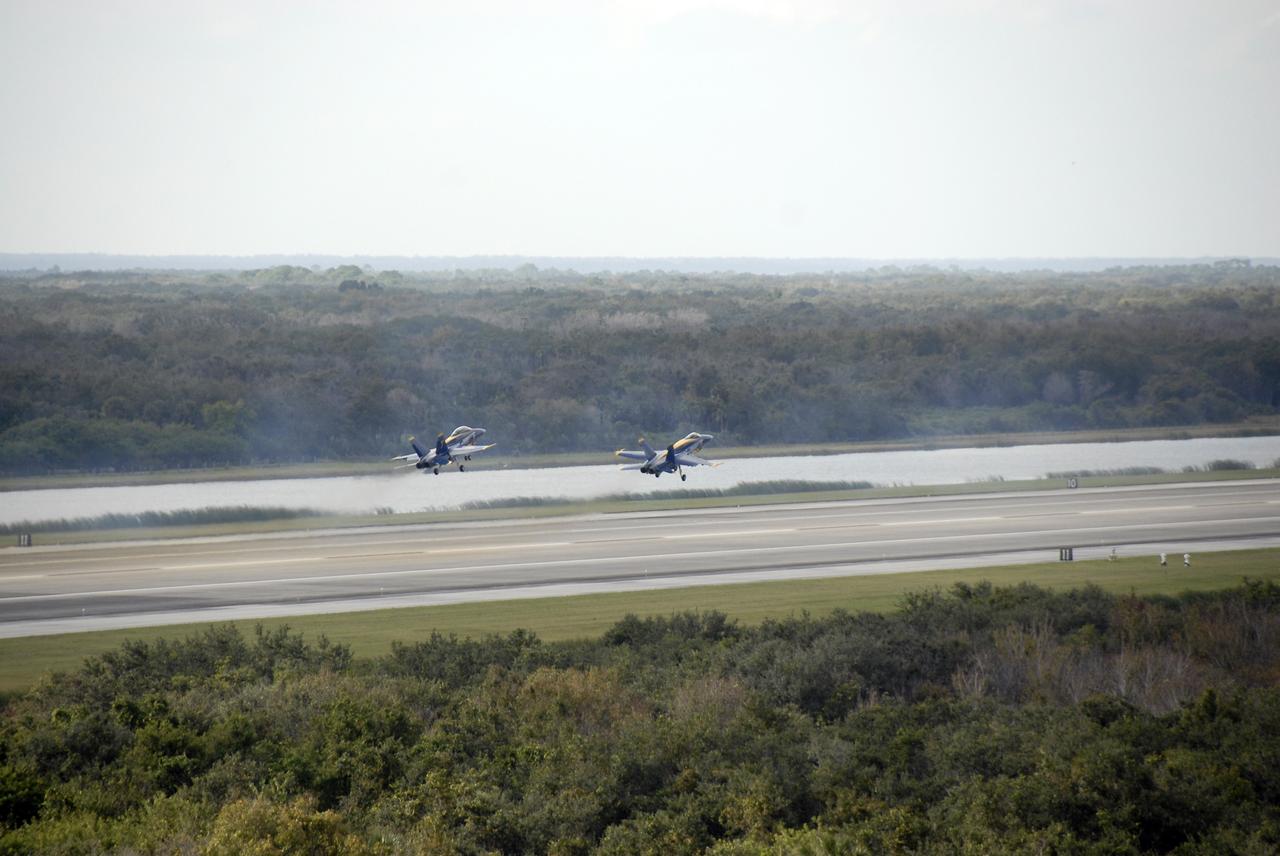
CAPE CANAVERAL, Fla. – The U.S. Navy's F/A-18 Blue Angels take off from the runway at the Shuttle Landing Facility at NASA's Kennedy Space Center in Florida to begin rehearsing their demonstrations for the Kennedy Space Center Visitor Complex Space and Air Show Nov. 8-9. The Navy's elite flight demonstration squadron will take to the skies in military aircraft demonstrations for the second annual Space & Air Show at Kennedy. This year’s show brings together the best in military aircraft, coupled with precision pilots and veteran astronauts to celebrate spaceflight and aviation. The event also includes demonstrations by the F-16 Fighting Falcon and a water rescue demonstration by the 920th Rescue Wing. Photo credit: NASA/Kim Shiflett
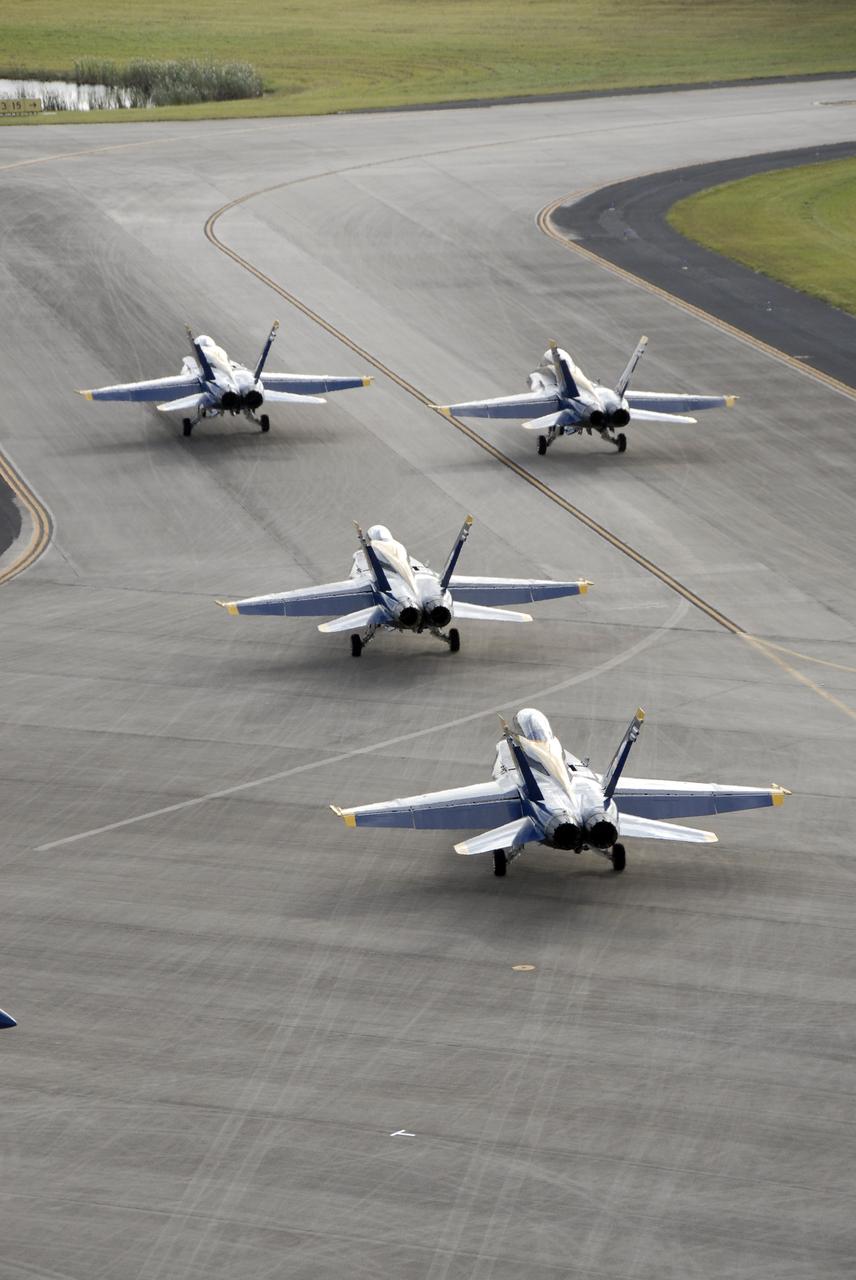
CAPE CANAVERAL, Fla. – The U.S. Navy's F/A-18 Blue Angels taxi toward the runway at the Shuttle Landing Facility at NASA's Kennedy Space Center in Florida. They will taking off to begin rehearsing their demonstrations for the Kennedy Space Center Visitor Complex Space and Air Show Nov. 8-9. The Navy's elite flight demonstration squadron will take to the skies in military aircraft demonstrations for the second annual Space & Air Show at Kennedy. This year’s show brings together the best in military aircraft, coupled with precision pilots and veteran astronauts to celebrate spaceflight and aviation. The event also includes demonstrations by the F-16 Fighting Falcon and a water rescue demonstration by the 920th Rescue Wing. Photo credit: NASA/Kim Shiflett
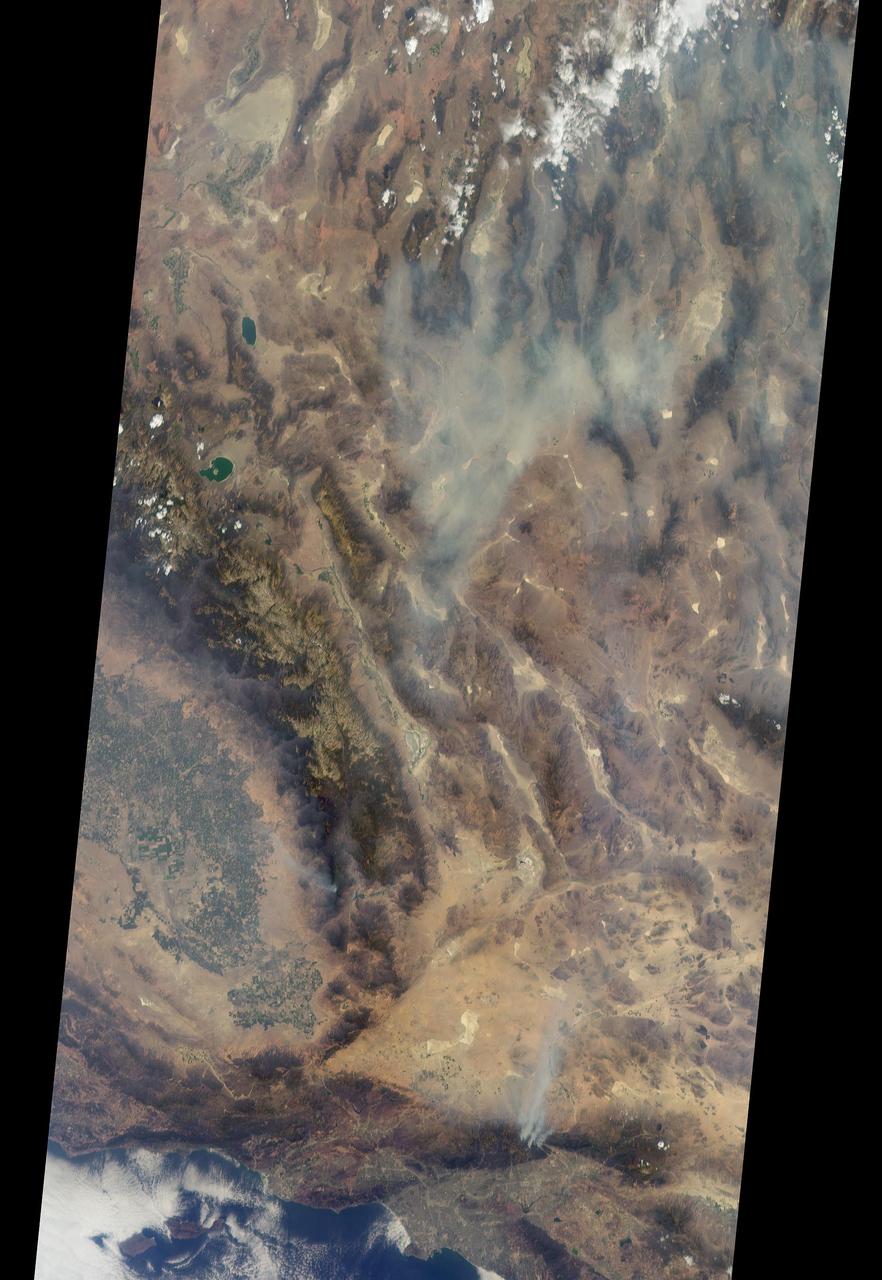
On Aug. 16, 2016, at around 10:30 a.m., a brush fire ignited in the Cajon Pass east of Los Angeles, just to the west of Interstate 15. Within a matter of hours, extreme temperatures, high winds and low humidity allowed the fire to spread rapidly, burning through brush left tinder-dry by years of drought. Firefighters quickly responded, ordering the evacuation of about 83,000 people in and around the Cajon Pass, Wrightwood, Lytle Creek, Oak Hills and surrounding areas. An as-yet uncounted number of homes and structures have burned, and Interstate 15 remains closed to downed power lines and barrier damage. By Aug. 17, the fire had expanded to more than 30,000 acres and remains zero percent contained as some 1,300 firefighters continue to battle to save homes and evacuate residents. The Multi-angle Imaging SpectroRadiometer (MISR) instrument aboard NASA's Terra satellite passed over the region on Aug. 17 around 11:50 a.m. PDT and captured this natural-color image from MISR's 70-degree forward-viewing camera, which covers an areas about 257 miles (414 kilometers) wide. The oblique view angle makes the smoke more apparent than it would be in a more conventional vertical view. The Los Angeles metropolitan area is the large gray area on the coast in the center of the image. Three plumes from the Blue Cut Fire are clearly visible in the mountains to the north. This oblique view also shows an enormous cloud of smoke spreading northeastward over a significant portion of eastern California and Nevada. This smoke probably originated from the fire as it consumed almost 20,000 acres on the evening of the 16th and traveled north overnight. Also visible from this oblique view is considerable haziness filling California's Central Valley, to the northwest of the Blue Cut Fire. This haziness is most likely due to smoke from several other fires burning in California, including the Soberanes Fire near Monterey, the Clayton Fire that has destroyed 175 structures north of San Francisco, the Chimney Fire and the Cedar Fire, which is visible in the image in the southern Sierra Nevada. The total number of acres burned in California this year has tripled in just the past week. The 3D stereo anaglyph is made by combining data from MISR's 60-degree and 70-degree forward-viewing cameras. You will need red-blue glasses to view the 3D effect (ensure the red lens is over your left eye). In order to enable stereo viewing, the image has been rotated so north is to the left. These data were acquired during Terra orbit 88648. http://photojournal.jpl.nasa.gov/catalog/PIA20888

The bipolar star-forming region, called Sharpless 2-106, looks like a soaring, celestial snow angel. The outstretched “wings” of the nebula record the contrasting imprint of heat and motion against the backdrop of a colder medium. Twin lobes of super-hot gas, glowing blue in this image, stretch outward from the central star. This hot gas creates the “wings” of our angel. A ring of dust and gas orbiting the star acts like a belt, cinching the expanding nebula into an “hourglass” shape. To read more about this image go to: <a href="http://www.nasa.gov/mission_pages/hubble/science/snow-angel.html" rel="nofollow">www.nasa.gov/mission_pages/hubble/science/snow-angel.html</a> Credit: NASA, ESA, and the Hubble Heritage Team (STScI/AURA) <b><a href="http://www.nasa.gov/audience/formedia/features/MP_Photo_Guidelines.html" rel="nofollow">NASA image use policy.</a></b> <b><a href="http://www.nasa.gov/centers/goddard/home/index.html" rel="nofollow">NASA Goddard Space Flight Center</a></b> enables NASA’s mission through four scientific endeavors: Earth Science, Heliophysics, Solar System Exploration, and Astrophysics. Goddard plays a leading role in NASA’s accomplishments by contributing compelling scientific knowledge to advance the Agency’s mission. <b>Follow us on <a href="http://twitter.com/NASA_GoddardPix" rel="nofollow">Twitter</a></b> <b>Like us on <a href="http://www.facebook.com/pages/Greenbelt-MD/NASA-Goddard/395013845897?ref=tsd" rel="nofollow">Facebook</a></b> <b>Find us on <a href="http://instagrid.me/nasagoddard/?vm=grid" rel="nofollow">Instagram</a></b>
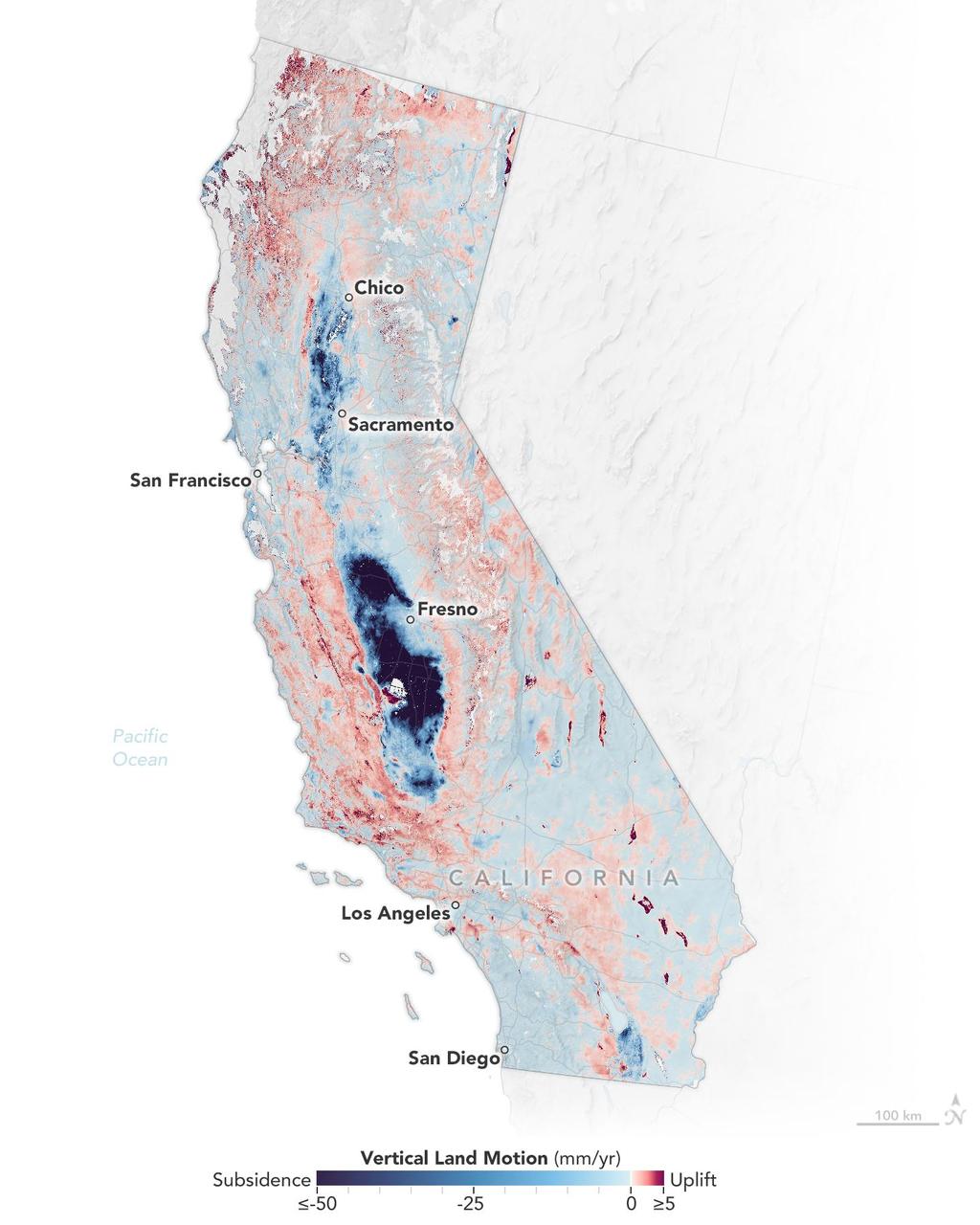
Researchers from NASA's Jet Propulsion Laboratory in Southern California and the National Oceanic and Atmospheric Administration (NOAA) analyzed vertical land motion – also known as uplift and subsidence – along the California coast between 2015 and 2023. They detailed where land beneath major coastal cities, including parts of San Francisco, Los Angeles, and San Diego, is sinking (indicated in blue in this visualization of the data). Locations of uplift (shown in red) were also observed. Causes for the motion include human-driven activities such as groundwater withdrawal and wastewater injection as well as natural dynamics like tectonic activity. Understanding these local elevation changes can help communities adapt to rising sea levels in their area. The researchers pinpointed hot spots – including cities, beaches, and aquifers – at greater exposure to rising seas in coming decades. Sea level rise can exacerbate issues like nuisance flooding and saltwater intrusion. To gather the data, the researchers employed a remote sensing technique called interferometric synthetic aperture radar (InSAR), which combines two or more 3D observations of the same region to reveal surface motion down to fractions of inches. They used the radars on the ESA (European Space Agency) Sentinel-1 satellites, as well as motion velocity data from ground-based receiving stations in the Global Navigation Satellite System. https://photojournal.jpl.nasa.gov/catalog/PIA25530
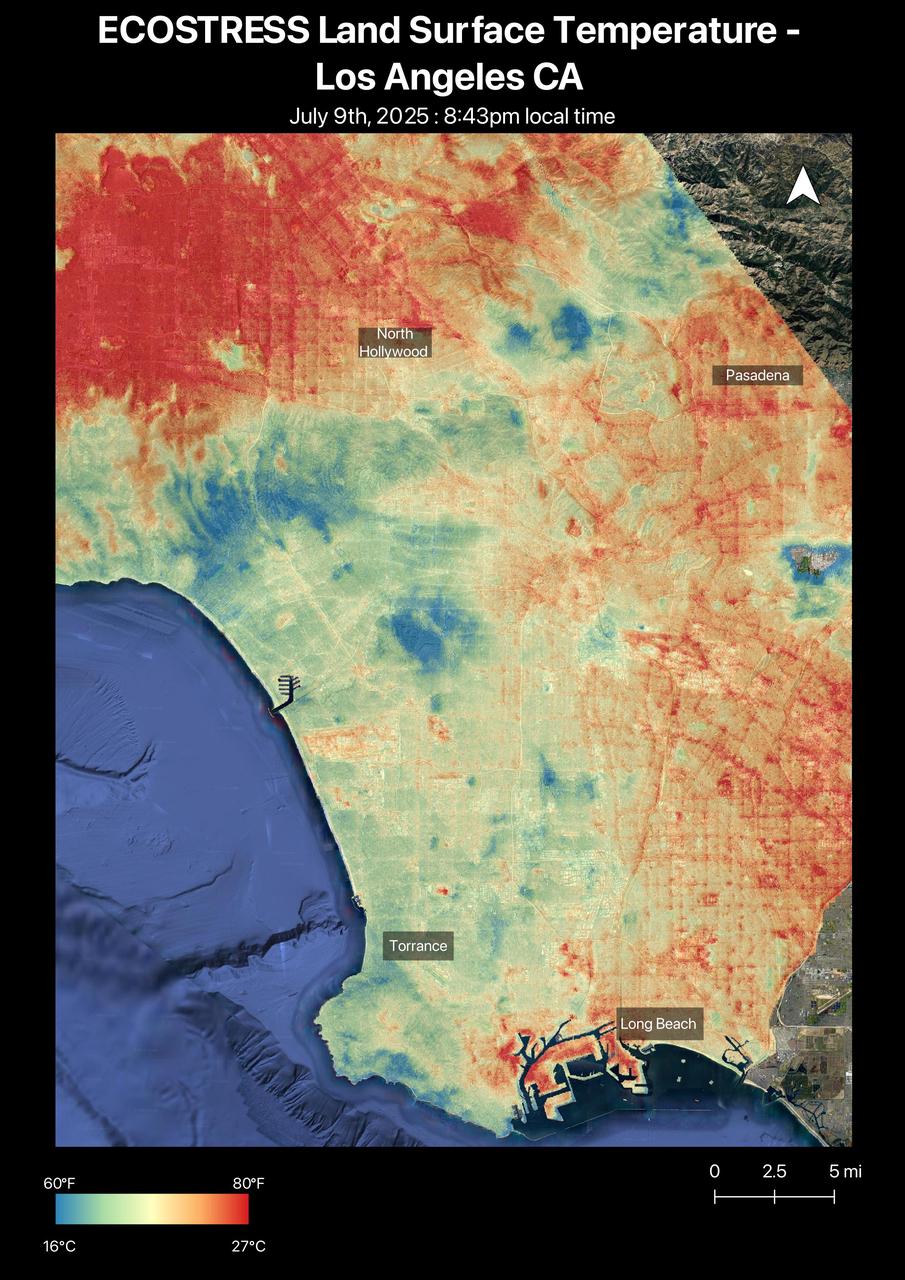
A short-lived heat wave that hit the Los Angeles area the week of July 7, 2025, was the first of summer. The heat lingered into the evening hours, as captured by NASA's Ecosystem Spaceborne Thermal Radiometer Experiment on Space Station (ECOSTRESS) instrument. By nearly 8:45 p.m. local time July 9, surface temperatures in the San Fernando Valley were still over 80 degrees Fahrenheit (27 degrees Celsius). The ECOSTRESS sensor recorded similar temperatures for downtown Pasadena (Figure A) and parts of Altadena, east of NASA's Jet Propulsion Laboratory, which manages the mission. In these data visualizations, dark red indicates higher temperatures, while areas in blue and green are cooler. Coastal regions remained significantly cooler than inland areas. The ECOSTRESS instrument measures thermal infrared emissions from Earth's surface. This enables researchers to monitor plant health, the progress of wildfires, land surface temperatures, and the burn risk to people from hot surfaces such as asphalt. Land surface temperatures are hotter than air temperatures during the day. Air temperatures, which are measured out of direct sunlight, are usually what meteorologists report in a weather forecast. https://photojournal.jpl.nasa.gov/catalog/PIA26651
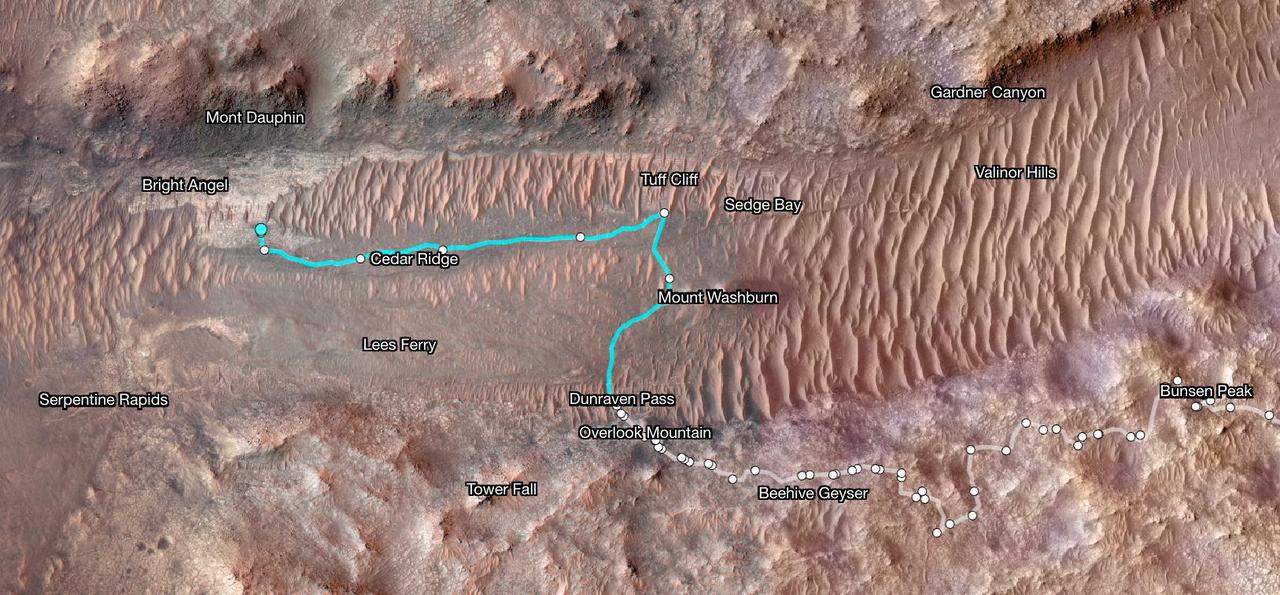
Superimposed on an image taken by the HiRISE camera aboard NASA's Mars Reconnaissance Orbiter, this map shows the path taken by the agency's Perseverance Mars rover between Jan. 31, 2024, and June 11, shortly after it arrived at a geologic area of interest the science team calls "Bright Angel." The route where the rover paralleled the Neretva Vallis river channel is depicted in white. The portion of the route where the rover was inside the river channel is depicted in pale blue. The dots along the white line signify locations where the rover stopped after completing a traverse. The University of Arizona, in Tucson, operates HiRISE, which was built by BAE Systems, in Boulder, Colorado. JPL manages the Mars Reconnaissance Orbiter Project for NASA's Science Mission Directorate, Washington. A key objective for Perseverance's mission on Mars is astrobiology, including the search for signs of ancient microbial life. The rover will characterize the planet's geology and past climate, pave the way for human exploration of the Red Planet, and be the first mission to collect and cache Martian rock and regolith (broken rock and dust). Subsequent NASA missions, in cooperation with ESA (European Space Agency), would send spacecraft to Mars to collect these sealed samples from the surface and return them to Earth for in-depth analysis. https://photojournal.jpl.nasa.gov/catalog/PIA26334
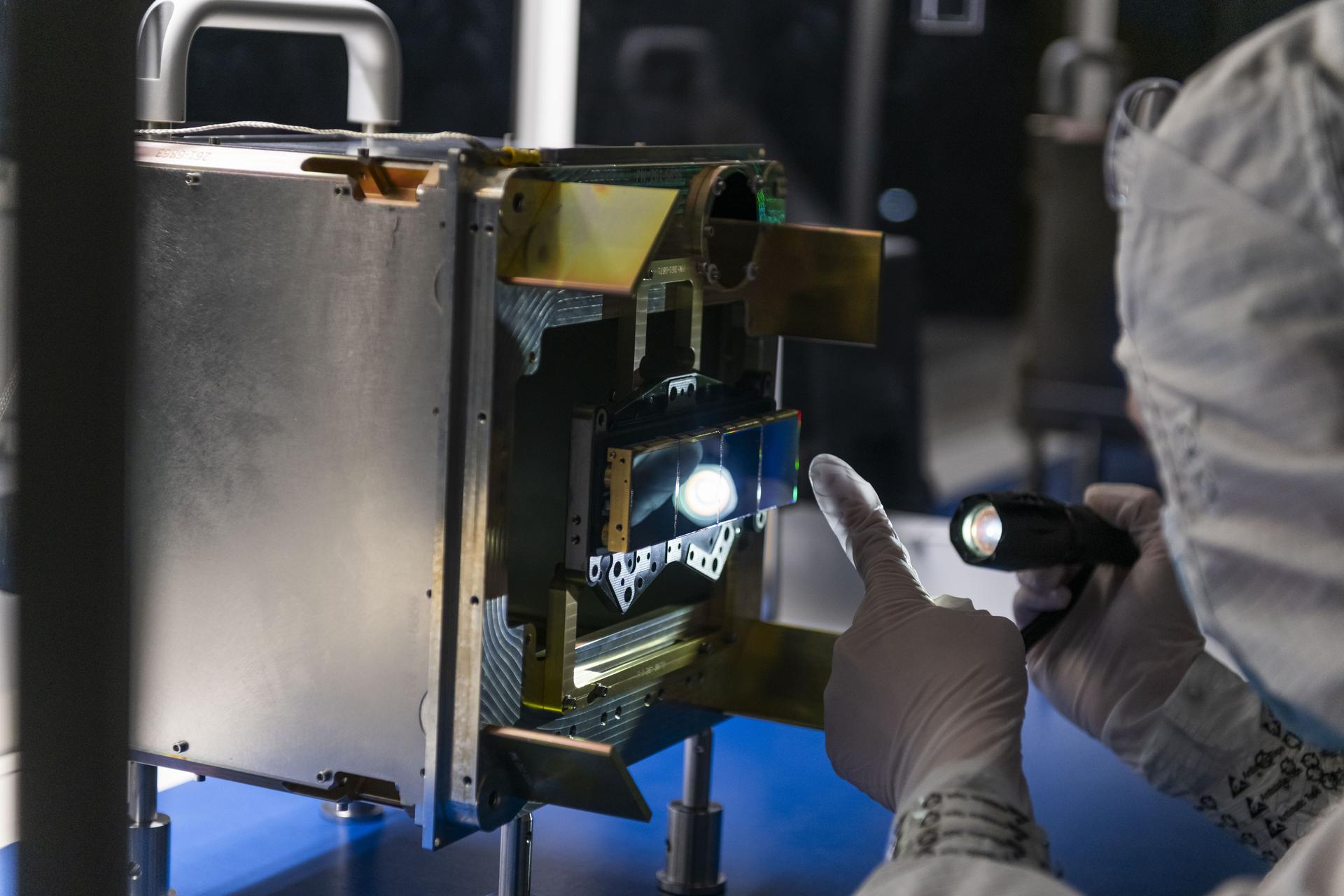
An engineer inspects the surface of four mid-wavelength infrared science detectors for NASA’s Near-Earth Object (NEO) Surveyor mission atop a clean room bench at the Space Dynamics Laboratory (SDL) in Logan, Utah. Mounted to a sensor chip assembly, the four blue-green-colored detectors are made with mercury cadmium telluride (HgCdTe), a versatile semiconducting alloy that is sensitive to infrared wavelengths. There are two such assemblies that form the heart of NEO Surveyor’s two science cameras. These state-of-the-art cameras sense solar heat re-radiated by near-Earth objects. The mission’s cameras and telescope, which has an aperture of nearly 20 inches (50 centimeters), will be housed inside the spacecraft’s instrument enclosure, a structure that is designed to ensure heat produced by the spacecraft and instrument during operations doesn’t interfere with its infrared observations. Targeting launch in late 2027, the NEO Surveyor mission is led by Professor Amy Mainzer at the University of California, Los Angeles for NASA’s Planetary Defense Coordination Office and is being managed by the agency’s Jet Propulsion Laboratory in Southern California for the Planetary Missions Program Office at NASA’s Marshall Space Flight Center in Huntsville, Alabama. BAE Systems and the Space Dynamics Laboratory in Logan, Utah, and Teledyne are among the companies that were contracted to build the spacecraft and its instrumentation. The Laboratory for Atmospheric and Space Physics at the University of Colorado Boulder will support operations, and IPAC at Caltech in Pasadena, California, is responsible for producing some of the mission’s data products. Caltech manages JPL for NASA. More information about NEO Surveyor is available at: https://science.nasa.gov/mission/neo-surveyor/

The route (shown in blue) that the agency's Perseverance Mars rover is expected to take as it climbs up the western rim of Jezero Crater is superimposed on this image taken by the HiRISE camera aboard NASA's Mars Reconnaissance Orbiter. At upper right is "Serpentine Rapids," the final geologic location of interest for the Perseverance science team before the rover begins its ascent. "Dox Castle" is a region the science team would like to explore during the rover's ascent. Two of the first regions the science team wants study at the top of the crater are "Pico Turquino" and "Witch Hazel Hill." Imagery from NASA's Mars orbiters indicates that Pico Turquino contains ancient fractures that may have been caused by hydrothermal activity in the distant past. Orbital views of Witch Hazel show layered materials that likely date from a time when Mars had a very different climate than today. Those views have revealed light-toned bedrock similar to what was found at "Bright Angel," the area where Perseverance recently discovered and sampled the "Cheyava Falls" rock, which exhibits chemical signatures and structures that could possibly have been formed by life billions of years ago when the area contained running water. The distance the rover will drive to get from Serpentine Rapids to the Aurora Park/Pico Turquino area is about 1.1 miles (1.8 kilometers); the change in elevation between the two locations is about 980 feet (300 meters). The distance covered to go from Aurora Park/Pico Turquino to Witch Hazel Hill is about 1.2 miles (2,000 meters) and the change in elevation is about 820 feet (250 meters). The University of Arizona, in Tucson, operates HiRISE, which was built by BAE Systems, in Boulder, Colorado. JPL manages the Mars Reconnaissance Orbiter Project for NASA's Science Mission Directorate, Washington. A key objective for Perseverance's mission on Mars is astrobiology, including the search for signs of ancient microbial life. The rover will characterize the planet's geology and past climate, pave the way for human exploration of the Red Planet, and be the first mission to collect and cache Martian rock and regolith (broken rock and dust). https://photojournal.jpl.nasa.gov/catalog/PIA26374
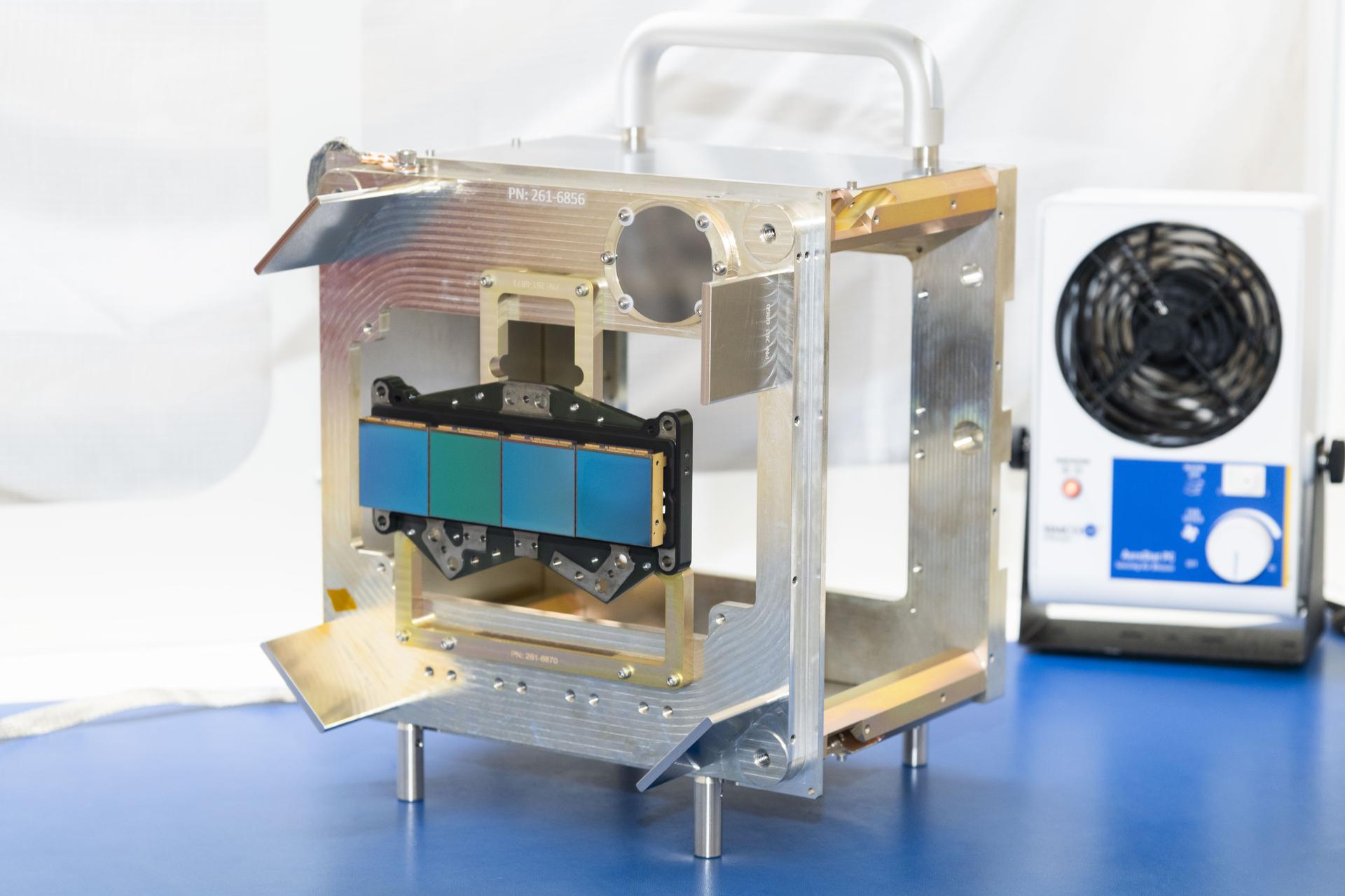
Four mid-wavelength infrared science detectors for NASA’s Near-Earth Object (NEO) Surveyor mission are shown here on a clean room bench at the Space Dynamics Laboratory (SDL) in Logan, Utah. Mounted to a sensor chip assembly, the four blue-green-colored detectors are made with mercury cadmium telluride (HgCdTe), a versatile semiconducting alloy that is sensitive to infrared wavelengths. There are two such assemblies that form the heart of NEO Surveyor’s two science cameras. These state-of-the-art cameras sense solar heat re-radiated by near-Earth objects. The mission’s cameras and telescope, which has an aperture of nearly 20 inches (50 centimeters), will be housed inside the spacecraft’s instrument enclosure, a structure that is designed to ensure heat produced by the spacecraft and instrument during operations doesn’t interfere with its infrared observations. Targeting launch in late 2027, the NEO Surveyor mission is led by Professor Amy Mainzer at the University of California, Los Angeles for NASA’s Planetary Defense Coordination Office and is being managed by the agency’s Jet Propulsion Laboratory in Southern California for the Planetary Missions Program Office at NASA’s Marshall Space Flight Center in Huntsville, Alabama. BAE Systems and the Space Dynamics Laboratory in Logan, Utah, and Teledyne are among the companies that were contracted to build the spacecraft and its instrumentation. The Laboratory for Atmospheric and Space Physics at the University of Colorado Boulder will support operations, and IPAC at Caltech in Pasadena, California, is responsible for producing some of the mission’s data products. Caltech manages JPL for NASA. More information about NEO Surveyor is available at: https://science.nasa.gov/mission/neo-surveyor/
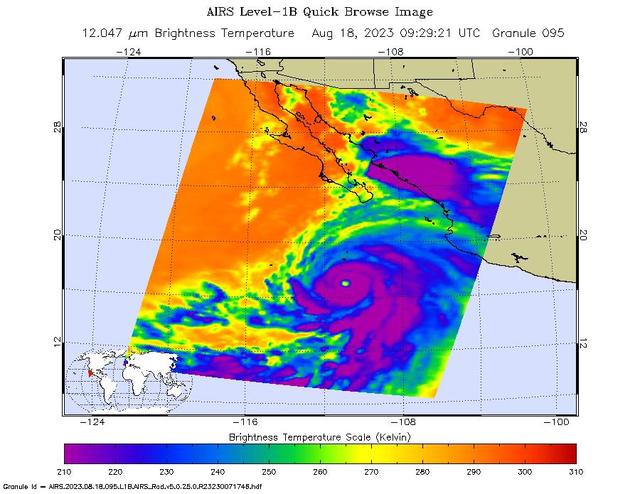
NASA's Atmospheric Infrared Sounder (AIRS) captured Hurricane Hilary on the morning of Aug. 18, 2023, when it was a Category 4 storm roughly 470 miles (760 kilometers) south of Baja California. Hilary could be the first tropical storm to make landfall in California since 1939, according to the National Weather Service. Hilary grew from a tropical storm into a Category 2 hurricane within 24 hours on Aug. 17. Another period of rapid intensification – an increase in maximum sustained wind speed of at least 30 knots (35 mph) within 24 hours – occurred Aug. 17-18. The animation shows some of this rapid growth, with images taken by AIRS Aug. 15-18. This intensification was driven by very warm ocean surface waters and weak wind shear, a term for vertical changes in wind speed. Strong wind shear can keep hurricanes from forming, or can tear them apart. AIRS measures cloud temperatures in infrared wavelengths, which can reveal information about the atmosphere not visible to the human eye. Hilary shows several indicators of a powerful hurricane: a well-defined eye surrounded by a ring of very cold clouds in purple, with warmer outer regions seen in yellows and oranges. Purple and violet areas are colder, between about minus 82 degrees Fahrenheit and minus 46 F (minus 63 degrees Celsius to minus 44 C). Blue and green regions are roughly minus 28 F to 26 F (minus 33 C to minus 3 C). The cooler parts of the clouds are associated with very heavy rainfall. Most hurricanes in the Pacific Ocean off Mexico travel westward, following tropical trade winds. Occasionally, one of these storms will head northward. Hurricane Hilary is being steered by a weak low-pressure system off the coast of California, an area normally dominated by high pressure and an atmospheric circulation pattern that would deflect storms from the region. The current forecast from the National Hurricane Center has Hilary closely following the western coastline of the Baja California peninsula, weakening as it moves north. Rainfall projections for Southern California range from 2 inches (5 centimeters) in coastal areas to 8 or more inches (20 or more centimeters) in local mountains. For comparison, San Diego and Los Angeles receive no rain in August most years, and the wettest parts of the local mountains receive about 1 inch (3 centimeters) of rain over a normal summer. In conjunction with the Advanced Microwave Sounding Unit (AMSU), AIRS senses emitted infrared and microwave radiation from Earth to provide a 3D look at the planet's weather and climate. Working in tandem, the two instruments make simultaneous observations down to Earth's surface. With more than 2,000 channels sensing different regions of the atmosphere, the system creates a global, 3D map of atmospheric temperature and humidity, cloud amounts and heights, greenhouse gas concentrations, and many other atmospheric phenomena. Launched into Earth orbit in 2002 aboard NASA's Aqua spacecraft, the AIRS and AMSU instruments are managed by NASA's Jet Propulsion Laboratory in Southern California, under contract to NASA. JPL is a division of Caltech. Animation available at https://photojournal.jpl.nasa.gov/catalog/PIA25779