
A super blue Moon rises above Kennedy Space Center in Florida on Monday, Aug. 18, 2024. Although not actually appearing blue, as the third full Moon in a season with four full Moons, this is called a “blue” Moon. The Moon at or near its closest point to Earth is a “super” Moon and can appear up to 14% bigger and brighter than normal full Moons. About 25% of all full Moons are super, but only 3% of full Moons are blue, with the next super blue Moons occurring as a pair in January and March 2037.
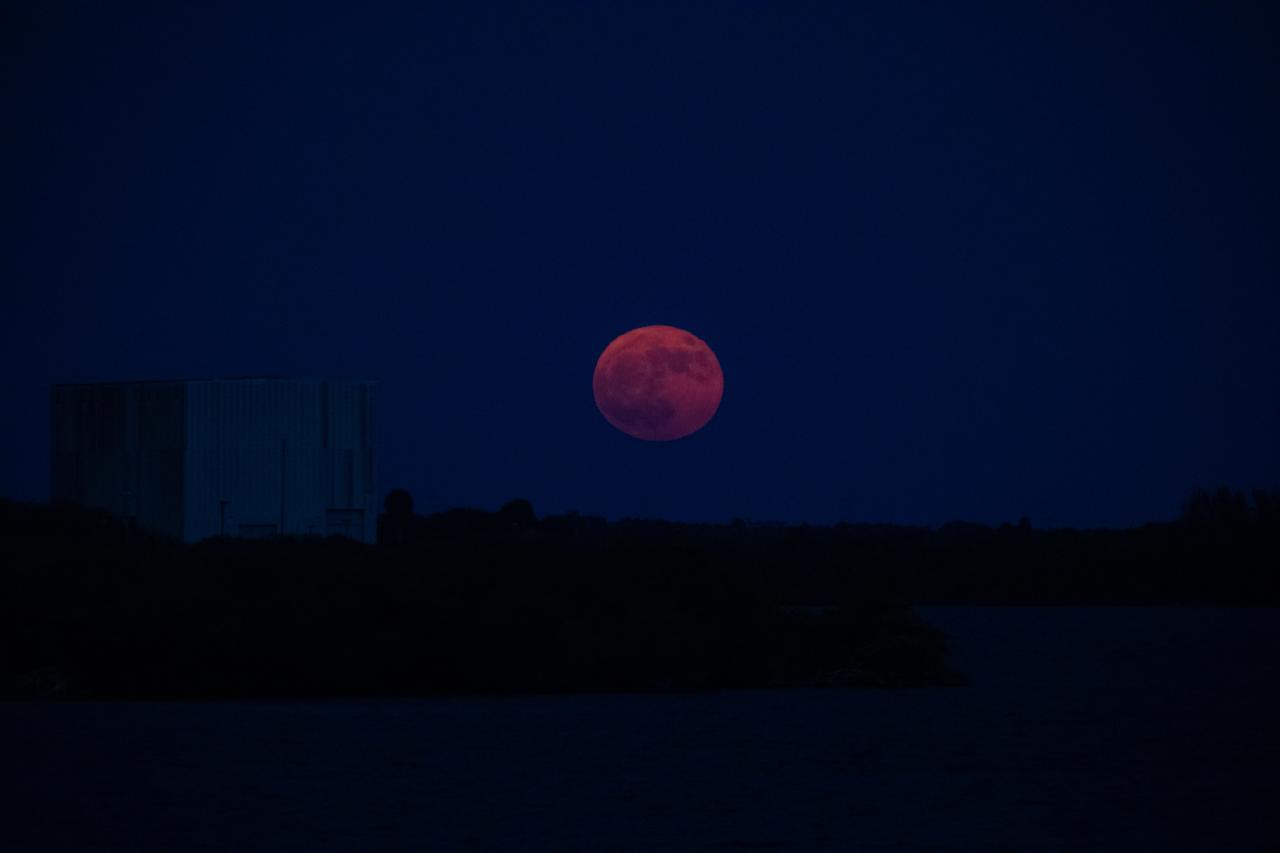
A super blue Moon rises above Kennedy Space Center in Florida on Monday, Aug. 18, 2024. Although not actually appearing blue, as the third full Moon in a season with four full Moons, this is called a “blue” Moon. The Moon at or near its closest point to Earth is a “super” Moon and can appear up to 14% bigger and brighter than normal full Moons. About 25% of all full Moons are super, but only 3% of full Moons are blue, with the next super blue Moons occurring as a pair in January and March 2037.
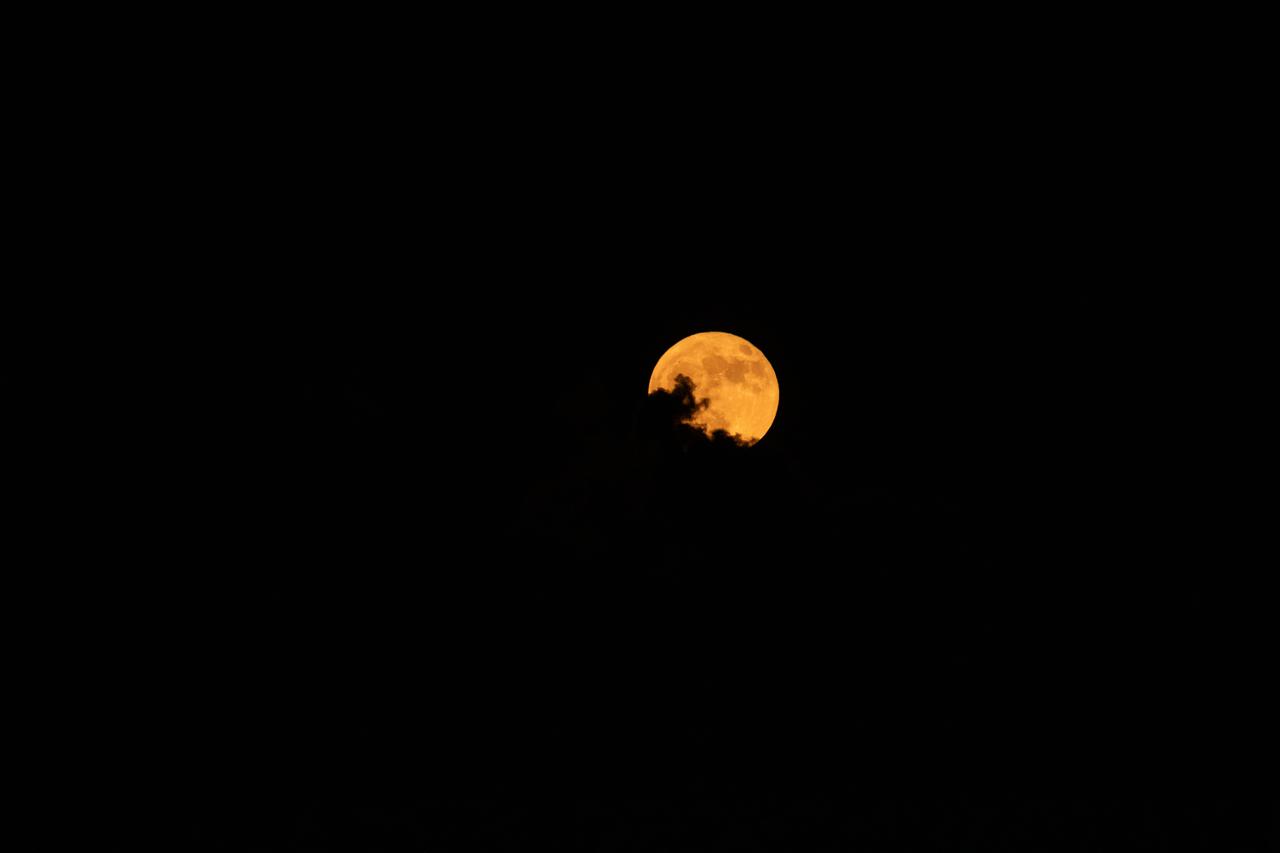
A super blue Moon rises above Kennedy Space Center in Florida on Monday, Aug. 18, 2024. Although not actually appearing blue, as the third full Moon in a season with four full Moons, this is called a “blue” Moon. The Moon at or near its closest point to Earth is a “super” Moon and can appear up to 14% bigger and brighter than normal full Moons. About 25% of all full Moons are super, but only 3% of full Moons are blue, with the next super blue Moons occurring as a pair in January and March 2037.
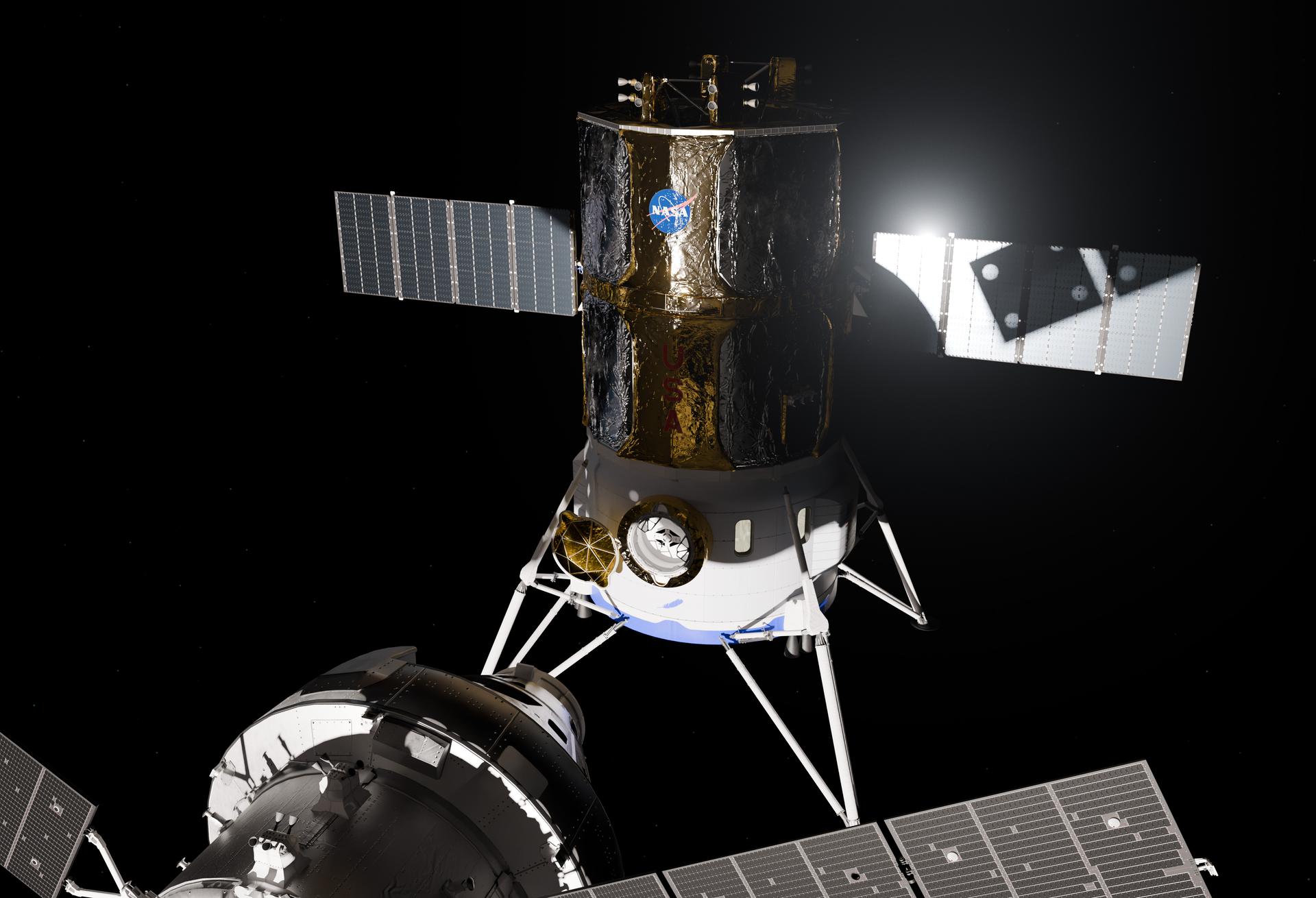
This artist’s concept depicts Blue Origin’s Blue Moon Mark 2 human landing system test article in Earth orbit with NASA’s Orion spacecraft during rendezvous and docking operations as part of NASA’s upcoming Artemis III demonstration mission in low Earth orbit. NASA is working with two American companies to develop the human landing systems that will safely transport astronauts from lunar orbit to the Moon’s surface and back for future Artemis missions. For Artemis III, both SpaceX and Blue Origin will fly test versions, or test articles, of the crewed landers that will be used for future Moon landings. The lander test articles will launch by commercial rockets, while the Artemis III crew will launch to low Earth orbit in Orion atop the agency’s SLS (Space Launch System) rocket.
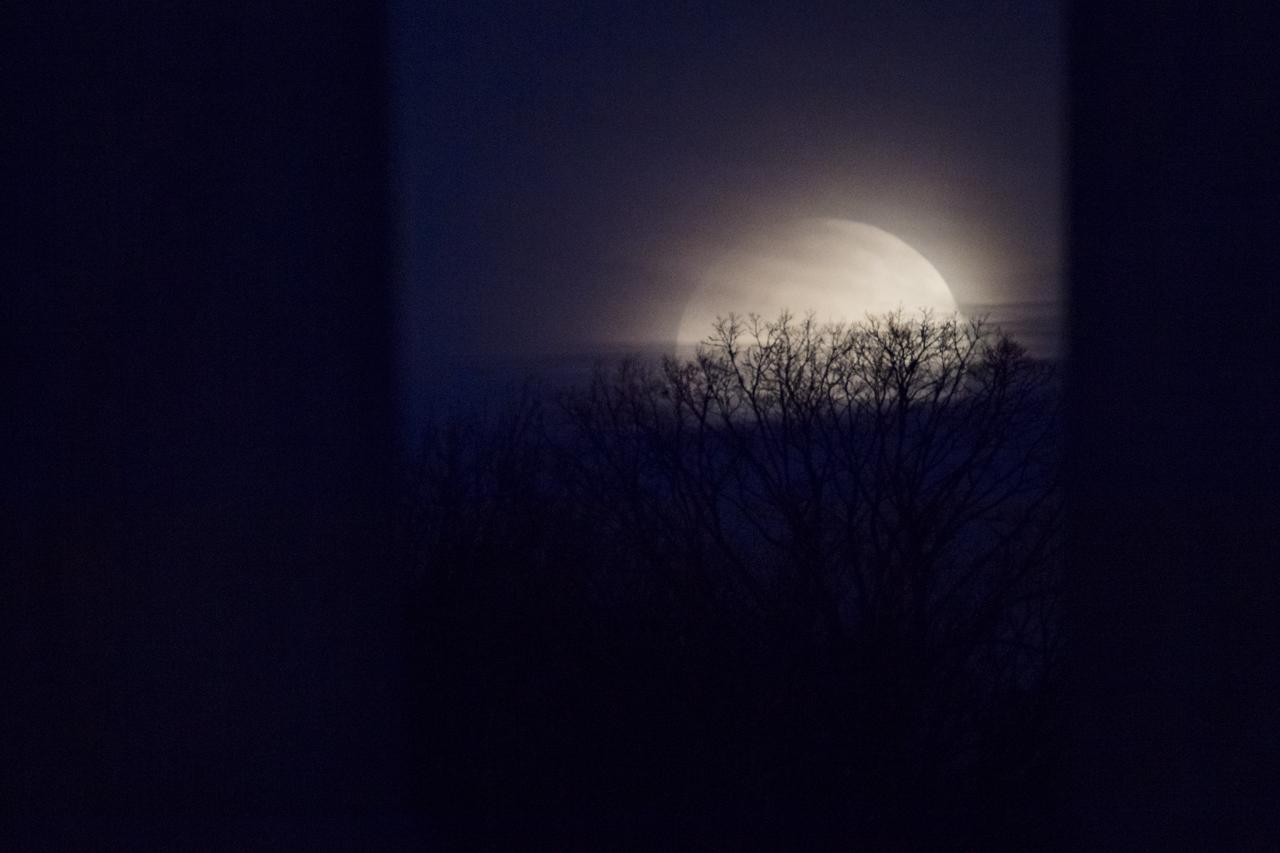
The Moon is seen as it sets behind the National Capitol Columns at The US National Arboretum on Wednesday, Jan. 31, 2018 in Washington. Today’s full Moon is unique for three reasons: it is the third in a series of supermoons, occurring when the Moon is closer to Earth in its orbit. It is also the second full moon of the month, commonly known as a blue moon. The moon will also be passing through Earth’s shadow, giving skywatchers in the right locations a view of a total lunar eclipse. Photo Credit: (NASA/Aubrey Gemignani)
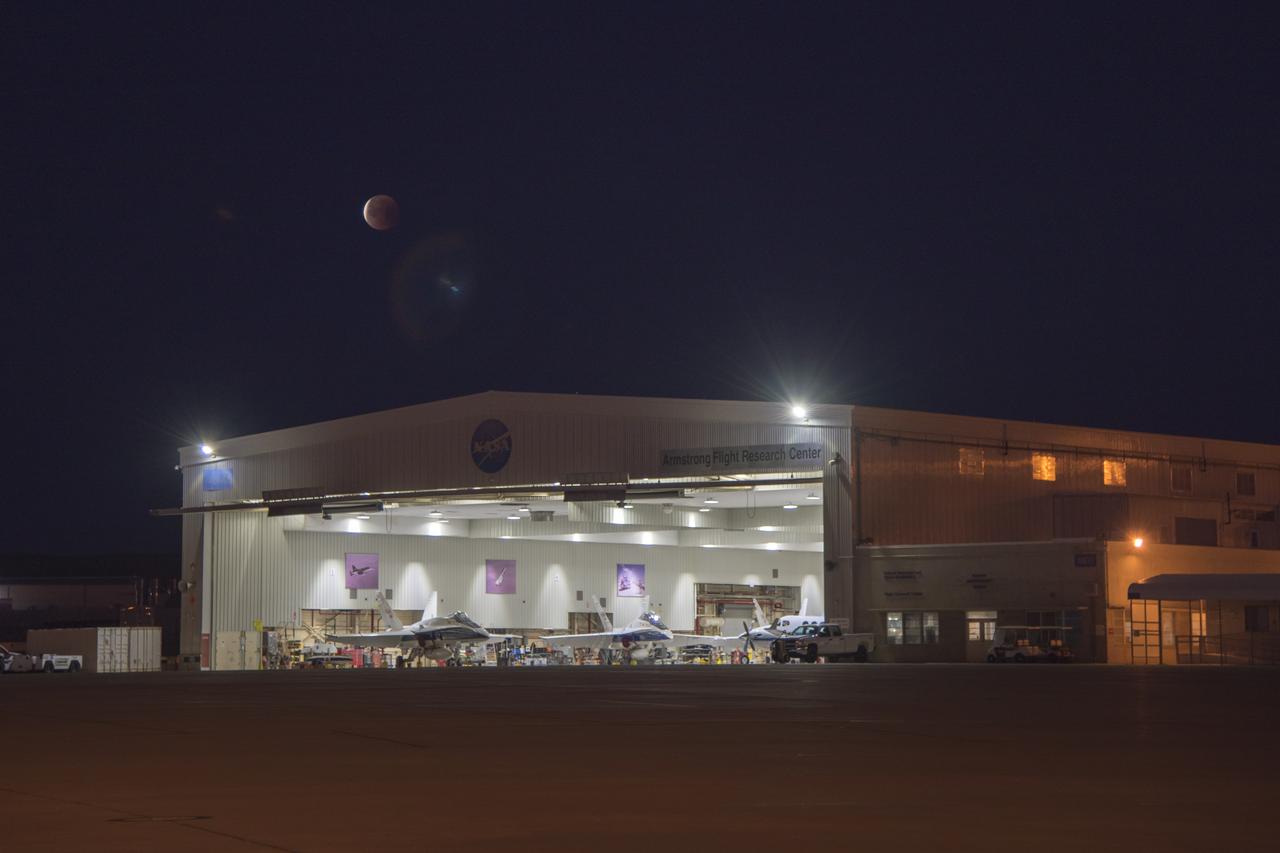
California's NASA Armstrong Flight Research Center photographer Carla Thomas takes photos on January 31 of the rare opportunity to capture a supermoon, a blue moon and a lunar eclipse at the same time. A supermoon occurs when the Moon is closer to Earth in its orbit and appearing 14 percent brighter than usual. As the second full moon of the month, this moon is also commonly known as a blue moon, though it will not be blue in appearance. The super blue moon passed through Earth's shadow and took on a reddish tint, known as a blood moon. This total lunar eclipse occurs when the Sun, Earth, and a full moon form a near-perfect lineup in space. The Moon passes directly behind the Earth into its umbra (shadow).
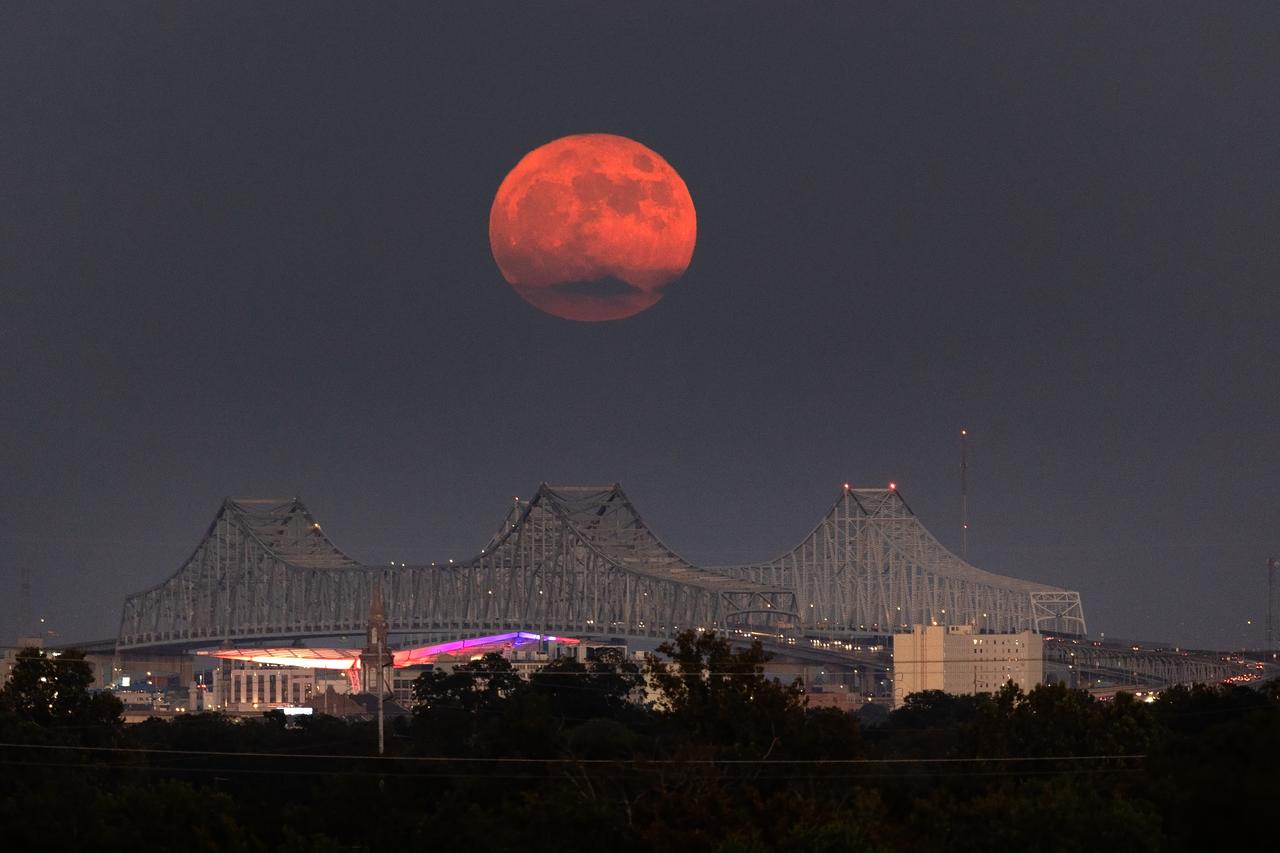
A Super Blue Moon rises above the Mississippi River and the Crescent City Connection Bridge in New Orleans, Aug. 30. The full moon is “super” because it’s slightly closer to Earth and “blue” because it’s the second full moon in a month. About 25% of all full moons are supermoons, but only 3% of full moons are blue moons. The next super blue moons will occur in a pair in January and March 2037. New Orleans is home to NASA’s Michoud Assembly Facility, where stages for NASA’s SLS (Space Launch System) rocket and structures for Orion spacecraft are produced for the Artemis missions.
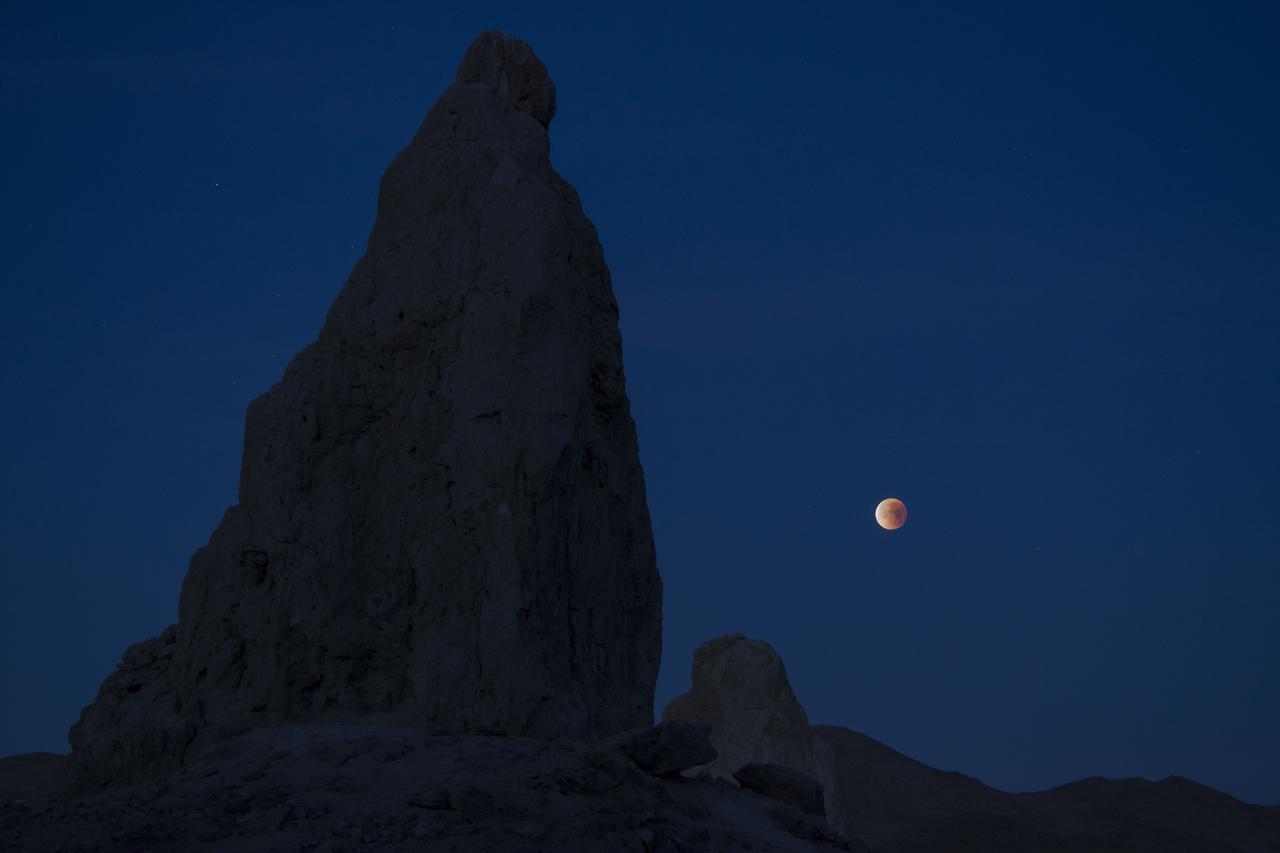
NASA Armstrong Flight Research Center photographer Lauren Hughes takes photos of the Super Blue Blood Moon eclipse from California's Trona Pinnacles Desert National Conservation for the Jan. 31 of the total lunar eclipse that provided a rare opportunity to capture a supermoon, a blue moon and a lunar eclipse at the same time. A supermoon occurs when the Moon is closer to Earth in its orbit and appearing 14 percent brighter than usual. As the second full moon of the month, this moon is also commonly known as a blue moon, though it will not be blue in appearance. The super blue moon passed through Earth's shadow and took on a reddish tint, known as a blood moon. This total lunar eclipse occurs when the Sun, Earth, and a full moon form a near-perfect lineup in space. The Moon passes directly behind the Earth into its umbra (shadow).

NASA Armstrong Flight Research Center photographer Lauren Hughes takes photos of the Super Blue Blood Moon eclipse from California’s Trona Pinnacles Desert National Conservation for the Jan. 31 of the total lunar eclipse that provided a rare opportunity to capture a supermoon, a blue moon and a lunar eclipse at the same time. A supermoon occurs when the Moon is closer to Earth in its orbit and appearing 14 percent brighter than usual. As the second full moon of the month, this moon is also commonly known as a blue moon, though it will not be blue in appearance. The super blue moon passed through Earth’s shadow and took on a reddish tint, known as a blood moon. This total lunar eclipse occurs when the Sun, Earth, and a full moon form a near-perfect lineup in space. The Moon passes directly behind the Earth into its umbra (shadow).
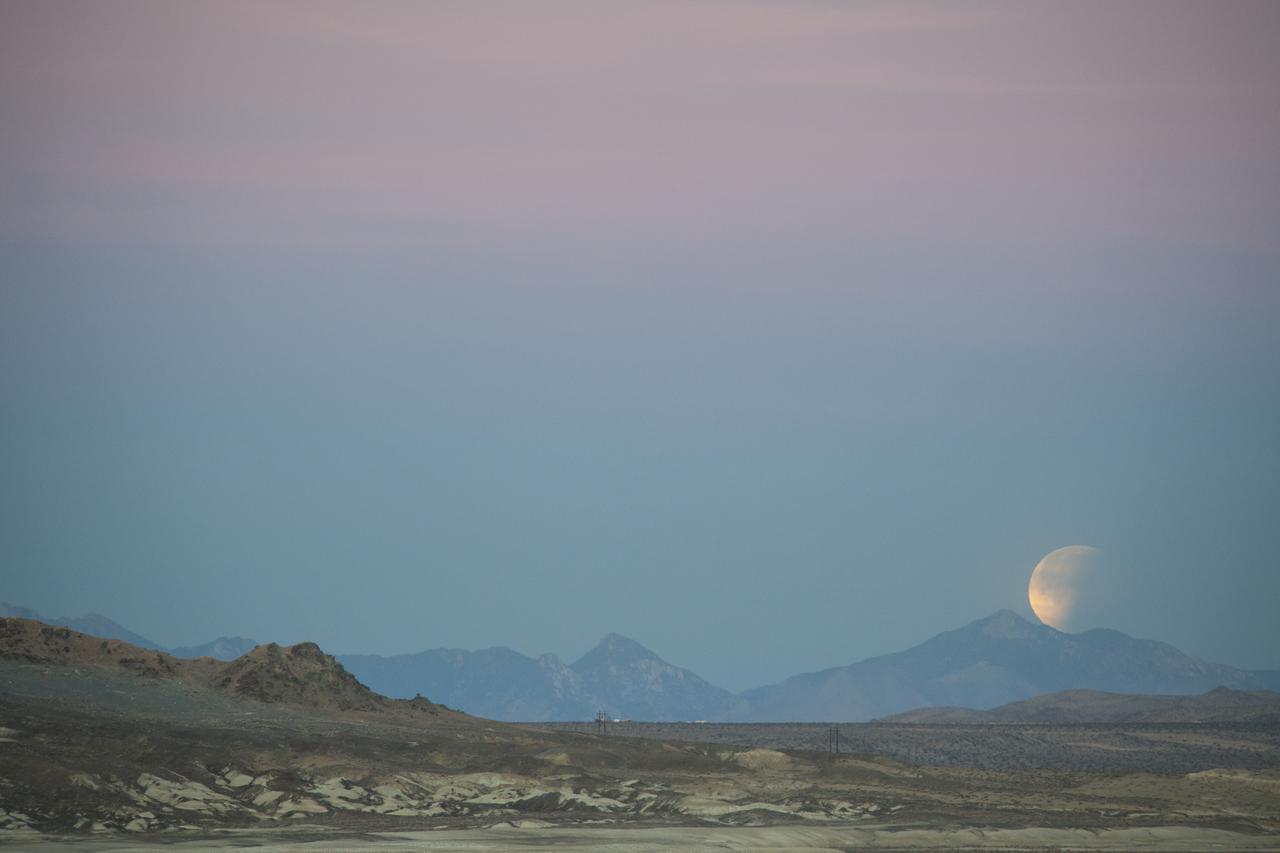
NASA Armstrong Flight Research Center photographer Lauren Hughes takes photos of the Super Blue Blood Moon eclipse from California’s Trona Pinnacles Desert National Conservation for the Jan. 31 of the total lunar eclipse that provided a rare opportunity to capture a supermoon, a blue moon and a lunar eclipse at the same time. A supermoon occurs when the Moon is closer to Earth in its orbit and appearing 14 percent brighter than usual. As the second full moon of the month, this moon is also commonly known as a blue moon, though it will not be blue in appearance. The super blue moon passed through Earth’s shadow and took on a reddish tint, known as a blood moon. This total lunar eclipse occurs when the Sun, Earth, and a full moon form a near-perfect lineup in space. The Moon passes directly behind the Earth into its umbra (shadow).

California's NASA Armstrong Flight Research Center photographer Carla Thomas takes photos on January 31 of the rare opportunity to capture a supermoon, a blue moon and a lunar eclipse at the same time. A supermoon occurs when the Moon is closer to Earth in its orbit and appearing 14 percent brighter than usual. As the second full moon of the month, this moon is also commonly known as a blue moon, though it will not be blue in appearance. The super blue moon passed through Earth's shadow and took on a reddish tint, known as a blood moon. This total lunar eclipse occurs when the Sun, Earth, and a full moon form a near-perfect lineup in space. The Moon passes directly behind the Earth into its umbra (shadow).
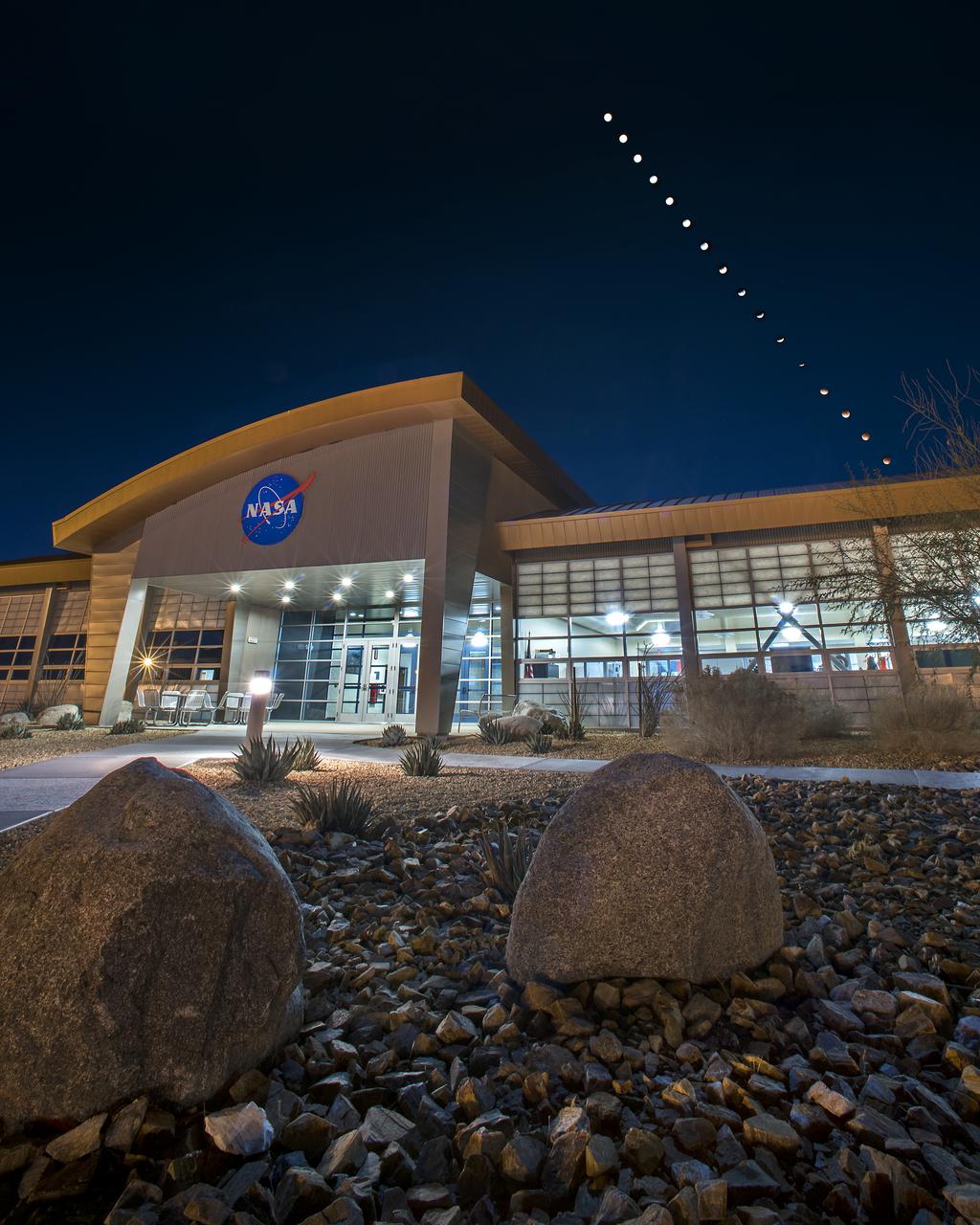
California’s NASA Armstrong Flight Research Center photographer Ken Ulbrich takes photos of Super Blue Blood Moon eclipse making a time-lapse composition of the event on January 31. The total lunar eclipse provided a rare opportunity to capture a supermoon, a blue moon and a lunar eclipse at the same time. A supermoon occurs when the Moon is closer to Earth in its orbit and appearing 14 percent brighter than usual. As the second full moon of the month, this moon is also commonly known as a blue moon, though it will not be blue in appearance. The super blue moon passed through Earth’s shadow and took on a reddish tint, known as a blood moon. This total lunar eclipse occurs when the Sun, Earth, and a full moon form a near-perfect lineup in space. The Moon passes directly behind the Earth into its umbra (shadow).

A supermoon rises over Huntsville, Alabama, home to NASA’s Marshall Space Flight Center, Aug. 19. Visible through Wednesday, Aug. 21, the full Moon is both a supermoon and a Blue Moon. Supermoons are the biggest and brightest full Moons of the year because the Moon is within 90% of its closest point to Earth. While not blue in color, the third full Moon in a season with four full Moons is called a “Blue Moon.” Huntsville is known as the “Rocket City” because of its proximity to NASA Marshall, which manages vital propulsion systems and hardware, launch vehicles, engineering technologies, and cutting-edge science for the agency.

A supermoon rises over Huntsville, Alabama, home to NASA’s Marshall Space Flight Center, Aug. 19. Visible through Wednesday, Aug. 21, the full Moon is both a supermoon and a Blue Moon. Supermoons are the biggest and brightest full Moons of the year because the Moon is within 90% of its closest point to Earth. While not blue in color, the third full Moon in a season with four full Moons is called a “Blue Moon.” Huntsville is known as the “Rocket City” because of its proximity to NASA Marshall, which manages vital propulsion systems and hardware, launch vehicles, engineering technologies, and cutting-edge science for the agency.

A supermoon rises over Huntsville, Alabama, home to NASA’s Marshall Space Flight Center, Aug. 19. Visible through Wednesday, Aug. 21, the full Moon is both a supermoon and a Blue Moon. Supermoons are the biggest and brightest full Moons of the year because the Moon is within 90% of its closest point to Earth. While not blue in color, the third full Moon in a season with four full Moons is called a “Blue Moon.” Huntsville is known as the “Rocket City” because of its proximity to NASA Marshall, which manages vital propulsion systems and hardware, launch vehicles, engineering technologies, and cutting-edge science for the agency.
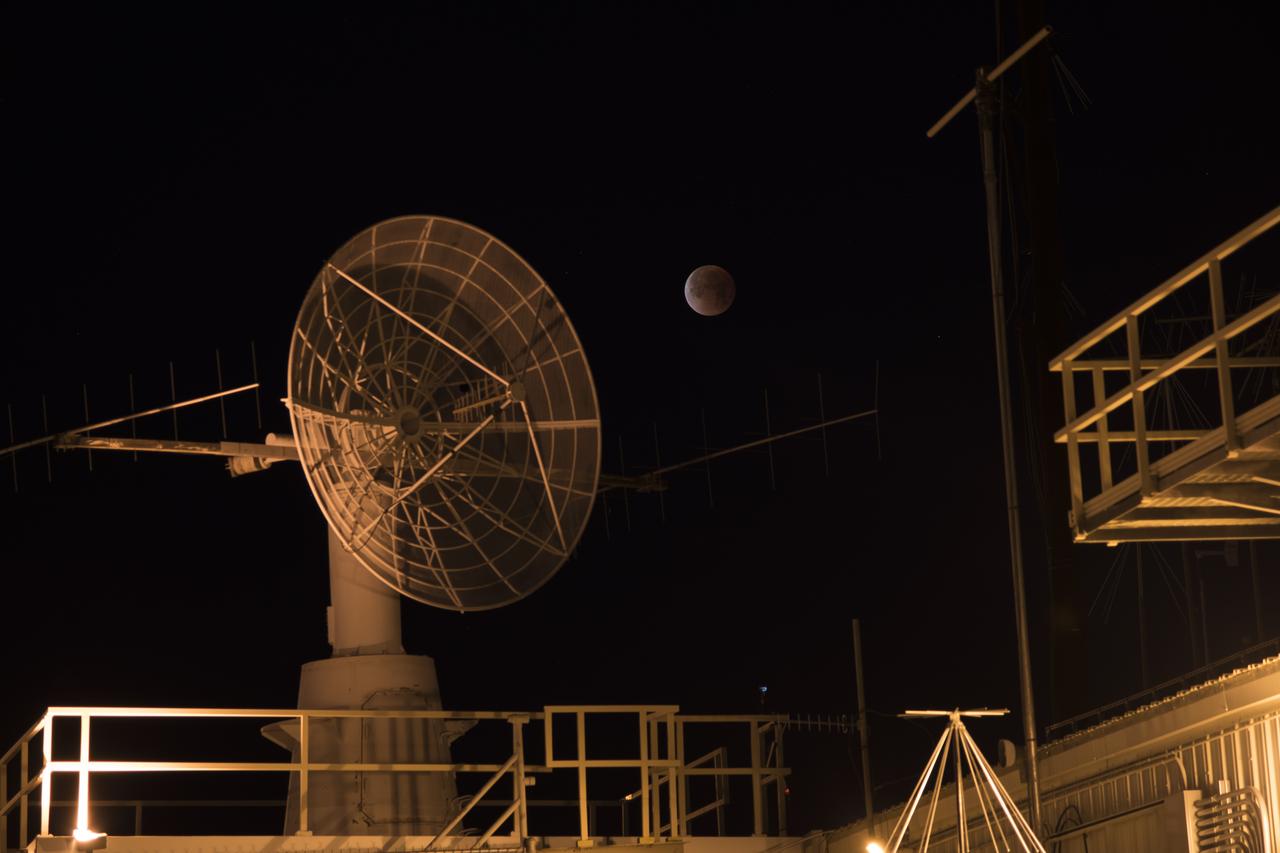
California’s NASA Armstrong Flight Research Center’s photographer Carla Thomas takes photos on January 31 of the rare opportunity to capture a supermoon, a blue moon and a lunar eclipse at the same time. A supermoon occurs when the Moon is closer to Earth in its orbit and appearing 14 percent brighter than usual. As the second full moon of the month, this moon is also commonly known as a blue moon, though it will not be blue in appearance. The super blue moon passed through Earth’s shadow and took on a reddish tint, known as a blood moon. This total lunar eclipse occurs when the Sun, Earth, and a full moon form a near-perfect lineup in space. The Moon passes directly behind the Earth into its umbra (shadow).

California's NASA Armstrong Flight Research Center photographer Carla Thomas takes photos on January 31 of the rare opportunity to capture a supermoon, a blue moon and a lunar eclipse at the same time. A supermoon occurs when the Moon is closer to Earth in its orbit and appearing 14 percent brighter than usual. As the second full moon of the month, this moon is also commonly known as a blue moon, though it will not be blue in appearance. The super blue moon will pass through Earth's shadow and take on a reddish tint, known as a blood moon. This total lunar eclipse occurs when the Sun, Earth, and a full moon form a near-perfect lineup in space. The Moon passes directly behind the Earth into its umbra (shadow).
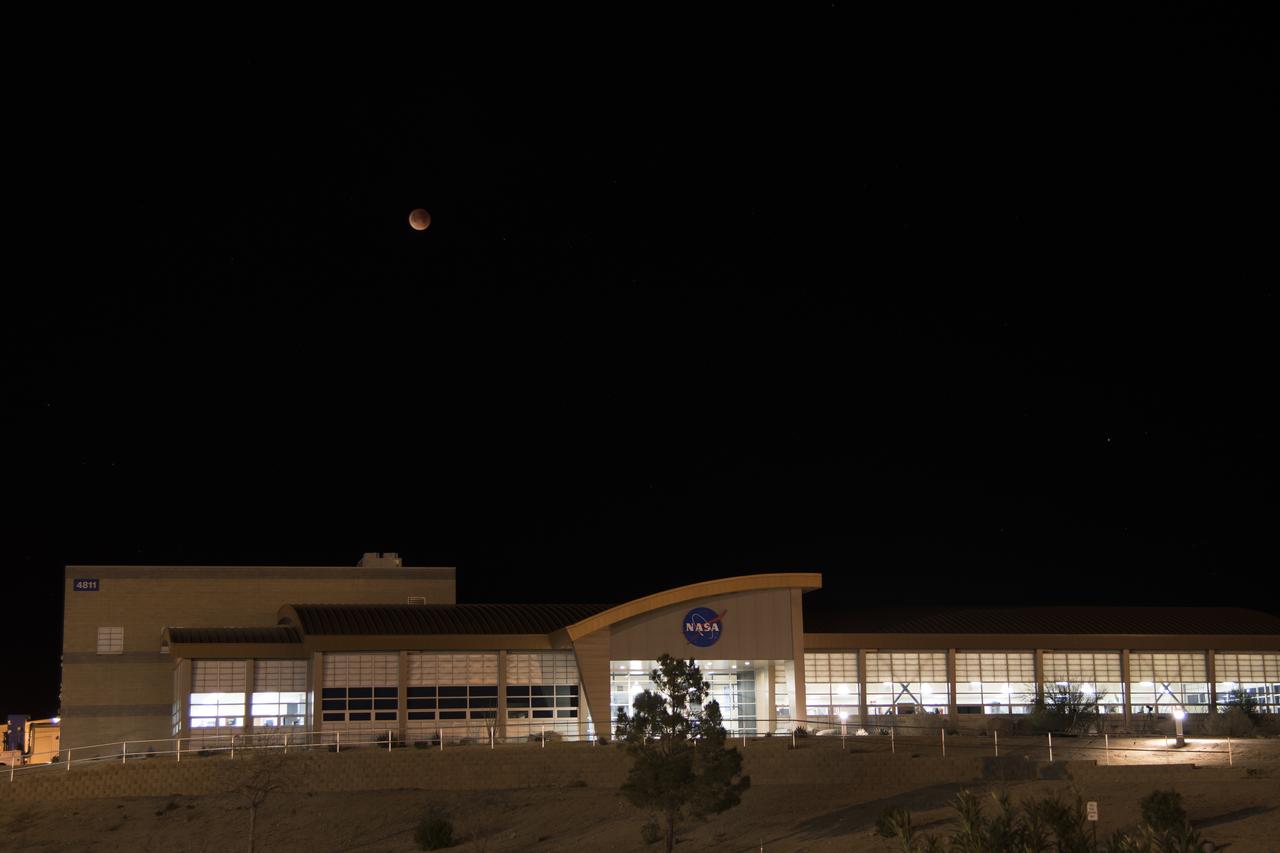
California's NASA Armstrong Flight Research Center photographer Carla Thomas takes photos on January 31 of the rare opportunity to capture a supermoon, a blue moon and a lunar eclipse at the same time. A supermoon occurs when the Moon is closer to Earth in its orbit and appearing 14 percent brighter than usual. As the second full moon of the month, this moon is also commonly known as a blue moon, though it will not be blue in appearance. The super blue moon passed through Earth's shadow and took on a reddish tint, known as a blood moon. This total lunar eclipse occurs when the Sun, Earth, and a full moon form a near-perfect lineup in space. The Moon passes directly behind the Earth into its umbra (shadow).
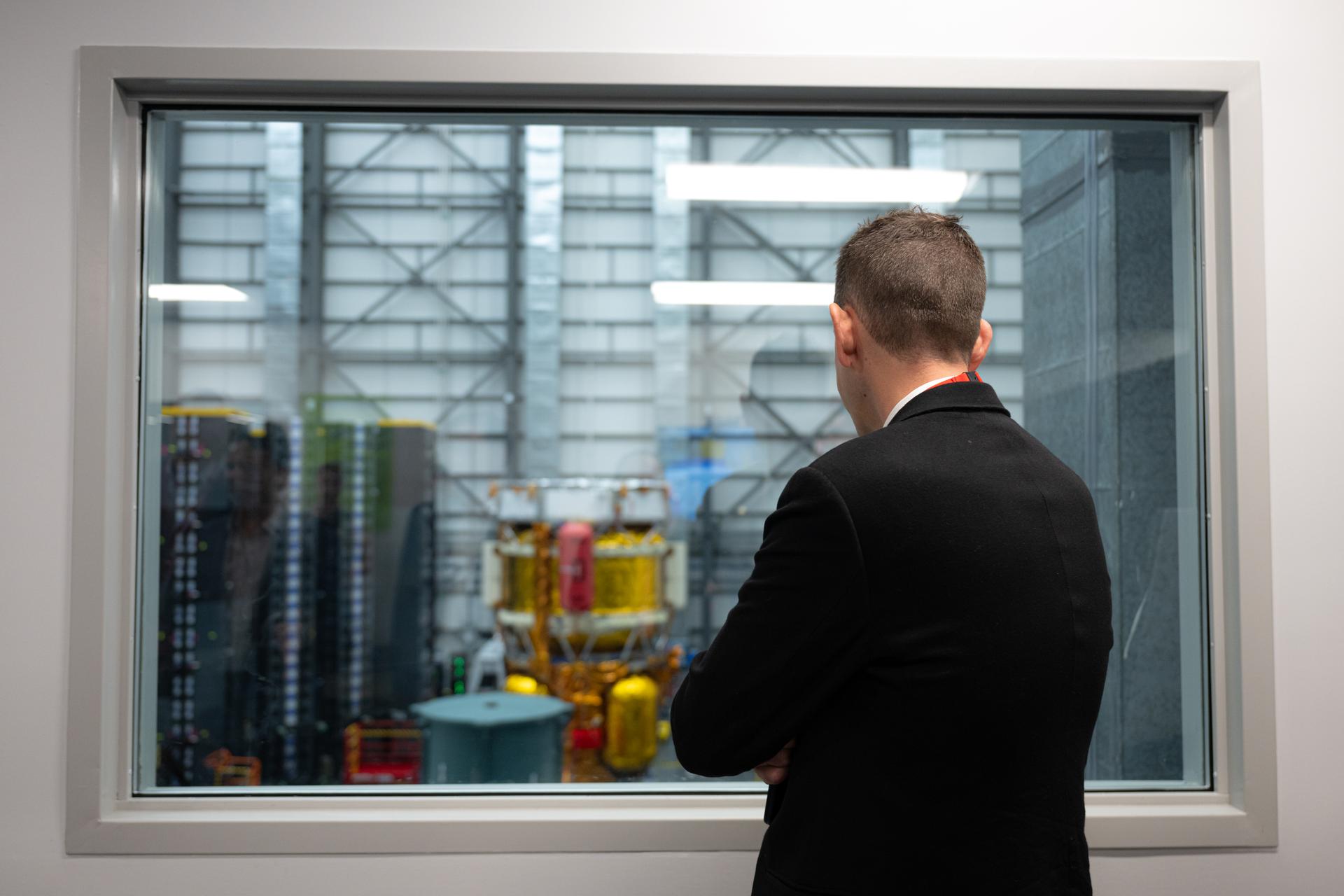
NASA Administrator Jared Isaacman views Blue Origin’s Blue Moon Mark 1 lunar lander, named “Endurance,” Tuesday, Jan. 13, 2026, at the company’s Lunar Plant 1 facility in Merritt Island, Fla., Tuesday. Photo Credit: (NASA/John Kraus)
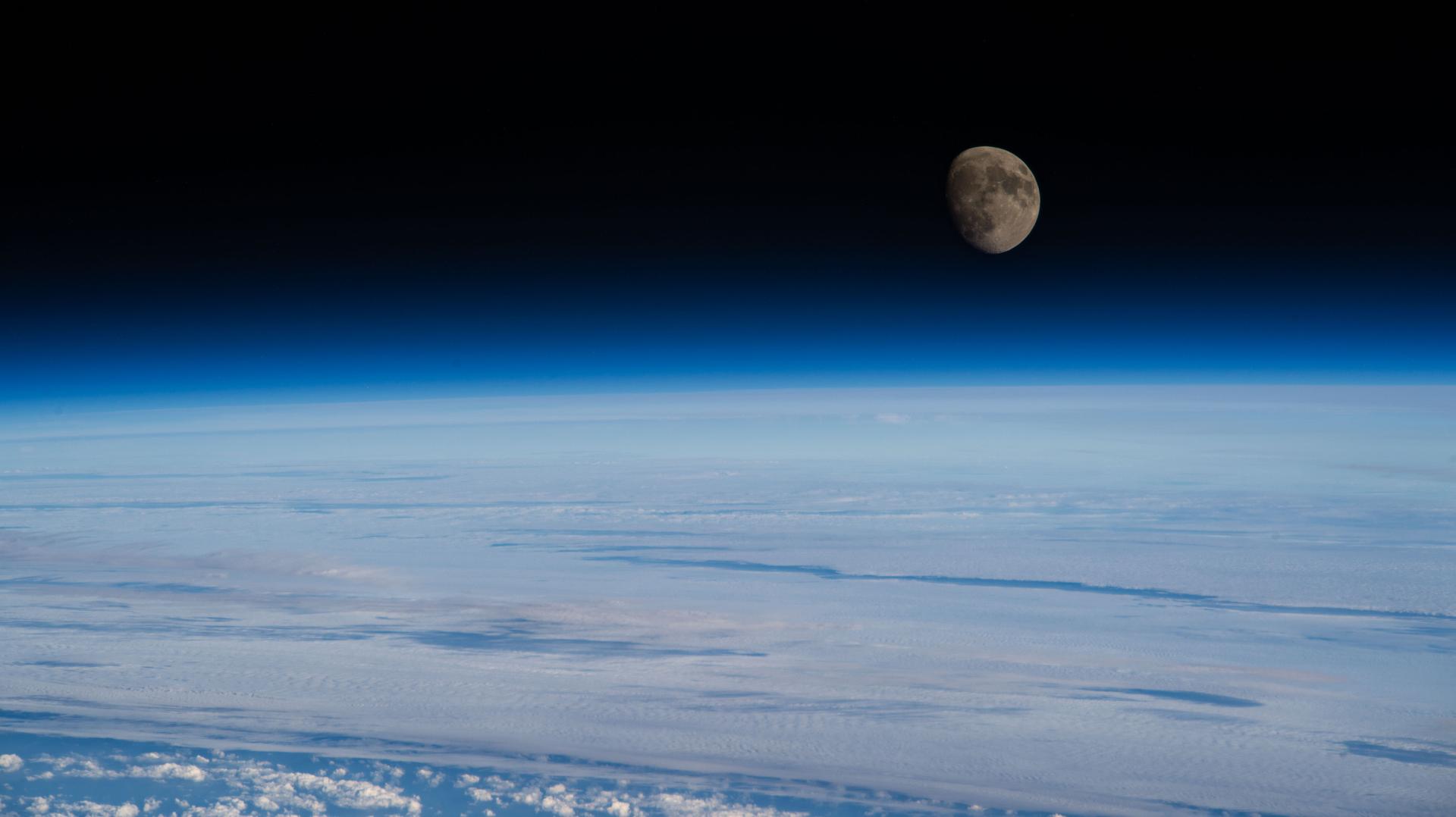
iss073e0819960 (Oct. 3, 2025) --- The waxing gibbous Moon rises above Earth’s blue atmosphere in this photograph taken from the International Space Station as it orbited 263 miles above a cloudy Atlantic Ocean off the coast of Quebec, Canada.
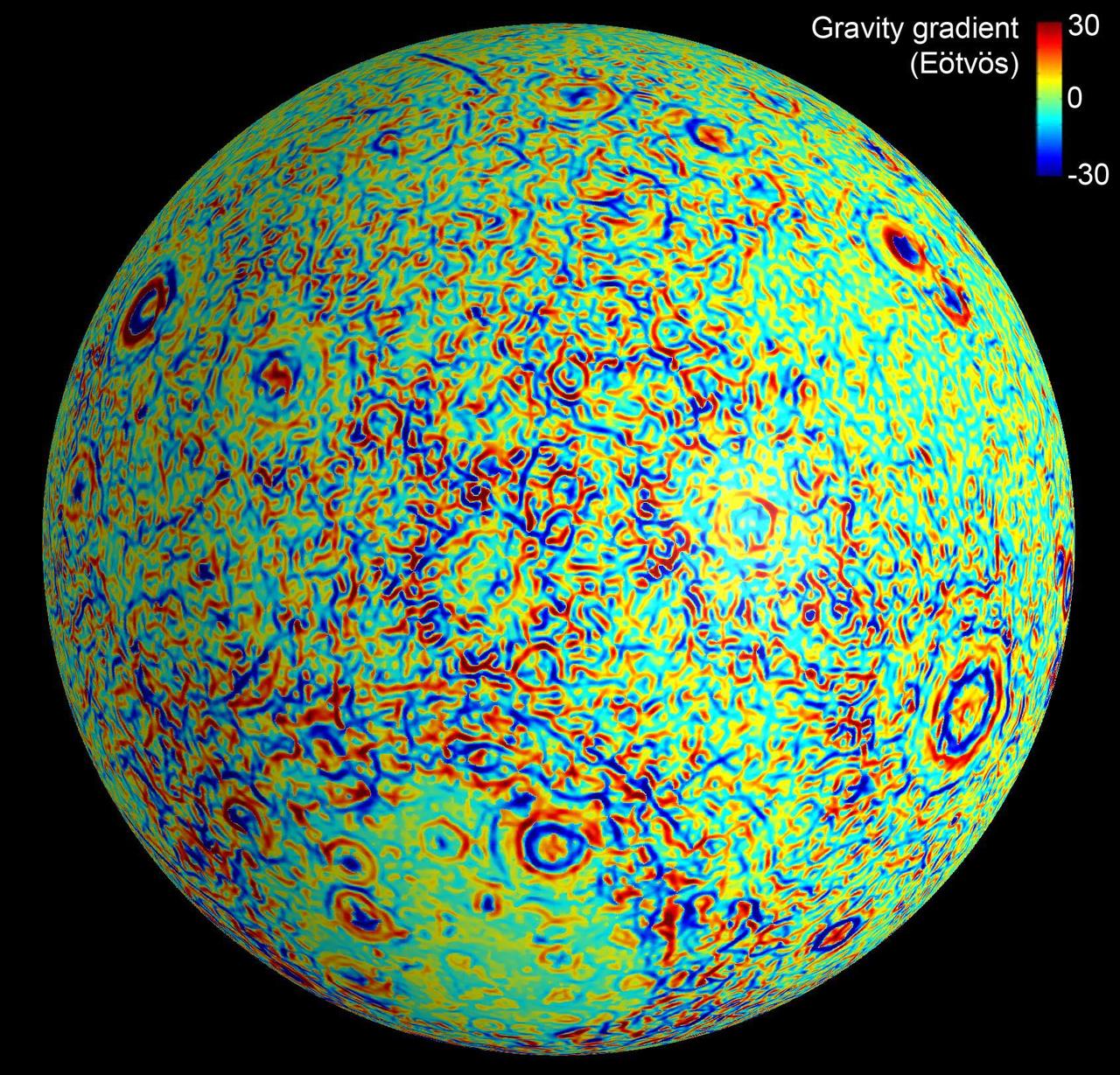
This moon map shows the gravity gradients calculated by NASA GRAIL mission. Red and blue correspond to stronger gravity gradients.
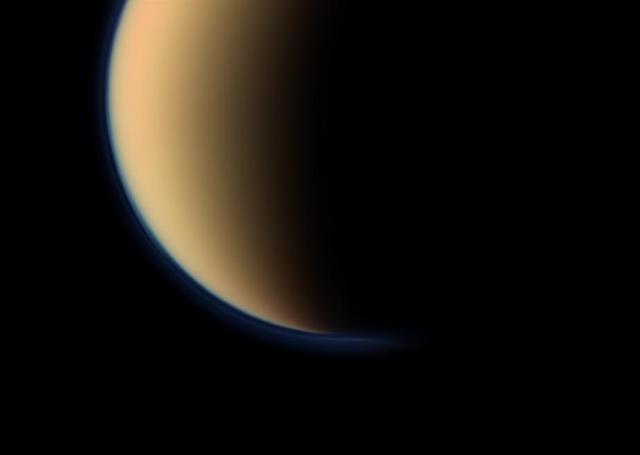
This view from NASA Cassini spacecraft look toward the south polar region of Saturn largest moon, Titan, and show a depression within the moon orange and blue haze layers near the south pole.
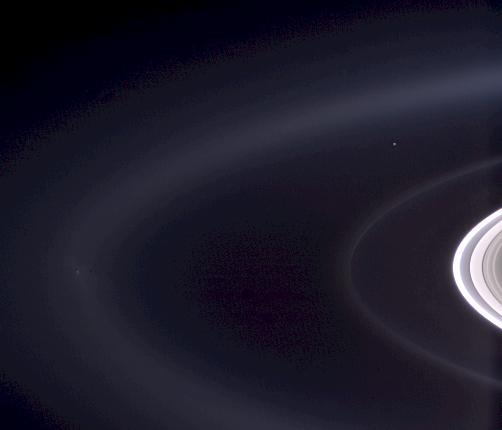
Cassini casts powerful eyes on our home planet, and captures Earth, a pale blue orb -- and a faint suggestion of our moon -- among the glories of the Saturn system.
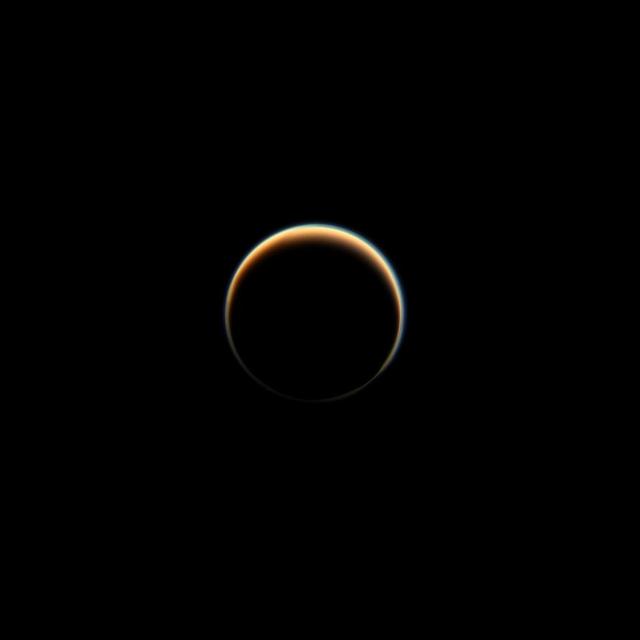
NASA's Cassini spacecraft looks towards the dark side of Saturn's largest moon, Titan, capturing the blue halo caused by a haze layer that hovers high in the moon's atmosphere. The haze that permeates Titan's atmosphere scatters sunlight and produces the orange color seen here. More on Titan's orange and blue hazes can be found at PIA14913. This view looks towards the side of Titan (3,200 miles or 5,150 kilometers across) that leads in its orbit around Saturn. North on Titan is up and rotated 40 degrees to the left. Images taken using red, green and blue spectral filters were combined to create this natural-color view. The images were taken with the Cassini spacecraft narrow-angle camera on Nov. 3, 2013. The view was acquired at a distance of approximately 2.421 million miles (3.896 million kilometers) from Titan. Image scale is 14 miles (23 kilometers) per pixel. http://photojournal.jpl.nasa.gov/catalog/PIA17180
NASA Cassini casts powerful eyes on our home planet, and captures Earth, a pale blue orb, and a faint suggestion of our moon, among the glories of the Saturn system in this image taken Sept. 15, 2006.
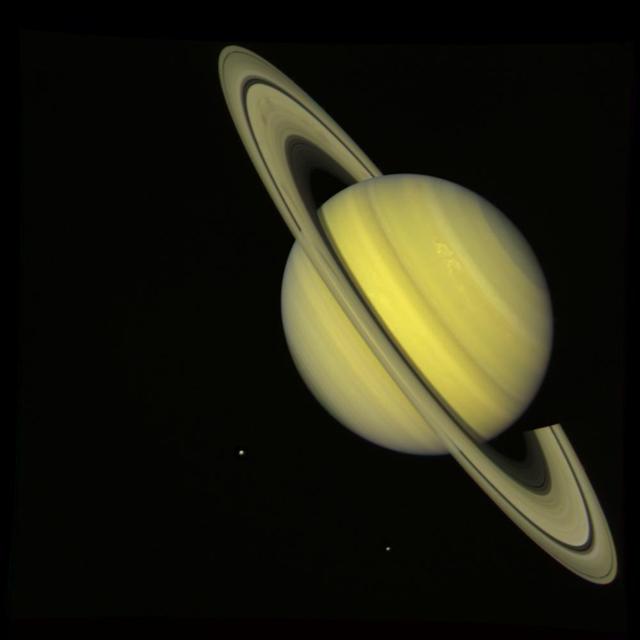
NASA Voyager 2 took this true color photograph of Saturn on July 21, 1981. The moons Rhea and Dione appear as blue dots to the south and southeast of Saturn, respectively.
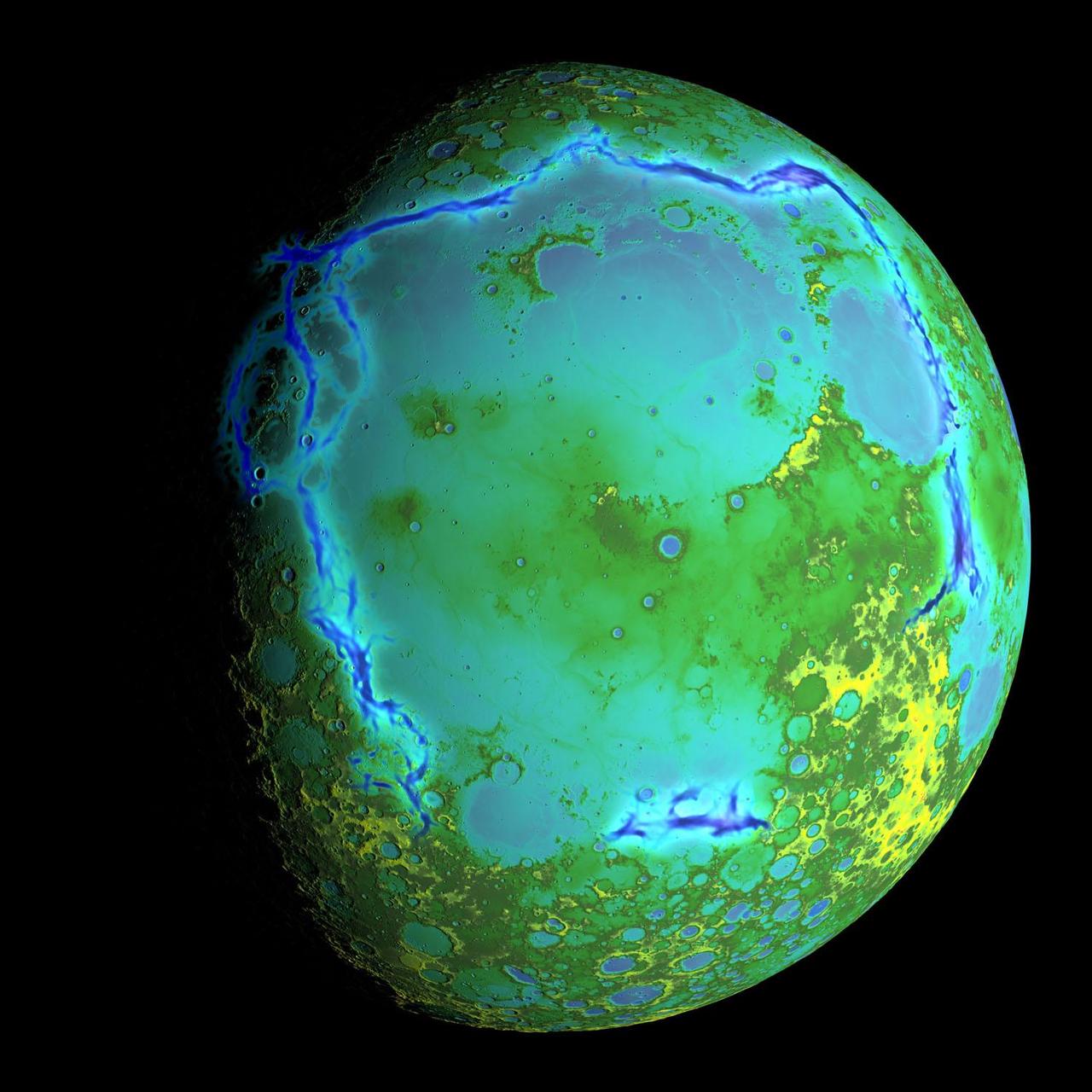
Topography of Earth moon generated from data NASA LRO, with the gravity anomalies bordering the Procellarum region superimposed in blue. The border structures are shown using gravity gradients calculated with data from NASA GRAIL mission.
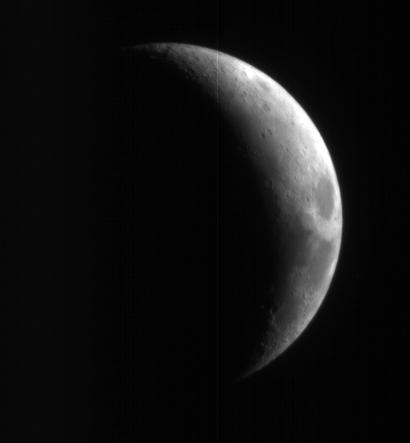
This crescent view of Earth Moon in infrared, blue-green, and red wavelengths comes from a camera test by NASA Mars Reconnaissance Orbiter spacecraft on its way to Mars.
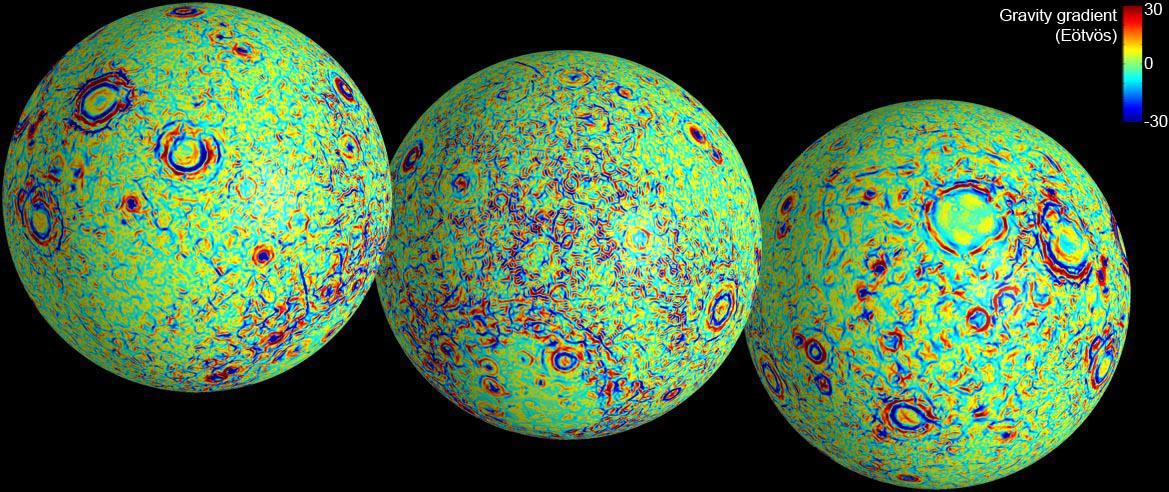
These maps of the near and far side of the moon show gravity gradients as measured by NASA GRAIL mission. Red and blue areas indicate stronger gradients due to underlying mass anomalies.
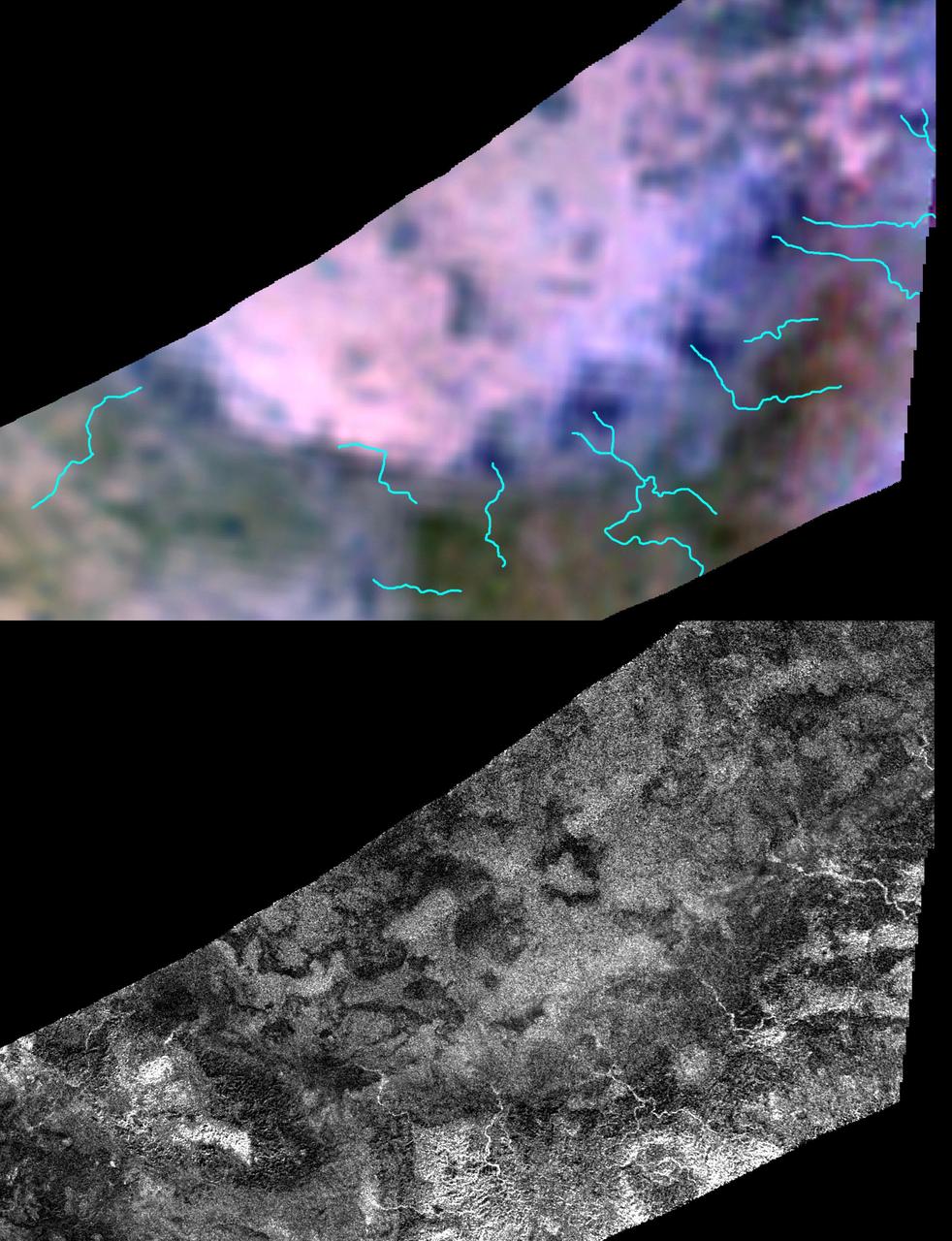
Two different instruments on NASA Cassini spacecraft combined their observations to create a more detailed portrait of the Hotei Regio area on Saturn moon Titan. Blue lines on top show the location of channels that stand out in the bottom of image.
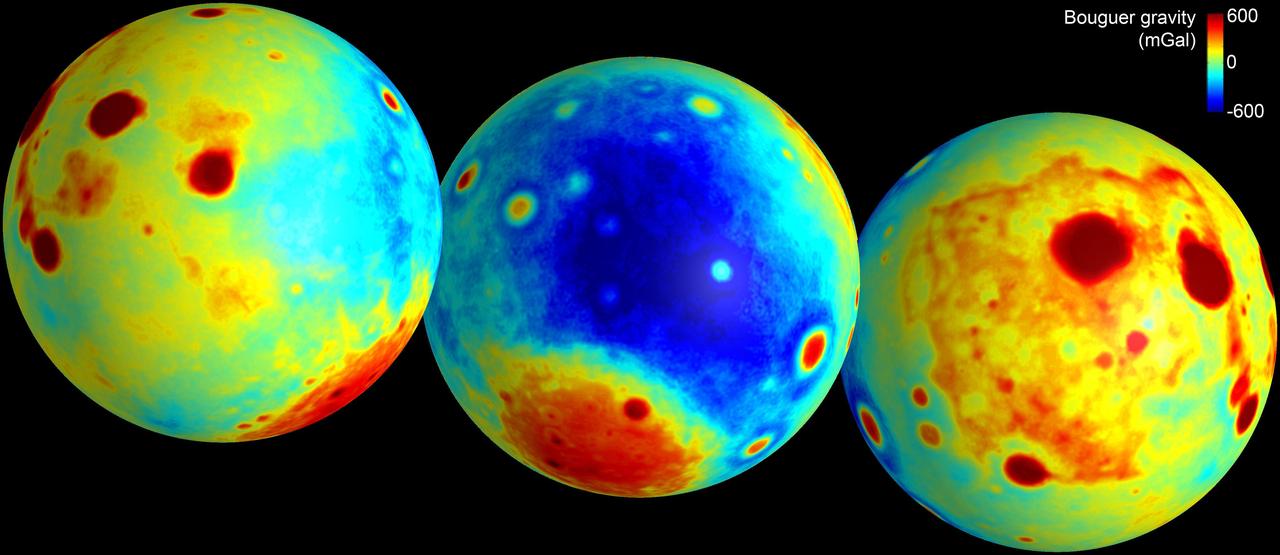
These maps of the moon show the Bouguer gravity anomalies as measured by NASA GRAIL mission. Red areas have stronger gravity, while blue areas have weaker gravity.
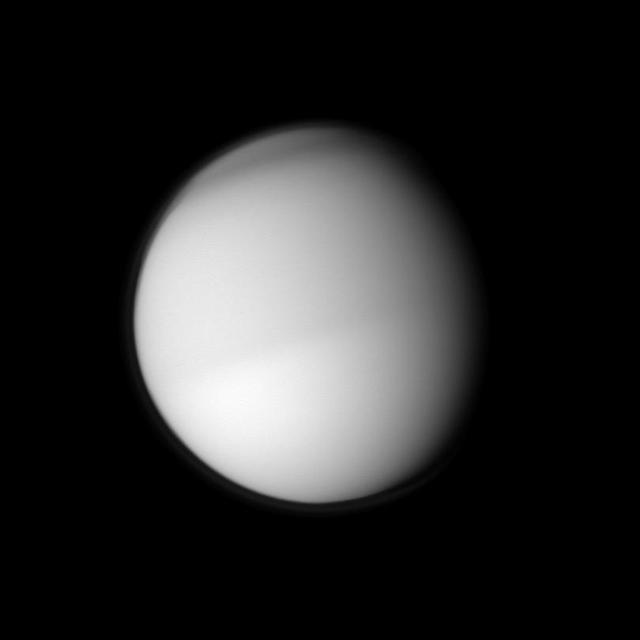
Two different seasons on Titan in different hemispheres can be seen in this image. The moon northern half appears slightly darker than the southern half in this view taken in visible blue light by NASA Cassini spacecraft.
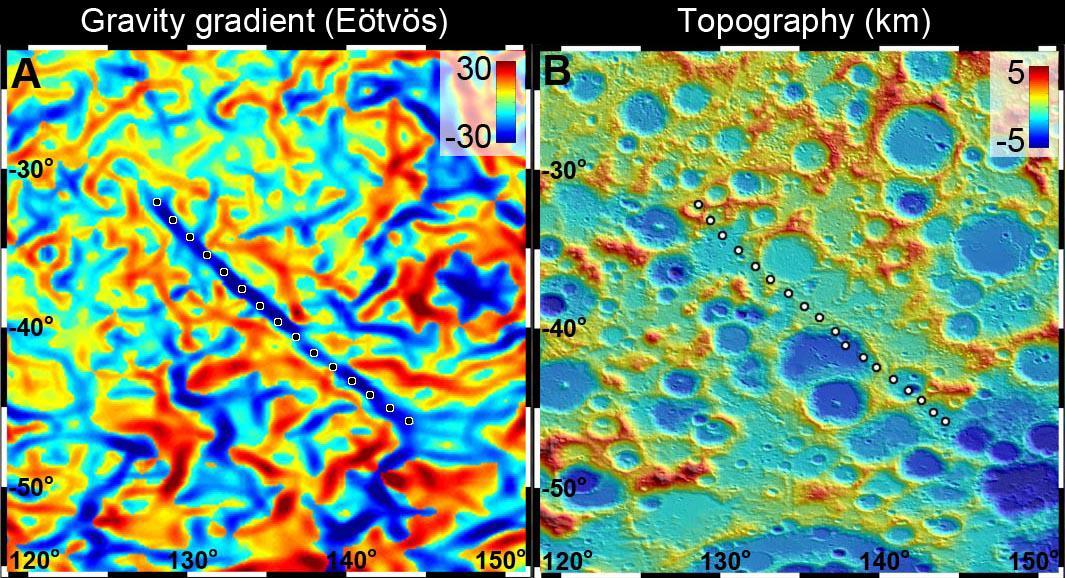
A 300-mile-long linear gravity anomaly on the far side of the moon has been revealed by gravity gradients measured by NASA GRAIL mission. GRAIL data are shown on the left, with red and blue corresponding to stronger gravity gradients.
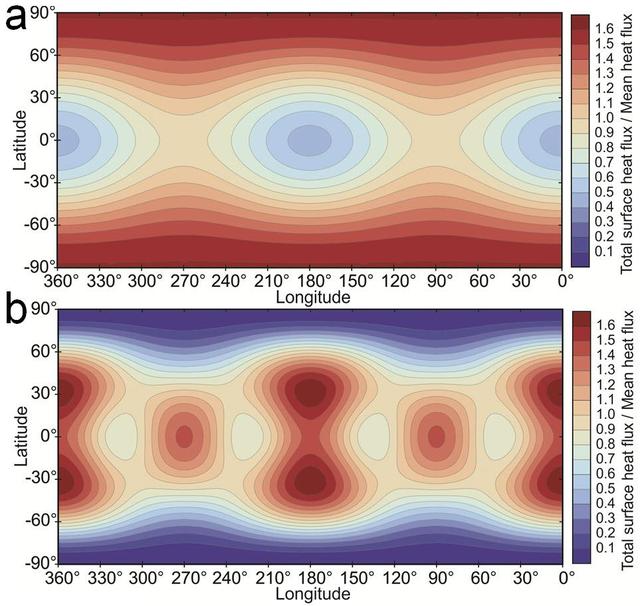
This map shows predicted heat flow at the surface of Jupiter moon Io from two tidal-heating models. Red indicates areas where more heat is expected; blue where less heat is expected.
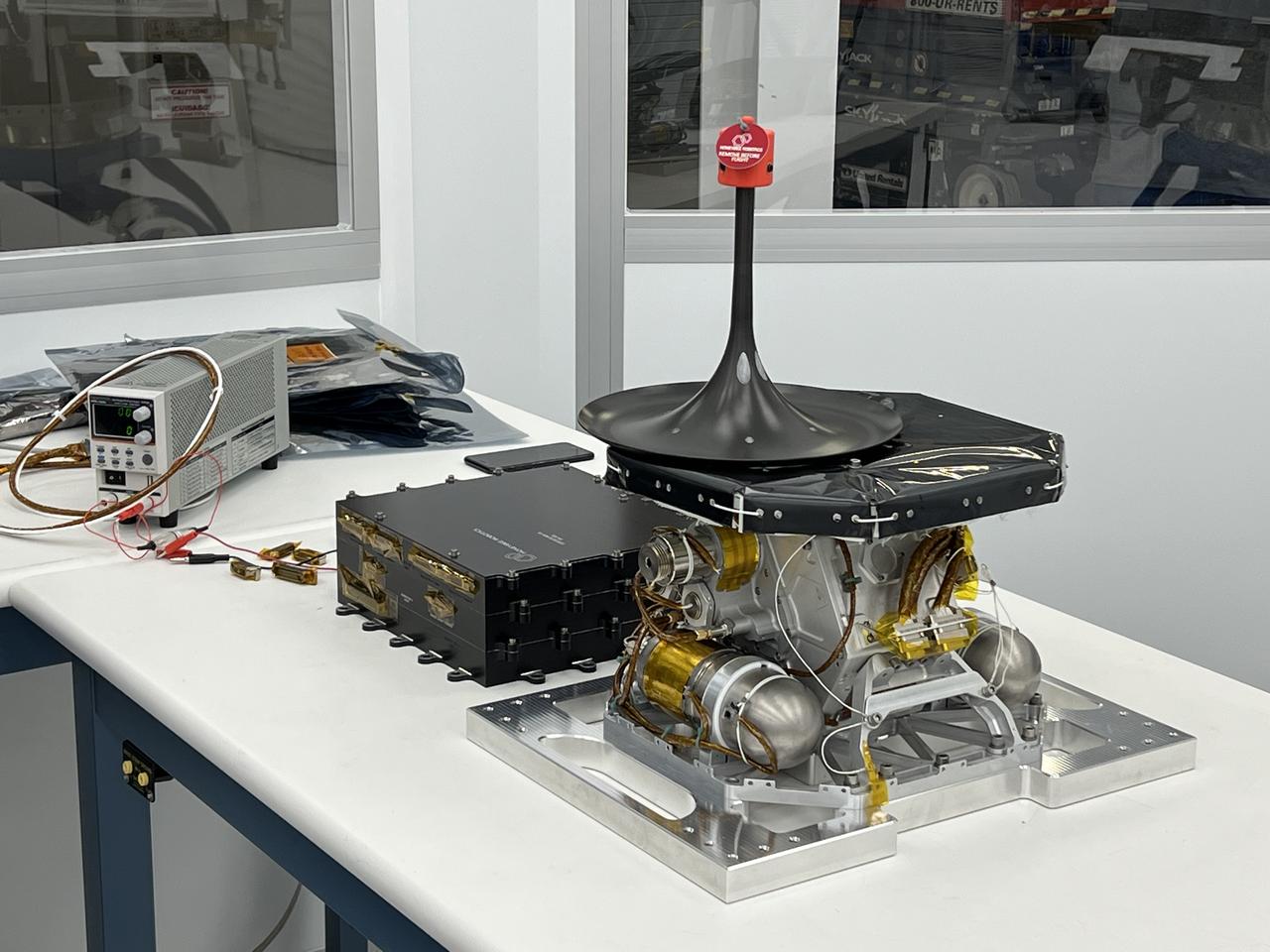
A science instrument flying aboard the next delivery for NASA’s CLPS (Commercial Lunar Payload Services) initiative could help improve our understanding of the Moon. The Lunar Instrumentation for Subsurface Thermal Exploration with Rapidity, or LISTER, is one of 10 payloads set to be carried to the Moon by the Blue Ghost 1 lunar lander in 2025. Developed jointly by Texas Tech University and Honeybee Robotics, LISTER’s planned mission is to measure the flow of heat from the Moon’s interior using a specialized drill. Investigations and demonstrations, such as LISTER, launched on CLPS flights will help NASA study Earth’s nearest neighbor under Artemis and pave the way for future crewed missions on the Moon. NASA’s Marshall Space Flight Center in Huntsville, Alabama, manages the development and operations for seven of the 10 CLPS payloads that will be carried on Firefly’s Blue Ghost lunar lander.

NASA Administrator Jared Isaacman meets with Blue Origin leadership, Tuesday, Jan. 13, 2026, at the company’s Lunar Plant 1 facility in Merritt Island, Fla. Photo Credit: (NASA/John Kraus)
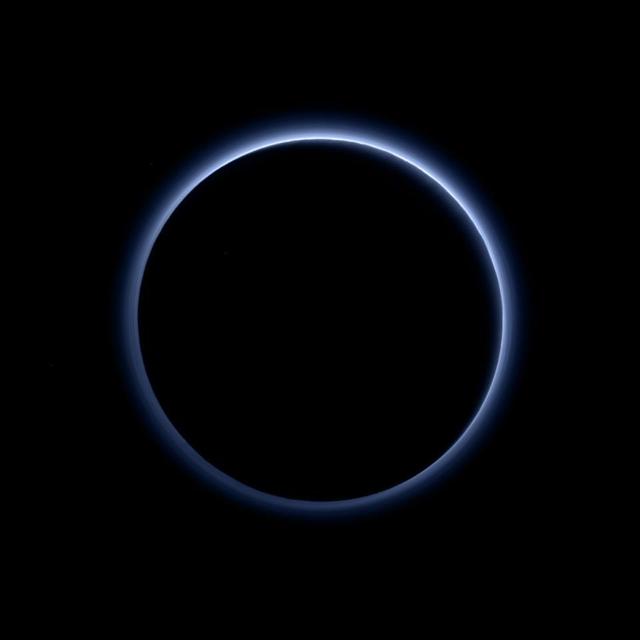
Pluto's haze layer shows its blue color in this picture taken by the New Horizons Ralph/Multispectral Visible Imaging Camera (MVIC). The high-altitude haze is thought to be similar in nature to that seen at Saturn's moon Titan. The source of both hazes likely involves sunlight-initiated chemical reactions of nitrogen and methane, leading to relatively small, soot-like particles (called tholins) that grow as they settle toward the surface. This image was generated by software that combines information from blue, red and near-infrared images to replicate the color a human eye would perceive as closely as possible. http://photojournal.jpl.nasa.gov/catalog/PIA19964
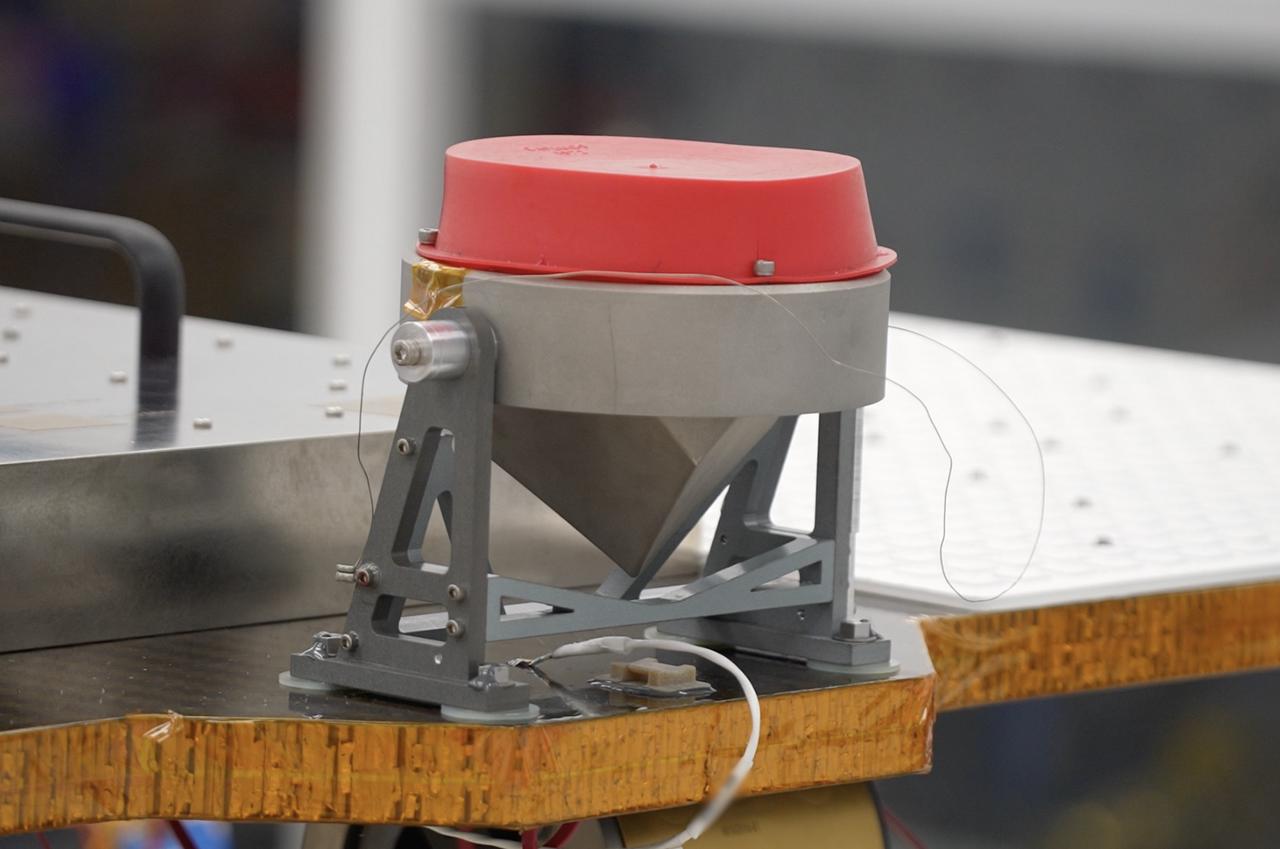
A science instrument flying aboard the next delivery for NASA’s CLPS (Commercial Lunar Payload Services) initiative is expected to significantly expand our knowledge of the Moon. Next Generation Lunar Retroreflector, or NGLR-1, is one of 10 payloads set to be carried to the Moon by the Blue Ghost 1 lunar lander in 2025. Developed by the University of Maryland in College Park, NGLR-1 is designed to reflect very short laser pulses from Earth-based lunar laser ranging observatories using a retroreflector, or a mirror designed to reflect the incoming light back in the same incoming direction. Investigations and demonstrations, such as NGLR-1, launched on CLPS flights will help NASA study Earth’s nearest neighbor under Artemis and pave the way for future crewed missions on the Moon. NASA’s Marshall Space Flight Center in Huntsville, Alabama, manages the development for seven of the 10 CLPS payloads that will be carried on Firefly’s Blue Ghost lunar lander.

In this lunar eclipse viewed from Merritt Island, Fla., at midnight, the full moon takes on a dark red color because it is being lighted slightly by sunlight passing through the Earth's atmosphere. This light has the blue component preferentially scattered out (this is also why the sky appears blue from the surface of the Earth), leaving faint reddish light to illuminate the Moon during the eclipse. Eclipses occur when the Sun, Earth and Moon line up. They are rare because the Moon usually passes above or below the imaginary line connecting Earth and the Sun. The Earth casts a shadow that the Moon can pass through -when it does, it is called a lunar eclipse

In this lunar eclipse viewed from Merritt Island, Fla., at 11:55 p.m., the full moon takes on a dark red color because it is being lighted slightly by sunlight passing through the Earth's atmosphere. This light has the blue component preferentially scattered out (this is also why the sky appears blue from the surface of the Earth), leaving faint reddish light to illuminate the Moon during the eclipse. Eclipses occur when the Sun, Earth and Moon line up. They are rare because the Moon usually passes above or below the imaginary line connecting Earth and the Sun. The Earth casts a shadow that the Moon can pass through -when it does, it is called a lunar eclipse

In this lunar eclipse viewed from Merritt Island, Fla., the full moon takes on a dark red color because it is being lighted slightly by sunlight passing through the Earth's atmosphere. This light has the blue component preferentially scattered out (this is also why the sky appears blue from the surface of the Earth), leaving faint reddish light to illuminate the Moon. Eclipses occur when the Sun, Earth and Moon line up. They are rare because the Moon usually passes above or below the imaginary line connecting Earth and the Sun. The Earth casts a shadow that the Moon can pass through - when it does, it is called a lunar eclipse.
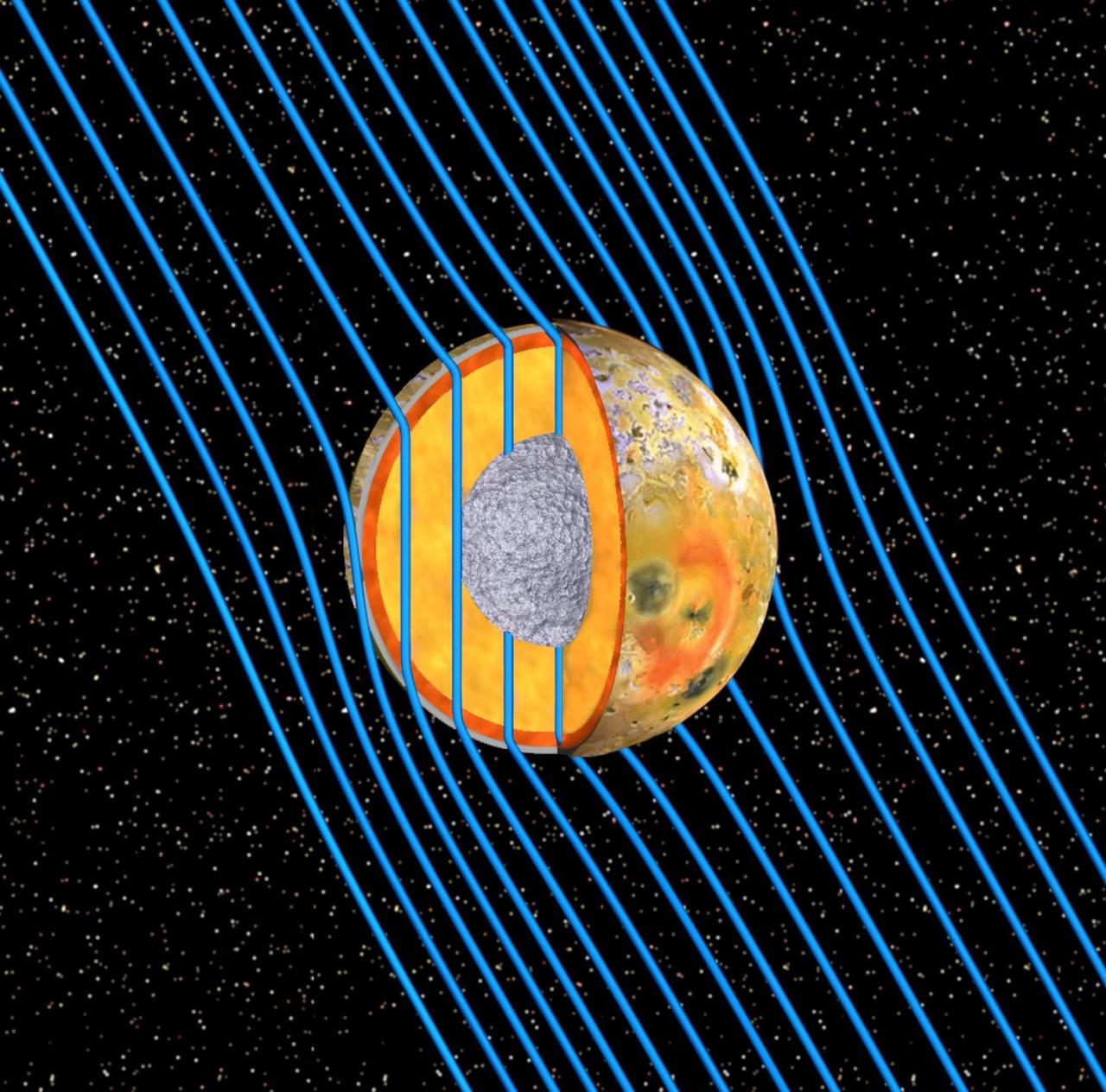
This graphic shows the internal structure of Jupiter moon Io as revealed by data from NASA Galileo spacecraft. Io is bathed in magnetic field lines shown in blue that connect the north polar region of Jupiter to the planet south polar region.

Titan atmosphere makes Saturn largest moon look like a fuzzy orange ball in this natural color view from NASA Cassini spacecraft. Titan north polar hood is visible at top, and a faint blue haze also can be detected above the south pole at bottom.

iss051e039977 (May 8, 2017) --- The Moon, the Earth's limb and thin blue atmosphere are seen in this photograph taken by an Expedition 51 crew member.
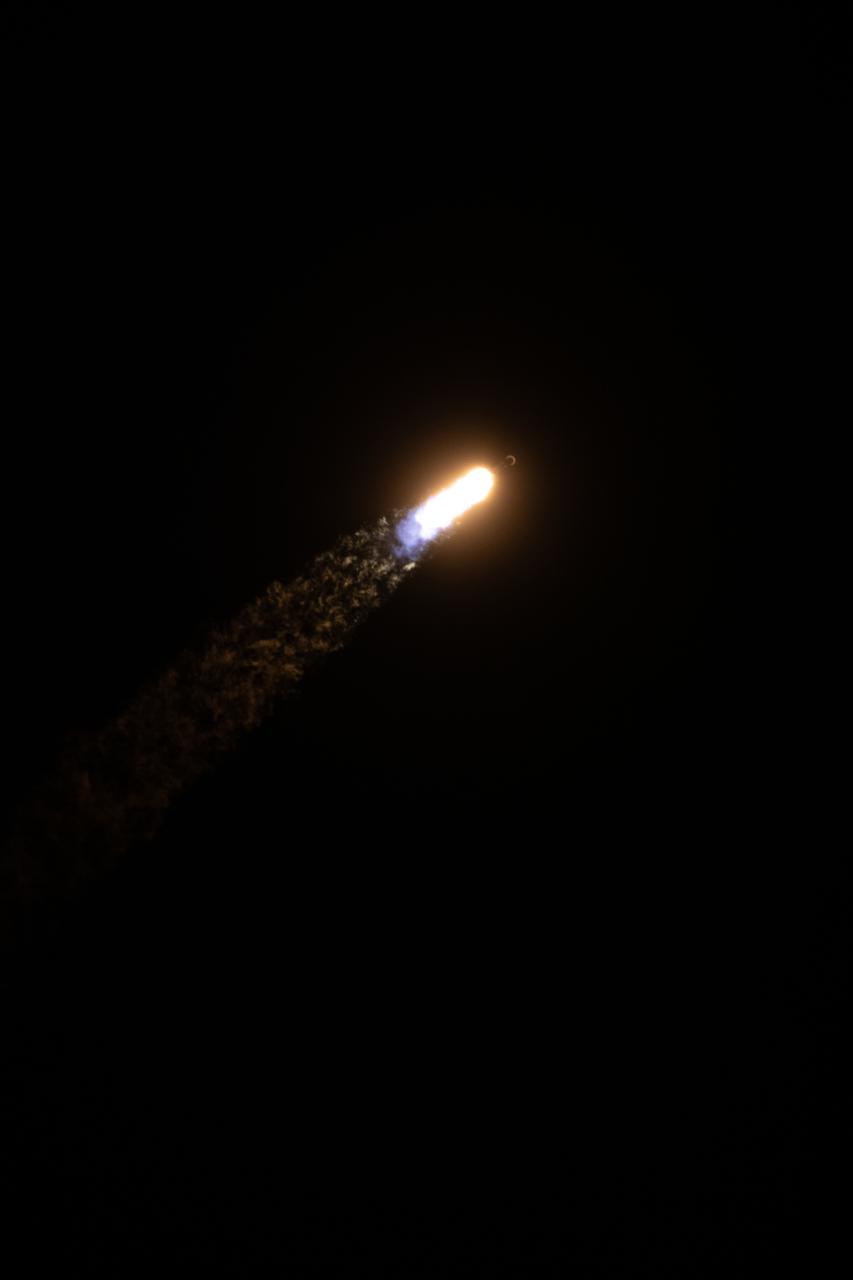
A SpaceX Falcon 9 rocket carrying Firefly Aerospace’s Blue Ghost Mission One is on its way to the Moon as part of NASA’s CLPS (Commercial Lunar Payload Services) initiative. The Blue Ghost lander launched from Launch Complex 39A at NASA’s Kennedy Space Center in Florida on Wednesday, Jan. 15, 2025 carrying 10 NASA science and technology instruments to the lunar surface to further understand the Moon and help prepare for future human missions.
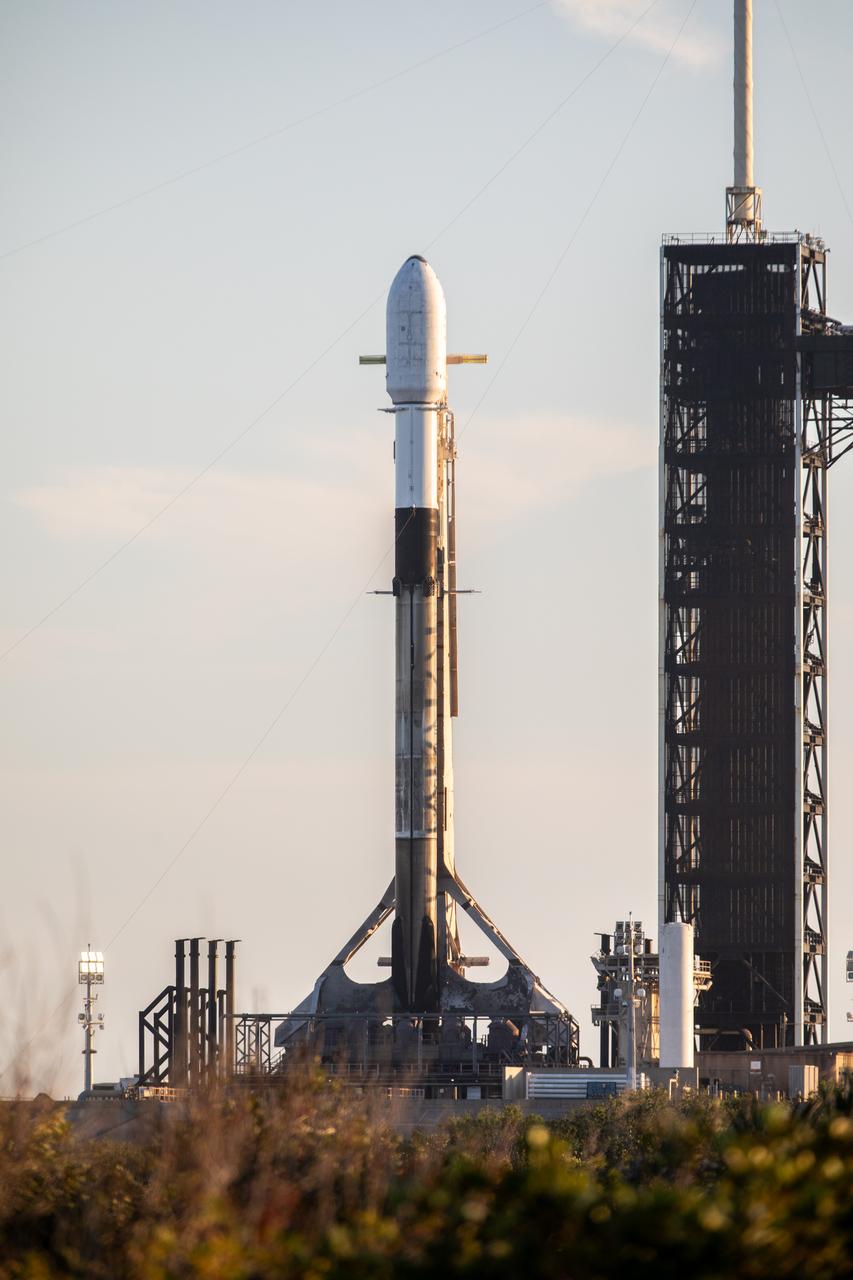
A SpaceX Falcon 9 rocket carrying Firefly Aerospace’s Blue Ghost Mission One lander prepares for a launch to the Moon on Tuesday, Jan. 14, 2025 from Launch Complex 39A at the agency’s Kennedy Space Center in Florida as part of NASA’s CLPS (Commercial Lunar Payload Services) initiative. The Blue Ghost lander will carry 10 NASA science and technology instruments to the lunar surface to further understand the Moon and help prepare for future human missions. Liftoff is targeted for 1:11 a.m. EST.
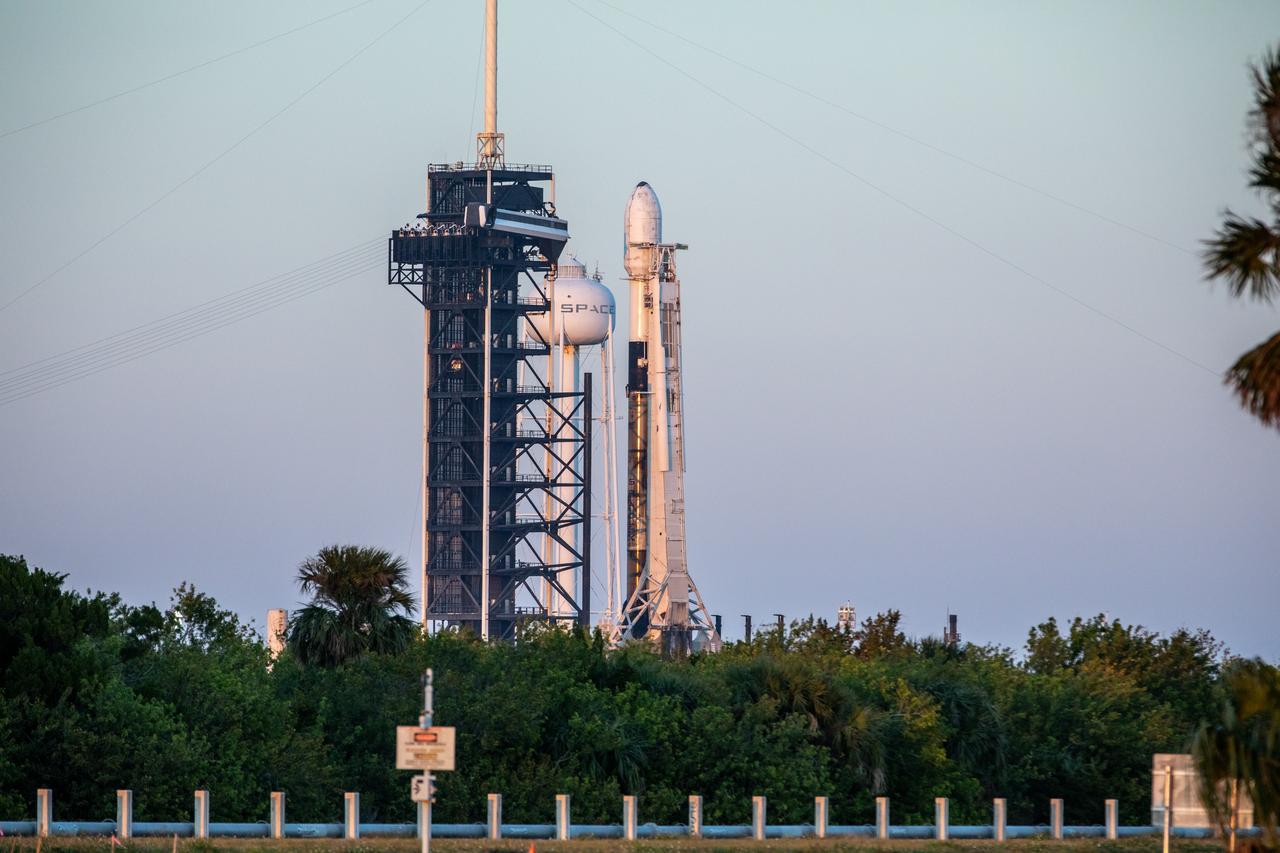
A SpaceX Falcon 9 rocket carrying Firefly Aerospace’s Blue Ghost Mission One lander prepares for a launch to the Moon on Tuesday, Jan. 14, 2025 from Launch Complex 39A at the agency’s Kennedy Space Center in Florida as part of NASA’s CLPS (Commercial Lunar Payload Services) initiative. The Blue Ghost lander will carry 10 NASA science and technology instruments to the lunar surface to further understand the Moon and help prepare for future human missions. Liftoff is targeted for 1:11 a.m. EST.
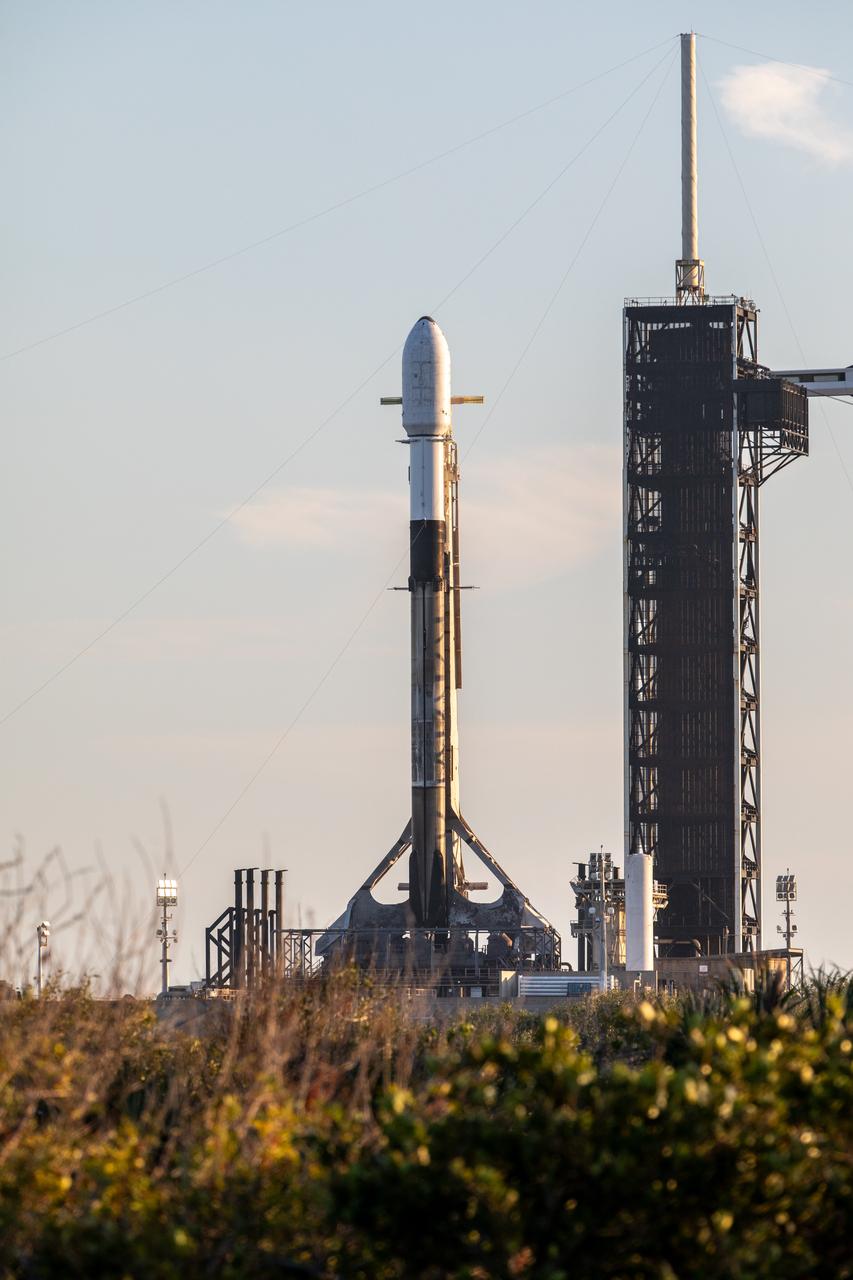
A SpaceX Falcon 9 rocket carrying Firefly Aerospace’s Blue Ghost Mission One lander prepares for a launch to the Moon on Tuesday, Jan. 14, 2025 from Launch Complex 39A at the agency’s Kennedy Space Center in Florida as part of NASA’s CLPS (Commercial Lunar Payload Services) initiative. The Blue Ghost lander will carry 10 NASA science and technology instruments to the lunar surface to further understand the Moon and help prepare for future human missions. Liftoff is targeted for 1:11 a.m. EST.
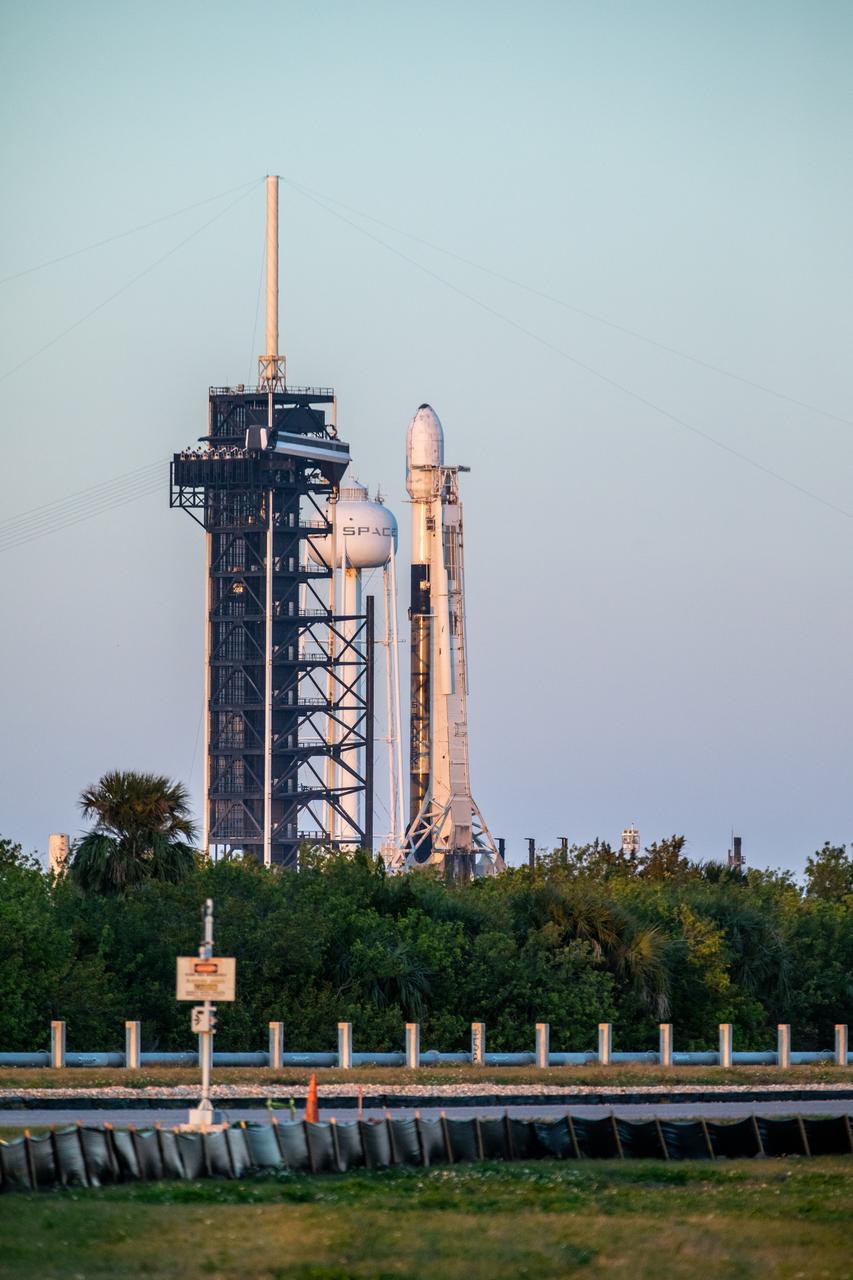
A SpaceX Falcon 9 rocket carrying Firefly Aerospace’s Blue Ghost Mission One lander prepares for a launch to the Moon on Tuesday, Jan. 14, 2025 from Launch Complex 39A at the agency’s Kennedy Space Center in Florida as part of NASA’s CLPS (Commercial Lunar Payload Services) initiative. The Blue Ghost lander will carry 10 NASA science and technology instruments to the lunar surface to further understand the Moon and help prepare for future human missions. Liftoff is targeted for 1:11 a.m. EST.
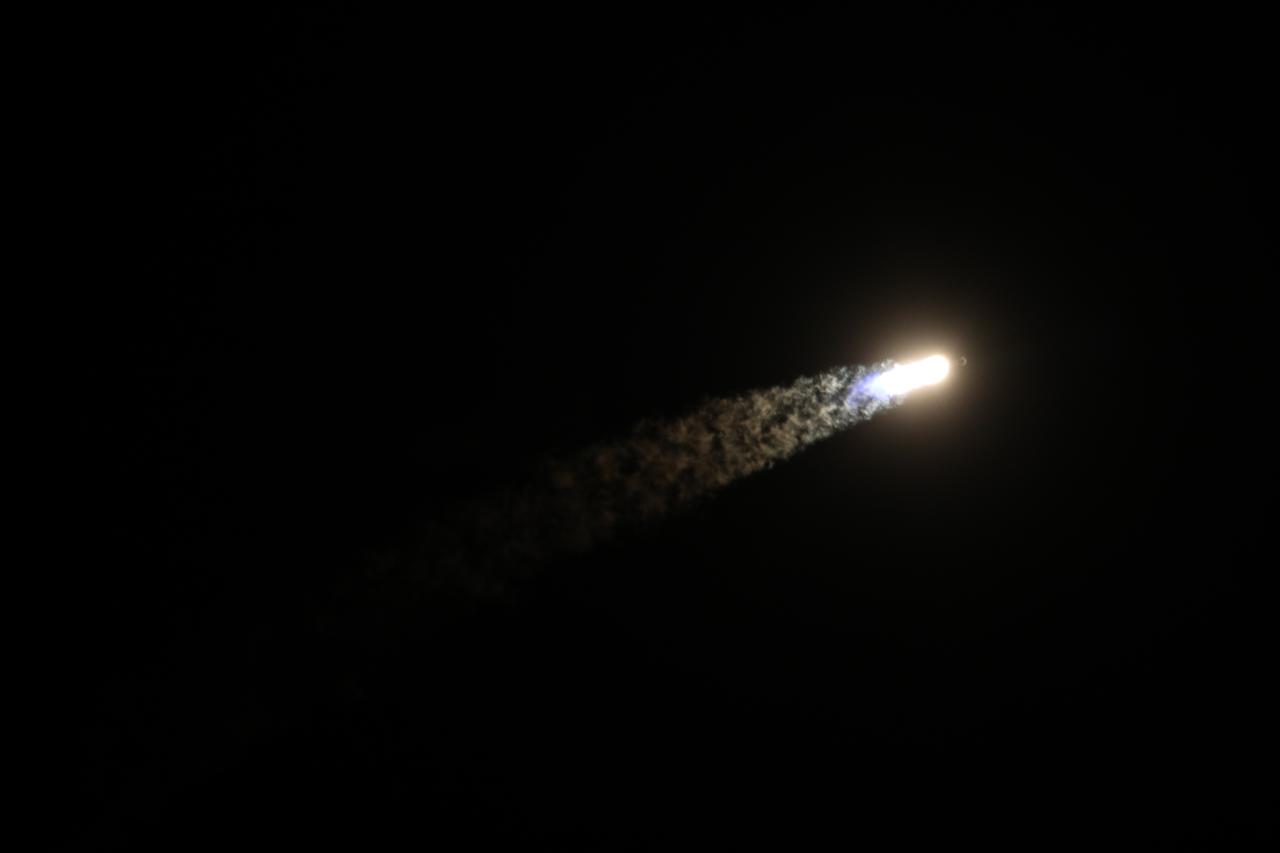
A SpaceX Falcon 9 rocket carrying Firefly Aerospace’s Blue Ghost Mission One is on its way to the Moon as part of NASA’s CLPS (Commercial Lunar Payload Services) initiative. The Blue Ghost lander launched from Launch Complex 39A at NASA’s Kennedy Space Center in Florida on Wednesday, Jan. 15, 2025 carrying 10 NASA science and technology instruments to the lunar surface to further understand the Moon and help prepare for future human missions.
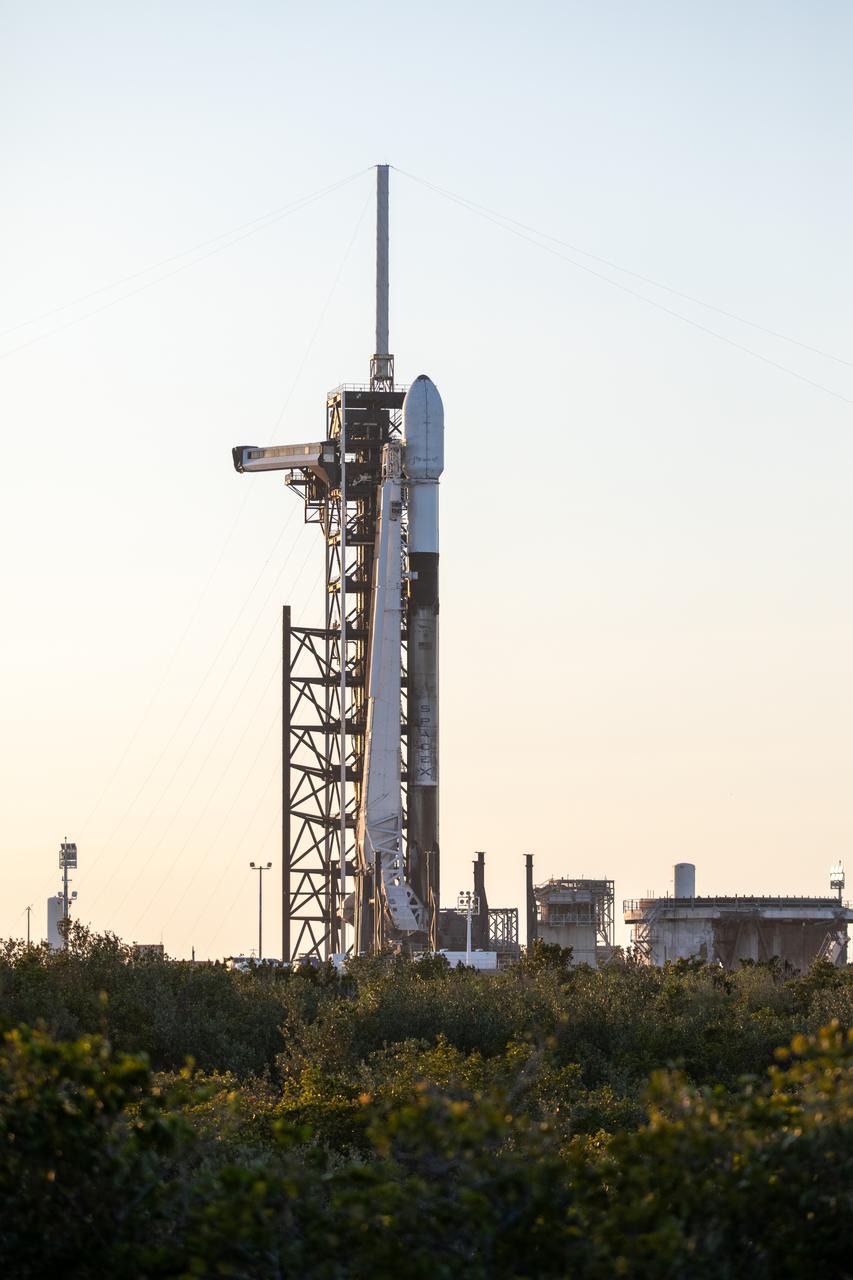
A SpaceX Falcon 9 rocket carrying Firefly Aerospace’s Blue Ghost Mission One lander prepares for a launch to the Moon on Tuesday, Jan. 14, 2025 from Launch Complex 39A at the agency’s Kennedy Space Center in Florida as part of NASA’s CLPS (Commercial Lunar Payload Services) initiative. The Blue Ghost lander will carry 10 NASA science and technology instruments to the lunar surface to further understand the Moon and help prepare for future human missions. Liftoff is targeted for 1:11 a.m. EST.
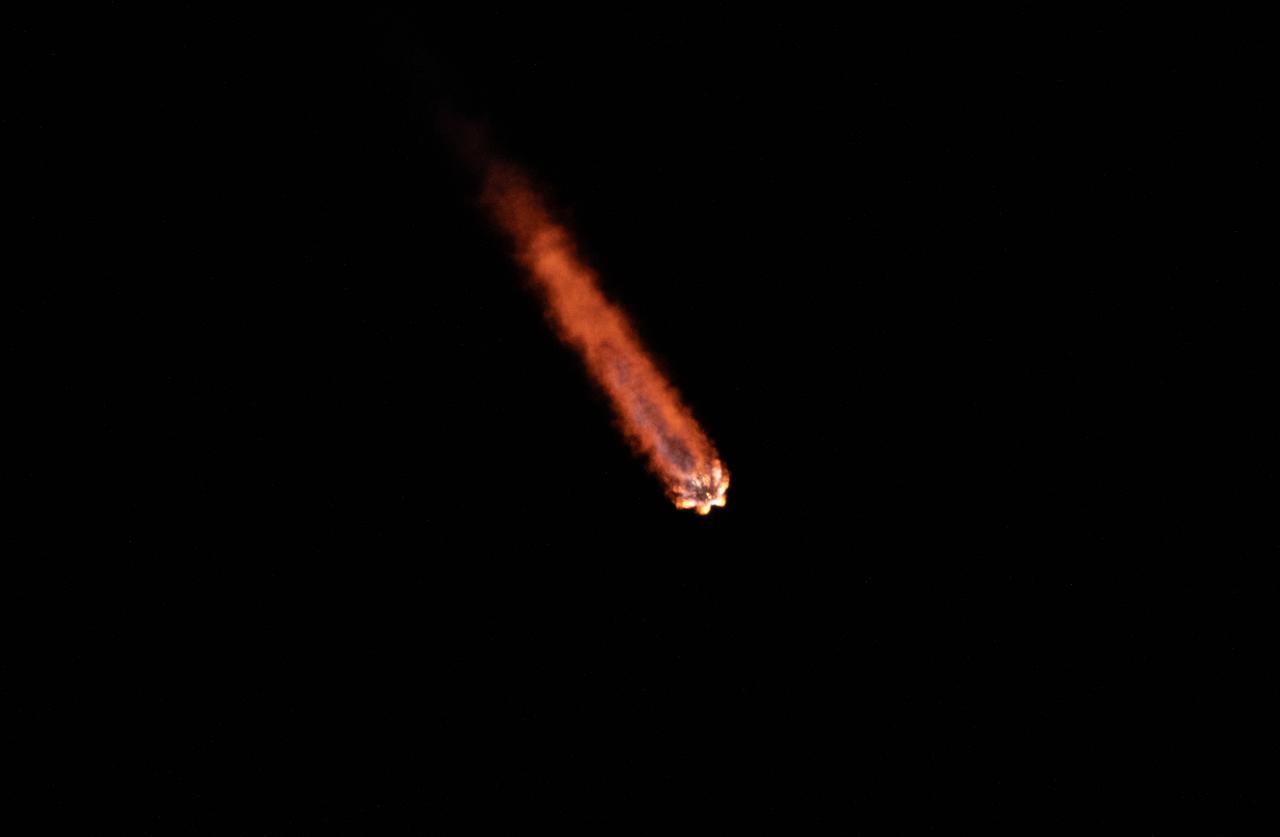
A SpaceX Falcon 9 rocket carrying Firefly Aerospace’s Blue Ghost Mission One is on its way to the Moon as part of NASA’s CLPS (Commercial Lunar Payload Services) initiative. The Blue Ghost lander launched from Launch Complex 39A at NASA’s Kennedy Space Center in Florida on Wednesday, Jan. 15, 2025 carrying 10 NASA science and technology instruments to the lunar surface to further understand the Moon and help prepare for future human missions.

Blue Origin Human Landing System Program Manager, John Couluris, gives remarks during an event announcing Blue Origin as the company selected to develop a sustainable human landing system for the Artemis V Moon mission, Friday, May 19, 2023 at the Mary W. Jackson NASA Headquarters building in Washington. The human landing system will take astronauts to and from Gateway in lunar orbit to the surface and back to the lunar space station as part of NASA’s return to the Moon for science, exploration, and inspiration. Photo Credit: (NASA/Aubrey Gemignani)
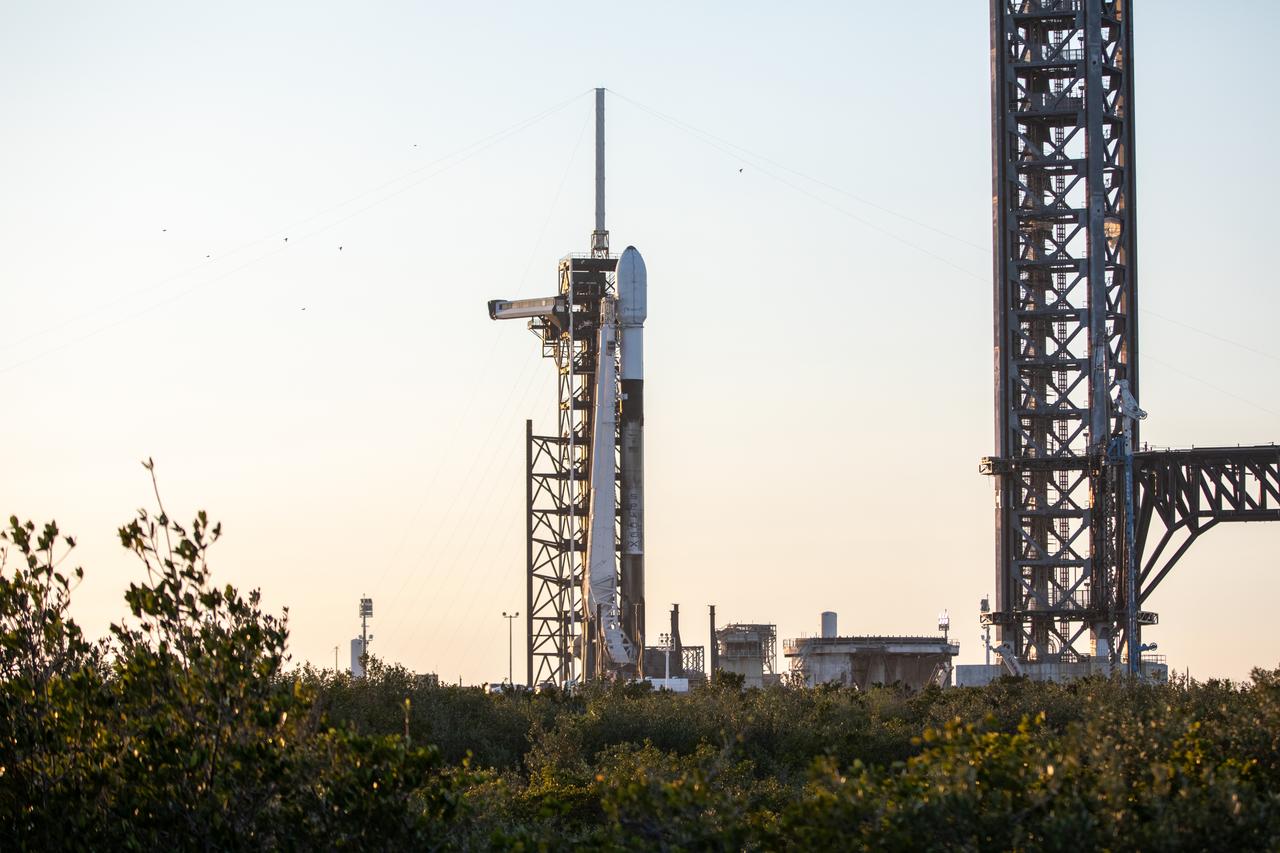
A SpaceX Falcon 9 rocket carrying Firefly Aerospace’s Blue Ghost Mission One lander prepares for a launch to the Moon on Tuesday, Jan. 14, 2025 from Launch Complex 39A at the agency’s Kennedy Space Center in Florida as part of NASA’s CLPS (Commercial Lunar Payload Services) initiative. The Blue Ghost lander will carry 10 NASA science and technology instruments to the lunar surface to further understand the Moon and help prepare for future human missions. Liftoff is targeted for 1:11 a.m. EST.
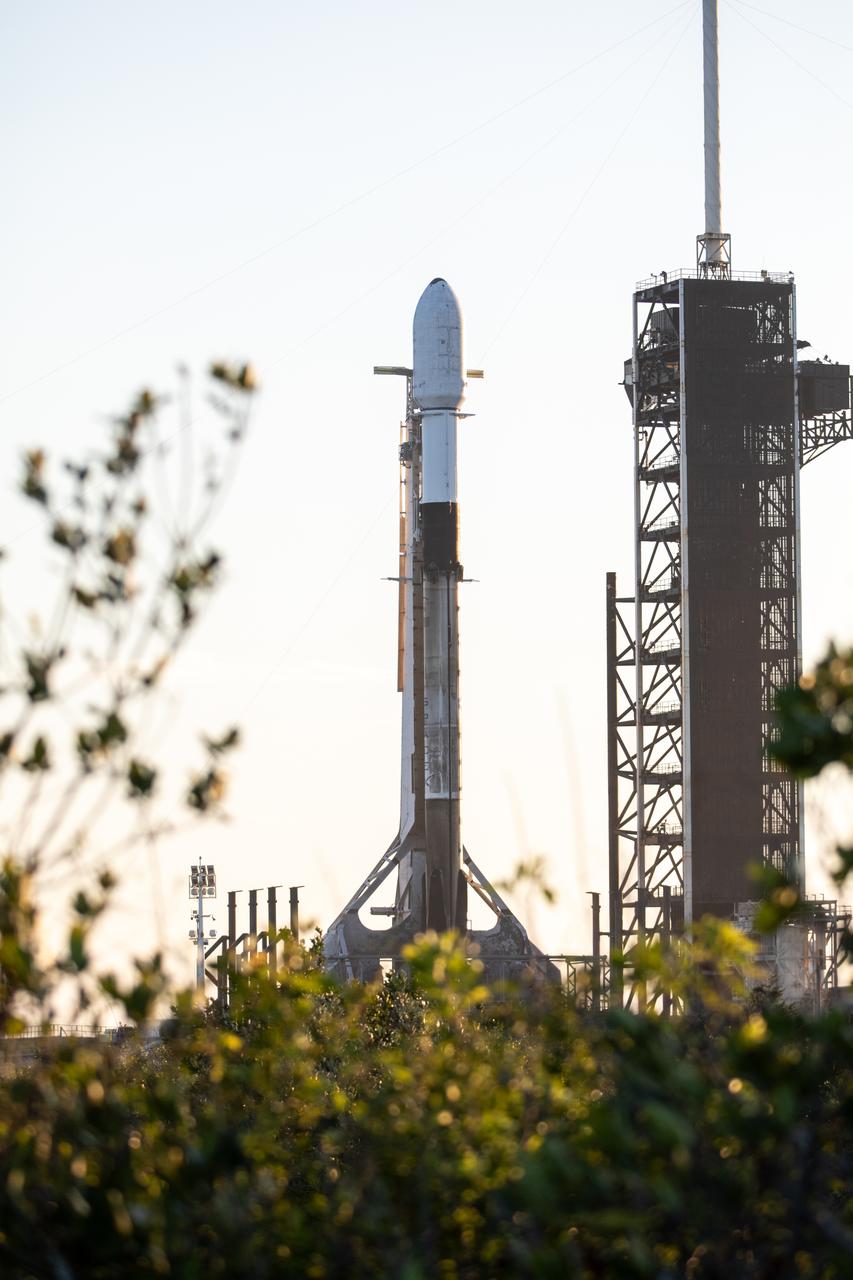
A SpaceX Falcon 9 rocket carrying Firefly Aerospace’s Blue Ghost Mission One lander prepares for a launch to the Moon on Tuesday, Jan. 14, 2025 from Launch Complex 39A at the agency’s Kennedy Space Center in Florida as part of NASA’s CLPS (Commercial Lunar Payload Services) initiative. The Blue Ghost lander will carry 10 NASA science and technology instruments to the lunar surface to further understand the Moon and help prepare for future human missions. Liftoff is targeted for 1:11 a.m. EST.
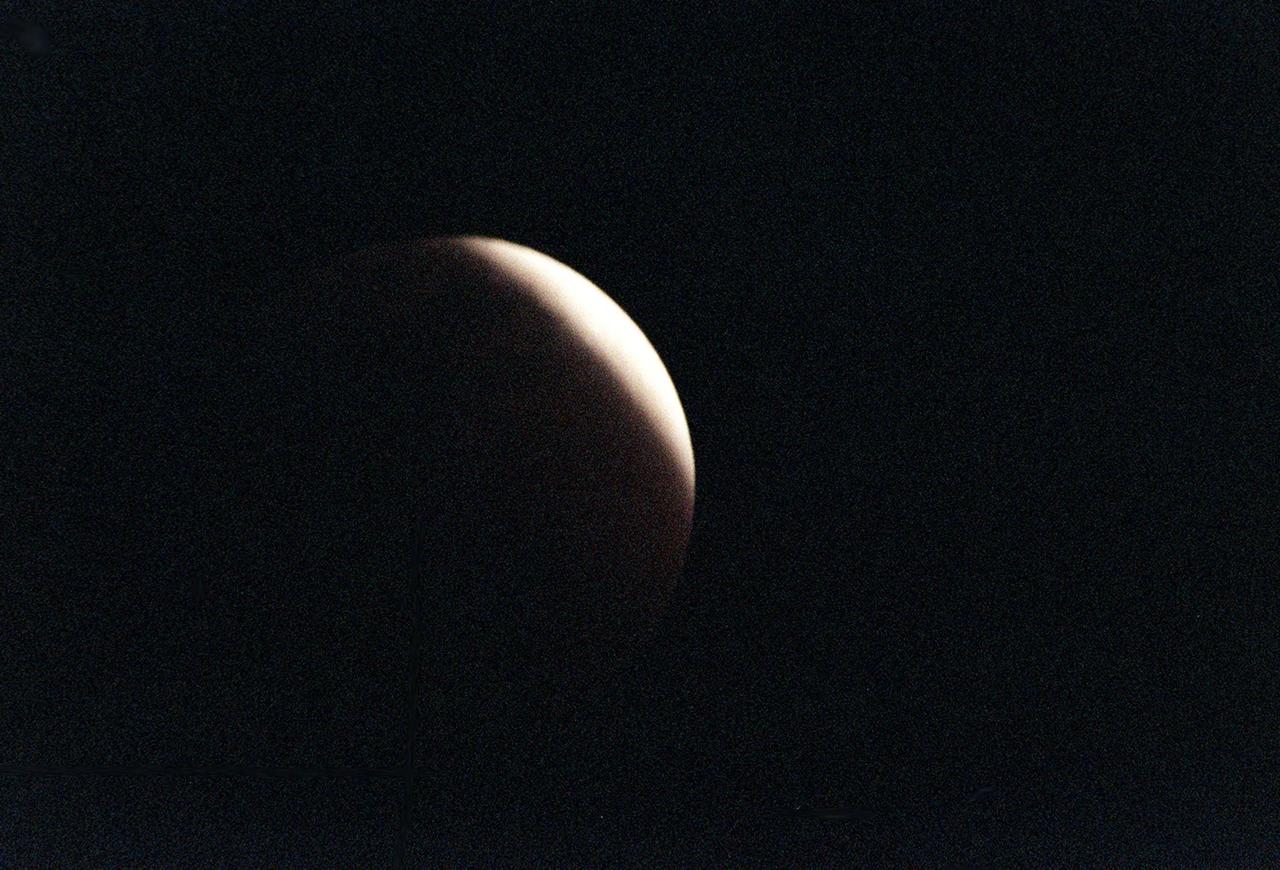
Viewed from Merritt Island, Fla., at 11:25 p.m. EST, the full moon, traveling west to east, is nearly completely in the Earth's shadow, producing a lunar eclipse. Eclipses occur when the Sun, Earth and Moon line up. They are rare because the Moon usually passes above or below the imaginary line connecting Earth and the Sun. The Earth casts a shadow that the Moon can pass through -when it does, it is called a lunar eclipse. They can only occur when the moon is "full." During a total lunar eclipse the Moon takes on a dark red color because it is being lighted slightly by sunlight passing through the Earth's atmosphere and this light has the blue component preferentially scattered out (this is also why the sky appears blue from the surface of the Earth), leaving faint reddish light to illuminate the Moon during the eclipse

Traveling west to east, the full moon, viewed from Merritt Island, Fla., at 10:18 p.m. EST, begins moving into the Earth's shadow, at the start of a lunar eclipse. Eclipses occur when the Sun, Earth and Moon line up. They are rare because the Moon usually passes above or below the imaginary line connecting Earth and the Sun. The Earth casts a shadow that the Moon can pass through -when it does, it is called a lunar eclipse. They can only occur when the moon is "full." During a total lunar eclipse the Moon takes on a dark red color because it is being lighted slightly by sunlight passing through the Earth's atmosphere and this light has the blue component preferentially scattered out (this is also why the sky appears blue from the surface of the Earth), leaving faint reddish light to illuminate the Moon during the eclipse
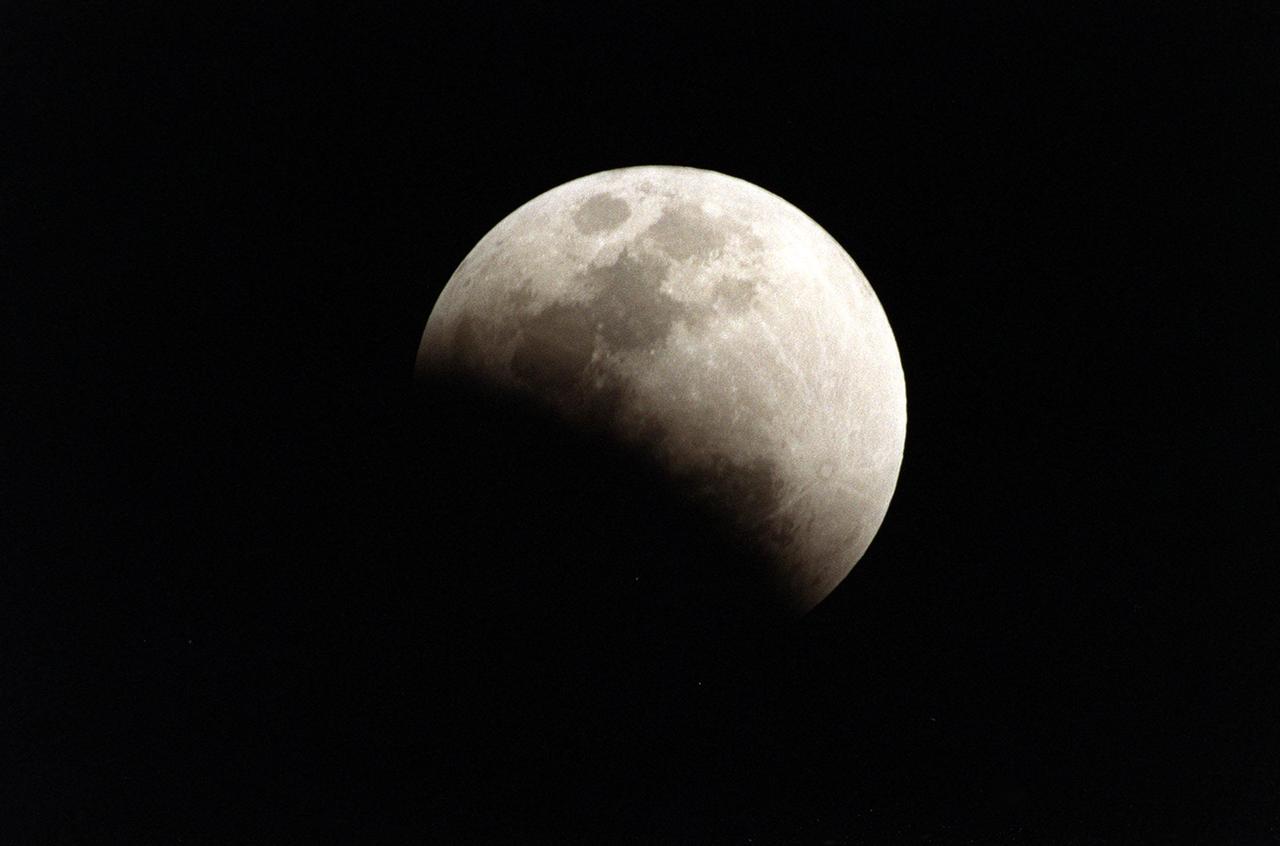
Traveling west to east, the full moon, viewed from Merritt Island, Fla., at 10:35 p.m. EST, moves into the Earth's shadow during a lunar eclipse. Eclipses occur when the Sun, Earth and Moon line up. They are rare because the Moon usually passes above or below the imaginary line connecting Earth and the Sun. The Earth casts a shadow that the Moon can pass through -when it does, it is called a lunar eclipse. They can only occur when the moon is "full." During a total lunar eclipse the Moon takes on a dark red color because it is being lighted slightly by sunlight passing through the Earth's atmosphere and this light has the blue component preferentially scattered out (this is also why the sky appears blue from the surface of the Earth), leaving faint reddish light to illuminate the Moon during the eclipse
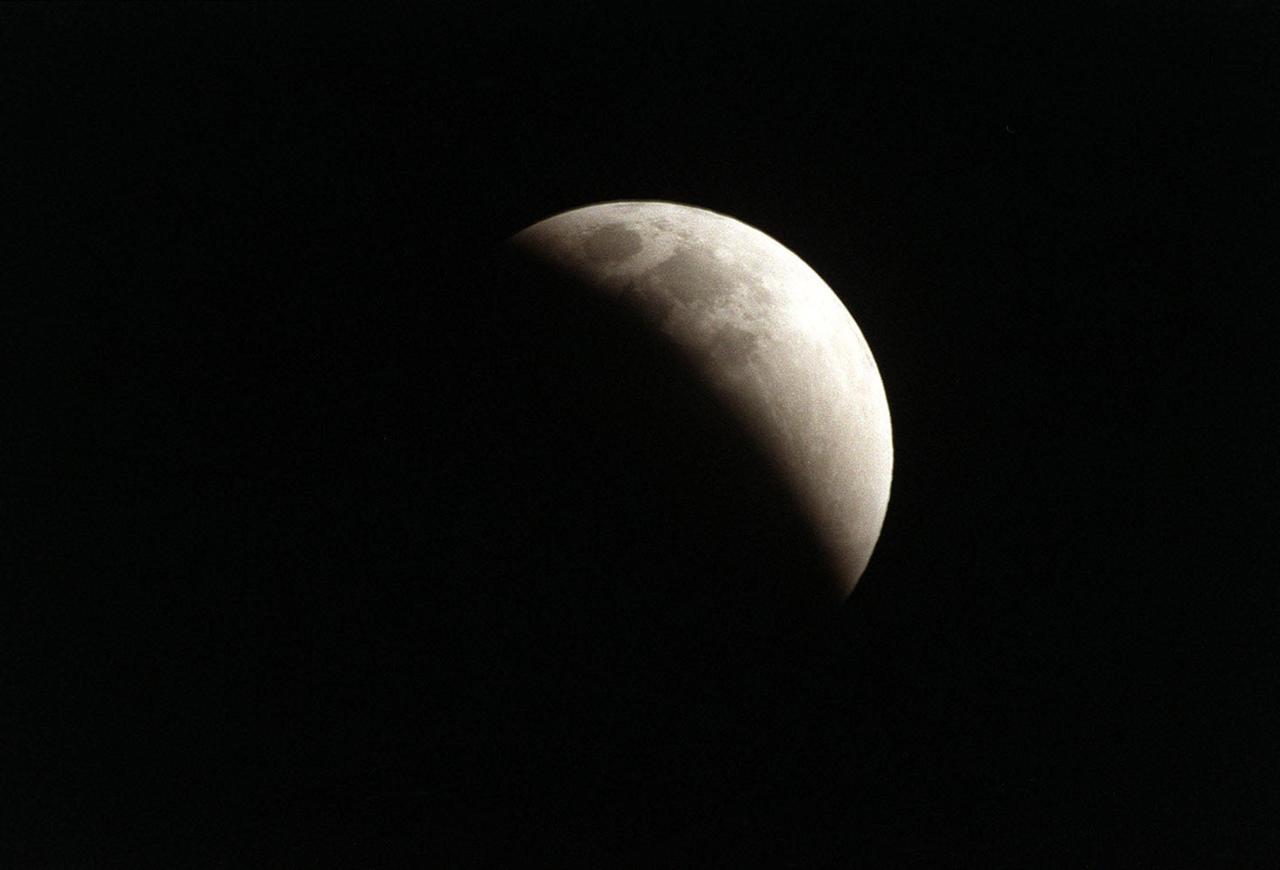
Viewed from Merritt Island, Fla., at 10:59 p.m. EST, the full moon, traveling west to east, is three-quarters of the way into the Earth's shadow during a lunar eclipse. Eclipses occur when the Sun, Earth and Moon line up. They are rare because the Moon usually passes above or below the imaginary line connecting Earth and the Sun. The Earth casts a shadow that the Moon can pass through -when it does, it is called a lunar eclipse. They can only occur when the moon is "full." During a total lunar eclipse the Moon takes on a dark red color because it is being lighted slightly by sunlight passing through the Earth's atmosphere and this light has the blue component preferentially scattered out (this is also why the sky appears blue from the surface of the Earth), leaving faint reddish light to illuminate the Moon during the eclipse
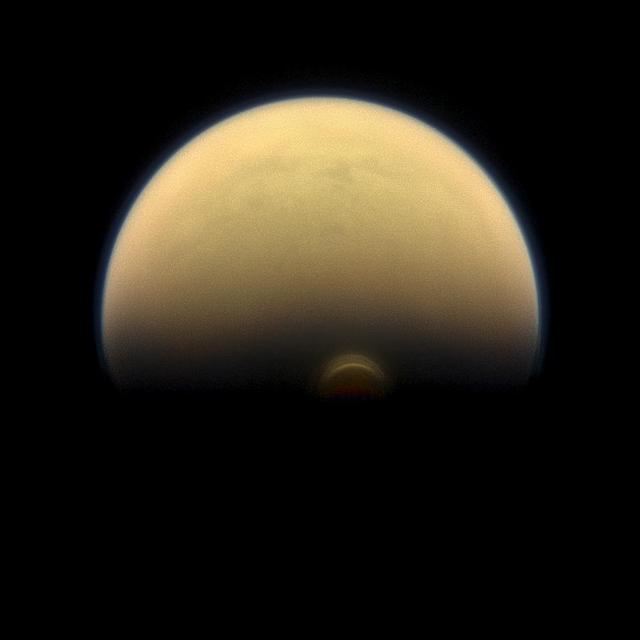
Slipping into shadow, the south polar vortex at Saturn's moon Titan still stands out against the orange and blue haze layers that are characteristic of Titan's atmosphere. Images like this, from NASA's Cassini spacecraft, lead scientists to conclude that the polar vortex clouds form at a much higher altitude -- where sunlight can still reach -- than the lower-altitude surrounding haze. This view looks towards the trailing hemisphere of Titan (3,200 miles or 5,150 kilometers across). North on Titan is up and rotated 17 degrees to the left. Images taken using red, green and blue spectral filters were combined to create this natural-color view. The image was taken with the Cassini spacecraft narrow-angle camera on July 30, 2013. The view was acquired at a distance of approximately 895,000 miles (1.441 million kilometers) from Titan. Image scale is 5 miles (9 kilometers) per pixel. http://photojournal.jpl.nasa.gov/catalog/PIA17177
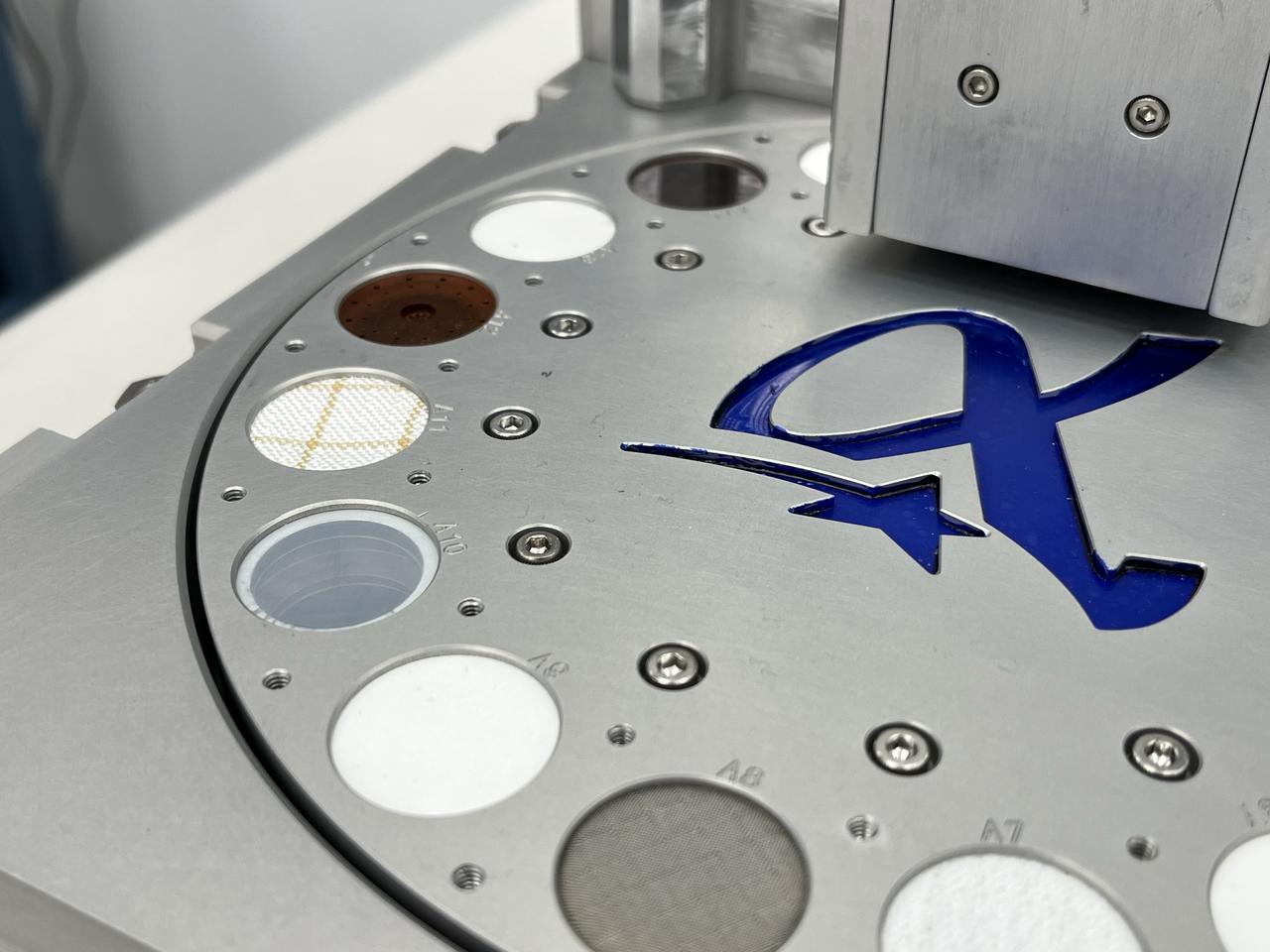
A science instrument flying aboard the next delivery for NASA’s CLPS (Commercial Lunar Payload Services) initiative is planning to study how different materials react to the lunar environment. Regolith Adherence Characterization, or RAC, is one of 10 payloads set to be carried to the Moon by the Blue Ghost 1 lunar lander in 2025. Developed by Aegis Aerospace, RAC’s wheels feature a series of different sample materials, helping researchers to better understand how lunar dust repels or attaches to each. Investigations and demonstrations, such as RAC, launched on CLPS flights will help NASA study Earth’s nearest neighbor under Artemis and pave the way for future crewed missions on the Moon. NASA’s Marshall Space Flight Center in Huntsville, Alabama, manages the development for seven of the 10 CLPS payloads that will be carried on Firefly’s Blue Ghost lunar lander.
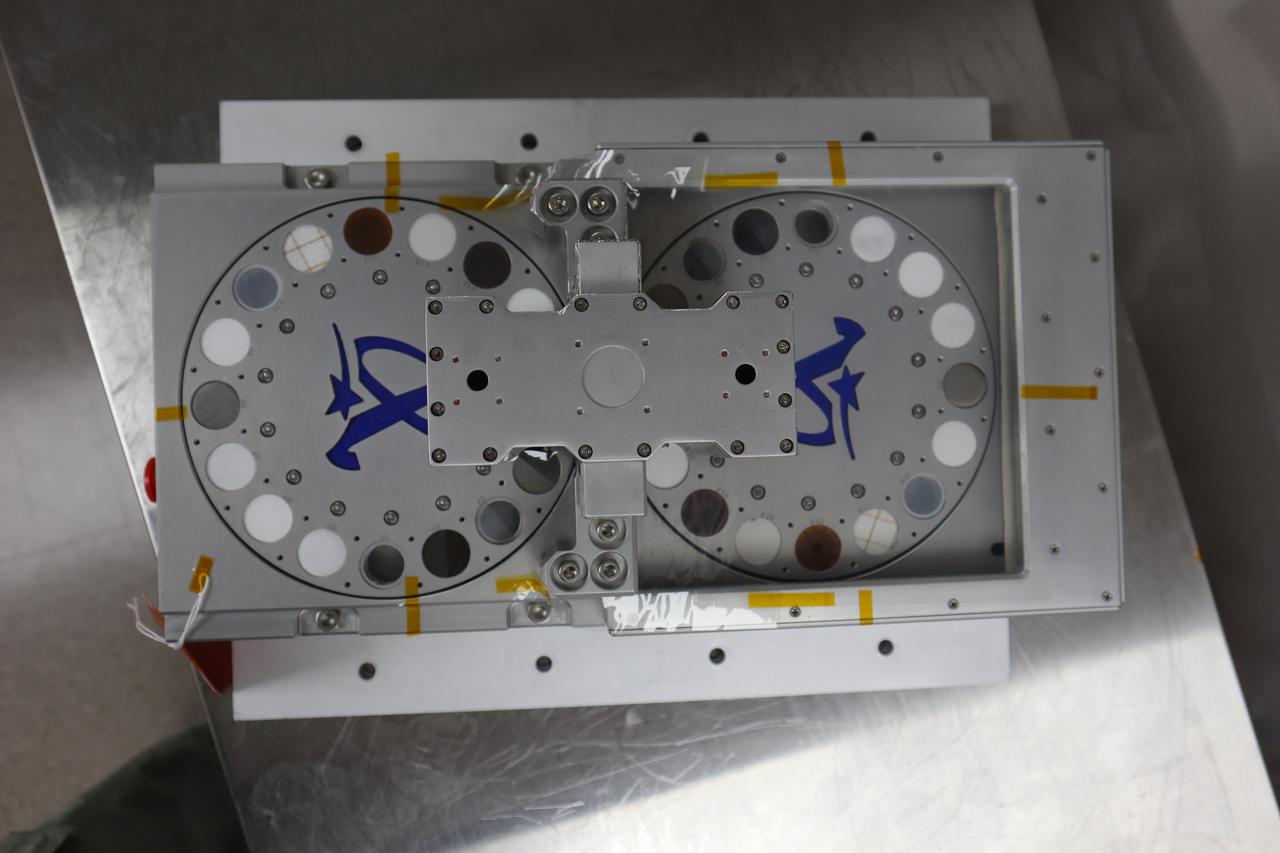
A science instrument flying aboard the next delivery for NASA’s CLPS (Commercial Lunar Payload Services) initiative is planning to study how different materials react to the lunar environment. Regolith Adherence Characterization, or RAC, is one of 10 payloads set to be carried to the Moon by the Blue Ghost 1 lunar lander in 2025. Developed by Aegis Aerospace, RAC’s wheels feature a series of different sample materials, helping researchers to better understand how lunar dust repels or attaches to each. Investigations and demonstrations, such as RAC, launched on CLPS flights will help NASA study Earth’s nearest neighbor under Artemis and pave the way for future crewed missions on the Moon. NASA’s Marshall Space Flight Center in Huntsville, Alabama, manages the development for seven of the 10 CLPS payloads that will be carried on Firefly’s Blue Ghost lunar lander.
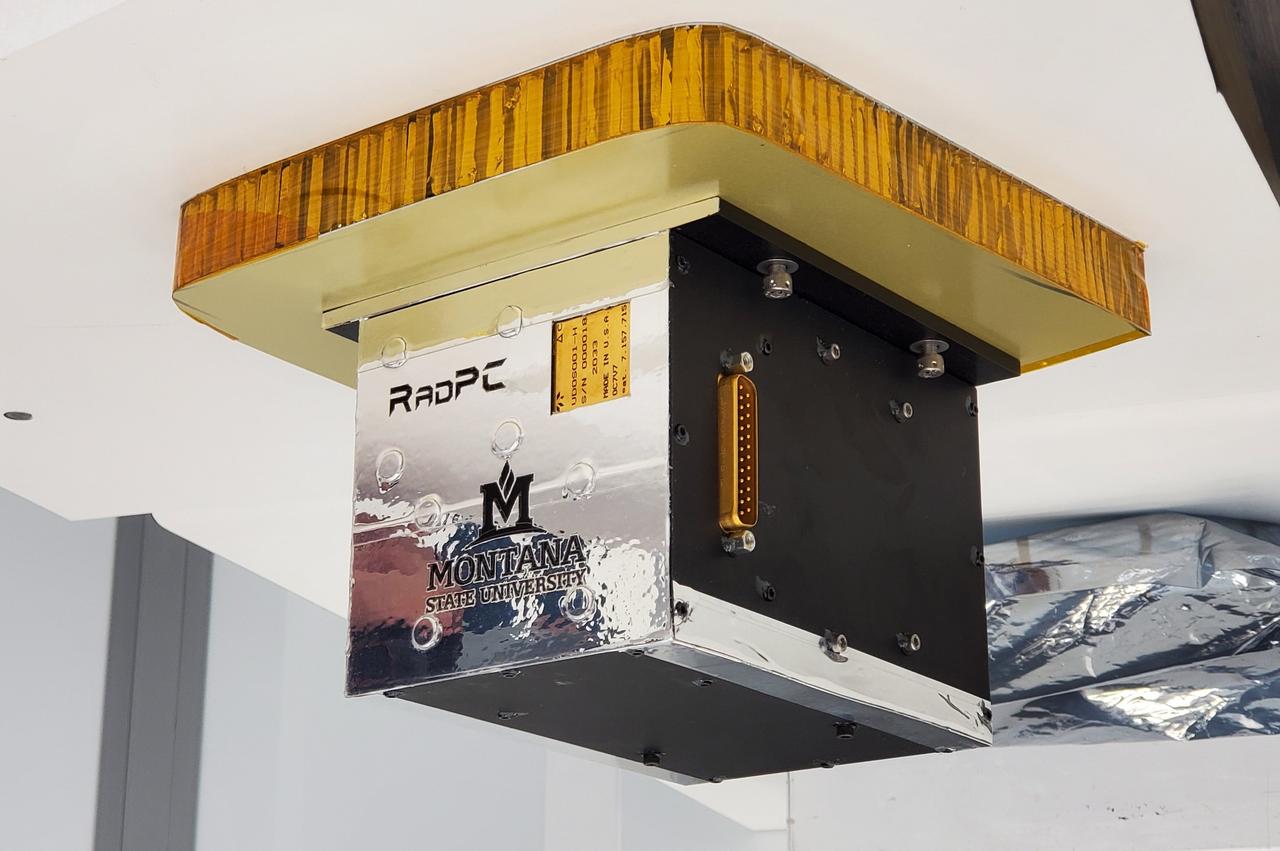
A technology demonstration flying aboard the next delivery for NASA’s CLPS (Commercial Lunar Payload Services) initiative could help mitigate radiation effects on computers in space. Radiation Tolerant Computer, or RadPC, is one of 10 payloads set to be carried to the Moon by the Blue Ghost 1 lunar lander in 2025. Developed by Montana State University in Bozeman, RadPC is designed designed to demonstrate computer recovery from faults caused by single-event effects of ionizing radiation. Investigations and demonstrations, such as RadPC, launched on CLPS flights will help NASA study Earth’s nearest neighbor under Artemis and pave the way for future crewed missions on the Moon. NASA’s Marshall Space Flight Center in Huntsville, Alabama, manages the development for seven of the 10 CLPS payloads that will be carried on Firefly’s Blue Ghost lunar lander.
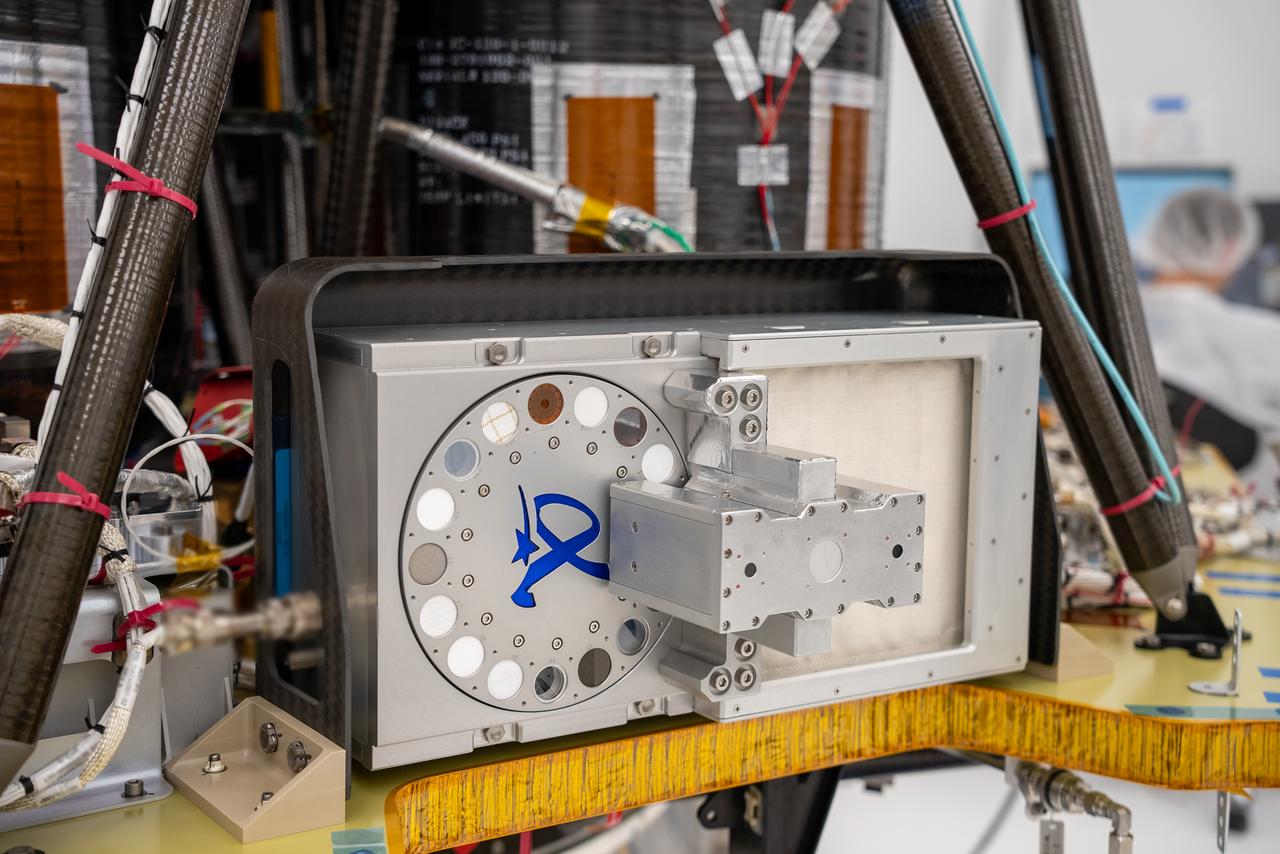
A science instrument flying aboard the next delivery for NASA’s CLPS (Commercial Lunar Payload Services) initiative is planning to study how different materials react to the lunar environment. Regolith Adherence Characterization, or RAC, is one of 10 payloads set to be carried to the Moon by the Blue Ghost 1 lunar lander in 2025. Developed by Aegis Aerospace, RAC’s wheels feature a series of different sample materials, helping researchers to better understand how lunar dust repels or attaches to each. Investigations and demonstrations, such as RAC, launched on CLPS flights will help NASA study Earth’s nearest neighbor under Artemis and pave the way for future crewed missions on the Moon. NASA’s Marshall Space Flight Center in Huntsville, Alabama, manages the development for seven of the 10 CLPS payloads that will be carried on Firefly’s Blue Ghost lunar lander.
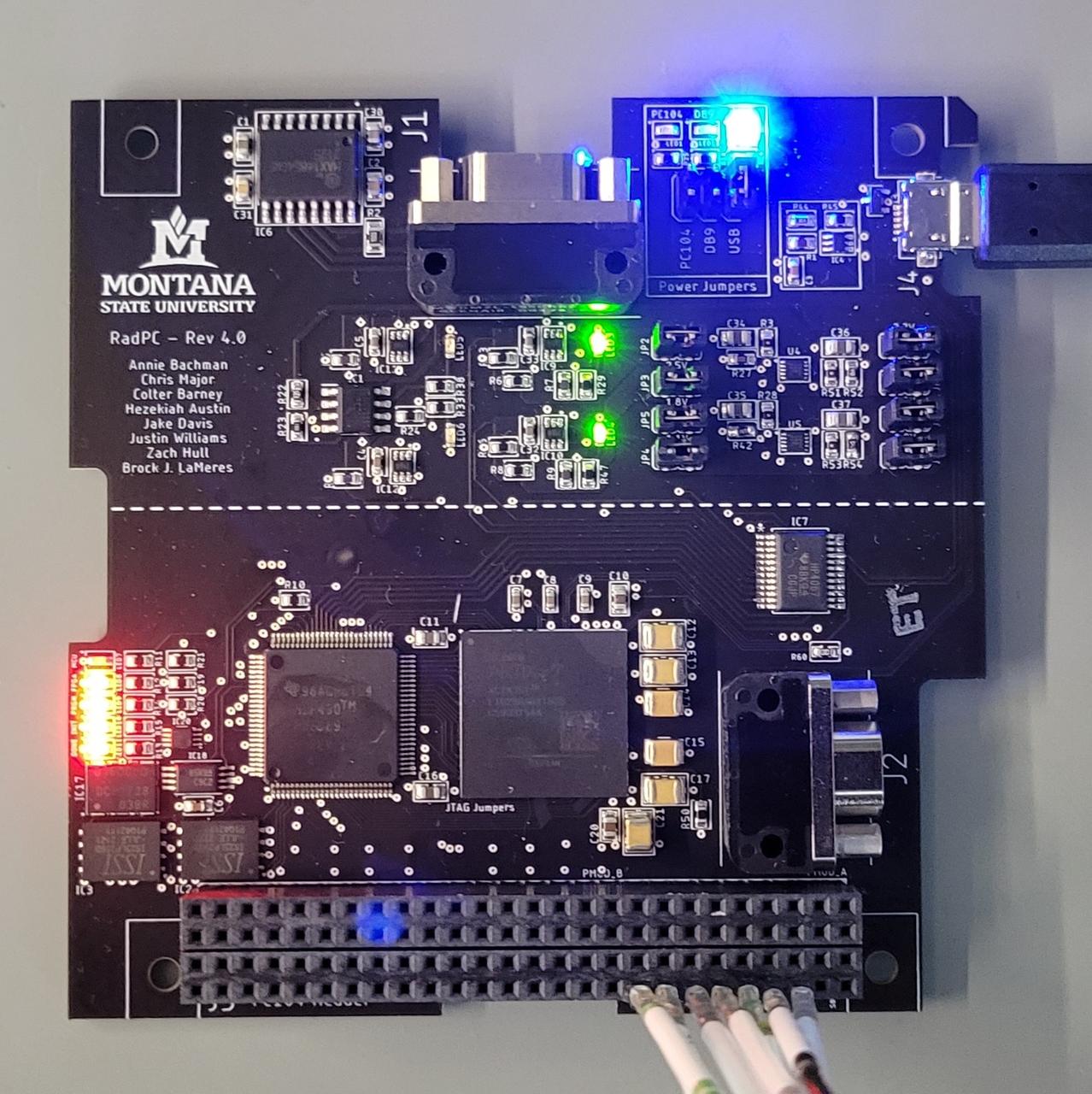
A technology demonstration flying aboard the next delivery for NASA’s CLPS (Commercial Lunar Payload Services) initiative could help mitigate radiation effects on computers in space. Radiation Tolerant Computer, or RadPC, is one of 10 payloads set to be carried to the Moon by the Blue Ghost 1 lunar lander in 2025. Developed by Montana State University in Bozeman, RadPC is designed designed to demonstrate computer recovery from faults caused by single-event effects of ionizing radiation. Investigations and demonstrations, such as RadPC, launched on CLPS flights will help NASA study Earth’s nearest neighbor under Artemis and pave the way for future crewed missions on the Moon. NASA’s Marshall Space Flight Center in Huntsville, Alabama, manages the development for seven of the 10 CLPS payloads that will be carried on Firefly’s Blue Ghost lunar lander.

iss071e406275 (July 27, 2024) -- The third quarter moon rises just above Earth's blue horizon as the International Space Station orbited 258 miles above the Red Sea.
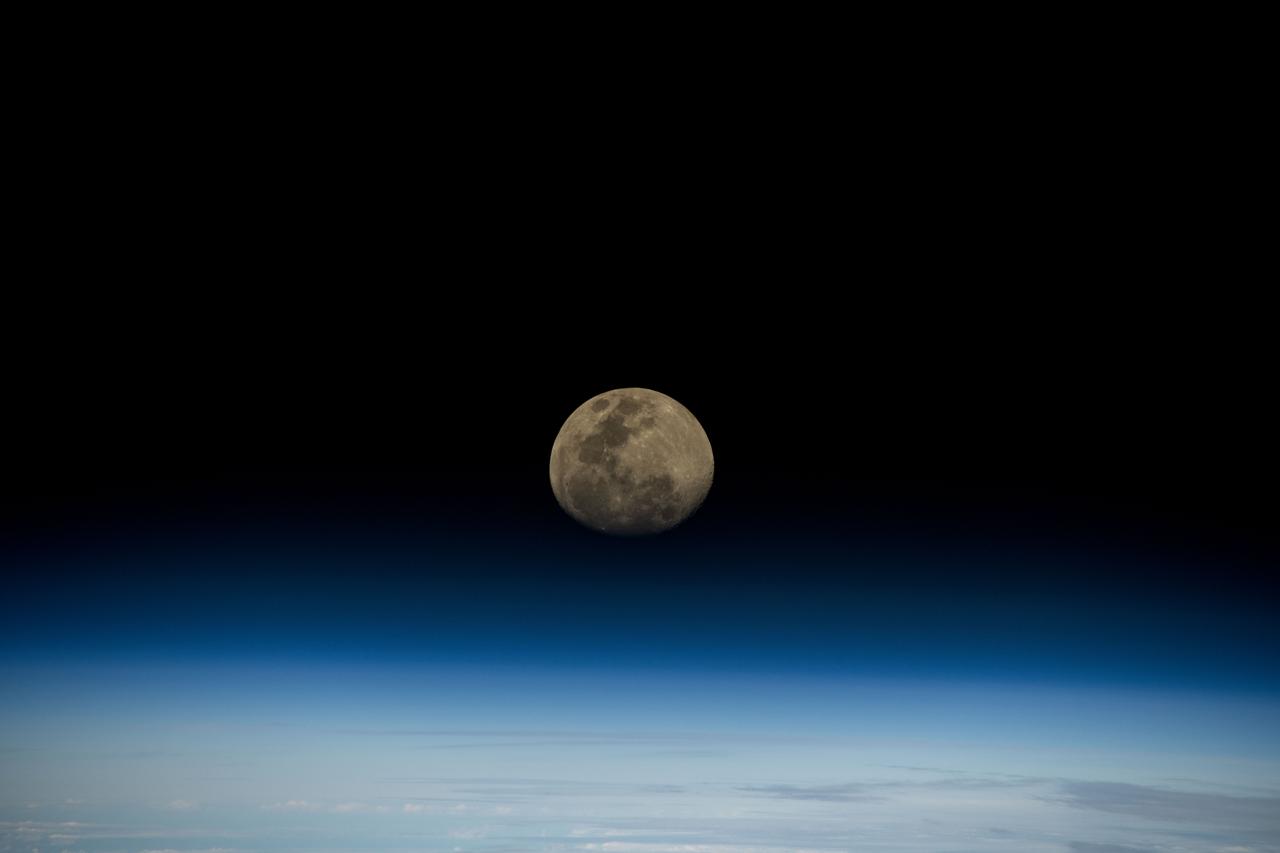
iss072e186870 (Nov. 13, 2024) -- A waxing gibbous moon rises over the blue glow of Earth's horizon as the International Space Station orbited 264 miles above the Indian Ocean.

Blue Origin Human Landing System Program Manager, John Couluris, is seen on the monitor answering a question during an event announcing Blue Origin as the company selected to develop a sustainable human landing system for the Artemis V Moon mission, Friday, May 19, 2023 at the Mary W. Jackson NASA Headquarters building in Washington. The human landing system will take astronauts to and from Gateway in lunar orbit to the surface and back to the lunar space station as part of NASA’s return to the Moon for science, exploration, and inspiration. Photo Credit: (NASA/Aubrey Gemignani)

NASA Administrator Bill Nelson, NASA Associate Administrator for the Exploration Systems Development Mission Directorate Jim Free, Human Landing System Program Manager Lisa Watson-Morgan, members of Blue Origin’s team, and others pose for a photo at the conclusion of an event announcing Blue Origin as the company selected to develop a sustainable human landing system for the Artemis V Moon mission, Friday, May 19, 2023 at the Mary W. Jackson NASA Headquarters building in Washington. The human landing system will take astronauts to and from Gateway in lunar orbit to the surface and back to the lunar space station as part of NASA’s return to the Moon for science, exploration, and inspiration. Photo Credit: (NASA/Aubrey Gemignani)
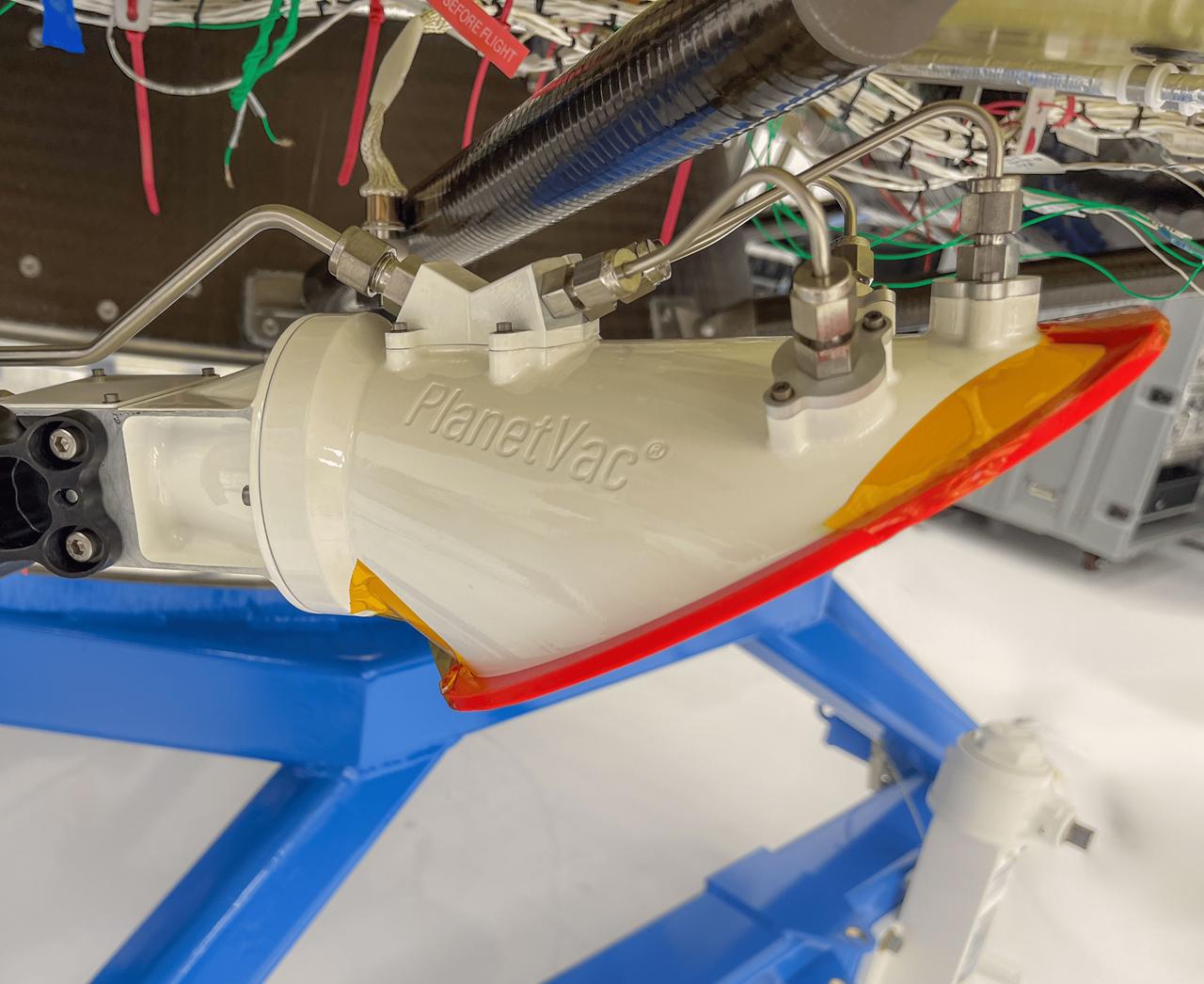
A technology demonstration flying aboard the next delivery for NASA’s CLPS (Commercial Lunar Payload Services) initiative could change how research teams collect and study soil and rock samples on other planetary bodies. Lunar PlanetVac, or LPV, is one of 10 payloads set to be carried to the Moon by the Blue Ghost 1 lunar lander in 2025. Developed by Honeybee Robotics, a Blue Origin company of Altadena, California, LPV is designed to, essentially, operate as a vacuum cleaner with a pneumatic, compressed gas-powered sample acquisition and delivery system to efficiently collect and transfer lunar soil from the surface to other science instruments or sample return containers. Investigations and demonstrations, such as LPV, launched on CLPS flights will help NASA study Earth’s nearest neighbor under Artemis and pave the way for future crewed missions on the Moon. NASA’s Marshall Space Flight Center in Huntsville, Alabama, manages the development for seven of the 10 CLPS payloads that will be carried on Firefly’s Blue Ghost lunar lander.
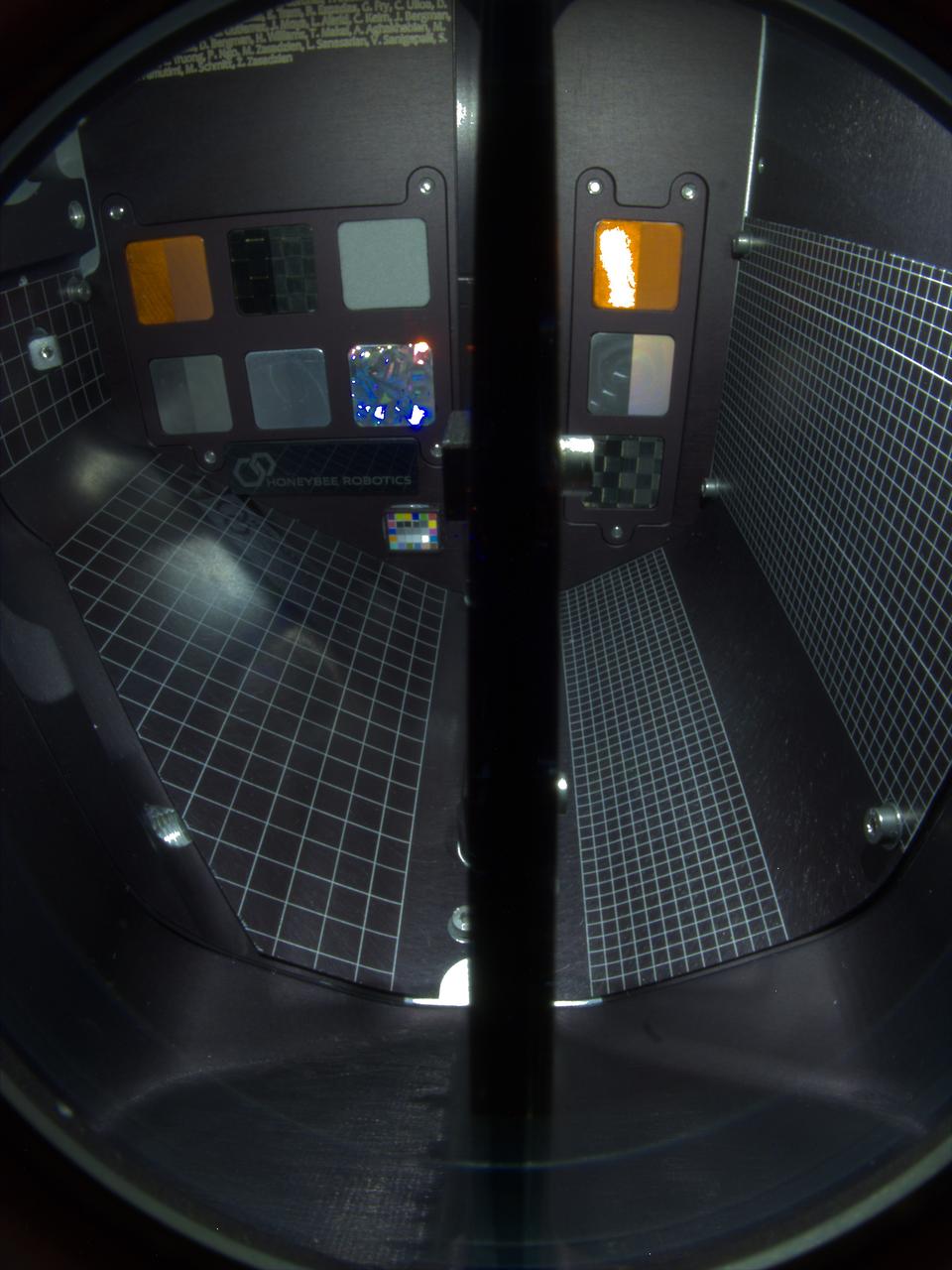

A technology demonstration flying aboard the next delivery for NASA’s CLPS (Commercial Lunar Payload Services) initiative could change how research teams collect and study soil and rock samples on other planetary bodies. Lunar PlanetVac, or LPV, is one of 10 payloads set to be carried to the Moon by the Blue Ghost 1 lunar lander in 2025. Developed by Honeybee Robotics, a Blue Origin company of Altadena, California, LPV is designed to, essentially, operate as a vacuum cleaner with a pneumatic, compressed gas-powered sample acquisition and delivery system to efficiently collect and transfer lunar soil from the surface to other science instruments or sample return containers. Investigations and demonstrations, such as LPV, launched on CLPS flights will help NASA study Earth’s nearest neighbor under Artemis and pave the way for future crewed missions on the Moon. NASA’s Marshall Space Flight Center in Huntsville, Alabama, manages the development for seven of the 10 CLPS payloads that will be carried on Firefly’s Blue Ghost lunar lander.
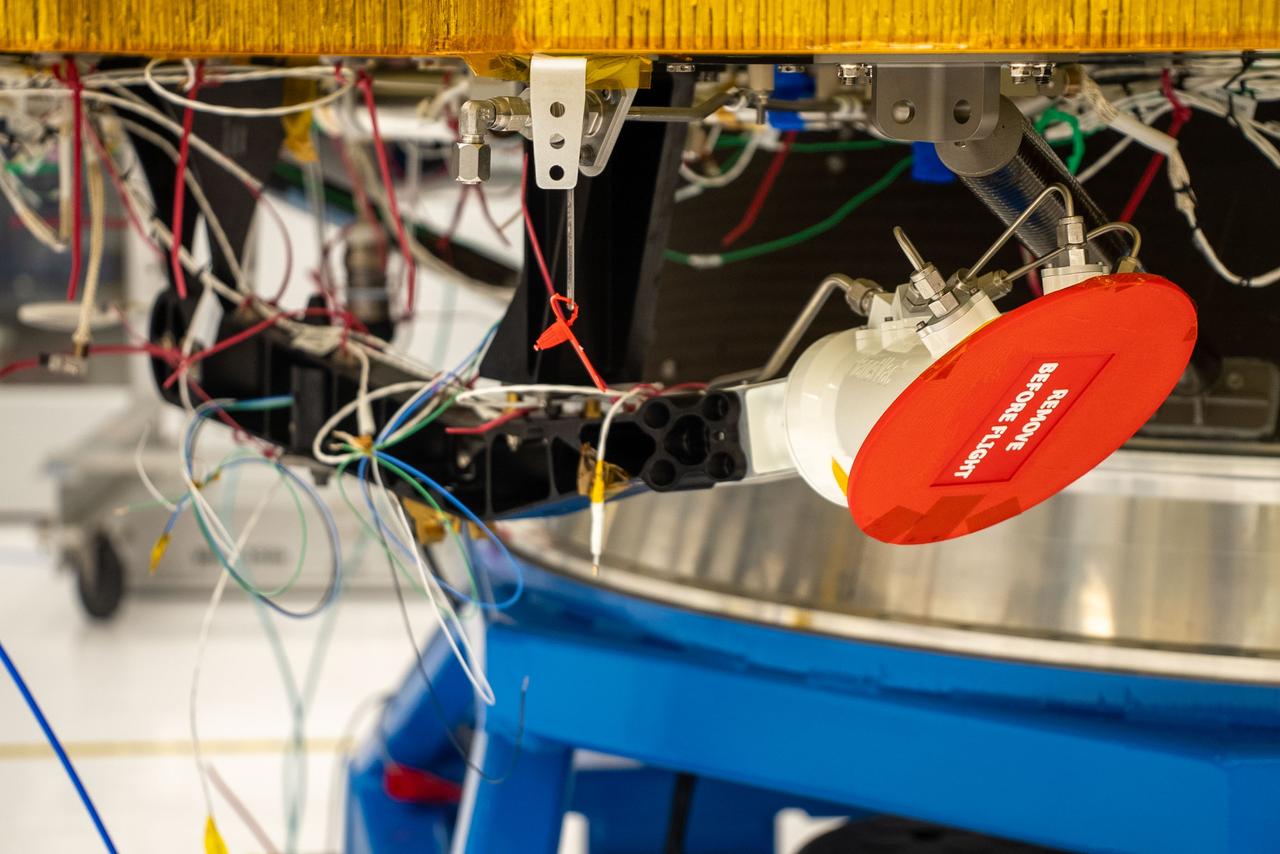

A technology demonstration flying aboard the next delivery for NASA’s CLPS (Commercial Lunar Payload Services) initiative could change how research teams collect and study soil and rock samples on other planetary bodies. Lunar PlanetVac, or LPV, is one of 10 payloads set to be carried to the Moon by the Blue Ghost 1 lunar lander in 2025. Developed by Honeybee Robotics, a Blue Origin company of Altadena, California, LPV is designed to, essentially, operate as a vacuum cleaner with a pneumatic, compressed gas-powered sample acquisition and delivery system to efficiently collect and transfer lunar soil from the surface to other science instruments or sample return containers. Investigations and demonstrations, such as LPV, launched on CLPS flights will help NASA study Earth’s nearest neighbor under Artemis and pave the way for future crewed missions on the Moon. NASA’s Marshall Space Flight Center in Huntsville, Alabama, manages the development for seven of the 10 CLPS payloads that will be carried on Firefly’s Blue Ghost lunar lander.
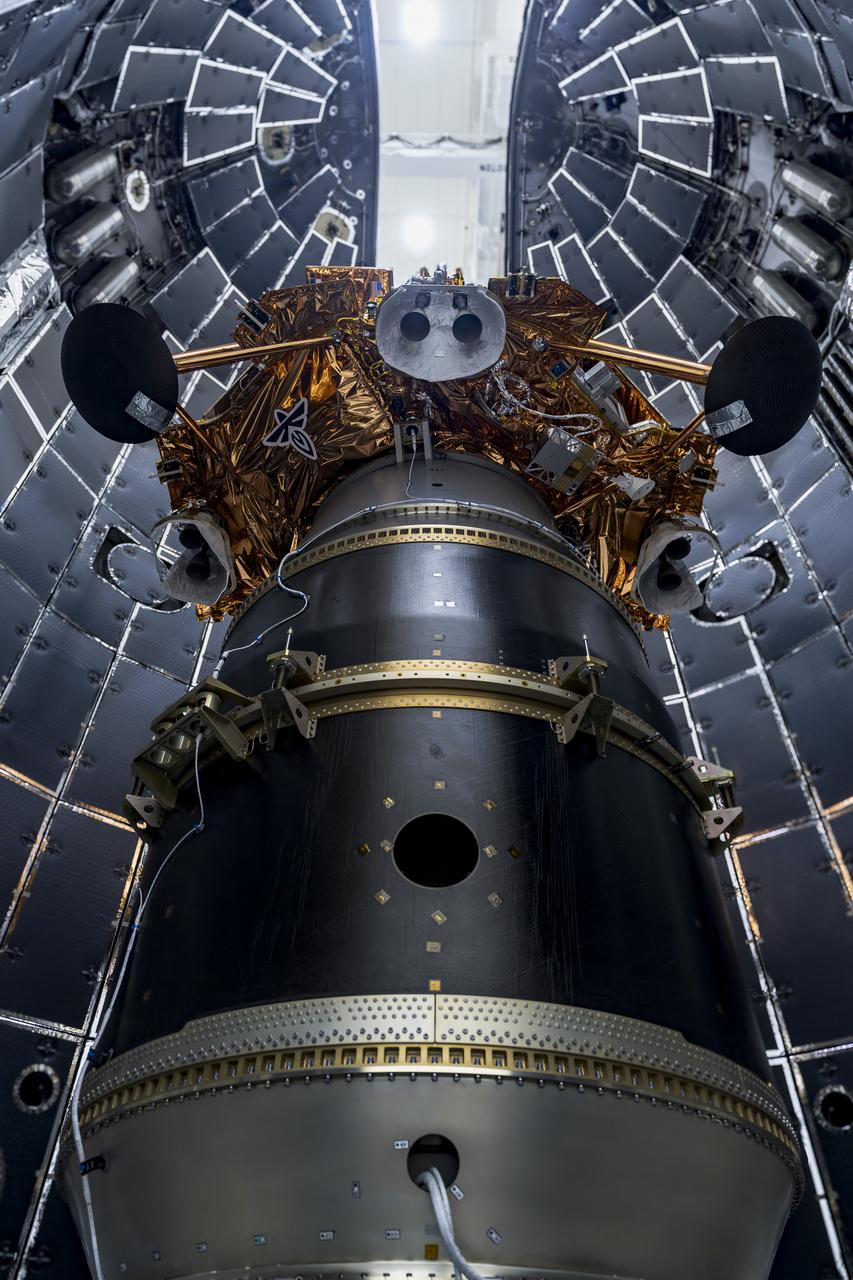
Firefly Aerospace’s Blue Ghost lunar lander is encapsulated inside SpaceX’s rocket fairing ahead of its targeted liftoff for 1:11 a.m. EST Wednesday, Jan. 15, 2025, from Launch Complex 39A at NASA’s Kennedy Space Center in Florida. Firefly’s Blue Ghost Mission 1 will be the company’s first flight to the Moon as part of the agency’s Commercial Lunar Payload Services or CLPS initiative and Artemis campaign.

ISS007-E-10974 (27 July 2003) --- Photographed by an Expedition 7 crewmember onboard the International Space Station (ISS), this image shows the limb of the Earth at the bottom transitioning into the orange-colored troposphere, the lowest and most dense portion of the Earth's atmosphere. The troposphere ends abruptly at the tropopause, which appears in the image as the sharp boundary between the orange- and blue- colored atmosphere. The silvery-blue noctilucent clouds extend far above the Earth's troposphere. The sliver of the setting moon is visible at upper right.
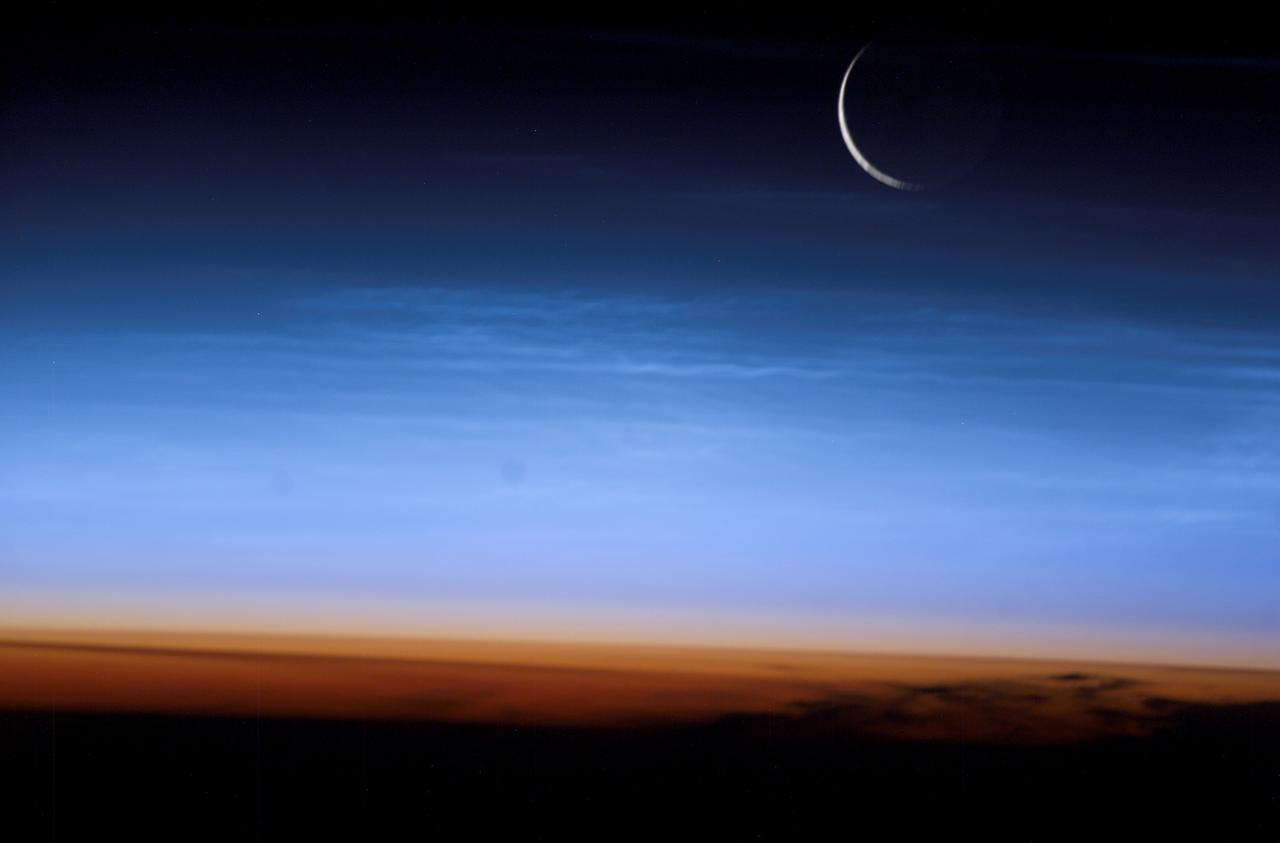
This Expedition Seven image, taken while aboard the International Space Station (ISS), shows the limb of the Earth at the bottom transitioning into the orange-colored stratosphere, the lowest and most dense portion of the Earth's atmosphere. The troposphere ends abruptly at the tropopause, which appears in the image as the sharp boundary between the orange- and blue-colored atmosphere. The silvery blue noctilucent clouds extend far above the Earth's troposphere. The silver of the setting moon is visible at upper right.
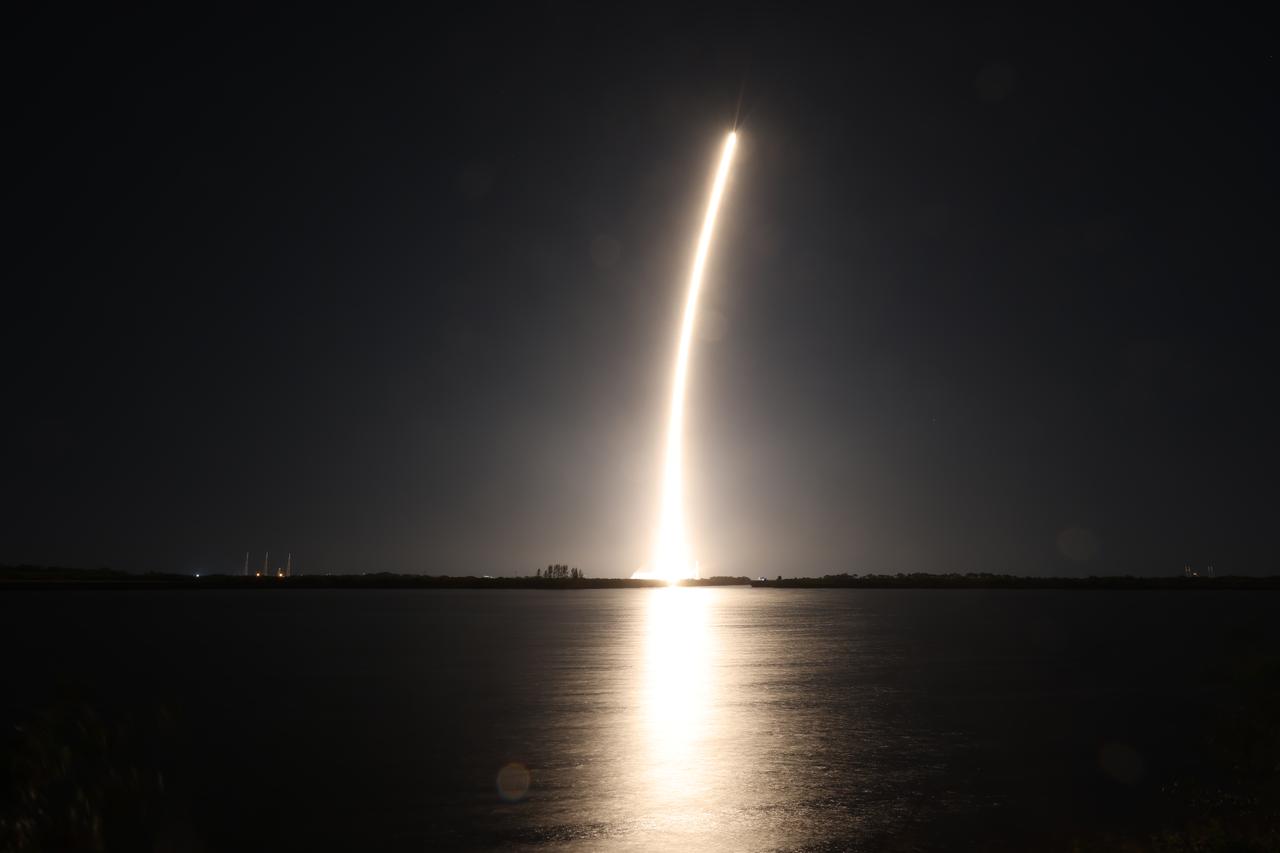
Creating a golden streak in the night sky, a SpaceX Falcon 9 rocket carrying Firefly Aerospace’s Blue Ghost Mission One lander soars upward after liftoff from Launch Complex 39A at NASA’s Kennedy Space Center in Florida on Wednesday, Jan. 15, 2025 as part of NASA’s CLPS (Commercial Lunar Payload Services) initiative. The Blue Ghost lander will carry 10 NASA science and technology instruments to the lunar surface to further understand the Moon and help prepare for future human missions.
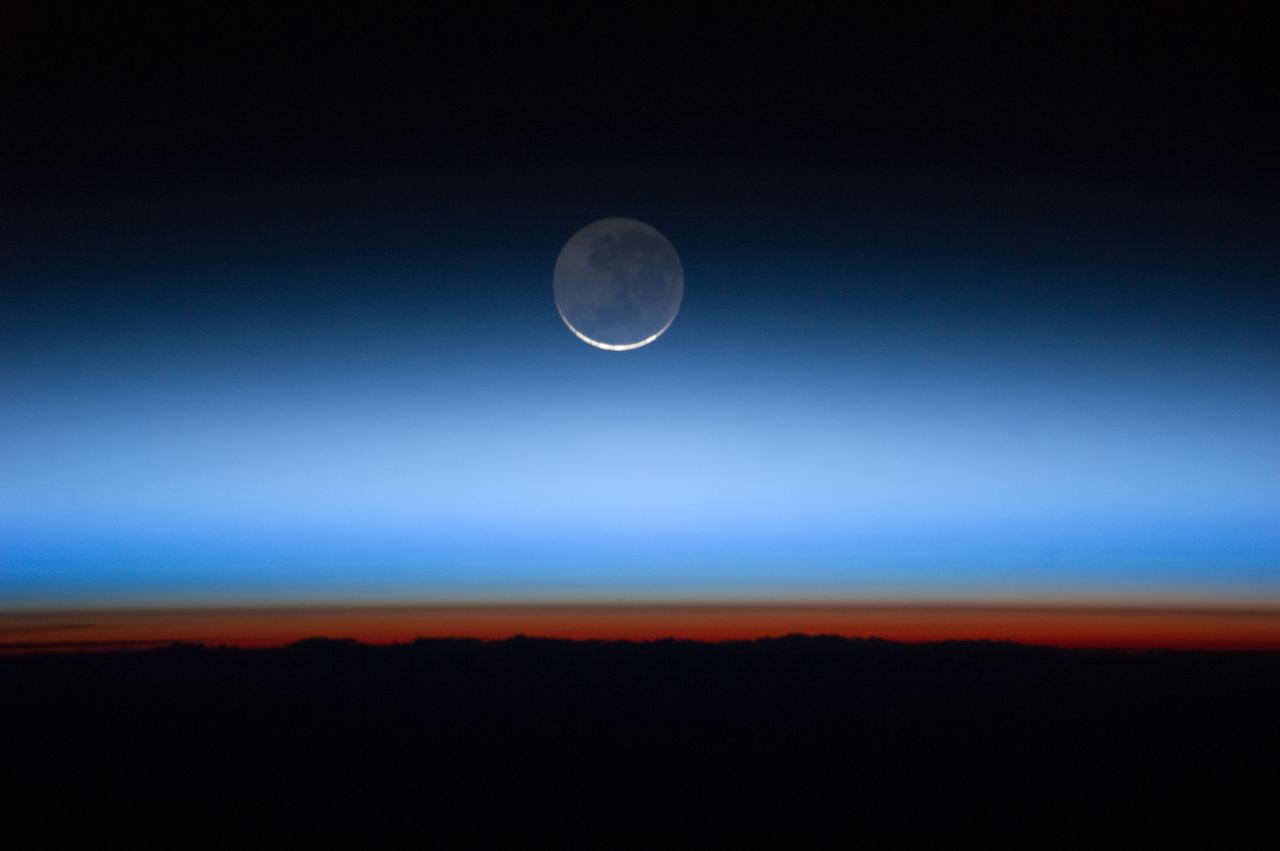
ISS028-E-020072 (31 July 2011) --- Photographed by an Expedition 28 crew member onboard the International Space Station, this image shows the moon at center, with the limb of Earth near the bottom transitioning into the orange-colored troposphere, the lowest and most dense portion of the Earth's atmosphere. The troposphere ends abruptly at the tropopause, which appears in the image as the sharp boundary between the orange- and blue- colored atmosphere. The silvery-blue noctilucent clouds extend far above the Earth's troposphere.
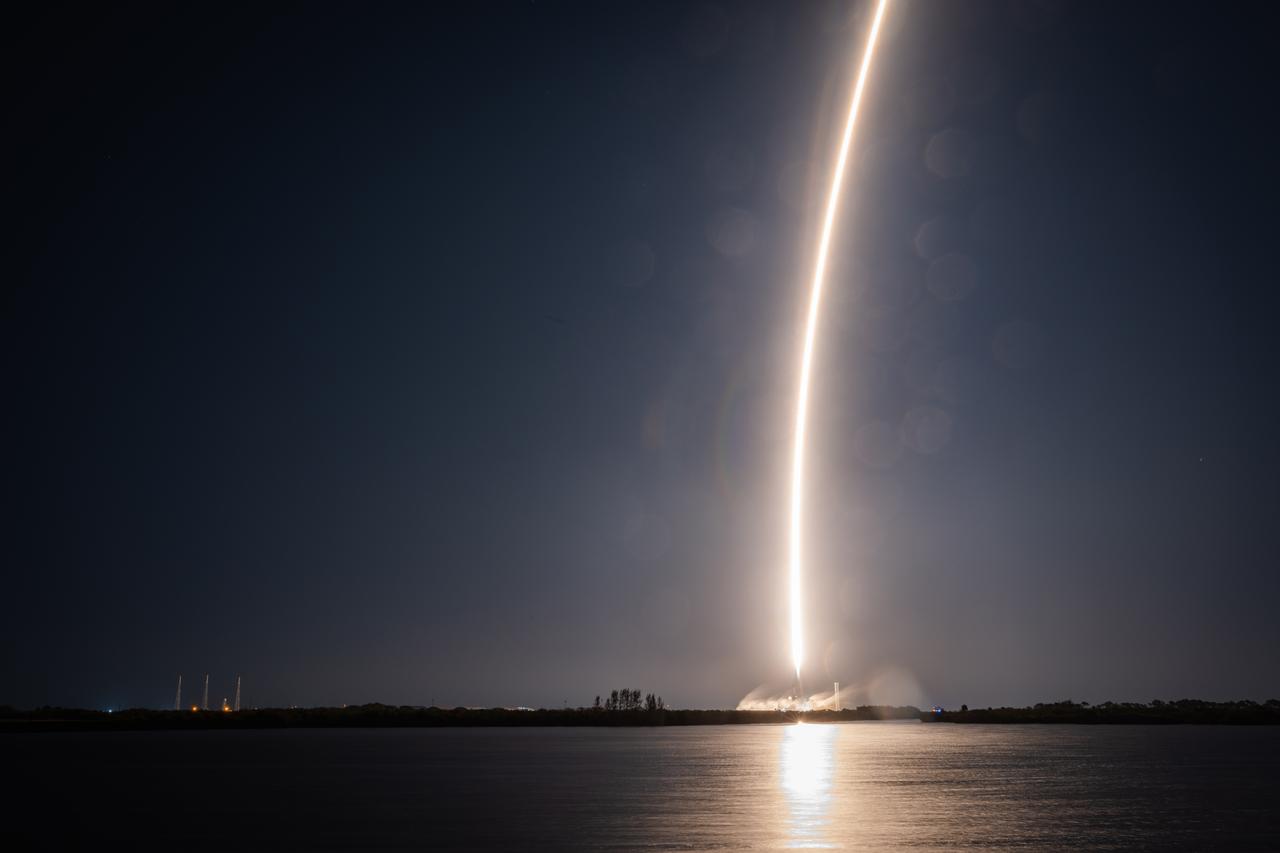
Creating a golden streak in the night sky, a SpaceX Falcon 9 rocket carrying Firefly Aerospace’s Blue Ghost Mission One lander soars upward after liftoff from Launch Complex 39A at NASA’s Kennedy Space Center in Florida on Wednesday, Jan. 15, 2025 as part of NASA’s CLPS (Commercial Lunar Payload Services) initiative. The Blue Ghost lander will carry 10 NASA science and technology instruments to the lunar surface to further understand the Moon and help prepare for future human missions.
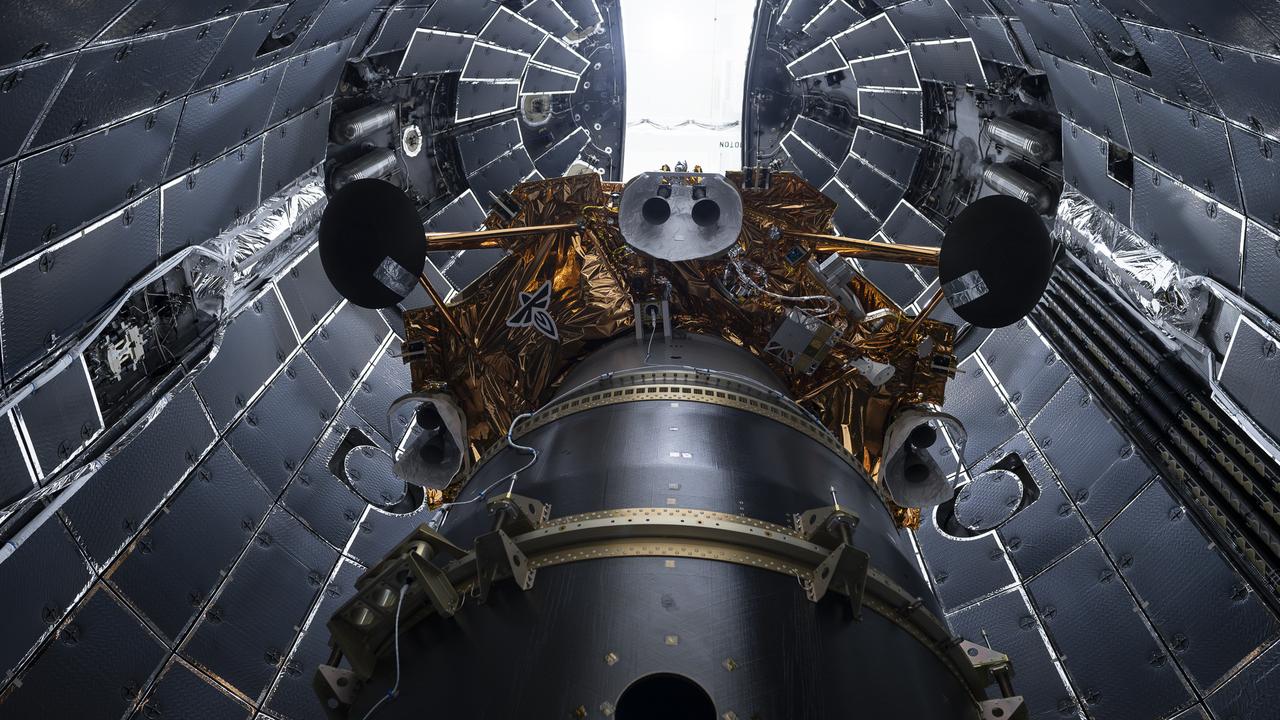
Firefly Aerospace’s Blue Ghost lunar lander is encapsulated inside SpaceX’s rocket fairing ahead of its targeted liftoff for 1:11 a.m. EST Wednesday, Jan. 15, 2025, from Launch Complex 39A at NASA’s Kennedy Space Center in Florida. Firefly’s Blue Ghost Mission 1 will be the company’s first flight to the Moon as part of the agency’s Commercial Lunar Payload Services or CLPS initiative and Artemis campaign.
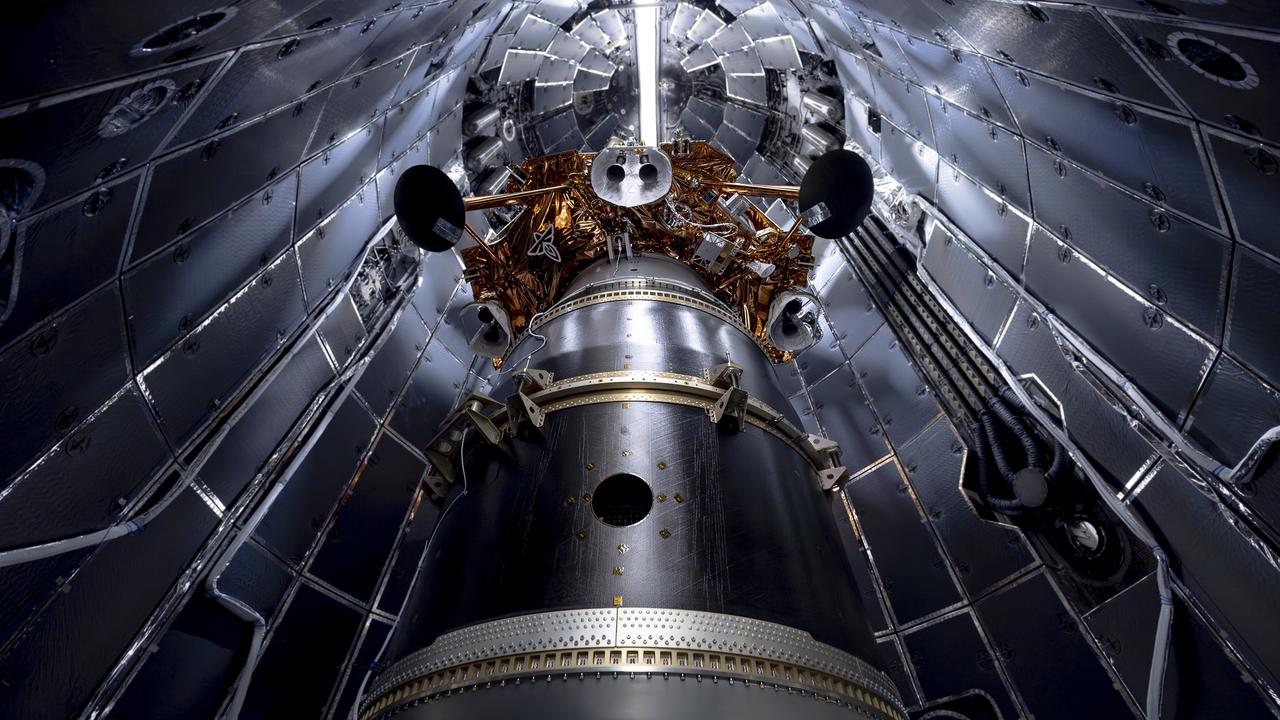
Firefly Aerospace’s Blue Ghost lunar lander is encapsulated inside SpaceX’s rocket fairing ahead of its targeted liftoff for 1:11 a.m. EST Wednesday, Jan. 15, 2025, from Launch Complex 39A at NASA’s Kennedy Space Center in Florida. Firefly’s Blue Ghost Mission 1 will be the company’s first flight to the Moon as part of the agency’s Commercial Lunar Payload Services or CLPS initiative and Artemis campaign.
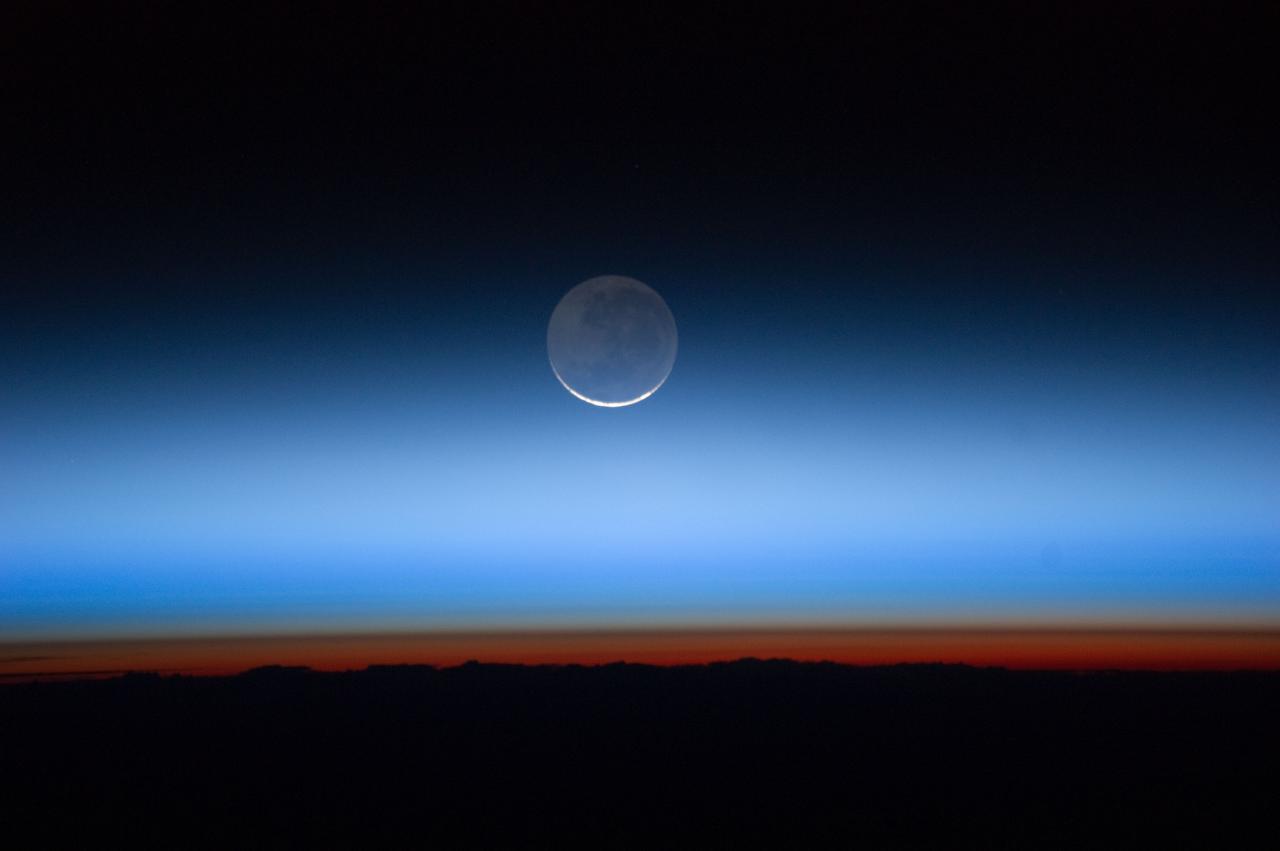
ISS028-E-020073 (31 July 2011) --- Photographed by an Expedition 28 crew member onboard the International Space Station, this image shows the moon at center, with the limb of Earth near the bottom transitioning into the orange-colored troposphere, the lowest and most dense portion of the Earth's atmosphere. The troposphere ends abruptly at the tropopause, which appears in the image as the sharp boundary between the orange- and blue- colored atmosphere. The silvery-blue noctilucent clouds extend far above the Earth's troposphere.

Creating a golden streak in the night sky, a SpaceX Falcon 9 rocket carrying Firefly Aerospace’s Blue Ghost Mission One lander soars upward after liftoff from Launch Complex 39A at NASA’s Kennedy Space Center in Florida on Wednesday, Jan. 15, 2025 as part of NASA’s CLPS (Commercial Lunar Payload Services) initiative. The Blue Ghost lander will carry 10 NASA science and technology instruments to the lunar surface to further understand the Moon and help prepare for future human missions.
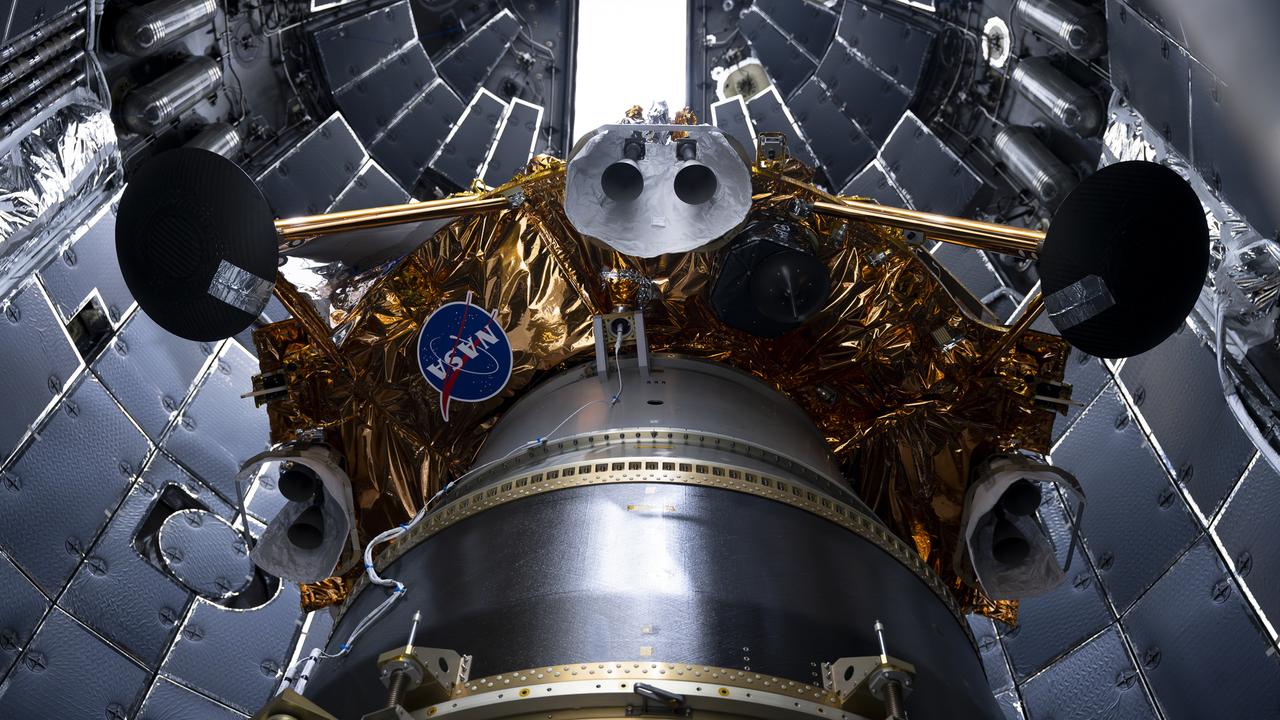
Firefly Aerospace’s Blue Ghost lunar lander is encapsulated inside SpaceX’s rocket fairing ahead of its targeted liftoff for 1:11 a.m. EST Wednesday, Jan. 15, 2025, from Launch Complex 39A at NASA’s Kennedy Space Center in Florida. Firefly’s Blue Ghost Mission 1 will be the company’s first flight to the Moon as part of the agency’s Commercial Lunar Payload Services or CLPS initiative and Artemis campaign.
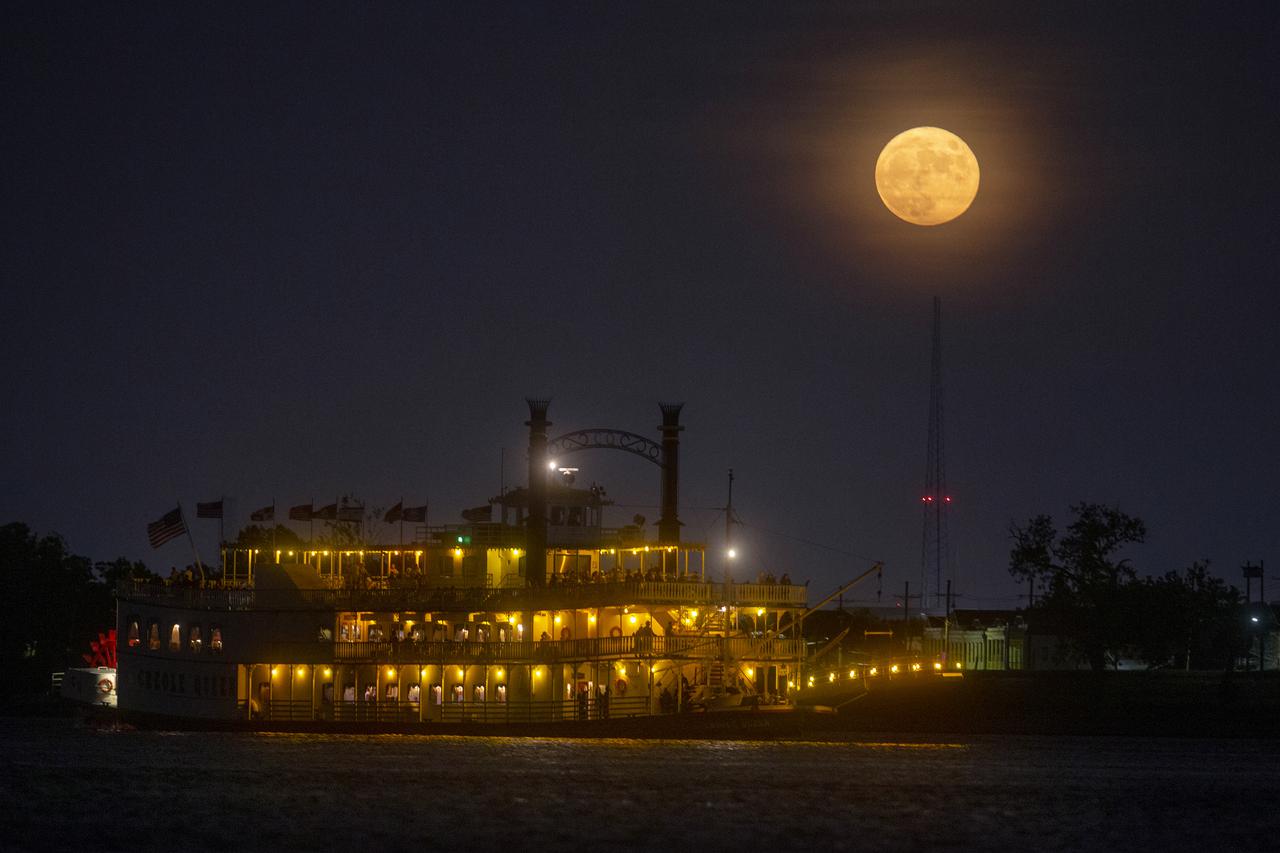
A paddlewheeler makes its way up the Mississippi River as the moon rises over New Orleans on Sunday evening, August 22, 2021. The August Sturgeon Moon, which was also a rare Blue Moon, was full at 7:02 A.M. local time Sunday but the nearly full moon still put on a show when it rose over New Orleans later that evening. New Orleans is home to the NASA Michoud Assembly Facility where the core stage of the Space Launch System that will return people to the moon is being built. Image credit: NASA/Michael DeMocker
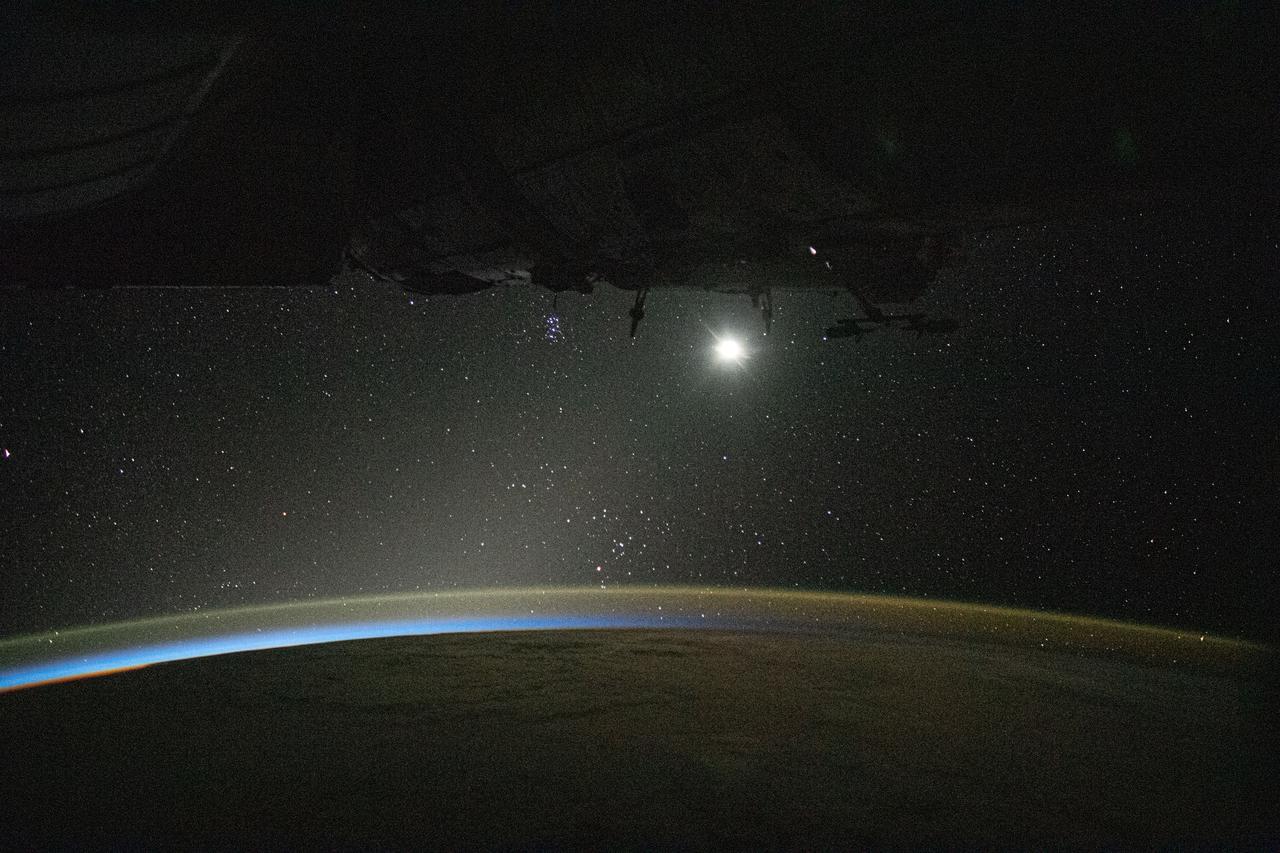
iss060e002090 (June 29, 2019) --- The Earth's limb and the atmospheric glow highlight the thin blue atmosphere back lit by the Sun's rays during a period between night and day. The light of the moon and the starry Milky Way drape the background as the International Space Station orbited 257 miles above the Pacific Ocean between Hawaii and Mexico.
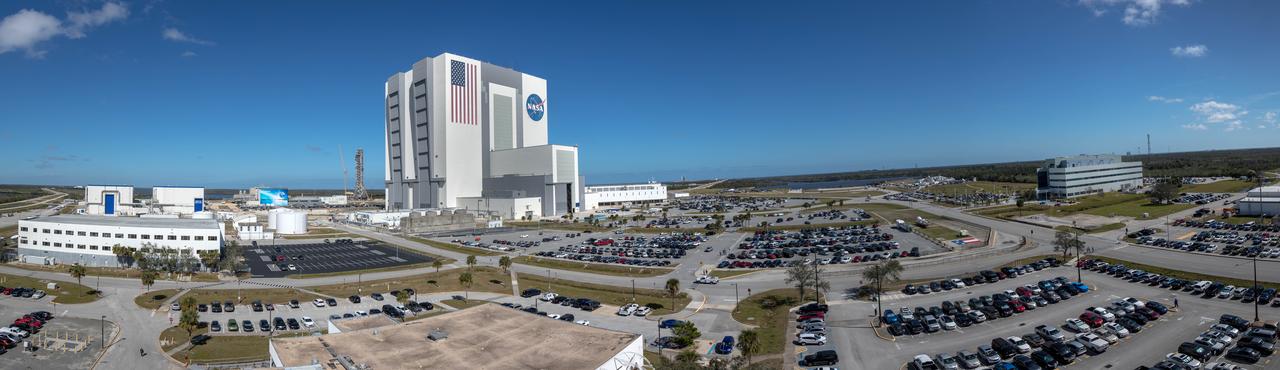
A brilliant blue sky serves as the backdrop for a panoramic view of the iconic Vehicle Assembly Building, mobile launcher at left, and Launch Control Center at right, at NASA's Kennedy Space Center in Florida. These facilities are being upgraded for NASA's Space Launch System and Orion spacecraft for launches to deep space destinations, including the Moon, Mars and beyond.

art002e021007 (April 6, 2026) – Earthset captured through the Orion spacecraft window at 6:37 p.m. EDT, April 6, 2026, during the Artemis II crew’s flyby of the Moon. A muted blue Earth with bright white clouds sets behind the cratered lunar surface. The dark portion of Earth is in nighttime. Credit: NASA

NASA Administrator Bill Nelson gives remarks during an event announcing Blue Origin as the company selected to develop a sustainable human landing system for the Artemis V Moon mission, Friday, May 19, 2023 at the Mary W. Jackson NASA Headquarters building in Washington. The human landing system will take astronauts to and from Gateway in lunar orbit to the surface and back to the lunar space station as part of NASA’s return to the Moon for science, exploration, and inspiration. Photo Credit: (NASA/Aubrey Gemignani)
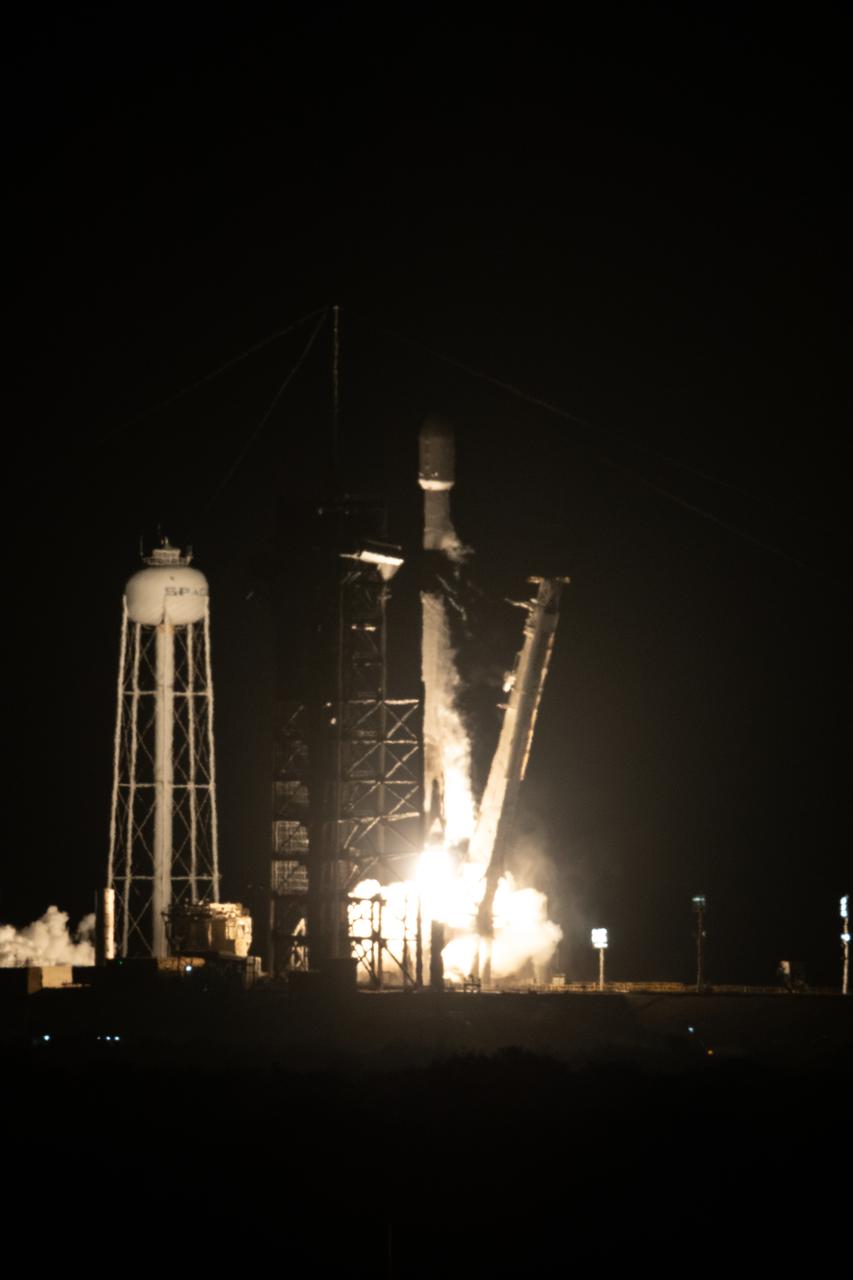
The Blue Ghost lander, part of NASA’s CLPS (Commercial Lunar Payload Services) initiative, lifts off atop a SpaceX Falcon 9 rocket on Wednesday, Jan. 15, 2025 from Launch Complex 39A at NASA’s Kennedy Space Center in Florida on a journey to the Moon. The Firefly Aerospace lander, carrying 10 NASA science and technology instruments, will help to further understand the Moon and help prepare for future human missions.
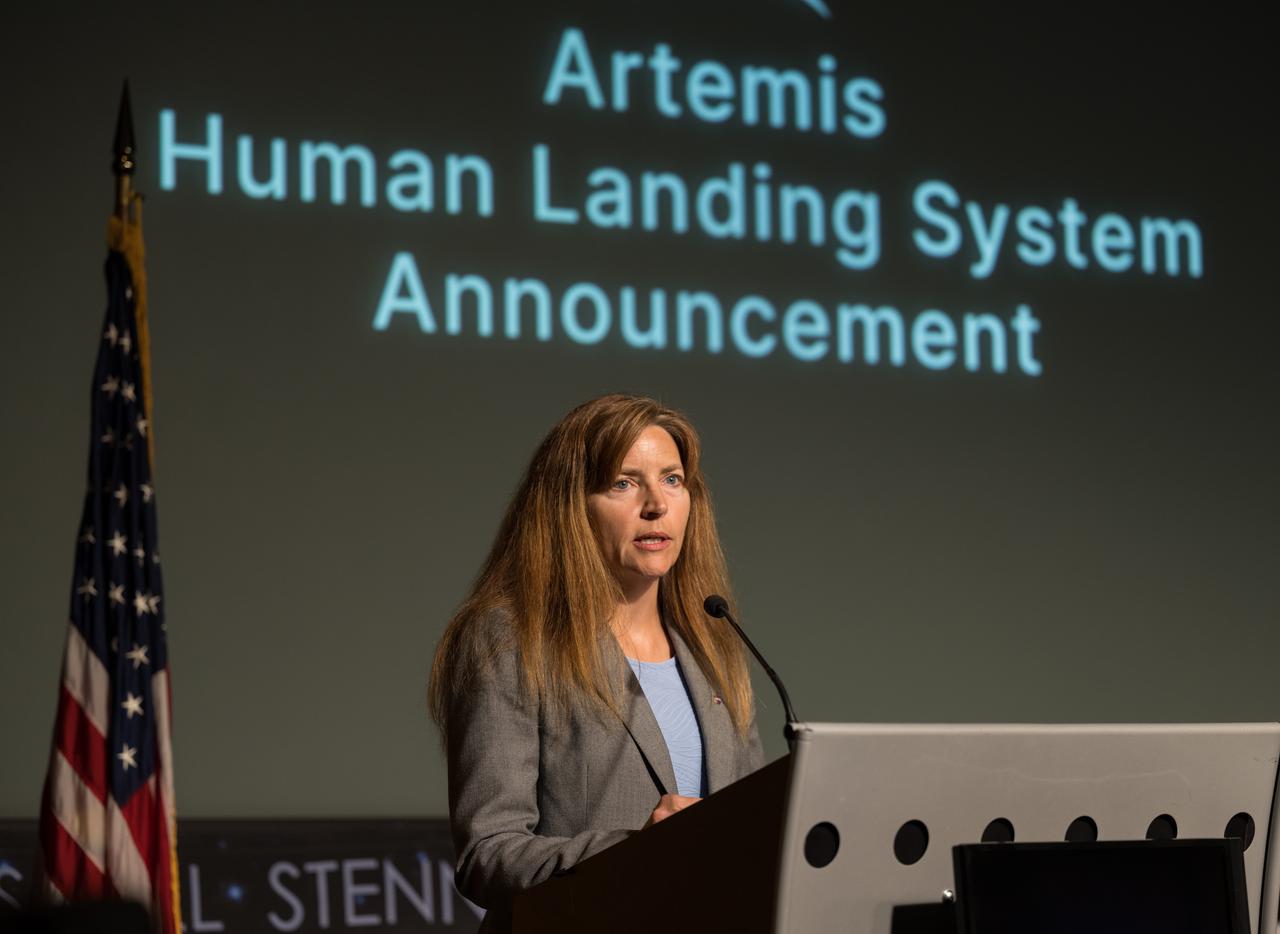
Human Landing System Program Manager Lisa Watson-Morgan gives remarks during an event announcing Blue Origin as the company selected to develop a sustainable human landing system for the Artemis V Moon mission, Friday, May 19, 2023 at the Mary W. Jackson NASA Headquarters building in Washington. The human landing system will take astronauts to and from Gateway in lunar orbit to the surface and back to the lunar space station as part of NASA’s return to the Moon for science, exploration, and inspiration. Photo Credit: (NASA/Aubrey Gemignani)

Human Landing System Program Manager Lisa Watson-Morgan gives remarks during an event announcing Blue Origin as the company selected to develop a sustainable human landing system for the Artemis V Moon mission, Friday, May 19, 2023 at the Mary W. Jackson NASA Headquarters building in Washington. The human landing system will take astronauts to and from Gateway in lunar orbit to the surface and back to the lunar space station as part of NASA’s return to the Moon for science, exploration, and inspiration. Photo Credit: (NASA/Aubrey Gemignani)

NASA Administrator Bill Nelson gives remarks during an event announcing Blue Origin as the company selected to develop a sustainable human landing system for the Artemis V Moon mission, Friday, May 19, 2023 at the Mary W. Jackson NASA Headquarters building in Washington. The human landing system will take astronauts to and from Gateway in lunar orbit to the surface and back to the lunar space station as part of NASA’s return to the Moon for science, exploration, and inspiration. Photo Credit: (NASA/Aubrey Gemignani)

Human Landing System Program Manager Lisa Watson-Morgan gives remarks during an event announcing Blue Origin as the company selected to develop a sustainable human landing system for the Artemis V Moon mission, Friday, May 19, 2023 at the Mary W. Jackson NASA Headquarters building in Washington. The human landing system will take astronauts to and from Gateway in lunar orbit to the surface and back to the lunar space station as part of NASA’s return to the Moon for science, exploration, and inspiration. Photo Credit: (NASA/Aubrey Gemignani)
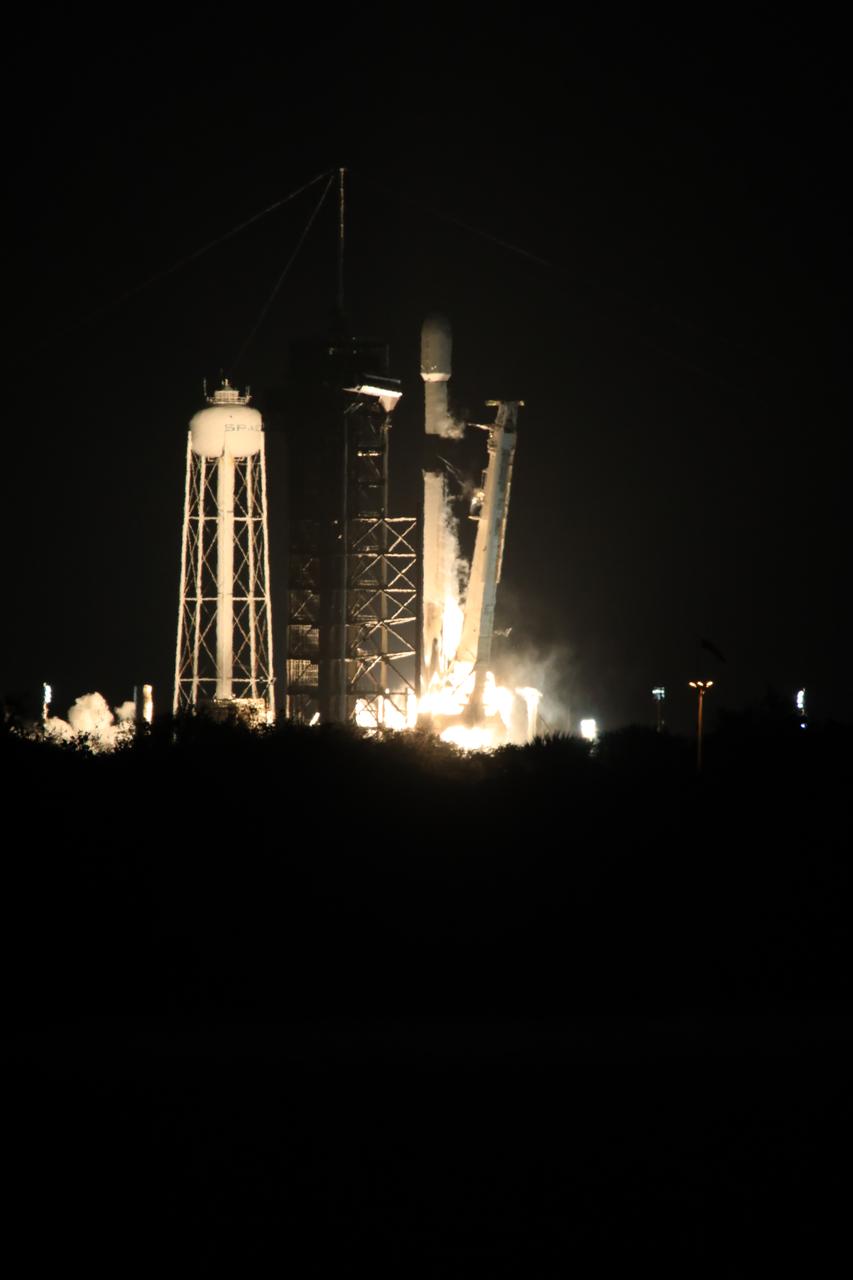
The Blue Ghost lander, part of NASA’s CLPS (Commercial Lunar Payload Services) initiative, lifts off atop a SpaceX Falcon 9 rocket on Wednesday, Jan. 15, 2025 from Launch Complex 39A at NASA’s Kennedy Space Center in Florida on a journey to the Moon. The Firefly Aerospace lander, carrying 10 NASA science and technology instruments, will help to further understand the Moon and help prepare for future human missions.

NASA Press Secretary Jackie McGuinness introduces NASA Administrator Bill Nelson during an event announcing Blue Origin as the company selected to develop a sustainable human landing system for the Artemis V Moon mission, Friday, May 19, 2023 at the Mary W. Jackson NASA Headquarters building in Washington. The human landing system will take astronauts to and from Gateway in lunar orbit to the surface and back to the lunar space station as part of NASA’s return to the Moon for science, exploration, and inspiration. Photo Credit: (NASA/Aubrey Gemignani)

NASA Administrator Bill Nelson announces Blue Origin as the company selected to develop a sustainable human landing system for the Artemis V Moon mission, Friday, May 19, 2023 at the Mary W. Jackson NASA Headquarters building in Washington. The human landing system will take astronauts to and from Gateway in lunar orbit to the surface and back to the lunar space station as part of NASA’s return to the Moon for science, exploration, and inspiration. Photo Credit: (NASA/Aubrey Gemignani)
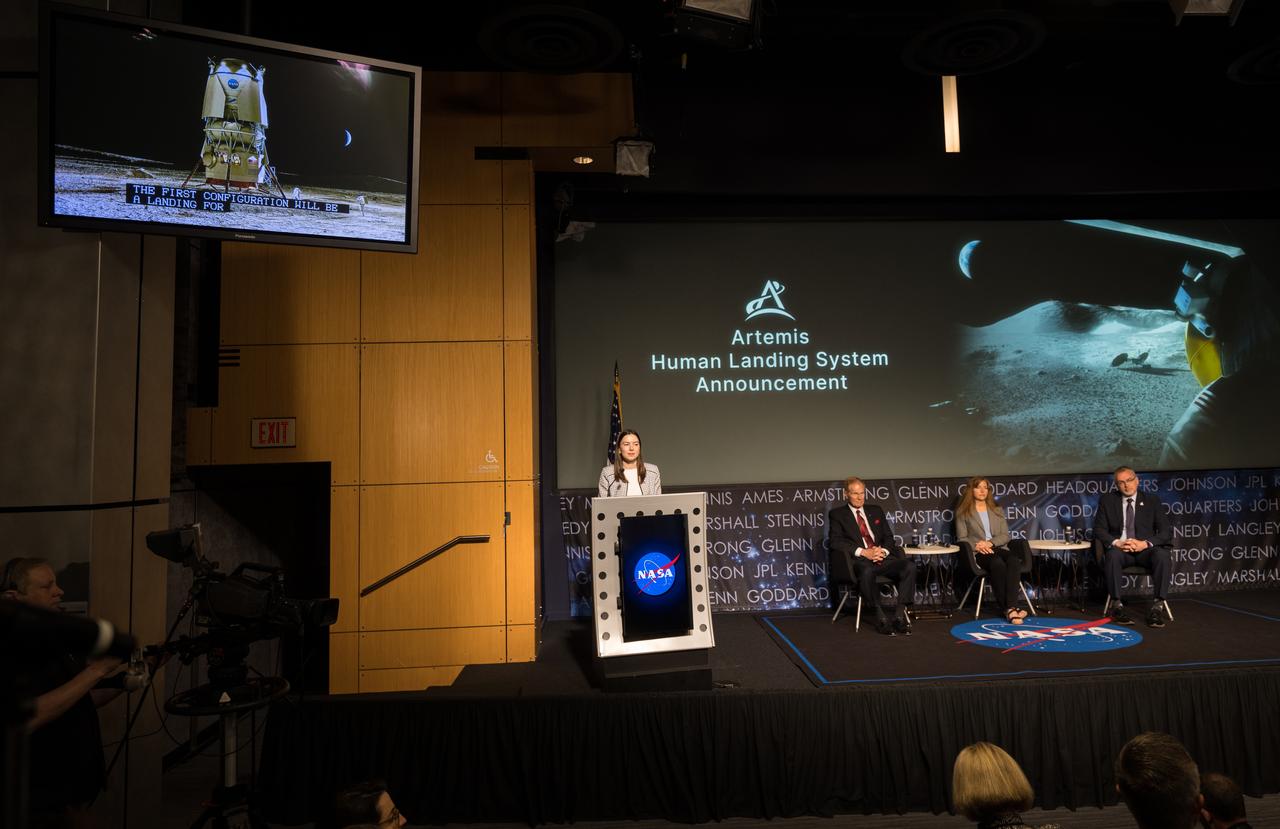
A view of the human landing system is seen on the monitor during an event announcing Blue Origin as the company selected to develop a sustainable human landing system for the Artemis V Moon mission, Friday, May 19, 2023 at the Mary W. Jackson NASA Headquarters building in Washington. The human landing system will take astronauts to and from Gateway in lunar orbit to the surface and back to the lunar space station as part of NASA’s return to the Moon for science, exploration, and inspiration. Photo Credit: (NASA/Aubrey Gemignani)

NASA Administrator Bill Nelson announces Blue Origin as the company selected to develop a sustainable human landing system for the Artemis V Moon mission, Friday, May 19, 2023 at the Mary W. Jackson NASA Headquarters building in Washington. The human landing system will take astronauts to and from Gateway in lunar orbit to the surface and back to the lunar space station as part of NASA’s return to the Moon for science, exploration, and inspiration. Photo Credit: (NASA/Aubrey Gemignani)

NASA Administrator Bill Nelson announces Blue Origin as the company selected to develop a sustainable human landing system for the Artemis V Moon mission, Friday, May 19, 2023 at the Mary W. Jackson NASA Headquarters building in Washington. The human landing system will take astronauts to and from Gateway in lunar orbit to the surface and back to the lunar space station as part of NASA’s return to the Moon for science, exploration, and inspiration. Photo Credit: (NASA/Aubrey Gemignani)

iss071e067226_stk (5/8/2024) --- NASA astronaut Matt Dominick aboard space station captured this waxing lunar crescent illuminated by the Sun. The rest of the Moon dimly glows by earthshine when sunlight reflects off Earth onto the Moon. Scientists track the Earth’s brightness, or albedo, via this phenomenon. This photo also shows a cross-section of Earth’s atmospheric layers, including the orange troposphere nearest to the surface and the thicker, light-blue stratosphere above that.