
On July 16, 2019, the 50th anniversary of the Apollo 11 launch, Apollo launch team members mingle in Launch Control Center Firing Room 1 at NASA's Kennedy Space Center in Florida. At right is Bob Sieck, Apollo launch team member and former space shuttle launch director.

NASA Kennedy Space Center Director Bob Cabana, far right, serves as moderator for the “Apollo Heroes Panel Discussion” in the IMAX Theater at the Kennedy Space Center Visitor Complex in Florida on July 16, 2019. Panelists are, from left, JoAnn Morgan, the only woman on console in the Launch Control Center for Apollo 11 launch countdown activities; Bob Sieck, Apollo-era launch team member and former space shuttle launch director; and Harrison Schmitt, Apollo 17 astronaut and moonwalker. The panel discussion is one of several events at the visitor complex to honor the 50th anniversary of NASA’s Saturn V/Apollo 11 launch and landing on the Moon.
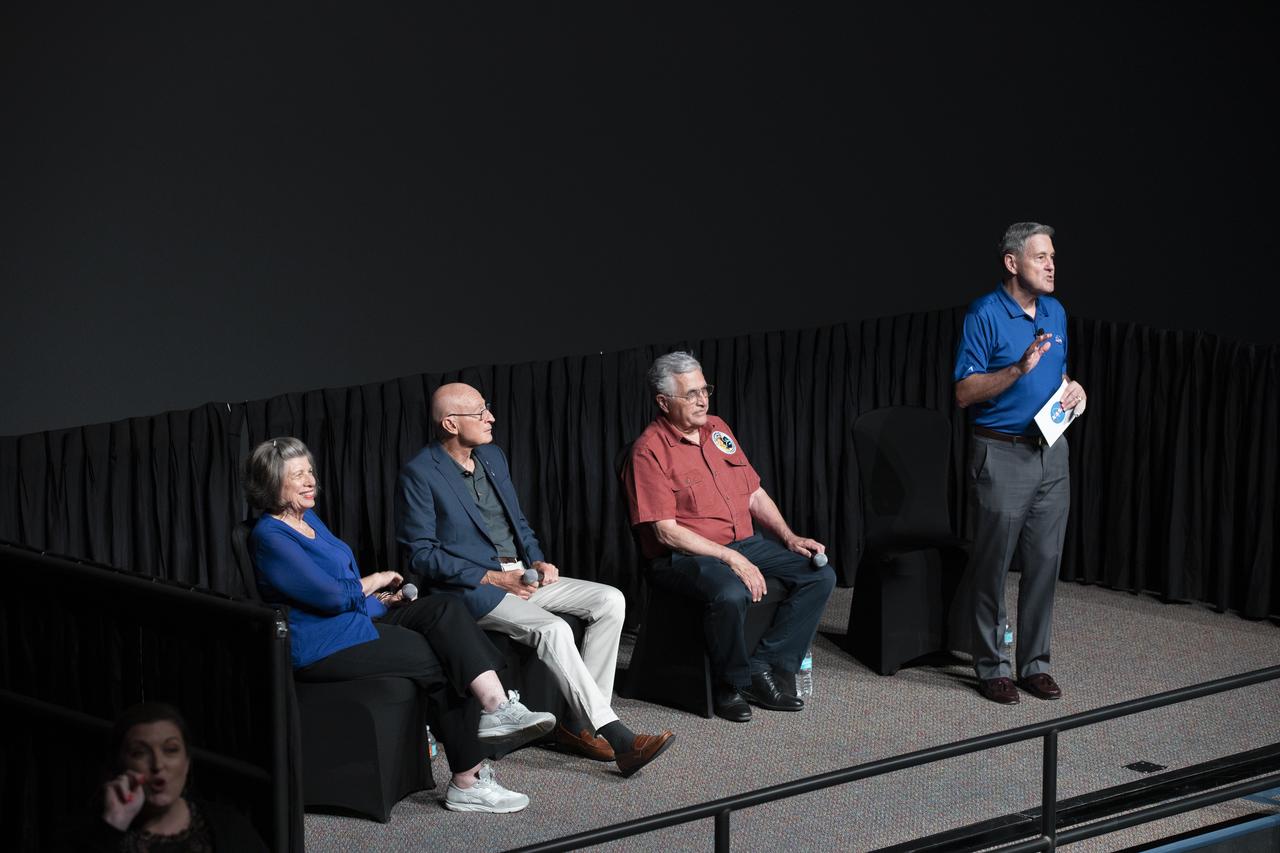
NASA Kennedy Space Center Director Bob Cabana, far right, serves as moderator for the “Apollo Heroes Panel Discussion” in the IMAX Theater at the Kennedy Space Center Visitor Complex in Florida on July 16, 2019. Panelists are, from left, JoAnn Morgan, the only woman on console in the Launch Control Center for Apollo 11 launch countdown activities; Bob Sieck, Apollo-era launch team member and former space shuttle launch director; and Harrison Schmitt, Apollo 17 astronaut and moonwalker. The panel discussion is one of several events at the visitor complex to honor the 50th anniversary of NASA’s Saturn V/Apollo 11 launch and landing on the Moon.
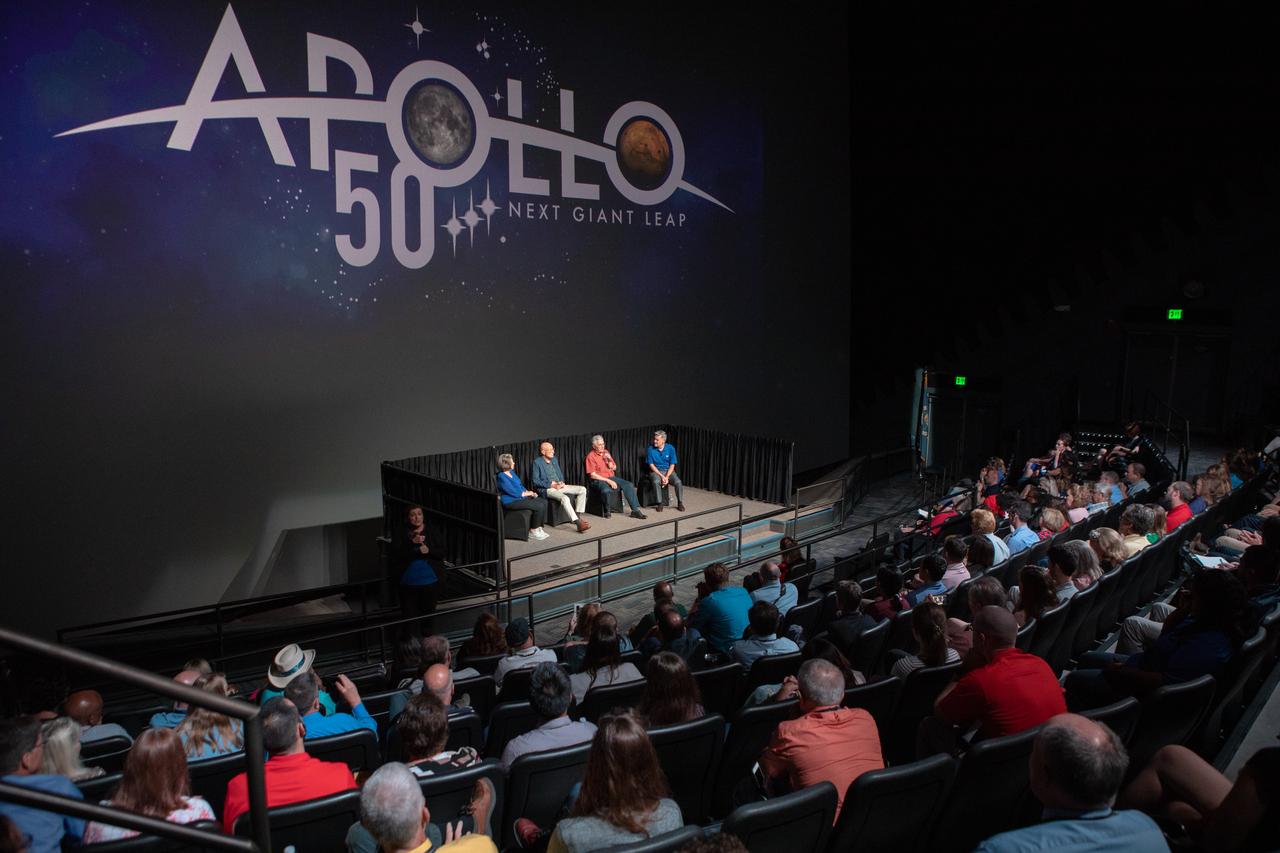
NASA Kennedy Space Center Director Bob Cabana, far right, serves as moderator for the “Apollo Heroes Panel Discussion” in the IMAX Theater at the Kennedy Space Center Visitor Complex in Florida on July 16, 2019. Panelists are, from left, JoAnn Morgan, the only woman on console in the Launch Control Center for Apollo 11 launch countdown activities; Bob Sieck, Apollo-era launch team member and former space shuttle launch director; and Harrison Schmitt, Apollo 17 astronaut and moonwalker. The panel discussion is one of several events at the visitor complex to honor the 50th anniversary of NASA’s Saturn V/Apollo 11 launch and landing on the Moon.
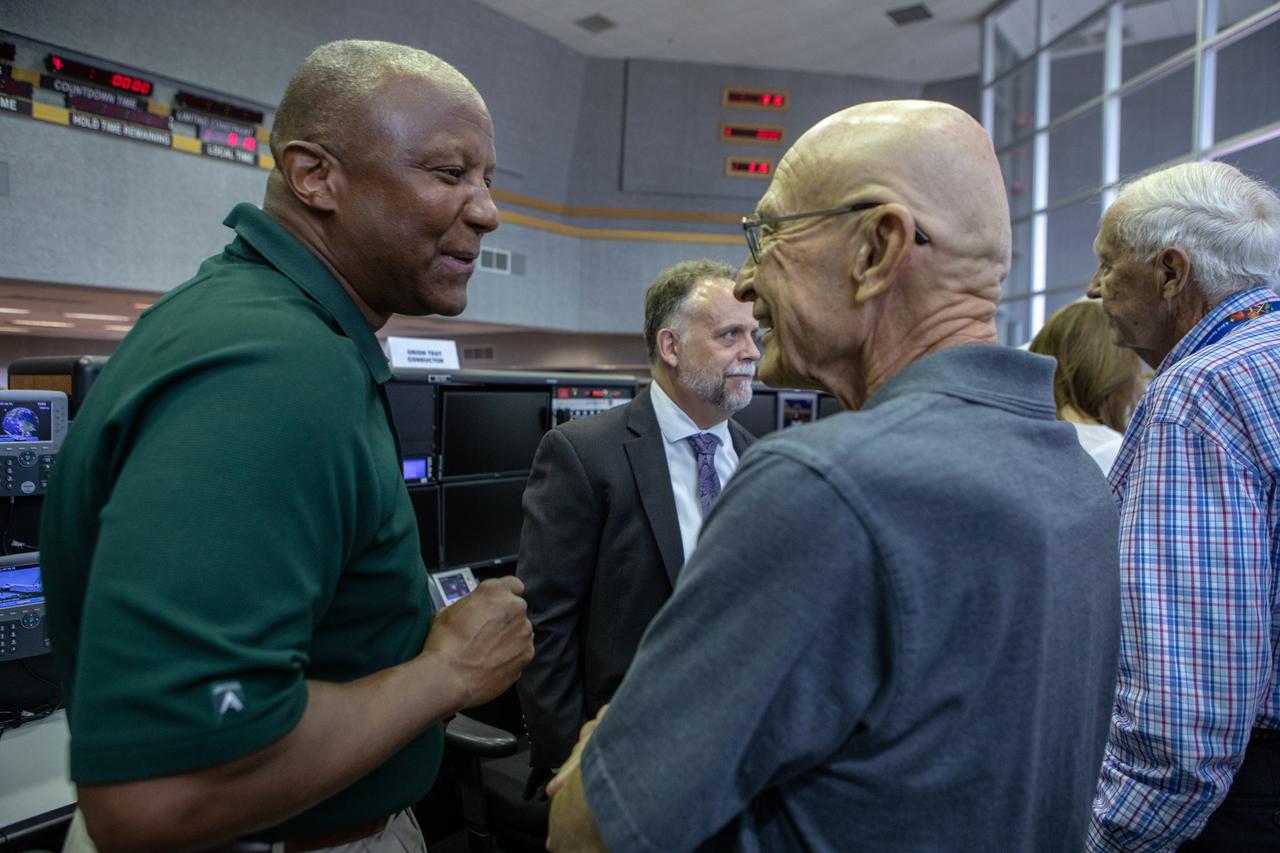
On July 16, 2019, the 50th anniversary of the Apollo 11 launch to the Moon, Kelvin Manning, left, Kennedy Space Center associate director, technical, talks to Bob Sieck, former Apollo 11 launch team member and space shuttle launch director, in Firing Room 1 in the Launch Control Center at NASA’s Kennedy Space Center in Florida. In the background is Sean Quinn, director of Engineering.
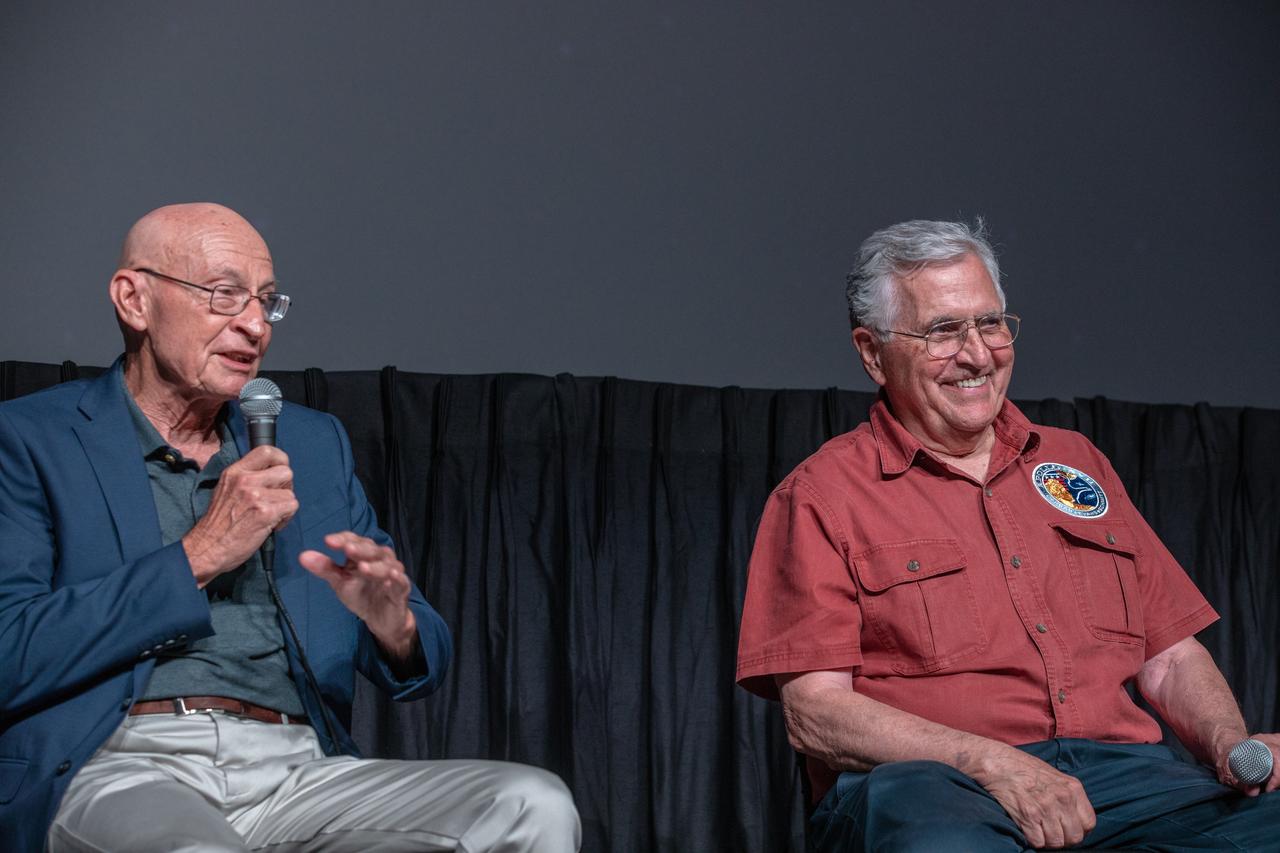
Bob Sieck, left, Apollo-era launch team member and former space shuttle launch director, and Harrison Schmitt, Apollo 17 astronaut and moonwalker, answer questions during the “Apollo Heroes Panel Discussion” in the IMAX Theater at the Kennedy Space Center Visitor Complex in Florida on July 16, 2019. The panel discussion is one of several events at the visitor complex to honor the 50th anniversary of NASA’s Saturn V/Apollo 11 launch and landing on the Moon.
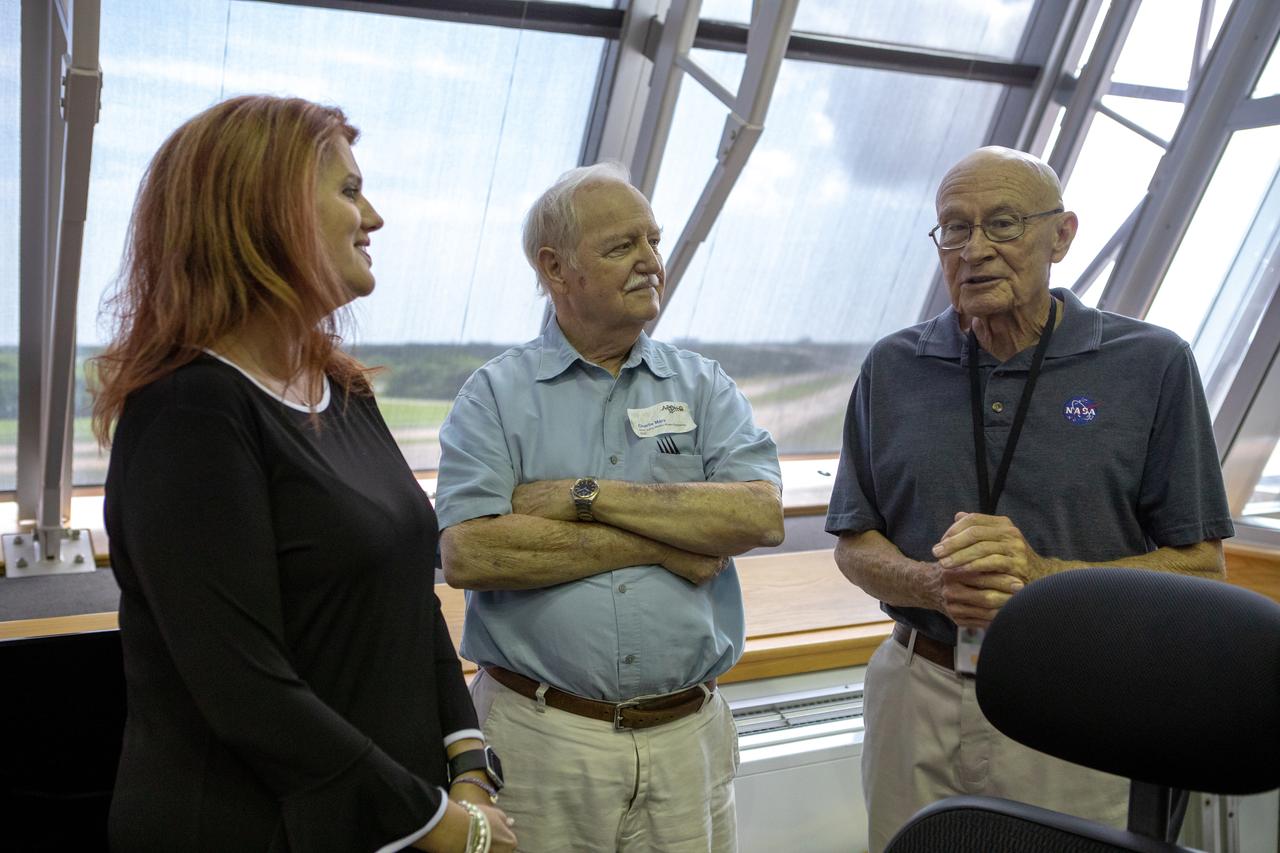
On July 16, 2019, the 50th anniversary of the Apollo 11 launch to the Moon; Apollo-era and Artemis launch team members mingle in Launch Control Center Firing Room 1 at NASA's Kennedy Space Center in Florida. From left, are Charlie Blackwell-Thompson, Artemis 1 launch director; Charlie Mars, Apollo 11 launch team member; and Bob Sieck, Apollo 11 launch team member and former space shuttle launch director.
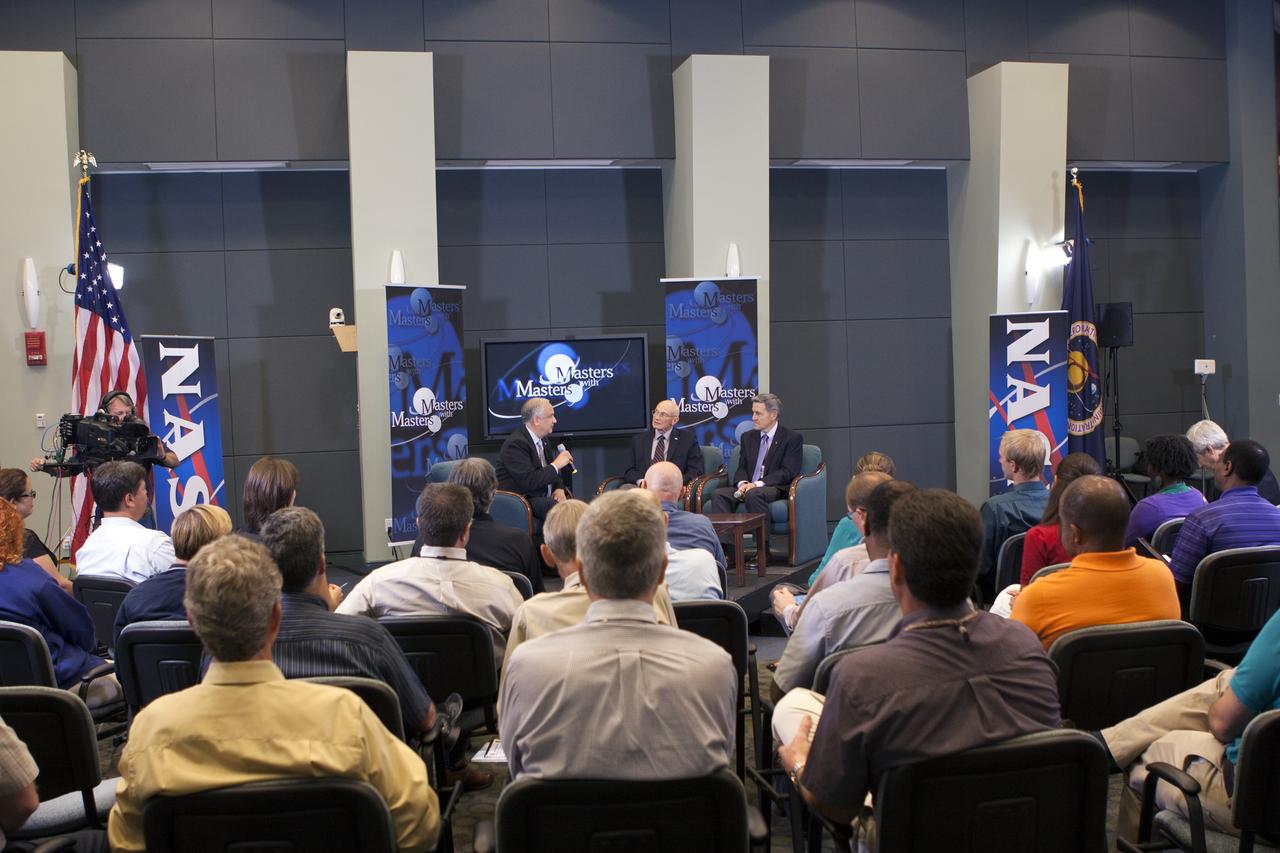
CAPE CANAVERAL, Fla. – Ed Hoffman, from left, Bob Sieck and Bob Cabana discuss techniques to handle a transition era during the second session in a weeklong series called "Masters with Masters" at the agency's Kennedy Space Center in Florida. Hoffman, NASA's chief Knowledge officer, Sieck, a former space shuttle launch director, and Cabana, the director of Kennedy, focused on the transition from Apollo to the shuttle and the current transition under way following the shuttle fleet's retirement. Photo credit: NASA/Jim Grossmann
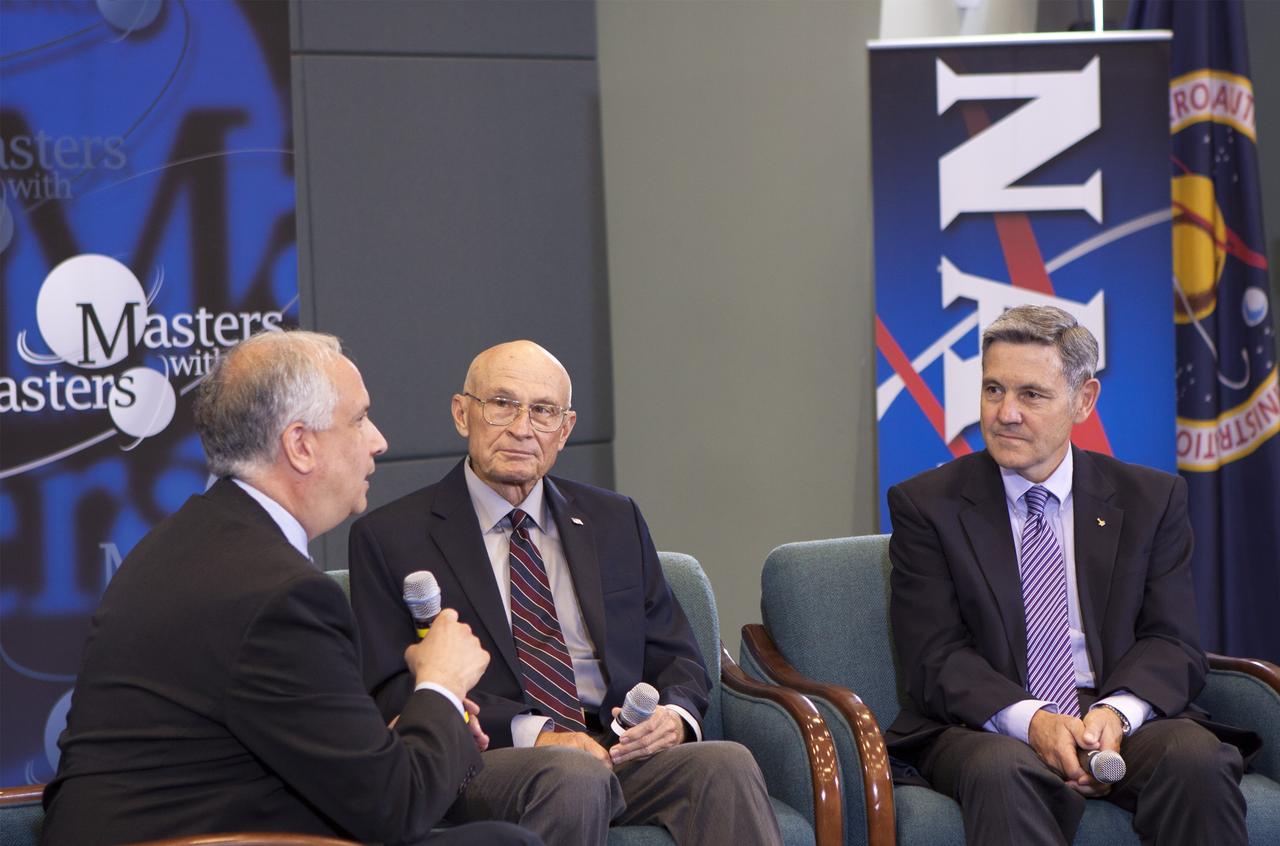
CAPE CANAVERAL, Fla. – Ed Hoffman, from left, Bob Sieck and Bob Cabana discuss techniques to handle a transition era during the second session in a weeklong series called "Masters with Masters" at the agency's Kennedy Space Center in Florida. Hoffman, NASA's chief Knowledge officer, Sieck, a former space shuttle launch director, and Cabana, the director of Kennedy, focused on the transition from Apollo to the shuttle and the current transition under way following the shuttle fleet's retirement. Photo credit: NASA/Jim Grossmann
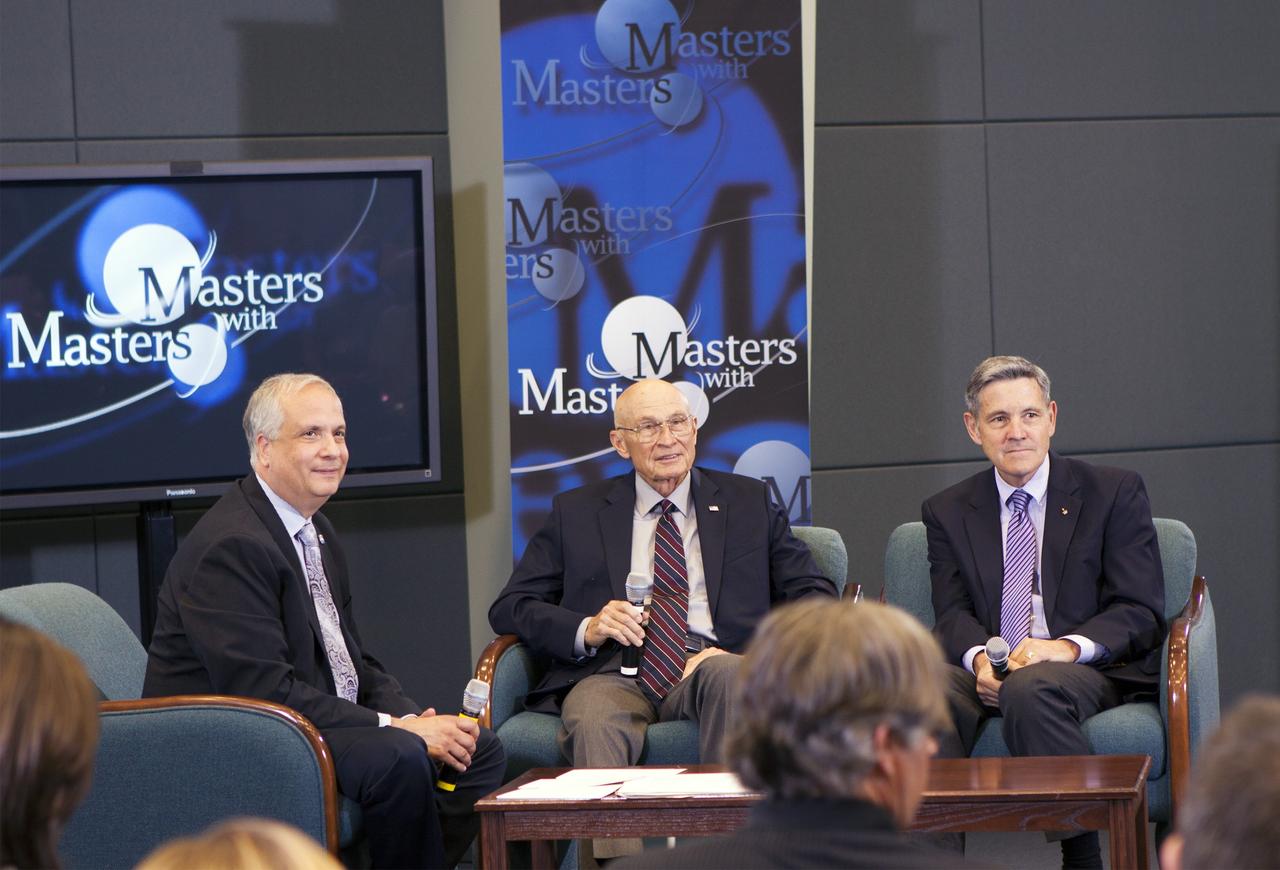
CAPE CANAVERAL, Fla. – Ed Hoffman, from left, Bob Sieck and Bob Cabana discuss techniques to handle a transition era during the second session in a weeklong series called "Masters with Masters" at the agency's Kennedy Space Center in Florida. Hoffman, NASA's chief Knowledge officer, Sieck, a former space shuttle launch director, and Cabana, the director of Kennedy, focused on the transition from Apollo to the shuttle and the current transition under way following the shuttle fleet's retirement. Photo credit: NASA/Jim Grossmann
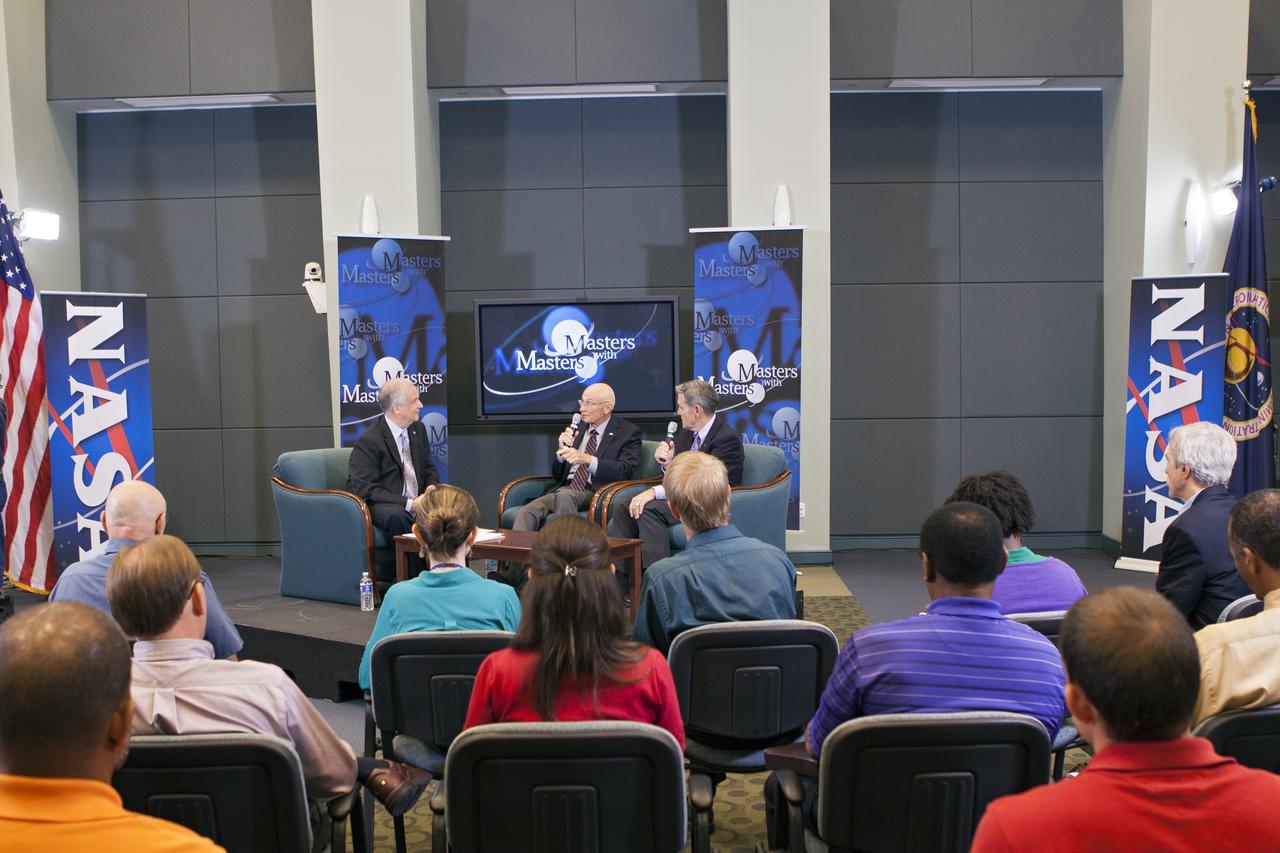
CAPE CANAVERAL, Fla. – Ed Hoffman, from left, Bob Sieck and Bob Cabana discuss techniques to handle a transition era during the second session in a weeklong series called "Masters with Masters" at the agency's Kennedy Space Center in Florida. Hoffman, NASA's chief Knowledge officer, Sieck, a former space shuttle launch director, and Cabana, the director of Kennedy, focused on the transition from Apollo to the shuttle and the current transition under way following the shuttle fleet's retirement. Photo credit: NASA/Jim Grossmann
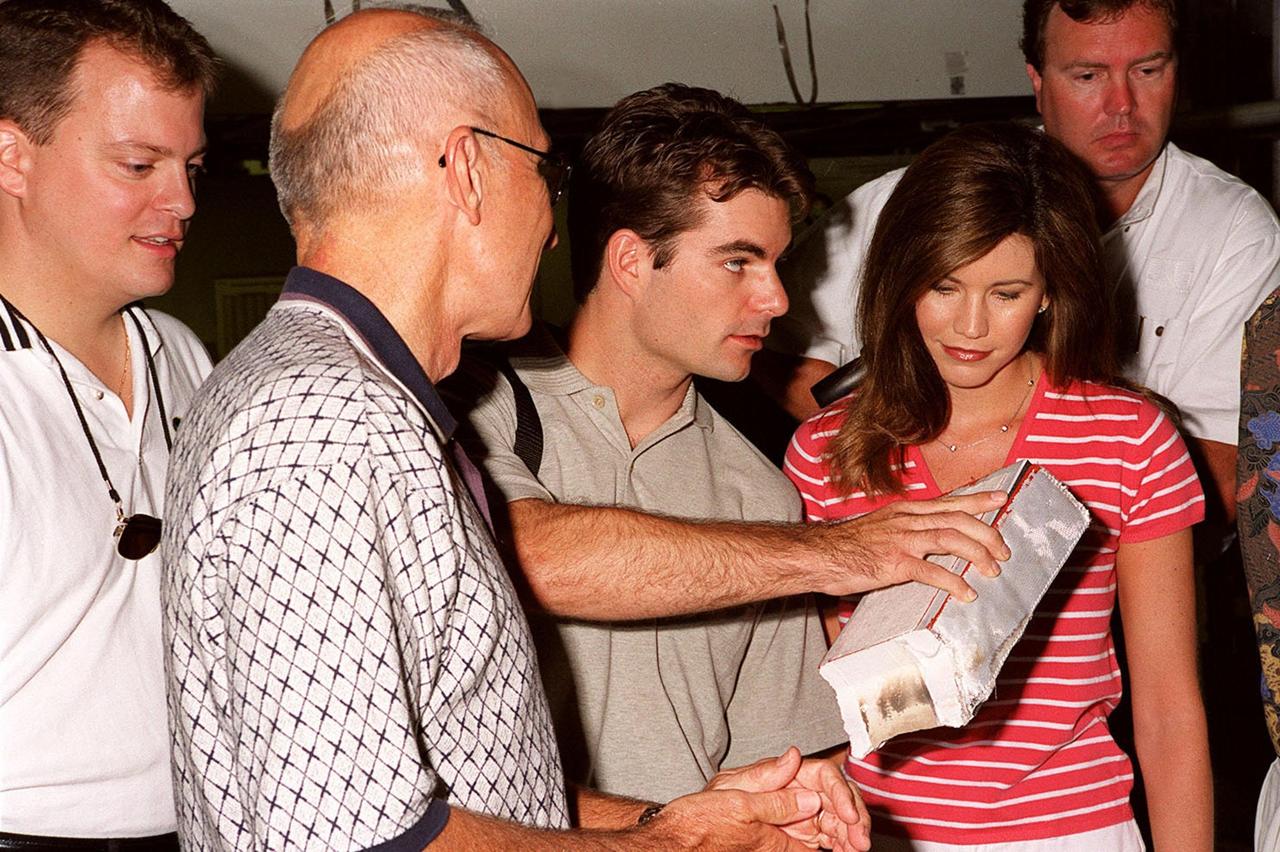
KENNEDY SPACE CENTER, FLA. -- During a visit to KSC, NASCAR race driver Jeff Gordon and his wife look closely at blanket material used for the Shuttle. Former KSC launch director Bob Sieck (back to camera) looks on
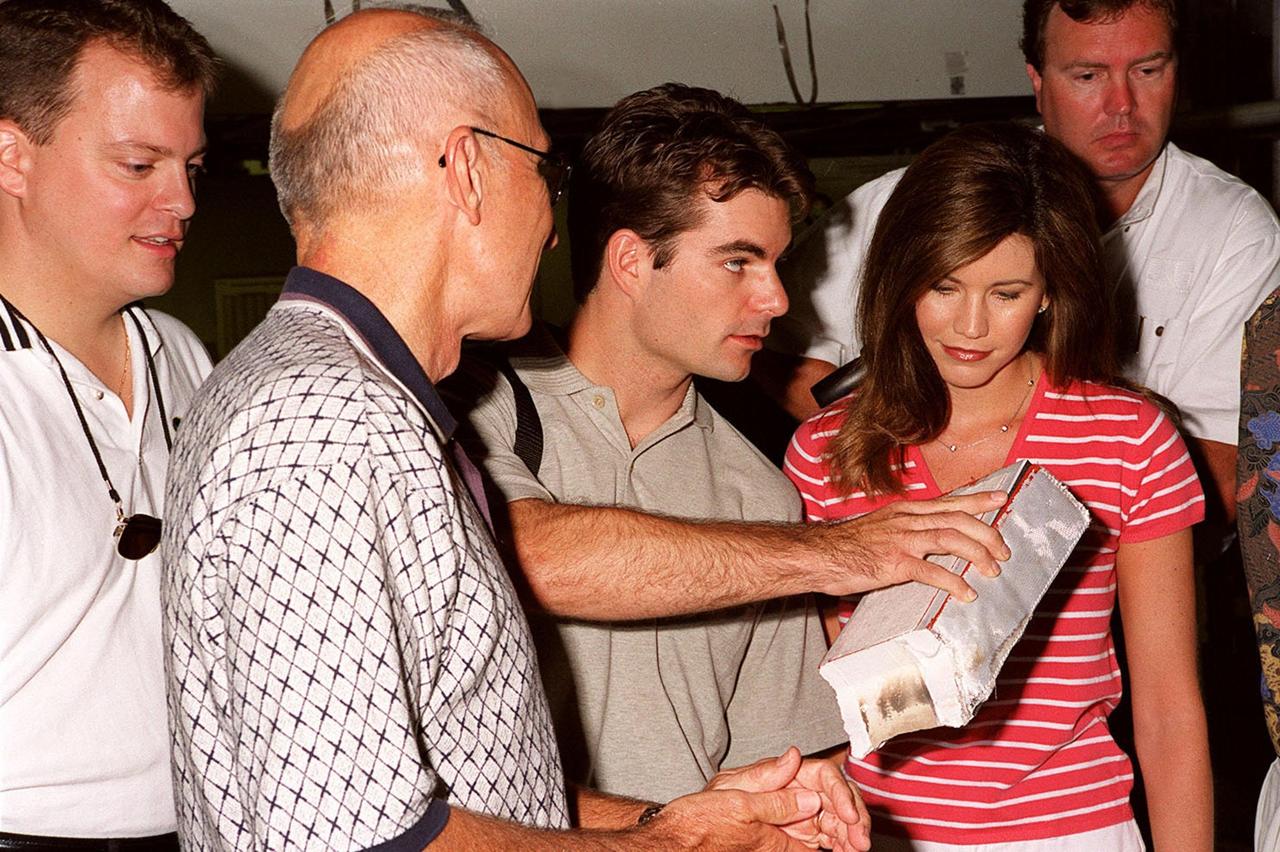
KENNEDY SPACE CENTER, FLA. -- During a visit to KSC, NASCAR race driver Jeff Gordon and his wife look closely at blanket material used for the Shuttle. Former KSC launch director Bob Sieck (back to camera) looks on
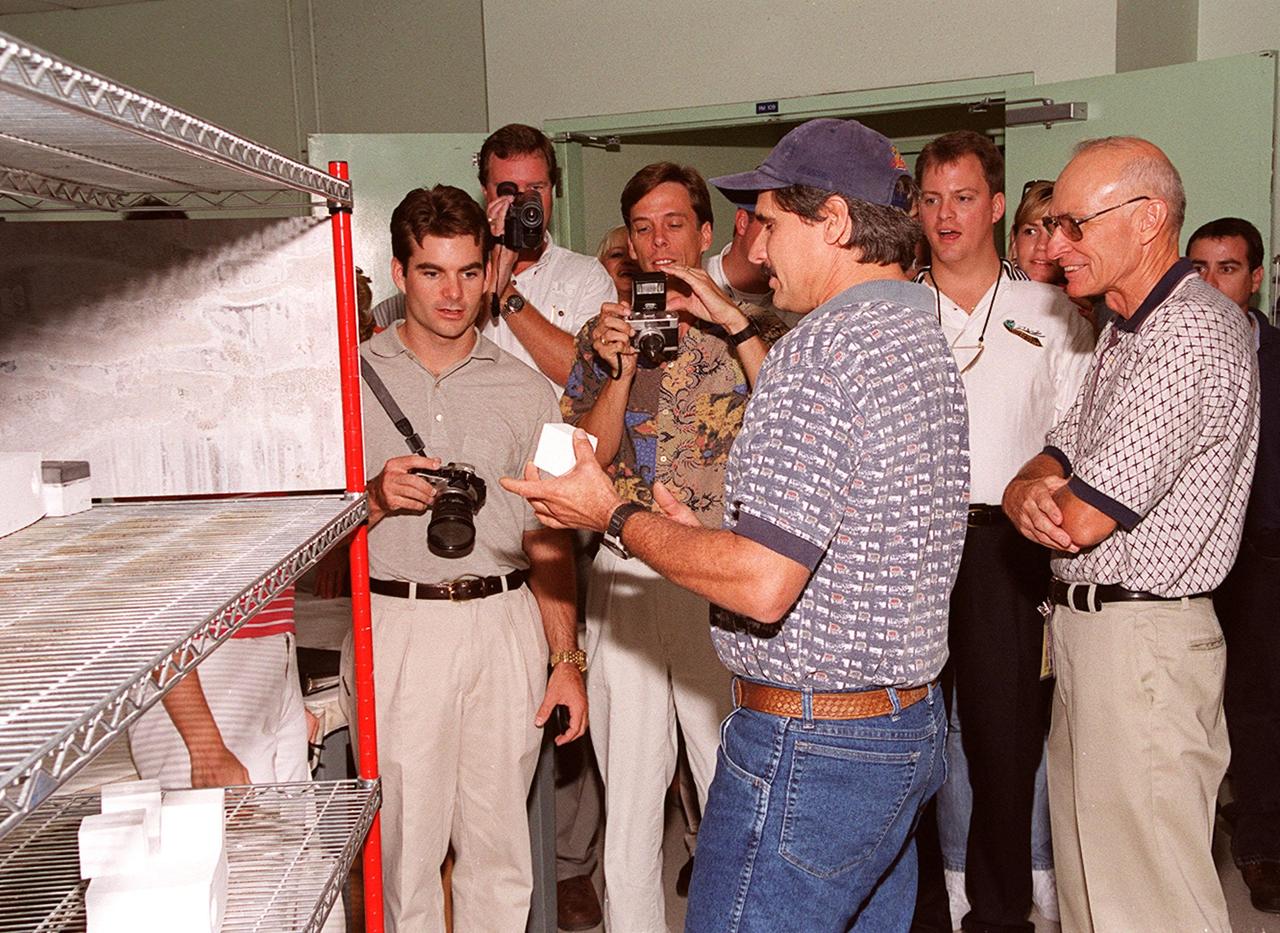
KENNEDY SPACE CENTER, FLA. -- During a visit to KSC, NASCAR race driver Jeff Gordon (left) looks at a tile in the Tile Shop in the Launch Complex 39 area. Former KSC launch director Bob Sieck (far right) looks on
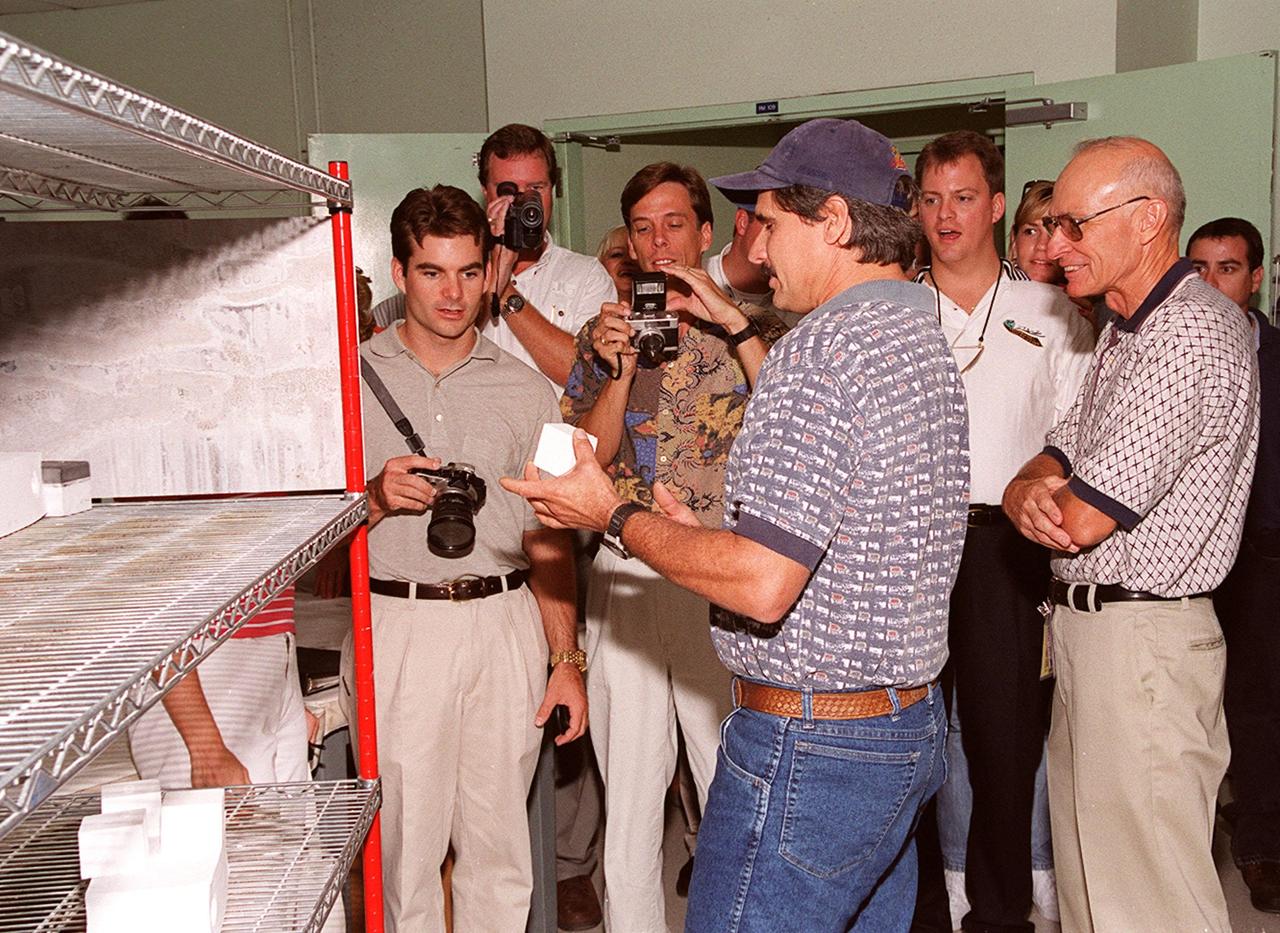
KENNEDY SPACE CENTER, FLA. -- During a visit to KSC, NASCAR race driver Jeff Gordon (left) looks at a tile in the Tile Shop in the Launch Complex 39 area. Former KSC launch director Bob Sieck (far right) looks on
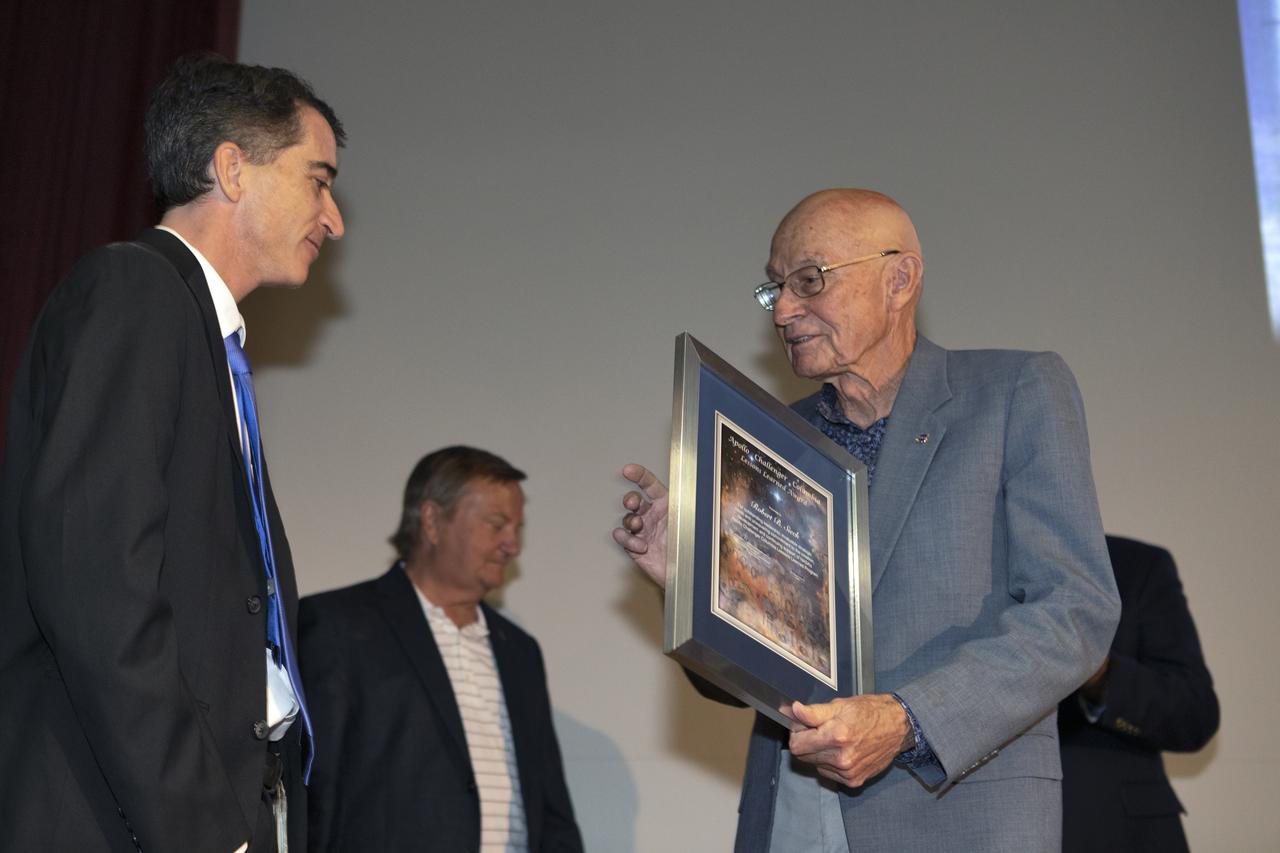
Former space shuttle launch director Bob Sieck, right, receives a Lessons Learned Award from Apollo Challenger Columbia Lessons Learned Program (ACCLLP) Manager Mike Ciannilli in Kennedy Space Center’s Training Auditorium on April 12, 2019. Sieck participated in a discussion during “Columbia: The Mission Continues,” an event organized by the ACCLLP. The event is part of the Space Shuttle Columbia national tour and took place on the 38th anniversary of STS-1, the first orbital spaceflight of NASA’s Space Shuttle Program. The tour launched at Kennedy and will make its way to each of the 10 NASA centers.
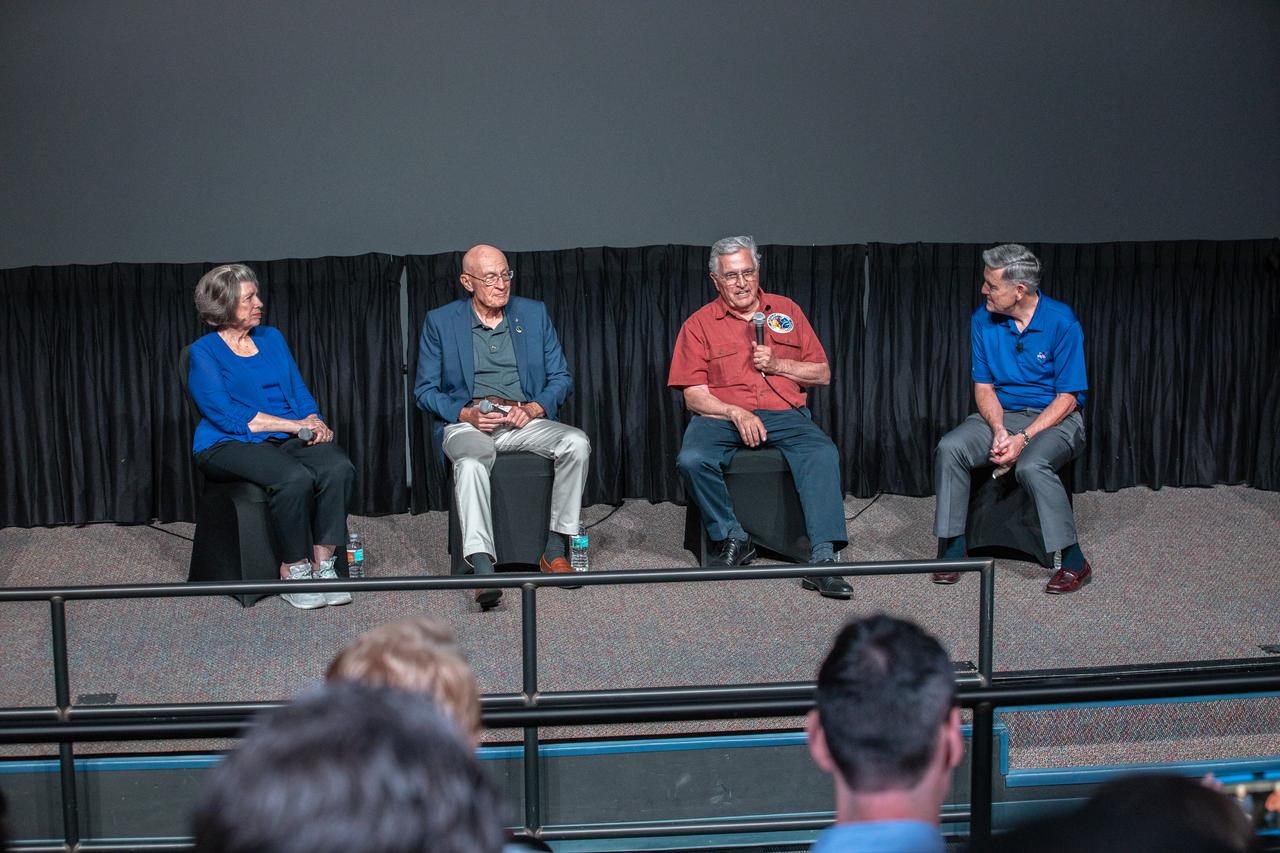
NASA Kennedy Space Center Director Bob Cabana, far right, serves as moderator for the “Apollo Heroes Panel Discussion” in the IMAX Theater at the Kennedy Space Center Visitor Complex in Florida on July 16, 2019. Panelists are, from left, JoAnn Morgan, the only woman on console in the Launch Control Center for Apollo 11 launch countdown activities; Bob Sieck, Apollo-era launch team member and former space shuttle launch director; and Harrison Schmitt, Apollo 17 astronaut and moonwalker. The panel discussion is one of several events at the visitor complex to honor the 50th anniversary of NASA’s Saturn V/Apollo 11 launch and landing on the Moon.
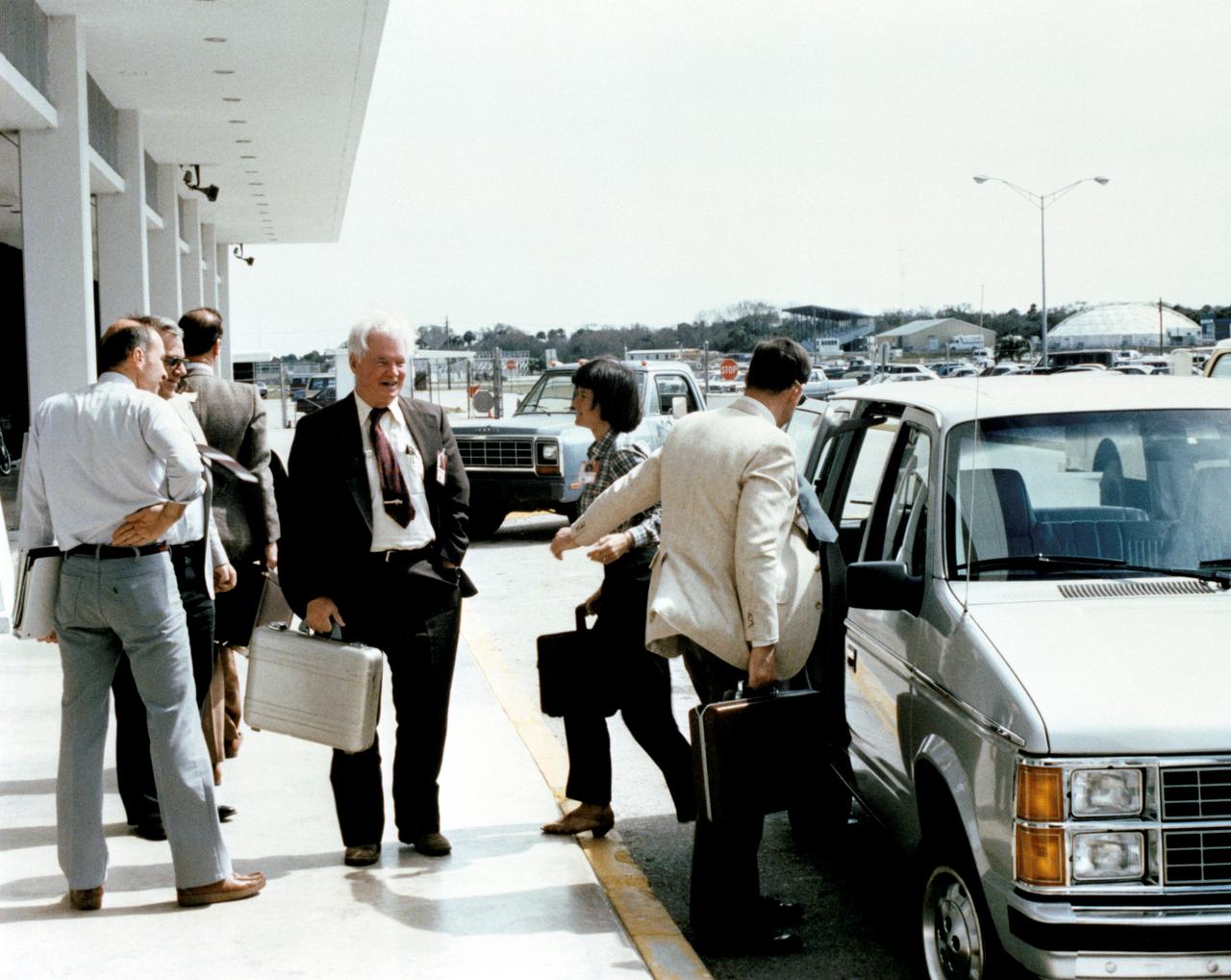
51L-10166 (4 March 1986) --- Members of the Presidential Commission on the space shuttle Challenger accident arrive at the Launch Control Center at Kennedy Space Center (KSC). Commission members present are Robert Hotz (center) and Dr. Sally Ride. Others pictured are John Chase, staff assistant to the Commission (far right) and from left to right: Bob Sieck, Director of Shuttle operations; Jack Martin and John Fabian.
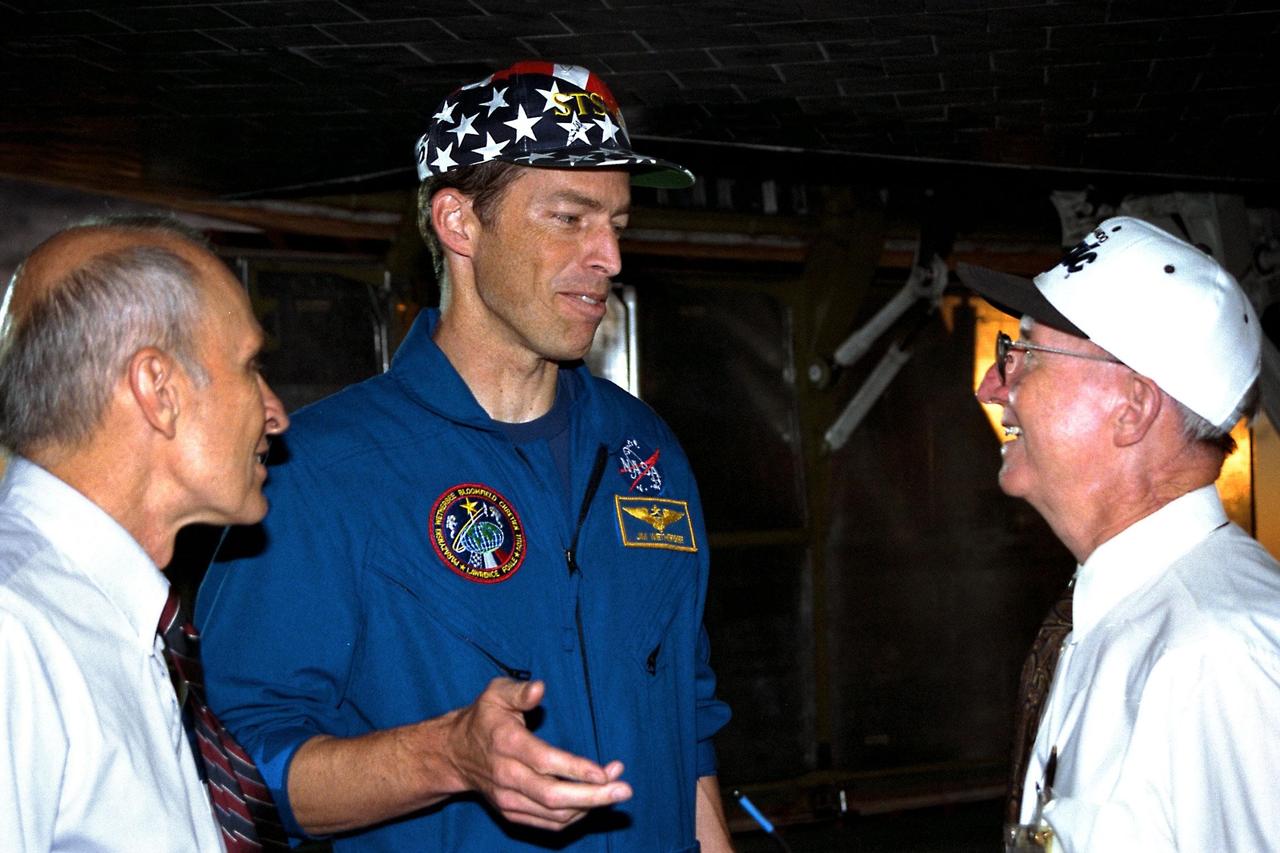
STS-86 Commander James D. Wetherbee, at center, is greeted by KSC Space Shuttle officials shortly after landing the orbiter Atlantis on KSC’s Runway 15. Shuttle Operations Director Bob Sieck is at left; Launch Director Jim Harrington is at Wetherbee’s right. The nearly 11-day mission ended with main gear touchdown at 5:55:09 p.m. EDT, Oct. 6, 1997. STS-86 was the seventh docking of the Space Shuttle with the Russian Space Station Mir
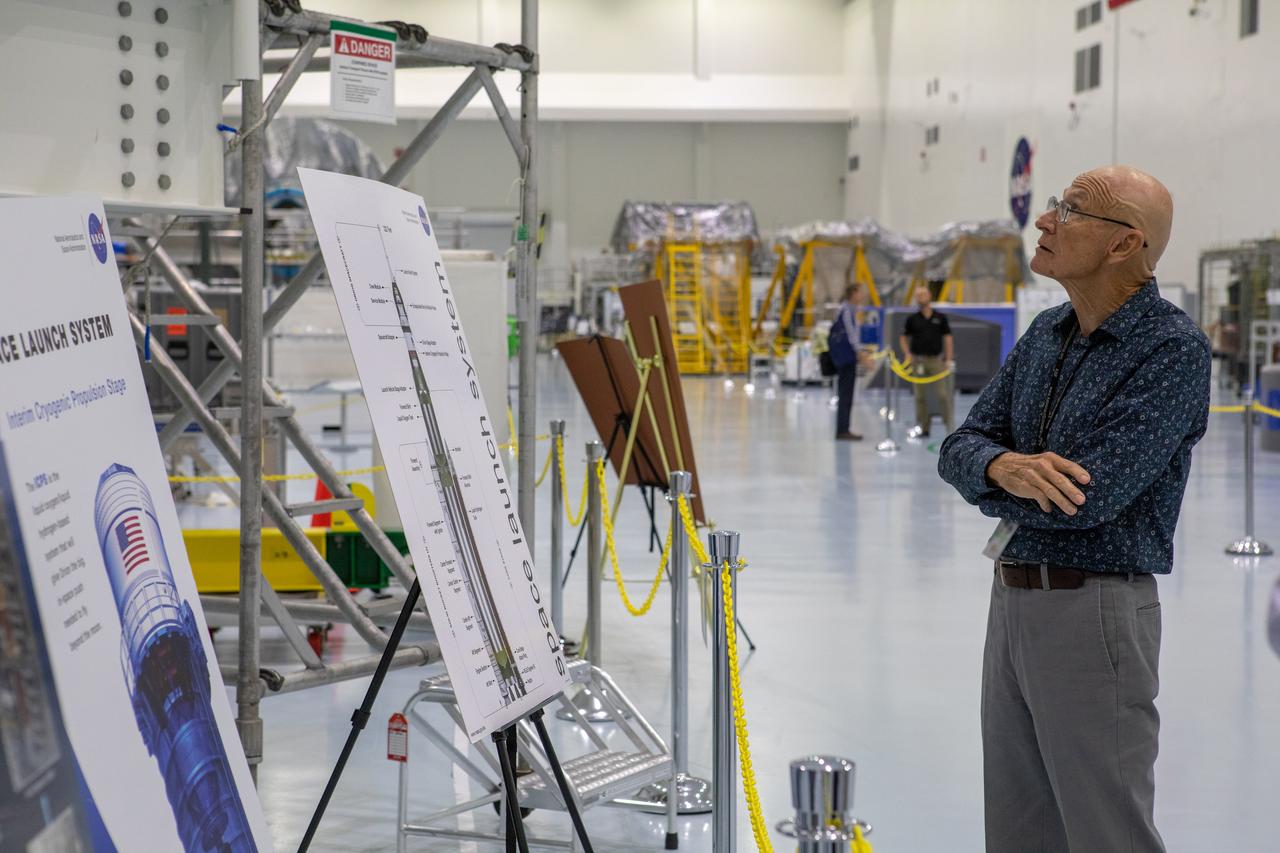
Members of the NASA Advisory Council toured the Space Station Processing Facility high bay at Kennedy Space Center in Florida on Oct. 29, 2019. In the foreground is Bob Sieck, former shuttle launch director. The NASA Advisory Council provides the NASA administrator with counsel and advice on programs and issues of importance to the agency. Committee members conduct fact-finding sessions throughout the year in an effort to gain a broad understanding of current NASA issues and future mission implementation plans.
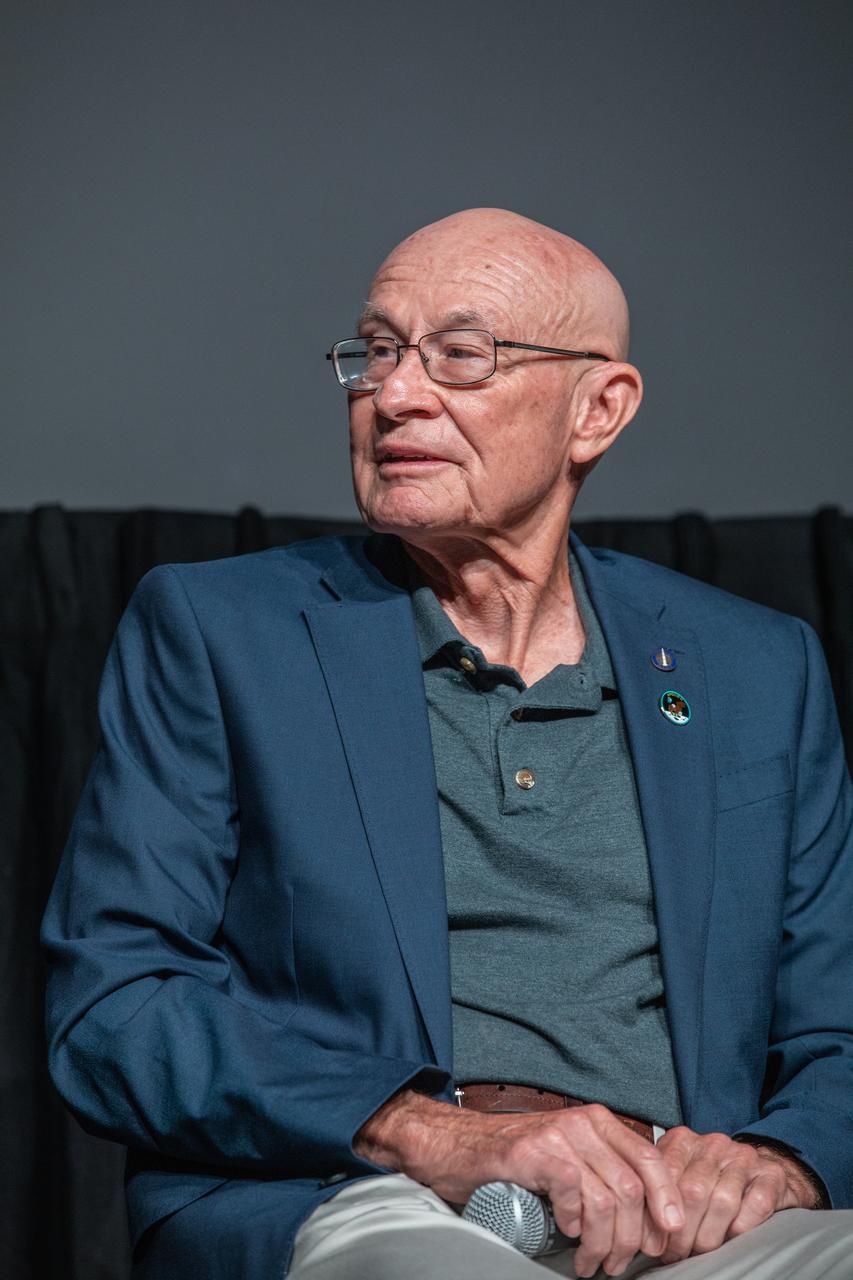
Bob Sieck, Apollo-era launch team member and former space shuttle launch director, particpates in the “Apollo Heroes Panel Discussion” in the IMAX Theater at the Kennedy Space Center Visitor Complex in Florida on July 16, 2019. The panel discussion is one of several events at the visitor complex to honor the 50th anniversary of NASA’s Saturn V/Apollo 11 launch and landing on the Moon.

CAPE CANAVERAL, Fla. -- Standing in front of a replica of a space shuttle at NASA's Kennedy Space Center Visitor Complex in Florida, Bob Sieck, former NASA launch director, speaks to the audience attending a 30th anniversary celebration in honor of the Space Shuttle Program's first shuttle launch. The celebration followed an announcement by NASA Administrator Charles Bolden where the four orbiters will be placed for permanent display after retirement. Photo credit: NASA/Kim Shiflett
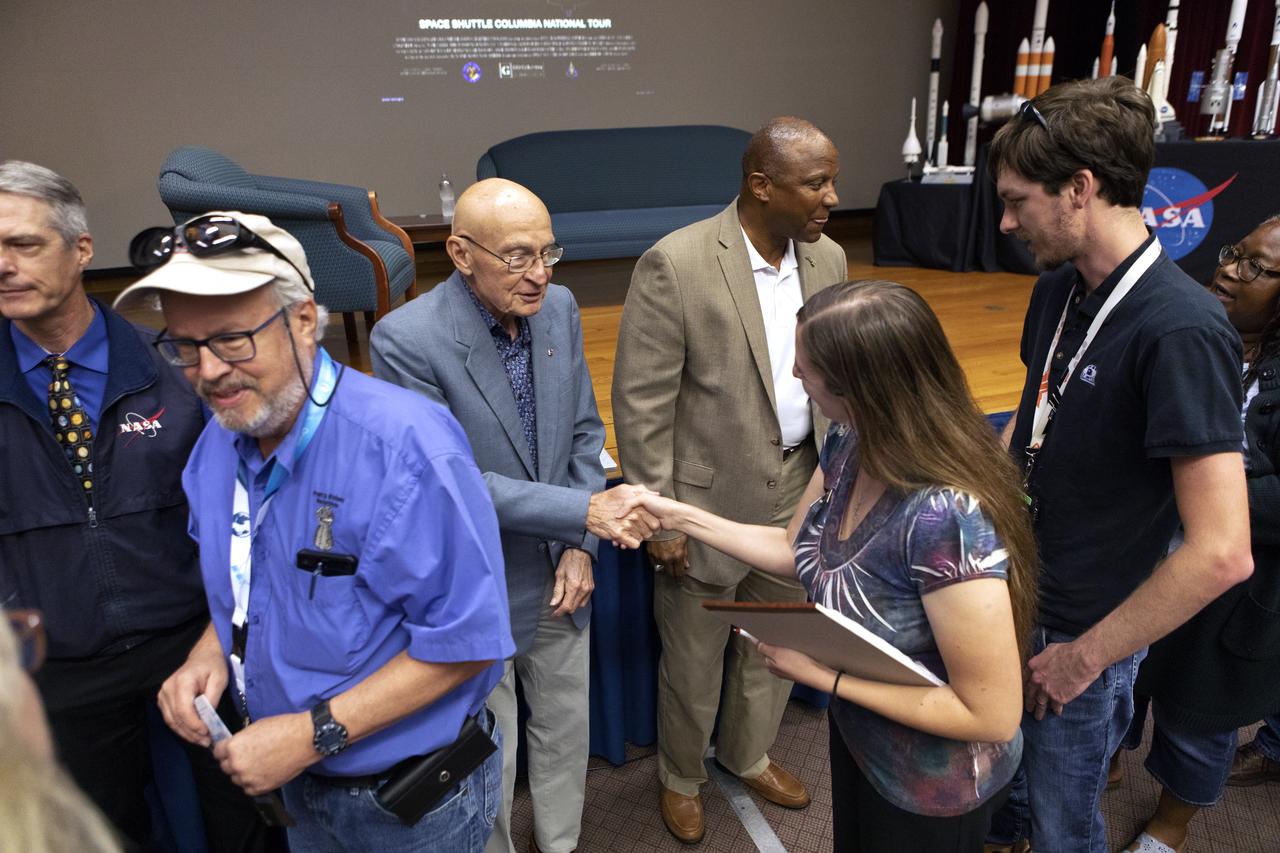
Former space shuttle launch director Bob Sieck shakes hands with an attendee of “Columbia: The Mission Continues,” in Kennedy Space Center’s Training Auditorium on April 12, 2019. Organized by the Apollo Challenger Columbia Lessons Learned Program (ACCLLP), the event is part of the Space Shuttle Columbia national tour and took place on the 38th anniversary of STS-1, the first orbital spaceflight of NASA’s Space Shuttle Program. The tour launched at Kennedy and will make its way to each of the 10 NASA centers.
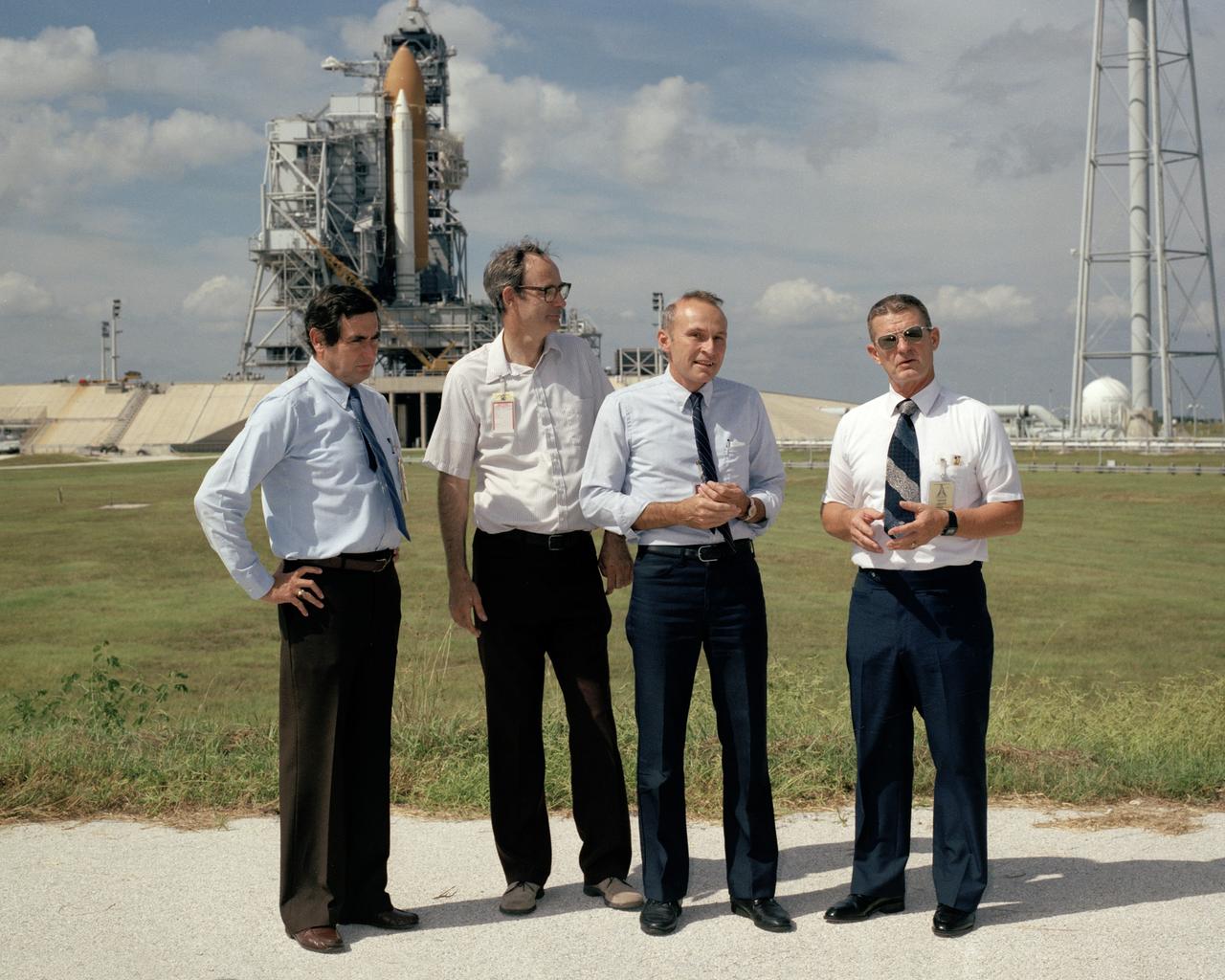
CAPE CANAVERAL, Fla. - Kennedy Space Center Director Lt. Gen. Forrest S. McCartney, far right, stands in front of the space shuttle Atlantis the morning after it is rolled out to Launch Pad 39B. Standing with McCartney is, from right to left, Bob Sieck, director of Shuttle Management and Operations, Bill Warren, pad site manager, and Gene Thomas, director of Launch and Landing Operations. Photo credit: NASA
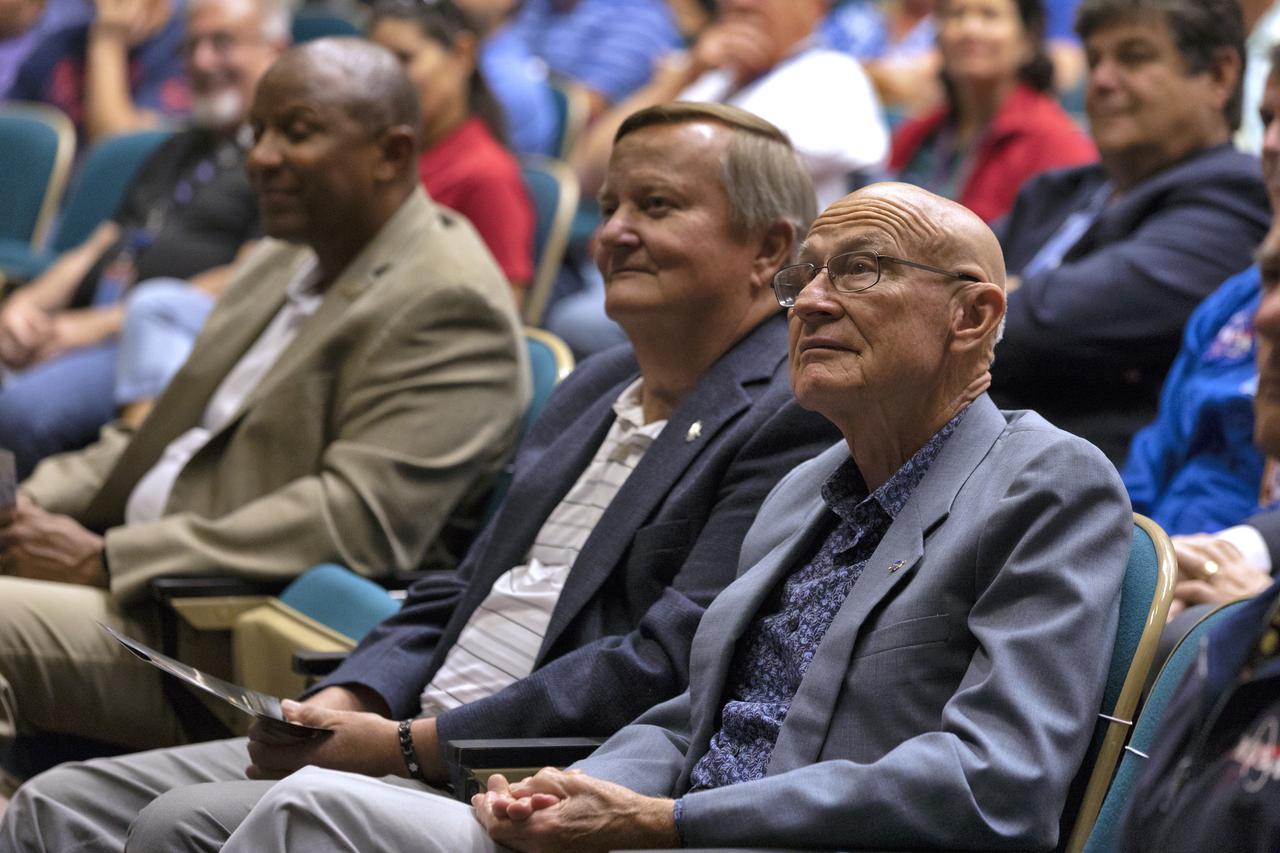
Former space shuttle launch directors Mike Leinbach, left, and Bob Sieck listen to a presentation in Kennedy Space Center’s Training Auditorium on April 12, 2019, during “Columbia: The Mission Continues,” an event organized by the Apollo Challenger Columbia Lessons Learned Program (ACCLLP). The event is part of the Space Shuttle Columbia national tour and took place on the 38th anniversary of STS-1, the first orbital spaceflight of NASA’s Space Shuttle Program. The tour launched at Kennedy and will make its way to each of the 10 NASA centers.
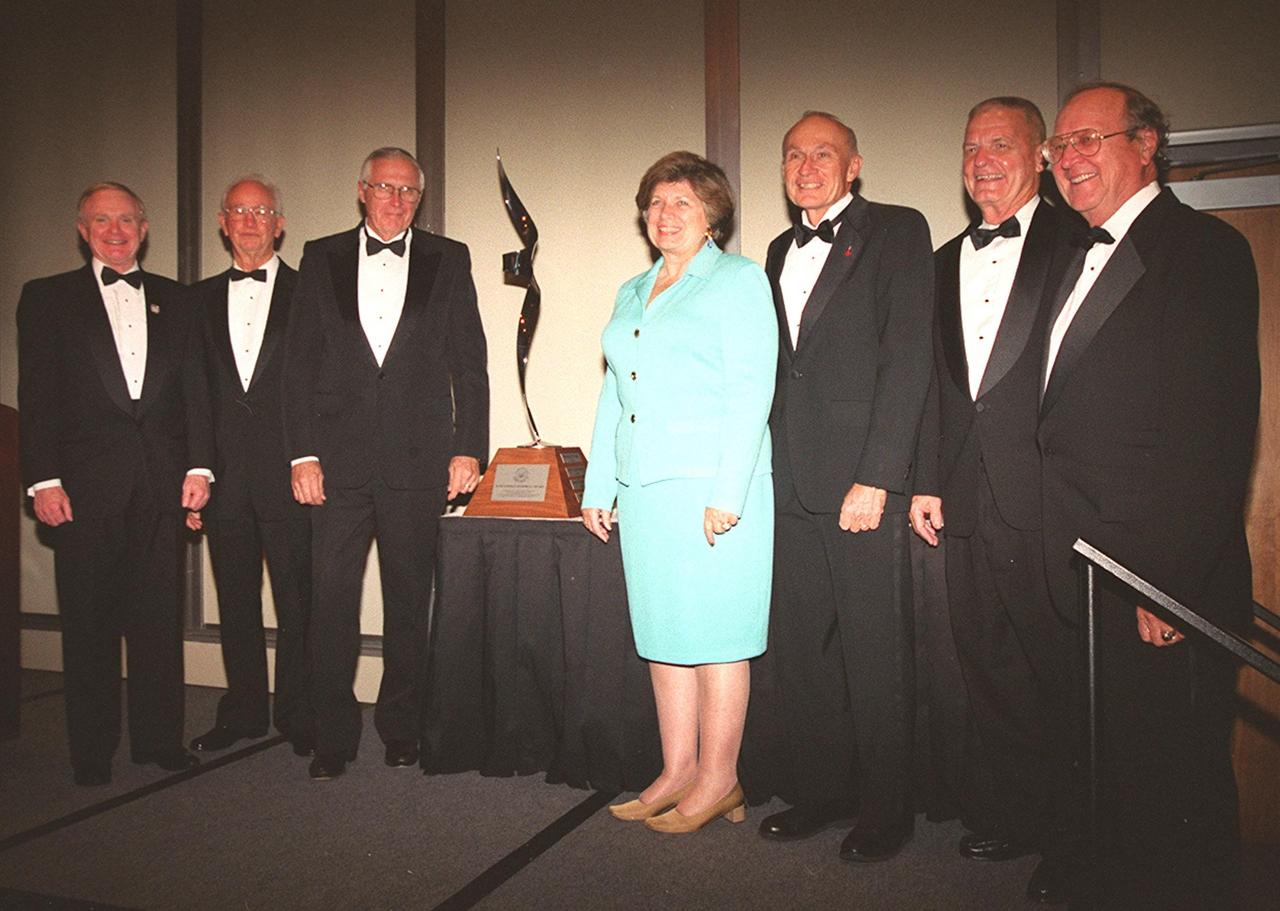
The 12th annual Dr. Kurt H. Debus Award Dinner gathered these distinguished guests: (from left), Center Director Roy Bridges, who received the 2001 Dr. Kurt H. Debus Award, Maxwell King, Lee Solid, JoAnn Morgan, Bob Sieck, Forrest McCartney and Ernie Briel. Solid is the former vice president and general manager of Space Systems Division, Florida Operations, Rockwell International. Morgan is the director of KSC’s External Relations & Business Development Directorate; Bob Sieck is the former director of Shuttle Processing at KSC. McCartney, center director of KSC from 1986-1991, received the first Debus award ever given to a KSC director. Bridges was given the honor for his progressive, visionary leadership and contributions to space technology and exploration. The Florida Committee of the National Space Club presented the award. The Debus Award was first given in 1980. Created to recognize significant achievements and contributions made in Florida to the American aerospace effort, the award is named for the KSC’s first Director, Dr. Kurt H. Debus
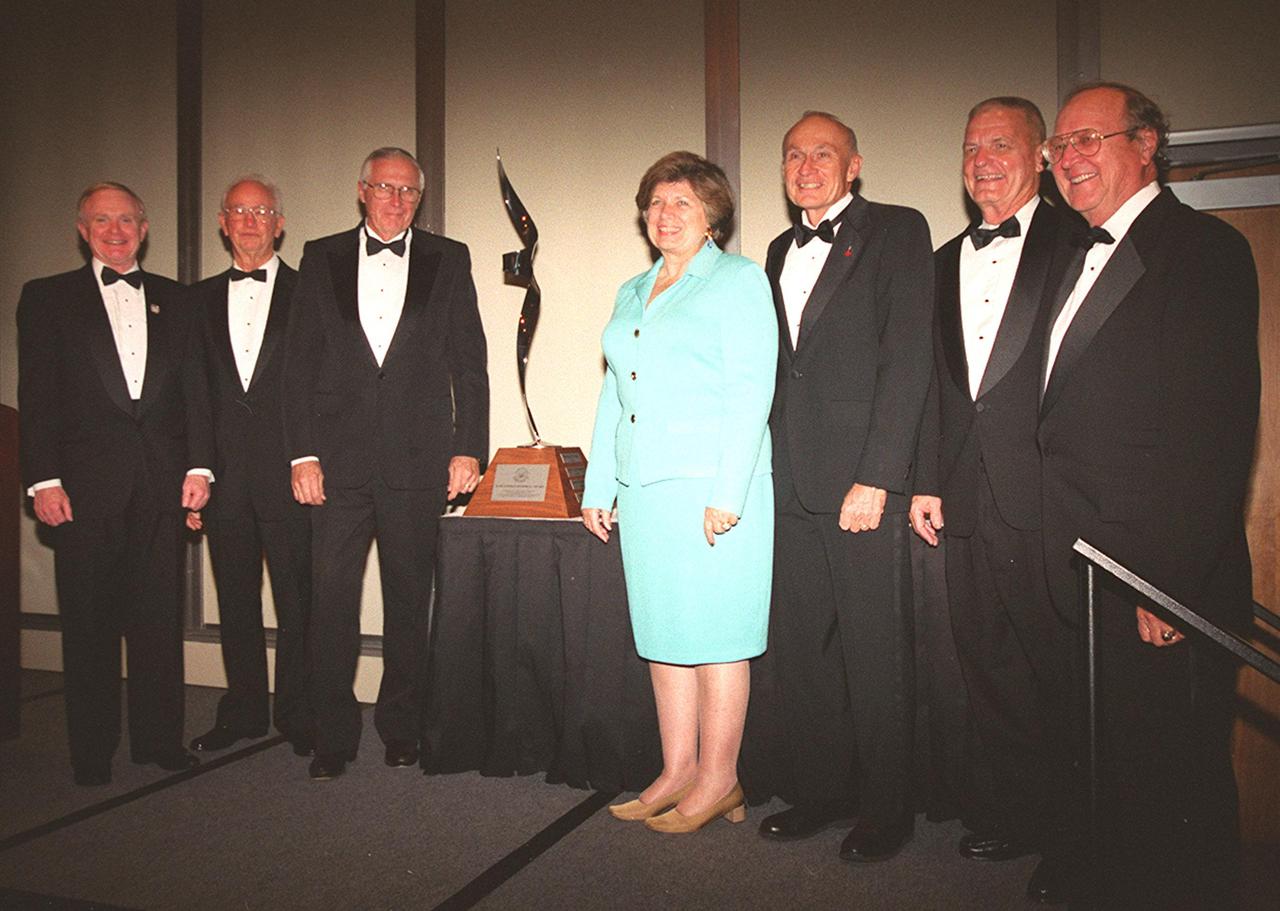
The 12th annual Dr. Kurt H. Debus Award Dinner gathered these distinguished guests: (from left), Center Director Roy Bridges, who received the 2001 Dr. Kurt H. Debus Award, Maxwell King, Lee Solid, JoAnn Morgan, Bob Sieck, Forrest McCartney and Ernie Briel. Solid is the former vice president and general manager of Space Systems Division, Florida Operations, Rockwell International. Morgan is the director of KSC’s External Relations and Business Development Directorate; Bob Sieck is the former director of Shuttle Processing at KSC. McCartney, center director of KSC from 1986-1991, received the first Debus award ever given to a KSC director. Bridges was given the honor for his progressive, visionary leadership and contributions to space technology and exploration. The Florida Committee of the National Space Club presented the award. The Debus Award was first given in 1980. Created to recognize significant achievements and contributions made in Florida to the American aerospace effort, the award is named for the KSC’s first Director, Dr. Kurt H. Debus
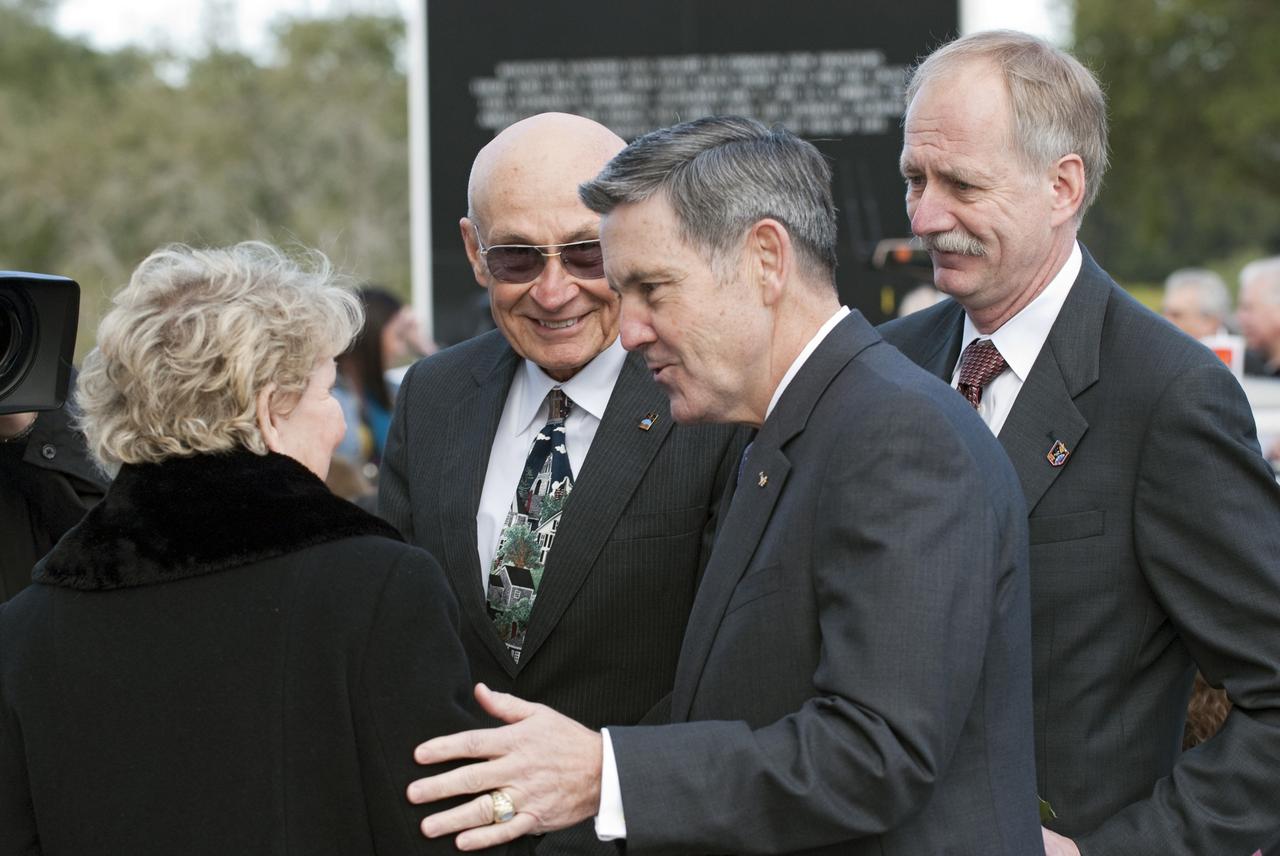
CAPE CANAVERAL, Fla. -- Dr. June Scobee Rodgers, the founding chair of the Challenger Center for Space Science Education and widow of space shuttle Challenger's STS-51L Commander Dick Scobee, left, talks with former Shuttle Launch Director Bob Sieck, NASA Kennedy Space Center Director Bob Cabana and NASA Associate Administrator for Space Operations William Gerstenmaier. They are gathered in front of the Space Mirror Memorial at the Kennedy Space Center Visitor Complex in Florida to honor the Challenger crew members who gave their lives for while furthering the cause of exploration and discovery. 2011 marks the 25th anniversary of the loss of Challenger, which broke apart over the Atlantic Ocean 73 seconds into flight on Jan. 28, 1986. Photo credit: NASA/Kim Shiflett
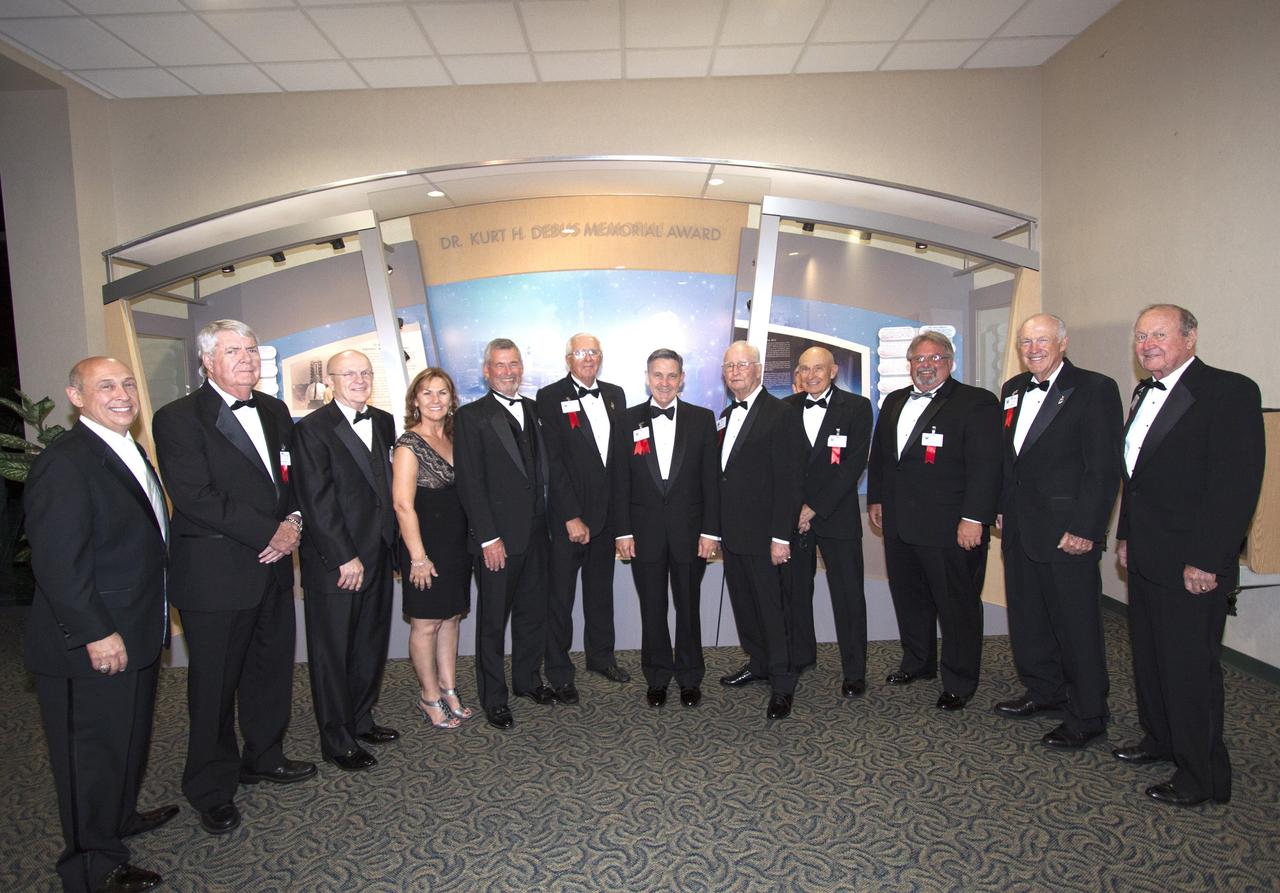
CAPE CANAVERAL, Fla. – At NASA’s Kennedy Space Center Visitor Complex in Florida, previous winners of the National Space Club Florid Committee's Dr. Kurt H. Debus Award pose with this year's honoree, center director Bob Cabana. From the left, are: Rick Abramson, Dick Beagley, Dick Lyon, Patty Stratton, Lyle Holloway, Lee Solid, Cabana, Dr. Maxwell King, Bob Sieck, Jerry Jamison, Roy Tharpe and Ernie Briel. A former U.S. Marine Corps aviator and NASA astronaut, Cabana was honored at the gala Debus Award Dinner. Named for the spaceport’s first director, the Debus Award was created to recognize significant achievements and contributions made in Florida to American aerospace efforts. The Debus Award was created by the space club's Florida committee to recognize significant achievements and contributions made in Florida to American aerospace efforts. Photo credit: NASA/Jim Grossmann
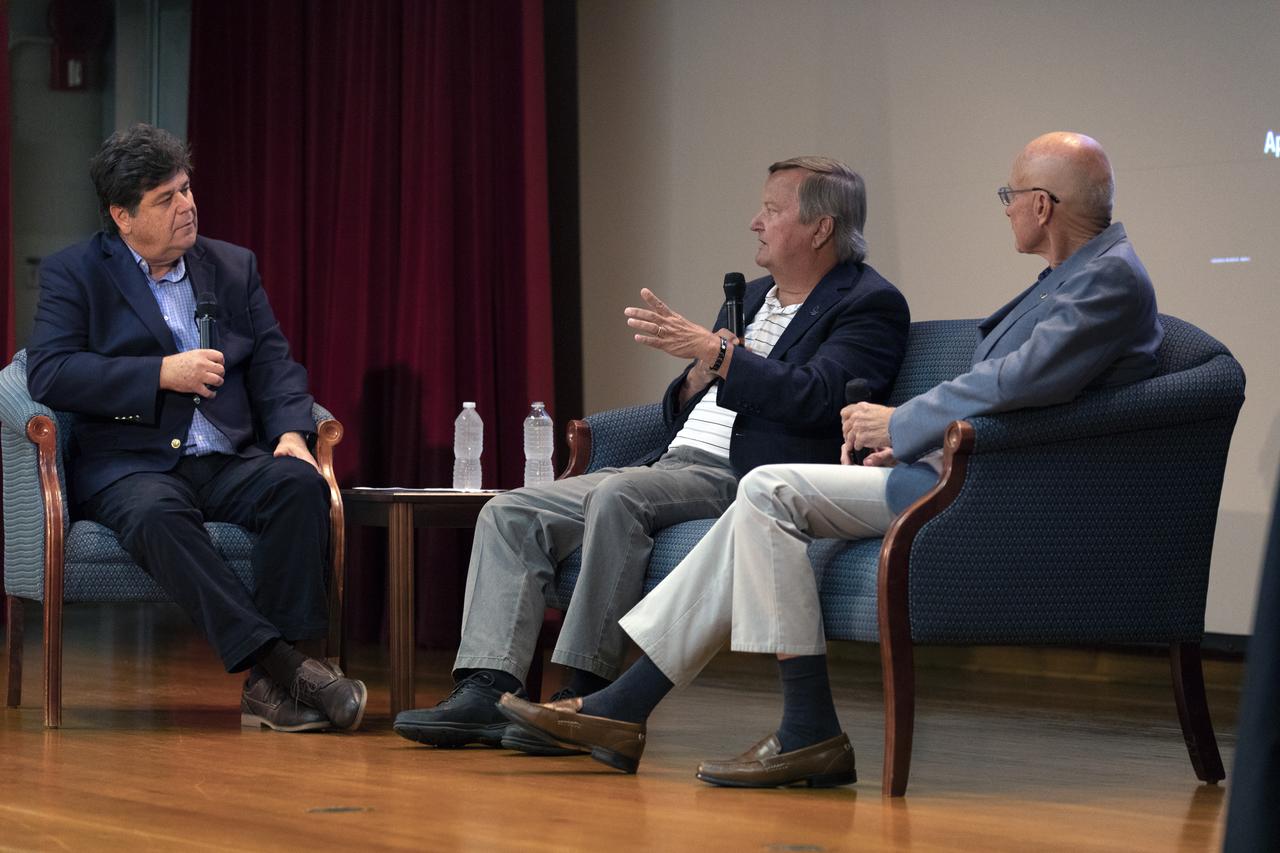
Veteran space reporter John Zarrella, left, moderates a “Lessons of Columbia” discussion with former space shuttle launch directors Mike Leinbach, center, and Bob Sieck in Kennedy Space Center’s Training Auditorium on April 12, 2019. The discussion took place during “Columbia: The Mission Continues,” an event organized by the Apollo Challenger Columbia Lessons Learned Program (ACCLLP). The event is part of the Space Shuttle Columbia national tour and took place on the 38th anniversary of STS-1, the first orbital spaceflight of NASA’s Space Shuttle Program. The tour launched at Kennedy and will make its way to each of the 10 NASA centers.
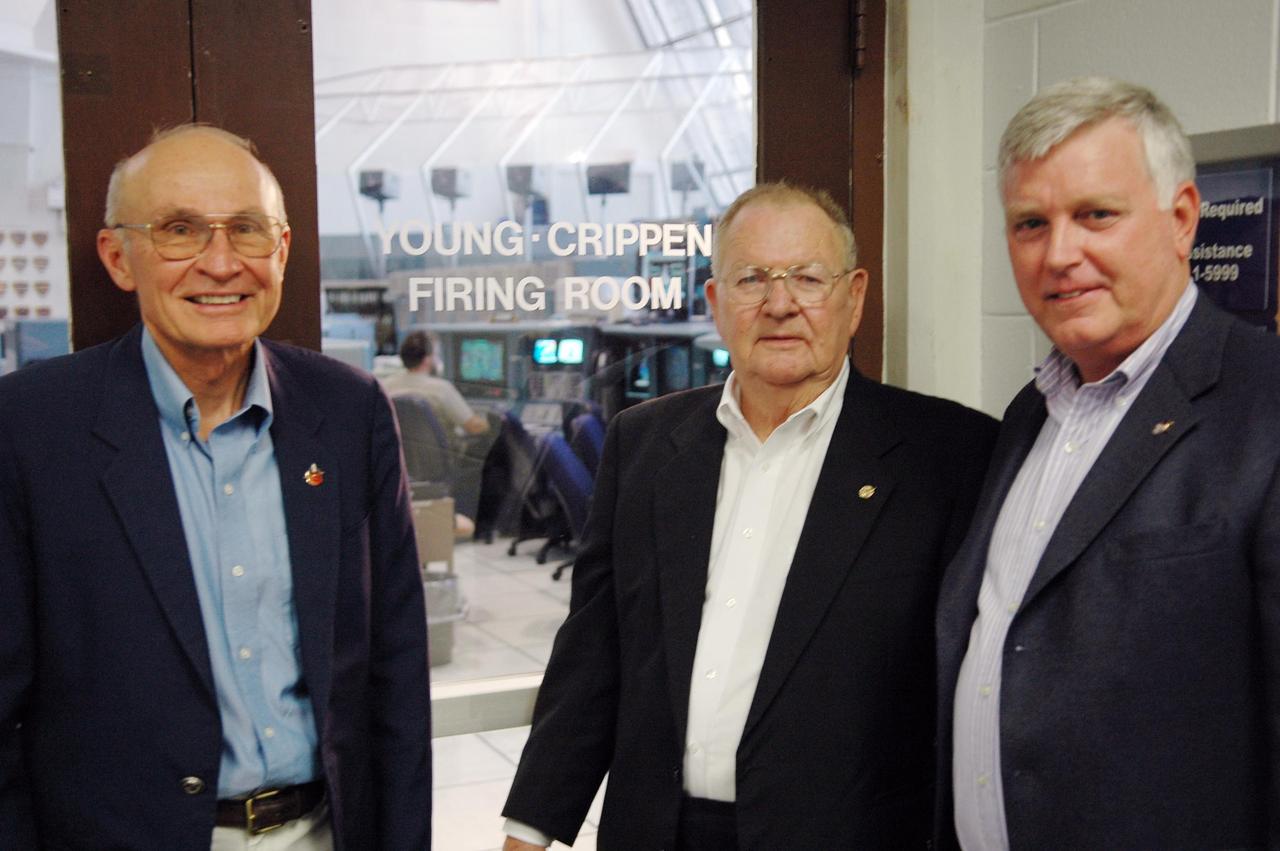
KENNEDY SPACE CENTER, FLA. - In tribute to the 25th anniversary of the first space shuttle flight, NASA's Kennedy Space Center has honored the crew of STS-1, Commander John Young and Pilot Robert Crippen, by dedicating the firing room that launched the historic flight as the "Young · Crippen Firing Room" (seen here). Making the dedication were (from left) the project flight engineer for Space Shuttle Columbia, Bob Sieck; the NASA test director for STS-1, Norm Carlson; and Center Director Jim Kennedy. Photo credit: NASA/Kim Shiflett
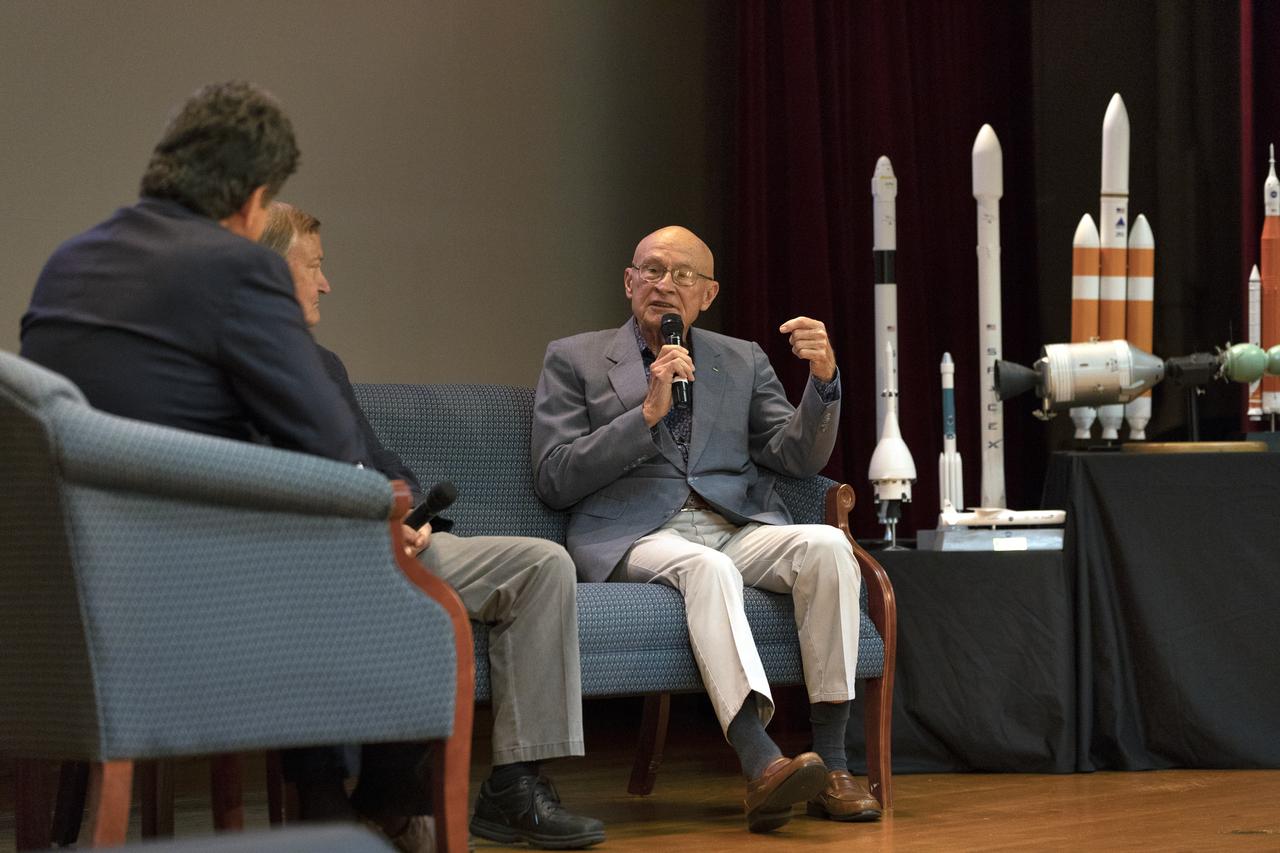
Veteran space reporter John Zarrella, left, moderates a “Lessons of Columbia” discussion with former space shuttle launch directors Mike Leinbach, center, and Bob Sieck in Kennedy Space Center’s Training Auditorium on April 12, 2019. The discussion took place during “Columbia: The Mission Continues,” an event organized by the Apollo Challenger Columbia Lessons Learned Program (ACCLLP). The event is part of the Space Shuttle Columbia national tour and took place on the 38th anniversary of STS-1, the first orbital spaceflight of NASA’s Space Shuttle Program. The tour launched at Kennedy and will make its way to each of the 10 NASA centers.
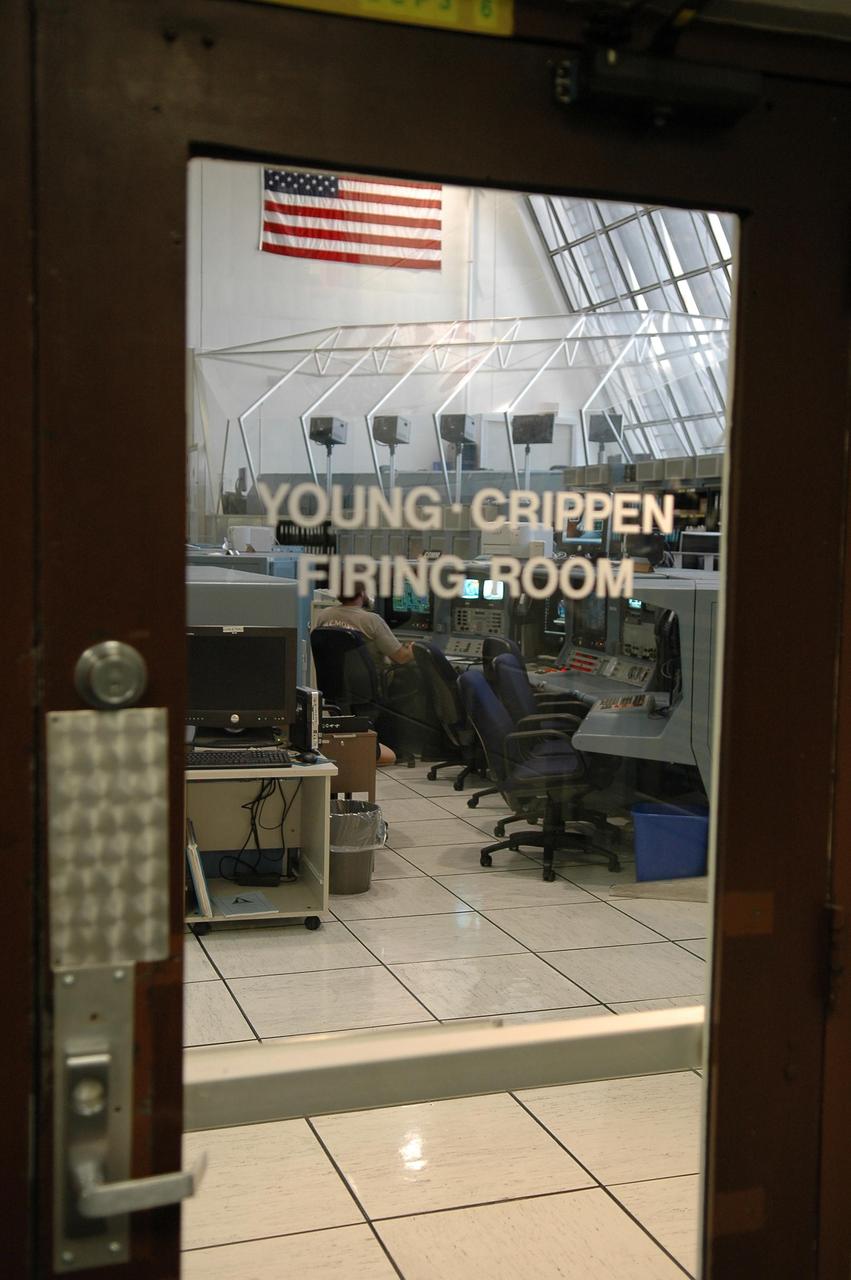
KENNEDY SPACE CENTER, FLA. - The door of firing room 1 in the Launch Control Center at NASA's Kennedy Space Center shows its new designation as the Young · Crippen Firing Room. The renaming was made in tribute to the 25th anniversary of the first space shuttle flight on April 12, 1981, dedicating the firing room that launched the historic flight and the crew of STS-1, Commander John Young and Pilot Robert Crippen. Making the dedication were Center Director Jim Kennedy; the NASA test director for STS-1, Norm Carlson; and the project flight engineer for Space Shuttle Columbia, Bob Sieck. Photo credit: NASA/Kim Shiflett
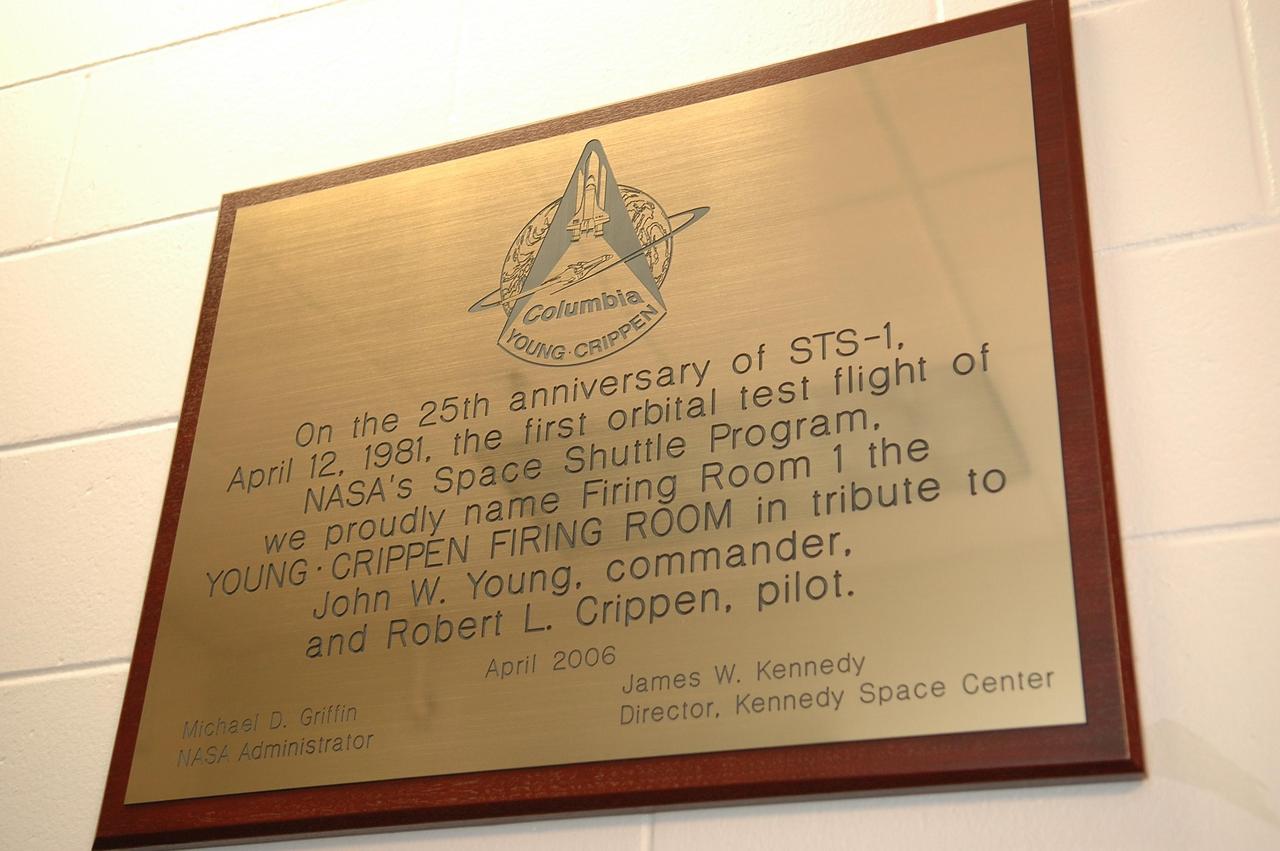
KENNEDY SPACE CENTER, FLA. - Near the door of firing room 1 in the Launch Control Center at NASA's Kennedy Space Center is this plaque revealing the dedication of the room as the Young · Crippen Firing Room. The renaming was made in tribute to the 25th anniversary of the first space shuttle flight on April 12, 1981, dedicating the firing room that launched the historic flight and the crew of STS-1, Commander John Young and Pilot Robert Crippen. Making the dedication were Center Director Jim Kennedy; the NASA test director for STS-1, Norm Carlson; and the project flight engineer for Space Shuttle Columbia, Bob Sieck. Photo credit: NASA/Kim Shiflett
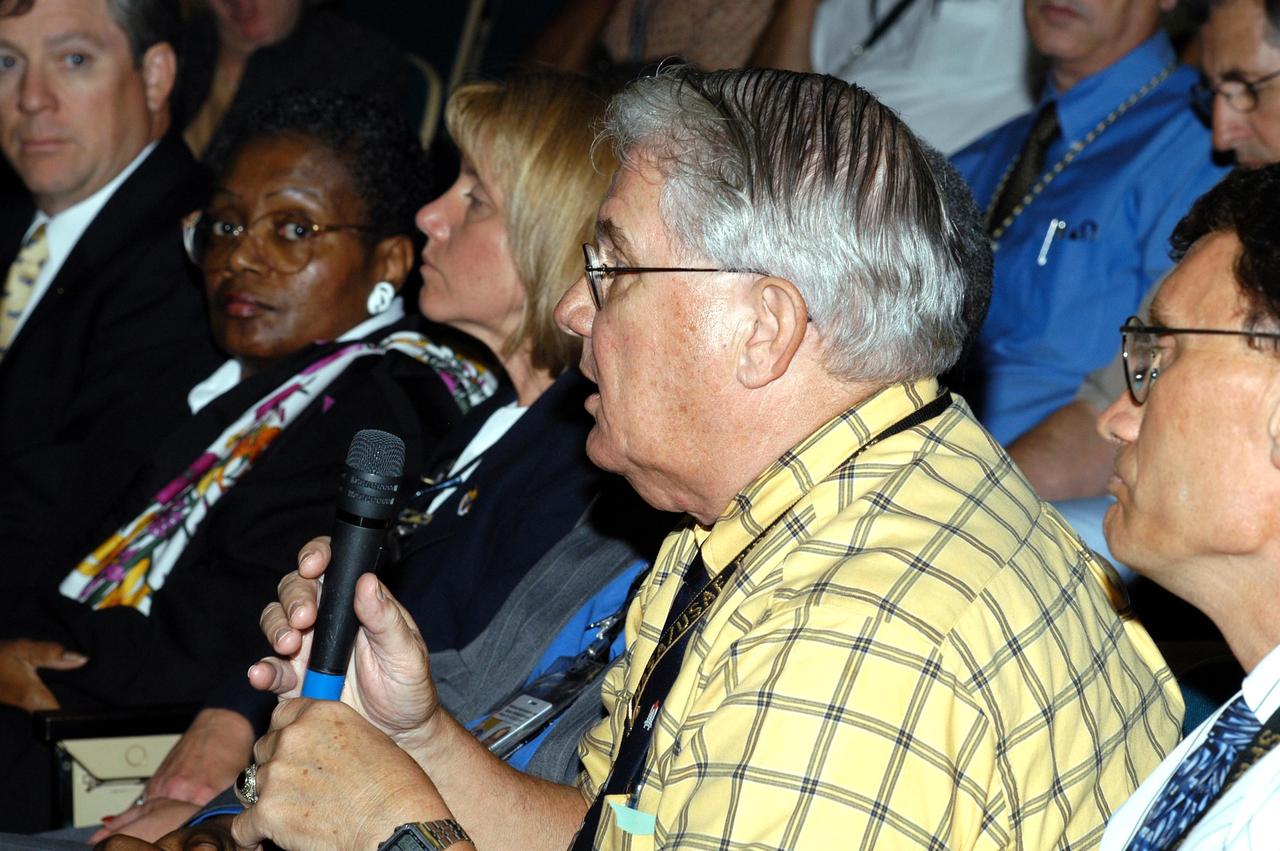
KENNEDY SPACE CENTER, FLA. -- A KSC employee asks a question of the panel conducting the Culture Change Process All Hands Meeting in the Training Auditorium. The purpose of the meeting was for employees to gain further insight into the Agency’s Vision for Space Exploration and the direction cultural change will take at KSC in order to assume its role within this vision. Panel members included James W. Kennedy, KSC director; Jim Jennings, Deputy Associate Administrator for Institutions and Asset Management; Lynn Cline, Deputy Associate Administrator for Space Flight; Bob Sieck, former Director of Space Shuttle Processing at KSC; and Jim Wetherbee, astronaut and Technical Assistant to the Director of Safety and Mission Assurance at the Johnson Space Center.
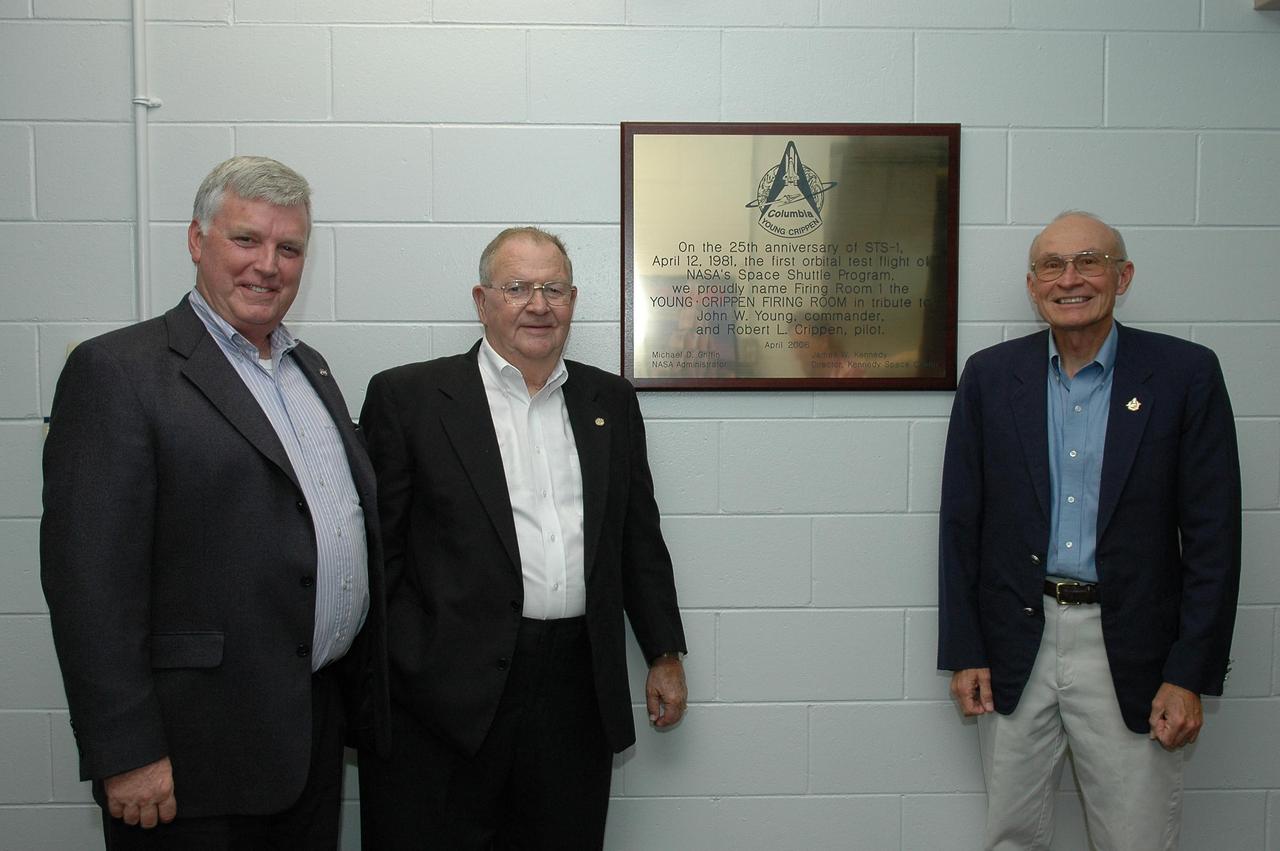
KENNEDY SPACE CENTER, FLA. - In tribute to the 25th anniversary of the first space shuttle flight, NASA's Kennedy Space Center has honored the crew of STS-1, Commander John Young and Pilot Robert Crippen, by dedicating the firing room that launched the historic flight as the "Young · Crippen Firing Room." Making the dedication were (from left) Center Director Jim Kennedy; the NASA test director for STS-1, Norm Carlson; and the project flight engineer for Space Shuttle Columbia, Bob Sieck. On the wall behind them is the plaque marking the dedication. Photo credit: NASA/Kim Shiflett
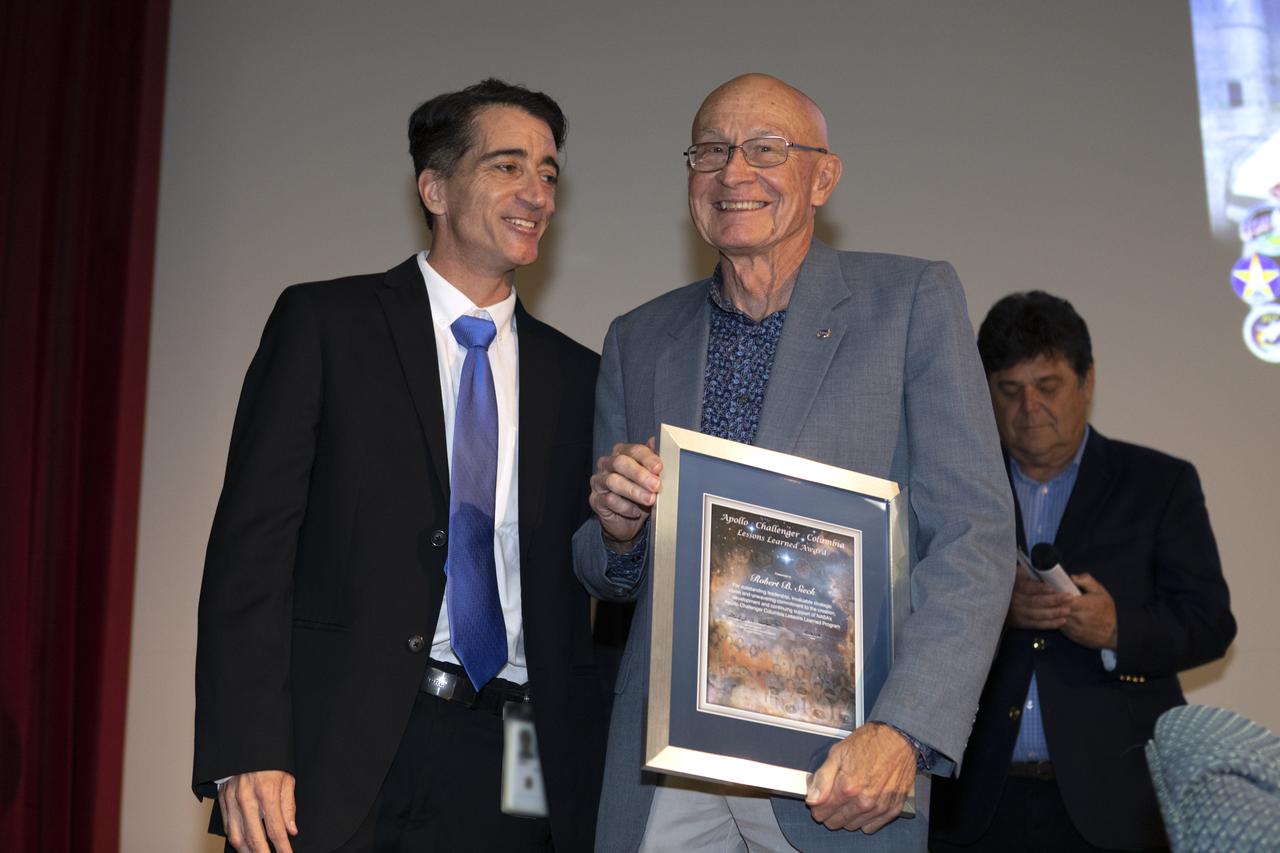
Apollo Challenger Columbia Lessons Learned Program (ACCLLP) Manager Mike Ciannilli, left, presents former space shuttle launch director Bob Sieck with a Lessons Learned Award in Kennedy Space Center’s Training Auditorium on April 12, 2019. The two men were a part of “Columbia: The Mission Continues,” an event organized by the ACCLLP. The event is part of the Space Shuttle Columbia national tour and took place on the 38th anniversary of STS-1, the first orbital spaceflight of NASA’s Space Shuttle Program. The tour launched at Kennedy and will make its way to each of the 10 NASA centers.
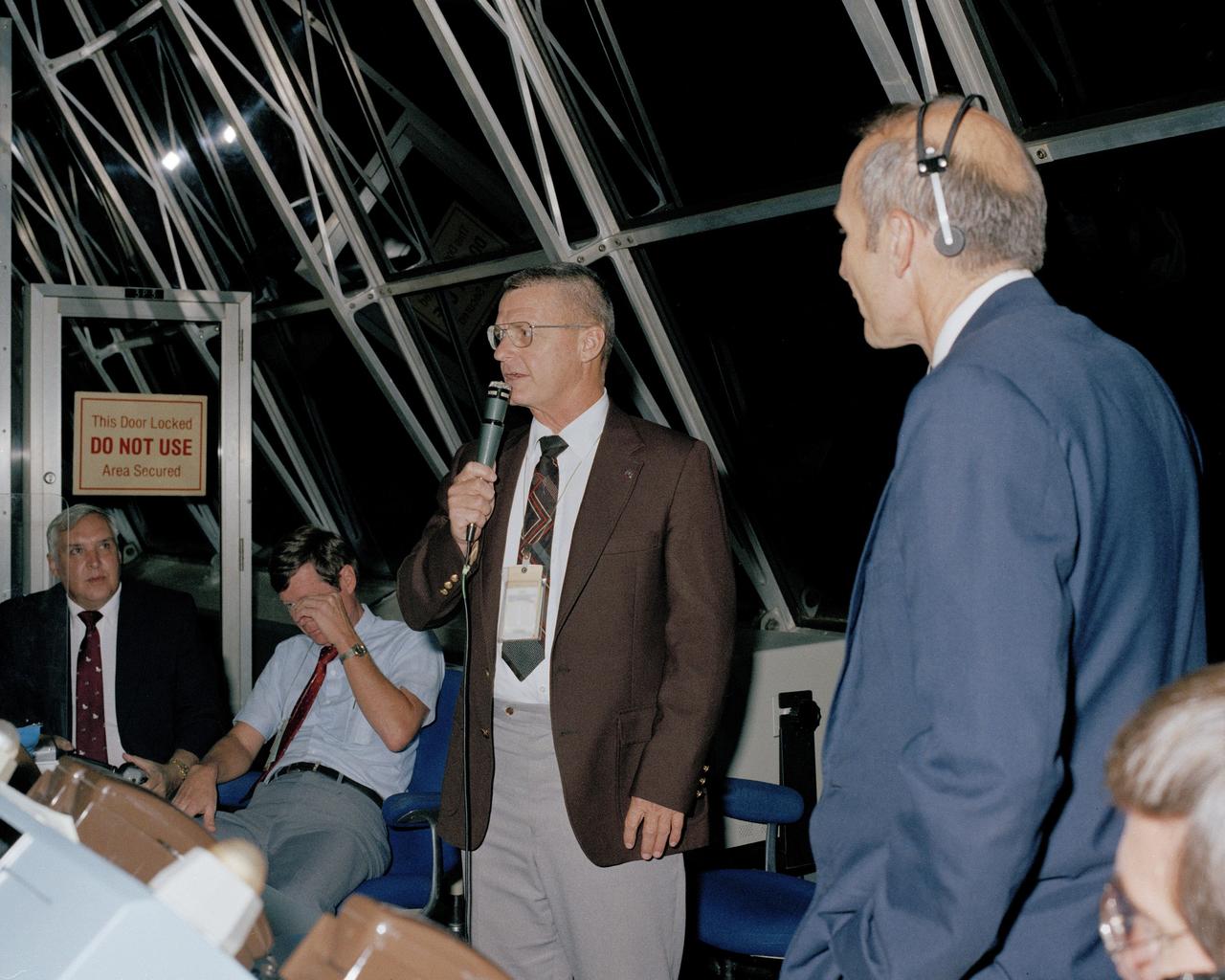
CAPE CANAVERAL, Fla. - After the successful Flight Readiness Firing of the space shuttle Discovery's three main engines, Kennedy Space Center Director Forrest McCartney congratulates members of the launch team in the firing room. The approximate 22-second firing was conducted to evaluate the performance of various components of the shuttle, external tank and solid rocket boosters, as well as the launch facilities and support equipment which will be used during the launch of STS-26. Looking on is Bob Sieck, KSC launch director, right, Hugh Harris, deputy director of KSC Public Affairs, left, and John Conway, director of Payload Management and Operations, second from left. Photo credit: NASA
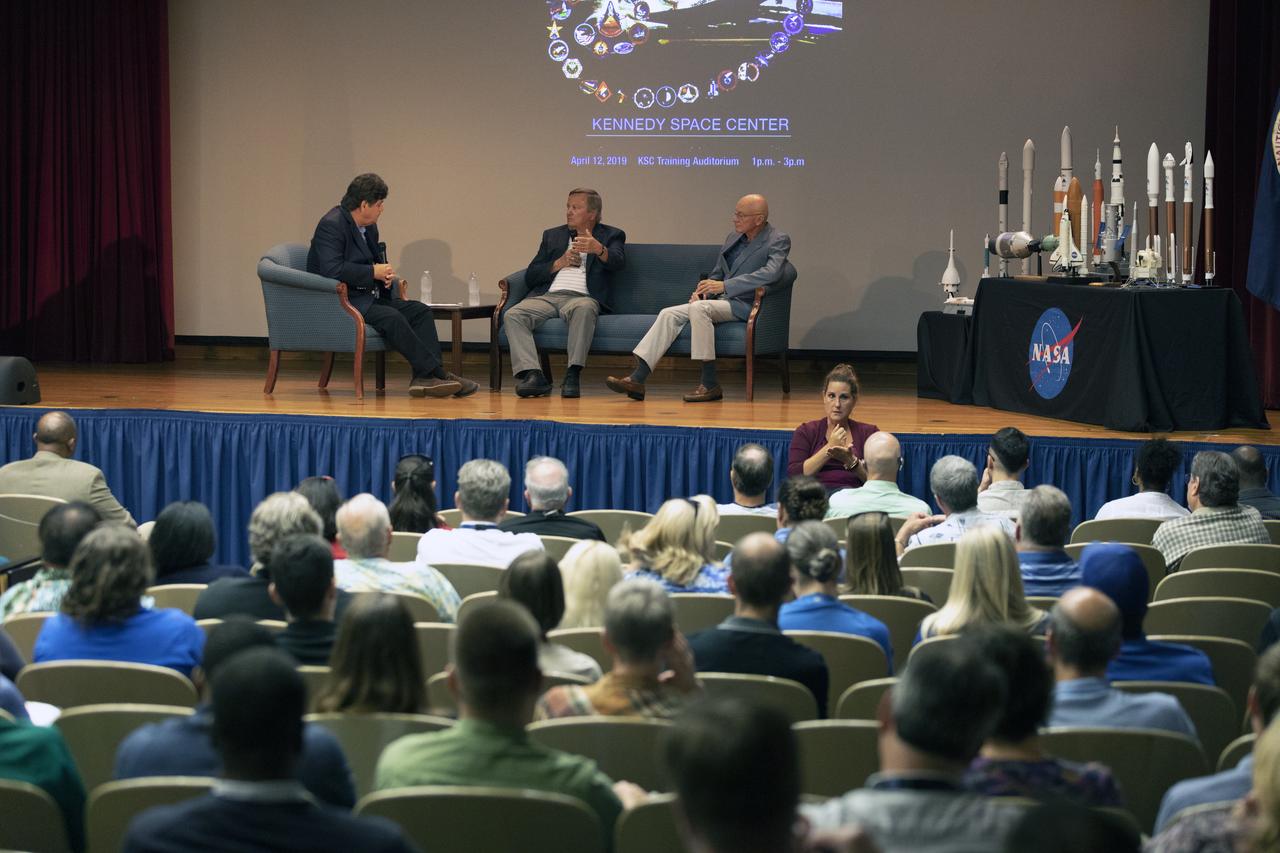
Veteran space reporter John Zarrella, left, moderates a “Lessons of Columbia” discussion with former space shuttle launch directors Mike Leinbach, center, and Bob Sieck in Kennedy Space Center’s Training Auditorium on April 12, 2019. The discussion took place during “Columbia: The Mission Continues,” an event organized by the Apollo Challenger Columbia Lessons Learned Program (ACCLLP). The event is part of the Space Shuttle Columbia national tour and took place on the 38th anniversary of STS-1, the first orbital spaceflight of NASA’s Space Shuttle Program. The tour launched at Kennedy and will make its way to each of the 10 NASA centers.
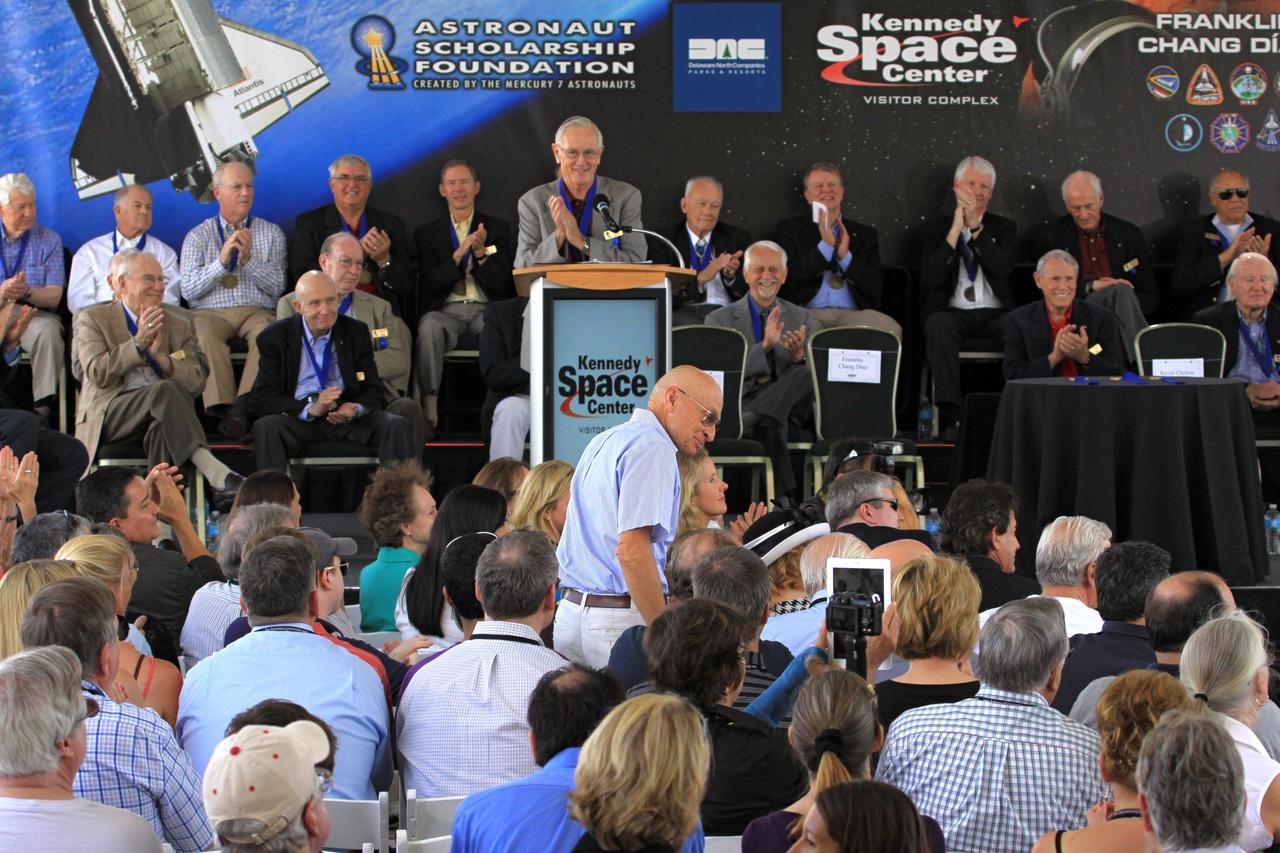
CAPE CANAVERAL, Fla. – At NASA’s Kennedy Space Center Visitor Complex in Florida, Astronaut Scholarship Foundation Chairman and Hall of Fame astronaut Charlie Duke spoke during the U.S. Astronaut Hall of Fame induction ceremony and recognized former shuttle launch director Bob Sieck. Space shuttle astronauts Franklin Chang Diaz, Kevin Chilton and Charlie Precourt were inducted into the Hall of Fame Class of 2012. The year’s inductees were selected by a committee of current Hall of Fame astronauts, former NASA officials, historians and journalists. The selection process is administered by the Astronaut Scholarship Foundation. Photo credit: NASA/Jim Grossmann
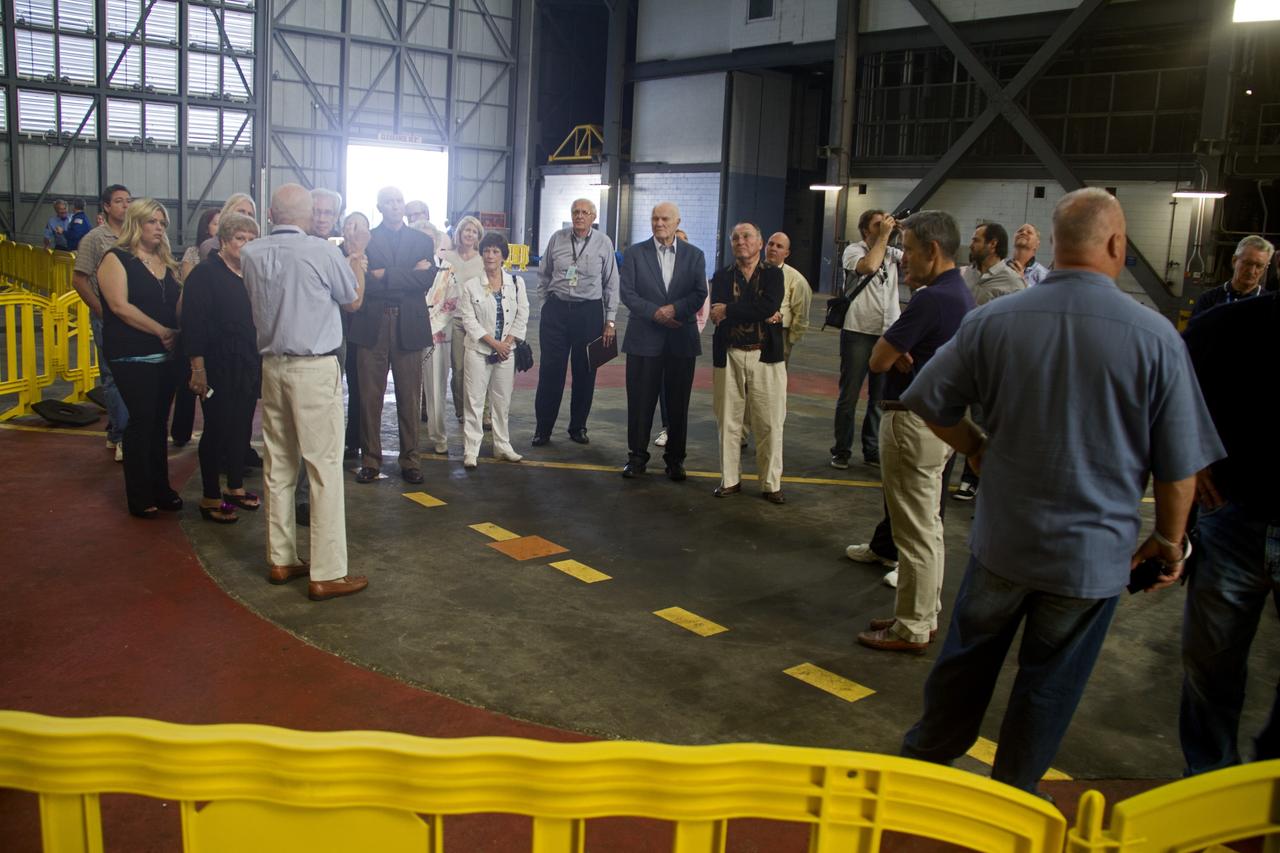
CAPE CANAVERAL, Fla. -- Former space shuttle launch director, Bob Sieck, left, talks to guests in the Vehicle Assembly Building at NASA's Kennedy Space Center in Florida. Sieck is helping John Glenn mark the 50th anniversary of being the first American astronaut to orbit the Earth inside the NASA Mercury Project's Friendship 7 capsule on Feb. 20, 1962. Glenn later returned to space in October 1998 as a payload specialist aboard space shuttle Discovery's STS-95 mission. Glenn's launch aboard an Atlas rocket took with it the hopes of an entire nation and ushered in a new era of space travel that eventually led to Americans walking on the moon by the end of the 1960s. Glenn soon was followed into orbit by Scott Carpenter, Walter Schirra and Gordon Cooper. Their fellow Mercury astronauts Alan Shepard and Virgil "Gus" Grissom flew earlier suborbital flights. Deke Slayton, a member of NASA's original Mercury 7 astronauts, was grounded by a medical condition until the Apollo-Soyuz Test Project in 1975. Photo credit: Cory Huston
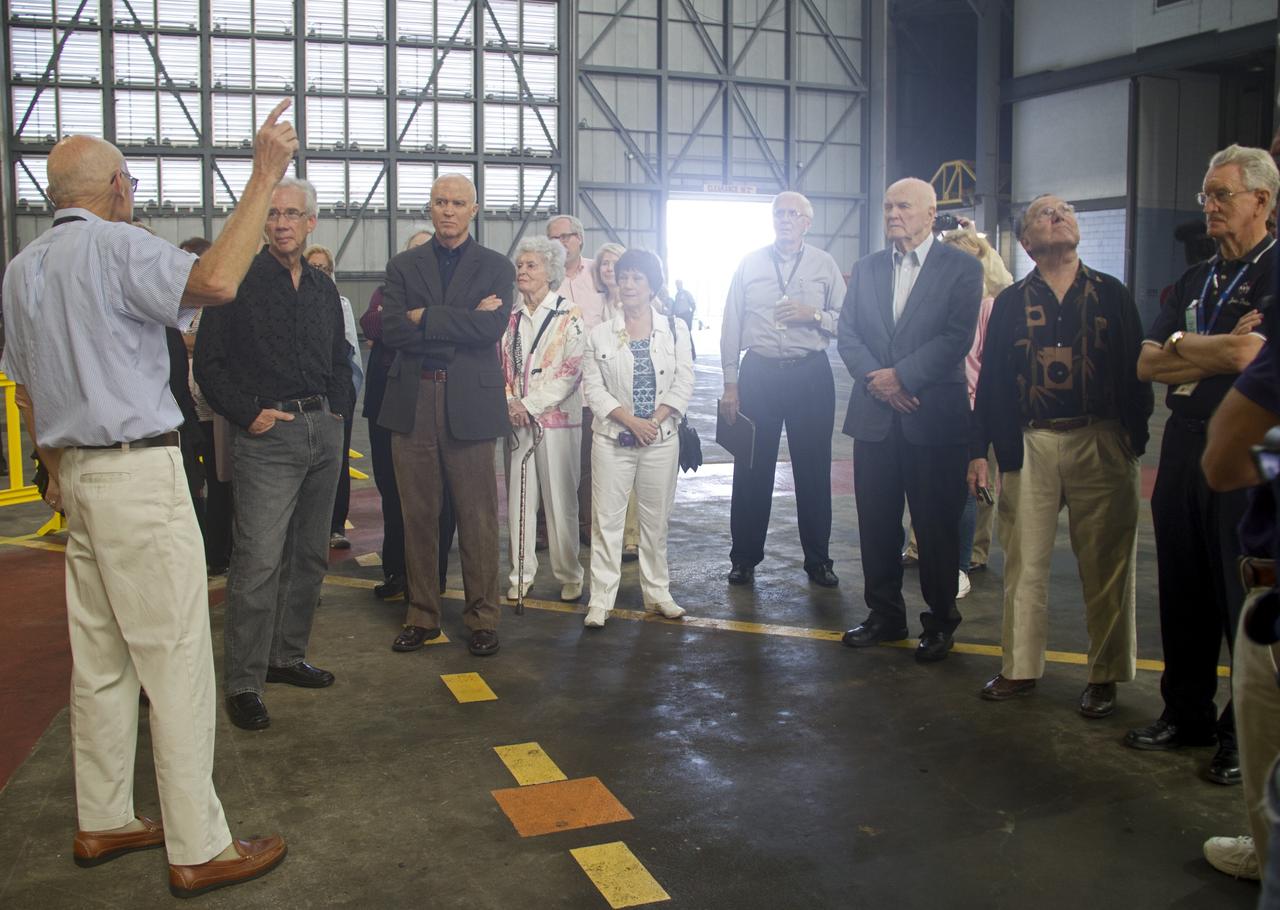
CAPE CANAVERAL, Fla. -- Former space shuttle launch director, Bob Sieck, left, talks to guests in the Vehicle Assembly Building at NASA's Kennedy Space Center in Florida. Sieck is helping John Glenn mark the 50th anniversary of being the first American astronaut to orbit the Earth inside the NASA Mercury Project's Friendship 7 capsule on Feb. 20, 1962. Glenn later returned to space in October 1998 as a payload specialist aboard space shuttle Discovery's STS-95 mission. Glenn's launch aboard an Atlas rocket took with it the hopes of an entire nation and ushered in a new era of space travel that eventually led to Americans walking on the moon by the end of the 1960s. Glenn soon was followed into orbit by Scott Carpenter, Walter Schirra and Gordon Cooper. Their fellow Mercury astronauts Alan Shepard and Virgil "Gus" Grissom flew earlier suborbital flights. Deke Slayton, a member of NASA's original Mercury 7 astronauts, was grounded by a medical condition until the Apollo-Soyuz Test Project in 1975. Photo credit: Cory Huston
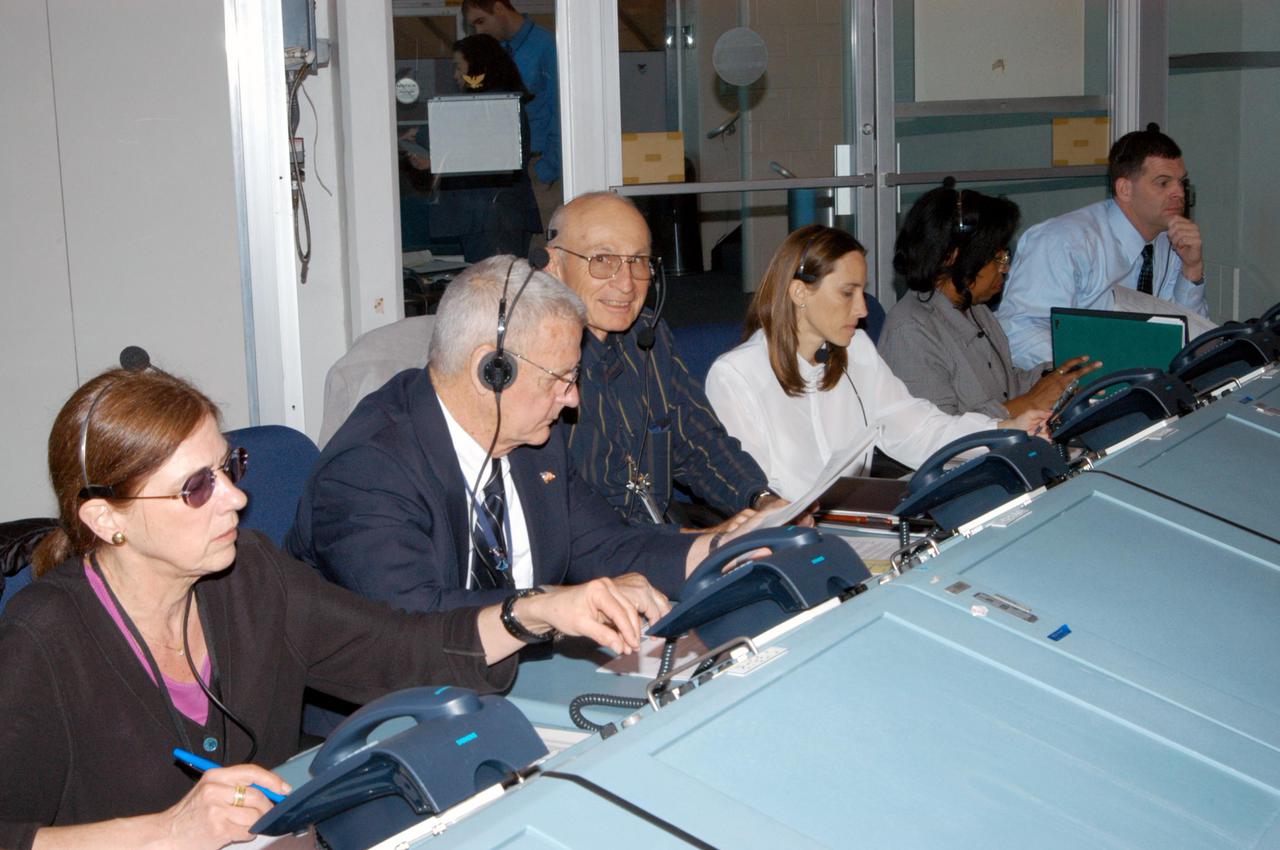
KENNEDY SPACE CENTER, FLA. - Space Shuttle Program managers, directors and engineers man the consoles in the Launch Control Center. They are taking part in an End-to-End (ETE) Mission Management Team (MMT) launch simulation at KSC. In Firing Room 1 at KSC, Shuttle launch team members put the Shuttle system through an integrated simulation. The control room is set up with software used to simulate flight and ground systems in the launch configuration. Seated in the center is Bob Sieck, a member of the Stafford-Covey Shuttle Return to Flight Task Group; at his left is Forrest McCartney, former Kennedy Space Center director. Sieck served as launch director and director of Shuttle Processing in the 80s and 90s. The ETE MMT simulation included L-2 and L-1 day Prelaunch MMT meetings, an external tanking_weather briefing, and a launch countdown. The ETE transitioned to the Johnson Space Center for the flight portion of the simulation, with the STS-114 crew in a simulator at JSC. Such simulations are common before a launch to keep the Shuttle launch team sharp and ready for liftoff.
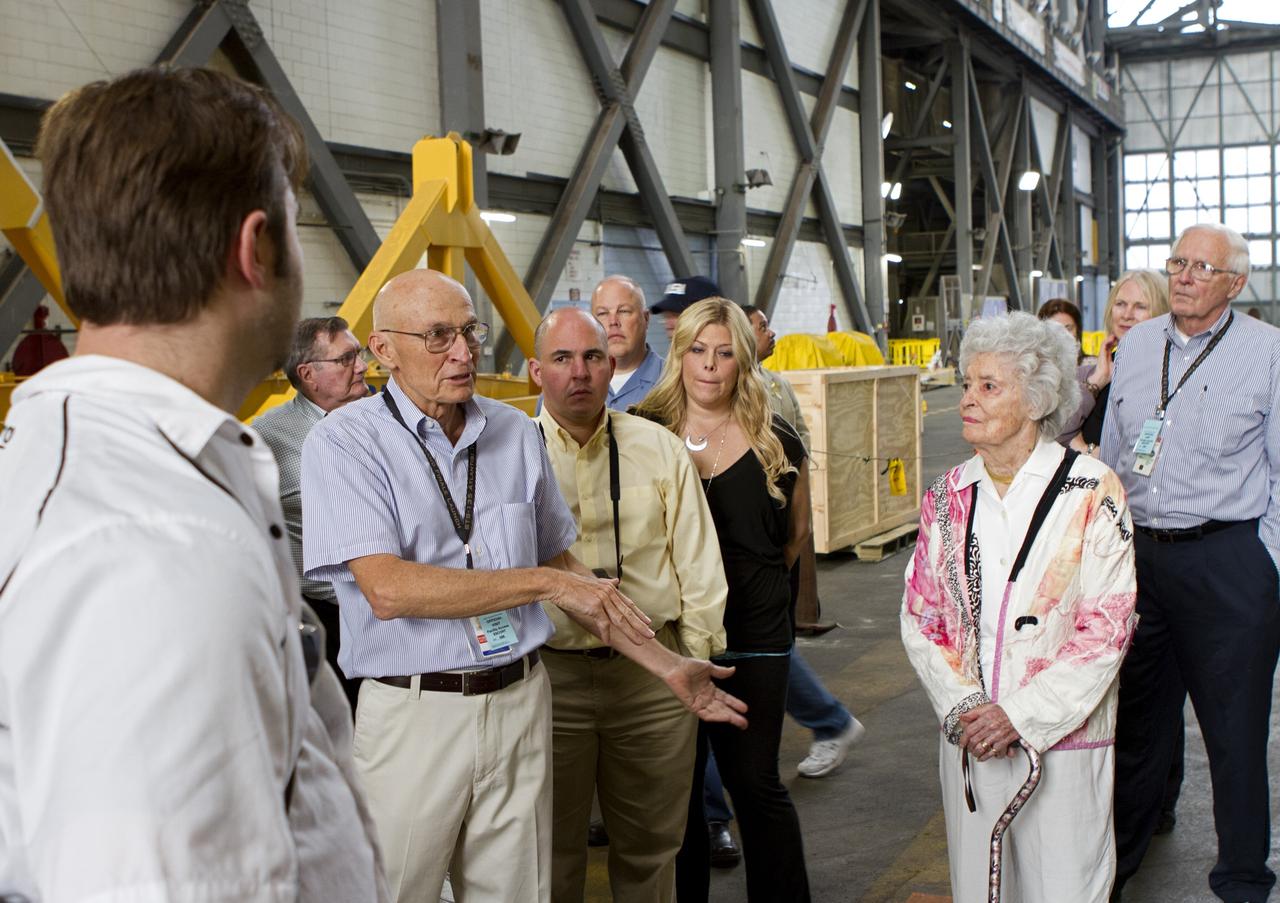
CAPE CANAVERAL, Fla. -- Former space shuttle launch director, Bob Sieck, talks to guests in the Vehicle Assembly Building at NASA's Kennedy Space Center in Florida. Sieck is helping John Glenn mark the 50th anniversary of being the first American astronaut to orbit the Earth inside the NASA Mercury Project's Friendship 7 capsule on Feb. 20, 1962. Glenn later returned to space in October 1998 as a payload specialist aboard space shuttle Discovery's STS-95 mission. Glenn's launch aboard an Atlas rocket took with it the hopes of an entire nation and ushered in a new era of space travel that eventually led to Americans walking on the moon by the end of the 1960s. Glenn soon was followed into orbit by Scott Carpenter, Walter Schirra and Gordon Cooper. Their fellow Mercury astronauts Alan Shepard and Virgil "Gus" Grissom flew earlier suborbital flights. Deke Slayton, a member of NASA's original Mercury 7 astronauts, was grounded by a medical condition until the Apollo-Soyuz Test Project in 1975. Photo credit: Cory Huston
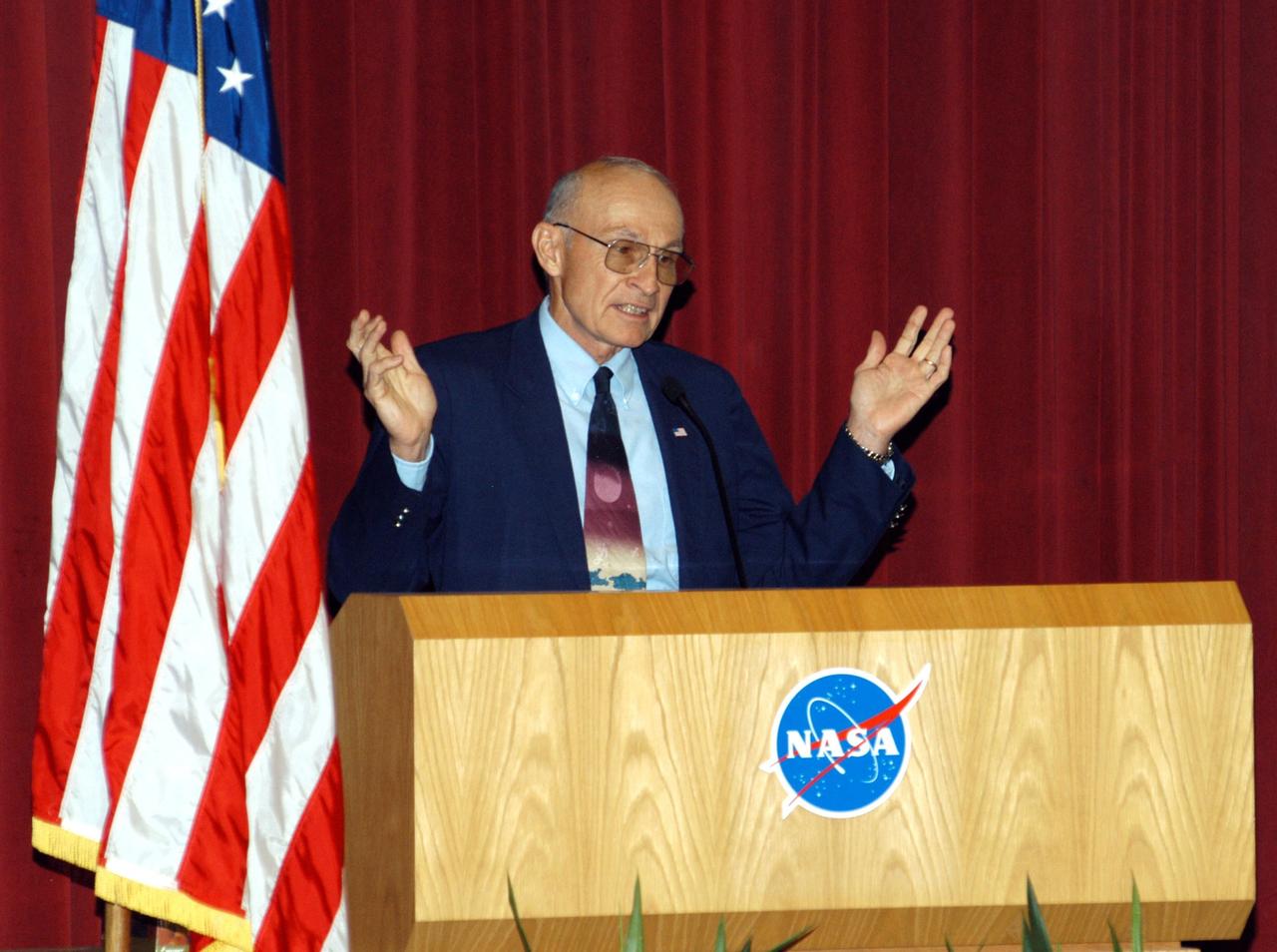
KENNEDY SPACE CENTER, FLA. -- Bob Sieck, former Director of Space Shuttle Processing at KSC addresses KSC employees assembled in the Training Auditorium for a Culture Change Process All Hands Meeting. The purpose of the meeting was for employees to gain further insight into the Agency’s Vision for Space Exploration and the direction cultural change will take at KSC in order to assume its role within this vision. Other participants included James W. Kennedy, KSC director; Jim Jennings, Deputy Associate Administrator for Institutions and Asset Management; Lynn Cline, Deputy Associate Administrator for Space Flight; and Jim Wetherbee, astronaut and Technical Assistant to the Director of Safety and Mission Assurance at Johnson Space Center. Following their remarks, members of the panel entertained questions and comments from the audience.

KENNEDY SPACE CENTER, FLA. -- Lynn Cline (right), Deputy Associate Administrator for Space Flight, looks on as James W. Kennedy (left), KSC director, and Jim Jennings, Deputy Associate Administrator for Institutions and Asset Management, take questions from the audience attending the Culture Change Process All Hands Meeting in the Training Auditorium. The purpose of the meeting was for employees to gain further insight into the Agency’s Vision for Space Exploration and the direction cultural change will take at KSC in order to assume its role within this vision. Other panel members were Bob Sieck, former Director of Space Shuttle Processing at KSC, and Jim Wetherbee, astronaut and Technical Assistant to the Director of Safety and Mission Assurance at Johnson Space Center.
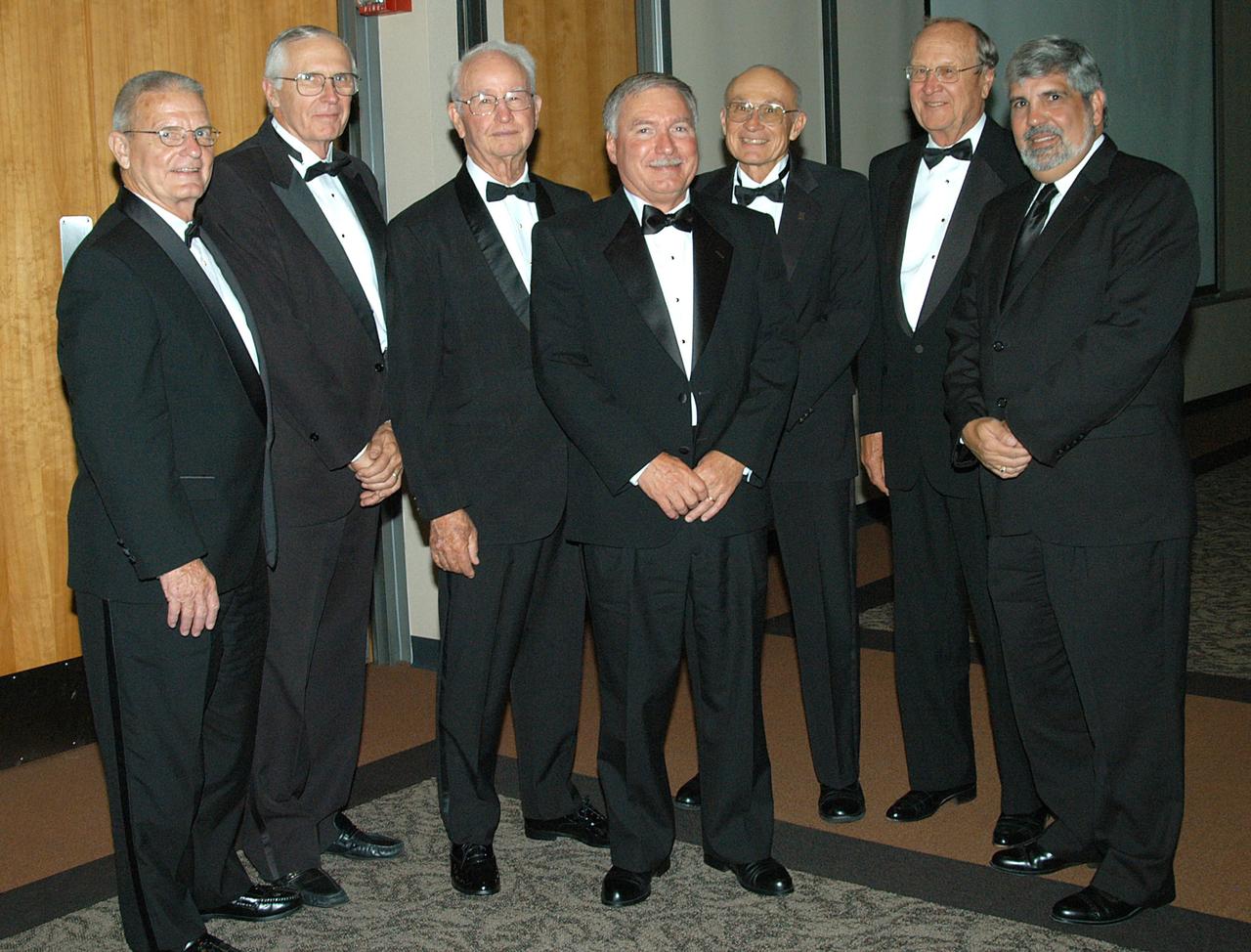
KENNEDY SPACE CENTER, FLA. -- Past recipients of the Debus Award join the 2004 awardee John J. “Tip” Talone (center) at the annual National Space Club Debus Award Banquet, held at the Dr. Kurt H. Debus Conference Facility in the KSC Visitor Complex. From left are Forrest McCartney, Lee Solid, Maxwell King, Talone, Bob Sieck, Ernie Briel and Adrian Laffitte. Director of the International Space Station/Payloads Processing directorate, Talone received the award in recognition of his outstanding personal and professional efforts in supporting the U.S. space program, especially in his current role. The award was created by the National Space Club Florida Committee to recognize significant achievements and contributions made in Florida to American aerospace efforts. It is named for Dr. Kurt H. Debus, first director of KSC, from 1962 to 1974.
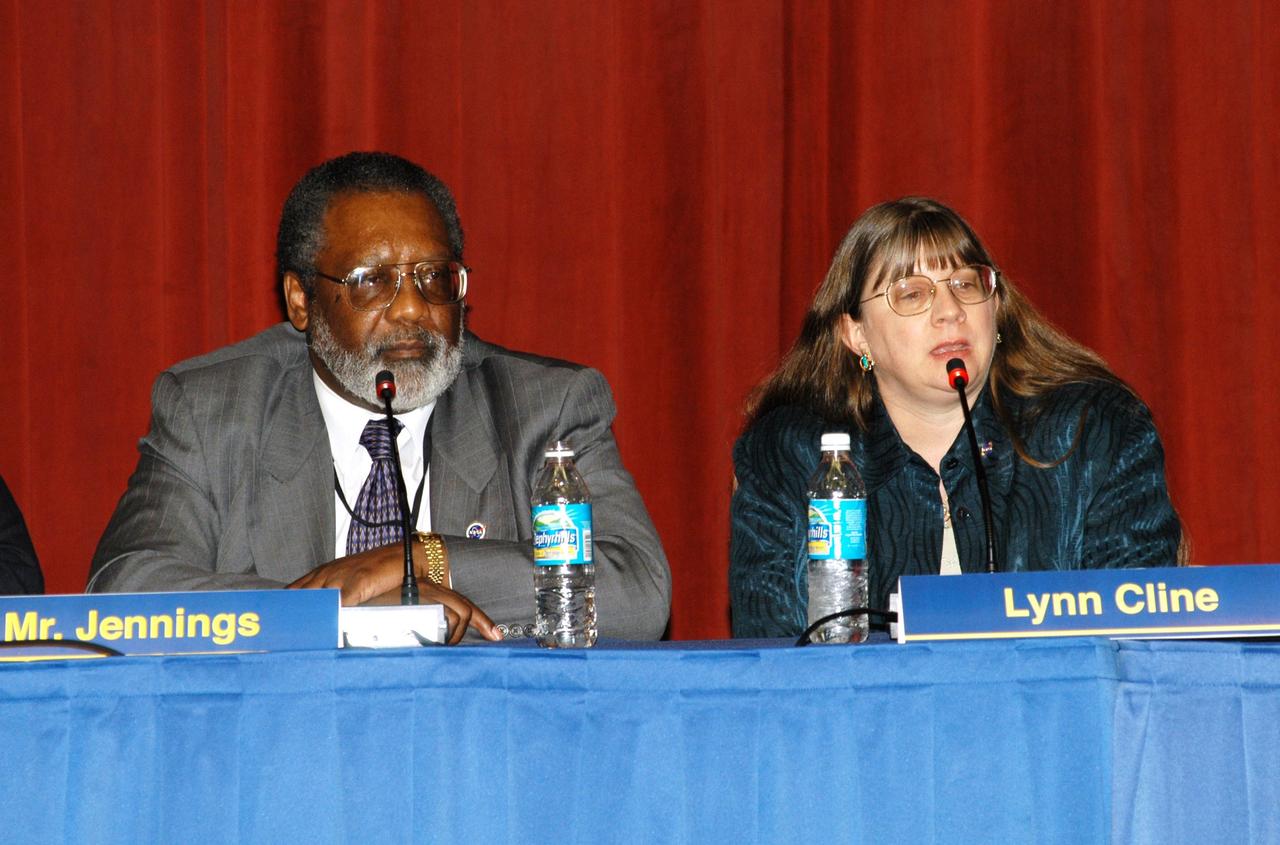
KENNEDY SPACE CENTER, FLA. -- Jim Jennings (left), Deputy Associate Administrator for Institutions and Asset Management, looks on as Lynn Cline, Deputy Associate Administrator for Space Flight, responds to a question asked by a member of the audience attending the Culture Change Process All Hands Meeting in the Training Auditorium. The purpose of the meeting was for employees to gain further insight into the Agency’s Vision for Space Exploration and the direction cultural change will take at KSC in order to assume its role within this vision. Other panel members were James W. Kennedy, KSC director; Bob Sieck, former Director of Space Shuttle Processing at KSC; and Jim Wetherbee, astronaut and Technical Assistant to the Director of Safety and Mission Assurance at Johnson Space Center.
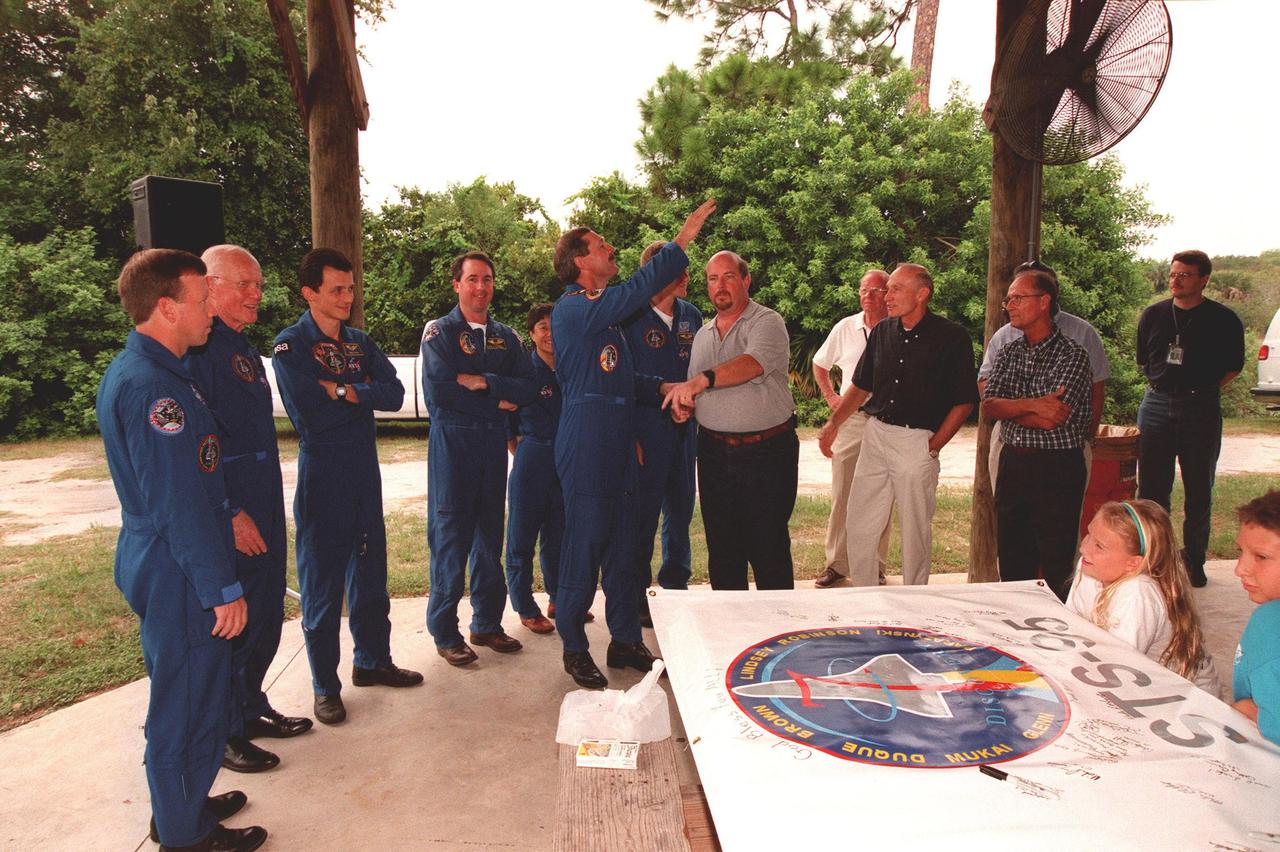
During a break in the Crew Equipment Interface Test (CEIT), the STS-95 crew gathers with United Space Alliance (USA) personnel and their families. From left are Pilot Steven W. Lindsey; Payload Specialist John H. Glenn Jr., a senator from Ohio; Pedro Duque, with the European Space Agency (ESA); Mission Specialist Stephen K. Robinson, Ph.D.; Chiaki Mukai, with the National Space Development Agency of Japan (NASDA); Mission Commander Curtis L. Brown Jr. (with arm raised); Mission Specialist Scott E. Parazynski, M.D.; Jim Furr, USA National Space Flight Awareness representative; Jack King, USA Public Affairs; Bob Sieck, KSC director of Shuttle Processing; and Ed Adamek, USA vice president and associate program manager for Ground Operations at KSC
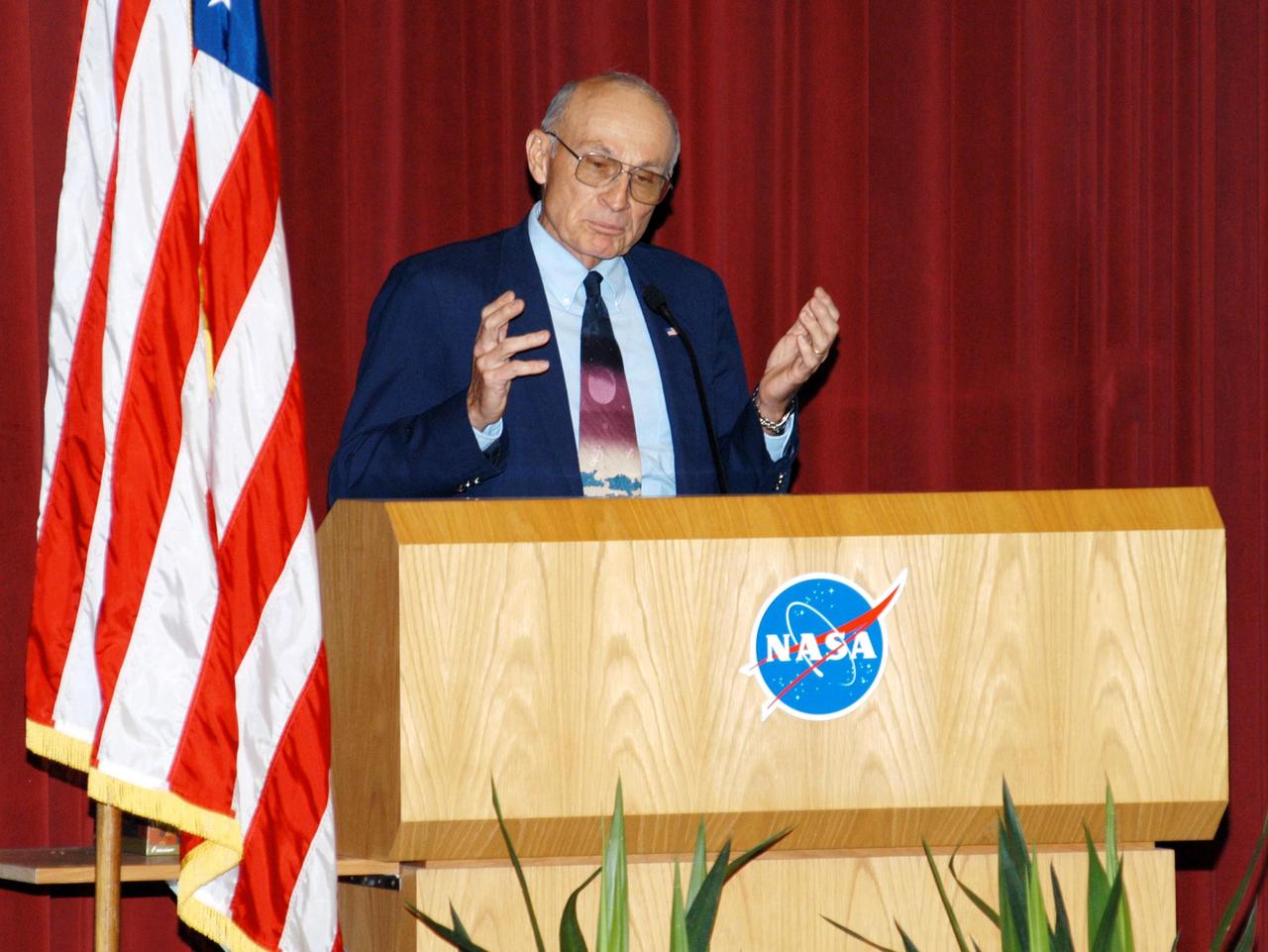
KENNEDY SPACE CENTER, FLA. -- Bob Sieck, former Director of Space Shuttle Processing at KSC addresses KSC employees assembled in the Training Auditorium for a Culture Change Process All Hands Meeting. The purpose of the meeting was for employees to gain further insight into the Agency’s Vision for Space Exploration and the direction cultural change will take at KSC in order to assume its role within this vision. Other participants included James W. Kennedy, KSC director; Jim Jennings, Deputy Associate Administrator for Institutions and Asset Management; Lynn Cline, Deputy Associate Administrator for Space Flight; and Jim Wetherbee, astronaut and Technical Assistant to the Director of Safety and Mission Assurance at Johnson Space Center. Following their remarks, members of the panel entertained questions and comments from the audience.

KENNEDY SPACE CENTER, FLA. -- Lynn Cline (left), Deputy Associate Administrator for Space Flight, looks on as Bob Sieck, former Director of Space Shuttle Processing at KSC, answers a question posed by a member of the audience attending the Culture Change Process All Hands Meeting in the Training Auditorium. The purpose of the meeting was for employees to gain further insight into the Agency’s Vision for Space Exploration and the direction cultural change will take at KSC in order to assume its role within this vision. Other panel members were James W. Kennedy, KSC director; Jim Jennings, Deputy Associate Administrator for Institutions and Asset Management; and Jim Wetherbee, astronaut and Technical Assistant to the Director of Safety and Mission Assurance at Johnson Space Center.

KENNEDY SPACE CENTER, FLA. -- Bob Sieck (left), former Director of Space Shuttle Processing at KSC, looks on as Jim Wetherbee, astronaut and Technical Assistant to the Director of Safety and Mission Assurance at Johnson Space Center, responds to a question asked by a member of the audience attending the Culture Change Process All Hands Meeting in the Training Auditorium. The purpose of the meeting was for employees to gain further insight into the Agency’s Vision for Space Exploration and the direction cultural change will take at KSC in order to assume its role within this vision. Other panel members were James W. Kennedy, KSC director; Jim Jennings, Deputy Associate Administrator for Institutions and Asset Management; and Lynn Cline, Deputy Associate Administrator for Space Flight.
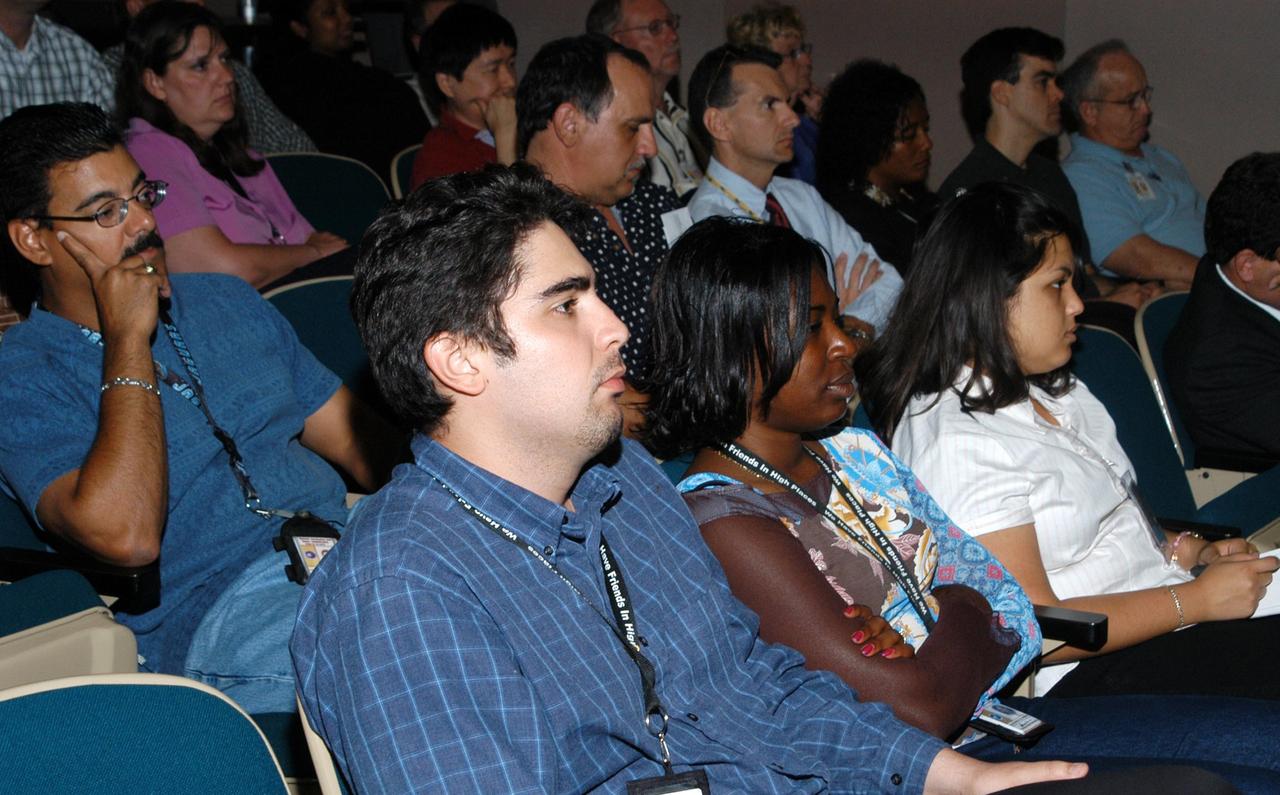
KENNEDY SPACE CENTER, FLA. -- KSC employees assemble in the Training Auditorium for a Culture Change Process All Hands Meeting. The purpose of the meeting was for employees to gain further insight into the Agency’s Vision for Space Exploration and the direction cultural change will take at KSC in order to assume its role within this vision. Panel members included James W. Kennedy, KSC director; Jim Jennings, Deputy Associate Administrator for Institutions and Asset Management; Lynn Cline, Deputy Associate Administrator for Space Flight; Bob Sieck, former Director of Space Shuttle Processing at KSC; and Jim Wetherbee, astronaut and Technical Assistant to the Director of Safety and Mission Assurance at the Johnson Space Center. Following their remarks, members of the panel entertained questions and comments from the audience.
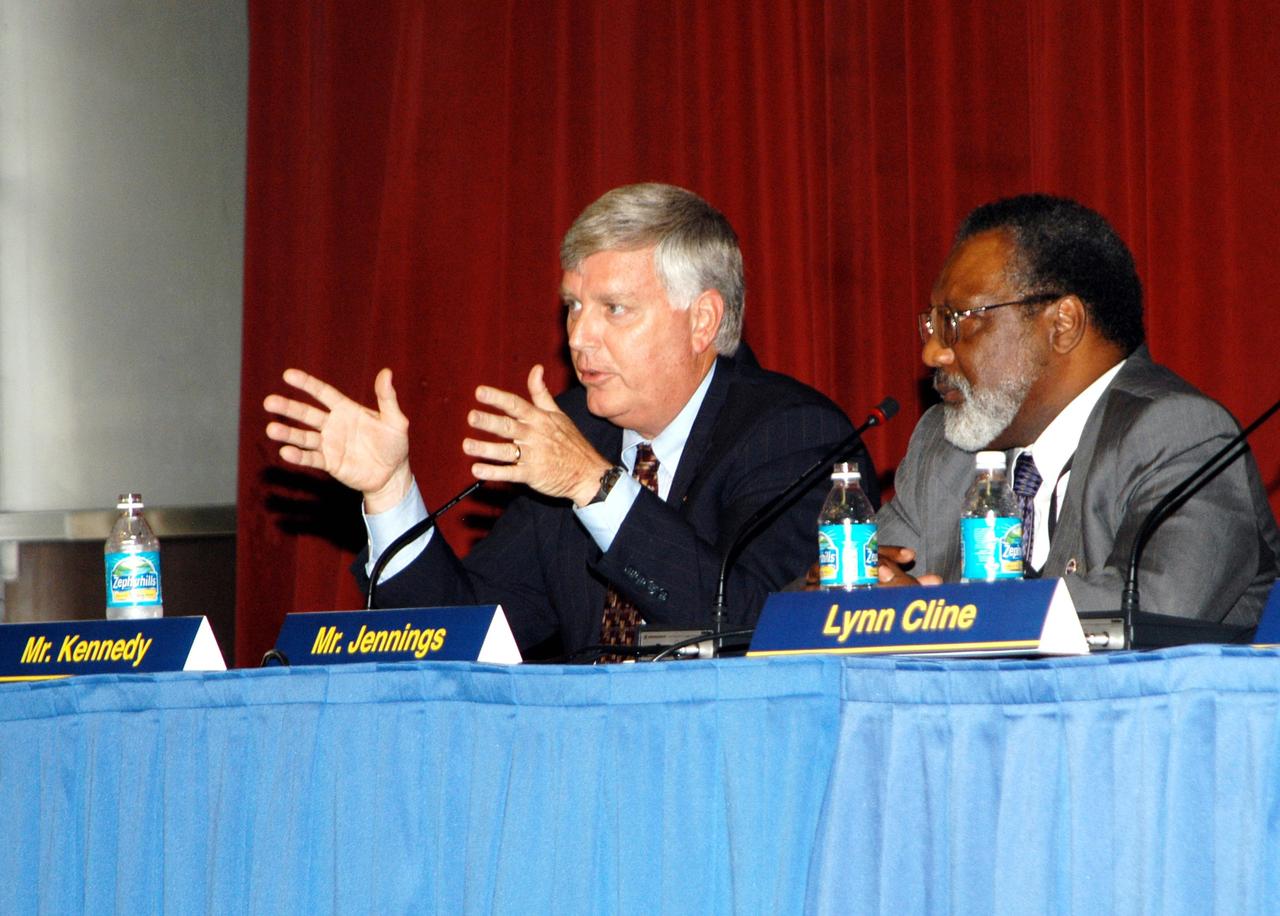
KENNEDY SPACE CENTER, FLA. -- Jim Jennings (right), Deputy Associate Administrator for Institutions and Asset Management, looks on as James W. Kennedy, KSC director, answers a question raised by a member of the audience attending the Culture Change Process All Hands Meeting in the Training Auditorium. The purpose of the meeting was for employees to gain further insight into the Agency’s Vision for Space Exploration and the direction cultural change will take at KSC in order to assume its role within this vision. Other panel members were Lynn Cline, Deputy Associate Administrator for Space Flight; Bob Sieck, former Director of Space Shuttle Processing at KSC; and Jim Wetherbee, astronaut and Technical Assistant to the Director of Safety and Mission Assurance at Johnson Space Center.
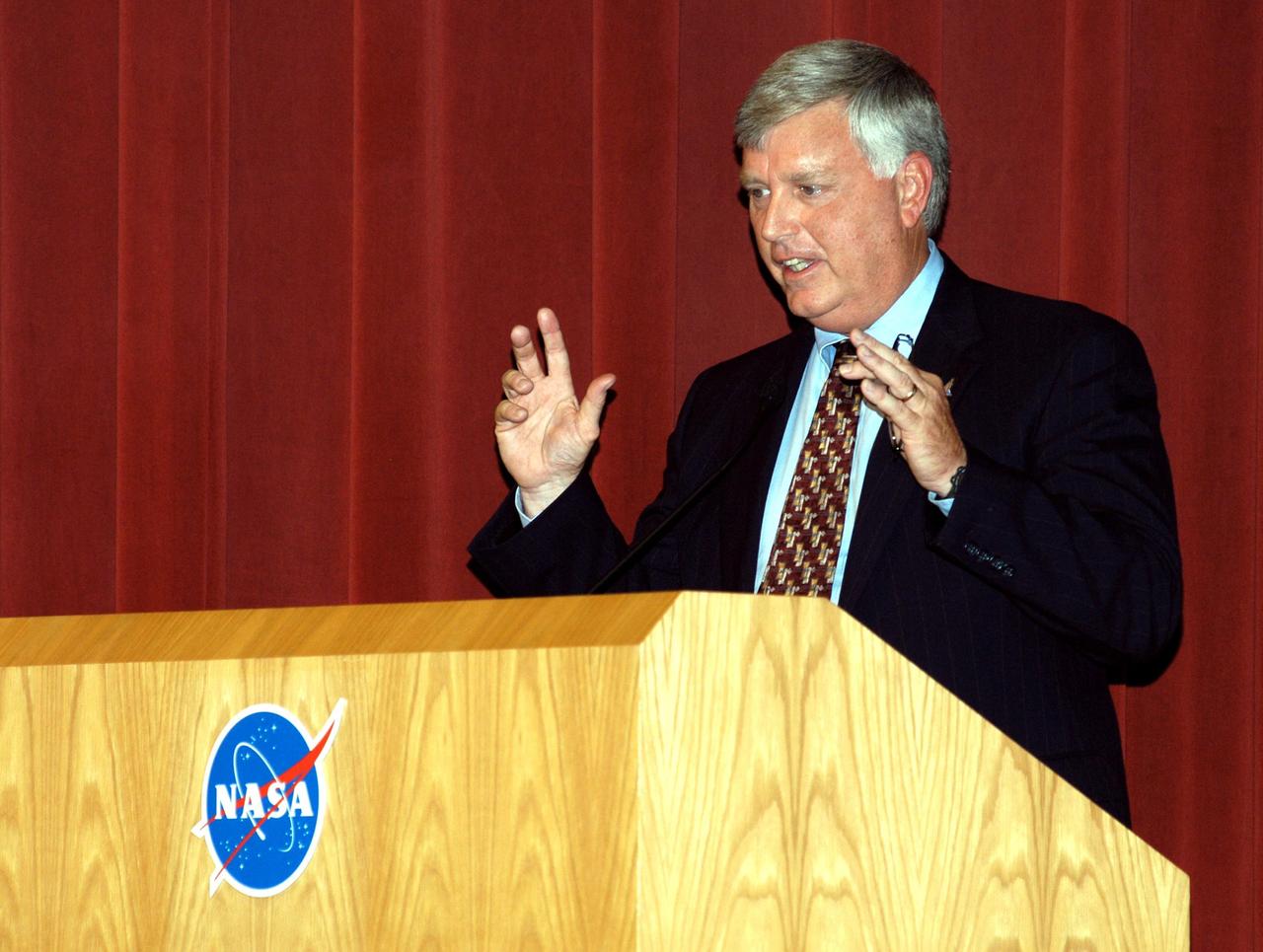
KENNEDY SPACE CENTER, FLA. -- Center Director James W. Kennedy addresses KSC employees assembled in the Training Auditorium for a Culture Change Process All Hands Meeting. The purpose of the meeting was for employees to gain further insight into the Agency’s Vision for Space Exploration and the direction cultural change will take at KSC in order to assume its role within this vision. Other participants included Jim Jennings, Deputy Associate Administrator for Institutions and Asset Management; Lynn Cline, Deputy Associate Administrator for Space Flight; Bob Sieck, former Director of Space Shuttle Processing at KSC; and Jim Wetherbee, astronaut and Technical Assistant to the Director of Safety and Mission Assurance at Johnson Space Center. Following their remarks, members of the panel entertained questions and comments from the audience.

Former space shuttle Launch Directors Mike Leinbach, left, and Bob Sieck, shake hands inside Launch Control Center Firing Room 1 at NASA’s Kennedy Space Center in Florida on Nov. 16, 2022 after the successful launch of the agency’s Artemis I Space Launch System and Orion spacecraft. Liftoff from Launch Complex 39B was at 1:47 a.m. EST. The first in a series of increasingly complex missions, Artemis I will provide a foundation for human deep space exploration and demonstrate our commitment and capability to extend human presence to the Moon and beyond. The primary goal of Artemis I is to thoroughly test the integrated systems before crewed missions by operating the spacecraft in a deep space environment, testing Orion’s heat shield, and recovering the crew module after reentry, descent, and splashdown.
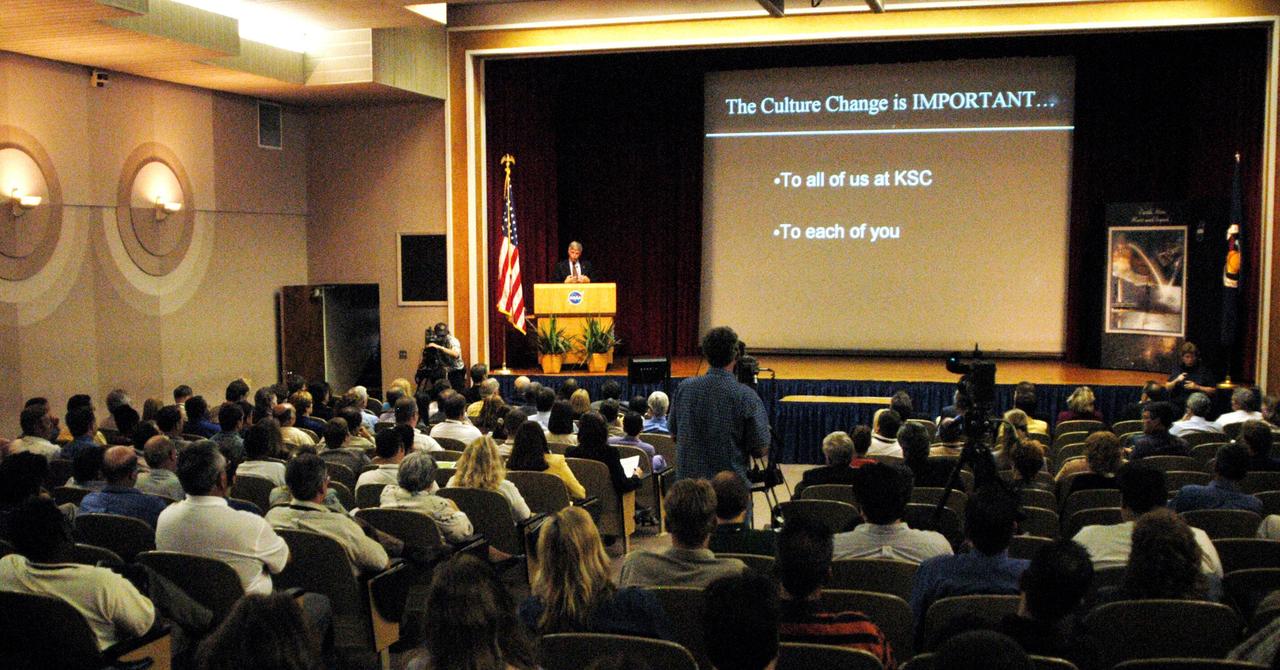
KENNEDY SPACE CENTER, FLA. -- Center Director James W. Kennedy addresses KSC employees assembled in the Training Auditorium for a Culture Change Process All Hands Meeting. The purpose of the meeting was for employees to gain further insight into the Agency’s Vision for Space Exploration and the direction cultural change will take at KSC in order to assume its role within this vision. Other participants included Jim Jennings, Deputy Associate Administrator for Institutions and Asset Management; Lynn Cline, Deputy Associate Administrator for Space Flight; Bob Sieck, former Director of Space Shuttle Processing at KSC; and Jim Wetherbee, astronaut and Technical Assistant to the Director of Safety and Mission Assurance at Johnson Space Center. Following their remarks, members of the panel entertained questions and comments from the audience.
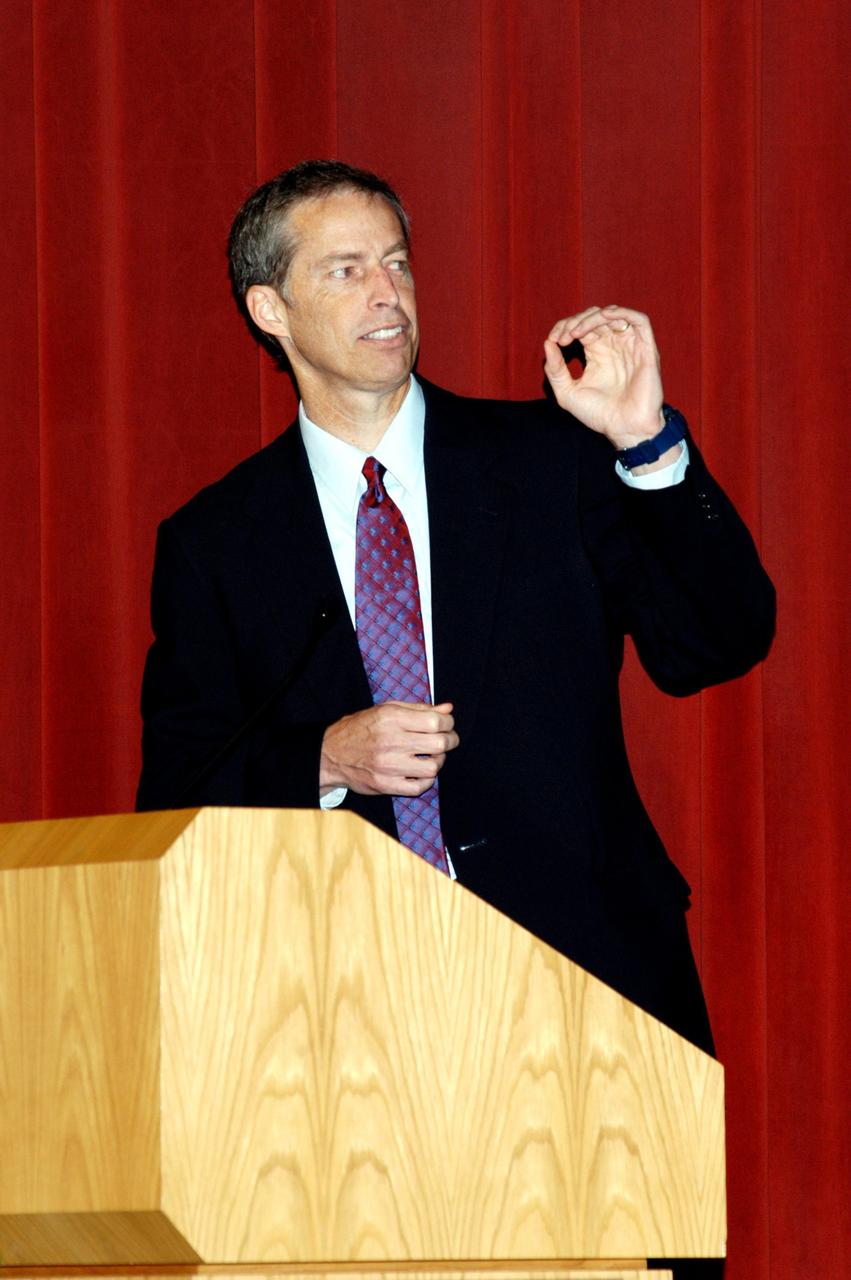
KENNEDY SPACE CENTER, FLA. -- Jim Wetherbee, astronaut and Technical Assistant to the Director of Safety and Mission Assurance at Johnson Space Center addresses KSC employees assembled in the Training Auditorium for a Culture Change Process All Hands Meeting. The purpose of the meeting was for employees to gain further insight into the Agency’s Vision for Space Exploration and the direction cultural change will take at KSC in order to assume its role within this vision. Other participants included James W. Kennedy, KSC director; Jim Jennings, Deputy Associate Administrator for Institutions and Asset Management; Lynn Cline, Deputy Associate Administrator for Space Flight; and Bob Sieck, former Director of Space Shuttle Processing at KSC. Following their remarks, members of the panel entertained questions and comments from the audience.
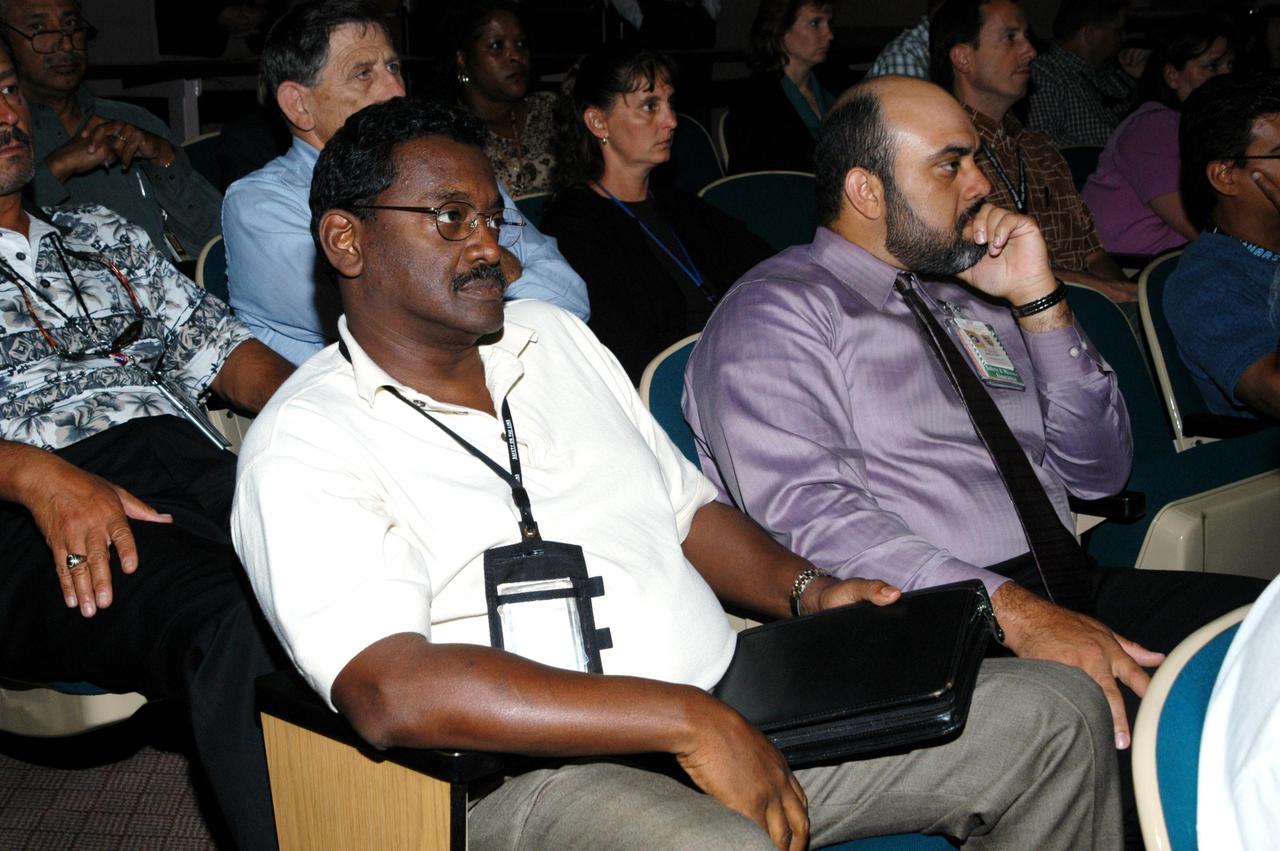
KENNEDY SPACE CENTER, FLA. -- KSC employees assemble in the Training Auditorium for a Culture Change Process All Hands Meeting. The purpose of the meeting was for employees to gain further insight into the Agency’s Vision for Space Exploration and the direction cultural change will take at KSC in order to assume its role within this vision. Panel members included James W. Kennedy, KSC director; Jim Jennings, Deputy Associate Administrator for Institutions and Asset Management; Lynn Cline, Deputy Associate Administrator for Space Flight; Bob Sieck, former Director of Space Shuttle Processing at KSC; and Jim Wetherbee, astronaut and Technical Assistant to the Director of Safety and Mission Assurance at the Johnson Space Center. Following their remarks, members of the panel entertained questions and comments from the audience.
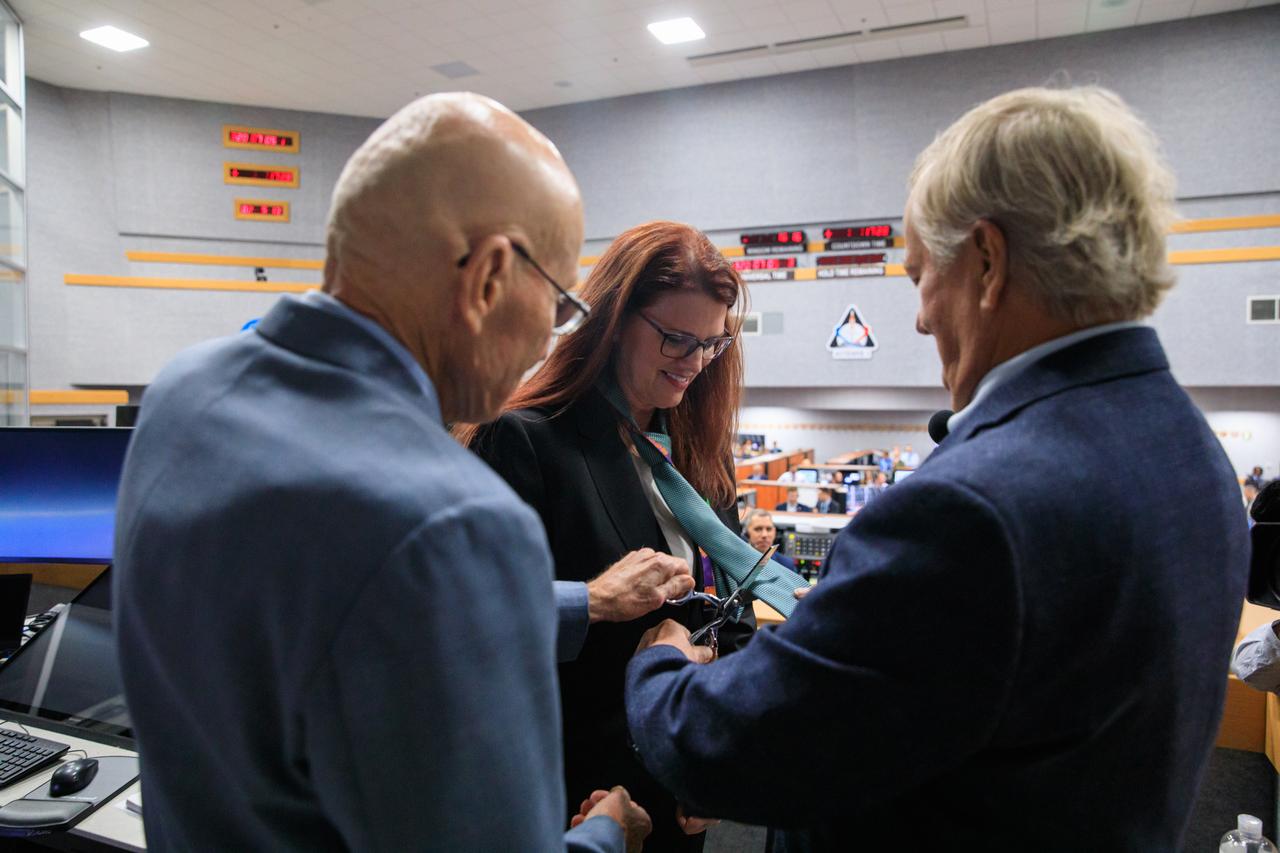
Former space shuttle launch directors Mike Leinbach, at right, and Bob Sieck perform the traditional cutting of the tie for Artemis I Launch Director Charlie Blackwell-Thompson inside the Launch Control Center at NASA’s Kennedy Space Center in Florida, after the launch of the agency’s Space Launch System and Orion spacecraft from Launch Complex 39B on Nov. 16, 2022. Liftoff was at 1:47 a.m. EST. The first in a series of increasingly complex missions, Artemis I will provide a foundation for human deep space exploration and demonstrate our commitment and capability to extend human presence to the Moon and beyond. The primary goal of Artemis I is to thoroughly test the integrated systems before crewed missions by operating the spacecraft in a deep space environment, testing Orion’s heat shield, and recovering the crew module after reentry, descent, and splashdown.

KENNEDY SPACE CENTER, FLA. -- Lynn Cline, Deputy Associate Administrator for Space Flight addresses KSC employees assembled in the Training Auditorium for a Culture Change Process All Hands Meeting. The purpose of the meeting was for employees to gain further insight into the Agency’s Vision for Space Exploration and the direction cultural change will take at KSC in order to assume its role within this vision. Other participants included James W. Kennedy, KSC director; Jim Jennings, Deputy Associate Administrator for Institutions and Asset Management; Bob Sieck, former Director of Space Shuttle Processing at KSC; and Jim Wetherbee, astronaut and Technical Assistant to the Director of Safety and Mission Assurance at Johnson Space Center. Following their remarks, members of the panel entertained questions and comments from the audience.
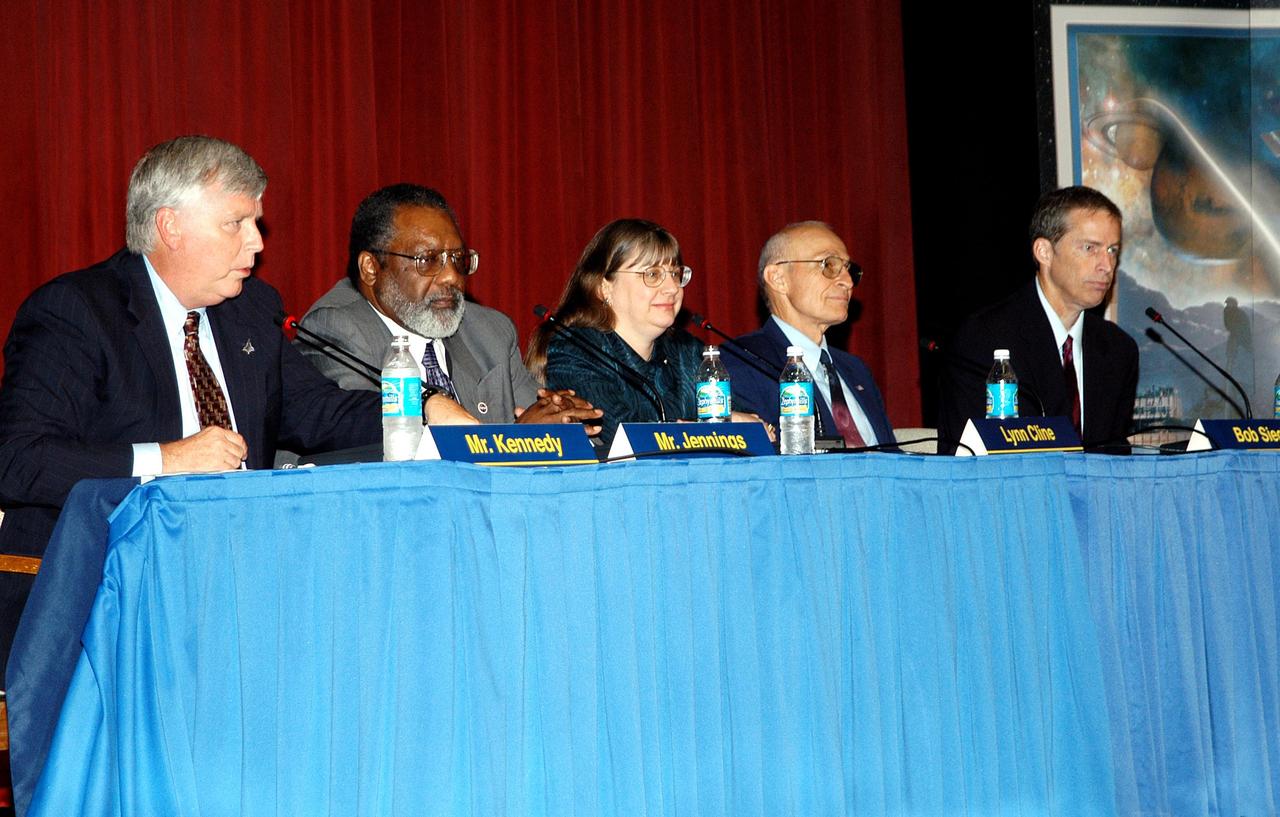
KENNEDY SPACE CENTER, FLA. -- The panel members participating in the Culture Change Process All Hands Meeting entertain questions and comments from the audience assembled in the Training Auditorium. From left, they are James W. Kennedy, KSC director; Jim Jennings, Deputy Associate Administrator for Institutions and Asset Management; Lynn Cline, Deputy Associate Administrator for Space Flight; Bob Sieck, former Director of Space Shuttle Processing at KSC; and Jim Wetherbee, astronaut and Technical Assistant to the Director of Safety and Mission Assurance at Johnson Space Center. The purpose of the meeting was for employees to gain further insight into the Agency’s Vision for Space Exploration and the direction cultural change will take at KSC in order to assume its role within this vision.
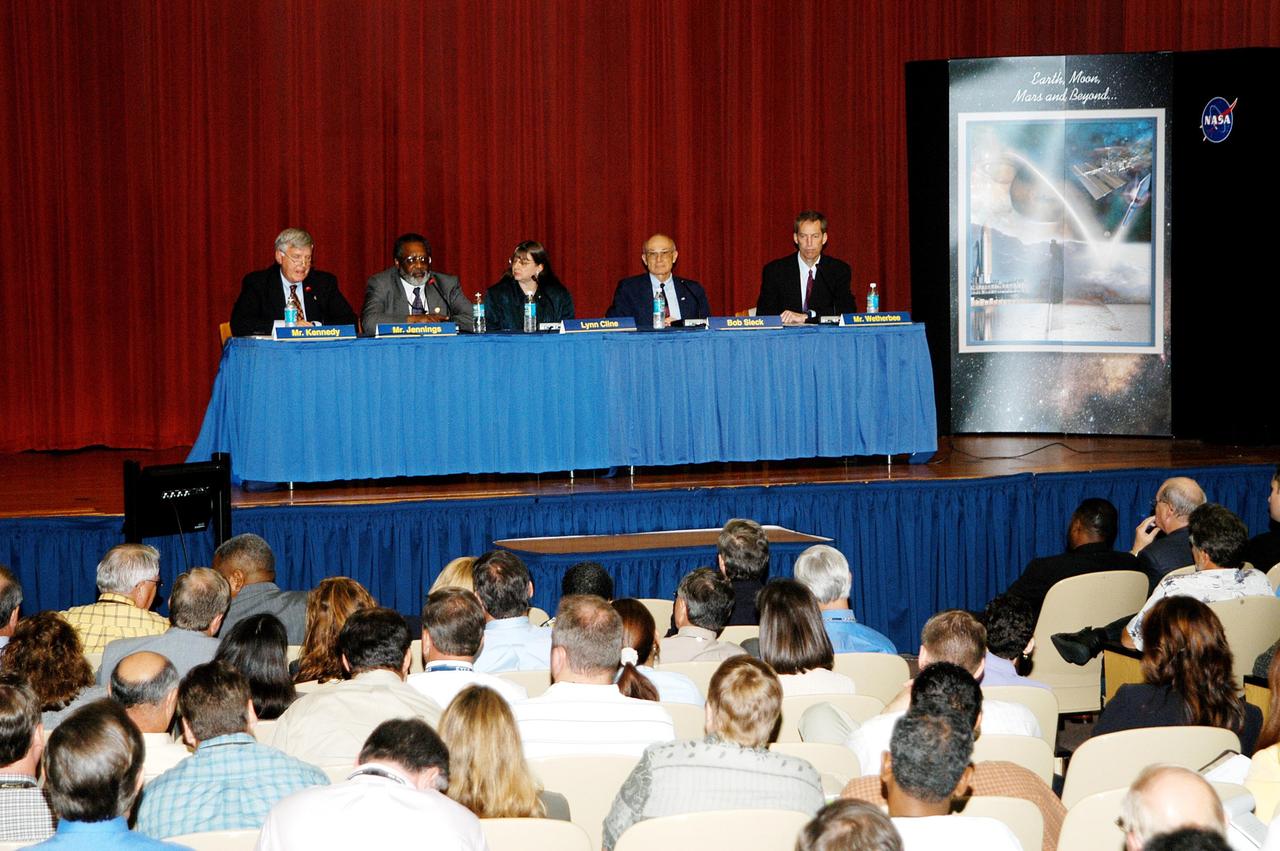
KENNEDY SPACE CENTER, FLA. -- The panel members participating in the Culture Change Process All Hands Meeting entertain questions and comments from the audience assembled in the Training Auditorium. From left, they are James W. Kennedy, KSC director; Jim Jennings, Deputy Associate Administrator for Institutions and Asset Management; Lynn Cline, Deputy Associate Administrator for Space Flight; Bob Sieck, former Director of Space Shuttle Processing at KSC; and Jim Wetherbee, astronaut and Technical Assistant to the Director of Safety and Mission Assurance at Johnson Space Center. The purpose of the meeting was for employees to gain further insight into the Agency’s Vision for Space Exploration and the direction cultural change will take at KSC in order to assume its role within this vision.

KENNEDY SPACE CENTER, FLA. -- Jim Jennings, Deputy Associate Administrator for Institutions and Asset Management addresses KSC employees assembled in the Training Auditorium for a Culture Change Process All Hands Meeting. The purpose of the meeting was for employees to gain further insight into the Agency’s Vision for Space Exploration and the direction cultural change will take at KSC in order to assume its role within this vision. Other participants included James W. Kennedy, KSC director; Lynn Cline, Deputy Associate Administrator for Space Flight; Bob Sieck, former Director of Space Shuttle Processing at KSC; and Jim Wetherbee, astronaut and Technical Assistant to the Director of Safety and Mission Assurance at Johnson Space Center. Following their remarks, members of the panel entertained questions and comments from the audience.

KENNEDY SPACE CENTER, FLA. -- Jim Wetherbee, astronaut and Technical Assistant to the Director of Safety and Mission Assurance at Johnson Space Center addresses KSC employees assembled in the Training Auditorium for a Culture Change Process All Hands Meeting. The purpose of the meeting was for employees to gain further insight into the Agency’s Vision for Space Exploration and the direction cultural change will take at KSC in order to assume its role within this vision. Other participants included James W. Kennedy, KSC director; Jim Jennings, Deputy Associate Administrator for Institutions and Asset Management; Lynn Cline, Deputy Associate Administrator for Space Flight; and Bob Sieck, former Director of Space Shuttle Processing at KSC. Following their remarks, members of the panel entertained questions and comments from the audience.
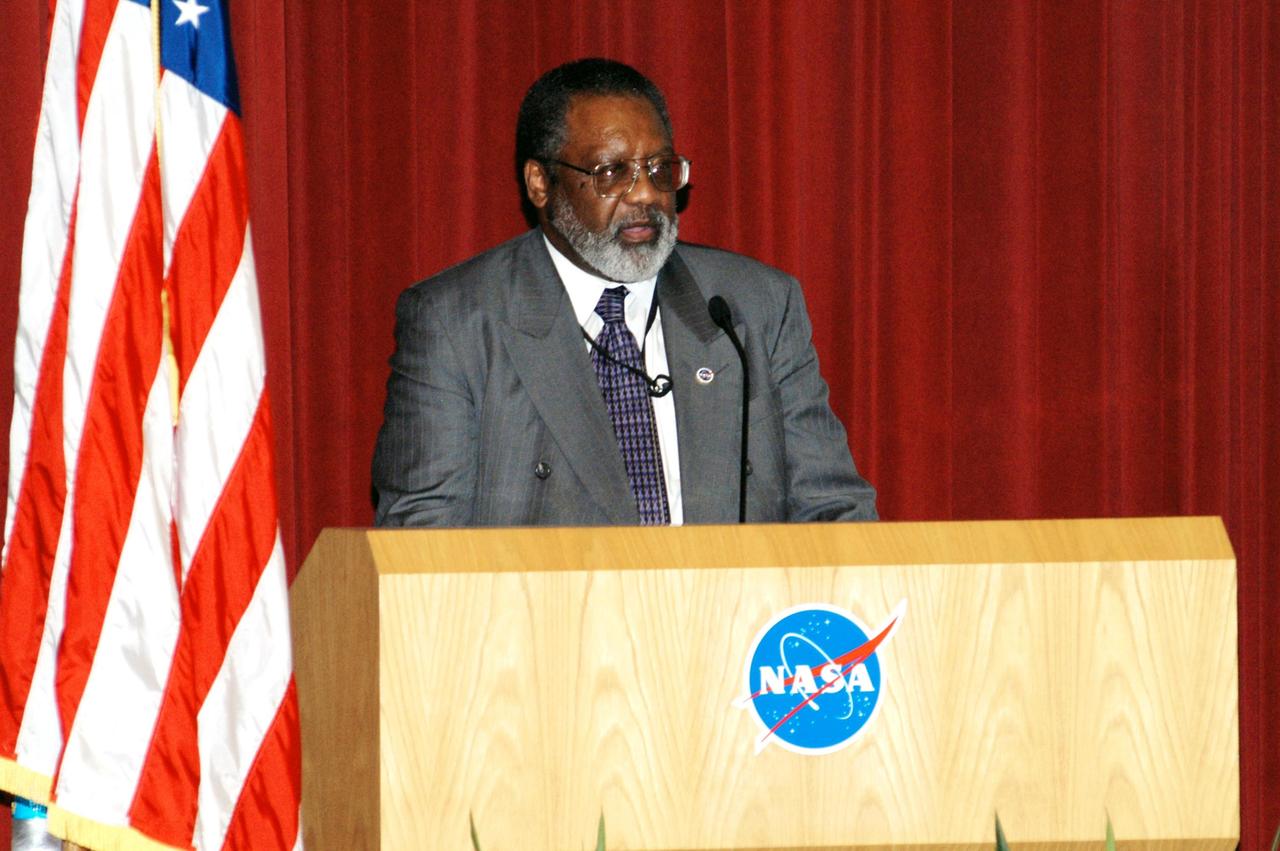
KENNEDY SPACE CENTER, FLA. -- Jim Jennings, Deputy Associate Administrator for Institutions and Asset Management addresses KSC employees assembled in the Training Auditorium for a Culture Change Process All Hands Meeting. The purpose of the meeting was for employees to gain further insight into the Agency’s Vision for Space Exploration and the direction cultural change will take at KSC in order to assume its role within this vision. Other participants included James W. Kennedy, KSC director; Lynn Cline, Deputy Associate Administrator for Space Flight; Bob Sieck, former Director of Space Shuttle Processing at KSC; and Jim Wetherbee, astronaut and Technical Assistant to the Director of Safety and Mission Assurance at Johnson Space Center. Following their remarks, members of the panel entertained questions and comments from the audience.

NASA dignitaries and launch team members gather inside Firing Room 1 of the Launch Control Center at Kennedy Space Center in Florida after the successful launch of the agency’s Space Launch System and Orion spacecraft on Nov. 16, 2022. Liftoff from Launch Complex 39B was at 1:47 a.m. EST. From left, are Artemis I Launch Director Charlie Blackwell-Thompson; Bob Cabana, NASA associate administrator; NASA Administrator Bill Nelson; Kennedy Space Center Director Janet Petro; former space shuttle Launch Director Bob Sieck; NASA Deputy Administrator Pam Melroy; Mike Bolger, Exploration Ground Systems manager; former space shuttle Launch Director Mike Leinbach; and Artemis I Assistant Launch Director Jeremy Graeber. The first in a series of increasingly complex missions, Artemis I will provide a foundation for human deep space exploration and demonstrate our commitment and capability to extend human presence to the Moon and beyond. The primary goal of Artemis I is to thoroughly test the integrated systems before crewed missions by operating the spacecraft in a deep space environment, testing Orion’s heat shield, and recovering the crew module after reentry, descent, and splashdown.
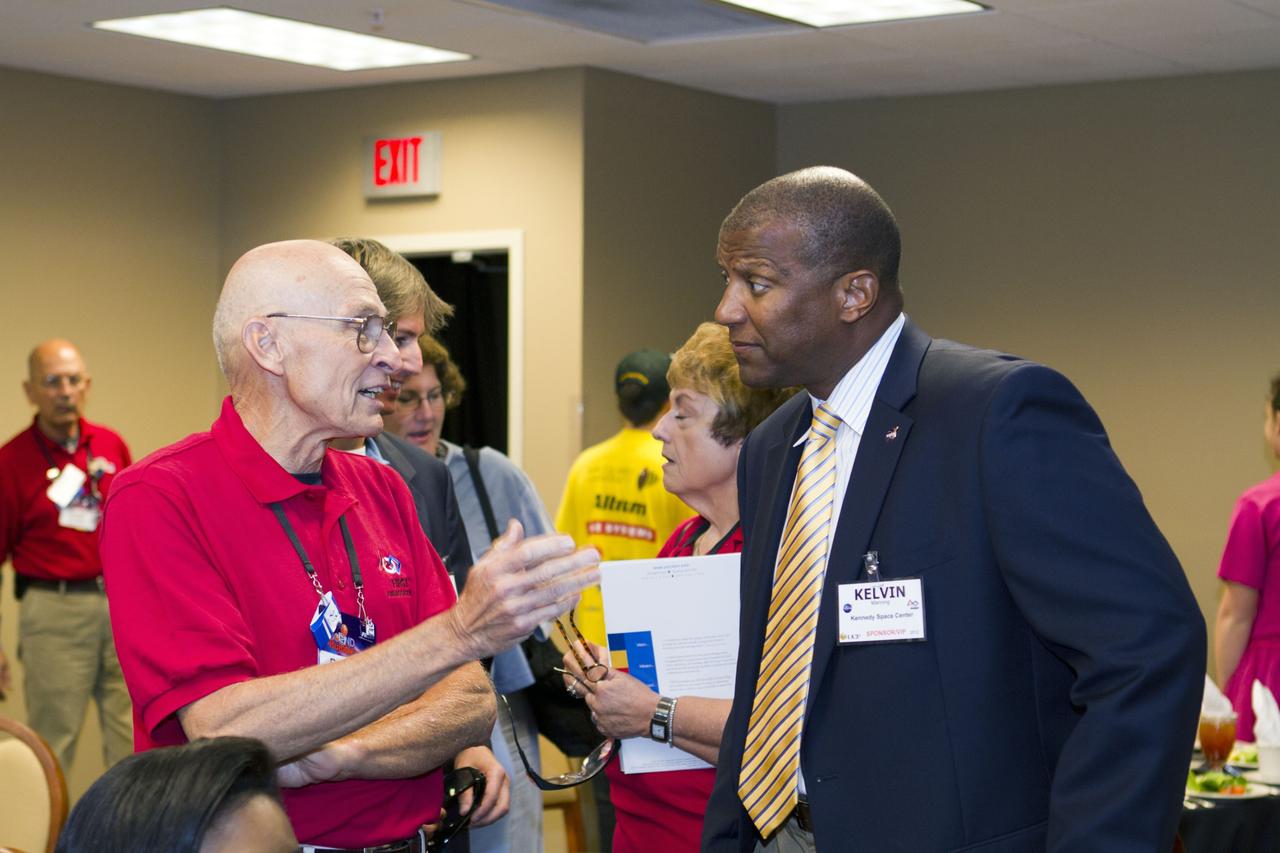
ORLANDO, Fla. -- Former space shuttle launch director, Bob Sieck, left, and NASA Kennedy Space Center Associate Director Kelvin Manning, right, talk amongst high school teams that are competing in the regional FIRST robotics competition at the University of Central Florida in Orlando, Fla. More than 60 teams took part in the competition called "For Inspiration and Recognition of Science and Technology," or FIRST, in hopes of advancing to the national robotics championship. This year, the competition resembled a basketball game and was dubbed "Rebound Rumble." The game measured the effectiveness of each robot, the power of collaboration and the determination of the teams. FIRST, founded in 1989, is a non-profit organization that designs accessible, innovative programs to build self-confidence, knowledge and life skills while motivating young people to pursue academic opportunities. The robotics competition challenges teams of high school students and their mentors to solve a common problem in a six-week timeframe using a standard kit of parts and a common set of rules. NASA is the largest sponsor of the international program. Kennedy Space Center is a sponsor of the regional event. For more information on Kennedy's education events and initiatives, go to http://www.nasa.gov/offices/education/centers/kennedy/home/index.html. Photo credit: NASA/Kim Shiflett
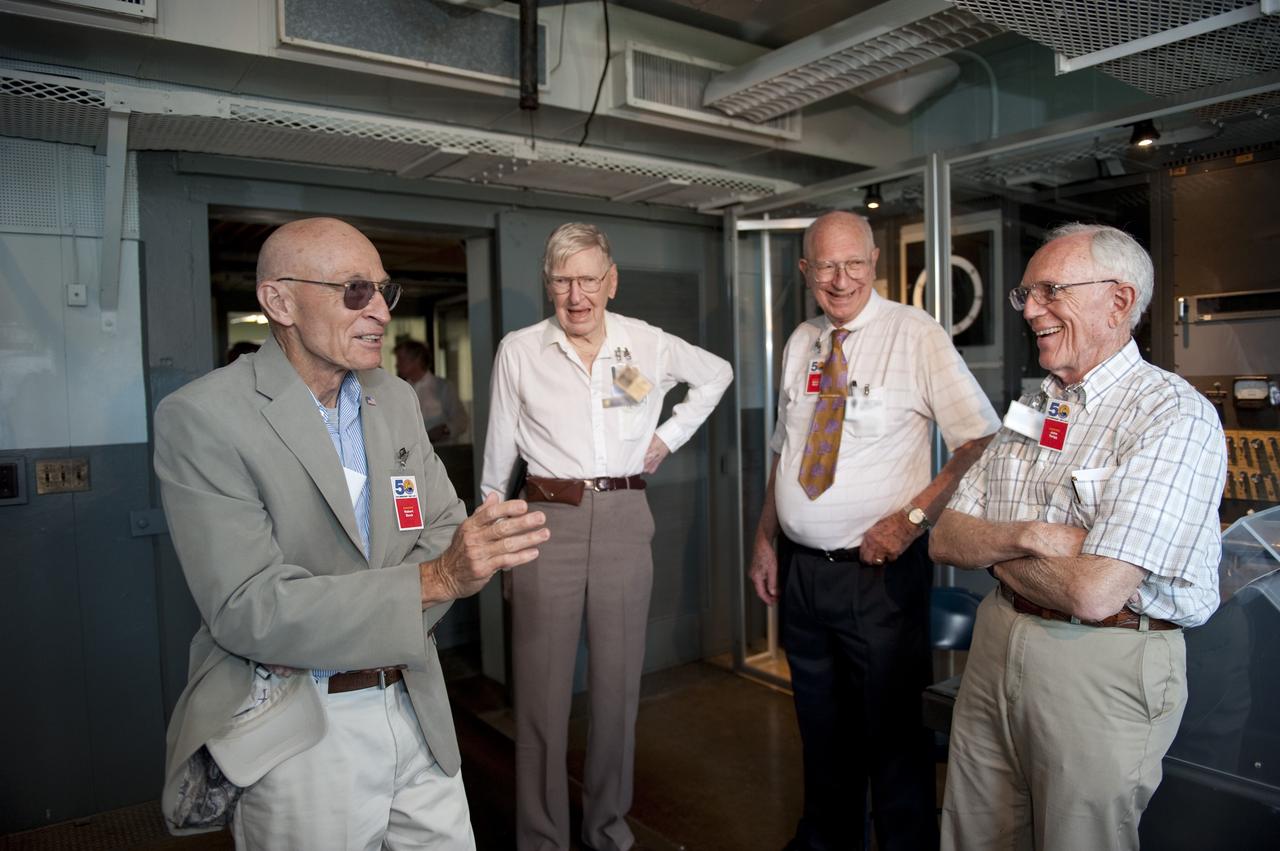
CAPE CANAVERAL, Fla. -- On Cape Canaveral Air Force Station in Florida, invited guests tour the blockhouse at Complex 5/6 during a celebration of Alan Shepard's historic flight 50 years ago. From left are Robert Sieck, former shuttle launch director; Andy Anderson, former manager for communications in the Mercury Mission Control Center; Bob Moser, former chief test conductor for the Mercury-Redstone launches; and John Twigg, former backup chief test conductor for the Mercury-Redstone launches. The celebration was held at the launch site of the first U.S. manned spaceflight May 5, 1961, to mark the 50th anniversary of the flight. Fifty years ago, astronaut Alan Shepard lifted off inside the Mercury capsule, "Freedom 7," atop an 82-foot-tall Mercury-Redstone rocket at 9:34 a.m. EST, sending him on a remarkably successful, 15-minute suborbital flight. The event was attended by more than 200 workers from the original Mercury program and included a re-creation of Shepard's flight and recovery, as well as a tribute to his contributions as a moonwalker on the Apollo 14 lunar mission. For more information, visit www.nasa.gov/topics/history/milestones/index.html. Photo credit: NASA/Kim Shiflett
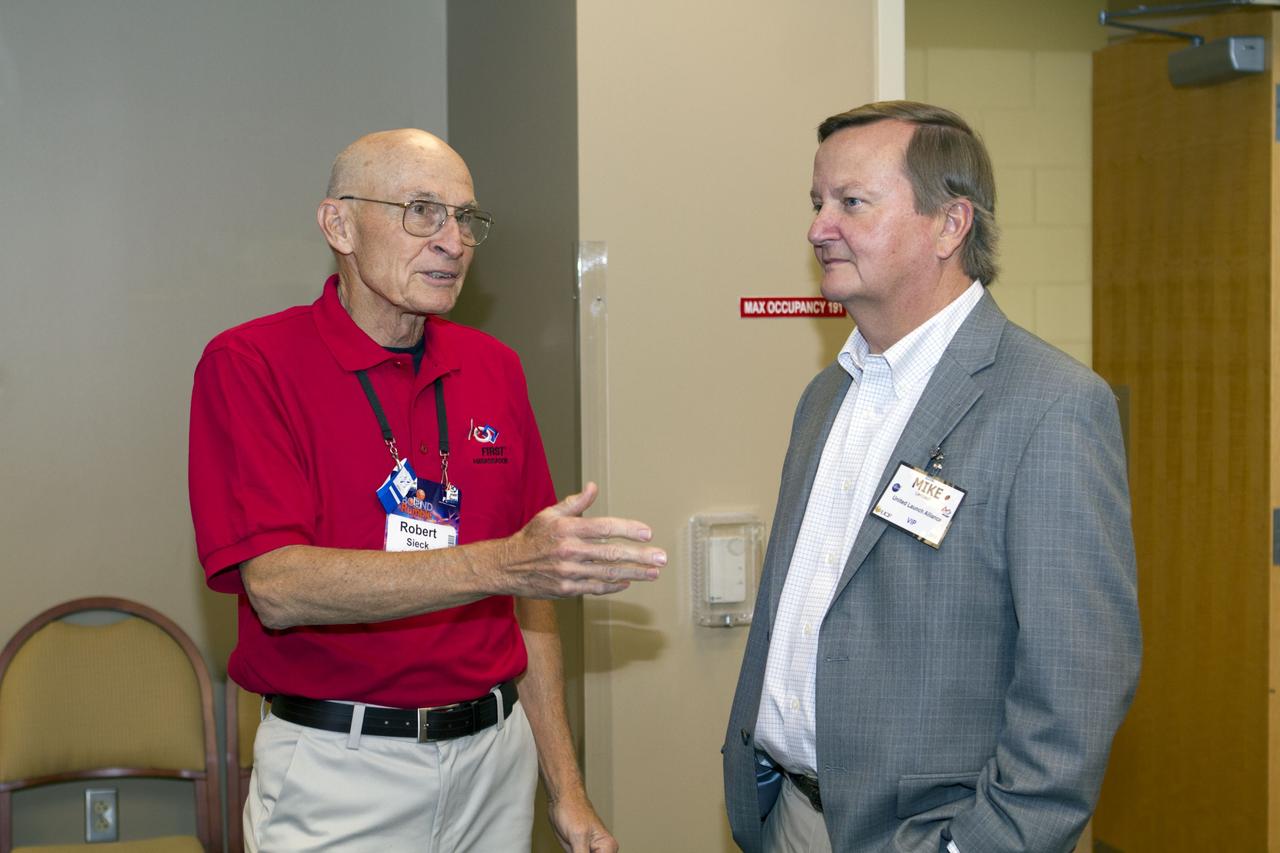
ORLANDO, Fla. -- Former space shuttle launch directors, Bob Sieck, left, and Mike Leinbach, right, talk with high school teams that are competing in the regional FIRST robotics competition at the University of Central Florida in Orlando, Fla. More than 60 teams took part in the competition called "For Inspiration and Recognition of Science and Technology," or FIRST, in hopes of advancing to the national robotics championship. This year, the competition resembled a basketball game and was dubbed "Rebound Rumble." The game measured the effectiveness of each robot, the power of collaboration and the determination of the teams. FIRST, founded in 1989, is a non-profit organization that designs accessible, innovative programs to build self-confidence, knowledge and life skills while motivating young people to pursue academic opportunities. The robotics competition challenges teams of high school students and their mentors to solve a common problem in a six-week timeframe using a standard kit of parts and a common set of rules. NASA is the largest sponsor of the international program. Kennedy Space Center is a sponsor of the regional event. For more information on Kennedy's education events and initiatives, go to http://www.nasa.gov/offices/education/centers/kennedy/home/index.html. Photo credit: NASA/Kim Shiflett
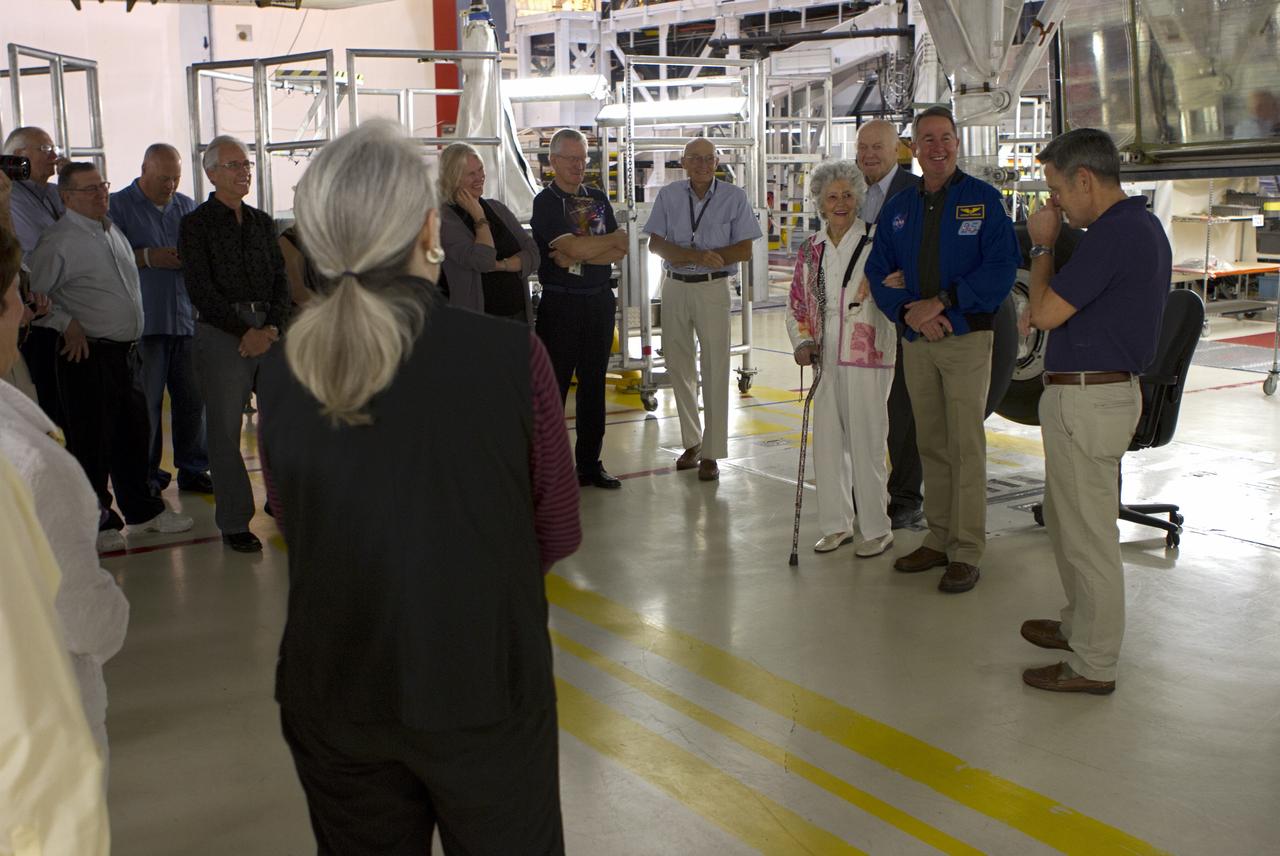
CAPE CANAVERAL, Fla. -- NASA Kennedy Space Center Director Bob Cabana, right, talks to guests in Orbiter Processing Facility-1 OPF-1 where space shuttle Discovery is being prepared for public display during a 50th anniversary celebration of the first orbital flight of an American. The astronaut who made that first flight, John Glenn, is at the space center to commemorate that achievement. Glenn orbited the Earth three times in the NASA Mercury Project's Friendship 7 capsule on Feb. 20, 1962. He later returned to space in October 1998 as a payload specialist aboard Discovery's STS-95 mission. Also in the photo are Glenn's wife, Annie, NASA astronaut Stephen Robinson, and Bob Sieck, a former shuttle launch director. Robinson was the payload commander of STS-95. Glenn's launch aboard an Atlas rocket took with it the hopes of an entire nation and ushered in a new era of space travel that eventually led to Americans walking on the moon by the end of the 1960s. Glenn soon was followed into orbit by Scott Carpenter, Walter Schirra and Gordon Cooper. Their fellow Mercury astronauts Alan Shepard and Virgil "Gus" Grissom flew earlier suborbital flights. Deke Slayton, a member of NASA's original Mercury 7 astronauts, was grounded by a medical condition until the Apollo-Soyuz Test Project in 1975. Shuttle Discovery currently is being prepared for display at Smithsonian’s National Air and Space Museum, Steven F. Udvar-Hazy Center in Chantilly, Va. Photo credit: Cory Huston