
Portrait, Bobby Braun, Chief Technologist, National Aeronautics and Space Administration (NASA). Washington, DC, May 19, 2010. Photo Credit: (NASA/Bill Ingalls)
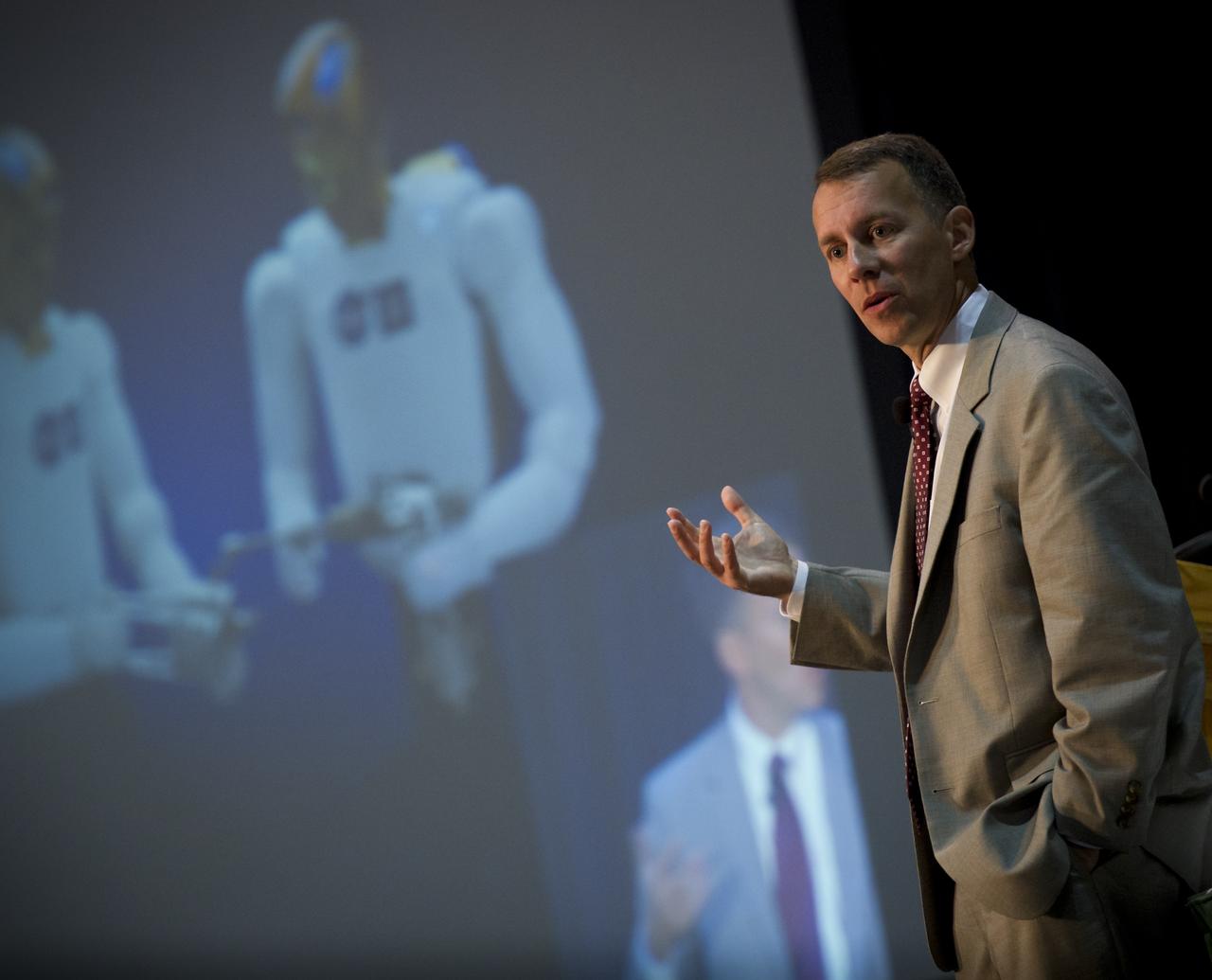
NASA Chief Technologist Bobby Braun talks about technology and innovation to attendees at the AARP "Orlando @50+" Conference in Orlando, Fl., Oct. 1, 2010. Photo Credit: (NASA/Bill Ingalls)
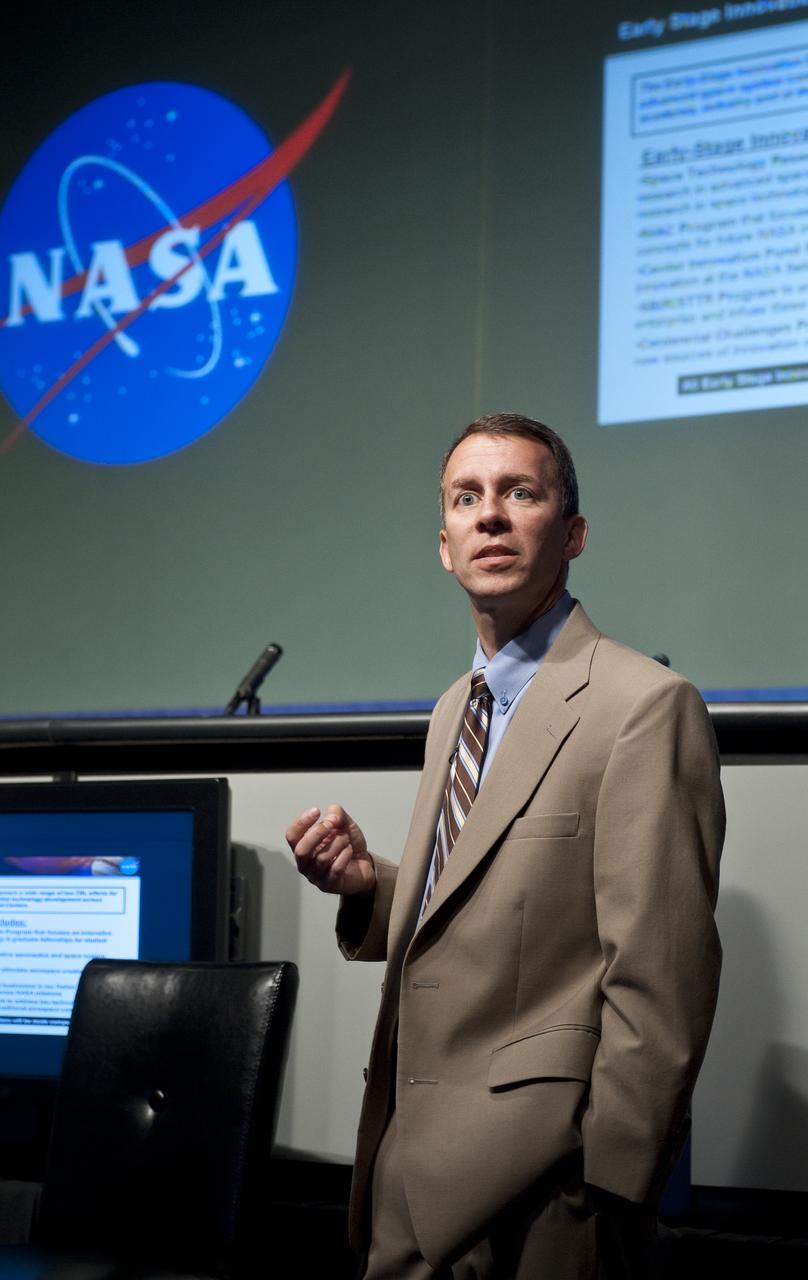
NASA's Chief Technologists, Bobby Braun, hosts a Town Hall meeting to discuss agency-wide technology policy and programs at NASA Headquarters on Tuesday, May 25, 2010, in Washington. Photo Credit: (NASA/Carla Cioffi)
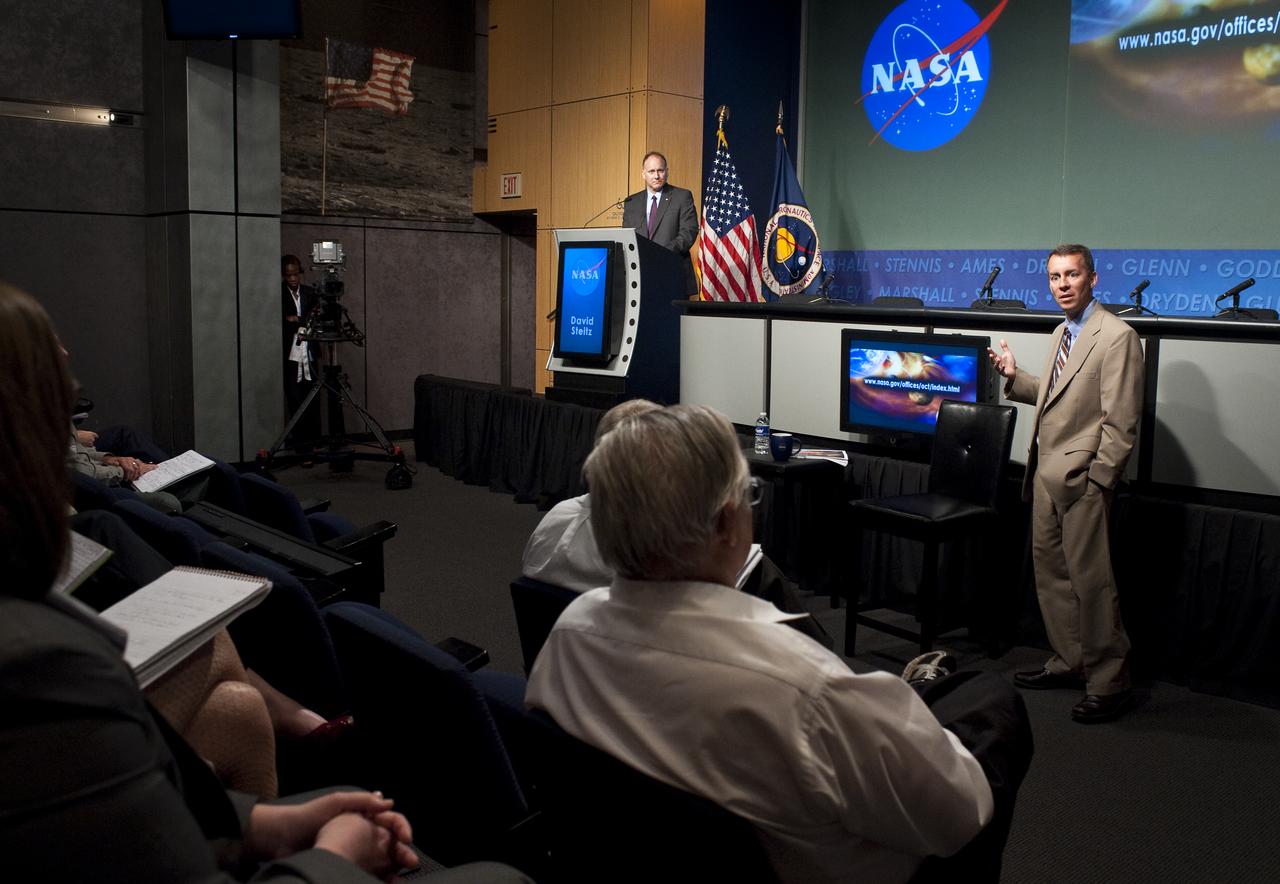
Bobby Braun, right, NASA's Chief Technologist, answers questions during a Town Hall meeting to discuss agency-wide technology policy and programs at NASA Headquarters on Tuesday, May 25, 2010, in Washington. Photo Credit: (NASA/Carla Cioffi)
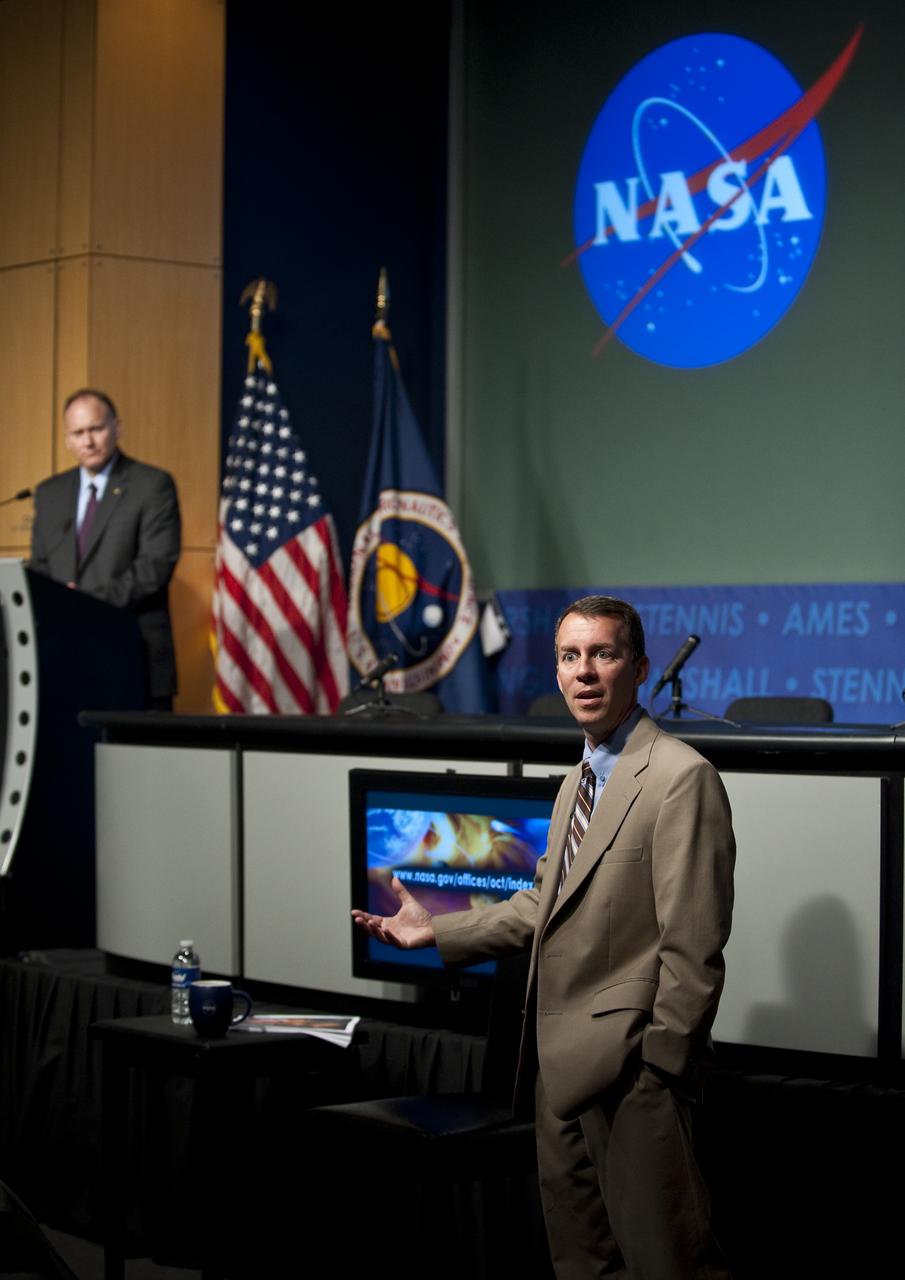
Bobby Braun, NASA's Chief Technologist, answers questions during a Town Hall meeting to discuss agency-wide technology policy and programs at NASA Headquarters on Tuesday, May 25, 2010, in Washington. Photo Credit: (NASA/Carla Cioffi)
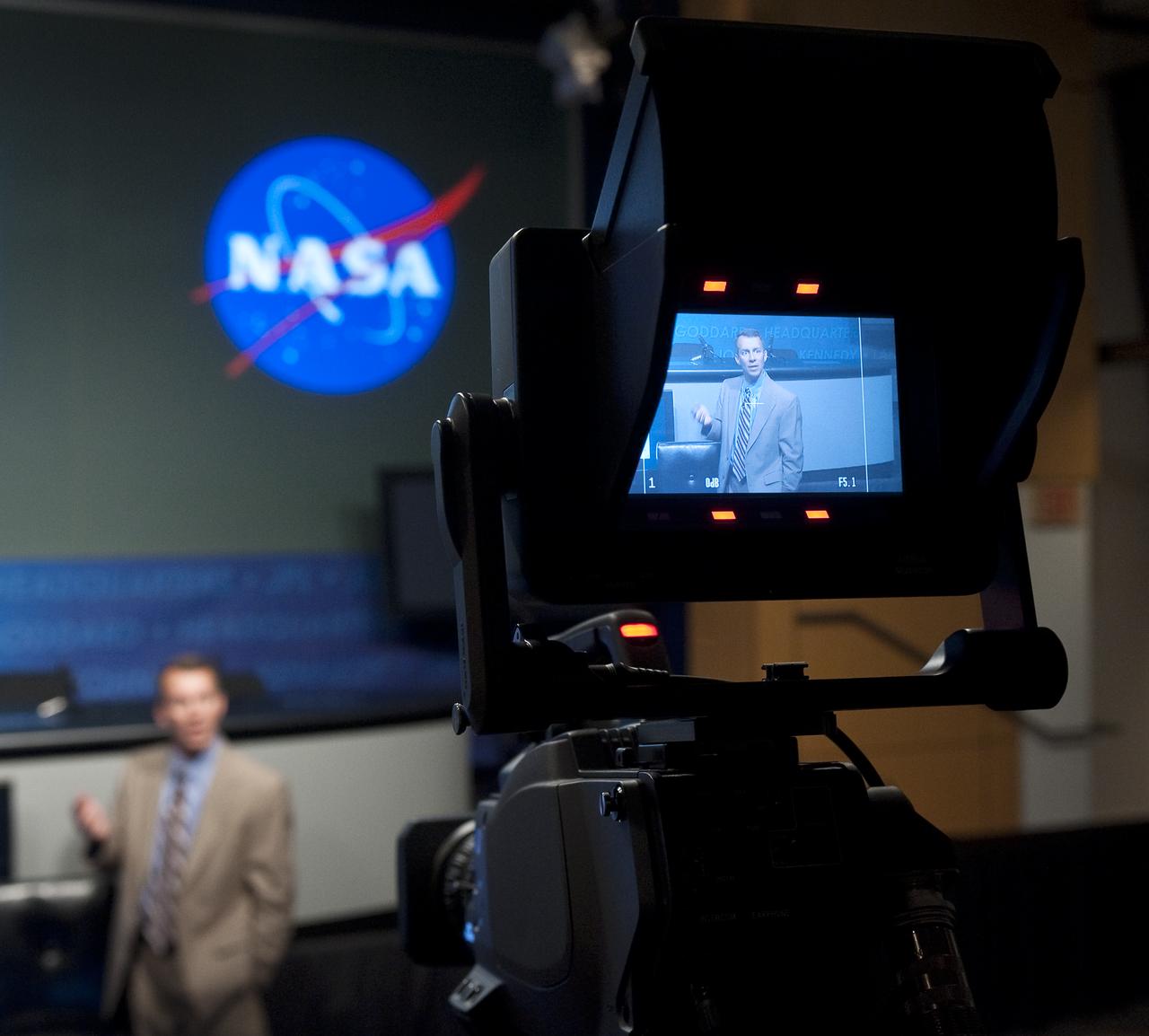
Bobby Braun, NASA's Chief Technologist, is seen on a video monitor during a Town Hall meeting to discuss agency-wide technology policy and programs at NASA Headquarters on Tuesday, May 25, 2010, in Washington. Photo Credit: (NASA/Carla Cioffi)

NASA Chief Technologist Bobby Braun visited John C. Stennis Space Center on Aug. 26. While at Stennis, he spoke to employees and the media about innovation and technology in NASA's future and the important role Stennis will play in space exploration programs. Braun also toured facilities and received briefings on work under way at the nation's premier rocket engine test facility.
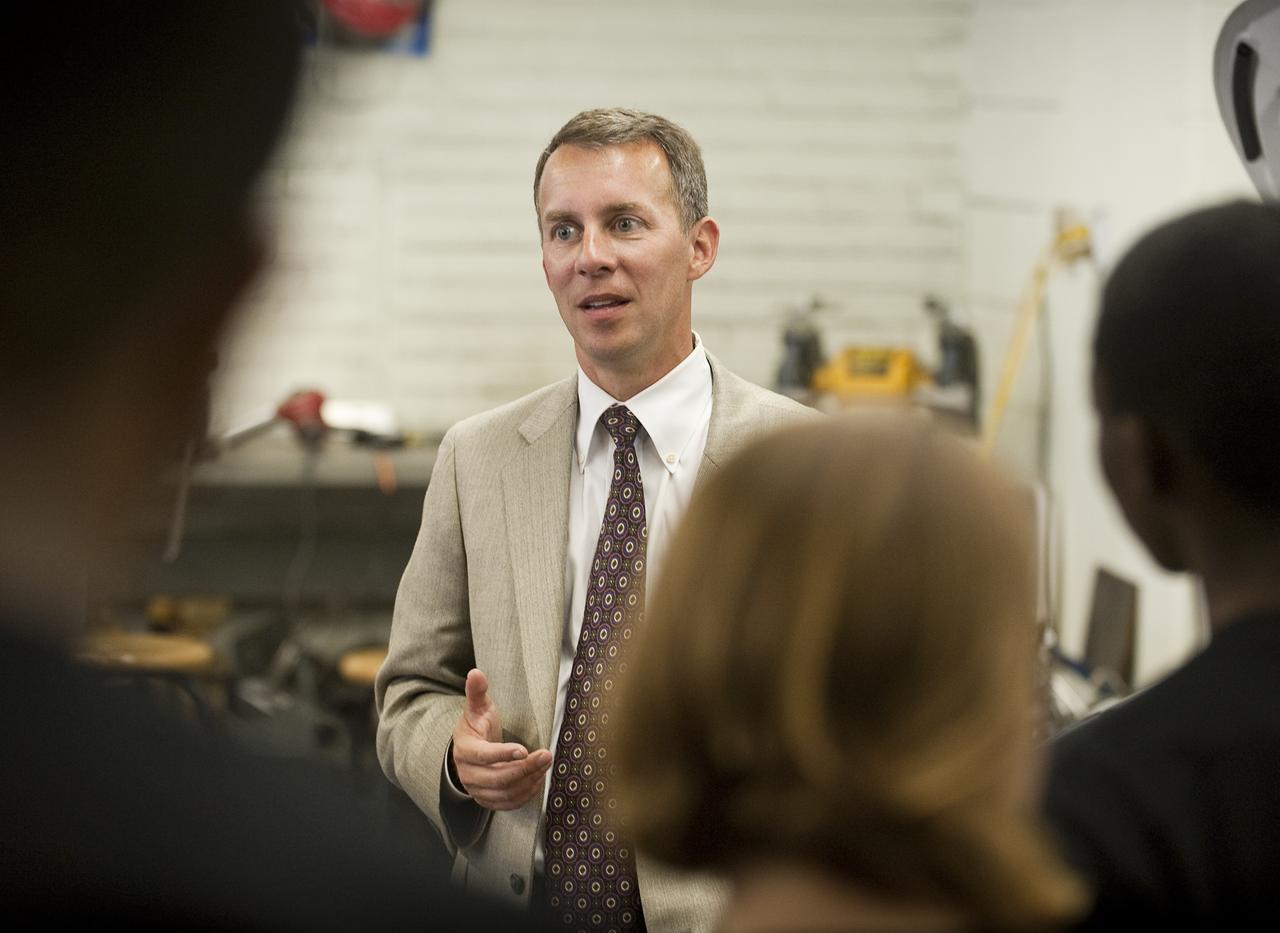
NASA Chief Technologist Bobby Braun talks with student members of the West Philly Hybrid X Team at West Philadelphia High School in Philadelphia, Monday, June 7, 2010. The prize-winning West Philly Hybrid X Team has drawn international recognition as the only high school among 22 finalists in the Progressive Insurance Automotive X Prize (PIAXP) competition to develop cars that achieve over 100 MPG. Photo Credit: (NASA/Bill Ingalls)

Bobby Braun, professor, Georgia Institute of Technology, talks during the NASA Future Forum panel titled "Shifting Roles for Public, Private, and International Players in Space" at The Ohio State University on Tuesday, Feb. 21, 2012 in Columbus, Ohio. The NASA Future Forum features panel discussions on the importance of education to our nation's future in space, the benefit of commercialized space technology to our economy and lives here on Earth, and the shifting roles for the public, commercial and international communities in space. Photo Credit: (NASA/Bill Ingalls)
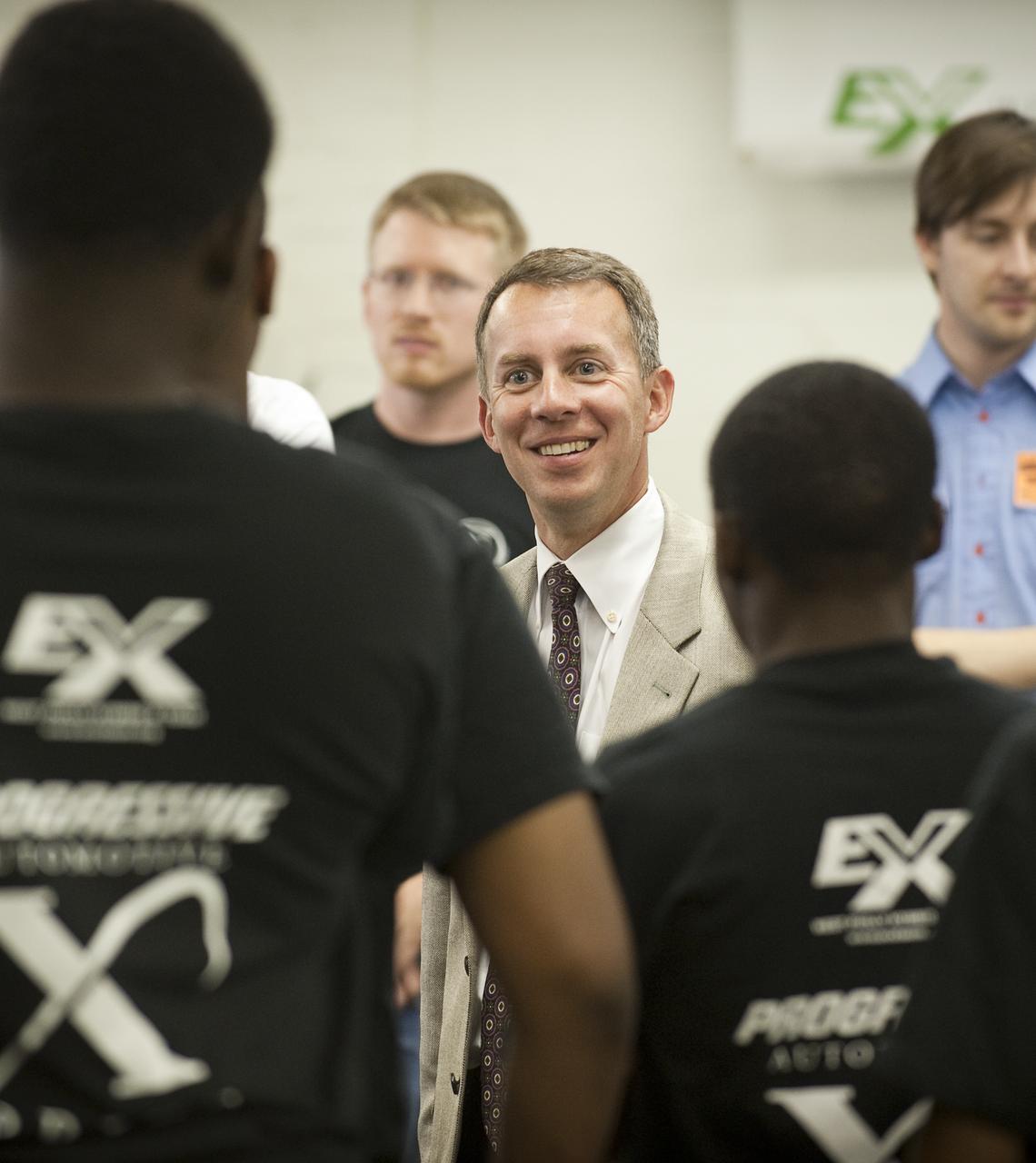
NASA Chief Technologist Bobby Braun talks with student members of the West Philly Hybrid X Team at West Philadelphia High School in Philadelphia, Monday, June 7, 2010. The prize-winning West Philly Hybrid X Team has drawn international recognition as the only high school among 22 finalists in the Progressive Insurance Automotive X Prize (PIAXP) competition to develop cars that achieve over 100 MPG. Photo Credit: (NASA/Bill Ingalls)
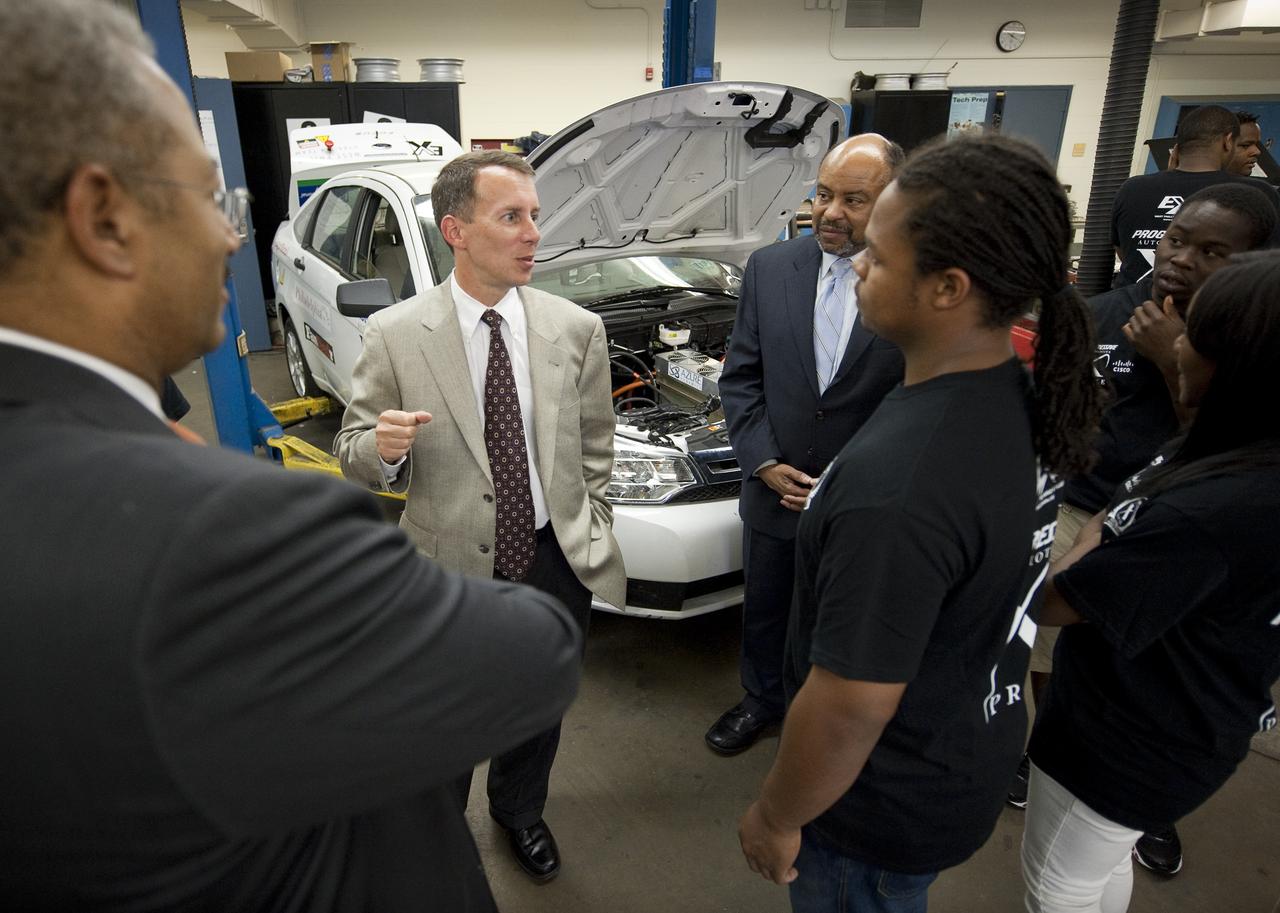
NASA Chief Technologist Bobby Braun, left, and Pennsylvania State Representative Jim Roebuck talk with students of the West Philly Hybrid X Team at West Philadelphia High School in Philadelphia, Monday, June 7, 2010. The prize-winning West Philly Hybrid X Team has drawn international recognition as the only high school among 22 finalists in the Progressive Insurance Automotive X Prize (PIAXP) competition to develop cars that achieve over 100 MPG. Photo Credit: (NASA/Bill Ingalls)

NASA Chief Technologist Bobby Braun talks with student members of the West Philly Hybrid X Team at West Philadelphia High School in Philadelphia, Monday, June 7, 2010. The prize-winning West Philly Hybrid X Team has drawn international recognition as the only high school among 22 finalists in the Progressive Insurance Automotive X Prize (PIAXP) competition to develop cars that achieve over 100 MPG. Photo Credit: (NASA/Bill Ingalls)

NASA Chief Technologist Bobby Braun sits in the West Philly X Prize hybrid sports car as Sowande Gay, a student member of the West Philly Hybrid Team at West Philadelphia High School, explains the modifications made to the car, in Philadelphia, Monday, June 7, 2010. The prize-winning West Philly Hybrid X Team has drawn international recognition as the only high school among 22 finalists in the Progressive Insurance Automotive X Prize (PIAXP) competition to develop cars that achieve over 100 MPG. Photo Credit: (NASA/Bill Ingalls)
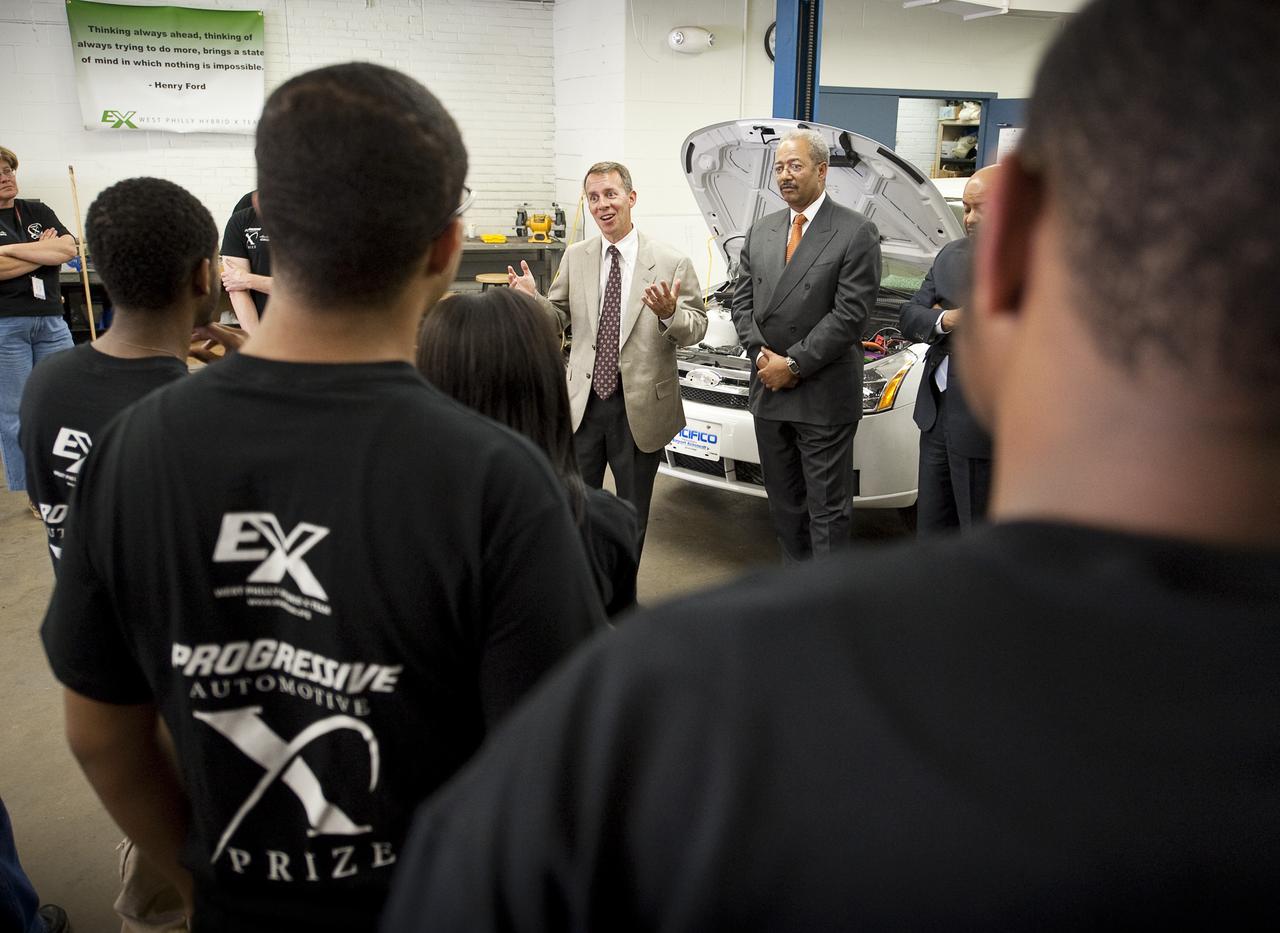
NASA Chief Technologist Bobby Braun, left, and Congressman Chaka Fattah (D-PA), right, talk to student members of the West Philly Hybrid X Team at West Philadelphia High School in Philadelphia, Monday, June 7, 2010. The prize-winning West Philly Hybrid X Team has drawn international recognition as the only high school among 22 finalists in the Progressive Insurance Automotive X Prize (PIAXP) competition to develop cars that achieve over 100 MPG. Photo Credit: (NASA/Bill Ingalls)
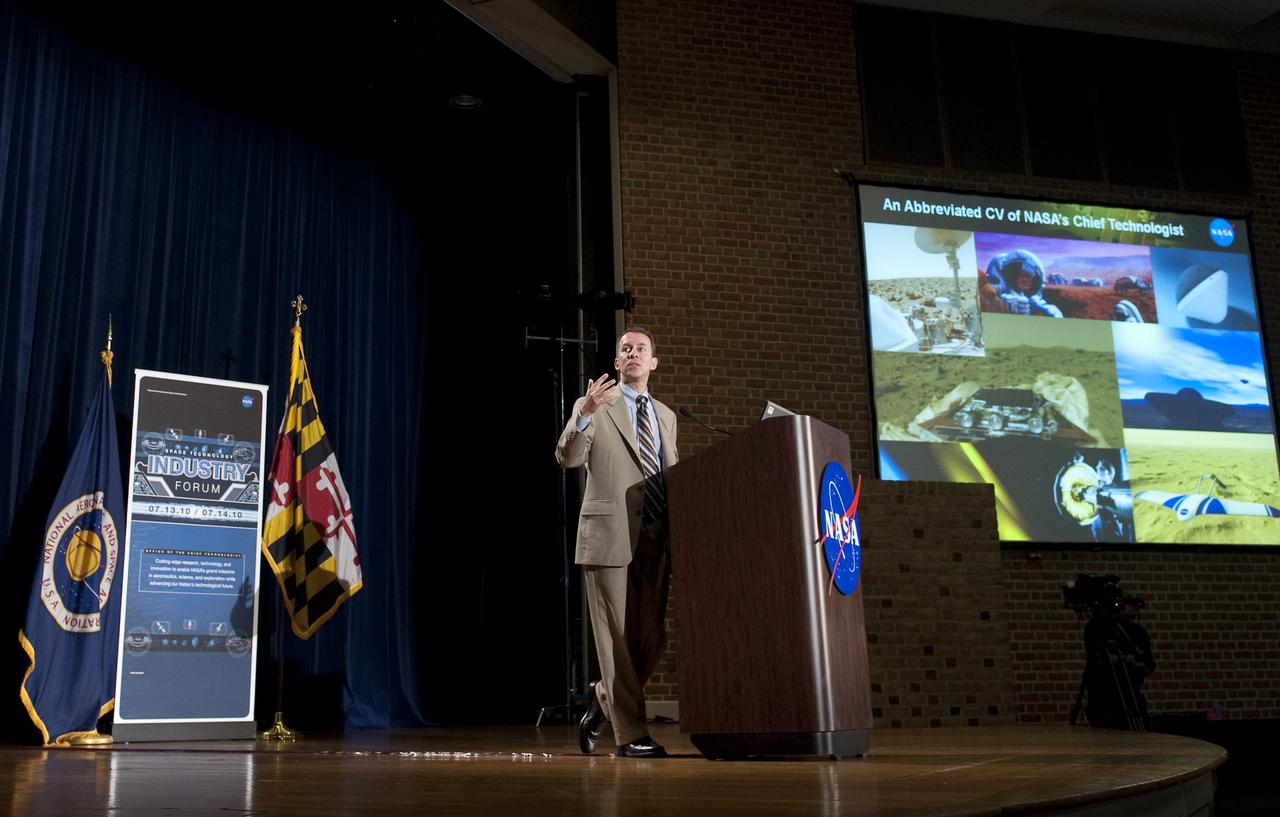
NASA Chief Technologist Bobby Braun speaks during the NASA New Space Technology Industry Forum being held at the University of Maryland in College Park on Tuesday, July 13, 2010. During the two-day event, speakers are focusing on the president's fiscal year 2011 budget request for NASA's new Space Technology Program. Representatives from industry, academia and the federal government are in attendance to discuss strategy, development and implementation of NASA's proposed new technology-enabled exploration. Photo Credit: (NASA/Bill Ingalls)
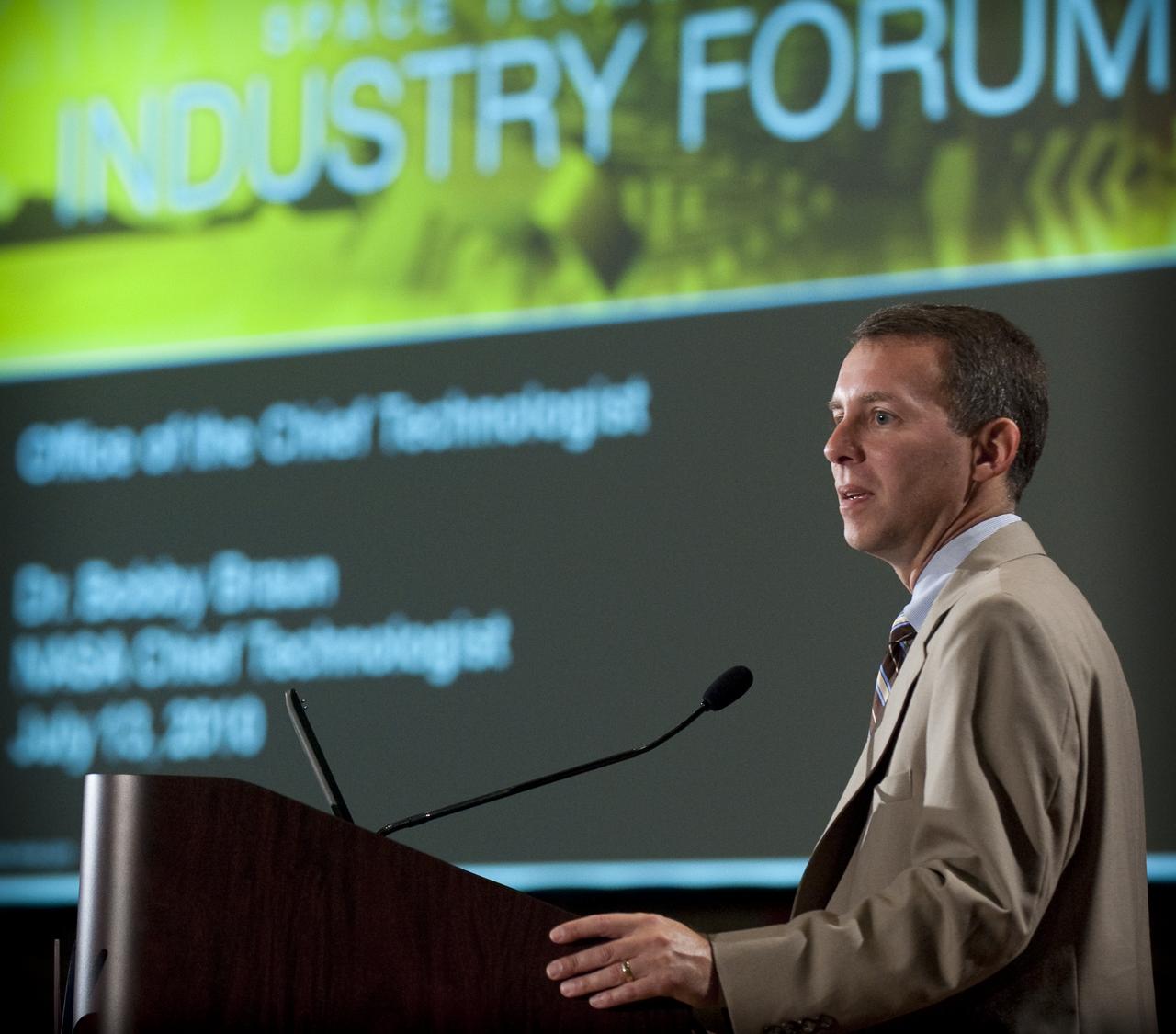
NASA Chief Technologist Bobby Braun speaks during the NASA New Space Technology Industry Forum being held at the University of Maryland in College Park on Tuesday, July 13, 2010. During the two-day event, speakers are focusing on the president's fiscal year 2011 budget request for NASA's new Space Technology Program. Representatives from industry, academia and the federal government are in attendance to discuss strategy, development and implementation of NASA's proposed new technology-enabled exploration. Photo Credit: (NASA/Bill Ingalls)
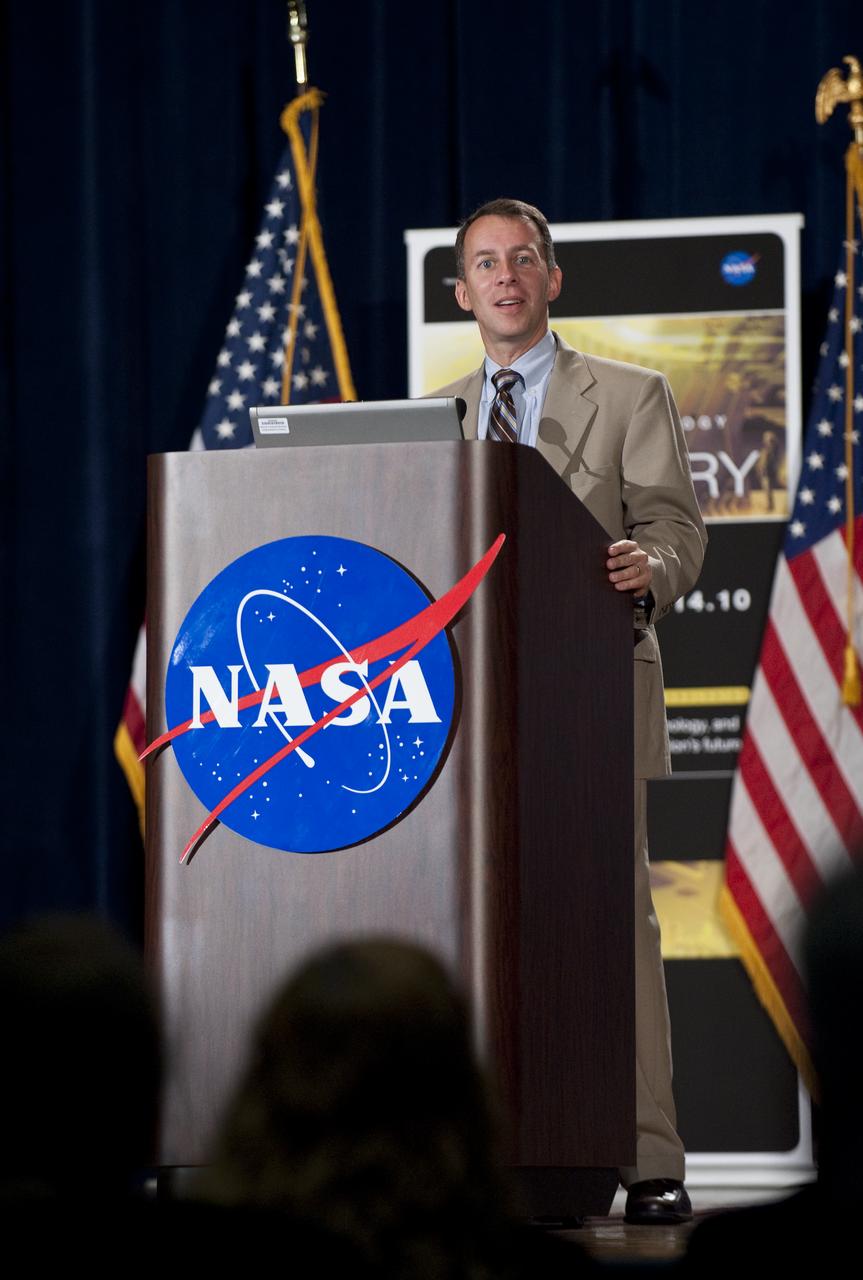
NASA Chief Technologist Bobby Braun speaks during the NASA New Space Technology Industry Forum being held at the University of Maryland in College Park on Tuesday, July 13, 2010. During the two-day event, speakers are focusing on the president's fiscal year 2011 budget request for NASA's new Space Technology Program. Representatives from industry, academia and the federal government are in attendance to discuss strategy, development and implementation of NASA's proposed new technology-enabled exploration. Photo Credit: (NASA/Bill Ingalls)

NASA Chief Technologist Bobby Braun speaks during the NASA New Space Technology Industry Forum being held at the University of Maryland in College Park on Tuesday, July 13, 2010. During the two-day event, speakers are focusing on the president's fiscal year 2011 budget request for NASA's new Space Technology Program. Representatives from industry, academia and the federal government are in attendance to discuss strategy, development and implementation of NASA's proposed new technology-enabled exploration. Photo Credit: (NASA/Bill Ingalls)
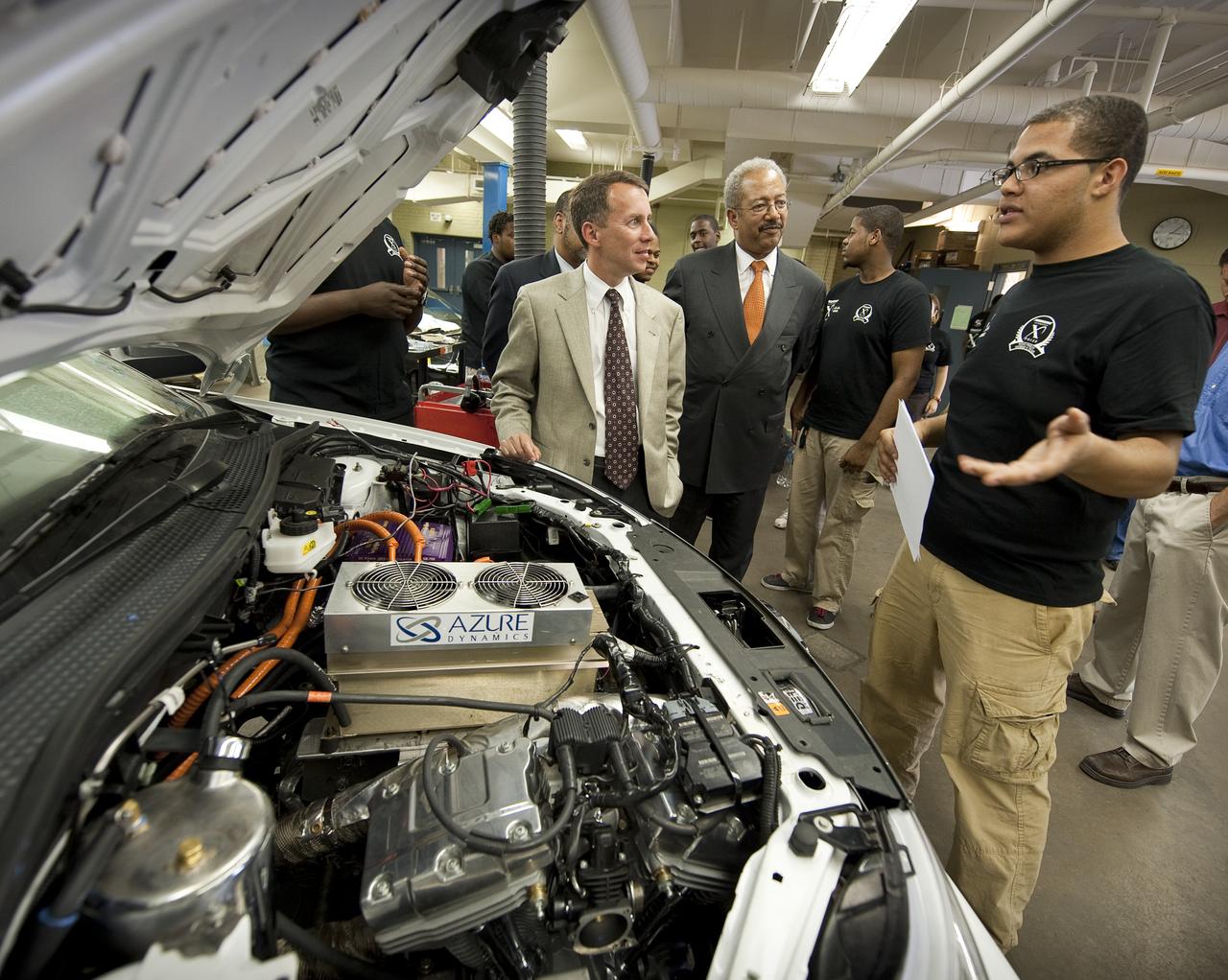
NASA Chief Technologist Bobby Braun, left, and Congressman Chaka Fattah (D-PA), center, listen to Azeem Hill, a member of the West Philly Hybrid X Team at West Philadelphia High School in Philadelphia, Monday, June 7, 2010. The prize-winning West Philly Hybrid X Team has drawn international recognition as the only high school among 22 finalists in the Progressive Insurance Automotive X Prize (PIAXP) competition to develop cars that achieve over 100 MPG. Photo Credit: (NASA/Bill Ingalls)

NASA Chief Technologist Bobby Braun, center, listens as NASA's Manager of Centennial Challenges Andy Petro, right, answers a reporter's question during a press conference held at the NASA New Space Technology Industry Forum being held at the University of Maryland in College Park on Tuesday, July 13, 2010. During the two-day event, speakers are focusing on the president's fiscal year 2011 budget request for NASA's new Space Technology Program. Representatives from industry, academia and the federal government are in attendance to discuss strategy, development and implementation of NASA's proposed new technology-enabled exploration. Photo Credit: (NASA/Bill Ingalls)
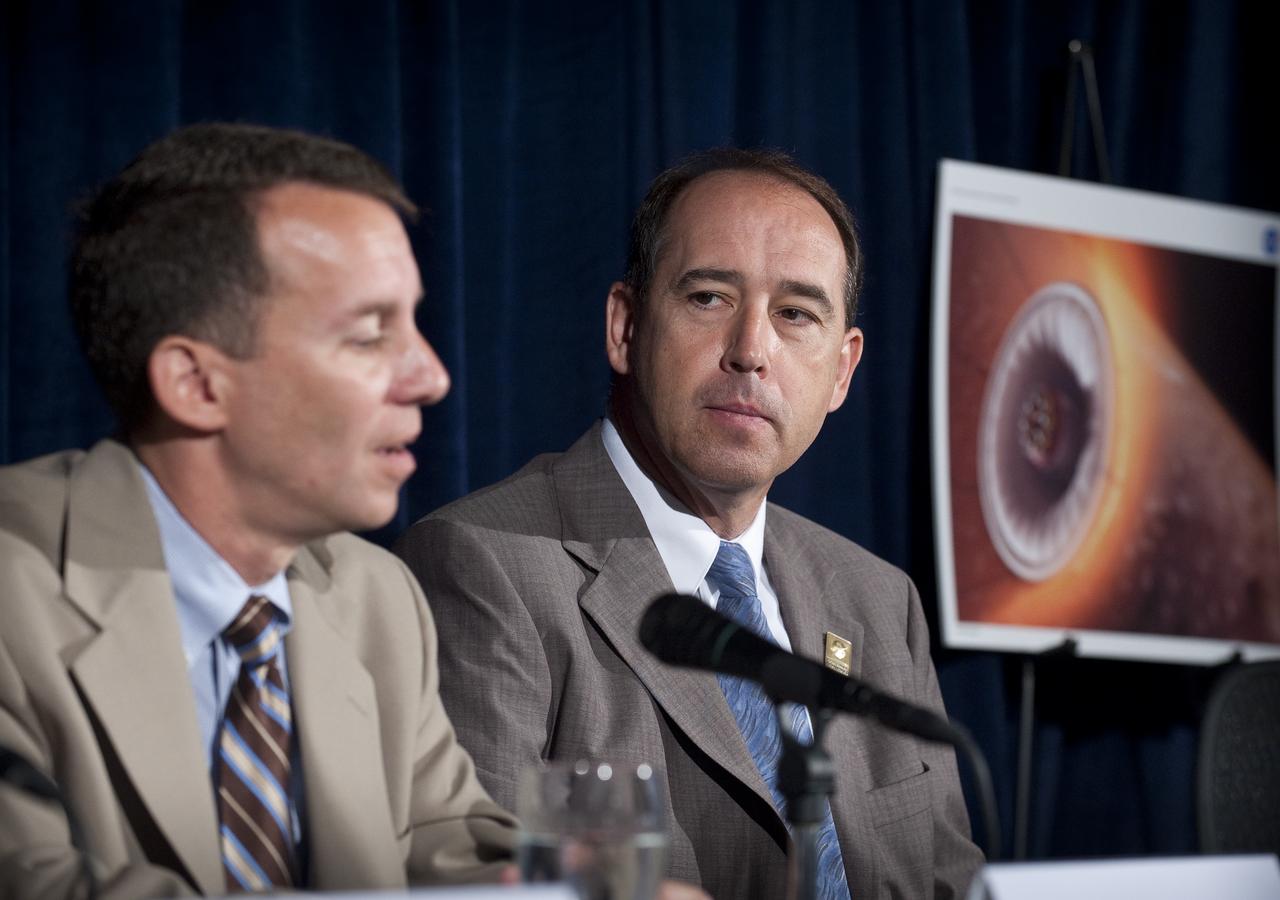
NASA's Manager of Centennial Challenges Andy Petro, right, listens as NASA Chief Technologist Bobby Braun answers a reporter's question during a press conference held at the NASA New Space Technology Industry Forum being held at the University of Maryland in College Park on Tuesday, July 13, 2010. During the two-day event, speakers are focusing on the president's fiscal year 2011 budget request for NASA's new Space Technology Program. Representatives from industry, academia and the federal government are in attendance to discuss strategy, development and implementation of NASA's proposed new technology-enabled exploration. Photo Credit: (NASA/Bill Ingalls)
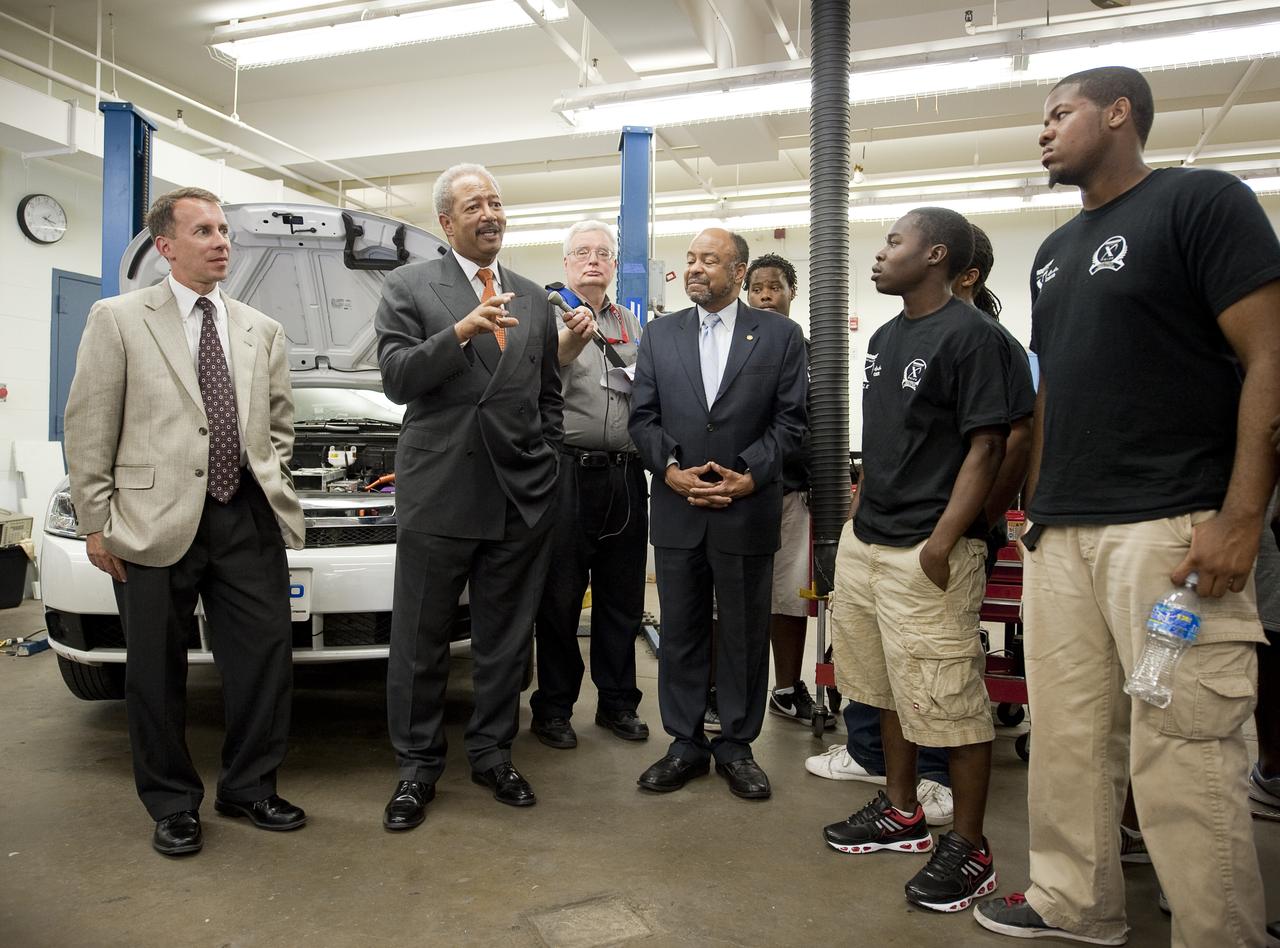
NASA Chief Technologist Bobby Braun, left, and Congressman Chaka Fattah (D-PA), center, and Pennsylvania State Representative Jim Roebuck talk with students of the West Philly Hybrid X Team at West Philadelphia High School in Philadelphia, Monday, June 7, 2010. The prize-winning West Philly Hybrid X Team has drawn international recognition as the only high school among 22 finalists in the Progressive Insurance Automotive X Prize (PIAXP) competition to develop cars that achieve over 100 MPG. Photo Credit: (NASA/Bill Ingalls)
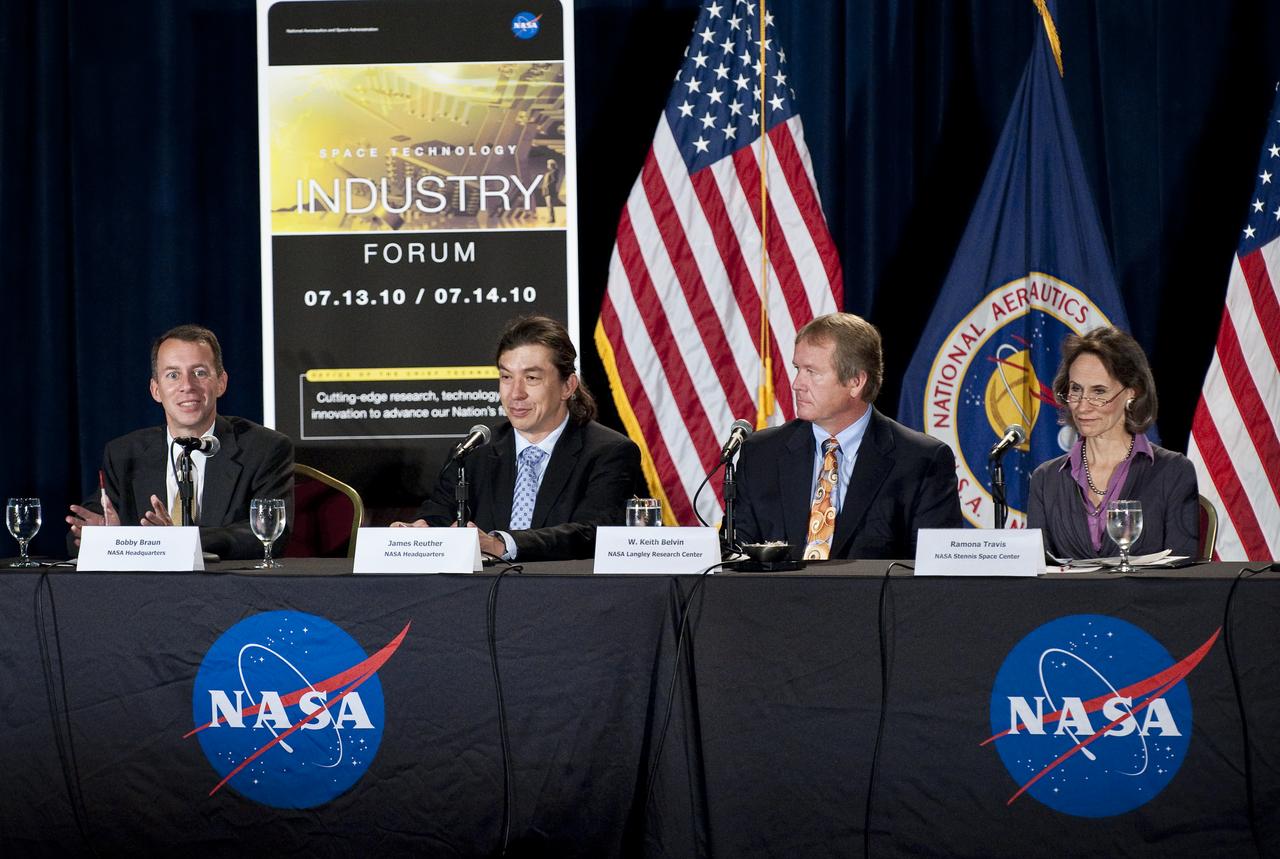
Bobby Braun, far left, NASA Chief Technologist, speaks during the NASA New Space Technology Industry Forum being held at the University of Maryland in College Park on Wednesday, July 14, 2010. Mr. Braun is joined on the panel by James Reuther, Director of Strategic Integration at NASA Headquarters, second from left; Keith Belvin, NASA Systems Engineer at NASA Langley Research Center and Ramona Travis, NASA Stennis Space Center Chief Technologist, far right. During the two-day event, speakers are focusing on the president's fiscal year 2011 budget request for NASA's new Space Technology Program. Representatives from industry, academia and the federal government are in attendance to discuss strategy, development and implementation of NASA's proposed new technology-enabled exploration. Photo Credit: (NASA/Carla Cioffi)
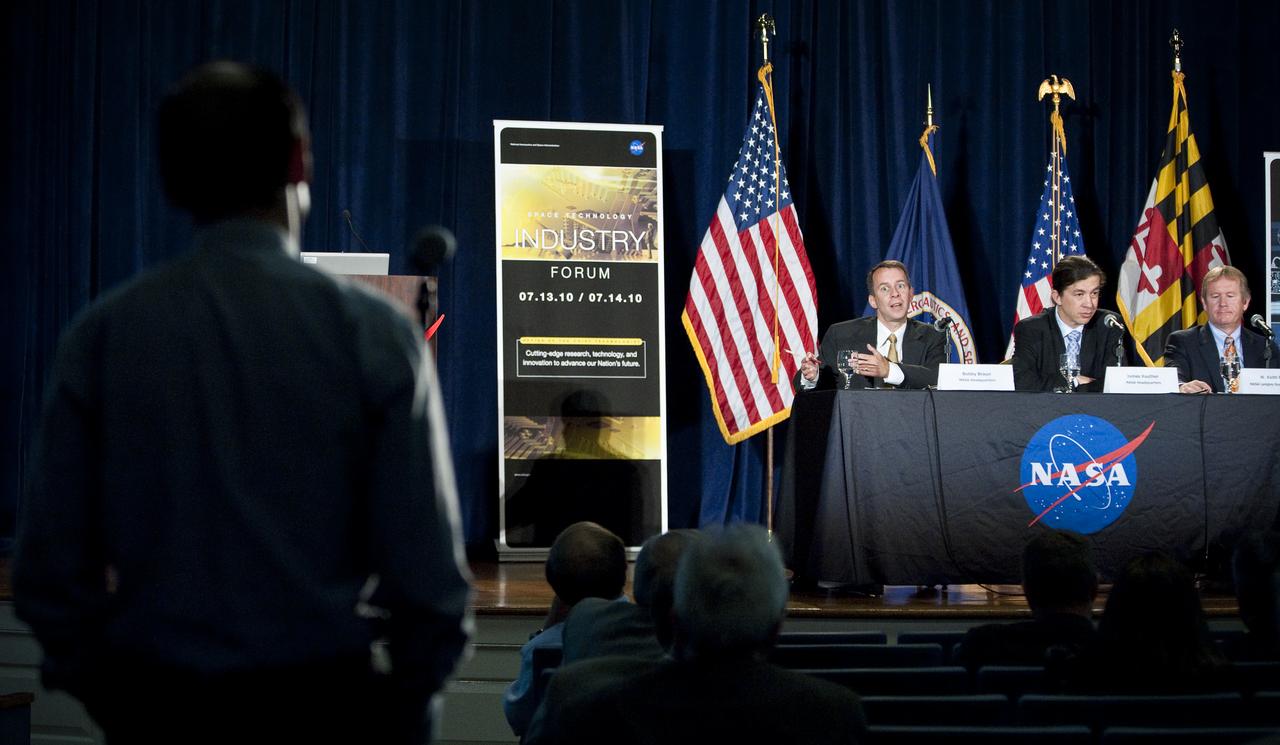
Bobby Braun, third from right, NASA Chief Technologist, answers a question during the NASA New Space Technology Industry Forum being held at the University of Maryland in College Park on Wednesday, July 14, 2010. During the two-day event, speakers are focusing on the president's fiscal year 2011 budget request for NASA's new Space Technology Program. Representatives from industry, academia and the federal government are in attendance to discuss strategy, development and implementation of NASA's proposed new technology-enabled exploration. Photo Credit: (NASA/Carla Cioffi)

Associate Administrator of NASA's Science Mission Directorate, Thomas Zurbuchen, left, and Mars Sample Return program manager, JPL, Bobby Braun, give remarks during a NASA Perseverance rover press briefing about the search for ancient life at Mars and about samples to be brought back to Earth on a future mission, Wednesday, Feb. 17, 2021, at NASA's Jet Propulsion Laboratory in Pasadena, California. The Perseverance Mars rover is due to land on Mars Thursday, Feb. 18, 2021. A key objective for Perseverance’s mission on Mars is astrobiology, including the search for signs of ancient microbial life. The rover will characterize the planet’s geology and past climate, pave the way for human exploration of the Red Planet, and be the first mission to collect and cache Martian rock and regolith. Photo Credit: (NASA/Bill Ingalls)

Mars Sample Return program manager, JPL, Bobby Braun, left, gives remarks during a NASA Perseverance rover press briefing about the search for ancient life at Mars and about samples to be brought back to Earth on a future mission, Wednesday, Feb. 17, 2021, at NASA's Jet Propulsion Laboratory in Pasadena, California. The Perseverance Mars rover is due to land on Mars Thursday, Feb. 18, 2021. A key objective for Perseverance’s mission on Mars is astrobiology, including the search for signs of ancient microbial life. The rover will characterize the planet’s geology and past climate, pave the way for human exploration of the Red Planet, and be the first mission to collect and cache Martian rock and regolith. Photo Credit: (NASA/Bill Ingalls)

Mars Sample Return program manager, JPL, Bobby Braun, gives remarks during a NASA Perseverance rover press briefing about the search for ancient life at Mars and about samples to be brought back to Earth on a future mission, Wednesday, Feb. 17, 2021, at NASA's Jet Propulsion Laboratory in Pasadena, California. The Perseverance Mars rover is due to land on Mars Thursday, Feb. 18, 2021. A key objective for Perseverance’s mission on Mars is astrobiology, including the search for signs of ancient microbial life. The rover will characterize the planet’s geology and past climate, pave the way for human exploration of the Red Planet, and be the first mission to collect and cache Martian rock and regolith. Photo Credit: (NASA/Bill Ingalls)
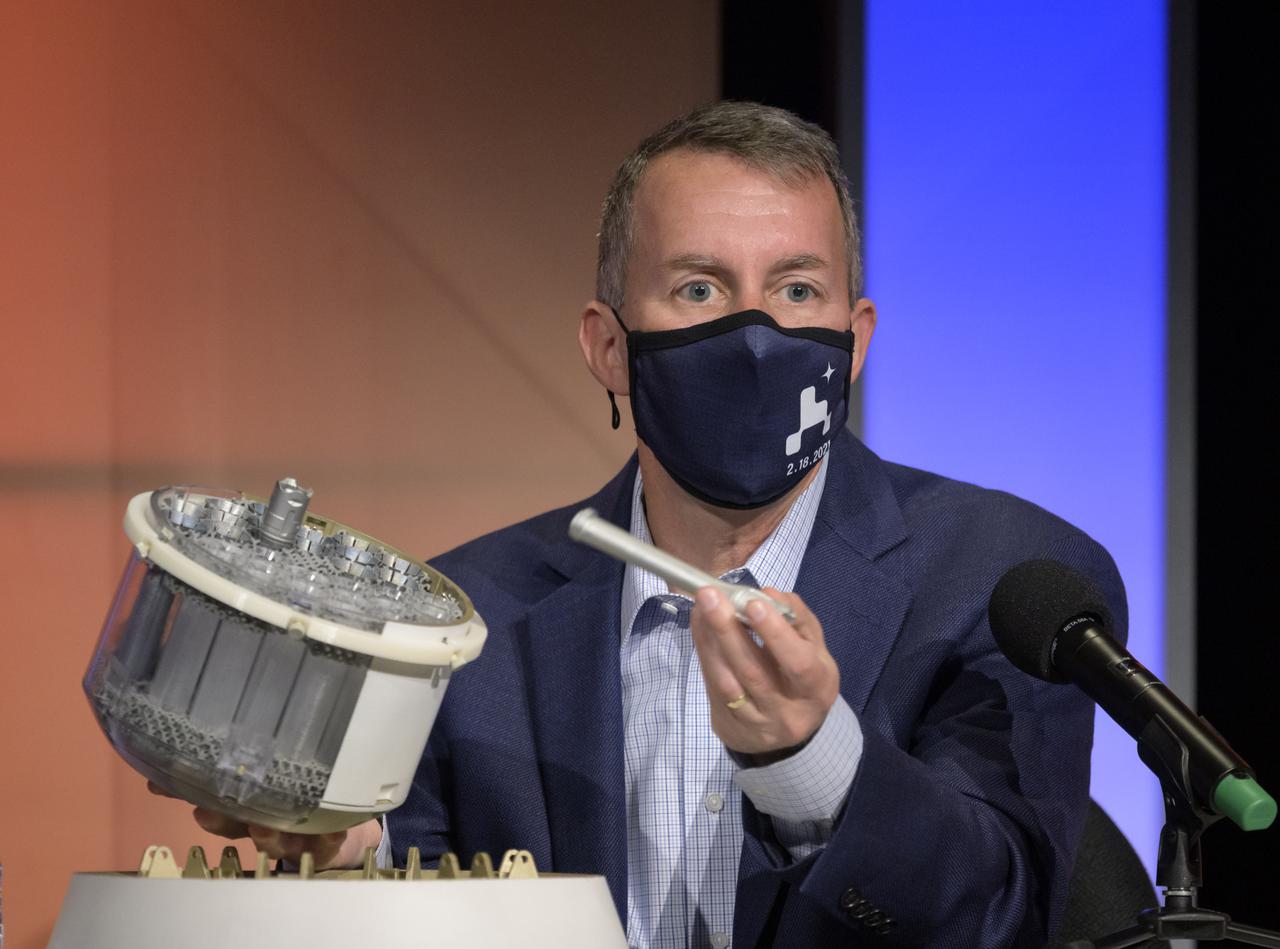
Mars Sample Return program manager, JPL, Bobby Braun, shows a concept model of NASA's orbiting sample container, which will hold tubes of Martian rock and soil samples that will be returned to Earth through a Mars sample return campaign during a NASA Perseverance rover press briefing about the search for ancient life at Mars and about samples to be brought back to Earth on a future mission, Wednesday, Feb. 17, 2021, at NASA's Jet Propulsion Laboratory in Pasadena, California. The Perseverance Mars rover is due to land on Mars Thursday, Feb. 18, 2021. A key objective for Perseverance’s mission on Mars is astrobiology, including the search for signs of ancient microbial life. The rover will characterize the planet’s geology and past climate, pave the way for human exploration of the Red Planet, and be the first mission to collect and cache Martian rock and regolith. Photo Credit: (NASA/Bill Ingalls)

Mars Sample Return program manager, JPL, Bobby Braun, shows a concept model of NASA's orbiting sample container, which will hold tubes of Martian rock and soil samples that will be returned to Earth through a Mars sample return campaign during a NASA Perseverance rover press briefing about the search for ancient life at Mars and about samples to be brought back to Earth on a future mission, Wednesday, Feb. 17, 2021, at NASA's Jet Propulsion Laboratory in Pasadena, California. The Perseverance Mars rover is due to land on Mars Thursday, Feb. 18, 2021. A key objective for Perseverance’s mission on Mars is astrobiology, including the search for signs of ancient microbial life. The rover will characterize the planet’s geology and past climate, pave the way for human exploration of the Red Planet, and be the first mission to collect and cache Martian rock and regolith. Photo Credit: (NASA/Bill Ingalls)
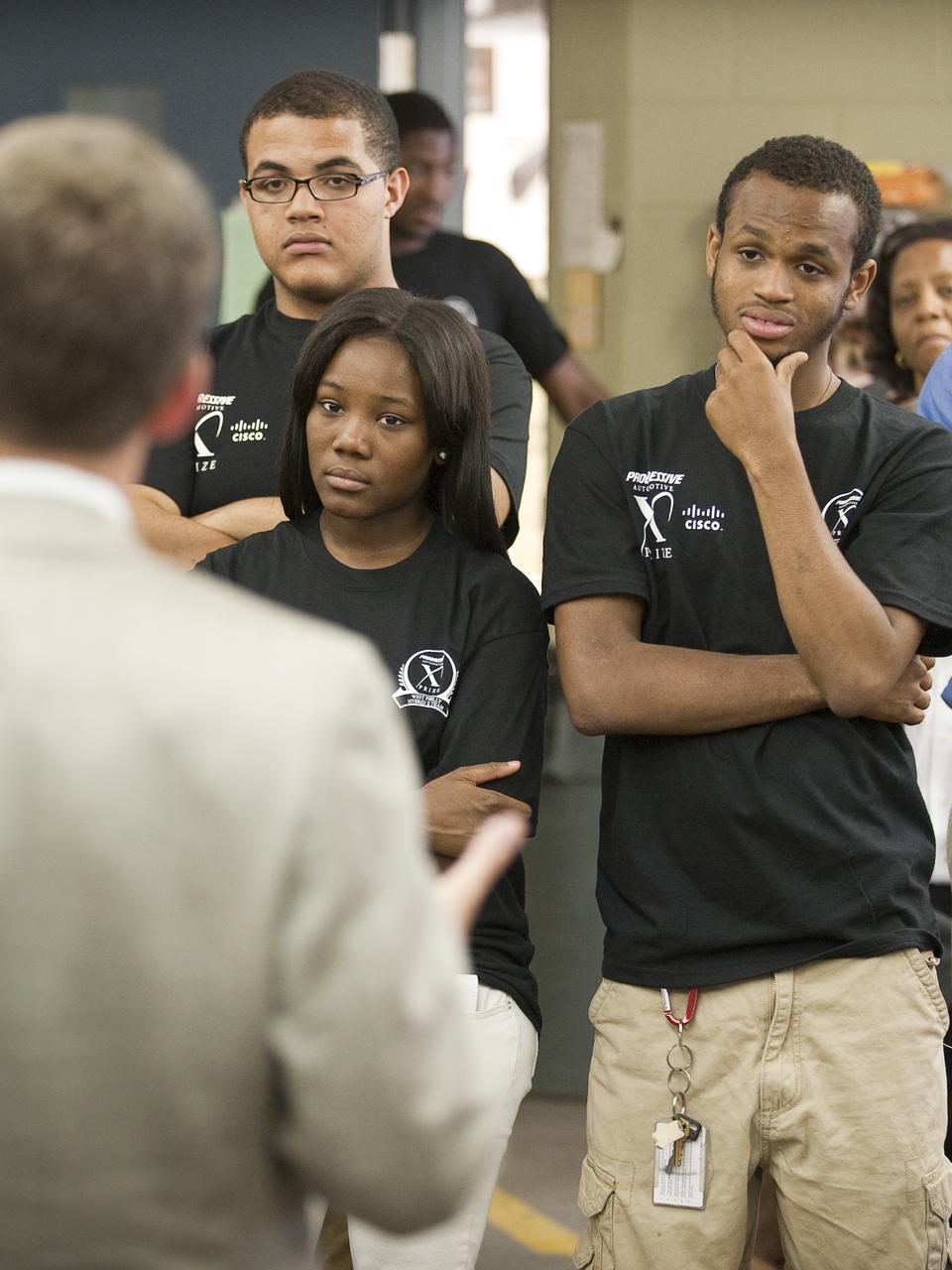
NASA Chief Technologist Bobby Braun talks with student members of the West Philly Hybrid X Team at West Philadelphia High School in Philadelphia, Monday, June 7, 2010. The prize-winning West Philly Hybrid X Team has drawn international recognition as the only high school among 22 finalists in the Progressive Insurance Automotive X Prize (PIAXP) competition to develop cars that achieve over 100 MPG. Photo Credit: (NASA/Bill Ingalls)
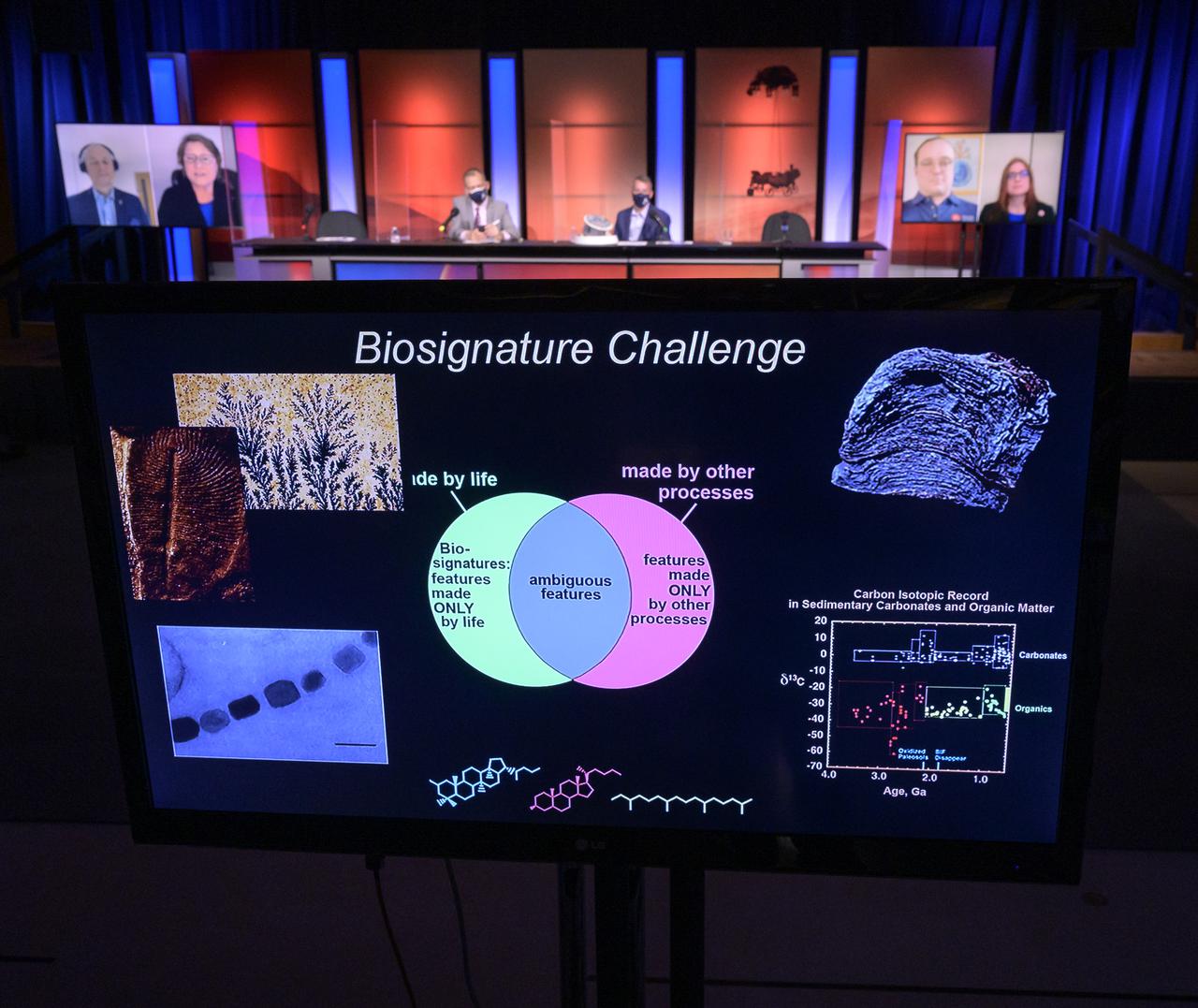
Perseverance Mars rover mission managers and scientist give remarks during a NASA Perseverance rover press briefing about the search for ancient life at Mars and about samples to be brought back to Earth on a future mission, Wednesday, Feb. 17, 2021, at NASA's Jet Propulsion Laboratory in Pasadena, California. The Perseverance Mars rover is due to land on Mars Thursday, Feb. 18, 2021. A key objective for Perseverance’s mission on Mars is astrobiology, including the search for signs of ancient microbial life. The rover will characterize the planet’s geology and past climate, pave the way for human exploration of the Red Planet, and be the first mission to collect and cache Martian rock and regolith. Photo Credit: (NASA/Bill Ingalls)
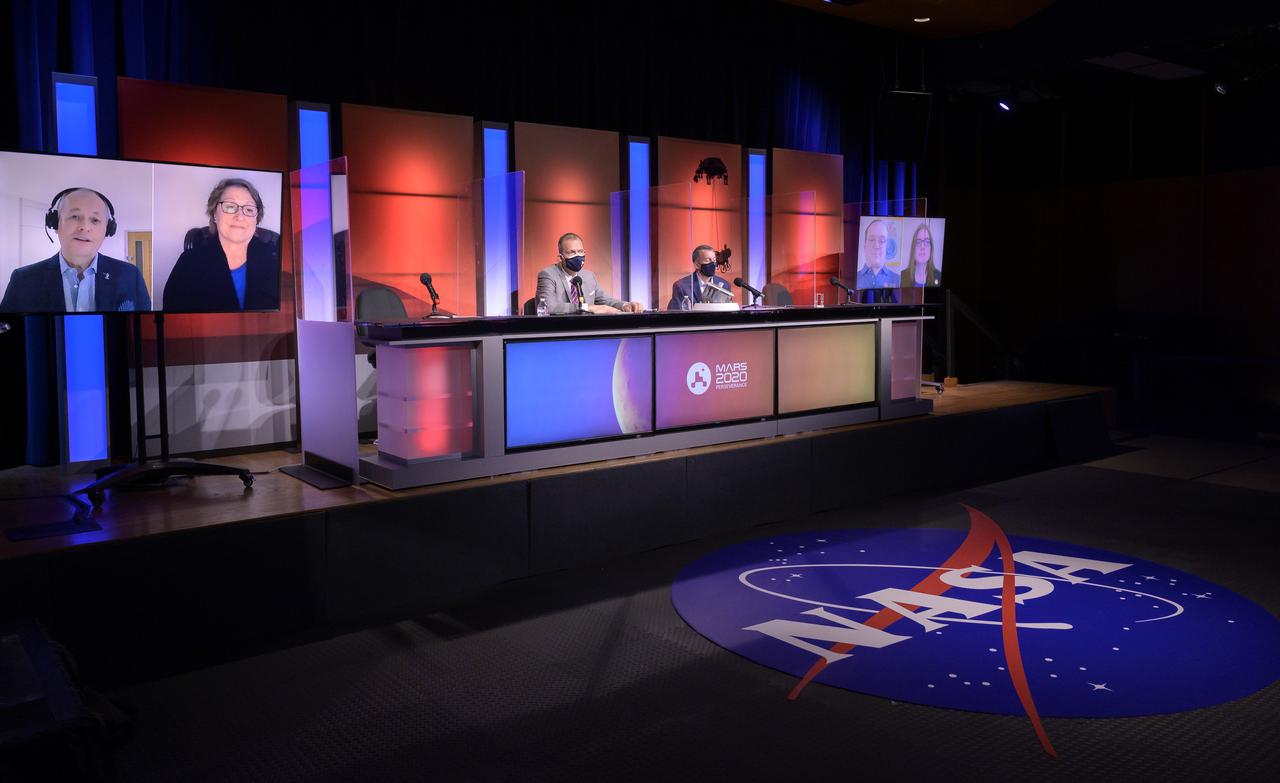
Perseverance Mars rover mission managers and scientist give remarks during a NASA Perseverance rover press briefing about the search for ancient life at Mars and about samples to be brought back to Earth on a future mission, Wednesday, Feb. 17, 2021, at NASA's Jet Propulsion Laboratory in Pasadena, California. The Perseverance Mars rover is due to land on Mars Thursday, Feb. 18, 2021. A key objective for Perseverance’s mission on Mars is astrobiology, including the search for signs of ancient microbial life. The rover will characterize the planet’s geology and past climate, pave the way for human exploration of the Red Planet, and be the first mission to collect and cache Martian rock and regolith. Photo Credit: (NASA/Bill Ingalls)
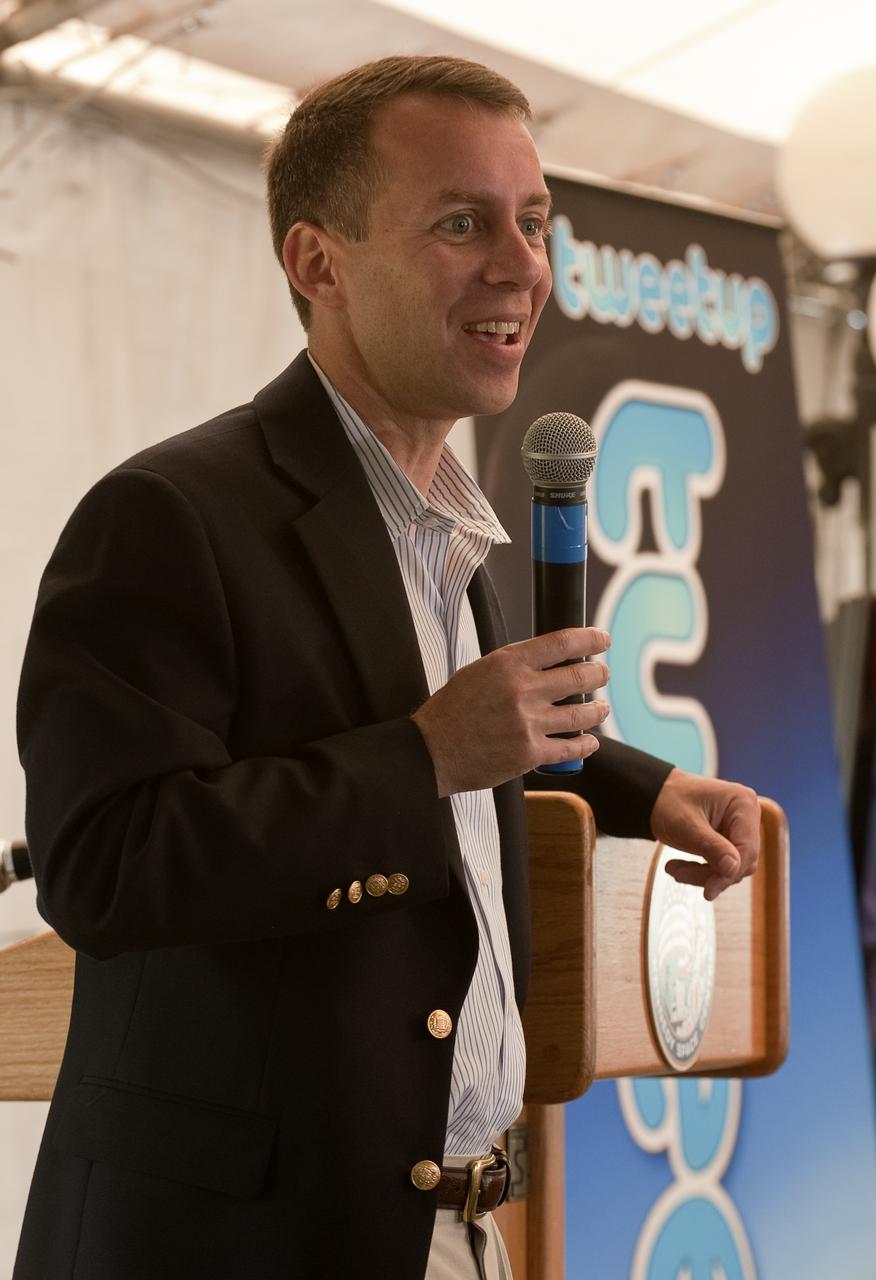
Robert D. Braun, NASA Chief Technologist at NASA Headquarters, speaks to participants at the two-day STS-132 Launch Tweetup at Kennedy Space Center, Thursday, May 13, 2010, in Cape Canaveral, Fla. NASA Twitter followers in attendance will have the opportunity to take a tour of NASA's Kennedy Space Center, view the space shuttle launch and speak with shuttle technicians, engineers, astronauts and managers. Photo Credit: (NASA/Paul E. Alers)
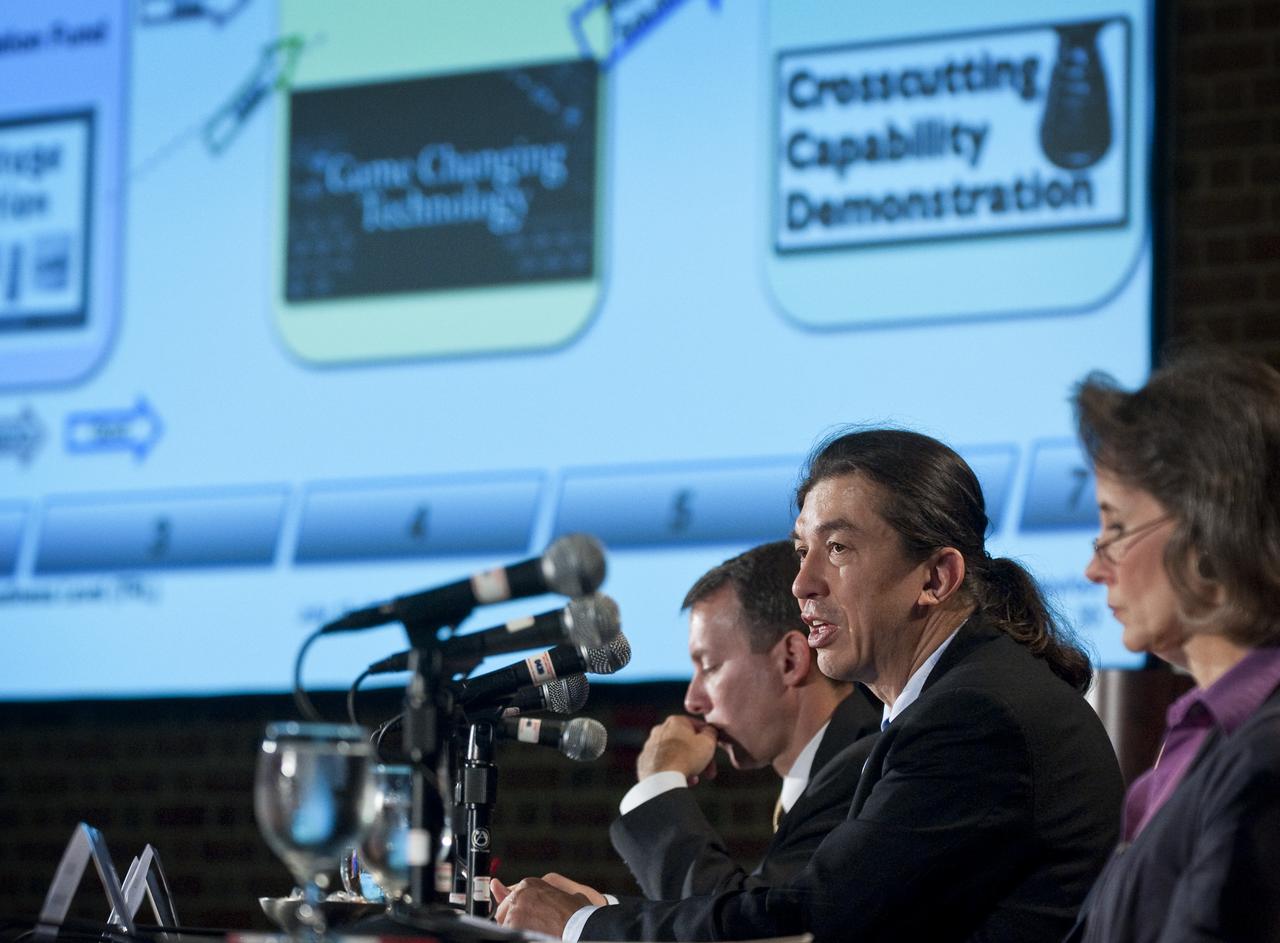
James Reuther, second from right, Director of Strategic Integration at NASA Headquarters, speaks during the NASA New Space Technology Industry Forum being held at the University of Maryland in College Park on Wednesday, July 14, 2010. During the two-day event, speakers are focusing on the president's fiscal year 2011 budget request for NASA's new Space Technology Program. Representatives from industry, academia and the federal government are in attendance to discuss strategy, development and implementation of NASA's proposed new technology-enabled exploration. Photo Credit: (NASA/Carla Cioffi)
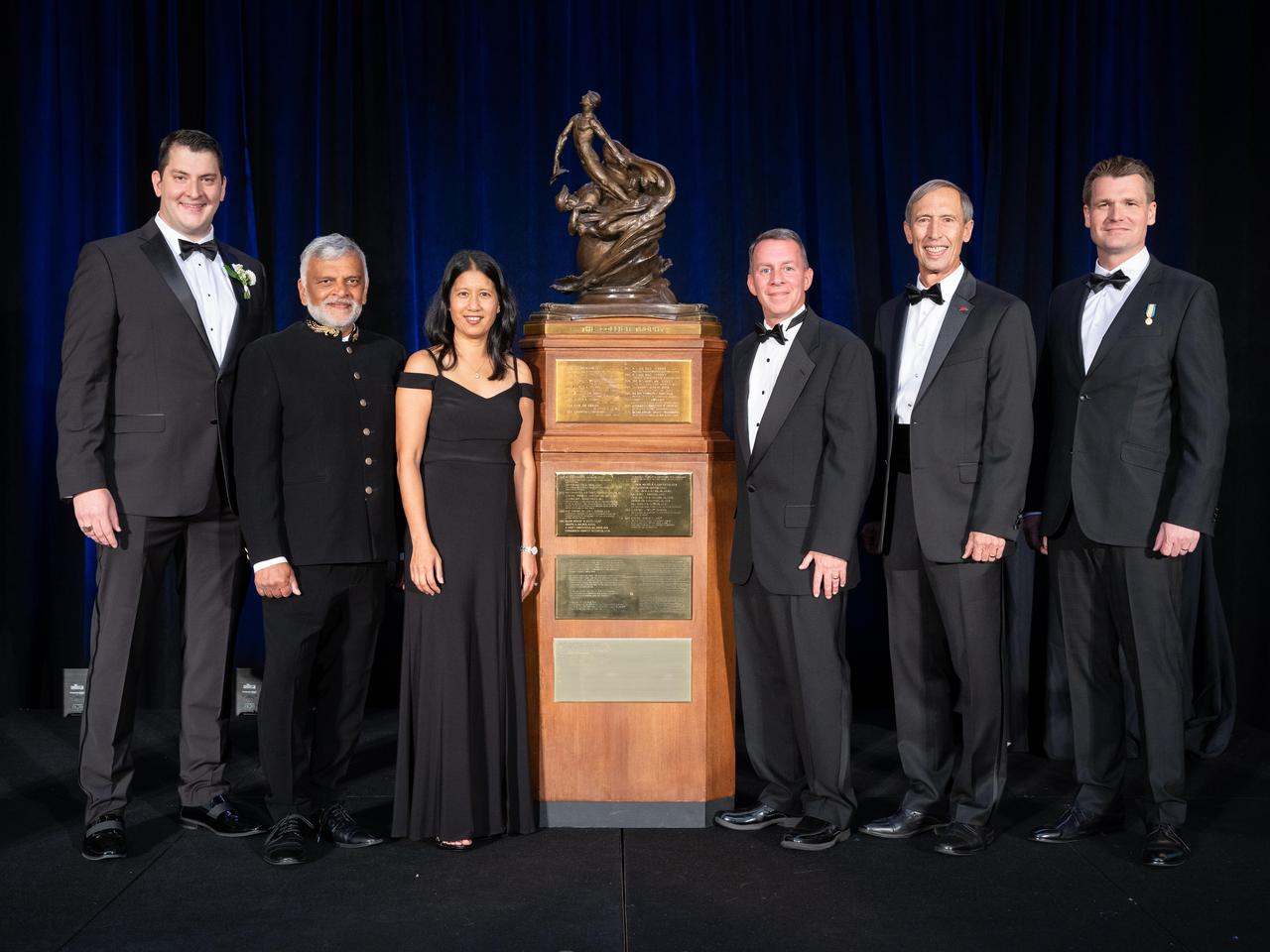
Members of NASA's Ingenuity Mars Helicopter team stand next to the Collier Trophy during the Robert J. Collier Dinner in Washington on June 9, 2022. The team was awarded the 2021 Collier Trophy "for the first powered, controlled flight of an aircraft on another planet, thereby opening the skies of Mars and other worlds for future scientific discovery and exploration," the award citation states. From left to right: Teddy Tzanetos, Ingenuity team lead at NASA's Jet Propulsion Laboratory; Bob Balaram, Ingenuity emeritus chief engineer at JPL; MiMi Aung, former Ingenuity project manager at JPL; Bobby Braun, former director for Planetary Science at JPL; Larry James, deputy director at JPL; Håvard Grip, Ingenuity chief pilot at JPL. This historic trophy – which is on permanent display at the Smithsonian Air and Space Museum in Washington – is awarded annually by the National Aeronautic Association "for the greatest achievement in aeronautics or astronautics in America, with respect to improving the performance, efficiency, and safety of air or space vehicles, the value of which has been thoroughly demonstrated by actual use during the preceding year." https://photojournal.jpl.nasa.gov/catalog/PIA25323