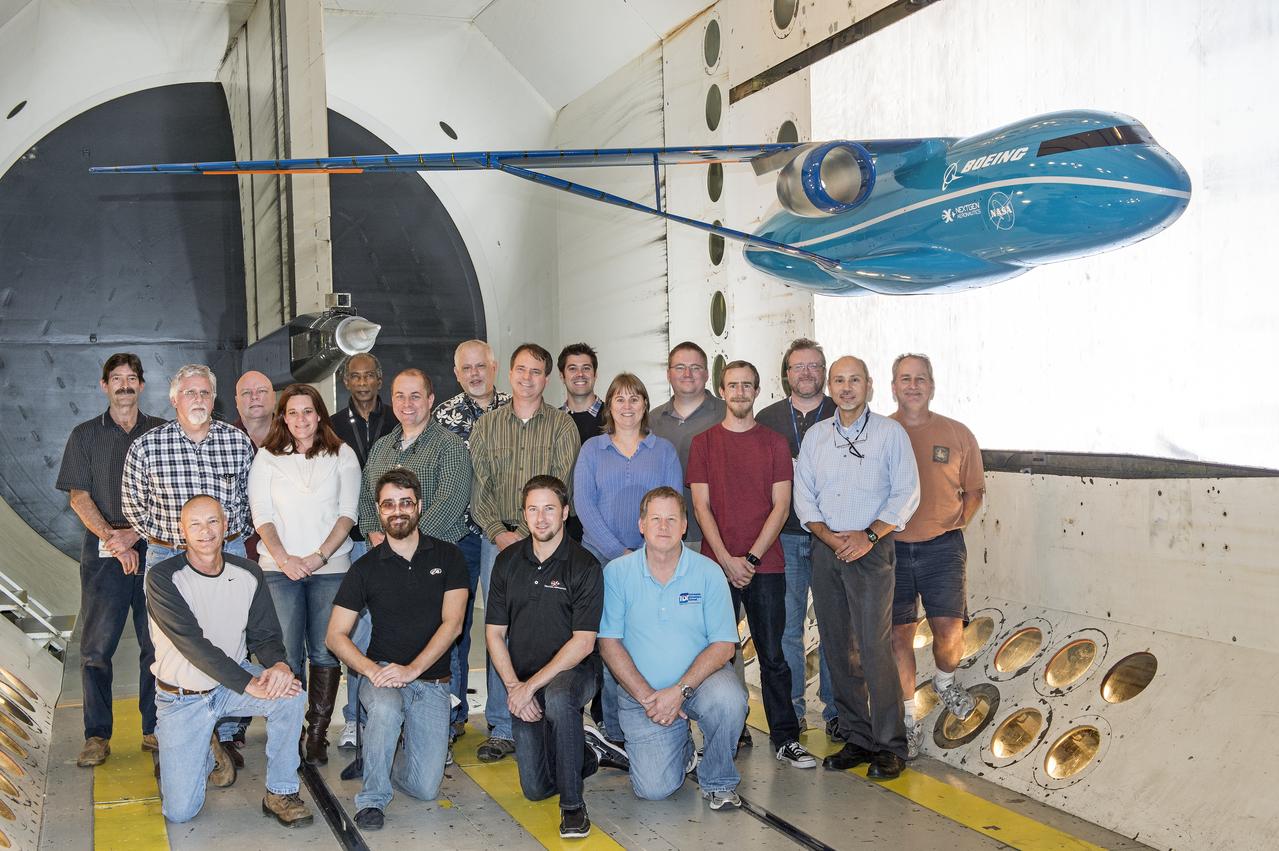
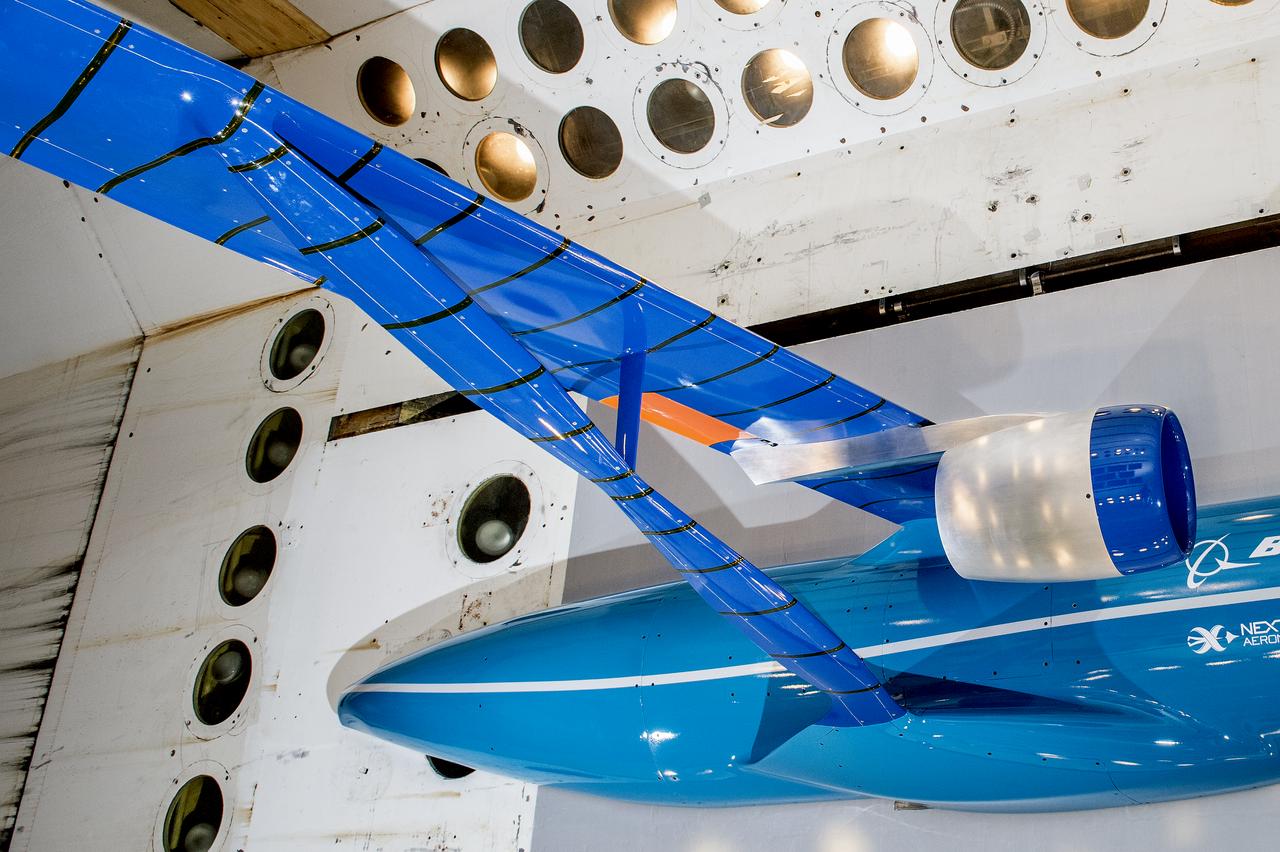
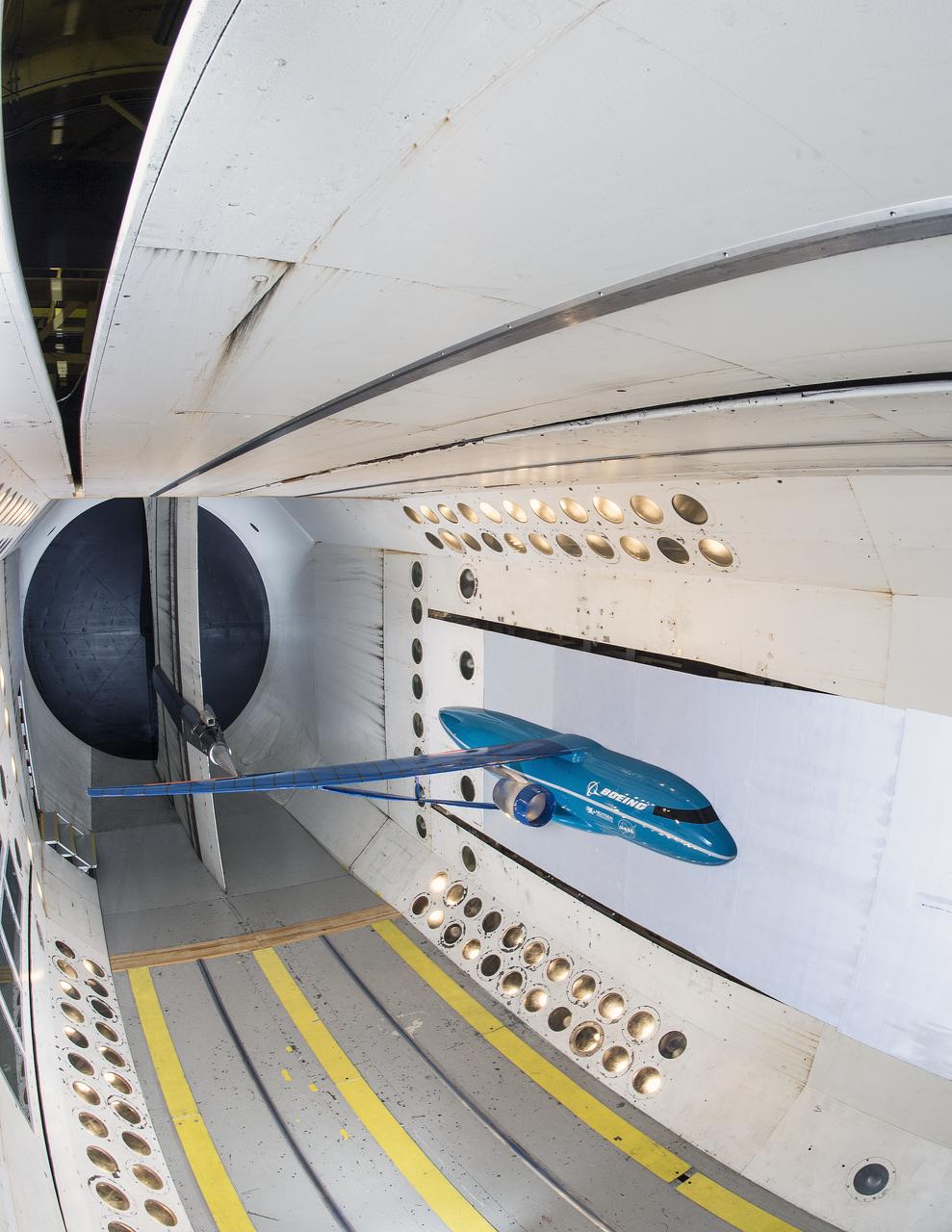
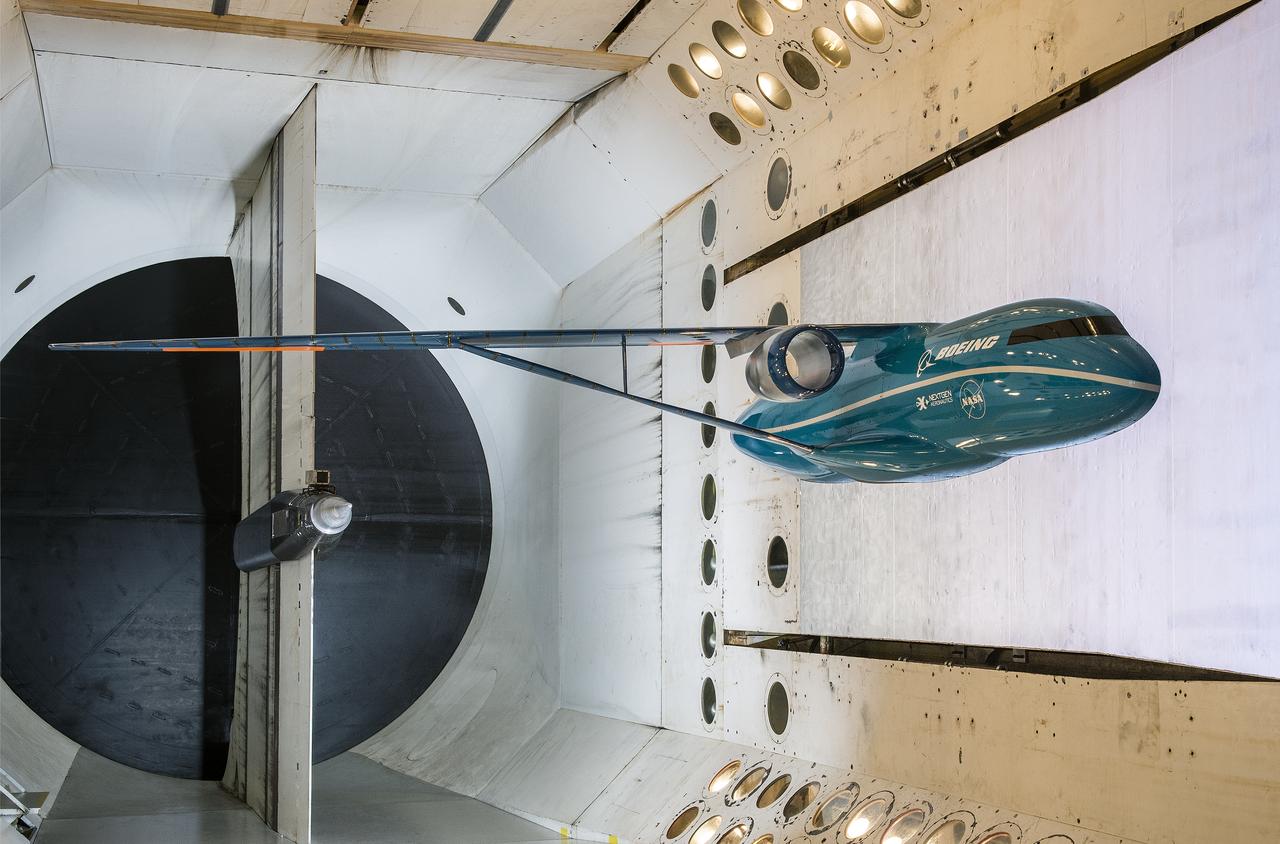
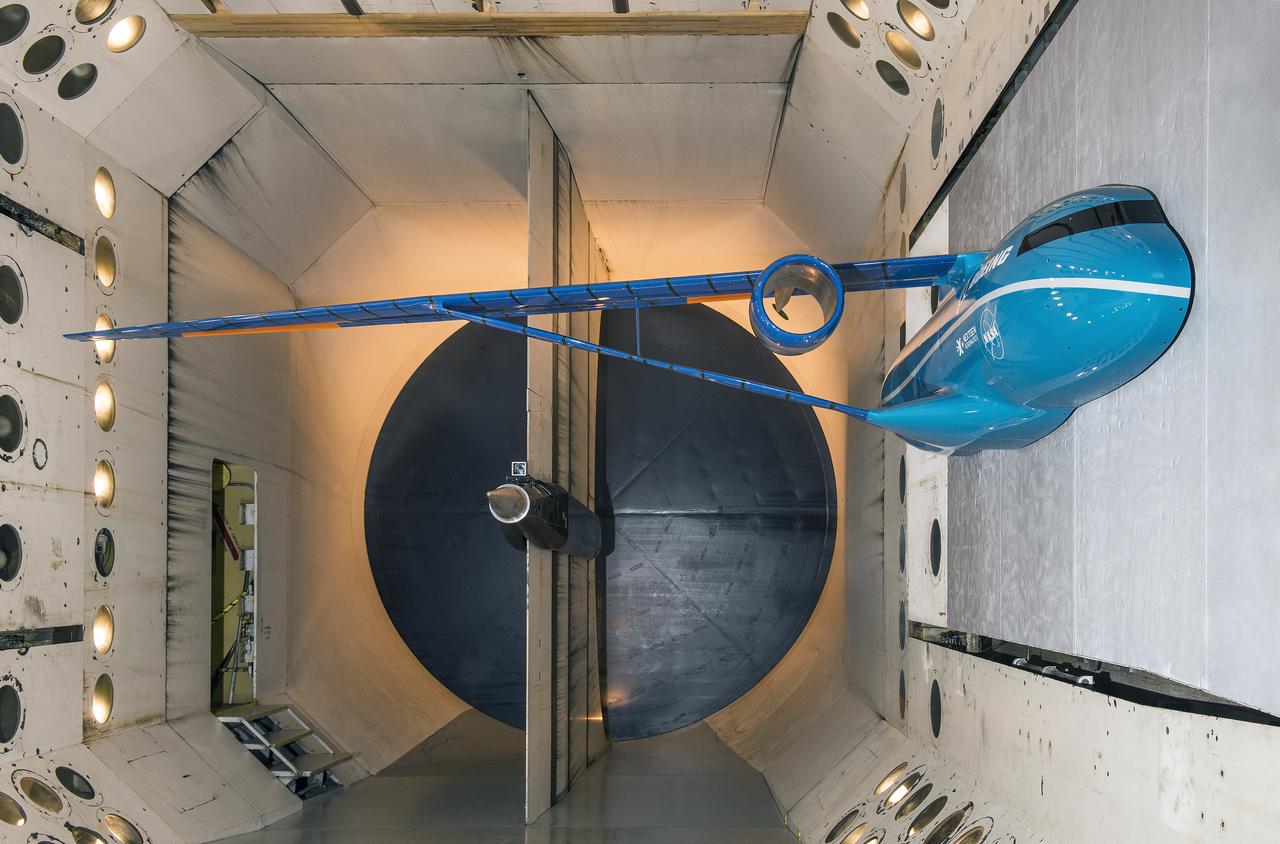
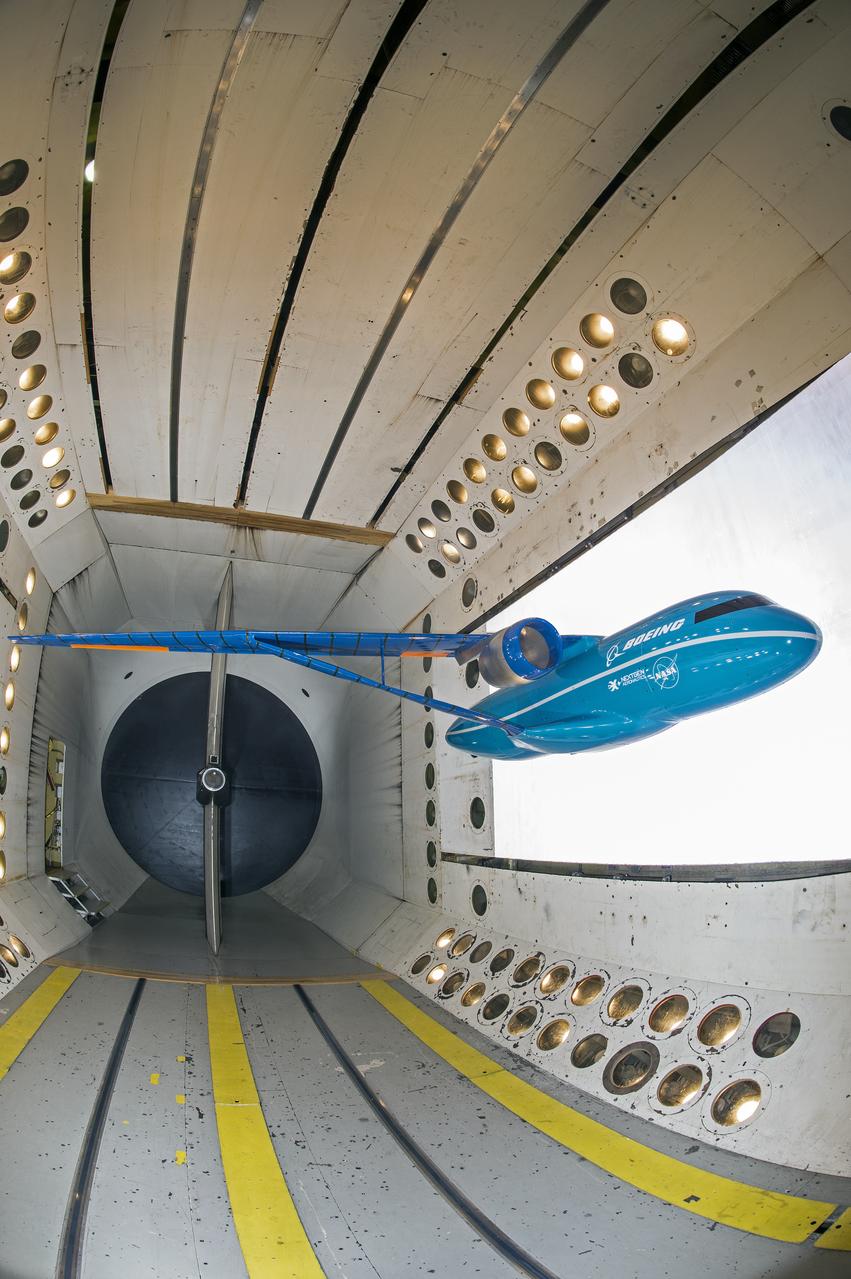
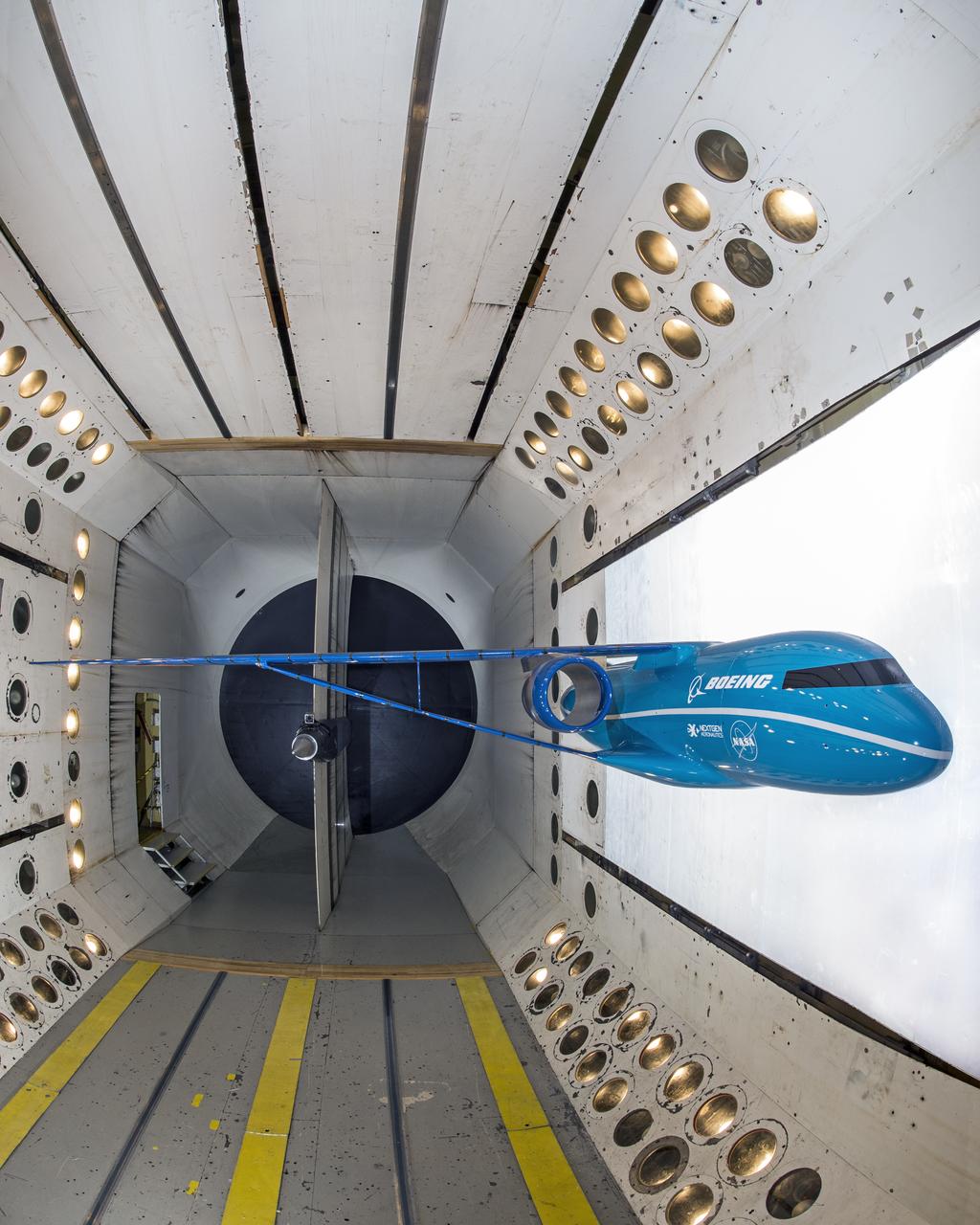
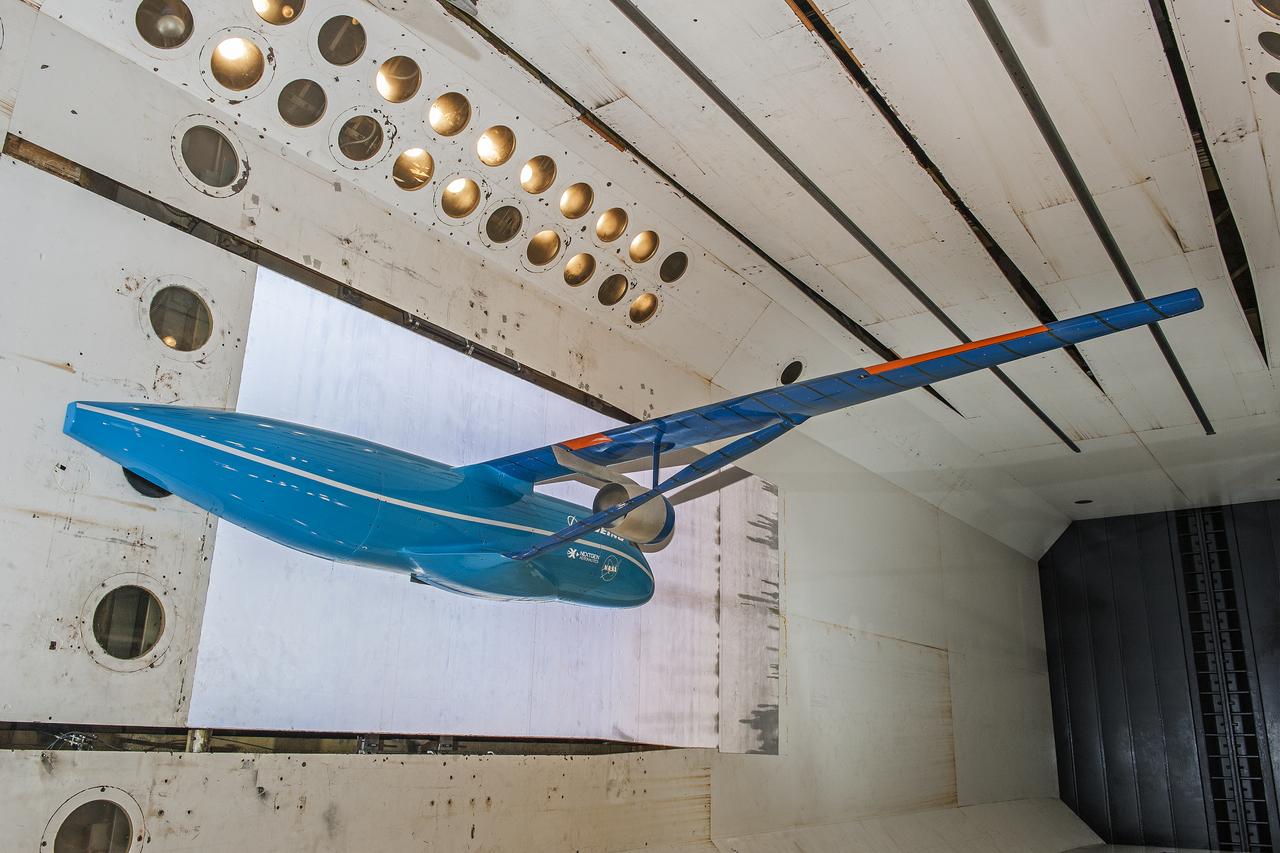
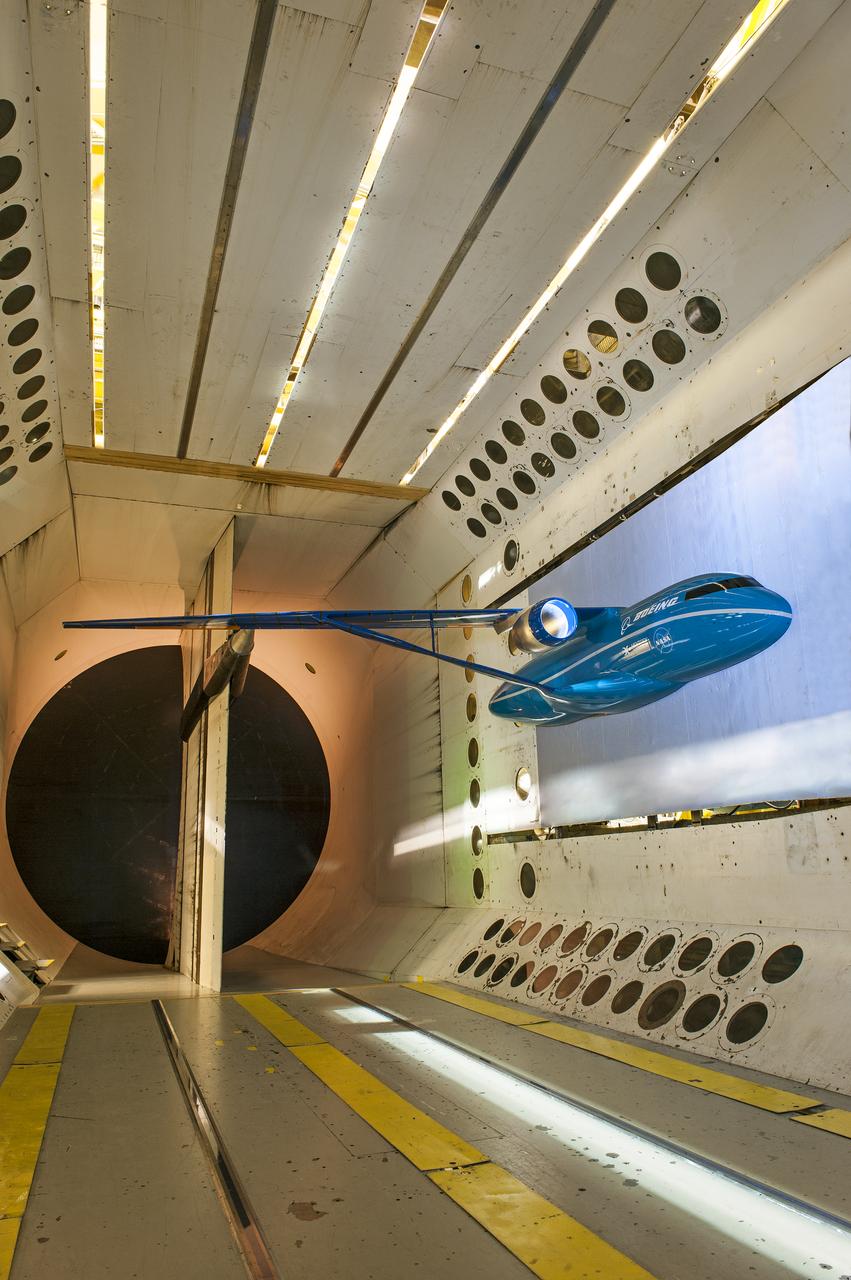
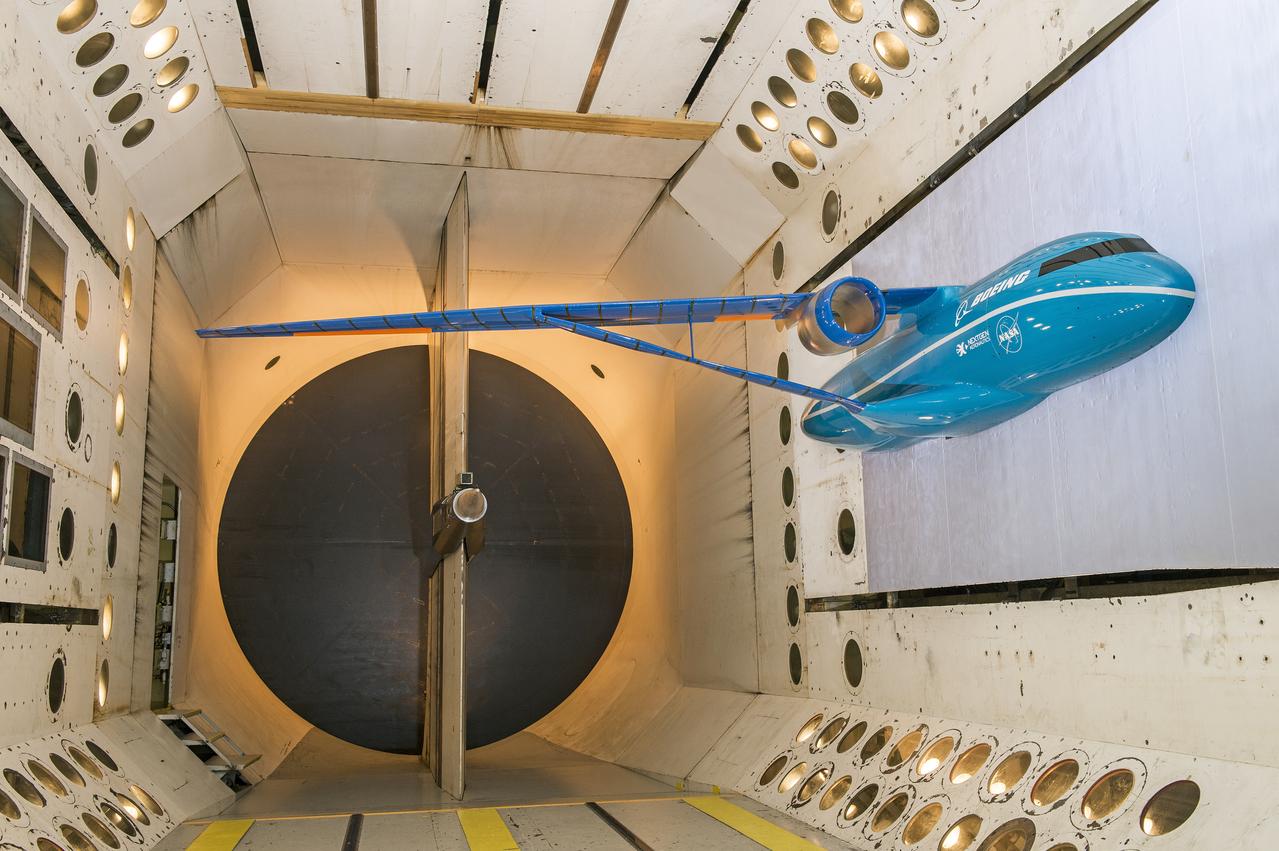
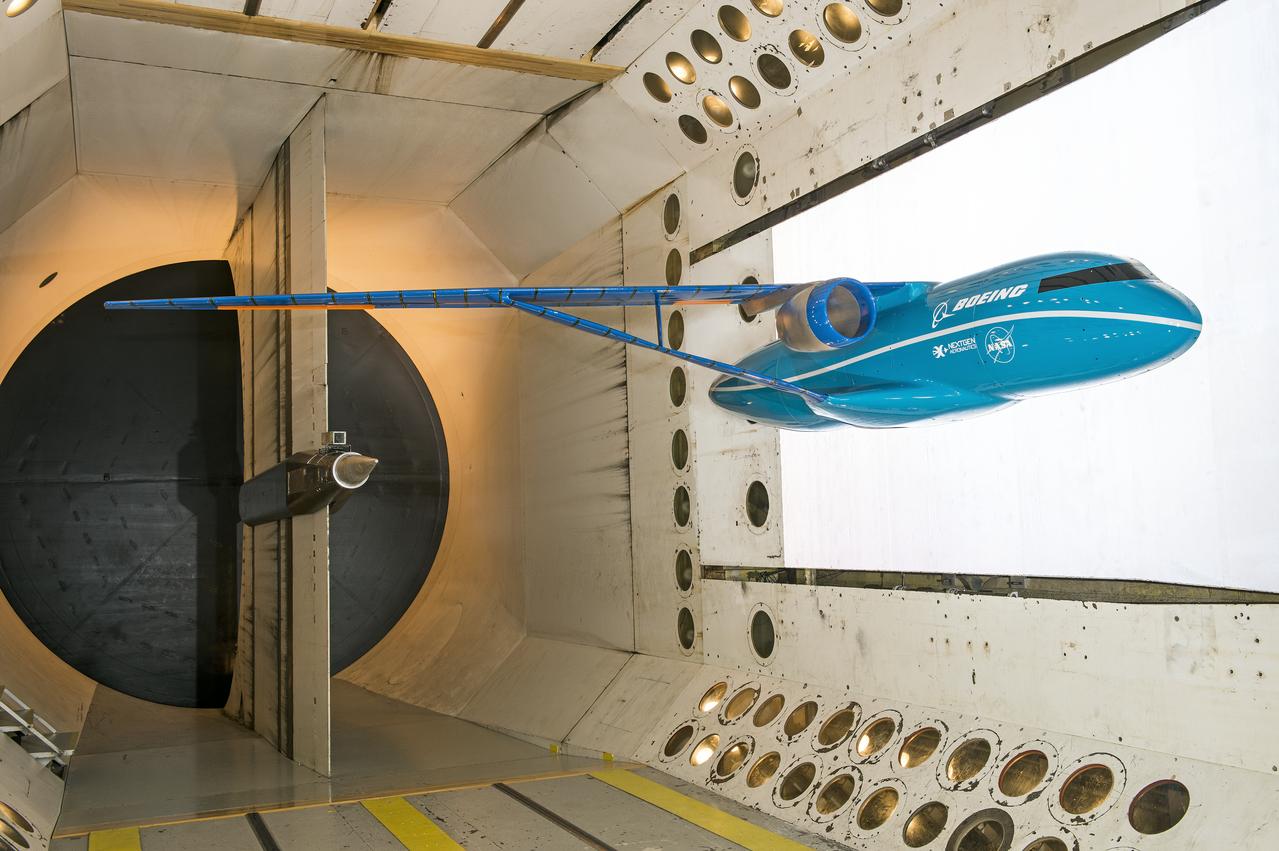
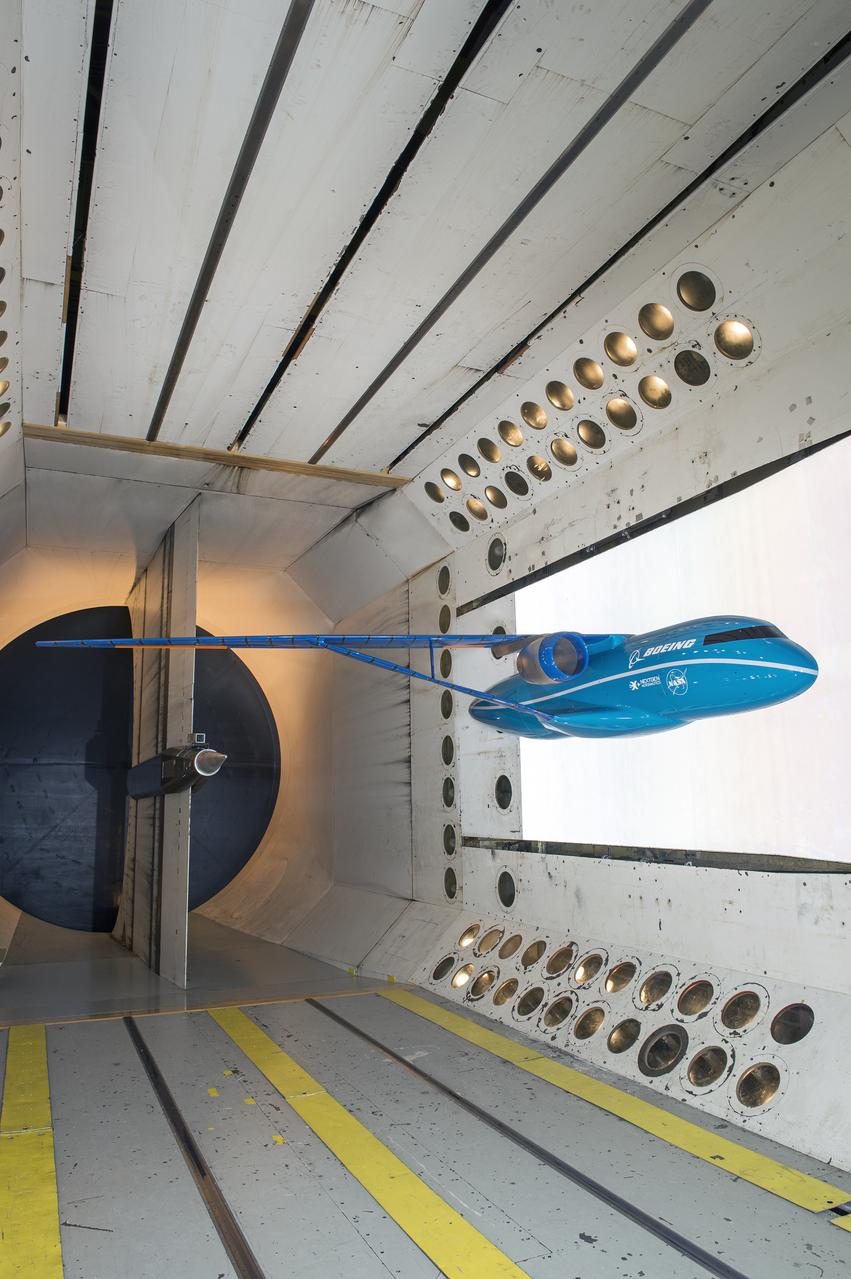
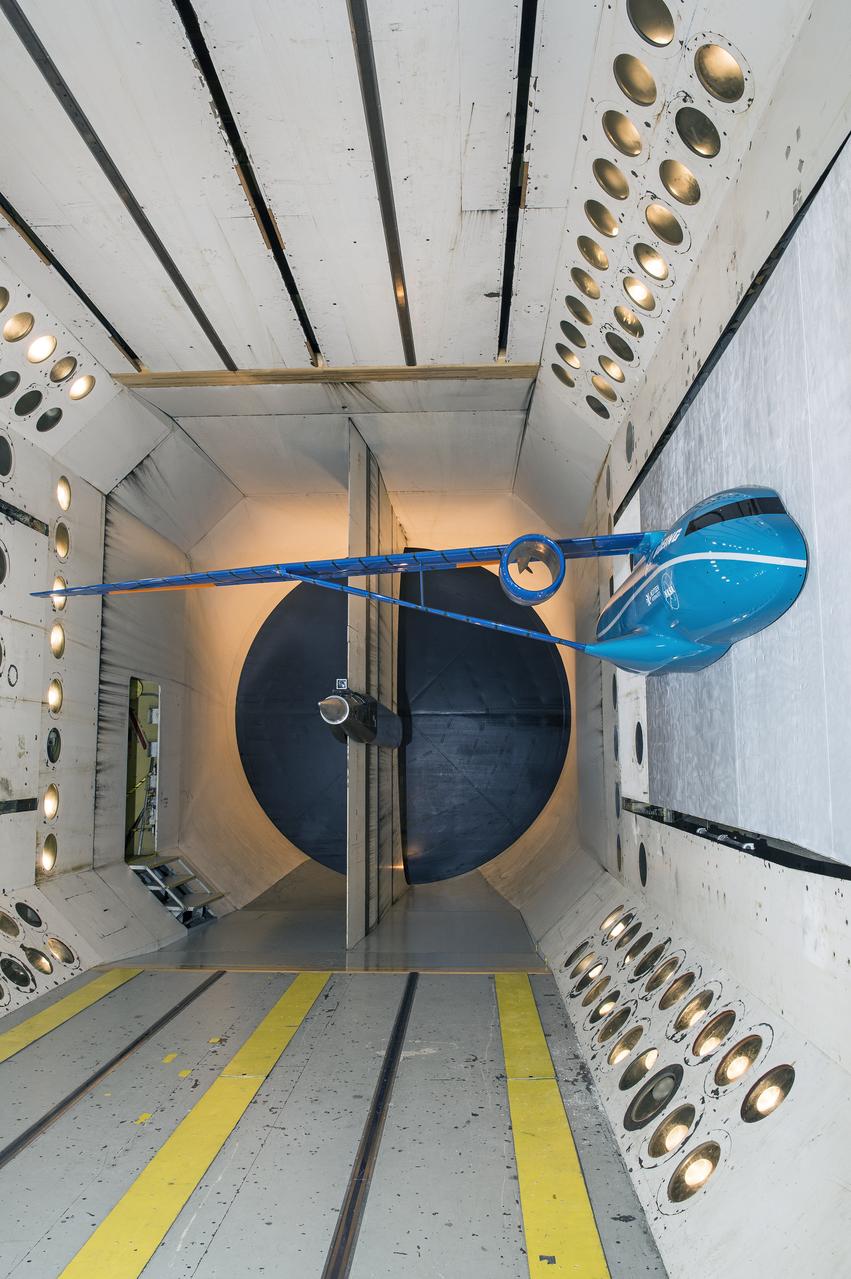
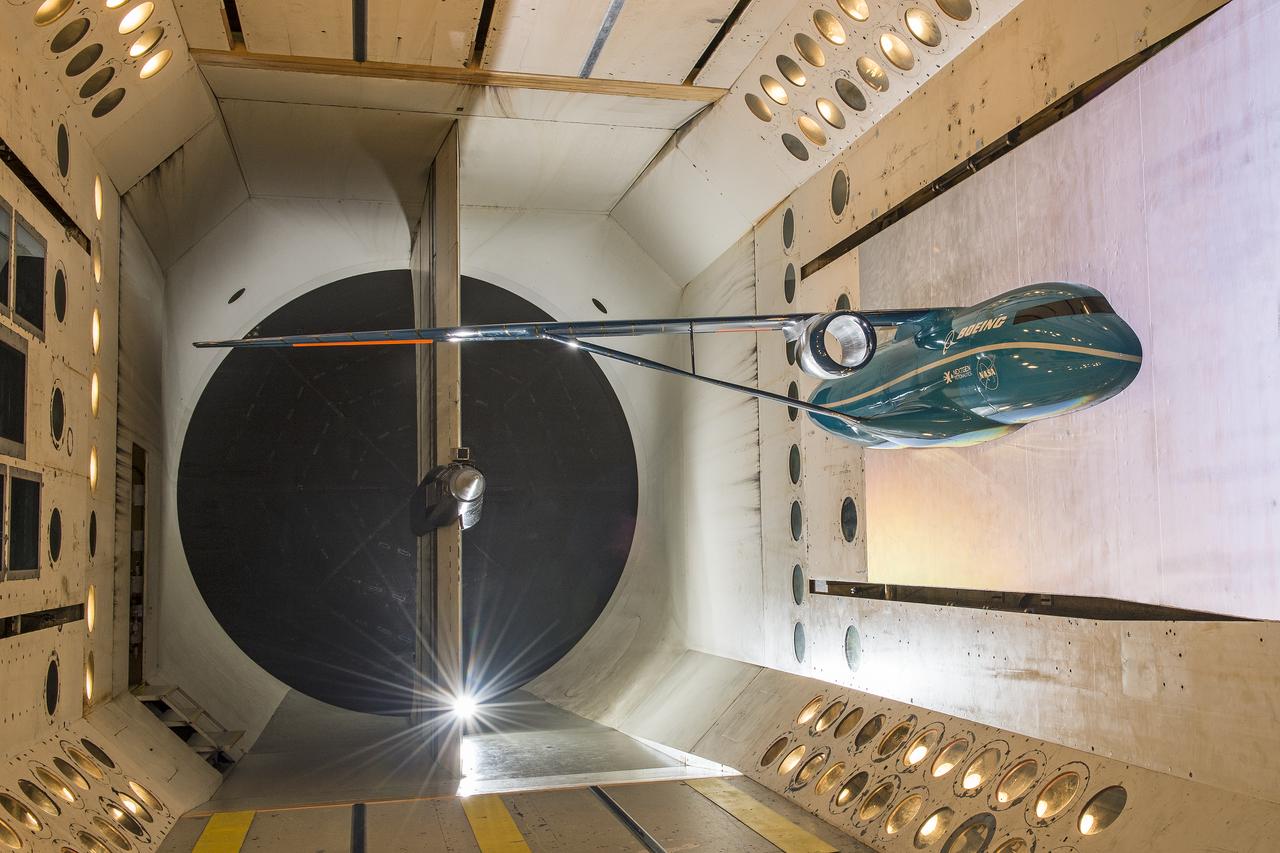
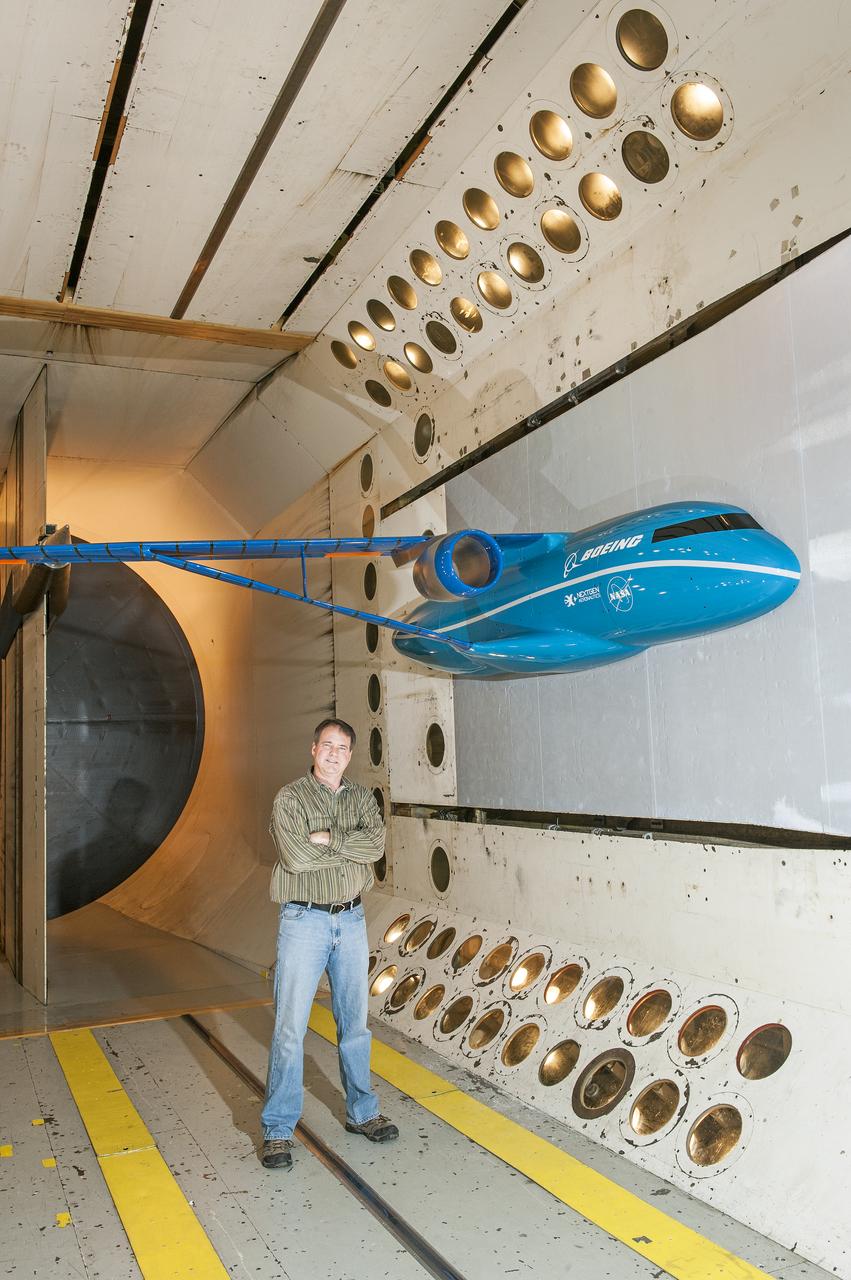
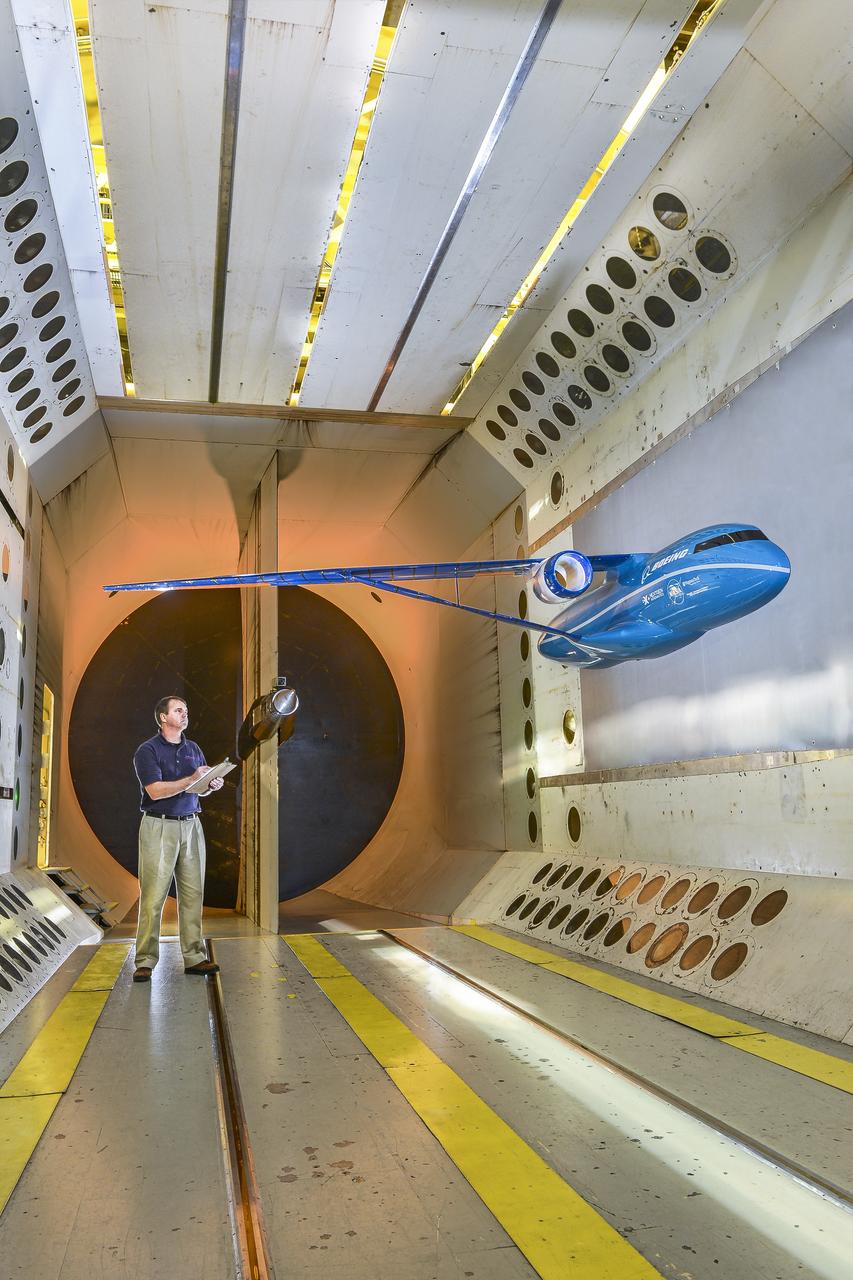
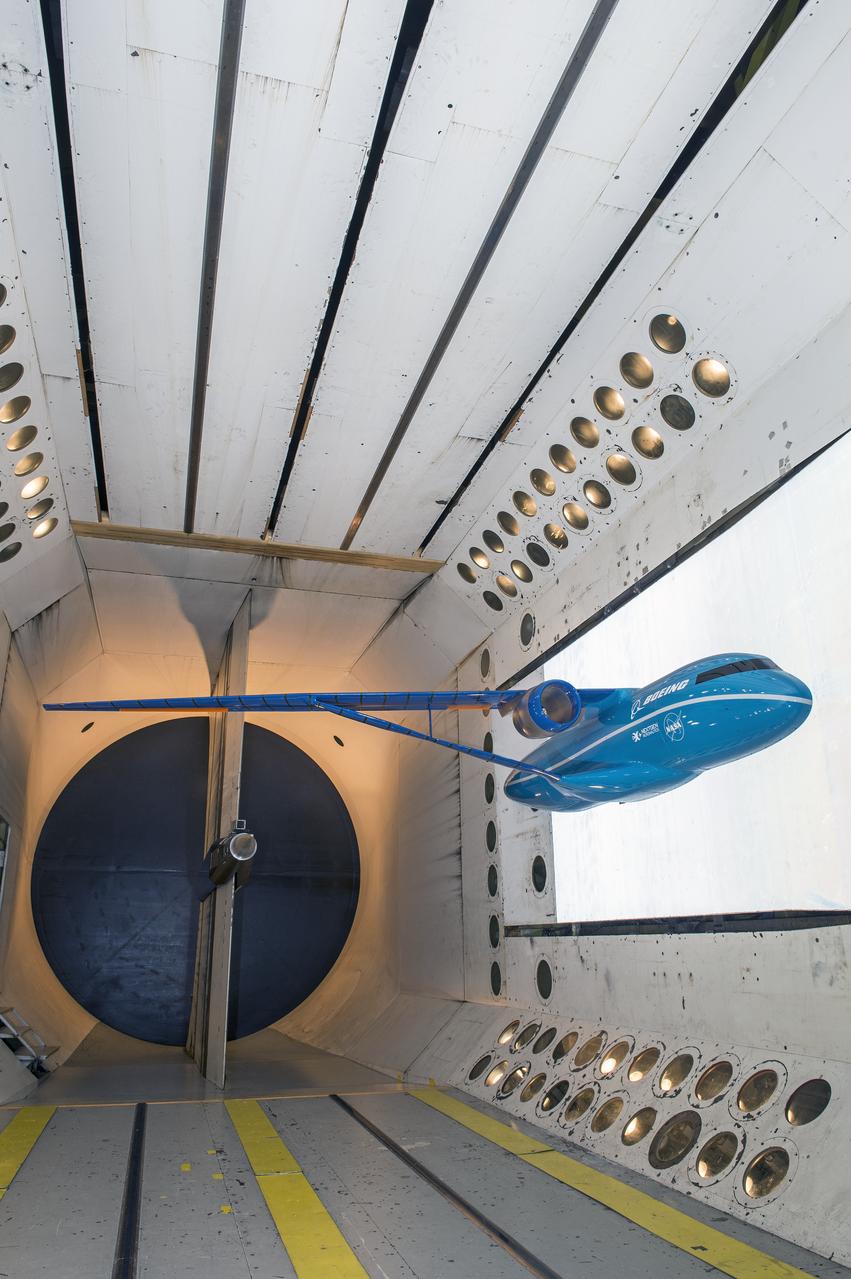
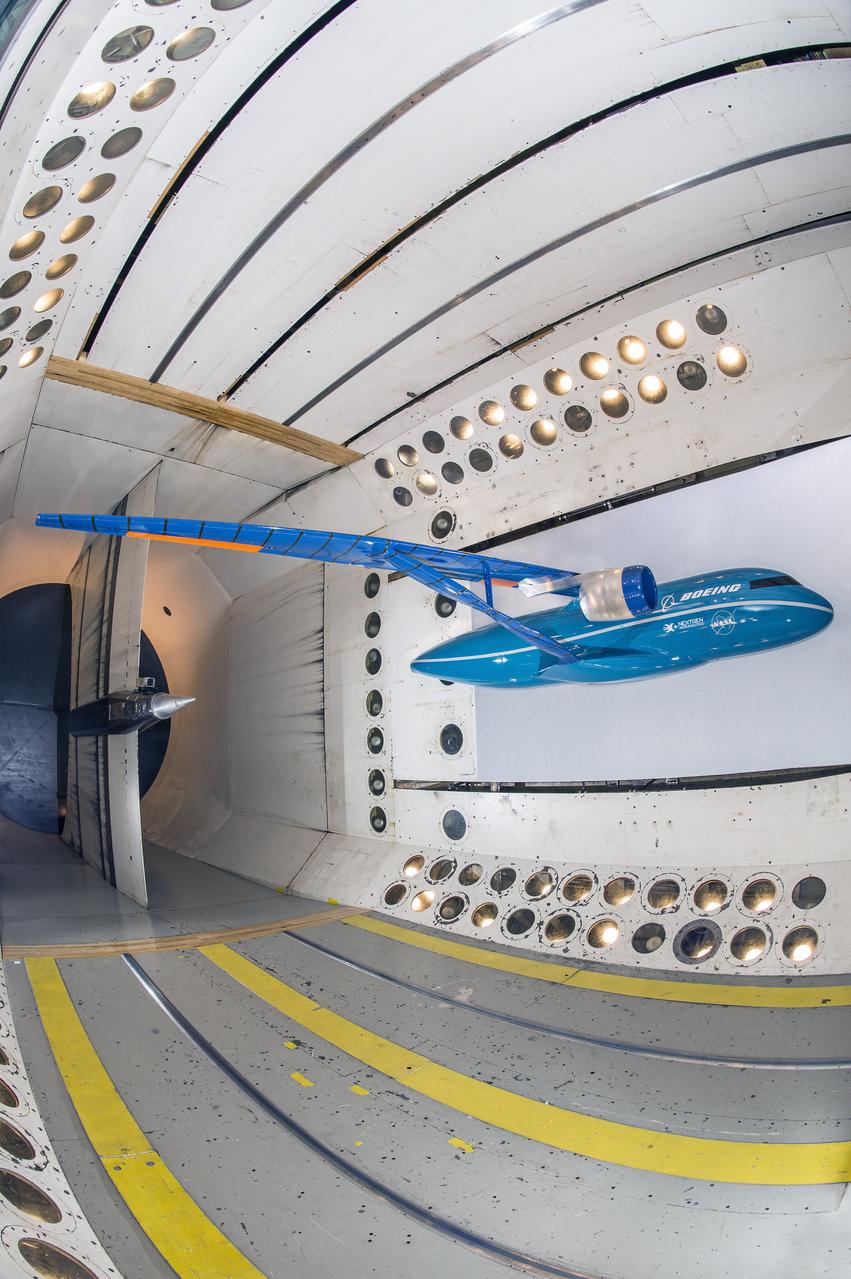
Boeing Subsonic Ultra Green Aircraft Research (SUGAR) Subsonic Fixed Wing in the (TDT) 16 Foot Transonic Dynamics Tunnel facility 648
Boeing Subsonic Ultra Green Aircraft Research (SUGAR) Subsonic F
Boeing Subsonic Ultra Green Aircraft Research (SUGAR) Subsonic Fixed Wing in the (TDT) 16 Foot Transonic Dynamics Tunnel facility 648
Boeing Subsonic Ultra Green Aircraft Research (SUGAR) Subsonic F
Boeing Subsonic Ultra Green Aircraft Research (SUGAR) Subsonic Fixed Wing in the (TDT) 16 Foot Transonic Dynamics Tunnel facility 648
Boeing Subsonic Ultra Green Aircraft Research (SUGAR) Subsonic F
Boeing Subsonic Ultra Green Aircraft Research (SUGAR) Subsonic Fixed Wing in the (TDT) 16 Foot Transonic Dynamics Tunnel facility 648
Boeing Subsonic Ultra Green Aircraft Research (SUGAR) Subsonic F
Boeing Subsonic Ultra Green Aircraft Research (SUGAR) Subsonic Fixed Wing in the (TDT) 16 Foot Transonic Dynamics Tunnel facility 648
Boeing Subsonic Ultra Green Aircraft Research (SUGAR) Subsonic F
Boeing Subsonic Ultra Green Aircraft Research (SUGAR) Subsonic Fixed Wing in the (TDT) 16 Foot Transonic Dynamics Tunnel facility 648
Boeing Subsonic Ultra Green Aircraft Research (SUGAR) Subsonic F
Boeing Subsonic Ultra Green Aircraft Research (SUGAR) Subsonic Fixed Wing in the (TDT) 16 Foot Transonic Dynamics Tunnel facility 648
Boeing Subsonic Ultra Green Aircraft Research (SUGAR) Subsonic F
Boeing Subsonic Ultra Green Aircraft Research (SUGAR) Subsonic Fixed Wing in the (TDT) 16 Foot Transonic Dynamics Tunnel facility 648
Boeing Subsonic Ultra Green Aircraft Research (SUGAR) Subsonic F
Boeing Subsonic Ultra Green Aircraft Research (SUGAR) Subsonic Fixed Wing in the (TDT) 16 Foot Transonic Dynamics Tunnel facility 648
Boeing Subsonic Ultra Green Aircraft Research (SUGAR) Subsonic F
Boeing Subsonic Ultra Green Aircraft Research (SUGAR) Subsonic Fixed Wing in the (TDT) 16 Foot Transonic Dynamics Tunnel facility 648
Boeing Subsonic Ultra Green Aircraft Research (SUGAR) Subsonic F
Boeing Subsonic Ultra Green Aircraft Research (SUGAR) Subsonic Fixed Wing in the (TDT) 16 Foot Transonic Dynamics Tunnel facility 648
Boeing Subsonic Ultra Green Aircraft Research (SUGAR) Subsonic F
Boeing Subsonic Ultra Green Aircraft Research (SUGAR) Subsonic Fixed Wing in the (TDT) 16 Foot Transonic Dynamics Tunnel facility 648
Boeing Subsonic Ultra Green Aircraft Research (SUGAR) Subsonic F
Boeing Subsonic Ultra Green Aircraft Research (SUGAR) Subsonic Fixed Wing in the (TDT) 16 Foot Transonic Dynamics Tunnel facility 648
Boeing Subsonic Ultra Green Aircraft Research (SUGAR) Subsonic F
Boeing Subsonic Ultra Green Aircraft Research (SUGAR) Subsonic Fixed Wing in the (TDT) 16 Foot Transonic Dynamics Tunnel facility 648
Boeing Subsonic Ultra Green Aircraft Research (SUGAR) Subsonic F
Boeing Subsonic Ultra Green Aircraft Research (SUGAR) Subsonic Fixed Wing in the (TDT) 16 Foot Transonic Dynamics Tunnel facility 648
Boeing Subsonic Ultra Green Aircraft Research (SUGAR) Subsonic F
Boeing Subsonic Ultra Green Aircraft Research (SUGAR) Subsonic Fixed Wing in the (TDT) 16 Foot Transonic Dynamics Tunnel facility 648
Boeing Subsonic Ultra Green Aircraft Research (SUGAR) Subsonic F
Boeing Subsonic Ultra Green Aircraft Research (SUGAR) Subsonic Fixed Wing in the (TDT) 16 Foot Transonic Dynamics Tunnel facility 648
Boeing Subsonic Ultra Green Aircraft Research (SUGAR) Subsonic F
Boeing Subsonic Ultra Green Aircraft Research (SUGAR) Subsonic Fixed Wing in the (TDT) 16 Foot Transonic Dynamics Tunnel facility 648
Boeing Subsonic Ultra Green Aircraft Research (SUGAR) Subsonic F
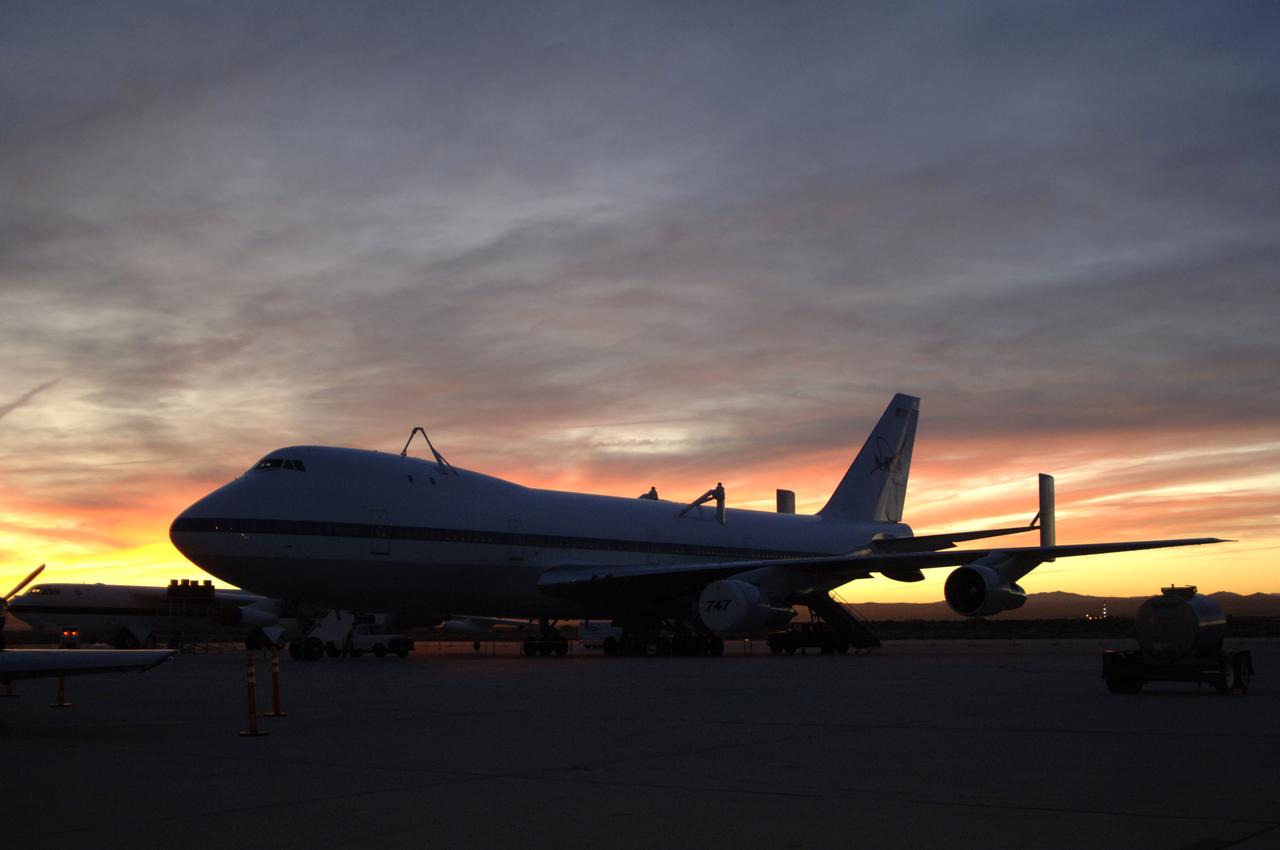
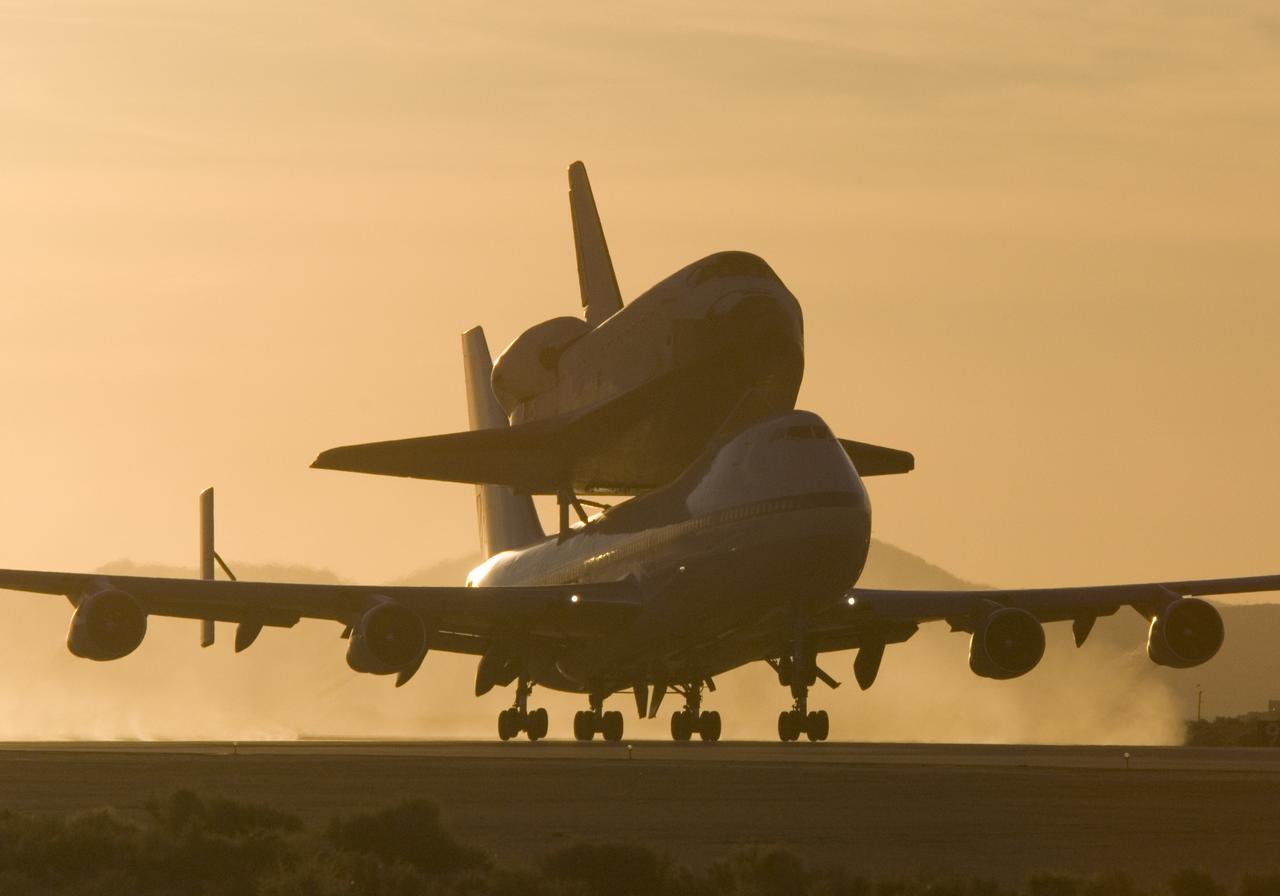
One of NASA's two modified Boeing 747 Shuttle Carrier Aircraft is silhouetted against the morning sky at sunrise on the ramp at Edwards Air Force Base.
One of NASA's two modified Boeing 747 Shuttle Carrier Aircraft is silhouetted against the morning sky at sunrise on the ramp at Edwards Air Force Base
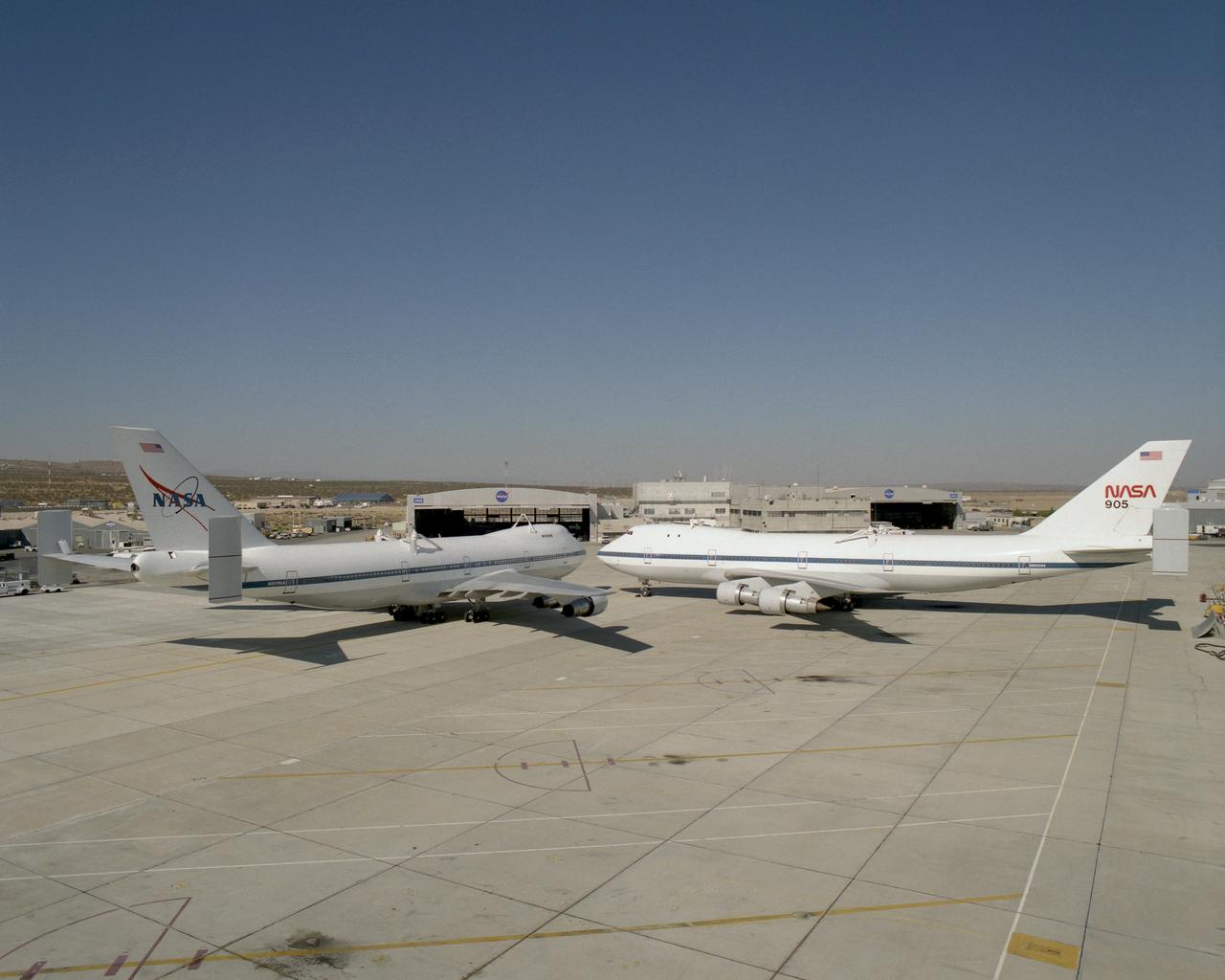
NASA's two modified Boeing 747 Shuttle Carrier Aircraft #911 (left) and #905 (right) were nose-to-nose on the ramp at NASA Dryden in this 1995 photo.
NASA's two modified Boeing 747 Shuttle Carrier Aircraft #911 (left) and #905 (right) were nose-to-nose on the ramp at NASA Dryden in this 1995 photo
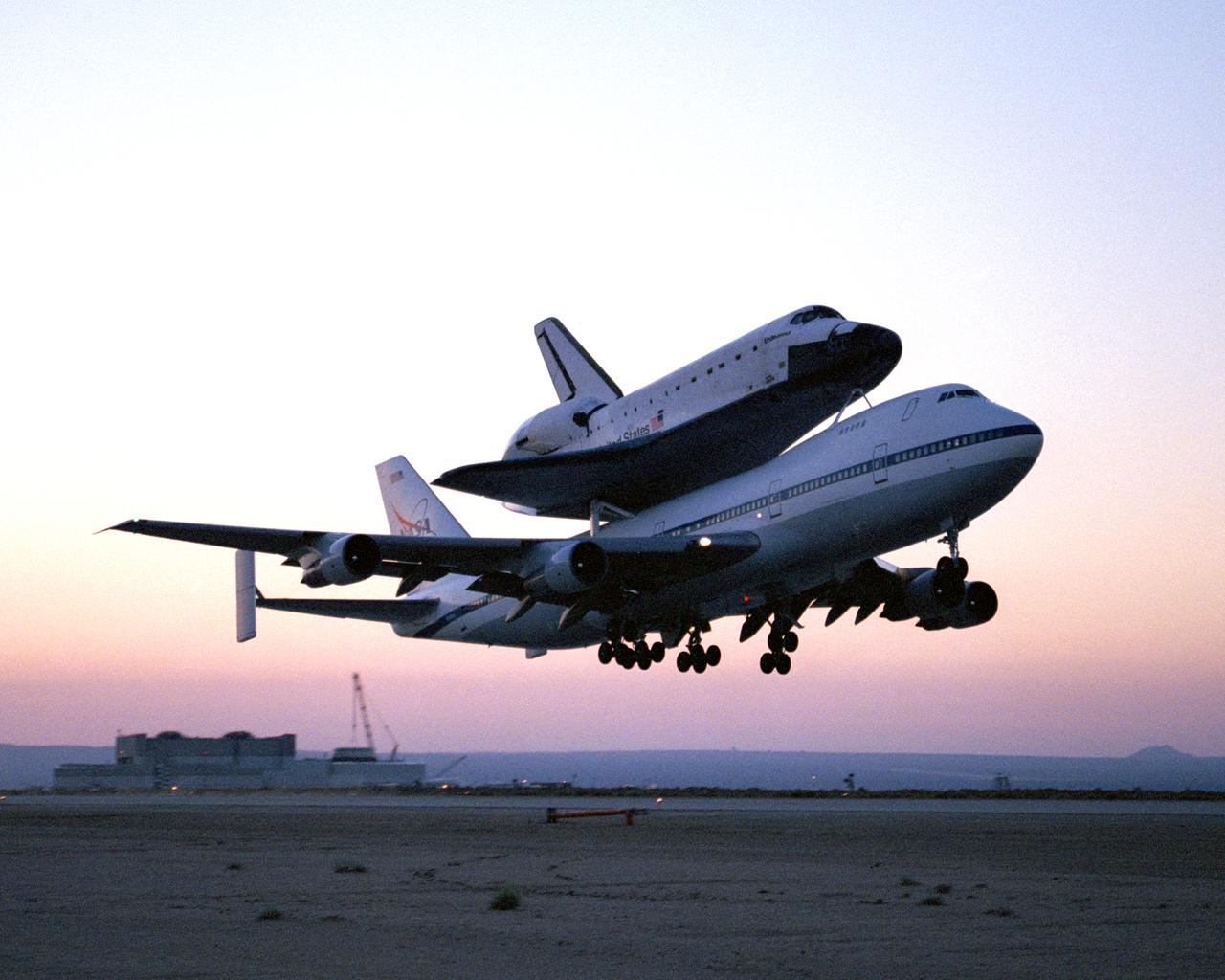
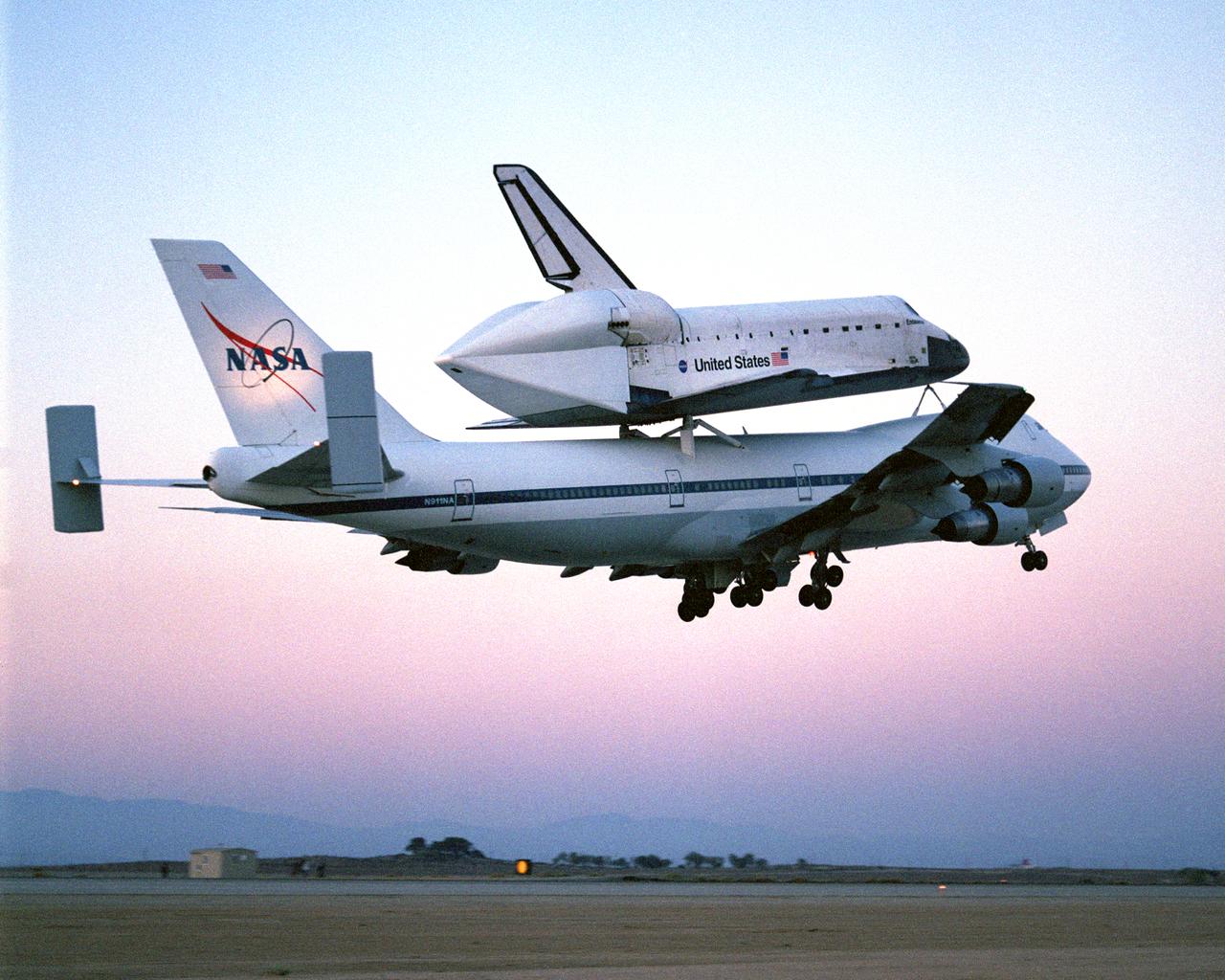
The Space Shuttle Endeavour, mounted securely atop one of NASA's modified Boeing 747 Shuttle Carrier Aircraft, left NASA's Dryden Flight Research Center at Edwards Air Force Base in Southern California at sunrise on Friday, June 28.
The Space Shuttle Endeavour, mounted securely atop one of NASA's modified Boeing 747 Shuttle Carrier Aircraft, left NASA's Dryden Flight Research Center at Edwards Air Force Base in Southern California at sunrise on Friday, June 28
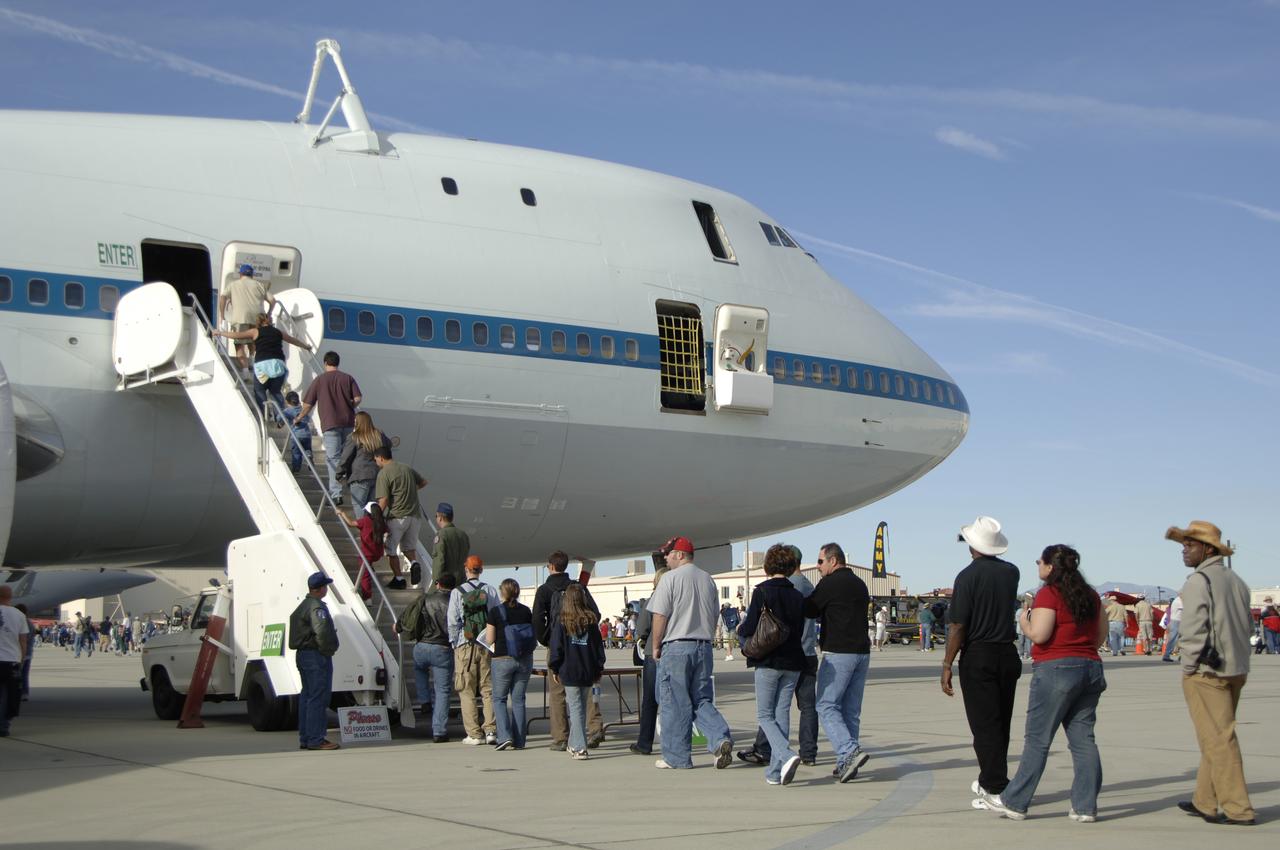
A brief tour through NASA's modified Boeing 747 Shuttle Carrier Aircraft was a popular attraction at the Edwards Air Force Base open house Oct. 28-29, 2006.
A brief tour through NASA's modified Boeing 747 Shuttle Carrier Aircraft was a popular attraction at the Edwards Air Force Base open house Oct. 28-29, 2006
The Space Shuttle Endeavour, mounted securely atop one of NASA's modified Boeing 747 Shuttle Carrier Aircraft, left NASA's Dryden Flight Research Center at Edwards Air Force Base in Southern California at sunrise on Friday, June 28, nine days after concluding mission STS-111 to the International Space Station with a landing at Edwards.
The Space Shuttle Endeavour, mounted securely atop one of NASA's modified Boeing 747 Shuttle Carrier Aircraft, left NASA's Dryden Flight Research Center at Edwards Air Force Base in Southern California at sunrise on Friday, June 28, nine days after conclu
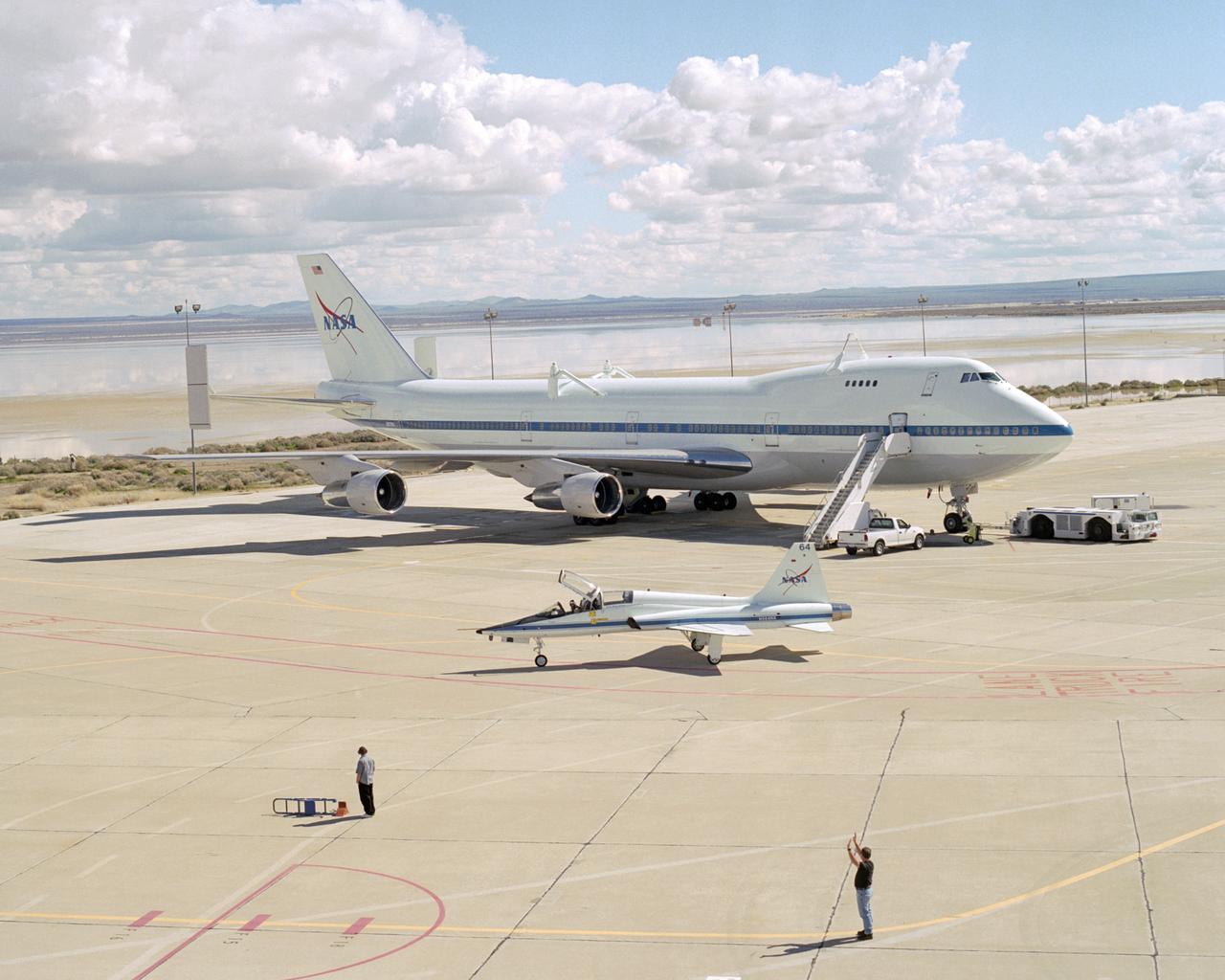
Puffy white clouds and a flooded lakebed form a backdrop as a T-38 support aircraft taxies across the ramp in front of NASA's Boeing 747 Shuttle Carrier Aircraft.
White clouds and a flooded lakebed form a backdrop as a T-38 support aircraft taxies across the ramp in front of NASA's Boeing 747 Shuttle Carrier Aircraft
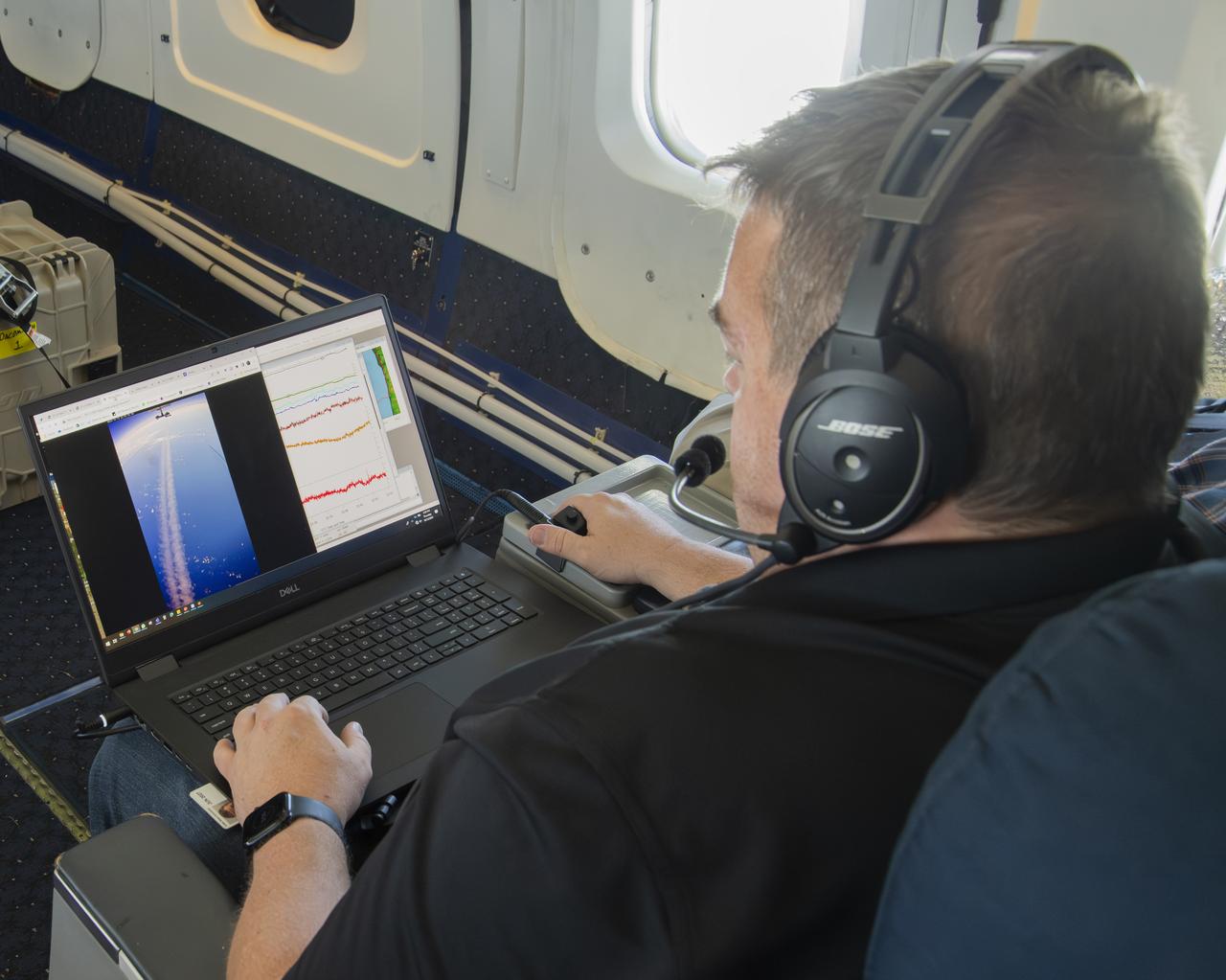
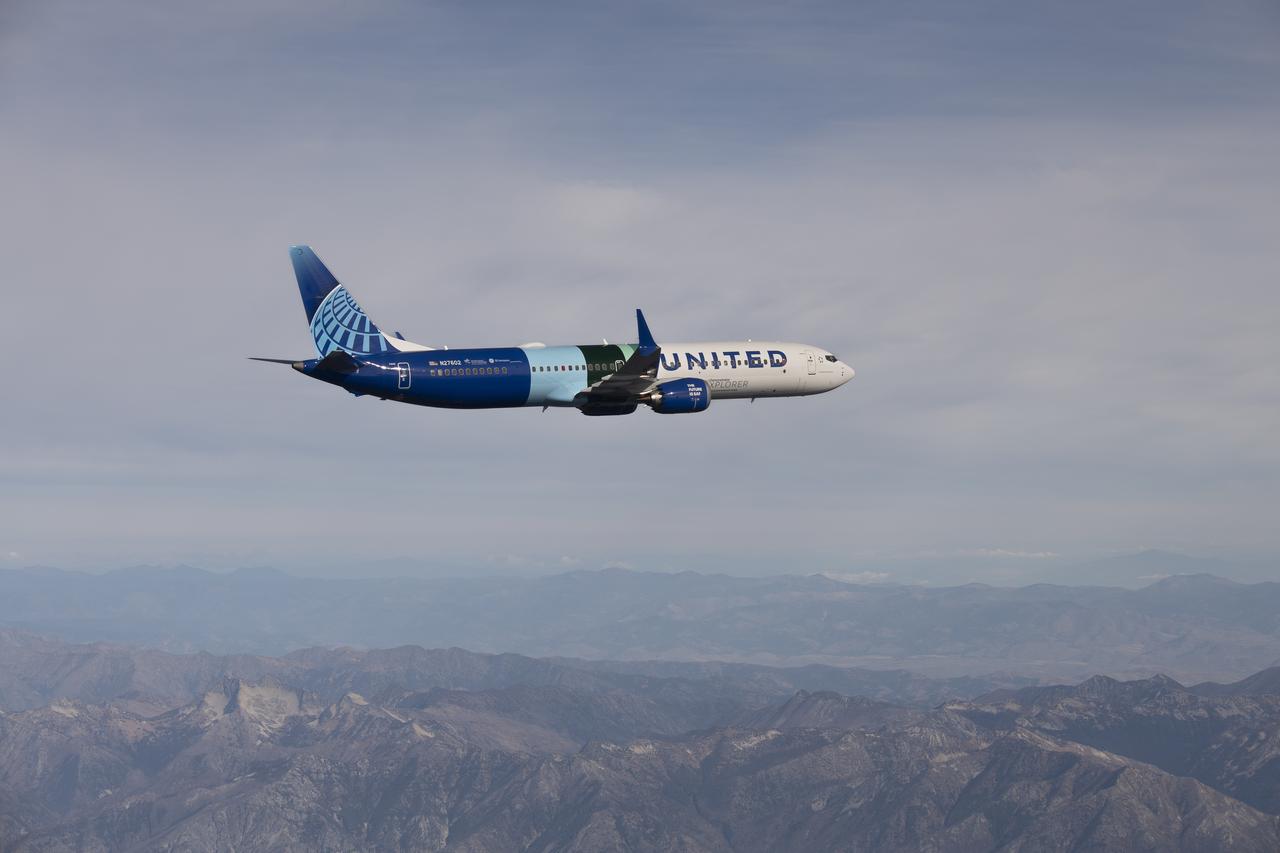
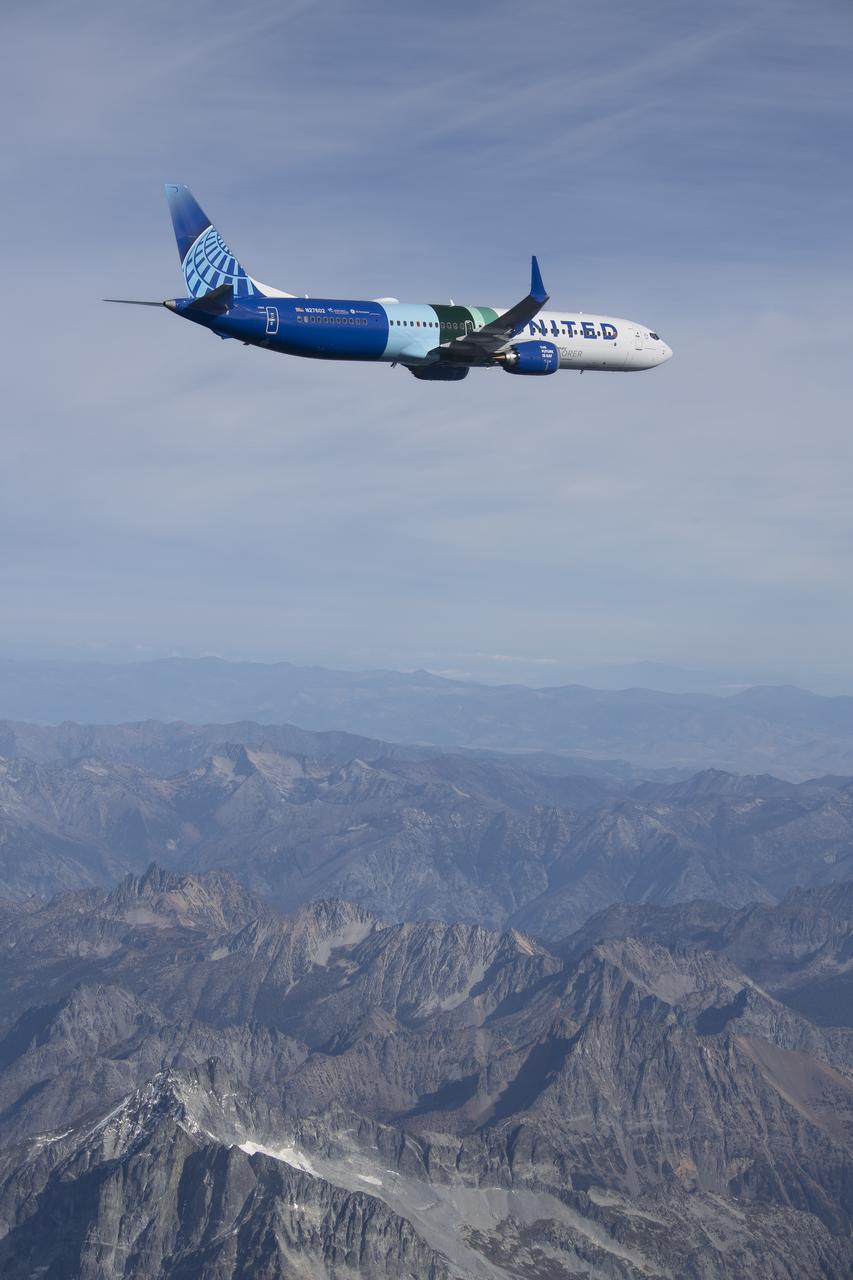
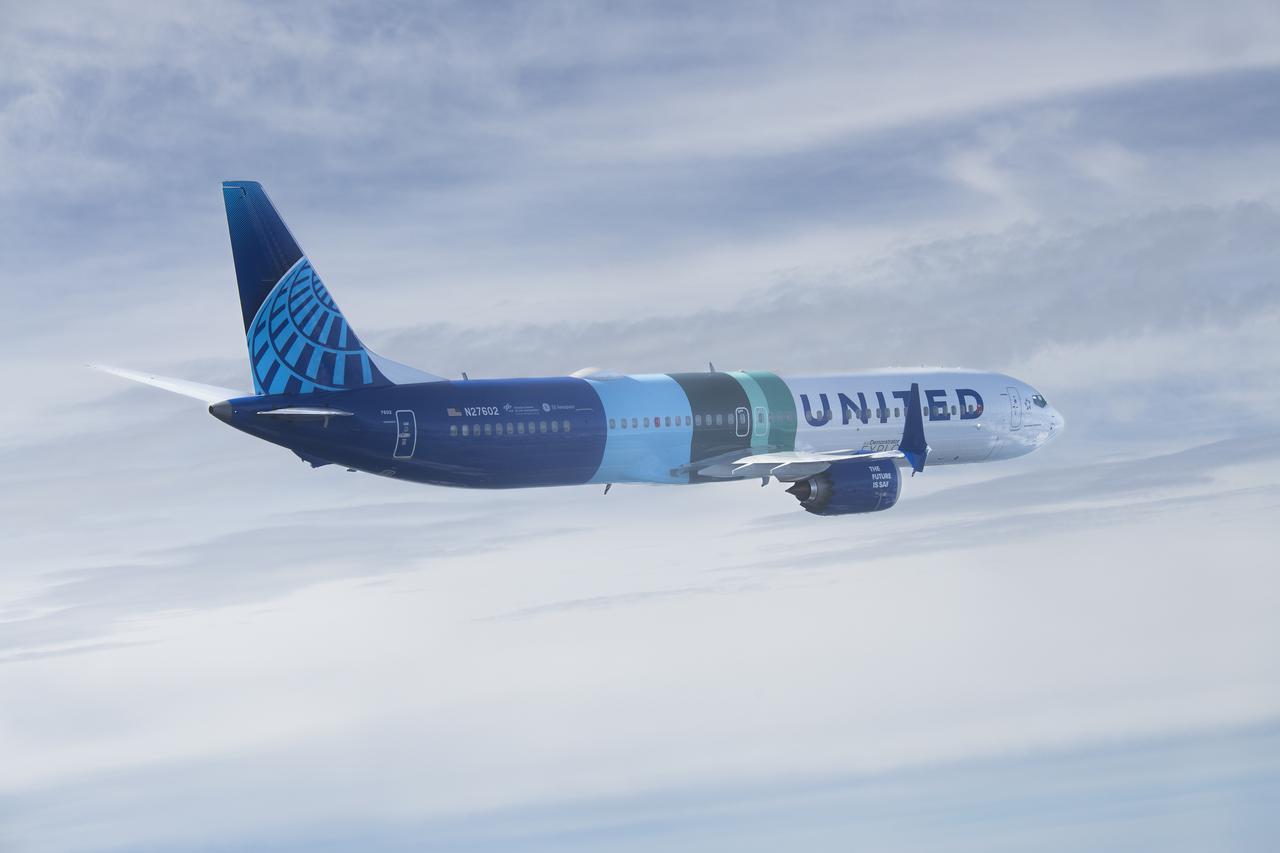
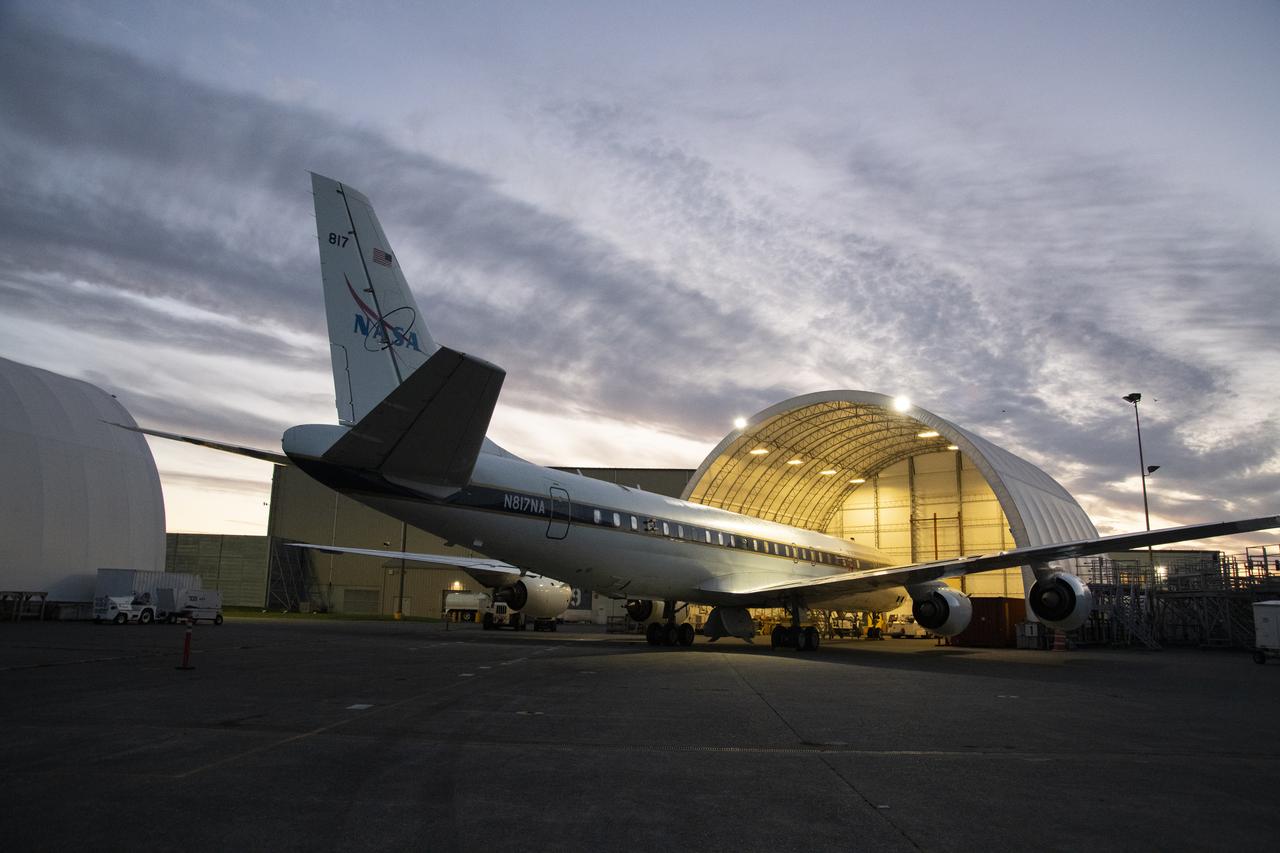
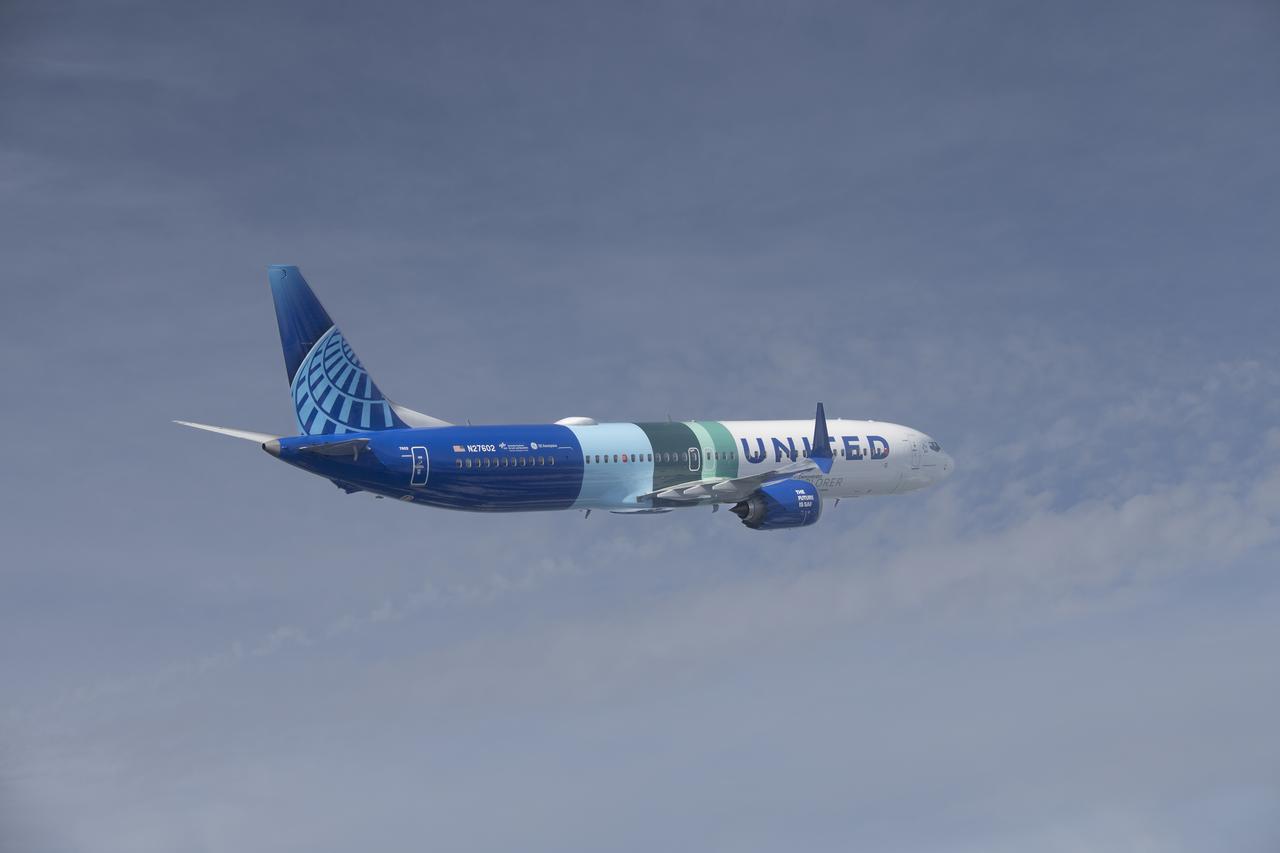
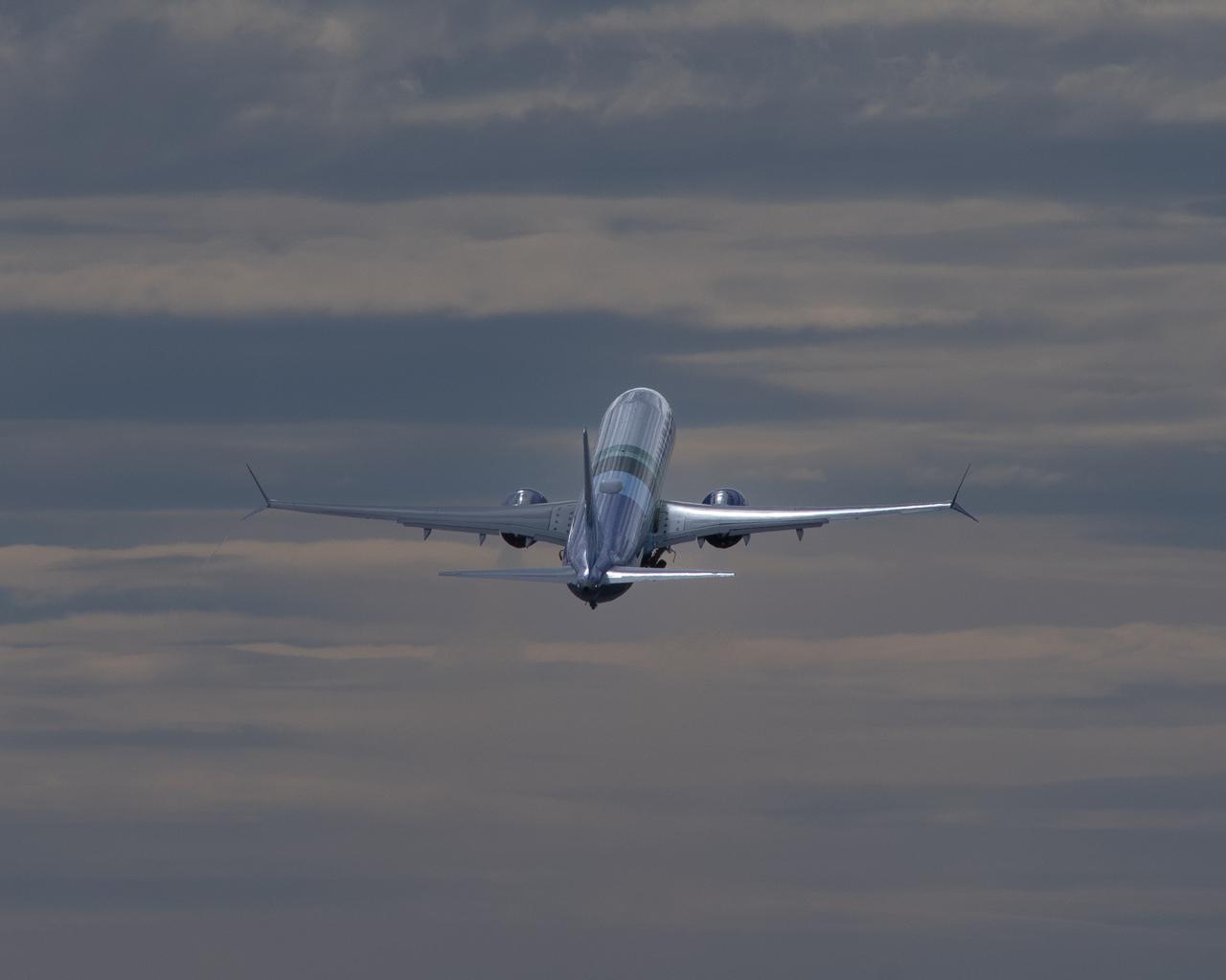
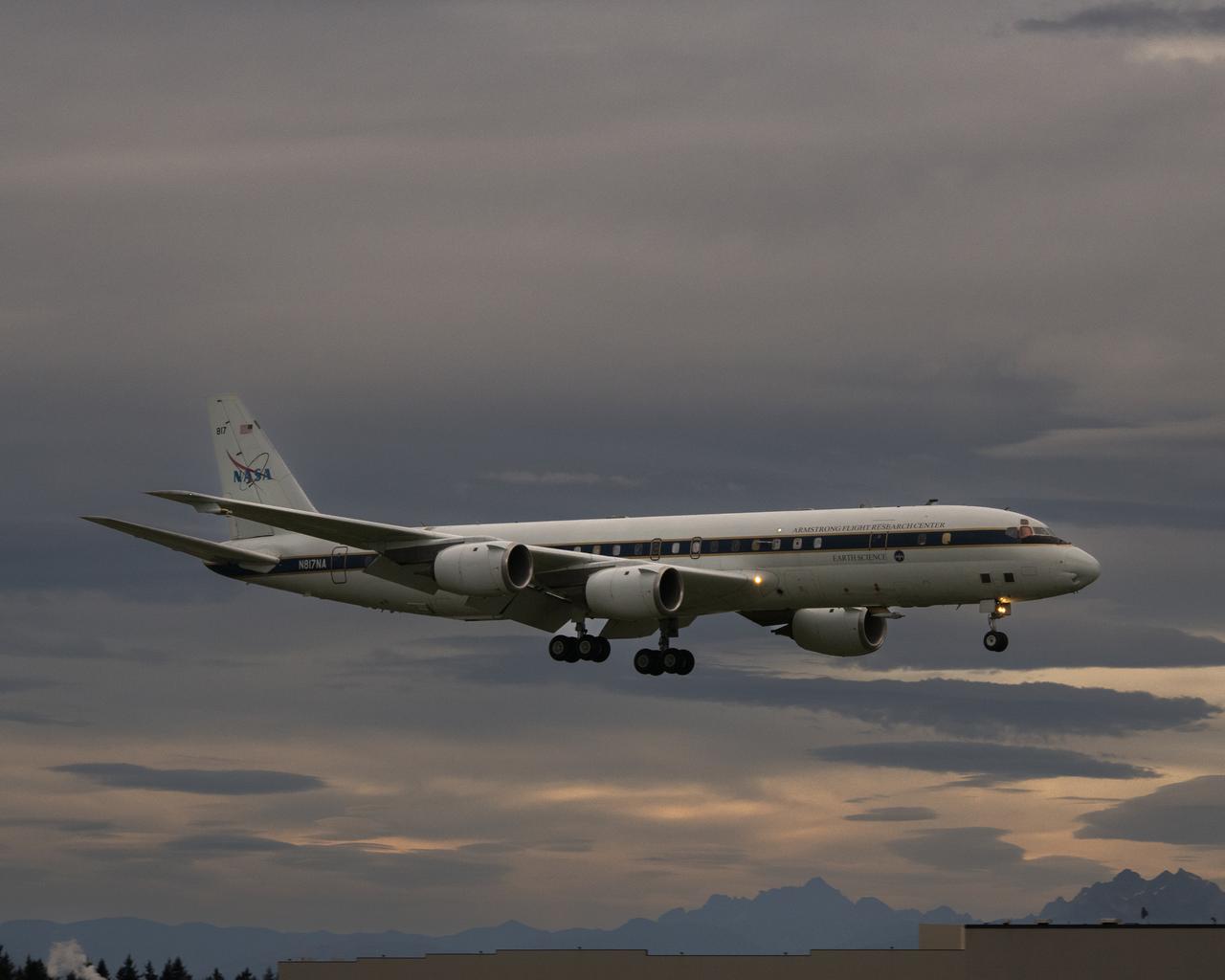
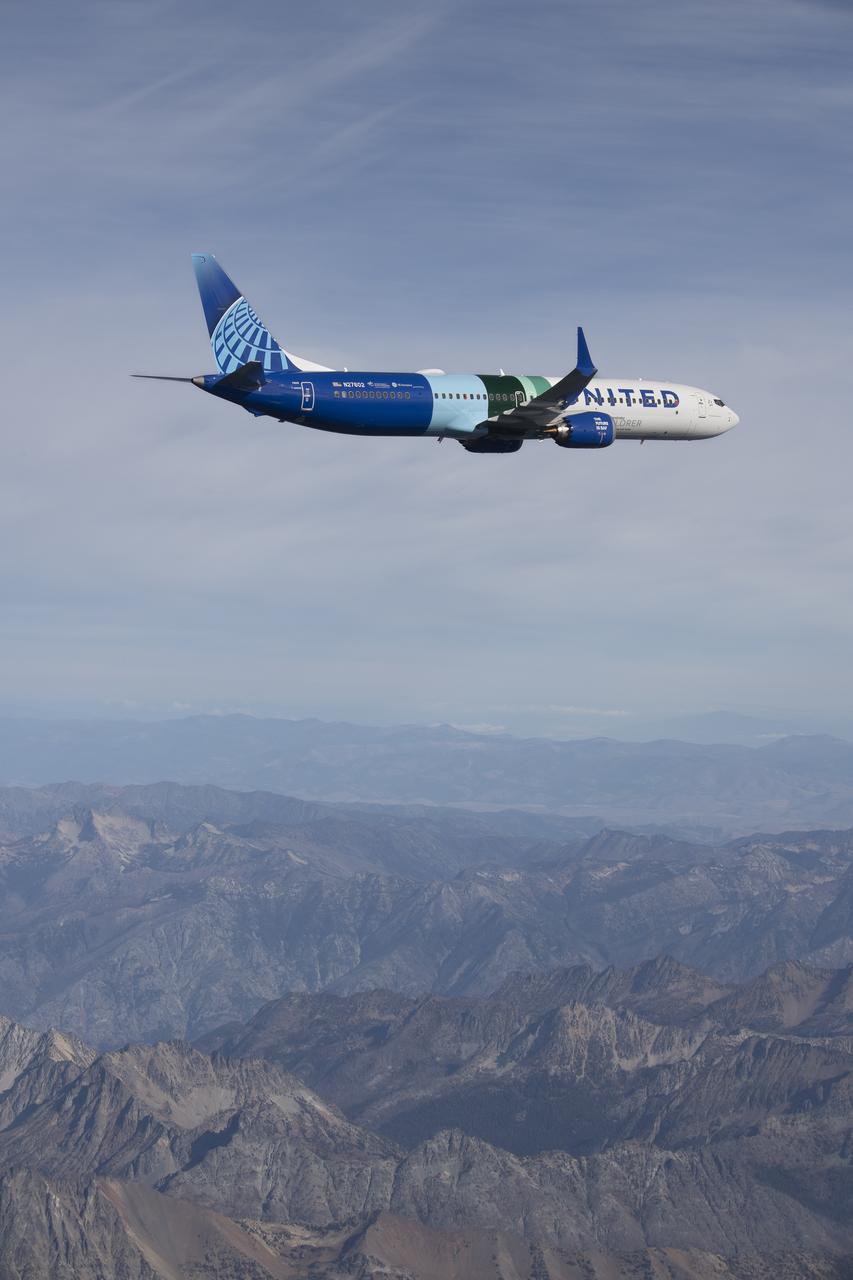
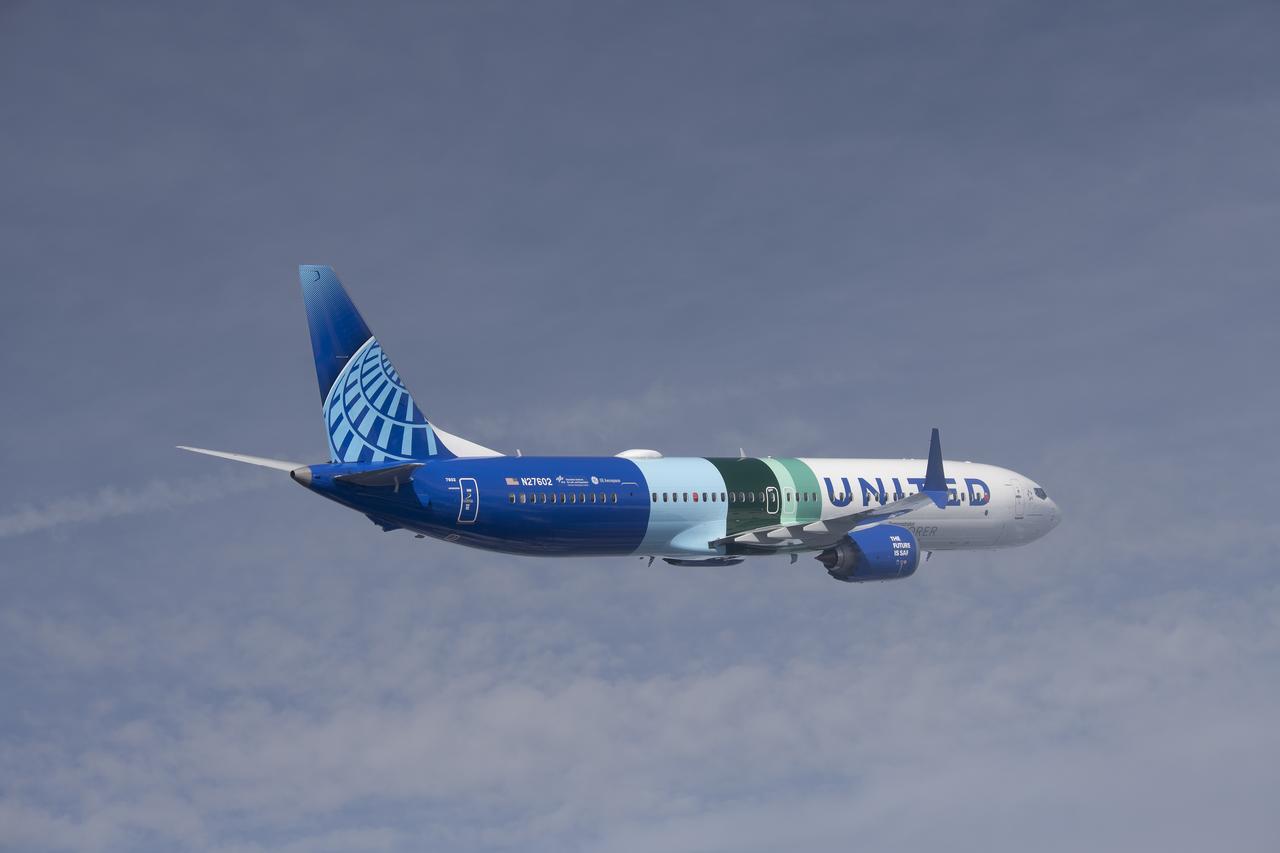
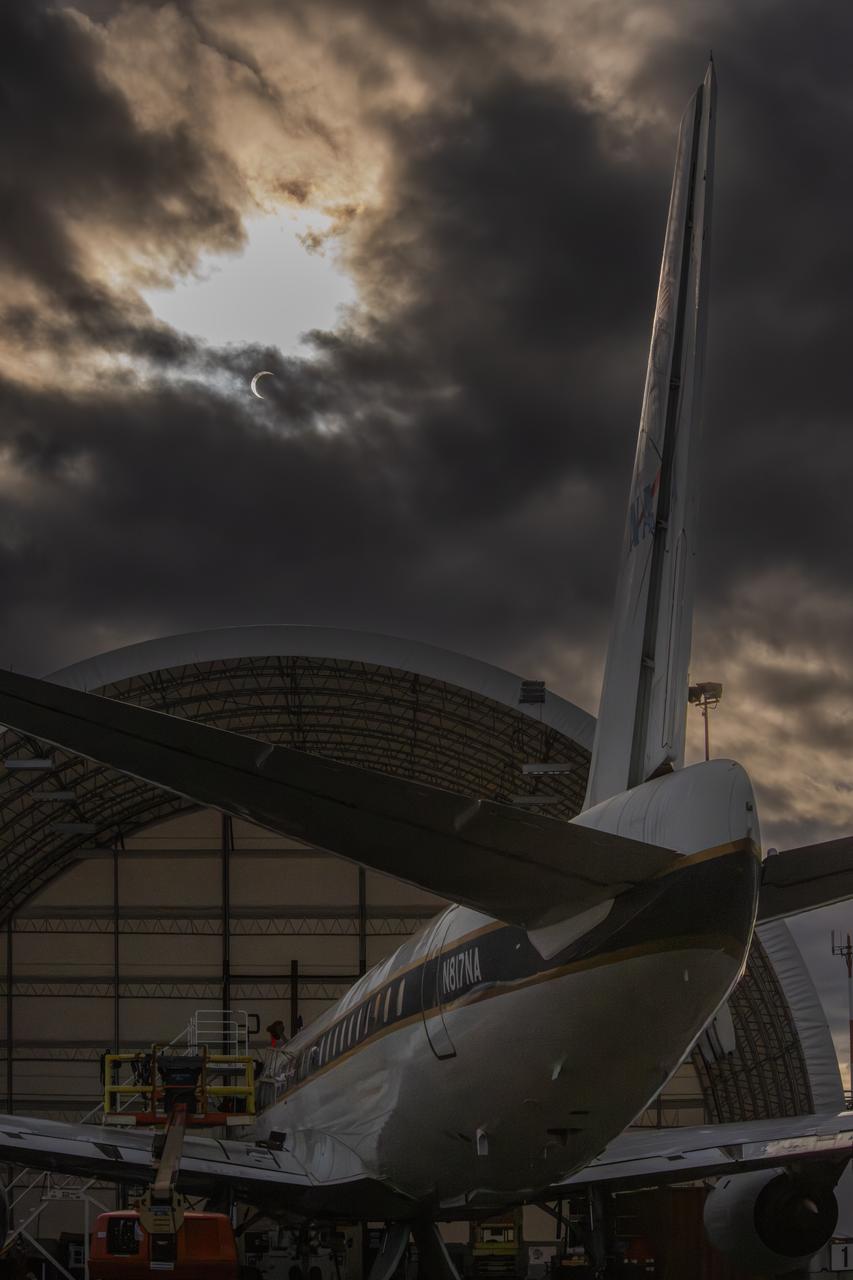
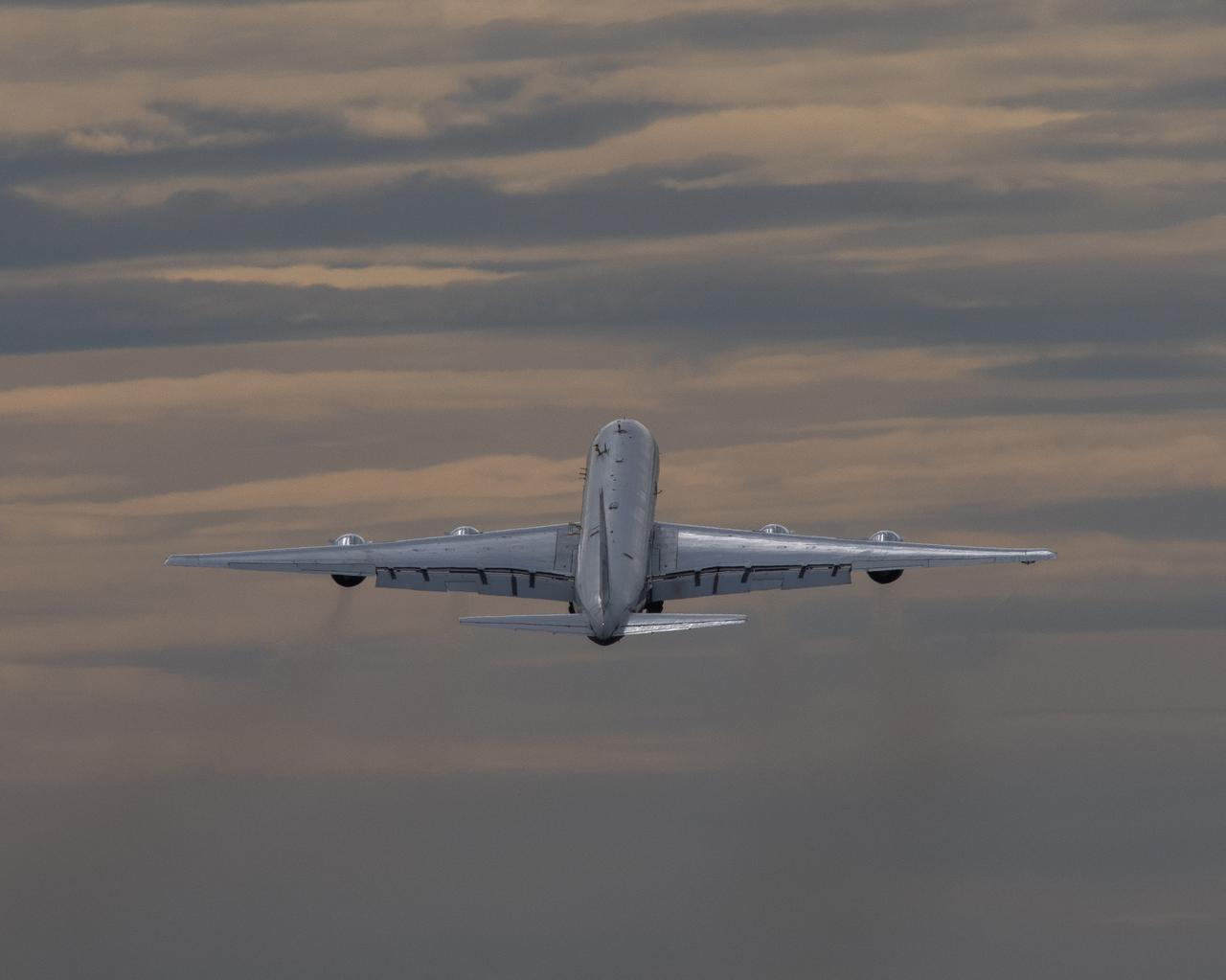
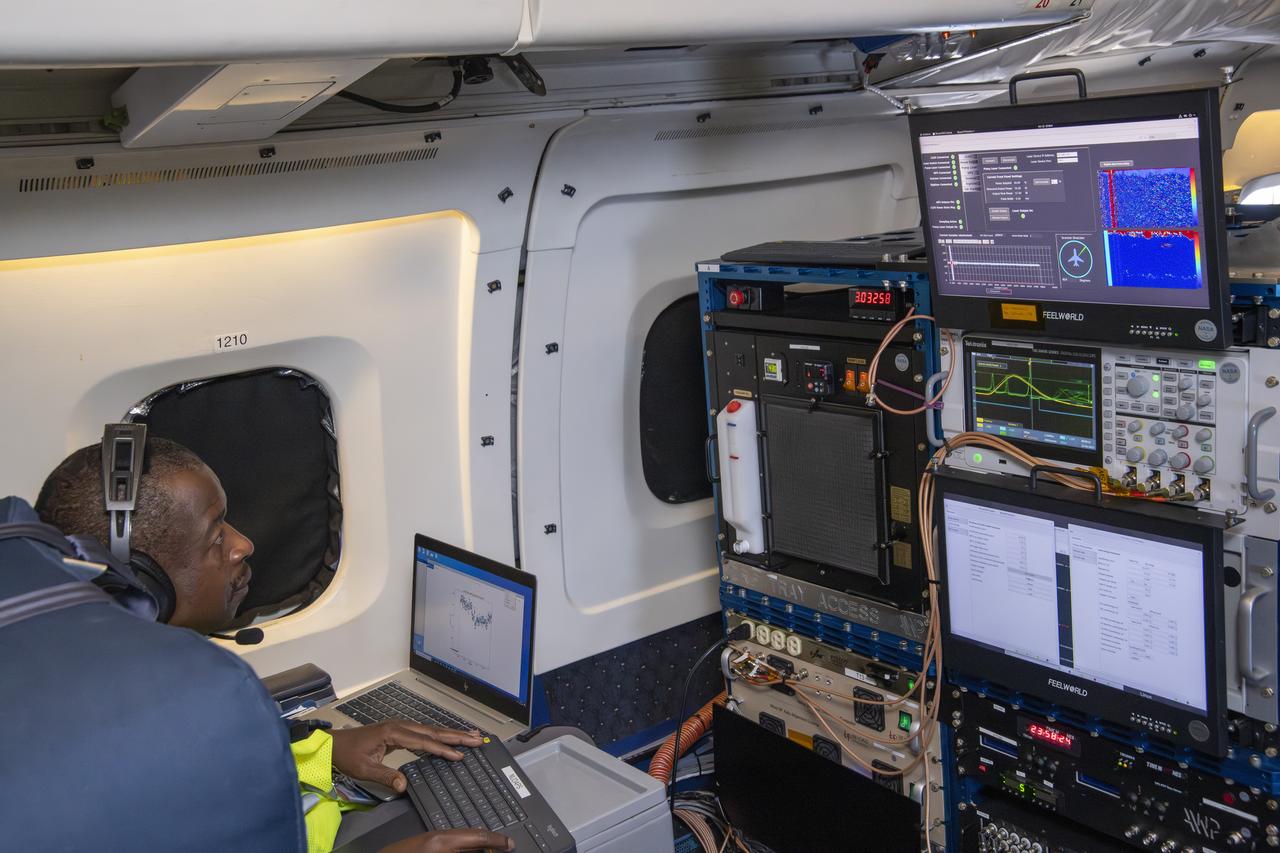
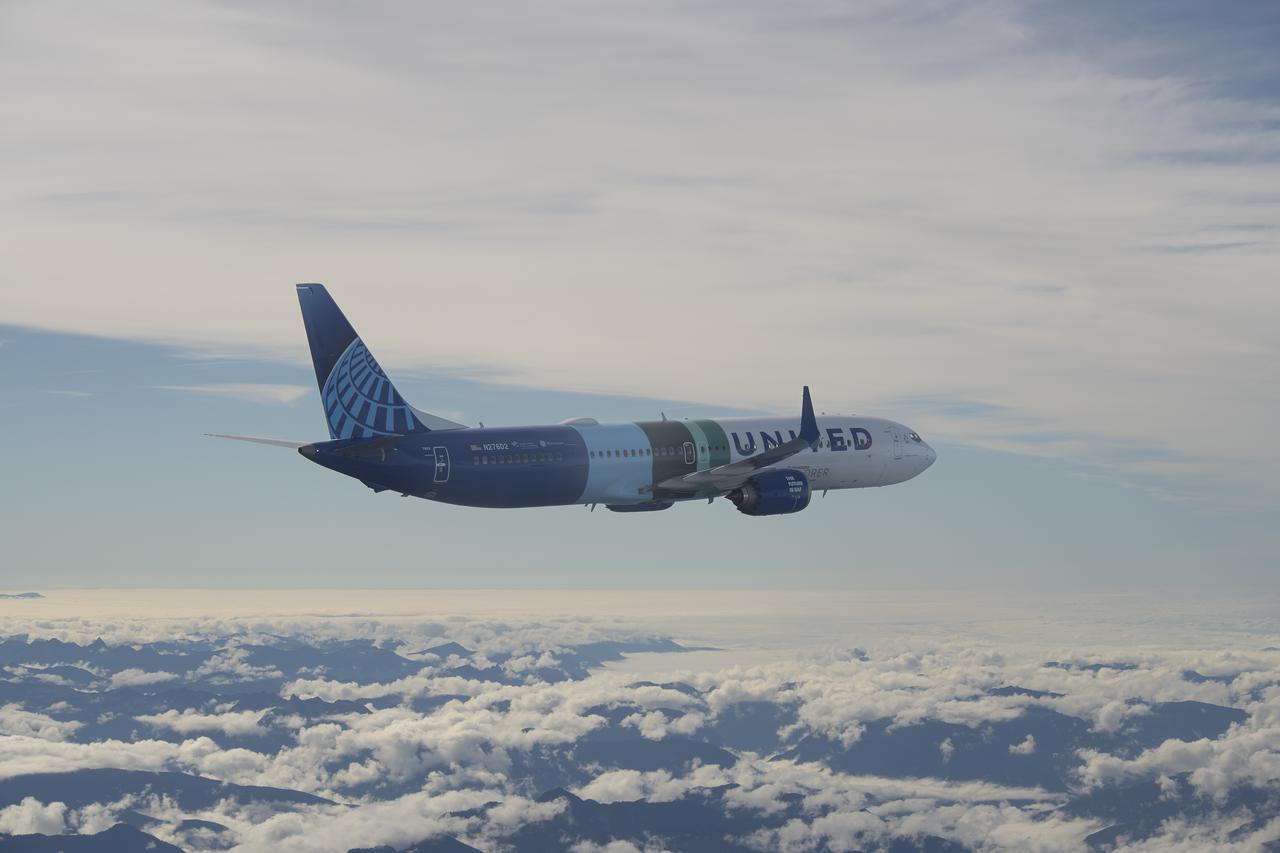
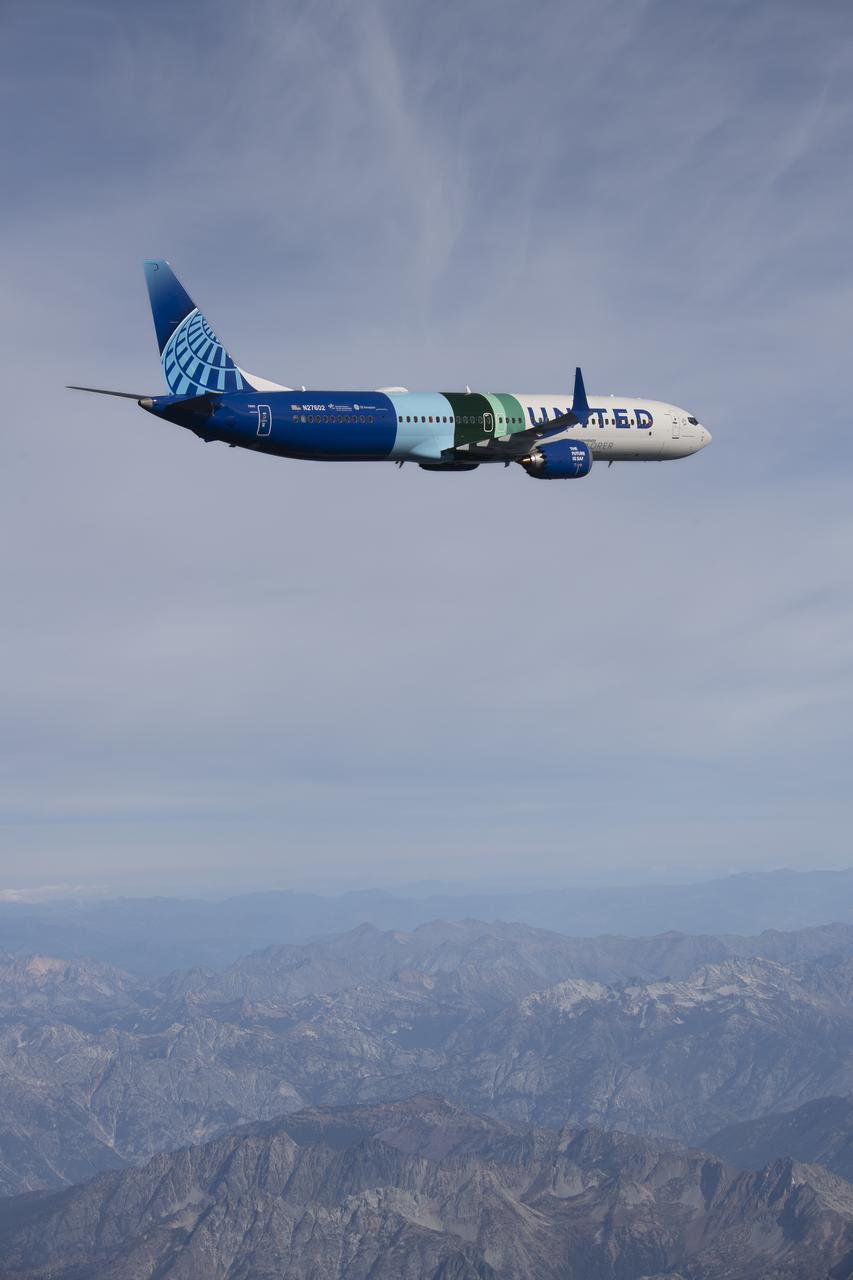
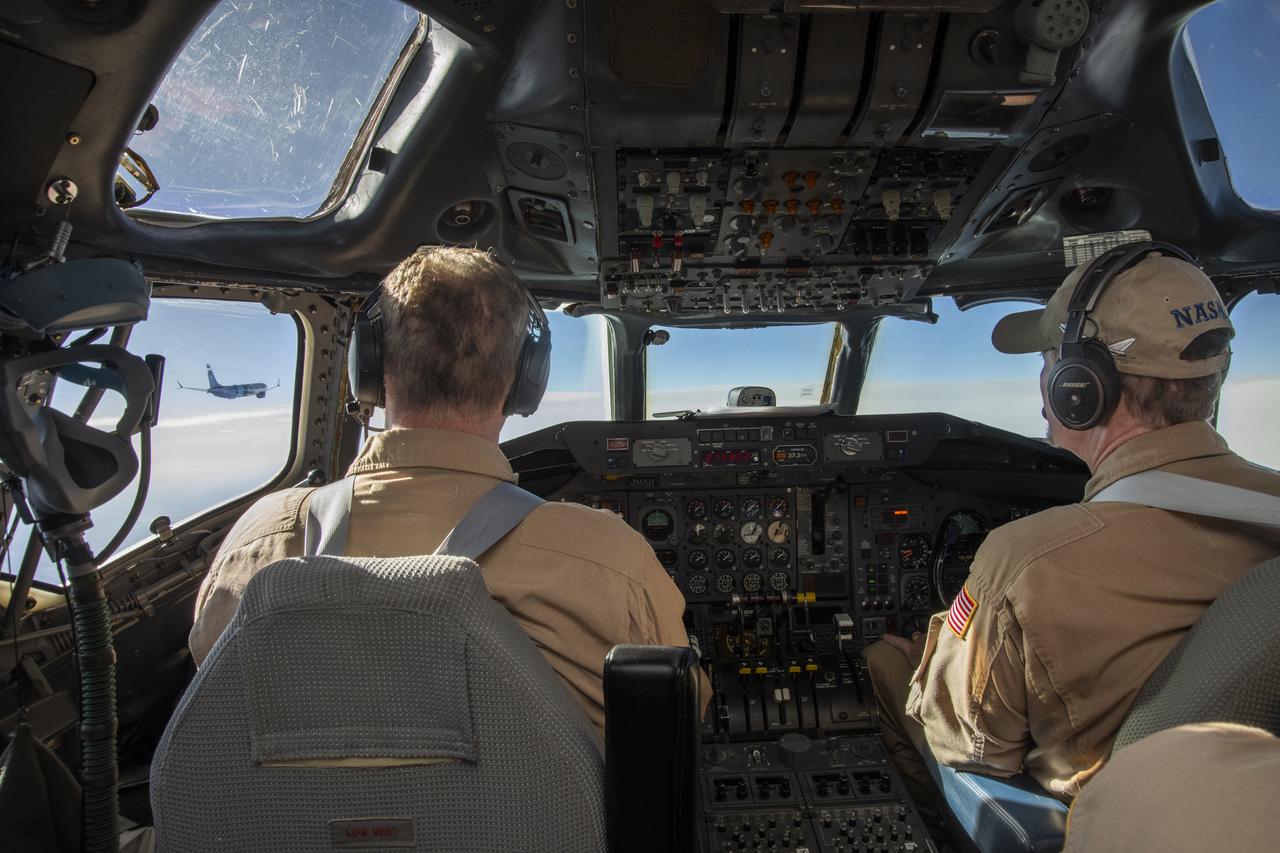
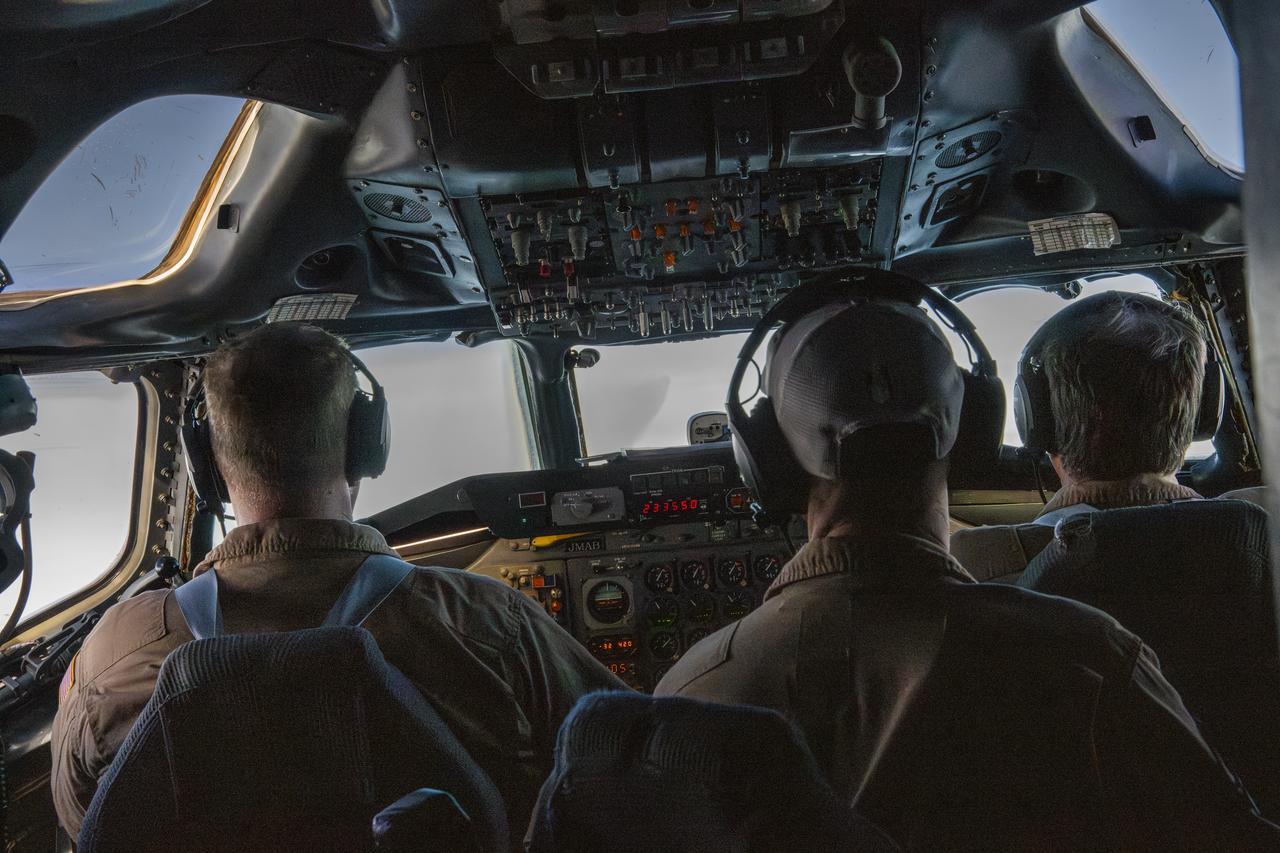
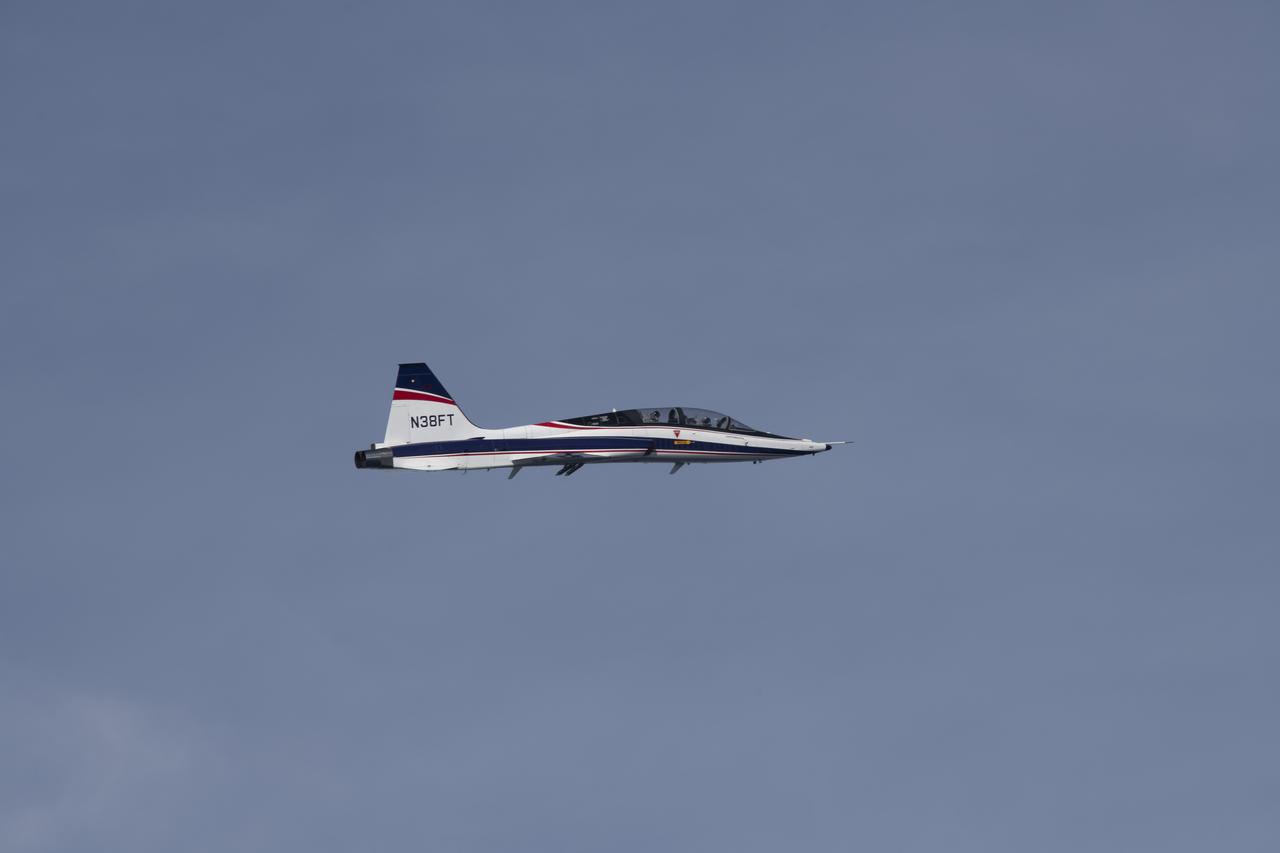
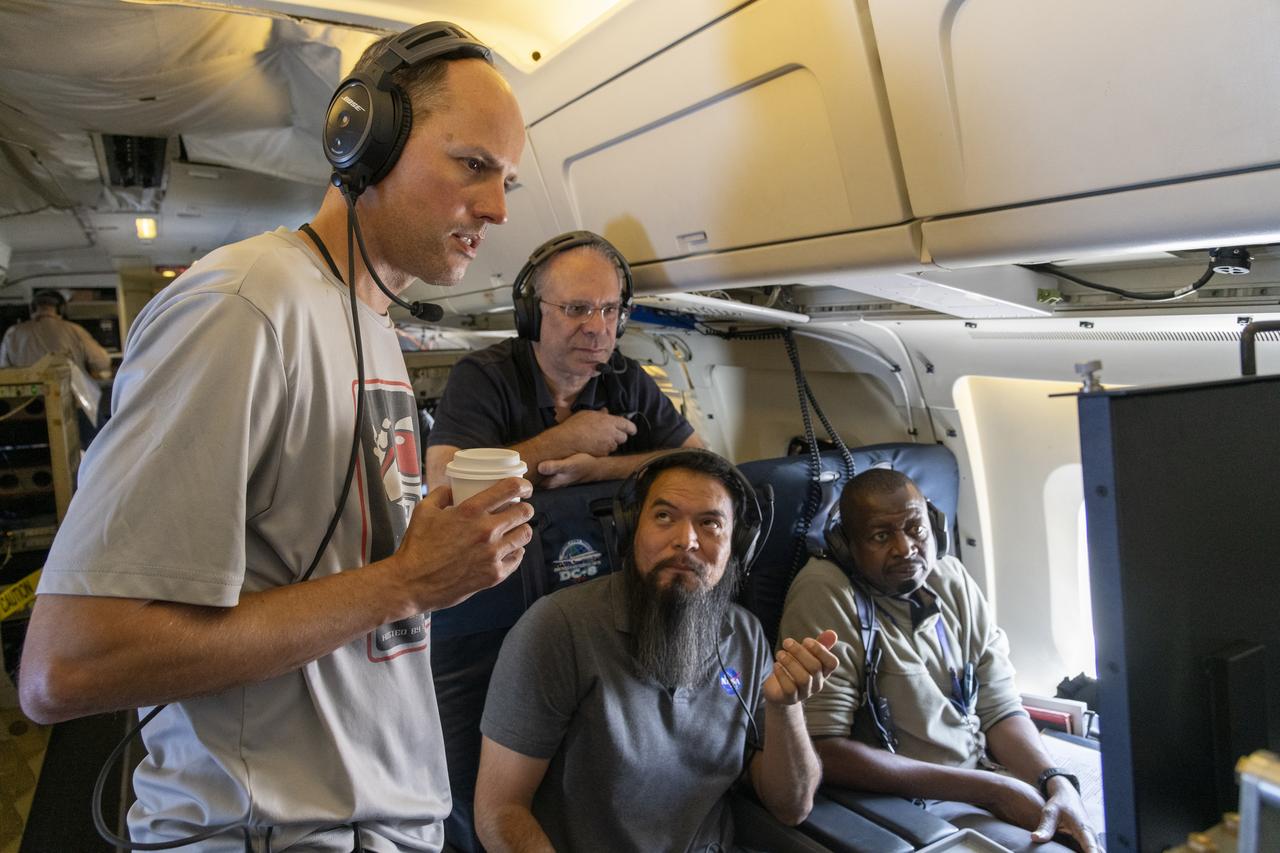
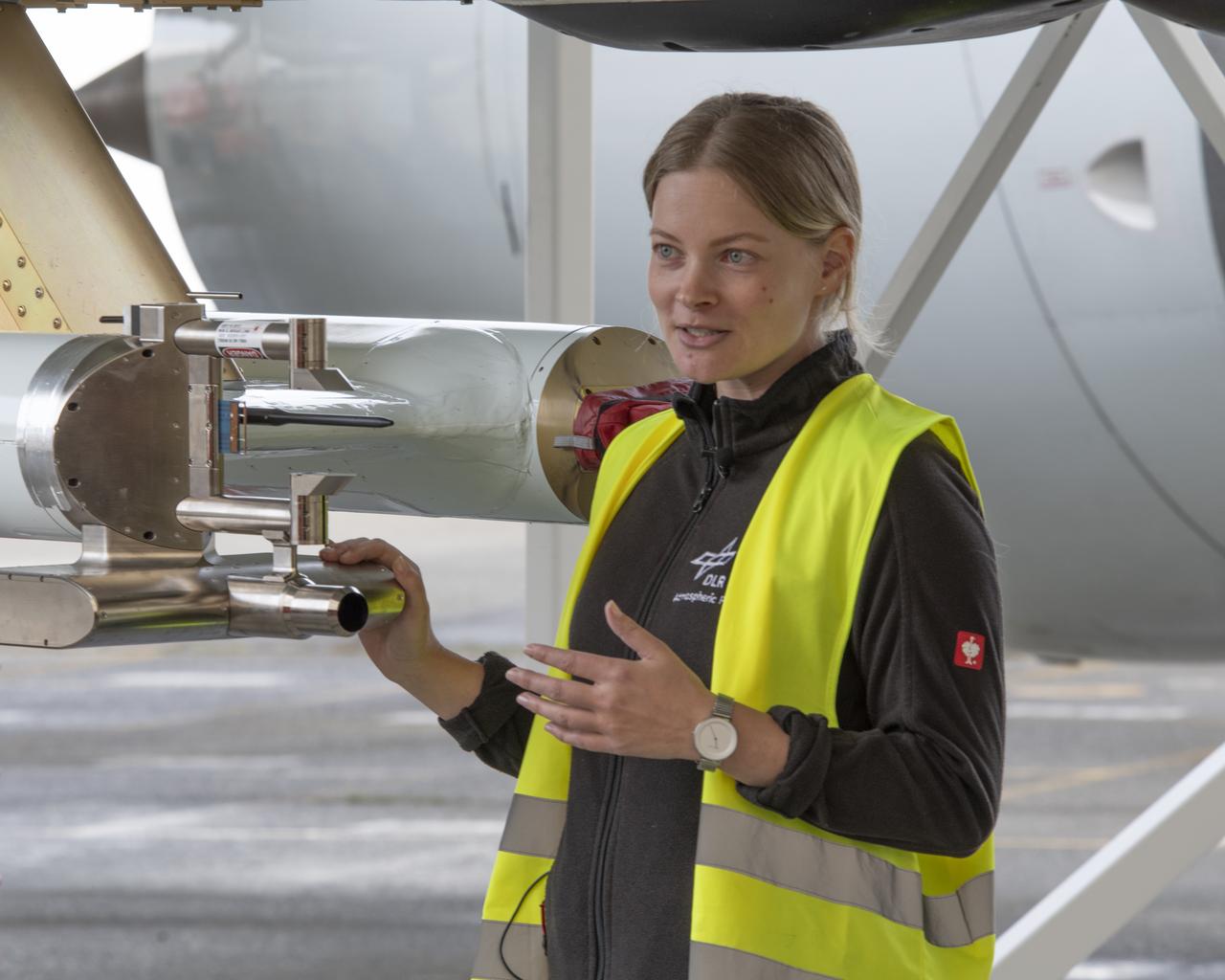
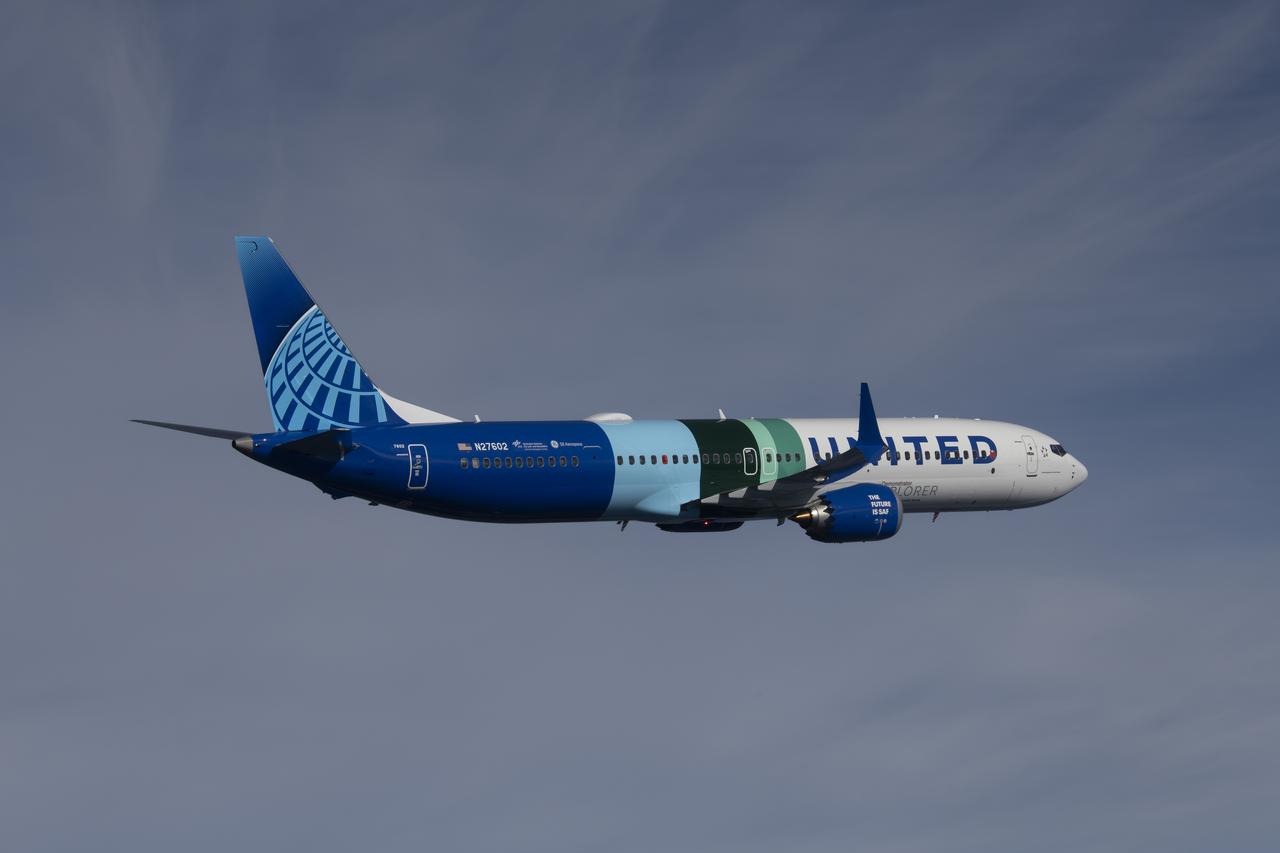
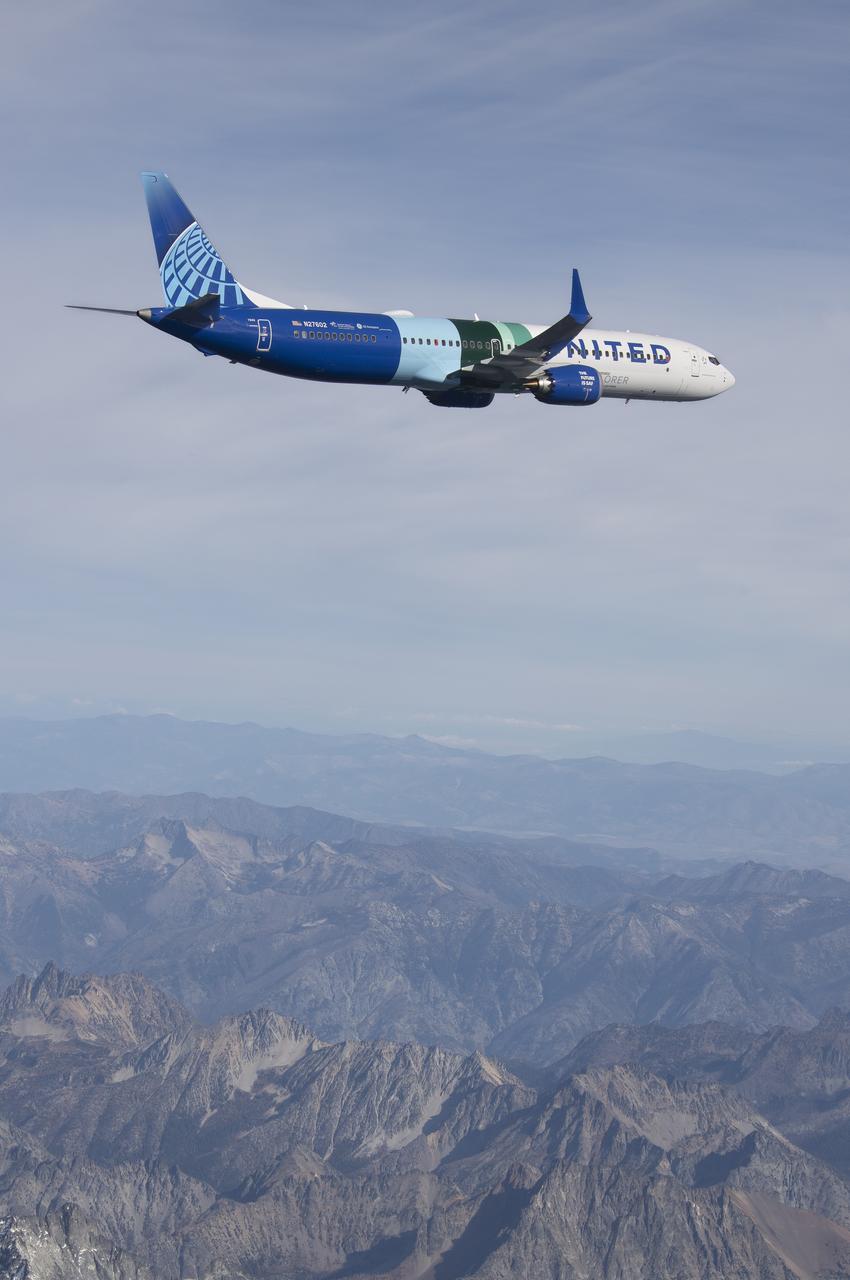
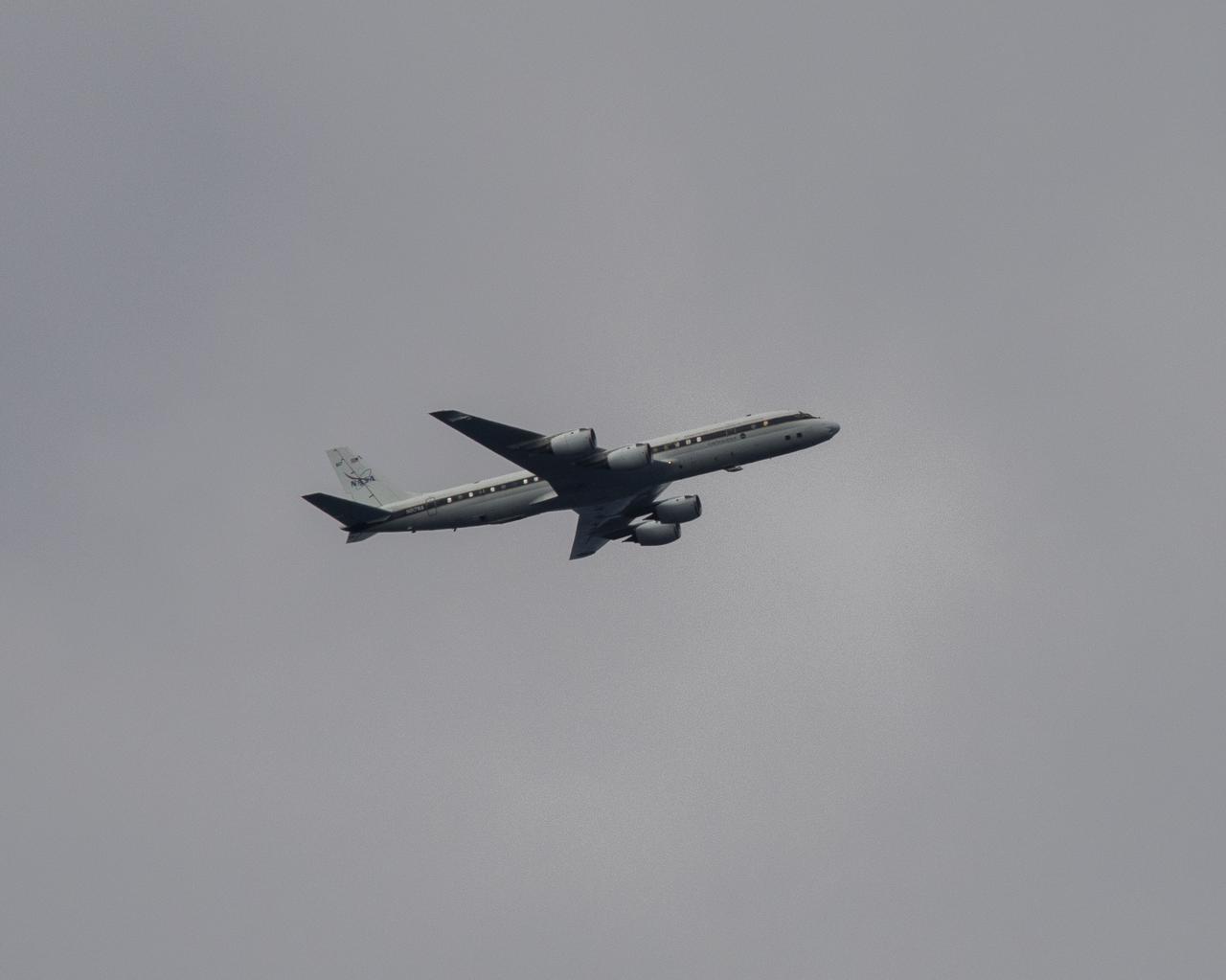
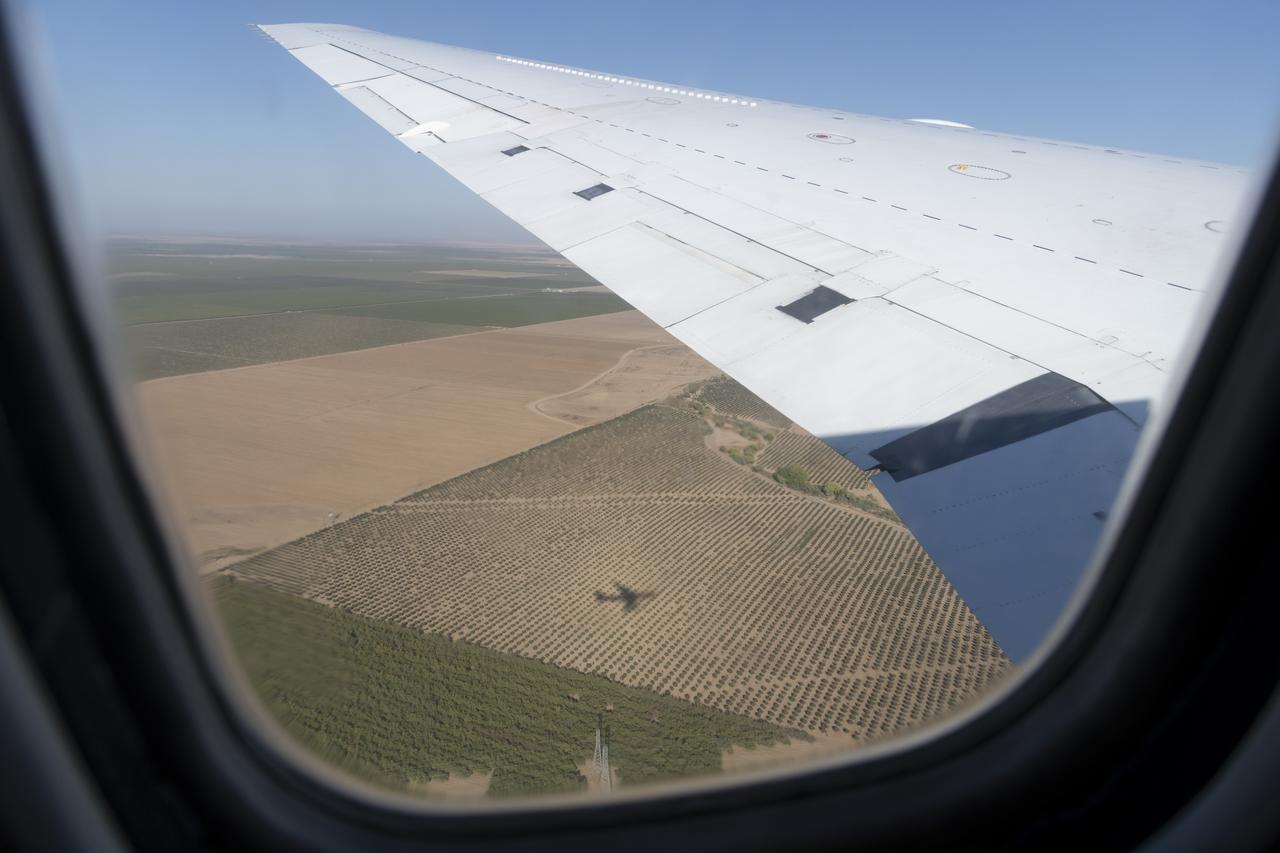
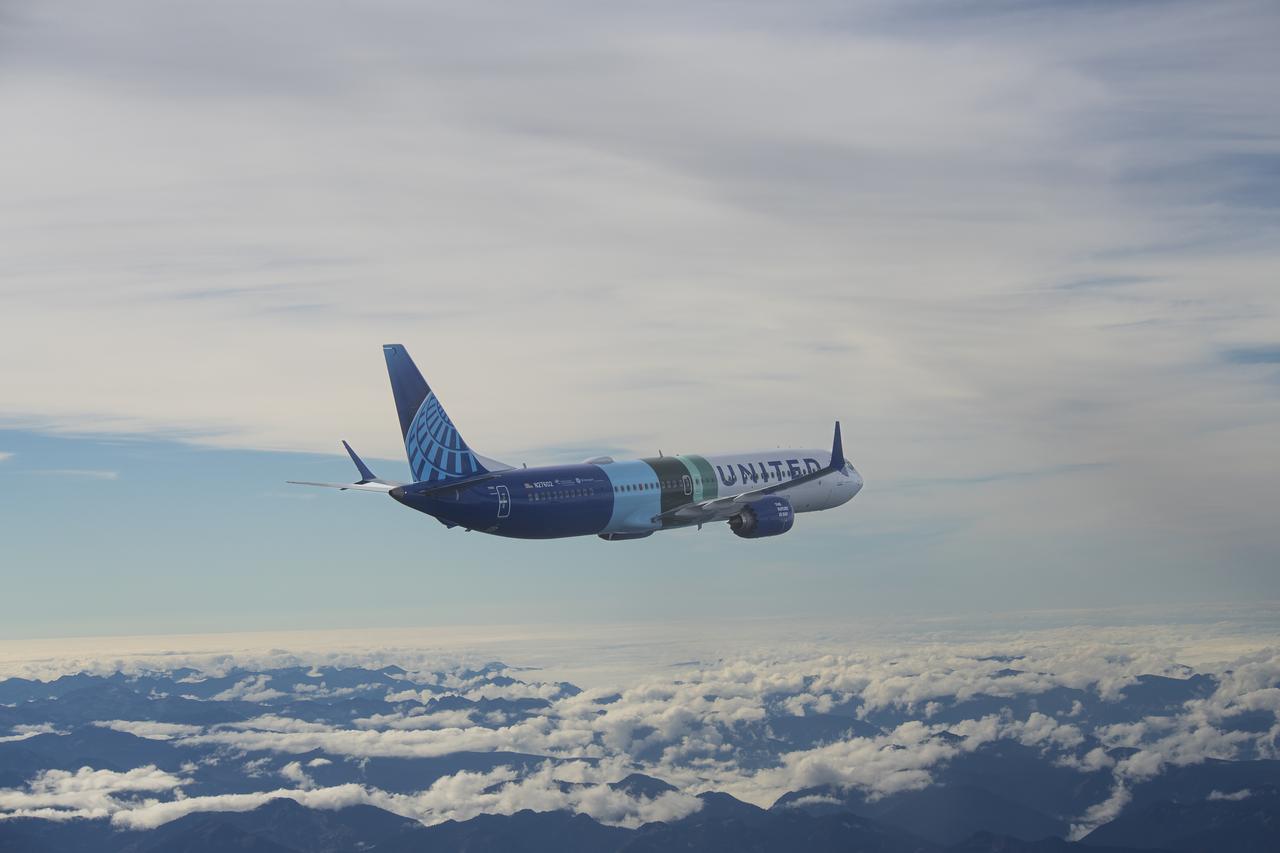
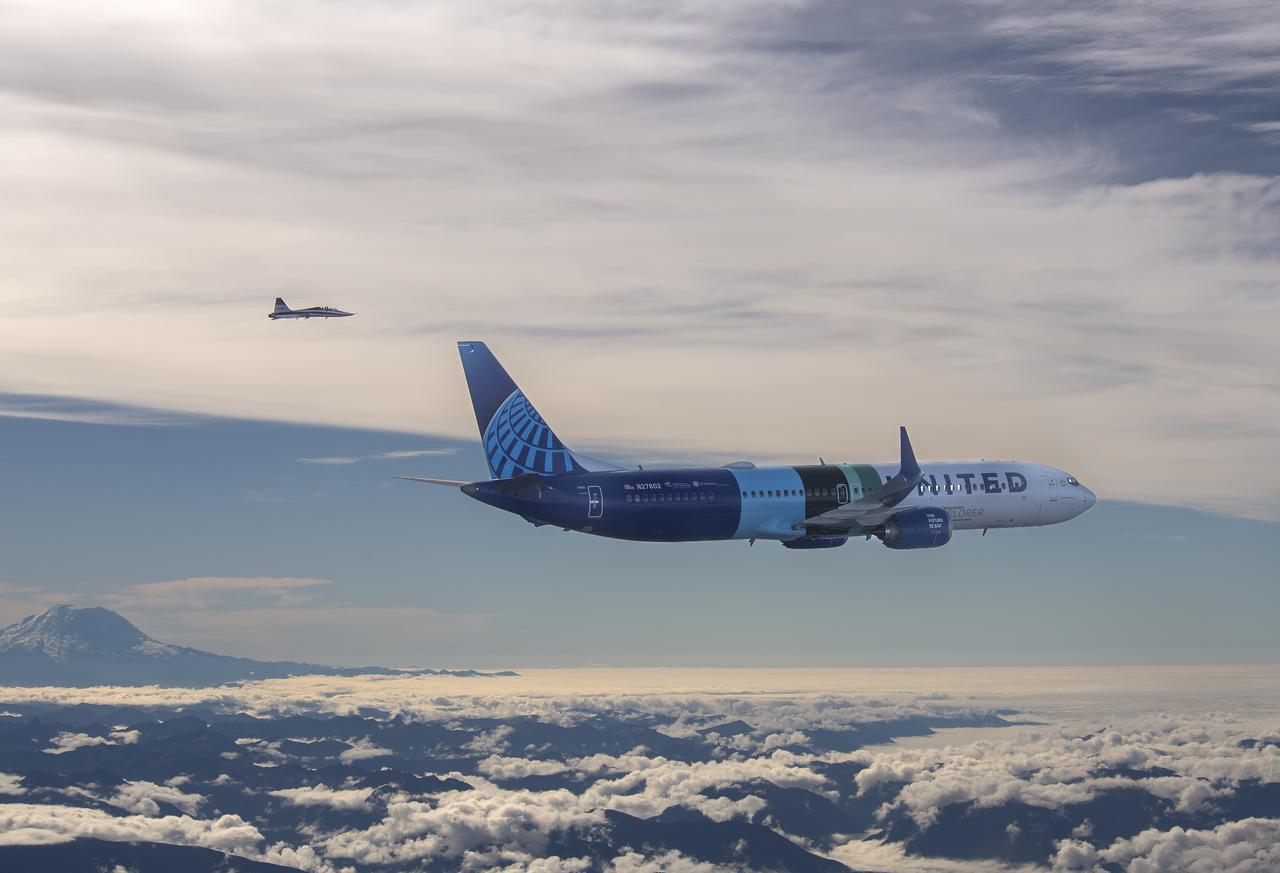
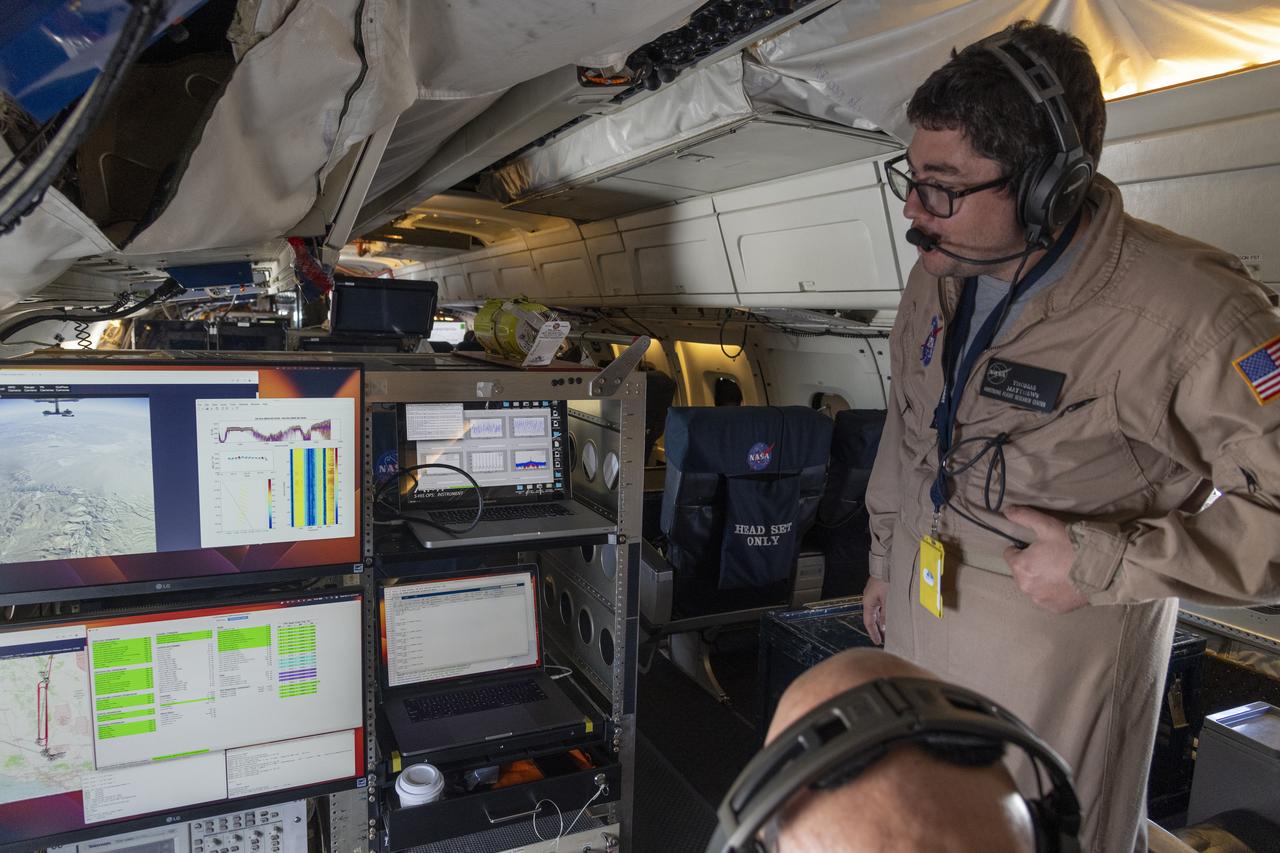
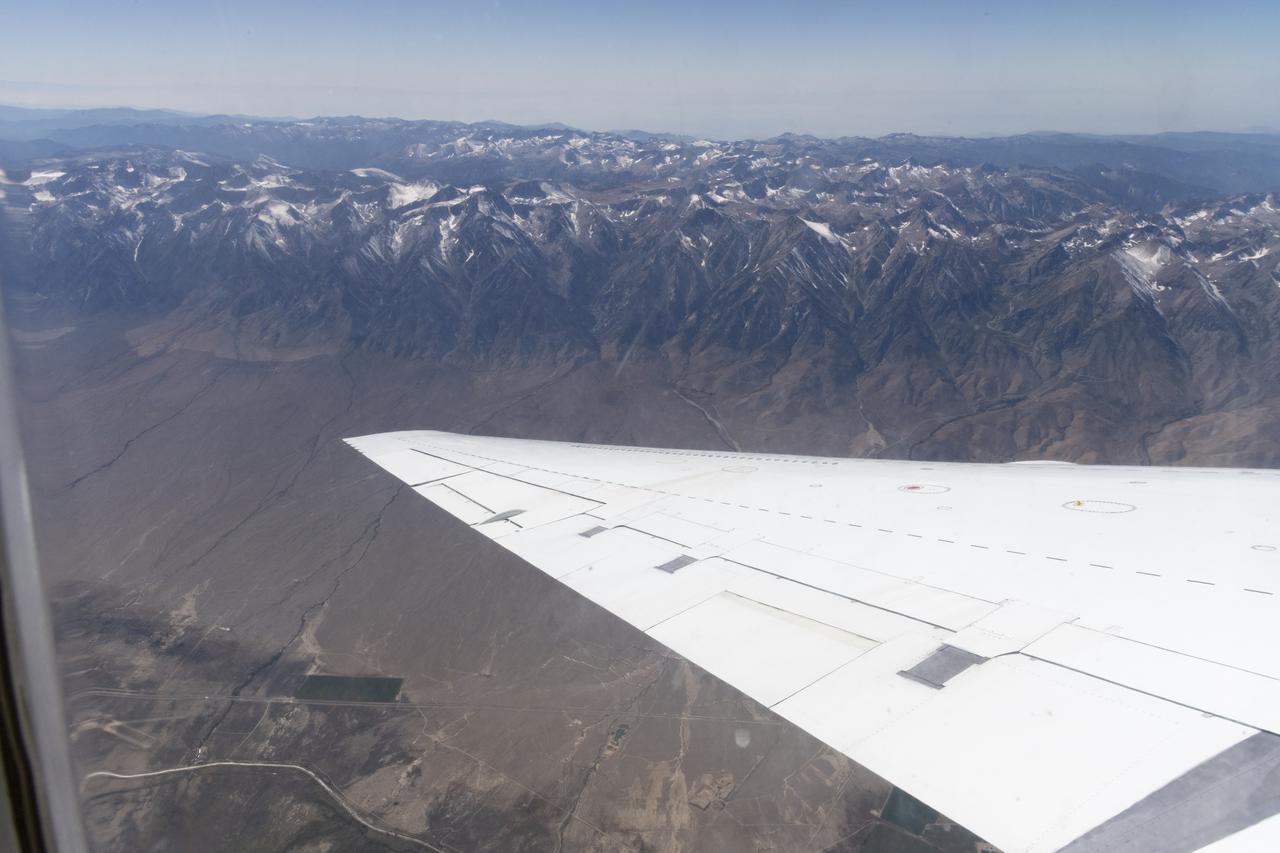
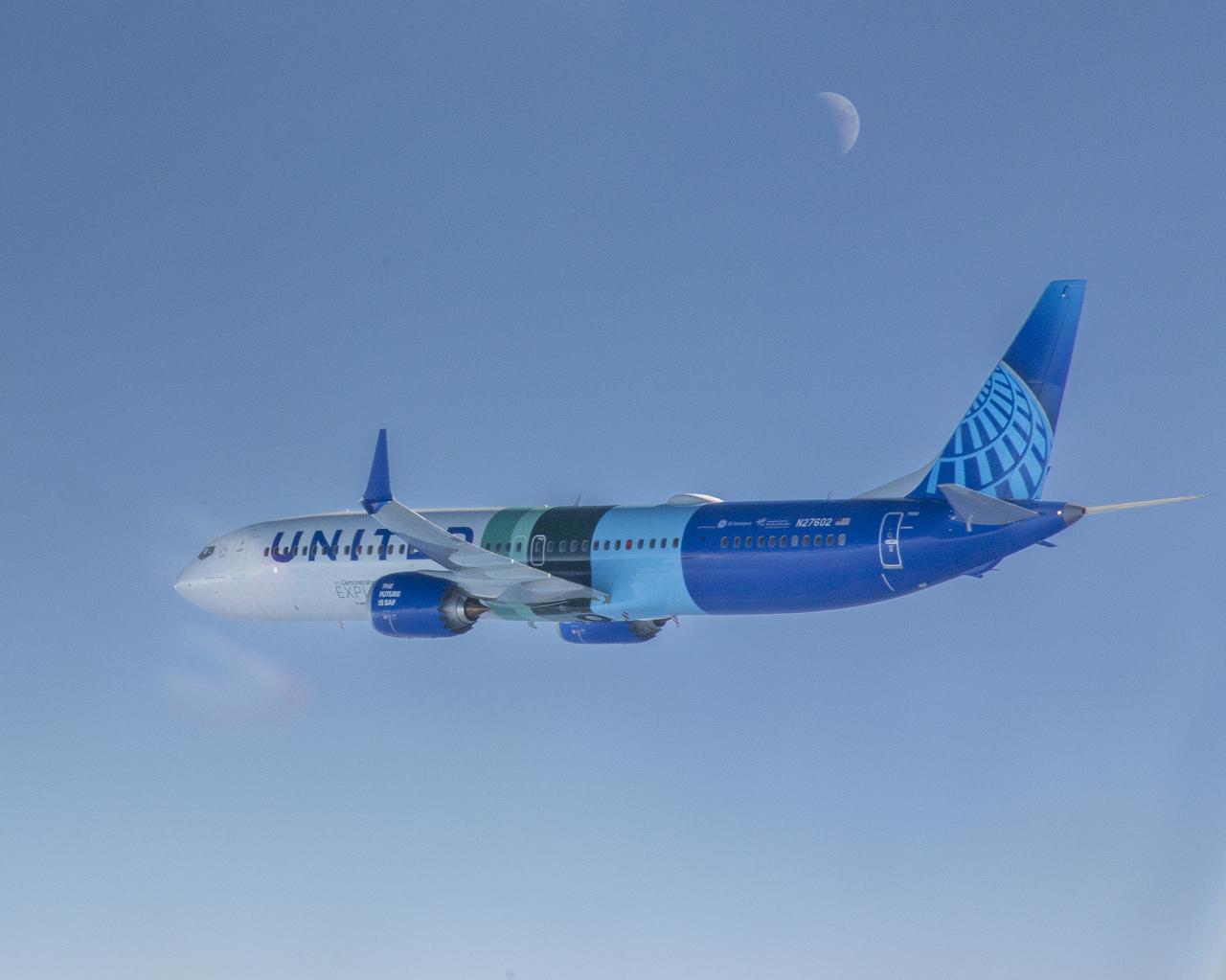
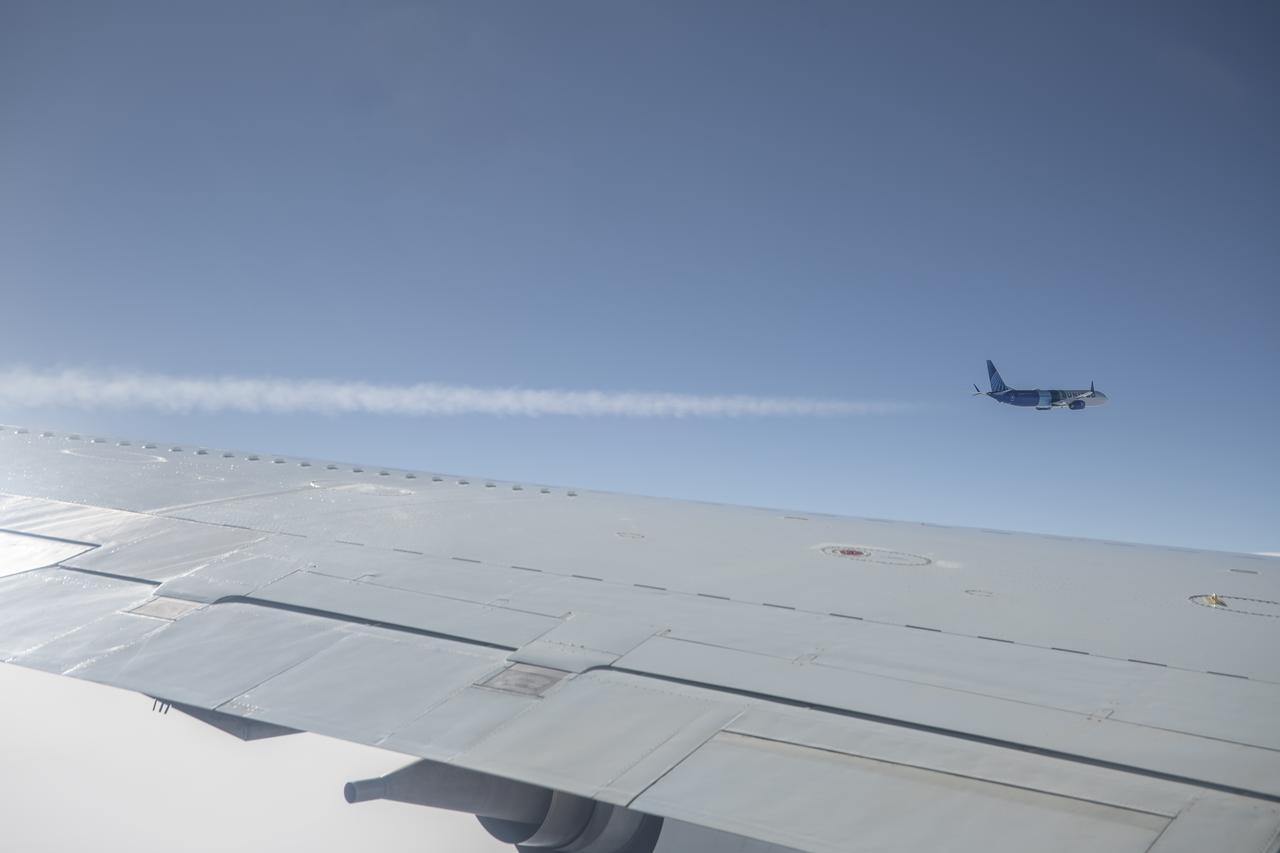
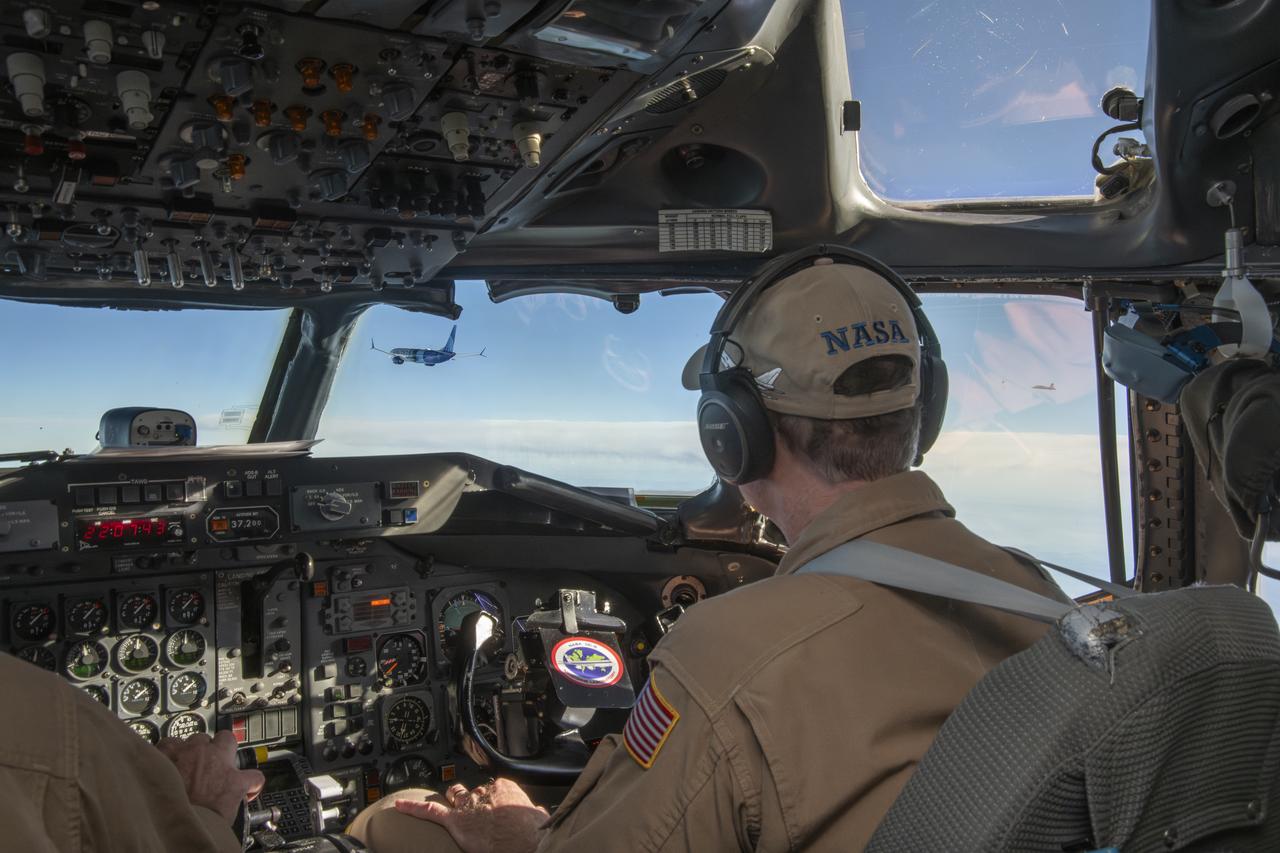
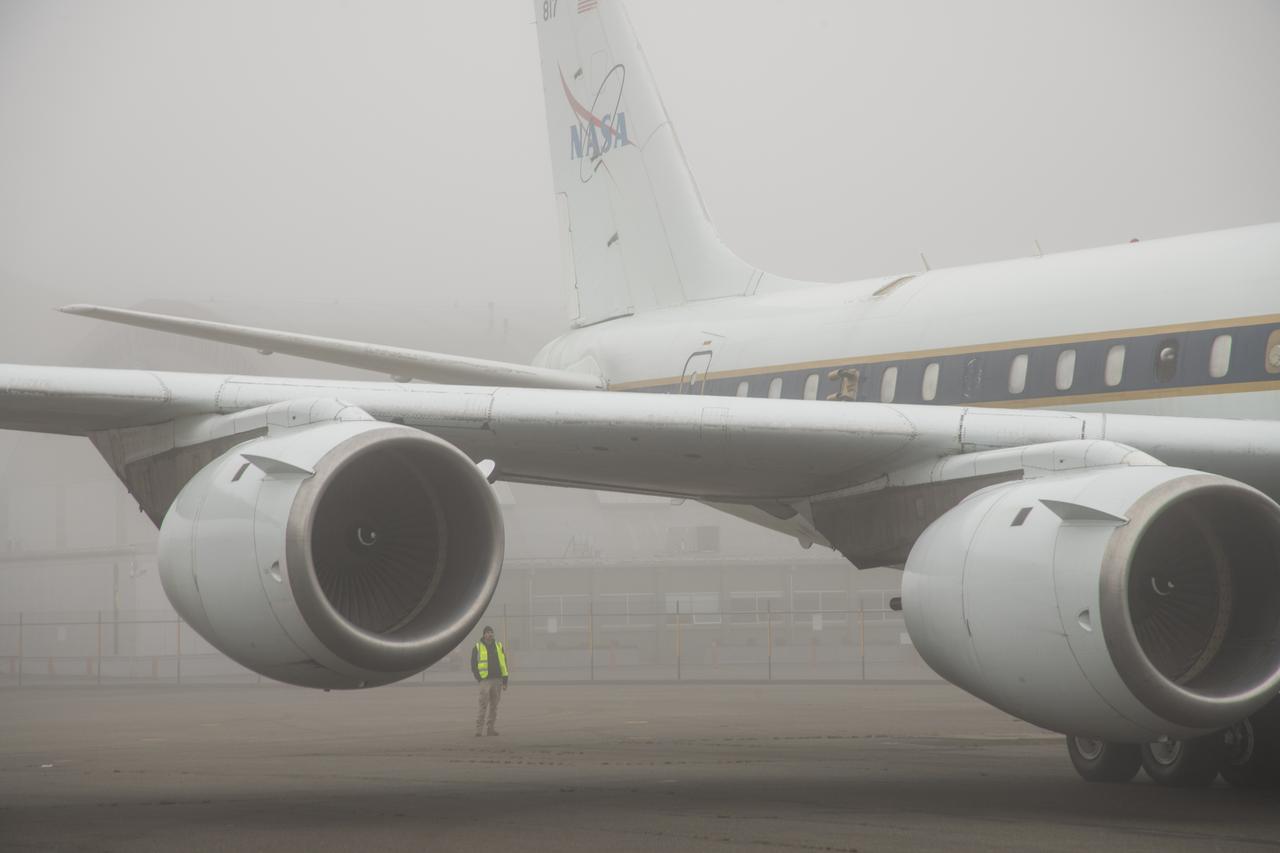
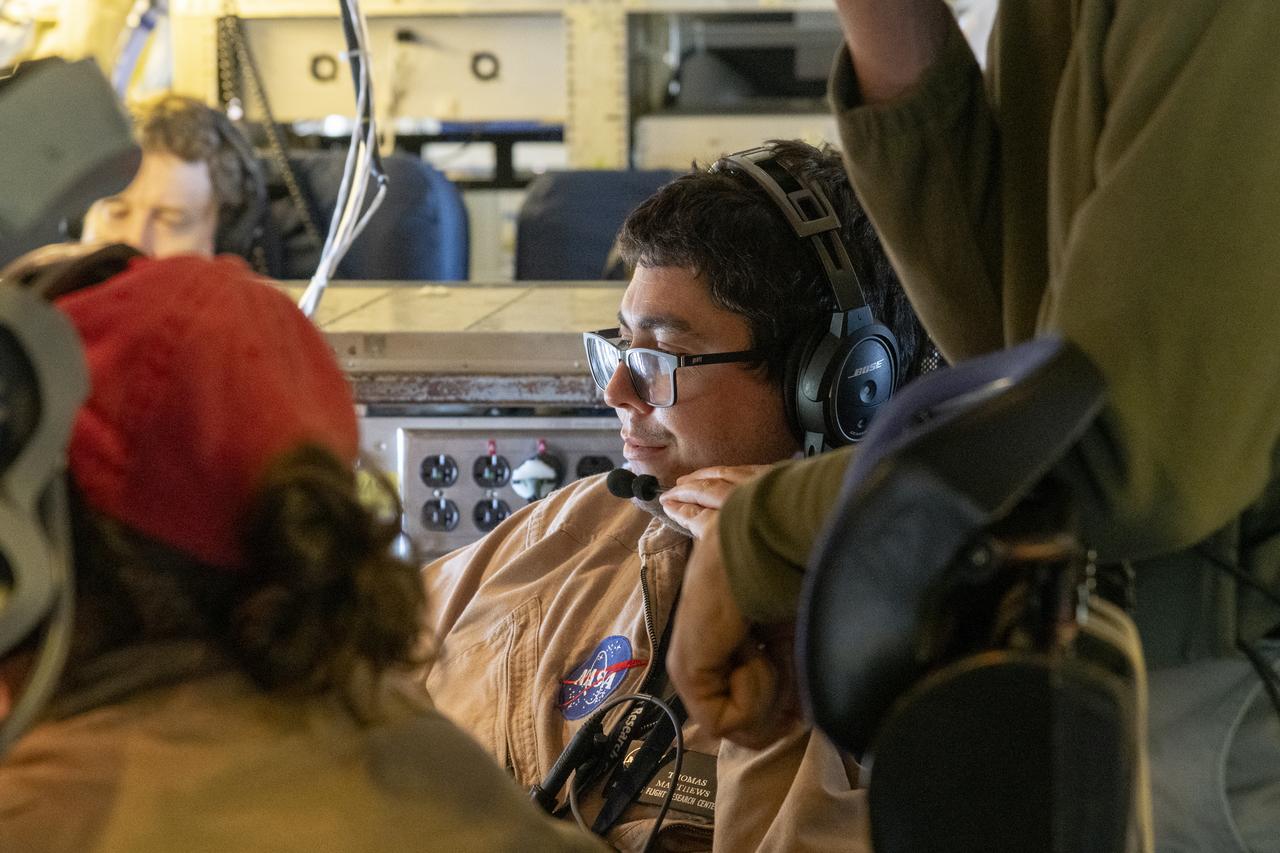
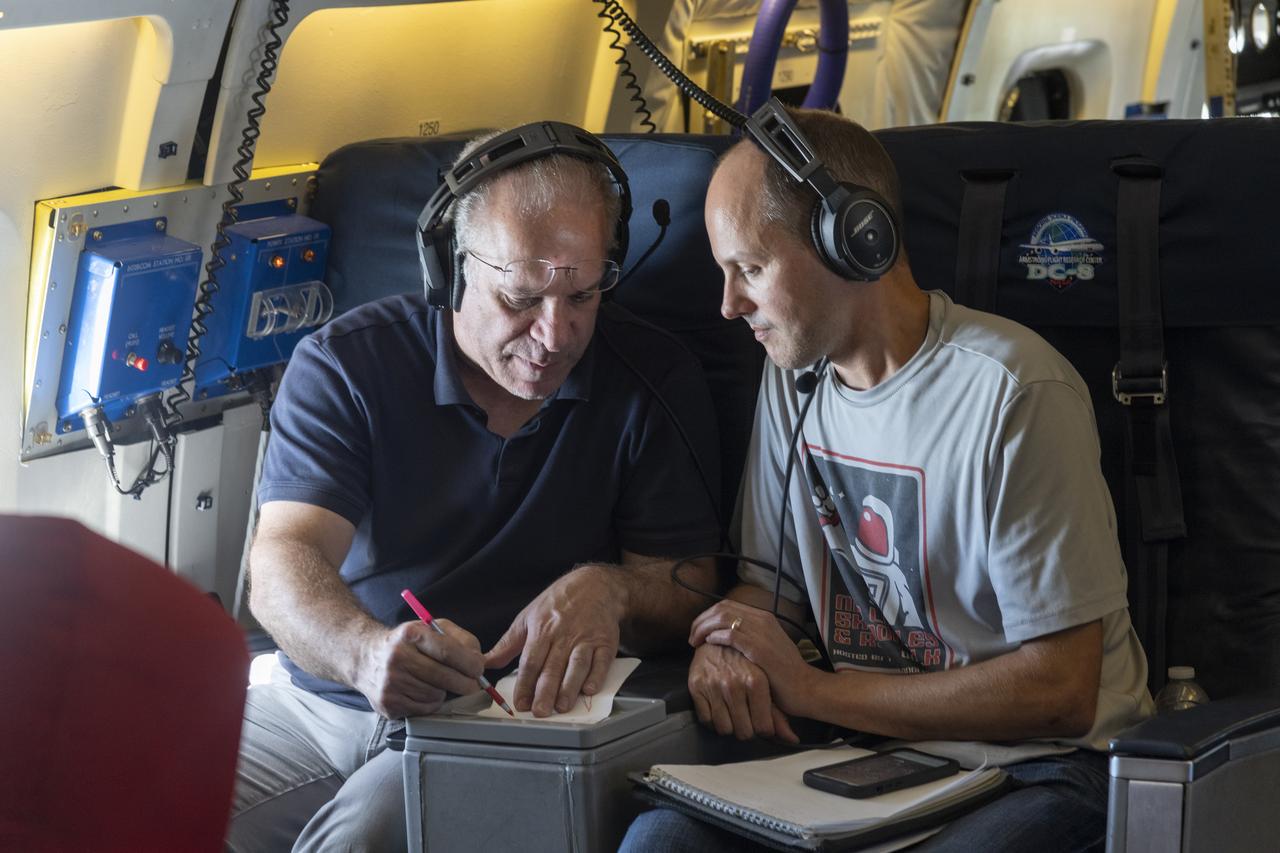
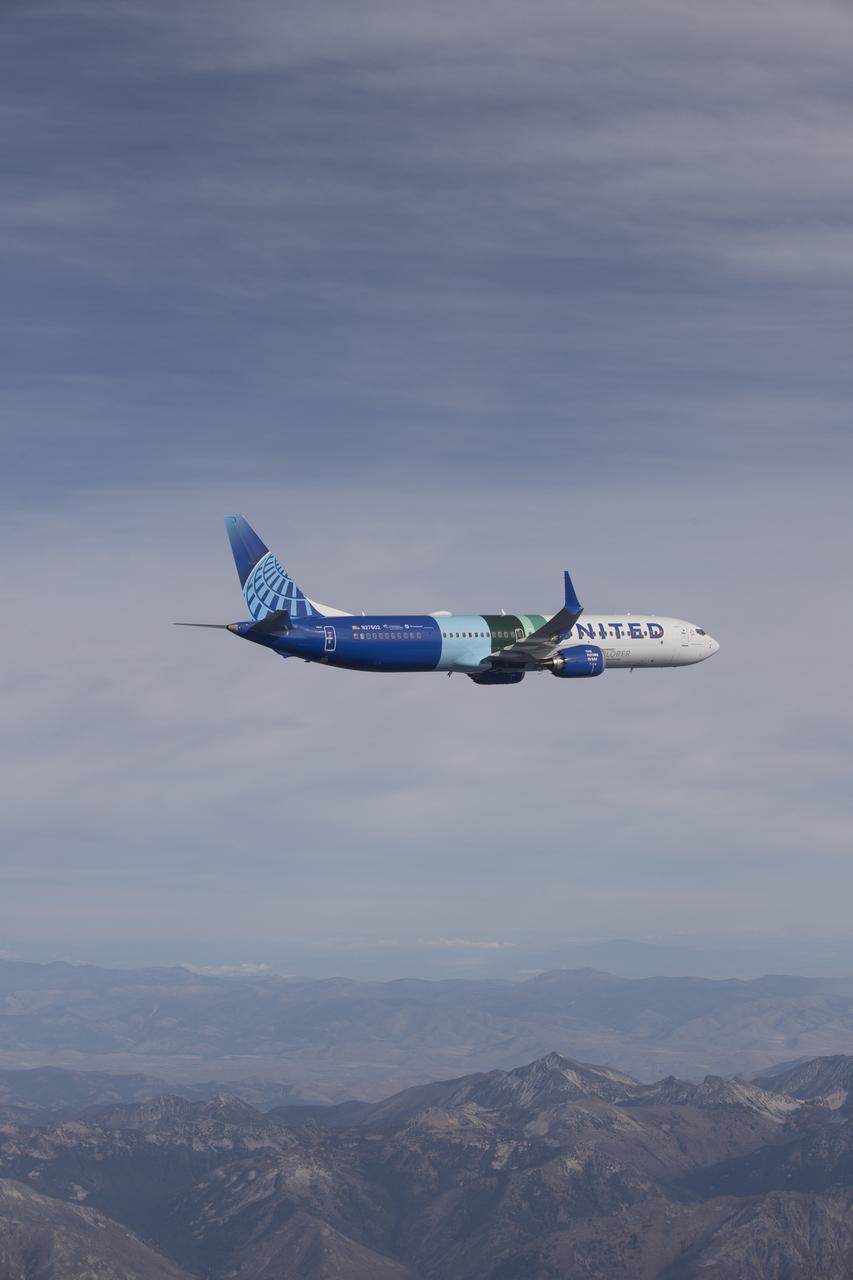
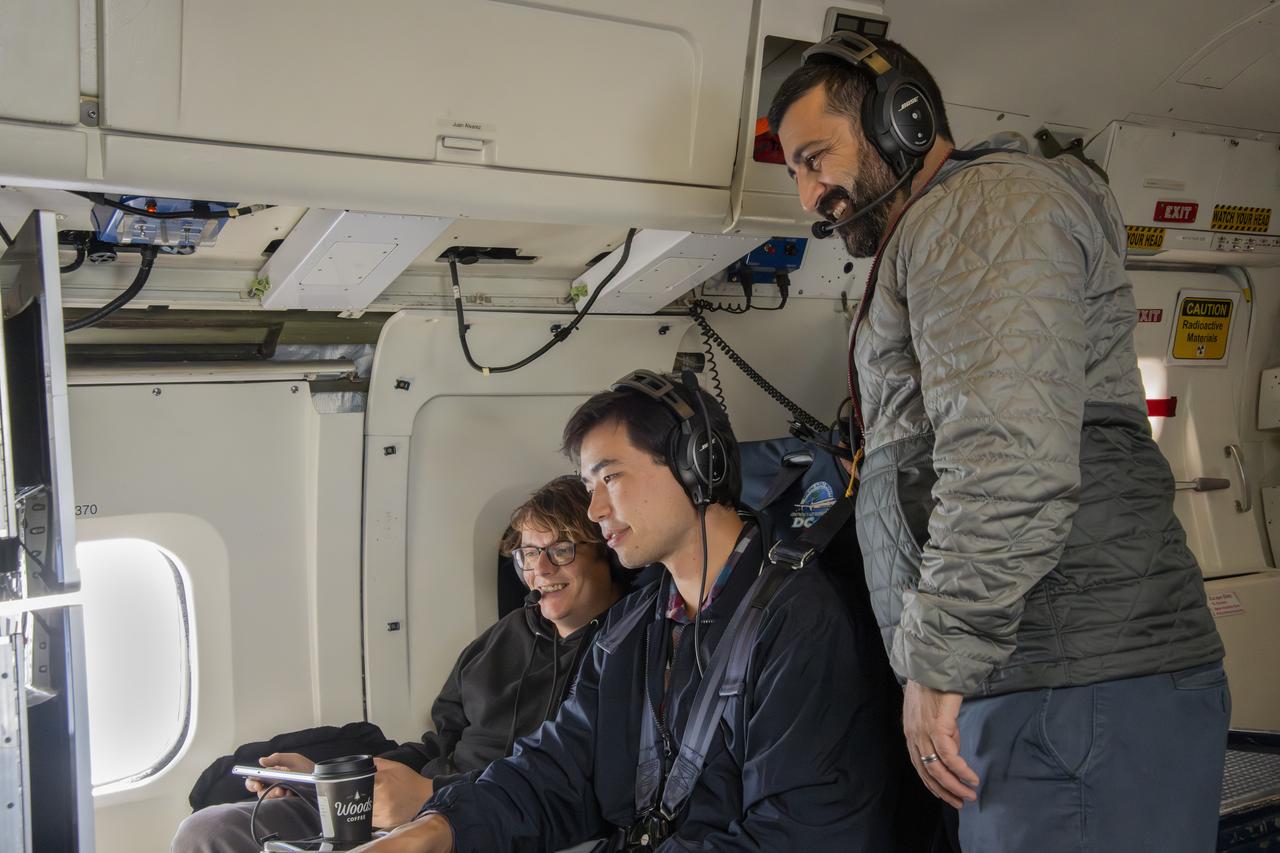
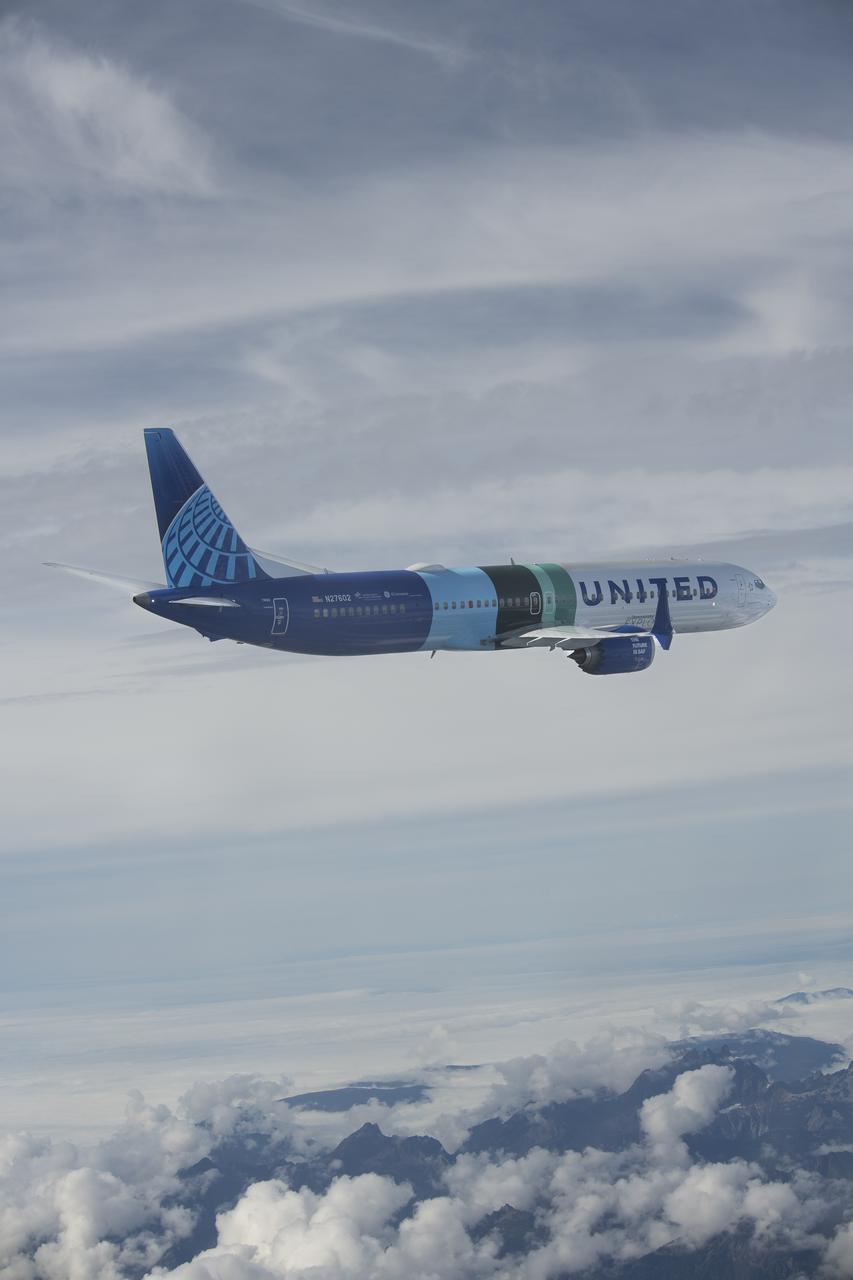
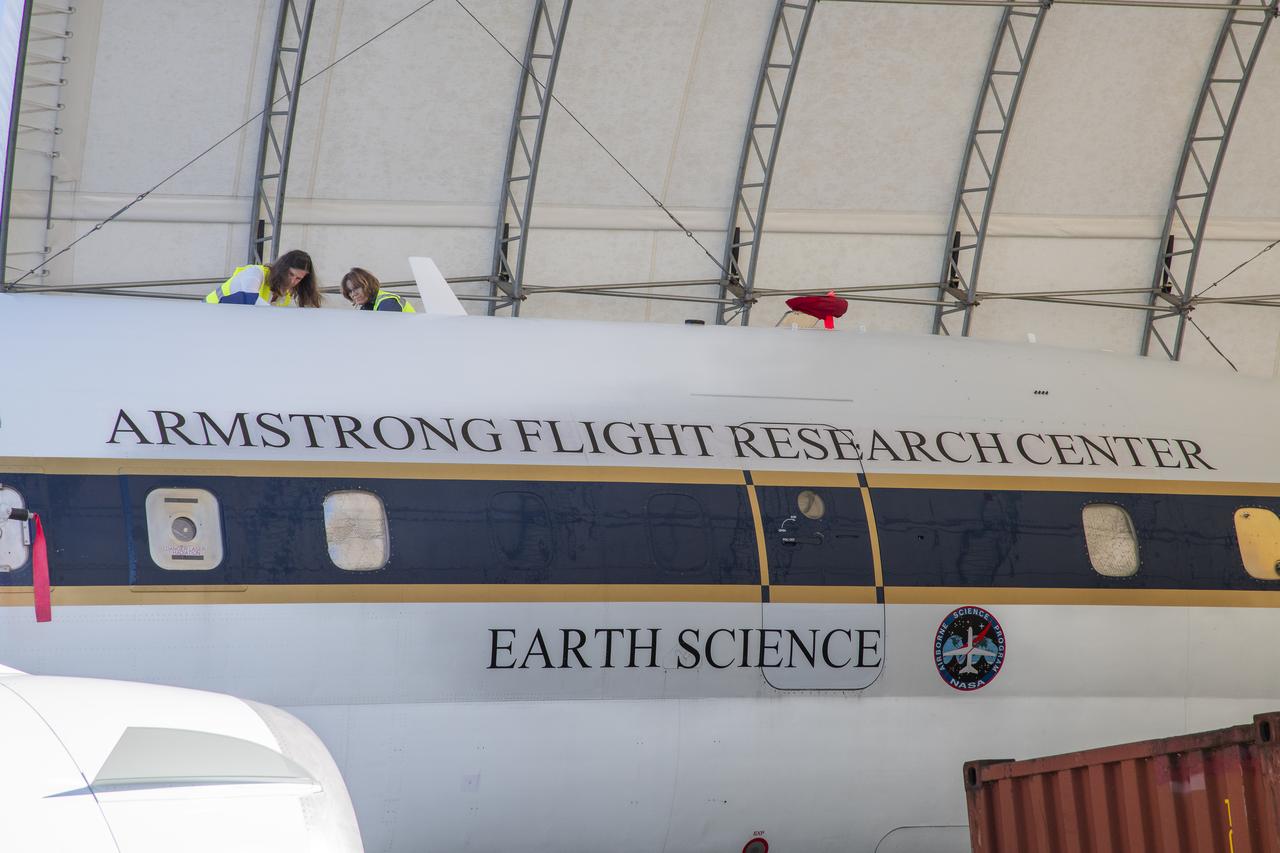
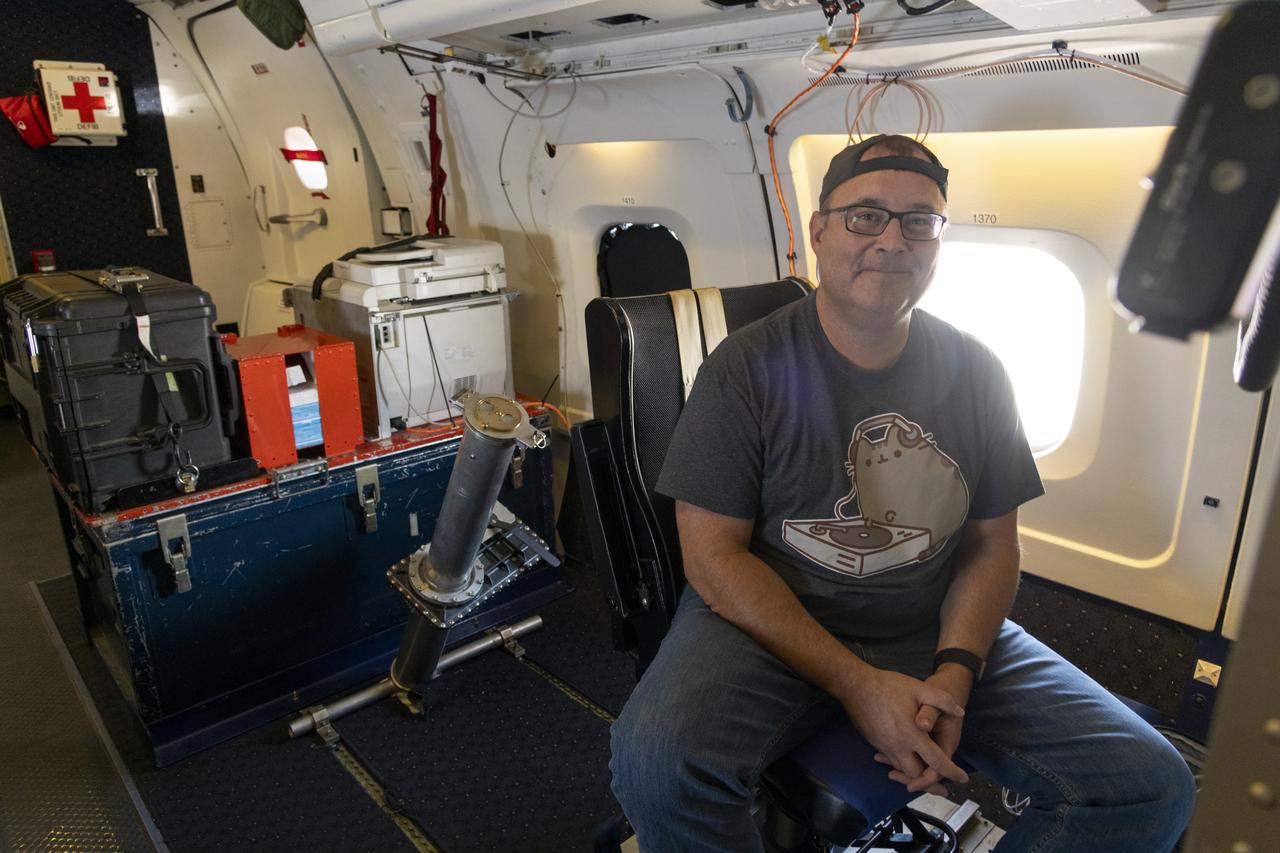
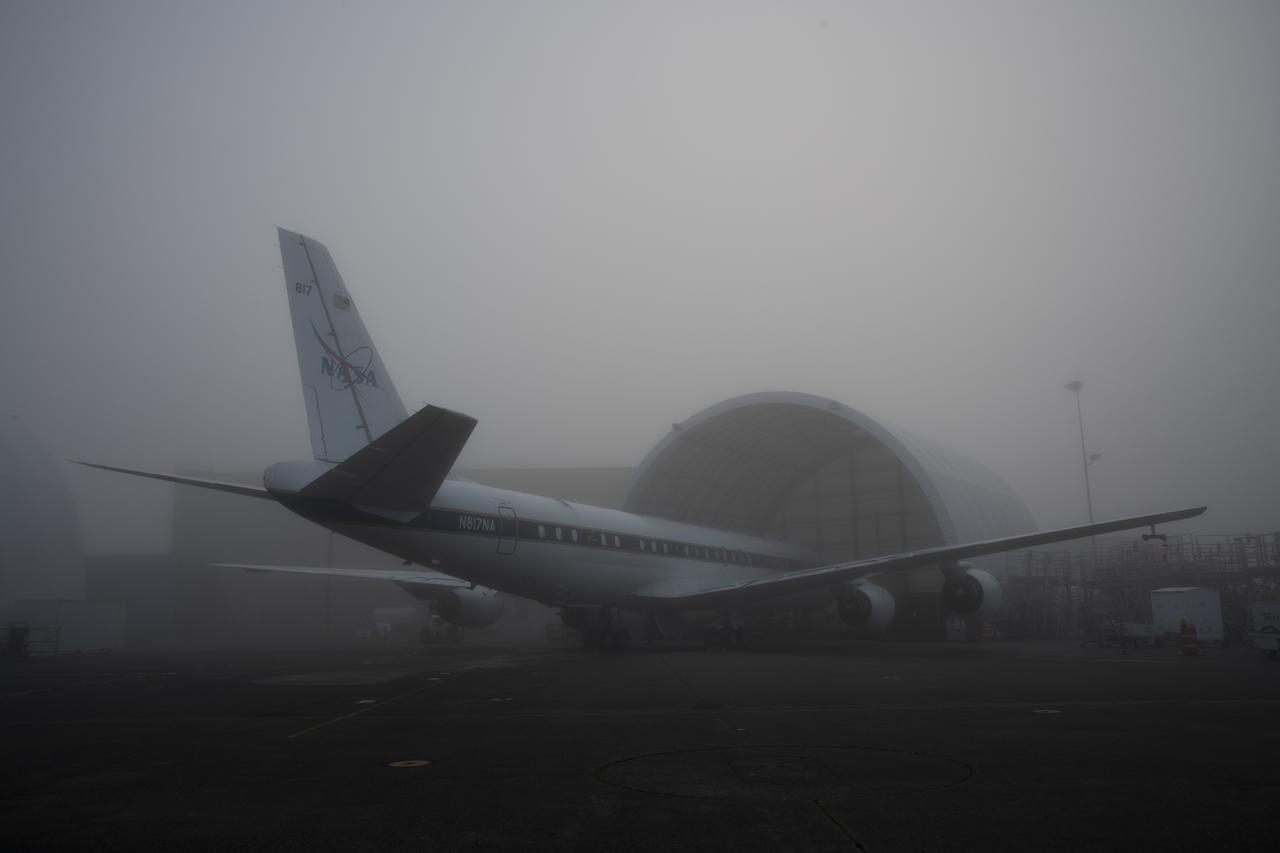
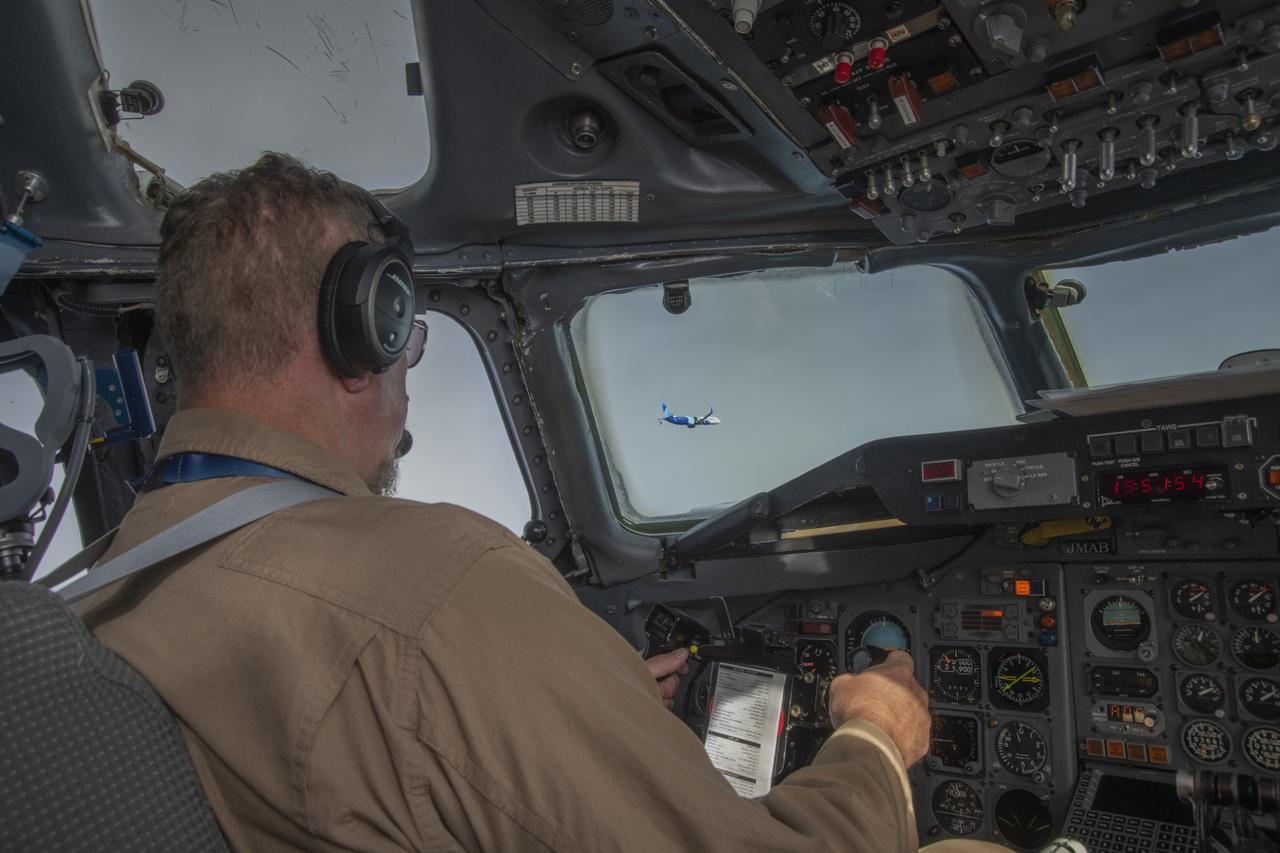
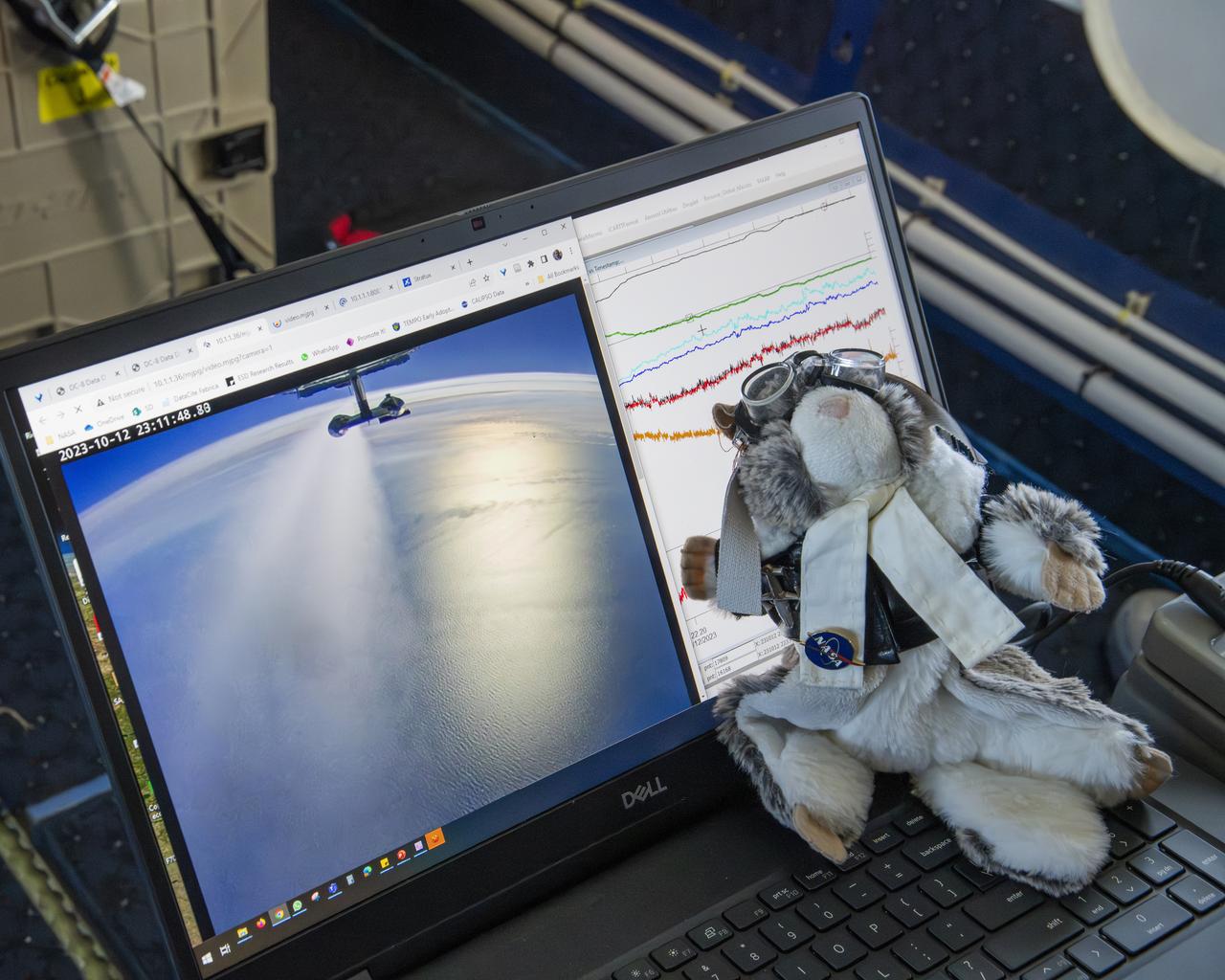
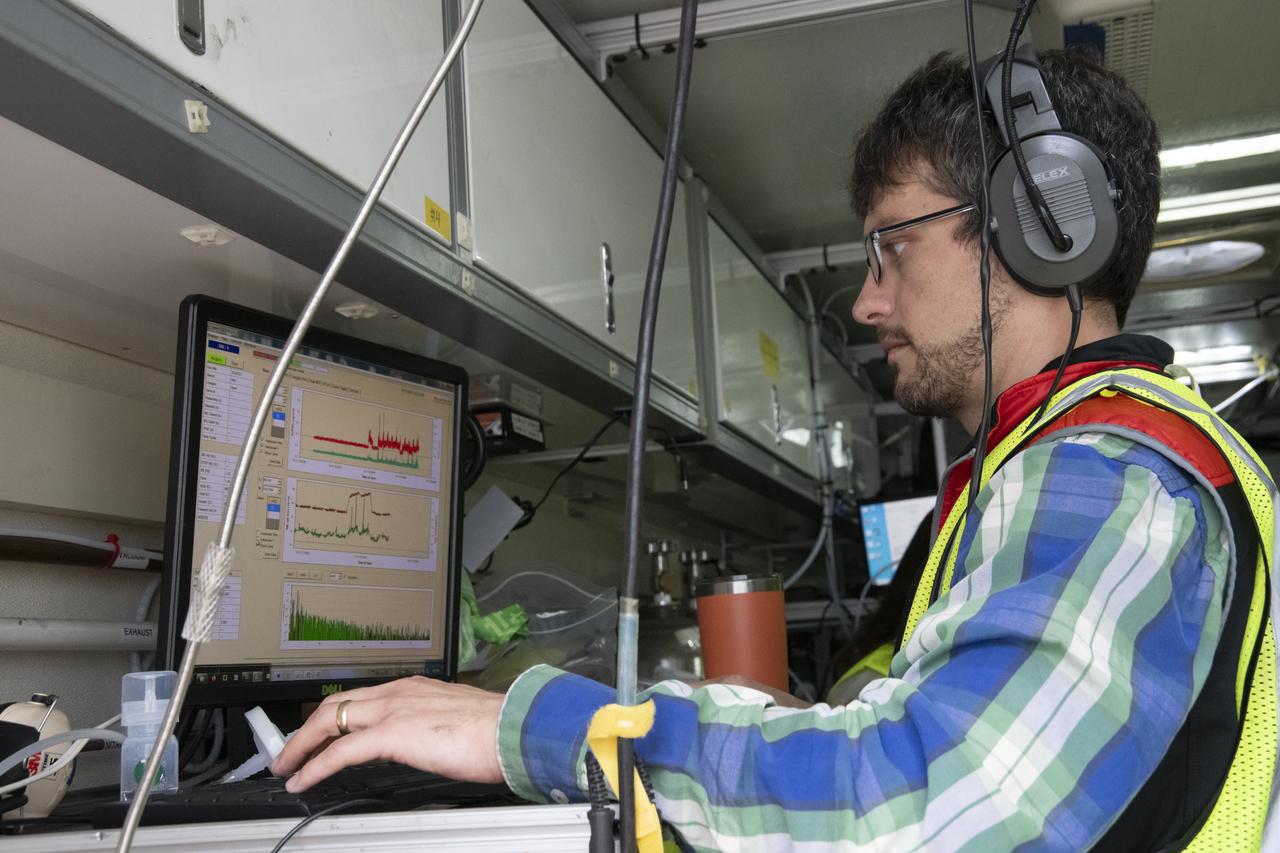
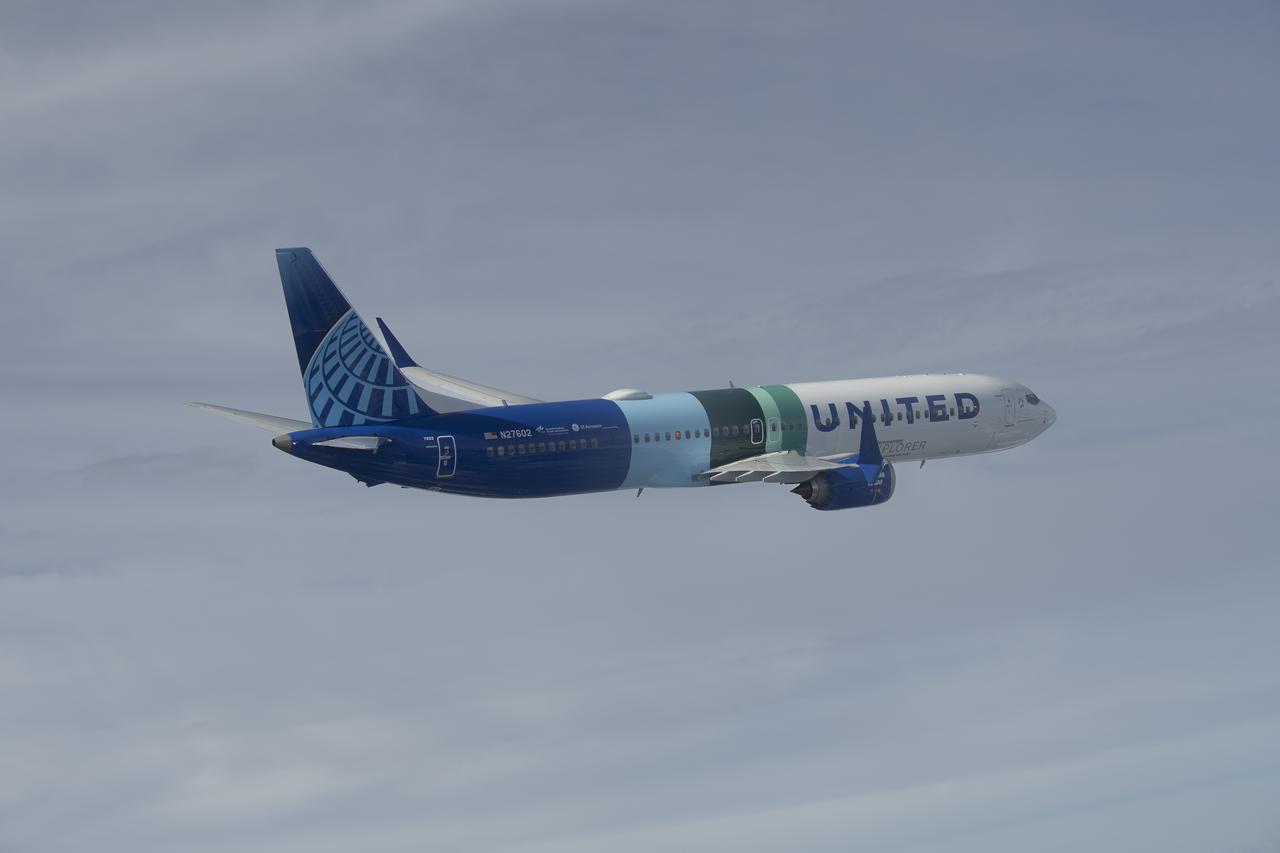
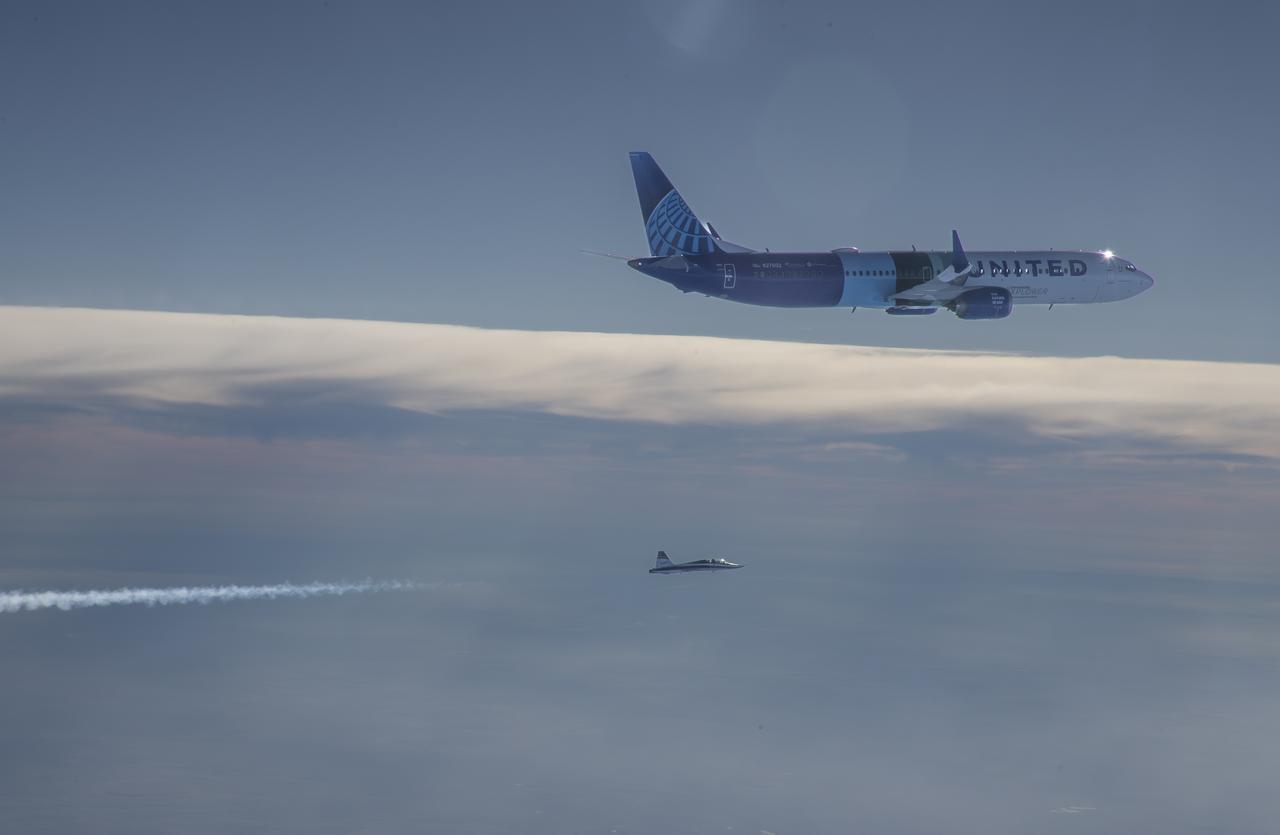
NASA’s DC-8 aircraft from Armstrong Flight Research Center in Edwards, California flies to Everett, Washington to conduct science research about reducing engine particle emissions.  Partners include Boeing, United, General Electric Aerospace, German Aerospace Center (DLR), the FAA, and World Energy.  Boeing’s new passenger aircraft uses revolutionary Sustainable Aviation Fuel, SAF, and NASA’s DC-8 flies behind the Boeing plane to measure its impact throughout flight.  The results of this study will be released publicly to facilitate the improvement of aviation technology worldwide.
NASA’s DC-8 aircraft tracks fuel in ecoDemonstrator 2023 project with Boeing, partners
NASA’s DC-8 aircraft from Armstrong Flight Research Center in Edwards, California flies to Everett, Washington to conduct science research about reducing engine particle emissions.  Partners include Boeing, United, General Electric Aerospace, German Aerospace Center (DLR), the FAA, and World Energy.  Boeing’s new passenger aircraft uses revolutionary Sustainable Aviation Fuel, SAF, and NASA’s DC-8 flies behind the Boeing plane to measure its impact throughout flight.  The results of this study will be released publicly to facilitate the improvement of aviation technology worldwide.
NASA’s DC-8 aircraft tracks fuel in ecoDemonstrator 2023 project with Boeing, partners
NASA’s DC-8 aircraft from Armstrong Flight Research Center in Edwards, California flies to Everett, Washington to conduct science research about reducing engine particle emissions.  Partners include Boeing, United, General Electric Aerospace, German Aerospace Center (DLR), the FAA, and World Energy.  Boeing’s new passenger aircraft uses revolutionary Sustainable Aviation Fuel, SAF, and NASA’s DC-8 flies behind the Boeing plane to measure its impact throughout flight.  The results of this study will be released publicly to facilitate the improvement of aviation technology worldwide.
NASA’s DC-8 aircraft tracks fuel in ecoDemonstrator 2023 project with Boeing, partners
NASA’s DC-8 aircraft from Armstrong Flight Research Center in Edwards, California flies to Everett, Washington to conduct science research about reducing engine particle emissions.  Partners include Boeing, United, General Electric Aerospace, German Aerospace Center (DLR), the FAA, and World Energy.  Boeing’s new passenger aircraft uses revolutionary Sustainable Aviation Fuel, SAF, and NASA’s DC-8 flies behind the Boeing plane to measure its impact throughout flight.  The results of this study will be released publicly to facilitate the improvement of aviation technology worldwide.
NASA’s DC-8 aircraft tracks fuel in ecoDemonstrator 2023 project with Boeing, partners
NASA’s DC-8 aircraft from Armstrong Flight Research Center in Edwards, California flies to Everett, Washington to conduct science research about reducing engine particle emissions.  Partners include Boeing, United, General Electric Aerospace, German Aerospace Center (DLR), the FAA, and World Energy.  Boeing’s new passenger aircraft uses revolutionary Sustainable Aviation Fuel, SAF, and NASA’s DC-8 flies behind the Boeing plane to measure its impact throughout flight.  The results of this study will be released publicly to facilitate the improvement of aviation technology worldwide.
NASA’s DC-8 aircraft tracks fuel in ecoDemonstrator 2023 project with Boeing, partners
NASA’s DC-8 aircraft from Armstrong Flight Research Center in Edwards, California flies to Everett, Washington to conduct science research about reducing engine particle emissions.  Partners include Boeing, United, General Electric Aerospace, German Aerospace Center (DLR), the FAA, and World Energy.  Boeing’s new passenger aircraft uses revolutionary Sustainable Aviation Fuel, SAF, and NASA’s DC-8 flies behind the Boeing plane to measure its impact throughout flight.  The results of this study will be released publicly to facilitate the improvement of aviation technology worldwide.
NASA’s DC-8 aircraft tracks fuel in ecoDemonstrator 2023 project with Boeing, partners
NASA’s DC-8 aircraft from Armstrong Flight Research Center in Edwards, California flies to Everett, Washington to conduct science research about reducing engine particle emissions.  Partners include Boeing, United, General Electric Aerospace, German Aerospace Center (DLR), the FAA, and World Energy.  Boeing’s new passenger aircraft uses revolutionary Sustainable Aviation Fuel, SAF, and NASA’s DC-8 flies behind the Boeing plane to measure its impact throughout flight.  The results of this study will be released publicly to facilitate the improvement of aviation technology worldwide.
NASA’s DC-8 aircraft tracks fuel in ecoDemonstrator 2023 project with Boeing, partners
NASA’s DC-8 aircraft from Armstrong Flight Research Center in Edwards, California flies to Everett, Washington to conduct science research about reducing engine particle emissions.  Partners include Boeing, United, General Electric Aerospace, German Aerospace Center (DLR), the FAA, and World Energy.  Boeing’s new passenger aircraft uses revolutionary Sustainable Aviation Fuel, SAF, and NASA’s DC-8 flies behind the Boeing plane to measure its impact throughout flight.  The results of this study will be released publicly to facilitate the improvement of aviation technology worldwide.
NASA’s DC-8 aircraft tracks fuel in ecoDemonstrator 2023 project with Boeing, partners
NASA’s DC-8 aircraft from Armstrong Flight Research Center in Edwards, California flies to Everett, Washington to conduct science research about reducing engine particle emissions.  Partners include Boeing, United, General Electric Aerospace, German Aerospace Center (DLR), the FAA, and World Energy.  Boeing’s new passenger aircraft uses revolutionary Sustainable Aviation Fuel, SAF, and NASA’s DC-8 flies behind the Boeing plane to measure its impact throughout flight.  The results of this study will be released publicly to facilitate the improvement of aviation technology worldwide.
NASA’s DC-8 aircraft tracks fuel in ecoDemonstrator 2023 project with Boeing, partners
NASA’s DC-8 aircraft from Armstrong Flight Research Center in Edwards, California flies to Everett, Washington to conduct science research about reducing engine particle emissions.  Partners include Boeing, United, General Electric Aerospace, German Aerospace Center (DLR), the FAA, and World Energy.  Boeing’s new passenger aircraft uses revolutionary Sustainable Aviation Fuel, SAF, and NASA’s DC-8 flies behind the Boeing plane to measure its impact throughout flight.  The results of this study will be released publicly to facilitate the improvement of aviation technology worldwide.
NASA’s DC-8 aircraft tracks fuel in ecoDemonstrator 2023 project with Boeing, partners
NASA’s DC-8 aircraft from Armstrong Flight Research Center in Edwards, California flies to Everett, Washington to conduct science research about reducing engine particle emissions.  Partners include Boeing, United, General Electric Aerospace, German Aerospace Center (DLR), the FAA, and World Energy.  Boeing’s new passenger aircraft uses revolutionary Sustainable Aviation Fuel, SAF, and NASA’s DC-8 flies behind the Boeing plane to measure its impact throughout flight.  The results of this study will be released publicly to facilitate the improvement of aviation technology worldwide.
NASA’s DC-8 aircraft tracks fuel in ecoDemonstrator 2023 project with Boeing, partners
NASA’s DC-8 aircraft from Armstrong Flight Research Center in Edwards, California flies to Everett, Washington to conduct science research about reducing engine particle emissions.  Partners include Boeing, United, General Electric Aerospace, German Aerospace Center (DLR), the FAA, and World Energy.  Boeing’s new passenger aircraft uses revolutionary Sustainable Aviation Fuel, SAF, and NASA’s DC-8 flies behind the Boeing plane to measure its impact throughout flight.  The results of this study will be released publicly to facilitate the improvement of aviation technology worldwide.
NASA’s DC-8 aircraft tracks fuel in ecoDemonstrator 2023 project with Boeing, partners
NASA’s DC-8 aircraft from Armstrong Flight Research Center in Edwards, California flies to Everett, Washington to conduct science research about reducing engine particle emissions.  Partners include Boeing, United, General Electric Aerospace, German Aerospace Center (DLR), the FAA, and World Energy.  Boeing’s new passenger aircraft uses revolutionary Sustainable Aviation Fuel, SAF, and NASA’s DC-8 flies behind the Boeing plane to measure its impact throughout flight.  The results of this study will be released publicly to facilitate the improvement of aviation technology worldwide.
NASA’s DC-8 aircraft tracks fuel in ecoDemonstrator 2023 project with Boeing, partners
NASA’s DC-8 aircraft from Armstrong Flight Research Center in Edwards, California flies to Everett, Washington to conduct science research about reducing engine particle emissions.  Partners include Boeing, United, General Electric Aerospace, German Aerospace Center (DLR), the FAA, and World Energy.  Boeing’s new passenger aircraft uses revolutionary Sustainable Aviation Fuel, SAF, and NASA’s DC-8 flies behind the Boeing plane to measure its impact throughout flight.  The results of this study will be released publicly to facilitate the improvement of aviation technology worldwide.
NASA’s DC-8 aircraft tracks fuel in ecoDemonstrator 2023 project with Boeing, partners
NASA’s DC-8 aircraft from Armstrong Flight Research Center in Edwards, California flies to Everett, Washington to conduct science research about reducing engine particle emissions.  Partners include Boeing, United, General Electric Aerospace, German Aerospace Center (DLR), the FAA, and World Energy.  Boeing’s new passenger aircraft uses revolutionary Sustainable Aviation Fuel, SAF, and NASA’s DC-8 flies behind the Boeing plane to measure its impact throughout flight.  The results of this study will be released publicly to facilitate the improvement of aviation technology worldwide.
NASA’s DC-8 aircraft tracks fuel in ecoDemonstrator 2023 project with Boeing, partners
NASA’s DC-8 aircraft from Armstrong Flight Research Center in Edwards, California flies to Everett, Washington to conduct science research about reducing engine particle emissions.  Partners include Boeing, United, General Electric Aerospace, German Aerospace Center (DLR), the FAA, and World Energy.  Boeing’s new passenger aircraft uses revolutionary Sustainable Aviation Fuel, SAF, and NASA’s DC-8 flies behind the Boeing plane to measure its impact throughout flight.  The results of this study will be released publicly to facilitate the improvement of aviation technology worldwide.
NASA’s DC-8 aircraft tracks fuel in ecoDemonstrator 2023 project with Boeing, partners
NASA’s DC-8 aircraft from Armstrong Flight Research Center in Edwards, California flies to Everett, Washington to conduct science research about reducing engine particle emissions.  Partners include Boeing, United, General Electric Aerospace, German Aerospace Center (DLR), the FAA, and World Energy.  Boeing’s new passenger aircraft uses revolutionary Sustainable Aviation Fuel, SAF, and NASA’s DC-8 flies behind the Boeing plane to measure its impact throughout flight.  The results of this study will be released publicly to facilitate the improvement of aviation technology worldwide.
NASA’s DC-8 aircraft tracks fuel in ecoDemonstrator 2023 project with Boeing, partners
NASA’s DC-8 aircraft from Armstrong Flight Research Center in Edwards, California flies to Everett, Washington to conduct science research about reducing engine particle emissions.  Partners include Boeing, United, General Electric Aerospace, German Aerospace Center (DLR), the FAA, and World Energy.  Boeing’s new passenger aircraft uses revolutionary Sustainable Aviation Fuel, SAF, and NASA’s DC-8 flies behind the Boeing plane to measure its impact throughout flight.  The results of this study will be released publicly to facilitate the improvement of aviation technology worldwide.
NASA’s DC-8 aircraft tracks fuel in ecoDemonstrator 2023 project with Boeing, partners
NASA’s DC-8 aircraft from Armstrong Flight Research Center in Edwards, California flies to Everett, Washington to conduct science research about reducing engine particle emissions.  Partners include Boeing, United, General Electric Aerospace, German Aerospace Center (DLR), the FAA, and World Energy.  Boeing’s new passenger aircraft uses revolutionary Sustainable Aviation Fuel, SAF, and NASA’s DC-8 flies behind the Boeing plane to measure its impact throughout flight.  The results of this study will be released publicly to facilitate the improvement of aviation technology worldwide.
NASA’s DC-8 aircraft tracks fuel in ecoDemonstrator 2023 project with Boeing, partners
NASA’s DC-8 aircraft from Armstrong Flight Research Center in Edwards, California flies to Everett, Washington to conduct science research about reducing engine particle emissions.  Partners include Boeing, United, General Electric Aerospace, German Aerospace Center (DLR), the FAA, and World Energy.  Boeing’s new passenger aircraft uses revolutionary Sustainable Aviation Fuel, SAF, and NASA’s DC-8 flies behind the Boeing plane to measure its impact throughout flight.  The results of this study will be released publicly to facilitate the improvement of aviation technology worldwide.
NASA’s DC-8 aircraft tracks fuel in ecoDemonstrator 2023 project with Boeing, partners
NASA’s DC-8 aircraft from Armstrong Flight Research Center in Edwards, California flies to Everett, Washington to conduct science research about reducing engine particle emissions.  Partners include Boeing, United, General Electric Aerospace, German Aerospace Center (DLR), the FAA, and World Energy.  Boeing’s new passenger aircraft uses revolutionary Sustainable Aviation Fuel, SAF, and NASA’s DC-8 flies behind the Boeing plane to measure its impact throughout flight.  The results of this study will be released publicly to facilitate the improvement of aviation technology worldwide.
NASA’s DC-8 aircraft tracks fuel in ecoDemonstrator 2023 project with Boeing, partners
NASA’s DC-8 aircraft from Armstrong Flight Research Center in Edwards, California flies to Everett, Washington to conduct science research about reducing engine particle emissions.  Partners include Boeing, United, General Electric Aerospace, German Aerospace Center (DLR), the FAA, and World Energy.  Boeing’s new passenger aircraft uses revolutionary Sustainable Aviation Fuel, SAF, and NASA’s DC-8 flies behind the Boeing plane to measure its impact throughout flight.  The results of this study will be released publicly to facilitate the improvement of aviation technology worldwide.
NASA’s DC-8 aircraft tracks fuel in ecoDemonstrator 2023 project with Boeing, partners
NASA’s DC-8 aircraft from Armstrong Flight Research Center in Edwards, California flies to Everett, Washington to conduct science research about reducing engine particle emissions.  Partners include Boeing, United, General Electric Aerospace, German Aerospace Center (DLR), the FAA, and World Energy.  Boeing’s new passenger aircraft uses revolutionary Sustainable Aviation Fuel, SAF, and NASA’s DC-8 flies behind the Boeing plane to measure its impact throughout flight.  The results of this study will be released publicly to facilitate the improvement of aviation technology worldwide.
NASA’s DC-8 aircraft tracks fuel in ecoDemonstrator 2023 project with Boeing, partners
NASA’s DC-8 aircraft from Armstrong Flight Research Center in Edwards, California flies to Everett, Washington to conduct science research about reducing engine particle emissions.  Partners include Boeing, United, General Electric Aerospace, German Aerospace Center (DLR), the FAA, and World Energy.  Boeing’s new passenger aircraft uses revolutionary Sustainable Aviation Fuel, SAF, and NASA’s DC-8 flies behind the Boeing plane to measure its impact throughout flight.  The results of this study will be released publicly to facilitate the improvement of aviation technology worldwide.
NASA’s DC-8 aircraft tracks fuel in ecoDemonstrator 2023 project with Boeing, partners
NASA’s DC-8 aircraft from Armstrong Flight Research Center in Edwards, California flies to Everett, Washington to conduct science research about reducing engine particle emissions.  Partners include Boeing, United, General Electric Aerospace, German Aerospace Center (DLR), the FAA, and World Energy.  Boeing’s new passenger aircraft uses revolutionary Sustainable Aviation Fuel, SAF, and NASA’s DC-8 flies behind the Boeing plane to measure its impact throughout flight.  The results of this study will be released publicly to facilitate the improvement of aviation technology worldwide.
NASA’s DC-8 aircraft tracks fuel in ecoDemonstrator 2023 project with Boeing, partners
NASA’s DC-8 aircraft from Armstrong Flight Research Center in Edwards, California flies to Everett, Washington to conduct science research about reducing engine particle emissions.  Partners include Boeing, United, General Electric Aerospace, German Aerospace Center (DLR), the FAA, and World Energy.  Boeing’s new passenger aircraft uses revolutionary Sustainable Aviation Fuel, SAF, and NASA’s DC-8 flies behind the Boeing plane to measure its impact throughout flight.  The results of this study will be released publicly to facilitate the improvement of aviation technology worldwide.
NASA’s DC-8 aircraft tracks fuel in ecoDemonstrator 2023 project with Boeing, partners
NASA’s DC-8 aircraft from Armstrong Flight Research Center in Edwards, California flies to Everett, Washington to conduct science research about reducing engine particle emissions.  Partners include Boeing, United, General Electric Aerospace, German Aerospace Center (DLR), the FAA, and World Energy.  Boeing’s new passenger aircraft uses revolutionary Sustainable Aviation Fuel, SAF, and NASA’s DC-8 flies behind the Boeing plane to measure its impact throughout flight.  The results of this study will be released publicly to facilitate the improvement of aviation technology worldwide.
NASA’s DC-8 aircraft tracks fuel in ecoDemonstrator 2023 project with Boeing, partners
NASA’s DC-8 aircraft from Armstrong Flight Research Center in Edwards, California flies to Everett, Washington to conduct science research about reducing engine particle emissions.  Partners include Boeing, United, General Electric Aerospace, German Aerospace Center (DLR), the FAA, and World Energy.  Boeing’s new passenger aircraft uses revolutionary Sustainable Aviation Fuel, SAF, and NASA’s DC-8 flies behind the Boeing plane to measure its impact throughout flight.  The results of this study will be released publicly to facilitate the improvement of aviation technology worldwide.
NASA’s DC-8 aircraft tracks fuel in ecoDemonstrator 2023 project with Boeing, partners
NASA’s DC-8 aircraft from Armstrong Flight Research Center in Edwards, California flies to Everett, Washington to conduct science research about reducing engine particle emissions.  Partners include Boeing, United, General Electric Aerospace, German Aerospace Center (DLR), the FAA, and World Energy.  Boeing’s new passenger aircraft uses revolutionary Sustainable Aviation Fuel, SAF, and NASA’s DC-8 flies behind the Boeing plane to measure its impact throughout flight.  The results of this study will be released publicly to facilitate the improvement of aviation technology worldwide.
NASA’s DC-8 aircraft tracks fuel in ecoDemonstrator 2023 project with Boeing, partners
NASA’s DC-8 aircraft from Armstrong Flight Research Center in Edwards, California flies to Everett, Washington to conduct science research about reducing engine particle emissions.  Partners include Boeing, United, General Electric Aerospace, German Aerospace Center (DLR), the FAA, and World Energy.  Boeing’s new passenger aircraft uses revolutionary Sustainable Aviation Fuel, SAF, and NASA’s DC-8 flies behind the Boeing plane to measure its impact throughout flight.  The results of this study will be released publicly to facilitate the improvement of aviation technology worldwide.
NASA’s DC-8 aircraft tracks fuel in ecoDemonstrator 2023 project with Boeing, partners
NASA’s DC-8 aircraft from Armstrong Flight Research Center in Edwards, California flies to Everett, Washington to conduct science research about reducing engine particle emissions.  Partners include Boeing, United, General Electric Aerospace, German Aerospace Center (DLR), the FAA, and World Energy.  Boeing’s new passenger aircraft uses revolutionary Sustainable Aviation Fuel, SAF, and NASA’s DC-8 flies behind the Boeing plane to measure its impact throughout flight.  The results of this study will be released publicly to facilitate the improvement of aviation technology worldwide.
NASA’s DC-8 aircraft tracks fuel in ecoDemonstrator 2023 project with Boeing, partners
NASA’s DC-8 aircraft from Armstrong Flight Research Center in Edwards, California flies to Everett, Washington to conduct science research about reducing engine particle emissions.  Partners include Boeing, United, General Electric Aerospace, German Aerospace Center (DLR), the FAA, and World Energy.  Boeing’s new passenger aircraft uses revolutionary Sustainable Aviation Fuel, SAF, and NASA’s DC-8 flies behind the Boeing plane to measure its impact throughout flight.  The results of this study will be released publicly to facilitate the improvement of aviation technology worldwide.
NASA’s DC-8 aircraft tracks fuel in ecoDemonstrator 2023 project with Boeing, partners
NASA’s DC-8 aircraft from Armstrong Flight Research Center in Edwards, California flies to Everett, Washington to conduct science research about reducing engine particle emissions.  Partners include Boeing, United, General Electric Aerospace, German Aerospace Center (DLR), the FAA, and World Energy.  Boeing’s new passenger aircraft uses revolutionary Sustainable Aviation Fuel, SAF, and NASA’s DC-8 flies behind the Boeing plane to measure its impact throughout flight.  The results of this study will be released publicly to facilitate the improvement of aviation technology worldwide.
NASA’s DC-8 aircraft tracks fuel in ecoDemonstrator 2023 project with Boeing, partners
NASA’s DC-8 aircraft from Armstrong Flight Research Center in Edwards, California flies to Everett, Washington to conduct science research about reducing engine particle emissions.  Partners include Boeing, United, General Electric Aerospace, German Aerospace Center (DLR), the FAA, and World Energy.  Boeing’s new passenger aircraft uses revolutionary Sustainable Aviation Fuel, SAF, and NASA’s DC-8 flies behind the Boeing plane to measure its impact throughout flight.  The results of this study will be released publicly to facilitate the improvement of aviation technology worldwide.
NASA’s DC-8 aircraft tracks fuel in ecoDemonstrator 2023 project with Boeing, partners
NASA’s DC-8 aircraft from Armstrong Flight Research Center in Edwards, California flies to Everett, Washington to conduct science research about reducing engine particle emissions.  Partners include Boeing, United, General Electric Aerospace, German Aerospace Center (DLR), the FAA, and World Energy.  Boeing’s new passenger aircraft uses revolutionary Sustainable Aviation Fuel, SAF, and NASA’s DC-8 flies behind the Boeing plane to measure its impact throughout flight.  The results of this study will be released publicly to facilitate the improvement of aviation technology worldwide.
NASA’s DC-8 aircraft tracks fuel in ecoDemonstrator 2023 project with Boeing, partners
NASA’s DC-8 aircraft from Armstrong Flight Research Center in Edwards, California flies to Everett, Washington to conduct science research about reducing engine particle emissions.  Partners include Boeing, United, General Electric Aerospace, German Aerospace Center (DLR), the FAA, and World Energy.  Boeing’s new passenger aircraft uses revolutionary Sustainable Aviation Fuel, SAF, and NASA’s DC-8 flies behind the Boeing plane to measure its impact throughout flight.  The results of this study will be released publicly to facilitate the improvement of aviation technology worldwide.
NASA’s DC-8 aircraft tracks fuel in ecoDemonstrator 2023 project with Boeing, partners
NASA’s DC-8 aircraft from Armstrong Flight Research Center in Edwards, California flies to Everett, Washington to conduct science research about reducing engine particle emissions.  Partners include Boeing, United, General Electric Aerospace, German Aerospace Center (DLR), the FAA, and World Energy.  Boeing’s new passenger aircraft uses revolutionary Sustainable Aviation Fuel, SAF, and NASA’s DC-8 flies behind the Boeing plane to measure its impact throughout flight.  The results of this study will be released publicly to facilitate the improvement of aviation technology worldwide.
NASA’s DC-8 aircraft tracks fuel in ecoDemonstrator 2023 project with Boeing, partners
NASA’s DC-8 aircraft from Armstrong Flight Research Center in Edwards, California flies to Everett, Washington to conduct science research about reducing engine particle emissions.  Partners include Boeing, United, General Electric Aerospace, German Aerospace Center (DLR), the FAA, and World Energy.  Boeing’s new passenger aircraft uses revolutionary Sustainable Aviation Fuel, SAF, and NASA’s DC-8 flies behind the Boeing plane to measure its impact throughout flight.  The results of this study will be released publicly to facilitate the improvement of aviation technology worldwide.
NASA’s DC-8 aircraft tracks fuel in ecoDemonstrator 2023 project with Boeing, partners
NASA’s DC-8 aircraft from Armstrong Flight Research Center in Edwards, California flies to Everett, Washington to conduct science research about reducing engine particle emissions.  Partners include Boeing, United, General Electric Aerospace, German Aerospace Center (DLR), the FAA, and World Energy.  Boeing’s new passenger aircraft uses revolutionary Sustainable Aviation Fuel, SAF, and NASA’s DC-8 flies behind the Boeing plane to measure its impact throughout flight.  The results of this study will be released publicly to facilitate the improvement of aviation technology worldwide.
NASA’s DC-8 aircraft tracks fuel in ecoDemonstrator 2023 project with Boeing, partners
NASA’s DC-8 aircraft from Armstrong Flight Research Center in Edwards, California flies to Everett, Washington to conduct science research about reducing engine particle emissions.  Partners include Boeing, United, General Electric Aerospace, German Aerospace Center (DLR), the FAA, and World Energy.  Boeing’s new passenger aircraft uses revolutionary Sustainable Aviation Fuel, SAF, and NASA’s DC-8 flies behind the Boeing plane to measure its impact throughout flight.  The results of this study will be released publicly to facilitate the improvement of aviation technology worldwide.
NASA’s DC-8 aircraft tracks fuel in ecoDemonstrator 2023 project with Boeing, partners
NASA’s DC-8 aircraft from Armstrong Flight Research Center in Edwards, California flies to Everett, Washington to conduct science research about reducing engine particle emissions.  Partners include Boeing, United, General Electric Aerospace, German Aerospace Center (DLR), the FAA, and World Energy.  Boeing’s new passenger aircraft uses revolutionary Sustainable Aviation Fuel, SAF, and NASA’s DC-8 flies behind the Boeing plane to measure its impact throughout flight.  The results of this study will be released publicly to facilitate the improvement of aviation technology worldwide.
NASA’s DC-8 aircraft tracks fuel in ecoDemonstrator 2023 project with Boeing, partners
NASA’s DC-8 aircraft from Armstrong Flight Research Center in Edwards, California flies to Everett, Washington to conduct science research about reducing engine particle emissions.  Partners include Boeing, United, General Electric Aerospace, German Aerospace Center (DLR), the FAA, and World Energy.  Boeing’s new passenger aircraft uses revolutionary Sustainable Aviation Fuel, SAF, and NASA’s DC-8 flies behind the Boeing plane to measure its impact throughout flight.  The results of this study will be released publicly to facilitate the improvement of aviation technology worldwide.
NASA’s DC-8 aircraft tracks fuel in ecoDemonstrator 2023 project with Boeing, partners
NASA’s DC-8 aircraft from Armstrong Flight Research Center in Edwards, California flies to Everett, Washington to conduct science research about reducing engine particle emissions.  Partners include Boeing, United, General Electric Aerospace, German Aerospace Center (DLR), the FAA, and World Energy.  Boeing’s new passenger aircraft uses revolutionary Sustainable Aviation Fuel, SAF, and NASA’s DC-8 flies behind the Boeing plane to measure its impact throughout flight.  The results of this study will be released publicly to facilitate the improvement of aviation technology worldwide.
NASA’s DC-8 aircraft tracks fuel in ecoDemonstrator 2023 project with Boeing, partners
NASA’s DC-8 aircraft from Armstrong Flight Research Center in Edwards, California flies to Everett, Washington to conduct science research about reducing engine particle emissions.  Partners include Boeing, United, General Electric Aerospace, German Aerospace Center (DLR), the FAA, and World Energy.  Boeing’s new passenger aircraft uses revolutionary Sustainable Aviation Fuel, SAF, and NASA’s DC-8 flies behind the Boeing plane to measure its impact throughout flight.  The results of this study will be released publicly to facilitate the improvement of aviation technology worldwide.
NASA’s DC-8 aircraft tracks fuel in ecoDemonstrator 2023 project with Boeing, partners
NASA’s DC-8 aircraft from Armstrong Flight Research Center in Edwards, California flies to Everett, Washington to conduct science research about reducing engine particle emissions.  Partners include Boeing, United, General Electric Aerospace, German Aerospace Center (DLR), the FAA, and World Energy.  Boeing’s new passenger aircraft uses revolutionary Sustainable Aviation Fuel, SAF, and NASA’s DC-8 flies behind the Boeing plane to measure its impact throughout flight.  The results of this study will be released publicly to facilitate the improvement of aviation technology worldwide.
NASA’s DC-8 aircraft tracks fuel in ecoDemonstrator 2023 project with Boeing, partners
NASA’s DC-8 aircraft from Armstrong Flight Research Center in Edwards, California flies to Everett, Washington to conduct science research about reducing engine particle emissions.  Partners include Boeing, United, General Electric Aerospace, German Aerospace Center (DLR), the FAA, and World Energy.  Boeing’s new passenger aircraft uses revolutionary Sustainable Aviation Fuel, SAF, and NASA’s DC-8 flies behind the Boeing plane to measure its impact throughout flight.  The results of this study will be released publicly to facilitate the improvement of aviation technology worldwide.
NASA’s DC-8 aircraft tracks fuel in ecoDemonstrator 2023 project with Boeing, partners
NASA’s DC-8 aircraft from Armstrong Flight Research Center in Edwards, California flies to Everett, Washington to conduct science research about reducing engine particle emissions.  Partners include Boeing, United, General Electric Aerospace, German Aerospace Center (DLR), the FAA, and World Energy.  Boeing’s new passenger aircraft uses revolutionary Sustainable Aviation Fuel, SAF, and NASA’s DC-8 flies behind the Boeing plane to measure its impact throughout flight.  The results of this study will be released publicly to facilitate the improvement of aviation technology worldwide.
NASA’s DC-8 aircraft tracks fuel in ecoDemonstrator 2023 project with Boeing, partners
NASA’s DC-8 aircraft from Armstrong Flight Research Center in Edwards, California flies to Everett, Washington to conduct science research about reducing engine particle emissions.  Partners include Boeing, United, General Electric Aerospace, German Aerospace Center (DLR), the FAA, and World Energy.  Boeing’s new passenger aircraft uses revolutionary Sustainable Aviation Fuel, SAF, and NASA’s DC-8 flies behind the Boeing plane to measure its impact throughout flight.  The results of this study will be released publicly to facilitate the improvement of aviation technology worldwide.
NASA’s DC-8 aircraft tracks fuel in ecoDemonstrator 2023 project with Boeing, partners
NASA’s DC-8 aircraft from Armstrong Flight Research Center in Edwards, California flies to Everett, Washington to conduct science research about reducing engine particle emissions.  Partners include Boeing, United, General Electric Aerospace, German Aerospace Center (DLR), the FAA, and World Energy.  Boeing’s new passenger aircraft uses revolutionary Sustainable Aviation Fuel, SAF, and NASA’s DC-8 flies behind the Boeing plane to measure its impact throughout flight.  The results of this study will be released publicly to facilitate the improvement of aviation technology worldwide.
NASA’s DC-8 aircraft tracks fuel in ecoDemonstrator 2023 project with Boeing, partners
NASA’s DC-8 aircraft from Armstrong Flight Research Center in Edwards, California flies to Everett, Washington to conduct science research about reducing engine particle emissions.  Partners include Boeing, United, General Electric Aerospace, German Aerospace Center (DLR), the FAA, and World Energy.  Boeing’s new passenger aircraft uses revolutionary Sustainable Aviation Fuel, SAF, and NASA’s DC-8 flies behind the Boeing plane to measure its impact throughout flight.  The results of this study will be released publicly to facilitate the improvement of aviation technology worldwide.
NASA’s DC-8 aircraft tracks fuel in ecoDemonstrator 2023 project with Boeing, partners
NASA’s DC-8 aircraft from Armstrong Flight Research Center in Edwards, California flies to Everett, Washington to conduct science research about reducing engine particle emissions.  Partners include Boeing, United, General Electric Aerospace, German Aerospace Center (DLR), the FAA, and World Energy.  Boeing’s new passenger aircraft uses revolutionary Sustainable Aviation Fuel, SAF, and NASA’s DC-8 flies behind the Boeing plane to measure its impact throughout flight.  The results of this study will be released publicly to facilitate the improvement of aviation technology worldwide.
NASA’s DC-8 aircraft tracks fuel in ecoDemonstrator 2023 project with Boeing, partners
NASA’s DC-8 aircraft from Armstrong Flight Research Center in Edwards, California flies to Everett, Washington to conduct science research about reducing engine particle emissions.  Partners include Boeing, United, General Electric Aerospace, German Aerospace Center (DLR), the FAA, and World Energy.  Boeing’s new passenger aircraft uses revolutionary Sustainable Aviation Fuel, SAF, and NASA’s DC-8 flies behind the Boeing plane to measure its impact throughout flight.  The results of this study will be released publicly to facilitate the improvement of aviation technology worldwide.
NASA’s DC-8 aircraft tracks fuel in ecoDemonstrator 2023 project with Boeing, partners
NASA’s DC-8 aircraft from Armstrong Flight Research Center in Edwards, California flies to Everett, Washington to conduct science research about reducing engine particle emissions.  Partners include Boeing, United, General Electric Aerospace, German Aerospace Center (DLR), the FAA, and World Energy.  Boeing’s new passenger aircraft uses revolutionary Sustainable Aviation Fuel, SAF, and NASA’s DC-8 flies behind the Boeing plane to measure its impact throughout flight.  The results of this study will be released publicly to facilitate the improvement of aviation technology worldwide.
NASA’s DC-8 aircraft tracks fuel in ecoDemonstrator 2023 project with Boeing, partners
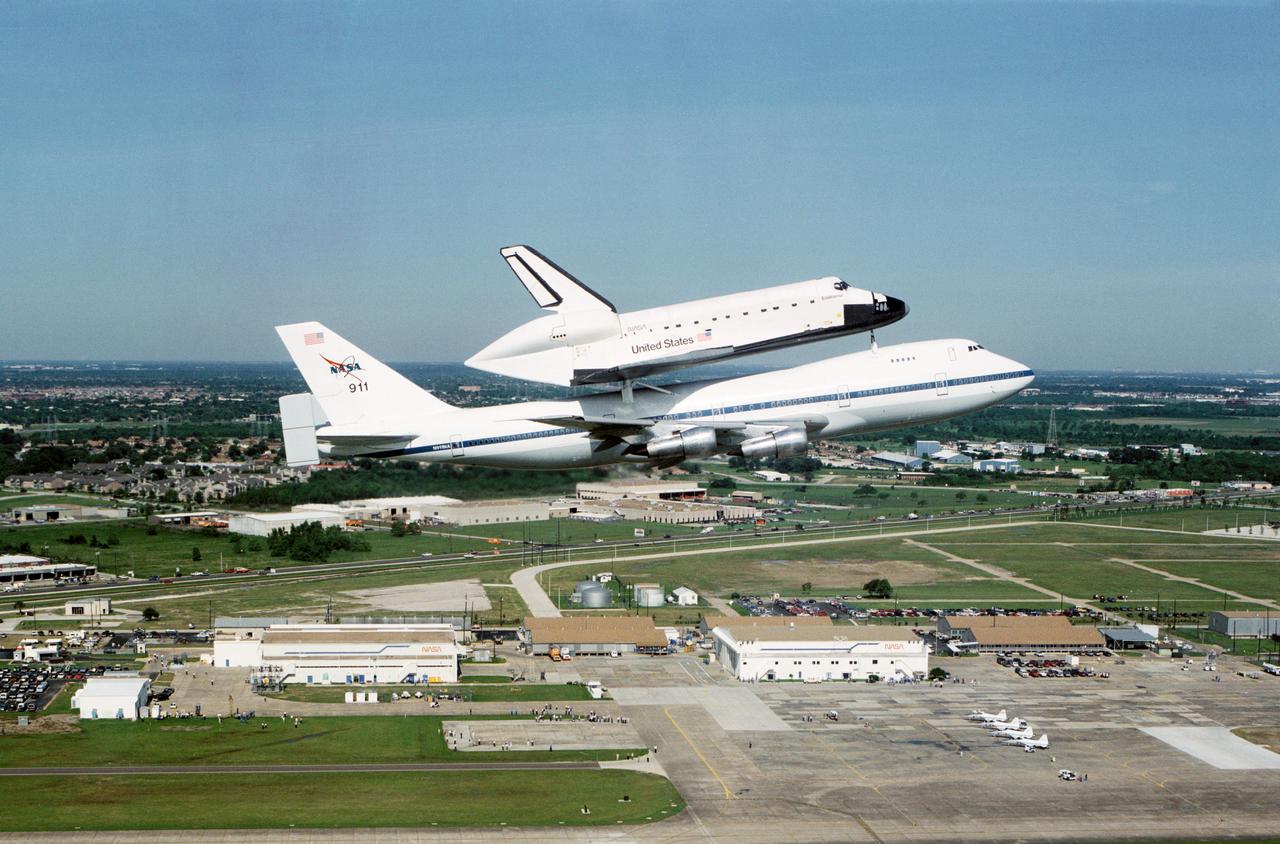
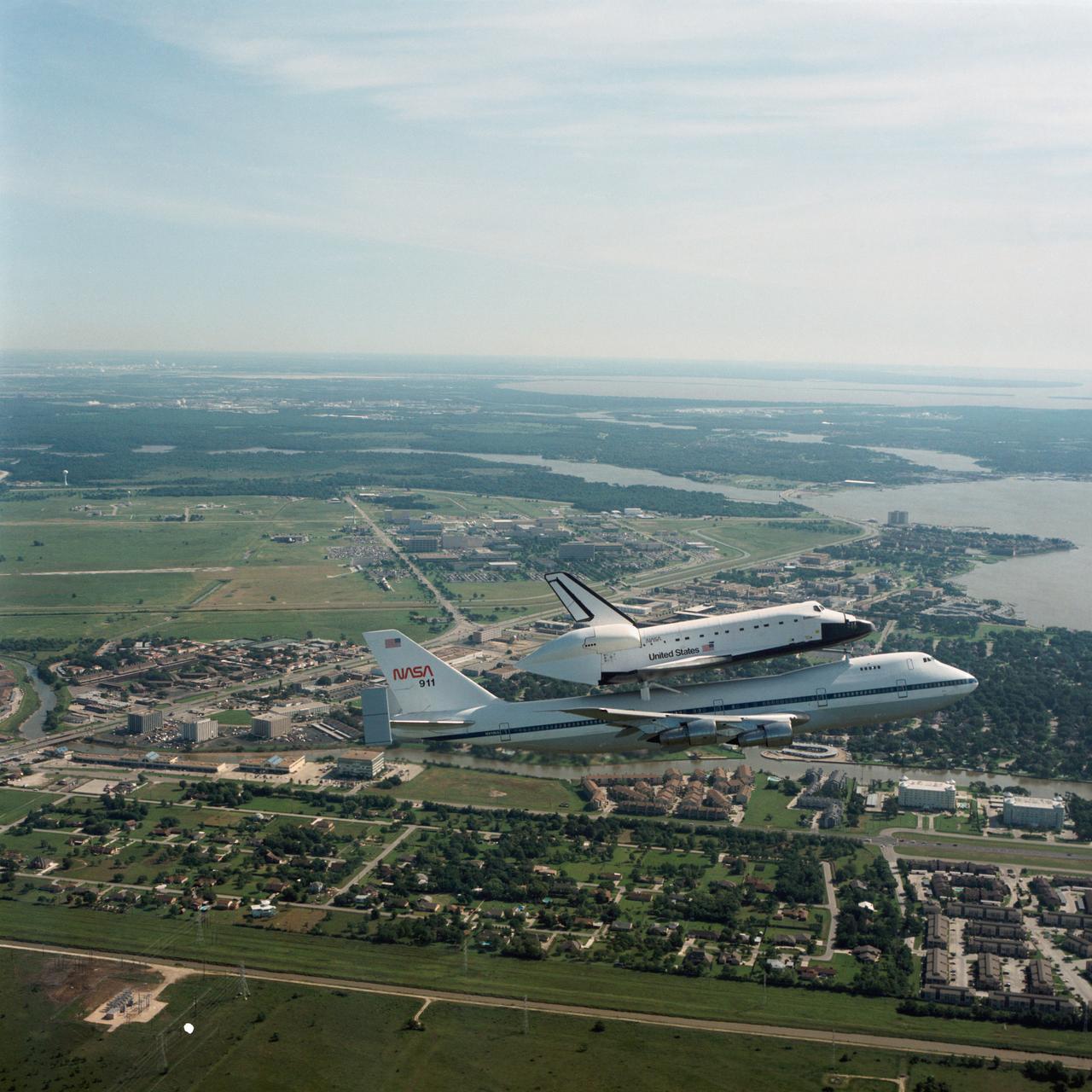
S91-36097 (6 May 1991) --- Air to air view of Endeavour, Orbiter Vehicle (OV) 105, atop a Shuttle Carrier Aircraft (SCA) NASA 911, a modified Boeing 747, approaches touchdown for a brief stopover at Ellington Field, near JSC. Visible below the spacecraft/aircraft combination are the NASA T-38 flight line, NASA aircraft hangars and facilities, and a runway. OV-105 rolled out at Rockwell's Palmdale facility on 04-25-91 to once more bring to four the total of NASA Shuttles available for flight assignment. The spacecraft and aircraft-tandem left Houston later on this day headed for another stop in Mississippi before landing in Florida on 05-07-91. This photograph was taken from a T-38 aircraft by Sheri J. Dunnette of JSC's Image Science Division (ISD).
Air to air view of Endeavour, OV-105, atop SCA approaches Ellington runway
NASA Dryden Flight Research Center's T-34 support aircraft provided safety chase for the joint NASA/Boeing X-48B.
Dryden's T-34 Chases the X-48B
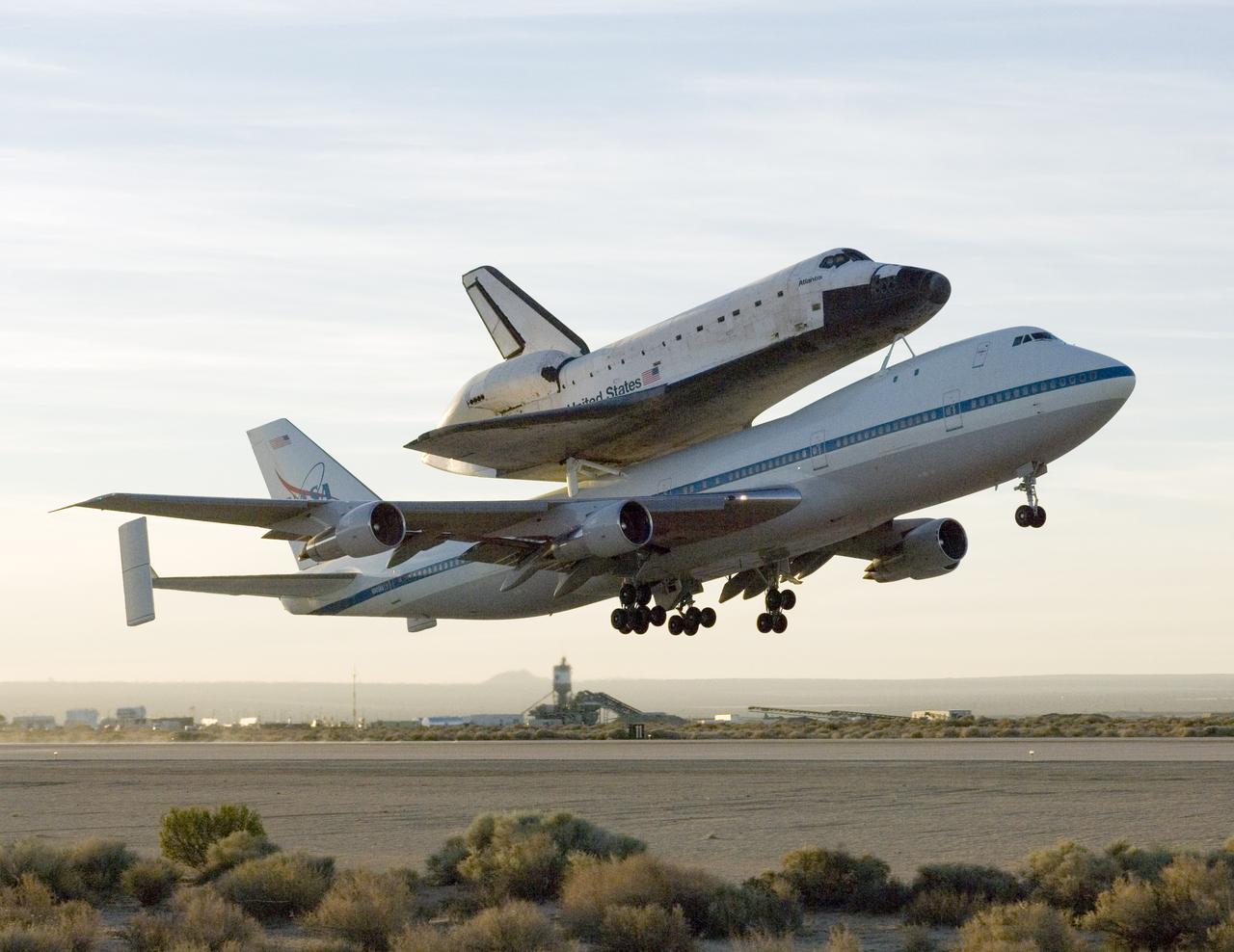
NASA's modified Boeing 747 Shuttle Carrier Aircraft with the Space Shuttle Atlantis on top lifts off from Edwards Air Force Base to begin its ferry flight back to the Kennedy Space Center in Florida. The cross-country journey will take approximately two days, with stops at several intermediate points for refueling.
NASA's 747 Shuttle Carrier Aircraft with the Space Shuttle Atlantis on top lifts off to begin its ferry flight back to the Kennedy Space Center in Florida
NASA's modified Boeing 747 Shuttle Carrier Aircraft with the Space Shuttle Atlantis on top lifts off from Edwards Air Force Base to begin its ferry flight back to the Kennedy Space Center in Florida. The cross-country journey will take approximately two days, with stops at several intermediate points for refueling.
NASA's 747 Shuttle Carrier Aircraft with the Space Shuttle Atlantis on top lifts off to begin its ferry flight back to the Kennedy Space Center in Florida
NASA's modified Boeing 747 Shuttle Carrier Aircraft with the Space Shuttle Atlantis on top lifts off from Edwards Air Force Base to begin its ferry flight back to the Kennedy Space Center in Florida. The cross-country journey will take approximately two days, with stops at several intermediate points for refueling.
NASA's 747 Shuttle Carrier Aircraft with the Space Shuttle Atlantis on top lifts off to begin its ferry flight back to the Kennedy Space Center in Florida
Boeing's sub-scale X-48B Blended Wing Body aircraft flies over the edge of Rogers Dry Lake at Edwards Air Force Base during its fifth flight on Aug. 14, 2007.
Boeing's sub-scale X-48B Blended Wing Body aircraft flies over the edge of Rogers Dry Lake at Edwards Air Force Base during its fifth flight on Aug. 14, 2007
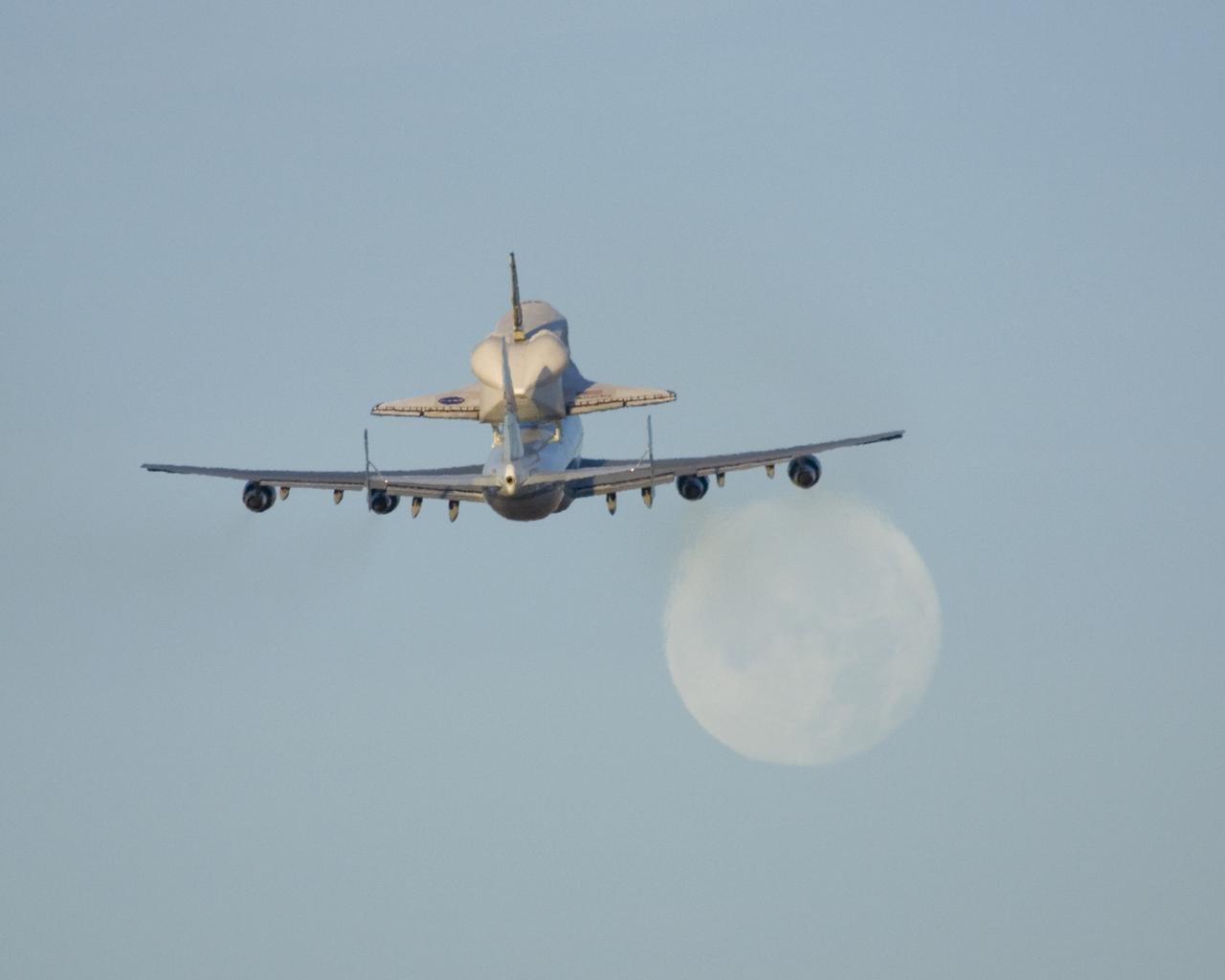
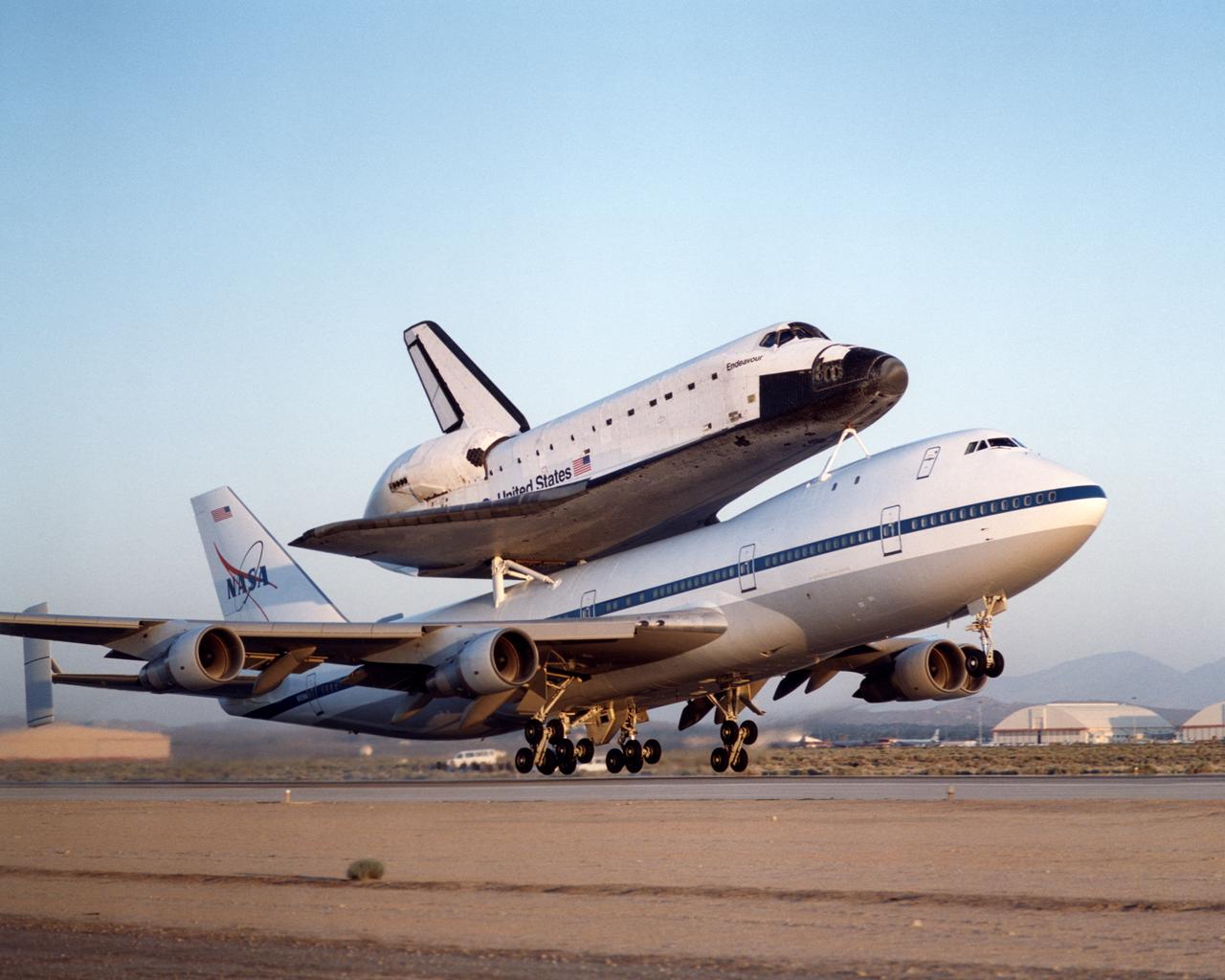
NASA's modified Boeing 747 Shuttle Carrier Aircraft with the Space Shuttle Endeavour on top lifts off from Edwards Air Force Base to begin its ferry flight back to the Kennedy Space Center in Florida.
NASA's modified Boeing 747 Shuttle Carrier Aircraft with the Space Shuttle Endeavour on top lifts off to begin its ferry flight back to the Kennedy Space Center in Florida
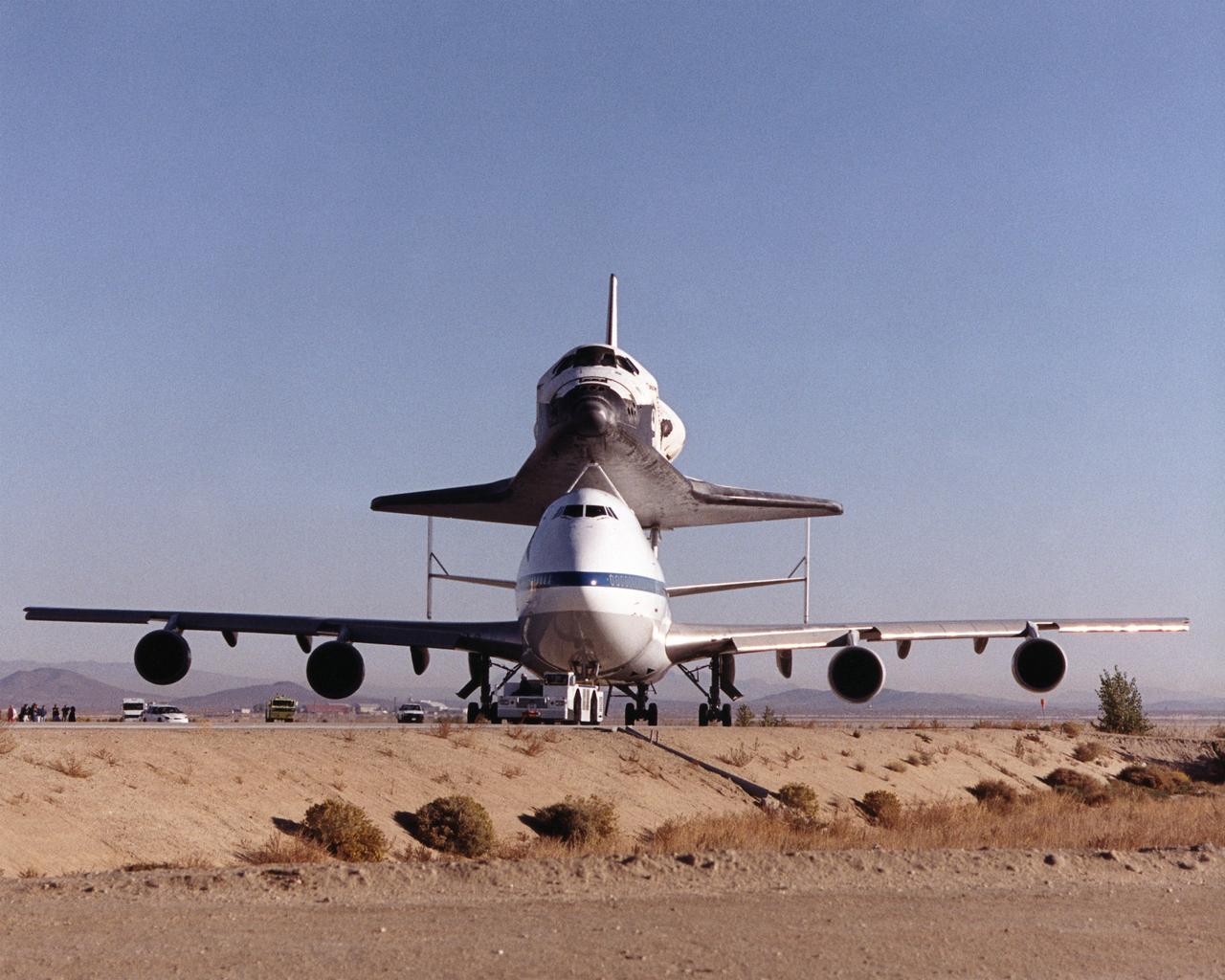
The Space Shuttle Discovery sits atop one of NASA’s modified Boeing 747 Shuttle Carrier Aircraft as the unusual piggyback duo is towed along a taxiway at NASA’s Dryden Flight Research Center at Edwards, California. The Discovery was ferried from NASA Dryden to NASA’s Kennedy Space Center in Florida on November 2, 2000, after extensive pre-ferry servicing and preparations.
STS-92 - Towing of Shuttle Discovery and Boeing 747 Shuttle Carrier Aircraft (SCA)
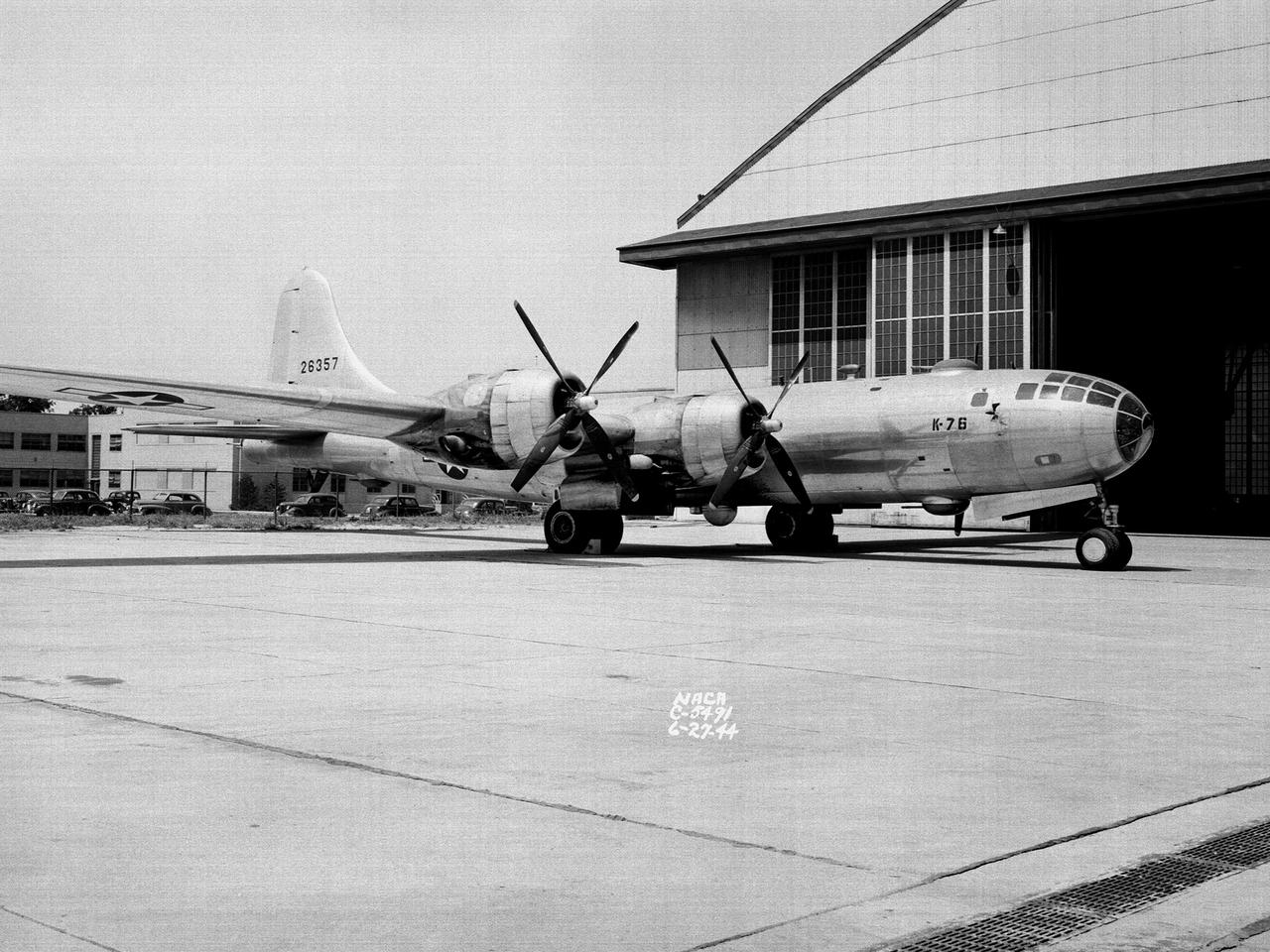
A Boeing B–29 Superfortress at the National Advisory Committee for Aeronautics (NACA) Aircraft Engine Research Laboratory in Cleveland, Ohio. The B–29 was the Army Air Forces’ deadliest weapon during the latter portion of World War II. The aircraft was significantly larger than previous bombers but could fly faster and higher. The B–29 was intended to soar above anti-aircraft fire and make pinpoint drops onto strategic targets. The bomber was forced to carry 20,000 pounds more armament than it was designed for. The extra weight pushed the B–29’s four powerful Wright R–3350 engines to their operating limits. The over-heating of the engines proved to be a dangerous problem.       The military asked the NACA to tackle the issue. Full-scale engine tests on a R–3350 engine in the Prop House demonstrated that a NACA-designed impeller increased the flow rate of the fuel injection system. Altitude Wind Tunnel studies of the engine led to the reshaping of cowling inlet and outlet to improve airflow and reduce drag. Single-cylinder studies on valve failures were resolved by a slight extension of the cylinder head, and the Engine Research Building researchers combated uneven heating with a new fuel injection system.  The modifications were then tried out on an actual B–29. The bomber arrived in Cleveland on June 22, 1944. The new injection impeller, ducted head baffles and instrumentation were installed on the bomber’s two left wing engines. Eleven test flights were flown over the next month with military pilots at the helm. Overall the flight tests corroborated the wind tunnel and test stand studies.
Boeing B–29 Superfortress at the Aircraft Engine Research Laboratory
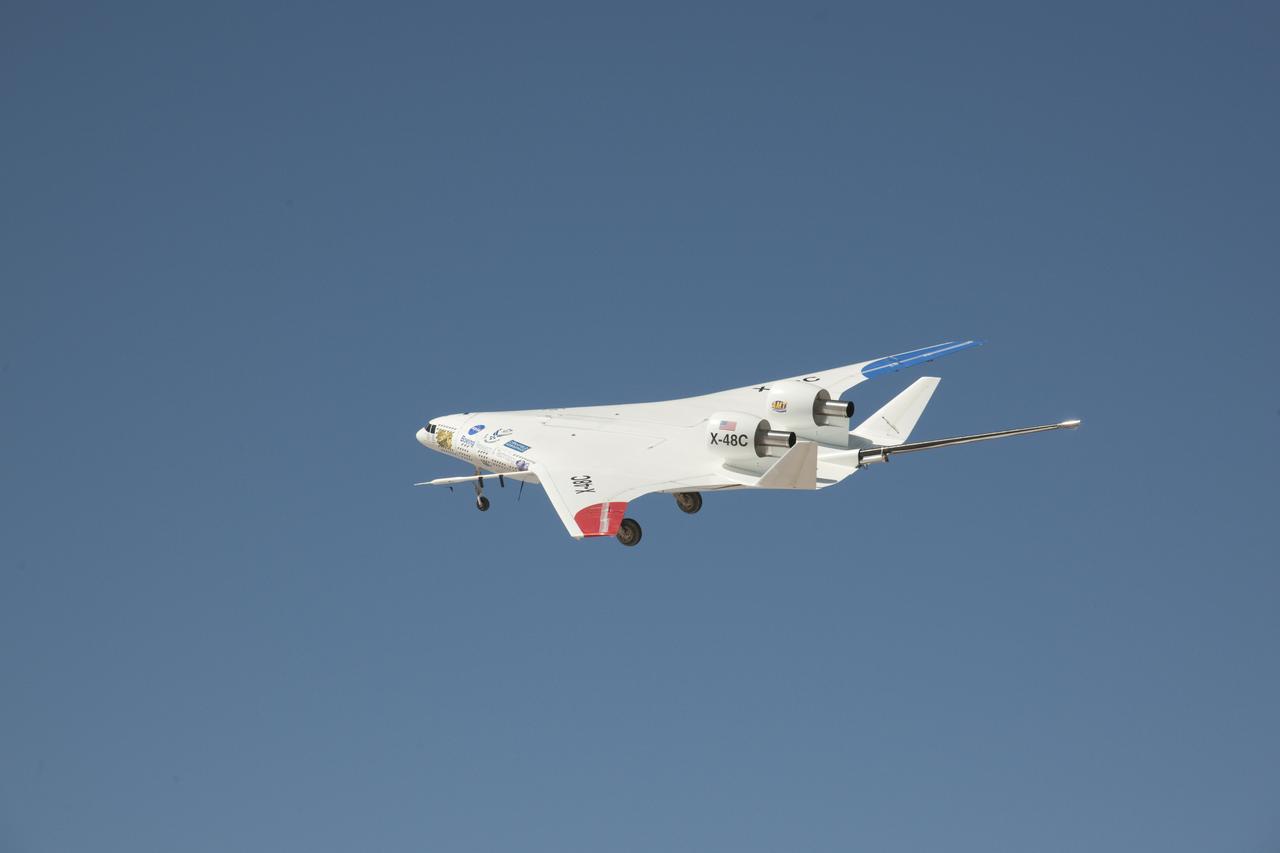
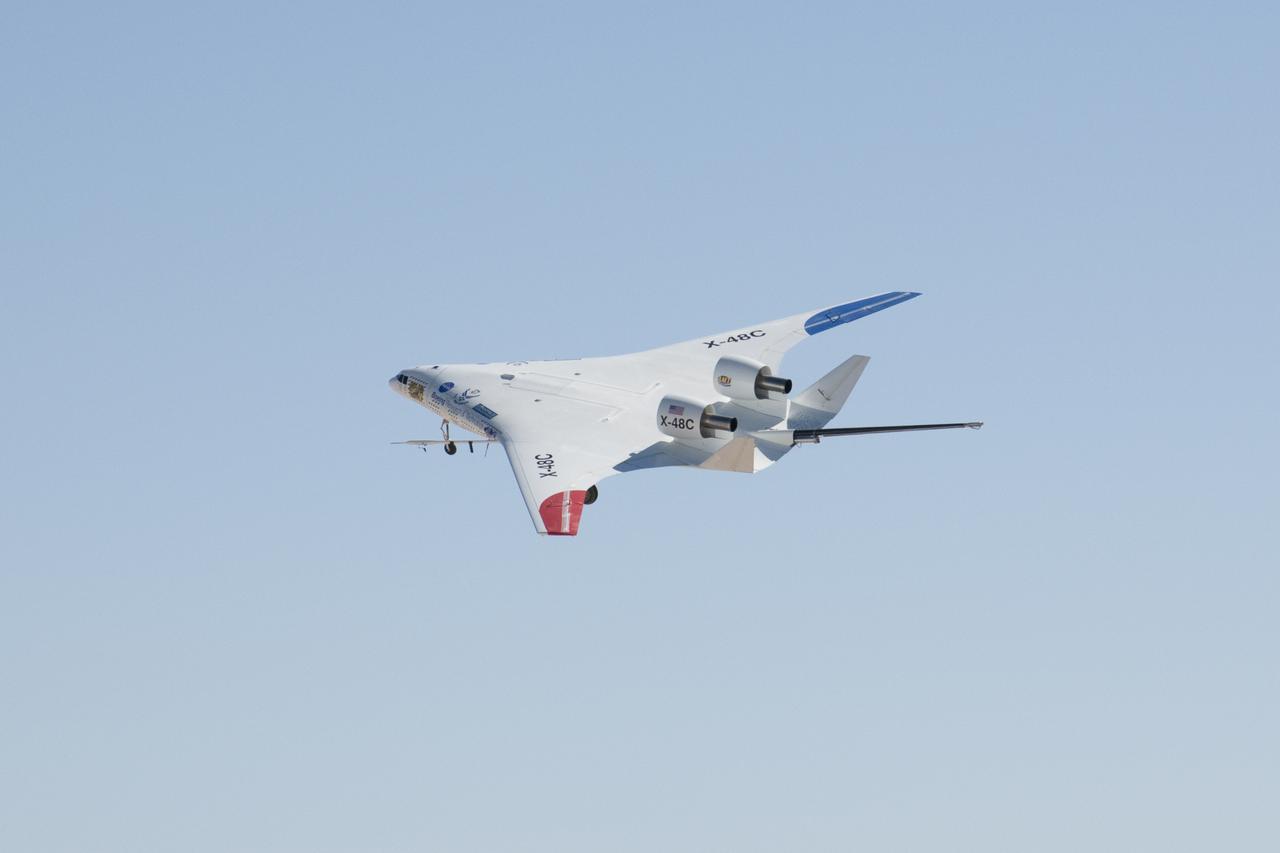
A deep blue sky was a backdrop for the NASA-Boeing X-48C Hybrid Wing Body aircraft as it flew over Edwards AFB on Feb. 28, 2013, during a test flight from NASA's Dryden Flight Research Center, Edwards, CA.
X-48C Flies Over Edwards Air Force Base
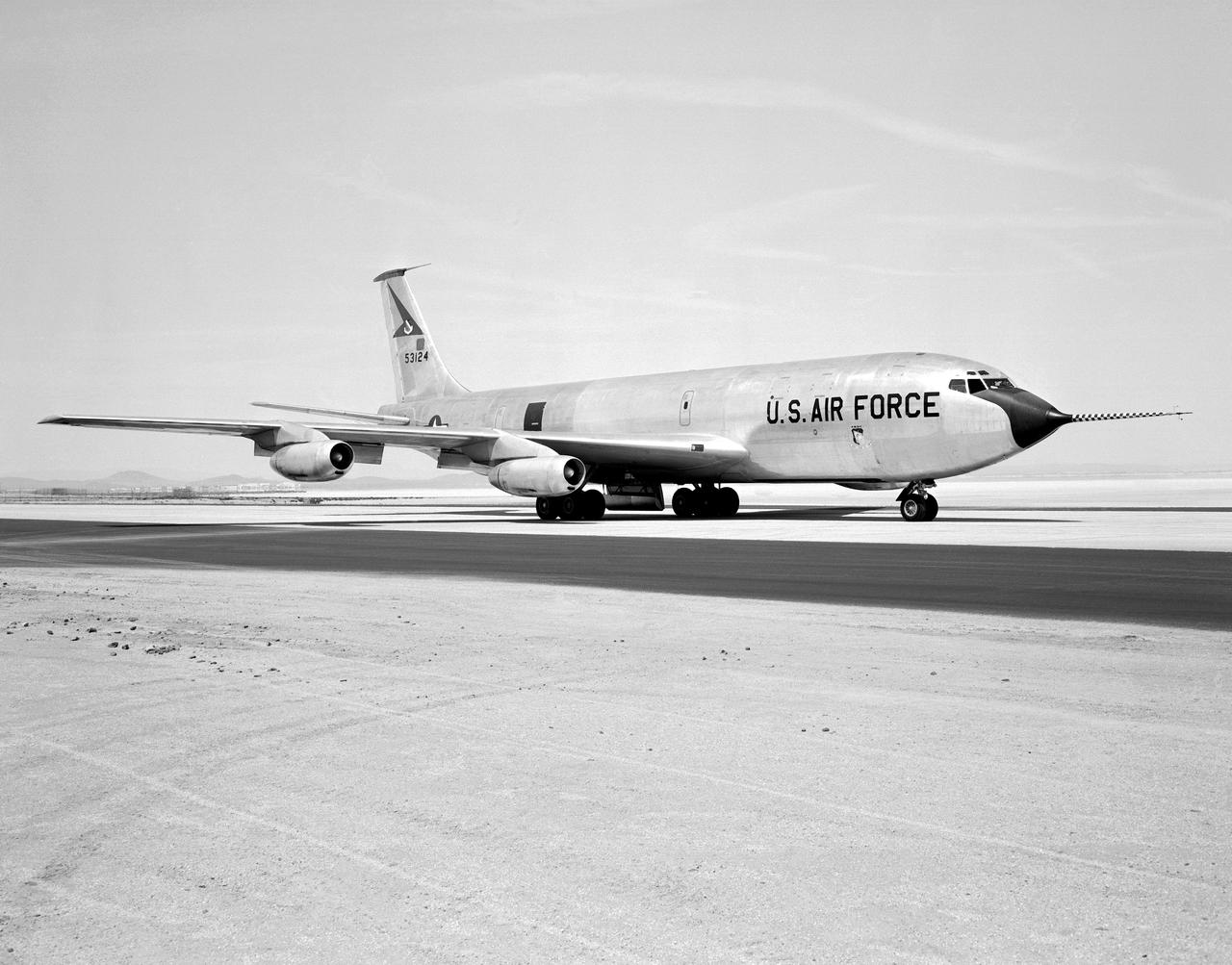
The Boeing KC-135 Stratotanker, besides being used extensively in its primary role as an inflight aircraft refueler, has assisted in several projects at the NASA Dryden Flight Research Center, Edwards, California. In 1957 and 1958, Dryden was asked by what was then the Civil Aeronautics Administration (later absorbed into the Federal Aviation Administration (FAA) in 1958) to help establish new approach procedure guidelines on cloud-ceiling and visibility minimums for Boeing's first jet airliner, the B-707. Dryden used a KC-135 (the military variant of the 707), seen here on the runway at Edwards Air Force Base, to aid the CAA in these tests.  In 1979 and 1980, Dryden was again involved with general aviation research with the KC-135. This time, a special wingtip "winglet", developed by Richard Whitcomb of Langley Research Center, was tested on the jet aircraft. Winglets are small, nearly vertical fins installed on an airplane's wing tips to help produce a forward thrust in the vortices that typically swirl off the end of the wing, thereby reducing drag. This winglet idea was tested at the Dryden Flight Research Center on a KC-135A tanker loaned to NASA by the Air Force. The research showed that the winglets could increase an aircraft's range by as much as 7 percent at cruise speeds. The first application of NASA's winglet technology in industry was in general aviation business jets, but winglets are now being incorporated into most new commercial and military transport jets, including the Gulfstream III and IV business jets, the Boeing 747-400 and MD-11 airliners, and the C-17 military transport.  In the 1980's, a KC-135 was used in support of the Space Shuttle program. Since the Shuttle was to be launched from Florida, researchers wanted to test the effect of rain on the sensitive thermal tiles. Tiles were mounted on special fixtures on an F-104 aircraft and a P-3 Orion. The F-104 was flown in actual rain conditions, and also behind the KC-135 spray tanker as it rel
E-4123
The NASA-Boeing X-48C Hybrid/Blended Wing Body research aircraft banked left during one of its final test flights over Edwards Air Force Base from NASA's Dryden Flight Research Center on Feb. 28, 2013.
X-48C Hybrid - Blended Wing Body Demonstrator
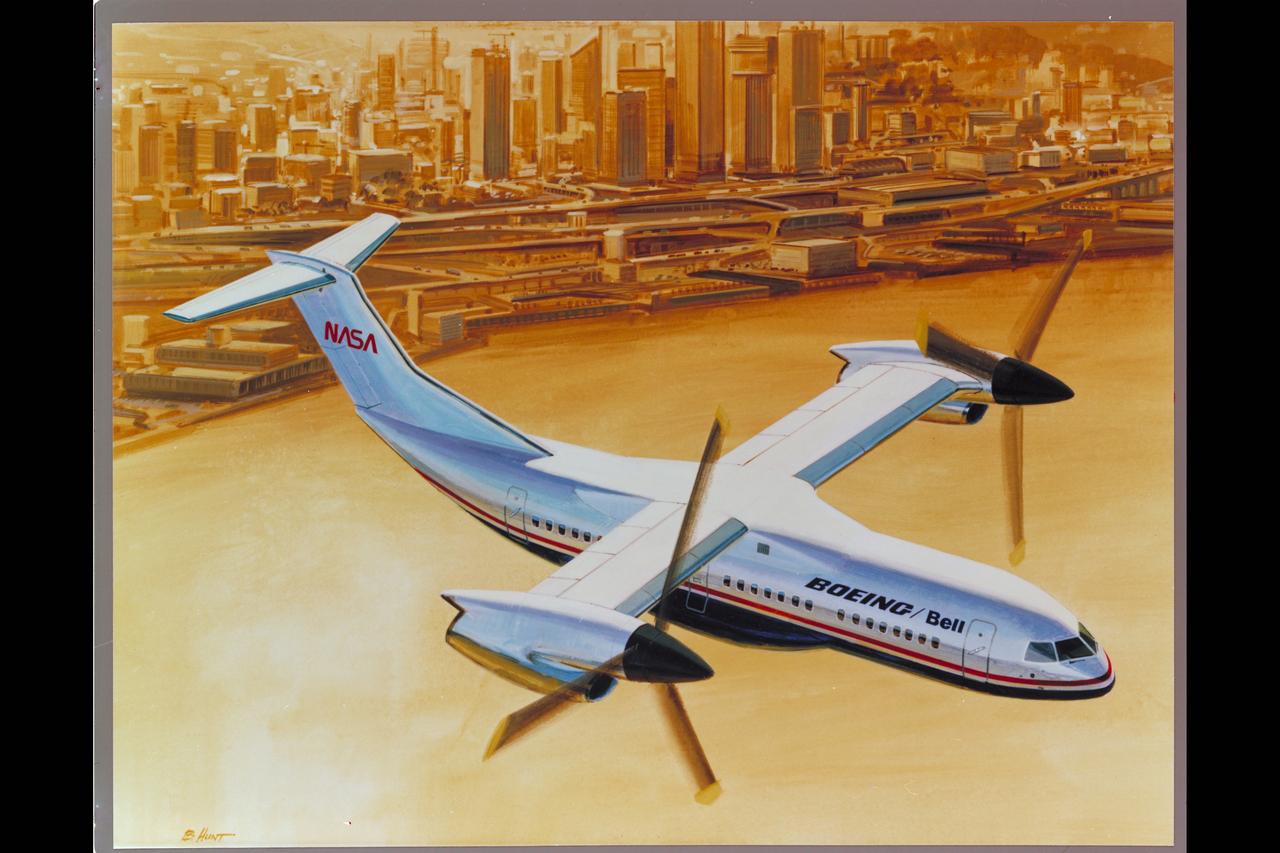
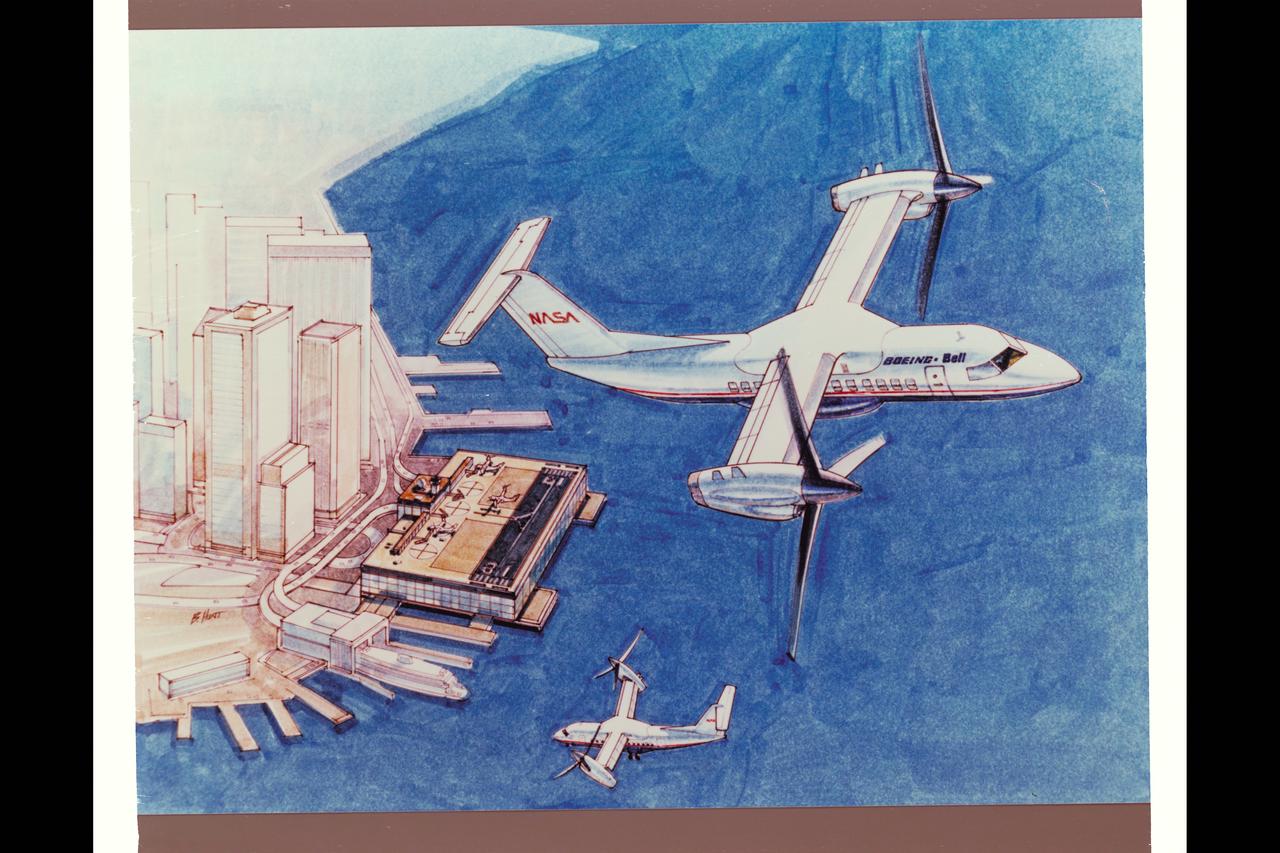
Civil Tilt Rotor Commuter Aircraft concepts by Boeing/Bell
ARC-1986-AC86-0035-1
Civil Tilt Rotor Commuter Aircraft concepts by Boeing/Bell
ARC-1986-AC86-0035-3
A joint NASA/Boeing team completed the first phase of flight tests on the unique X-48B Blended Wing Body aircraft at NASA's Dryden Flight Research Center at Edwards, CA. The team completed the 80th and last flight of the project's first phase on March 19, 2010.
X-48B Skyray Takeoff
Air to air views of Endeavour, Orbiter Vehicle (OV) 105, transported via the  Shuttle Carrier Aircraft (SCA), NASA 911, on its way to KSC, 05-06-91. JSC with Clear Creek and Egret Bay Blvd in the foreground and Clear Lake and Galveston Bay in the background
Air to air views of Endeavour, Orbiter Vehicle (OV) 105
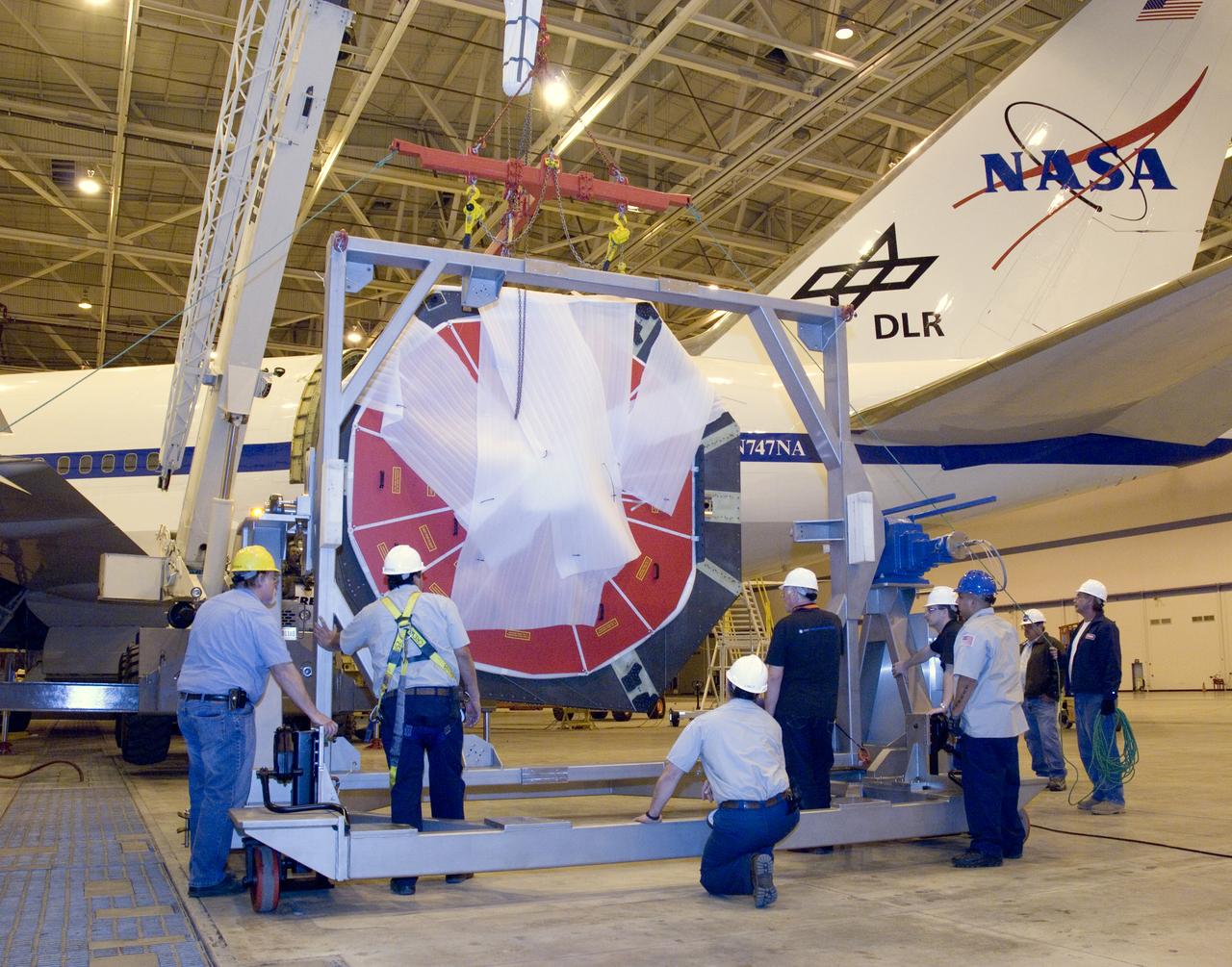
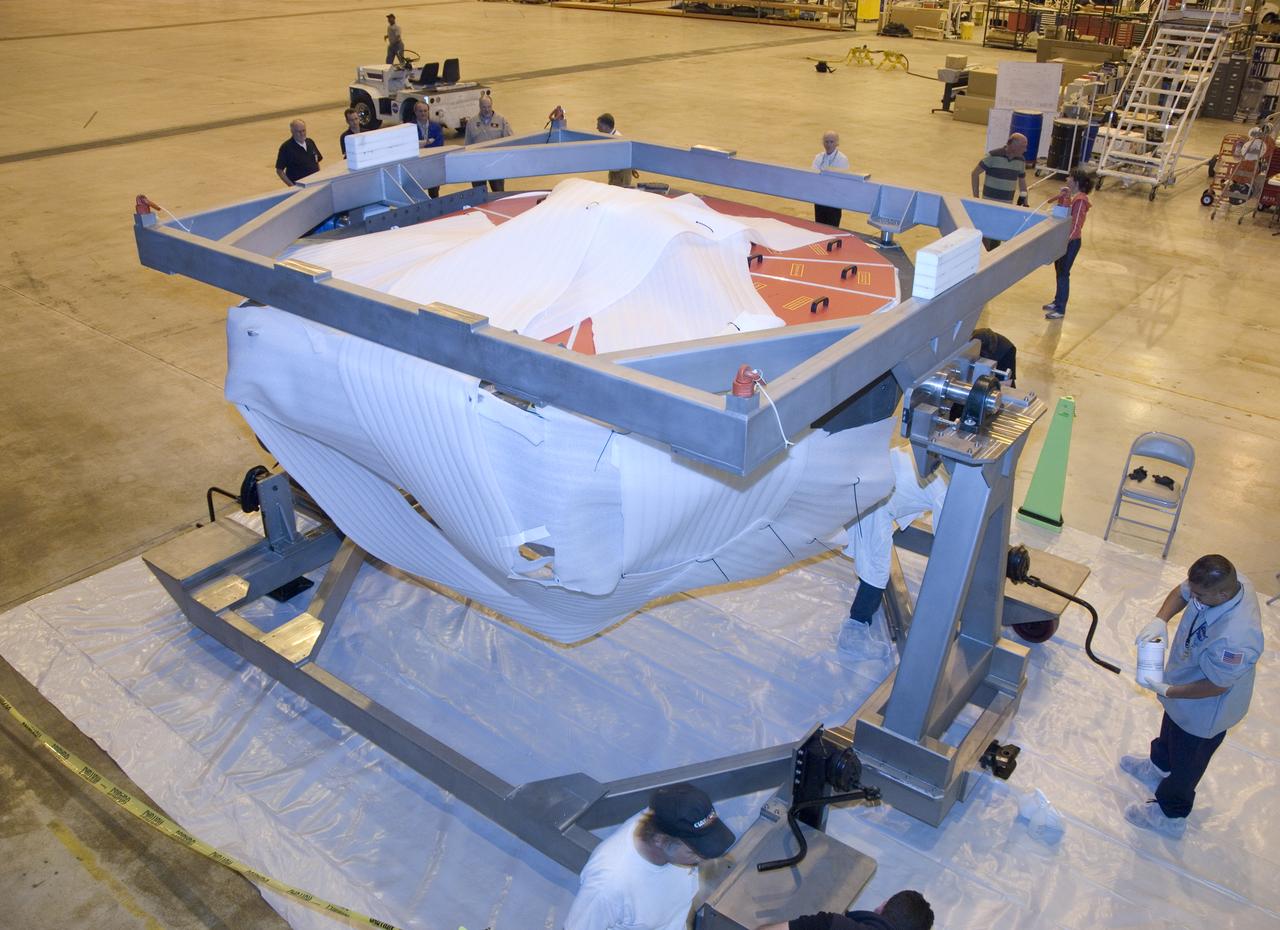
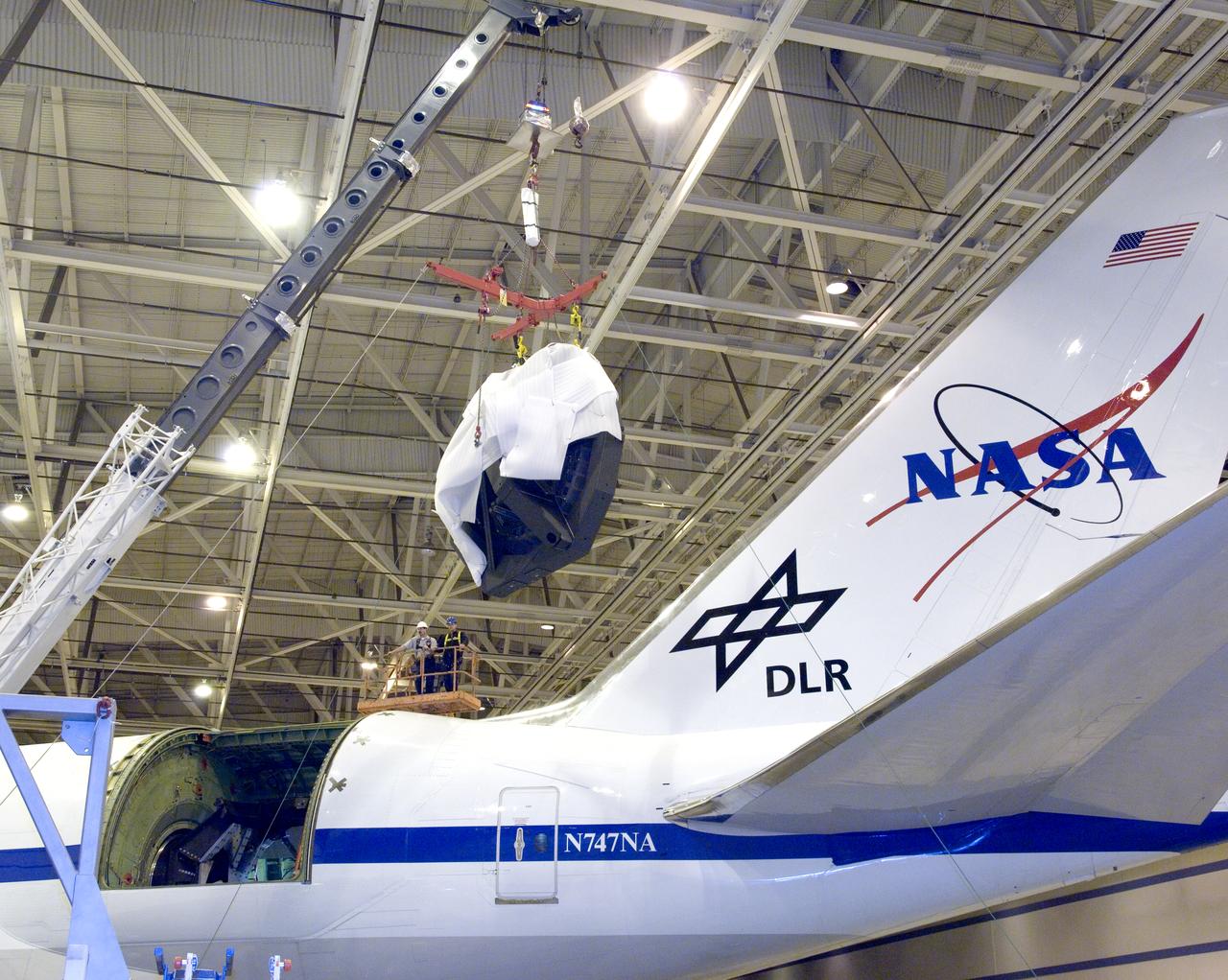
Technicians at the NASA Dryden Aircraft Operations Facility in Palmdale, Calif., removed the German-built primary mirror assembly from the Stratospheric Observatory for Infrared Astronomy, or SOFIA, April 18, 2008 in preparation for the final finish coating of the mirror. A precision crane lifted the more than two-ton mirror assembly from its cavity in the rear fuselage of the highly modified Boeing 747SP. The assembly was then secured in its transport dolly and moved to a clean room where it was prepared for shipment to NASA Ames Research Center at Moffett Field near Mountain View, Calif. where it would receive its aluminized finish coating before being re-installed in the SOFIA aircraft.
Technicians with ropes carefully guide the primary mirror assembly as a crane slowly moves it toward its transport cradle after removal from the SOFIA aircraft
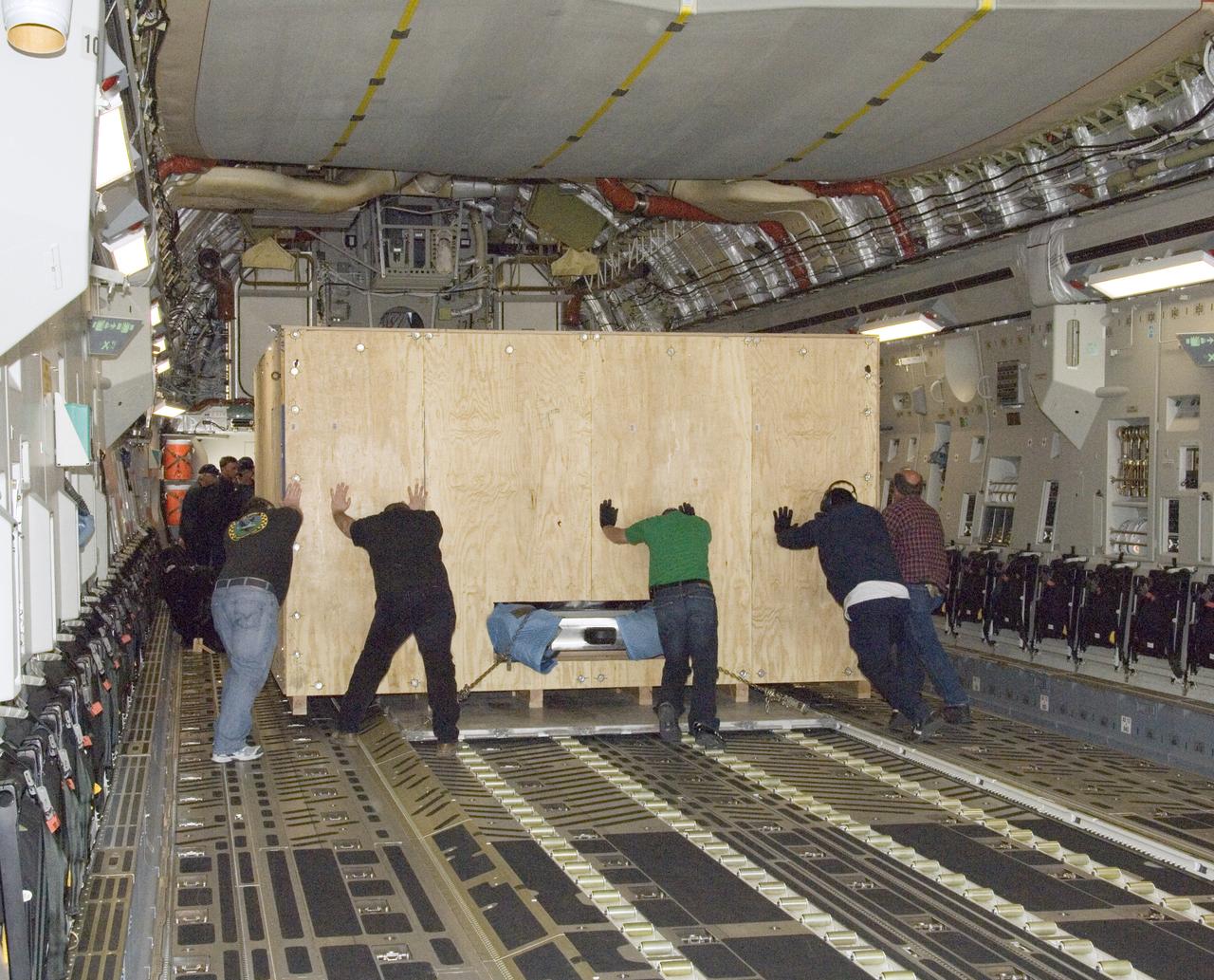
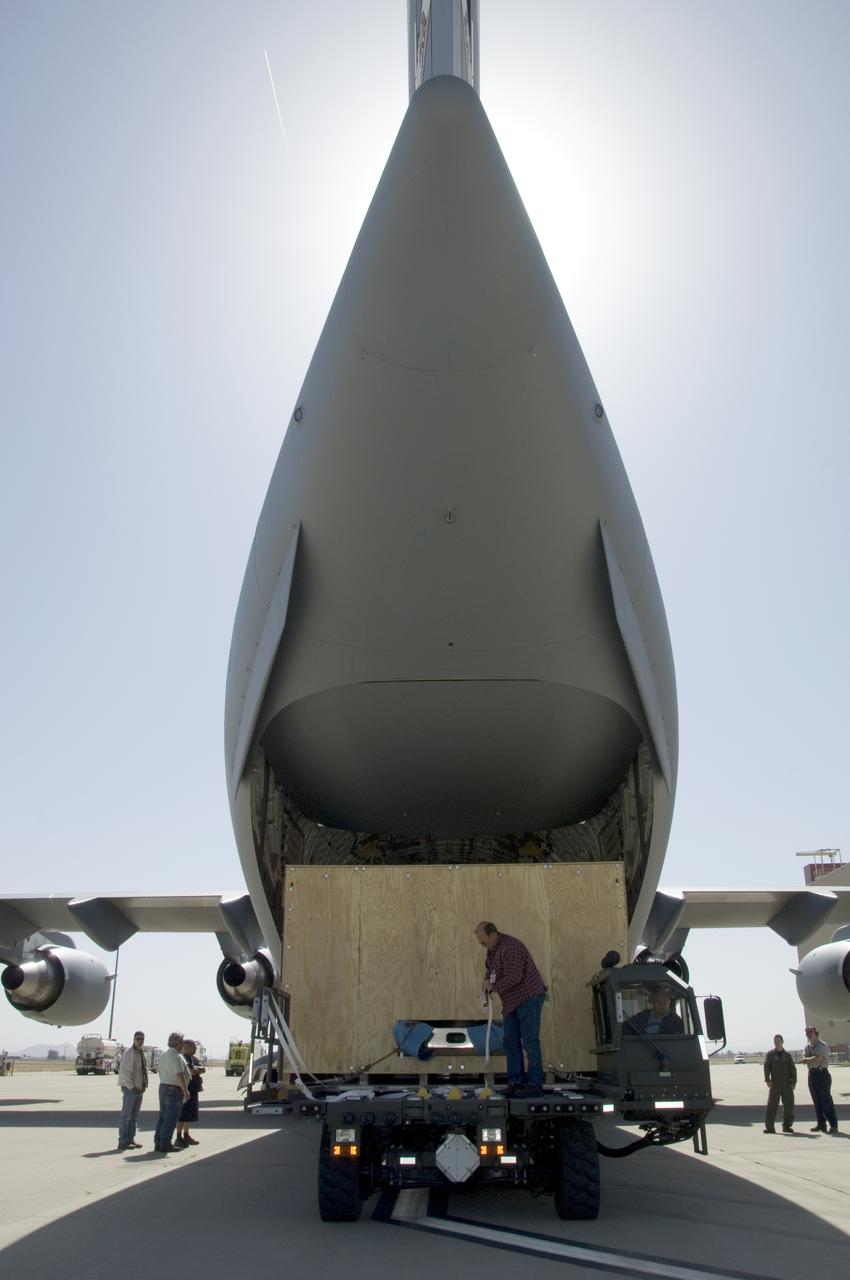
Technicians at NASA's Dryden Aircraft Operations Facility in Palmdale, Calif., loaded the German-built primary mirror assembly of the Stratospheric Observatory for Infrared Astronomy, or SOFIA, onto an Air Force C-17 for shipment to NASA's Ames Research Center on May 1, 2008. In preparation for the final finish coating of the mirror, the more than two-ton mirror assembly had been removed from its cavity in the rear fuselage of the highly modified SOFIA Boeing 747SP two weeks earlier. After arrival at NASA Ames at Moffett Field near Mountain View, Calif., the mirror would receive its aluminized finish coating before being re-installed in the SOFIA aircraft.
Ground crewmen prepare to load the crated SOFIA primary mirror assembly into an Air Force C-17 for shipment to NASA Ames Research Center for finish coating
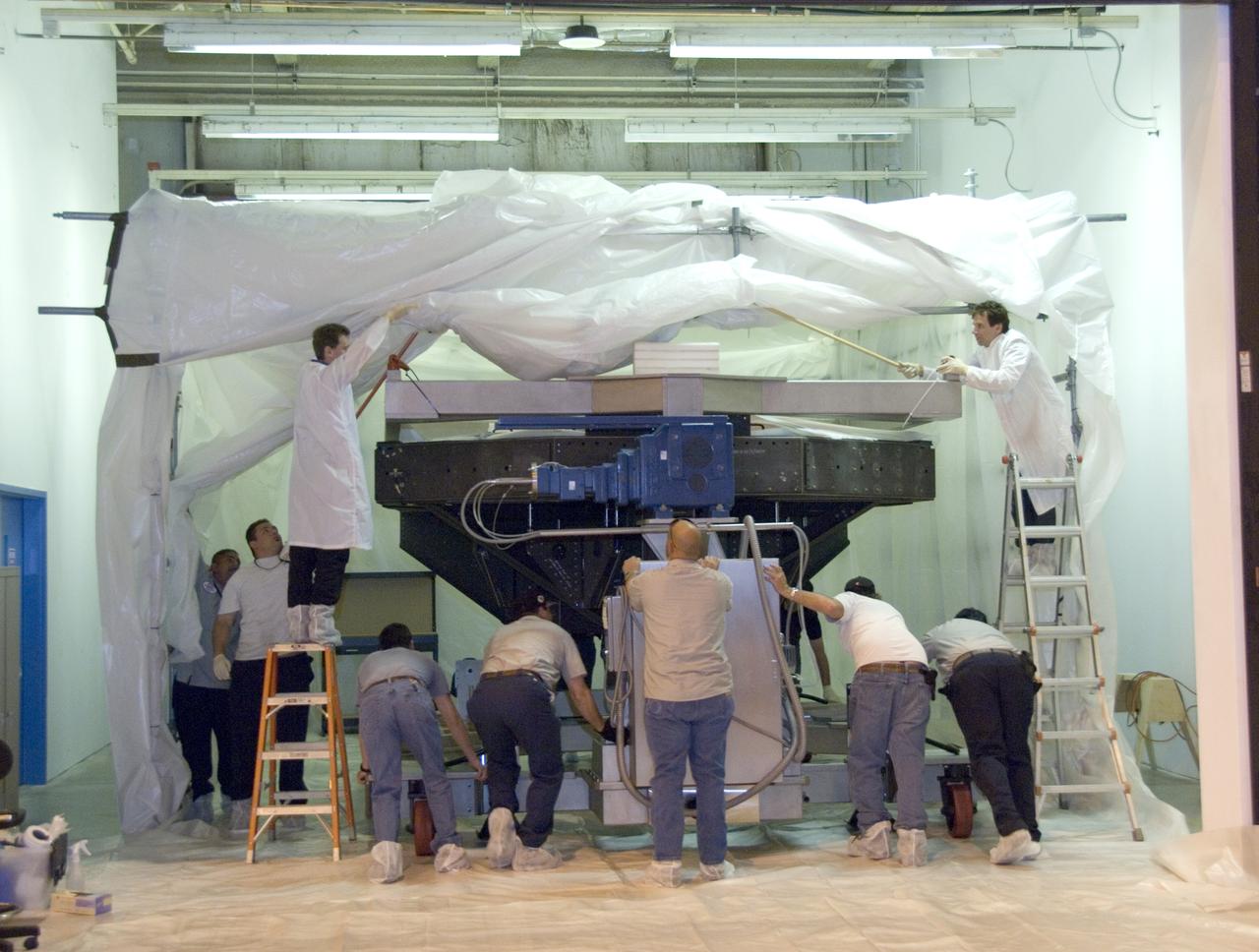
Technicians at the NASA Dryden Aircraft Operations Facility in Palmdale, Calif., removed the German-built primary mirror assembly from the Stratospheric Observatory for Infrared Astronomy, or SOFIA, April 18, 2008 in preparation for the final finish coating of the mirror. A precision crane lifted the more than two-ton mirror assembly from its cavity in the rear fuselage of the highly modified Boeing 747SP. The assembly was then secured in its transport dolly and moved to a clean room where it was prepared for shipment to NASA Ames Research Center at Moffett Field near Mountain View, Calif. where it would receive its aluminized finish coating before being re-installed in the SOFIA aircraft.
Technicians carefully guide SOFIA's primary mirror assembly on its transport cradle into a clean room where it is being prepared for shipment to NASA Ames
Technicians at NASA's Dryden Aircraft Operations Facility in Palmdale, Calif., loaded the German-built primary mirror assembly of the Stratospheric Observatory for Infrared Astronomy, or SOFIA, onto an Air Force C-17 for shipment to NASA's Ames Research Center on May 1, 2008. In preparation for the final finish coating of the mirror, the more than two-ton mirror assembly had been removed from its cavity in the rear fuselage of the highly modified SOFIA Boeing 747SP two weeks earlier. After arrival at NASA Ames at Moffett Field near Mountain View, Calif., the mirror would receive its aluminized finish coating before being re-installed in the SOFIA aircraft.
A NASA Technician directs loading of the crated SOFIA primary mirror assembly into a C-17 for shipment to NASA Ames Research Center for finish coating
Technicians at the NASA Dryden Aircraft Operations Facility in Palmdale, Calif., removed the German-built primary mirror assembly from the Stratospheric Observatory for Infrared Astronomy, or SOFIA, April 18, 2008 in preparation for the final finish coating of the mirror. A precision crane lifted the more than two-ton mirror assembly from its cavity in the rear fuselage of the highly modified Boeing 747SP. The assembly was then secured in its transport dolly and moved to a clean room where it was prepared for shipment to NASA Ames Research Center at Moffett Field near Mountain View, Calif. where it would receive its aluminized finish coating before being re-installed in the SOFIA aircraft.
Technicians position the transport cradle as a crane lowers SOFIA's primary mirror assembly into place prior to finish coating of the mirror at NASA Ames
Technicians at NASA's Dryden Aircraft Operations Facility in Palmdale, Calif., loaded the German-built primary mirror assembly of the Stratospheric Observatory for Infrared Astronomy, or SOFIA, onto an Air Force C-17 for shipment to NASA's Ames Research Center on May 1, 2008. In preparation for the final finish coating of the mirror, the more than two-ton mirror assembly had been removed from its cavity in the rear fuselage of the highly modified SOFIA Boeing 747SP two weeks earlier. After arrival at NASA Ames at Moffett Field near Mountain View, Calif., the mirror would receive its aluminized finish coating before being re-installed in the SOFIA aircraft.
Ground crewmen shove the more than two-ton SOFIA primary mirror assembly in its transport crate into a C-17's cavernous cargo bay for shipment to NASA Ames
Technicians at the NASA Dryden Aircraft Operations Facility in Palmdale, Calif., removed the German-built primary mirror assembly from the Stratospheric Observatory for Infrared Astronomy, or SOFIA, April 18, 2008 in preparation for the final finish coating of the mirror. A precision crane lifted the more than two-ton mirror assembly from its cavity in the rear fuselage of the highly modified Boeing 747SP. The assembly was then secured in its transport dolly and moved to a clean room where it was prepared for shipment to NASA Ames Research Center at Moffett Field near Mountain View, Calif. where it would receive its aluminized finish coating before being re-installed in the SOFIA aircraft.
The SOFIA primary mirror assembly is cautiously lifted from its cavity in the modified 747 by a crane in preparation for finish coating operations at NASA Ames