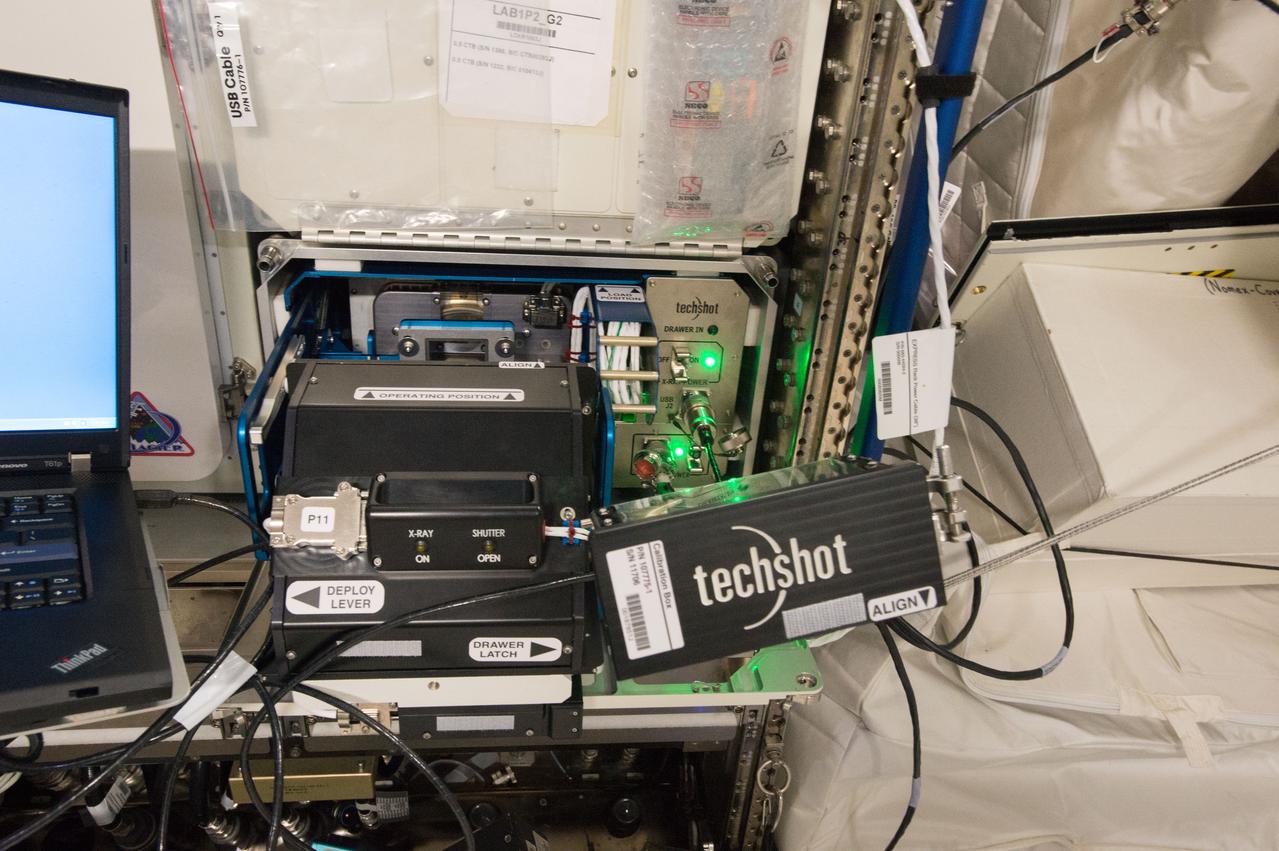
iss043e286992 (6/6/2015) --- Photographic documentation of the Bone Densitometer Validation experiment in support of Rodent Research 2 (RR2) experiment. Bone Densitometer Hardware Validation (Bone Densitometer Validation) tests an X-ray device the size of a kitchen microwave oven, which measures bone density, muscle and fat in mice living on the International Space Station.
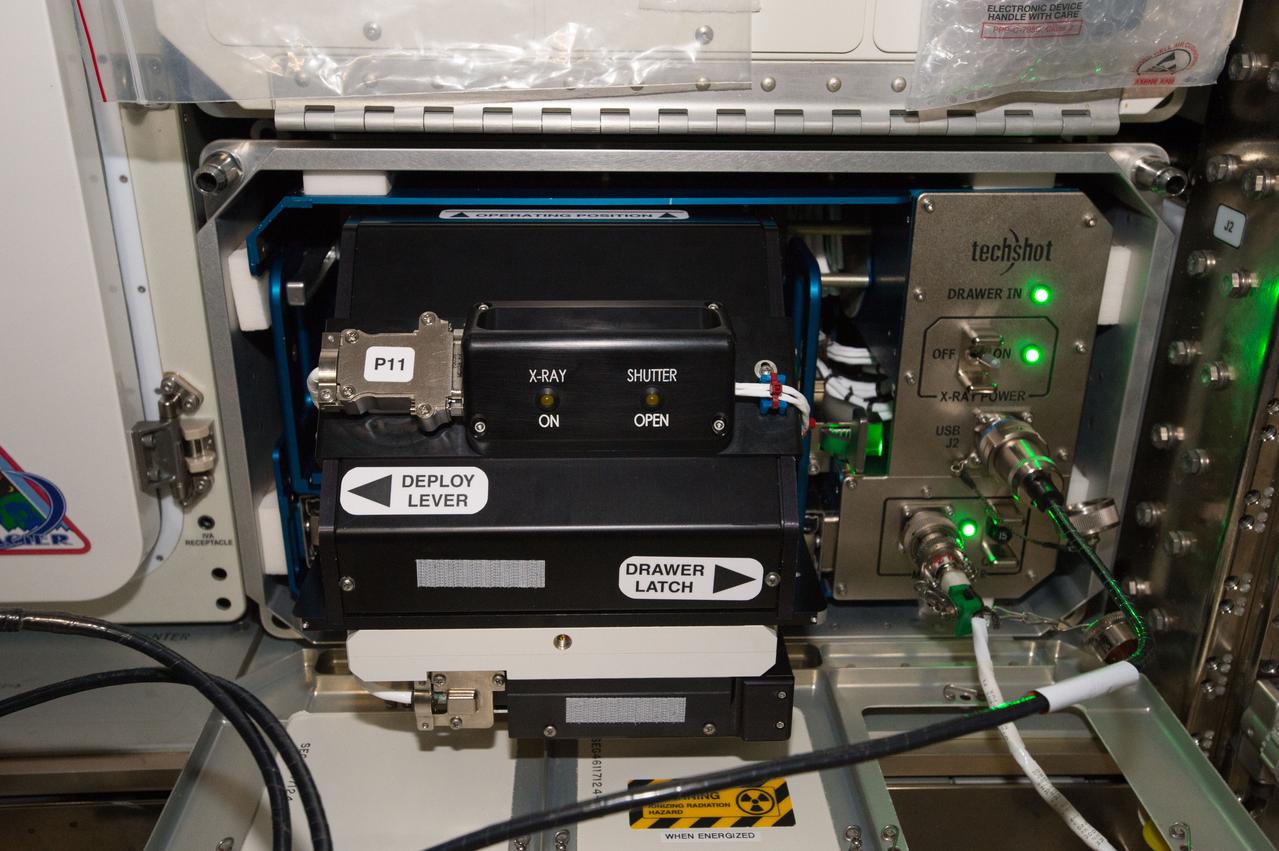
iss043e286986 (6/6/2015) --- Photographic documentation of the Bone Densitometer Validation experiment in support of Rodent Research 2 (RR2) experiment. Bone Densitometer Hardware Validation (Bone Densitometer Validation) tests an X-ray device the size of a kitchen microwave oven, which measures bone density, muscle and fat in mice living on the International Space Station.
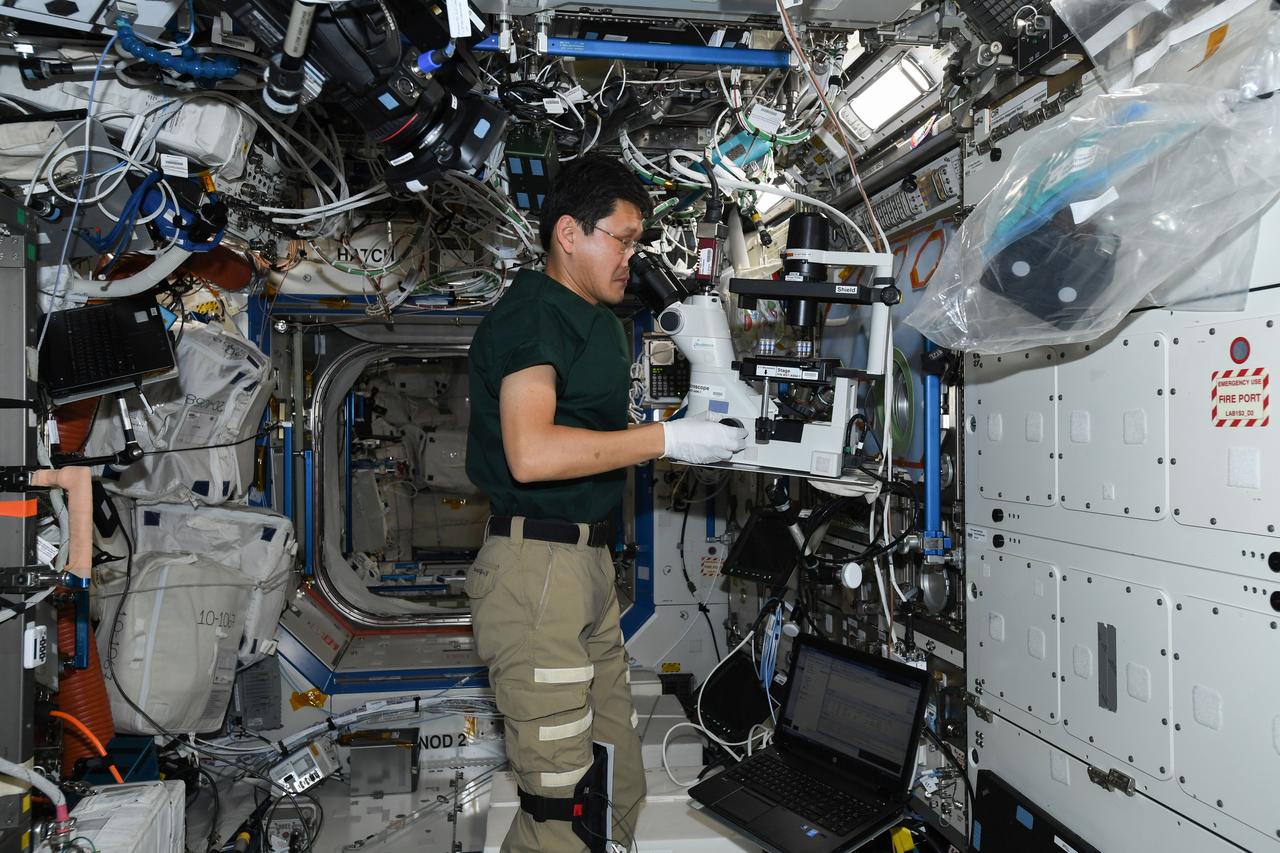
iss054e067484 (12/21/2017) --- Japan Aerospace Exploration Agency (JAXA) astronaut Norishige Kanai is photographed in the U.S. Lab performing Microscope operations for Synthetic Bone experiment. Synthetic Bone tests the functionality and effectiveness of a new material that can assist in recovery from bone injuries or dental work during long-term space travel.
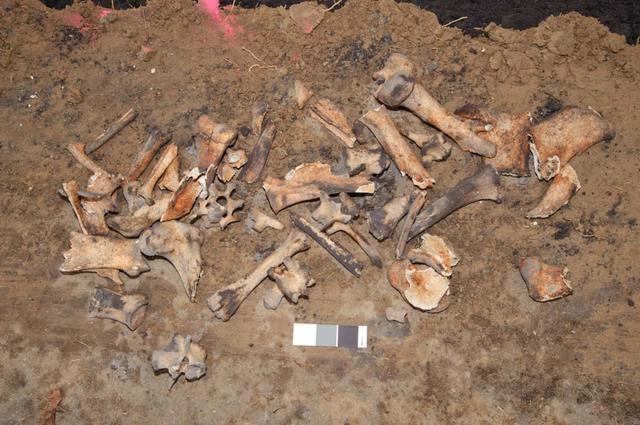
Bones found at the site of the Sustainability Base N-232. Later determined to be from a domestic animal, possibly a donkey or horse.
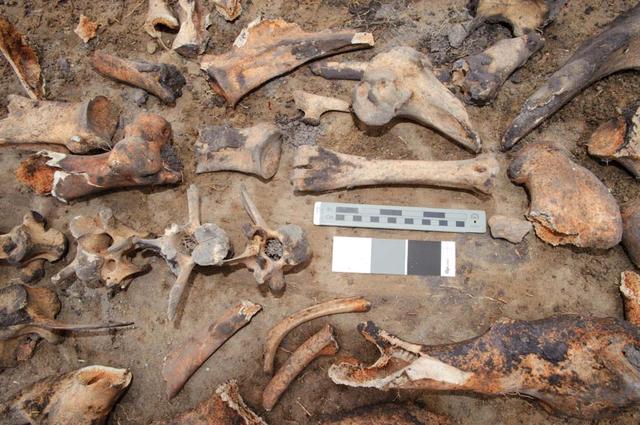
Bones found at the site of the Sustainability Base N-232. Later determined to be from a domestic animal, possibly a donkey or horse.
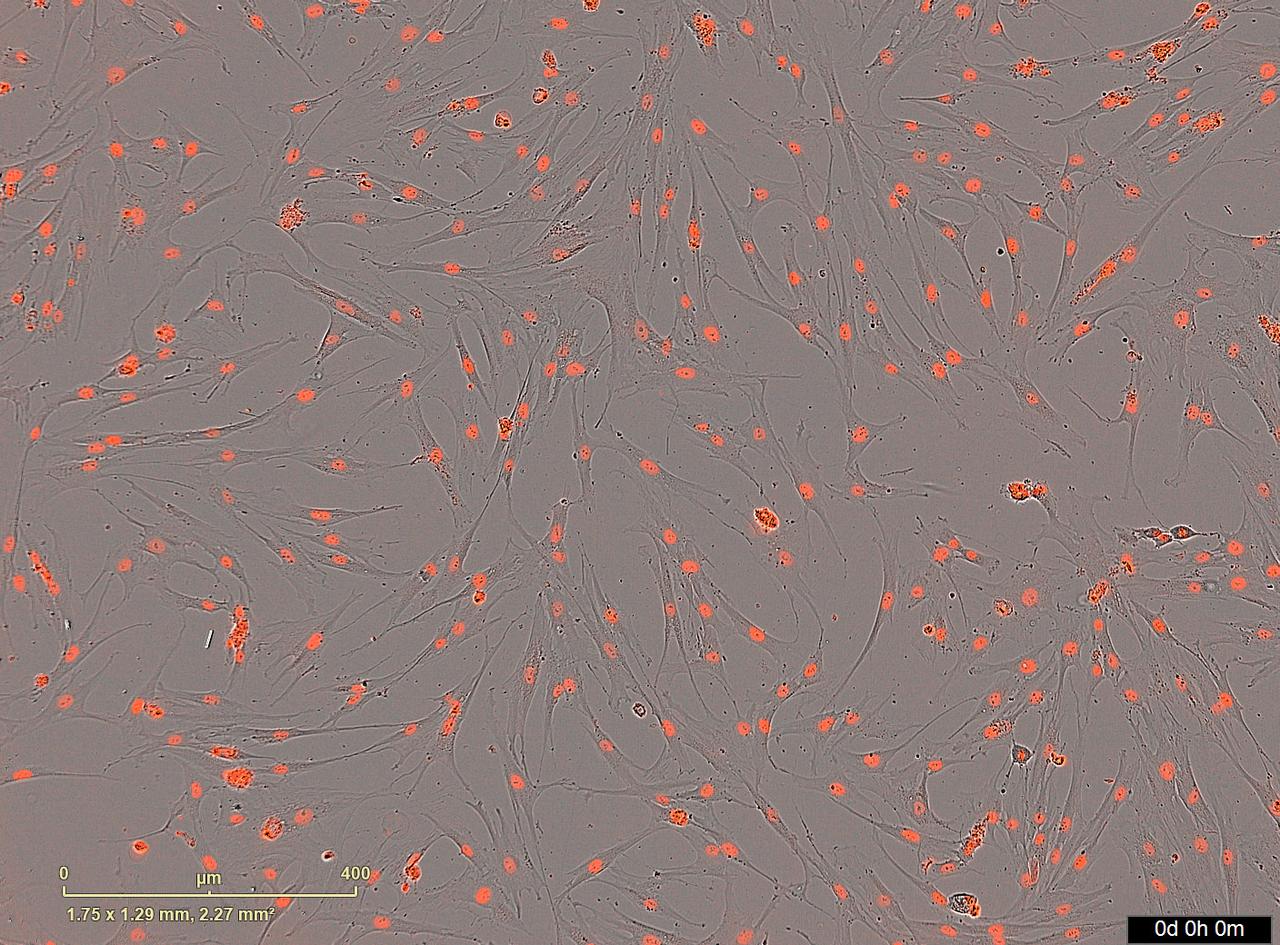
jsc2025e065389 (6/26/2025) --- Bone-forming or mesenchymal stem cells from human bone marrow stained with red dye. An investigation on the International Space Station, Microgravity Associated Bone Loss-B (MABL-B), assesses how these cells respond to microgravity, including changes in gene expression and the secretion of signaling proteins that promote bone formation and increase bone loss. Results could provide insight into bone loss that occurs during spaceflight and from normal aging and disease on Earth. Credit: Mayo Clinic

jsc2025e065391 (1/15/2025) --- A six-well BioCell, the hardware that holds samples for the International Space Station Microgravity Associated Bone Loss-B (MABL-B) investigation, which assesses how bone-forming stem cells respond to microgravity. Researchers are measuring gene expression changes and the secretion of signaling proteins that promote bone formation and increase bone loss. Results could provide insight into spaceflight-related bone loss and support development of treatments for bone loss caused by disease on Earth. Credit: Mayo Clinic
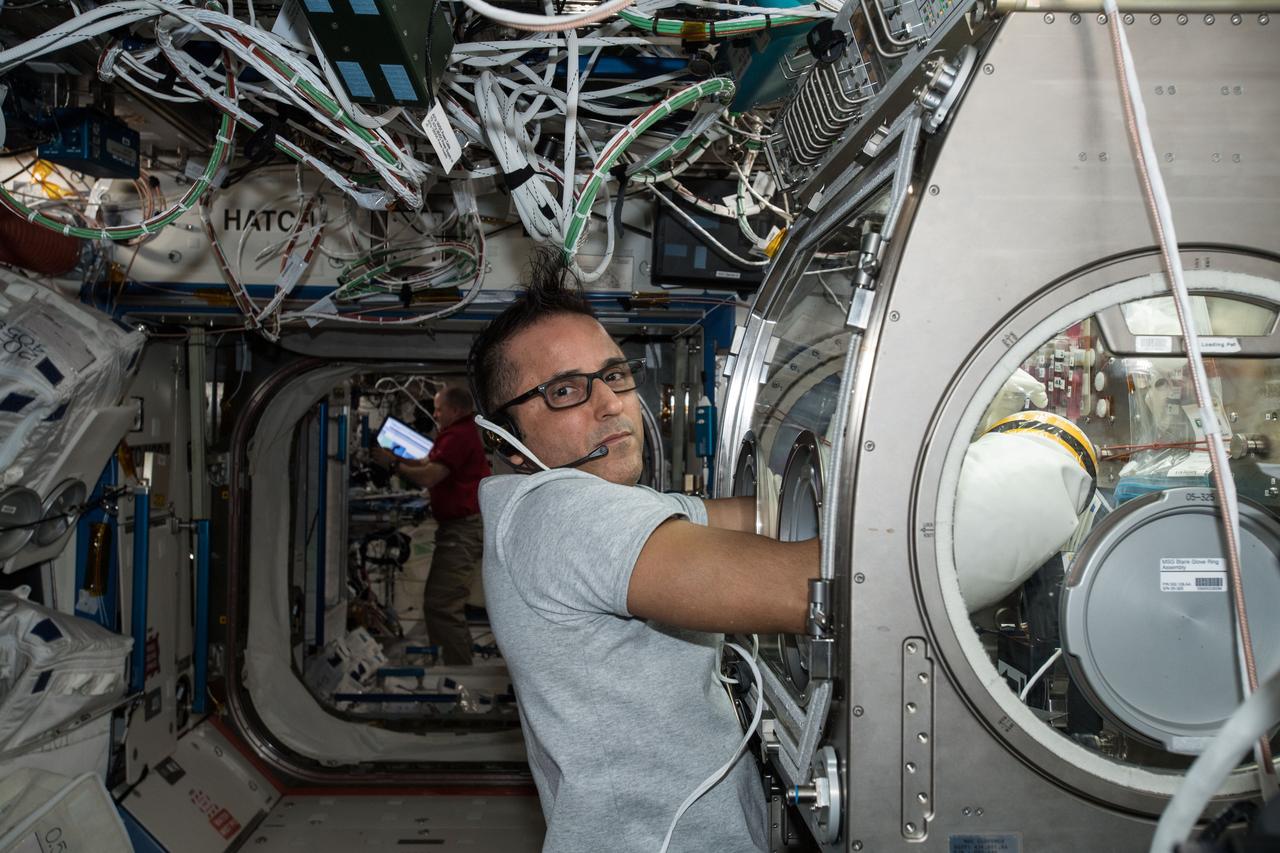
iss054e006421 912/21/2017) --- NASA astronaut Joe Acaba conducts fluid exchange and sampling for the Synthetic Bone experiment inside the Microgravity Science Glovebox (MSG) in the Destiny U.S. Laboratory aboard the International Space Station (ISS).Synthetic Bone tests the functionality and effectiveness of a new material that can assist in recovery from bone injuries or dental work during long-term space travel.
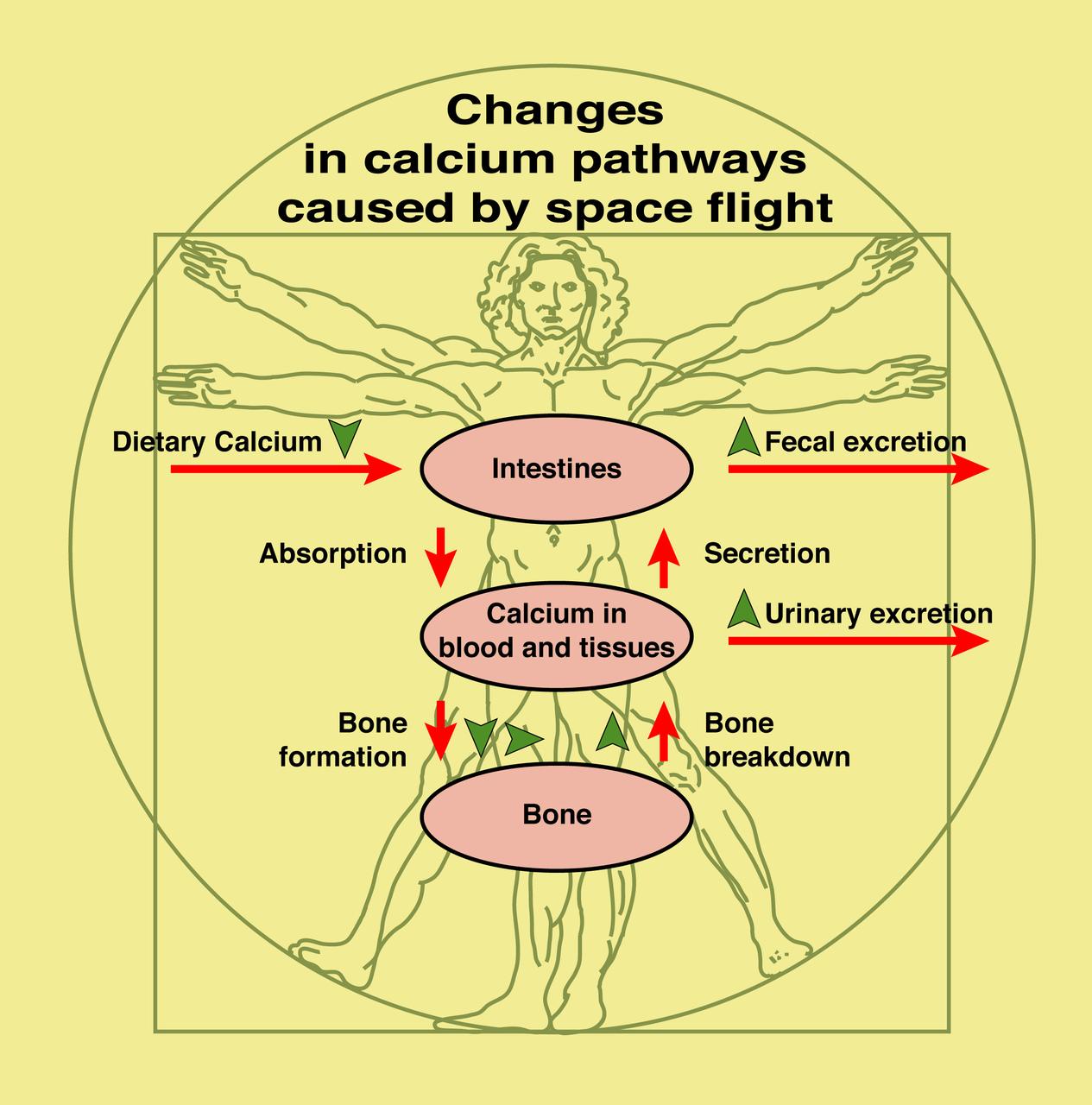
This diagram shows the normal pathways of calcium movement in the body and indicates changes (green arrows) seen during preliminary space flight experiments. Calcium plays a central role because 1) it gives strength and structure to bone and 2) all types of cells require it to function normally. To better understand how and why weightlessness induces bone loss, astronauts have participated in a study of calcium kinetics -- that is, the movement of calcium through the body, including absorption from food, and its role in the formation and breakdown of bone.

jsc2026e034362 (April 28, 2026) --- Bone marrow internal content from magnetic resonance imaging in a participant to a space analogue study. Red blood cells are produced in the bone marrow, and the SPARK investigation aims to detect changes in red blood cell production, bone marrow content, and the effects of chronic space hemolysis. Credit: Bone and Joint Research Laboratory.
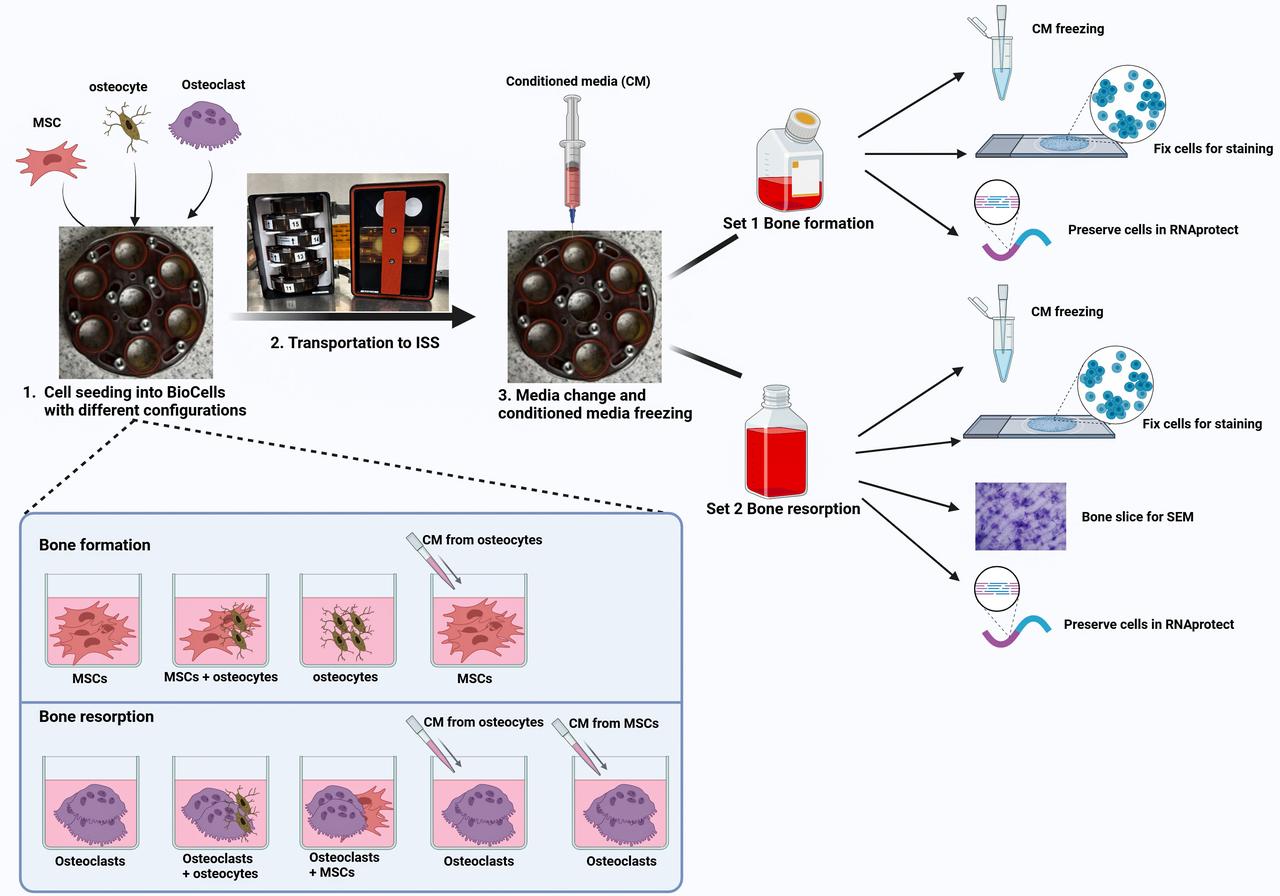
jsc2025e065388 (7/24/2025) --- Diagram of the Microgravity Associated Bone Loss-B (MABL-B) investigation of bone loss on the International Space Station. Shown left to right are the BioCell chambers and type of samples each holds, how the samples are transported to the station, and the process of activating the study once on board. The top right shows samples of cells with a signaling protein that promotes bone formation and the bottom right the samples with a protein that increases bone loss. Credit: Mayo Clinic
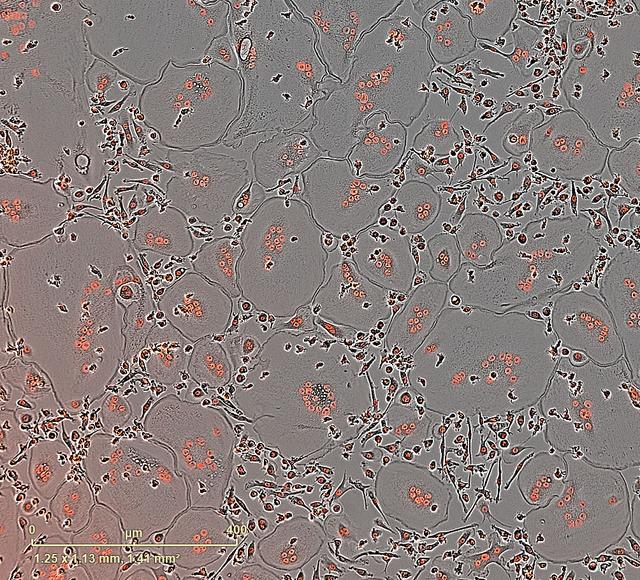
jsc2025e065390 (1/21/2022) --- A microscope image of osteoclasts, which are multinucleated cells responsible for breaking down bone tissue. The Microgravity Associated Bone Loss-B (MABL-B) investigation on the International Space Station uses this type of cell and human bone-forming stem cells from two human donors to examine the effects of microgravity. The investigation could provide a better understanding of the basic molecular mechanisms behind the bone loss that occurs during spaceflight and from normal aging and disease on Earth. Credit: Mayo Clinic
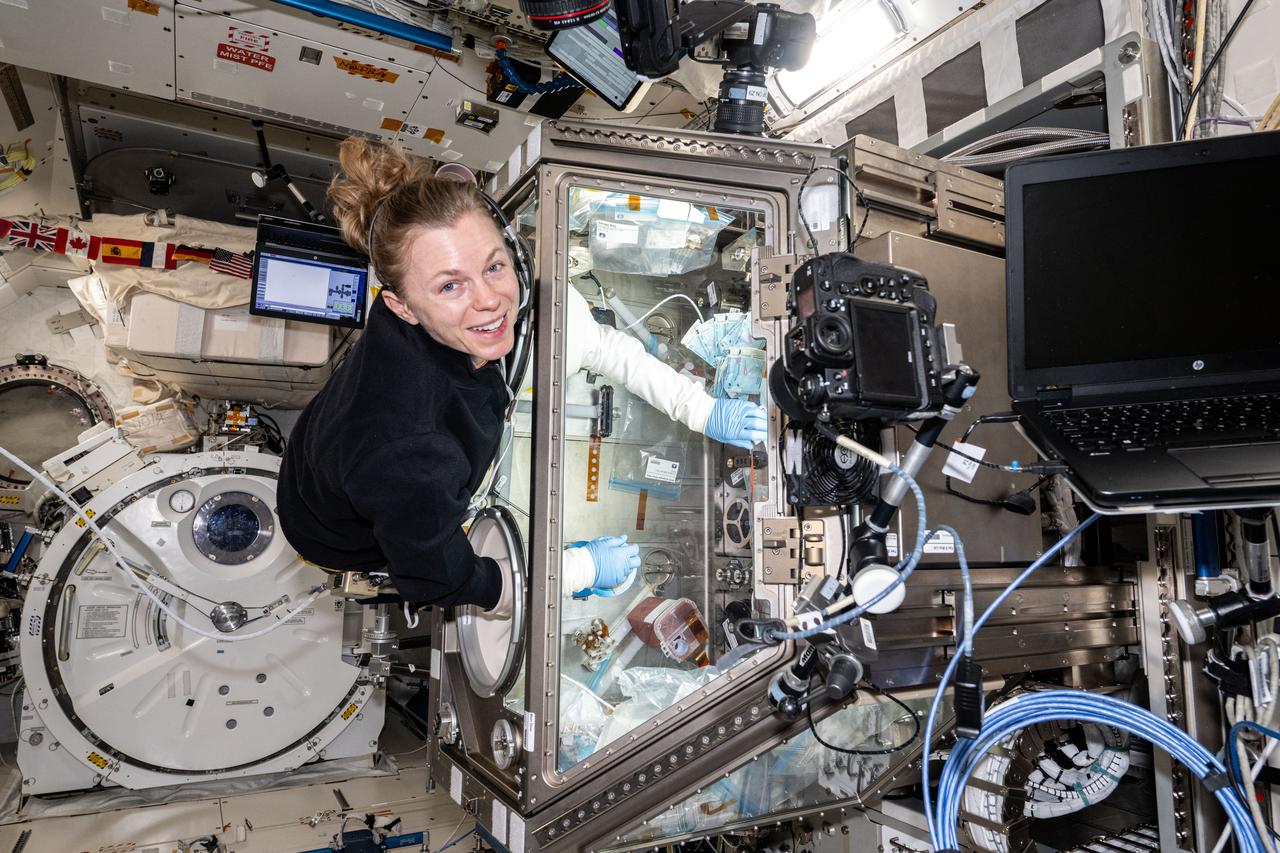
iss073e0605876 (Sept. 4, 2025) --- NASA astronaut and Expedition 73 Flight Engineer Zena Cardman processes bone stem cell samples inside the Kibo laboratory module’s Life Science Glovebox aboard the International Space Station. Cardman was helping researchers explore how microgravity affects bone tissue to safeguard a crew member’s skeletal system and possibly treat aging conditions and bone diseases on Earth.
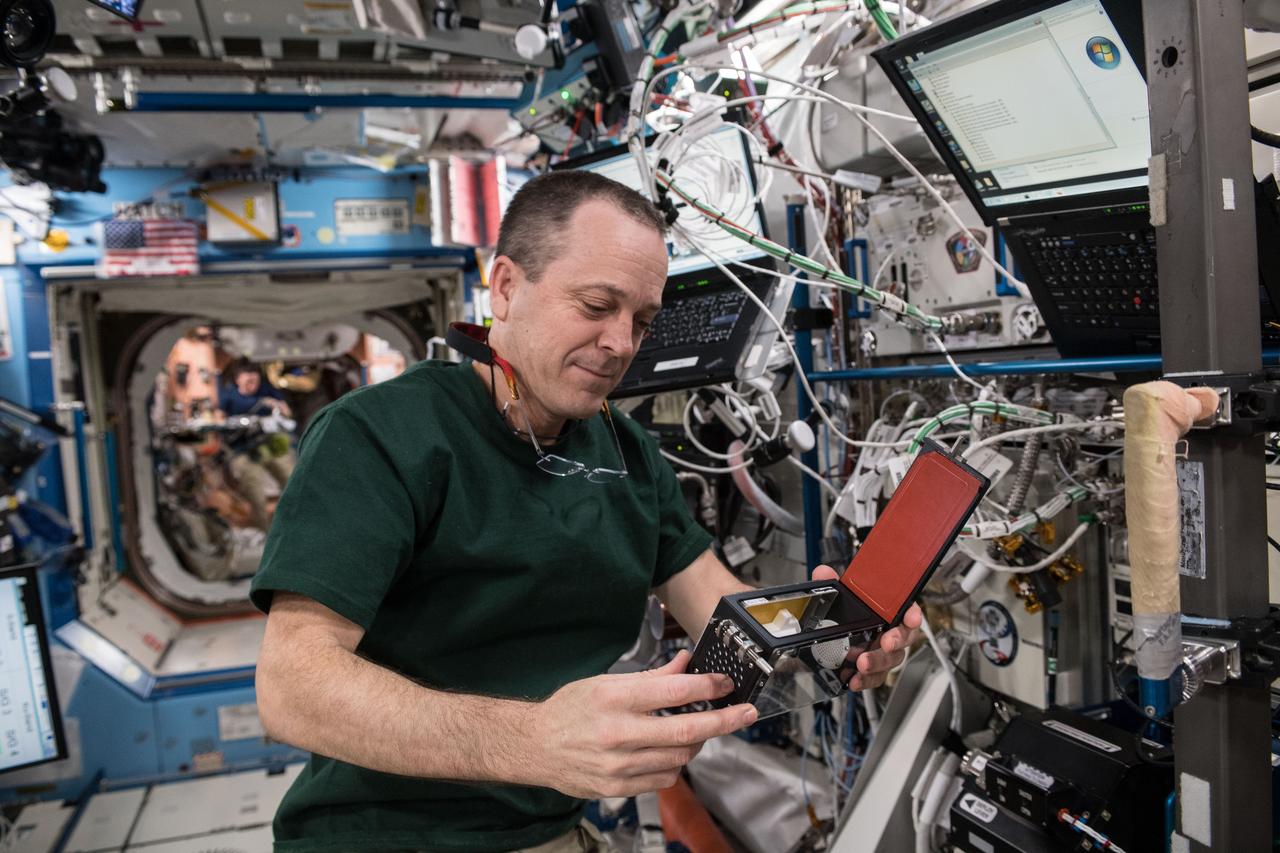
Iss056e095046 (7/13/2018) --- NASA Astronaut Ricky Arnold, working on gear (Bone Densitometer Field Calibration) inside the International Space Station, in support of the Rodent Research 7 (RR7) experiment.
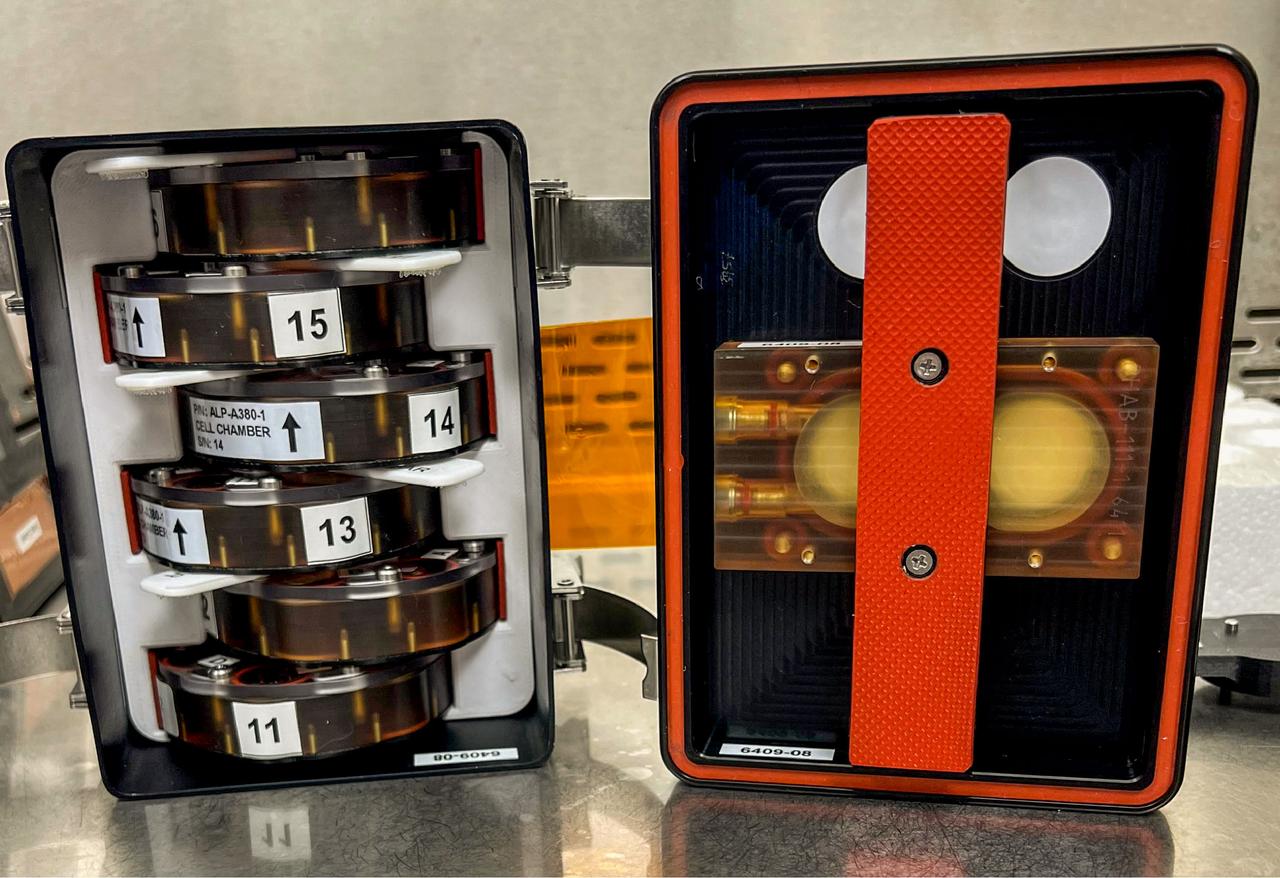
jsc2025e065387 (1/10/2025) --- The BioCell sample holder for the Microgravity Associated Bone Loss-B (MABL-B) investigation packed for launch to the International Space Station. The six-well BioCells are housed in a Plate Habitat (PHAB), which provides secondary containment and structural support during launch and return. MABL-B assesses how bone-forming stem cells respond to microgravity. Results could provide a better understanding of what causes bone loss during spaceflight and from normal aging and disease on Earth and support development of treatments. Credit: Mayo Clinic
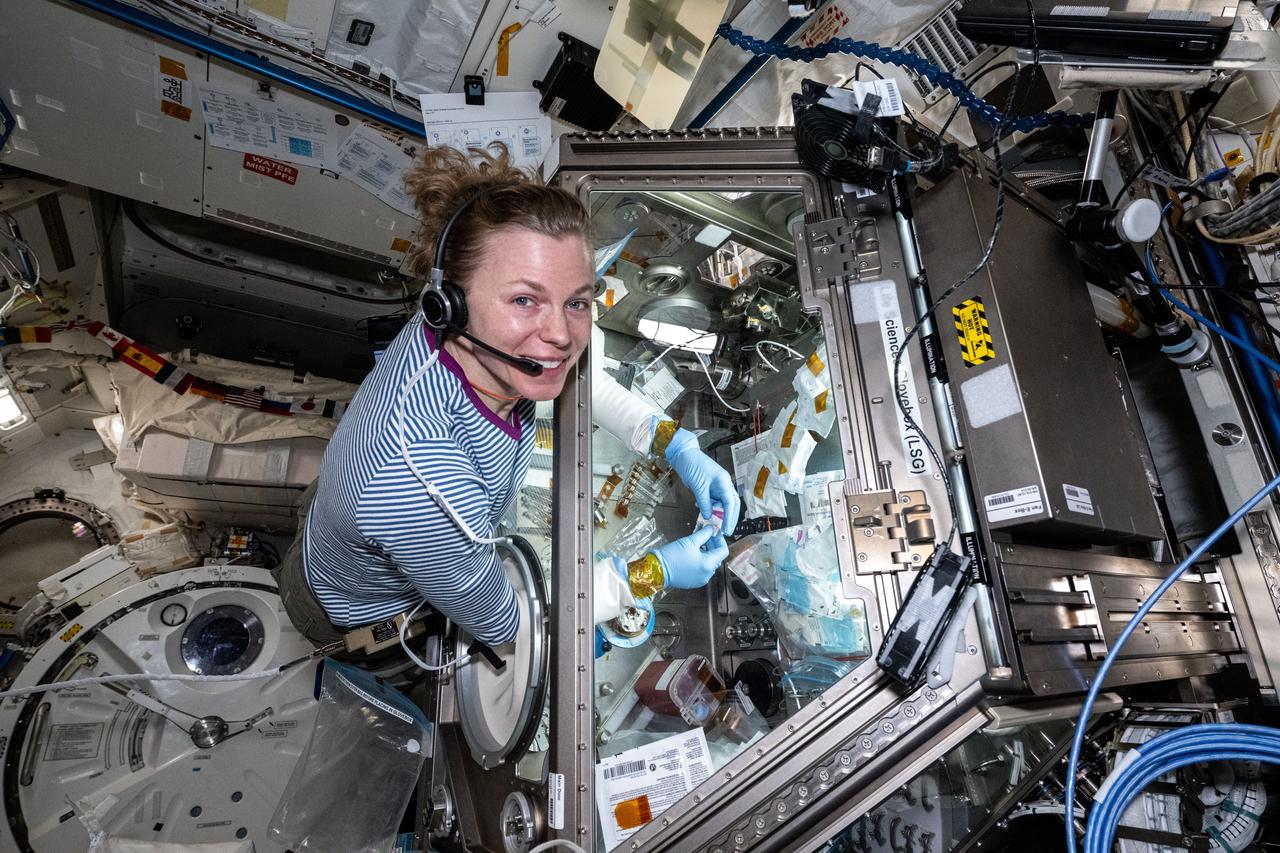
iss073e0548846 (Aug. 28, 2025) --- NASA astronaut and Expedition 73 Flight Engineer Zena Cardman processes bone cell samples inside the Kibo laboratory module's Life Science Glovebox. She was exploring the molecular mechanisms of space-induced bone loss for an investigation that could help the human skeletal system adapt to spaceflight and lead to advanced treatments for aging conditions and bone diseases on Earth.
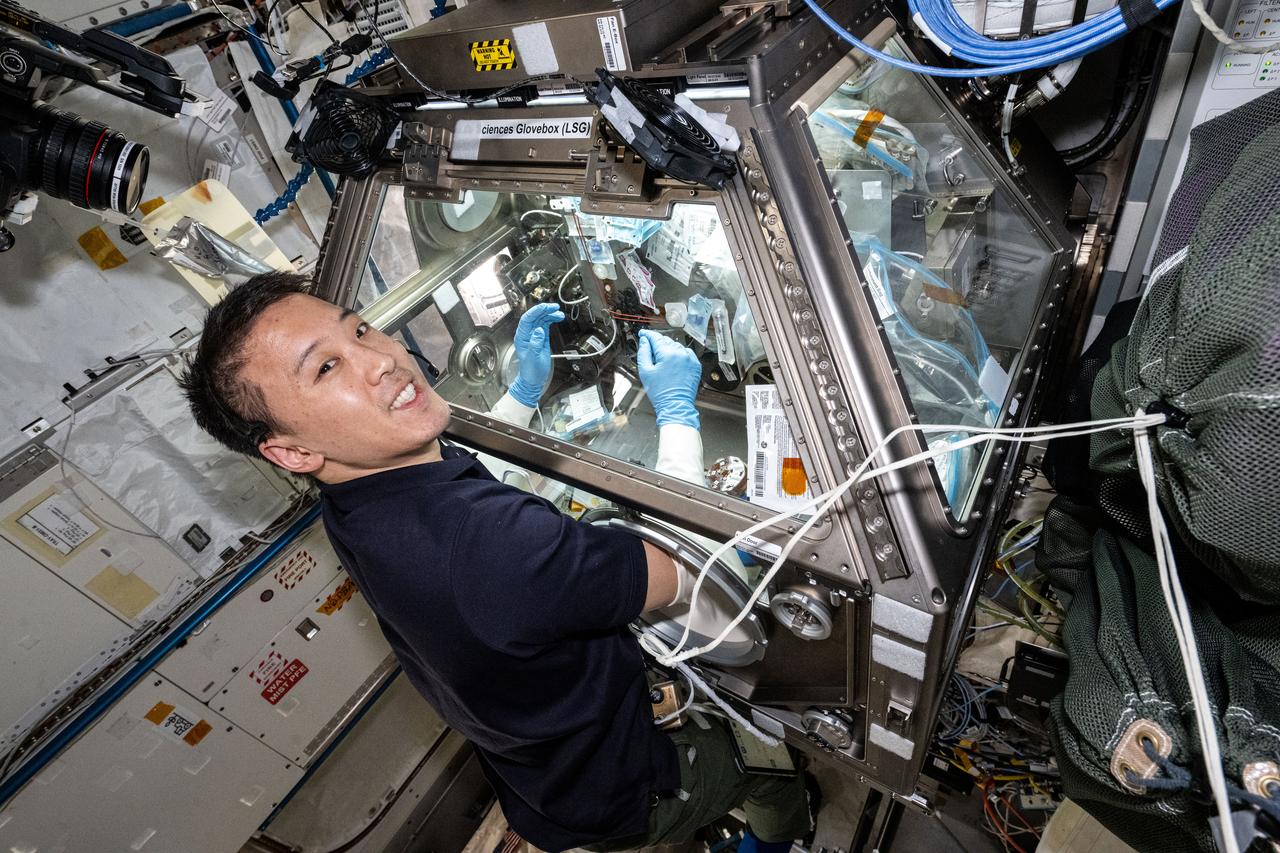
iss073e0548857 (Aug. 28, 2025) --- NASA astronaut and Expedtion 73 Flight Engineer Jonny Kim processes bone cell samples inside the Kibo laboratory module's Life Science Glovebox. He was exploring the molecular mechanisms of space-induced bone loss for an investigation that could help the human skeletal system adapt to spaceflight and lead to advanced treatments for aging conditions and bone diseases on Earth.
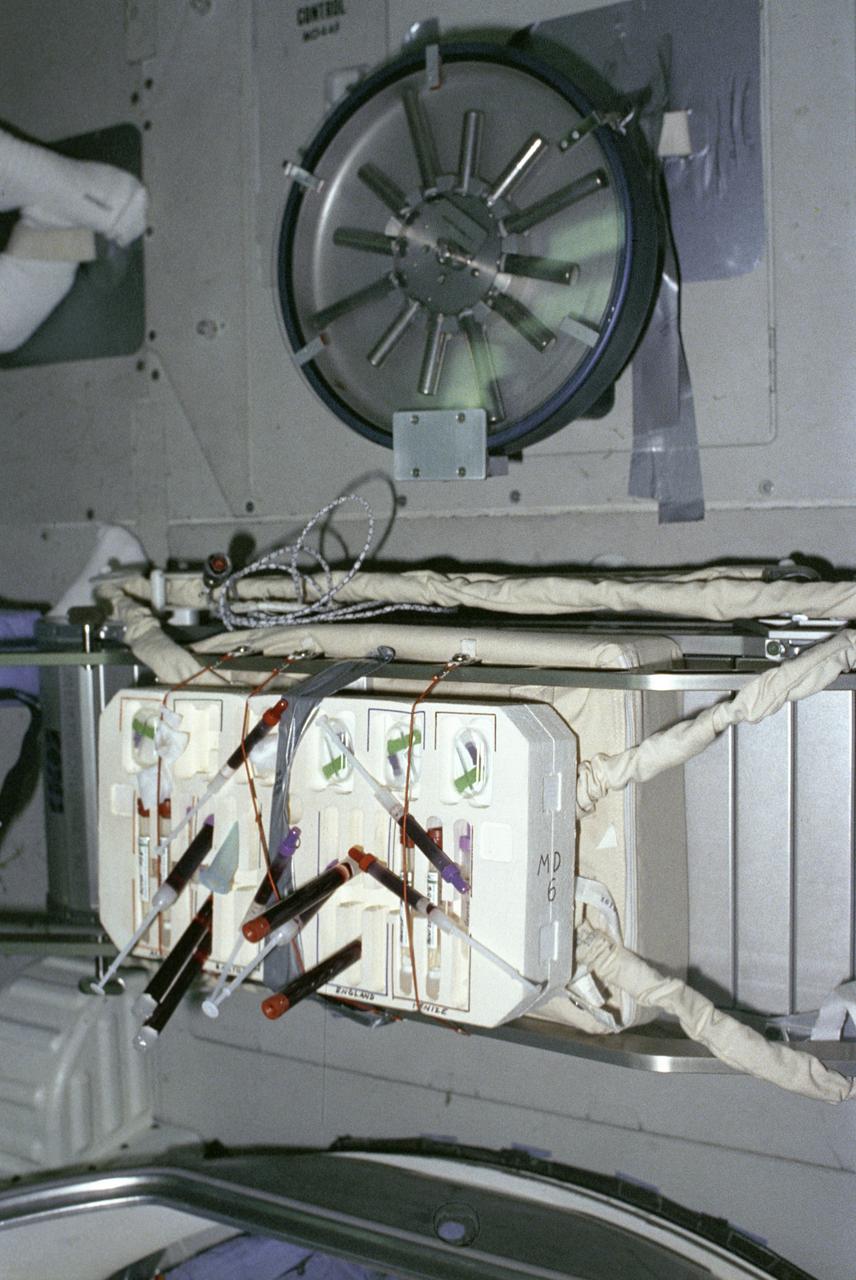
While instruments on the pallets in the payload bay observed the universe, biological experiments were performed in the middeck of the Shuttle Orbiter Challenger. Studying life processes in a microgravity environment can shed new light on the functioning of biological systems on Earth. These investigations can also help us understand how living organisms react to prolonged weightlessness. One such experiment was the vitamin D metabolites and bone demineralization experiment. This investigation measured the vitamin d metabolite levels of crew members to gain information on the cause of bone demineralization and mineral imbalance that occur during prolonged spaceflight as well as on Earth. Research into the biochemical nature of vitamin D has shown that the D-metabolites play a major role in regulating the body's calcium and phosphorus levels. One major function of the most biologically active vitamin D metabolite is to regulate the amount of calcium absorbed from the diet and taken out of bones. This investigation had two phases. The first was the developmental phase, which included extensive testing before flight, and the second, or final phase, involved the postflight analysis of the crew's blood samples. This photograph shows a blood draw test kit and centrifuge used for the experiment aboard the Spacelab-2. Marshall Space Flight Center had management responsibilities of all Spacelab missions.
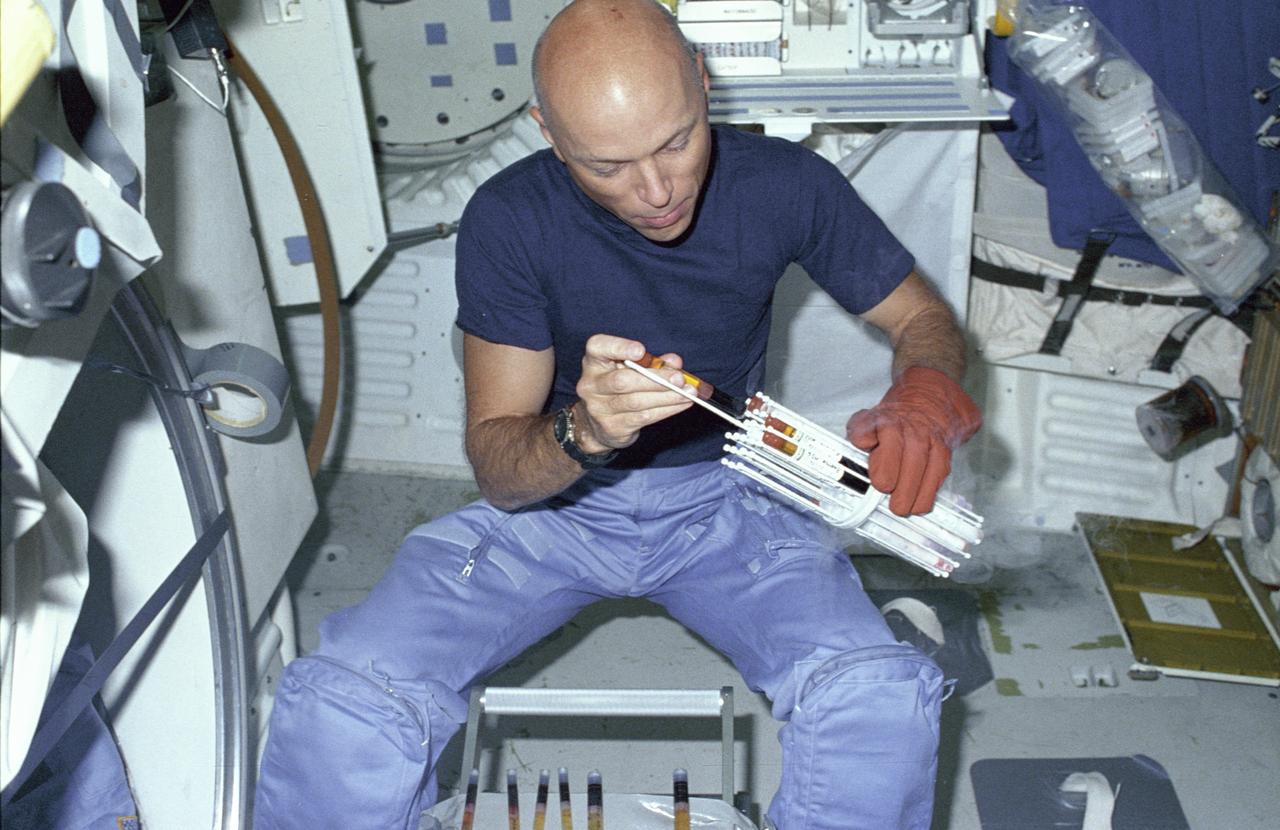
While instruments on the pallets in the payload bay observed the universe, biological experiments were performed in the middeck of the Shuttle Orbiter Challenger. Studying life processes in a microgravity environment can shed new light on the functioning of biological systems on Earth. These investigations can also help us understand how living organisms react to prolonged weightlessness. One such experiment was the vitamin D metabolites and bone demineralization experiment. This investigation measured the vitamin D metabolite levels of crew members to gain information on the cause of bone demineralization and mineral imbalance that occur during prolonged spaceflight as well as on Earth. Research into the biochemical nature of vitamin D has shown that the D-metabolites play a major role in regulating the body's calcium and phosphorus levels. One major function of the most biologically active vitamin D metabolite is to regulate the amount of calcium absorbed from the diet and taken out of bones. This investigation had two phases. The first was the developmental phase, which included extensive testing before flight, and the second, or final phase, involved the postflight analysis of the crew's blood samples. This photograph shows astronaut Story Musgrave in the middeck of the Shuttle Orbiter Challenger, attending to the blood samples he collected from crew members for the experiment.
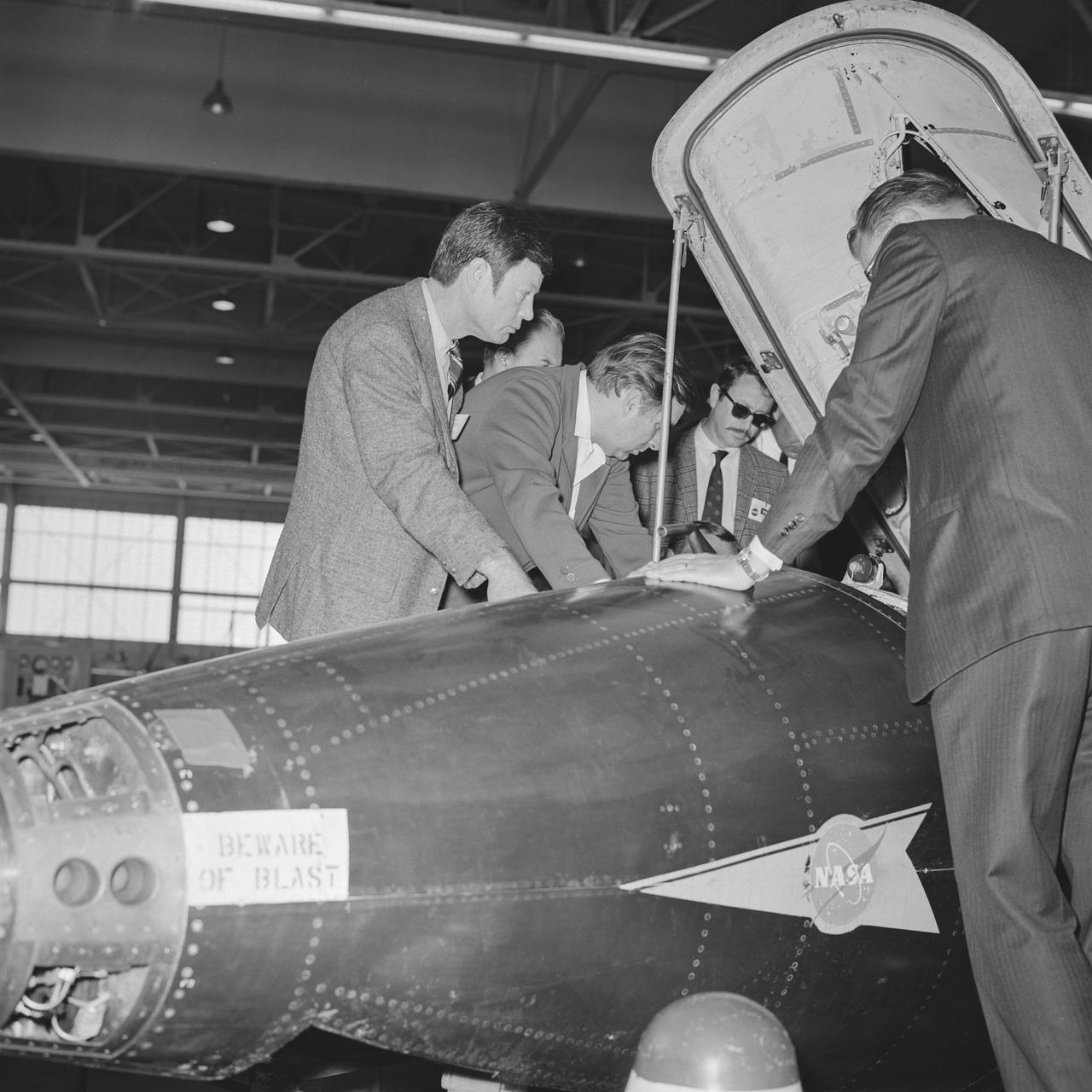
The 1960s Star Trek television series’ cast members visit NASA Dryden Flight Research Center, now Armstrong, in 1967. Chief Medical Officer Leonard ‘Bones’ McCoy played by DeForest Kelley and the show’s creator Gene Roddenberry receive briefing on X-15 cockpit as they view inside.

The 1960s Star Trek television series’ cast member Chief Medical Officer Leonard ‘Bones’ McCoy played by DeForest Kelley talks to Bill Dana, NASA X-15 pilot, in front of one of three X-15’s during visit to NASA Dryden Flight Research Center, now Armstrong, back in 1967.
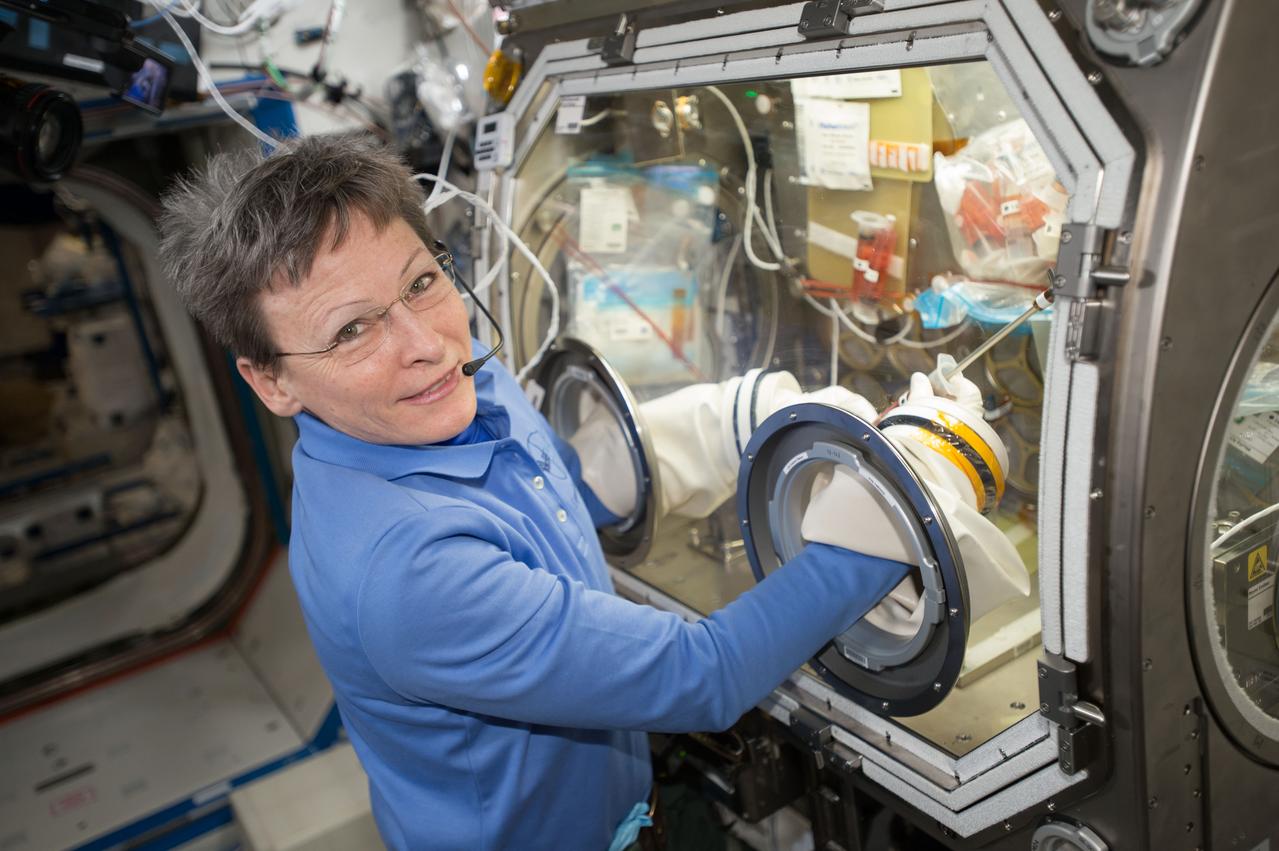
iss051e034105 (May 2, 2017) --- Commander Peggy Whitson is working on the OsteoOmics bone cell study that utilizes the Microgravity Science Glovebox inside the U.S. Destiny laboratory. OsteoOmics investigates the molecular mechanisms that dictate bone loss in microgravity by examining osteoblasts, which form bone, and osteoclasts, which dissolves bone. This leads to better preventative care or therapeutic treatments for people suffering bone loss as a result of bone diseases like osteopenia and osteoporosis, or for patients on prolonged bed rest.
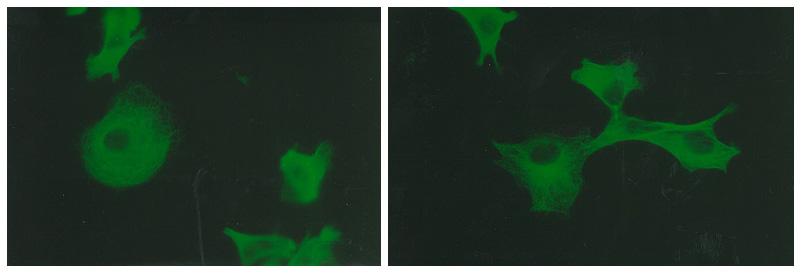
Biomedical research offers hope for a variety of medical problems, from diabetes to the replacement of damaged bone and tissues. Bioreactors, which are used to grow cells and tissue cultures, play a major role in such research and production efforts. Cell culturing, such as this bone cell culture, is an important part of biomedical research. The BioDyn payload includes a tissue engineering investigation. The commercial affiliate, Millenium Biologix, Inc. has been conducting bone implant experiments to better understand how synthetic bone can be used to treat bone-related illnesses and bone damaged in accidents. On STS-95, the BioDyn payload will include a bone cell culture aimed to help develop this commercial synthetic bone product. Millenium Biologix, Inc. is exploring the potential for making human bone implantable materials by seeding its proprietary artificial scaffold material with human bone cells. The product of this tissue engineering experiment using the Bioprocessing Modules (BPMs) on STS-95 is space-grown bone implants, which could have potential for dental implants, long bone grafts, and coating for orthopedic implants such as hip replacements.
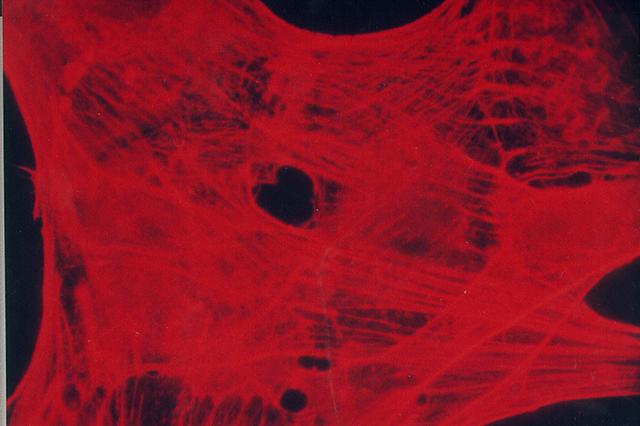
Biomedical research offers hope for a variety of medical problems, from diabetes to the replacement of damaged bone and tissues. Bioreactors, which are used to grow cells and tissue cultures, play a major role in such research and production efforts. Cell culturing, such as this bone cell culture, is an important part of biomedical research. The BioDyn payload includes a tissue engineering investigation. The commercial affiliate, Millenium Biologix, Inc., has been conducting bone implant experiments to better understand how synthetic bone can be used to treat bone-related illnesses and bone damaged in accidents. On STS-95, the BioDyn payload will include a bone cell culture aimed to help develop this commercial synthetic bone product. Millenium Biologix, Inc., is exploring the potential for making human bone implantable materials by seeding its proprietary artificial scaffold material with human bone cells. The product of this tissue engineering experiment using the Bioprocessing Modules (BPMs) on STS-95 is space-grown bone implants, which could have potential for dental implants, long bone grafts, and coating for orthopedic implants such as hip replacements.
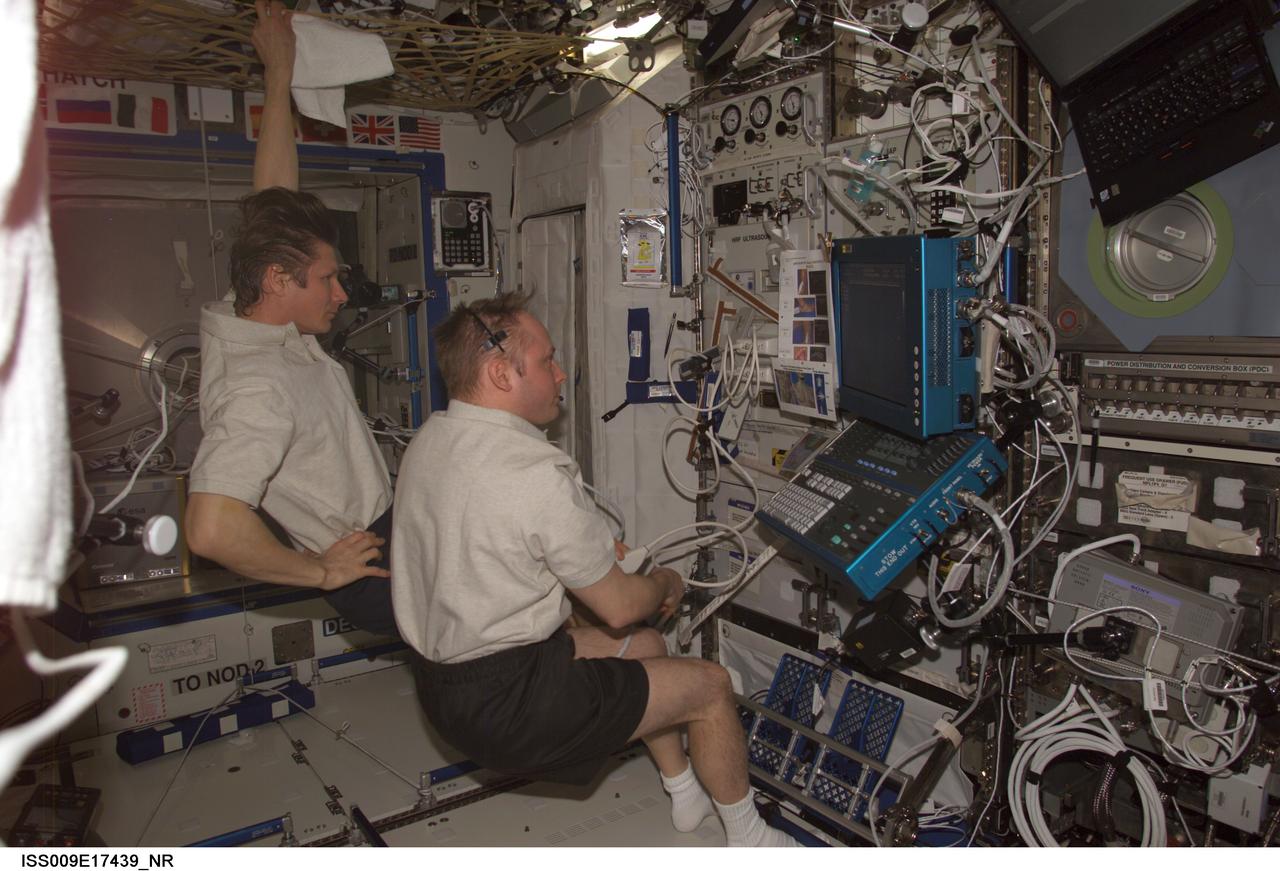
ISS009-E-17439 (10 August 2004) --- Astronaut Edward M. (Mike) Fincke (foreground), Expedition 9 NASA ISS science officer and flight engineer, performs an ultrasound bone scan on cosmonaut Gennady I. Padalka, commander representing Russia's Federal Space Agency. The two are using the Advanced Diagnostic Ultrasound in Micro-G (ADUM) in the Destiny laboratory of the International Space Station (ISS). The ADUM keyboard, flat screen display and front control panel are visible at right.
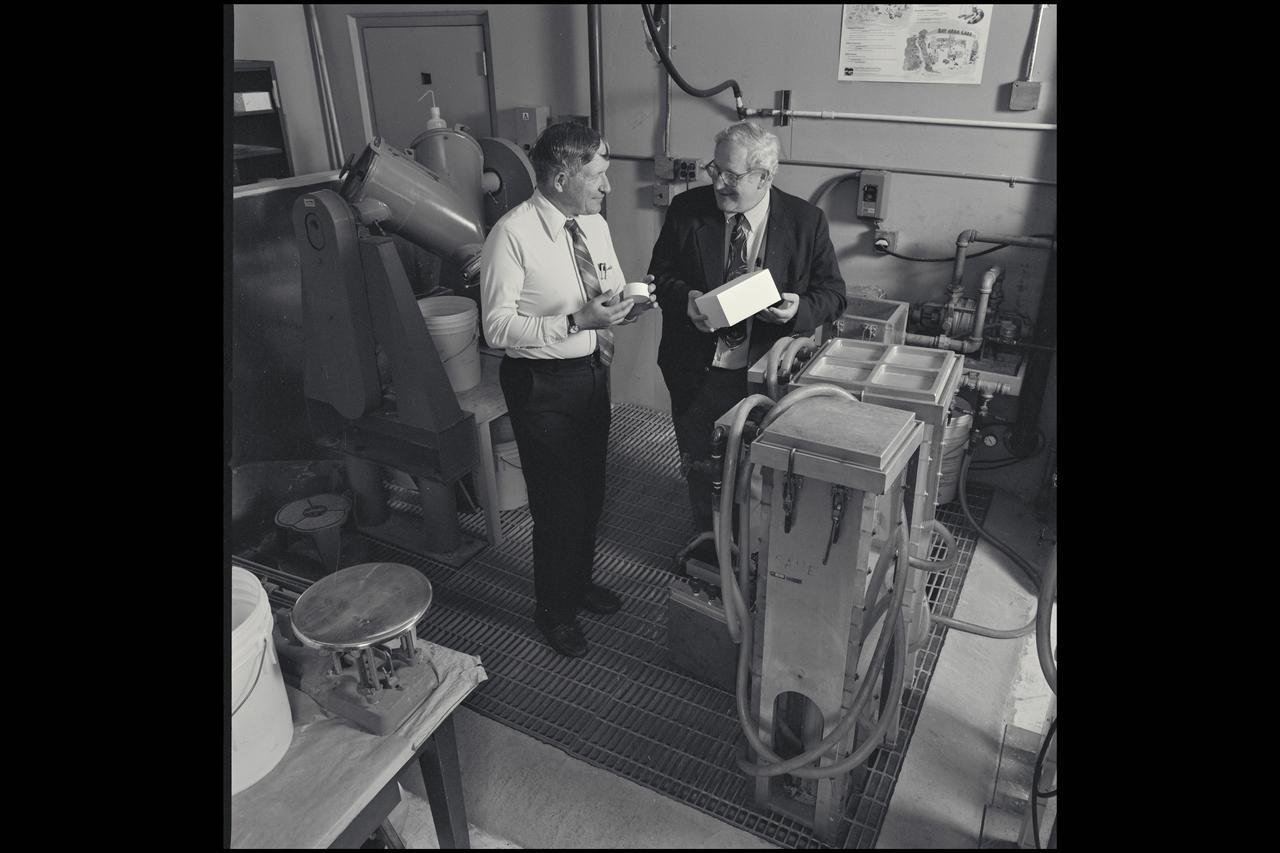
Harold Goldstein (R) and Dan Leiser (L) discuss bone implant development in the the Shuttle Tile Laboratory N-242. A spin-off of Ames research on both bone density in microgravity and on thermal protection foams is the bone-growth implant shown in 1993.
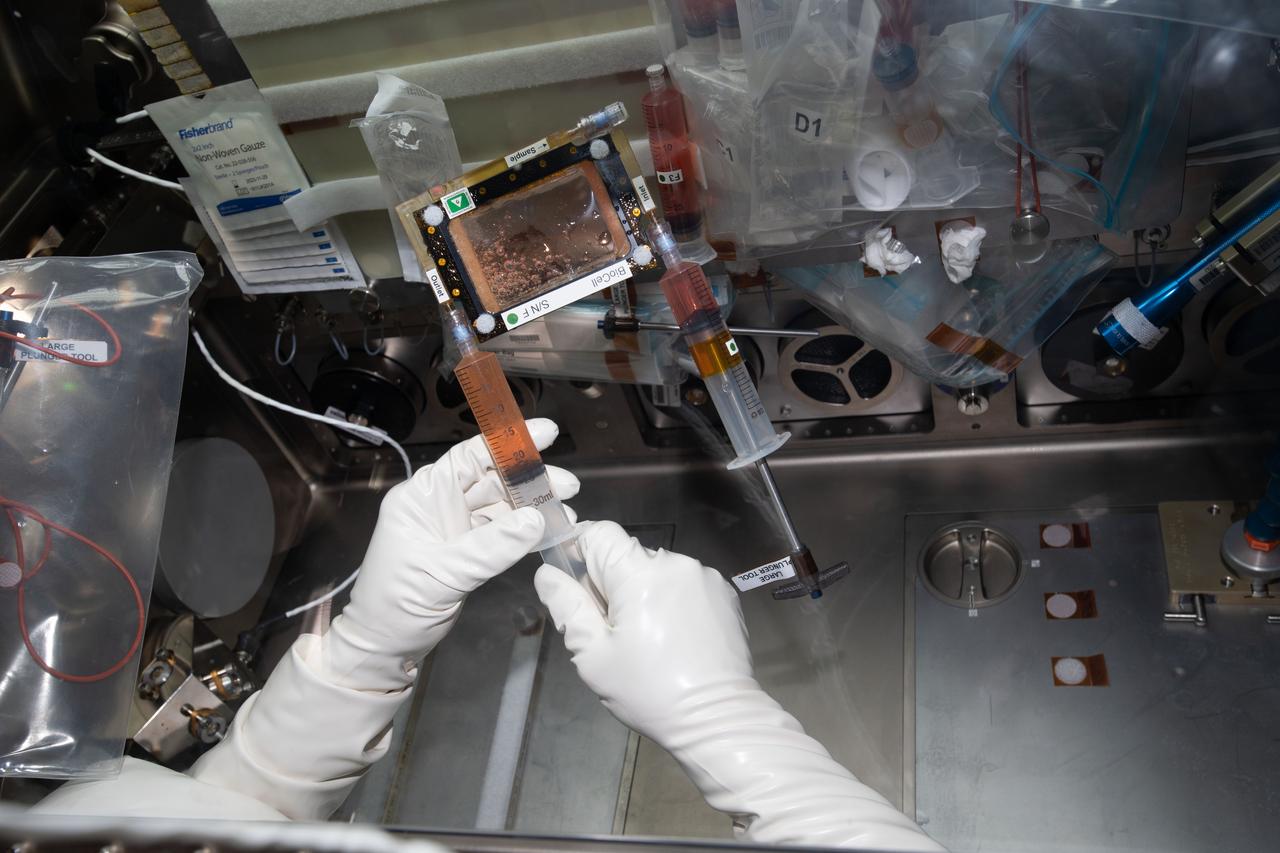
iss062e055120 (2/26/2020) --- A view inside of the Life Science Glovebox (LSG) of the media exchange operations for the OsteoOmics investigation aboard the International Space Station (ISS). OsteoOmics studies the cellular mechanisms of bone loss associated with microgravity, which helps researchers understand the mechanisms of bone loss in a wide range of disorders. This leads to better preventative care or therapeutic treatments for people suffering bone loss as a result of bone diseases like osteopenia and osteoporosis, or for patients on prolonged bed rest.
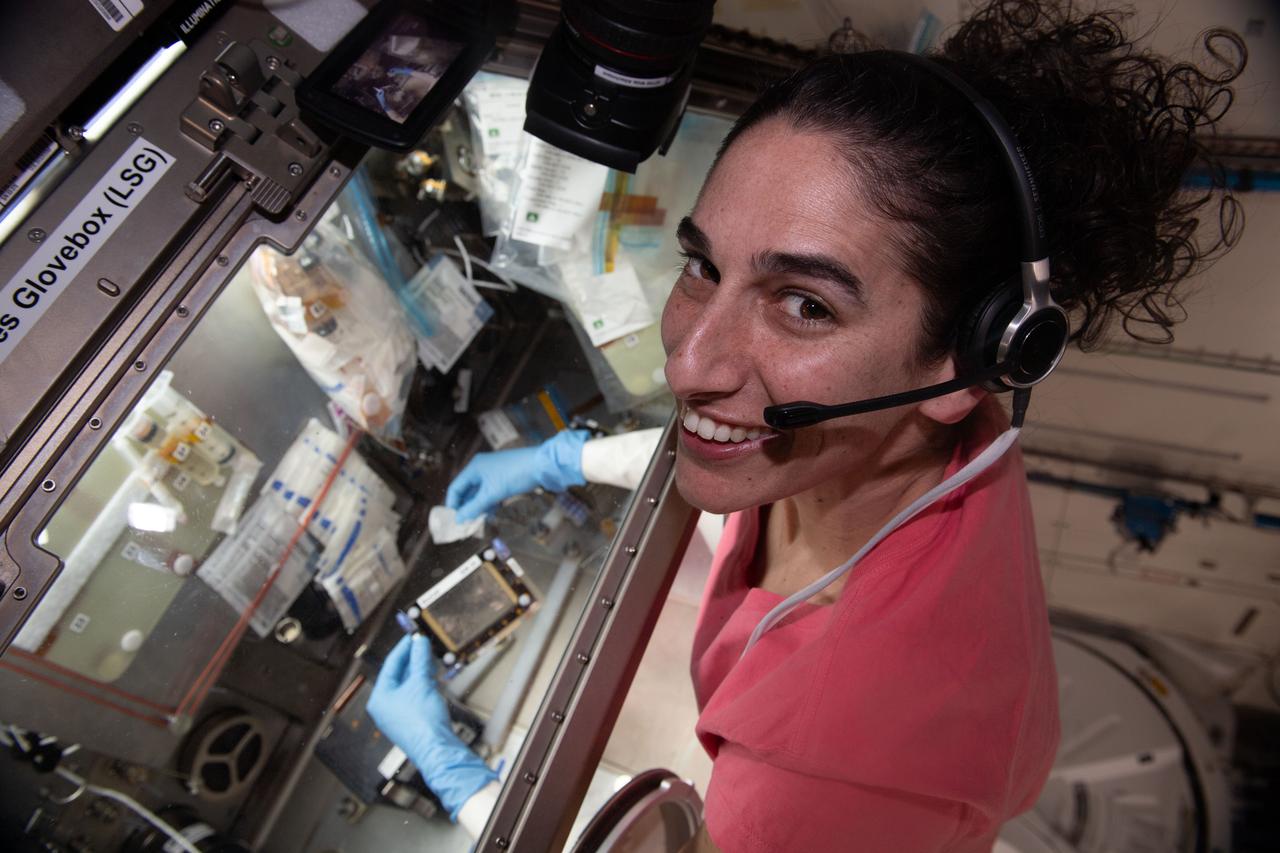
iss070e086287 (Feb. 3, 2024) --- NASA astronaut and Expedition 70 Flght Engineer Jasmin Moghbeli works inside the Life Science Glovebox for the Microgravity Associated Bone Loss-A investigation. She was processing bone cell samples obtained from human donors on Earth and exploring space-caused bone loss. Results may help doctors learn how to protect and treat astronauts on long-term missions and inform treatments for bone conditions on Earth.
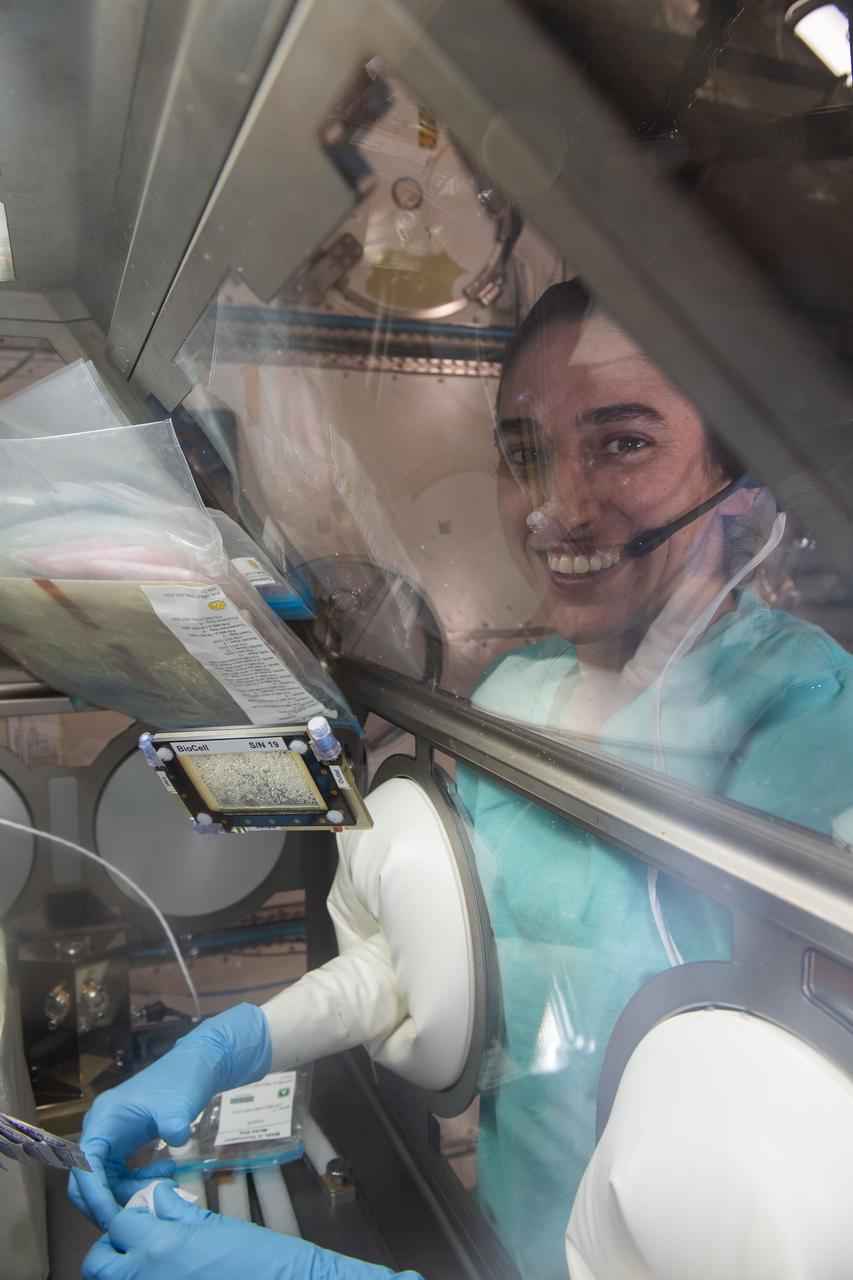
iss070e094541 (Feb. 16, 2024) --- NASA astronaut and Expedition 70 Flight Engineer Jasmin Moghbeli works on a bone cell study inside the Life Science Glovebox located inside the International Space Station's Kibo laboratory module. Moghbeli was working on the Microgravity Associated Bone Loss-A investigation that may provide a better understanding of space-caused bone loss and aging-related bone conditions on Earth.
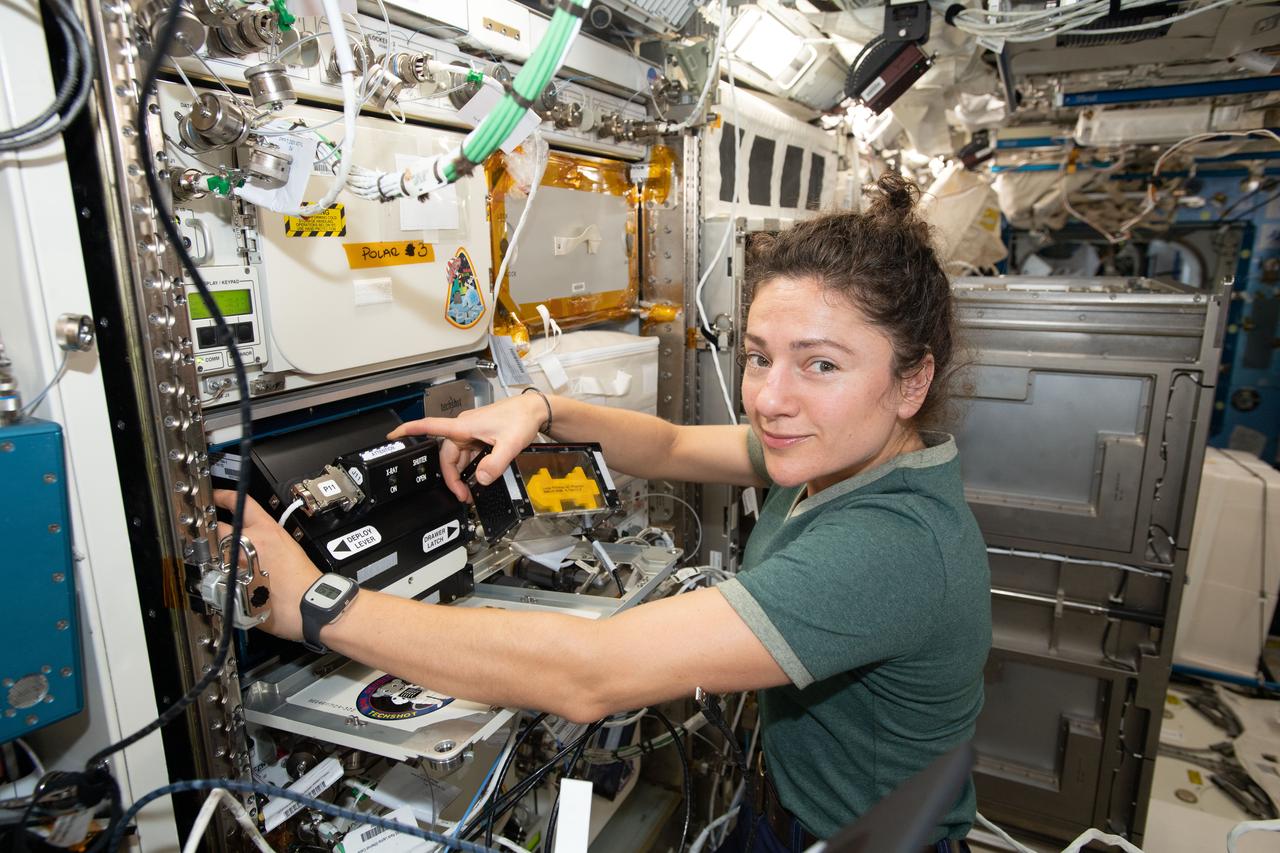
iss061e068057 (Dec. 9, 2019) --- NASA astronaut and Expedition 61 Flight Engineer Jessica Meir installs the Bone Densitometer in an EXPRESS (EXpedite the PRocessing of Experiments to Space Station) rack located inside the Japanese Kibo laboratory module. The Bone Densitometer enables the imaging of rodent bones for the Rodent Research-19 experiment that is investigating two proteins that may prevent muscle and bone loss in space.
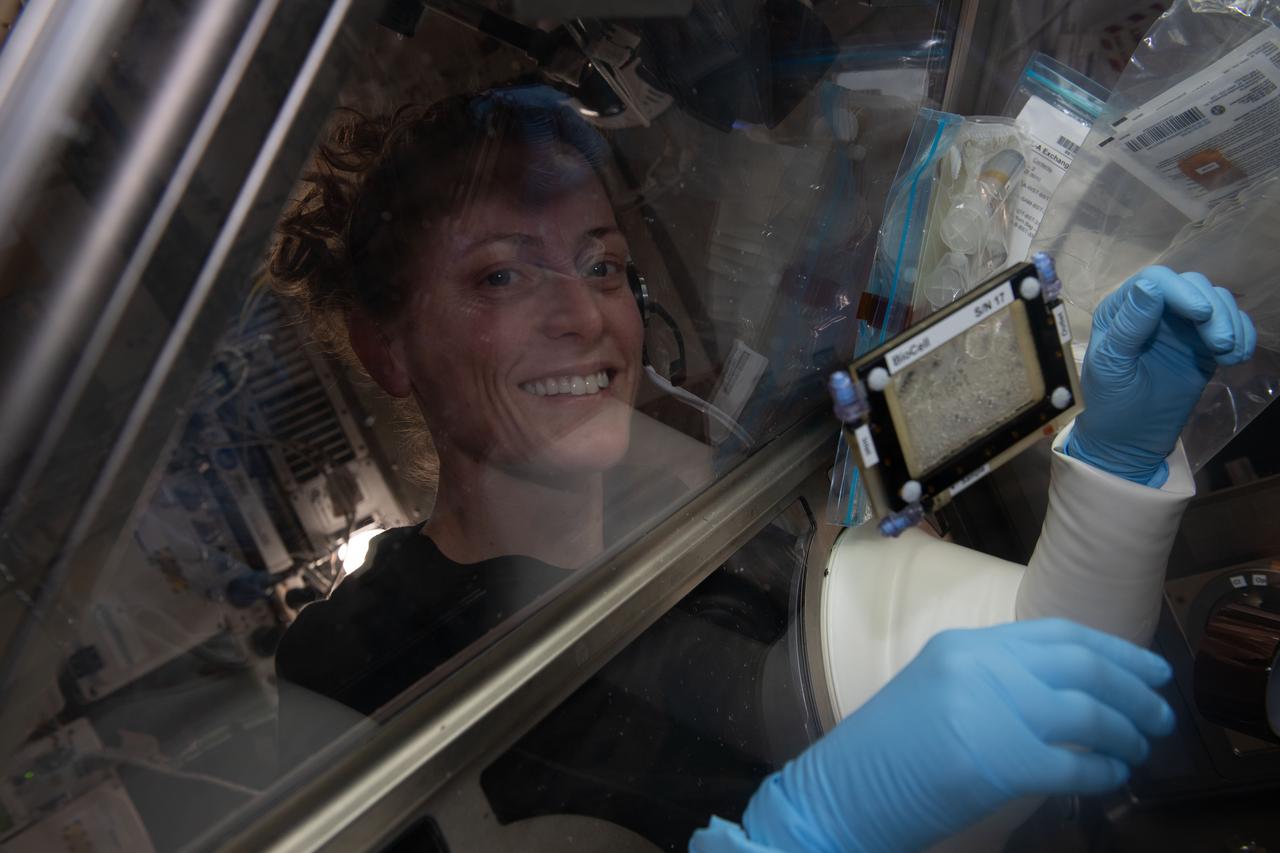
iss070e091759 (Feb. 12, 2024) --- NASA astronaut and Expedition 70 Flight Engineer Loral O'Hara works on a bone cell study inside the Life Science Glovebox located inside the International Space Station's Kibo laboratory module. O’Hara was working on the Microgravity Associated Bone Loss-A investigation that may provide a better understanding of space-caused bone loss and aging-related bone conditions on Earth.
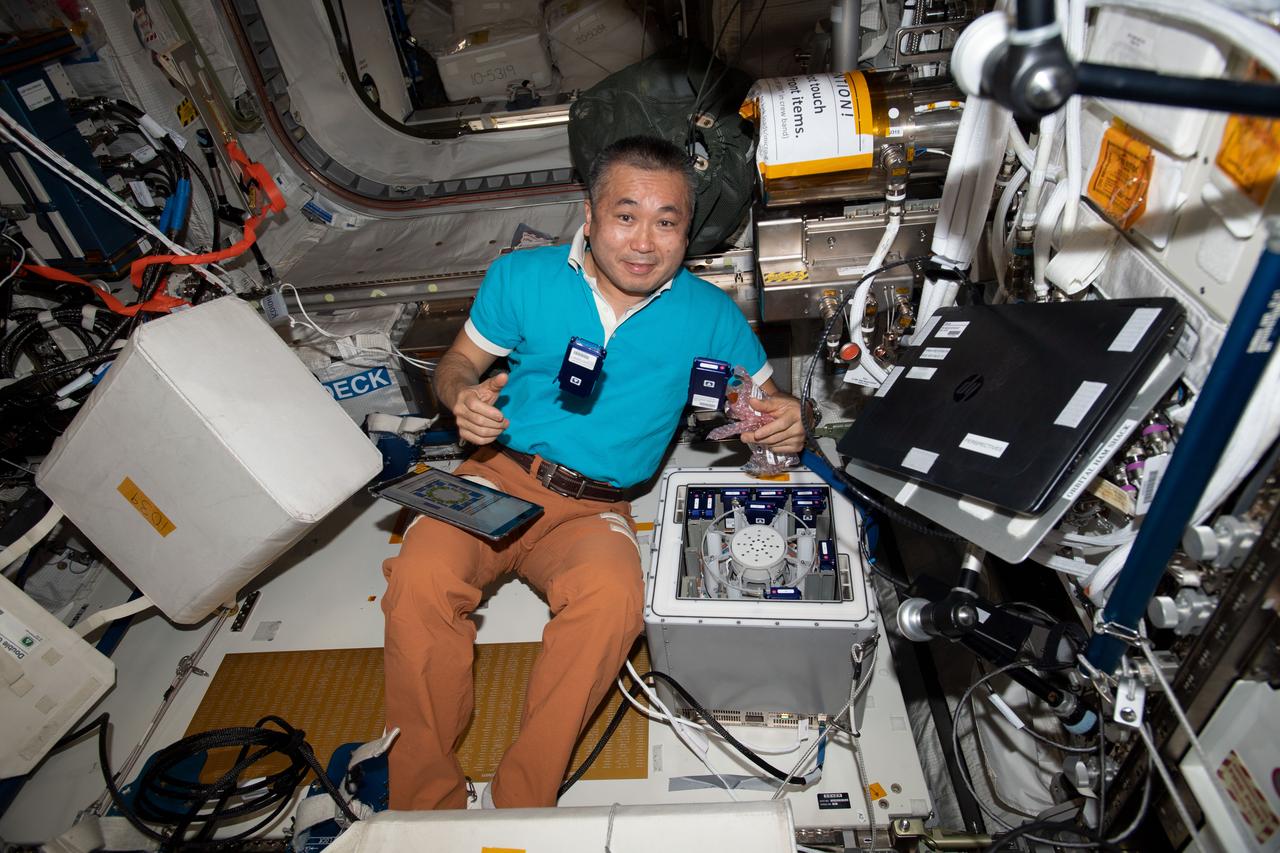
iss068e024849_alt (Nov. 28, 2022) --- Koichi Wakata of the Japan Aerospace Exploration Agency (JAXA) installs the Osteogenic Cells experiment. This experiment looks at whether bone loss in microgravity is restricted to a particular osteogenic or bone-forming cell type. This research tests the hypothesis that the underlying process results in decreased bone formation rather than increased loss of existing bone.
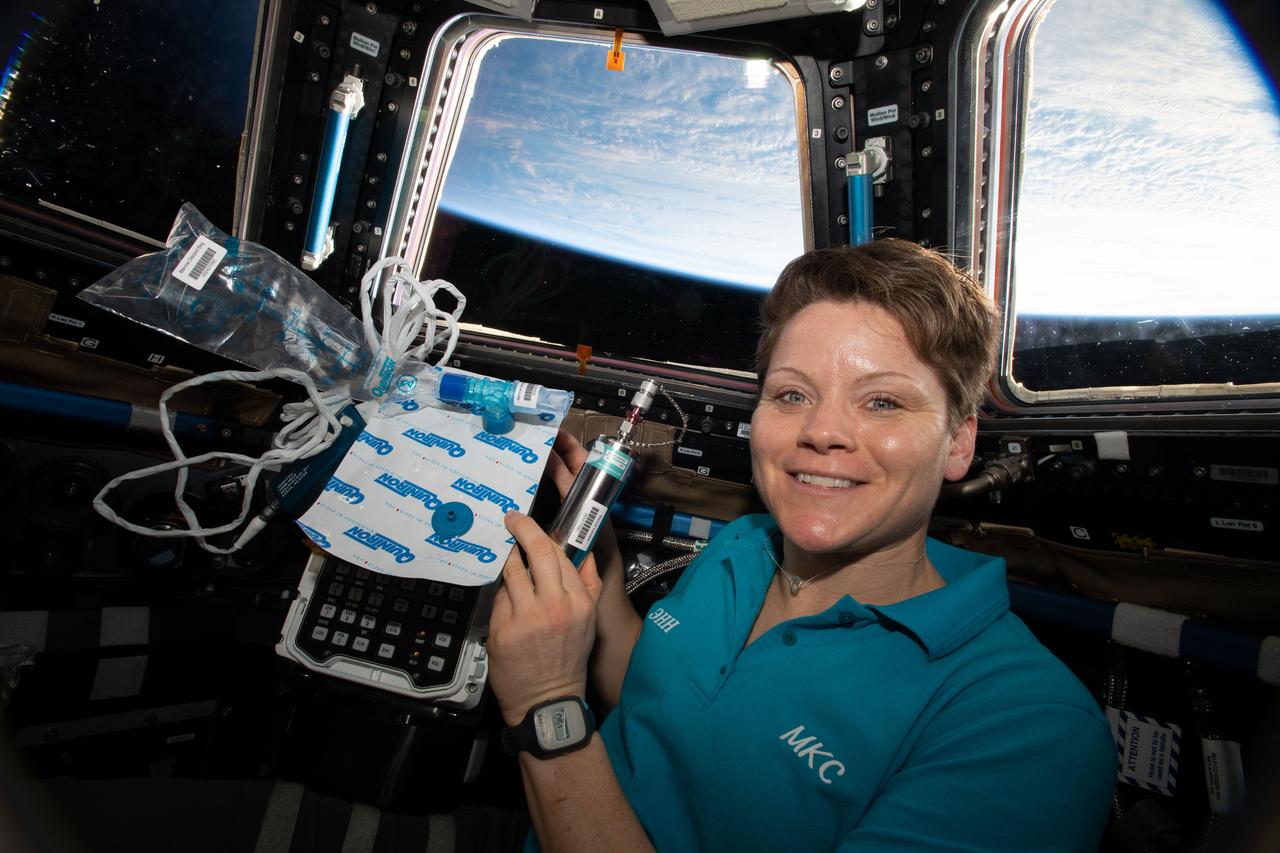
iss058e010750 (Feb. 6, 2019) --- Expedition 58 Flight Engineer Anne McClain of NASA is pictured in the cupola holding biomedical gear for the Marrow experiment. The study measures fat changes in the bone marrow before, and after exposure to microgravity. In addition, this investigation measures specific changes of red and white blood cell functions. Bone marrow fat is measured using magnetic resonance. Red blood cell function is measured with a breath sample analyzed with a gas chromatograph, and white blood cell function is studied through their genetic expression.
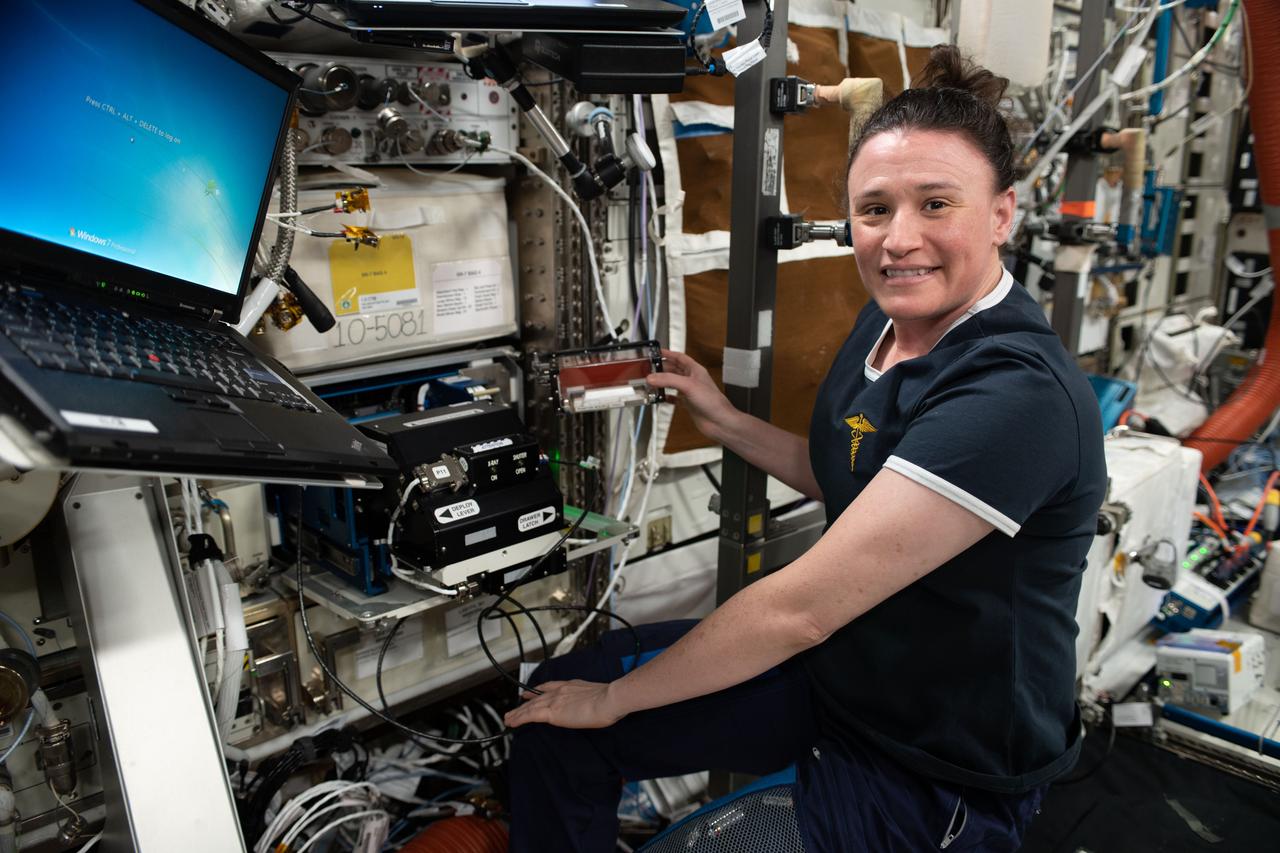
iss056e158493 (Aug. 27, 2018) --- NASA astronaut Serena Auñón-Chancellor works to calibrate a Bone Densitometer aboard the International Space Station's U.S. Destiny laboratory. The device measures the mass per unit volume (density) of minerals in bone using using Dual-Energy X-ray Absorptiometry (DEXA). It is being developed from commercial off-the-shelf hardware and is being designed to fit into an EXPRESS Rack locker. The Bone Densitometer takes quantitative measures of bone loss in mice, during orbital space flight, which are necessary for the development of countermeasures for human crew members, as well as for bone-loss syndromes on Earth, by commercial entities. Planned studies, both academic and commercial, require on-orbit analytical methods including bone densitometry.

Left to right: workhorse F-15B #836, "Mr. Bones" F-15D #884, and "2nd to None" F-15D #897 on the back ramp at NASA's Neil A. Armstrong Flight Research Center.

Left to right: "2nd to None" (F-15D #897), "Mr. Bones" (F-15D #884), and workhorse F-15B #836 on the back ramp at NASA's Neil A. Armstrong Flight Research Center.
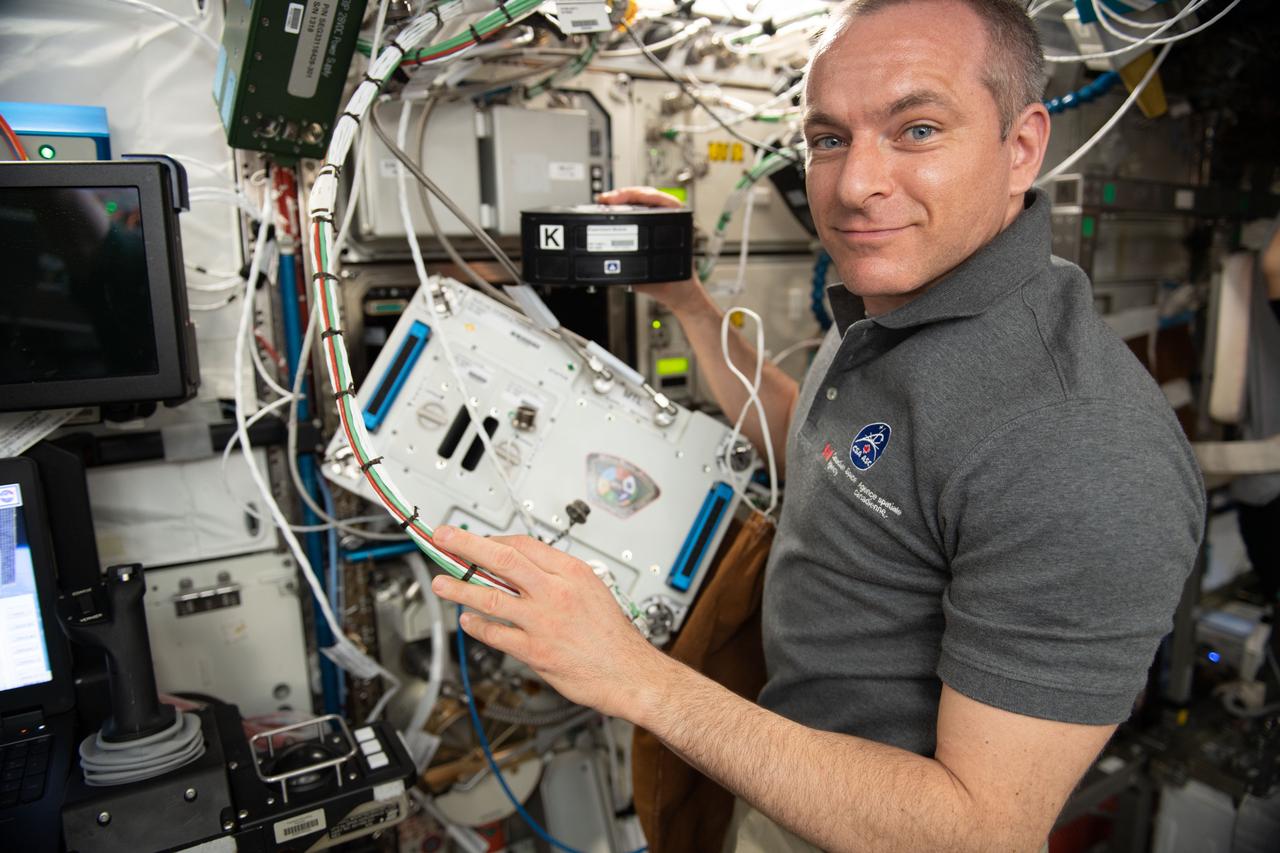
iss059e061366 (May 12, 2019) --- Canadian Space Agency astronaut David Saint-Jacques works with the Multi-purpose Variable-G Platform hardware exploring therapies for bone injuries and bone diseases on Earth and in space.
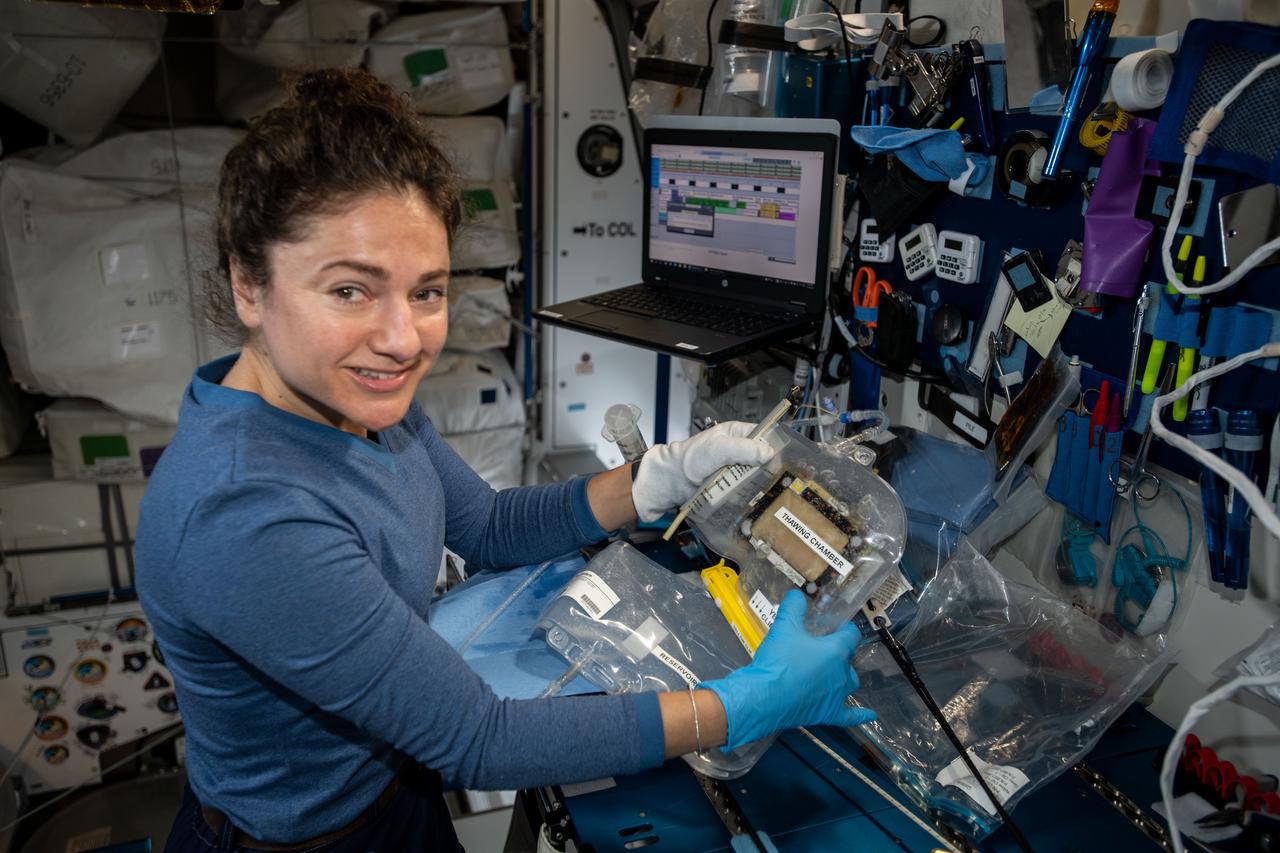
iss062e039026 (Feb. 21, 2020) --- NASA astronaut and Expedition 62 Flight Engineer Jessica Meir works with research hardware to support the OsteoOmics-02 bone investigation. The experiment is helping doctors to compare bone cells in space with samples on Earth that are levitated magnetically. Observations from the study could provide deeper insights into bone ailments on Earth, including osteoporosis.
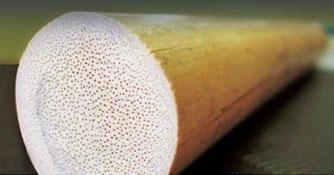
jsc2026e017239 (March 27, 2026) --- Close-up of a cylindrical section of rattan wood, showcasing its naturally porous structure. These pores are preserved during the transformation process to create b.Bone biomaterials. B Bone products are made from rattan wood and function as a scaffold for human bone marrow stromal cells. These products may have applications in the medical field by providing scaffolding for osteoporosis patients with fragile bones. Credit:t. GreenBone Ortho.
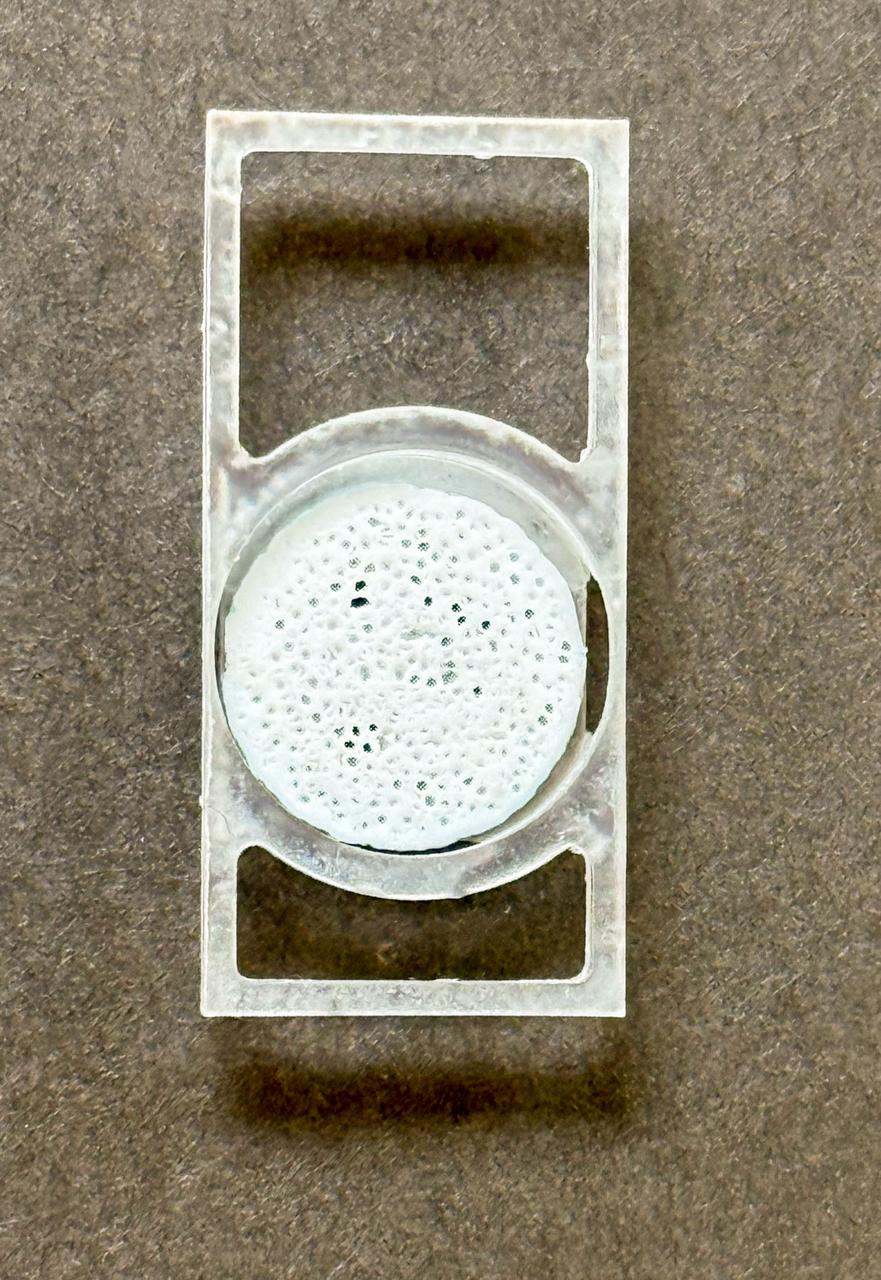
jsc2026e017240 (March 27, 2026) --- Preflight image of Aa b.Bone biomaterial scaffold is positioned within a custom 3D-printed sample holder, engineered to securely house the scaffold inside the SPHINX bioreactor as part of the Green Bone investigation. This research studies how human mesenchymal stem cells (hMSCs) grow on a biomimetic bone scaffold, b Bone, made from rattan wood in microgravity. .Credit:. GreenBone Ortho.
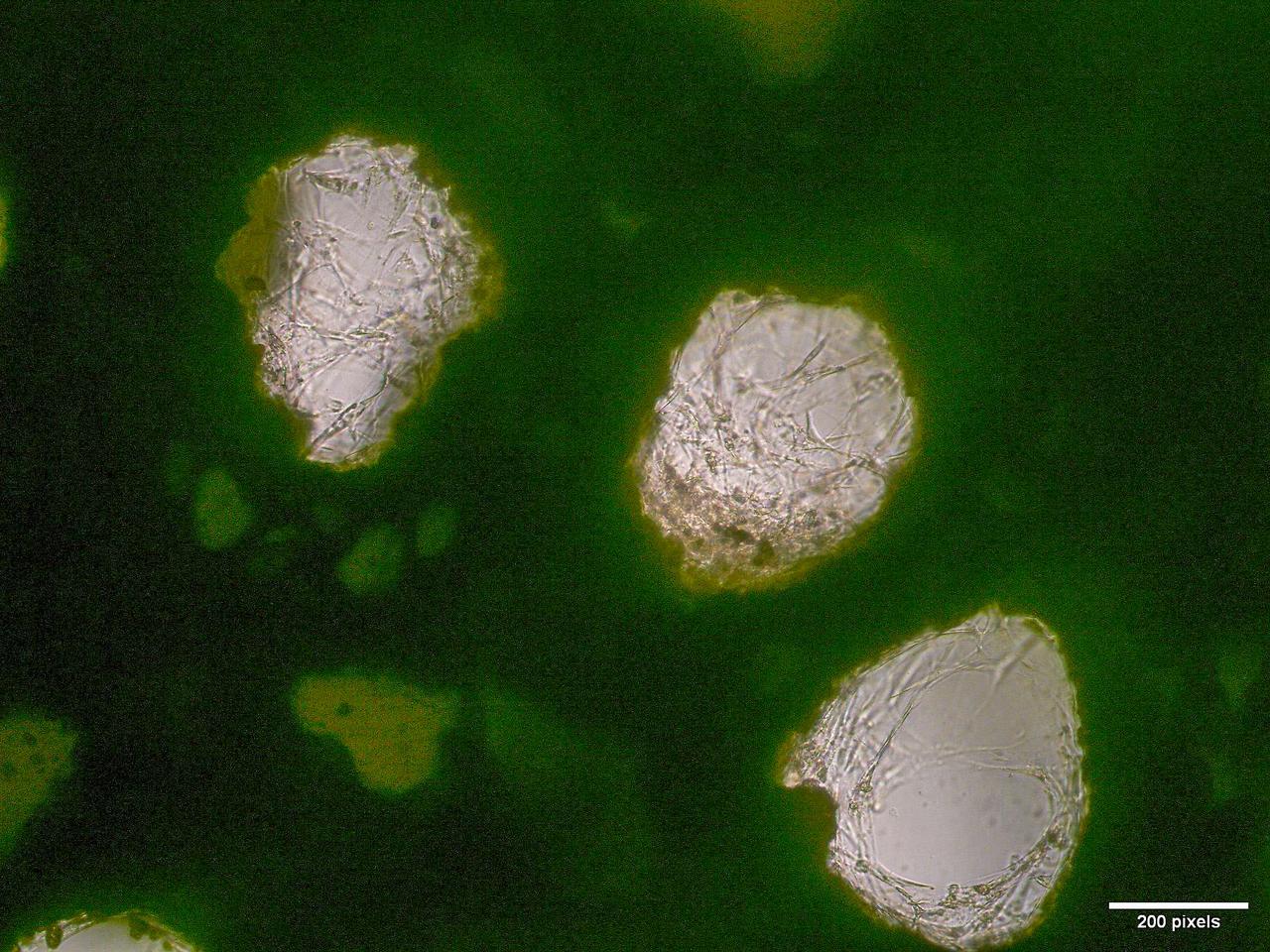
jsc2026e017238 (March 27, 2026) --- Microscopic view showing human mesenchymal stem cells (hMSCs) adhered inside the macropores of a b.Bone scaffold as part of preflight testing for Green Bone. This investigation studies the performance of a biomimetic bone scaffold, b Bone, in microgravity aboard the International Space Station. The image highlights cellular attachment and interaction with the porous structure. A scale bar is visible in the bottom right corner, indicating 200 pixels. Credit: DIMES Laboratory.
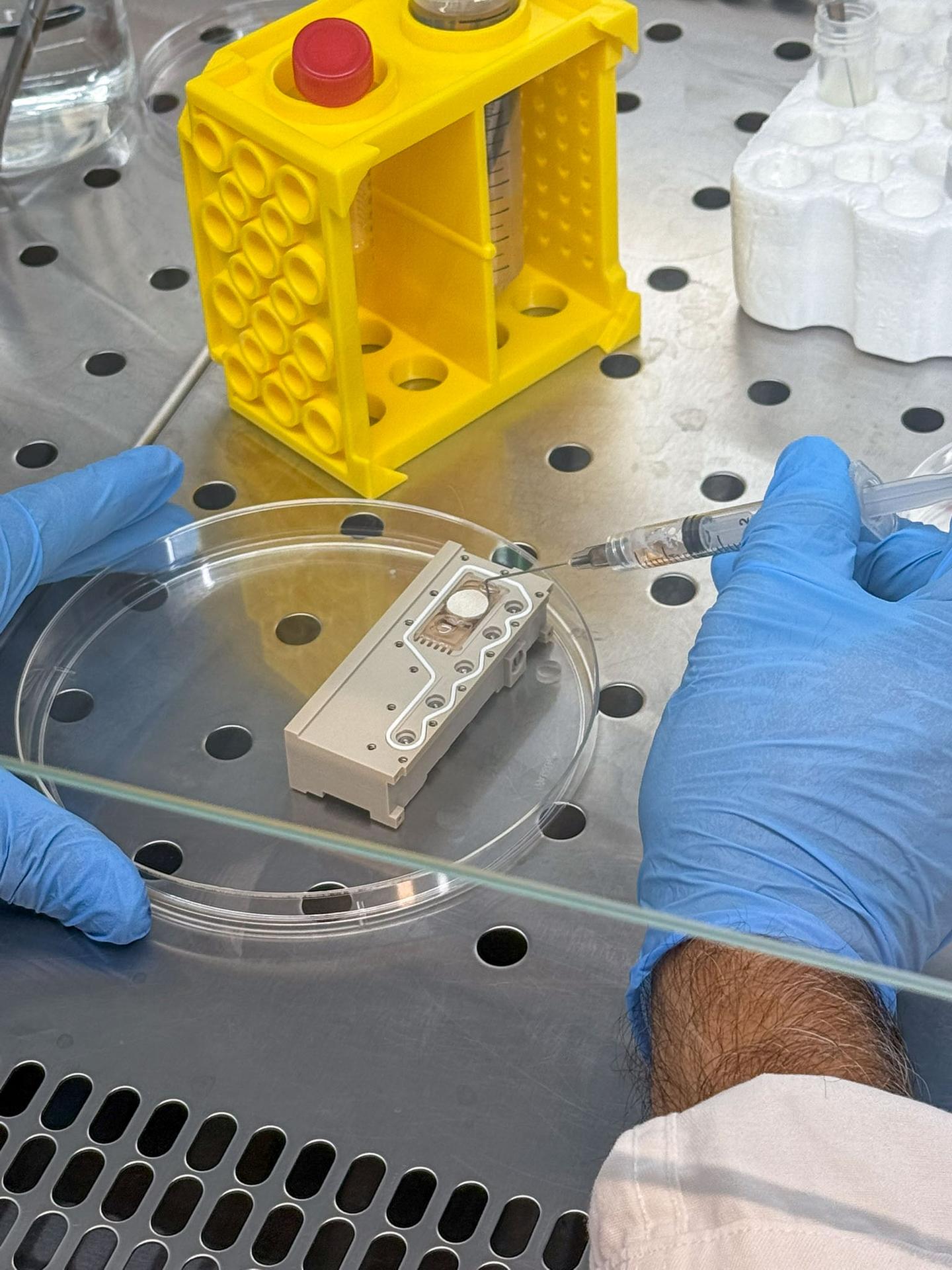
jsc2026e017236 (March 27, 2026) --- A laboratory technician prepares the bioreactors for the specimen validity test by loading scaffold structures and injecting culture medium as part of the Green Bone investigation. The process is carried out under sterile conditions. This research studies how human mesenchymal stem cells (hMSCs) grow on a biomimetic bone scaffold, b Bone, made from rattan wood in microgravity. Credit: DIMES Laboratory.
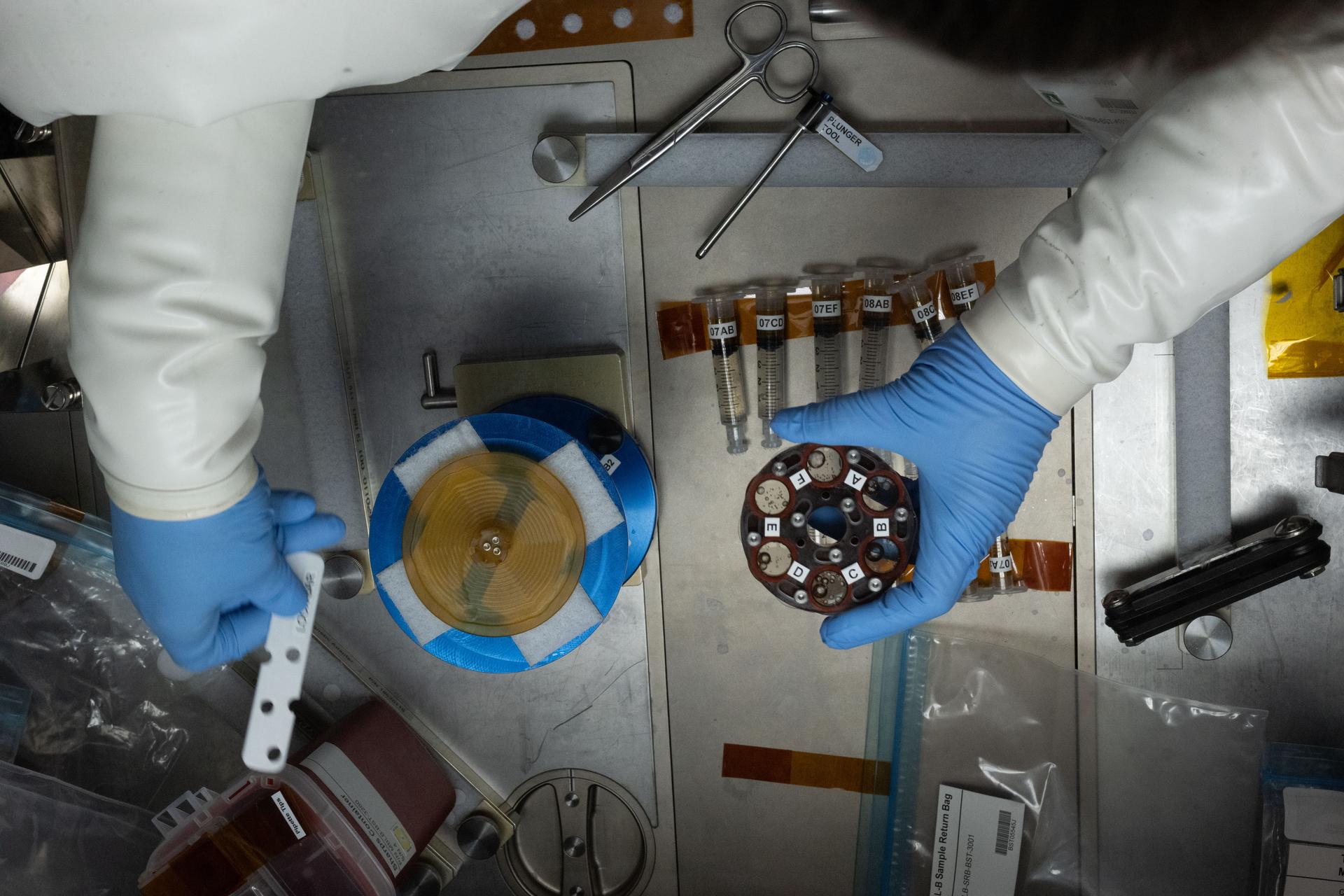
iss073e0759779 (Sept. 2, 2025) --- A top-down view inside the Destiny laboratory module’s Microgravity Science Glovebox shows the gloved arms and hands of NASA astronaut and Expedition 73 Flight Engineer Zena Cardman. She was processing bone marrow stem cell samples for the Microgravity Associated Bone Loss-B (MABL-B) experiment. The space biology investigation could help scientists better understand the molecular mechanisms behind space-caused bone loss and the natural aging process on Earth.
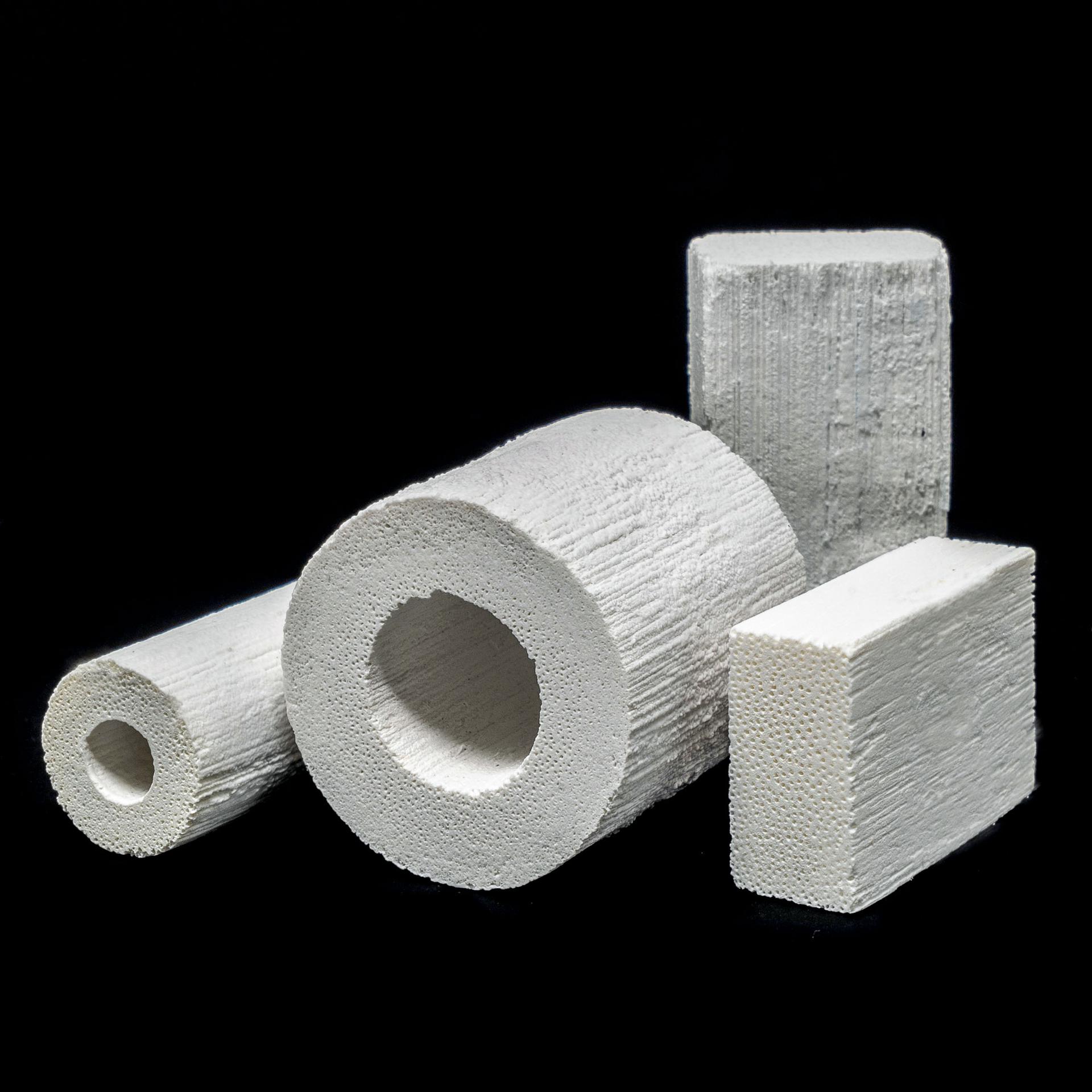
jsc2026e017235 (March 27, 2026) --- Various b.Bone products are displayed, including blocks, cylinders, and wedge-shaped elements. B Bone products are made from rattan wood and function as a scaffold for human bone marrow stromal cells. These products may have applications in the medical field by providing scaffolding for osteoporosis patients with fragile bones. Credit:. GreenBone Ortho.
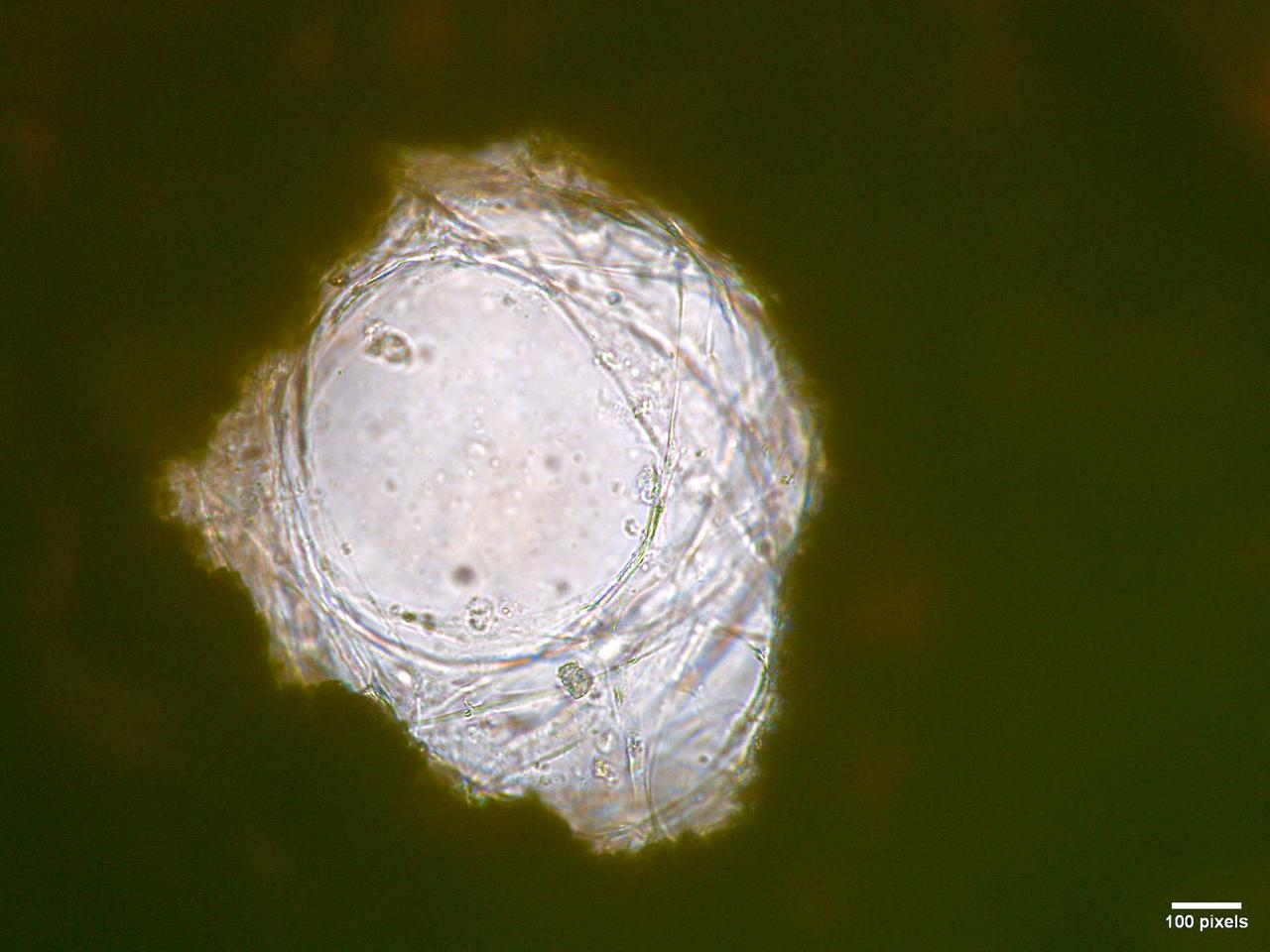
jsc2026e017237 (March 27, 2026) --- Microscopic view showing human mesenchymal stem cells (hMSCs) adhered inside one of the pores of a b.Bone scaffold as part of preflight testing for Green Bone. This investigation studies the performance of a biomimetic bone scaffold, b Bone, in microgravity aboard the International Space Station. The image highlights cellular attachment and interaction with the porous structure. A scale bar is visible in the bottom right corner, indicating 100 pixels. Credit:. DIMES Laboratory.
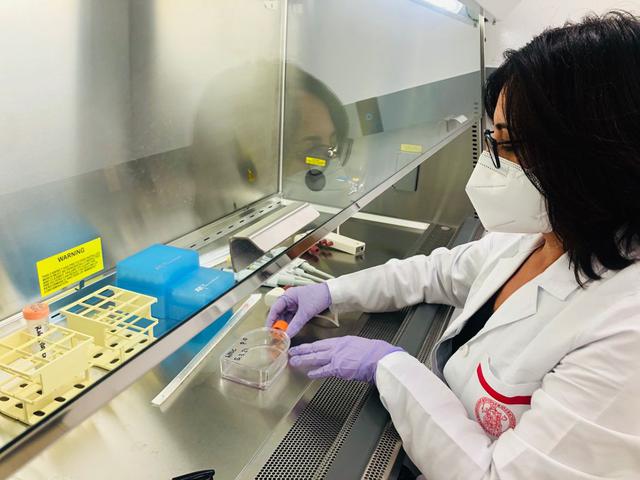
Dr. Valeria Lucci, with the department of biology at the University of Naples Federico II in Italy, prepares the Reducing Arthritis Dependent Inflammation First Phase (READI FP) experiment inside the Space Station Processing Facility at NASA’s Kennedy Space Center in Florida. READI FP, which evaluates how microgravity and space radiation affect the generation of bone tissue, will fly aboard SpaceX’s Cargo Dragon spacecraft on the company’s 23rd commercial resupply services mission to the International Space Station. Liftoff is targeted for Saturday, Aug. 28, at 3:37 a.m. EDT, from Kennedy’s Launch Complex 39A.
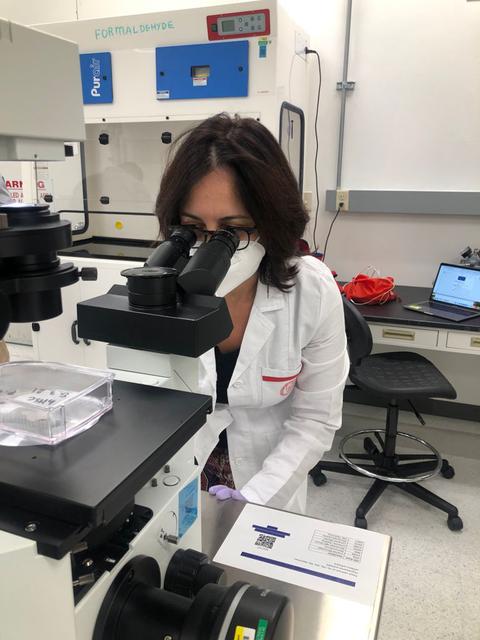
Dr. Valeria Lucci, with the department of biology at the University of Naples Federico II in Italy, prepares the Reducing Arthritis Dependent Inflammation First Phase (READI FP) experiment inside the Space Station Processing Facility at NASA’s Kennedy Space Center in Florida. READI FP, which evaluates how microgravity and space radiation affect the generation of bone tissue, will fly aboard SpaceX’s Cargo Dragon spacecraft on the company’s 23rd commercial resupply services mission to the International Space Station. Liftoff is targeted for Saturday, Aug. 28, at 3:37 a.m. EDT, from Kennedy’s Launch Complex 39A.
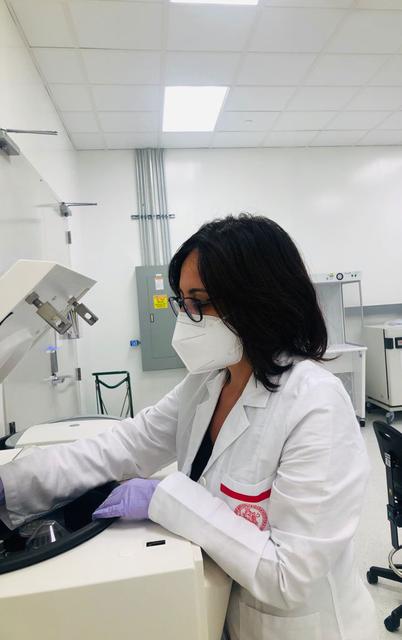
Dr. Valeria Lucci, with the department of biology at the University of Naples Federico II in Italy, prepares the Reducing Arthritis Dependent Inflammation First Phase (READI FP) experiment inside the Space Station Processing Facility at NASA’s Kennedy Space Center in Florida. READI FP, which evaluates how microgravity and space radiation affect the generation of bone tissue, will fly aboard SpaceX’s Cargo Dragon spacecraft on the company’s 23rd commercial resupply services mission to the International Space Station. Liftoff is targeted for Saturday, Aug. 28, at 3:37 a.m. EDT, from Kennedy’s Launch Complex 39A.
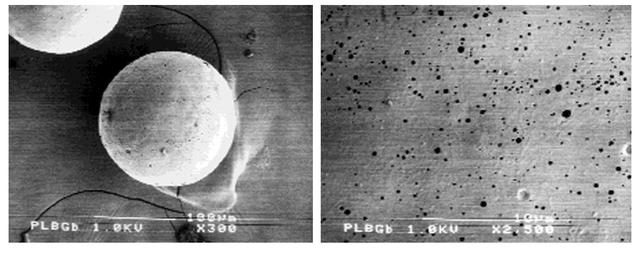
Paul Ducheyne, a principal investigator in the microgravity materials science program and head of the University of Pernsylvania's Center for Bioactive Materials and Tissue Engineering, is leading the trio as they use simulated microgravity to determine the optimal characteristics of tiny glass particles for growing bone tissue. The result could make possible a much broader range of synthetic bone-grafting applications. Bioactive glass particles (left) with a microporous surface (right) are widely accepted as a synthetic material for periodontal procedures. Using the particles to grow three-dimensional tissue cultures may one day result in developing an improved, more rugged bone tissue that may be used to correct skeletal disorders and bone defects. The work is sponsored by NASA's Office of Biological and Physical Research.
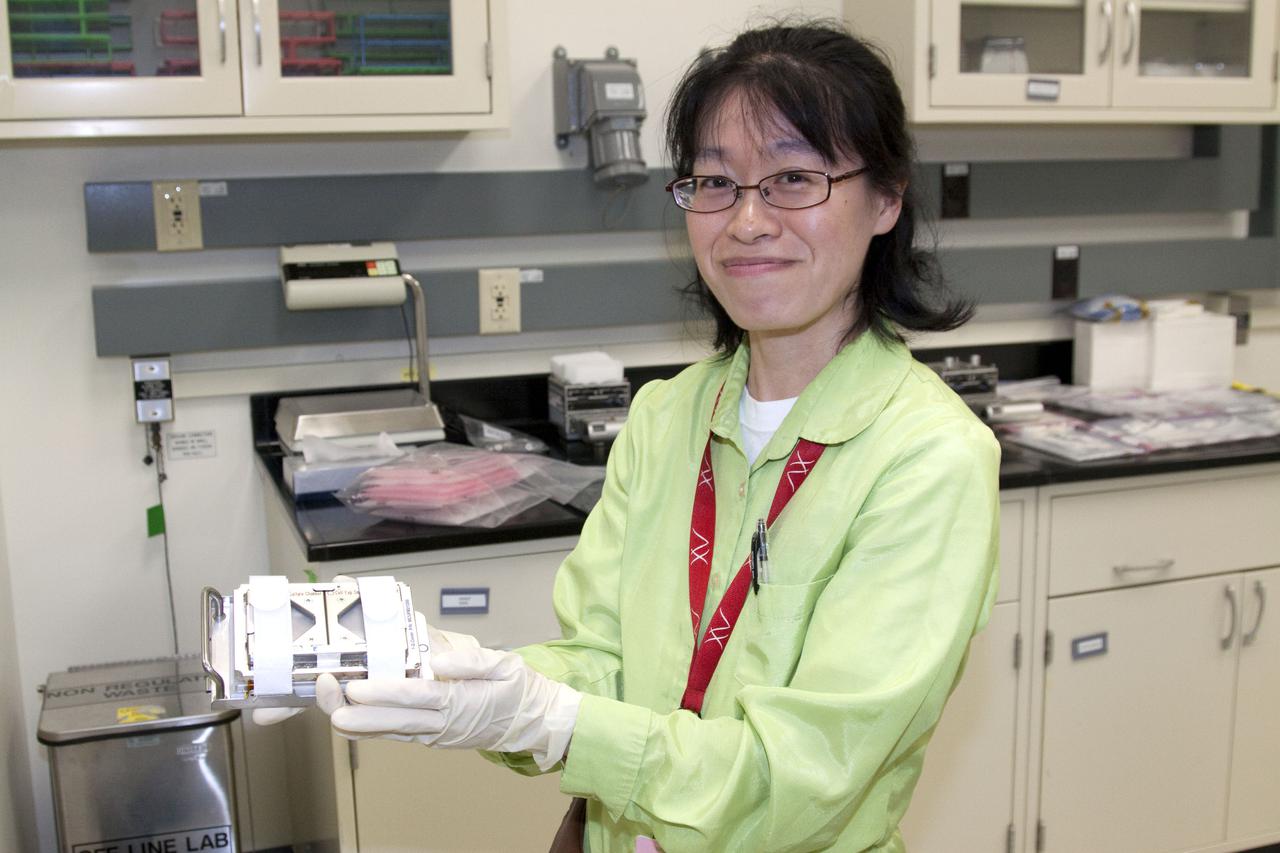
CAPE CANAVERAL, Fla. - In the Space Station Processing Facility at NASA's Kennedy Space Center in Florida, Japan Aerospace Exploration Agency scientist, Yano Sachiko, prepares the fish scale experiment for its flight to the International Space Station aboard the STS-132 mission. Expedition crew members aboard the station will examine regenerating scales collected from anesthetized goldfish in microgravity using the Cell Biology Experiment Facility, or CBEF, and the results will be compared with ground controls. In mammals, bone is formed and maintained by continuous remodeling through bone resorption called osteoclasts, and subsequent new bone formation called osteoblasts. The experiment will use osteoclasts and osteoblasts to examine the effect of microgravity on bone metabolism. Photo credit: NASA_Jack Pfaller
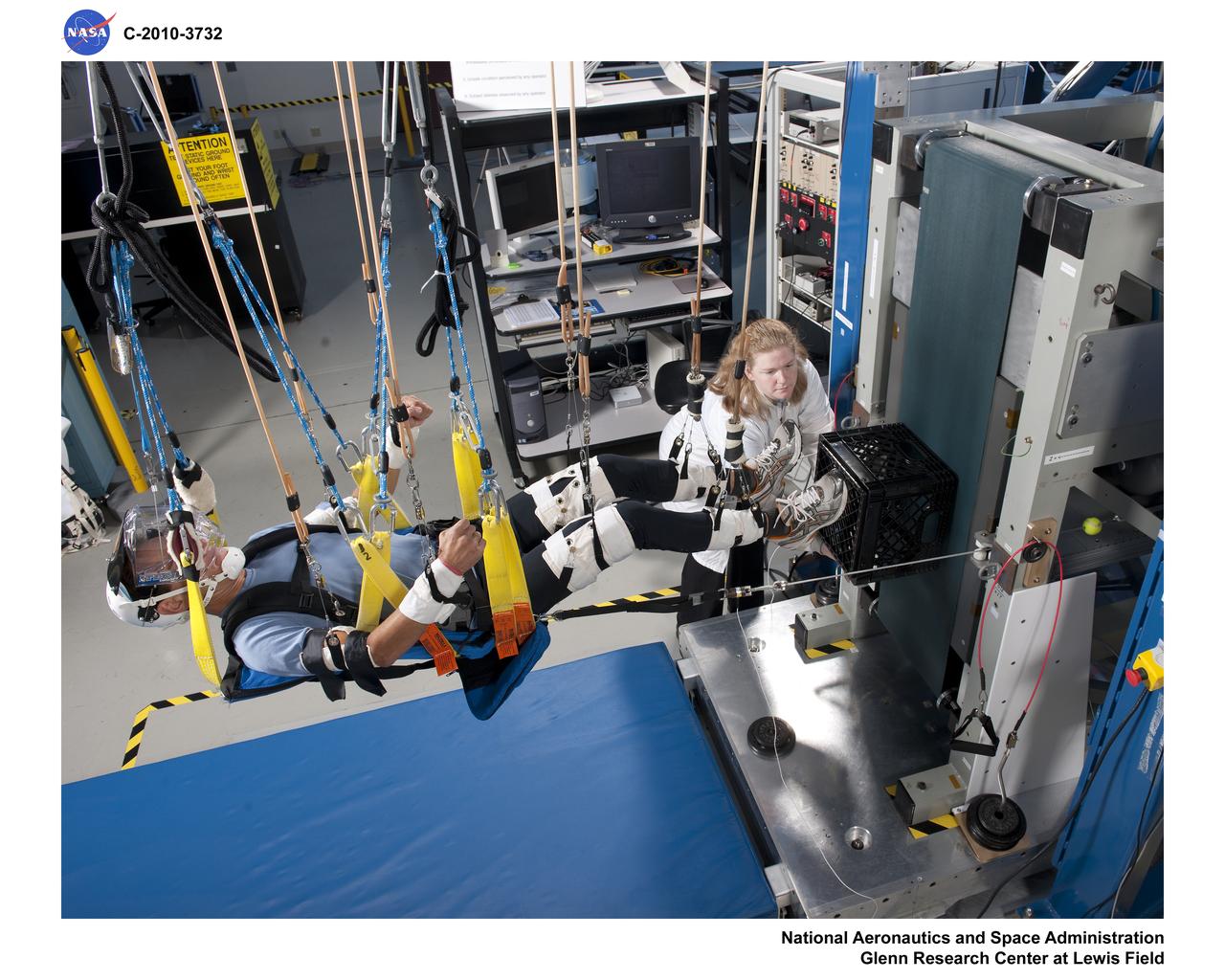
National Space Biomedical Research Institute Monitoring Bone Health Study Lunar Work Tasks
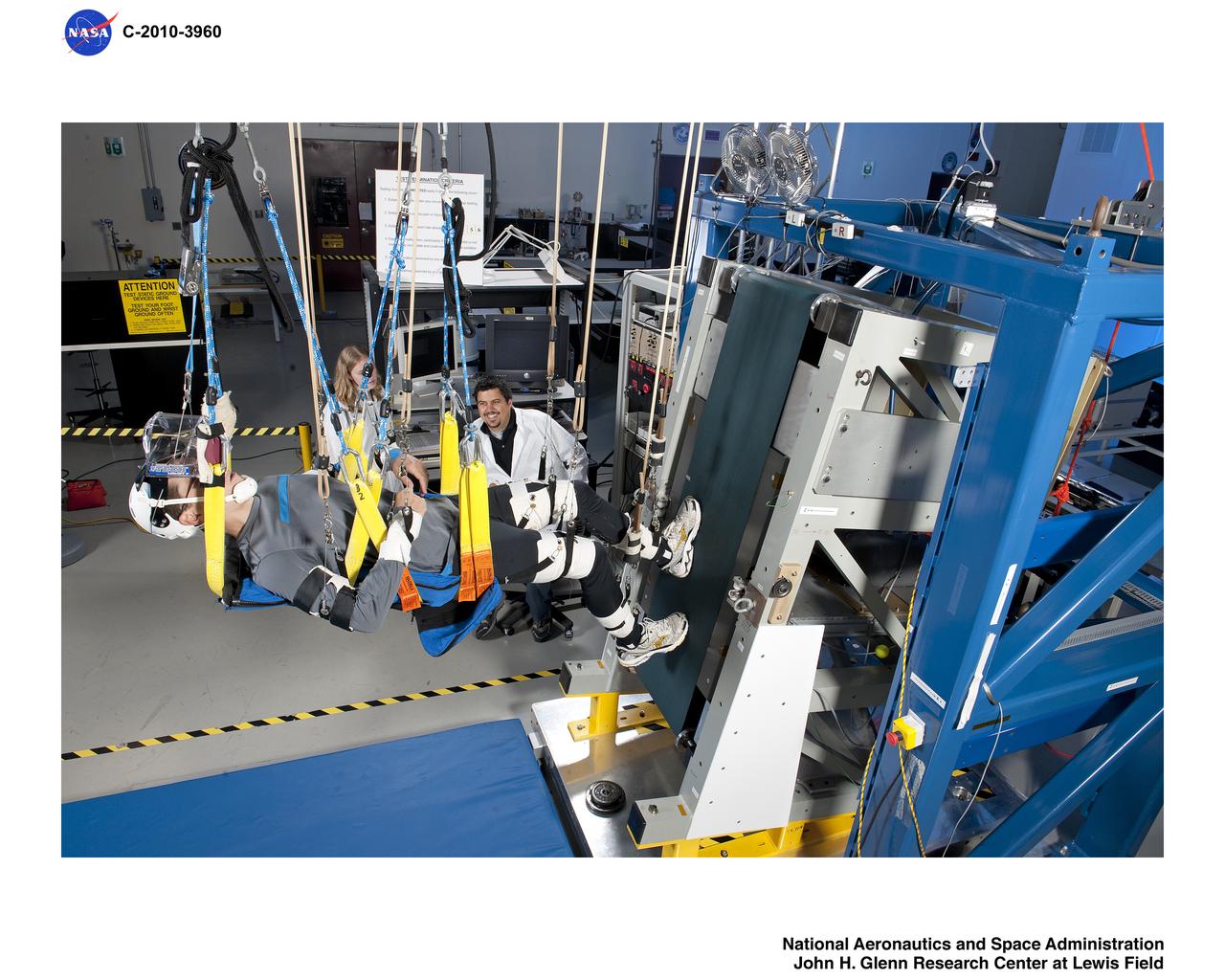
National Space Biomedical Research Institute Monitoring Bone Health Study Lunar Work Tasks
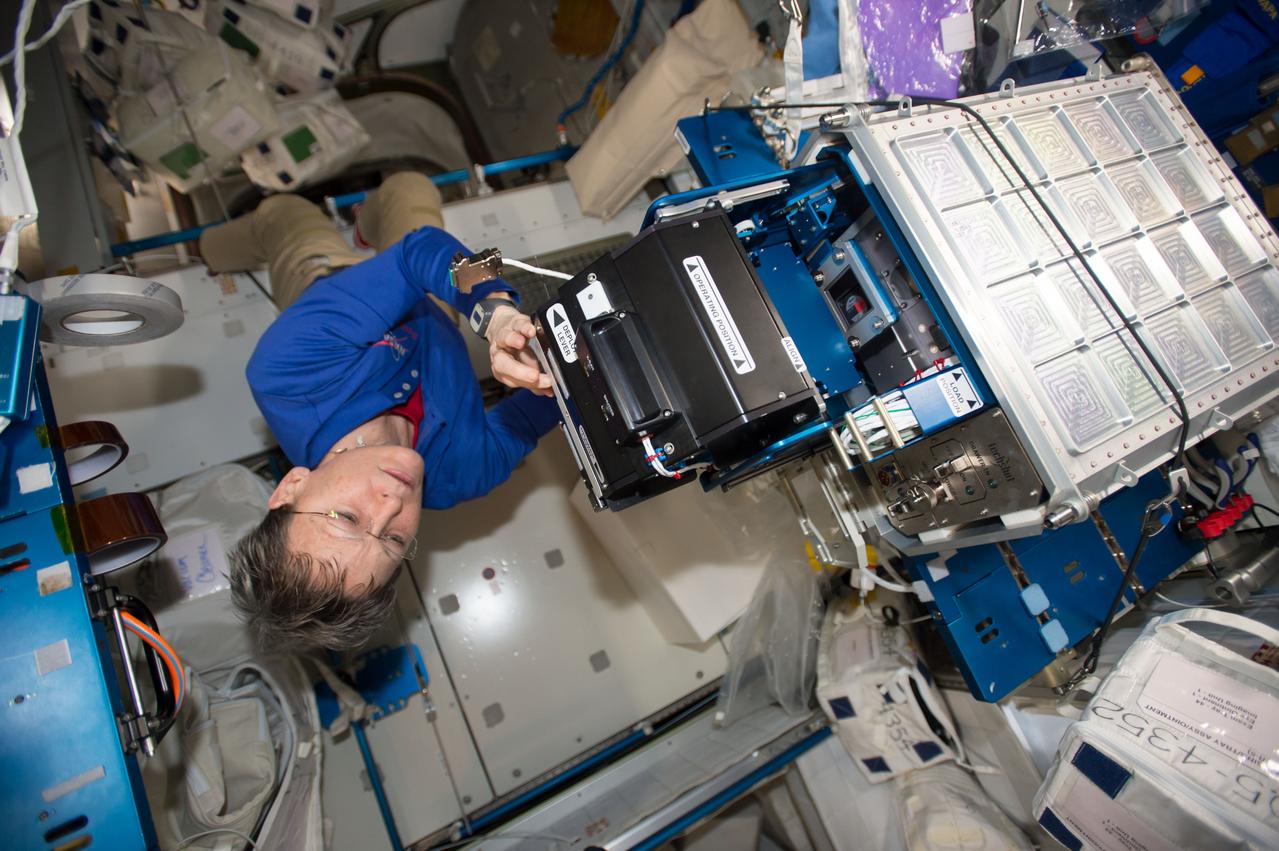
iss052e004180 (6/19/2017) --- Photo of NASA astronaut Peggy Whitson performing change out of Imaging Unit on the Bone Densitometer (BD) located in Node 2.
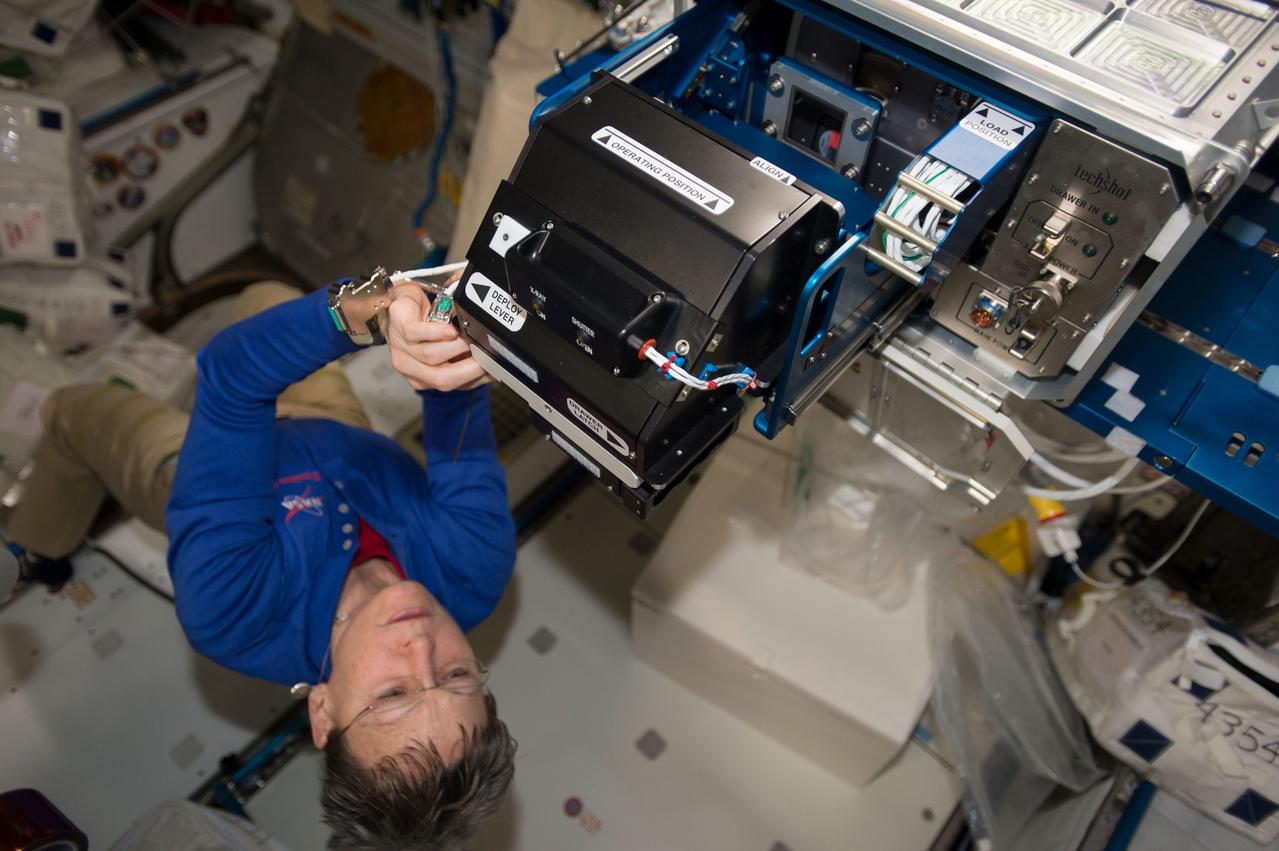
iss052e004182 (6/19/2017) --- Photo of NASA astronaut Peggy Whitson performing change out of Imaging Unit on the Bone Desitometer (BD) located in Node 2.

ISS040-E-104588 (22 Aug. 2014) --- In the International Space Station’s Rassvet Mini-Research Module 1 (MRM-1), Russian cosmonaut Maxim Suraev, Expedition 40 flight engineer, performs a session of the Calcium experiment, which examines the causes of the loss of bone density that occurs in a weightless environment. For this study, Russian researchers are looking at the solubility of calcium phosphates and human bone samples in water in space.
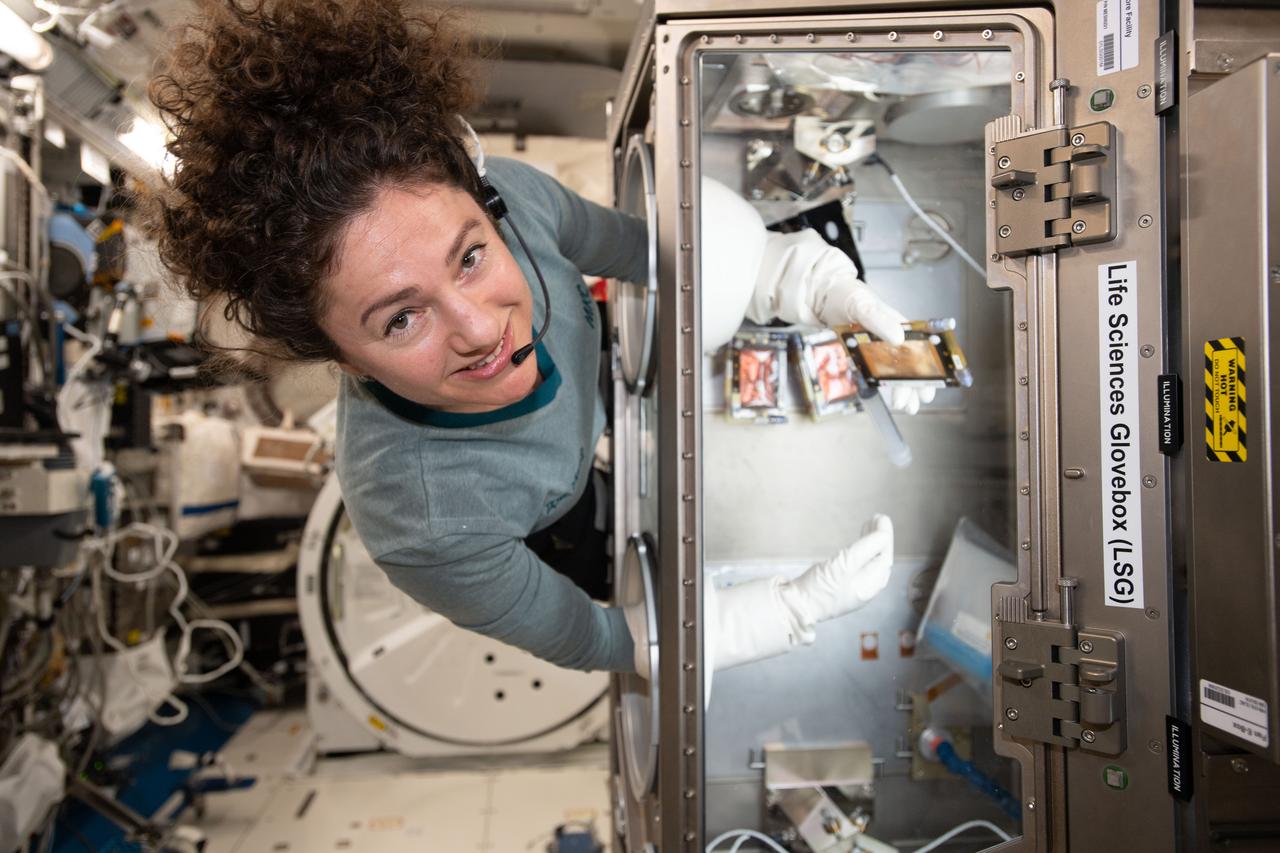
iss062e075249 (March 3, 2020) --- NASA astronaut and Expedition 62 Flight Engineer Jessica Meir swaps media that nourishes bone samples inside the Life Science Glovebox located in JAXA's (Japan Aerospace Exploration Agency) Kibo laboratory module. The experiment compares the microgravity-exposed samples to magnetically levitated samples on Earth for insights into bone ailments such as osteoporosis.
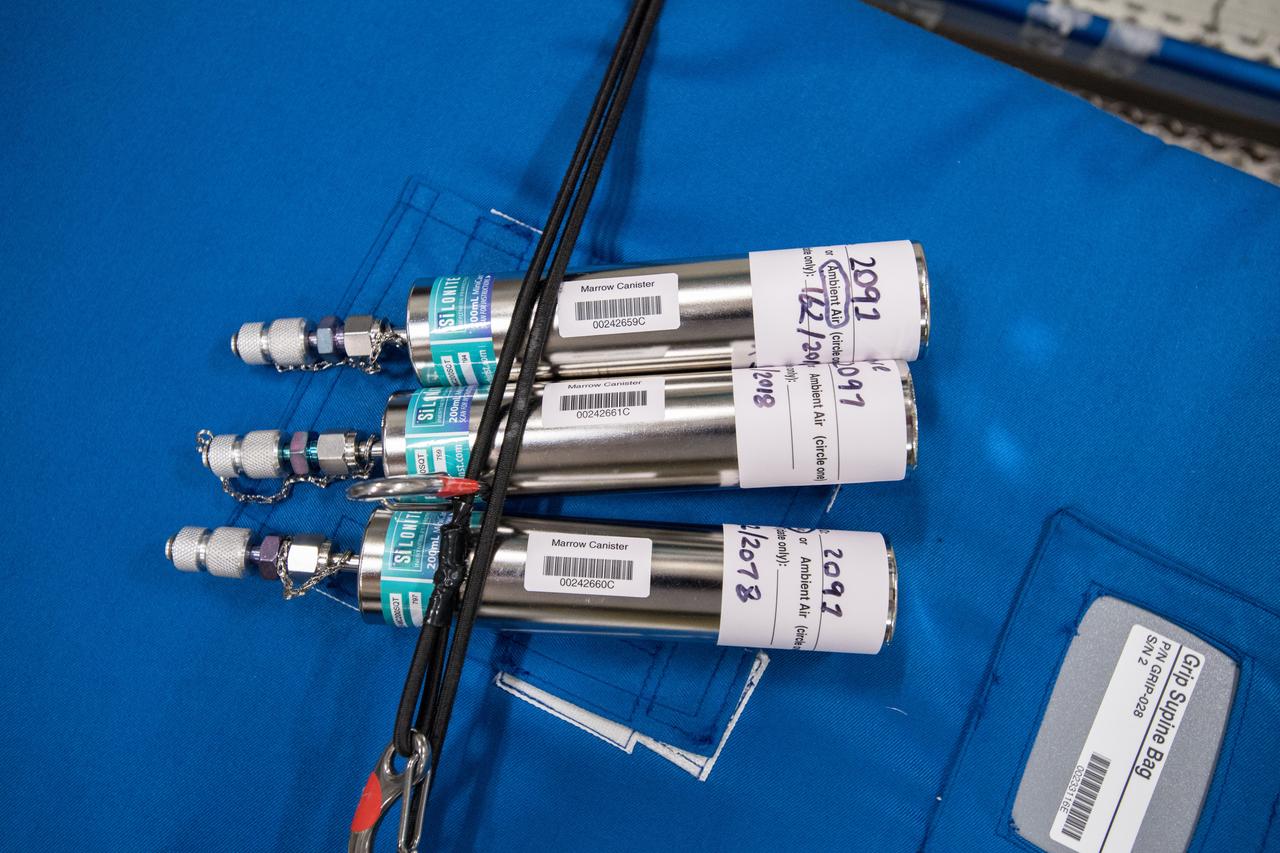
iss056e005940 (6/10/2018) --- Air sample collection hardware for The MARROW Study (Bone Marrow Adipose Reaction: Red or White?). The Marrow investigation looks at the effects of microgravity on bone marrow and analyzes breath samples to measure red blood cell function to help doctors understand how blood cell production is altered in microgravity. Results may improve the health of astronauts on long-term missions and help patients on Earth with mobility and age-related issues.
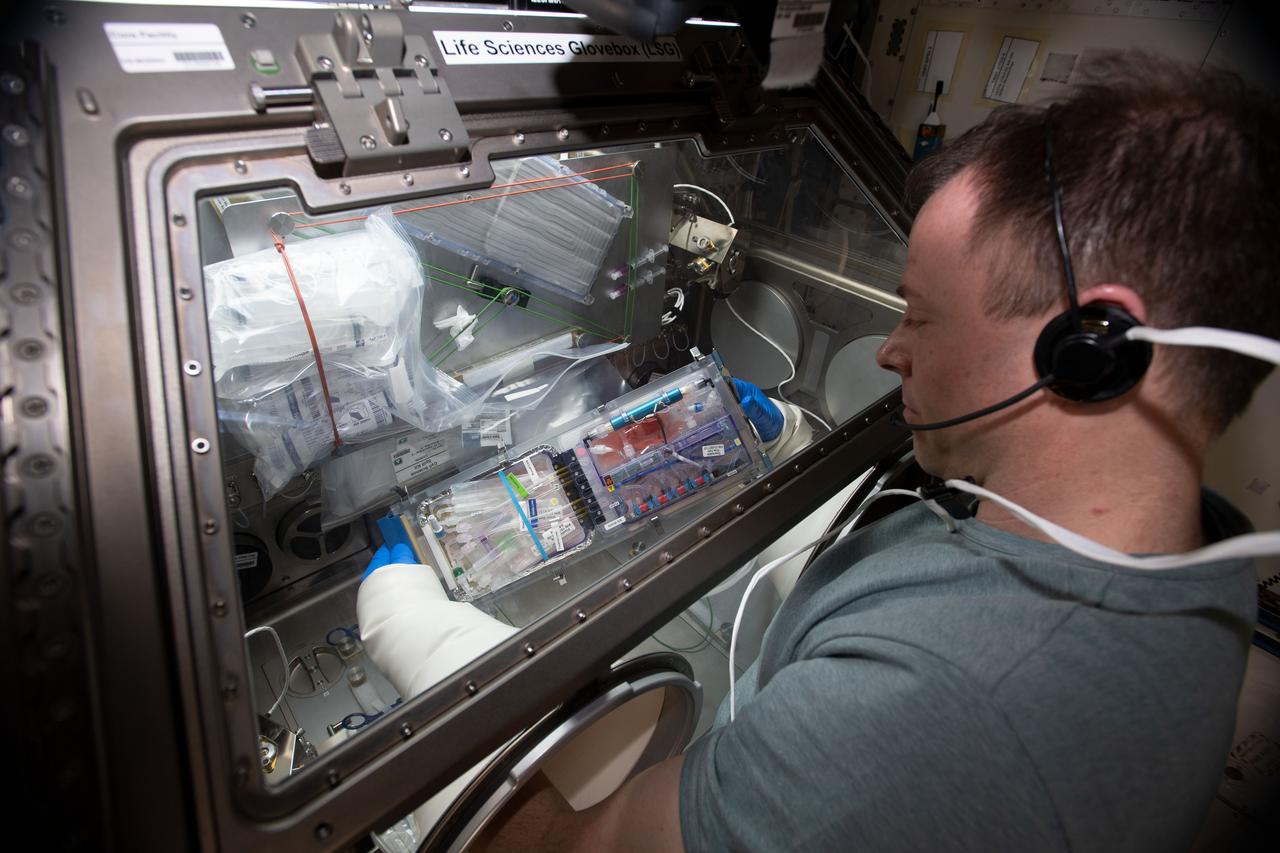
iss060e019992 (7/31/2019) --- NASA Astronaut Nick Hague with the Cell Science-02 investigation aboard the International space Station (ISS). The Cell Science-02 (CS-02) investigation compares the ability of two different bone inducing growth factors, one novel and one currently used in bone healing therapies, to stimulate growth, differentiation, and related cellular functions of osteoblast cells in culture.
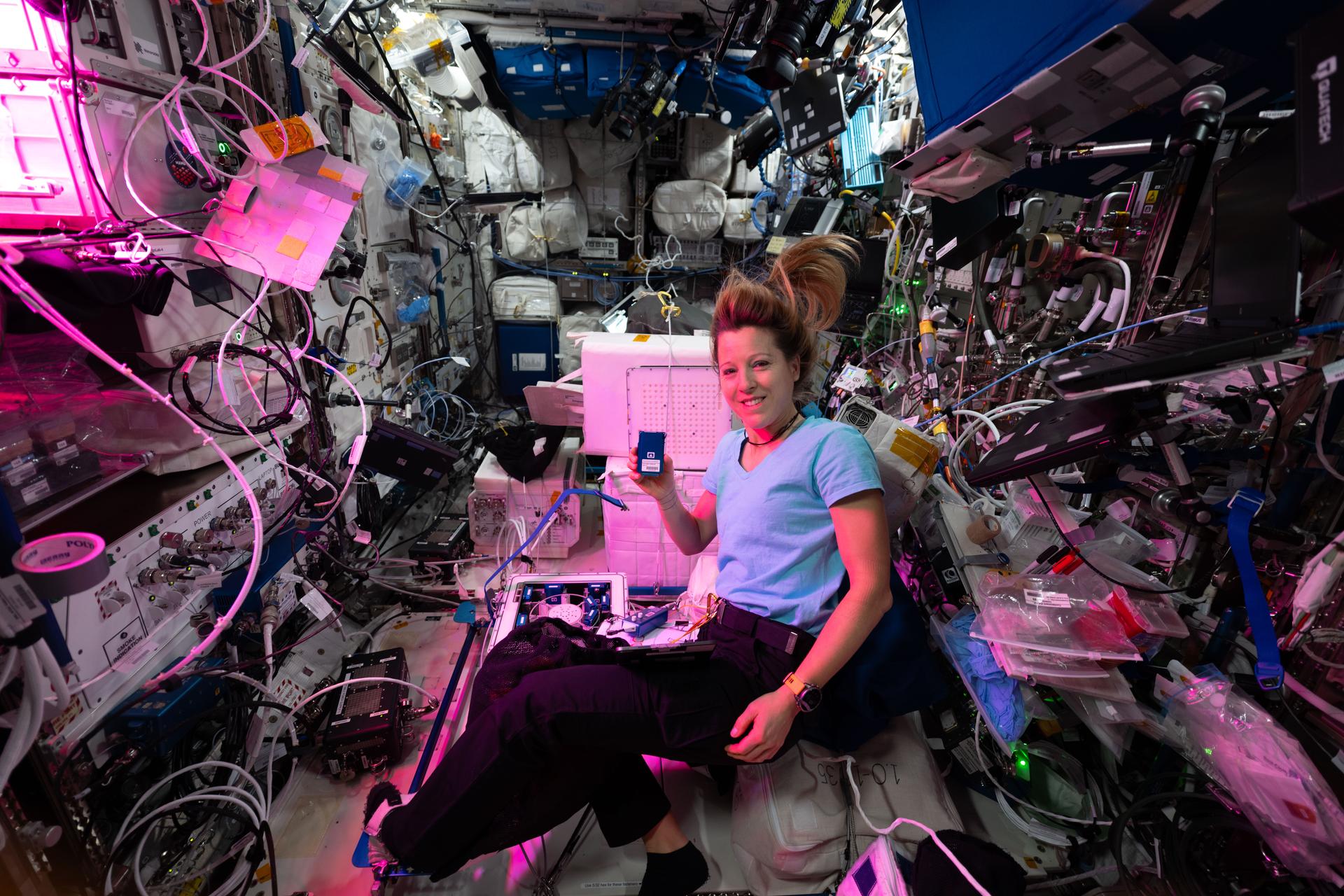
iss074e0586304 (May 17, 2026) --- ESA (European Space Agency) astronaut and Expedition 74 flight engineer Sophie Adenot shows off new scientific hardware recently delivered to the International Space Station aboard a SpaceX Dragon cargo spacecraft. The new research equipment aims to grow human bone cells on a specially treated rattan‑wood scaffold to simulate osteoporosis in microgravity. Insights from the investigation may lead to advanced treatments for osteoporosis and improved bone‑healing therapies for patients. Credit: ESA/Sophie Adenot
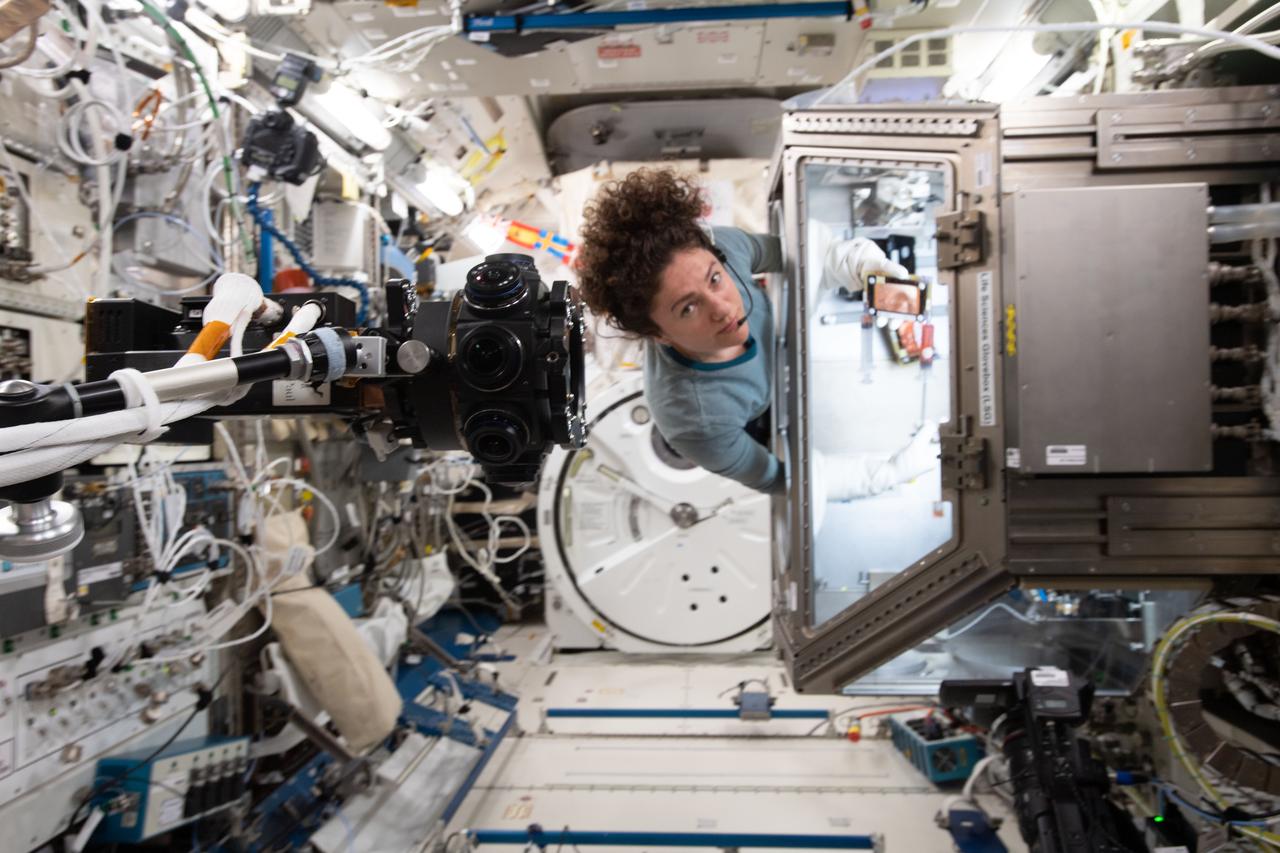
iss062e075187 (March 3, 2020) --- NASA astronaut and Expedition 62 Flight Engineer Jessica Meir swaps media that nourishes bone samples inside the Life Science Glovebox located in JAXA's (Japan Aerospace Exploration Agency) Kibo laboratory module. The experiment compares the microgravity-exposed samples to magnetically levitated samples on Earth for insights into bone ailments such as osteoporosis.
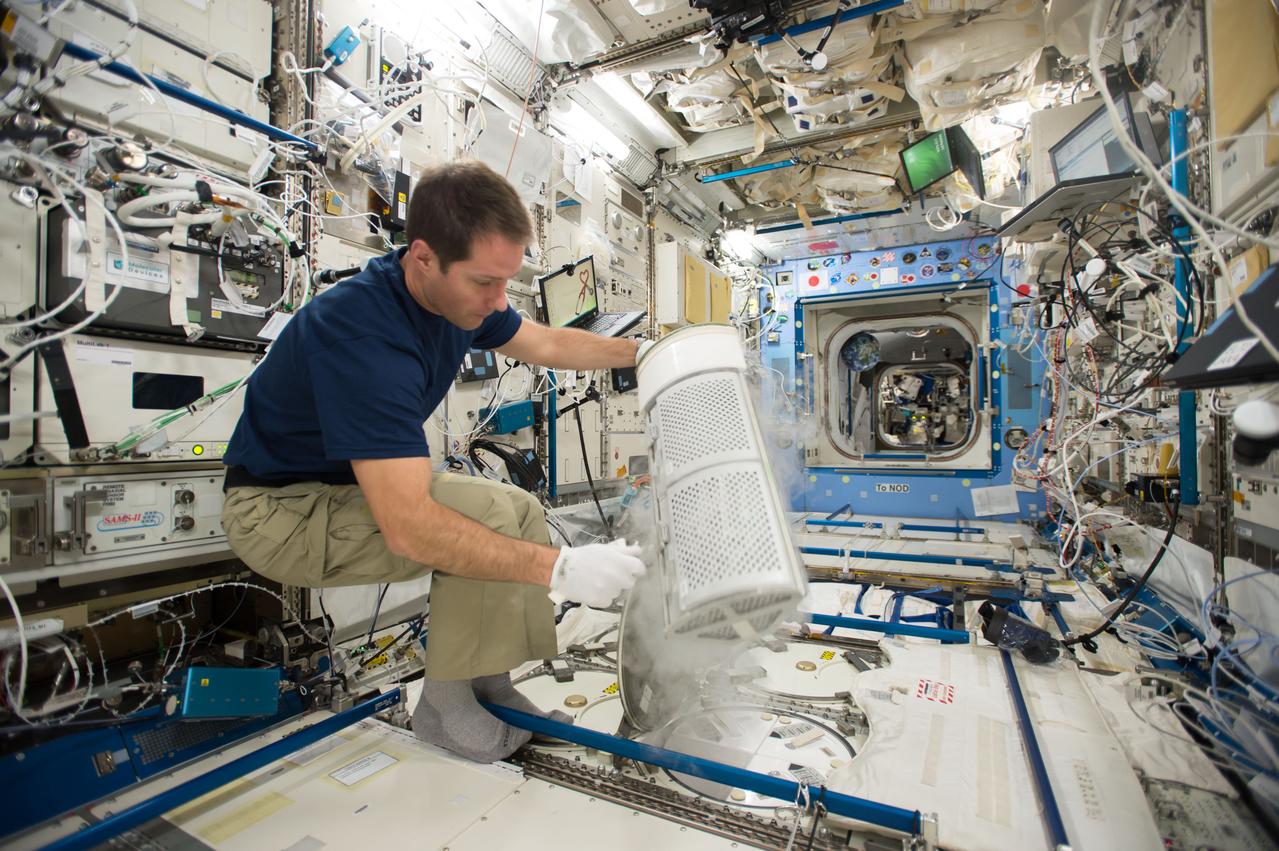
iss050e011020 (11/21/2016) --- European Space Agency (ESA) astronaut Thomas Pesquet adding MARROW samples to the Minus Eighty Laboratory Freezer for ISS (MELFI) in the Japanese Experiment Module (JEM) Pressurized Module (JPM). The MARROW study (Bone Marrow Adipose Reaction: Red Or White?) (Marrow) investigation looks at the effect of microgravity on the bone marrow.
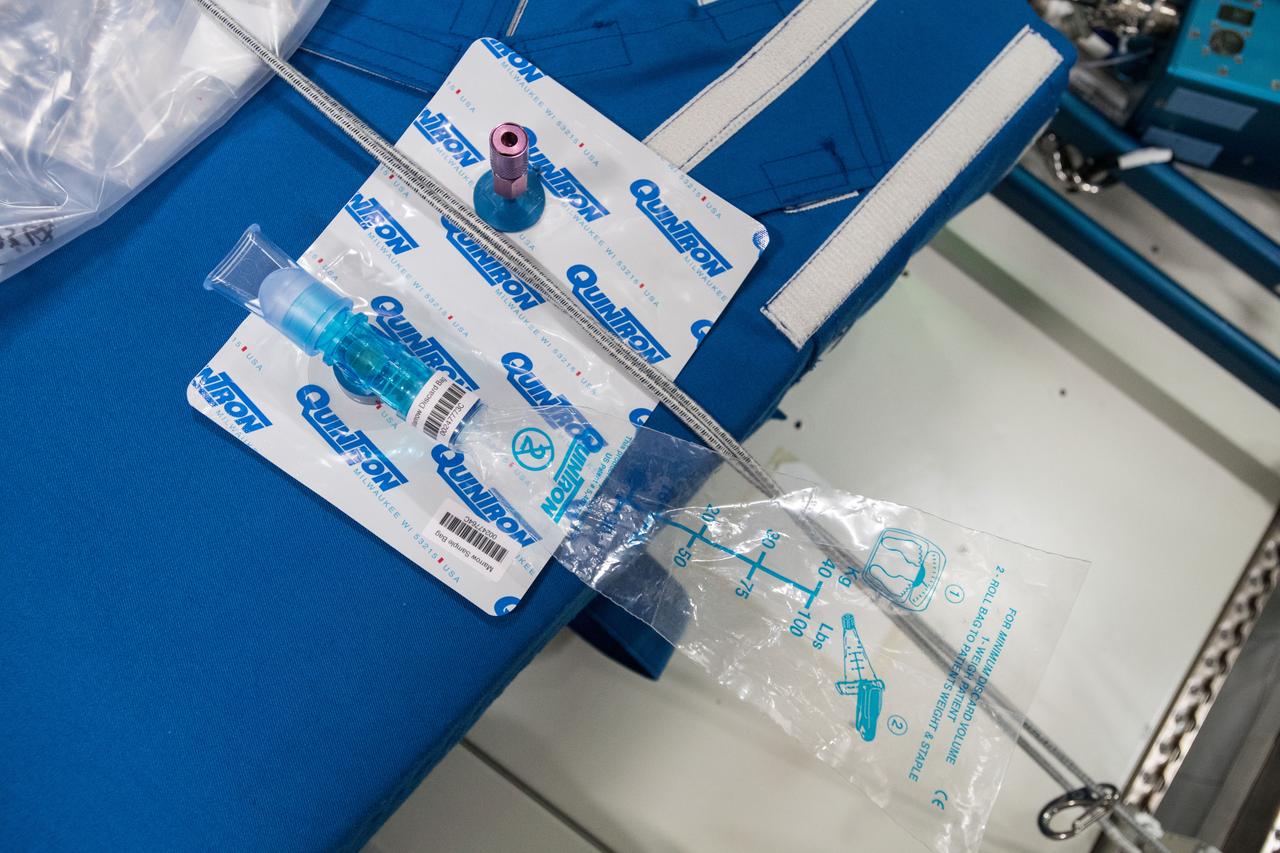
iss056e005938 (6/10/2018) --- Air sample collection hardware for The MARROW Study (Bone Marrow Adipose Reaction: Red or White?). The Marrow investigation looks at the effects of microgravity on bone marrow and analyzes breath samples to measure red blood cell function to help doctors understand how blood cell production is altered in microgravity. Results may improve the health of astronauts on long-term missions and help patients on Earth with mobility and age-related issues.
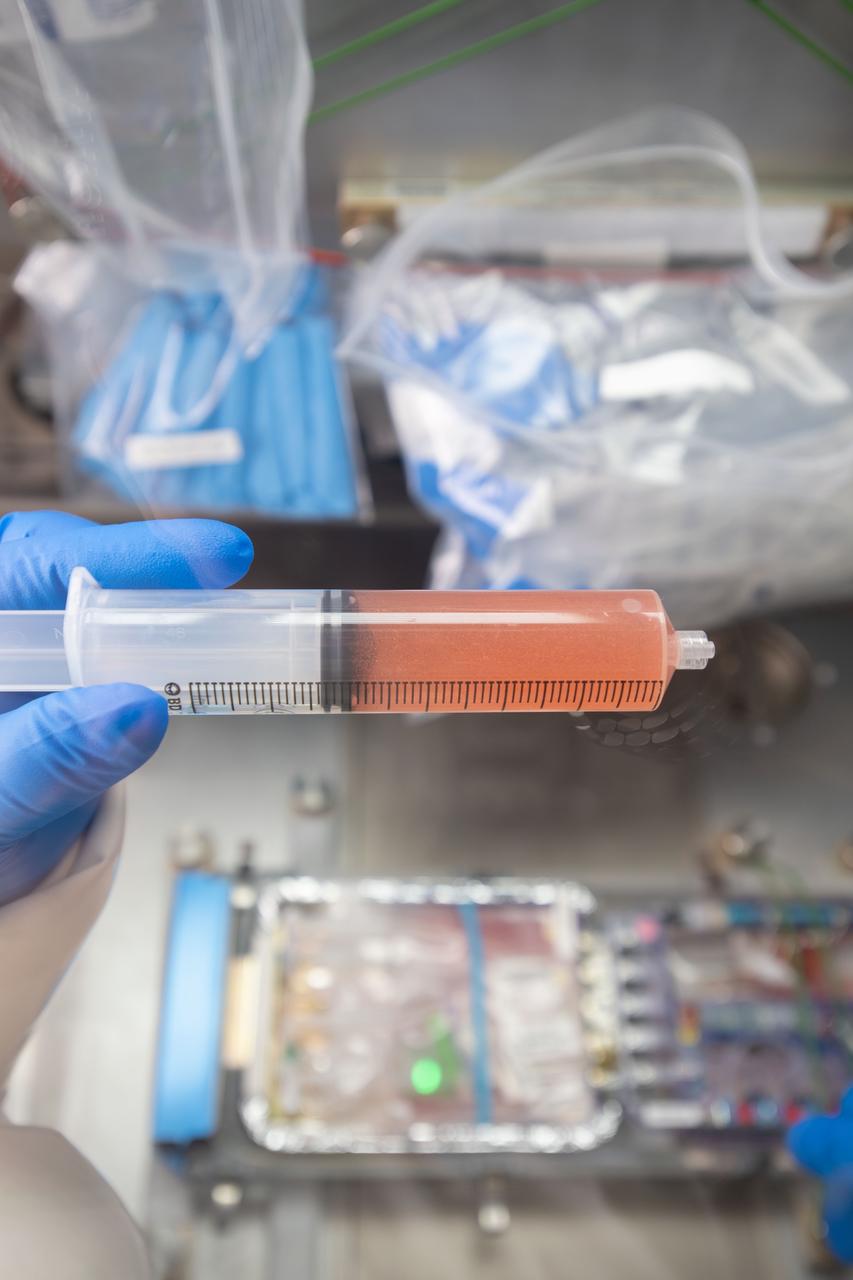
iss060e021649 (8/3/2019) --- Photo documentation of the Cell Science-02 investigation aboard the International space Station (ISS). The Cell Science-02 (CS-02) investigation compares the ability of two different bone inducing growth factors, one novel and one currently used in bone healing therapies, to stimulate growth, differentiation, and related cellular functions of osteoblast cells in culture.
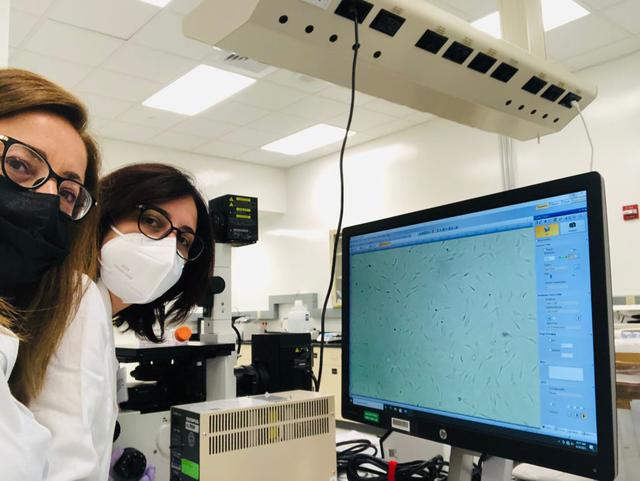
From left, Dr. Tiziana Angrisano and Dr. Valeria Lucci, with the department of biology at the University of Naples Federico II in Italy, prepare the Reducing Arthritis Dependent Inflammation First Phase (READI FP) experiment inside the Space Station Processing Facility at NASA’s Kennedy Space Center in Florida. READI FP, which evaluates how microgravity and space radiation affect the generation of bone tissue, will fly aboard SpaceX’s Cargo Dragon spacecraft on the company’s 23rd commercial resupply services mission to the International Space Station. Liftoff is targeted for Saturday, Aug. 28, at 3:37 a.m. EDT, from Kennedy’s Launch Complex 39A.
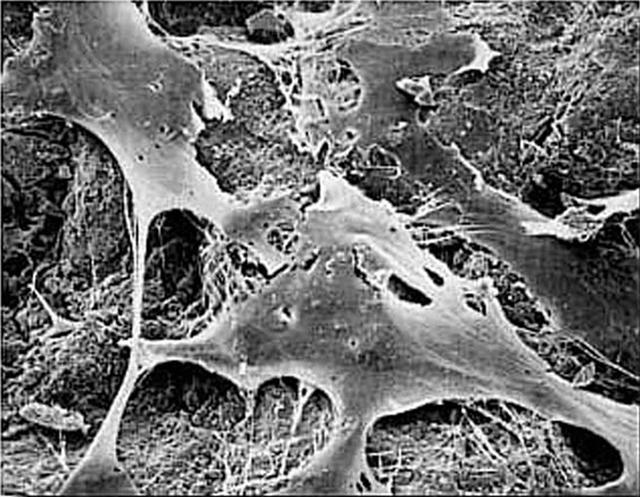
Paul Ducheyne, a principal investigator in the microgravity materials science program and head of the University of Pernsylvania's Center for Bioactive Materials and Tissue Engineering, is leading the trio as they use simulated microgravity to determine the optimal characteristics of tiny glass particles for growing bone tissue. The result could make possible a much broader range of synthetic bone-grafting applications. Even in normal gravity, bioactive glass particles enhance bone growth in laboratory tests with flat tissue cultures. Ducheyne and his team believe that using the bioactive microcarriers in a rotating bioreactor in microgravity will produce improved, three-dimensional tissue cultures. The work is sponsored by NASA's Office of Biological and Physical Research. The bioreactor is managed by the Biotechnology Cell Science Program at NASA's Johnson Space Center (JSC). NASA-sponsored bioreactor research has been instrumental in helping scientists to better understand normal and cancerous tissue development. In cooperation with the medical community, the bioreactor design is being used to prepare better models of human colon, prostate, breast and ovarian tumors. Cartilage, bone marrow, heart muscle, skeletal muscle, pancreatic islet cells, liver and kidney are just a few of the normal tissues being cultured in rotating bioreactors by investigators. Credit: NASA and University of Pennsylvania Center for Bioactive Materials and Tissue Engineering.
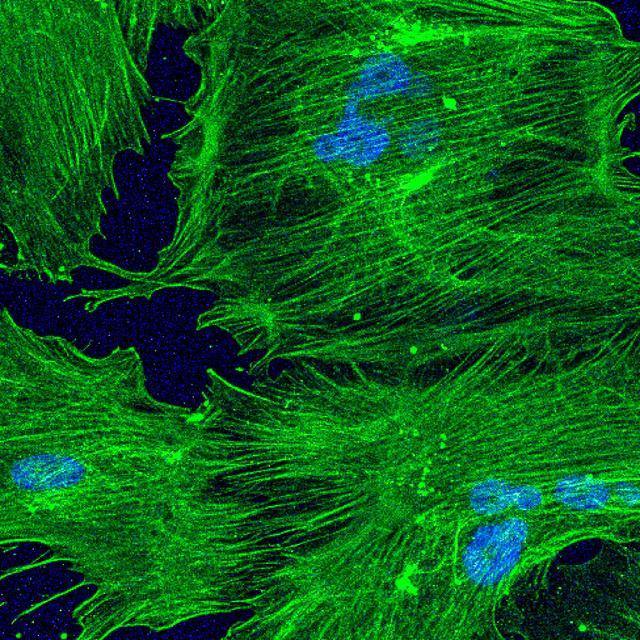
jsc2022e042482 (5/19/2022) --- Image of mesenchymal stromal cells which are essential for bone, wound, and cartilage repair. Image courtesy of Dr. Dong Wang, Transplant and Stem Cell Immunobiology (TSI) Laboratory at UCSF.

jsc2026e034364 (April 28, 2026) --- Regions of interest on the spleen are shown as part of the SPARK investigation which aims to will detect the effects of chronic space hemolysis on the spleen. Credit: Bone and Joint Research Laboratory.

iss052e004198 (June 19, 2017) ---- Astronaut Peggy Whitson changes out the Imaging Unit on the Bone Densitometer inside the Harmony module. The SpaceX Dragon is attached to the Earth-facing port of Harmony.
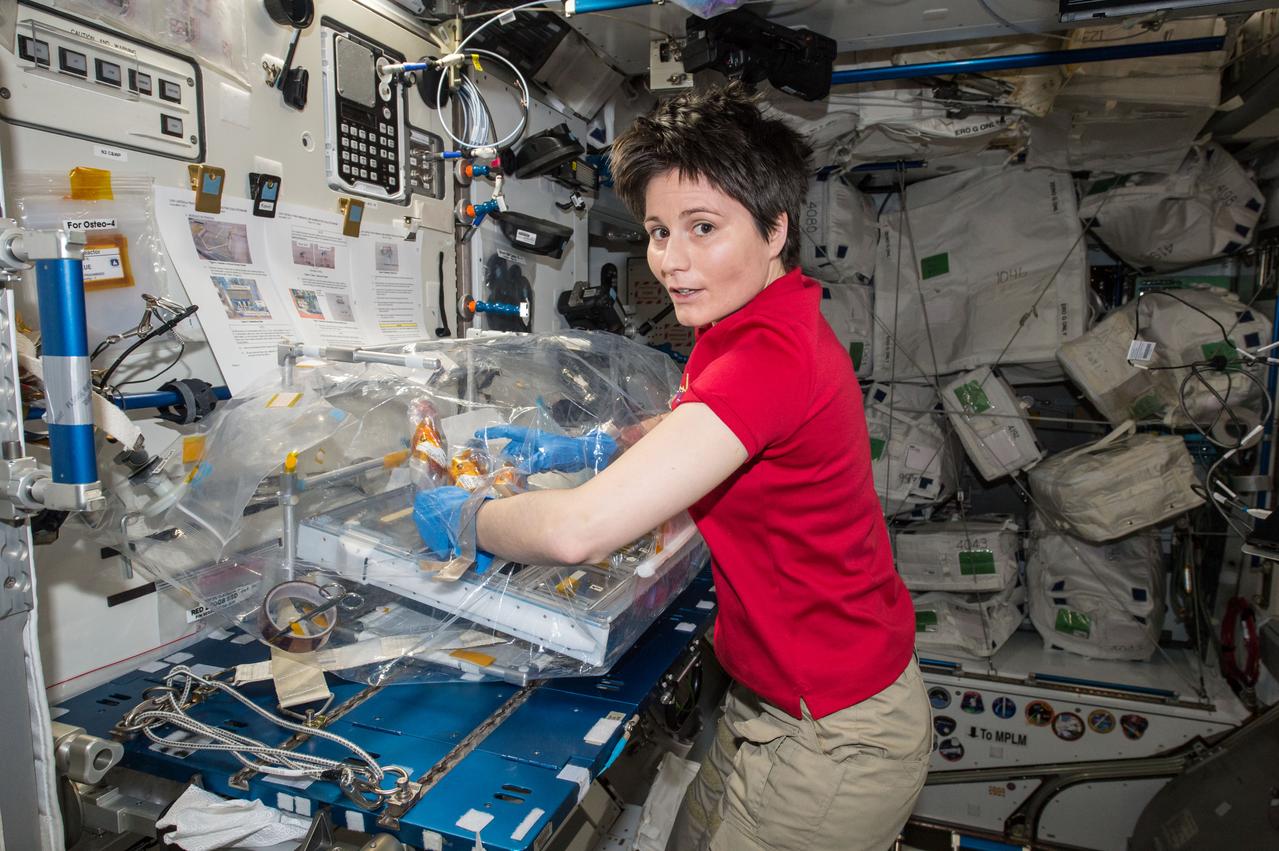
ISS043E122574 (04/19/2015) --- ESA (European Space Station) astronaut Samantha Cristoforetti, a flight engineer on the International Space Station, is seen here unpacking the recently arrived Osteo-4 experiment which was carried up on Spacex’s sixth Dragon resupply mission. Osteo-4 is performing research on how microgravity effects changes in the most common cell found in human bones to protect the health of future astronauts. This research could also have implications for patients on Earth in the treatment of bone disorders related to disuse or immobilization, as well as metabolic diseases such as osteoporosis.
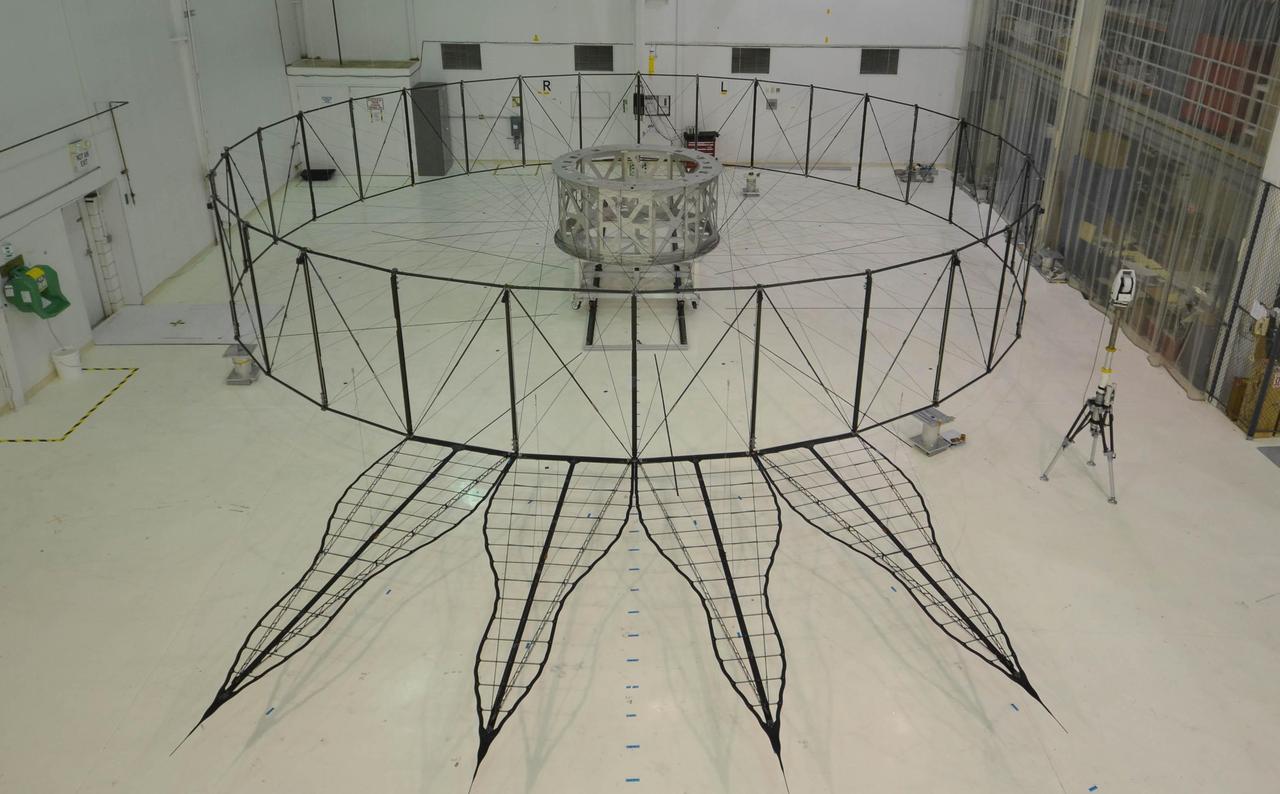
This image shows the bare bones of the first prototype starshade by NASA's Jet Propulsion Laboratory, Pasadena, California. The prototype was shown in technology partner Astro Aerospace/Northrup Grumman's facility in Santa Barbara, California in 2013. In order for the petals of the starshade to diffract starlight away from the camera of a space telescope, they must be deployed with accuracy once the starshade reaches space. The four petals pictured in the image are being measured for this positional accuracy with a laser. As shown by this 66-foot (20-meter) model, starshades can come in many shapes and sizes. This design shows petals that are more extreme in shape which properly diffracts starlight for smaller telescopes. http://photojournal.jpl.nasa.gov/catalog/PIA20903
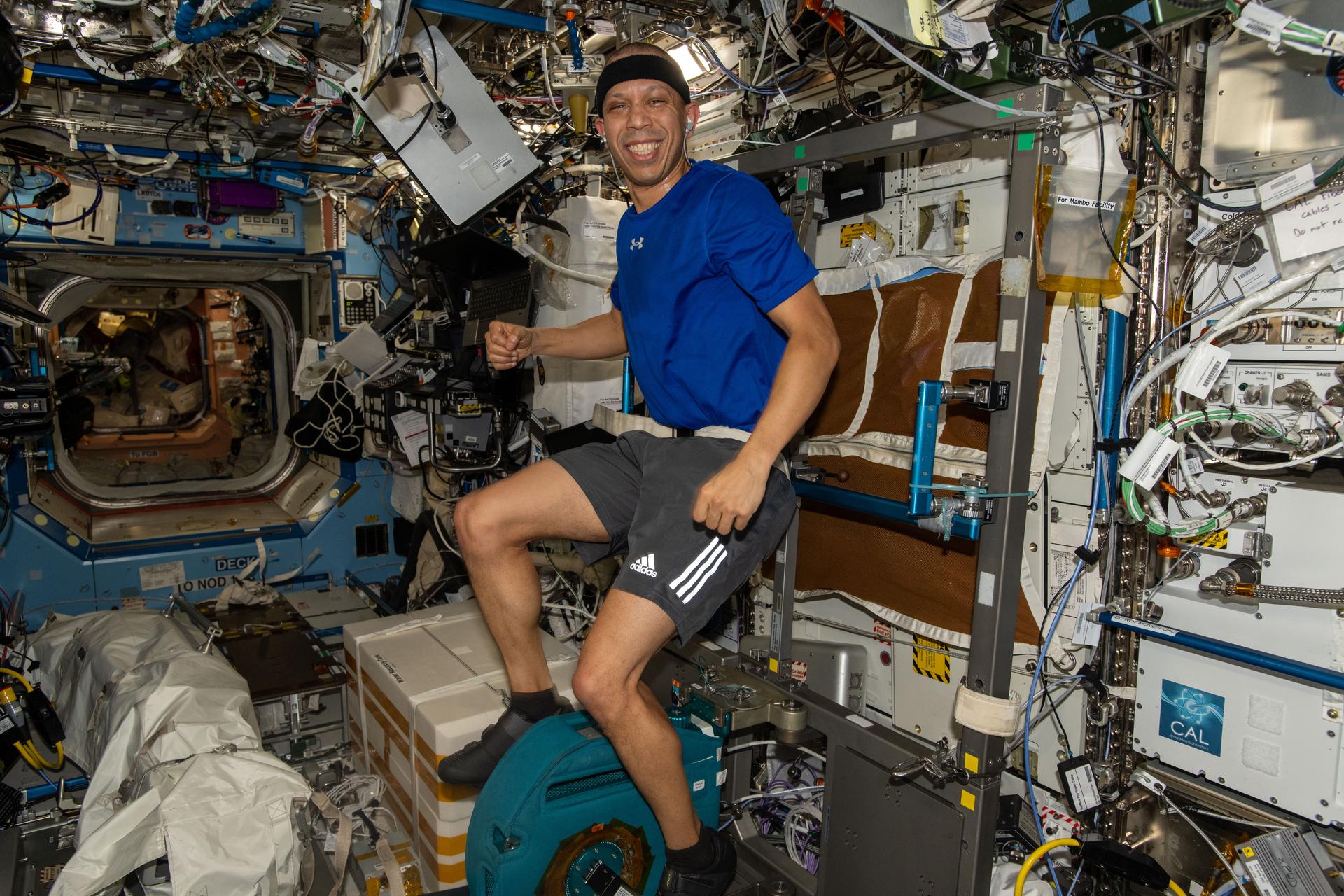
iss074e0364911 (March 6, 2026) --- NASA astronaut and Expedition 74 flight engineer Chris Williams pedals on the exercise cycle inside the International Space Station’s Destiny laboratory module. Astronauts work out daily on the exercise cycle to maintain muscle, bone, and cardiovascular health in microgravity. Credit: NASA/Jack Hathaway
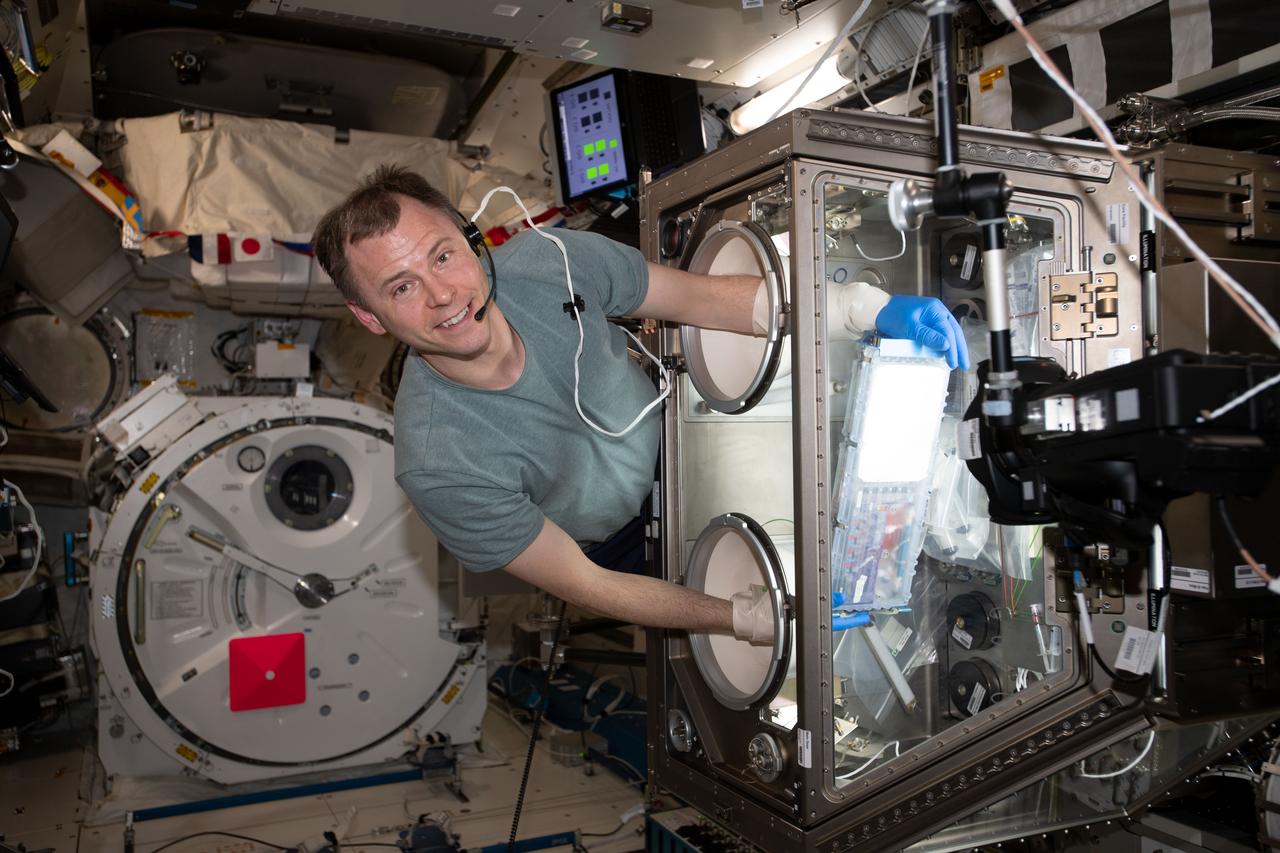
iss060e019982 (July 30, 2019) --- NASA astronaut Nick Hague works inside the Japanese Kibo laboratory module supporting research activities with the Life Sciences Glovebox. Hague is conducting science operations for the Cell Science-02 bone healing and tissue regeneration experiment.
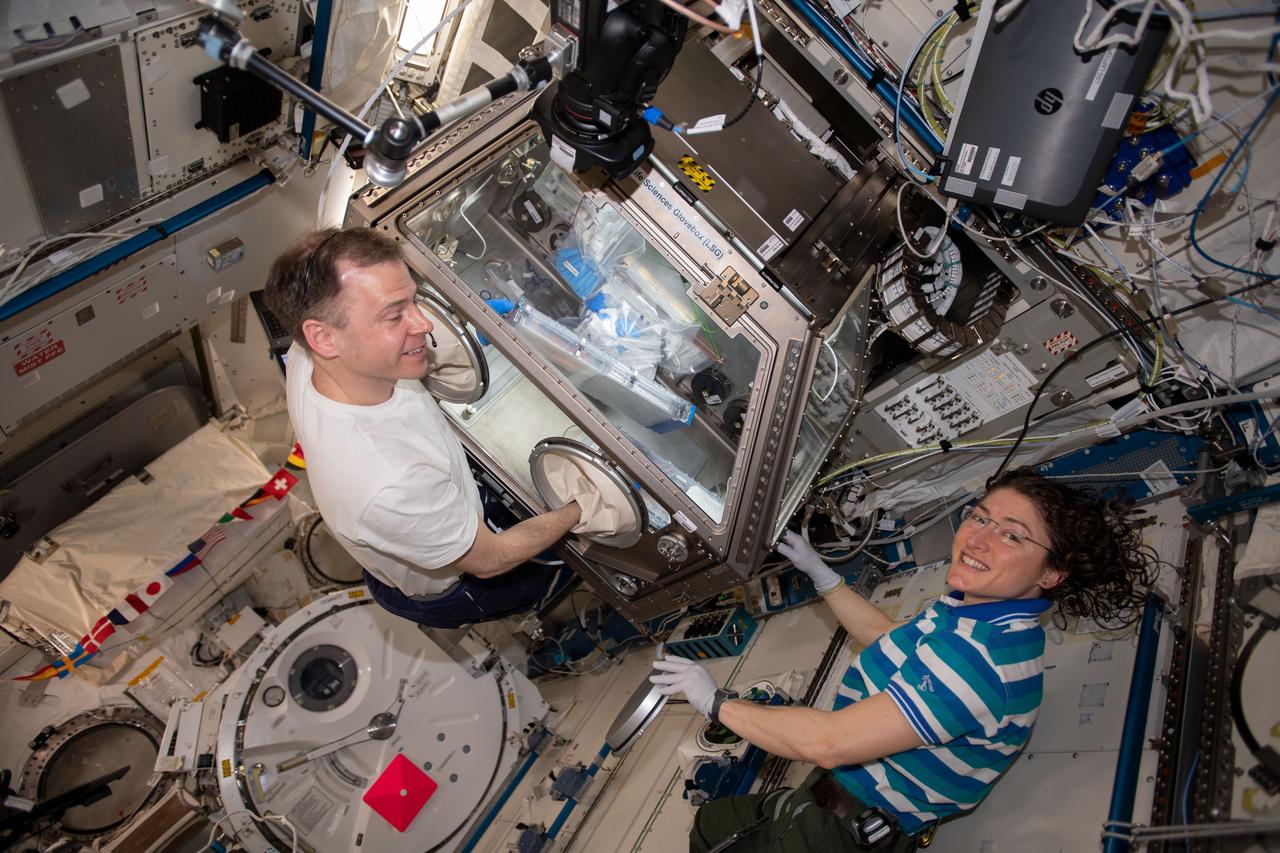
iss060e021469 (Aug. 3, 2019) --- NASA astronauts Nick Hague and Christina Koch work inside the Japanese Kibo laboratory module supporting research activities with the Life Sciences Glovebox. The Expedition 60 crewmates were conducting science operations for the Cell Science-02 bone healing and tissue regeneration experiment.
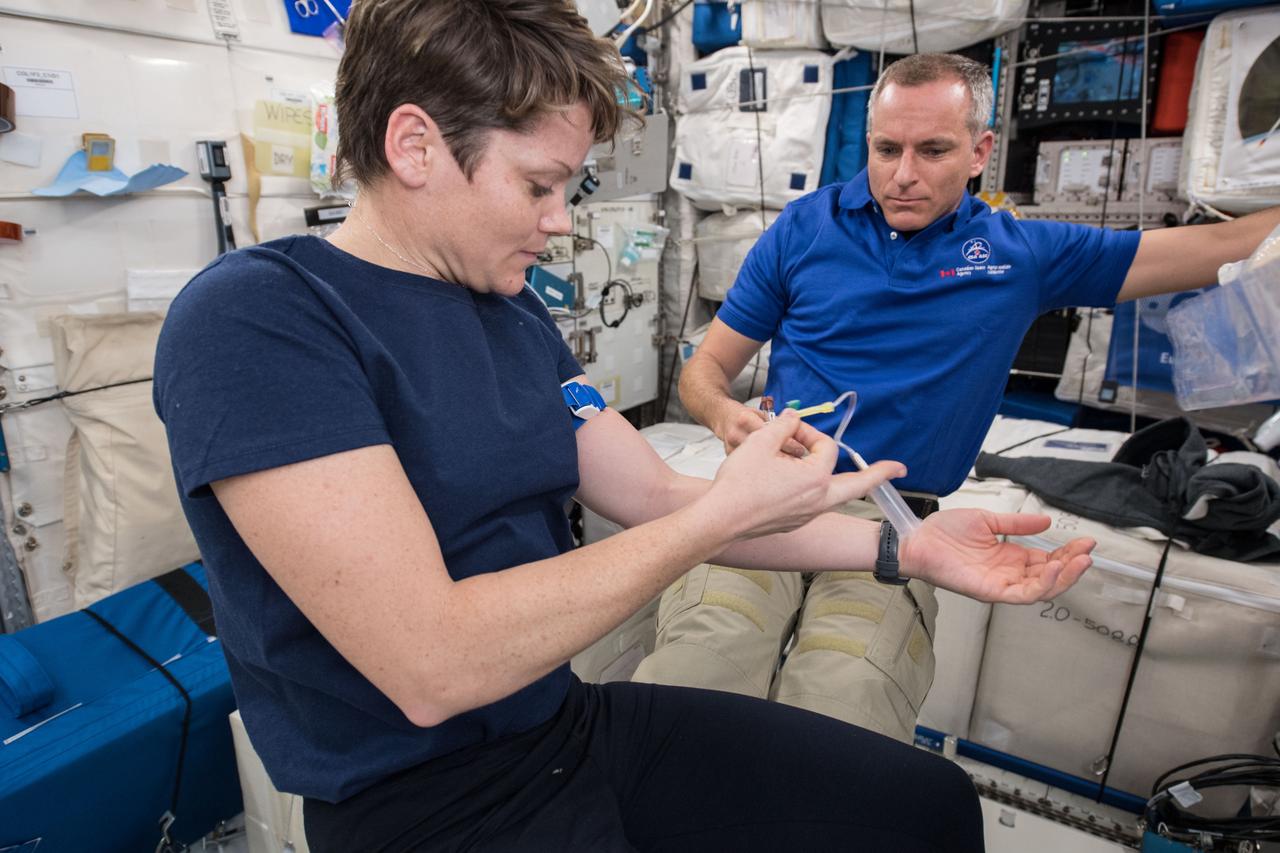
(12/8/2018) --- Flight Engineer (FE) Anne McClain prepares to draw her blood for the Marrow Study (Bone Marrow Adipose Reaction: Red Or White?). FE David Saint-Jacques assists. Photo was taken in the Columbus European Laboratory.
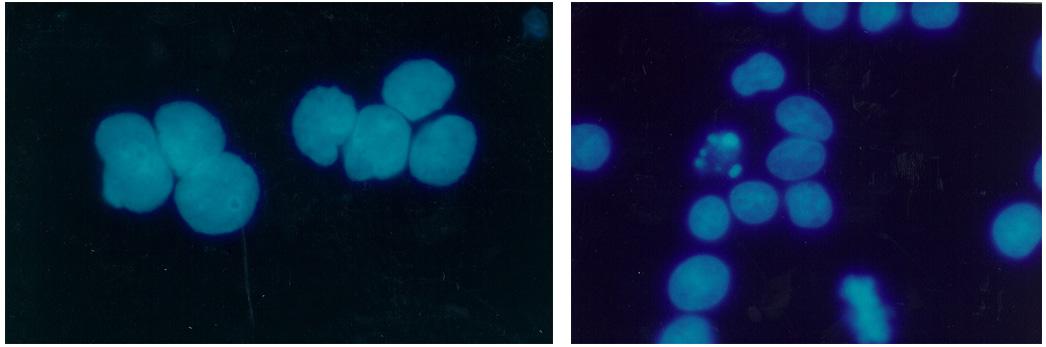
Biomedical research offers hope for a variety of medical problems, from diabetes to the replacement of damaged bone and tissues. Bioreactors, which are used to grow cells and tissue cultures, play a major role in such research and production efforts. The objective of the research was to define a way to differentiate between effects due to microgravity and those due to possible stress from non-optimal spaceflight conditions.
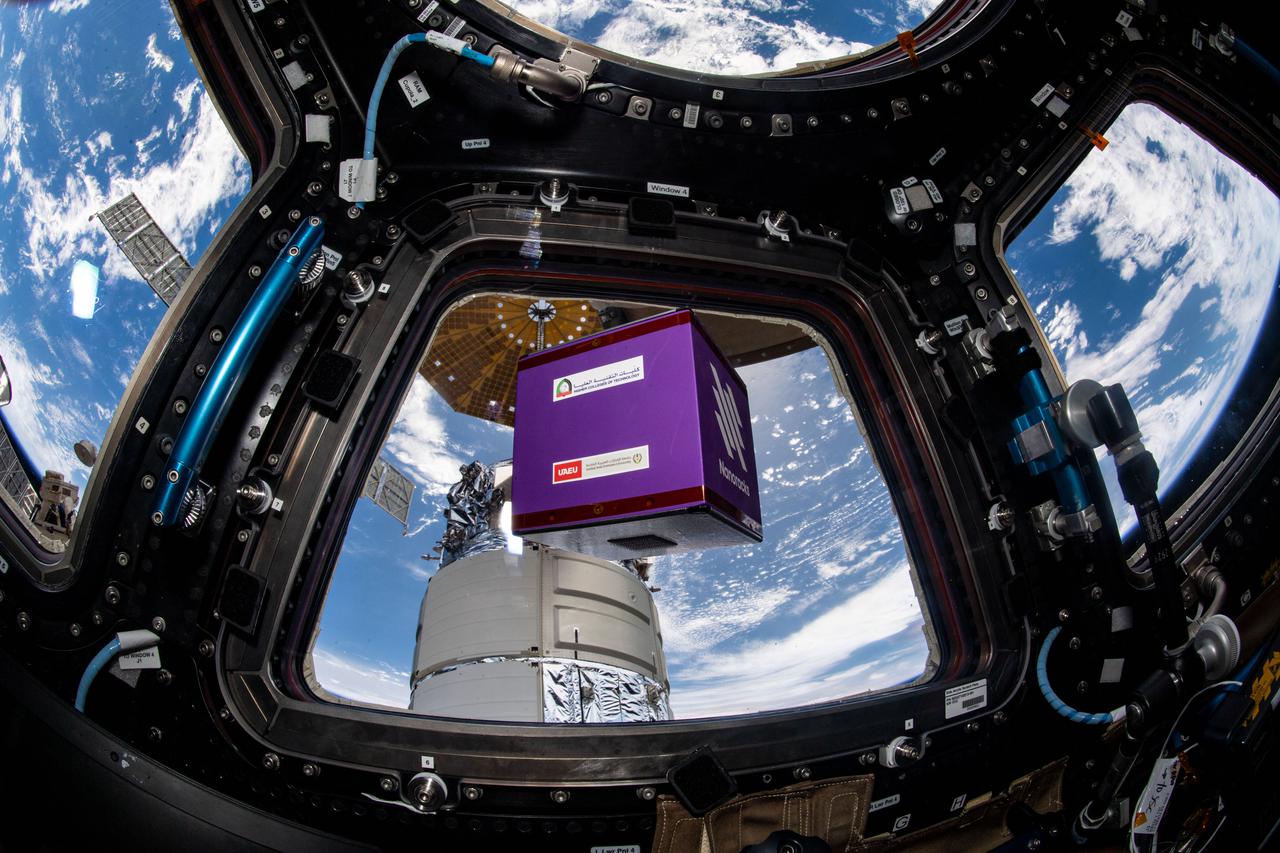
iss065e096320 (6/11/2021) --- A view of the SmoothISS Nanolab in the Cupola window aboard the International space Station (ISS). Space Food for Bone Health: Vitamin D Fortified Camel Milk with Dates Smoothie (SmoothISS) tests microgravity’s effects on the sensory, nutritional, and microbial properties of a smoothie drink made from dehydrated camel’s milk, dates, and vitamin D.
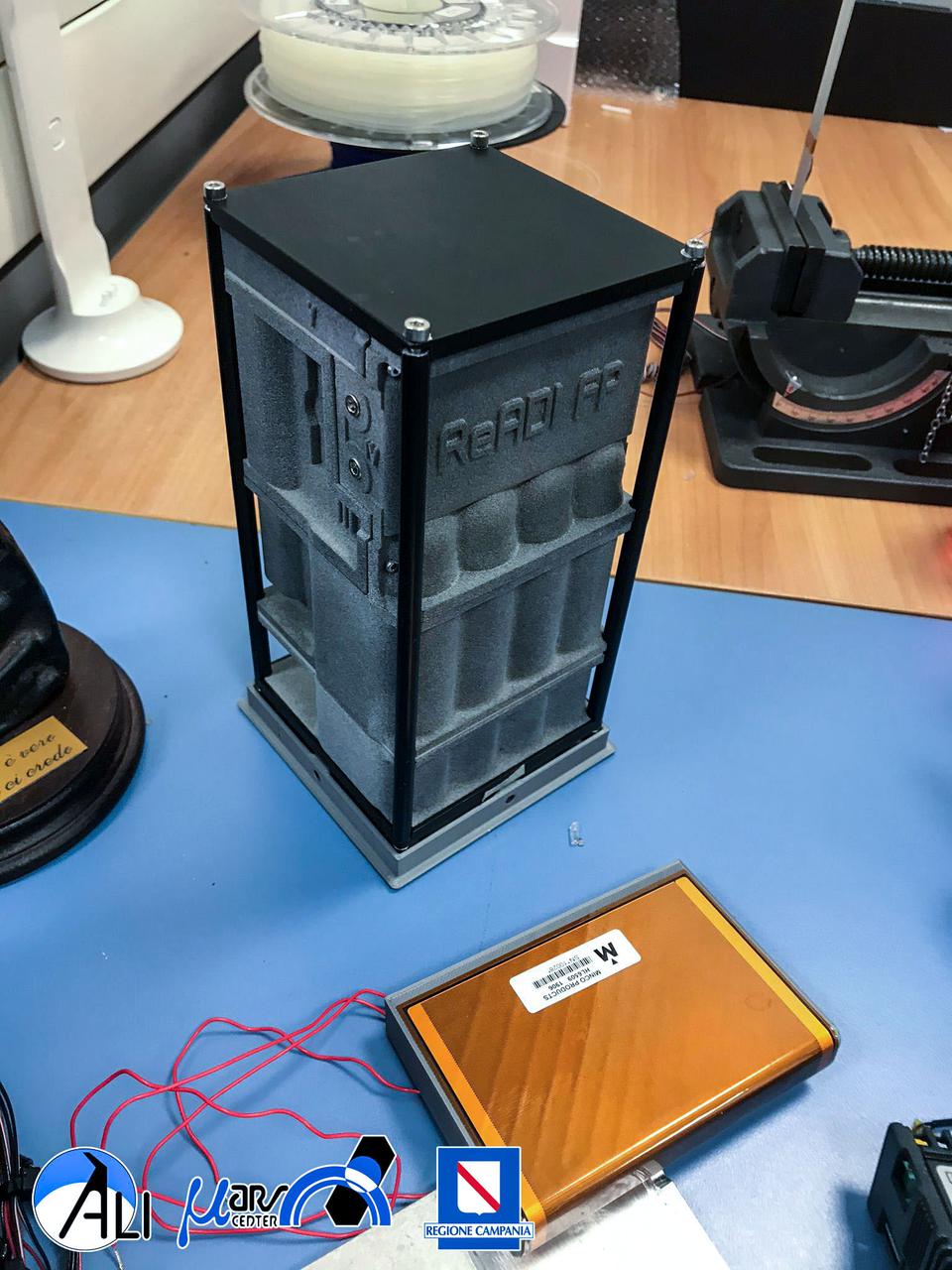
jsc2021e036648 (8/4/2021) --- A preflight image of the READI FP shell assembled before the immersion test. REducing Arthritis Dependent Inflammation First Phase (READI FP) evaluates how microgravity and space radiation affect the generation of bone tissue. It also examines the potential protective effects of bio-collagen and bioactive metabolites such as antioxidants during spaceflight. The source of these metabolites are vegetal extracts produced as waste products in wine production.

art002e027814 (April 8, 2026) – NASA astronaut Reid Wiseman collects a saliva sample aboard the Orion spacecraft for the Artemis II Immune Biomarkers study. The study looks at proteins, enzymes, and other biomarkers found in the samples to help researchers pinpoint how the body responds to mission stressors during deep space missions. These biomarkers give insight into crews’ immune health, inflammation, nutritional status, bone health, and more. Credit: NASA
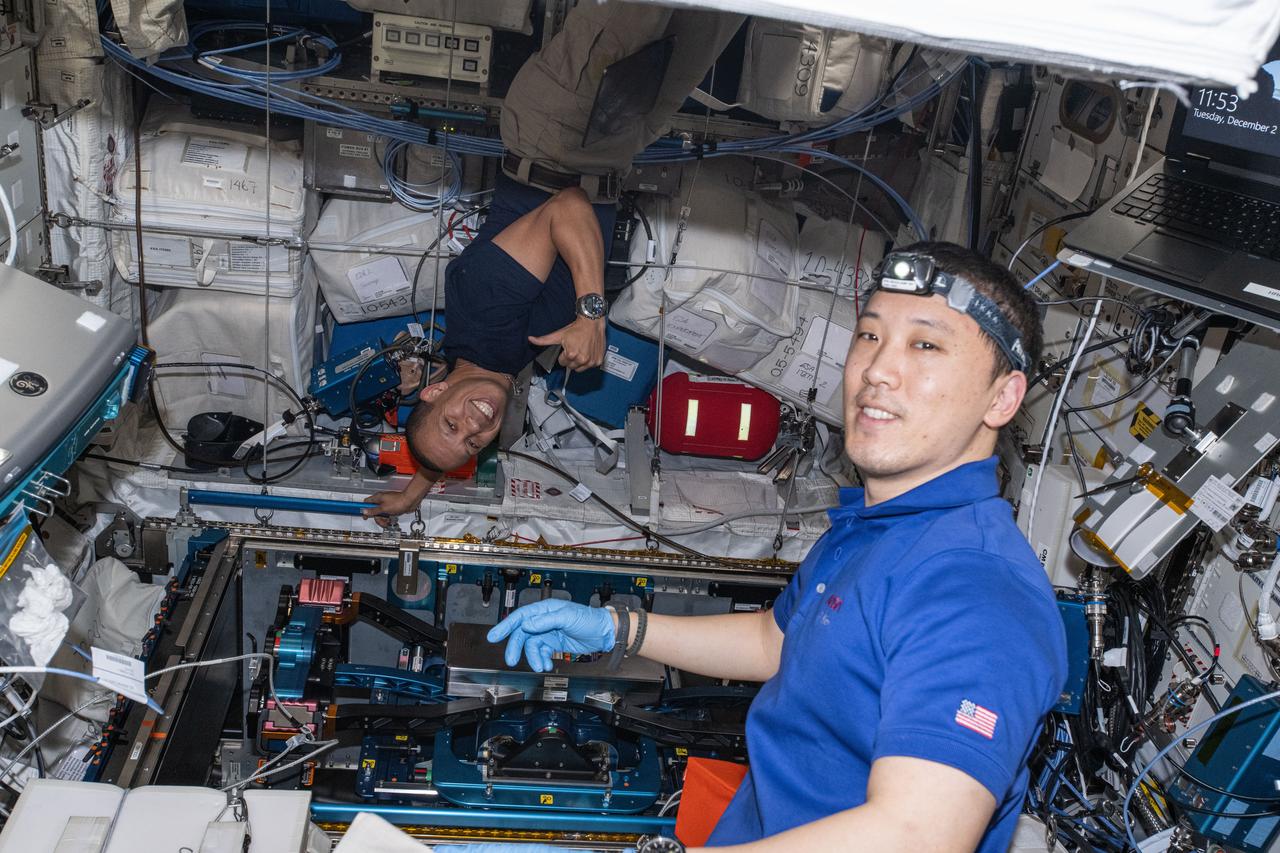
iss073e1228220 (Dec. 2, 2025) --- Expedition 73 Flight Engineers (from left) Chris Williams and Jonny Kim, both NASA astronauts, work together inspecting and cleaning the Enhanced European Exploration Exercise Device (E4D) inside the International Space Station's Columbus laboratory. The E4D is being tested on the orbital outpost for its ability to provide bicycling, rowing, and resistance exercises to protect a crew member’s muscles, bones, and heart health in microgravity.

art002e027812 (April 8, 2026) – NASA astronaut Reid Wiseman collects a saliva sample aboard the Orion spacecraft for the Artemis II Immune Biomarkers study. The study looks at proteins, enzymes, and other biomarkers found in the samples to help researchers pinpoint how the body responds to mission stressors during deep space missions. These biomarkers give insight into crews’ immune health, inflammation, nutritional status, bone health, and more. Credit: NASA

art002e027815 (April 8, 2026) – NASA astronaut Reid Wiseman collects a saliva sample aboard the Orion spacecraft for the Artemis II Immune Biomarkers study. The study looks at proteins, enzymes, and other biomarkers found in the samples to help researchers pinpoint how the body responds to mission stressors during deep space missions. These biomarkers give insight into crews’ immune health, inflammation, nutritional status, bone health, and more. Credit: NASA
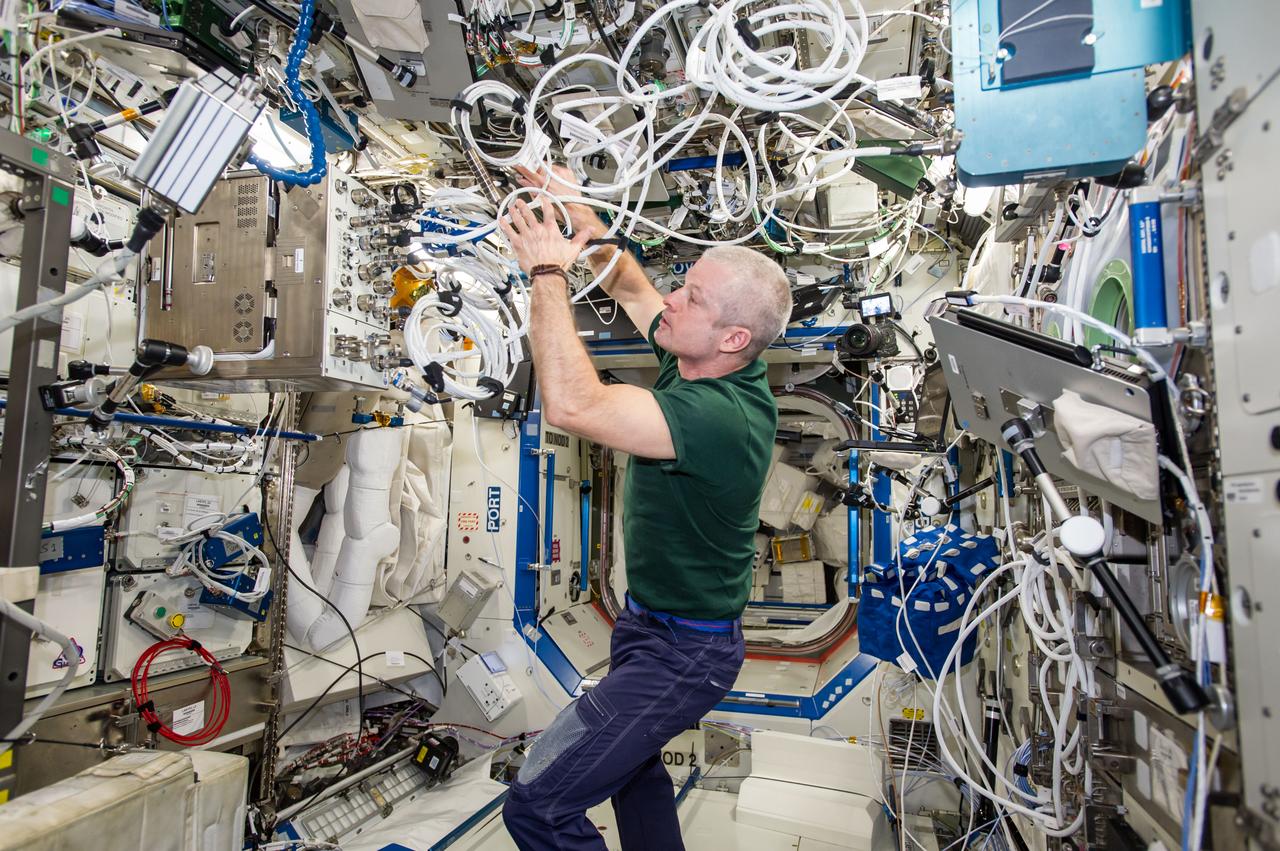
ISS040-E-123262 (2 Sept. 2014) --- NASA astronaut Steve Swanson, Expedition 40 commander, sets up the Portable Pulmonary Function System hardware for Sprint VO2max sessions in the Destiny laboratory of the International Space Station. The Sprint experiment measures the effectiveness of high-intensity, low-volume exercise training in minimizing the loss of muscle mass and bone density that occurs during spaceflight.
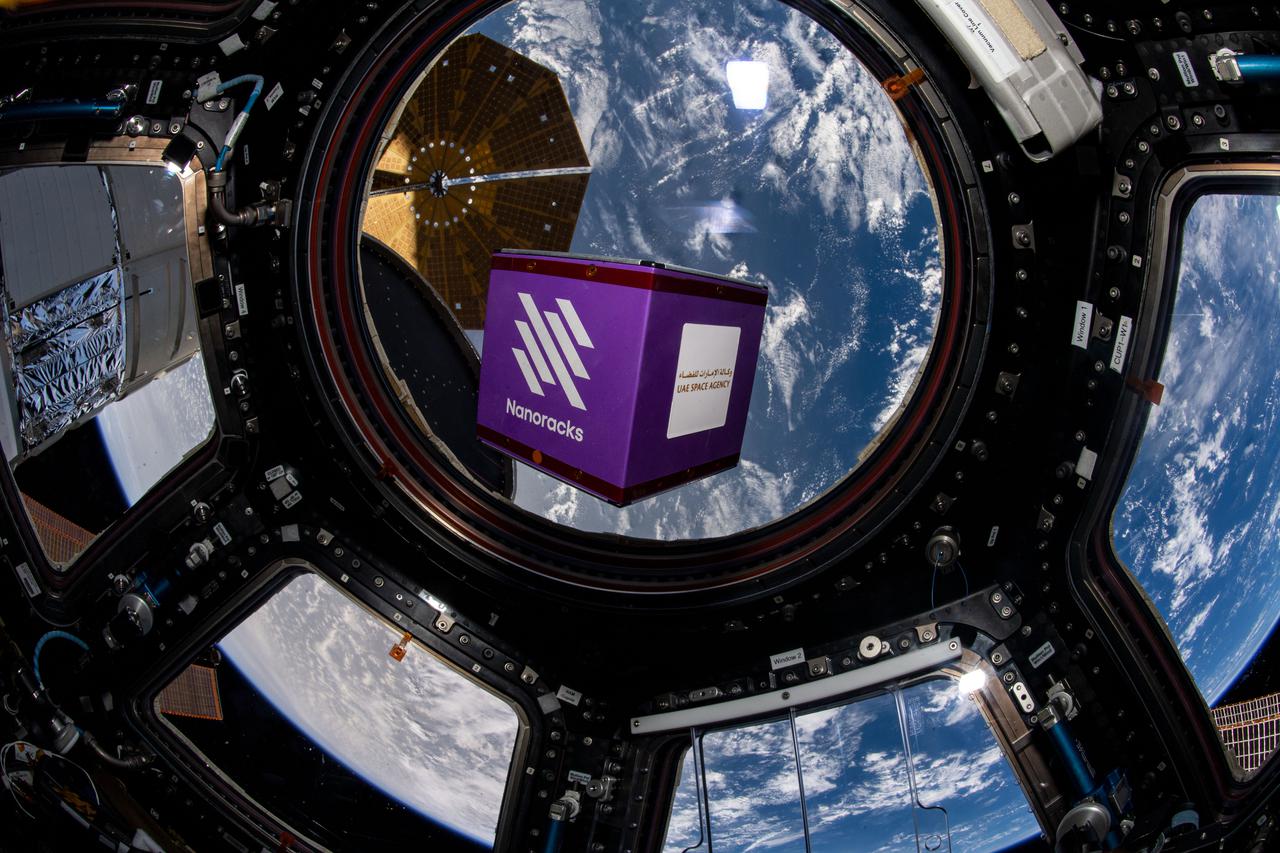
iss065e096305 (6/11/2021) --- A view of the SmoothISS Nanolab in the Cupola window aboard the International space Station (ISS). Space Food for Bone Health: Vitamin D Fortified Camel Milk with Dates Smoothie (SmoothISS) tests microgravity’s effects on the sensory, nutritional, and microbial properties of a smoothie drink made from dehydrated camel’s milk, dates, and vitamin D.
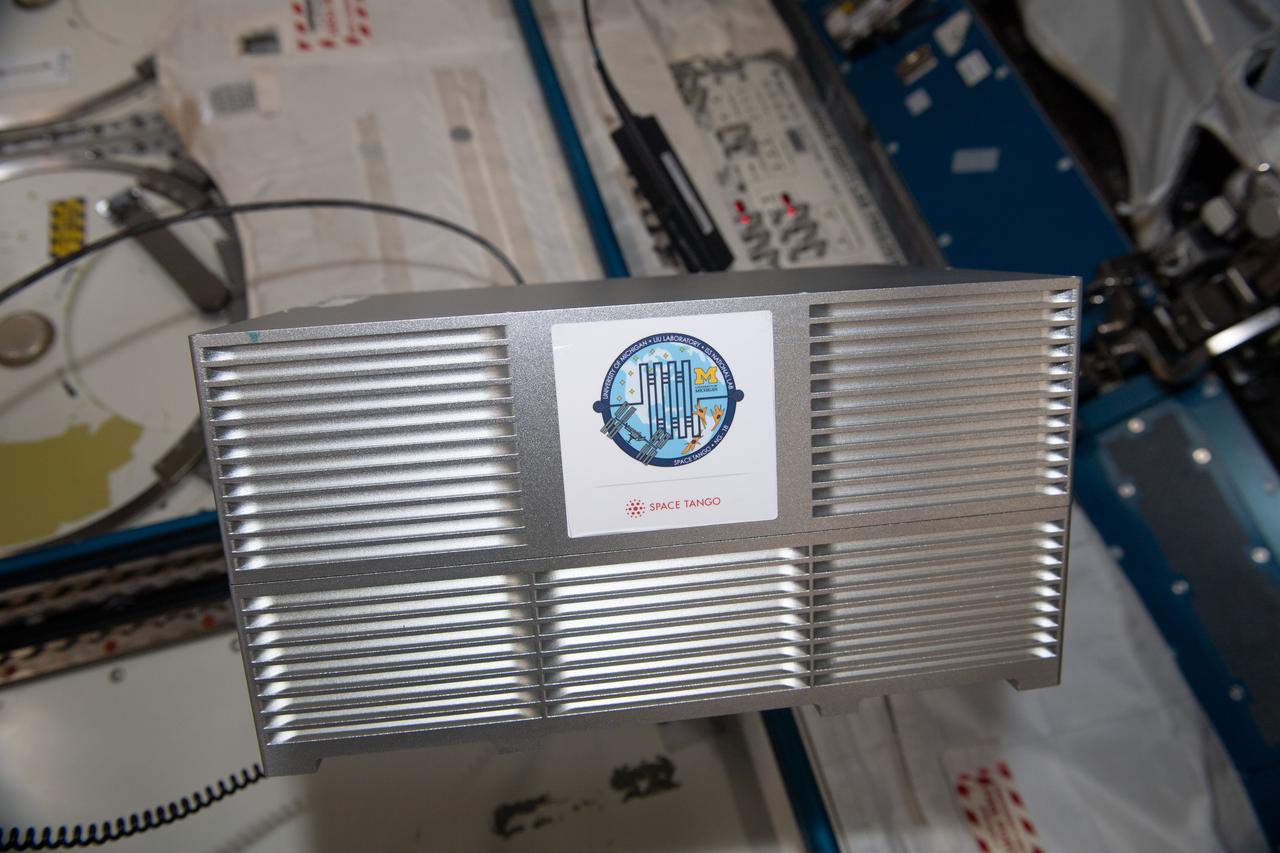
iss068e021879 (11/11/2022) --- A view of the Cellular Mechanotransduction by Osteoblasts CubeLab aboard the International Space Station (ISS). The Cellular Mechanotransduction by Osteoblasts in Microgravity (Cellular Mechanotransduction by Osteoblasts) investigation uses a special device to measure the stiffness of human osteoblasts, cells involved in the formation of bone. This research provides insight into techniques for measuring the stiffness of osteoblasts, which could be combined with other research on Earth to help people who have or could develop osteoporosis.

art002e027803 (April 8, 2026) – NASA astronaut Christina Koch smiles at the camera as she holds a pipette and saliva booklet for the Artemis II Immune Biomarkers study. Samples will be analyzed for proteins, enzymes, and other biomarkers that monitor immunity, inflammation, nutritional status, bone health, and radiation effects, to determine how crewmembers adapted to deep spaceflight conditions. Credit: NASA
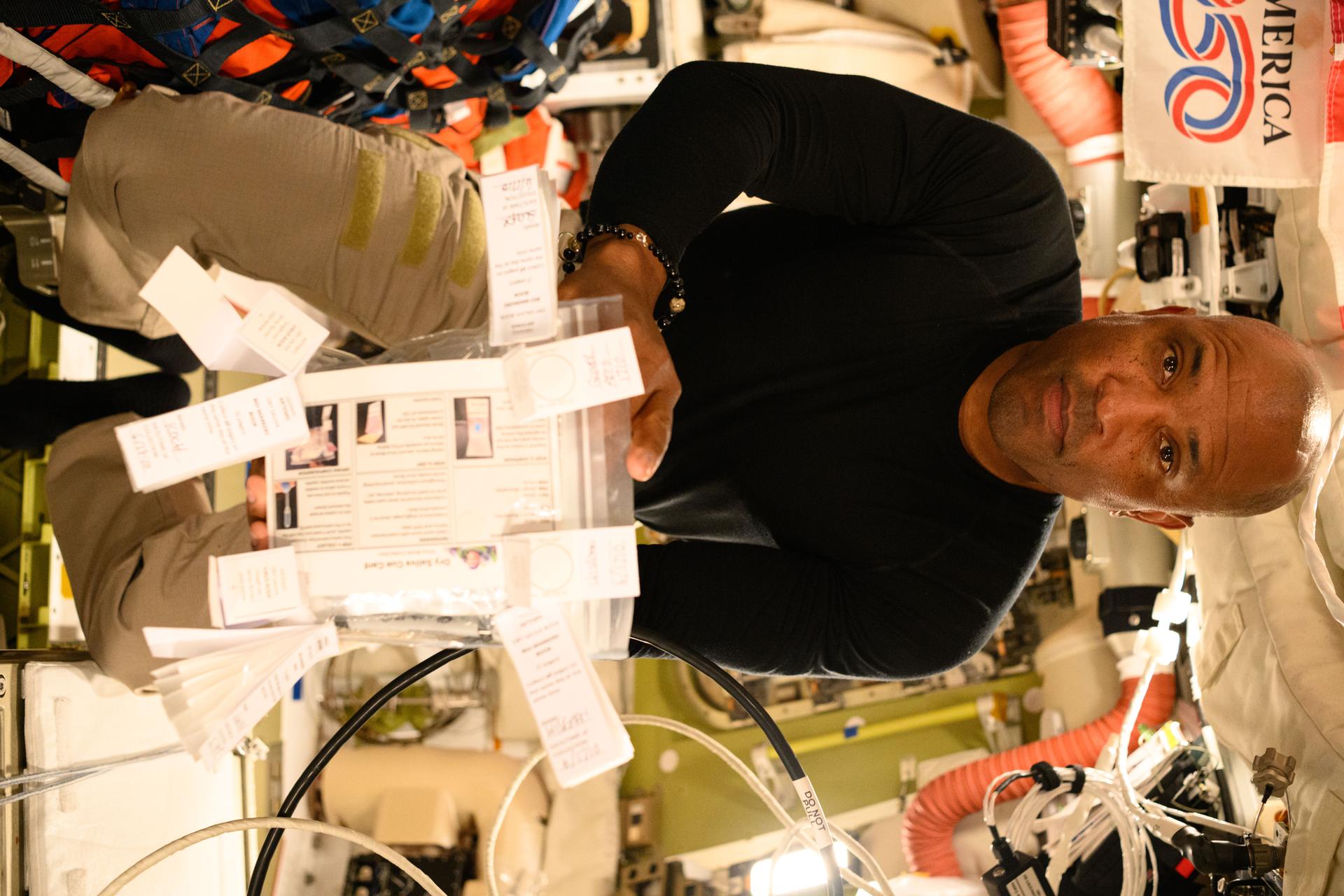
art002e027801 (April 8, 2026) – NASA astronaut Victor Glover shows off the sample bag for the Immune Biomarkers study aboard the Orion spacecraft. During the Artemis II mission, the crew collected saliva samples for this study. Samples will be analyzed for proteins, enzymes, and other biomarkers that monitor immunity, inflammation, nutritional status, bone health, and radiation effects, to determine how crewmembers adapted to deep spaceflight conditions. Credit: NASA
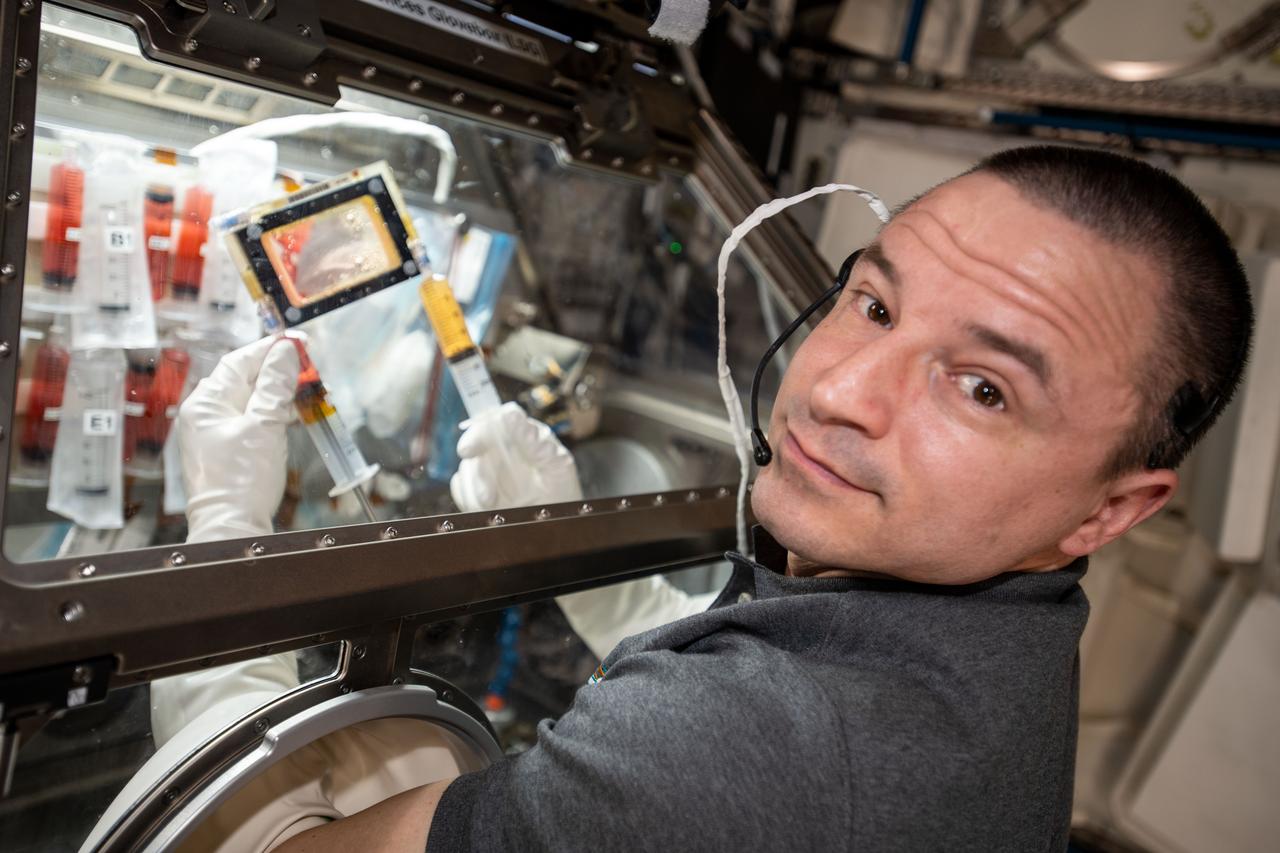
iss062e038364 (Feb. 21, 2020) --- NASA astronaut and Expedition 62 Flight Engineer Andrew Morgan conducts research operations inside the Life Sciences Glovebox, a facility that enables a variety of space biology investigations aboard the International Space Station. Morgan was specifically investigating the differences in bone biology in microgravity versus on Earth for the OsteoOmics-02 experiment.
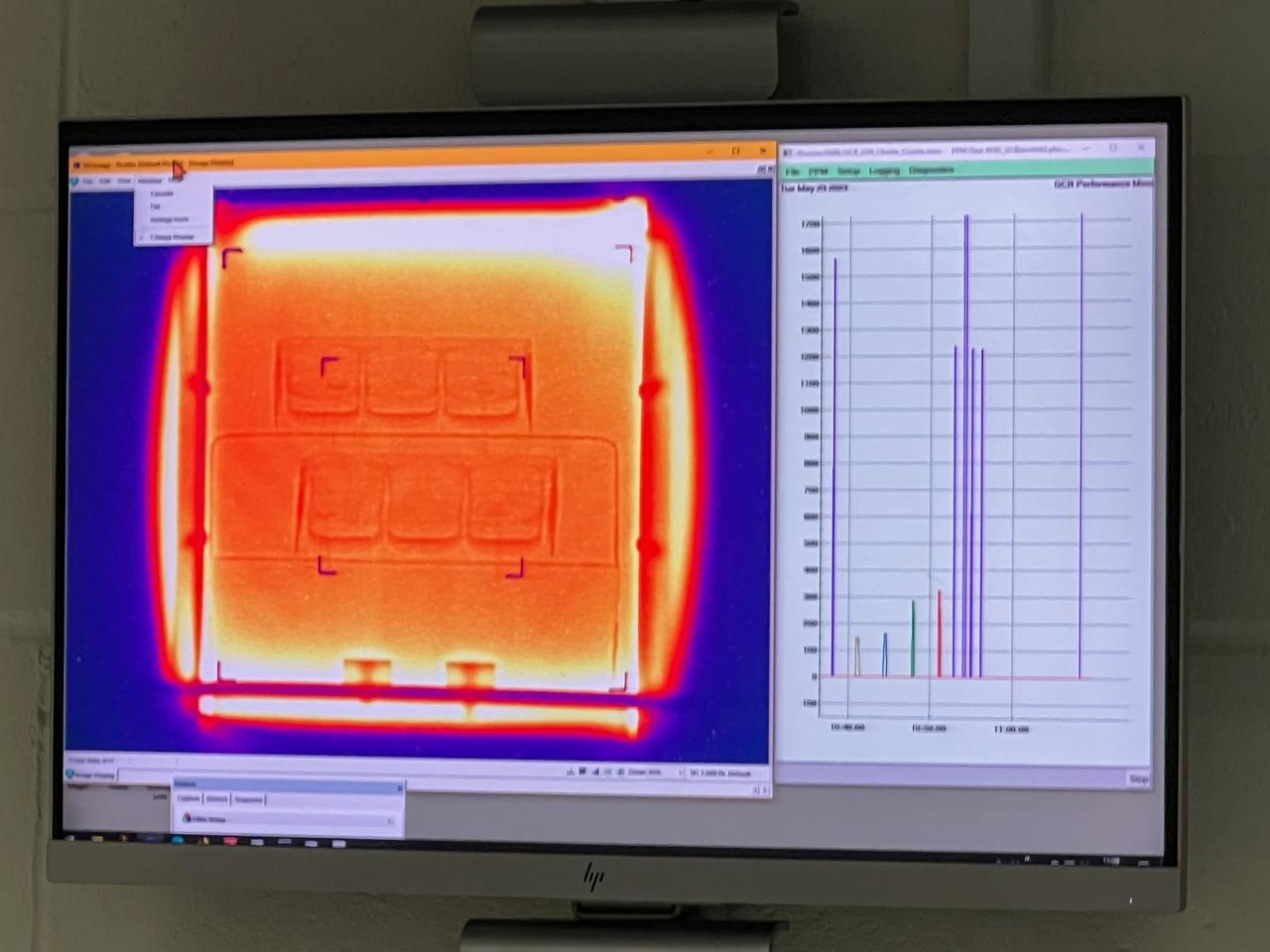
jsc2024e043734 (5/23/2023) --- Two plates of megakaryocyte cultures exposed to simulated galactic cosmic rays at NASA Space Radiation Laboratory. Megakaryocytes Orbiting in Outer Space and Near Earth: The MOON Study (Megakaryocyte Flying-One (MeF1)) investigates how environmental conditions affect development and function of platelets and megakaryocytes, cells found in bone marrow. Results could clarify the risks of changes in inflammation, immune responses, and clot formation in spaceflight and on the ground. Image courtesy of the NASA Space Radiation Laboratory.
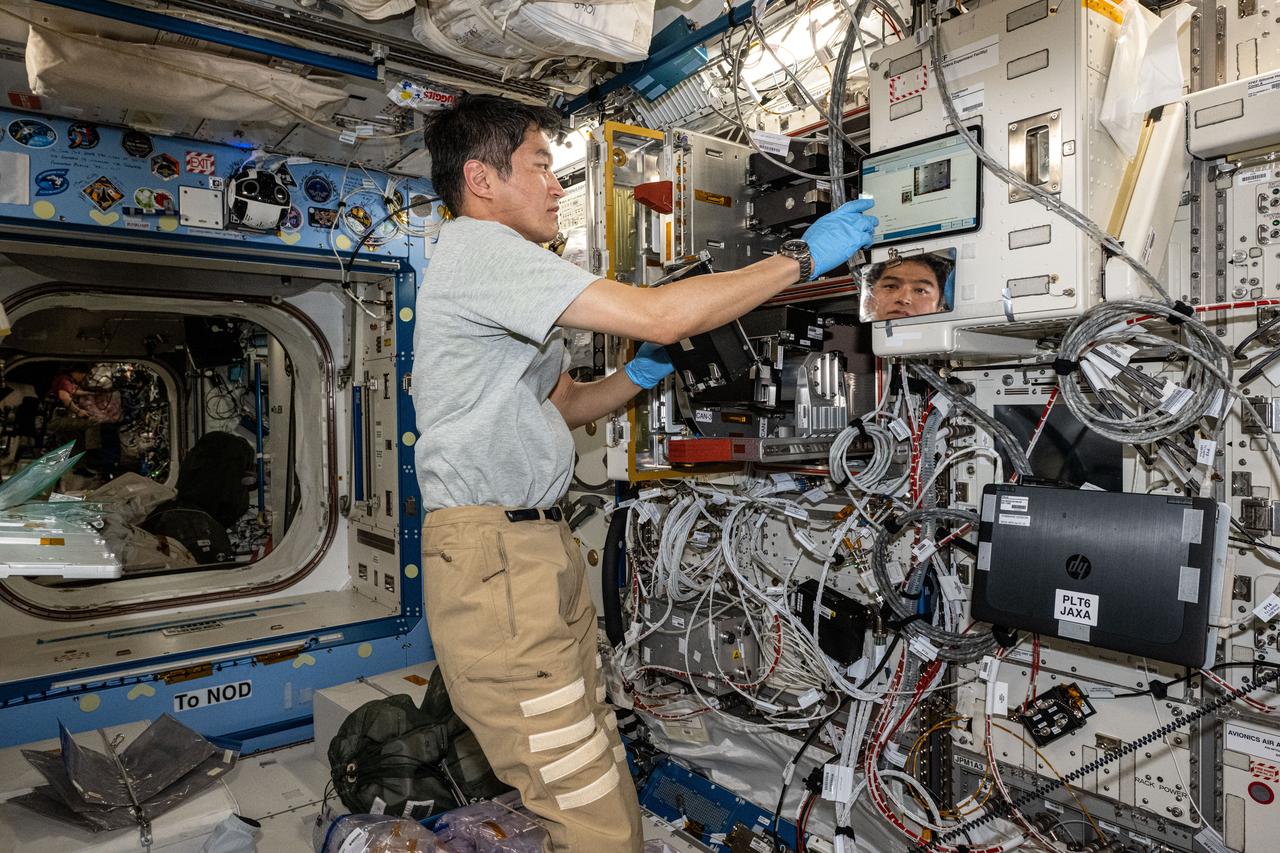
iss073e0000725 (April 23, 2025) --- JAXA (Japan Aerospace Exploration Agency) astronaut and Expedition 73 Commander Takuya Onishi, whose image is reflected in a station mirror, processes research samples for the Cell Gravisensing investigation observing the mechanism that enables cells to sense the effects of gravity. The biotechnology experiment takes place inside the International Space Station's Kibo laboratory module and may lead to therapies treating space-caused and Earthbound muscle and bone conditions.

art002e027816 (April 8, 2026) – NASA astronaut Reid Wiseman collects a saliva sample aboard the Orion spacecraft for the Artemis II Immune Biomarkers study. The study looks at proteins, enzymes, and other biomarkers found in the samples to help researchers pinpoint how the body responds to mission stressors during deep space missions. These biomarkers give insight into crews’ immune health, inflammation, nutritional status, bone health, and more. Credit: NASA

iss071e040346 (4/23/2024) ---A view aboard the International Space Station (ISS) of the Higher Orbits Multi Experiment Module #5 (HIOR_EDU05) continues a series of student-led experiments aboard the International Space Station. This module includes three experiments: Radiation and Fungus, which tests fungal growth in space; Project Bones, which compares iron levels in fruit flies fed different diets; and Cells in Space, which examines the effect of radiation on cellular respiration in yeast.

jsc2026e034360 (April 28, 2026) --- Preflight 3D reconstruction of the spleen as part of SPARK, an investigation that studies how spleen changes in size and shape and how red blood cells break down in space. SPARK aims to better understand the biological mechanisms of space-related anemia to better protect crew health during long-duration space missions. Credit: Bone and Joint Research Laboratory.
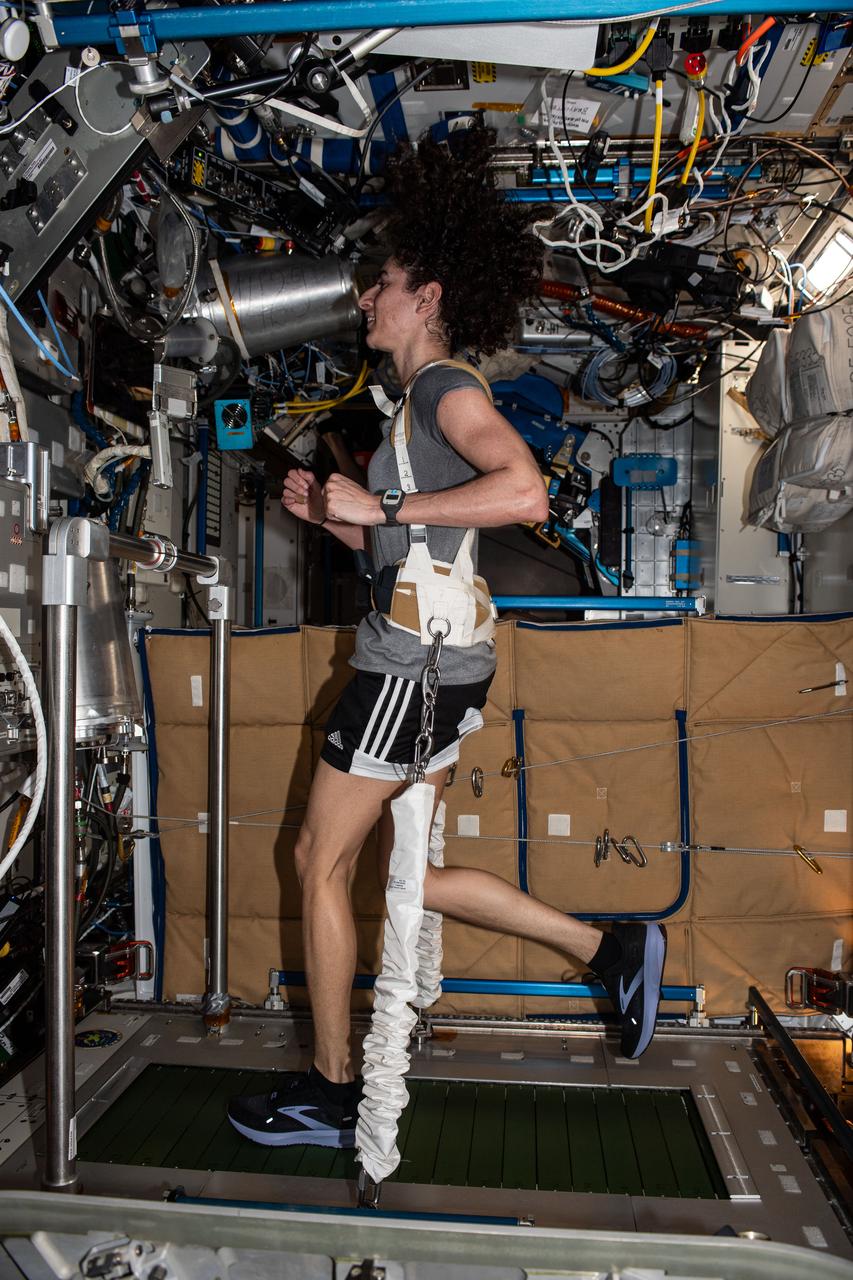
iss070e100775 (2/25/2024) --- NASA astronaut Jasmin Moghbeli runs on the T2 treadmill system on space station. Daily exercise is an important component of staying healthy in space. Without Earth’s gravity, bone and muscle atrophy or become smaller and weaker. On her left wrist, Moghbeli wears Actiwatch, a monitor that measures body metrics like sleep and heart rate.
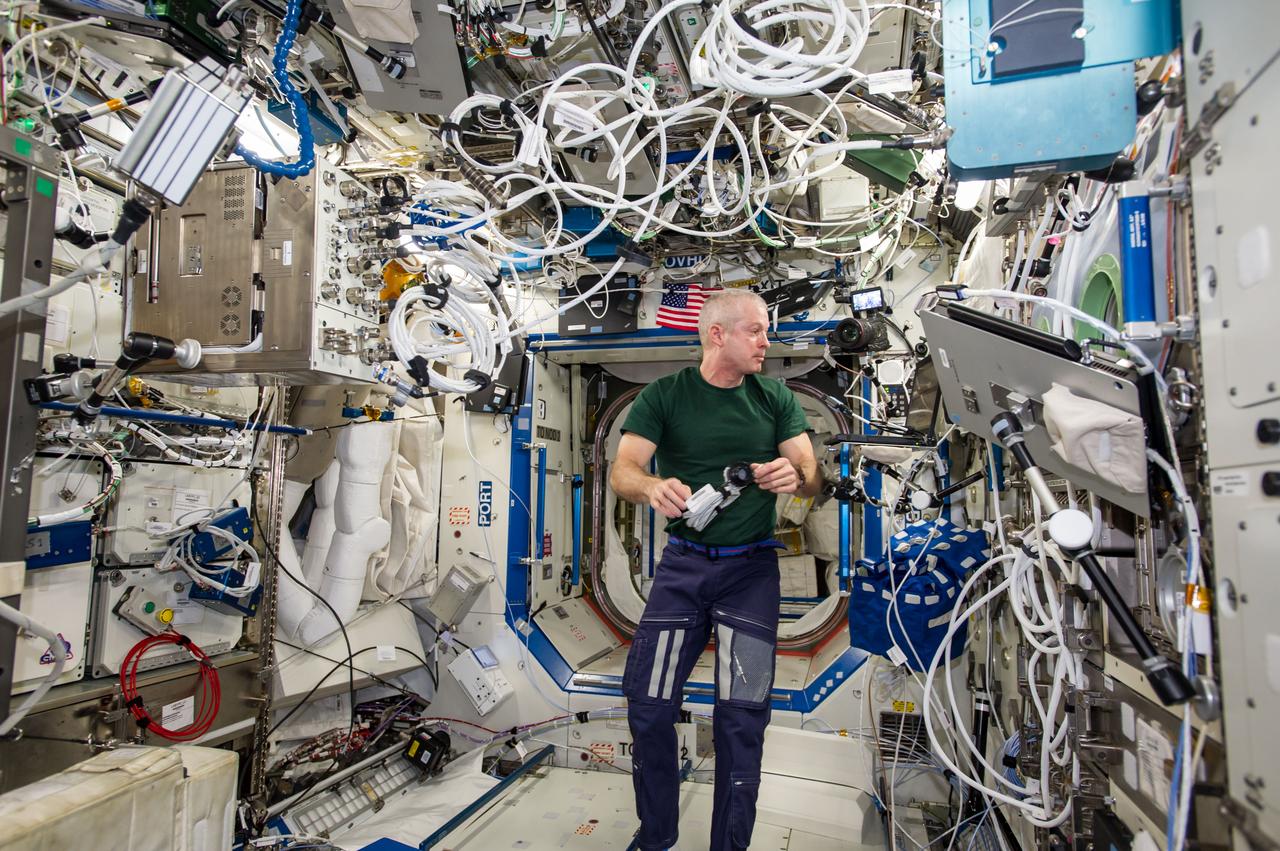
ISS040-E-123259 (2 Sept. 2014) --- NASA astronaut Steve Swanson, Expedition 40 commander, prepares to set up the Portable Pulmonary Function System hardware for Sprint VO2max sessions in the Destiny laboratory of the International Space Station. The Sprint experiment measures the effectiveness of high-intensity, low-volume exercise training in minimizing the loss of muscle mass and bone density that occurs during spaceflight.

art002e027806 (April 8, 2026) – NASA astronaut Christina Koch smiles at the camera as she holds a pipette and saliva booklet for the Artemis II Immune Biomarkers study. Samples will be analyzed for proteins, enzymes, and other biomarkers that monitor immunity, inflammation, nutritional status, bone health, and radiation effects, to determine how crewmembers adapted to deep spaceflight conditions. Credit: NASA
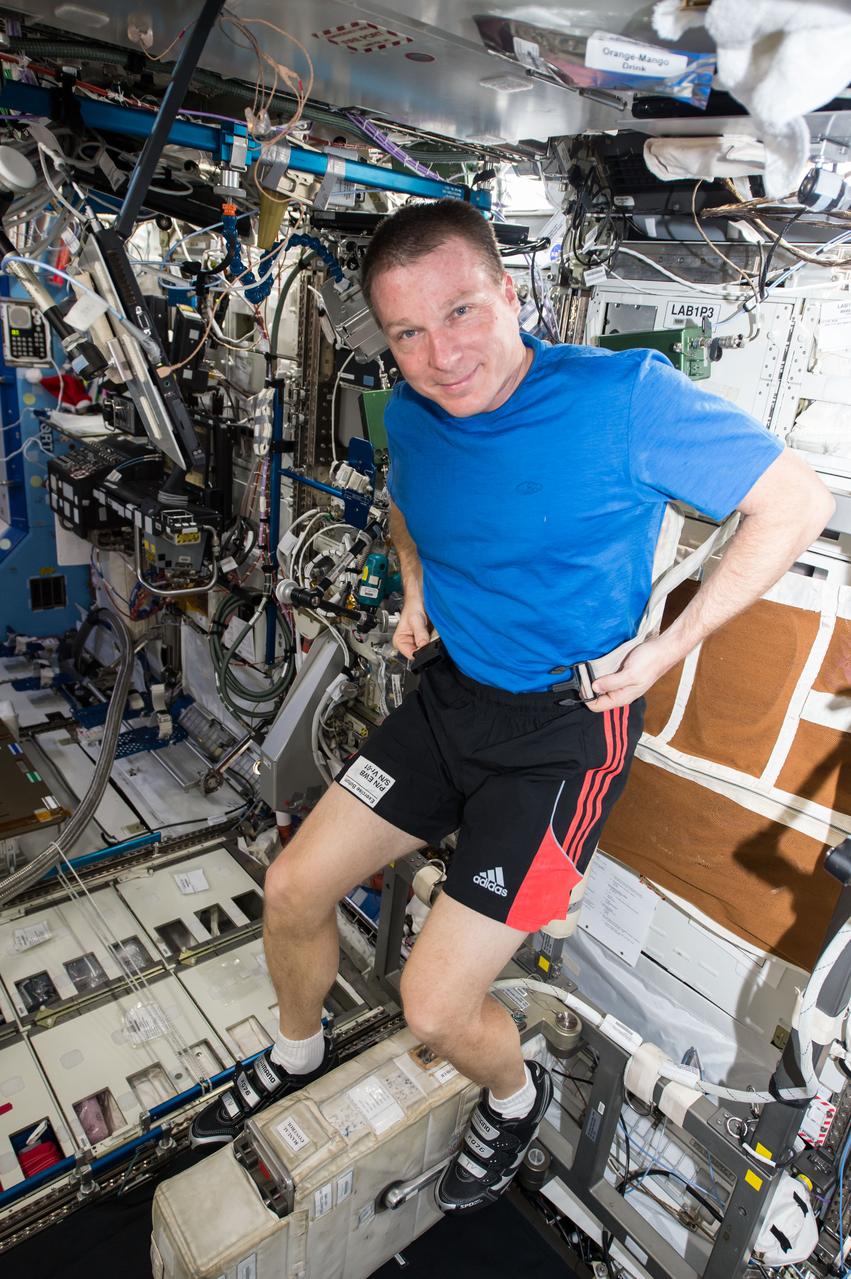
ISS042E082884 (12/27/2014) --- Expedition 42 Flight Engineer Terry Virts of NASA straps into the station’s stationary exercise bicycle known as the Cycle Ergometer with Vibration Isolation System (CEVIS). Each crew member spends an average of 2.5 hours a day exercising to combat the negative effects of prolonged weightlessness by maintaining bone and muscle mass and cardiovascular health.
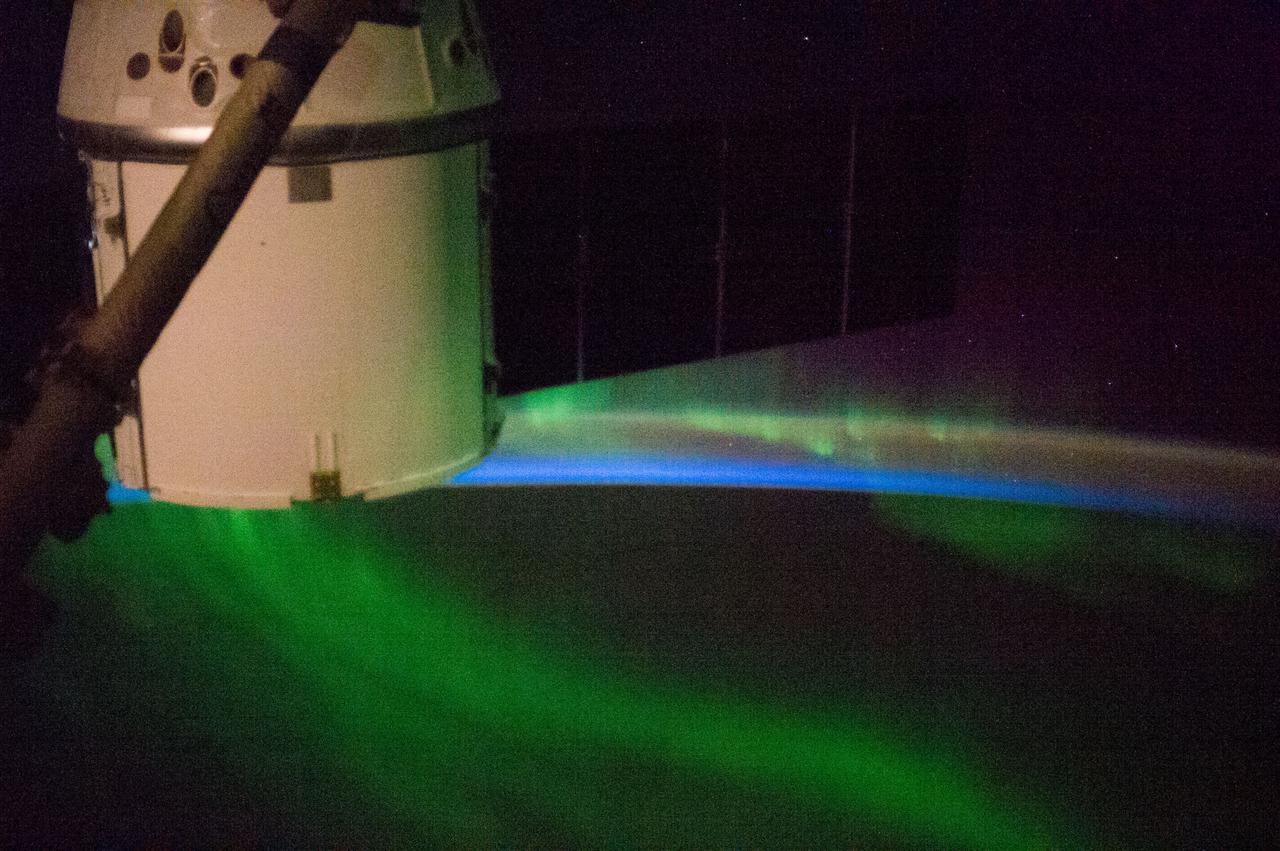
ISS039-E-016292 (26 April 2014) --- A wish-bone shaped display of Aurora Australis over the Indian Ocean serves as a very colorful backdrop for the SpaceX Dragon spacecraft which is docked to the International Space Station, 226 miles above Earth. Earth's horizon divides the scene horizontally between the blackness of space and the dark portion of the planet. The photograph was taken by one of the Expedition 39 crew members aboard the orbital outpost.
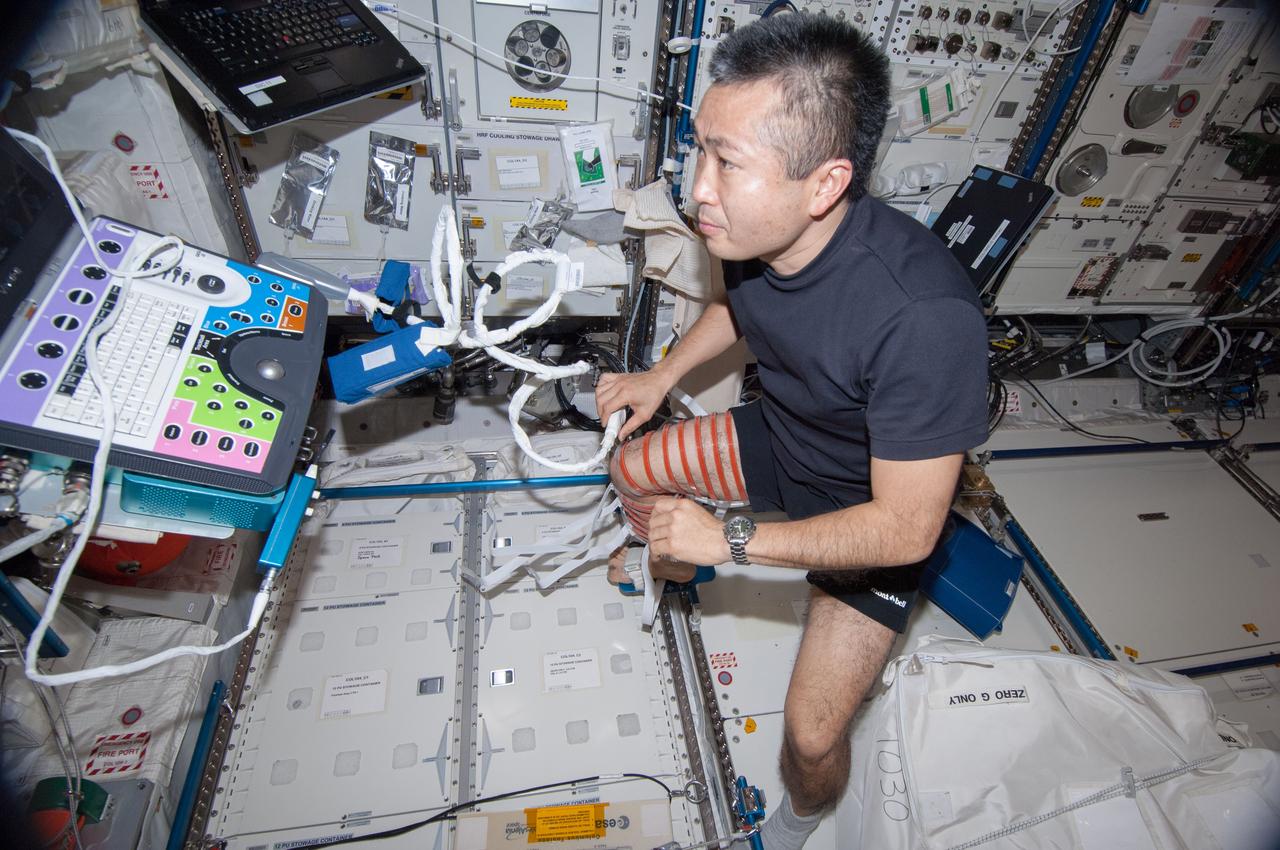
ISS038-E-007119 (21 Nov. 2013) --- Japan Aerospace Exploration Agency astronaut Koichi Wakata, Expedition 38 flight engineer, wears ultrasound gear around his legs while performing the Integrated Resistance and Aerobic Training Study (Sprint) experiment in the Columbus laboratory of the International Space Station. Sprint evaluates the use of high intensity, low volume exercise training to minimize loss of muscle, bone, and cardiovascular function in station crew members during long-duration missions.

art002e027808 (April 8, 2026) – NASA astronaut Christina Koch smiles at the camera as she holds a pipette and saliva booklet for the Artemis II Immune Biomarkers study. Samples will be analyzed for proteins, enzymes, and other biomarkers that monitor immunity, inflammation, nutritional status, bone health, and radiation effects, to determine how crewmembers adapted to deep spaceflight conditions. Credit: NASA
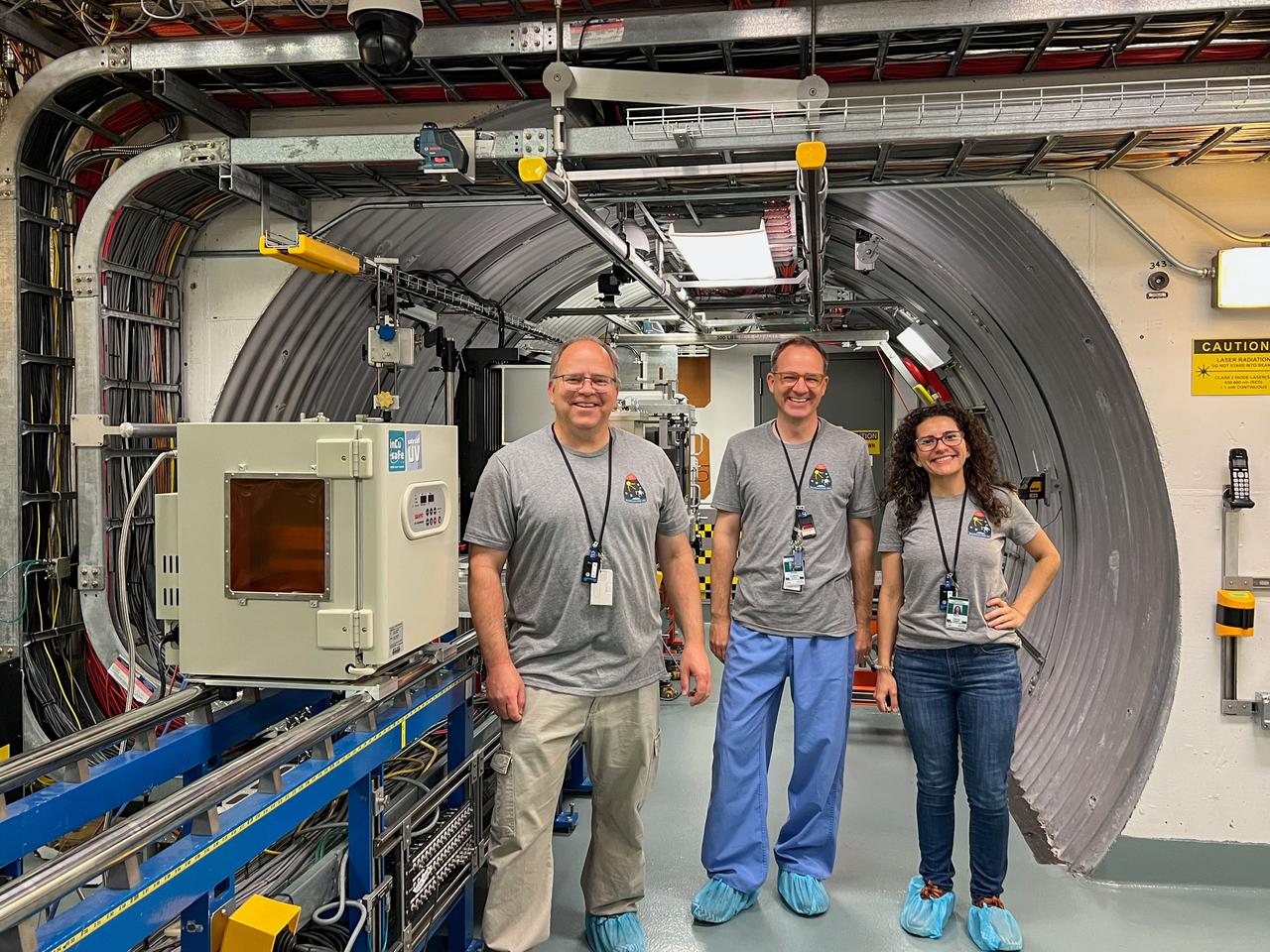
jsc2024e043733 (5/23/2023) --- Members of the Megakaryocyte Flying-One (MeF1) team at the NASA Space Radiation Laboratory at Brookhaven National Laboratory. From left to right: Neal Tolley, Hansjorg Schwertz, and Marina Tristao. This study investigates how environmental conditions affect development and function of platelets and megakaryocytes, cells found in bone marrow. Results could clarify the risks of changes in inflammation, immune responses, and clot formation in spaceflight and on the ground. Image courtesy of the NASA Space Radiation Laboratory.