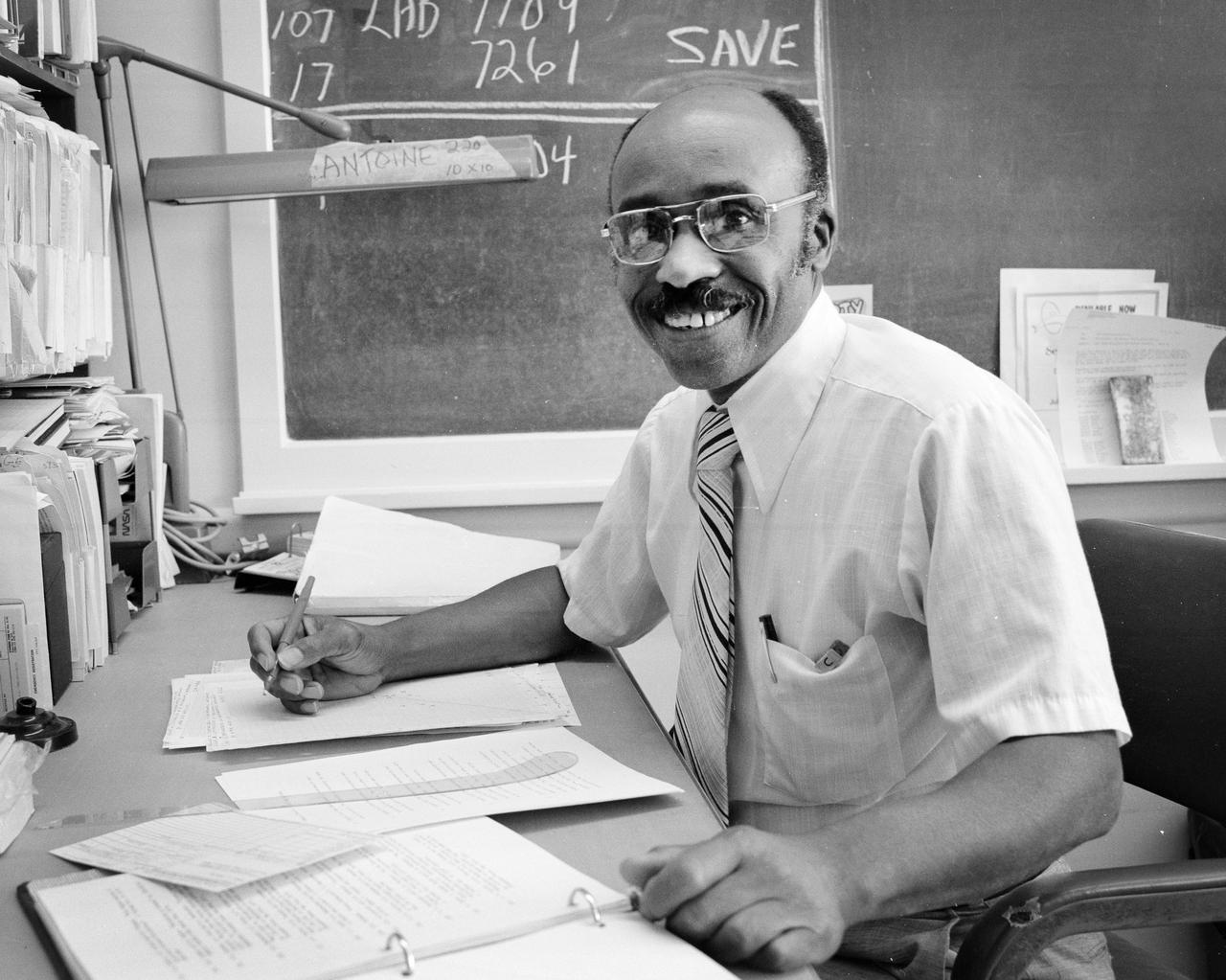
Electrochemistry Branch, Research Contributions to the NASA Mission at the Lewis Research Center

This image from NASA Mars Reconnaissance Orbiter spacecraft shows numerous branching ridges with various degrees of sinuosity. These branching forms resemble tributaries funneling and draining into larger channel trunks towards the upper portion of the scene. The raised relief of these branching ridges suggests that these are ancient channels are inverted due to lithification and cementation of the riverbed sediment, which made it more resistant to erosion than the surrounding material. Wind-blown bedforms are abundant and resemble small ridges that are aligned in an approximately north-south direction. http://photojournal.jpl.nasa.gov/catalog/PIA20006
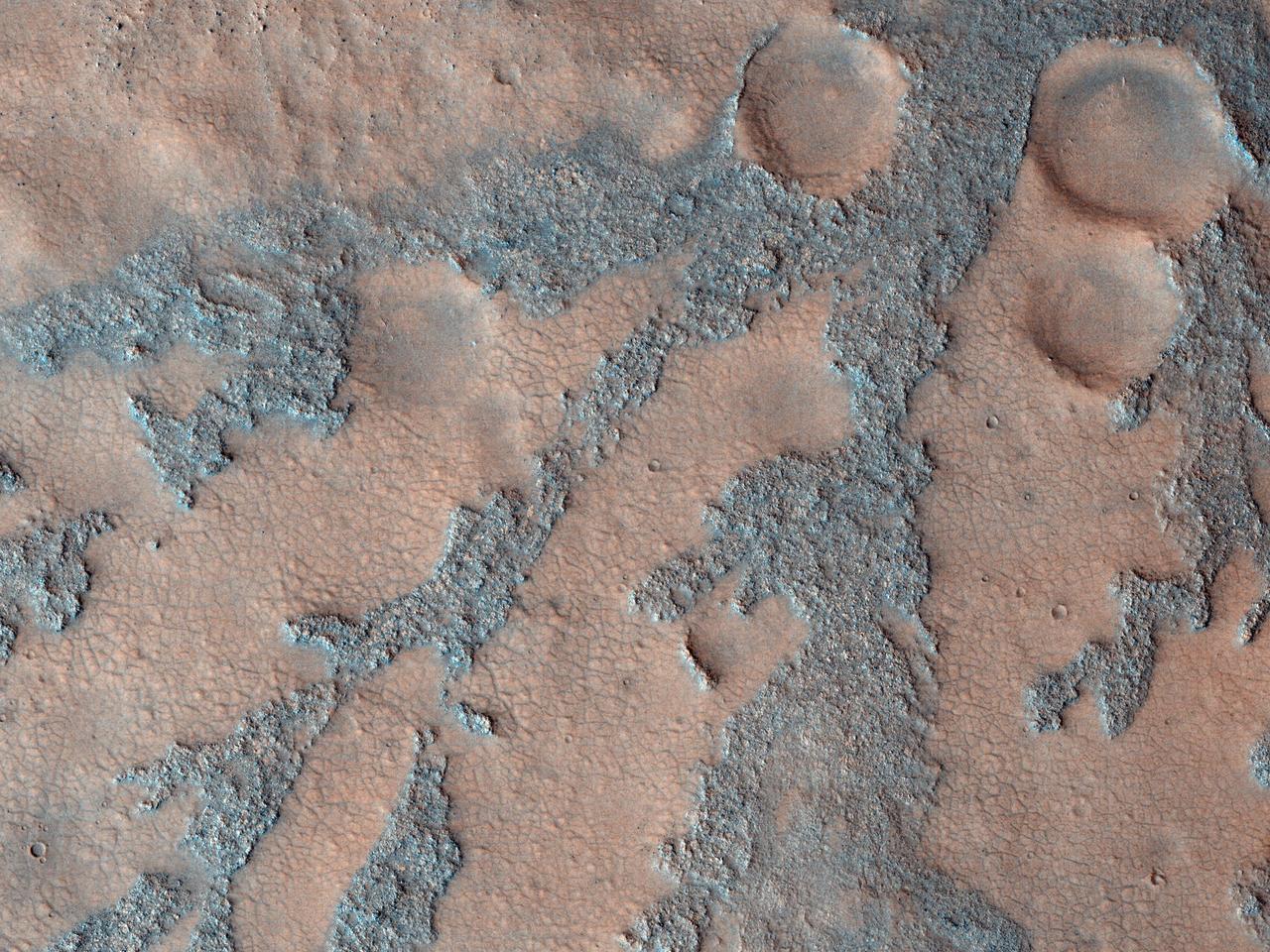
In this image from the High Resolution Imaging Science Experiment (HiRISE) camera on NASA's Mars Reconnaissance Orbiter, the dark branched features in the floor of Antoniadi Crater look like giant ferns, or fern casts. However, these ferns would be several miles in size and are composed of rough rocky materials. A more likely hypothesis is that this represents a channel network that now stands in inverted relief. The channels may have been lined or filled by indurated materials, making the channel fill more resistant to erosion by the wind than surrounding materials. After probably billions of years of wind erosion the resistant channels are now relatively high-standing. The material between the branched ridges has a fracture pattern and color similar to deposits elsewhere on Mars that are known to be rich in hydrated minerals such as clays. The inverted channels have short, stubby branches characteristic of formation by groundwater sapping. Spring water seeps into the channels and undercuts overlying layers, which collapse, so the channels grow headward. These images tell the story of an ancient wet environment on Mars, where life could have been possible. Ancient Martian life, if it existed, would most likely consist of microorganisms rather than giant tree ferns. This image, covering an area about 1 kilometer (0.6 mile) across, is a portion of the HiRISE observation catalogued as ESP_012435_2015, taken on March 22, 2009. The observation is centered at 21.4 degrees north latitude, 61.3 degrees east longitude. The image was taken at a local Mars time of 3:31 p.m. and the scene is illuminated from the west with a solar incidence angle of 66 degrees, thus the sun was about 24 degrees above the horizon. At a solar longitude of 232.1 degrees, the season on Mars is northern autumn. http://photojournal.jpl.nasa.gov/catalog/PIA12003
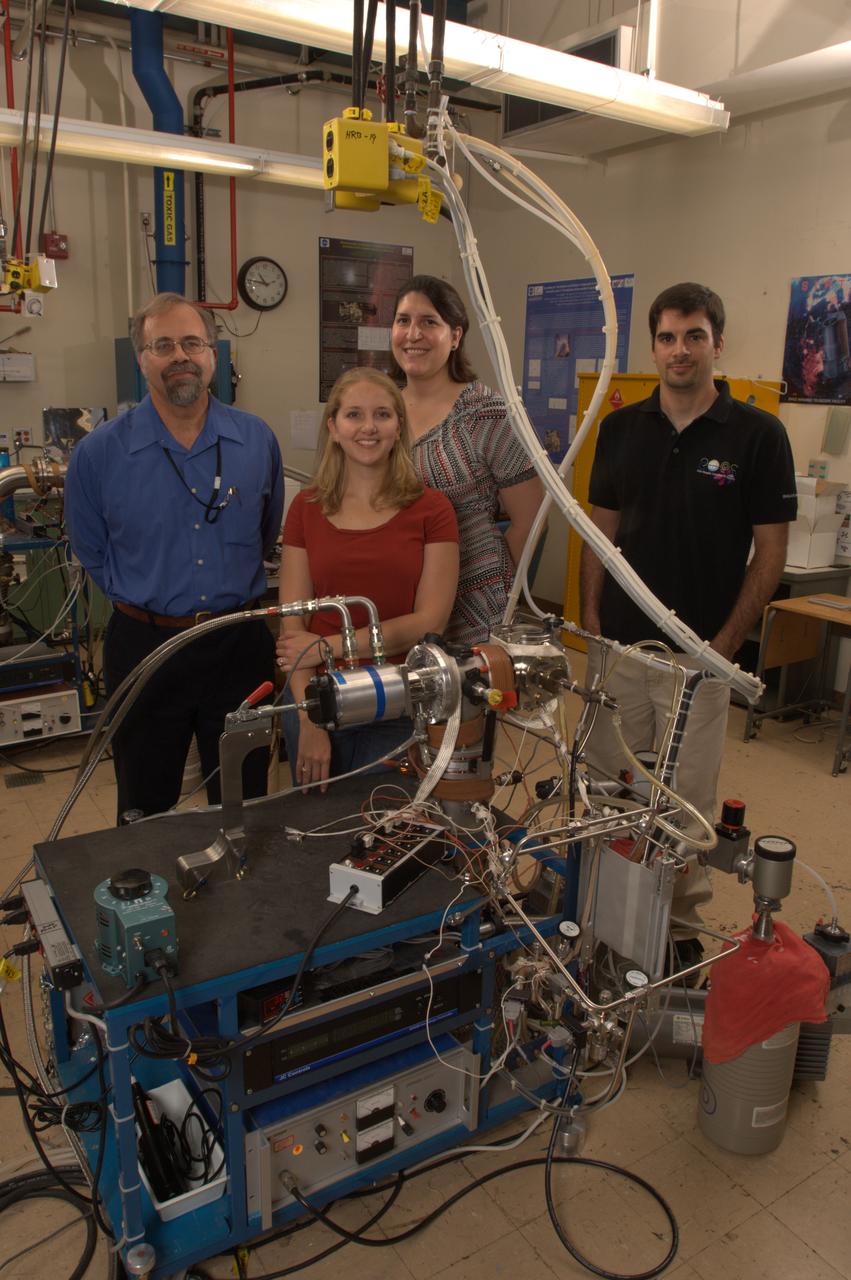
NASA Ames Astrophysics Branch (code-SSA), Photochemistry Lab with Stefanie Milam, Scott Sandford, Rachel Mastrapa, Michel Nuevo (N-245)
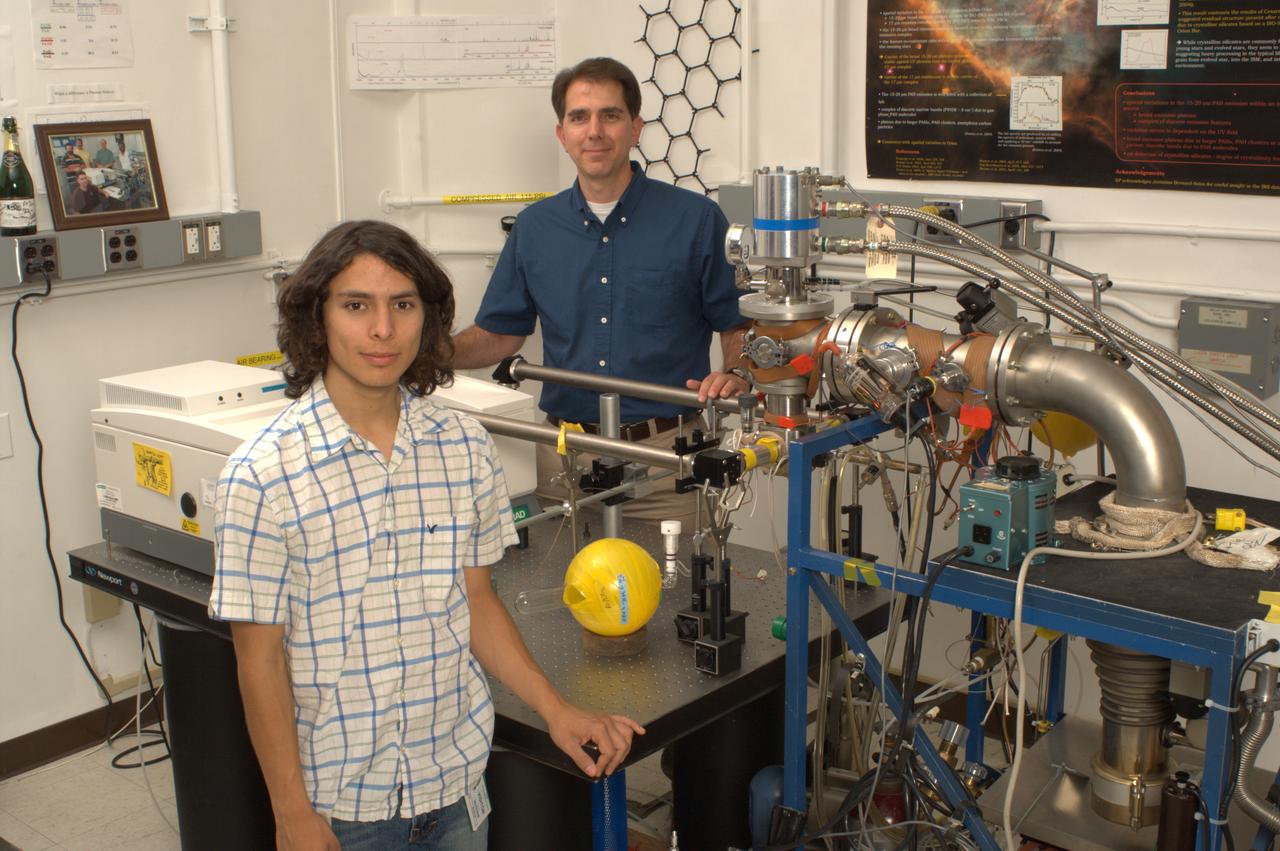
NASA Ames Astrophysics Branch (code-SSA), PAH IR Spectroscopy Lab with Andrew Mattioda and Manuel Olmedo (N-245 rm B-31)
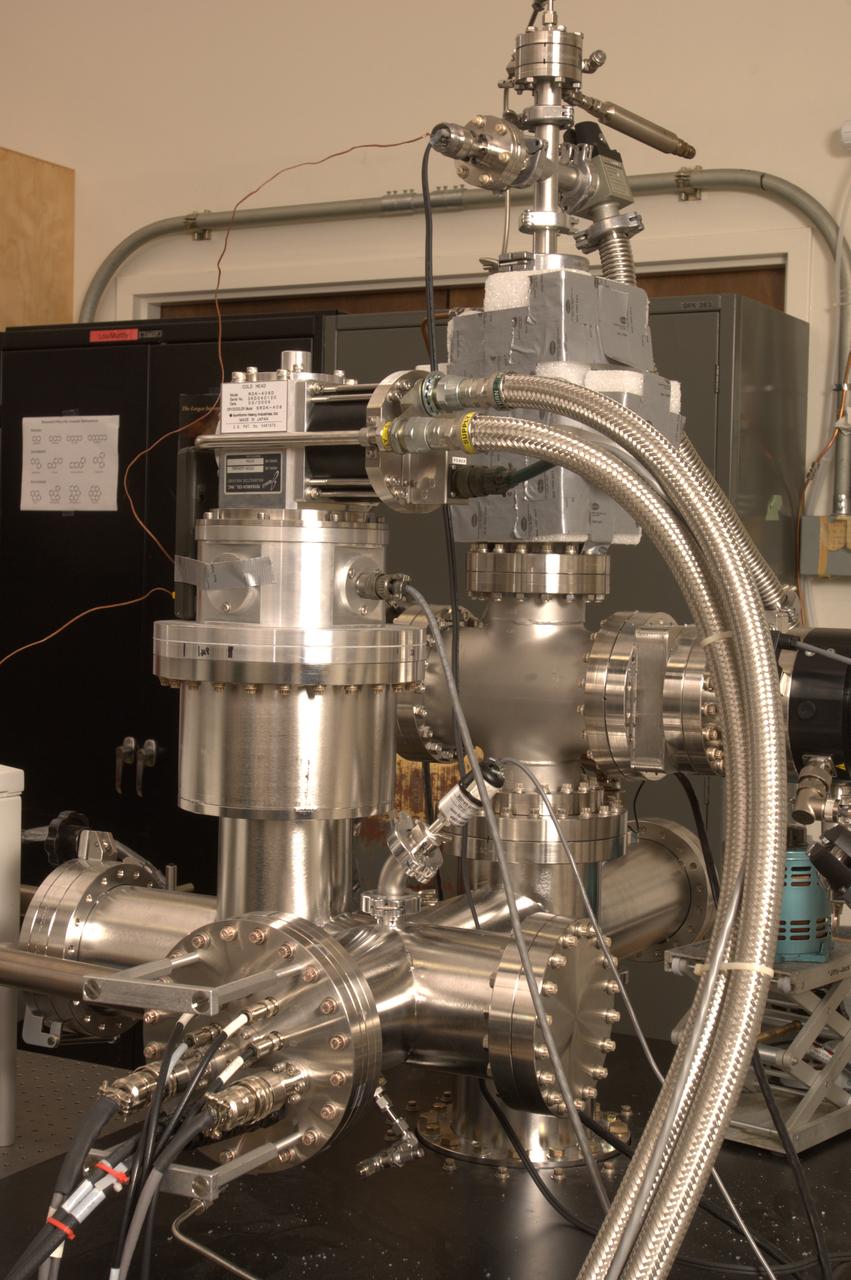
NASA Ames Astrophysics Branch (code-SSA), Small Satellite Support and Instrument Development Lab with Joe Roser, Nathan Bramall and Lou Allamandola (N-245 rm B-111)
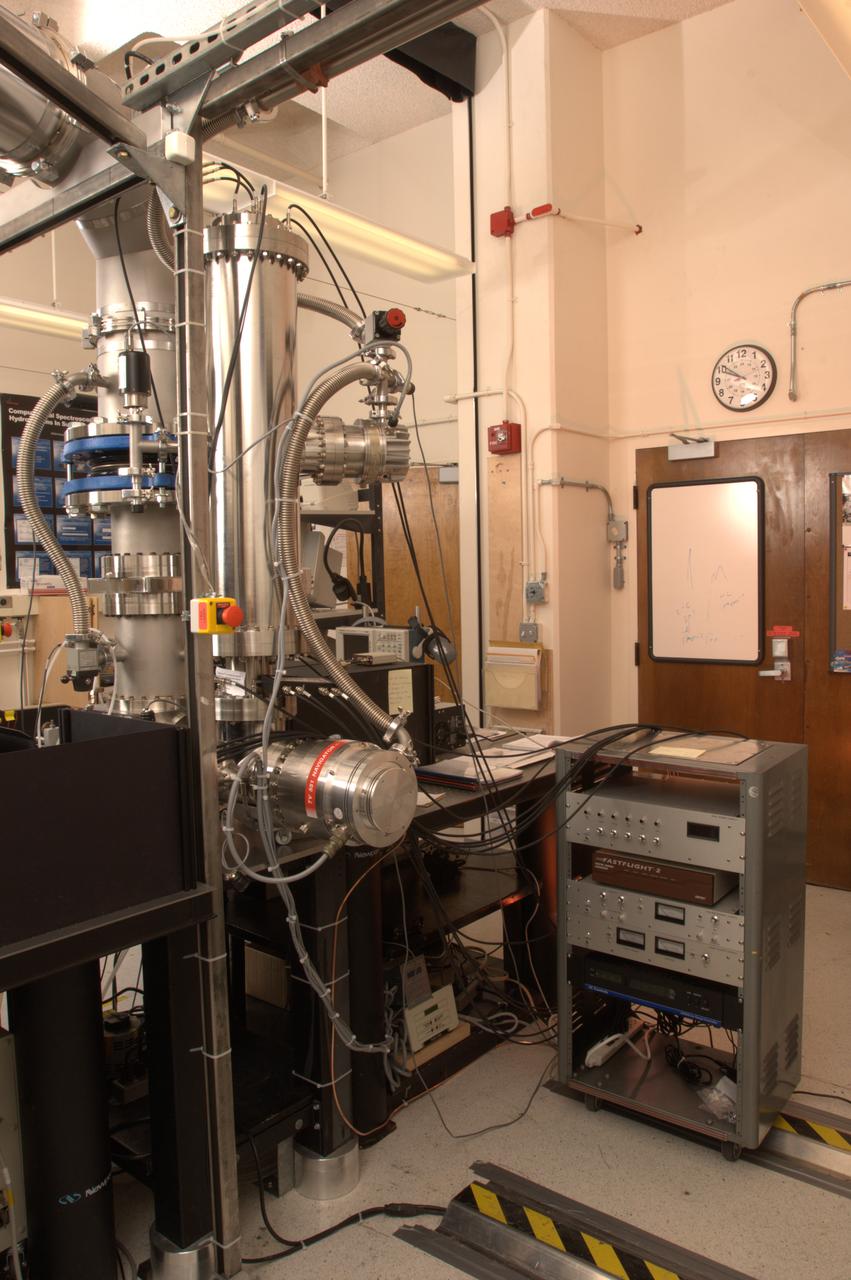
NASA Ames Astrophysics Branch (code-SSA), Pulsed discharge nozzle - Cavity Ring down - Reflection Time of Flight Mass Spectrometer (N-245 rm B-31) (PDN-CRDS-RETOFMS)
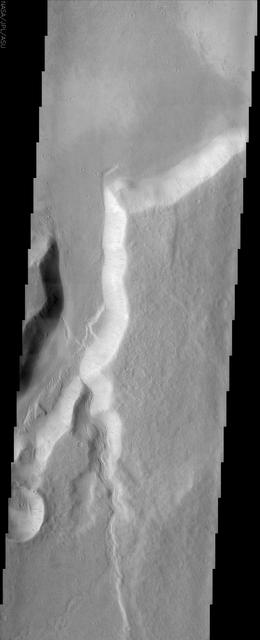
One of the many branches of the Mangala Vallis channel system is seen in this image from NASA Mars Odyssey spacecraft. The water that likely carved the channels emerged from a huge graben or fracture almost 1000 km to the south.
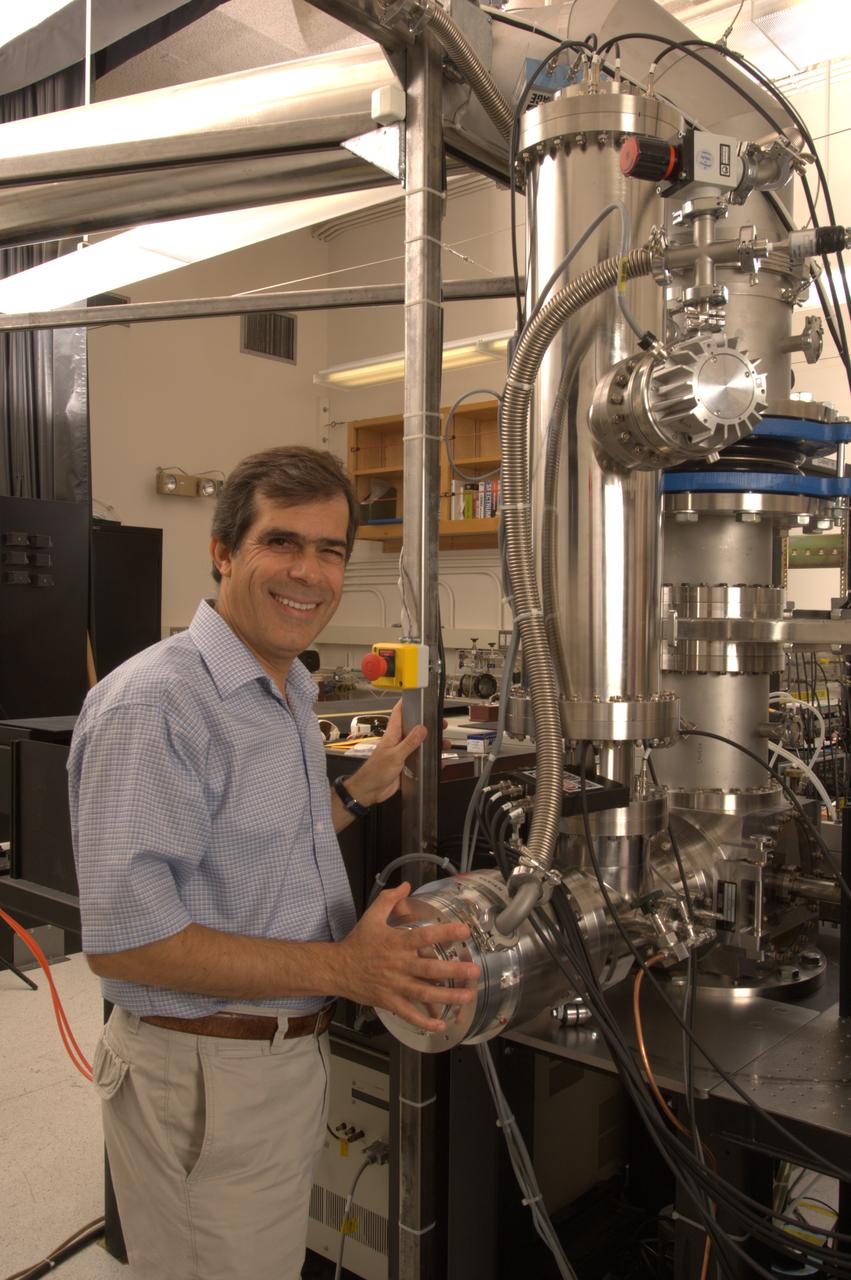
NASA Ames Astrophysics Branch (code-SSA), Pulsed discharge nozzle - Cavity Ring down - Reflection Time of Flight Mass Spectrometer (N-245 rm B-31) (PDN-CRDS-RETOFMS) shown here with Farid Salama
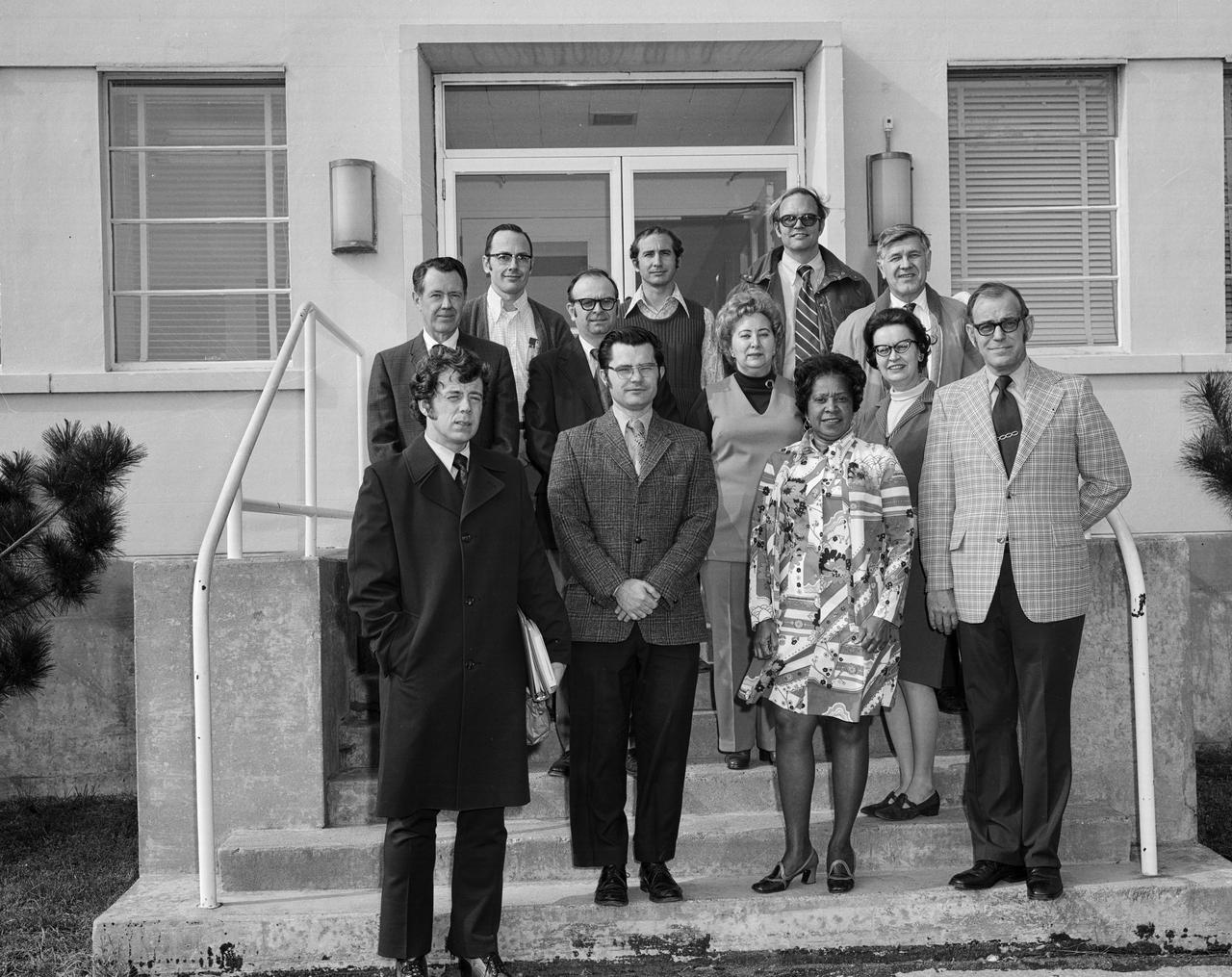
Photograph taken February 06, 1974. High Speed Aircraft Division Personnel, Mary Jackson is one of the people in the front row of this group. Mary Jackson belonged to the Theoretical Performance Group, High Speed Aircraft Division, Office of Director for Aeronautics at time of photo. First row: Steve Wornom, Dick Barnwell, Mary Jackson, and Bud Bobbitt; Second row: Bernie Klunker, Perry Newman, Branch secretary, Frances Keeter, and Ruby Davis, Branch mathematician; Third row: Dennis Allison, Jim Keller, Jerry South, and Cas Czarnecki.
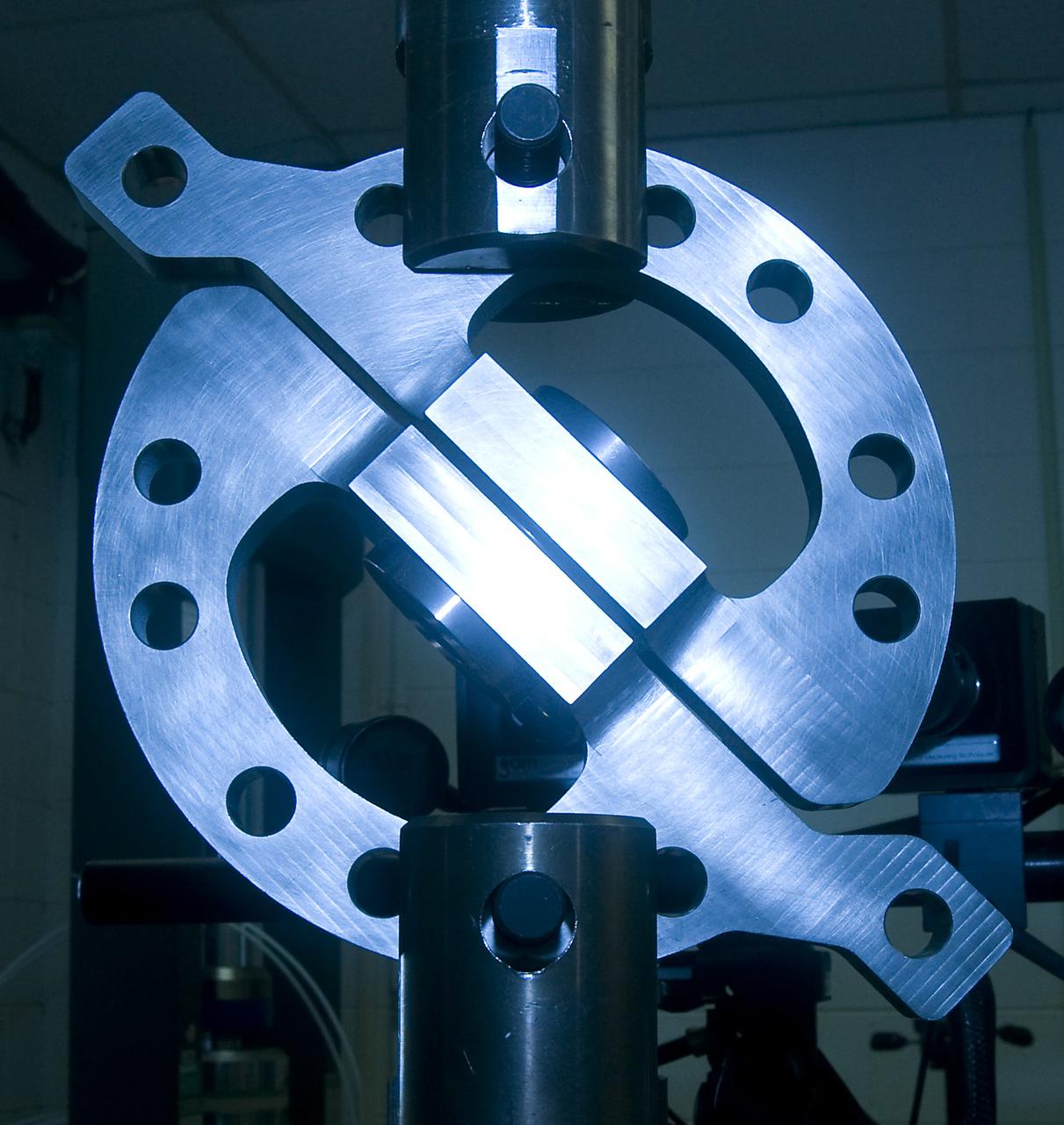
DEVELOPMENT TESTING BEING CONDUCTED AT THE REQUEST OF THE MSFC DYNAMICS, LOADS, AND STRENGTH BRANCH (EV31) TO STUDY THE FAILURE BEHAVIOR OF FASTENERS SUBJECTED TO COMBINED SHEAR AND TENSION LOADING. THE DATA FROM THIS TESTING WILL BE USED TO DEVELOP APPROPRIATE STRUCTURAL ANALYSIS METHODS AS PART OF A FASTENER STANDARDS EFFORT SPONSORED BY THE NASA ENGINEERING SAFETY CENTER (NESC). THE TEST FIXTURE WAS DESIGNED AND FABRICATED THROUGH THE MSFC MECHANICAL FABRICATION BRANCH (ES23). THE TESTING ORGANIZATION IS THE MSFC MATERIALS TEST BRANCH (EM10).
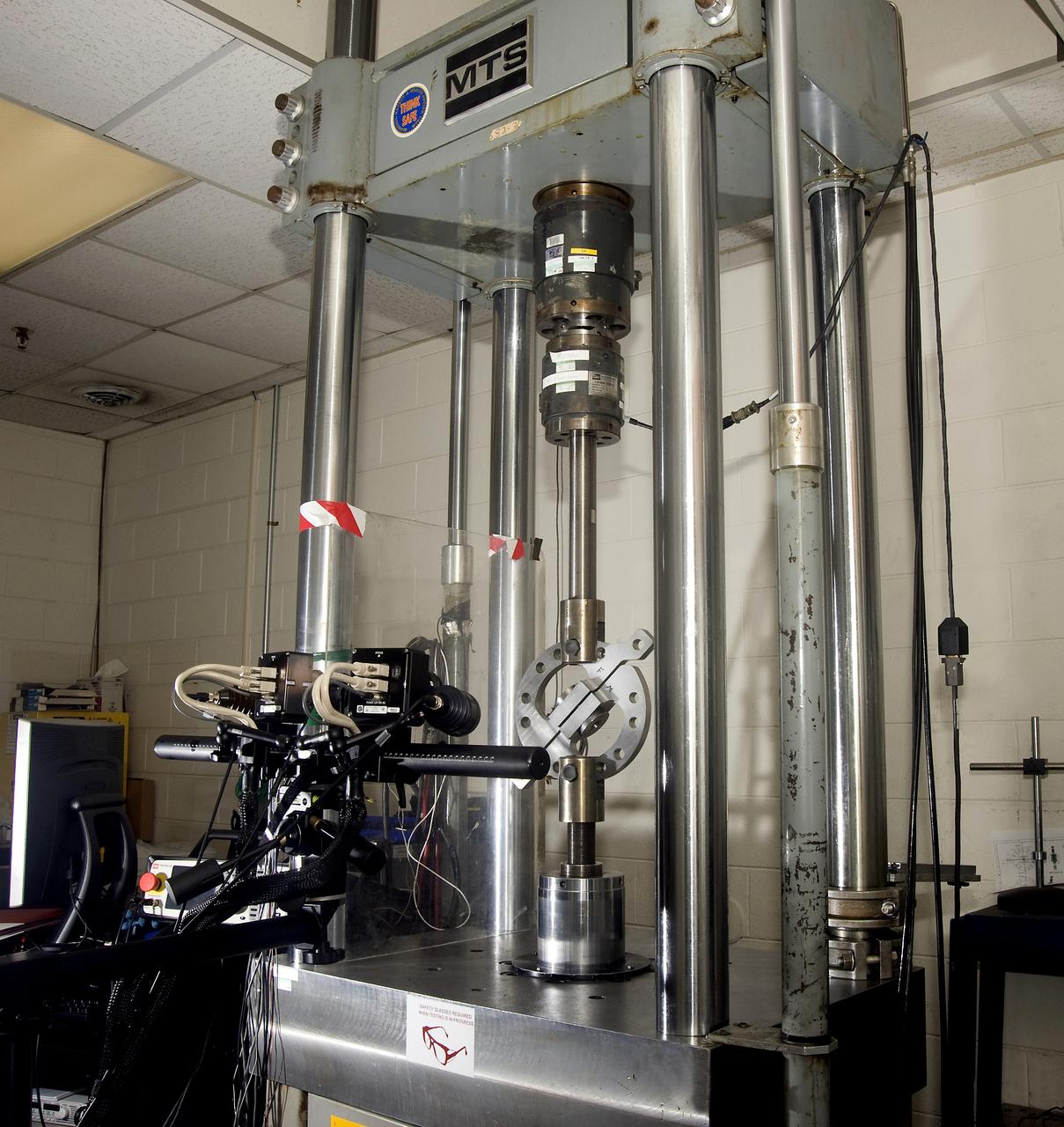
DEVELOPMENT TESTING BEING CONDUCTED AT THE REQUEST OF THE MSFC DYNAMICS, LOADS, AND STRENGTH BRANCH (EV31) TO STUDY THE FAILURE BEHAVIOR OF FASTENERS SUBJECTED TO COMBINED SHEAR AND TENSION LOADING. THE DATA FROM THIS TESTING WILL BE USED TO DEVELOP APPROPRIATE STRUCTURAL ANALYSIS METHODS AS PART OF A FASTENER STANDARDS EFFORT SPONSORED BY THE NASA ENGINEERING SAFETY CENTER (NESC). THE TEST FIXTURE WAS DESIGNED AND FABRICATED THROUGH THE MSFC MECHANICAL FABRICATION BRANCH (ES23). THE TESTING ORGANIZATION IS THE MSFC MATERIALS TEST BRANCH (EM10).
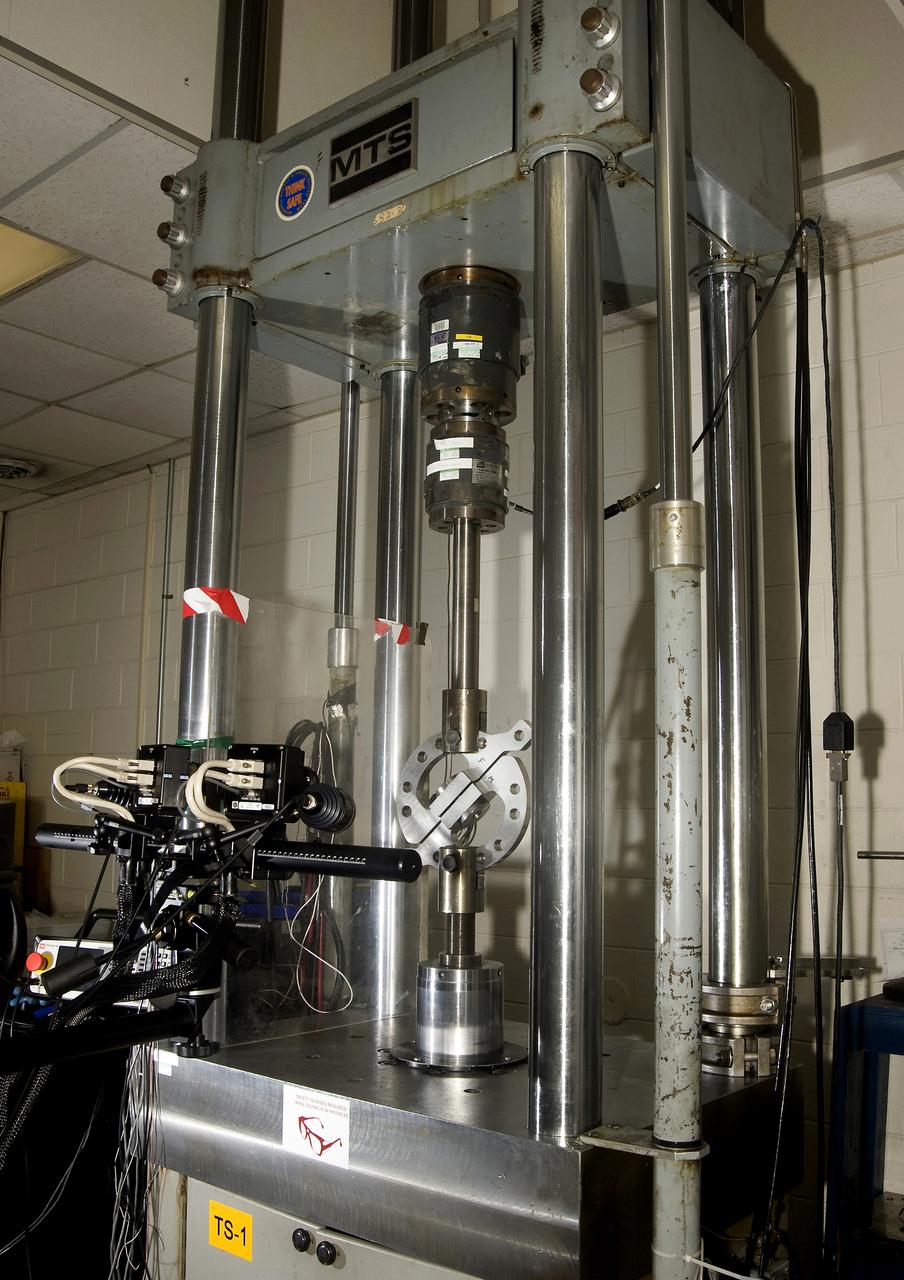
DEVELOPMENT TESTING BEING CONDUCTED AT THE REQUEST OF THE MSFC DYNAMICS, LOADS, AND STRENGTH BRANCH (EV31) TO STUDY THE FAILURE BEHAVIOR OF FASTENERS SUBJECTED TO COMBINED SHEAR AND TENSION LOADING. THE DATA FROM THIS TESTING WILL BE USED TO DEVELOP APPROPRIATE STRUCTURAL ANALYSIS METHODS AS PART OF A FASTENER STANDARDS EFFORT SPONSORED BY THE NASA ENGINEERING SAFETY CENTER (NESC). THE TEST FIXTURE WAS DESIGNED AND FABRICATED THROUGH THE MSFC MECHANICAL FABRICATION BRANCH (ES23). THE TESTING ORGANIZATION IS THE MSFC MATERIALS TEST BRANCH (EM10).
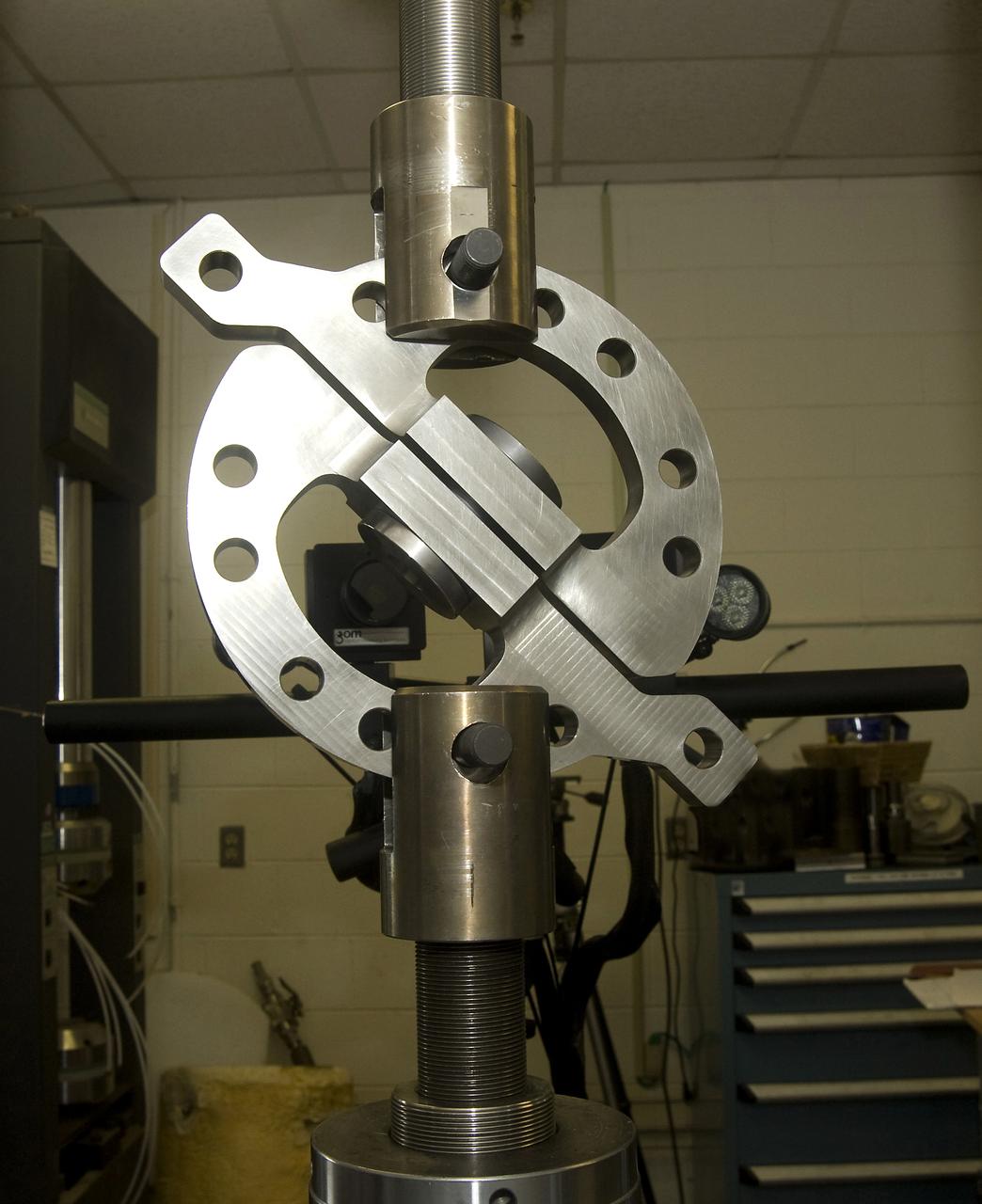
DEVELOPMENT TESTING BEING CONDUCTED AT THE REQUEST OF THE MSFC DYNAMICS, LOADS, AND STRENGTH BRANCH (EV31) TO STUDY THE FAILURE BEHAVIOR OF FASTENERS SUBJECTED TO COMBINED SHEAR AND TENSION LOADING. THE DATA FROM THIS TESTING WILL BE USED TO DEVELOP APPROPRIATE STRUCTURAL ANALYSIS METHODS AS PART OF A FASTENER STANDARDS EFFORT SPONSORED BY THE NASA ENGINEERING SAFETY CENTER (NESC). THE TEST FIXTURE WAS DESIGNED AND FABRICATED THROUGH THE MSFC MECHANICAL FABRICATION BRANCH (ES23). THE TESTING ORGANIZATION IS THE MSFC MATERIALS TEST BRANCH (EM10).

FDCD Branch Stability and Control branch: Names, rows front to back, people left to right: Ground level: 1. ?? 2. Debra L. Livingston 3. Katherine G. Johnson 4. Robert Dunning Step 1: 1. Ellie Fillmore (?) 2. Al Hamer 3. Suresh Joshi Step 2: 1. John Young 2. Ernest Armstrong 3. Vladislav Klein 4. Charles T. Woolley Step 3: 1. Lawrence Taylor 2. Tony Fontana Step 4: 1. Bill Suit 2. Jane Carpenter 3. Daniel P. Giesy 4. Mario Smith Step 5: 1. Albert Schy 2. Ray Montgomery 3. Sahajendra Singh Top level: 1: Jim Batterson 2. Jim Williams 3. Claude Keckler 4. N. Sundararajan Behind all: John Shebalin Names given by Danial P. Giesy
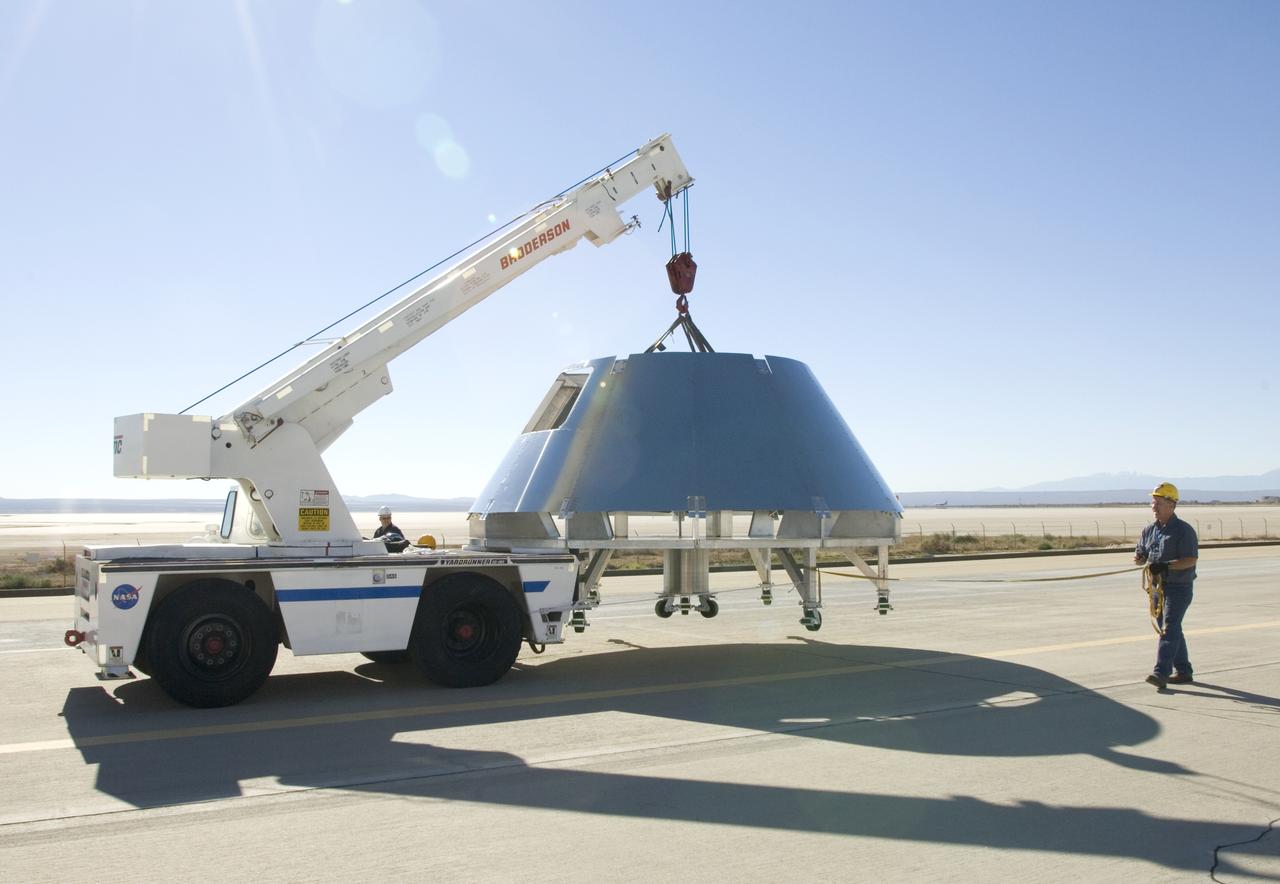
Rogers Dry Lake serves as a backdrop for a mockup Orion crew module built by NASA Dryden Flight Research Center's Fabrication Branch. The module was relocated to Dryden's Shuttle hangar on Sept. 25, 2007.
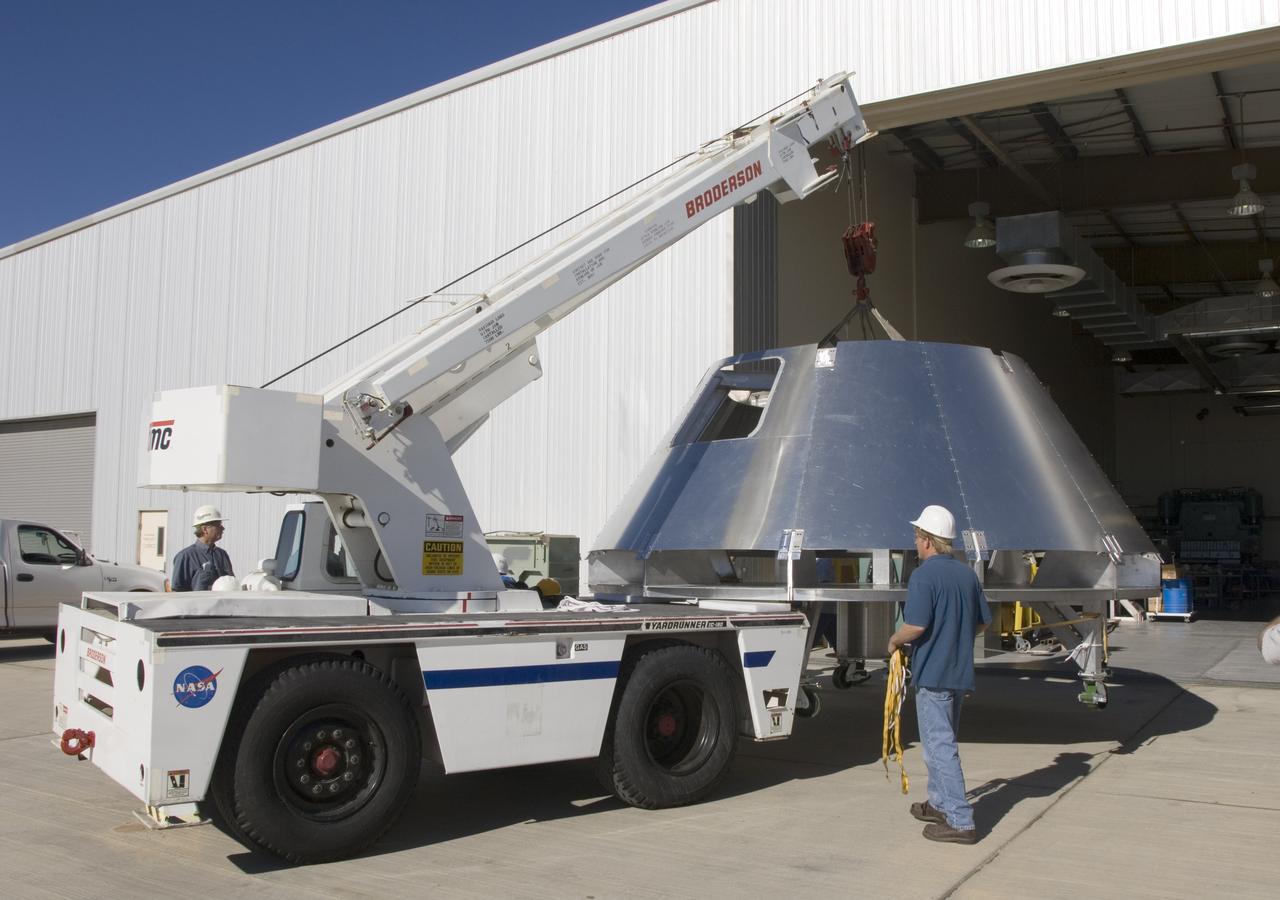
A mockup Orion crew module built by NASA Dryden Flight Research Center's Fabrication Branch gets a lift from its construction site to its new home in Dryden's Shuttle hangar.
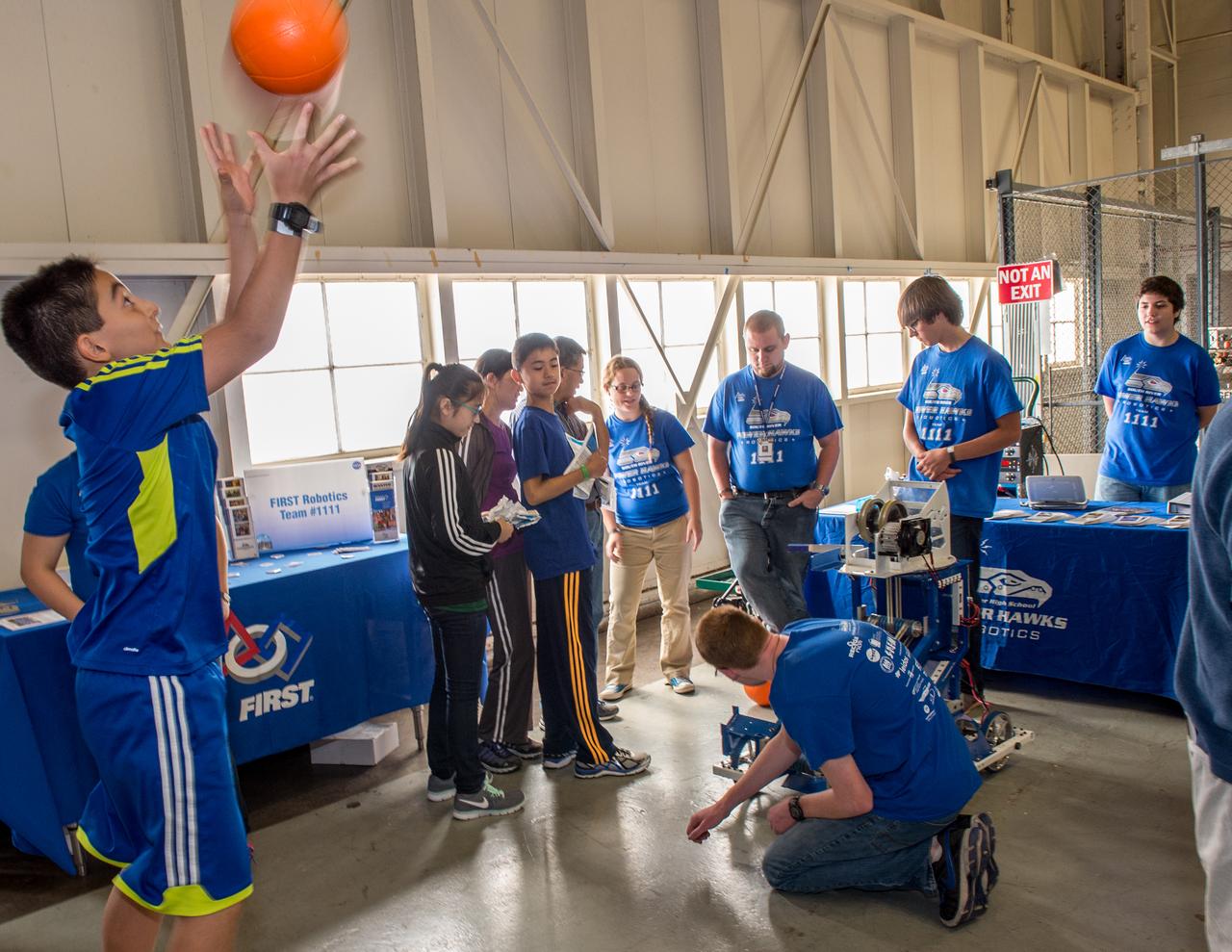
Building 5 Manufacturing Branch. Explore@NASAGoddard celebrates the 25th anniversary of the launch of the Hubble Space Telescope. All areas of Goddard’s research – Earth science, heliophysics, planetary science, astrophysics, and engineering and technology – will be presented, as each discipline plays a critical part in NASA's ongoing journey to reach new heights.
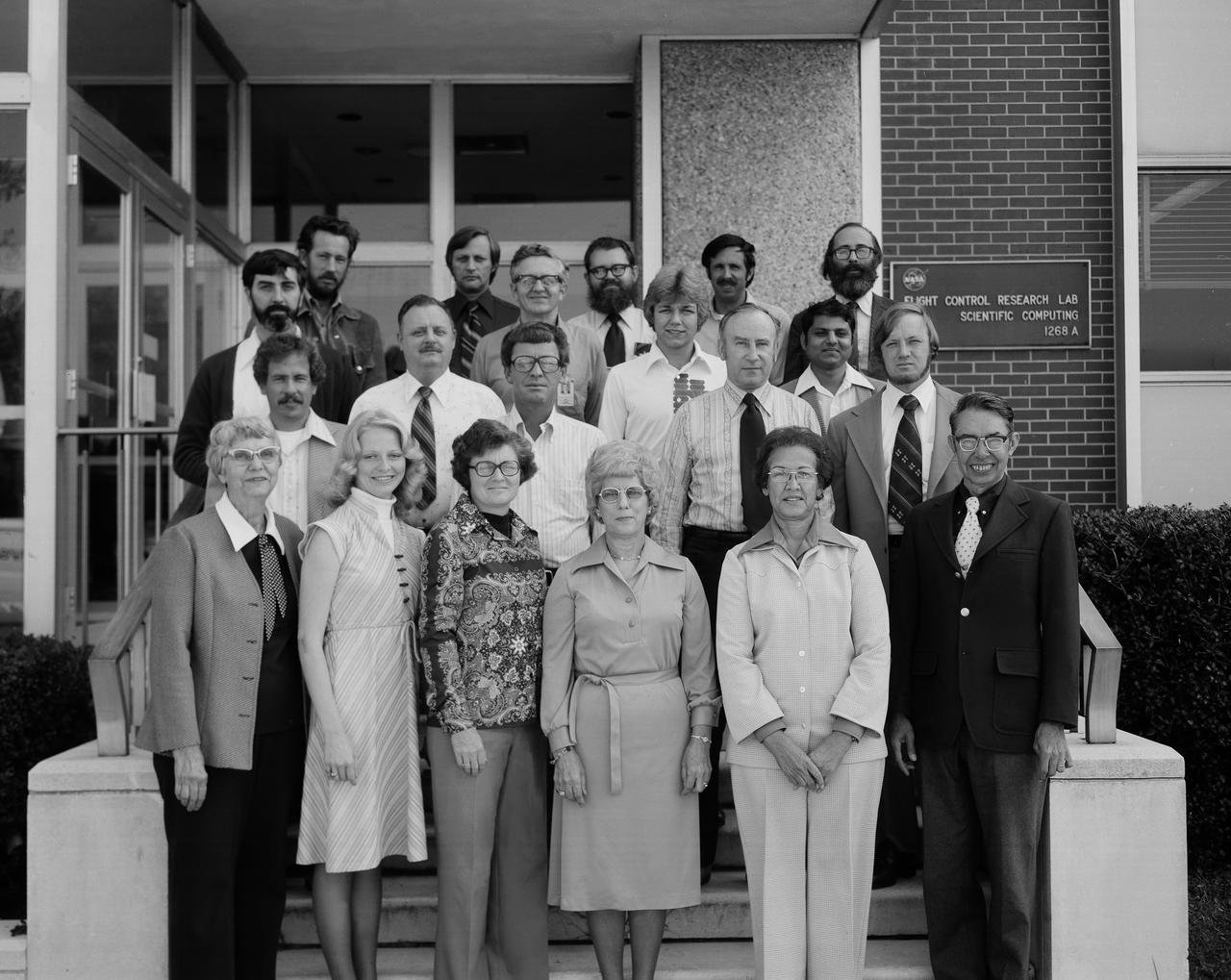
FDCD Stability and Control Branch Photo. Names, rows front to back, people left to right: Ground level: 1. Margery Hanna 2. Debra L. Livingston 3. Carolyn Grantham 4. Nell Moore 5. Katherine G. Johnson 6. Hewitt Phillips Step 1: 1. John Shaughnessy 2. John Young 3. Bill Martz 4. Charles T. Woolley Step 2: 1. Al Hamer 2. Marion Wise (?) 3. Suresh Joshi Step 3: 1. Willard W. Anderson 2. Albert A. Schy 3. Daniel P. Giesy Step 4: 1. Hugh Bergeron 2. Claude Keckler 3. Nelson Groom 4. Ralph Will Names Given by Danial Pl. Giesy.

Stability and Control Branch Photo: Names, rows front to back, people left to right: Row 1: 1. ?? Graduate Student (USAF) 2. Robert Dunning 3. Rhonda Harvey Poppen 4. Katherine G. Johnson 5. ?? Graduate Student (USAF) 6. Vladislav Klein Row 2: 1. Mario Smith 2. Jeff Williams 3. N. Sundararajan 4. Tony Fontana 5. John Young Row 3: 1. Lawrence Taylor 2. Jim Batterson 3. Suresh Joshi 4. Daniel P. Giesy Row 4: 1. Bill Suit 2. Albert A. Schy 3. Al Hamer 4. Ernest Armstrong 5. Claude Keckler Row 5: 1. Chris Brown 2. Robert Bullock 3. Ray Montgomery 4. Jim Williams 5. Sahajendra Singh 6. Graduate Student (Egypt) Names given by Daniel P. Giesy.
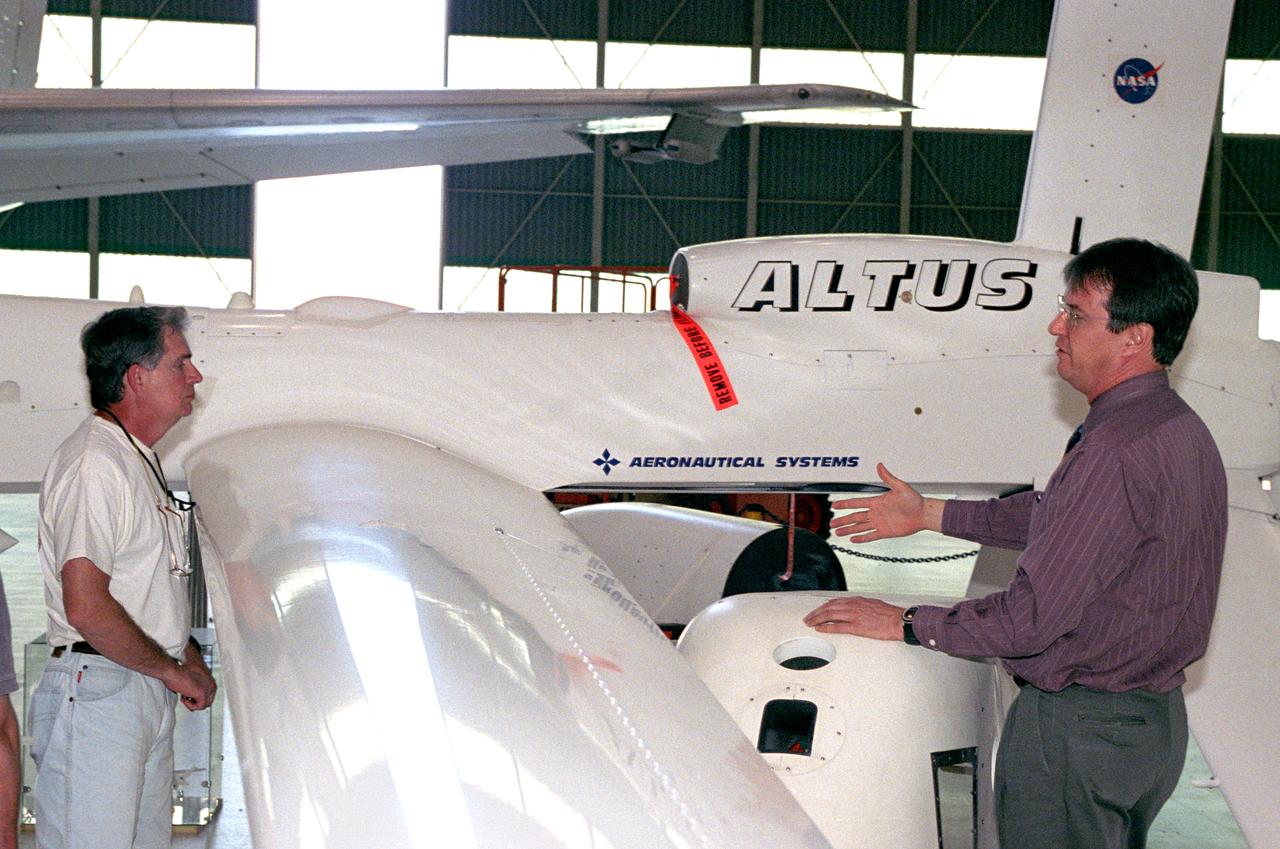
David Bushman, unmanned aerial vehicle (UAV) mission manager in NASA Dryden's Airborne Science Program, explains the capabilities of the Altus UAV to Charles Hudgins of NASA Langley's Chemistry and Dynamics Branch.
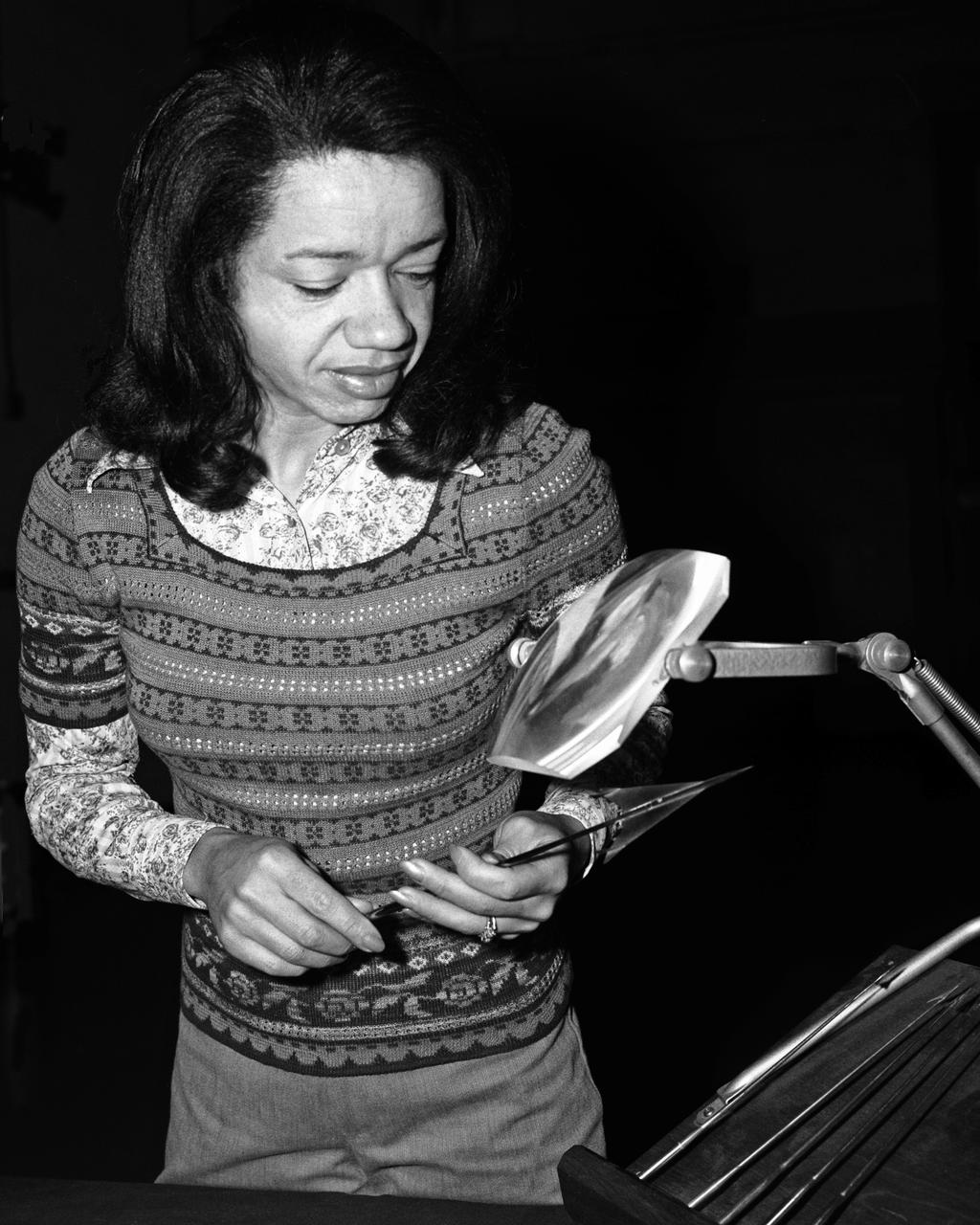
Environmental Portrait of Christine M. Darden. Supersonic Aerodynamics Branch.
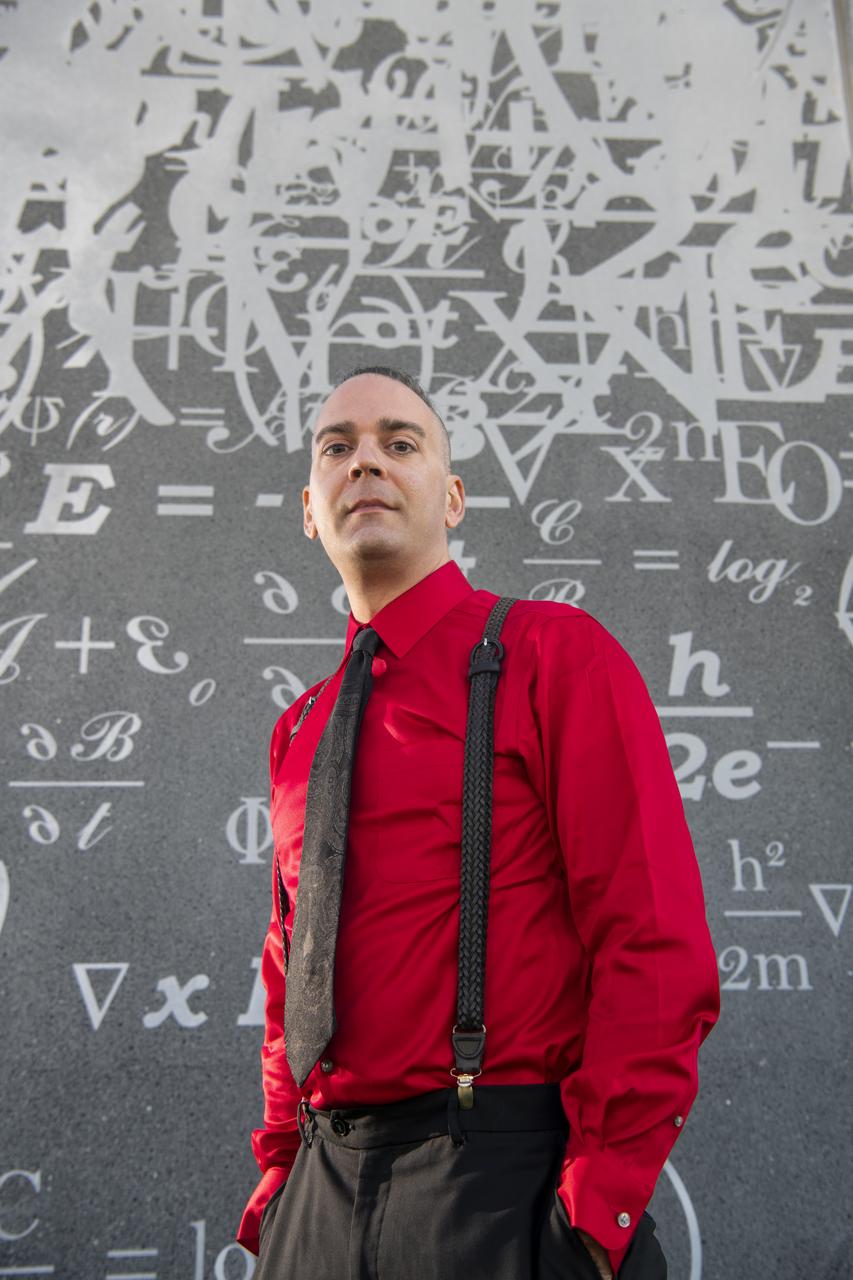
Dan Raible, an Electronics Engineer in NASA Glenn Research Center’s Optics and Photonics Branch. Raible has a long history with NASA. Someone in his family has worked at what is now NASA Glenn Research since it was NACA. His grandfather, Four uncles and his father all supported space and aeronautics research.

NASA Dryden technicians take measurements inside a fit-check mockup for prior to systems installation on a boilerplate Orion launch abort test crew capsule. A mockup Orion crew module has been constructed by NASA Dryden Flight Research Center's Fabrication Branch. The mockup is being used to develop integration procedures for avionics and instrumentation in advance of the arrival of the first abort flight test article.
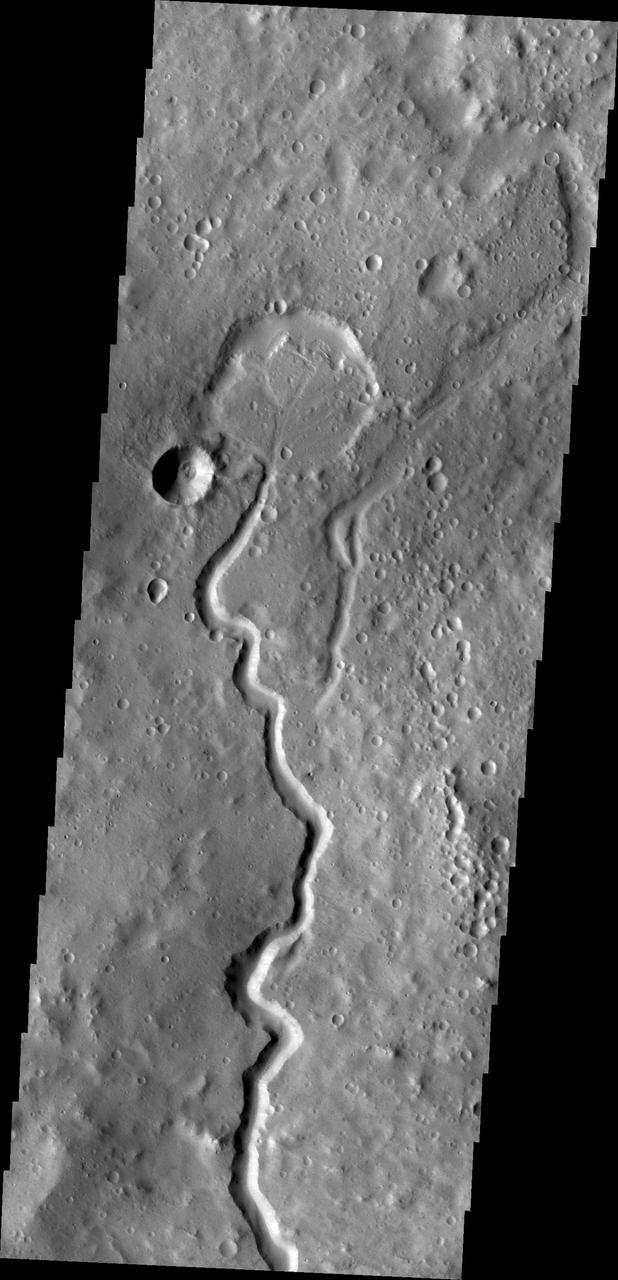
A branch of Nanedi Valles entered a crater and deposited a delta that fills the majority of the crater floor. This image was captured by NASA Mars Odyssey.
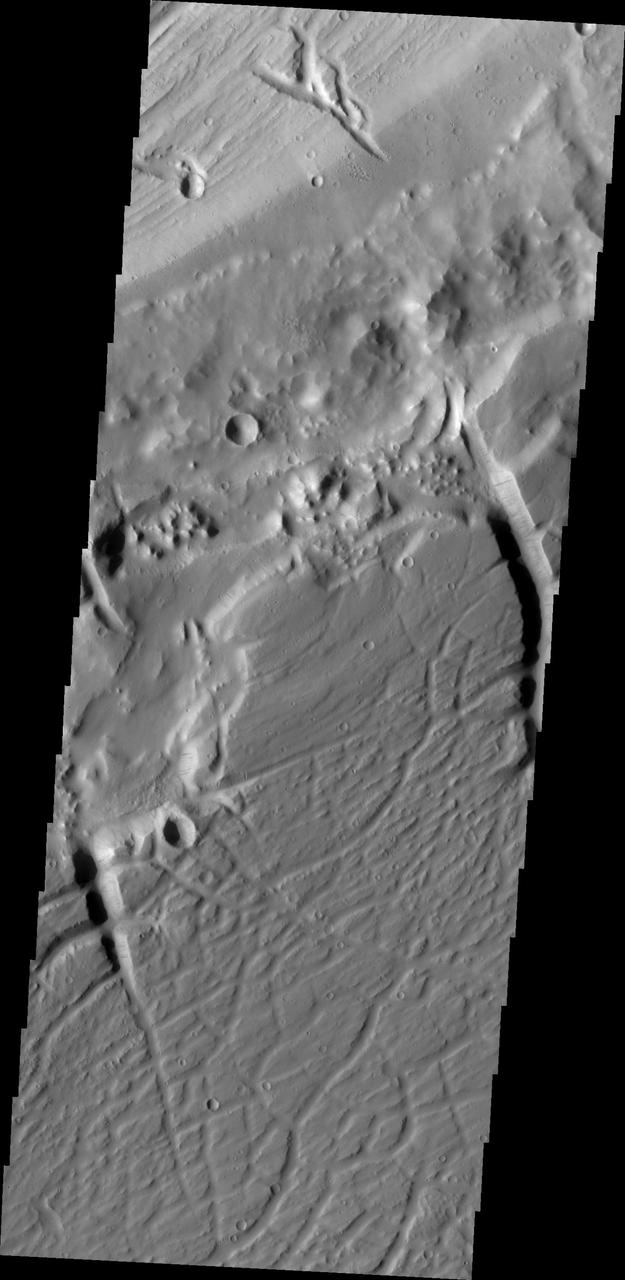
This image captured by NASA Mars Odyssey shows a portion of the northern branch of Kasei Valles.
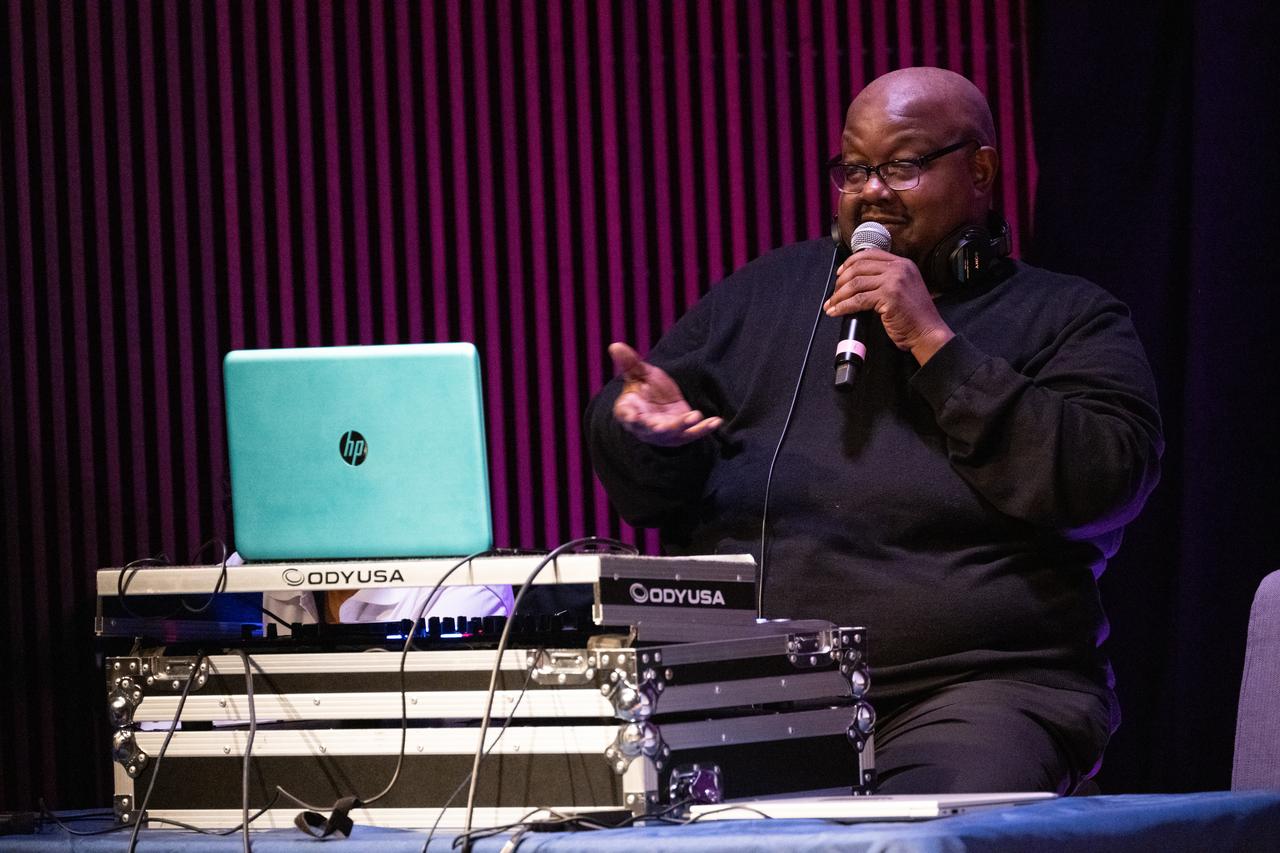
DJ Scientific, Mark Branch, speaks to students about the science behind the music during an event celebrating Black History Month at the Smithsonian National Museum of African American History and Culture, Friday, Feb. 10, 2023, in Washington. Photo Credit: (NASA/Joel Kowsky)
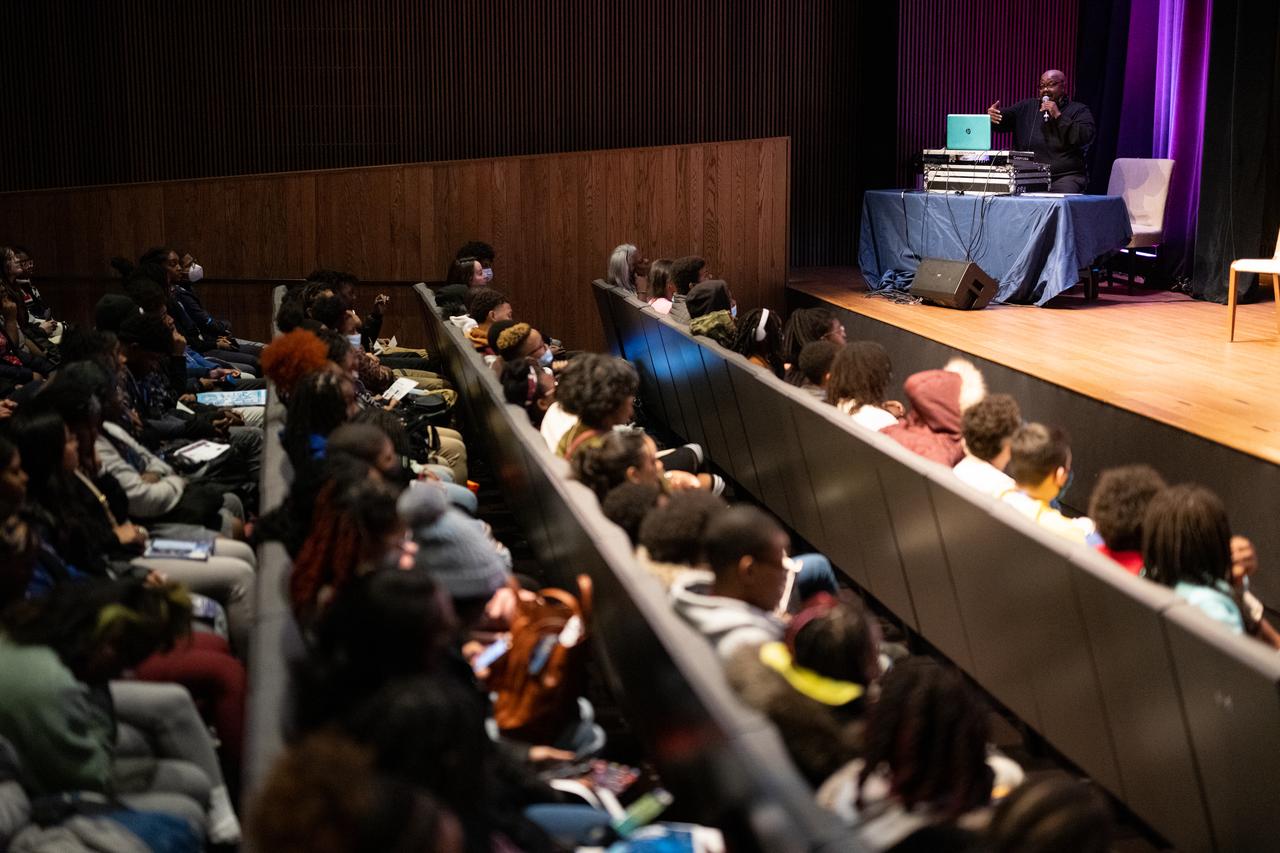
DJ Scientific, Mark Branch, speaks to students about the science behind the music during an event celebrating Black History Month at the Smithsonian National Museum of African American History and Culture, Friday, Feb. 10, 2023, in Washington. Photo Credit: (NASA/Joel Kowsky)
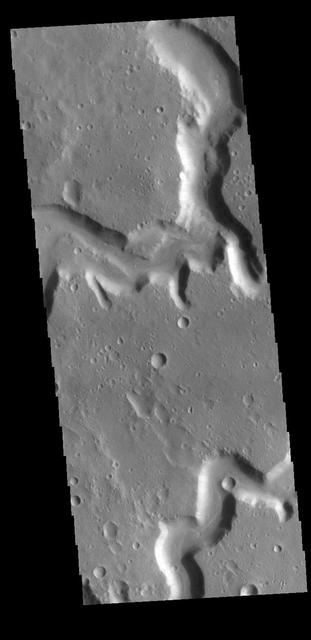
This image captured by NASA 2001 Mars Odyssey spacecraft shows both branches of Nanedi Valles, close to the point where they join to form a single channel.
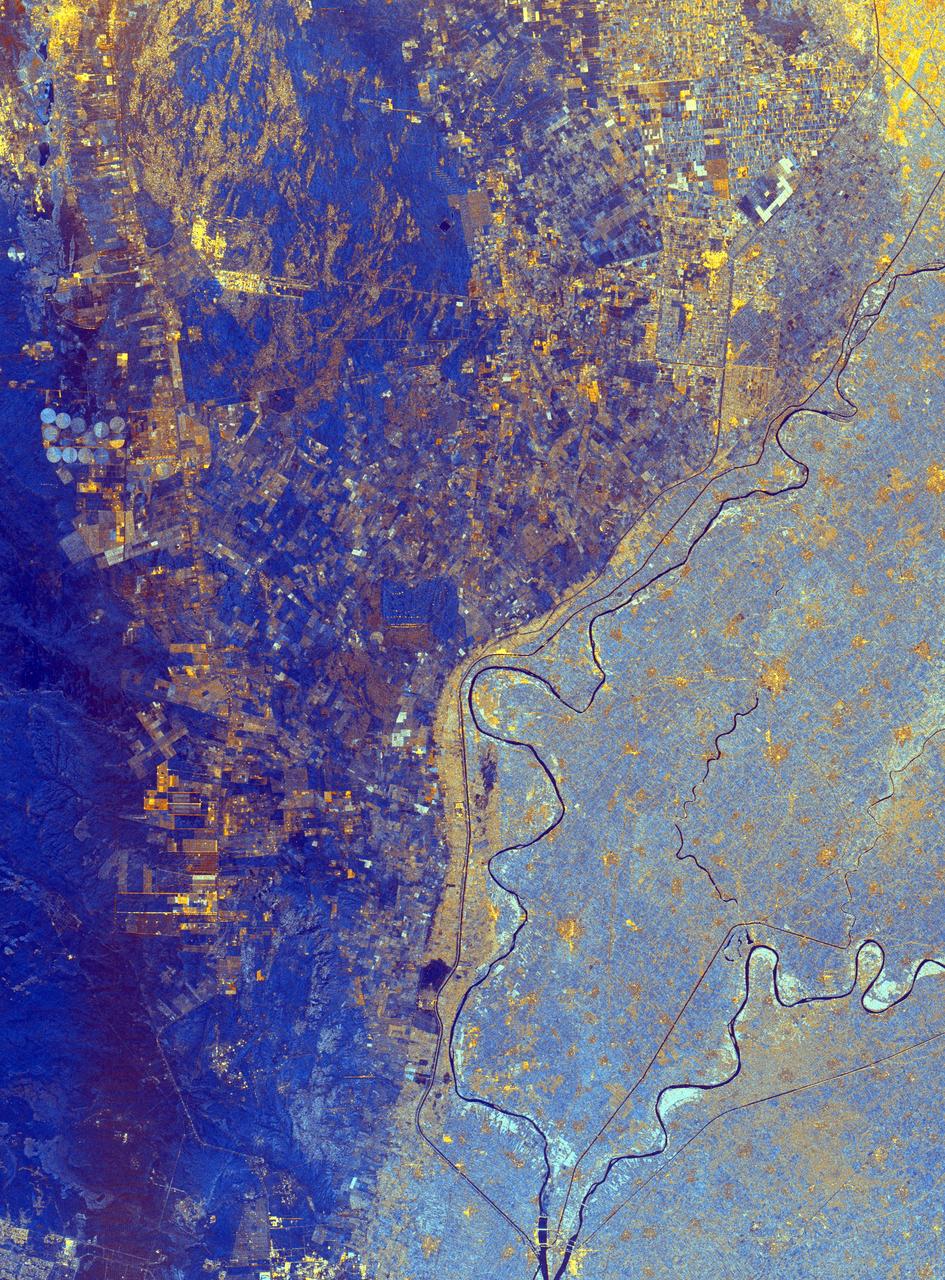
This spaceborne radar image shows the area just north of the city of Cairo, Egypt, where the Nile River splits into two main branches.
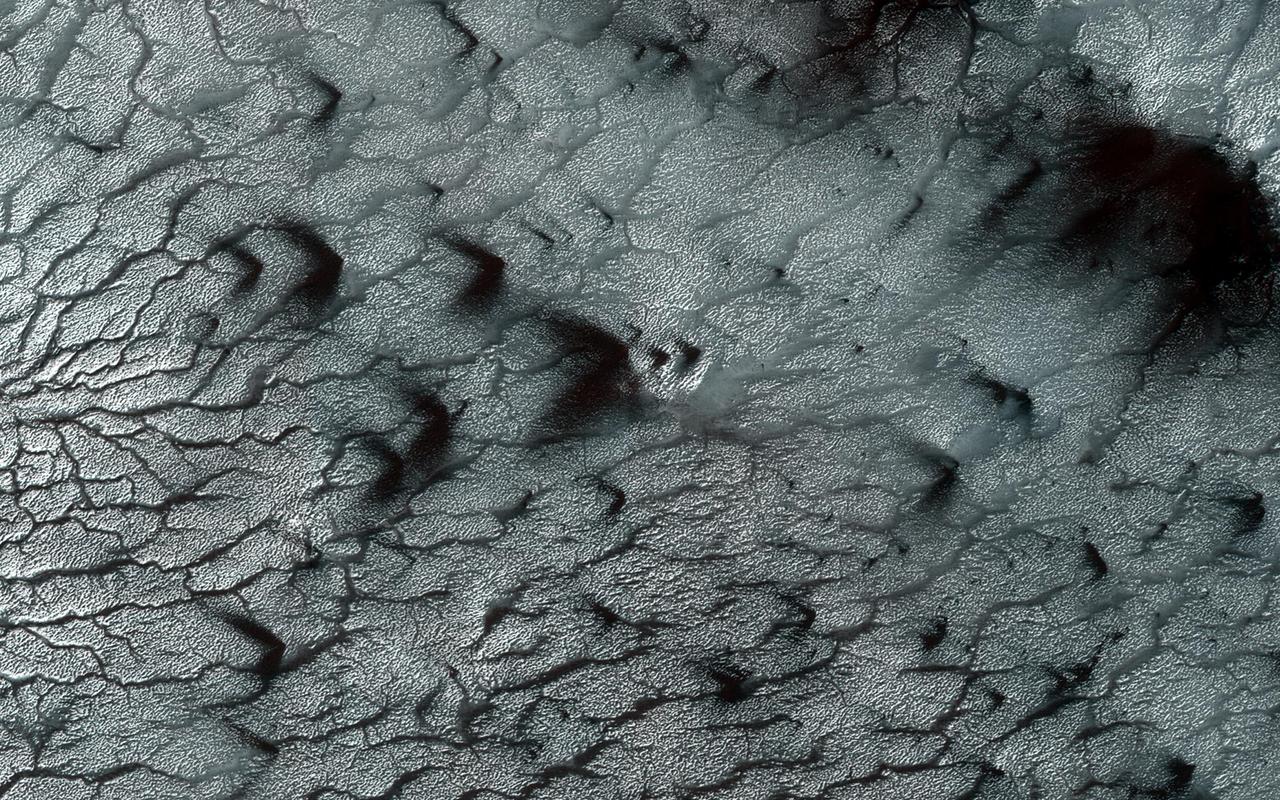
Southern spring on Mars brings sublimation of the seasonal dry ice polar cap. Gas trapped under the seasonal ice sheet carves channels on its way to escaping to the atmosphere. At this site, the channels are wider than we see elsewhere on Mars, perhaps meaning that the spider-like (or more scientifically, "araneiform") terrain here is older, or that the surface is more easily eroded. Seasonal fans of eroded surface material, pointed in two different directions, are deposited on the remaining ice. http://photojournal.jpl.nasa.gov/catalog/PIA13151
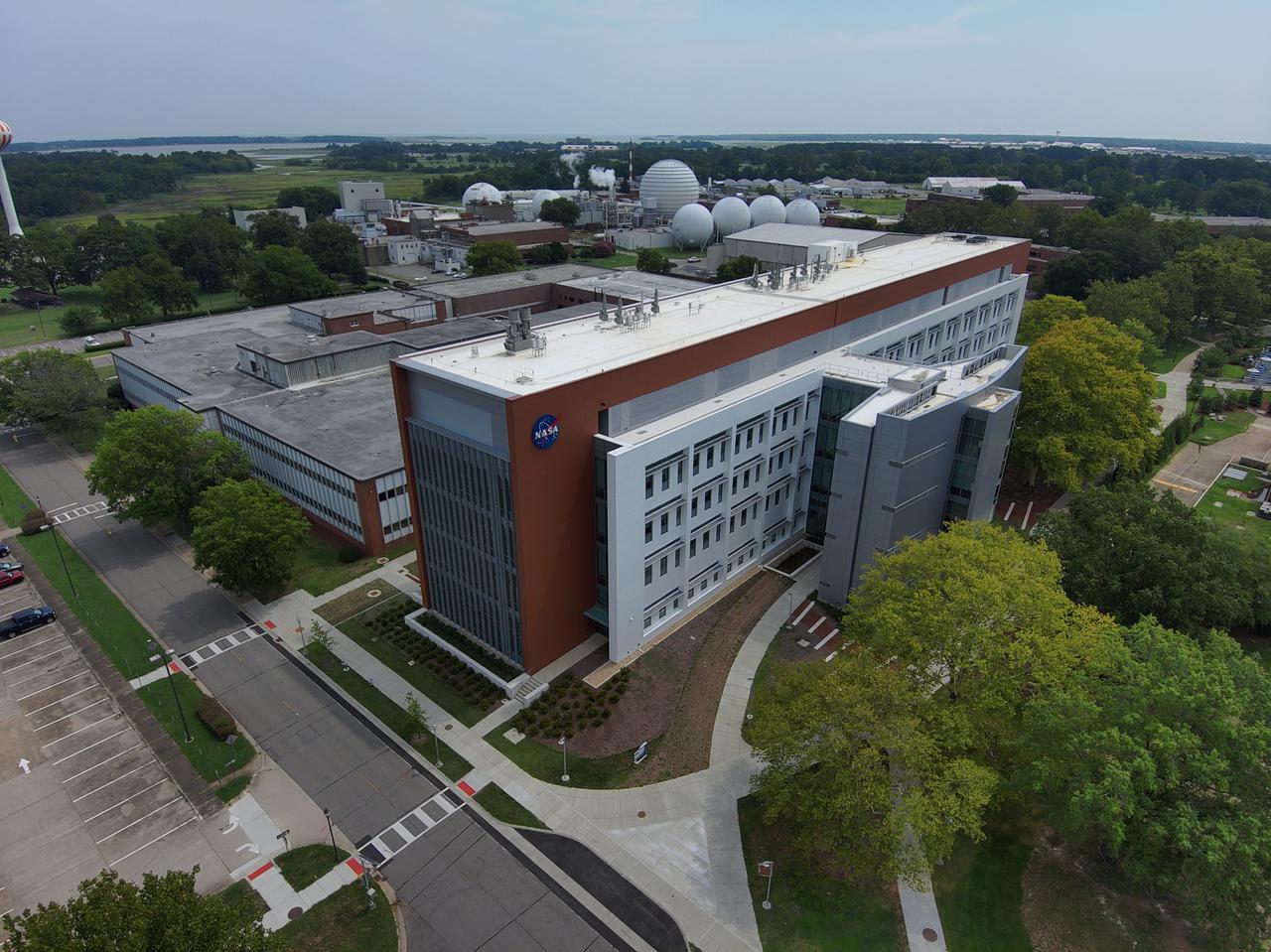
Langley’s newly built Measurement Systems Laboratory will serve as the primary research and development location for six branches within the Research and Engineering Directorates. The ribbon cutting will take place in April 2022.
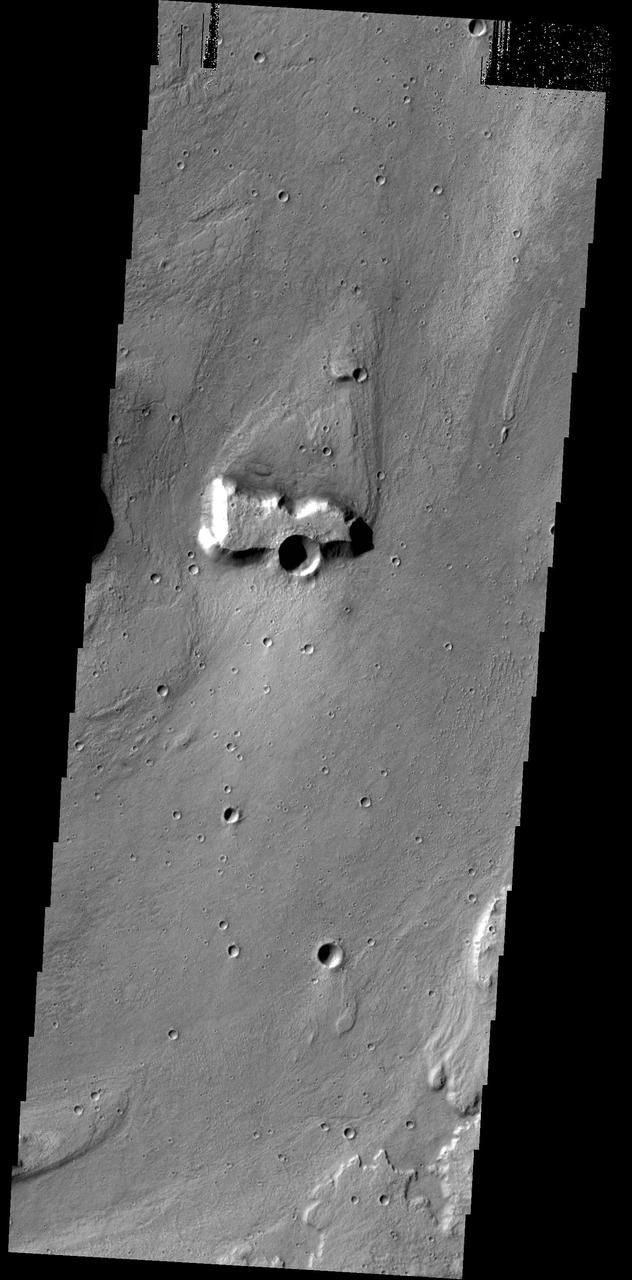
This image from NASA 2001 Mars Odyssey spacecraft shows a streamlined island in a broad channel in Chryse Planitia. The channel is part of the outflow region of Lobo Vallis, a northern branch of Kasei Valles.
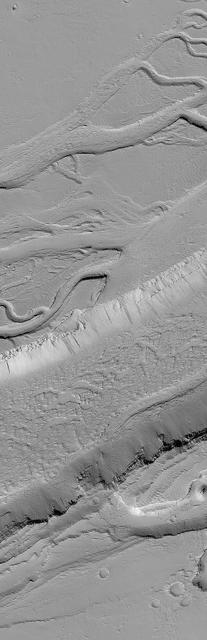
This MOC image shows a wide, flat-floored trough flanked by several smaller, branching troughs in the Olympica Fossae region of Mars. Dark- and intermediate-toned slope streaks -- created by dry avalanches of dust -- occur on the trough walls
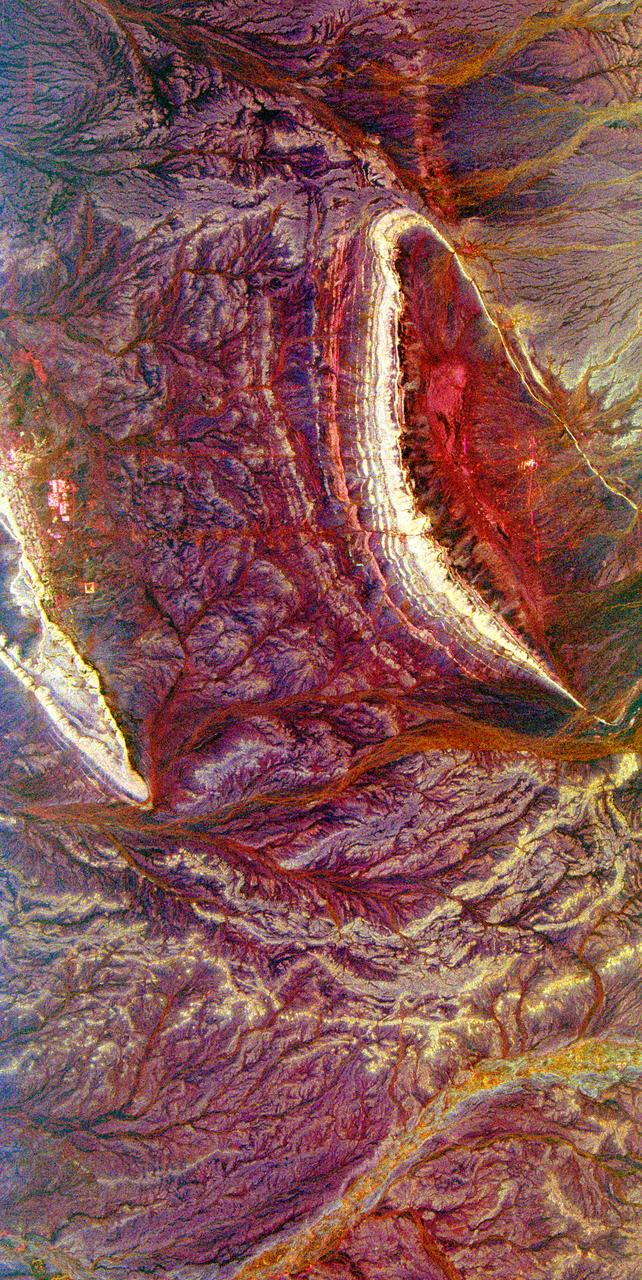
Bright, arc-shaped limestone hills and complex, branching drainage patterns dominate this three-frequency space radar image of a desert area in the north central plain of Oman.
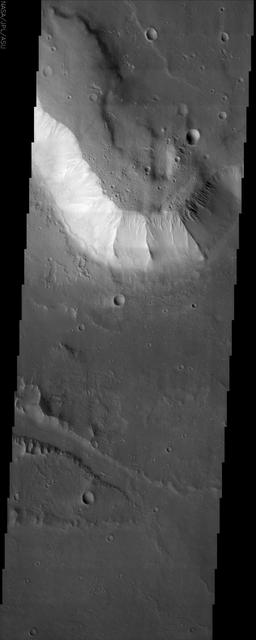
Kasei Valles is one of the largest outflow channels on Mars. This NASA Mars Odyssey image is of the northern branch of Kasei Valles and shows the channel floor and northern channel wall.
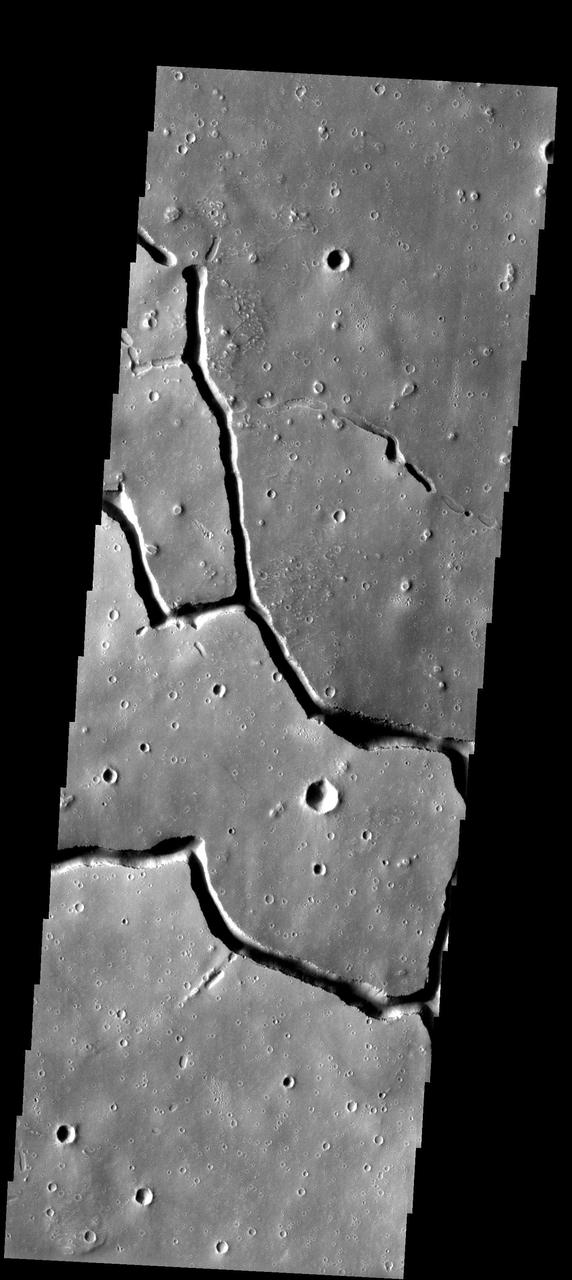
In this image from NASA Mars Odyssey spacecraft showing a location about 1,000 km 620 miles west of the massive Elysium volcanic complex, a system of branching troughs shows a continuum of features that provides clues to its origin.
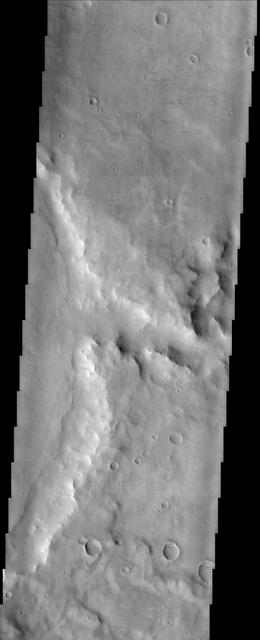
This image, taken by NASA Mars Odyssey spacecraft, shows a cratered highland region called Arabia Terra. The center right side of the image shows a branch of the valley network Naktong Vallis cutting into the eastern rim of an unnamed crater.
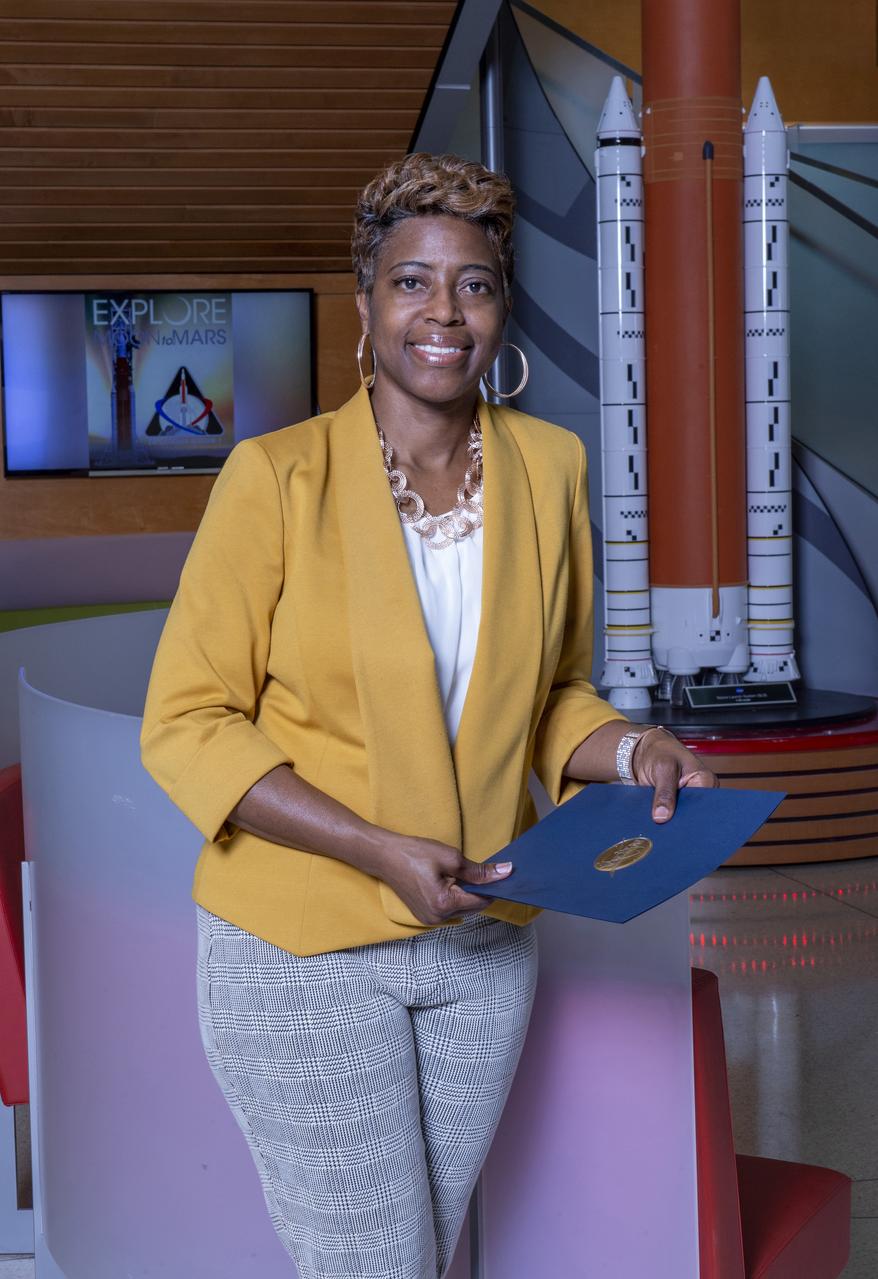
Dr. Ruth Jones, Branch Chief for Industrial Safety Branch (QD12) at MSFC, poses with model of Space Launch System, in Building 4220. Photo for publication in University of Arkansas, Pine Bluff, Alumni magazine.
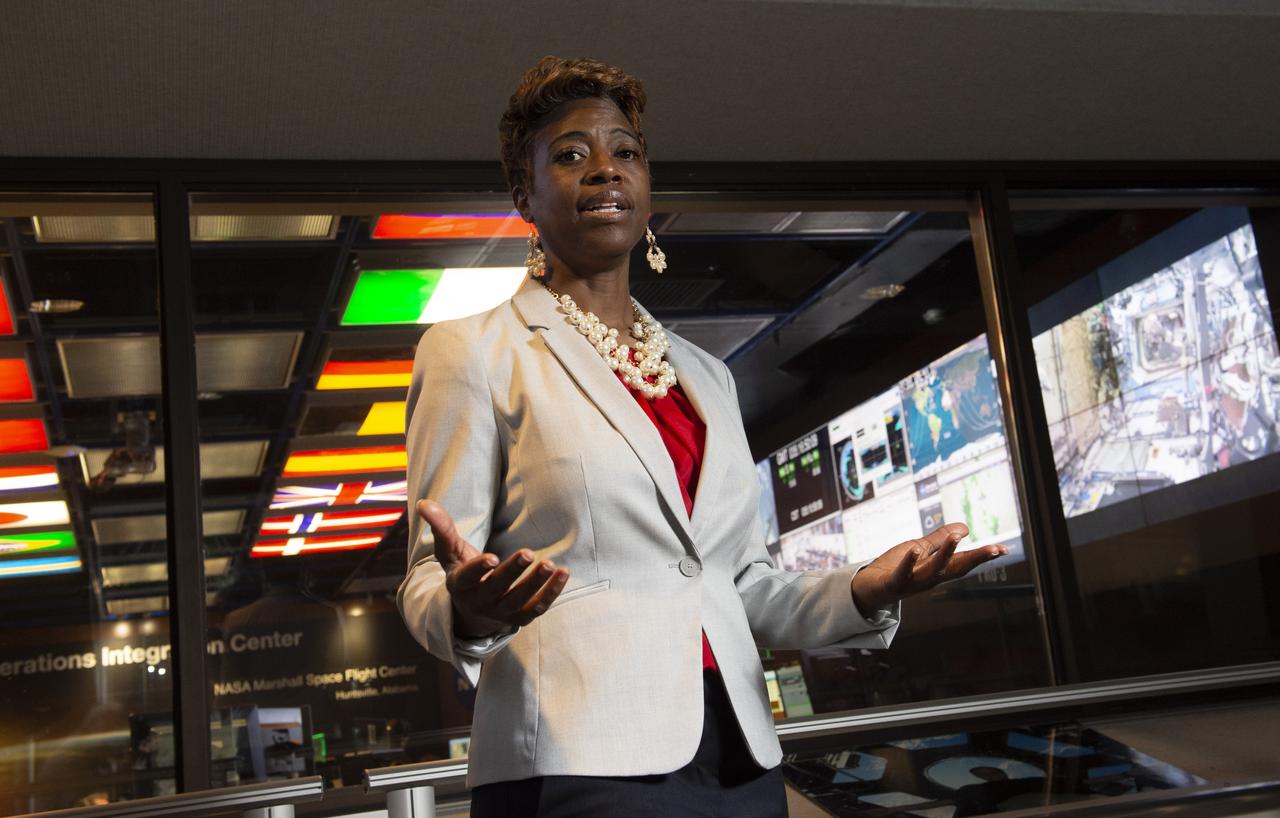
Dr. Ruth Jones, Branch Chief for Industrial Safety Branch (QD12) at MSFC, talks safety issues in the Payload Operation Integration Center. Photo for publication in University of Arkansas, Pine Bluff, Alumni magazine.

BRANCH 5920 PERSONNEL AT WORK
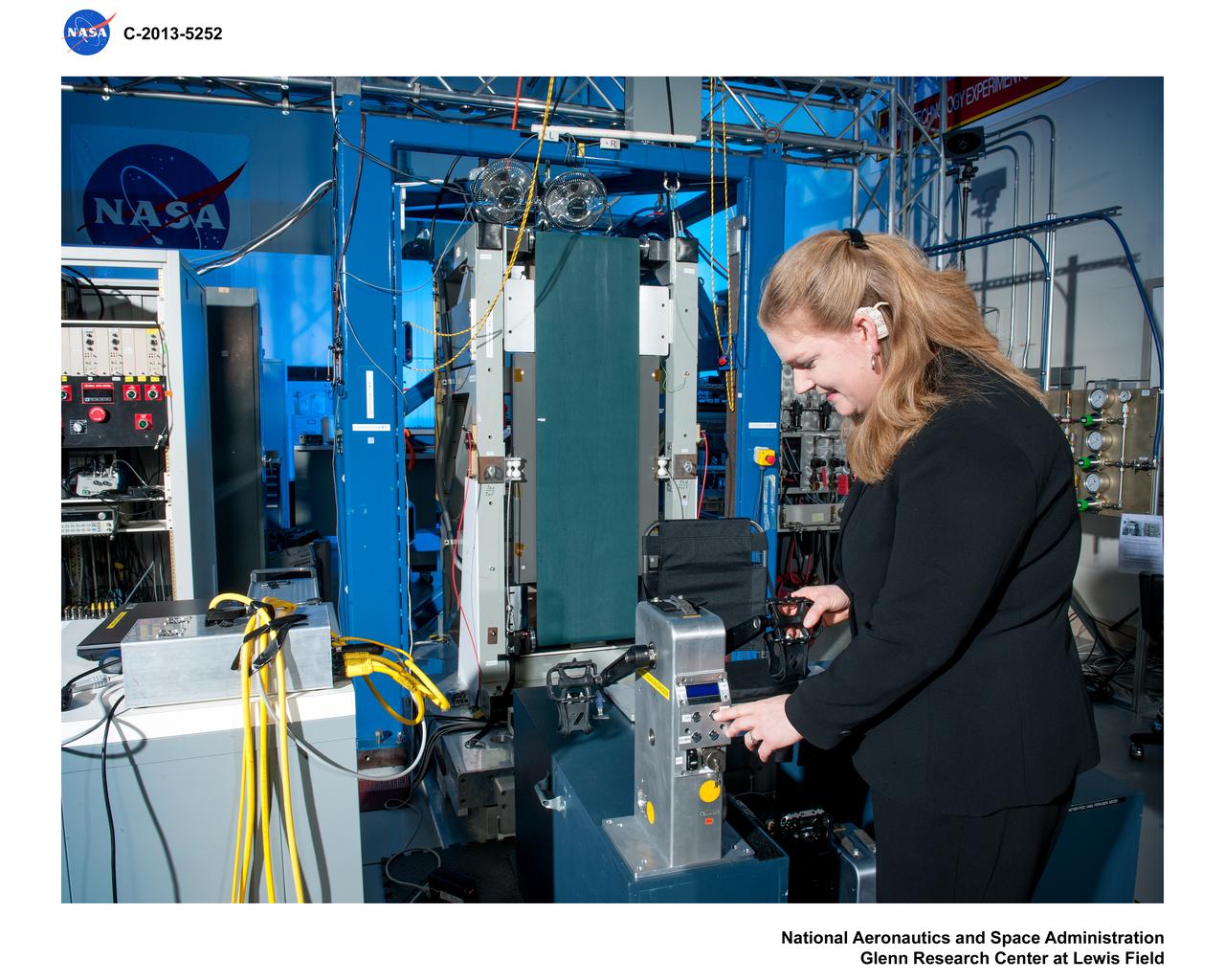
Environmental Portrait of a Structural Systems Dynamics Branch Manager
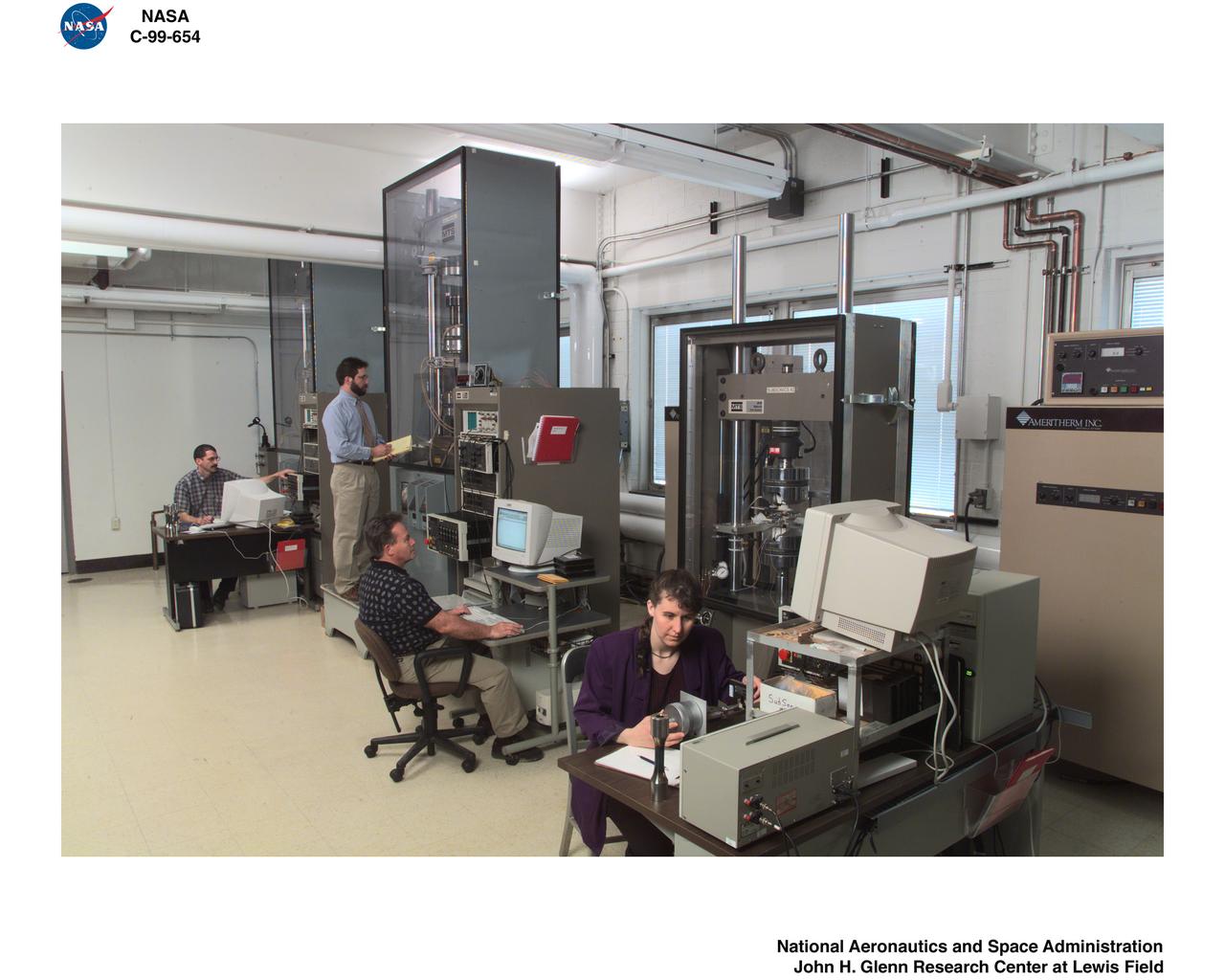
BRANCH 5920 PERSONNEL AT WORK - FATIGUE LAB
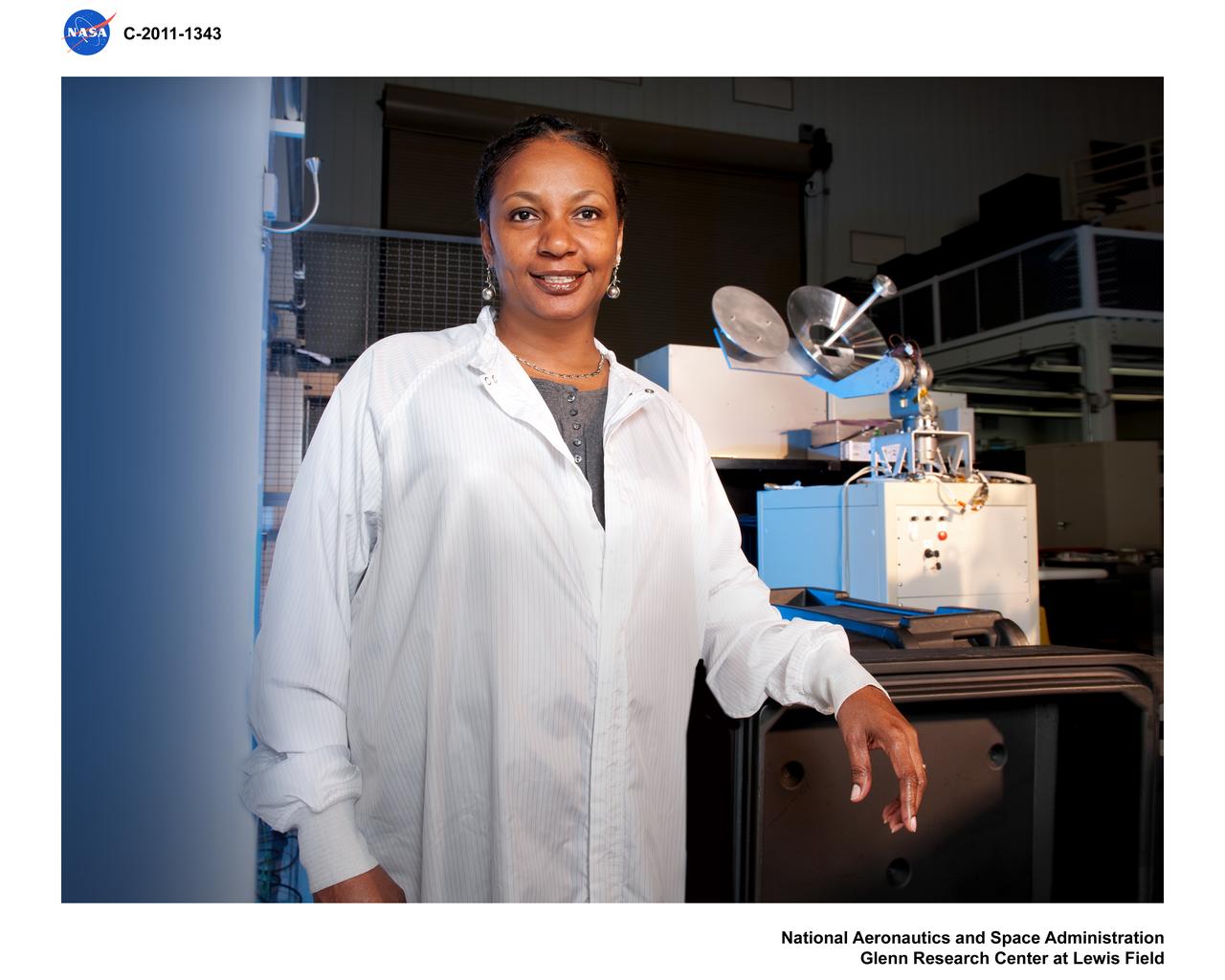
Environmental Portrait of Project Management Branch Employee

Flight Human Factors Branch (Code-FLT) Personnel.
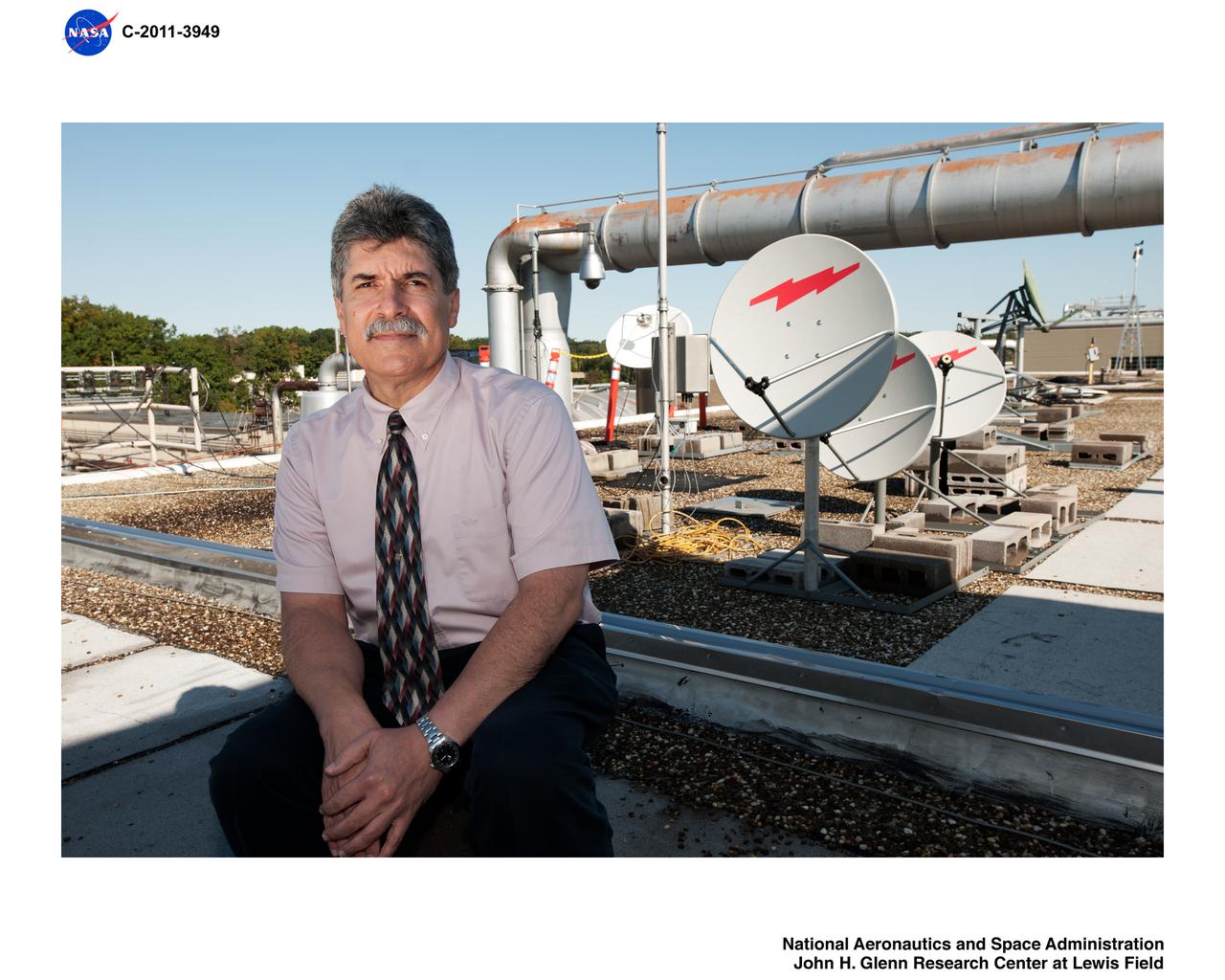
Environmental Portrait of the Antenna and Optical Systems Branch Chief
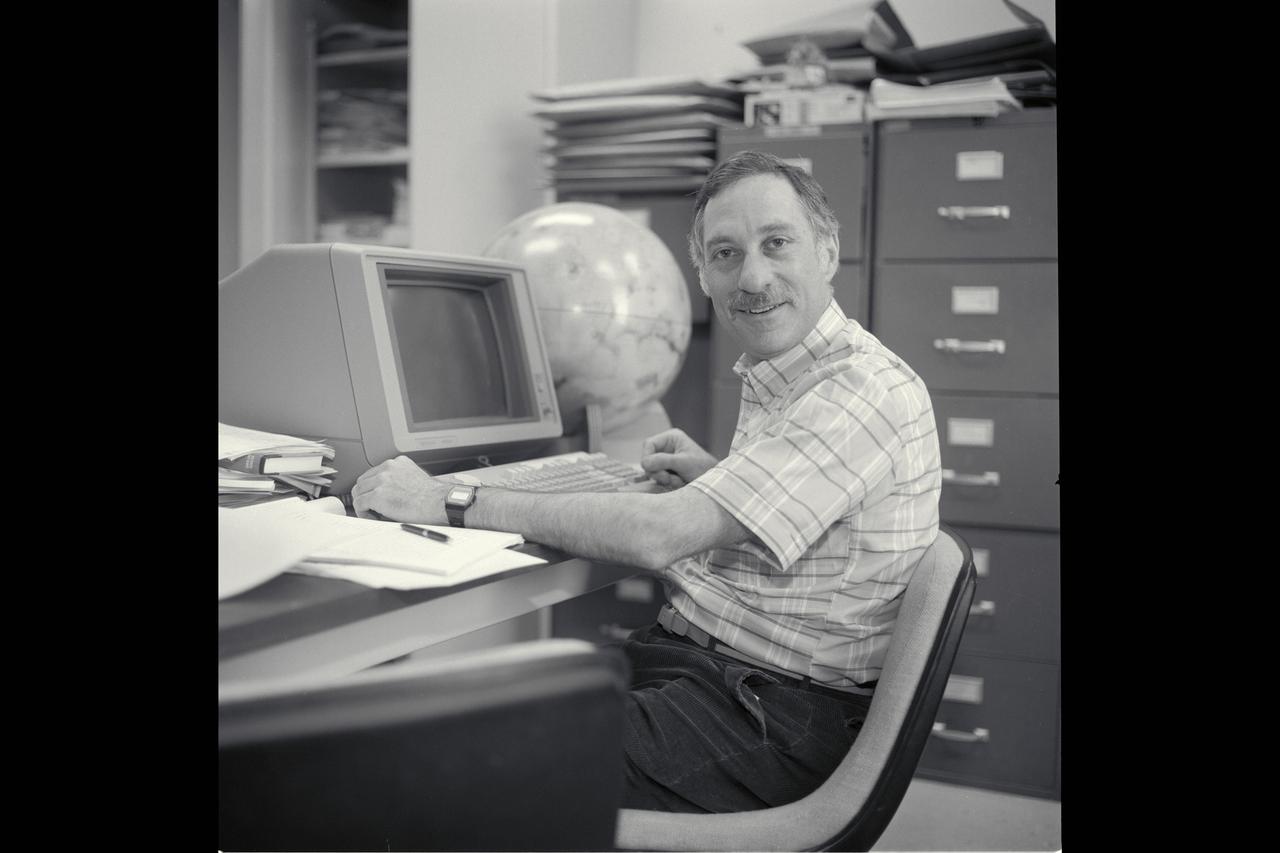
Dr. James Pollack of the Ames Theoretical Studies Branch
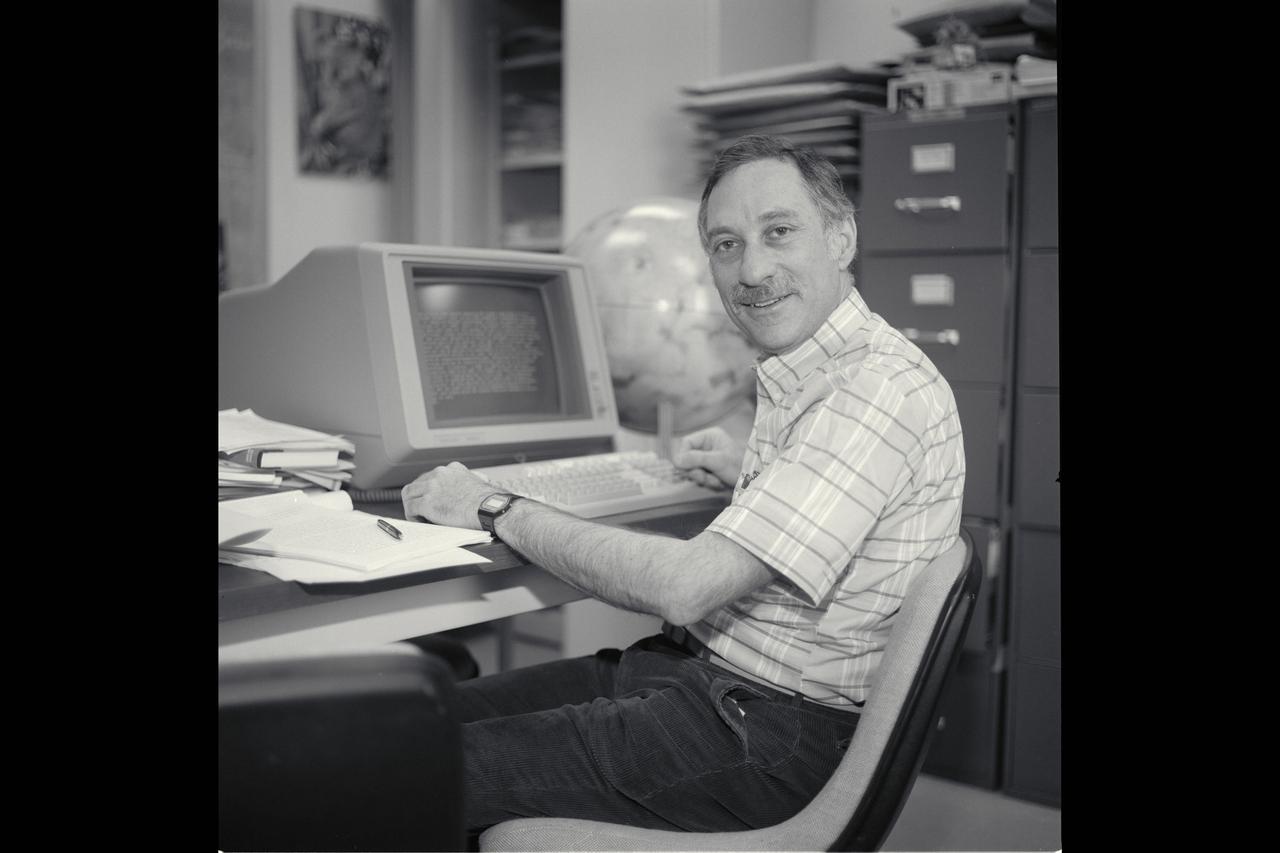
Dr. James Pollack of the Ames Theoretical Studies Branch
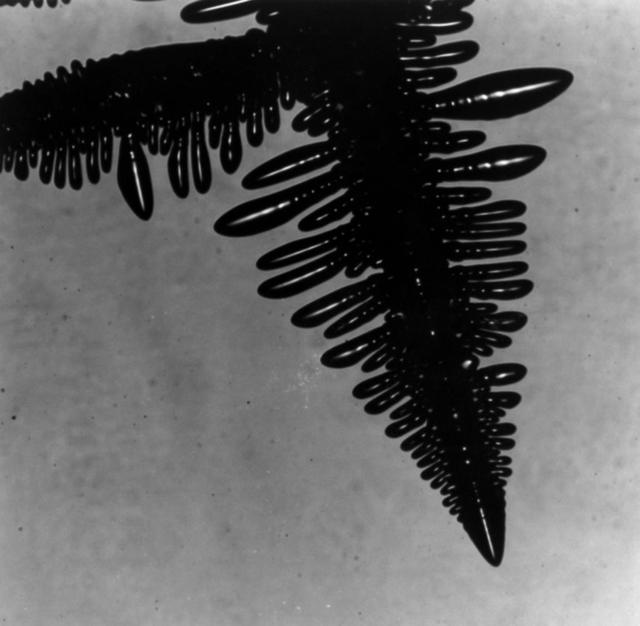
Typical picture of a dendrite: Notice how the branch on the left has no arms coming off the top. This is because of the convective forces (hot liquid rises) that the top of the branch is not solidifying (growing arms) like the bottom, cooler area. The is a gravitational effect. This does not happen in space.

Dr. Ruth Jones, Branch Chief for Industrial Safety Branch (QD12) at MSFC, at Test Stand 4693 which holds the Space Launch System Liquid Hydrogen Tank. Photo for publication in University of Arkansas, Pine Bluff, Alumni magazine.
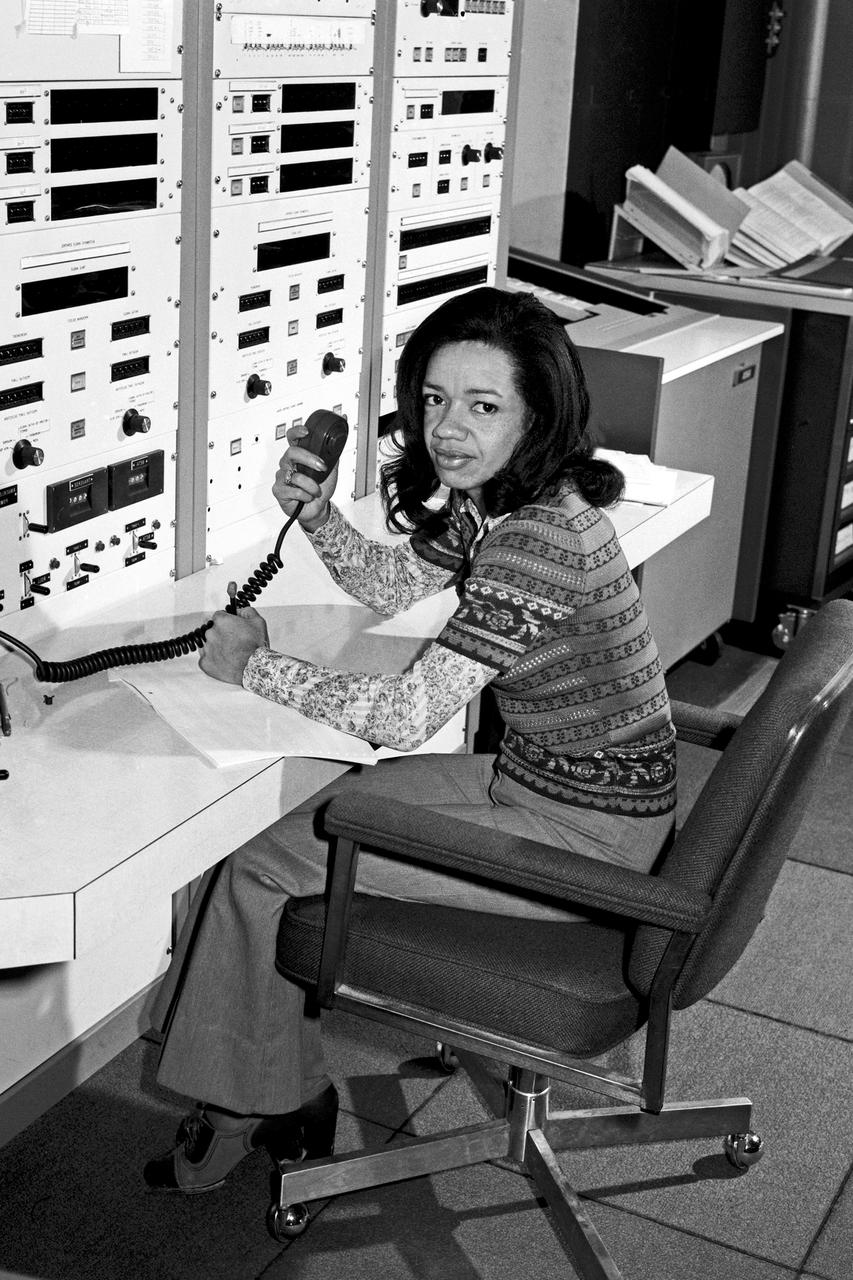
Environmental Portrait of Christine M. Darden. Supersonic Aerodynamics Branch
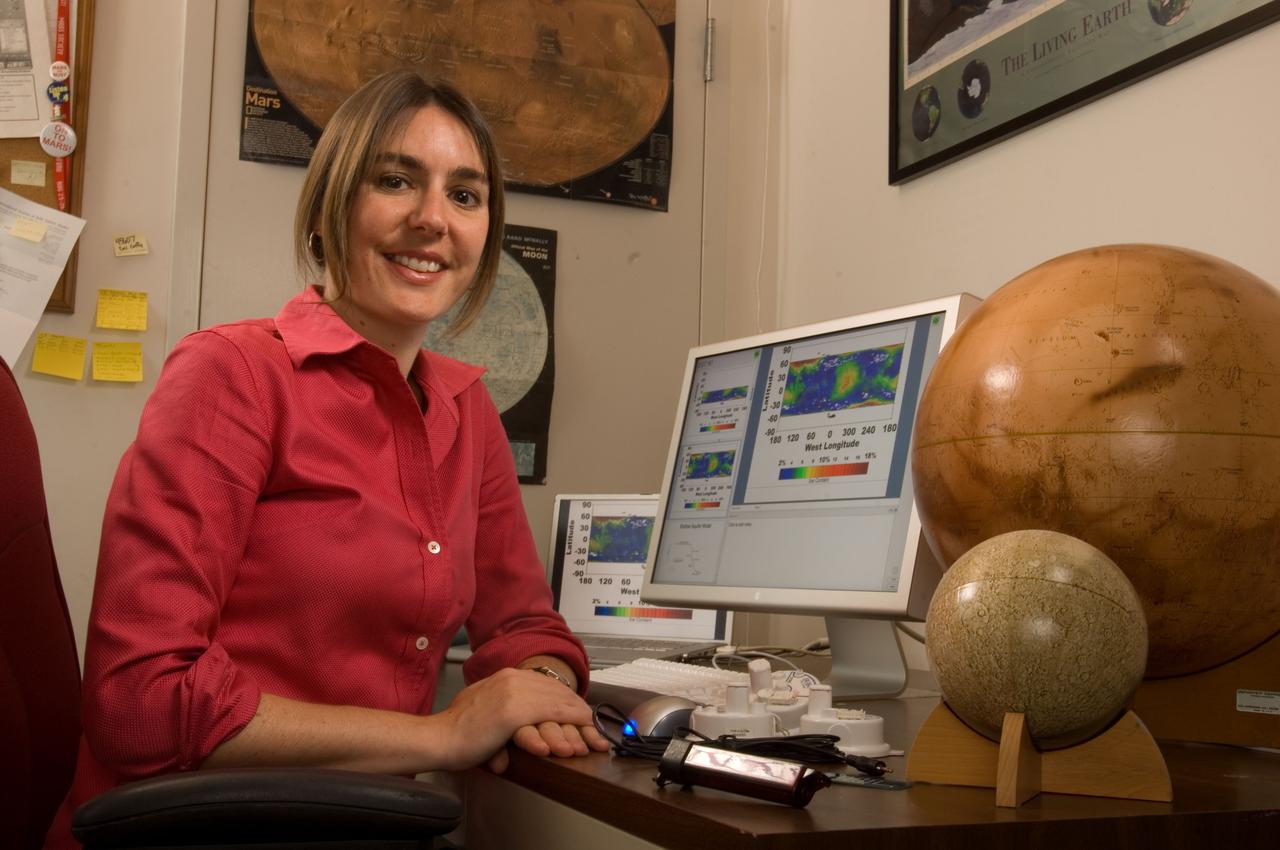
Office Portrait: Jennifer Heldmann, Ames Planetary Systems Branch (code-SST)
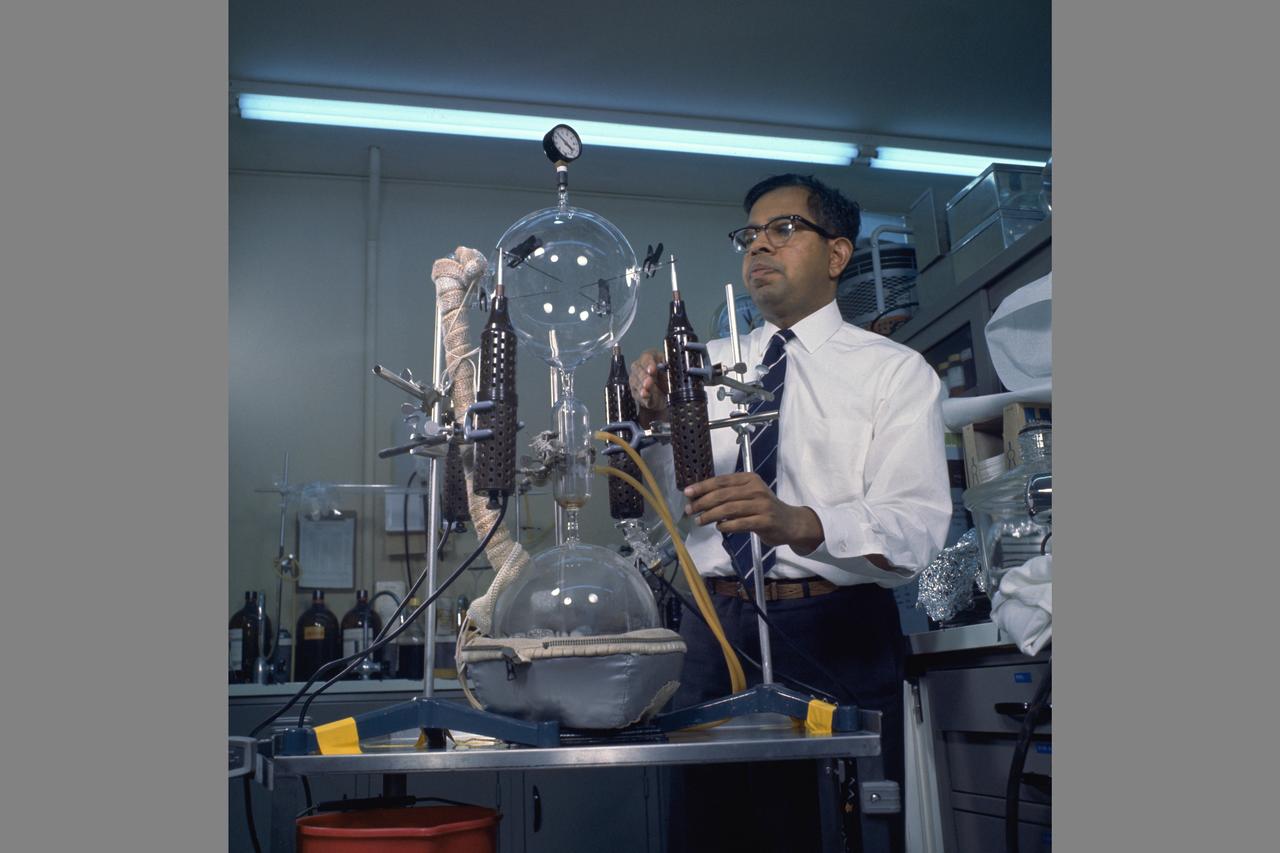
Dr. Cyril A. Ponnamperuma in Lab (Chemical Evolution Branch). Origin of Life studies
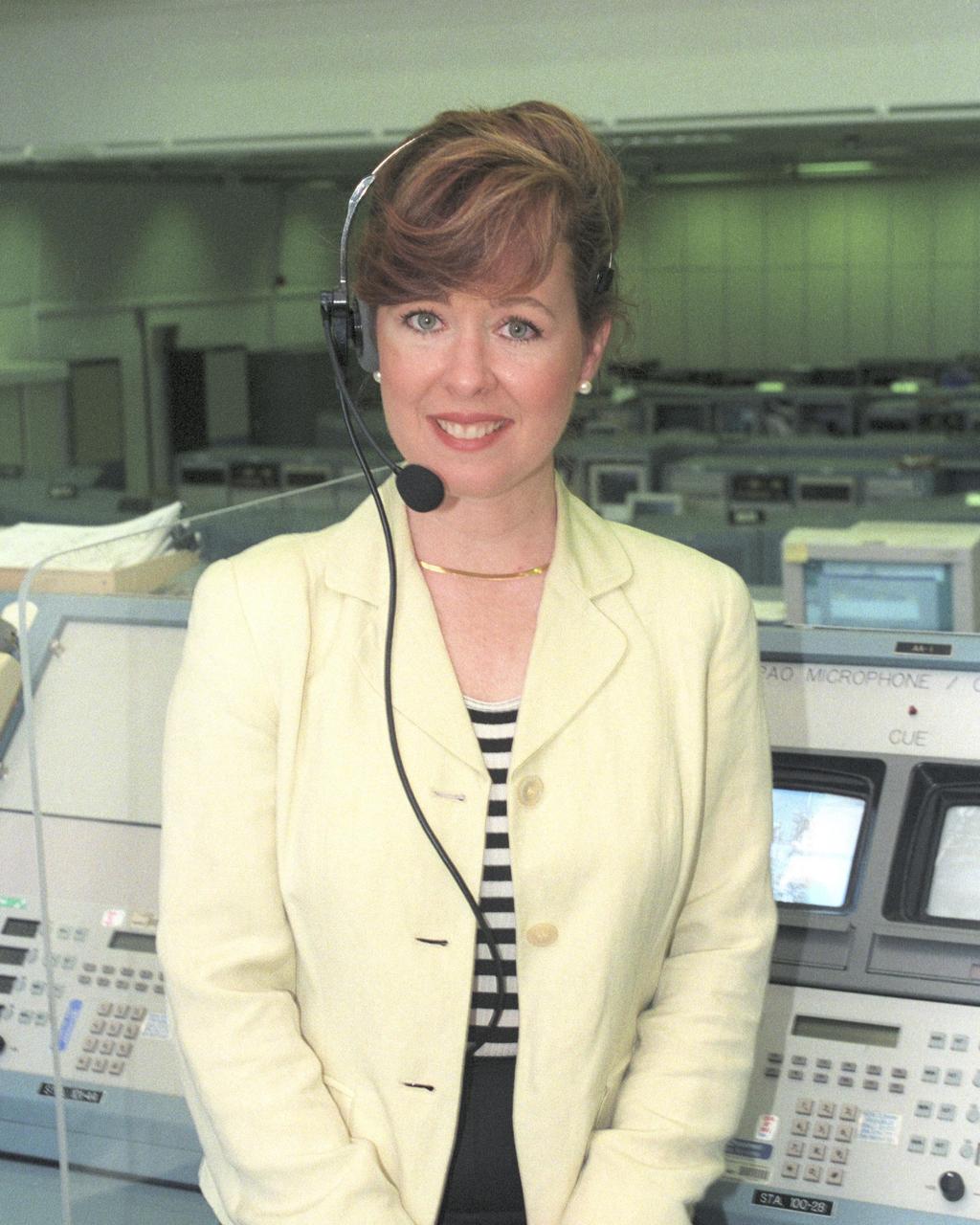
KENNEDY SPACE CENTER, FLA. - Lisa Malone, Chief, Media Services Branch, NASA Public Affairs
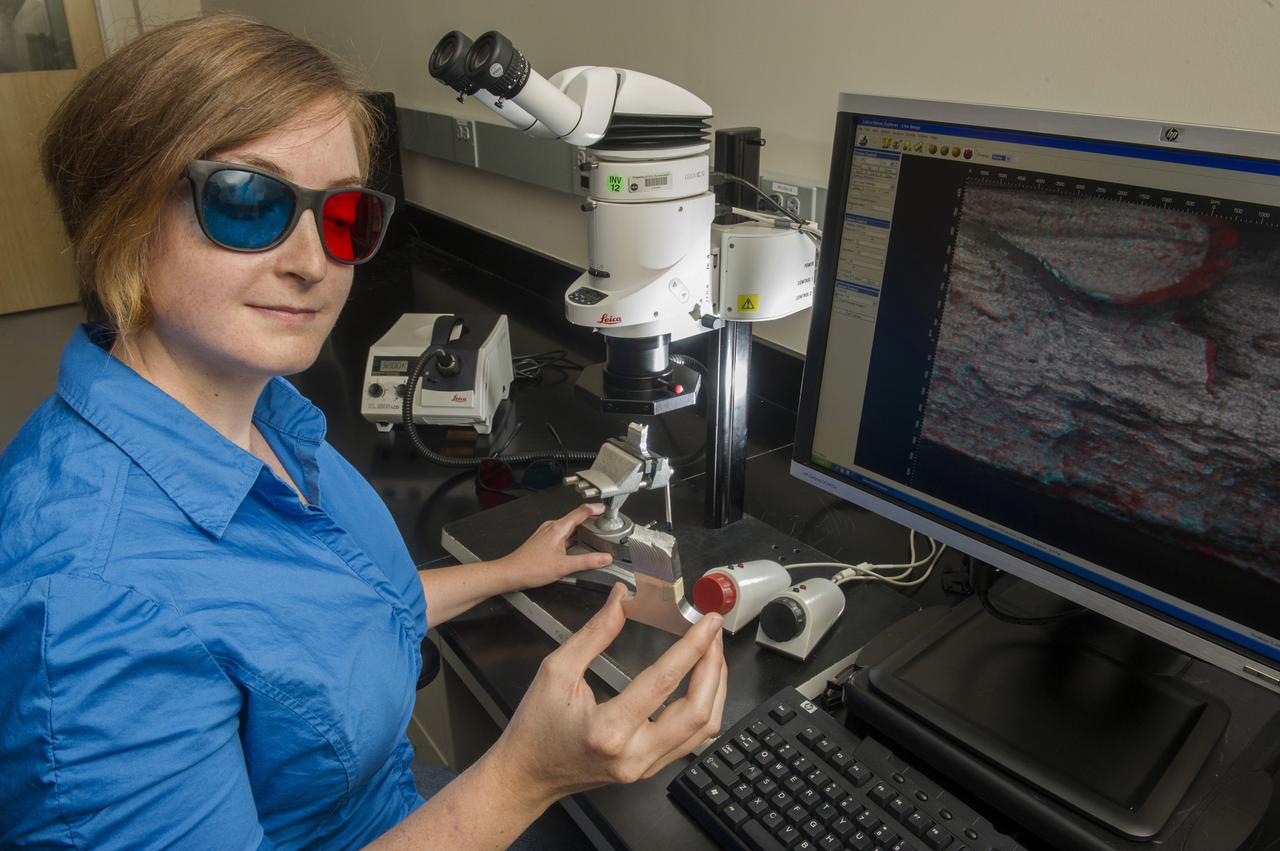
ELLEN RABENBERG, EM31, FAILURE ANALYSIS AND METALLURGY BRANCH, DIAGNOSTICS TEAM MEMBER WITH 3D MICROSCOPE
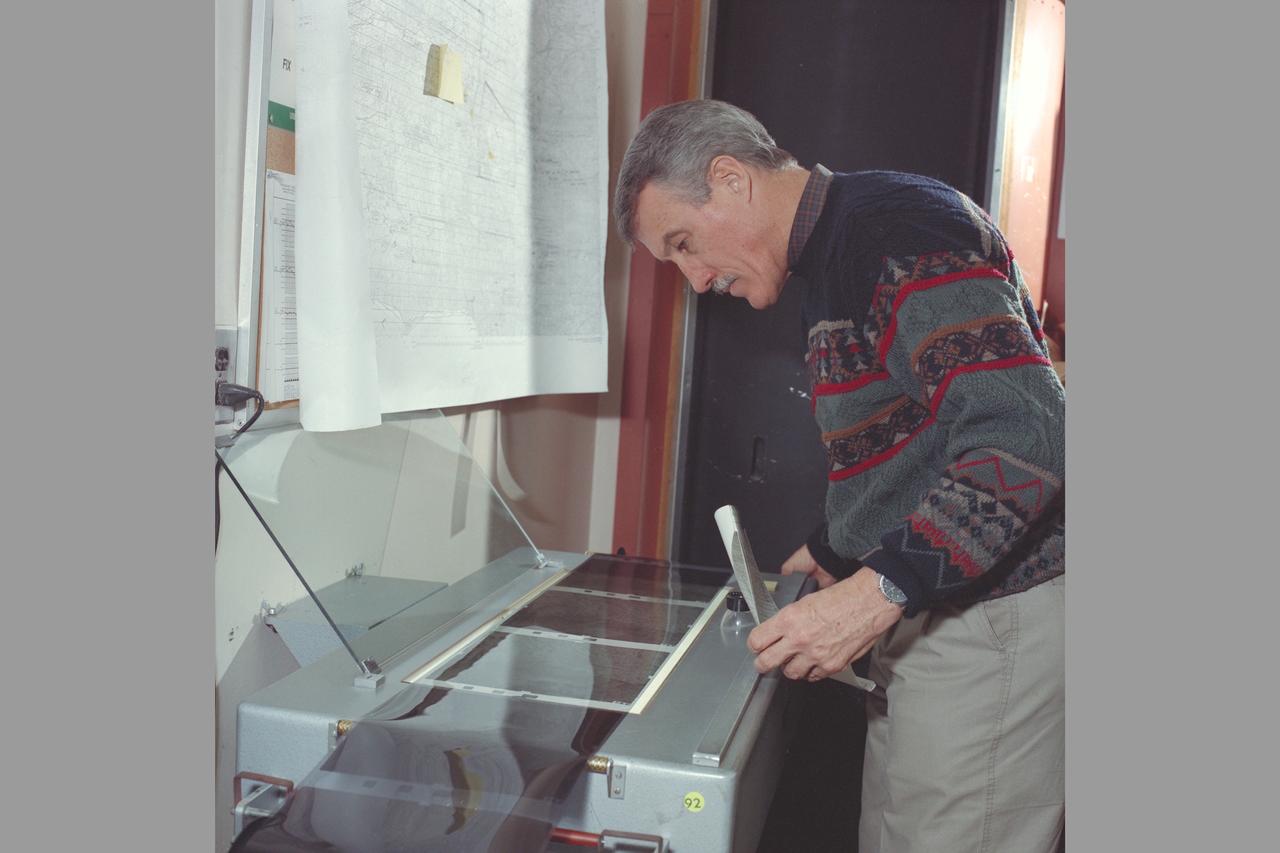
Bruce Coffland Coordinates ER-2 image print processing with Imaging Technology Branch
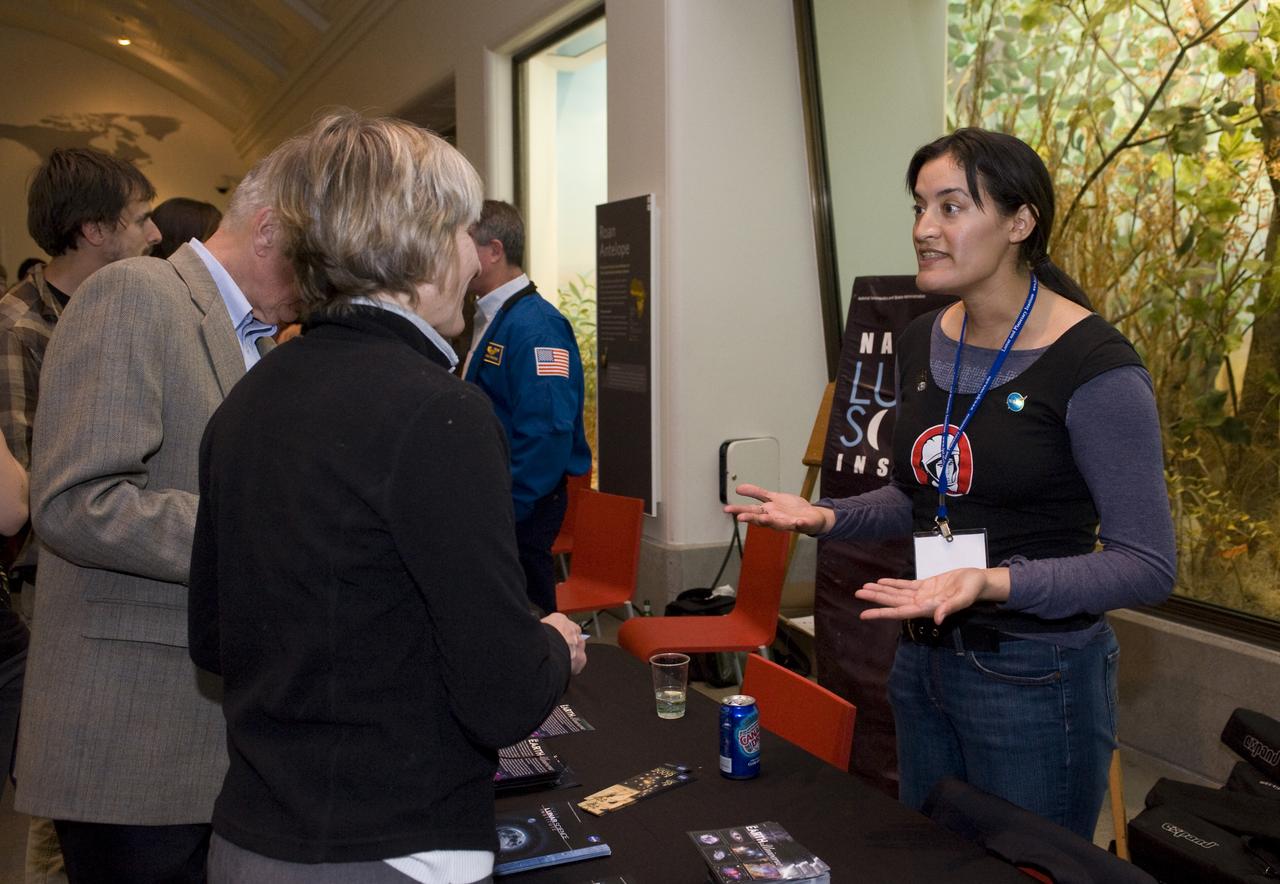
Yuri's Night 2009 held at the California Acaemy of Sciences in San Francisco, California Ames Education Branch Chief Christine Ivie.
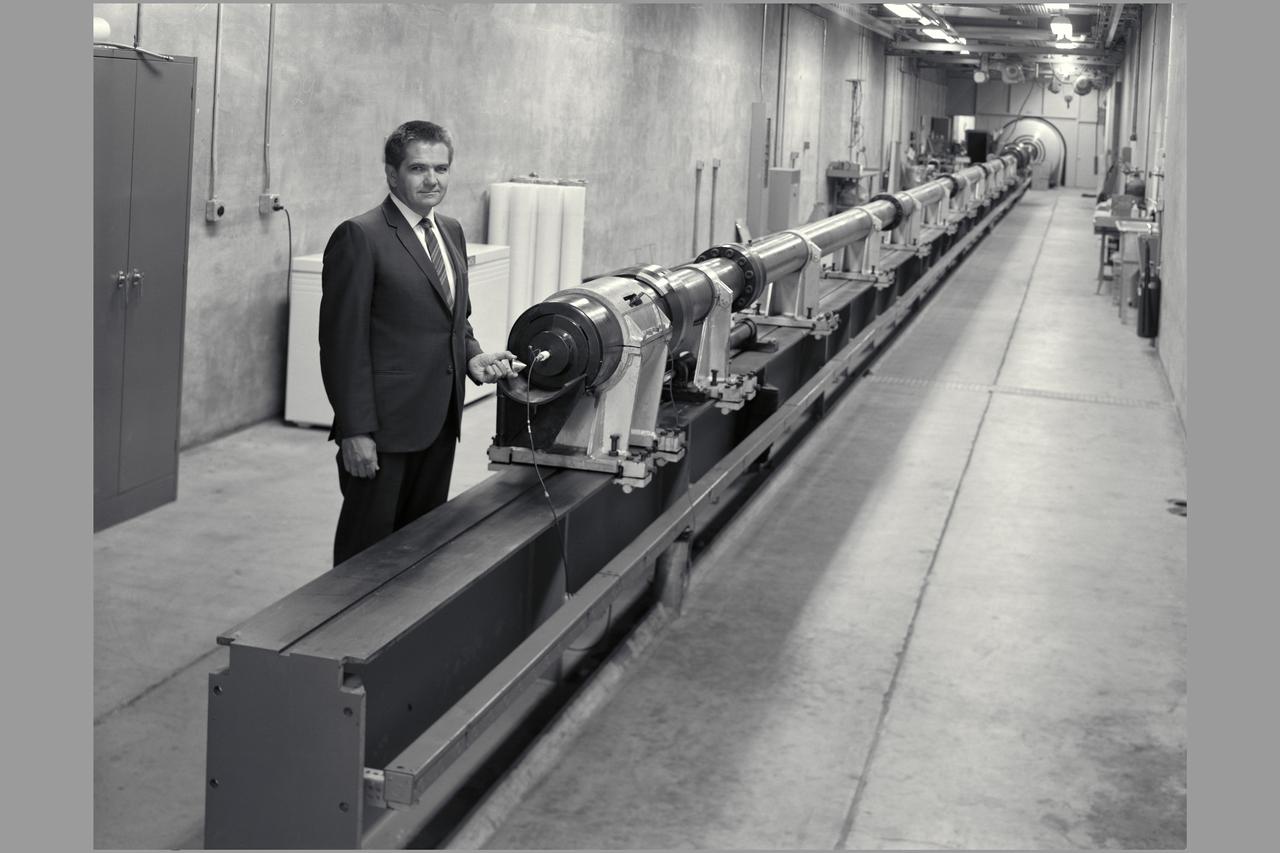
Thomas N. Canning, Hypersonic Free-Flight Branch Chief, holds model that is fired down range in gun. Hypersonic Free-Flight Gun.
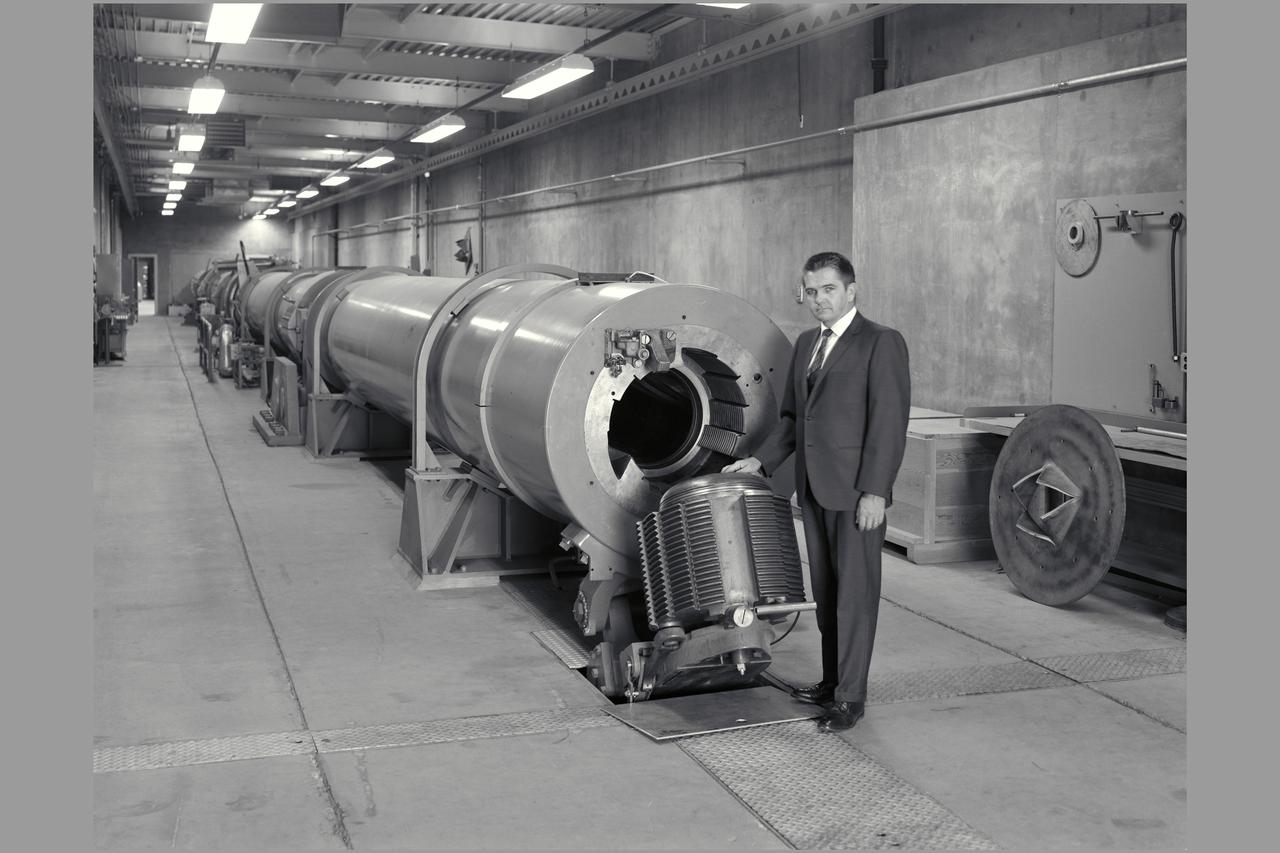
Thomas N. Canning, Hypersonic Free-Flight Branch Chief, inspects breech of the counter flow section of gun. Hypersonic Free-Flight Gun.

Apollo interium midcourse flight simulator Brent Creer, Chief of the Ames manned spacecraft simulation branch, developed the Apollo mid-course navigation and guidance simulator.
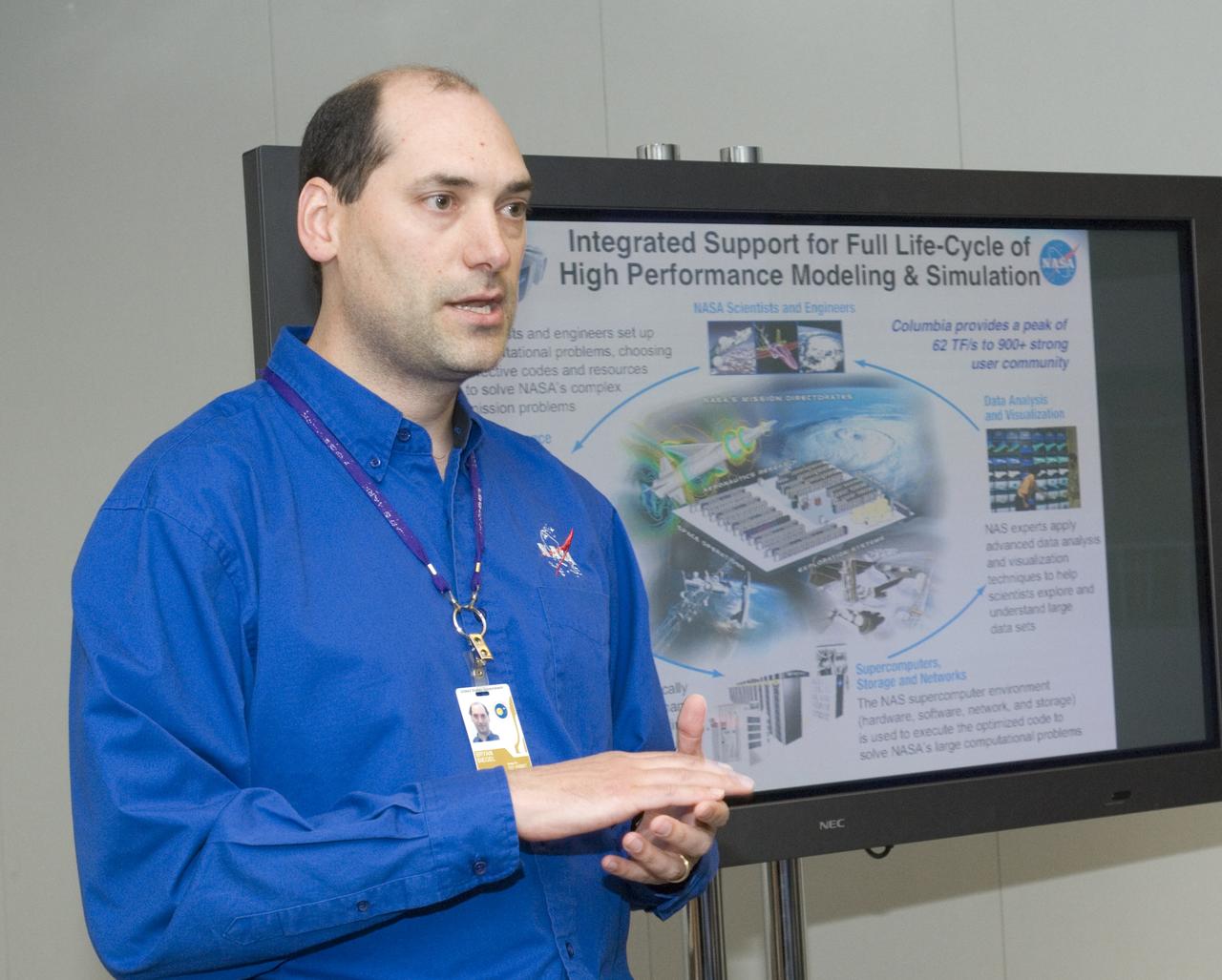
Yuri's Night at Ames a celebration of the first human in space. (Overview with Bryan Biegel, Chief of the Research Branch, NASA Advanced Supercomputing (NAS) Division)
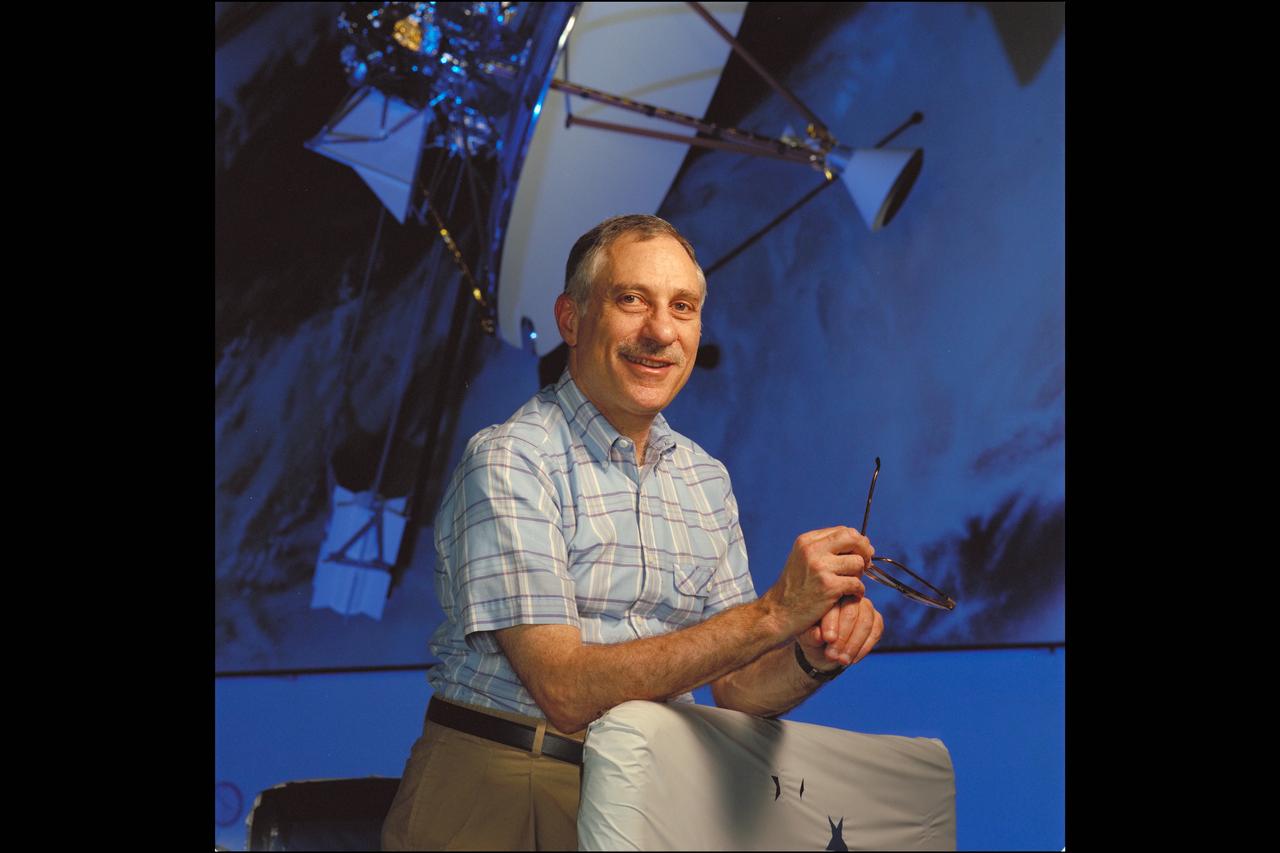
Dr James Pollack, a radiative transfer theorist (Planetary Scientist) in planetary systems branch in the Ames Space Sciences Directorate (and Ames Fellow)
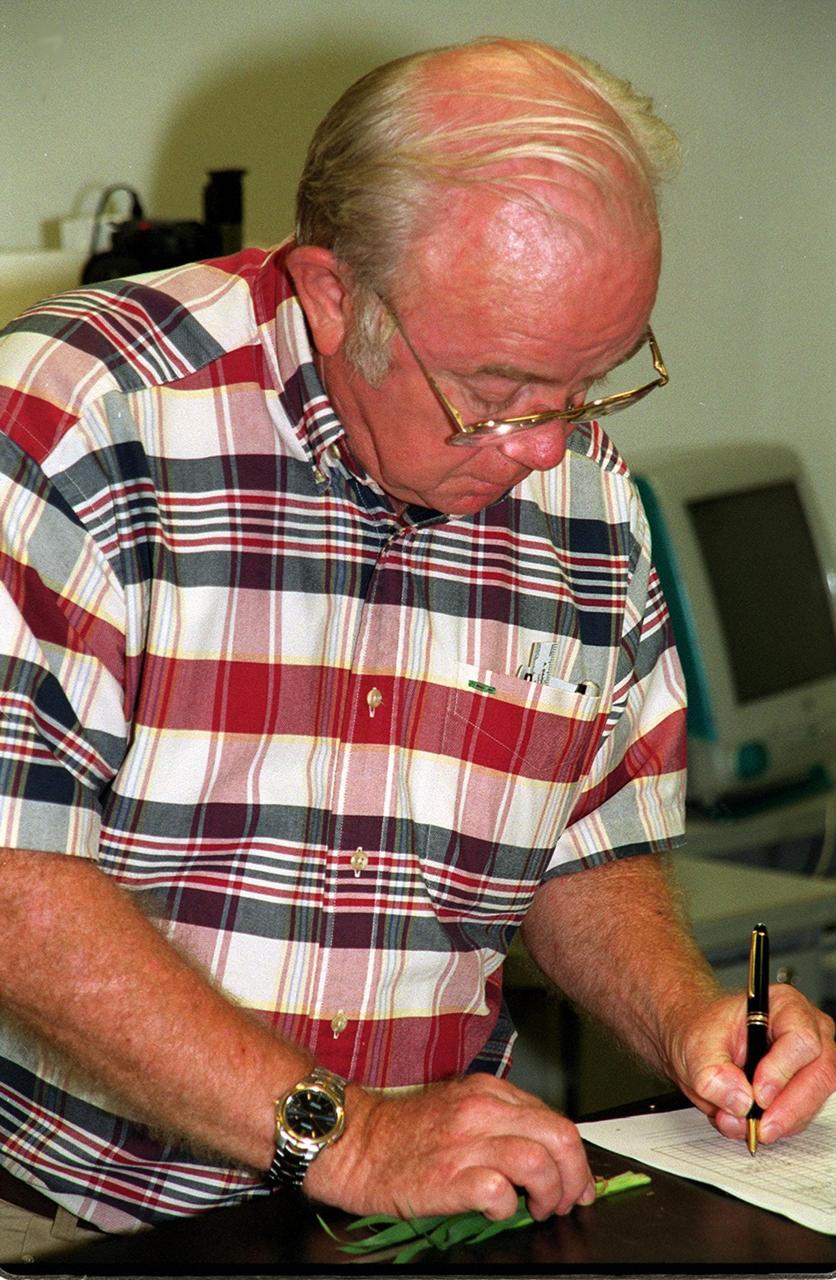
Research scientist Oscar Monje records data associated with ground testing for the first International Space Station plant experiment, scheduled to fly in October 2001. The payload process testing is one of many studies being performed at the Biological Sciences Branch in the Spaceport Engineering and Technology Directorate at Kennedy Space Center. The branch's operations and research areas include life sciences Space Shuttle payloads, bioregenerative life-support for long-duration spaceflight and environmental/ecological stewardship
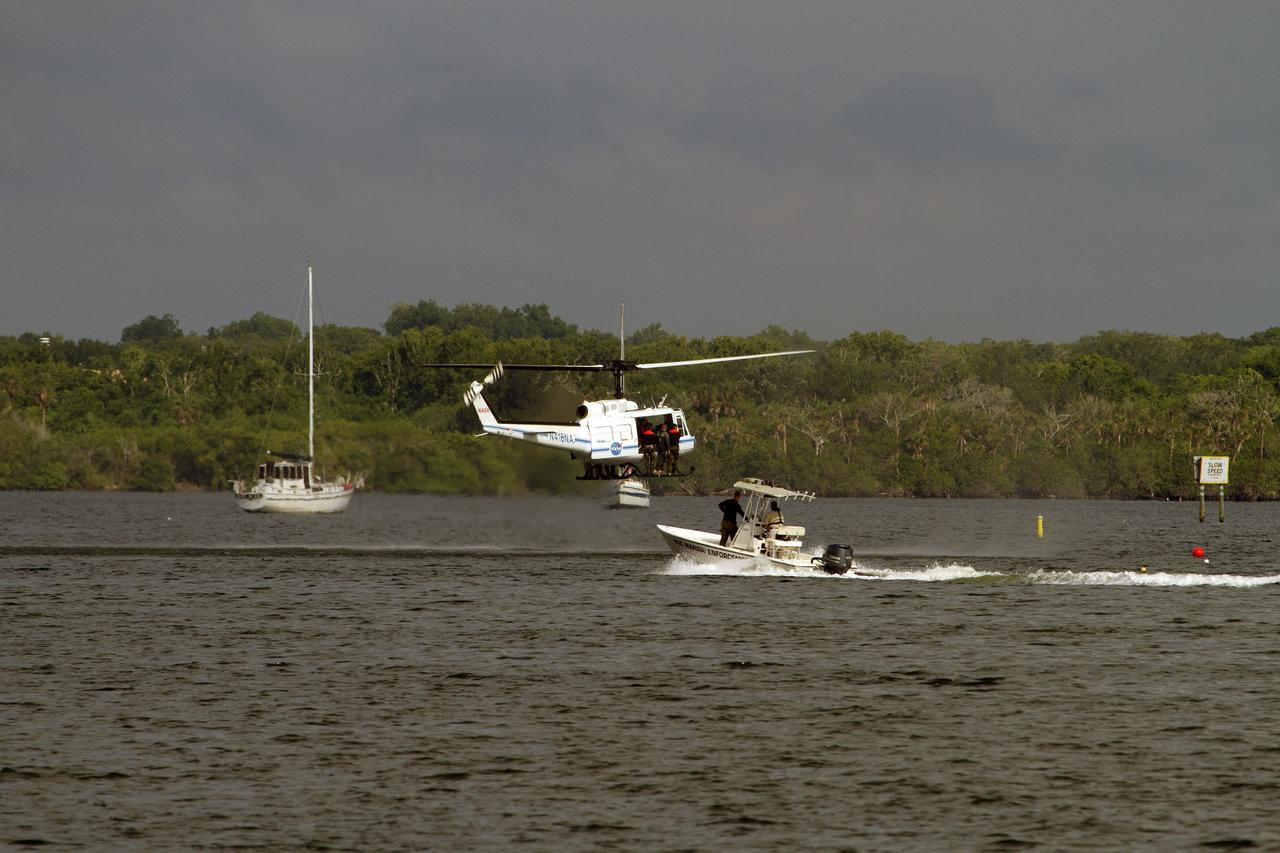
CAPE CANAVERAL, Fla. – Emergency Response Team officers from the Protective Services branch NASA's Kennedy Space Center in Florida prepare enter the Indian River Lagoon from a Huey helicopter from the Aircraft Operations branch at the center during a training exercise. The training session focused on safely entering the water, something the ERT could be required to perform in certain situations at the center. Photo credit: NASA/ Dan Casper
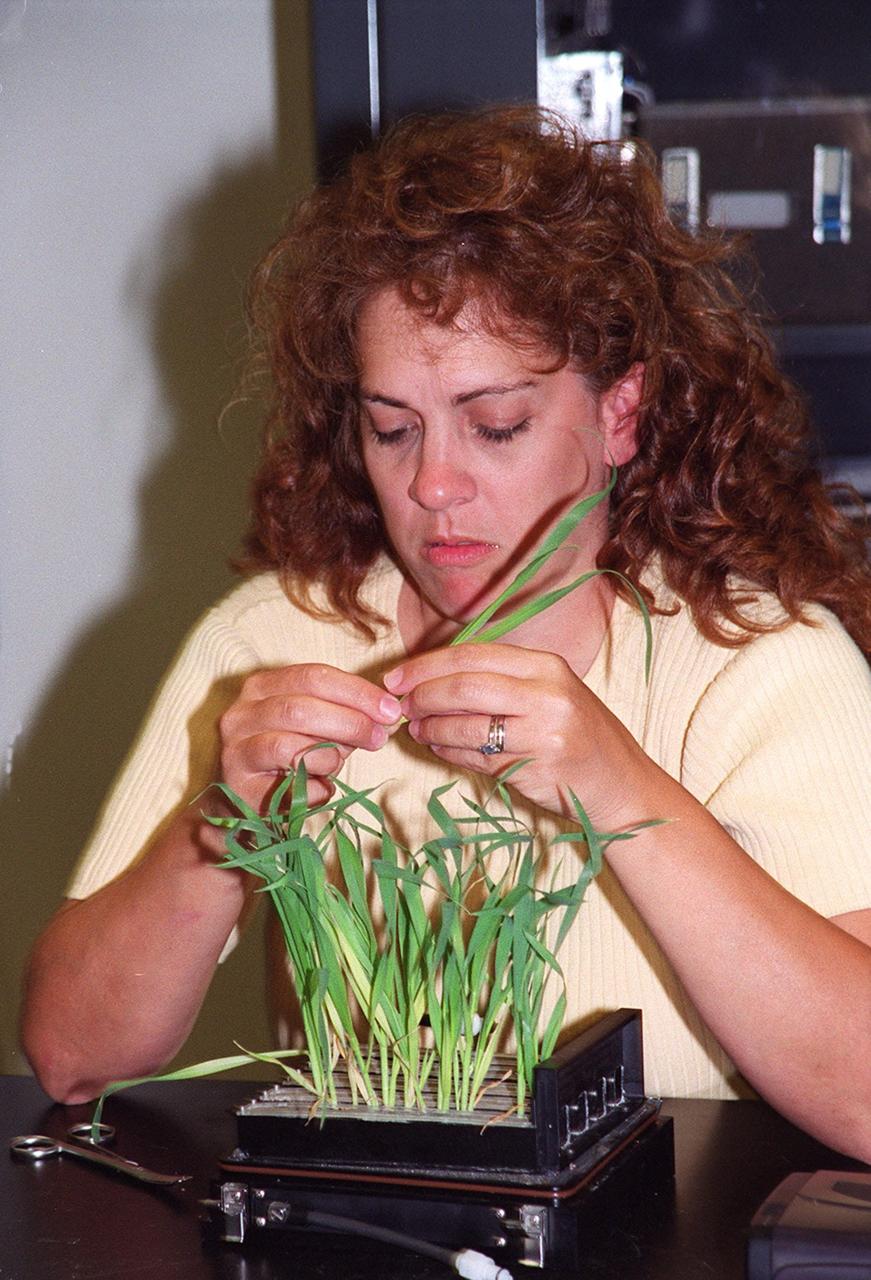
Research technician Lisa Ruffa works with a wheat sample that is part of ground testing for the first International Space Station plant experiment, scheduled to fly in October 2001. The payload process testing is one of many studies being performed at the Biological Sciences Branch in the Spaceport Engineering and Technology Directorate at Kennedy Space Center. The branch's operations and research areas include life sciences Space Shuttle payloads, bioregenerative life-support for long-duration spaceflight and environmental/ecological stewardship
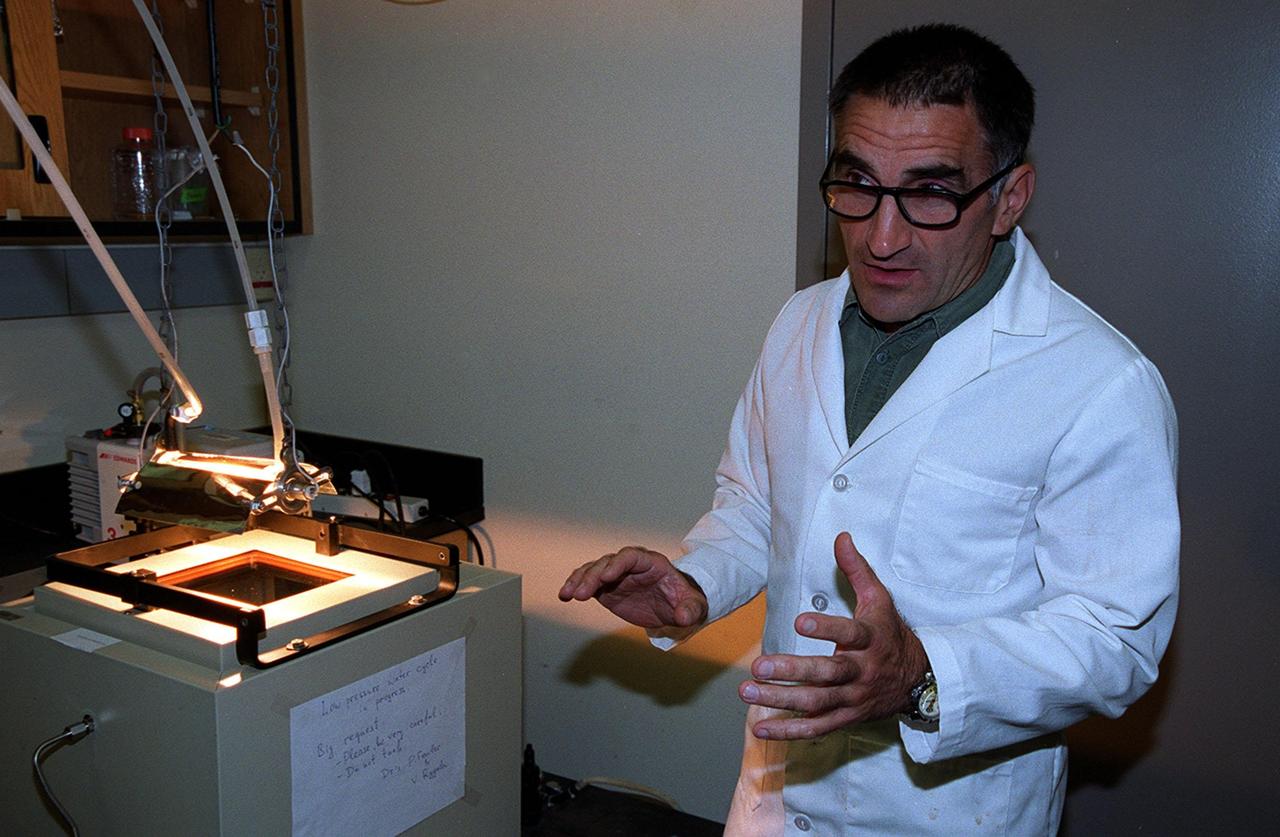
Research scientist Vadim Rygalov describes a new low-pressure water-recycling experiment being designed to help simulate plant growth conditions on Mars. The research he is performing is one of many studies at the Biological Sciences Branch in the Spaceport Engineering and Technology Directorate at Kennedy Space Center. The branch's operations and research areas include life sciences Space Shuttle payloads, bioregenerative life-support for long-duration spaceflight and environmental/ecological stewardship
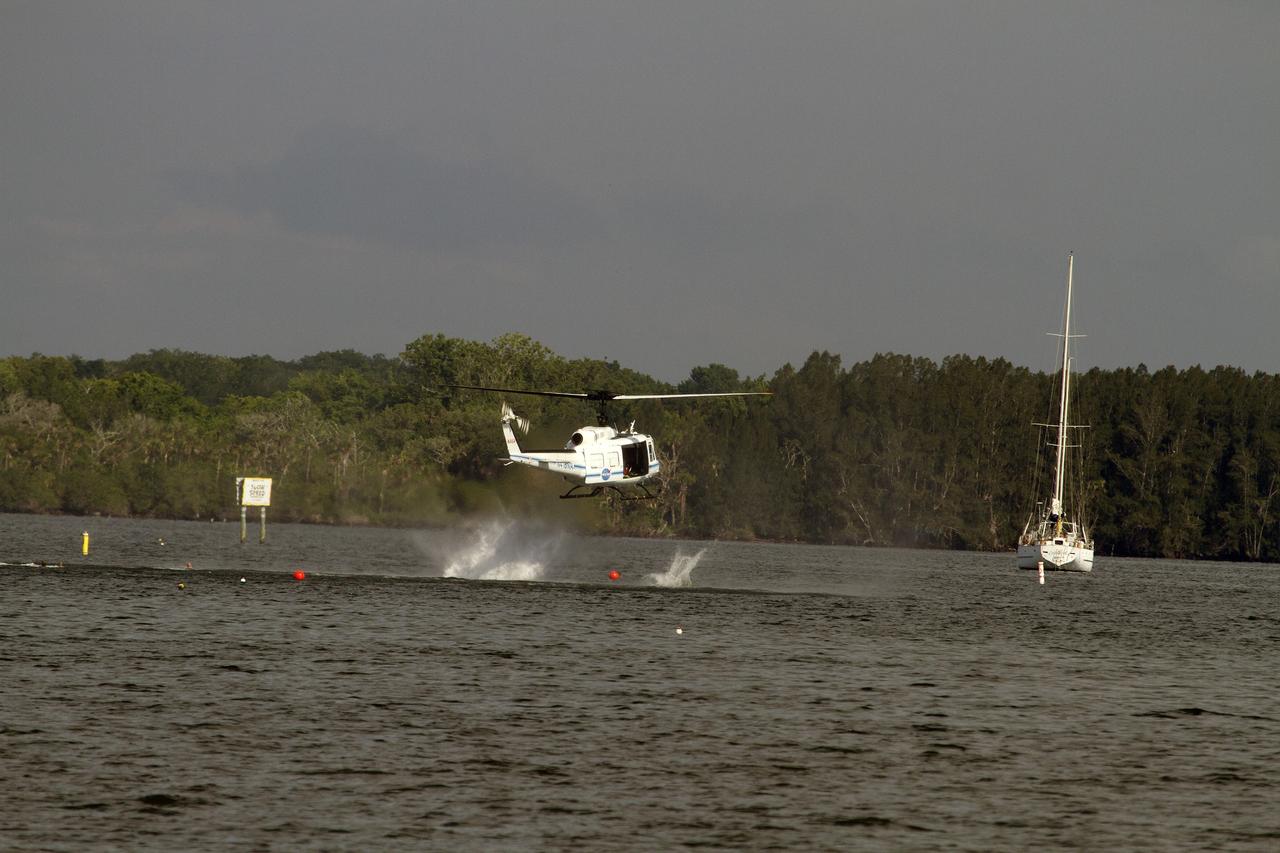
CAPE CANAVERAL, Fla. – Emergency Response Team officers from the Protective Services branch NASA's Kennedy Space Center in Florida enter the Indian River Lagoon from a Huey helicopter from the Aircraft Operations branch at the center during a training exercise. The training session focused on safely entering the water, something the ERT could be required to perform in certain situations at the center. Photo credit: NASA/ Dan Casper

Research assistant Trisha Bruno performs an analysis on potato samples at Hangar L at the Cape Canaveral Air Force Station. The research she is performing is one of many studies at the Biological Sciences Branch in the Spaceport Engineering and Technology Directorate at Kennedy Space Center. The branch's operations and research areas include life sciences Space Shuttle payloads, bioregenerative life-support for long-duration spaceflight and environmental/ecological stewardship
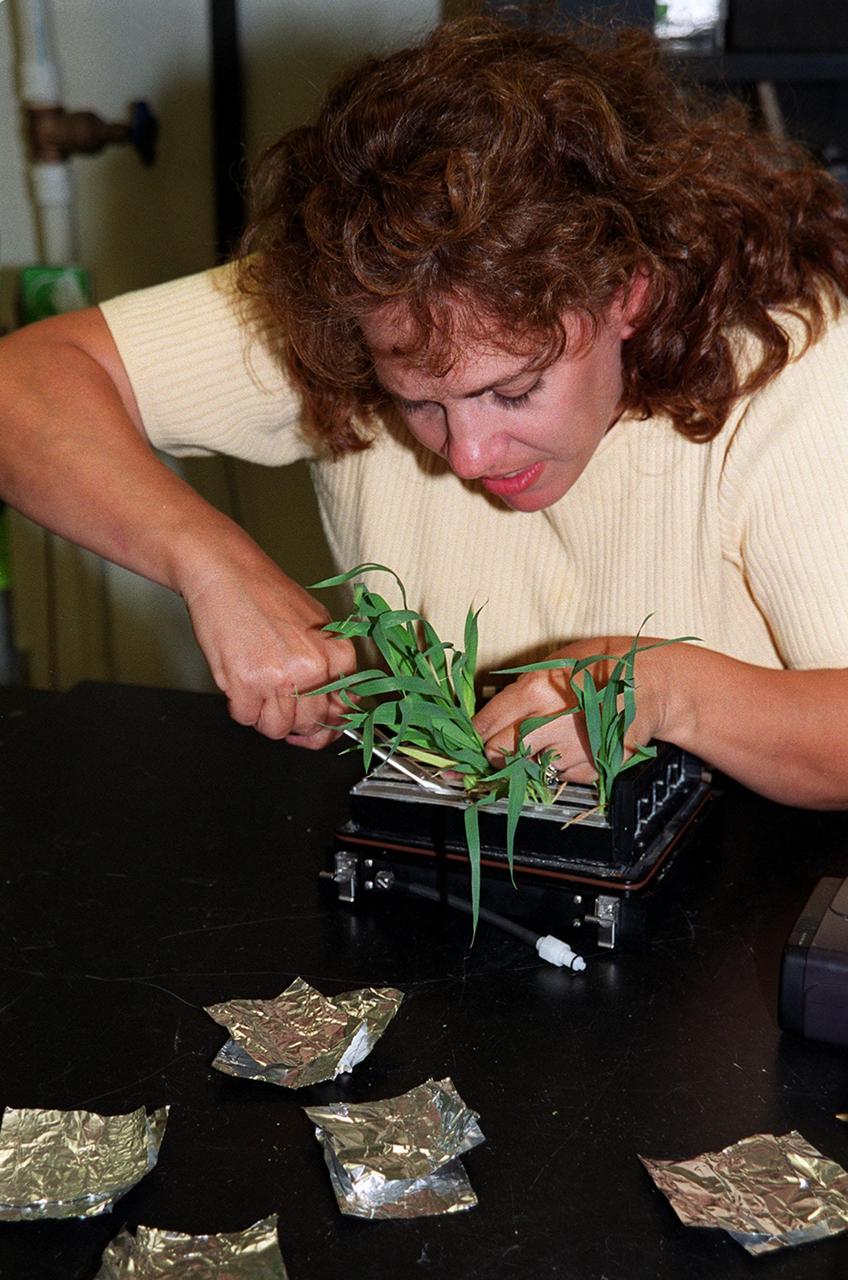
Research technician Lisa Ruffa works with a wheat sample that is part of ground testing for the first International Space Station plant experiment, scheduled to fly in October 2001. The payload process testing is one of many studies being performed at the Biological Sciences Branch in the Spaceport Engineering and Technology Directorate at Kennedy Space Center. The branch's operations and research areas include life sciences Space Shuttle payloads, bioregenerative life-support for long-duration spaceflight and environmental/ecological stewardship
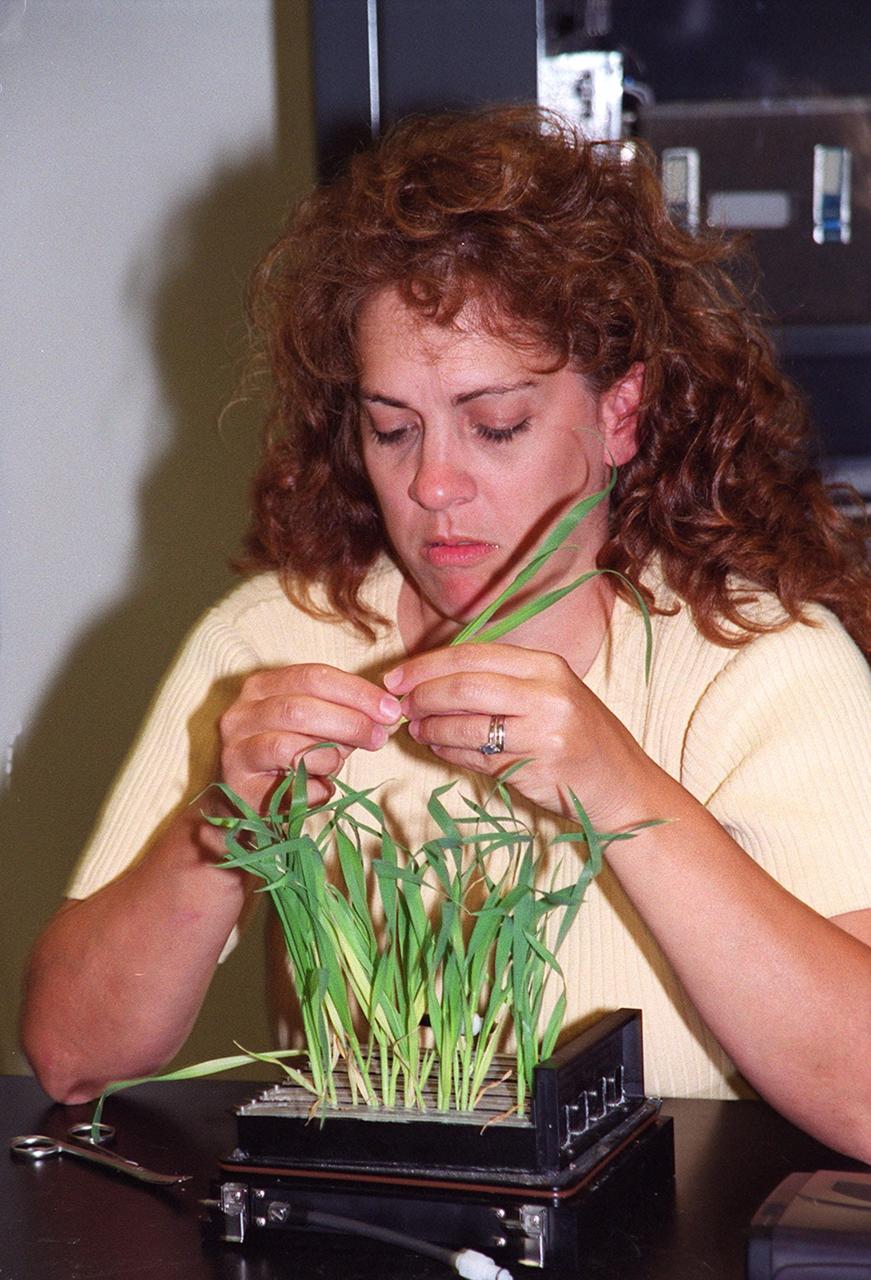
Research technician Lisa Ruffa works with a wheat sample that is part of ground testing for the first International Space Station plant experiment, scheduled to fly in October 2001. The payload process testing is one of many studies being performed at the Biological Sciences Branch in the Spaceport Engineering and Technology Directorate at Kennedy Space Center. The branch's operations and research areas include life sciences Space Shuttle payloads, bioregenerative life-support for long-duration spaceflight and environmental/ecological stewardship
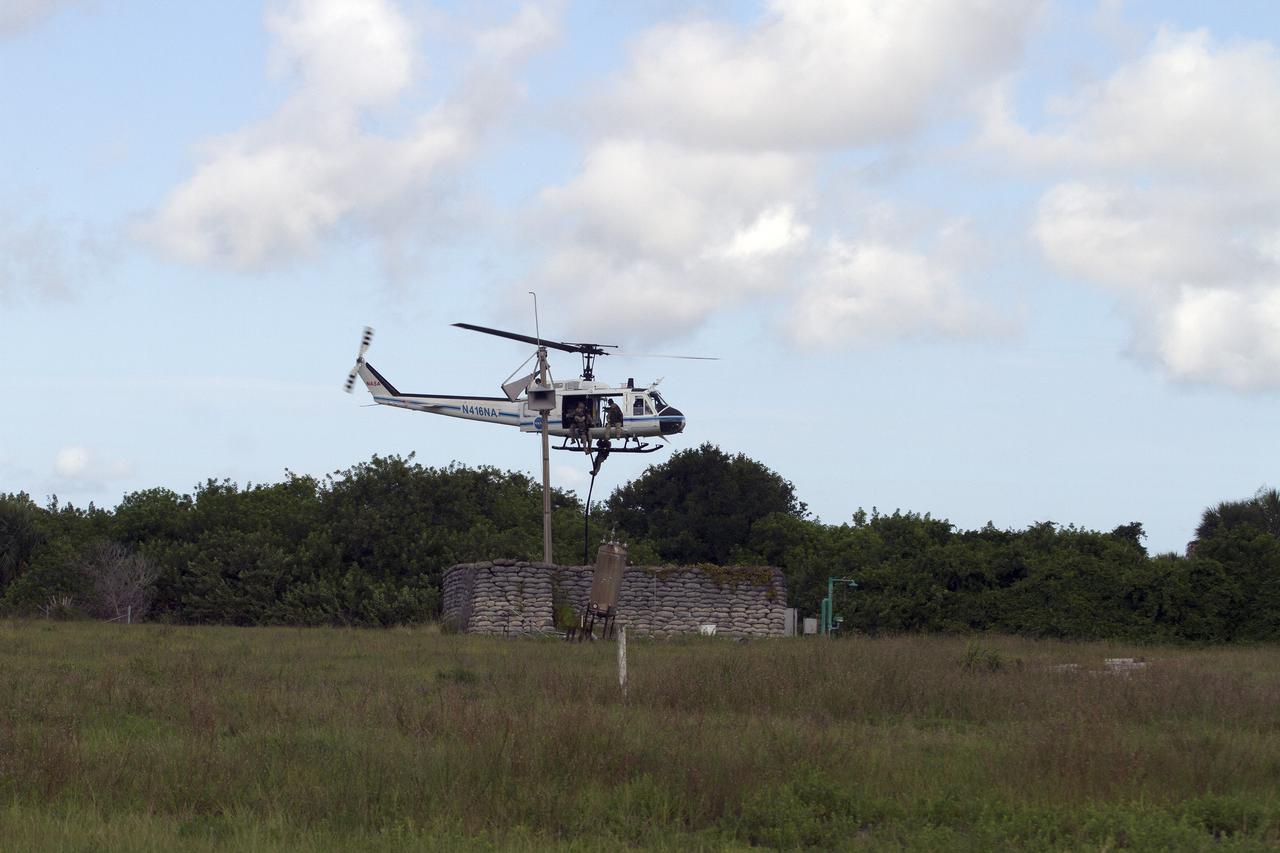
CAPE CANAVERAL, Fla. – Emergency Response Team officers from the Protective Services branch of NASA's Kennedy Space Center in Florida descend from a Huey helicopter from the Aircraft Operations branch during a training exercise. The flight was the beginning of a training mission to simulate a situation the team and pilots could confront at the center. Photo credit: NASA/Dan Casper
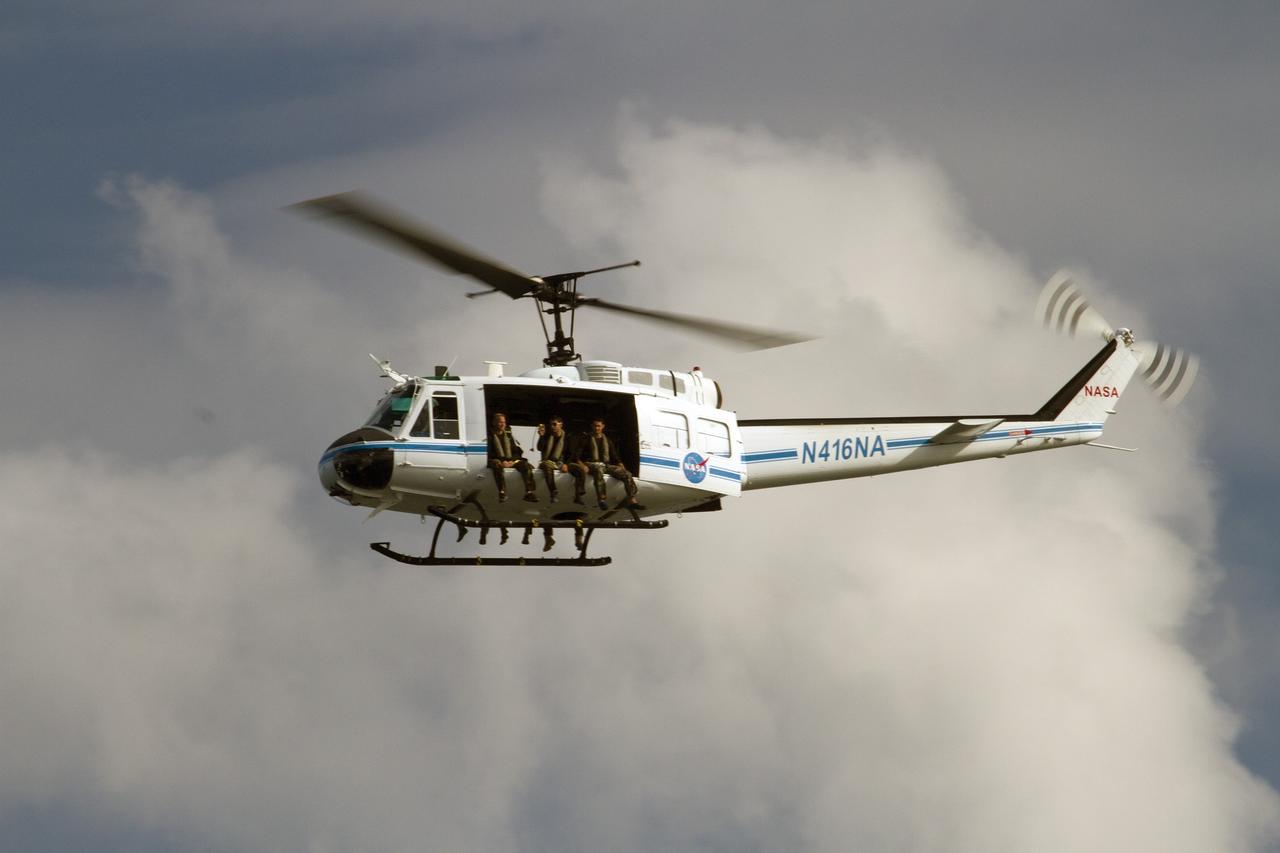
CAPE CANAVERAL, Fla. – A Huey helicopter from the Aircraft Operations branch at NASA's Kennedy Space Center in Florida flies over the Indian River Lagoon with a group of Emergency Response Team officers from the center's Protective Services branch during a training exercise. The training session focused on safely entering the water, something the ERT could be required to perform in certain situations at the center. Photo credit: NASA/ Dan Casper
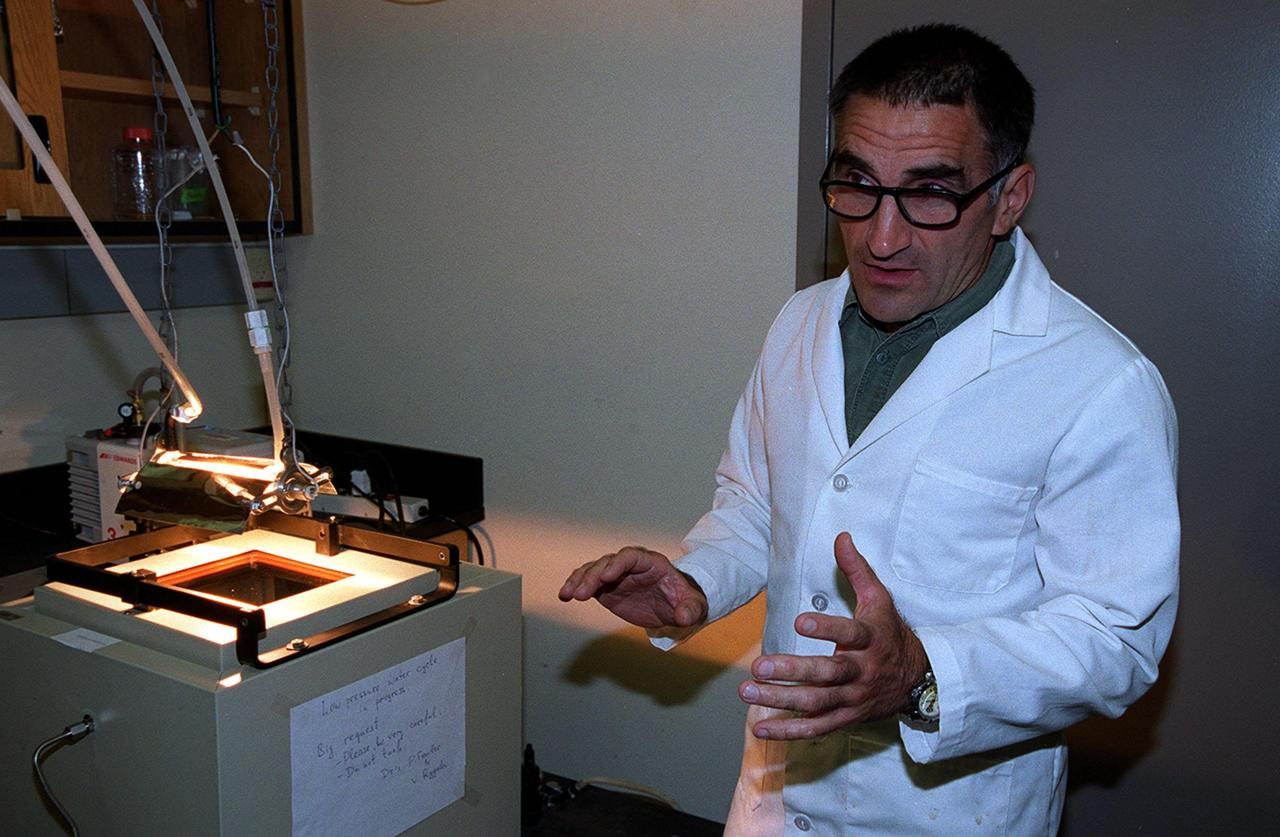
Research scientist Vadim Rygalov describes a new low-pressure water-recycling experiment being designed to help simulate plant growth conditions on Mars. The research he is performing is one of many studies at the Biological Sciences Branch in the Spaceport Engineering and Technology Directorate at Kennedy Space Center. The branch's operations and research areas include life sciences Space Shuttle payloads, bioregenerative life-support for long-duration spaceflight and environmental/ecological stewardship
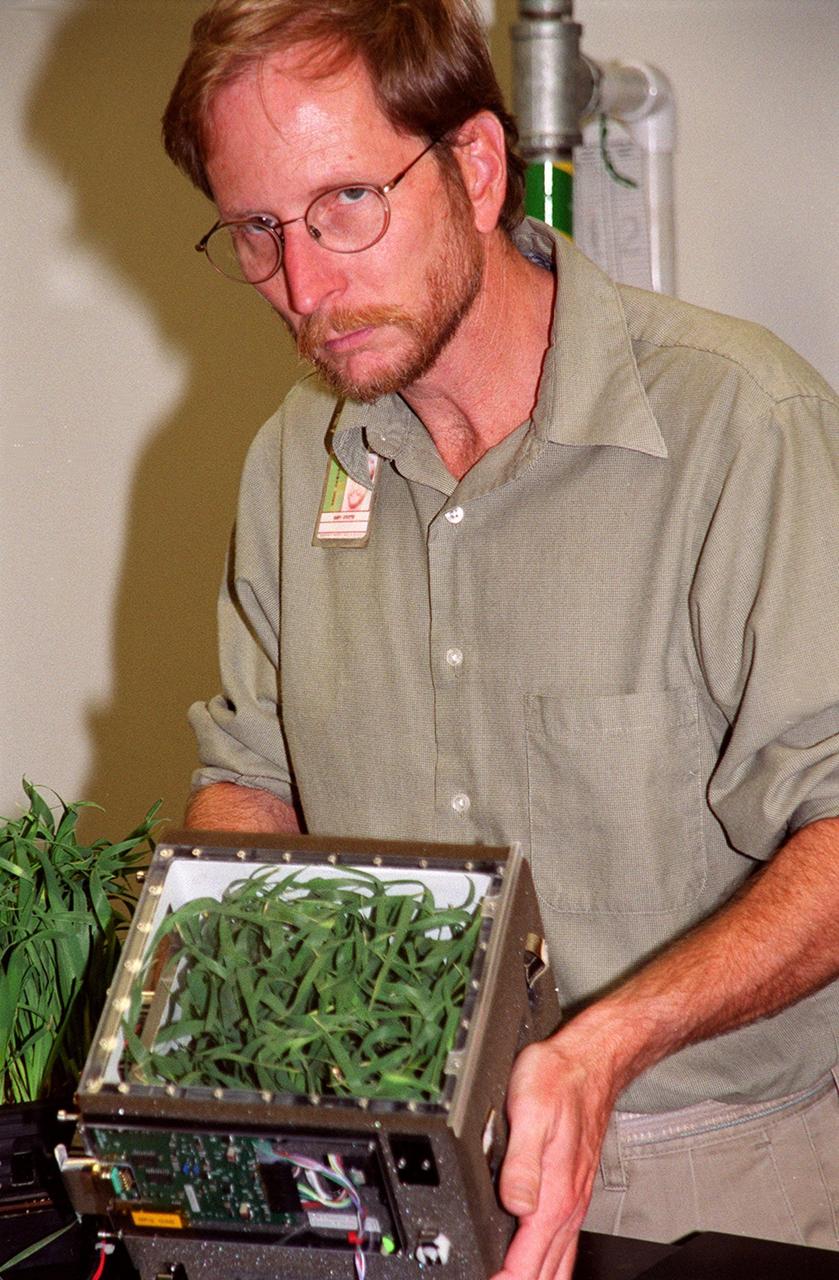
Research scientist Gary Stutte displays a wheat sample that is part of ground testing for the first International Space Station plant experiment, scheduled to fly in October 2001. The payload process testing is one of many studies being performed at the Biological Sciences Branch in the Spaceport Engineering and Technology Directorate at Kennedy Space Center. The branch's operations and research areas include life sciences Space Shuttle payloads, bioregenerative life-support for long-duration spaceflight and environmental/ecological stewardship
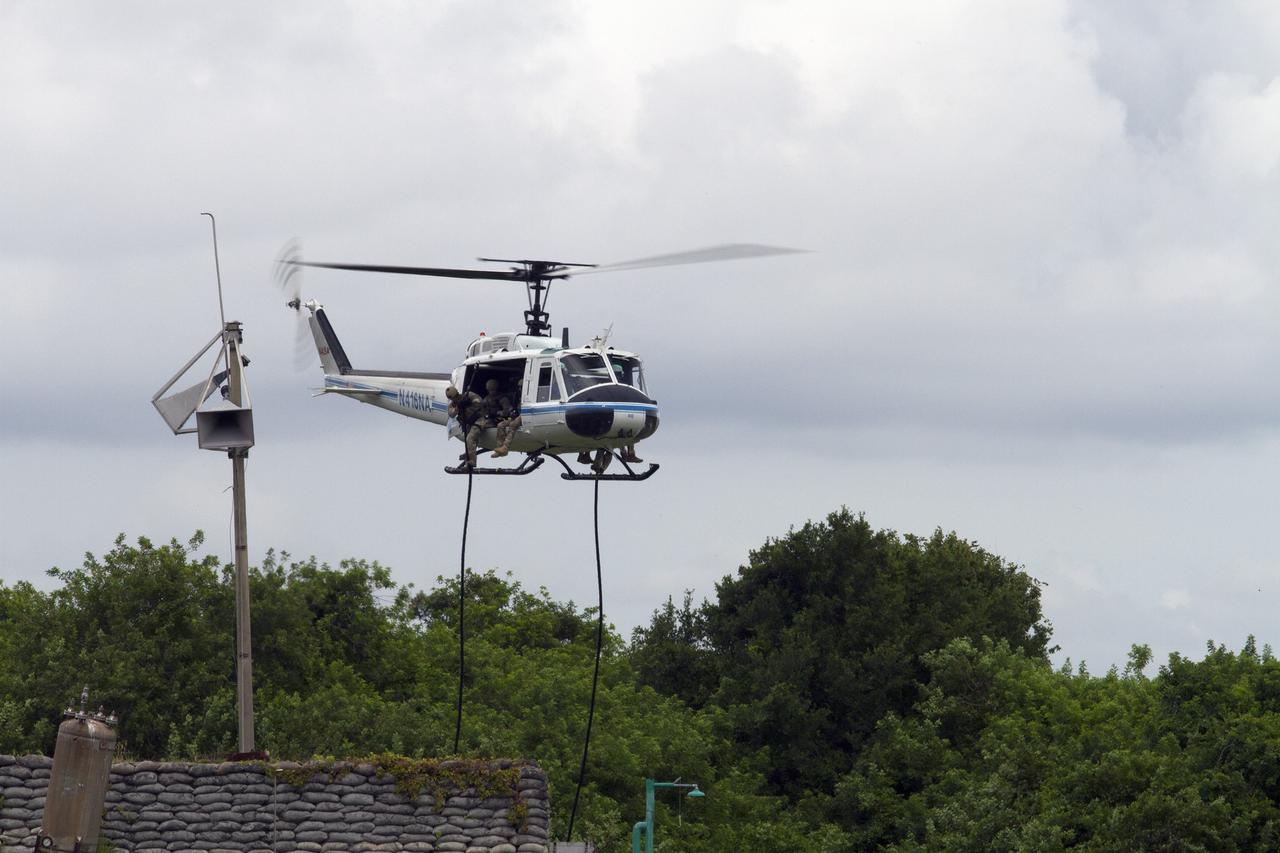
CAPE CANAVERAL, Fla. – Emergency Response Team officers from the Protective Services branch of NASA's Kennedy Space Center in Florida prepare to descend from a Huey helicopter from the Aircraft Operations branch during a training exercise. The flight was the beginning of a training mission to simulate a situation the team and pilots could confront at the center. Photo credit: NASA/Dan Casper
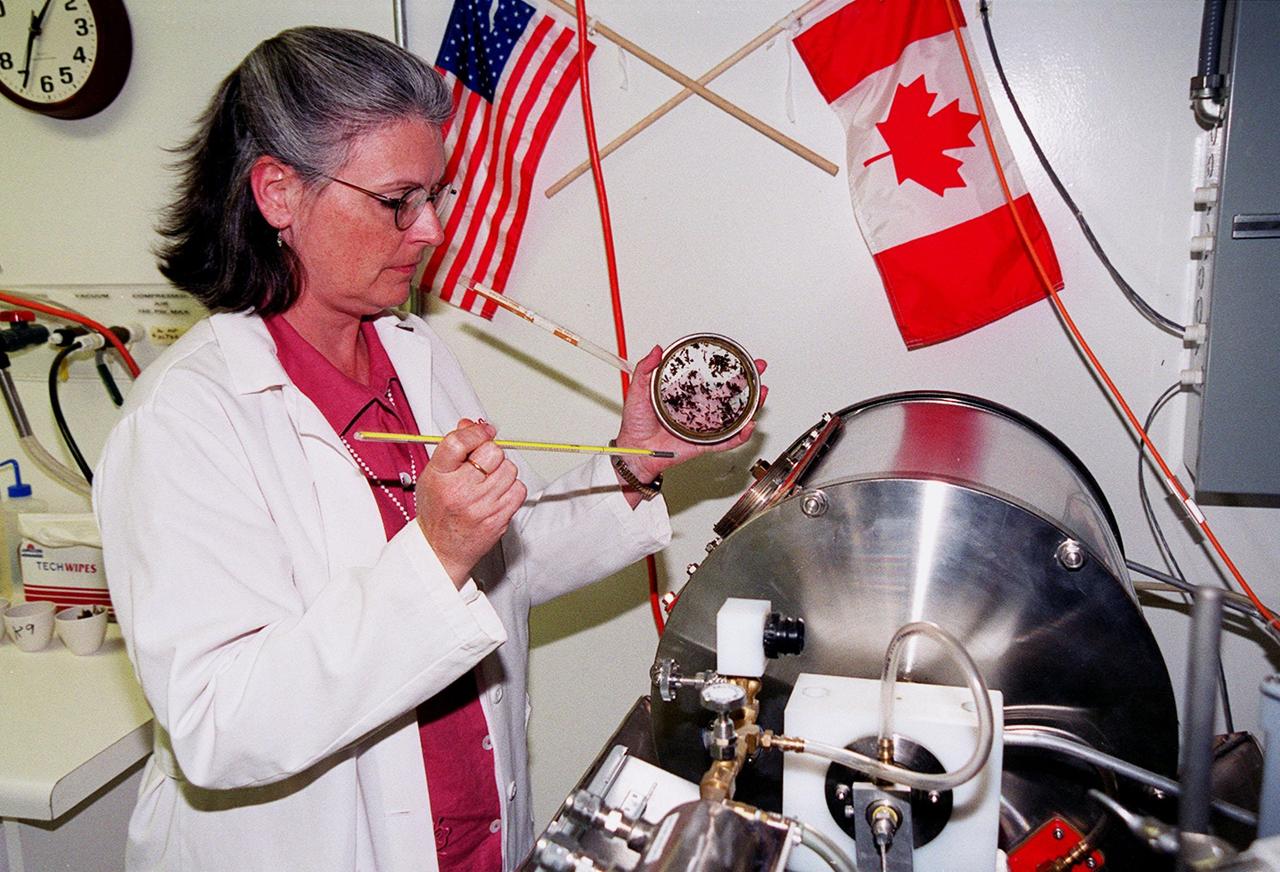
Visiting scientist Cheryl Frazier monitors a prototype composting machine in Hangar L at the Cape Canaveral Air Force Station. The research she is performing is one of many studies at the Biological Sciences Branch in the Spaceport Engineering and Technology Directorate at Kennedy Space Center. The branch's operations and research areas include life sciences Space Shuttle payloads, bioregenerative life-support for long-duration spaceflight and environmental/ecological stewardship
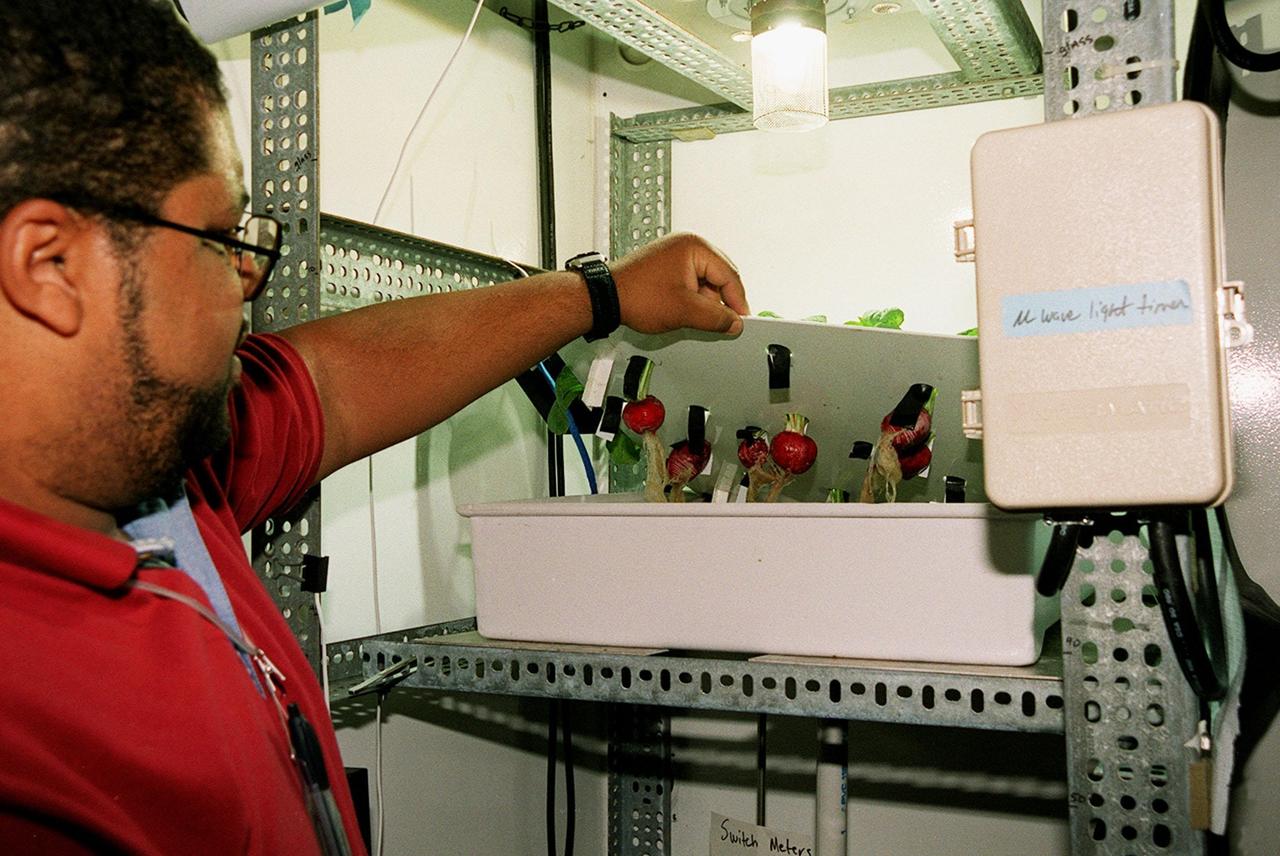
Research scientist Greg Goins monitors radish growth under a sulfur-microwave light at Hangar L at the Cape Canaveral Air Force Station. The research he is performing is one of many studies at the Biological Sciences Branch in the Spaceport Engineering and Technology Directorate at Kennedy Space Center. The branch's operations and research areas include life sciences Space Shuttle payloads, bioregenerative life-support for long-duration spaceflight and environmental/ecological stewardshi

CAPE CANAVERAL, Fla. – A Huey helicopter from the Aircraft Operations branch at NASA's Kennedy Space Center in Florida circles its landing area during a training exercise with a group of Emergency Response Team officers from the center's Protective Services branch. The flight was the beginning of a training mission to simulate a situation the team and pilots could confront at the center. Photo credit: NASA/Dan Casper
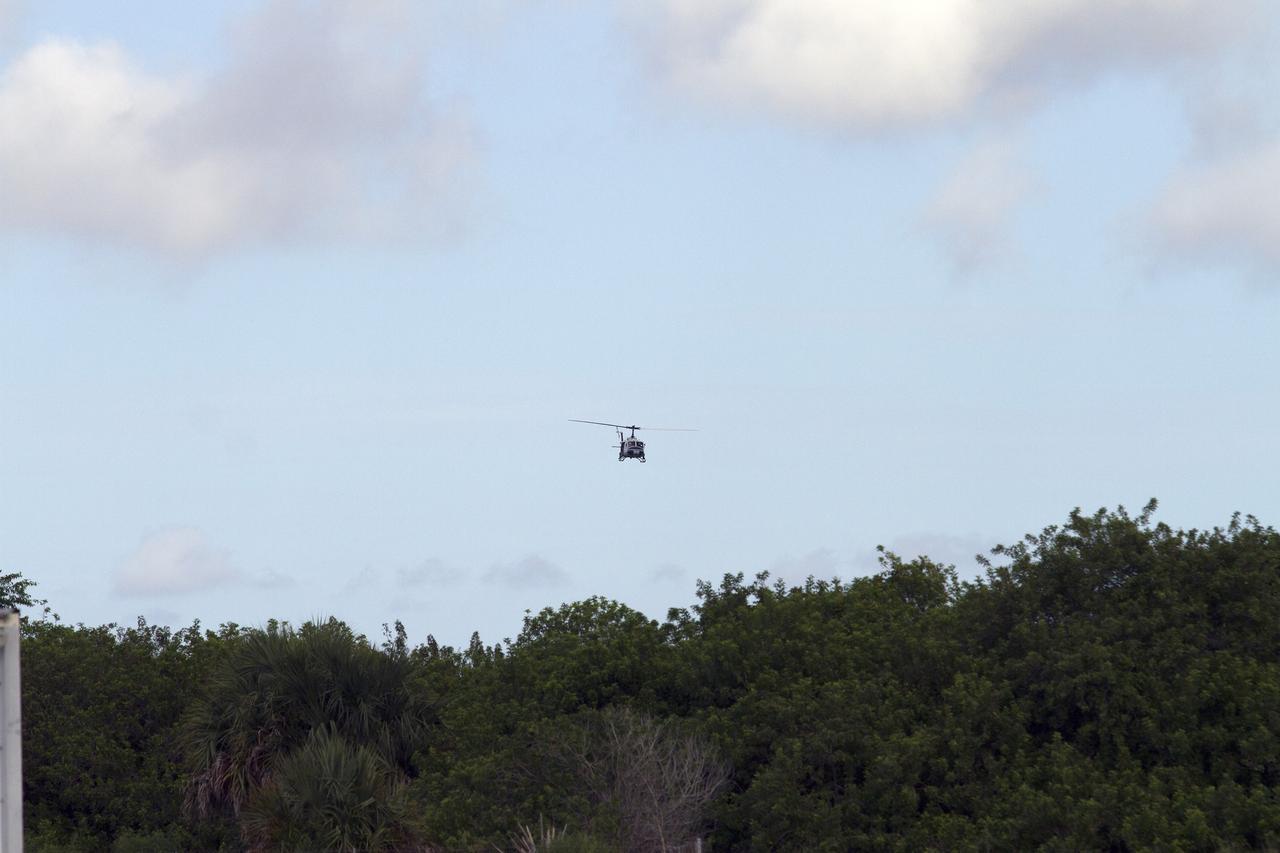
CAPE CANAVERAL, Fla. – A Huey helicopter from the Aircraft Operations branch at NASA's Kennedy Space Center in Florida flies into a training area with a group of Emergency Response Team officers from the center's Protective Services branch. The flight was the beginning of a training mission to simulate a situation the team and pilots could confront at the center. Photo credit: NASA/Dan Casper
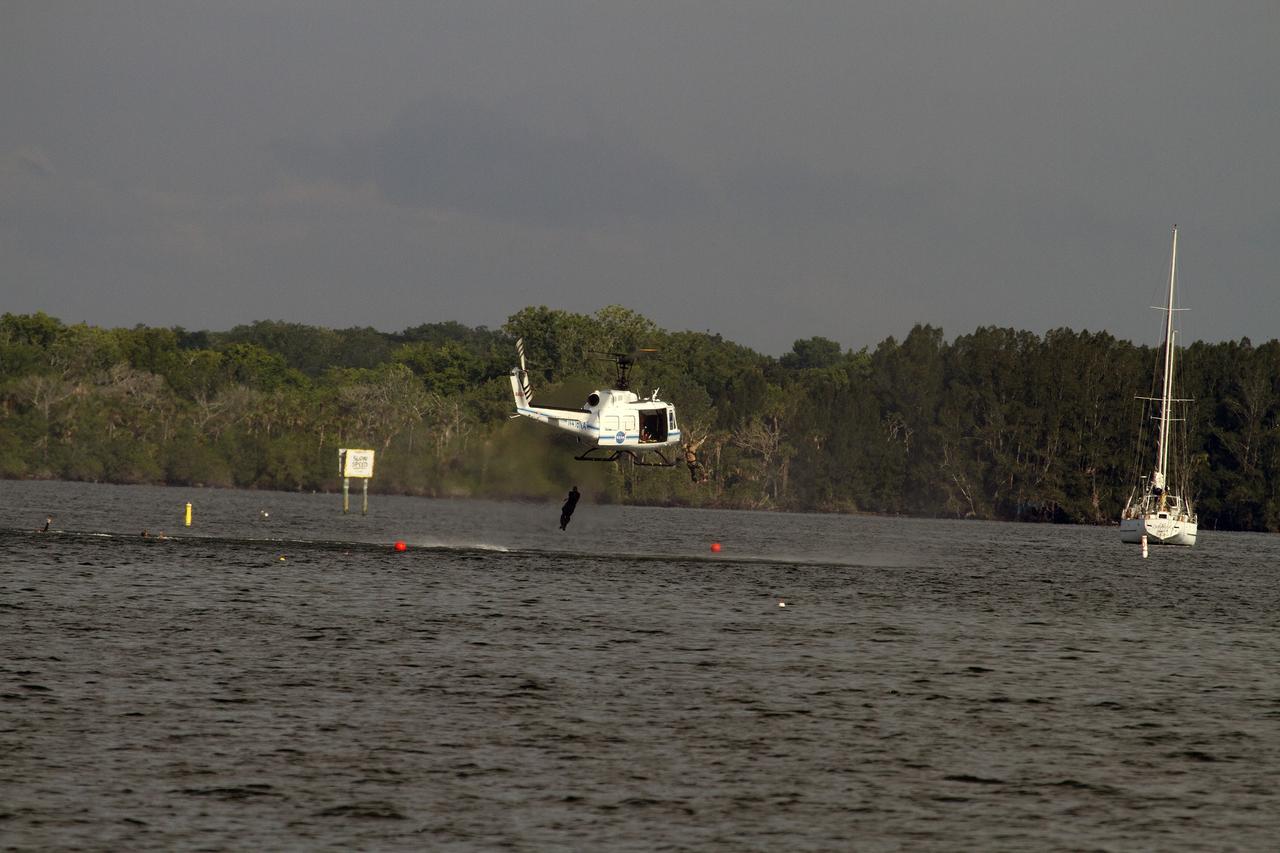
CAPE CANAVERAL, Fla. – Emergency Response Team officers from the Protective Services branch NASA's Kennedy Space Center in Florida enter the Indian River Lagoon from a Huey helicopter from the Aircraft Operations branch at the center during a training exercise. The training session focused on safely entering the water, something the ERT could be required to perform in certain situations at the center. Photo credit: NASA/ Dan Casper
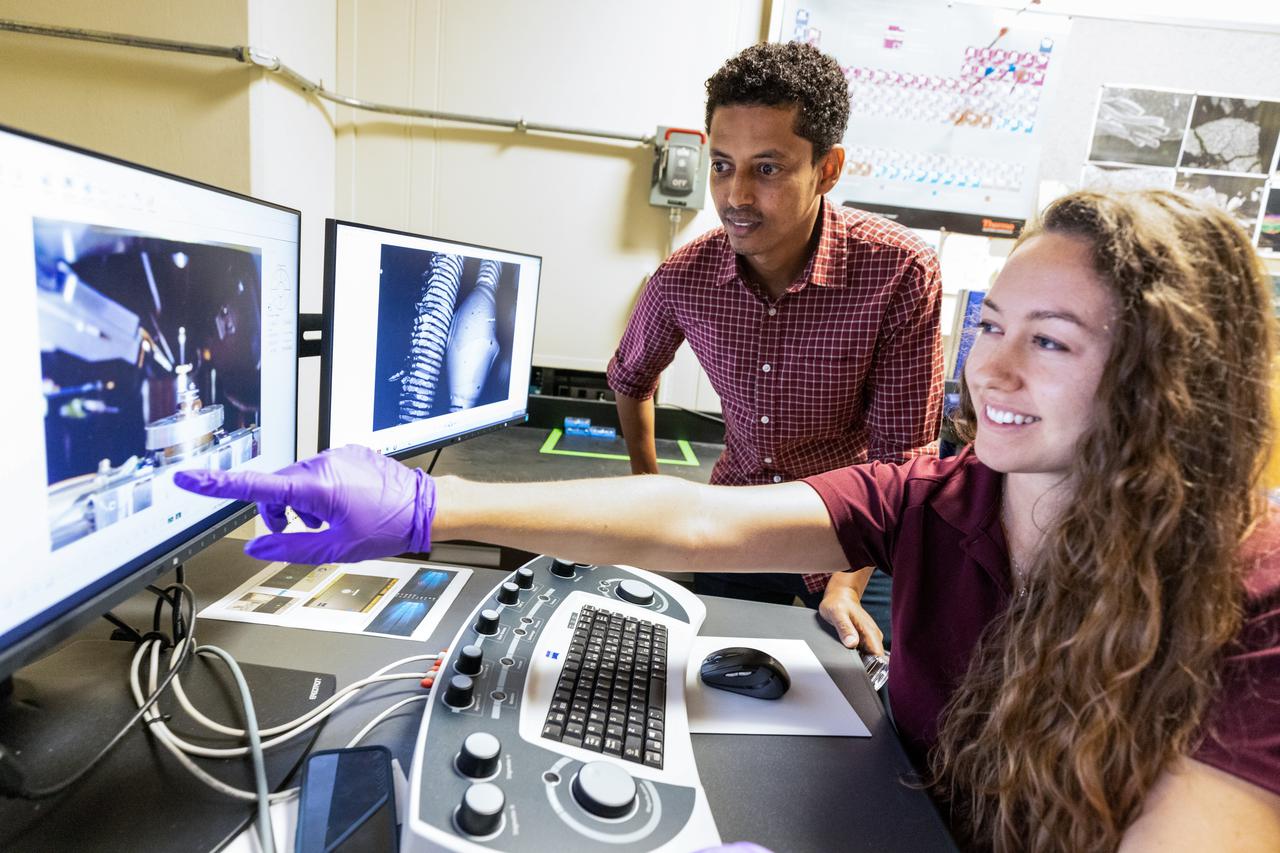
Chemists Misle Tessema (left) and Macy Mullen (right) discuss scanning electron microscope operations inside NASA Engineering’s Analytical Laboratories at Kennedy Space Center in Florida on July 7, 2021. One of seven branches in the NASA Laboratories, Development, and Testing Division, the Analytical Laboratories branch provides microscopic imagery and analysis through the use of a wide variety of microscopic techniques to identify contaminants and other urgent problems associated with aerospace flight hardware, ground support equipment, and related facilities.

CAPE CANAVERAL, Fla. – Emergency Response Team officers from the center's Protective Services branch of NASA's Kennedy Space Center in Florida lower ropes before descending from a Huey helicopter from the Aircraft Operations branch at NASA's Kennedy Space Center in Florida during a training exercise. The flight was the beginning of a training mission to simulate a situation the team and pilots could confront at the center. Photo credit: NASA/Dan Casper
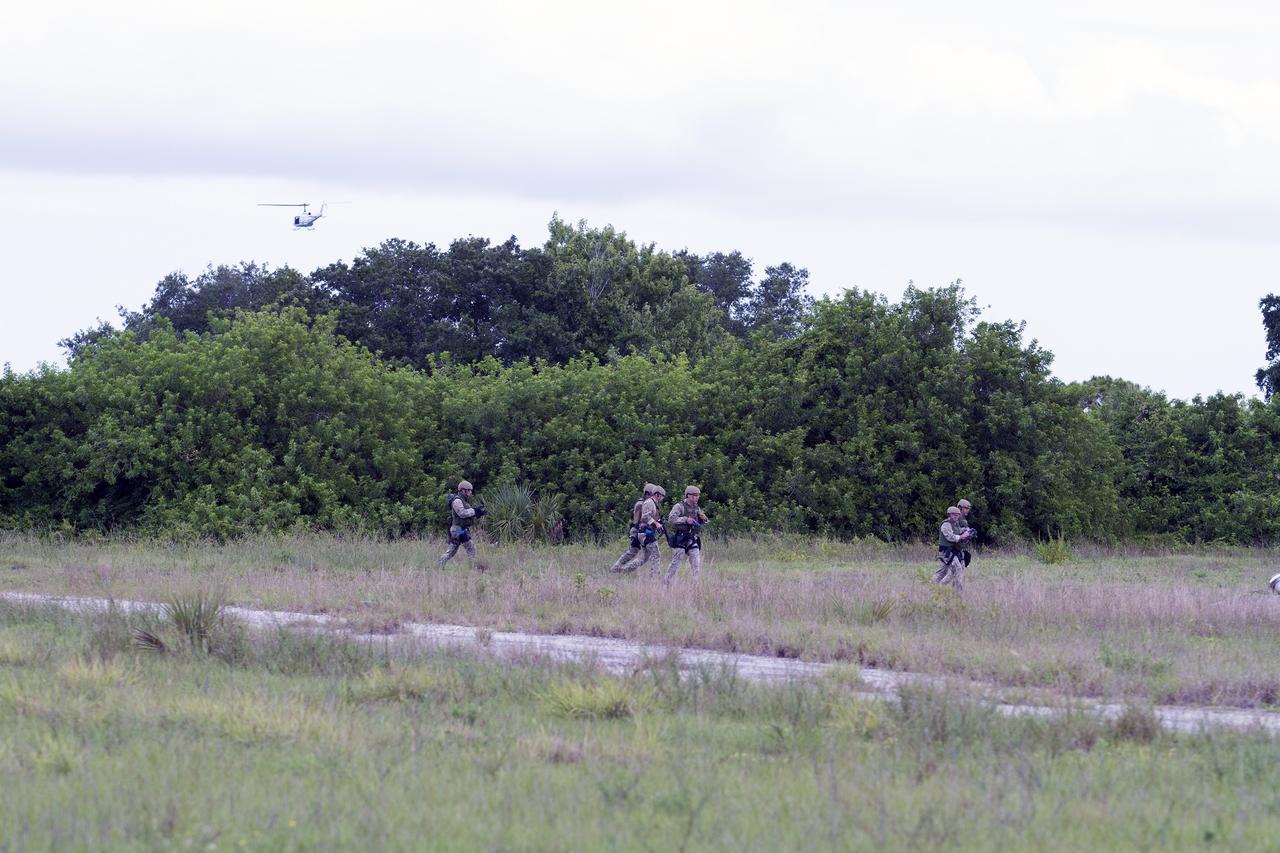
CAPE CANAVERAL, Fla. – Emergency Response Team officers from the Protective Services branch of NASA's Kennedy Space Center in Florida move through a field on their way to an objective during a training exercise simulating a situation the team could confront at the center. A Huey helicopter from the Air Operations branch at Kennedy is visible in the background flying out of the training area after delivering the officers. Photo credit: NASA/Dan Casper

CAPE CANAVERAL, Fla. – A Huey helicopter from the Aircraft Operations branch at NASA's Kennedy Space Center in Florida hovers then descends over the Indian River Lagoon with a group of Emergency Response Team officers from the center's Protective Services branch during a training exercise. The training session focused on safely entering the water, something the ERT could be required to perform in certain situations at the center. Photo credit: NASA/ Dan Casper
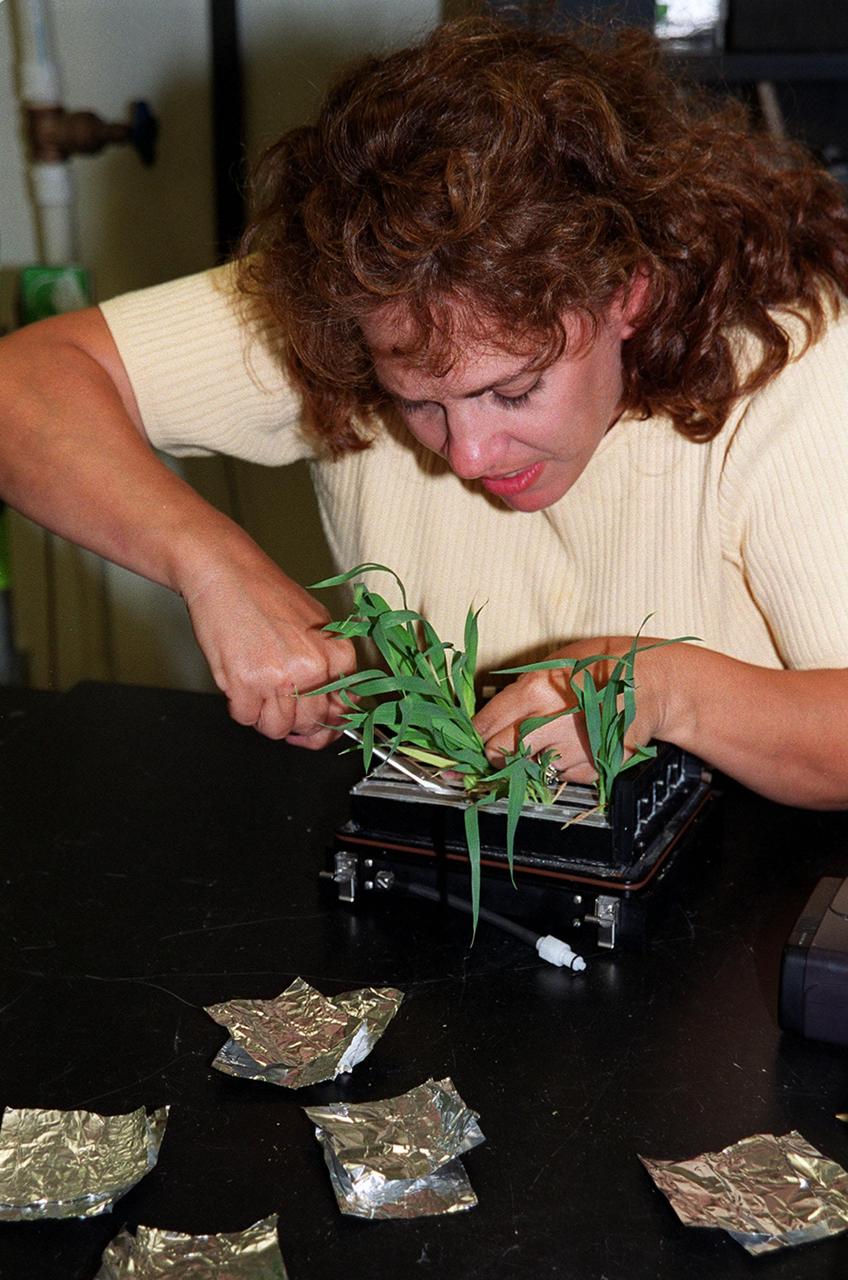
Research technician Lisa Ruffa works with a wheat sample that is part of ground testing for the first International Space Station plant experiment, scheduled to fly in October 2001. The payload process testing is one of many studies being performed at the Biological Sciences Branch in the Spaceport Engineering and Technology Directorate at Kennedy Space Center. The branch's operations and research areas include life sciences Space Shuttle payloads, bioregenerative life-support for long-duration spaceflight and environmental/ecological stewardship
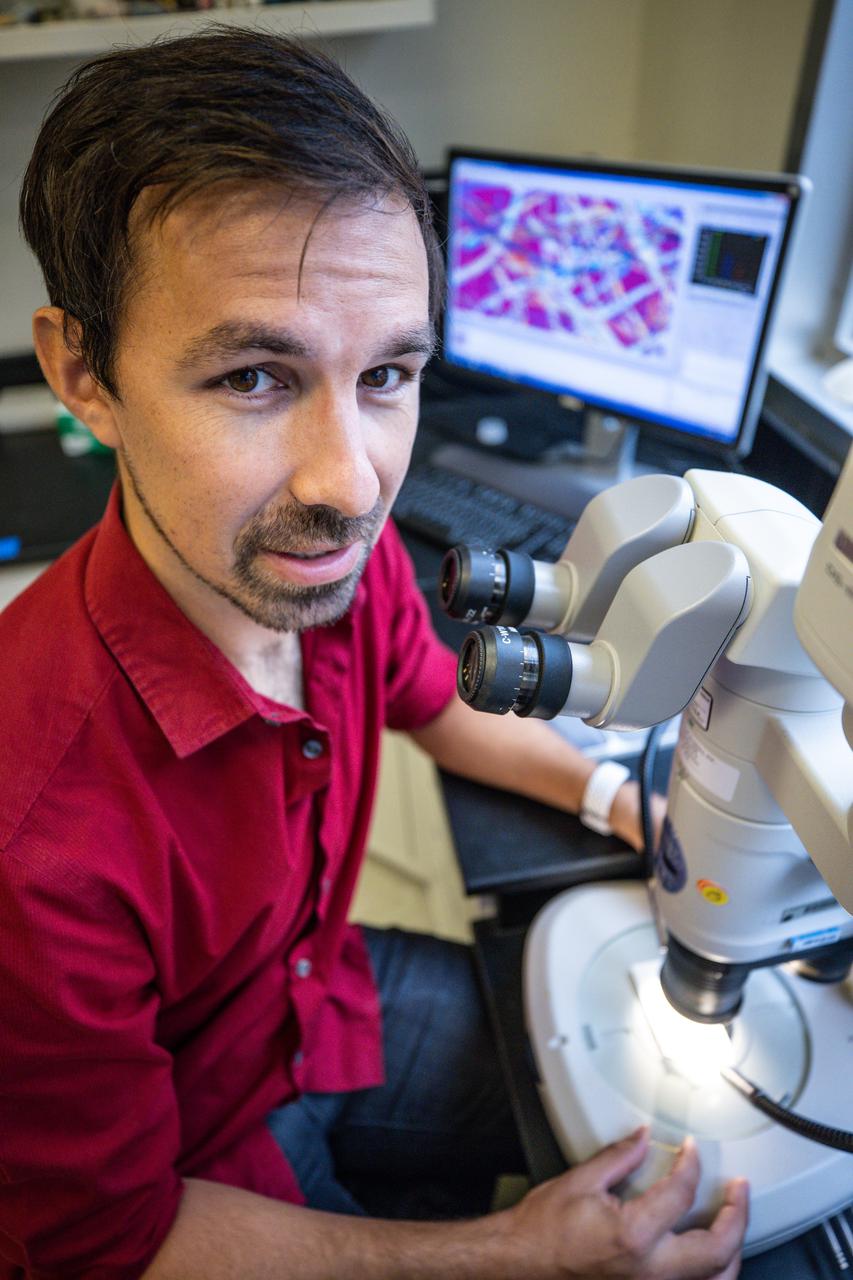
Chemist David Rinderknecht analyzes a sample on the stereomicroscope inside NASA Engineering’s Analytical Laboratories at Kennedy Space Center in Florida on July 7, 2021. One of seven branches in the NASA Laboratories, Development, and Testing Division, the Analytical Laboratories branch provides microscopic imagery and analysis through the use of a wide variety of microscopic techniques to identify contaminants and other urgent problems associated with aerospace flight hardware, ground support equipment, and related facilities.
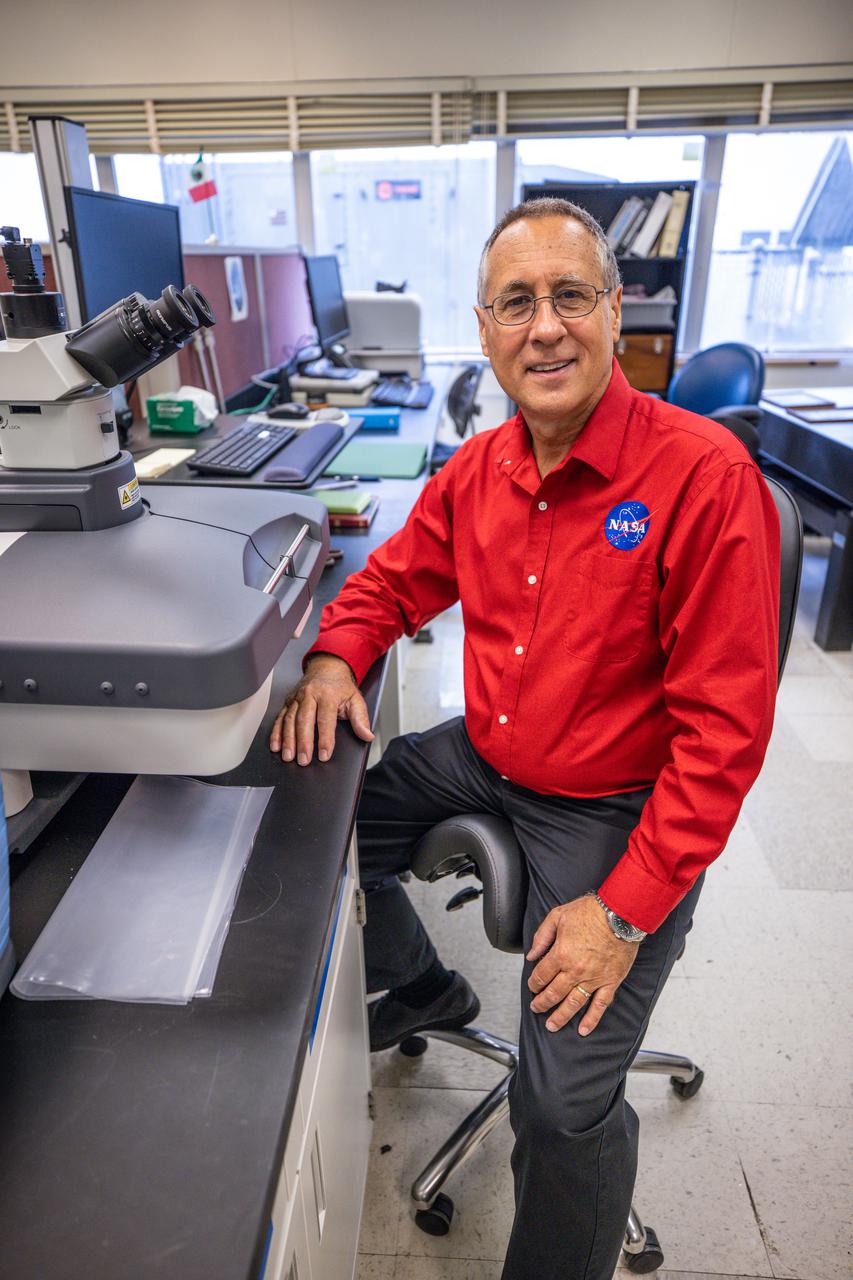
Lead chemist Philip Howard poses for a photo inside NASA Engineering’s Analytical Laboratories at Kennedy Space Center in Florida on July 7, 2021. One of seven branches in the NASA Laboratories, Development, and Testing Division, the Analytical Laboratories branch provides microscopic imagery and analysis through the use of a wide variety of microscopic techniques to identify contaminants and other urgent problems associated with aerospace flight hardware, ground support equipment, and related facilities.
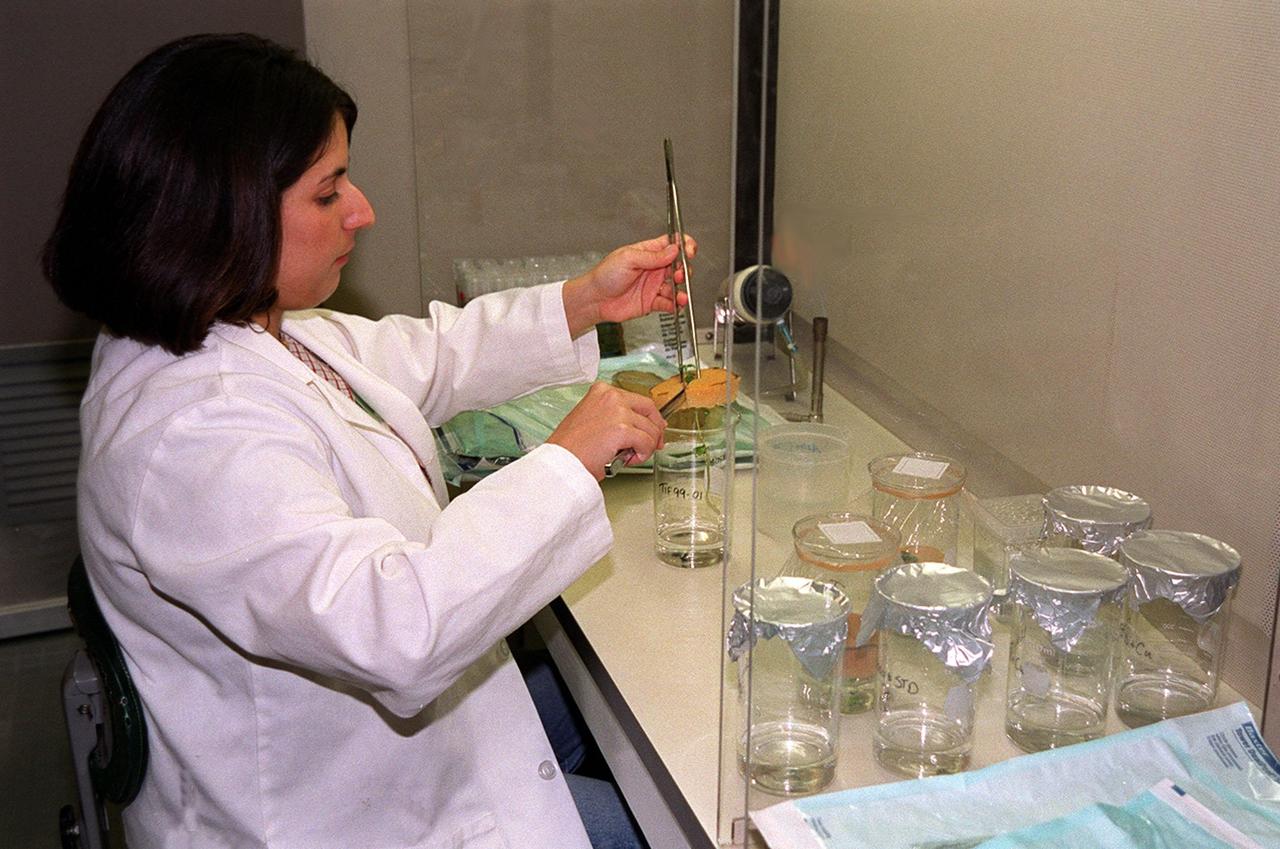
Research assistant Trisha Bruno performs an analysis on potato samples at Hangar L at the Cape Canaveral Air Force Station. The research she is performing is one of many studies at the Biological Sciences Branch in the Spaceport Engineering and Technology Directorate at Kennedy Space Center. The branch's operations and research areas include life sciences Space Shuttle payloads, bioregenerative life-support for long-duration spaceflight and environmental/ecological stewardship
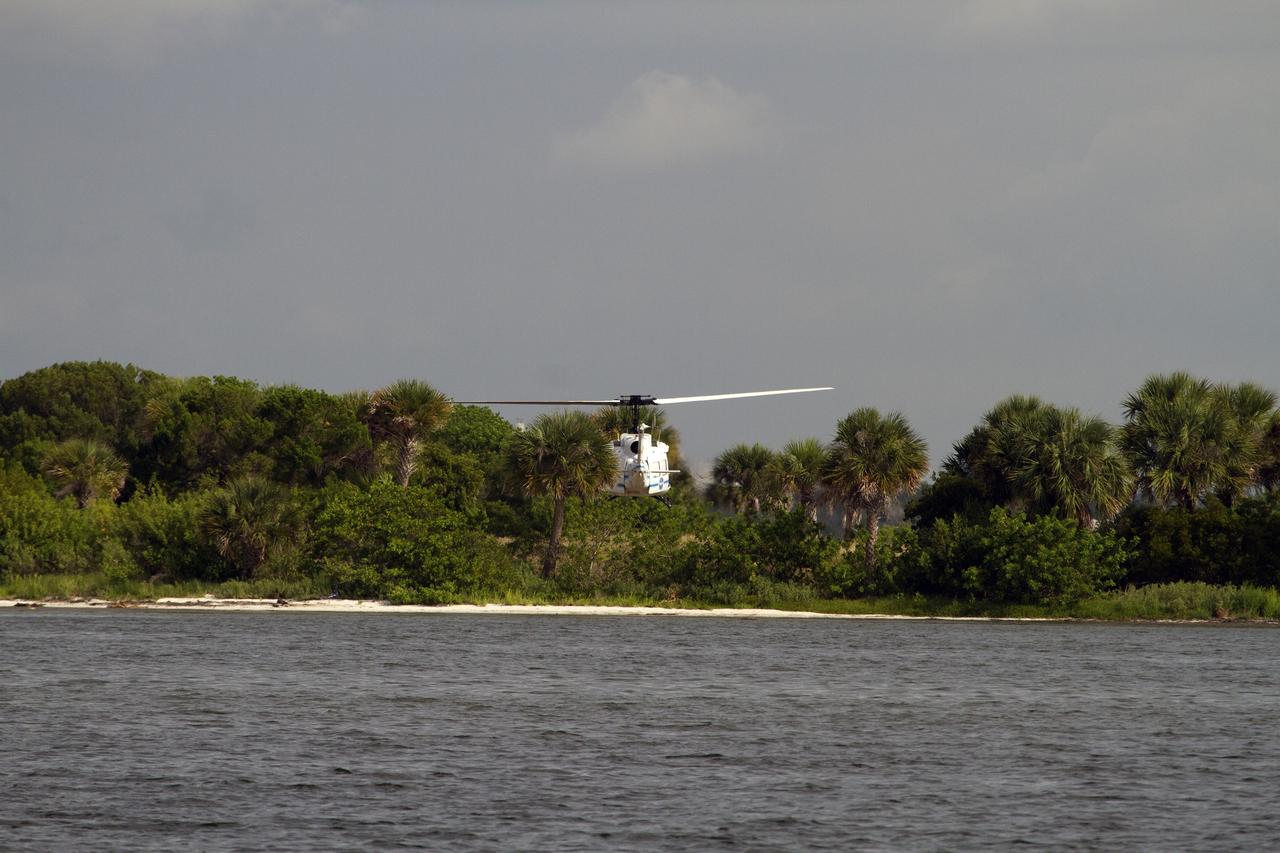
CAPE CANAVERAL, Fla. – A Huey helicopter from the Aircraft Operations branch at NASA's Kennedy Space Center in Florida flies over the Indian River Lagoon with a group of Emergency Response Team officers from the center's Protective Services branch during a training exercise. The training session focused on safely entering the water, something the ERT could be required to perform in certain situations at the center. Photo credit: NASA/ Dan Casper
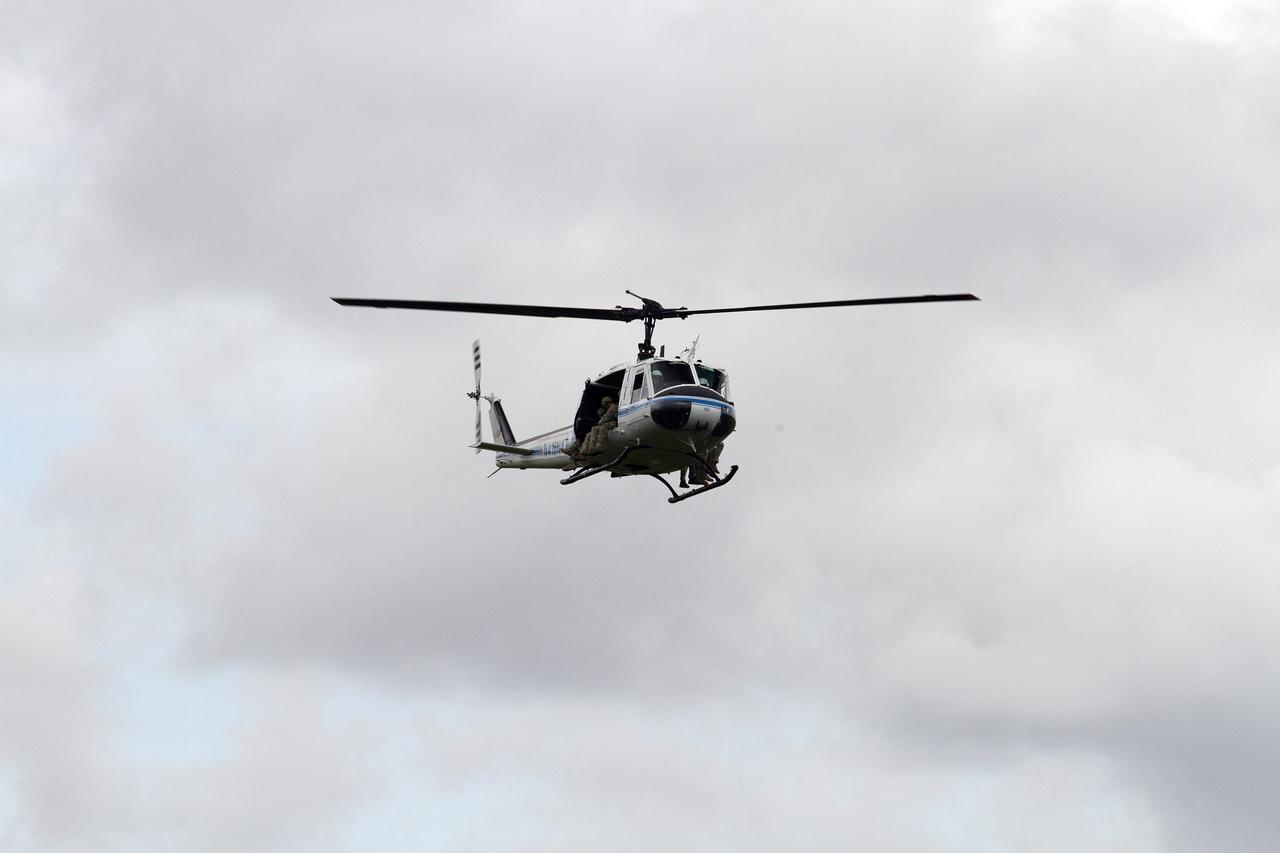
CAPE CANAVERAL, Fla. – A Huey helicopter from the Aircraft Operations branch at NASA's Kennedy Space Center in Florida slows to a hover and descends on a clearing during a training exercise with a group of Emergency Response Team officers from the center's Protective Services branch. The flight was the beginning of a training mission to simulate a situation the team and pilots could confront at the center. Photo credit: NASA/Dan Casper
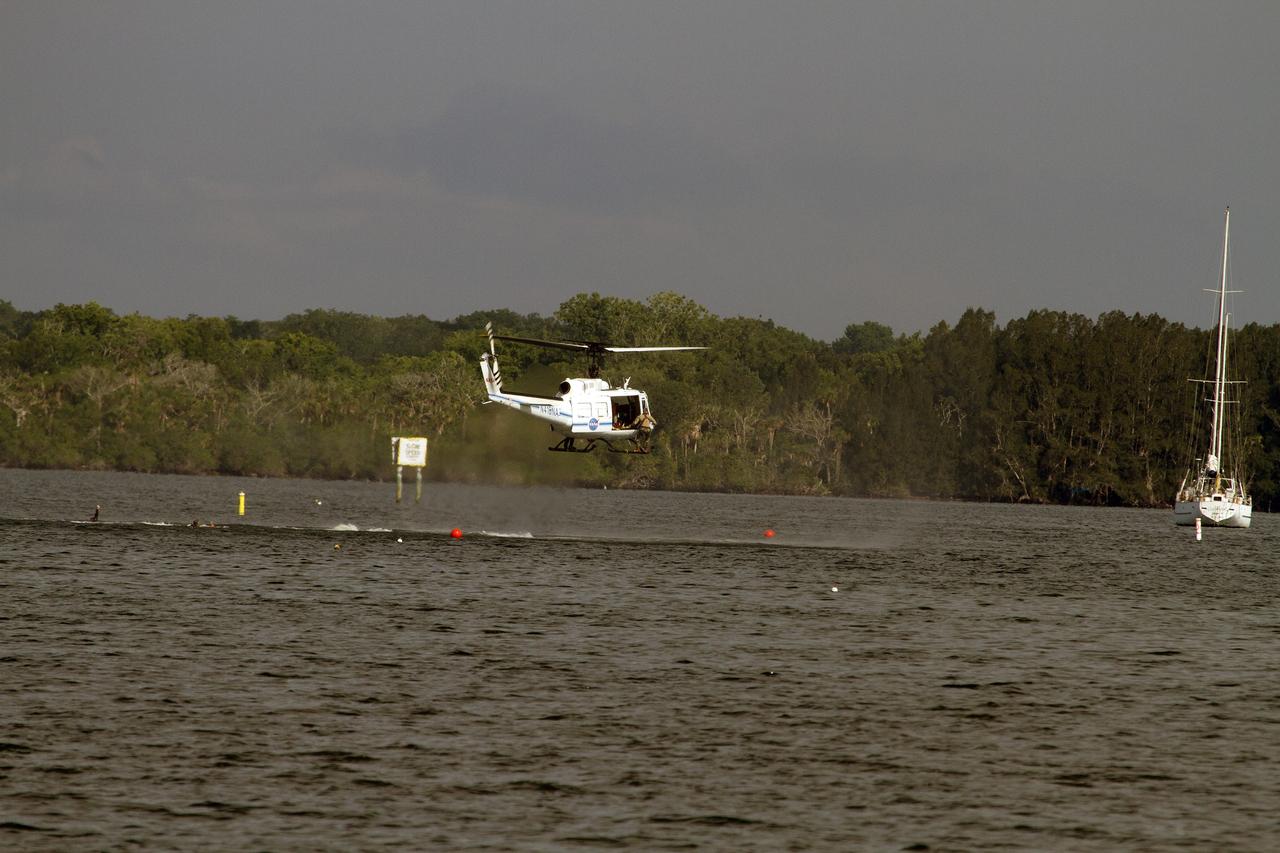
CAPE CANAVERAL, Fla. – A Huey helicopter from the Aircraft Operations branch at NASA's Kennedy Space Center in Florida hovers over the Indian River Lagoon after a group of Emergency Response Team officers from the center's Protective Services branch dropped from the helicopter during a training exercise. The training session focused on safely entering the water, something the ERT could be required to perform in certain situations at the center. Photo credit: NASA/ Dan Casper
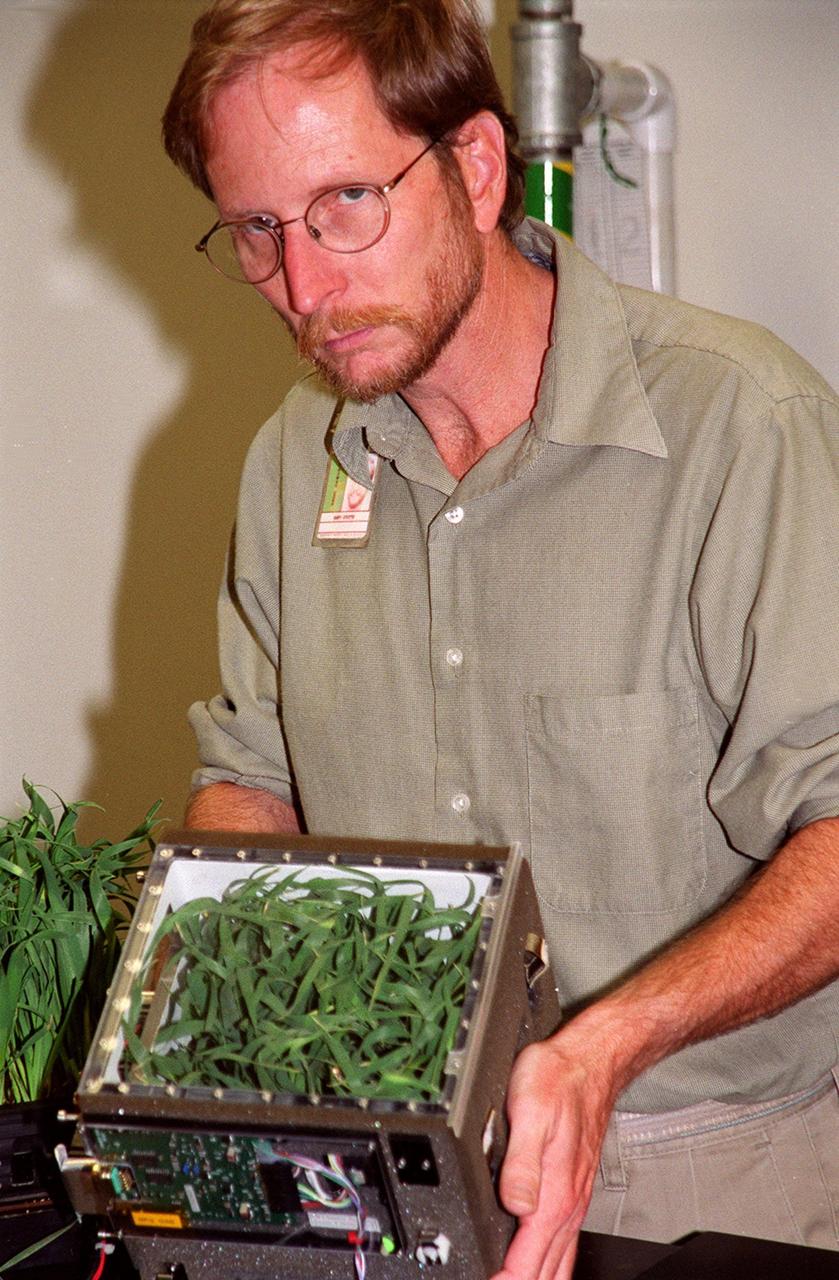
Research scientist Gary Stutte displays a wheat sample that is part of ground testing for the first International Space Station plant experiment, scheduled to fly in October 2001. The payload process testing is one of many studies being performed at the Biological Sciences Branch in the Spaceport Engineering and Technology Directorate at Kennedy Space Center. The branch's operations and research areas include life sciences Space Shuttle payloads, bioregenerative life-support for long-duration spaceflight and environmental/ecological stewardship
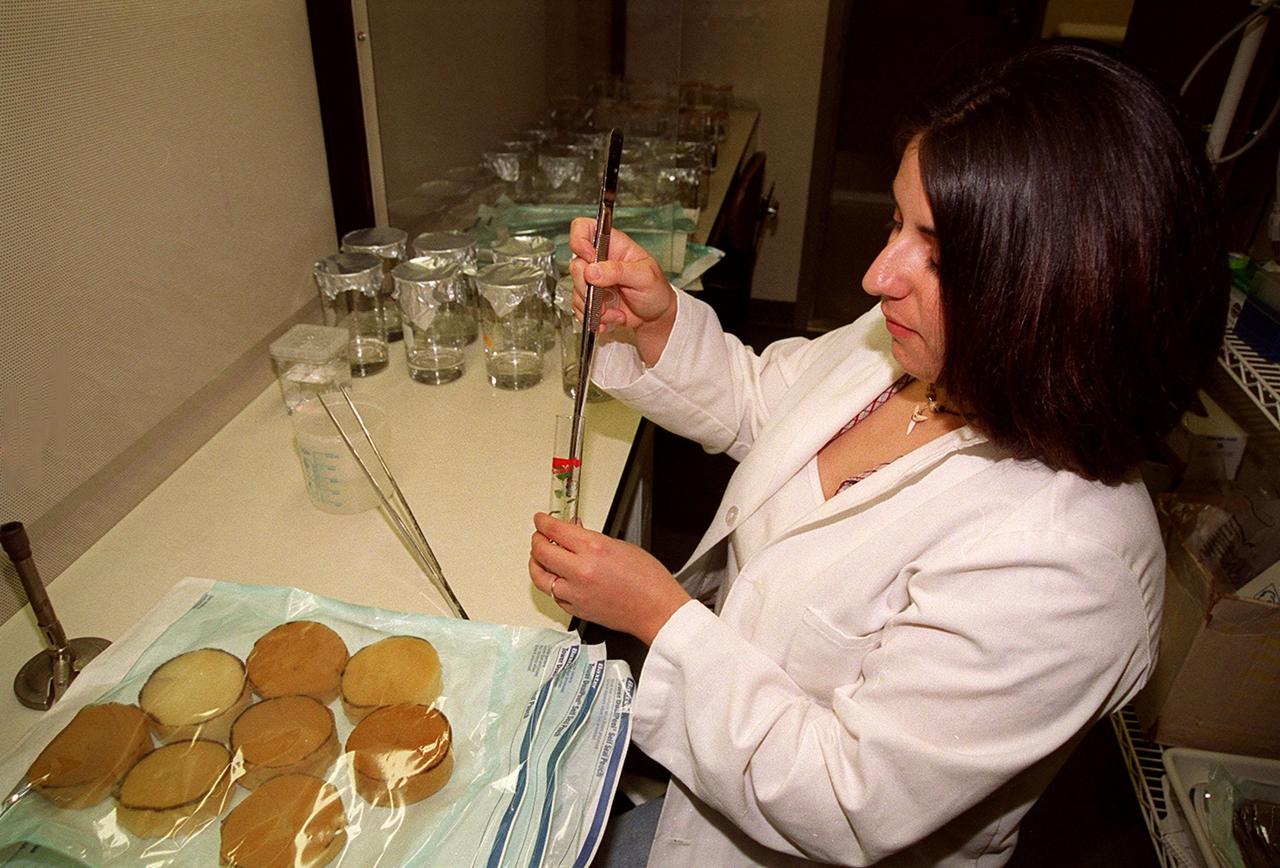
Research assistant Trisha Bruno performs an analysis on potato samples at Hangar L at the Cape Canaveral Air Force Station. The research she is performing is one of many studies at the Biological Sciences Branch in the Spaceport Engineering and Technology Directorate at Kennedy Space Center. The branch's operations and research areas include life sciences Space Shuttle payloads, bioregenerative life-support for long-duration spaceflight and environmental/ecological stewardship
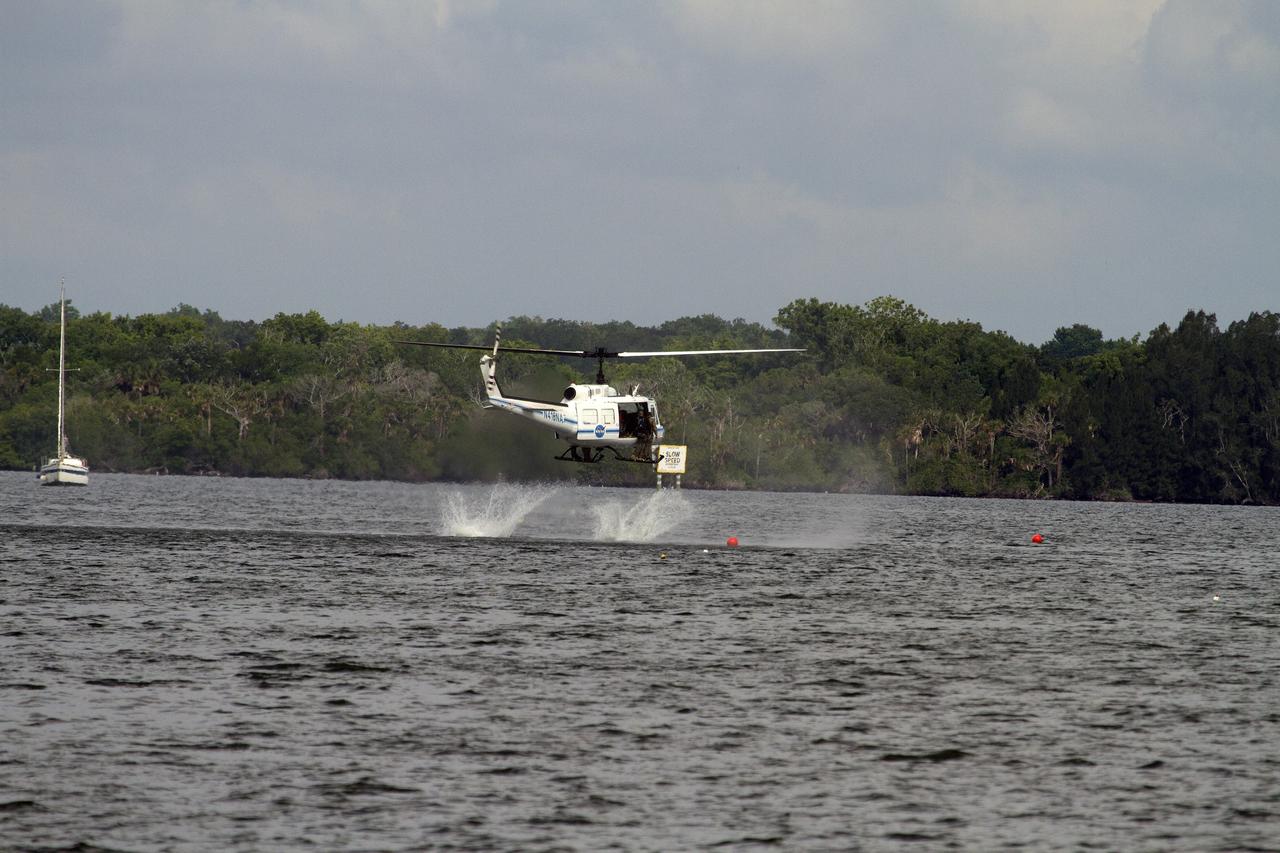
CAPE CANAVERAL, Fla. – Emergency Response Team officers from the Protective Services branch NASA's Kennedy Space Center in Florida enter the Indian River Lagoon from a Huey helicopter from the Aircraft Operations branch at the center during a training exercise. The training session focused on safely entering the water, something the ERT could be required to perform in certain situations at the center. Photo credit: NASA/ Dan Casper
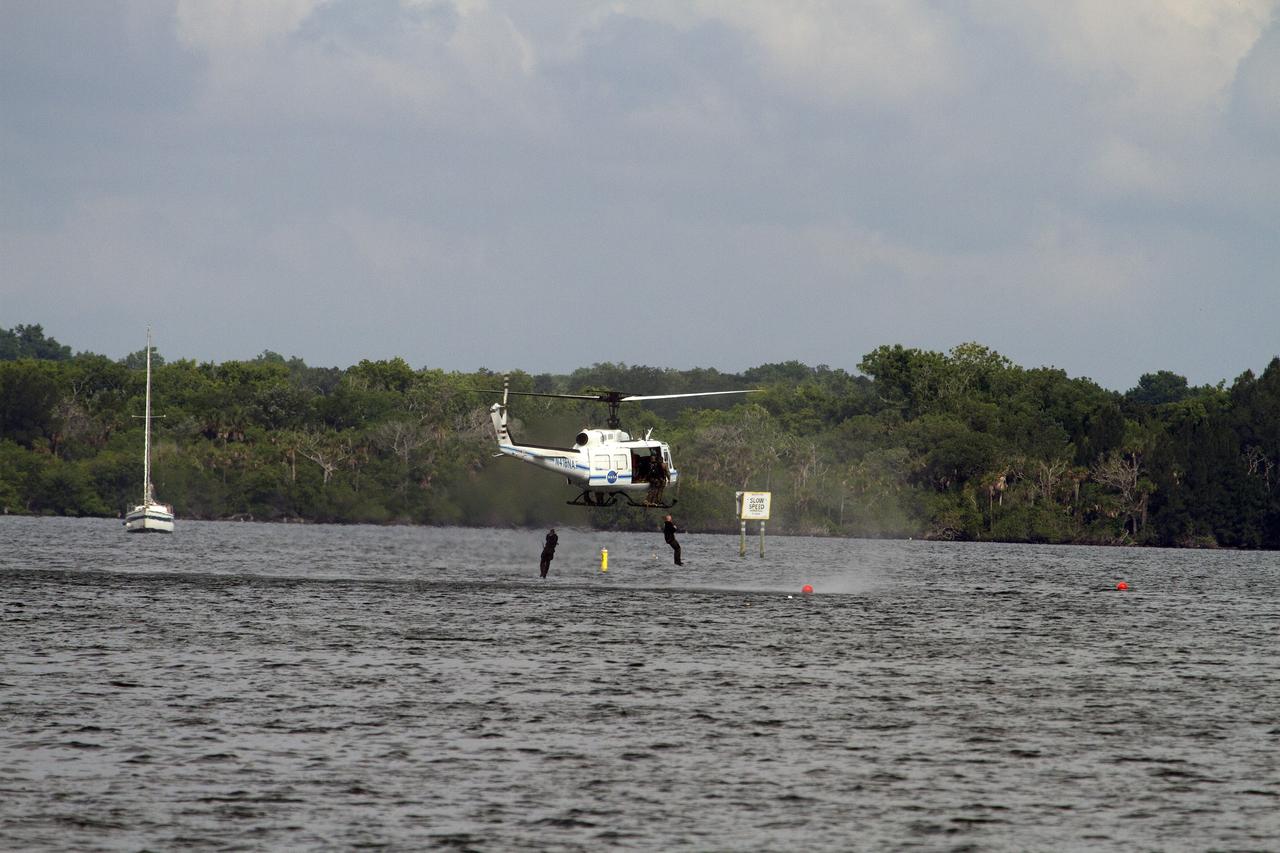
CAPE CANAVERAL, Fla. – Emergency Response Team officers from the Protective Services branch NASA's Kennedy Space Center in Florida enter the Indian River Lagoon from a Huey helicopter from the Aircraft Operations branch at the center during a training exercise. The training session focused on safely entering the water, something the ERT could be required to perform in certain situations at the center. Photo credit: NASA/ Dan Casper

CAPE CANAVERAL, Fla. – A Huey helicopter from the Aircraft Operations branch at NASA's Kennedy Space Center in Florida flies over the Indian River Lagoon with a group of Emergency Response Team officers from the center's Protective Services branch during a training exercise. The training session focused on safely entering the water, something the ERT could be required to perform in certain situations at the center. Photo credit: NASA/ Dan Casper
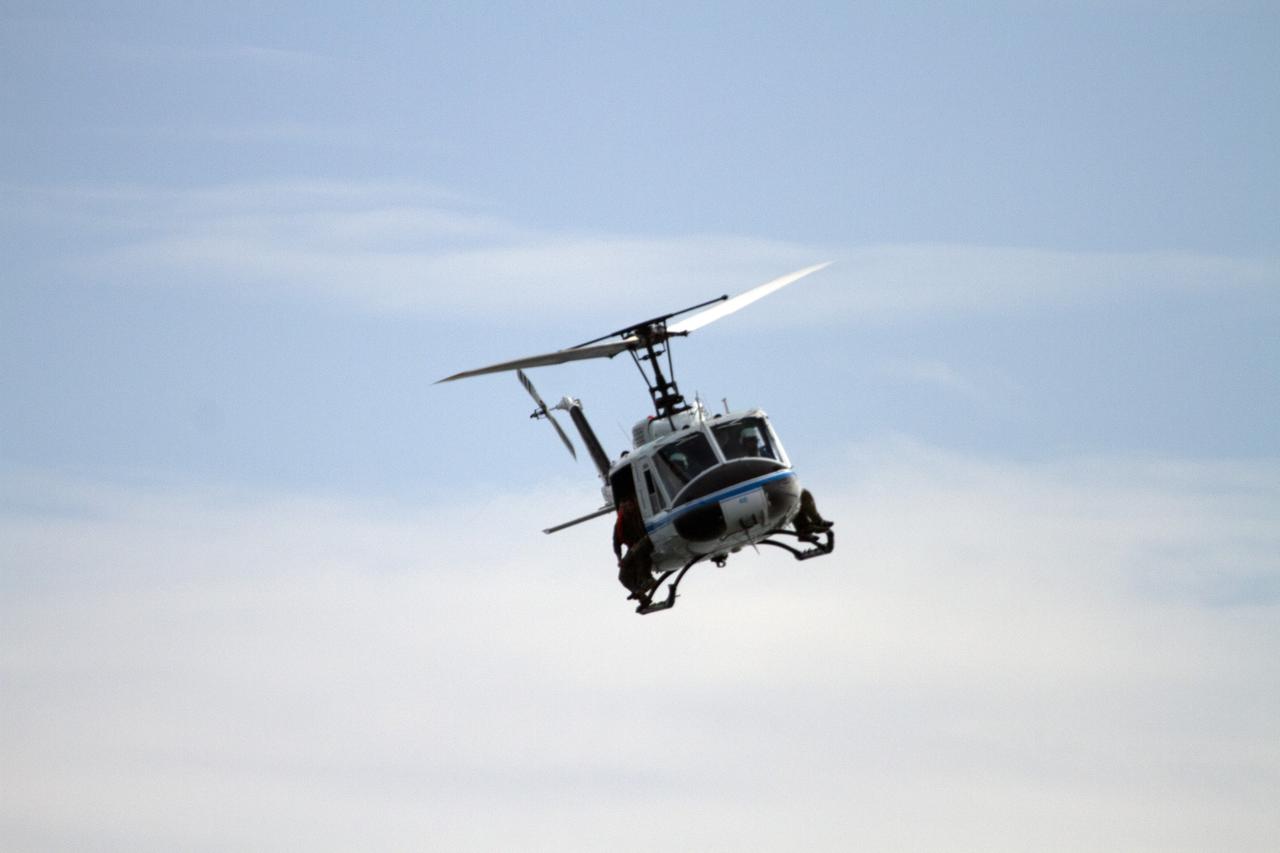
CAPE CANAVERAL, Fla. – A Huey helicopter from the Aircraft Operations branch at NASA's Kennedy Space Center in Florida flies over the Indian River Lagoon with a group of Emergency Response Team officers from the center's Protective Services branch during a training exercise. The training session focused on safely entering the water, something the ERT could be required to perform in certain situations at the center. Photo credit: NASA/ Dan Casper
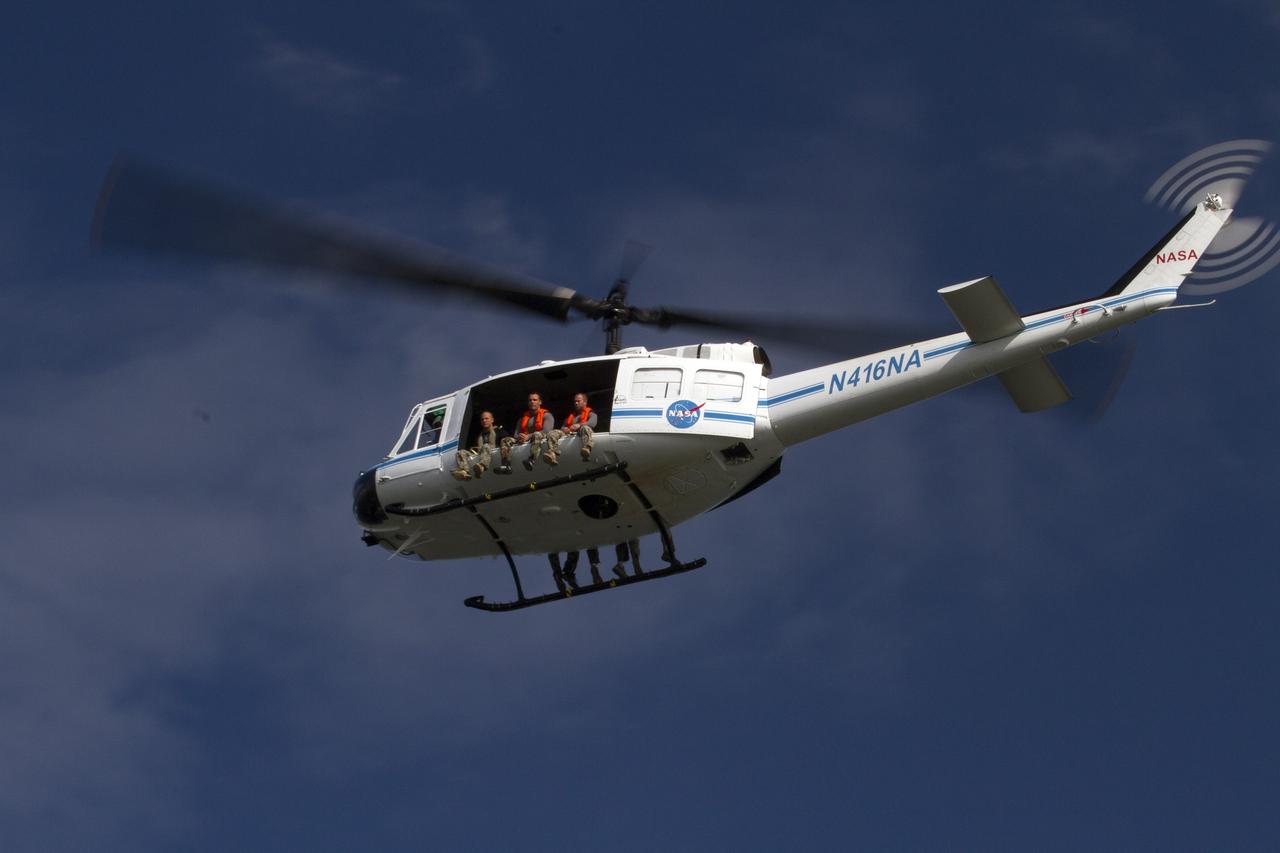
CAPE CANAVERAL, Fla. – A Huey helicopter from the Aircraft Operations branch at NASA's Kennedy Space Center in Florida flies over the Indian River Lagoon with a group of Emergency Response Team officers from the center's Protective Services branch during a training exercise. The training session focused on safely entering the water, something the ERT could be required to perform in certain situations at the center. Photo credit: NASA/ Dan Casper
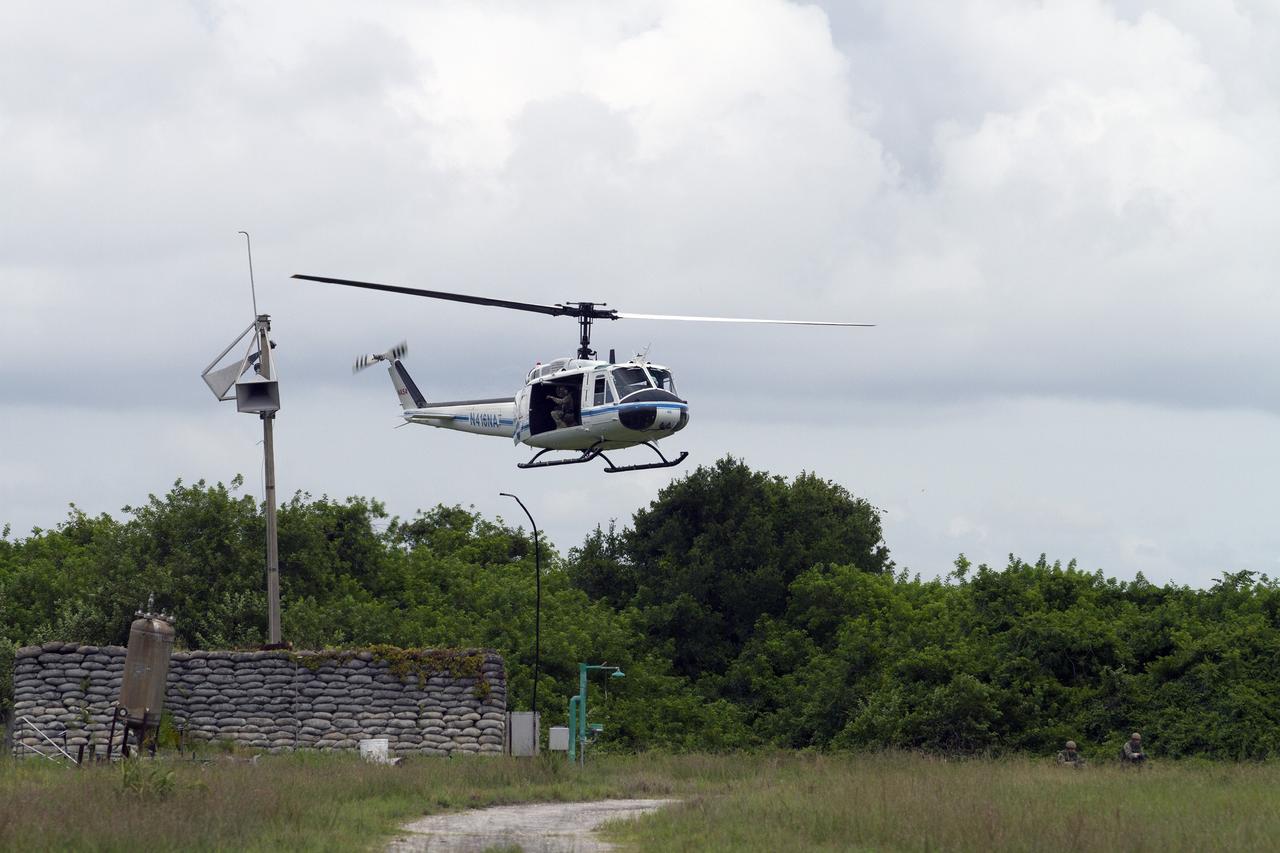
CAPE CANAVERAL, Fla. – The rope is cut from a Huey helicopter from the Aircraft Operations branch at NASA's Kennedy Space Center in Florida before the helicopter begins to fly out of a training area during a training exercise. Moments earlier, Emergency Response Team officers from the Protective Services branch descended from the helicopter to begin the mission. The flight was the beginning of a training mission to simulate a situation the team and pilots could confront at the center. Photo credit: NASA/Dan Casper
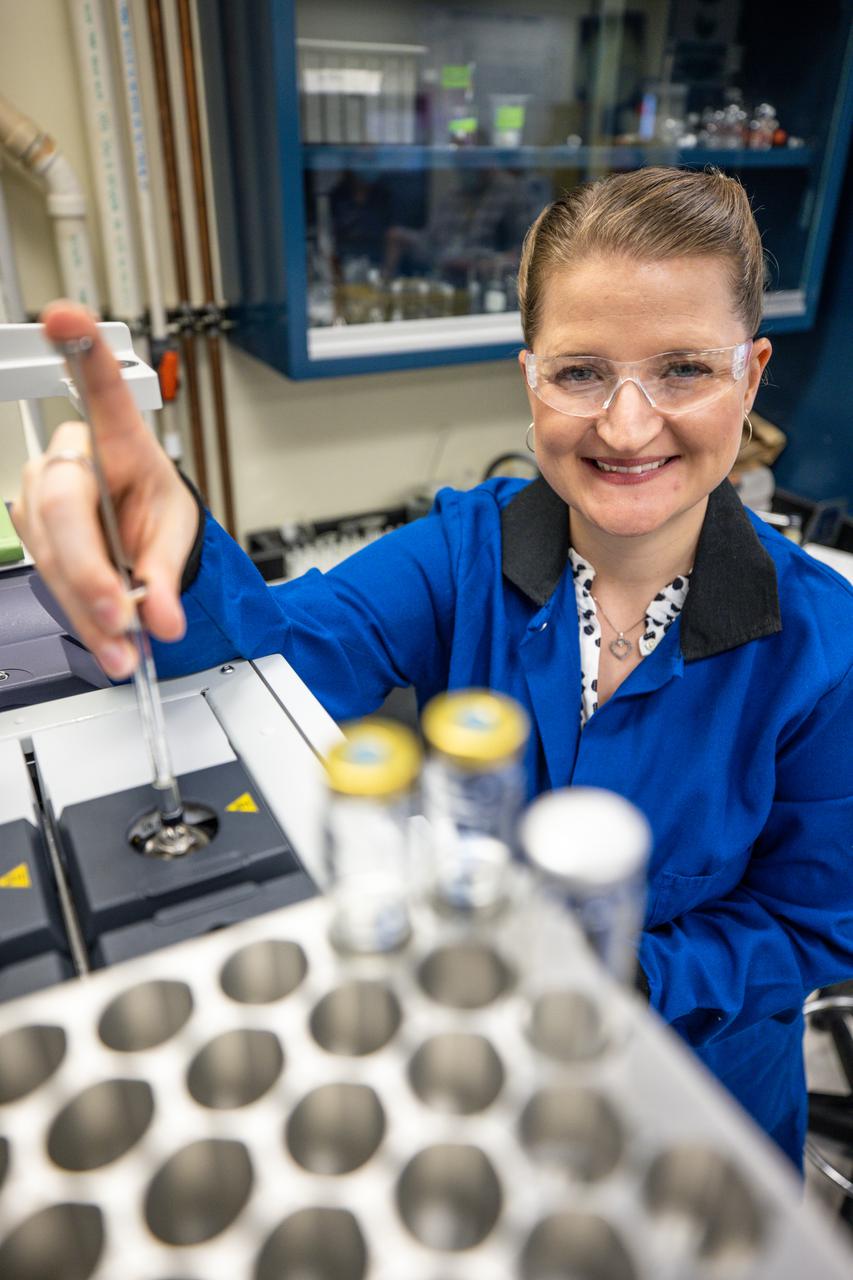
Senior analytical chemist Janelle Coutts injects a sample for gas chromatography-mass spectrometry analysis inside NASA Engineering’s Analytical Laboratories at Kennedy Space Center in Florida on July 7, 2021. One of seven branches in the NASA Laboratories, Development, and Testing Division, the Analytical Laboratories branch provides microscopic imagery and analysis through the use of a wide variety of microscopic techniques to identify contaminants and other urgent problems associated with aerospace flight hardware, ground support equipment, and related facilities.