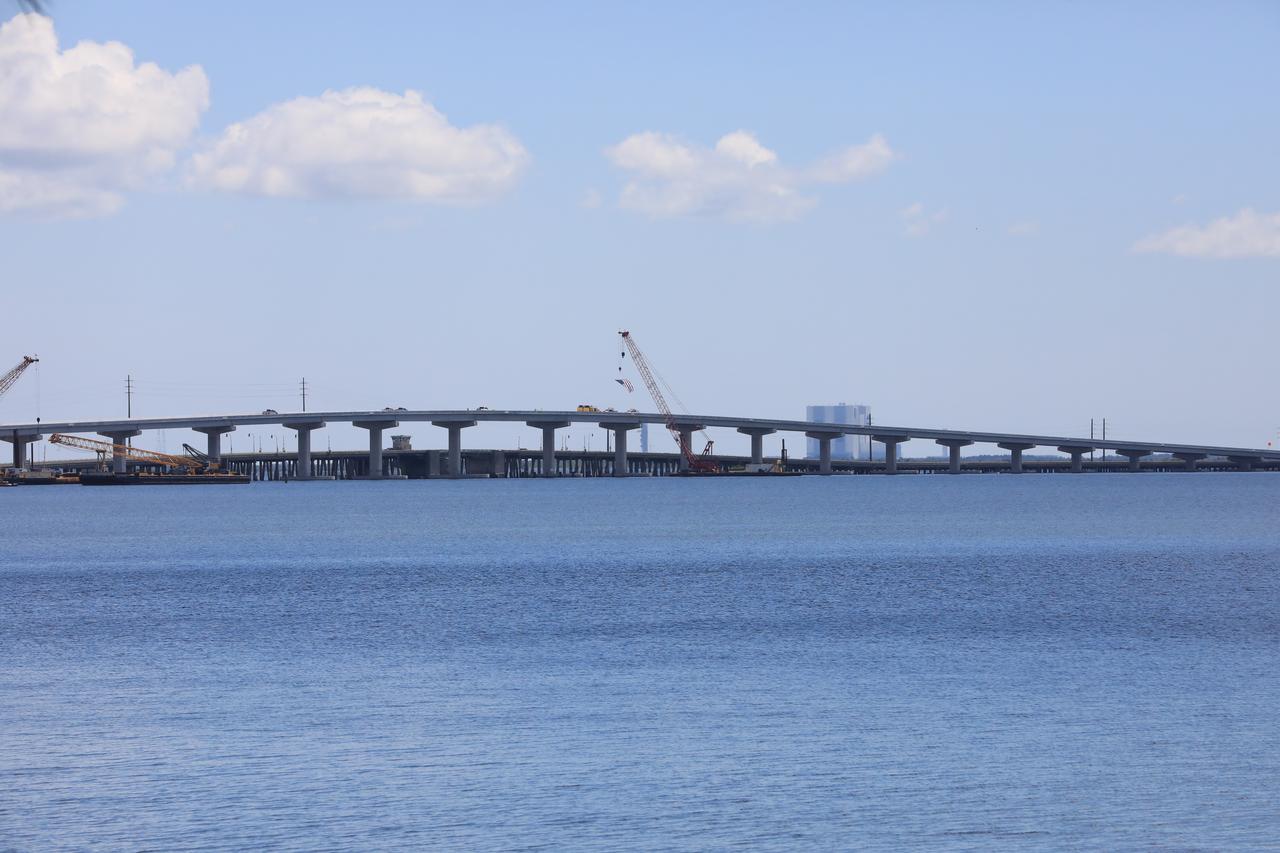
In view is the upgraded eastbound span of the Indian River Bridge leading to NASA’s Kennedy Space Center in Florida. A ribbon cutting ceremony was held June 9, 2023 to officially open the East part of the bridge. The new high-rise bridge serves as the primary entrance and exit to the space center for employees and visitors. The bridge spans the Indian River Lagoon and connects Kennedy and the Cape Canaveral Space Force Station to the mainland via State Road 405/NASA Causeway in Titusville. This first section of the bridge replaces the two-lane drawbridge which was built in the mid-1960s to support the Apollo program.
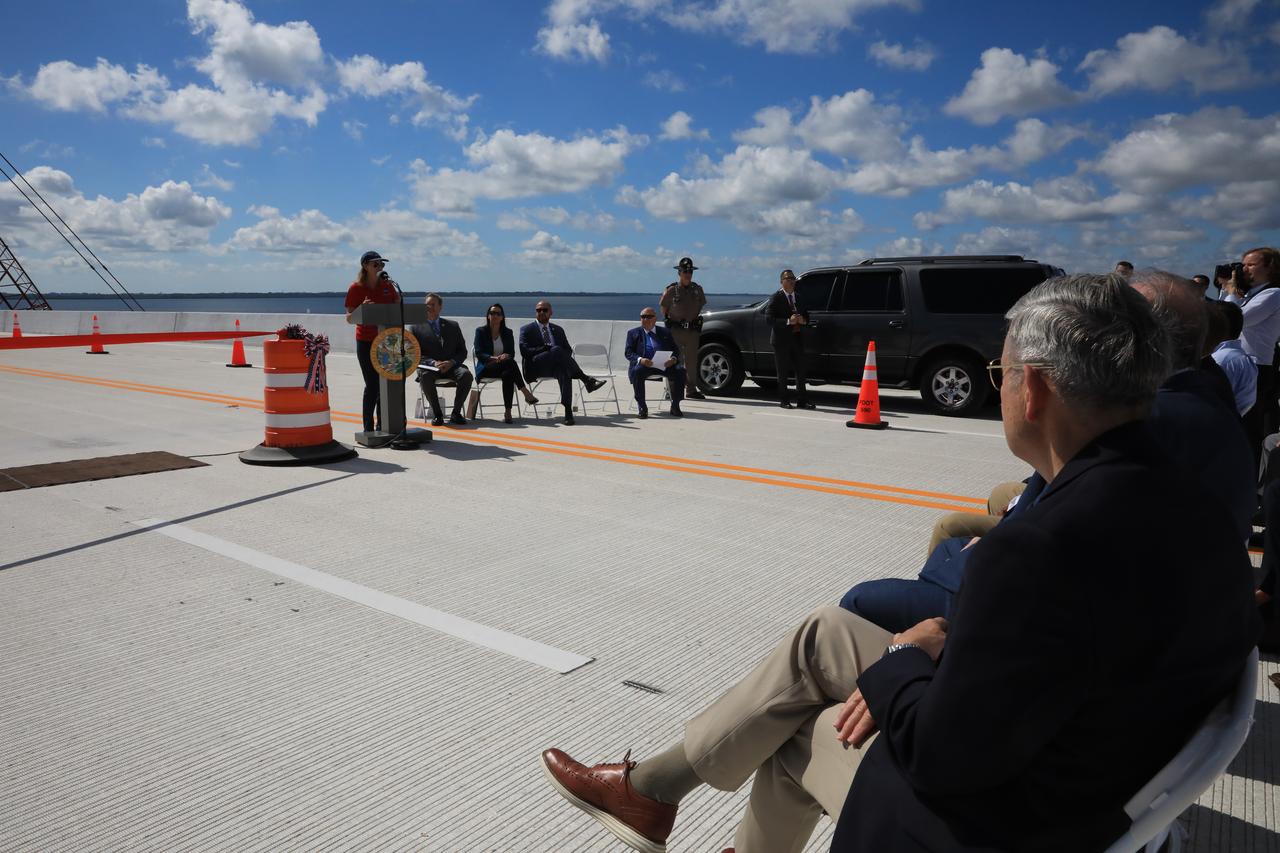
NASA Kennedy Space Center Director Janet Petro speaks during the grand opening ceremony for the upgraded eastbound span of the Indian River Bridge near Kennedy Space Center on June 9, 2023. The new high-rise bridge serves as the primary entrance and exit to the space center for employees and visitors. The bridge spans the Indian River Lagoon and connects Kennedy and the Cape Canaveral Space Force Station to the mainland via State Road 405/NASA Causeway in Titusville. This first section of the bridge replaces the two-lane drawbridge which was built in the mid-1960s to support the Apollo program.
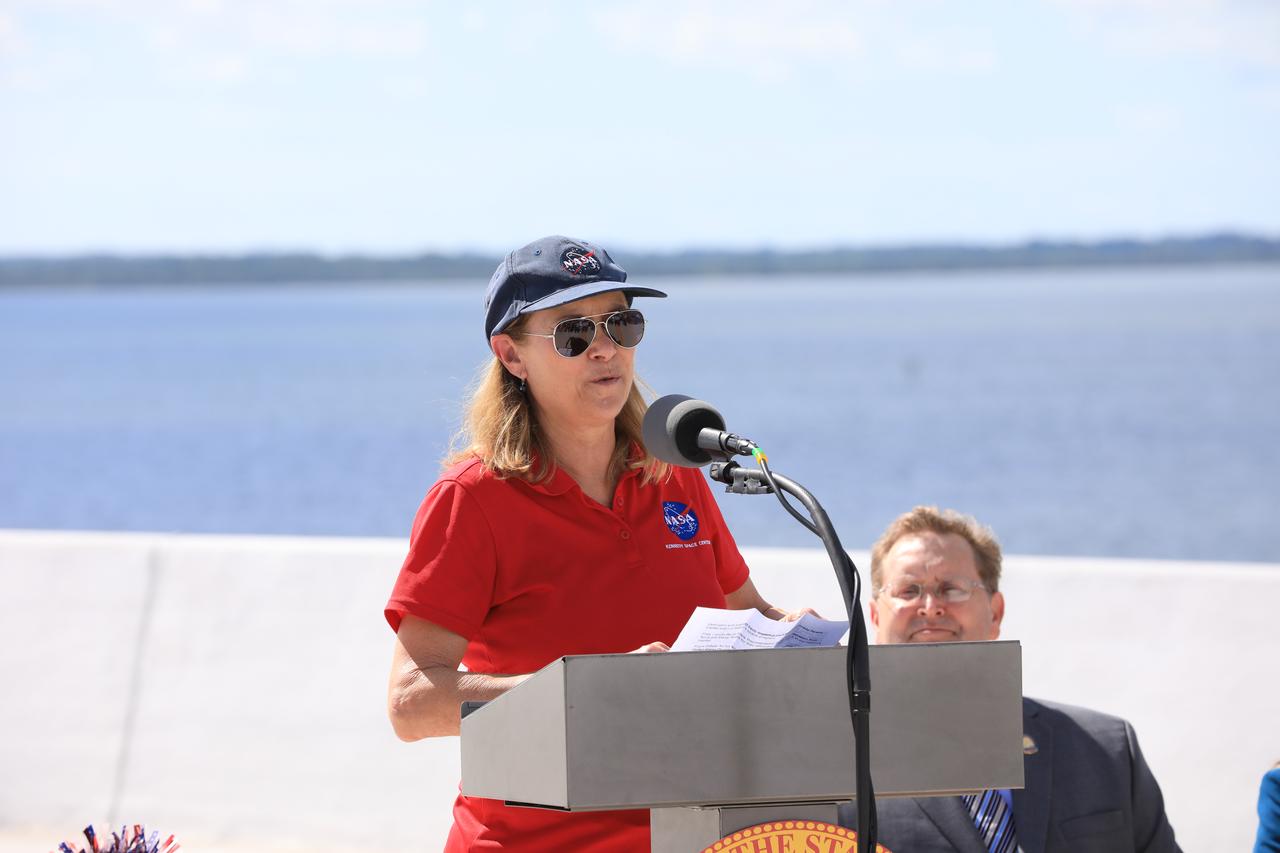
NASA Kennedy Space Center Director Janet Petro speaks during the grand opening ceremony for the upgraded eastbound span of the Indian River Bridge near the center on June 9, 2023. The new high-rise bridge serves as the primary entrance and exit to the space center for employees and visitors. The bridge spans the Indian River Lagoon and connects Kennedy and the Cape Canaveral Space Force Station to the mainland via State Road 405/NASA Causeway in Titusville. This first section of the bridge replaces the two-lane drawbridge which was built in the mid-1960s to support the Apollo program.
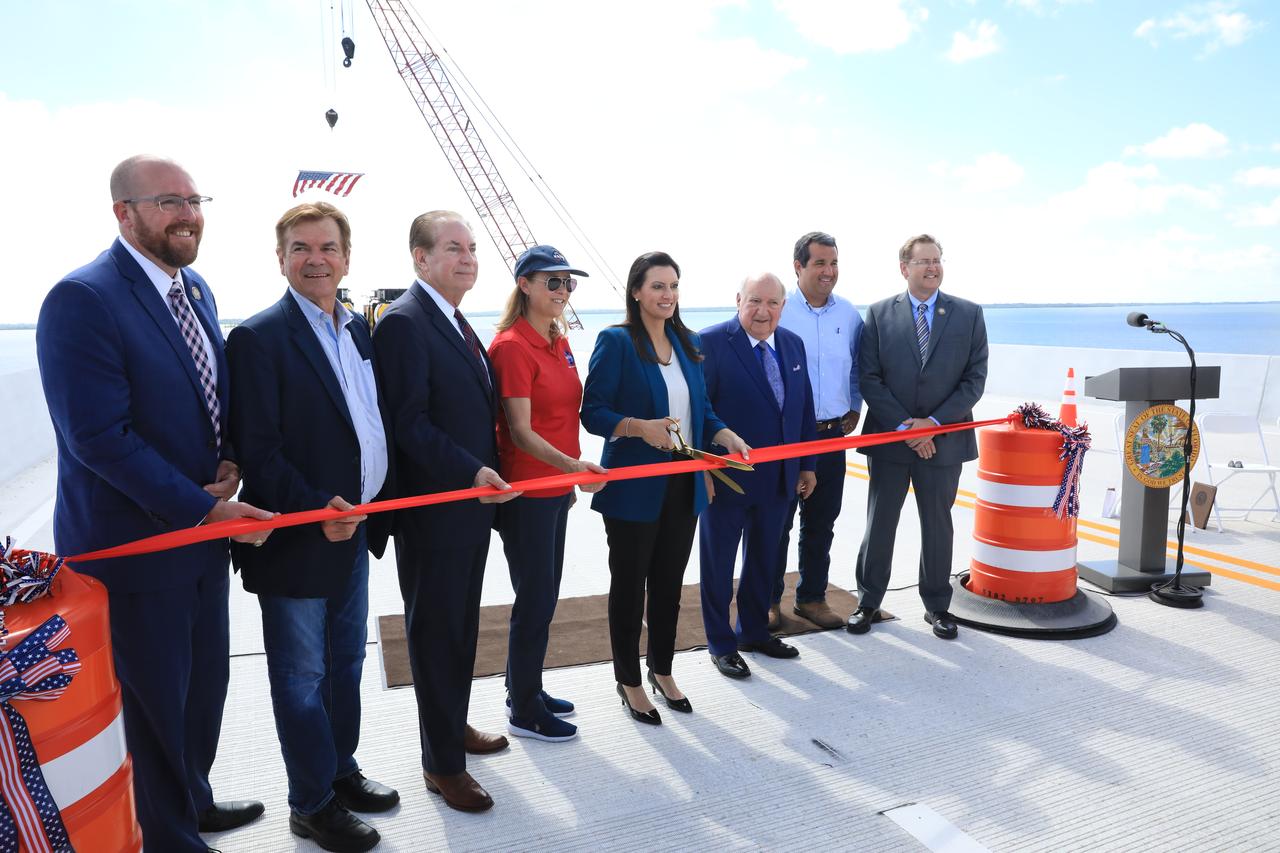
A ribbon cutting ceremony on the upgraded eastbound span of the Indian River Bridge is held on June 9, 2023 near NASA’s Kennedy Space Center in Florida. From left are Florida Department of Transportation State Secretary Jared Perdue; Florida State House Representative Thad Altman; Florida State Senator Tom Wright; Kennedy Space Center Director Janet Petro; Florida Lieutenant Governor Jeanette Nuñez (cutting the ribbon); Frank DiBello, Space Florida President/Chief Executive Officer; Florida State House Representative Tyler Sirois; and FDOT District Five Secretary John Tyler. The new high-rise bridge serves as the primary entrance and exit to the space center for employees and visitors. The bridge spans the Indian River Lagoon and connects Kennedy and the Cape Canaveral Space Force Station to the mainland via State Road 405/NASA Causeway in Titusville. This first section of the bridge replaces the two-lane drawbridge which was built in the mid-1960s to support the Apollo program.
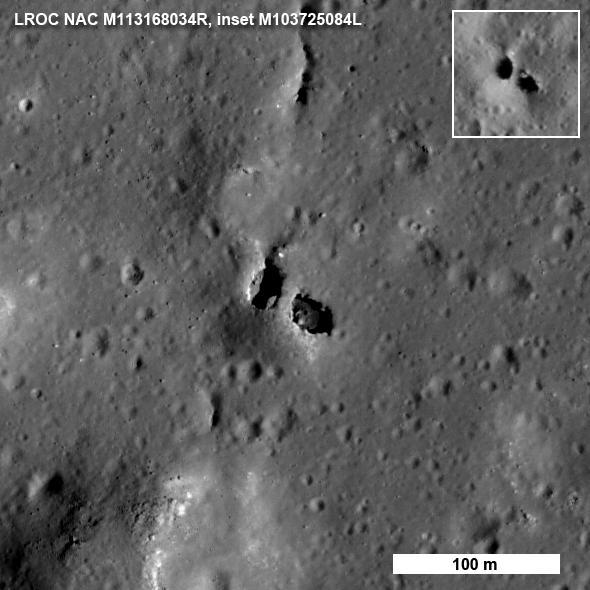
Natural Bridge on the Moon
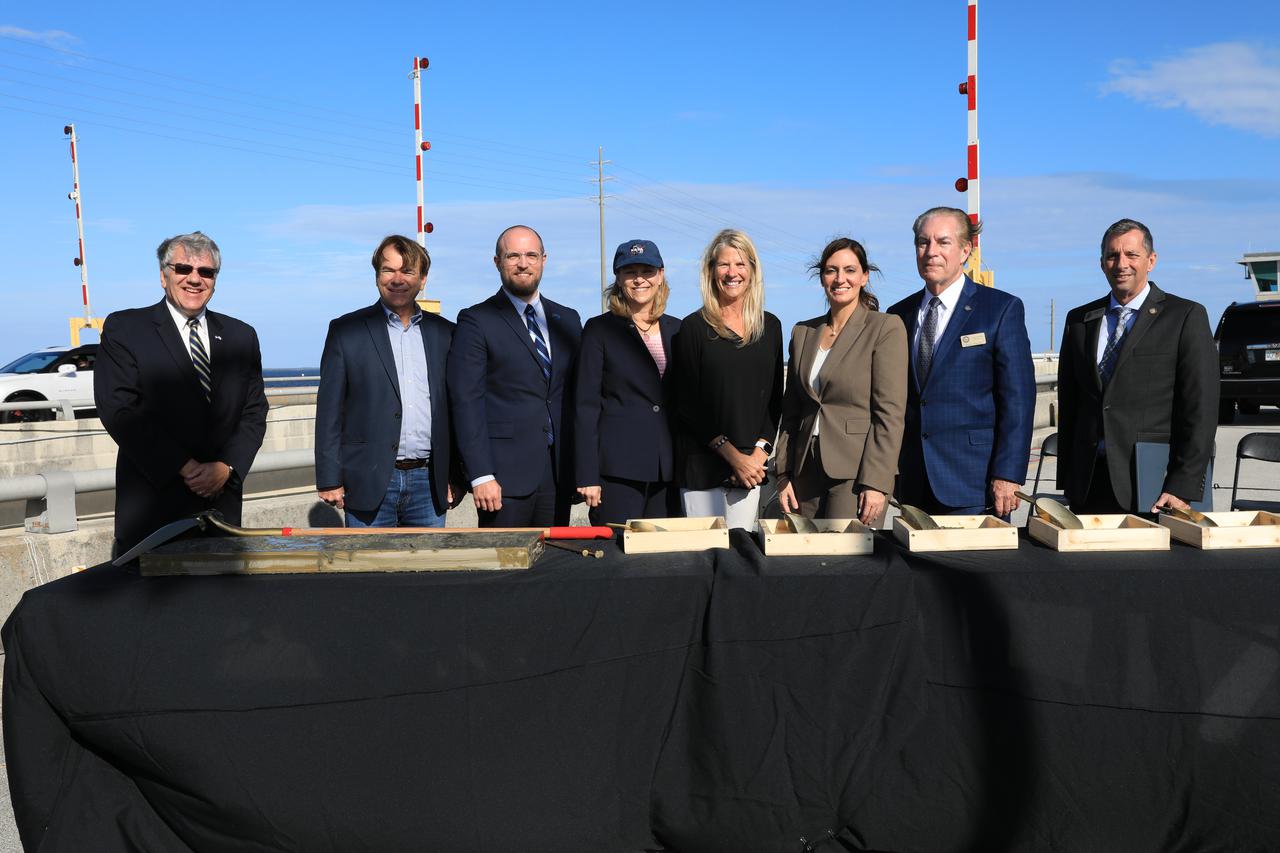
Center Director Janet Petro joins partners and elected officials for a groundbreaking ceremony on a new NASA Causeway bridge over the Indian River leading to NASA’s Kennedy Space Center on Merritt Island in Florida. The construction is made possible through a $90M Infrastructure for Rebuilding America (INFRA) grant, which was awarded thanks to an extensive effort by NASA, the State of Florida – through Florida Department of Transportation and Space Florida – as well as support from industry partners, other local, state, and federal government agencies. The new bridge enables Kennedy’s growth as a multi-user spaceport and will allow NASA to better support the space industry. Construction is scheduled to take several years. To commemorate the day, speakers left a handprint and signed their name in cement.
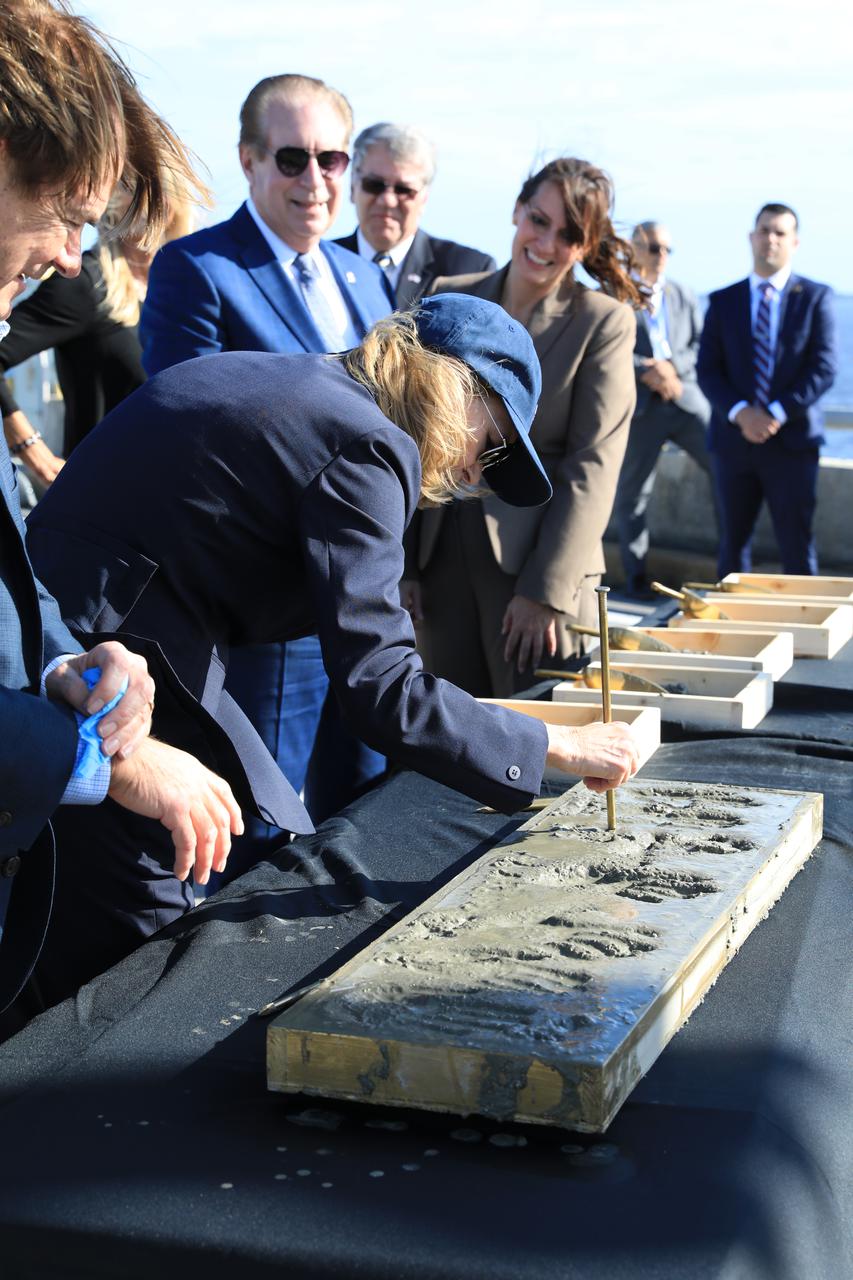
Center Director Janet Petro joins partners and elected officials for a groundbreaking ceremony on a new NASA Causeway bridge over the Indian River leading to NASA’s Kennedy Space Center on Merritt Island in Florida. The construction is made possible through a $90M Infrastructure for Rebuilding America (INFRA) grant, which was awarded thanks to an extensive effort by NASA, the State of Florida – through Florida Department of Transportation and Space Florida – as well as support from industry partners, other local, state, and federal government agencies. The new bridge enables Kennedy’s growth as a multi-user spaceport and will allow NASA to better support the space industry. Construction is scheduled to take several years. To commemorate the day, speakers left a handprint and signed their name in cement.
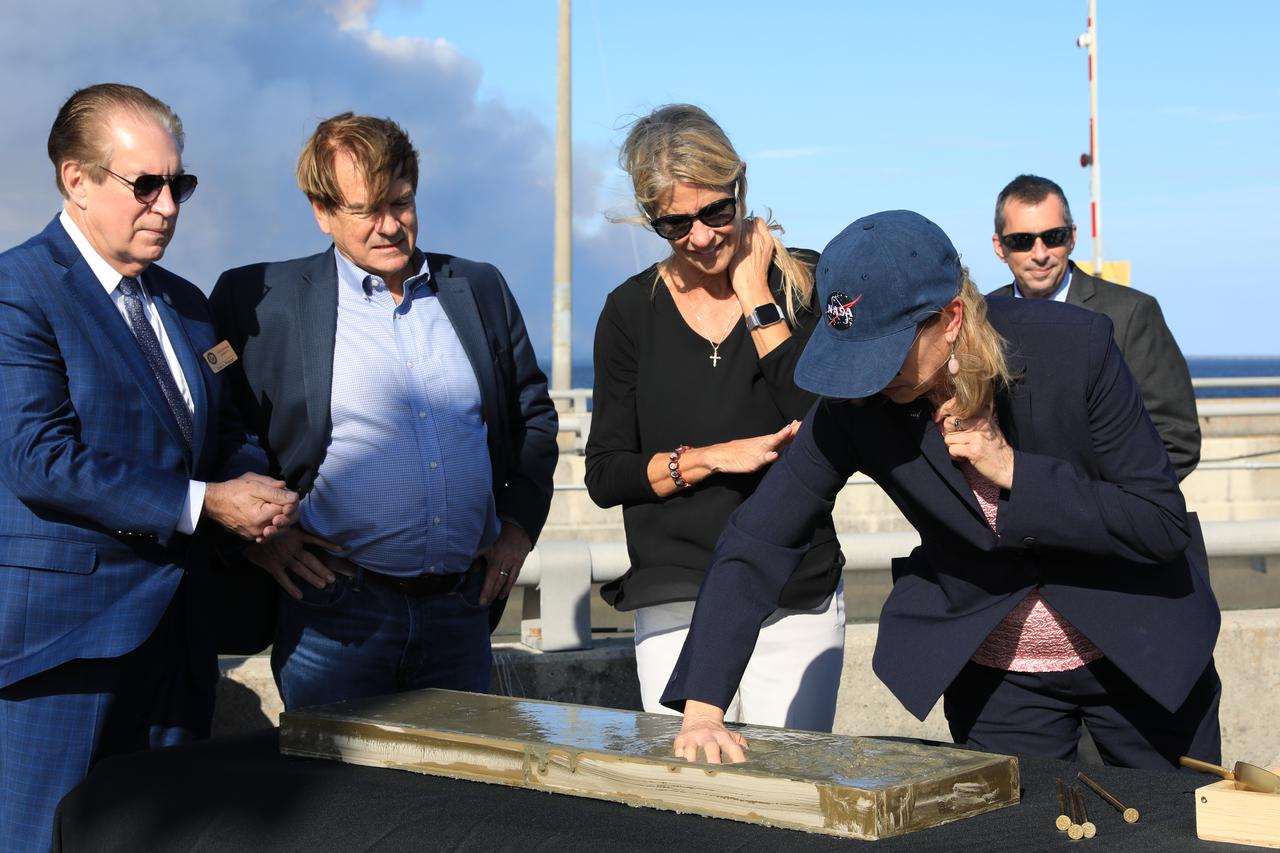
Center Director Janet Petro joins partners and elected officials for a groundbreaking ceremony on a new NASA Causeway bridge over the Indian River leading to NASA’s Kennedy Space Center on Merritt Island in Florida. The construction is made possible through a $90M Infrastructure for Rebuilding America (INFRA) grant, which was awarded thanks to an extensive effort by NASA, the State of Florida – through Florida Department of Transportation and Space Florida – as well as support from industry partners, other local, state, and federal government agencies. The new bridge enables Kennedy’s growth as a multi-user spaceport and will allow NASA to better support the space industry. Construction is scheduled to take several years. To commemorate the day, speakers left a handprint and signed their name in cement.
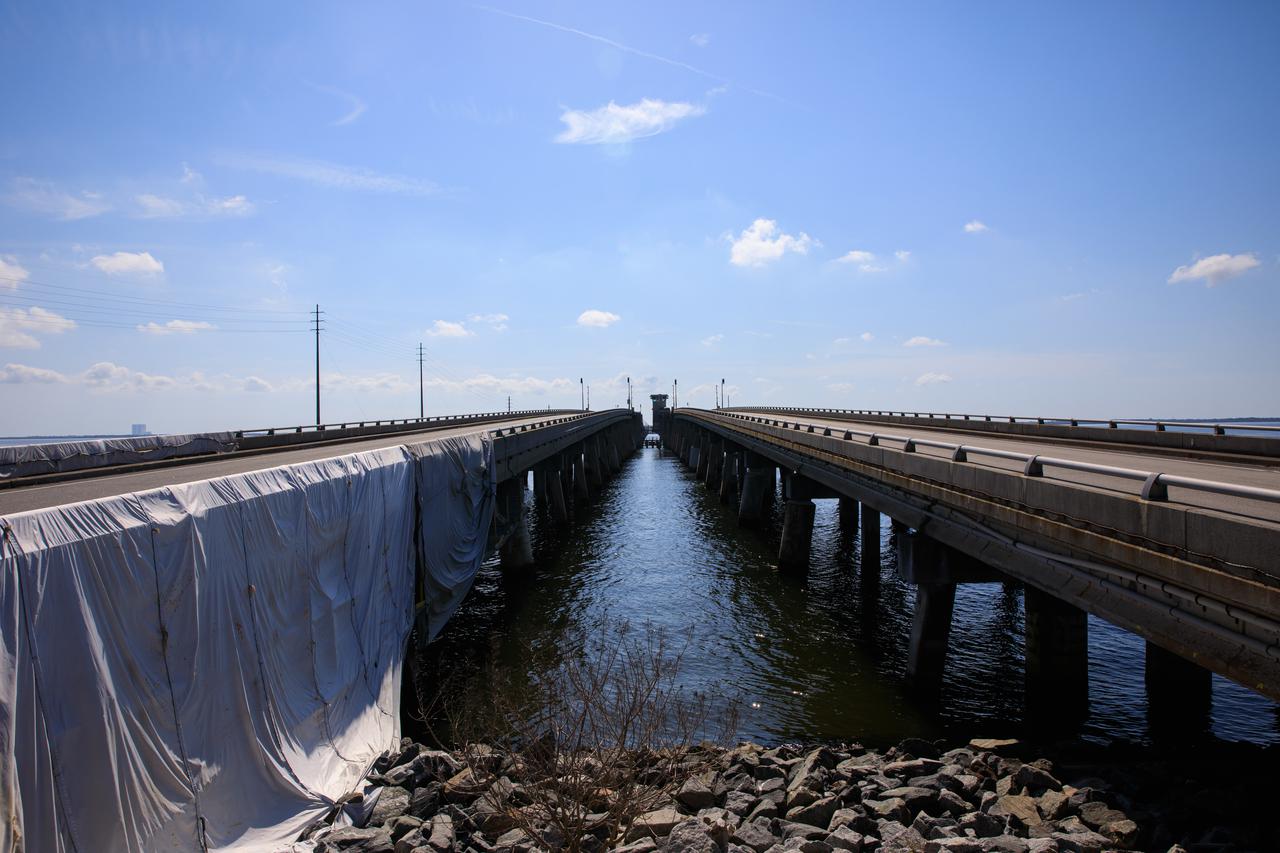
NASA’s bridge engineering team at Kennedy Space Center is managing multiple critical projects on the Indian River Bridge. This includes running new utility lines and safeguarding the existing wires and piping prior to the beginning of construction of the new Brevard County bridge. The much-traveled structure is a key access and evacuation route for the Florida spaceport and Cape Canaveral Space Force Station. Also known as the NASA Causeway Bridge, the Indian River Bridge was built in 1964.
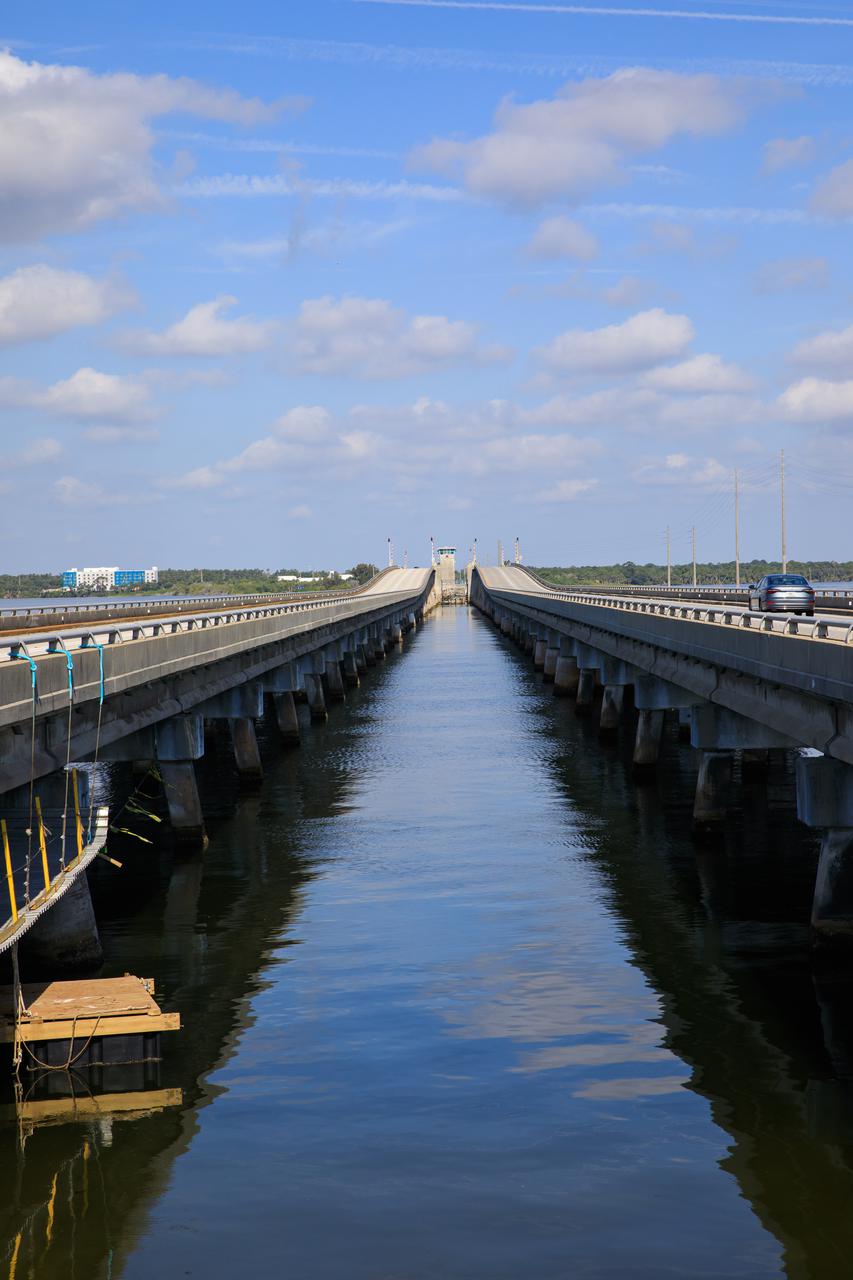
NASA’s bridge engineering team at Kennedy Space Center is managing multiple critical projects on the Indian River Bridge. This includes running new utility lines and safeguarding the existing wires and piping prior to the beginning of construction of the new Brevard County bridge. The much-traveled structure is a key access and evacuation route for the Florida spaceport and Cape Canaveral Space Force Station. Also known as the NASA Causeway Bridge, the Indian River Bridge was built in 1964.
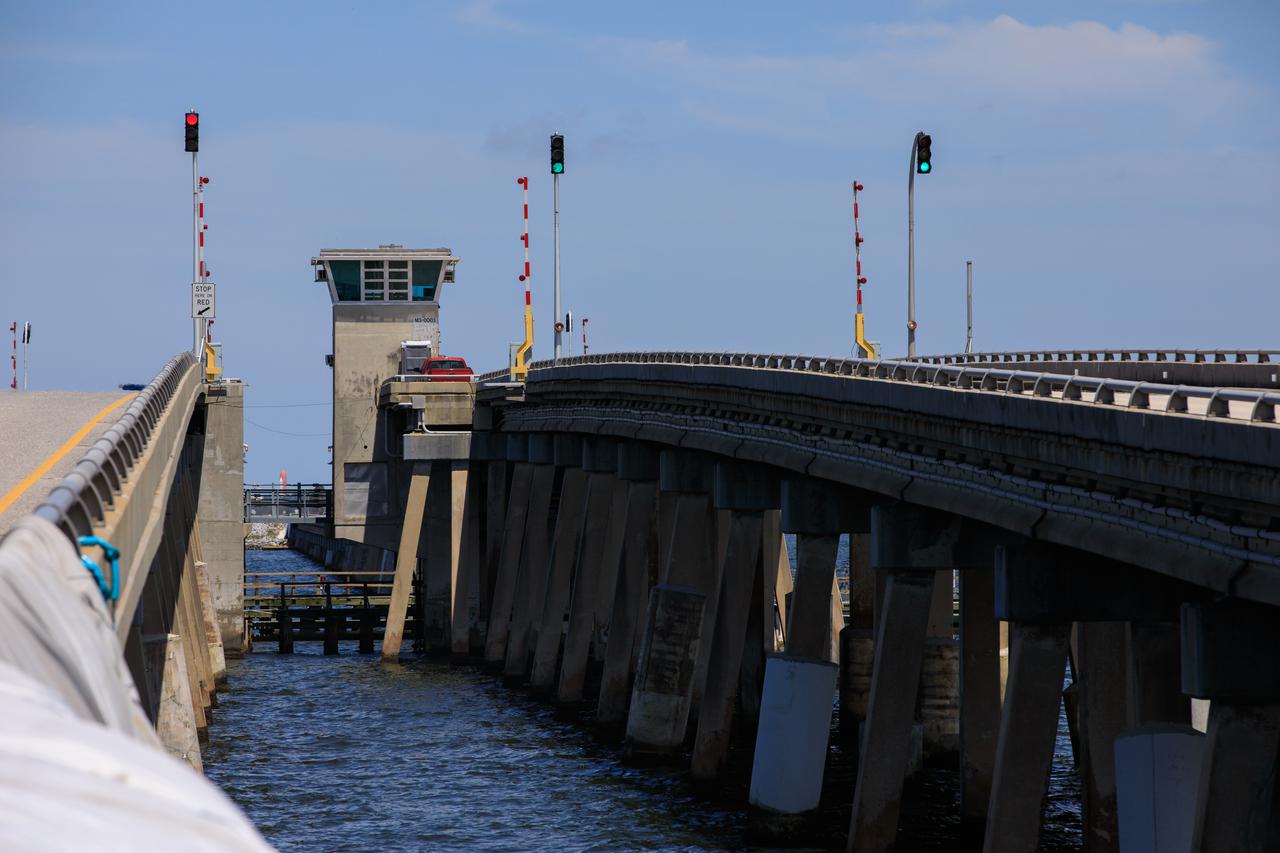
NASA’s bridge engineering team at Kennedy Space Center is managing multiple critical projects on the Indian River Bridge. This includes running new utility lines and safeguarding the existing wires and piping prior to the beginning of construction of the new Brevard County bridge. The much-traveled structure is a key access and evacuation route for the Florida spaceport and Cape Canaveral Space Force Station. Also known as the NASA Causeway Bridge, the Indian River Bridge was built in 1964.
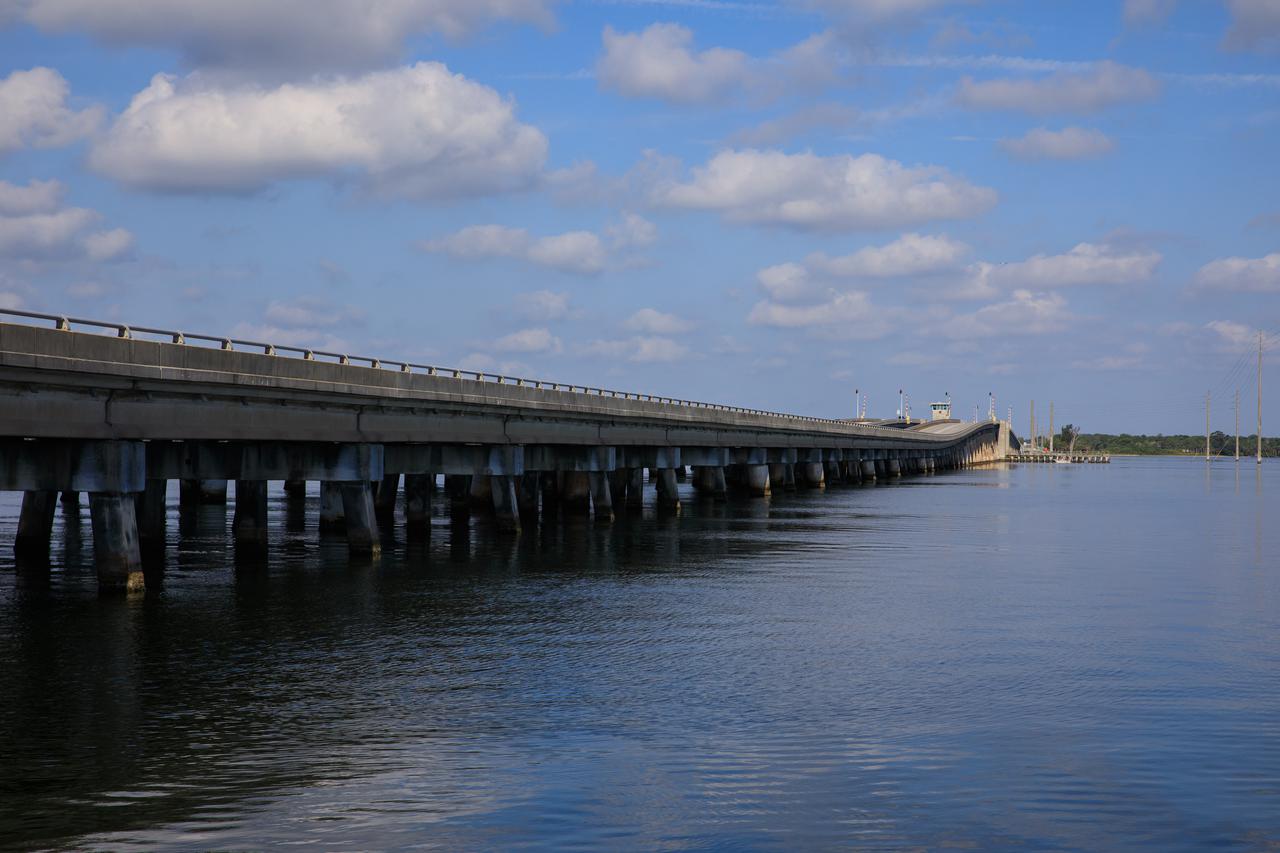
NASA’s bridge engineering team at Kennedy Space Center is managing multiple critical projects on the Indian River Bridge. This includes running new utility lines and safeguarding the existing wires and piping prior to the beginning of construction of the new Brevard County bridge. The much-traveled structure is a key access and evacuation route for the Florida spaceport and Cape Canaveral Space Force Station. Also known as the NASA Causeway Bridge, the Indian River Bridge was built in 1964.

Adam's Bridge is a 48 km long chain of limestone shoals, that were formerly a land bridge between India and Sri Lanka. It was reportedly passable until the 15th century, when storms destroyed the integrity of the bridge. The geologic origin of the bridge is still controversial. The image was acquired March 25, 2020, covers an area of 39.6 by 61.7 km, and is located at 9.3 degrees north, 79.3 degrees east. https://photojournal.jpl.nasa.gov/catalog/PIA24949
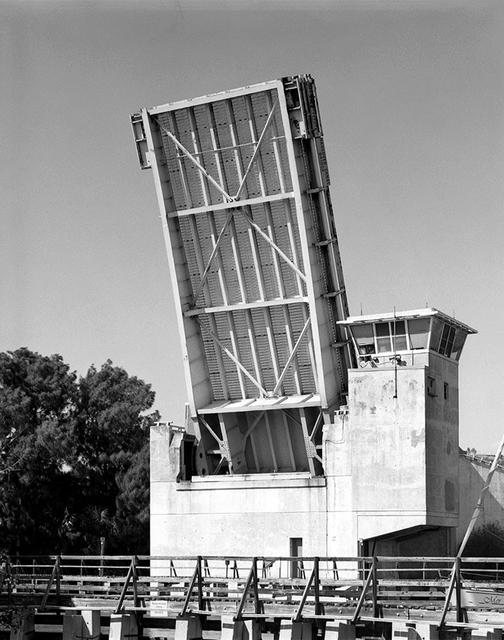
View of the Haulover Canal Bridge
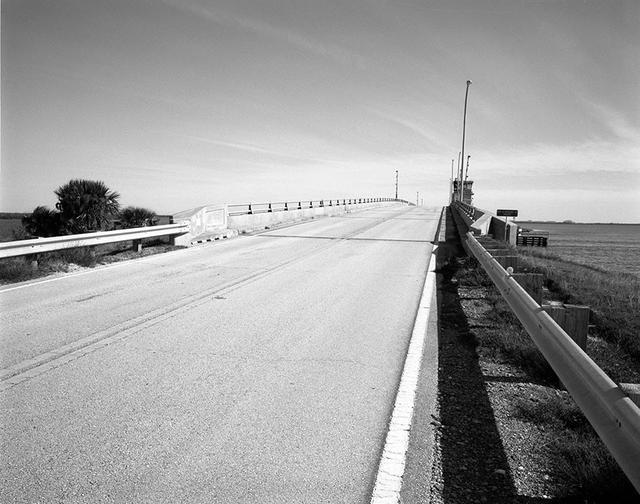
View of the Banana River Bridge
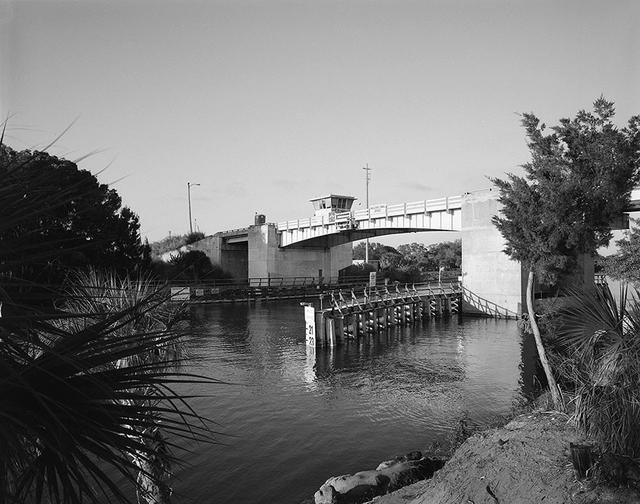
View of the Haulover Canal Bridge
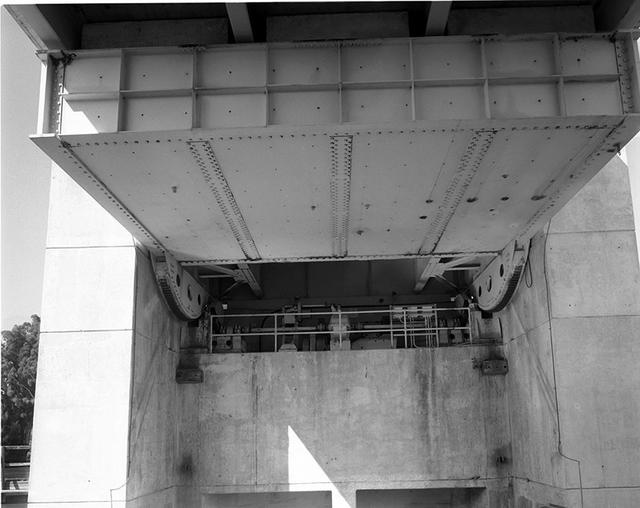
View of the Haulover Canal Bridge
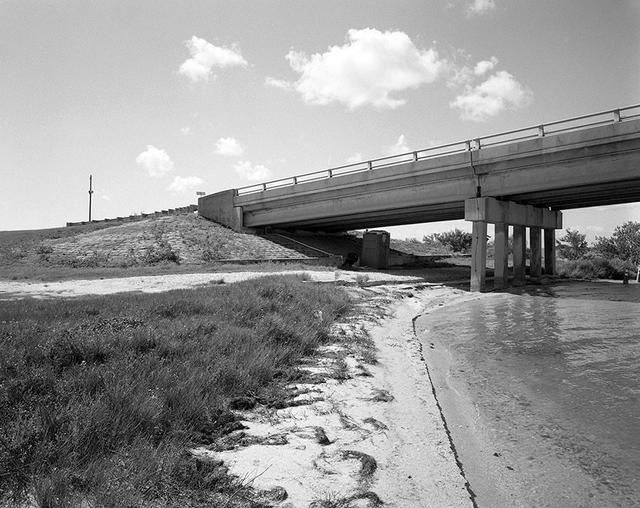
View of the Banana River Bridge
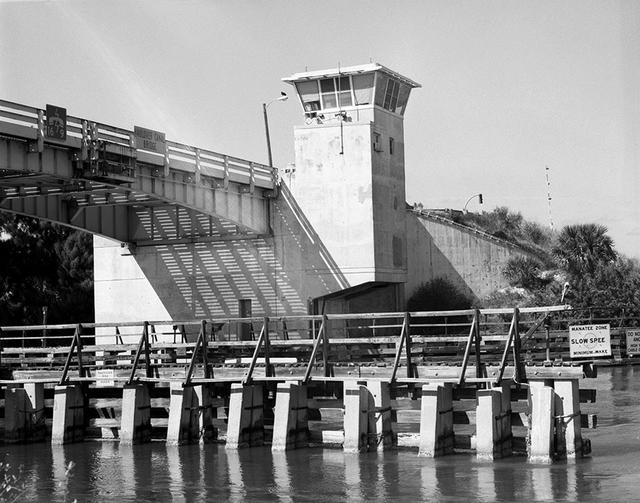
View of the Haulover Canal Bridge
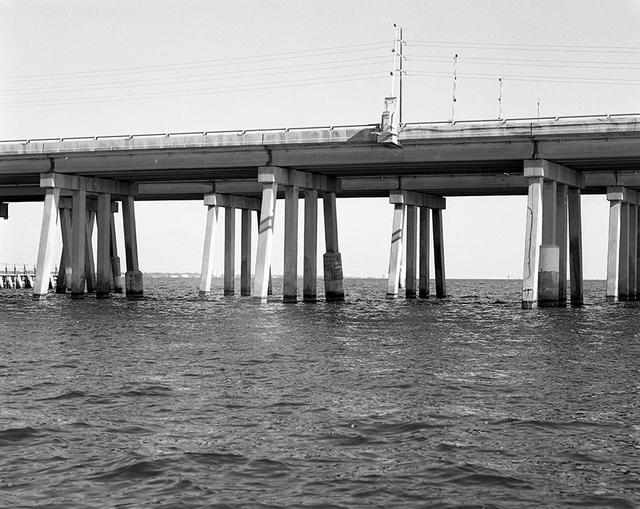
View of the Indian River Bridge
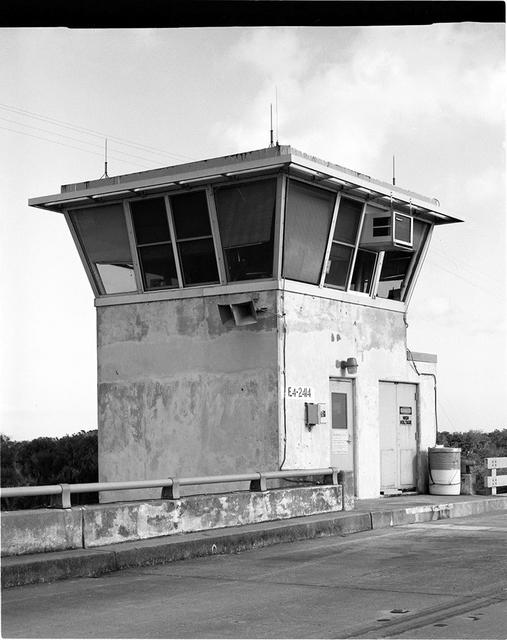
View of the Haulover Canal Bridge
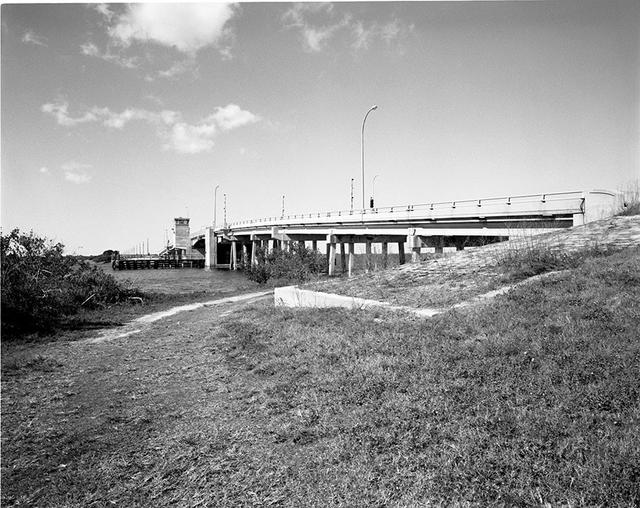
View of the Banana River Bridge
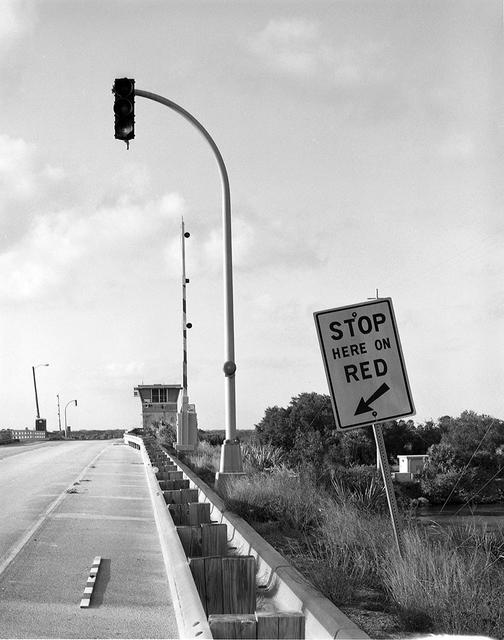
View of the Haulover Canal Bridge
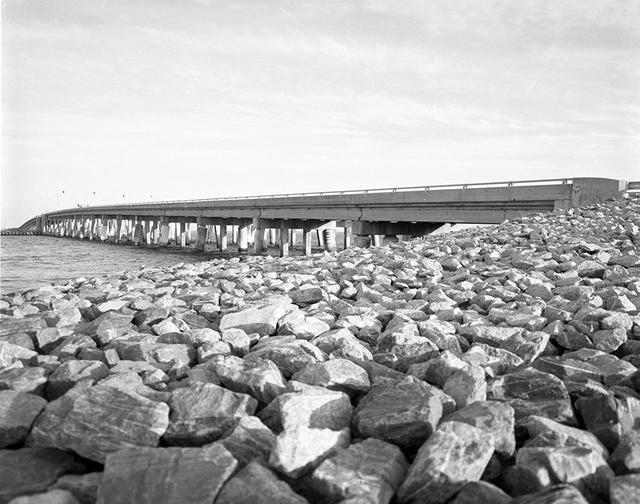
View of the Indian River Bridge
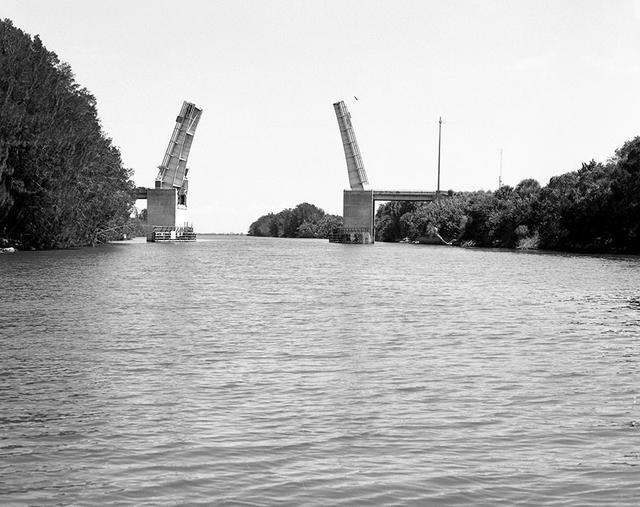
View of the Haulover Canal Bridge
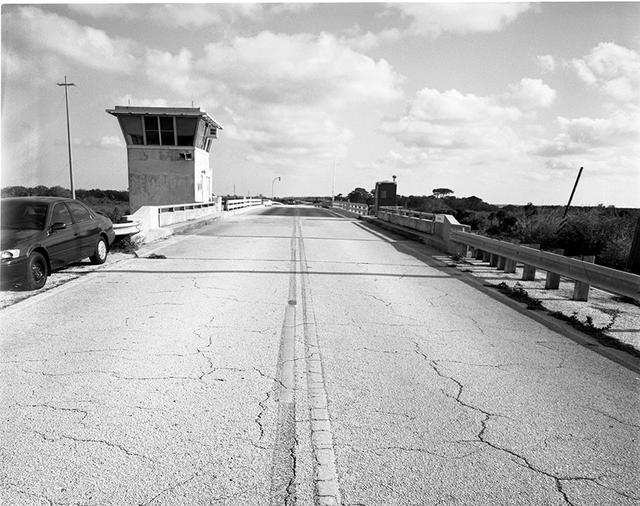
View of the Haulover Canal Bridge
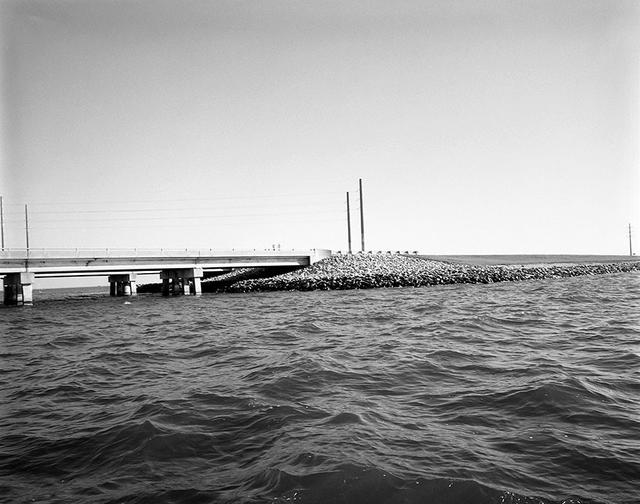
View of the Indian River Bridge
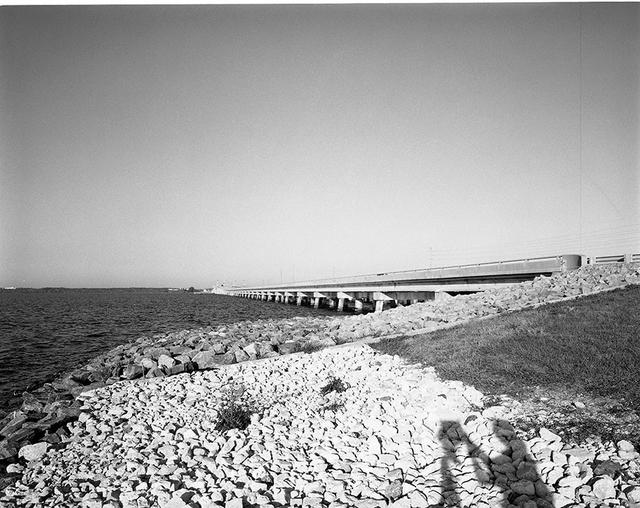
View of the Indian River Bridge
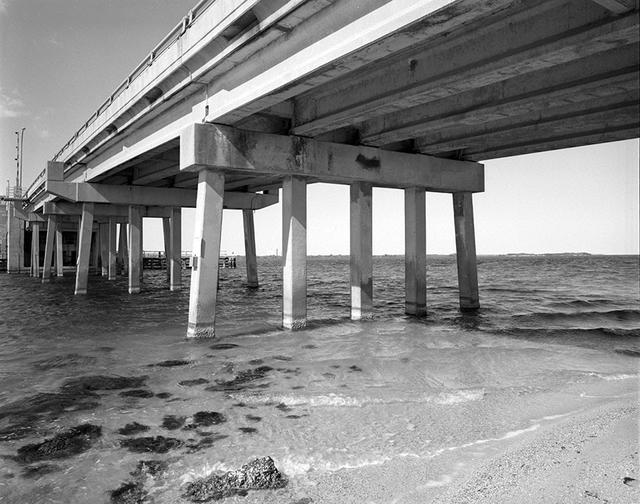
View of the Banana River Bridge
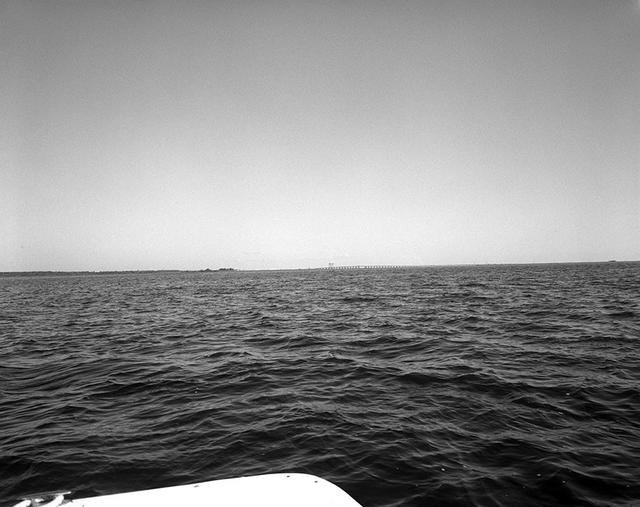
View of the Indian River Bridge

View of the Haulover Canal Bridge
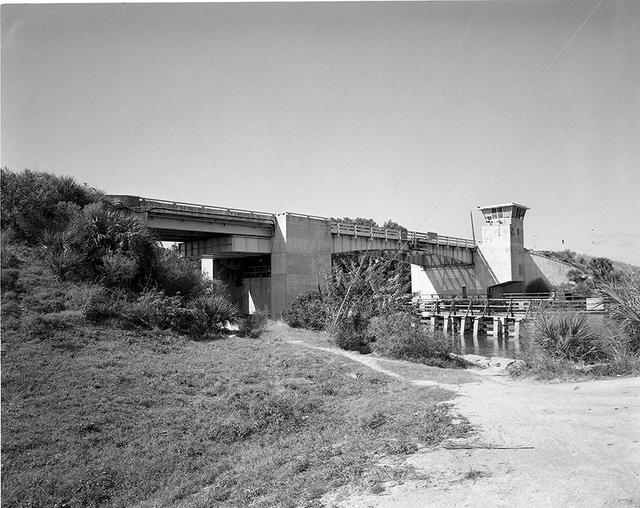
View of the Haulover Canal Bridge
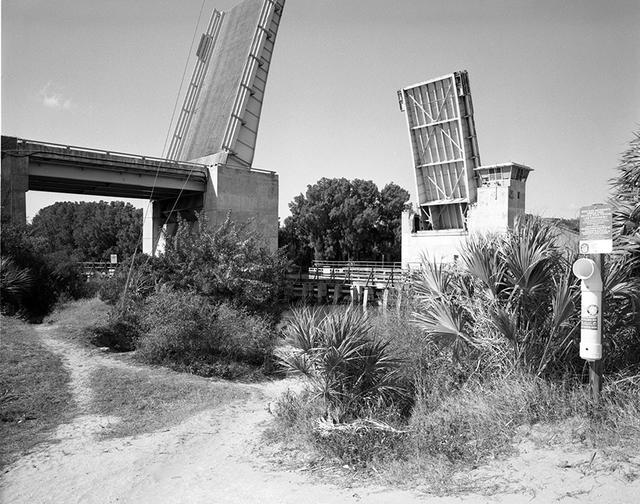
View of the Haulover Canal Bridge
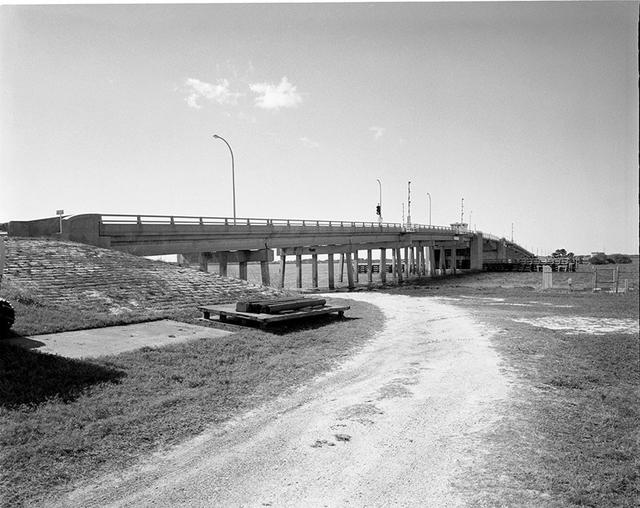
View of the Banana River Bridge
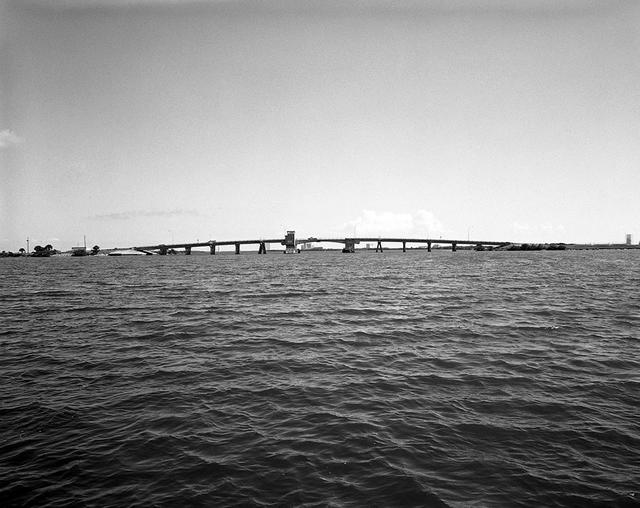
View of the Banana River Bridge
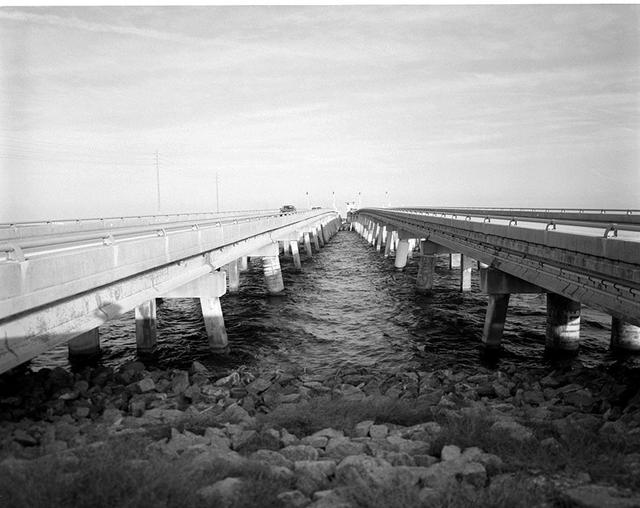
View of the Indian River Bridge
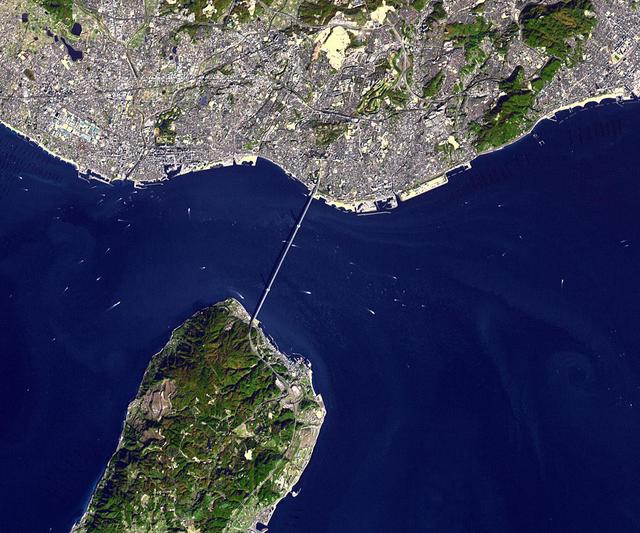
NASA Terra spacecraft shows the Akashi Kaikyo Bridge or Pearl Bridge, the longest central span of any suspension bridge in the world, at 1991 meters, connecting the city of Kobe, Japan with Iwaja on Awaji Island by crossing the busy Akashi Strait.
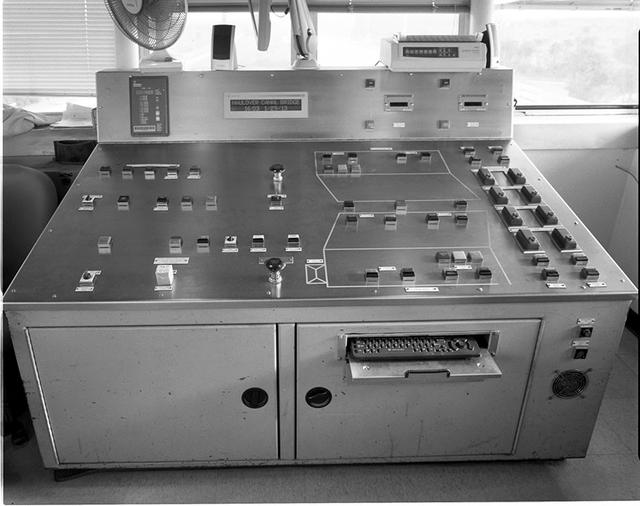
Interior view of the Haulover Canal Bridge Control Tower
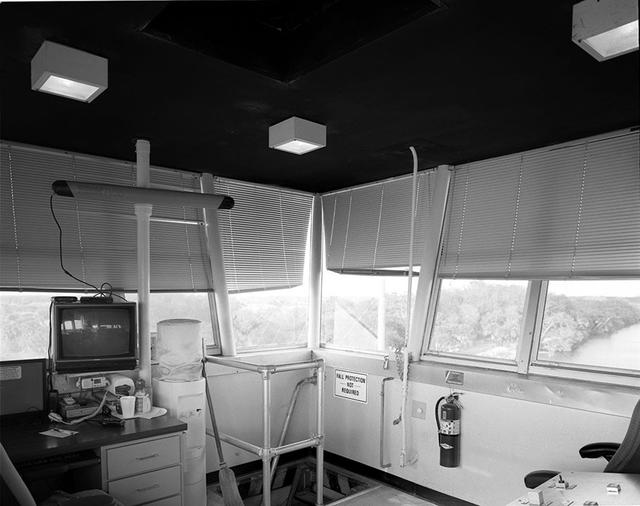
Interior view of the Haulover Canal Bridge Control Tower
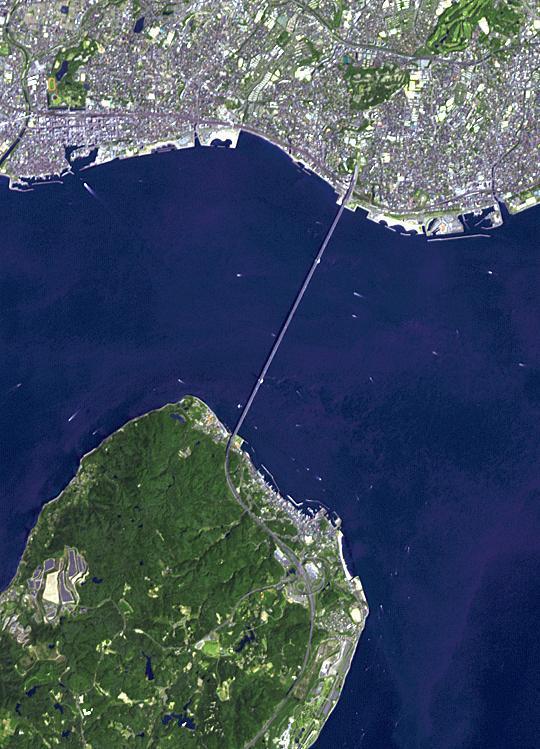
The Akashi Kaikyo Bridge in Japan has the longest central span of any suspension bridge in the world at 1991 m. The total length of the bridge is 3911 m. It links the city of Kobe on the mainland of Honshu to Iwaya on Awaji Island, crossing the busy Akashi Strait. The image was acquired April 26, 2014, covers an area of 8.1 by 11.2 km, and is located at 34.6 degrees north, 135 degrees east. http://photojournal.jpl.nasa.gov/catalog/PIA19747
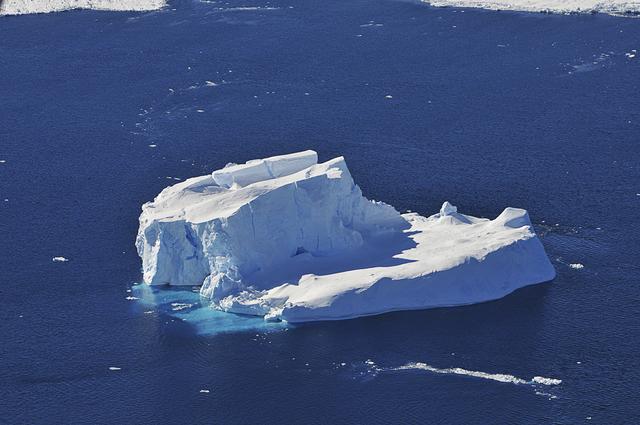
An iceberg is seen out the window of NASA's DC-8 research aircraft as it flies 2,000 feet above the Amundsen Sea in West Antarctica on Wednesday, Oct., 21, 2009. This was the fourth science flight of NASA’s Operation Ice Bridge airborne Earth science mission to study Antarctic ice sheets, sea ice, and ice shelves. Photo Credit: (NASA/Jane Peterson)
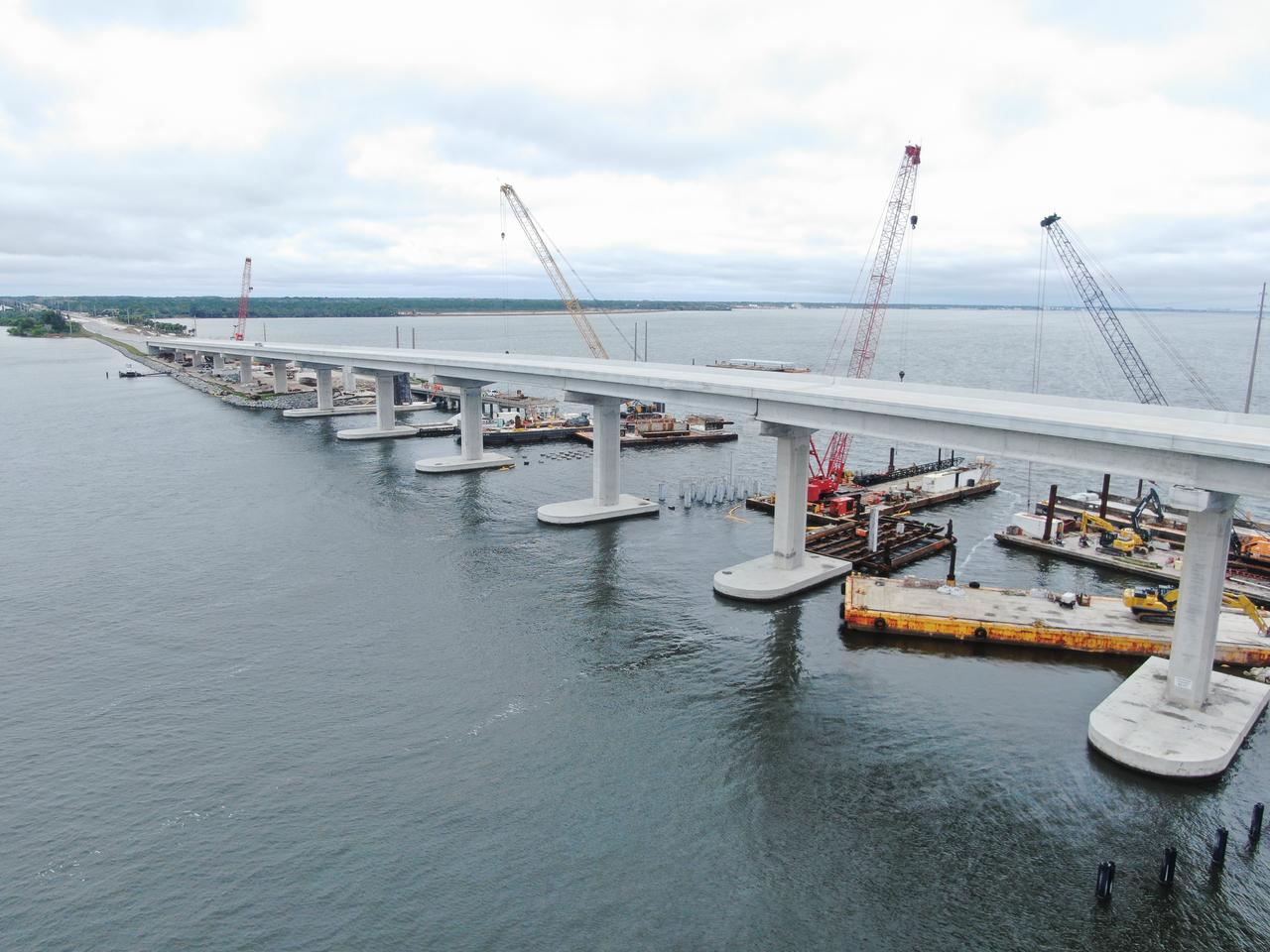
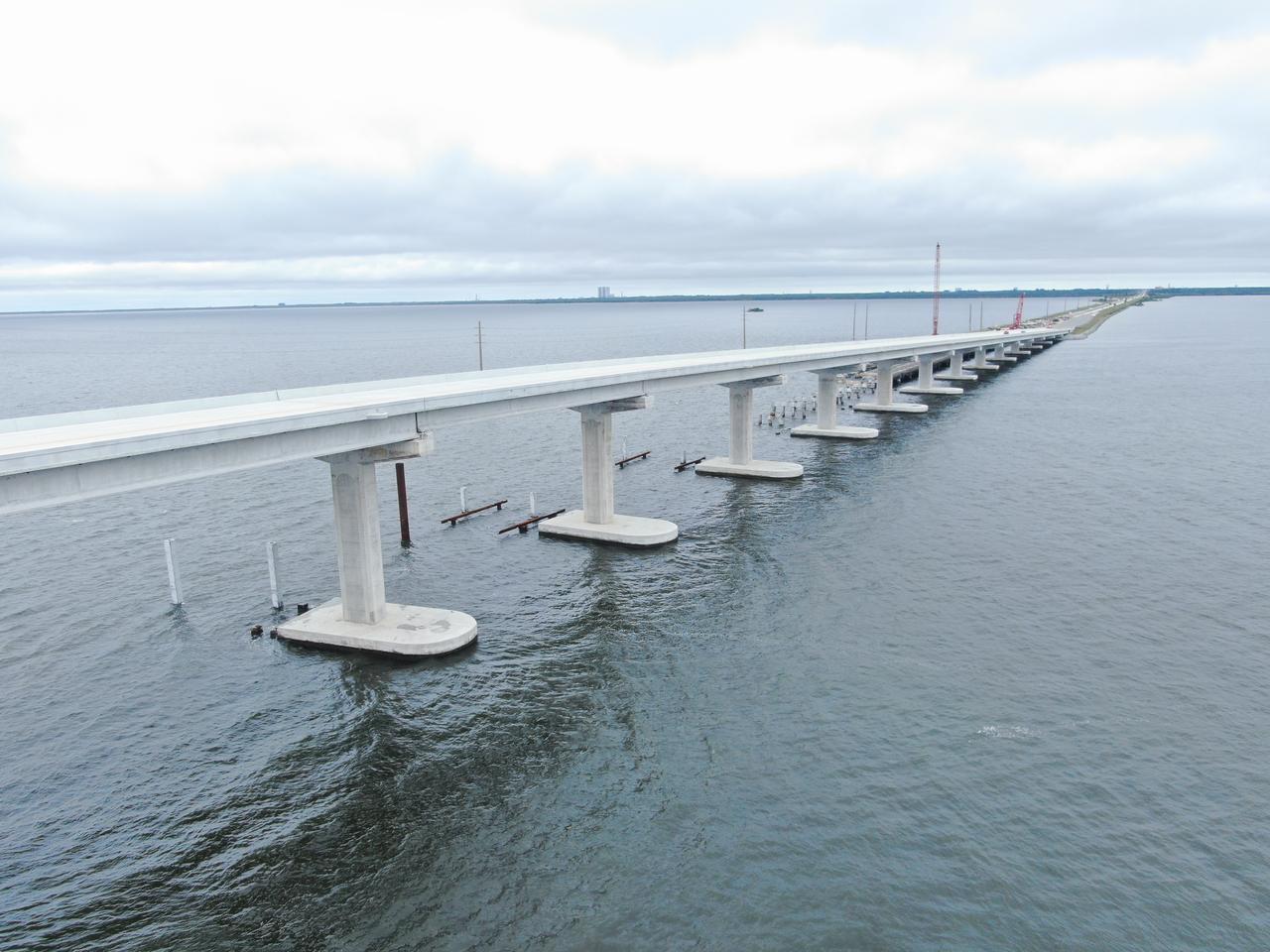
In this aerial view, crews with Orion Marine Construction work to complete the westbound span of the Indian River Bridge while daily traffic moves along the upgraded eastbound lanes of the bridge leading to NASA’s Kennedy Space Center in Florida on Monday, Nov. 27, 2023. The bridge crosses the Indian River Lagoon and connects Kennedy and the Cape Canaveral Space Force Station to the mainland via State Road 405/NASA Causeway in nearby Titusville. The new high-rise bridge serves as the primary entrance and exit to the space center for employees and visitors. The new bridge spans replace a pair of two-lane drawbridges built in the mid-1960s to support NASA’s Apollo program. The first of the two new spans opened to the public ahead of schedule on June 9, 2023. In development for well over a decade, the load capacity, width, and grade of the bridge were designed to support the largest future payloads and vehicles at the spaceport while simultaneously supporting increased public traffic to and from Kennedy.
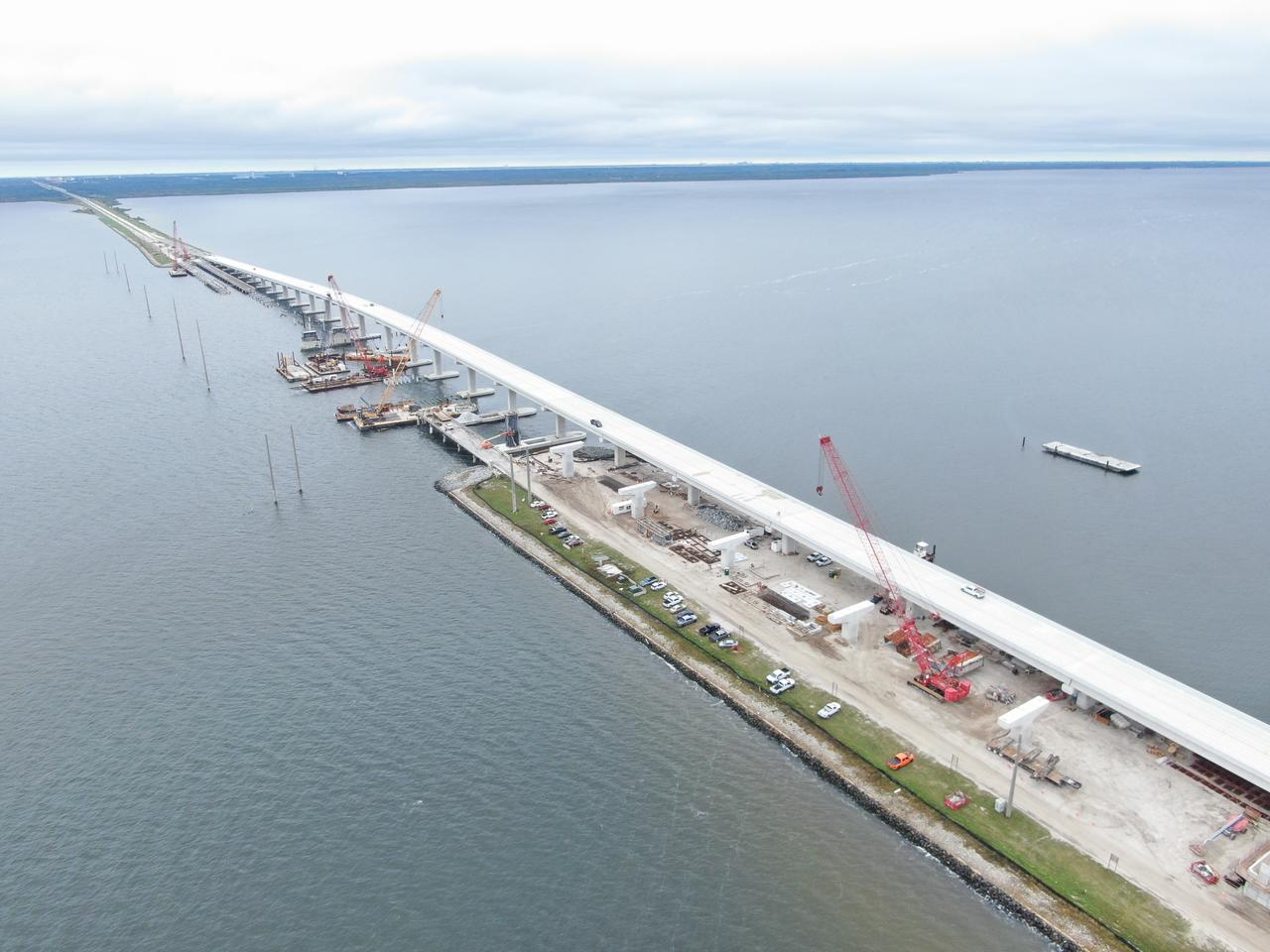
In this aerial view, crews with Orion Marine Construction work to complete the westbound span of the Indian River Bridge while daily traffic moves along the upgraded eastbound lanes of the bridge leading to NASA’s Kennedy Space Center in Florida on Monday, Nov. 27, 2023. The bridge crosses the Indian River Lagoon and connects Kennedy and the Cape Canaveral Space Force Station to the mainland via State Road 405/NASA Causeway in nearby Titusville. The new high-rise bridge serves as the primary entrance and exit to the space center for employees and visitors. The new bridge spans replace a pair of two-lane drawbridges built in the mid-1960s to support NASA’s Apollo program. The first of the two new spans opened to the public ahead of schedule on June 9, 2023. In development for well over a decade, the load capacity, width, and grade of the bridge were designed to support the largest future payloads and vehicles at the spaceport while simultaneously supporting increased public traffic to and from Kennedy.
In this aerial view, crews with Orion Marine Construction work to complete the westbound span of the Indian River Bridge while daily traffic moves along the upgraded eastbound lanes of the bridge leading to NASA’s Kennedy Space Center in Florida on Monday, Nov. 27, 2023. The bridge crosses the Indian River Lagoon and connects Kennedy and the Cape Canaveral Space Force Station to the mainland via State Road 405/NASA Causeway in nearby Titusville. The new high-rise bridge serves as the primary entrance and exit to the space center for employees and visitors. The new bridge spans replace a pair of two-lane drawbridges built in the mid-1960s to support NASA’s Apollo program. The first of the two new spans opened to the public ahead of schedule on June 9, 2023. In development for well over a decade, the load capacity, width, and grade of the bridge were designed to support the largest future payloads and vehicles at the spaceport while simultaneously supporting increased public traffic to and from Kennedy.

Incoming KSC Director James W. Kennedy (left) and departing KSC Director Roy D. Bridges Jr. (center) view the new sign on the NASA Causeway naming the bridge for Bridges who is leaving KSC to become the director of NASA's Langley Research Center, Hampton, Va. At right is the 45th Space Wing Commander Brig. Gen. J. Gregory Pavlovich. The bridge spans the Banana River on the NASA Causeway and connects Kennedy Space Center and Cape Canaveral Air Force Station.

From left, incoming KSC Director James W. Kennedy looks on as departing KSC Director Roy D. Bridges Jr. shakes hands with the 45th Space Wing Commander Brig. Gen. J. Gregory Pavlovich. The occasion is the unveiling of the new sign on the NASA Causeway naming the bridge for Bridges who is leaving KSC to become the director of NASA's Langley Research Center, Hampton, Va. The bridge spans the Banana River on the NASA Causeway and connects Kennedy Space Center and Cape Canaveral Air Force Station.
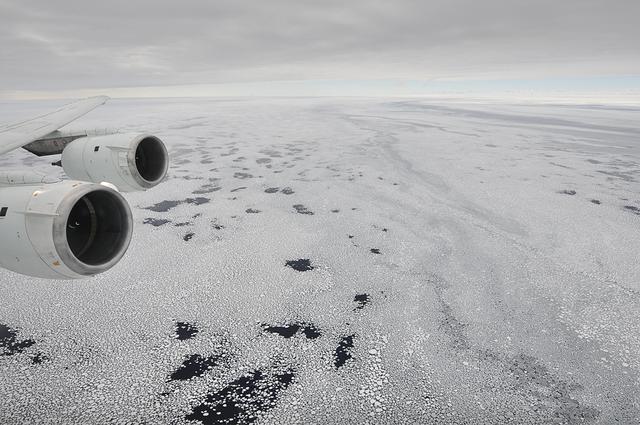
Sea ice is seen out the window of NASA's DC-8 research aircraft as it flies 2,000 feet above the Bellingshausen Sea in West Antarctica on Wednesday, Oct., 21, 2009. This was the fourth science flight of NASA’s Operation Ice Bridge airborne Earth science mission to study Antarctic ice sheets, sea ice, and ice shelves. Photo Credit: (NASA/Jane Peterson)
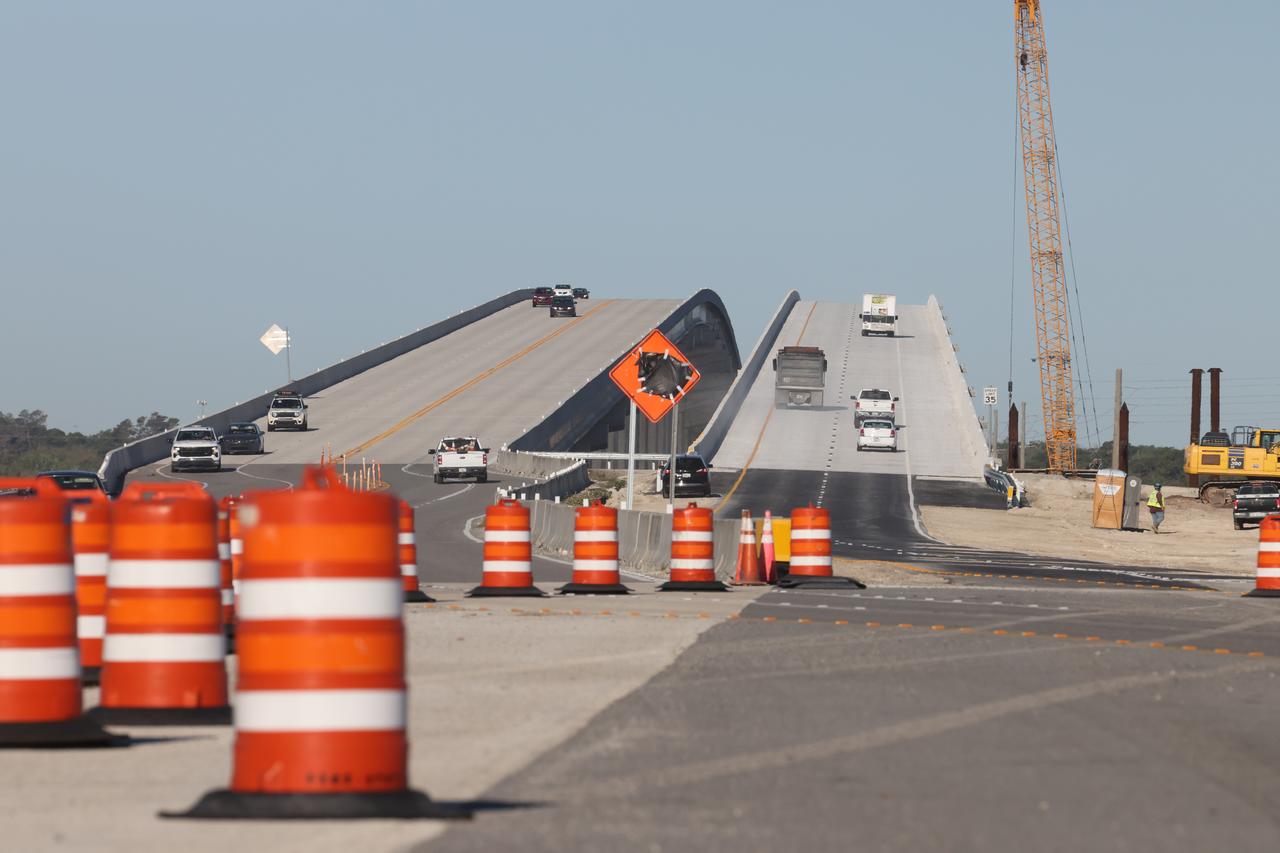
Cars drive over the newly completed westbound portion (right side of photo) of the NASA Causeway Bridge leading away from NASA’s Kennedy Space Center in Florida on Wednesday, March 19, 2025. The Florida Department of Transportation (FDOT) opened the span on Tuesday, March 18, 2025, alongside its twin on the eastbound side, which has accommodated traffic in both directions since FDOT opened it on June 9, 2023. The high-rise bridge spans the Indian River Lagoon and connects NASA Kennedy and the Cape Canaveral Space Force Station to the mainland via State Road 405/NASA Causeway in Titusville, replacing the two-lane drawbridge built in the mid-1960s to support the Apollo program.
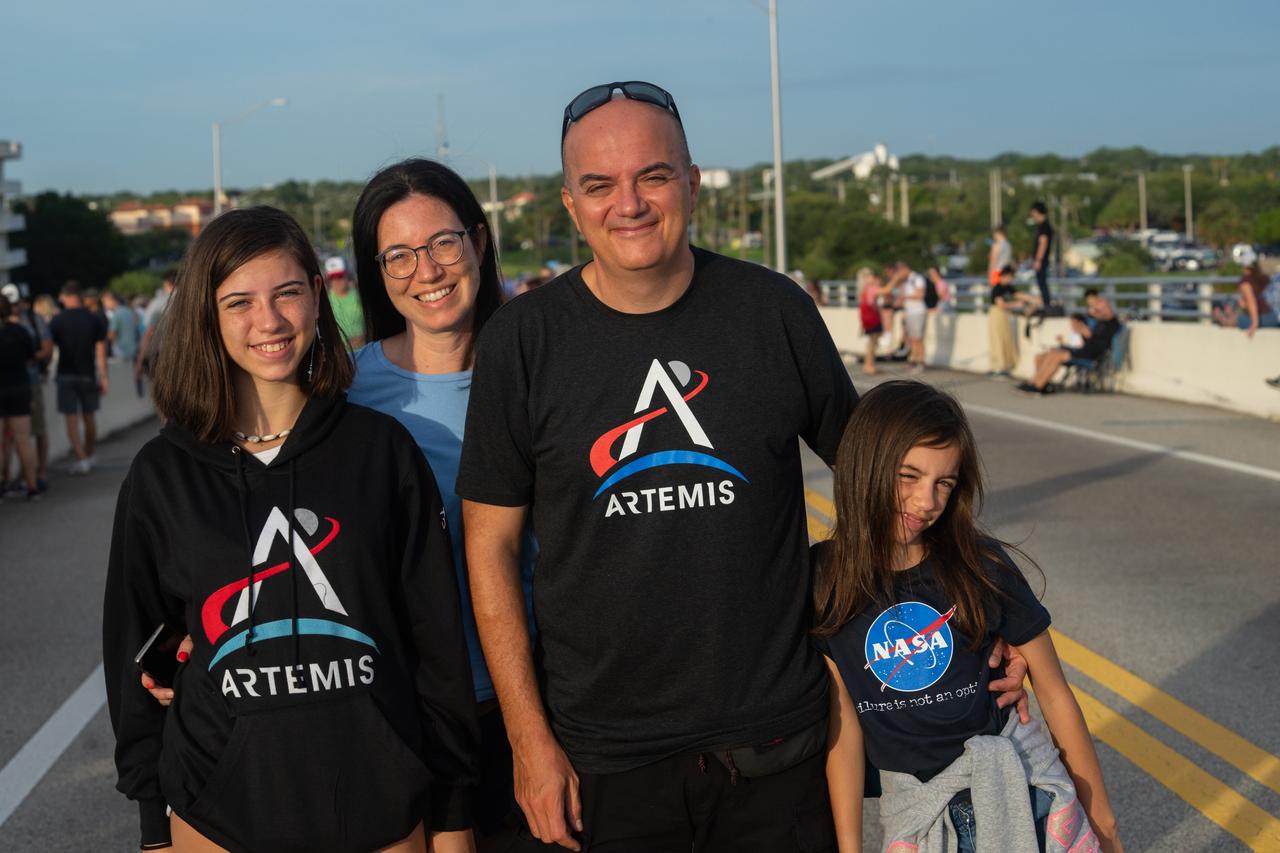
A family wearing NASA and Artemis shirts are on the Max Brewer Bridge in Titusville, Florida, to witness the launch of NASA’s Artemis I mission on Aug. 29, 2022. The launch was waved off for the day. The first in a series of increasingly complex missions, Artemis I will provide a foundation for human deep space exploration and demonstrate our commitment and capability to extend human presence to the Moon and beyond. The primary goal of Artemis I is to thoroughly test the integrated systems before crewed missions by operating the spacecraft in a deep space environment, testing Orion’s heat shield, and recovering the crew module after reentry, descent, and splashdown.
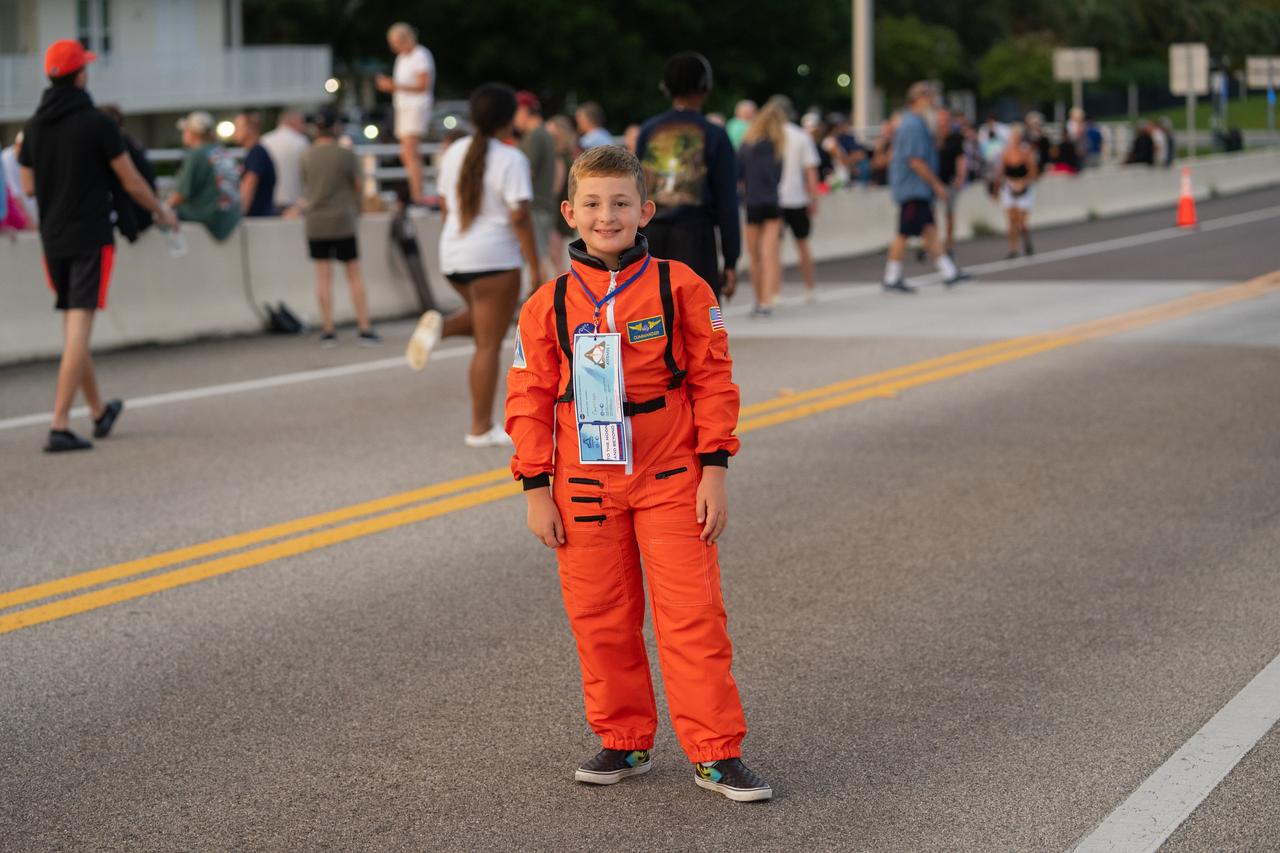
A young child dressed in an astronaut spacesuit is one of the spectators gathering on the Max Brewer Bridge in Titusville, Florida, to witness NASA’s Artemis I launch on Aug. 29, 2022. The launch was waved off for the day at the agency’s Kennedy Space Center. The first in a series of increasingly complex missions, Artemis I will provide a foundation for human deep space exploration and demonstrate our commitment and capability to extend human presence to the Moon and beyond. The primary goal of Artemis I is to thoroughly test the integrated systems before crewed missions by operating the spacecraft in a deep space environment, testing Orion’s heat shield, and recovering the crew module after reentry, descent, and splashdown.
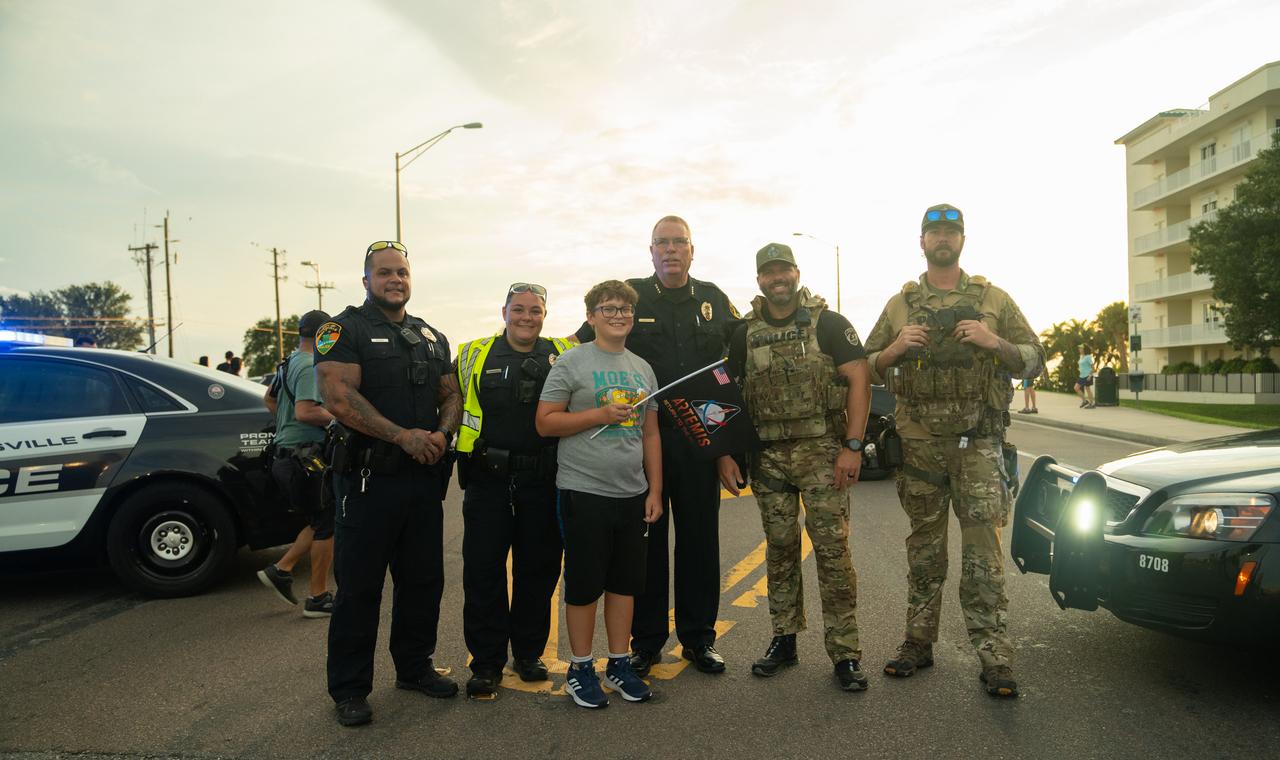
A young child waving an Artemis flag poses with members of the Titusville Police Dept. on the Max Brewer Bridge on Aug. 29, 2022, during Artemis I countdown festivities. The launch was waved off for the day at the agency’s Kennedy Space Center. The first in a series of increasingly complex missions, Artemis I will provide a foundation for human deep space exploration and demonstrate our commitment and capability to extend human presence to the Moon and beyond. The primary goal of Artemis I is to thoroughly test the integrated systems before crewed missions by operating the spacecraft in a deep space environment, testing Orion’s heat shield, and recovering the crew module after reentry, descent, and splashdown.
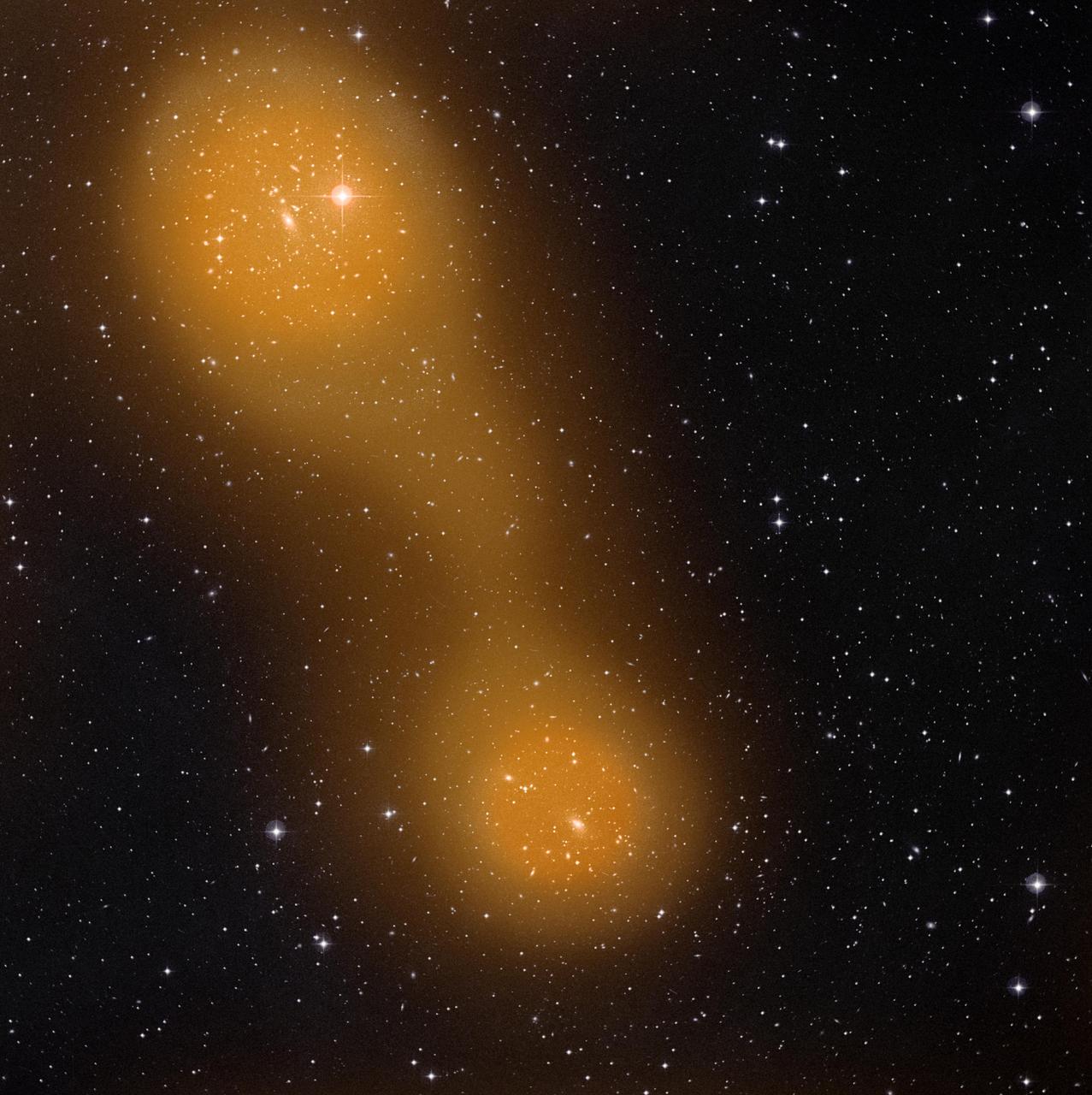
Planck has discovered a bridge of hot gas that connects galaxy clusters Abell 399 lower center and Abell 401 top left. The galaxy pair is located about a billion light-years from Earth.
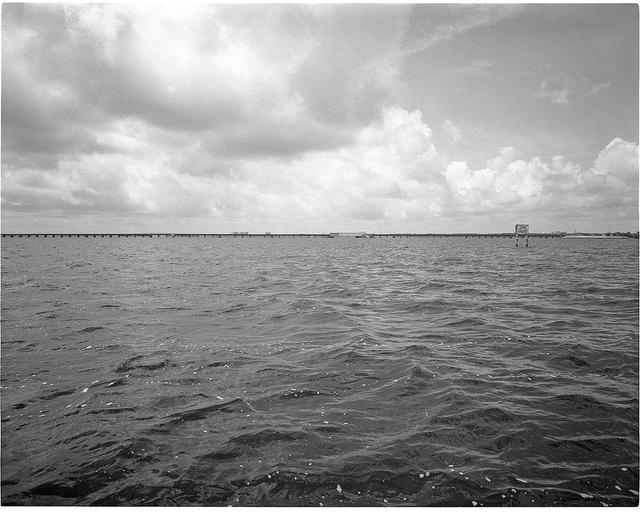
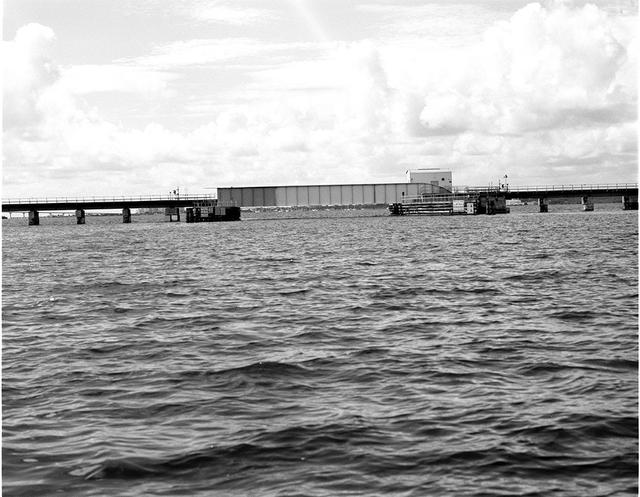
View of the Jay Jay Bridge
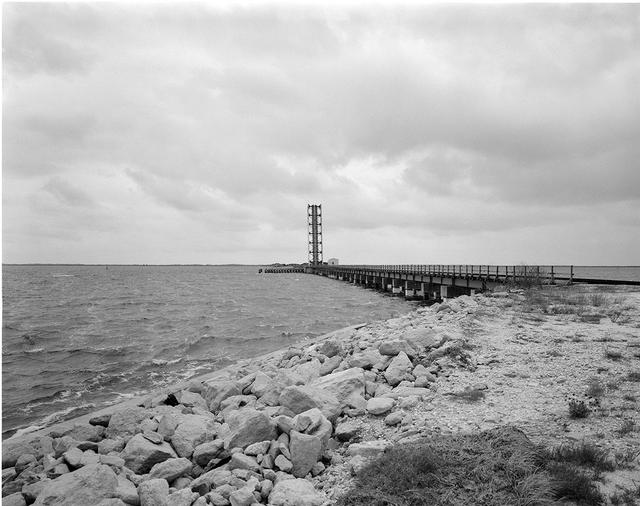
View of the Jay Jay Bridge
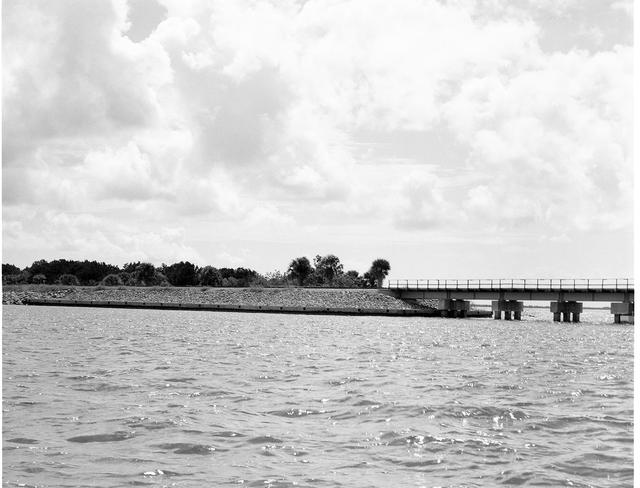
View of the Jay Jay Bridge
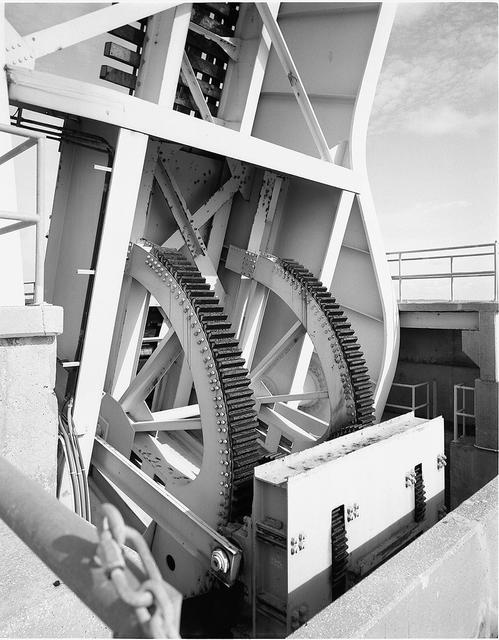
View of the Jay Jay Bridge
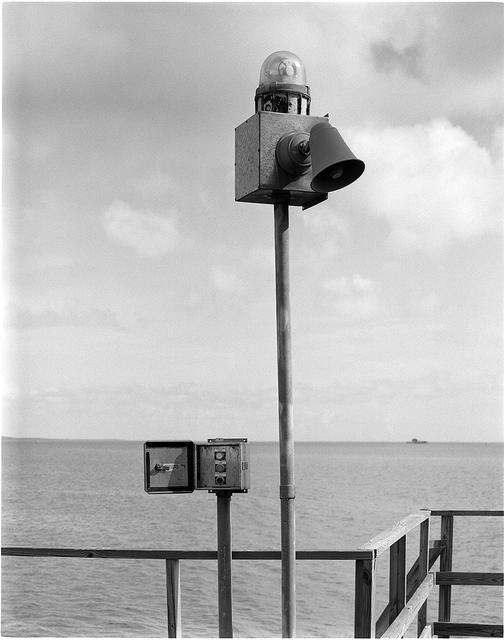
View of the Jay Jay Bridge
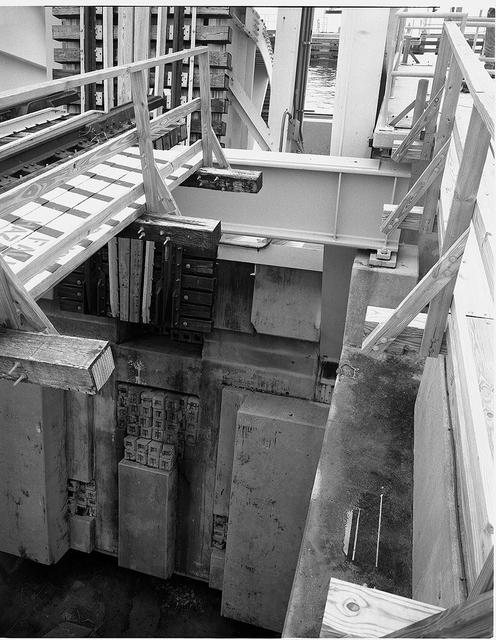
View of the Jay Jay Bridge
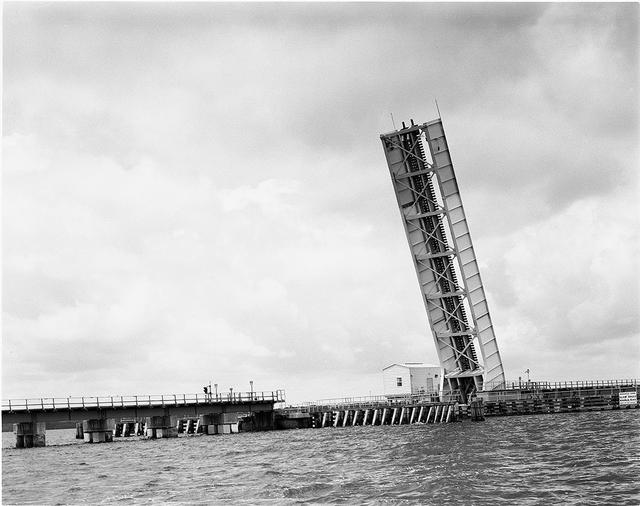
View of the Jay Jay Bridge
View of the Jay Jay Bridge
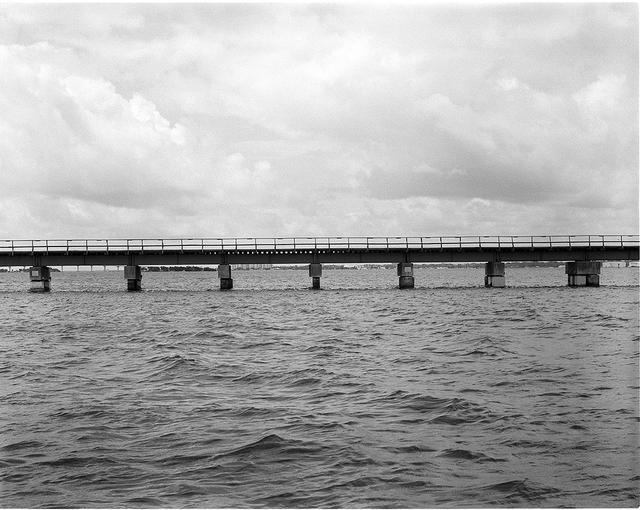
View of the Jay Jay Bridge
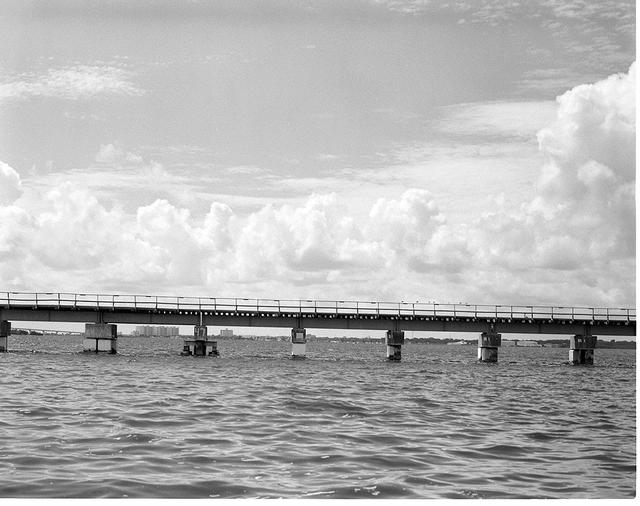
View of the Jay Jay Bridge
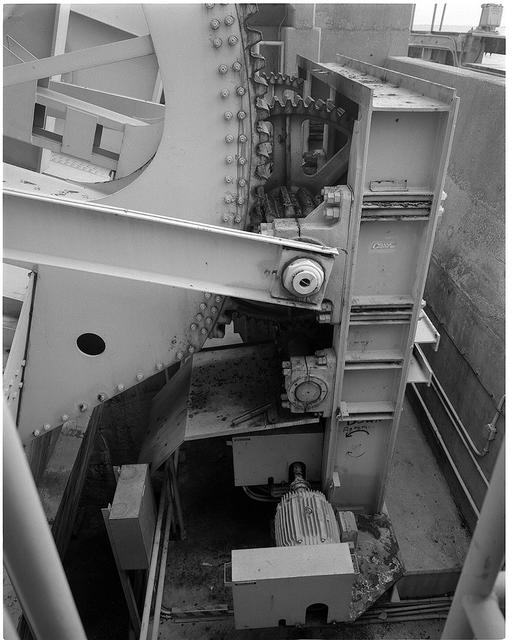
View of the Jay Jay Bridge
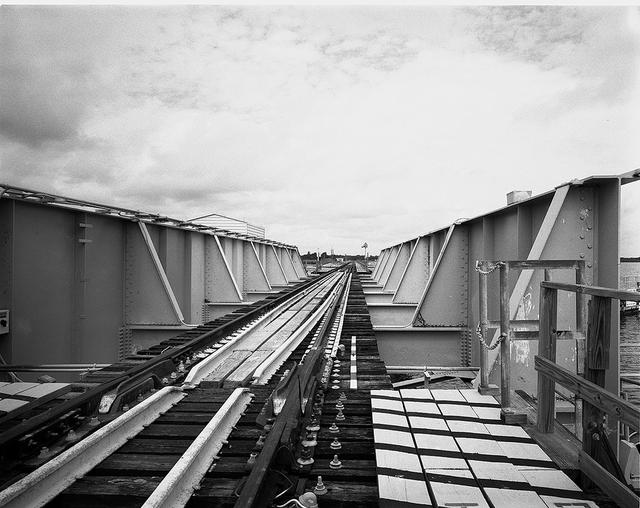
View of the Jay Jay Bridge
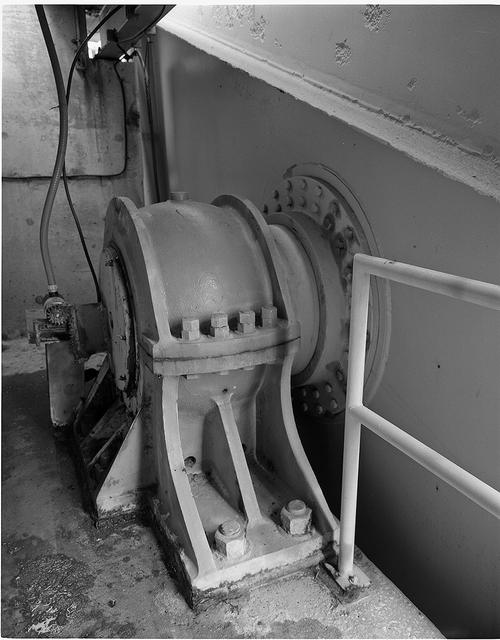
View of the Jay Jay Bridge
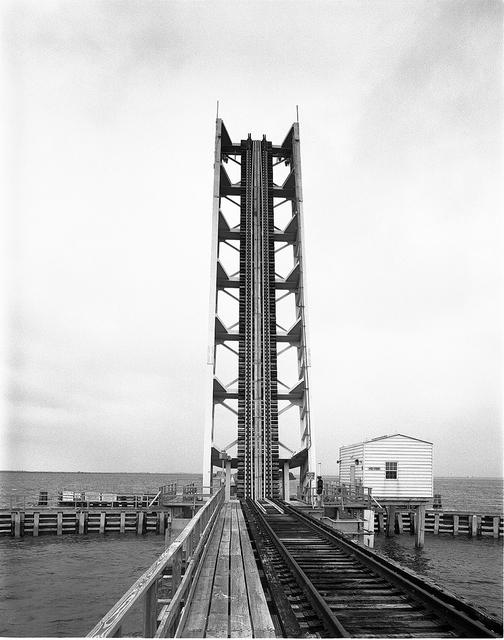
View of the Jay Jay Bridge
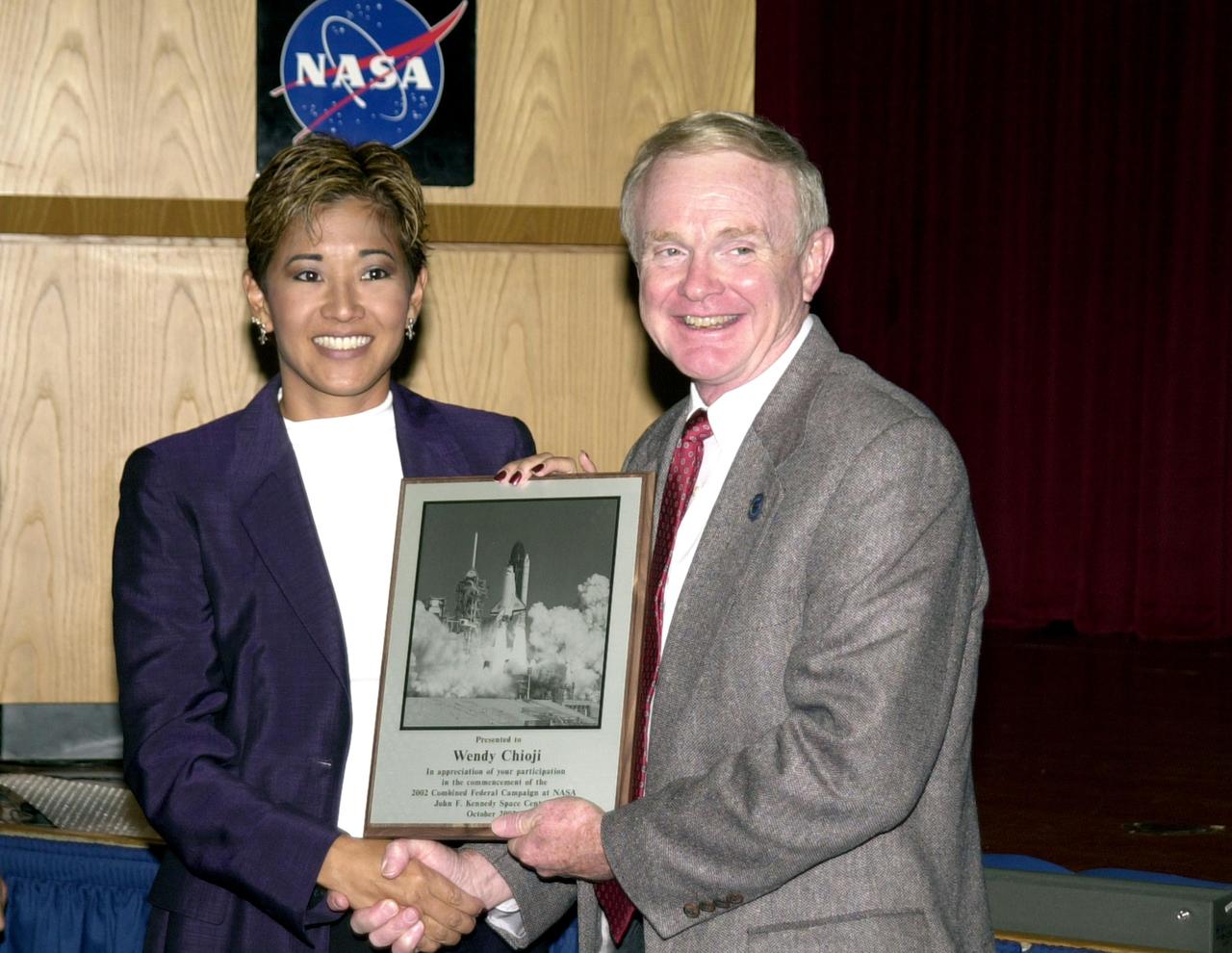
WESH-TV 2 News Anchor Wendy Chioji with Kennedy Space Center Director Roy Bridges
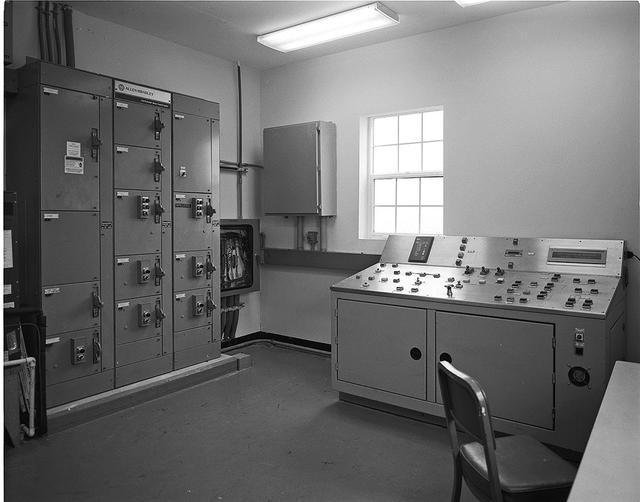
Interior view of the Jay Jay Bridge Control House
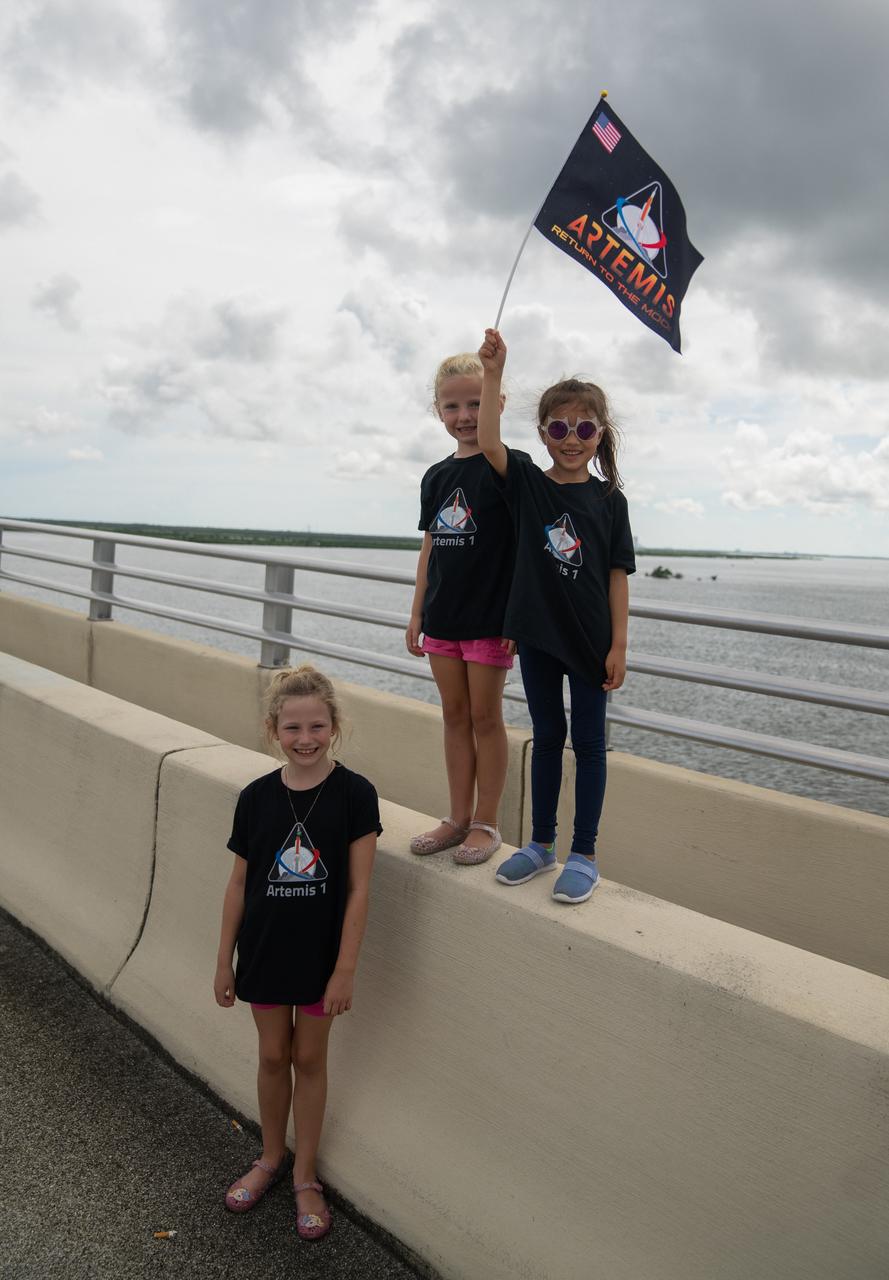
A group of young children with an Artemis flag are photographed on the Max Brewer Bridge in Titusville, Florida, as they wait to watch the launch of NASA’s Artemis I mission on Sept. 3, 2022. The launch was waived off for the day. The first in a series of increasingly complex missions, Artemis I will provide a foundation for human deep space exploration and demonstrate our commitment and capability to extend human presence to the Moon and beyond. The primary goal of Artemis I is to thoroughly test the integrated systems before crewed missions by operating the spacecraft in a deep space environment, testing Orion’s heat shield, and recovering the crew module after reentry, descent, and splashdown.
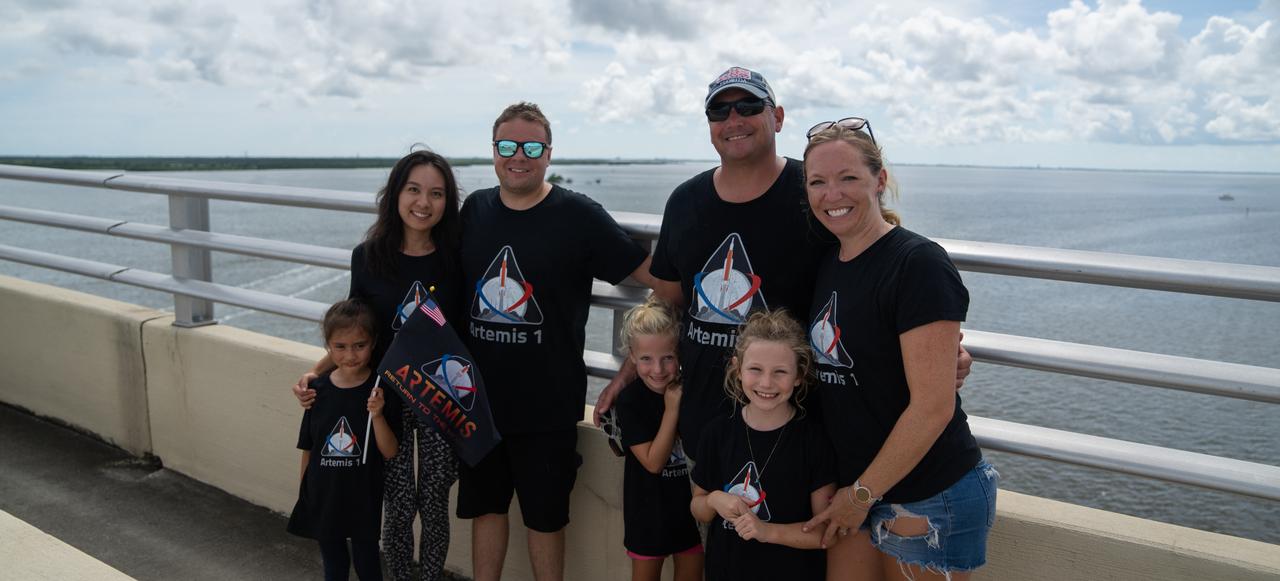
A family wearing matching Artemis shirts are on the Max Brewer Bridge in Titusville, Florida, to witness the launch of NASA’s Artemis I mission on Sept. 3, 2022. The launch was waived off for the day. The first in a series of increasingly complex missions, Artemis I will provide a foundation for human deep space exploration and demonstrate our commitment and capability to extend human presence to the Moon and beyond. The primary goal of Artemis I is to thoroughly test the integrated systems before crewed missions by operating the spacecraft in a deep space environment, testing Orion’s heat shield, and recovering the crew module after reentry, descent, and splashdown.
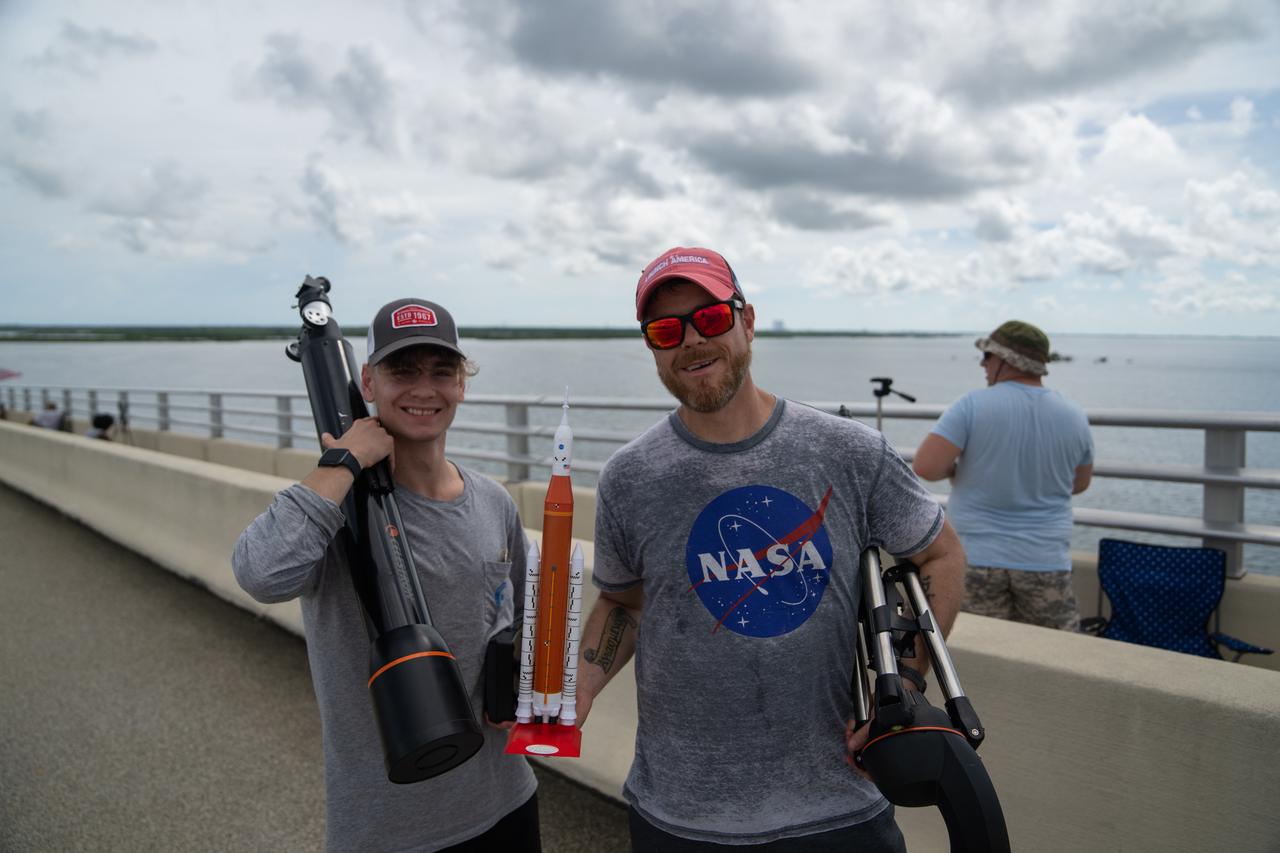
Two individuals wearing NASA shirts and holding a model Space Launch System rocket are on the Max Brewer Bridge in Titusville, Florida, to witness the launch of NASA’s Artemis I mission on Sept. 3, 2022. The launch was waived off for the day. The first in a series of increasingly complex missions, Artemis I will provide a foundation for human deep space exploration and demonstrate our commitment and capability to extend human presence to the Moon and beyond. The primary goal of Artemis I is to thoroughly test the integrated systems before crewed missions by operating the spacecraft in a deep space environment, testing Orion’s heat shield, and recovering the crew module after reentry, descent, and splashdown.
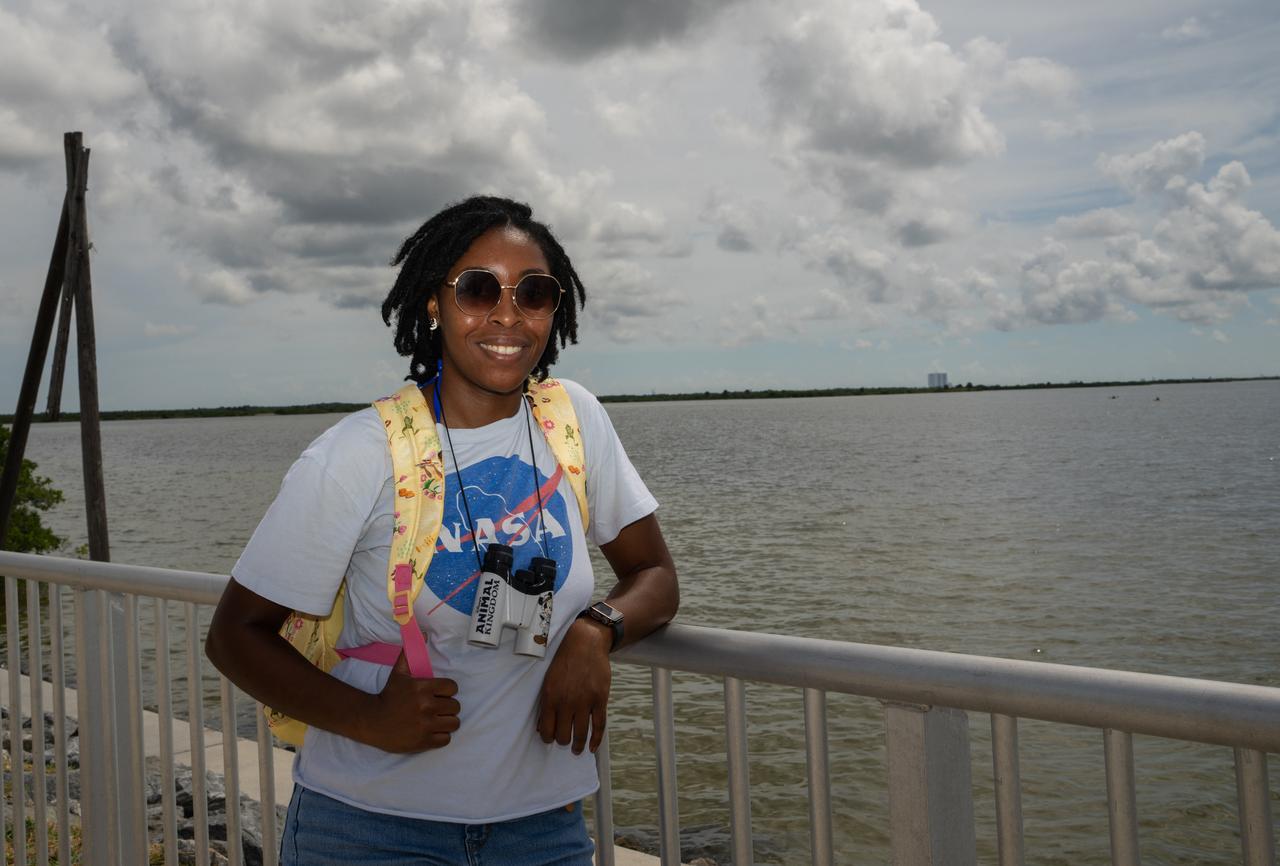
A woman wearing a NASA shirt is on the Max Brewer Bridge in Titusville, Florida, waiting to witness the launch of NASA’s Artemis I mission on Sept. 3, 2022. The launch was waived off for the day. The first in a series of increasingly complex missions, Artemis I will provide a foundation for human deep space exploration and demonstrate our commitment and capability to extend human presence to the Moon and beyond. The primary goal of Artemis I is to thoroughly test the integrated systems before crewed missions by operating the spacecraft in a deep space environment, testing Orion’s heat shield, and recovering the crew module after reentry, descent, and splashdown.
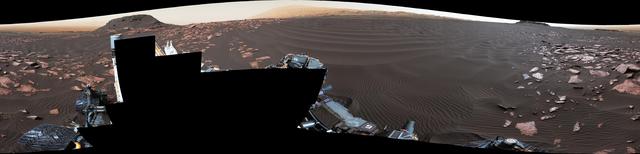
A rippled linear dune of dark Martian sand, "Nathan Bridges Dune," dominates this full-circle panorama from the Mast Camera (Mastcam) of NASA's Curiosity Mars rover. This dune was one research stop of the rover mission's campaign to investigate active Martian dunes. The feature was informally named in 2017 in memory of Nathan Bridges (1966-2017), a planetary scientist who was a leader of the Curiosity team's dune campaign. The scene combines 112 images taken with Mastcam's left-eye camera on Feb. 5, 2017, during the 1,601st Martian day, or sol, of Curiosity's work on Mars. The panorama has been white-balanced so that colors of the rock and sand materials resemble how they would appear under daytime lighting conditions on Earth. The center is toward east-southeast and both ends are toward west-northwest. The dark butte on the horizon in the left half is "Ireson Hill." Upper Mount Sharp is on the horizon in the center. An annotated figure and full resolution TIFF file is available at https://photojournal.jpl.nasa.gov/catalog/PIA21719
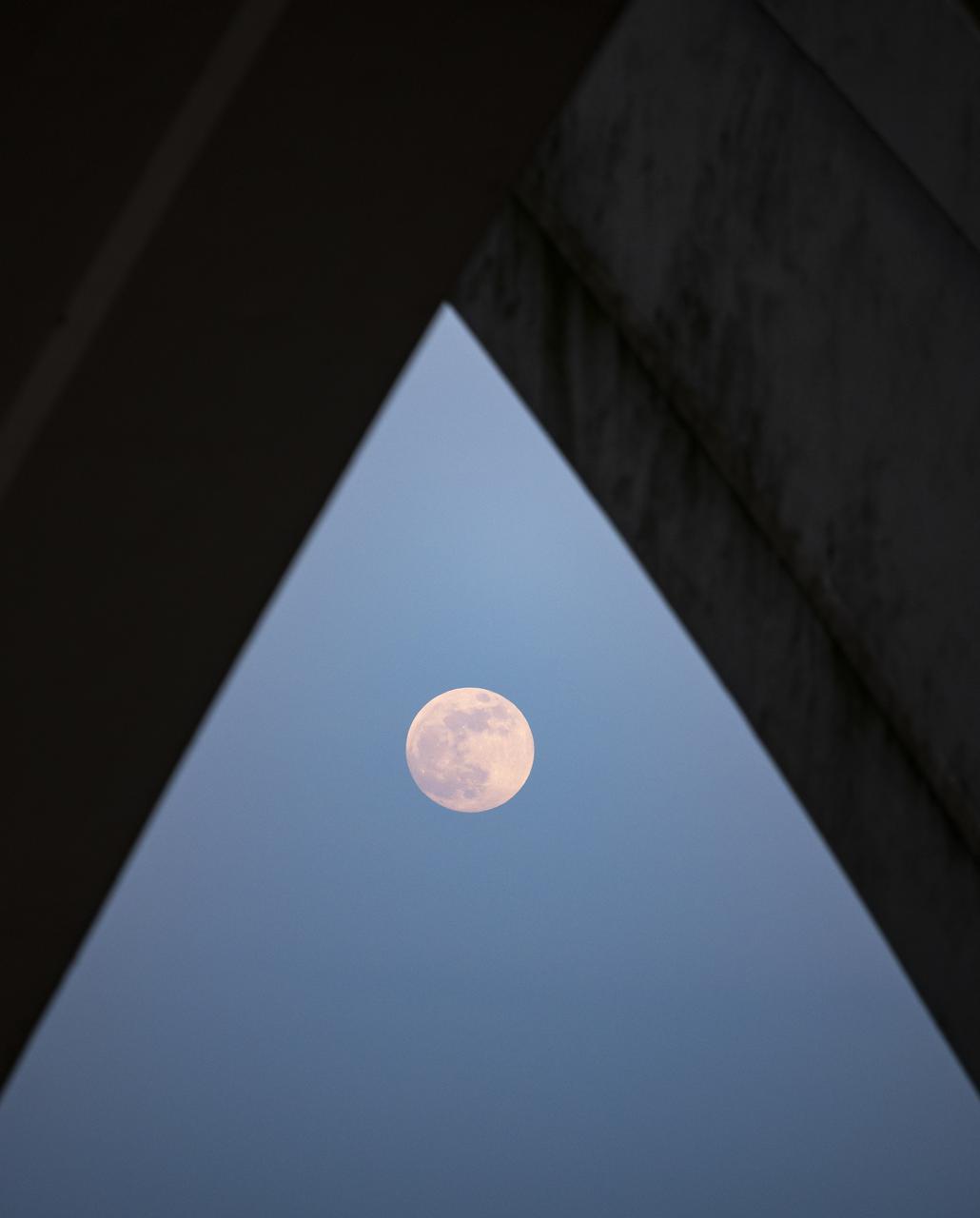
Moonrise, Tuesday, May 25, 2021, as seen from under the Woodrow Wilson Memorial Bridge in Alexandria, Virginia. Photo Credit: (NASA/Bill Ingalls)
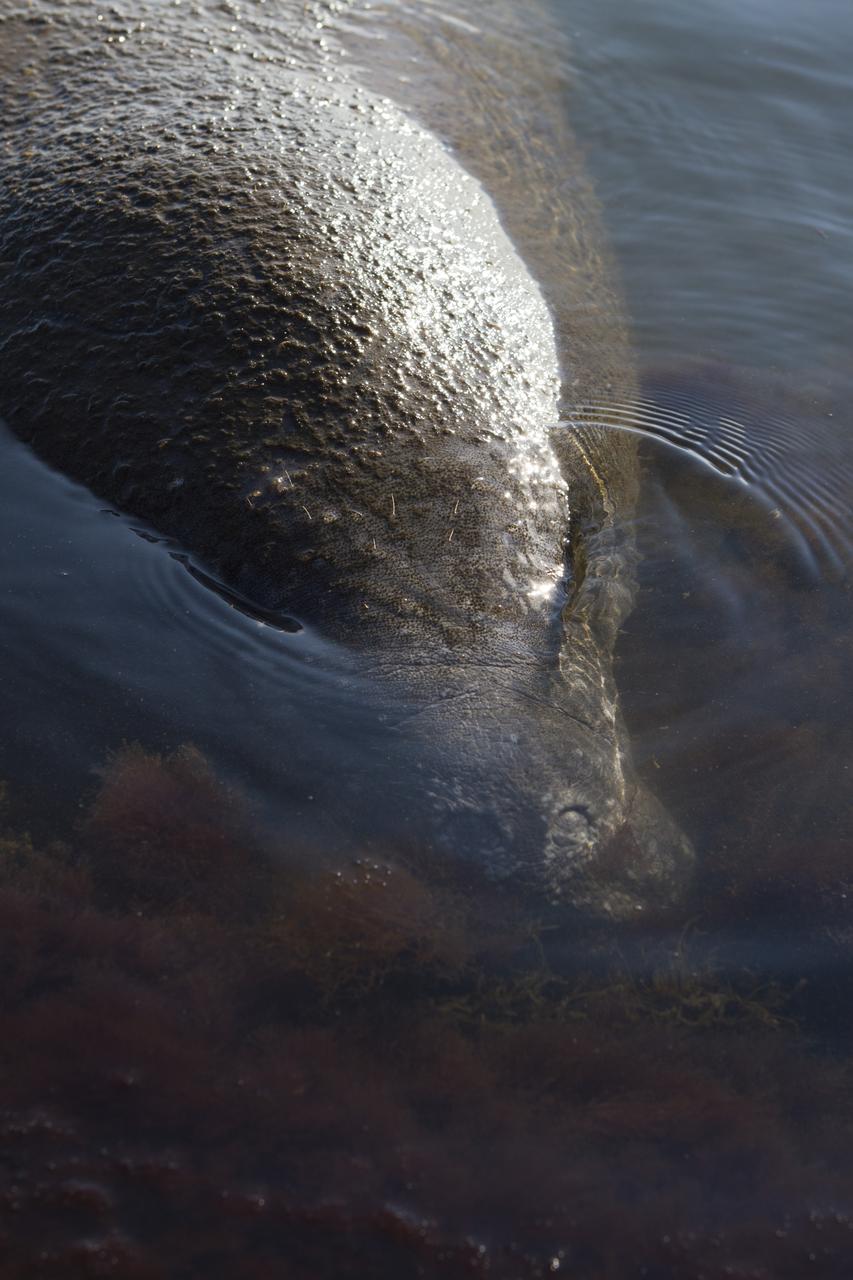
CAPE CANAVERAL, Fla. -- A manatee swims in the water near the NASA Causeway Bridge at Kennedy Space Center in Florida. The gentle sea cows prefer warmer inland waterways during the winter months. The center shares a boundary with the Merritt Island National Wildlife Refuge. The refuge encompasses 140,000 acres that are a habitat for more than 330 species of birds, 31 mammals, 117 fishes, and 65 amphibians and reptiles. It contains more than 1,000 known plant species. The marshes and open water of the refuge provide wintering areas for 23 species of migratory waterfowl, as well as a year-round home for great blue herons, great egrets, wood storks, cormorants, brown pelicans and other species of marsh and shore birds, and a variety of insects. Photo credit: NASA/Ben Smegelsky
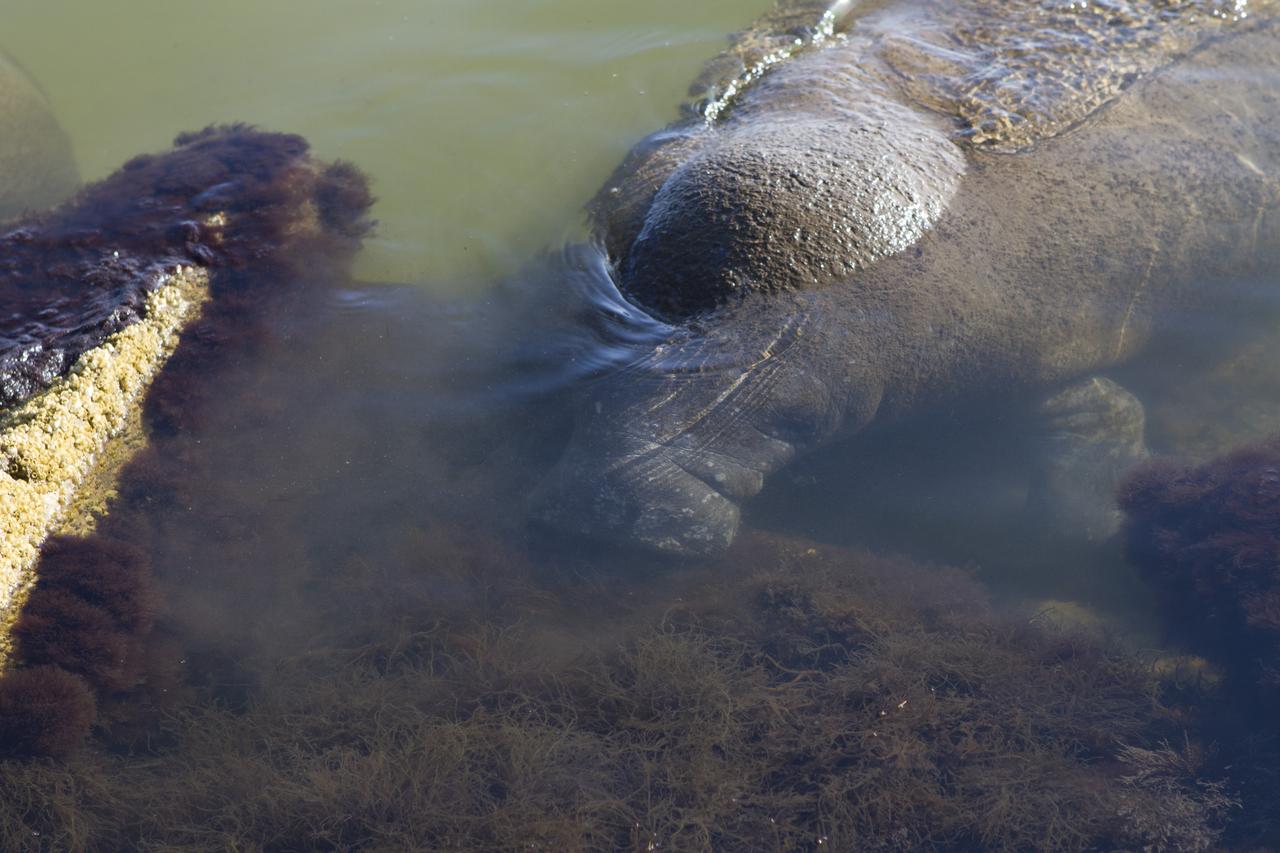
CAPE CANAVERAL, Fla. -- A manatee swims in the water near the NASA Causeway Bridge at Kennedy Space Center in Florida. The gentle sea cows prefer warmer inland waterways during the winter months. The center shares a boundary with the Merritt Island National Wildlife Refuge. The refuge encompasses 140,000 acres that are a habitat for more than 330 species of birds, 31 mammals, 117 fishes, and 65 amphibians and reptiles. It contains more than 1,000 known plant species. The marshes and open water of the refuge provide wintering areas for 23 species of migratory waterfowl, as well as a year-round home for great blue herons, great egrets, wood storks, cormorants, brown pelicans and other species of marsh and shore birds, and a variety of insects. Photo credit: NASA/Ben Smegelsky
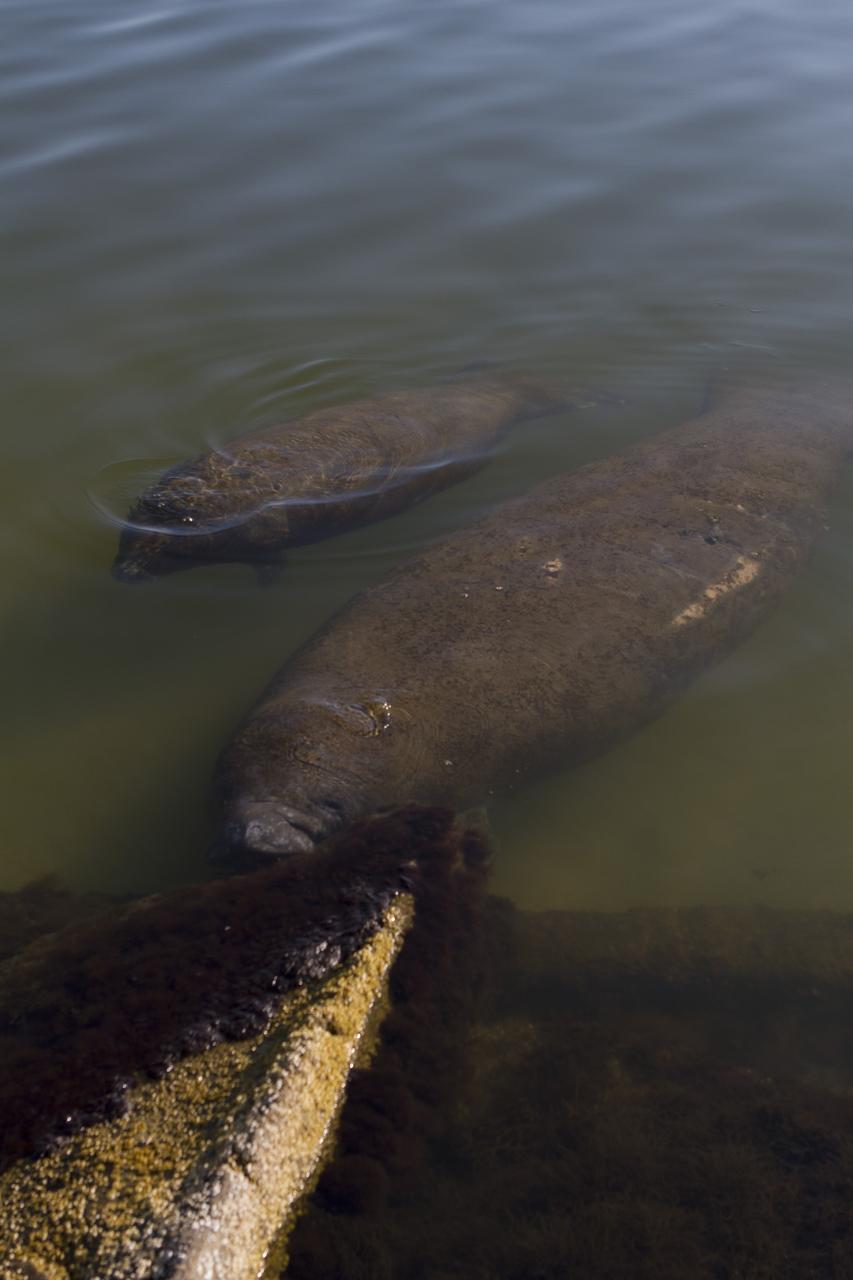
CAPE CANAVERAL, Fla. -- Two manatees swim in the water near the NASA Causeway Bridge at Kennedy Space Center in Florida. The gentle sea cows prefer warmer inland waterways during the winter months. The center shares a boundary with the Merritt Island National Wildlife Refuge. The refuge encompasses 140,000 acres that are a habitat for more than 330 species of birds, 31 mammals, 117 fishes, and 65 amphibians and reptiles. It contains more than 1,000 known plant species. The marshes and open water of the refuge provide wintering areas for 23 species of migratory waterfowl, as well as a year-round home for great blue herons, great egrets, wood storks, cormorants, brown pelicans and other species of marsh and shore birds, and a variety of insects. Photo credit: NASA/Ben Smegelsky
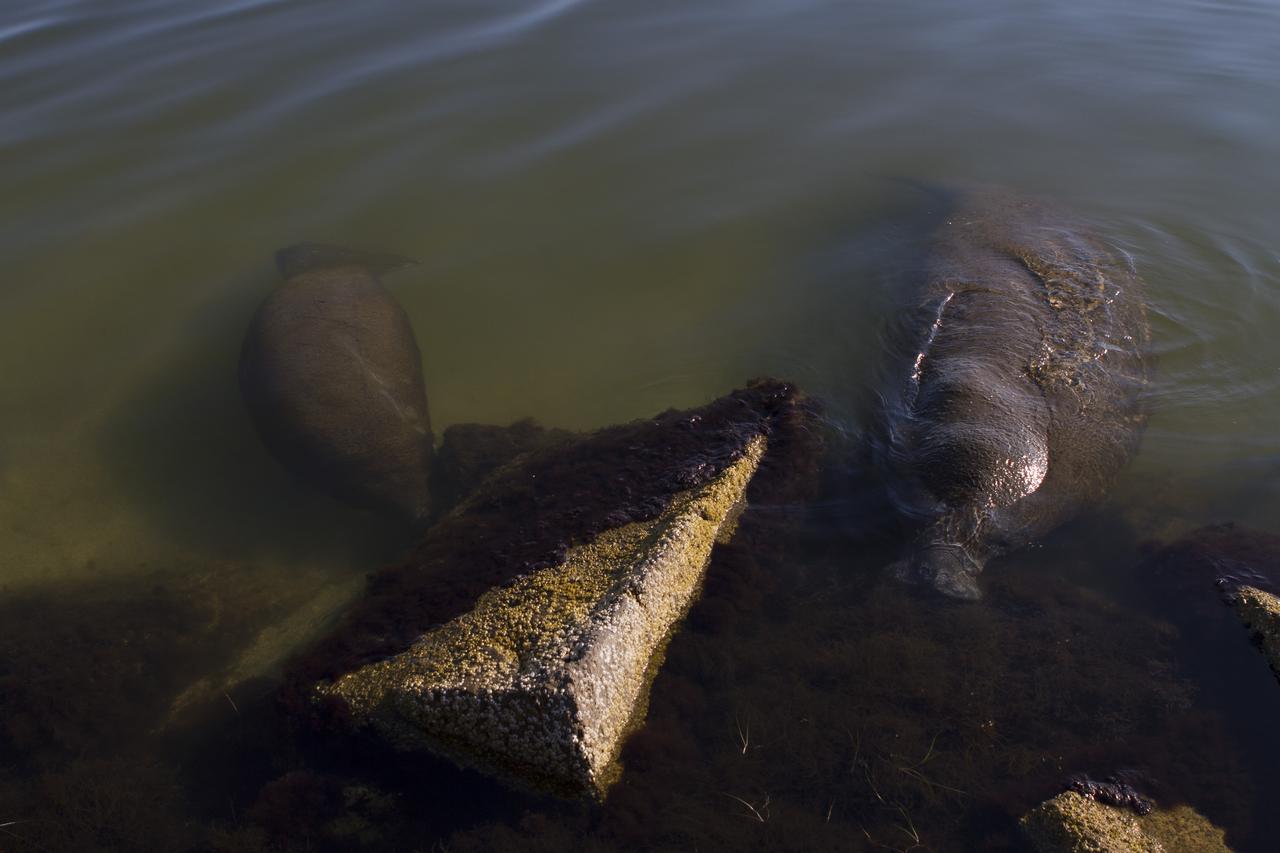
CAPE CANAVERAL, Fla. -- Two manatees swim in the water near the NASA Causeway Bridge at Kennedy Space Center in Florida. The gentle sea cows prefer warmer inland waterways during the winter months. The center shares a boundary with the Merritt Island National Wildlife Refuge. The refuge encompasses 140,000 acres that are a habitat for more than 330 species of birds, 31 mammals, 117 fishes, and 65 amphibians and reptiles. It contains more than 1,000 known plant species. The marshes and open water of the refuge provide wintering areas for 23 species of migratory waterfowl, as well as a year-round home for great blue herons, great egrets, wood storks, cormorants, brown pelicans and other species of marsh and shore birds, and a variety of insects. Photo credit: NASA/Ben Smegelsky
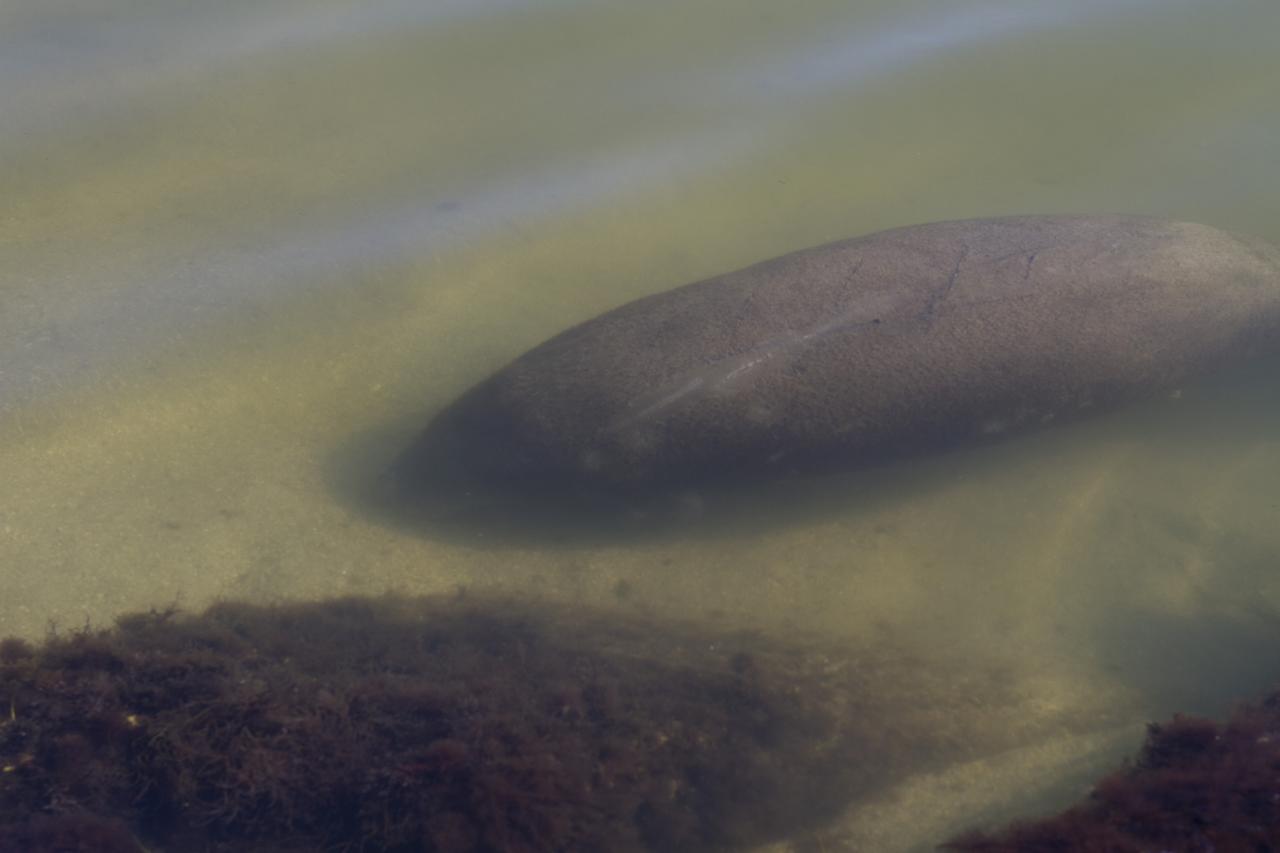
CAPE CANAVERAL, Fla. -- A manatee swims in the water near the NASA Causeway Bridge at Kennedy Space Center in Florida. The gentle sea cows prefer warmer inland waterways during the winter months. The center shares a boundary with the Merritt Island National Wildlife Refuge. The refuge encompasses 140,000 acres that are a habitat for more than 330 species of birds, 31 mammals, 117 fishes, and 65 amphibians and reptiles. It contains more than 1,000 known plant species. The marshes and open water of the refuge provide wintering areas for 23 species of migratory waterfowl, as well as a year-round home for great blue herons, great egrets, wood storks, cormorants, brown pelicans and other species of marsh and shore birds, and a variety of insects. Photo credit: NASA/Ben Smegelsky
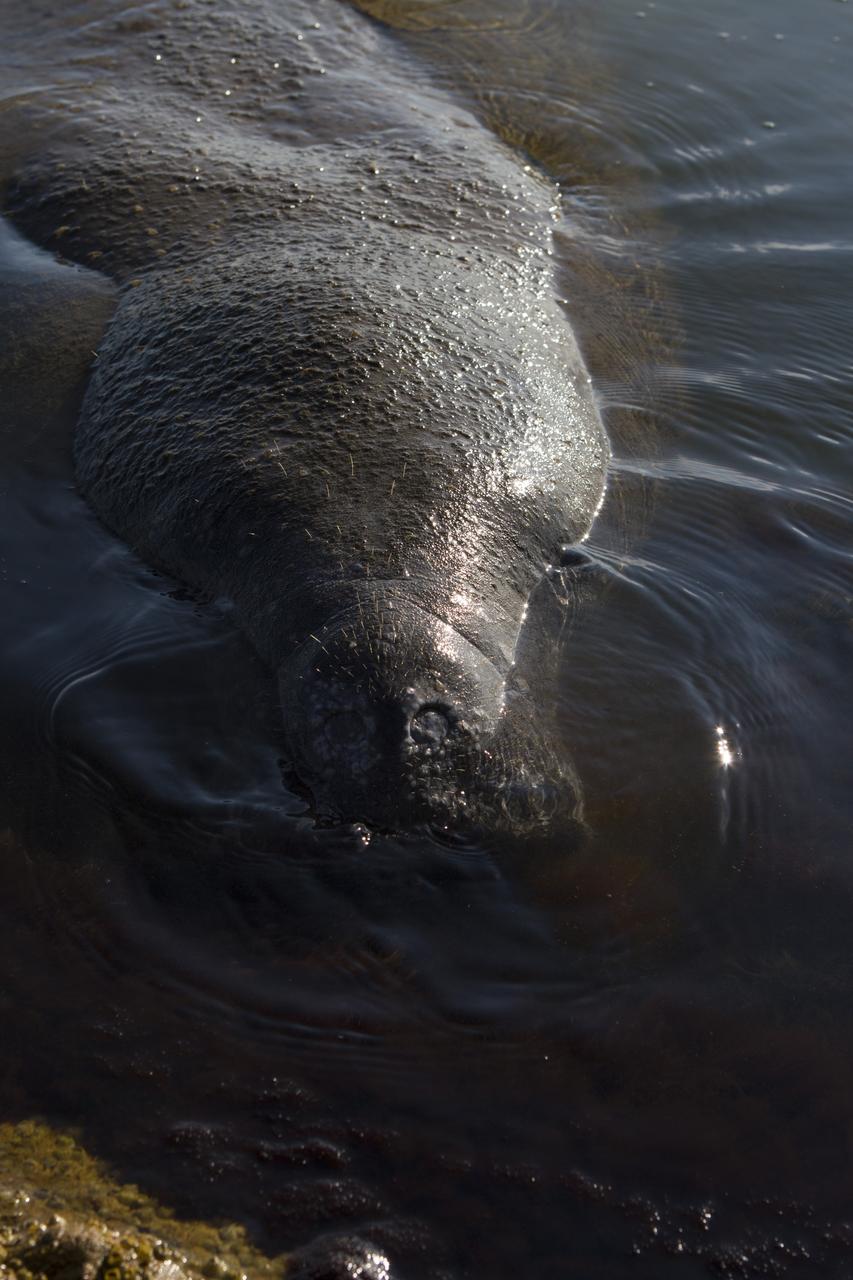
CAPE CANAVERAL, Fla. -- A manatee swims in the water near the NASA Causeway Bridge at Kennedy Space Center in Florida. The gentle sea cows prefer warmer inland waterways during the winter months. The center shares a boundary with the Merritt Island National Wildlife Refuge. The refuge encompasses 140,000 acres that are a habitat for more than 330 species of birds, 31 mammals, 117 fishes, and 65 amphibians and reptiles. It contains more than 1,000 known plant species. The marshes and open water of the refuge provide wintering areas for 23 species of migratory waterfowl, as well as a year-round home for great blue herons, great egrets, wood storks, cormorants, brown pelicans and other species of marsh and shore birds, and a variety of insects. Photo credit: NASA/Ben Smegelsky
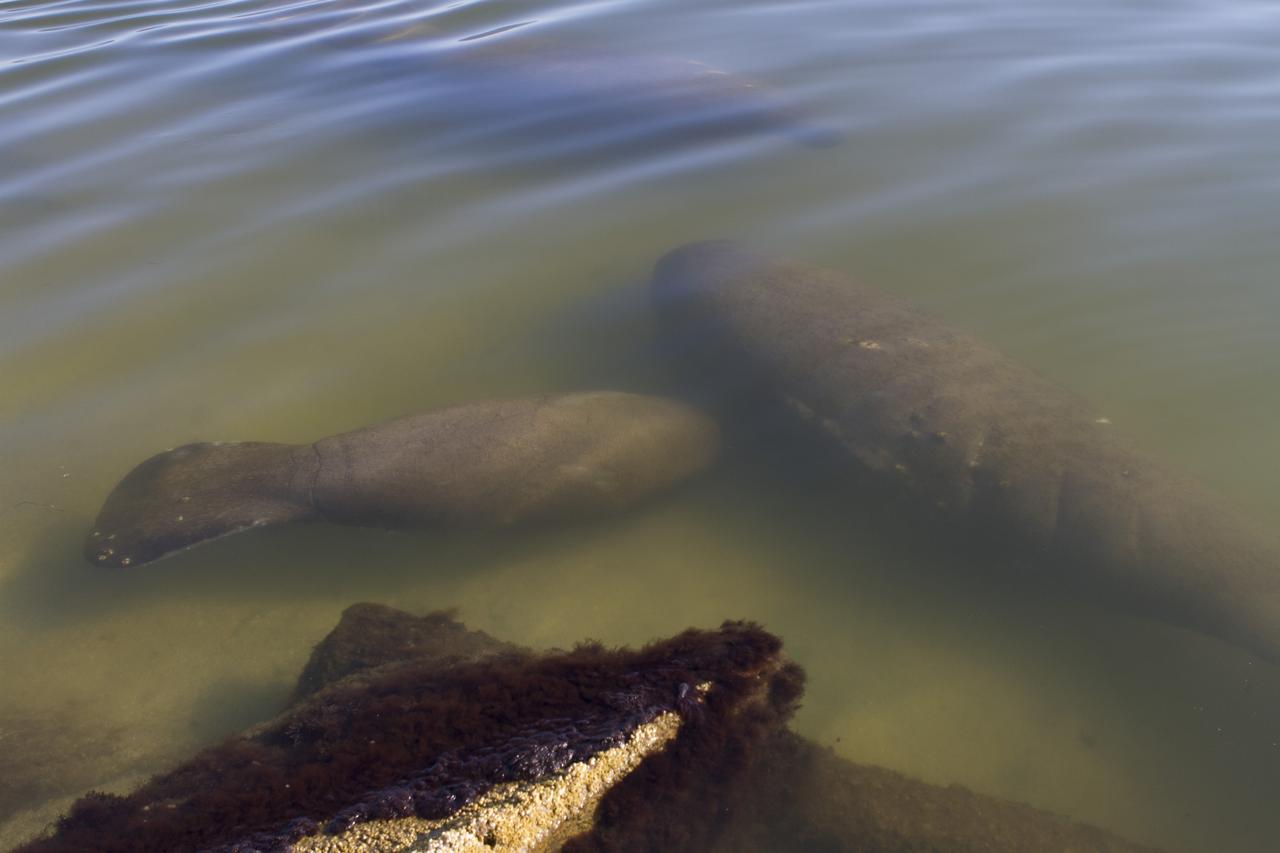
CAPE CANAVERAL, Fla. -- Two manatees swim in the water near the NASA Causeway Bridge at Kennedy Space Center in Florida. The gentle sea cows prefer warmer inland waterways during the winter months. The center shares a boundary with the Merritt Island National Wildlife Refuge. The refuge encompasses 140,000 acres that are a habitat for more than 330 species of birds, 31 mammals, 117 fishes, and 65 amphibians and reptiles. It contains more than 1,000 known plant species. The marshes and open water of the refuge provide wintering areas for 23 species of migratory waterfowl, as well as a year-round home for great blue herons, great egrets, wood storks, cormorants, brown pelicans and other species of marsh and shore birds, and a variety of insects. Photo credit: NASA/Ben Smegelsky
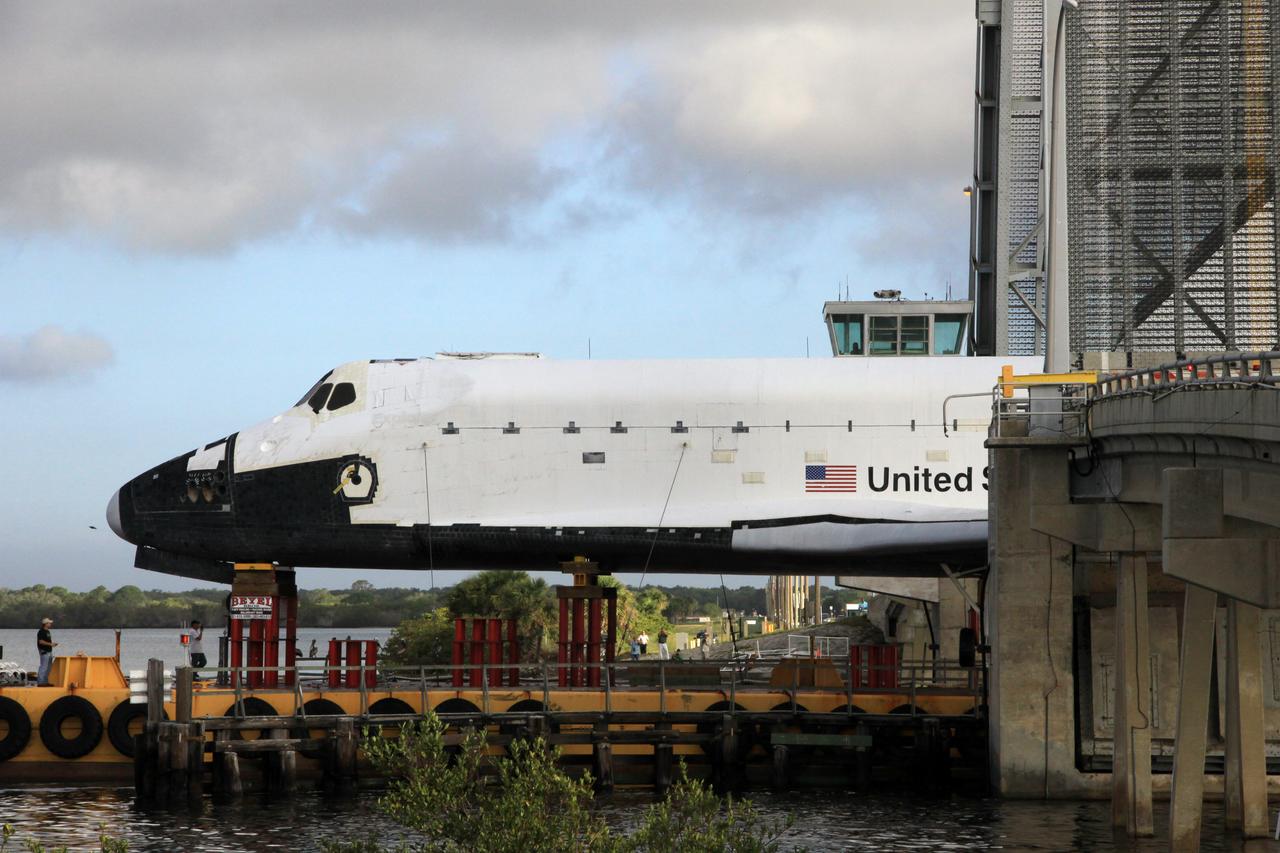
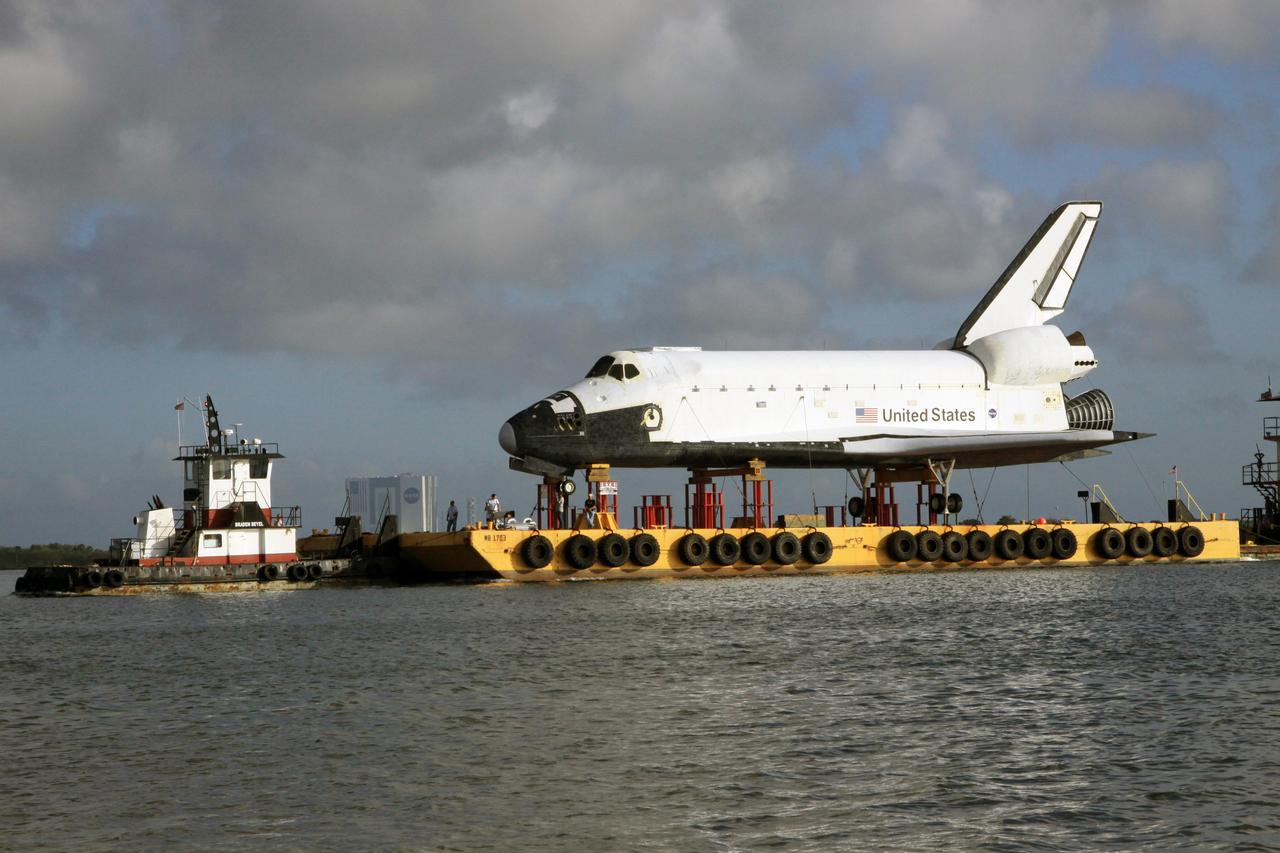
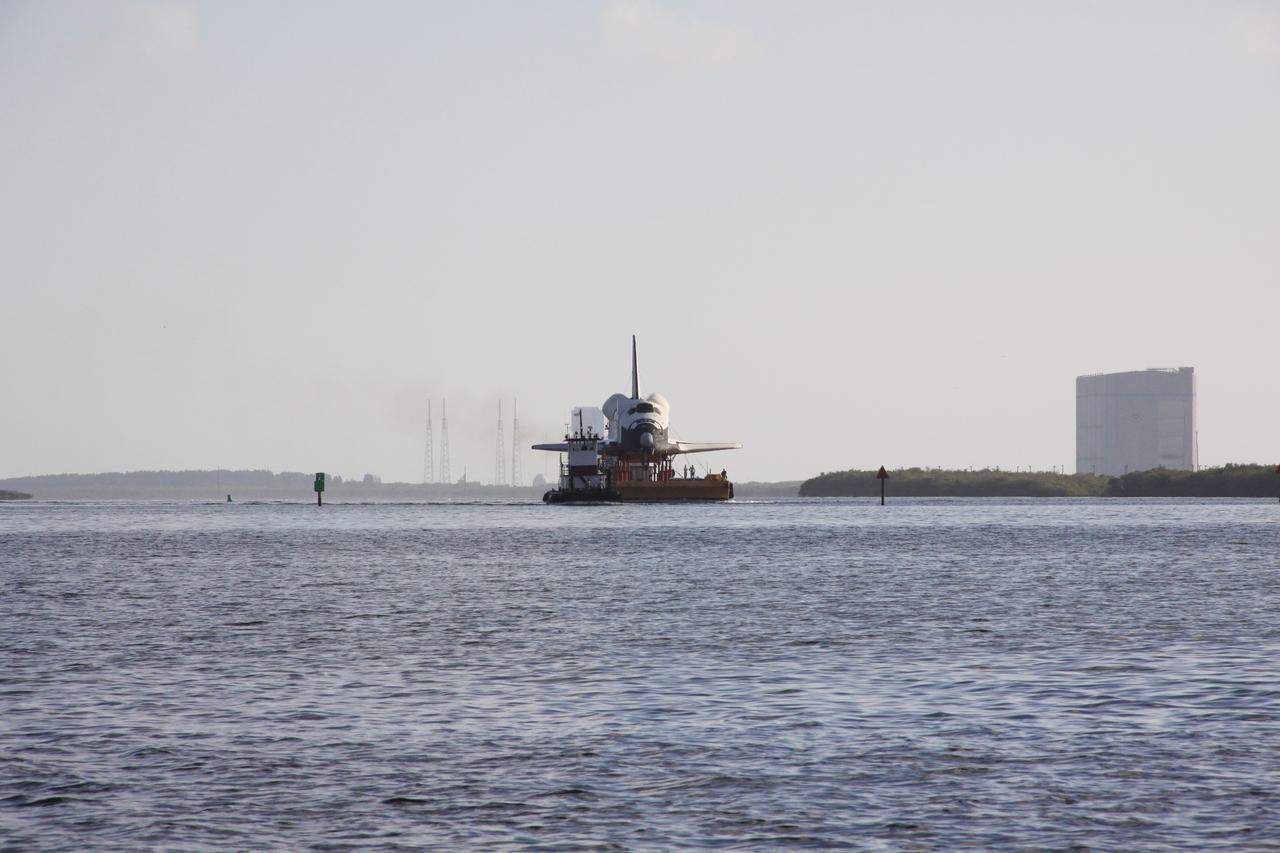
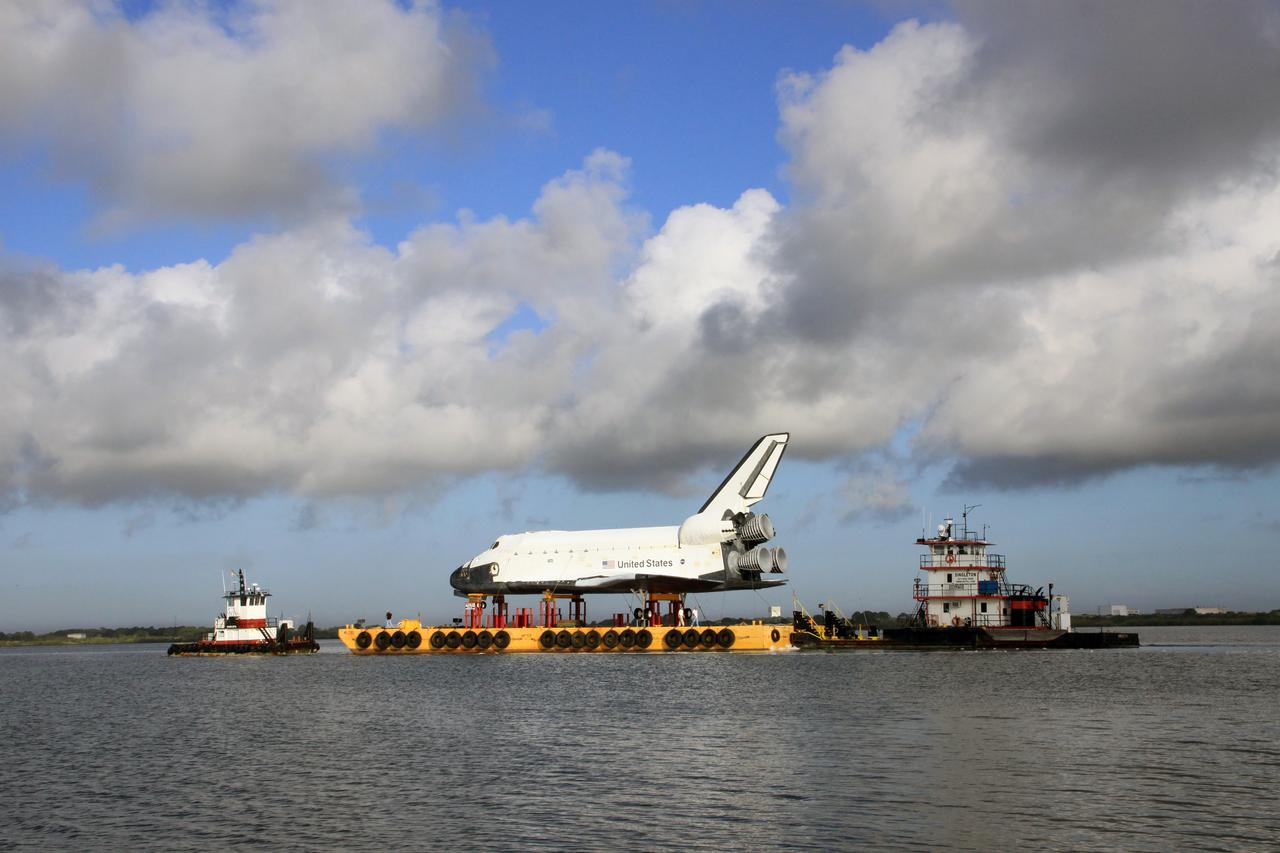
Shuttle Replica (High Fidelity) from Cape Bridge to Jetty Park
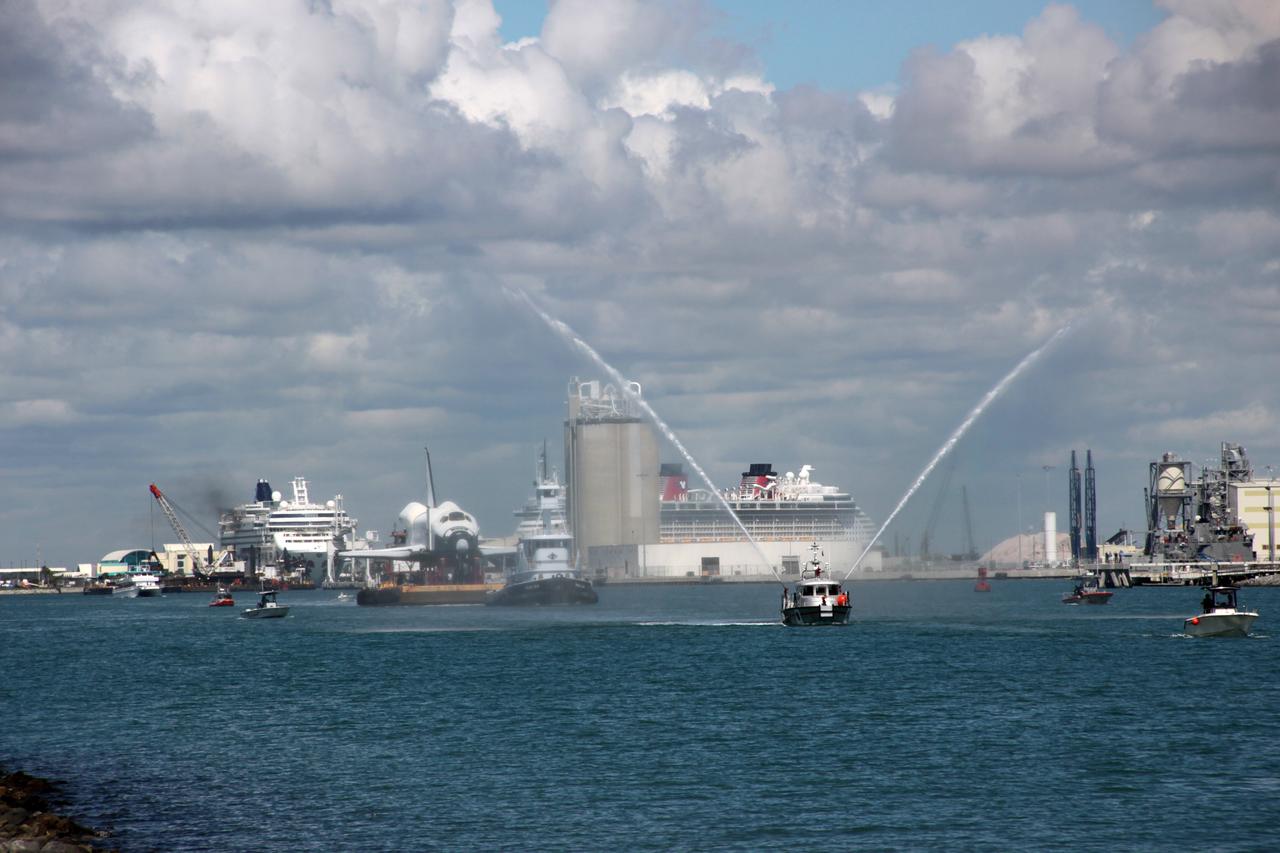
Shuttle Replica (High Fidelity) from Cape Bridge to Jetty Park
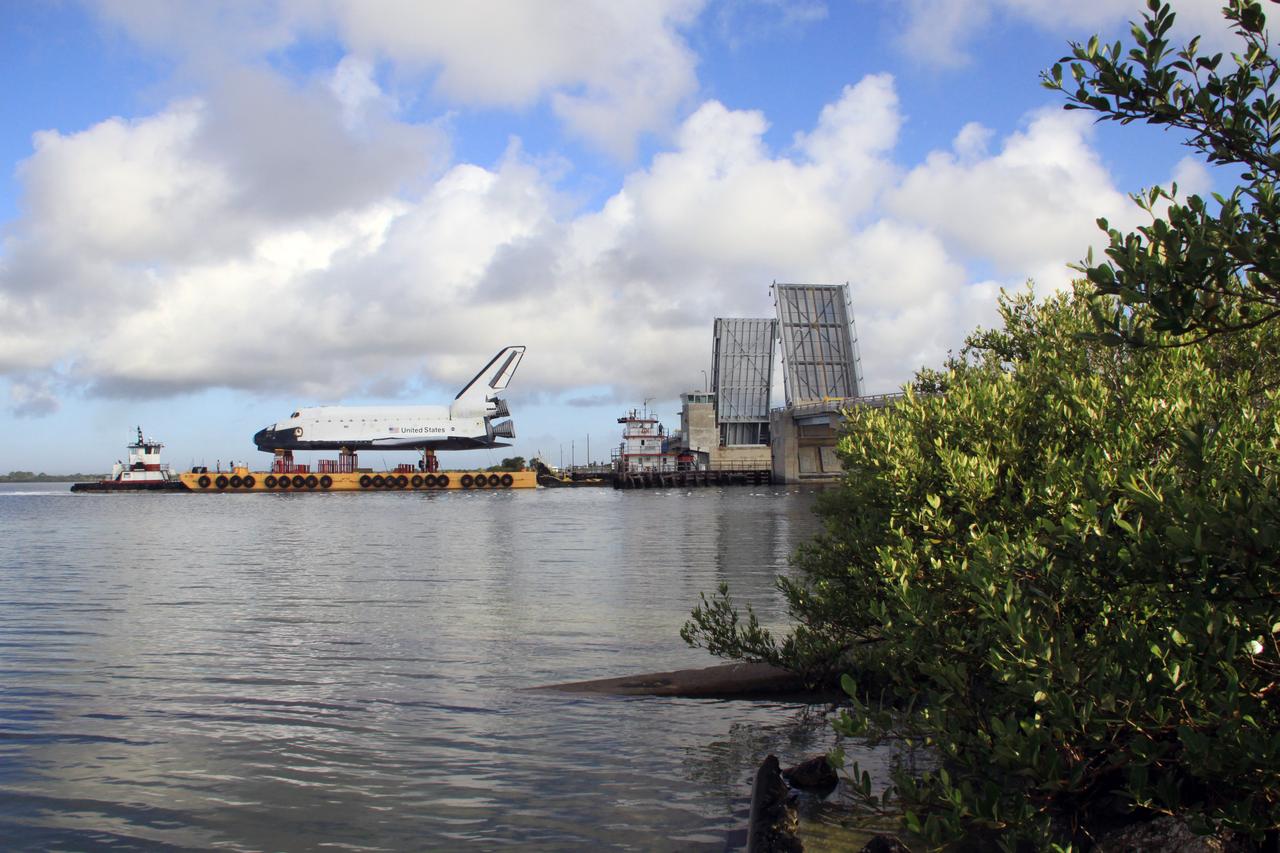
Shuttle Replica (High Fidelity) from Cape Bridge to Jetty Park
Shuttle Replica (High Fidelity) from Cape Bridge to Jetty Park
Shuttle Replica (High Fidelity) from Cape Bridge to Jetty Park
Shuttle Replica (High Fidelity) from Cape Bridge to Jetty Park

S80-42916 (15 Dec. 1980) --- Astronaut Roy D. Bridges Jr., pilot.
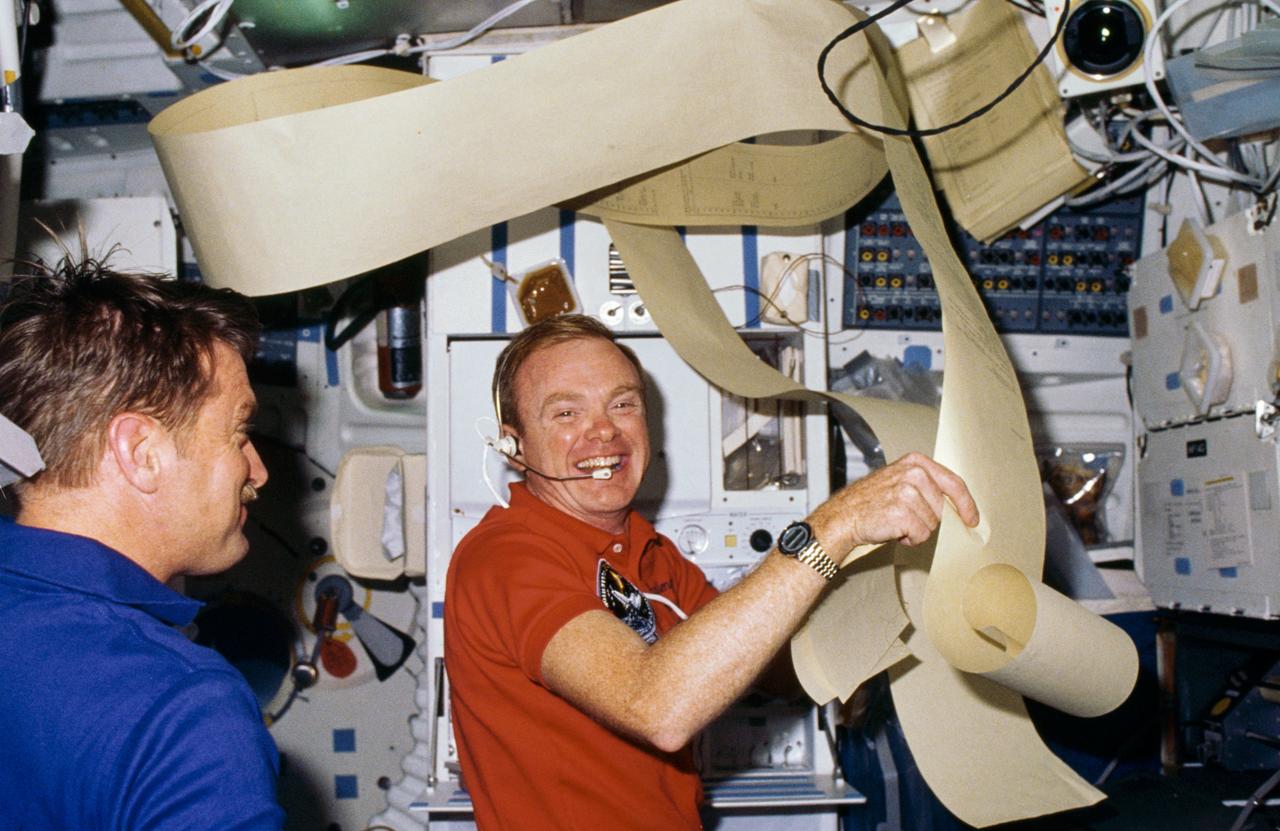
51F-03-024 (29 July-6 Aug 1985) --- Astronauts Anthony W. England, left, and Roy D. Bridges are surrounded by some of the prolific teleprinter copy transmitted from ground controllers to the Earth-orbiting Challenger. Eventually the equivalent of several football fields' length of paper was filled with data from flight controllers.
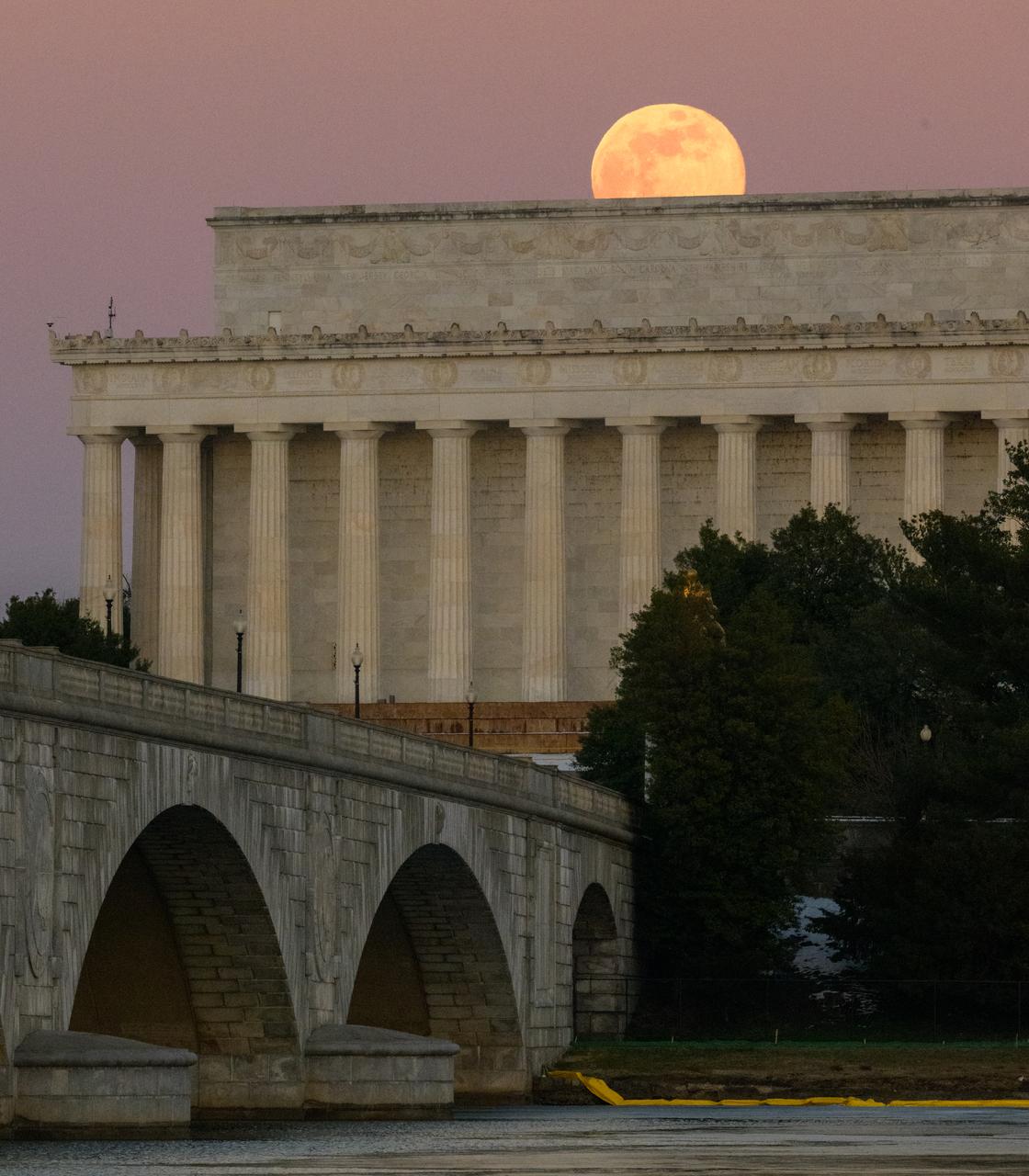
The full Moon, also known in January as the Wolf Moon, rises above the Lincoln Memorial and the Memorial Bridge, Monday, Jan. 13, 2025, as seen from Arlington, Virginia. Photo Credit: (NASA/Bill Ingalls)
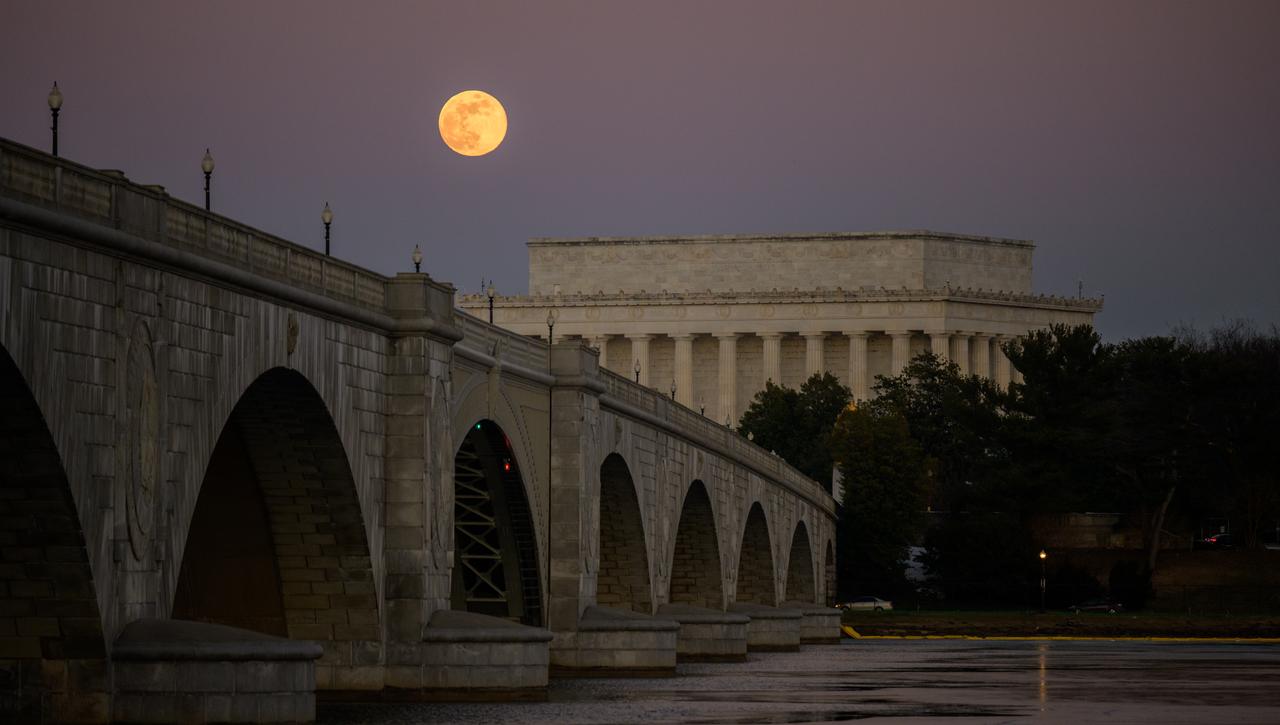
The full Moon, also known in January as the Wolf Moon, rises above the Lincoln Memorial and the Memorial Bridge, Monday, Jan. 13, 2025, as seen from Arlington, Virginia. Photo Credit: (NASA/Bill Ingalls)
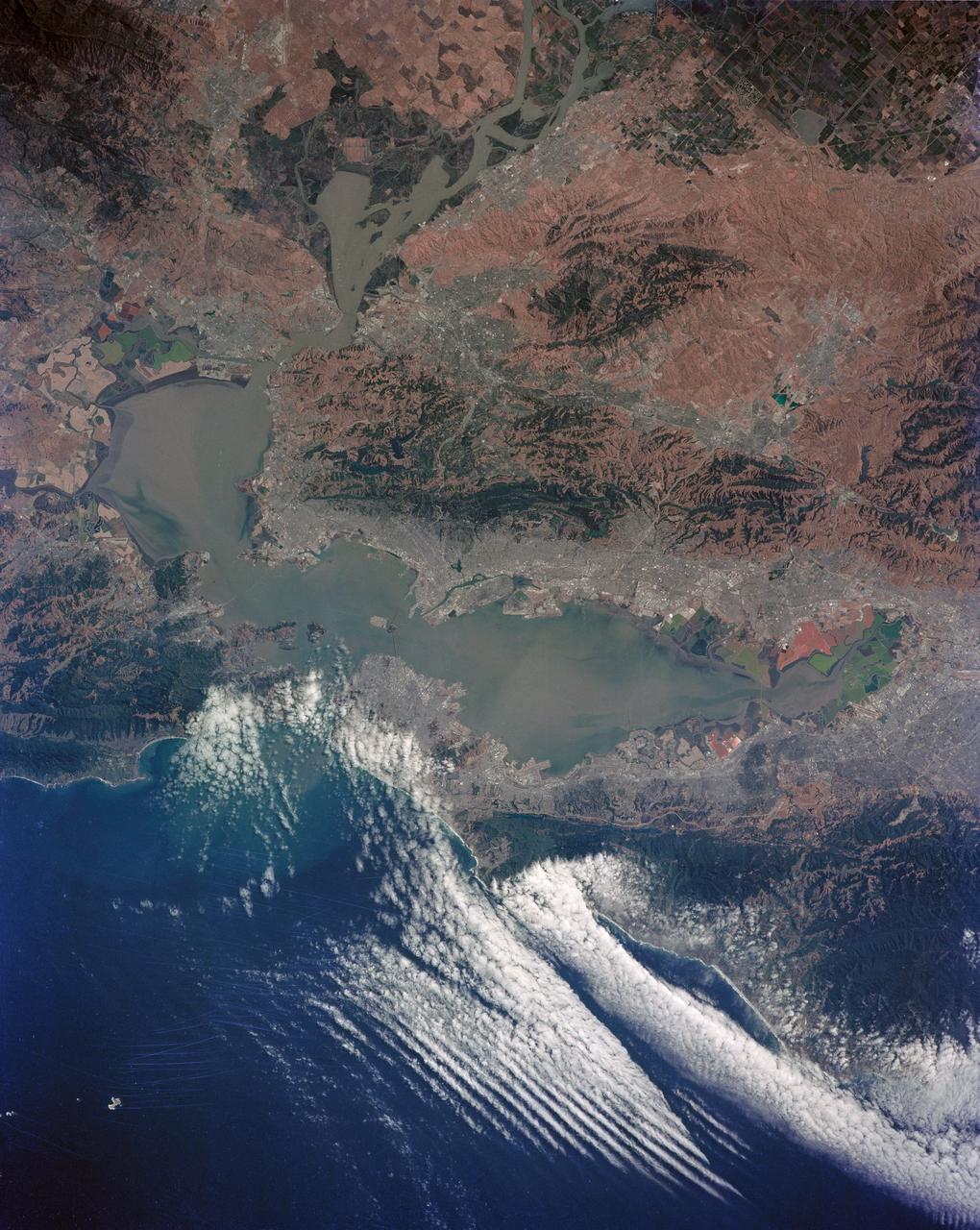
STS040-152-100 (5-14 June 1991) --- Although clouds obscure part of the city of San Francisco and the mouth of San Francisco Bay, development and physiographic features in the immediate vicinity of the bay are well displayed. The photograph clearly shows the eastern part of the city, including the Embarcadero, the Bay Bridge, which was damaged in the 1989 earthquake, and Candlestick Park, San Mateo, and Dumbarton Bridges, cross the southern portion of the bay. Vari-colored salt ponds also rim the southern Bay near Moffett Field. Highway 280 runs along the San Andreas fault south of the city. On the eastern margin of the bay are Berkeley the Sacramento River and the Haywood and Calaveras faults.
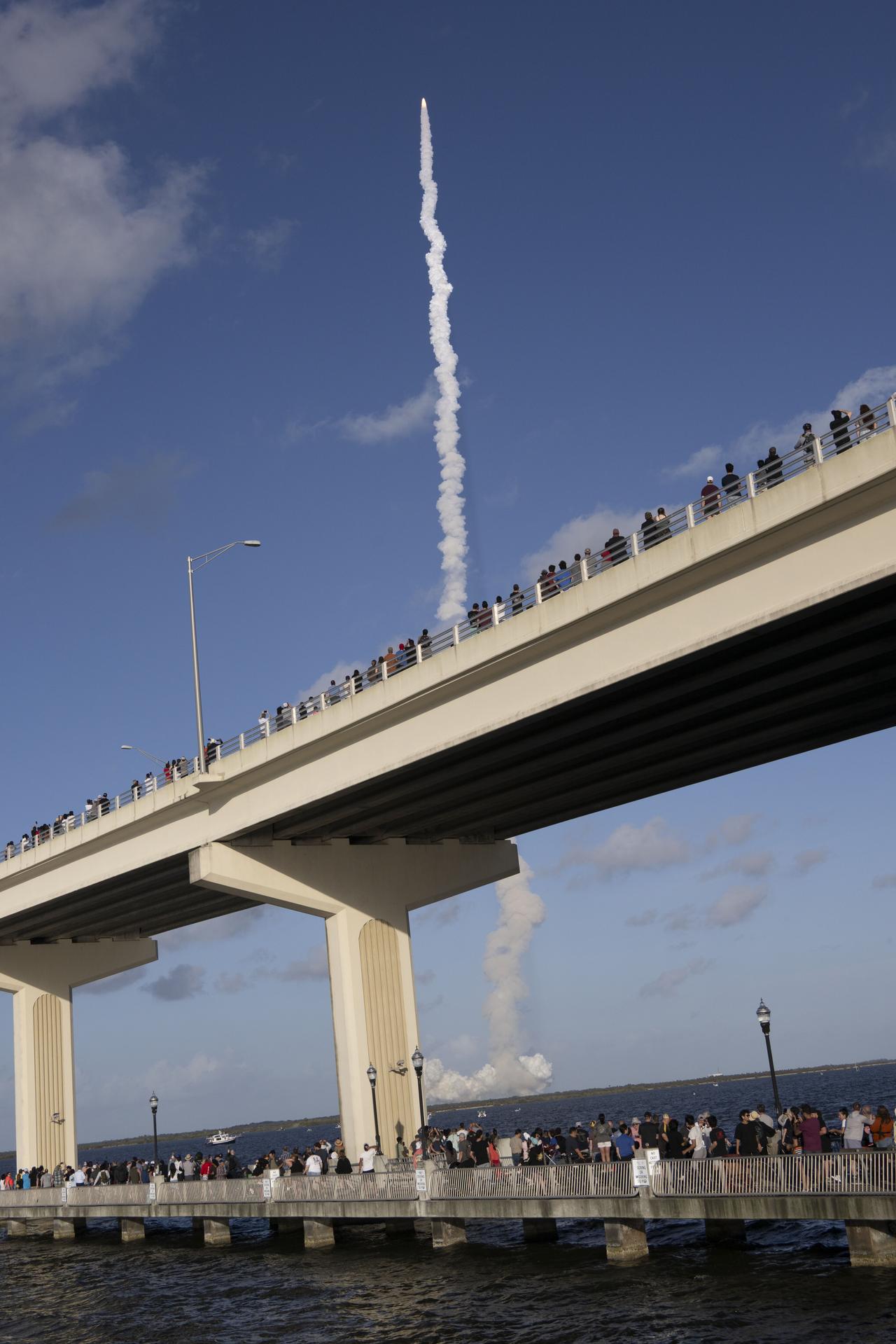
Crowds gather at the Max A. Brewer Bridge in Titusville to watch the launch of NASA’s SLS (Space Launch System) rocket with the Orion spacecraft carrying Artemis II Commander Reid Wiseman, Pilot Victor Glover, and Mission Specialist Christina Koch from NASA, along with Mission Specialist Jeremy Hansen from the CSA (Canadian Space Agency), on Wednesday, April 1, 2026, from Launch Complex 39B at NASA Kennedy. The Artemis II test flight will take the crew members on a 10-day journey around the Moon and back.
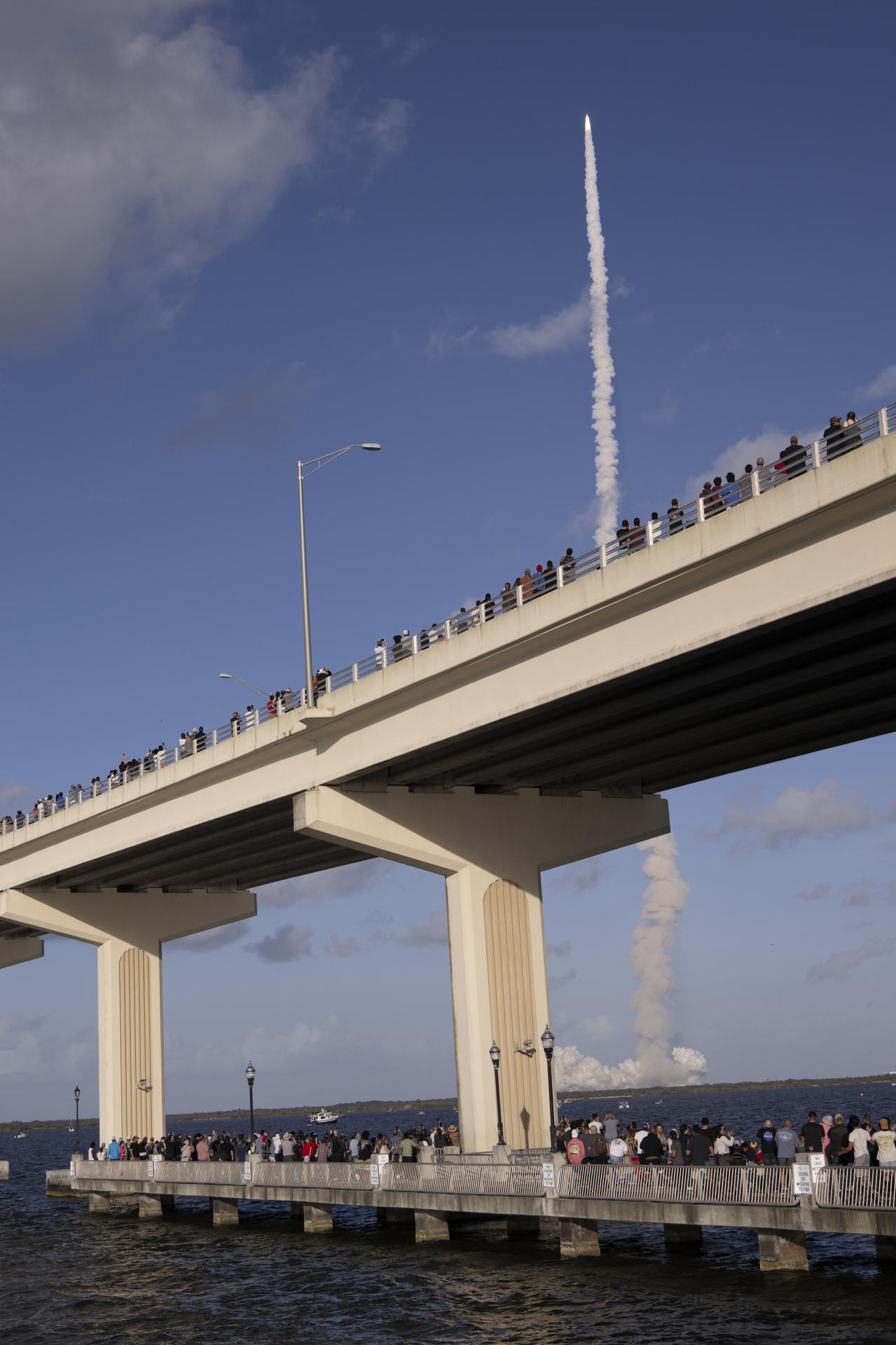
Crowds gather at the Max A. Brewer Bridge in Titusville to watch the launch of NASA’s SLS (Space Launch System) rocket with the Orion spacecraft carrying Artemis II Commander Reid Wiseman, Pilot Victor Glover, and Mission Specialist Christina Koch from NASA, along with Mission Specialist Jeremy Hansen from the CSA (Canadian Space Agency), on Wednesday, April 1, 2026, from Launch Complex 39B at NASA Kennedy. The Artemis II test flight will take the crew members on a 10-day journey around the Moon and back.
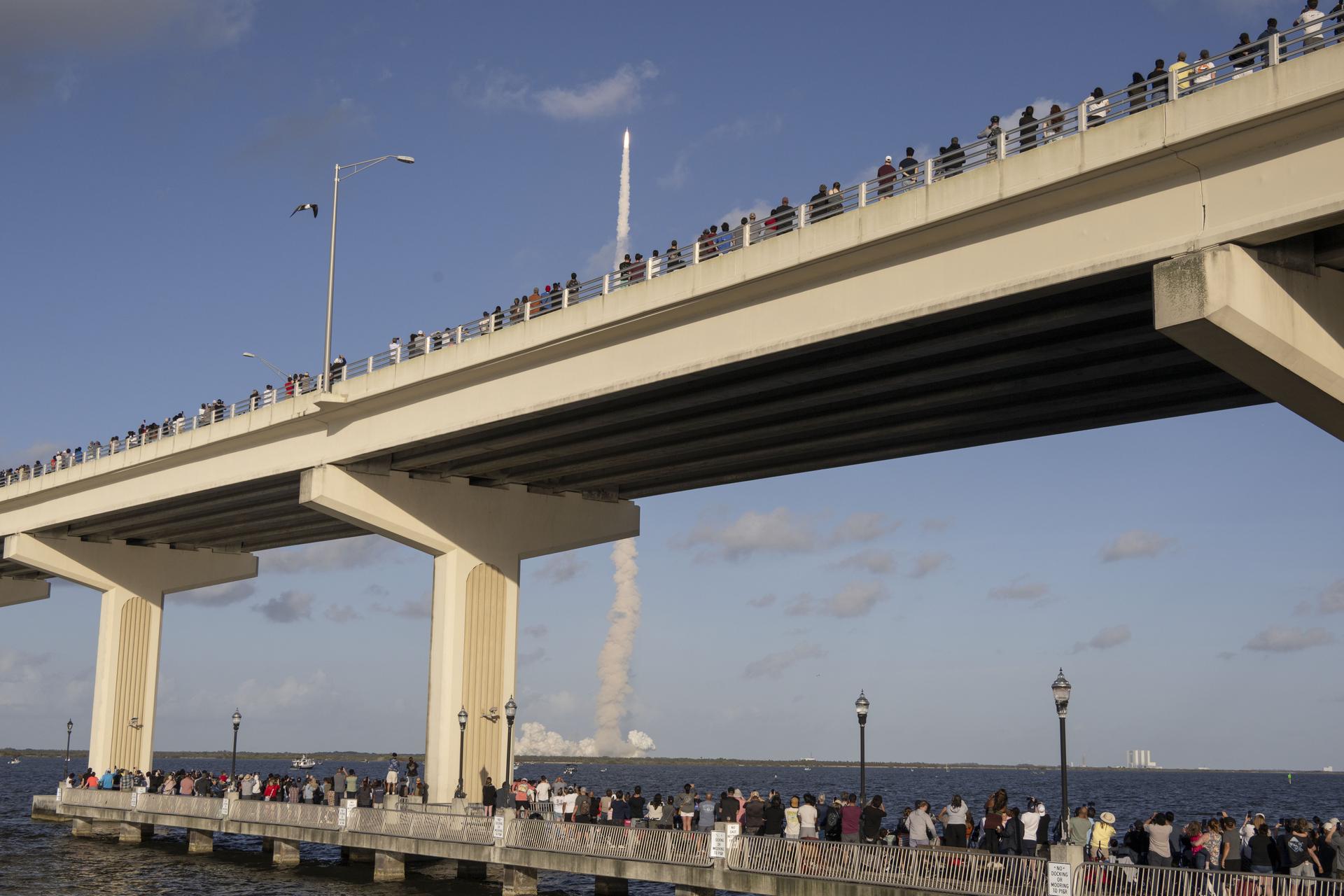
Crowds gather at the Max A. Brewer Bridge in Titusville to watch the launch of NASA’s SLS (Space Launch System) rocket with the Orion spacecraft carrying Artemis II Commander Reid Wiseman, Pilot Victor Glover, and Mission Specialist Christina Koch from NASA, along with Mission Specialist Jeremy Hansen from the CSA (Canadian Space Agency), on Wednesday, April 1, 2026, from Launch Complex 39B at NASA Kennedy. The Artemis II test flight will take the crew members on a 10-day journey around the Moon and back.
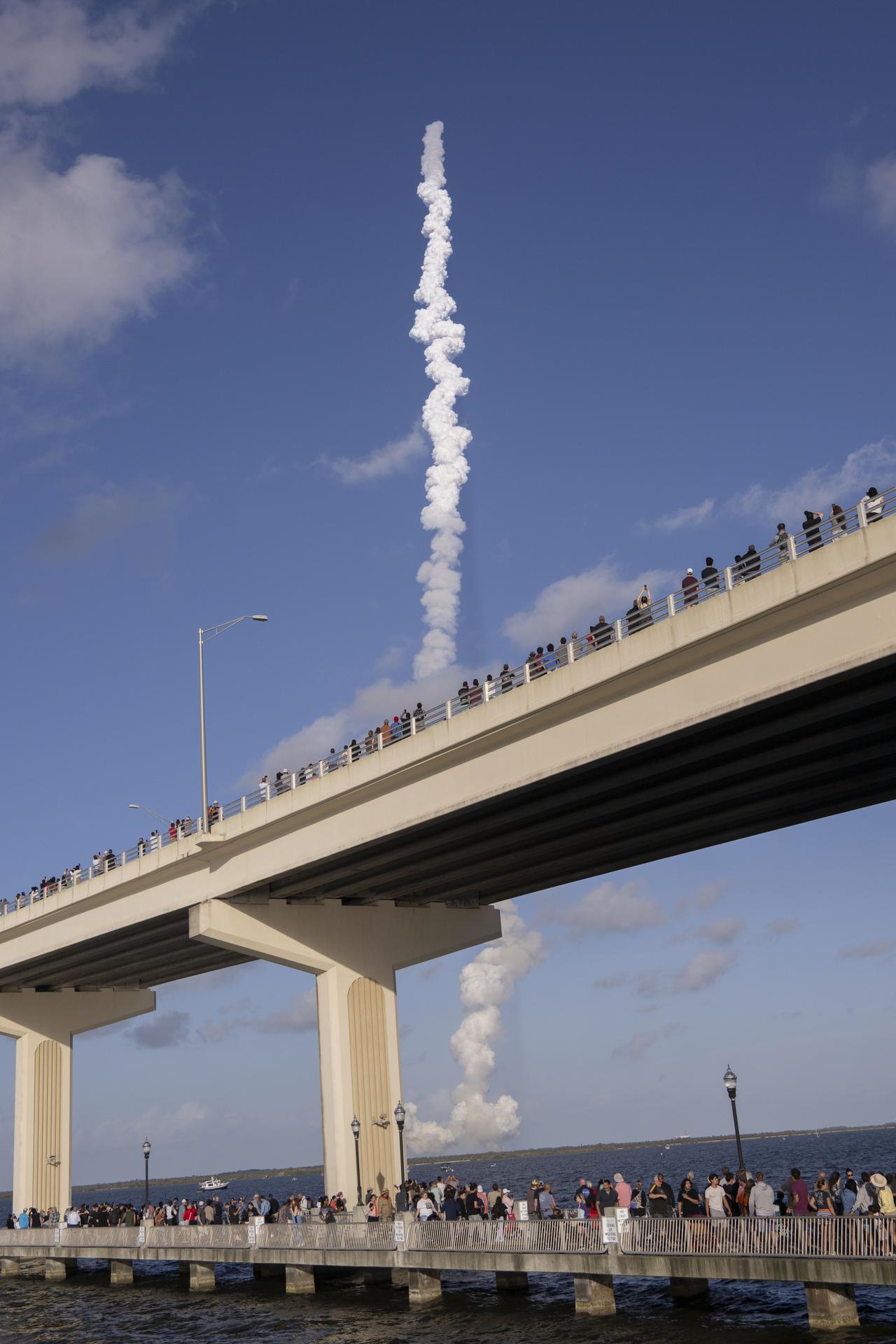
Crowds gather at the Max A. Brewer Bridge in Titusville to watch the launch of NASA’s SLS (Space Launch System) rocket with the Orion spacecraft carrying Artemis II Commander Reid Wiseman, Pilot Victor Glover, and Mission Specialist Christina Koch from NASA, along with Mission Specialist Jeremy Hansen from the CSA (Canadian Space Agency), on Wednesday, April 1, 2026, from Launch Complex 39B at NASA Kennedy. The Artemis II test flight will take the crew members on a 10-day journey around the Moon and back.
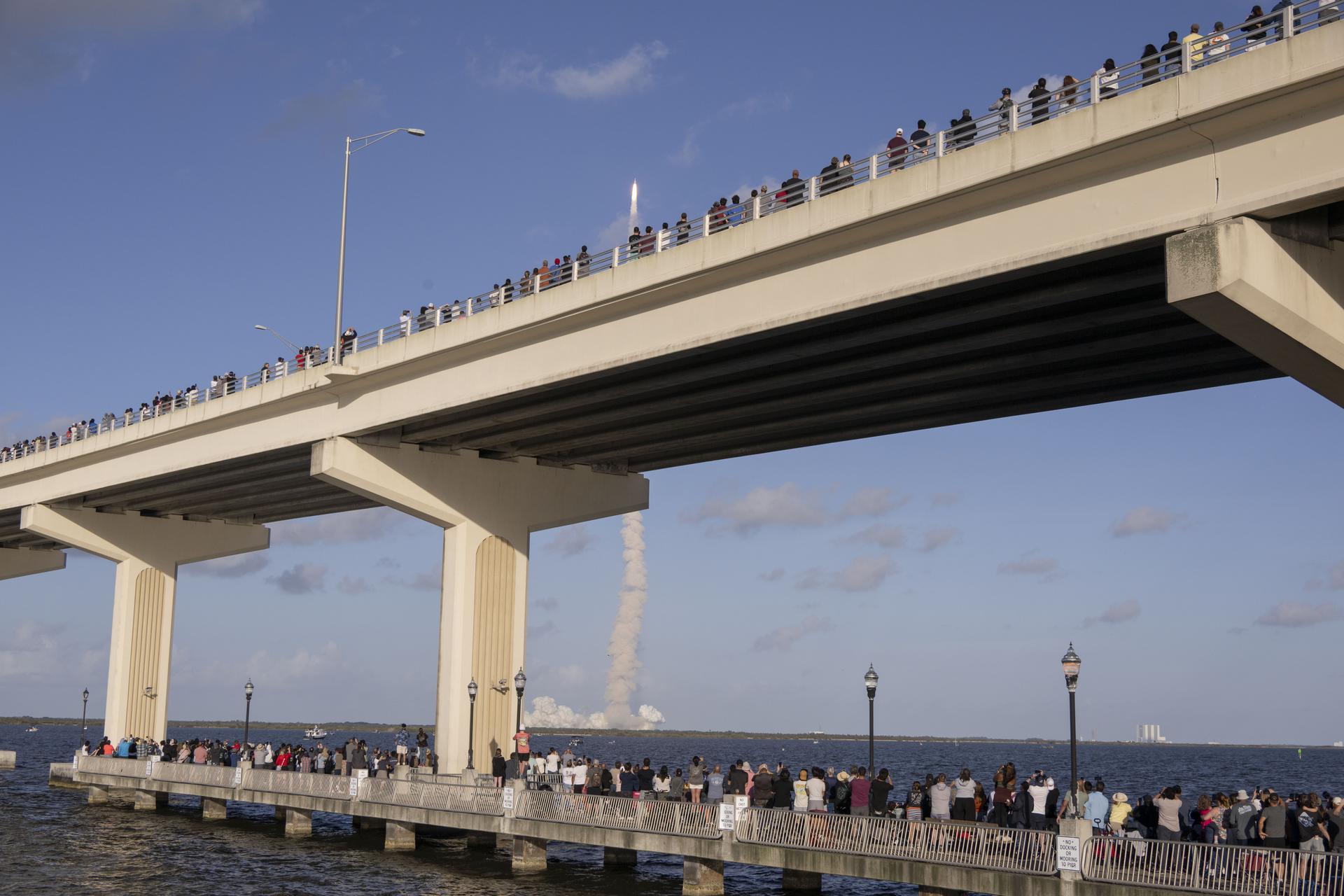
Crowds gather at the Max A. Brewer Bridge in Titusville to watch the launch of NASA’s SLS (Space Launch System) rocket with the Orion spacecraft carrying Artemis II Commander Reid Wiseman, Pilot Victor Glover, and Mission Specialist Christina Koch from NASA, along with Mission Specialist Jeremy Hansen from the CSA (Canadian Space Agency), on Wednesday, April 1, 2026, from Launch Complex 39B at NASA Kennedy. The Artemis II test flight will take the crew members on a 10-day journey around the Moon and back.
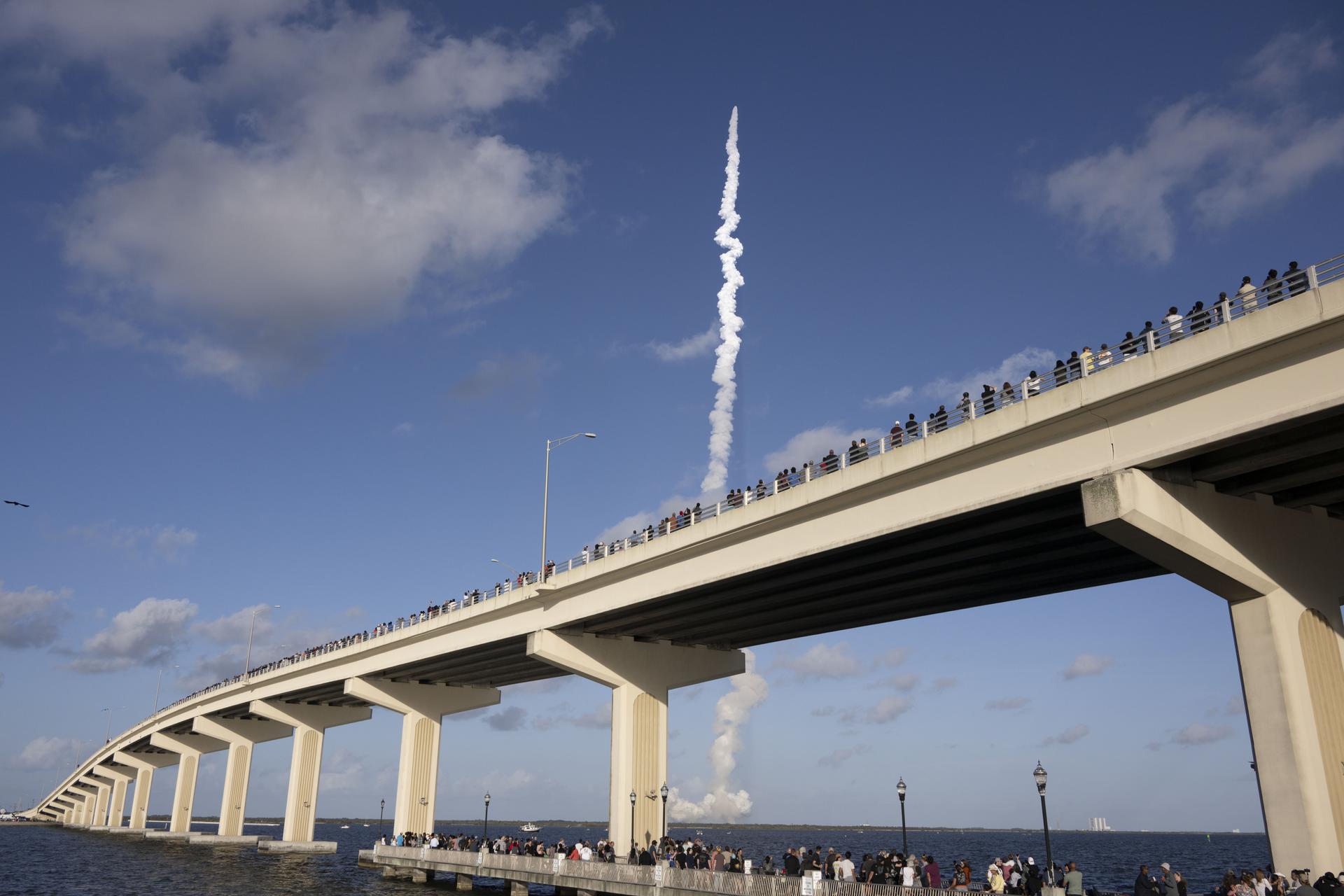
Crowds gather at the Max A. Brewer Bridge in Titusville to watch the launch of NASA’s SLS (Space Launch System) rocket with the Orion spacecraft carrying Artemis II Commander Reid Wiseman, Pilot Victor Glover, and Mission Specialist Christina Koch from NASA, along with Mission Specialist Jeremy Hansen from the CSA (Canadian Space Agency), on Wednesday, April 1, 2026, from Launch Complex 39B at NASA Kennedy. The Artemis II test flight will take the crew members on a 10-day journey around the Moon and back.
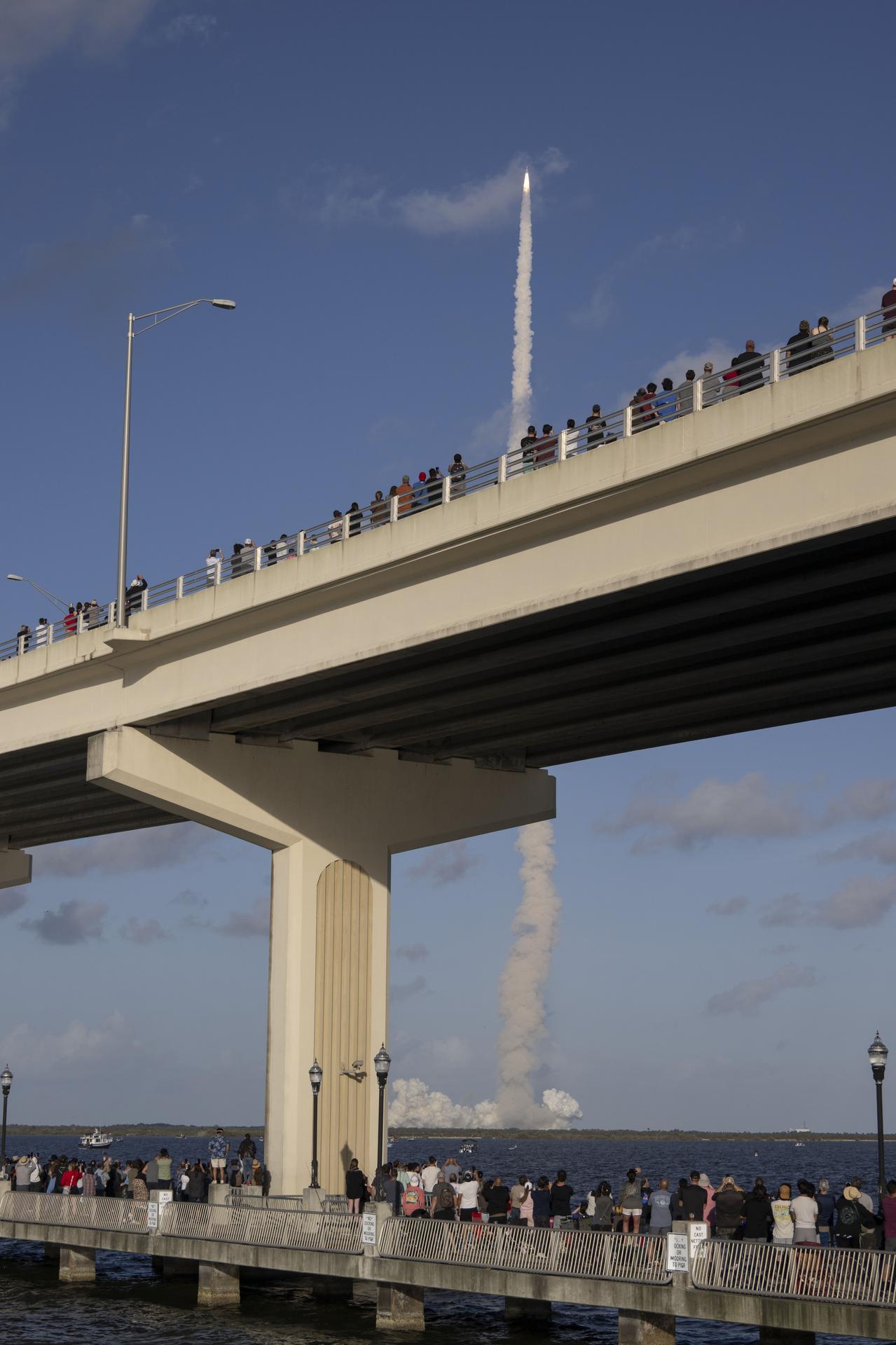
Crowds gather at the Max A. Brewer Bridge in Titusville to watch the launch of NASA’s SLS (Space Launch System) rocket with the Orion spacecraft carrying Artemis II Commander Reid Wiseman, Pilot Victor Glover, and Mission Specialist Christina Koch from NASA, along with Mission Specialist Jeremy Hansen from the CSA (Canadian Space Agency), on Wednesday, April 1, 2026, from Launch Complex 39B at NASA Kennedy. The Artemis II test flight will take the crew members on a 10-day journey around the Moon and back.
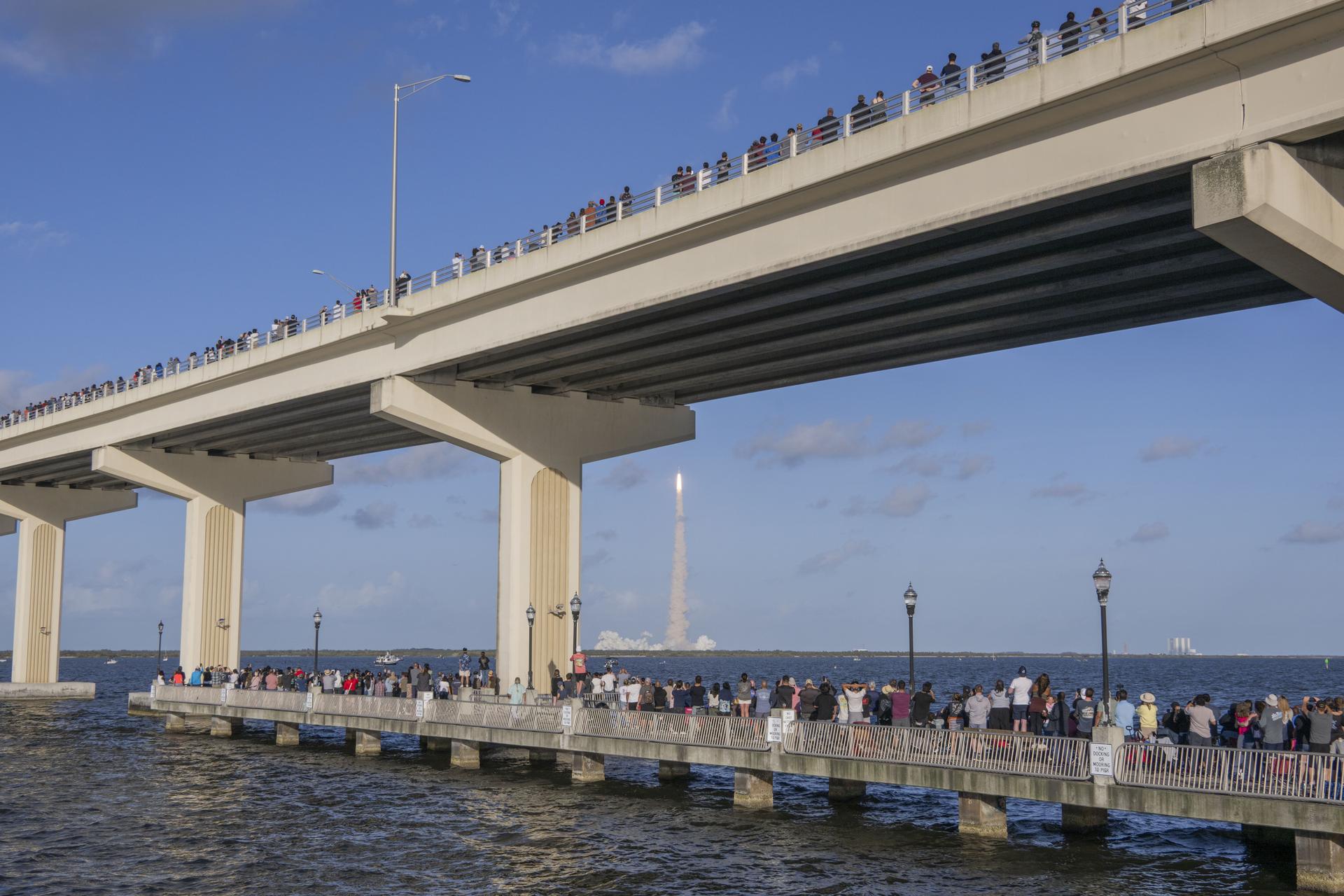
Crowds gather at the Max A. Brewer Bridge in Titusville to watch the launch of NASA’s SLS (Space Launch System) rocket with the Orion spacecraft carrying Artemis II Commander Reid Wiseman, Pilot Victor Glover, and Mission Specialist Christina Koch from NASA, along with Mission Specialist Jeremy Hansen from the CSA (Canadian Space Agency), on Wednesday, April 1, 2026, from Launch Complex 39B at NASA Kennedy. The Artemis II test flight will take the crew members on a 10-day journey around the Moon and back.