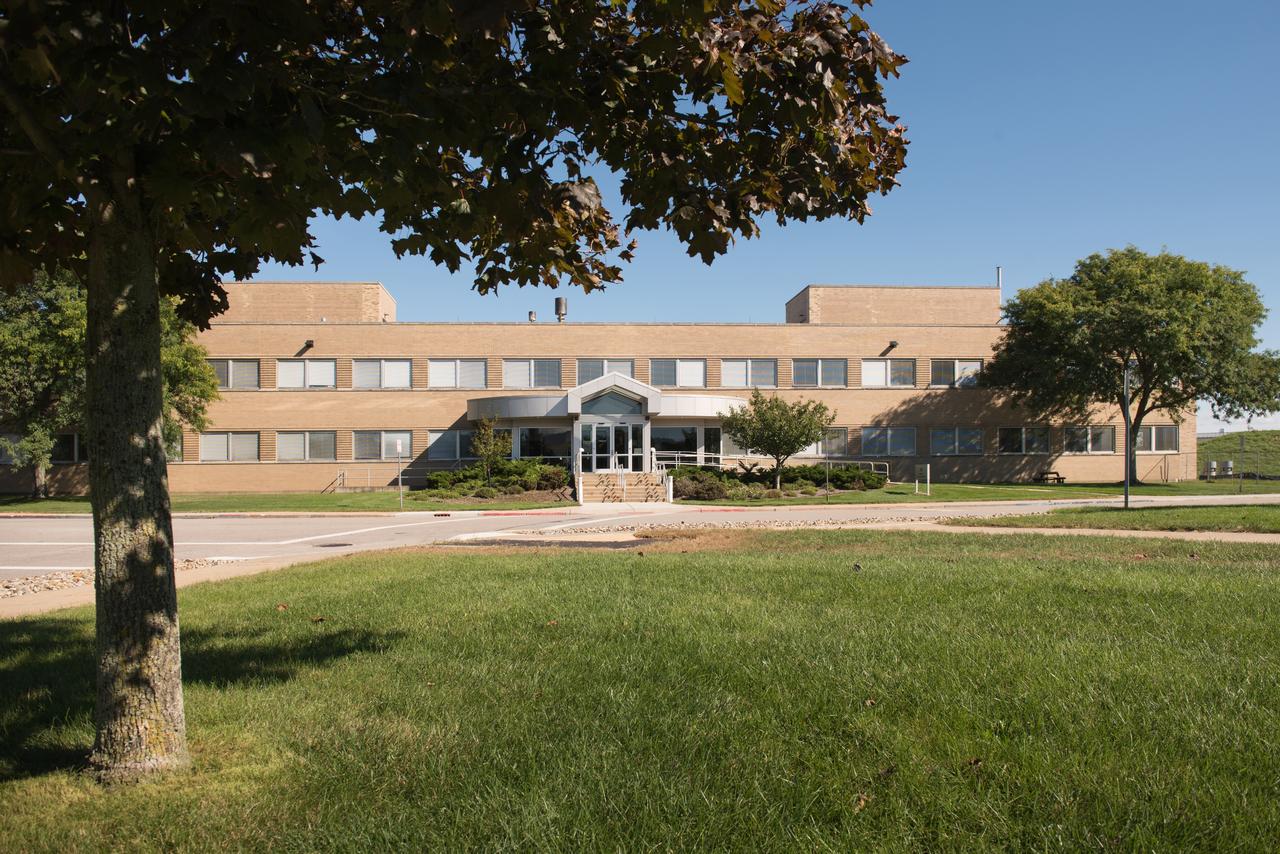
Materials and Structures Laboratory, Building 49
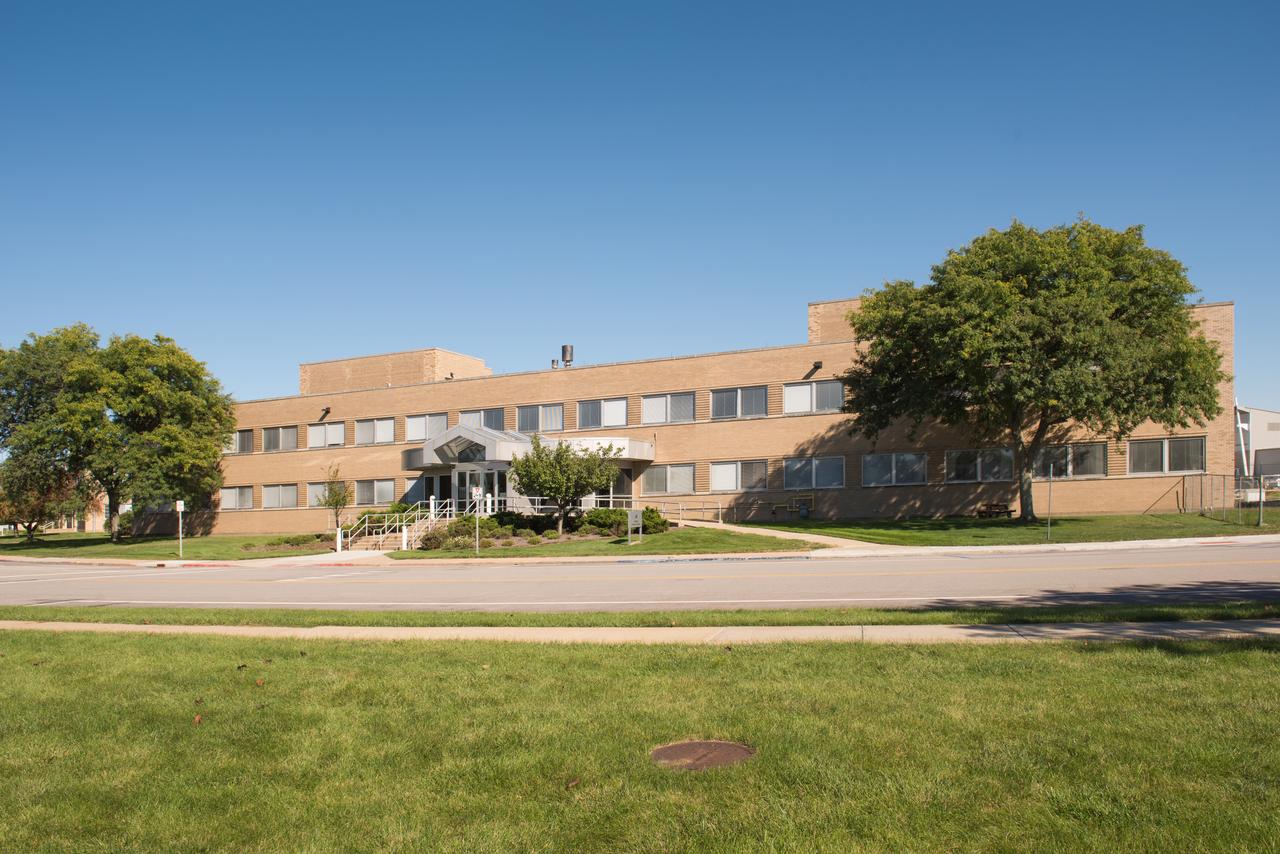
Materials and Structures Laboratory, Building 49
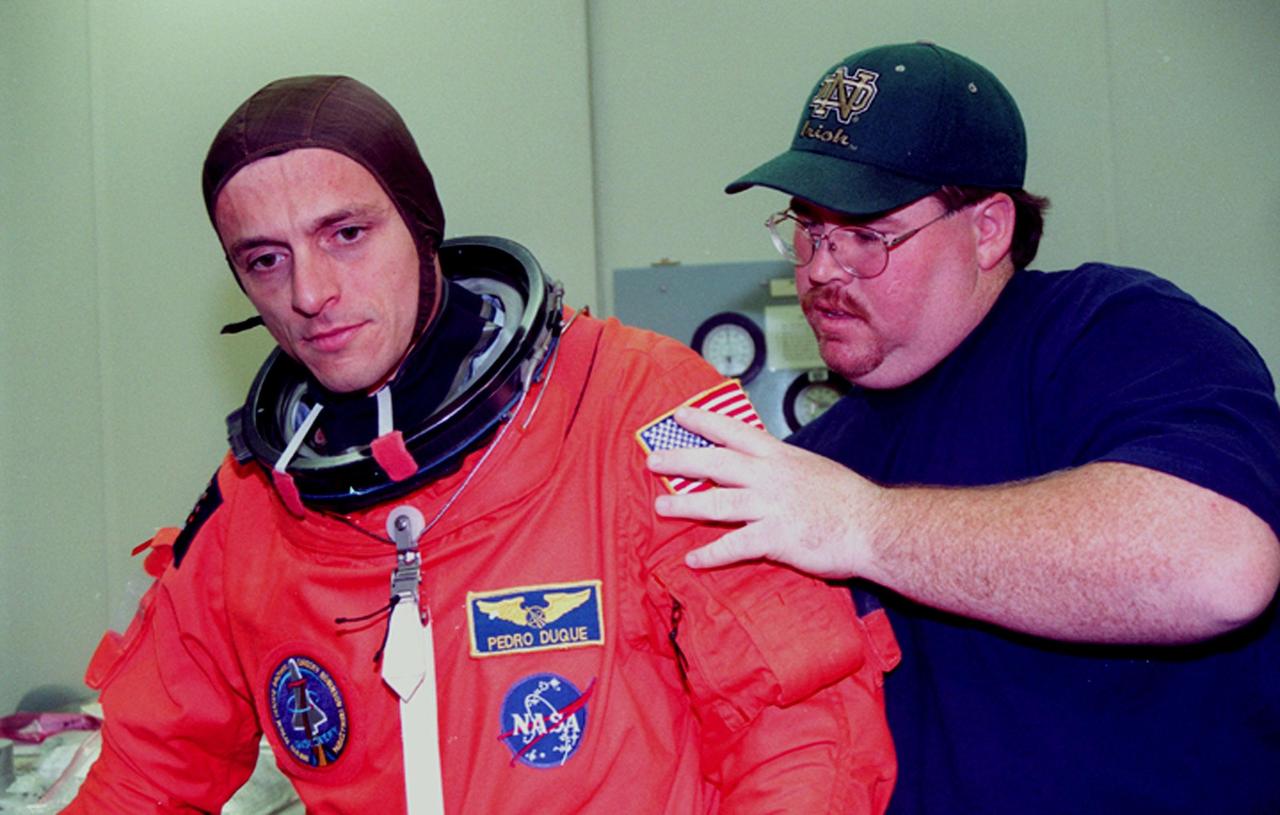
In the Operations and Checkout Building, STS-95 Mission Specialist Pedro Duque of Spain, with the European Space Agency, gets help with his suit from suit technician Tommy McDonald. The STS-95 crew were conducting flight crew equipment fit checks prior to launch on Oct. 29. STS-95 is expected to launch at 2 p.m. EST on Oct. 29, last 8 days, 21 hours and 49 minutes, and land at 11:49 a.m. EST on Nov. 7
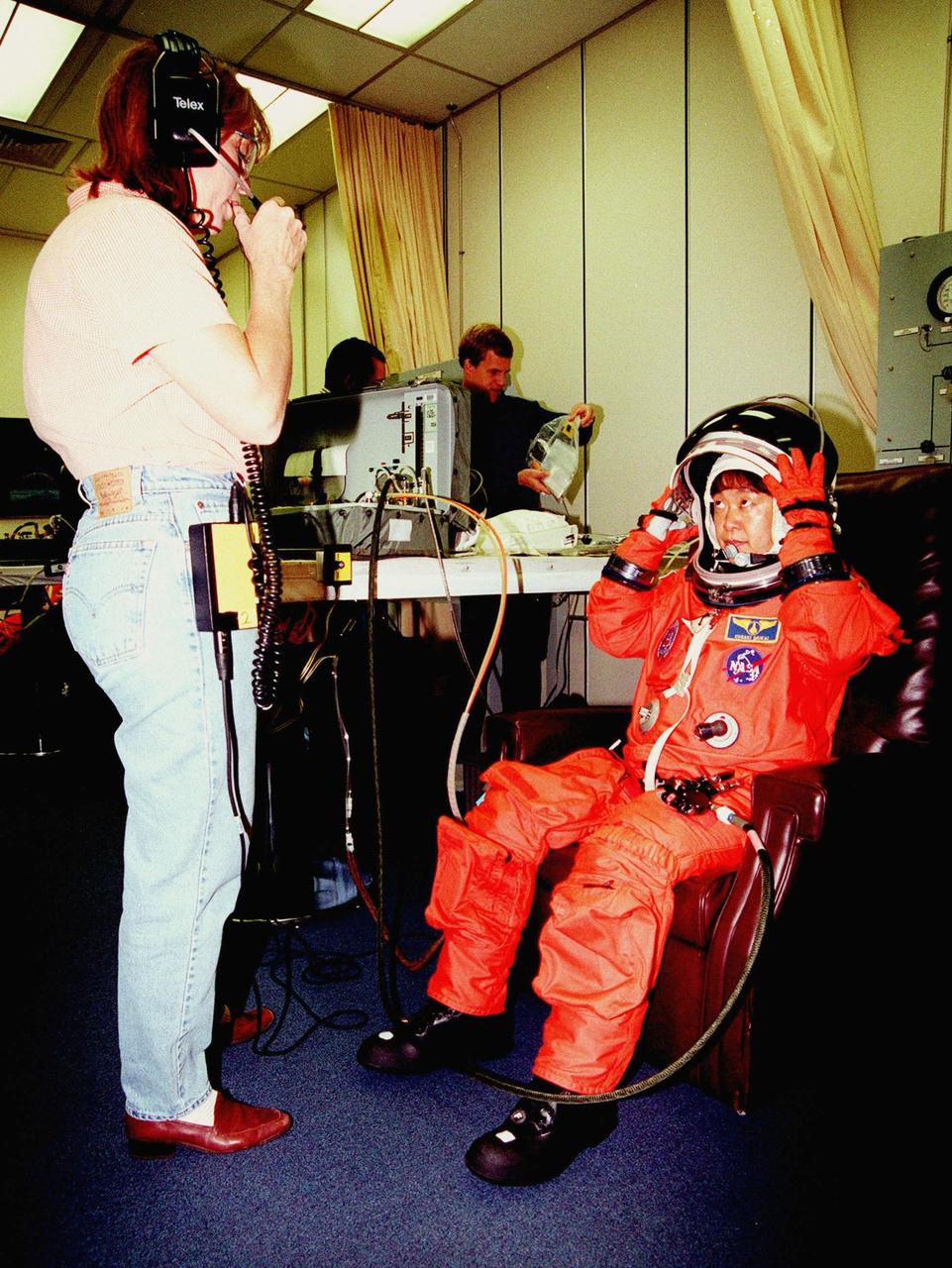
In the Operations and Checkout Building, STS-95 Payload Specialist Chiaki Mukai, with the National Space Development Agency of Japan (NASDA), gets help with her suit from suit technician Monica Golden. The STS-95 crew were conducting flight crew equipment fit checks prior to launch on Oct. 29. STS-95 is expected to launch at 2 p.m. EST on Oct. 29, last 8 days, 21 hours and 49 minutes, and land at 11:49 a.m. EST on Nov. 7
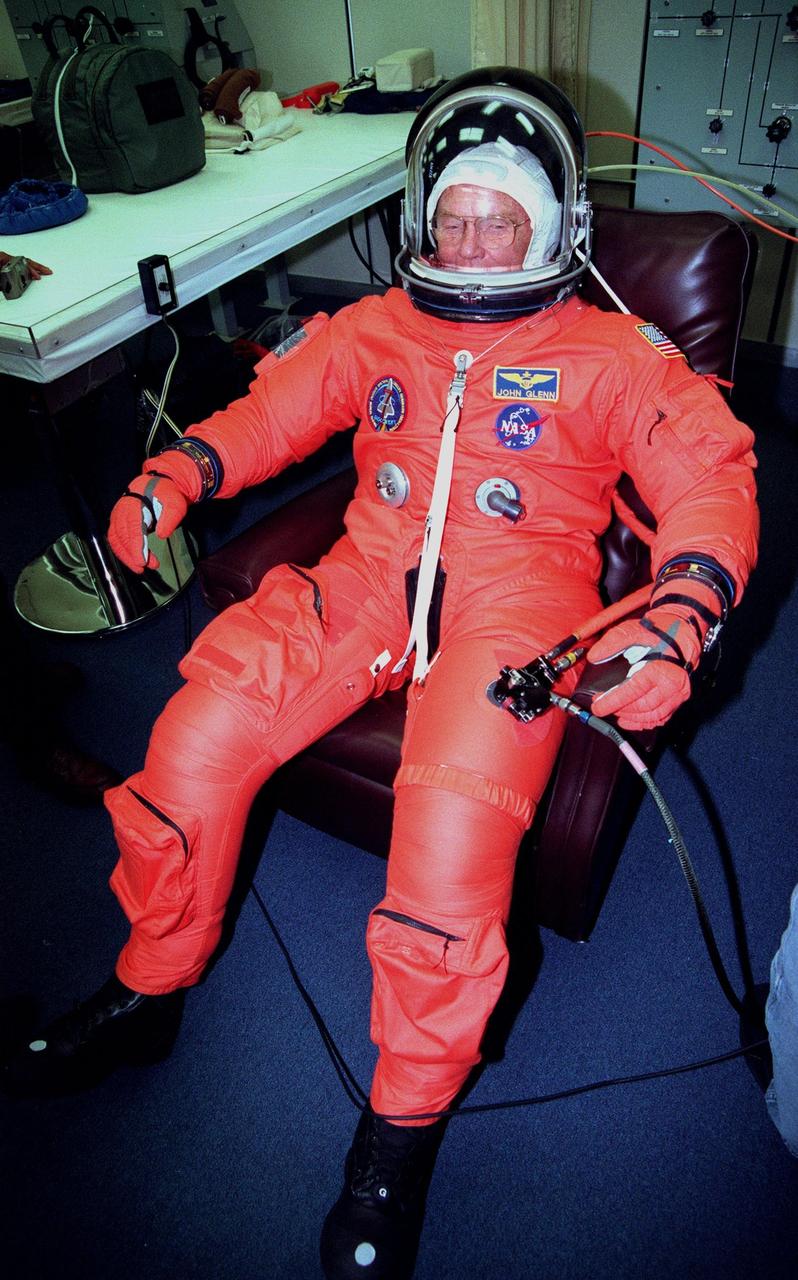
In the Operations and Checkout Building, STS-95 Payload Specialist John H. Glenn Jr., senator from Ohio, participates in a complete suit check. The STS-95 crew were conducting flight crew equipment fit checks prior to launch on Oct. 29. STS-95 is expected to launch at 2 p.m. EST on Oct. 29, last 8 days, 21 hours and 49 minutes, and land at 11:49 a.m. EST on Nov. 7
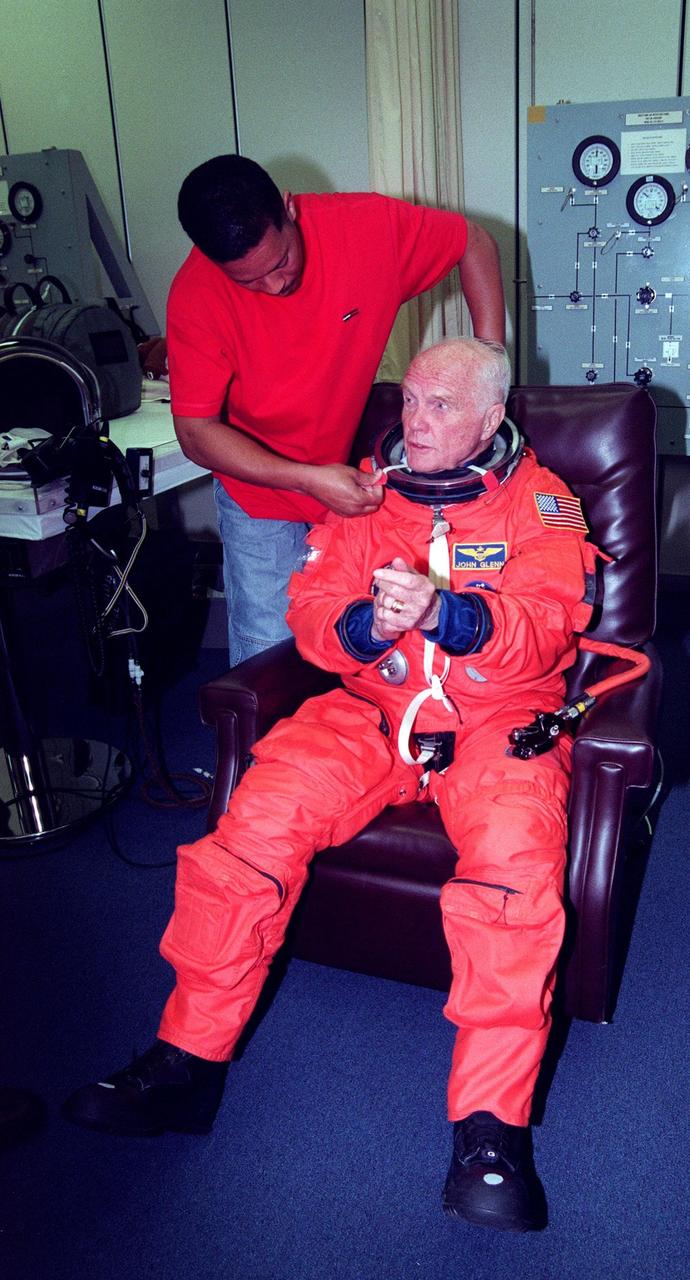
In the Operations and Checkout Building, suit technician George Brittingham helps STS-95 Payload Specialist John H. Glenn Jr., senator from Ohio, with his suit. The STS-95 crew were conducting flight crew equipment fit checks prior to launch on Oct. 29. STS-95 is expected to launch at 2 p.m. EST on Oct. 29, last 8 days, 21 hours and 49 minutes, and land at 11:49 a.m. EST on Nov. 7
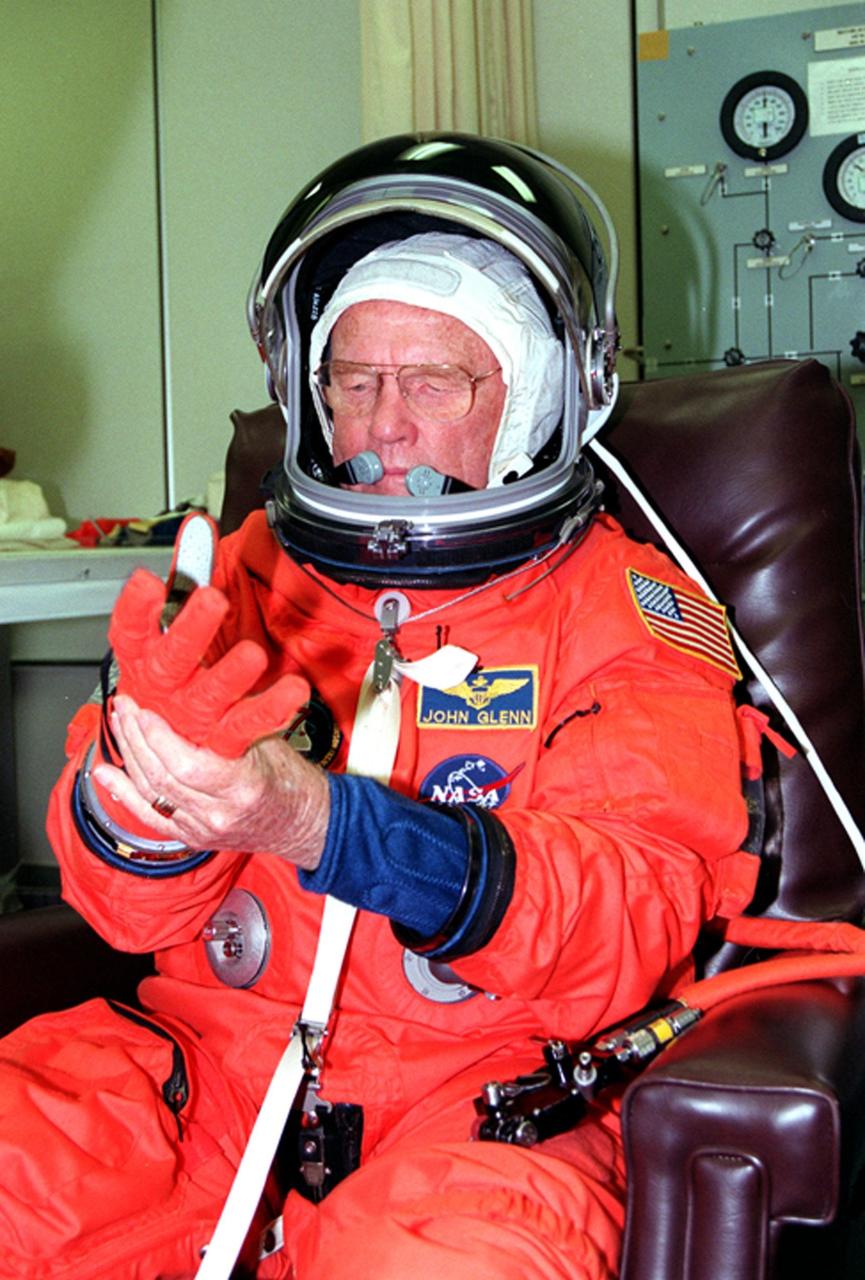
In the Operations and Checkout Building, STS-95 Payload Specialist John H. Glenn Jr. pulls on a glove, part of his equipment check. The STS-95 crew were conducting flight crew equipment fit checks prior to launch on Oct. 29. STS-95 is expected to launch at 2 p.m. EST on Oct. 29, last 8 days, 21 hours and 49 minutes, and land at 11:49 a.m. EST on Nov. 7
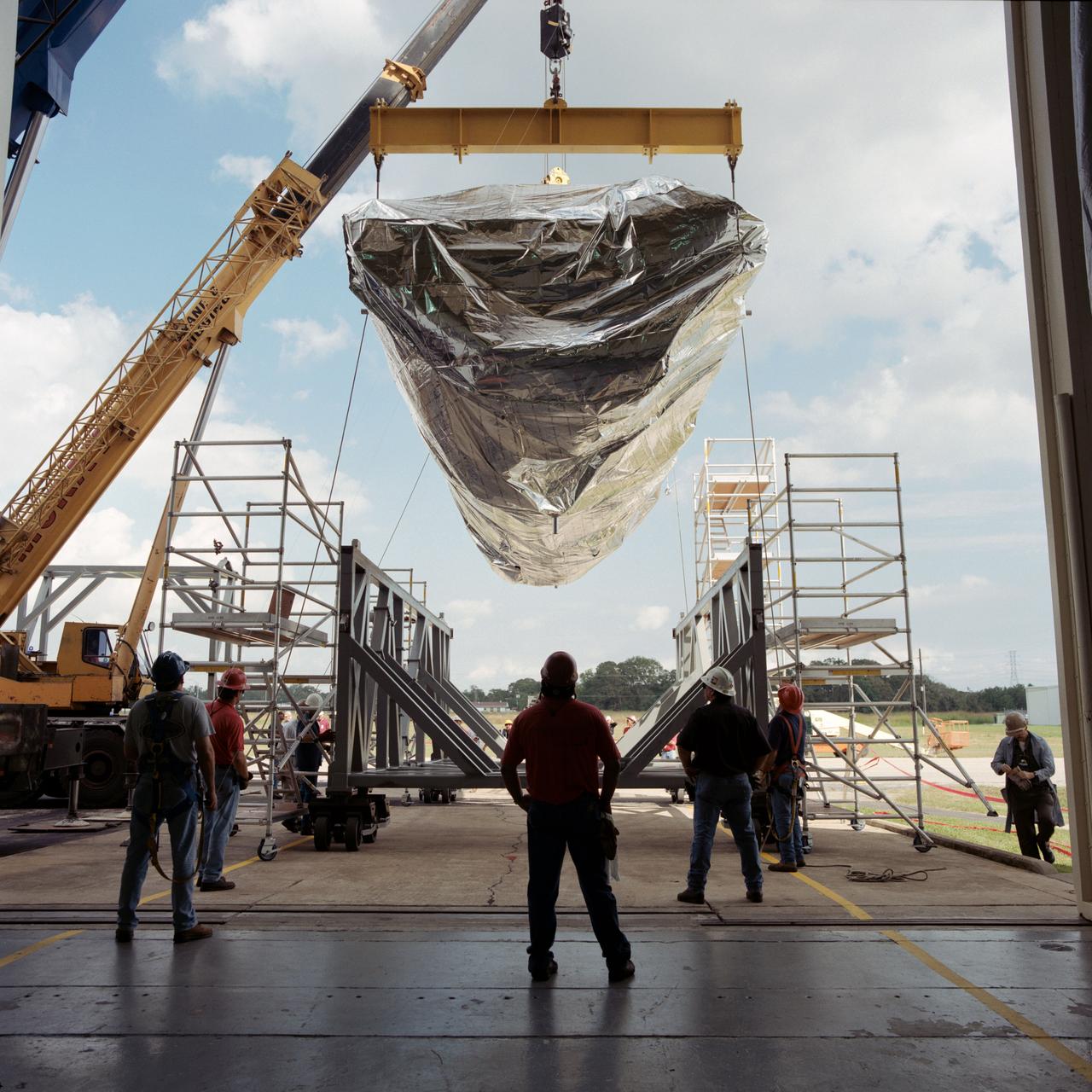
The S0 Truss is moved into the highbay of bldg 49 for Space Station Module acoustic test. Views include: S0 Truss moved into bldg 49 highbay (17342-53, 17370-71); a measuring stick is held near Truss (17354); Truss in acoustic chamber (17355-61, 17367); Truss in air above cradle (17362, 17364-66, 17368); Truss in cradle (17363).
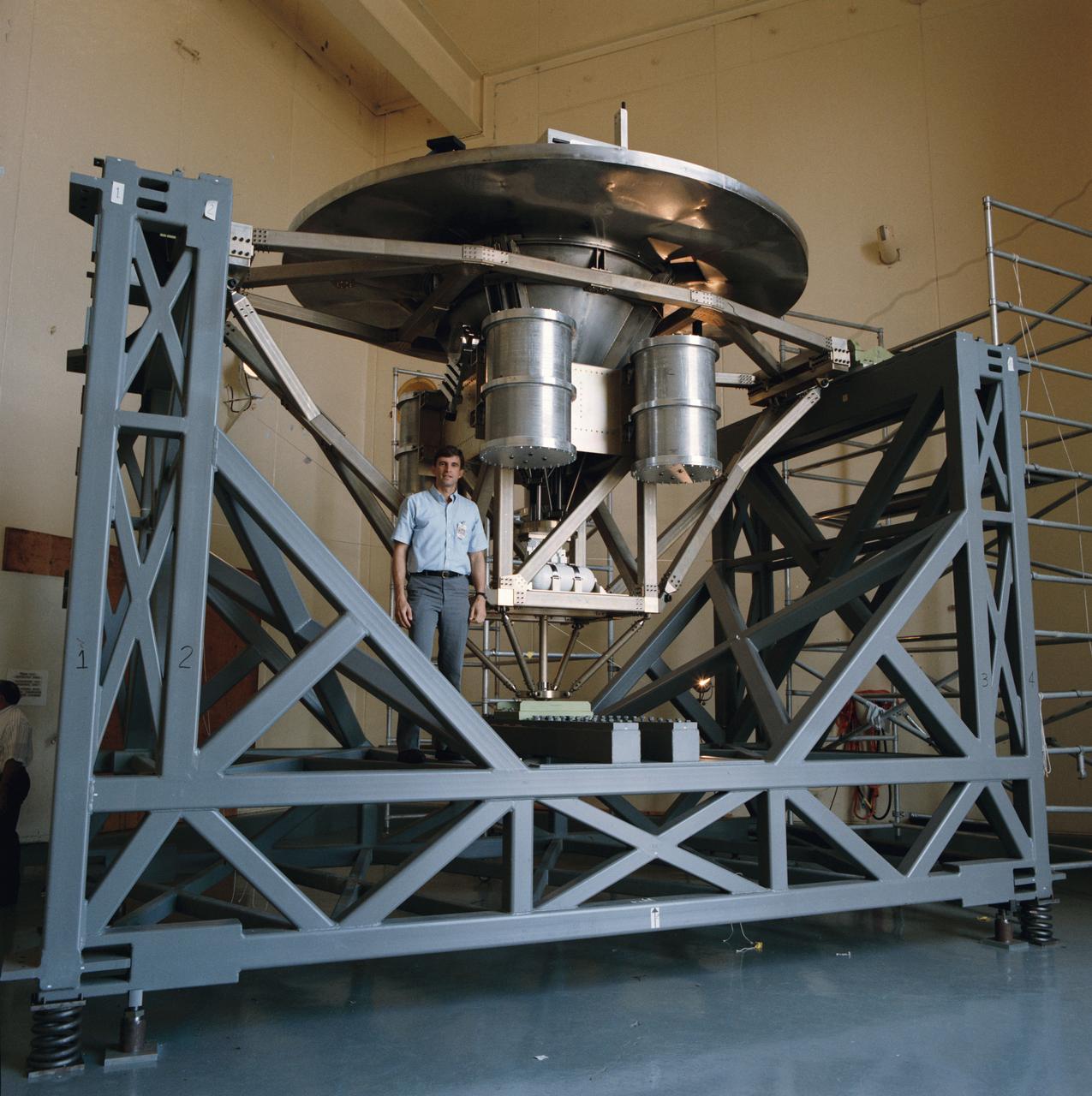
Astronaut Ronald M. Sega stands beside the University of Houston's Wake Shield Facility before it undergoes a Modal Survey Test in the Vibration and Acoustic Test Facility Building 49, prior to being flown on space shuttle mission STS-60.
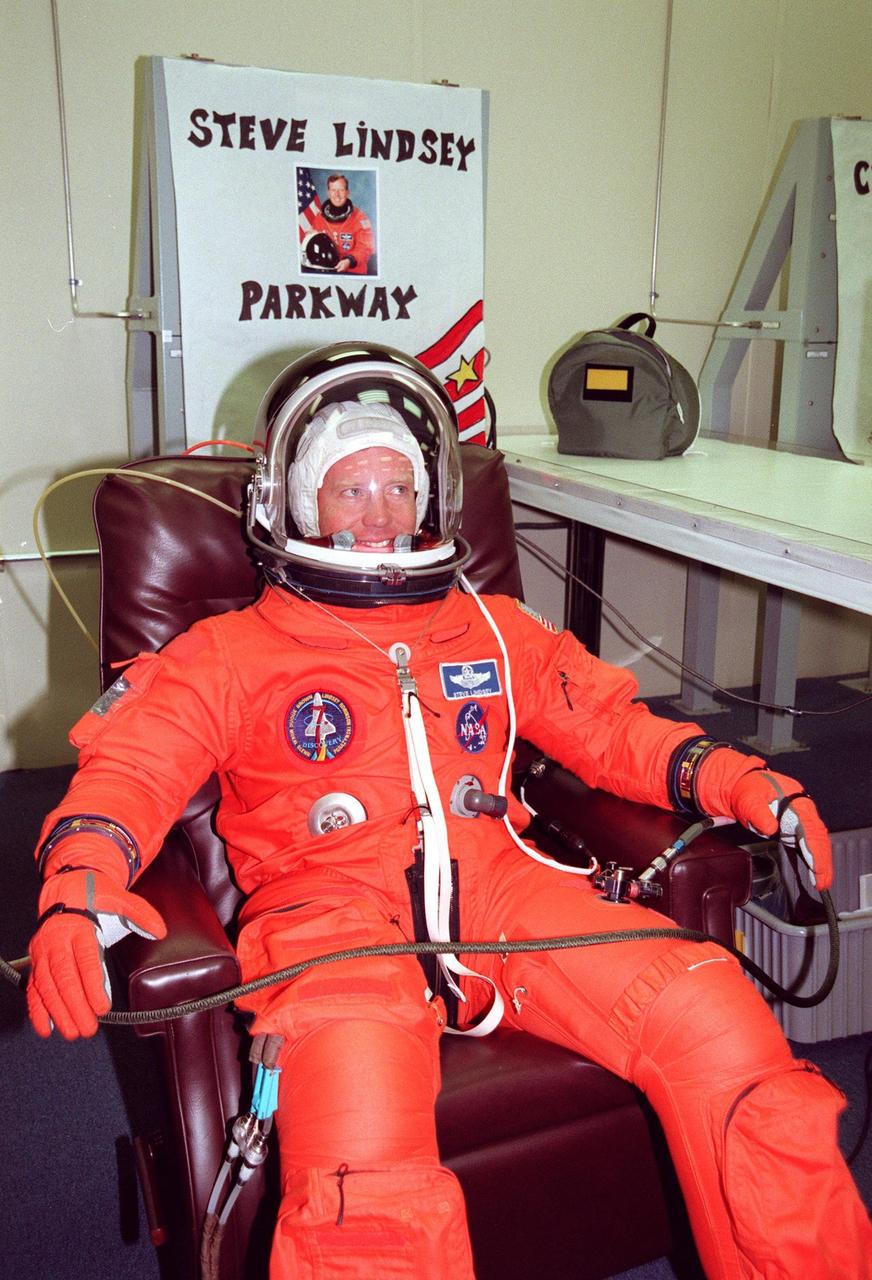
STS-95 Pilot Steven W. Lindsey tests his flight suit in the Operations and Checkout Building. The final fitting takes place prior to the crew walkout and transport to Launch Pad 39B. Targeted for launch at 2 p.m. EST on Oct. 29, the mission is expected to last 8 days, 21 hours and 49 minutes, and return to KSC at 11:49 a.m. EST on Nov. 7. The STS-95 mission includes research payloads such as the Spartan solar-observing deployable spacecraft, the Hubble Space Telescope Orbital Systems Test Platform, the International Extreme Ultraviolet Hitchhiker, as well as the SPACEHAB single module with experiments on space flight and the aging process
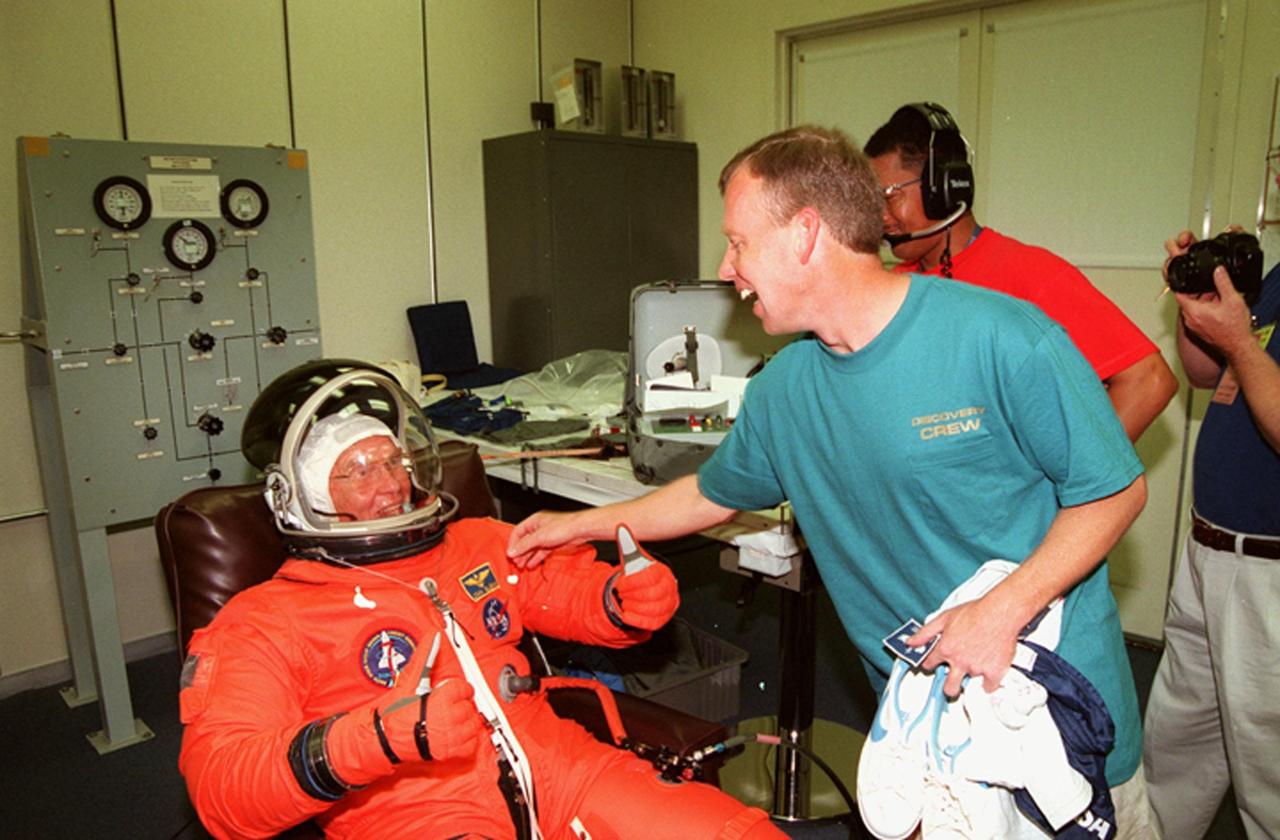
KENNEDY SPACE CENTER, FLA. -- In the Operations and Checkout Building, STS-95 Pilot Steven W. Lindsey (right) reaches playfully for the name tag on the flight suit of Payload Specialist John H. Glenn Jr., senator from Ohio, seated in the chair. The STS-95 crew were conducting flight crew equipment fit checks prior to launch on Oct. 29. STS-95 is expected to launch at 2 p.m. EST on Oct. 29, last 8 days, 21 hours and 49 minutes, and land at 11:49 a.m. EST on Nov. 7
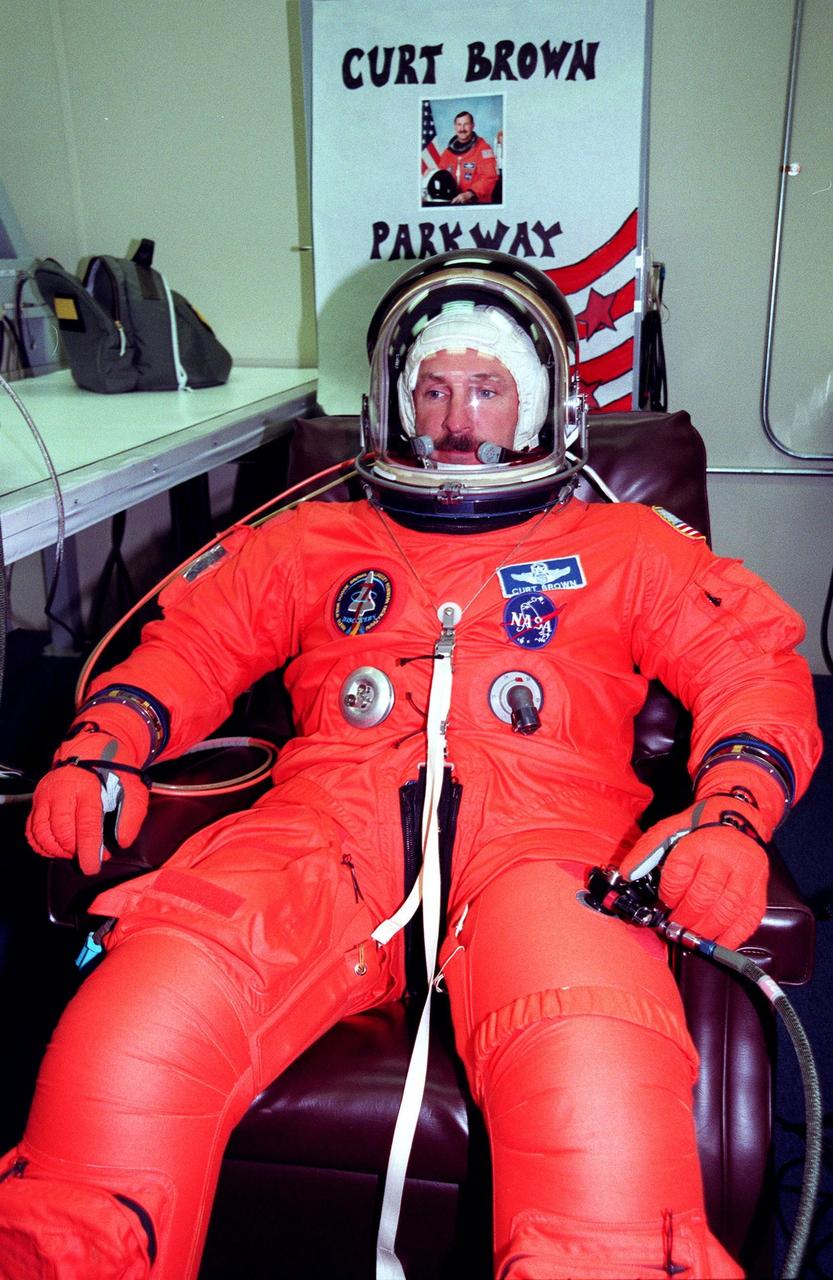
STS-95 Mission Commander Curtis L. Brown Jr. tests his flight suit in the Operations and Checkout Building. The final fitting takes place prior to the crew walkout and transport to Launch Pad 39B. Targeted for launch at 2 p.m. EST on Oct. 29, the mission is expected to last 8 days, 21 hours and 49 minutes, and return to KSC at 11:49 a.m. EST on Nov. 7. The STS-95 mission includes research payloads such as the Spartan solar-observing deployable spacecraft, the Hubble Space Telescope Orbital Systems Test Platform, the International Extreme Ultraviolet Hitchhiker, as well as the SPACEHAB single module with experiments on space flight and the aging process
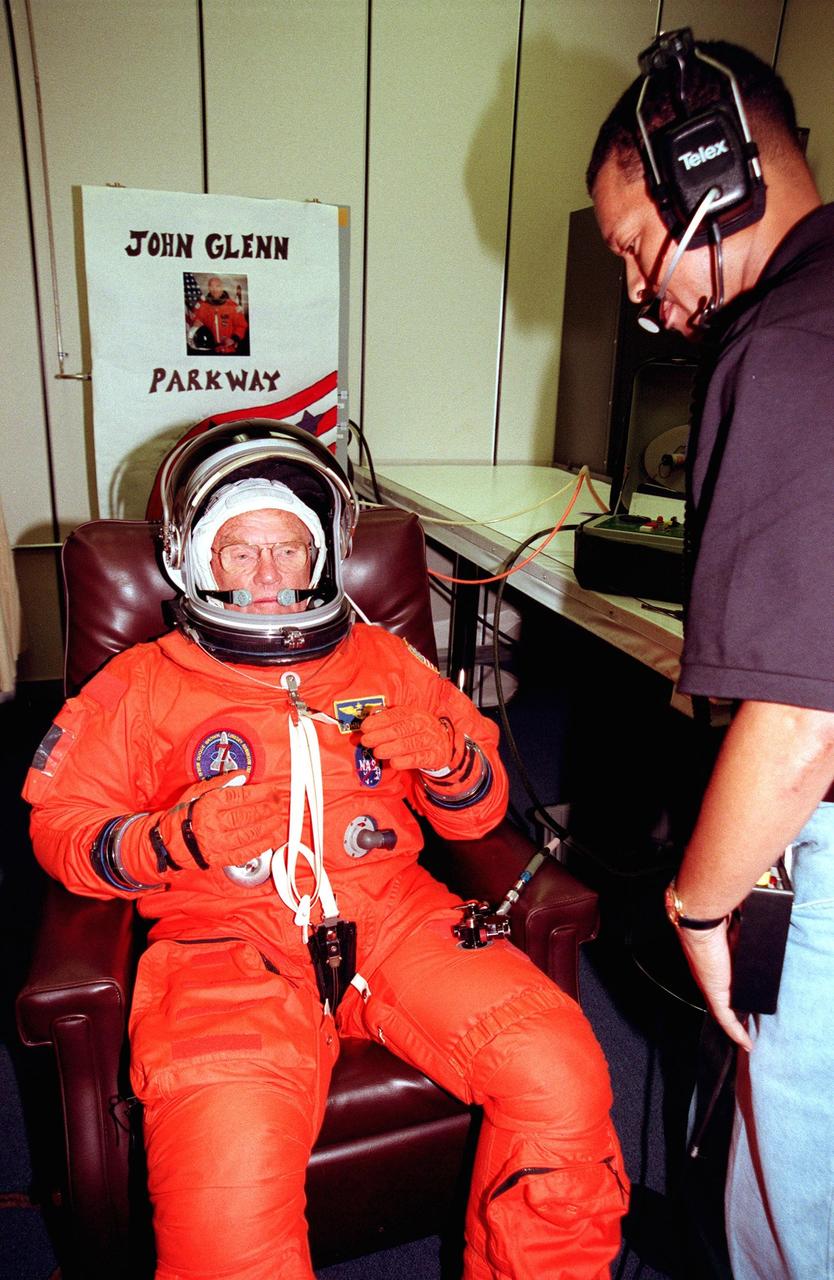
STS-95 Payload Specialist John H. Glenn Jr., senator from Ohio, tests the fitting of his flight suit in the Operations and Checkout Building while suit tech George Brittingham watches. The final fitting takes place prior to the crew walkout and transport to Launch Pad 39B. Targeted for launch at 2 p.m. EST on Oct. 29, the mission is expected to last 8 days, 21 hours and 49 minutes, and return to KSC at 11:49 a.m. EST on Nov. 7. The STS-95 mission includes research payloads such as the Spartan solar-observing deployable spacecraft, the Hubble Space Telescope Orbital Systems Test Platform, the International Extreme Ultraviolet Hitchhiker, as well as the SPACEHAB single module with experiments on space flight and the aging process
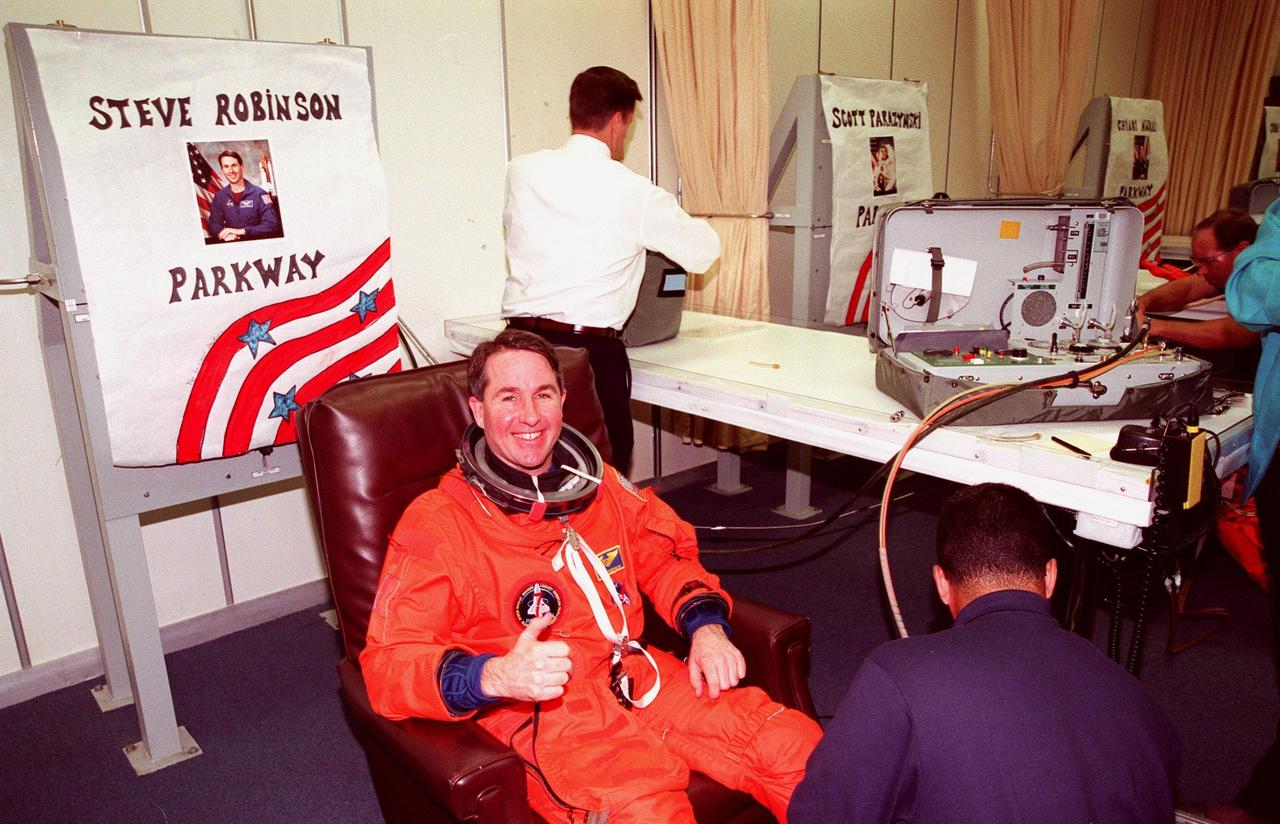
STS-95 Mission Specialist Stephen K. Robinson gives a thumbs up as he dons his flight suit in the Operations and Checkout Building with the help of suit tech George Brittingham (lower right). The final fitting takes place prior to the crew walkout and transport to Launch Pad 39B. Targeted for launch at 2 p.m. EST on Oct. 29, the mission is expected to last 8 days, 21 hours and 49 minutes, and return to KSC at 11:49 a.m. EST on Nov. 7. The STS-95 mission includes research payloads such as the Spartan solar-observing deployable spacecraft, the Hubble Space Telescope Orbital Systems Test Platform, the International Extreme Ultraviolet Hitchhiker, as well as the SPACEHAB single module with experiments on space flight and the aging process
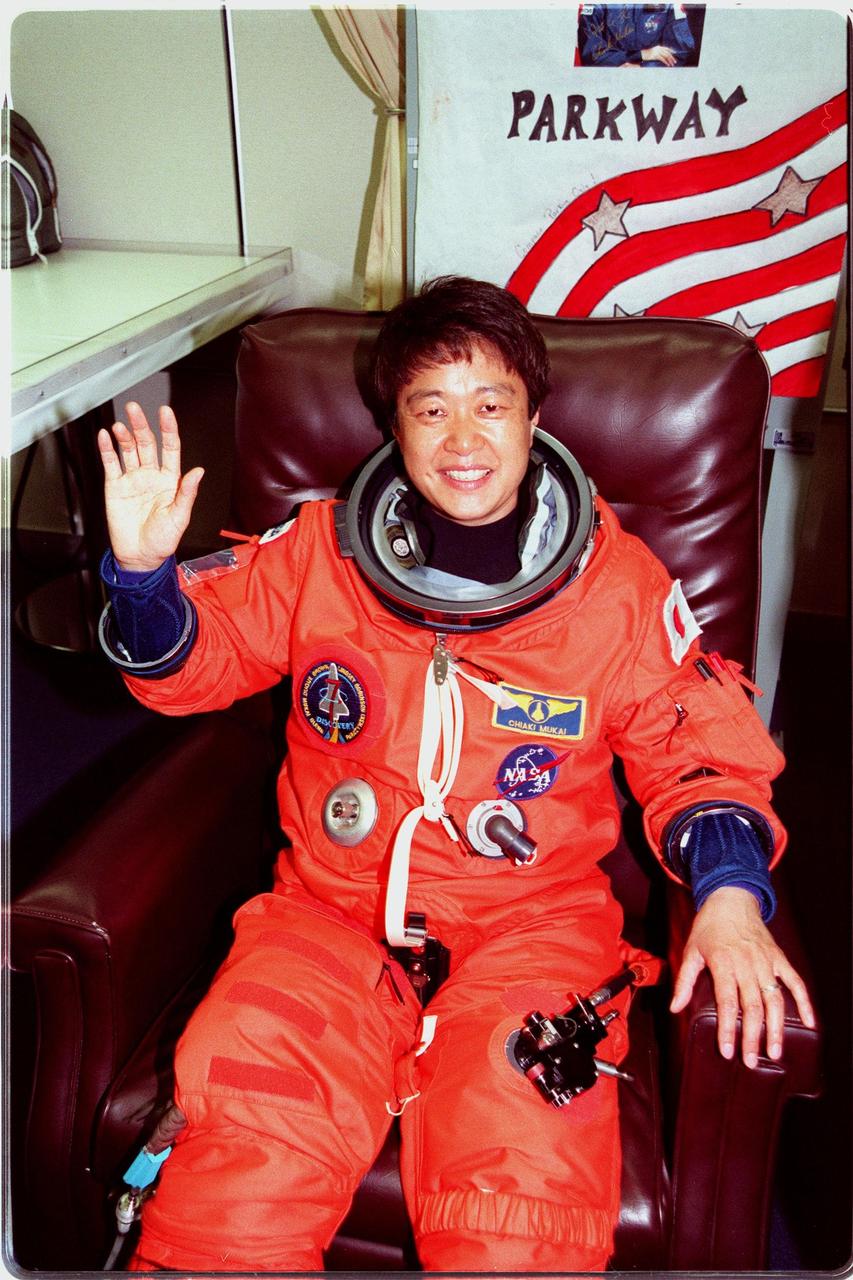
STS-95 Payload Specialist Chiaki Mukai, (M.D., Ph.D.), with the National Space Development Agency of Japan (NASDA), smiles as she dons her flight suit in the Operations and Checkout Building. The final fitting takes place prior to the crew walkout and transport to Launch Pad 39B. Targeted for launch at 2 p.m. EST on Oct. 29, the mission is expected to last 8 days, 21 hours and 49 minutes, and return to KSC at 11:49 a.m. EST on Nov. 7. The STS-95 mission includes research payloads such as the Spartan solar-observing deployable spacecraft, the Hubble Space Telescope Orbital Systems Test Platform, the International Extreme Ultraviolet Hitchhiker, as well as the SPACEHAB single module with experiments on space flight and the aging process
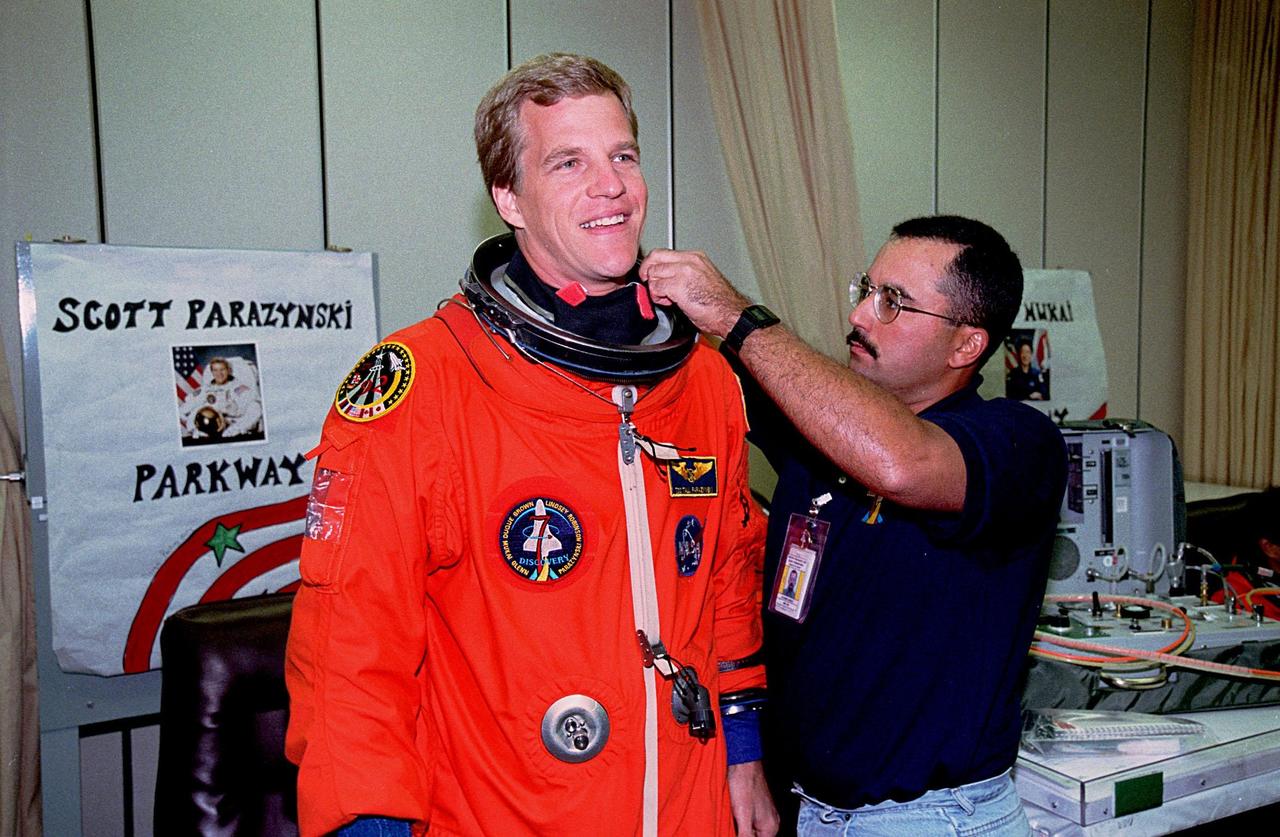
STS-95 Mission Specialist Scott E. Parazynski gets help with his flight suit in the Operations and Checkout Building from a suit technician George Brittingham. The final fitting takes place prior to the crew walkout and transport to Launch Pad 39B. Targeted for launch at 2 p.m. EST on Oct. 29, the mission is expected to last 8 days, 21 hours and 49 minutes, and return to KSC at 11:49 a.m. EST on Nov. 7. The STS-95 mission includes research payloads such as the Spartan solar-observing deployable spacecraft, the Hubble Space Telescope Orbital Systems Test Platform, the International Extreme Ultraviolet Hitchhiker, as well as the SPACEHAB single module with experiments on space flight and the aging process
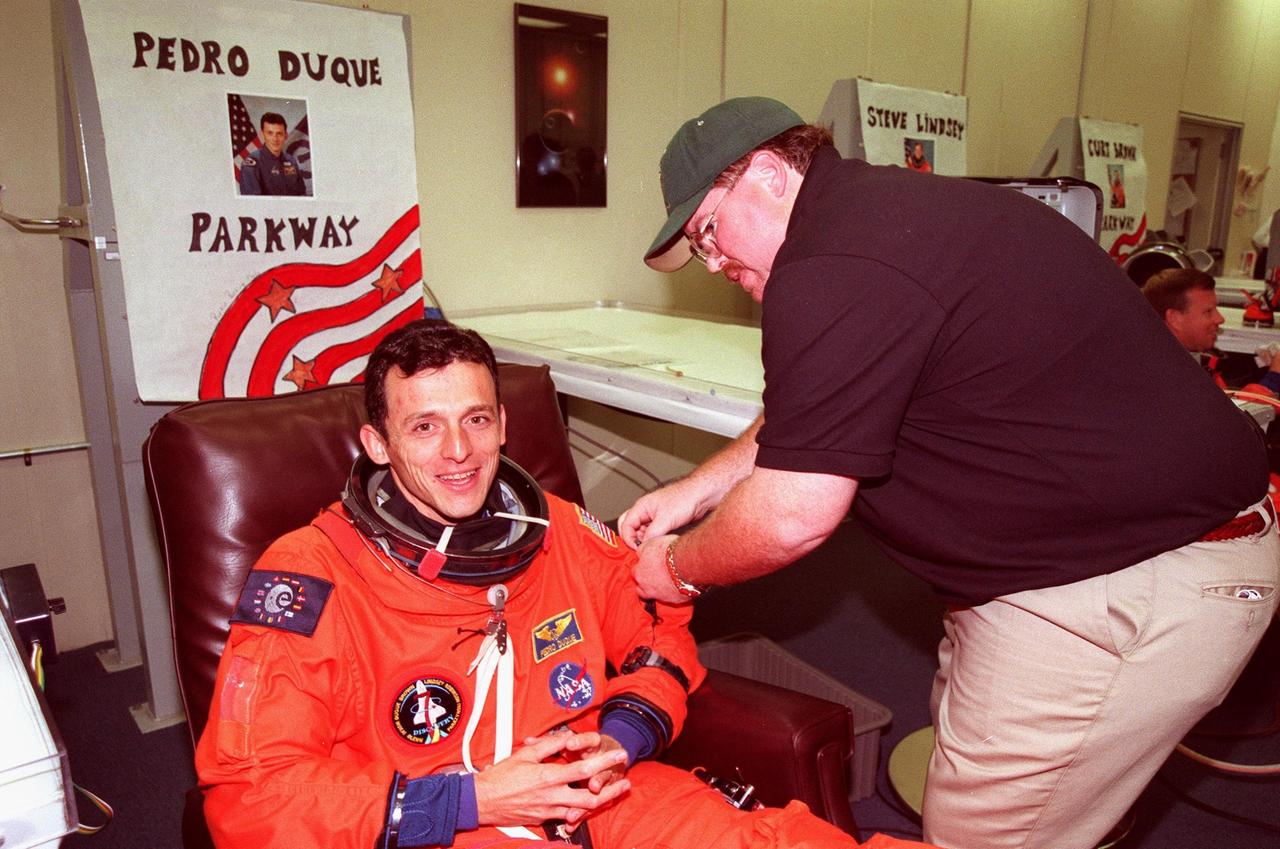
STS-95 Mission Specialist Pedro Duque of Spain, with the European Space Agency, is helped with his flight suit by suit tech Tommy McDonald in the Operations and Checkout Building. The final fitting takes place prior to the crew walkout and transport to Launch Pad 39B. Targeted for launch at 2 p.m. EST on Oct. 29, the mission is expected to last 8 days, 21 hours and 49 minutes, and return to KSC at 11:49 a.m. EST on Nov. 7. The STS-95 mission includes research payloads such as the Spartan solar-observing deployable spacecraft, the Hubble Space Telescope Orbital Systems Test Platform, the International Extreme Ultraviolet Hitchhiker, as well as the SPACEHAB single module with experiments on space flight and the aging process
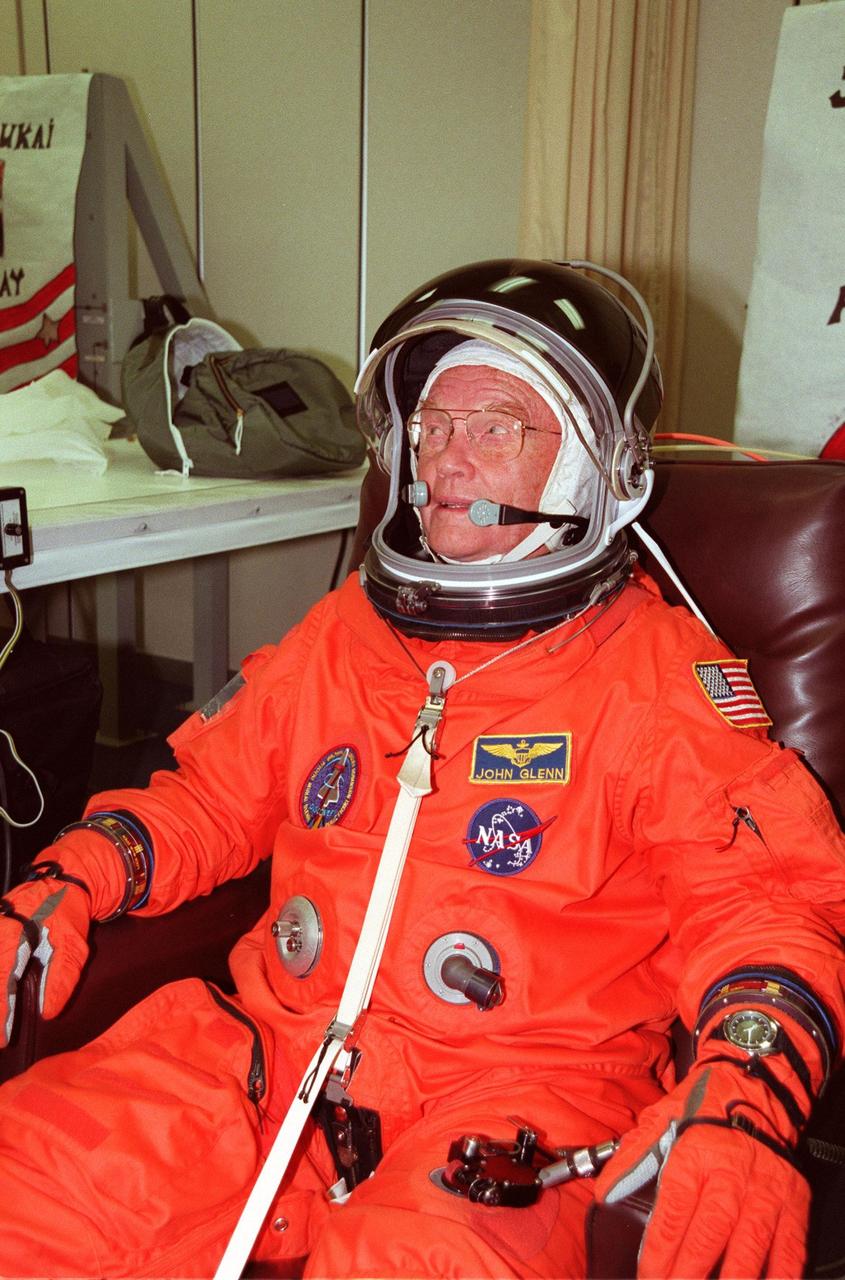
STS-95 Payload Specialist John H. Glenn Jr., senator from Ohio, smiles as he dons his flight suit in the Operations and Checkout Building. The final fitting takes place prior to the crew walkout and transport to Launch Pad 39B. Targeted for launch at 2 p.m. EST on Oct. 29, the mission is expected to last 8 days, 21 hours and 49 minutes, and return to KSC at 11:49 a.m. EST on Nov. 7. The STS-95 mission includes research payloads such as the Spartan solar-observing deployable spacecraft, the Hubble Space Telescope Orbital Systems Test Platform, the International Extreme Ultraviolet Hitchhiker, as well as the SPACEHAB single module with experiments on space flight and the aging process
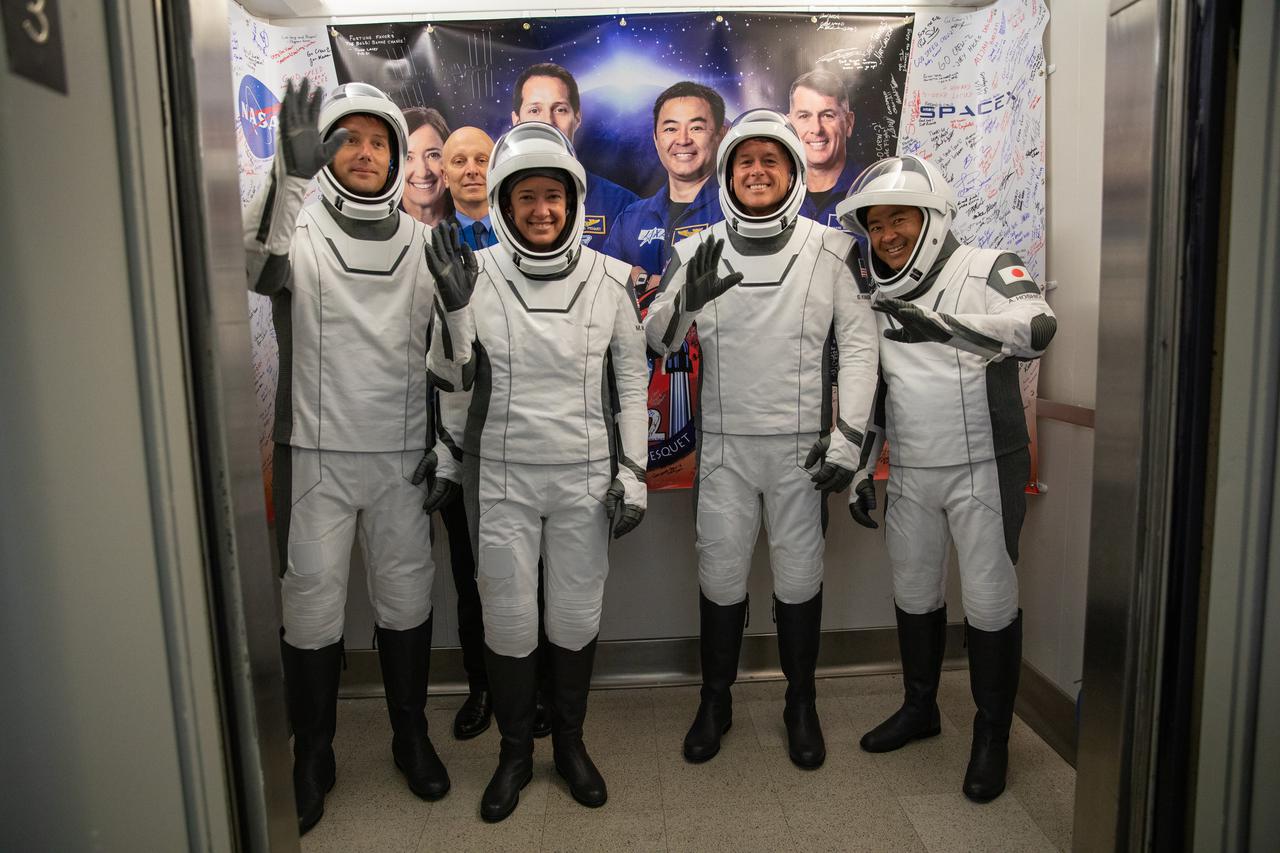
From left, ESA astronaut Thomas Pesquet, NASA astronaut Megan McArthur, NASA astronaut Shane Kimbrough and JAXA astronaut Akihiko Hoshide enter the elevator inside the Neil Armstrong Operations and Checkout Building at NASA’s Kennedy Space Center in Florida, on April 23, 2021. The four astronauts will head to the International Space Station on NASA’s SpaceX Crew-2 mission. SpaceX’s Crew Dragon Endeavour will launch on the company’s Falcon 9 rocket from Kennedy’s Launch Complex 39A today at 5:49 a.m. EDT.

S88-31388 (8 May 1961) --- Astronaut Alan B. Shepard Jr. (center), along with wife Louise, waves to a crowd outside the U.S. Capitol building. Shepard, Mercury-Redstone 3 astronaut, had earlier briefed Congress on the first U.S. manned spaceflight -- a 15-minute suborbital mission on May 5, 1961, aboard the Freedom 7 capsule. (NASA Hq. Photo No., MR3-49) Photo credit: NASA or National Aeronautics and Space Administration
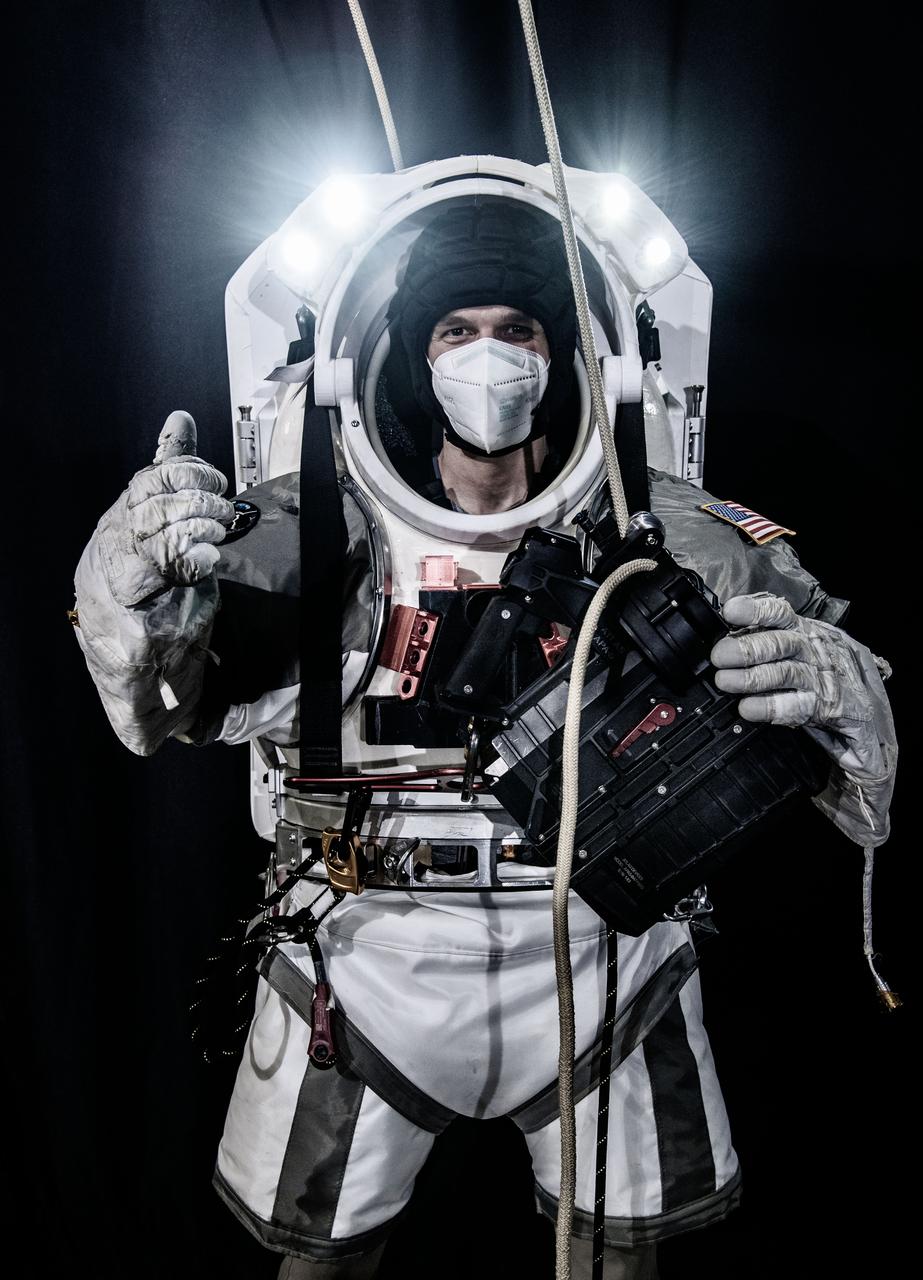
Nate Ball of Atlas Devices prepares to test an APA-5 powered rope ascender with the Exploration Conop (EXCON) Suit, a new xEMU spacesuit simulator. Atlas uses this device in terrestrial applications of powered ascenders including rescue and vertical mobility. This photo was taken when NASA began researching if these capabilities may have analogous applications for lunar surface operations. Photo Date: April 29, 2021. Location: Building 49 High Bay. Photographer: Robert Markowitz
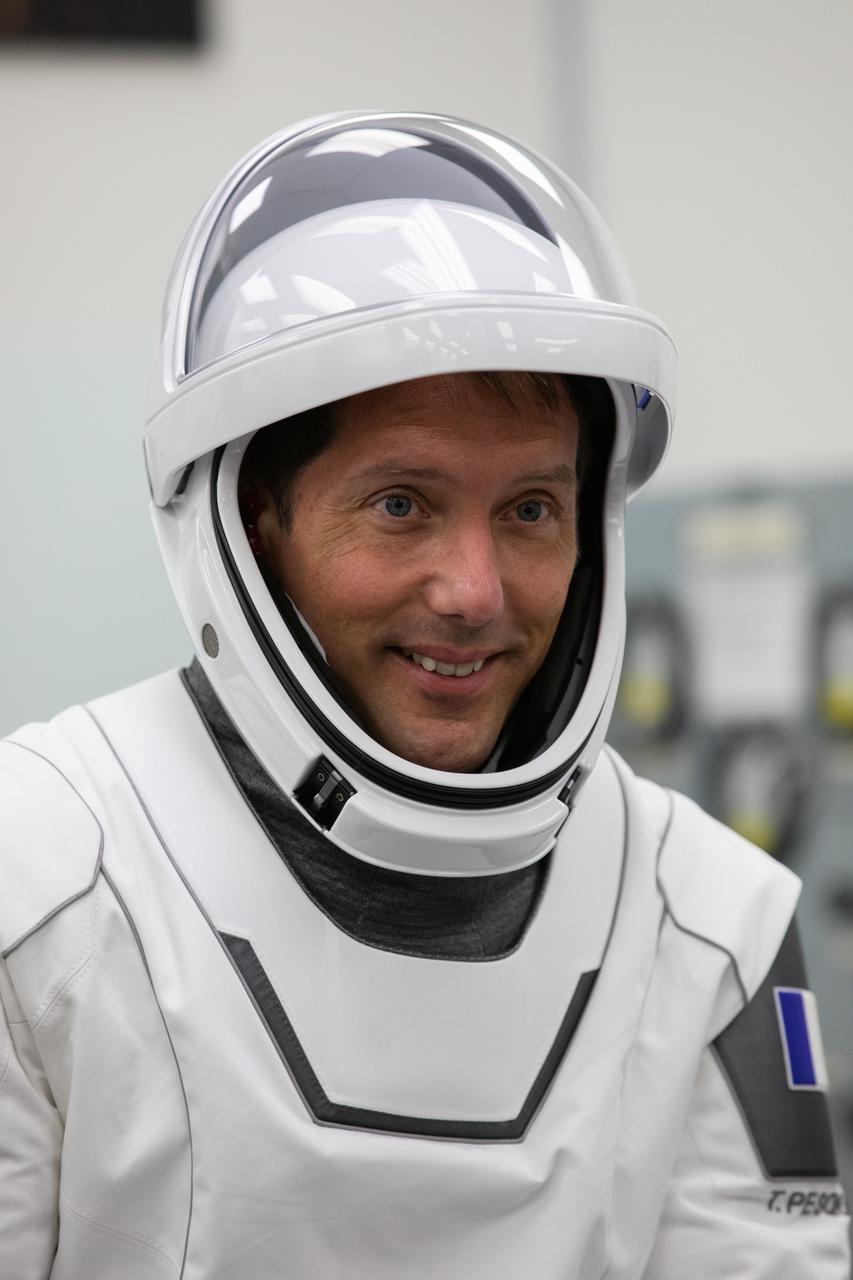
ESA astronaut Thomas Pesquet smiles inside the crew suit-up room in the Neil Armstrong Operations and Checkout Building at NASA’s Kennedy Space Center in Florida, on April 23, 2021. Pesquet, along with NASA astronauts Megan McArthur and Shane Kimbrough, and JAXA astronaut Akihiko Hoshide, will head to the International Space Station on NASA’s SpaceX Crew-2 mission. SpaceX’s Crew Dragon Endeavour will launch on the company’s Falcon 9 rocket from Kennedy’s Launch Complex 39A today at 5:49 a.m. EDT.
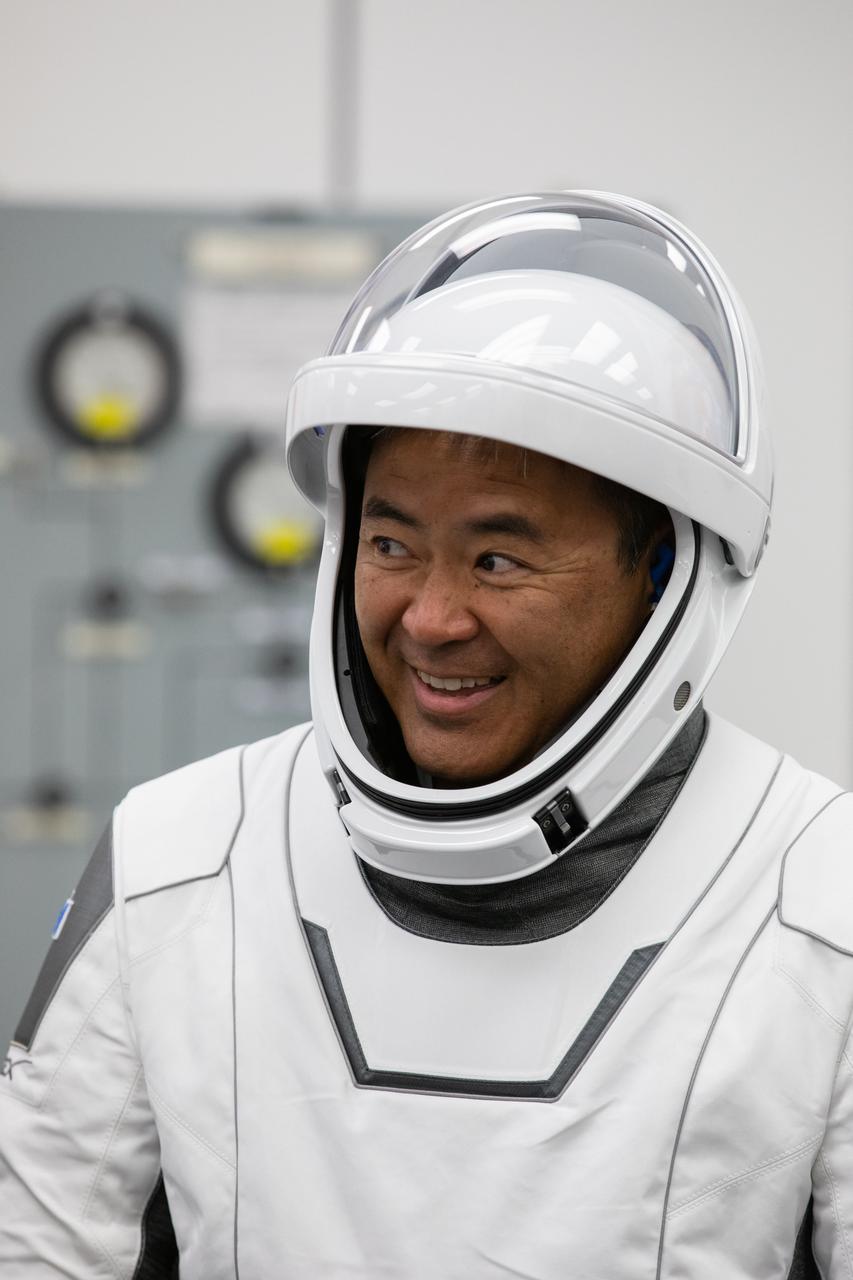
JAXA astronaut Akihiko Hoshide smiles inside the crew suit-up room in the Neil Armstrong Operations and Checkout Building at NASA’s Kennedy Space Center in Florida, on April 23, 2021. Hoshide, along with NASA astronauts Shane Kimbrough and Megan McArthur, and ESA astronaut Thomas Pesquet, will head to the International Space Station on NASA’s SpaceX Crew-2 mission. SpaceX’s Crew Dragon Endeavour will launch on the company’s Falcon 9 rocket from Kennedy’s Launch Complex 39A today at 5:49 a.m. EDT.
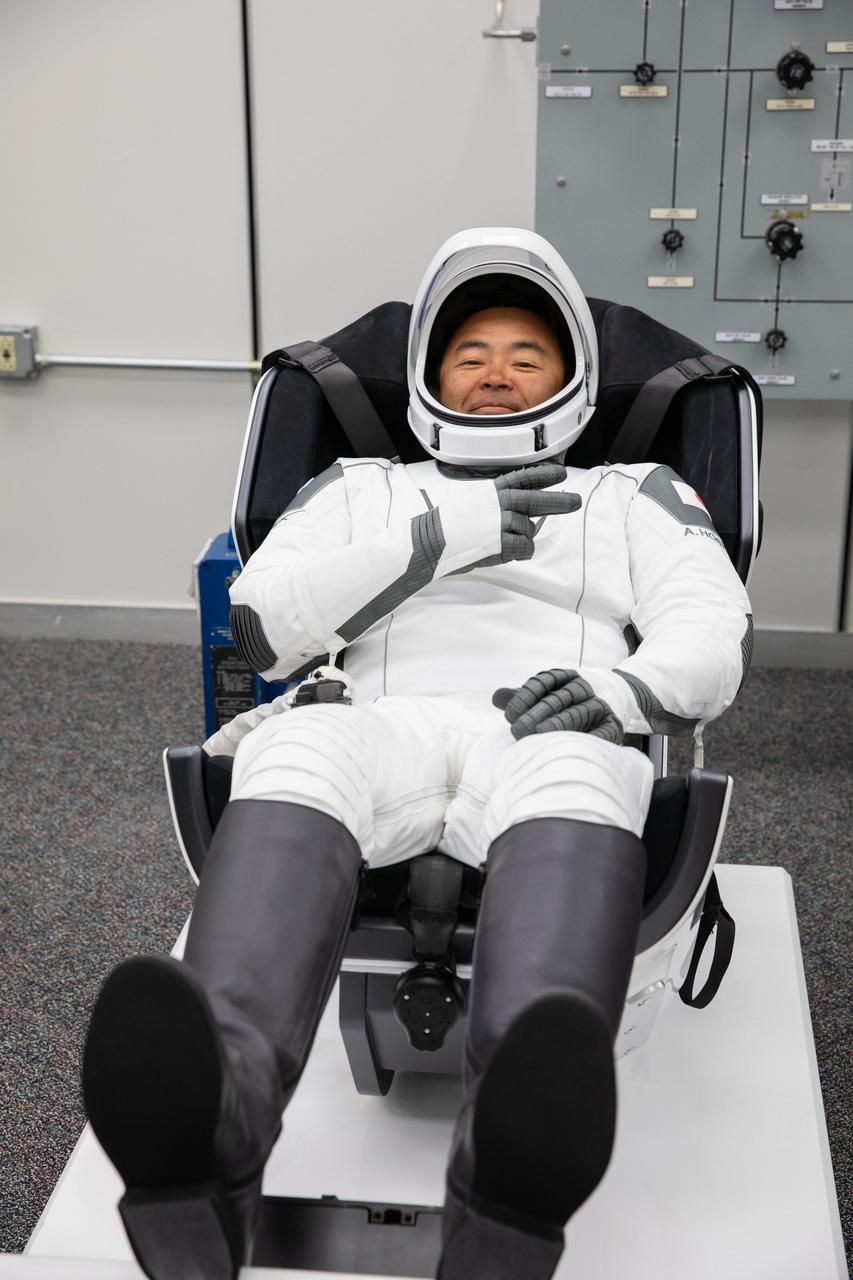
JAXA astronaut Akihiko Hoshide is seated inside the crew suit-up room in the Neil Armstrong Operations and Checkout Building at NASA’s Kennedy Space Center in Florida, on April 23, 2021. Hoshide, along with NASA astronauts Megan McArthur and Shane Kimbrough, and ESA astronaut Thomas Pesquet, will head to the International Space Station on NASA’s SpaceX Crew-2 mission. SpaceX’s Crew Dragon Endeavour will launch on the company’s Falcon 9 rocket from Kennedy’s Launch Complex 39A today at 5:49 a.m. EDT.
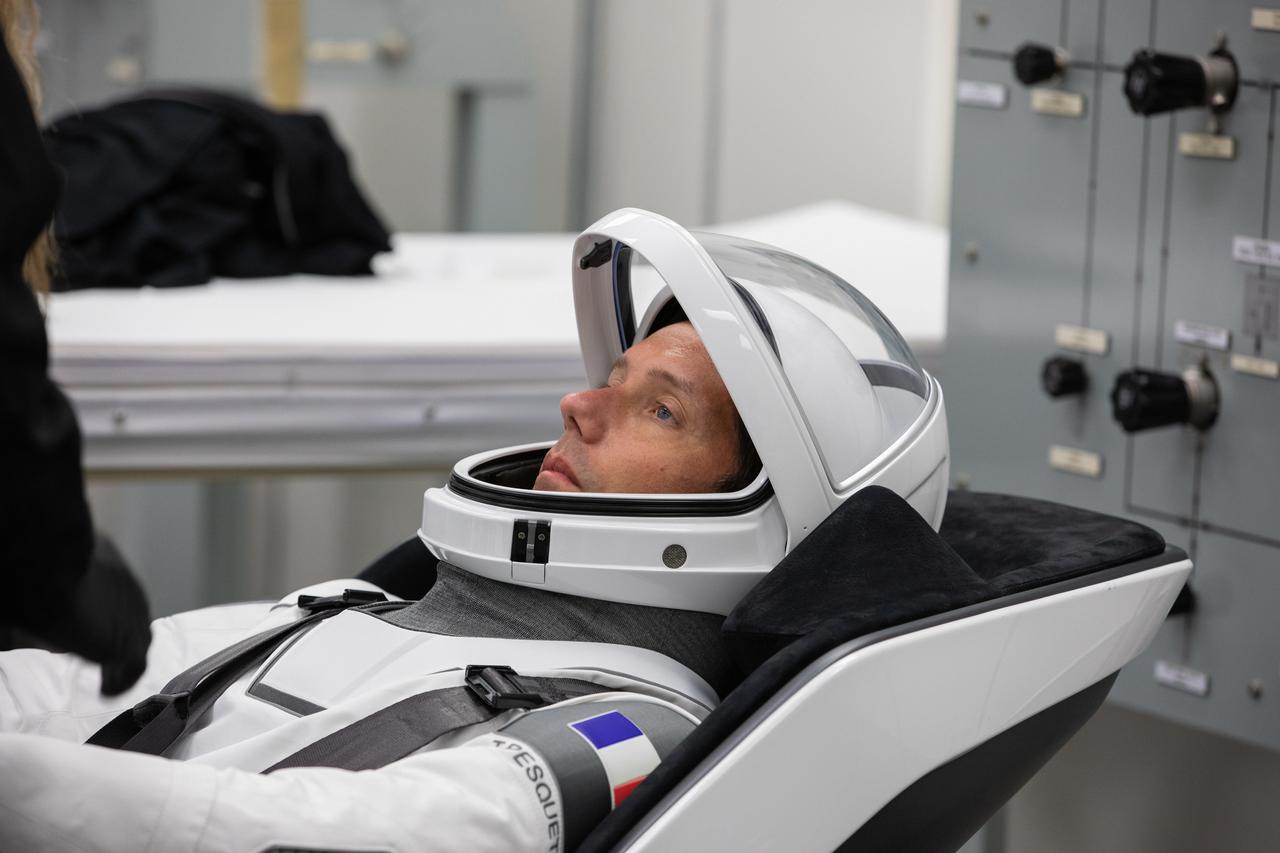
ESA astronaut Thomas Pesquet relaxes inside the crew suit-up room in the Neil Armstrong Operations and Checkout Building at NASA’s Kennedy Space Center in Florida, on April 23, 2021. Pesquet, along with NASA astronauts Megan McArthur and Shane Kimbrough, and JAXA astronaut Akihiko Hoshide, will head to the International Space Station on NASA’s SpaceX Crew-2 mission. SpaceX’s Crew Dragon Endeavour will launch on the company’s Falcon 9 rocket from Kennedy’s Launch Complex 39A today at 5:49 a.m. EDT.
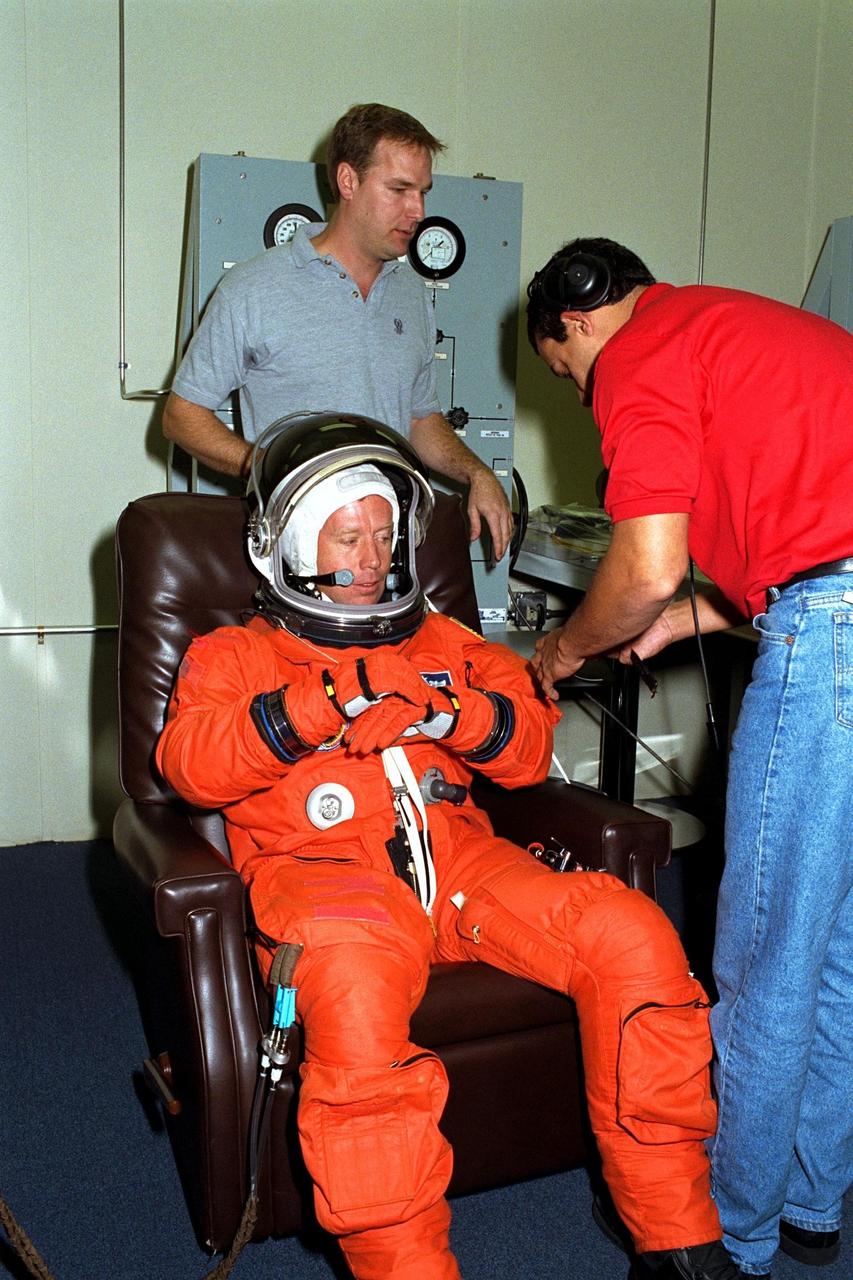
STS-87 Pilot Steven Lindsey dons his launch and entry suit with the help of two assistants in the Operations and Checkout Building. Shortly, he and the five other crew members of STS-87 will depart for Launch Pad 39B, where the Space Shuttle Columbia awaits liftoff on a 16-day mission to perform microgravity and solar research. Although this is his first Shuttle flight, Lindsey has logged more than 2,700 hours of flying time in 49 different types of aircraft
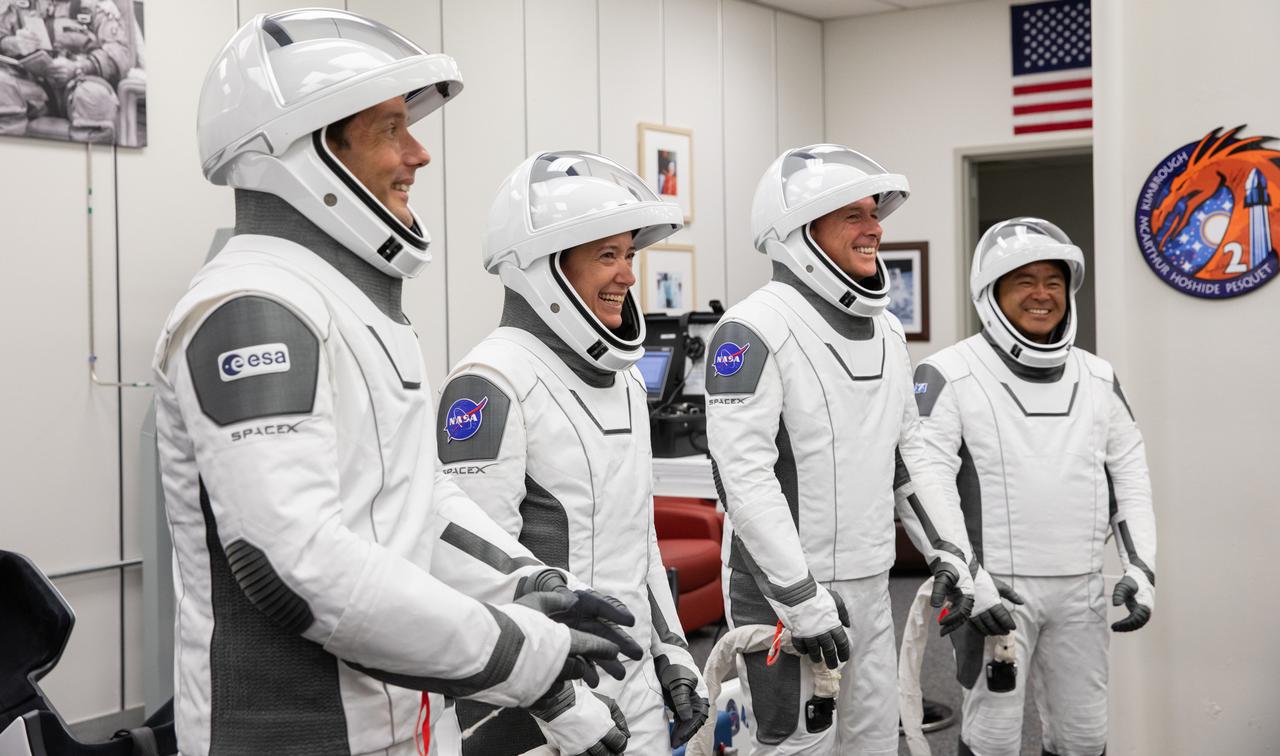
From left, ESA astronaut Thomas Pesquet, NASA astronaut Megan McArthur, NASA astronaut Shane Kimbrough and JAXA astronaut Akihiko Hoshide share a laugh inside the crew suit-up room in the Neil Armstrong Operations and Checkout Building at NASA’s Kennedy Space Center in Florida, on April 23, 2021. The four astronauts will head to the International Space Station on NASA’s SpaceX Crew-2 mission. SpaceX’s Crew Dragon Endeavour will launch on the company’s Falcon 9 rocket from Kennedy’s Launch Complex 39A today at 5:49 a.m. EDT.
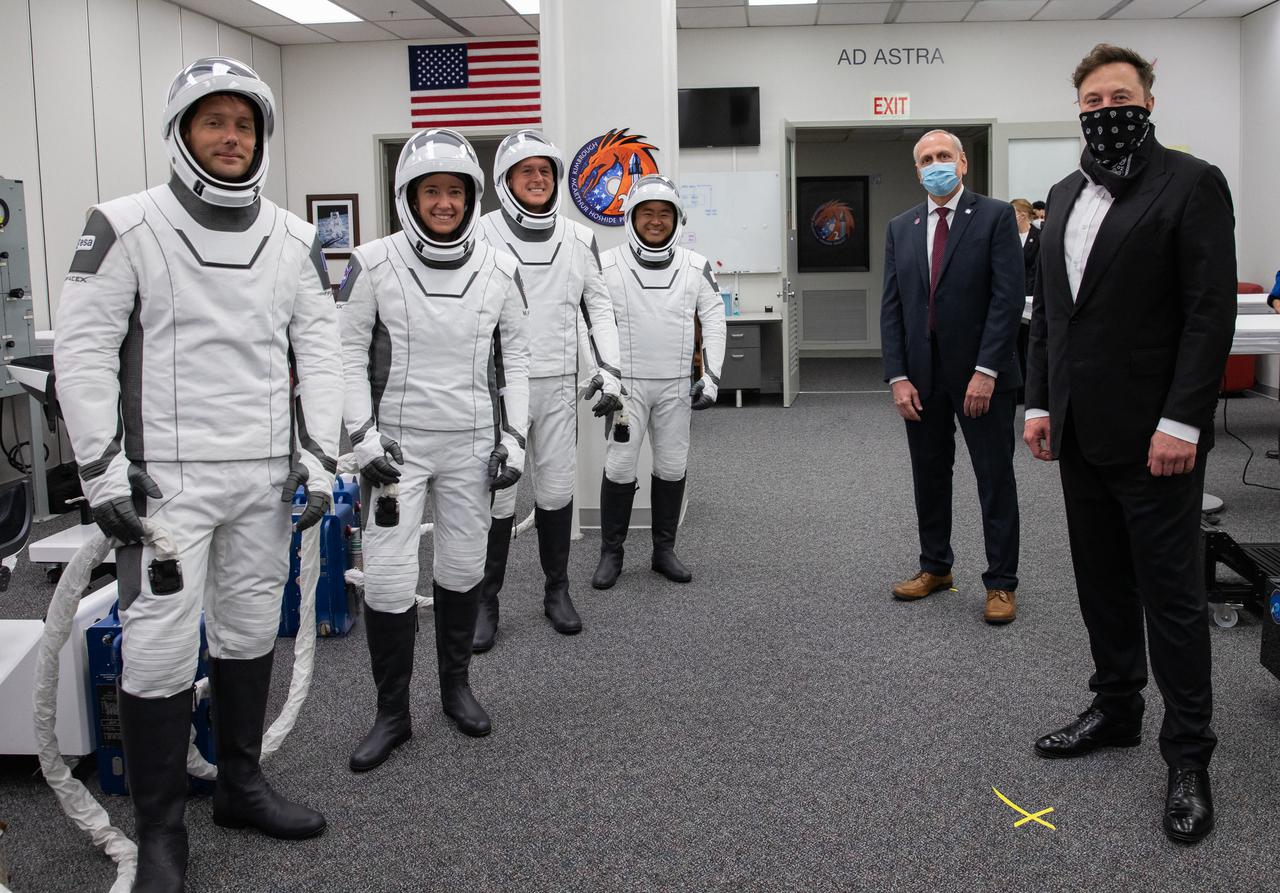
SpaceX CEO and founder Elon Musk and NASA acting administrator Steve Jurczyk visit with from left, ESA astronaut Thomas Pesquet, NASA astronaut Megan McArthur, NASA astronaut Shane Kimbrough and JAXA astronaut Akihiko Hoshide inside the crew suit-up room in the Neil Armstrong Operations and Checkout Building at NASA’s Kennedy Space Center in Florida, on April 23, 2021. The four astronauts will head to the International Space Station on NASA’s SpaceX Crew-2 mission. SpaceX’s Crew Dragon Endeavour will launch on the company’s Falcon 9 rocket from Kennedy’s Launch Complex 39A today at 5:49 a.m. EDT.
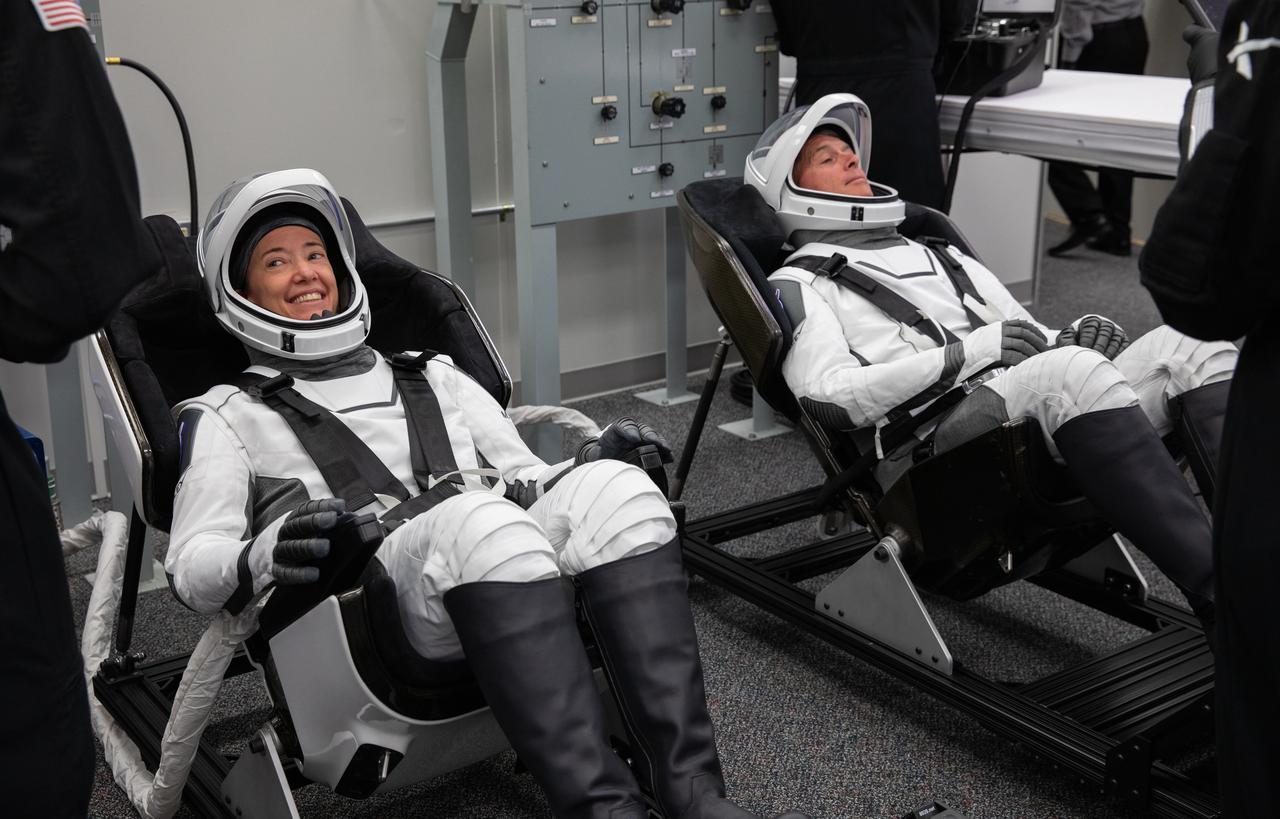
NASA astronauts Megan McArthur, left, and Shane Kimbrough are seated inside the crew suit-up room in the Neil Armstrong Operations and Checkout Building at NASA’s Kennedy Space Center in Florida, on April 23, 2021. McArthur and Kimbrough, along with ESA astronaut Thomas Pesquet and JAXA astronaut Akihiko Hoshide, will head to the International Space Station on NASA’s SpaceX Crew-2 mission. SpaceX’s Crew Dragon Endeavour will launch on the company’s Falcon 9 rocket from Kennedy’s Launch Complex 39A today at 5:49 a.m. EDT.
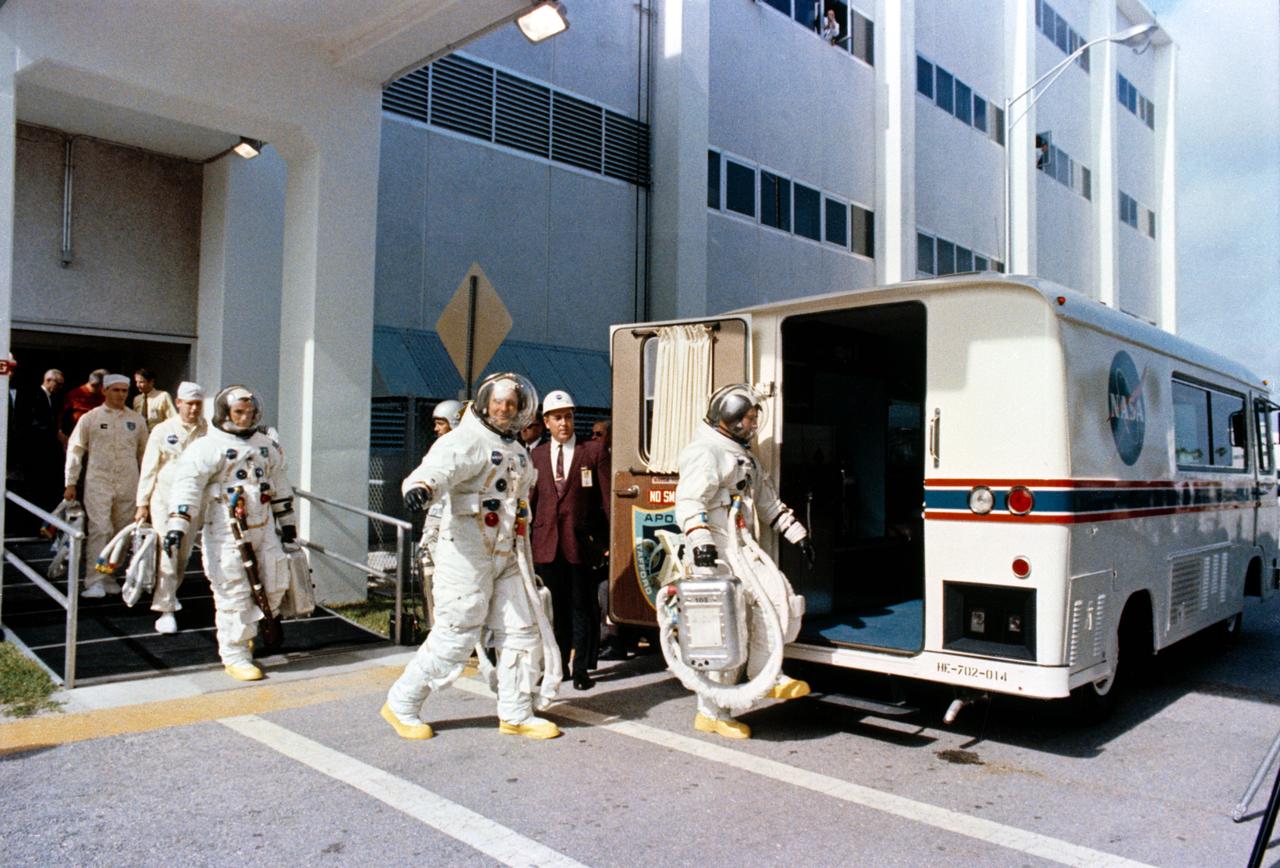
S69-35315 (18 May 1969) --- The Apollo 10 crew leaves the Kennedy Space Center's Manned Spacecraft Operations Building during the Apollo 10 prelaunch countdown. Leading is astronaut John W. Young, command module pilot, followed by astronauts Thomas P. Stafford, commander; and Eugene A. Cernan, lunar module pilot. The transfer van carried them over to Pad B, Launch Complex 39, where their spacecraft awaited them. Liftoff for the lunar orbit mission was at 12:49 p.m. (EDT), May 18, 1969.
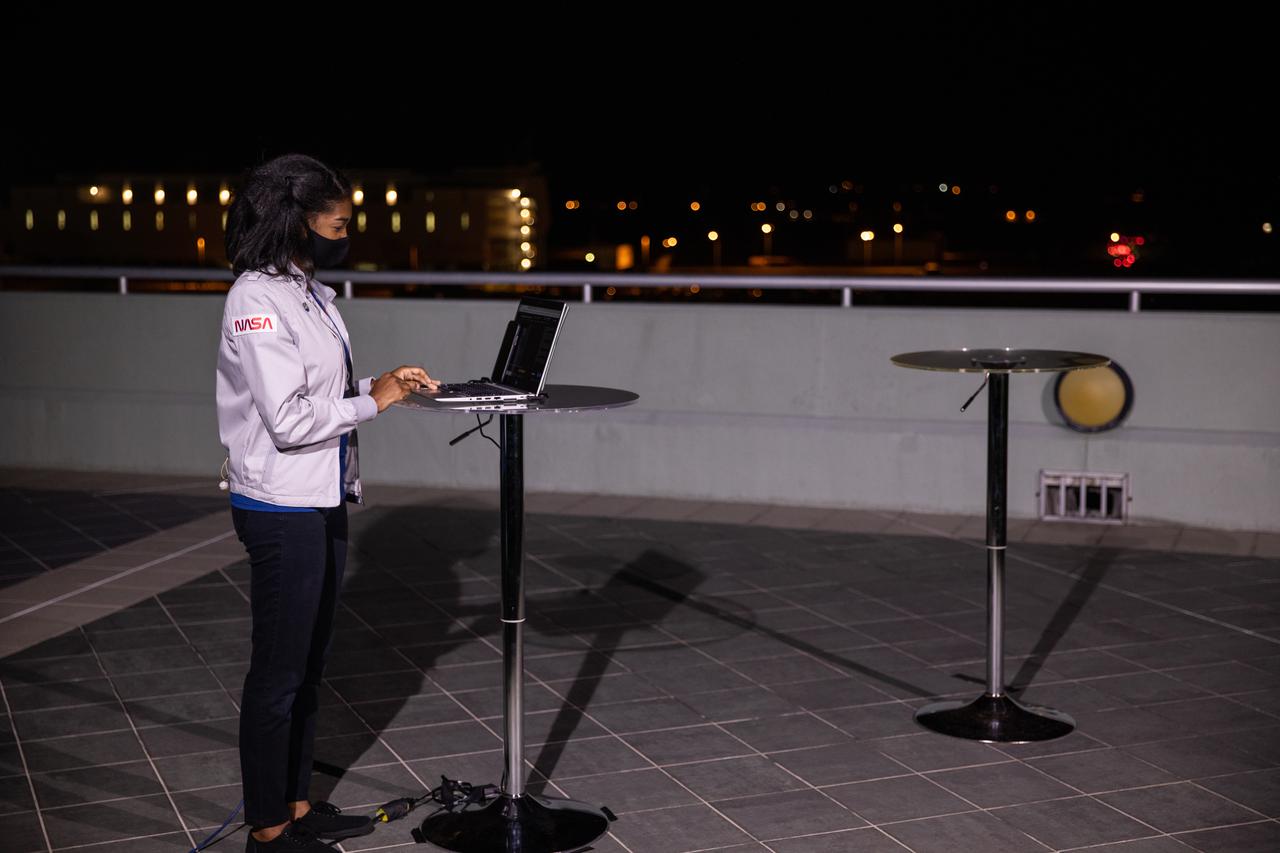
NASA Communications’ Jasmine Hopkins interviews individuals from NASA and the European Space Agency (ESA) on the Operations and Support Building II balcony at NASA’s Kennedy Space Center in Florida during the agency’s SpaceX Crew-2 launch broadcast on April 23, 2021. The SpaceX Falcon 9 rocket and Crew Dragon spacecraft lifted off from Kennedy’s Launch Complex 39A at 5:49 a.m. EDT. Part of NASA’s Commercial Crew Program, Crew-2 delivered NASA astronauts Shane Kimbrough and Megan McArthur, Japan Aerospace Exploration Agency (JAXA) astronaut Akihiko Hoshide, and ESA astronaut Thomas Pesquet to the International Space Station for a six-month science mission.
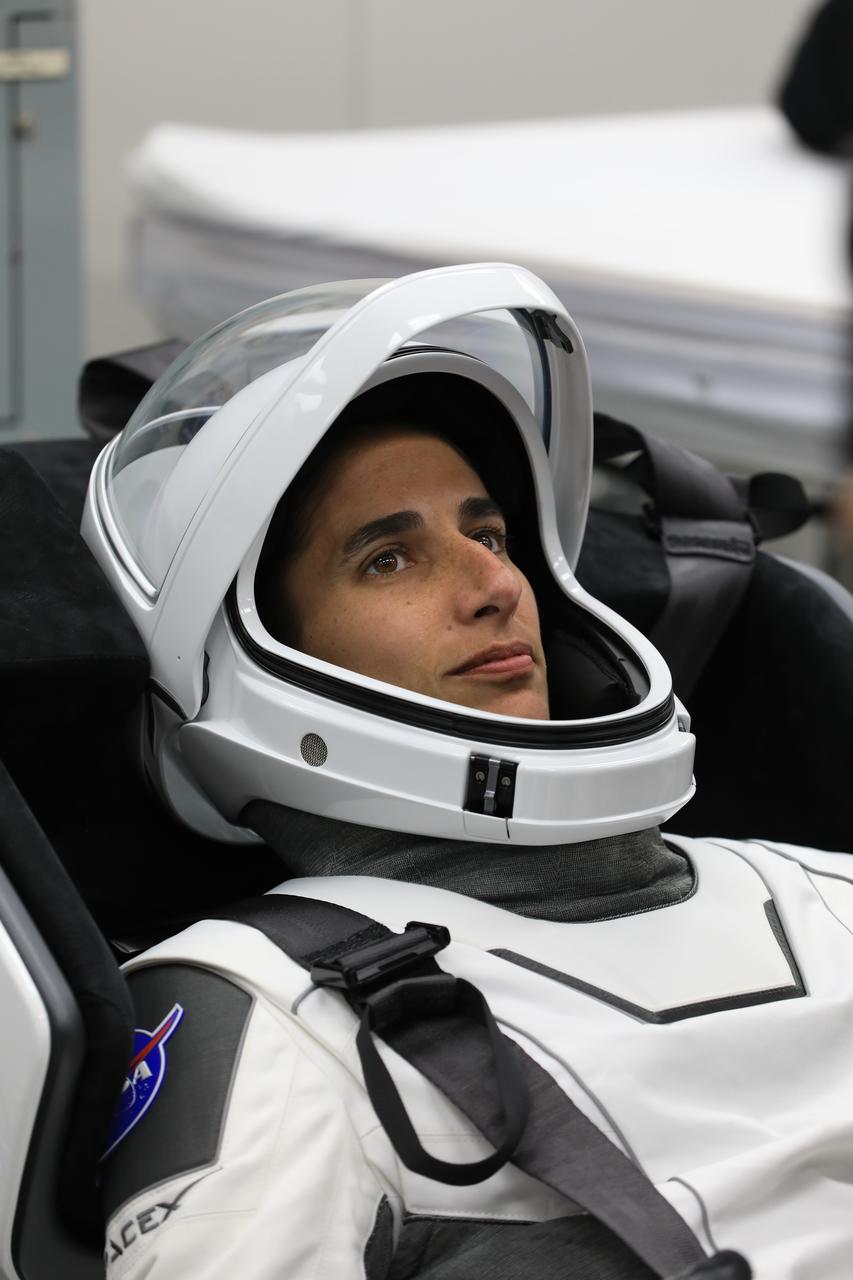
NASA astronaut Jasmin Moghbeli is photographed on Tuesday, Aug. 22, 2023, in a SpaceX spacesuit inside the crew suit-up room in the Neil A. Armstrong Operations and Checkout Building at NASA’s Kennedy Space Center in Florida during a countdown dress rehearsal. The Crew-7 crew will launch to the International Space Station aboard SpaceX’s Dragon spacecraft and Falcon 9 rocket. Launch is targeted for 3:49 a.m. EDT Friday, Aug. 25, 2023, from Kennedy’s Launch Complex 39A. Crew-7 is the seventh crew rotation mission with SpaceX to the station, and the eighth flight of Dragon with people as part of the agency’s Commercial Crew Program.
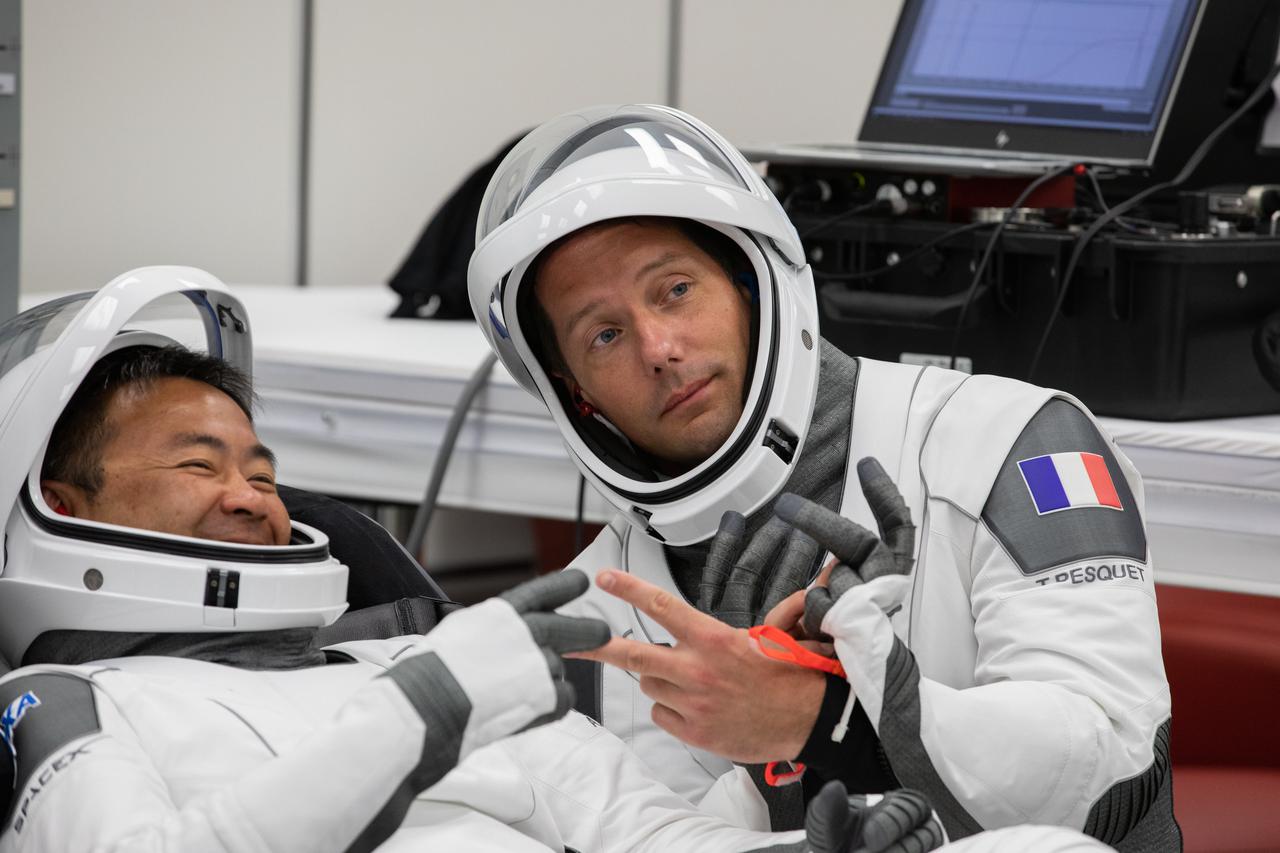
From left, JAXA astronaut Akihiko Hoshide and ESA astronaut Thomas Pesquet relax inside the crew suit-up room in the Neil Armstrong Operations and Checkout Building at NASA’s Kennedy Space Center in Florida, on April 23, 2021. NASA astronauts Shane Kimbrough and Megan McArthur will join Hoshide and Pesquet in heading to the International Space Station on NASA’s SpaceX Crew-2 mission. SpaceX’s Crew Dragon Endeavour will launch on the company’s Falcon 9 rocket from Kennedy’s Launch Complex 39A today at 5:49 a.m. EDT.
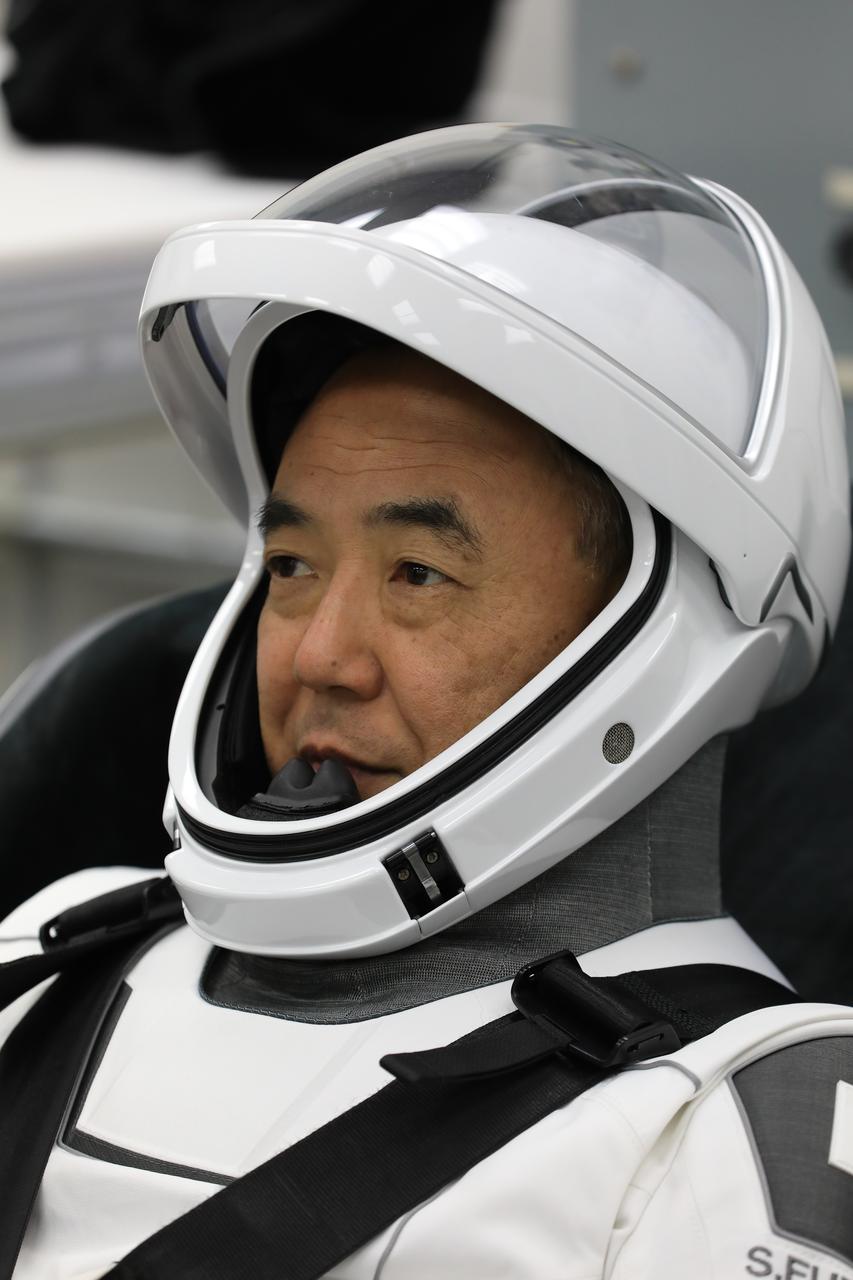
JAXA (Japan Aerospace Exploration Agency) astronaut Satoshi Furukawa is photographed on Tuesday, Aug. 22, 2023, in a SpaceX spacesuit inside the crew suit-up room in the Neil A. Armstrong Operations and Checkout Building at NASA’s Kennedy Space Center in Florida during a countdown dress rehearsal. The Crew-7 crew will launch to the International Space Station aboard SpaceX’s Dragon spacecraft and Falcon 9 rocket. Launch is targeted for 3:49 a.m. EDT Friday, Aug. 25, 2023, from Kennedy’s Launch Complex 39A. Crew-7 is the seventh crew rotation mission with SpaceX to the station, and the eighth flight of Dragon with people as part of the agency’s Commercial Crew Program.

One step closer to its maiden voyage, the Space Shuttle Orbiter Endeavour rolls out of the Vehicle Assembly Building, headed to Launch Pad 39B. Launched on May 7th 1992, the STS-49 mission was the first U.S. orbital flight to feature 4 extravehicular activities (EVAs), and the first flight to involve 3 crew members working simultaneously outside of the spacecraft. The primary objective was the capture and redeployment of the INTELSAT VI (F-3) which was stranded in an unusable orbit since its launch aboard the Titan rocket in March 1990.
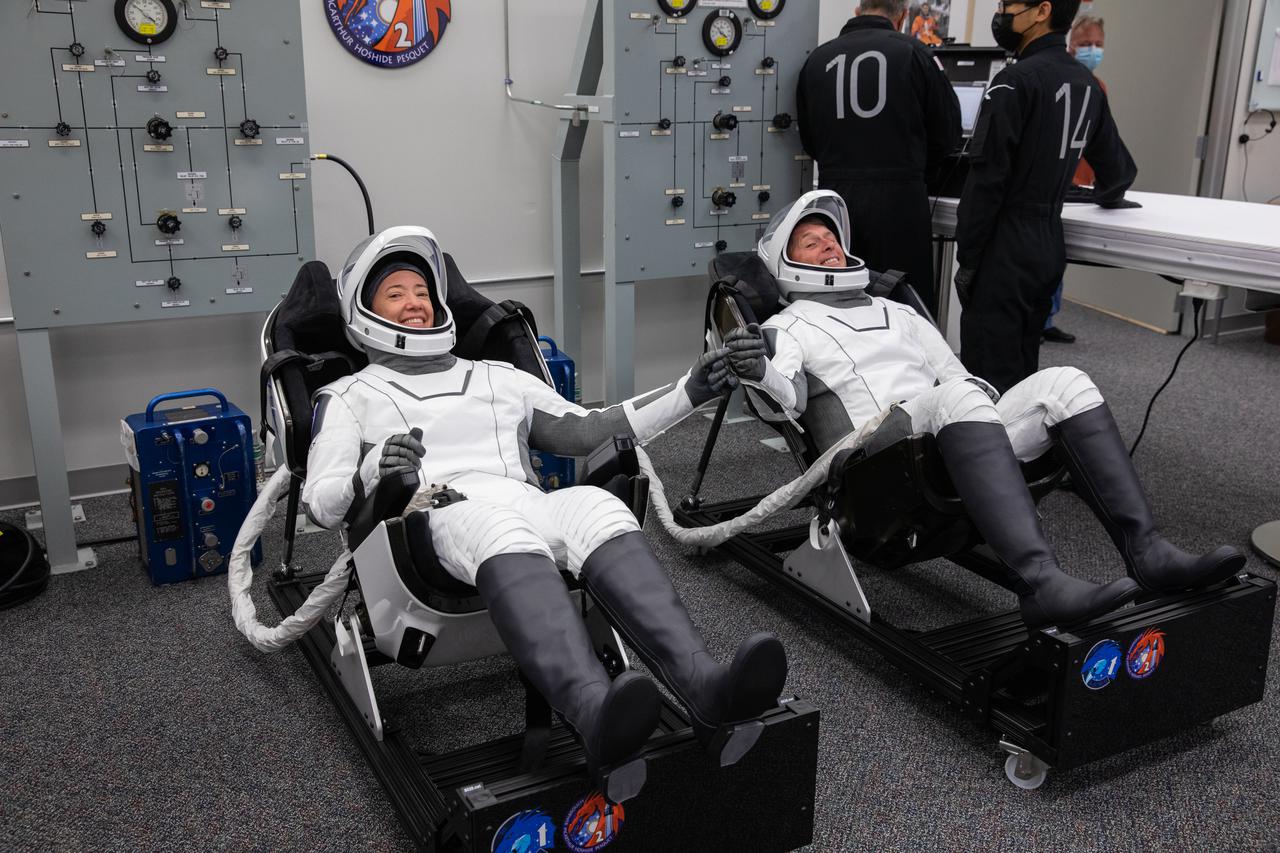
NASA astronauts Megan McArthur, left, and Shane Kimbrough are seated inside the crew suit-up room in the Neil Armstrong Operations and Checkout Building at NASA’s Kennedy Space Center in Florida, on April 23, 2021. McArthur and Kimbrough, along with ESA astronaut Thomas Pesquet and JAXA astronaut Akihiko Hoshide, will head to the International Space Station on NASA’s SpaceX Crew-2 mission. SpaceX’s Crew Dragon Endeavour will launch on the company’s Falcon 9 rocket from Kennedy’s Launch Complex 39A today at 5:49 a.m. EDT.
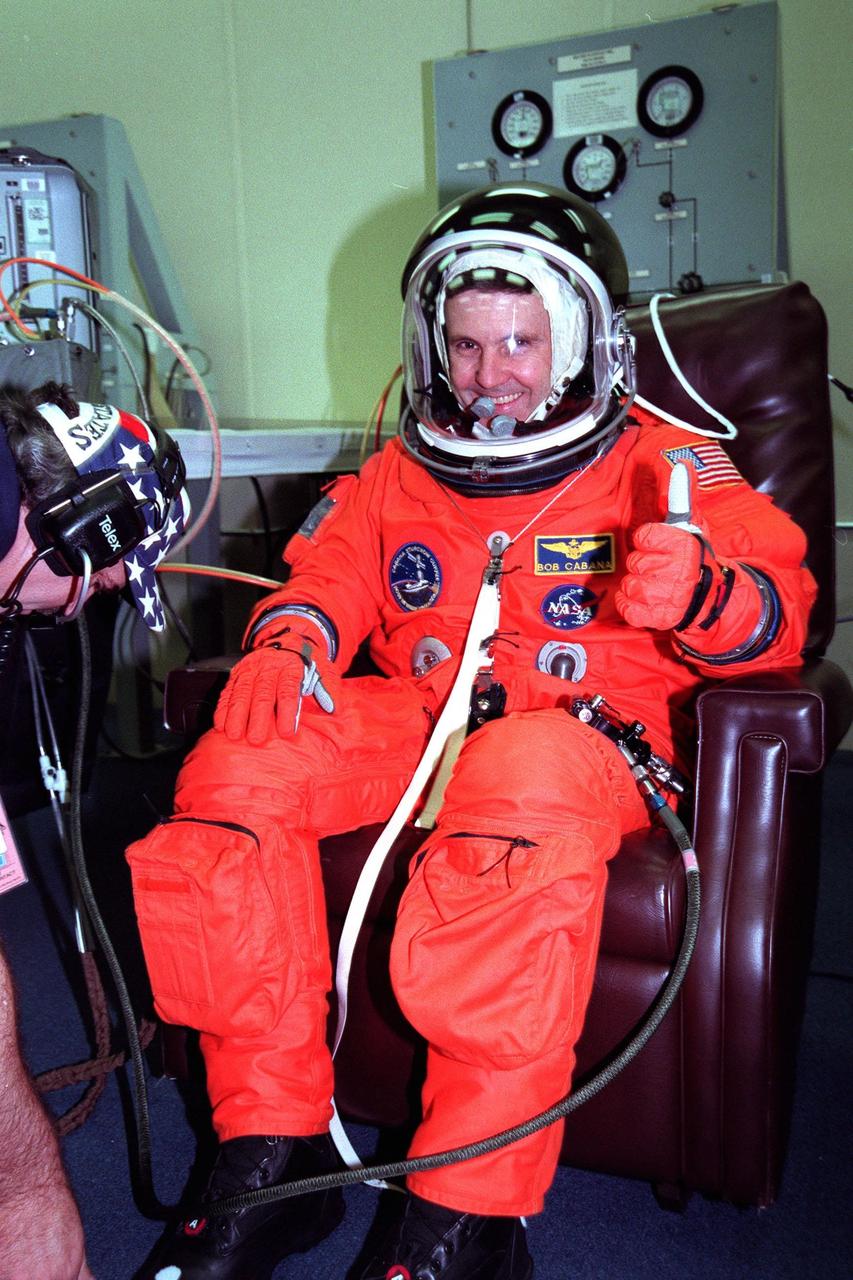
In the Operations and Checkout Building, STS-88 Commander Robert D. Cabana gives a thumbs up during suit check before launch. Mission STS-88 is expected to lift off at 3:56 a.m. EST with the six-member crew aboard Space Shuttle Endeavour on Dec. 3. Endeavour carries the Unity connecting module, which the crew will be mating with the Russian-built Zarya control module already in orbit. In addition to Unity, two small replacement electronics boxes are on board for possible repairs to Zarya batteries. The mission is expected to last 11 days, 19 hours and 49 minutes, landing at 10:17 p.m. EST on Dec. 14
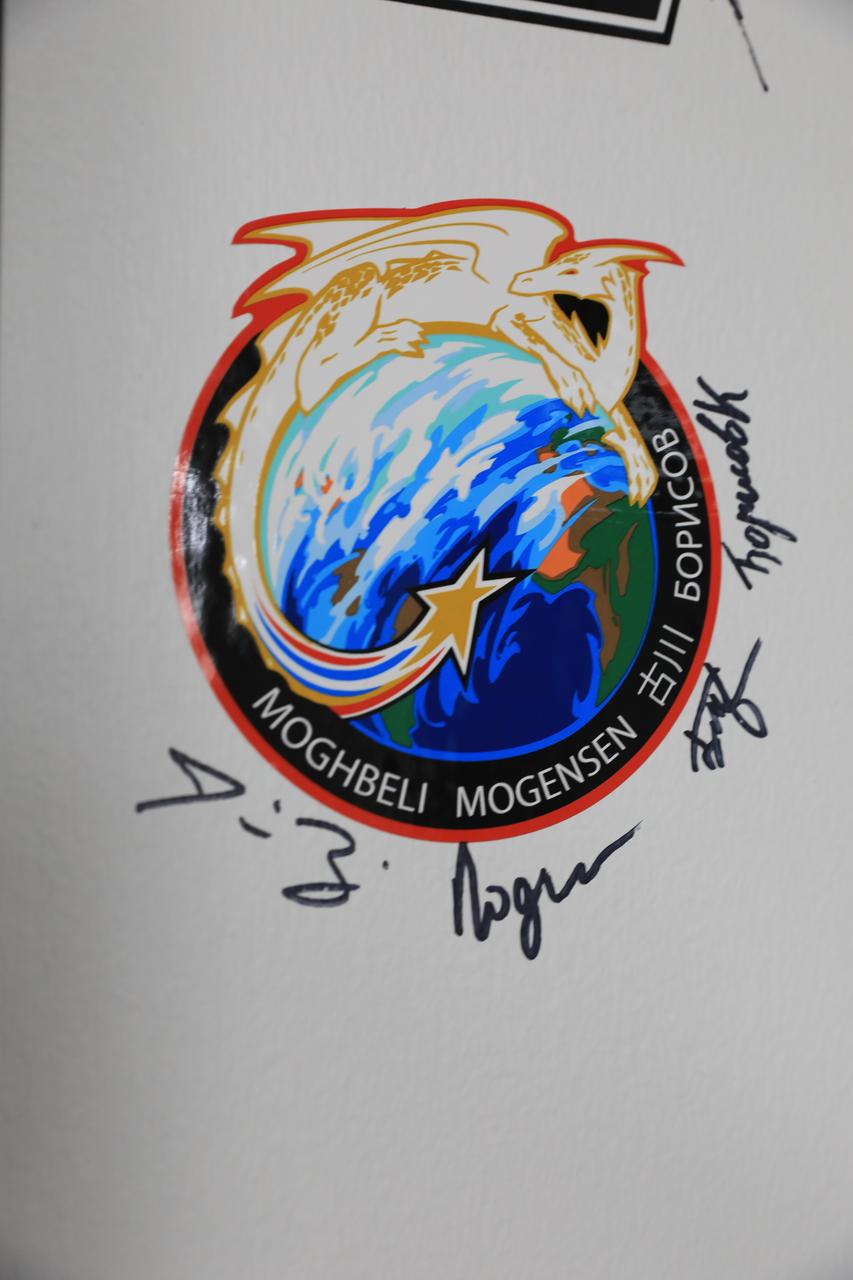
NASA’s SpaceX Crew-7 crew members add their signatures below their mission sticker in the hallway of the Astronaut Crew Quarters inside the Neil A. Armstrong Operations and Checkout Building at Kennedy Space Center in Florida on Tuesday, Aug. 22, 2023. NASA astronaut Jasmin Moghbeli, ESA (European Space Agency) astronaut Andreas Mogensen, JAXA (Japan Aerospace Exploration Agency) astronaut Satoshi Furukawa, and Roscosmos cosmonaut Konstantin Borisov will launch to the International Space Station aboard SpaceX’s Dragon spacecraft and Falcon 9 rocket. Liftoff is targeted for 3:49 a.m. EDT Friday, Aug. 25, 2023, from Kennedy’s Launch Complex 39A.
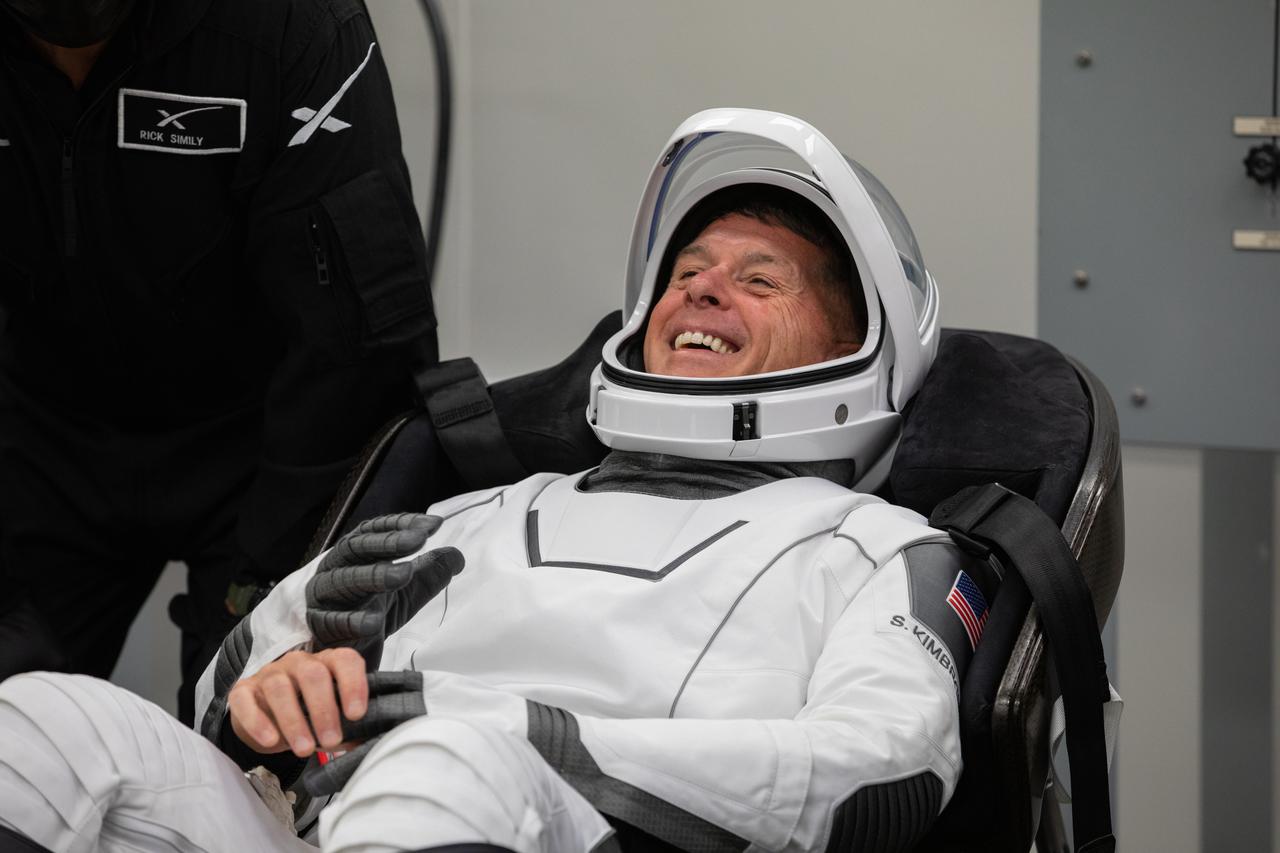
NASA astronaut Shane Kimbrough smiles inside the crew suit-up room in the Neil Armstrong Operations and Checkout Building at NASA’s Kennedy Space Center in Florida, on April 23, 2021. Kimbrough, along with NASA astronaut Megan McArthur, ESA astronaut Thomas Pesquet, and JAXA astronaut Akihiko Hoshide, will head to the International Space Station on NASA’s SpaceX Crew-2 mission. SpaceX’s Crew Dragon Endeavour will launch on the company’s Falcon 9 rocket from Kennedy’s Launch Complex 39A today at 5:49 a.m. EDT.
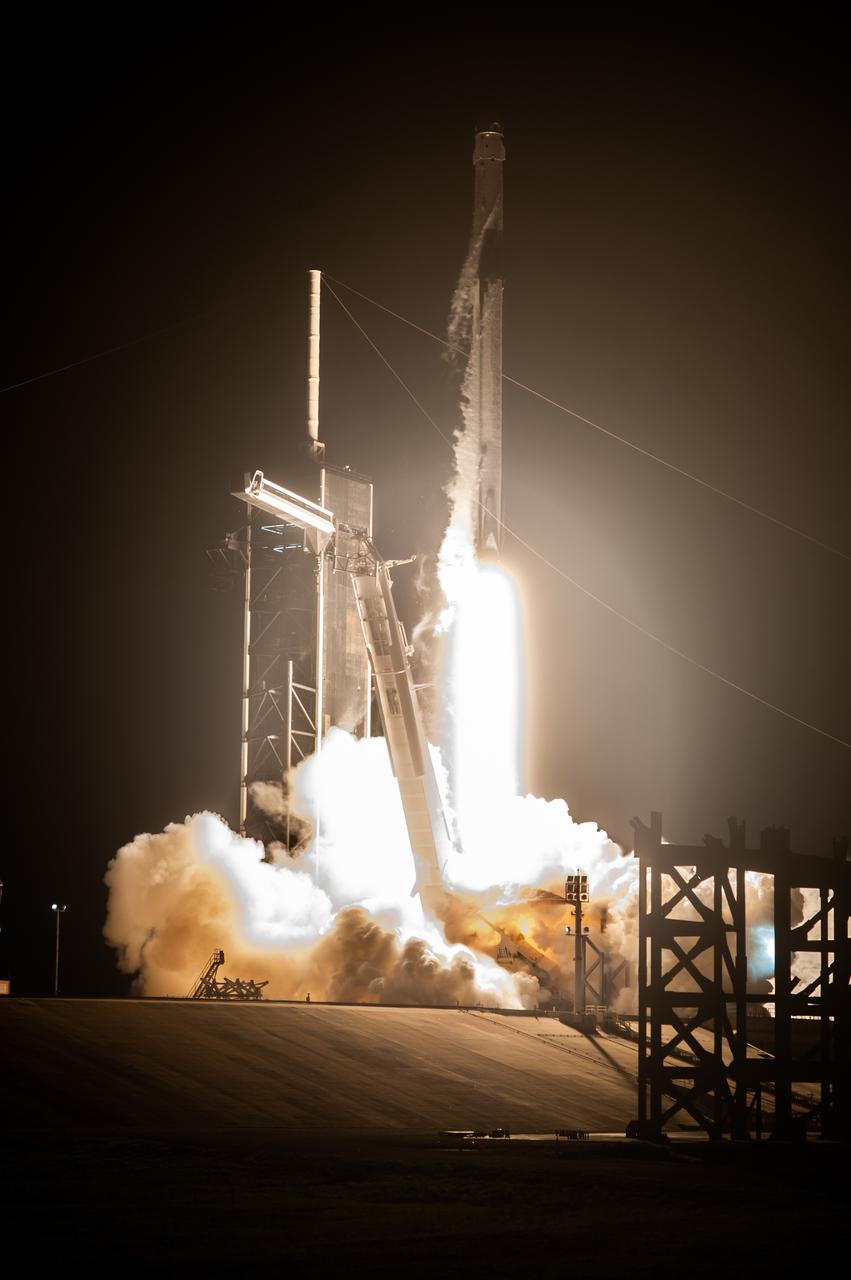
Live launch coverage of NASA’s SpaceX Crew-2 mission, beginning with astronaut suit-up inside the iconic Neil Armstrong Operations and Checkout building and continuing through launch from Kennedy Space Center’s Launch Complex 39A in Florida. The SpaceX Crew Dragon, Endeavour, launched at 5:49 a.m. EDT Friday, April 23, on a Falcon 9 rocket, carrying Crew Dragon Commander Shane Kimbrough, Pilot Megan McArthur, and Mission Specialists Thomas Pesquet and Akihiko Hoshide. Endeavour is scheduled to dock to the International Space Station at 5:10 a.m. EDT Apr. 24.
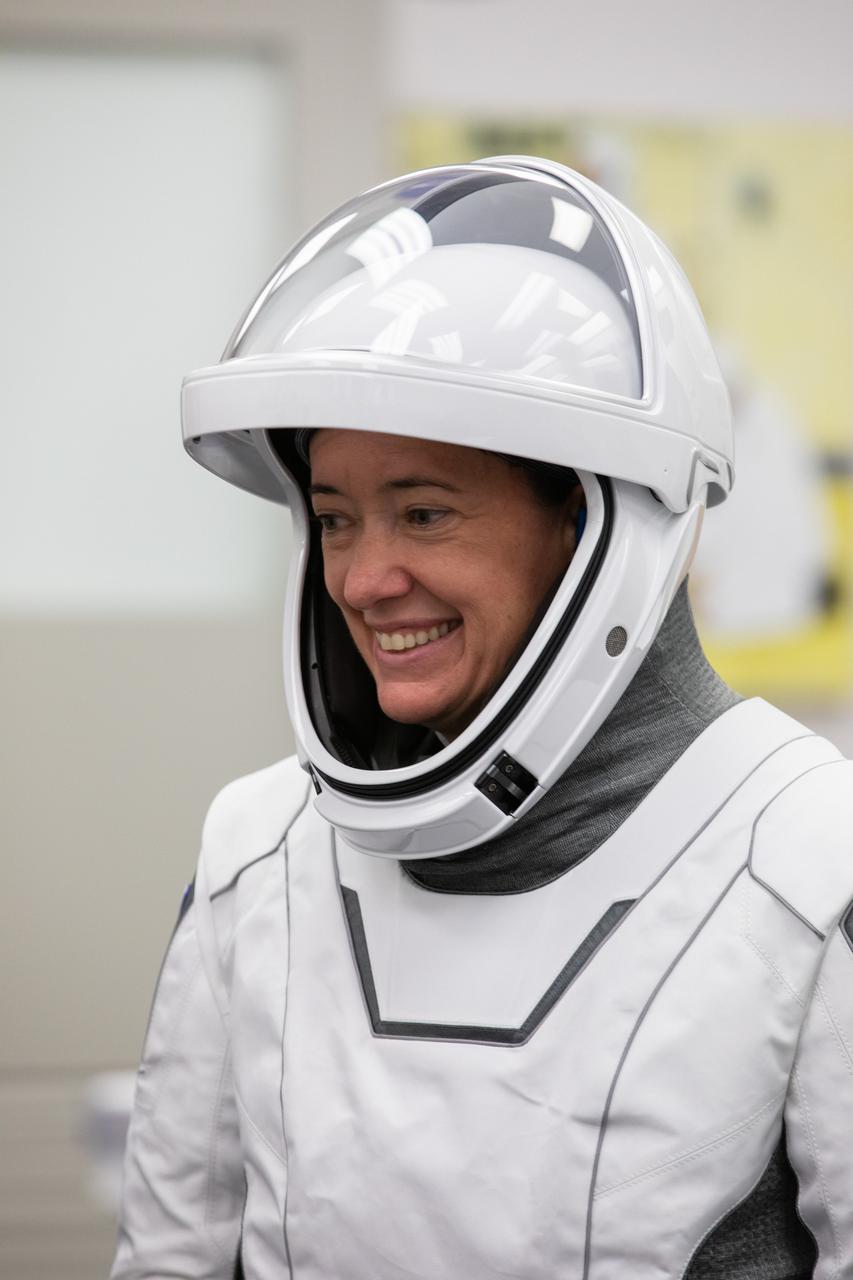
NASA astronaut Megan McArthur smiles inside the crew suit-up room in the Neil Armstrong Operations and Checkout Building at NASA’s Kennedy Space Center in Florida, on April 23, 2021. McArthur, along with NASA astronaut Shane Kimbrough, ESA astronaut Thomas Pesquet, and JAXA astronaut Akihiko Hoshide, will head to the International Space Station on NASA’s SpaceX Crew-2 mission. SpaceX’s Crew Dragon Endeavour will launch on the company’s Falcon 9 rocket from Kennedy’s Launch Complex 39A today at 5:49 a.m. EDT.
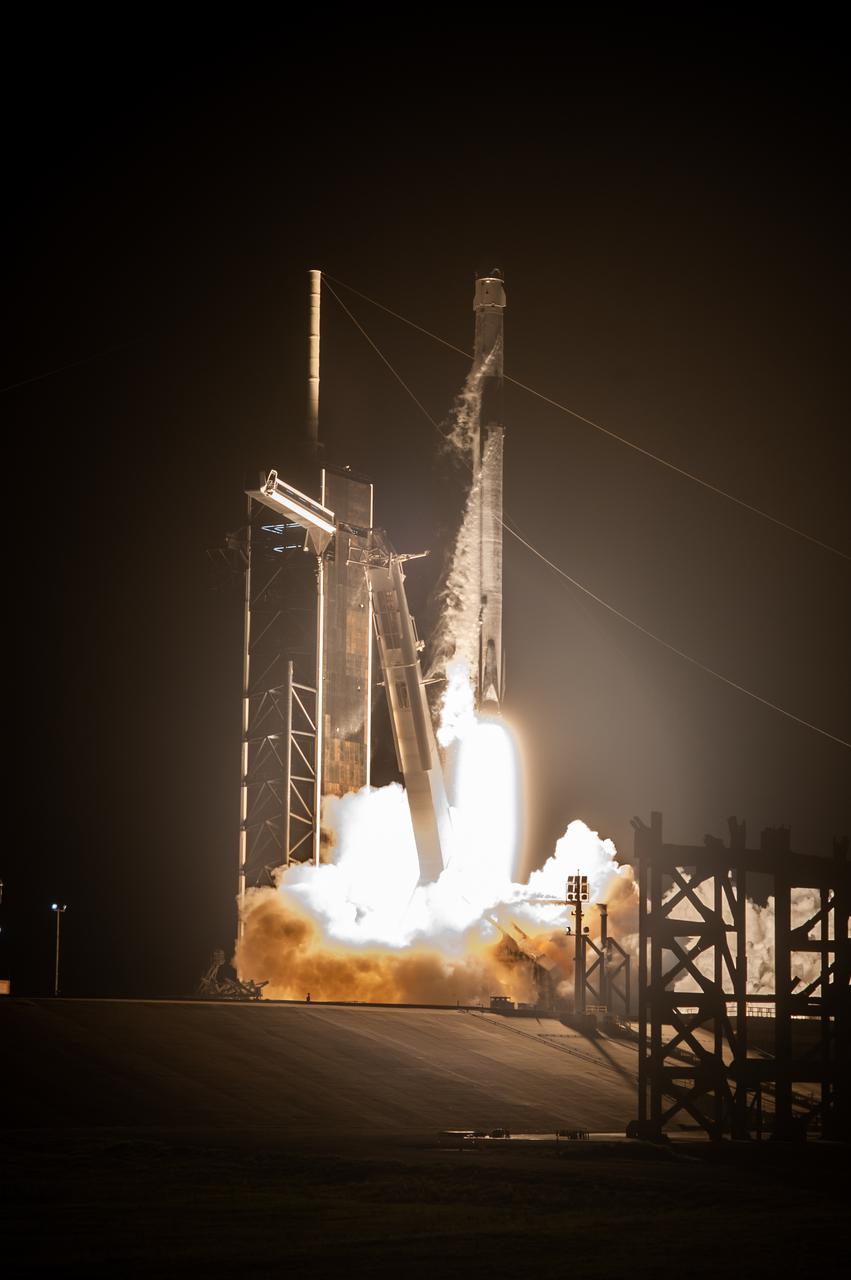
Live launch coverage of NASA’s SpaceX Crew-2 mission, beginning with astronaut suit-up inside the iconic Neil Armstrong Operations and Checkout building and continuing through launch from Kennedy Space Center’s Launch Complex 39A in Florida. The SpaceX Crew Dragon, Endeavour, launched at 5:49 a.m. EDT Friday, April 23, on a Falcon 9 rocket, carrying Crew Dragon Commander Shane Kimbrough, Pilot Megan McArthur, and Mission Specialists Thomas Pesquet and Akihiko Hoshide. Endeavour is scheduled to dock to the International Space Station at 5:10 a.m. EDT Apr. 24.
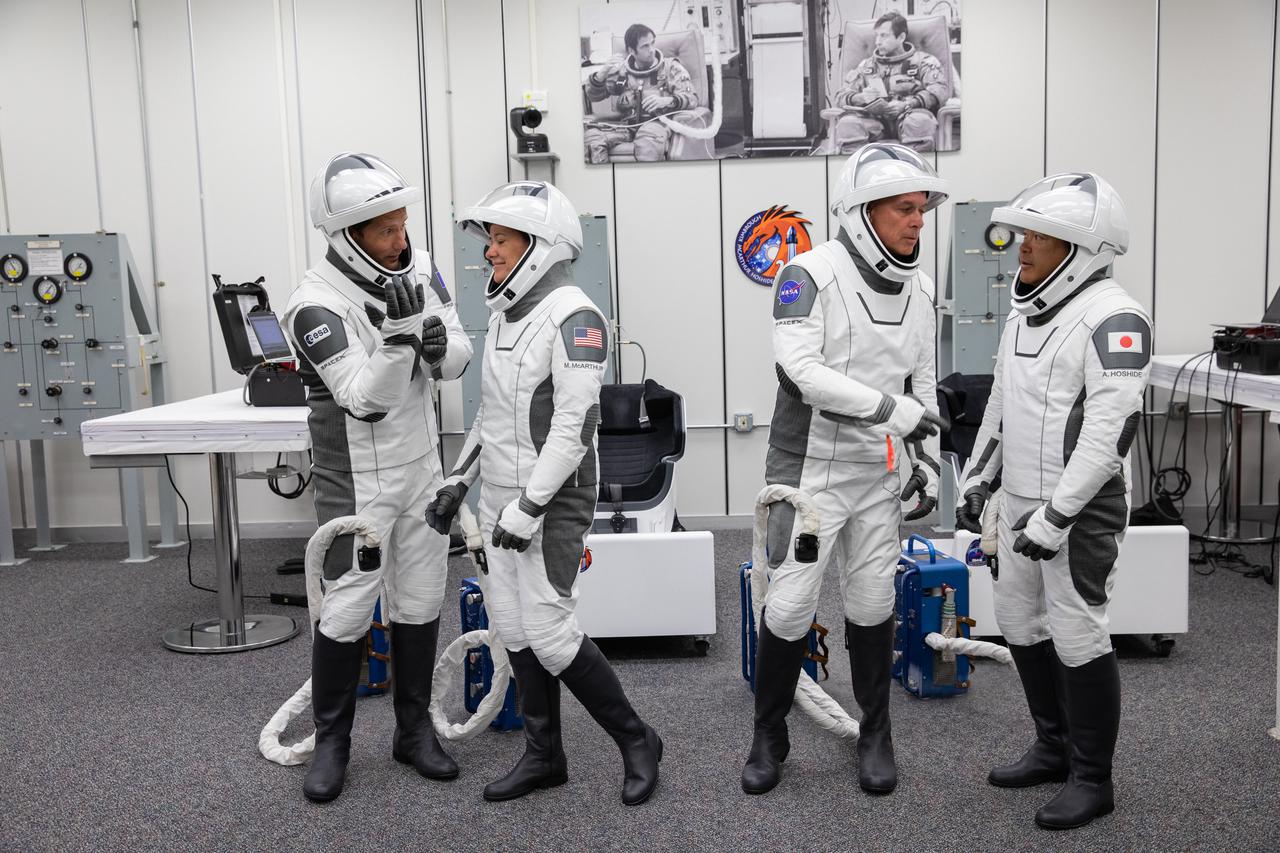
From left, ESA astronaut Thomas Pesquet, NASA astronaut Megan McArthur, NASA astronaut Shane Kimbrough and JAXA astronaut Akihiko Hoshide get ready inside the crew suit-up room in the Neil Armstrong Operations and Checkout Building at NASA’s Kennedy Space Center in Florida, on April 23, 2021. The four astronauts will head to the International Space Station on NASA’s SpaceX Crew-2 mission. SpaceX’s Crew Dragon Endeavour will launch on the company’s Falcon 9 rocket from Kennedy’s Launch Complex 39A today at 5:49 a.m. EDT.
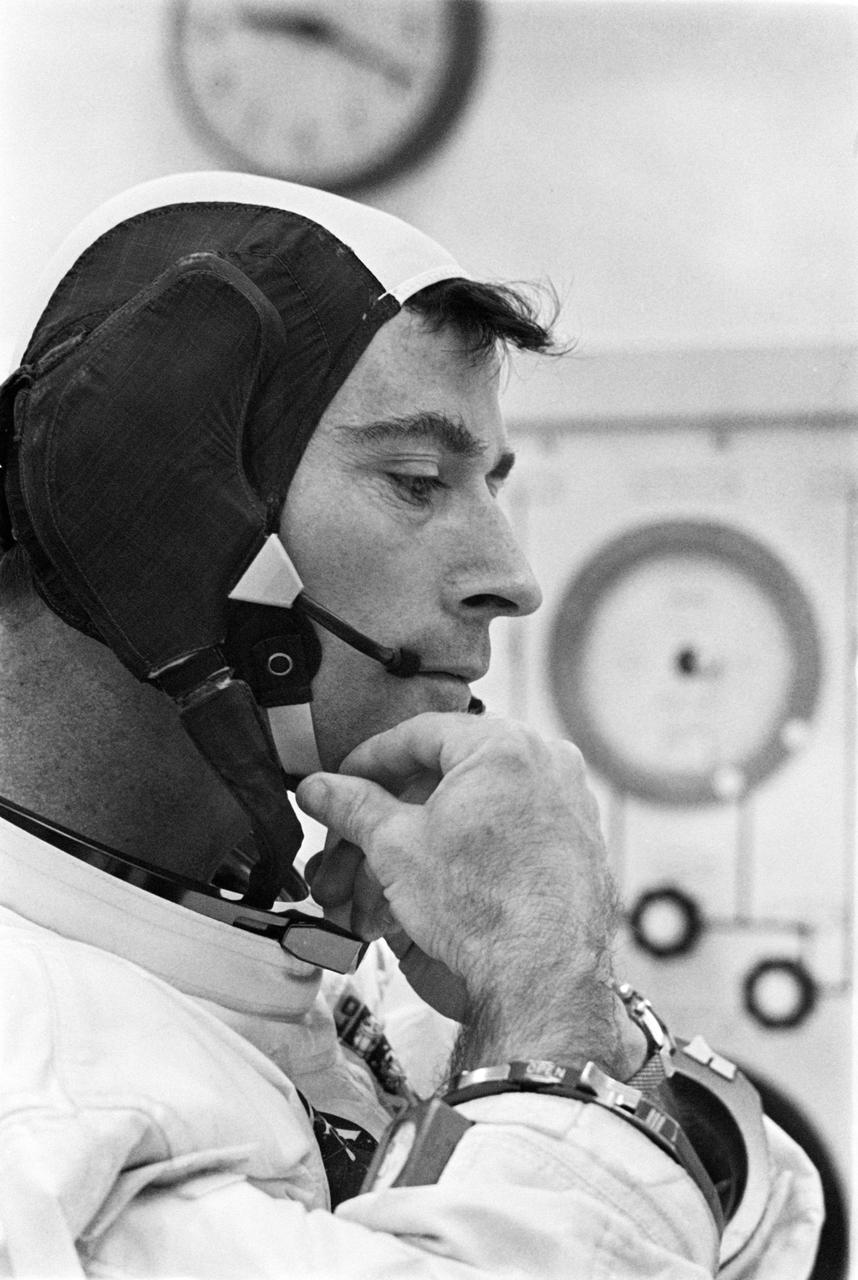
S69-34485 (18 May 1969) --- Astronaut John W. Young, Apollo 10 command module pilot, adjusts strap on his communications cap during suiting up operations for the lunar orbit mission. Minutes later astronauts Young; Thomas P. Stafford, commander; and Eugene A. Cernan, lunar module pilot, rode a transfer van from the Kennedy Space Center's Manned Spacecraft Operations Building over to Pad B, Launch Complex 39, where their spacecraft awaited them. Liftoff was at 12:49 p.m. (EDT), May 18, 1969.

ESA (European Space Agency) astronaut Andreas Mogensen is photographed on Tuesday, Aug. 22, 2023, in a SpaceX spacesuit inside the crew suit-up room in the Neil A. Armstrong Operations and Checkout Building at NASA’s Kennedy Space Center in Florida during a countdown dress rehearsal. The Crew-7 crew will launch to the International Space Station aboard SpaceX’s Dragon spacecraft and Falcon 9 rocket. Launch is targeted for 3:49 a.m. EDT Friday, Aug. 25, 2023, from Kennedy’s Launch Complex 39A. Crew-7 is the seventh crew rotation mission with SpaceX to the station, and the eighth flight of Dragon with people as part of the agency’s Commercial Crew Program.
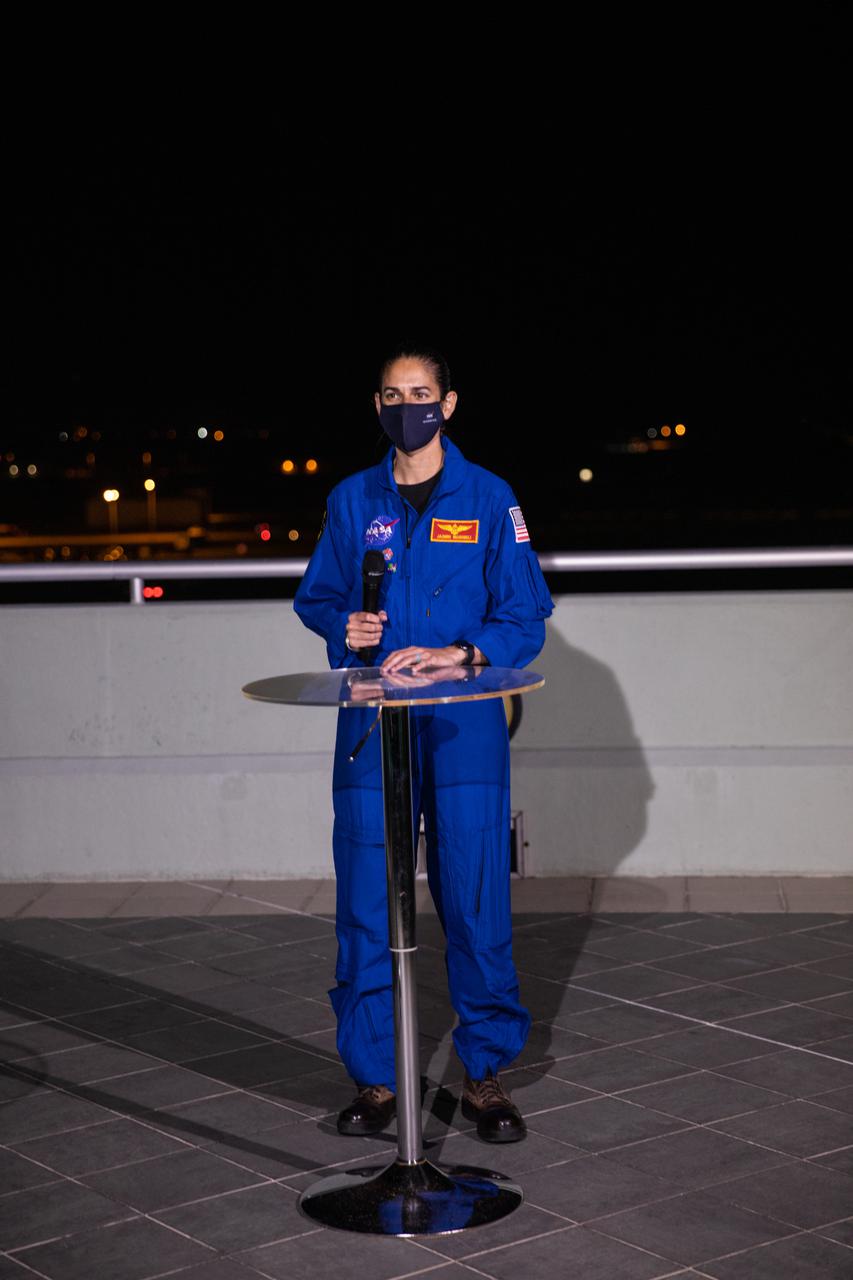
NASA astronaut Jasmin Moghbeli participates in an interview on the Operations and Support Building II balcony during the launch broadcast for NASA’s SpaceX Crew-2 mission at the agency’s Kennedy Space Center in Florida on April 23, 2021. The SpaceX Falcon 9 rocket and Crew Dragon spacecraft lifted off from Kennedy’s Launch Complex 39A at 5:49 a.m. EDT. Part of NASA’s Commercial Crew Program, Crew-2 delivered NASA astronauts Shane Kimbrough and Megan McArthur, Japan Aerospace Exploration Agency (JAXA) astronaut Akihiko Hoshide, and European Space Agency (ESA) astronaut Thomas Pesquet to the International Space Station for a six-month science mission.
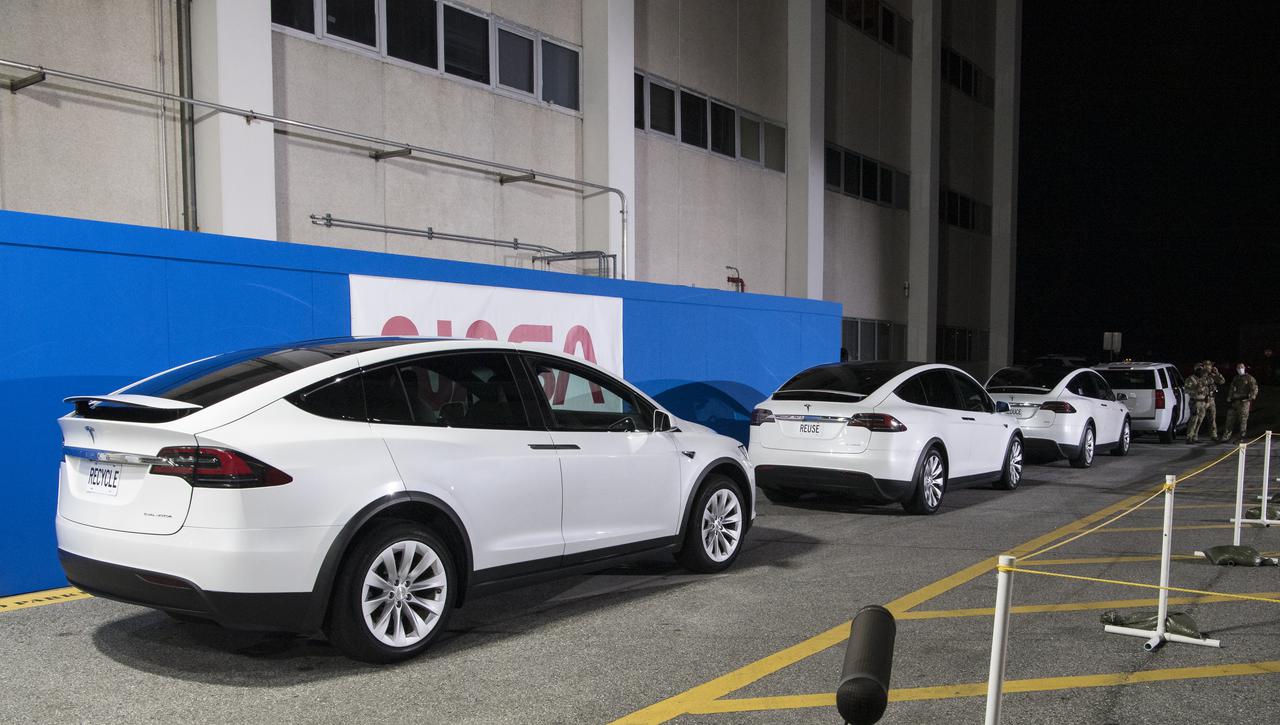
The vehicles that will carry NASA astronauts Shane Kimbrough and Megan McArthur, ESA (European Space Agency) astronaut Thomas Pesquet, and Japan Aerospace Exploration Agency (JAXA) astronaut Akihiko Hoshide, to Launch Complex 39A to board the SpaceX Crew Dragon spacecraft for the Crew-2 mission launch to the International Space Station, are seen as they prepare to depart the Neil A. Armstrong Operations and Checkout Building, Friday, April 23, 2021, at NASA’s Kennedy Space Center in Florida. The license plates read "Reduce," "Reuse," and "Recycle." Kimbrough, McArthur, Pesquet, and Hoshide launched at 5:49 a.m. EDT from Launch Complex 39A. Photo Credit: (NASA/Aubrey Gemignani)
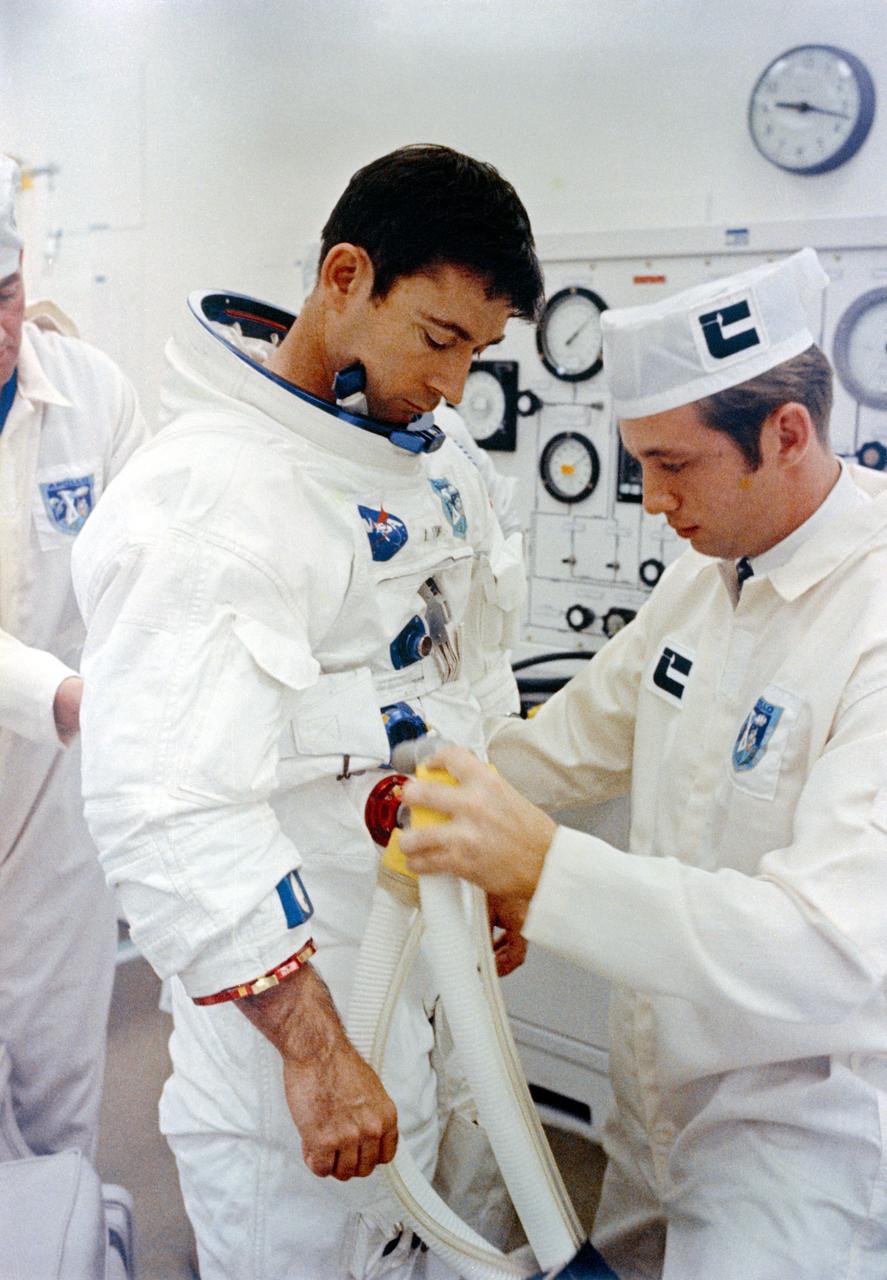
S69-34483 (18 May 1969) --- A technician attaches hose from test stand to spacesuit of astronaut John W. Young, Apollo 10 command module pilot, during final suiting operations for the Apollo 10 lunar orbit mission. Another technician makes adjustment behind Young. Minutes later astronauts Young; Thomas P. Stafford, commander; and Eugene A. Cernan, lunar module pilot, rode a transfer van from the Kennedy Space Center's Manned Spacecraft Operations Building over to Pad B, Launch Complex 39, where their spacecraft awaited them. Liftoff was at 12:49 p.m. (EDT), May 18, 1969.
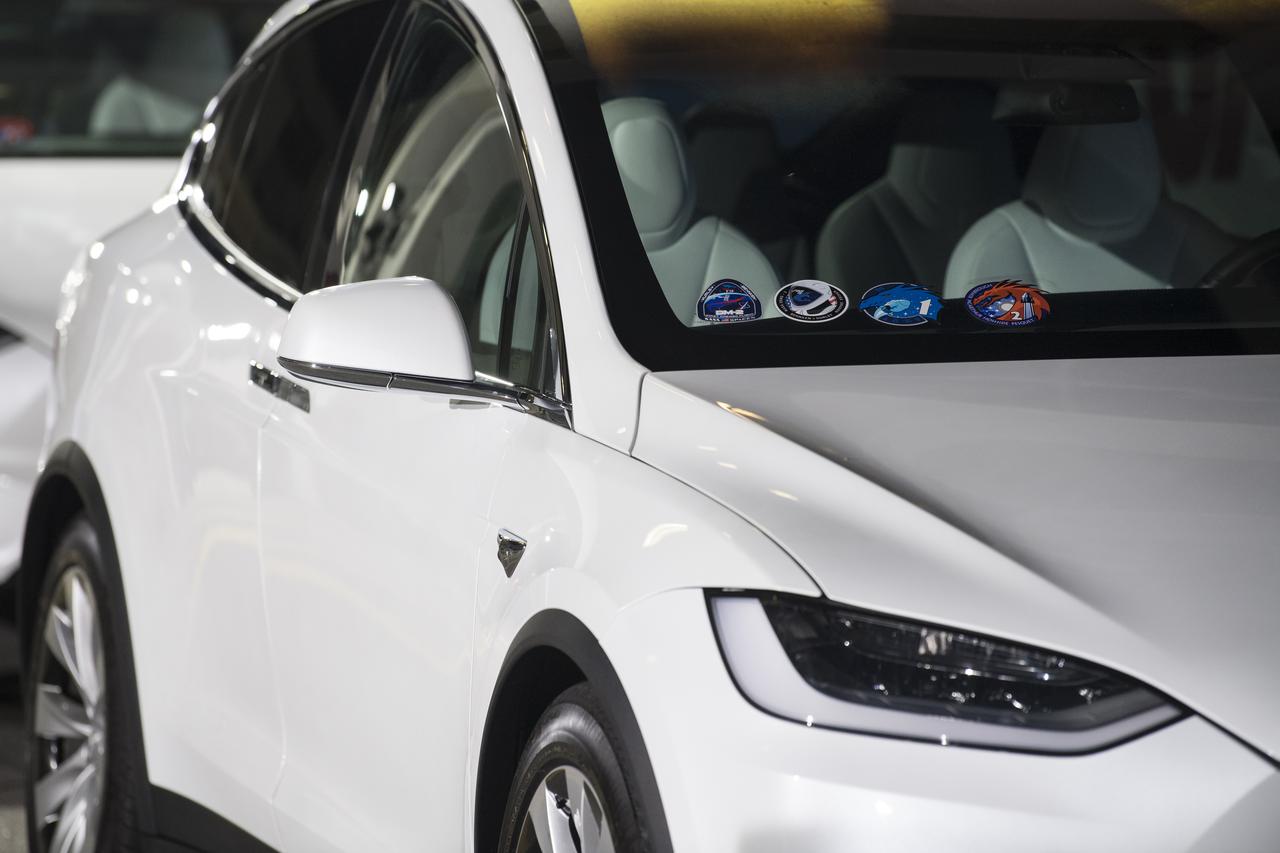
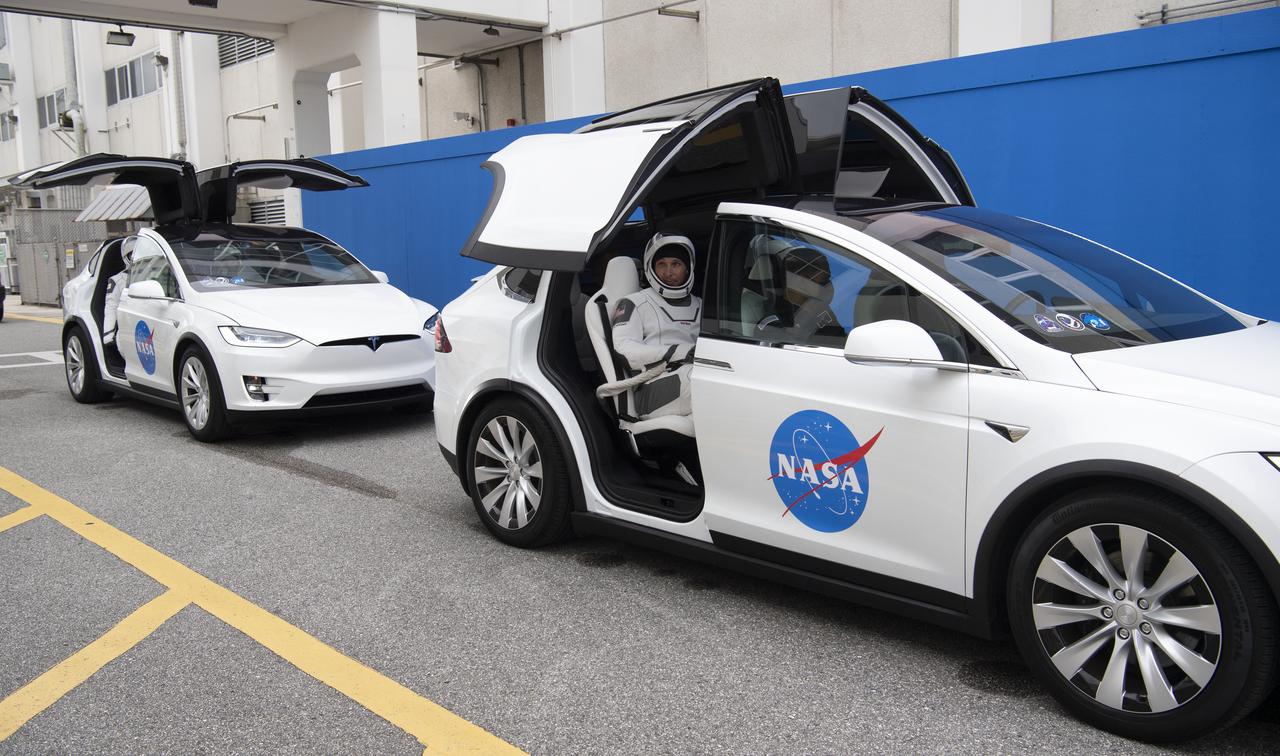
One of the vehicles that will carry NASA astronauts Shane Kimbrough and Megan McArthur, ESA (European Space Agency) astronaut Thomas Pesquet, and Japan Aerospace Exploration Agency (JAXA) astronaut Akihiko Hoshide, to Launch Complex 39A to board the SpaceX Crew Dragon spacecraft for the Crew-2 mission launch to the International Space Station, are seen as they prepare to depart the Neil A. Armstrong Operations and Checkout Building, Friday, April 23, 2021, at NASA’s Kennedy Space Center in Florida. The license plates read "Reduce," "Reuse," and "Recycle." Kimbrough, McArthur, Pesquet, and Hoshide launched at 5:49 a.m. EDT from Launch Complex 39A. Photo Credit: (NASA/Aubrey Gemignani)
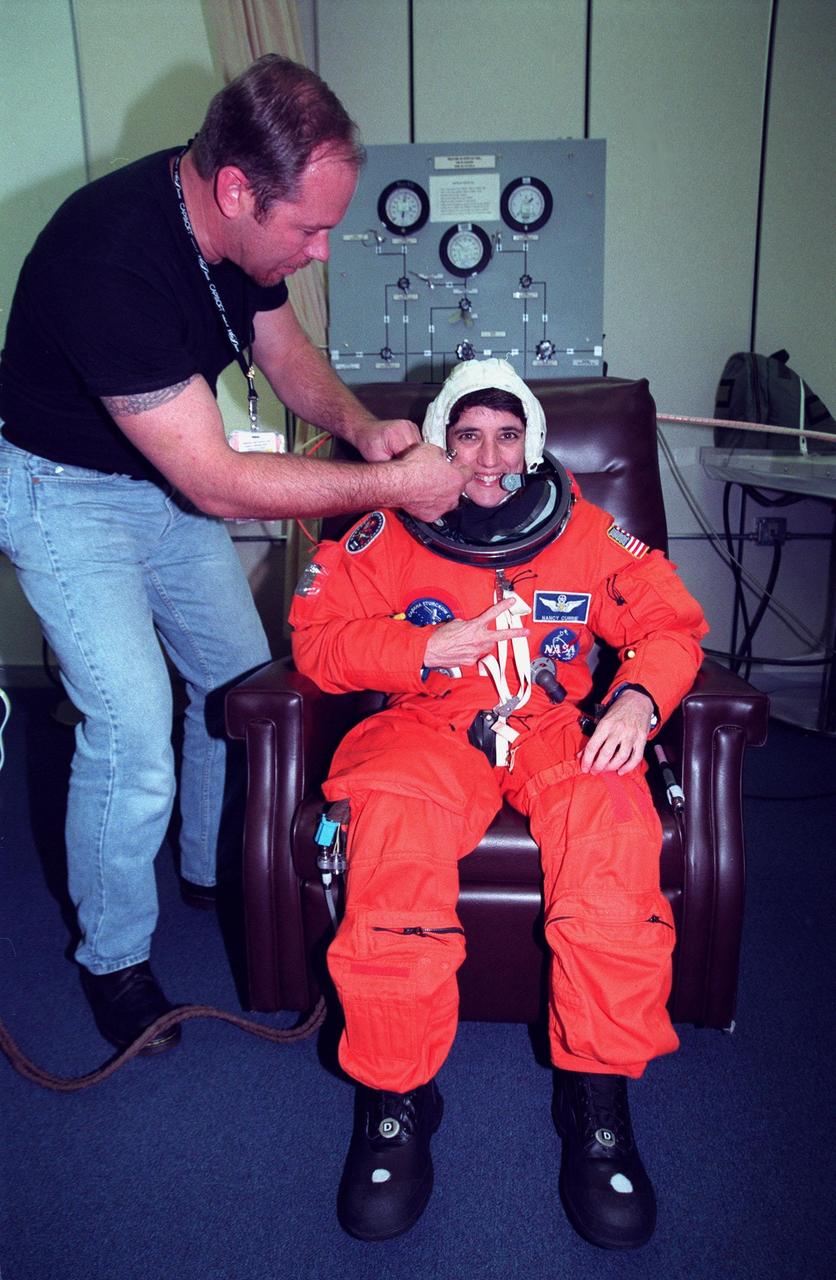
In the Operations and Checkout Building, STS-88 Mission Specialist Nancy J. Currie gets help with her flight suit from suit technician Drew Billingsley before launch. Mission STS-88 is expected to launch at 3:56 a.m. EST with the six-member crew aboard Space Shuttle Endeavour on Dec. 3. Endeavour carries the Unity connecting module, which the crew will be mating with the Russian-built Zarya control module already in orbit. In addition to Unity, two small replacement electronics boxes are on board for possible repairs to Zarya batteries. The mission is expected to last 11 days, 19 hours and 49 minutes, landing at 10:17 p.m. EST on Dec. 14
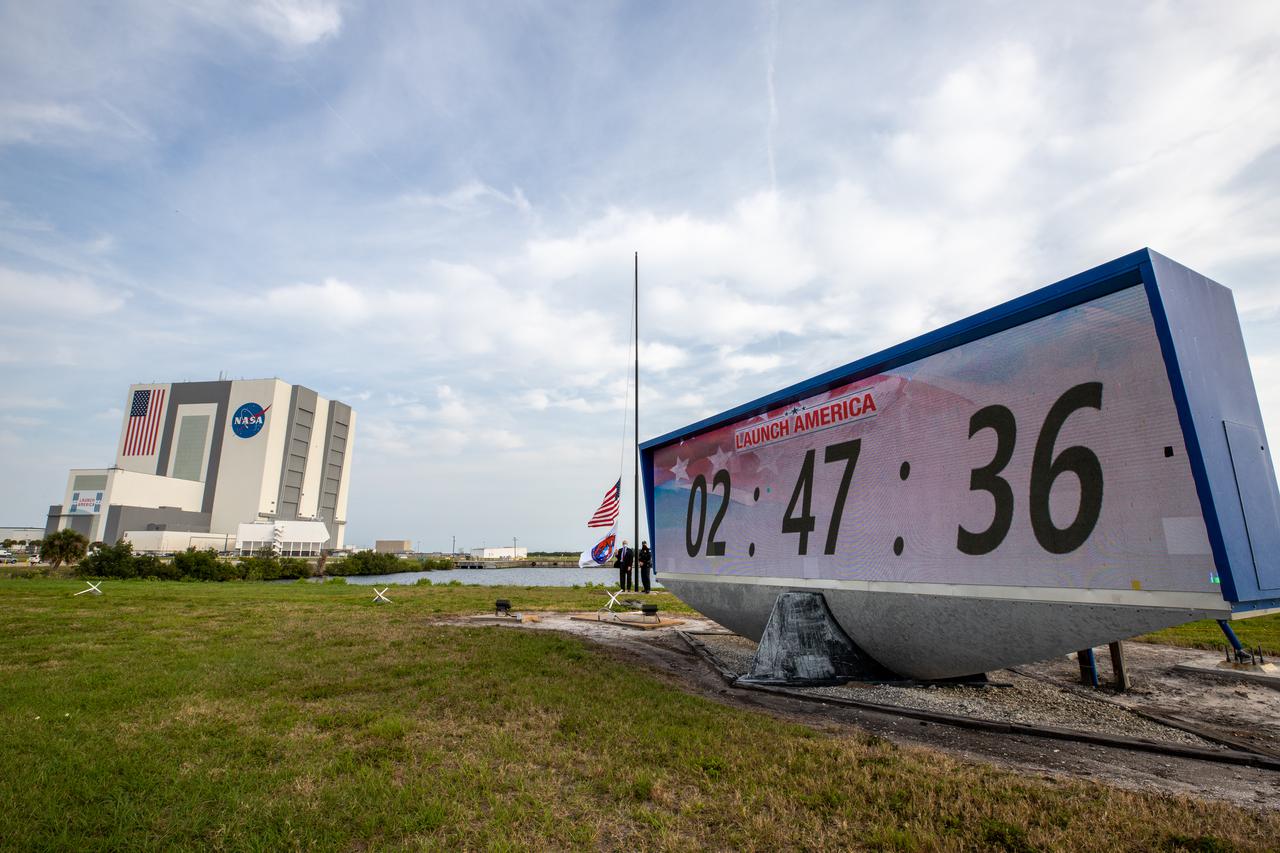
NASA acting administrator Steve Jurczyk raises the Crew-2 flag near the countdown clock at Kennedy Space Center’s Press Site on April 24, 2021. In the background is the Florida spaceport’s Vehicle Assembly Building. NASA’s SpaceX Crew-2 mission launched NASA astronaut Shane Kimbrough, spacecraft commander; NASA astronaut Megan McArthur, pilot; ESA astronaut Thomas Pesquet, mission specialist; and JAXA astronaut Akihiko Hoshide, mission specialist, to the International Space Station on April 23. Liftoff, from Kennedy’s Launch Complex 39A, was at 5:49 a.m. EDT. The SpaceX Crew Dragon Endeavour docked to the space station on April 24, at 5:08 a.m. EDT.
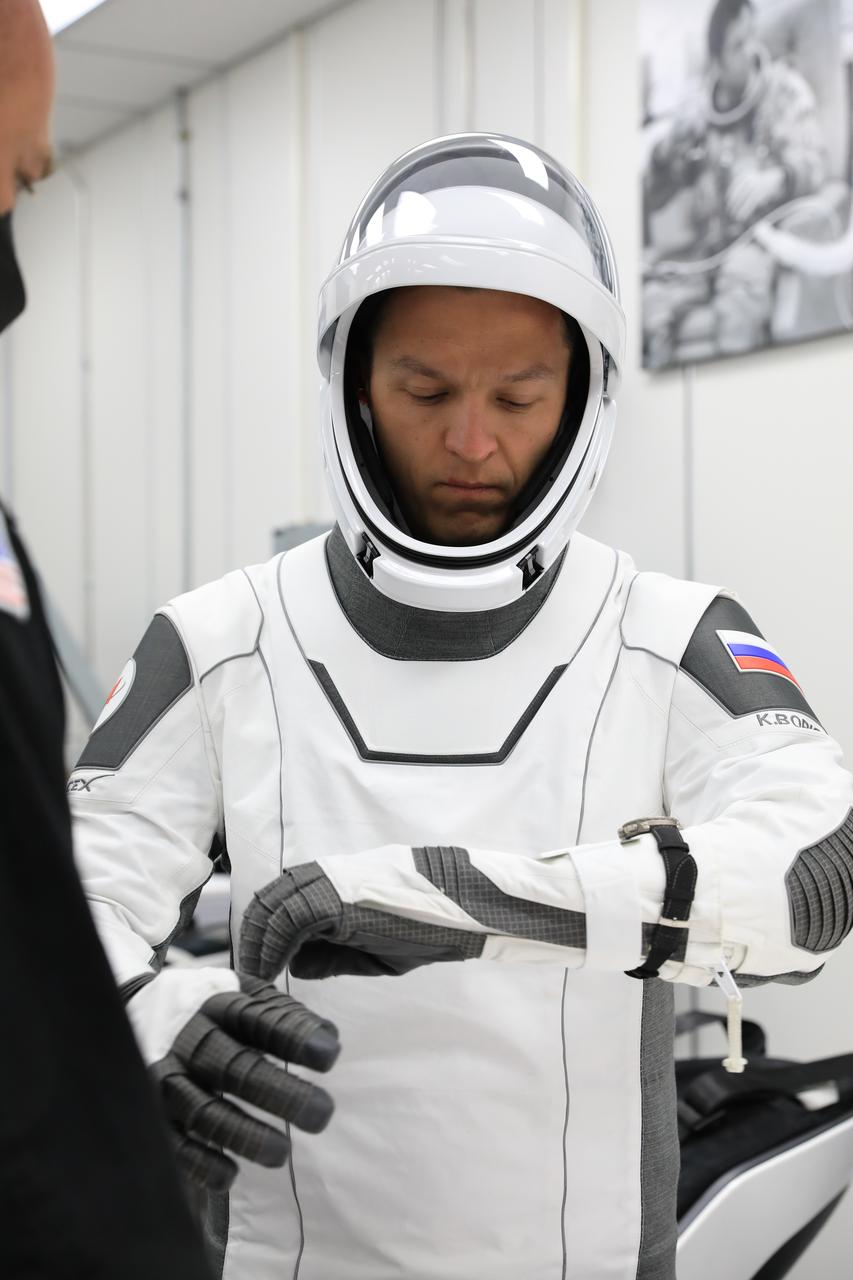
Roscosmos cosmonaut Konstantin Borisov is photographed on Tuesday, Aug. 22, 2023, in a SpaceX spacesuit inside the crew suit-up room in the Neil A. Armstrong Operations and Checkout Building at NASA’s Kennedy Space Center in Florida during a countdown dress rehearsal. The Crew-7 crew will launch to the International Space Station aboard SpaceX’s Dragon spacecraft and Falcon 9 rocket. Launch is targeted for 3:49 a.m. EDT Friday, Aug. 25, 2023, from Kennedy’s Launch Complex 39A. Crew-7 is the seventh crew rotation mission with SpaceX to the station, and the eighth flight of Dragon with people as part of the agency’s Commercial Crew Program.
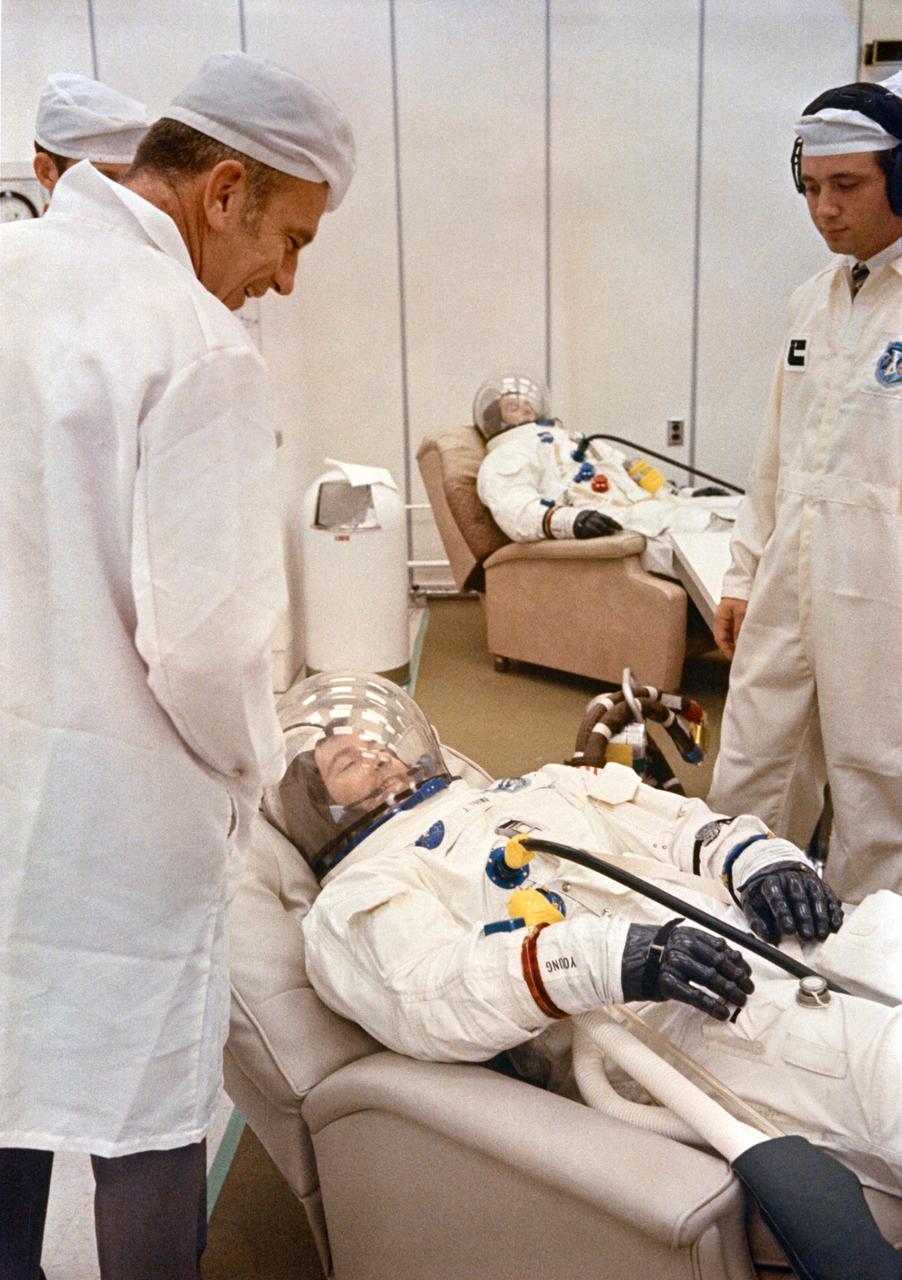
S69-34482 (18 May 1969) --- Astronaut John W. Young, Apollo 10 command module pilot, jokes with Donald K. Slayton (standing left), director of Flight Crew Operations, Manned Spacecraft Center, during Apollo 10 suiting up operations. On couch in background is astronaut Eugene A. Cernan, lunar module pilot. Astronauts Young; Cernan; and Thomas P. Stafford, commander, rode a transfer van from the Manned Spacecraft Operations Building over to Pad B, Launch Complex 39 where their spacecraft awaited them. Liftoff was at 12:49 p.m. (EDT), May 18, 1969.
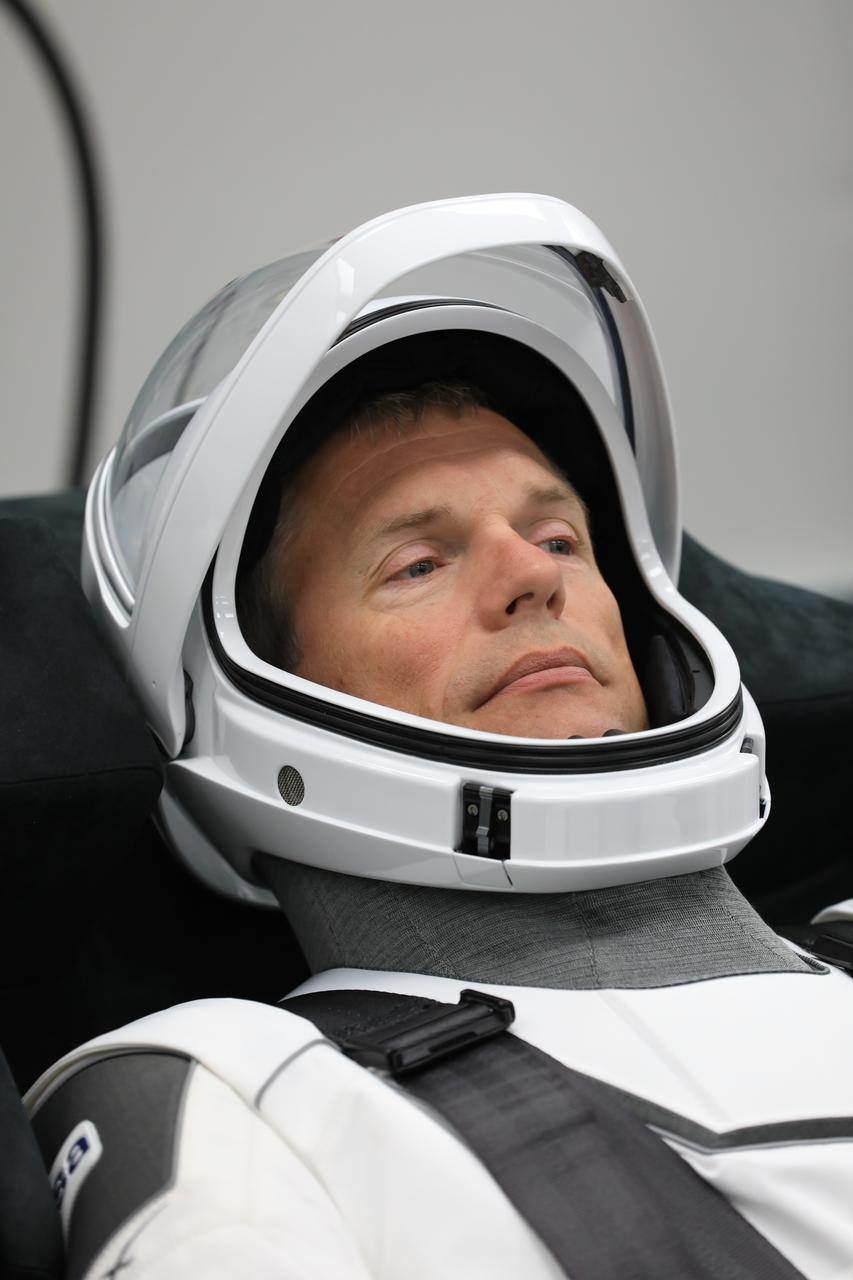
ESA (European Space Agency) astronaut Andreas Mogensen is photographed on Tuesday, Aug. 22, 2023, in a SpaceX spacesuit inside the crew suit-up room in the Neil A. Armstrong Operations and Checkout Building at NASA’s Kennedy Space Center in Florida during a countdown dress rehearsal. The Crew-7 crew will launch to the International Space Station aboard SpaceX’s Dragon spacecraft and Falcon 9 rocket. Launch is targeted for 3:49 a.m. EDT Friday, Aug. 25, 2023, from Kennedy’s Launch Complex 39A. Crew-7 is the seventh crew rotation mission with SpaceX to the station, and the eighth flight of Dragon with people as part of the agency’s Commercial Crew Program.
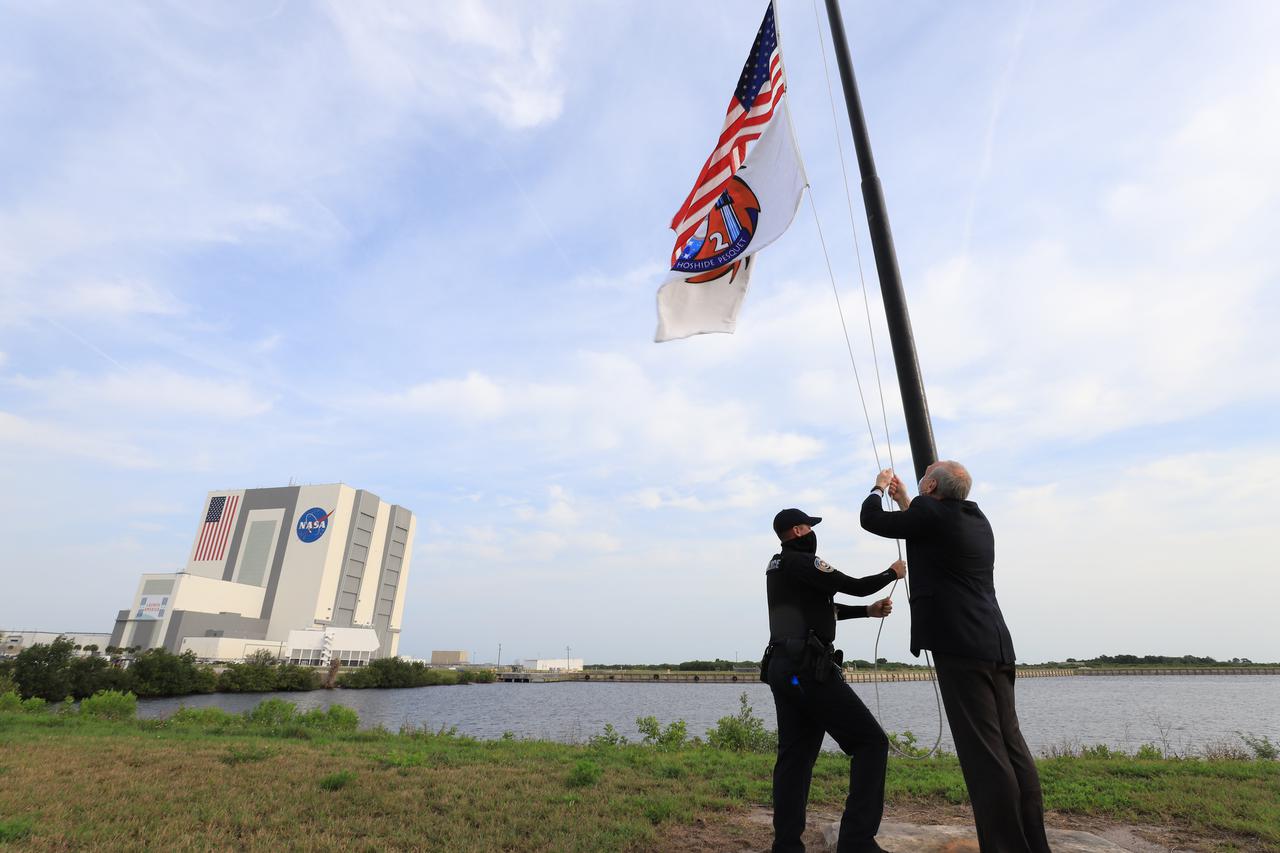
NASA acting administrator Steve Jurczyk raises the Crew-2 flag near the countdown clock at Kennedy Space Center’s Press Site on April 24, 2021. In the background is the Florida spaceport’s Vehicle Assembly Building. NASA’s SpaceX Crew-2 mission launched NASA astronaut Shane Kimbrough, spacecraft commander; NASA astronaut Megan McArthur, pilot; ESA astronaut Thomas Pesquet, mission specialist; and JAXA astronaut Akihiko Hoshide, mission specialist, to the International Space Station on April 23. Liftoff, from Kennedy’s Launch Complex 39A, was at 5:49 a.m. EDT. The SpaceX Crew Dragon Endeavour docked to the space station on April 24, at 5:08 a.m. EDT.
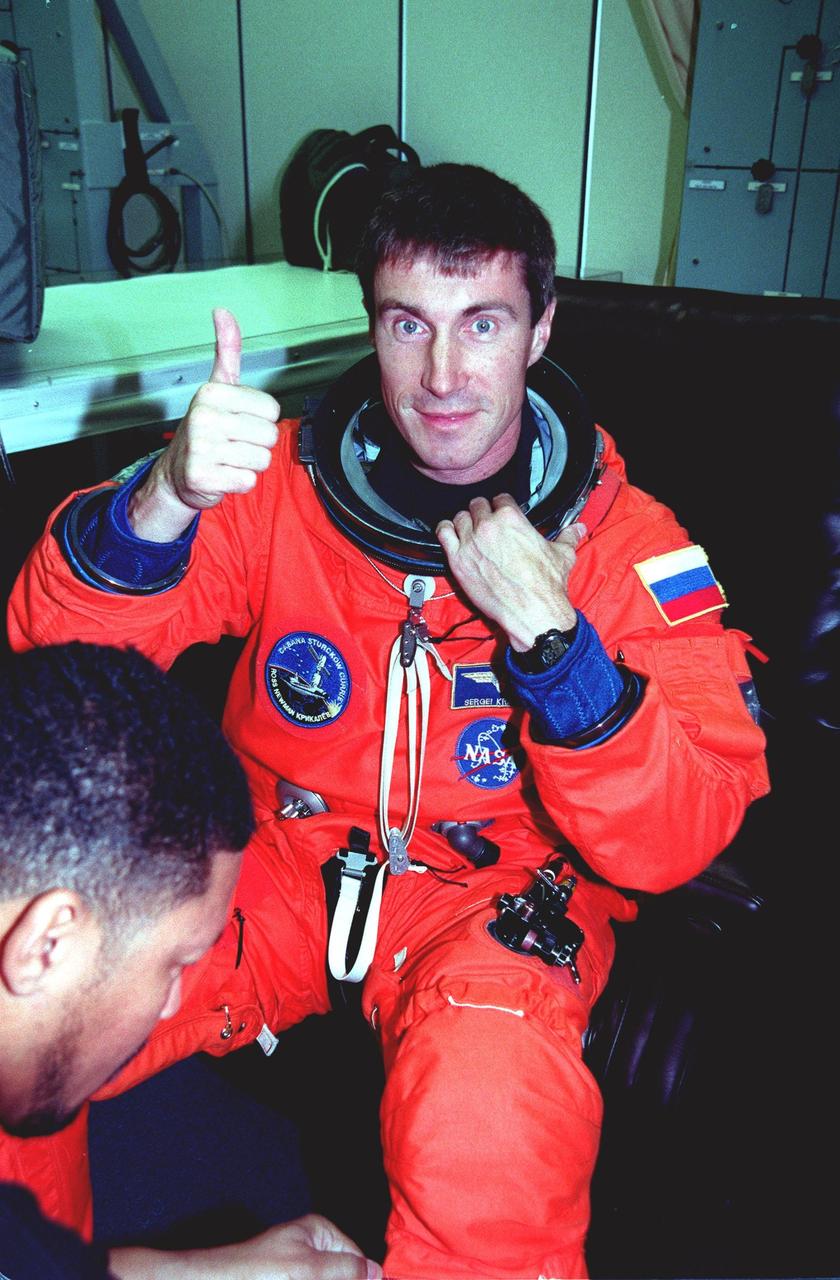
In the Operations and Checkout Building, STS-88 Mission Specialist Sergei Konstantinovich Krikalev, a Russian cosmonaut, gives a thumbs up during suit check before launch. Mission STS-88 is expected to lift off at 3:56 a.m. EST with the six-member crew aboard Space Shuttle Endeavour on Dec. 3. Endeavour carries the Unity connecting module, which the crew will be mating with the Russian-built Zarya control module already in orbit. In addition to Unity, two small replacement electronics boxes are on board for possible repairs to Zarya batteries. The mission is expected to last 11 days, 19 hours and 49 minutes, landing at 10:17 p.m. EST on Dec. 14
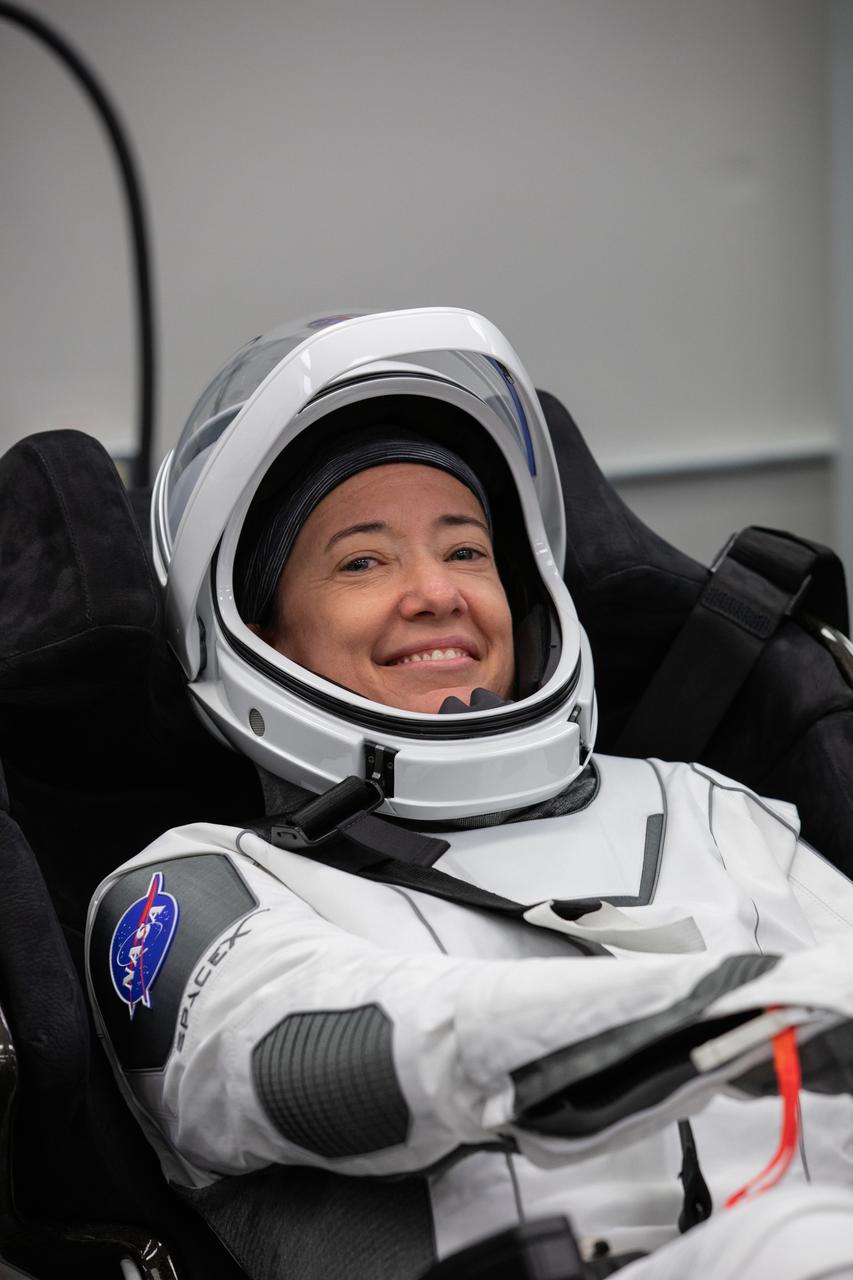
NASA astronaut Megan McArthur smiles inside the crew suit-up room in the Neil Armstrong Operations and Checkout Building at NASA’s Kennedy Space Center in Florida, on April 23, 2021. McArthur, along with NASA astronaut Shane Kimbrough, ESA astronaut Thomas Pesquet, and JAXA astronaut Akihiko Hoshide, will head to the International Space Station on NASA’s SpaceX Crew-2 mission. SpaceX’s Crew Dragon Endeavour will launch on the company’s Falcon 9 rocket from Kennedy’s Launch Complex 39A today at 5:49 a.m. EDT.
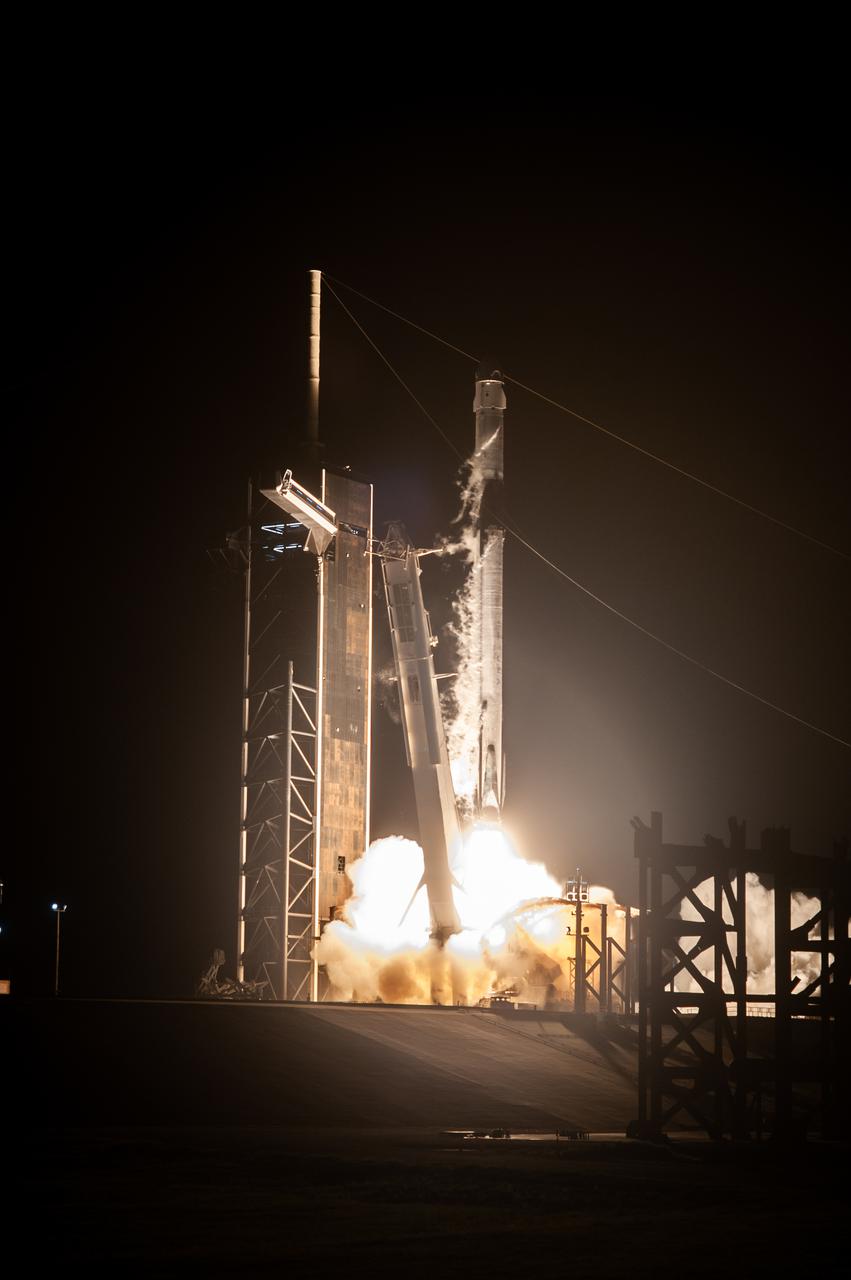
Live launch coverage of NASA’s SpaceX Crew-2 mission, beginning with astronaut suit-up inside the iconic Neil Armstrong Operations and Checkout building and continuing through launch from Kennedy Space Center’s Launch Complex 39A in Florida. The SpaceX Crew Dragon, Endeavour, launched at 5:49 a.m. EDT Friday, April 23, on a Falcon 9 rocket, carrying Crew Dragon Commander Shane Kimbrough, Pilot Megan McArthur, and Mission Specialists Thomas Pesquet and Akihiko Hoshide. Endeavour is scheduled to dock to the International Space Station at 5:10 a.m. EDT Apr. 24.
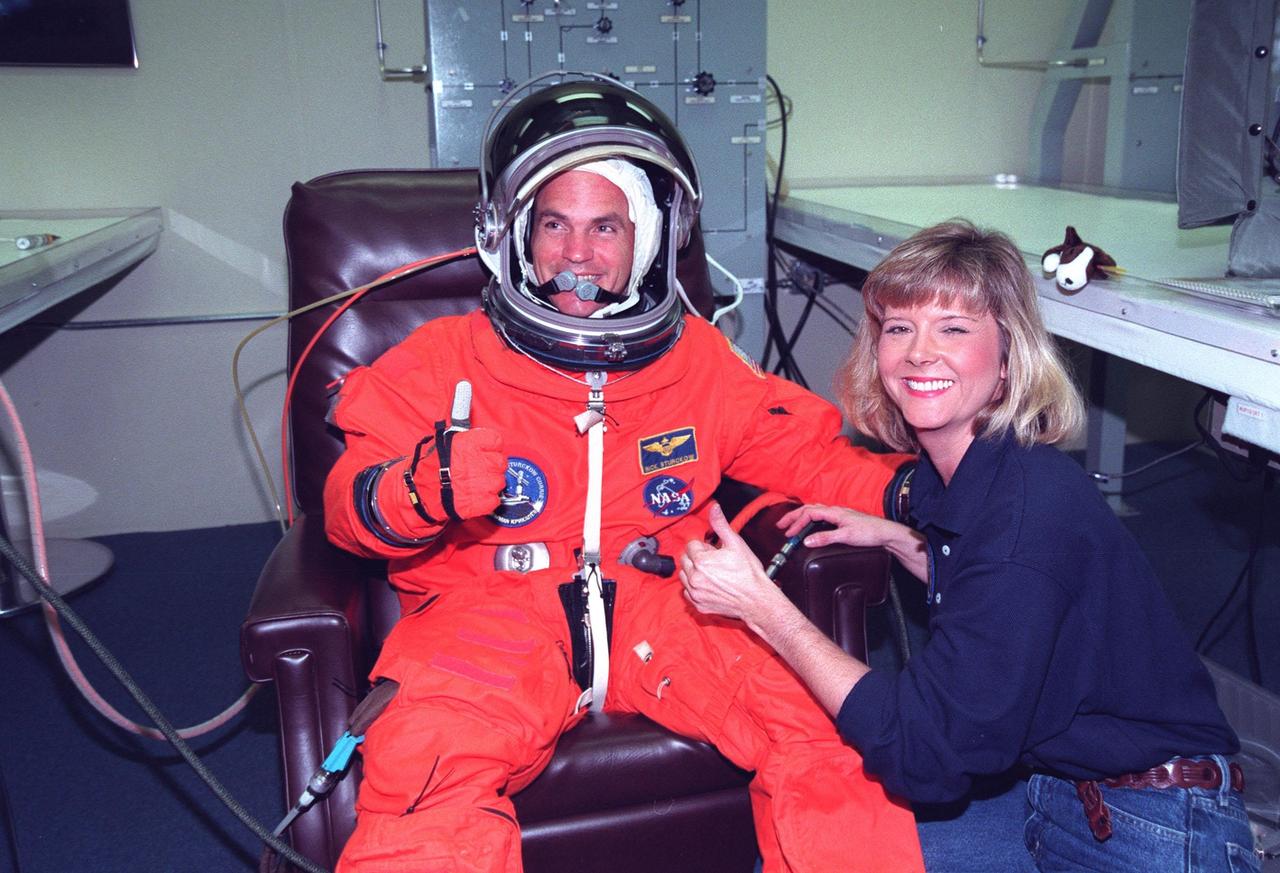
In the Operations and Checkout Building, STS-88 Pilot Frederick W. "Rick" Sturckow gets help with his flight suit from suit technician Terri McKinney before launch. Mission STS-88 is expected to launch at 3:56 a.m. EST with the six-member crew aboard Space Shuttle Endeavour on Dec. 3. Endeavour carries the Unity connecting module, which the crew will be mating with the Russian-built Zarya control module already in orbit. In addition to Unity, two small replacement electronics boxes are on board for possible repairs to Zarya batteries. The mission is expected to last 11 days, 19 hours and 49 minutes, landing at 10:17 p.m. EST on Dec. 14
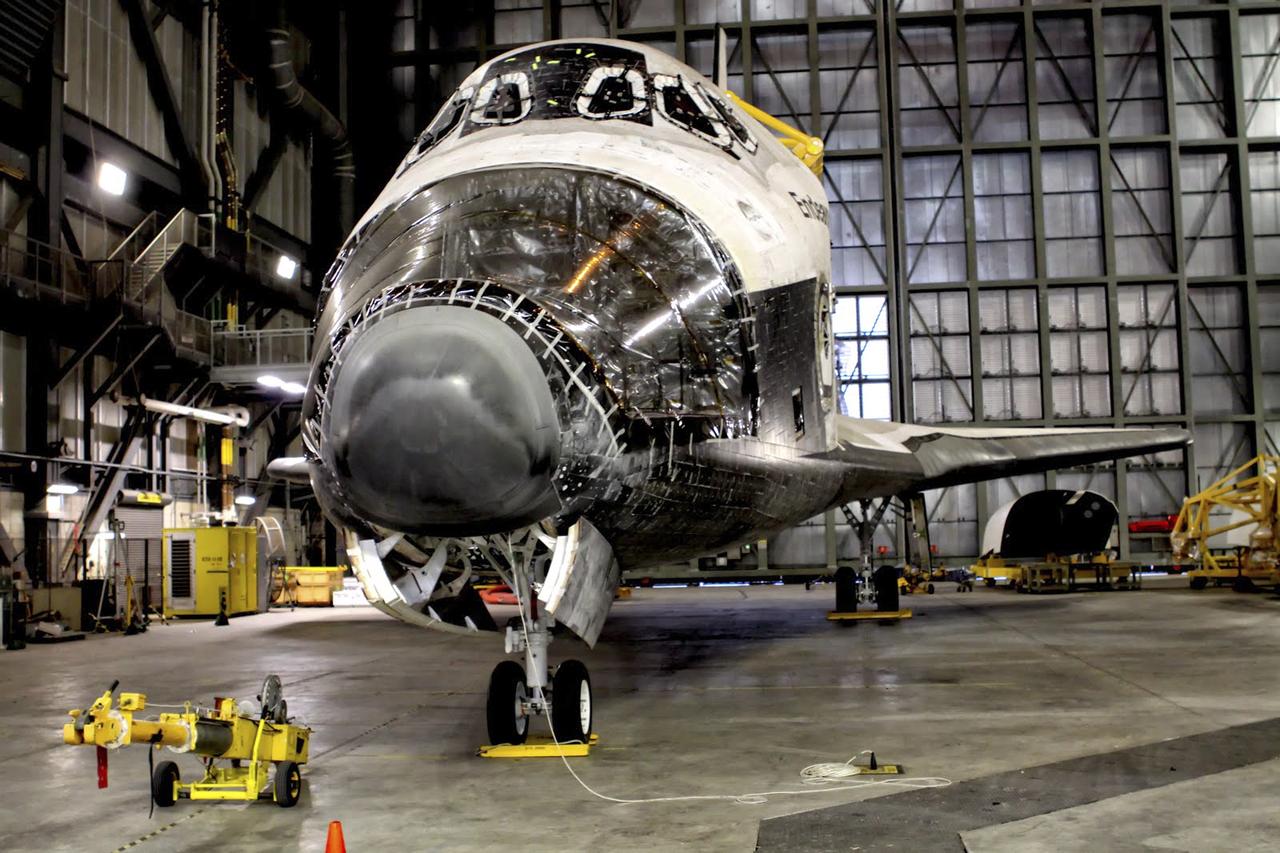
CAPE CANAVERAL, Fla. – As seen on Google Maps, space shuttle Endeavour goes through transition and retirement processing in high bay 4 of the Vehicle Assembly Building at NASA's Kennedy Space Center. The spacecraft completed 25 missions beginning with its first flight, STS-49, in May 1992, and ending with STS-134 in May 2011. It helped construct the International Space Station in orbit and travelled more than 122 million miles in orbit during its career. The reaction control system pods in the shuttle's nose and aft section were removed for processing before Endeavour was put on public display at the California Science Center in Los Angeles. Google precisely mapped the space center and some of its historical facilities for the company's map page. The work allows Internet users to see inside buildings at Kennedy as they were used during the space shuttle era. Photo credit: Google/Wendy Wang
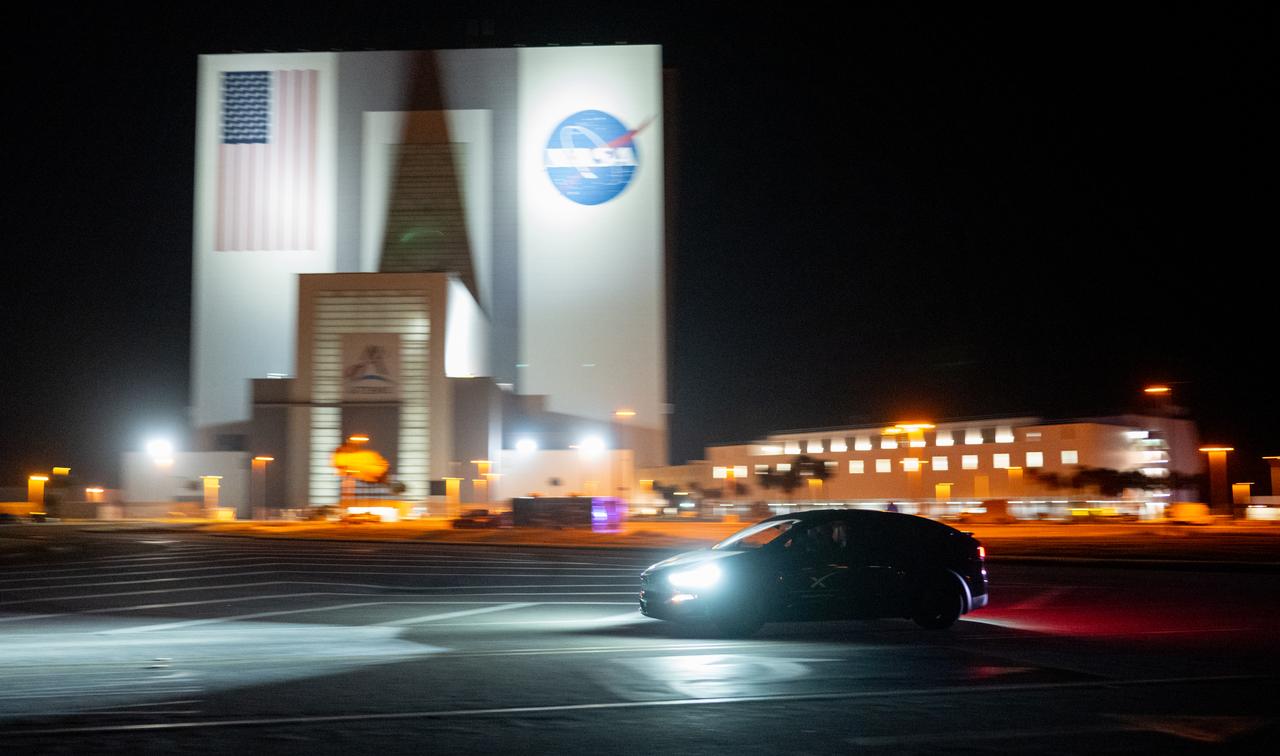
A vehicle carrying two members of NASA’s SpaceX Crew-7 mission passes by the Vehicle Assembly Building as it returns to the Neil A. Armstrong Operations and Checkout Building from Launch Complex 39A following the completion of a dress rehearsal for the Crew-7 launch, Tuesday, Aug. 22, 2023, at NASA’s Kennedy Space Center in Florida. NASA’s SpaceX Crew-7 mission is the seventh crew rotation mission of the SpaceX Dragon spacecraft and Falcon 9 rocket to the International Space Station as part of the agency’s Commercial Crew Program. NASA astronaut Jasmin Moghbeli, ESA (European Space Agency) astronaut Andreas Mogensen, Japan Aerospace Exploration Agency (JAXA) astronaut Satoshi Furukawa, and Roscosmos cosmonaut Konstantin Borisov are scheduled to launch at 3:49 a.m. EDT on August 25, from Launch Complex 39A at the Kennedy Space Center. Photo Credit: (NASA/Joel Kowsky)
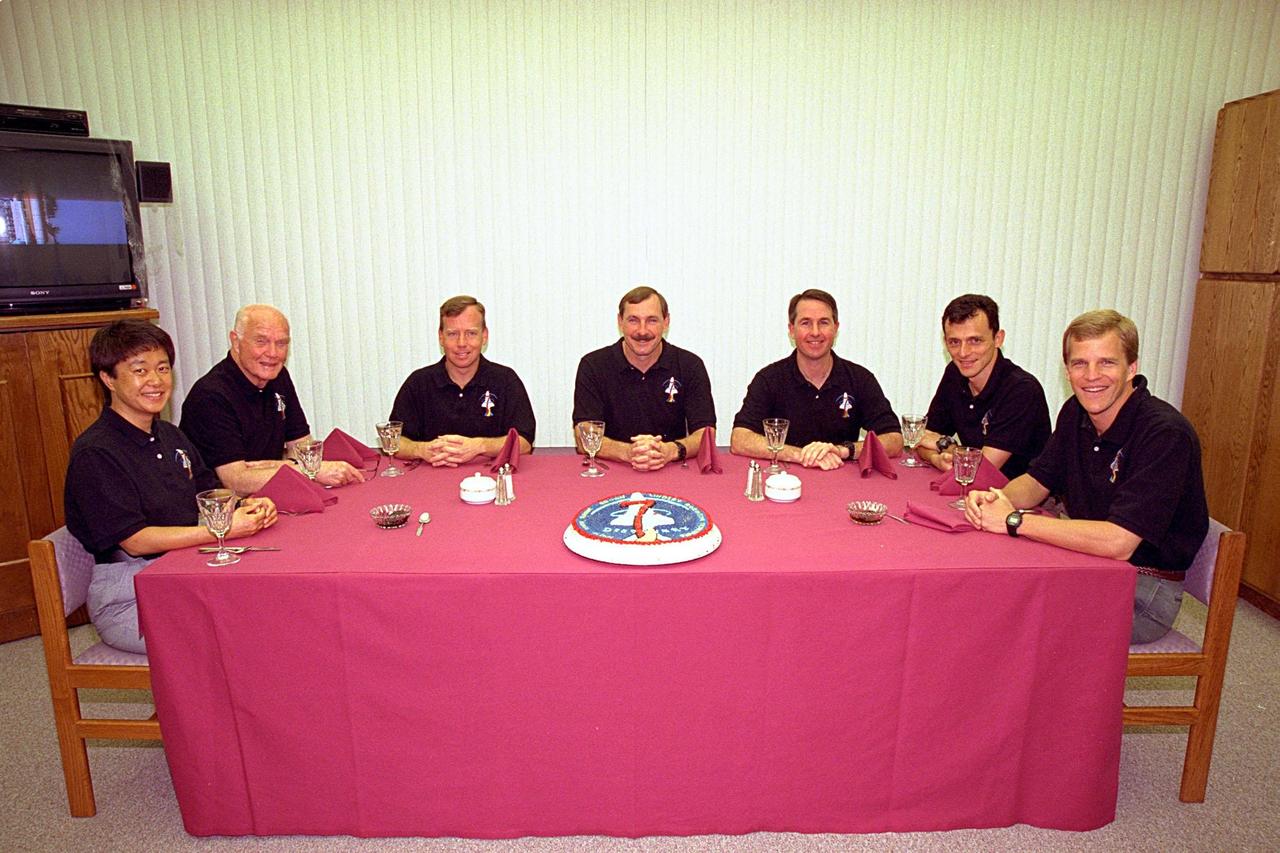
The STS-95 crew gathers at their traditional pre-launch breakfast in the Operations and Checkout Building. Seated from left are Payload Specialist Chiaki Mukai, (M.D., Ph.D.), with the National Space Development Agency of Japan (NASDA), Payload Specialist John H. Glenn Jr., senator from Ohio, Pilot Steven W. Lindsey, Mission Commander Curtis L. Brown Jr., Mission Specialist Stephen K. Robinson, Mission Specialist Pedro Duque of Spain, representing the European Space Agency (ESA), and Mission Specialist Scott E. Parazynski. Targeted for launch at 2 p.m. EST on Oct. 29, the mission is expected to last 8 days, 21 hours and 49 minutes, and return to KSC at 11:49 a.m. EST on Nov. 7. The STS-95 mission includes research payloads such as the Spartan solar-observing deployable spacecraft, the Hubble Space Telescope Orbital Systems Test Platform, the International Extreme Ultraviolet Hitchhiker, as well as the SPACEHAB single module with experiments on space flight and the aging process
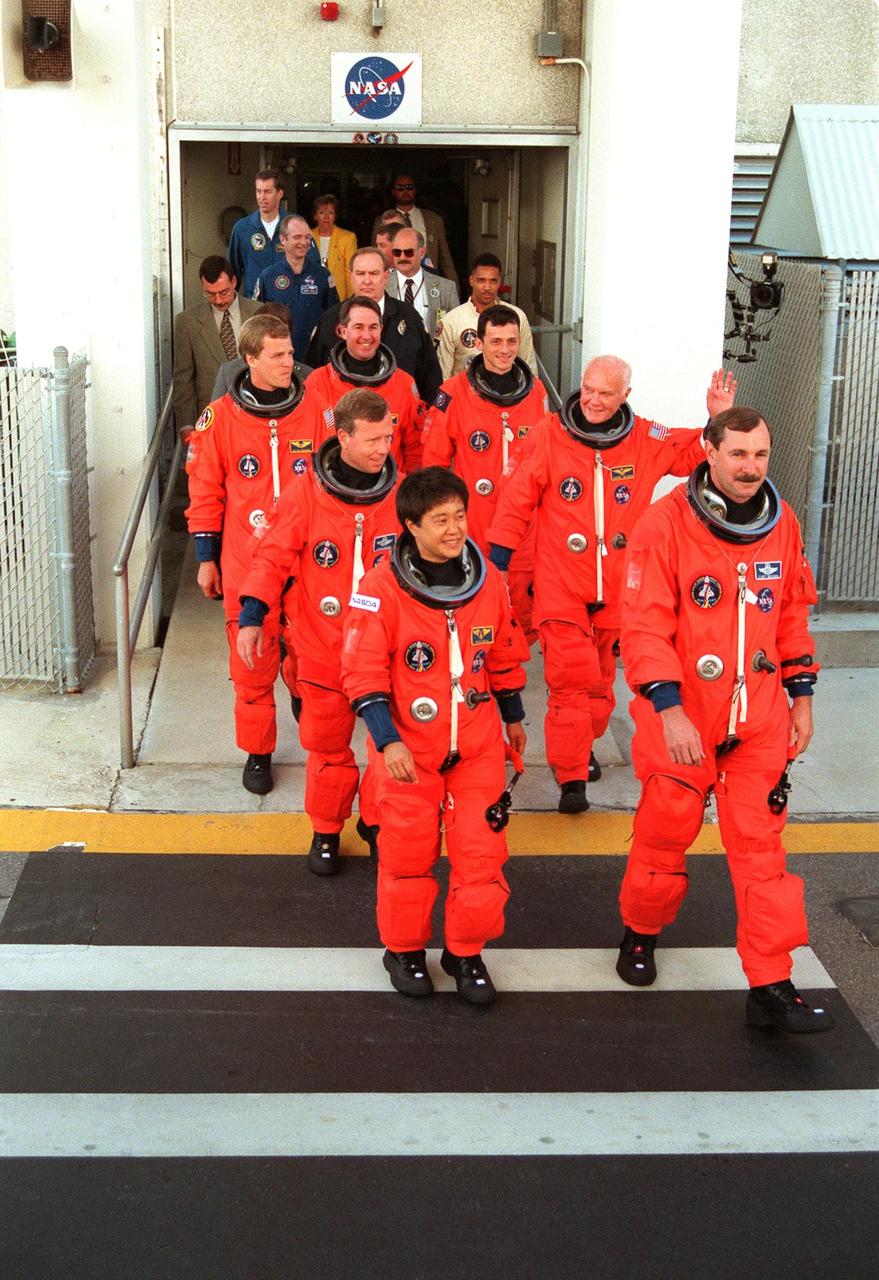
The STS-95 crew leave the Operations and Checkout Building in their flight suits for their trip to Launch Pad 39B. Leading the group to the Astrovan for the ride to Launch Pad 39B is Mission Commander Curtis L. Brown Jr. (far right) next to Payload Specialist Chiaki Mukai (left), with the National Space Development Agency of Japan (NASDA). Behind them are (2nd row) Pilot Steven W. Lindsey (left) and Payload Specialist John H. Glenn Jr. (right), senator from Ohio; (3rd row) Mission Specialists Scott E. Parazynski (left) and Pedro Duque of Spain (right), with the European Space Agency; and Mission Specialist Stephen K. Robinson at the rear. Targeted for launch at 2 p.m. EST on Oct. 29, the mission is expected to last 8 days, 21 hours and 49 minutes, and return to KSC at 11:49 a.m. EST on Nov. 7. The STS-95 mission includes research payloads such as the Spartan solar-observing deployable spacecraft, the Hubble Space Telescope Orbital Systems Test Platform, the International Extreme Ultraviolet Hitchhiker, as well as the SPACEHAB single module with experiments on space flight and the aging process
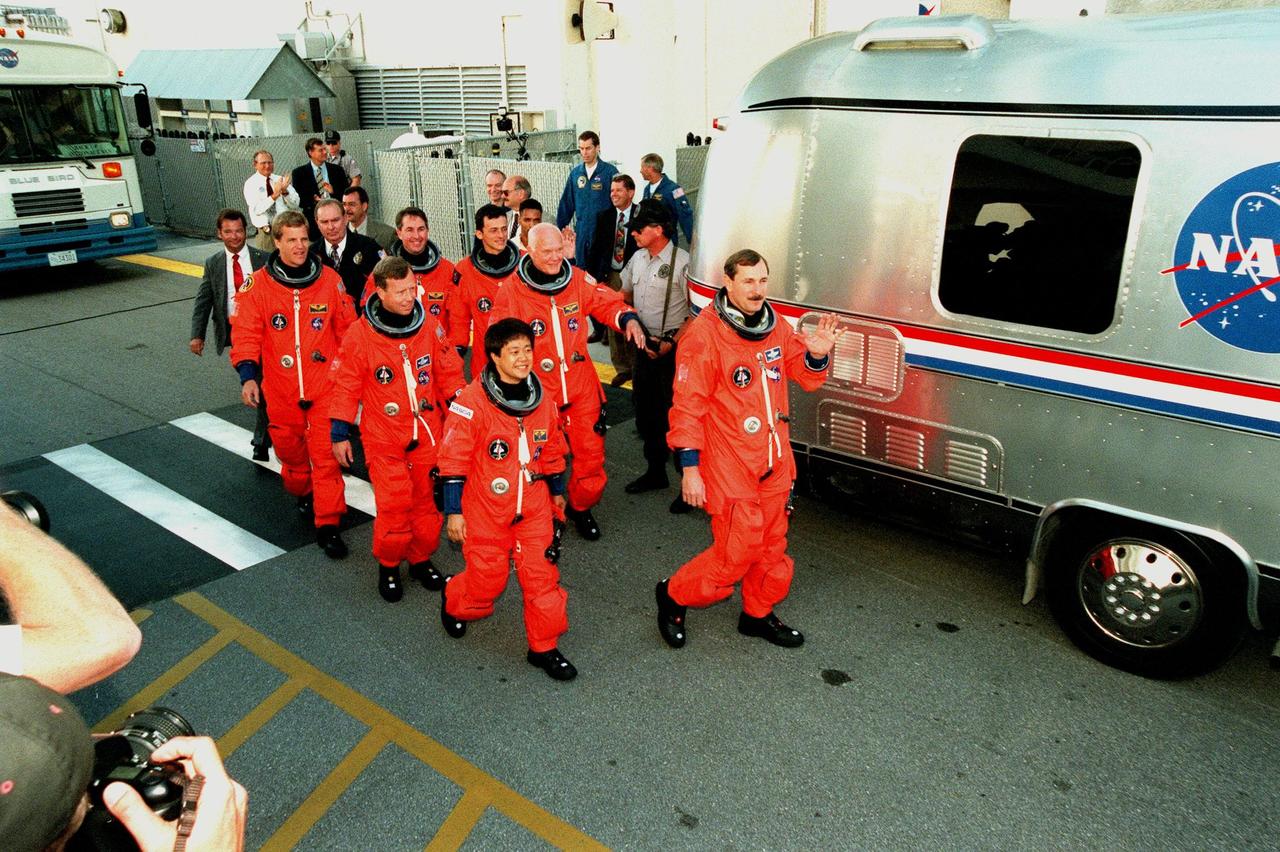
After leaving the Operations and Checkout Building, the STS-95 crew approach the Astrovan for their trip to Launch Pad 39B. Leading the group is Mission Commander Curtis L. Brown Jr. (far right), waving to the media and well-wishers; next him is Payload Specialist Chiaki Mukai (left), with the National Space Development Agency of Japan (NASDA). Behind them are (2nd row) Pilot Steven W. Lindsey (left) and Payload Specialist John H. Glenn Jr. (right), senator from Ohio; (3rd row) Mission Specialists Scott E. Parazynski , Stephen K. Robinson and Pedro Duque of Spain (right), with the European Space Agency. Targeted for launch at 2 p.m. EST on Oct. 29, the mission is expected to last 8 days, 21 hours and 49 minutes, and return to KSC at 11:49 a.m. EST on Nov. 7. The STS-95 mission includes research payloads such as the Spartan solar-observing deployable spacecraft, the Hubble Space Telescope Orbital Systems Test Platform, the International Extreme Ultraviolet Hitchhiker, as well as the SPACEHAB single module with experiments on space flight and the aging process
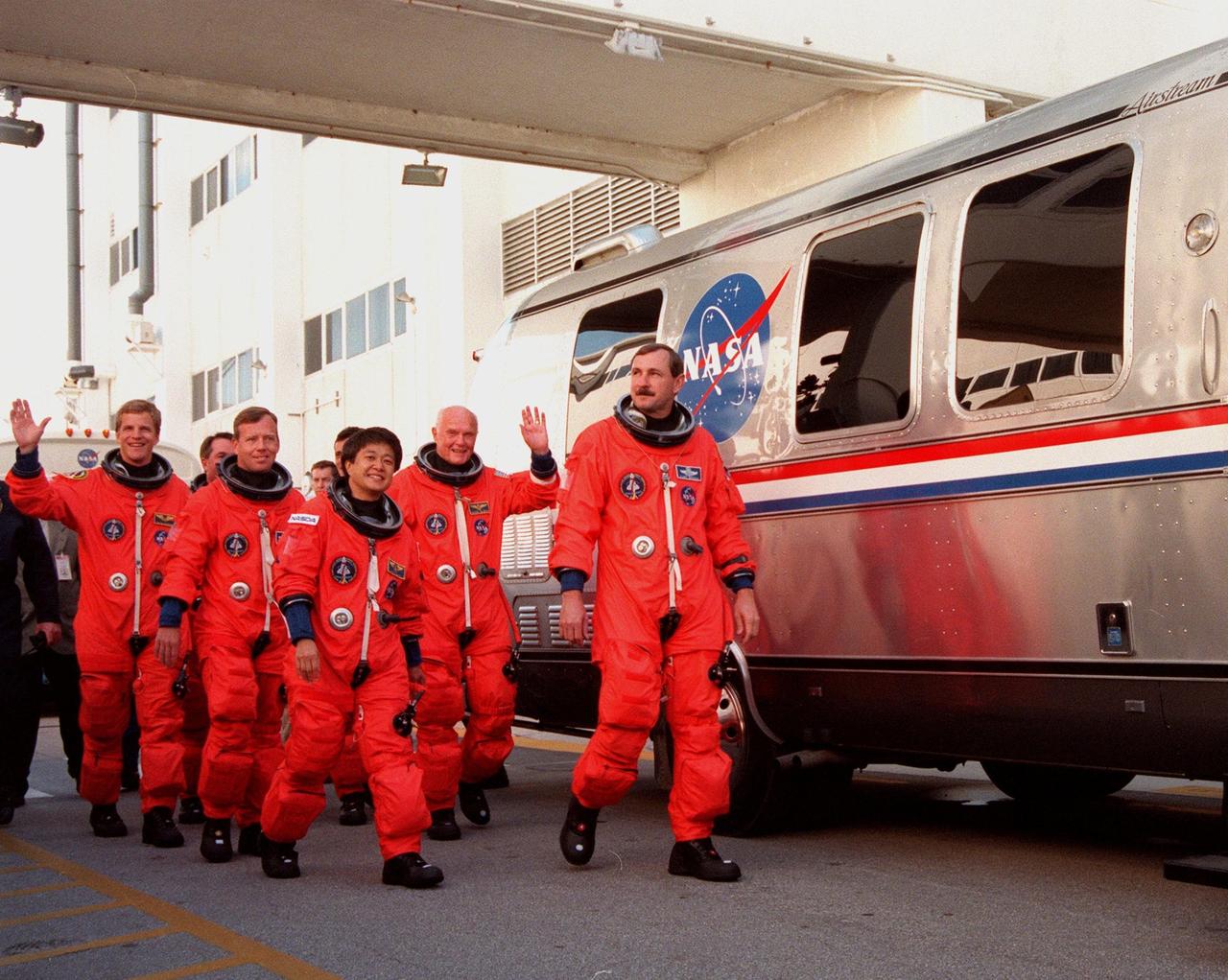
After leaving the Operations and Checkout Building, the STS-95 crew wave at well-wishers as they approach the Astrovan they will board for their trip to Launch Pad 39B. Leading the group is Mission Commander Curtis L. Brown Jr. (far right); Other crew members are (left to right) Mission Specialists Scott E. Parazynski , Stephen K. Robinson, Pilot Steven W. Lindsey, Mission Specialist Pedro Duque of Spain (hidden), with the European Space Agency (ESA), Payload Specialist Chiaki Mukai, with the National Space Development Agency of Japan (NASDA), and Payload Specialist John H. Glenn Jr. Targeted for launch at 2 p.m. EST on Oct. 29, the mission is expected to last 8 days, 21 hours and 49 minutes, and return to KSC at 11:49 a.m. EST on Nov. 7. The STS-95 mission includes research payloads such as the Spartan solar-observing deployable spacecraft, the Hubble Space Telescope Orbital Systems Test Platform, the International Extreme Ultraviolet Hitchhiker, as well as the SPACEHAB single module with experiments on space flight and the aging process
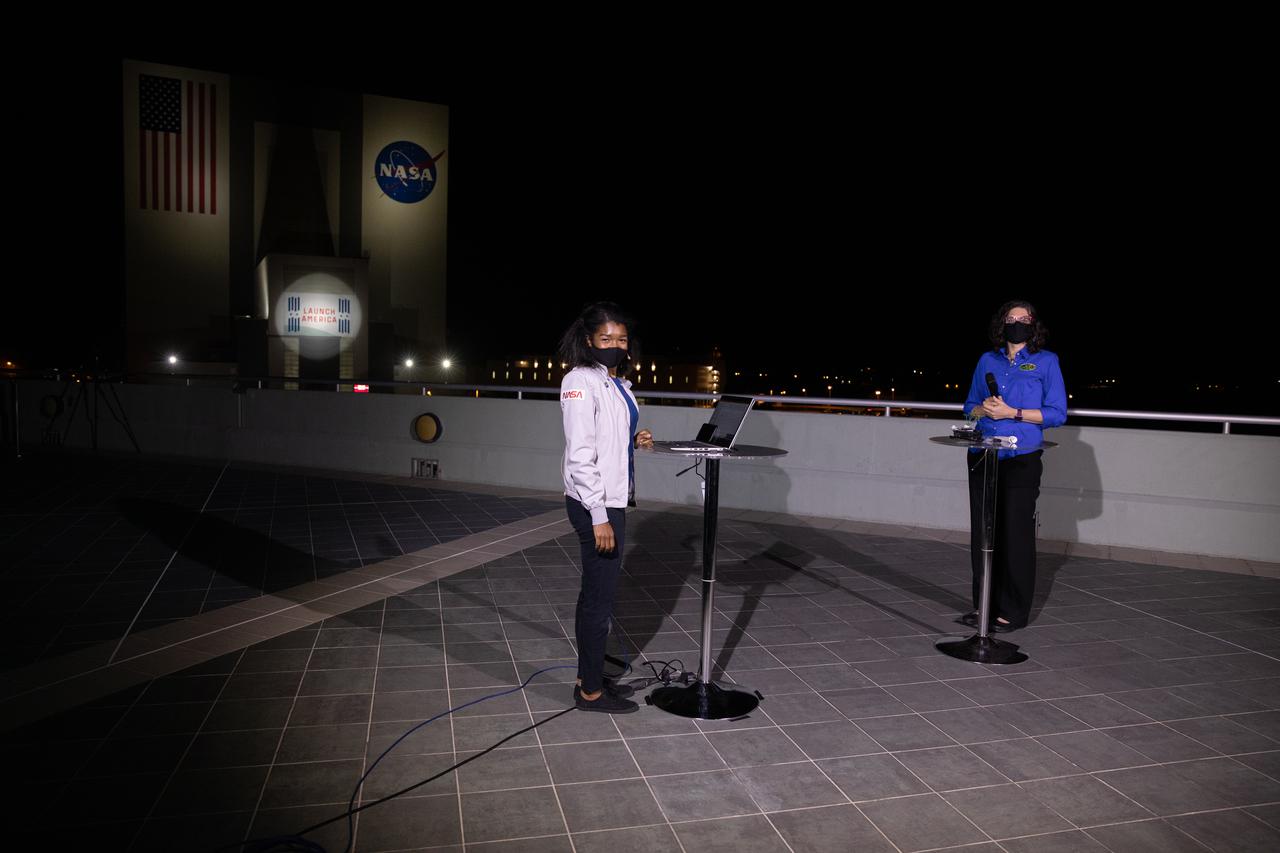
NASA Communications’ Jasmine Hopkins, left, interviews Kennedy Space Center Life Sciences Plant Scientist Gioia Massa on the Florida spaceport’s Operations and Support Building II balcony during the launch broadcast for NASA’s SpaceX Crew-2 mission on April 23, 2021. The SpaceX Falcon 9 rocket and Crew Dragon spacecraft lifted off from Kennedy’s Launch Complex 39A at 5:49 a.m. EDT. Part of NASA’s Commercial Crew Program, Crew-2 delivered NASA astronauts Shane Kimbrough and Megan McArthur, Japan Aerospace Exploration Agency (JAXA) astronaut Akihiko Hoshide, and European Space Agency (ESA) astronaut Thomas Pesquet to the International Space Station for a six-month science mission.
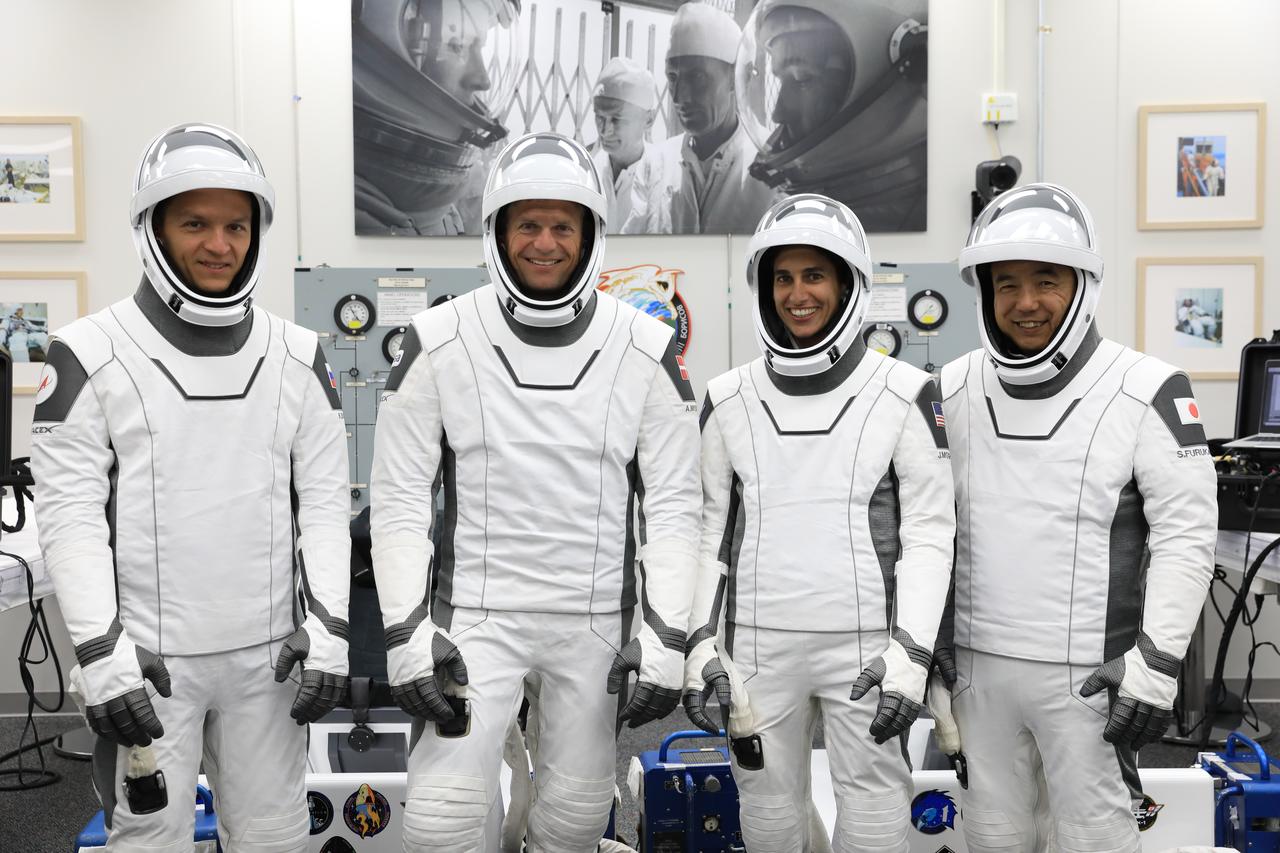
NASA’s SpaceX Crew-7 crew members participate in a countdown dress rehearsal at the agency’s Kennedy Space Center in Florida on Tuesday, Aug. 22, 2023, to prepare for the upcoming mission launch. In their SpaceX spacesuits inside the crew suit-up room in the Neil A. Armstrong Operations and Checkout Building are, from left, Roscosmos cosmonaut Konstantin Borisov, ESA (European Space Agency) astronaut Andreas Mogensen, NASA astronaut Jasmin Moghbeli, and JAXA (Japan Aerospace Exploration Agency) astronaut Satoshi Furukawa. The crew will launch to the International Space Station aboard the SpaceX’s Dragon spacecraft and Falcon 9 rocket. Liftoff is targeted for 3:49 a.m. EDT Friday, Aug. 25, 2023, from Kennedy’s Launch Complex 39A.
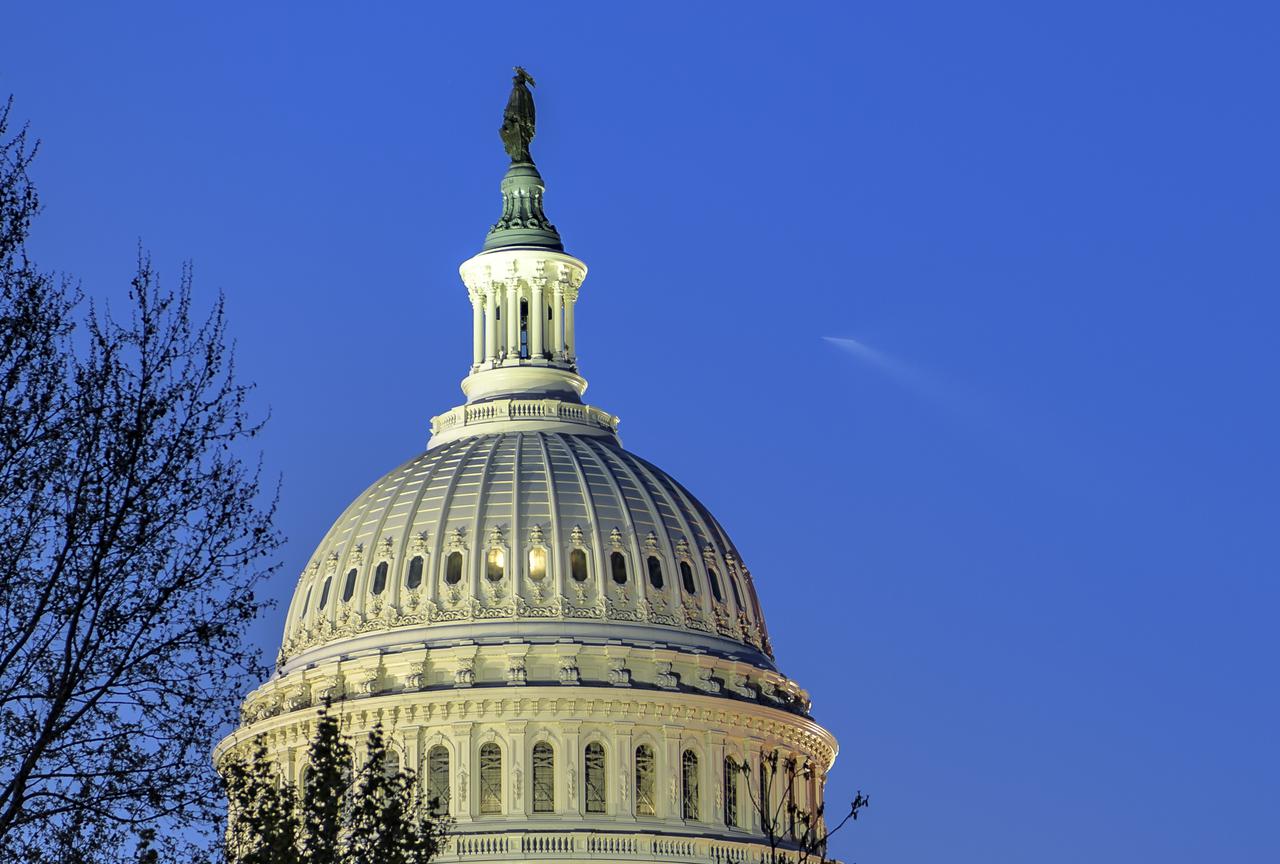
A SpaceX Falcon 9 rocket carrying the company's Crew Dragon spacecraft is seen to the right of the U.S. Capitol Building in Washington as it is launches NASA’s SpaceX Crew-2 mission to the International Space Station with NASA astronauts Shane Kimbrough and Megan McArthur, ESA (European Space Agency) astronaut Thomas Pesquet, and Japan Aerospace Exploration Agency (JAXA) astronaut Akihiko Hoshide onboard, Friday, April 23, 2021, from Cape Canaveral, Florida. NASA’s SpaceX Crew-2 mission is the second crew rotation mission of the SpaceX Crew Dragon spacecraft and Falcon 9 rocket to the International Space Station as part of the agency’s Commercial Crew Program. Kimbrough, McArthur, Pesquet, and Hoshide launched at 5:49 a.m. EDT from Launch Complex 39A at the Kennedy Space Center to begin a six month mission onboard the orbital outpost. Photo Credit: (NASA/Bill Ingalls)
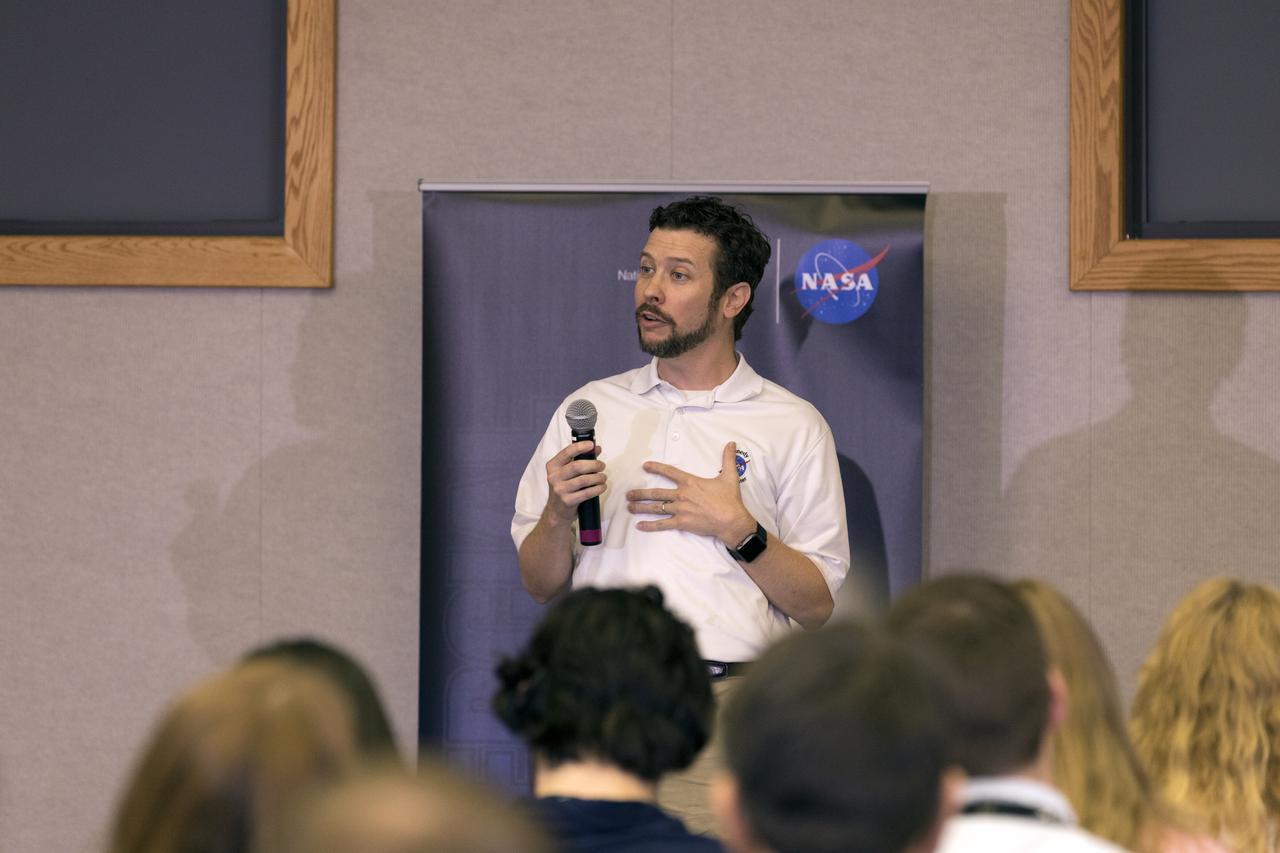
James Beahn, Launch Vehicle lead engineer, speaks to members of the media Thursday, Feb. 28, in the Kennedy Space Center’s Mission Briefing Room of the Neil Armstrong Operations and Checkout Building. The briefing focused on launch of the SpaceX Demo-1 Commercial Crew Program mission to the International Space Station. The inaugural flight of the Crew Dragon, known as Demo-1, will be uncrewed, lifting off atop a SpaceX Falcon 9 rocket from Launch Complex 39A at Kennedy Saturday, March 2, at 2:49 a.m. EST. The mission is designed to validate end-to-end systems and capabilities, leading to certification to fly crew. NASA has worked with SpaceX and Boeing in developing the CCP spacecraft to facilitate new human spaceflight systems launching from U.S. soil with the goal of safe, reliable and cost-effective access to low-Earth orbit destinations such as the space station.
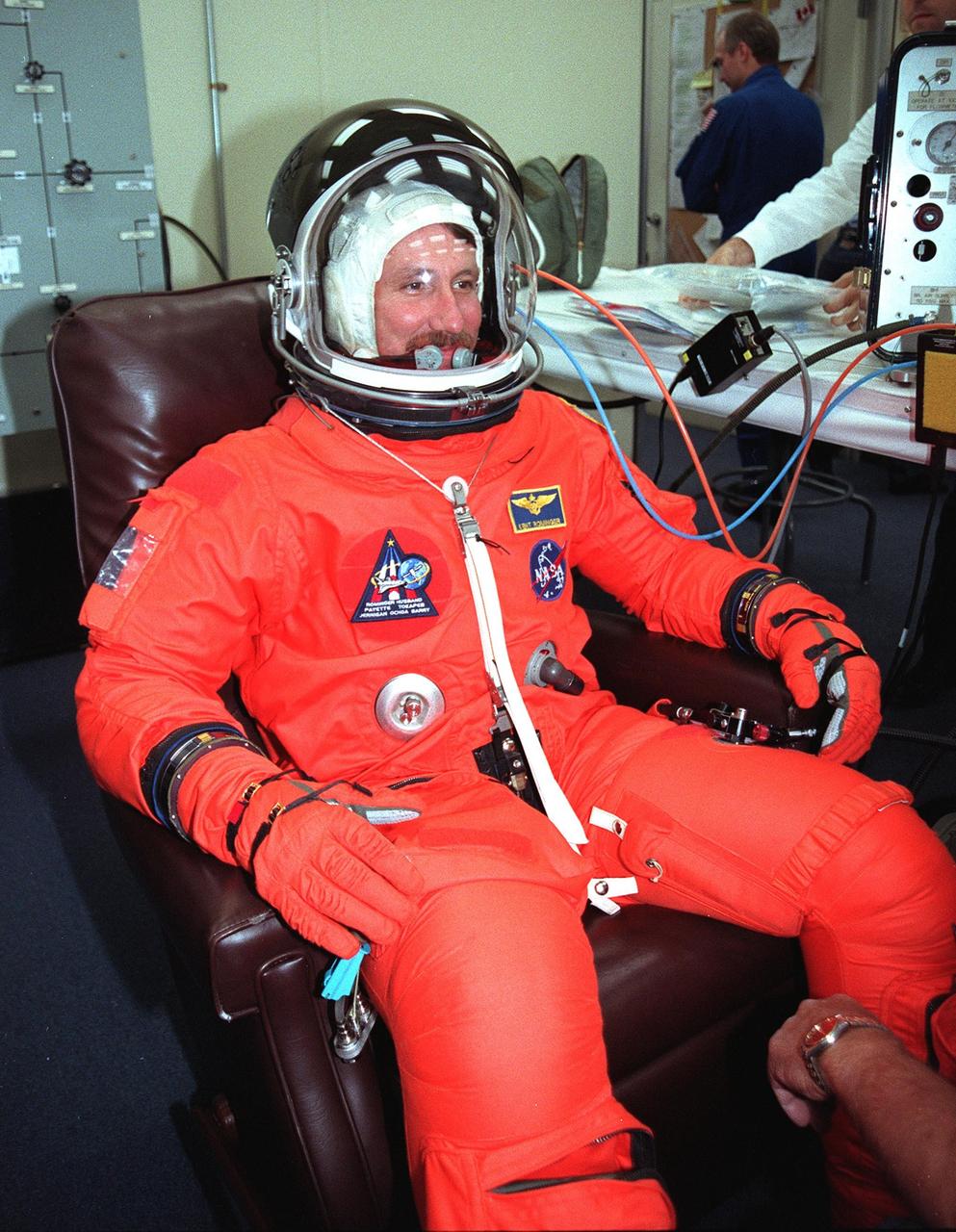
In the Operations and Checkout Building, STS-96 Commander Kent V. Rominger dons his launch and entry suit, plus helmet, during final launch preparations. STS-96 is a 10-day logistics and resupply mission for the International Space Station, carrying about 4,000 pounds of supplies, to be stored aboard the station for use by future crews, including laptop computers, cameras, tools, spare parts, and clothing. The mission also includes such payloads as a Russian crane, the Strela; a U.S.-built crane; the Spacehab Oceaneering Space System Box (SHOSS), a logistics items carrier; and STARSHINE, a student-involved experiment. It will include a space walk to attach the cranes to the outside of the ISS for use in future construction.. Space Shuttle Discovery is due to launch today at 6:49 a.m. EDT. Landing is expected at the SLF on June 6 about 1:58 a.m. EDT
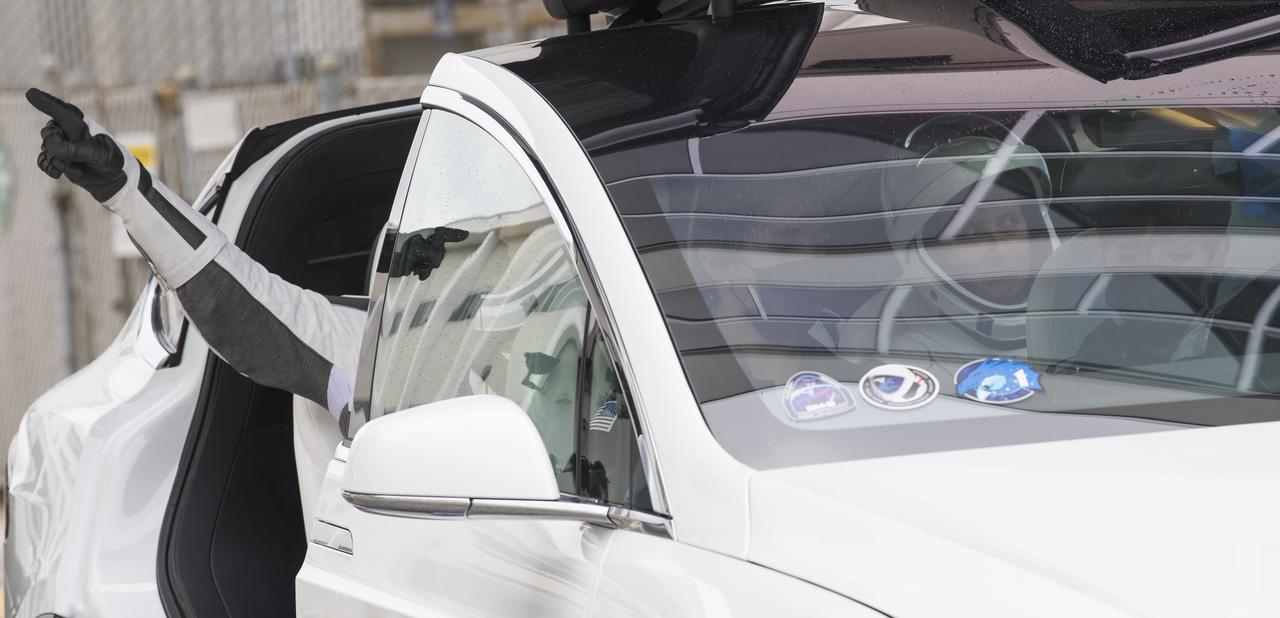
Japan Aerospace Exploration Agency (JAXA) astronaut Soichi Noguchi points towards onlookers inside the Neil A. Armstrong Operations and Checkout Building as he and fellow crewmates NASA astronauts Shannon Walker, Mike Hopkins, and Victor Glover prepare to depart for Launch Complex 39A during a dress rehearsal prior to the Crew-1 mission launch, Thursday, Nov. 12, 2020, at NASA’s Kennedy Space Center in Florida. NASA’s SpaceX Crew-1 mission is the first operational mission of the SpaceX Crew Dragon spacecraft and Falcon 9 rocket to the International Space Station as part of the agency’s Commercial Crew Program. NASA astronauts Mike Hopkins, Victor Glover, and Shannon Walker, and astronaut Soichi Noguchi of the Japan Aerospace Exploration Agency (JAXA) are scheduled to launch at 7:49 p.m. EST on Saturday, Nov. 14, from Launch Complex 39A at the Kennedy Space Center. Photo Credit: (NASA/Joel Kowsky)
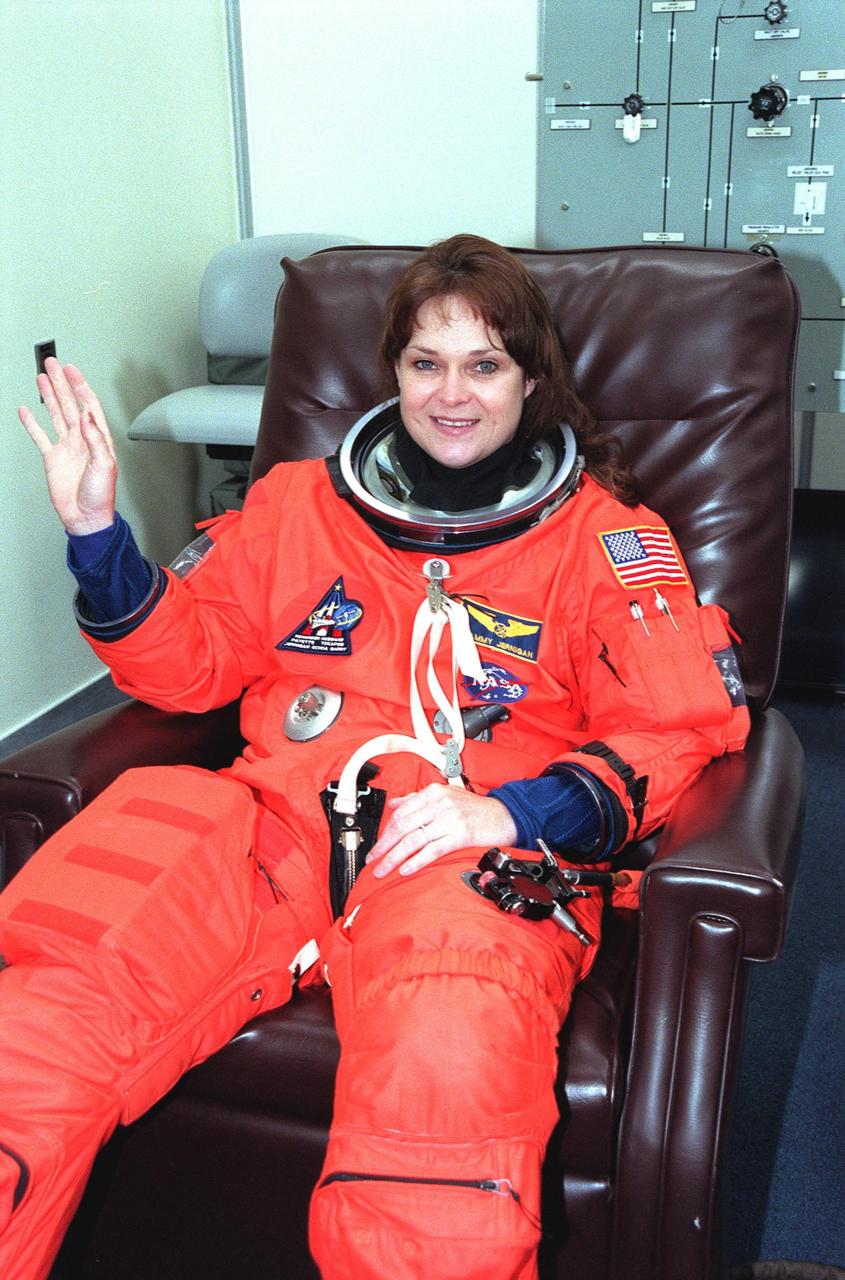
In the Operations and Checkout Building, STS-96 Mission Specialist Tamara E. Jernigan waves after donning her launch and entry suit during final launch preparations. STS-96 is a 10-day logistics and resupply mission for the International Space Station, carrying about 4,000 pounds of supplies, to be stored aboard the station for use by future crews, including laptop computers, cameras, tools, spare parts, and clothing. The mission also includes such payloads as a Russian crane, the Strela; a U.S.-built crane; the Spacehab Oceaneering Space System Box (SHOSS), a logistics items carrier; and STARSHINE, a student-involved experiment. It will include a space walk to attach the cranes to the outside of the ISS for use in future construction.. Space Shuttle Discovery is due to launch today at 6:49 a.m. EDT. Landing is expected at the SLF on June 6 about 1:58 a.m. EDT
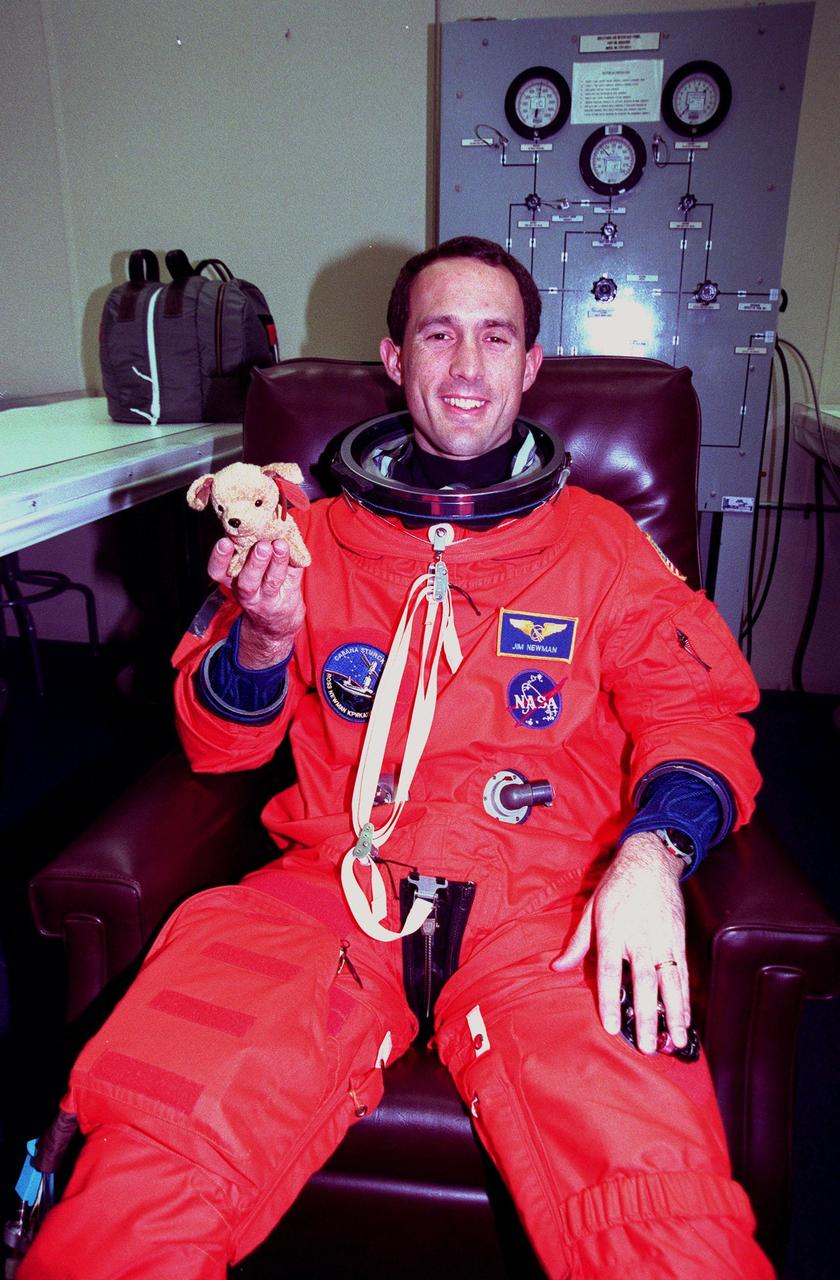
KENNEDY SPACE CENTER, FLA. -- In the Operations and Checkout Building, STS-88 Mission Specialist James H. Newman takes part in a complete suit check before launch. Newman holds a toy dog, "Pluto," representing the crew nickname Dog Crew 3 and Newman's nickname, Pluto. Mission STS-88 is expected to launch at 3:56 a.m. EST with the six-member crew aboard Space Shuttle Endeavour on Dec. 3. Endeavour carries the Unity connecting module, which the crew will be mating with the Russian-built Zarya control module already in orbit. In addition to Unity, two small replacement electronics boxes are on board for possible repairs to Zarya batteries. The mission is expected to last 11 days, 19 hours and 49 minutes, landing at 10:17 p.m. EST on Dec. 14
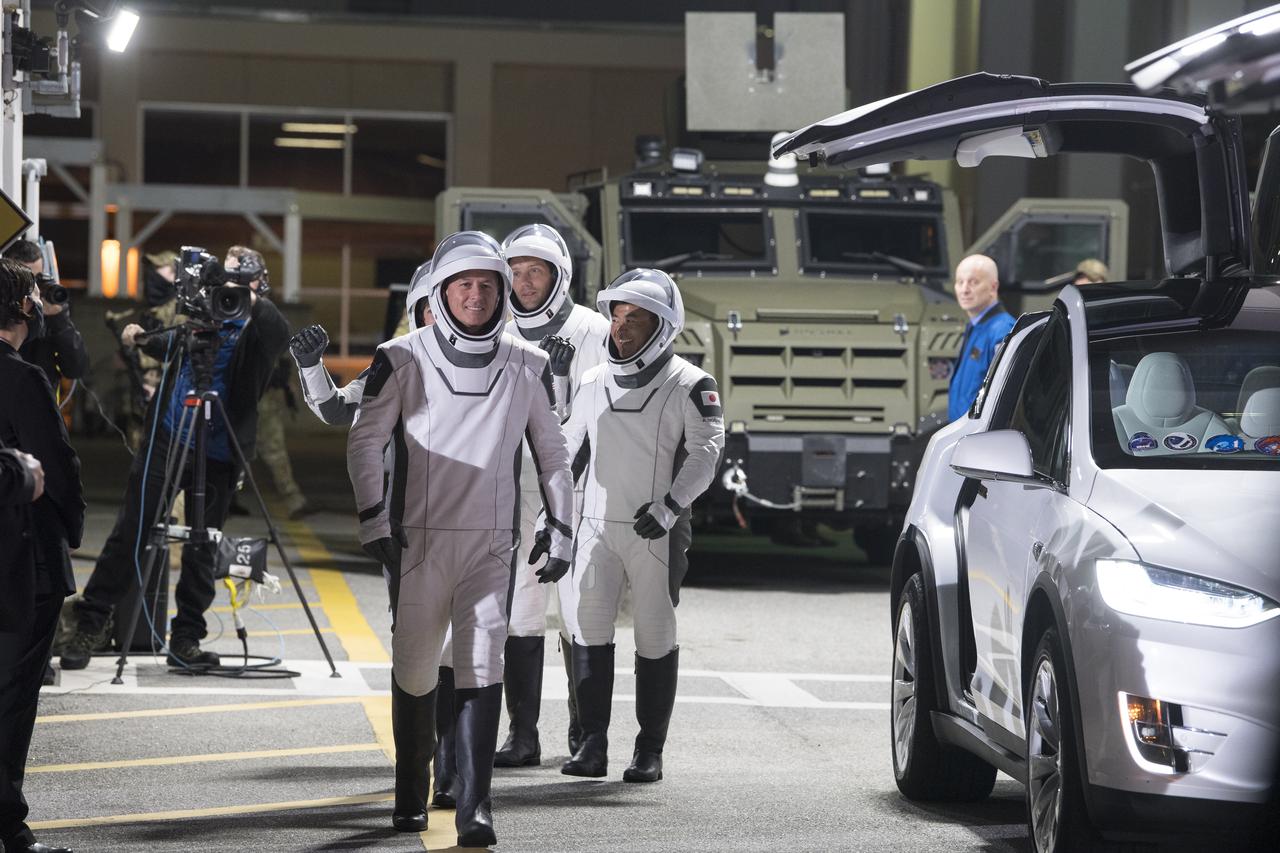
NASA astronauts Shane Kimbrough, front, Japan Aerospace Exploration Agency (JAXA) astronaut Akihiko Hoshide, second, and ESA (European Space Agency) astronaut Thomas Pesquet, back, wearing SpaceX spacesuits, are seen as they prepare to depart the Neil A. Armstrong Operations and Checkout Building for Launch Complex 39A to board the SpaceX Crew Dragon spacecraft for the Crew-2 mission launch, Friday, April 23, 2021, at NASA’s Kennedy Space Center in Florida. NASA’s SpaceX Crew-2 mission is the second crew rotation mission of the SpaceX Crew Dragon spacecraft and Falcon 9 rocket to the International Space Station as part of the agency’s Commercial Crew Program. Kimbrough, McArthur, Pesquet, and Hoshide are scheduled to launch at 5:49 a.m. EDT. Photo Credit: (NASA/Aubrey Gemignani)
NASA astronauts Mike Hopkins, Victor Glover, Shannon Walker, and Japan Aerospace Exploration Agency (JAXA) astronaut Soichi Noguchi, wearing SpaceX spacesuits, are seen as they prepare to depart the Neil A. Armstrong Operations and Checkout Building for Launch Complex 39A during a dress rehearsal prior to the Crew-1 mission launch, Thursday, Nov. 12, 2020, at NASA’s Kennedy Space Center in Florida. NASA’s SpaceX Crew-1 mission is the first operational mission of the SpaceX Crew Dragon spacecraft and Falcon 9 rocket to the International Space Station as part of the agency’s Commercial Crew Program. NASA astronauts Mike Hopkins, Victor Glover, and Shannon Walker, and astronaut Soichi Noguchi of the Japan Aerospace Exploration Agency (JAXA) are scheduled to launch at 7:49 p.m. EST on Saturday, Nov. 14, from Launch Complex 39A at the Kennedy Space Center. Photo Credit: (NASA/Joel Kowsky)
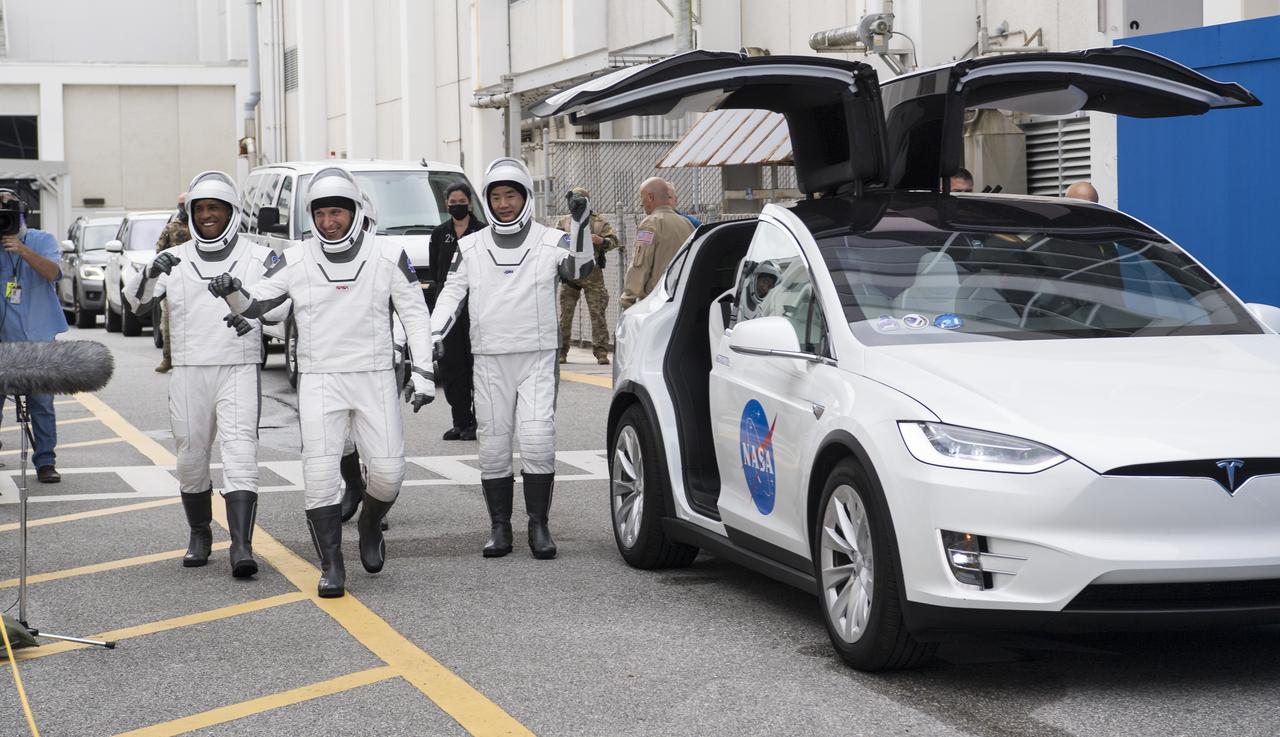
NASA astronauts Mike Hopkins, Victor Glover, Shannon Walker, and Japan Aerospace Exploration Agency (JAXA) astronaut Soichi Noguchi, wearing SpaceX spacesuits, are seen as they prepare to depart the Neil A. Armstrong Operations and Checkout Building for Launch Complex 39A during a dress rehearsal prior to the Crew-1 mission launch, Thursday, Nov. 12, 2020, at NASA’s Kennedy Space Center in Florida. NASA’s SpaceX Crew-1 mission is the first operational mission of the SpaceX Crew Dragon spacecraft and Falcon 9 rocket to the International Space Station as part of the agency’s Commercial Crew Program. NASA astronauts Mike Hopkins, Victor Glover, and Shannon Walker, and astronaut Soichi Noguchi of the Japan Aerospace Exploration Agency (JAXA) are scheduled to launch at 7:49 p.m. EST on Saturday, Nov. 14, from Launch Complex 39A at the Kennedy Space Center. Photo Credit: (NASA/Joel Kowsky)

The STS-88 crew gather for the traditional pre-launch breakfast in the Operations and Checkout Building. From left to right are Mission Specialists Jerry L. Ross and Nancy J. Currie, Commander Robert D. Cabana, Pilot Frederick W. "Rick" Sturckow, and Mission Specialists James H. Newman and Sergei Konstantinovich Krikalev, a Russian cosmonaut. Mission STS-88 is expected to launch at 3:56 a.m. EST aboard Space Shuttle Endeavour on Dec. 3. Endeavour carries the Unity connecting module, which the crew will be mating with the Russian-built Zarya control module already on orbit. In addition to Unity, two small replacement electronics boxes are on board for possible repairs to Zarya batteries. The mission is expected to last 11 days, 19 hours and 49 minutes, landing at 10:17 p.m. EST on Dec. 14
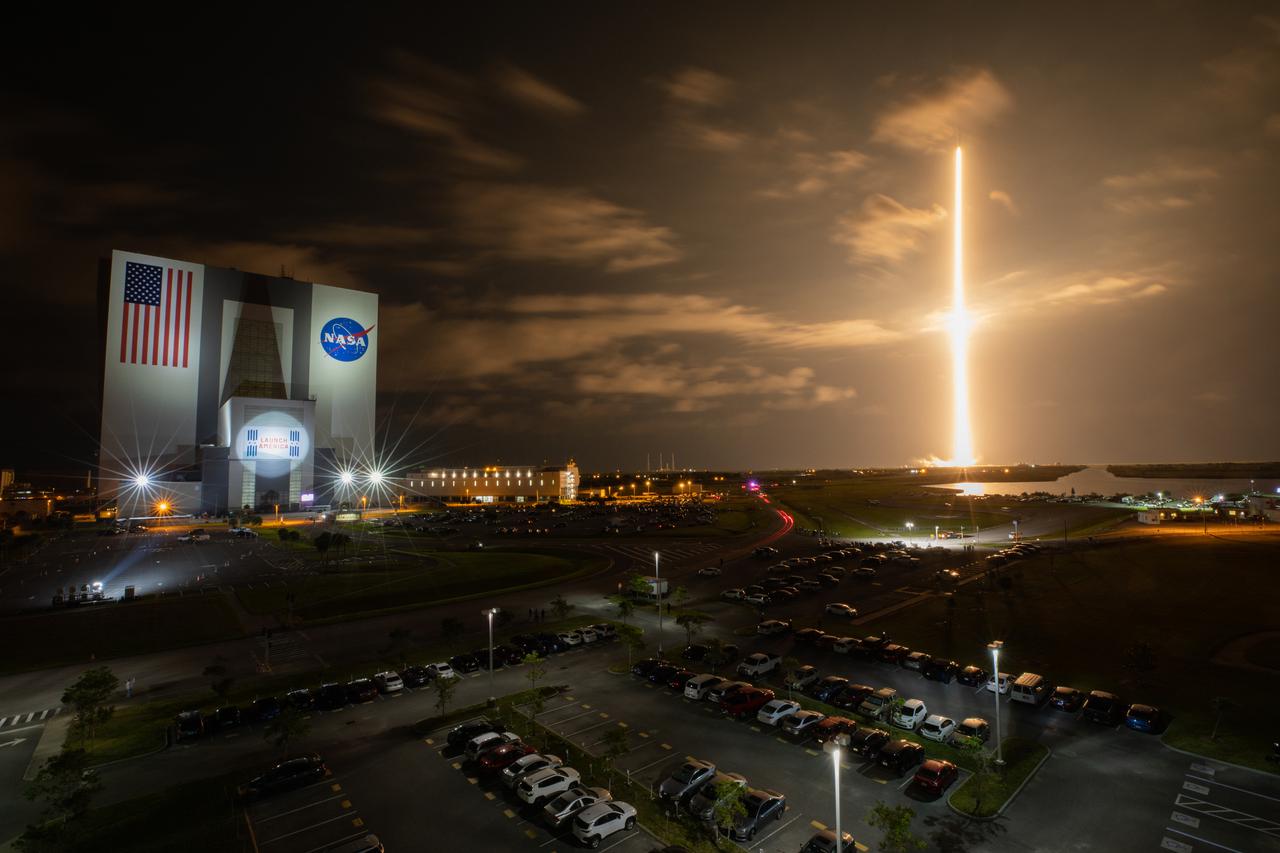
With a view of the iconic Vehicle Assembly Building at left, a SpaceX Falcon 9 rocket soars upward from Launch Complex 39A at NASA’s Kennedy Space Center in Florida on April 23, 2021, carrying the company’s Crew Dragon Endeavour capsule. Launch time was at 5:49 a.m. EDT. Onboard the capsule are NASA astronaut Shane Kimbrough, spacecraft commander; NASA astronaut Megan McArthur, pilot; ESA astronaut Thomas Pesquet, mission specialist; and JAXA astronaut Akihiko Hoshide, mission specialist. Crew-2 is the second regular crew mission of a U.S. commercial spacecraft with astronauts to the International Space Station as part of NASA’s Commercial Crew Program. The Crew Dragon will dock with the space station Saturday, April 24, at 5:10 a.m., and the crew will remain on the orbiting laboratory for a six-month science mission.
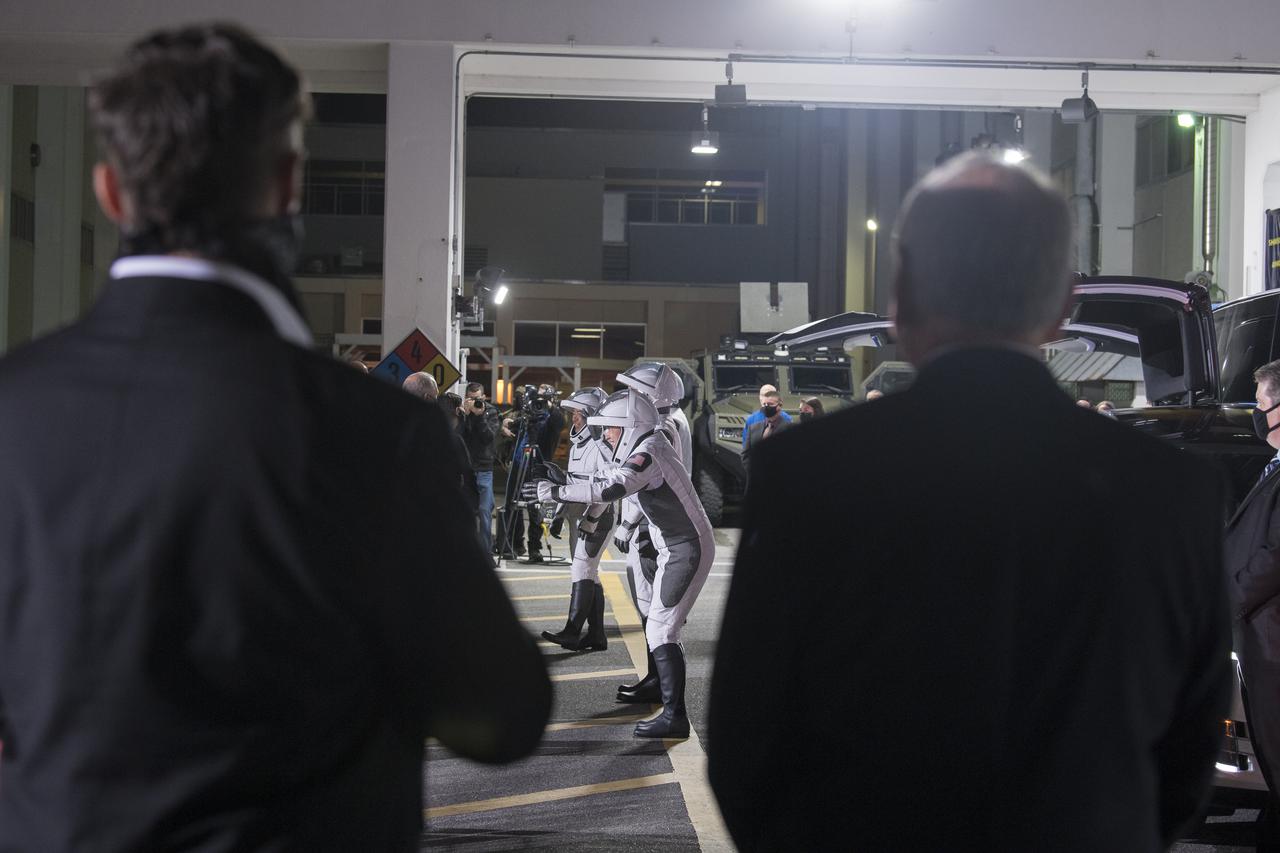
SpaceX Chief Engineer Elon Musk, left, and Acting NASA Administrator Steve Jurczyk, right, watch as ESA (European Space Agency) astronaut Thomas Pesquet, Japan Aerospace Exploration Agency (JAXA) astronaut Akihiko Hoshide, and NASA astronauts Shane Kimbrough and Megan McArthur, prepare to depart the Neil A. Armstrong Operations and Checkout Building for Launch Complex 39A to board the SpaceX Crew Dragon spacecraft for the Crew-2 mission launch, Friday, April 23, 2021, at NASA’s Kennedy Space Center in Florida. NASA’s SpaceX Crew-2 mission is the second crew rotation mission of the SpaceX Crew Dragon spacecraft and Falcon 9 rocket to the International Space Station as part of the agency’s Commercial Crew Program. Kimbrough, McArthur, Pesquet, and Hoshide are scheduled to launch at 5:49 a.m. EDT. Photo Credit: (NASA/Aubrey Gemignani)
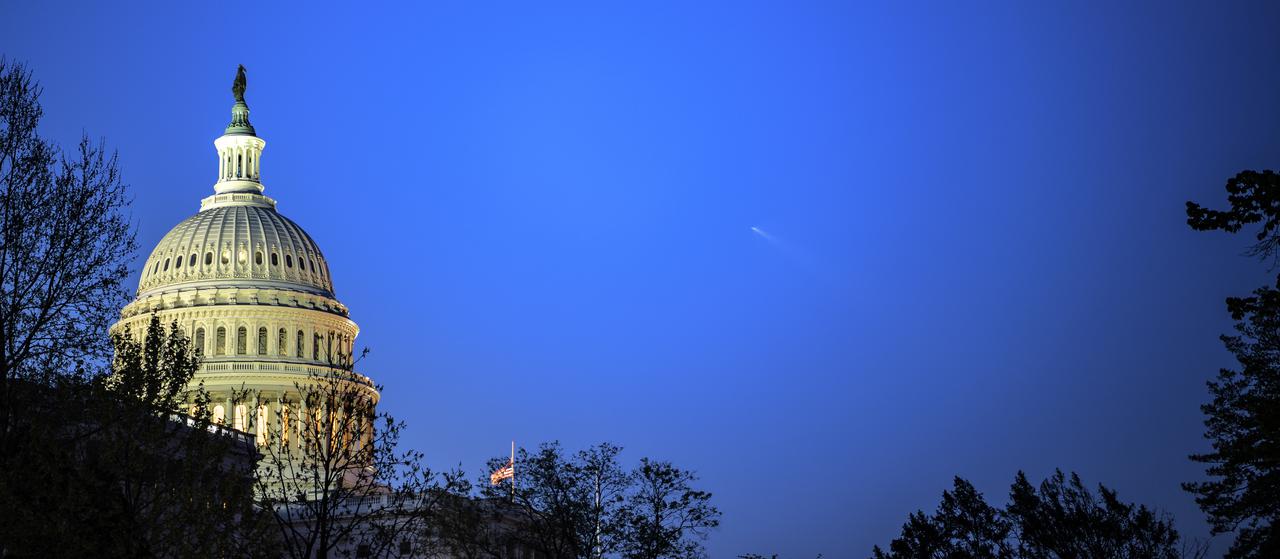
A SpaceX Falcon 9 rocket carrying the company's Crew Dragon spacecraft is seen to the right of the U.S. Capitol Building in Washington as it is launches NASA’s SpaceX Crew-2 mission to the International Space Station with NASA astronauts Shane Kimbrough and Megan McArthur, ESA (European Space Agency) astronaut Thomas Pesquet, and Japan Aerospace Exploration Agency (JAXA) astronaut Akihiko Hoshide onboard, Friday, April 23, 2021, from Cape Canaveral, Florida. NASA’s SpaceX Crew-2 mission is the second crew rotation mission of the SpaceX Crew Dragon spacecraft and Falcon 9 rocket to the International Space Station as part of the agency’s Commercial Crew Program. Kimbrough, McArthur, Pesquet, and Hoshide launched at 5:49 a.m. EDT from Launch Complex 39A at the Kennedy Space Center to begin a six month mission onboard the orbital outpost. Photo Credit: (NASA/Bill Ingalls)
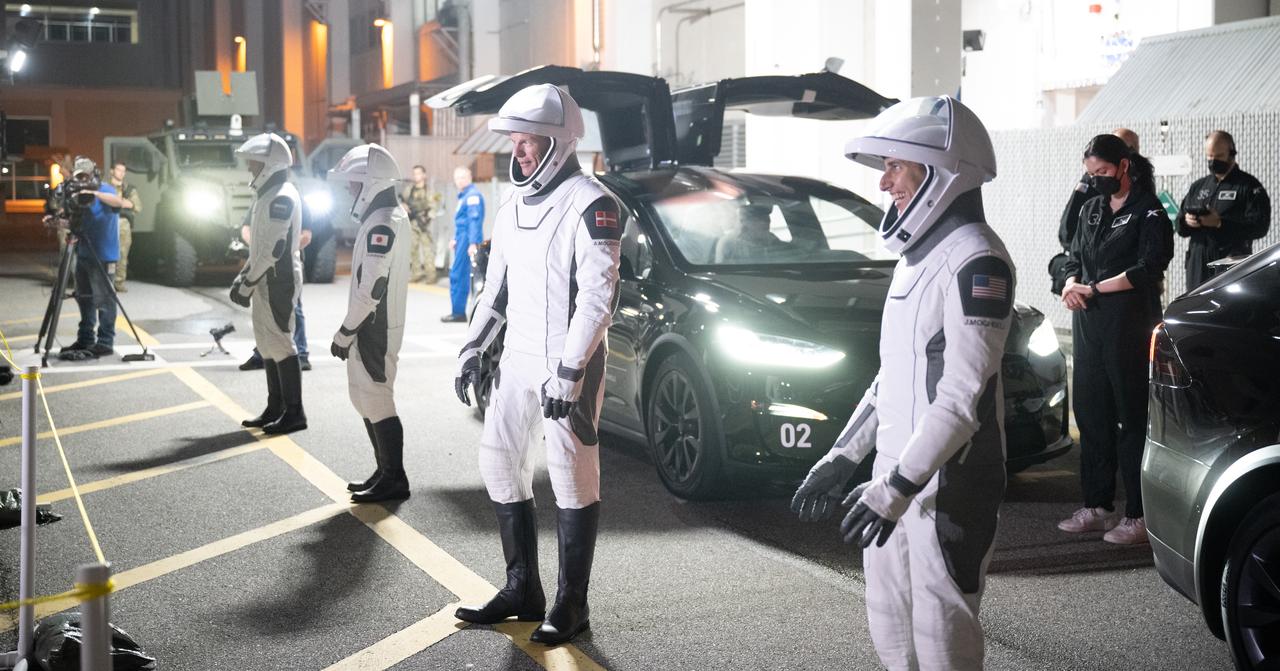
NASA astronaut Jasmin Moghbeli, right, ESA (European Space Agency) astronaut Andreas Mogensen, Japan Aerospace Exploration Agency (JAXA) astronaut Satoshi Furukawa, and Roscosmos cosmonaut Konstantin Borisov, wearing SpaceX spacesuits, are seen as they prepare to depart the Neil A. Armstrong Operations and Checkout Building for Launch Complex 39A during a dress rehearsal prior to the Crew-7 mission launch, Tuesday, Aug. 22, 2023, at NASA’s Kennedy Space Center in Florida. NASA’s SpaceX Crew-7 mission is the seventh crew rotation mission of the SpaceX Dragon spacecraft and Falcon 9 rocket to the International Space Station as part of the agency’s Commercial Crew Program. Moghbeli, Mogensen, Furukawa, and Borisov are scheduled to launch at 3:49 a.m. EDT on Friday, August 25, from Launch Complex 39A at the Kennedy Space Center. Photo Credit: (NASA/Joel Kowsky)
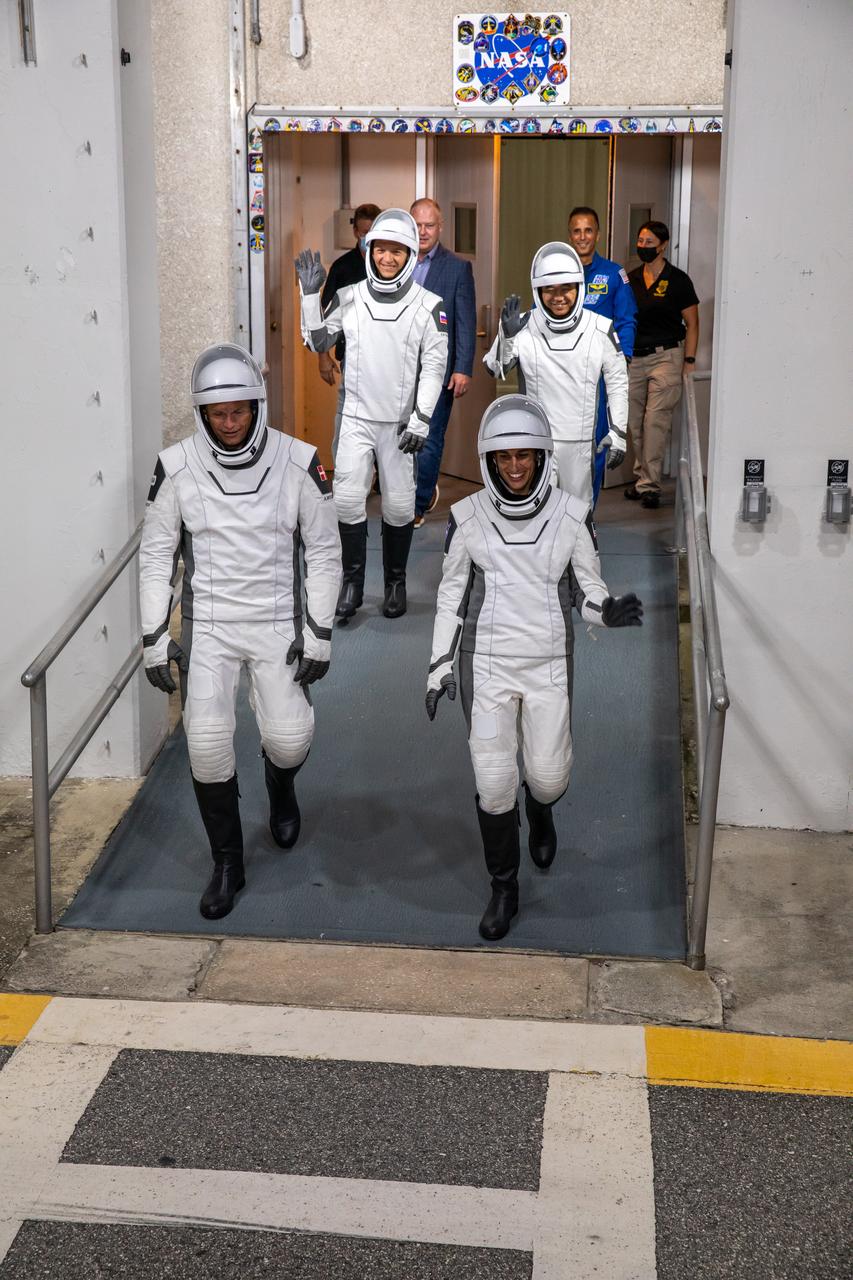
NASA’s SpaceX Crew-7 crew members walk out of the Neil A. Armstrong Operations and Checkout Building on Tuesday, Aug. 22, 2023, at the agency’s Kennedy Space Center in Florida. They were participating in a countdown dress rehearsal to prepare for the upcoming mission launch. From left (front to back) are ESA (European Space Agency) astronaut Andreas Mogensen, NASA astronaut Jasmin Moghbeli, Roscosmos cosmonaut Konstantin Borisov, and JAXA (Japan Aerospace Exploration Agency) astronaut Satoshi Furukawa. The crew will launch to the International Space Station aboard SpaceX’s Dragon spacecraft on the company’s Falcon 9 rocket. Liftoff is targeted for 3:49 a.m. EDT Friday, Aug. 25, 2023, from Kennedy’s Launch Complex 39A.
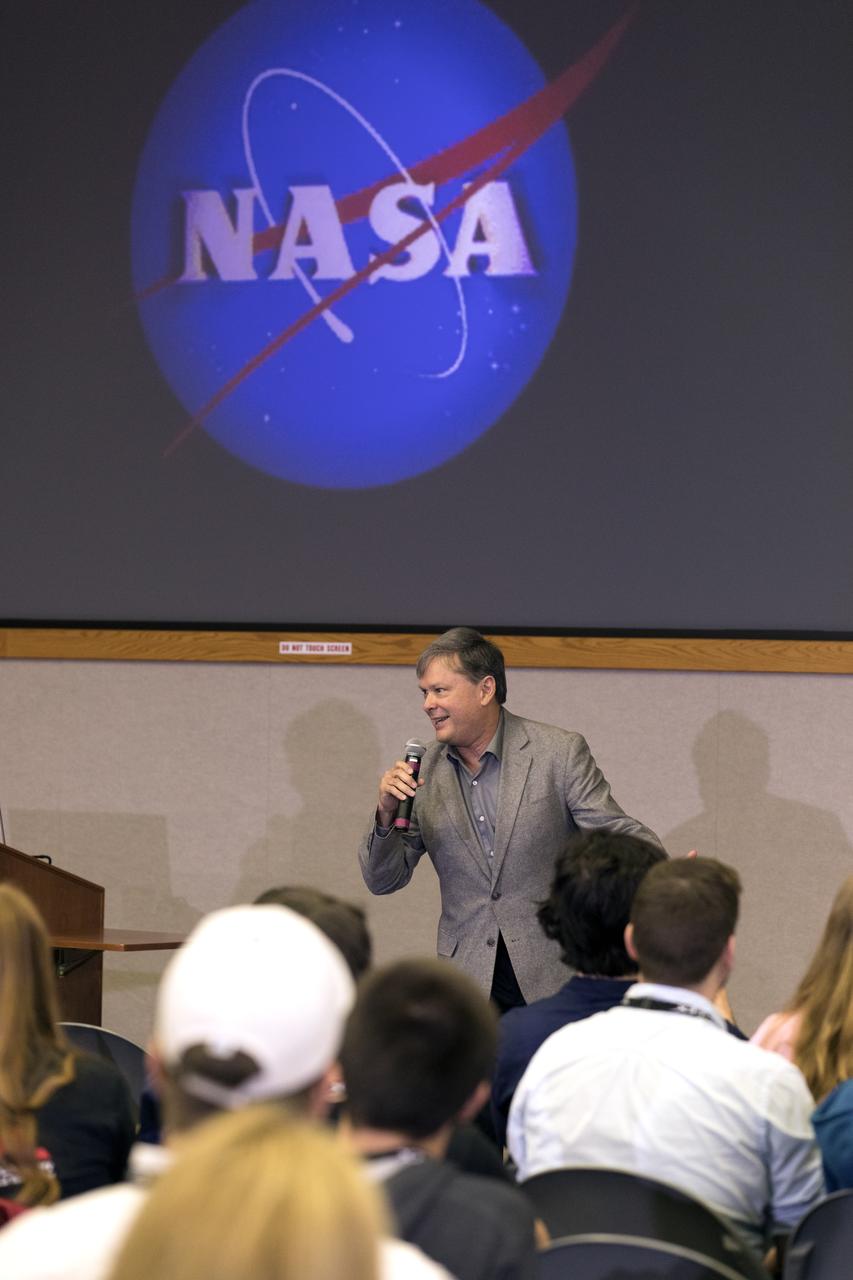
David Brady, ISS assistant program scientist, speaks to members of the media Thursday, Feb. 28, in the Kennedy Space Center’s Mission Briefing Room of the Neil Armstrong Operations and Checkout Building. The briefing focused on launch of the SpaceX Demo-1 Commercial Crew Program mission to the International Space Station. The inaugural flight of the Crew Dragon, known as Demo-1, will be uncrewed, lifting off atop a SpaceX Falcon 9 rocket from Launch Complex 39A at Kennedy Saturday, March 2, at 2:49 a.m. EST. The mission is designed to validate end-to-end systems and capabilities, leading to certification to fly crew. NASA has worked with SpaceX and Boeing in developing the CCP spacecraft to facilitate new human spaceflight systems launching from U.S. soil with the goal of safe, reliable and cost-effective access to low-Earth orbit destinations such as the space station.
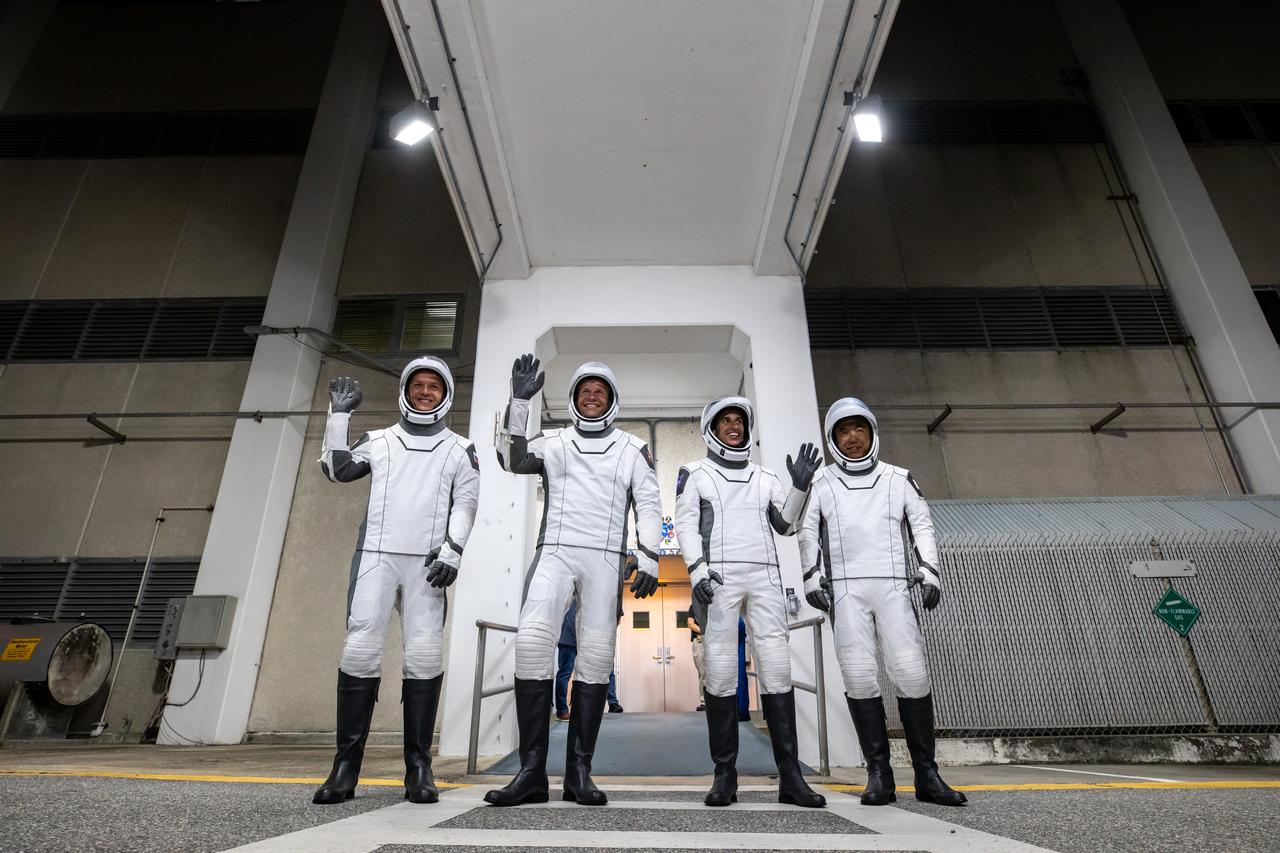
NASA’s SpaceX Crew-7 crew members stand outside of the Neil A. Armstrong Operations and Checkout Building on Tuesday, Aug. 22, 2023, at the agency’s Kennedy Space Center in Florida. They were participating in a countdown dress rehearsal to prepare for the upcoming mission launch. From left are Roscosmos cosmonaut Konstantin Borisov, ESA (European Space Agency) astronaut Andreas Mogensen, NASA astronaut Jasmin Moghbeli, and JAXA (Japan Aerospace Exploration Agency) astronaut Satoshi Furukawa. The crew will launch to the International Space Station aboard SpaceX’s Dragon spacecraft on the company’s Falcon 9 rocket. Liftoff is targeted for 3:49 a.m. EDT Friday, Aug. 25, 2023, from Kennedy’s Launch Complex 39A.
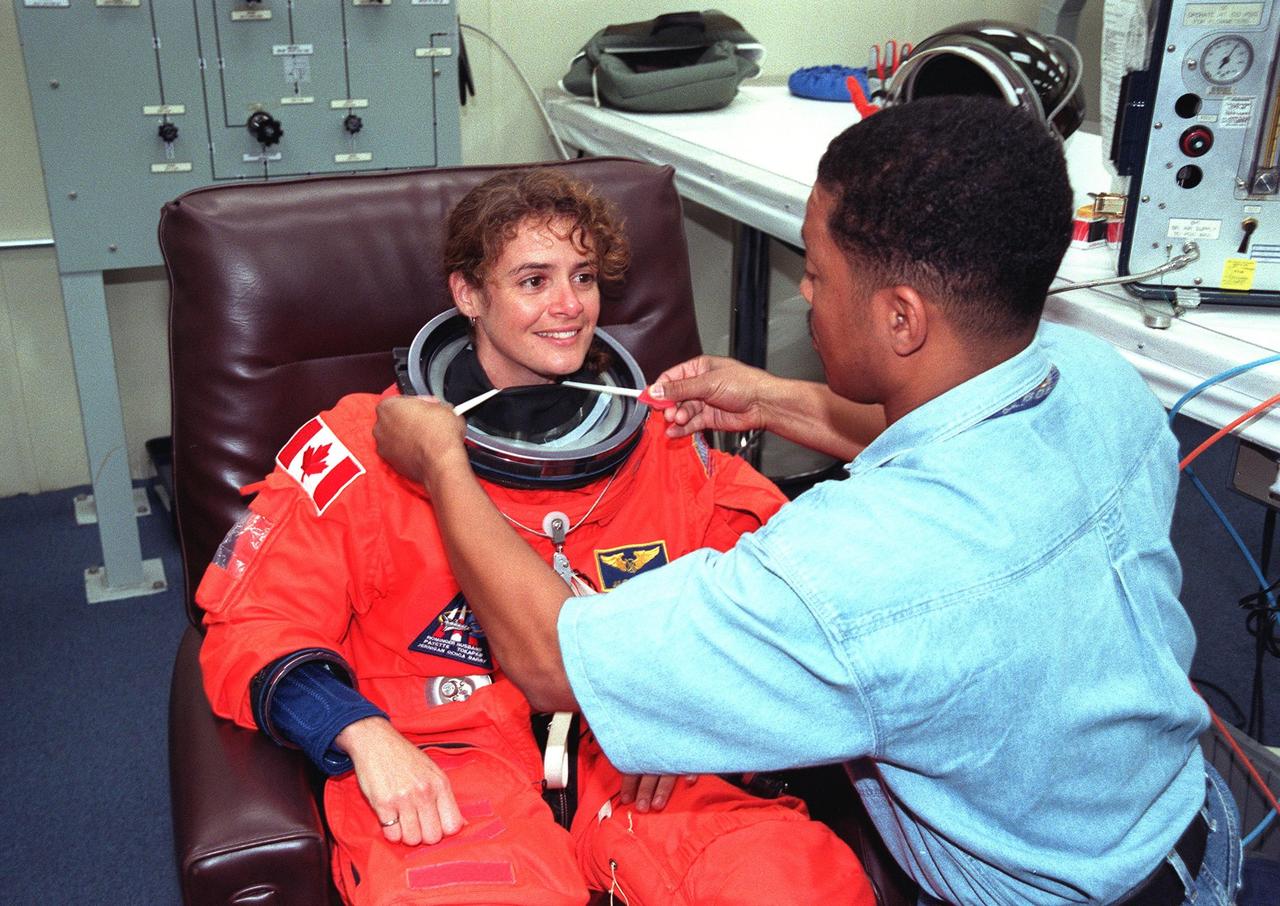
In the Operations and Checkout Building, STS-96 Mission Specialist Julie Payette is assisted by a suit technician in donning her launch and entry suit during final launch preparations. Payette is with the Canadian Space Agency. STS-96 is a 10-day logistics and resupply mission for the International Space Station, carrying about 4,000 pounds of supplies, to be stored aboard the station for use by future crews, including laptop computers, cameras, tools, spare parts, and clothing. The mission also includes such payloads as a Russian crane, the Strela; a U.S.-built crane; the Spacehab Oceaneering Space System Box (SHOSS), a logistics items carrier; and STARSHINE, a student-involved experiment. It will include a space walk to attach the cranes to the outside of the ISS for use in future construction.. Space Shuttle Discovery is due to launch today at 6:49 a.m. EDT. Landing is expected at the SLF on June 6 about 1:58 a.m. EDT
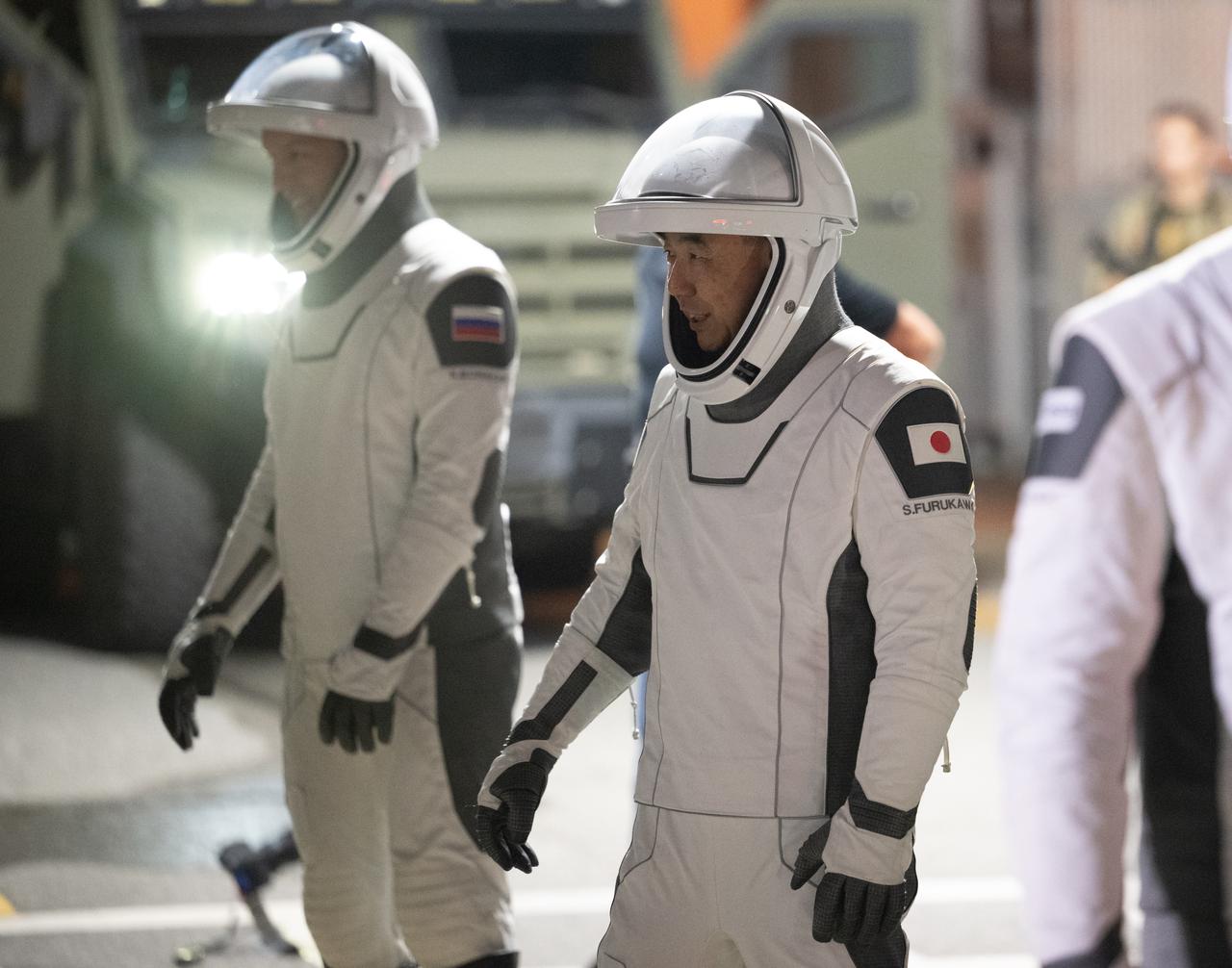
(JAXA) astronaut Satoshi Furukawa and Roscosmos cosmonaut Konstantin Borisov, wearing SpaceX spacesuits, are seen as they prepare to depart the Neil A. Armstrong Operations and Checkout Building along with fellow crewmates NASA astronaut Jasmin Moghbeli and ESA (European Space Agency) astronaut Andreas Mogensen, for Launch Complex 39A during a dress rehearsal prior to the Crew-7 mission launch, Tuesday, Aug. 22, 2023, at NASA’s Kennedy Space Center in Florida. NASA’s SpaceX Crew-7 mission is the seventh crew rotation mission of the SpaceX Dragon spacecraft and Falcon 9 rocket to the International Space Station as part of the agency’s Commercial Crew Program. Moghbeli, Mogensen, Furukawa, and Borisov are scheduled to launch at 3:49 a.m. EDT on Friday, August 25, from Launch Complex 39A at the Kennedy Space Center. Photo Credit: (NASA/Joel Kowsky)
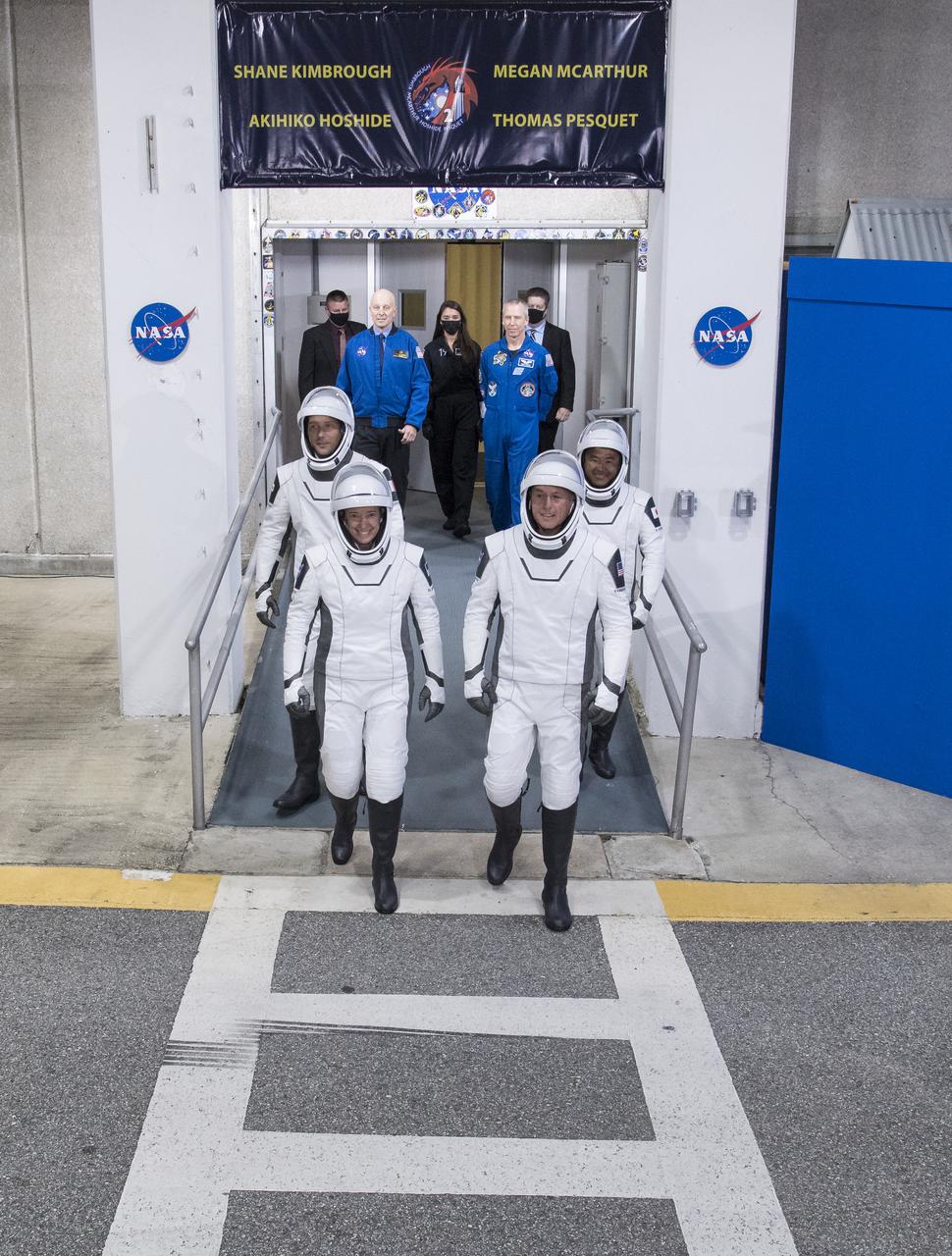
ESA (European Space Agency) astronaut Thomas Pesquet, back left, NASA astronauts Megan McArthur, front left, and Shane Kimbrough, front right, and Japan Aerospace Exploration Agency (JAXA) astronaut Akihiko Hoshide, back right, wearing SpaceX spacesuits, are seen as they prepare to depart the Neil A. Armstrong Operations and Checkout Building for Launch Complex 39A to board the SpaceX Crew Dragon spacecraft for the Crew-2 mission launch, Friday, April 23, 2021, at NASA’s Kennedy Space Center in Florida. NASA’s SpaceX Crew-2 mission is the second crew rotation mission of the SpaceX Crew Dragon spacecraft and Falcon 9 rocket to the International Space Station as part of the agency’s Commercial Crew Program. Kimbrough, McArthur, Pesquet, and Hoshide are scheduled to launch at 5:49 a.m. EDT. Photo Credit: (NASA/Aubrey Gemignani)
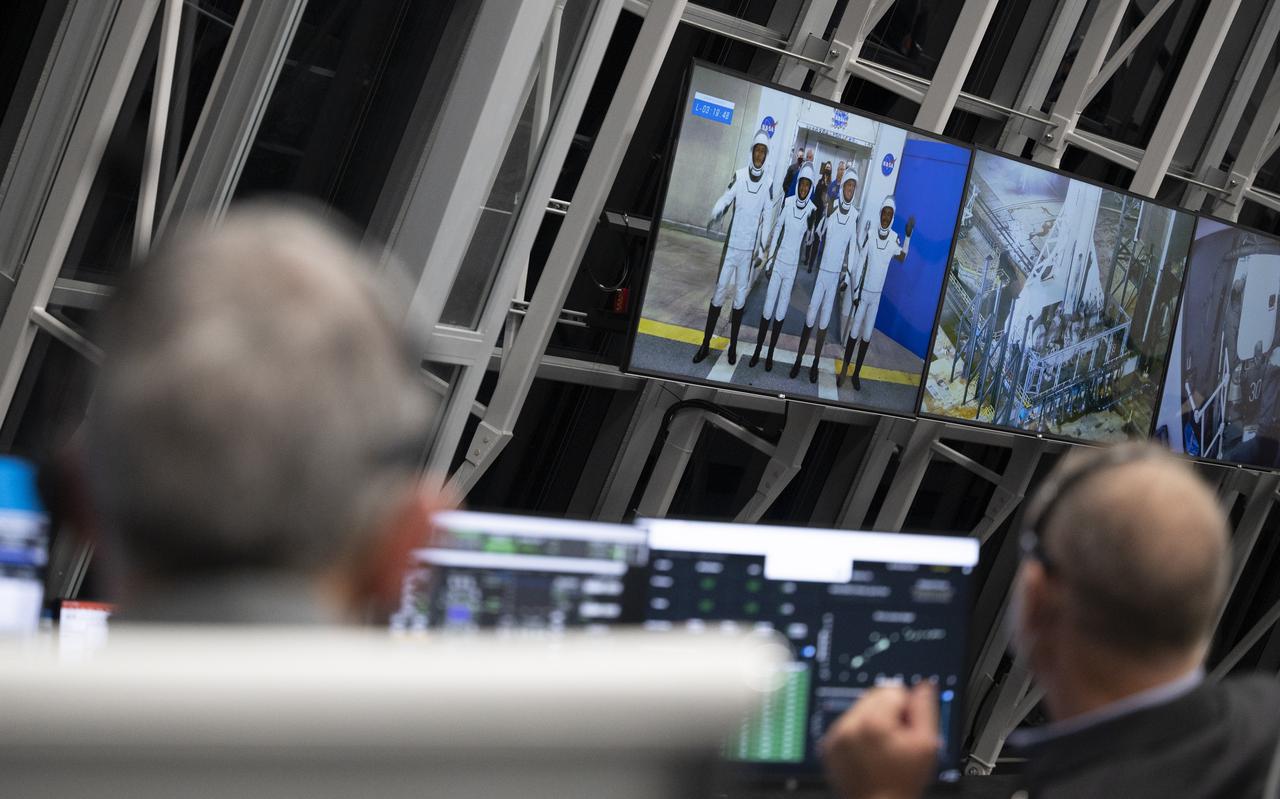
NASA astronauts Shane Kimbrough and Megan McArthur, ESA (European Space Agency) astronaut Thomas Pesquet, and Japan Aerospace Exploration Agency (JAXA) astronaut Akihiko Hoshide are seen on a monitor inside firing room four of the Launch Control Center as they’ve walkout of the Neil A. Armstrong Operations and Checkout Building, Friday, April 23, 2021, at NASA’s Kennedy Space Center in Florida. NASA’s SpaceX Crew-2 mission is the second crew rotation mission of the SpaceX Crew Dragon spacecraft and Falcon 9 rocket to the International Space Station as part of the agency’s Commercial Crew Program. Kimbrough, McArthur, Pesquet, and Hoshide launched at 5:49 a.m. EDT, from Launch Complex 39A at the Kennedy Space Center. Photo Credit: (NASA/Joel Kowsky)
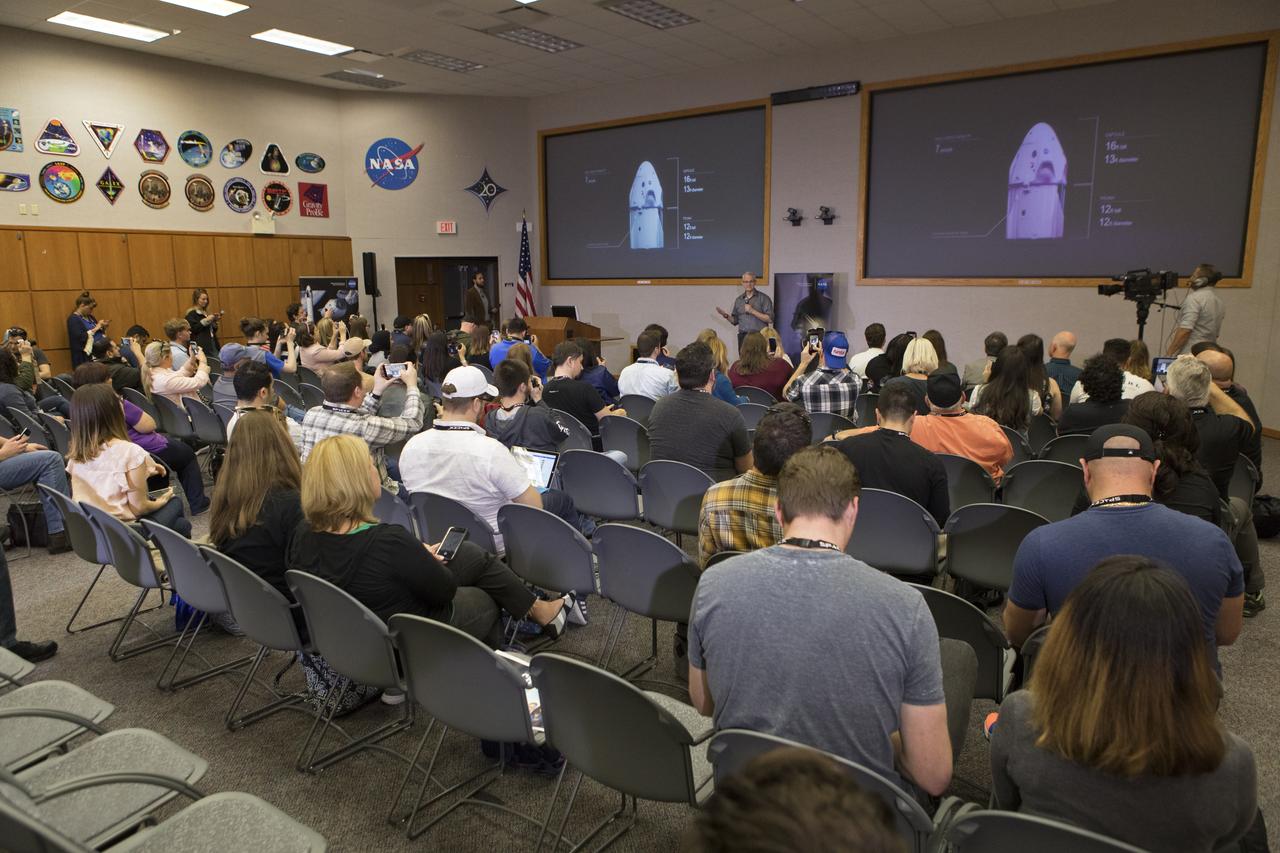
Benji Reed, director of Crew Mission Management, SpaceX, speaks to members of the media Thursday, Feb. 28, in the Kennedy Space Center’s Mission Briefing Room of the Neil Armstrong Operations and Checkout Building. The briefing focused on launch of the SpaceX Demo-1 Commercial Crew Program mission to the International Space Station. The inaugural flight of the Crew Dragon, known as Demo-1, will be uncrewed, lifting off atop a SpaceX Falcon 9 rocket from Launch Complex 39A at Kennedy Saturday, March 2, at 2:49 a.m. EST. The mission is designed to validate end-to-end systems and capabilities, leading to certification to fly crew. NASA has worked with SpaceX and Boeing in developing the CCP spacecraft to facilitate new human spaceflight systems launching from U.S. soil with the goal of safe, reliable and cost-effective access to low-Earth orbit destinations such as the space station.
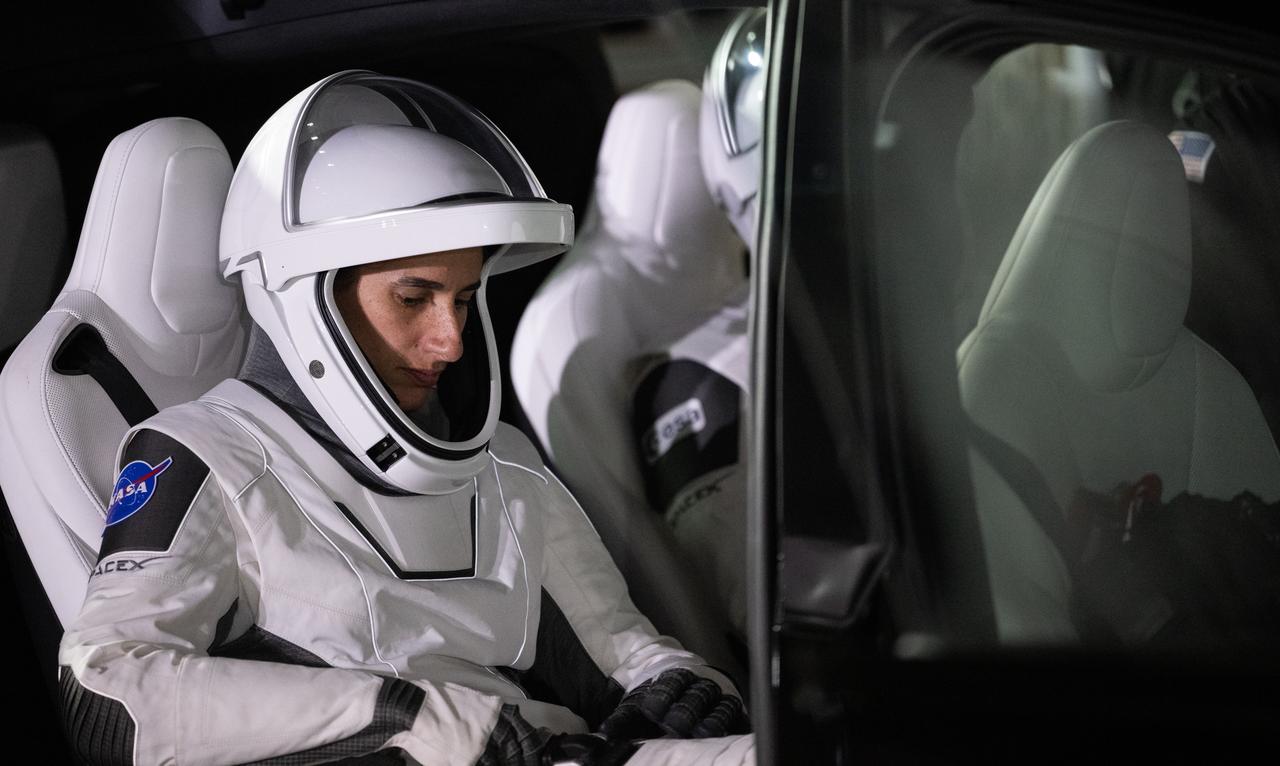
NASA astronaut Jasmin Moghbeli, is seen inside the crew transport vehicle as she and fellow crewmates ESA (European Space Agency) astronaut Andreas Mogensen, Japan Aerospace Exploration Agency (JAXA) astronaut Satoshi Furukawa, and Roscosmos cosmonaut Konstantin Borisov, prepare to depart the Neil A. Armstrong Operations and Checkout Building for Launch Complex 39A during a dress rehearsal prior to the Crew-7 mission launch, Tuesday, Aug. 22, 2023, at NASA’s Kennedy Space Center in Florida. NASA’s SpaceX Crew-7 mission is the seventh crew rotation mission of the SpaceX Dragon spacecraft and Falcon 9 rocket to the International Space Station as part of the agency’s Commercial Crew Program. Moghbeli, Mogensen, Furukawa, and Borisov are scheduled to launch at 3:49 a.m. EDT on Friday, August 25, from Launch Complex 39A at the Kennedy Space Center. Photo Credit: (NASA/Joel Kowsky)
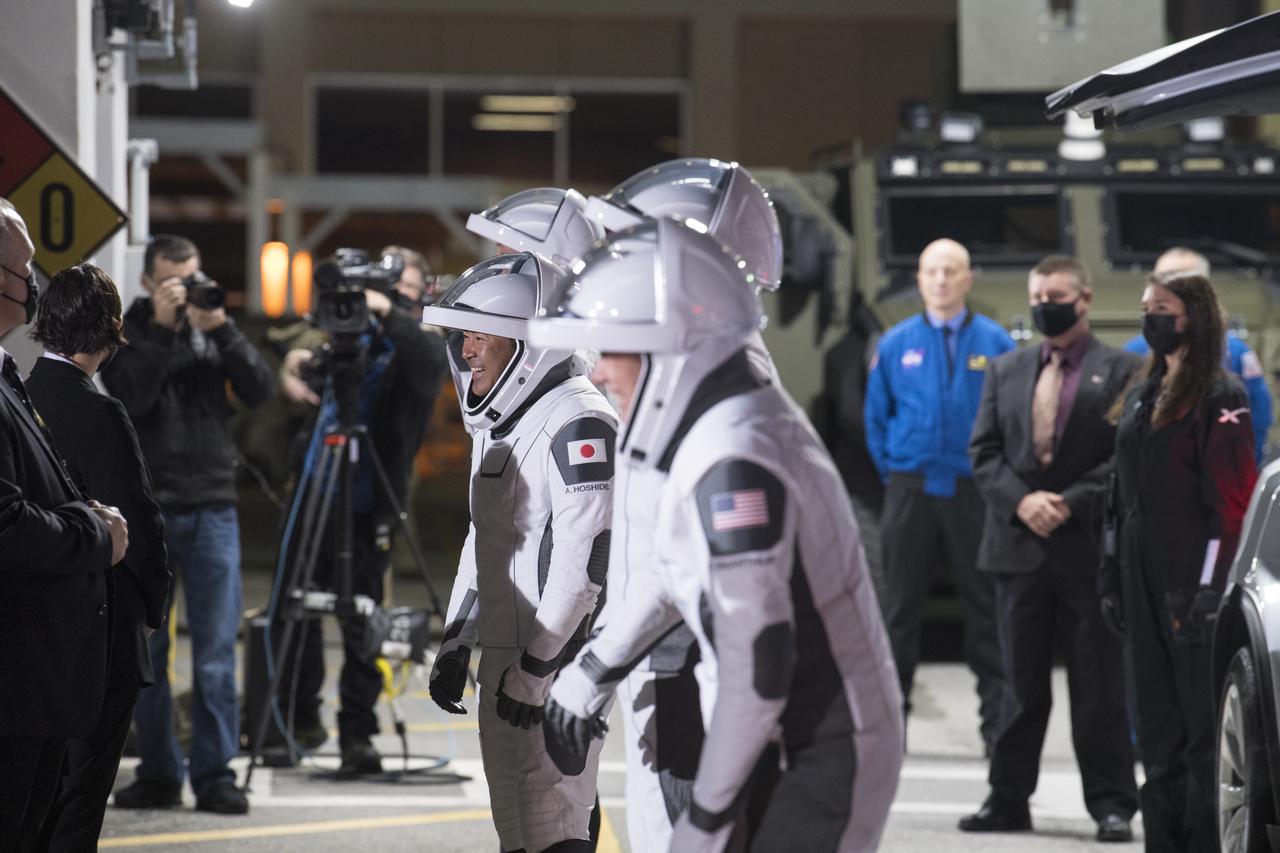
From left to right, ESA (European Space Agency) astronaut Thomas Pesquet, Japan Aerospace Exploration Agency (JAXA) astronaut Akihiko Hoshide, and NASA astronauts Shane Kimbrough and Megan McArthur, are seen as they prepare to depart the Neil A. Armstrong Operations and Checkout Building for Launch Complex 39A to board the SpaceX Crew Dragon spacecraft for the Crew-2 mission launch, Friday, April 23, 2021, at NASA’s Kennedy Space Center in Florida. NASA’s SpaceX Crew-2 mission is the second crew rotation mission of the SpaceX Crew Dragon spacecraft and Falcon 9 rocket to the International Space Station as part of the agency’s Commercial Crew Program. Kimbrough, McArthur, Pesquet, and Hoshide are scheduled to launch at 5:49 a.m. EDT. Photo Credit: (NASA/Aubrey Gemignani)
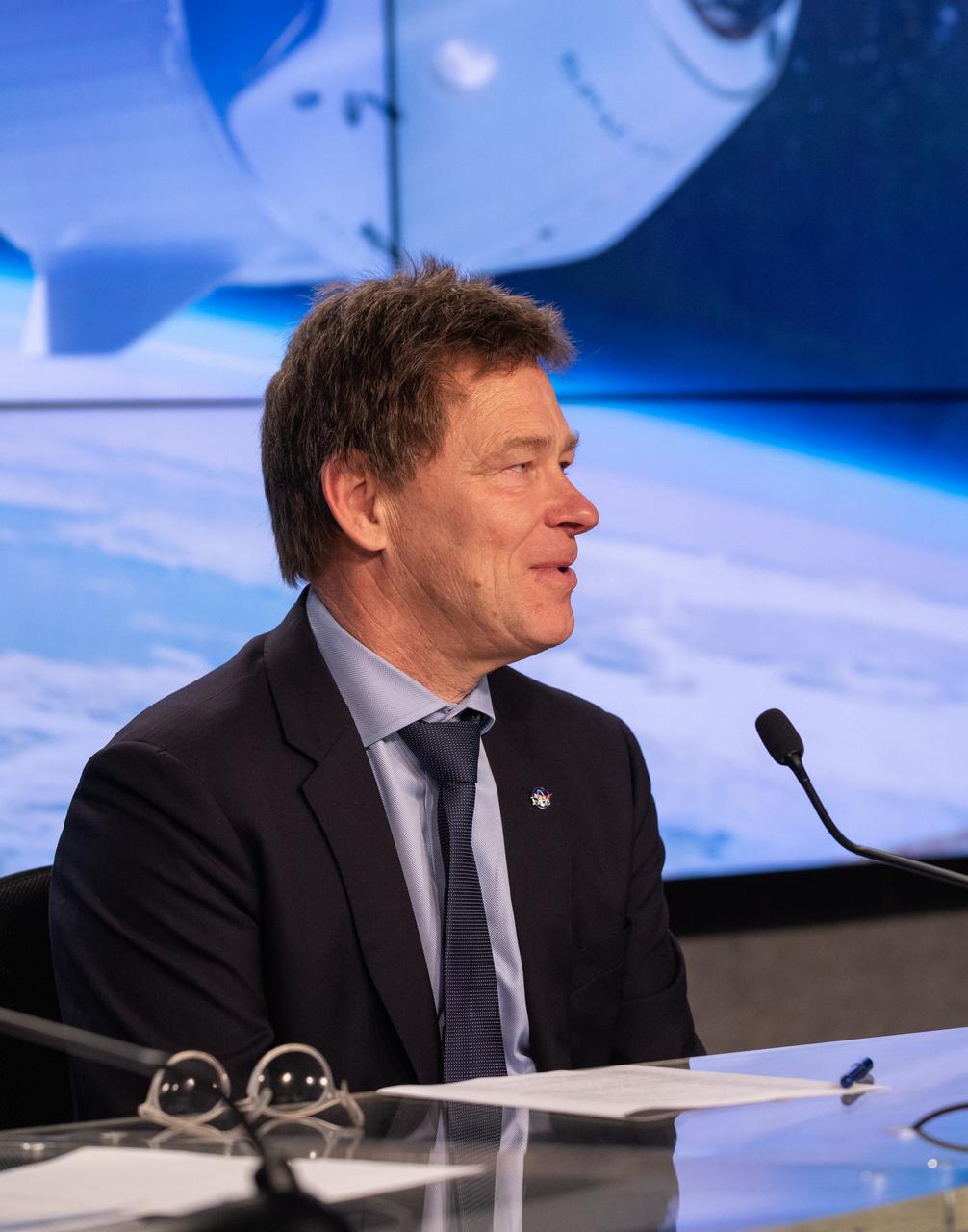
Hans Koenigsmann, vice president, Build and Flight Reliability, SpaceX, speaks to members of the media during a prelaunch news conference with NASA, SpaceX and the 45th Weather Squadron leaders Thursday, Feb. 28, prior to the Saturday, March 2 launch of the SpaceX Demo-1 Commercial Crew Program (CCP) mission to the International Space Station. The inaugural flight of the SpaceX Crew Dragon, known as Demo-1, is scheduled to lift off from Kennedy’s Launch Complex 39A Saturday at 2:49 EST. A SpaceX Falcon 9 rocket will launch the uncrewed spacecraft on a mission designed to validate end-to-end systems and capabilities, leading to certification to fly crew. NASA has worked with SpaceX and Boeing in developing the Commercial Crew Program spacecraft to facilitate new human spaceflight systems launching from U.S. soil with the goal of safe, reliable and cost-effective access to low-Earth orbit destinations, such as the International Space Station.
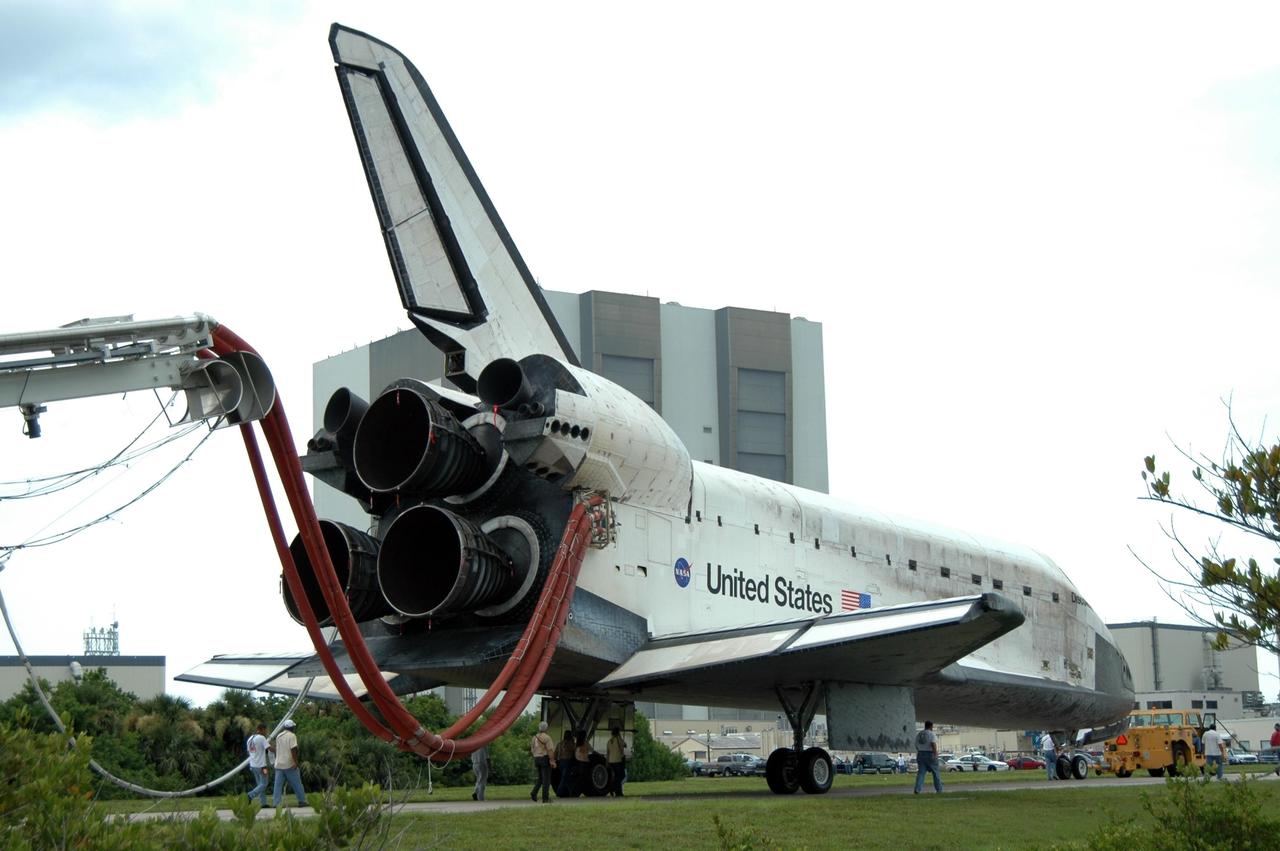
KENNEDY SPACE CENTER, FLA. - Under tow by a diesel-powered tractor, the orbiter Discovery rolls past the Vehicle Assembly Building as it travels along the two-mile tow-way to the Orbiter Processing Facility from NASA's Shuttle Landing Facility. Umbilical lines for coolant and purge air are still attached. Discovery landed at the SLF at 9:14 a.m. EDT, completing mission STS-121. Discovery traveled 5.3 million miles, landing on orbit 202. Mission elapsed time was 12 days, 18 hours, 37 minutes and 54 seconds. Main gear touchdown occurred on time at 9:14:43 EDT. Wheel stop was at 9:15:49 EDT. During the mission, the STS-121 crew tested new equipment and procedures to improve shuttle safety, and delivered supplies and made repairs to the International Space Station. Photo credit: NASA/Jim Grossmann
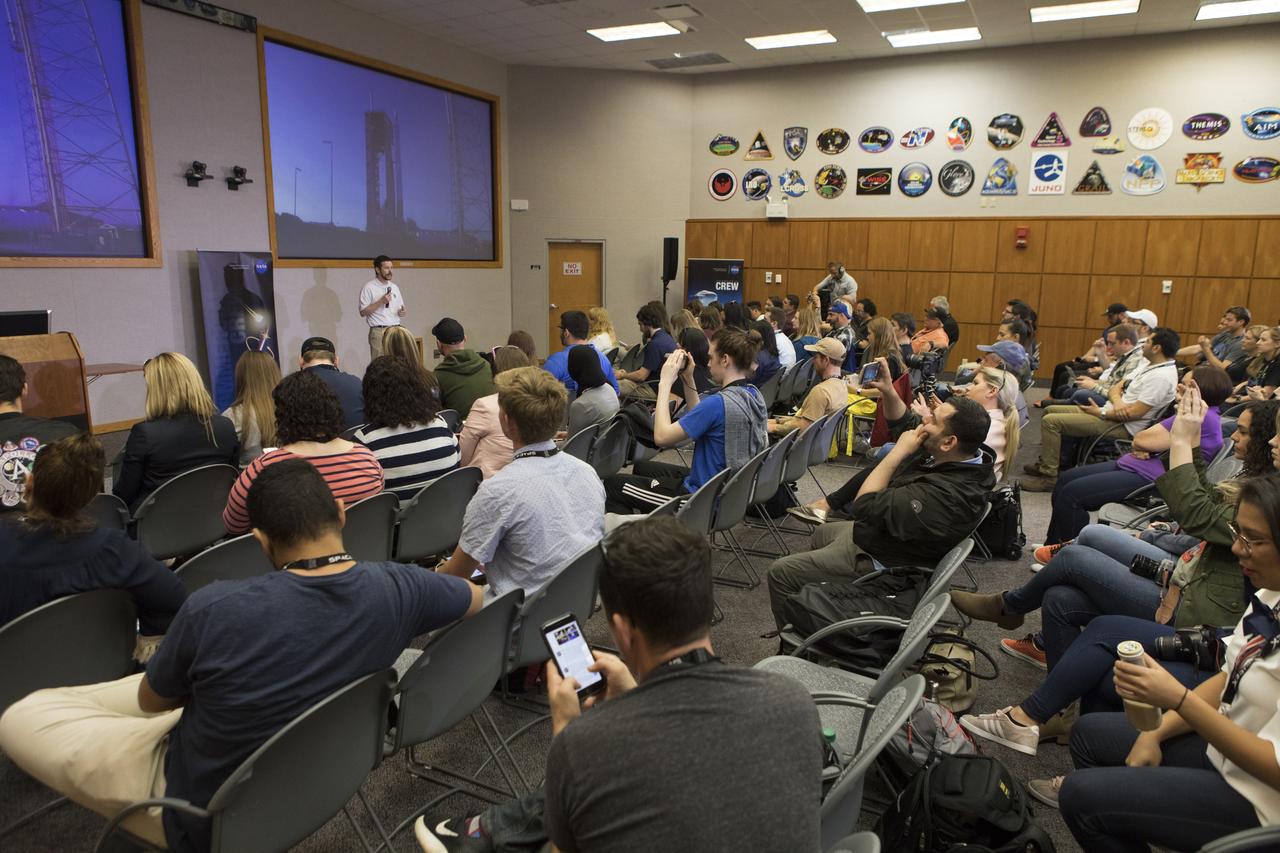
James Beahn, Launch Vehicle lead engineer, speaks to members of the media Thursday, Feb. 28, in the Kennedy Space Center’s Mission Briefing Room of the Neil Armstrong Operations and Checkout Building. The briefing focused on launch of the SpaceX Demo-1 Commercial Crew Program mission to the International Space Station. The inaugural flight of the Crew Dragon, known as Demo-1, will be uncrewed, lifting off atop a SpaceX Falcon 9 rocket from Launch Complex 39A at Kennedy Saturday, March 2, at 2:49 a.m. EST. The mission is designed to validate end-to-end systems and capabilities, leading to certification to fly crew. NASA has worked with SpaceX and Boeing in developing the CCP spacecraft to facilitate new human spaceflight systems launching from U.S. soil with the goal of safe, reliable and cost-effective access to low-Earth orbit destinations such as the space station.
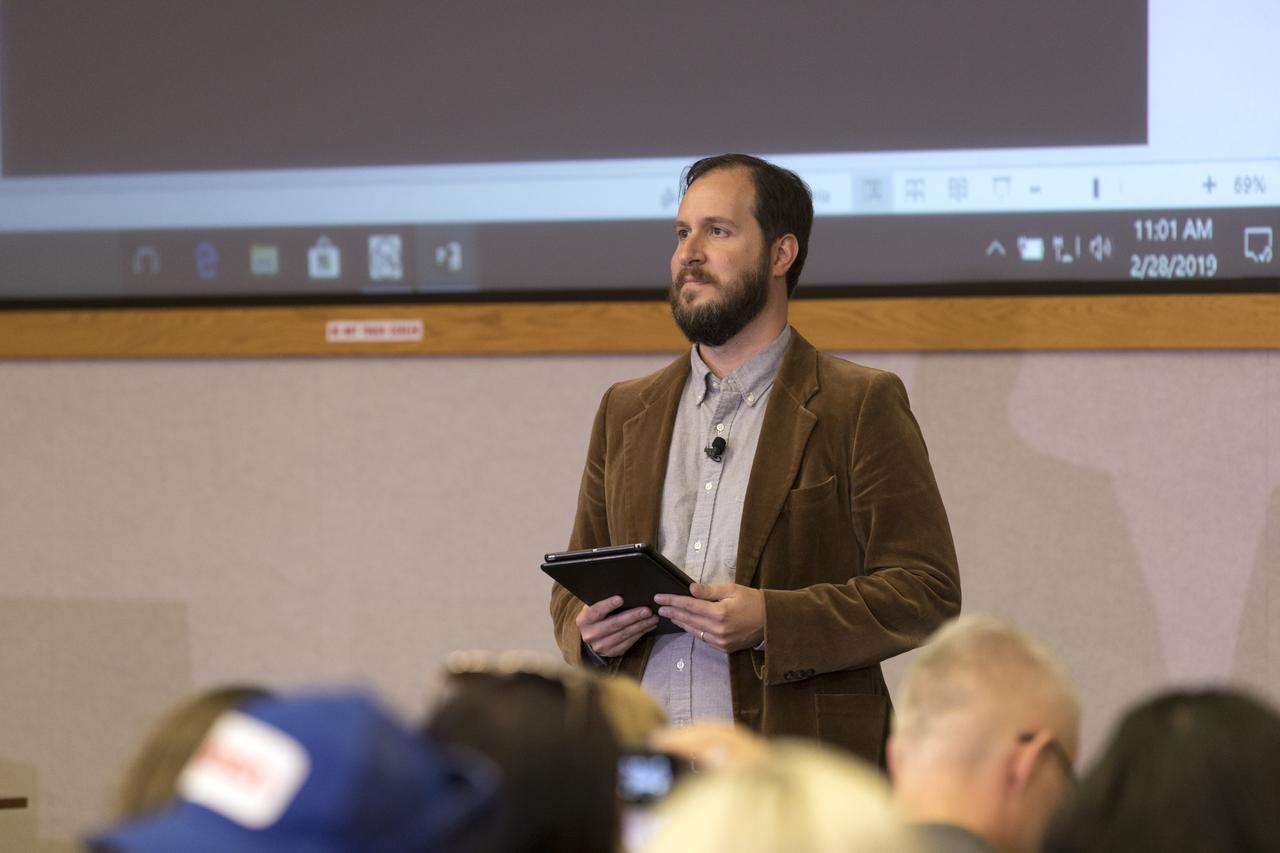
Moderator McManus Woodend, NASA Communications, speaks to members of the media Thursday, Feb. 28, in the Kennedy Space Center’s Mission Briefing Room of the Neil Armstrong Operations and Checkout Building. The briefing focused on launch of the SpaceX Demo-1 Commercial Crew Program mission to the International Space Station. The inaugural flight of the Crew Dragon, known as Demo-1, will be uncrewed, lifting off atop a SpaceX Falcon 9 rocket from Launch Complex 39A at Kennedy Saturday, March 2, at 2:49 a.m. EST. The mission is designed to validate end-to-end systems and capabilities, leading to certification to fly crew. NASA has worked with SpaceX and Boeing in developing the CCP spacecraft to facilitate new human spaceflight systems launching from U.S. soil with the goal of safe, reliable and cost-effective access to low-Earth orbit destinations such as the space station.
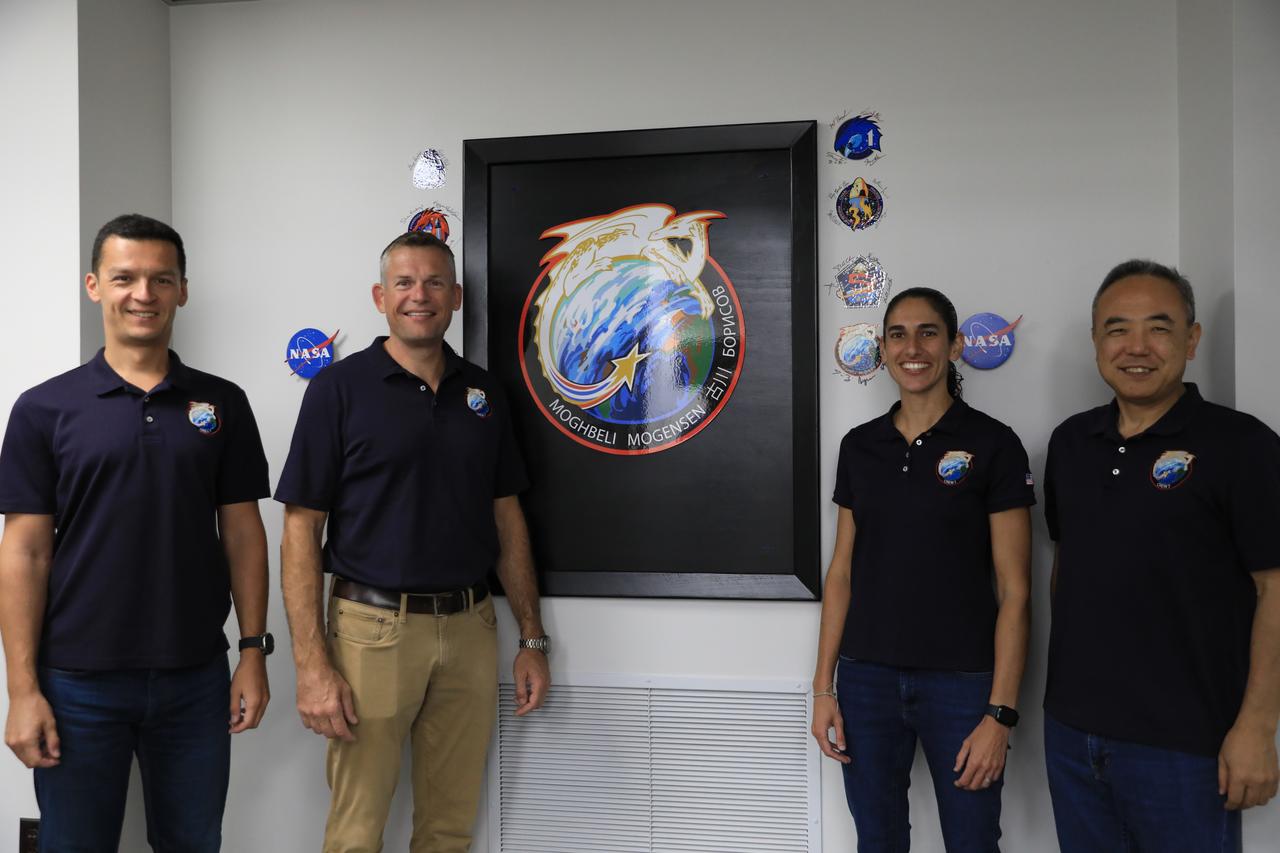
NASA’s SpaceX Crew-7 crew members participate in a countdown dress rehearsal at the agency’s Kennedy Space Center in Florida on Tuesday, Aug. 22, 2023, to prepare for the upcoming mission launch. Standing in the hallway of the Astronaut Crew Quarters inside the Neil A. Armstrong Operations and Checkout Building are, from left, Roscosmos cosmonaut Konstantin Borisov, ESA (European Space Agency) astronaut Andreas Mogensen, NASA astronaut Jasmin Moghbeli, and JAXA (Japan Aerospace Exploration Agency) astronaut Satoshi Furukawa. The crew will launch to the International Space Station aboard SpaceX’s Dragon spacecraft and Falcon 9 rocket. Liftoff is targeted for 3:49 a.m. EDT Friday, Aug. 25, 2023, from Kennedy’s Launch Complex 39A.
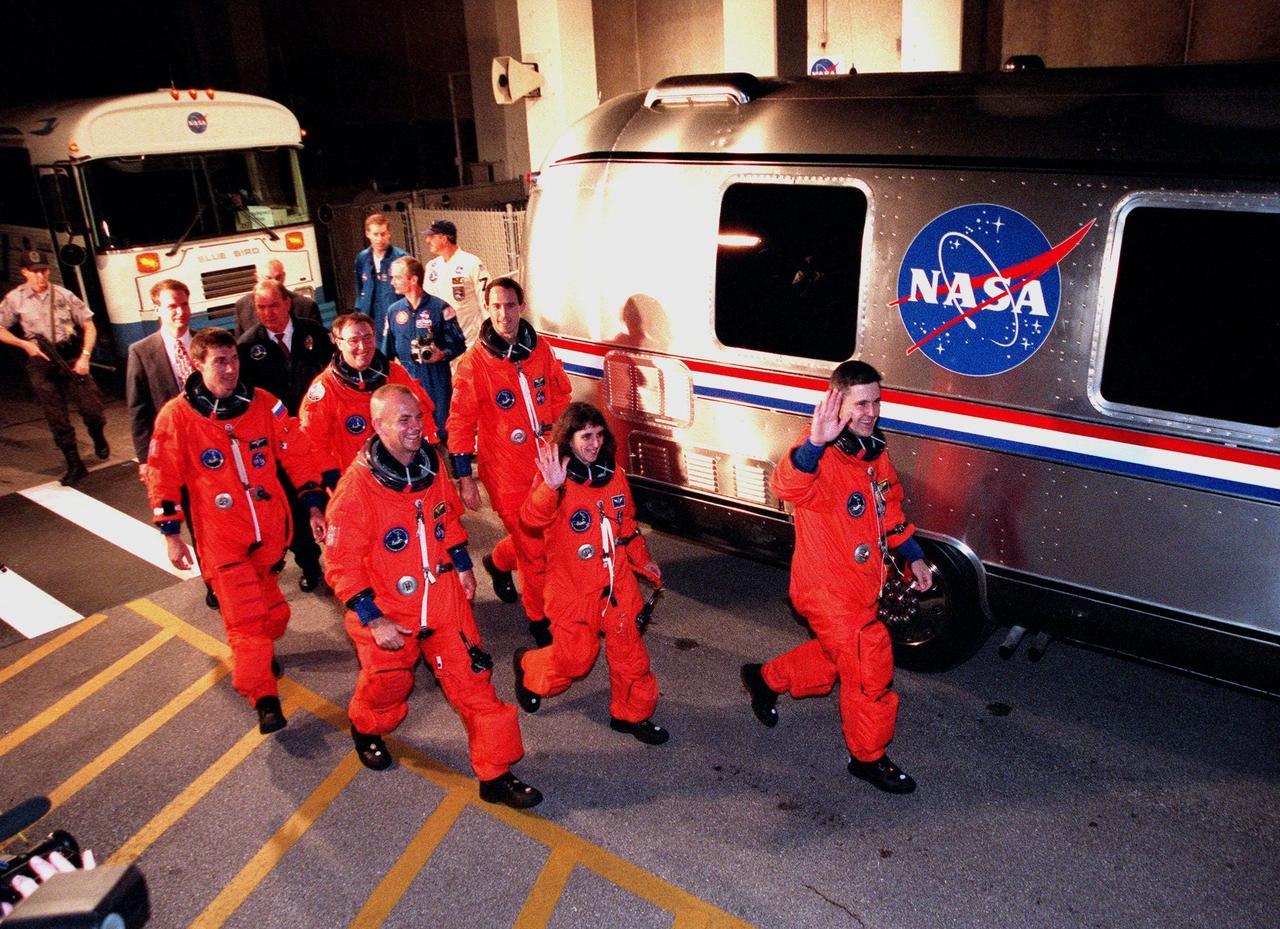
After leaving the Operations and Checkout Building, the STS-88 crew approach the Astrovan for their trip to Launch Pad 39A. In the back row are (left to right) Mission Specialist Sergei Konstantinovich Krikalev, a Russian cosmonaut, and Mission Specialists Jerry L. Ross and James H. Newman. In the front row (left to right) are Pilot Frederick W. "Rick" Sturckow, Mission Specialist Nancy J. Currie and Commander Robert D. Cabana. STS-88 is expected to launch at 3:56 a.m. EST with the six-member crew aboard Space Shuttle Endeavour on Dec. 3. Endeavour carries the Unity connecting module, which the crew will be mating with the Russian-built Zarya control module already in orbit. In addition to Unity, two small replacement electronics boxes are on board for possible repairs to Zarya batteries. The mission is expected to last 11 days, 19 hours and 49 minutes, with landing at 10:17 p.m. EST on Dec. 14
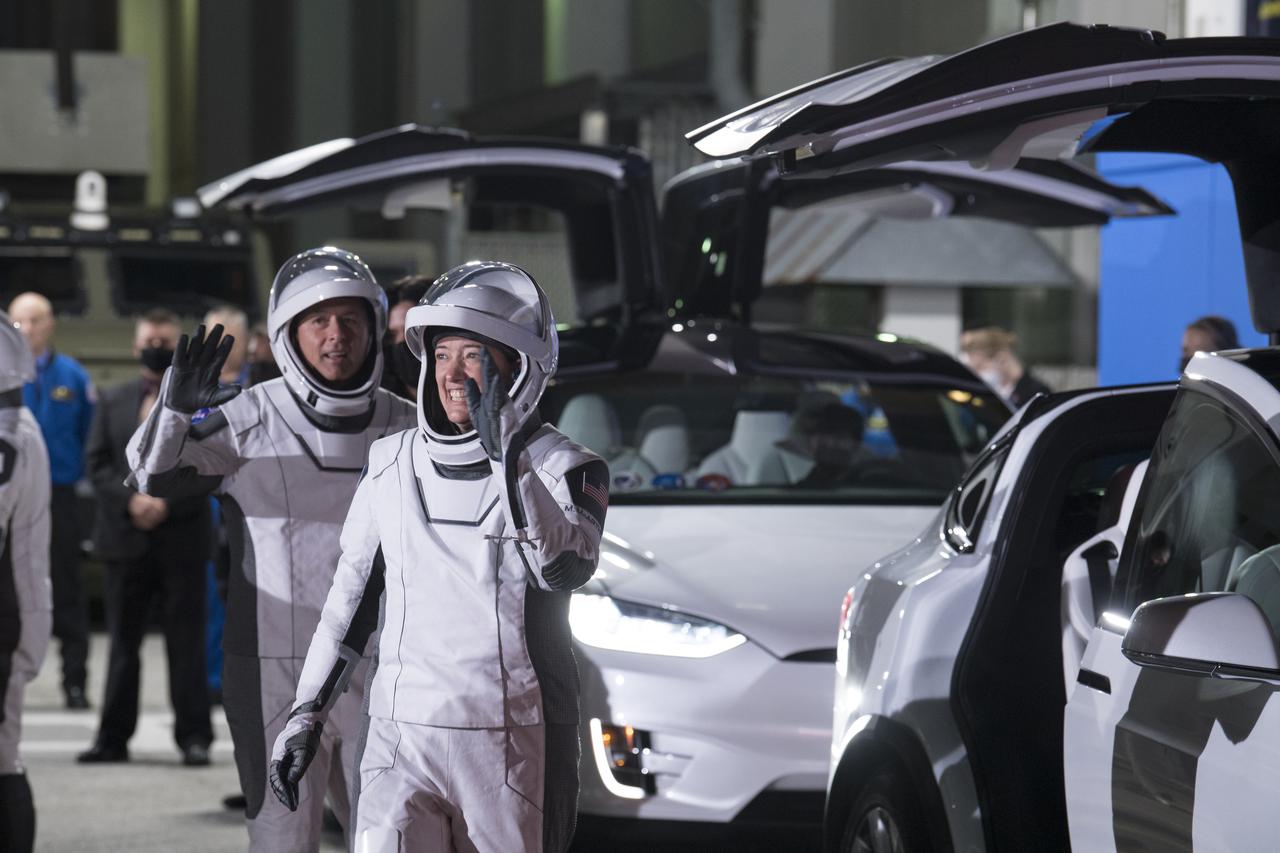
NASA astronauts Shane Kimbrough, left, and Megan McArthur, right wave farewell, as they prepare to depart the Neil A. Armstrong Operations and Checkout Building for Launch Complex 39A to board the SpaceX Crew Dragon spacecraft for the Crew-2 mission launch with crew mates ESA (European Space Agency) astronaut Thomas Pesquet, and Japan Aerospace Exploration Agency (JAXA) astronaut Akihiko Hoshide, Friday, April 23, 2021, at NASA’s Kennedy Space Center in Florida. NASA’s SpaceX Crew-2 mission is the second crew rotation mission of the SpaceX Crew Dragon spacecraft and Falcon 9 rocket to the International Space Station as part of the agency’s Commercial Crew Program. Kimbrough, McArthur, Pesquet, and Hoshide are scheduled to launch at 5:49 a.m. EDT on Friday, April 23, from Launch Complex 39A at the Kennedy Space Center. Photo Credit: (NASA/Aubrey Gemignani)
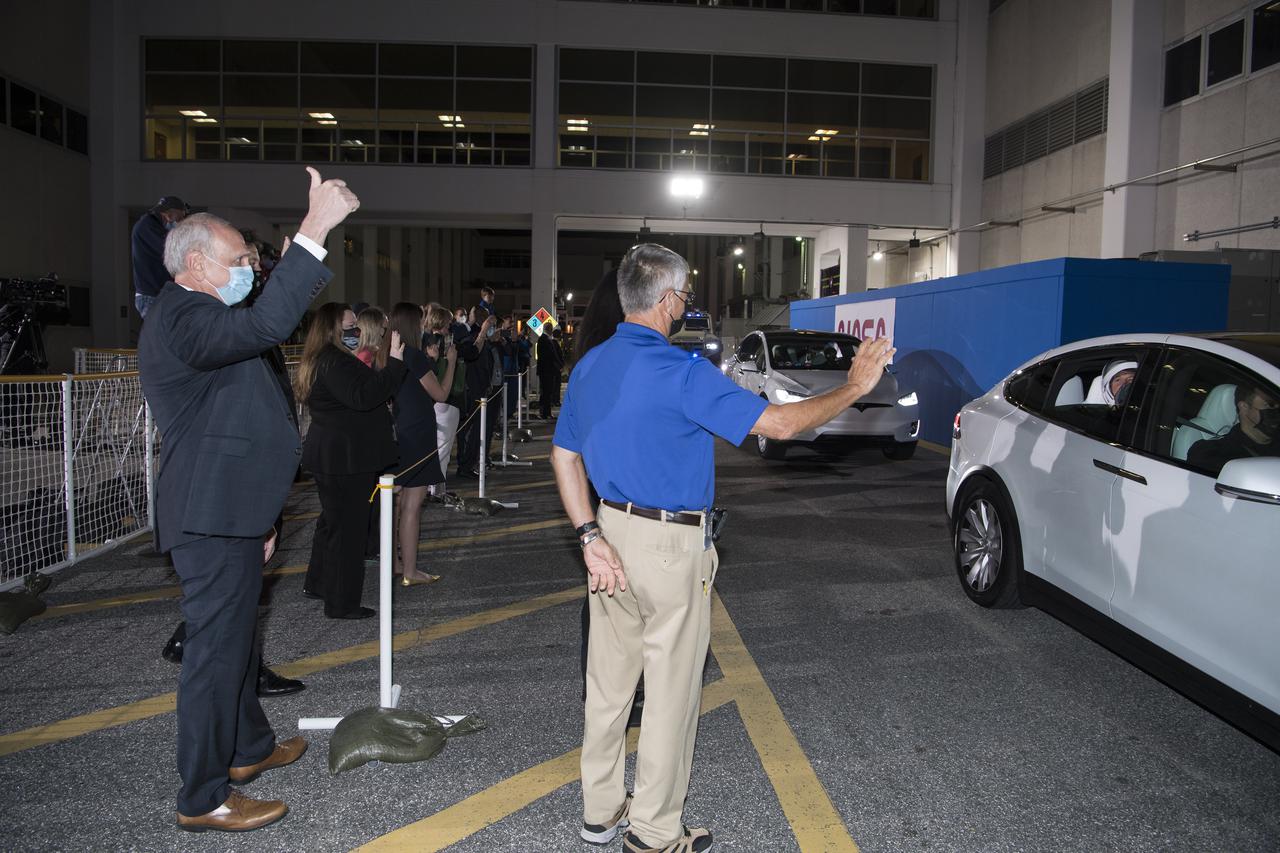
Acting NASA Administrator Steve Jurczyk gives a thumbs up to NASA astronauts Shane Kimbrough and Megan McArthur, ESA (European Space Agency) astronaut Thomas Pesquet, and Japan Aerospace Exploration Agency (JAXA) astronaut Akihiko Hoshide, as they depart the Neil A. Armstrong Operations and Checkout Building for Launch Complex 39A to board the SpaceX Crew Dragon spacecraft for the Crew-2 mission launch, Friday, April 23, 2021, at NASA’s Kennedy Space Center in Florida. NASA’s SpaceX Crew-2 mission is the second crew rotation mission of the SpaceX Crew Dragon spacecraft and Falcon 9 rocket to the International Space Station as part of the agency’s Commercial Crew Program. Kimbrough, McArthur, Pesquet, and Hoshide are scheduled to launch at 5:49 a.m. EDT on Friday, April 23, from Launch Complex 39A at the Kennedy Space Center. Photo Credit: (NASA/Aubrey Gemignani)
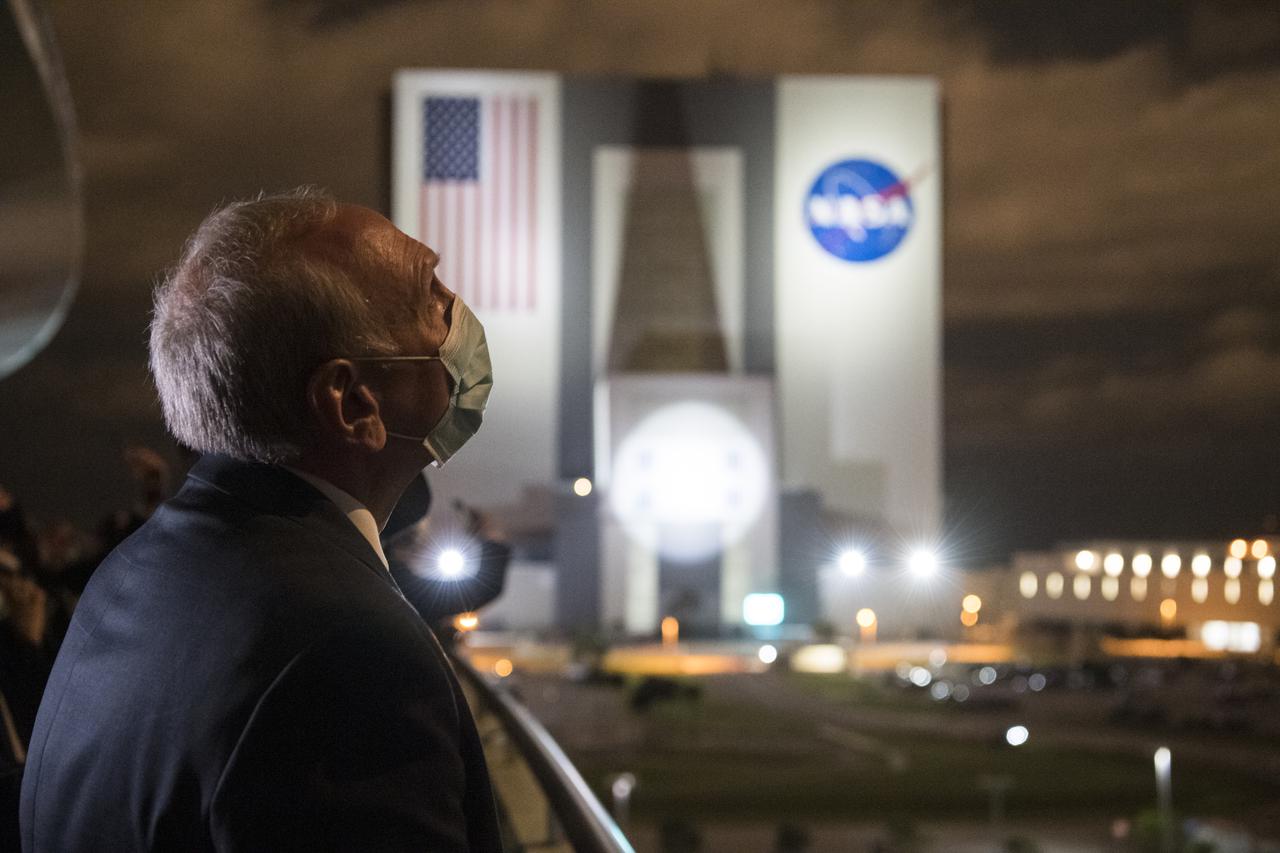
Acting NASA Administrator Steve Jurczyk watches the launch of a SpaceX Falcon 9 rocket carrying the company's Crew Dragon spacecraft on NASA’s SpaceX Crew-2 mission with NASA astronauts Shane Kimbrough and Megan McArthur, ESA (European Space Agency) astronaut Thomas Pesquet, and Japan Aerospace Exploration Agency (JAXA) astronaut Akihiko Hoshide onboard, Friday, April 23, 2021, from the balcony of Operations Support Building II at NASA’s Kennedy Space Center in Florida. NASA’s SpaceX Crew-2 mission is the first crew rotation mission of the SpaceX Crew Dragon spacecraft and Falcon 9 rocket to the International Space Station as part of the agency’s Commercial Crew Program. Kimbrough, McArthur, Pesquet, and Hoshide launched at 5:49 a.m. EDT from Launch Complex 39A at the Kennedy Space Center to begin a six month mission onboard the orbital outpost. Photo Credit: (NASA/Aubrey Gemignani)