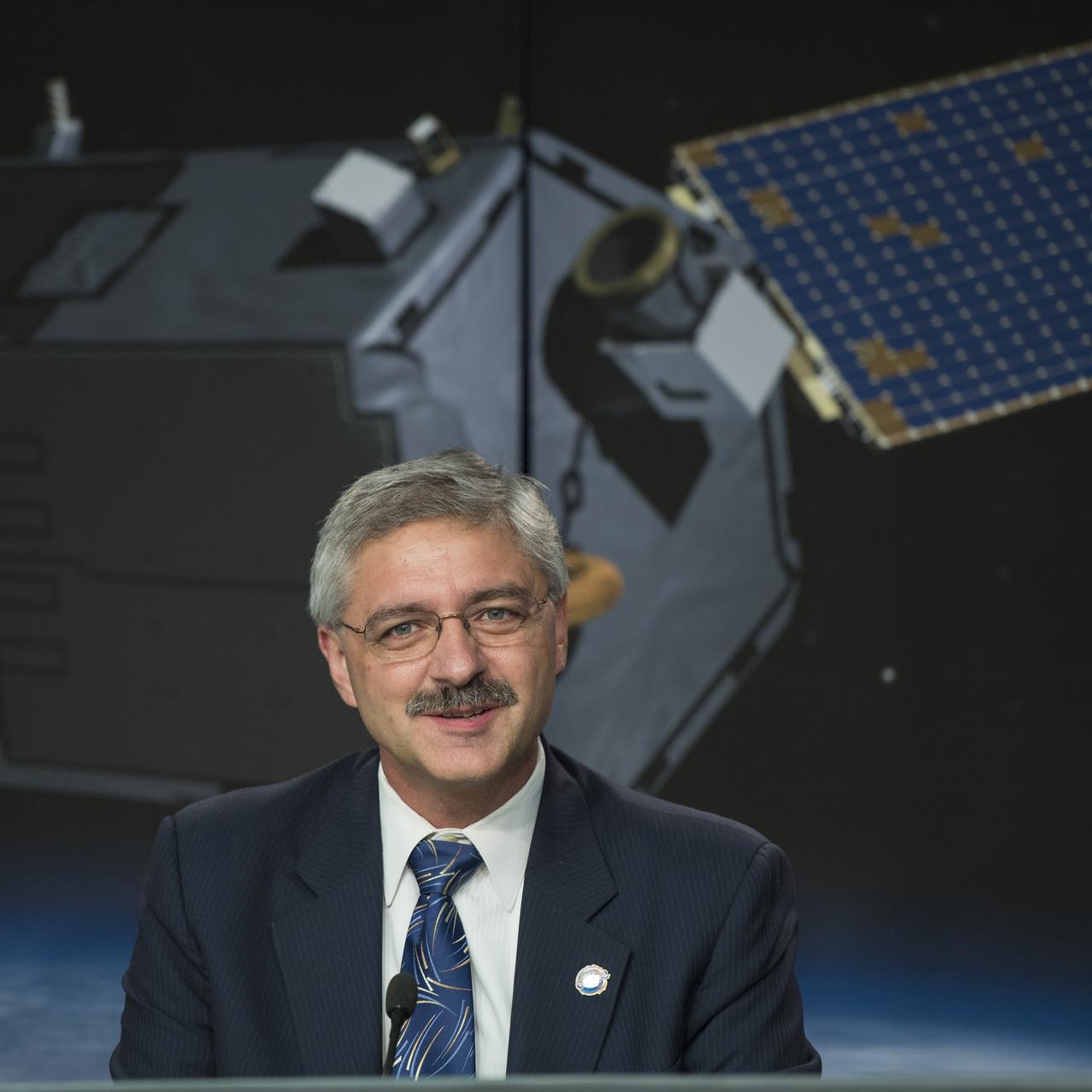
Geoff Yoder, deputy associate administrator for programs, Science Mission Directorate, NASA Headquarters, discusses the successful launch of the Orbiting Carbon Observatory-2 (OCO-2), NASA’s first spacecraft dedicated to studying carbon dioxide, during a press briefing, Wednesday, July 2, 2014, at the Vandenberg Air Force Base, Calif. OCO-2 will measure the global distribution of carbon dioxide, the leading human-produced greenhouse gas driving changes in Earth’s climate. Photo Credit: (NASA/Bill Ingalls)
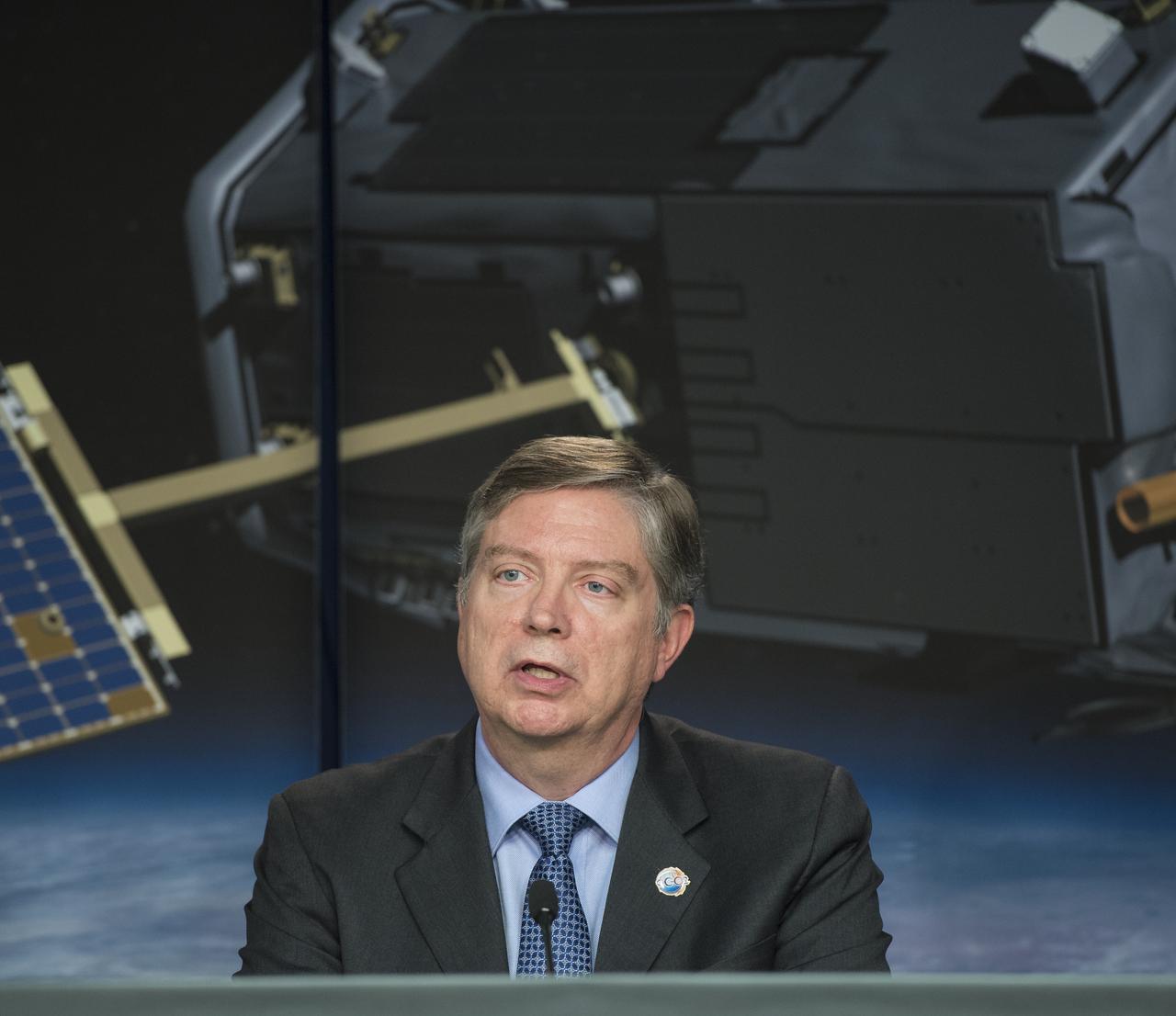
Mike Miller, senior vice president, Science and Environmental Satellite Programs, Orbital Sciences Space Systems Group, discusses the successful launch of the Orbiting Carbon Observatory-2 (OCO-2), NASA’s first spacecraft dedicated to studying carbon dioxide, during a press briefing, Wednesday, July 2, 2014, at the Vandenberg Air Force Base, Calif. OCO-2 will measure the global distribution of carbon dioxide, the leading human-produced greenhouse gas driving changes in Earth’s climate. Photo Credit: (NASA/Bill Ingalls)

Mike Miller, senior vice president, Science and Environmental Satellite Programs, Orbital Sciences Space Systems Group, discusses the successful launch of the Orbiting Carbon Observatory-2 (OCO-2), NASA’s first spacecraft dedicated to studying carbon dioxide, during a press briefing, Wednesday, July 2, 2014, at the Vandenberg Air Force Base, Calif. OCO-2 will measure the global distribution of carbon dioxide, the leading human-produced greenhouse gas driving changes in Earth’s climate. Photo Credit: (NASA/Bill Ingalls)
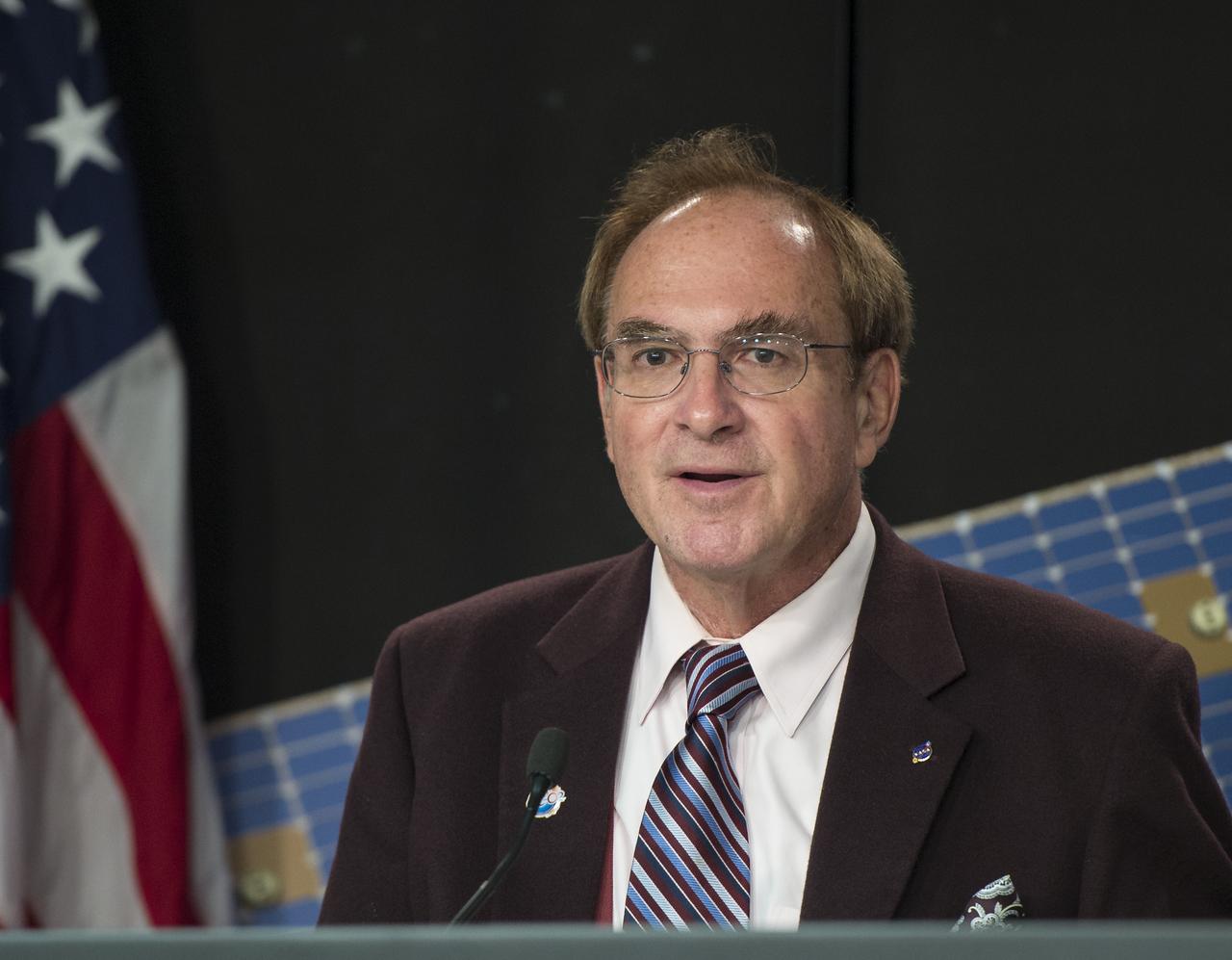
NASA Kennedy Space Center Public Affairs Officer George Diller, moderates a post-launch press briefing, following the successful launch of the Orbiting Carbon Observatory-2 (OCO-2), NASA’s first spacecraft dedicated to studying carbon dioxide, Wednesday, July 2, 2014, at the Vandenberg Air Force Base, Calif. OCO-2 will measure the global distribution of carbon dioxide, the leading human-produced greenhouse gas driving changes in Earth’s climate. Photo Credit: (NASA/Bill Ingalls)
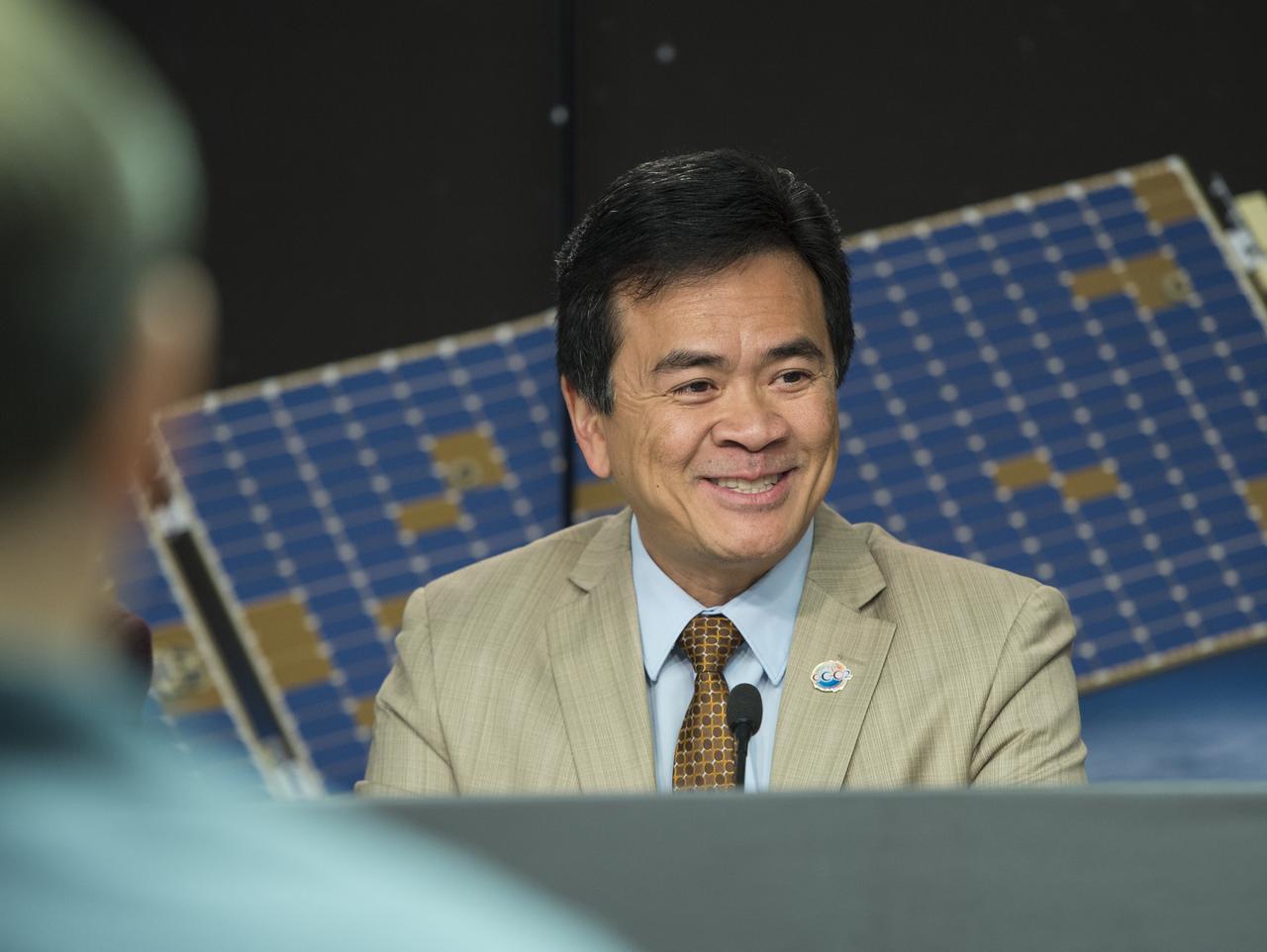
Ralph Basilio, OCO-2 project manager, Jet Propulsion Laboratory, discusses the successful launch of the Orbiting Carbon Observatory-2 (OCO-2), NASA’s first spacecraft dedicated to studying carbon dioxide, during a press briefing, Wednesday, July 2, 2014, at the Vandenberg Air Force Base, Calif. OCO-2 will measure the global distribution of carbon dioxide, the leading human-produced greenhouse gas driving changes in Earth’s climate. Photo Credit: (NASA/Bill Ingalls)
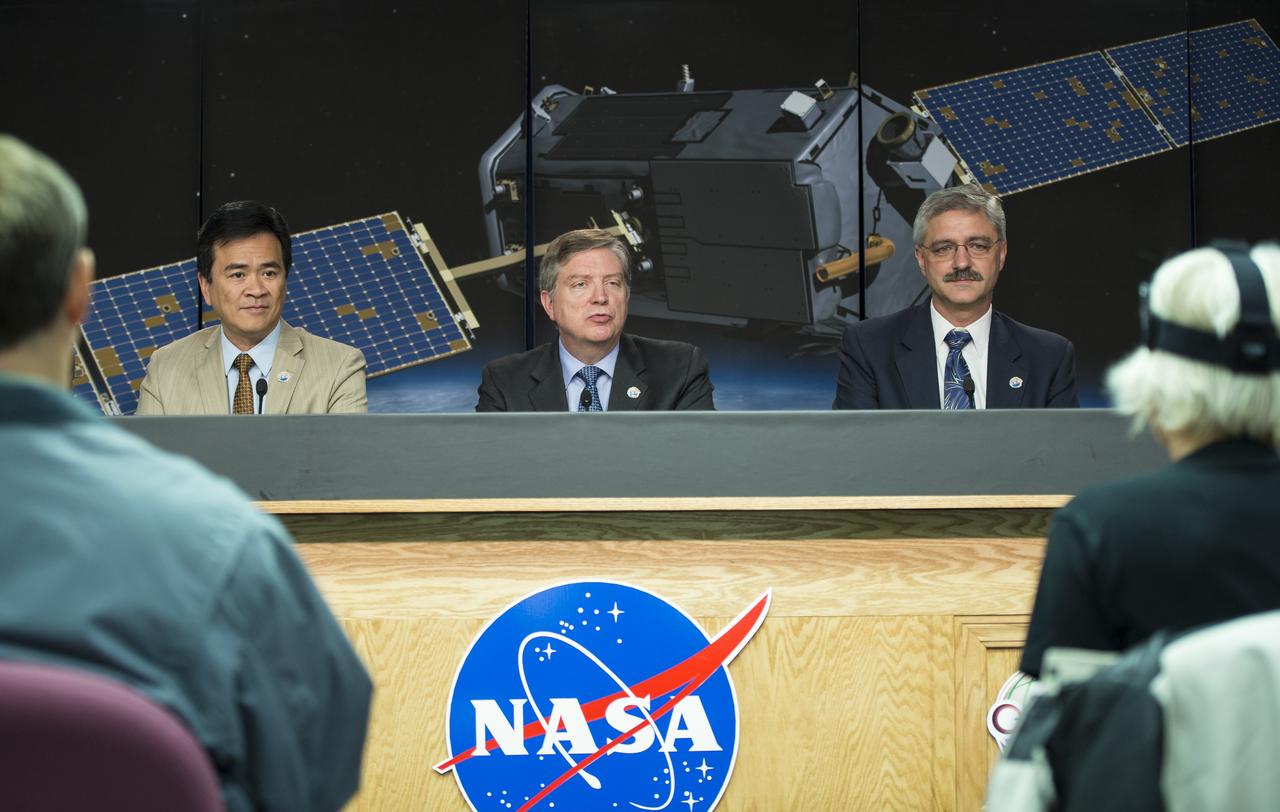
Ralph Basilio, OCO-2 project manager, Jet Propulsion Laboratory, left, Mike Miller, senior vice president, Science and Environmental Satellite Programs, Orbital Sciences Space Systems Group,and Geoff Yoder, deputy associate administrator for programs, Science Mission Directorate, NASA Headquarters, right, discuss the successful launch of the Orbiting Carbon Observatory-2 (OCO-2), NASA’s first spacecraft dedicated to studying carbon dioxide, during a press briefing, Wednesday, July 2, 2014, at the Vandenberg Air Force Base, Calif. OCO-2 will measure the global distribution of carbon dioxide, the leading human-produced greenhouse gas driving changes in Earth’s climate. Photo Credit: (NASA/Bill Ingalls)
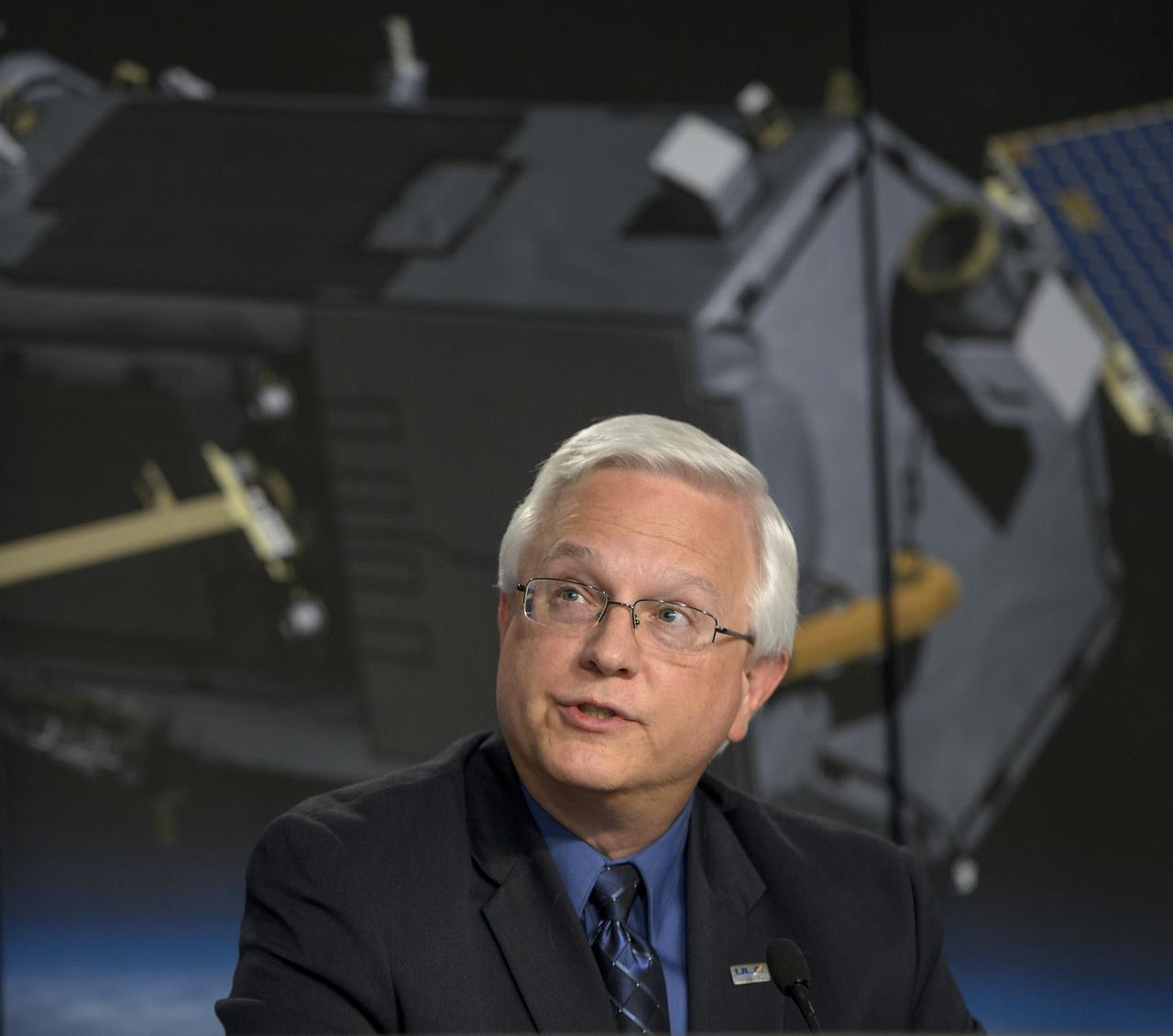
Vern Thorp, United Launch Alliance program manager, NASA missions, discusses the launch of NASA’s Orbiting Carbon Observatory-2 (OCO-2) onboard a ULA Delta II rocket, during a press briefing, Sunday, June 29, 2014, at the Vandenberg Air Force Base, Calif. OCO-2 will measure the global distribution of carbon dioxide, the leading human-produced greenhouse gas driving changes in Earth’s climate. OCO-2 is set to launch on July 1, 2014 at 2:59 a.m. PDT. Photo Credit: (NASA/Bill Ingalls)
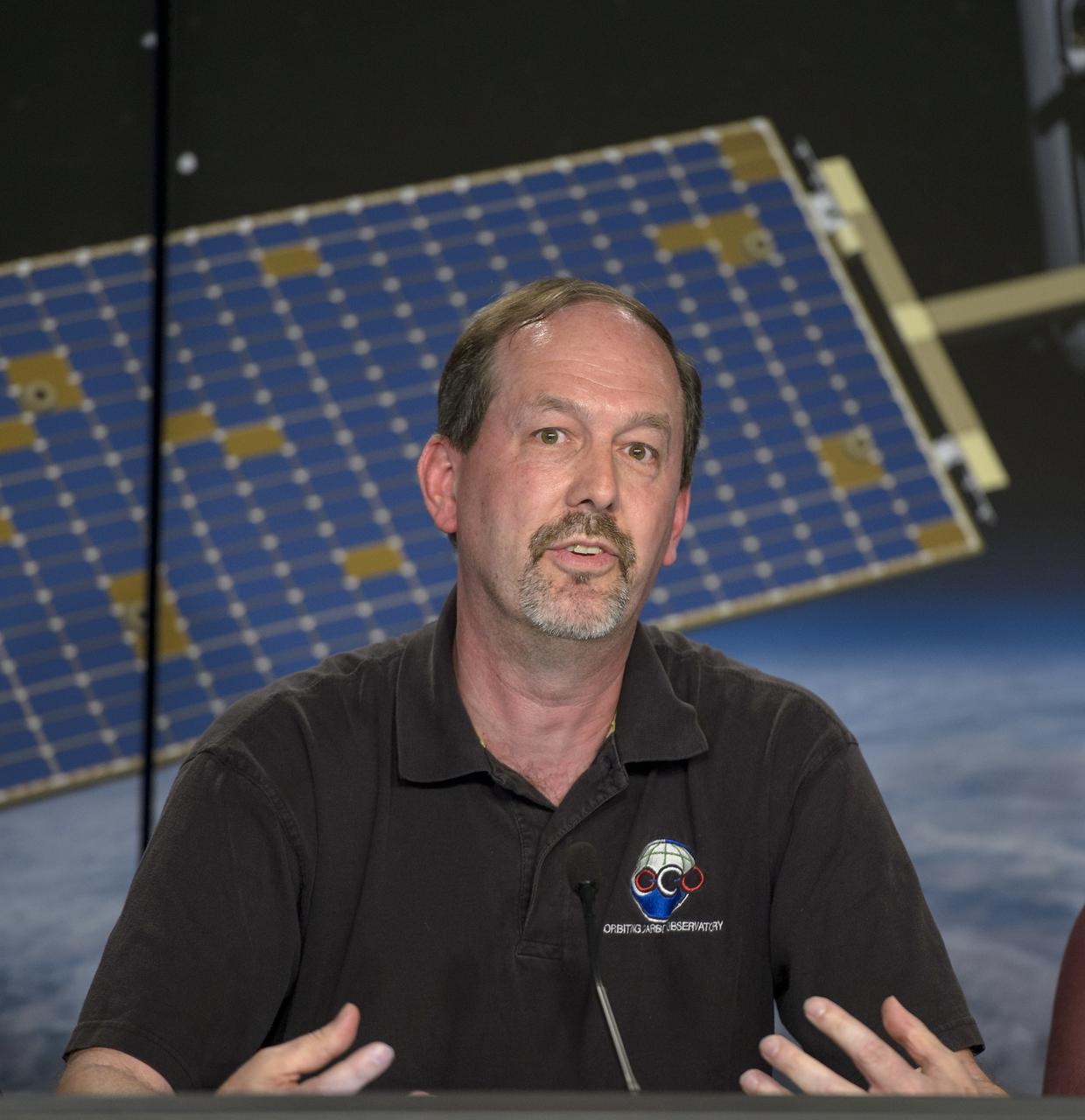
Ken Jucks, OCO-2 program scientist, NASA Headquarters talks during an Orbiting Carbon Observatory-2 (OCO-2) science briefing, Sunday, June 29, 2014, Vandenberg Air Force Base, Calif. OCO-2 will measure the global distribution of carbon dioxide, the leading human-produced greenhouse gas driving changes in Earth’s climate. OCO-2 is set to launch on July 1, 2014 at 2:59 a.m. PDT. Photo Credit: (NASA/Bill Ingalls)
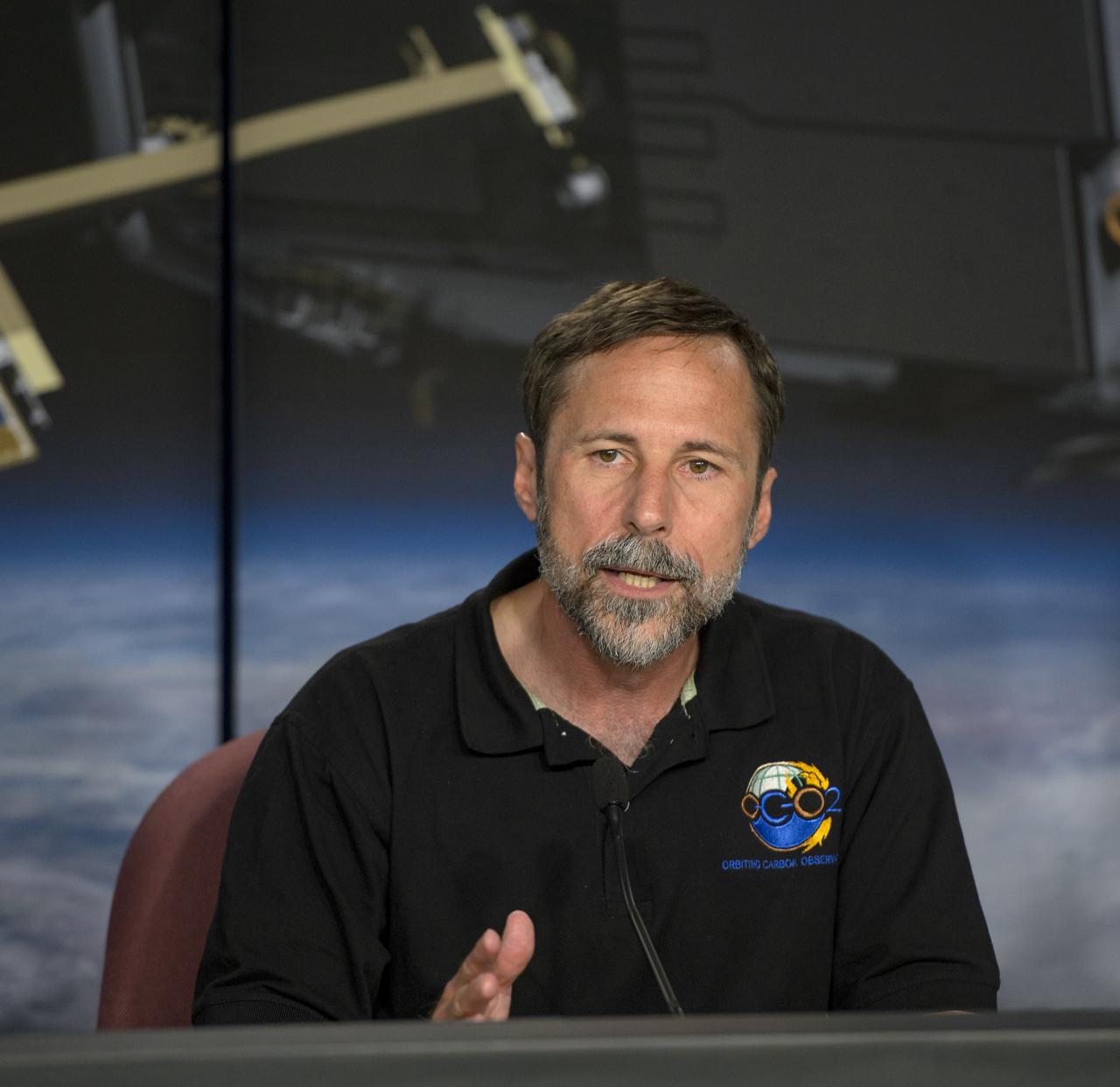
Dave Crisp, OCO-2 science team leader, JPL talks during an Orbiting Carbon Observatory-2 (OCO-2) science briefing, Sunday, June 29, 2014, Vandenberg Air Force Base, Calif. OCO-2 will measure the global distribution of carbon dioxide, the leading human-produced greenhouse gas driving changes in Earth’s climate. OCO-2 is set to launch on July 1, 2014 at 2:59 a.m. PDT. Photo Credit: (NASA/Bill Ingalls)
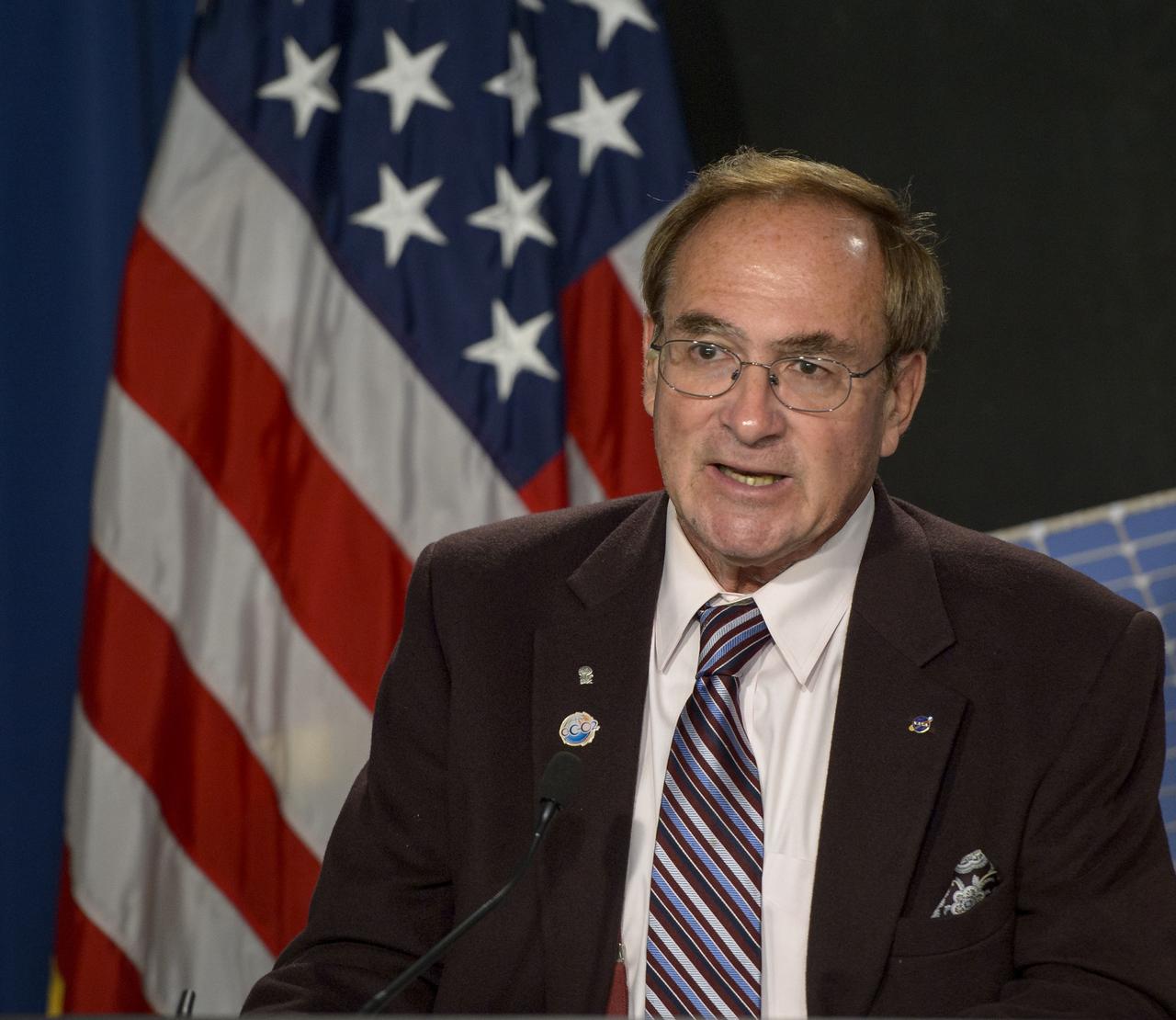
NASA Kennedy Space Center Public Affairs Officer George Diller, moderates a briefing ahead of the planned launch of the Orbiting Carbon Observatory-2 (OCO-2), Sunday, June 29, 2014, Vandenberg Air Force Base, Calif. OCO-2 will measure the global distribution of carbon dioxide, the leading human-produced greenhouse gas driving changes in Earth’s climate. OCO-2 is set to launch on July 1, 2014 at 2:59 a.m. PDT. Photo Credit: (NASA/Bill Ingalls)

Lt. Joseph Round, launch weather officer, USAF 30th Space Wing Weather Squadron, discusses the weather forecast for launch of NASA’s Orbiting Carbon Observatory-2 (OCO-2) onboard a ULA Delta II rocket, during a press briefing, Sunday, June 29, 2014, at the Vandenberg Air Force Base, Calif. OCO-2 will measure the global distribution of carbon dioxide, the leading human-produced greenhouse gas driving changes in Earth’s climate. OCO-2 is set to launch on July 1, 2014 at 2:59 a.m. PDT. Photo Credit: (NASA/Bill Ingalls)
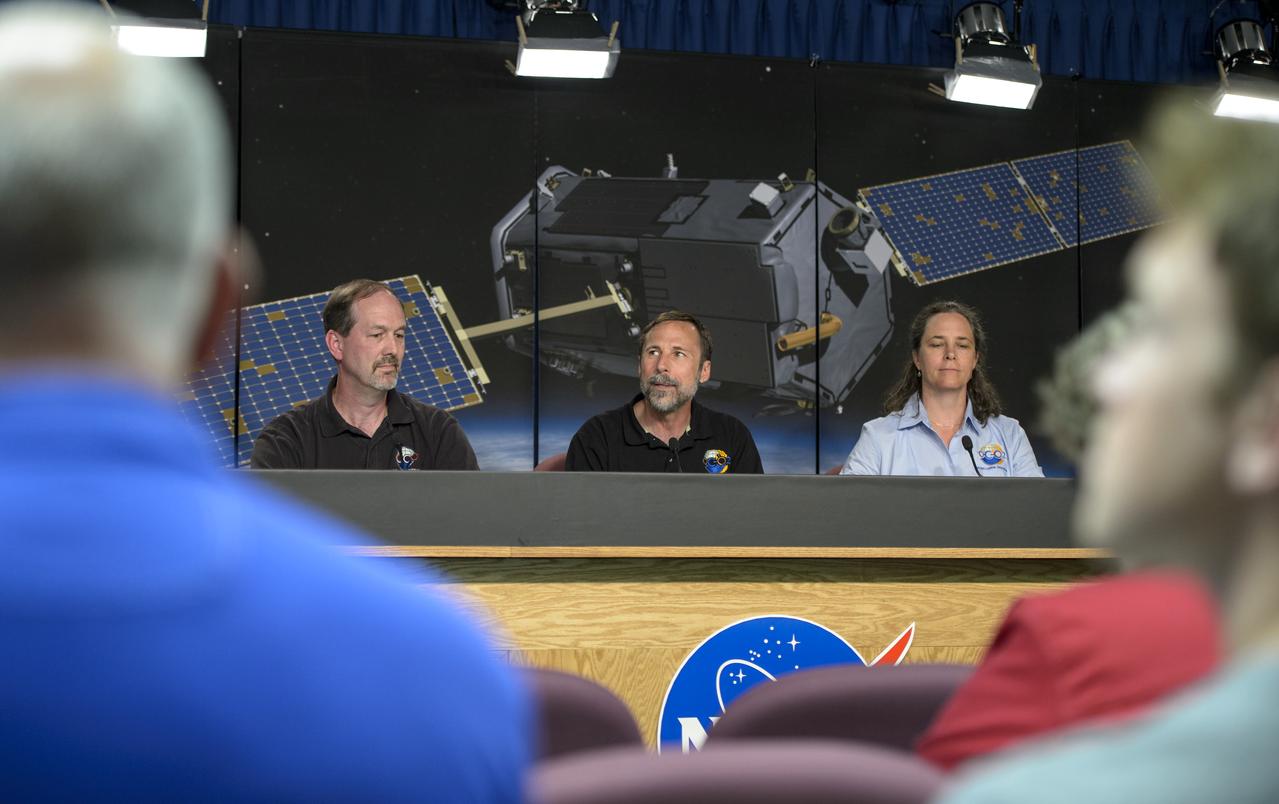
Ken Jucks, OCO-2 program scientist, NASA Headquarters, left, Dave Crisp, OCO-2 science team leader, JPL, and Annmarie Eldering, OCO-2 deputy project scientist, JPL, right, give a science briefing ahead of the planned launch of the Orbiting Carbon Observatory-2 (OCO-2), Sunday, June 29, 2014, Vandenberg Air Force Base, Calif. OCO-2 will measure the global distribution of carbon dioxide, the leading human-produced greenhouse gas driving changes in Earth’s climate. OCO-2 is set to launch on July 1, 2014 at 2:59 a.m. PDT. Photo Credit: (NASA/Bill Ingalls)

Ralph Basilio, OCO-2 project manager, JPL, discusses the Orbiting Carbon Observatory-2 (OCO-2), NASA’s first spacecraft dedicated to studying carbon dioxide, during a press briefing, Sunday, June 29, 2014, at the Vandenberg Air Force Base, Calif. OCO-2 will measure the global distribution of carbon dioxide, the leading human-produced greenhouse gas driving changes in Earth’s climate. OCO-2 is set to launch on July 1, 2014 at 2:59 a.m. PDT. Photo Credit: (NASA/Bill Ingalls)
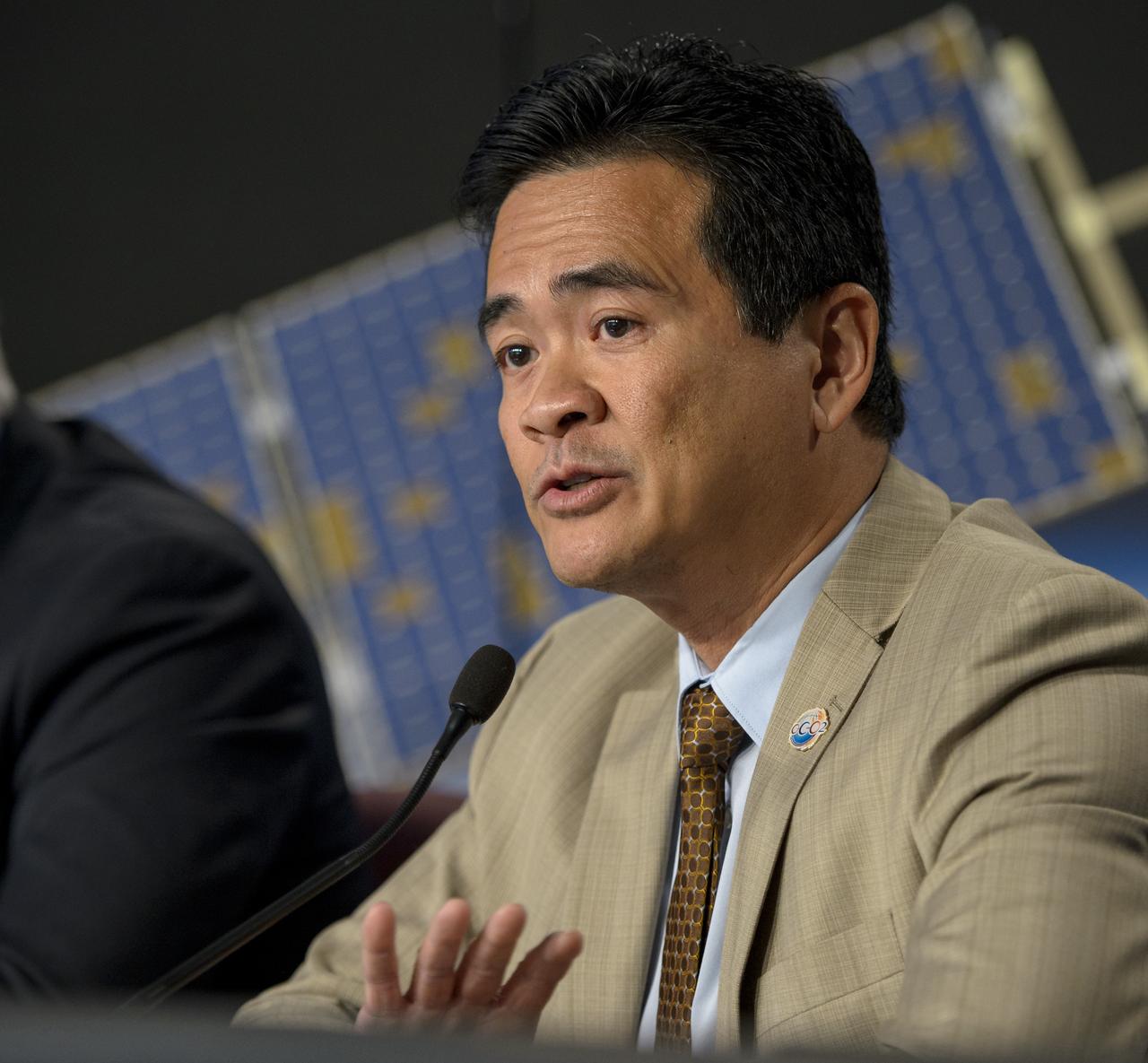
Ralph Basilio, OCO-2 project manager, JPL, discusses the Orbiting Carbon Observatory-2 (OCO-2), NASA’s first spacecraft dedicated to studying carbon dioxide, during a press briefing, Sunday, June 29, 2014, at the Vandenberg Air Force Base, Calif. OCO-2 will measure the global distribution of carbon dioxide, the leading human-produced greenhouse gas driving changes in Earth’s climate. OCO-2 is set to launch on July 1, 2014 at 2:59 a.m. PDT. Photo Credit: (NASA/Bill Ingalls)
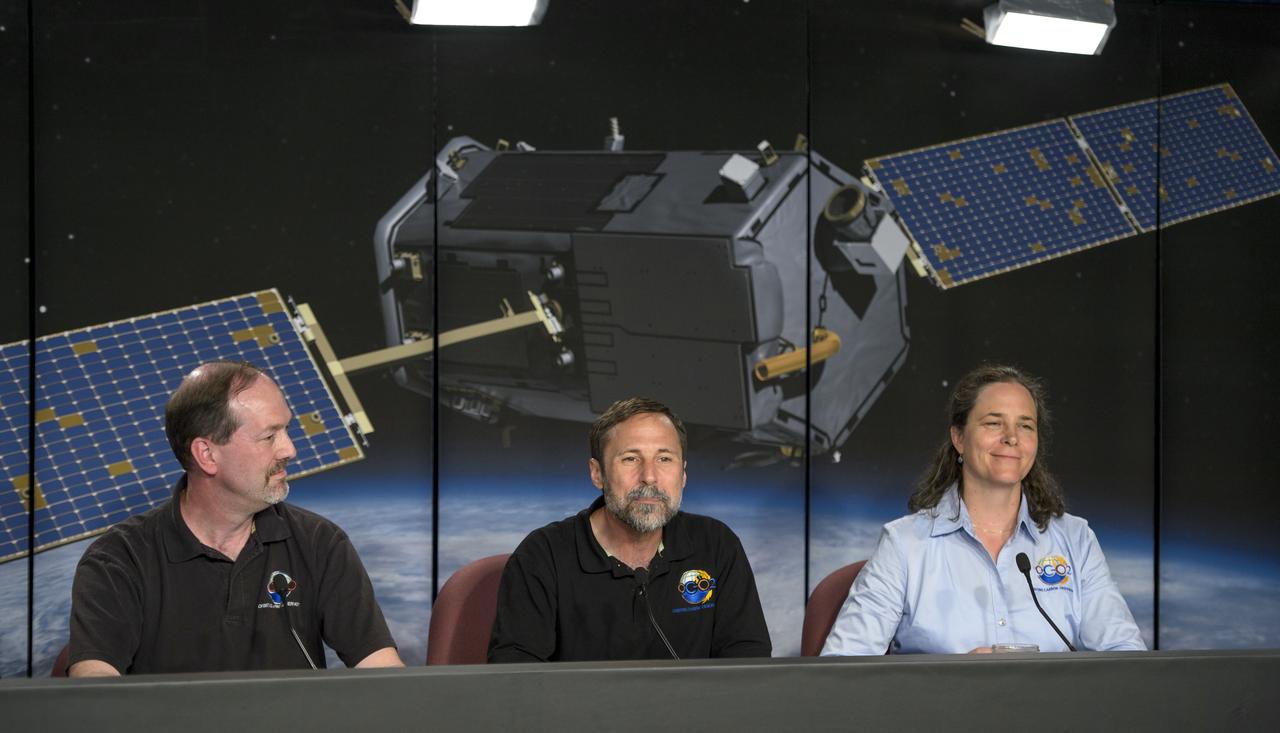
Ken Jucks, OCO-2 program scientist, NASA Headquarters, left, Dave Crisp, OCO-2 science team leader, JPL, and Annmarie Eldering, OCO-2 deputy project scientist, JPL, right, give a science briefing ahead of the planned launch of the Orbiting Carbon Observatory-2 (OCO-2), Sunday, June 29, 2014, Vandenberg Air Force Base, Calif. OCO-2 will measure the global distribution of carbon dioxide, the leading human-produced greenhouse gas driving changes in Earth’s climate. OCO-2 is set to launch on July 1, 2014 at 2:59 a.m. PDT. Photo Credit: (NASA/Bill Ingalls)
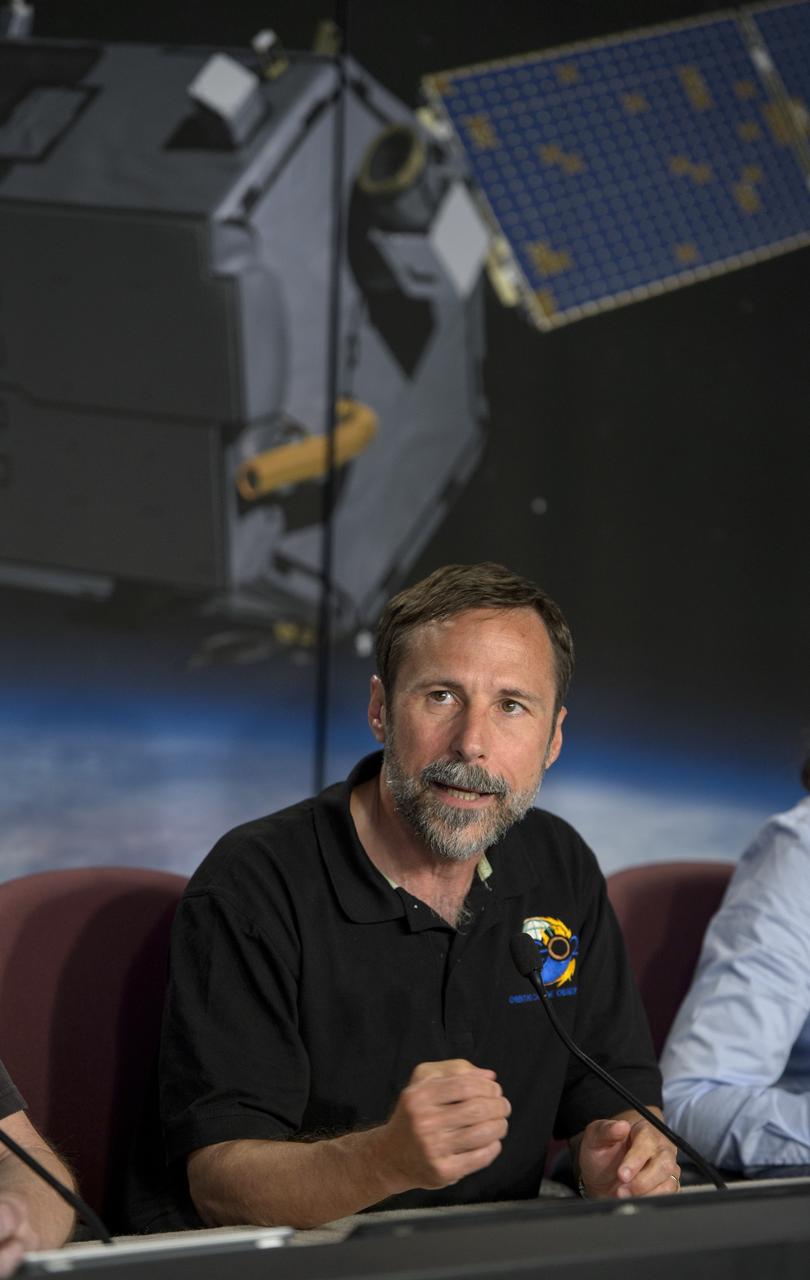
Dave Crisp, OCO-2 science team leader, JPL talks during an Orbiting Carbon Observatory-2 (OCO-2) science briefing, Sunday, June 29, 2014, Vandenberg Air Force Base, Calif. OCO-2 will measure the global distribution of carbon dioxide, the leading human-produced greenhouse gas driving changes in Earth’s climate. OCO-2 is set to launch on July 1, 2014 at 2:59 a.m. PDT. Photo Credit: (NASA/Bill Ingalls)
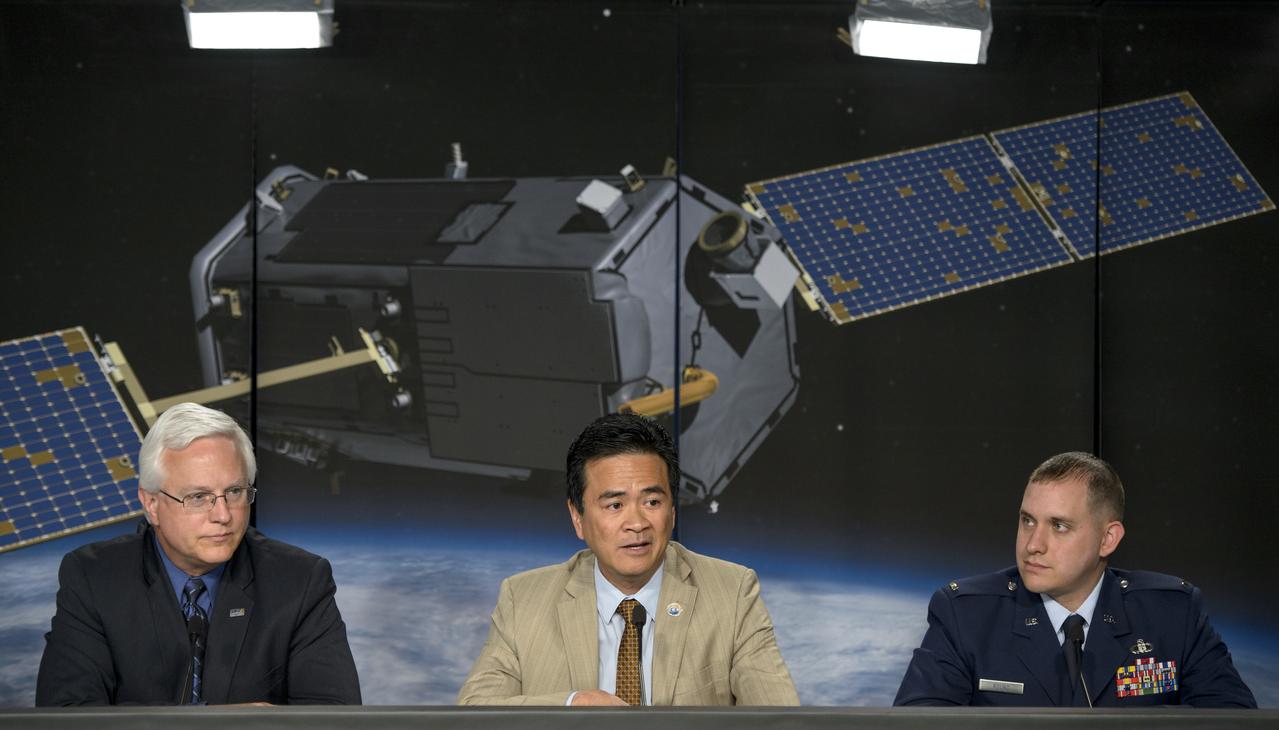
Vern Thorp, United Launch Alliance program manager, NASA missions,, left, Ralph Basilio, OCO-2 project manager, JPL, and Lt. Joseph Round, launch weather officer, USAF 30th Space Wing Weather Squadron, right, discuss the planned launch of the Orbiting Carbon Observatory-2 (OCO-2), NASA’s first spacecraft dedicated to studying carbon dioxide, during a press briefing, Sunday, June 29, 2014, at the Vandenberg Air Force Base, Calif. OCO-2 will measure the global distribution of carbon dioxide, the leading human-produced greenhouse gas driving changes in Earth’s climate. OCO-2 is set to launch on July 1, 2014 at 2:59 a.m. PDT. Photo Credit: (NASA/Bill Ingalls)
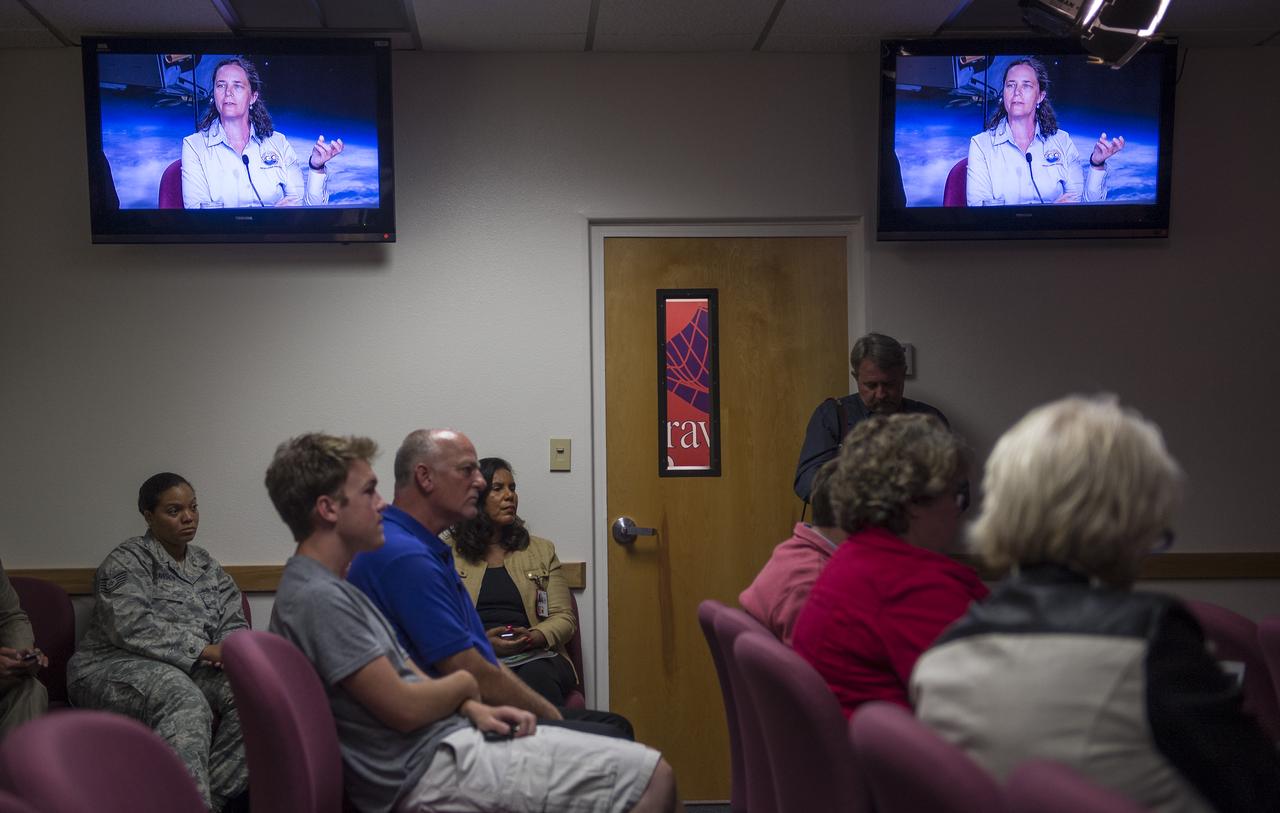
Annmarie Eldering, OCO-2 deputy project scientist, JPL is seen talking on the monitors during an Orbiting Carbon Observatory-2 (OCO-2) science briefing, Sunday, June 29, 2014, Vandenberg Air Force Base, Calif. OCO-2 will measure the global distribution of carbon dioxide, the leading human-produced greenhouse gas driving changes in Earth’s climate. OCO-2 is set to launch on July 1, 2014 at 2:59 a.m. PDT. Photo Credit: (NASA/Bill Ingalls)

From left, NASA Kennedy Space Center Public Affairs Officer George Diller, Ken Jucks, OCO-2 program scientist, NASA Headquarters, Dave Crisp, OCO-2 science team leader, JPL, and Annmarie Eldering, OCO-2 deputy project scientist, JPL, give a science briefing ahead of the planned launch of the Orbiting Carbon Observatory-2 (OCO-2), Sunday, June 29, 2014, Vandenberg Air Force Base, Calif. OCO-2 will measure the global distribution of carbon dioxide, the leading human-produced greenhouse gas driving changes in Earth’s climate. OCO-2 is set to launch on July 1, 2014 at 2:59 a.m. PDT. Photo Credit: (NASA/Bill Ingalls)
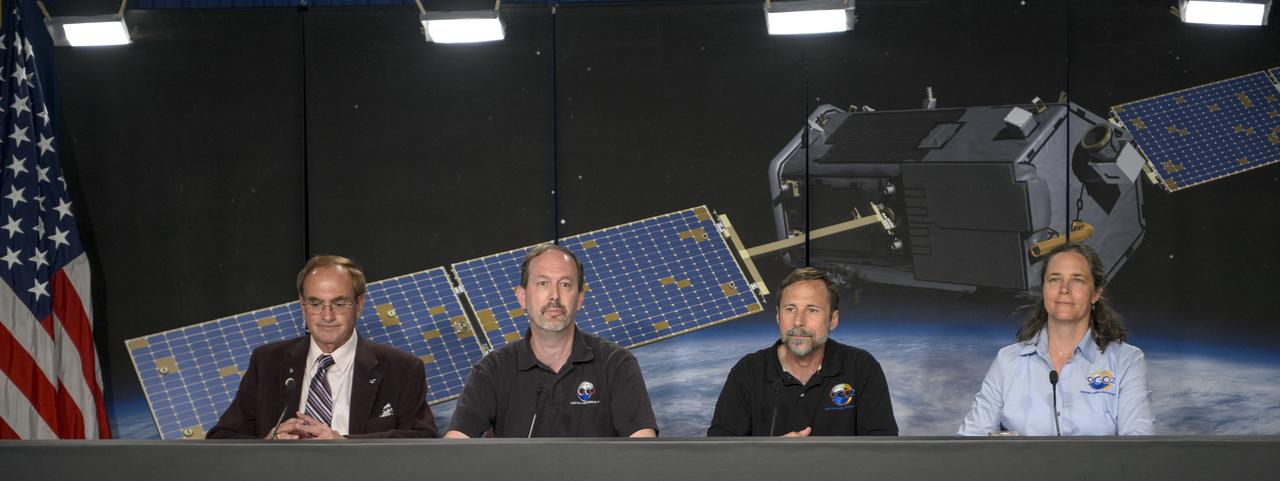
From left, NASA Kennedy Space Center Public Affairs Officer George Diller, Ken Jucks, OCO-2 program scientist, NASA Headquarters, Dave Crisp, OCO-2 science team leader, JPL, and Annmarie Eldering, OCO-2 deputy project scientist, JPL, give a science briefing ahead of the planned launch of the Orbiting Carbon Observatory-2 (OCO-2), Sunday, June 29, 2014, Vandenberg Air Force Base, Calif. OCO-2 will measure the global distribution of carbon dioxide, the leading human-produced greenhouse gas driving changes in Earth’s climate. OCO-2 is set to launch on July 1, 2014 at 2:59 a.m. PDT. Photo Credit: (NASA/Bill Ingalls)
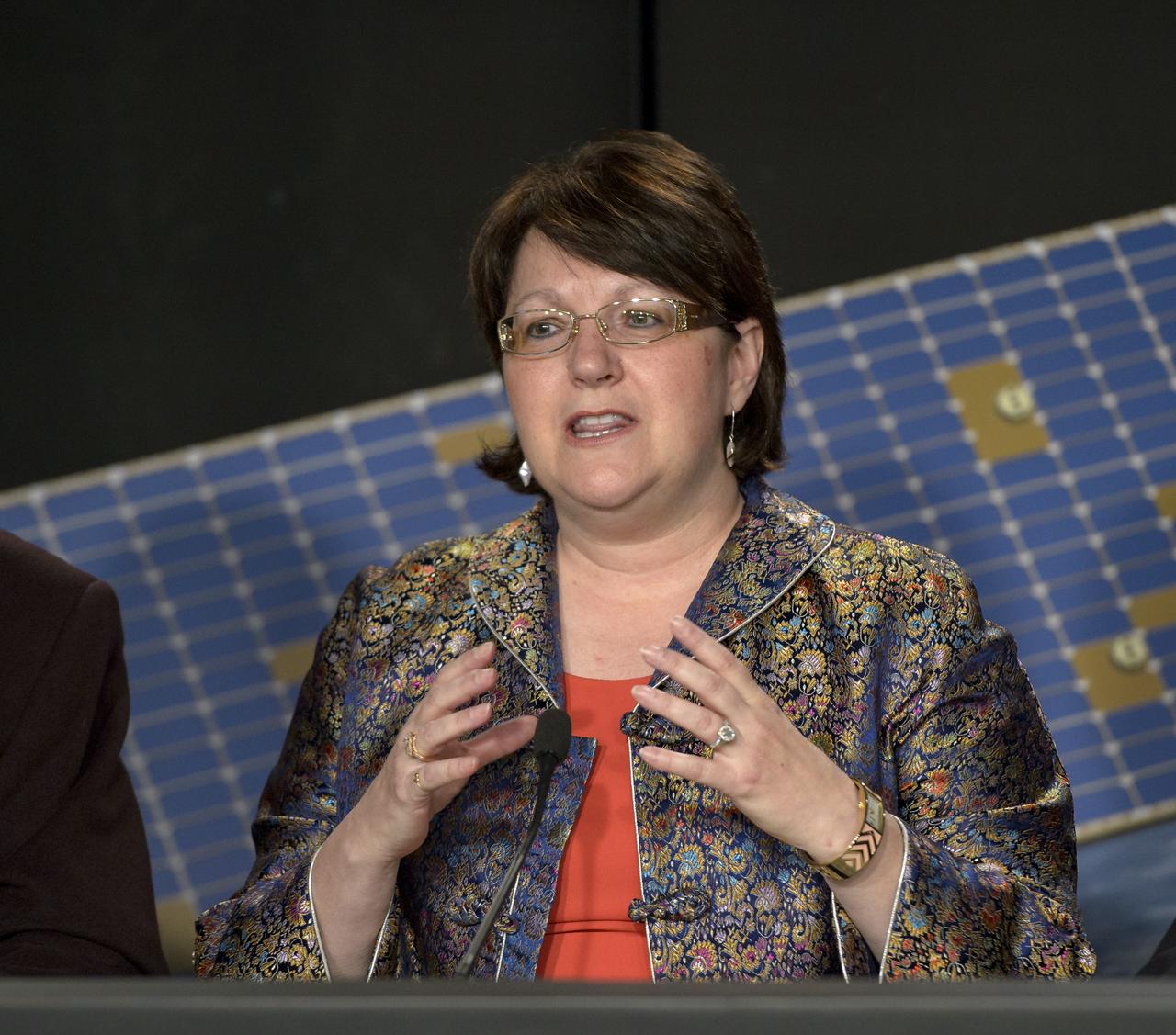
Betsy Edwards, OCO-2 program executive, NASA Headquarters, discusses the Orbiting Carbon Observatory-2 (OCO-2), NASA’s first spacecraft dedicated to studying carbon dioxide, during a press briefing, Sunday, June 29, 2014, at the Vandenberg Air Force Base, Calif. OCO-2 will measure the global distribution of carbon dioxide, the leading human-produced greenhouse gas driving changes in Earth’s climate. OCO-2 is set to launch on July 1, 2014 at 2:59 a.m. PDT. Photo Credit: (NASA/Bill Ingalls)
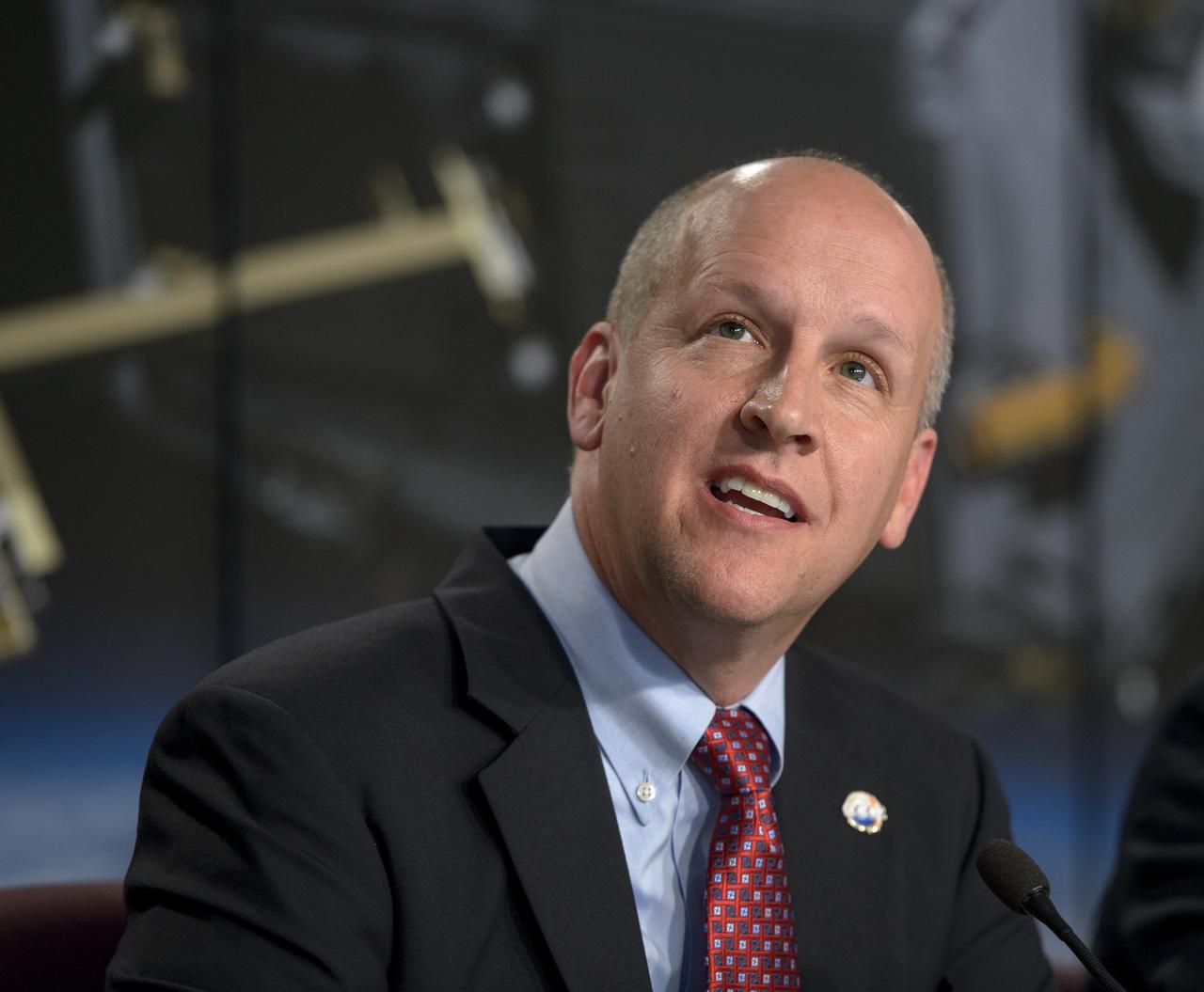
Tim Dunn, NASA launch director, Kennedy Space Center, discusses the Orbiting Carbon Observatory-2 (OCO-2), NASA’s first spacecraft dedicated to studying carbon dioxide, during a press briefing, Sunday, June 29, 2014, at the Vandenberg Air Force Base, Calif. OCO-2 will measure the global distribution of carbon dioxide, the leading human-produced greenhouse gas driving changes in Earth’s climate. OCO-2 is set to launch on July 1, 2014 at 2:59 a.m. PDT. Photo Credit: (NASA/Bill Ingalls)
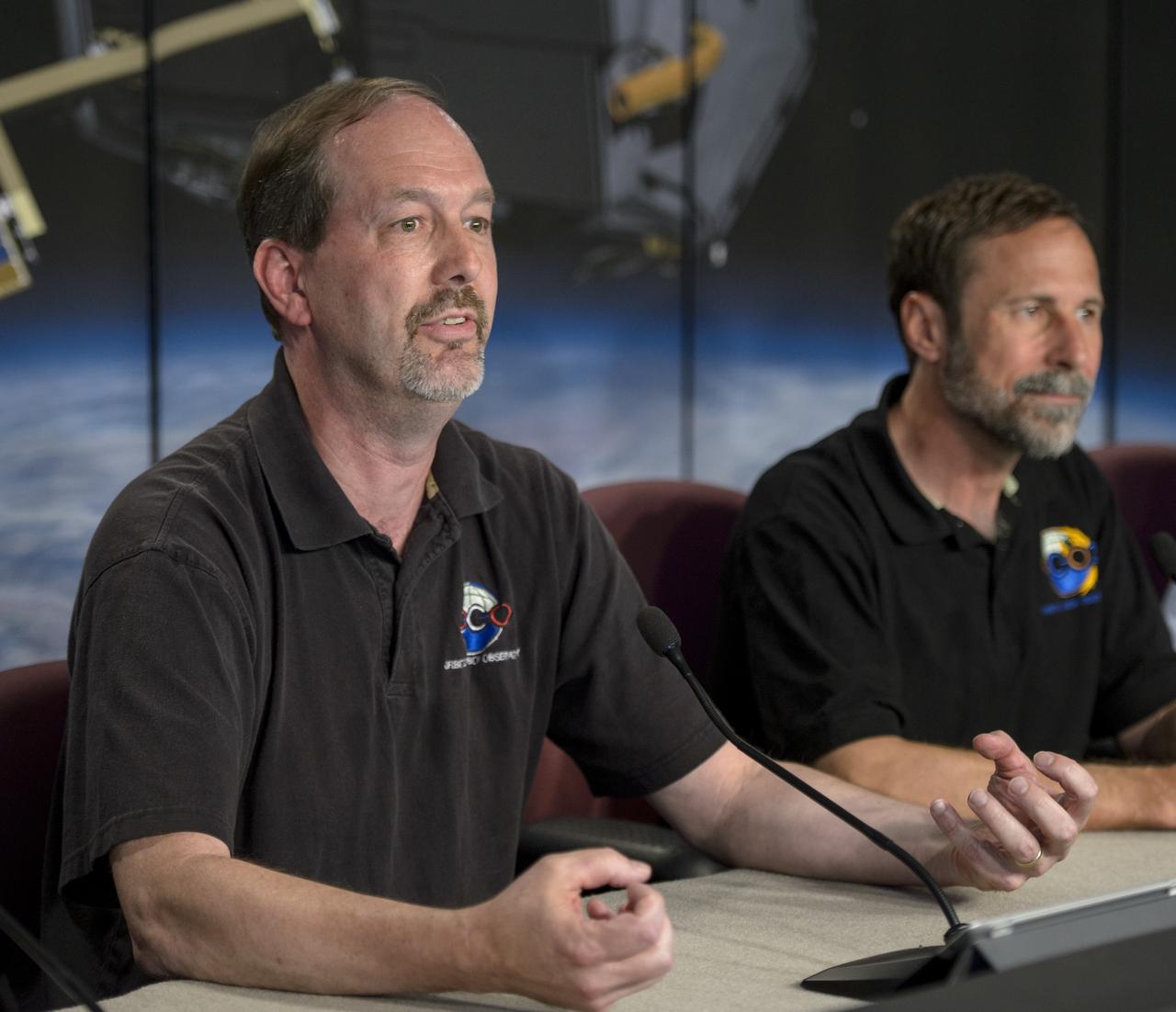
Ken Jucks, OCO-2 program scientist, NASA Headquarters talks during an Orbiting Carbon Observatory-2 (OCO-2) science briefing, Sunday, June 29, 2014, Vandenberg Air Force Base, Calif. OCO-2 will measure the global distribution of carbon dioxide, the leading human-produced greenhouse gas driving changes in Earth’s climate. OCO-2 is set to launch on July 1, 2014 at 2:59 a.m. PDT. Photo Credit: (NASA/Bill Ingalls)
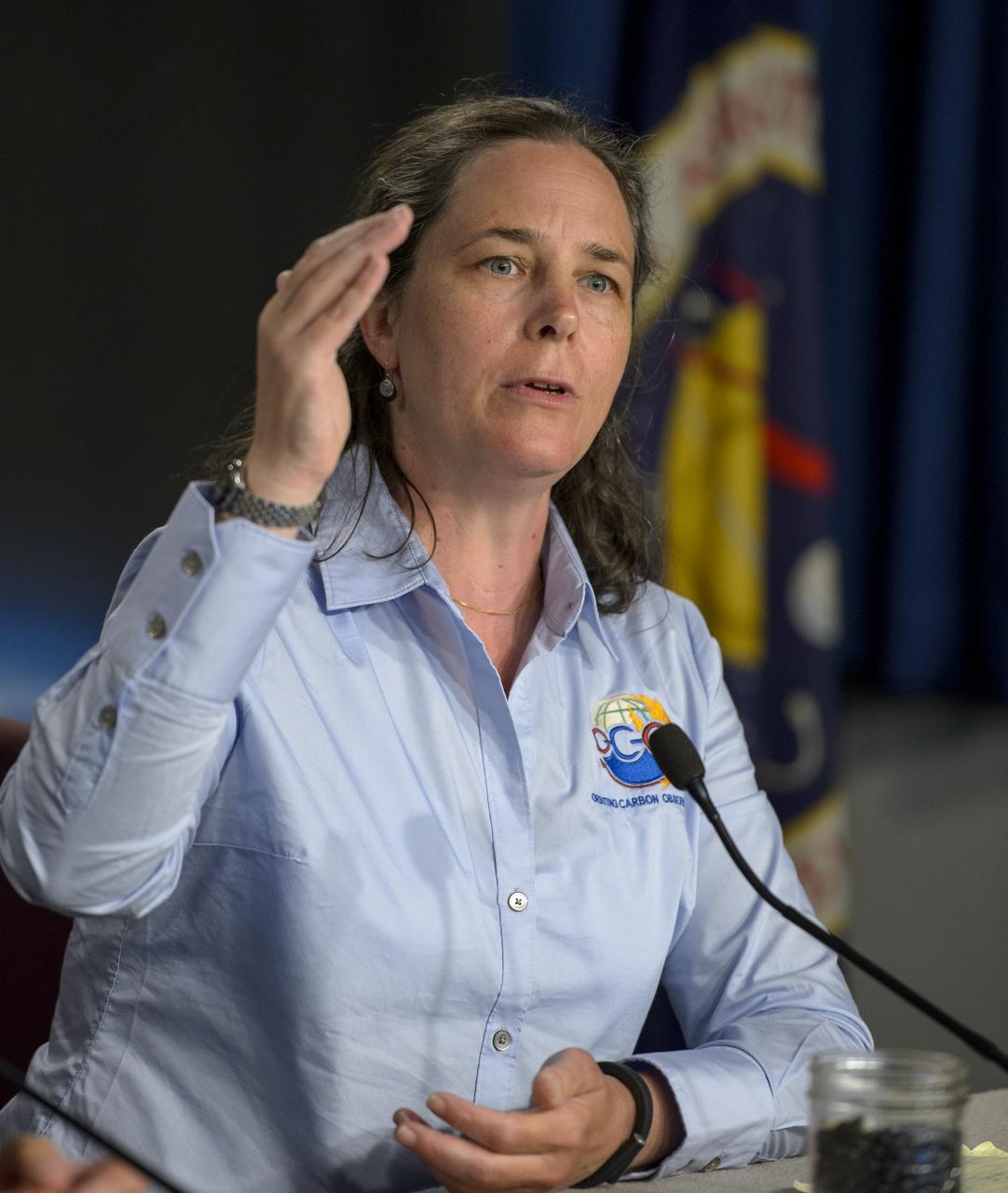
Annmarie Eldering, OCO-2 deputy project scientist, JPL talks during an Orbiting Carbon Observatory-2 (OCO-2) science briefing, Sunday, June 29, 2014, Vandenberg Air Force Base, Calif. OCO-2 will measure the global distribution of carbon dioxide, the leading human-produced greenhouse gas driving changes in Earth’s climate. OCO-2 is set to launch on July 1, 2014 at 2:59 a.m. PDT. Photo Credit: (NASA/Bill Ingalls)
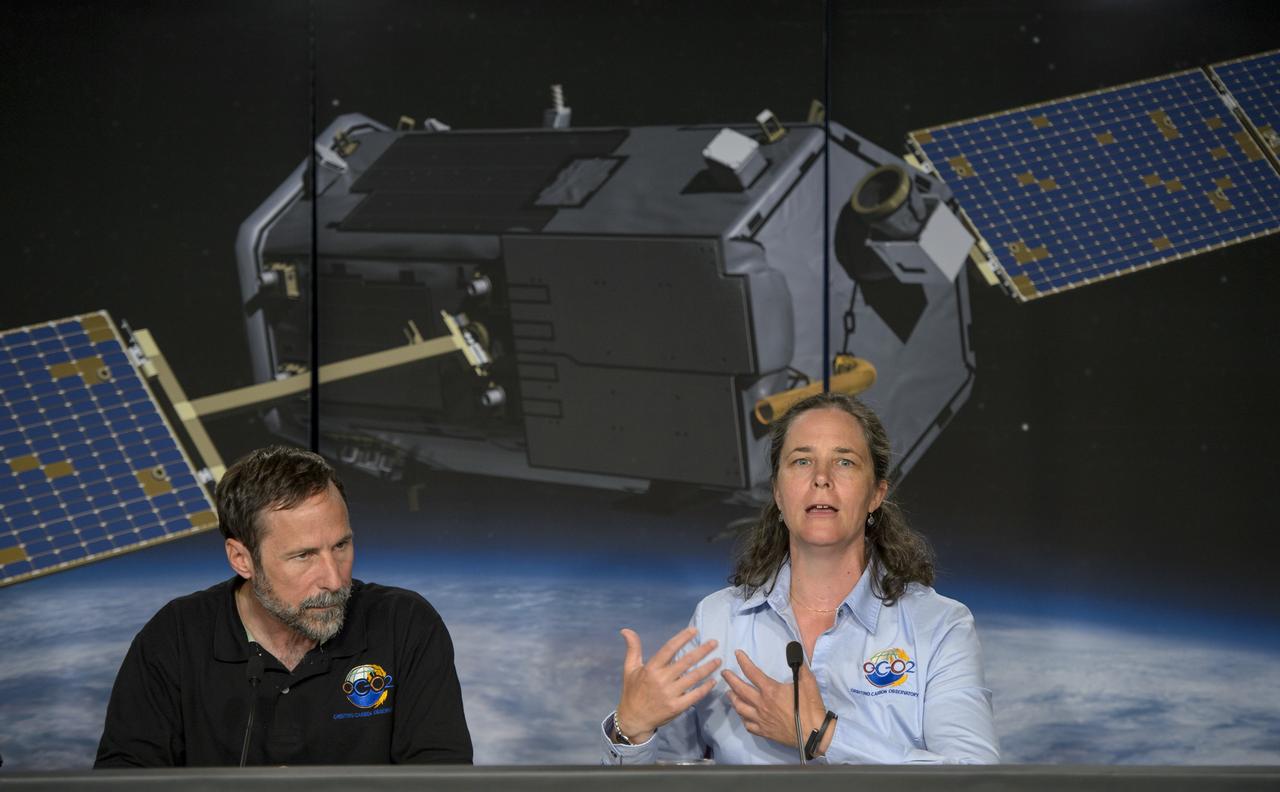
Dave Crisp, OCO-2 science team leader, JPL, left, and Annmarie Eldering, OCO-2 deputy project scientist, JPL, are seen during a science briefing ahead of the planned launch of the Orbiting Carbon Observatory-2 (OCO-2), Sunday, June 29, 2014, Vandenberg Air Force Base, Calif. OCO-2 will measure the global distribution of carbon dioxide, the leading human-produced greenhouse gas driving changes in Earth’s climate. OCO-2 is set to launch on July 1, 2014 at 2:59 a.m. PDT. Photo Credit: (NASA/Bill Ingalls)