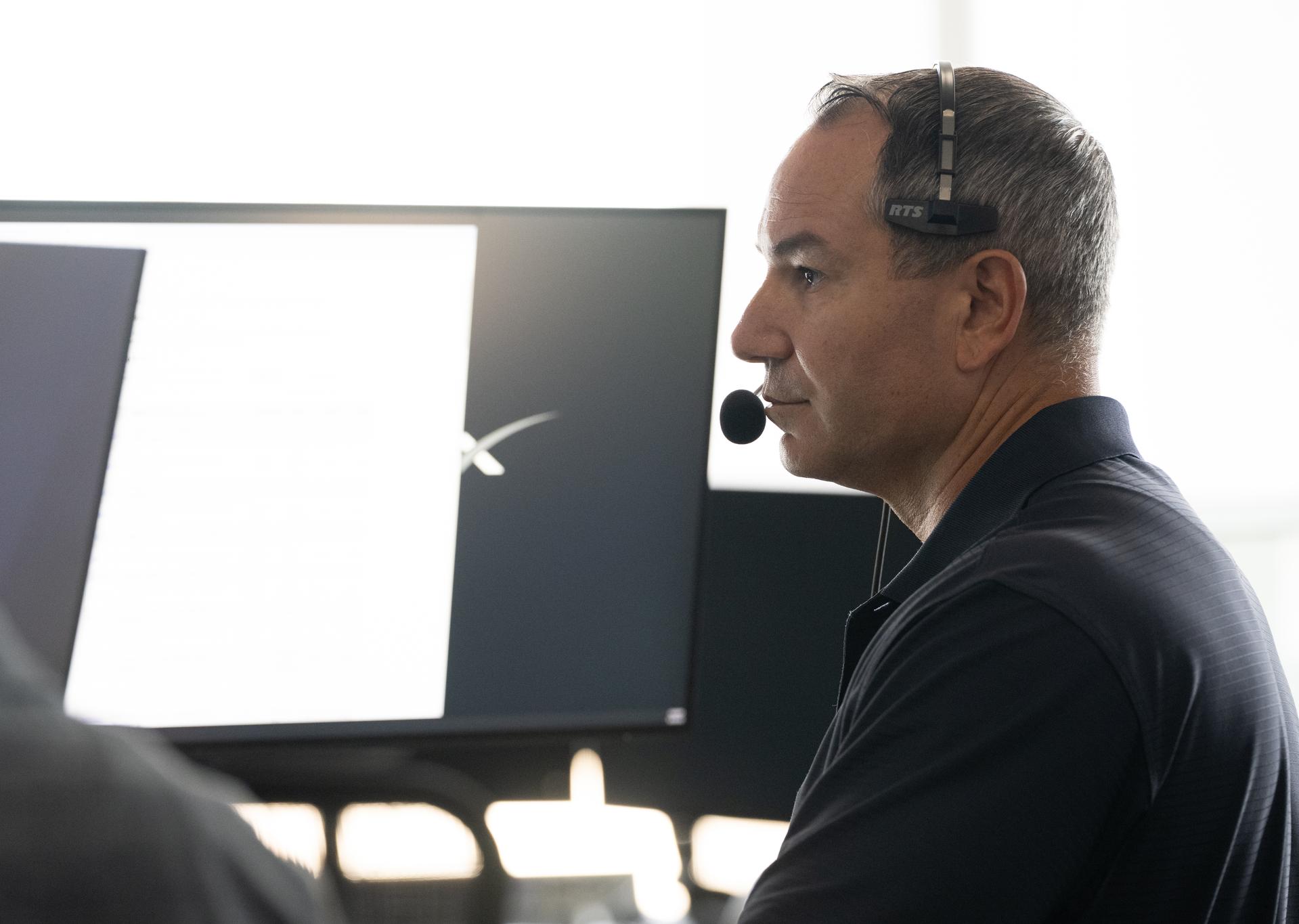
Kevin Vega, NASA’s Commercial Crew Program Chief Engineer, monitors the countdown during a dress rehearsal in preparation for the launch of a SpaceX Falcon 9 rocket carrying the company's Dragon spacecraft on NASA’s SpaceX Crew-13 mission with NASA astronauts Jessica Watkins and Luke Delaney, CSA (Canadian Space Agency) astronaut Joshua Kutryk, and Roscosmos cosmonaut Sergey Teteryatnikov onboard, Tuesday, Sept. 29, 2026, in the control room of SpaceX’s HangarX at NASA’s Kennedy Space Center in Florida. NASA’s SpaceX Crew-13 mission is the 13th crew rotation mission of the SpaceX Dragon spacecraft and Falcon 9 rocket to the International Space Station as part of the agency’s Commercial Crew Program. Watkins, Delaney, Kutryk, Teteryatnikov are scheduled to launch on 11:10 a.m. EDT on Thursday, Oct. 1, from Space Launch Complex 40 at the Cape Canaveral Space Force Station. Photo Credit: (NASA/Joel Kowsky)

Richard Jones, manager of the Mission Management and Integration Office for NASA's Commercial Crew Program, monitors the countdown during a dress rehearsal in preparation for the launch of a SpaceX Falcon 9 rocket carrying the company's Dragon spacecraft on NASA’s SpaceX Crew-13 mission with NASA astronauts Jessica Watkins and Luke Delaney, CSA (Canadian Space Agency) astronaut Joshua Kutryk, and Roscosmos cosmonaut Sergey Teteryatnikov onboard, Tuesday, Sept. 29, 2026, in the control room of SpaceX’s HangarX at NASA’s Kennedy Space Center in Florida. NASA’s SpaceX Crew-13 mission is the 13th crew rotation mission of the SpaceX Dragon spacecraft and Falcon 9 rocket to the International Space Station as part of the agency’s Commercial Crew Program. Watkins, Delaney, Kutryk, Teteryatnikov are scheduled to launch on 11:10 a.m. EDT on Thursday, Oct. 1, from Space Launch Complex 40 at the Cape Canaveral Space Force Station. Photo Credit: (NASA/Joel Kowsky)
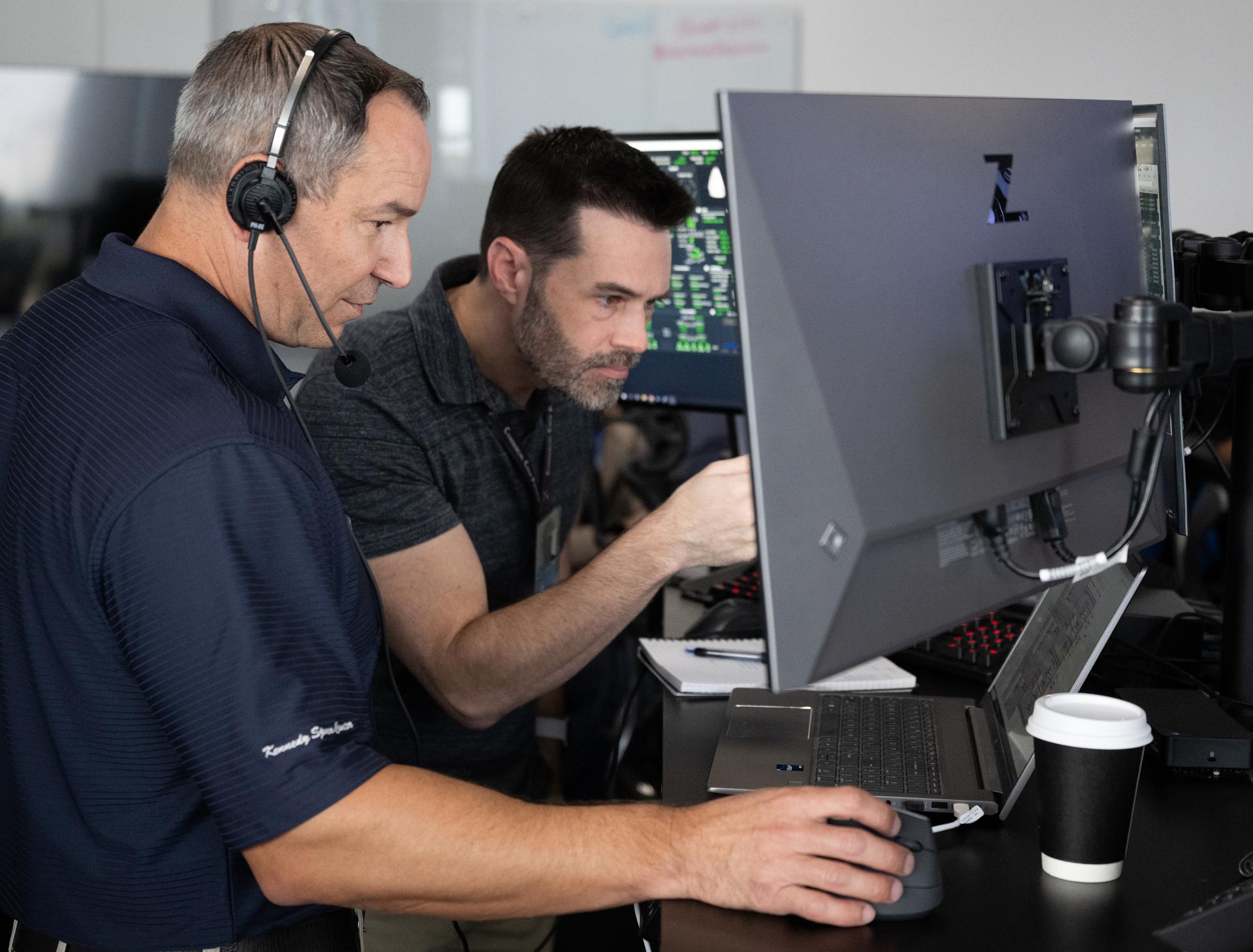
Kevin Vega, NASA’s Commercial Crew Program Chief Engineer, left, John Posey, lead engineer for Dragon in NASA's Commercial Crew Program are seen as they monitor the countdown during a dress rehearsal in preparation for the launch of a SpaceX Falcon 9 rocket carrying the company's Dragon spacecraft on NASA’s SpaceX Crew-13 mission with NASA astronauts Jessica Watkins and Luke Delaney, CSA (Canadian Space Agency) astronaut Joshua Kutryk, and Roscosmos cosmonaut Sergey Teteryatnikov onboard, Tuesday, Sept. 29, 2026, in the control room of SpaceX’s HangarX at NASA’s Kennedy Space Center in Florida. NASA’s SpaceX Crew-13 mission is the 13th crew rotation mission of the SpaceX Dragon spacecraft and Falcon 9 rocket to the International Space Station as part of the agency’s Commercial Crew Program. Watkins, Delaney, Kutryk, Teteryatnikov are scheduled to launch on 11:10 a.m. EDT on Thursday, Oct. 1, from Space Launch Complex 40 at the Cape Canaveral Space Force Station. Photo Credit: (NASA/Joel Kowsky)
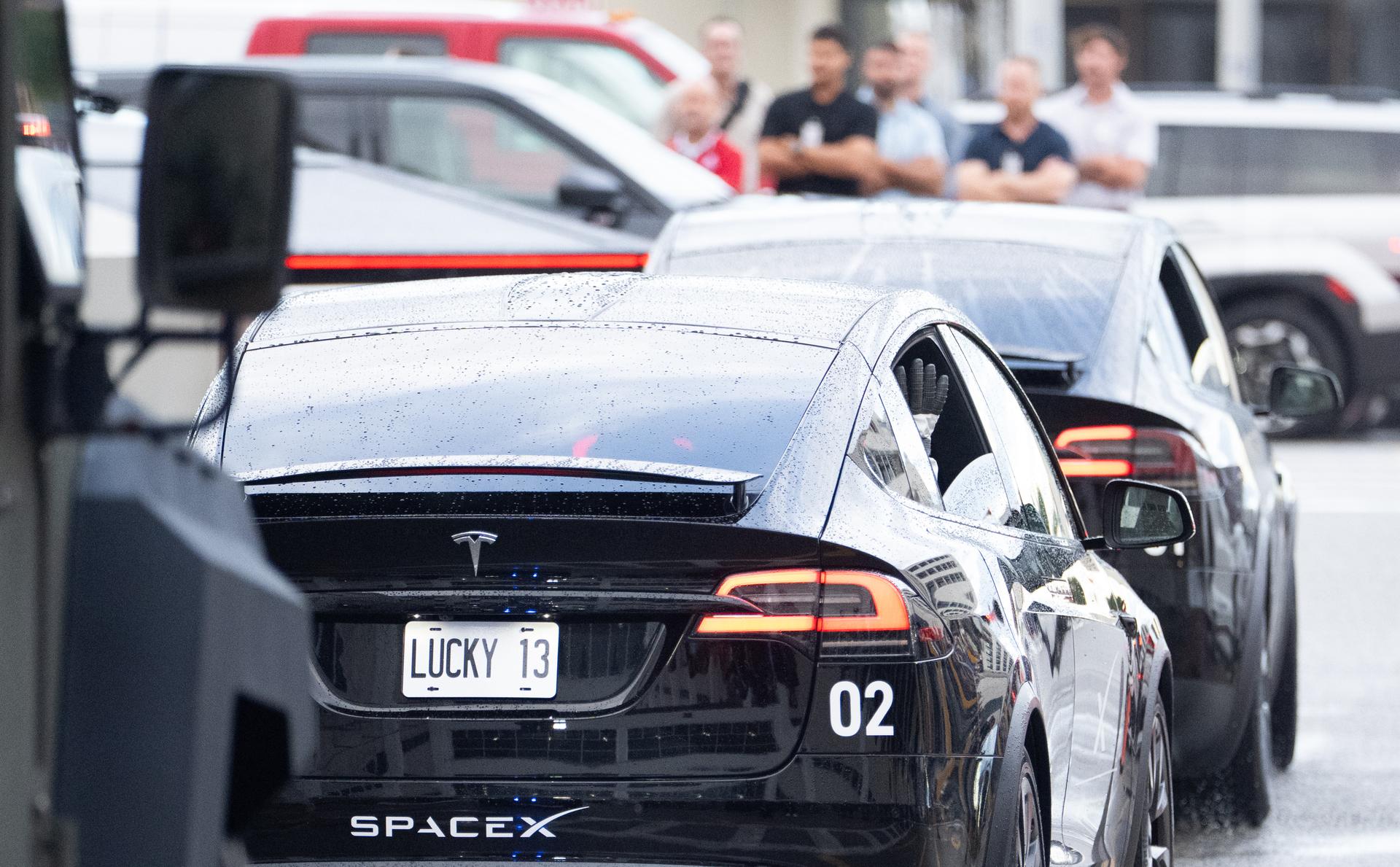
CSA (Canadian Space Agency) astronaut Joshua Kutryk waves as he and fellow crewmates NASA astronauts Jessica Watkins, Luke Delaney, and Roscosmos cosmonaut Sergey Teteryatnikov, wearing SpaceX spacesuits, depart the Neil A. Armstrong Operations and Checkout Building for Space Launch Complex 40 on Cape Canaveral Space Force Station to board the SpaceX Dragon spacecraft for the Crew-13 mission launch, Thursday, Oct. 1, 2026, at NASA’s Kennedy Space Center in Florida. NASA’s SpaceX Crew-13 mission is the 13th crew rotation mission of the SpaceX Crew Dragon spacecraft and Falcon 9 rocket to the International Space Station as part of the agency’s Commercial Crew Program. Watkins, Delaney, Kutryk, Teteryatnikov are scheduled to launch at 11:10 a.m. EDT, from Space Launch Complex 40 at the Cape Canaveral Space Force Station. Photo Credit: (NASA/Joel Kowsky)
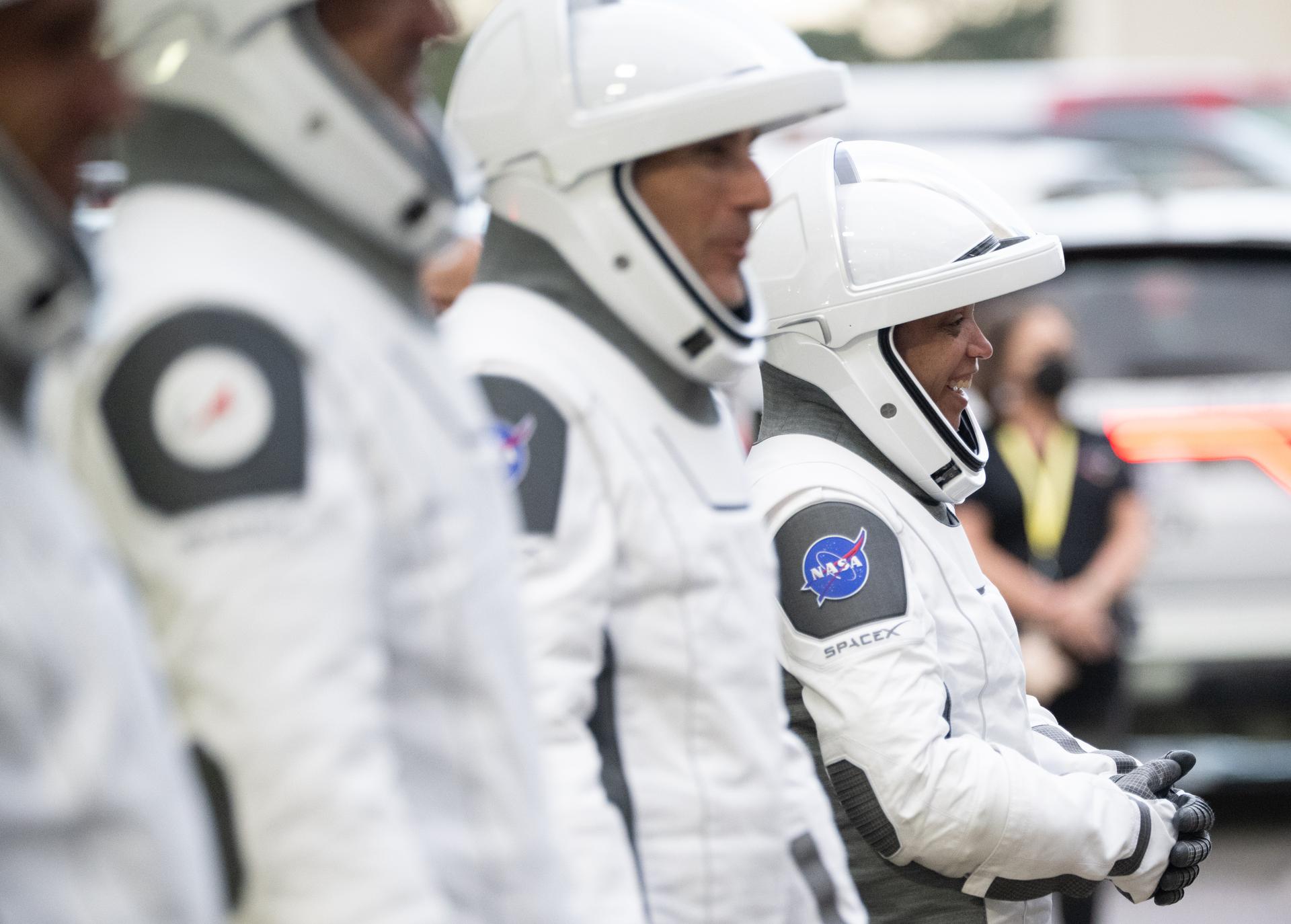
NASA astronaut Jessica Watkins is seen alongside fellow crewmates Luke Delaney, CSA (Canadian Space Agency) astronaut Joshua Kutryk, and Roscosmos cosmonaut Sergey Teteryatnikov, wearing SpaceX spacesuits, as they prepare to depart the Neil A. Armstrong Operations and Checkout Building for Space Launch Complex 40 on Cape Canaveral Space Force Station to board the SpaceX Dragon spacecraft for the Crew-13 mission launch, Thursday, Oct. 1, 2026, at NASA’s Kennedy Space Center in Florida. NASA’s SpaceX Crew-13 mission is the 13th crew rotation mission of the SpaceX Crew Dragon spacecraft and Falcon 9 rocket to the International Space Station as part of the agency’s Commercial Crew Program. Watkins, Delaney, Kutryk, Teteryatnikov are scheduled to launch at 11:10 a.m. EDT, from Space Launch Complex 40 at the Cape Canaveral Space Force Station. Photo Credit: (NASA/Joel Kowsky)
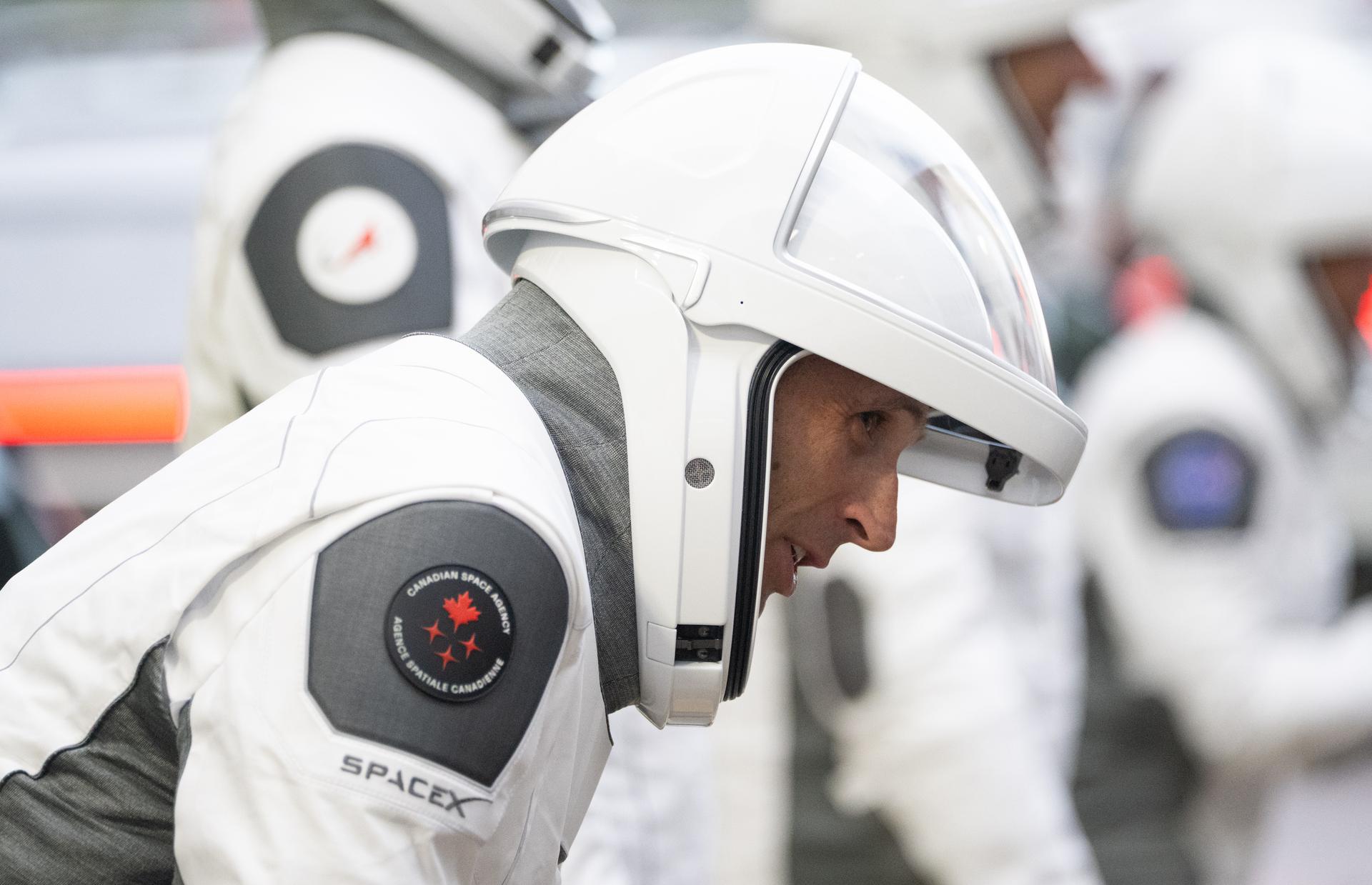
CSA (Canadian Space Agency) astronaut Joshua Kutryk is seen alongside fellow crewmates NASA astronauts Jessica Watkins, Luke Delaney, and Roscosmos cosmonaut Sergey Teteryatnikov, wearing SpaceX spacesuits, as they prepare to depart the Neil A. Armstrong Operations and Checkout Building for Space Launch Complex 40 on Cape Canaveral Space Force Station to board the SpaceX Dragon spacecraft for the Crew-13 mission launch, Thursday, Oct. 1, 2026, at NASA’s Kennedy Space Center in Florida. NASA’s SpaceX Crew-13 mission is the 13th crew rotation mission of the SpaceX Crew Dragon spacecraft and Falcon 9 rocket to the International Space Station as part of the agency’s Commercial Crew Program. Watkins, Delaney, Kutryk, Teteryatnikov are scheduled to launch at 11:10 a.m. EDT, from Space Launch Complex 40 at the Cape Canaveral Space Force Station. Photo Credit: (NASA/Joel Kowsky)
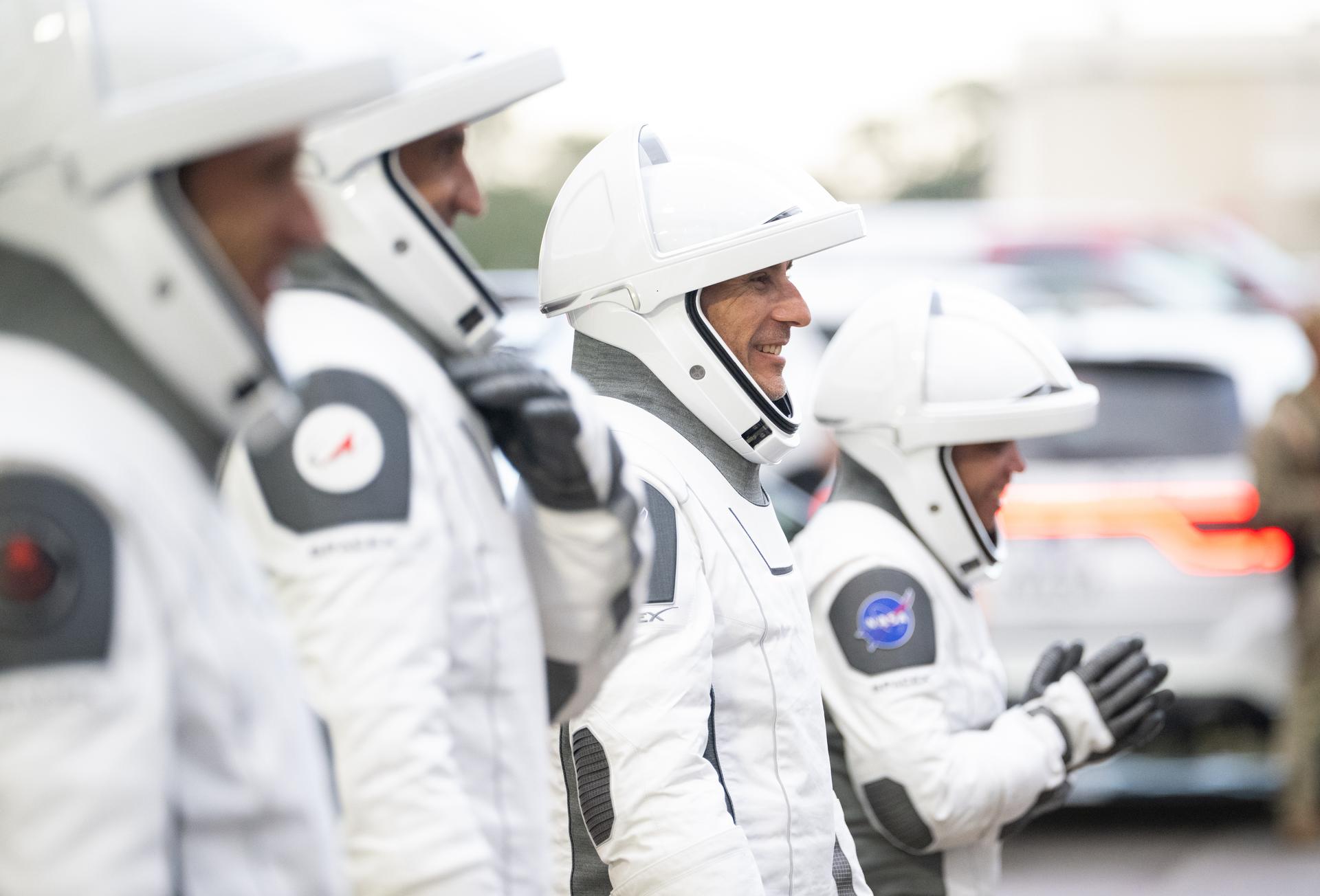
NASA astronaut Luke Delaney is seen alongside fellow crewmates Jessica Watkins, CSA (Canadian Space Agency) astronaut Joshua Kutryk, and Roscosmos cosmonaut Sergey Teteryatnikov, wearing SpaceX spacesuits, as they prepare to depart the Neil A. Armstrong Operations and Checkout Building for Space Launch Complex 40 on Cape Canaveral Space Force Station to board the SpaceX Dragon spacecraft for the Crew-13 mission launch, Thursday, Oct. 1, 2026, at NASA’s Kennedy Space Center in Florida. NASA’s SpaceX Crew-13 mission is the 13th crew rotation mission of the SpaceX Crew Dragon spacecraft and Falcon 9 rocket to the International Space Station as part of the agency’s Commercial Crew Program. Watkins, Delaney, Kutryk, Teteryatnikov are scheduled to launch at 11:10 a.m. EDT, from Space Launch Complex 40 at the Cape Canaveral Space Force Station. Photo Credit: (NASA/Joel Kowsky)
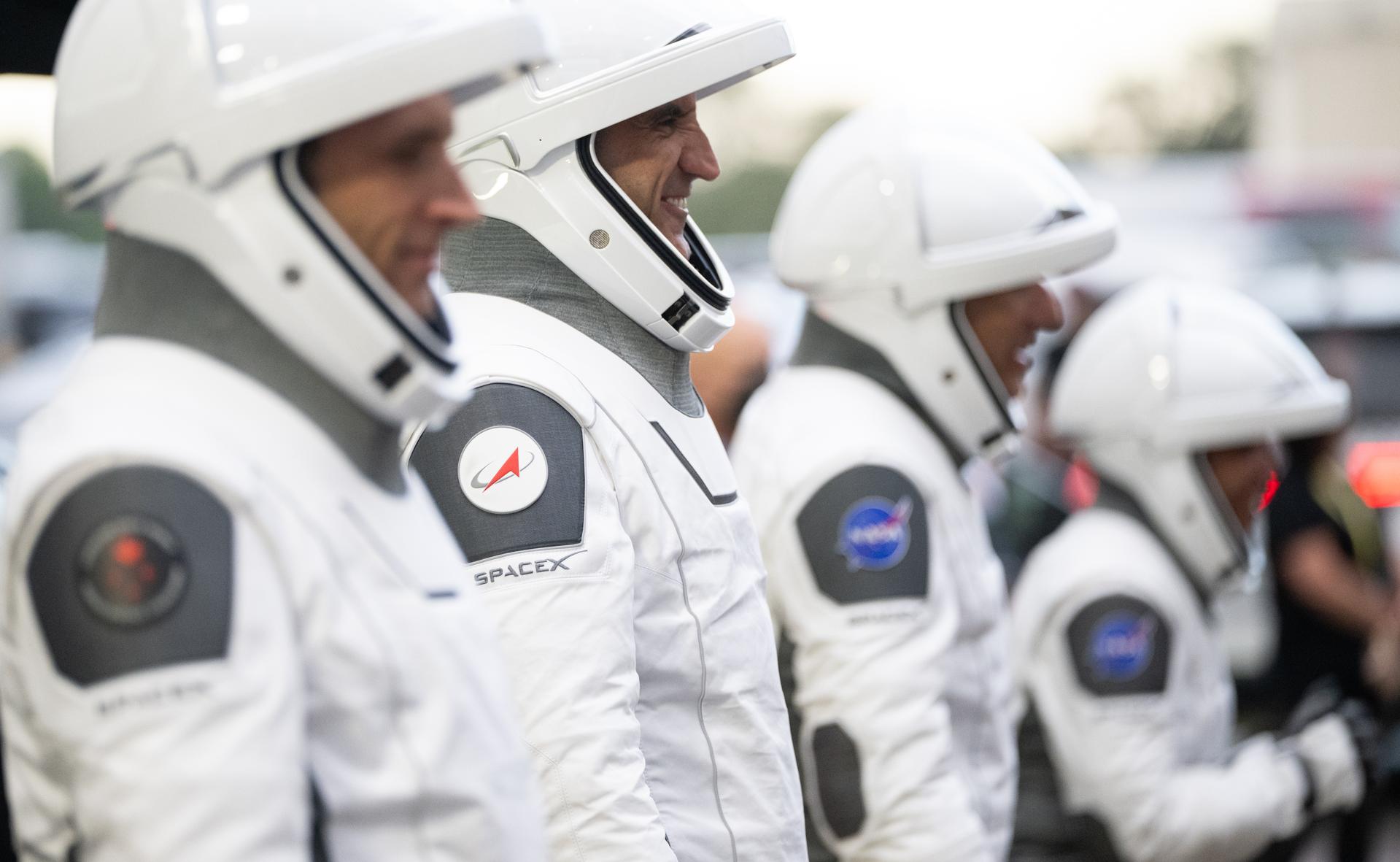
Roscosmos cosmonaut Sergey Teteryatnikov is seen alongside fellow crewmates NASA astronauts Jessica Watkins, Luke Delaney, and CSA (Canadian Space Agency) astronaut Joshua Kutryk, wearing SpaceX spacesuits, as they prepare to depart the Neil A. Armstrong Operations and Checkout Building for Space Launch Complex 40 on Cape Canaveral Space Force Station to board the SpaceX Dragon spacecraft for the Crew-13 mission launch, Thursday, Oct. 1, 2026, at NASA’s Kennedy Space Center in Florida. NASA’s SpaceX Crew-13 mission is the 13th crew rotation mission of the SpaceX Crew Dragon spacecraft and Falcon 9 rocket to the International Space Station as part of the agency’s Commercial Crew Program. Watkins, Delaney, Kutryk, Teteryatnikov are scheduled to launch at 11:10 a.m. EDT, from Space Launch Complex 40 at the Cape Canaveral Space Force Station. Photo Credit: (NASA/Joel Kowsky)
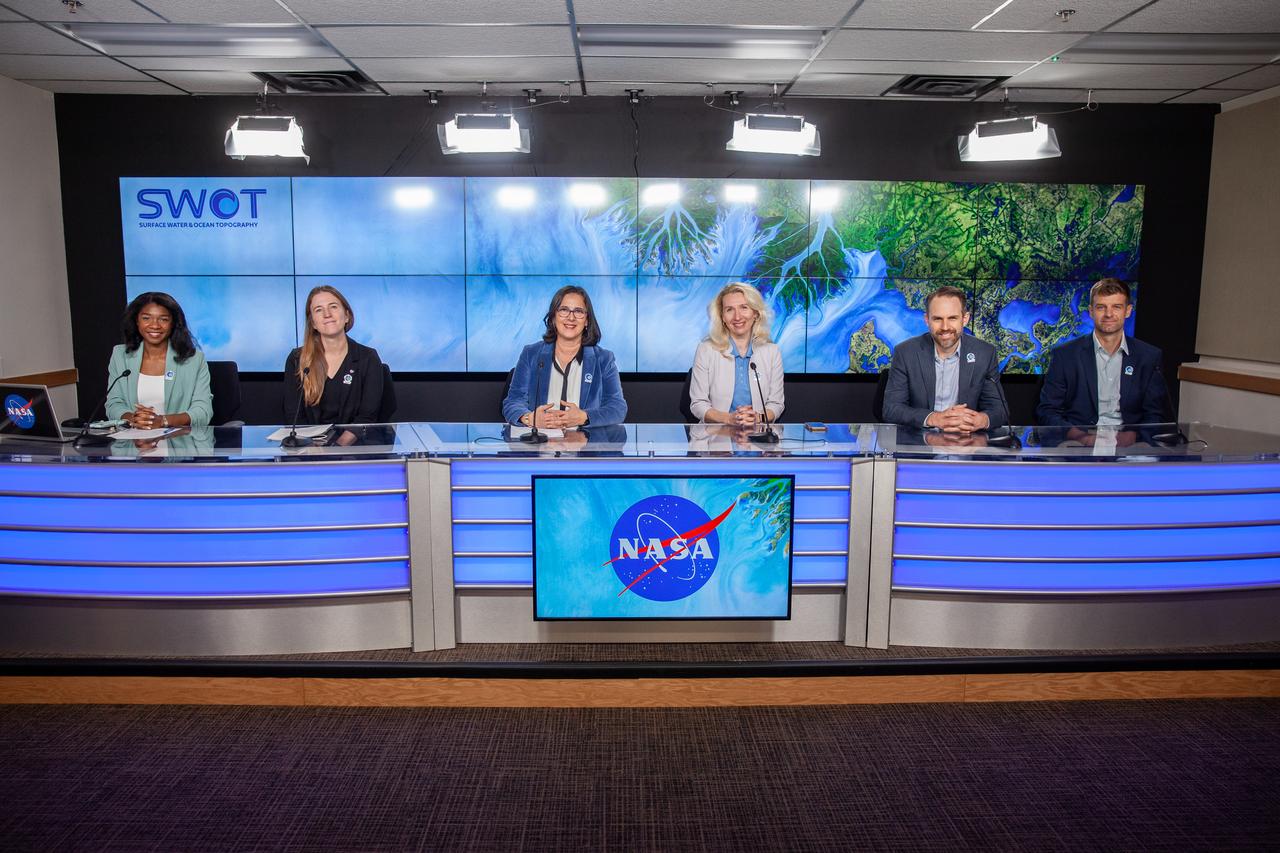
NASA and the French space agency Centre National d’Études Spatiales (CNES) hold a science briefing on the Surface Water and Ocean Topography (SWOT) mission on Dec. 13, 2022, at Vandenberg Space Force Base in California. Participating from left are Katherine Calvin, chief scientist and senior climate advisor, NASA; Selma Cherchali, Earth observation program head, CNES; Nadya Vinogradova Shiffer, SWOT program scientist, NASA; Tamlin Pavelsky, SWOT hydrology science lead, University of North Carolina; Benjamin Hamlington, research scientist, Sea Level and Ice Group, Jet Propulsion Laboratory. SWOT is scheduled to launch on a SpaceX Falcon 9 rocket from Space Launch Complex-4 East at Vandenberg on Dec. 15, 2022, at 3:46 a.m. PST. SWOT will be NASA’s first global survey of nearly all water on Earth’s surface. Scientists plan to use its observations to better understand the global water cycle, furnish insight into the ocean’s role in how climate change unfolds, and provide a global inventory of water resources. The SWOT mission is a collaborative effort between NASA and CNES with contributions from the Canadian Space Agency and the UK Space Agency. NASA’s Launch Services Program, based at the agency’s Kennedy Space Center in Florida, is managing the launch service.
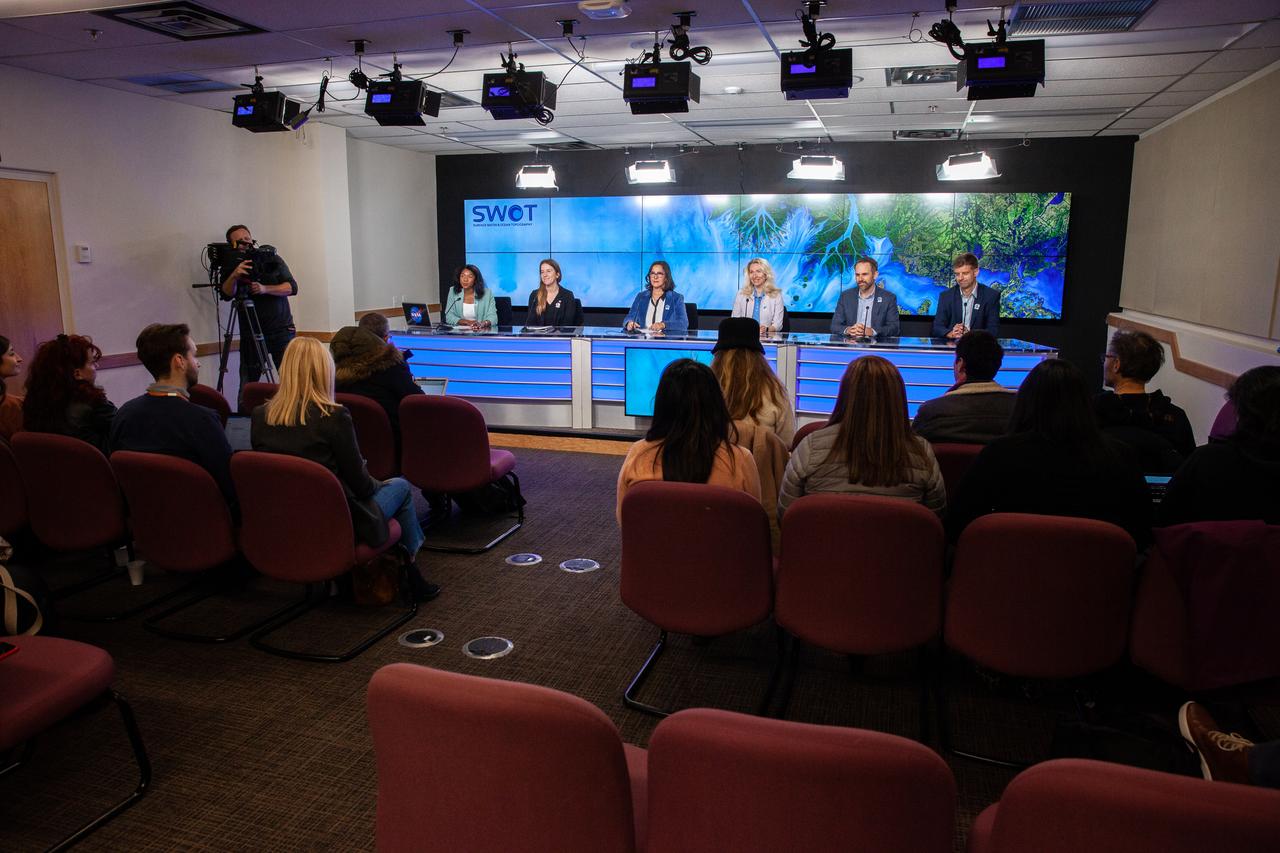
NASA and the French space agency Centre National d’Études Spatiales (CNES) hold a science briefing on the Surface Water and Ocean Topography (SWOT) mission on Dec. 13, 2022, at Vandenberg Space Force Base in California. Participating from left are Katherine Calvin, chief scientist and senior climate advisor, NASA; Selma Cherchali, Earth observation program head, CNES; Nadya Vinogradova Shiffer, SWOT program scientist, NASA; Tamlin Pavelsky, SWOT hydrology science lead, University of North Carolina; Benjamin Hamlington, research scientist, Sea Level and Ice Group, Jet Propulsion Laboratory. SWOT is scheduled to launch on a SpaceX Falcon 9 rocket from Space Launch Complex-4 East at Vandenberg on Dec. 15, 2022, at 3:46 a.m. PST. SWOT will be NASA’s first global survey of nearly all water on Earth’s surface. Scientists plan to use its observations to better understand the global water cycle, furnish insight into the ocean’s role in how climate change unfolds, and provide a global inventory of water resources. The SWOT mission is a collaborative effort between NASA and CNES with contributions from the Canadian Space Agency and the UK Space Agency. NASA’s Launch Services Program, based at the agency’s Kennedy Space Center in Florida, is managing the launch service.
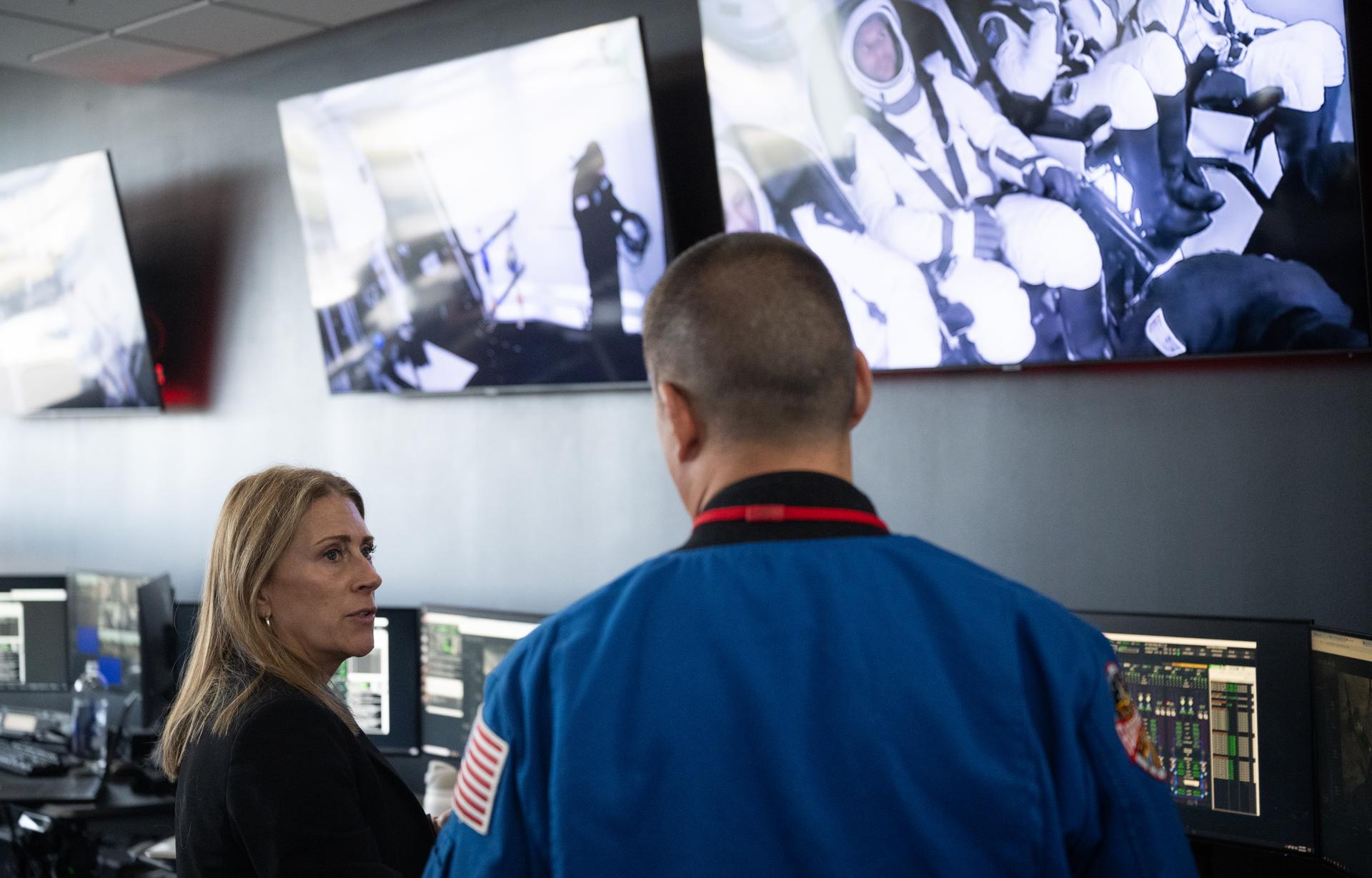
Dana Weigel, manager of NASA’s Low Earth Orbit Program, speaks with Kjell Lindgren deputy director of Flight Operations at NASA’s Johnson Space Center as teams monitor the countdown during a dress rehearsal in preparation for the launch of a SpaceX Falcon 9 rocket carrying the company's Dragon spacecraft on NASA’s SpaceX Crew-13 mission with NASA astronauts Jessica Watkins and Luke Delaney, CSA (Canadian Space Agency) astronaut Joshua Kutryk, and Roscosmos cosmonaut Sergey Teteryatnikov onboard, Tuesday, Sept. 29, 2026, in the control room of SpaceX’s HangarX at NASA’s Kennedy Space Center in Florida. NASA’s SpaceX Crew-13 mission is the 13th crew rotation mission of the SpaceX Dragon spacecraft and Falcon 9 rocket to the International Space Station as part of the agency’s Commercial Crew Program. Watkins, Delaney, Kutryk, Teteryatnikov are scheduled to launch on 11:10 a.m. EDT on Thursday, Oct. 1, from Space Launch Complex 40 at the Cape Canaveral Space Force Station. Photo Credit: (NASA/Joel Kowsky)
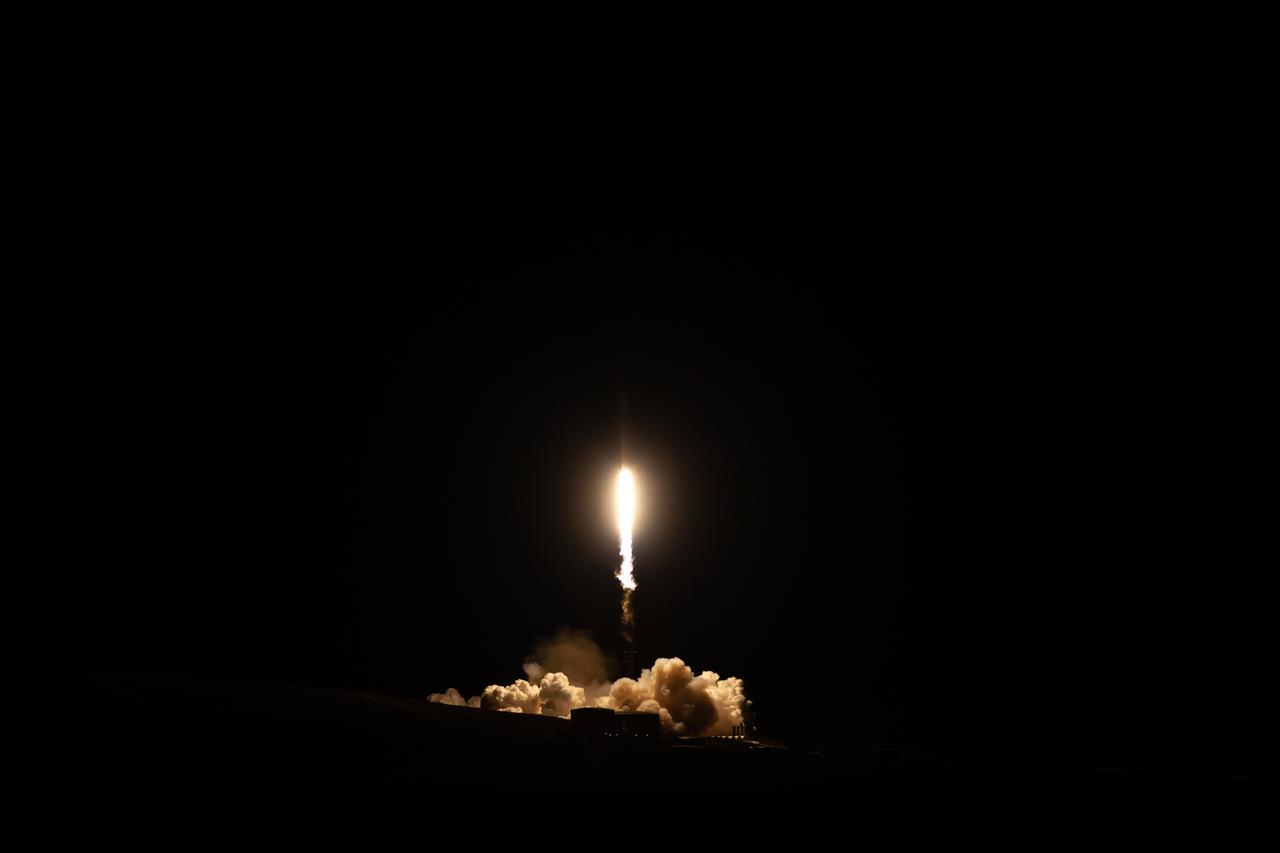
The SpaceX Falcon 9 rocket, carrying the Surface Water and Ocean Topography (SWOT) satellite, lifts off from Space Launch Complex-4 East at Vandenberg Space Force Base in California on Dec. 16, 2022, at 3:46 a.m. PST. A collaboration between NASA and the French space agency Centre National d’Études Spatiales (CNES), with contributions from the Canadian Space Agency and the UK Space Agency, SWOT will be the first satellite to survey nearly all water on Earth’s surface. The satellite will help researchers understand how much water flows in and out of Earth’s freshwater bodies and will provide insight into the ocean’s role in climate change. The instruments onboard will measure the height of water in lakes, rivers, reservoirs, and the ocean, and will observe ocean features in higher definition than ever before. NASA’s Launch Services Program, based at the agency’s Kennedy Space Center in Florida, is managing the launch service.
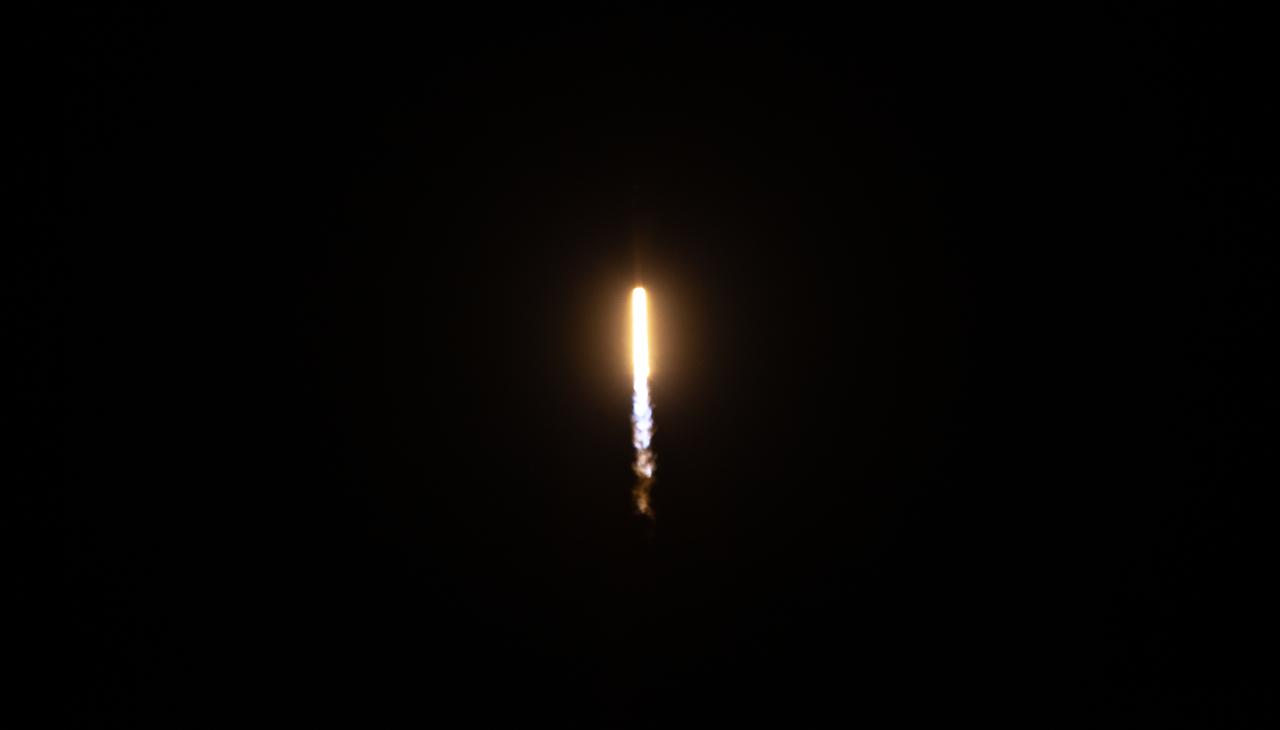
The SpaceX Falcon 9 rocket, carrying the Surface Water and Ocean Topography (SWOT) satellite, soars upward after lifting off from Space Launch Complex-4 East at Vandenberg Space Force Base in California on Dec. 16, 2022, at 3:46 a.m. PST. A collaboration between NASA and the French space agency Centre National d’Études Spatiales (CNES), with contributions from the Canadian Space Agency and the UK Space Agency, SWOT will be the first satellite to survey nearly all water on Earth’s surface. The satellite will help researchers understand how much water flows in and out of Earth’s freshwater bodies and will provide insight into the ocean’s role in climate change. The instruments onboard will measure the height of water in lakes, rivers, reservoirs, and the ocean, and will observe ocean features in higher definition than ever before. NASA’s Launch Services Program, based at the agency’s Kennedy Space Center in Florida, is managing the launch service.
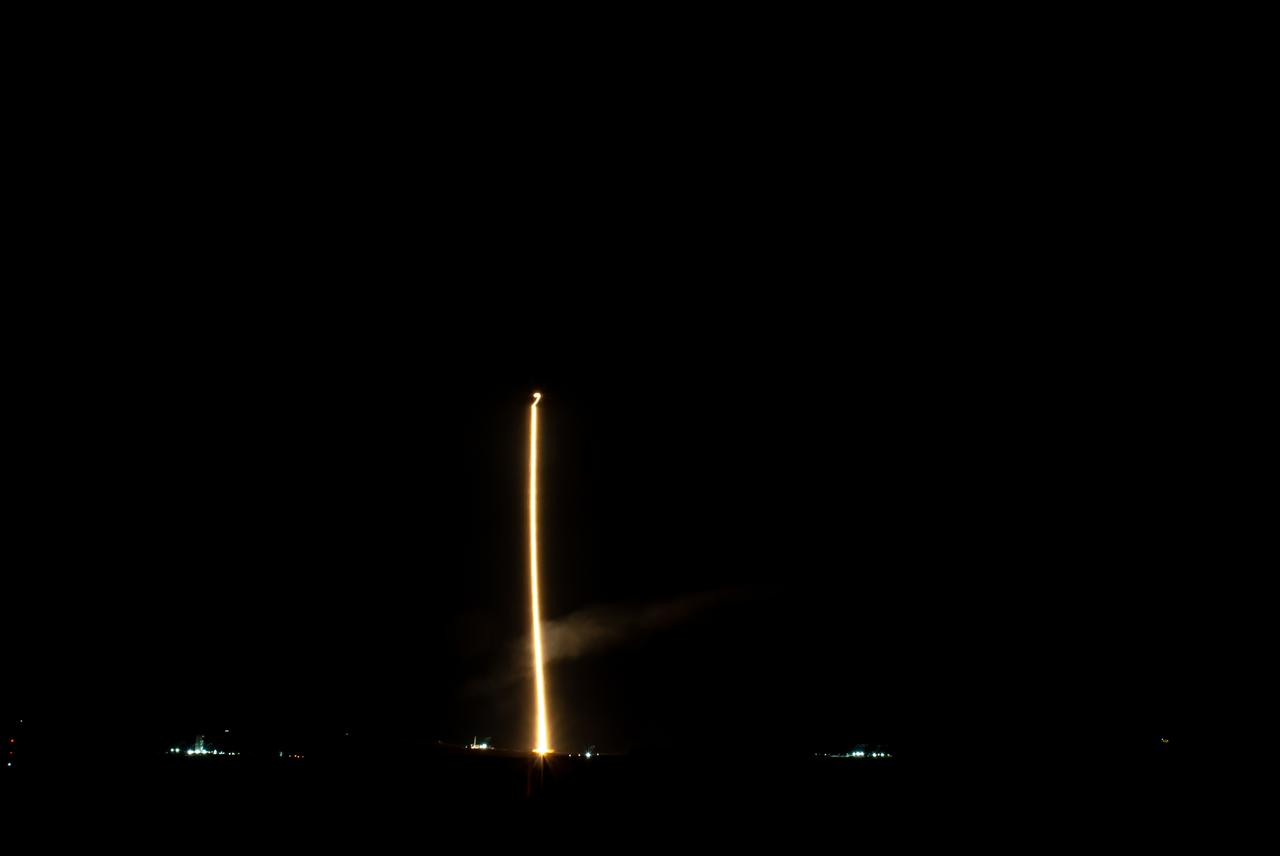
The SpaceX Falcon 9 rocket, carrying the Surface Water and Ocean Topography (SWOT) satellite, lifts off from Space Launch Complex-4 East at Vandenberg Space Force Base in California on Dec. 16, 2022, at 3:46 a.m. PST. A collaboration between NASA and the French space agency Centre National d’Études Spatiales (CNES), with contributions from the Canadian Space Agency and the UK Space Agency, SWOT will be the first satellite to survey nearly all water on Earth’s surface. The satellite will help researchers understand how much water flows in and out of Earth’s freshwater bodies and will provide insight into the ocean’s role in climate change. The instruments onboard will measure the height of water in lakes, rivers, reservoirs, and the ocean, and will observe ocean features in higher definition than ever before. NASA’s Launch Services Program, based at the agency’s Kennedy Space Center in Florida, is managing the launch service.
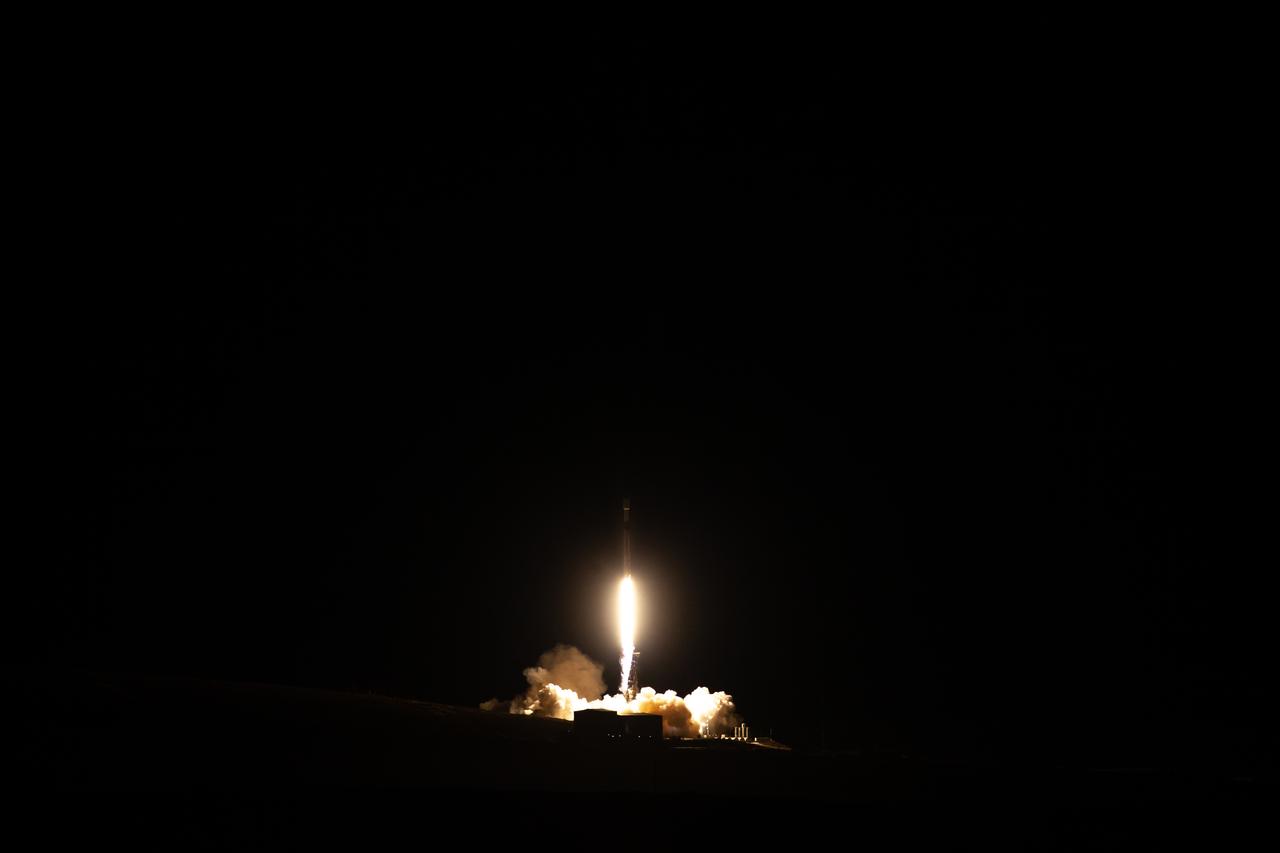
The SpaceX Falcon 9 rocket, carrying the Surface Water and Ocean Topography (SWOT) satellite, lifts off from Space Launch Complex-4 East at Vandenberg Space Force Base in California on Dec. 16, 2022, at 3:46 a.m. PST. A collaboration between NASA and the French space agency Centre National d’Études Spatiales (CNES), with contributions from the Canadian Space Agency and the UK Space Agency, SWOT will be the first satellite to survey nearly all water on Earth’s surface. The satellite will help researchers understand how much water flows in and out of Earth’s freshwater bodies and will provide insight into the ocean’s role in climate change. The instruments onboard will measure the height of water in lakes, rivers, reservoirs, and the ocean, and will observe ocean features in higher definition than ever before. NASA’s Launch Services Program, based at the agency’s Kennedy Space Center in Florida, is managing the launch service.

Jasmine Hopkins, NASA Communications, moderates a science briefing held by NASA and the French space agency Centre National d’Études Spatiales (CNES) for the Surface Water and Ocean Topography (SWOT) mission on Dec. 13, 2022, at Vandenberg Space Force Base in California. SWOT is scheduled to launch on a SpaceX Falcon 9 from Space Launch Complex-4 East at Vandenberg on Dec. 15, 2022, at 3:46 a.m. PST. SWOT will be NASA’s first global survey of nearly all water on Earth’s surface. Scientists plan to use its observations to better understand the global water cycle, furnish insight into the ocean’s role in how climate change unfolds, and provide a global inventory of water resources. The SWOT mission is a collaborative effort between NASA and CNES with contributions from the Canadian Space Agency and the UK Space Agency. NASA’s Launch Services Program, based at the agency’s Kennedy Space Center in Florida, is managing the launch service.
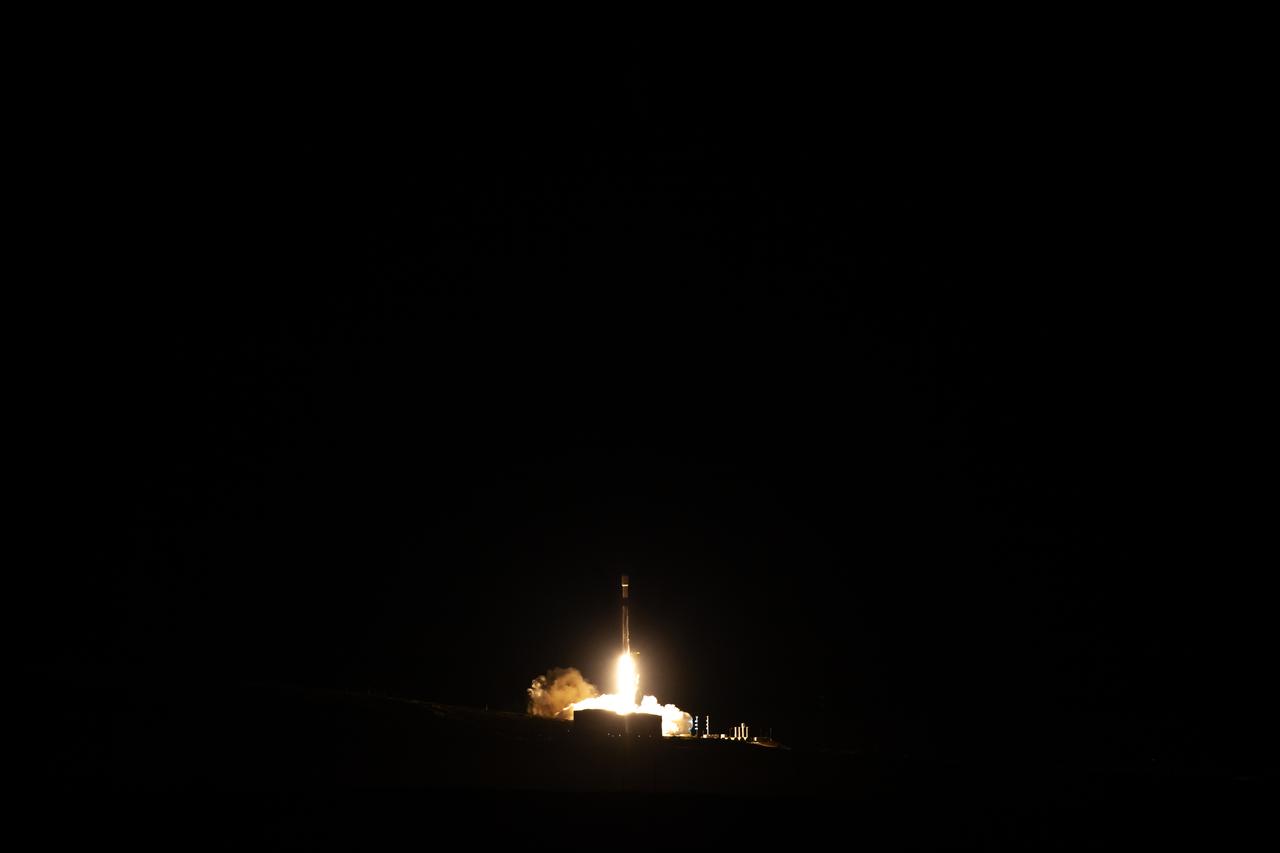
The SpaceX Falcon 9 rocket, carrying the Surface Water and Ocean Topography (SWOT) satellite, lifts off from Space Launch Complex-4 East at Vandenberg Space Force Base in California on Dec. 16, 2022, at 3:46 a.m. PST. A collaboration between NASA and the French space agency Centre National d’Études Spatiales (CNES), with contributions from the Canadian Space Agency and the UK Space Agency, SWOT will be the first satellite to survey nearly all water on Earth’s surface. The satellite will help researchers understand how much water flows in and out of Earth’s freshwater bodies and will provide insight into the ocean’s role in climate change. The instruments onboard will measure the height of water in lakes, rivers, reservoirs, and the ocean, and will observe ocean features in higher definition than ever before. NASA’s Launch Services Program, based at the agency’s Kennedy Space Center in Florida, is managing the launch service.
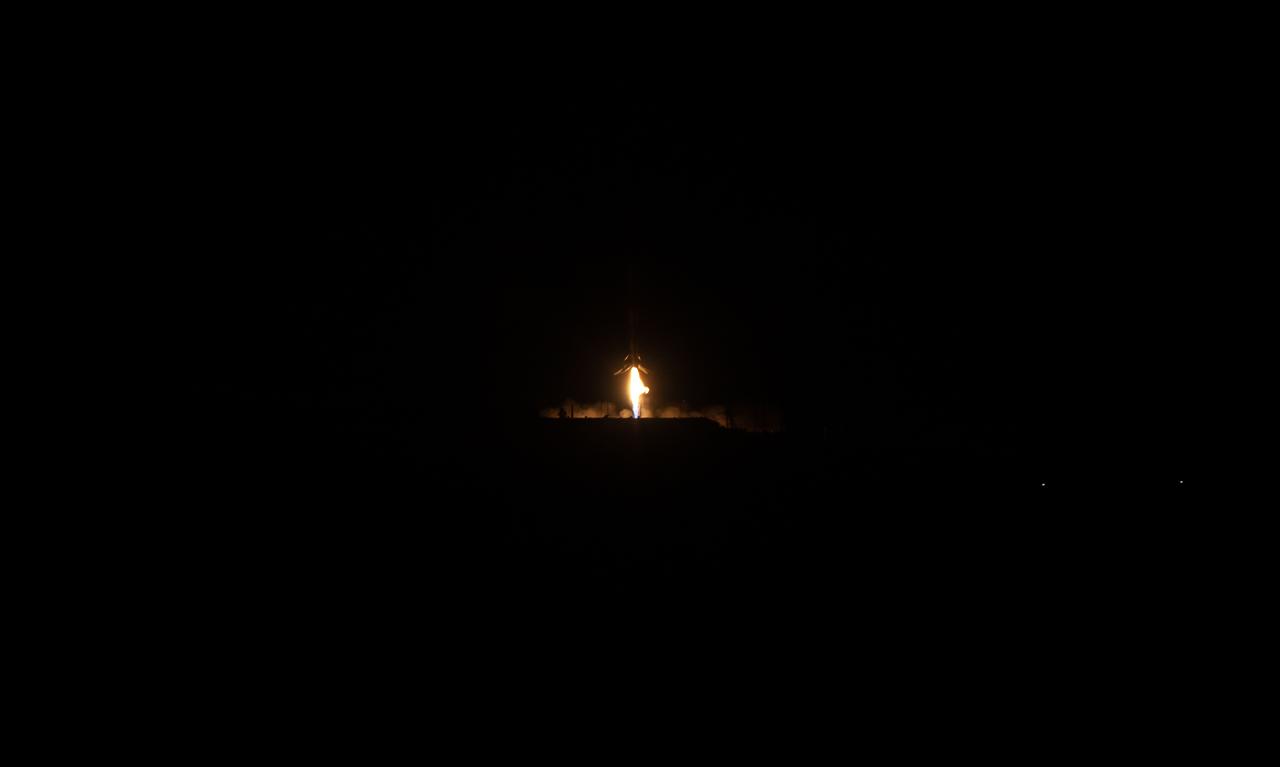
The first stage of the SpaceX Falcon 9 rocket lands at Vandenberg Space Force Base's landing zone 4 following the successful launch of the Surface Water and Ocean Topography (SWOT) satellite on Dec. 16, 2022. A collaboration between NASA and the French space agency Centre National d’Études Spatiales (CNES), with contributions from the Canadian Space Agency and the UK Space Agency, SWOT will be the first satellite to survey nearly all water on Earth’s surface. The satellite will help researchers understand how much water flows in and out of Earth’s freshwater bodies and will provide insight into the ocean’s role in climate change. The instruments onboard will measure the height of water in lakes, rivers, reservoirs, and the ocean, and will observe ocean features in higher definition than ever before. NASA’s Launch Services Program, based at the agency’s Kennedy Space Center in Florida, is managing the launch service.
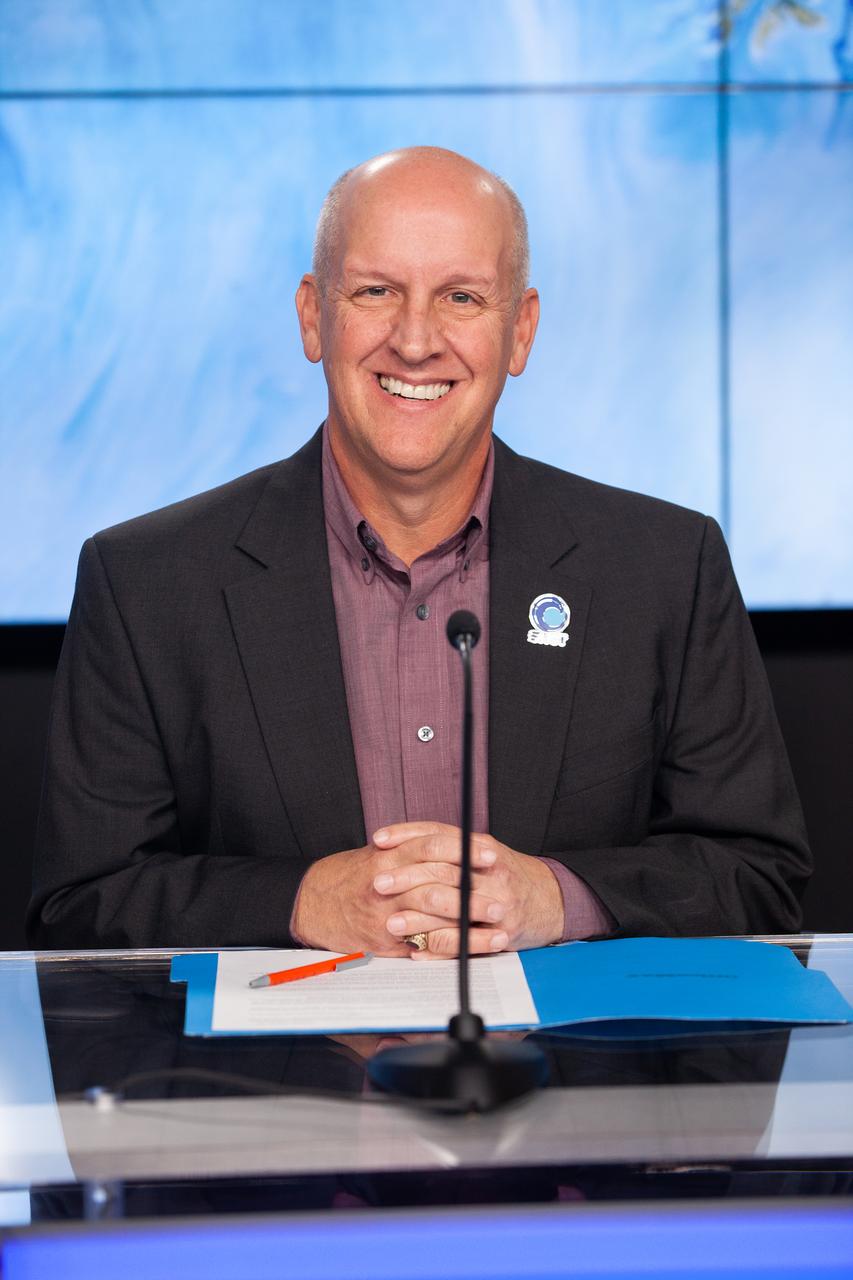
Tim Dunn, launch director, NASA’s Launch Services Program, participates in a prelaunch news conference held by NASA, SpaceX, and the French space agency Centre National d’Études Spatiales (CNES) for the Surface Water and Ocean Topography (SWOT) mission on Dec. 14, 2022, at Vandenberg Space Force Base in California. SWOT is scheduled to launch on a SpaceX Falcon 9 rocket from Space Launch Complex-4 East at Vandenberg on Dec. 15, 2022, at 3:46 a.m. PST. SWOT will be NASA’s first global survey of nearly all water on Earth’s surface. Scientists plan to use its observations to better understand the global water cycle, furnish insight into the ocean’s role in how climate change unfolds, and provide a global inventory of water resources. The SWOT mission is a collaborative effort between NASA and CNES with contributions from the Canadian Space Agency and the UK Space Agency. NASA’s Launch Services Program, based at the agency’s Kennedy Space Center in Florida, is managing the launch service.
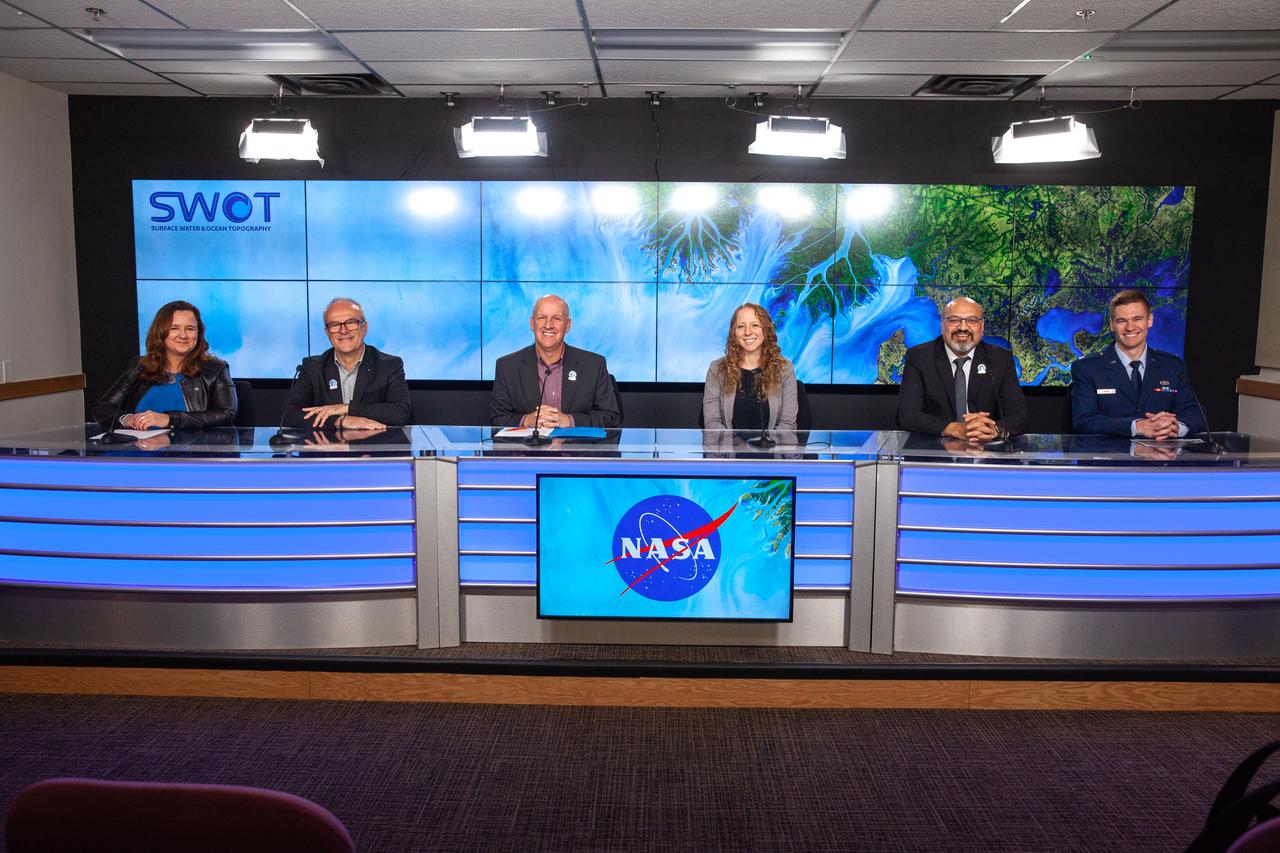
NASA, SpaceX, and the French space agency Centre National d’Études Spatiales (CNES) hold a prelaunch news conference for the Surface Water and Ocean Topography (SWOT) mission on Dec. 14, 2022, at Vandenberg Space Force Base in California. Participating from left are Karen St. Germain, Earth Science Division director, NASA; Thierry Lafon, SWOT project manager, CNES; Tim Dunn, launch director, NASA’s Launch Services Program; Julianna Scheiman, civil satellite missions director, SpaceX; Parag Vaze, SWOT project manager, Jet Propulsion Laboratory; Capt. Max Rush, launch weather officer, U.S. Air Force. SWOT is scheduled to launch on a SpaceX Falcon 9 rocket from Space Launch Complex-4 East at Vandenberg on Dec. 15, 2022, at 3:46 a.m. PST. SWOT will be NASA’s first global survey of nearly all water on Earth’s surface. Scientists plan to use its observations to better understand the global water cycle, furnish insight into the ocean’s role in how climate change unfolds, and provide a global inventory of water resources. The SWOT mission is a collaborative effort between NASA and CNES with contributions from the Canadian Space Agency and the UK Space Agency. NASA’s Launch Services Program, based at the agency’s Kennedy Space Center in Florida, is managing the launch service.

Nadya Vinogradova Shiffer, SWOT program scientist, NASA, participates in a science briefing held by NASA and the French space agency Centre National d’Études Spatiales (CNES) for the Surface Water and Ocean Topography (SWOT) mission on Dec. 13, 2022, at Vandenberg Space Force Base in California. SWOT is scheduled to launch on a SpaceX Falcon 9 rocket from Space Launch Complex-4 East at Vandenberg on Dec. 15, 2022, at 3:46 a.m. PST. SWOT will be NASA’s first global survey of nearly all water on Earth’s surface. Scientists plan to use its observations to better understand the global water cycle, furnish insight into the ocean’s role in how climate change unfolds, and provide a global inventory of water resources. The SWOT mission is a collaborative effort between NASA and CNES with contributions from the Canadian Space Agency and the UK Space Agency. NASA’s Launch Services Program, based at the agency’s Kennedy Space Center in Florida, is managing the launch service.

Selma Cherchali, Earth observation program head, CNES, participates in a science briefing held by NASA and the French space agency Centre National d’Études Spatiales (CNES) for the Surface Water and Ocean Topography (SWOT) mission on Dec. 13, 2022, at Vandenberg Space Force Base in California. SWOT is scheduled to launch on a SpaceX Falcon 9 rocket from Space Launch Complex-4 East at Vandenberg on Dec. 15, 2022, at 3:46 a.m. PST. SWOT will be NASA’s first global survey of nearly all water on Earth’s surface. Scientists plan to use its observations to better understand the global water cycle, furnish insight into the ocean’s role in how climate change unfolds, and provide a global inventory of water resources. The SWOT mission is a collaborative effort between NASA and CNES with contributions from the Canadian Space Agency and the UK Space Agency. NASA’s Launch Services Program, based at the agency’s Kennedy Space Center in Florida, is managing the launch service.
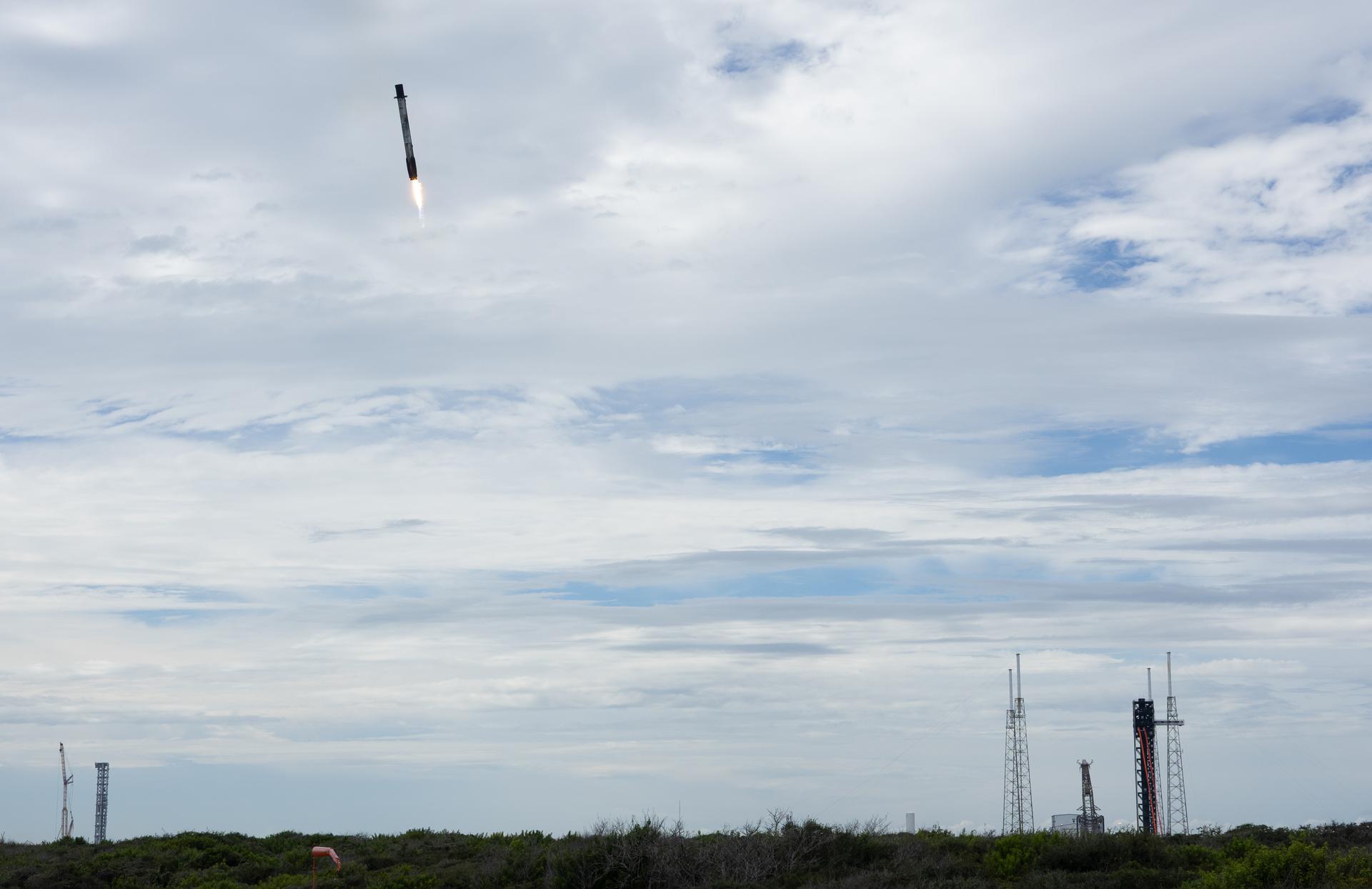
The first stage of the SpaceX Falcon 9 rocket that launched a Dragon spacecraft on NASA’s SpaceX Crew-13 mission to the International Space Station with NASA astronauts Jessica Watkins and Luke Delaney, CSA (Canadian Space Agency) astronaut Joshua Kutryk, and Roscosmos cosmonaut Sergey Teteryatnikov onboard, is seen as it lands at Space Launch Complex 40, Thursday, Oct. 1, 2026, from Cape Canaveral Space Force Station in Florida. NASA’s SpaceX Crew-13 mission is the 13th crew rotation mission of the SpaceX Dragon spacecraft and Falcon 9 rocket to the International Space Station as part of the agency’s Commercial Crew Program. Watkins, Delaney, Kutryk, Teteryatnikov launched at 11:10 a.m. EDT from Space Launch Complex 40 at the Cape Canaveral Space Force Station to begin a mission aboard the orbital outpost. Photo Credit: (NASA/Joel Kowsky)
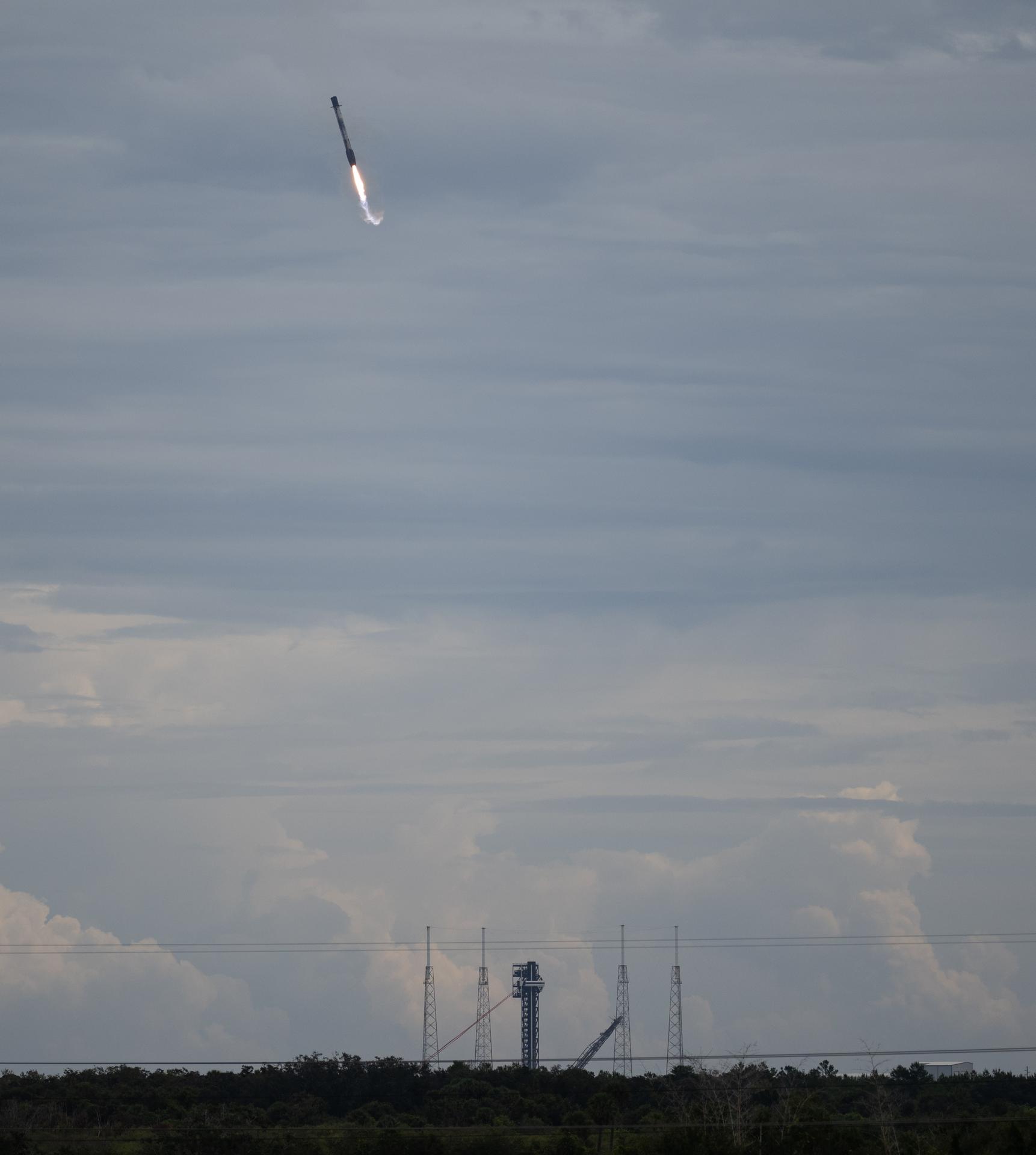
The first stage of the SpaceX Falcon 9 rocket that launched a Dragon spacecraft on NASA’s SpaceX Crew-13 mission to the International Space Station with NASA astronauts Jessica Watkins and Luke Delaney, CSA (Canadian Space Agency) astronaut Joshua Kutryk, and Roscosmos cosmonaut Sergey Teteryatnikov onboard, is seen as it lands at Space Launch Complex 40, Thursday, Oct. 1, 2026, from Cape Canaveral Space Force Station in Florida. NASA’s SpaceX Crew-13 mission is the 13th crew rotation mission of the SpaceX Dragon spacecraft and Falcon 9 rocket to the International Space Station as part of the agency’s Commercial Crew Program. Watkins, Delaney, Kutryk, Teteryatnikov launched at 11:10 a.m. EDT from Space Launch Complex 40 at the Cape Canaveral Space Force Station to begin a mission aboard the orbital outpost. Photo Credit: (NASA/Joel Kowsky)
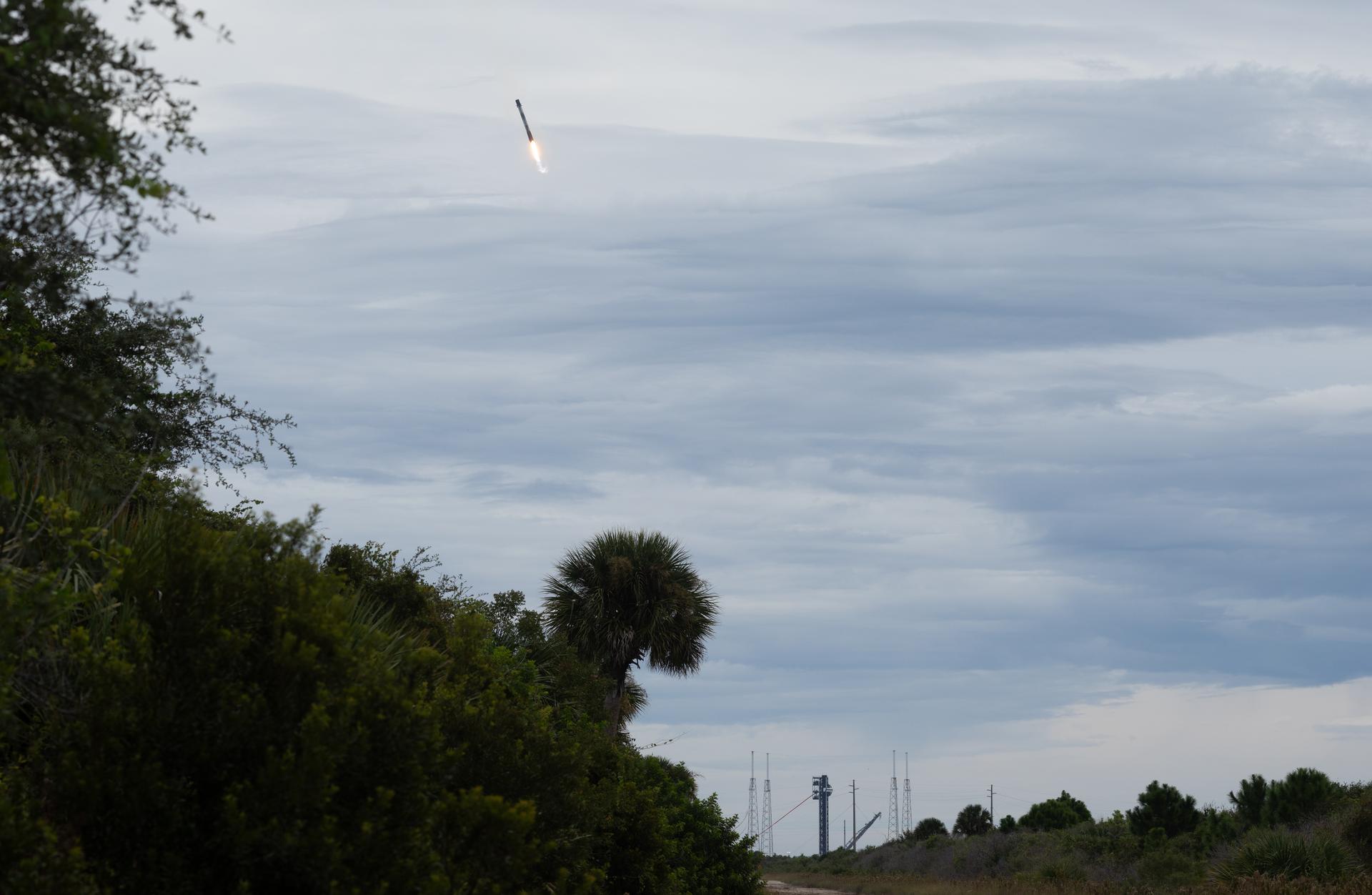
The first stage of the SpaceX Falcon 9 rocket that launched a Dragon spacecraft on NASA’s SpaceX Crew-13 mission to the International Space Station with NASA astronauts Jessica Watkins and Luke Delaney, CSA (Canadian Space Agency) astronaut Joshua Kutryk, and Roscosmos cosmonaut Sergey Teteryatnikov onboard, is seen as it lands at Space Launch Complex 40, Thursday, Oct. 1, 2026, from Cape Canaveral Space Force Station in Florida. NASA’s SpaceX Crew-13 mission is the 13th crew rotation mission of the SpaceX Dragon spacecraft and Falcon 9 rocket to the International Space Station as part of the agency’s Commercial Crew Program. Watkins, Delaney, Kutryk, Teteryatnikov launched at 11:10 a.m. EDT from Space Launch Complex 40 at the Cape Canaveral Space Force Station to begin a mission aboard the orbital outpost. Photo Credit: (NASA/Joel Kowsky)
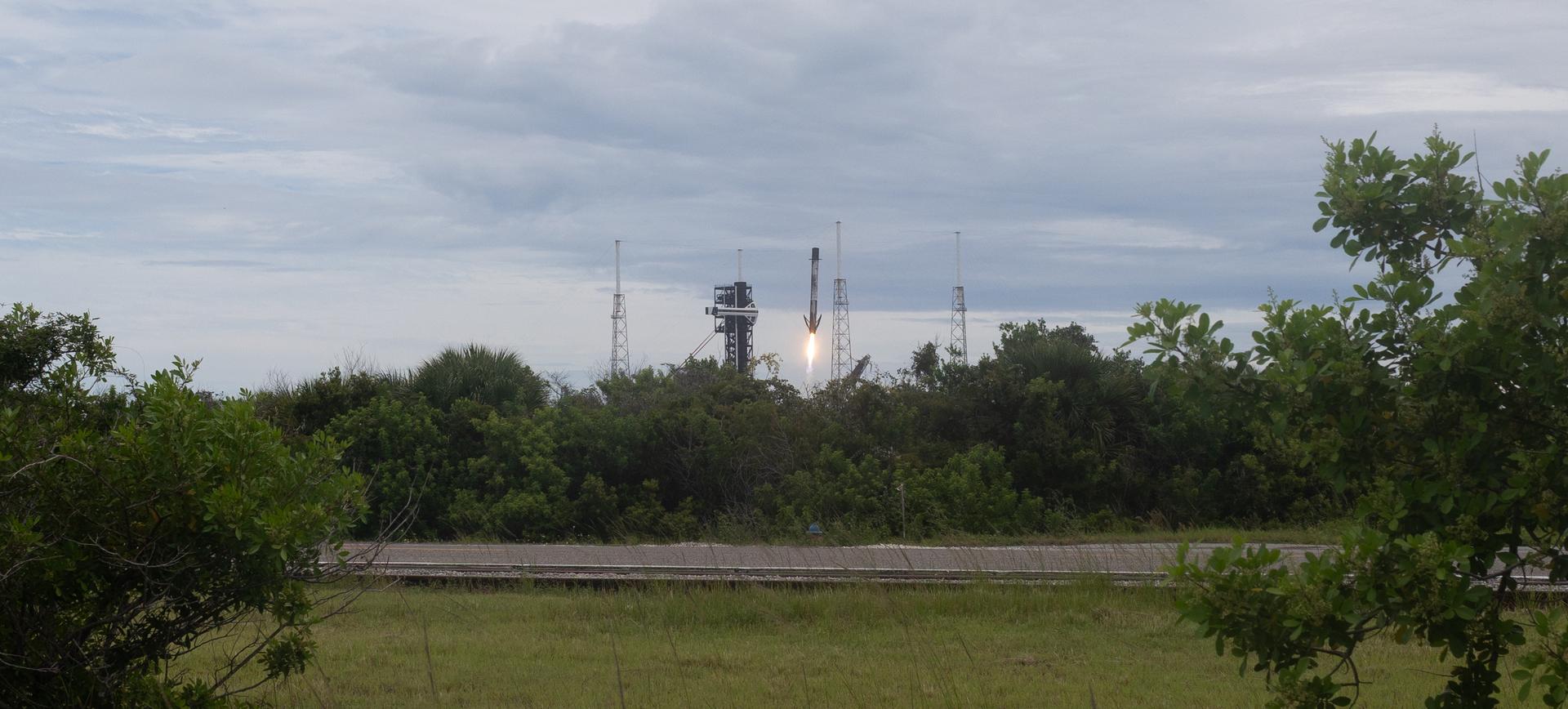
The first stage of the SpaceX Falcon 9 rocket that launched a Dragon spacecraft on NASA’s SpaceX Crew-13 mission to the International Space Station with NASA astronauts Jessica Watkins and Luke Delaney, CSA (Canadian Space Agency) astronaut Joshua Kutryk, and Roscosmos cosmonaut Sergey Teteryatnikov onboard, is seen as it lands at Space Launch Complex 40, Thursday, Oct. 1, 2026, from Cape Canaveral Space Force Station in Florida. NASA’s SpaceX Crew-13 mission is the 13th crew rotation mission of the SpaceX Dragon spacecraft and Falcon 9 rocket to the International Space Station as part of the agency’s Commercial Crew Program. Watkins, Delaney, Kutryk, Teteryatnikov launched at 11:10 a.m. EDT from Space Launch Complex 40 at the Cape Canaveral Space Force Station to begin a mission aboard the orbital outpost. Photo Credit: (NASA/Joel Kowsky)
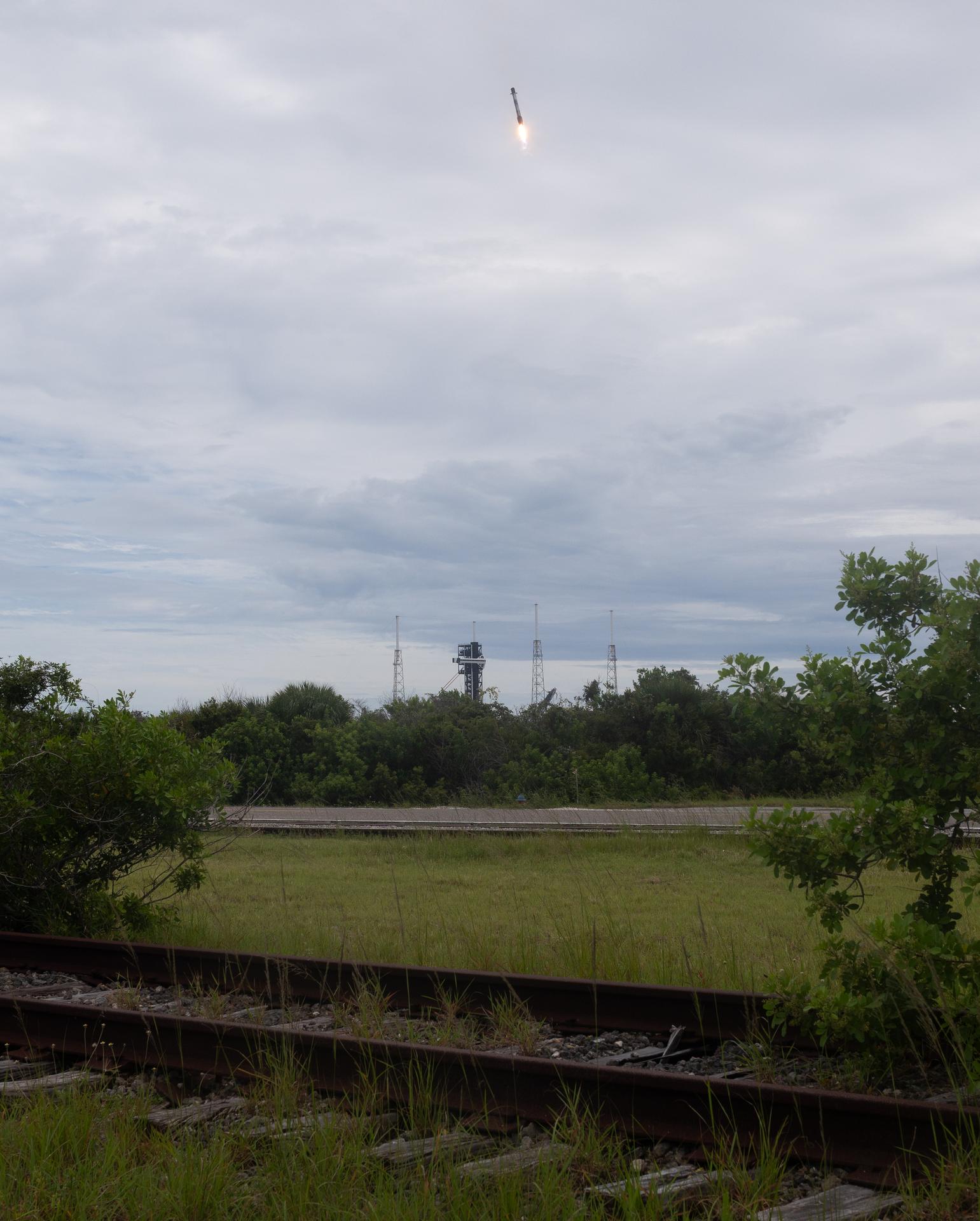
The first stage of the SpaceX Falcon 9 rocket that launched a Dragon spacecraft on NASA’s SpaceX Crew-13 mission to the International Space Station with NASA astronauts Jessica Watkins and Luke Delaney, CSA (Canadian Space Agency) astronaut Joshua Kutryk, and Roscosmos cosmonaut Sergey Teteryatnikov onboard, is seen as it lands at Space Launch Complex 40, Thursday, Oct. 1, 2026, from Cape Canaveral Space Force Station in Florida. NASA’s SpaceX Crew-13 mission is the 13th crew rotation mission of the SpaceX Dragon spacecraft and Falcon 9 rocket to the International Space Station as part of the agency’s Commercial Crew Program. Watkins, Delaney, Kutryk, Teteryatnikov launched at 11:10 a.m. EDT from Space Launch Complex 40 at the Cape Canaveral Space Force Station to begin a mission aboard the orbital outpost. Photo Credit: (NASA/Joel Kowsky)
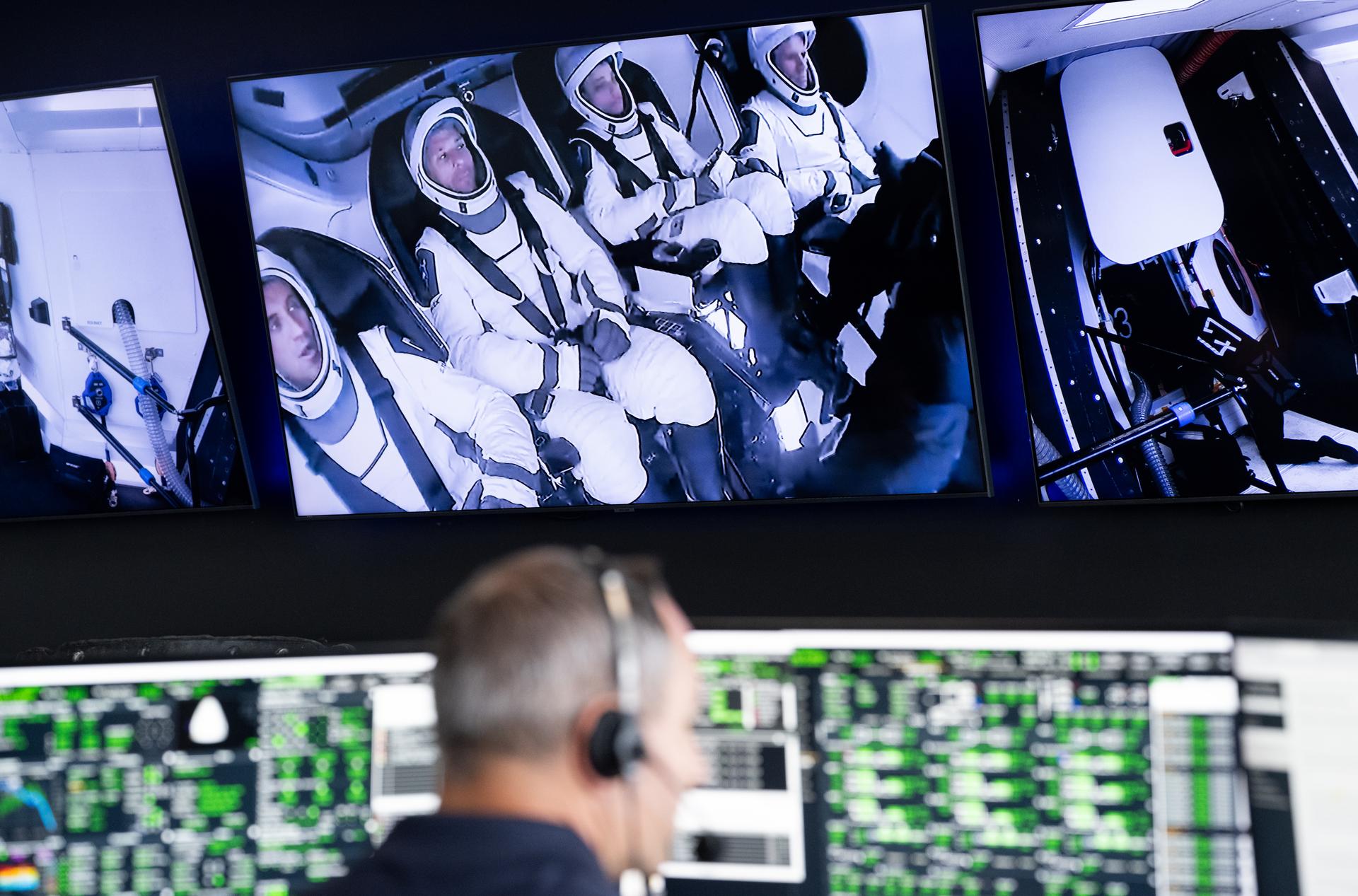
Roscosmos cosmonaut Sergey Teteryatnikov, left, NASA astronauts Luke Delaney and Jessica Watkins, and CSA (Canadian Space Agency) astronaut Joshua Kutryk, are seen on a monitor inside their Dragon spacecraft as teams monitor the countdown during a dress rehearsal in preparation for the launch of a SpaceX Falcon 9 rocket carrying the company's Dragon spacecraft on NASA’s SpaceX Crew-13 mission with NASA astronauts Jessica Watkins and Luke Delaney, CSA (Canadian Space Agency) astronaut Joshua Kutryk, and Roscosmos cosmonaut Sergey Teteryatnikov onboard, Tuesday, Sept. 29, 2026, in the control room of SpaceX’s HangarX at NASA’s Kennedy Space Center in Florida. NASA’s SpaceX Crew-13 mission is the 13th crew rotation mission of the SpaceX Dragon spacecraft and Falcon 9 rocket to the International Space Station as part of the agency’s Commercial Crew Program. Watkins, Delaney, Kutryk, Teteryatnikov are scheduled to launch on 11:10 a.m. EDT on Thursday, Oct. 1, from Space Launch Complex 40 at the Cape Canaveral Space Force Station. Photo Credit: (NASA/Joel Kowsky)
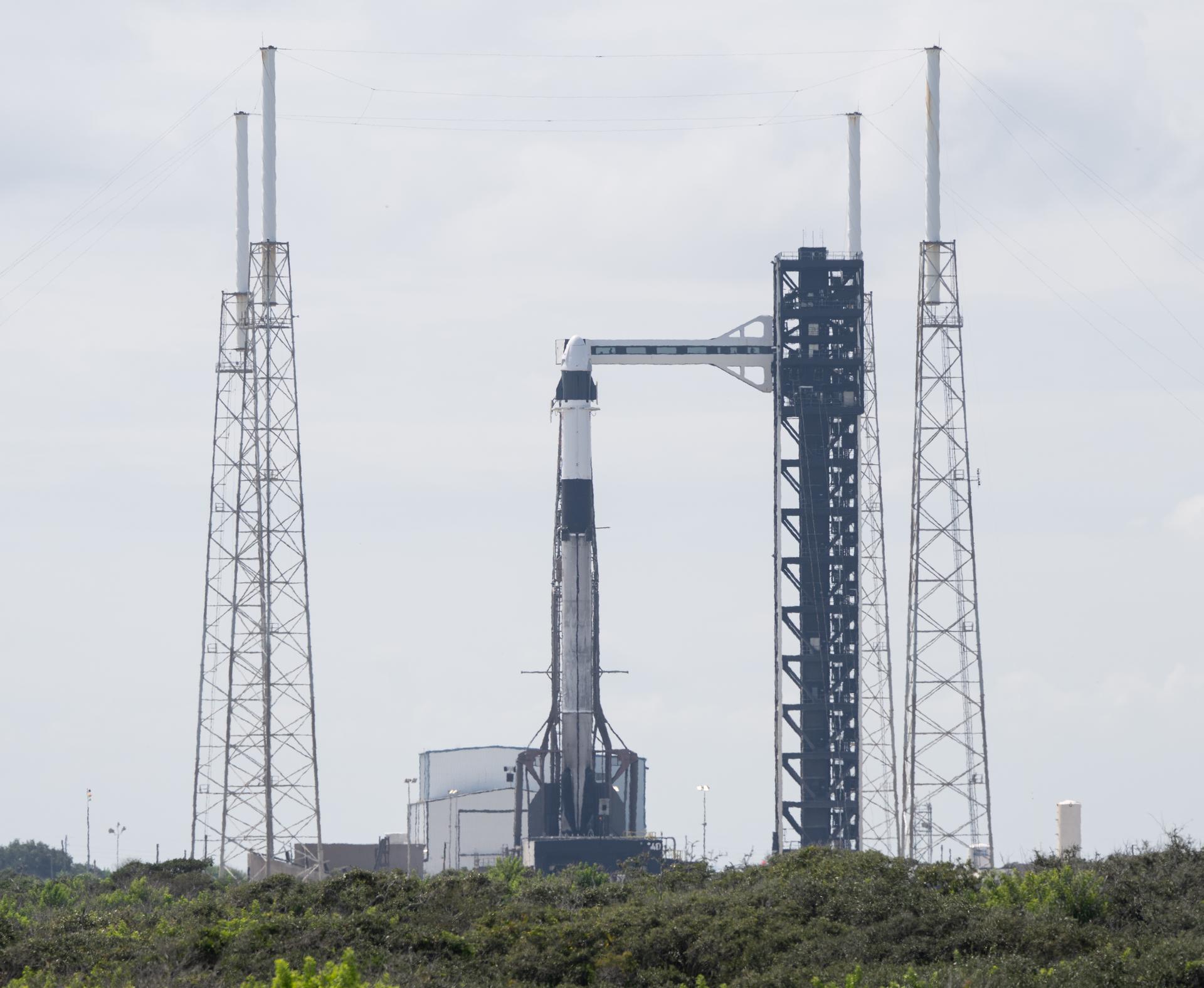
A SpaceX Falcon 9 rocket with the company's Dragon spacecraft on top is seen on the launch pad at Space Launch Complex 40 as preparations continue for the Crew-13 mission, Wednesday, Sept. 30, 2026, at Cape Canaveral Space Force Station in Florida. NASA’s SpaceX Crew-13 mission is the 13th crew rotation mission of the SpaceX Dragon spacecraft and Falcon 9 rocket to the International Space Station as part of the agency’s Commercial Crew Program. NASA astronauts Jessica Watkins and Luke Delaney, CSA (Canadian Space Agency) astronaut Joshua Kutryk, and Roscosmos cosmonaut Sergey Teteryatnikov are scheduled to launch at 11:10 a.m. EDT on Thursday, Oct. 1, from Space Launch Complex 40 at the Cape Canaveral Space Force Station. Photo Credit: (NASA/Joel Kowsky)
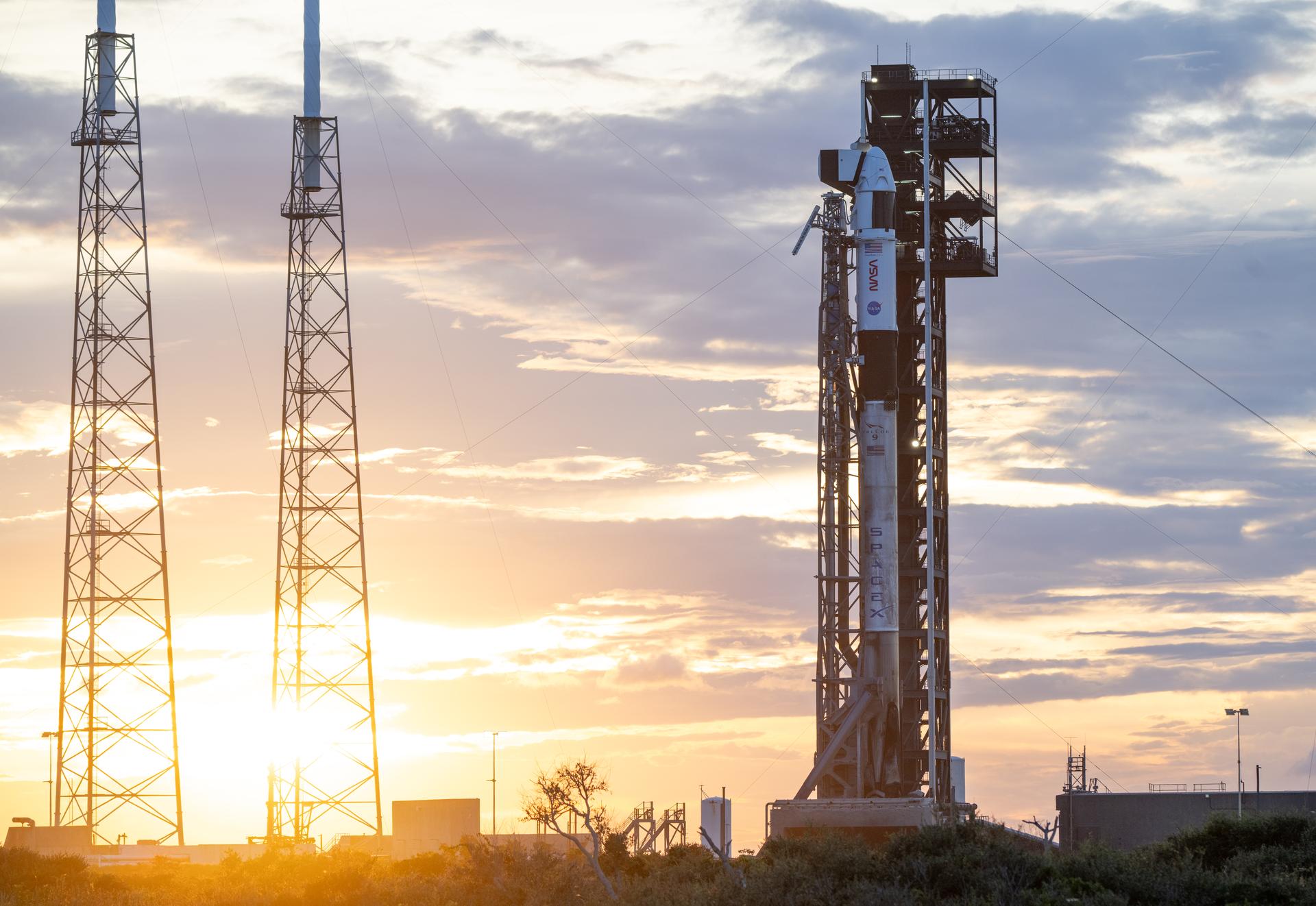
A SpaceX Falcon 9 rocket with the company's Dragon spacecraft on top is seen at sunset on the launch pad at Space Launch Complex 40 as preparations continue for the Crew-13 mission, Wednesday, Sept. 30, 2026, at Cape Canaveral Space Force Station in Florida. NASA’s SpaceX Crew-13 mission is the 13th crew rotation mission of the SpaceX Dragon spacecraft and Falcon 9 rocket to the International Space Station as part of the agency’s Commercial Crew Program. NASA astronauts Jessica Watkins and Luke Delaney, CSA (Canadian Space Agency) astronaut Joshua Kutryk, and Roscosmos cosmonaut Sergey Teteryatnikov are scheduled to launch at 11:10 a.m. EDT on Thursday, Oct. 1, from Space Launch Complex 40 at the Cape Canaveral Space Force Station. Photo Credit: (NASA/Joel Kowsky)
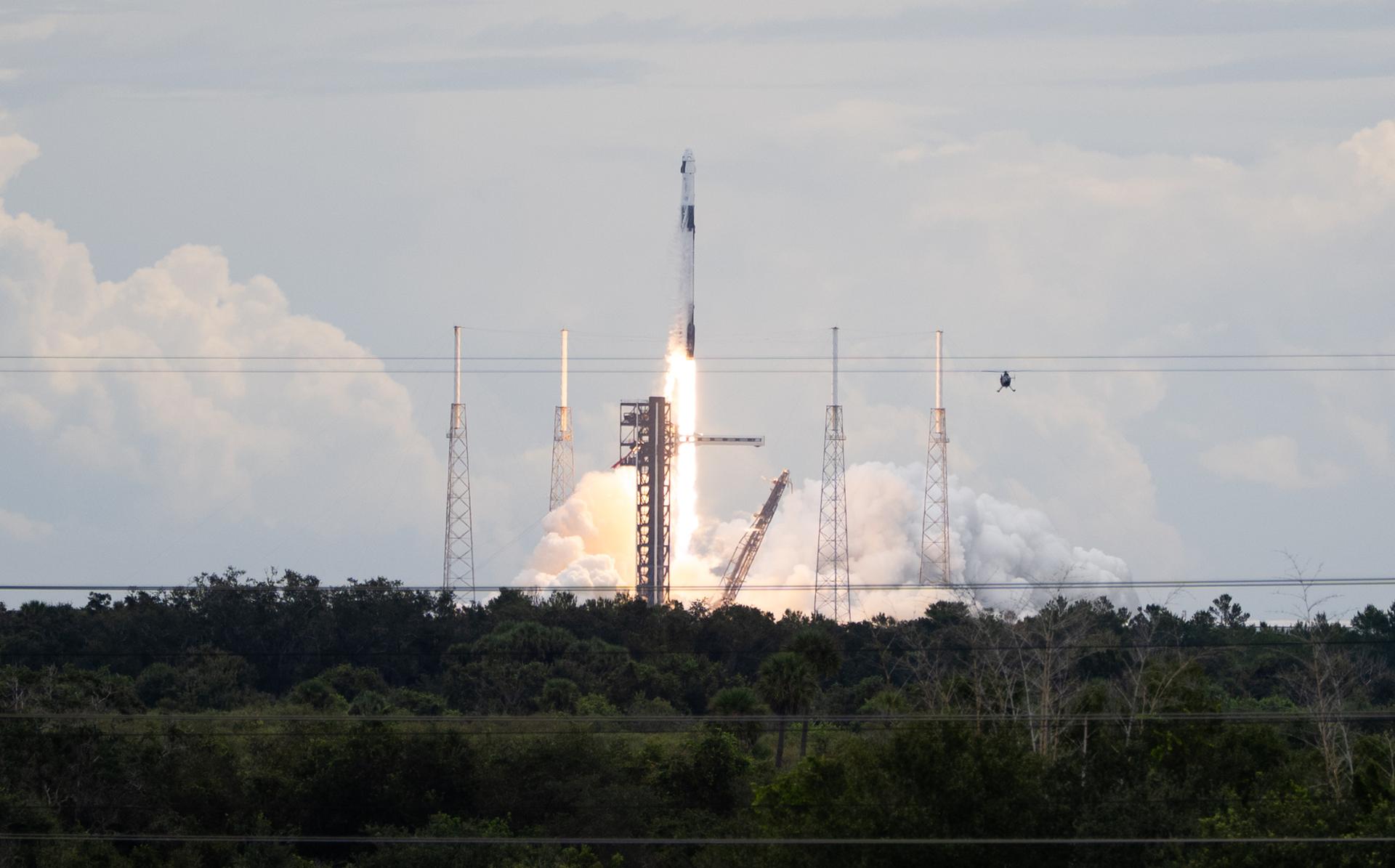
A SpaceX Falcon 9 rocket carrying the company's Dragon spacecraft is launched on NASA’s SpaceX Crew-13 mission to the International Space Station with NASA astronauts Jessica Watkins and Luke Delaney, CSA (Canadian Space Agency) astronaut Joshua Kutryk, and Roscosmos cosmonaut Sergey Teteryatnikov onboard, Thursday, Oct. 1, 2026, from Cape Canaveral Space Force Station in Florida. NASA’s SpaceX Crew-13 mission is the 13th crew rotation mission of the SpaceX Dragon spacecraft and Falcon 9 rocket to the International Space Station as part of the agency’s Commercial Crew Program. Watkins, Delaney, Kutryk, Teteryatnikov launched at 11:10 a.m. EDT from Space Launch Complex 40 at the Cape Canaveral Space Force Station to begin a mission aboard the orbital outpost. Photo Credit: (NASA/Joel Kowsky)
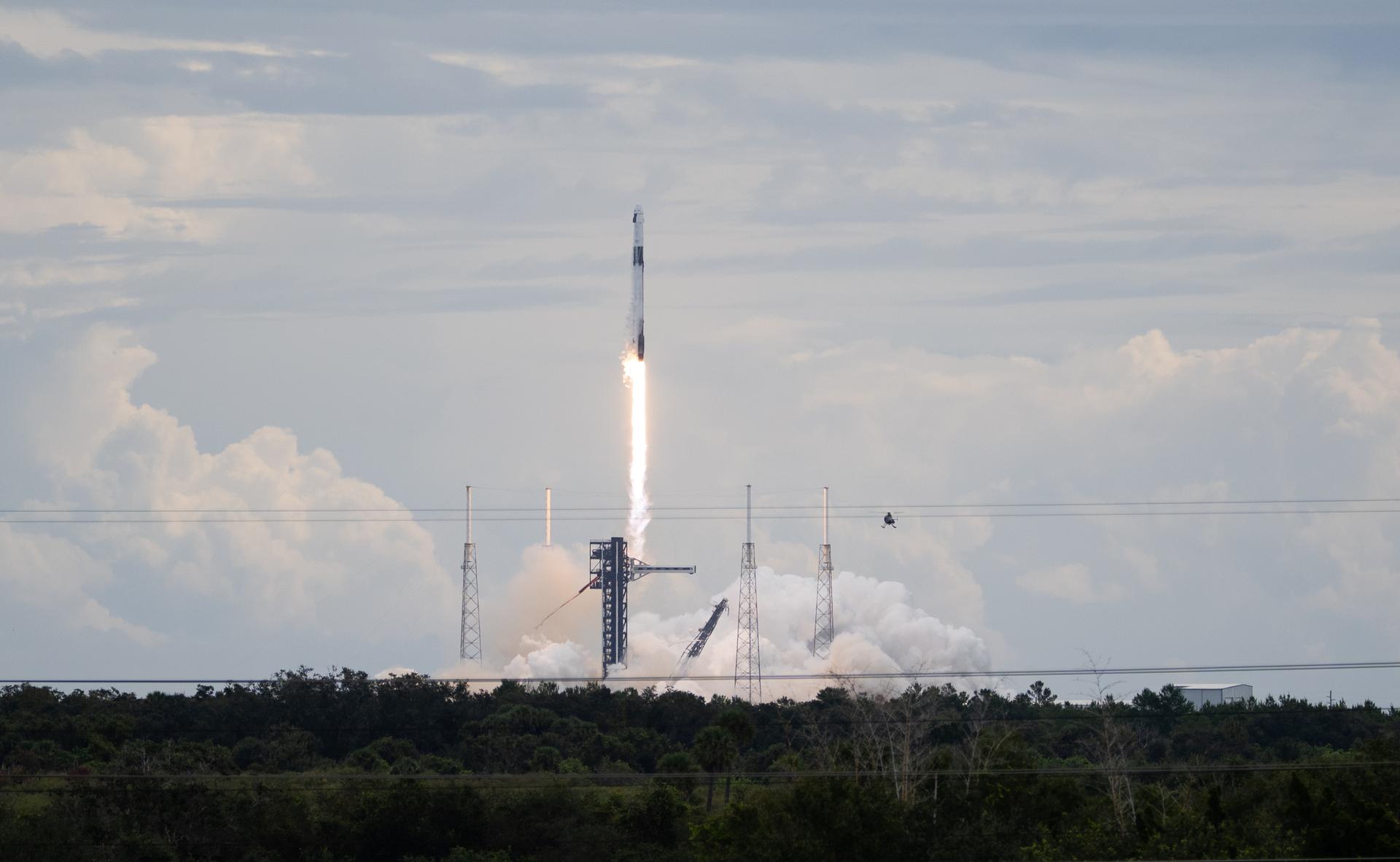
A SpaceX Falcon 9 rocket carrying the company's Dragon spacecraft is launched on NASA’s SpaceX Crew-13 mission to the International Space Station with NASA astronauts Jessica Watkins and Luke Delaney, CSA (Canadian Space Agency) astronaut Joshua Kutryk, and Roscosmos cosmonaut Sergey Teteryatnikov onboard, Thursday, Oct. 1, 2026, from Cape Canaveral Space Force Station in Florida. NASA’s SpaceX Crew-13 mission is the 13th crew rotation mission of the SpaceX Dragon spacecraft and Falcon 9 rocket to the International Space Station as part of the agency’s Commercial Crew Program. Watkins, Delaney, Kutryk, Teteryatnikov launched at 11:10 a.m. EDT from Space Launch Complex 40 at the Cape Canaveral Space Force Station to begin a mission aboard the orbital outpost. Photo Credit: (NASA/Joel Kowsky)
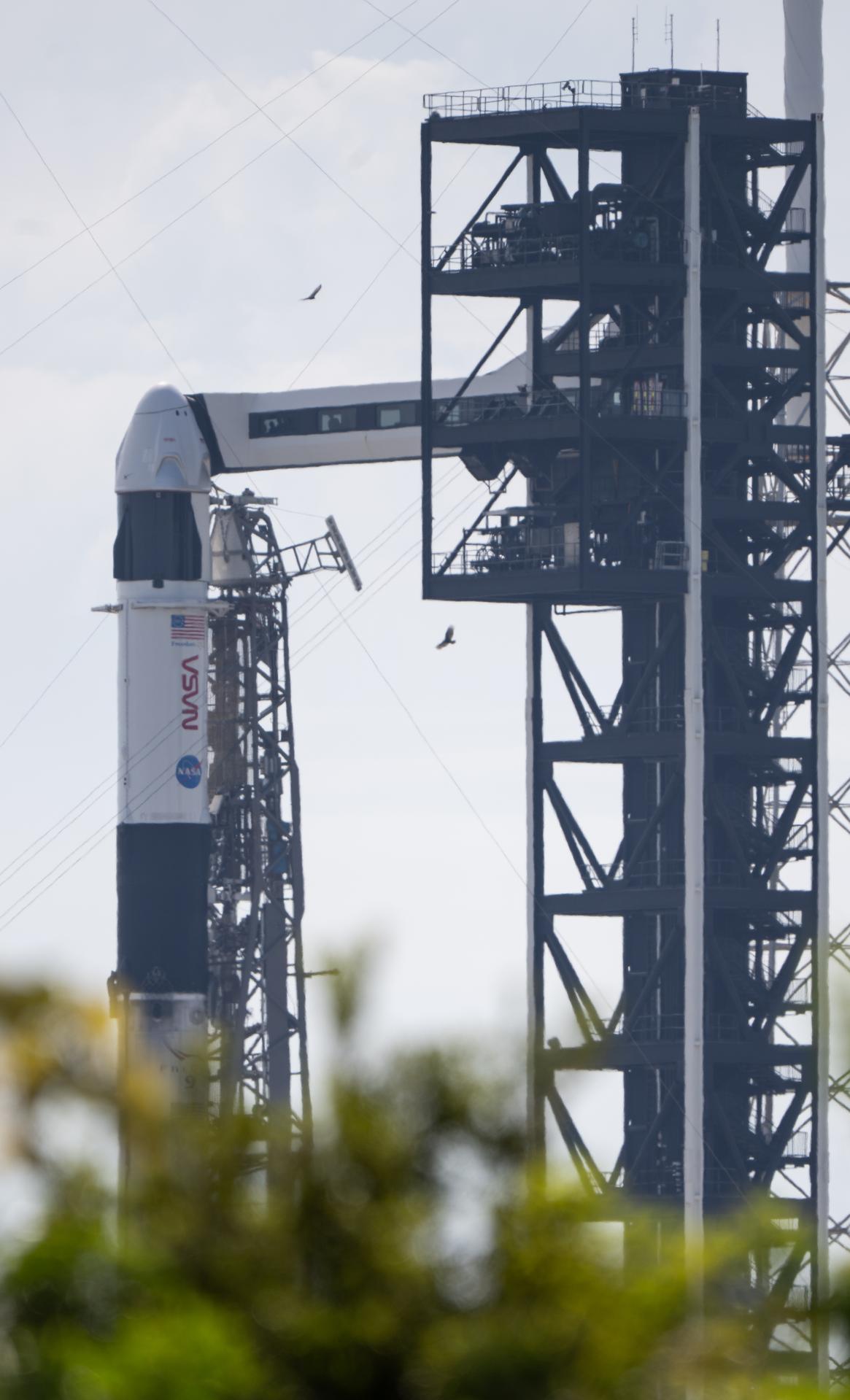
A SpaceX Falcon 9 rocket with the company's Dragon spacecraft on top is seen on the launch pad at Space Launch Complex 40 as preparations continue for the Crew-13 mission, Wednesday, Sept. 30, 2026, at Cape Canaveral Space Force Station in Florida. NASA’s SpaceX Crew-13 mission is the 13th crew rotation mission of the SpaceX Dragon spacecraft and Falcon 9 rocket to the International Space Station as part of the agency’s Commercial Crew Program. NASA astronauts Jessica Watkins and Luke Delaney, CSA (Canadian Space Agency) astronaut Joshua Kutryk, and Roscosmos cosmonaut Sergey Teteryatnikov are scheduled to launch at 11:10 a.m. EDT on Thursday, Oct. 1, from Space Launch Complex 40 at the Cape Canaveral Space Force Station. Photo Credit: (NASA/Joel Kowsky)
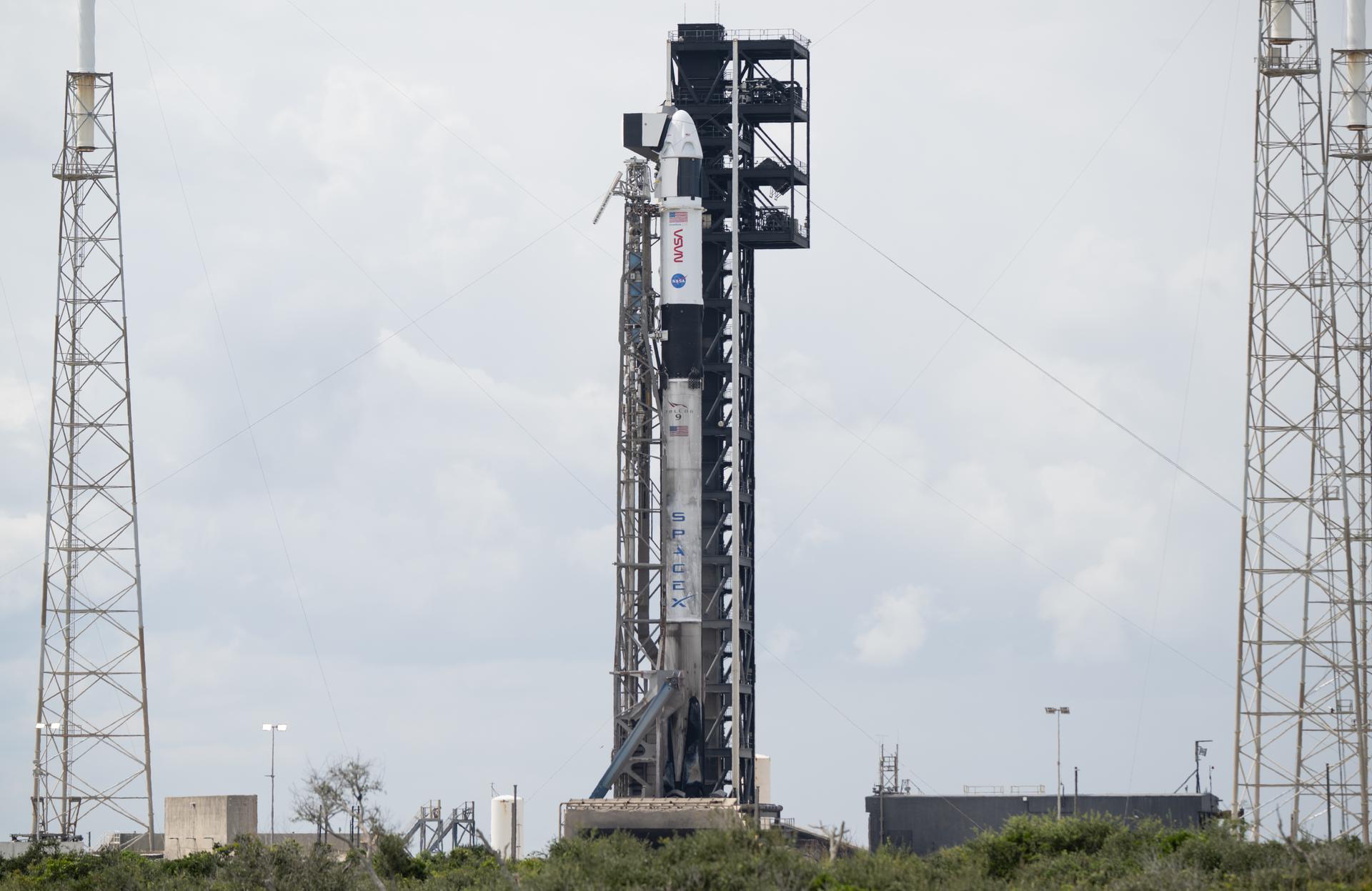
A SpaceX Falcon 9 rocket with the company's Dragon spacecraft on top is seen on the launch pad at Space Launch Complex 40 as preparations continue for the Crew-13 mission, Wednesday, Sept. 30, 2026, at Cape Canaveral Space Force Station in Florida. NASA’s SpaceX Crew-13 mission is the 13th crew rotation mission of the SpaceX Dragon spacecraft and Falcon 9 rocket to the International Space Station as part of the agency’s Commercial Crew Program. NASA astronauts Jessica Watkins and Luke Delaney, CSA (Canadian Space Agency) astronaut Joshua Kutryk, and Roscosmos cosmonaut Sergey Teteryatnikov are scheduled to launch at 11:10 a.m. EDT on Thursday, Oct. 1, from Space Launch Complex 40 at the Cape Canaveral Space Force Station. Photo Credit: (NASA/Joel Kowsky)
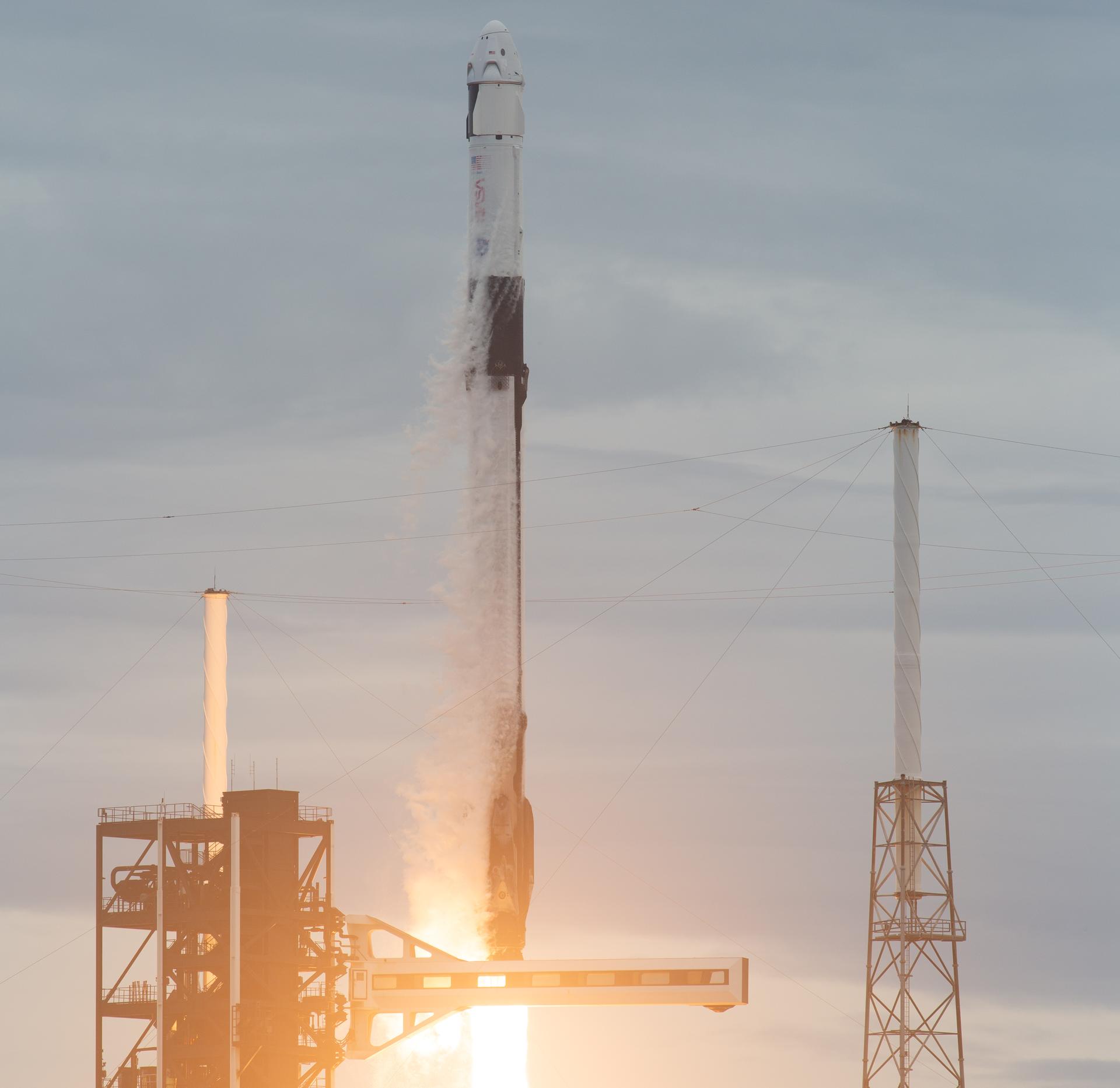
A SpaceX Falcon 9 rocket carrying the company's Dragon spacecraft is launched on NASA’s SpaceX Crew-13 mission to the International Space Station with NASA astronauts Jessica Watkins and Luke Delaney, CSA (Canadian Space Agency) astronaut Joshua Kutryk, and Roscosmos cosmonaut Sergey Teteryatnikov onboard, Thursday, Oct. 1, 2026, from Cape Canaveral Space Force Station in Florida. NASA’s SpaceX Crew-13 mission is the 13th crew rotation mission of the SpaceX Dragon spacecraft and Falcon 9 rocket to the International Space Station as part of the agency’s Commercial Crew Program. Watkins, Delaney, Kutryk, Teteryatnikov launched at 11:10 a.m. EDT from Space Launch Complex 40 at the Cape Canaveral Space Force Station to begin a mission aboard the orbital outpost. Photo Credit: (NASA/Joel Kowsky)
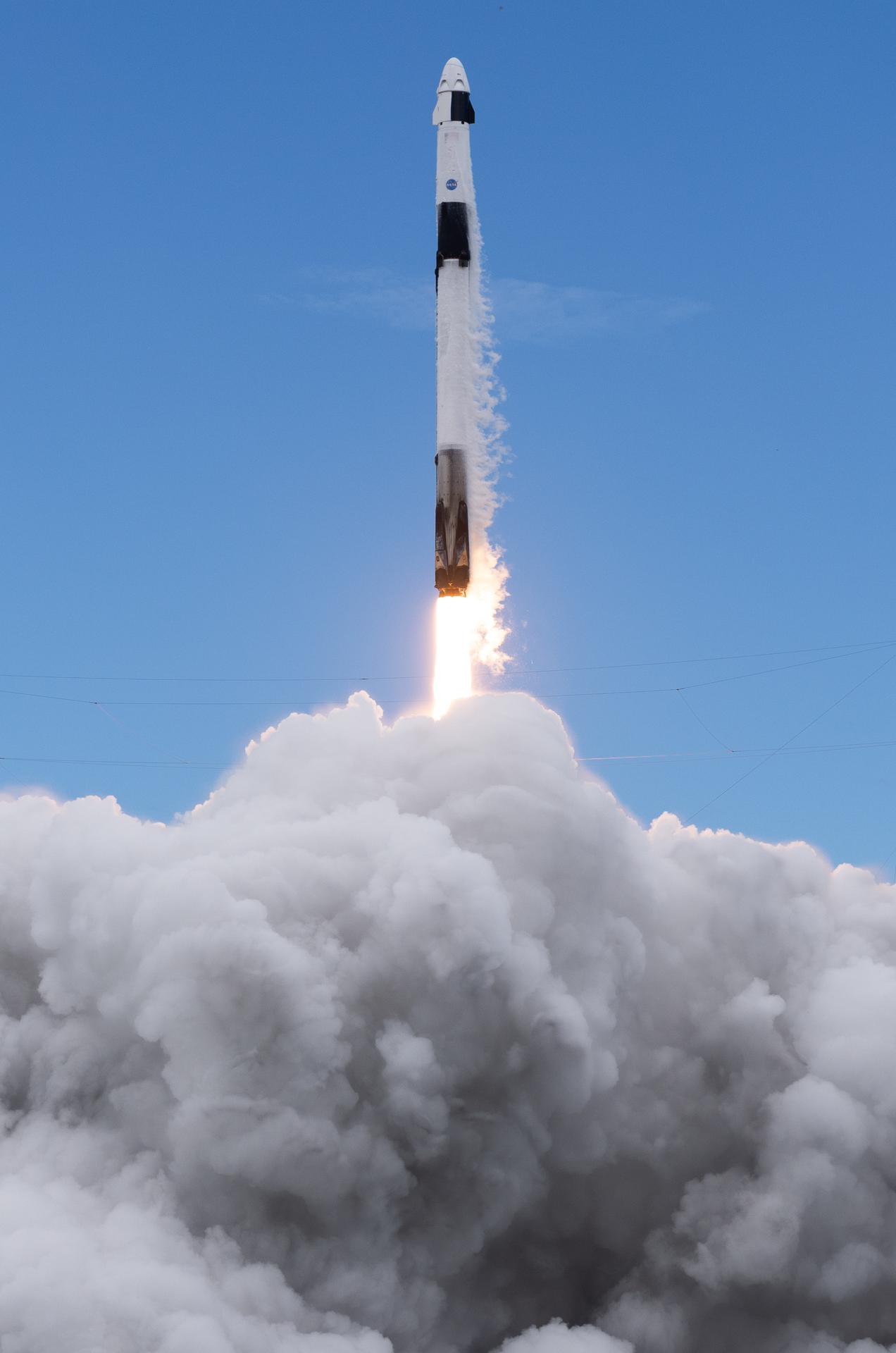
A SpaceX Falcon 9 rocket carrying the company's Dragon spacecraft is launched on NASA’s SpaceX Crew-13 mission to the International Space Station with NASA astronauts Jessica Watkins and Luke Delaney, CSA (Canadian Space Agency) astronaut Joshua Kutryk, and Roscosmos cosmonaut Sergey Teteryatnikov onboard, Thursday, Oct. 1, 2026, from Cape Canaveral Space Force Station in Florida. NASA’s SpaceX Crew-13 mission is the 13th crew rotation mission of the SpaceX Dragon spacecraft and Falcon 9 rocket to the International Space Station as part of the agency’s Commercial Crew Program. Watkins, Delaney, Kutryk, Teteryatnikov launched at 11:10 a.m. EDT from Space Launch Complex 40 at the Cape Canaveral Space Force Station to begin a mission aboard the orbital outpost. Photo Credit: (NASA/Joel Kowsky)
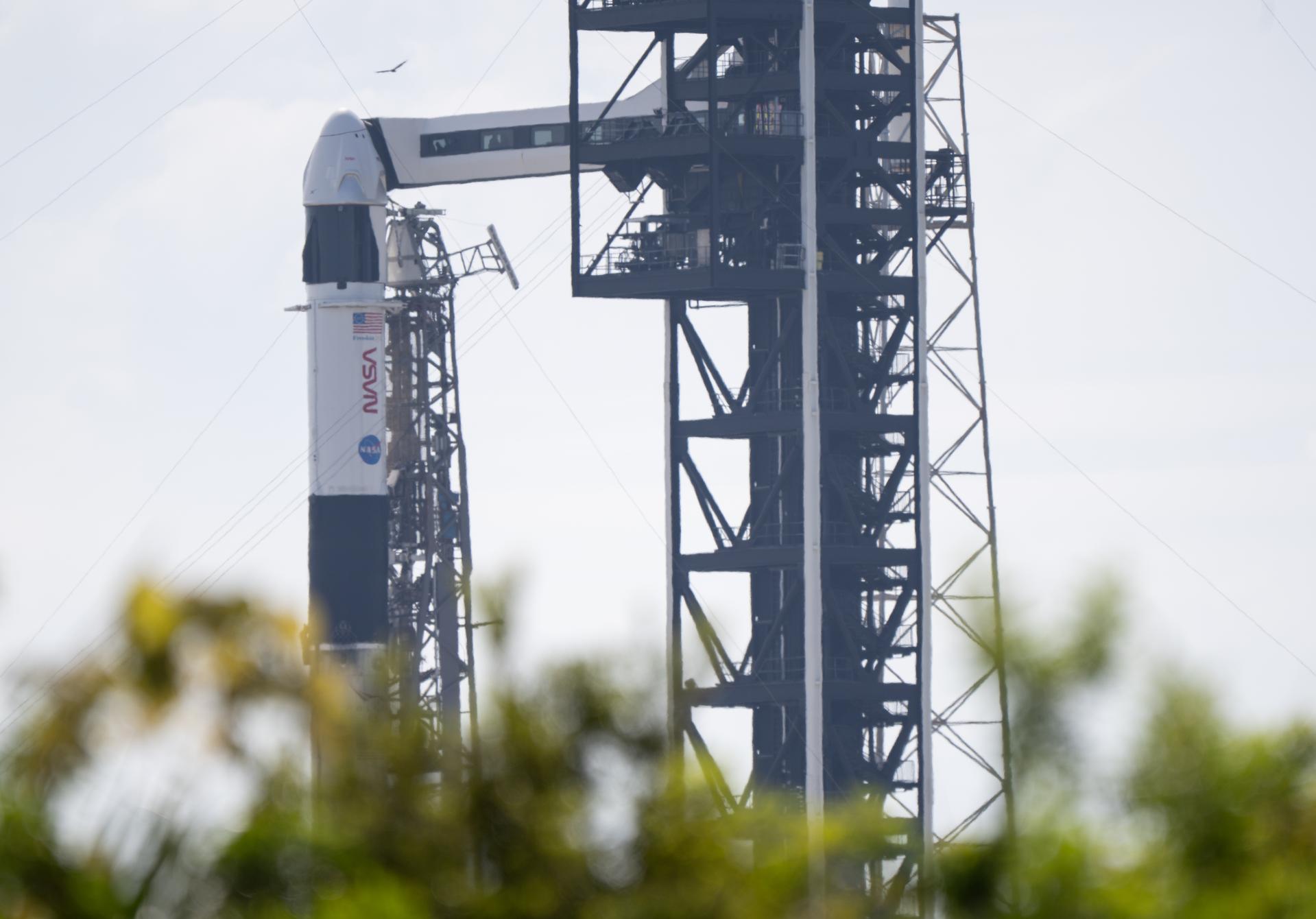
A SpaceX Falcon 9 rocket with the company's Dragon spacecraft on top is seen on the launch pad at Space Launch Complex 40 as preparations continue for the Crew-13 mission, Wednesday, Sept. 30, 2026, at Cape Canaveral Space Force Station in Florida. NASA’s SpaceX Crew-13 mission is the 13th crew rotation mission of the SpaceX Dragon spacecraft and Falcon 9 rocket to the International Space Station as part of the agency’s Commercial Crew Program. NASA astronauts Jessica Watkins and Luke Delaney, CSA (Canadian Space Agency) astronaut Joshua Kutryk, and Roscosmos cosmonaut Sergey Teteryatnikov are scheduled to launch at 11:10 a.m. EDT on Thursday, Oct. 1, from Space Launch Complex 40 at the Cape Canaveral Space Force Station. Photo Credit: (NASA/Joel Kowsky)
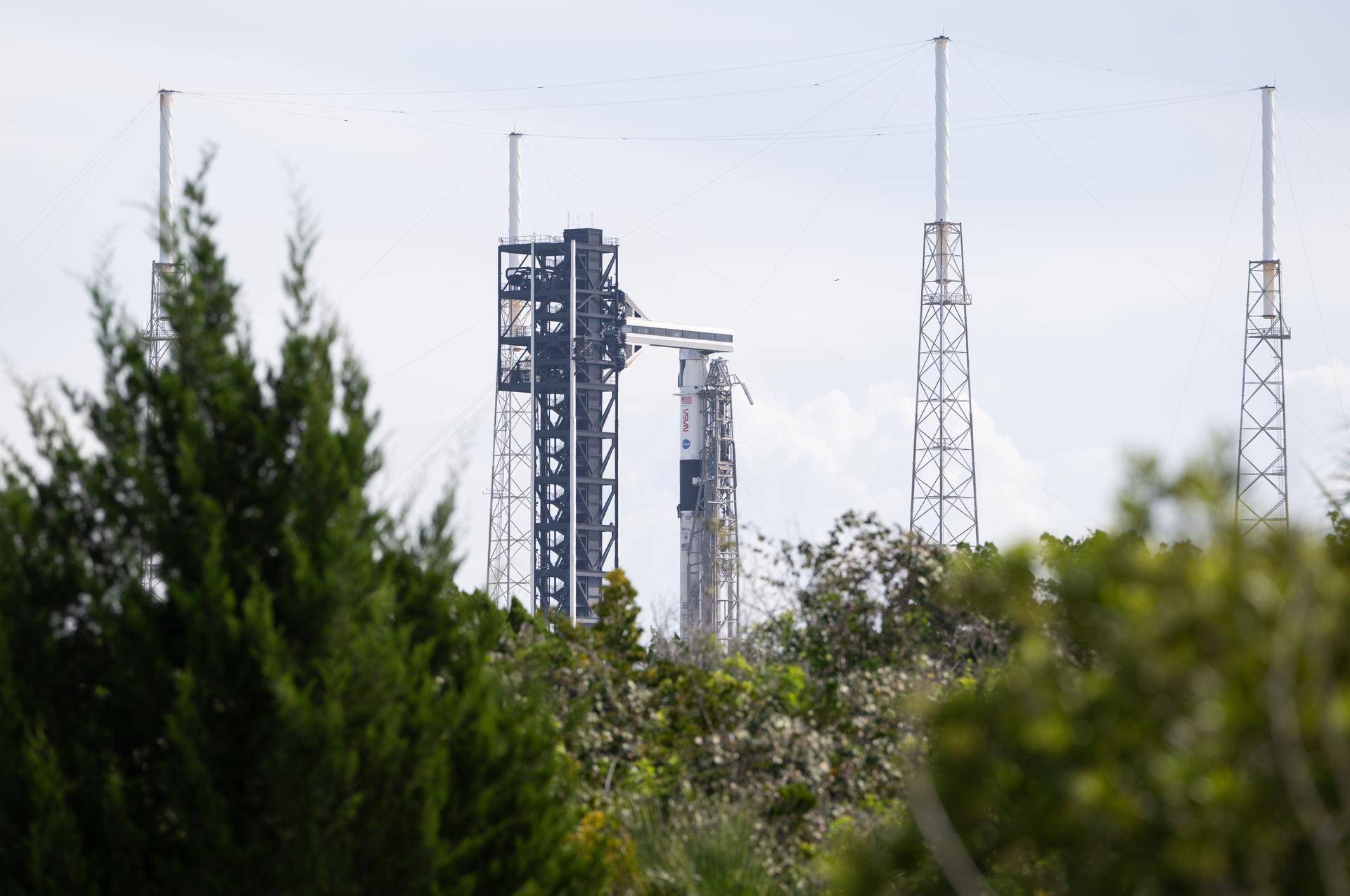
A SpaceX Falcon 9 rocket with the company's Dragon spacecraft on top is seen on the launch pad at Space Launch Complex 40 as preparations continue for the Crew-13 mission, Wednesday, Sept. 30, 2026, at Cape Canaveral Space Force Station in Florida. NASA’s SpaceX Crew-13 mission is the 13th crew rotation mission of the SpaceX Dragon spacecraft and Falcon 9 rocket to the International Space Station as part of the agency’s Commercial Crew Program. NASA astronauts Jessica Watkins and Luke Delaney, CSA (Canadian Space Agency) astronaut Joshua Kutryk, and Roscosmos cosmonaut Sergey Teteryatnikov are scheduled to launch at 11:10 a.m. EDT on Thursday, Oct. 1, from Space Launch Complex 40 at the Cape Canaveral Space Force Station. Photo Credit: (NASA/Joel Kowsky)
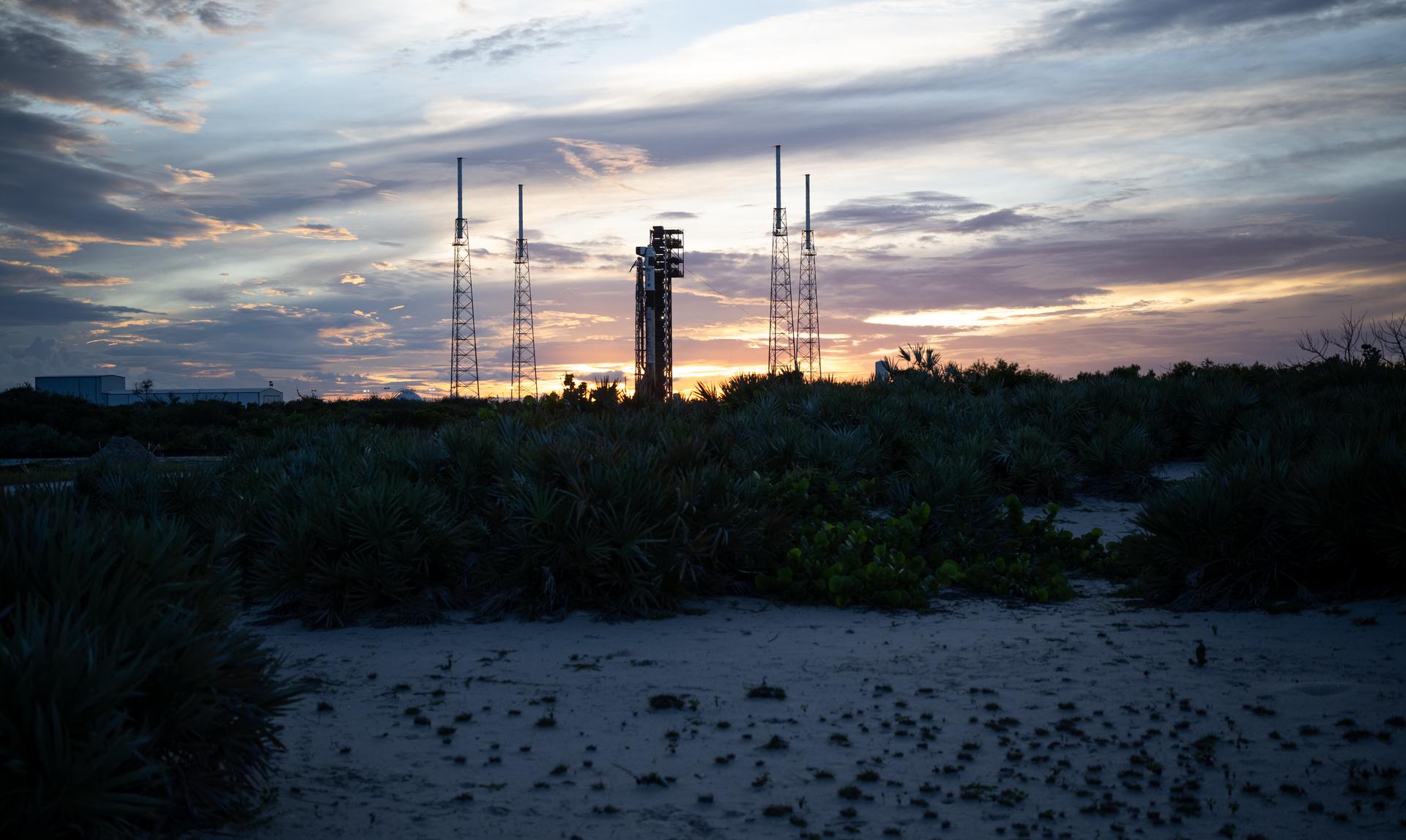
A SpaceX Falcon 9 rocket with the company's Dragon spacecraft on top is seen at sunset on the launch pad at Space Launch Complex 40 as preparations continue for the Crew-13 mission, Wednesday, Sept. 30, 2026, at Cape Canaveral Space Force Station in Florida. NASA’s SpaceX Crew-13 mission is the 13th crew rotation mission of the SpaceX Dragon spacecraft and Falcon 9 rocket to the International Space Station as part of the agency’s Commercial Crew Program. NASA astronauts Jessica Watkins and Luke Delaney, CSA (Canadian Space Agency) astronaut Joshua Kutryk, and Roscosmos cosmonaut Sergey Teteryatnikov are scheduled to launch at 11:10 a.m. EDT on Thursday, Oct. 1, from Space Launch Complex 40 at the Cape Canaveral Space Force Station. Photo Credit: (NASA/Joel Kowsky)
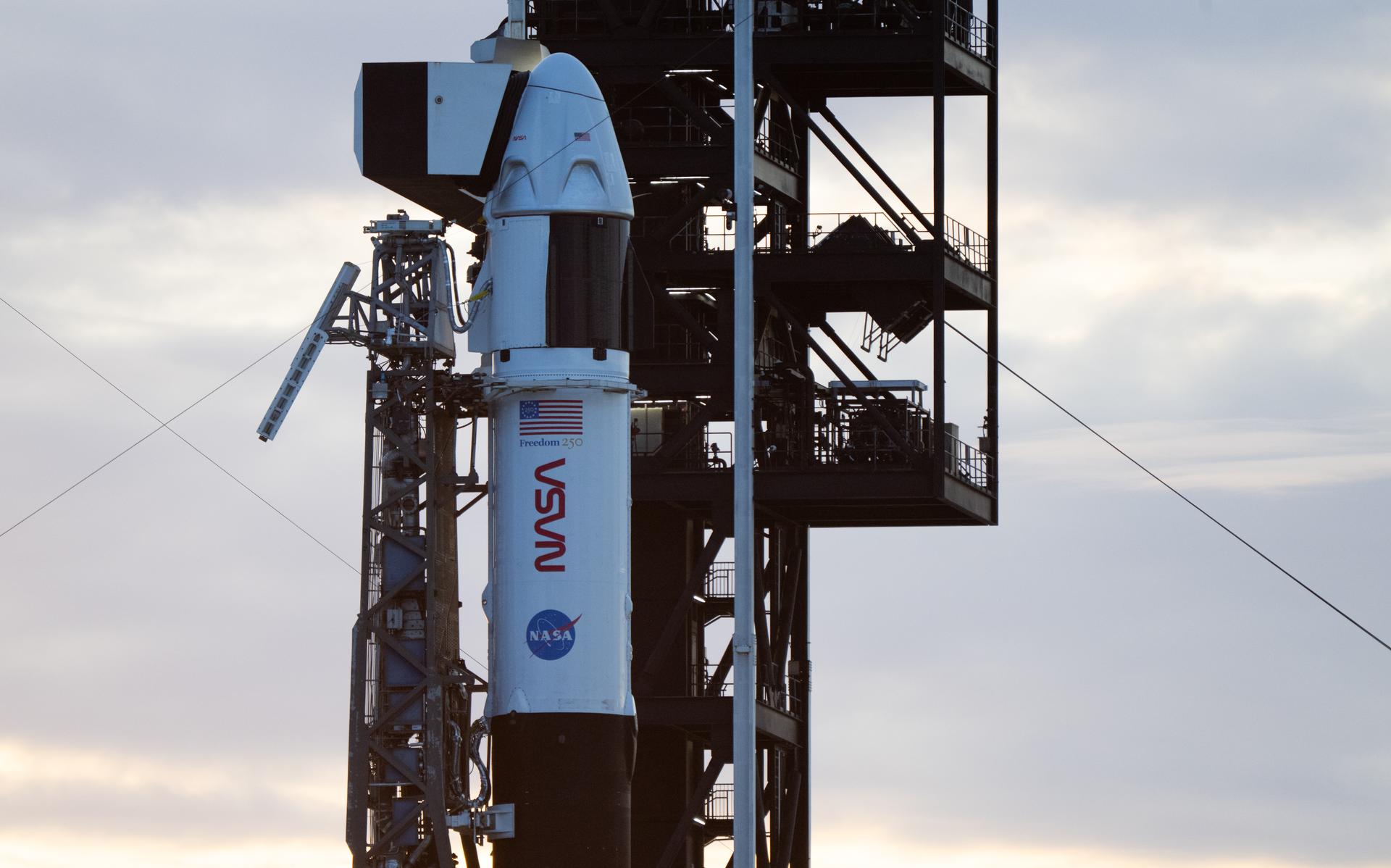
A SpaceX Falcon 9 rocket with the company's Dragon spacecraft on top is seen at sunset on the launch pad at Space Launch Complex 40 as preparations continue for the Crew-13 mission, Wednesday, Sept. 30, 2026, at Cape Canaveral Space Force Station in Florida. NASA’s SpaceX Crew-13 mission is the 13th crew rotation mission of the SpaceX Dragon spacecraft and Falcon 9 rocket to the International Space Station as part of the agency’s Commercial Crew Program. NASA astronauts Jessica Watkins and Luke Delaney, CSA (Canadian Space Agency) astronaut Joshua Kutryk, and Roscosmos cosmonaut Sergey Teteryatnikov are scheduled to launch at 11:10 a.m. EDT on Thursday, Oct. 1, from Space Launch Complex 40 at the Cape Canaveral Space Force Station. Photo Credit: (NASA/Joel Kowsky)
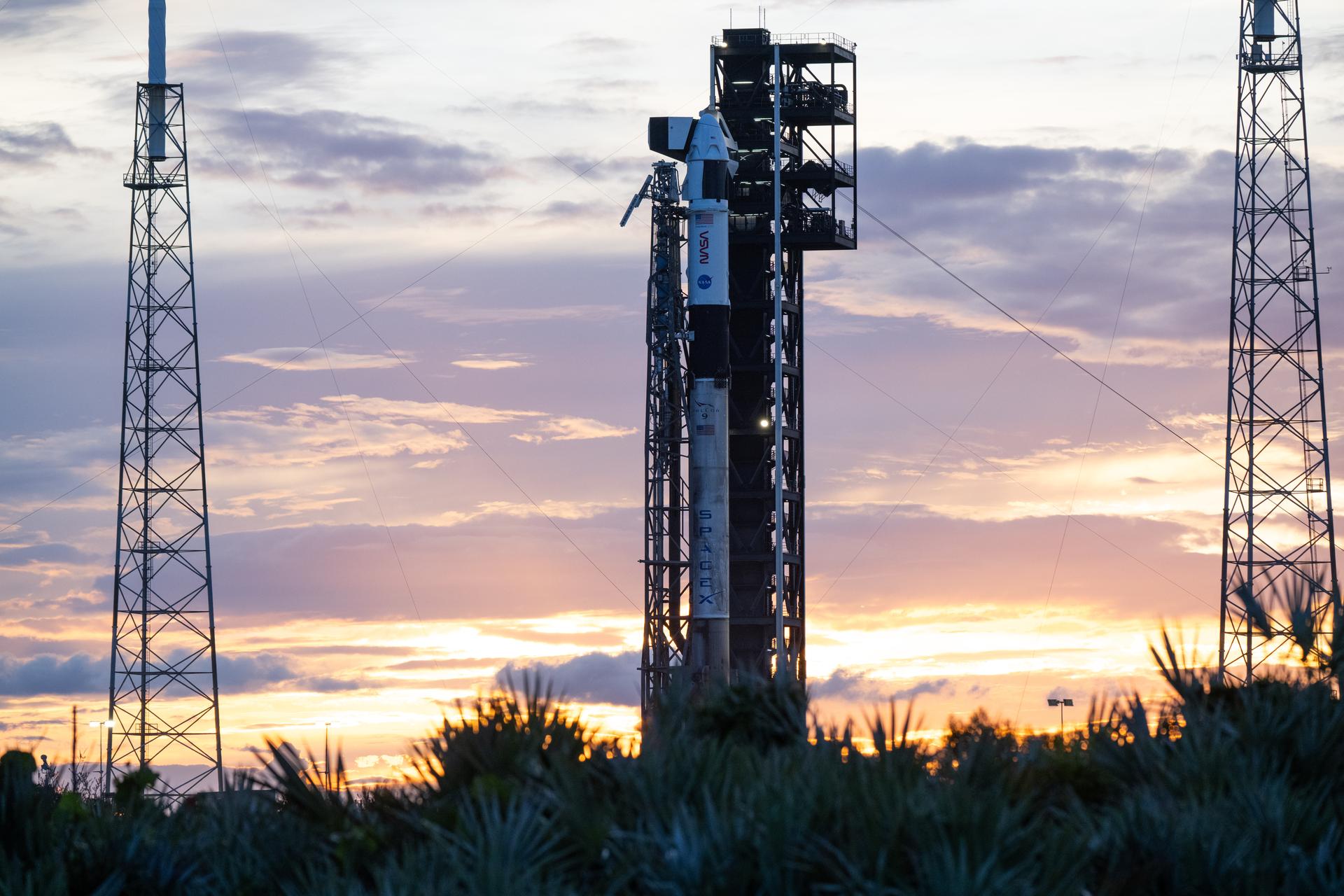
A SpaceX Falcon 9 rocket with the company's Dragon spacecraft on top is seen at sunset on the launch pad at Space Launch Complex 40 as preparations continue for the Crew-13 mission, Wednesday, Sept. 30, 2026, at Cape Canaveral Space Force Station in Florida. NASA’s SpaceX Crew-13 mission is the 13th crew rotation mission of the SpaceX Dragon spacecraft and Falcon 9 rocket to the International Space Station as part of the agency’s Commercial Crew Program. NASA astronauts Jessica Watkins and Luke Delaney, CSA (Canadian Space Agency) astronaut Joshua Kutryk, and Roscosmos cosmonaut Sergey Teteryatnikov are scheduled to launch at 11:10 a.m. EDT on Thursday, Oct. 1, from Space Launch Complex 40 at the Cape Canaveral Space Force Station. Photo Credit: (NASA/Joel Kowsky)
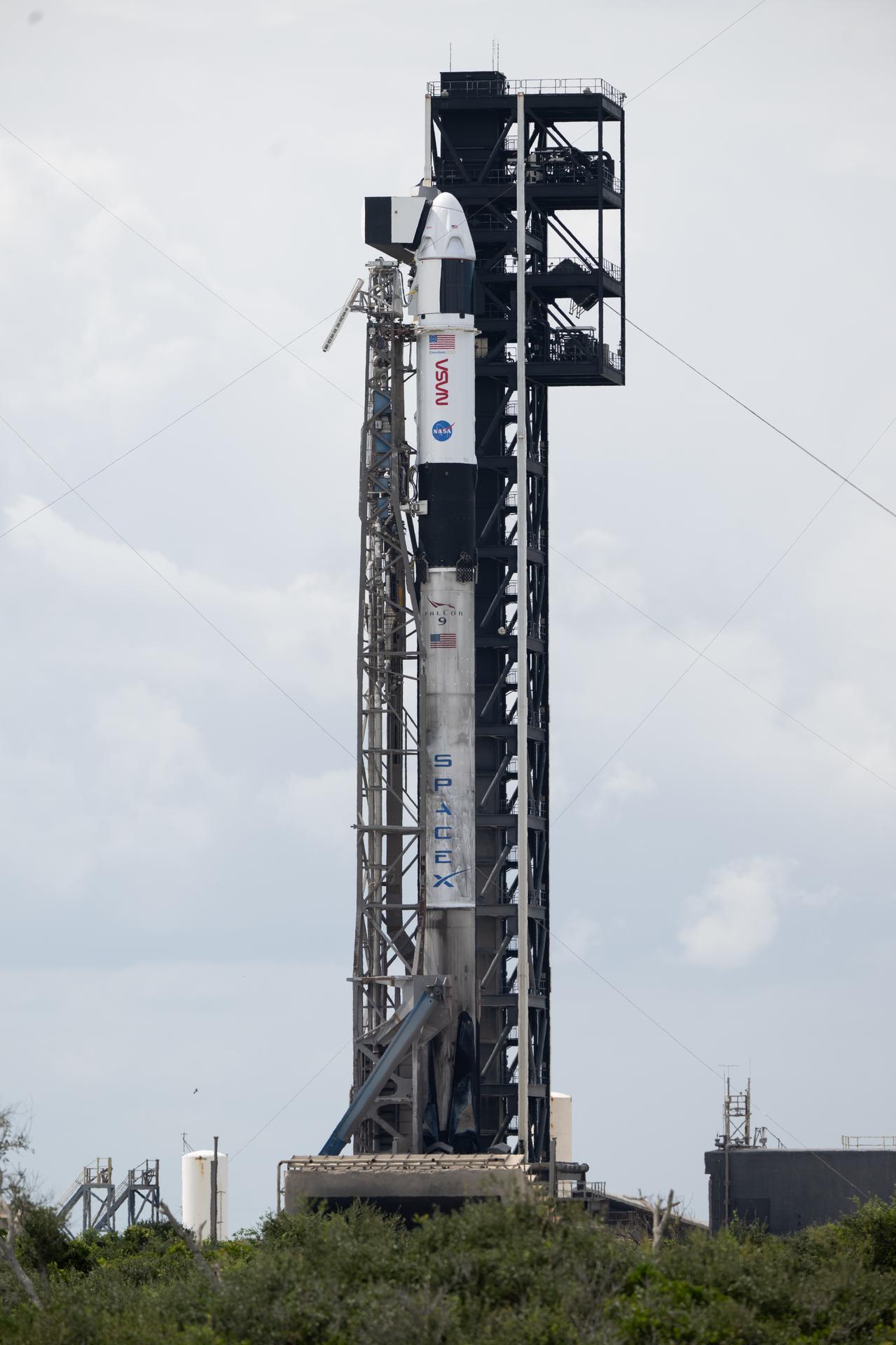
A SpaceX Falcon 9 rocket with the company's Dragon spacecraft on top is seen on the launch pad at Space Launch Complex 40 as preparations continue for the Crew-13 mission, Wednesday, Sept. 30, 2026, at Cape Canaveral Space Force Station in Florida. NASA’s SpaceX Crew-13 mission is the 13th crew rotation mission of the SpaceX Dragon spacecraft and Falcon 9 rocket to the International Space Station as part of the agency’s Commercial Crew Program. NASA astronauts Jessica Watkins and Luke Delaney, CSA (Canadian Space Agency) astronaut Joshua Kutryk, and Roscosmos cosmonaut Sergey Teteryatnikov are scheduled to launch at 11:10 a.m. EDT on Thursday, Oct. 1, from Space Launch Complex 40 at the Cape Canaveral Space Force Station. Photo Credit: (NASA/Joel Kowsky)
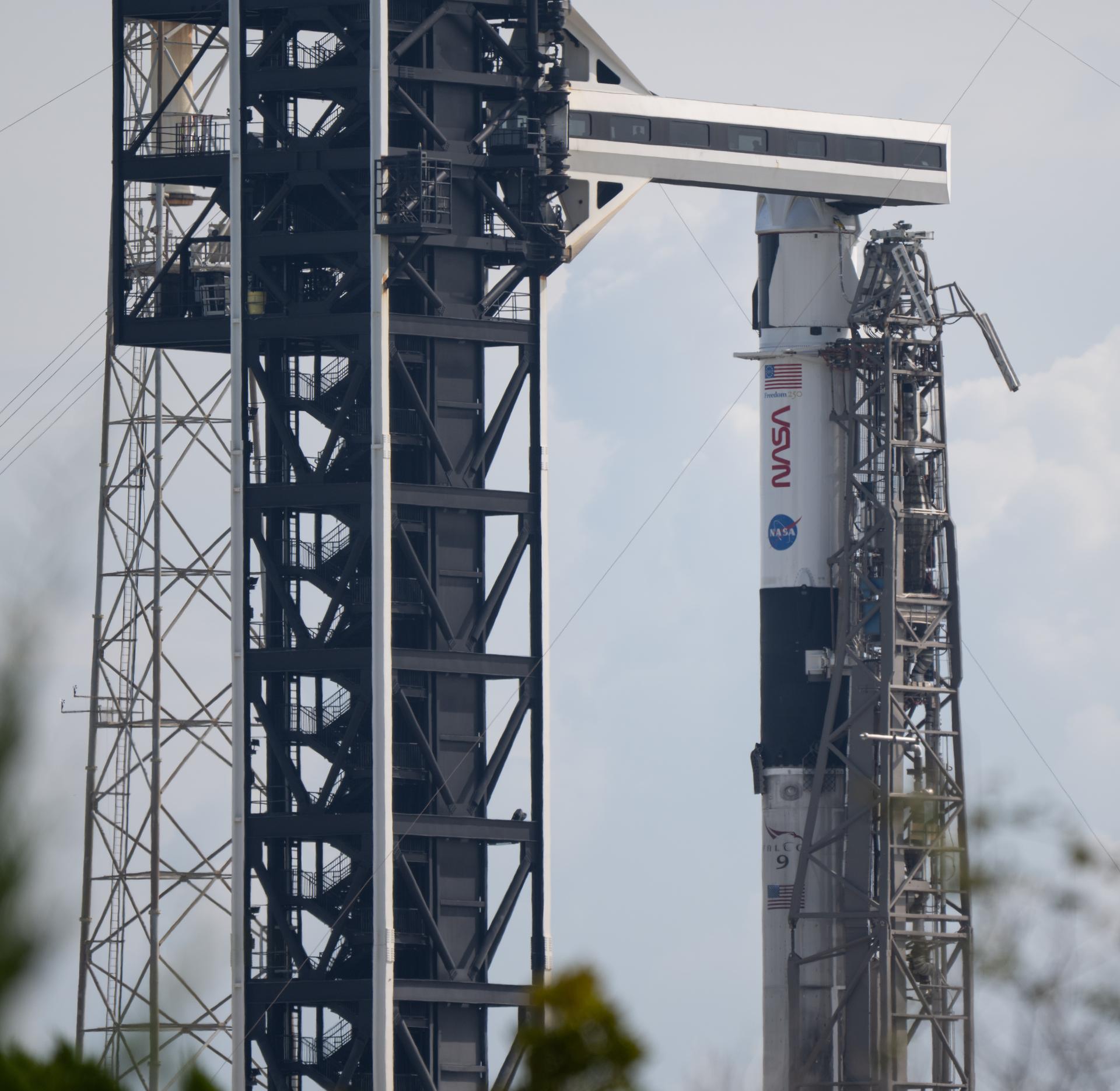
A SpaceX Falcon 9 rocket with the company's Dragon spacecraft on top is seen on the launch pad at Space Launch Complex 40 as preparations continue for the Crew-13 mission, Wednesday, Sept. 30, 2026, at Cape Canaveral Space Force Station in Florida. NASA’s SpaceX Crew-13 mission is the 13th crew rotation mission of the SpaceX Dragon spacecraft and Falcon 9 rocket to the International Space Station as part of the agency’s Commercial Crew Program. NASA astronauts Jessica Watkins and Luke Delaney, CSA (Canadian Space Agency) astronaut Joshua Kutryk, and Roscosmos cosmonaut Sergey Teteryatnikov are scheduled to launch at 11:10 a.m. EDT on Thursday, Oct. 1, from Space Launch Complex 40 at the Cape Canaveral Space Force Station. Photo Credit: (NASA/Joel Kowsky)
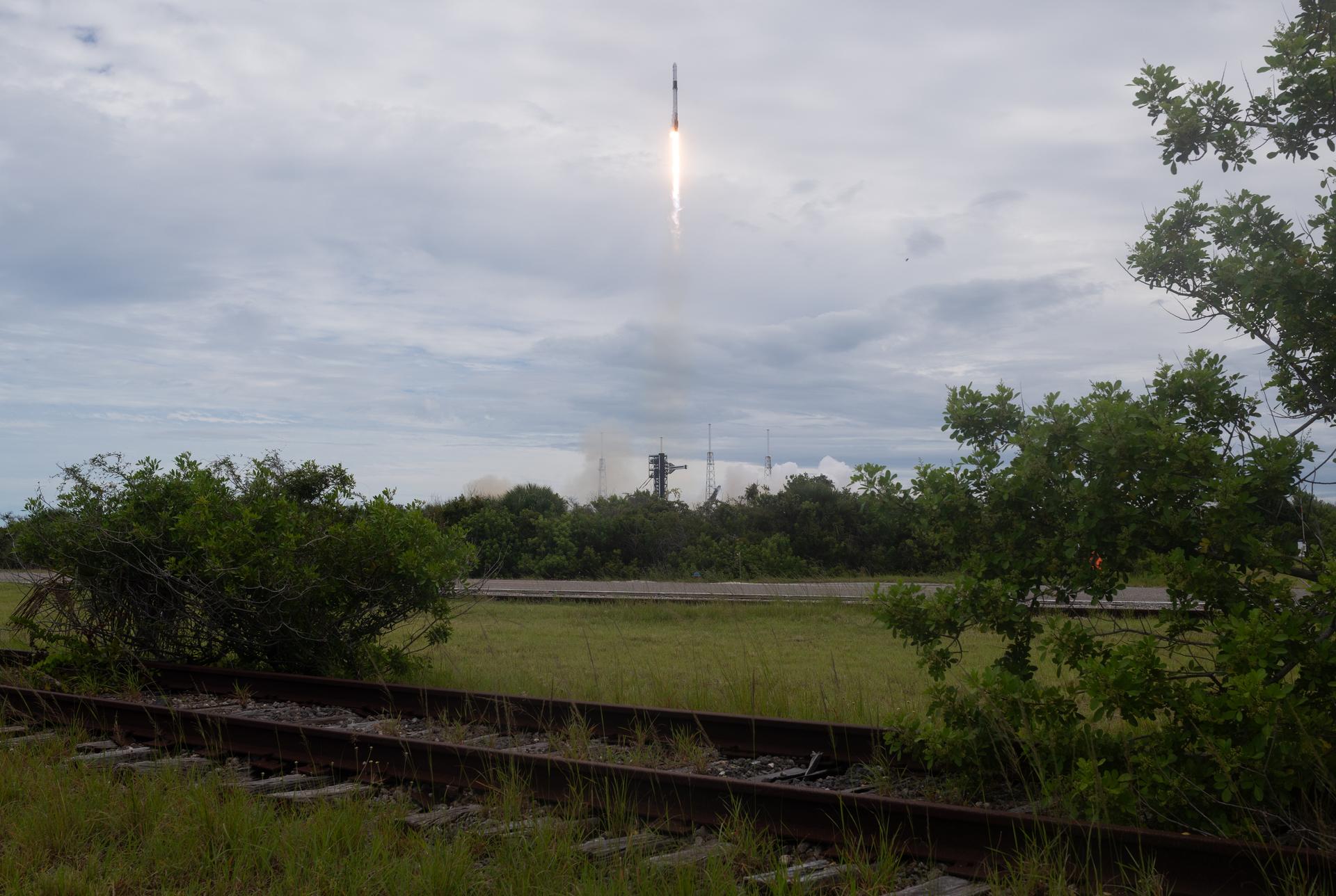
A SpaceX Falcon 9 rocket carrying the company's Dragon spacecraft is launched on NASA’s SpaceX Crew-13 mission to the International Space Station with NASA astronauts Jessica Watkins and Luke Delaney, CSA (Canadian Space Agency) astronaut Joshua Kutryk, and Roscosmos cosmonaut Sergey Teteryatnikov onboard, Thursday, Oct. 1, 2026, from Cape Canaveral Space Force Station in Florida. NASA’s SpaceX Crew-13 mission is the 13th crew rotation mission of the SpaceX Dragon spacecraft and Falcon 9 rocket to the International Space Station as part of the agency’s Commercial Crew Program. Watkins, Delaney, Kutryk, Teteryatnikov launched at 11:10 a.m. EDT from Space Launch Complex 40 at the Cape Canaveral Space Force Station to begin a mission aboard the orbital outpost. Photo Credit: (NASA/Joel Kowsky)
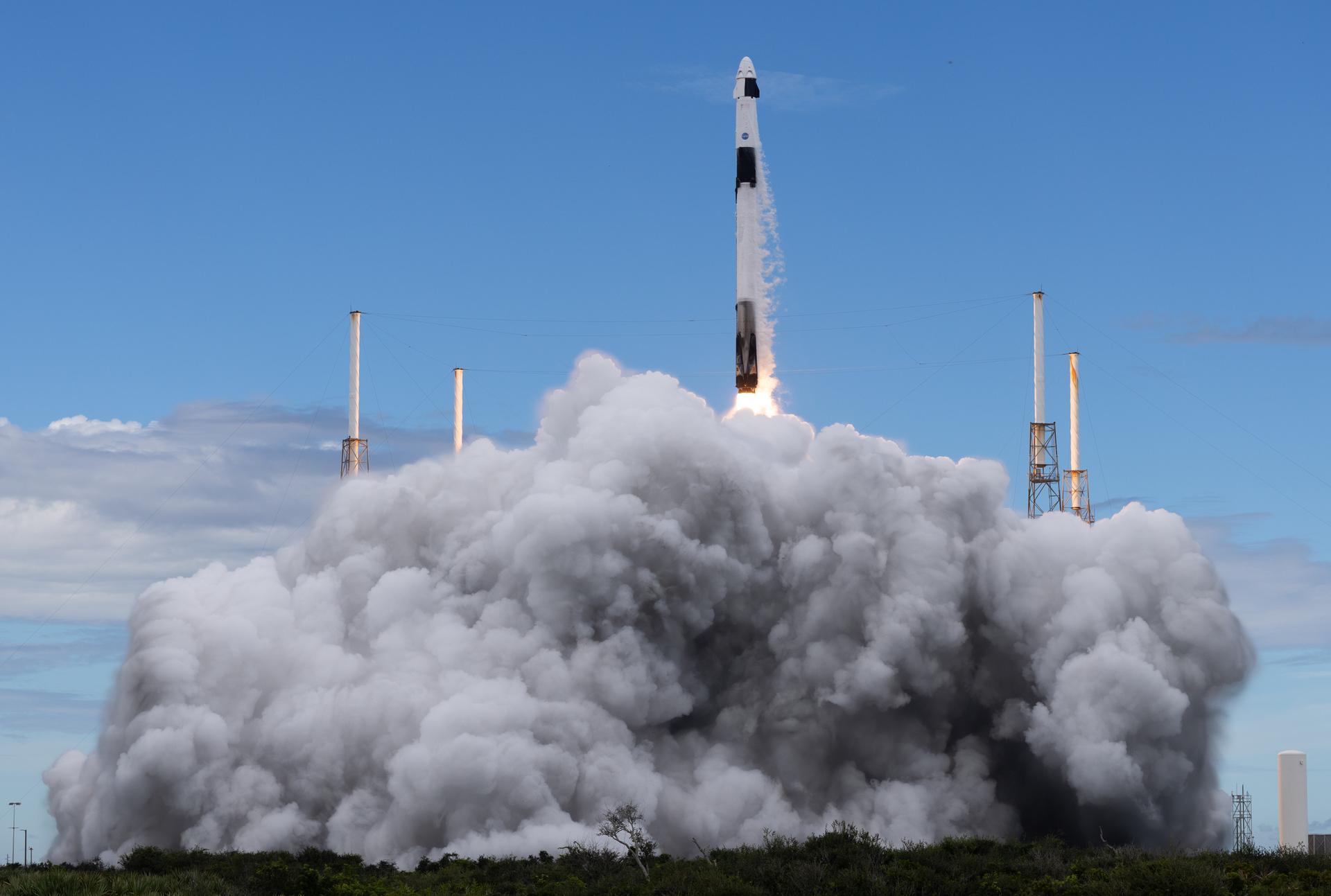
A SpaceX Falcon 9 rocket carrying the company's Dragon spacecraft is launched on NASA’s SpaceX Crew-13 mission to the International Space Station with NASA astronauts Jessica Watkins and Luke Delaney, CSA (Canadian Space Agency) astronaut Joshua Kutryk, and Roscosmos cosmonaut Sergey Teteryatnikov onboard, Thursday, Oct. 1, 2026, from Cape Canaveral Space Force Station in Florida. NASA’s SpaceX Crew-13 mission is the 13th crew rotation mission of the SpaceX Dragon spacecraft and Falcon 9 rocket to the International Space Station as part of the agency’s Commercial Crew Program. Watkins, Delaney, Kutryk, Teteryatnikov launched at 11:10 a.m. EDT from Space Launch Complex 40 at the Cape Canaveral Space Force Station to begin a mission aboard the orbital outpost. Photo Credit: (NASA/Joel Kowsky)
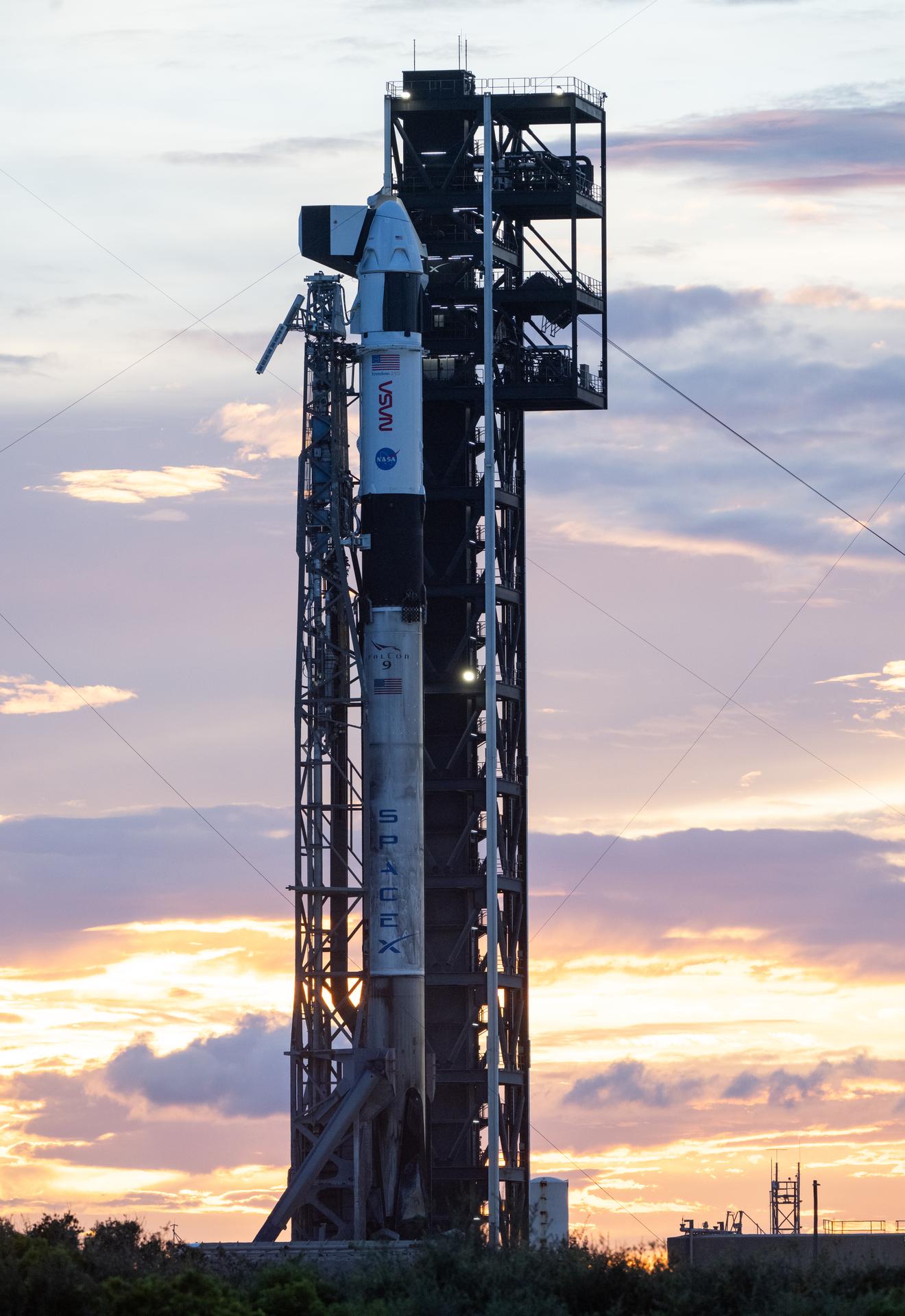
A SpaceX Falcon 9 rocket with the company's Dragon spacecraft on top is seen at sunset on the launch pad at Space Launch Complex 40 as preparations continue for the Crew-13 mission, Wednesday, Sept. 30, 2026, at Cape Canaveral Space Force Station in Florida. NASA’s SpaceX Crew-13 mission is the 13th crew rotation mission of the SpaceX Dragon spacecraft and Falcon 9 rocket to the International Space Station as part of the agency’s Commercial Crew Program. NASA astronauts Jessica Watkins and Luke Delaney, CSA (Canadian Space Agency) astronaut Joshua Kutryk, and Roscosmos cosmonaut Sergey Teteryatnikov are scheduled to launch at 11:10 a.m. EDT on Thursday, Oct. 1, from Space Launch Complex 40 at the Cape Canaveral Space Force Station. Photo Credit: (NASA/Joel Kowsky)
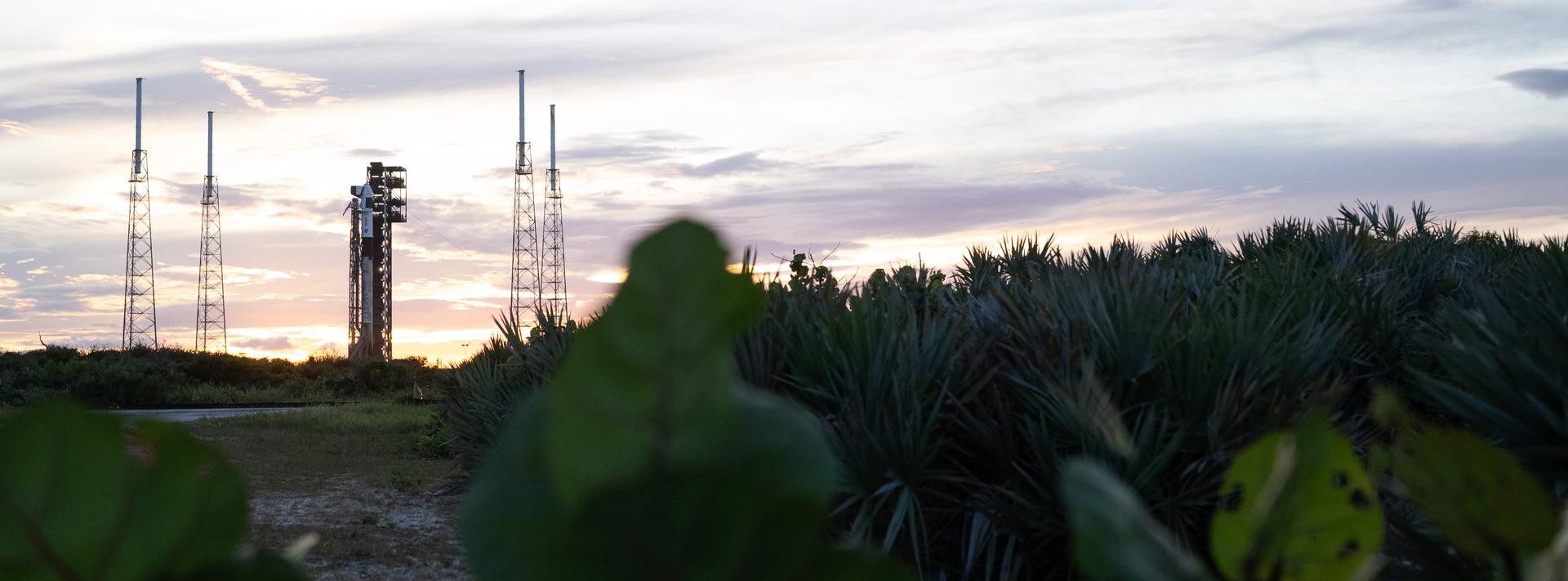
A SpaceX Falcon 9 rocket with the company's Dragon spacecraft on top is seen at sunset on the launch pad at Space Launch Complex 40 as preparations continue for the Crew-13 mission, Wednesday, Sept. 30, 2026, at Cape Canaveral Space Force Station in Florida. NASA’s SpaceX Crew-13 mission is the 13th crew rotation mission of the SpaceX Dragon spacecraft and Falcon 9 rocket to the International Space Station as part of the agency’s Commercial Crew Program. NASA astronauts Jessica Watkins and Luke Delaney, CSA (Canadian Space Agency) astronaut Joshua Kutryk, and Roscosmos cosmonaut Sergey Teteryatnikov are scheduled to launch at 11:10 a.m. EDT on Thursday, Oct. 1, from Space Launch Complex 40 at the Cape Canaveral Space Force Station. Photo Credit: (NASA/Joel Kowsky)
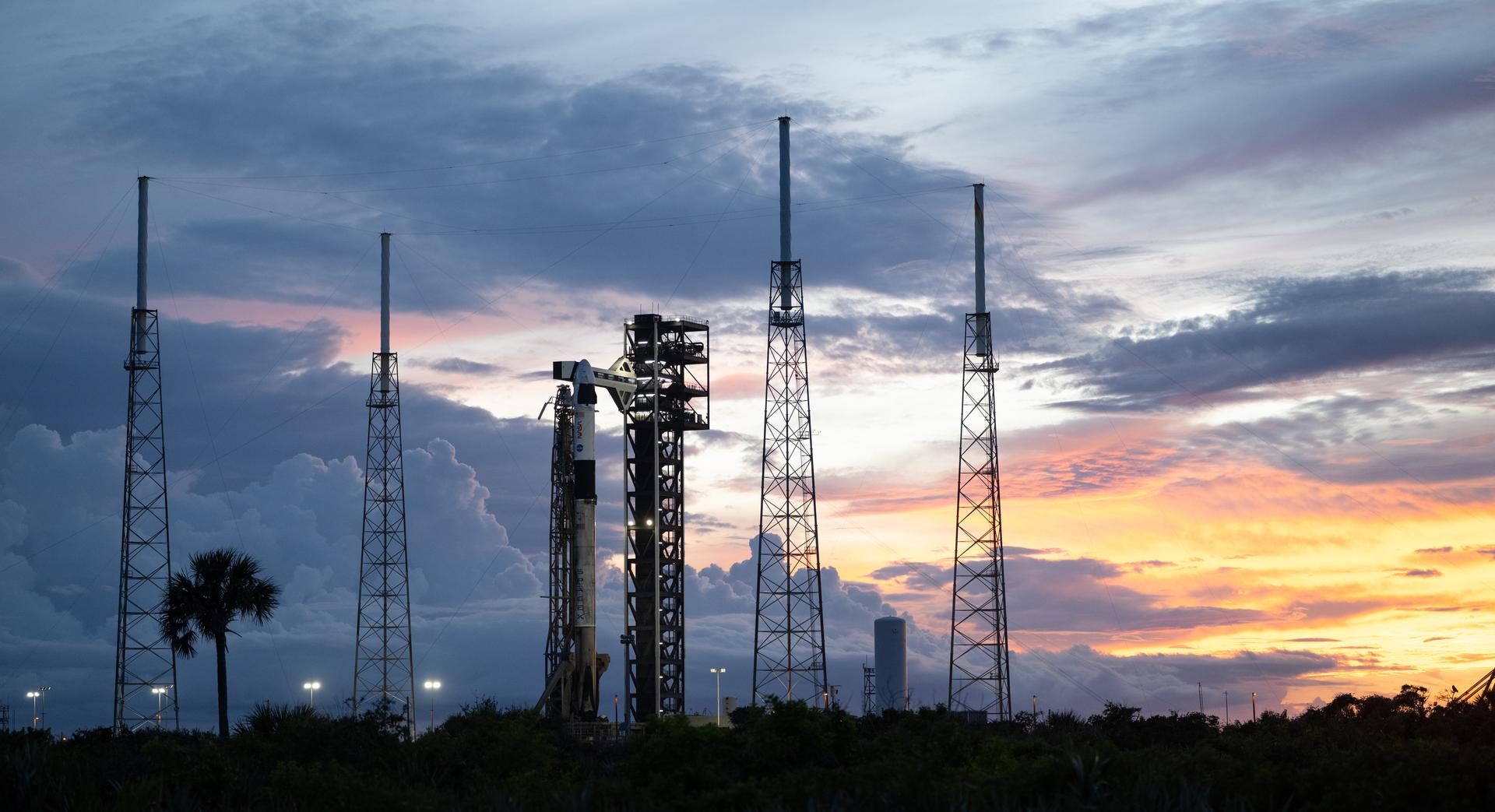
A SpaceX Falcon 9 rocket with the company's Dragon spacecraft on top is seen at sunset on the launch pad at Space Launch Complex 40 as preparations continue for the Crew-13 mission, Wednesday, Sept. 30, 2026, at Cape Canaveral Space Force Station in Florida. NASA’s SpaceX Crew-13 mission is the 13th crew rotation mission of the SpaceX Dragon spacecraft and Falcon 9 rocket to the International Space Station as part of the agency’s Commercial Crew Program. NASA astronauts Jessica Watkins and Luke Delaney, CSA (Canadian Space Agency) astronaut Joshua Kutryk, and Roscosmos cosmonaut Sergey Teteryatnikov are scheduled to launch at 11:10 a.m. EDT on Thursday, Oct. 1, from Space Launch Complex 40 at the Cape Canaveral Space Force Station. Photo Credit: (NASA/Joel Kowsky)
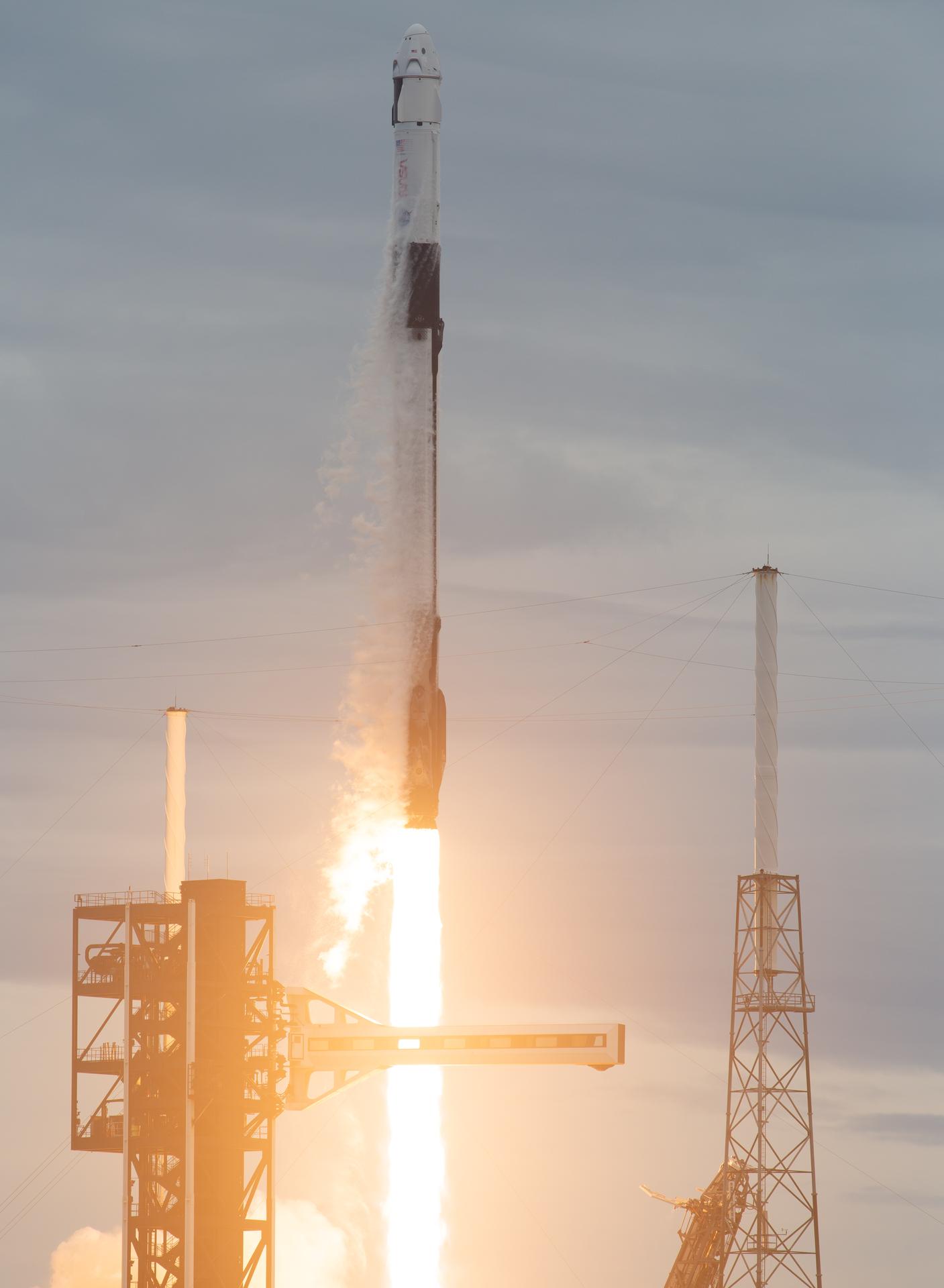
A SpaceX Falcon 9 rocket carrying the company's Dragon spacecraft is launched on NASA’s SpaceX Crew-13 mission to the International Space Station with NASA astronauts Jessica Watkins and Luke Delaney, CSA (Canadian Space Agency) astronaut Joshua Kutryk, and Roscosmos cosmonaut Sergey Teteryatnikov onboard, Thursday, Oct. 1, 2026, from Cape Canaveral Space Force Station in Florida. NASA’s SpaceX Crew-13 mission is the 13th crew rotation mission of the SpaceX Dragon spacecraft and Falcon 9 rocket to the International Space Station as part of the agency’s Commercial Crew Program. Watkins, Delaney, Kutryk, Teteryatnikov launched at 11:10 a.m. EDT from Space Launch Complex 40 at the Cape Canaveral Space Force Station to begin a mission aboard the orbital outpost. Photo Credit: (NASA/Joel Kowsky)
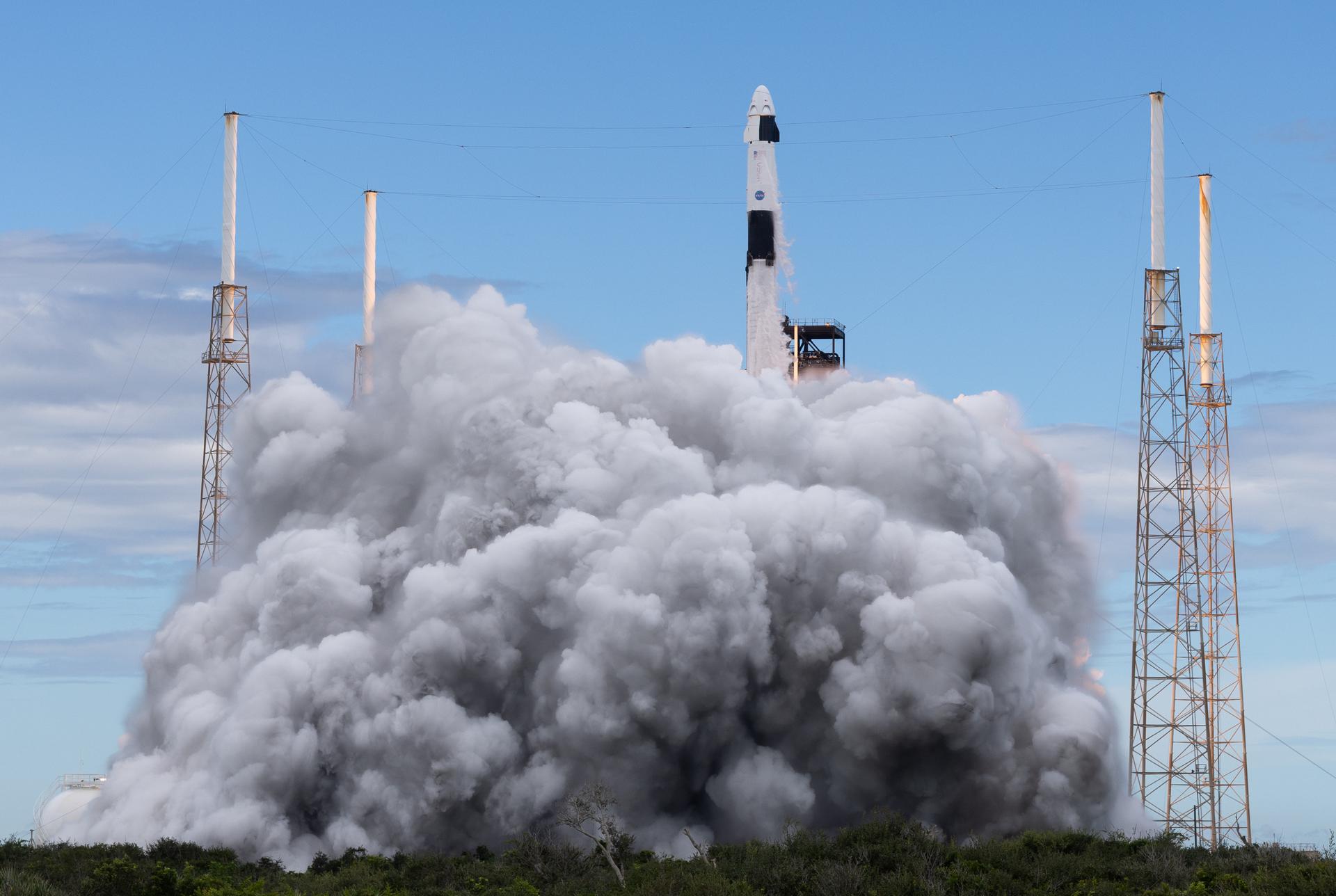
A SpaceX Falcon 9 rocket carrying the company's Dragon spacecraft is launched on NASA’s SpaceX Crew-13 mission to the International Space Station with NASA astronauts Jessica Watkins and Luke Delaney, CSA (Canadian Space Agency) astronaut Joshua Kutryk, and Roscosmos cosmonaut Sergey Teteryatnikov onboard, Thursday, Oct. 1, 2026, from Cape Canaveral Space Force Station in Florida. NASA’s SpaceX Crew-13 mission is the 13th crew rotation mission of the SpaceX Dragon spacecraft and Falcon 9 rocket to the International Space Station as part of the agency’s Commercial Crew Program. Watkins, Delaney, Kutryk, Teteryatnikov launched at 11:10 a.m. EDT from Space Launch Complex 40 at the Cape Canaveral Space Force Station to begin a mission aboard the orbital outpost. Photo Credit: (NASA/Joel Kowsky)
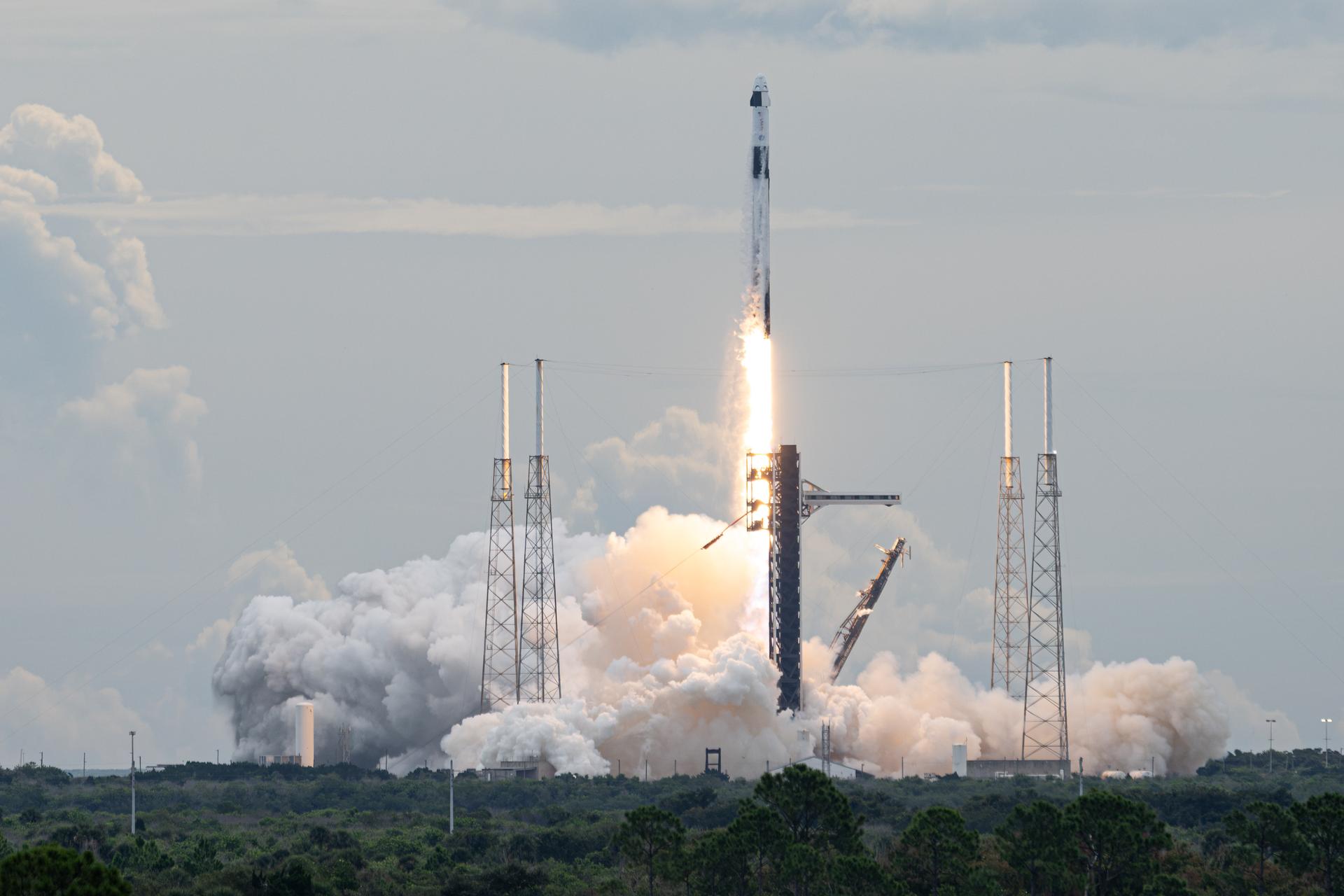
A SpaceX Falcon 9 rocket carrying the company’s Dragon spacecraft is launched on NASA’s SpaceX Crew-13 mission to the International Space Station with NASA astronauts Jessica Watkins and Luke Delaney, CSA (Canadian Space Agency) astronaut Joshua Kutryk, and Roscosmos cosmonaut Sergey Teteryatnikov, Thursday, Oct. 1, 2026, from Cape Canaveral Space Force Station in Florida. NASA’s SpaceX Crew-13 mission is the thirteenth crew rotation mission of the SpaceX Falcon 9 rocket and Dragon spacecraft to the International Space Station as part of the agency’s Commercial Crew Program. Watkins, Delaney, Kutryk, and Teteryatnikov launched at 11:10 a.m. EDT from Space Launch Complex 40 at Cape Canaveral Space Force Station to begin their mission aboard the orbital outpost. Photo Credit: (NASA/John Kraus)
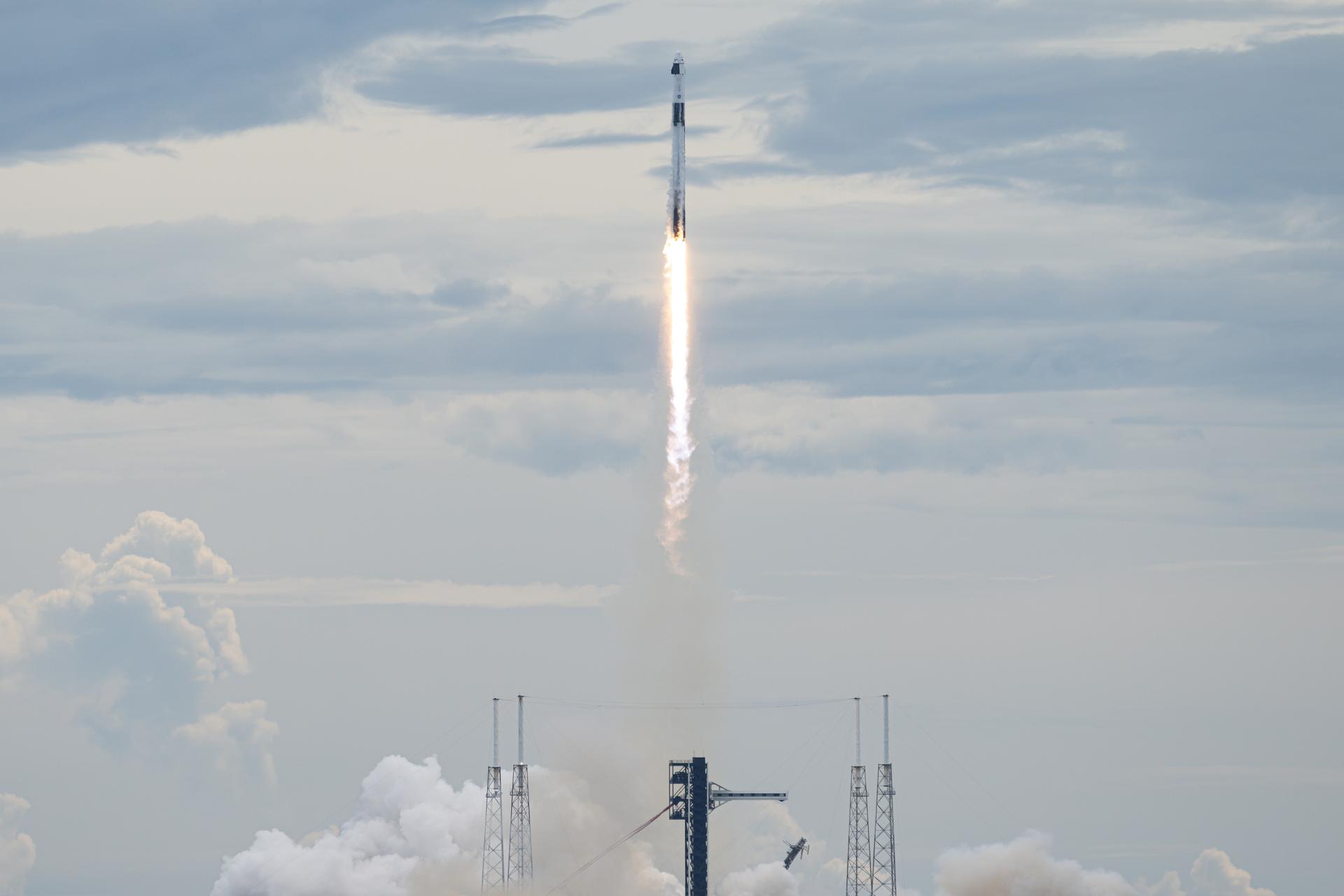
A SpaceX Falcon 9 rocket carrying the company’s Dragon spacecraft is launched on NASA’s SpaceX Crew-13 mission to the International Space Station with NASA astronauts Jessica Watkins and Luke Delaney, CSA (Canadian Space Agency) astronaut Joshua Kutryk, and Roscosmos cosmonaut Sergey Teteryatnikov, Thursday, Oct. 1, 2026, from Cape Canaveral Space Force Station in Florida. NASA’s SpaceX Crew-13 mission is the thirteenth crew rotation mission of the SpaceX Falcon 9 rocket and Dragon spacecraft to the International Space Station as part of the agency’s Commercial Crew Program. Watkins, Delaney, Kutryk, and Teteryatnikov launched at 11:10 a.m. EDT from Space Launch Complex 40 at Cape Canaveral Space Force Station to begin their mission aboard the orbital outpost. Photo Credit: (NASA/John Kraus)
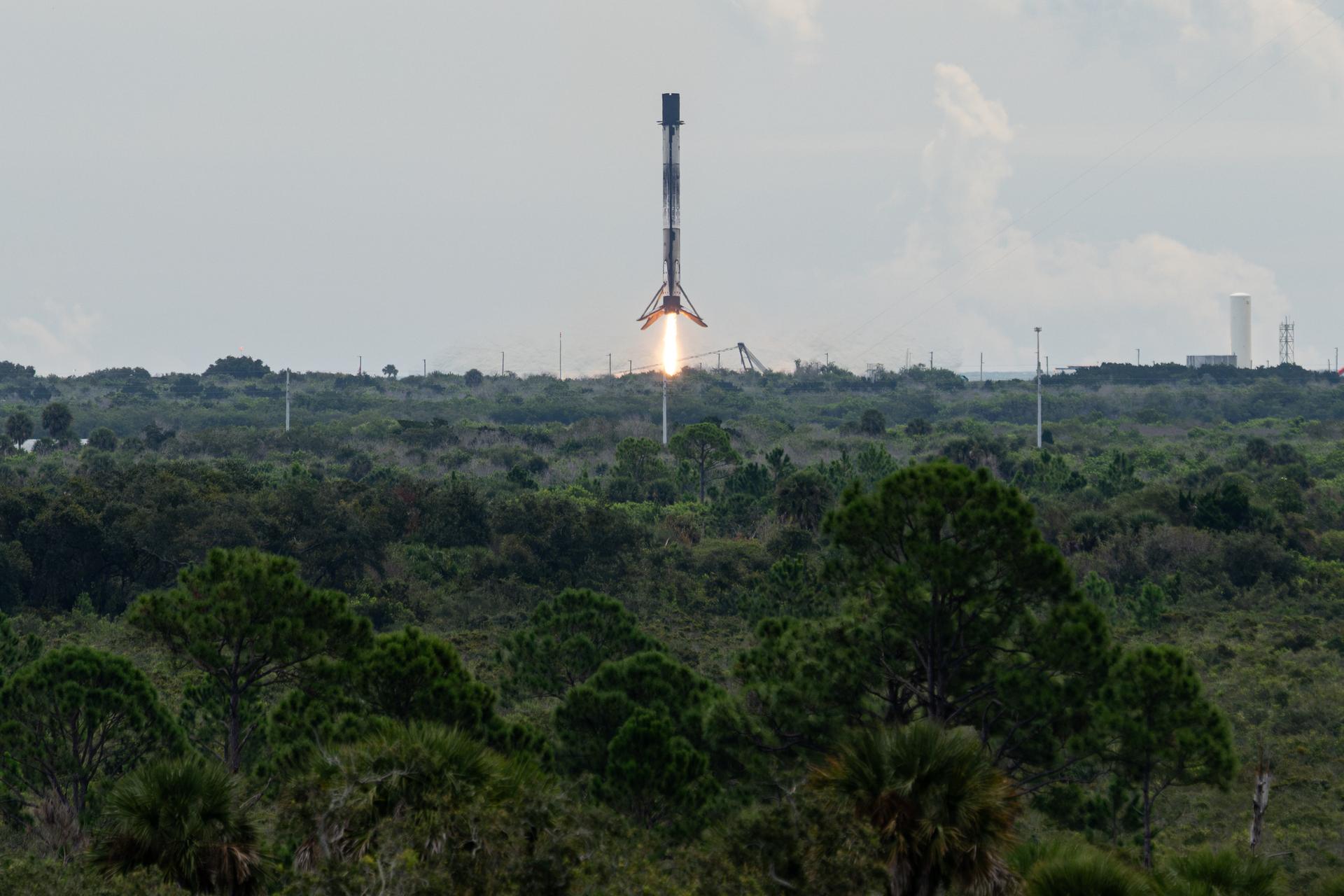
The first stage of a SpaceX Falcon 9 rocket lands at Landing Zone 40, Thursday, Oct. 1, 2026, at Cape Canaveral Space Force Station in Florida. The Falcon 9 first stage supported the launch of NASA’s SpaceX Crew-13 mission to the International Space Station with NASA astronauts Jessica Watkins and Luke Delaney, CSA (Canadian Space Agency) astronaut Joshua Kutryk, and Roscosmos cosmonaut Sergey Teteryatnikov. NASA’s SpaceX Crew-13 mission is the thirteenth crew rotation mission of the SpaceX Falcon 9 rocket and Dragon spacecraft to the International Space Station as part of the agency’s Commercial Crew Program. Watkins, Delaney, Kutryk, and Teteryatnikov launched at 11:10 a.m. EDT from Space Launch Complex 40 at Cape Canaveral Space Force Station to begin their mission aboard the orbital outpost. Photo Credit: (NASA/John Kraus)
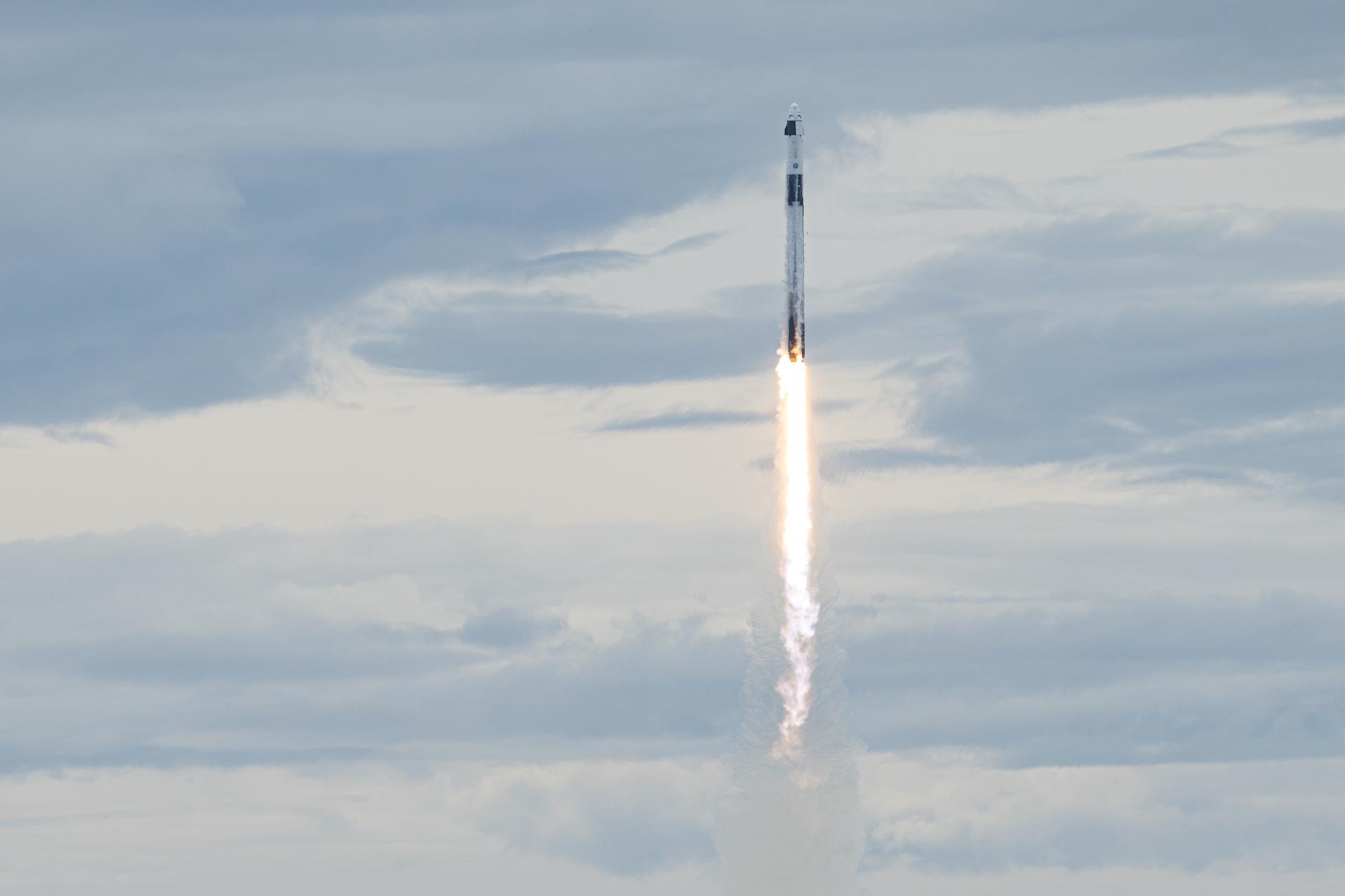
A SpaceX Falcon 9 rocket carrying the company’s Dragon spacecraft is launched on NASA’s SpaceX Crew-13 mission to the International Space Station with NASA astronauts Jessica Watkins and Luke Delaney, CSA (Canadian Space Agency) astronaut Joshua Kutryk, and Roscosmos cosmonaut Sergey Teteryatnikov, Thursday, Oct. 1, 2026, from Cape Canaveral Space Force Station in Florida. NASA’s SpaceX Crew-13 mission is the thirteenth crew rotation mission of the SpaceX Falcon 9 rocket and Dragon spacecraft to the International Space Station as part of the agency’s Commercial Crew Program. Watkins, Delaney, Kutryk, and Teteryatnikov launched at 11:10 a.m. EDT from Space Launch Complex 40 at Cape Canaveral Space Force Station to begin their mission aboard the orbital outpost. Photo Credit: (NASA/John Kraus)
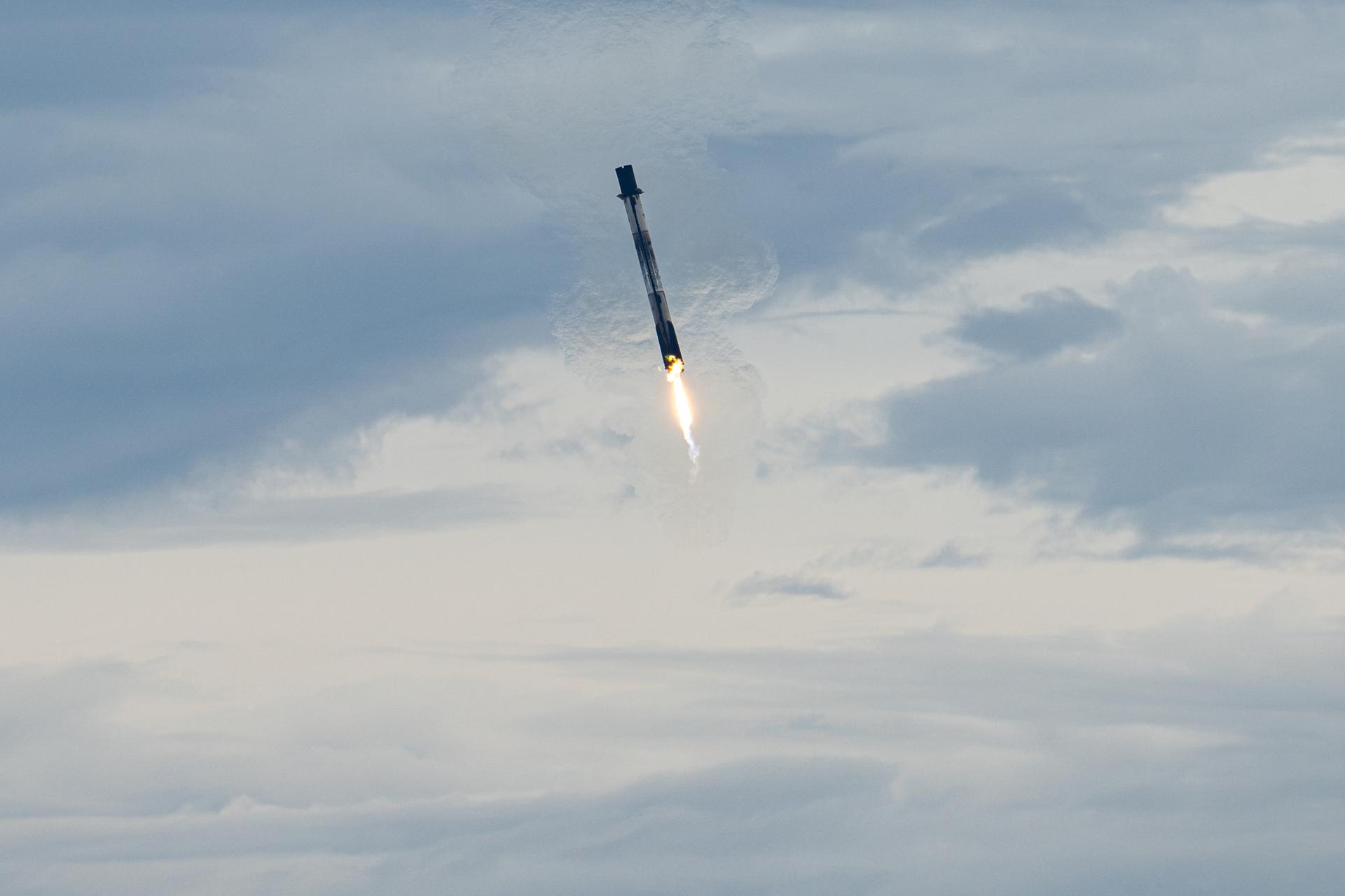
The first stage of a SpaceX Falcon 9 rocket lands at Landing Zone 40, Thursday, Oct. 1, 2026, at Cape Canaveral Space Force Station in Florida. The Falcon 9 first stage supported the launch of NASA’s SpaceX Crew-13 mission to the International Space Station with NASA astronauts Jessica Watkins and Luke Delaney, CSA (Canadian Space Agency) astronaut Joshua Kutryk, and Roscosmos cosmonaut Sergey Teteryatnikov. NASA’s SpaceX Crew-13 mission is the thirteenth crew rotation mission of the SpaceX Falcon 9 rocket and Dragon spacecraft to the International Space Station as part of the agency’s Commercial Crew Program. Watkins, Delaney, Kutryk, and Teteryatnikov launched at 11:10 a.m. EDT from Space Launch Complex 40 at Cape Canaveral Space Force Station to begin their mission aboard the orbital outpost. Photo Credit: (NASA/John Kraus)
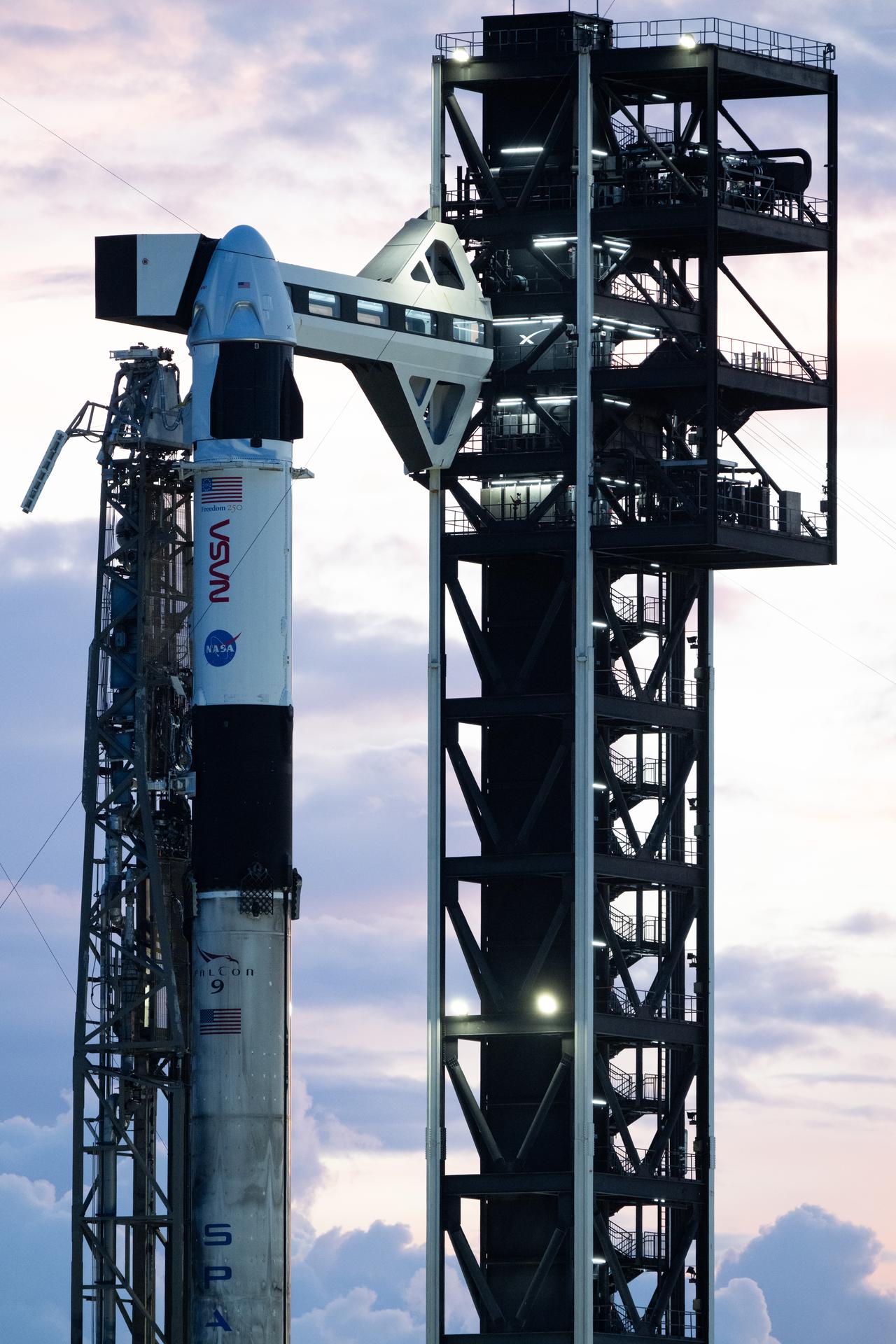
A SpaceX Falcon 9 rocket with the company's Dragon spacecraft on top is seen at sunset on the launch pad at Space Launch Complex 40 as preparations continue for the Crew-13 mission, Wednesday, Sept. 30, 2026, at Cape Canaveral Space Force Station in Florida. NASA’s SpaceX Crew-13 mission is the 13th crew rotation mission of the SpaceX Dragon spacecraft and Falcon 9 rocket to the International Space Station as part of the agency’s Commercial Crew Program. NASA astronauts Jessica Watkins and Luke Delaney, CSA (Canadian Space Agency) astronaut Joshua Kutryk, and Roscosmos cosmonaut Sergey Teteryatnikov are scheduled to launch at 11:10 a.m. EDT on Thursday, Oct. 1, from Space Launch Complex 40 at the Cape Canaveral Space Force Station. Photo Credit: (NASA/Joel Kowsky)
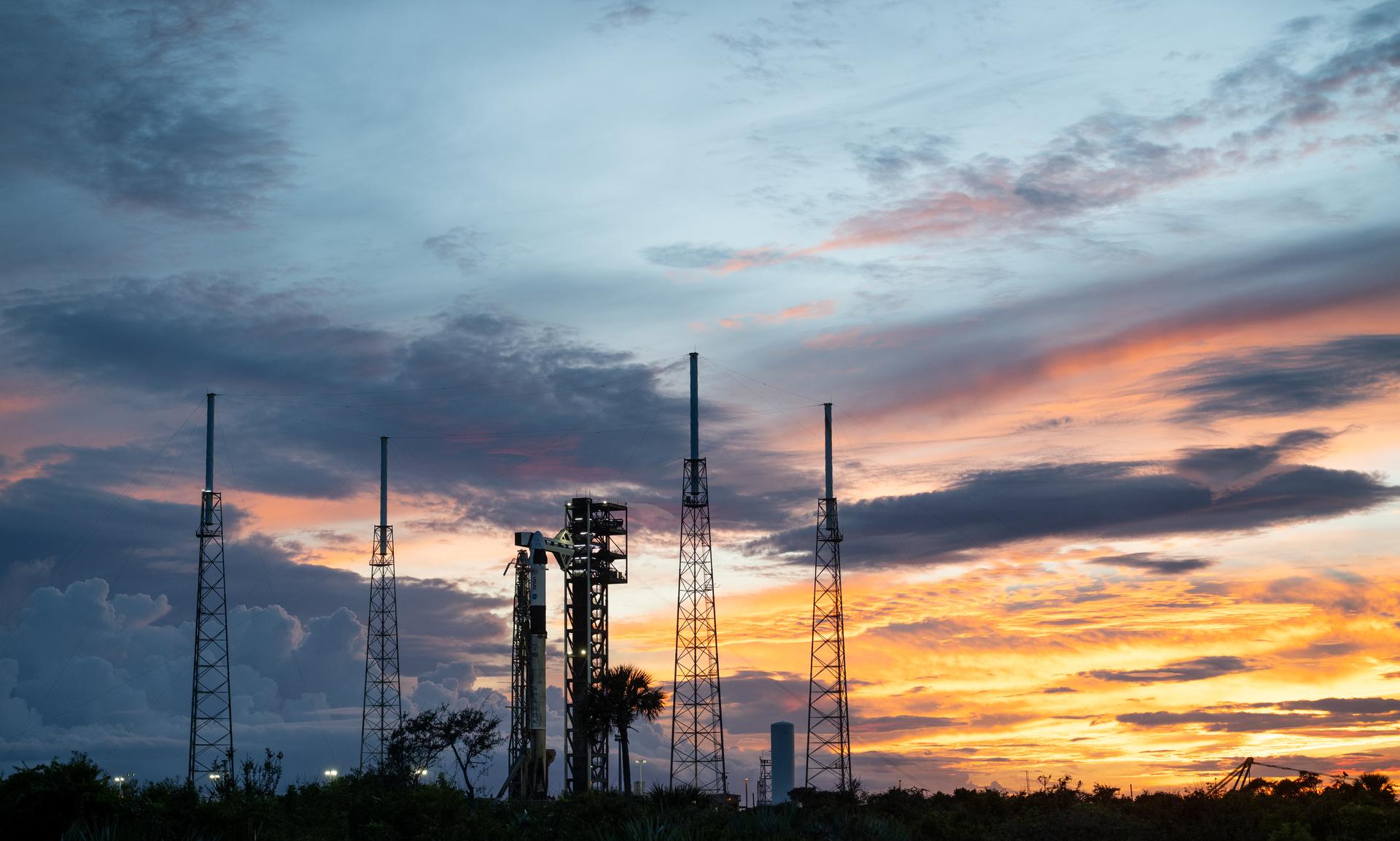
A SpaceX Falcon 9 rocket with the company's Dragon spacecraft on top is seen at sunset on the launch pad at Space Launch Complex 40 as preparations continue for the Crew-13 mission, Wednesday, Sept. 30, 2026, at Cape Canaveral Space Force Station in Florida. NASA’s SpaceX Crew-13 mission is the 13th crew rotation mission of the SpaceX Dragon spacecraft and Falcon 9 rocket to the International Space Station as part of the agency’s Commercial Crew Program. NASA astronauts Jessica Watkins and Luke Delaney, CSA (Canadian Space Agency) astronaut Joshua Kutryk, and Roscosmos cosmonaut Sergey Teteryatnikov are scheduled to launch at 11:10 a.m. EDT on Thursday, Oct. 1, from Space Launch Complex 40 at the Cape Canaveral Space Force Station. Photo Credit: (NASA/Joel Kowsky)

A SpaceX Falcon 9 rocket carrying the company's Dragon spacecraft is launched on NASA’s SpaceX Crew-13 mission to the International Space Station with NASA astronauts Jessica Watkins and Luke Delaney, CSA (Canadian Space Agency) astronaut Joshua Kutryk, and Roscosmos cosmonaut Sergey Teteryatnikov onboard, Thursday, Oct. 1, 2026, from Cape Canaveral Space Force Station in Florida. NASA’s SpaceX Crew-13 mission is the 13th crew rotation mission of the SpaceX Dragon spacecraft and Falcon 9 rocket to the International Space Station as part of the agency’s Commercial Crew Program. Watkins, Delaney, Kutryk, Teteryatnikov launched at 11:10 a.m. EDT from Space Launch Complex 40 at the Cape Canaveral Space Force Station to begin a mission aboard the orbital outpost. Photo Credit: (NASA/Joel Kowsky)
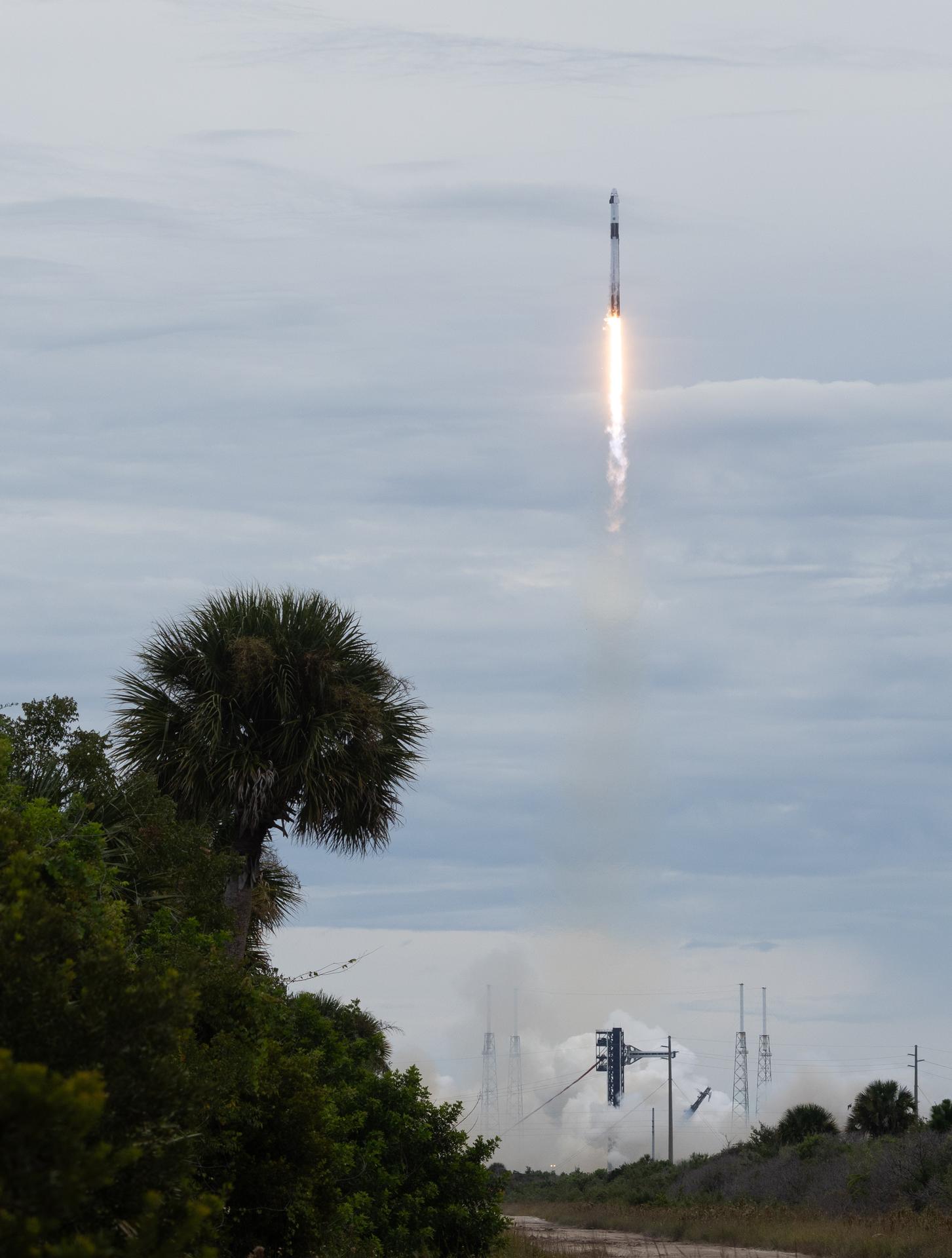
A SpaceX Falcon 9 rocket carrying the company's Dragon spacecraft is launched on NASA’s SpaceX Crew-13 mission to the International Space Station with NASA astronauts Jessica Watkins and Luke Delaney, CSA (Canadian Space Agency) astronaut Joshua Kutryk, and Roscosmos cosmonaut Sergey Teteryatnikov onboard, Thursday, Oct. 1, 2026, from Cape Canaveral Space Force Station in Florida. NASA’s SpaceX Crew-13 mission is the 13th crew rotation mission of the SpaceX Dragon spacecraft and Falcon 9 rocket to the International Space Station as part of the agency’s Commercial Crew Program. Watkins, Delaney, Kutryk, Teteryatnikov launched at 11:10 a.m. EDT from Space Launch Complex 40 at the Cape Canaveral Space Force Station to begin a mission aboard the orbital outpost. Photo Credit: (NASA/Joel Kowsky)
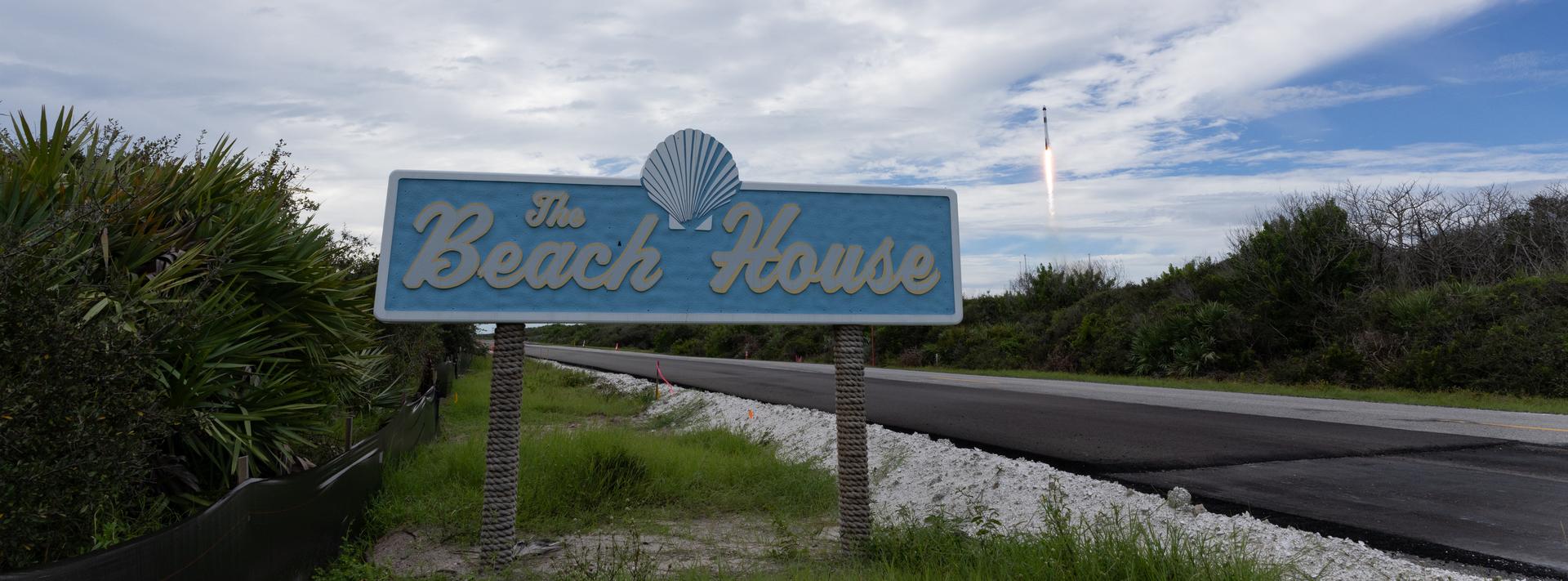
A SpaceX Falcon 9 rocket carrying the company's Dragon spacecraft is launched on NASA’s SpaceX Crew-13 mission to the International Space Station with NASA astronauts Jessica Watkins and Luke Delaney, CSA (Canadian Space Agency) astronaut Joshua Kutryk, and Roscosmos cosmonaut Sergey Teteryatnikov onboard, Thursday, Oct. 1, 2026, from Cape Canaveral Space Force Station in Florida. NASA’s SpaceX Crew-13 mission is the 13th crew rotation mission of the SpaceX Dragon spacecraft and Falcon 9 rocket to the International Space Station as part of the agency’s Commercial Crew Program. Watkins, Delaney, Kutryk, Teteryatnikov launched at 11:10 a.m. EDT from Space Launch Complex 40 at the Cape Canaveral Space Force Station to begin a mission aboard the orbital outpost. Photo Credit: (NASA/Joel Kowsky)
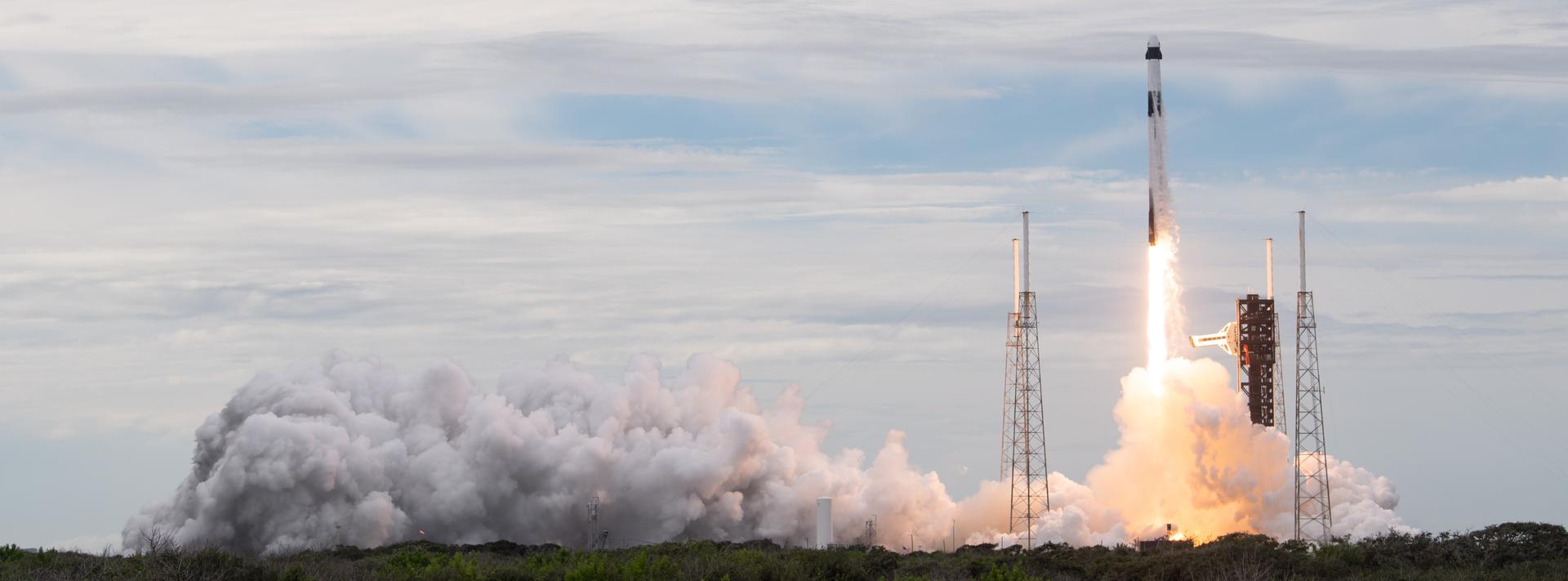
A SpaceX Falcon 9 rocket carrying the company's Dragon spacecraft is launched on NASA’s SpaceX Crew-13 mission to the International Space Station with NASA astronauts Jessica Watkins and Luke Delaney, CSA (Canadian Space Agency) astronaut Joshua Kutryk, and Roscosmos cosmonaut Sergey Teteryatnikov onboard, Thursday, Oct. 1, 2026, from Cape Canaveral Space Force Station in Florida. NASA’s SpaceX Crew-13 mission is the 13th crew rotation mission of the SpaceX Dragon spacecraft and Falcon 9 rocket to the International Space Station as part of the agency’s Commercial Crew Program. Watkins, Delaney, Kutryk, Teteryatnikov launched at 11:10 a.m. EDT from Space Launch Complex 40 at the Cape Canaveral Space Force Station to begin a mission aboard the orbital outpost. Photo Credit: (NASA/Joel Kowsky)
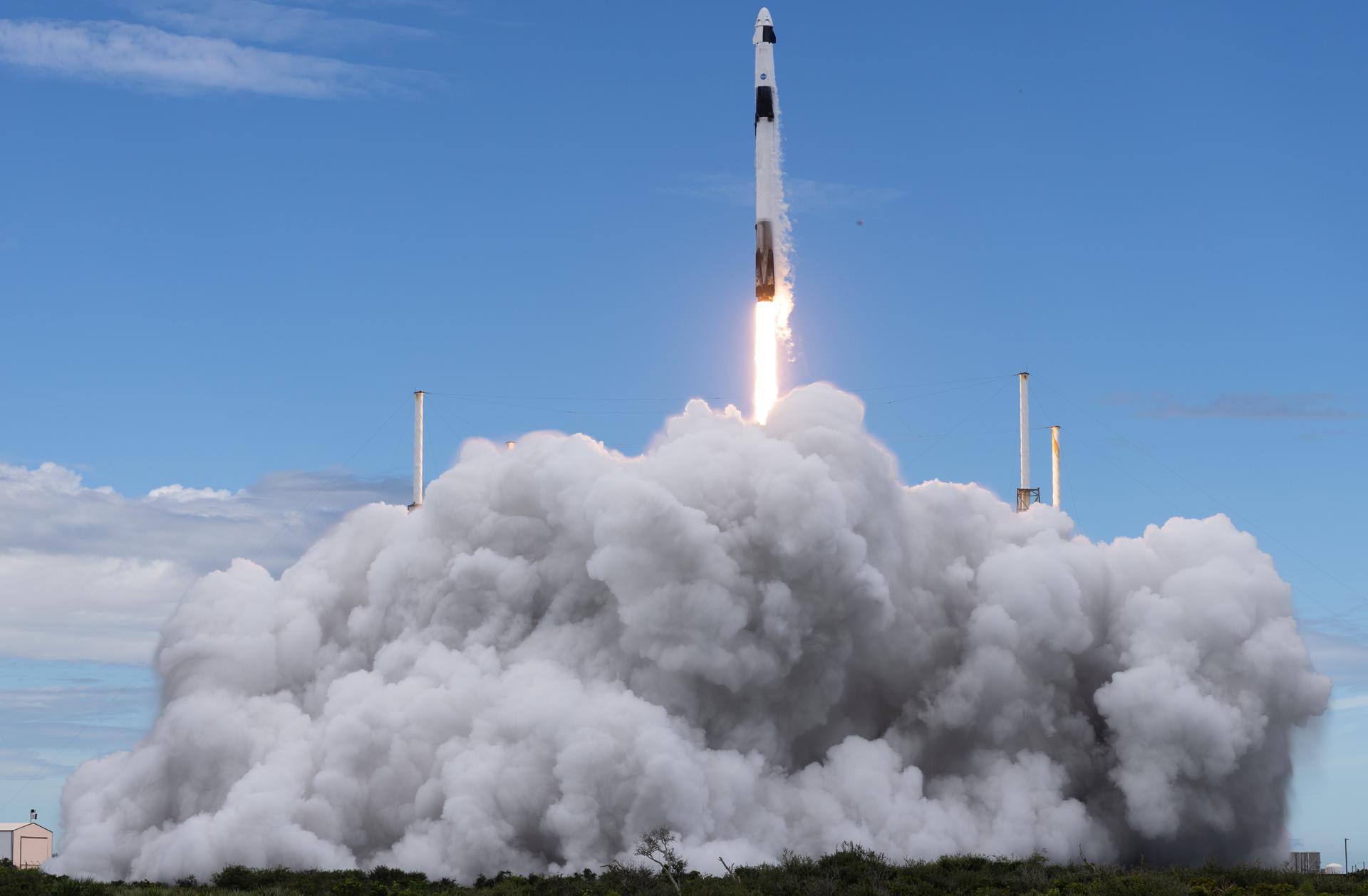
A SpaceX Falcon 9 rocket carrying the company's Dragon spacecraft is launched on NASA’s SpaceX Crew-13 mission to the International Space Station with NASA astronauts Jessica Watkins and Luke Delaney, CSA (Canadian Space Agency) astronaut Joshua Kutryk, and Roscosmos cosmonaut Sergey Teteryatnikov onboard, Thursday, Oct. 1, 2026, from Cape Canaveral Space Force Station in Florida. NASA’s SpaceX Crew-13 mission is the 13th crew rotation mission of the SpaceX Dragon spacecraft and Falcon 9 rocket to the International Space Station as part of the agency’s Commercial Crew Program. Watkins, Delaney, Kutryk, Teteryatnikov launched at 11:10 a.m. EDT from Space Launch Complex 40 at the Cape Canaveral Space Force Station to begin a mission aboard the orbital outpost. Photo Credit: (NASA/Joel Kowsky)
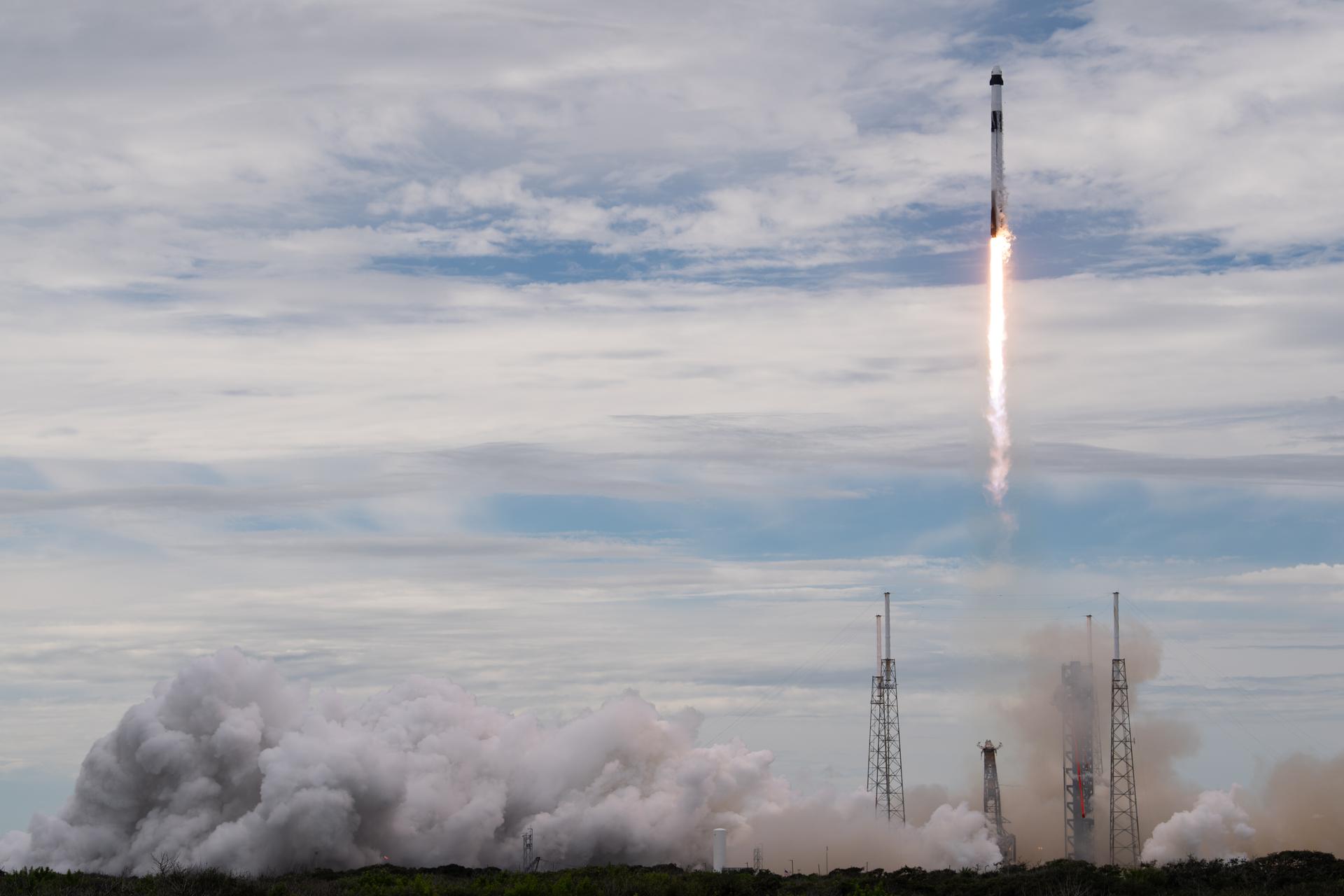
A SpaceX Falcon 9 rocket carrying the company's Dragon spacecraft is launched on NASA’s SpaceX Crew-13 mission to the International Space Station with NASA astronauts Jessica Watkins and Luke Delaney, CSA (Canadian Space Agency) astronaut Joshua Kutryk, and Roscosmos cosmonaut Sergey Teteryatnikov onboard, Thursday, Oct. 1, 2026, from Cape Canaveral Space Force Station in Florida. NASA’s SpaceX Crew-13 mission is the 13th crew rotation mission of the SpaceX Dragon spacecraft and Falcon 9 rocket to the International Space Station as part of the agency’s Commercial Crew Program. Watkins, Delaney, Kutryk, Teteryatnikov launched at 11:10 a.m. EDT from Space Launch Complex 40 at the Cape Canaveral Space Force Station to begin a mission aboard the orbital outpost. Photo Credit: (NASA/Joel Kowsky)
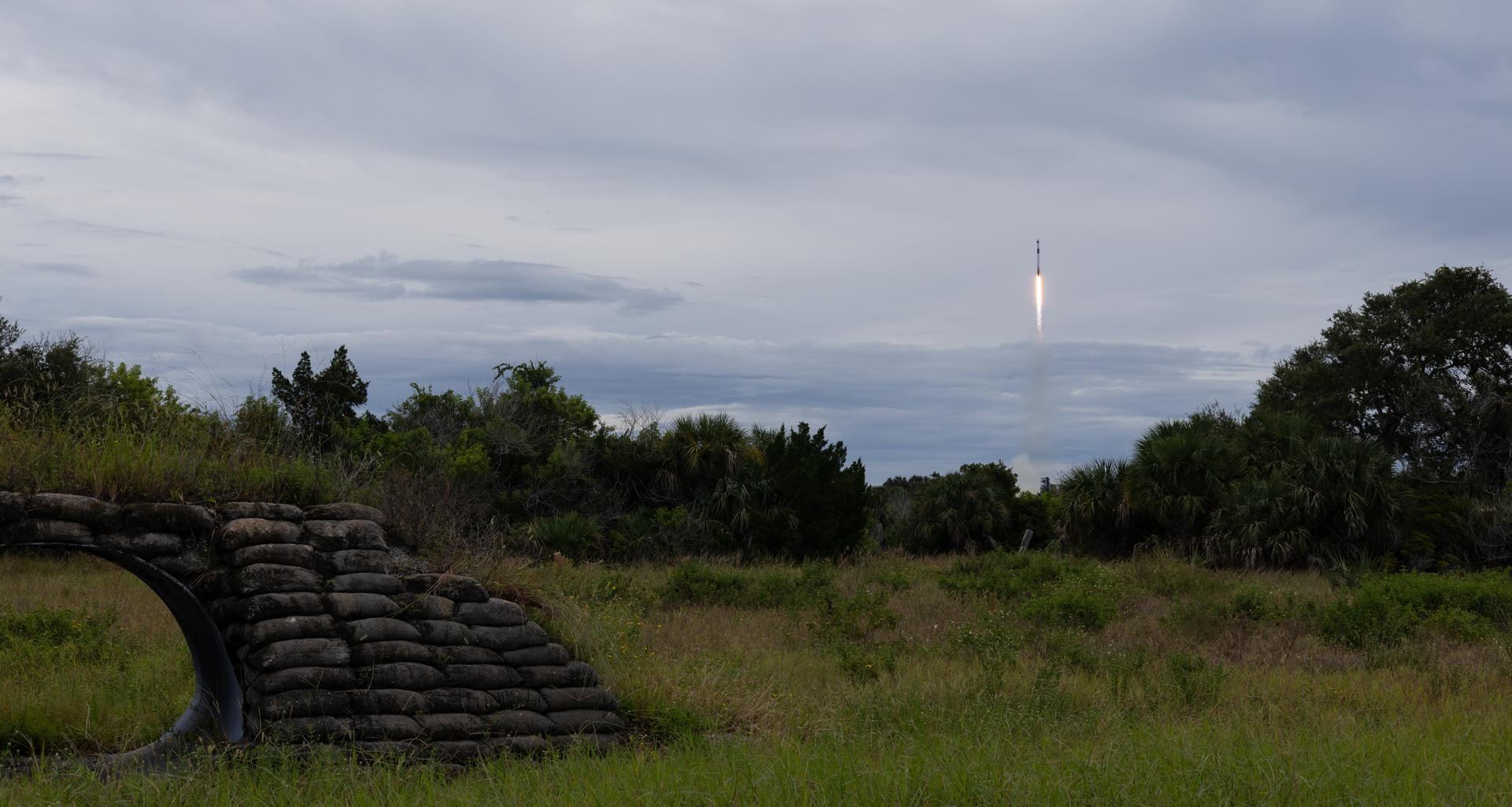
A SpaceX Falcon 9 rocket carrying the company's Dragon spacecraft is launched on NASA’s SpaceX Crew-13 mission to the International Space Station with NASA astronauts Jessica Watkins and Luke Delaney, CSA (Canadian Space Agency) astronaut Joshua Kutryk, and Roscosmos cosmonaut Sergey Teteryatnikov onboard, Thursday, Oct. 1, 2026, from Cape Canaveral Space Force Station in Florida. NASA’s SpaceX Crew-13 mission is the 13th crew rotation mission of the SpaceX Dragon spacecraft and Falcon 9 rocket to the International Space Station as part of the agency’s Commercial Crew Program. Watkins, Delaney, Kutryk, Teteryatnikov launched at 11:10 a.m. EDT from Space Launch Complex 40 at the Cape Canaveral Space Force Station to begin a mission aboard the orbital outpost. Photo Credit: (NASA/Joel Kowsky)
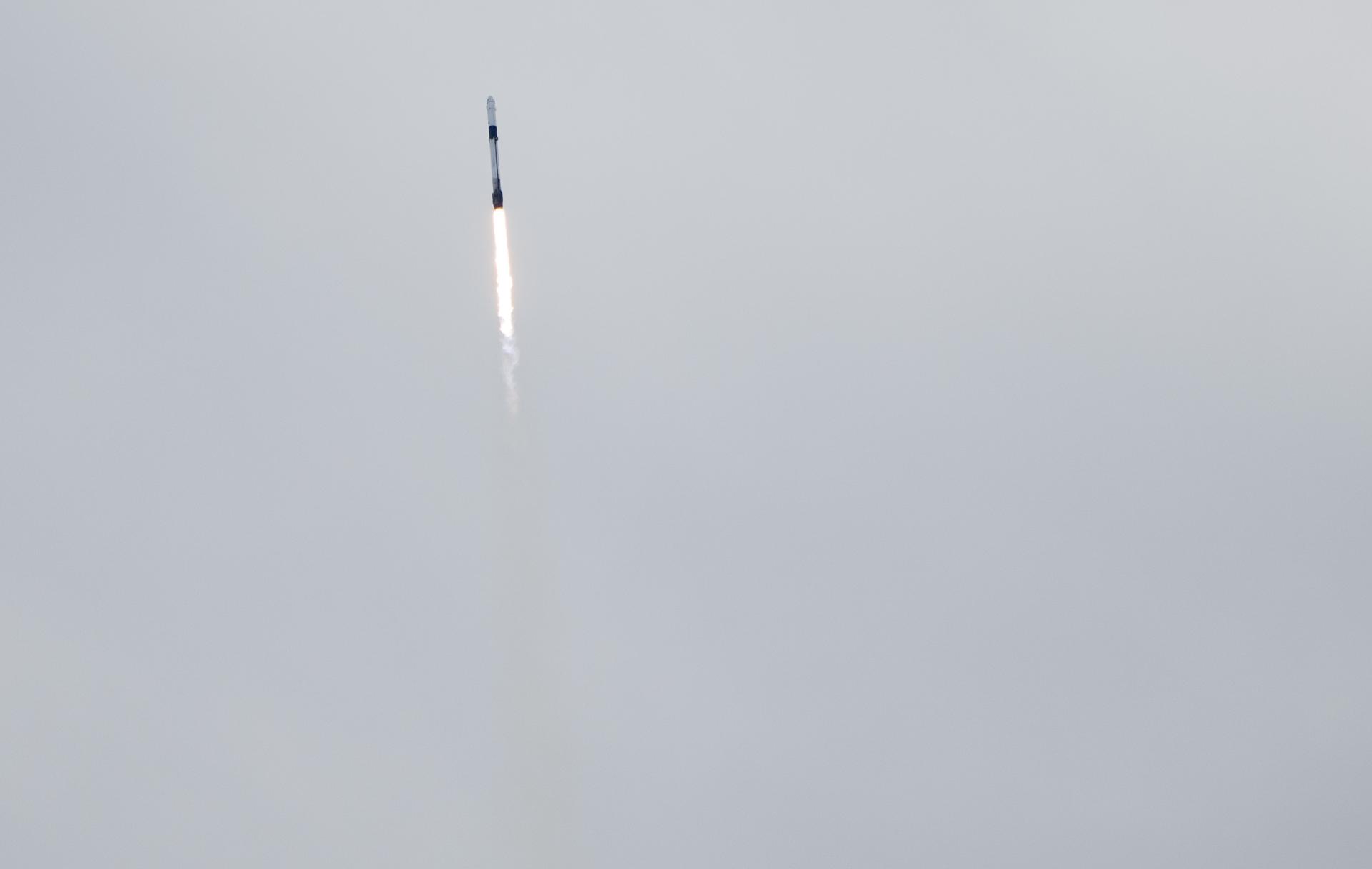
A SpaceX Falcon 9 rocket carrying the company's Dragon spacecraft is launched on NASA’s SpaceX Crew-13 mission to the International Space Station with NASA astronauts Jessica Watkins and Luke Delaney, CSA (Canadian Space Agency) astronaut Joshua Kutryk, and Roscosmos cosmonaut Sergey Teteryatnikov onboard, Thursday, Oct. 1, 2026, from Cape Canaveral Space Force Station in Florida. NASA’s SpaceX Crew-13 mission is the 13th crew rotation mission of the SpaceX Dragon spacecraft and Falcon 9 rocket to the International Space Station as part of the agency’s Commercial Crew Program. Watkins, Delaney, Kutryk, Teteryatnikov launched at 11:10 a.m. EDT from Space Launch Complex 40 at the Cape Canaveral Space Force Station to begin a mission aboard the orbital outpost. Photo Credit: (NASA/Joel Kowsky)
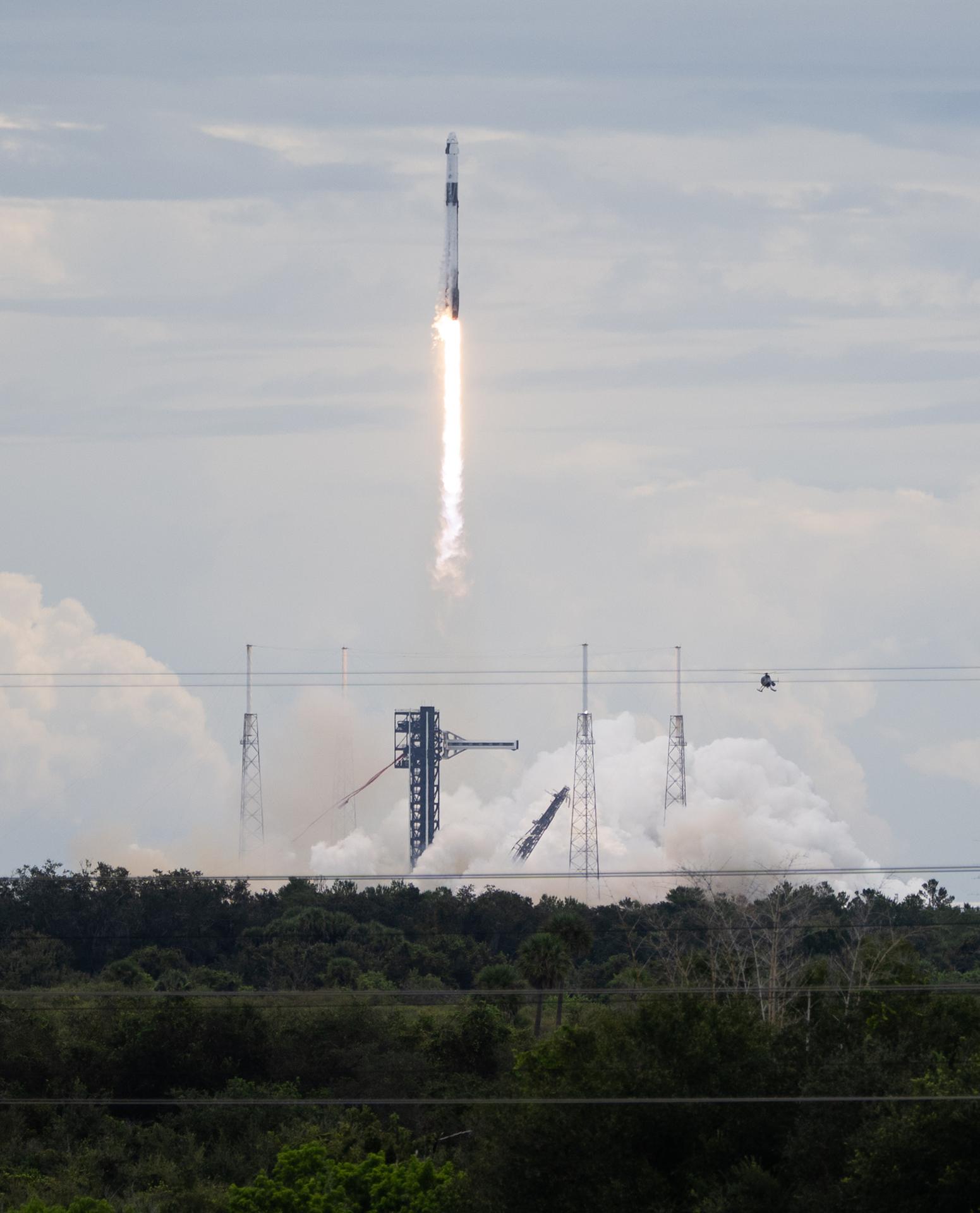
A SpaceX Falcon 9 rocket carrying the company's Dragon spacecraft is launched on NASA’s SpaceX Crew-13 mission to the International Space Station with NASA astronauts Jessica Watkins and Luke Delaney, CSA (Canadian Space Agency) astronaut Joshua Kutryk, and Roscosmos cosmonaut Sergey Teteryatnikov onboard, Thursday, Oct. 1, 2026, from Cape Canaveral Space Force Station in Florida. NASA’s SpaceX Crew-13 mission is the 13th crew rotation mission of the SpaceX Dragon spacecraft and Falcon 9 rocket to the International Space Station as part of the agency’s Commercial Crew Program. Watkins, Delaney, Kutryk, Teteryatnikov launched at 11:10 a.m. EDT from Space Launch Complex 40 at the Cape Canaveral Space Force Station to begin a mission aboard the orbital outpost. Photo Credit: (NASA/Joel Kowsky)
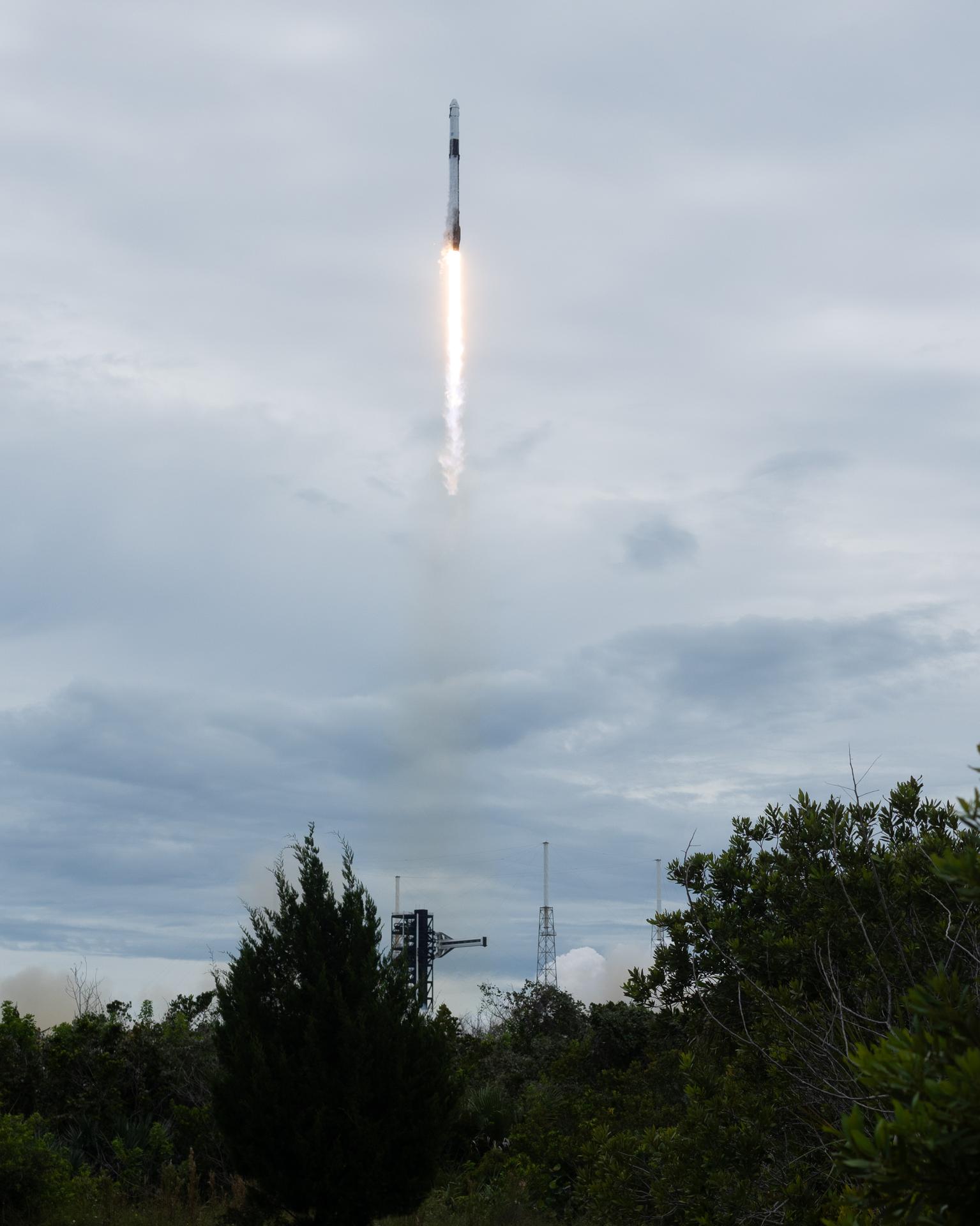
A SpaceX Falcon 9 rocket carrying the company's Dragon spacecraft is launched on NASA’s SpaceX Crew-13 mission to the International Space Station with NASA astronauts Jessica Watkins and Luke Delaney, CSA (Canadian Space Agency) astronaut Joshua Kutryk, and Roscosmos cosmonaut Sergey Teteryatnikov onboard, Thursday, Oct. 1, 2026, from Cape Canaveral Space Force Station in Florida. NASA’s SpaceX Crew-13 mission is the 13th crew rotation mission of the SpaceX Dragon spacecraft and Falcon 9 rocket to the International Space Station as part of the agency’s Commercial Crew Program. Watkins, Delaney, Kutryk, Teteryatnikov launched at 11:10 a.m. EDT from Space Launch Complex 40 at the Cape Canaveral Space Force Station to begin a mission aboard the orbital outpost. Photo Credit: (NASA/Joel Kowsky)
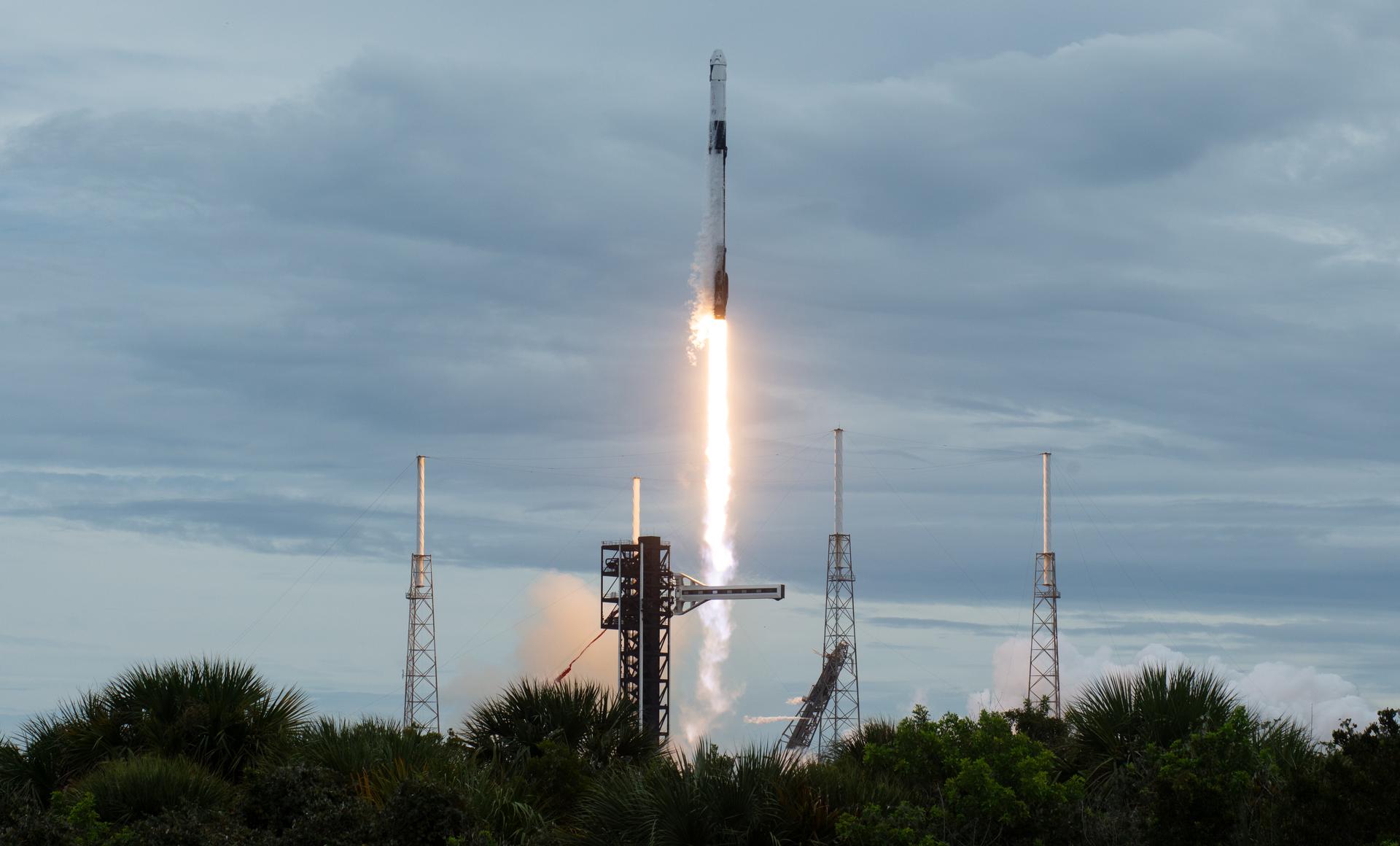
A SpaceX Falcon 9 rocket carrying the company's Dragon spacecraft is launched on NASA’s SpaceX Crew-13 mission to the International Space Station with NASA astronauts Jessica Watkins and Luke Delaney, CSA (Canadian Space Agency) astronaut Joshua Kutryk, and Roscosmos cosmonaut Sergey Teteryatnikov onboard, Thursday, Oct. 1, 2026, from Cape Canaveral Space Force Station in Florida. NASA’s SpaceX Crew-13 mission is the 13th crew rotation mission of the SpaceX Dragon spacecraft and Falcon 9 rocket to the International Space Station as part of the agency’s Commercial Crew Program. Watkins, Delaney, Kutryk, Teteryatnikov launched at 11:10 a.m. EDT from Space Launch Complex 40 at the Cape Canaveral Space Force Station to begin a mission aboard the orbital outpost. Photo Credit: (NASA/Joel Kowsky)
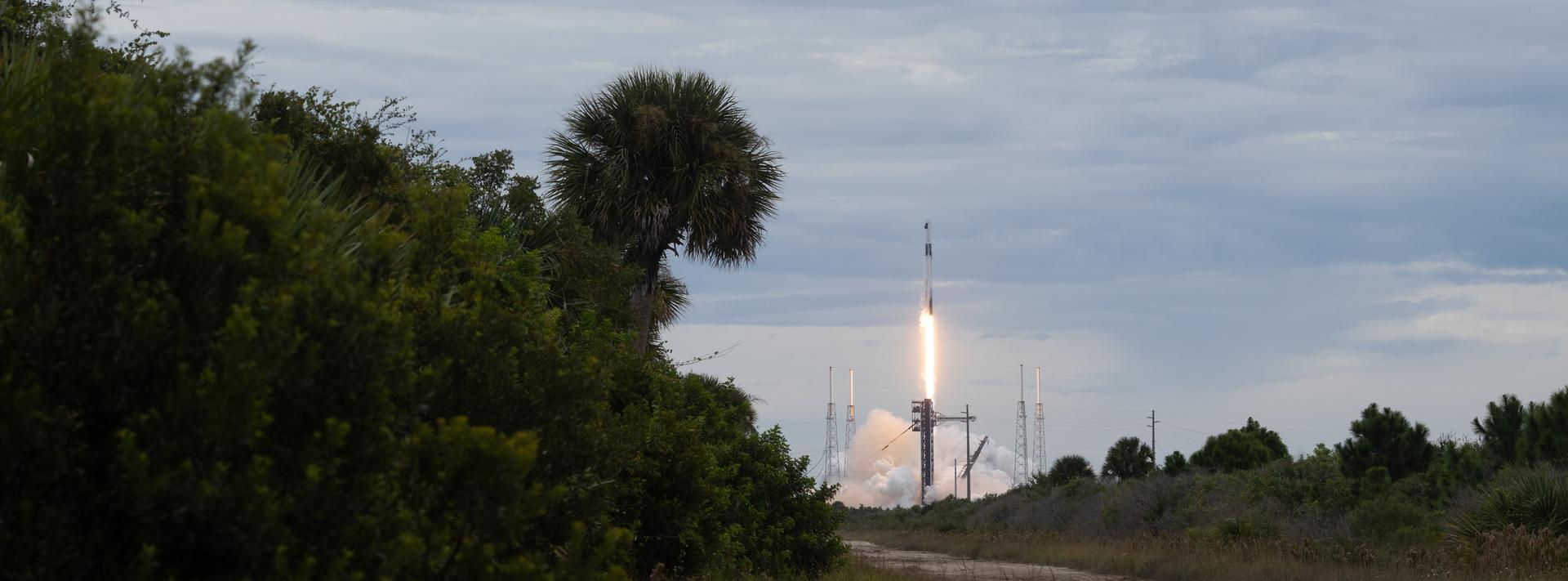
A SpaceX Falcon 9 rocket carrying the company's Dragon spacecraft is launched on NASA’s SpaceX Crew-13 mission to the International Space Station with NASA astronauts Jessica Watkins and Luke Delaney, CSA (Canadian Space Agency) astronaut Joshua Kutryk, and Roscosmos cosmonaut Sergey Teteryatnikov onboard, Thursday, Oct. 1, 2026, from Cape Canaveral Space Force Station in Florida. NASA’s SpaceX Crew-13 mission is the 13th crew rotation mission of the SpaceX Dragon spacecraft and Falcon 9 rocket to the International Space Station as part of the agency’s Commercial Crew Program. Watkins, Delaney, Kutryk, Teteryatnikov launched at 11:10 a.m. EDT from Space Launch Complex 40 at the Cape Canaveral Space Force Station to begin a mission aboard the orbital outpost. Photo Credit: (NASA/Joel Kowsky)
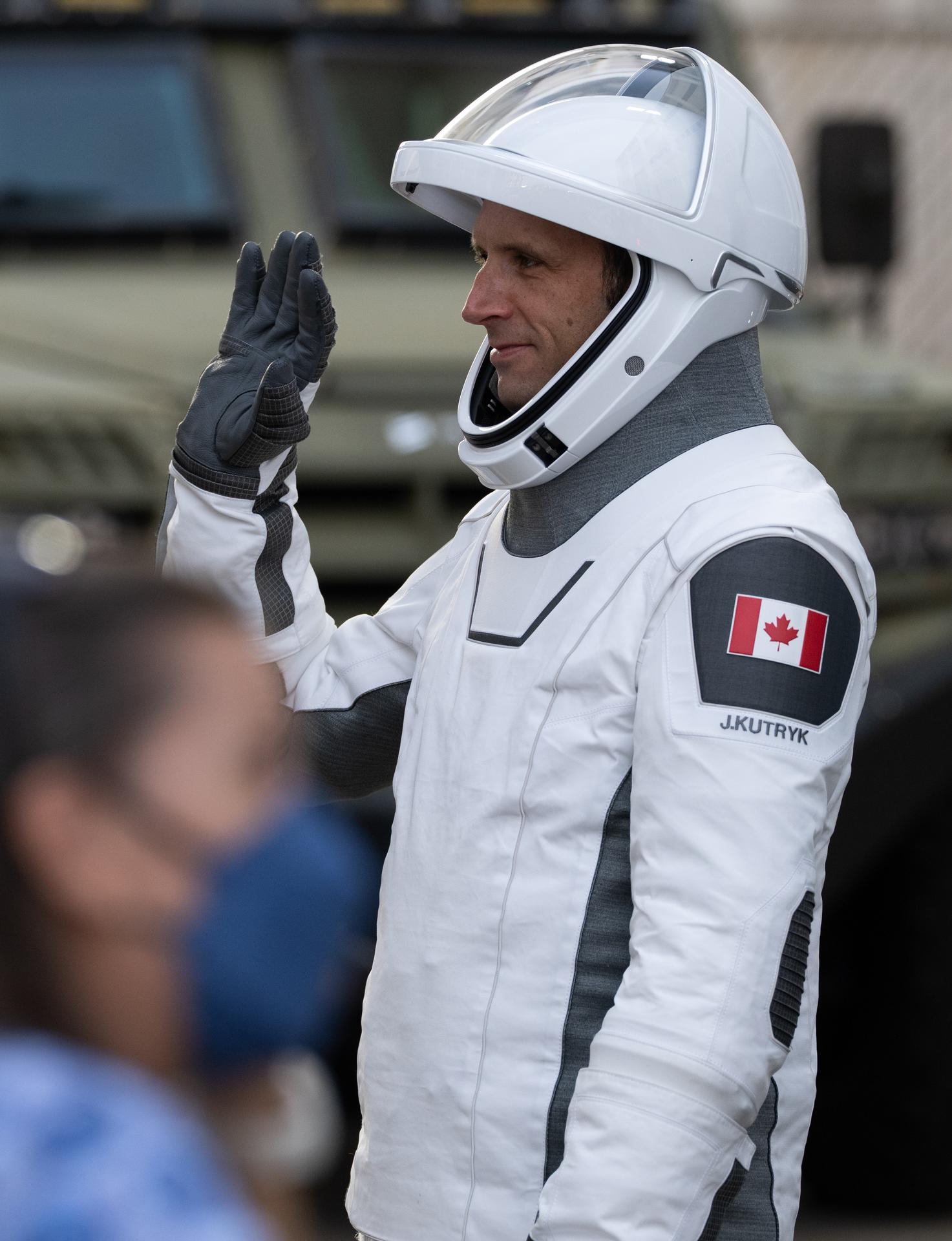
CSA (Canadian Space Agency) astronaut Joshua Kutryk is seen as he and fellow crewmates NASA astronauts Jessica Watkins, Luke Delaney, and Roscosmos cosmonaut Sergey Teteryatnikov, prepare to depart the Neil A. Armstrong Operations and Checkout Building for Space Launch Complex 40 on Cape Canaveral Space Force Station during a dress rehearsal prior to the Crew-13 mission launch, Tuesday, Sept. 29, 2026, at NASA’s Kennedy Space Center in Florida. NASA’s SpaceX Crew-13 mission is the 13th crew rotation mission of the SpaceX Dragon spacecraft and Falcon 9 rocket to the International Space Station as part of the agency’s Commercial Crew Program. Watkins, Delaney, Kutryk, Teteryatnikov are scheduled to launch at 11:10 a.m. EDT on Thursday, Oct. 1, from Space Launch Complex 40 at the Cape Canaveral Space Force Station. Photo Credit: (NASA/Joel Kowsky)
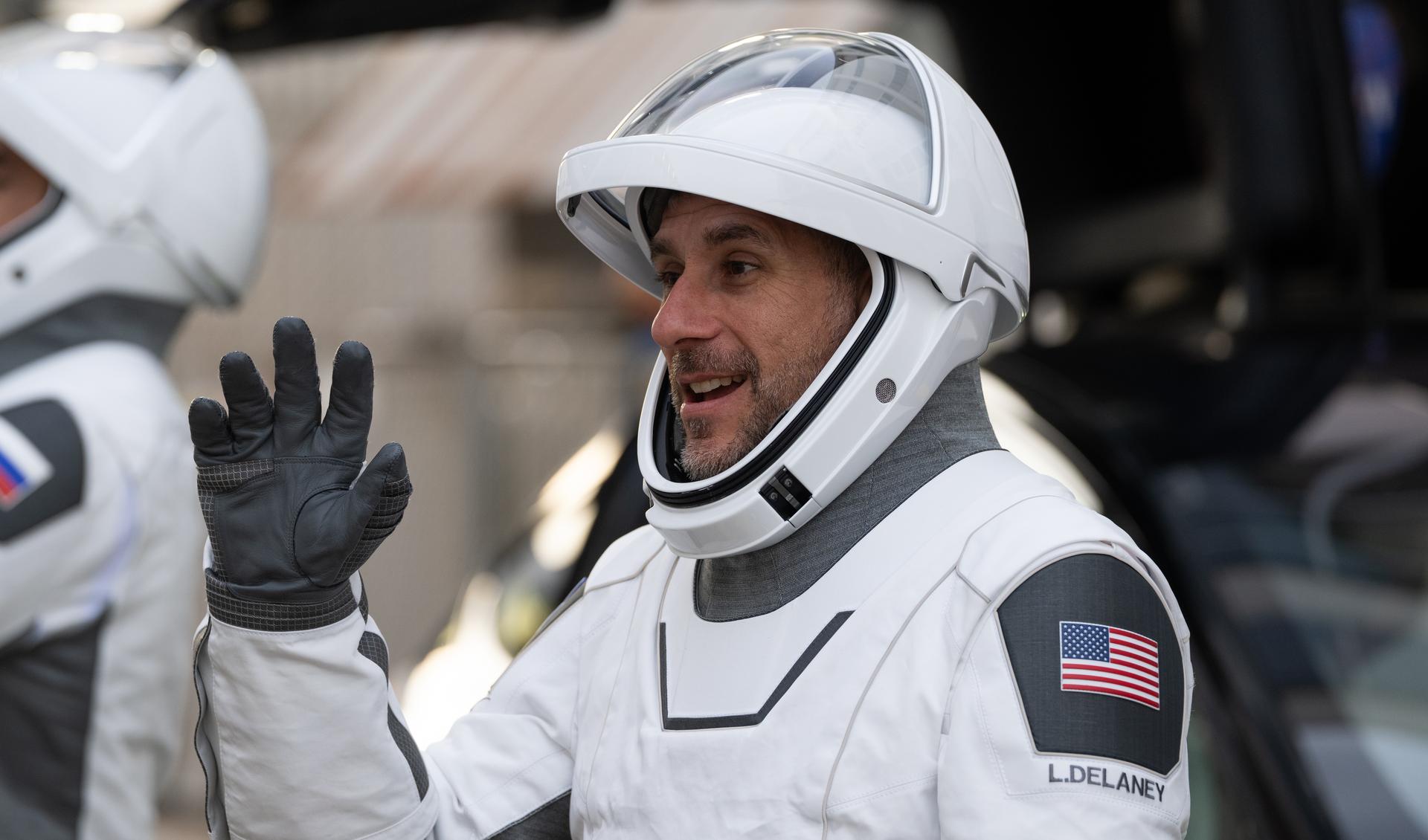
NASA astronaut Luke Delaney is seen as he and fellow crewmates NASA astronaut Jessica Watkins, CSA (Canadian Space Agency) astronaut Joshua Kutryk, and Roscosmos cosmonaut Sergey Teteryatnikov, prepare to depart the Neil A. Armstrong Operations and Checkout Building for Space Launch Complex 40 on Cape Canaveral Space Force Station during a dress rehearsal prior to the Crew-13 mission launch, Tuesday, Sept. 29, 2026, at NASA’s Kennedy Space Center in Florida. NASA’s SpaceX Crew-13 mission is the 13th crew rotation mission of the SpaceX Dragon spacecraft and Falcon 9 rocket to the International Space Station as part of the agency’s Commercial Crew Program. Watkins, Delaney, Kutryk, Teteryatnikov are scheduled to launch at 11:10 a.m. EDT on Thursday, Oct. 1, from Space Launch Complex 40 at the Cape Canaveral Space Force Station. Photo Credit: (NASA/Joel Kowsky)
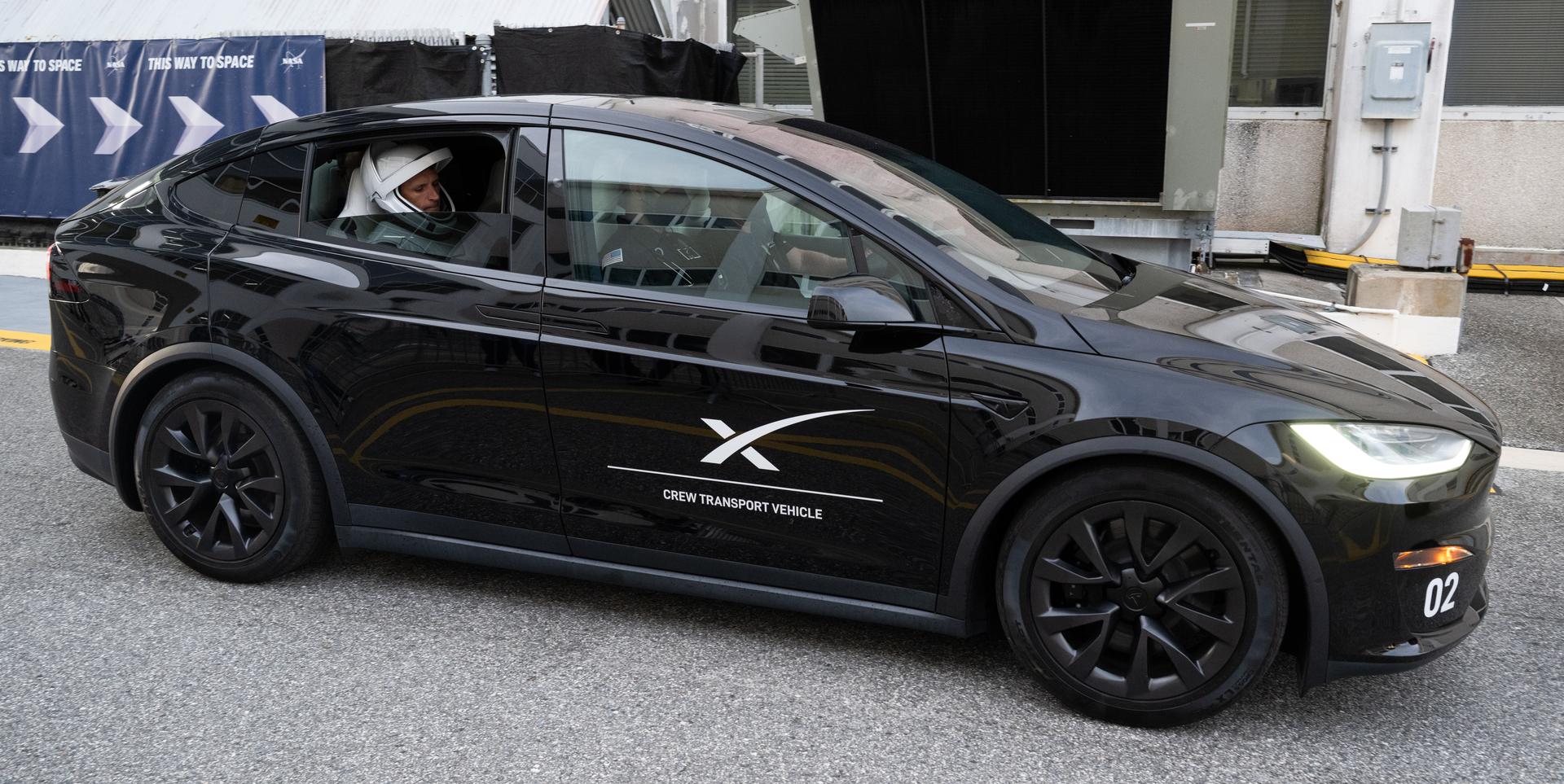
CSA (Canadian Space Agency) astronaut Joshua Kutryk and Roscosmos cosmonaut Sergey Teteryatnikov, wearing SpaceX spacesuits, are seen inside a crew transportation vehicle as they and fellow crewmates NASA astronauts Jessica Watkins and Luke Delaney depart the Neil A. Armstrong Operations and Checkout Building for Space Launch Complex 40 on Cape Canaveral Space Force Station during a dress rehearsal prior to the Crew-13 mission launch, Tuesday, Sept. 29, 2026, at NASA’s Kennedy Space Center in Florida. NASA’s SpaceX Crew-13 mission is the 13th crew rotation mission of the SpaceX Dragon spacecraft and Falcon 9 rocket to the International Space Station as part of the agency’s Commercial Crew Program. Watkins, Delaney, Kutryk, Teteryatnikov are scheduled to launch at 11:10 a.m. EDT on Thursday, Oct. 1, from Space Launch Complex 40 at the Cape Canaveral Space Force Station. Photo Credit: (NASA/Joel Kowsky)
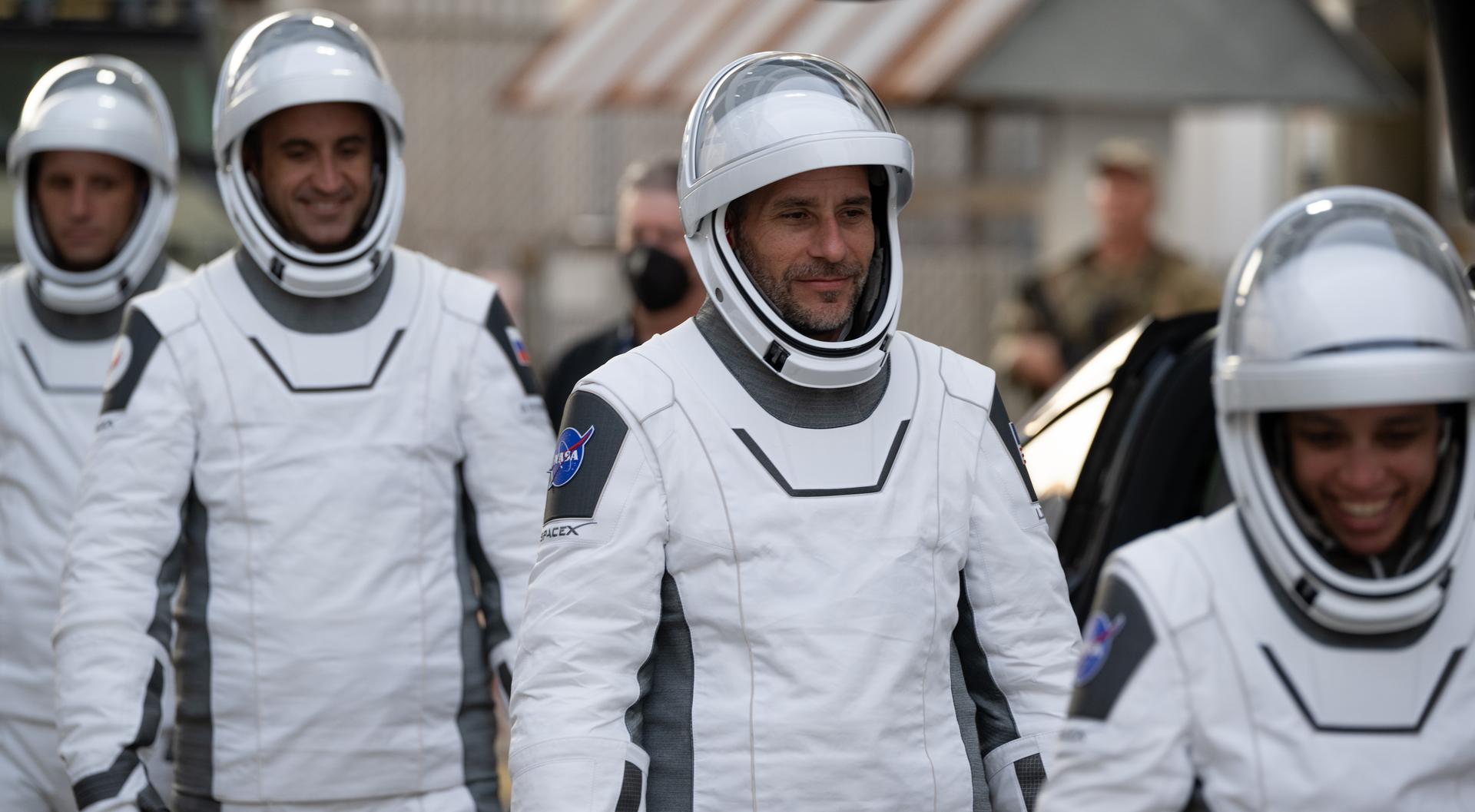
NASA astronauts Jessica Watkins, Luke Delaney, Roscosmos cosmonaut Sergey Teteryatnikov, and CSA (Canadian Space Agency) astronaut Joshua Kutryk, wearing SpaceX spacesuits, are seen as they prepare to depart the Neil A. Armstrong Operations and Checkout Building for Space Launch Complex 40 on Cape Canaveral Space Force Station during a dress rehearsal prior to the Crew-13 mission launch, Tuesday, Sept. 29, 2026, at NASA’s Kennedy Space Center in Florida. NASA’s SpaceX Crew-13 mission is the 13th crew rotation mission of the SpaceX Dragon spacecraft and Falcon 9 rocket to the International Space Station as part of the agency’s Commercial Crew Program. Watkins, Delaney, Kutryk, Teteryatnikov are scheduled to launch at 11:10 a.m. EDT on Thursday, Oct. 1, from Space Launch Complex 40 at the Cape Canaveral Space Force Station. Photo Credit: (NASA/Joel Kowsky)
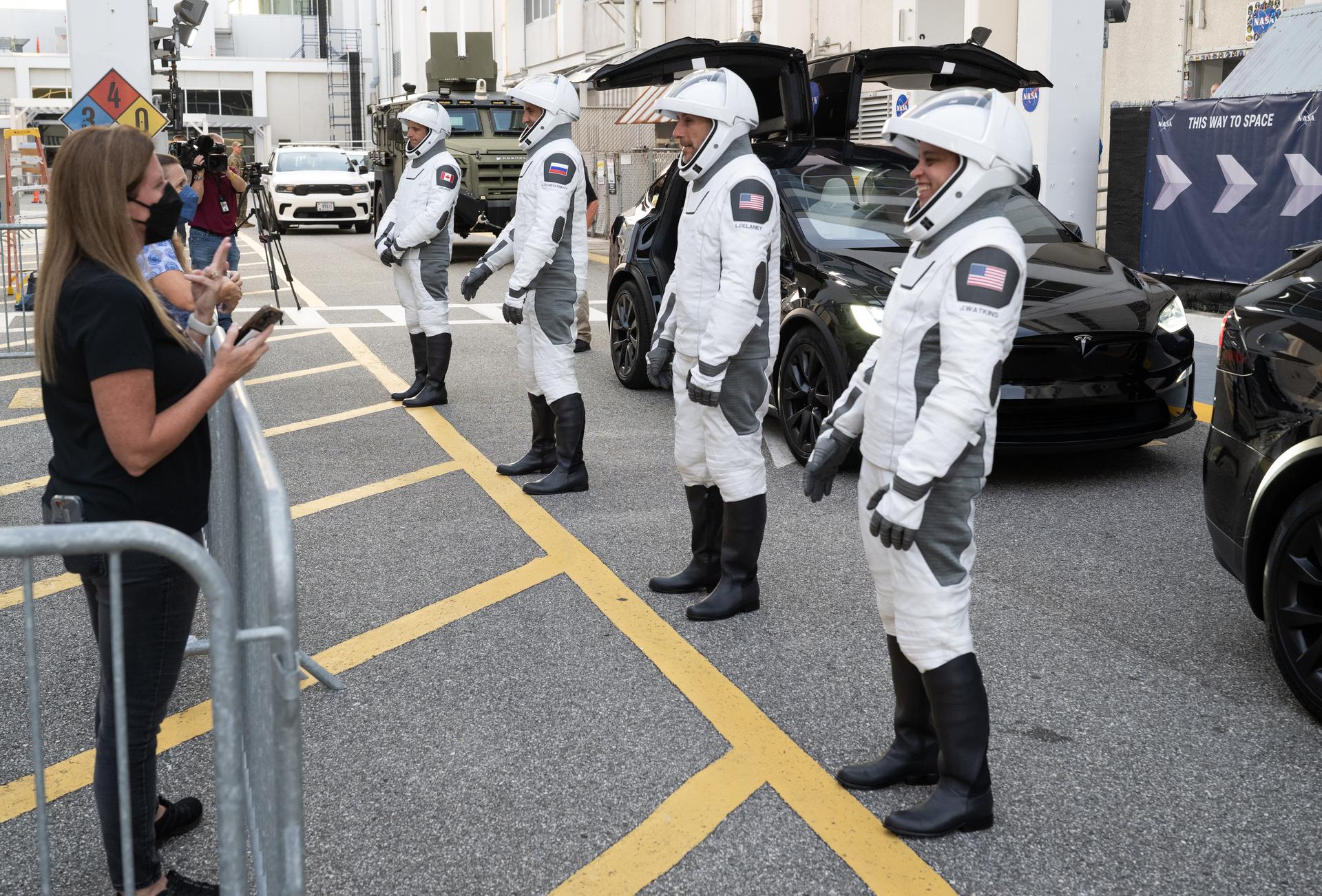
NASA astronauts Jessica Watkins, right, Luke Delaney, Roscosmos cosmonaut Sergey Teteryatnikov, and CSA (Canadian Space Agency) astronaut Joshua Kutryk, wearing SpaceX spacesuits, are seen as they prepare to depart the Neil A. Armstrong Operations and Checkout Building for Space Launch Complex 40 on Cape Canaveral Space Force Station during a dress rehearsal prior to the Crew-13 mission launch, Tuesday, Sept. 29, 2026, at NASA’s Kennedy Space Center in Florida. NASA’s SpaceX Crew-13 mission is the 13th crew rotation mission of the SpaceX Dragon spacecraft and Falcon 9 rocket to the International Space Station as part of the agency’s Commercial Crew Program. Watkins, Delaney, Kutryk, Teteryatnikov are scheduled to launch at 11:10 a.m. EDT on Thursday, Oct. 1, from Space Launch Complex 40 at the Cape Canaveral Space Force Station. Photo Credit: (NASA/Joel Kowsky)
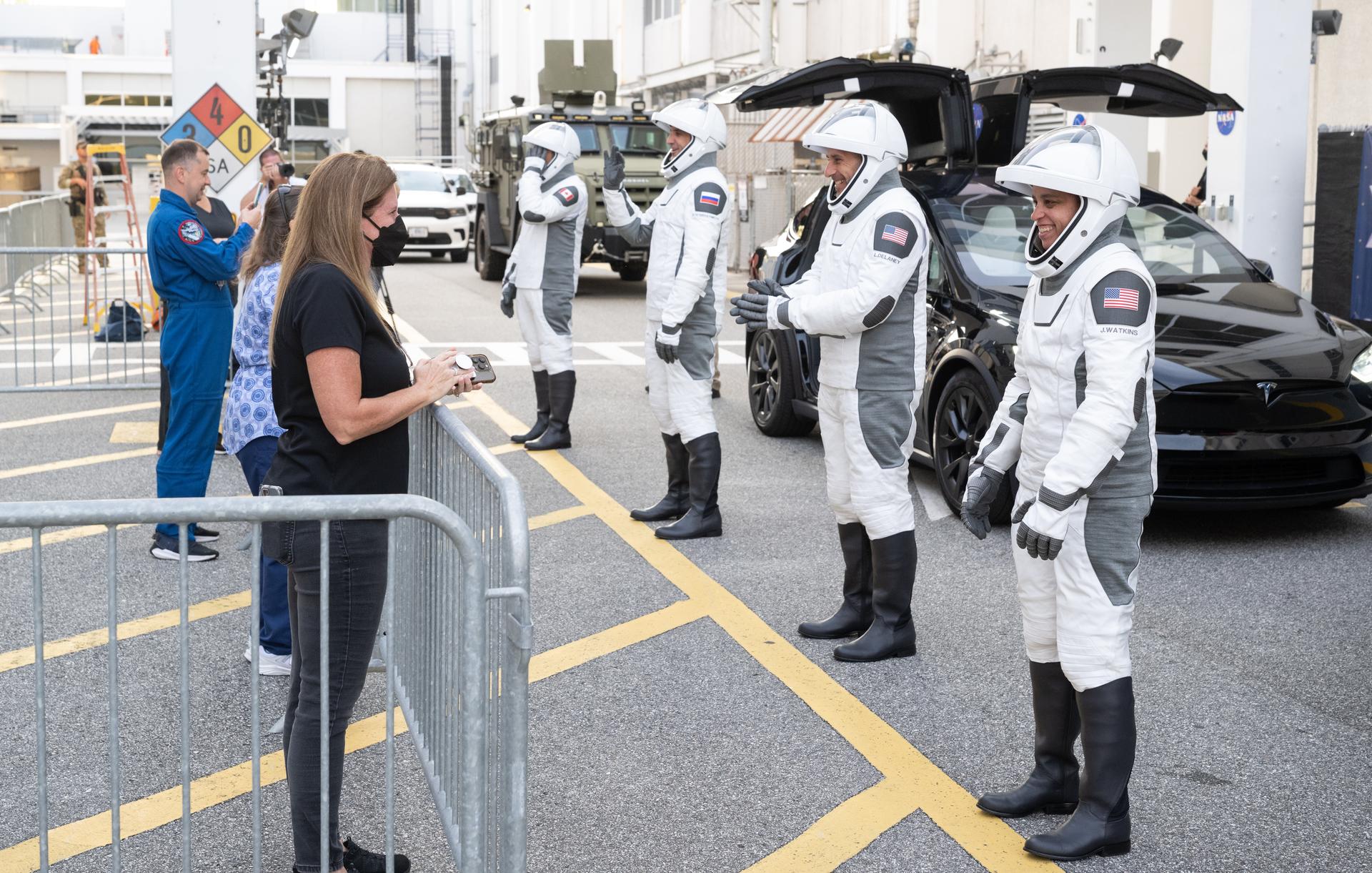
NASA astronauts Jessica Watkins, right, Luke Delaney, Roscosmos cosmonaut Sergey Teteryatnikov, and CSA (Canadian Space Agency) astronaut Joshua Kutryk, wearing SpaceX spacesuits, are seen as they prepare to depart the Neil A. Armstrong Operations and Checkout Building for Space Launch Complex 40 on Cape Canaveral Space Force Station during a dress rehearsal prior to the Crew-13 mission launch, Tuesday, Sept. 29, 2026, at NASA’s Kennedy Space Center in Florida. NASA’s SpaceX Crew-13 mission is the 13th crew rotation mission of the SpaceX Dragon spacecraft and Falcon 9 rocket to the International Space Station as part of the agency’s Commercial Crew Program. Watkins, Delaney, Kutryk, Teteryatnikov are scheduled to launch at 11:10 a.m. EDT on Thursday, Oct. 1, from Space Launch Complex 40 at the Cape Canaveral Space Force Station. Photo Credit: (NASA/Joel Kowsky)
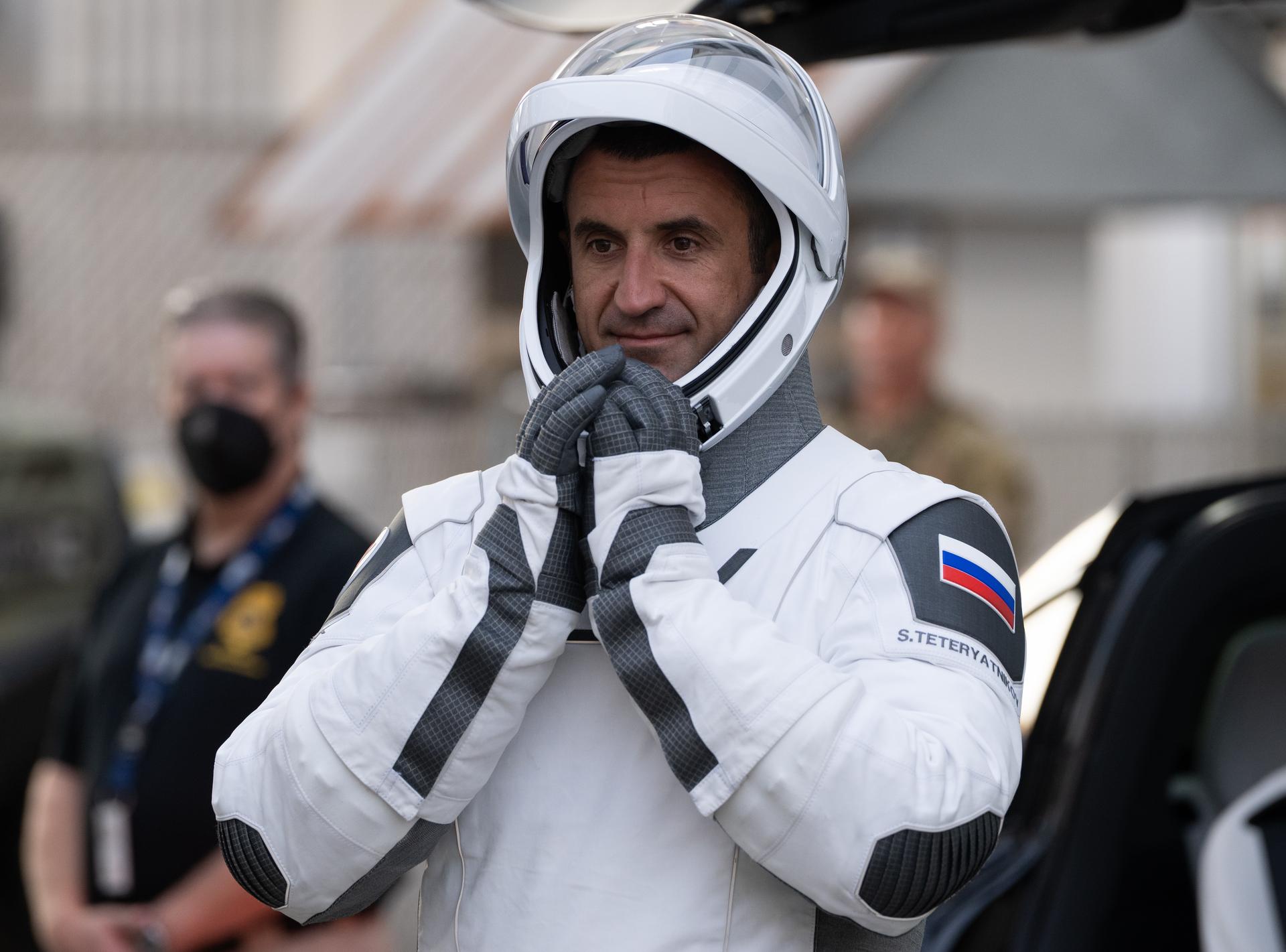
Roscosmos cosmonaut Sergey Teteryatnikov is seen as he and fellow crewmates NASA astronauts Jessica Watkins, Luke Delaney, and CSA (Canadian Space Agency) astronaut Joshua Kutryk, prepare to depart the Neil A. Armstrong Operations and Checkout Building for Space Launch Complex 40 on Cape Canaveral Space Force Station during a dress rehearsal prior to the Crew-13 mission launch, Tuesday, Sept. 29, 2026, at NASA’s Kennedy Space Center in Florida. NASA’s SpaceX Crew-13 mission is the 13th crew rotation mission of the SpaceX Dragon spacecraft and Falcon 9 rocket to the International Space Station as part of the agency’s Commercial Crew Program. Watkins, Delaney, Kutryk, Teteryatnikov are scheduled to launch at 11:10 a.m. EDT on Thursday, Oct. 1, from Space Launch Complex 40 at the Cape Canaveral Space Force Station. Photo Credit: (NASA/Joel Kowsky)

CSA (Canadian Space Agency) astronaut Joshua Kutryk, left, NASA astronauts Luke Delaney, Jessica Watkins, and Roscosmos cosmonaut Sergey Teteryatnikov, wearing SpaceX spacesuits, are seen as they prepare to depart the Neil A. Armstrong Operations and Checkout Building for Space Launch Complex 40 on Cape Canaveral Space Force Station during a dress rehearsal prior to the Crew-13 mission launch, Tuesday, Sept. 29, 2026, at NASA’s Kennedy Space Center in Florida. NASA’s SpaceX Crew-13 mission is the 13th crew rotation mission of the SpaceX Dragon spacecraft and Falcon 9 rocket to the International Space Station as part of the agency’s Commercial Crew Program. Watkins, Delaney, Kutryk, Teteryatnikov are scheduled to launch at 11:10 a.m. EDT on Thursday, Oct. 1, from Space Launch Complex 40 at the Cape Canaveral Space Force Station. Photo Credit: (NASA/Joel Kowsky)
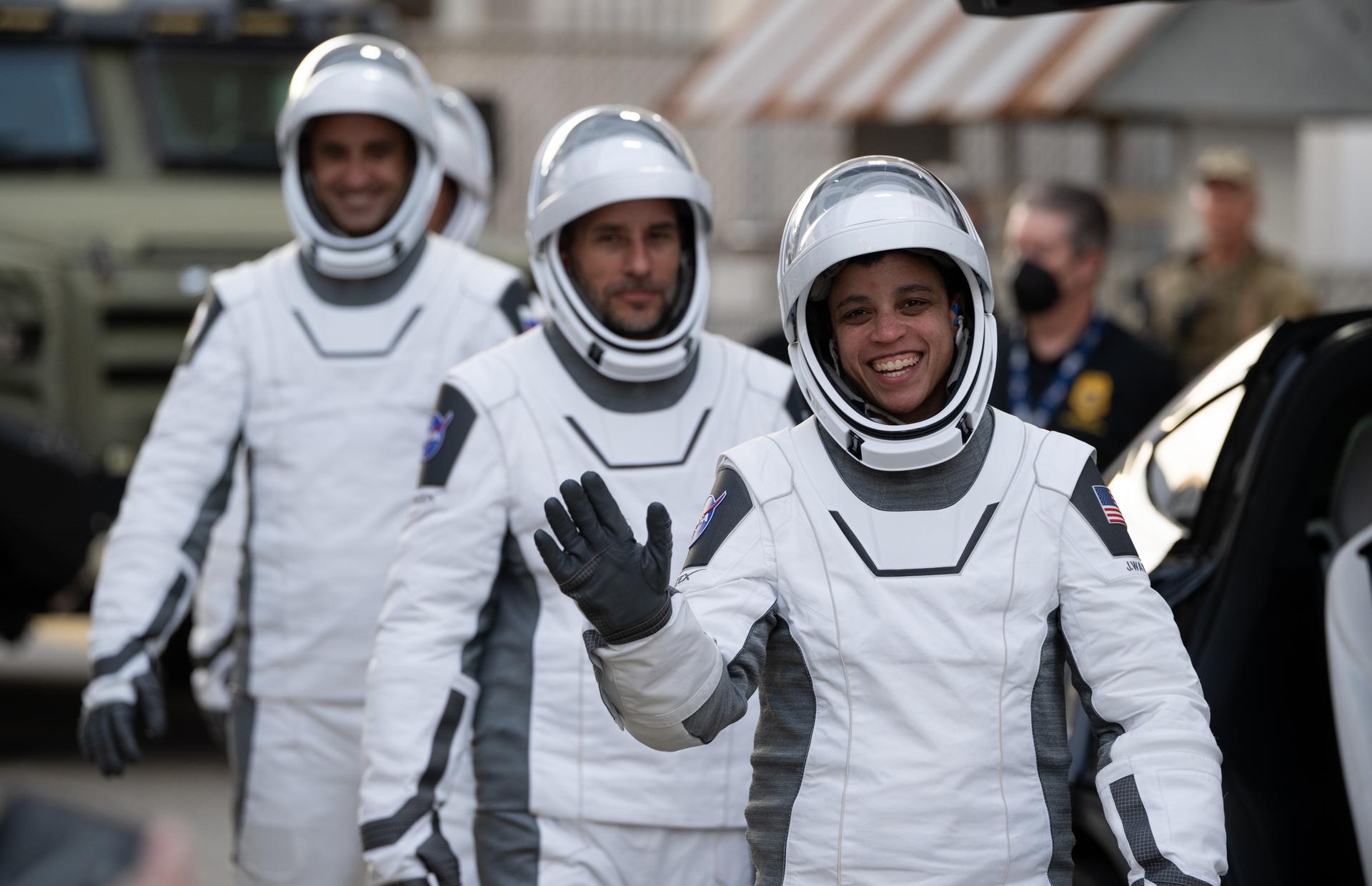
NASA astronaut Jessica Watkins waves as she and fellow crewmates NASA astronaut Luke Delaney, Roscosmos cosmonaut Sergey Teteryatnikov, and CSA (Canadian Space Agency) astronaut Joshua Kutryk, wearing SpaceX spacesuits, are seen as they prepare to depart the Neil A. Armstrong Operations and Checkout Building for Space Launch Complex 40 on Cape Canaveral Space Force Station during a dress rehearsal prior to the Crew-13 mission launch, Tuesday, Sept. 29, 2026, at NASA’s Kennedy Space Center in Florida. NASA’s SpaceX Crew-13 mission is the 13th crew rotation mission of the SpaceX Dragon spacecraft and Falcon 9 rocket to the International Space Station as part of the agency’s Commercial Crew Program. Watkins, Delaney, Kutryk, Teteryatnikov are scheduled to launch at 11:10 a.m. EDT on Thursday, Oct. 1, from Space Launch Complex 40 at the Cape Canaveral Space Force Station. Photo Credit: (NASA/Joel Kowsky)
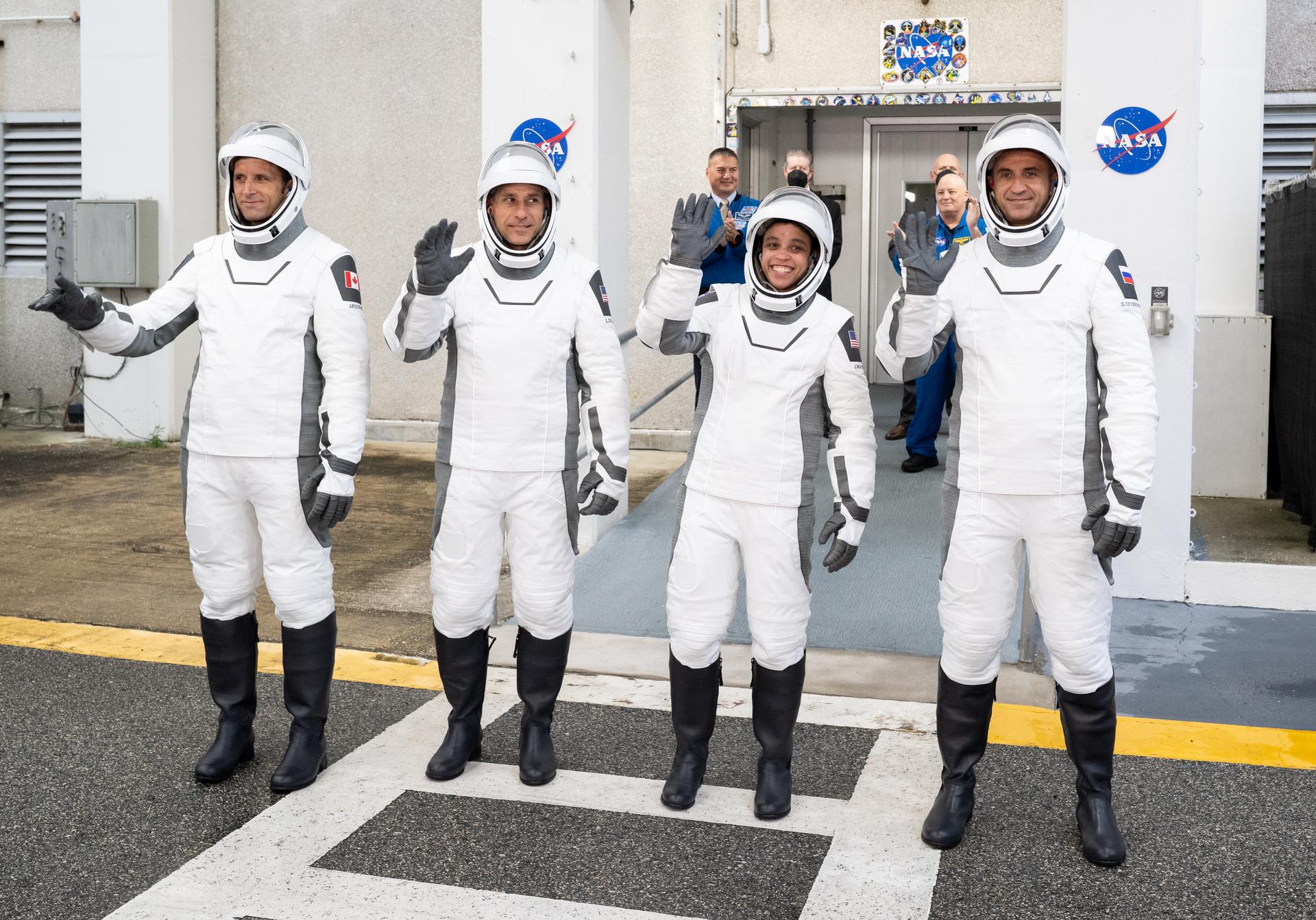
CSA (Canadian Space Agency) astronaut Joshua Kutryk, left, NASA astronauts Luke Delaney and Jessica Watkins, and Roscosmos cosmonaut Sergey Teteryatnikov, wearing SpaceX spacesuits, are seen as they prepare to depart the Neil A. Armstrong Operations and Checkout Building for Space Launch Complex 40 on Cape Canaveral Space Force Station to board the SpaceX Dragon spacecraft for the Crew-13 mission launch, Thursday, Oct. 1, 2026, at NASA’s Kennedy Space Center in Florida. NASA’s SpaceX Crew-13 mission is the 13th crew rotation mission of the SpaceX Dragon spacecraft and Falcon 9 rocket to the International Space Station as part of the agency’s Commercial Crew Program. Watkins, Delaney, Kutryk, Teteryatnikov are scheduled to launch at 11:10 a.m. EDT, from Space Launch Complex 40 at the Cape Canaveral Space Force Station. Photo Credit: (NASA/Joel Kowsky)
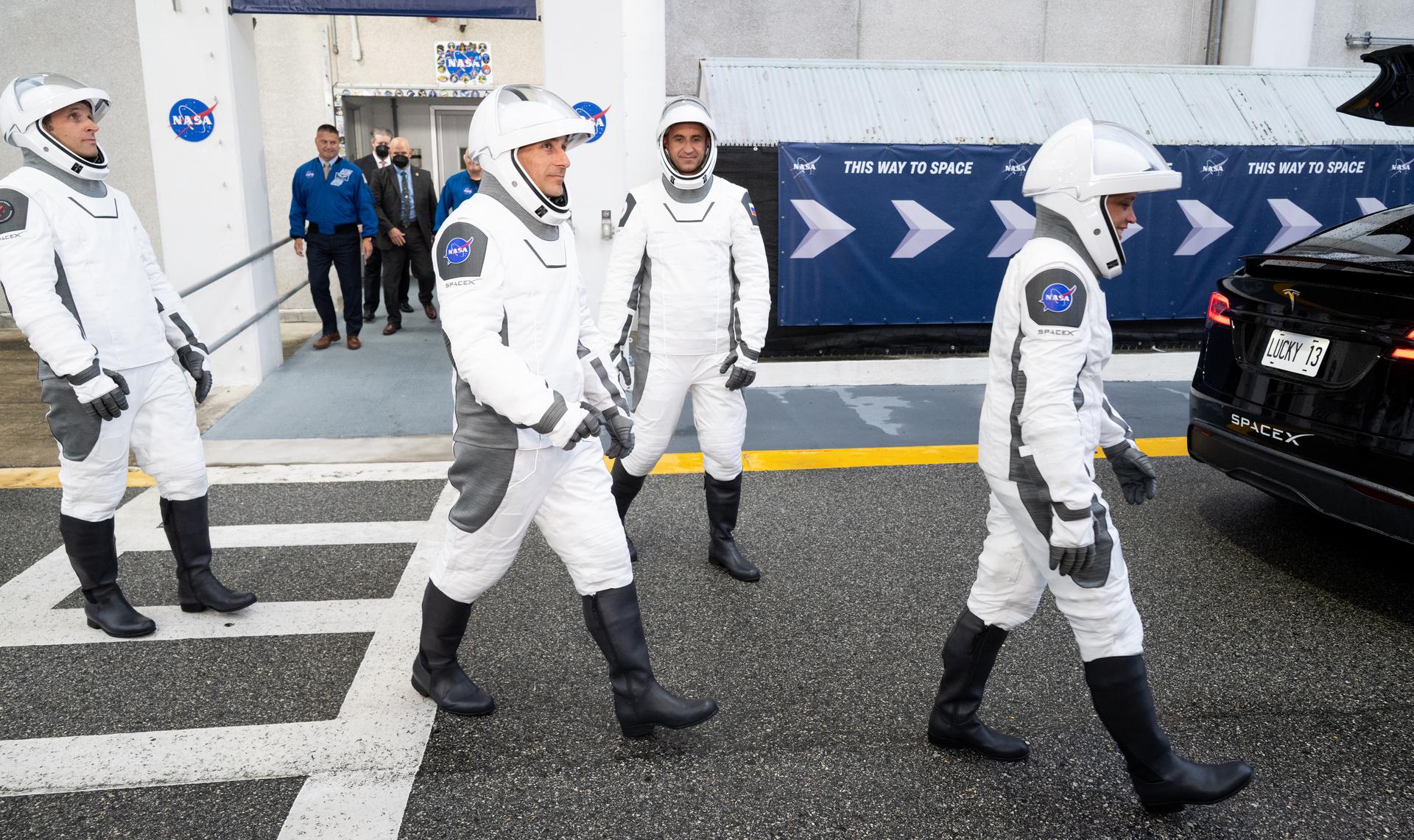
CSA (Canadian Space Agency) astronaut Joshua Kutryk, left, NASA astronaut Luke Delaney, Roscosmos cosmonaut Sergey Teteryatnikov, and NASA astronaut Jessica Watkins, wearing SpaceX spacesuits, are seen as they prepare to depart the Neil A. Armstrong Operations and Checkout Building for Space Launch Complex 40 on Cape Canaveral Space Force Station to board the SpaceX Dragon spacecraft for the Crew-13 mission launch, Thursday, Oct. 1, 2026, at NASA’s Kennedy Space Center in Florida. NASA’s SpaceX Crew-13 mission is the 13th crew rotation mission of the SpaceX Dragon spacecraft and Falcon 9 rocket to the International Space Station as part of the agency’s Commercial Crew Program. Watkins, Delaney, Kutryk, Teteryatnikov are scheduled to launch at 11:10 a.m. EDT, from Space Launch Complex 40 at the Cape Canaveral Space Force Station. Photo Credit: (NASA/Joel Kowsky)
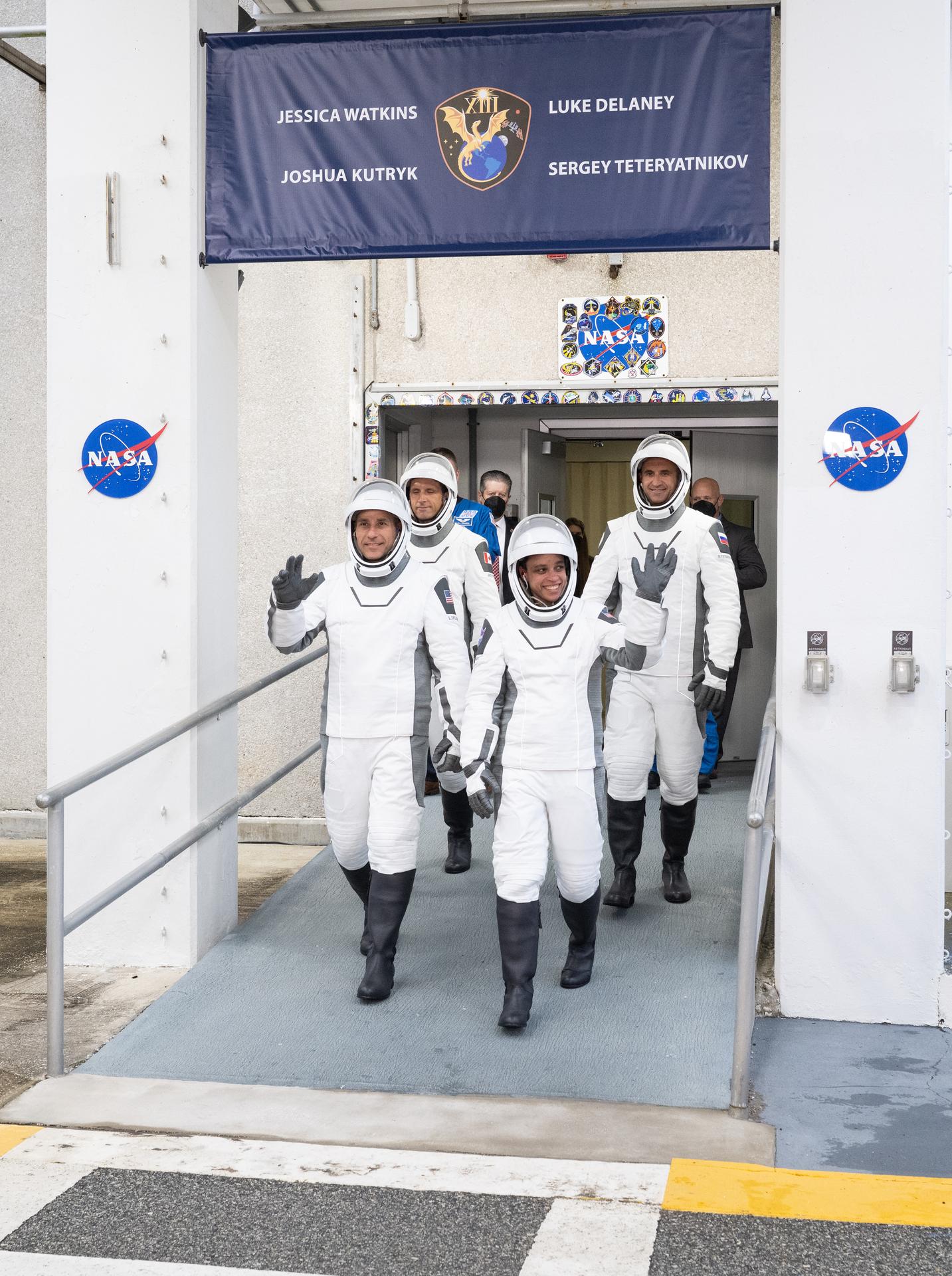
NASA astronauts Luke Delaney, front left, and Jessica Watkins, front right, CSA (Canadian Space Agency) astronaut Joshua Kutryk, back left, and Roscosmos cosmonaut Sergey Teteryatnikov, back right, wearing SpaceX spacesuits, are seen as they prepare to depart the Neil A. Armstrong Operations and Checkout Building for Space Launch Complex 40 on Cape Canaveral Space Force Station to board the SpaceX Dragon spacecraft for the Crew-13 mission launch, Thursday, Oct. 1, 2026, at NASA’s Kennedy Space Center in Florida. NASA’s SpaceX Crew-13 mission is the 13th crew rotation mission of the SpaceX Dragon spacecraft and Falcon 9 rocket to the International Space Station as part of the agency’s Commercial Crew Program. Watkins, Delaney, Kutryk, Teteryatnikov are scheduled to launch at 11:10 a.m. EDT, from Space Launch Complex 40 at the Cape Canaveral Space Force Station. Photo Credit: (NASA/Joel Kowsky)
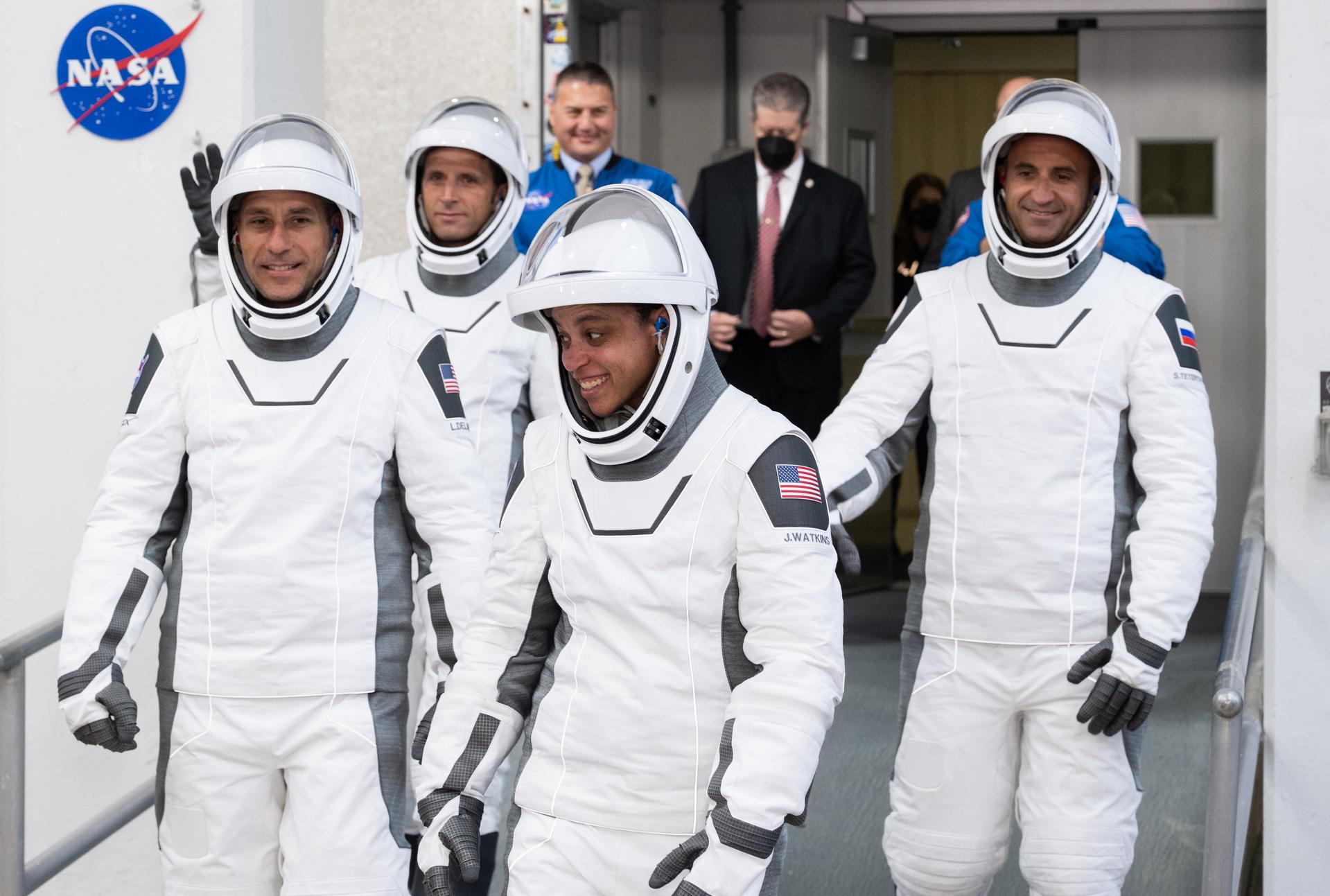
NASA astronauts Luke Delaney, front left, and Jessica Watkins, front right, CSA (Canadian Space Agency) astronaut Joshua Kutryk, back left, and Roscosmos cosmonaut Sergey Teteryatnikov, back right, wearing SpaceX spacesuits, are seen as they prepare to depart the Neil A. Armstrong Operations and Checkout Building for Space Launch Complex 40 on Cape Canaveral Space Force Station to board the SpaceX Dragon spacecraft for the Crew-13 mission launch, Thursday, Oct. 1, 2026, at NASA’s Kennedy Space Center in Florida. NASA’s SpaceX Crew-13 mission is the 13th crew rotation mission of the SpaceX Dragon spacecraft and Falcon 9 rocket to the International Space Station as part of the agency’s Commercial Crew Program. Watkins, Delaney, Kutryk, Teteryatnikov are scheduled to launch at 11:10 a.m. EDT, from Space Launch Complex 40 at the Cape Canaveral Space Force Station. Photo Credit: (NASA/Joel Kowsky)
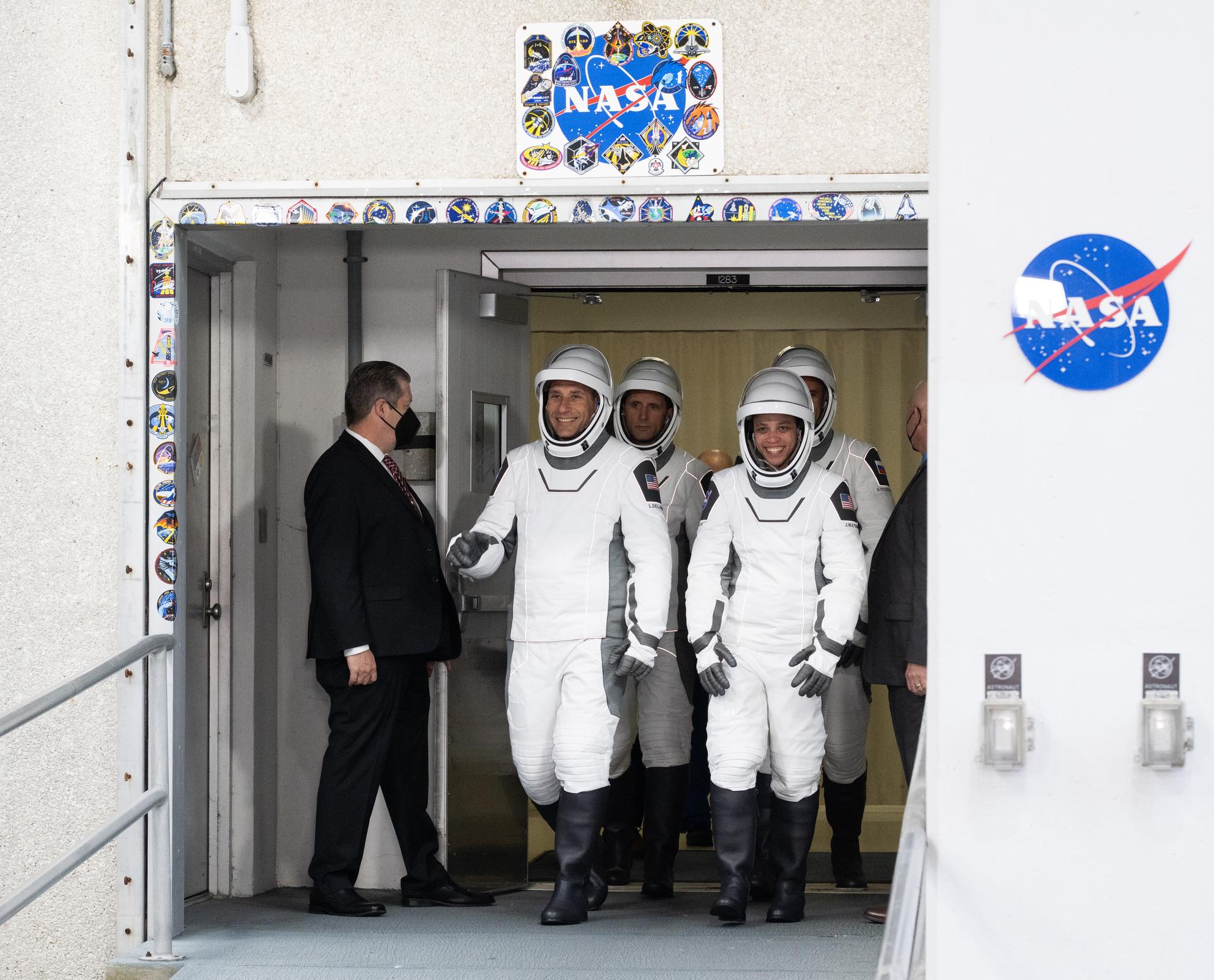
NASA astronauts Luke Delaney, front left, and Jessica Watkins, front right, CSA (Canadian Space Agency) astronaut Joshua Kutryk, back left, and Roscosmos cosmonaut Sergey Teteryatnikov, back right, wearing SpaceX spacesuits, are seen as they prepare to depart the Neil A. Armstrong Operations and Checkout Building for Space Launch Complex 40 on Cape Canaveral Space Force Station to board the SpaceX Dragon spacecraft for the Crew-13 mission launch, Thursday, Oct. 1, 2026, at NASA’s Kennedy Space Center in Florida. NASA’s SpaceX Crew-13 mission is the 13th crew rotation mission of the SpaceX Dragon spacecraft and Falcon 9 rocket to the International Space Station as part of the agency’s Commercial Crew Program. Watkins, Delaney, Kutryk, Teteryatnikov are scheduled to launch at 11:10 a.m. EDT, from Space Launch Complex 40 at the Cape Canaveral Space Force Station. Photo Credit: (NASA/Joel Kowsky)
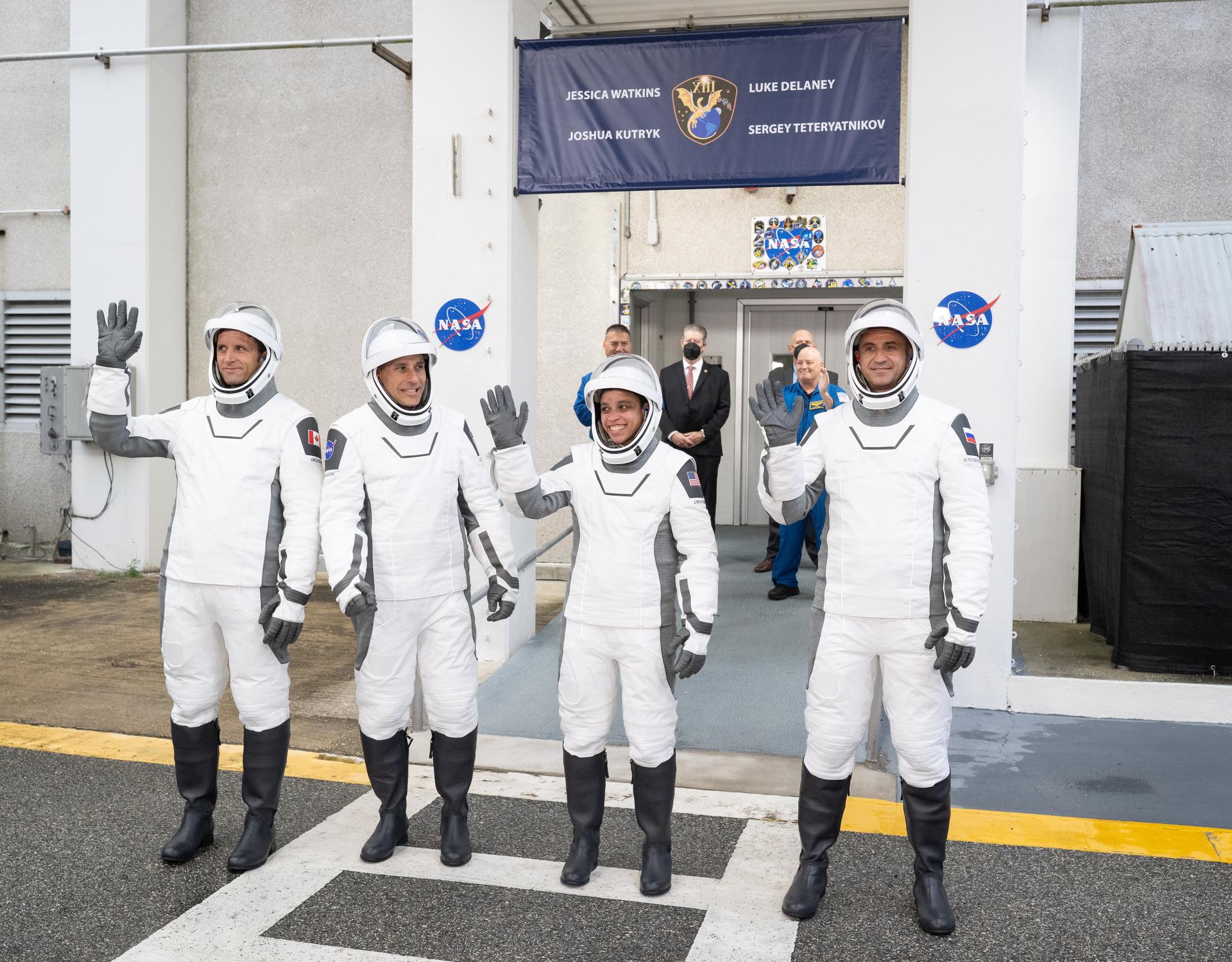
CSA (Canadian Space Agency) astronaut Joshua Kutryk, left, NASA astronauts Luke Delaney and Jessica Watkins, and Roscosmos cosmonaut Sergey Teteryatnikov, wearing SpaceX spacesuits, are seen as they prepare to depart the Neil A. Armstrong Operations and Checkout Building for Space Launch Complex 40 on Cape Canaveral Space Force Station to board the SpaceX Dragon spacecraft for the Crew-13 mission launch, Thursday, Oct. 1, 2026, at NASA’s Kennedy Space Center in Florida. NASA’s SpaceX Crew-13 mission is the 13th crew rotation mission of the SpaceX Dragon spacecraft and Falcon 9 rocket to the International Space Station as part of the agency’s Commercial Crew Program. Watkins, Delaney, Kutryk, Teteryatnikov are scheduled to launch at 11:10 a.m. EDT, from Space Launch Complex 40 at the Cape Canaveral Space Force Station. Photo Credit: (NASA/Joel Kowsky)
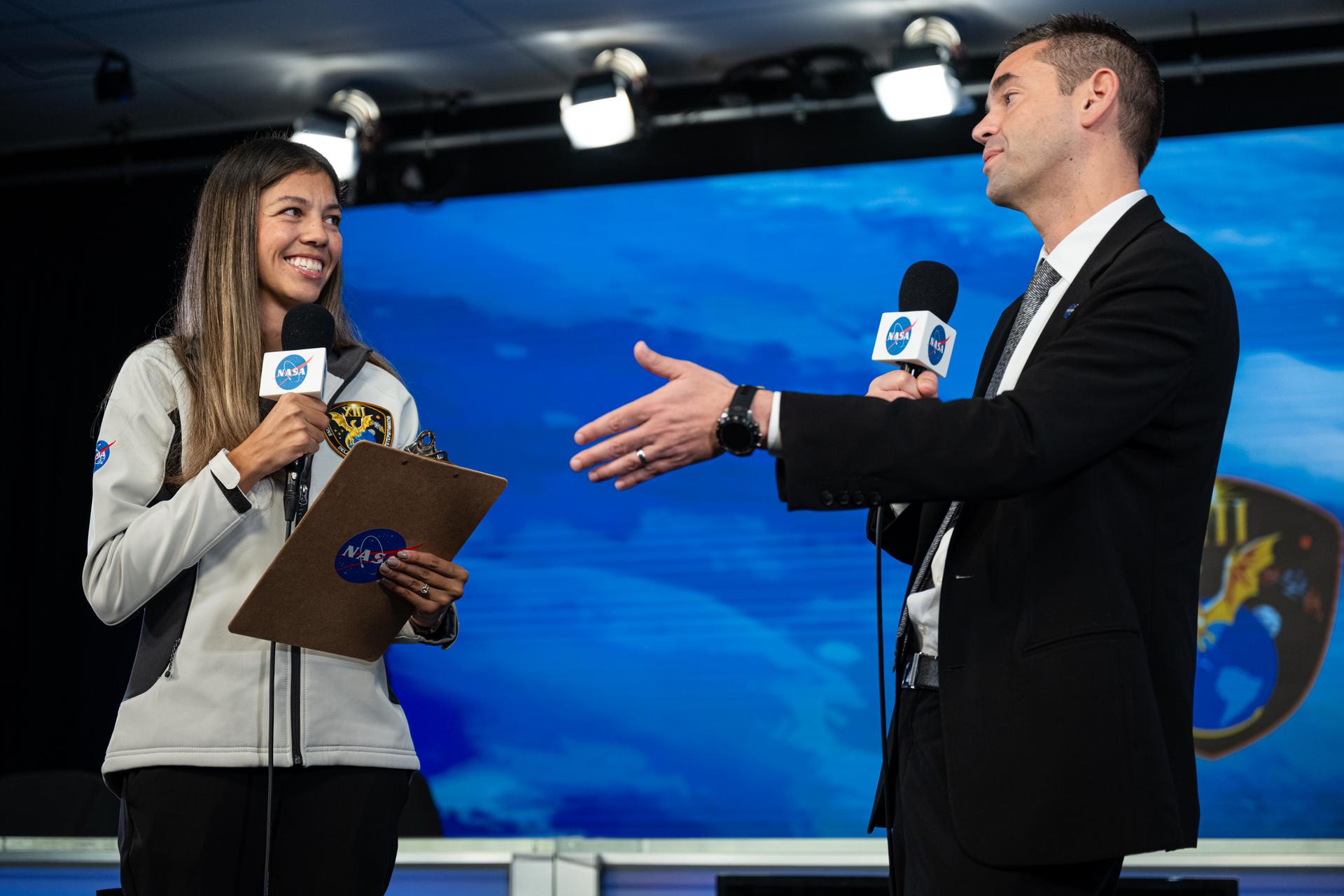
NASA Administrator Jared Isaacman, right, participates in a webcast appearance with Antonia Jaramillo, NASA communications, ahead of the launch of NASA’s SpaceX Crew-13 mission, Thursday, Oct. 1, 2026, at NASA’s Kennedy Space Center in Florida. NASA’s SpaceX Crew-13 mission is the thirteenth crew rotation mission of the SpaceX Falcon 9 rocket and Dragon spacecraft to the International Space Station as part of the agency’s Commercial Crew Program. NASA astronauts Jessica Watkins and Luke Delaney, CSA (Canadian Space Agency) astronaut Joshua Kutryk, and Roscosmos cosmonaut Sergey Teteryatnikov are scheduled to launch at 11:10 a.m. EDT on Thursday, Oct. 1, from Space Launch Complex 40 at Cape Canaveral Space Force Station in Florida. Photo Credit: (NASA/John Kraus)
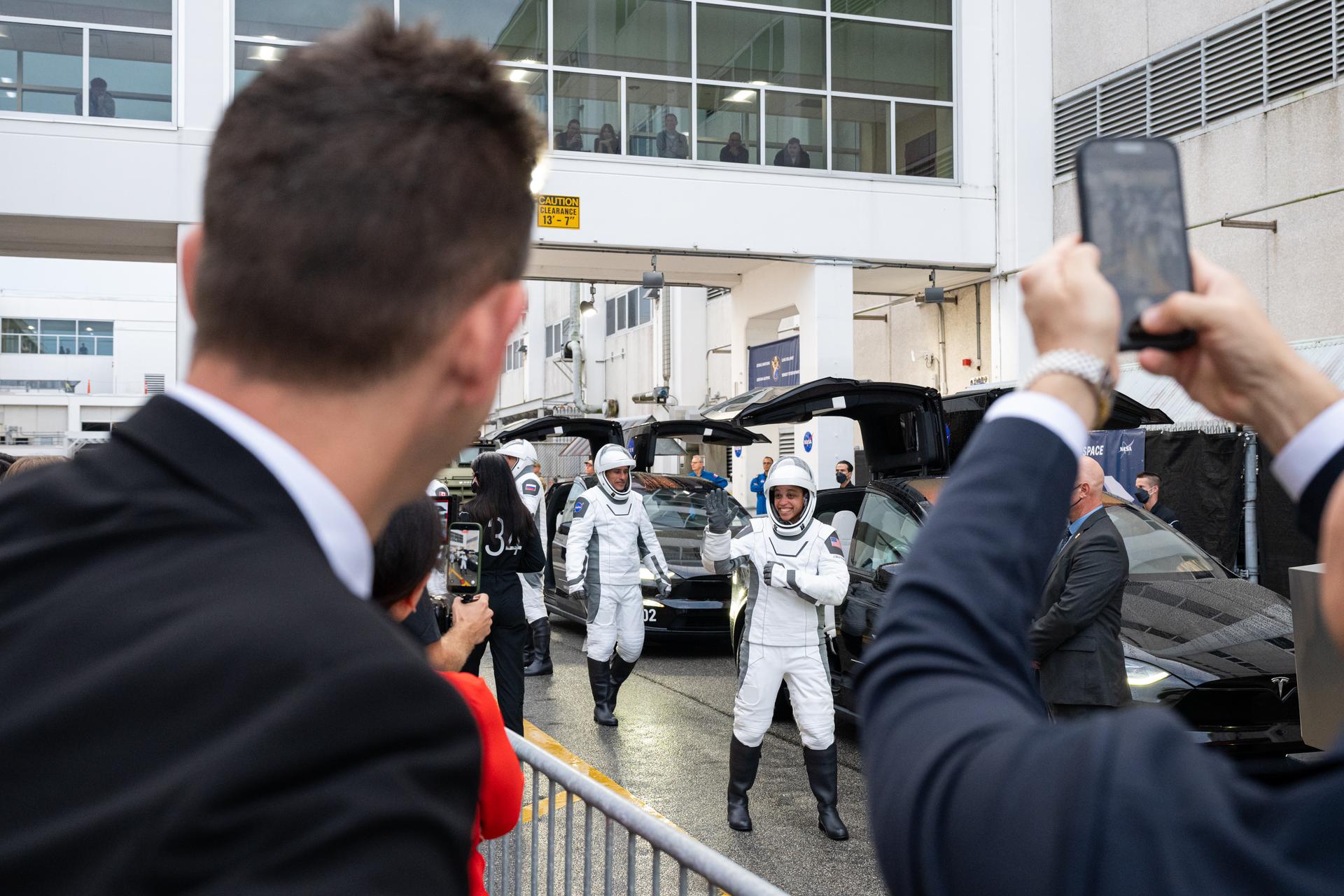
NASA Administrator Jared Isaacman watches as NASA’s SpaceX Crew-13 crew members walk out of the Neil A. Armstrong Operations and Checkout Building ahead of their launch to the International Space Station, Thursday, Oct. 1, 2026, at NASA’s Kennedy Space Center in Florida. NASA’s SpaceX Crew-13 mission is the thirteenth crew rotation mission of the SpaceX Falcon 9 rocket and Dragon spacecraft to the International Space Station as part of the agency’s Commercial Crew Program. NASA astronauts Jessica Watkins and Luke Delaney, CSA (Canadian Space Agency) astronaut Joshua Kutryk, and Roscosmos cosmonaut Sergey Teteryatnikov will conduct scientific research, technology demonstrations, and maintenance during their long-duration stay aboard the orbital outpost. Photo Credit: (NASA/John Kraus)
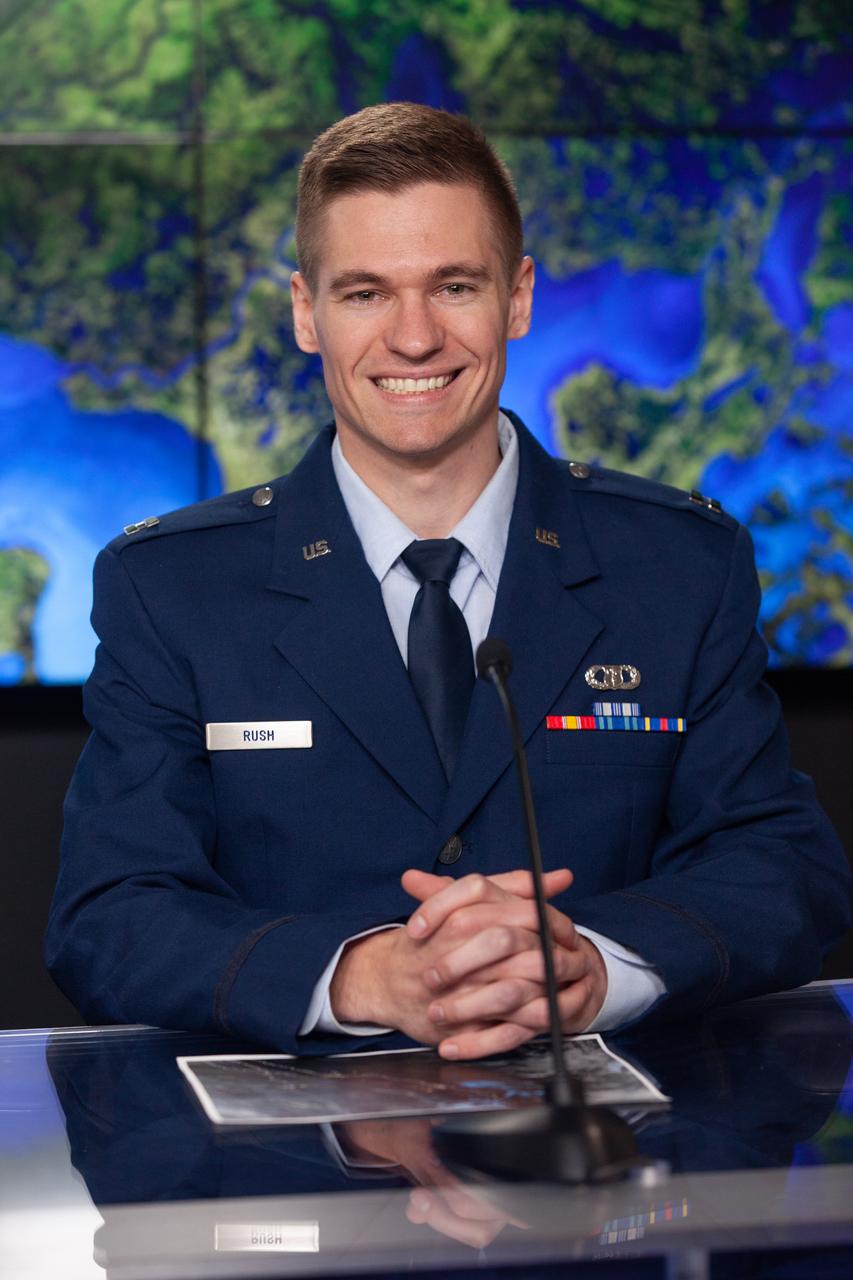
Capt. Max Rush, launch weather officer, U.S. Air Force, participates in a prelaunch news conference held by NASA, SpaceX, and the French space agency Centre National d’Études Spatiales (CNES) for the Surface Water and Ocean Topography (SWOT) mission on Dec. 14, 2022, at Vandenberg Space Force Base in California. SWOT is scheduled to launch on a SpaceX Falcon 9 rocket from Space Launch Complex-4 East at Vandenberg on Dec. 15, 2022, at 3:46 a.m. PST. SWOT will be NASA’s first global survey of nearly all water on Earth’s surface. Scientists plan to use its observations to better understand the global water cycle, furnish insight into the ocean’s role in how climate change unfolds, and provide a global inventory of water resources. The SWOT mission is a collaborative effort between NASA and CNES with contributions from the Canadian Space Agency and the UK Space Agency. NASA’s Launch Services Program, based at the agency’s Kennedy Space Center in Florida, is managing the launch service.

Tamlin Pavelsky, SWOT hydrology science lead, University of North Carolina, participates in a science briefing held by NASA and the French space agency Centre National d’Études Spatiales (CNES) for the Surface Water and Ocean Topography (SWOT) mission on Dec. 13, 2022, at Vandenberg Space Force Base in California. SWOT is scheduled to launch on a SpaceX Falcon 9 rocket from Space Launch Complex-4 East at Vandenberg on Dec. 15, 2022, at 3:46 a.m. PST. SWOT will be NASA’s first global survey of nearly all water on Earth’s surface. Scientists plan to use its observations to better understand the global water cycle, furnish insight into the ocean’s role in how climate change unfolds, and provide a global inventory of water resources. The SWOT mission is a collaborative effort between NASA and CNES with contributions from the Canadian Space Agency and the UK Space Agency. NASA’s Launch Services Program, based at the agency’s Kennedy Space Center in Florida, is managing the launch service.
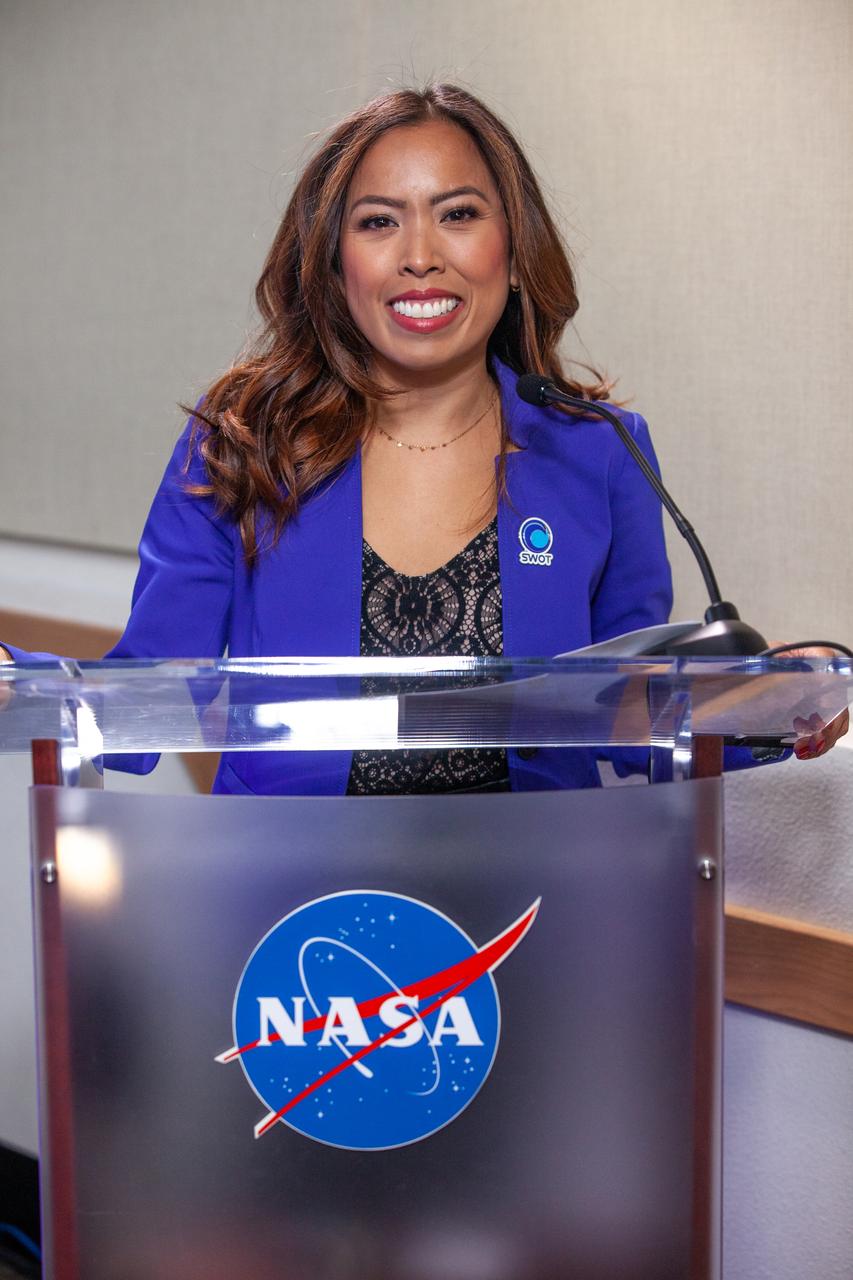
Megan Cruz, NASA Communications, moderates a prelaunch news conference held by NASA, SpaceX, and the French space agency Centre National d’Études Spatiales (CNES) for the Surface Water and Ocean Topography (SWOT) mission on Dec. 14, 2022, at Vandenberg Space Force Base in California. SWOT is scheduled to launch on a SpaceX Falcon 9 rocket from Space Launch Complex-4 East at Vandenberg on Dec. 15, 2022, at 3:46 a.m. PST. SWOT will be NASA’s first global survey of nearly all water on Earth’s surface. Scientists plan to use its observations to better understand the global water cycle, furnish insight into the ocean’s role in how climate change unfolds, and provide a global inventory of water resources. The SWOT mission is a collaborative effort between NASA and CNES with contributions from the Canadian Space Agency and the UK Space Agency. NASA’s Launch Services Program, based at the agency’s Kennedy Space Center in Florida, is managing the launch service.
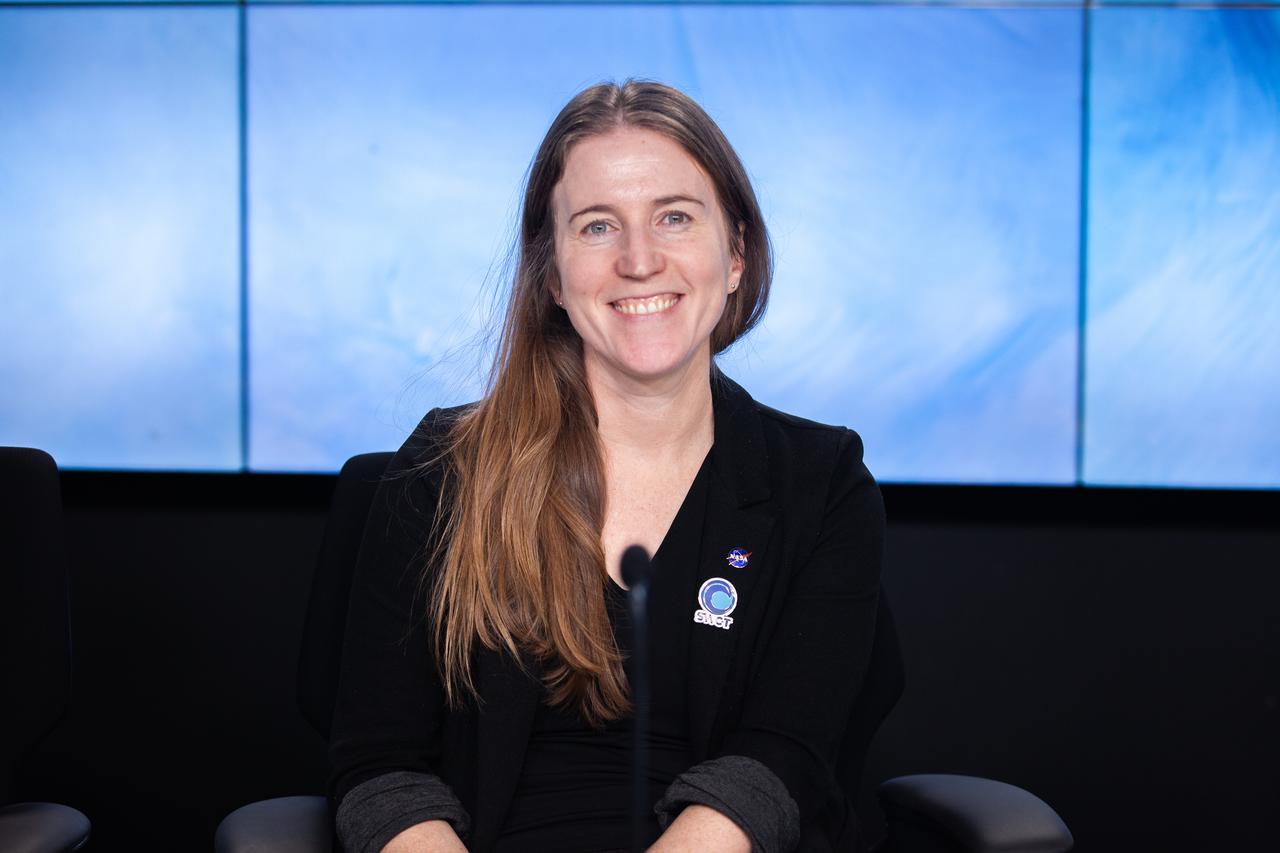
Katherine Calvin, chief scientist and senior climate advisor, NASA, participates in a science briefing held by NASA and the French space agency Centre National d’Études Spatiales (CNES) for the Surface Water and Ocean Topography (SWOT) mission on Dec. 13, 2022, at Vandenberg Space Force Base in California. SWOT is scheduled to launch on a SpaceX Falcon 9 rocket from Space Launch Complex-4 East at Vandenberg on Dec. 15, 2022, at 3:46 a.m. PST. SWOT will be NASA’s first global survey of nearly all water on Earth’s surface. Scientists plan to use its observations to better understand the global water cycle, furnish insight into the ocean’s role in how climate change unfolds, and provide a global inventory of water resources. The SWOT mission is a collaborative effort between NASA and CNES with contributions from the Canadian Space Agency and the UK Space Agency. NASA’s Launch Services Program, based at the agency’s Kennedy Space Center in Florida, is managing the launch service.
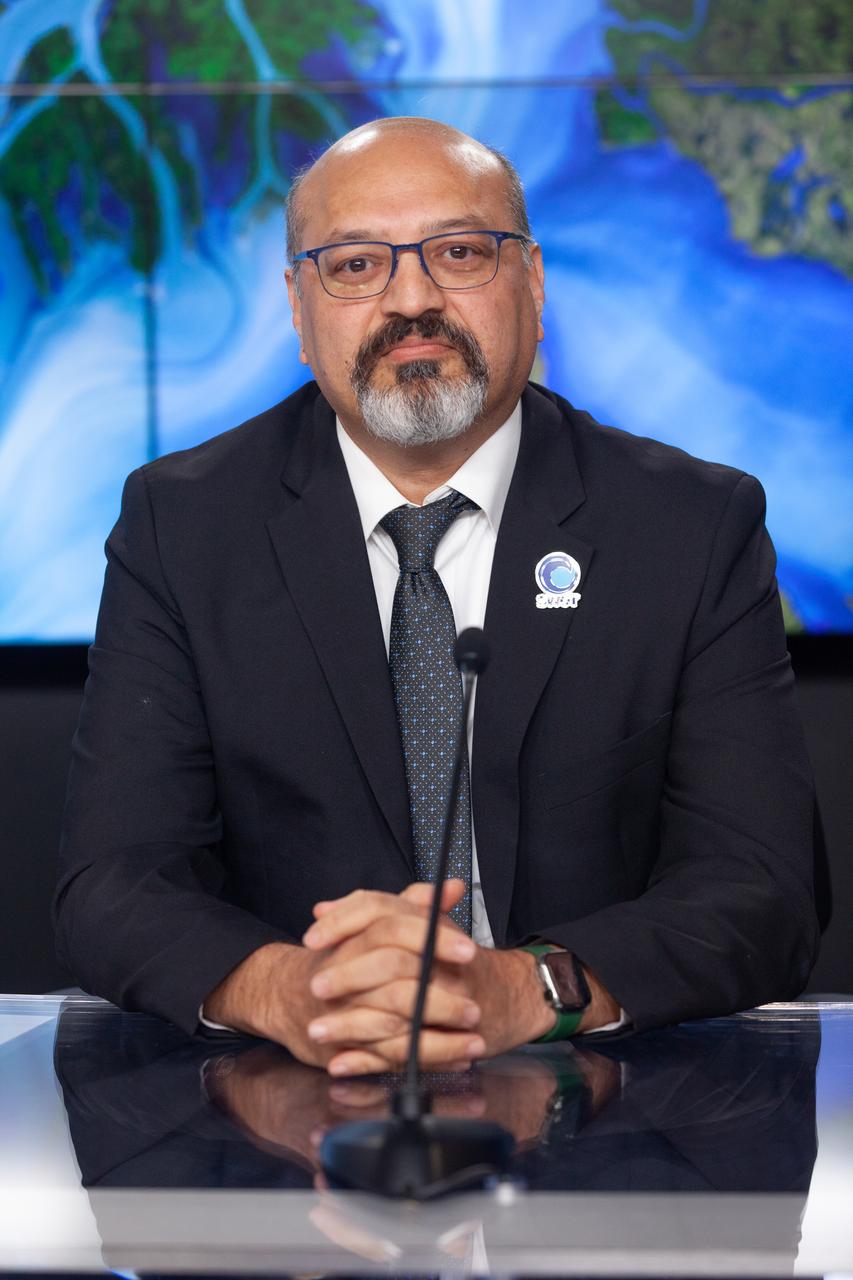
Parag Vaze, SWOT project manager, Jet Propulsion Laboratory, participates in a prelaunch news conference held by NASA, SpaceX, and the French space agency Centre National d’Études Spatiales (CNES) for the Surface Water and Ocean Topography (SWOT) mission on Dec. 14, 2022, at Vandenberg Space Force Base in California. SWOT is scheduled to launch on a SpaceX Falcon 9 rocket from Space Launch Complex-4 East at Vandenberg on Dec. 15, 2022, at 3:46 a.m. PST. SWOT will be NASA’s first global survey of nearly all water on Earth’s surface. Scientists plan to use its observations to better understand the global water cycle, furnish insight into the ocean’s role in how climate change unfolds, and provide a global inventory of water resources. The SWOT mission is a collaborative effort between NASA and CNES with contributions from the Canadian Space Agency and the UK Space Agency. NASA’s Launch Services Program, based at the agency’s Kennedy Space Center in Florida, is managing the launch service.
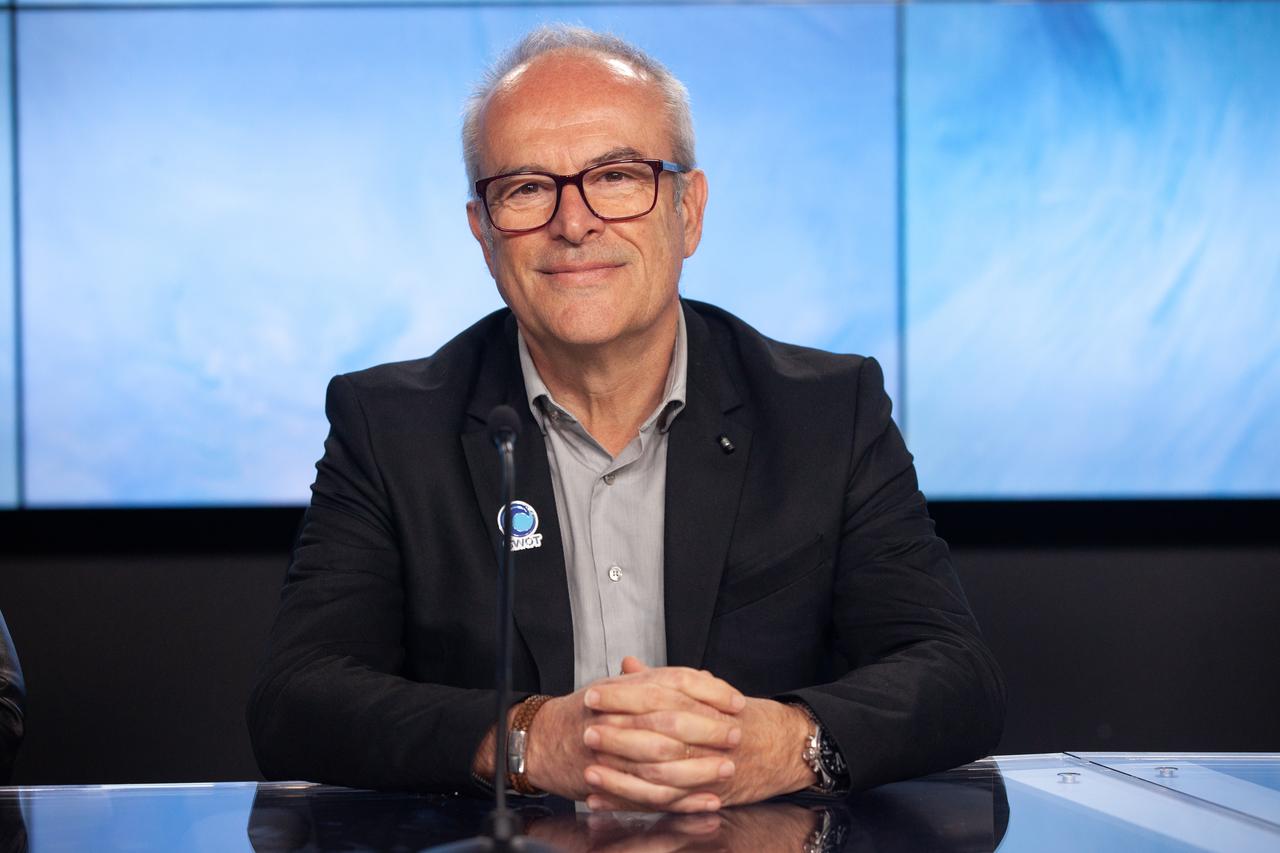
Thierry Lafon, SWOT project manager, CNES, participates in a prelaunch news conference held by NASA, SpaceX, and the French space agency Centre National d’Études Spatiales (CNES) for the Surface Water and Ocean Topography (SWOT) mission on Dec. 14, 2022, at Vandenberg Space Force Base in California. SWOT is scheduled to launch on a SpaceX Falcon 9 rocket from Space Launch Complex-4 East at Vandenberg on Dec. 15, 2022, at 3:46 a.m. PST. SWOT will be NASA’s first global survey of nearly all water on Earth’s surface. Scientists plan to use its observations to better understand the global water cycle, furnish insight into the ocean’s role in how climate change unfolds, and provide a global inventory of water resources. The SWOT mission is a collaborative effort between NASA and CNES with contributions from the Canadian Space Agency and the UK Space Agency. NASA’s Launch Services Program, based at the agency’s Kennedy Space Center in Florida, is managing the launch service.

Julianna Scheiman, civil satellite missions director, SpaceX, participates in a prelaunch news conference held by NASA, SpaceX, and the French space agency Centre National d’Études Spatiales (CNES) for the Surface Water and Ocean Topography (SWOT) mission on Dec. 14, 2022, at Vandenberg Space Force Base in California. SWOT is scheduled to launch on a SpaceX Falcon 9 rocket from Space Launch Complex-4 East at Vandenberg on Dec. 15, 2022, at 3:46 a.m. PST. SWOT will be NASA’s first global survey of nearly all water on Earth’s surface. Scientists plan to use its observations to better understand the global water cycle, furnish insight into the ocean’s role in how climate change unfolds, and provide a global inventory of water resources. The SWOT mission is a collaborative effort between NASA and CNES with contributions from the Canadian Space Agency and the UK Space Agency. NASA’s Launch Services Program, based at the agency’s Kennedy Space Center in Florida, is managing the launch service.
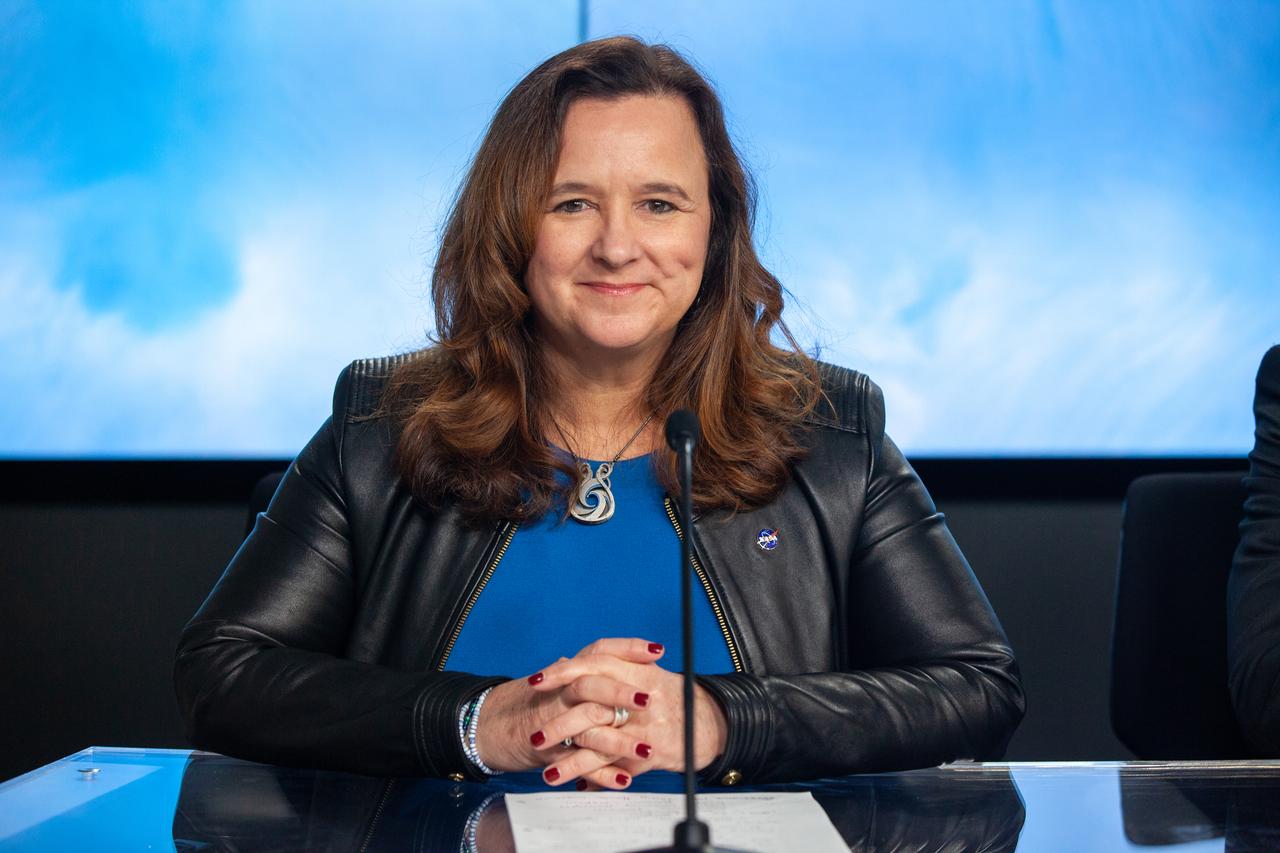
Karen St. Germain, Earth Science Division director, NASA, participates in a prelaunch news conference held by NASA, SpaceX, and the French space agency Centre National d’Études Spatiales (CNES) for the Surface Water and Ocean Topography (SWOT) mission on Dec. 14, 2022, at Vandenberg Space Force Base in California. SWOT is scheduled to launch on a SpaceX Falcon 9 rocket from Space Launch Complex-4 East at Vandenberg on Dec. 15, 2022, at 3:46 a.m. PST. SWOT will be NASA’s first global survey of nearly all water on Earth’s surface. Scientists plan to use its observations to better understand the global water cycle, furnish insight into the ocean’s role in how climate change unfolds, and provide a global inventory of water resources. The SWOT mission is a collaborative effort between NASA and CNES with contributions from the Canadian Space Agency and the UK Space Agency. NASA’s Launch Services Program, based at the agency’s Kennedy Space Center in Florida, is managing the launch service.
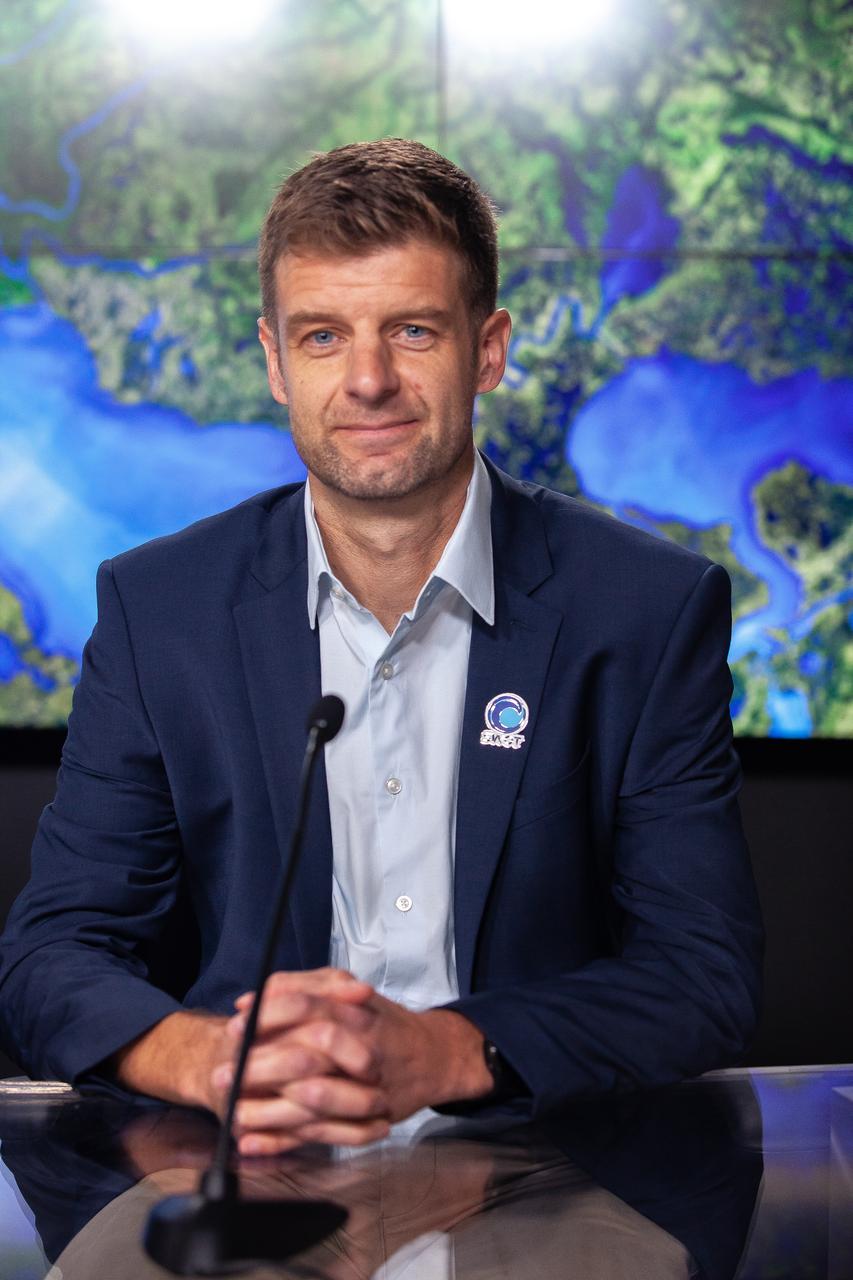
Benjamin Hamlington, research scientist, Sea Level and Ice Group, Jet Propulsion Laboratory, participates in a science briefing held by NASA and the French space agency Centre National d’Études Spatiales (CNES) for the Surface Water and Ocean Topography (SWOT) mission on Dec. 13, 2022, at Vandenberg Space Force Base in California. SWOT is scheduled to launch on a SpaceX Falcon 9 rocket from Space Launch Complex-4 East at Vandenberg on Dec. 15, 2022, at 3:46 a.m. PST. SWOT will be NASA’s first global survey of nearly all water on Earth’s surface. Scientists plan to use its observations to better understand the global water cycle, furnish insight into the ocean’s role in how climate change unfolds, and provide a global inventory of water resources. The SWOT mission is a collaborative effort between NASA and CNES with contributions from the Canadian Space Agency and the UK Space Agency. NASA’s Launch Services Program, based at the agency’s Kennedy Space Center in Florida, is managing the launch service.
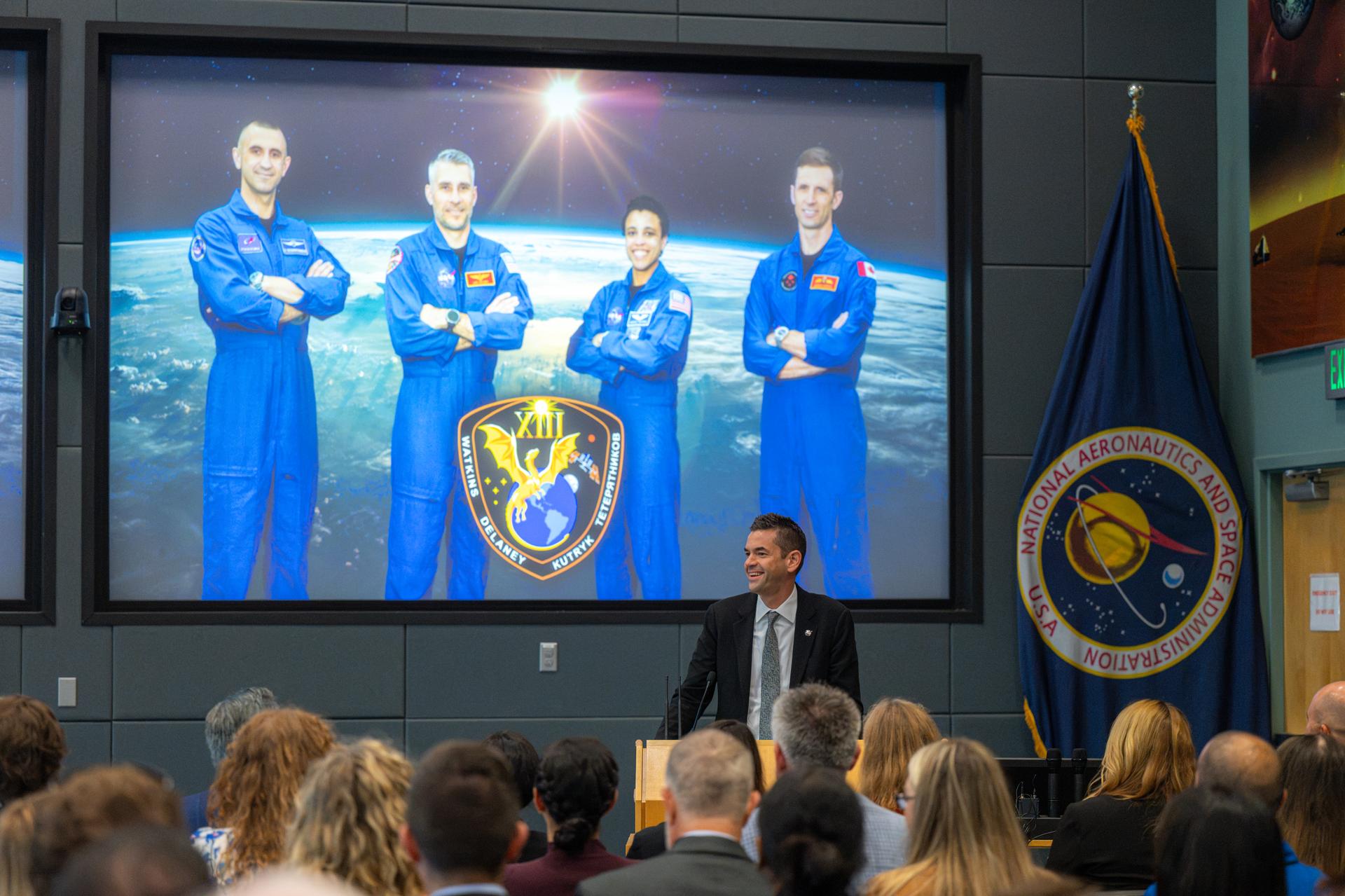
NASA Administrator Jared Isaacman gives remarks during a prelaunch briefing for NASA’s SpaceX Crew-13 mission, Thursday, Oct. 1, 2026, at the Operations Support Building II at NASA’s Kennedy Space Center in Florida. NASA’s SpaceX Crew-13 mission is the thirteenth crew rotation mission of the SpaceX Falcon 9 rocket and Dragon spacecraft to the International Space Station as part of the agency’s Commercial Crew Program. NASA astronauts Jessica Watkins and Luke Delaney, CSA (Canadian Space Agency) astronaut Joshua Kutryk, and Roscosmos cosmonaut Sergey Teteryatnikov will conduct scientific research, technology demonstrations, and maintenance during their long-duration stay aboard the orbital outpost. Photo Credit: (NASA/John Kraus)
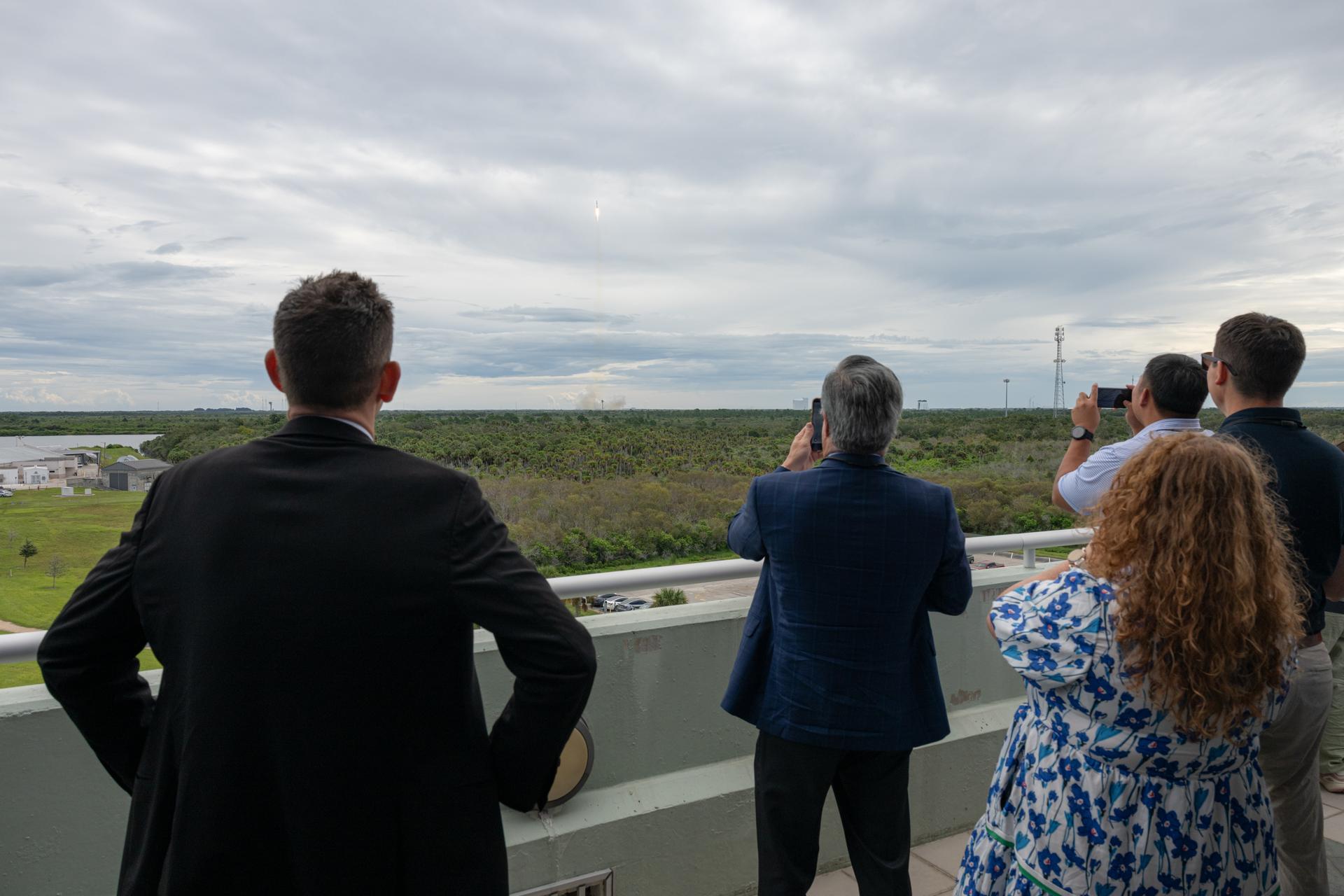
NASA Administrator Jared Isaacman, left, and invited guests and NASA employees watch as a SpaceX Falcon 9 rocket carrying the company’s Dragon spacecraft launches on NASA’s SpaceX Crew-13 mission to the International Space Station with NASA astronauts Jessica Watkins and Luke Delaney, CSA (Canadian Space Agency) astronaut Joshua Kutryk, and Roscosmos cosmonaut Sergey Teteryatnikov, Thursday, Oct. 1, 2026, at the Operations Support Building II at NASA’s Kennedy Space Center in Florida. NASA’s SpaceX Crew-13 mission is the thirteenth crew rotation mission of the SpaceX Falcon 9 rocket and Dragon spacecraft to the International Space Station as part of the agency’s Commercial Crew Program. Watkins, Delaney, Kutryk, and Teteryatnikov launched at 11:10 a.m. EDT from Space Launch Complex 40 at Cape Canaveral Space Force Station to begin their mission aboard the orbital outpost. Photo Credit: (NASA/John Kraus)
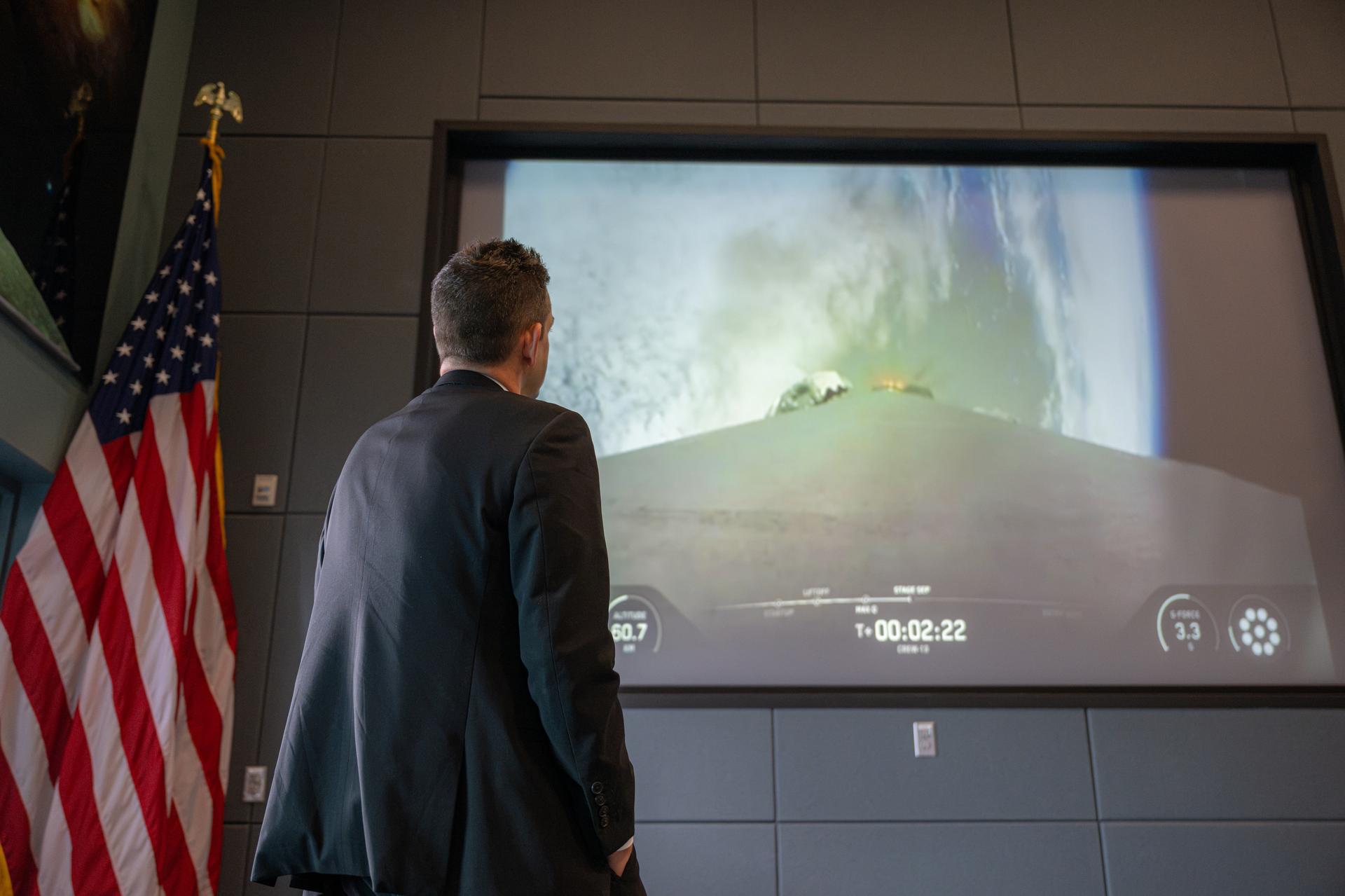
NASA Administrator Jared Isaacman watches a webcast of the launch of a SpaceX Falcon 9 rocket carrying the company’s Dragon spacecraft on NASA’s SpaceX Crew-13 mission to the International Space Station with NASA astronauts Jessica Watkins and Luke Delaney, CSA (Canadian Space Agency) astronaut Joshua Kutryk, and Roscosmos cosmonaut Sergey Teteryatnikov, Thursday, Oct. 1, 2026, at the Operations Support Building II at NASA’s Kennedy Space Center in Florida. NASA’s SpaceX Crew-13 mission is the thirteenth crew rotation mission of the SpaceX Falcon 9 rocket and Dragon spacecraft to the International Space Station as part of the agency’s Commercial Crew Program. Watkins, Delaney, Kutryk, and Teteryatnikov launched at 11:10 a.m. EDT from Space Launch Complex 40 at Cape Canaveral Space Force Station in Florida to begin their mission aboard the orbital outpost. Photo Credit: (NASA/John Kraus)
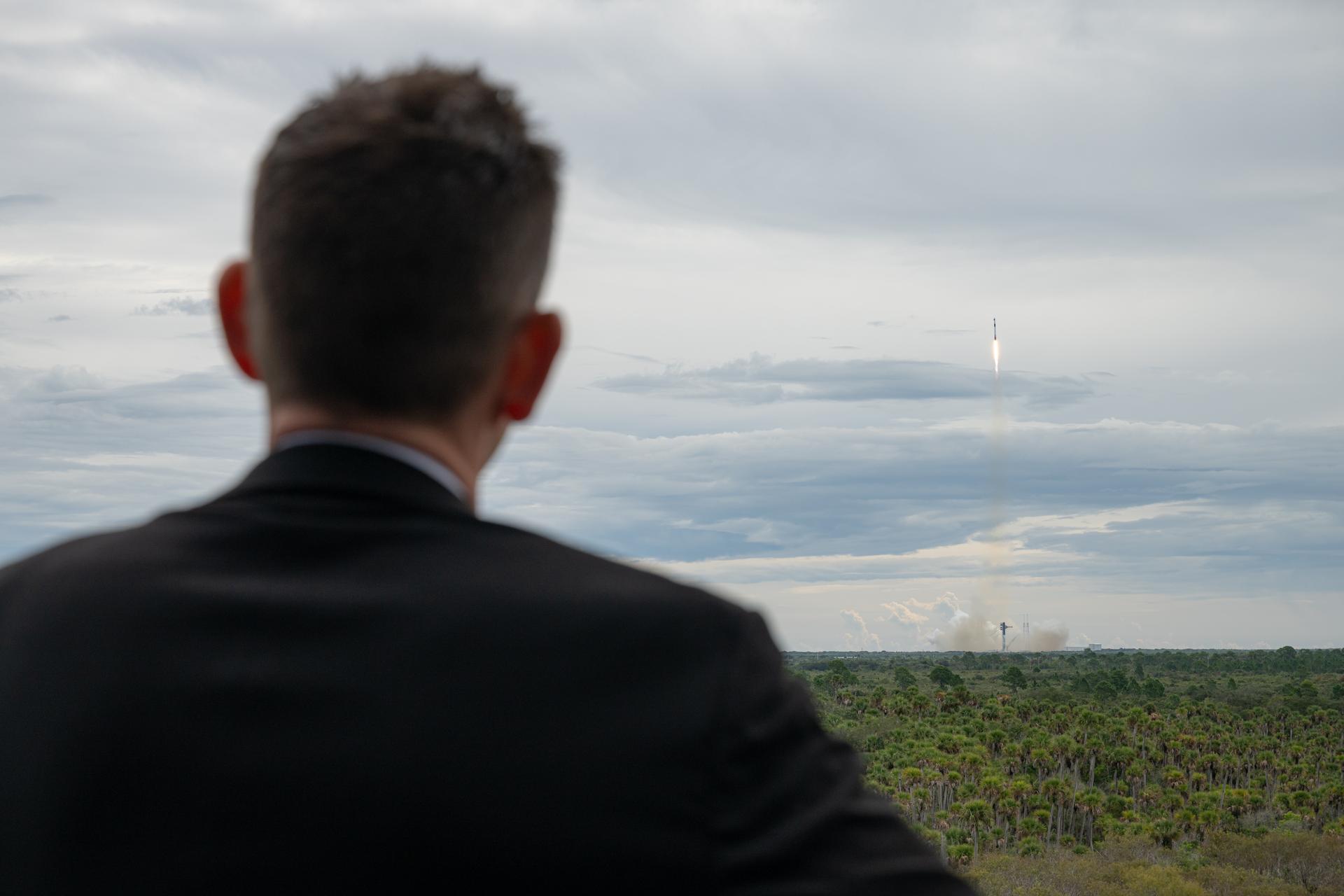
NASA Administrator Jared Isaacman watches as a SpaceX Falcon 9 rocket carrying the company’s Dragon spacecraft launches on NASA’s SpaceX Crew-13 mission to the International Space Station with NASA astronauts Jessica Watkins and Luke Delaney, CSA (Canadian Space Agency) astronaut Joshua Kutryk, and Roscosmos cosmonaut Sergey Teteryatnikov, Thursday, Oct. 1, 2026, at the Operations Support Building II at NASA’s Kennedy Space Center in Florida. NASA’s SpaceX Crew-13 mission is the thirteenth crew rotation mission of the SpaceX Falcon 9 rocket and Dragon spacecraft to the International Space Station as part of the agency’s Commercial Crew Program. Watkins, Delaney, Kutryk, and Teteryatnikov launched at 11:10 a.m. EDT from Space Launch Complex 40 at Cape Canaveral Space Force Station to begin their mission aboard the orbital outpost. Photo Credit: (NASA/John Kraus)

NASA Administrator Jared Isaacman, second from left, and Kennedy Space Center Director Brian Hughes, left, watch as NASA’s SpaceX Crew-13 crew members depart the Neil A. Armstrong Operations and Checkout Building ahead of their launch to the International Space Station, Thursday, Oct. 1, 2026, at NASA’s Kennedy Space Center in Florida. NASA’s SpaceX Crew-13 mission is the thirteenth crew rotation mission of the SpaceX Falcon 9 rocket and Dragon spacecraft to the International Space Station as part of the agency’s Commercial Crew Program. NASA astronauts Jessica Watkins and Luke Delaney, CSA (Canadian Space Agency) astronaut Joshua Kutryk, and Roscosmos cosmonaut Sergey Teteryatnikov will conduct scientific research, technology demonstrations, and maintenance during their long-duration stay aboard the orbital outpost. Photo Credit: (NASA/John Kraus)