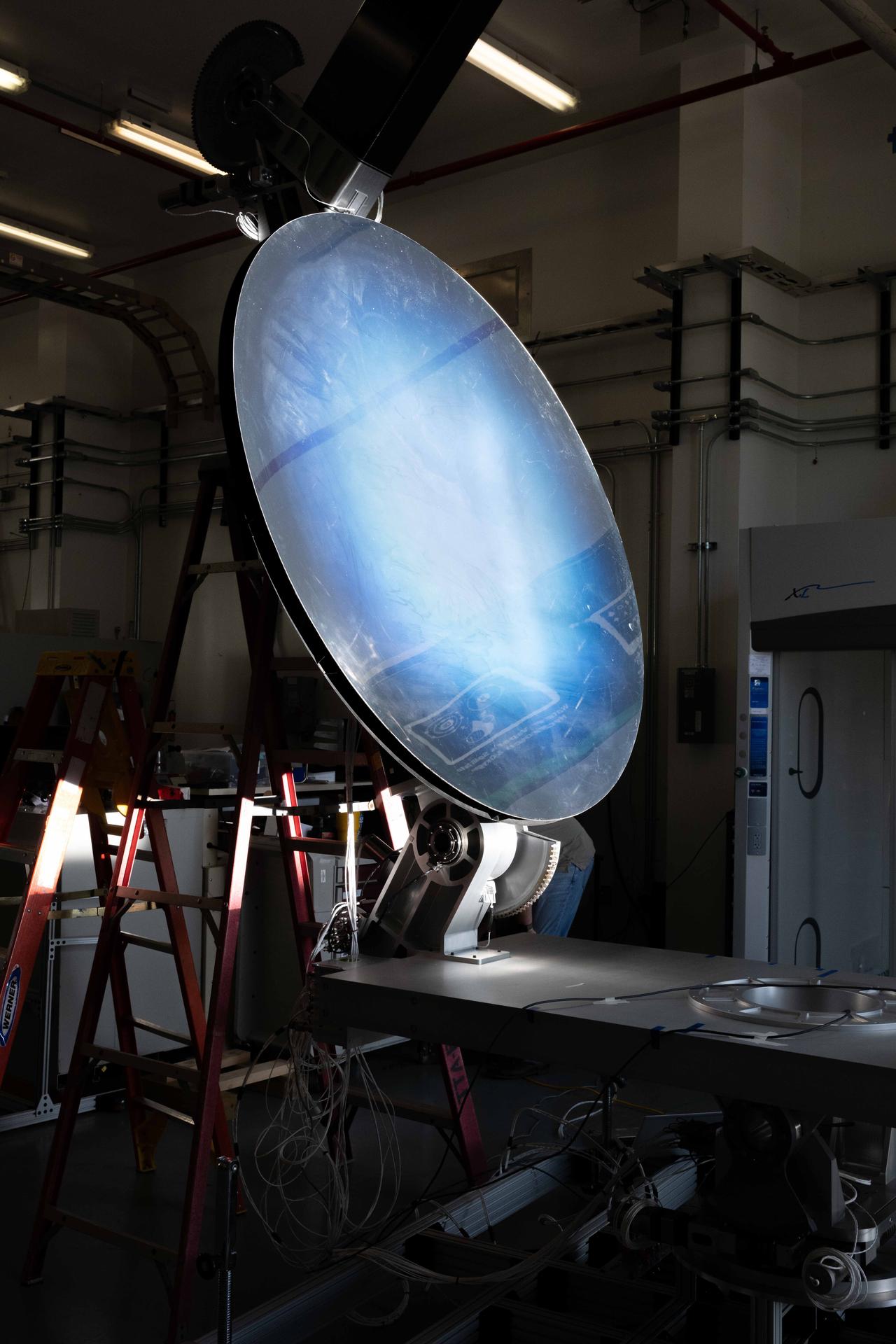
The Carbothermal Reduction Demonstration (CaRD) project aims to demonstrate the carbothermal reduction of lunar regolith to produce oxygen on the Lunar South Pole. For this test, the team integrated the solar concentrator, mirrors, and software and confirmed the production of carbon monoxide.
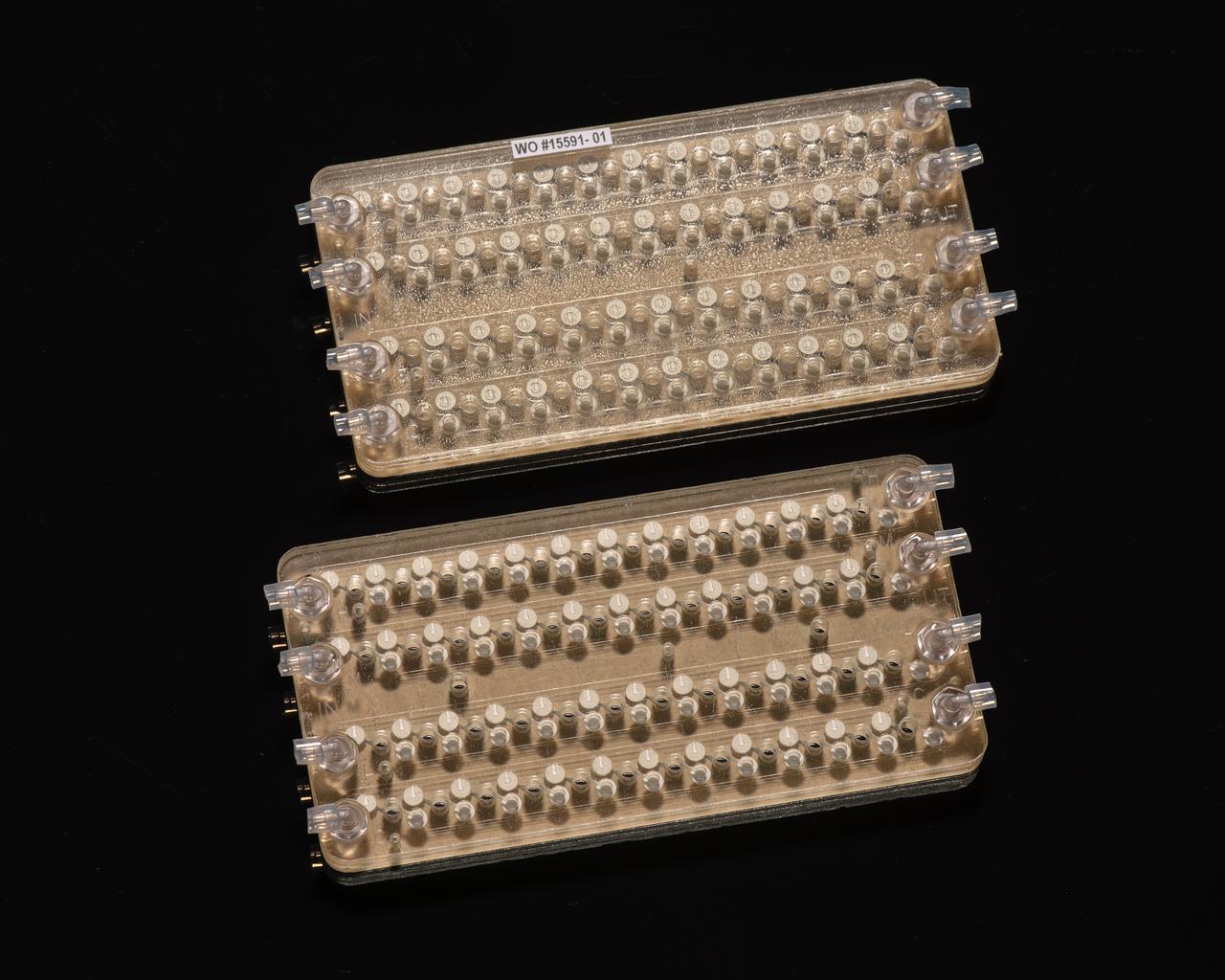
EuCropis Power Cells Micronics top, A-line bottom
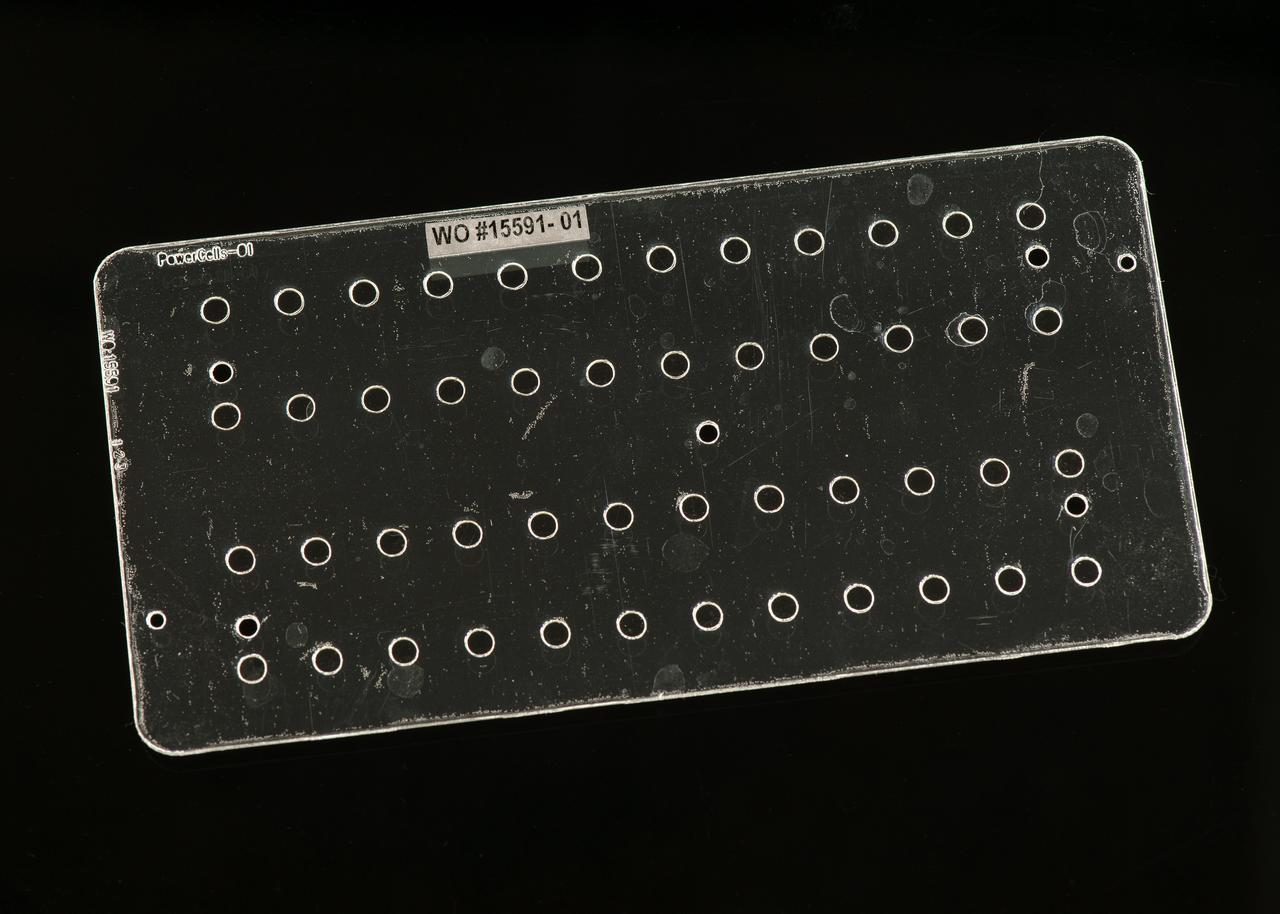
EuCropis Power Cells capping layer - Micronics
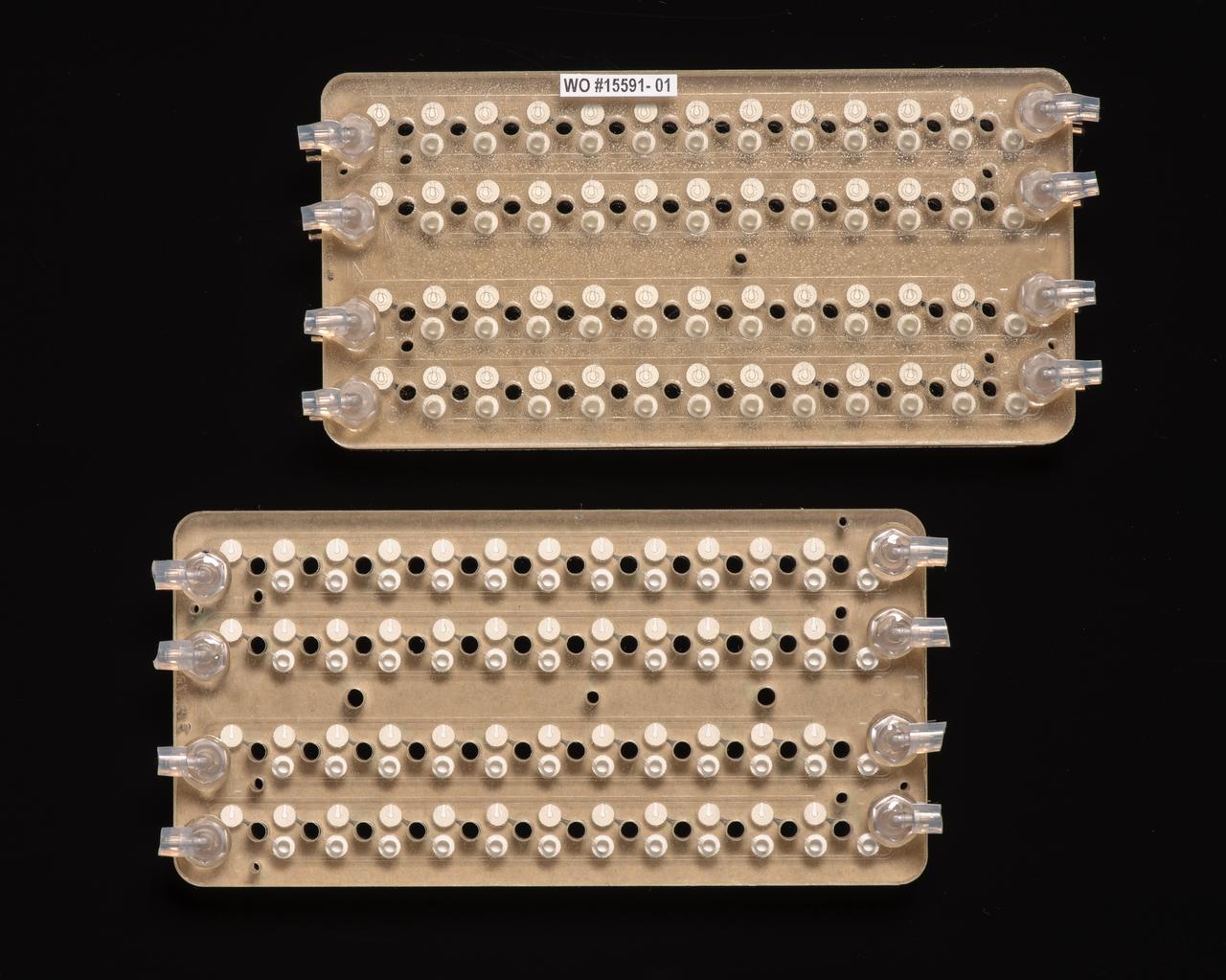
EuCropis Power Cells Micronics top, A-line bottom
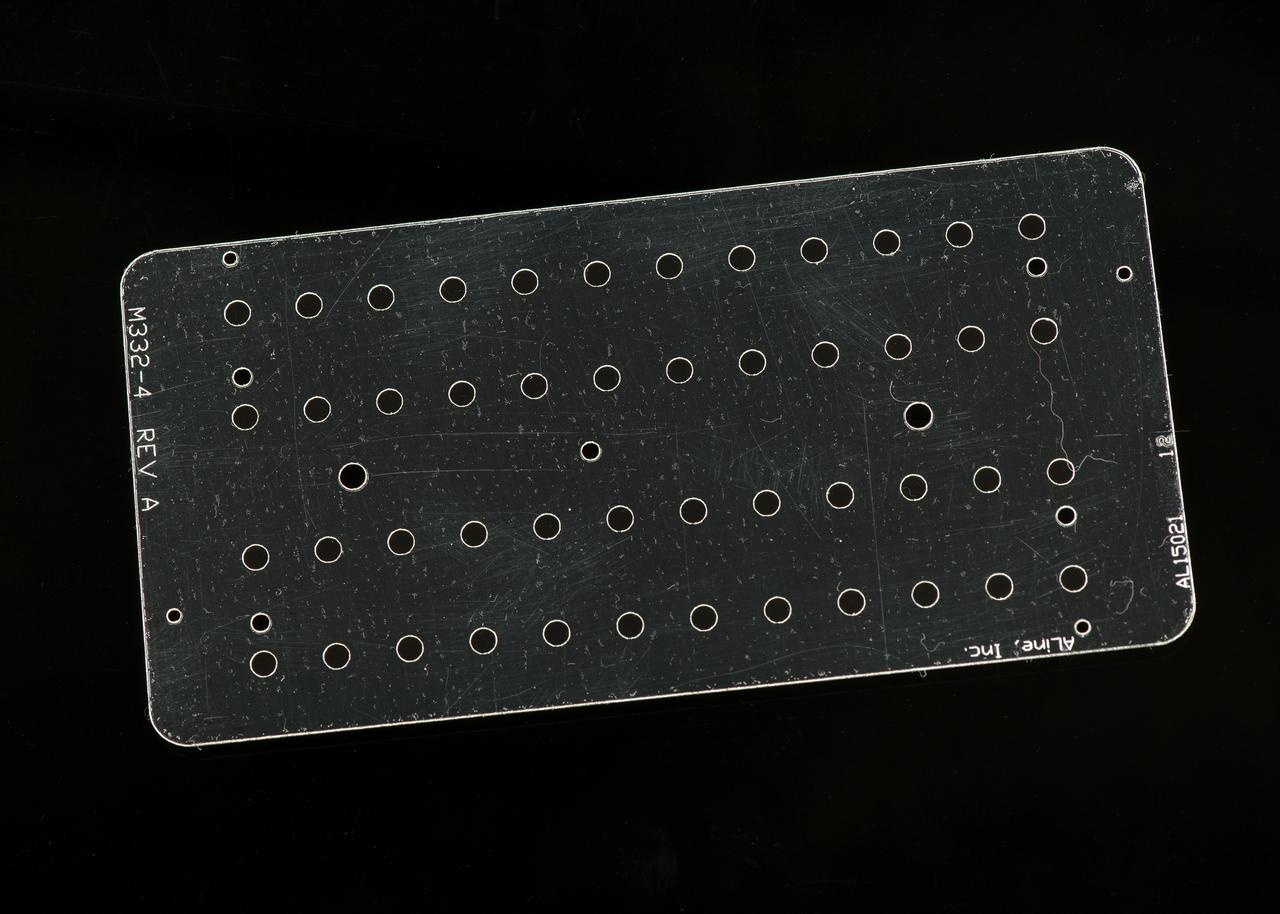
EuCropis Power Cells capping layer A-line
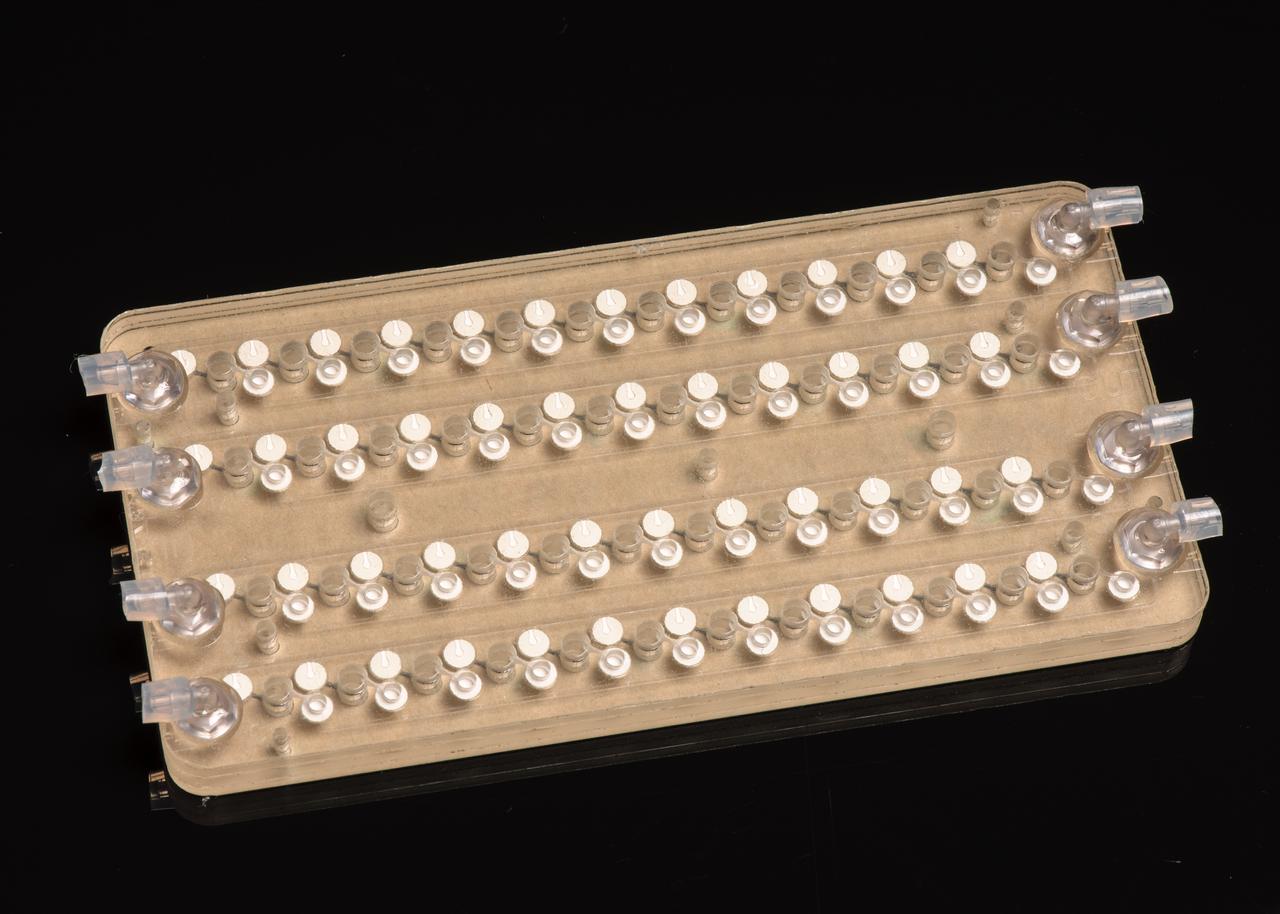
EuCropis Power Cells built by A-Line showing clearer manufacturing
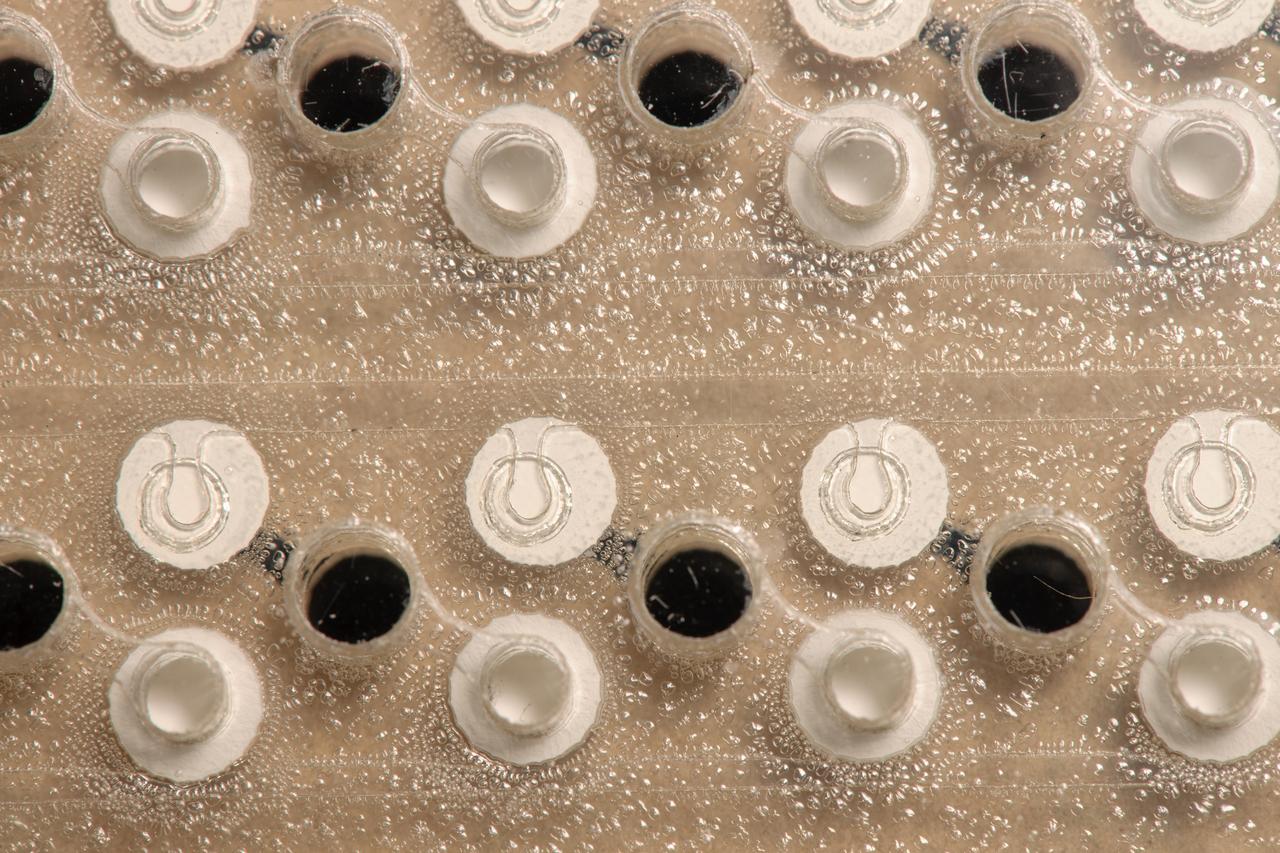
EuCropis Power Cells built by Micronics and showing bubbles in manufacturing
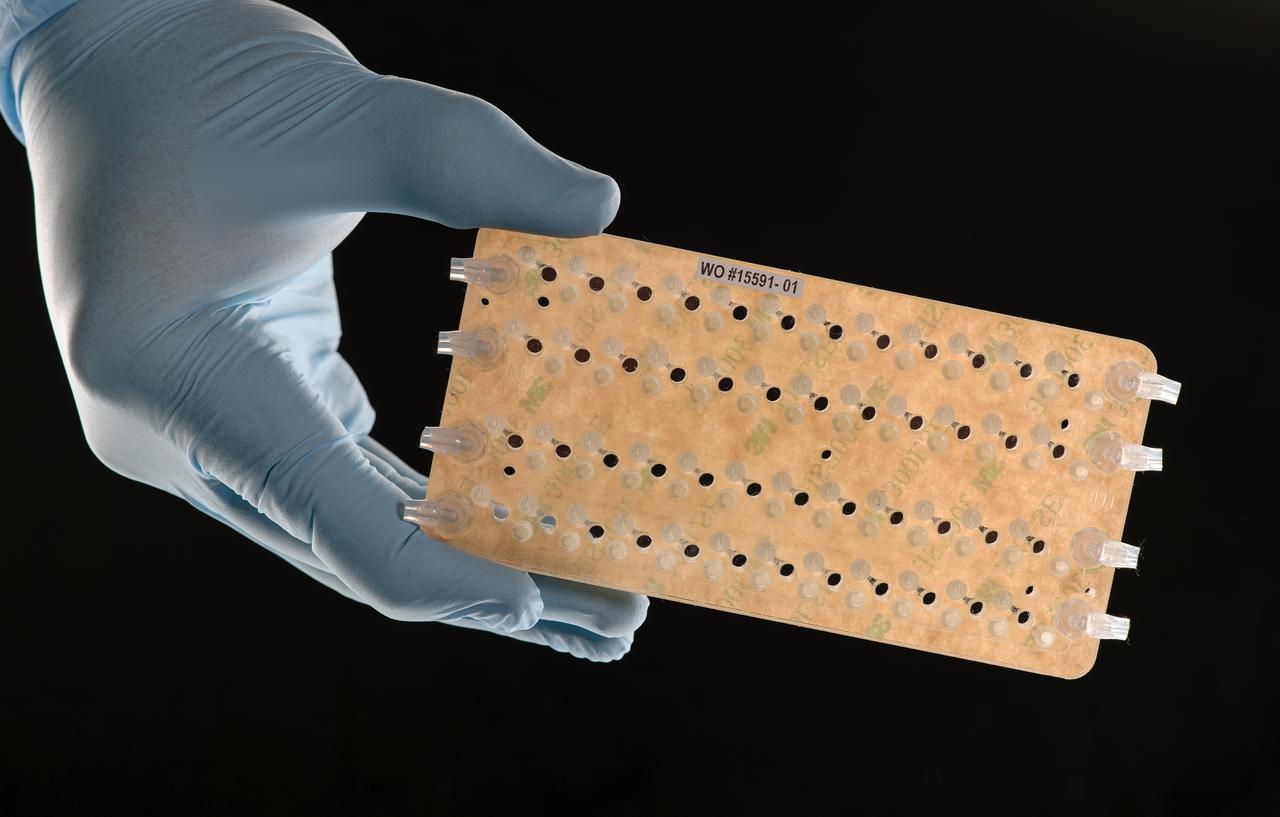
EuCropis Power Cells Micronics
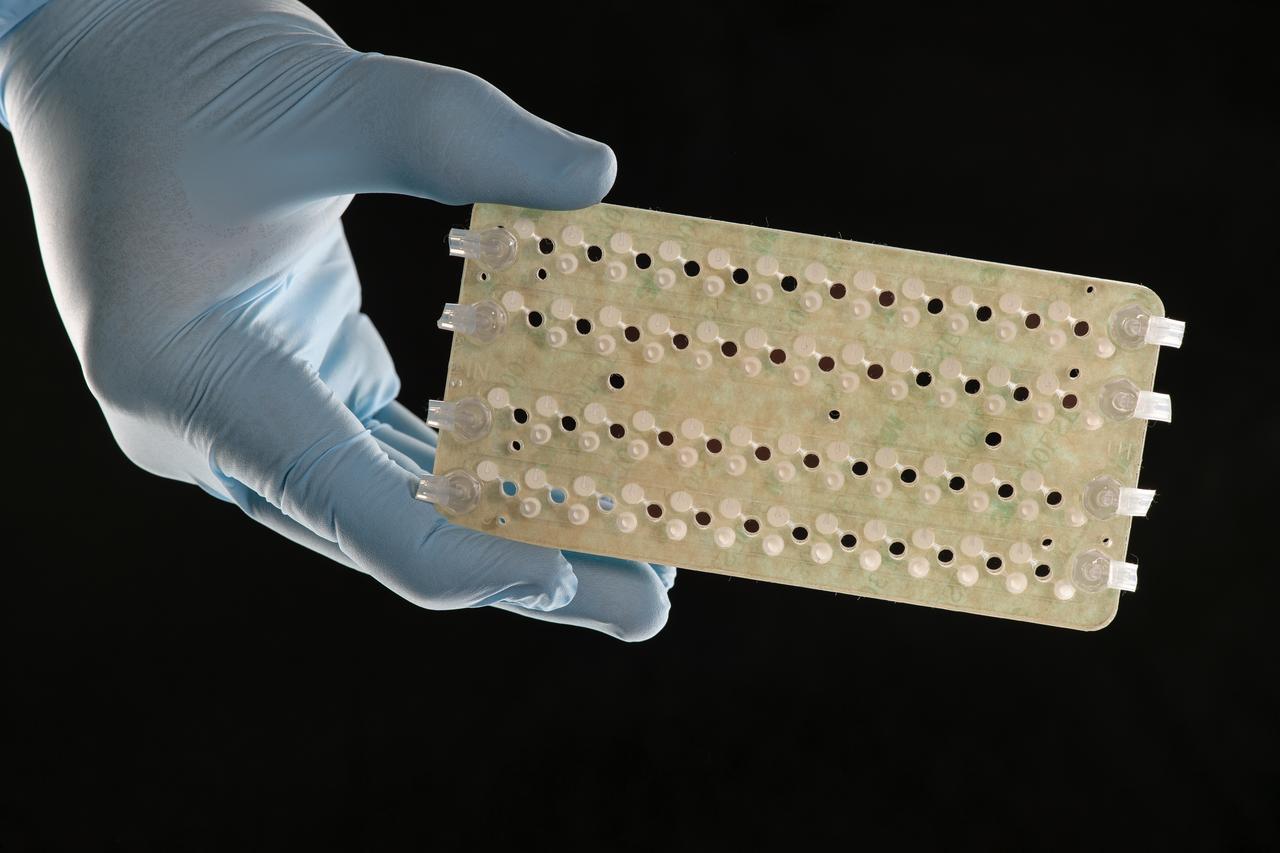
EuCropis Power Cells A-Line
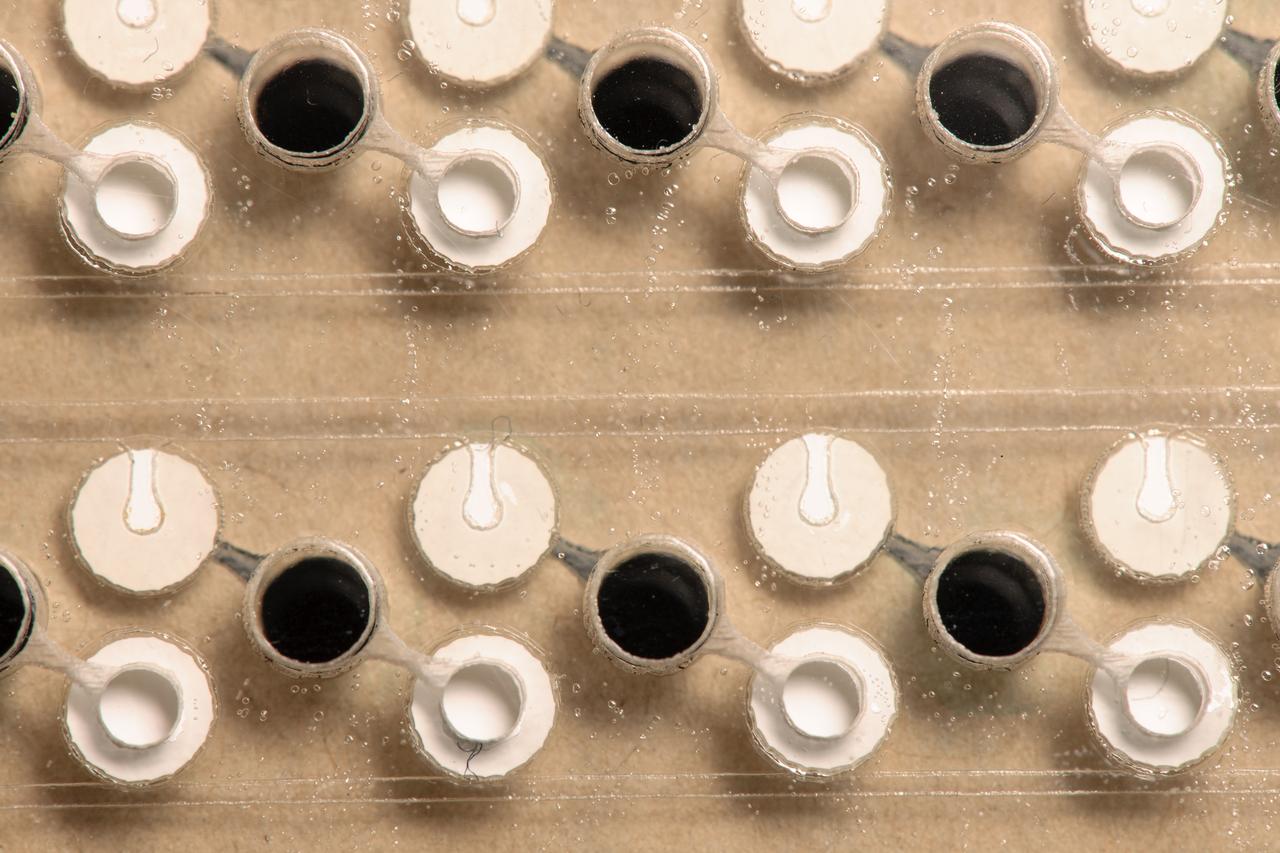
EuCropis Power Cells built by A-Line showing clearer manufacturing
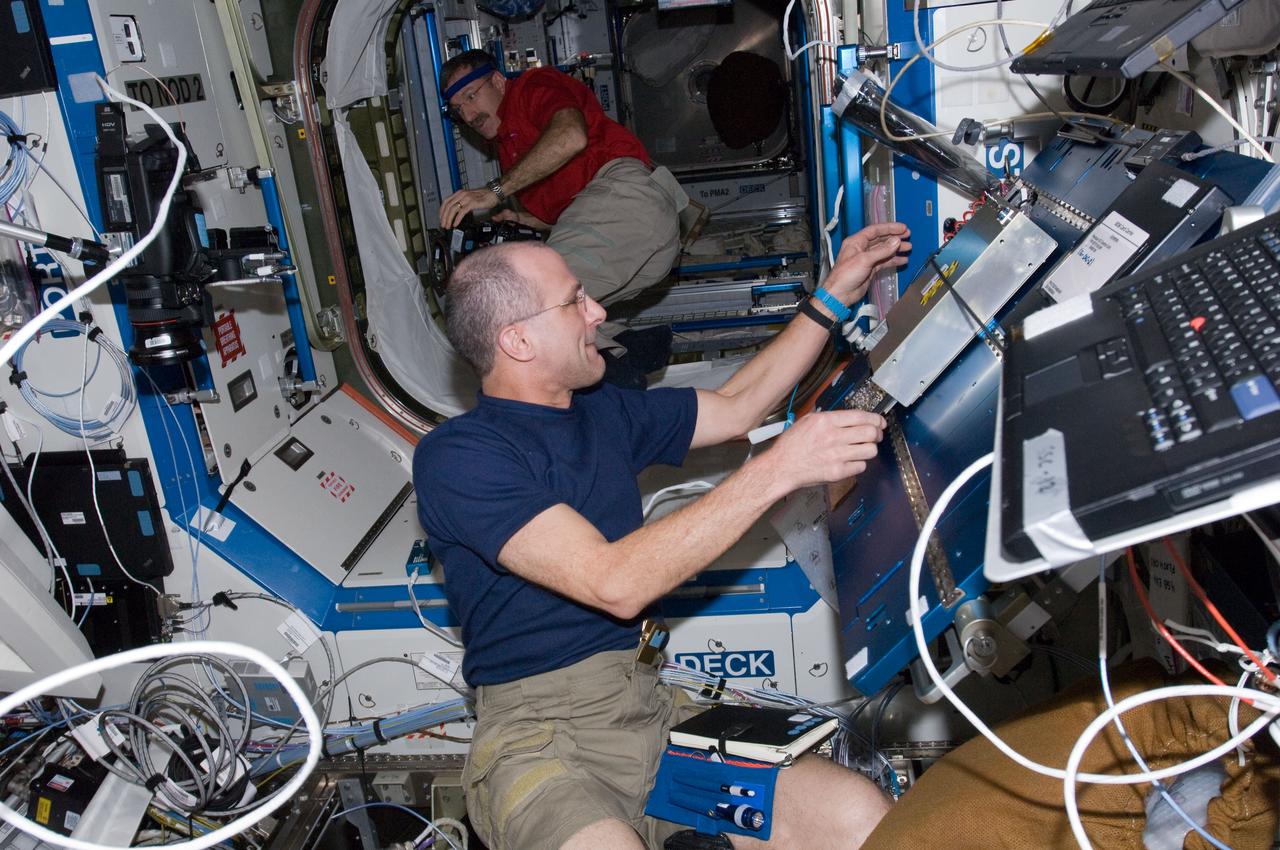
ISS030-E-022575 (28 Dec. 2011) -- NASA astronaut Don Pettit (foreground),Expedition 30 flight engineer, performs the Enhanced Processor and Integrated Communications (EPIC) card testing and X2R10 software transition. The software transition work will include EPIC card testing and card installations, and monitoring of the upgraded Multiplexer/ Demultiplexer (MDM) computers. Dan Burbank, Expedition 30 commander, is setting up a camcorder in the background.
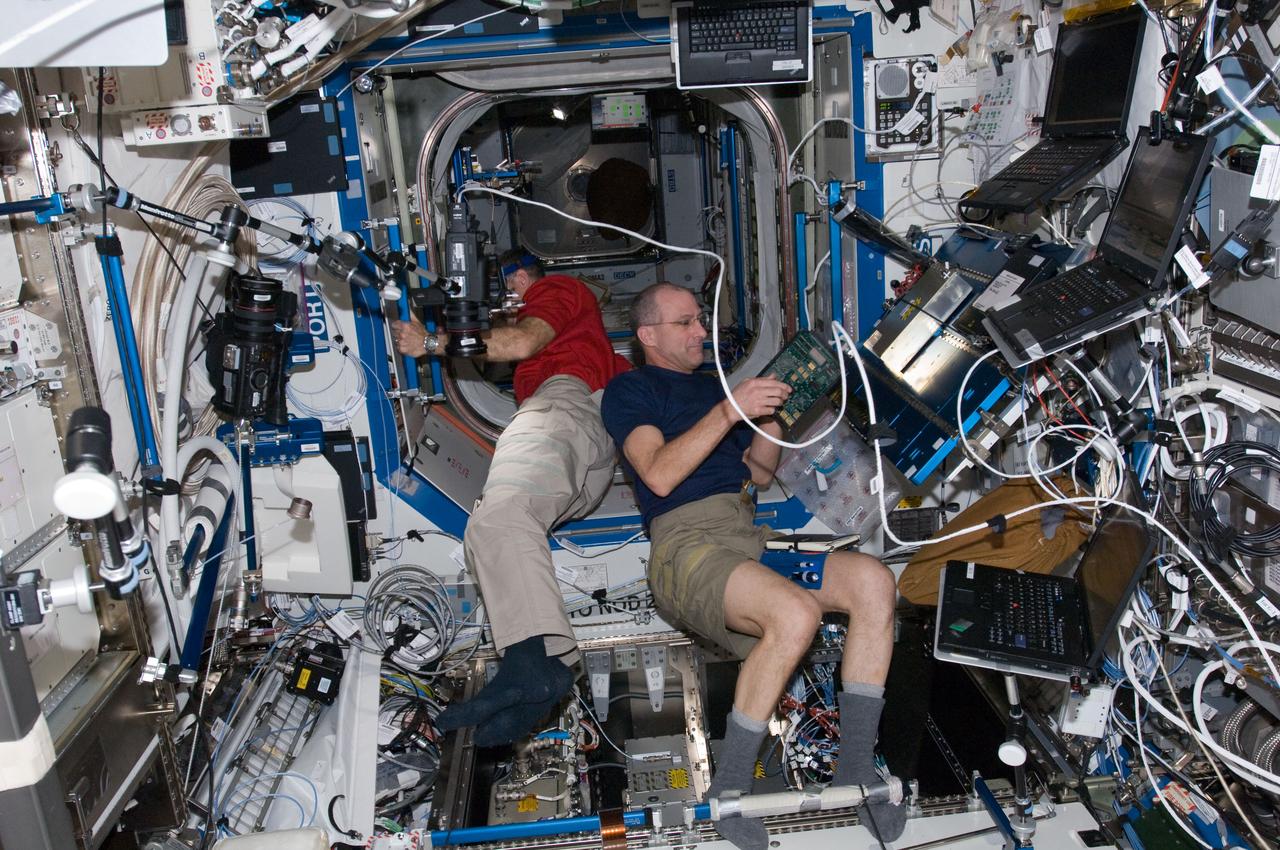
ISS030-E-022574 (28 Dec. 2011) -- NASA astronaut Don Pettit (foreground),Expedition 30 flight engineer, performs the Enhanced Processor and Integrated Communications (EPIC) card testing and X2R10 software transition. The software transition work will include EPIC card testing and card installations, and monitoring of the upgraded Multiplexer/ Demultiplexer (MDM) computers. Dan Burbank, Expedition 30 commander, is setting up a camcorder in the background.
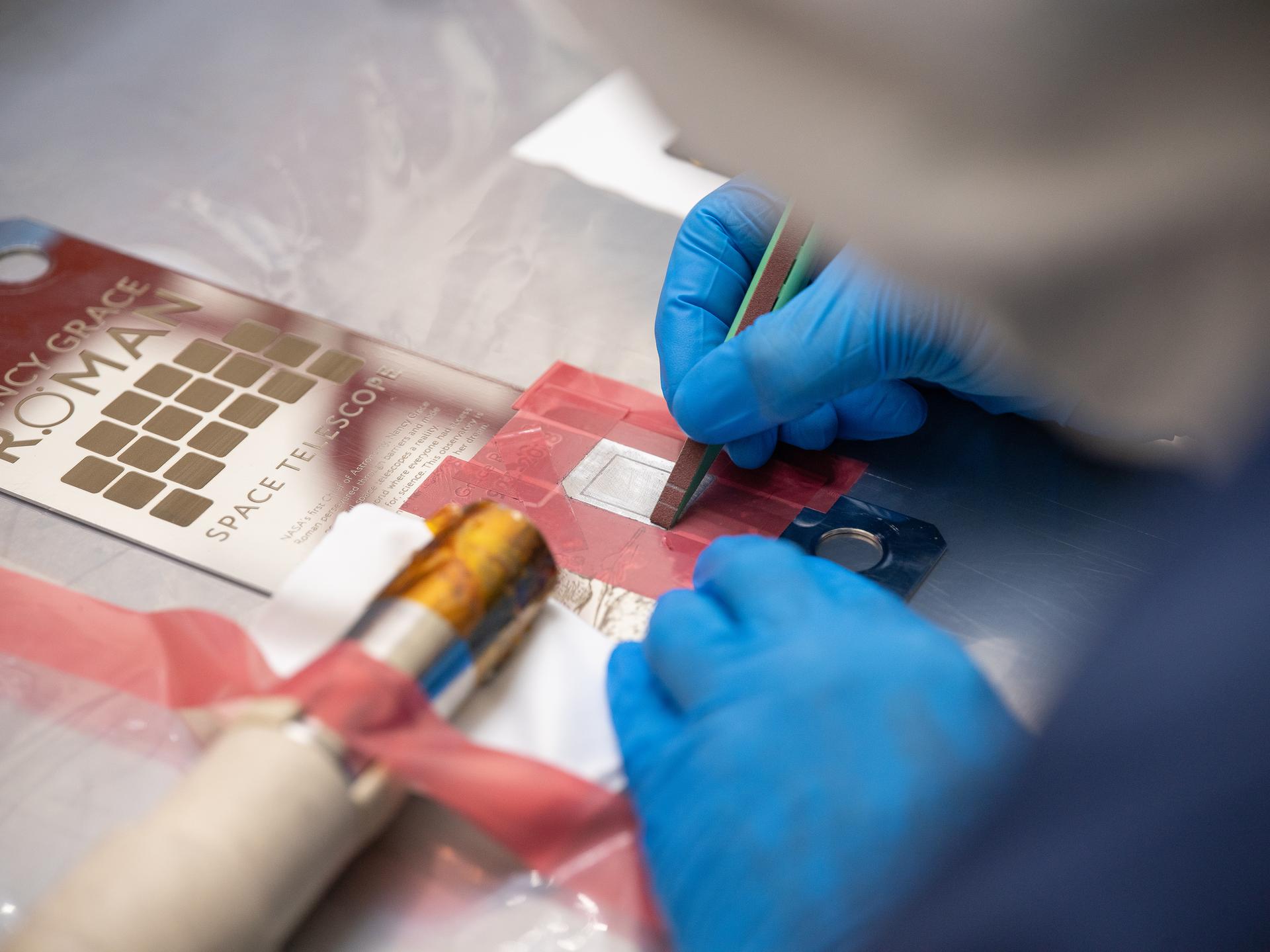
A technician inside the Payload Hazardous Servicing Facility at NASA’s Kennedy Space Center in Florida installs a memory card containing a total of 1,350,144 names as part of a commemorative plaque on the Nancy Grace Roman Space Telescope on Friday, July 17, 2026. The names, submitted by people from across the globe, including astronauts from NASA’s Artemis II and Artemis III missions, will travel with the Roman observatory to the Sun-Earth Lagrange point 2, or L2, about one million miles from Earth, where the Sun’s and Earth’s gravity balance out. Roman is named after Dr. Nancy Grace Roman, NASA’s first chief astronomer and one of the architects of the agency’s modern science program.
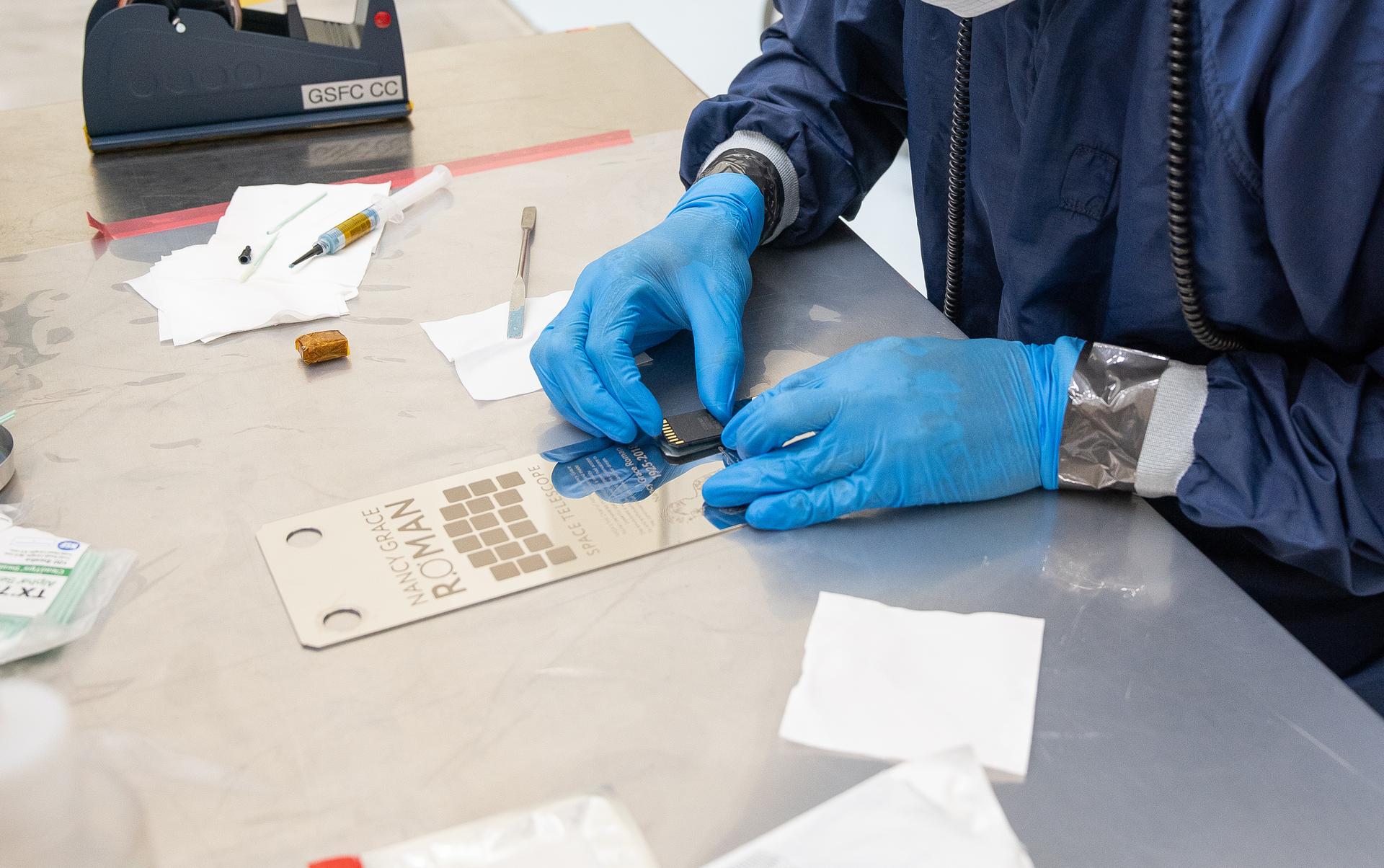
A technician inside the Payload Hazardous Servicing Facility at NASA’s Kennedy Space Center in Florida installs a memory card containing a total of 1,350,144 names as part of a commemorative plaque on the Nancy Grace Roman Space Telescope on Friday, July 17, 2026. The names, submitted by people from across the globe, including astronauts from NASA’s Artemis II and Artemis III missions, will travel with the Roman observatory to the Sun-Earth Lagrange point 2, or L2, about one million miles from Earth, where the Sun’s and Earth’s gravity balance out. Roman is named after Dr. Nancy Grace Roman, NASA’s first chief astronomer and one of the architects of the agency’s modern science program.
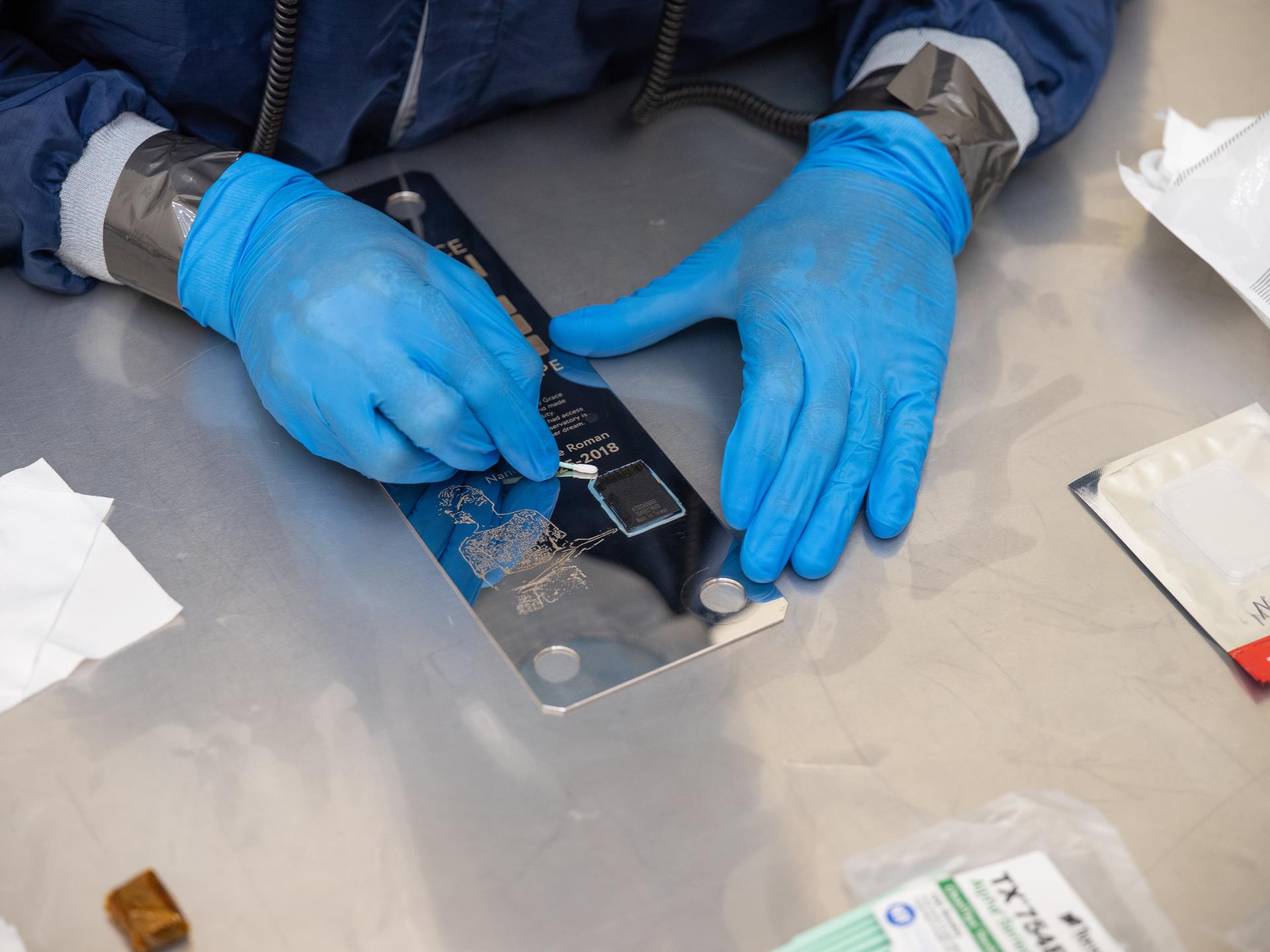
A technician inside the Payload Hazardous Servicing Facility at NASA’s Kennedy Space Center in Florida installs a memory card containing a total of 1,350,144 names as part of a commemorative plaque on the Nancy Grace Roman Space Telescope on Friday, July 17, 2026. The names, submitted by people from across the globe, including astronauts from NASA’s Artemis II and Artemis III missions, will travel with the Roman observatory to the Sun-Earth Lagrange point 2, or L2, about one million miles from Earth, where the Sun’s and Earth’s gravity balance out. Roman is named after Dr. Nancy Grace Roman, NASA’s first chief astronomer and one of the architects of the agency’s modern science program.
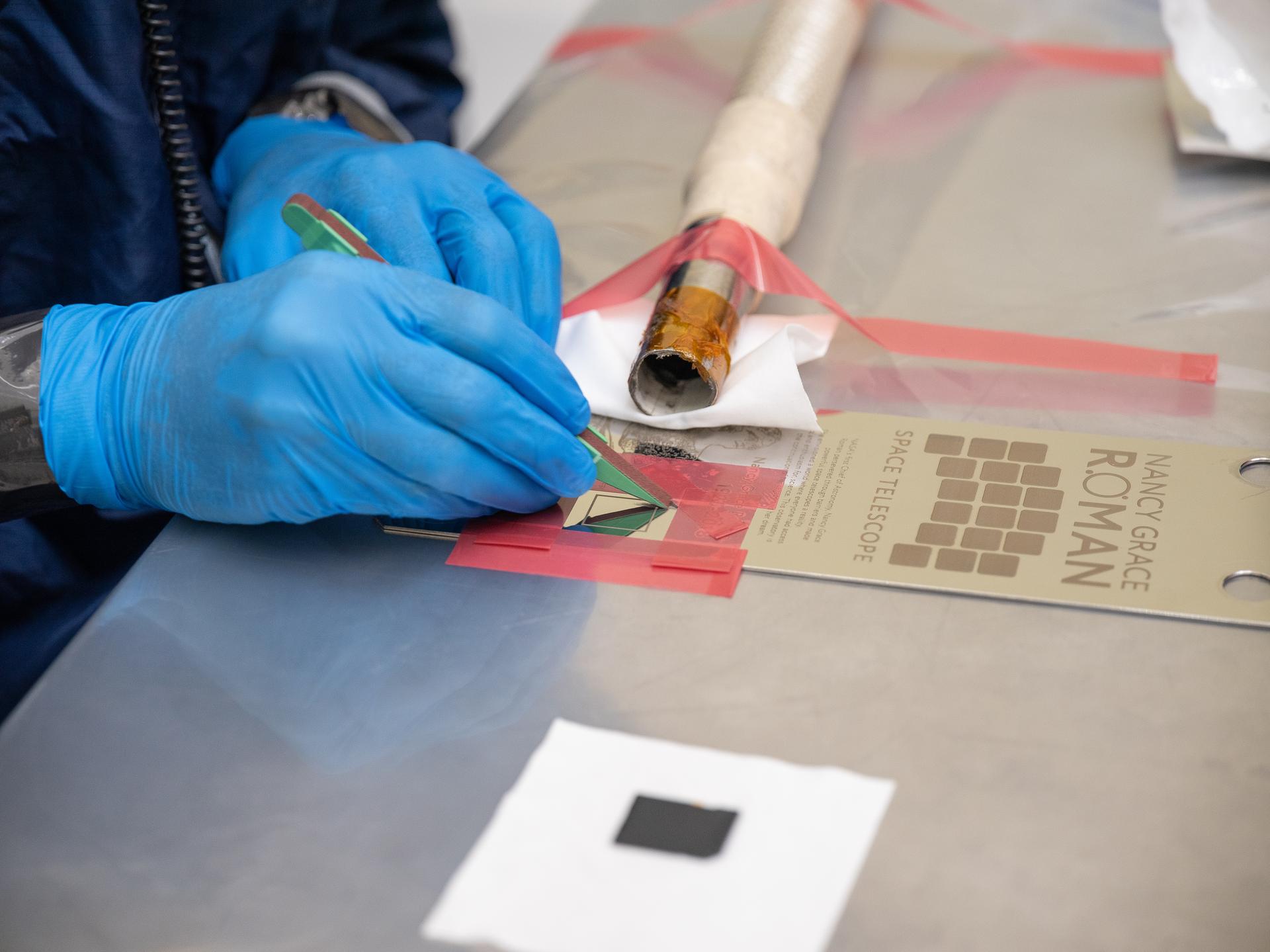
A technician inside the Payload Hazardous Servicing Facility at NASA’s Kennedy Space Center in Florida installs a memory card containing a total of 1,350,144 names as part of a commemorative plaque on the Nancy Grace Roman Space Telescope on Friday, July 17, 2026. The names, submitted by people from across the globe, including astronauts from NASA’s Artemis II and Artemis III missions, will travel with the Roman observatory to the Sun-Earth Lagrange point 2, or L2, about one million miles from Earth, where the Sun’s and Earth’s gravity balance out. Roman is named after Dr. Nancy Grace Roman, NASA’s first chief astronomer and one of the architects of the agency’s modern science program.
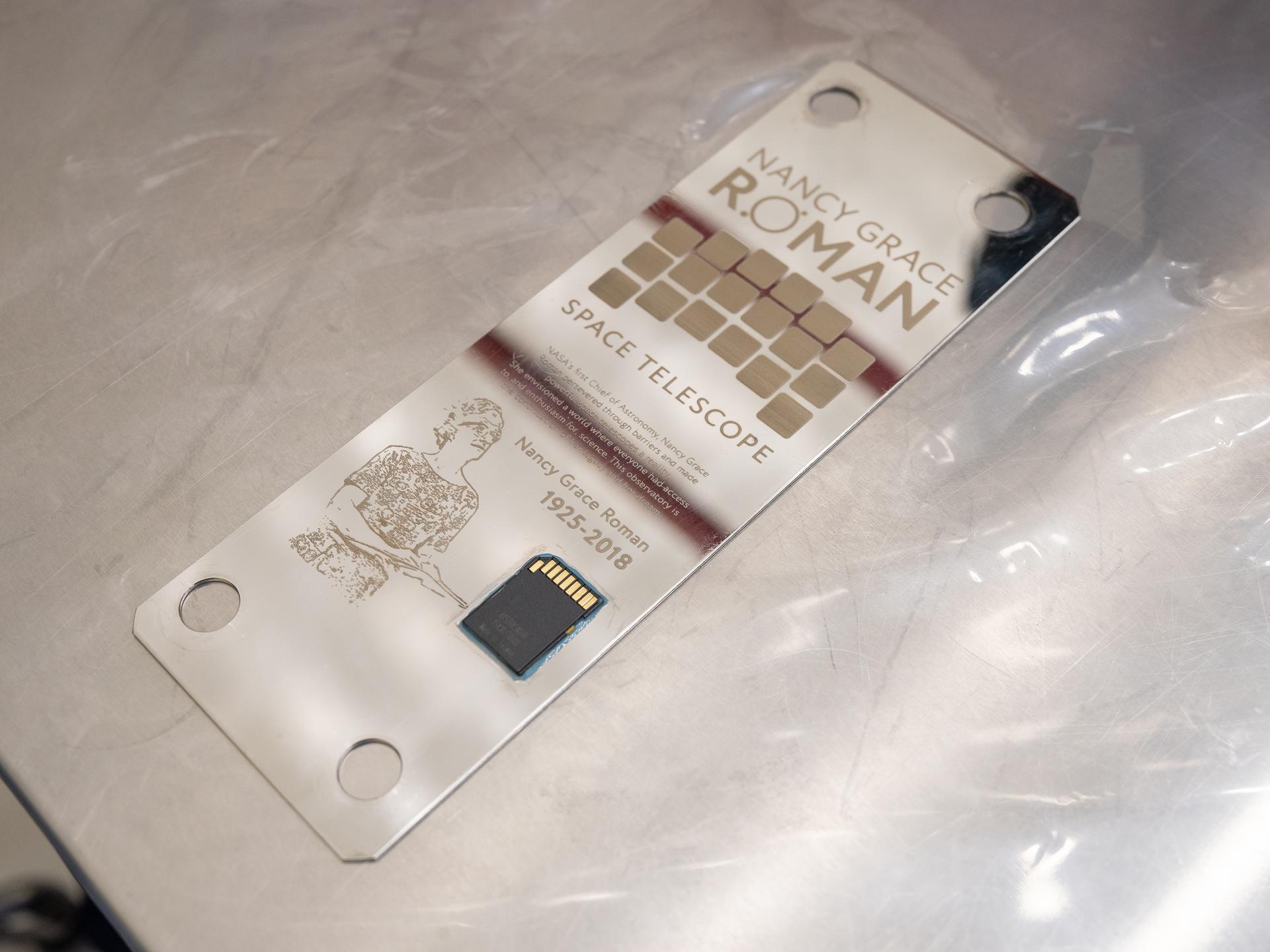
A technician inside the Payload Hazardous Servicing Facility at NASA’s Kennedy Space Center in Florida installs a memory card containing a total of 1,350,144 names as part of a commemorative plaque on the Nancy Grace Roman Space Telescope on Friday, July 17, 2026. The names, submitted by people from across the globe, including astronauts from NASA’s Artemis II and Artemis III missions, will travel with the Roman observatory to the Sun-Earth Lagrange point 2, or L2, about one million miles from Earth, where the Sun’s and Earth’s gravity balance out. Roman is named after Dr. Nancy Grace Roman, NASA’s first chief astronomer and one of the architects of the agency’s modern science program.
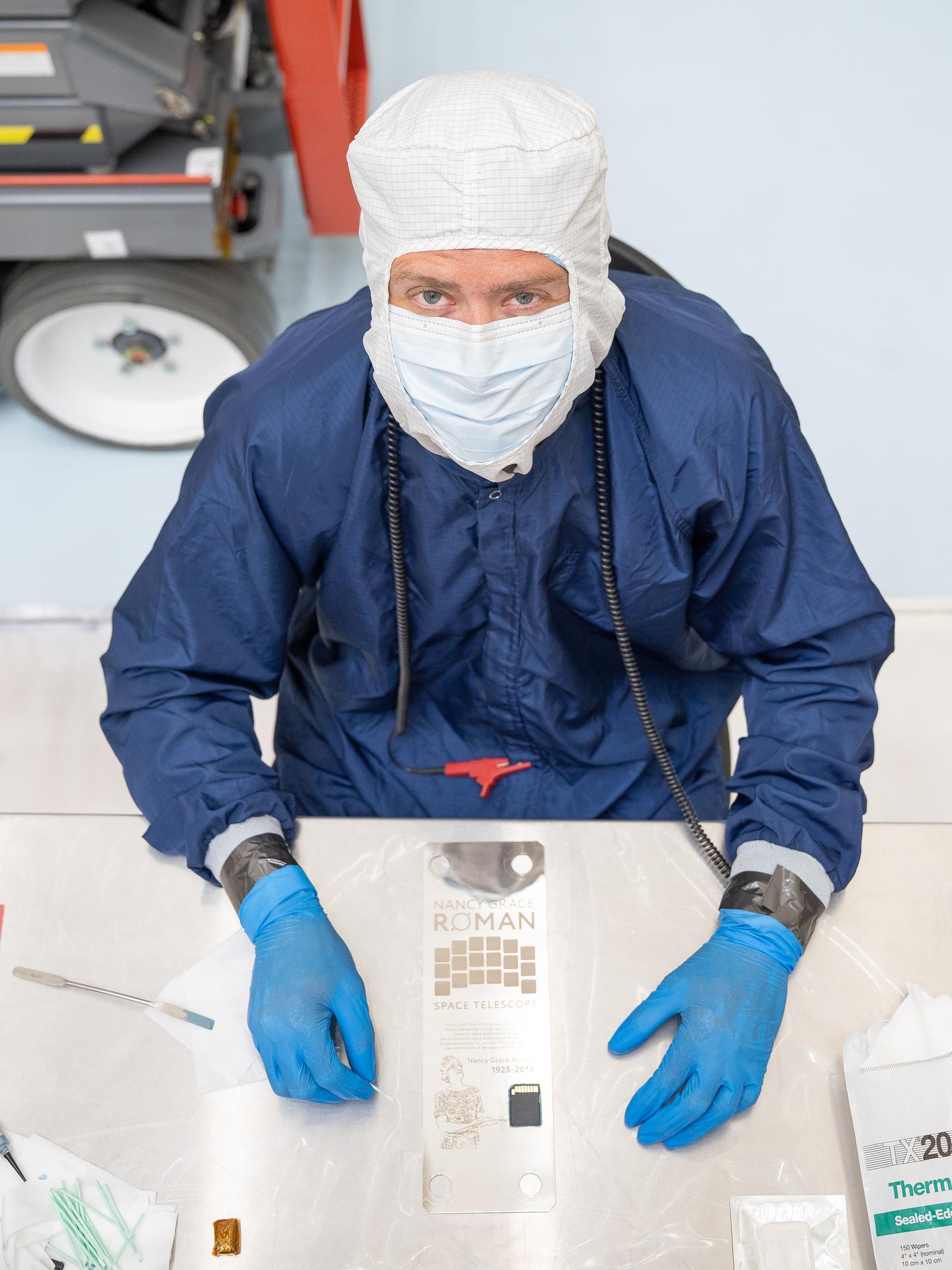
Inside the Payload Hazardous Servicing Facility at NASA’s Kennedy Space Center in Florida, Harry Willems, a mechanical technician from the agency’s Goddard Space Flight Center in Greenbelt, Maryland, installs a memory card containing a total of 1,350,144 names as part of a commemorative plaque on the Nancy Grace Roman Space Telescope on Friday, July 17, 2026. The names, submitted by people from across the globe, including astronauts from NASA’s Artemis II and Artemis III missions, will travel with the Roman observatory to the Sun-Earth Lagrange point 2, or L2, about one million miles from Earth, where the Sun’s and Earth’s gravity balance out. Roman is named after Dr. Nancy Grace Roman, NASA’s first chief astronomer and one of the architects of the agency’s modern science program.
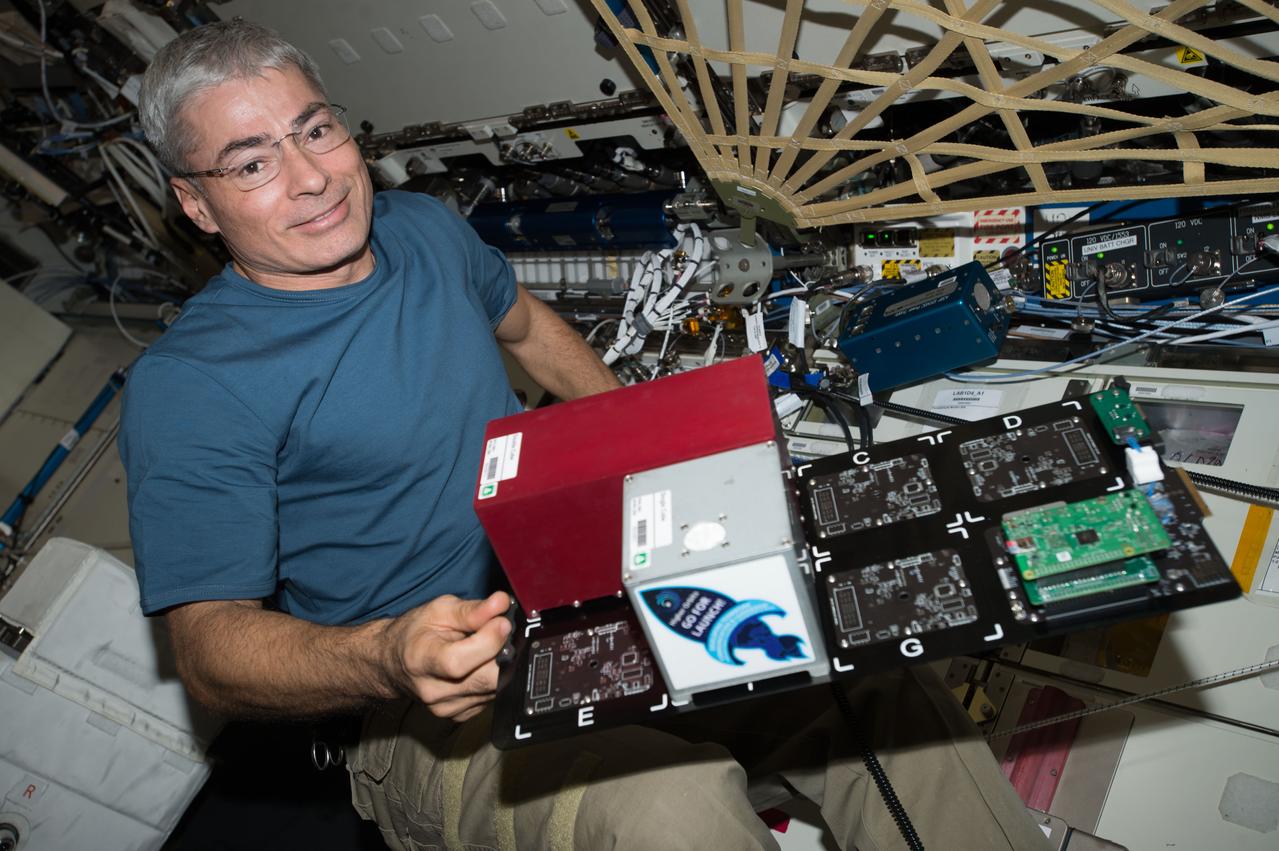
iss053e105442 (Oct. 17, 2017) --- Flight Engineer Mark Vande Hei swaps out a payload card from the TangoLab-1 facility and places into the TangoLab-2 facility. TangoLab provides a standardized platform and open architecture for experimental modules called CubeLabs. CubeLab modules may be developed for use in 3-dimensional tissue and cell cultures.
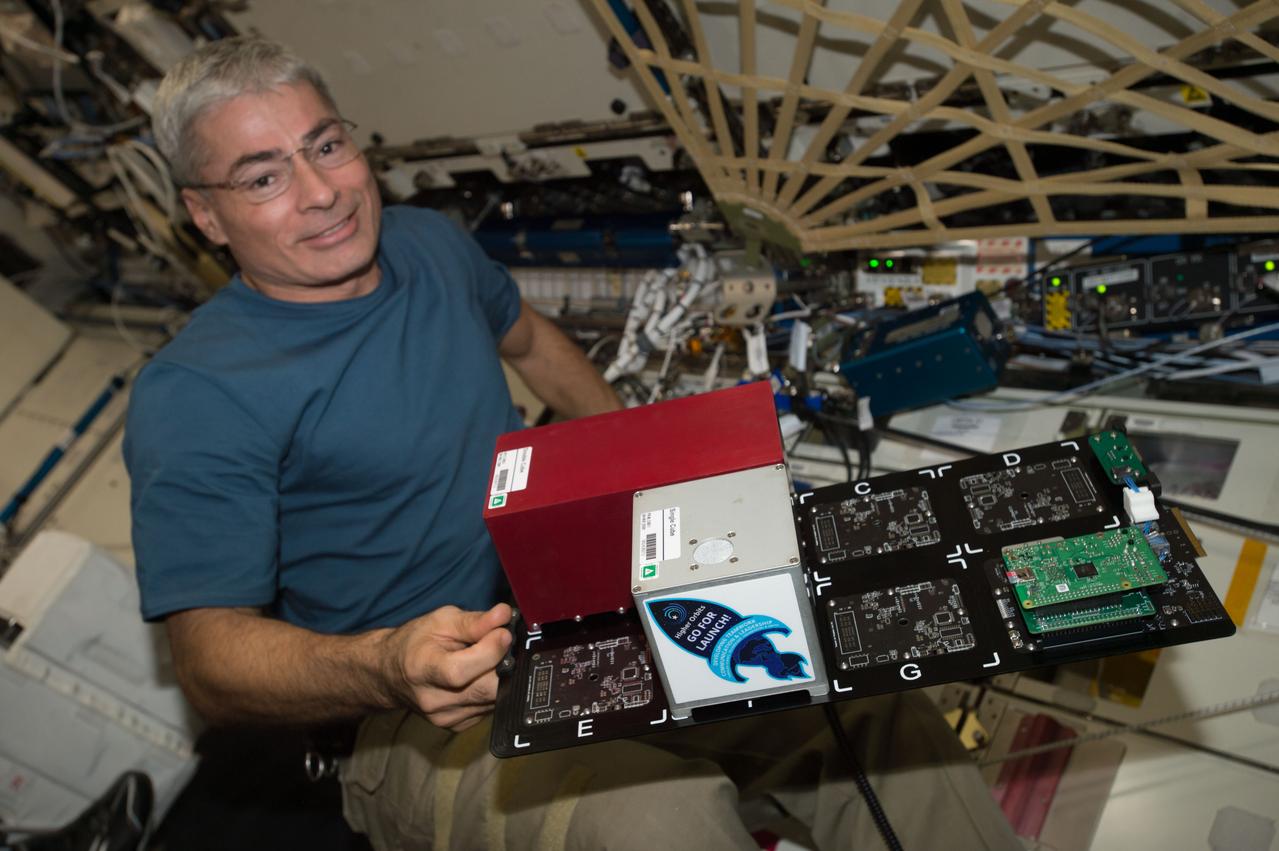
iss053e105441 (Oct. 17, 2017) --- Flight Engineer Mark Vande Hei swaps out a payload card from the TangoLab-1 facility and places into the TangoLab-2 facility. TangoLab provides a standardized platform and open architecture for experimental modules called CubeLabs. CubeLab modules may be developed for use in 3-dimensional tissue and cell cultures.
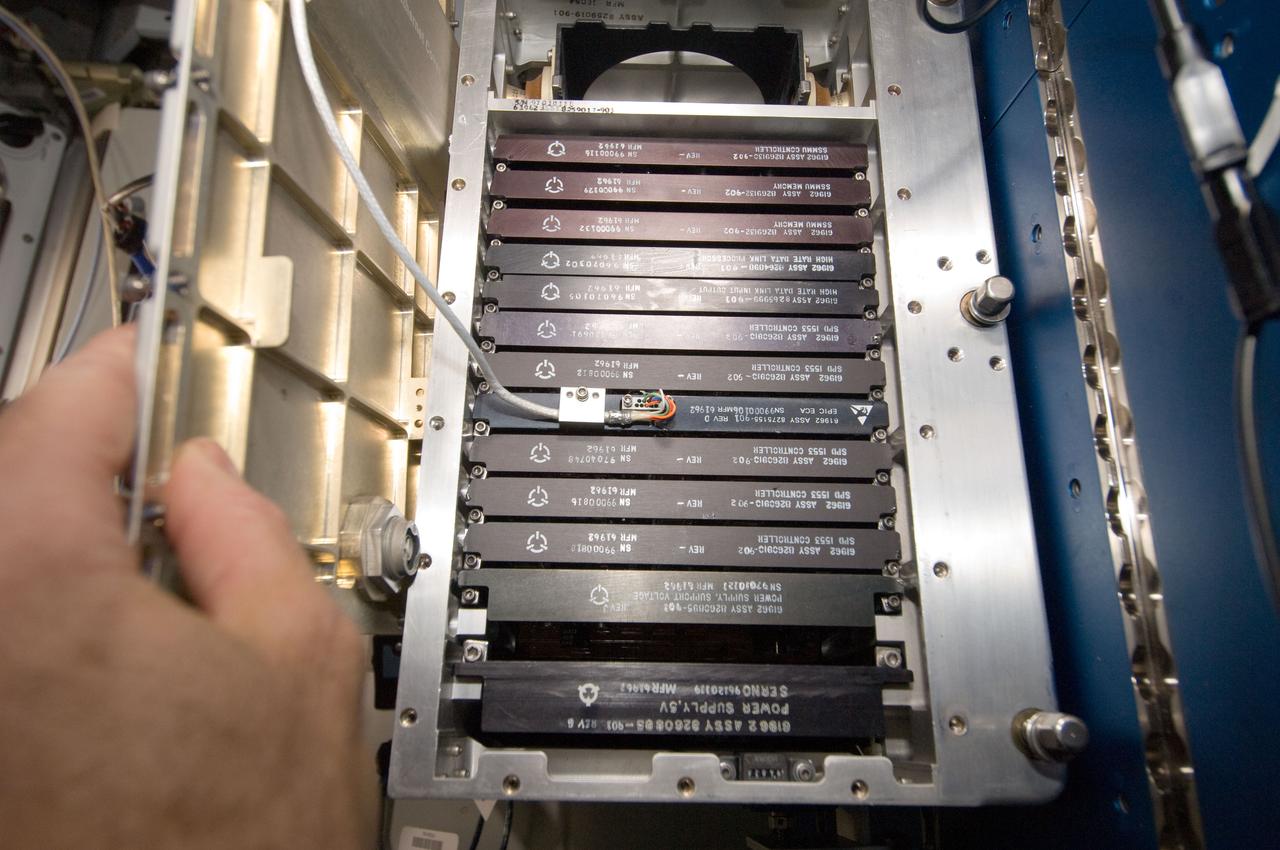
ISS030-E-017776 (29 Dec. 2011) --- Working in chorus with the International Space Station team in Houston?s Mission Control Center, this astronaut and his Expedition 30 crewmates on the station install a set of Enhanced Processor and Integrated Communications (EPIC) computer cards in one of seven primary computers onboard. The upgrade will allow more experiments to operate simultaneously, and prepare for the arrival of commercial cargo ships later this year.
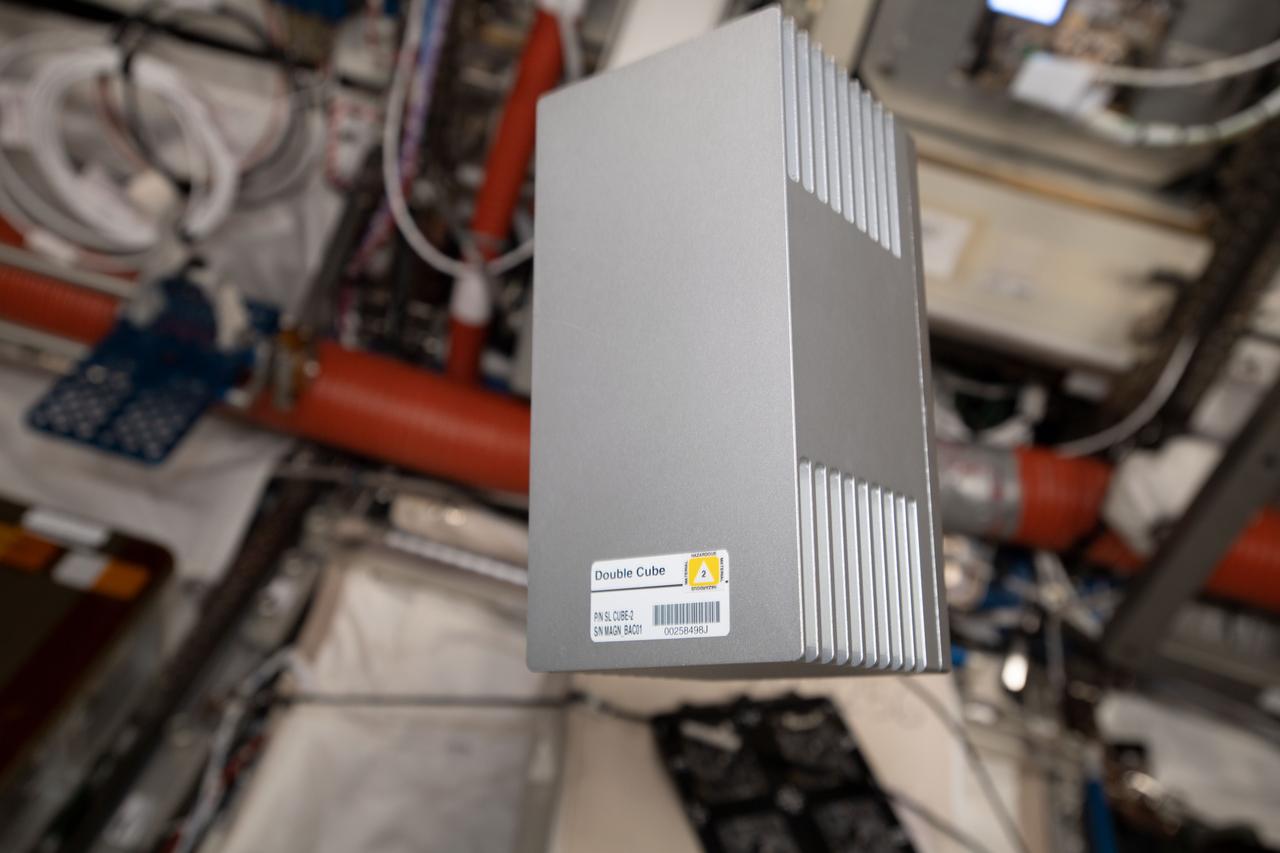
iss060e036686 (8/19/2019) --- A view during removal of card/cube from TangoLab-2 Facility. The Effects of Microgravity on Microbial Nitrogen Fixation (Microbial Nitrogen Fixation) explores the effectiveness of two strains of nitrogen-fixing bacteria. Nitrogen is an essential element in plant growth, but plants use only reduced forms of nitrogen and much of it is produced by these bacteria. Determining whether and how nitrogen fixation occurs in space is key to successfully growing plants on future missions.
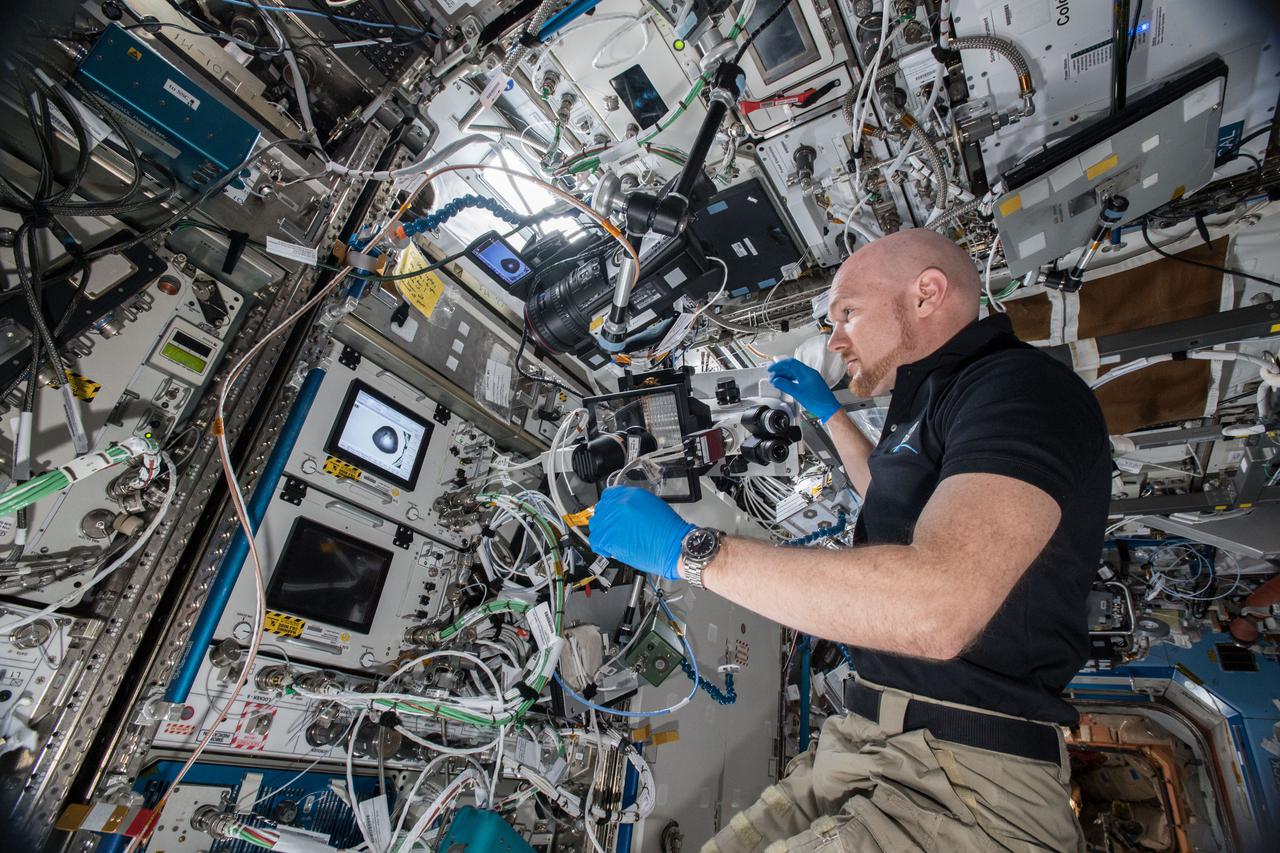
ISS057E106426 - European Space Agency (ESA) astronaut Alex Gerst uses a microscope with the Space Automated Bioproduct Laboratory (SABL) Camera attached to document a Protein Crystal Growth (PCG) MicroG Card. The photo was taken in the Destiny U.S. Laboratory aboard the International Space Station (ISS) for the Crystallization of LRRK2 Under Microgravity Conditions-2 (CASIS PCG 16) investigation.

Looking like a colorful holiday card, a new image from NASA Hubble Space Telescope reveals a vibrant green and red nebula far from Earth.
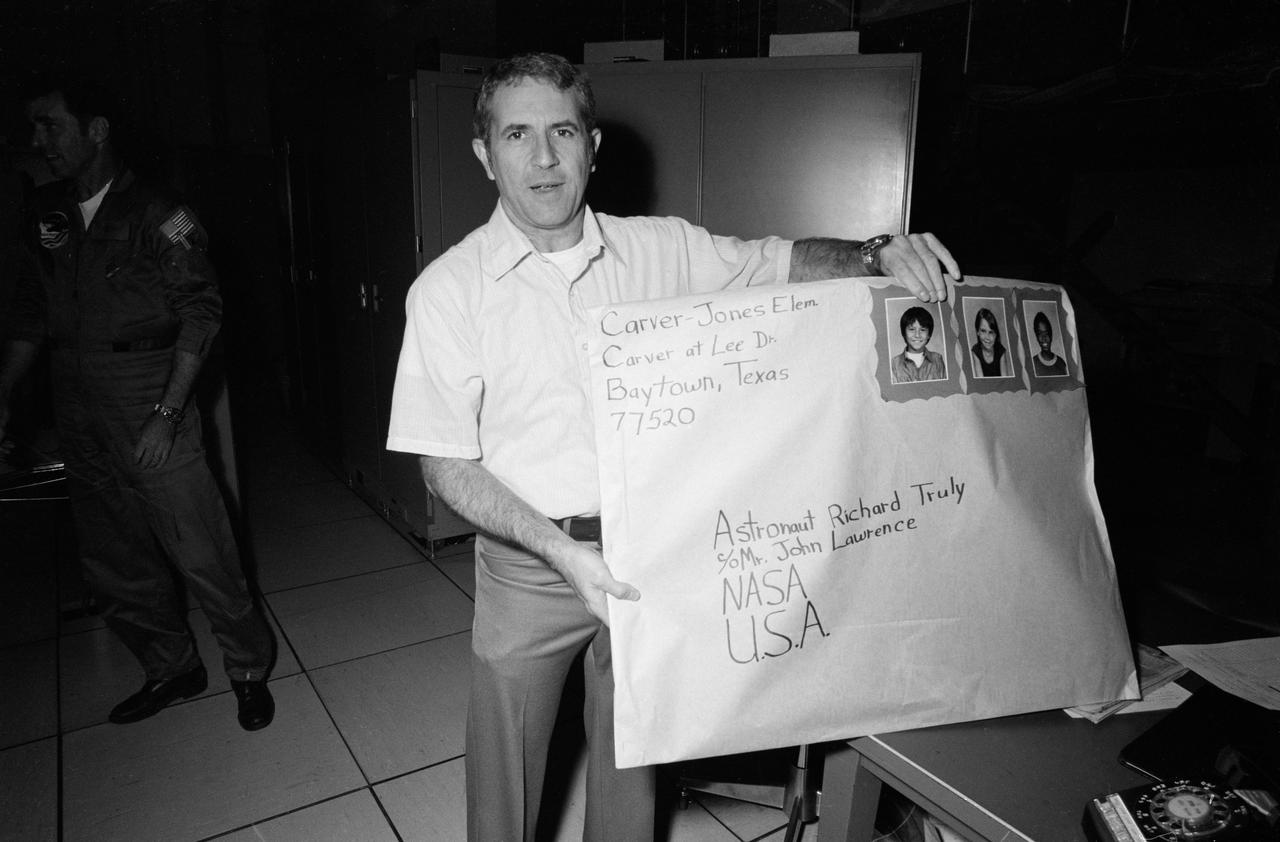
S81-39418 (10 Nov. 1981) --- Aware that astronaut Richard H. Truly, pictured, would be difficult to reach on his 44th birthday Nov. 12, pupils at Carver-Jones Elementary School in Baytown, Texas made certain the STS-2 pilot got his birthday card early. Some art pupils of Shirley Dynum got together and decided that they?d like to custom-make Truly a nice remembrance for a day expected to be filled with remembrances. Nov. 12 is also the date for launch of NASA?s second space shuttle flight in the space shuttle Columbia, with astronauts Truly and Joe H. Engle, commander, at the flight deck. In fact, only moments after this photo was taken, the two departed from JSC to Ellington Air Force Base from which they took T-38 flights to the launch facility in Florida. Photo credit: NASA
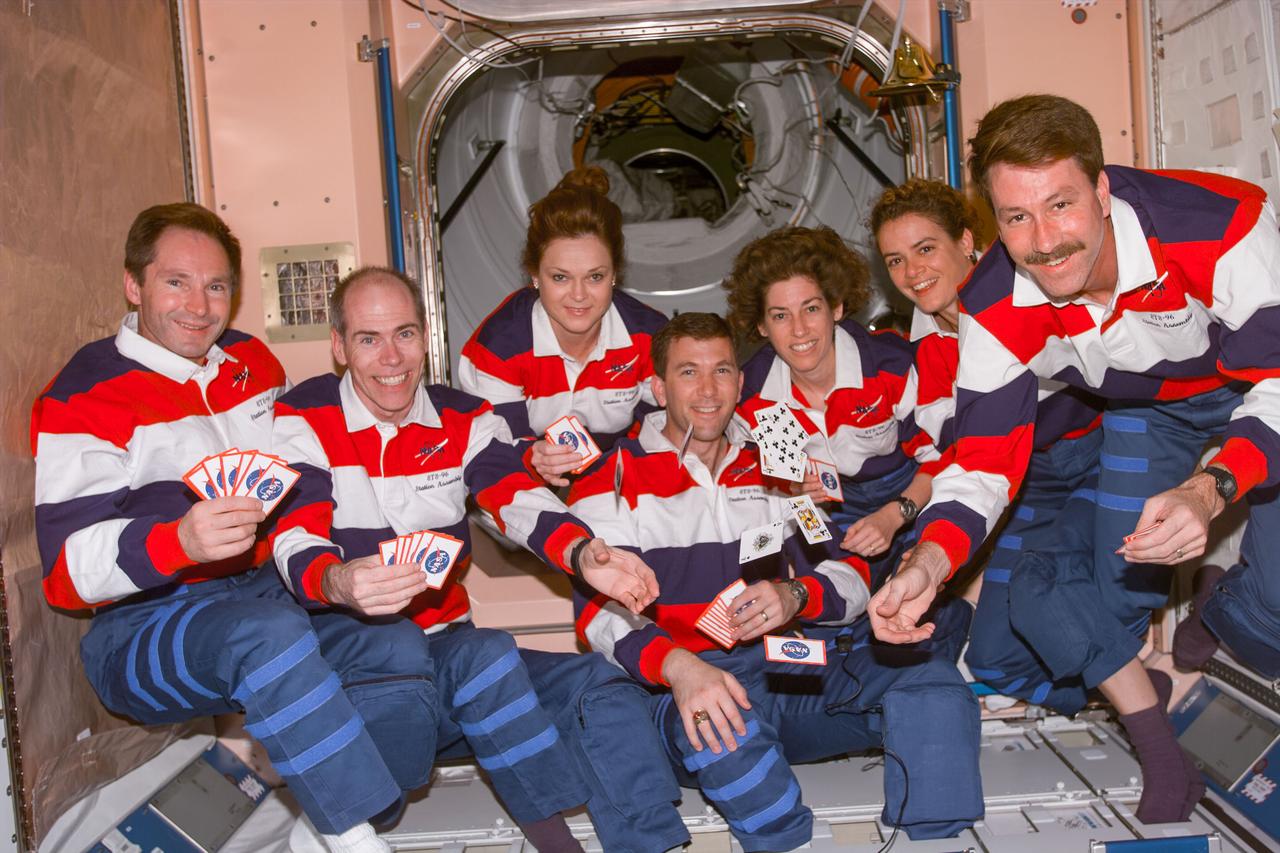
S96-E-5173 (2 June 1999) --- A pre-set electronic still camera (ESC) recorded this image of the STS-96 crewmembers playing cards on a break aboard the International Space Station (ISS). From the left are cosmonaut Valery I. Tokarev, Daniel T. Barry, Tamara E. Jernigan, Rick D. Husband, Ellen Ochoa, Julie Payette and Kent V. Rominger. Tokarev represents the Russian Space Agency (RSA) and Payette represents the Canadian Space Agency (CSA). The photograph was taken at 11:13:59 GMT, June 2, 1999.
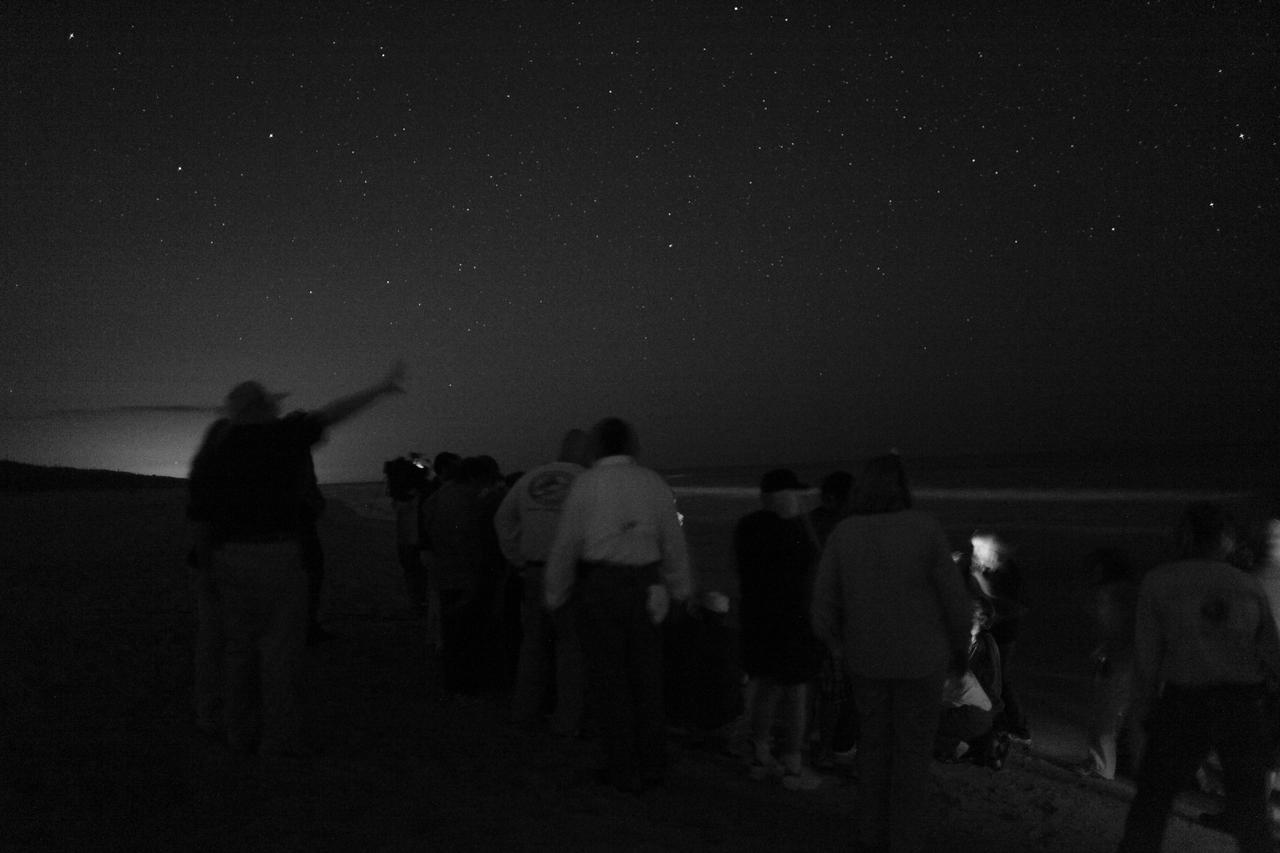
KSC Sea Turtle Release Media Event, Card 2 of 2
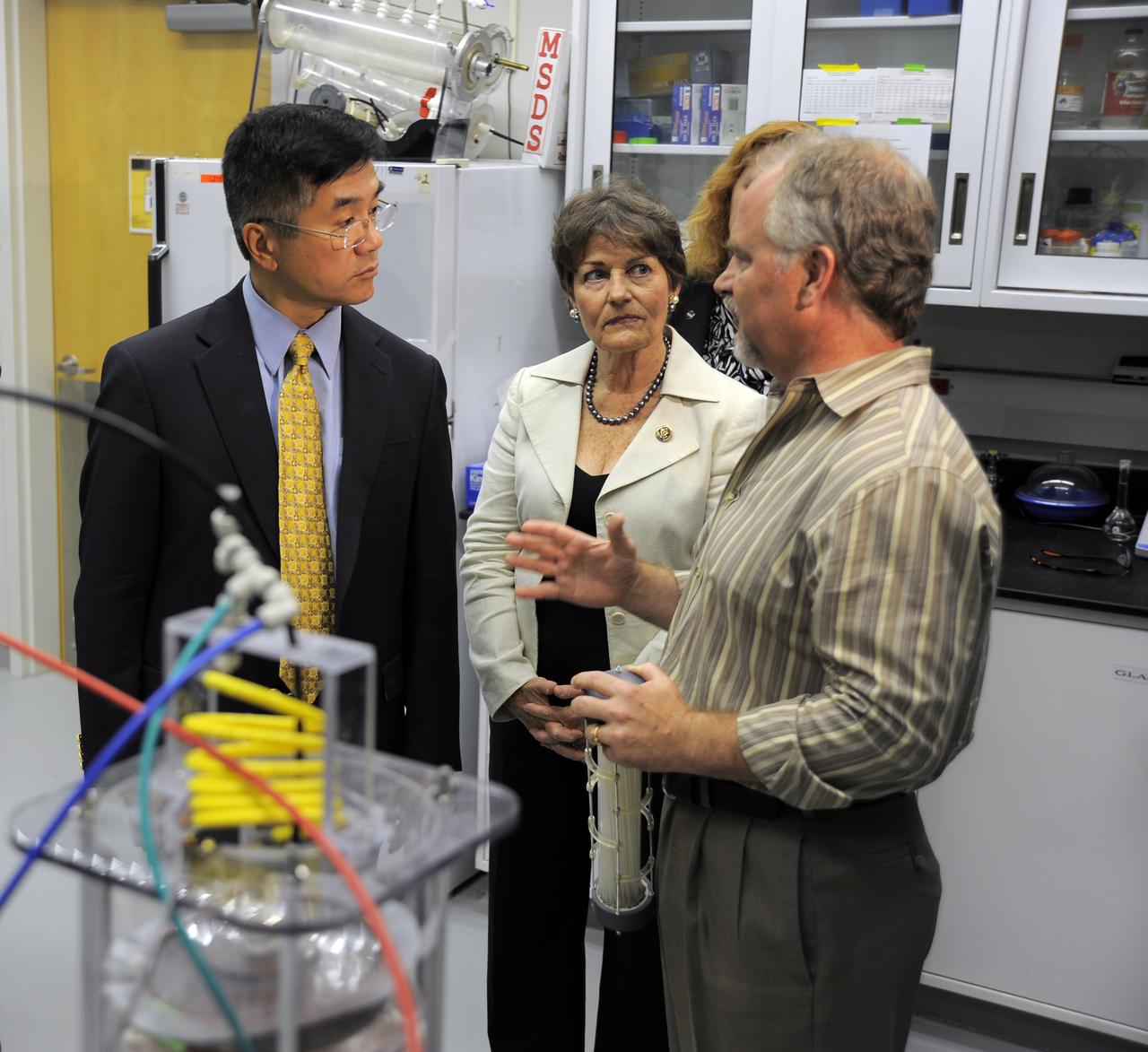
Secretary of Commerce Gary Locke tours SLSL, Card 2
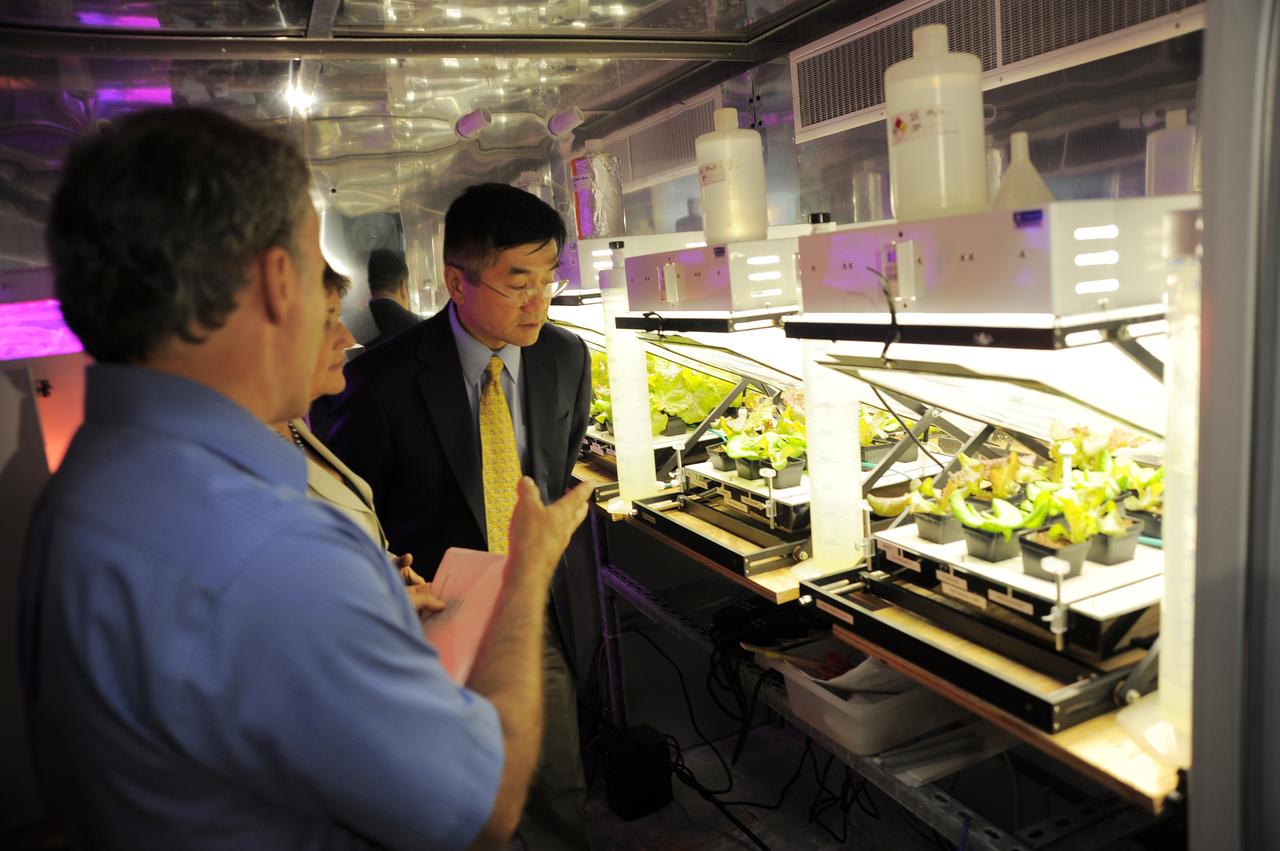
Secretary of Commerce Gary Locke tours SLSL, Card 1
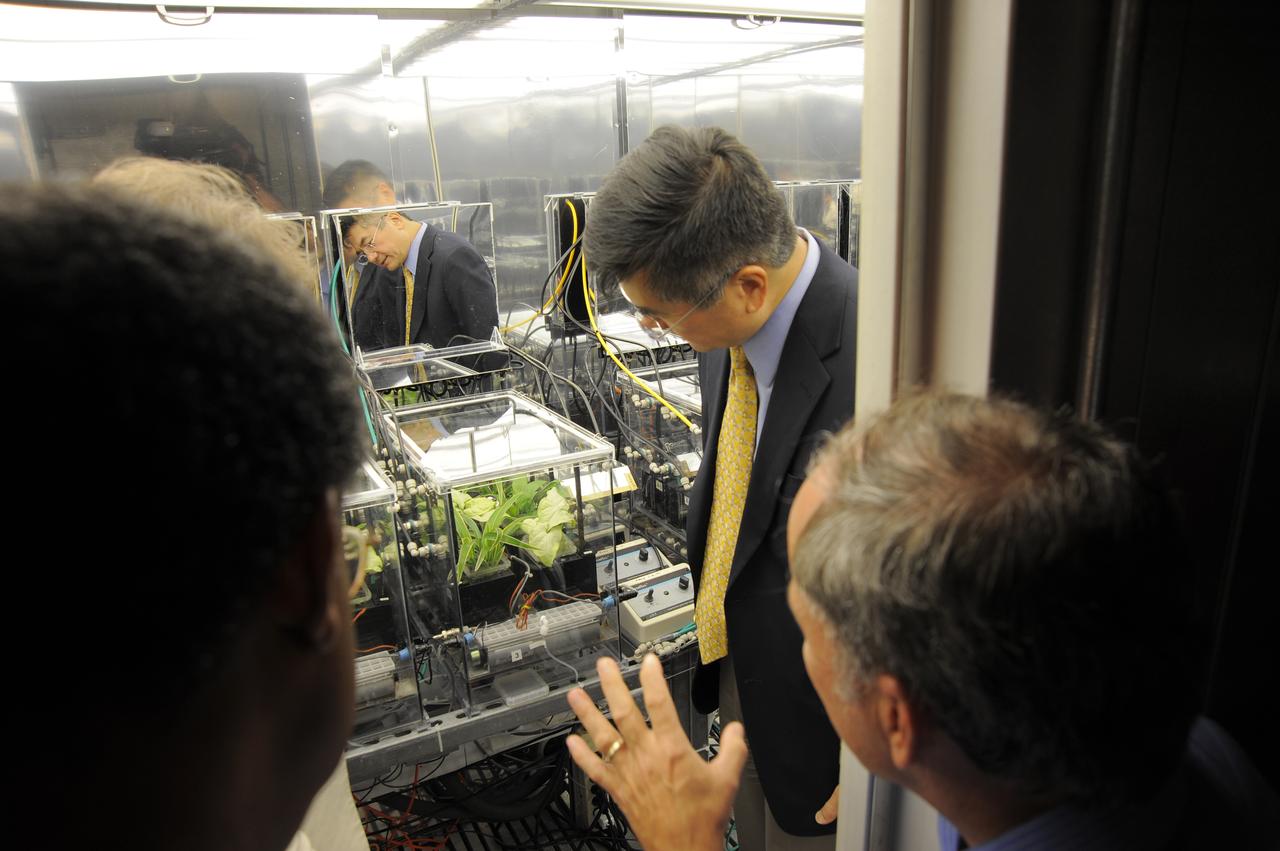
Secretary of Commerce Gary Locke tours SLSL, Card 1
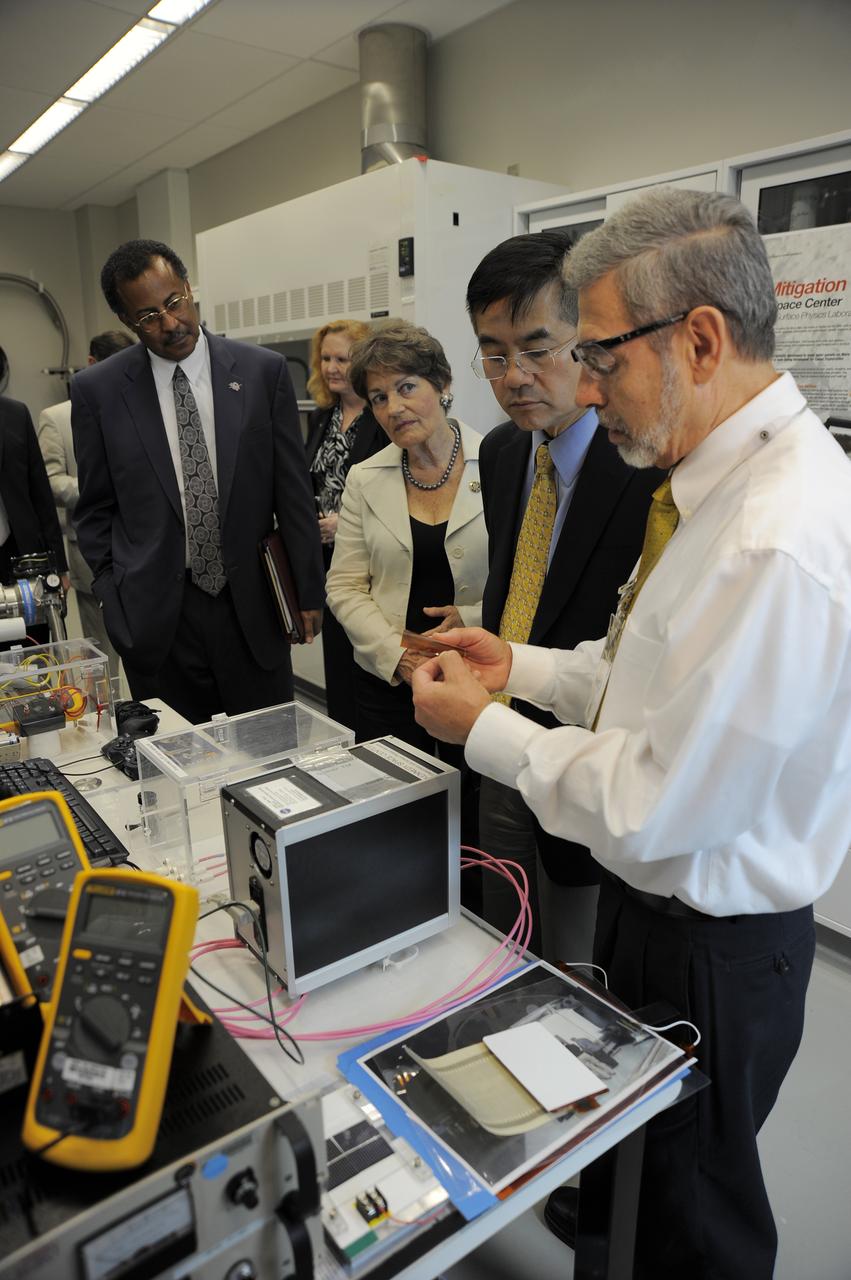
Secretary of Commerce Gary Locke tours SLSL, Card 1
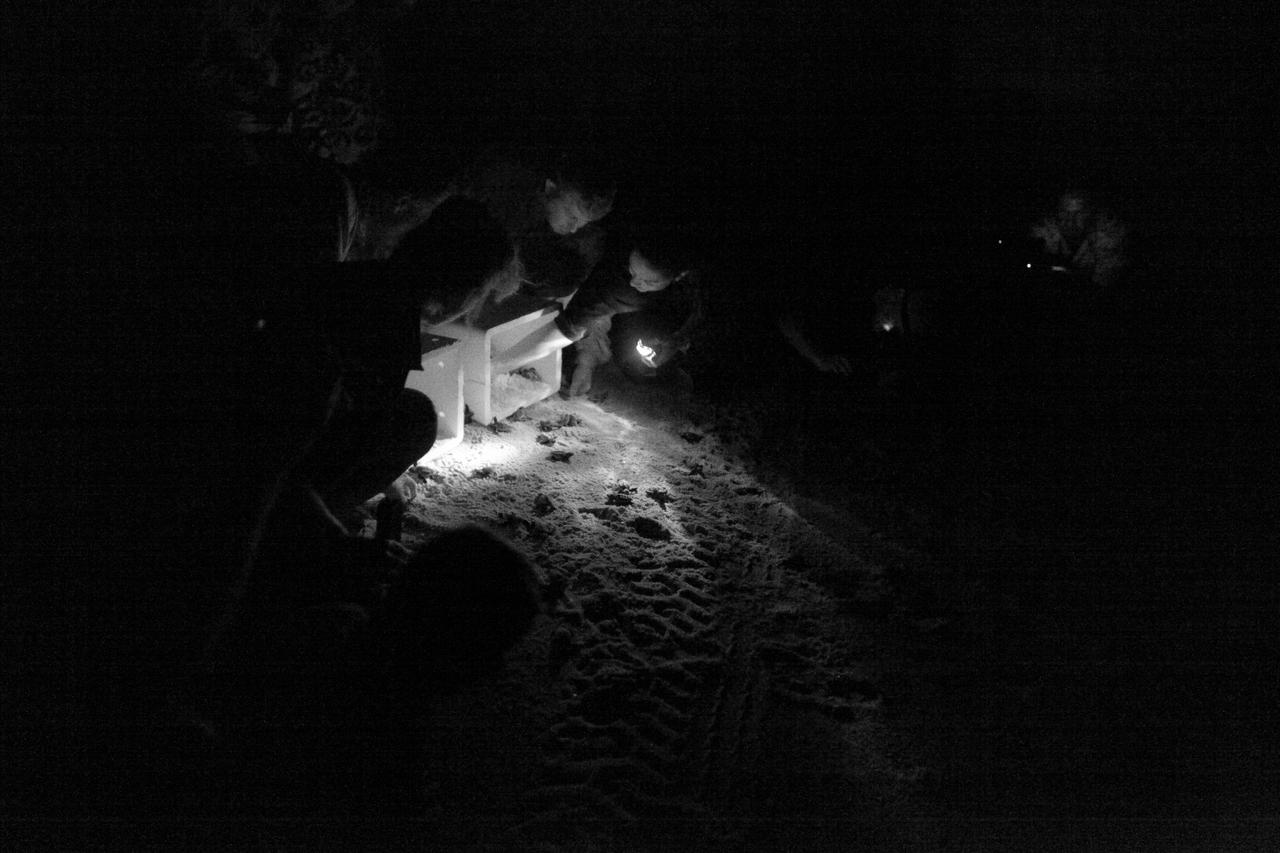
KSC Sea Turtle Release Media Event, Card 2 of 2
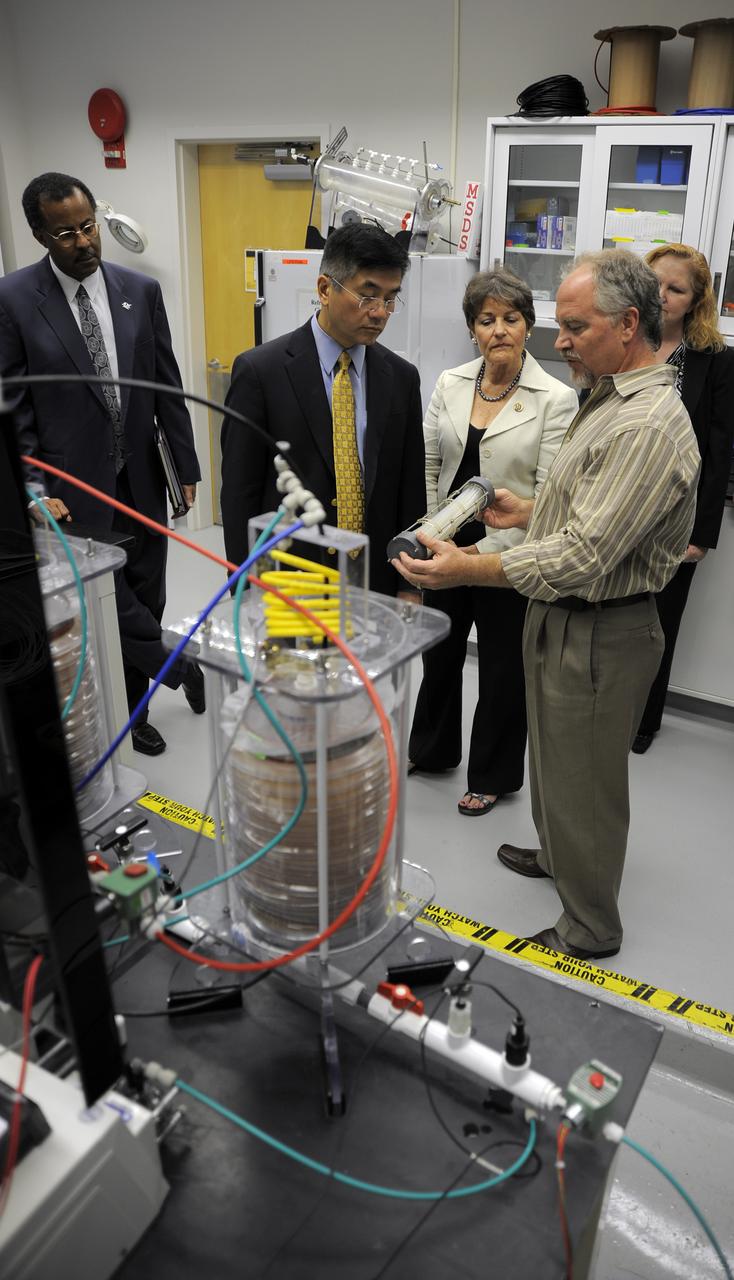
Secretary of Commerce Gary Locke tours SLSL, Card 2
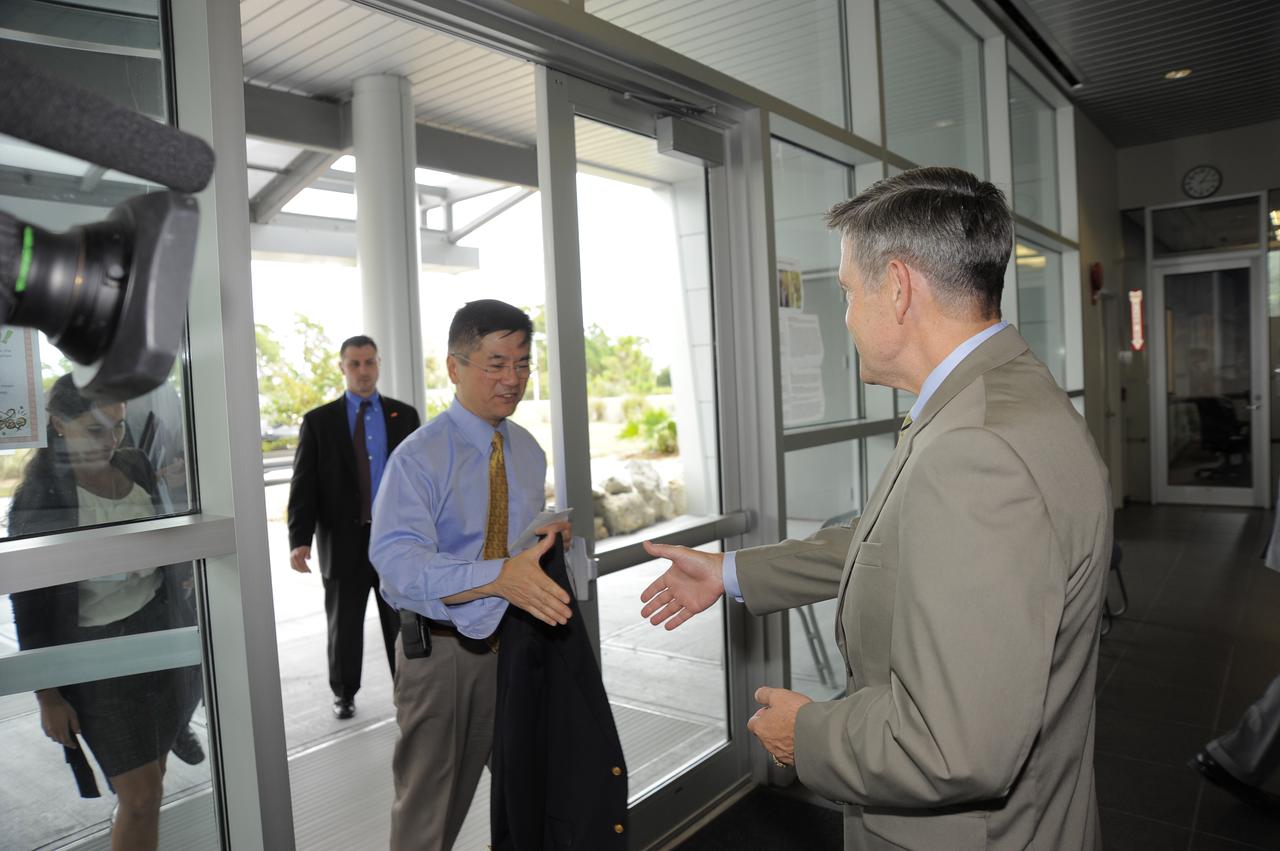
Secretary of Commerce Gary Locke tours SLSL, Card 1
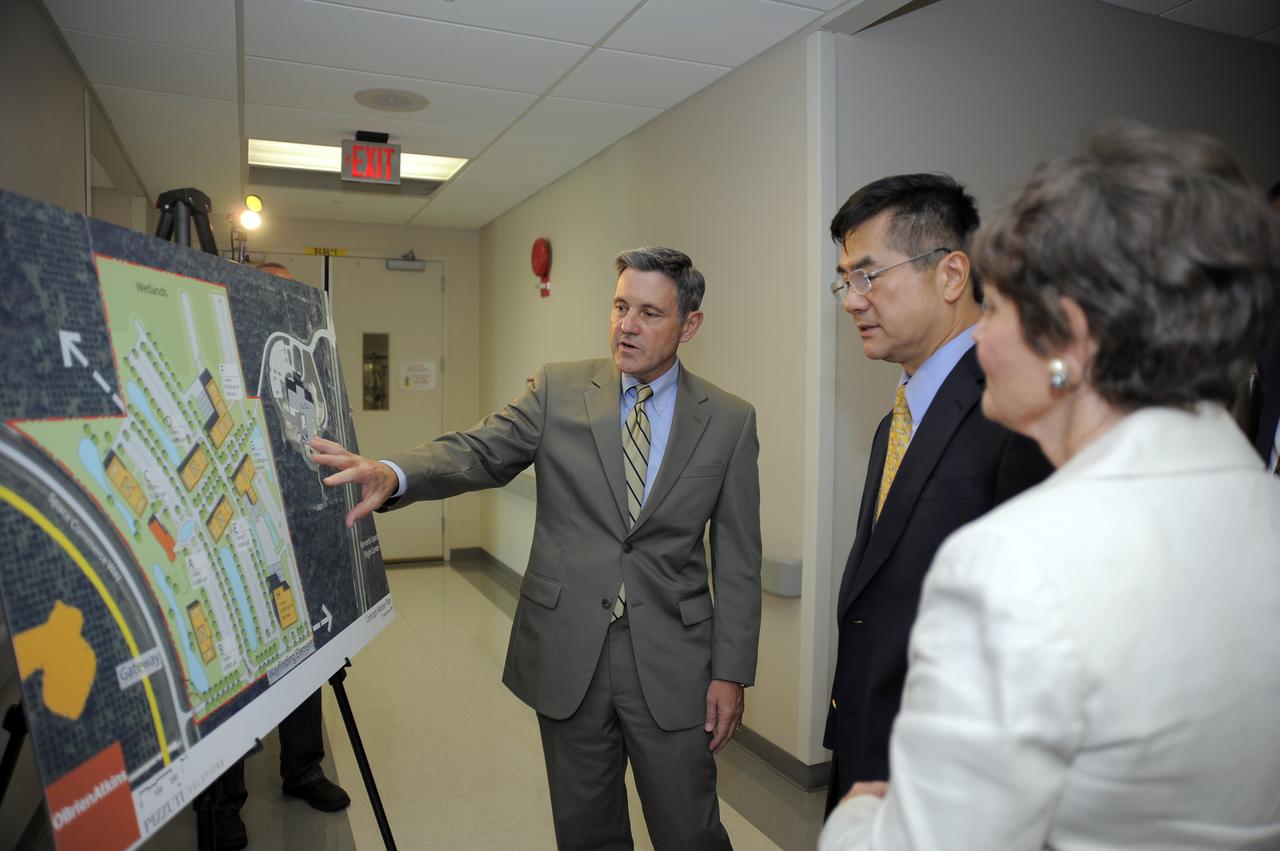
Secretary of Commerce Gary Locke tours SLSL, Card 1

STS032-30-024 (17 Jan 1990) --- Astronaut Daniel C. Brandenstein, STS-32 mission commander, holds up a card signed by friends in the astronaut office and around JSC. The commander celebrated his 47th birthday on January 17, 1990, about two thirds the way through an eleven-day mission in Earth orbit aboard Columbia. Brandenstein is seated at the commander's station.
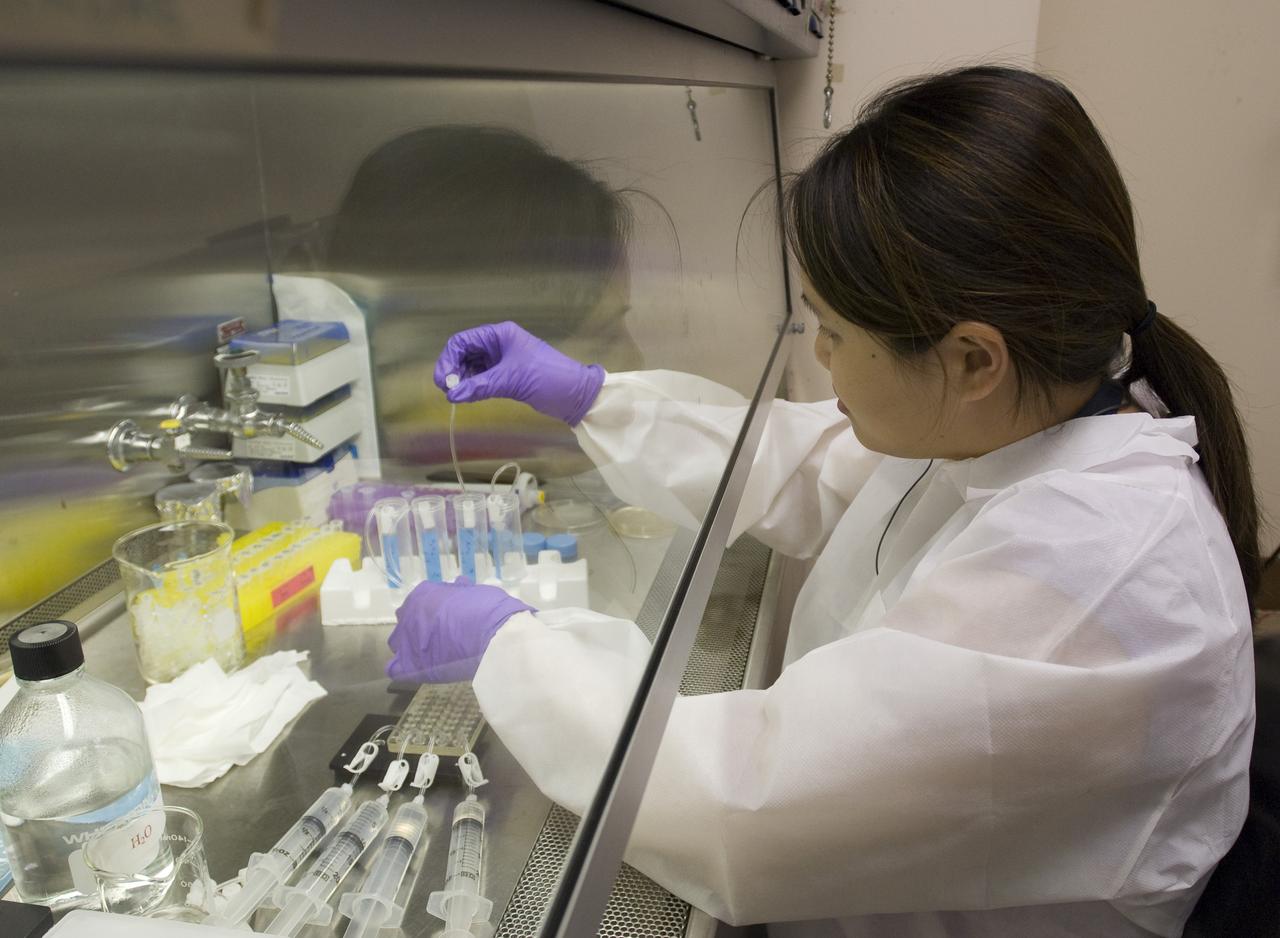
Pre-Sat/Pharmasat practice/backup box Dianna Ly loading the fluidic card in clean environment
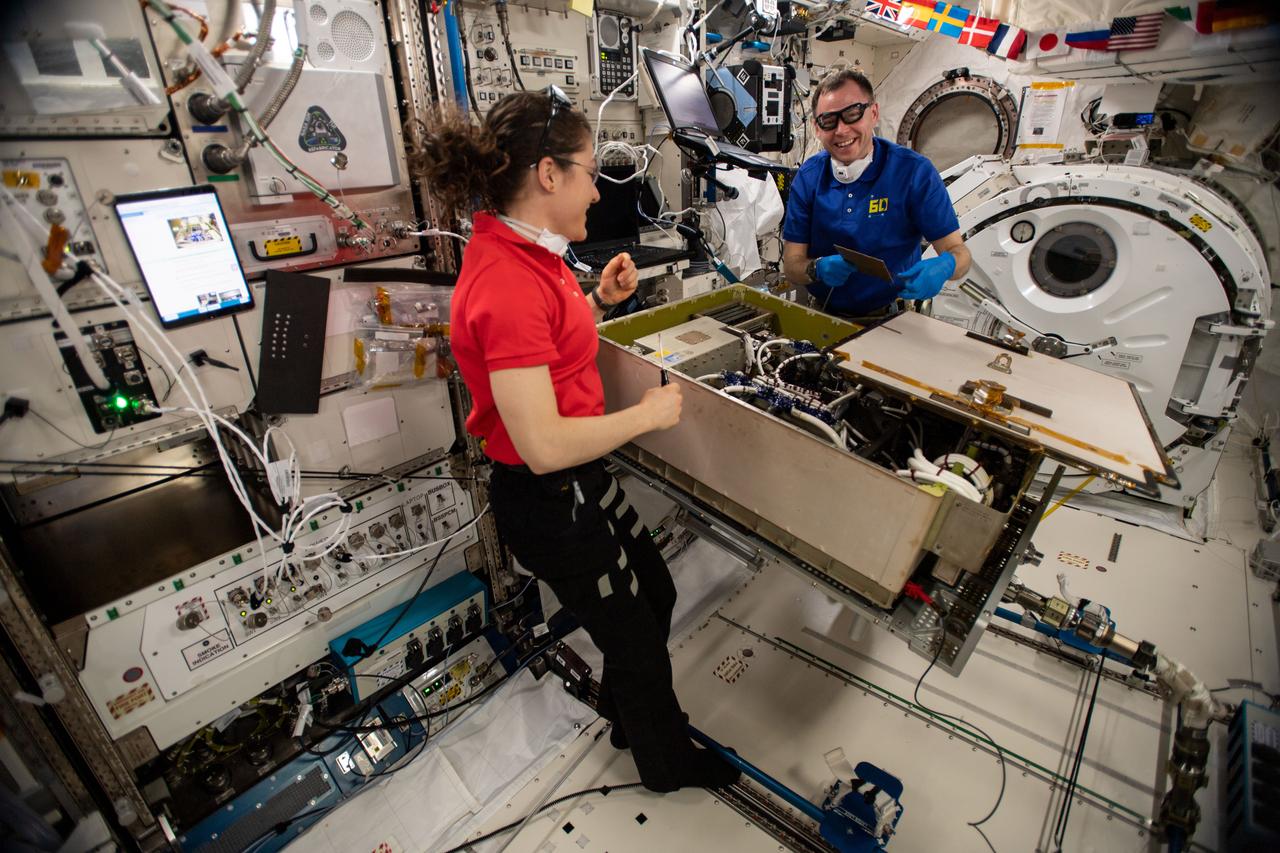
Expedition 60 flight engineers Christina Koch and Nick Hague of NASA work together on the Main Bus Switching Unit aboard the space station to replace a failed circuit card before performing a test to ensure its functionality.
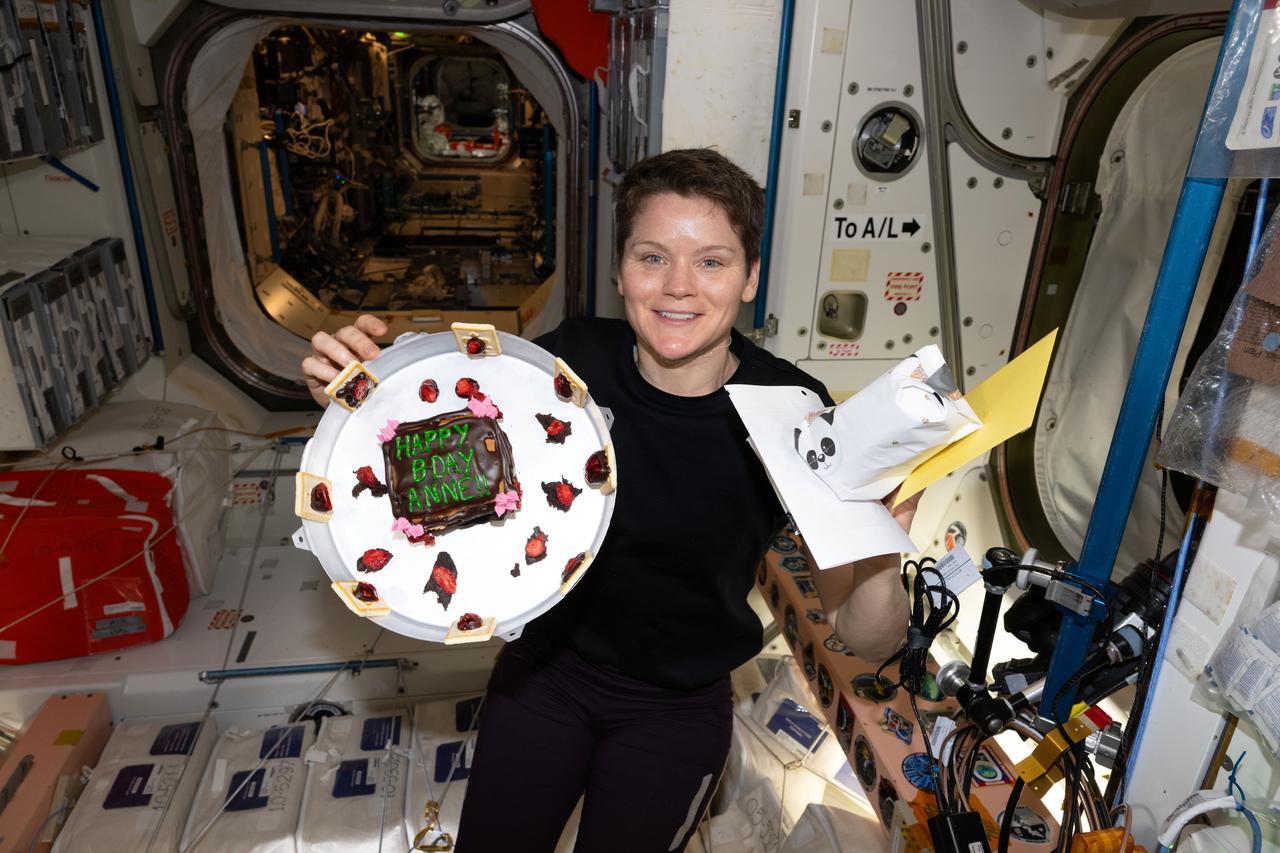
iss073e0134965 (June 7, 2025) --- NASA astronaut and Expedition 73 Flight Engineer Anne McClain celebrates her 46th birthday with a cake, gifts, and cards aboard the International Space Station's Unity module.
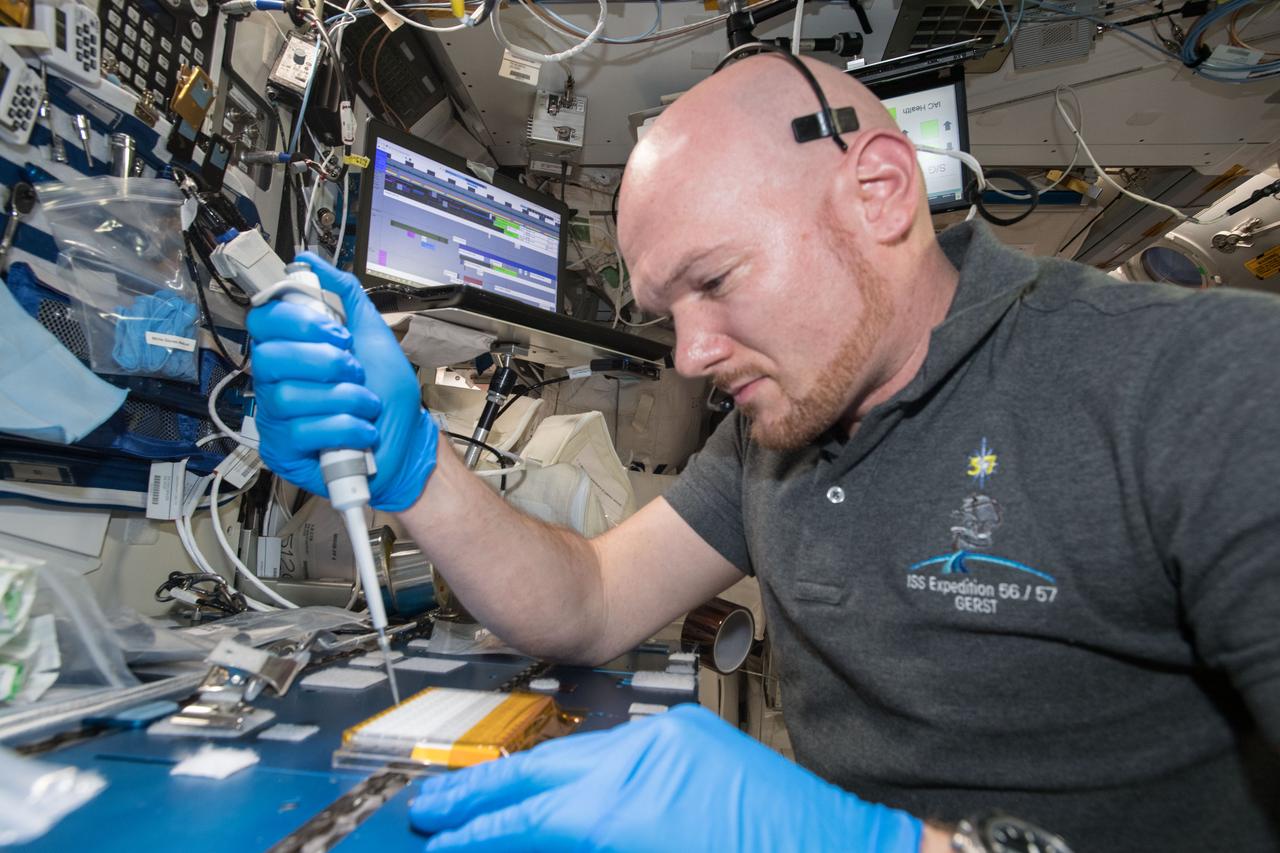
iss057e106232 (Nov. 26, 2018) --- Commander Alexander Gerst uses a uses a pipette to transfer a protein solution into the Protein Crystal Growth Card for an experiment observing protein crystals associated with Parkinson’s disease to potentially improve treatments on Earth.
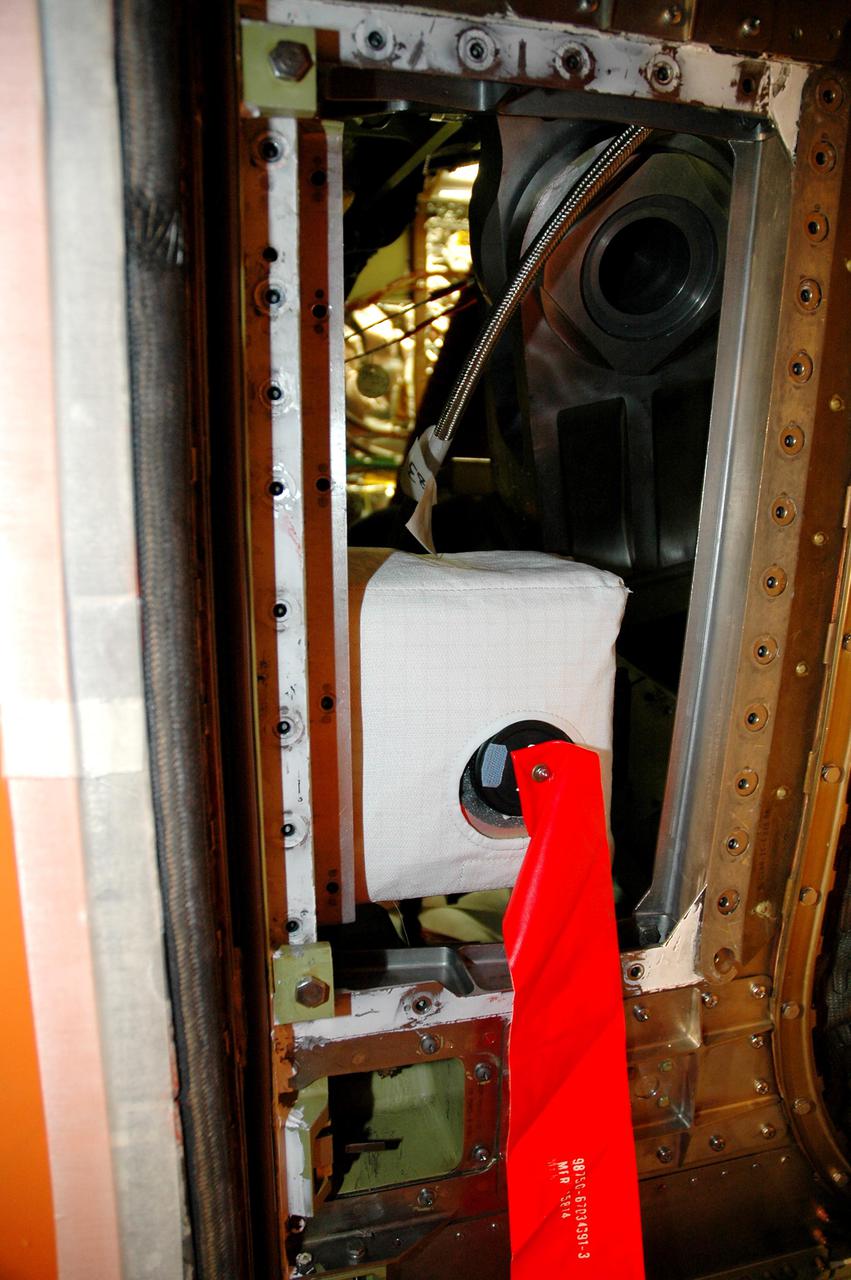
KENNEDY SPACE CENTER, FLA. - In the Vehicle Assembly Building at NASA’s Kennedy Space Center, a digital still camera has been mounted in the External Tank (ET) umbilical well on the aft end of Space Shuttle Discovery. The camera is being used to obtain and downlink high-resolution images of the disconnect point on the ET following ET separation from the orbiter after launch. The Kodak camera will record 24 images, at one frame per 1.5 seconds, on a flash memory card. After orbital insertion, the crew will transfer the images from the memory card to a laptop computer. The files will then be downloaded through the Ku-band system to the Mission Control Center in Houston for analysis.
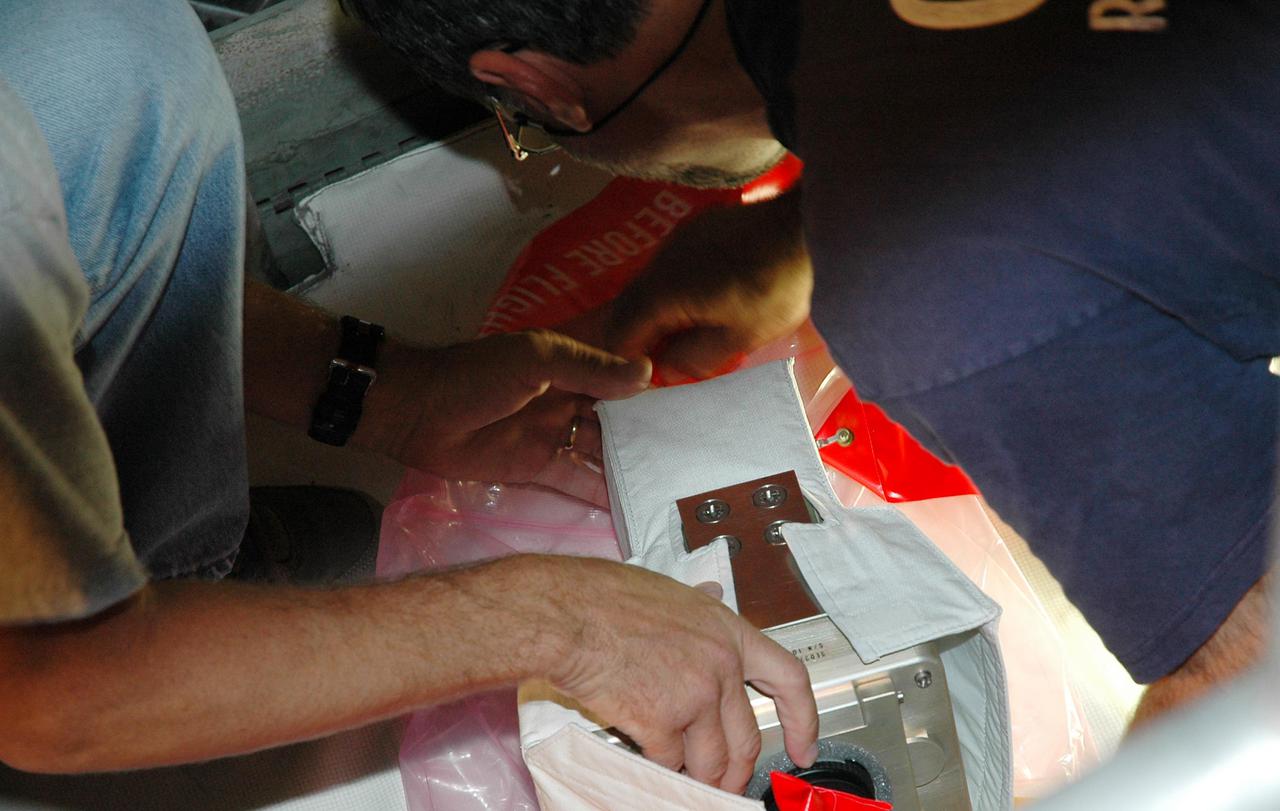
KENNEDY SPACE CENTER, FLA. - In the Vehicle Assembly Building at NASA’s Kennedy Space Center, workers check the digital still camera they will mount in the External Tank (ET) umbilical well on the aft end of Space Shuttle Discovery. The camera is being used to obtain and downlink high-resolution images of the disconnect point on the ET following the tank's separation from the orbiter after launch. The Kodak camera will record 24 images, at one frame per 1.5 seconds, on a flash memory card. After orbital insertion, the crew will transfer the images from the memory card to a laptop computer. The files will then be downloaded through the Ku-band system to the Mission Control Center in Houston for analysis.
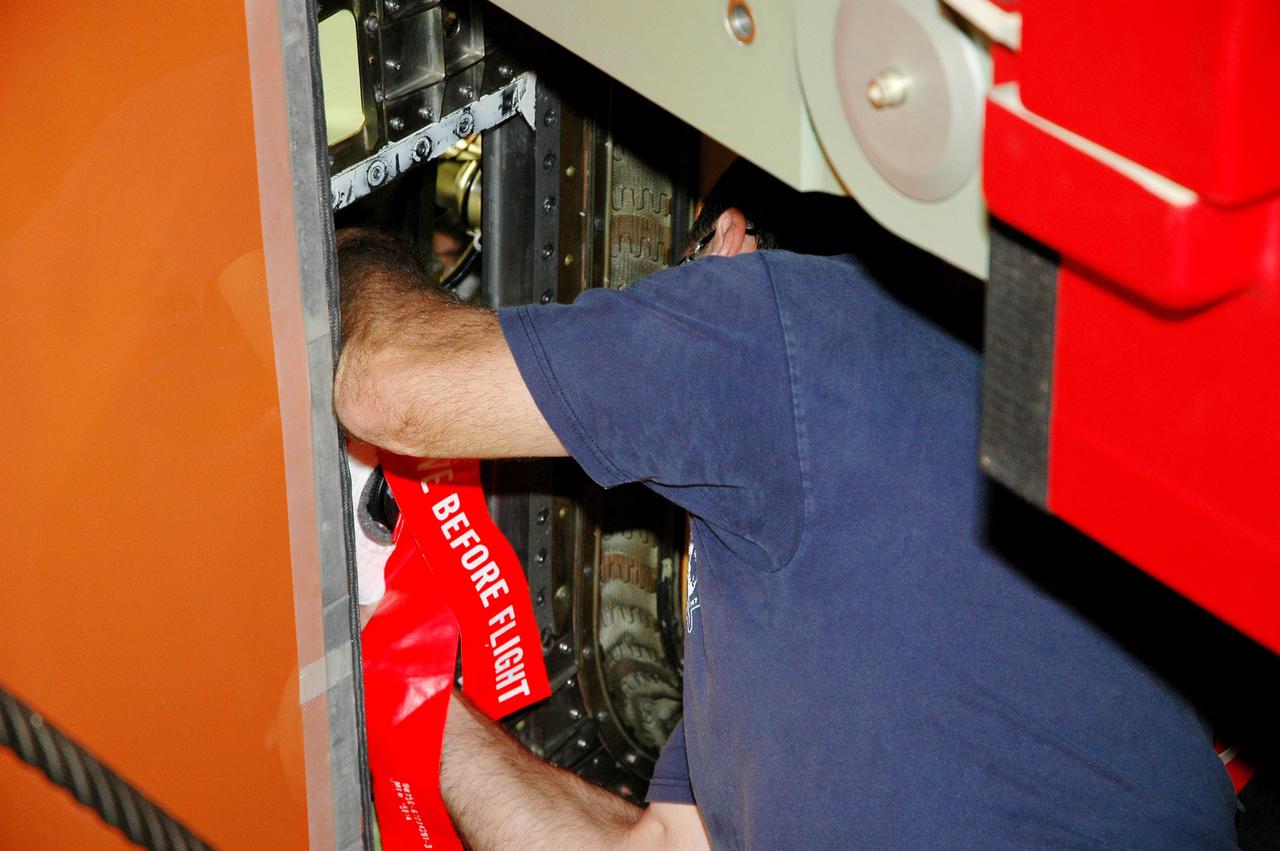
KENNEDY SPACE CENTER, FLA. - In the Vehicle Assembly Building at NASA’s Kennedy Space Center, a worker mounts a digital still camera in the External Tank (ET) umbilical well on the aft end of Space Shuttle Discovery. The camera is being used to obtain and downlink high-resolution images of the disconnect point on the ET following the ET separation from the orbiter after launch. The Kodak camera will record 24 images, at one frame per 1.5 seconds, on a flash memory card. After orbital insertion, the crew will transfer the images from the memory card to a laptop computer. The files will then be downloaded through the Ku-band system to the Mission Control Center in Houston for analysis.
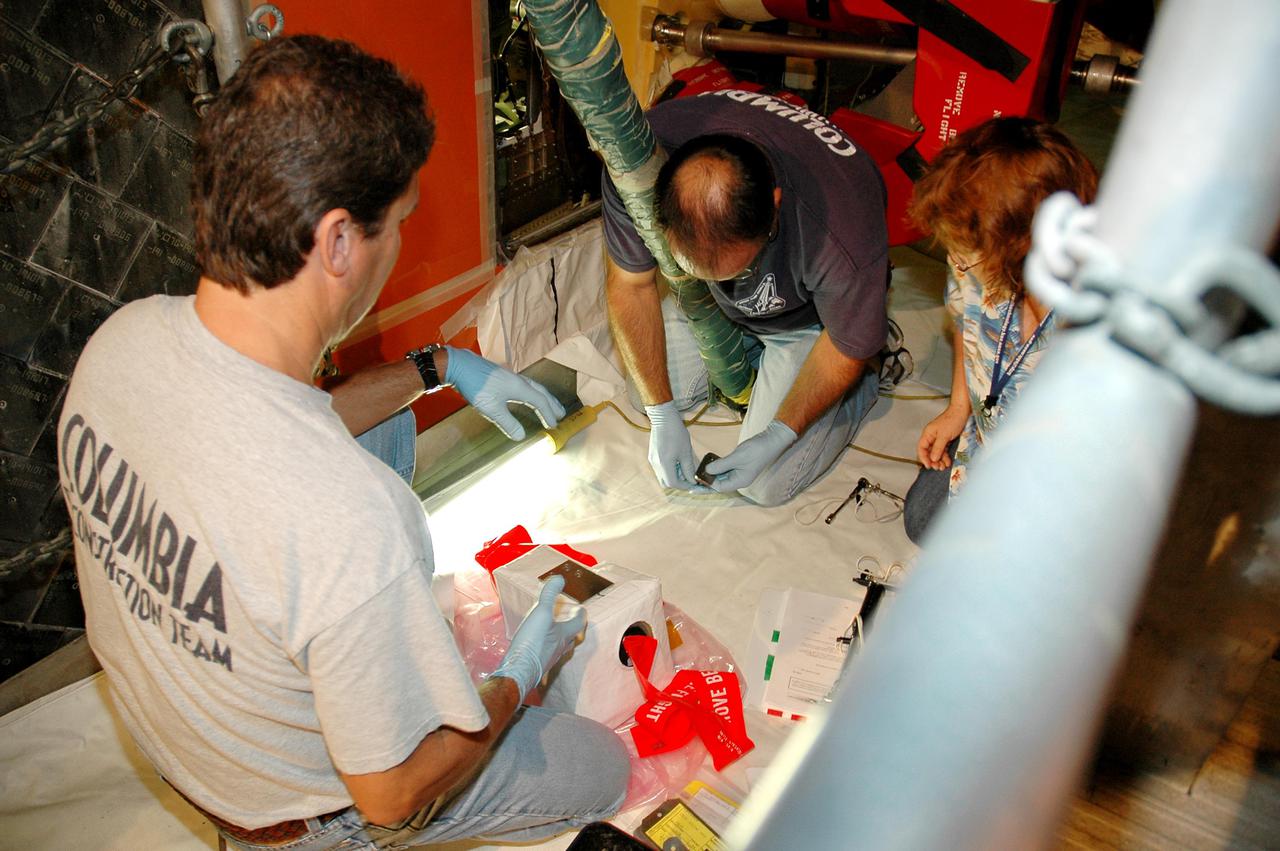
KENNEDY SPACE CENTER, FLA. - In the Vehicle Assembly Building at NASA’s Kennedy Space Center, workers prepare a digital still camera they will mount in the External Tank (ET) umbilical well on the aft end of Space Shuttle Discovery. The camera is being used to obtain and downlink high-resolution images of the disconnect point on the ET following the ET separation from the orbiter after launch. The Kodak camera will record 24 images, at one frame per 1.5 seconds, on a flash memory card. After orbital insertion, the crew will transfer the images from the memory card to a laptop computer. The files will then be downloaded through the Ku-band system to the Mission Control Center in Houston for analysis.
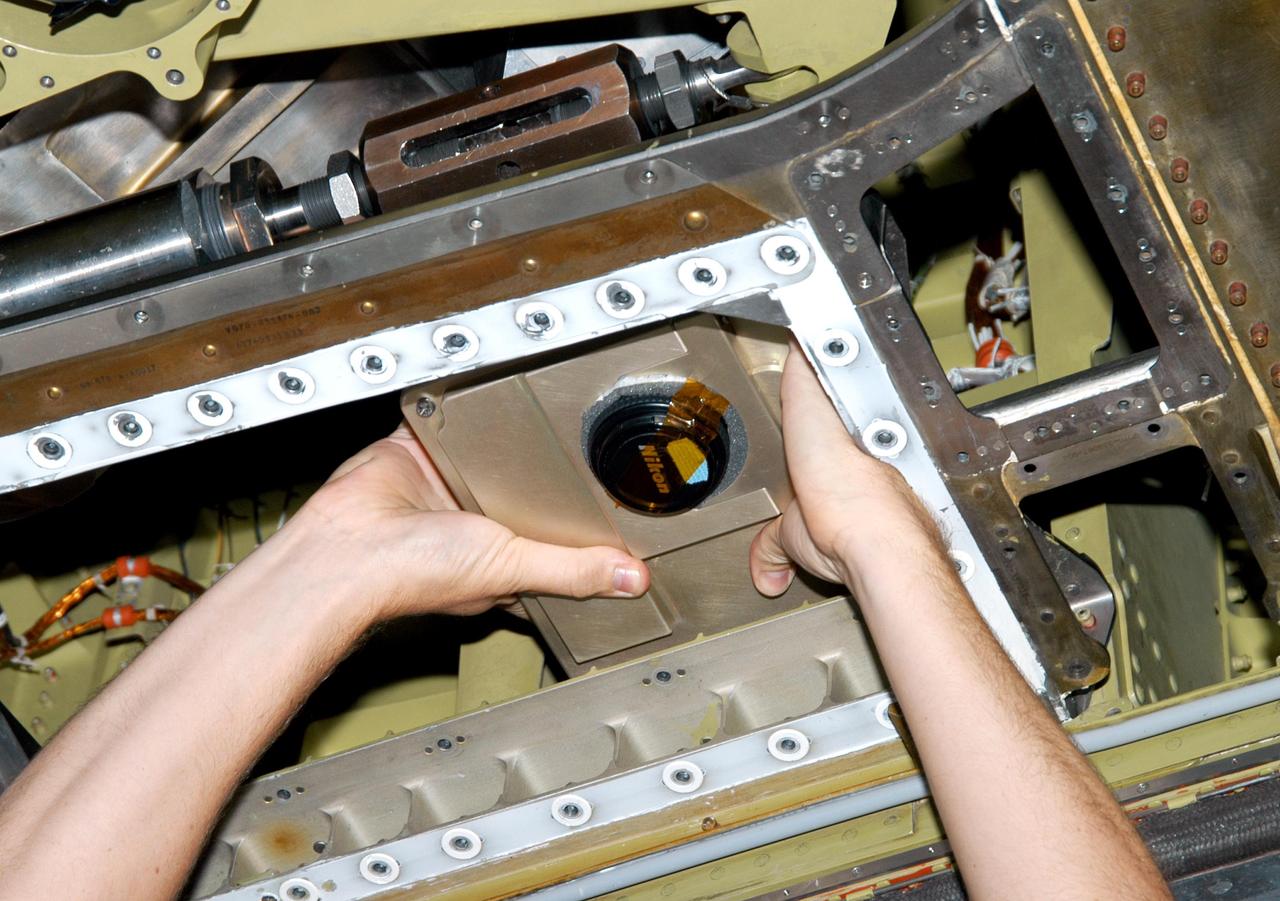
KENNEDY SPACE CENTER, FLA. - In the Orbiter Processing Facility, an External Tank (ET) digital still camera is positioned into the right-hand liquid oxygen umbilical well on Space Shuttle Atlantis to determine if it fits properly. NASA is pursuing use of the camera, beginning with the Shuttle’s Return To Flight, to obtain and downlink high-resolution images of the ET following separation of the ET from the orbiter after launch. The Kodak camera will record 24 images, at one frame per 1.5 seconds, on a flash memory card. After orbital insertion, the crew will transfer the images from the memory card to a laptop computer. The files will then be downloaded through the Ku-band system to the Mission Control Center in Houston for analysis.

KENNEDY SPACE CENTER, FLA. - In the Vehicle Assembly Building at NASA’s Kennedy Space Center, workers prepare a digital still camera they will mount in the External Tank (ET) umbilical well on the aft end of Space Shuttle Discovery. The camera is being used to obtain and downlink high-resolution images of the disconnect point on the ET following its separation from the orbiter after launch. The Kodak camera will record 24 images, at one frame per 1.5 seconds, on a flash memory card. After orbital insertion, the crew will transfer the images from the memory card to a laptop computer. The files will then be downloaded through the Ku-band system to the Mission Control Center in Houston for analysis.
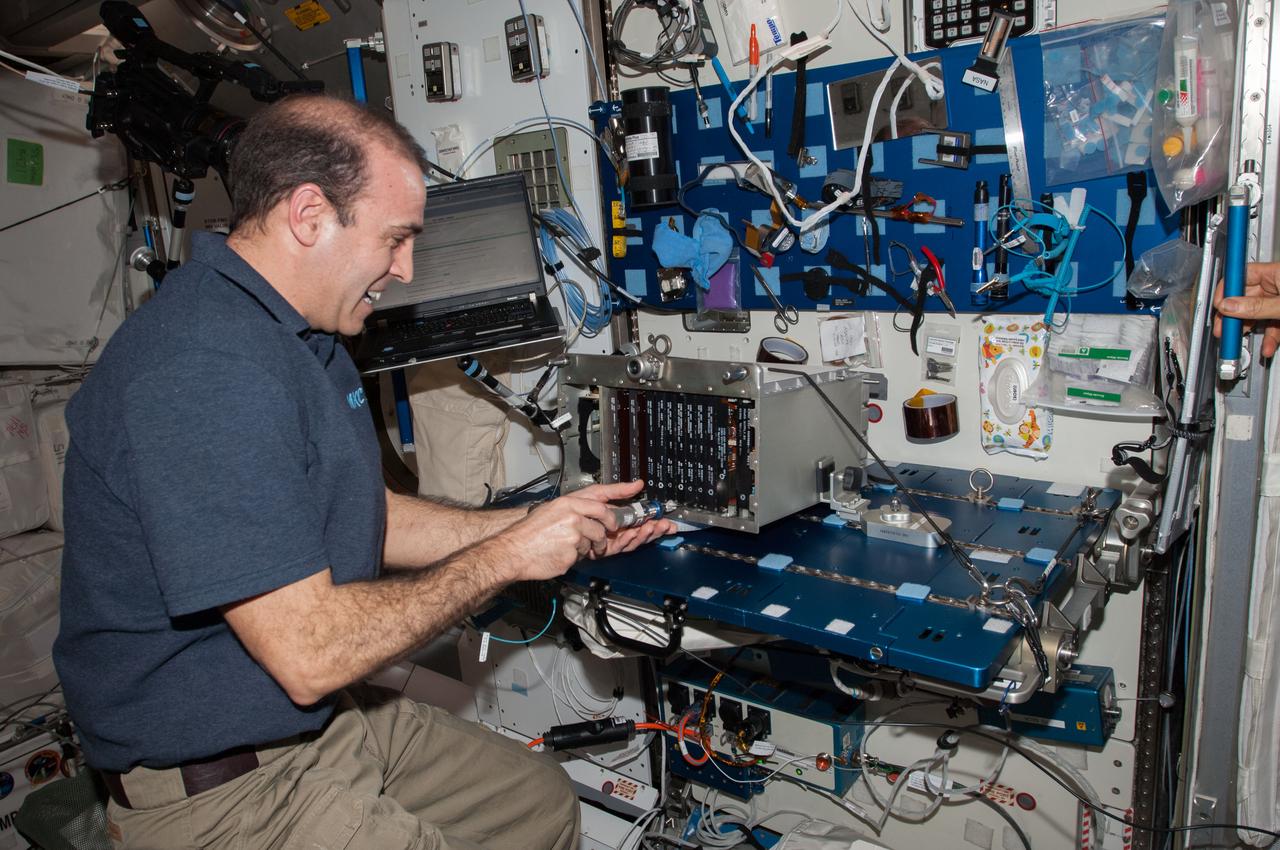
ISS039-E-013244 (18 April 2014) --- NASA astronaut Rick Mastracchio, Expeditionn 39 flight engineer, replaces the Enhanced Input/Output Control Unit Circuit Card of the spare External Multiplexer/Demultiplexer (MDM), in preparation for an upcoming spacewalk. He will be joined by fellow NASA astronaut and Flight Engineer Steve Swanson on the spacewalk.
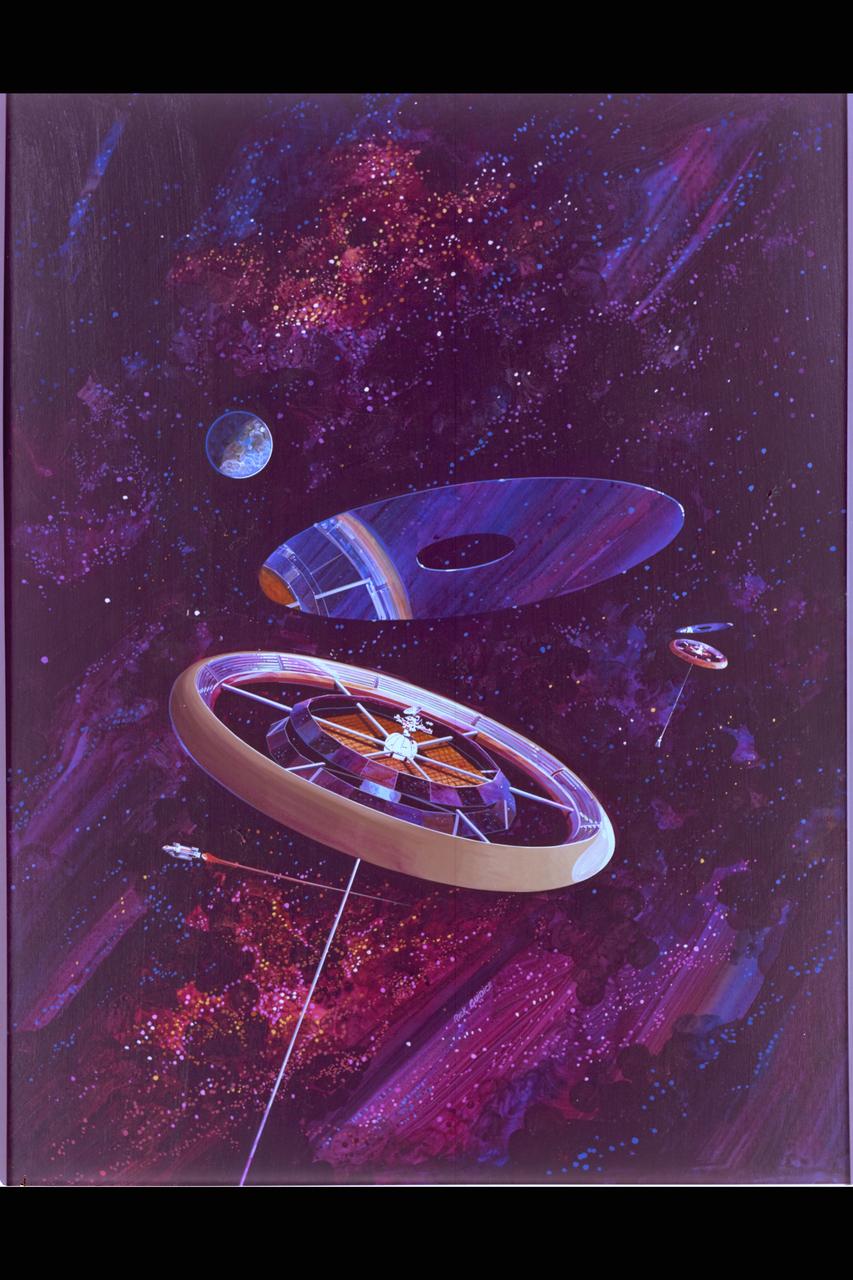
NASA Art by Rick Guidice The Torus Wheel from 'Space Settlements; A Design Study' in colonization sponsored by NASA Ames, ASEE and Stanford University in the summer of 1975 to look at all aspects of sustained life in space. (ref: NASA SP-413, library of congress catalog card number 76-600068)
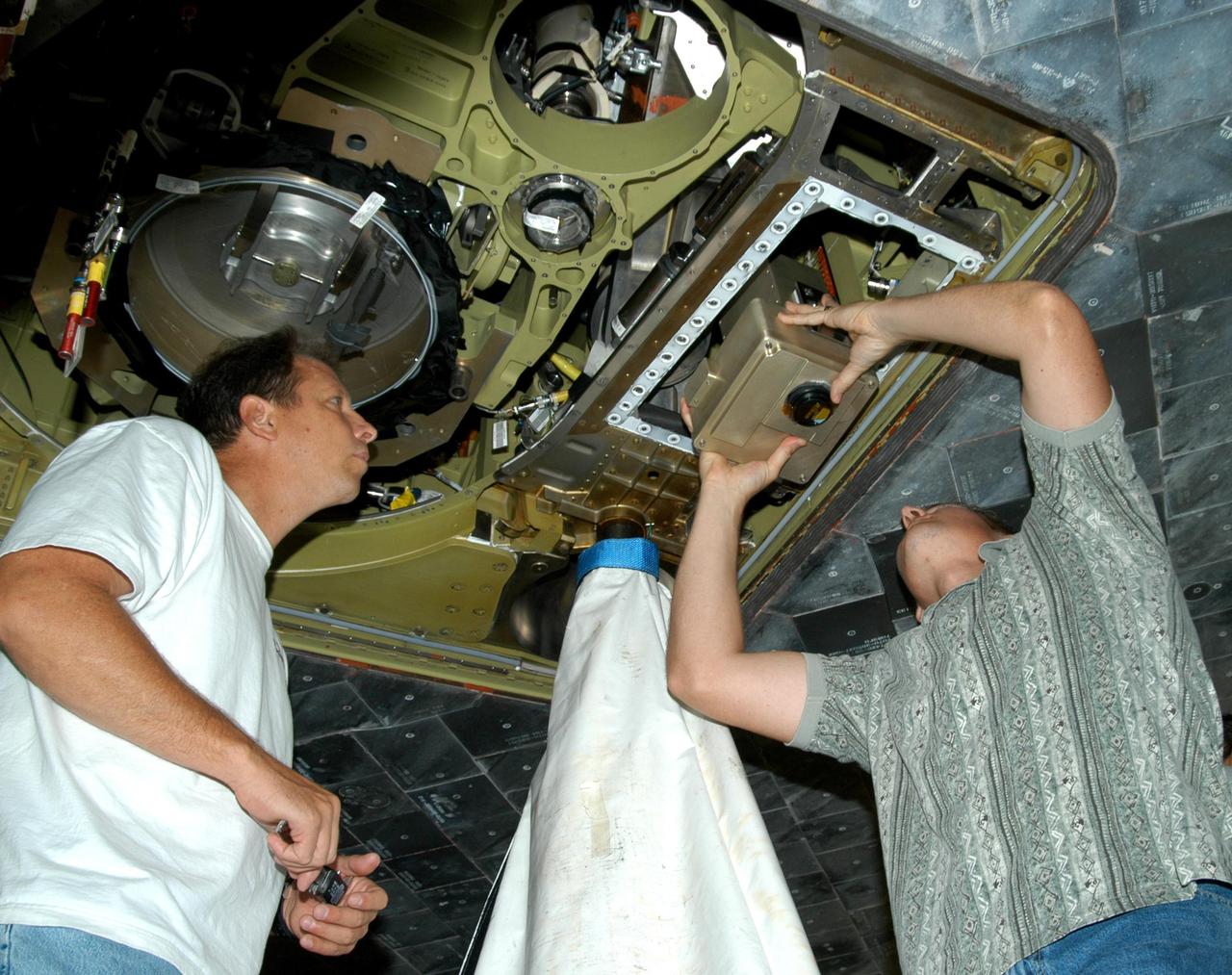
KENNEDY SPACE CENTER, FLA. - In the Orbiter Processing Facility, from left, United Space Alliance workers Loyd Turner, Craig Meyer and Erik Visser conduct a fit check of an External Tank (ET) digital still camera in the right-hand liquid oxygen umbilical well on Space Shuttle Atlantis. NASA is pursuing use of the camera, beginning with the Shuttle’s Return To Flight, to obtain and downlink high-resolution images of the ET following separation of the ET from the orbiter after launch. The Kodak camera will record 24 images, at one frame per 1.5 seconds, on a flash memory card. After orbital insertion, the crew will transfer the images from the memory card to a laptop computer. The files will then be downloaded through the Ku-band system to the Mission Control Center in Houston for analysis.
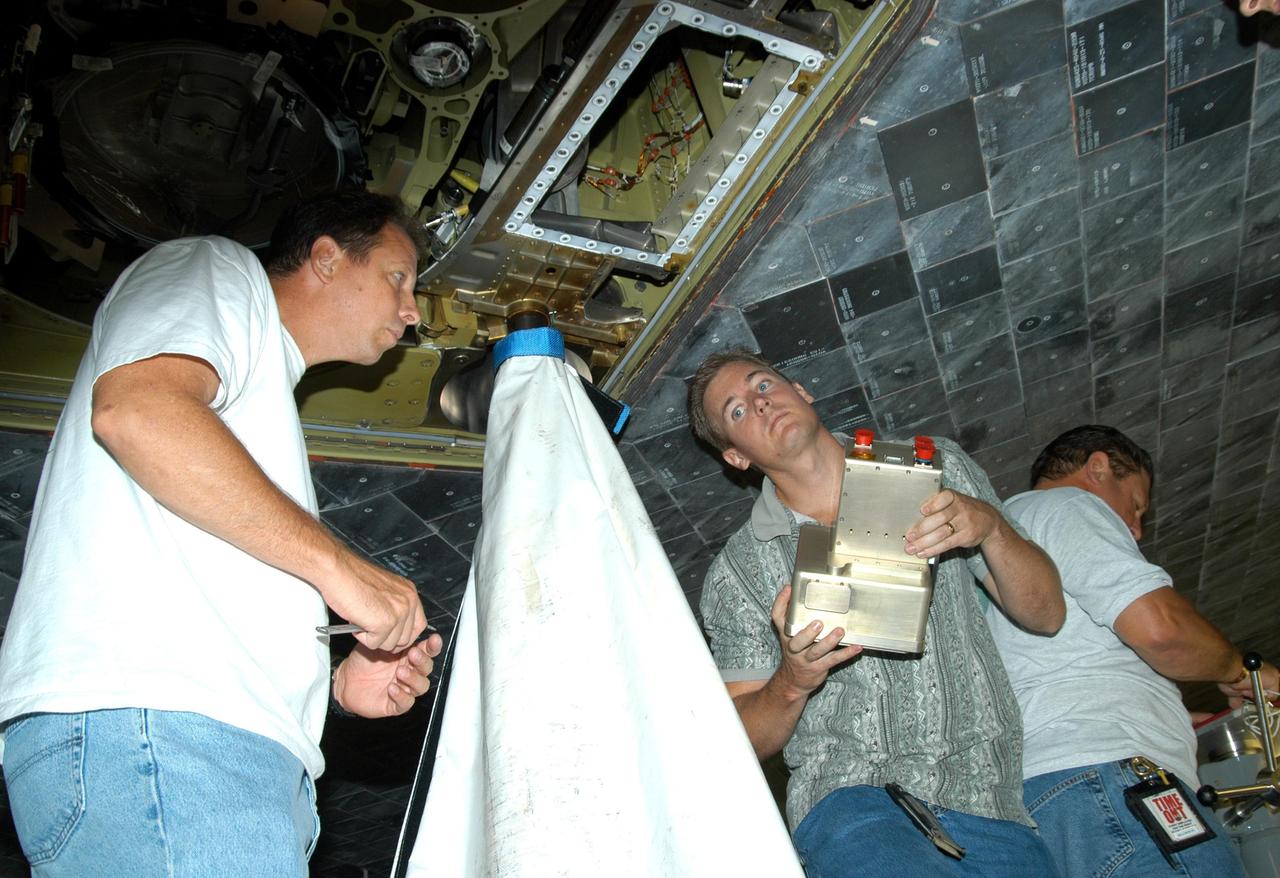
KENNEDY SPACE CENTER, FLA. - In the Orbiter Processing Facility, from left, United Space Alliance workers Loyd Turner, Craig Meyer and Erik Visser prepare to conduct a fit check of an External Tank (ET) digital still camera in the right-hand liquid oxygen umbilical well on Space Shuttle Atlantis. NASA is pursuing use of the camera, beginning with the Shuttle’s Return To Flight, to obtain and downlink high-resolution images of the ET following separation of the ET from the orbiter after launch. The Kodak camera will record 24 images, at one frame per 1.5 seconds, on a flash memory card. After orbital insertion, the crew will transfer the images from the memory card to a laptop computer. The files will then be downloaded through the Ku-band system to the Mission Control Center in Houston for analysis.
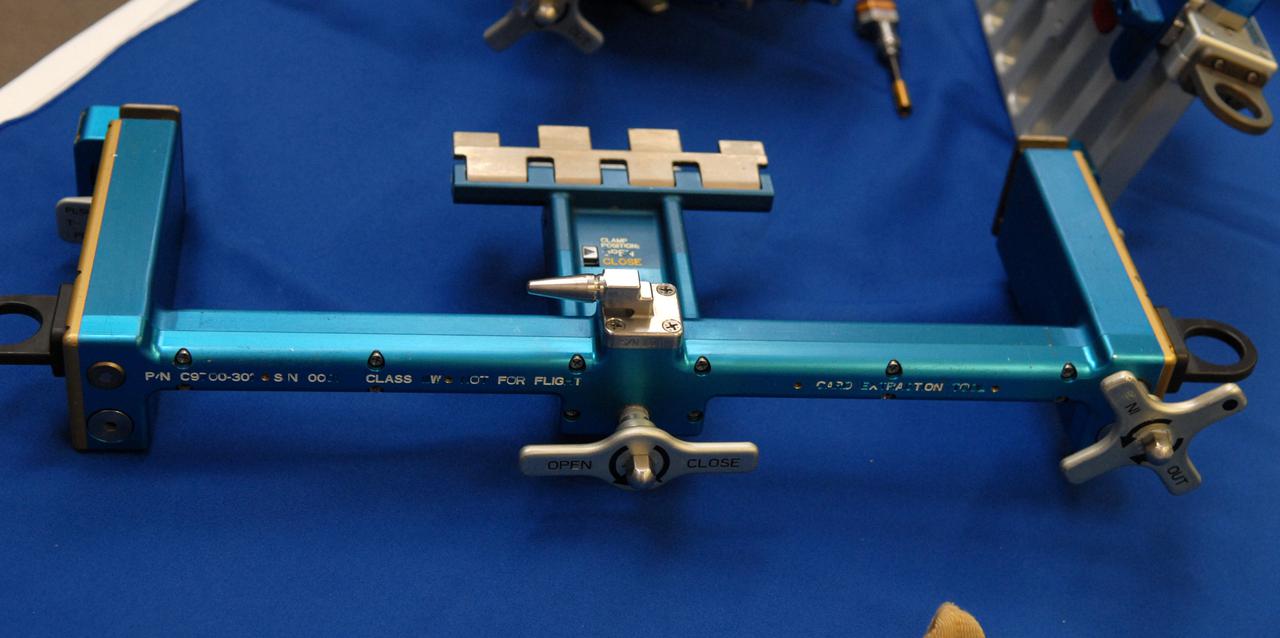
CAPE CANAVERAL, Fla. – The tools that will be used to service NASA's Hubble Space Telescope on the STS-125 mission are displayed in the NASA News Center at NASA's Kennedy Space Center in Florida. This is a closeup of a card extraction and insertion tool to enable removal of electronic cards. On space shuttle Atlantis’ STS-125 mission, Hubble will be serviced for the fifth and final time. The flight will include five spacewalks during which astronauts will refurbish and upgrade the telescope with these state-of-the-art science instruments. As a result, Hubble's capabilities will be expanded and its operational lifespan extended through at least 2014. The payload includes a Wide Field Camera 3, fine guidance sensor and the Cosmic Origins Spectrograph. Launch is scheduled for 2:01 p.m. EDT May 11. Photo credit: NASA_Jack Pfaller

KENNEDY SPACE CENTER, FLA. - In the Orbiter Processing Facility, United Space Alliance worker Craig Meyer fits an External Tank (ET) digital still camera in the right-hand liquid oxygen umbilical well on Space Shuttle Atlantis. NASA is pursuing use of the camera, beginning with the Shuttle’s Return To Flight, to obtain and downlink high-resolution images of the ET following separation of the ET from the orbiter after launch. The Kodak camera will record 24 images, at one frame per 1.5 seconds, on a flash memory card. After orbital insertion, the crew will transfer the images from the memory card to a laptop computer. The files will then be downloaded through the Ku-band system to the Mission Control Center in Houston for analysis.
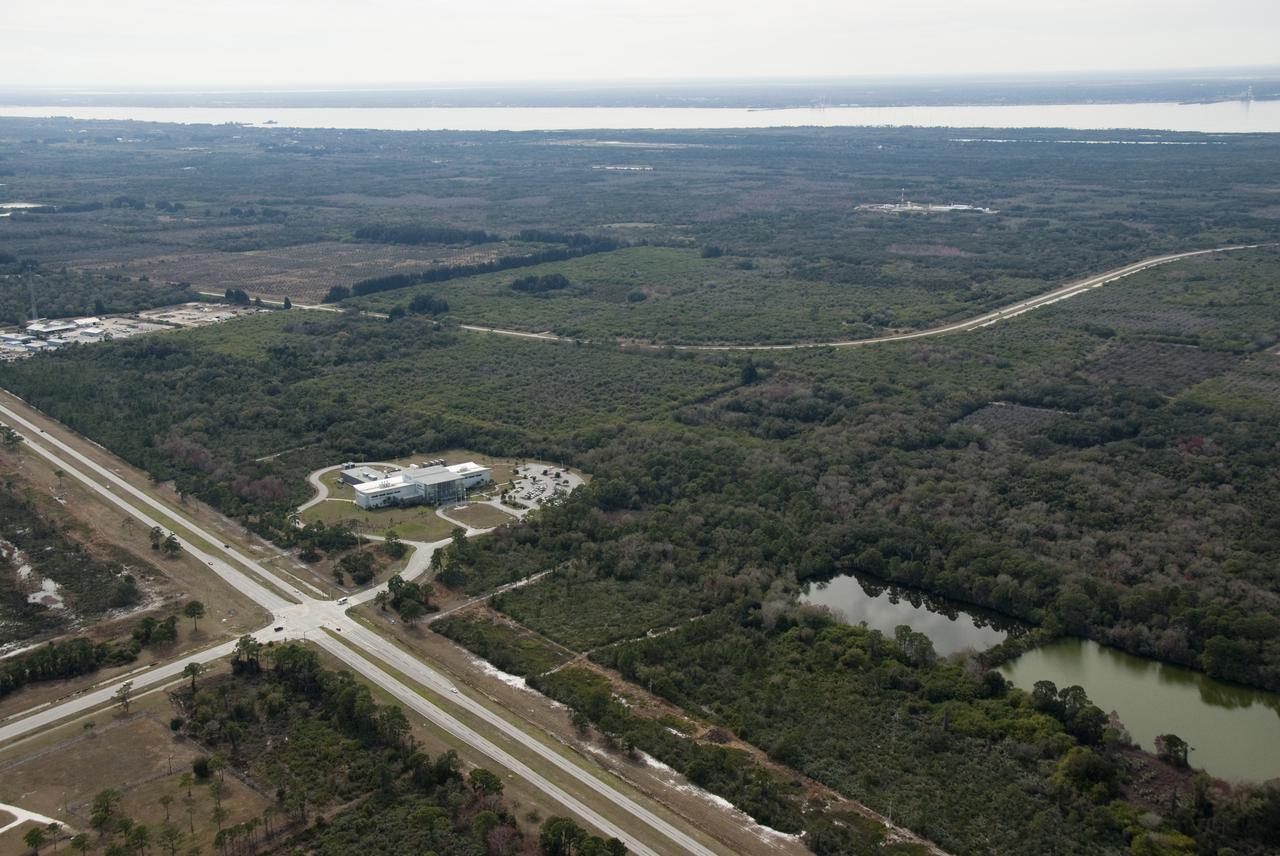
AERIALS - SR3 SOLAR FACILITY & NEW EXPANSION SITE, EXLORATION PARK
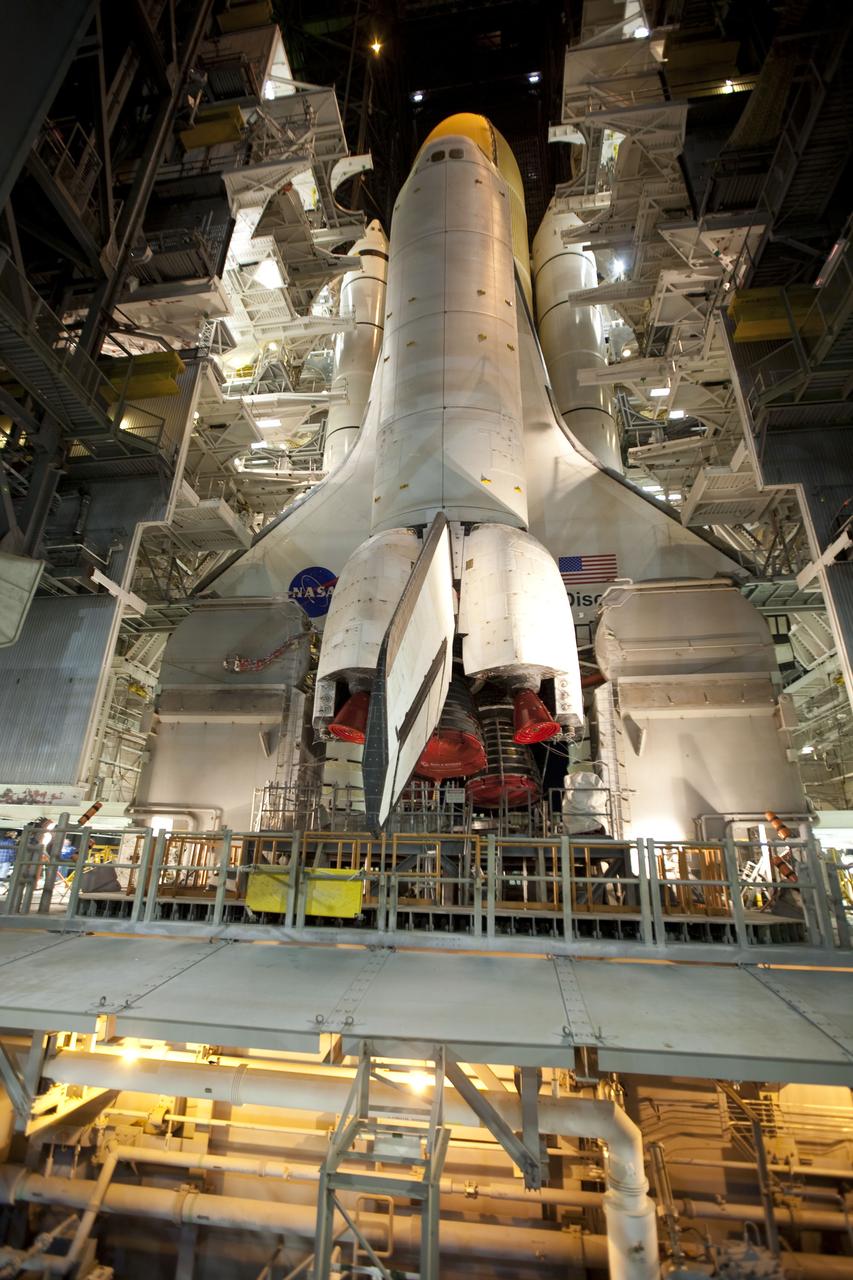
STS-131 DISCOVERY ROLLOUT - 1ST MOTION
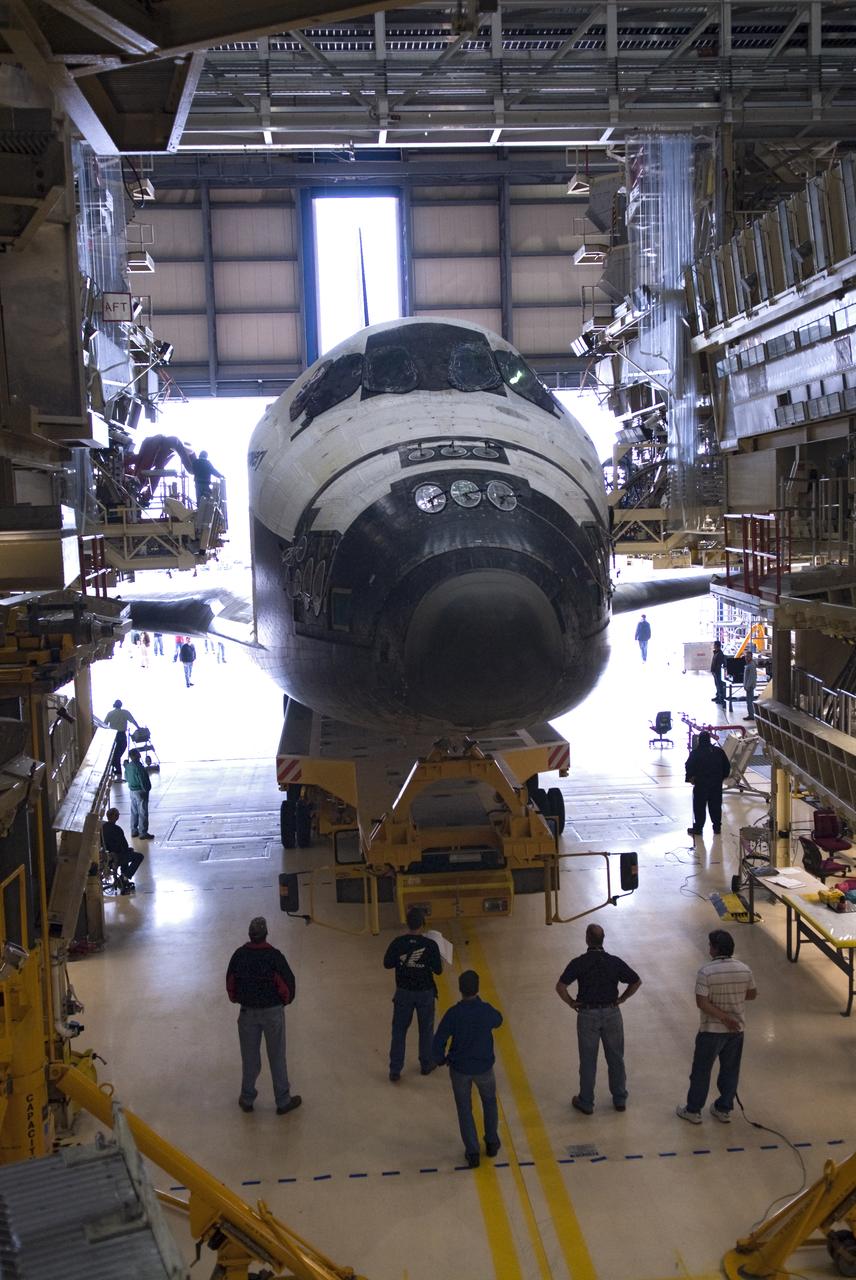
STS-131 DISCOVERY ROLLOVER FROM OPF-3 TO VAB
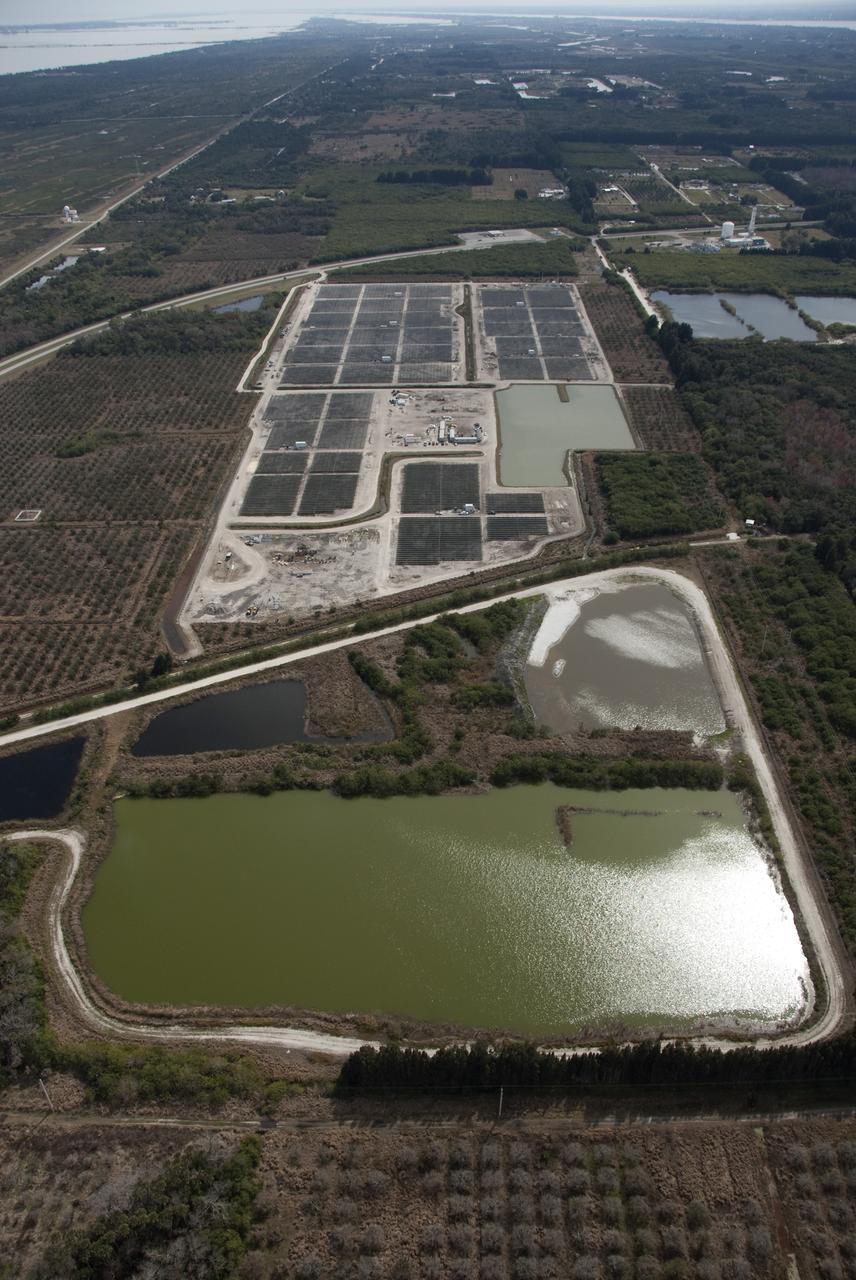
AERIALS - SR3 SOLAR FACILITY & NEW EXPANSION SITE, EXLORATION PARK
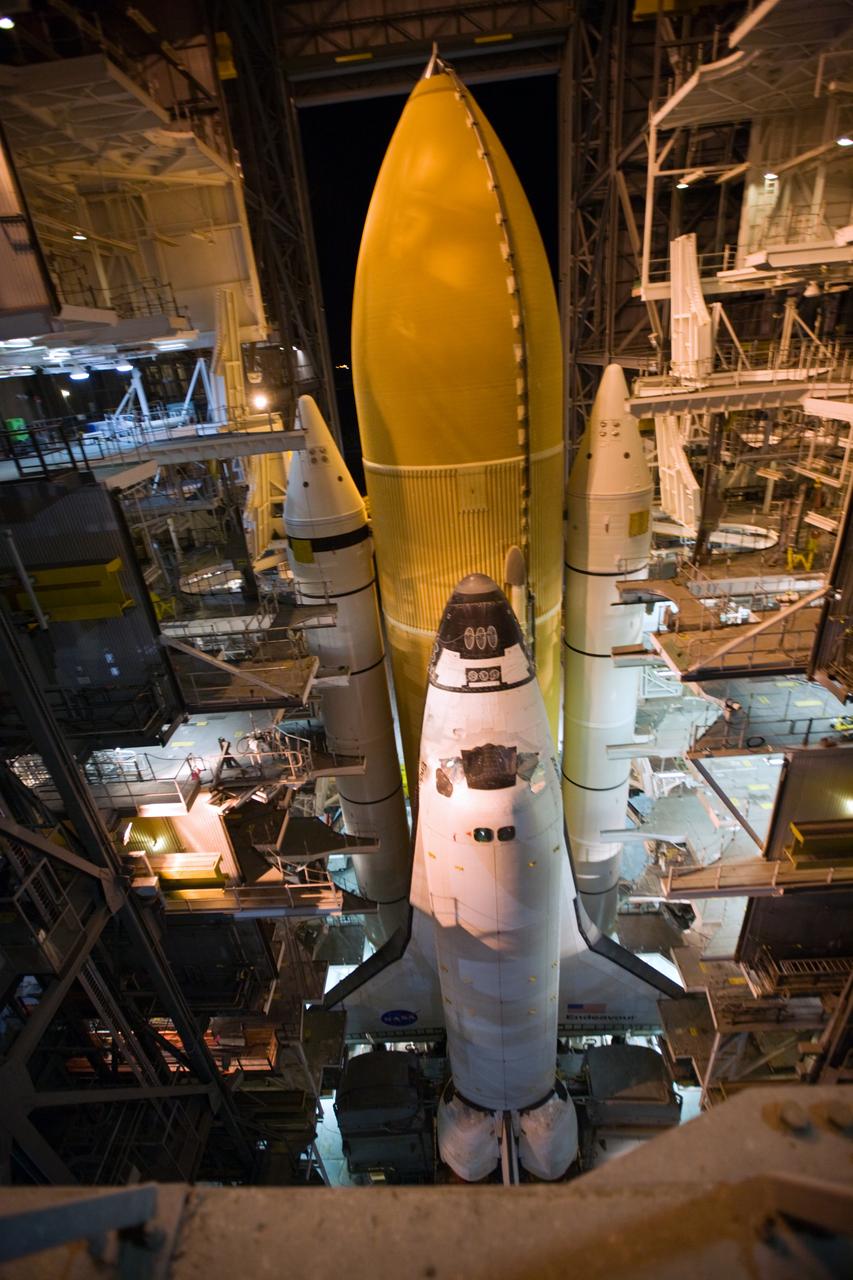
STS-130 Endeavour Rollout - Includes 1st Motion
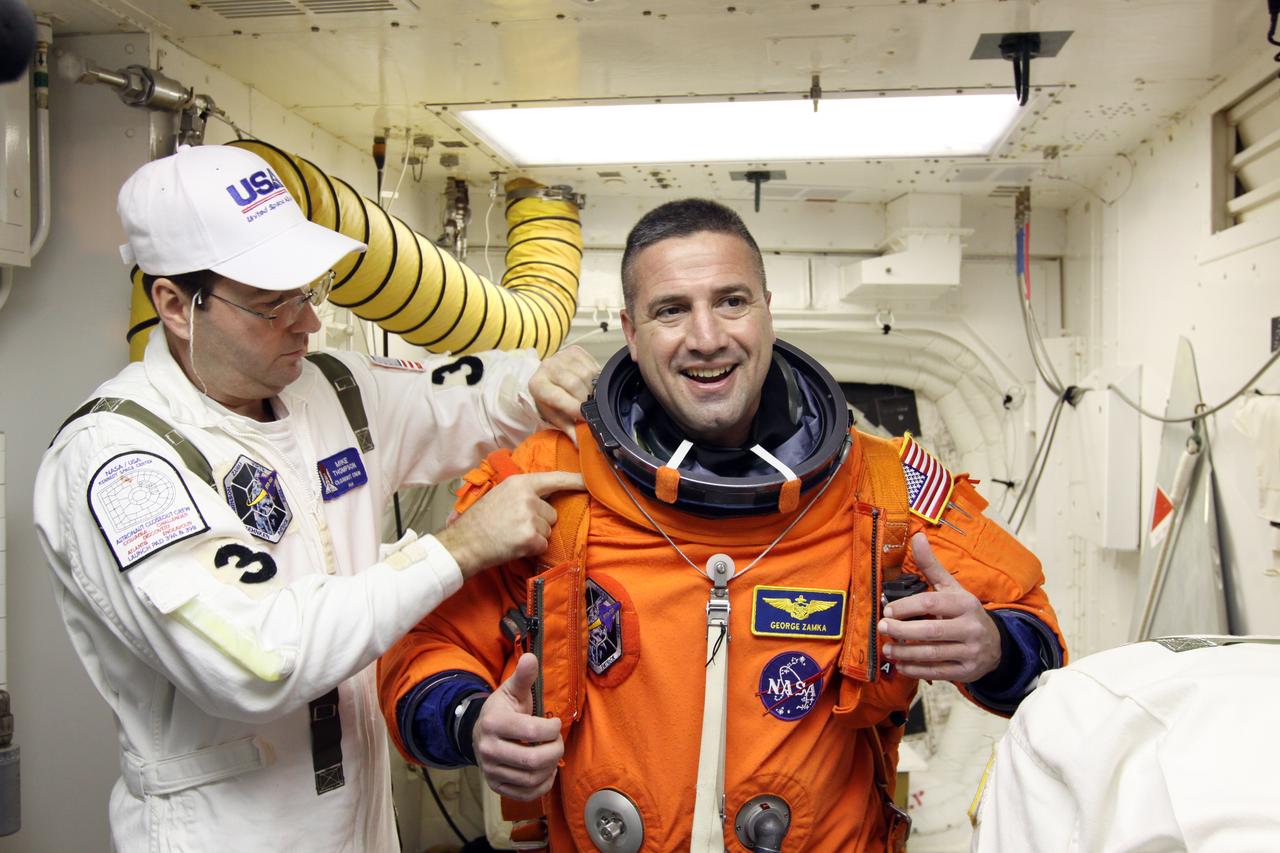
STS-130 TCDT - ORBITER INGRESS - WHITEROOM
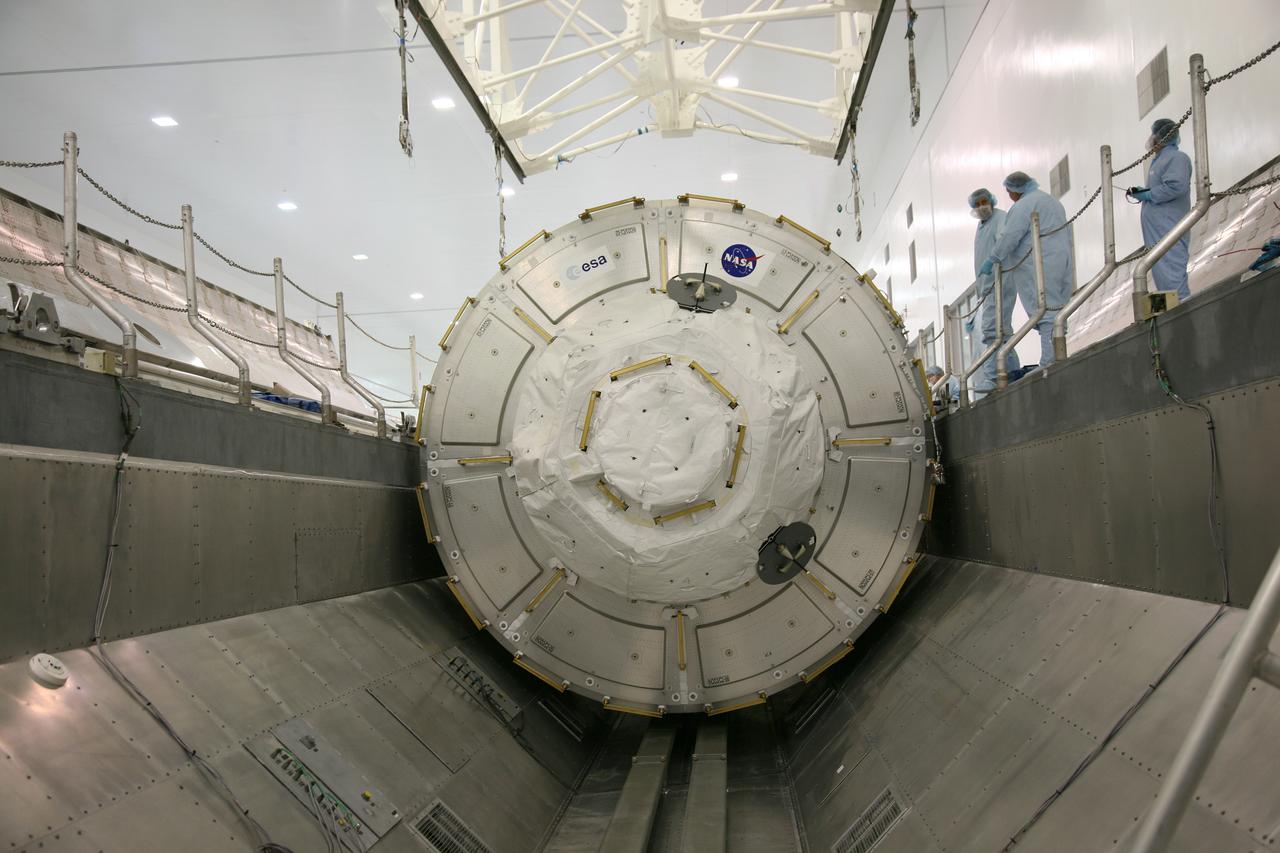
STS-130 TRANQUILITY NODE XFER TO PAYLOAD CANISTER
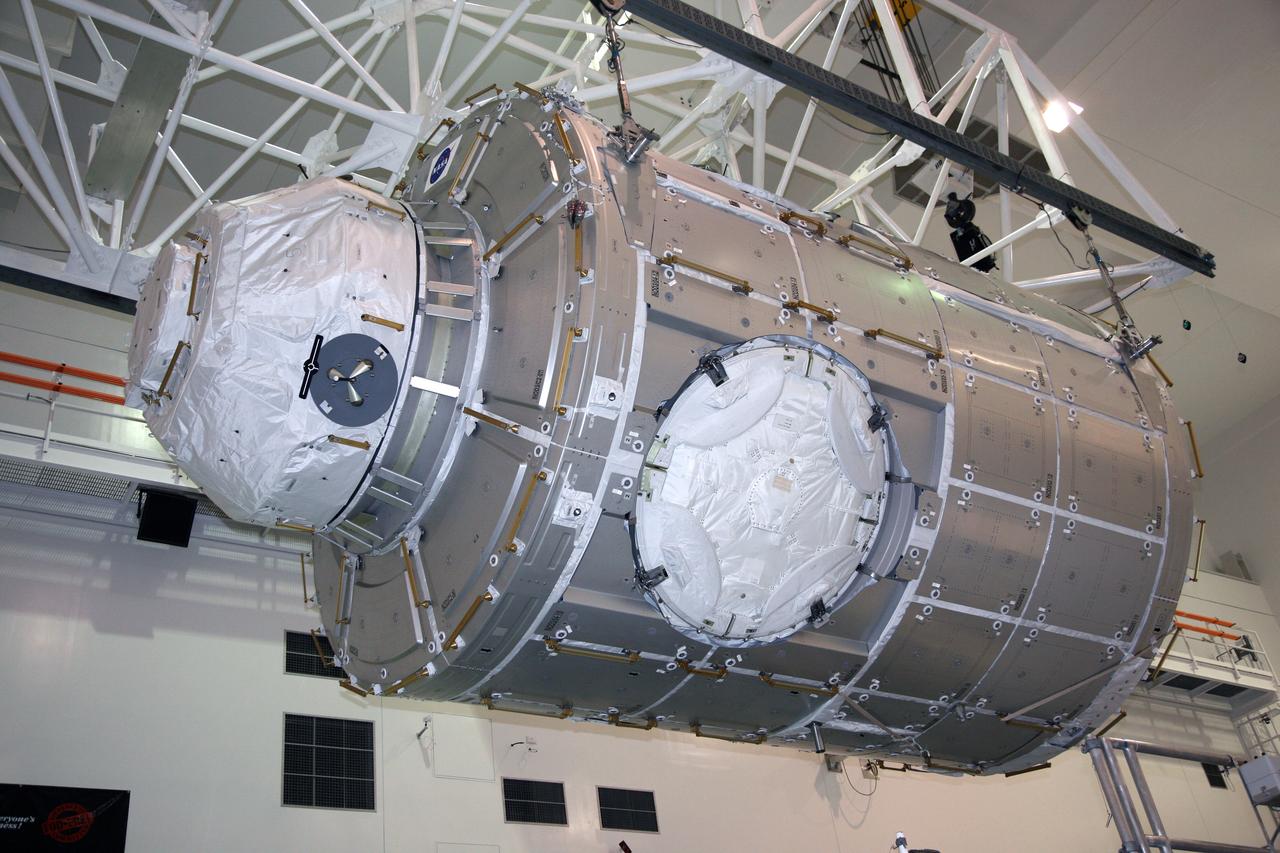
STS-130 TRANQUILITY NODE XFER TO PAYLOAD CANISTER
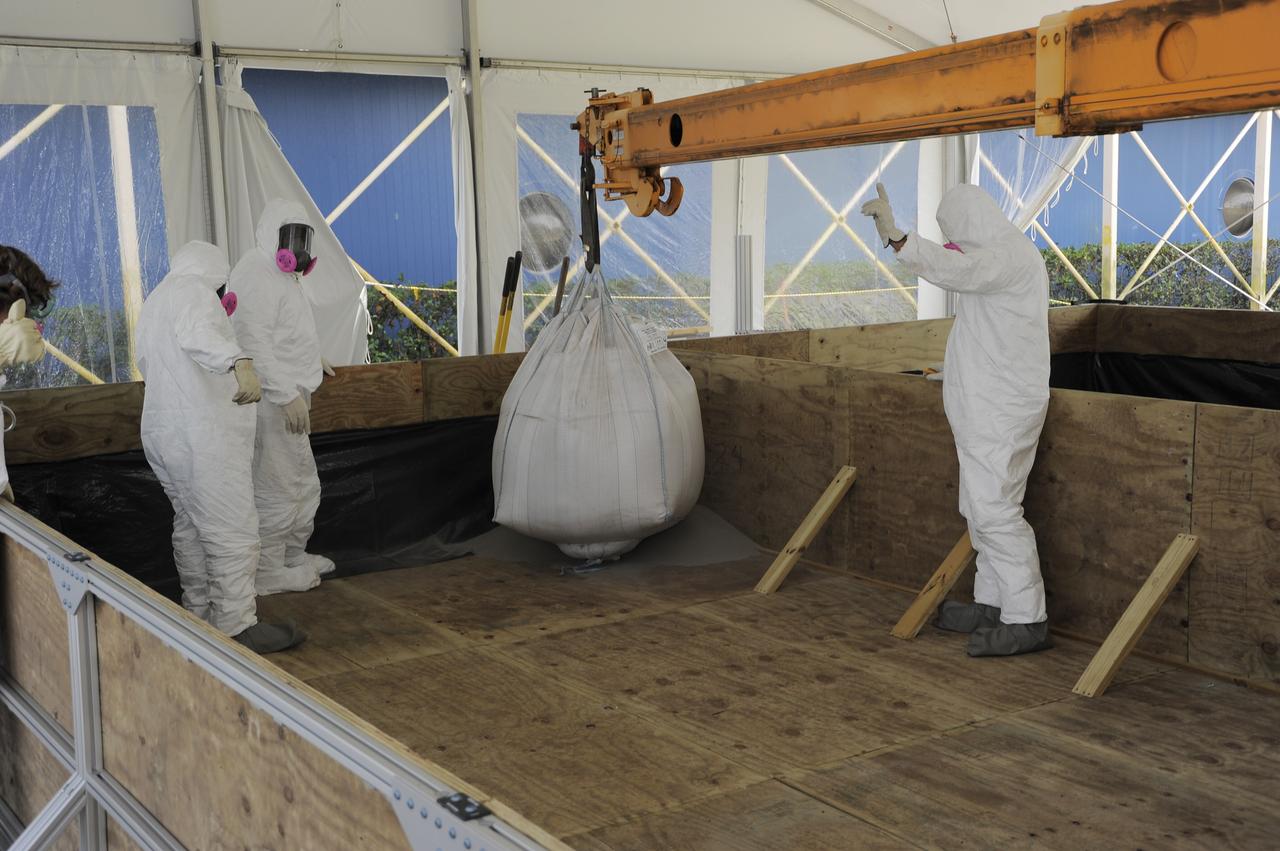
LUNABOTICS - SANDBOX BEING FILLED WITH SAND AT ASTRONAUT HALL OF FAME
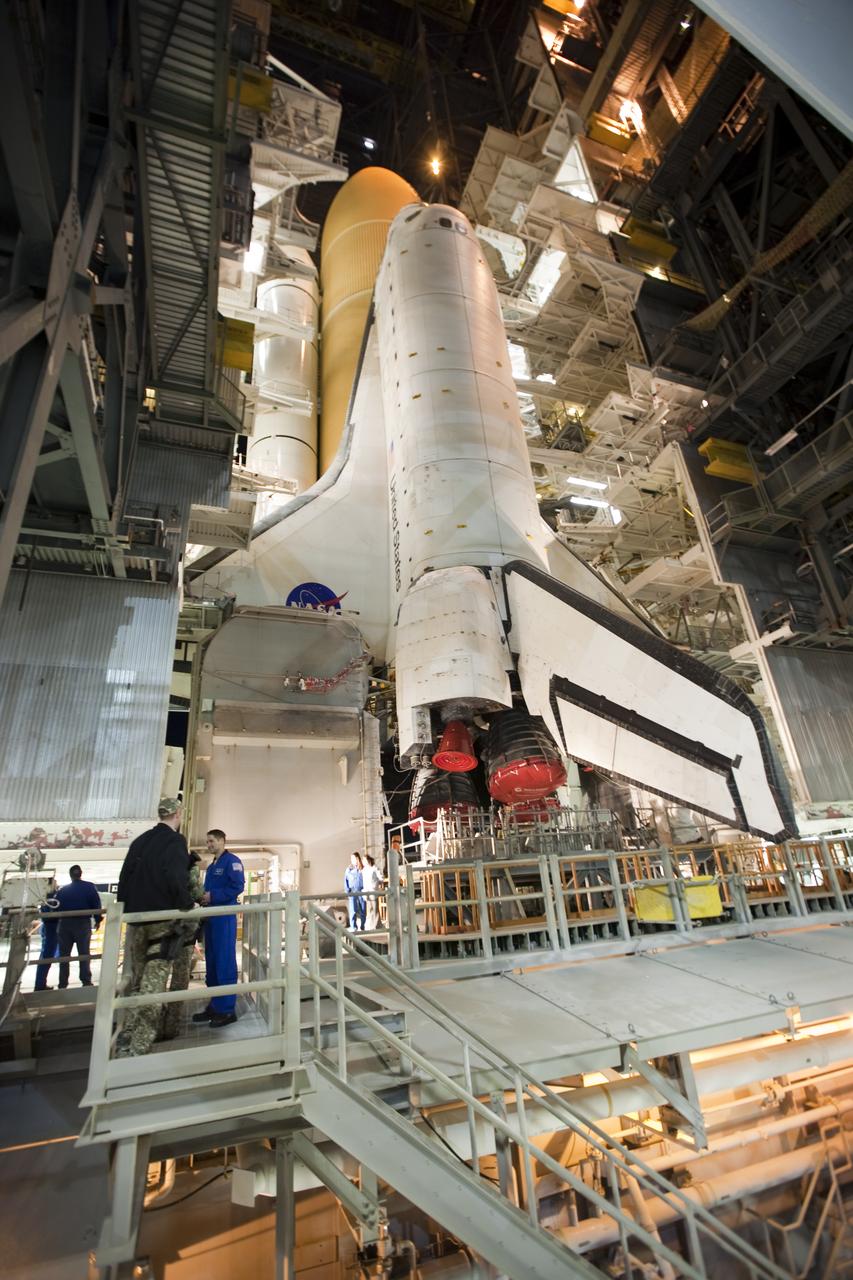
STS-131 DISCOVERY ROLLOUT - 1ST MOTION
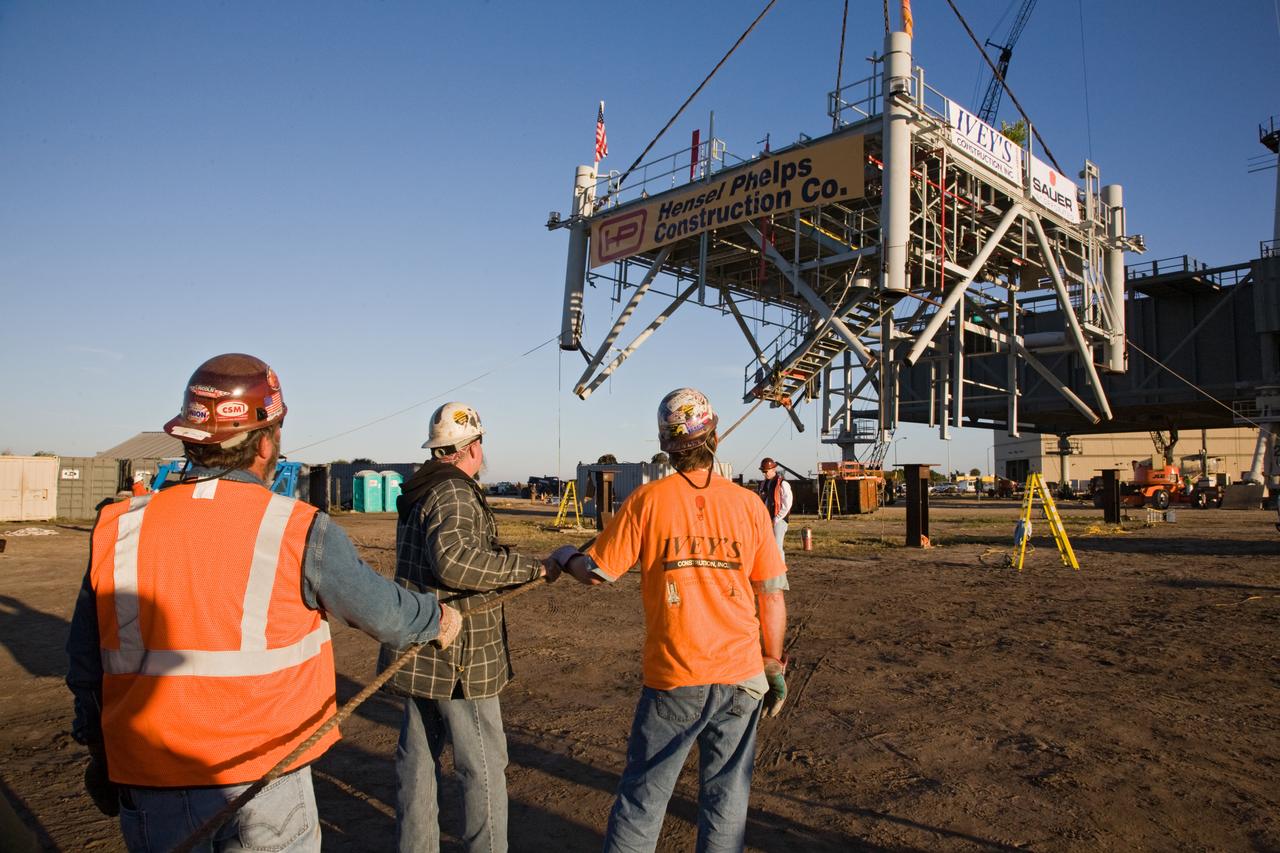
CONSTELLATION - NEW MLP CONSTRUCTION PROGRESS - 10TH TOWER SEGMENT LIFT
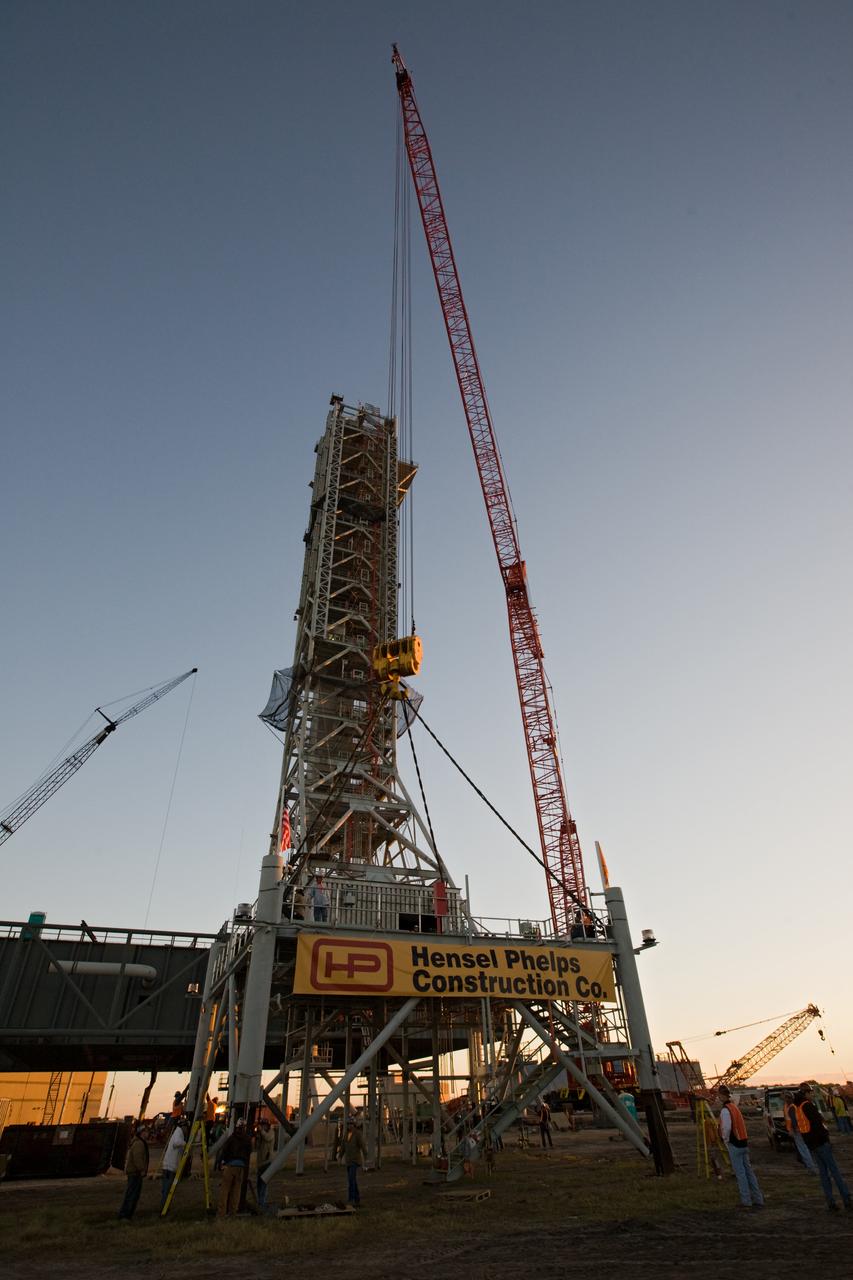
CONSTELLATION - NEW MLP CONSTRUCTION PROGRESS - 10TH TOWER SEGMENT LIFT
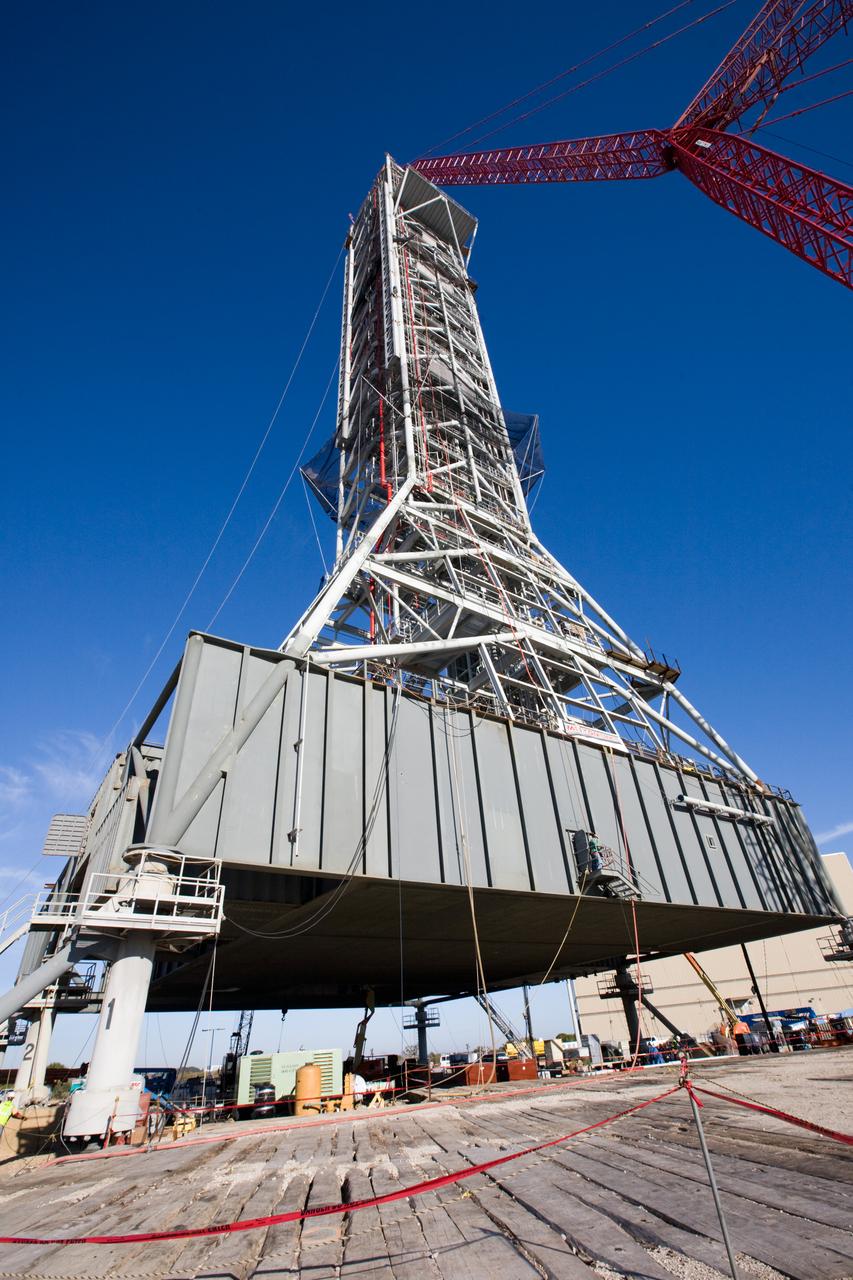
CONSTELLATION - NEW MLP CONSTRUCTION PROGRESS - 10TH TOWER SEGMENT LIFT
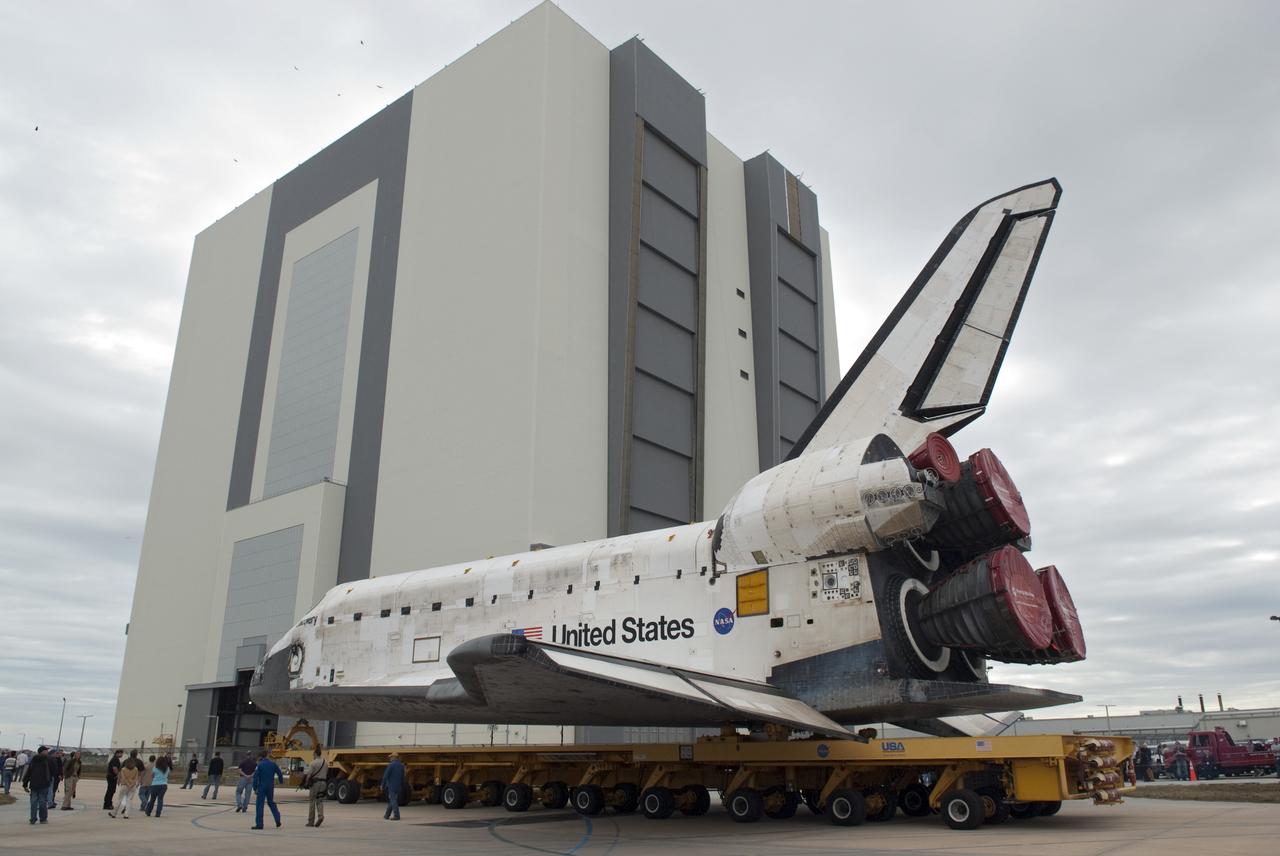
STS-131 DISCOVERY ROLLOVER FROM OPF-3 TO VAB
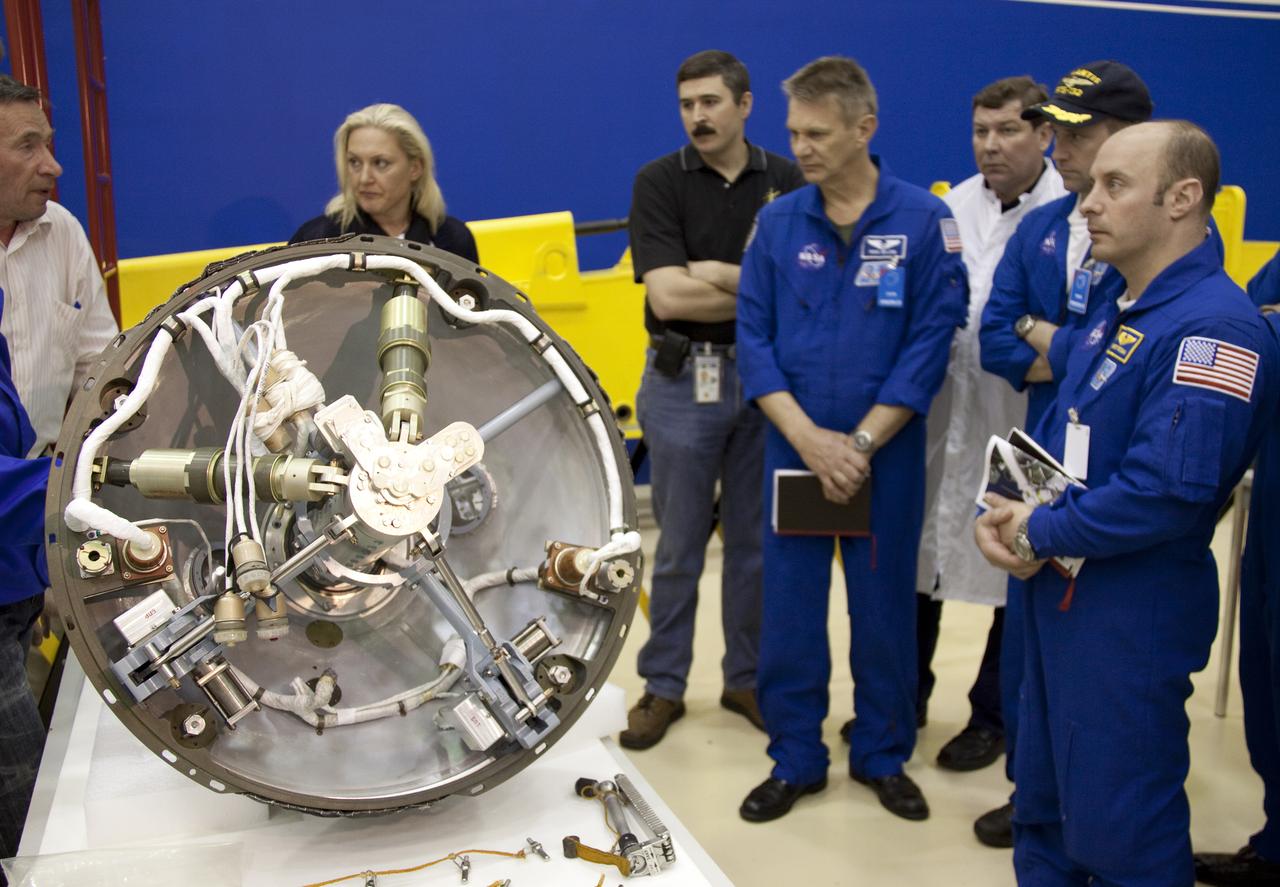
STS-132 CREW CEIT IN SSPF & SPACEHAB
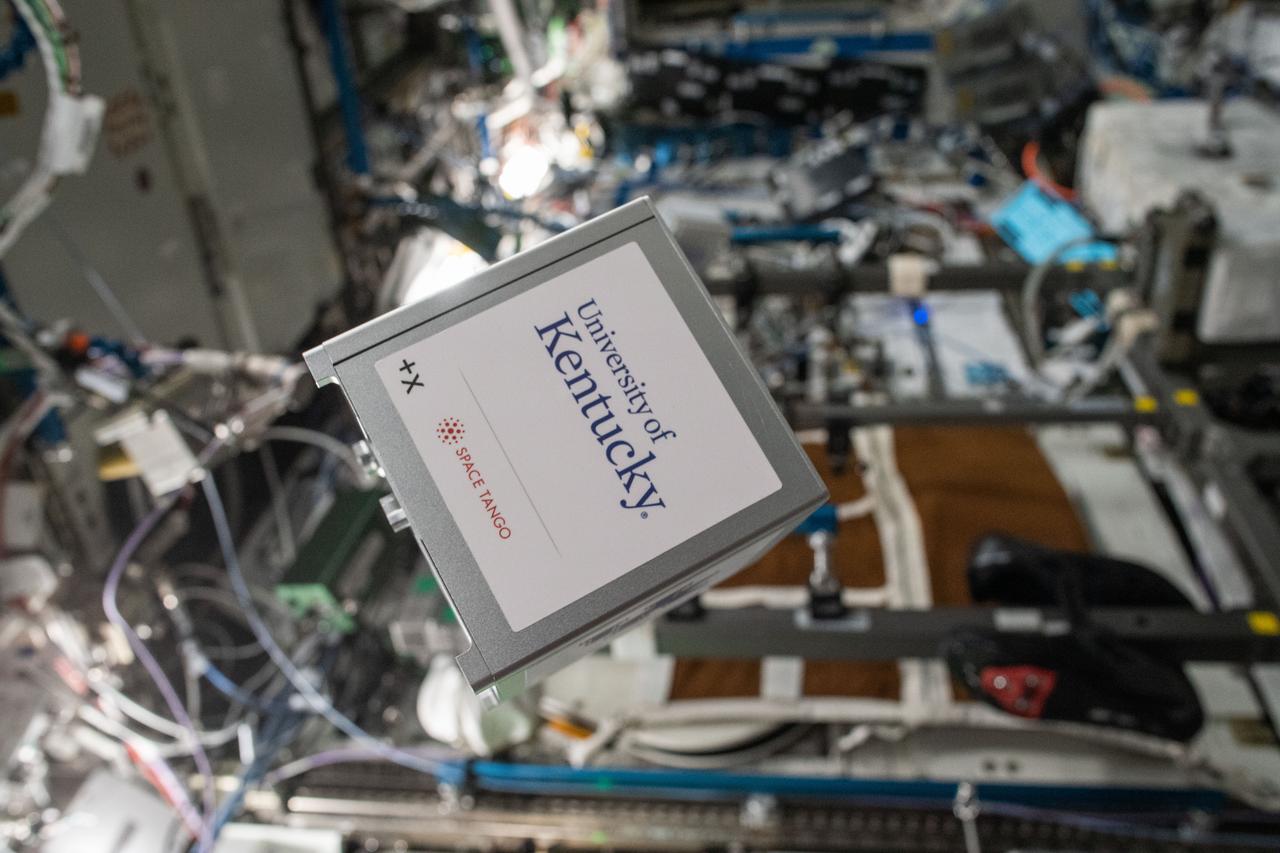
iss067e000411 (3/31/2022) --- A view of a Cube containing Space Tango - Cubelab Satellite Demonstrator, part of TangoLab Mission-25 aboard the International Space Station (ISS). Space Tango - University of Kentucky Cubelab Satellite Demonstrator (Space Tango - Cubelab Satellite Demonstrator) tests a new attitude-control technology for small satellites, which is an integral part of future space missions.
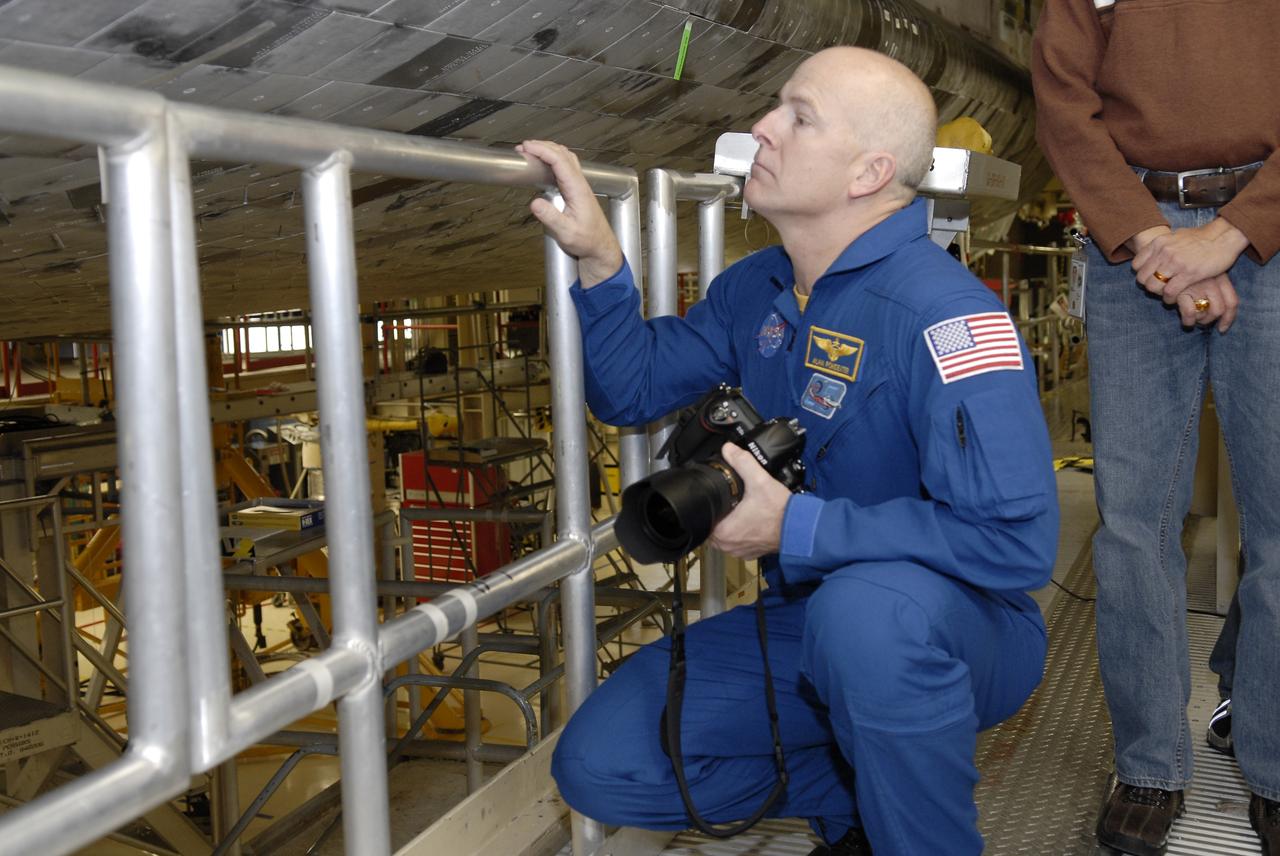
STS-131 CREW CEIT - DISCOVERY
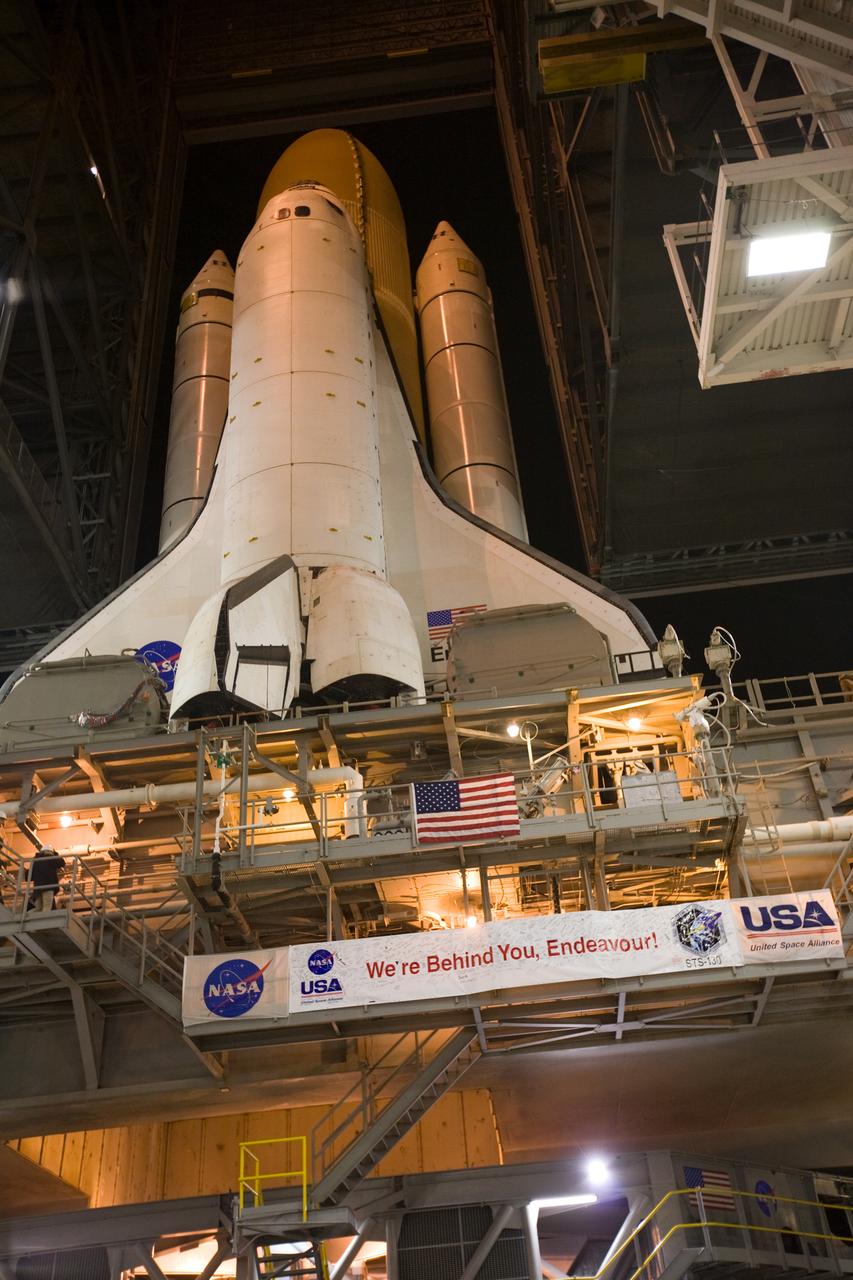
STS-130 Endeavour Rollout - Includes 1st Motion
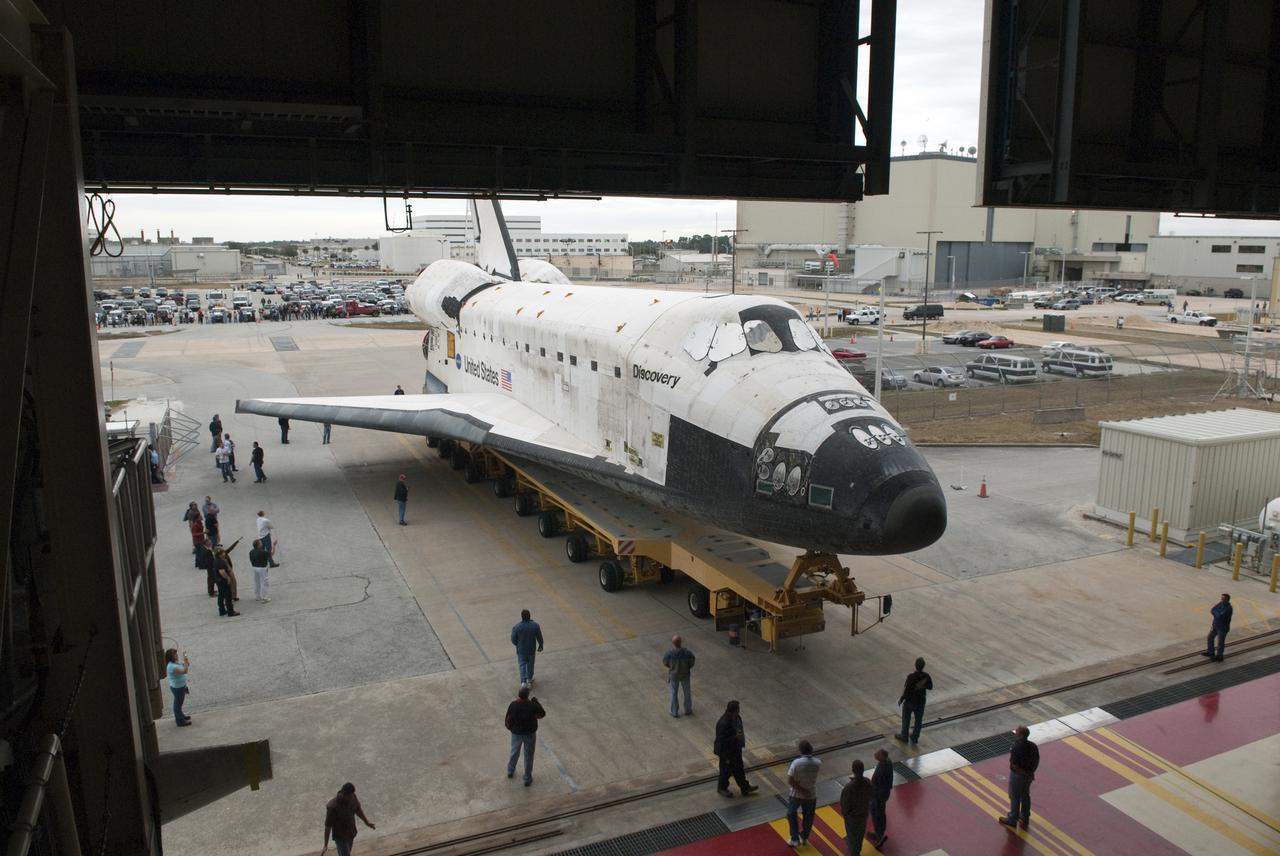
STS-131 DISCOVERY ROLLOVER FROM OPF-3 TO VAB
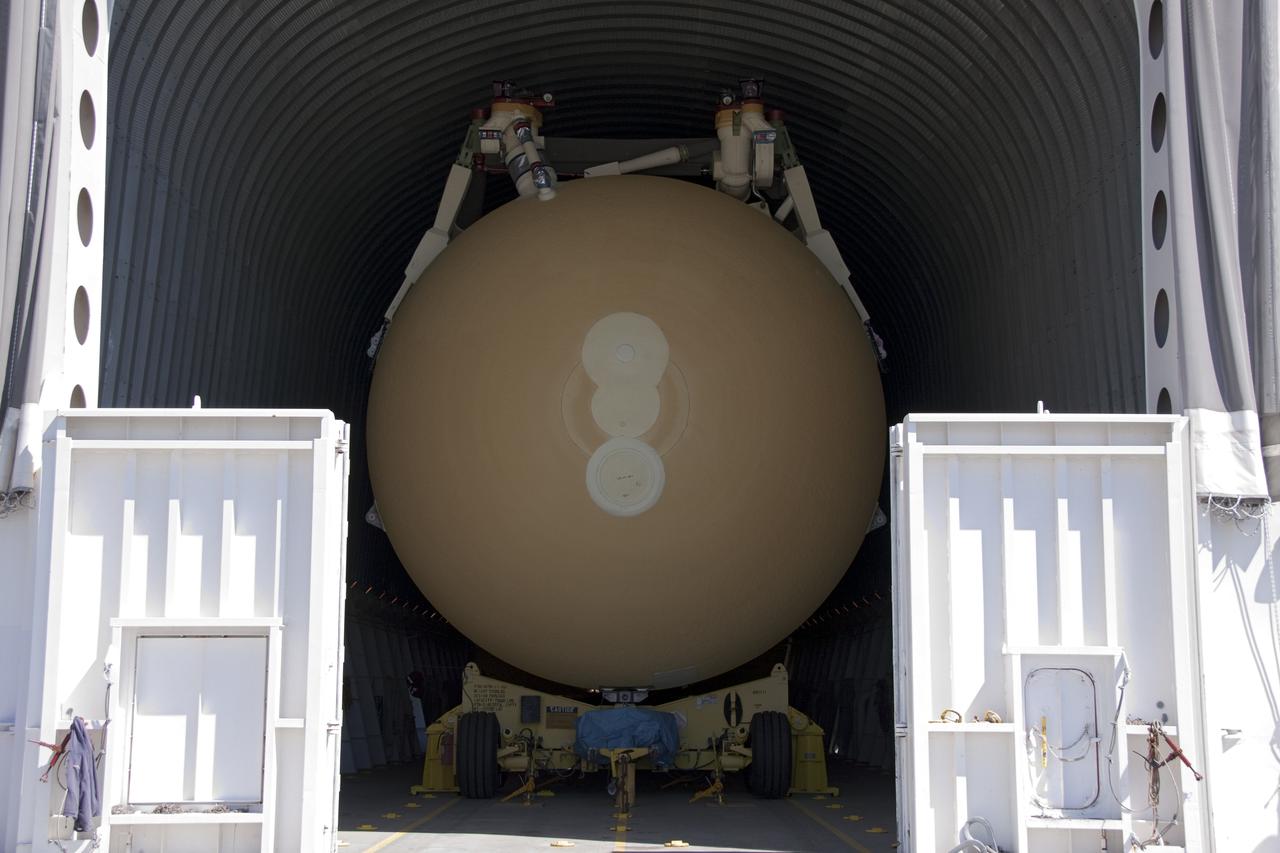
STS-132 ET-136 ARRIVAL TO LC39 TURNBASIN
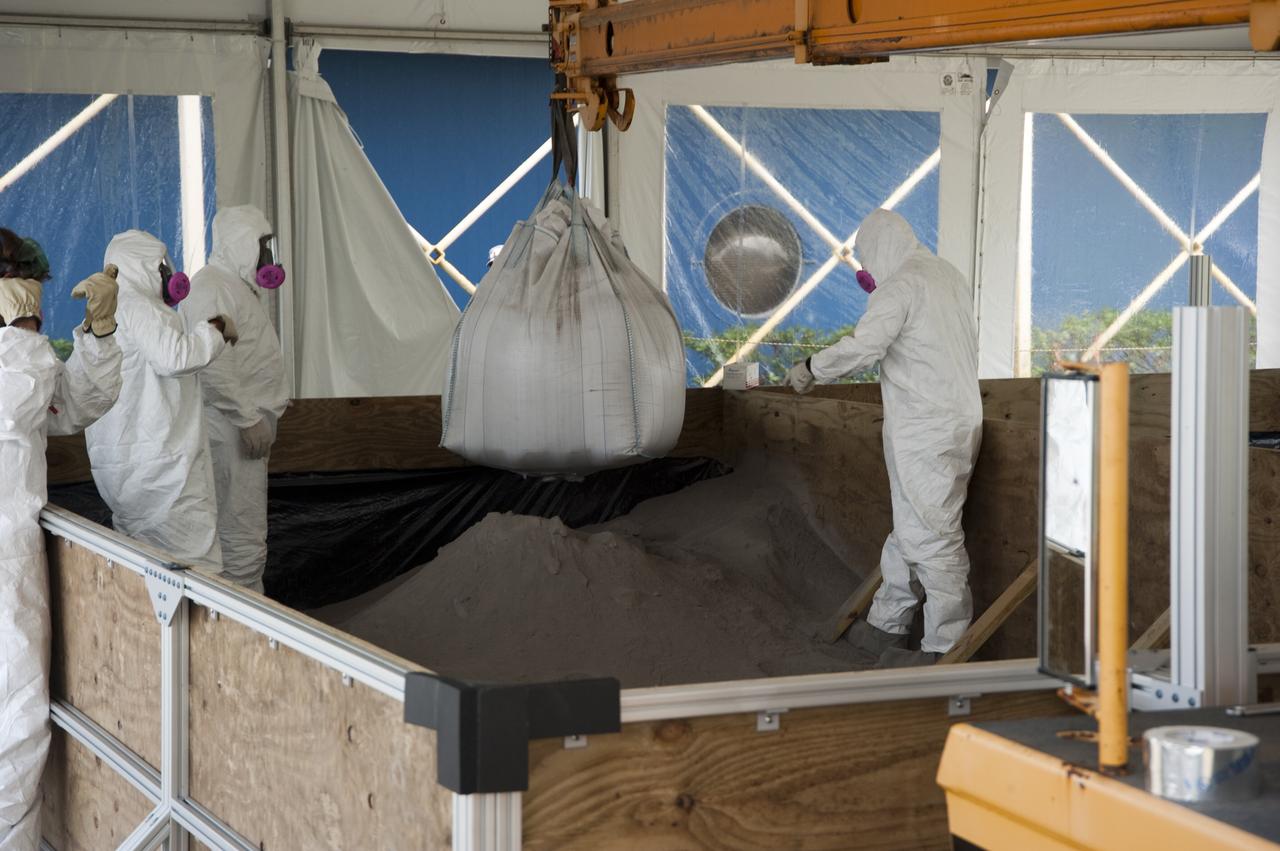
LUNABOTICS - SANDBOX BEING FILLED WITH SAND AT ASTRONAUT HALL OF FAME
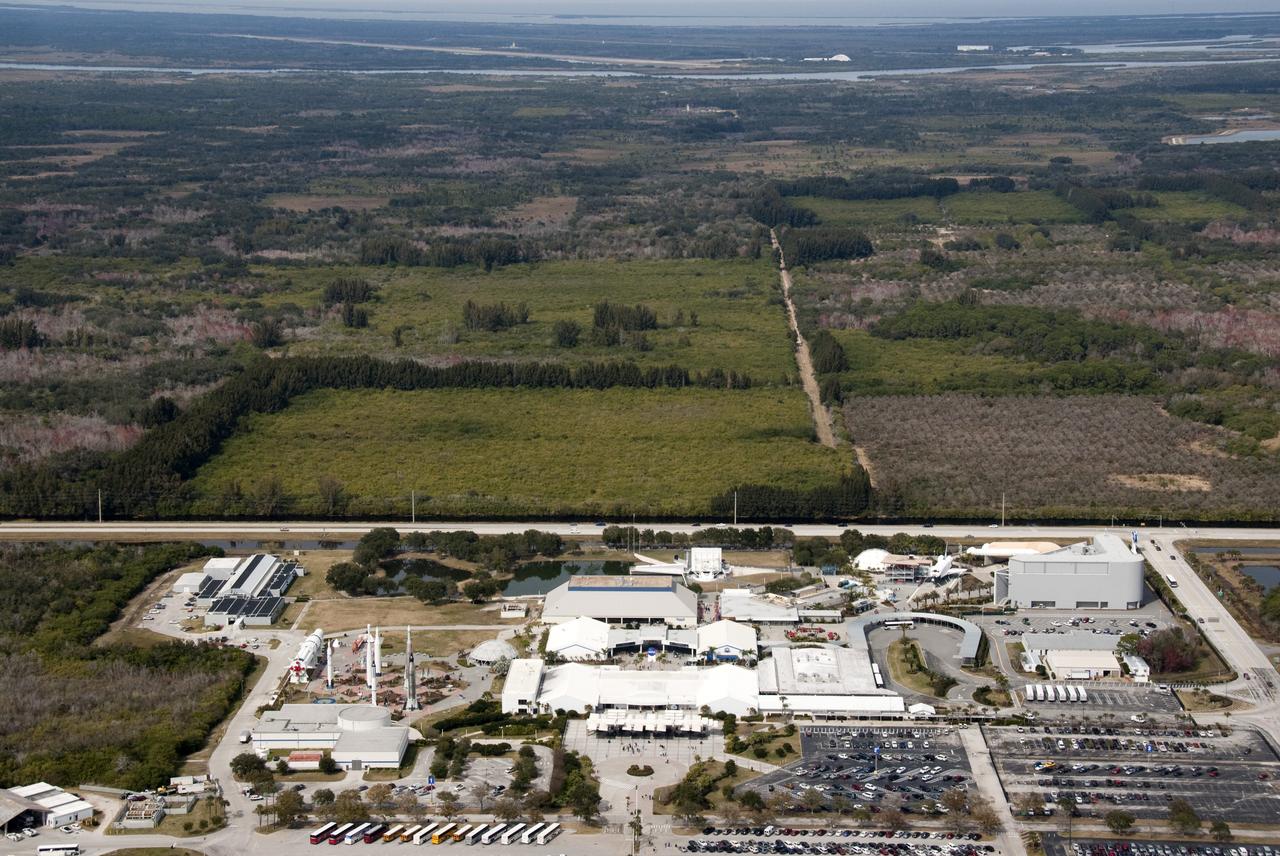
AERIALS - SR3 SOLAR FACILITY & NEW EXPANSION SITE, EXLORATION PARK
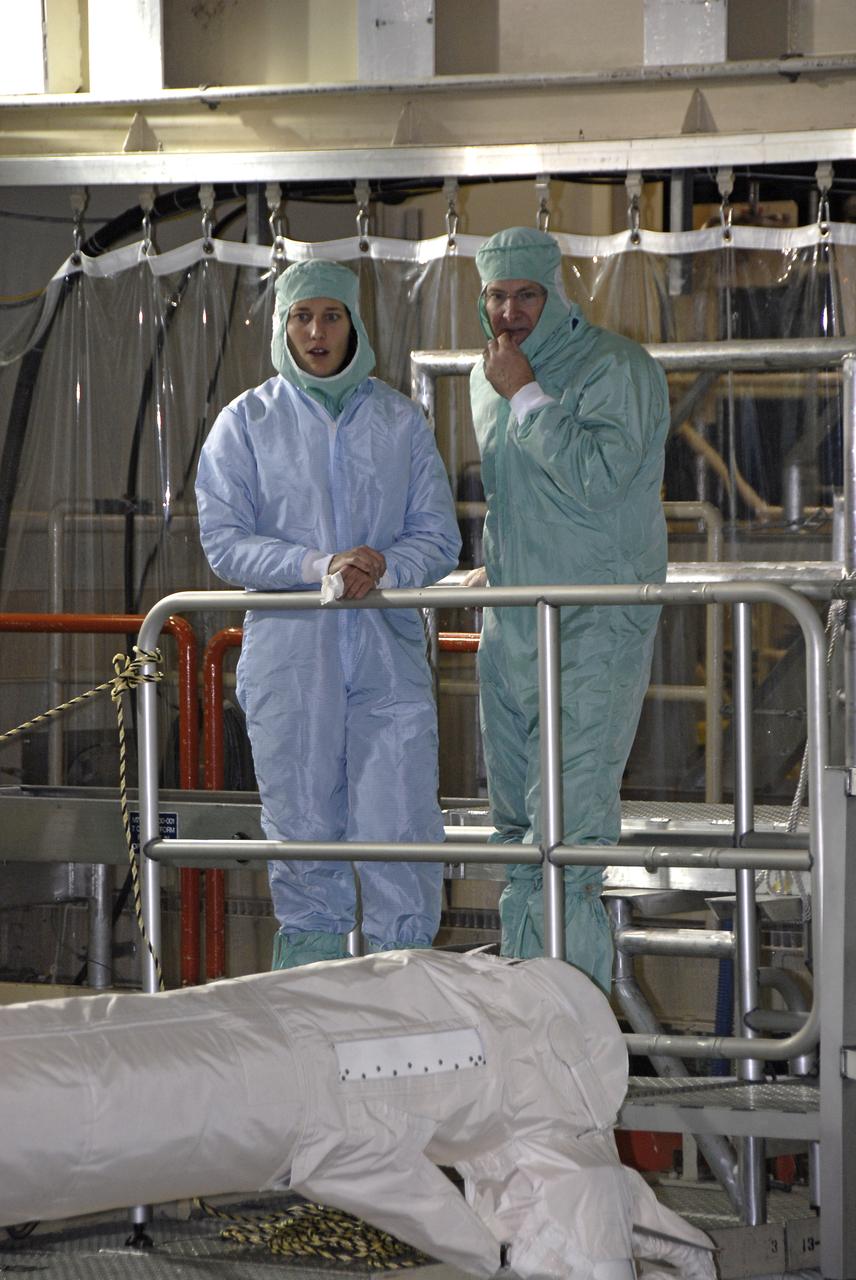
STS-131 CREW CEIT - DISCOVERY
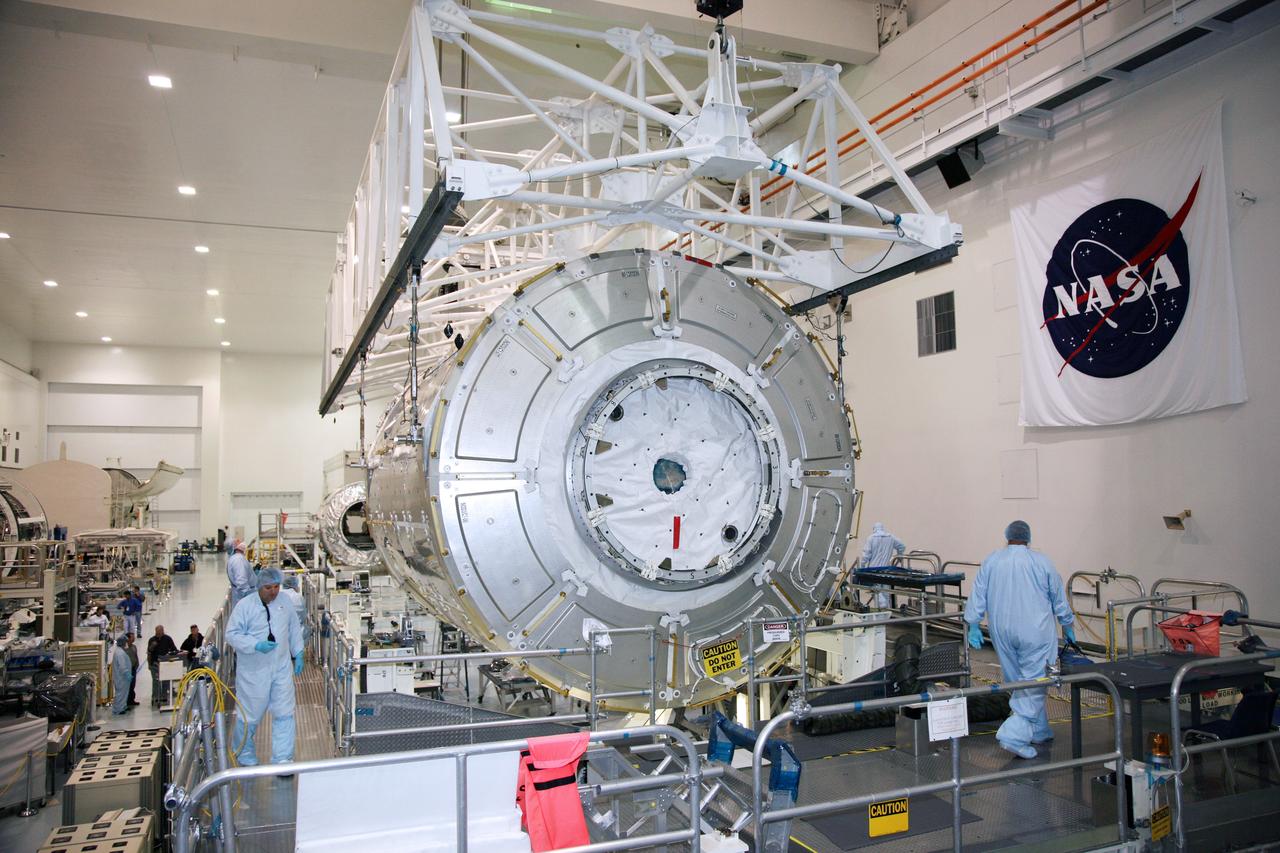
STS-130 TRANQUILITY NODE XFER TO PAYLOAD CANISTER

CONSTELLATION - NEW MLP CONSTRUCTION PROGRESS - 10TH TOWER SEGMENT LIFT

CONSTELLATION - NEW MLP CONSTRUCTION PROGRESS - 10TH TOWER SEGMENT LIFT
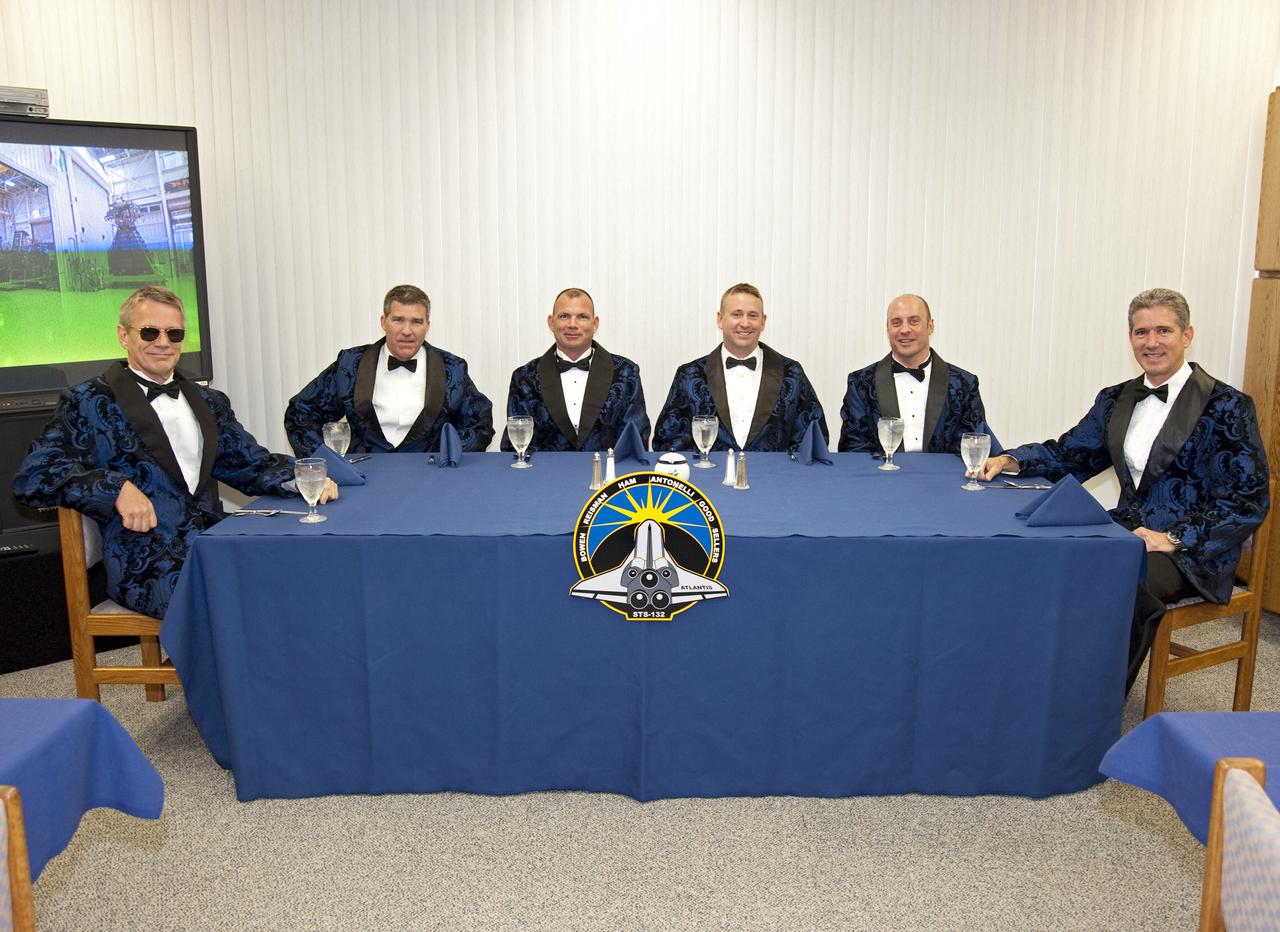
STS-132 LAUNCH L-0 BREAKFAST PHOTO OP
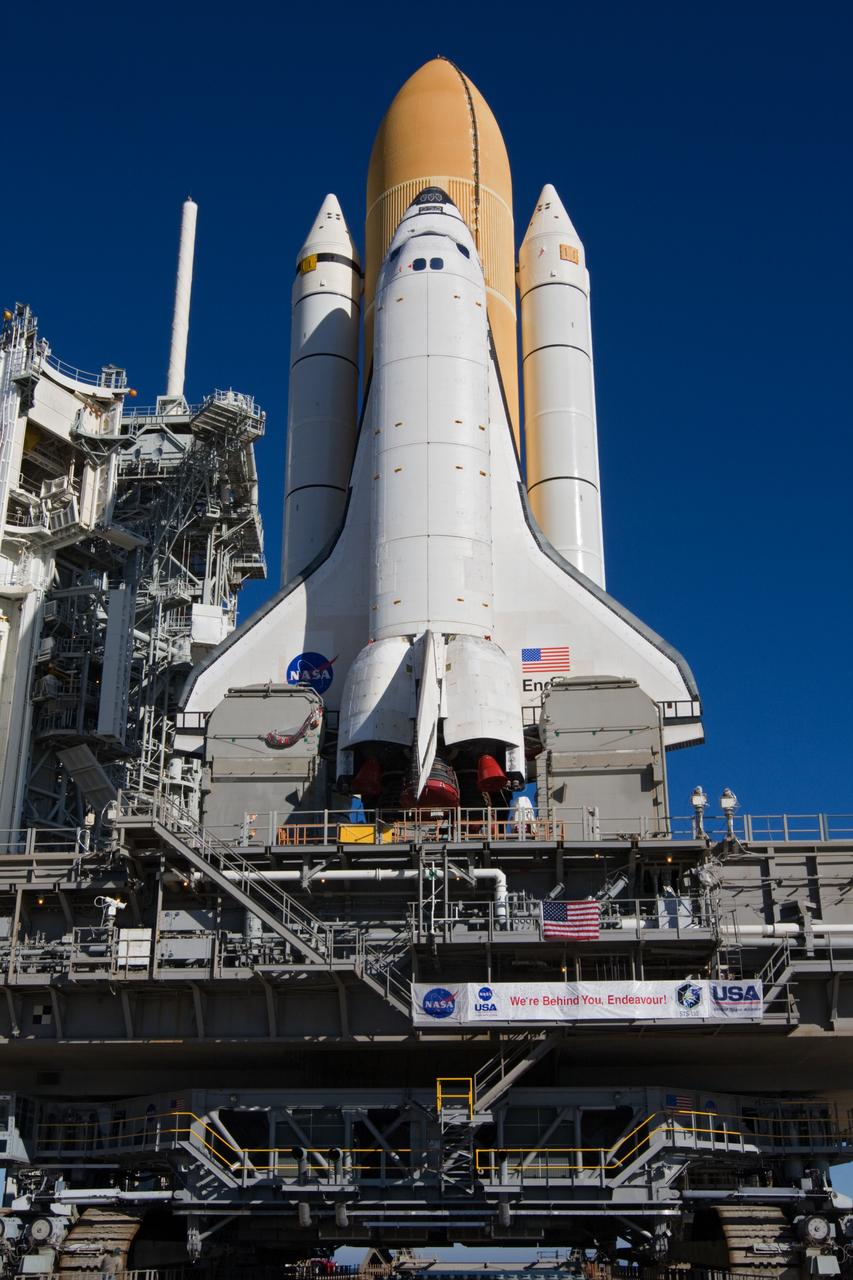
STS-130 ENDEAVOUR ROLLOUT - INCLUDES HARDDOWN
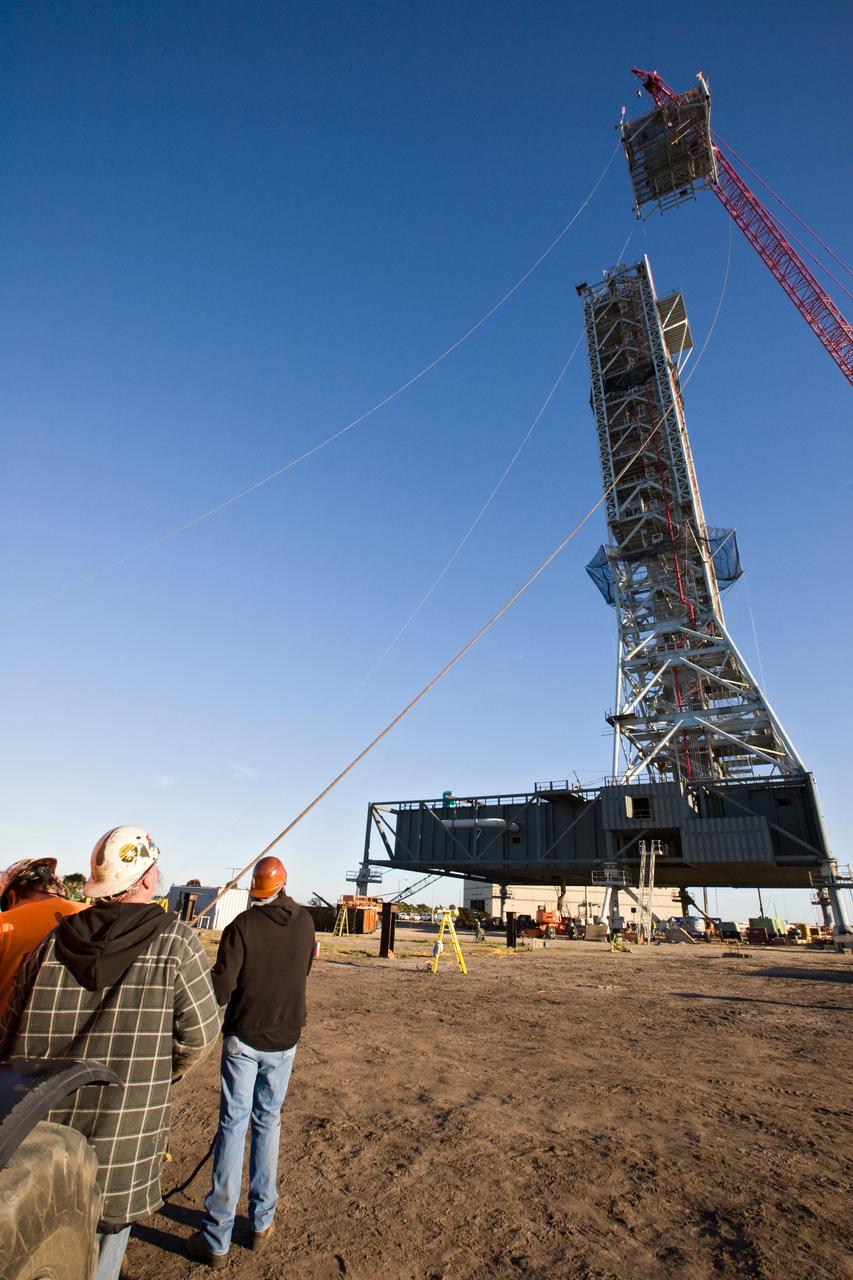
CONSTELLATION - NEW MLP CONSTRUCTION PROGRESS - 10TH TOWER SEGMENT LIFT
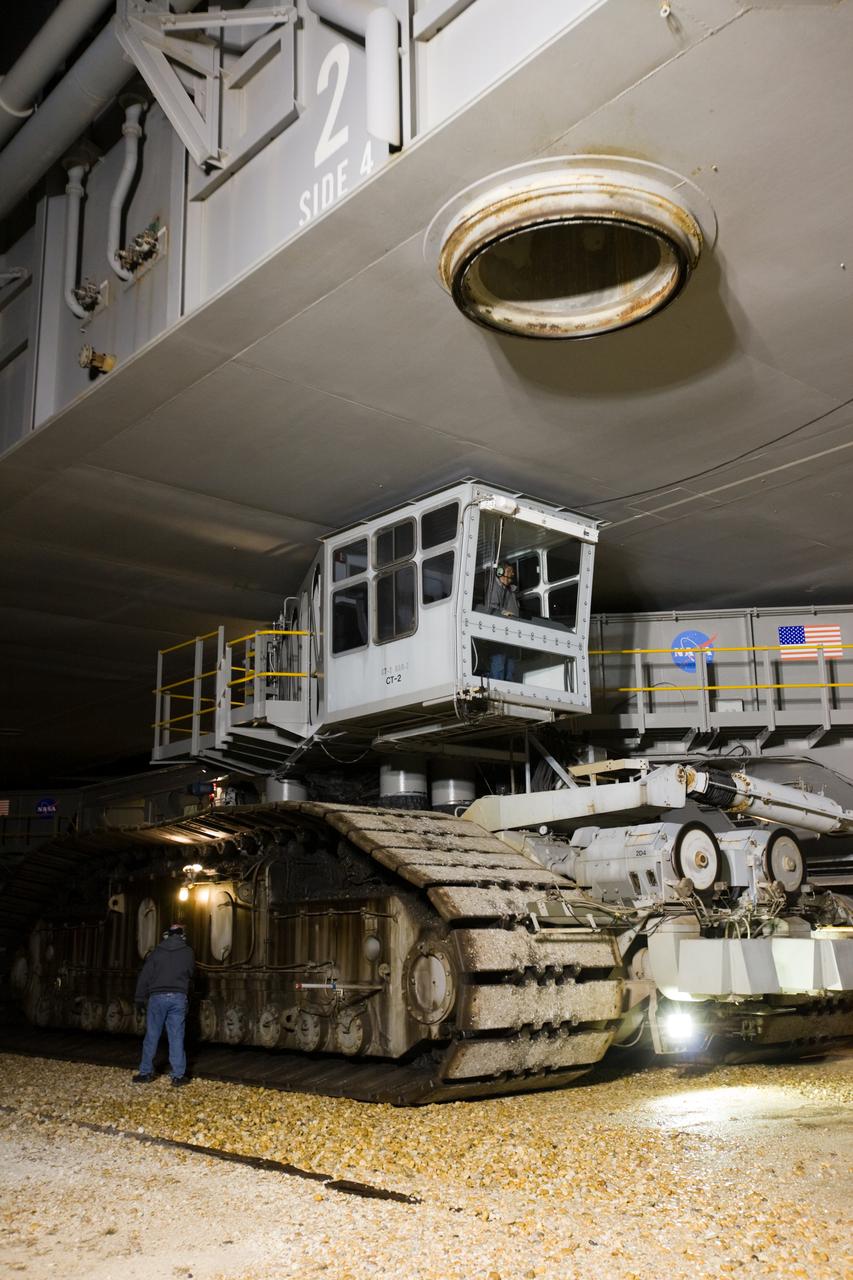
STS-130 Endeavour Rollout - Includes 1st Motion
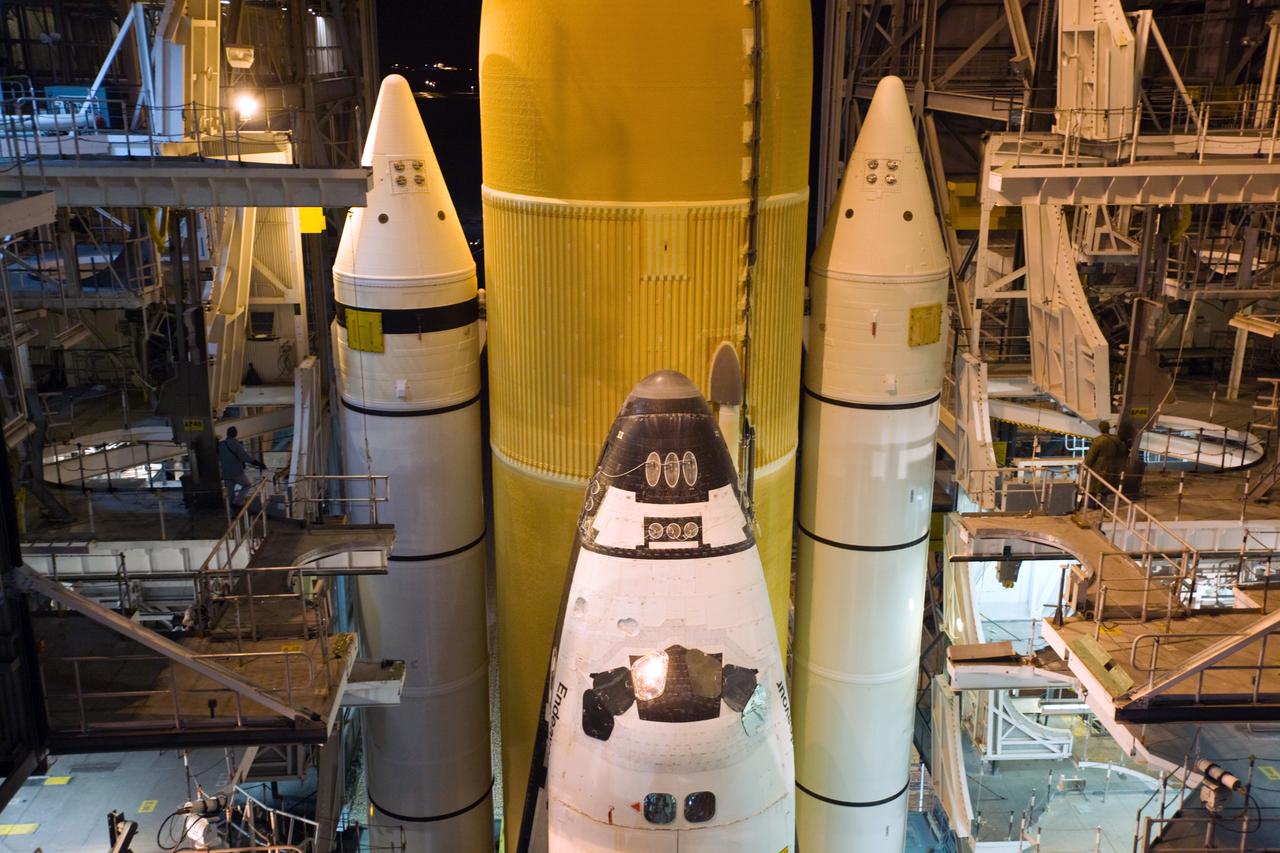
STS-130 Endeavour Rollout - Includes 1st Motion
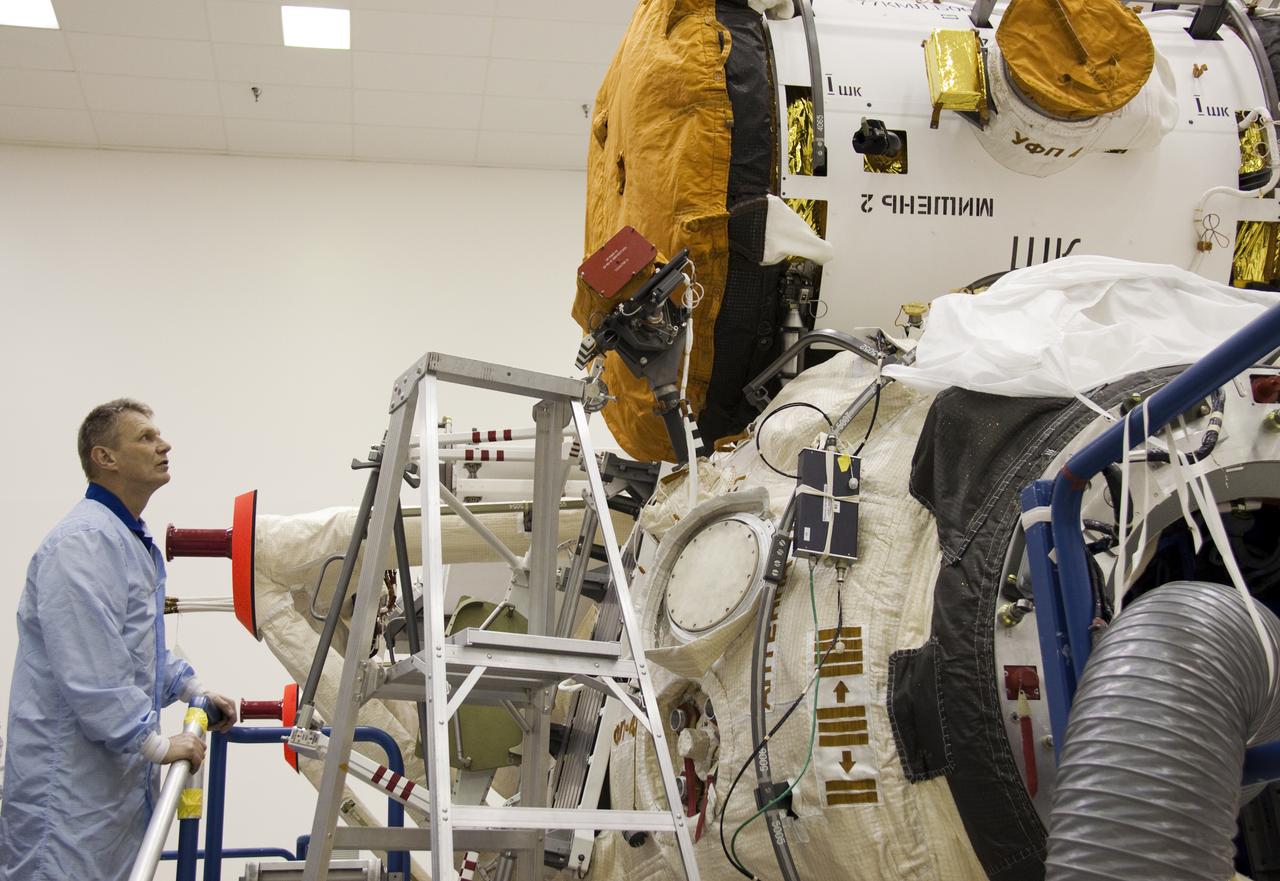
STS-132 CREW CEIT IN SSPF & SPACEHAB
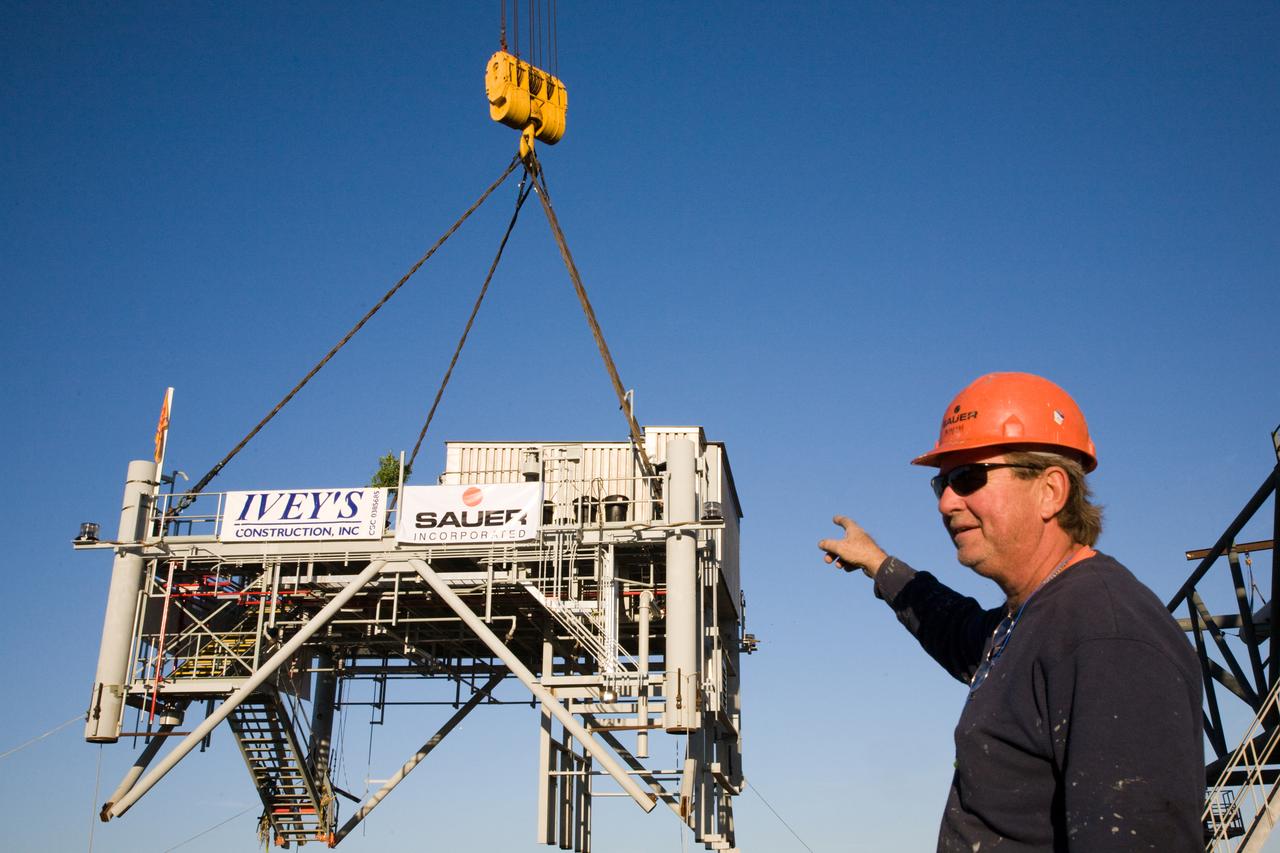
CONSTELLATION - NEW MLP CONSTRUCTION PROGRESS - 10TH TOWER SEGMENT LIFT
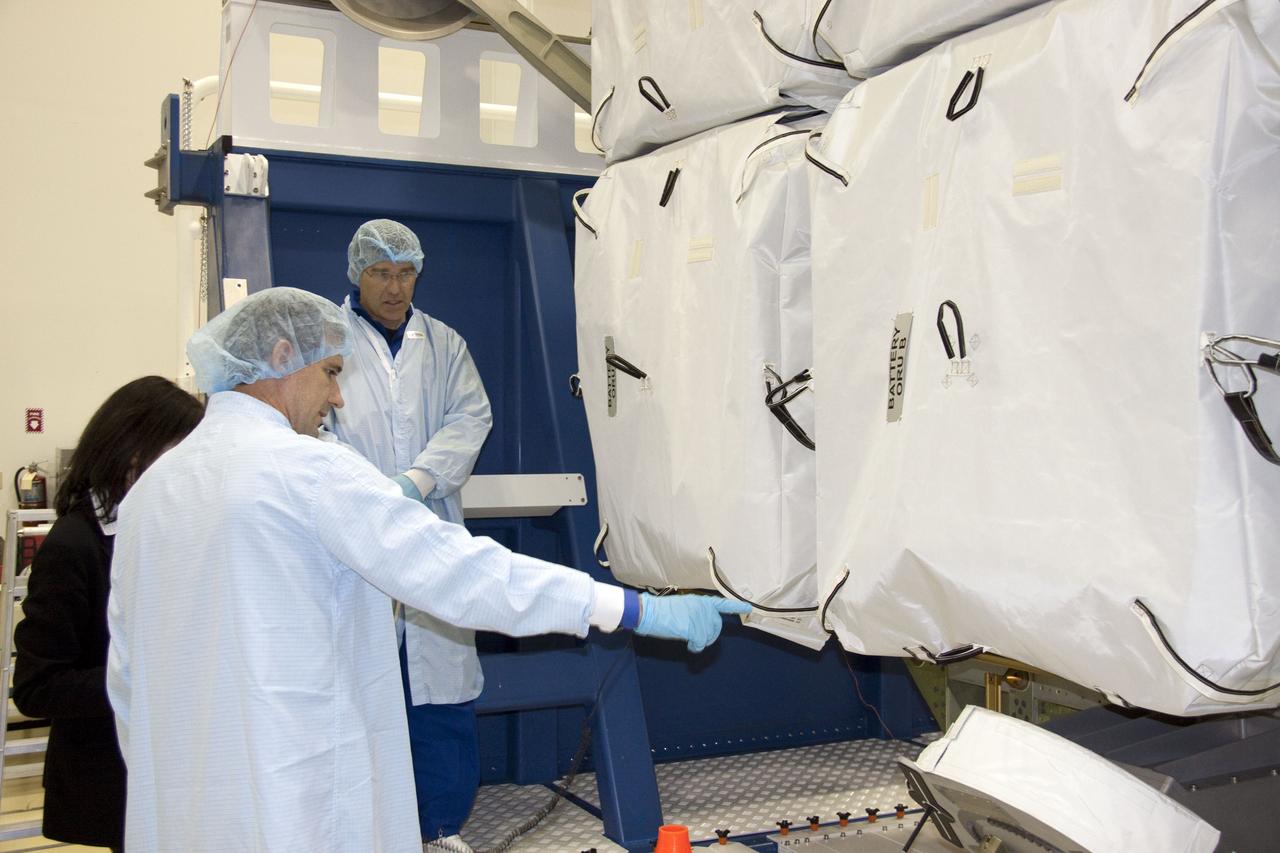
STS-132 CREW CEIT - SSPF - SPACHAB
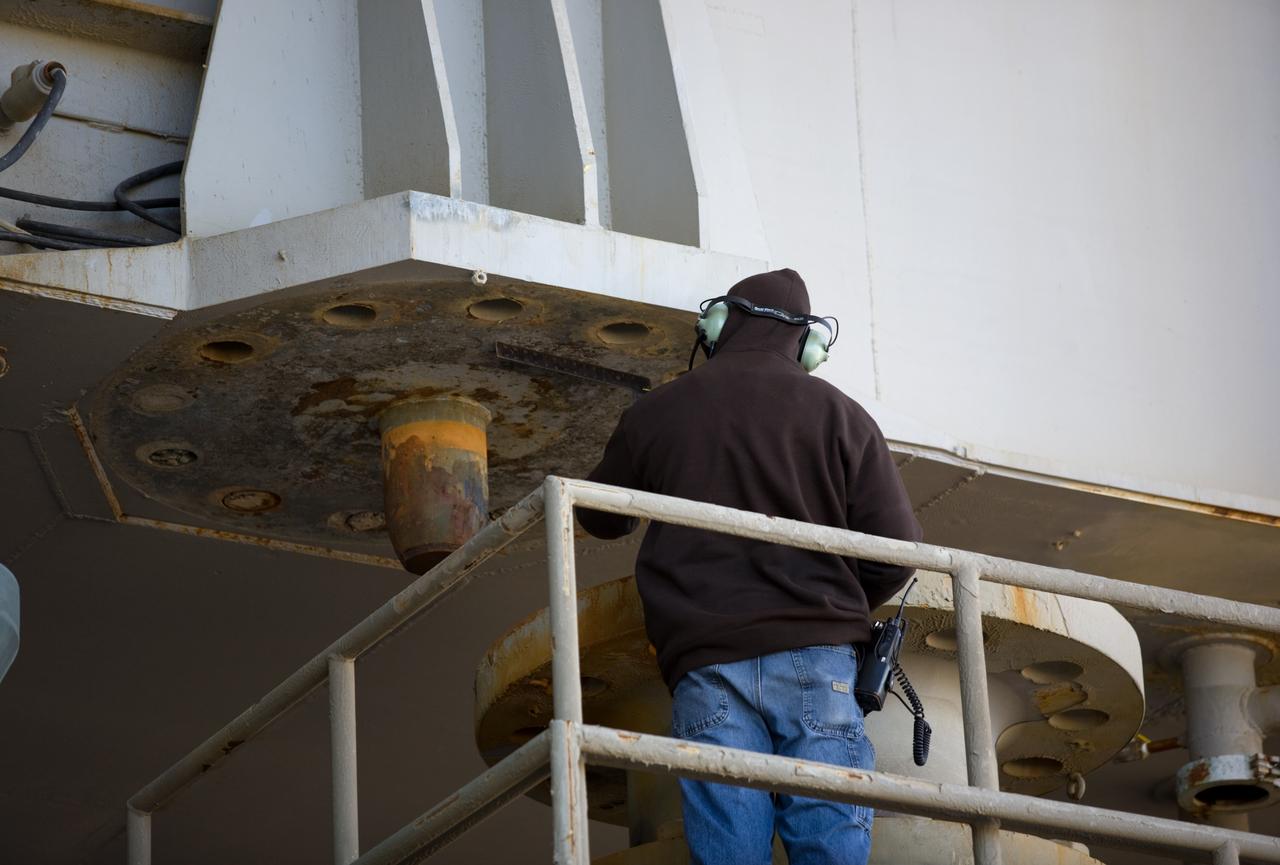
STS-130 ENDEAVOUR ROLLOUT - INCLUDES HARDDOWN
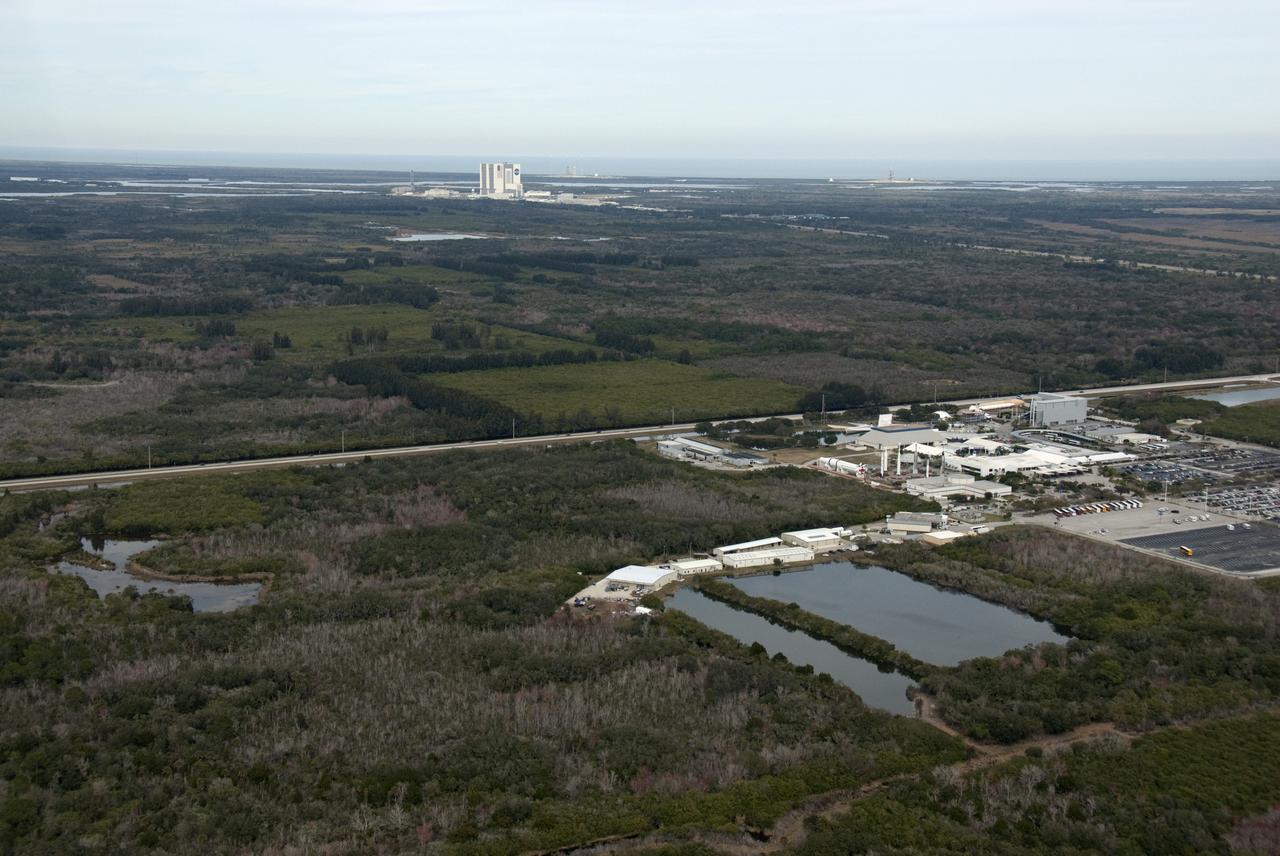
AERIALS - SR3 SOLAR FACILITY & NEW EXPANSION SITE, EXLORATION PARK
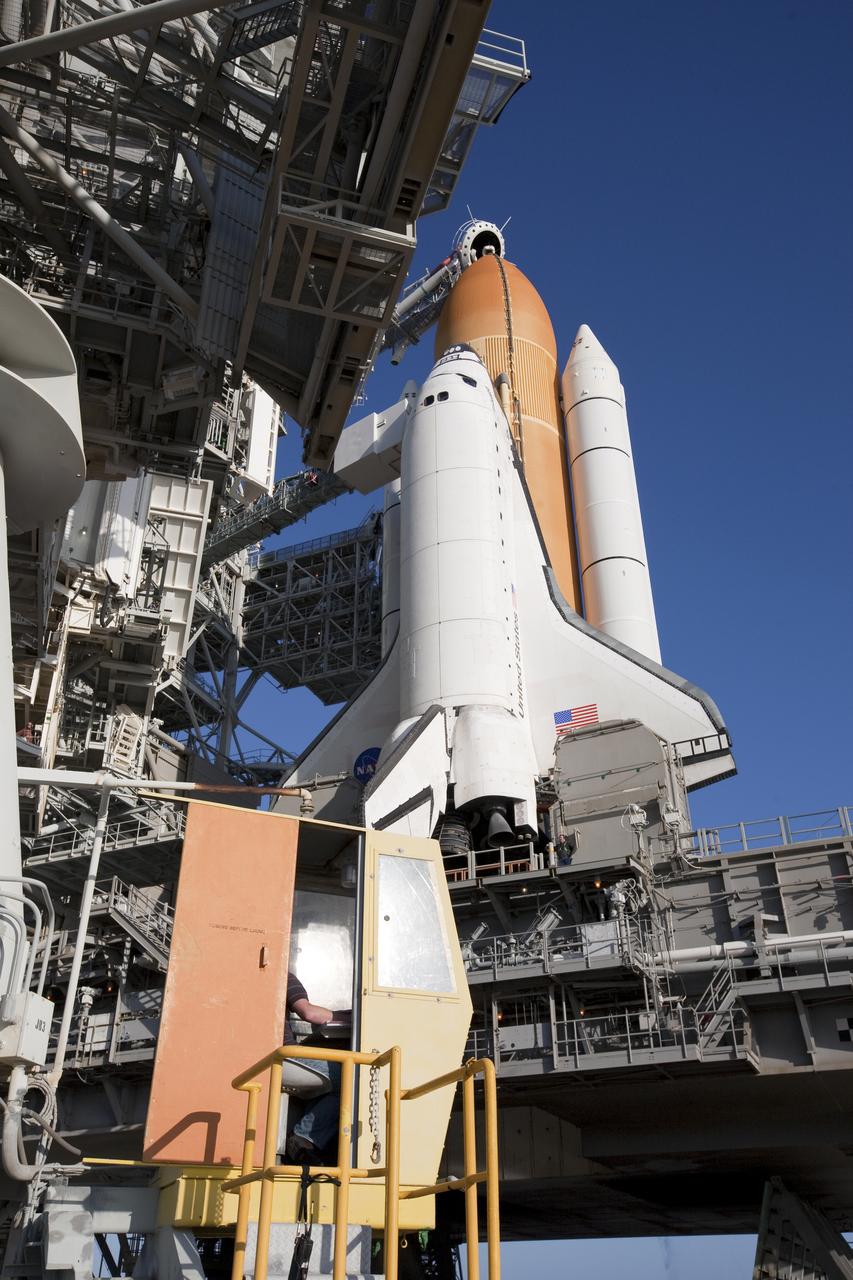
STS-130 LAUNCH L-1 RSS ROLLBACK
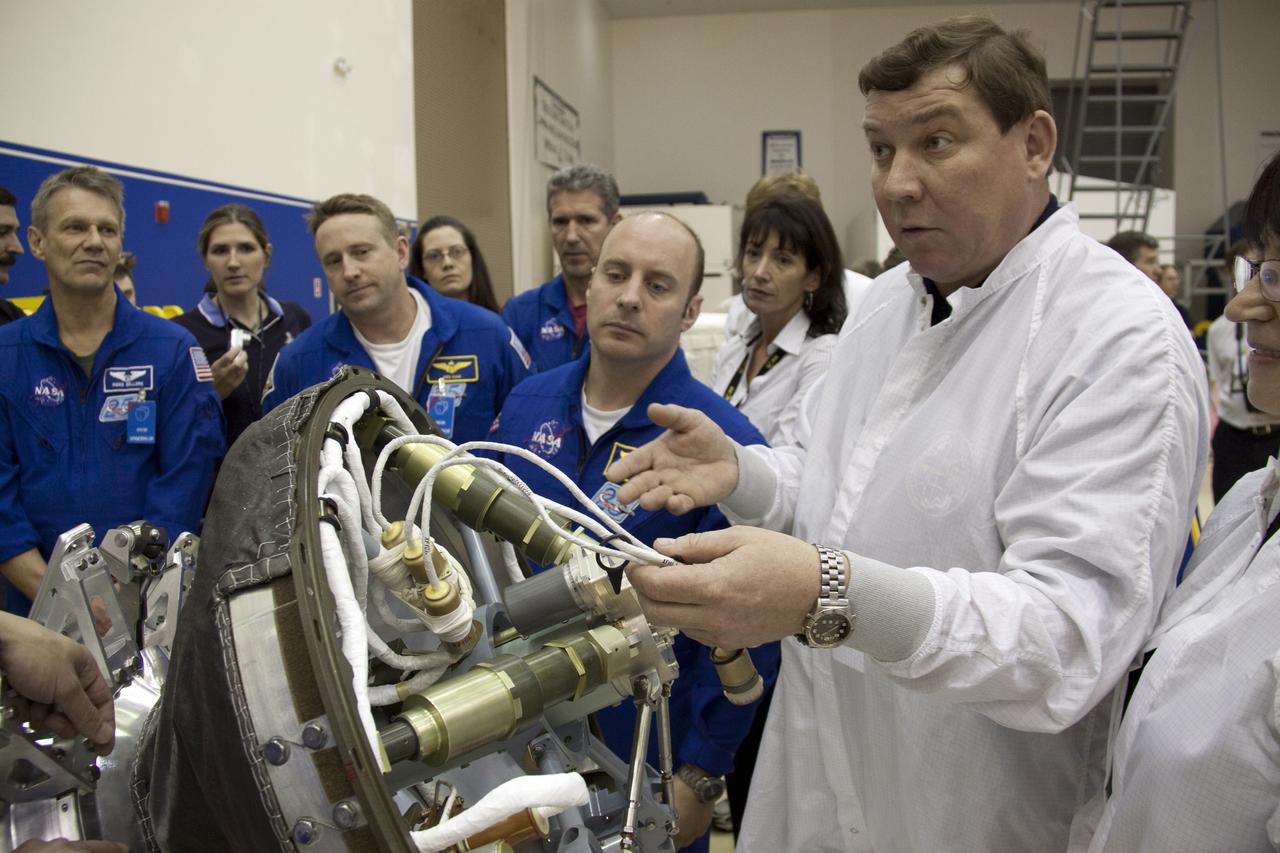
STS-132 CREW CEIT IN SSPF & SPACEHAB
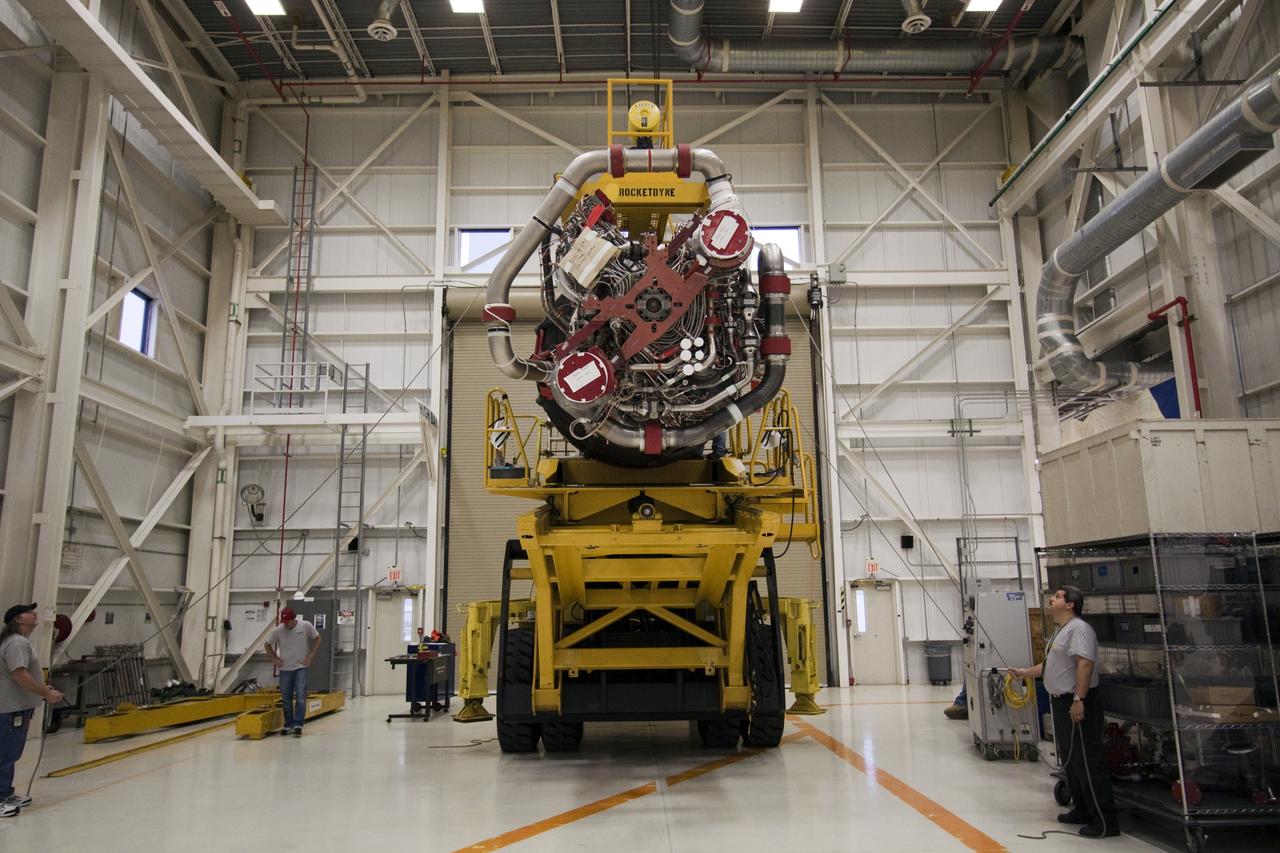
STS-132 ATLANTIS - ENGINE #2 LIFT TO TRANSPORTERAT ENGINE SHOP - XFER TO OPF-1 & INSTALL
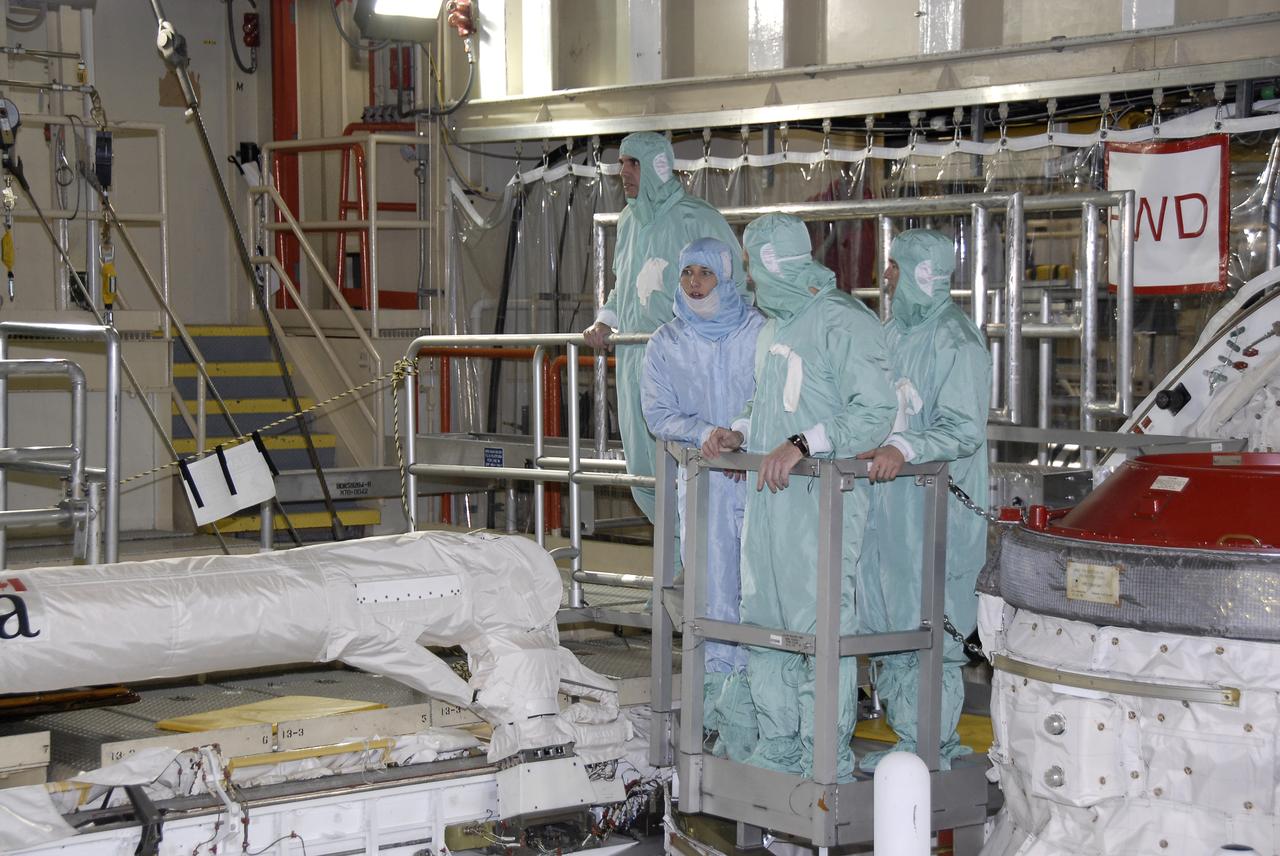
STS-131 CREW CEIT - DISCOVERY
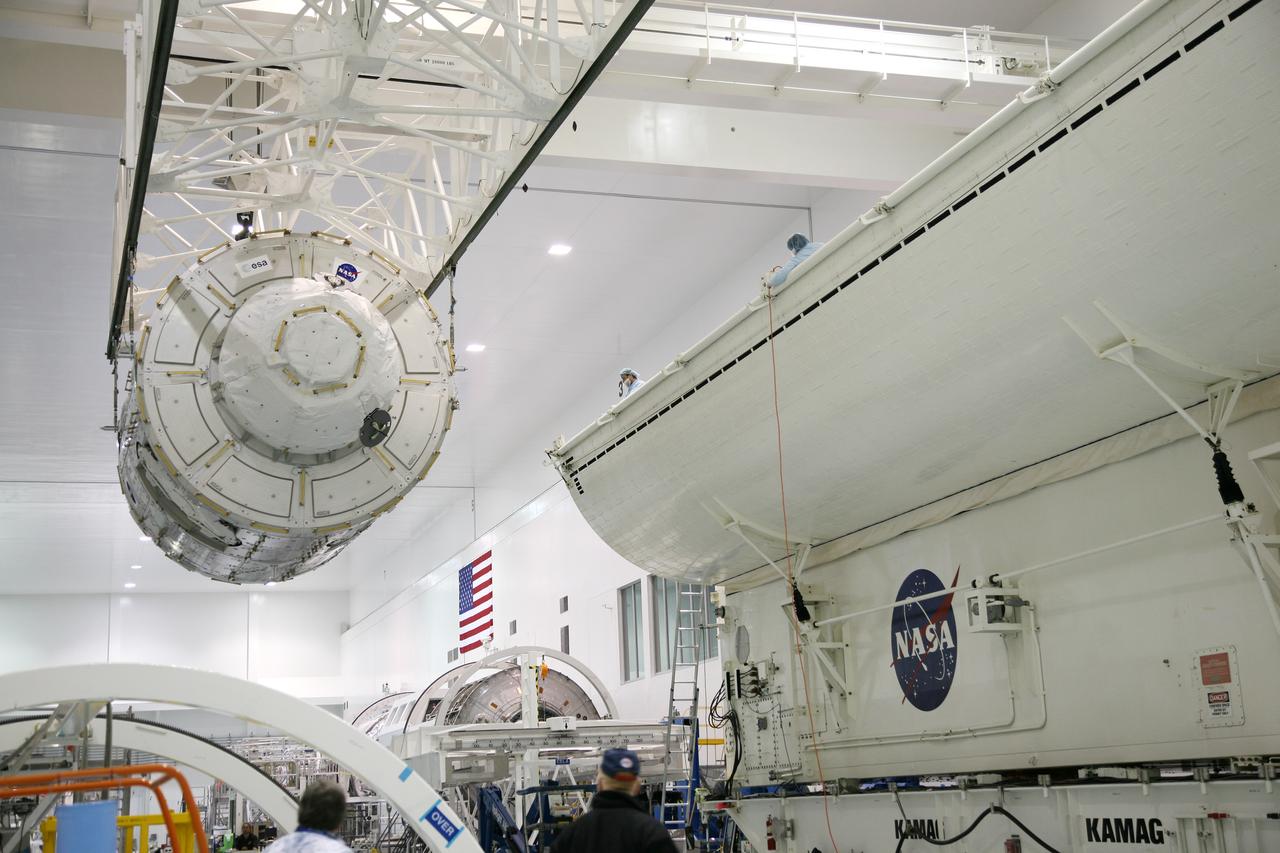
STS-130 TRANQUILITY NODE XFER TO PAYLOAD CANISTER

STS-131 DISCOVERY ROLLOUT - 1ST MOTION
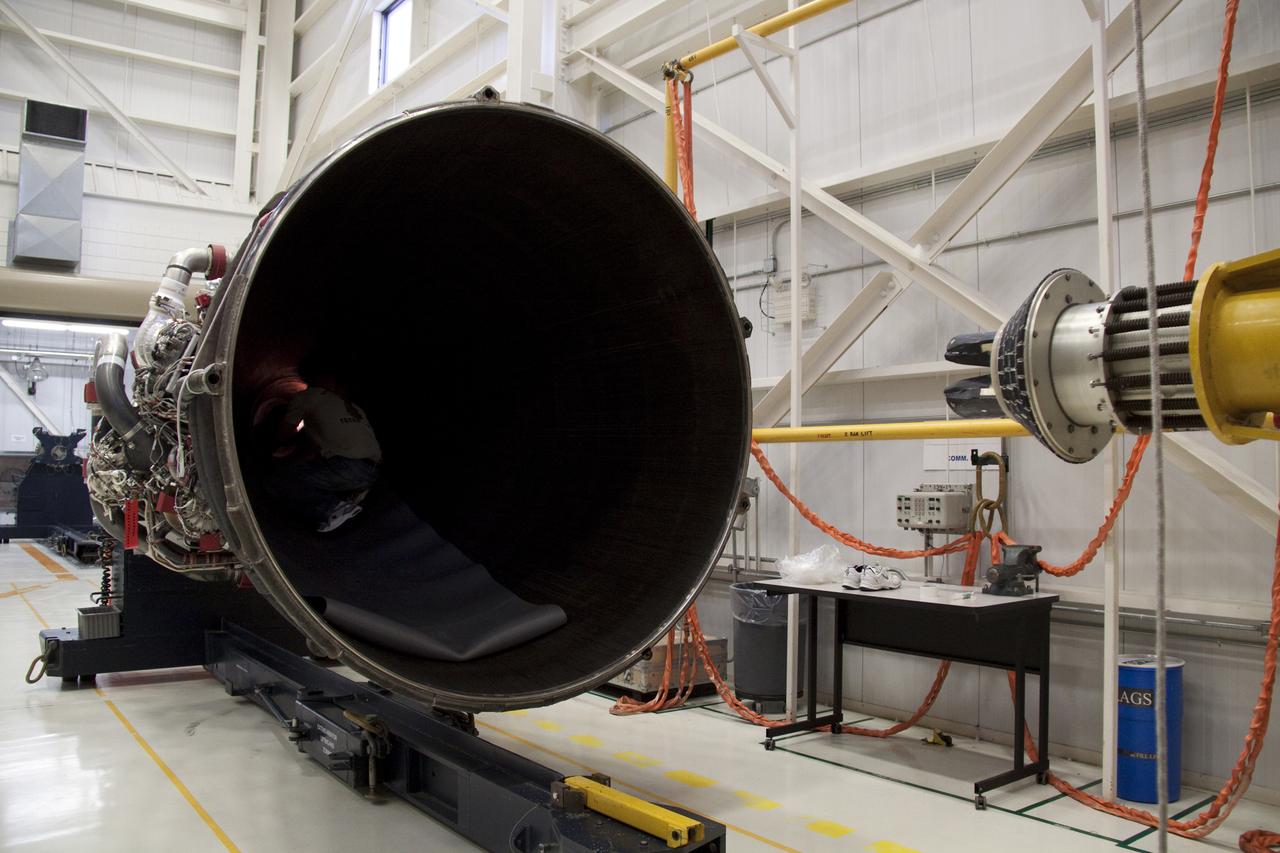
STS-132 ATLANTIS - ENGINE #2 LIFT TO TRANSPORTERAT ENGINE SHOP - XFER TO OPF-1 & INSTALL
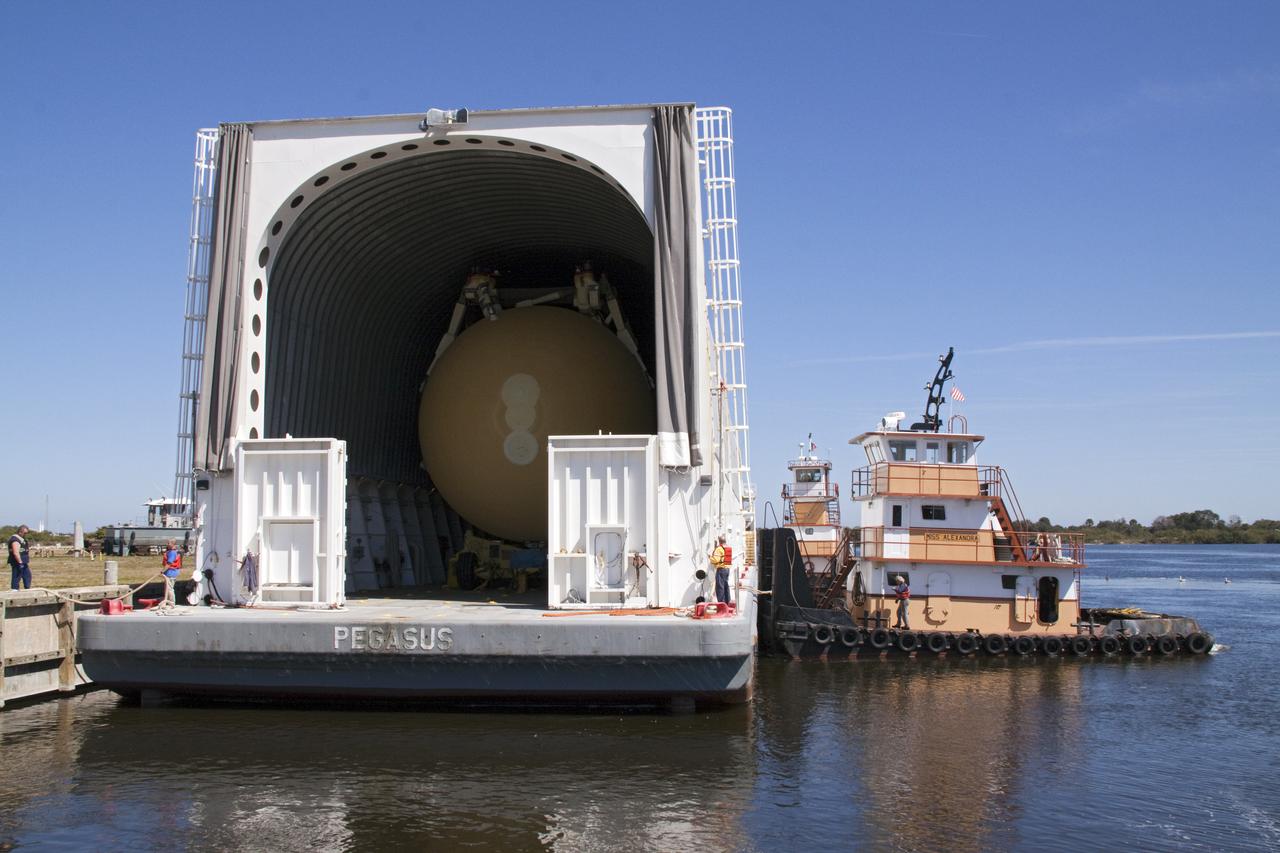
STS-132 ET-136 ARRIVAL TO LC39 TURNBASIN
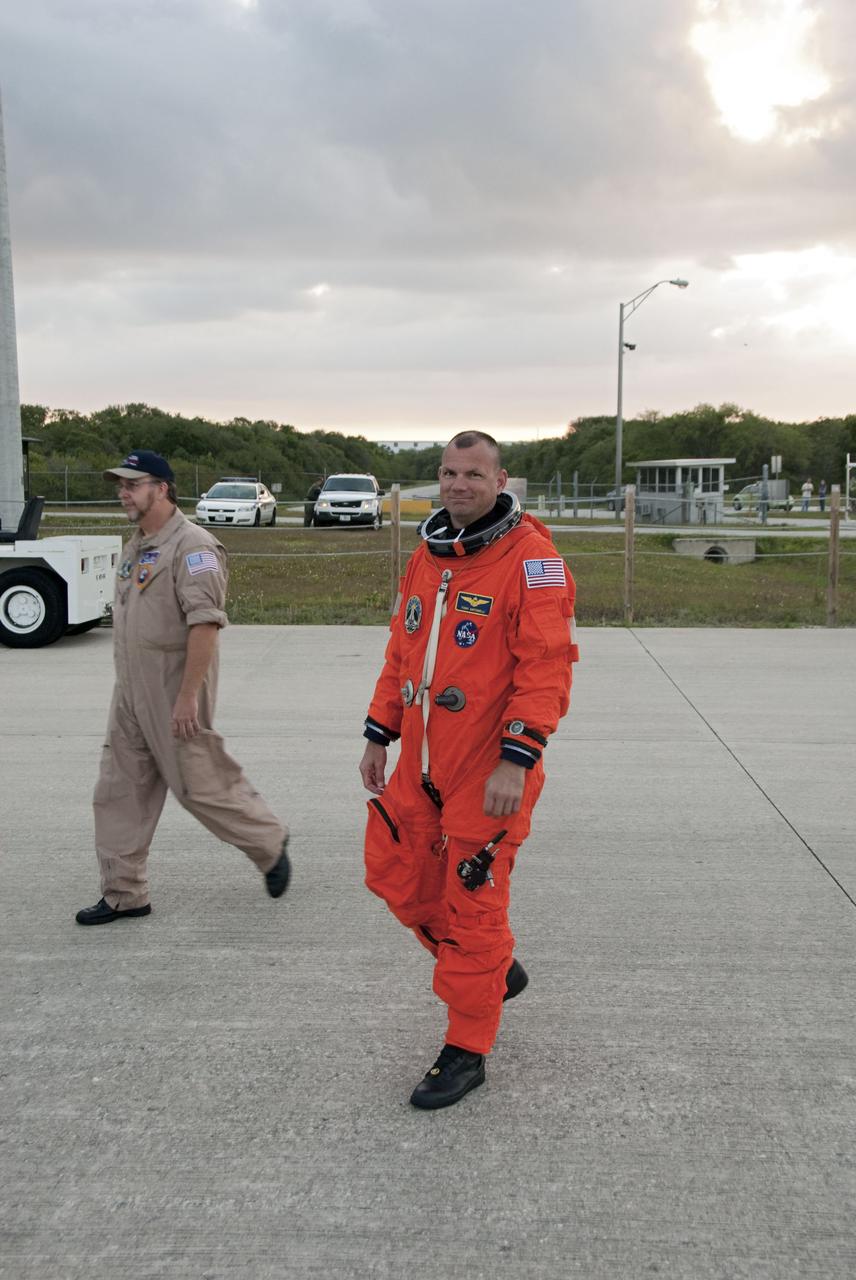
STS-132 LAUNCH L-2 SUITED STA'S WITH COMMANDER & PILOT
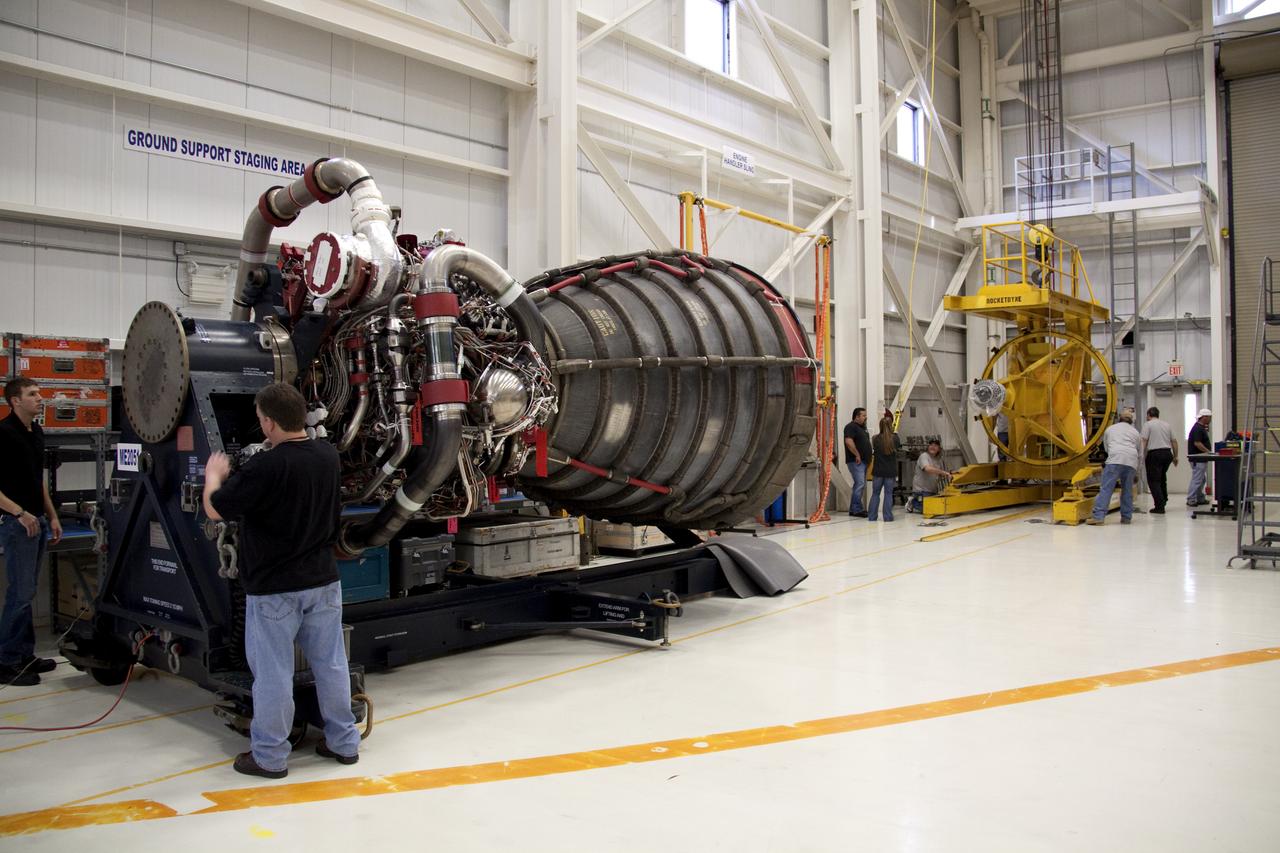
STS-132 ATLANTIS - ENGINE #2 LIFT TO TRANSPORTERAT ENGINE SHOP - XFER TO OPF-1 & INSTALL
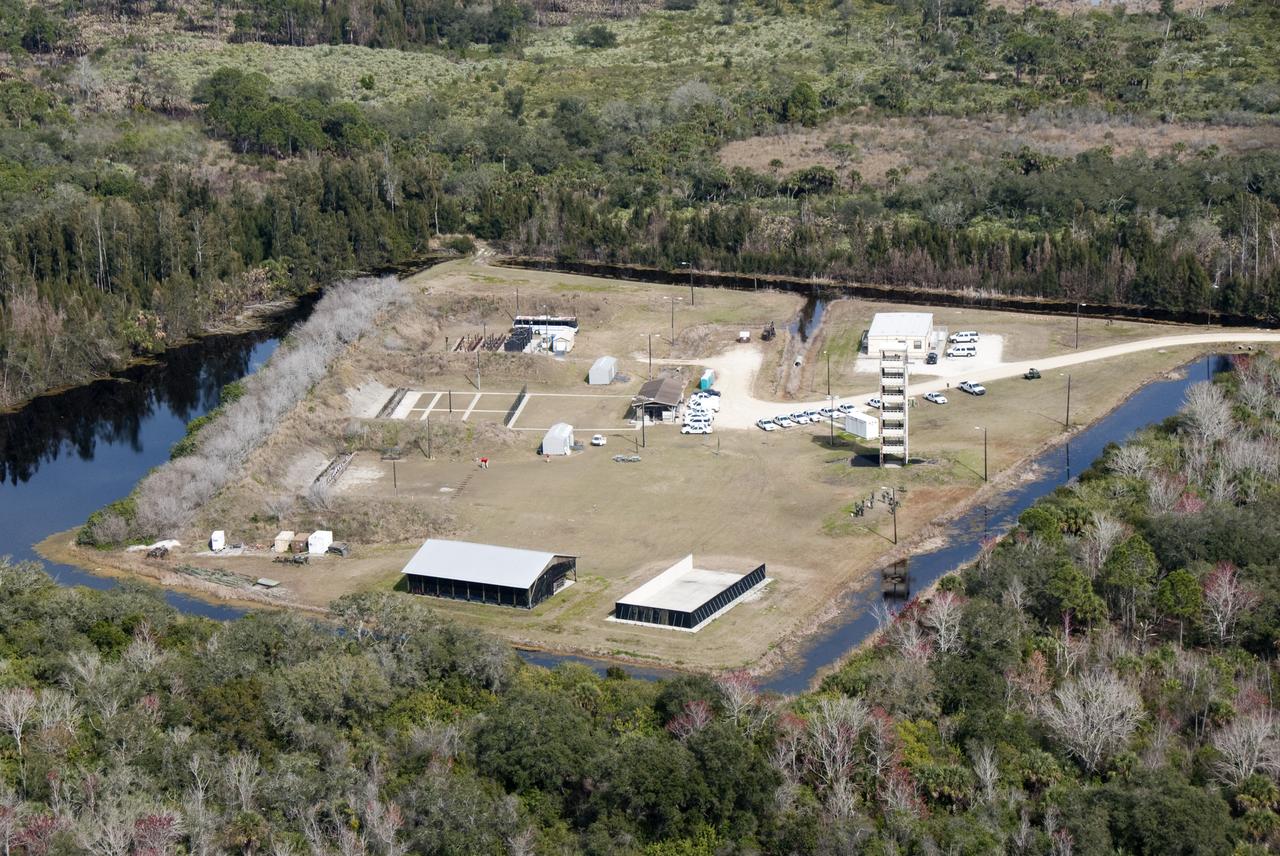
AERIALS - SR3 SOLAR FACILTY & NEW EXPANSION SITE, EXPLORATION PARK
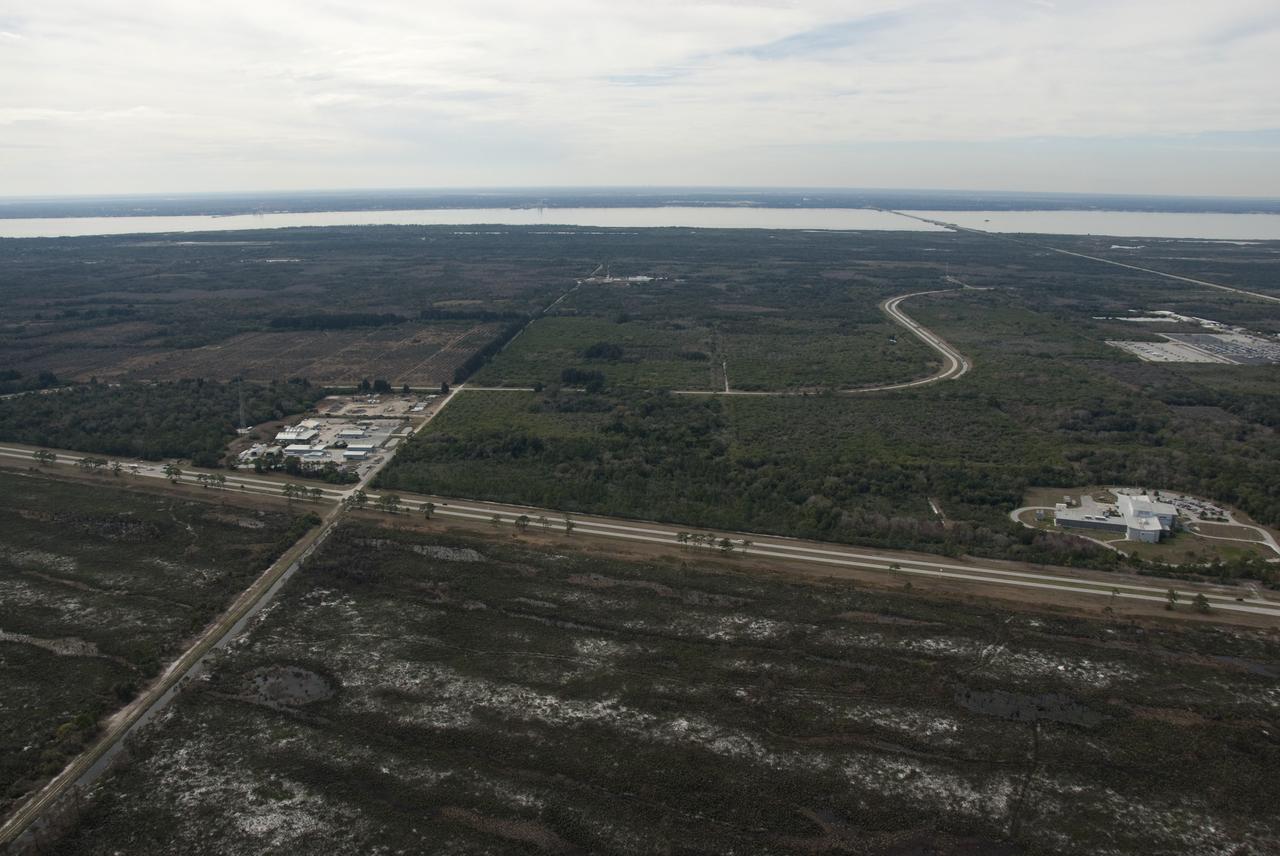
AERIALS - SR3 SOLAR FACILITY & NEW EXPANSION SITE, EXLORATION PARK