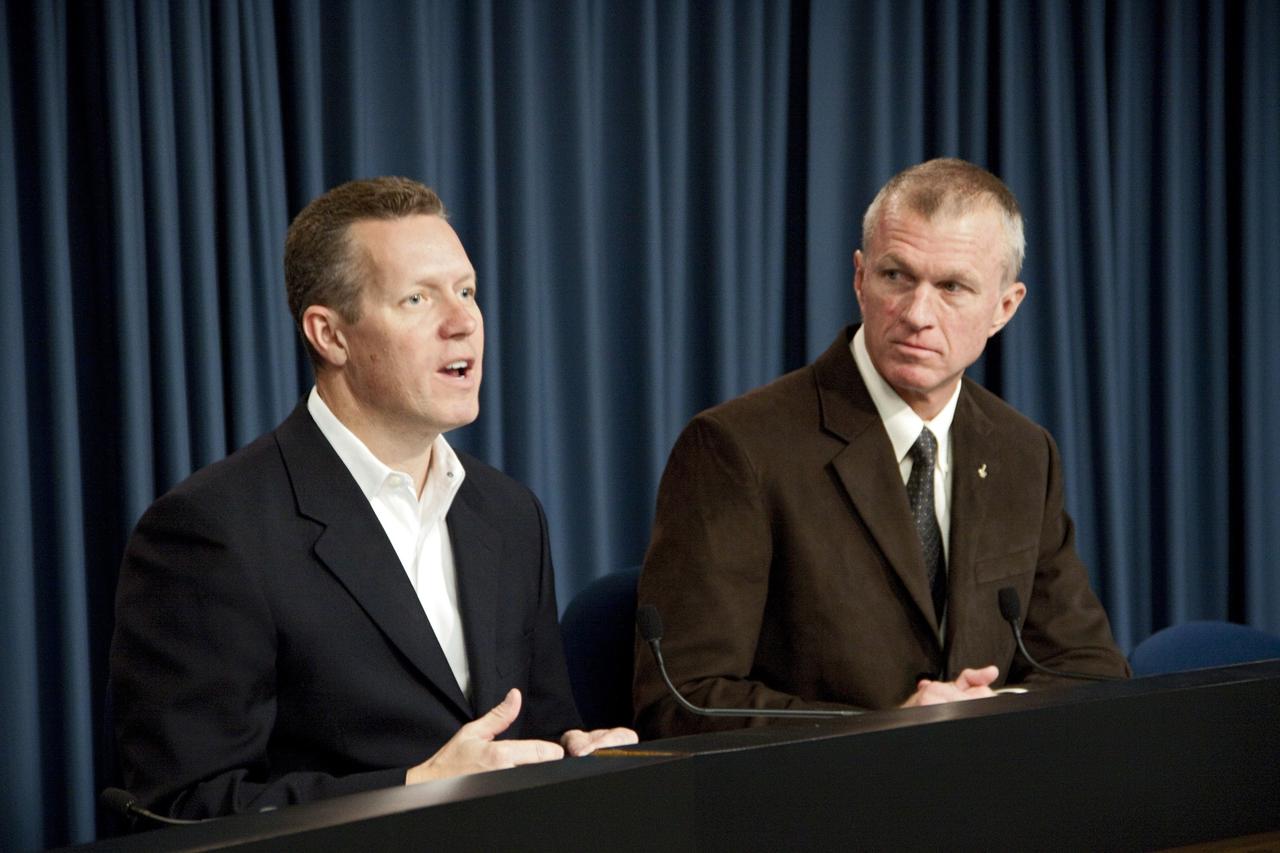
CAPE CANAVERAL, Fla. -- In the Press Site auditorium at NASA's Kennedy Space Center in Florida, Phil McAlister (left), director, Commercial Spaceflight Development in NASA’s Human Exploration and Operations Mission Directorate, and Brent Jeff, deputy director, Commercial Crew Program, brief representatives from aerospace industry partners and the media during a strategy forum on the next steps for NASA's Commercial Crew Program. The goal of the Commercial Crew Program is to have a commercially developed, human-capable, certified spacecraft safely flying astronauts into orbit and to the International Space Station by the middle of the decade. For more information about NASA's Commercial Crew Program, visit http://www.nasa.gov/exploration/commercial. Photo credit: NASA/Jim Grossmann
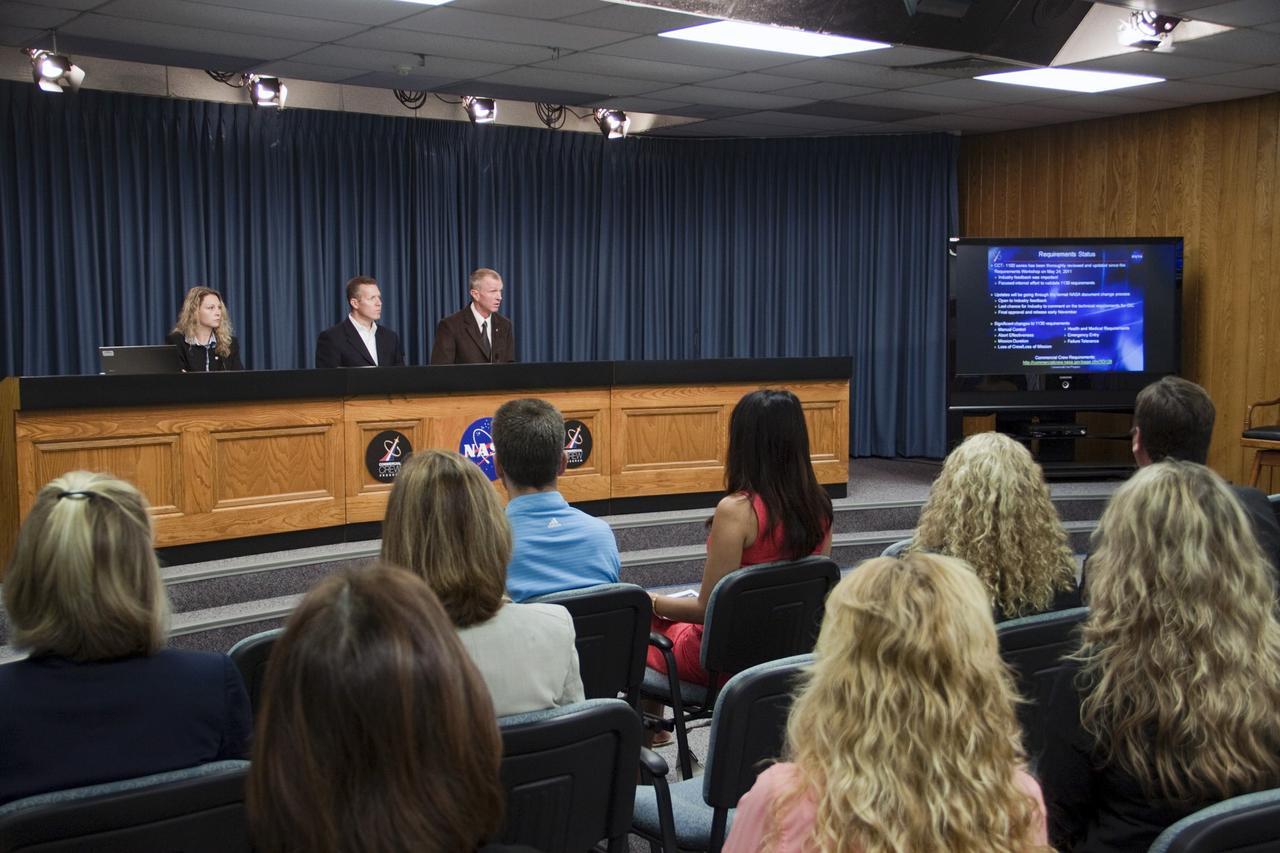
CAPE CANAVERAL, Fla. -- Representatives from aerospace industry partners and the media are given an overview on NASA's Commercial Crew Program's next steps during a strategy forum held in the Press Site auditorium at Kennedy Space Center in Florida. On the dais, from left, are Candrea Thomas, NASA Public Affairs; Phil McAlister, director, Commercial Spaceflight Development in NASA’s Human Exploration and Operations Mission Directorate, and Brent Jeff, deputy director, Commercial Crew Program. The goal of the Commercial Crew Program is to have a commercially developed, human-capable, certified spacecraft safely flying astronauts into orbit and to the International Space Station by the middle of the decade. For more information about NASA's Commercial Crew Program, visit http://www.nasa.gov/exploration/commercial. Photo credit: NASA/Jim Grossmann
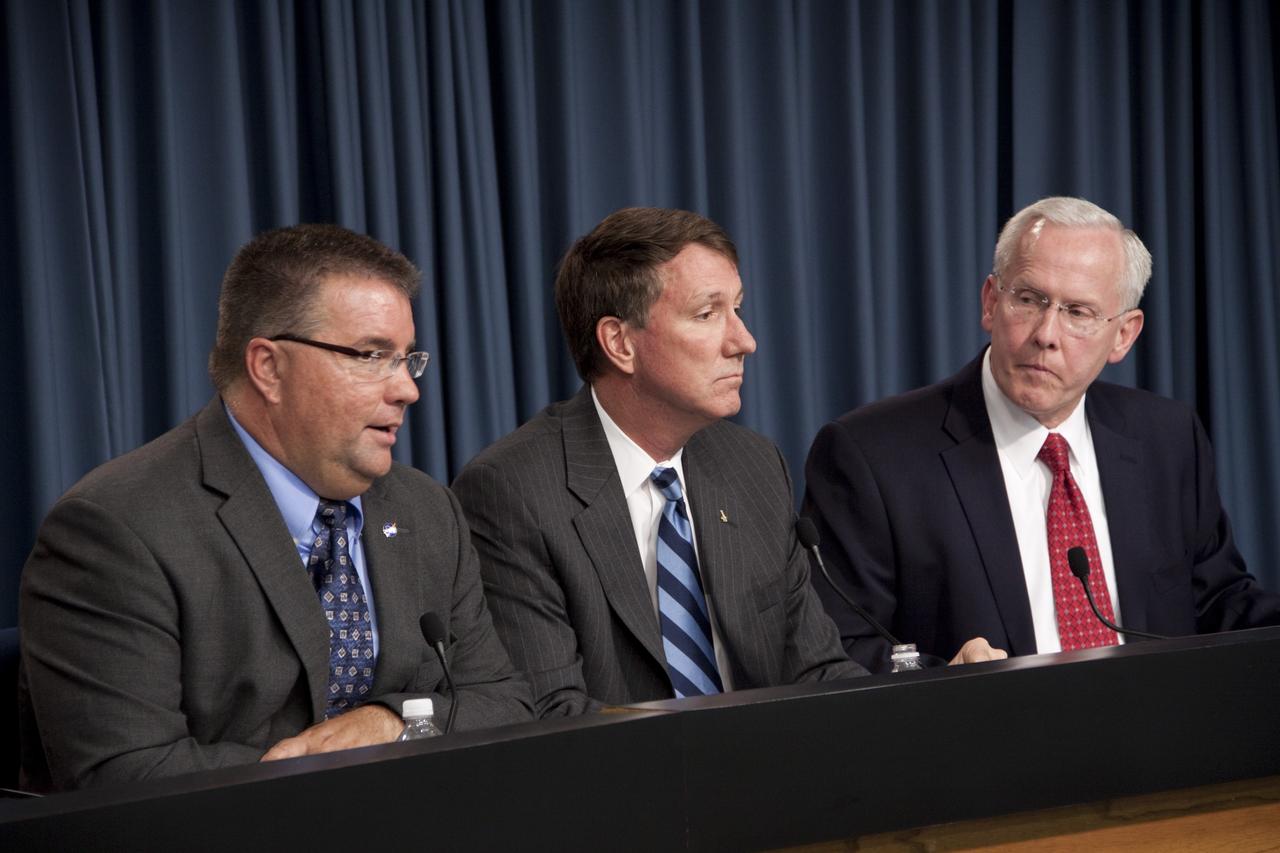
CAPE CANAVERAL, Fla. -- NASA and Alliant Techsystems (ATK) managers discuss an agreement that could accelerate the availability of U.S. commercial crew transportation capabilities with media representatives in the Press Site auditorium at NASA's Kennedy Space Center in Florida. From left are Ed Mango, Commercial Crew Program manager, NASA; Kent Rominger, vice president, Strategy and Business Development, ATK Aerospace; and John Schumacher, vice president, Space Programs, EADS North America. The unfunded Space Act Agreement (SAA) through NASA's Commercial Crew Program will allow the agency and ATK to review and discuss Liberty system requirements, safety and certification plans, computational models of rocket stage performance, and avionics architecture designs. The agreement outlines key milestones including an Initial System Design review, during which ATK will present to NASA officials the Liberty systems level requirements, preliminary design, and certification process development. For more information about NASA's Commercial Crew Program, visit http://www.nasa.gov/exploration/commercial. Photo credit: NASA/Jim Grossmann
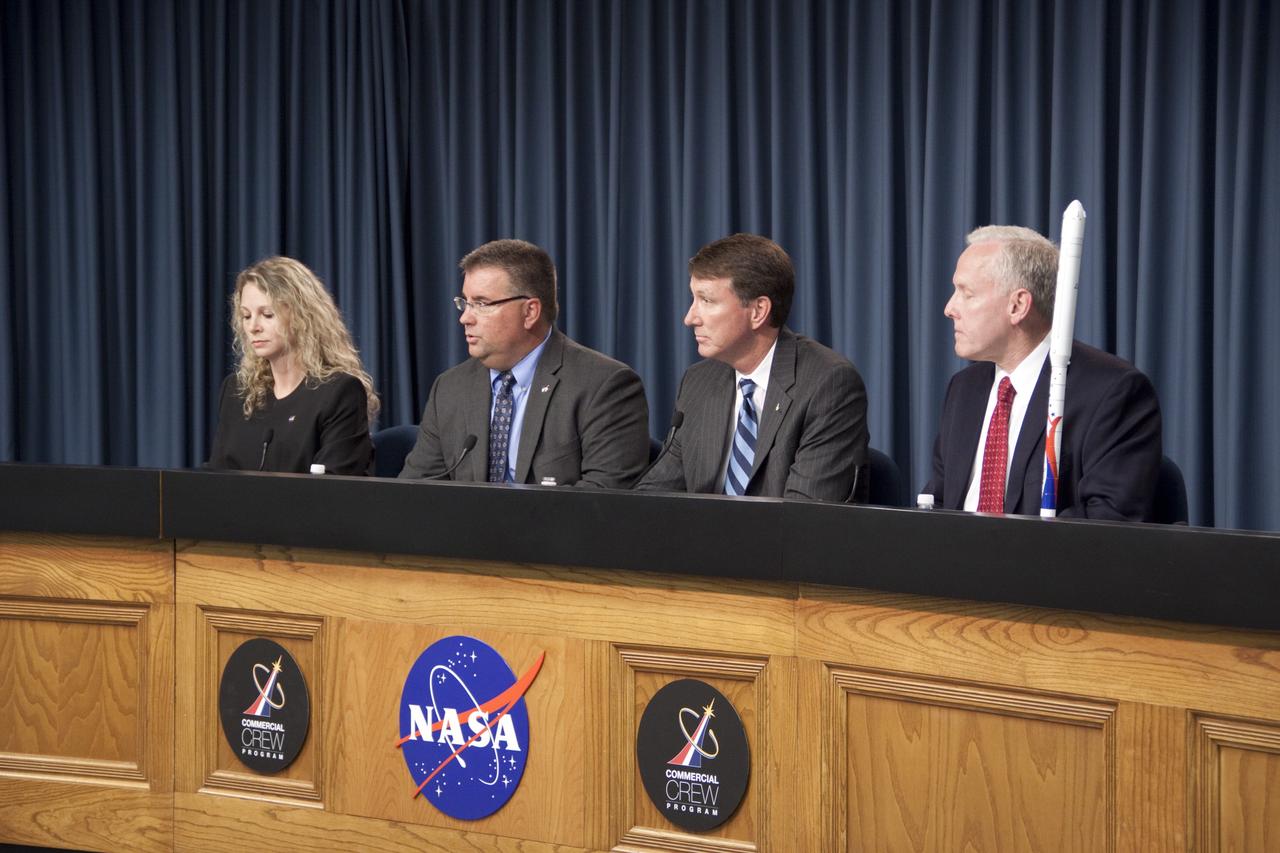
CAPE CANAVERAL, Fla. -- NASA and Alliant Techsystems (ATK) managers announce an agreement that could accelerate the availability of U.S. commercial crew transportation capabilities in the Press Site auditorium at NASA's Kennedy Space Center in Florida. From left are Candrea Thomas, NASA Public Affairs; Ed Mango, Commercial Crew Program manager, NASA; Kent Rominger, vice president, Strategy and Business Development, ATK Aerospace; and John Schumacher, vice president, Space Programs, EADS North America. The unfunded Space Act Agreement (SAA) through NASA's Commercial Crew Program will allow the agency and ATK to review and discuss Liberty system requirements, safety and certification plans, computational models of rocket stage performance, and avionics architecture designs. The agreement outlines key milestones including an Initial System Design review, during which ATK will present to NASA officials the Liberty systems level requirements, preliminary design, and certification process development. For more information about NASA's Commercial Crew Program, visit http://www.nasa.gov/exploration/commercial. Photo credit: NASA/Jim Grossmann
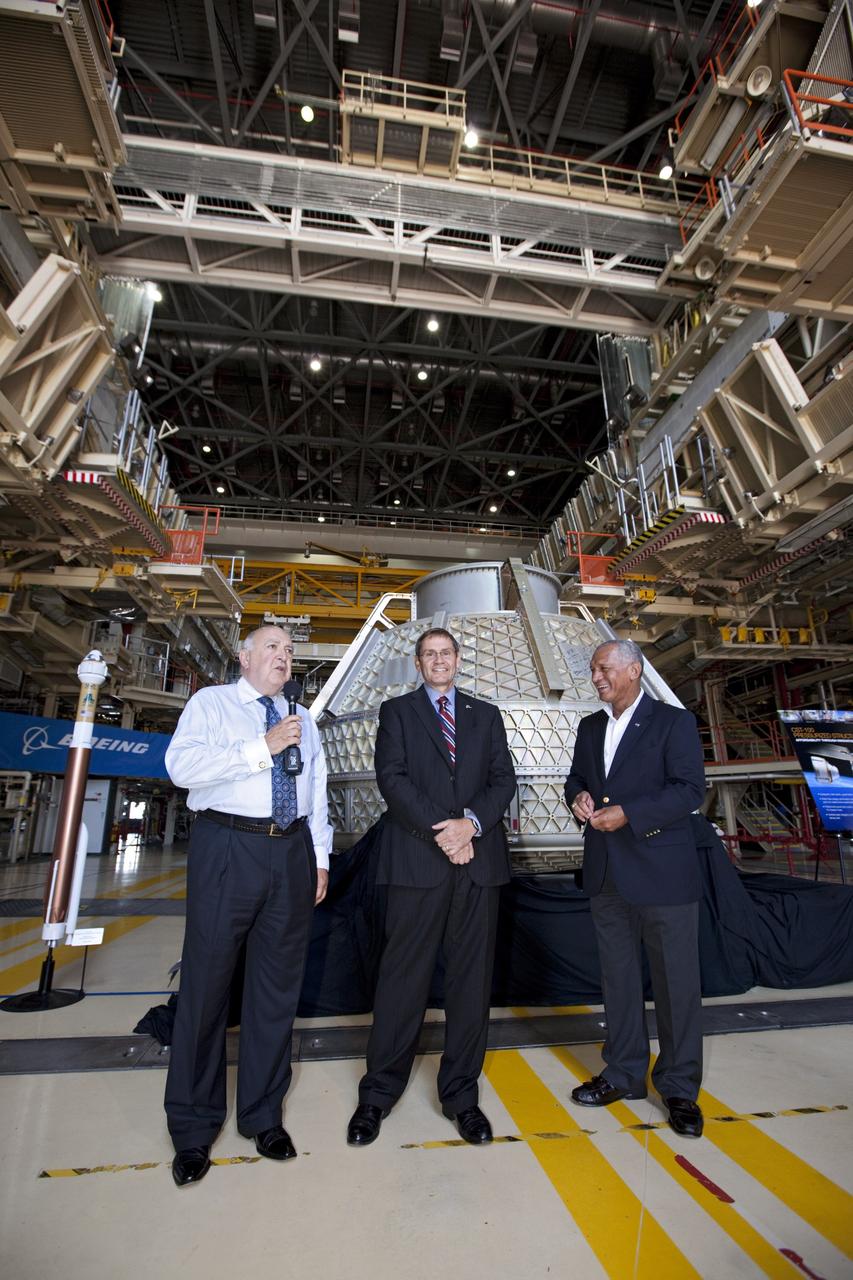
CAPE CANAVERAL, Fla. – Space Florida President Frank DiBello, NASA Administrator Charlie Bolden, and Boeing's Vice President and General Manager of Space Exploration John Elbon address the media inside Orbiter Processing Facility-3, or OPF-3, at NASA's Kennedy Space Center in Florida. Bolden took a few dozen media on a road show tour of the center and adjacent Cape Canaveral Air Force Station to show the progress being made for future government and commercial space endeavors that will begin from Florida's Space Coast. Boeing is leasing OPF-3 through an agreement with Space Florida for the manufacturing and assembly of its CST-100 spacecraft, which is under development in collaboration with NASA's Commercial Crew Program. During his tour, Bolden announced that Space Exploration Technologies, or SpaceX, has completed its Space Act Agreement with NASA for Commercial Orbital Transportation Services. SpaceX is scheduled to launch the first of its 12 contracted cargo flights to the space station from Cape Canaveral this October, under NASA’s Commercial Resupply Services Program. Bolden also announced NASA partner Sierra Nevada Corp. has conducted its first milestone under the agency’s recently announced Commercial Crew Integrated Capability CCiCap initiative. The milestone, a program implementation plan review, marks an important first step in Sierra Nevada’s efforts to develop a crew transportation system with its Dream Chaser spacecraft. Through NASA’s commercial space initiatives and programs, the agency is providing investments to stimulate the American commercial space industry. Photo credit: NASA/Kim Shiflett
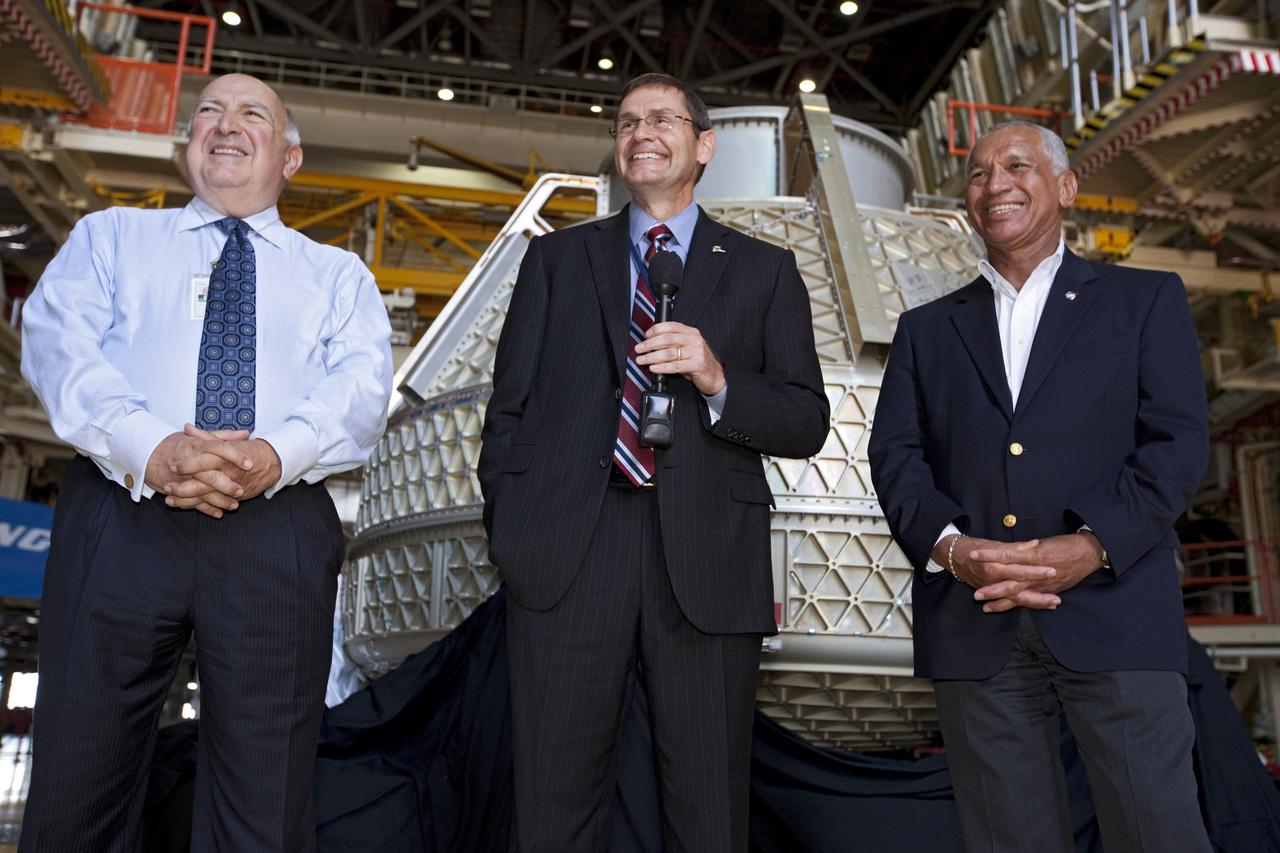
CAPE CANAVERAL, Fla. – Space Florida President Frank DiBello, NASA Administrator Charlie Bolden, and Boeing's Vice President and General Manager of Space Exploration John Elbon address the media inside Orbiter Processing Facility-3, or OPF-3, at NASA's Kennedy Space Center in Florida. Bolden took a few dozen media on a road show tour of the center and adjacent Cape Canaveral Air Force Station to show the progress being made for future government and commercial space endeavors that will begin from Florida's Space Coast. Boeing is leasing OPF-3 through an agreement with Space Florida for the manufacturing and assembly of its CST-100 spacecraft, which is under development in collaboration with NASA's Commercial Crew Program. During his tour, Bolden announced that Space Exploration Technologies, or SpaceX, has completed its Space Act Agreement with NASA for Commercial Orbital Transportation Services. SpaceX is scheduled to launch the first of its 12 contracted cargo flights to the space station from Cape Canaveral this October, under NASA’s Commercial Resupply Services Program. Bolden also announced NASA partner Sierra Nevada Corp. has conducted its first milestone under the agency’s recently announced Commercial Crew Integrated Capability CCiCap initiative. The milestone, a program implementation plan review, marks an important first step in Sierra Nevada’s efforts to develop a crew transportation system with its Dream Chaser spacecraft. Through NASA’s commercial space initiatives and programs, the agency is providing investments to stimulate the American commercial space industry. Photo credit: NASA/Kim Shiflett
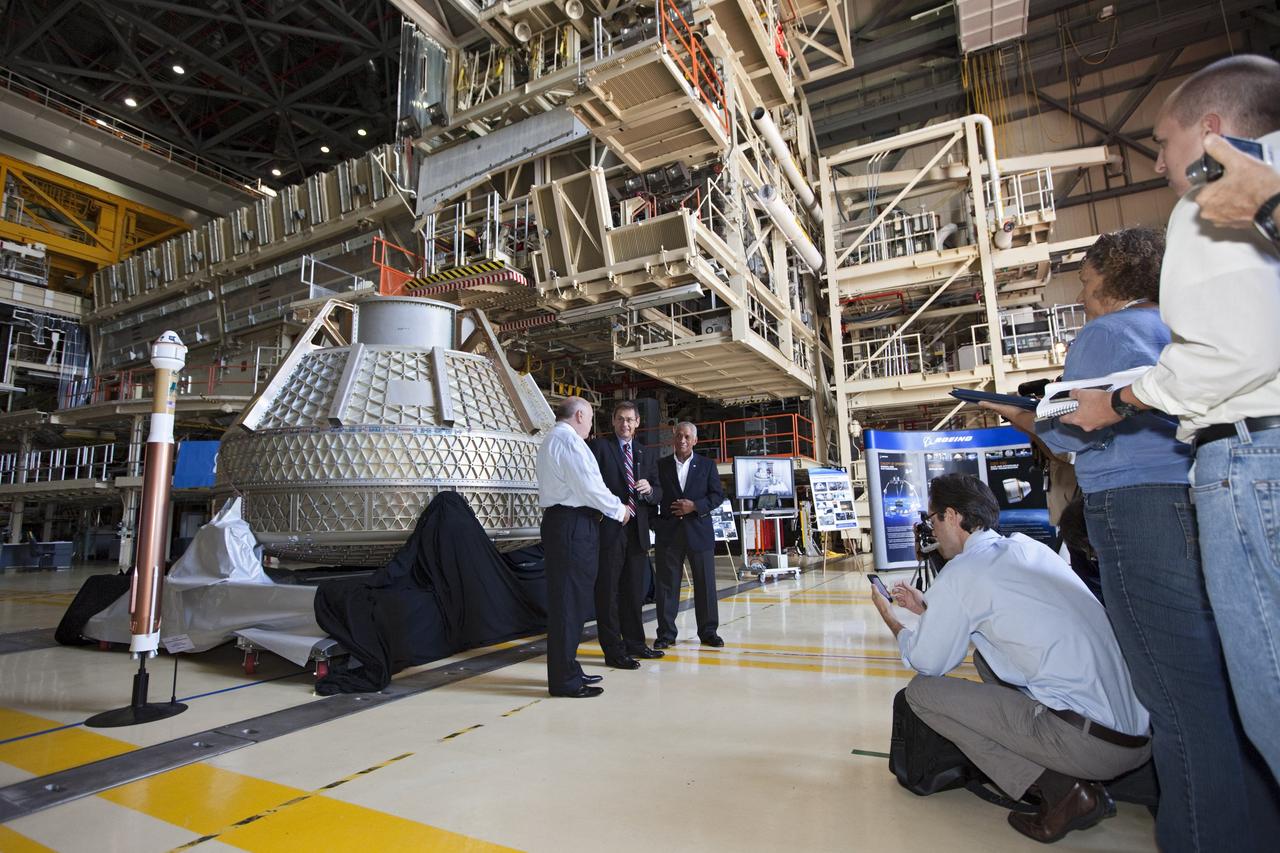
CAPE CANAVERAL, Fla. – Space Florida President Frank DiBello, NASA Administrator Charlie Bolden, and Boeing's Vice President and General Manager of Space Exploration John Elbon address the media inside Orbiter Processing Facility-3, or OPF-3, at NASA's Kennedy Space Center in Florida. Bolden took a few dozen media on a road show tour of the center and adjacent Cape Canaveral Air Force Station to show the progress being made for future government and commercial space endeavors that will begin from Florida's Space Coast. Boeing is leasing OPF-3 through an agreement with Space Florida for the manufacturing and assembly of its CST-100 spacecraft, which is under development in collaboration with NASA's Commercial Crew Program. During his tour, Bolden announced that Space Exploration Technologies, or SpaceX, has completed its Space Act Agreement with NASA for Commercial Orbital Transportation Services. SpaceX is scheduled to launch the first of its 12 contracted cargo flights to the space station from Cape Canaveral this October, under NASA’s Commercial Resupply Services Program. Bolden also announced NASA partner Sierra Nevada Corp. has conducted its first milestone under the agency’s recently announced Commercial Crew Integrated Capability CCiCap initiative. The milestone, a program implementation plan review, marks an important first step in Sierra Nevada’s efforts to develop a crew transportation system with its Dream Chaser spacecraft. Through NASA’s commercial space initiatives and programs, the agency is providing investments to stimulate the American commercial space industry. Photo credit: NASA/Kim Shiflett
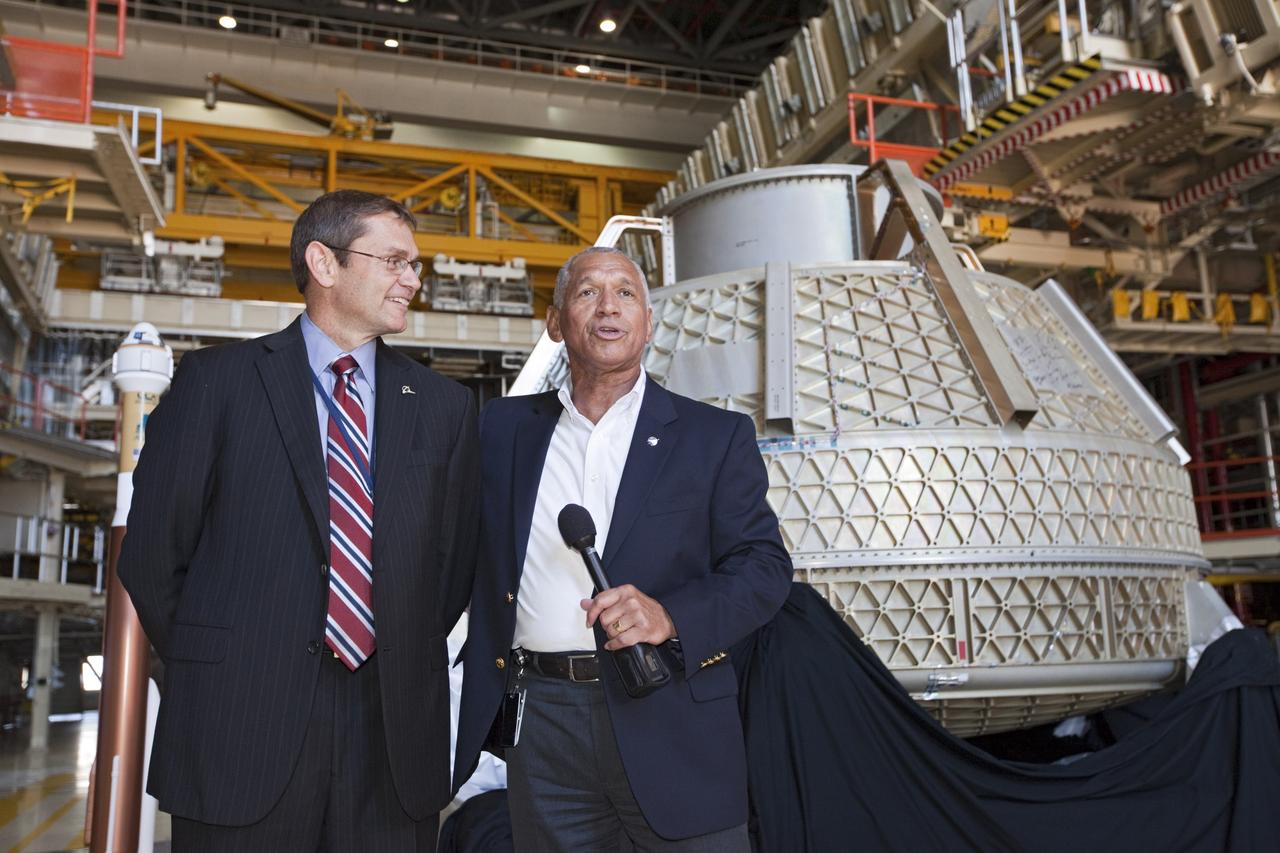
CAPE CANAVERAL, Fla. – NASA Administrator Charlie Bolden, right, and Boeing's Vice President and General Manager of Space Exploration John Elbon address the media inside Orbiter Processing Facility-3, or OPF-3, at NASA's Kennedy Space Center in Florida. Bolden took a few dozen media on a road show tour of the center and adjacent Cape Canaveral Air Force Station to show the progress being made for future government and commercial space endeavors that will begin from Florida's Space Coast. Boeing is leasing OPF-3 through an agreement with Space Florida for the manufacturing and assembly of its CST-100 spacecraft, which is under development in collaboration with NASA's Commercial Crew Program. During his tour, Bolden announced that Space Exploration Technologies, or SpaceX, has completed its Space Act Agreement with NASA for Commercial Orbital Transportation Services. SpaceX is scheduled to launch the first of its 12 contracted cargo flights to the space station from Cape Canaveral this October, under NASA’s Commercial Resupply Services Program. Bolden also announced NASA partner Sierra Nevada Corp. has conducted its first milestone under the agency’s recently announced Commercial Crew Integrated Capability CCiCap initiative. The milestone, a program implementation plan review, marks an important first step in Sierra Nevada’s efforts to develop a crew transportation system with its Dream Chaser spacecraft. Through NASA’s commercial space initiatives and programs, the agency is providing investments to stimulate the American commercial space industry. Photo credit: NASA/Kim Shiflett

CAPE CANAVERAL, Fla. – Space Florida President Frank DiBello, NASA Administrator Charlie Bolden, and Boeing's Vice President and General Manager of Space Exploration John Elbon address the media inside Orbiter Processing Facility-3, or OPF-3, at NASA's Kennedy Space Center in Florida. Bolden took a few dozen media on a road show tour of the center and adjacent Cape Canaveral Air Force Station to show the progress being made for future government and commercial space endeavors that will begin from Florida's Space Coast. Boeing is leasing OPF-3 through an agreement with Space Florida for the manufacturing and assembly of its CST-100 spacecraft, which is under development in collaboration with NASA's Commercial Crew Program. During his tour, Bolden announced that Space Exploration Technologies, or SpaceX, has completed its Space Act Agreement with NASA for Commercial Orbital Transportation Services. SpaceX is scheduled to launch the first of its 12 contracted cargo flights to the space station from Cape Canaveral this October, under NASA’s Commercial Resupply Services Program. Bolden also announced NASA partner Sierra Nevada Corp. has conducted its first milestone under the agency’s recently announced Commercial Crew Integrated Capability CCiCap initiative. The milestone, a program implementation plan review, marks an important first step in Sierra Nevada’s efforts to develop a crew transportation system with its Dream Chaser spacecraft. Through NASA’s commercial space initiatives and programs, the agency is providing investments to stimulate the American commercial space industry. Photo credit: NASA/Kim Shiflett
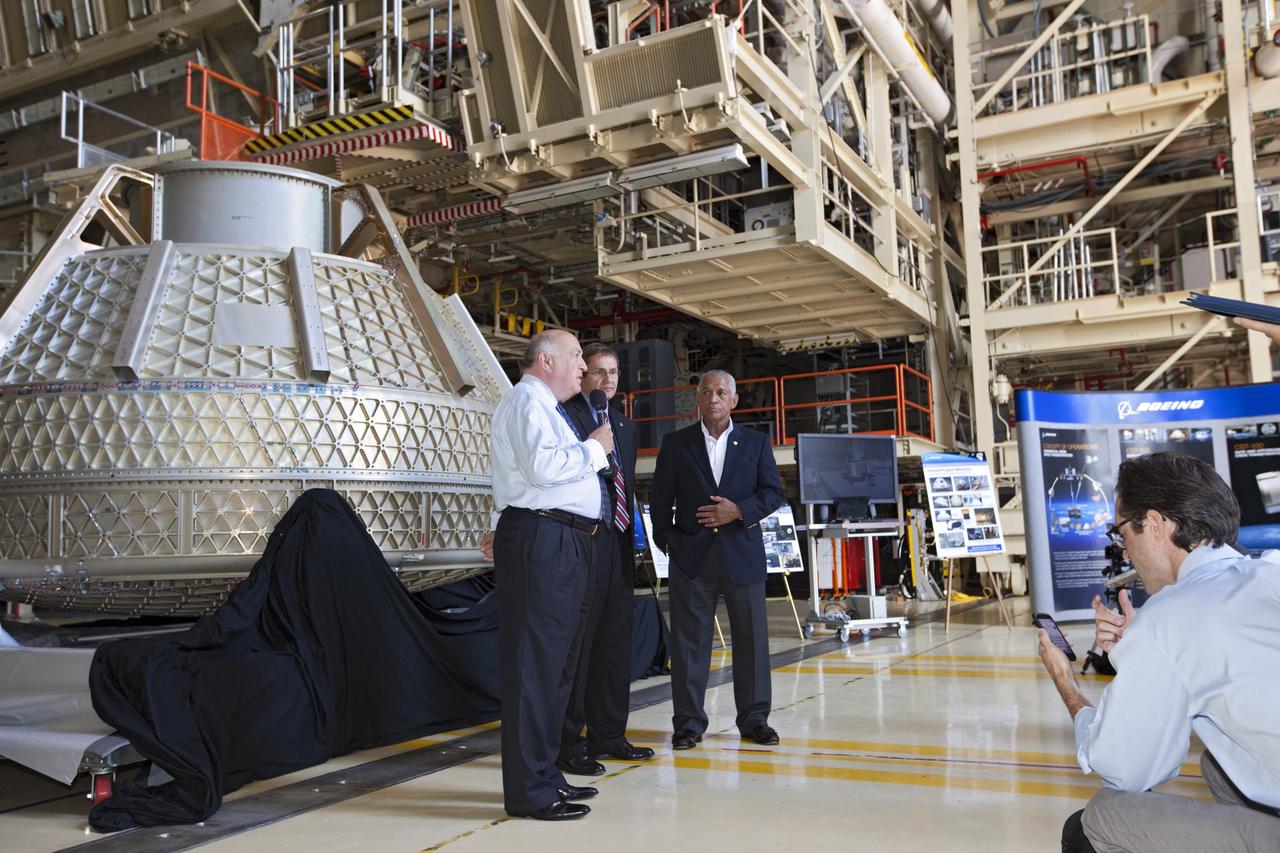
CAPE CANAVERAL, Fla. – Space Florida President Frank DiBello, NASA Administrator Charlie Bolden, and Boeing's Vice President and General Manager of Space Exploration John Elbon address the media inside Orbiter Processing Facility-3, or OPF-3, at NASA's Kennedy Space Center in Florida. Bolden took a few dozen media on a road show tour of the center and adjacent Cape Canaveral Air Force Station to show the progress being made for future government and commercial space endeavors that will begin from Florida's Space Coast. Boeing is leasing OPF-3 through an agreement with Space Florida for the manufacturing and assembly of its CST-100 spacecraft, which is under development in collaboration with NASA's Commercial Crew Program. During his tour, Bolden announced that Space Exploration Technologies, or SpaceX, has completed its Space Act Agreement with NASA for Commercial Orbital Transportation Services. SpaceX is scheduled to launch the first of its 12 contracted cargo flights to the space station from Cape Canaveral this October, under NASA’s Commercial Resupply Services Program. Bolden also announced NASA partner Sierra Nevada Corp. has conducted its first milestone under the agency’s recently announced Commercial Crew Integrated Capability CCiCap initiative. The milestone, a program implementation plan review, marks an important first step in Sierra Nevada’s efforts to develop a crew transportation system with its Dream Chaser spacecraft. Through NASA’s commercial space initiatives and programs, the agency is providing investments to stimulate the American commercial space industry. Photo credit: NASA/Kim Shiflett
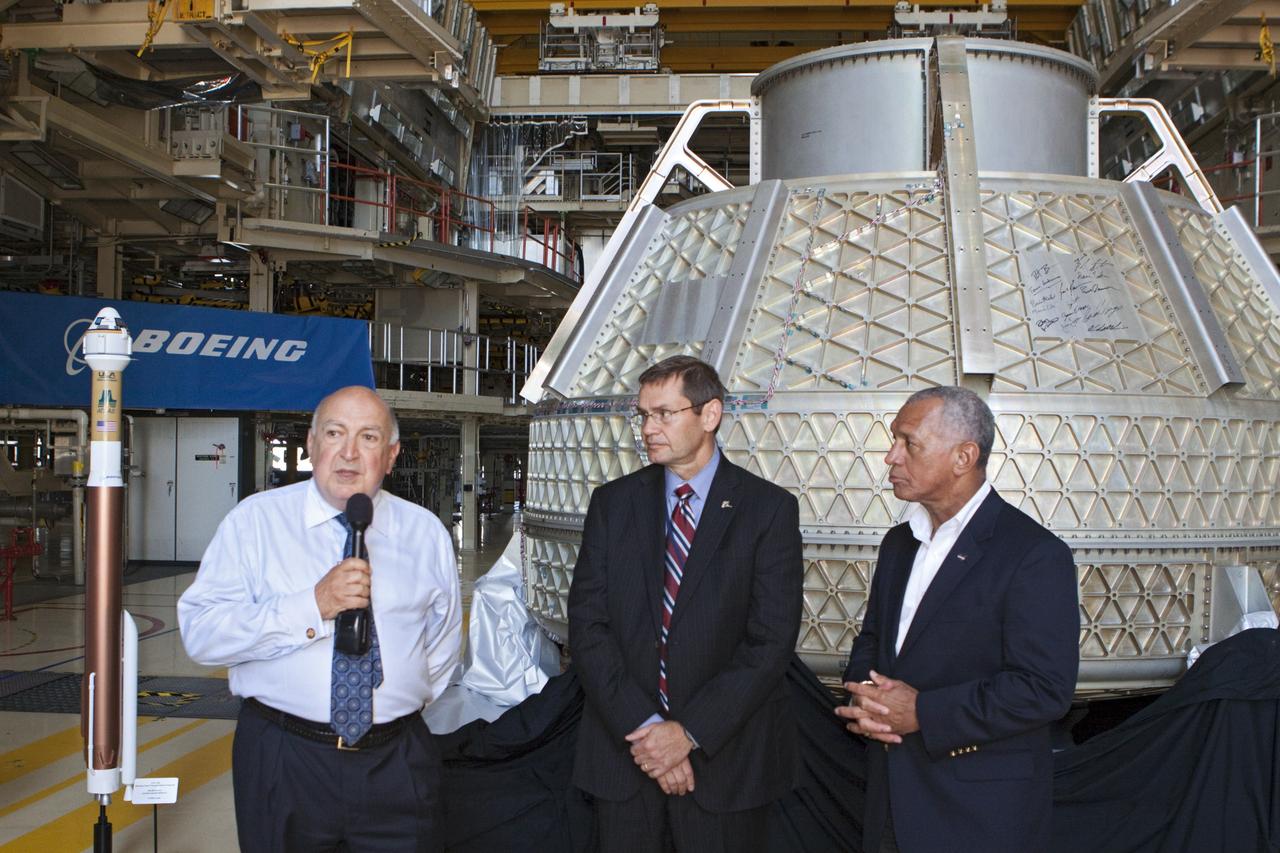
CAPE CANAVERAL, Fla. – Space Florida President Frank DiBello, NASA Administrator Charlie Bolden, and Boeing's Vice President and General Manager of Space Exploration John Elbon address the media inside Orbiter Processing Facility-3, or OPF-3, at NASA's Kennedy Space Center in Florida. Bolden took a few dozen media on a road show tour of the center and adjacent Cape Canaveral Air Force Station to show the progress being made for future government and commercial space endeavors that will begin from Florida's Space Coast. Boeing is leasing OPF-3 through an agreement with Space Florida for the manufacturing and assembly of its CST-100 spacecraft, which is under development in collaboration with NASA's Commercial Crew Program. During his tour, Bolden announced that Space Exploration Technologies, or SpaceX, has completed its Space Act Agreement with NASA for Commercial Orbital Transportation Services. SpaceX is scheduled to launch the first of its 12 contracted cargo flights to the space station from Cape Canaveral this October, under NASA’s Commercial Resupply Services Program. Bolden also announced NASA partner Sierra Nevada Corp. has conducted its first milestone under the agency’s recently announced Commercial Crew Integrated Capability CCiCap initiative. The milestone, a program implementation plan review, marks an important first step in Sierra Nevada’s efforts to develop a crew transportation system with its Dream Chaser spacecraft. Through NASA’s commercial space initiatives and programs, the agency is providing investments to stimulate the American commercial space industry. Photo credit: NASA/Kim Shiflett
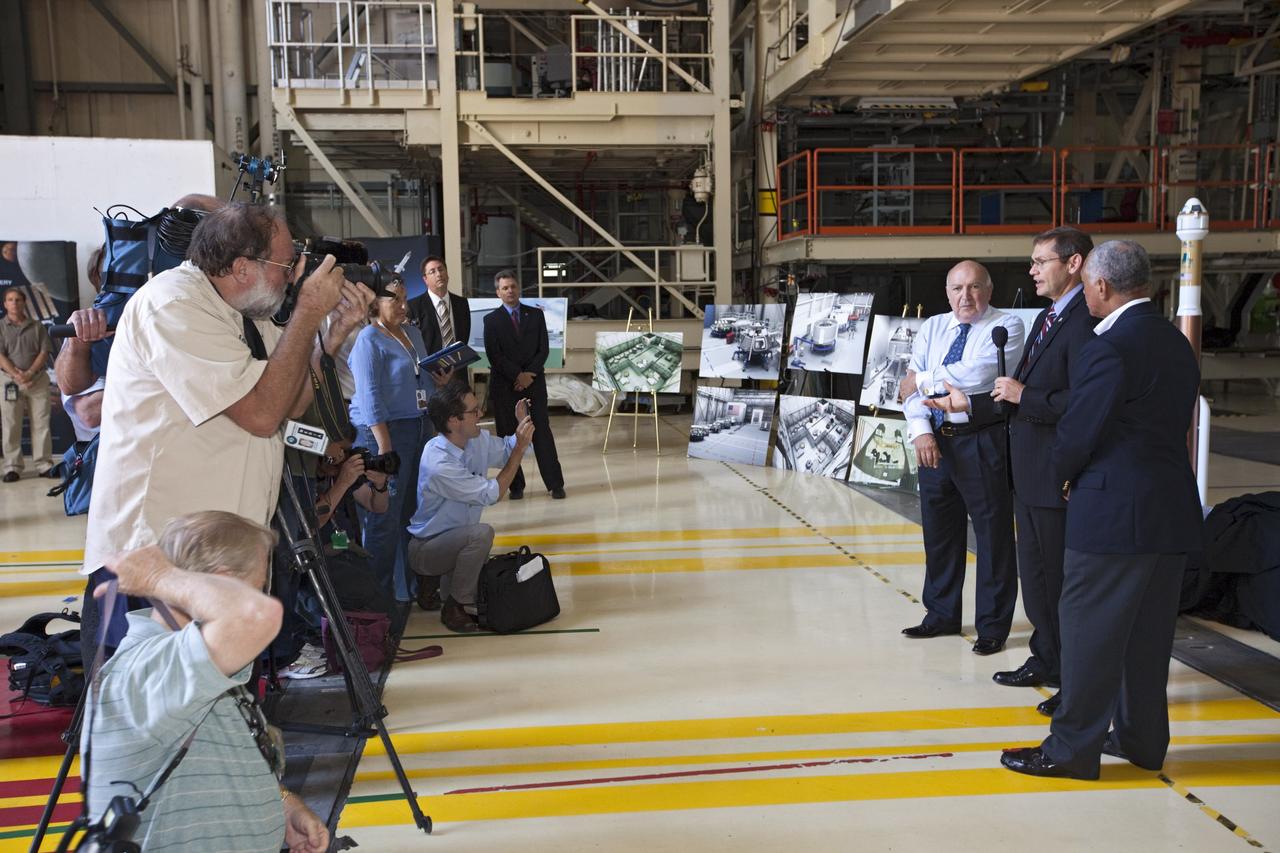
CAPE CANAVERAL, Fla. – Space Florida President Frank DiBello, NASA Administrator Charlie Bolden, and Boeing's Vice President and General Manager of Space Exploration John Elbon address the media inside Orbiter Processing Facility-3, or OPF-3, at NASA's Kennedy Space Center in Florida. Bolden took a few dozen media on a road show tour of the center and adjacent Cape Canaveral Air Force Station to show the progress being made for future government and commercial space endeavors that will begin from Florida's Space Coast. Boeing is leasing OPF-3 through an agreement with Space Florida for the manufacturing and assembly of its CST-100 spacecraft, which is under development in collaboration with NASA's Commercial Crew Program. During his tour, Bolden announced that Space Exploration Technologies, or SpaceX, has completed its Space Act Agreement with NASA for Commercial Orbital Transportation Services. SpaceX is scheduled to launch the first of its 12 contracted cargo flights to the space station from Cape Canaveral this October, under NASA’s Commercial Resupply Services Program. Bolden also announced NASA partner Sierra Nevada Corp. has conducted its first milestone under the agency’s recently announced Commercial Crew Integrated Capability CCiCap initiative. The milestone, a program implementation plan review, marks an important first step in Sierra Nevada’s efforts to develop a crew transportation system with its Dream Chaser spacecraft. Through NASA’s commercial space initiatives and programs, the agency is providing investments to stimulate the American commercial space industry. Photo credit: NASA/Kim Shiflett
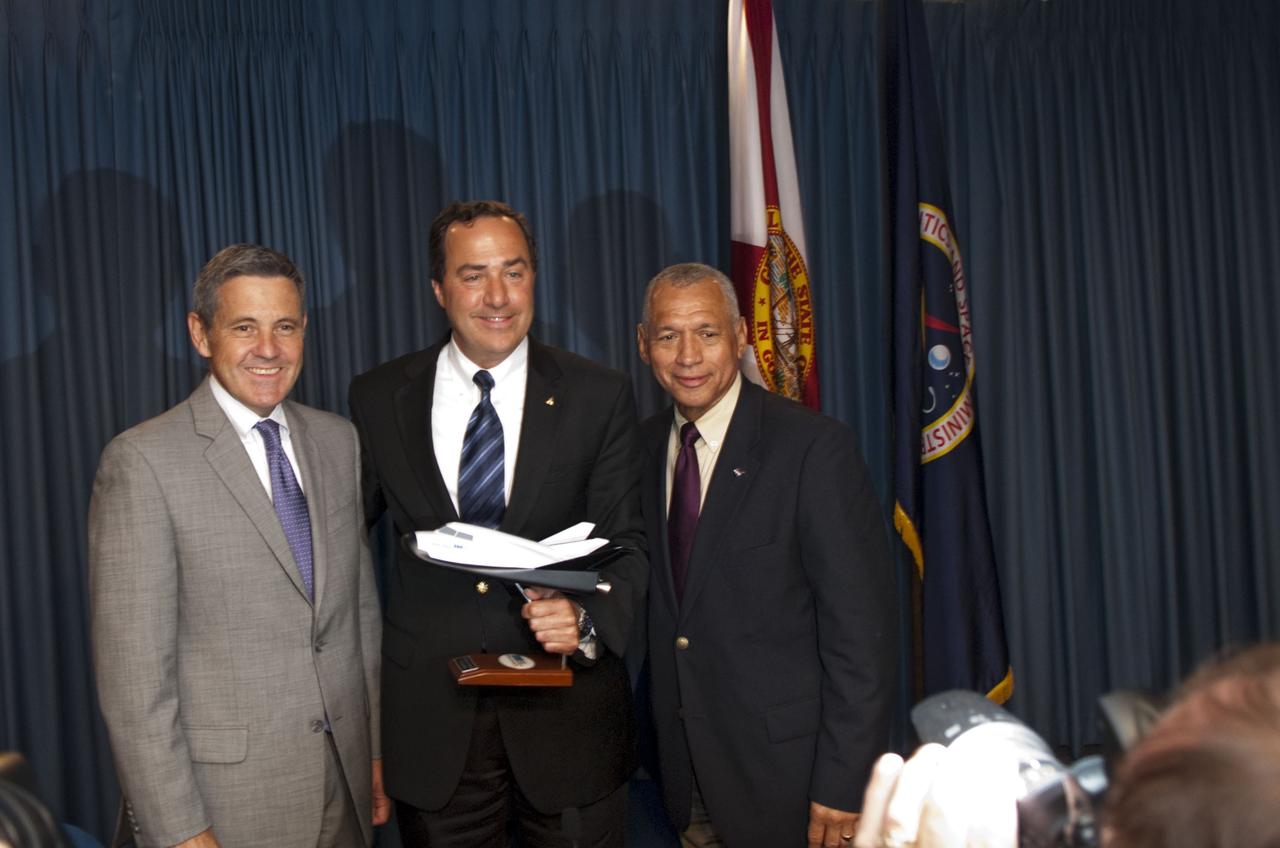
CAPE CANAVERAL, Fla. -- Kennedy Space Center Director Bob Cabana, left, Mark Sirangelo, head of Sierra Nevada Space Systems (SNSS) of Sparks, Nev., and NASA Administrator Charlie Bolden pose for a photo after signing a Space Act Agreement that will offer the company technical capabilities from Kennedy's uniquely skilled work force. Kennedy will help Sierra Nevada with the ground operations support of its lifting body reusable spacecraft called "Dream Chaser," which resembles a smaller version of the space shuttle orbiter. The spacecraft would carry as many as seven astronauts to the space station. Through the new agreement, Kennedy's work force will use its experience of processing the shuttle fleet for 30 years to help Sierra Nevada define and execute Dream Chaser's launch preparations and post-landing activities. In 2010 and 2011, Sierra Nevada was awarded grants as part of the initiative to stimulate the private sector in developing and demonstrating human spaceflight capabilities for NASA's Commercial Crew Program. The goal of the program, which is based in Florida at Kennedy, is to facilitate the development of a U.S. commercial crew space transportation capability by achieving safe, reliable and cost-effective access to and from the space station and future low Earth orbit destinations. Photo credit: NASA/Jim Grossmann
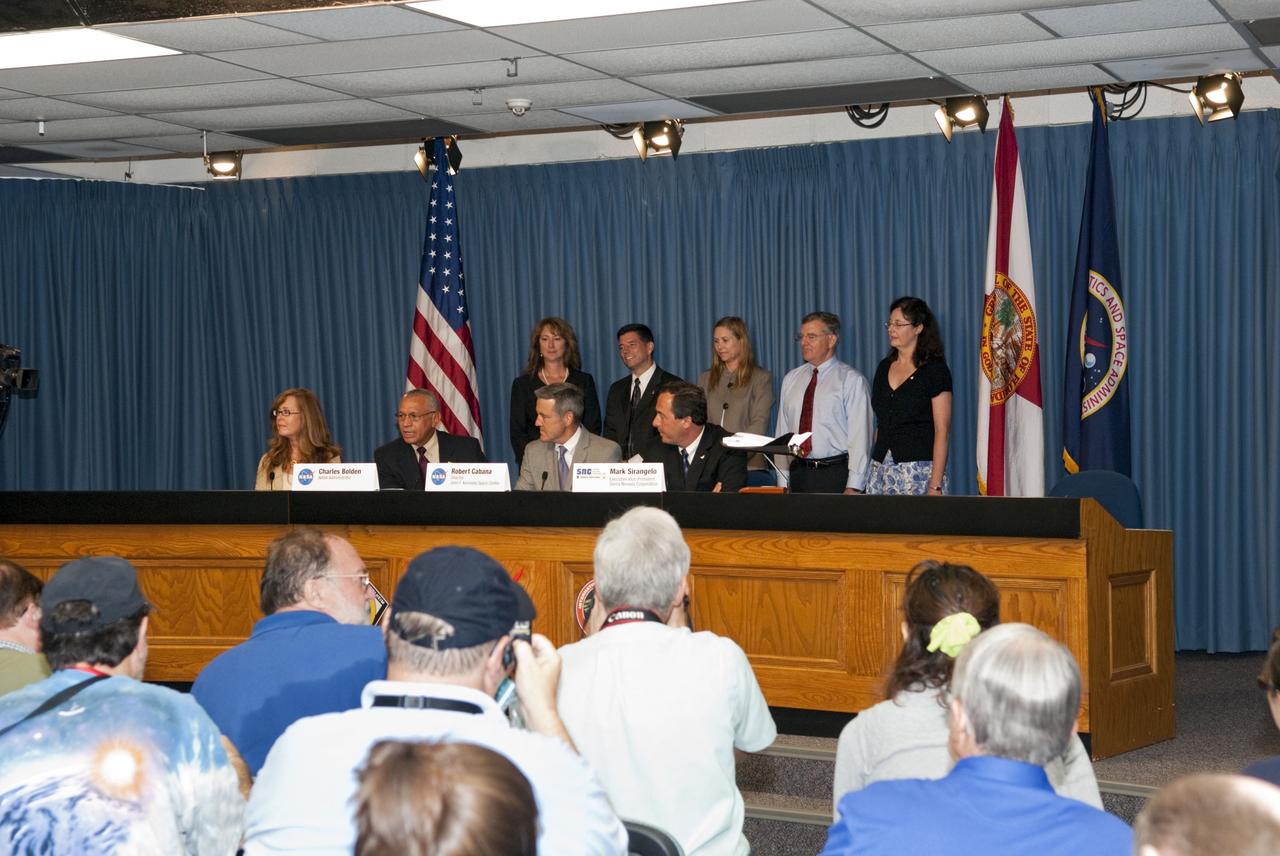
CAPE CANAVERAL, Fla. -- NASA and Sierra Nevada Space Systems (SNSS) of Sparks, Nev., prepare to sign a Space Act Agreement that will offer the company technical capabilities from Kennedy Space Center's uniquely skilled work force. Sitting, from left, are Kennedy Public Affairs Director Lisa Malone; NASA Administrator Charlie Bolden; Kennedy Center Director Bob Cabana; and Mark Sirangelo, head of Sierra Nevada. Standing, from left, are Joyce Riquelme, manager of Kennedy's Center Planning and Development Office; John Curry, director of Sierra Nevada's Systems Integration, Test and Operations; Kennedy Deputy Director Janet Petro; Jim Voss, vice president of Sierra Nevada's Space Exploration Systems; and Merri Sanchez, senior director of Sierra Nevada's Space Exploration Systems. Kennedy will help Sierra Nevada with the ground operations support of its lifting body reusable spacecraft called "Dream Chaser," which resembles a smaller version of the space shuttle orbiter. The spacecraft would carry as many as seven astronauts to the space station. Through the new agreement, Kennedy's work force will use its experience of processing the shuttle fleet for 30 years to help Sierra Nevada define and execute Dream Chaser's launch preparations and post-landing activities. In 2010 and 2011, Sierra Nevada was awarded grants as part of the initiative to stimulate the private sector in developing and demonstrating human spaceflight capabilities for NASA's Commercial Crew Program. The goal of the program, which is based in Florida at Kennedy, is to facilitate the development of a U.S. commercial crew space transportation capability by achieving safe, reliable and cost-effective access to and from the space station and future low Earth orbit destinations. Photo credit: NASA/Jim Grossmann
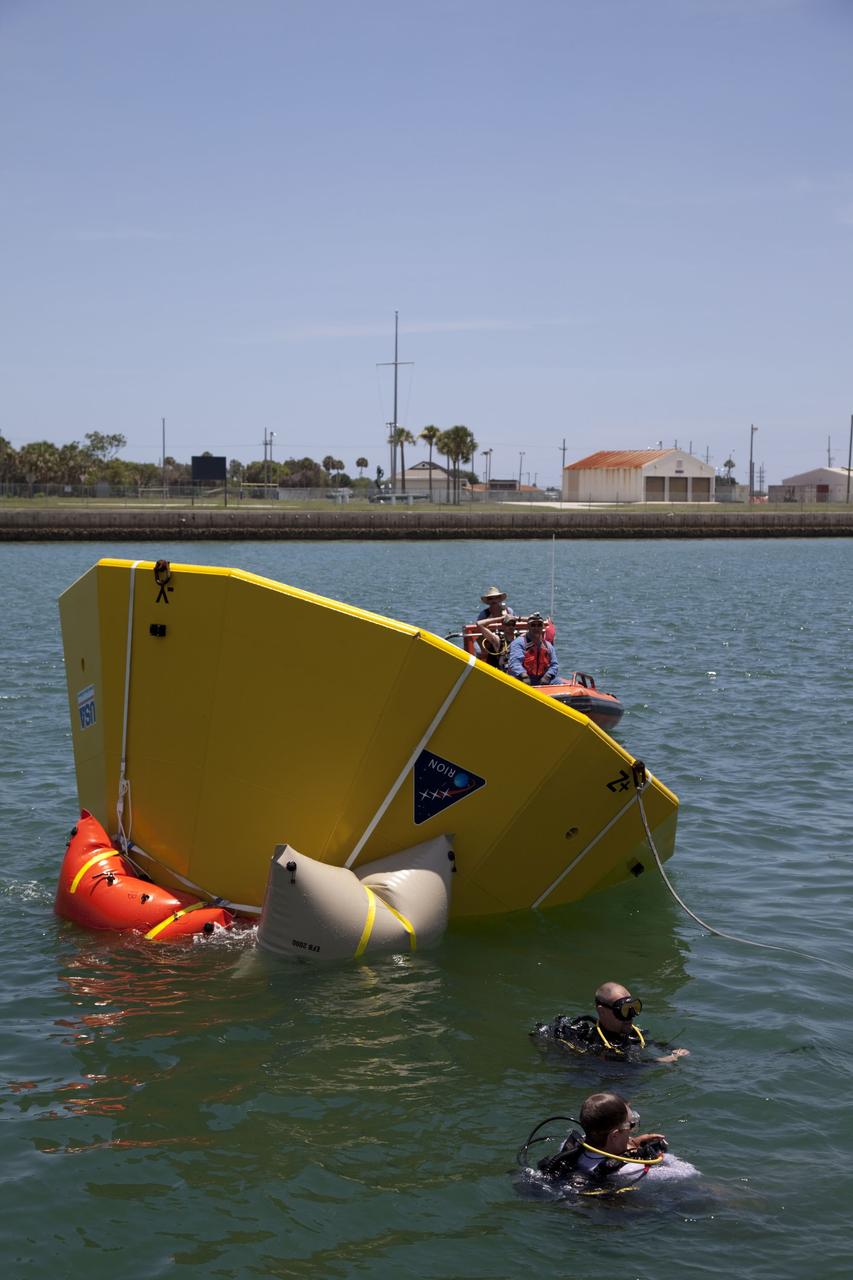
CAPE CANAVERAL, Fla. -- In the Delta turn basin at Cape Canaveral Air Force Station in Florida, United Space Alliance (USA) divers and boat crew tend an Orion test article while waiting for its lift bags to inflate. The uprighting tests are part of USA's research and development program to help develop ground operations support equipment that could be used to reorient and recover an uncrewed Orion flight test capsule after splashdown. USA is a major subcontractor to Lockheed Martin for the Orion spacecraft. The Orion Multi-Purpose Crew Vehicle is NASA's next-generation spacecraft designed for deep space missions to asteroids, moons and other interplanetary destinations throughout the solar system. Orion's first uncrewed orbital flight test is slated for 2013. For more information, visit http://www.nasa.gov/exploration/systems/mpcv/. Photo credit: NASA/Frankie Martin
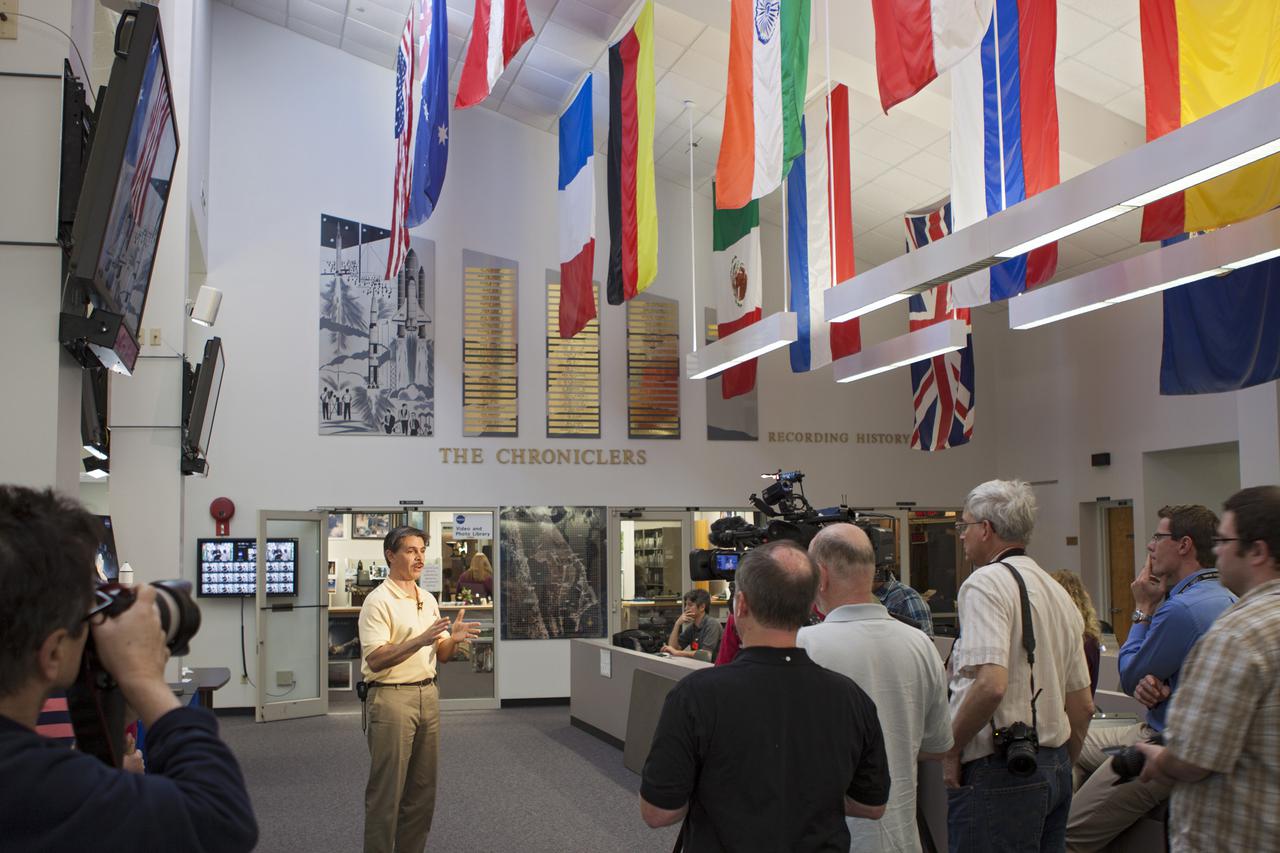
CAPE CANAVERAL, Fla. – NASA's Jon Cowart talks to media about the progress of the agency's Commercial Crew Program CCP and its partners in Kennedy Space Center’s Press Site on Feb. 28 ahead of the second commercial resupply services mission for Space Exploration Technologies SpaceX to the International Space Station. Cowart is the deputy partner manager working with SpaceX as the company develops its Falcon 9 rocket and Dragon capsule for crewed missions. Under a contract with NASA, SpaceX is targeted to fly at least 12 cargo missions to the space station through 2016. The company also is working with CCP to return America's capability to safely launch crews to low-Earth orbit destinations, including the space station, from U.S. soil around the middle of the decade. To learn more about CCP and its partners, go to www.nasa.gov_commercialcrew. Photo credit: NASA_Jim Grossmann
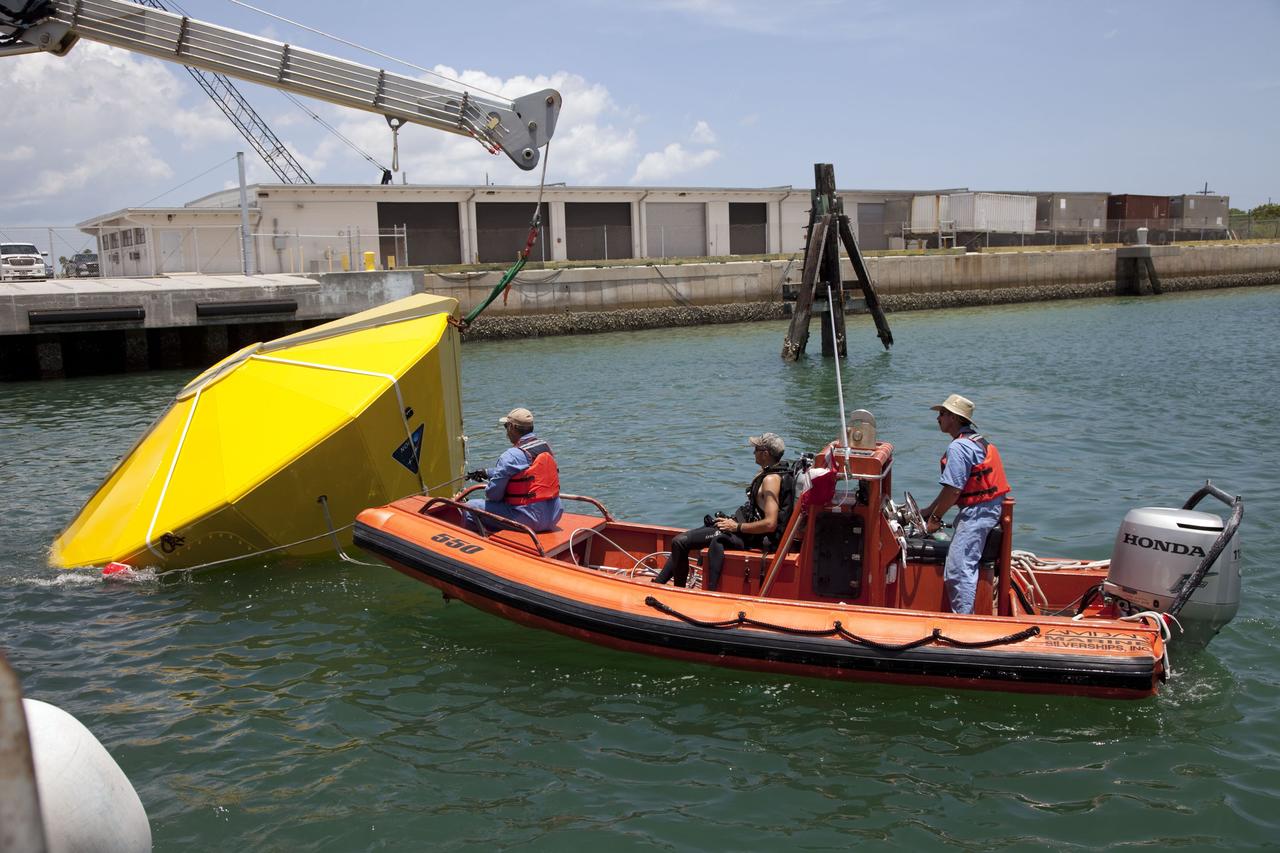
CAPE CANAVERAL, Fla. -- In the Delta turn basin at Cape Canaveral Air Force Station in Florida, United Space Alliance (USA) workers help orient an Orion test article to enable a ship's crane to rotate it. The uprighting tests are part of USA's research and development program to help develop ground operations support equipment that could be used to reorient and recover an uncrewed Orion flight test capsule after splashdown. USA is a major subcontractor to Lockheed Martin for the Orion spacecraft. The Orion Multi-Purpose Crew Vehicle is NASA's next-generation spacecraft designed for deep space missions to asteroids, moons and other interplanetary destinations throughout the solar system. Orion's first uncrewed orbital flight test is slated for 2013. For more information, visit http://www.nasa.gov/exploration/systems/mpcv/. Photo credit: NASA/Frankie Martin
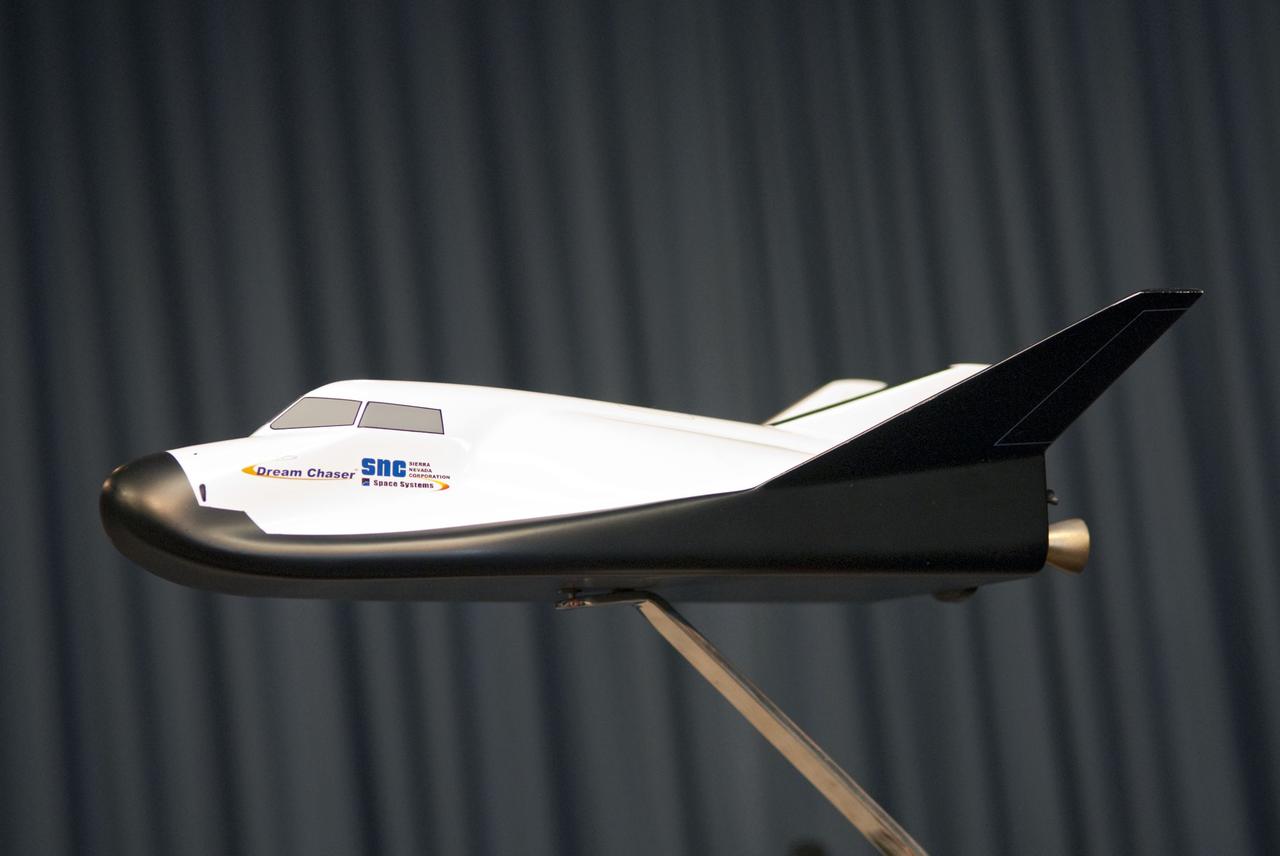
CAPE CANAVERAL, Fla. -- Sierra Nevada Space Systems (SNSS) of Sparks, Nev., and NASA signed a Space Act Agreement that will offer the company technical capabilities from Kennedy's uniquely skilled work force. Kennedy will help Sierra Nevada with the ground operations support of its lifting body reusable spacecraft called "Dream Chaser." The spacecraft, seen here as a display, resembles a smaller version of the space shuttle orbiter. The spacecraft would carry as many as seven astronauts to the space station. Through the new agreement, Kennedy's work force will use its experience of processing the shuttle fleet for 30 years to help Sierra Nevada define and execute Dream Chaser's launch preparations and post-landing activities. In 2010 and 2011, Sierra Nevada was awarded grants as part of the initiative to stimulate the private sector in developing and demonstrating human spaceflight capabilities for NASA's Commercial Crew Program. The goal of the program, which is based in Florida at Kennedy, is to facilitate the development of a U.S. commercial crew space transportation capability by achieving safe, reliable and cost-effective access to and from the space station and future low Earth orbit destinations. Photo credit: NASA/Jim Grossmann
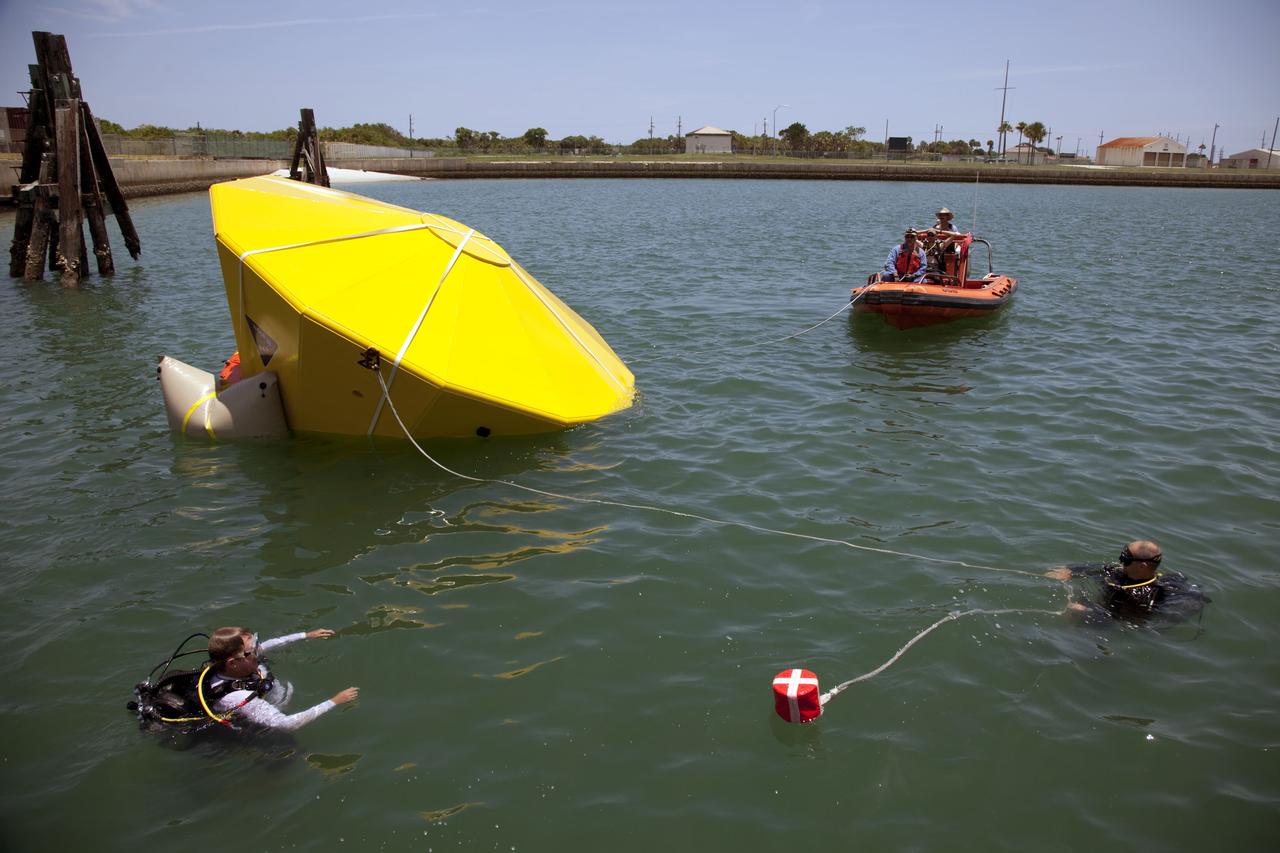
CAPE CANAVERAL, Fla. -- In the Delta turn basin at Cape Canaveral Air Force Station in Florida, United Space Alliance (USA) divers and boat crew monitor an Orion test article while waiting for its lift bags to inflate. The uprighting tests are part of USA's research and development program to help develop ground operations support equipment that could be used to reorient and recover an uncrewed Orion flight test capsule after splashdown. USA is a major subcontractor to Lockheed Martin for the Orion spacecraft. The Orion Multi-Purpose Crew Vehicle is NASA's next-generation spacecraft designed for deep space missions to asteroids, moons and other interplanetary destinations throughout the solar system. Orion's first uncrewed orbital flight test is slated for 2013. For more information, visit http://www.nasa.gov/exploration/systems/mpcv/. Photo credit: NASA/Frankie Martin
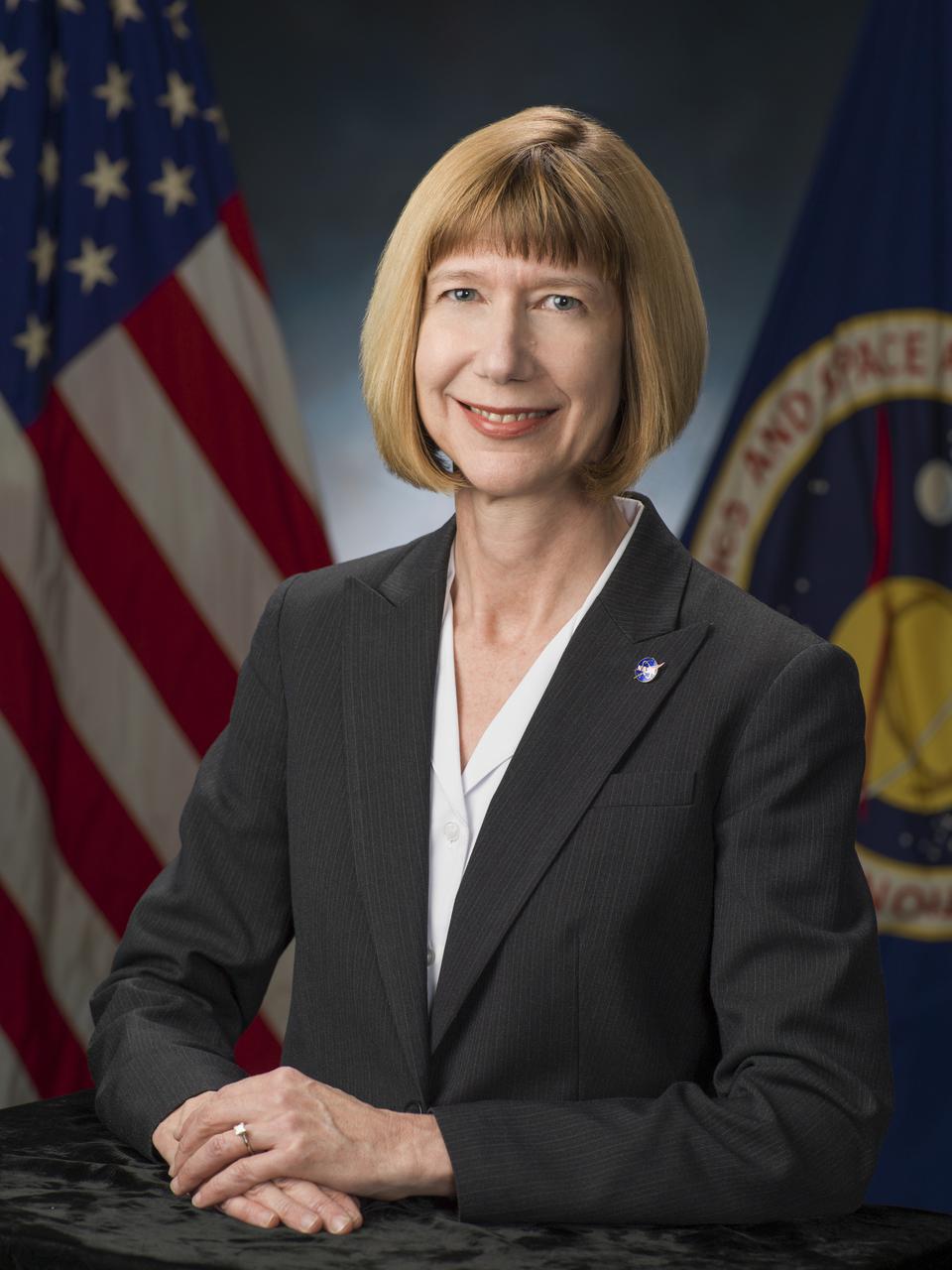
JOHNSON SPACE CENTER, Houston, Texas -- JSC2013-E-013609 -- Official portrait of Kathy Lueders, deputy manager of NASA's Commercial Crew Program at the agency's Johnson Space Center in Houston. To learn more about Lueders, go to http:__go.nasa.gov_107SaBn. Photo credit: NASA

CAPE CANAVERAL, Fla. – NASA's Jon Cowart talks to media about the progress of the agency's Commercial Crew Program CCP and its partners in Kennedy Space Center’s Press Site on Feb. 28 ahead of the second commercial resupply services mission for Space Exploration Technologies SpaceX to the International Space Station. Cowart is the deputy partner manager working with SpaceX as the company develops its Falcon 9 rocket and Dragon capsule for crewed missions. Under a contract with NASA, SpaceX is targeted to fly at least 12 cargo missions to the space station through 2016. The company also is working with CCP to return America's capability to safely launch crews to low-Earth orbit destinations, including the space station, from U.S. soil around the middle of the decade. To learn more about CCP and its partners, go to www.nasa.gov_commercialcrew. Photo credit: NASA_Jim Grossmann
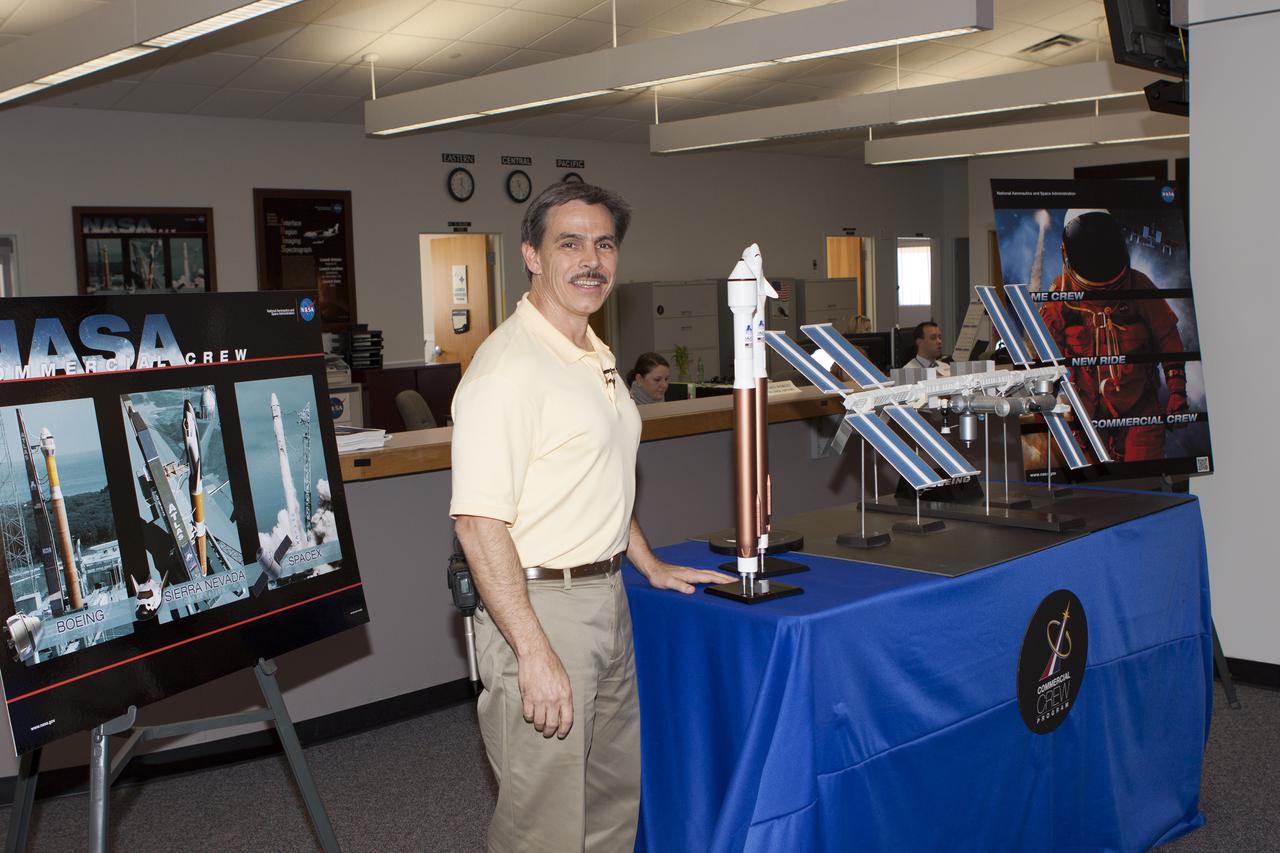
CAPE CANAVERAL, Fla. – NASA's Jon Cowart prepares to talk to media about the progress of the agency's Commercial Crew Program CCP and its partners in Kennedy Space Center’s Press Site on Feb. 28 ahead of the second commercial resupply services mission for Space Exploration Technologies SpaceX to the International Space Station. Cowart is the deputy partner manager working with SpaceX as the company develops its Falcon 9 rocket and Dragon capsule for crewed missions. Under a contract with NASA, SpaceX is targeted to fly at least 12 cargo missions to the space station through 2016. The company also is working with CCP to return America's capability to safely launch crews to low-Earth orbit destinations, including the space station, from U.S. soil around the middle of the decade. To learn more about CCP and its partners, go to www.nasa.gov_commercialcrew. Photo credit: NASA_Jim Grossmann
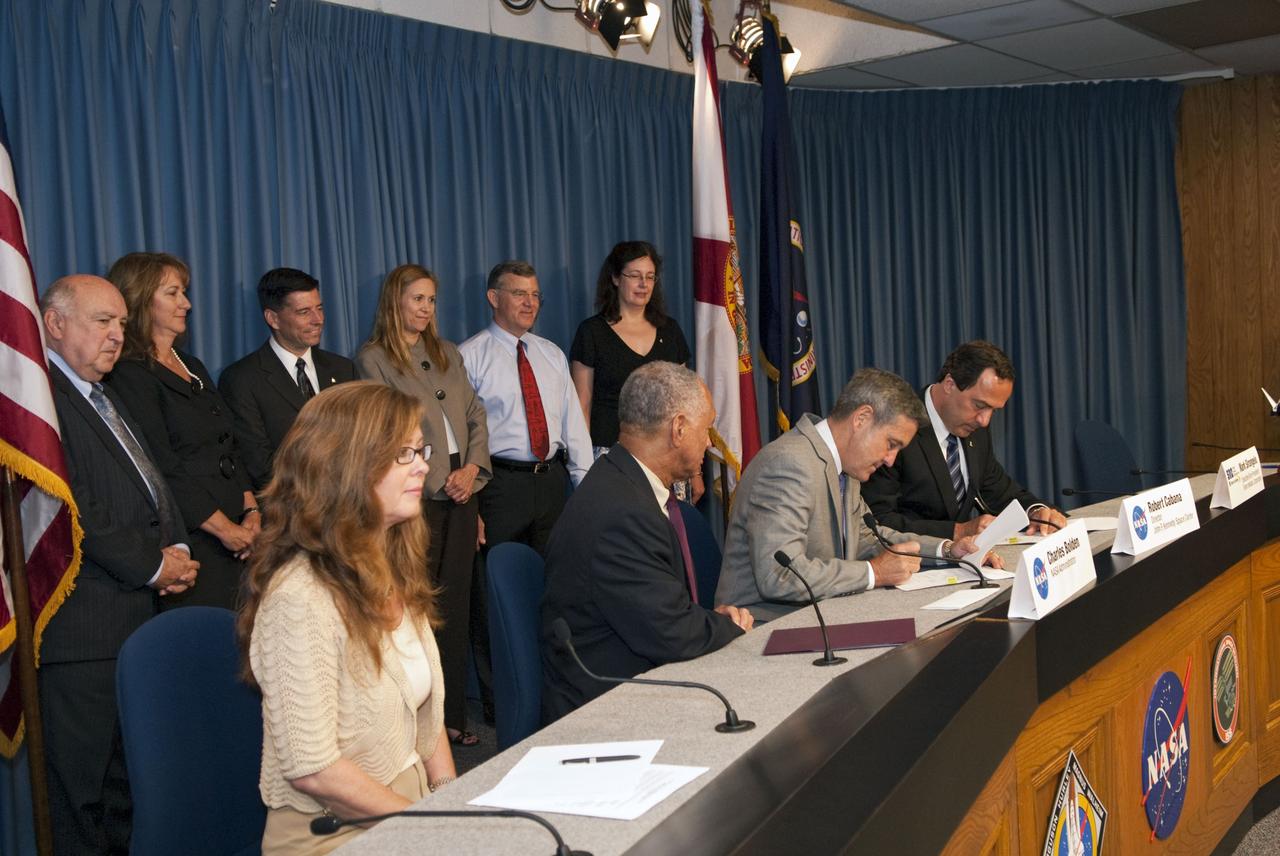
CAPE CANAVERAL, Fla. -- NASA and Sierra Nevada Space Systems (SNSS) of Sparks, Nev., sign a Space Act Agreement that will offer the company technical capabilities from Kennedy Space Center's uniquely skilled work force. Sitting, from left, are Kennedy Public Affairs Director Lisa Malone; NASA Administrator Charlie Bolden; Kennedy Center Director Bob Cabana; and Mark Sirangelo, head of Sierra Nevada. Standing, from left, are Frank DiBello, president of Space Florida; Joyce Riquelme, manager of Kennedy's Center Planning and Development Office; John Curry, director of Sierra Nevada's Systems Integration, Test and Operations; Kennedy Deputy Director Janet Petro; Jim Voss, vice president of Sierra Nevada's Space Exploration Systems; and Merri Sanchez, senior director of Sierra Nevada's Space Exploration Systems. Kennedy will help Sierra Nevada with the ground operations support of its lifting body reusable spacecraft called "Dream Chaser," which resembles a smaller version of the space shuttle orbiter. The spacecraft would carry as many as seven astronauts to the space station. Through the new agreement, Kennedy's work force will use its experience of processing the shuttle fleet for 30 years to help Sierra Nevada define and execute Dream Chaser's launch preparations and post-landing activities. In 2010 and 2011, Sierra Nevada was awarded grants as part of the initiative to stimulate the private sector in developing and demonstrating human spaceflight capabilities for NASA's Commercial Crew Program. The goal of the program, which is based in Florida at Kennedy, is to facilitate the development of a U.S. commercial crew space transportation capability by achieving safe, reliable and cost-effective access to and from the space station and future low Earth orbit destinations. Photo credit: NASA/Jim Grossmann
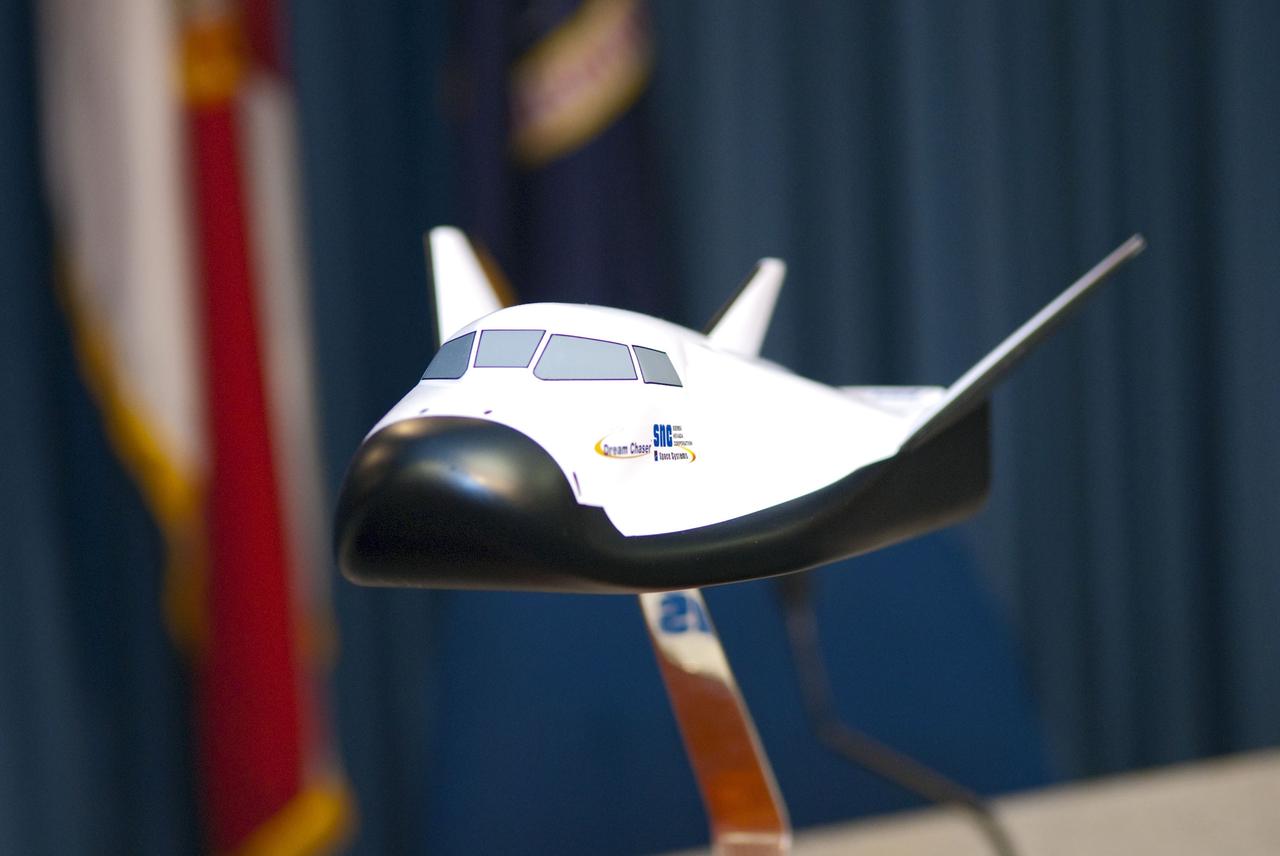
CAPE CANAVERAL, Fla. -- Sierra Nevada Space Systems (SNSS) of Sparks, Nev., and NASA signed a Space Act Agreement that will offer the company technical capabilities from Kennedy's uniquely skilled work force. Kennedy will help Sierra Nevada with the ground operations support of its lifting body reusable spacecraft called "Dream Chaser." The spacecraft, seen here as a display, resembles a smaller version of the space shuttle orbiter. The spacecraft would carry as many as seven astronauts to the space station. Through the new agreement, Kennedy's work force will use its experience of processing the shuttle fleet for 30 years to help Sierra Nevada define and execute Dream Chaser's launch preparations and post-landing activities. In 2010 and 2011, Sierra Nevada was awarded grants as part of the initiative to stimulate the private sector in developing and demonstrating human spaceflight capabilities for NASA's Commercial Crew Program. The goal of the program, which is based in Florida at Kennedy, is to facilitate the development of a U.S. commercial crew space transportation capability by achieving safe, reliable and cost-effective access to and from the space station and future low Earth orbit destinations. Photo credit: NASA/Jim Grossmann
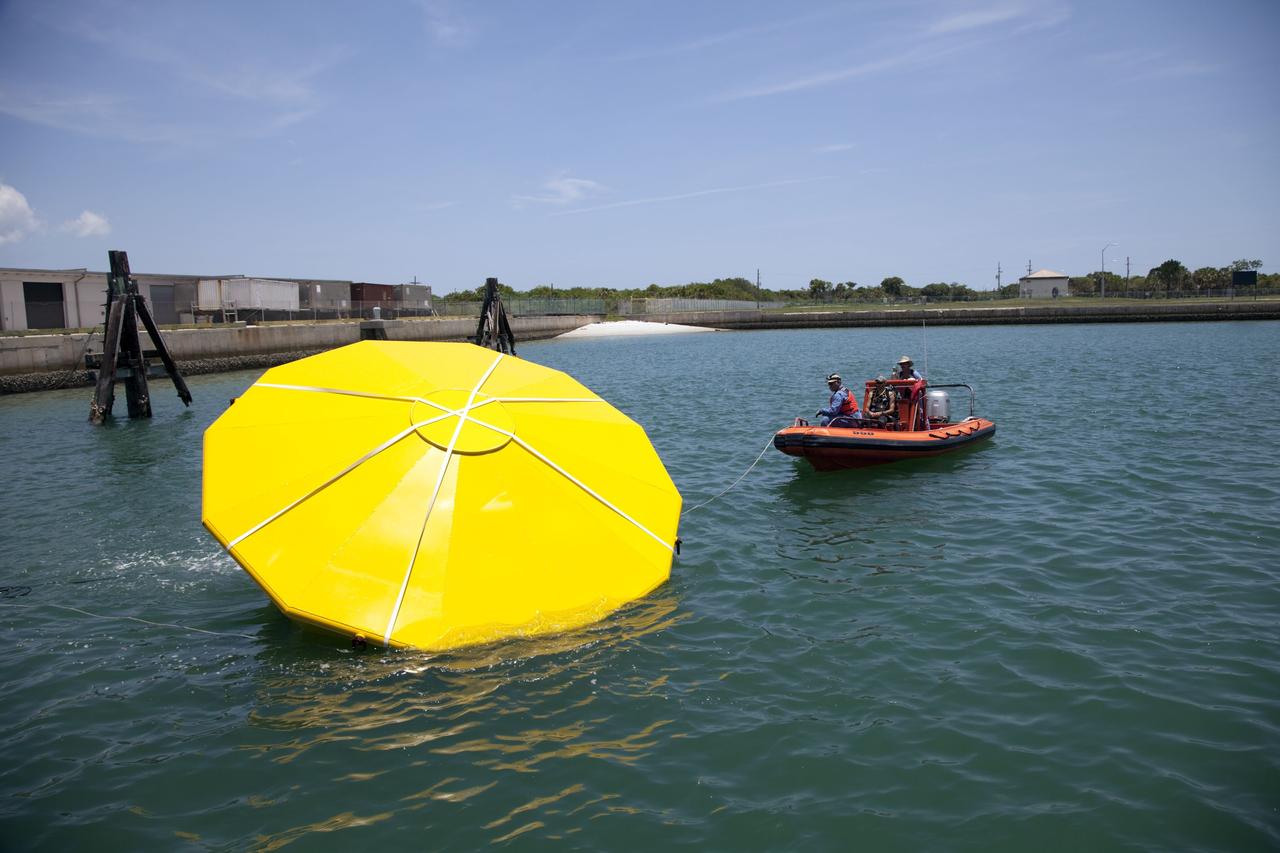
CAPE CANAVERAL, Fla. -- In the Delta turn basin at Cape Canaveral Air Force Station in Florida, United Space Alliance (USA) workers help orient an Orion test article during a roll test. The uprighting tests are part of USA's research and development program to help develop ground operations support equipment that could be used to reorient and recover an uncrewed Orion flight test capsule after splashdown. USA is a major subcontractor to Lockheed Martin for the Orion spacecraft. The Orion Multi-Purpose Crew Vehicle is NASA's next-generation spacecraft designed for deep space missions to asteroids, moons and other interplanetary destinations throughout the solar system. Orion's first uncrewed orbital flight test is slated for 2013. For more information, visit http://www.nasa.gov/exploration/systems/mpcv/. Photo credit: NASA/Frankie Martin
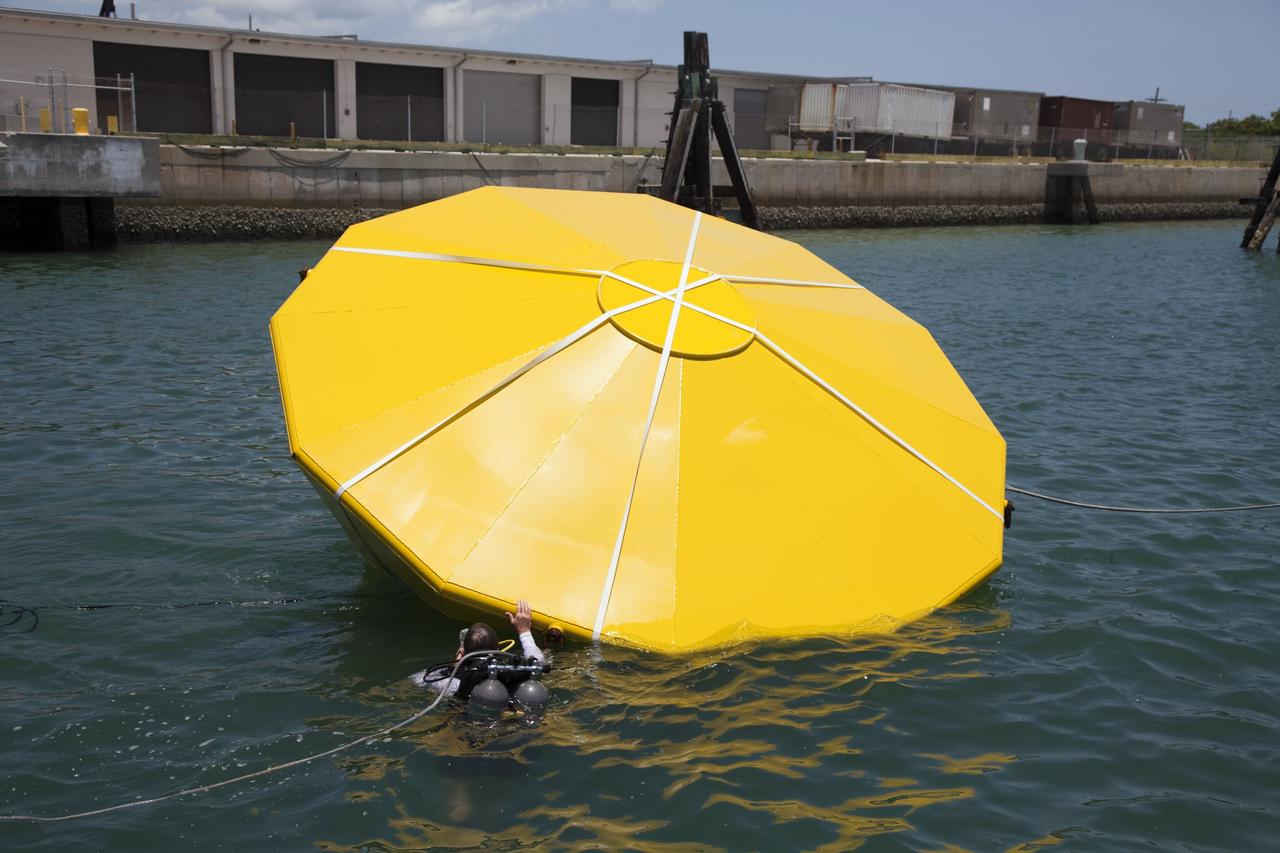
CAPE CANAVERAL, Fla. -- In the Delta turn basin at Cape Canaveral Air Force Station in Florida, a United Space Alliance (USA) diver helps orient an Orion test article during a roll test. The uprighting tests are part of USA's research and development program to help develop ground operations support equipment that could be used to reorient and recover an uncrewed Orion flight test capsule after splashdown. USA is a major subcontractor to Lockheed Martin for the Orion spacecraft. The Orion Multi-Purpose Crew Vehicle is NASA's next-generation spacecraft designed for deep space missions to asteroids, moons and other interplanetary destinations throughout the solar system. Orion's first uncrewed orbital flight test is slated for 2013. For more information, visit http://www.nasa.gov/exploration/systems/mpcv/. Photo credit: NASA/Frankie Martin
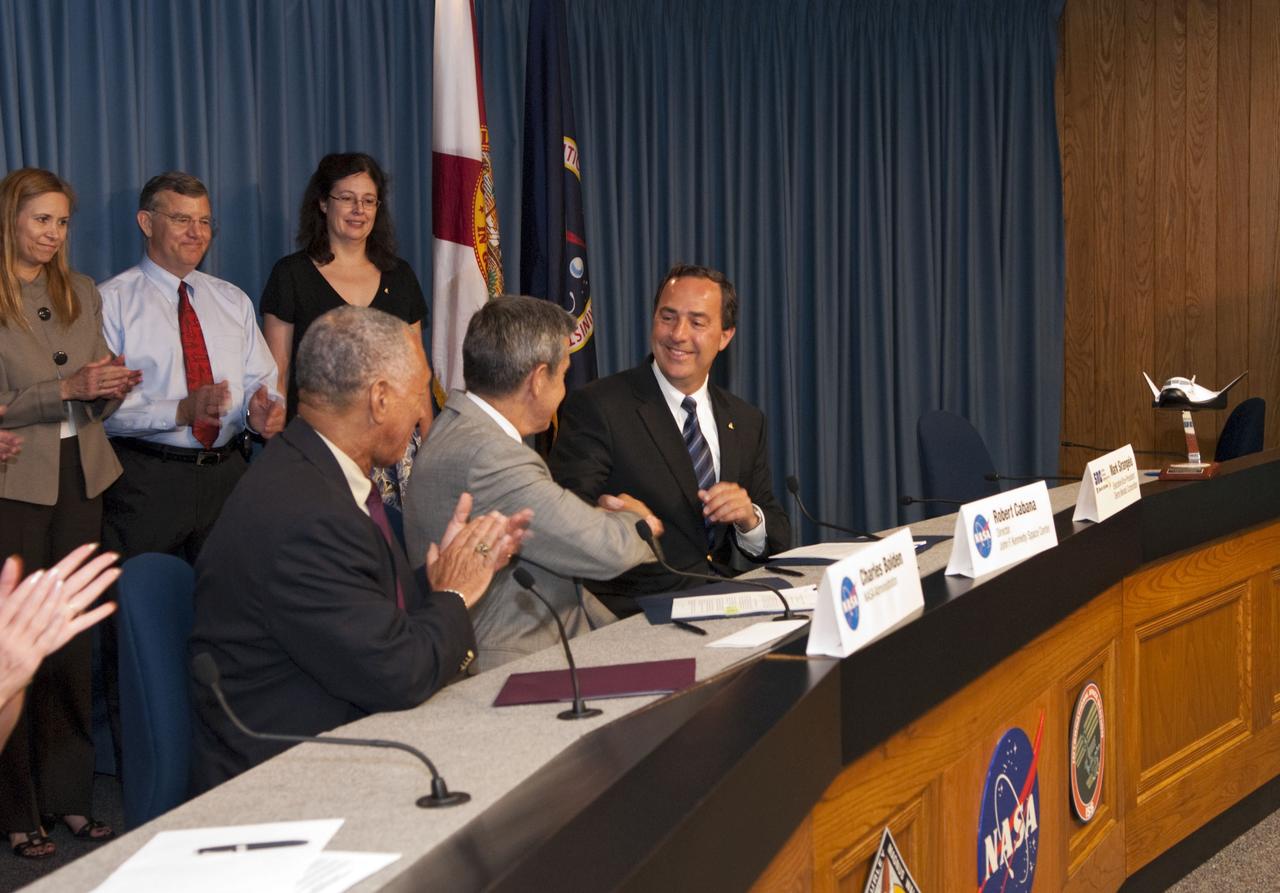
CAPE CANAVERAL, Fla. -- NASA and Sierra Nevada Space Systems (SNSS) of Sparks, Nev., enter into a Space Act Agreement that will offer the company technical capabilities from Kennedy Space Center's uniquely skilled work force. Sitting, from left, are NASA Administrator Charlie Bolden; Kennedy Center Director Bob Cabana; and Mark Sirangelo, head of Sierra Nevada. Standing, from left, Kennedy Deputy Director Janet Petro; Jim Voss, vice president of Sierra Nevada's Space Exploration Systems; and Merri Sanchez, senior director of Sierra Nevada's Space Exploration Systems. Kennedy will help Sierra Nevada with the ground operations support of its lifting body reusable spacecraft called "Dream Chaser," which resembles a smaller version of the space shuttle orbiter. The spacecraft would carry as many as seven astronauts to the space station. Through the new agreement, Kennedy's work force will use its experience of processing the shuttle fleet for 30 years to help Sierra Nevada define and execute Dream Chaser's launch preparations and post-landing activities. In 2010 and 2011, Sierra Nevada was awarded grants as part of the initiative to stimulate the private sector in developing and demonstrating human spaceflight capabilities for NASA's Commercial Crew Program. The goal of the program, which is based in Florida at Kennedy, is to facilitate the development of a U.S. commercial crew space transportation capability by achieving safe, reliable and cost-effective access to and from the space station and future low Earth orbit destinations. Photo credit: NASA/Jim Grossmann
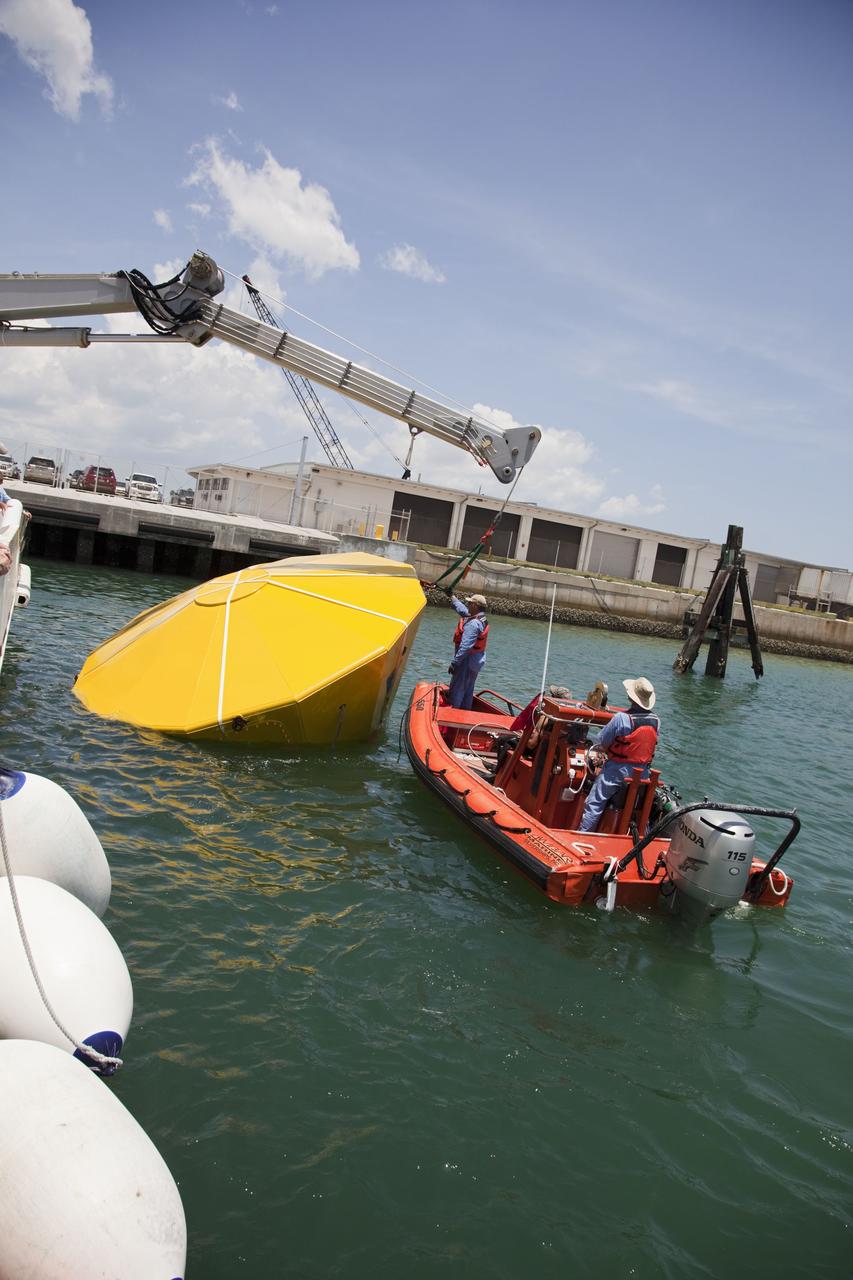
CAPE CANAVERAL, Fla. -- In the Delta turn basin at Cape Canaveral Air Force Station in Florida, United Space Alliance (USA) workers help orient an Orion test article to enable a ship's crane to rotate it. The uprighting tests are part of USA's research and development program to help develop ground operations support equipment that could be used to reorient and recover an uncrewed Orion flight test capsule after splashdown. USA is a major subcontractor to Lockheed Martin for the Orion spacecraft. The Orion Multi-Purpose Crew Vehicle is NASA's next-generation spacecraft designed for deep space missions to asteroids, moons and other interplanetary destinations throughout the solar system. Orion's first uncrewed orbital flight test is slated for 2013. For more information, visit http://www.nasa.gov/exploration/systems/mpcv/. Photo credit: NASA/Frankie Martin
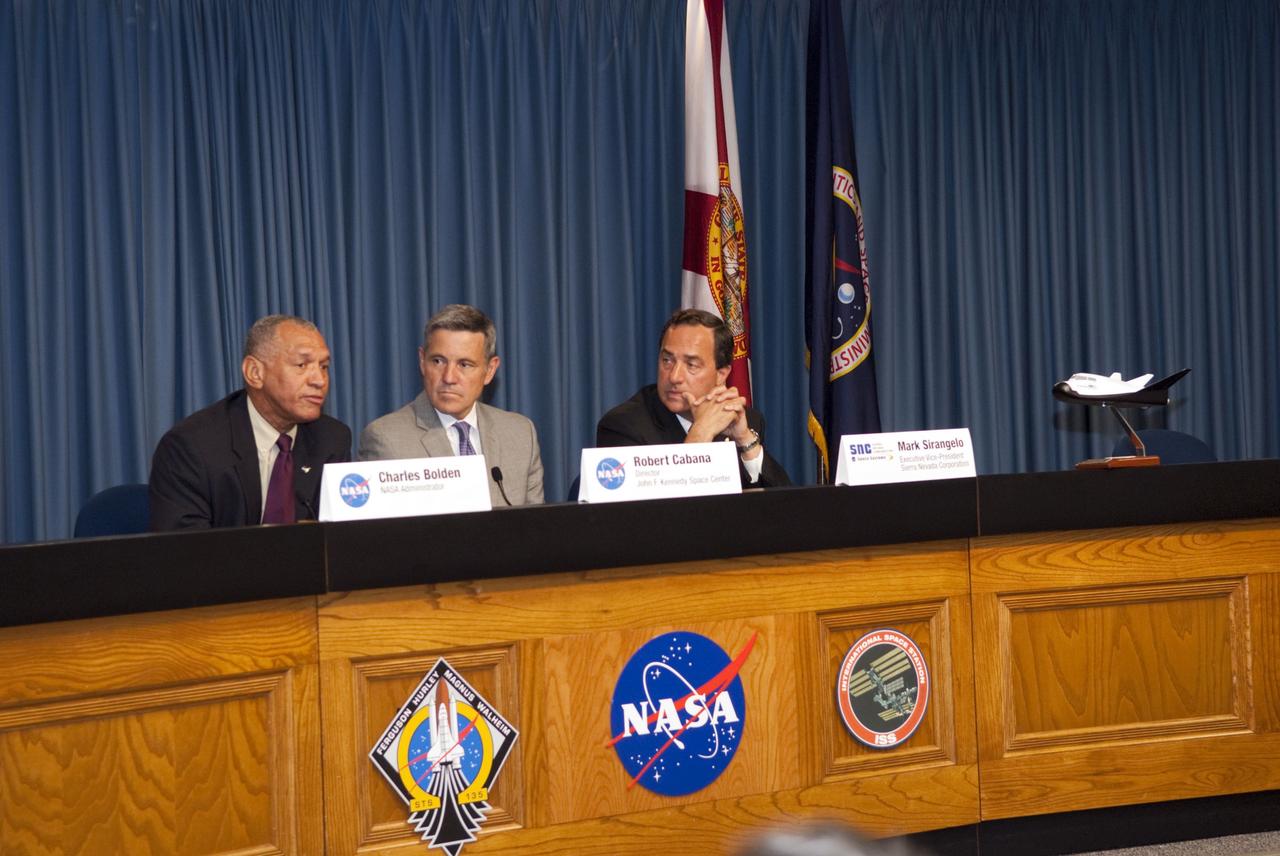
CAPE CANAVERAL, Fla. -- NASA Administrator Charlie Bolden, left, Kennedy Space Center Director Bob Cabana, and Mark Sirangelo, head of Sierra Nevada Space Systems (SNSS) of Sparks, Nev., talk to media after signing a Space Act Agreement that will offer the company technical capabilities from Kennedy's uniquely skilled work force. Kennedy will help Sierra Nevada with the ground operations support of its lifting body reusable spacecraft called "Dream Chaser," which resembles a smaller version of the space shuttle orbiter. The spacecraft would carry as many as seven astronauts to the space station. Through the new agreement, Kennedy's work force will use its experience of processing the shuttle fleet for 30 years to help Sierra Nevada define and execute Dream Chaser's launch preparations and post-landing activities. In 2010 and 2011, Sierra Nevada was awarded grants as part of the initiative to stimulate the private sector in developing and demonstrating human spaceflight capabilities for NASA's Commercial Crew Program. The goal of the program, which is based in Florida at Kennedy, is to facilitate the development of a U.S. commercial crew space transportation capability by achieving safe, reliable and cost-effective access to and from the space station and future low Earth orbit destinations. Photo credit: NASA/Jim Grossmann
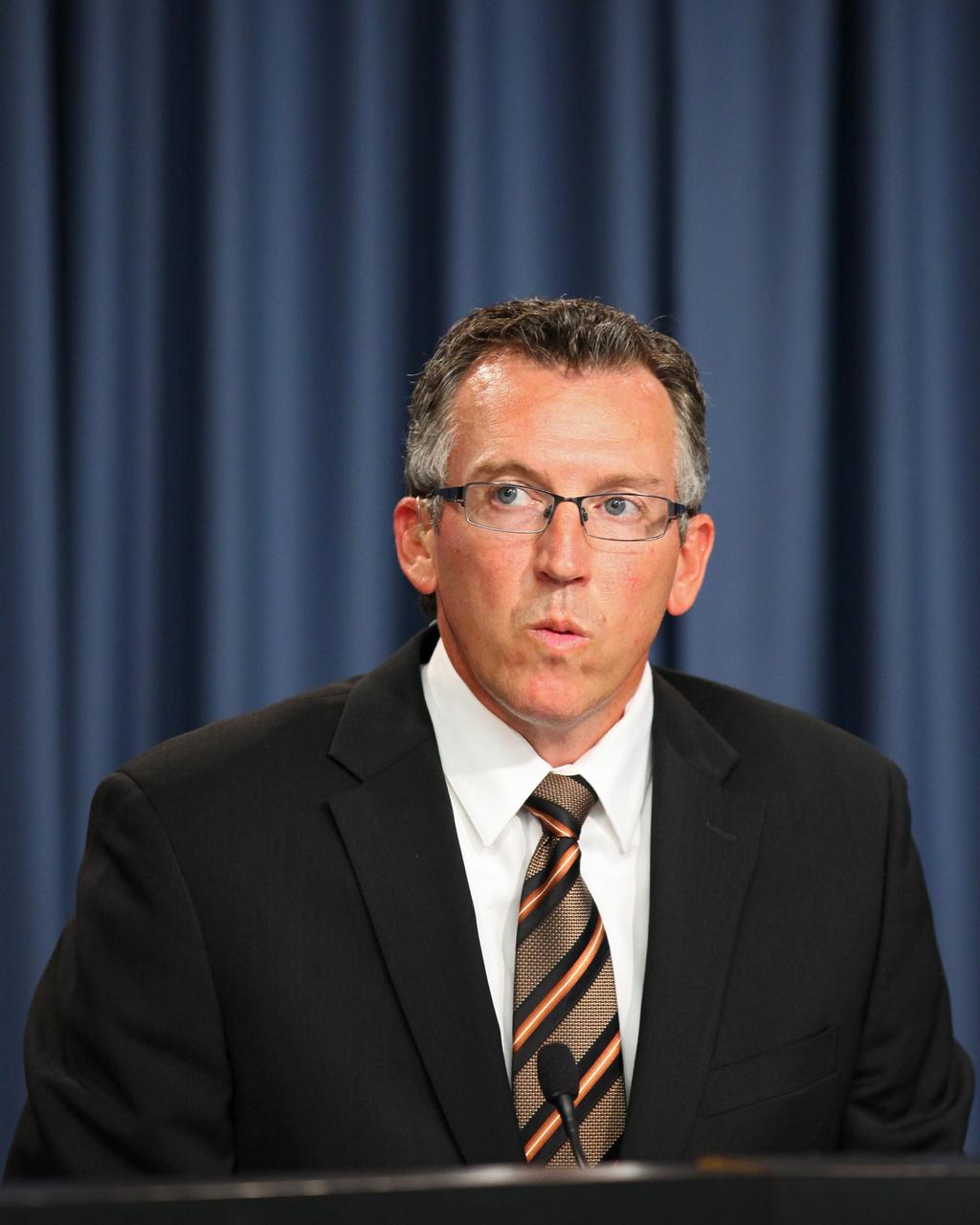
CAPE CANAVERAL, Fla. -- Steve Janney of NASA's Commercial Crew Program, or CCP, talks to aerospace industry representatives during a pre-proposal conference to inform prospective companies about the recently released request for contract proposals and updates to the certification requirements for crewed missions to the International Space Station, or ISS. The two-phase certification process, called Certification Products Contract, or CPC, will enable NASA to eventually purchase service missions to fly astronauts to and from the ISS. Janney serves as the contracting officer during CPC procurement. To learn more about CCP, visit www.nasa.gov/commercialcrew. Photo credit: Kim Shiflett
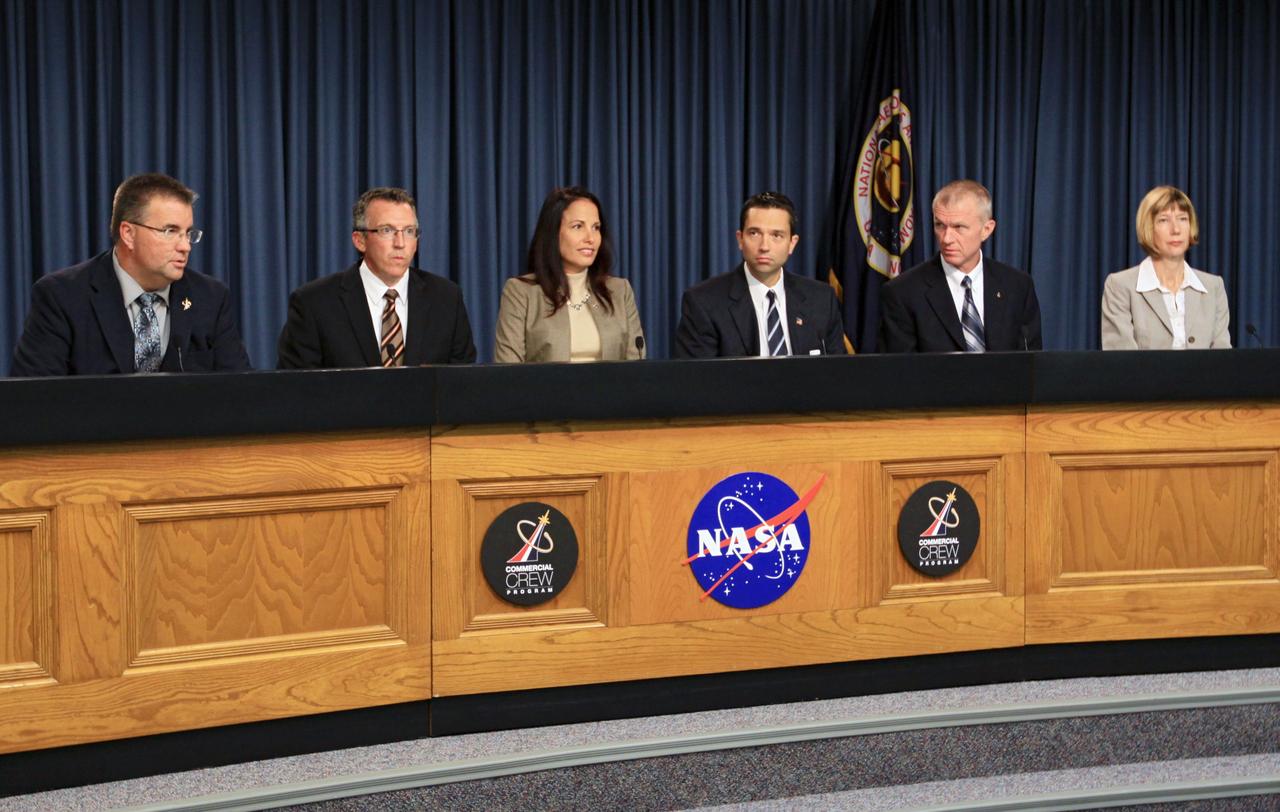
CAPE CANAVERAL, Fla. -- NASA's Commercial Crew Program, or CCP, hosts a pre-proposal conference to inform prospective companies about the recently released request for contract proposals and updates to the certification requirements for crewed missions to the International Space Station, or ISS. The two-phase certification process, called Certification Products Contract, or CPC, will enable NASA to eventually purchase service missions to fly astronauts to and from the ISS. From left, Ed Mango, CCP's program manager Steve Janney, CPC contracting officer Maria Collura, CCP certification manager Tom Simon, CPC Evaluation Team chair Brent Jett, CCP deputy program manager and Kathy Lueders, manager of the ISS Transportation Integration Office. To learn more about CCP, visit www.nasa.gov/commercialcrew. Photo credit: Kim Shiflett

CAPE CANAVERAL, Fla. - NASA Kennedy Space Center Director Bob Cabana welcomes aerospace industry representatives to the Commercial Crew Transportation Capability, or CCtCap, Pre-Proposal Conference. CCtCap will be the next phase of certification efforts for the agency's Commercial Crew Program, or CCP, missions to the International Space Station. The purpose of the conference was to involve industry in the CCtCap draft Request for Proposal, or RFP, process and provide a greater understanding for both parties before the official RFP is released in the fall of 2013. To learn more about CCP, visit www.nasa.gov/commercialcrew. Photo credit: NASA/Jim Grossmann
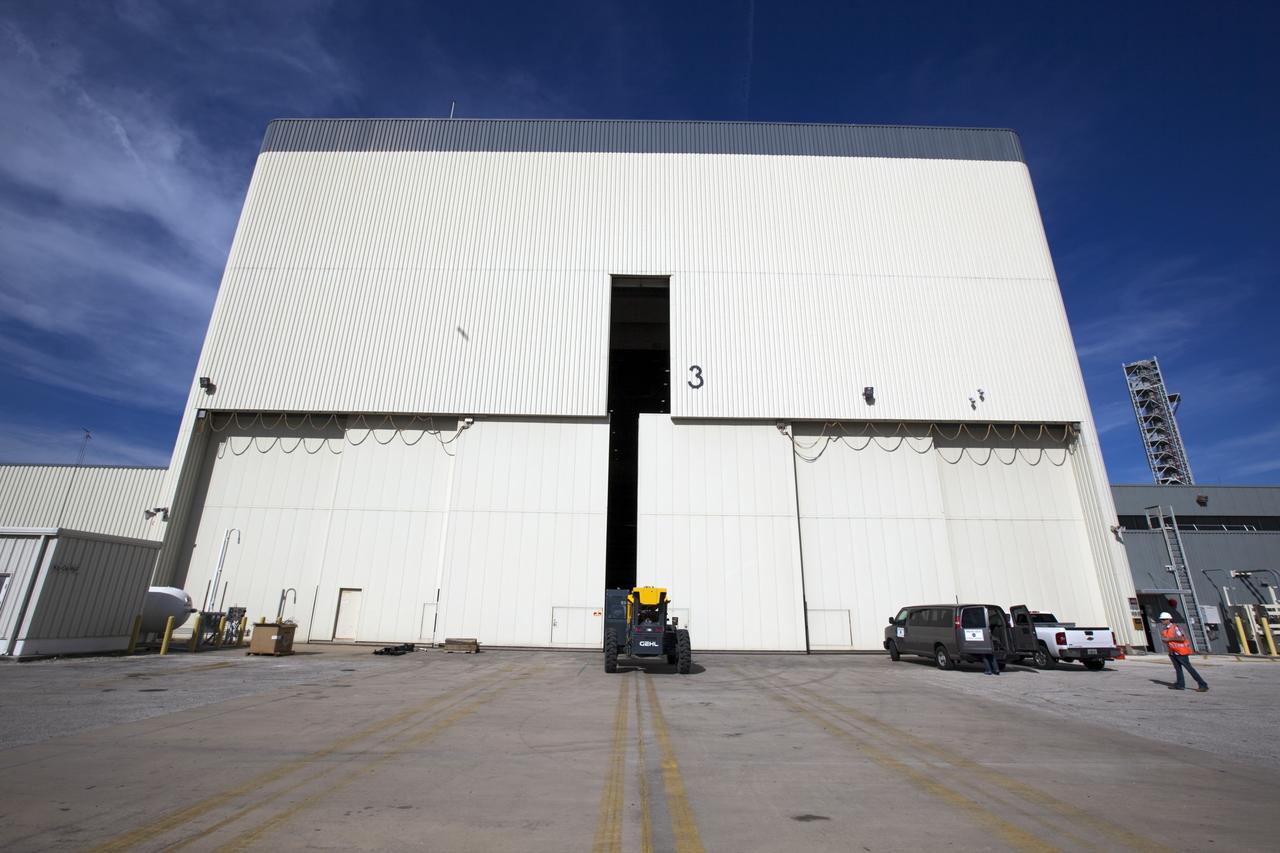
CAPE CANAVERAL, Fla. -- The Commercial Crew and Cargo Processing Facility, or C3PF, at NASA's Kennedy Space Center in Florida is going through major renovations to support the manufacturing of The Boeing Company's CST-100 spacecraft. Known throughout the space shuttle era as Orbiter Processing Facilty-3, or OPF-3, the facility's orbiter-specific platforms were removed recently to make room for a clean-floor factory-like facility. The modernization will allow Boeing to process its new fleet of low-Earth-orbit bound spacecraft, which is under development in collaboration with NASA's Commercial Crew Program, or CCP. Boeing is leasing the excess government facility for next-generation commercial activities through a land-use agreement with Space Florida. To learn more about CCP and its industry partners, visit www.nasa.gov/commercialcrew. Photo credit: Dimitri Gerondidakis
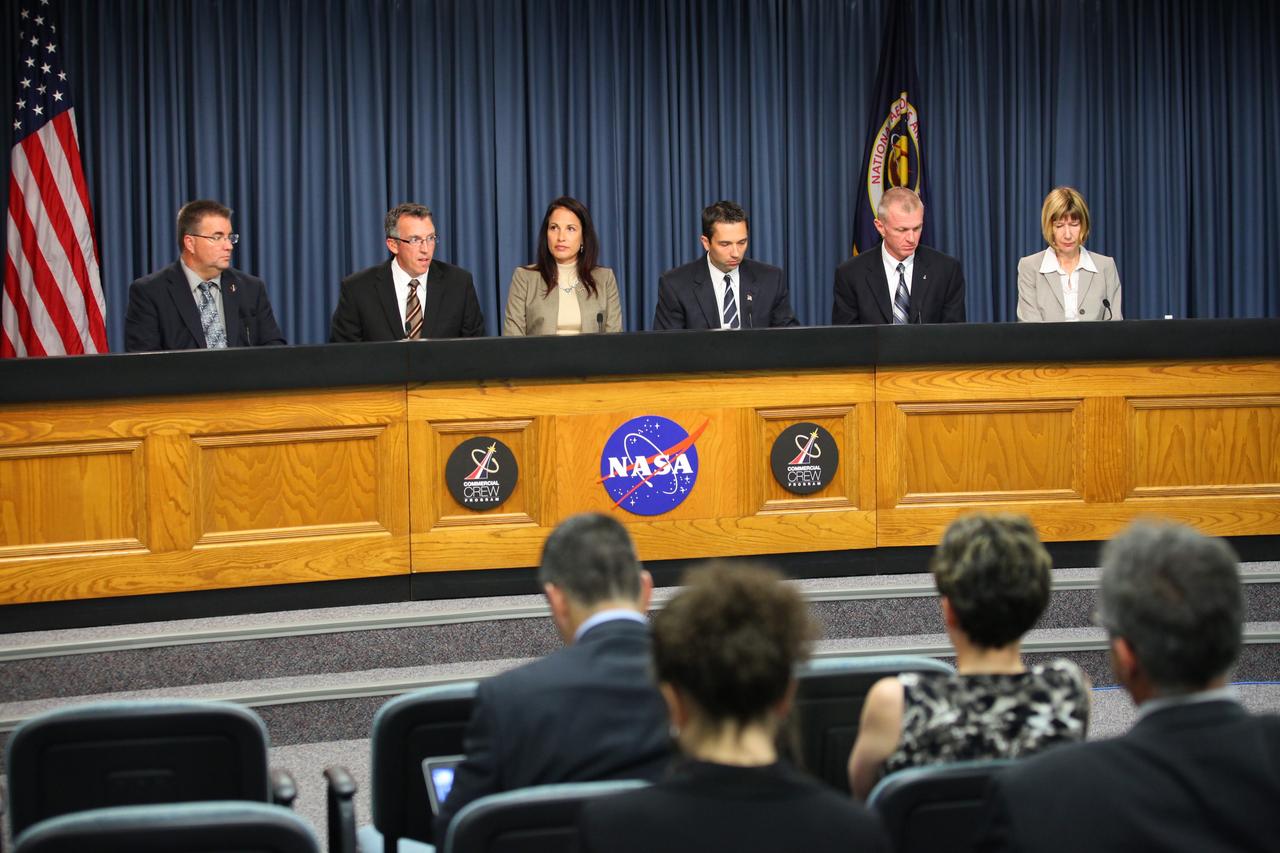
CAPE CANAVERAL, Fla. -- NASA's Commercial Crew Program, or CCP, hosts a pre-proposal conference to inform prospective companies about the recently released request for contract proposals and updates to the certification requirements for crewed missions to the International Space Station, or ISS. The two-phase certification process, called Certification Products Contract, or CPC, will enable NASA to eventually purchase service missions to fly astronauts to and from the ISS. From left, Ed Mango, CCP's program manager Steve Janney, CPC contracting officer Maria Collura, CCP certification manager Tom Simon, CPC Evaluation Team chair Brent Jett, CCP deputy program manager and Kathy Lueders, manager of the ISS Transportation Integration Office. To learn more about CCP, visit www.nasa.gov/commercialcrew. Photo credit: Kim Shiflett
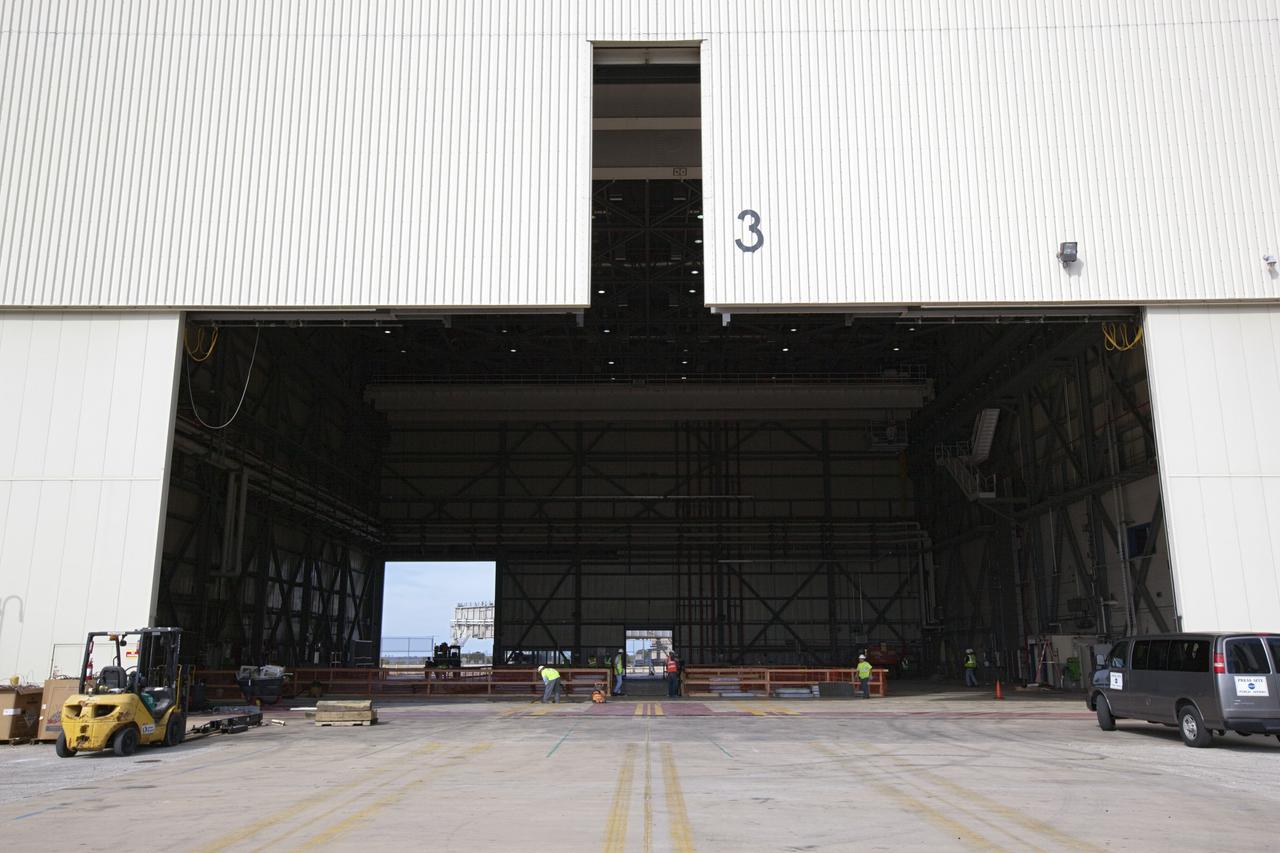
CAPE CANAVERAL, Fla. -- The Commercial Crew and Cargo Processing Facility, or C3PF, at NASA's Kennedy Space Center in Florida is going through major renovations to support the manufacturing of The Boeing Company's CST-100 spacecraft. Known throughout the space shuttle era as Orbiter Processing Facilty-3, or OPF-3, the facility's orbiter-specific platforms were removed recently to make room for a clean-floor factory-like facility. The modernization will allow Boeing to process its new fleet of low-Earth-orbit bound spacecraft, which is under development in collaboration with NASA's Commercial Crew Program, or CCP. Boeing is leasing the excess government facility for next-generation commercial activities through a land-use agreement with Space Florida. To learn more about CCP and its industry partners, visit www.nasa.gov/commercialcrew. Photo credit: Dimitri Gerondidakis
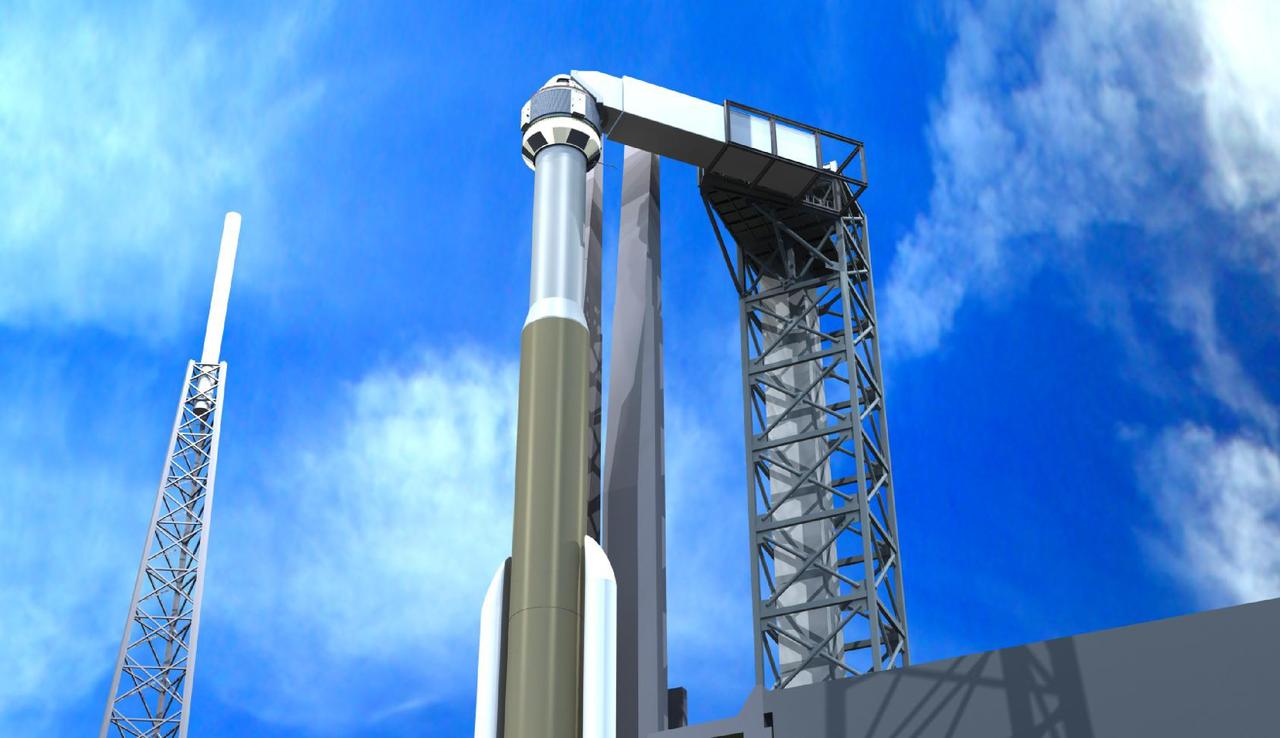
CAPE CANAVERAL, Fla. -- This is an artist's concept of The Boeing Company's CST-100 spacecraft and United Launch Alliance, or ULA, Atlas V rocket at Space Launch Complex 41 on Cape Canaveral Air Force Station in Florida. The integrated system is being developed in collaboration with NASA's Commercial Crew Program during the Commercial Crew Integrated Capability, or CCiCap, initiative. Image credit: Boeing
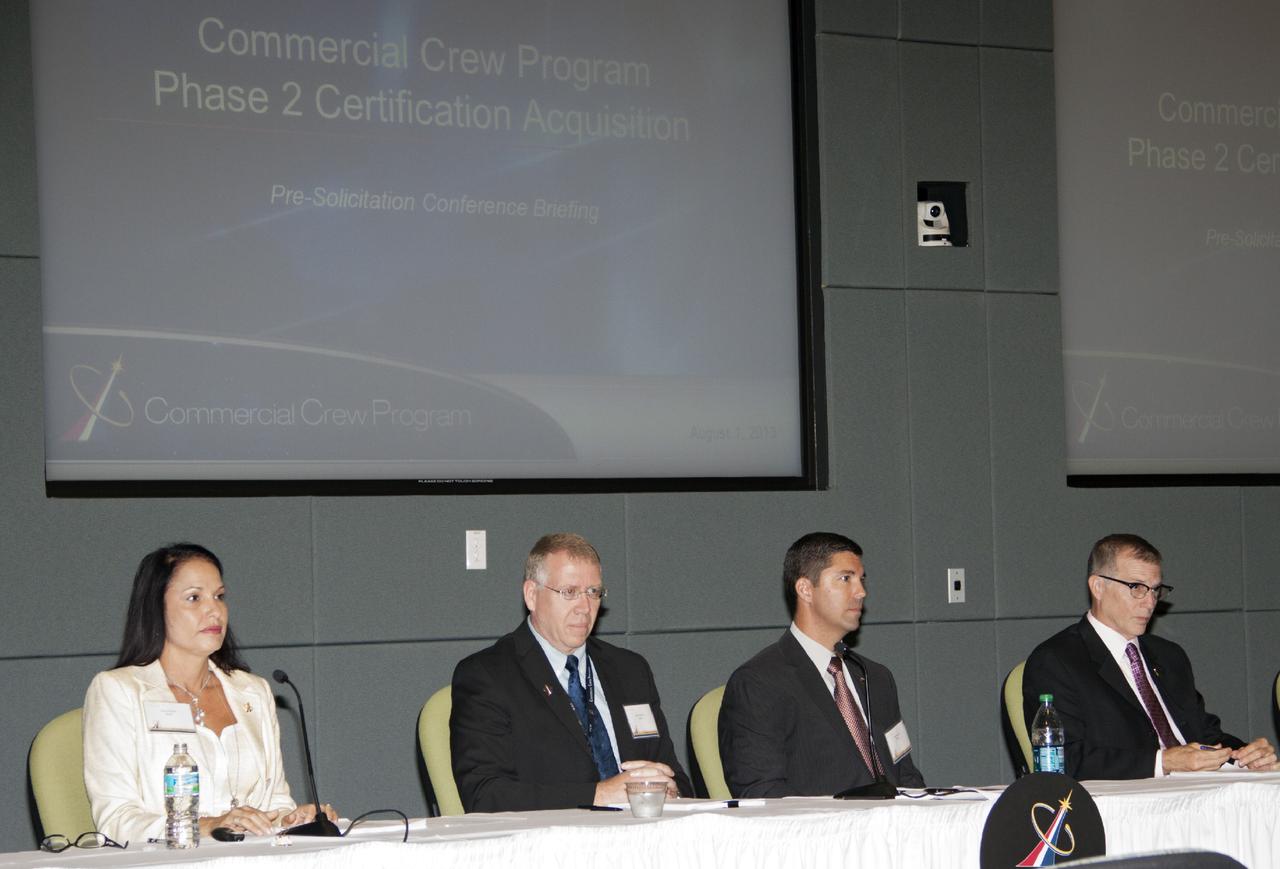
CAPE CANAVERAL, Fla. - Panelists of the Commercial Crew Transportation Capability, or CCtCap, Pre-Proposal Conference at Kennedy Space Center in Florida are, from left, Maria Collura, Brian Hinerth, Trip Healy and Lee Pagel. CCtCap will be the next phase of certification efforts for CCP mission to the International Space Station. The purpose of the conference was to involve aerospace industry representatives in the CCtCap draft Request for Proposal, or RFP, process and provide a greater understanding for both parties before the official RFP is released in the fall of 2013. To learn more about CCP, visit www.nasa.gov/commercialcrew. Photo credit: NASA/Jim Grossmann
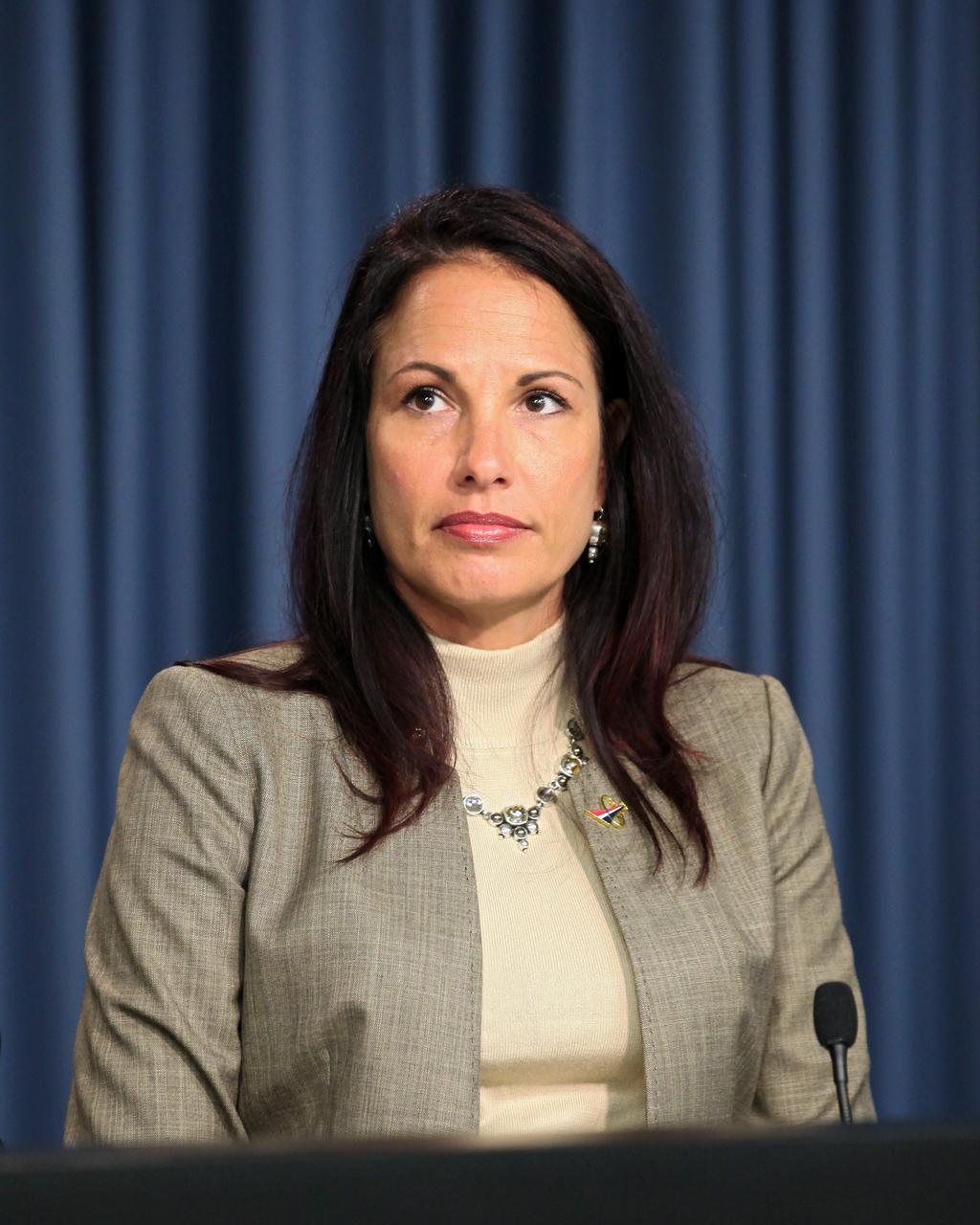
CAPE CANAVERAL, Fla. -- Maria Collura of NASA's Commercial Crew Program, or CCP, talks to aerospace industry representatives during a pre-proposal conference to inform prospective companies about the recently released request for contract proposals and updates to the certification requirements for crewed missions to the International Space Station, or ISS. The two-phase certification process, called Certification Products Contract, or CPC, will enable NASA to eventually purchase service missions to fly astronauts to and from the ISS. Collura serves as a CCP certification manager. To learn more about CCP, visit www.nasa.gov/commercialcrew. Photo credit: Kim Shiflett
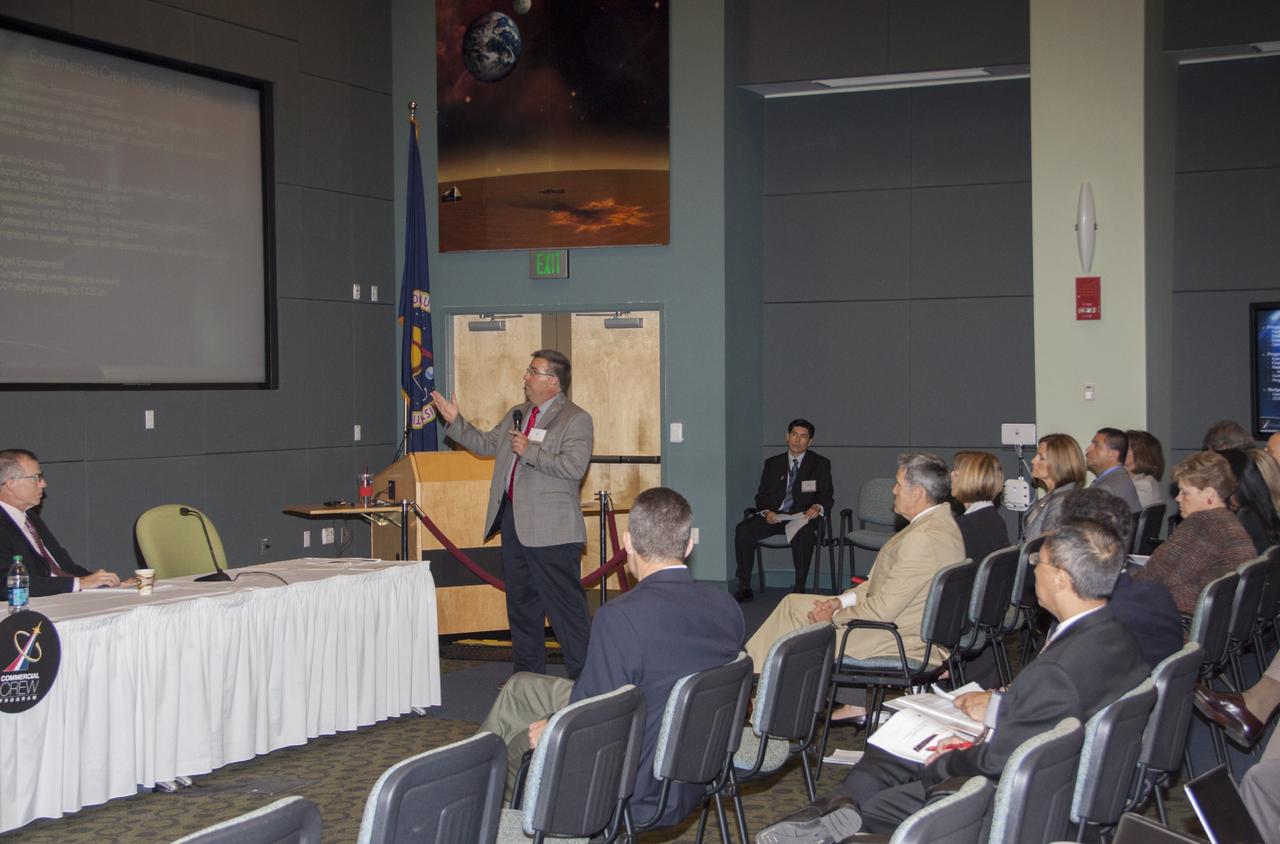
CAPE CANAVERAL, Fla. - Ed Mango, manager of NASA's Commercial Crew Program, or CCP, makes opening remarks at the Commercial Crew Transportation Capability, or CCtCap, Pre-Proposal Conference at Kennedy Space Center in Florida. CCtCap will be the next phase of certification efforts for CCP mission to the International Space Station. The purpose of the conference was to involve aerospace industry representatives in the CCtCap draft Request for Proposal, or RFP, process and provide a greater understanding for both parties before the official RFP is released in the fall of 2013. To learn more about CCP, visit www.nasa.gov/commercialcrew. Photo credit: NASA/Jim Grossmann
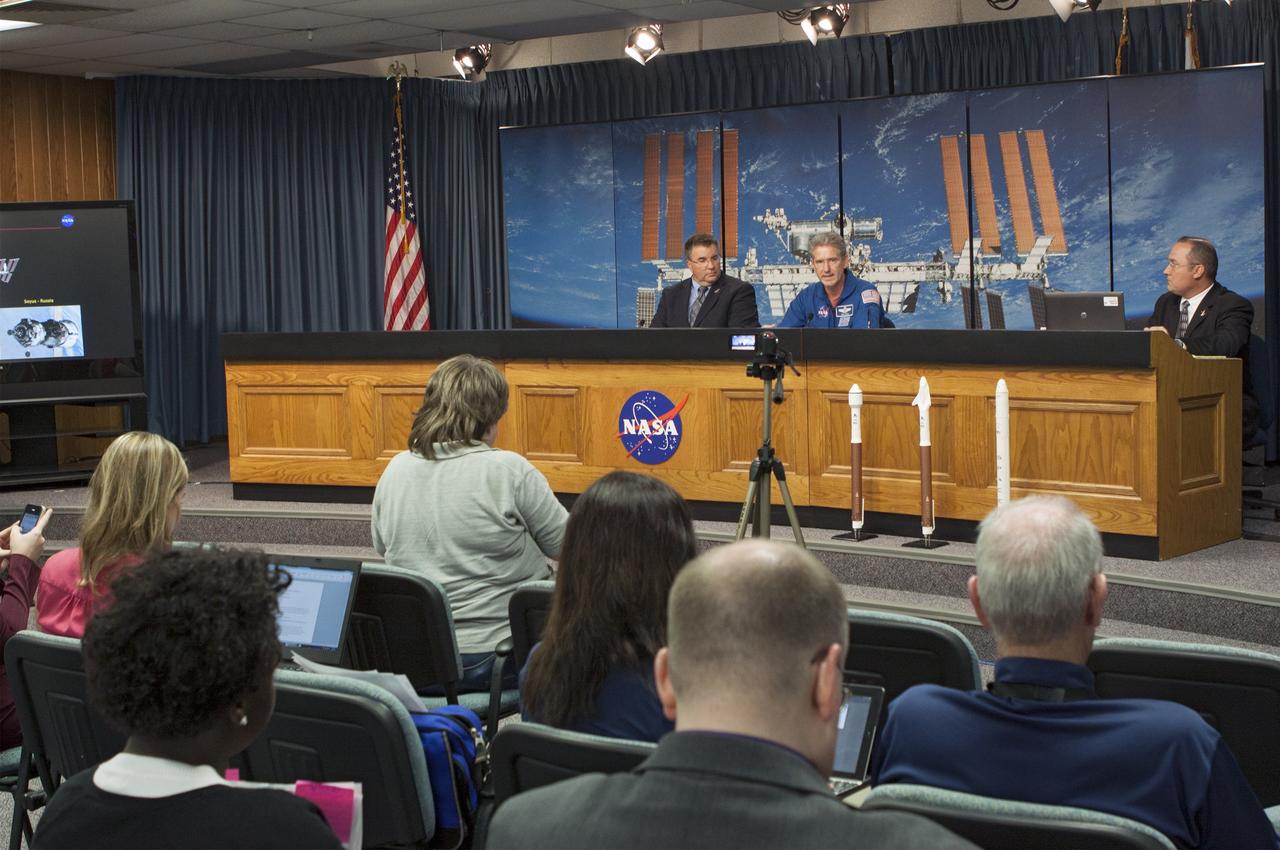
CAPE CANAVERAL, Fla. - NASA's Commercial Crew Program Manager Ed Mango and astronaut Mike Good media on the progress of American human spaceflight development at Kennedy Space Center in Florida. At right is NASA Public Affairs Officer Gregory Harland. They also discussed the future steps the program will take to certify crew transportation systems for missions to the International Space Station. The program is working toward the next phase of certification, which will be called Commercial Crew Transportation Capability, or CCtCap. That phase will include a joint test concept in which NASA astronauts will play a role in flight testing the systems. To learn more about CCP, visit www.nasa.gov/commercialcrew. Photo credit: Jim Grossmann
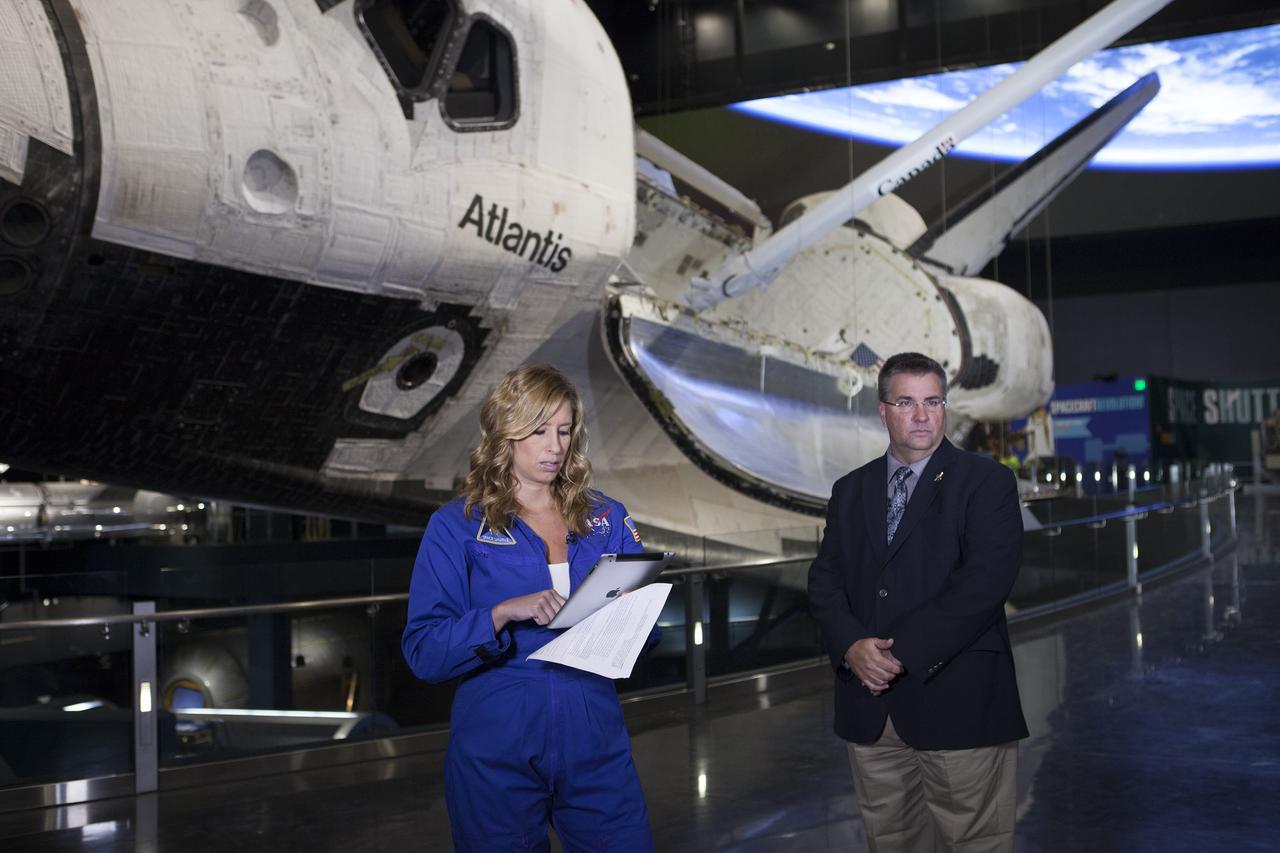
CAPE CANAVERAL, Fla. - Stephanie Abrams, a meteorologist with The Weather Channel, prepares for a live interview with Ed Mango, manager of NASA's Commercial Crew Program, or CCP, in front of the Atlantis display at the Kennedy Space Center Visitor Complex in Florida. During the interview, Mango explained the program is working with the commercial aerospace industry to return America's domestic capability to launch astronauts from U.S. soil to the International Space Station around the middle of the decade. He also discussed the program's role in helping NASA reach its deep-space exploration goals. To learn more about CCP, visit www.nasa.gov/commercialcrew. Photo credit: Kim Shiflett
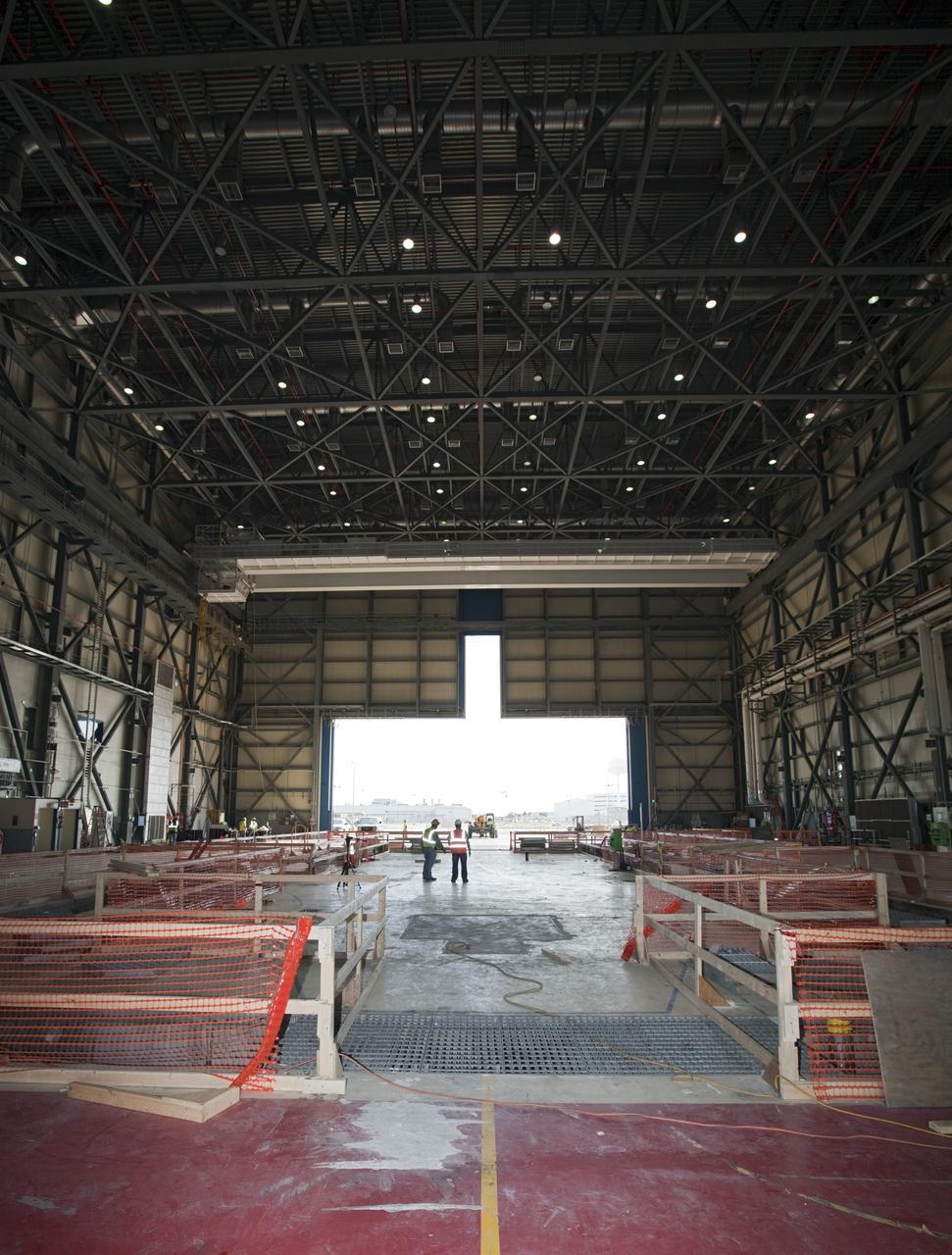
CAPE CANAVERAL, Fla. -- The Commercial Crew and Cargo Processing Facility, or C3PF, at NASA's Kennedy Space Center in Florida is going through major renovations to support the manufacturing of The Boeing Company's CST-100 spacecraft. Known throughout the space shuttle era as Orbiter Processing Facilty-3, or OPF-3, the facility's orbiter-specific platforms were removed recently to make room for a clean-floor factory-like facility. The modernization will allow Boeing to process its new fleet of low-Earth-orbit bound spacecraft, which is under development in collaboration with NASA's Commercial Crew Program, or CCP. Boeing is leasing the excess government facility for next-generation commercial activities through a land-use agreement with Space Florida. To learn more about CCP and its industry partners, visit www.nasa.gov/commercialcrew. Photo credit: Dimitri Gerondidakis
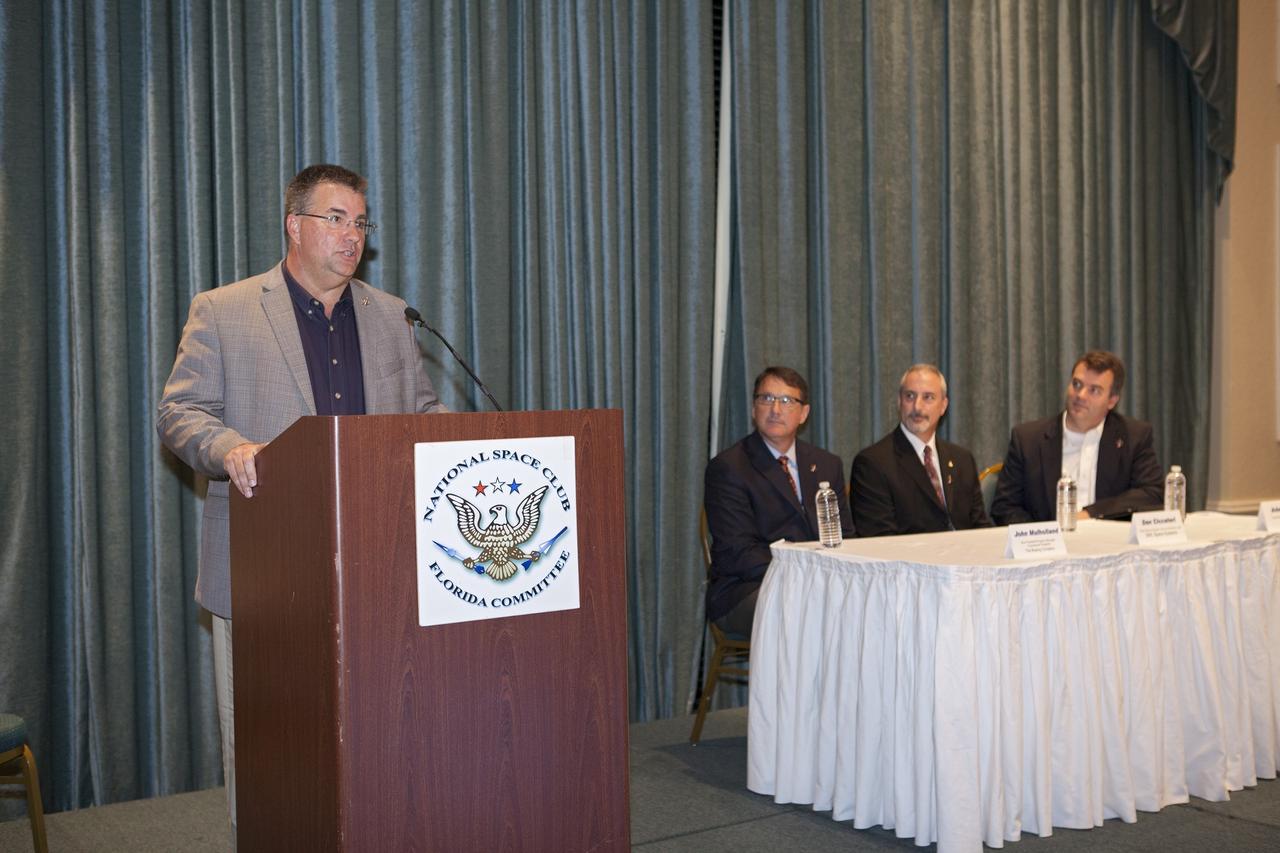
CAPE CANAVERAL, Fla. - Ed Mango, manager of NASA's Commercial Crew Program, or CCP, speaks to a crowd of spaceflight enthusiasts at the National Space Club Florida Committee's June meeting near the Kennedy Space Center. Mango was joined at the Radisson Resort at the Port in Cape Canaveral, Fla., by partner representatives from The Boeing Company, Sierra Nevada Corporation, or SNC, and Space Exploration Technologies, or SpaceX, all of whom plan to increase their commercial activities on Florida’s space coast to send astronauts to low-Earth orbit. Seated from left are vice president and program manager of Boeing's Commercial Programs John Mulholland, SNC's chief systems engineer Dan Ciccateri, and SpaceX's vice president of government sales Adam Harris. To learn more about the Commercial Crew Program, visit www.nasa.gov/commercialcrew. Photo credit: Kim Shiflett
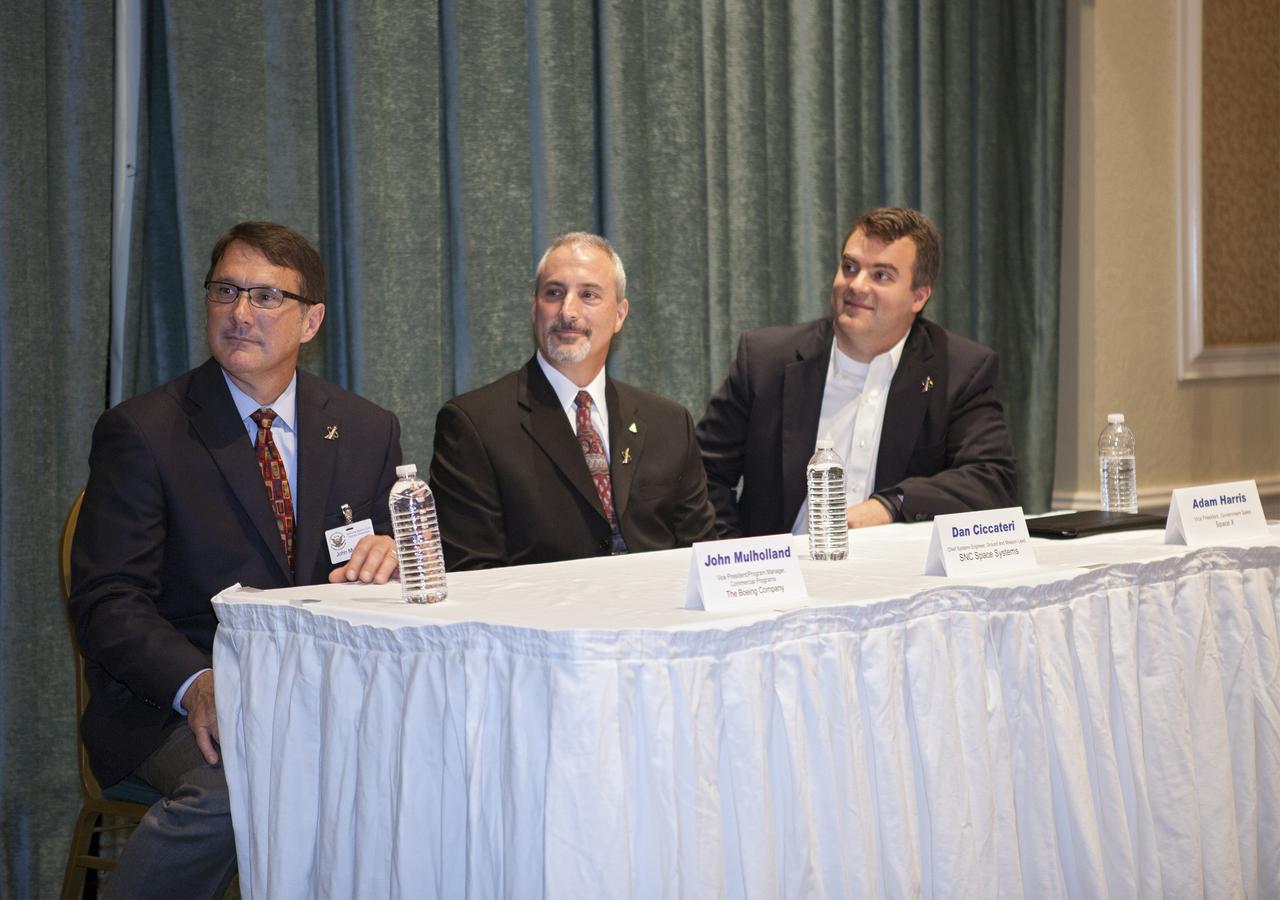
CAPE CANAVERAL, Fla. - NASA Commercial Crew Program, or CCP, partner representatives participate in the National Space Club Florida Committee's June meeting near the Kennedy Space Center. From left are The Boeing Company's vice president and program manager of Commercial Programs John Mulholland, Sierra Nevada Corporation, or SNC, Space Systems chief systems engineer Dan Ciccateri, and Space Exploration Technologies, or SpaceX, vice president of government sales Adam Harris. CCP Program Manager Ed Mango and the partners talked about plans to increase commercial activities on Florida’s space coast to send astronauts to low-Earth orbit. To learn more about the Commercial Crew Program, visit www.nasa.gov/commercialcrew. Photo credit: Kim Shiflett
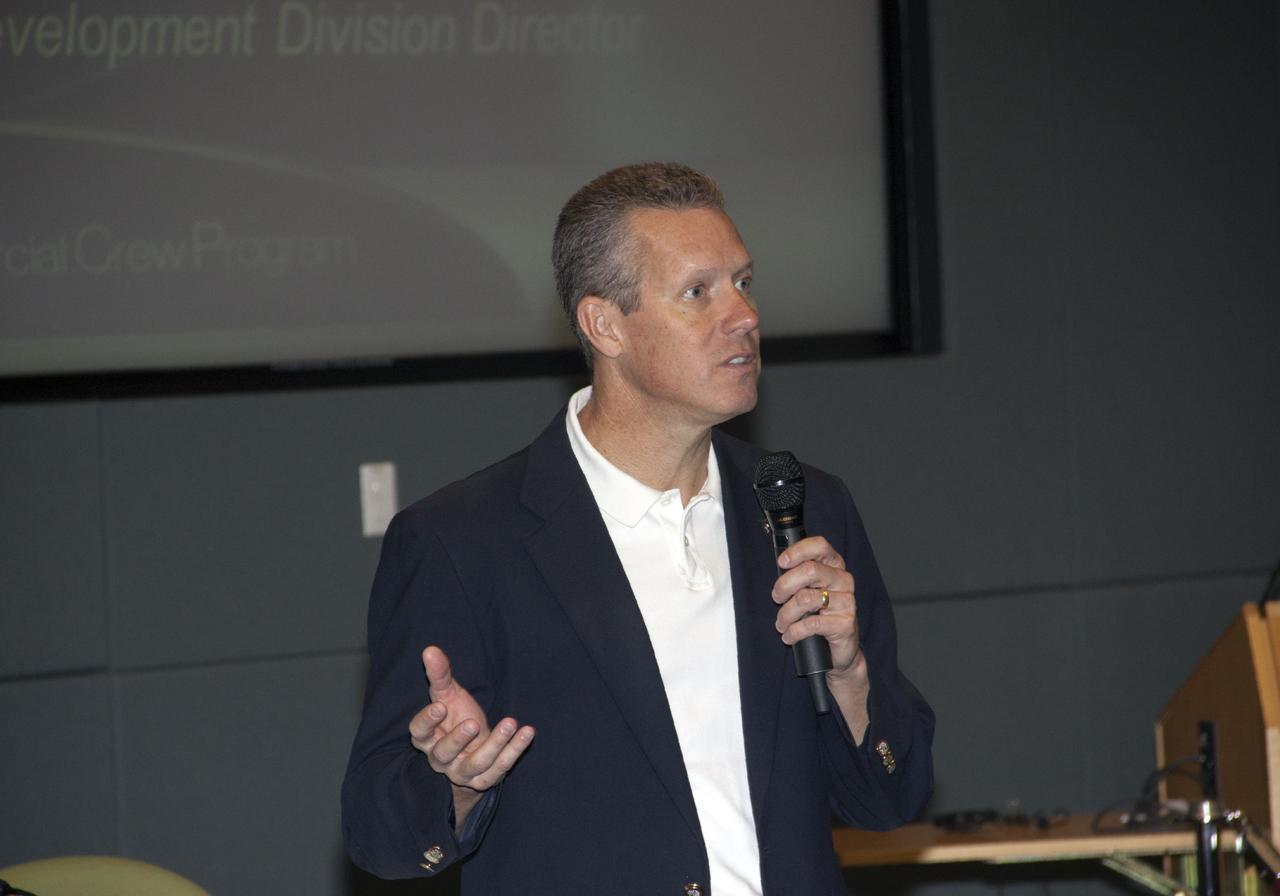
CAPE CANAVERAL, Fla. - Phil McAlister, director of Commercial Spaceflight Development at NASA Headquarters in Washington, D.C., makes opening remarks at the Commercial Crew Transportation Capability, or CCtCap, Pre-Proposal Conference at Kennedy Space Center in Florida. CCtCap will be the next phase of certification efforts for the agency's Commercial Crew Program, or CCP, missions to the International Space Station. The purpose of the conference was to involve aerospace industry representatives in the CCtCap draft Request for Proposal, or RFP, process and provide a greater understanding for both parties before the official RFP is released in the fall of 2013. To learn more about CCP, visit www.nasa.gov/commercialcrew. Photo credit: NASA/Jim Grossmann
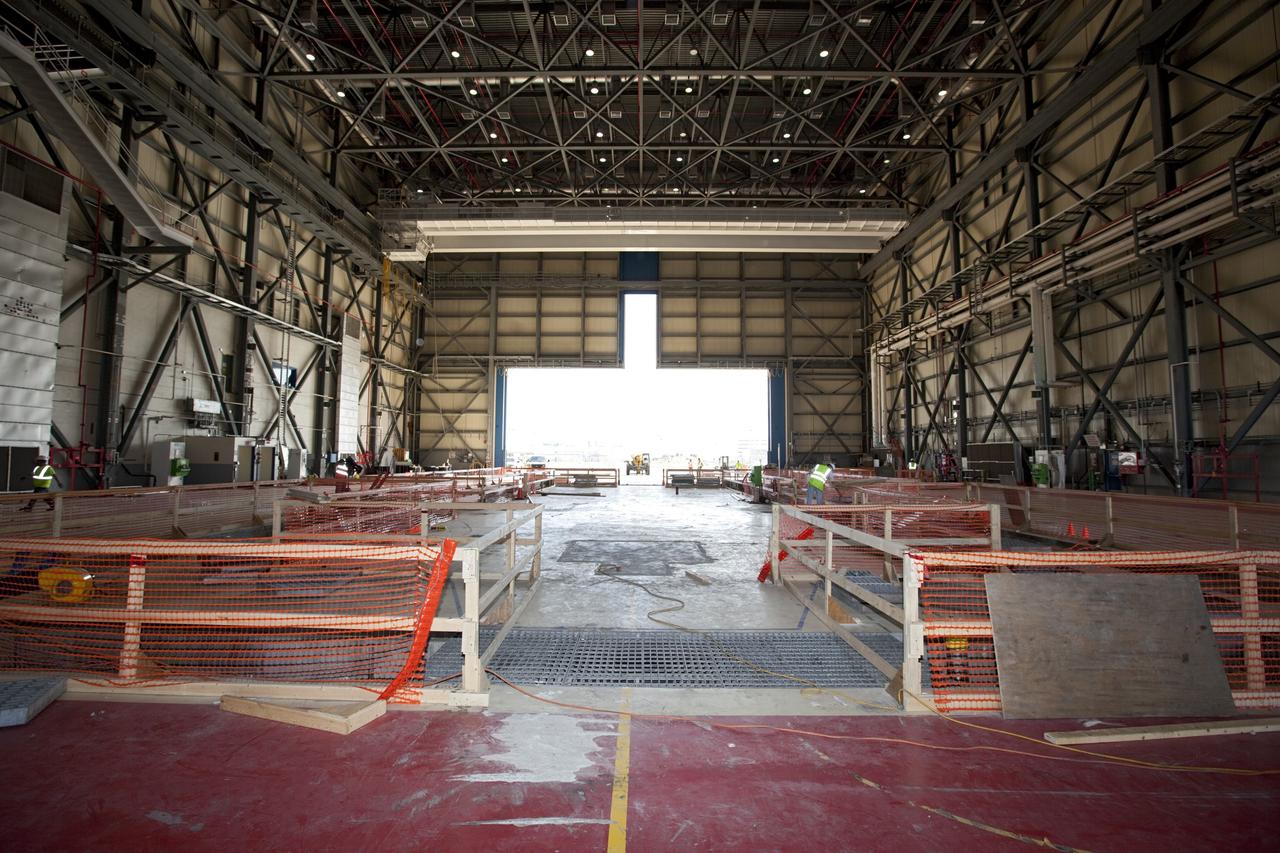
CAPE CANAVERAL, Fla. -- The Commercial Crew and Cargo Processing Facility, or C3PF, at NASA's Kennedy Space Center in Florida is going through major renovations to support the manufacturing of The Boeing Company's CST-100 spacecraft. Known throughout the space shuttle era as Orbiter Processing Facilty-3, or OPF-3, the facility's orbiter-specific platforms were removed recently to make room for a clean-floor factory-like facility. The modernization will allow Boeing to process its new fleet of low-Earth-orbit bound spacecraft, which is under development in collaboration with NASA's Commercial Crew Program, or CCP. Boeing is leasing the excess government facility for next-generation commercial activities through a land-use agreement with Space Florida. To learn more about CCP and its industry partners, visit www.nasa.gov/commercialcrew. Photo credit: Dimitri Gerondidakis
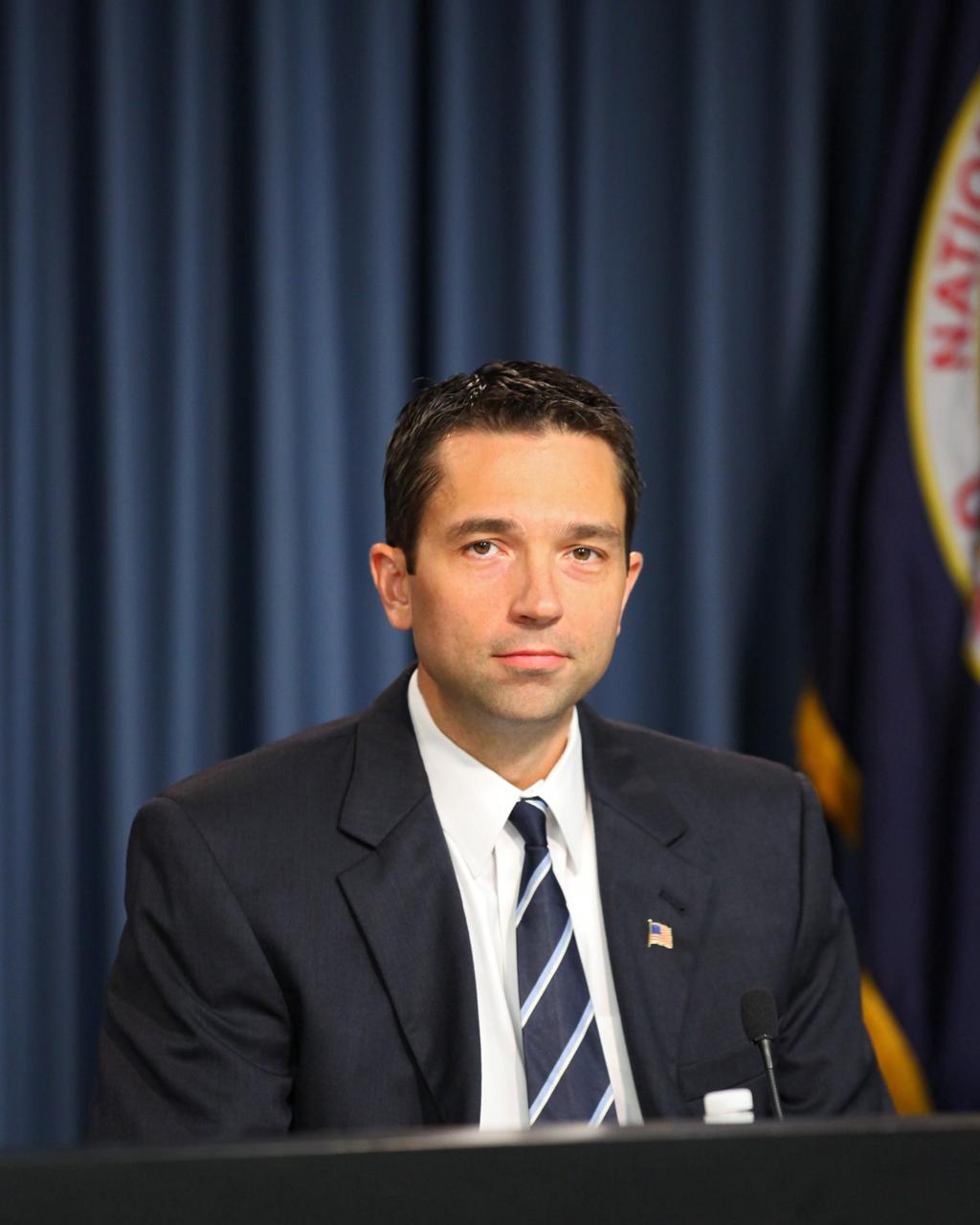
CAPE CANAVERAL, Fla. -- Tom Simon of NASA's Commercial Crew Program, or CCP, talks to aerospace industry representatives during a pre-proposal conference to inform prospective companies about the recently released request for contract proposals and updates to the certification requirements for crewed missions to the International Space Station, or ISS. The two-phase certification process, called Certification Products Contract, or CPC, will enable NASA to eventually purchase service missions to fly astronauts to and from the ISS. Simon will serve as chair of the CPC Evaluation Team that will come together to identify, research and ensure that the selected companies can comply with NASA's contract requirements. To learn more about CCP, visit www.nasa.gov/commercialcrew. Photo credit: Kim Shiflett
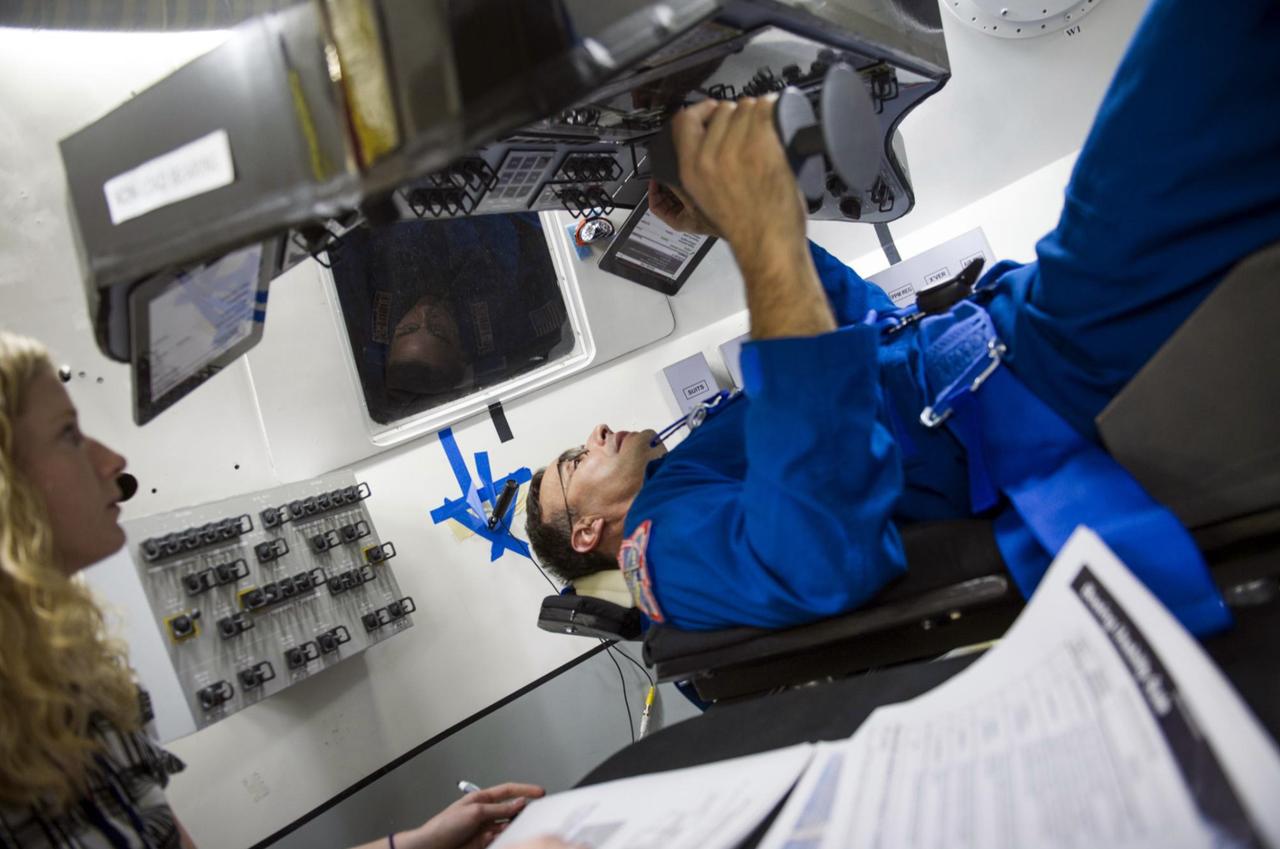
HOUSTON -- NASA Astronaut Lee Archambault performs an evaluation of reach and visibility of controls and displays during an end-of-year interior layout evaluation of The Boeing Company's CST-100 spacecraft. The evaluation at Boeing's Houston Product Support Center in Texas was part of the company's ongoing work supporting its funded Space Act Agreement with NASA's Commercial Crew Program, or CCP, during the Commercial Crew Integrated Capability, or CCiCap, initiative. CCP is intended to lead to the availability of commercial human spaceflight services for government and commercial customers to low-Earth orbit. Future development and certification initiatives eventually will lead to the availability of human spaceflight services for NASA to send its astronauts to the International Space Station, where critical research is taking place daily. For more information about CCP, go to http://www.nasa.gov/commercialcrew. Photo credit: Boeing

CAPE CANAVERAL, Fla. - Ed Mango, manager of NASA's Commercial Crew Program, or CCP, makes opening remarks at the Commercial Crew Transportation Capability, or CCtCap, Pre-Proposal Conference at Kennedy Space Center in Florida. CCtCap will be the next phase of certification efforts for CCP mission to the International Space Station. The purpose of the conference was to involve aerospace industry representatives in the CCtCap draft Request for Proposal, or RFP, process and provide a greater understanding for both parties before the official RFP is released in the fall of 2013. To learn more about CCP, visit www.nasa.gov/commercialcrew. Photo credit: NASA/Jim Grossmann
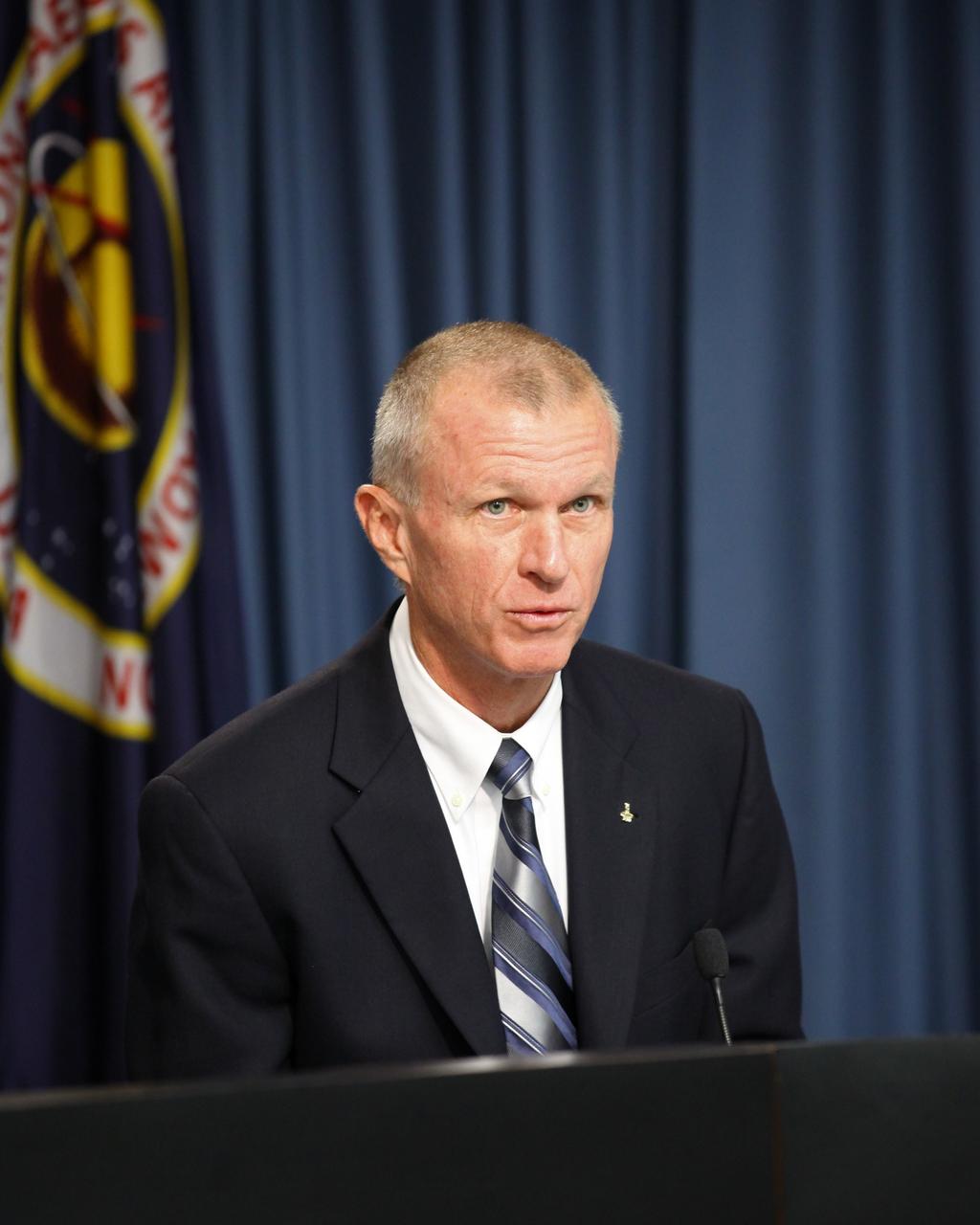
CAPE CANAVERAL, Fla. -- Brent Jett, deputy manager of NASA's Commercial Crew Program, or CCP, talks to aerospace industry representatives during a pre-proposal conference to inform prospective companies about the recently released request for contract proposals and updates to the certification requirements for crewed missions to the International Space Station, or ISS. The two-phase certification process, called Certification Products Contract, or CPC, will enable NASA to eventually purchase service missions to fly astronauts to and from the ISS. To learn more about CCP, visit www.nasa.gov/commercialcrew. Photo credit: Kim Shiflett
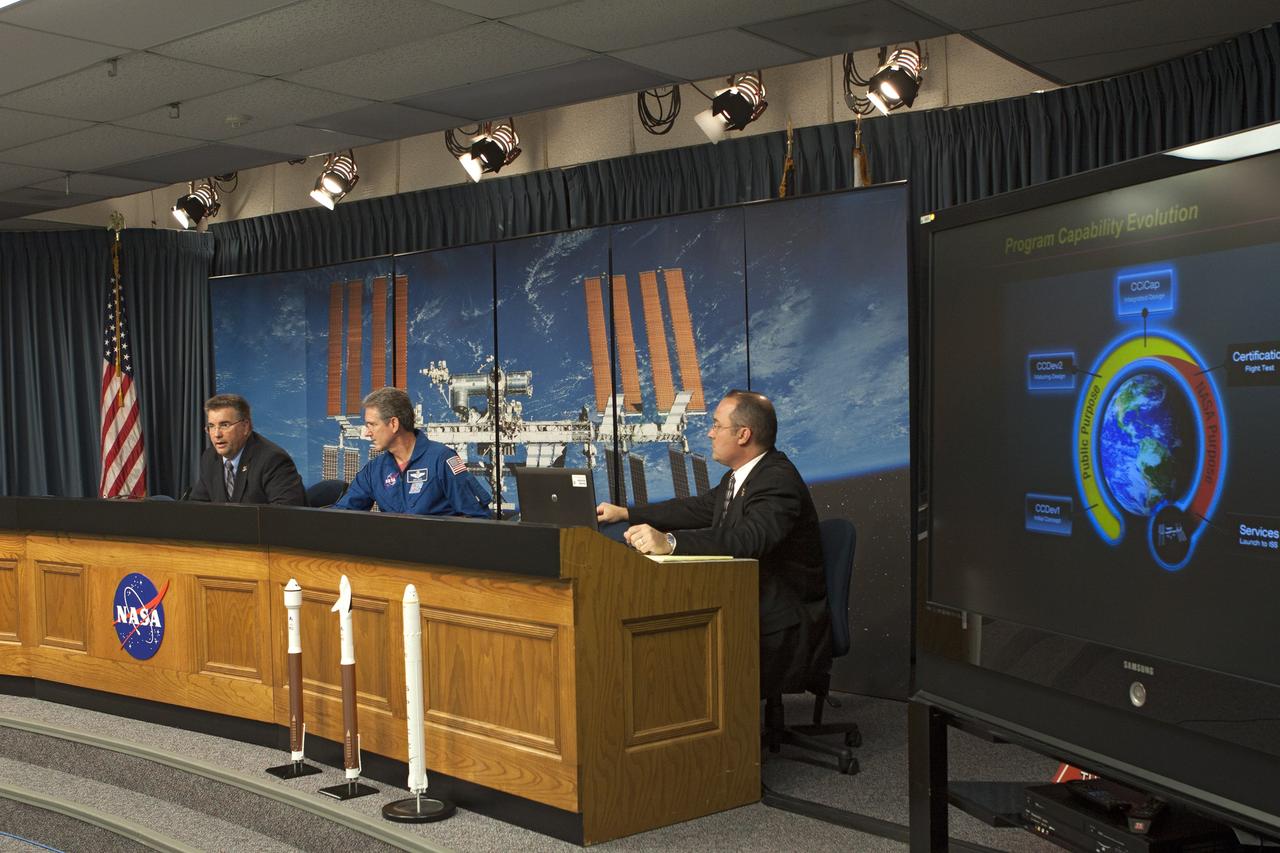
CAPE CANAVERAL, Fla. - NASA's Commercial Crew Program Manager Ed Mango and astronaut Mike Good media on the progress of American human spaceflight development at Kennedy Space Center in Florida. At right is NASA Public Affairs Officer Gregory Harland. They also discussed the future steps the program will take to certify crew transportation systems for missions to the International Space Station. The program is working toward the next phase of certification, which will be called Commercial Crew Transportation Capability, or CCtCap. That phase will include a joint test concept in which NASA astronauts will play a role in flight testing the systems. To learn more about CCP, visit www.nasa.gov/commercialcrew. Photo credit: Jim Grossmann
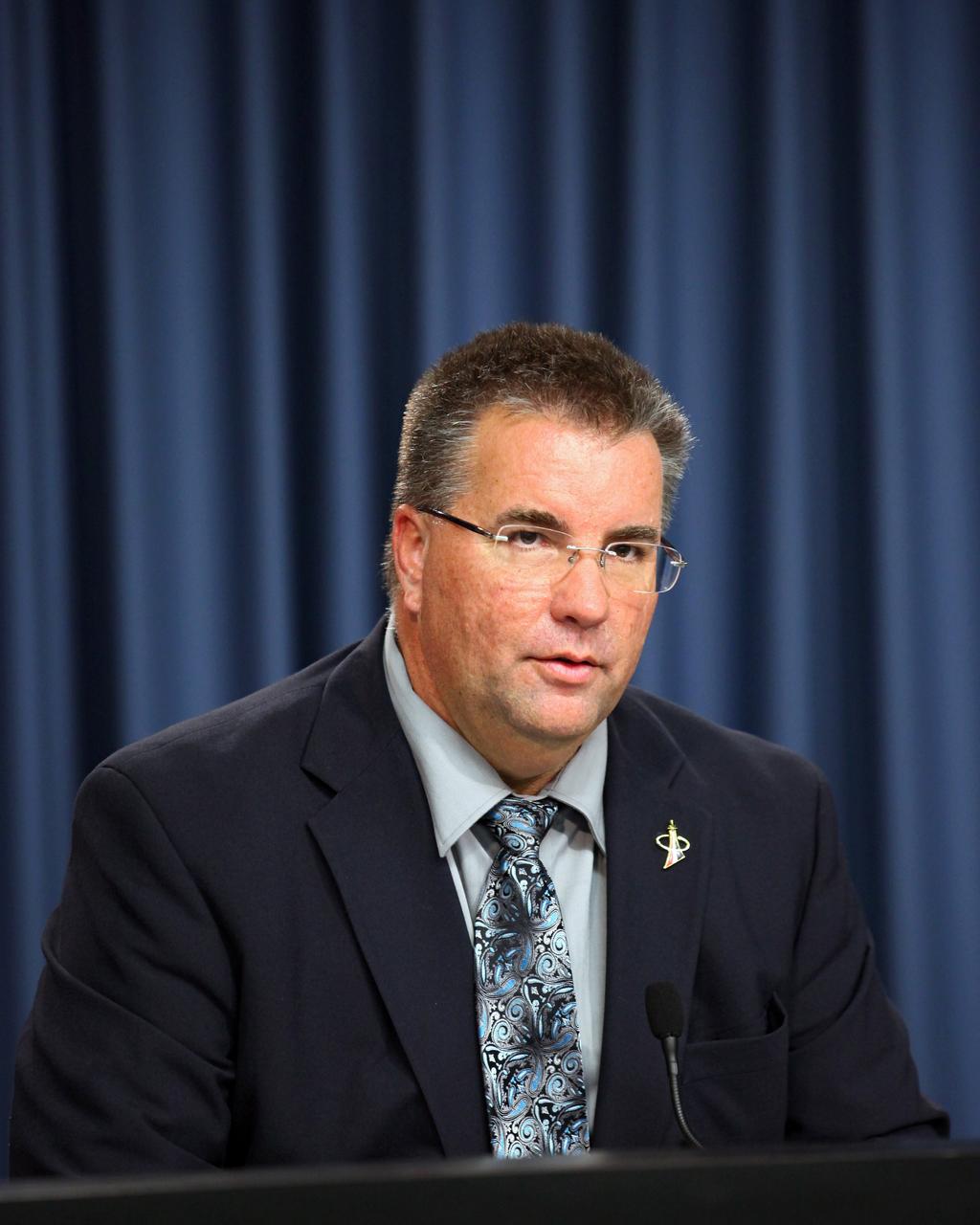
CAPE CANAVERAL, Fla. -- Ed Mango, manager of NASA's Commercial Crew Program, or CCP, talks to aerospace industry representatives during a pre-proposal conference to inform prospective companies about the recently released request for contract proposals and updates to the certification requirements for crewed missions to the International Space Station, or ISS. The two-phase certification process, called Certification Products Contract, or CPC, will enable NASA to eventually purchase service missions to fly astronauts to and from the ISS. To learn more about CCP, visit www.nasa.gov/commercialcrew. Photo credit: Kim Shiflett
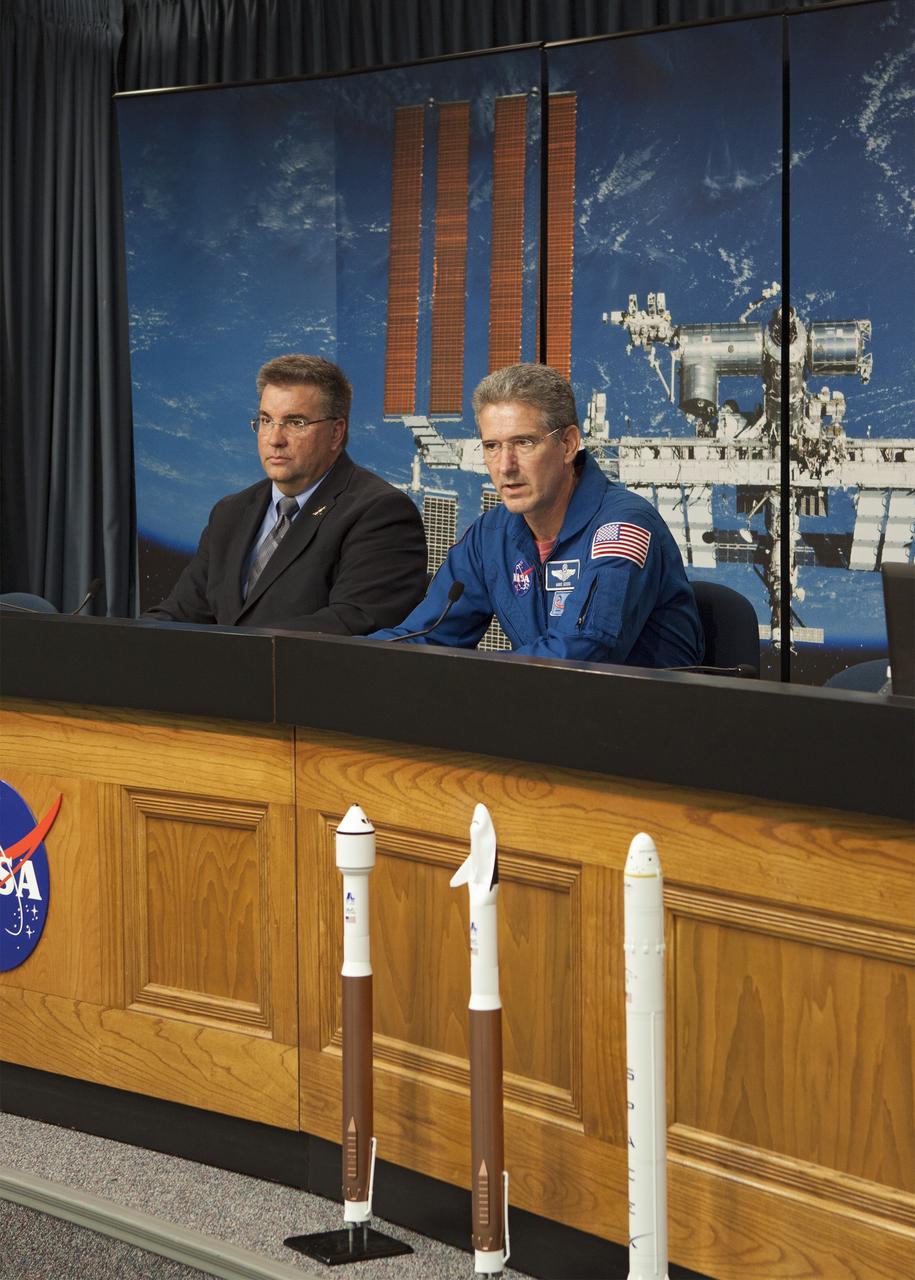
CAPE CANAVERAL, Fla. - NASA's Commercial Crew Program Manager Ed Mango and astronaut Mike Good media on the progress of American human spaceflight development at Kennedy Space Center in Florida. They also discussed the future steps the program will take to certify crew transportation systems for missions to the International Space Station. The program is working toward the next phase of certification, which will be called Commercial Crew Transportation Capability, or CCtCap. That phase will include a joint test concept in which NASA astronauts will play a role in flight testing the systems. To learn more about CCP, visit www.nasa.gov/commercialcrew. Photo credit: Jim Grossmann

CAPE CANAVERAL, Fla. -- Kathy Lueders, manager of the International Space Station, or ISS, Transportation Integration Office, participates in a NASA Commercial Crew Program, or CCP, pre-proposal conference. The conference informed prospective companies about the recently released request for contract proposals and updates to the certification requirements for crewed missions to ISS. The two-phase certification process, called Certification Products Contract, or CPC, will enable NASA to eventually purchase service missions to fly astronauts to and from the ISS. To learn more about CCP, visit www.nasa.gov/commercialcrew. Photo credit: Kim Shiflett
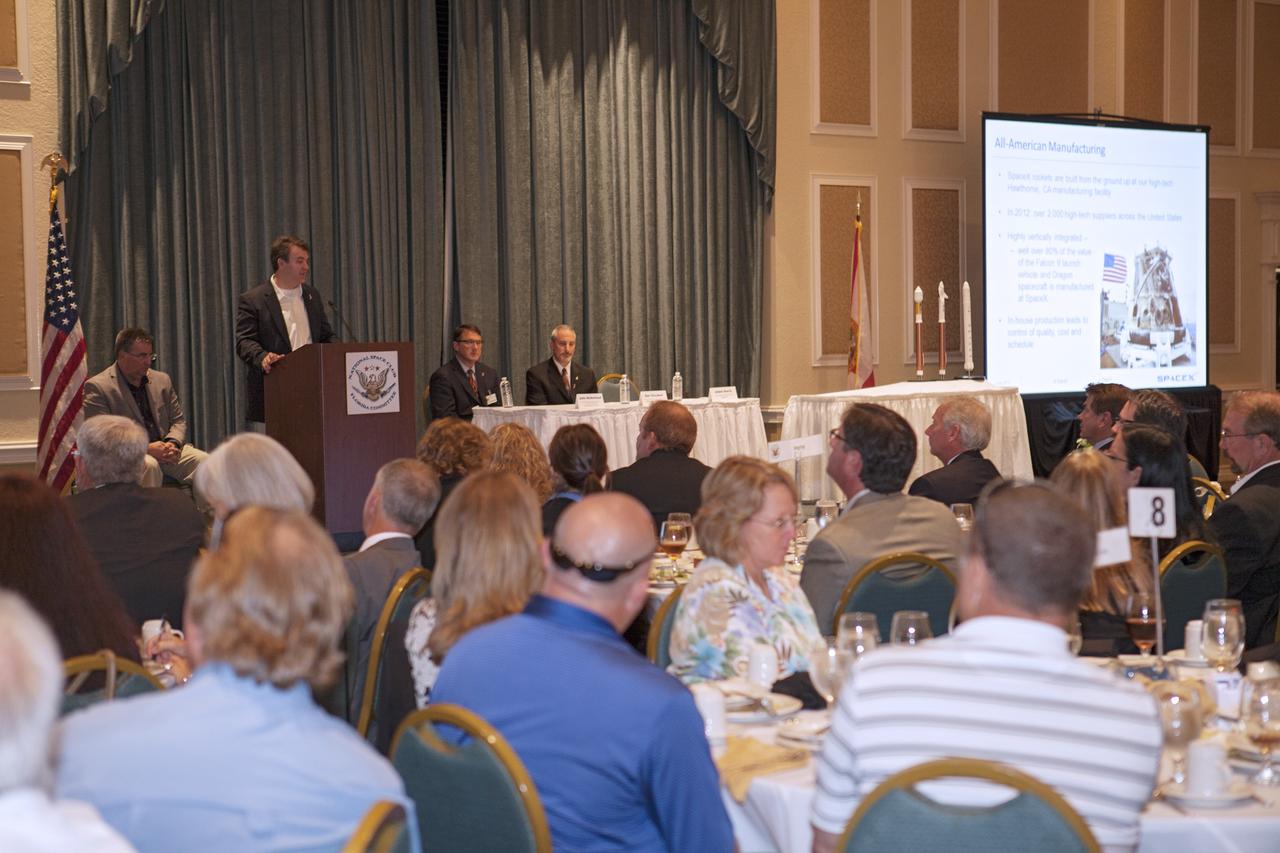
CAPE CANAVERAL, Fla. - Adam Harris, vice president of government sales for Space Exploration Technologies, or SpaceX, speaks to a crowd of spaceflight enthusiasts at the National Space Club Florida Committee's June meeting near the Kennedy Space Center. Harris was joined at the Radisson Resort at the Port in Cape Canaveral, Fla., by Ed Mango, manager of NASA's Commercial Crew Program, or CCP, left, and representatives from The Boeing Company and Sierra Nevada Corporation, or SNC. All three CCP partner are planning to increase their commercial activities on Florida’s space coast to send astronauts to low-Earth orbit. To learn more about the Commercial Crew Program, visit www.nasa.gov/commercialcrew. Photo credit: Kim Shiflett
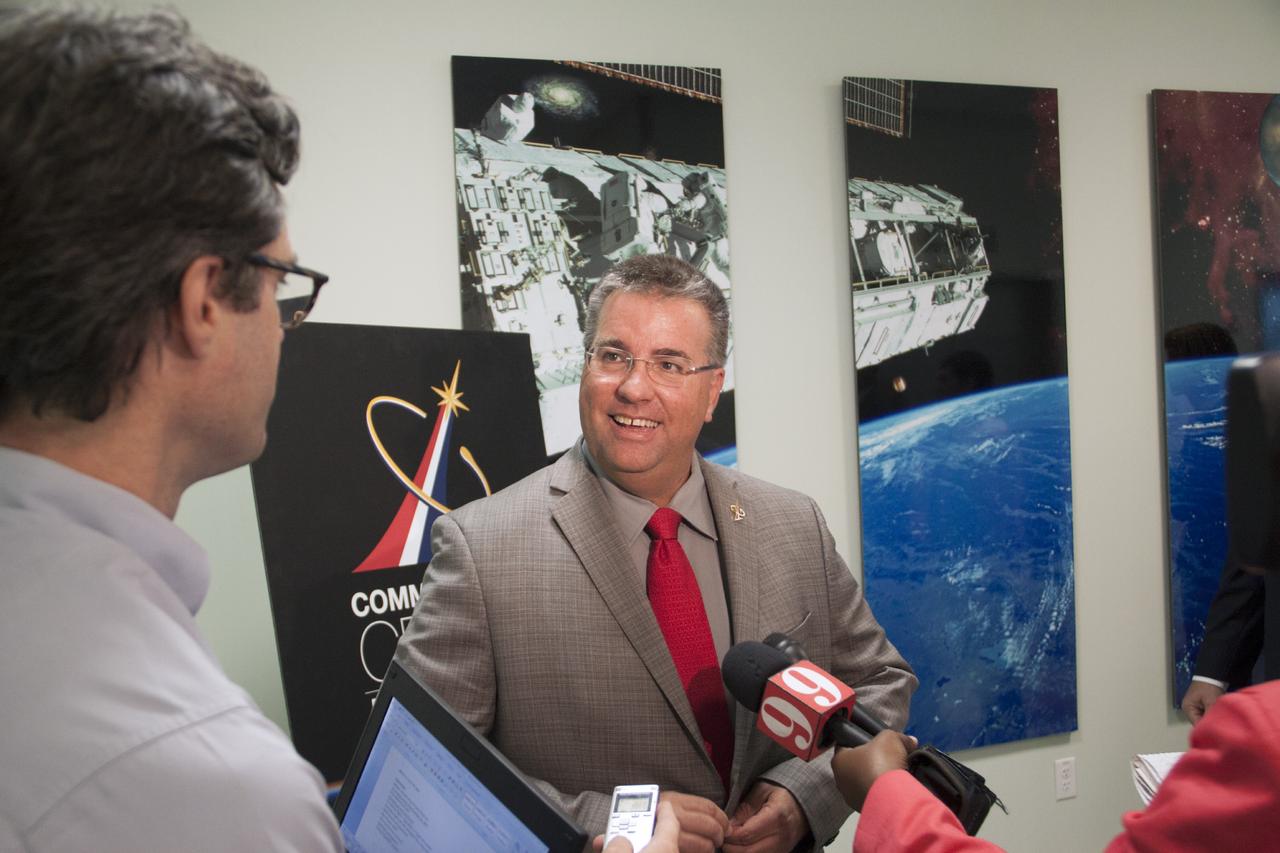
CAPE CANAVERAL, Fla. - Ed Mango, manager of NASA's Commercial Crew Program, or CCP, talks to media following the Commercial Crew Transportation Capability, or CCtCap, Pre-Proposal Conference at Kennedy Space Center in Florida. CCtCap will be the next phase of certification efforts for CCP mission to the International Space Station. The purpose of the conference was to involve aerospace industry representatives in the CCtCap draft Request for Proposal, or RFP, process and provide a greater understanding for both parties before the official RFP is released in the fall of 2013. To learn more about CCP, visit www.nasa.gov/commercialcrew. Photo credit: NASA/Jim Grossmann
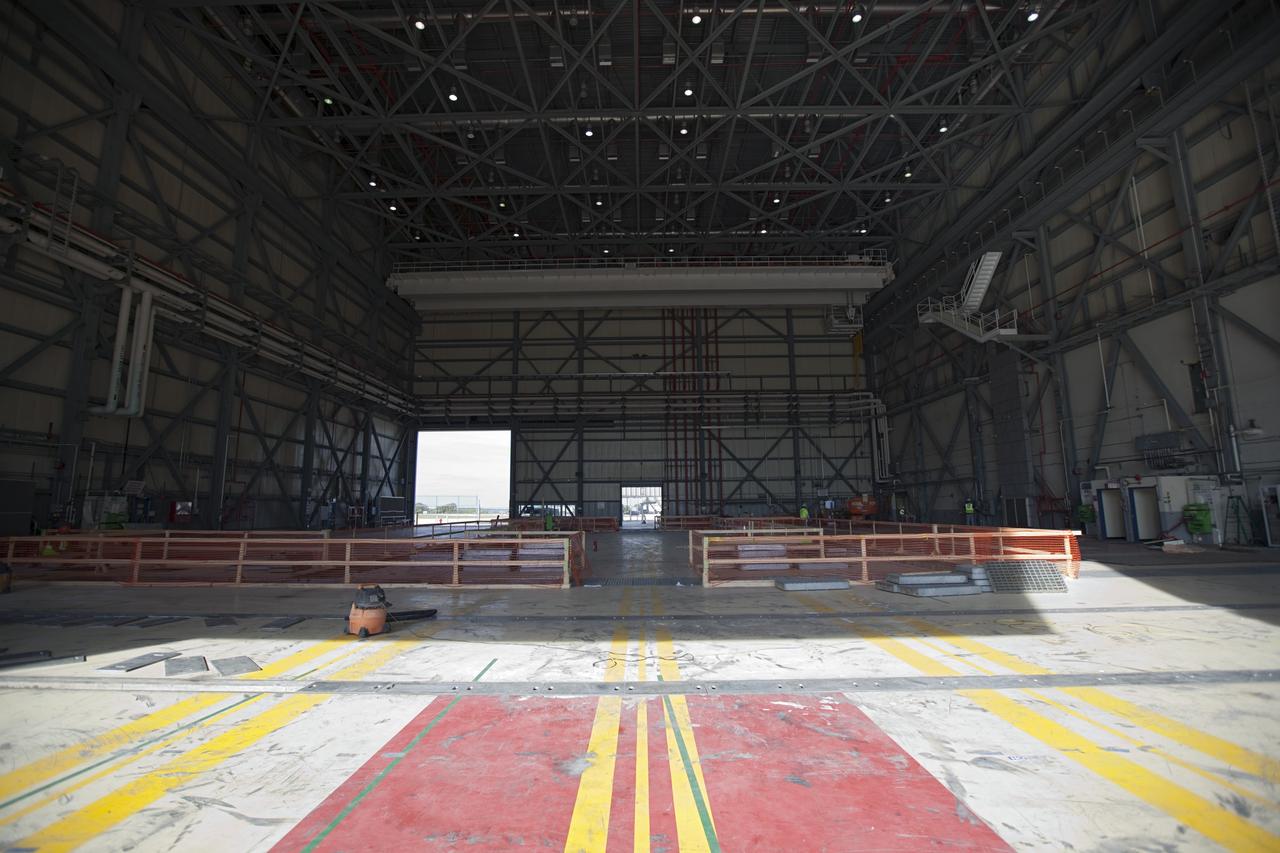
CAPE CANAVERAL, Fla. -- The Commercial Crew and Cargo Processing Facility, or C3PF, at NASA's Kennedy Space Center in Florida is going through major renovations to support the manufacturing of The Boeing Company's CST-100 spacecraft. Known throughout the space shuttle era as Orbiter Processing Facilty-3, or OPF-3, the facility's orbiter-specific platforms were removed recently to make room for a clean-floor factory-like facility. The modernization will allow Boeing to process its new fleet of low-Earth-orbit bound spacecraft, which is under development in collaboration with NASA's Commercial Crew Program, or CCP. Boeing is leasing the excess government facility for next-generation commercial activities through a land-use agreement with Space Florida. To learn more about CCP and its industry partners, visit www.nasa.gov/commercialcrew. Photo credit: Dimitri Gerondidakis
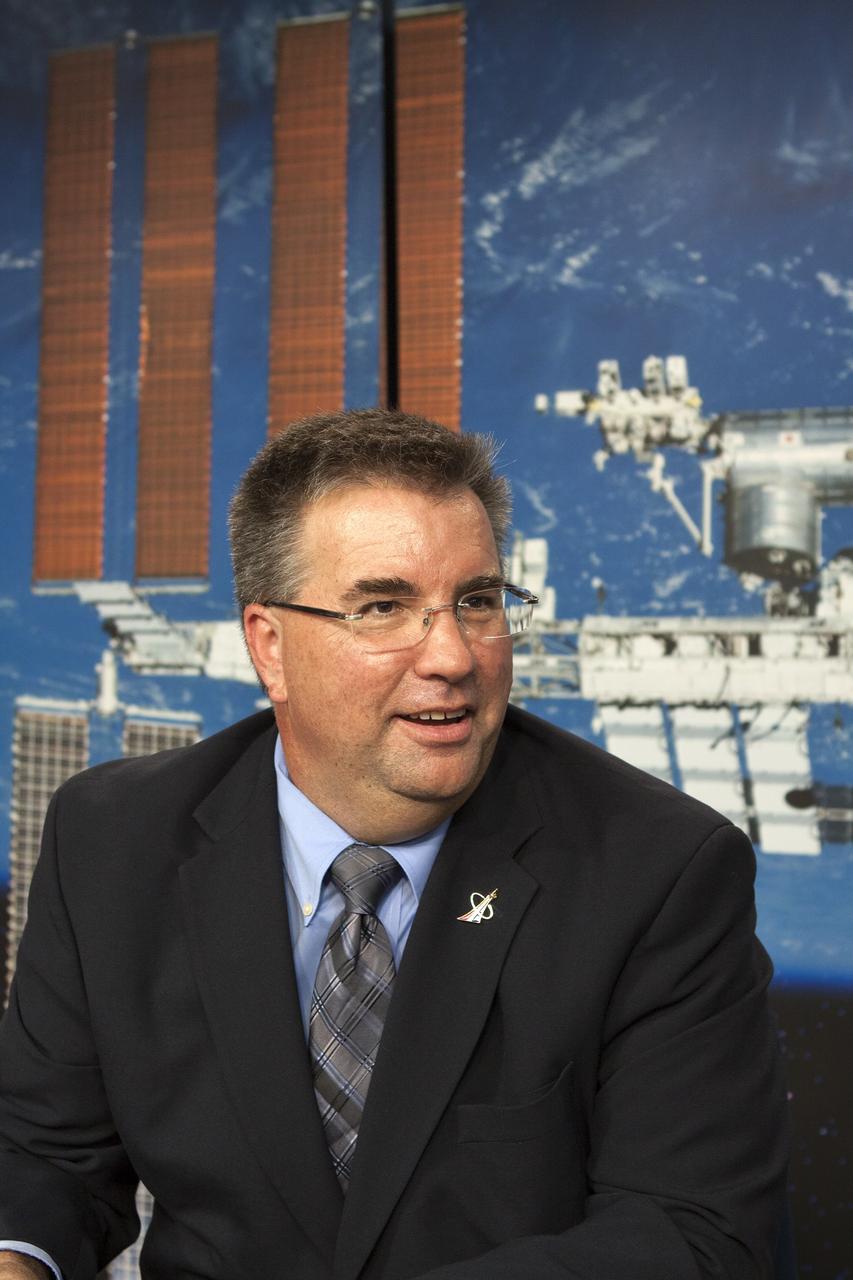
CAPE CANAVERAL, Fla. - NASA's Commercial Crew Program Manager Ed Mango updates media on the progress of American human spaceflight development at Kennedy Space Center in Florida. He and astronaut Mike Good discussed the future steps the program will take to certify crew transportation systems for missions to the International Space Station. The program is working toward the next phase of certification, which will be called Commercial Crew Transportation Capability, or CCtCap. That phase will include a joint test concept in which NASA astronauts will play a role in flight testing the systems. To learn more about CCP, visit www.nasa.gov/commercialcrew. Photo credit: Jim Grossmann
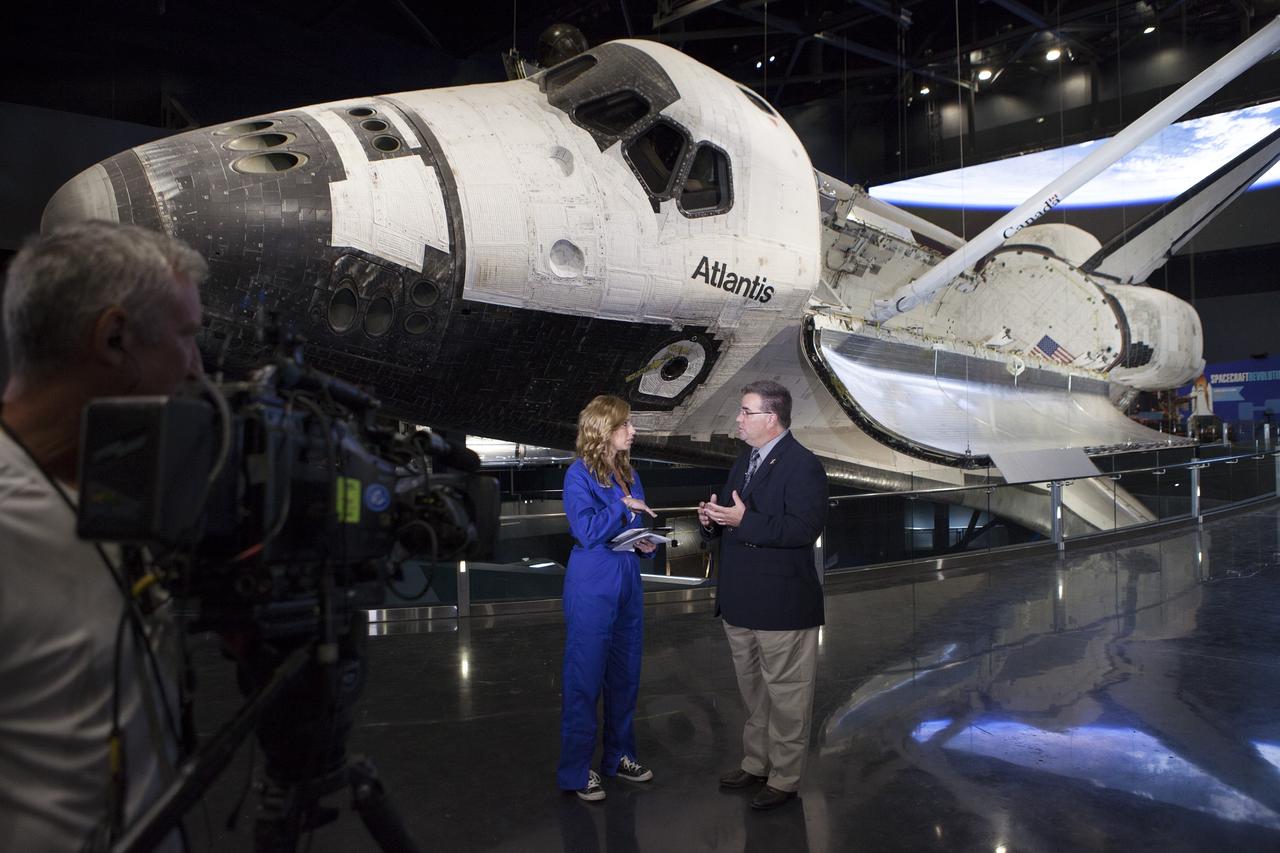
CAPE CANAVERAL, Fla. - Stephanie Abrams, a meteorologist with The Weather Channel, performs a live interview with Ed Mango, manager of NASA's Commercial Crew Program, or CCP, in front of the Atlantis display at the Kennedy Space Center Visitor Complex in Florida. Mango explained the program is working with the commercial aerospace industry to return America's domestic capability to launch astronauts from U.S. soil to the International Space Station around the middle of the decade. He also discussed the program's role in helping NASA reach its deep-space exploration goals. To learn more about CCP, visit www.nasa.gov/commercialcrew. Photo credit: Kim Shiflett
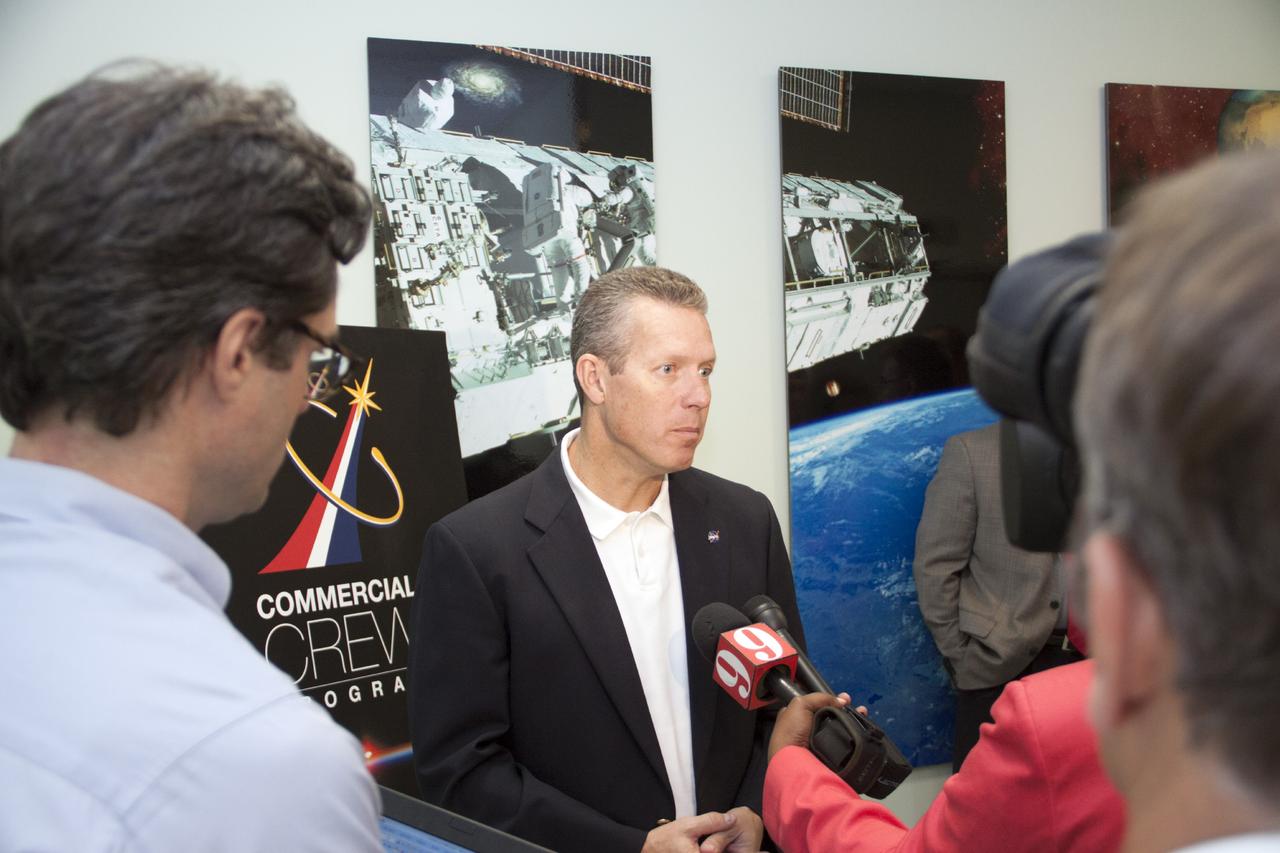
CAPE CANAVERAL, Fla. - Phil McAlister, director of Commercial Spaceflight Development at NASA Headquarters in Washington, D.C., talks to media following the Commercial Crew Transportation Capability, or CCtCap, Pre-Proposal Conference at Kennedy Space Center in Florida. CCtCap will be the next phase of certification efforts for the agency's Commercial Crew Program, or CCP, missions to the International Space Station. The purpose of the conference was to involve aerospace industry representatives in the CCtCap draft Request for Proposal, or RFP, process and provide a greater understanding for both parties before the official RFP is released in the fall of 2013. To learn more about CCP, visit www.nasa.gov/commercialcrew. Photo credit: NASA/Jim Grossmann

HOUSTON -- JSC-2013-E076046 -- Tony Castilleja, a mechanical engineer working on The Boeing Company's CST-100 endeavor, right, shows off a mock-up seat made from 3-D printing technology at the company's Houston Product Support Center near Johnson Space Center. Boeing showcased its work on a fully outfitted test version of the CST-100 spacecraft to NASA Administrator Charlie Bolden, not pictured, and Johnson management. Boeing's CST-100 is designed to transport a mix of crew and cargo to low-Earth-orbit destinations. Boeing is one of three aerospace industry partners working with NASA's Commercial Crew Program, or CCP, during the Commercial Crew Integrated Capability, or CCiCap, initiative, which is intended to make commercial human spaceflight services available for government and commercial customers. To learn more about CCP, visit www.nasa.gov/commercialcrew. Photo credit: NASA/James Blair
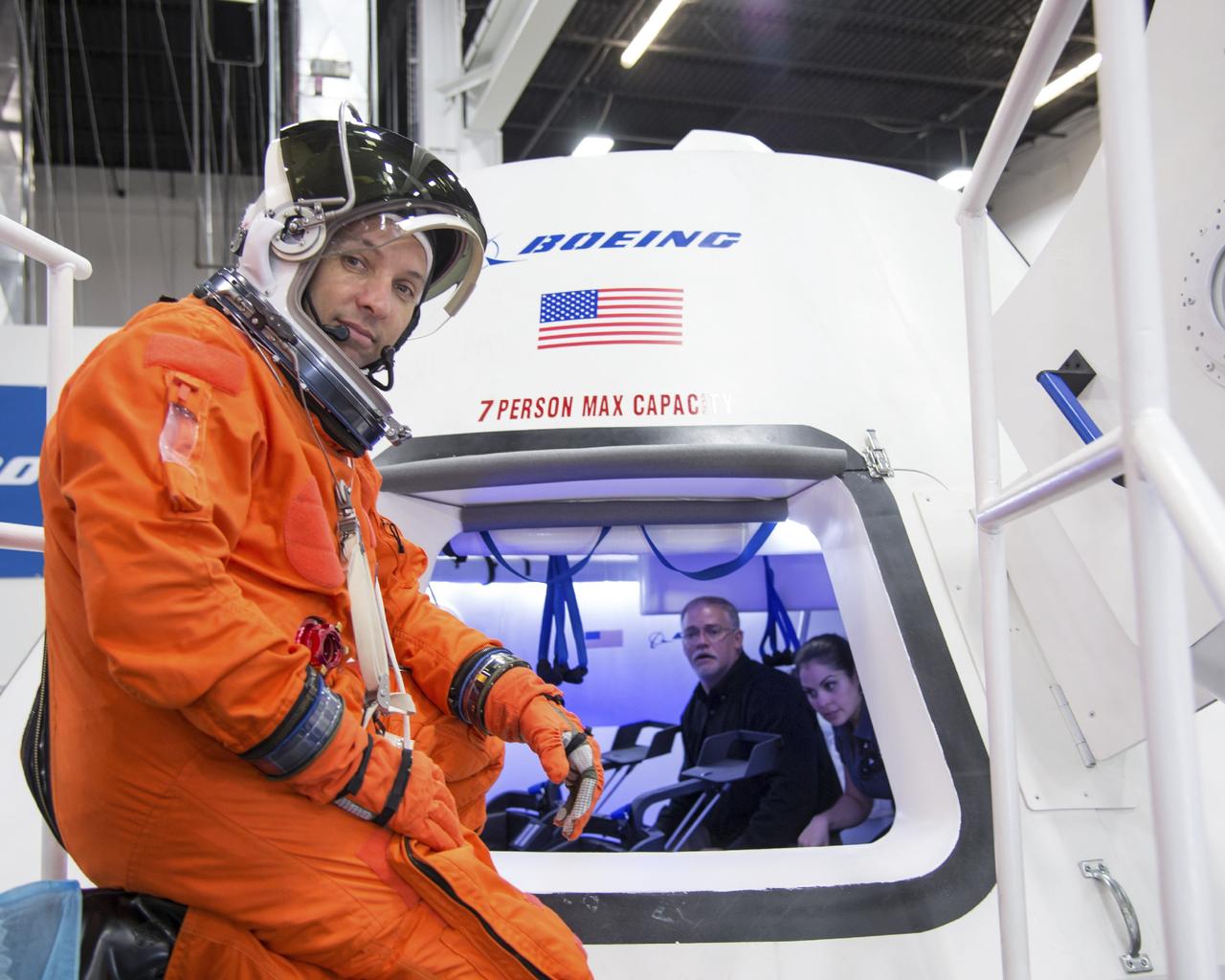
HOUSTON - JSC2013e068333 - NASA astronaut Randy Bresnik prepares to enter The Boeing Company's CST-100 spacecraft for a fit check evaluation at the company's Houston Product Support Center. Bresnik's fit check will help evaluate a crew's maneuverability in the spacecraft and test communications. Boeing's CST-100 is being designed to transport crew members or a mix of crew and cargo to low-Earth-orbit destinations. The evaluation is part of the ongoing work supporting Boeing's funded Space Act Agreement with NASA's Commercial Crew Program, or CCP, during the agency's Commercial Crew Integrated Capability, or CCiCap, initiative. CCiCap is intended to make commercial human spaceflight services available for government and commercial customers. To learn more about CCP, visit http://www.nasa.gov/commercialcrew. Photo credit: NASA/Robert Markowitz
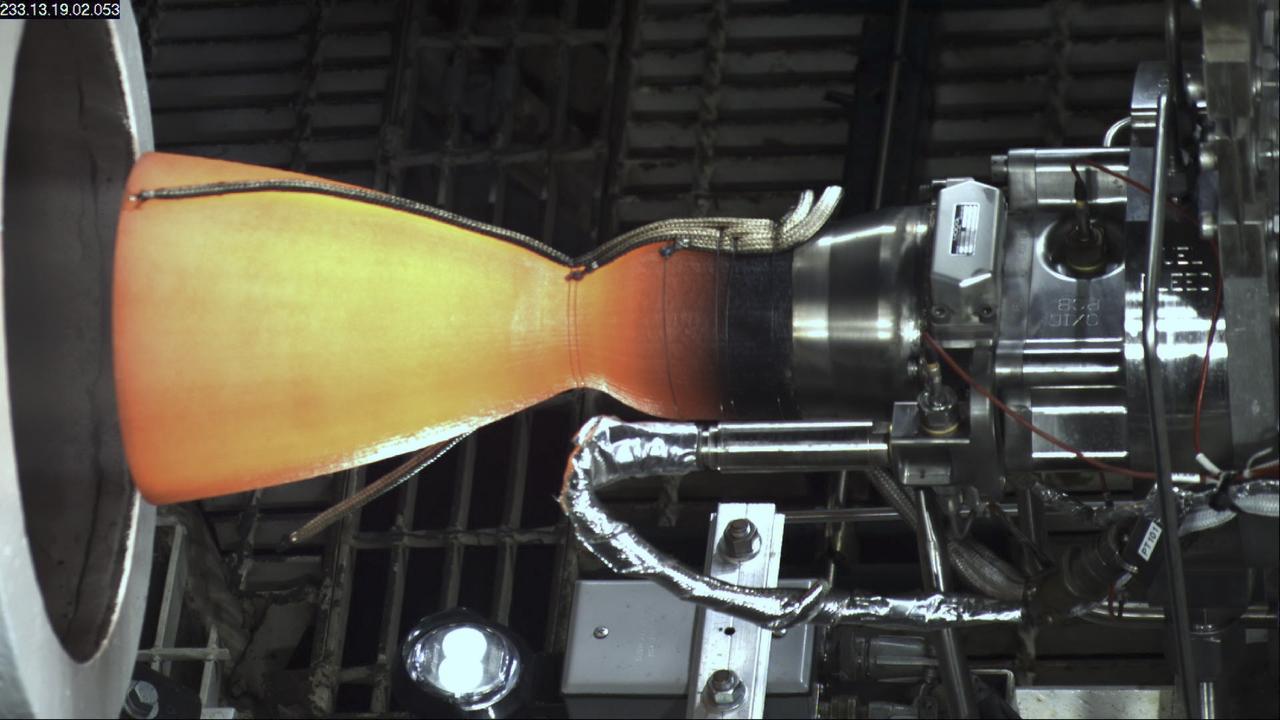
LAS CRUCES, N.M. – A thruster glows red during a hot-fire test for Boeing’s CST-100 spacecraft orbital maneuvering and attitude control OMAC system. During the tests at NASA’s White Sands Test Facility in Las Cruces, N.M., Boeing and partner Aerojet Rocketdyne tested two thrusters to demonstrate stable combustion and performance in a vacuum, simulating a space environment. Two additional thrusters were tested in a vacuum to demonstrate long-duration mission survivability. The 24 thrusters that compose the CST-100’s OMAC system will be jettisoned with the service module after the deorbit burn, prior to re-entry. The tests completed Milestone 9 of the company's funded Space Act Agreement with NASA’s Commercial Crew Program, or CCP, during the Commercial Crew Integrated Capability, or CCiCap, initiative. CCP is intended to lead to the availability of commercial human spaceflight services for government and commercial customers to low-Earth orbit. Future development and certification initiatives eventually will lead to the availability of human spaceflight services for NASA to send its astronauts to the International Space Station, where critical research is taking place daily. For more information about CCP, go to http://www.nasa.gov/commercialcrew. Photo credit: Boeing
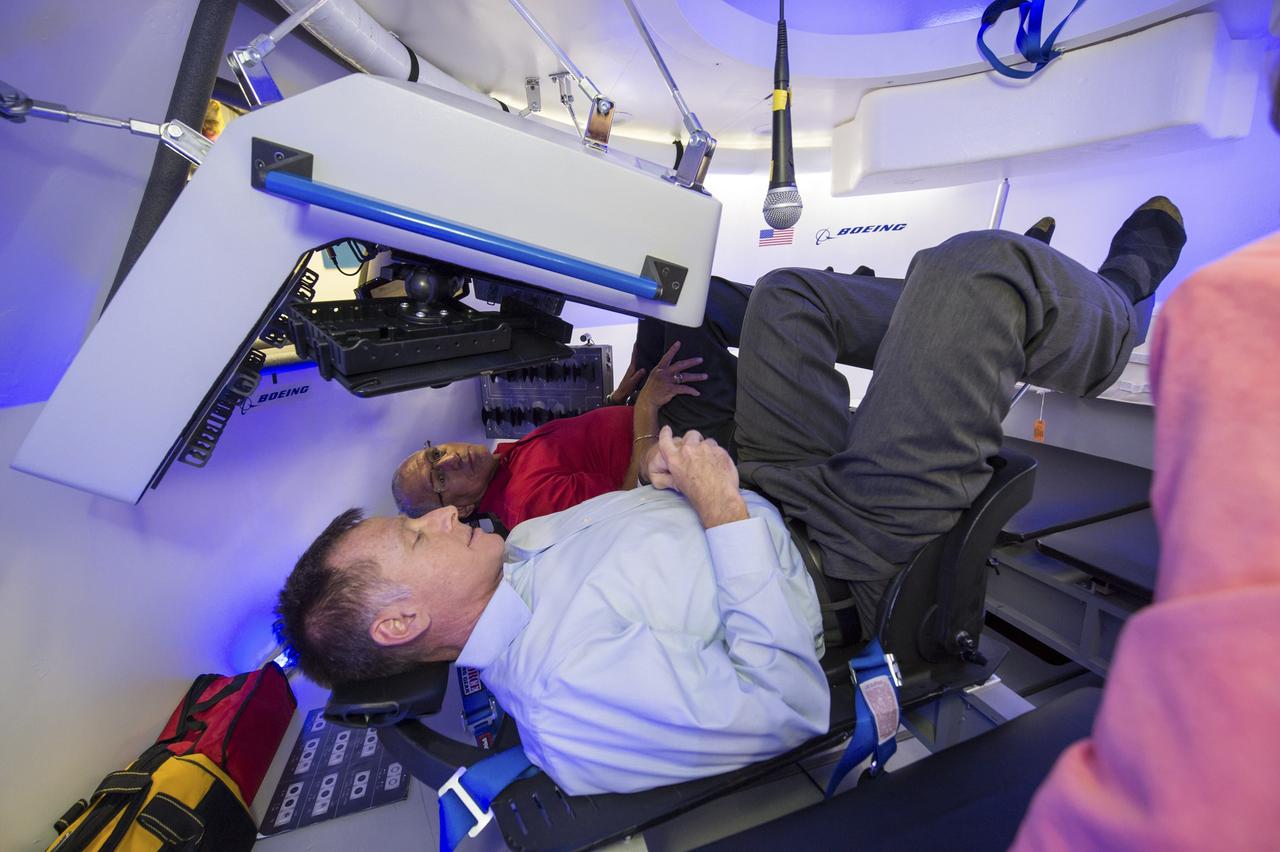
HOUSTON -- JSC-2013-E076055 -- The Boeing Company's Director of Crew and Mission Operations Chris Ferguson explains the control system of a mock-up CST-100 to NASA Administrator Charlie Bolden, back, at the company's Houston Product Support Center near Johnson Space Center. Boeing showcased its work on a fully outfitted test version of the spacecraft to Bolden and Johnson management. Boeing's CST-100 is designed to transport a mix of crew and cargo to low-Earth-orbit destinations. Boeing is one of three aerospace industry partners working with NASA's Commercial Crew Program, or CCP, during the Commercial Crew Integrated Capability, or CCiCap, initiative, which is intended to make commercial human spaceflight services available for government and commercial customers. To learn more about CCP, visit www.nasa.gov/commercialcrew. Photo credit: NASA/James Blair
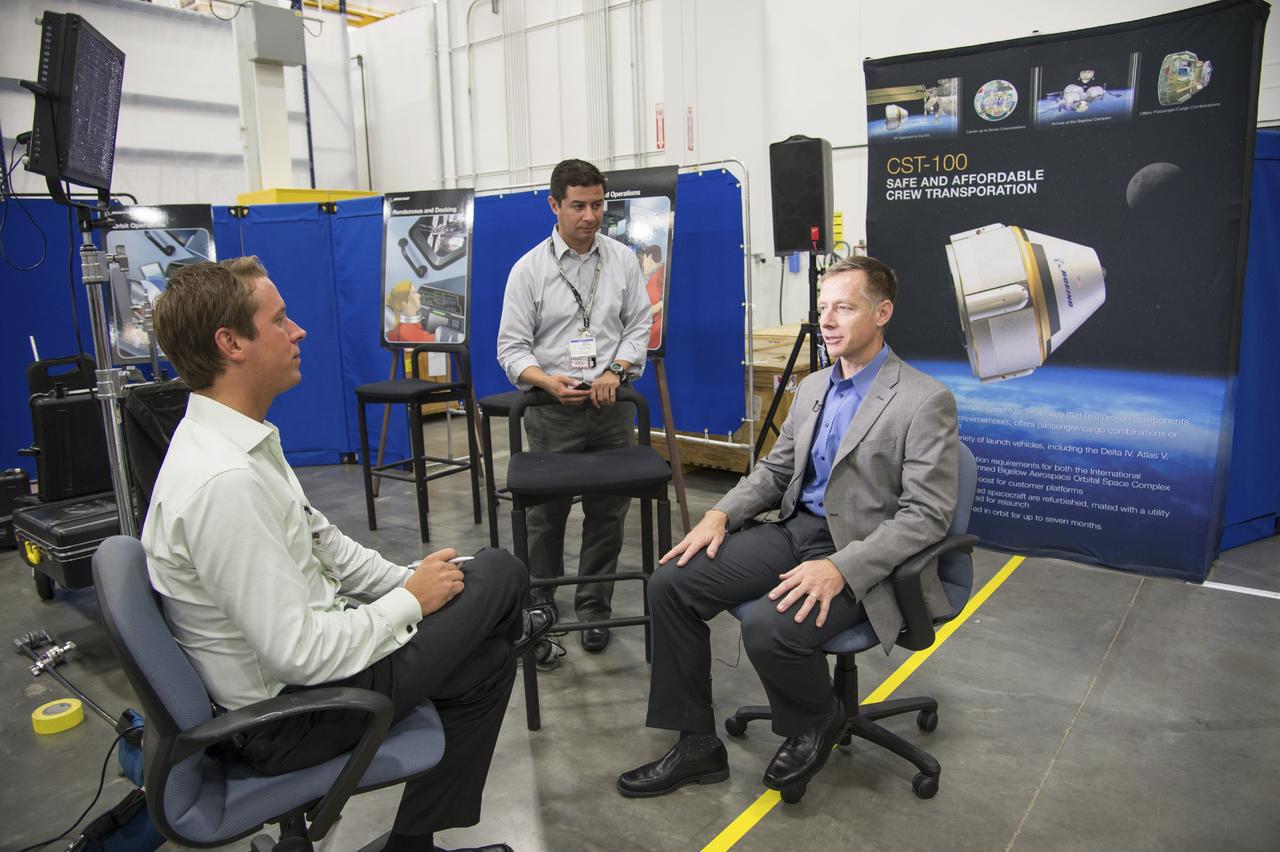
HOUSTON - JSC2013e068248 - Chris Ferguson, director of Crew and Mission Operations for The Boeing Company, is interviewed by the media during the unveiling of a CST-100 mock-up at the company's Houston Product Support Center. This test version is optimized to support five crew members and will allow the company to evaluate crew safety, interfaces, communications, maneuverability and ergonomics. Boeing's CST-100 is being designed to transport crew members or a mix of crew and cargo to low-Earth-orbit destinations, including the International Space Station. Boeing is one of three aerospace industry partners working with CCP during its Commercial Crew Integrated Capability, or CCiCap, initiative, which is intended to make commercial human spaceflight services available for government and commercial customers. To learn more about CCP, visit http://www.nasa.gov/commercialcrew. Photo credit: NASA/Robert Markowitz
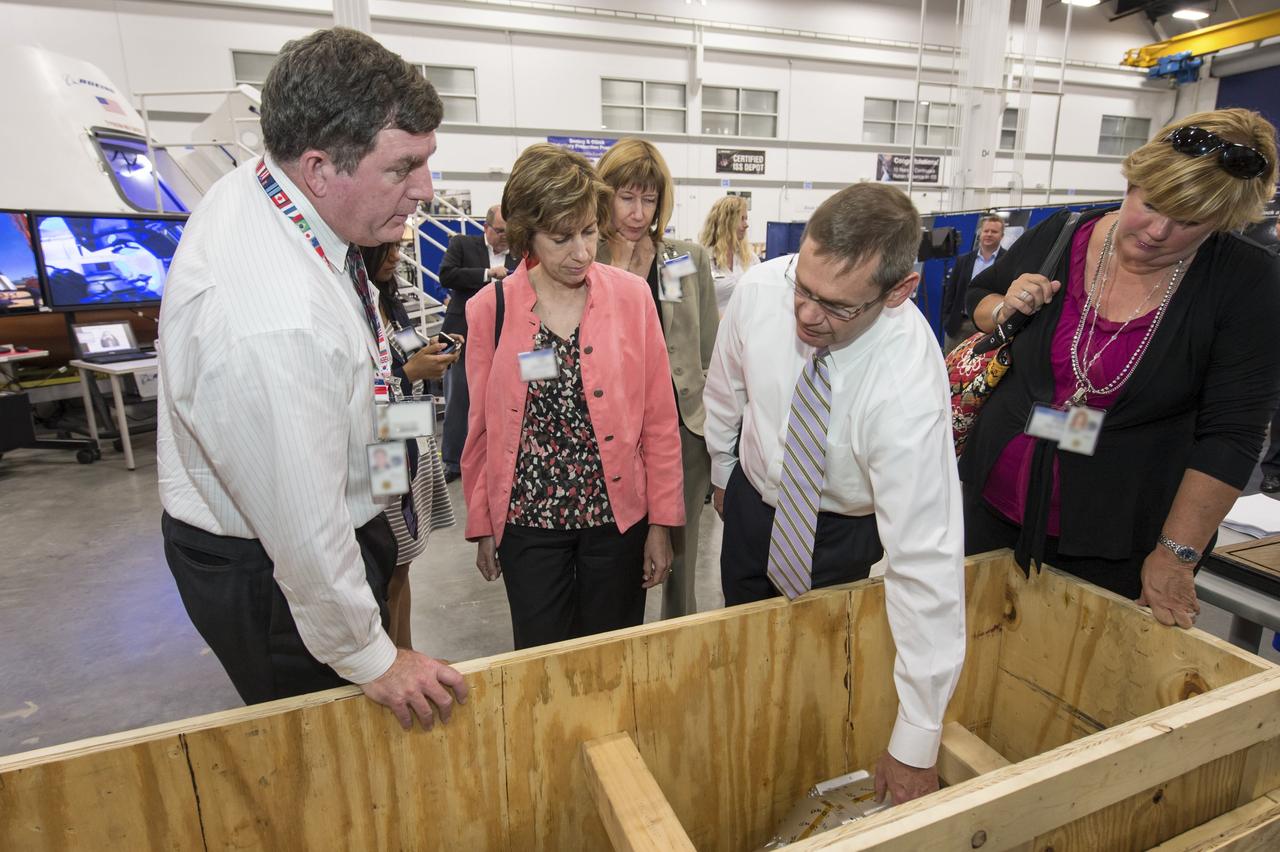
HOUSTON -- JSC-2013-E076043 -- John Elbon, The Boeing Company's vice president of Space Exploration, second right, shows off a wind tunnel model of the CST-100 spacecraft to Johnson Space Center management at the company's Houston Product Support Center. From left, are Kirk Shireman, Johnson's deputy director, Ellen Ochoa, Johnson's director, Kathy Lueders, deputy director of NASA's Commercial Crew Program, Elbon, and Melanie Saunders, Johnson's associate director. Boeing's CST-100 is designed to transport a mix of crew and cargo to low-Earth-orbit destinations. Boeing is one of three aerospace industry partners working with NASA's Commercial Crew Program, or CCP, during the Commercial Crew Integrated Capability, or CCiCap, initiative, which is intended to make commercial human spaceflight services available for government and commercial customers. To learn more about CCP, visit www.nasa.gov/commercialcrew. Photo credit: NASA/James Blair
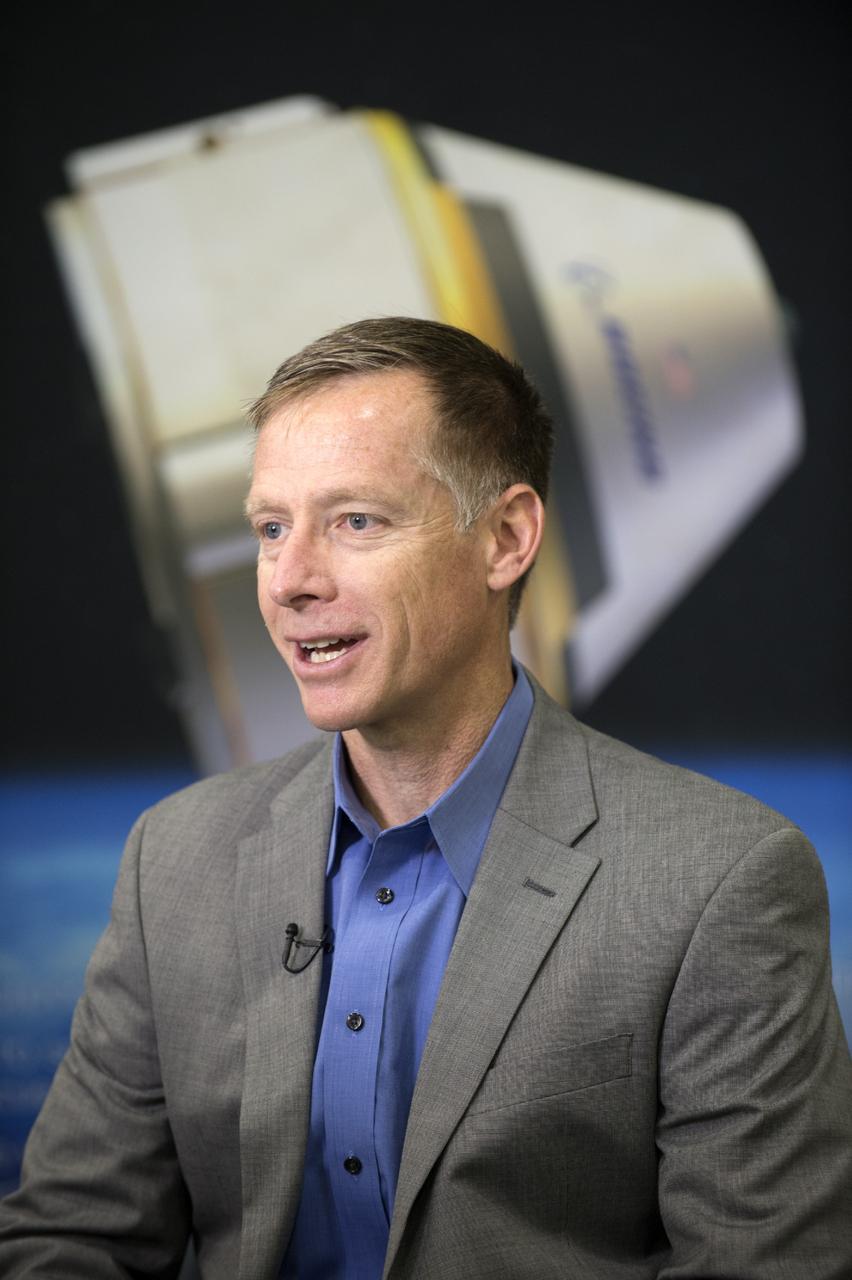
HOUSTON - Chris Ferguson, director of Crew and Mission Operations for The Boeing Company, is interviewed by the media during the unveiling of a CST-100 mock-up at the company's Houston Product Support Center. Boeing's CST-100 is being designed to transport crew members or a mix of crew and cargo to low-Earth-orbit destinations, including the International Space Station. Boeing is one of three aerospace industry partners working with NASA's Commercial Crew Program, or CCP, during its Commercial Crew Integrated Capability, or CCiCap, initiative, which is intended to make commercial human spaceflight services available for government and commercial customers. To learn more about CCP, visit http://www.nasa.gov/commercialcrew. Photo credit: NASA/Robert Markowitz
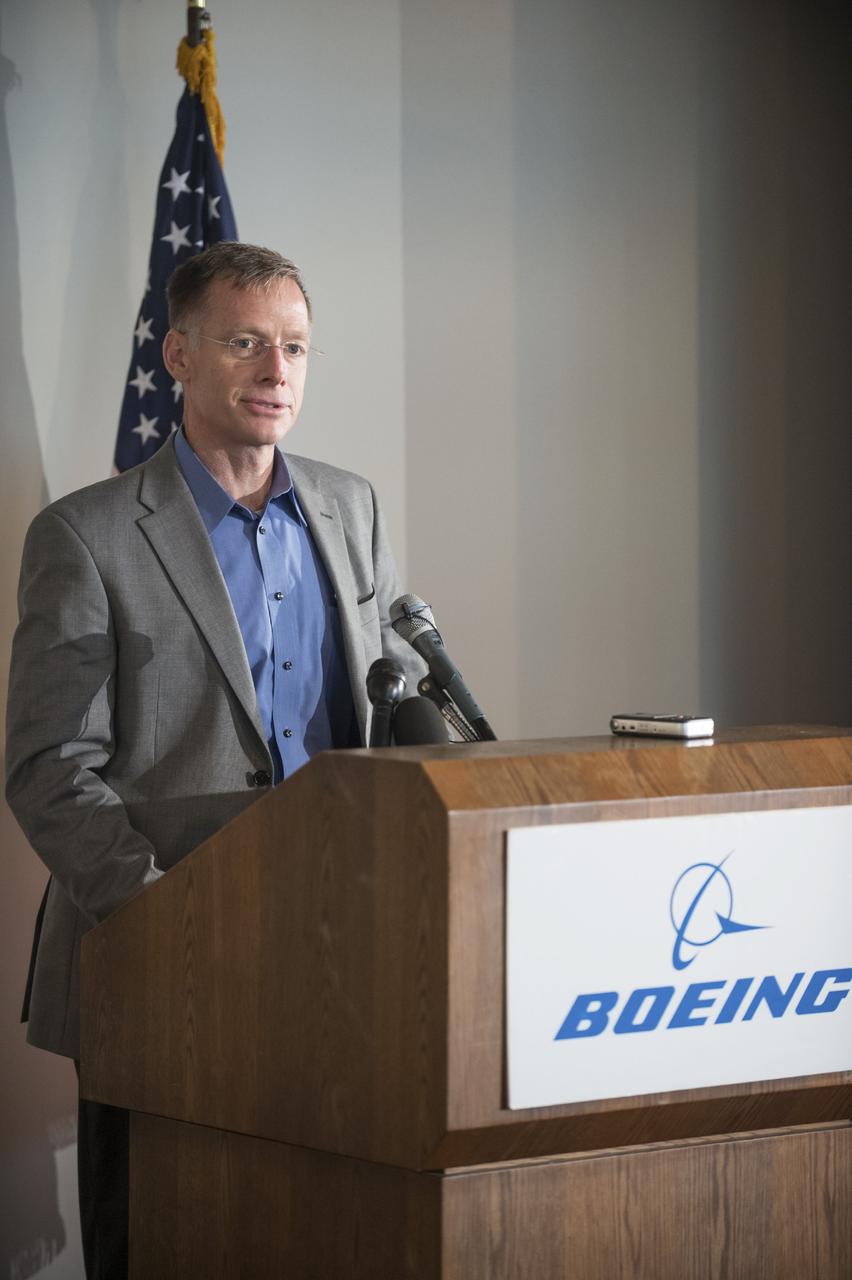
HOUSTON - JSC2013e068300 - Chris Ferguson, director of Crew and Mission Operations for The Boeing Company and former NASA astronaut, addresses the media before the unveiling of a CST-100 mock-up at the company's Houston Product Support Center. This test version is optimized to support five crew members and will allow the company to evaluate crew safety, interfaces, communications, maneuverability and ergonomics. Boeing's CST-100 is being designed to transport crew members or a mix of crew and cargo to low-Earth-orbit destinations. The evaluation is part of the ongoing work supporting Boeing's funded Space Act Agreement with NASA's Commercial Crew Program, or CCP, during the agency's Commercial Crew Integrated Capability, or CCiCap, initiative. CCiCap is intended to make commercial human spaceflight services available for government and commercial customers. To learn more about CCP, visit http://www.nasa.gov/commercialcrew. Photo credit: NASA/Robert Markowitz

CAPE CANAVERAL, Fla. -- This graphic depicts the patriotic endeavor of NASA's three Commercial Crew Program, or CCP, partners. The Boeing Company of Houston, Sierra Nevada Corporation, or SNC, of Louisville, Colo., and Space Exploration Technologies, or SpaceX, of Hawthorne, Calif., are working under the agency's Commercial Crew Integrated Capability, or CCiCap, initiative and Certification Products Contract, or CPC, phase to develop spaceflight capabilities that eventually could provide launch services to transport NASA astronauts to the International Space Station from U.S. soil. Shown along the bottom, from left, are: Boeing's integrated CST-100 spacecraft and United Launch Alliance, or ULA, Atlas V rocket SNC's integrated Dream Chaser spacecraft and Atlas V and SpaceX's integrated Dragon spacecraft and Falcon 9 rocket. In the center are artist depictions of company spacecraft in orbit. At the top is NASA's destination for crew transportation in low-Earth orbit, the International Space Station. For more information, visit www.nasa.gov/commercialcrew. Image credit: NASA
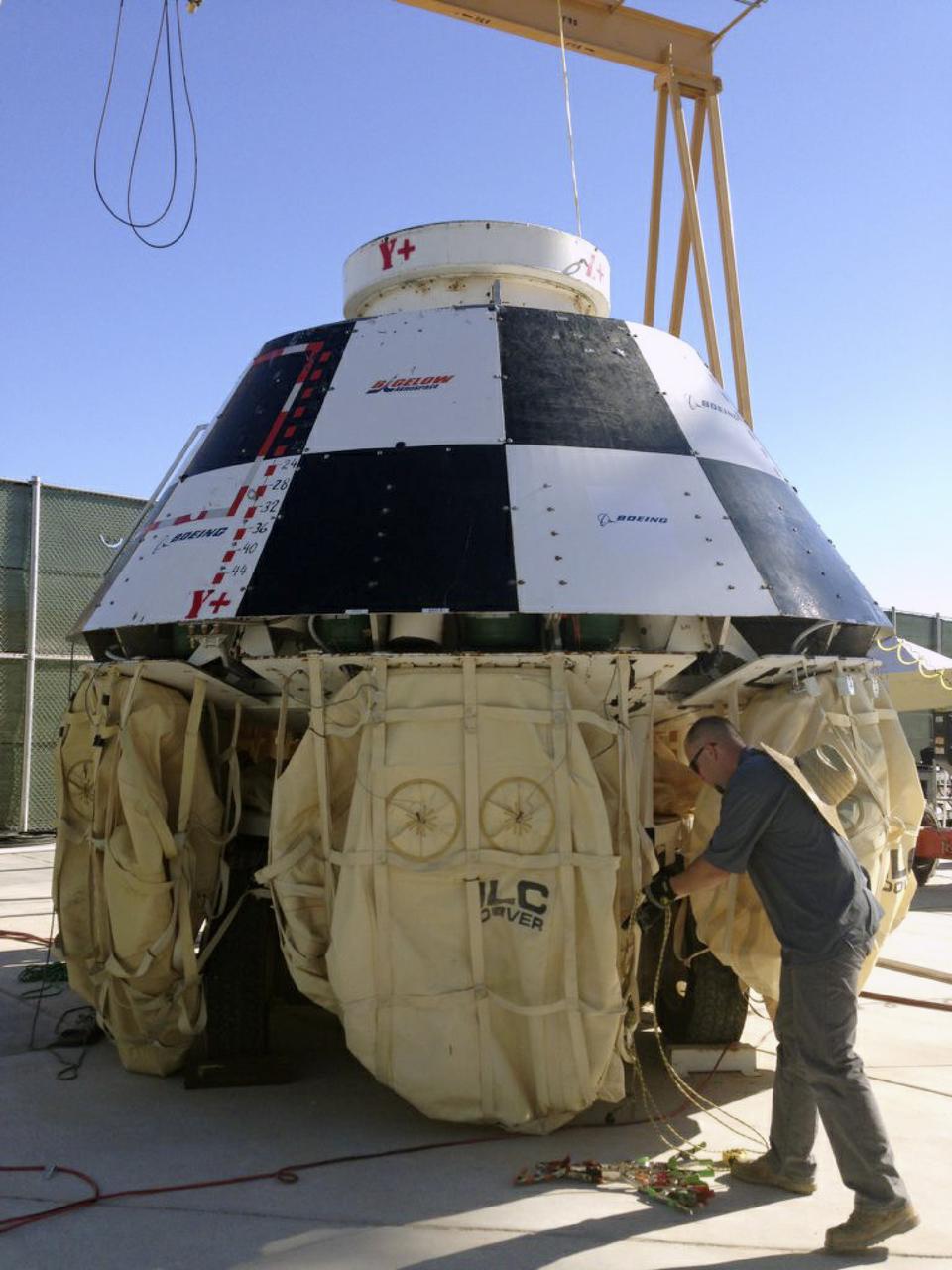
LAS VEGAS, Nev. – An engineer prepares a mock-up of The Boeing Company's CST-100 spacecraft for the third and final series of simulated contingency water landing scenarios at Bigelow Aerospace's headquarters near Las Vegas. The CST-100 is designed for ground landings, but could splash down on the water, if necessary. The tests are part of the company’s ongoing work supporting its funded Space Act Agreement with NASA’s Commercial Crew Program, or CCP, during the Commercial Crew Integrated Capability, or CCiCap, initiative. CCP is intended to lead to the availability of commercial human spaceflight services for government and commercial customers to low-Earth orbit. Future development and certification initiatives eventually will lead to the availability of human spaceflight services for NASA to send its astronauts to the International Space Station, where critical research is taking place daily. For more information about CCP, go to http://www.nasa.gov/commercialcrew. Photo credit: Boeing/Kelly George
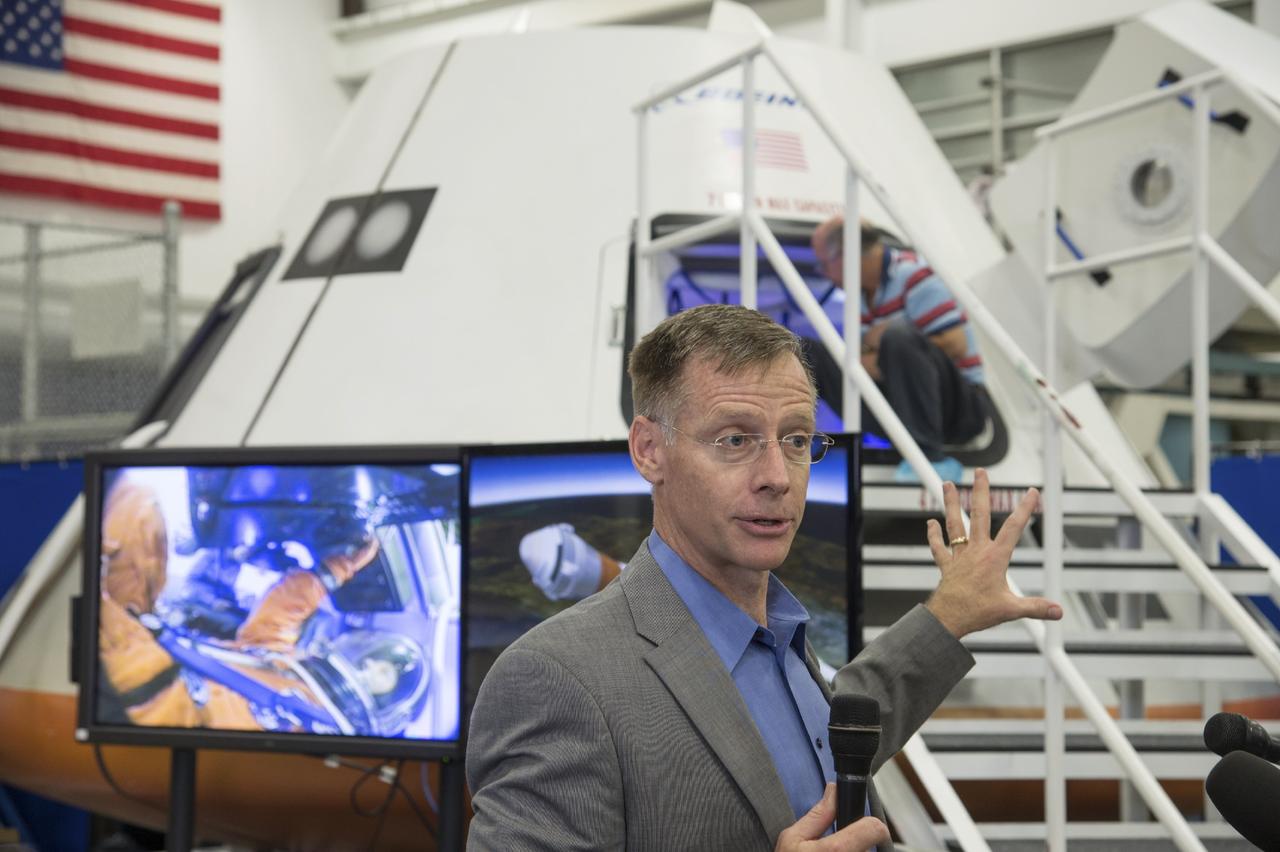
HOUSTON - JSC2013e068310 - Chris Ferguson, director of Crew and Mission Operations for The Boeing Company and former NASA astronaut, discusses the fit check evaluation of the CST-100 mock-up with the media during its unveiling at the company's Houston Product Support Center. This test version is optimized to support five crew members and will allow the company to evaluate crew safety, interfaces, communications, maneuverability and ergonomics. Boeing's CST-100 is being designed to transport crew members or a mix of crew and cargo to low-Earth-orbit destinations. The evaluation is part of the ongoing work supporting Boeing's funded Space Act Agreement with NASA's Commercial Crew Program, or CCP, during the agency's Commercial Crew Integrated Capability, or CCiCap, initiative. CCiCap is intended to make commercial human spaceflight services available for government and commercial customers. To learn more about CCP, visit http://www.nasa.gov/commercialcrew. Photo credit: NASA/Robert Markowitz
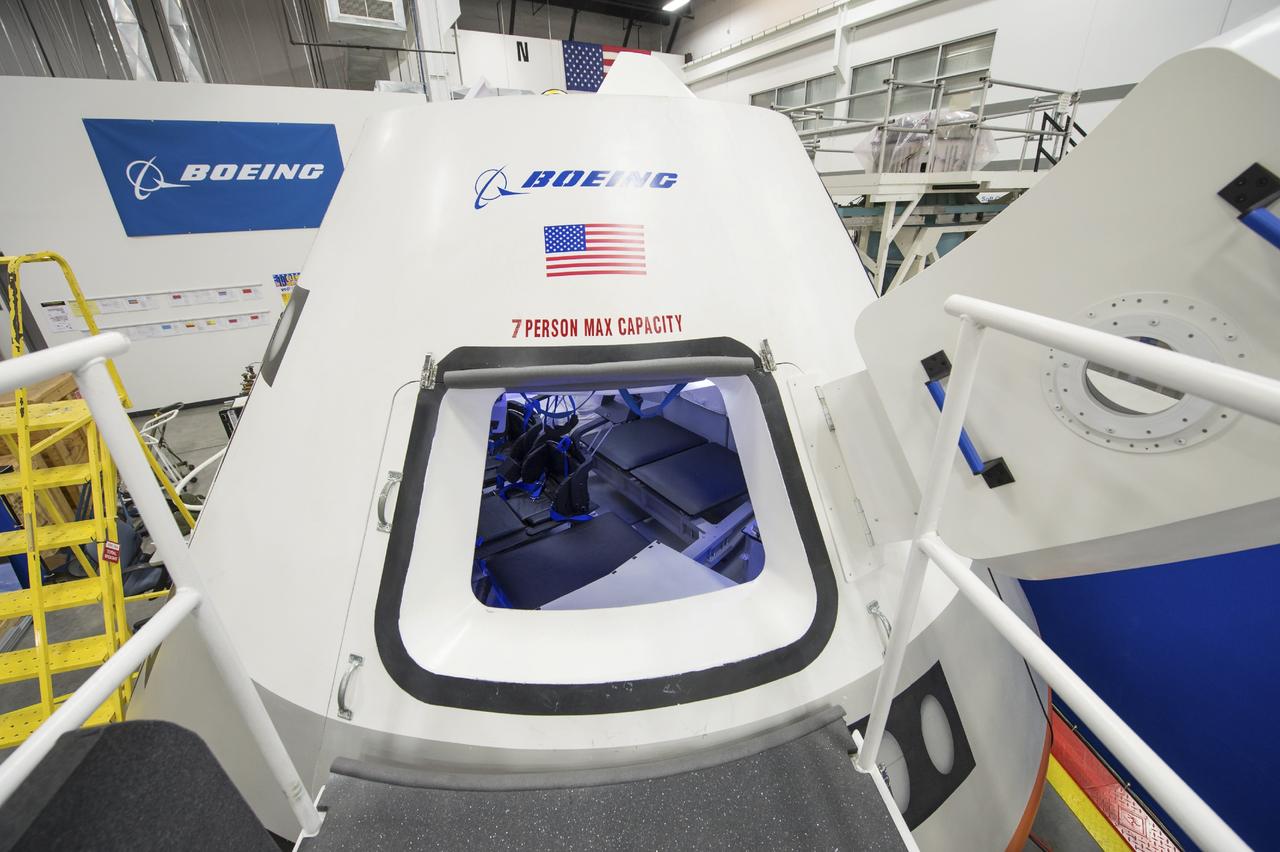
HOUSTON - JSC2013e068247 - The Boeing Company unveils its fully outfitted CST-100 mock-up at the company's Houston Product Support Center in Texas. This test version is optimized to support five crew members and will allow the company to evaluate crew safety, interfaces, communications, maneuverability and ergonomics. Boeing's CST-100 is designed being to transport crew members or a mix of crew and cargo to low-Earth-orbit destinations, including the International Space Station. Boeing is one of three aerospace industry partners working with CCP during its Commercial Crew Integrated Capability, or CCiCap, initiative, which is intended to make commercial human spaceflight services available for government and commercial customers. To learn more about CCP, visit www.nasa.gov/commercialcrew. Photo credit: NASA/Robert Markowitz
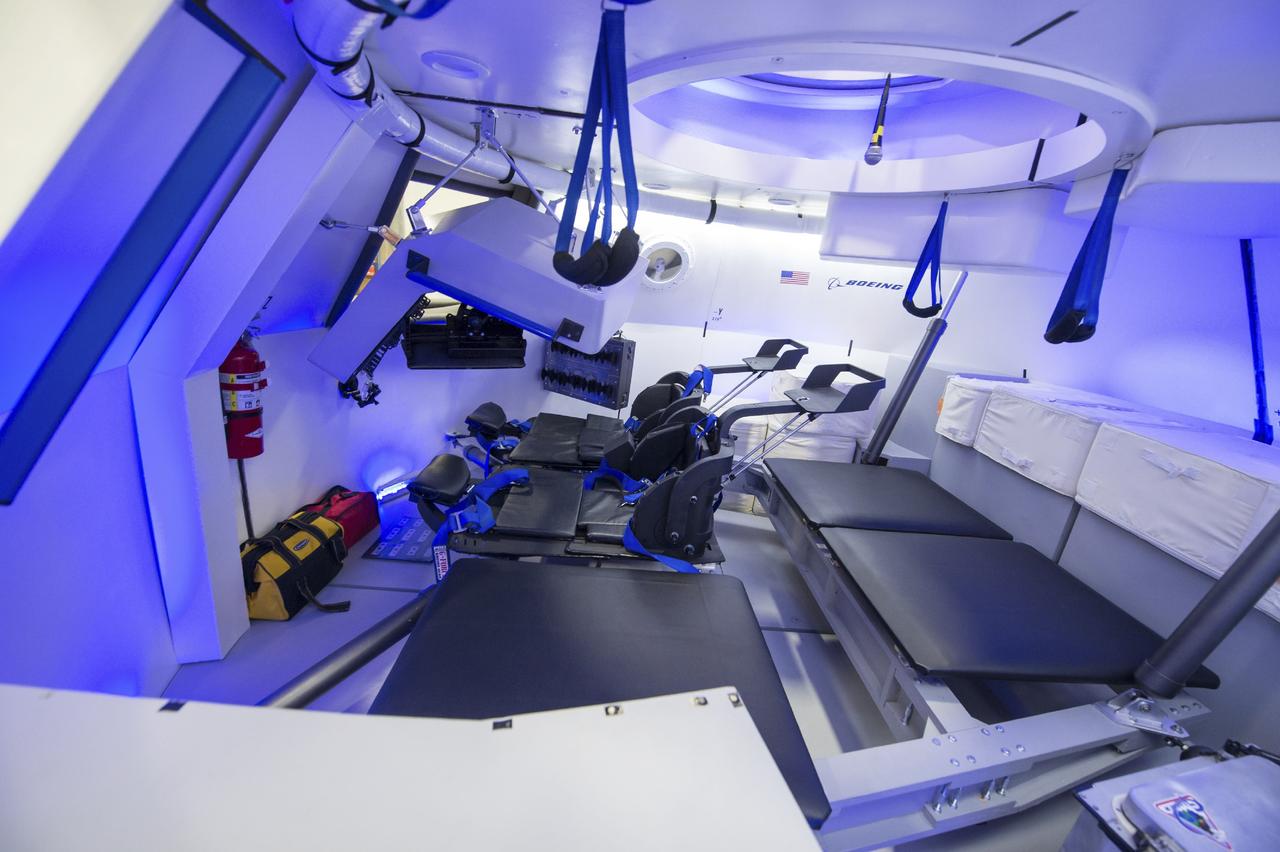
HOUSTON - JSC2013e068244 - The Boeing Company unveils the interior of its fully outfitted CST-100 mock-up at the company's Houston Product Support Center in Texas. This test version is optimized to support five crew members and will allow the company to evaluate crew safety, interfaces, communications, maneuverability and ergonomics. Boeing's CST-100 is being designed to transport crew members or a mix of crew and cargo to low-Earth-orbit destinations, including the International Space Station. Boeing is one of three aerospace industry partners working with CCP during its Commercial Crew Integrated Capability, or CCiCap, initiative, which is intended to make commercial human spaceflight services available for government and commercial customers. To learn more about CCP, visit http://www.nasa.gov/commercialcrew. Photo credit: NASA/Robert Markowitz
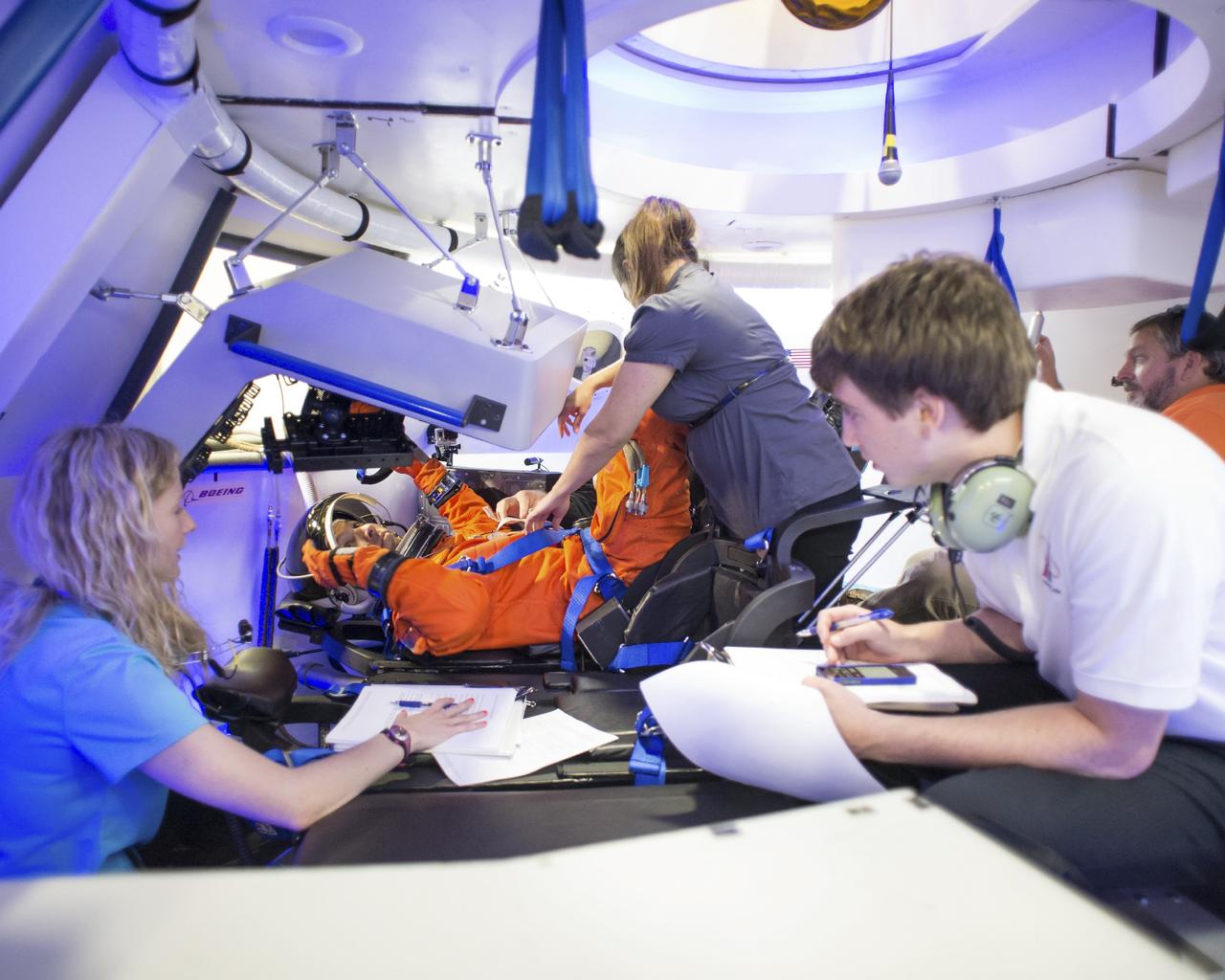
HOUSTON - JSC2013e068344 - NASA astronaut Randy Bresnik gets into position in The Boeing Company's CST-100 spacecraft for a fit check evaluation at the company's Houston Product Support Center. Bresnik's fit check will help evaluate a crew's maneuverability in the spacecraft and test communications. Boeing's CST-100 is being designed to transport crew members or a mix of crew and cargo to low-Earth-orbit destinations. The evaluation is part of the ongoing work supporting Boeing's funded Space Act Agreement with NASA's Commercial Crew Program, or CCP, during the agency's Commercial Crew Integrated Capability, or CCiCap, initiative. CCiCap is intended to make commercial human spaceflight services available for government and commercial customers. To learn more about CCP, visit http://www.nasa.gov/commercialcrew. Photo credit: NASA/Robert Markowitz
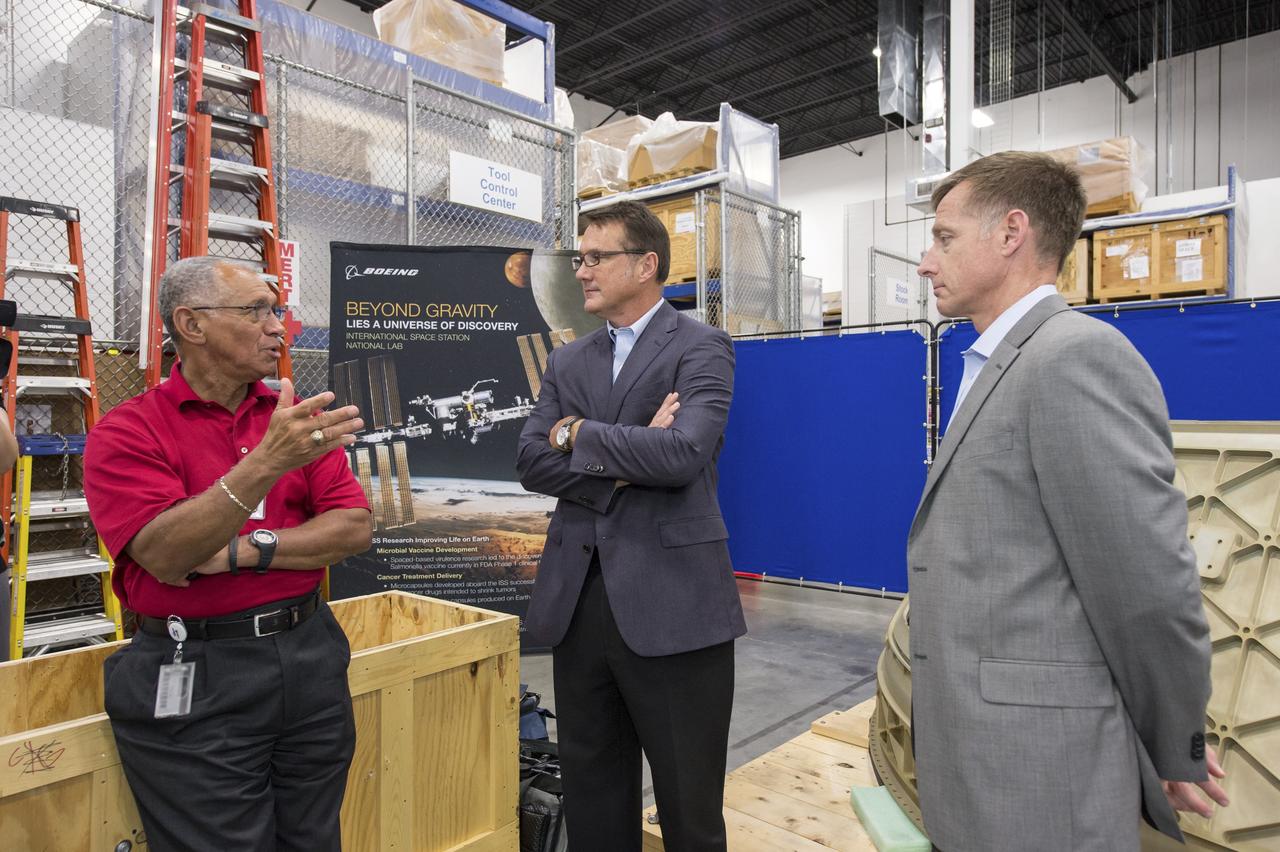
HOUSTON -- JSC-2013-E076054 -- NASA Administrator Charlie Bolden, left, talks to The Boeing Company's Vice President and Program Manager of Commercial Programs John Mulholland, center, and Director of Crew and Mission Operations Chris Ferguson at the company's Houston Product Support Center near Johnson Space Center. Boeing showcased its work on a fully outfitted test version of the CST-100 spacecraft to Bolden and Johnson management. Boeing's CST-100 is designed to transport a mix of crew and cargo to low-Earth-orbit destinations. Boeing is one of three aerospace industry partners working with NASA's Commercial Crew Program, or CCP, during the Commercial Crew Integrated Capability, or CCiCap, initiative, which is intended to make commercial human spaceflight services available for government and commercial customers. To learn more about CCP, visit www.nasa.gov/commercialcrew. Photo credit: NASA/James Blair
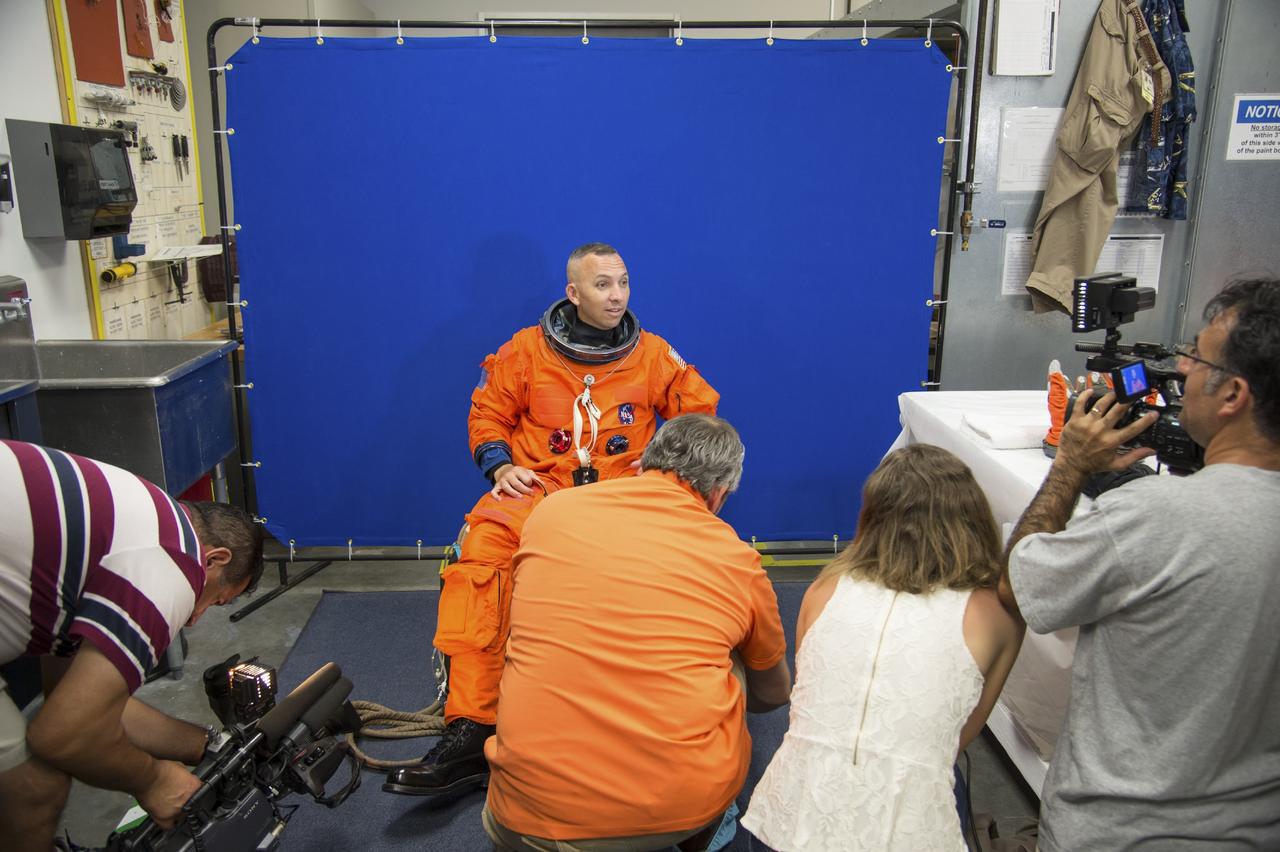
HOUSTON - JSC2013e068329 - NASA astronaut Randy Bresnik is interviewed by the media before he enters The Boeing Company's CST-100 spacecraft for a fit check evaluation at the company's Houston Product Support Center. Bresnik's fit check will help evaluate a crew's maneuverability in the spacecraft and test communications. Boeing's CST-100 is being designed to transport crew members or a mix of crew and cargo to low-Earth-orbit destinations. The evaluation is part of the ongoing work supporting Boeing's funded Space Act Agreement with NASA's Commercial Crew Program, or CCP, during the agency's Commercial Crew Integrated Capability, or CCiCap, initiative. CCiCap is intended to make commercial human spaceflight services available for government and commercial customers. To learn more about CCP, visit http://www.nasa.gov/commercialcrew. Photo credit: NASA/Robert Markowitz
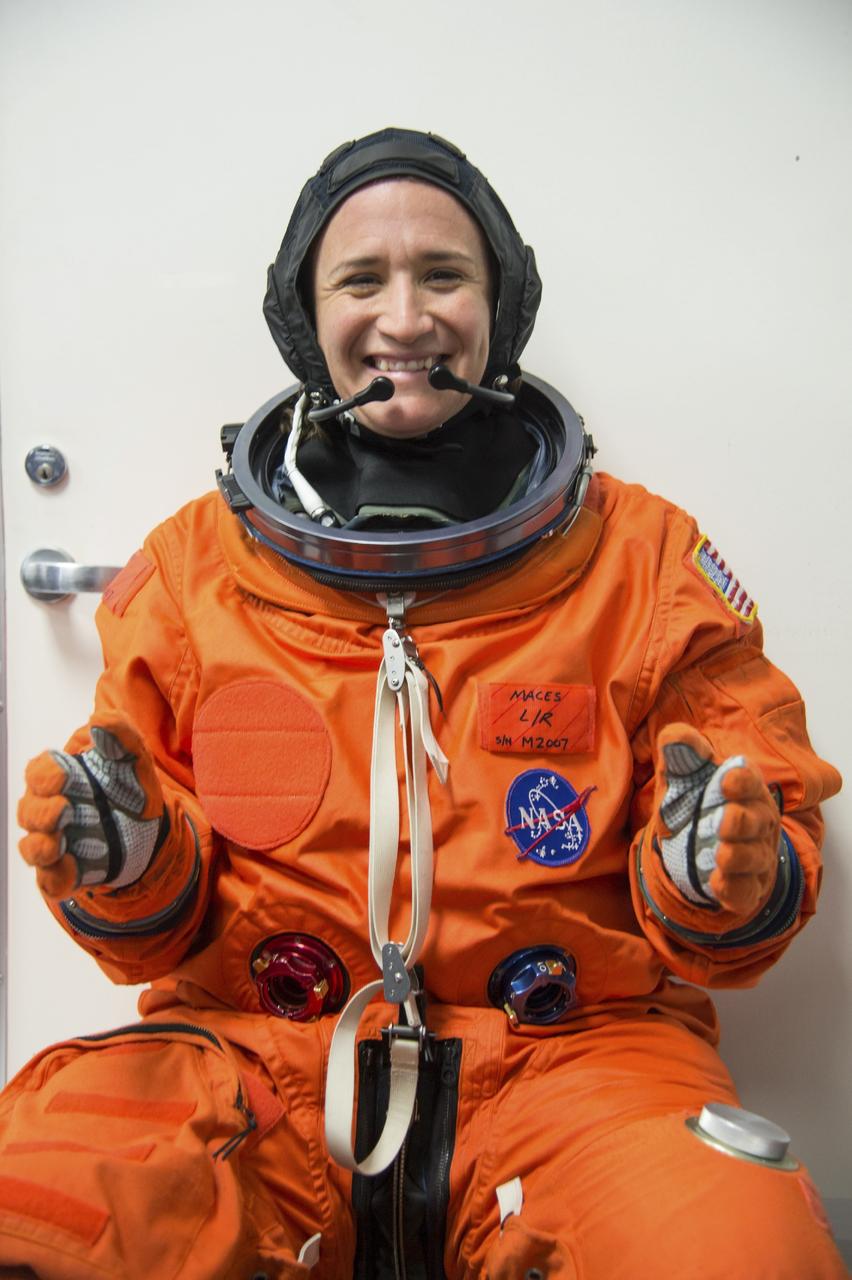
HOUSTON - JSC2013e068260 - NASA astronaut Serena Aunon suits up for a fit check evaluation of The Boeing Company's CST-100 spacecraft at the company's Houston Product Support Center. Aunon's fit check will help evaluate a crew's maneuverability in the spacecraft and test communications. Boeing's CST-100 is being designed to transport crew members or a mix of crew and cargo to low-Earth-orbit destinations. The evaluation is part of the ongoing work supporting Boeing's funded Space Act Agreement with NASA's Commercial Crew Program, or CCP, during the agency's Commercial Crew Integrated Capability, or CCiCap, initiative. CCiCap is intended to make commercial human spaceflight services available for government and commercial customers. To learn more about CCP, visit http://www.nasa.gov/commercialcrew. Photo credit: NASA/Robert Markowitz
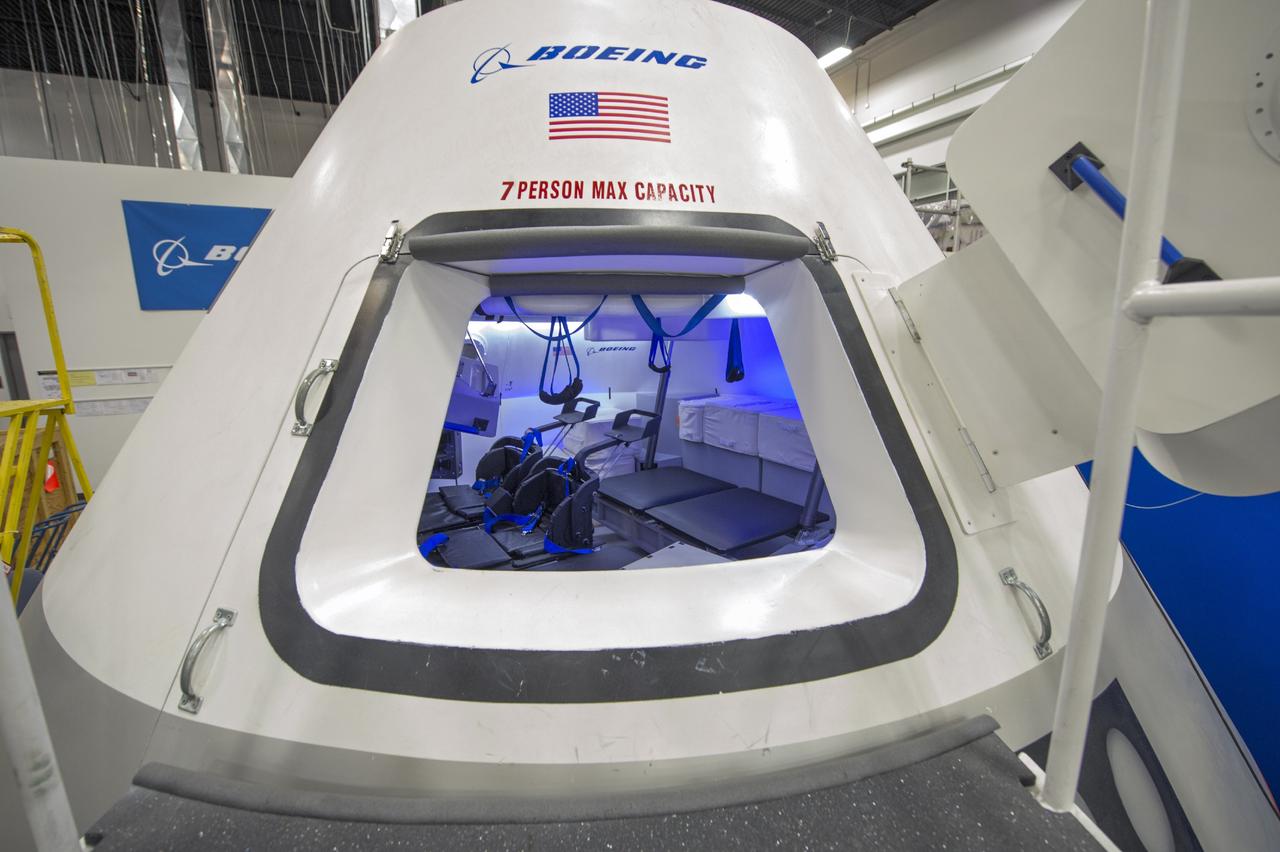
HOUSTON - The Boeing Company unveils its fully outfitted CST-100 mock-up at the company's Houston Product Support Center in Texas. This test version is optimized to support five crew members and will allow the company to evaluate crew safety, interfaces, communications, maneuverability and ergonomics. Boeing's CST-100 is being designed to transport crew members or a mix of crew and cargo to low-Earth-orbit destinations, including the International Space Station. Boeing is one of three aerospace industry partners working with CCP during its Commercial Crew Integrated Capability, or CCiCap, initiative, which is intended to make commercial human spaceflight services available for government and commercial customers. To learn more about CCP, visit http://www.nasa.gov/commercialcrew. Photo credit: NASA/Robert Markowitz
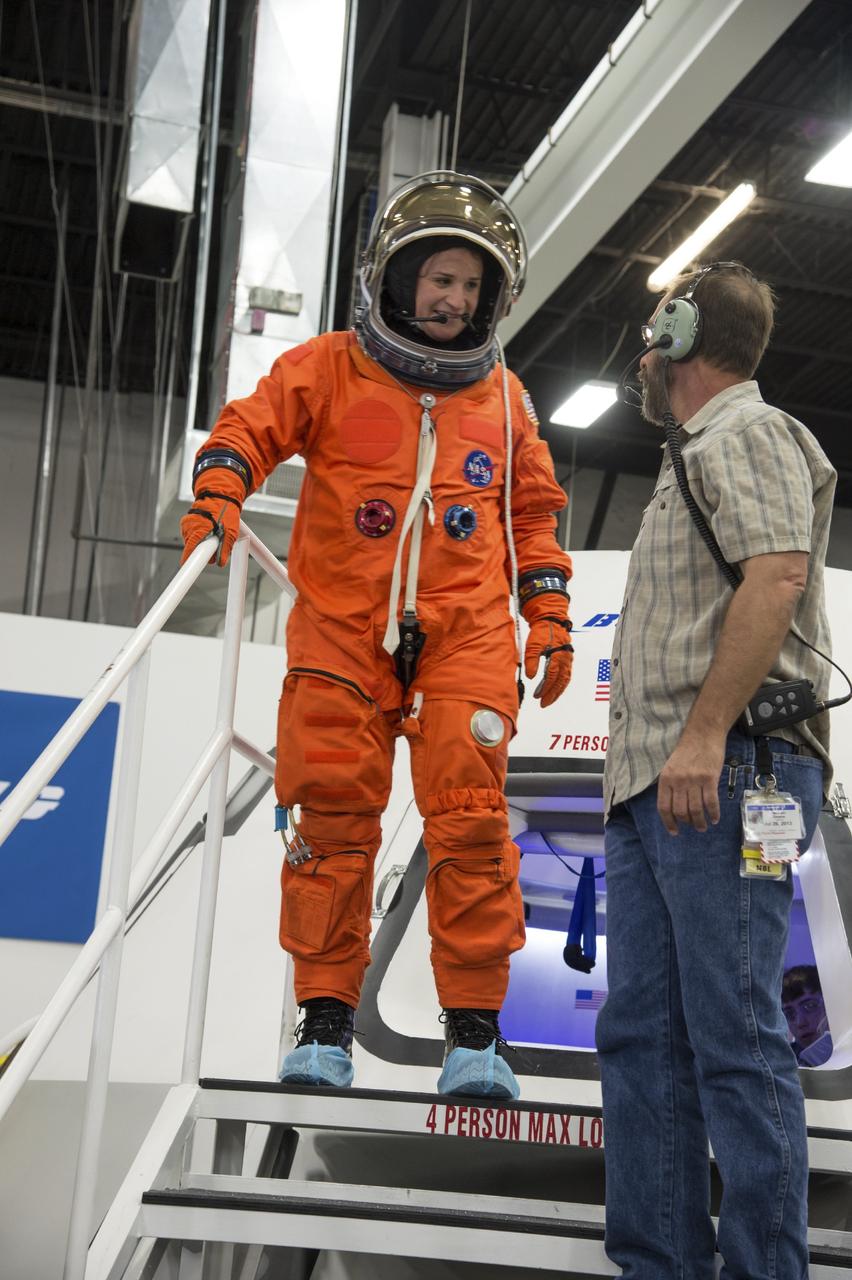
HOUSTON - JSC2013e068317 - NASA astronaut Serena Aunon exits The Boeing Company's CST-100 spacecraft following a fit check evaluation at the company's Houston Product Support Center. Aunon's fit check will help evaluate a crew's maneuverability in the spacecraft and test communications. Boeing's CST-100 is being designed to transport crew members or a mix of crew and cargo to low-Earth-orbit destinations. The evaluation is part of the ongoing work supporting Boeing's funded Space Act Agreement with NASA's Commercial Crew Program, or CCP, during the agency's Commercial Crew Integrated Capability, or CCiCap, initiative. CCiCap is intended to make commercial human spaceflight services available for government and commercial customers. To learn more about CCP, visit http://www.nasa.gov/commercialcrew. Photo credit: NASA/Robert Markowitz
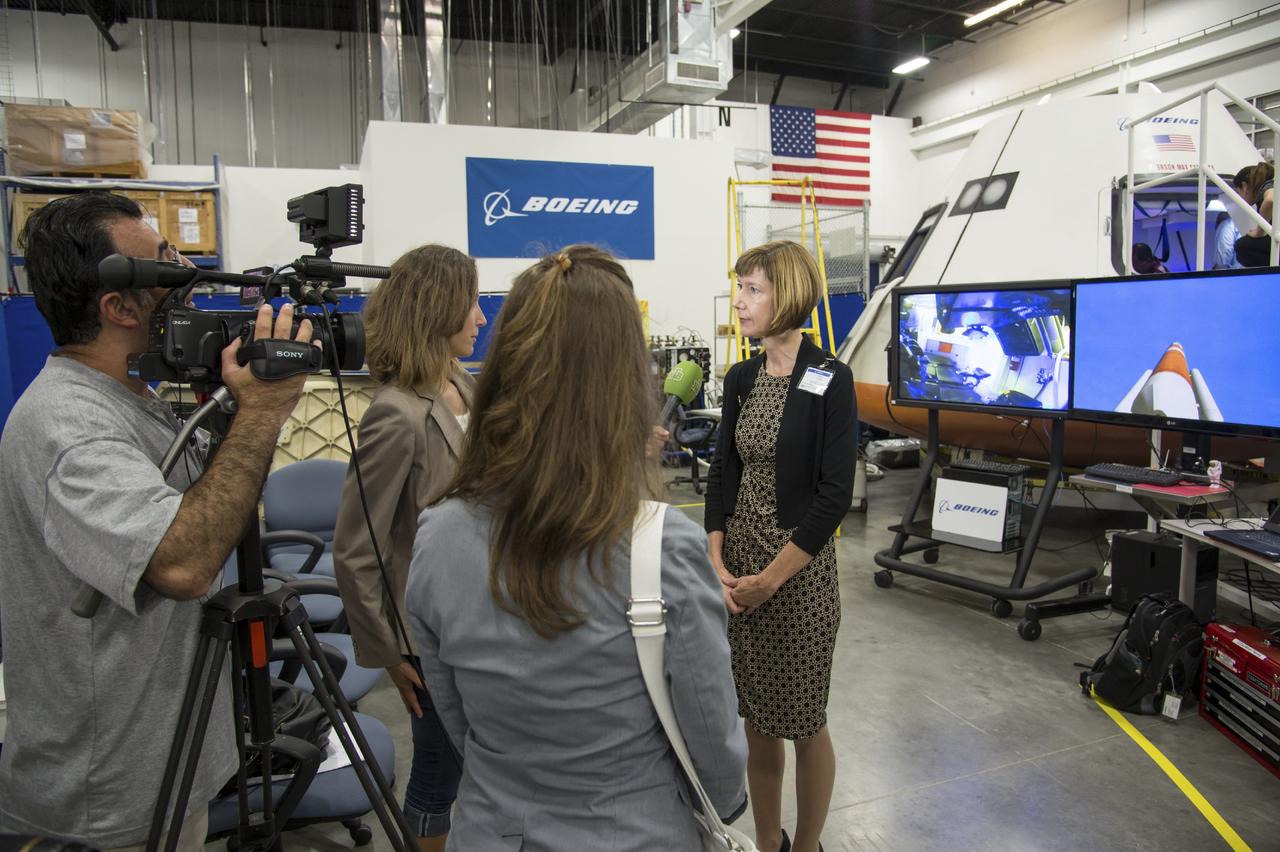
HOUSTON - JSC2013e068324 - Kathy Lueders, NASA deputy manager for the Commercial Crew Program, is interviewed by the media during the unveiling of a CST-100 mock-up at the company's Houston Product Support Center. This test version is optimized to support five crew members and will allow the company to evaluate crew safety, interfaces, communications, maneuverability and ergonomics. Boeing's CST-100 is being designed to transport crew members or a mix of crew and cargo to low-Earth-orbit destinations. The evaluation is part of the ongoing work supporting Boeing's funded Space Act Agreement with NASA's Commercial Crew Program, or CCP, during the agency's Commercial Crew Integrated Capability, or CCiCap, initiative. CCiCap is intended to make commercial human spaceflight services available for government and commercial customers. To learn more about CCP, visit http://www.nasa.gov/commercialcrew. Photo credit: NASA/Robert Markowitz
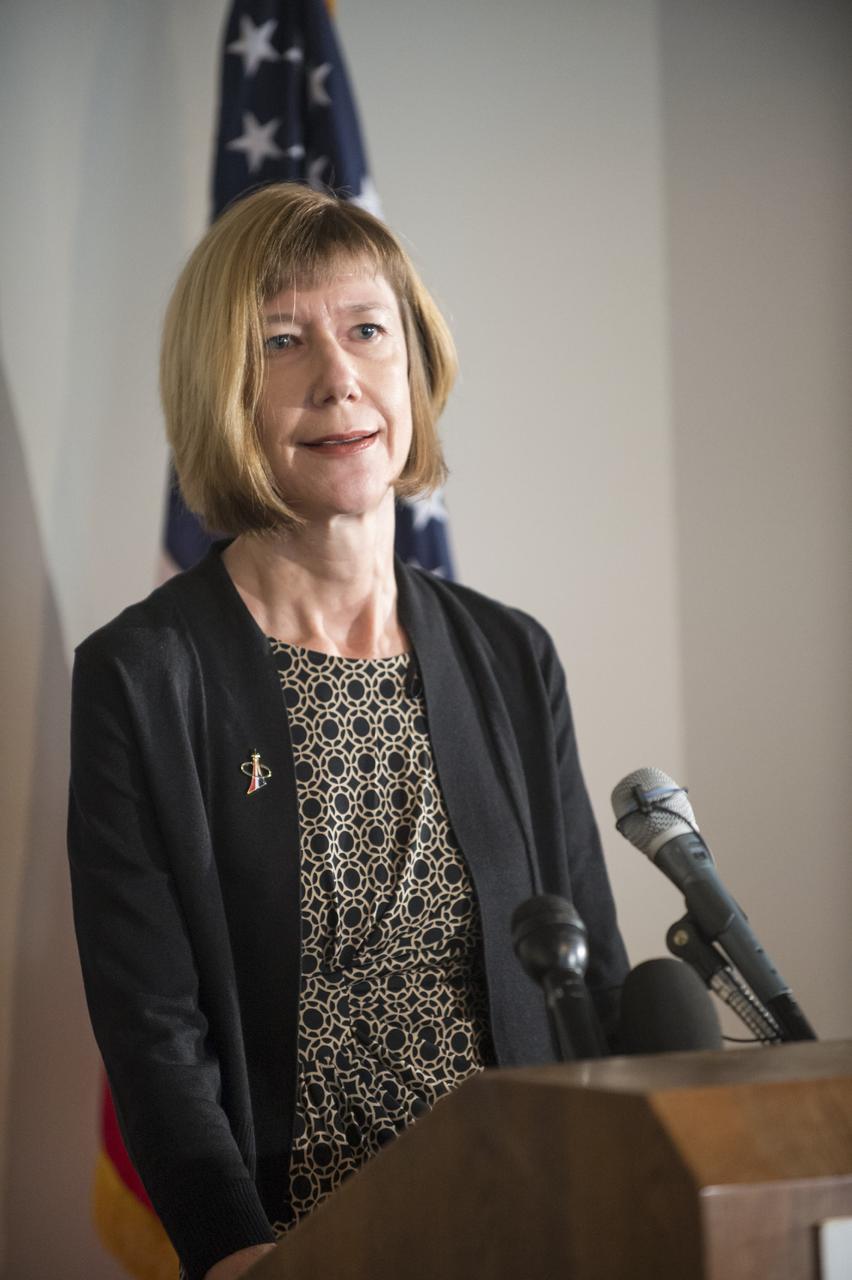
HOUSTON - JSC2013e068290 - Kathy Lueders, NASA deputy manager for the Commercial Crew Program, addresses the media before the unveiling of a CST-100 mock-up at the company's Houston Product Support Center. This test version is optimized to support five crew members and will allow the company to evaluate crew safety, interfaces, communications, maneuverability and ergonomics. Boeing's CST-100 is being designed to transport crew members or a mix of crew and cargo to low-Earth-orbit destinations. The evaluation is part of the ongoing work supporting Boeing's funded Space Act Agreement with NASA's Commercial Crew Program, or CCP, during the agency's Commercial Crew Integrated Capability, or CCiCap, initiative. CCiCap is intended to make commercial human spaceflight services available for government and commercial customers. To learn more about CCP, visit http://www.nasa.gov/commercialcrew. Photo credit: NASA/Robert Markowitz
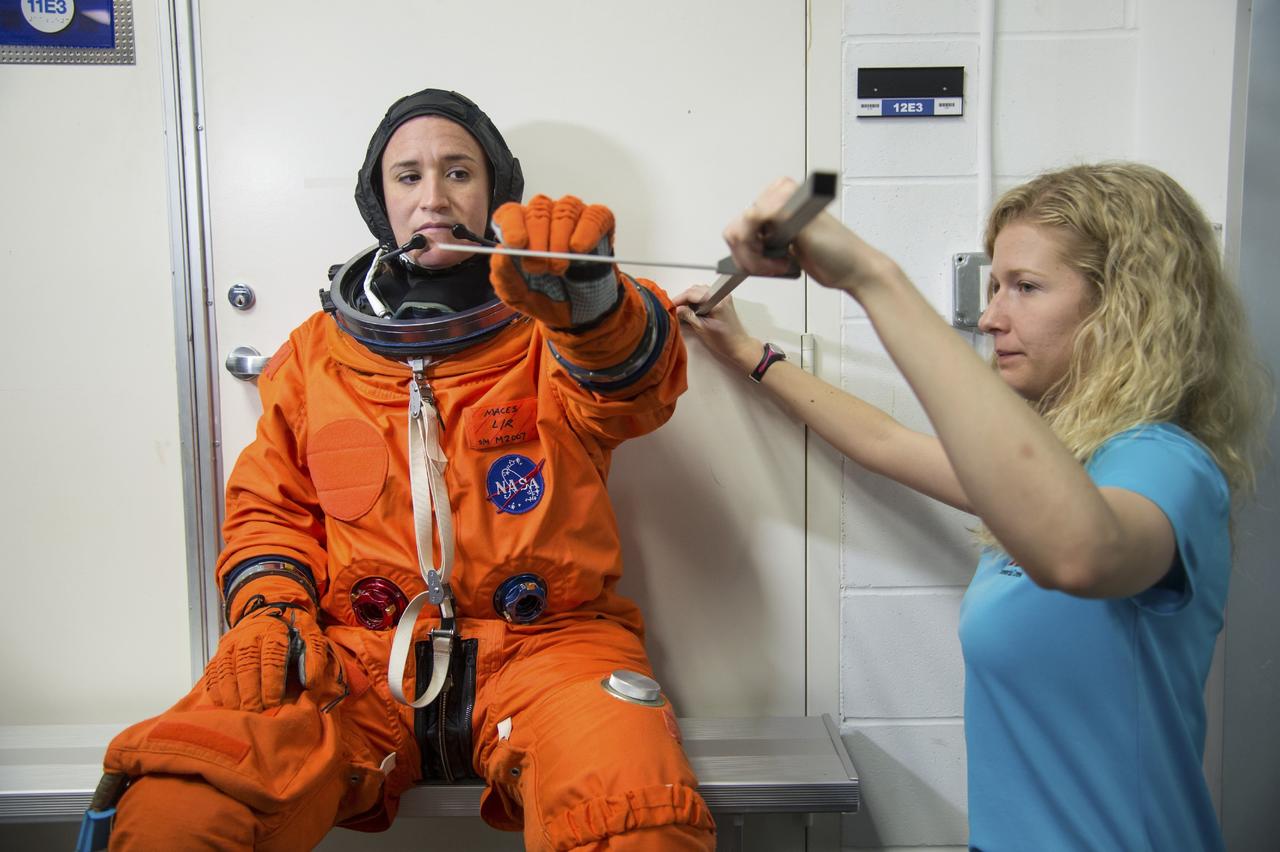
HOUSTON - JSC2013e068259 - NASA astronaut Serena Aunon prepares for a fit check evaluation of The Boeing Company's CST-100 spacecraft at the company's Houston Product Support Center. Assisting her is Andrea Gilkey, a human factors engineer with The Boeing Company. Aunon's fit check will help evaluate a crew's maneuverability in the spacecraft and test communications. Boeing's CST-100 is being designed to transport crew members or a mix of crew and cargo to low-Earth-orbit destinations. The evaluation is part of the ongoing work supporting Boeing's funded Space Act Agreement with NASA's Commercial Crew Program, or CCP, during the agency's Commercial Crew Integrated Capability, or CCiCap, initiative. CCiCap is intended to make commercial human spaceflight services available for government and commercial customers. To learn more about CCP, visit http://www.nasa.gov/commercialcrew. Photo credit: NASA/Robert Markowitz
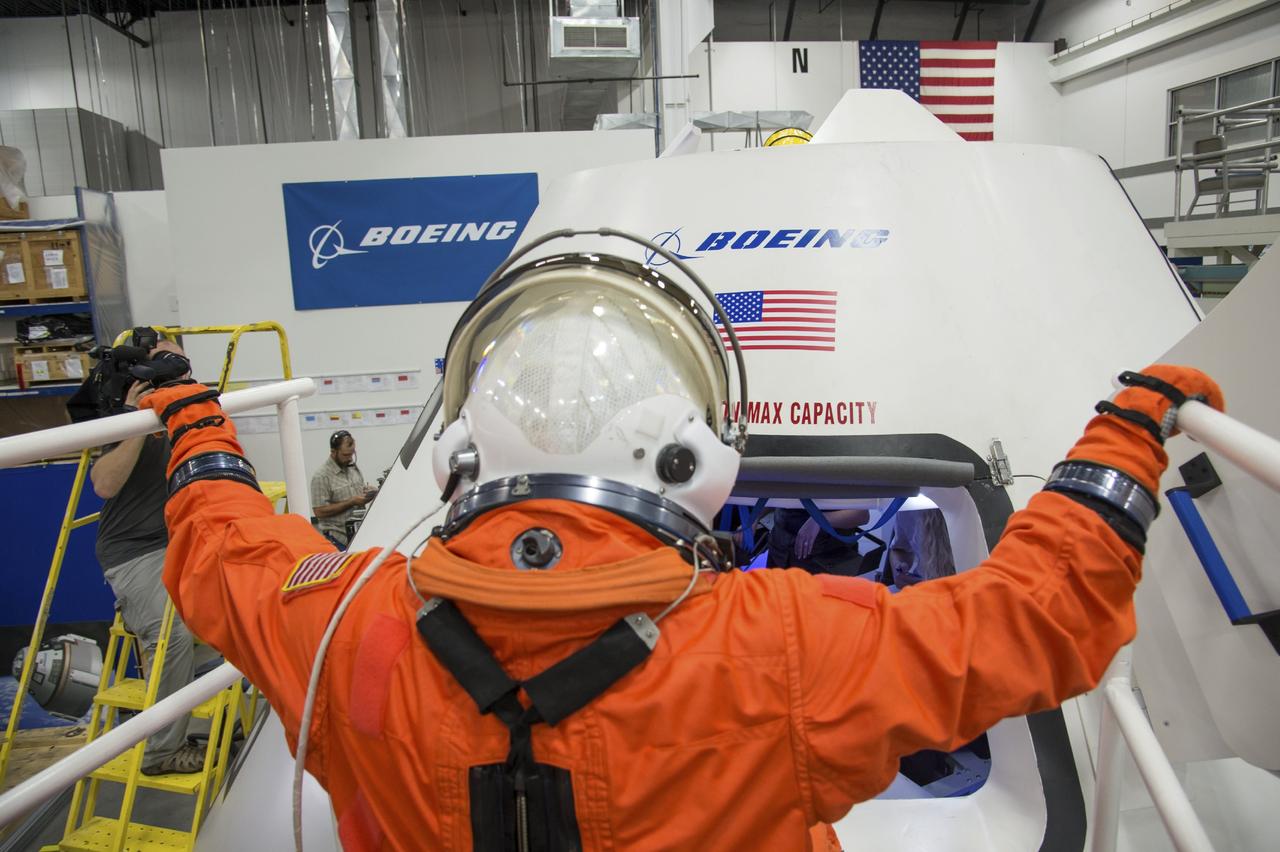
HOUSTON - JSC2013e068269 - NASA astronaut Serena Aunon prepares to enter The Boeing Company's CST-100 spacecraft for a fit check evaluation at the company's Houston Product Support Center. Aunon's fit check will help evaluate a crew's maneuverability in the spacecraft and test communications. Boeing's CST-100 is being designed to transport crew members or a mix of crew and cargo to low-Earth-orbit destinations. The evaluation is part of the ongoing work supporting Boeing's funded Space Act Agreement with NASA's Commercial Crew Program, or CCP, during the agency's Commercial Crew Integrated Capability, or CCiCap, initiative. CCiCap is intended to make commercial human spaceflight services available for government and commercial customers. To learn more about CCP, visit http://www.nasa.gov/commercialcrew. Photo credit: NASA/Robert Markowitz
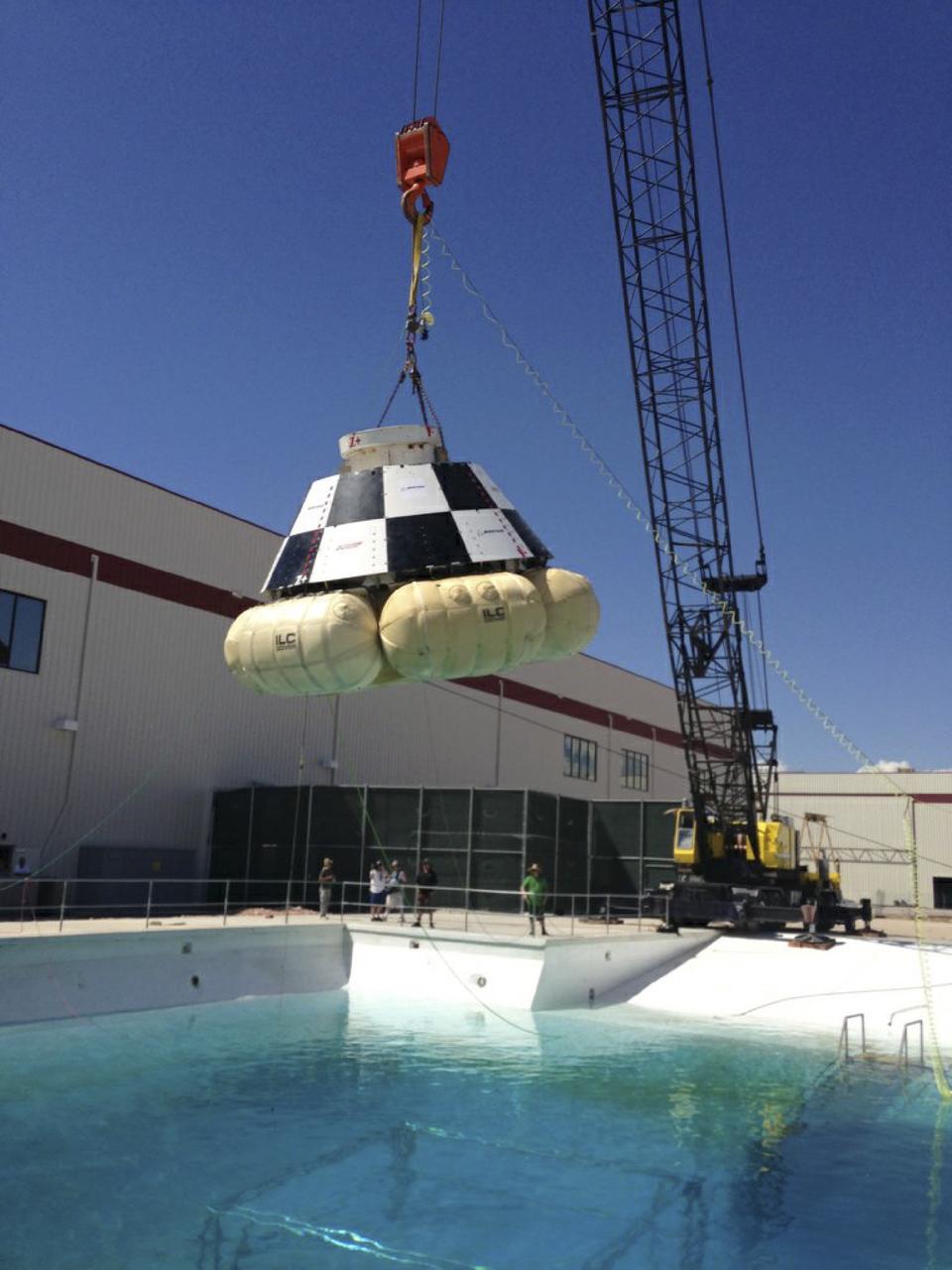
LAS VEGAS, Nev. – A mock-up of The Boeing Company's CST-100 spacecraft is prepared for the third and final series of simulated contingency water landing scenarios at Bigelow Aerospace's headquarters near Las Vegas. The CST-100 is designed for ground landings, but could splash down on the water, if necessary. The tests are part of the company’s ongoing work supporting its funded Space Act Agreement with NASA’s Commercial Crew Program, or CCP, during the Commercial Crew Integrated Capability, or CCiCap, initiative. CCP is intended to lead to the availability of commercial human spaceflight services for government and commercial customers to low-Earth orbit. Future development and certification initiatives eventually will lead to the availability of human spaceflight services for NASA to send its astronauts to the International Space Station, where critical research is taking place daily. For more information about CCP, go to http://www.nasa.gov/commercialcrew. Photo credit: Boeing/Kelly George
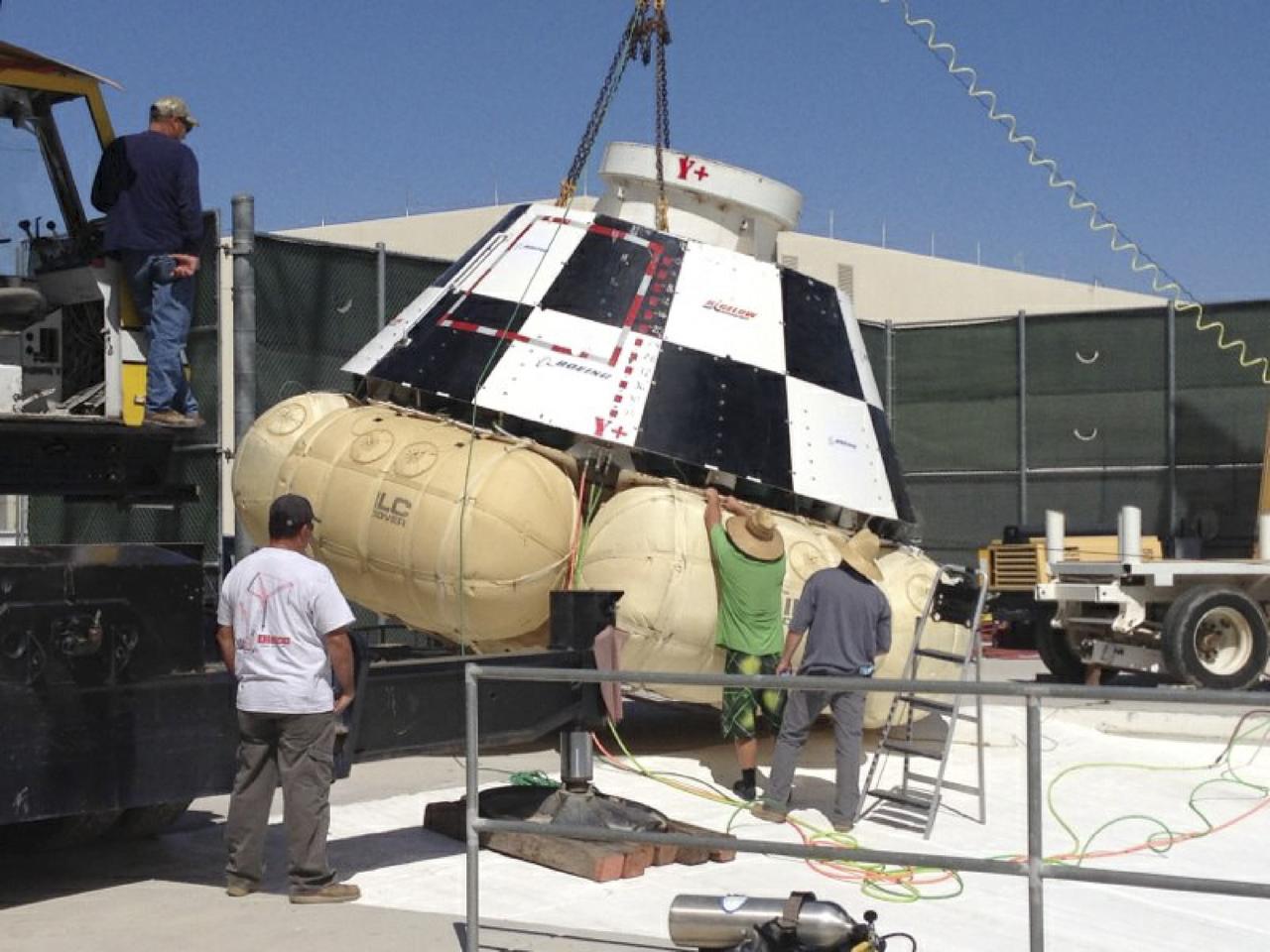
LAS VEGAS, Nev. – Engineers prepare a mock-up of The Boeing Company's CST-100 spacecraft for the third and final series of simulated contingency water landing scenarios at Bigelow Aerospace's headquarters near Las Vegas. The CST-100 is designed for ground landings, but could splash down on the water, if necessary. The tests are part of the company’s ongoing work supporting its funded Space Act Agreement with NASA’s Commercial Crew Program, or CCP, during the Commercial Crew Integrated Capability, or CCiCap, initiative. CCP is intended to lead to the availability of commercial human spaceflight services for government and commercial customers to low-Earth orbit. Future development and certification initiatives eventually will lead to the availability of human spaceflight services for NASA to send its astronauts to the International Space Station, where critical research is taking place daily. For more information about CCP, go to http://www.nasa.gov/commercialcrew. Photo credit: Boeing/Kelly George
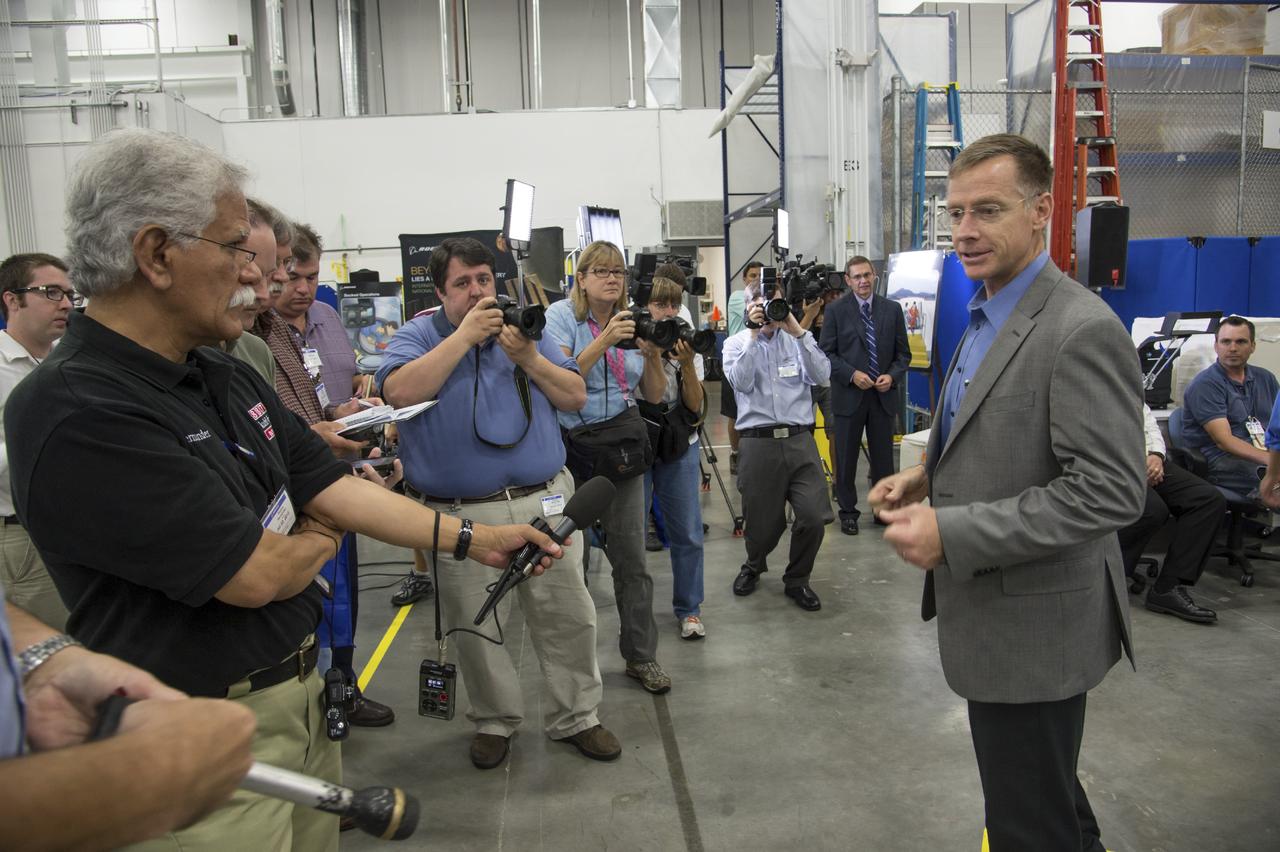
HOUSTON - JSC2013e068304 - Chris Ferguson, director of Crew and Mission Operations for The Boeing Company and former NASA astronaut, is interviewed by the media during the unveiling of a CST-100 mock-up at the company's Houston Product Support Center. This test version is optimized to support five crew members and will allow the company to evaluate crew safety, interfaces, communications, maneuverability and ergonomics. Boeing's CST-100 is being designed to transport crew members or a mix of crew and cargo to low-Earth-orbit destinations. The evaluation is part of the ongoing work supporting Boeing's funded Space Act Agreement with NASA's Commercial Crew Program, or CCP, during the agency's Commercial Crew Integrated Capability, or CCiCap, initiative. CCiCap is intended to make commercial human spaceflight services available for government and commercial customers. To learn more about CCP, visit http://www.nasa.gov/commercialcrew. Photo credit: NASA/Robert Markowitz
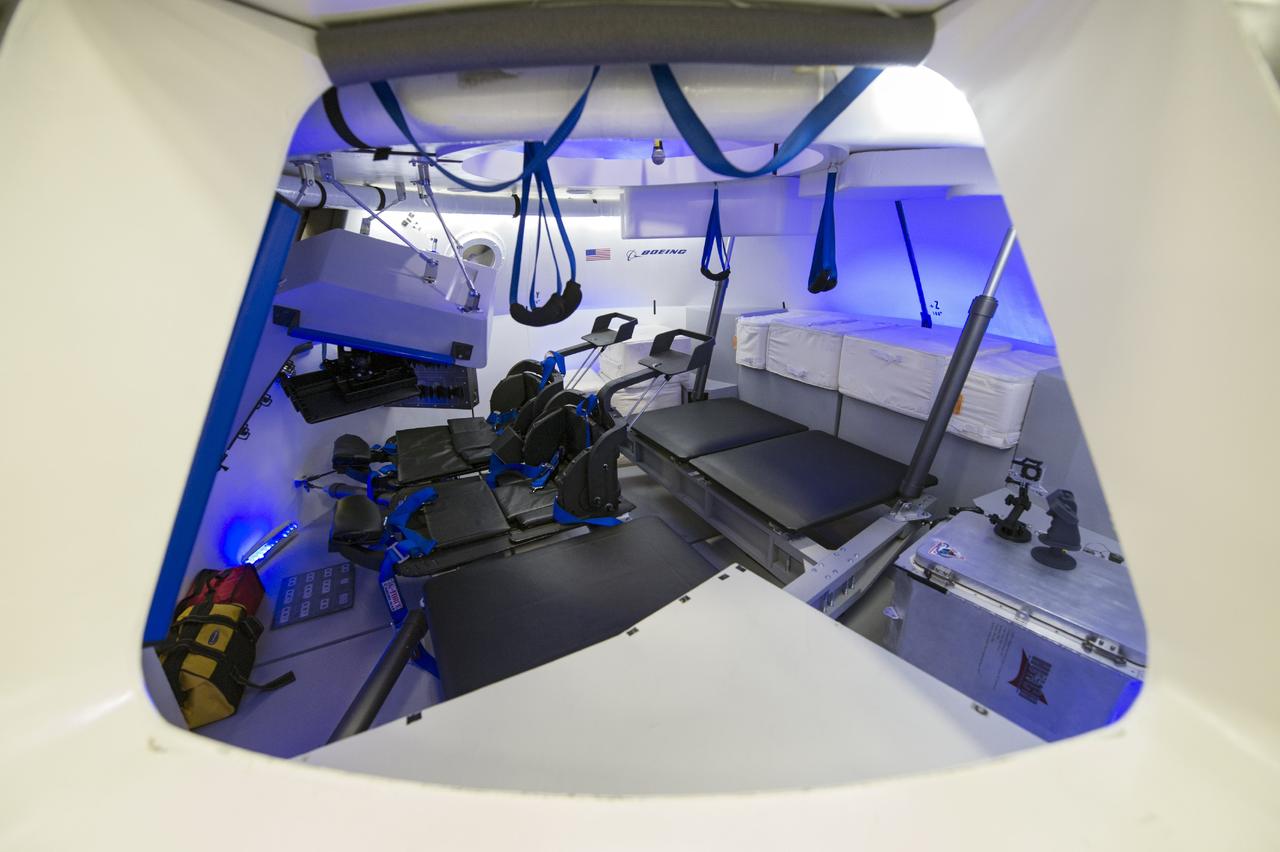
HOUSTON - The Boeing Company unveils its fully outfitted CST-100 mock-up at the company's Houston Product Support Center in Texas. This test version is optimized to support five crew members and will allow the company to evaluate crew safety, interfaces, communications, maneuverability and ergonomics. Boeing's CST-100 is designed being to transport crew members or a mix of crew and cargo to low-Earth-orbit destinations, including the International Space Station. Boeing is one of three aerospace industry partners working with CCP during its Commercial Crew Integrated Capability, or CCiCap, initiative, which is intended to make commercial human spaceflight services available for government and commercial customers. To learn more about CCP, visit www.nasa.gov/commercialcrew. Photo credit: NASA/Robert Markowitz
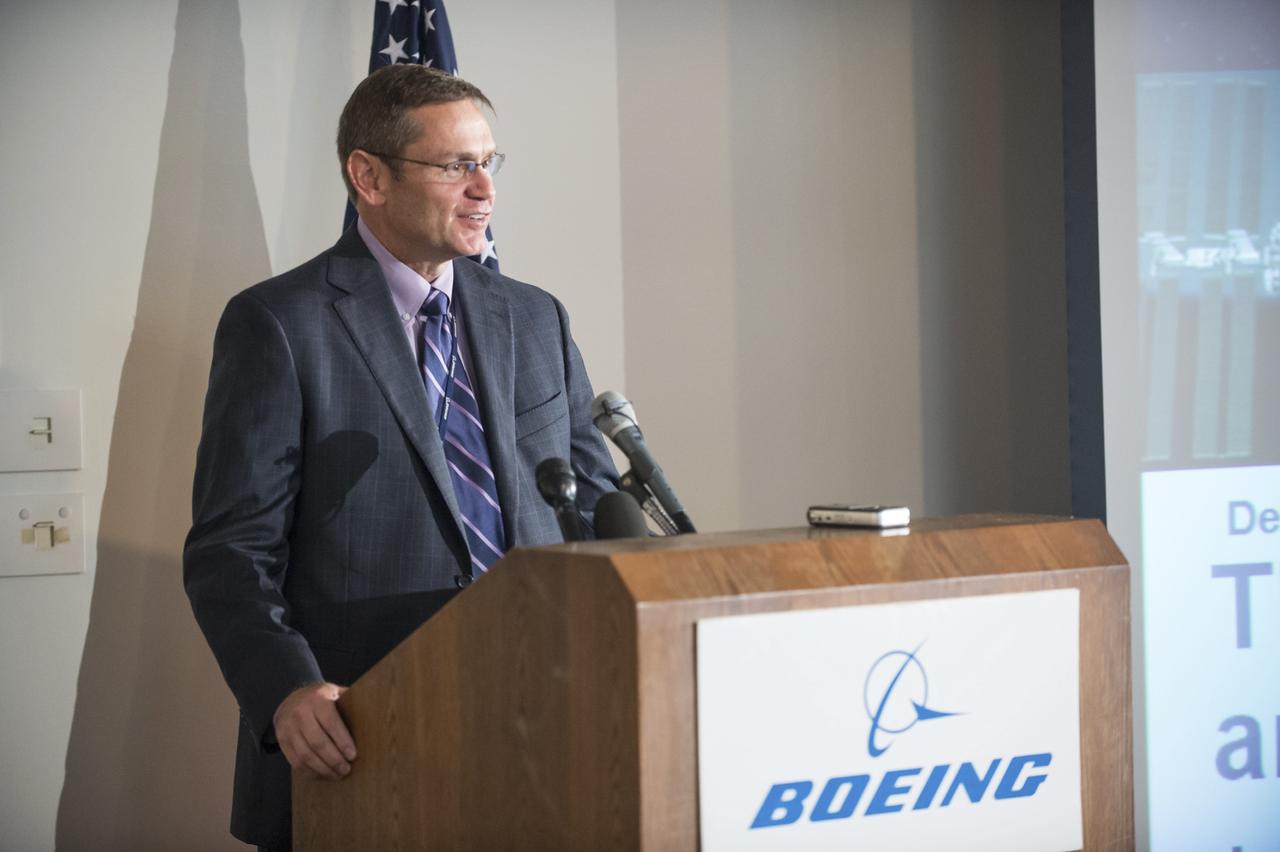
HOUSTON - JSC2013e068284 - John Elbon, vice president for Space Exploration for The Boeing Company, addresses the media before the unveiling of a CST-100 mock-up at the company's Houston Product Support Center. This test version is optimized to support five crew members and will allow the company to evaluate crew safety, interfaces, communications, maneuverability and ergonomics. Boeing's CST-100 is being designed to transport crew members or a mix of crew and cargo to low-Earth-orbit destinations. The evaluation is part of the ongoing work supporting Boeing's funded Space Act Agreement with NASA's Commercial Crew Program, or CCP, during the agency's Commercial Crew Integrated Capability, or CCiCap, initiative. CCiCap is intended to make commercial human spaceflight services available for government and commercial customers. To learn more about CCP, visit http://www.nasa.gov/commercialcrew. Photo credit: NASA/Robert Markowitz
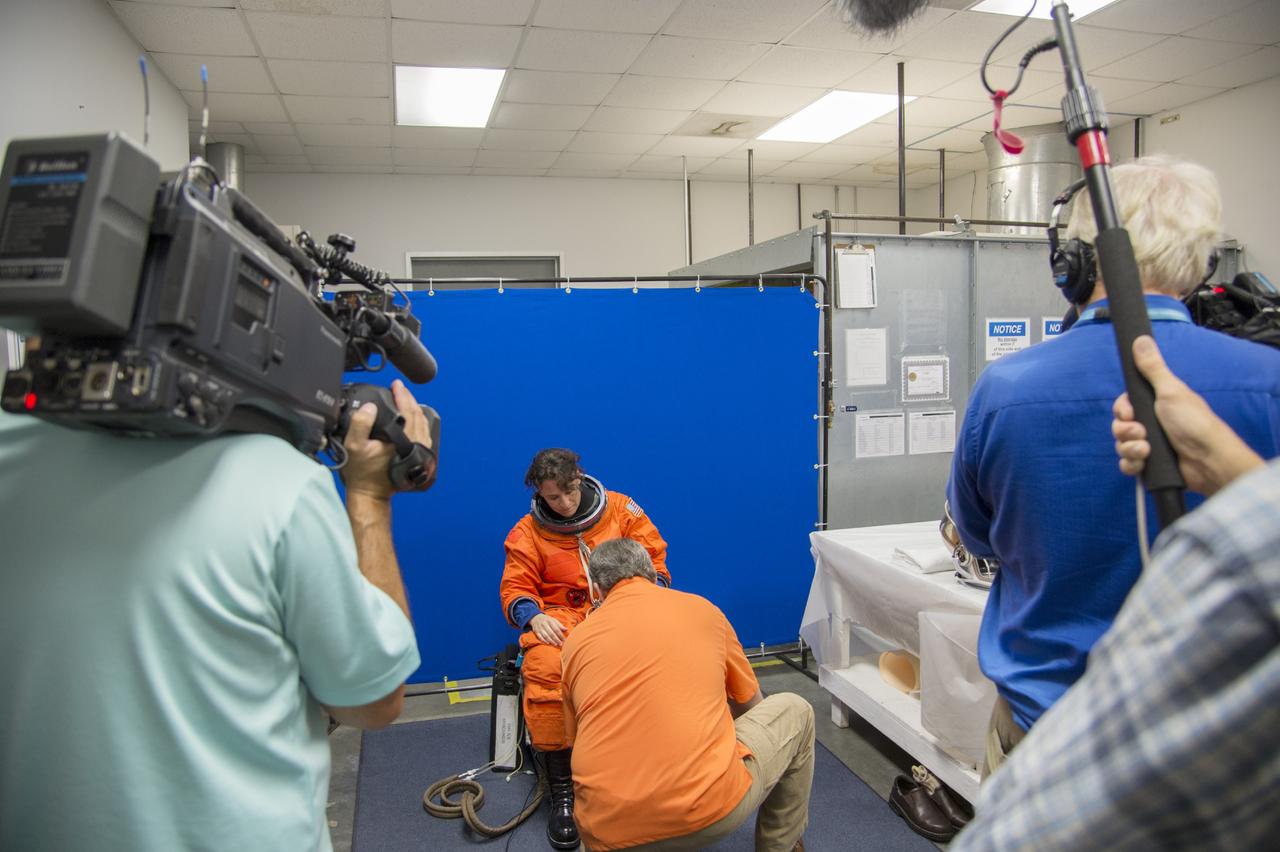
HOUSTON - NASA astronaut Serena Aunon puts on her orange launch-and-entry suit for a fit check evaluation of The Boeing Company's CST-100 spacecraft at the company's Houston Product Support Center. Aunon's fit check will help evaluate a crew's maneuverability in the spacecraft and test communications. Boeing's CST-100 is being designed to transport crew members or a mix of crew and cargo to low-Earth-orbit destinations. The evaluation is part of the ongoing work supporting Boeing's funded Space Act Agreement with NASA's Commercial Crew Program, or CCP, during the agency's Commercial Crew Integrated Capability, or CCiCap, initiative. CCiCap is intended to make commercial human spaceflight services available for government and commercial customers. To learn more about CCP, visit http://www.nasa.gov/commercialcrew. Photo credit: NASA/Robert Markowitz
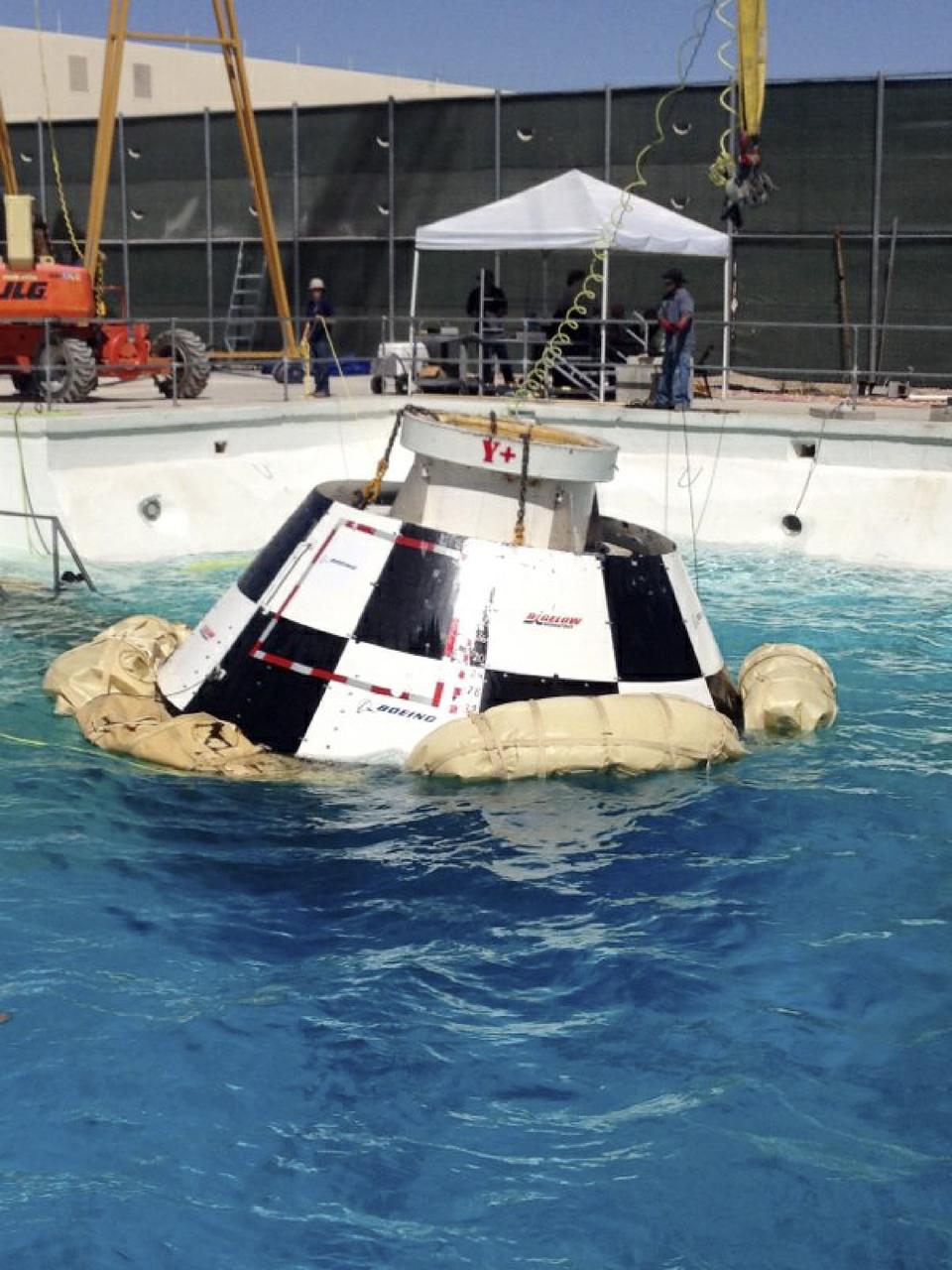
LAS VEGAS, Nev. – A mock-up of The Boeing Company's CST-100 spacecraft floats following the third and final series of simulated contingency water landing scenarios at Bigelow Aerospace's headquarters near Las Vegas. The CST-100 is designed for ground landings, but could splash down on the water, if necessary. The tests are part of the company’s ongoing work supporting its funded Space Act Agreement with NASA’s Commercial Crew Program, or CCP, during the Commercial Crew Integrated Capability, or CCiCap, initiative. CCP is intended to lead to the availability of commercial human spaceflight services for government and commercial customers to low-Earth orbit. Future development and certification initiatives eventually will lead to the availability of human spaceflight services for NASA to send its astronauts to the International Space Station, where critical research is taking place daily. For more information about CCP, go to http://www.nasa.gov/commercialcrew. Photo credit: Boeing/Kelly George
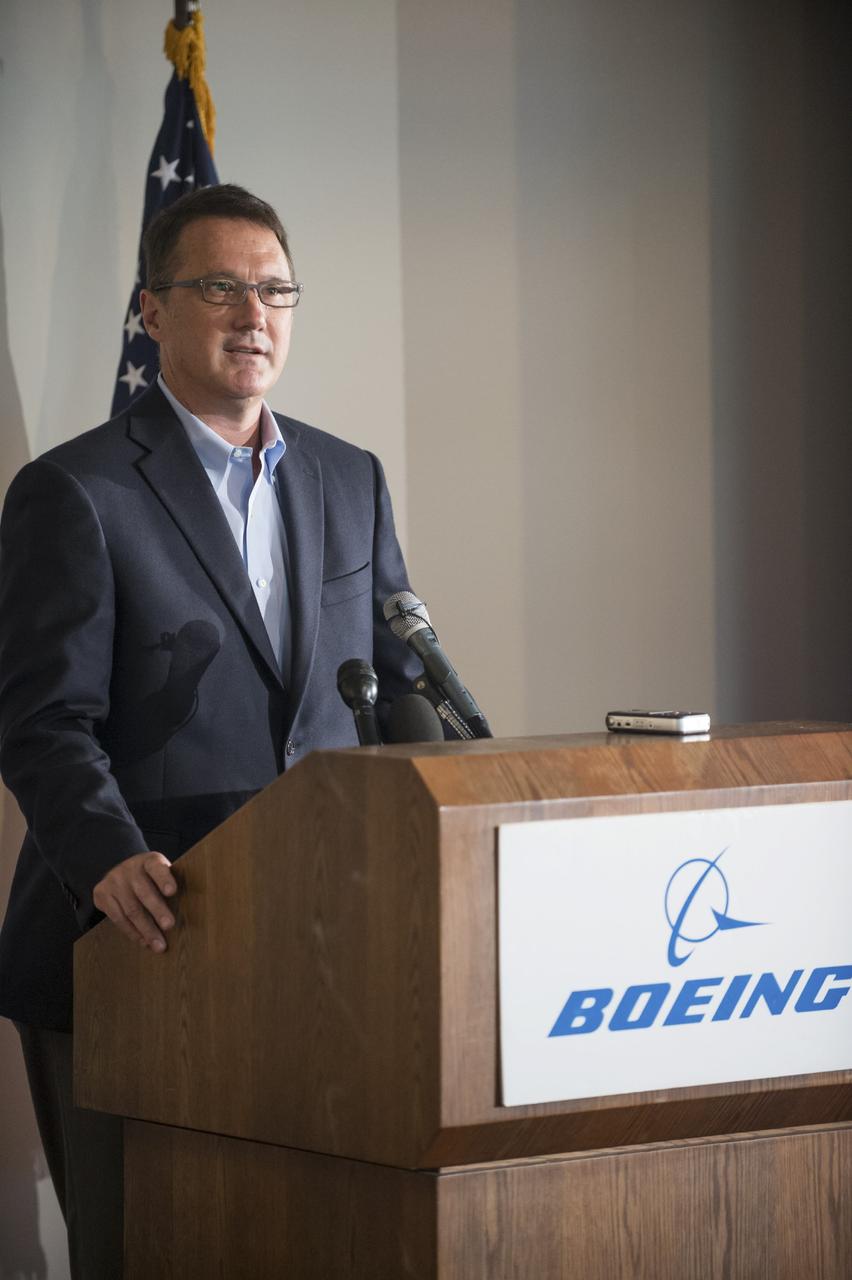
HOUSTON - JSC2013e068296 - John Mulholland, vice president and program manager, Commercial Crew, for The Boeing Company, addresses the media before the unveiling of a CST-100 mock-up at the company's Houston Product Support Center. This test version is optimized to support five crew members and will allow the company to evaluate crew safety, interfaces, communications, maneuverability and ergonomics. Boeing's CST-100 is being designed to transport crew members or a mix of crew and cargo to low-Earth-orbit destinations. The evaluation is part of the ongoing work supporting Boeing's funded Space Act Agreement with NASA's Commercial Crew Program, or CCP, during the agency's Commercial Crew Integrated Capability, or CCiCap, initiative. CCiCap is intended to make commercial human spaceflight services available for government and commercial customers. To learn more about CCP, visit http://www.nasa.gov/commercialcrew. Photo credit: NASA/Robert Markowitz
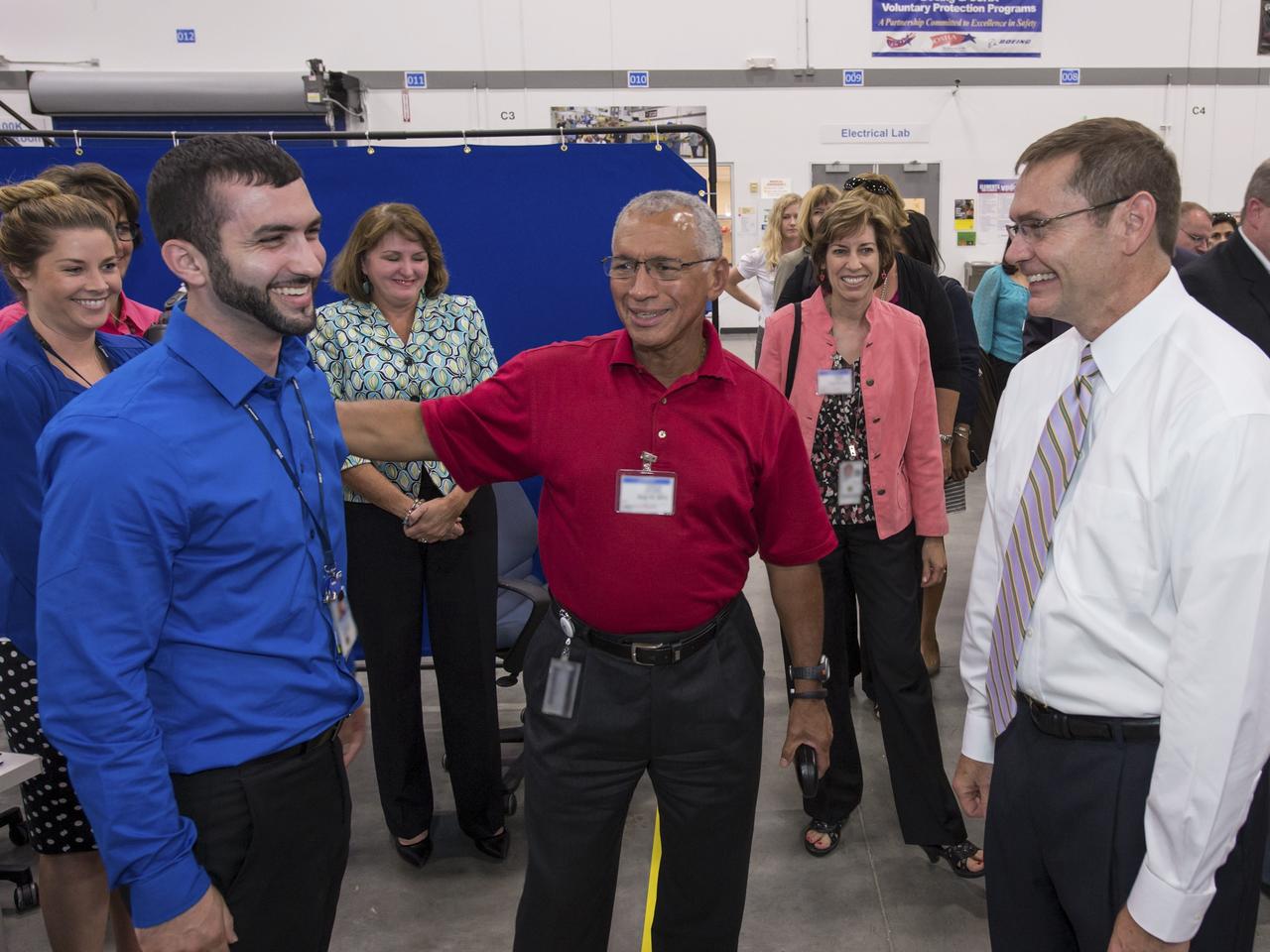
HOUSTON -- JSC-2013-E076038 -- NASA Administrator Charlie Bolden, center, talks to members of The Boeing Company's CST-100 team at the company's Houston Product Support Center near Johnson Space Center. At left is Brandon Setayesh, a mechanical engineer who helped build a fully outfitted test version of the CST-100. At right is John Elbon, vice president of Boeing's Space Exploration. Also joining Bolden during his tour of the CST-100 mock-up is Johnson Center Director Ellen Ochoa, behind Bolden at right, and other Johnson management. Boeing's CST-100 is designed to transport a mix of crew and cargo to low-Earth-orbit destinations. Boeing is one of three aerospace industry partners working with NASA's Commercial Crew Program, or CCP, during the Commercial Crew Integrated Capability, or CCiCap, initiative, which is intended to make commercial human spaceflight services available for government and commercial customers. To learn more about CCP, visit www.nasa.gov/commercialcrew. Photo credit: NASA/James Blair
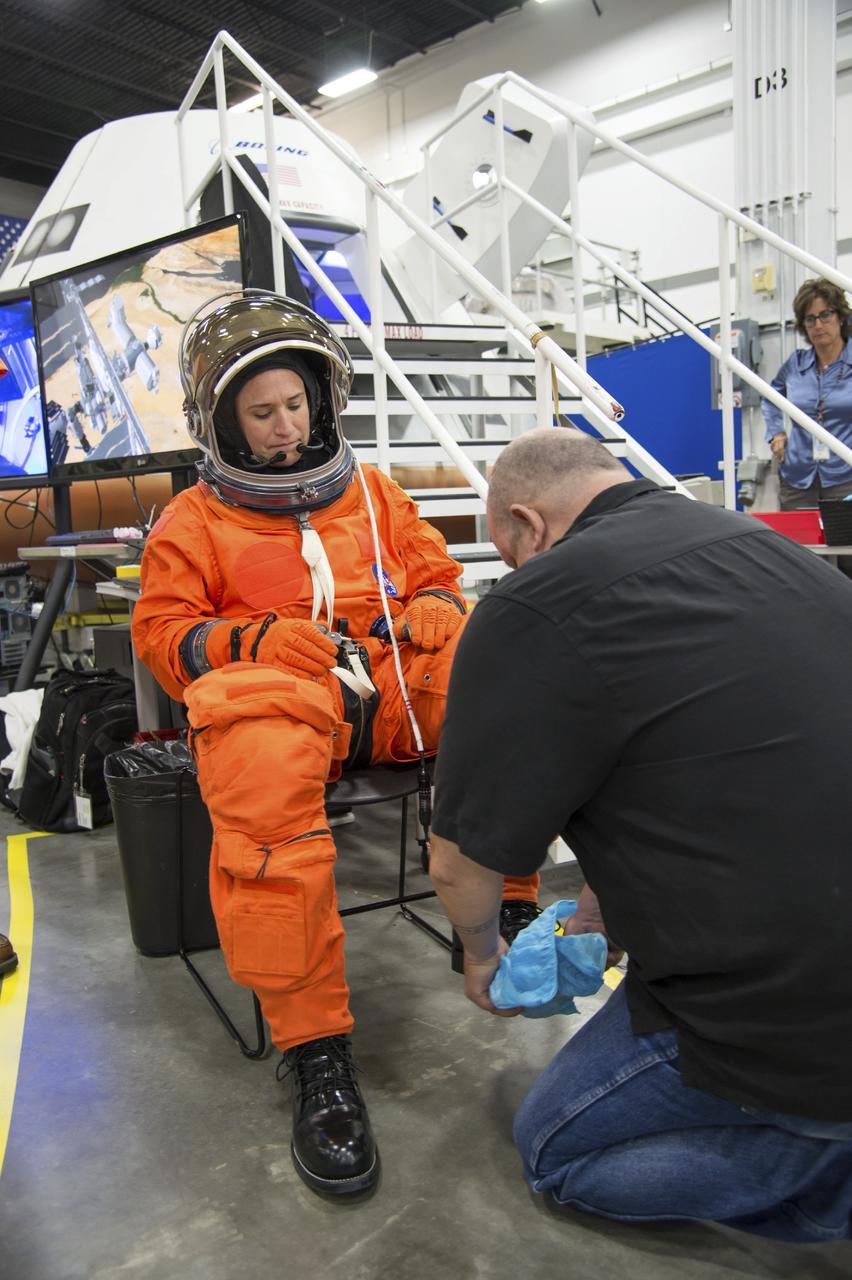
HOUSTON - JSC2013e068264 - NASA astronaut Serena Aunon's boots are covered before she enters The Boeing Company's CST-100 spacecraft for a fit check evaluation at the company's Houston Product Support Center. Aunon's fit check will help evaluate a crew's maneuverability in the spacecraft and test communications. Boeing's CST-100 is being designed to transport crew members or a mix of crew and cargo to low-Earth-orbit destinations. The evaluation is part of the ongoing work supporting Boeing's funded Space Act Agreement with NASA's Commercial Crew Program, or CCP, during the agency's Commercial Crew Integrated Capability, or CCiCap, initiative. CCiCap is intended to make commercial human spaceflight services available for government and commercial customers. To learn more about CCP, visit http://www.nasa.gov/commercialcrew. Photo credit: NASA/Robert Markowitz
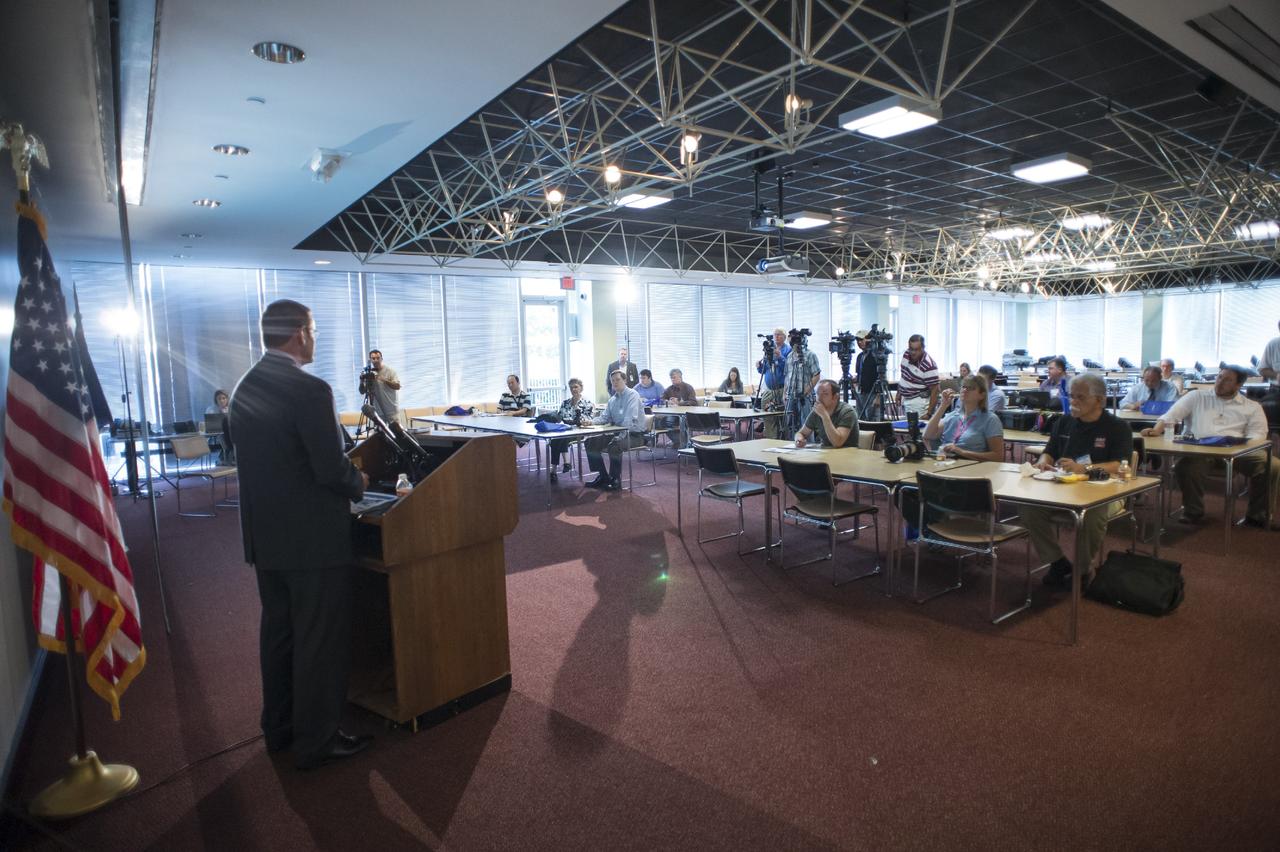
HOUSTON - JSC2013e068287 - John Elbon, vice president for Space Exploration for The Boeing Company, addresses the media before the unveiling of a CST-100 mock-up at the company's Houston Product Support Center. This test version is optimized to support five crew members and will allow the company to evaluate crew safety, interfaces, communications, maneuverability and ergonomics. Boeing's CST-100 is being designed to transport crew members or a mix of crew and cargo to low-Earth-orbit destinations. The evaluation is part of the ongoing work supporting Boeing's funded Space Act Agreement with NASA's Commercial Crew Program, or CCP, during the agency's Commercial Crew Integrated Capability, or CCiCap, initiative. CCiCap is intended to make commercial human spaceflight services available for government and commercial customers. To learn more about CCP, visit http://www.nasa.gov/commercialcrew. Photo credit: NASA/Robert Markowitz
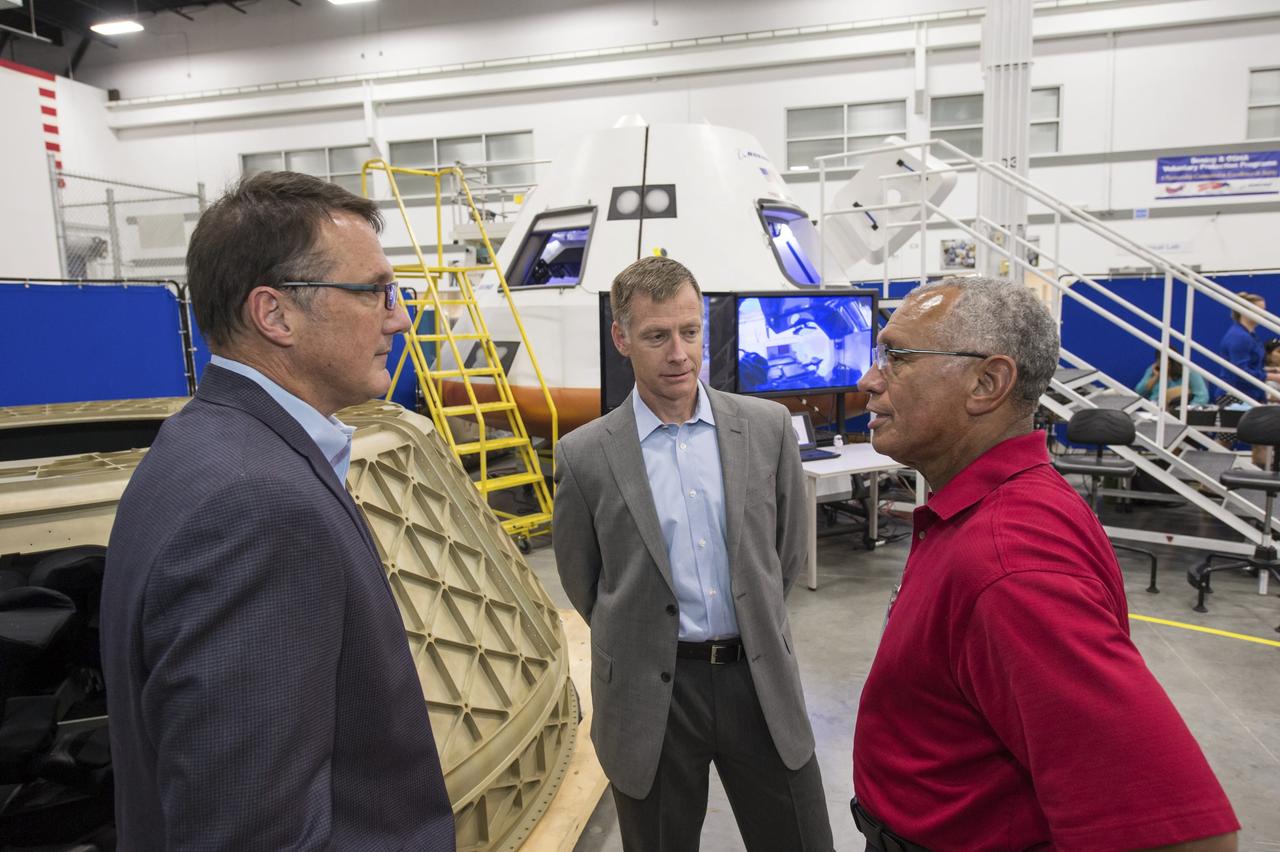
HOUSTON -- JSC-2013-E076048 -- NASA Administrator Charlie Bolden, right, talks to The Boeing Company's Vice President and Program Manager of Commercial Programs John Mulholland, left, and Director of Crew and Mission Operations Chris Ferguson at the company's Houston Product Support Center near Johnson Space Center. Boeing showcased its work on a fully outfitted test version of the CST-100 spacecraft to Bolden and Johnson management. Boeing's CST-100 is designed to transport a mix of crew and cargo to low-Earth-orbit destinations. Boeing is one of three aerospace industry partners working with NASA's Commercial Crew Program, or CCP, during the Commercial Crew Integrated Capability, or CCiCap, initiative, which is intended to make commercial human spaceflight services available for government and commercial customers. To learn more about CCP, visit www.nasa.gov/commercialcrew. Photo credit: NASA/James Blair
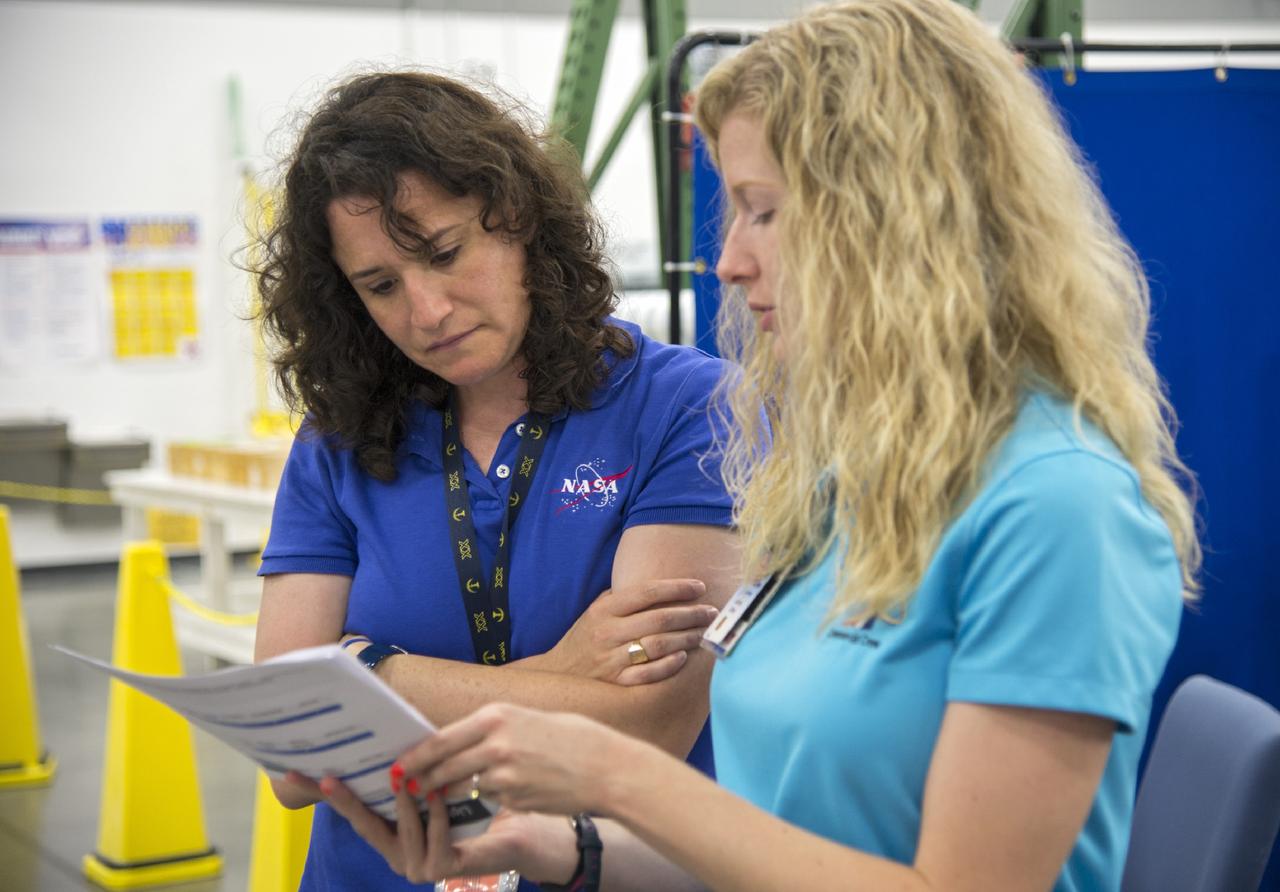
HOUSTON - NASA astronaut Serena Aunon and Andrea Gilkey, a human factors engineer with The Boeing Company, tag up before Aunon puts on her orange launch-and-entry suit for a fit check evaluation of the CST-100 spacecraft at the company's Houston Product Support Center. Aunon's fit check will help evaluate a crew's maneuverability in the spacecraft and test communications. Boeing's CST-100 is being designed to transport crew members or a mix of crew and cargo to low-Earth-orbit destinations, including the International Space Station. The evaluation is part of the ongoing work supporting Boeing's funded Space Act Agreement with NASA's Commercial Crew Program, or CCP, during the agency's Commercial Crew Integrated Capability, or CCiCap, initiative. CCiCap is intended to make commercial human spaceflight services available for government and commercial customers. To learn more about CCP, visit http://www.nasa.gov/commercialcrew. Photo credit: NASA/Robert Markowitz
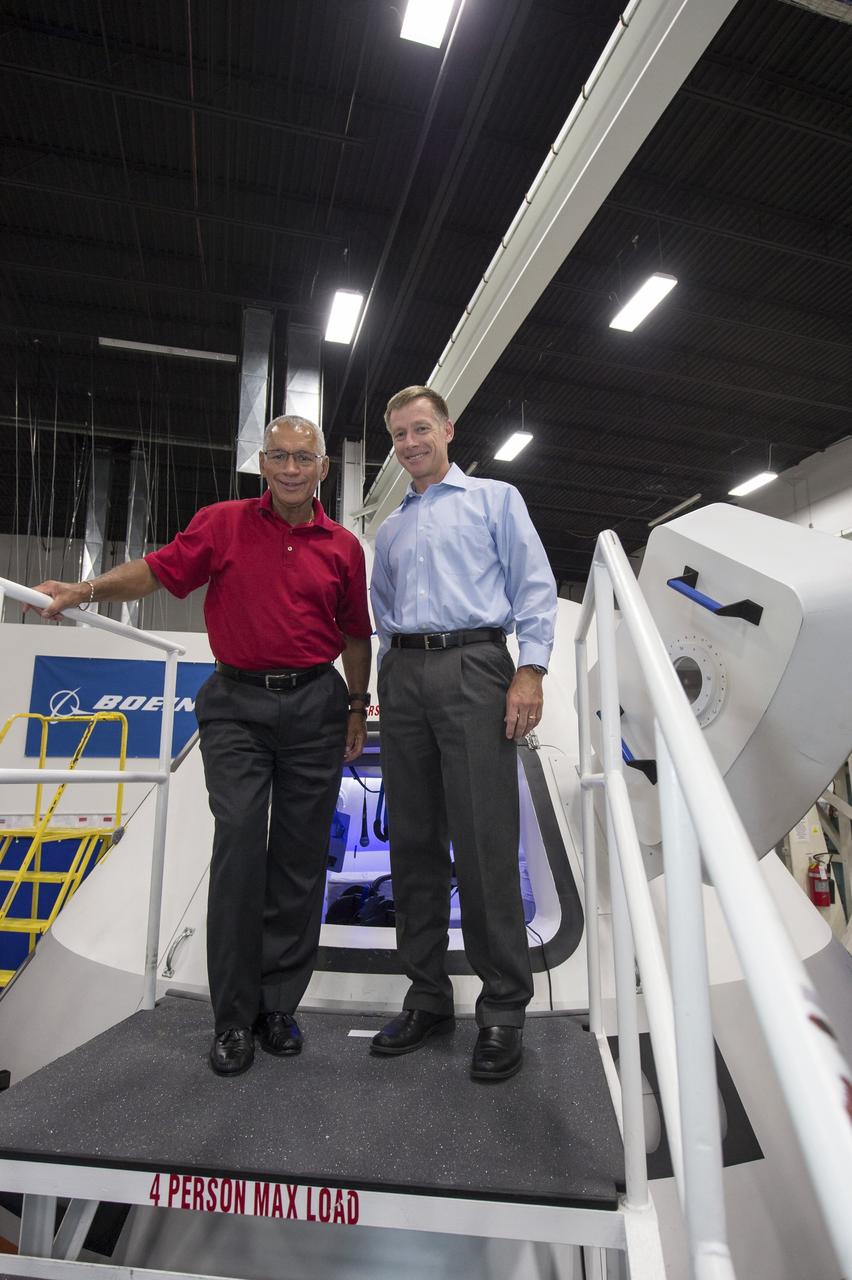
HOUSTON -- JSC-2013-E076050 -- NASA Administrator Charlie Bolden, left, and The Boeing Company's Director of Crew and Mission Operations Chris Ferguson take a photo together before entering a mock-up of the CST-100 at the company's Houston Product Support Center near Johnson Space Center. Boeing showcased its work on a fully outfitted test version of the spacecraft to Bolden and Johnson management. Boeing's CST-100 is designed to transport a mix of crew and cargo to low-Earth-orbit destinations. Boeing is one of three aerospace industry partners working with NASA's Commercial Crew Program, or CCP, during the Commercial Crew Integrated Capability, or CCiCap, initiative, which is intended to make commercial human spaceflight services available for government and commercial customers. To learn more about CCP, visit www.nasa.gov/commercialcrew. Photo credit: NASA/James Blair
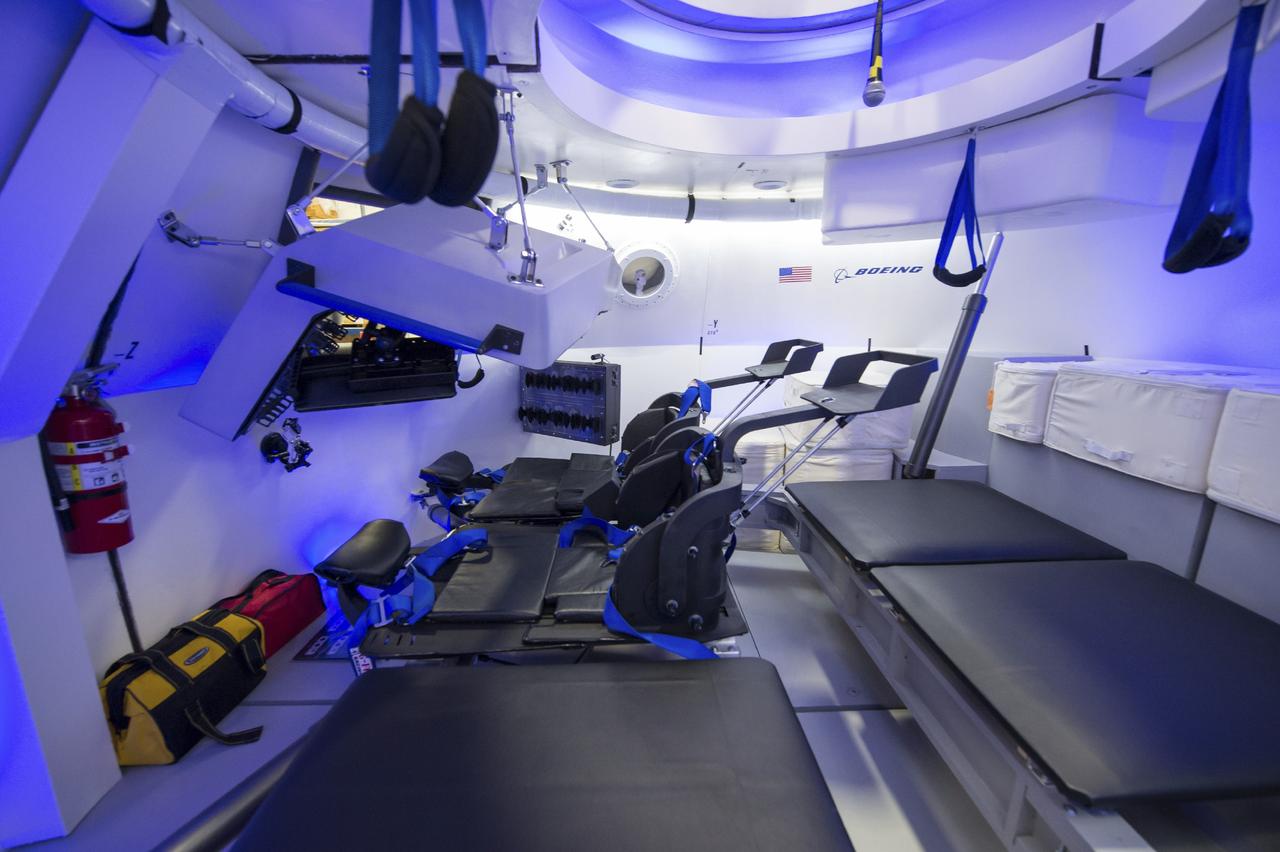
HOUSTON - JSC2013e068245 - The Boeing Company unveils the interior its fully outfitted CST-100 mock-up at the company's Houston Product Support Center in Texas. This test version is optimized to support five crew members and will allow the company to evaluate crew safety, interfaces, communications, maneuverability and ergonomics. Boeing's CST-100 is being designed to transport crew members or a mix of crew and cargo to low-Earth-orbit destinations, including the International Space Station. Boeing is one of three aerospace industry partners working with CCP during its Commercial Crew Integrated Capability, or CCiCap, initiative, which is intended to make commercial human spaceflight services available for government and commercial customers. To learn more about CCP, visit http://www.nasa.gov/commercialcrew. Photo credit: NASA/Robert Markowitz
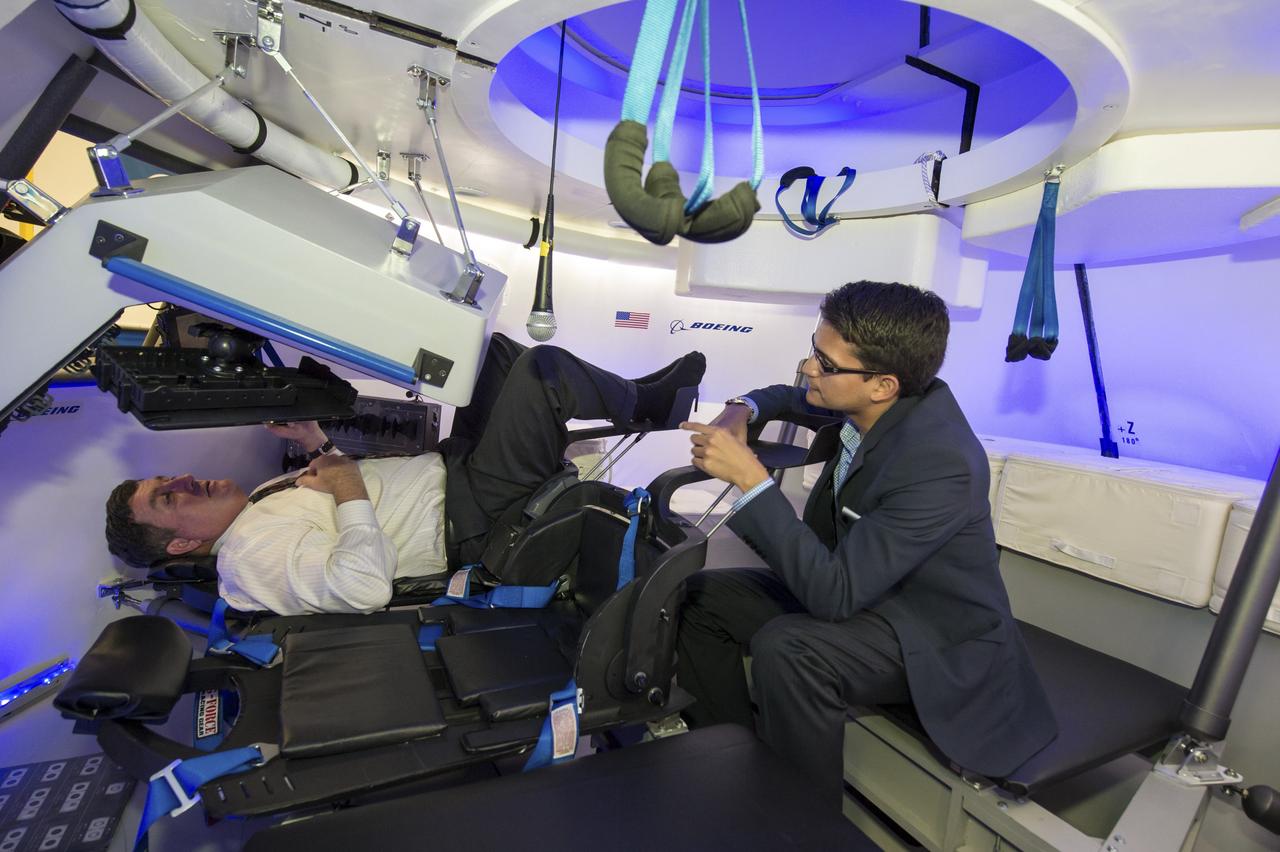
HOUSTON -- JSC-2013-E076056 -- Kirk Shireman, deputy director of NASA's Johnson Space Center, takes the controls of The Boeing Company's mock-up CST-100 spacecraft at the company's Houston Product Support Center. Helping Shireman inside the fully outfitted test version of the CST-100 is Tony Castilleja, a mechanical engineer working on the Boeing project. Boeing showcased its work on a fully outfitted test version of the spacecraft to Bolden and Johnson management. Boeing's CST-100 is designed to transport a mix of crew and cargo to low-Earth-orbit destinations. Boeing is one of three aerospace industry partners working with NASA's Commercial Crew Program, or CCP, during the Commercial Crew Integrated Capability, or CCiCap, initiative, which is intended to make commercial human spaceflight services available for government and commercial customers. To learn more about CCP, visit www.nasa.gov/commercialcrew. Photo credit: NASA/James Blair