
Joan Misner, mission integration engineer with the Launch Services Program at NASA’s Kennedy Space Center, participates in a mission dress rehearsal on Monday, June 17, 2024, inside Hangar AE at Cape Canaveral Space Force Station in Florida for the National Oceanic and Atmospheric Administration (NOAA) GOES-U (Geostationary Operational Environmental Satellite U) mission. The GOES-U satellite, the final addition to GOES-R series, will serve a critical role in providing continuous coverage of the Western Hemisphere, including monitoring tropical systems in the eastern Pacific and Atlantic oceans launched Tuesday, June 25, 2024.
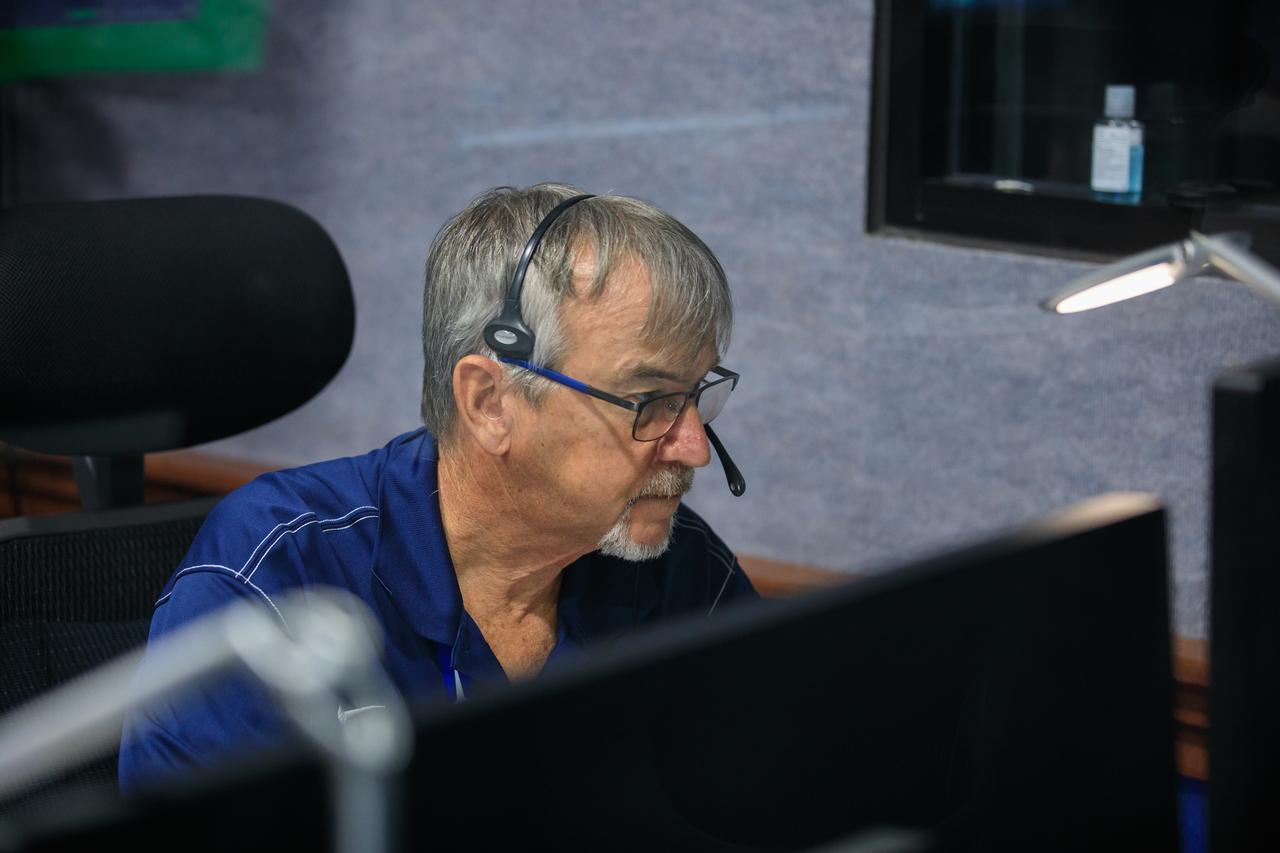
Brian Lawson, Chief Communications Engineer at a.i. solutions, participates in a mission dress rehearsal on Monday, June 17, 2024, inside Hangar AE at Cape Canaveral Space Force Station in Florida for the National Oceanic and Atmospheric Administration (NOAA) GOES-U (Geostationary Operational Environmental Satellite U) mission. The GOES-U satellite, the final addition to GOES-R series, will serve a critical role in providing continuous coverage of the Western Hemisphere, including monitoring tropical systems in the eastern Pacific and Atlantic oceans launched Tuesday, June 25, 2024.
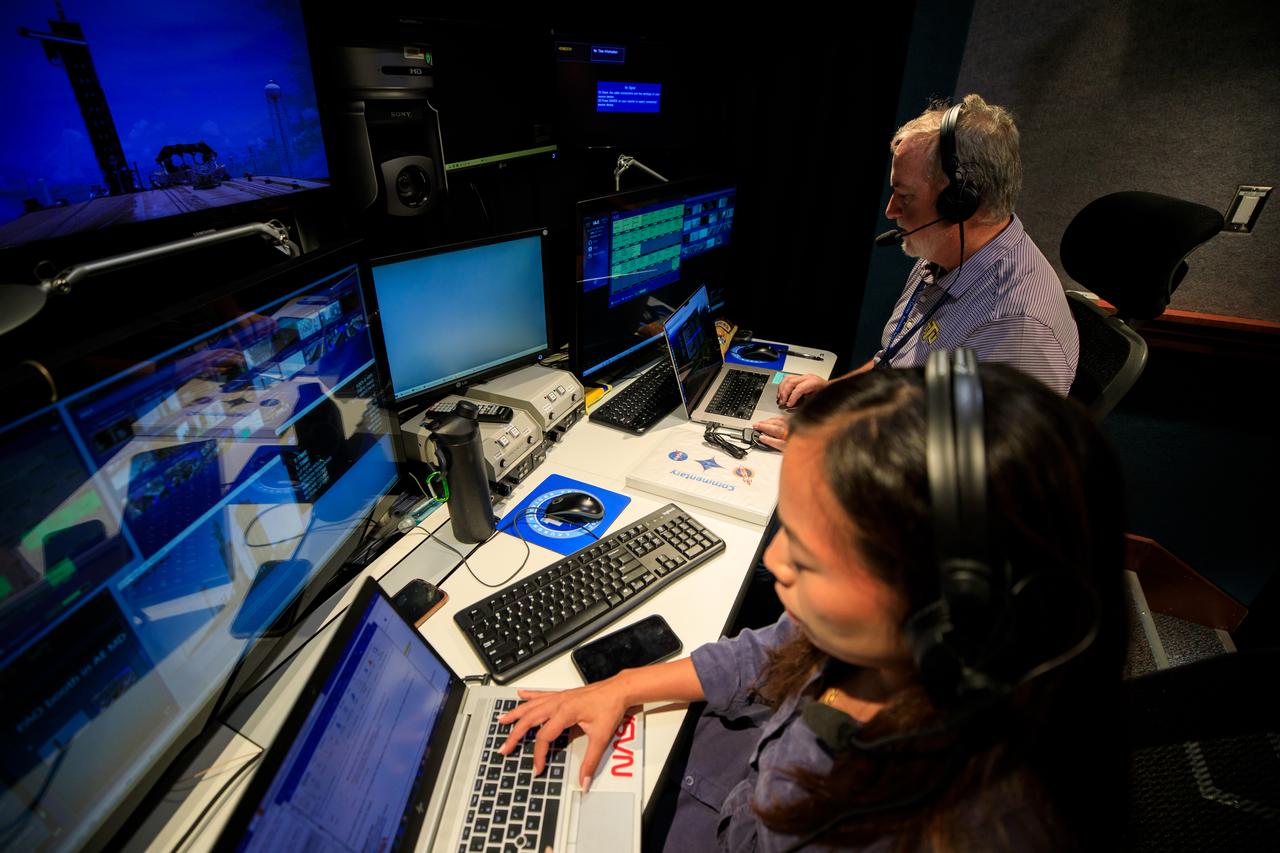
From left, Megan Cruz, NASA Communications at NASA’s Kennedy Space Center and Mic Woltman, chief of Fleet Systems Integration for the Launch Services Program at NASA’s Kennedy Space Center participate in a mission dress rehearsal on Monday, June 17, 2024, inside Hangar AE at Cape Canaveral Space Force Station in Florida for the National Oceanic and Atmospheric Administration (NOAA) GOES-U (Geostationary Operational Environmental Satellite U) mission. The GOES-U satellite, the final addition to GOES-R series, will serve a critical role in providing continuous coverage of the Western Hemisphere, including monitoring tropical systems in the eastern Pacific and Atlantic oceans launched Tuesday, June 25, 2024.
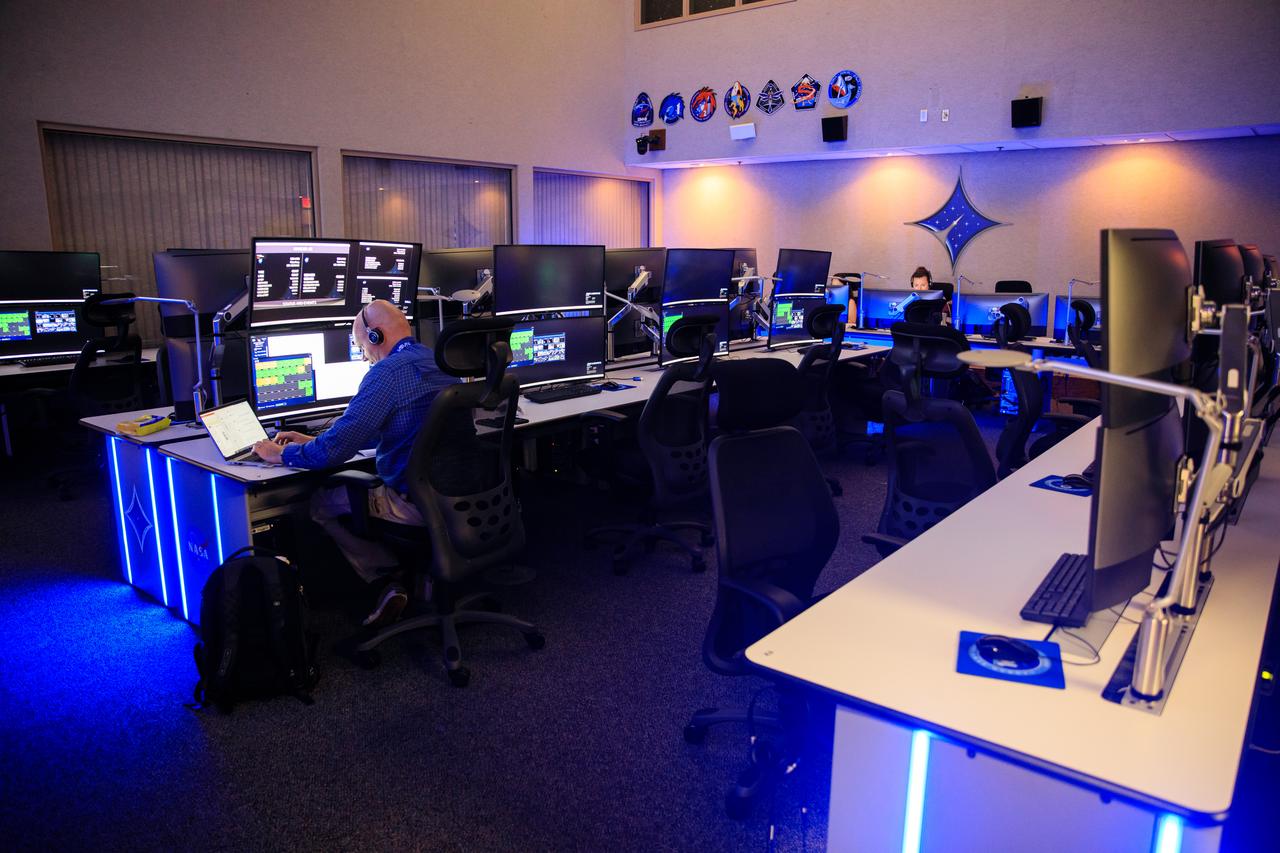
Engineers with the Launch Services Program at NASA’s Kennedy Space Center and mission managers participate in a mission dress rehearsal on Monday, June 17, 2024, inside Hangar AE at Cape Canaveral Space Force Station in Florida for the National Oceanic and Atmospheric Administration (NOAA) GOES-U (Geostationary Operational Environmental Satellite U) mission. The GOES-U satellite, the final addition to GOES-R series, will serve a critical role in providing continuous coverage of the Western Hemisphere, including monitoring tropical systems in the eastern Pacific and Atlantic oceans launched Tuesday, June 25, 2024.
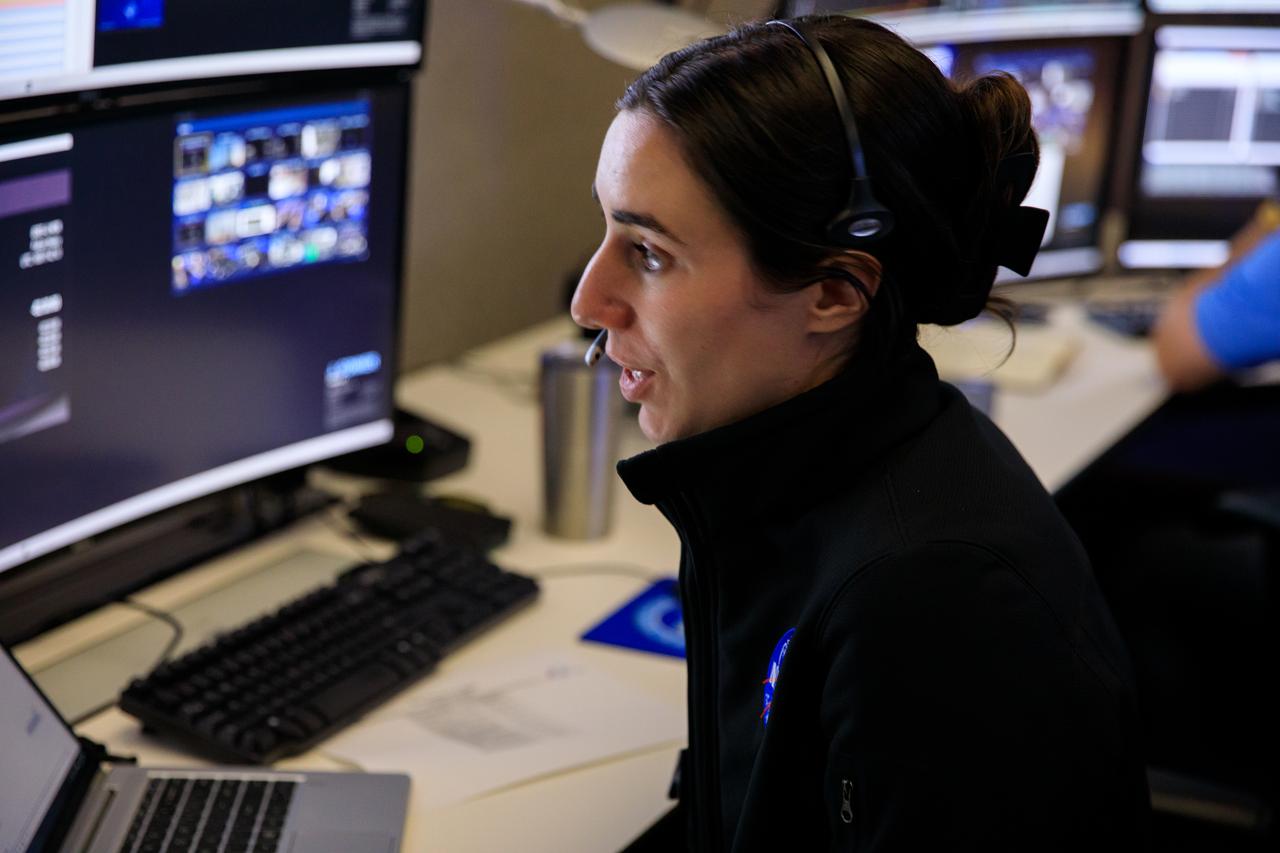
Jessica Conner, mission integration engineer at NASA’s Kennedy Space Center, participates in a mission dress rehearsal on Monday, June 17, 2024, inside Hangar AE at Cape Canaveral Space Force Station in Florida for the National Oceanic and Atmospheric Administration (NOAA) GOES-U (Geostationary Operational Environmental Satellite U) mission. The GOES-U satellite, the final addition to GOES-R series, will serve a critical role in providing continuous coverage of the Western Hemisphere, including monitoring tropical systems in the eastern Pacific and Atlantic oceans launched Tuesday, June 25, 2024.
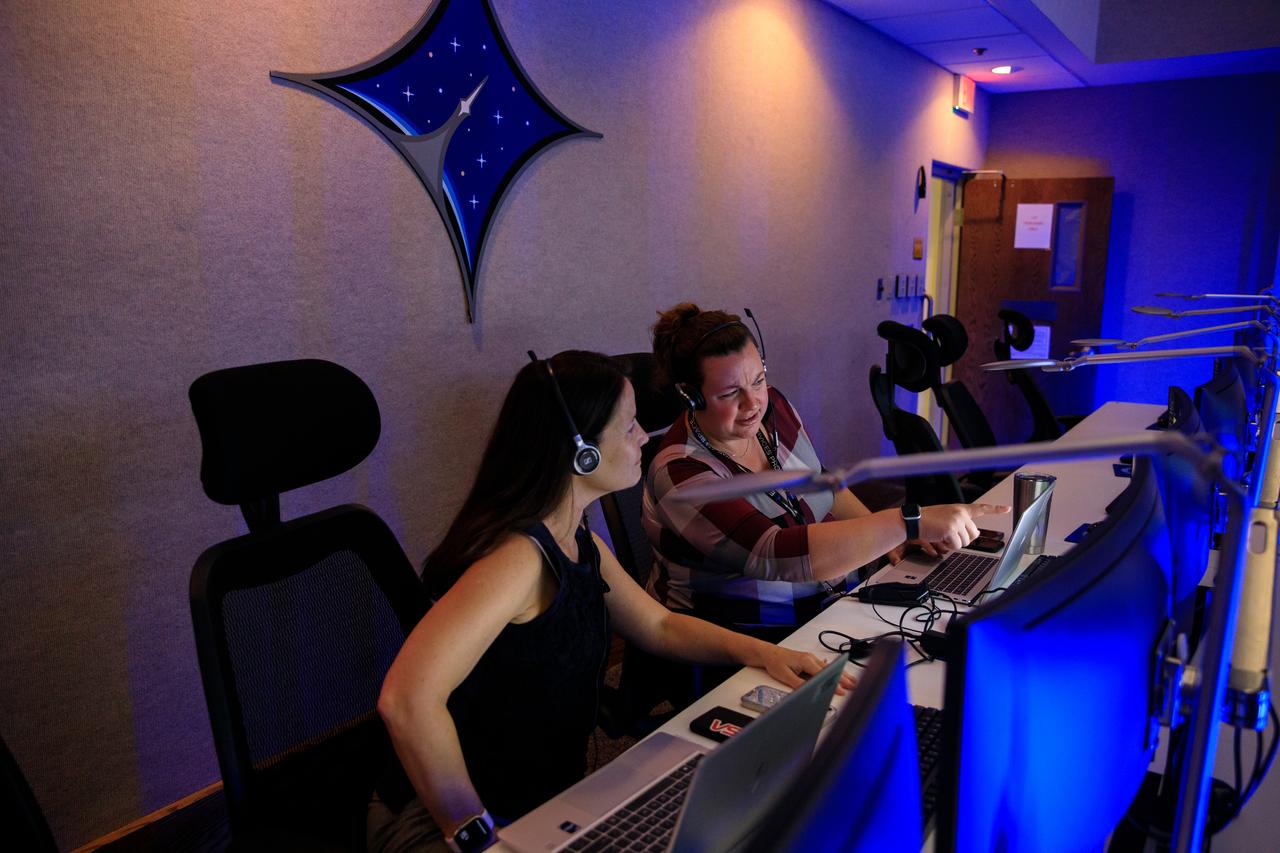
From left, Lori Ulrich, deputy chief, Fleet and Systems Management Division with the Launch Services Program at NASA’s Kennedy Space Center, participates in a mission dress rehearsal on Monday, June 17, 2024, inside Hangar AE at Cape Canaveral Space Force Station in Florida for the National Oceanic and Atmospheric Administration (NOAA) GOES-U (Geostationary Operational Environmental Satellite U) mission. The GOES-U satellite, the final addition to GOES-R series, will serve a critical role in providing continuous coverage of the Western Hemisphere, including monitoring tropical systems in the eastern Pacific and Atlantic oceans launched Tuesday, June 25, 2024.
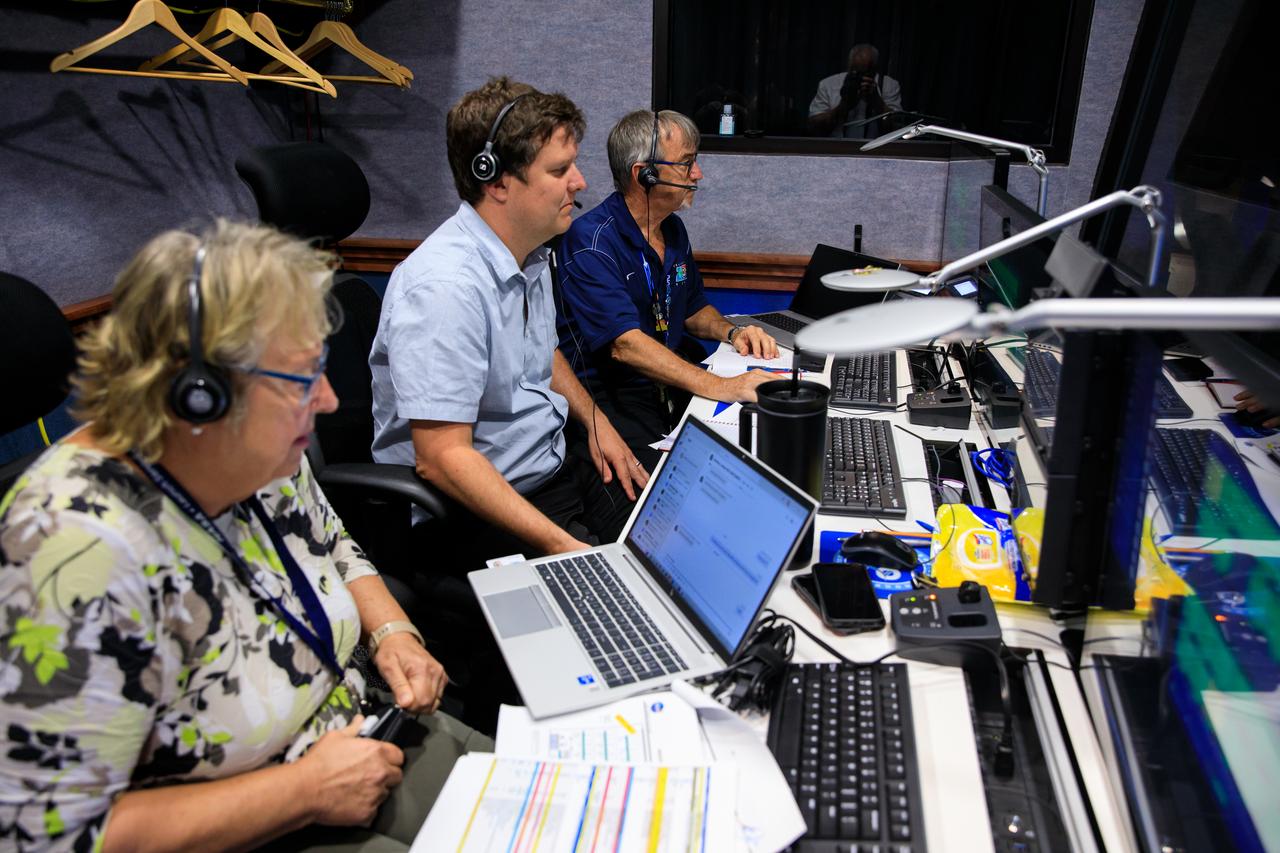
From right, Brian Lawson, Lead System Engineer at a.i. solutions; Reed Divertie, chief of Communications and Telemetry in the Ground System Integration Branch with the Launch Services Program at NASA’s Kennedy Space Center; and Lois Clutter, Mission Communications Engineer, Flight Operations Engineer with the Launch Services Program at NASA Kennedy participate in a mission dress rehearsal on Monday, June 17, 2024, inside Hangar AE at Cape Canaveral Space Force Station in Florida for the National Oceanic and Atmospheric Administration (NOAA) GOES-U (Geostationary Operational Environmental Satellite U) mission. The GOES-U satellite, the final addition to GOES-R series, will serve a critical role in providing continuous coverage of the Western Hemisphere, including monitoring tropical systems in the eastern Pacific and Atlantic oceans launched Tuesday, June 25, 2024.

From left, Joan Misner, mission integration engineer with the Launch Services Program at NASA’s Kennedy Space Center and Jessica Conner, mission integration engineer at NASA Kennedy, participate in a mission dress rehearsal on Monday, June 17, 2024, inside Hangar AE at Cape Canaveral Space Force Station in Florida for the National Oceanic and Atmospheric Administration (NOAA) GOES-U (Geostationary Operational Environmental Satellite U) mission. The GOES-U satellite, the final addition to GOES-R series, will serve a critical role in providing continuous coverage of the Western Hemisphere, including monitoring tropical systems in the eastern Pacific and Atlantic oceans launched Tuesday, June 25, 2024.

Engineers with the Launch Services Program at NASA’s Kennedy Space Center and mission managers participate in a mission dress rehearsal on Monday, June 17, 2024, inside Hangar AE at Cape Canaveral Space Force Station in Florida for the National Oceanic and Atmospheric Administration (NOAA) GOES-U (Geostationary Operational Environmental Satellite U) mission. The GOES-U satellite, the final addition to GOES-R series, will serve a critical role in providing continuous coverage of the Western Hemisphere, including monitoring tropical systems in the eastern Pacific and Atlantic oceans launched Tuesday, June 25, 2024.

Engineers with the Launch Services Program at NASA’s Kennedy Space Center and mission managers participate in a mission dress rehearsal on Monday, June 17, 2024, inside Hangar AE at Cape Canaveral Space Force Station in Florida for the National Oceanic and Atmospheric Administration (NOAA) GOES-U (Geostationary Operational Environmental Satellite U) mission. The GOES-U satellite, the final addition to GOES-R series, will serve a critical role in providing continuous coverage of the Western Hemisphere, including monitoring tropical systems in the eastern Pacific and Atlantic oceans launched Tuesday, June 25, 2024.
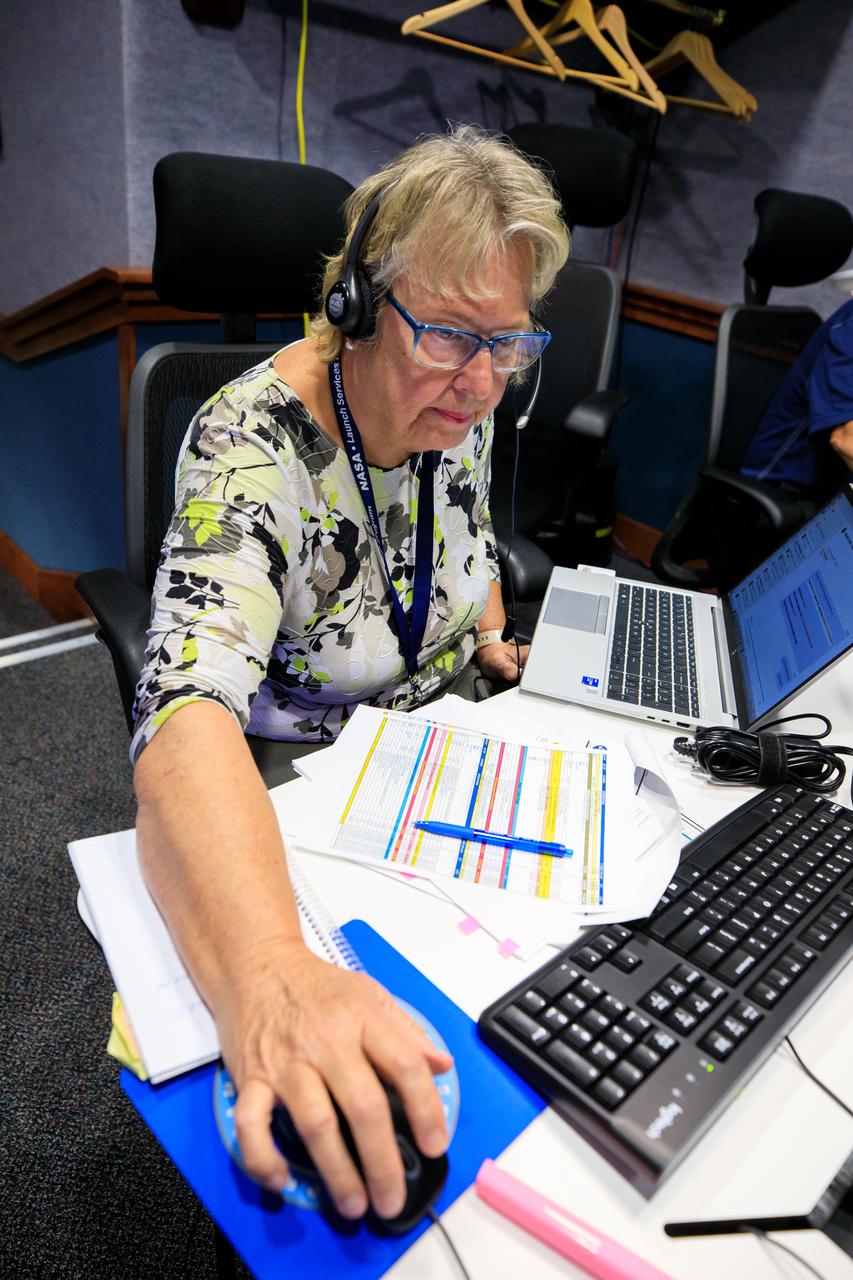
Lois Clutter, Mission Communications Engineer, Flight Operations Engineer with the Launch Services Program at NASA’s Kennedy Space Center participates in a mission dress rehearsal on Monday, June 17, 2024, inside Hangar AE at Cape Canaveral Space Force Station in Florida for the National Oceanic and Atmospheric Administration (NOAA) GOES-U (Geostationary Operational Environmental Satellite U) mission. The GOES-U satellite, the final addition to GOES-R series, will serve a critical role in providing continuous coverage of the Western Hemisphere, including monitoring tropical systems in the eastern Pacific and Atlantic oceans launched Tuesday, June 25, 2024.
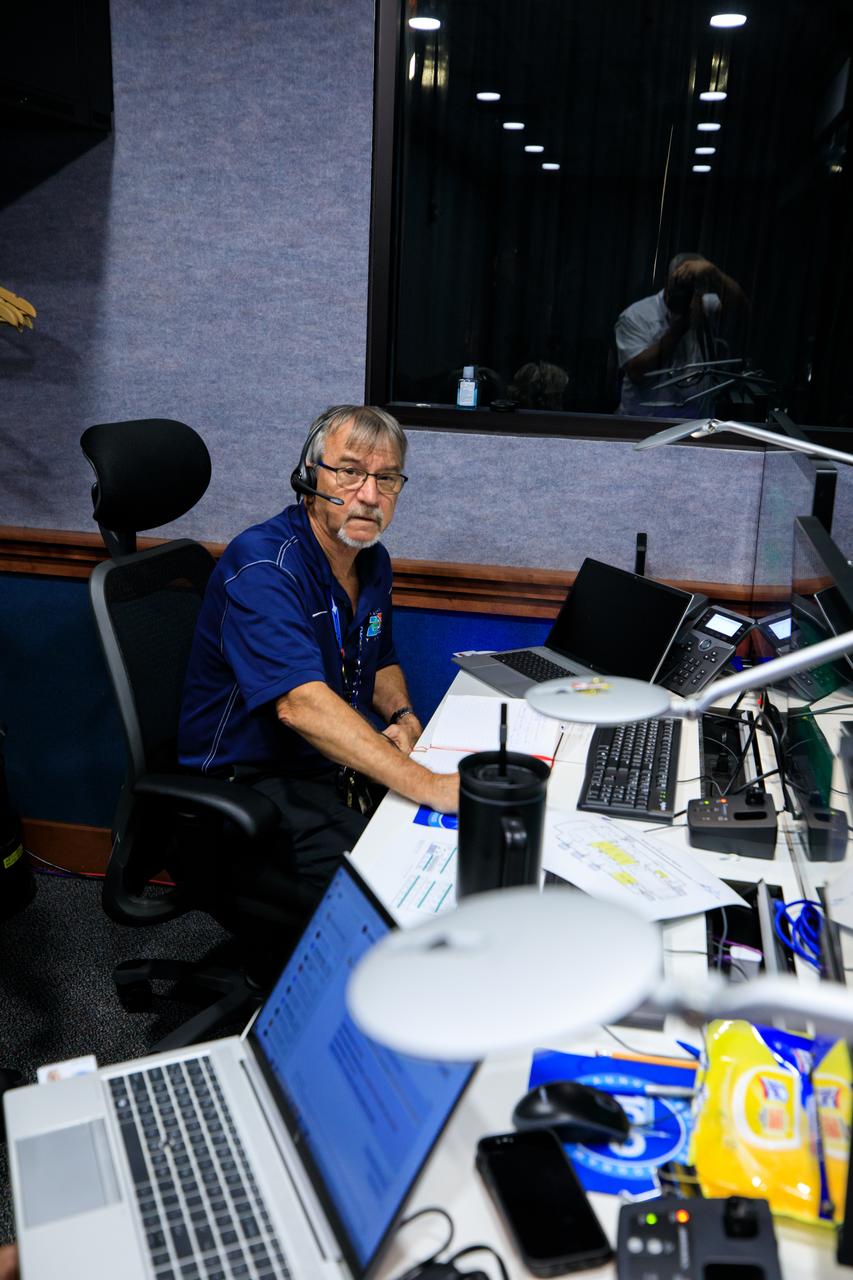
Brian Lawson, Chief Communications Engineer at a.i. solutions, participates in a mission dress rehearsal on Monday, June 17, 2024, inside Hangar AE at Cape Canaveral Space Force Station in Florida for the National Oceanic and Atmospheric Administration (NOAA) GOES-U (Geostationary Operational Environmental Satellite U) mission. The GOES-U satellite, the final addition to GOES-R series, will serve a critical role in providing continuous coverage of the Western Hemisphere, including monitoring tropical systems in the eastern Pacific and Atlantic oceans launched Tuesday, June 25, 2024.
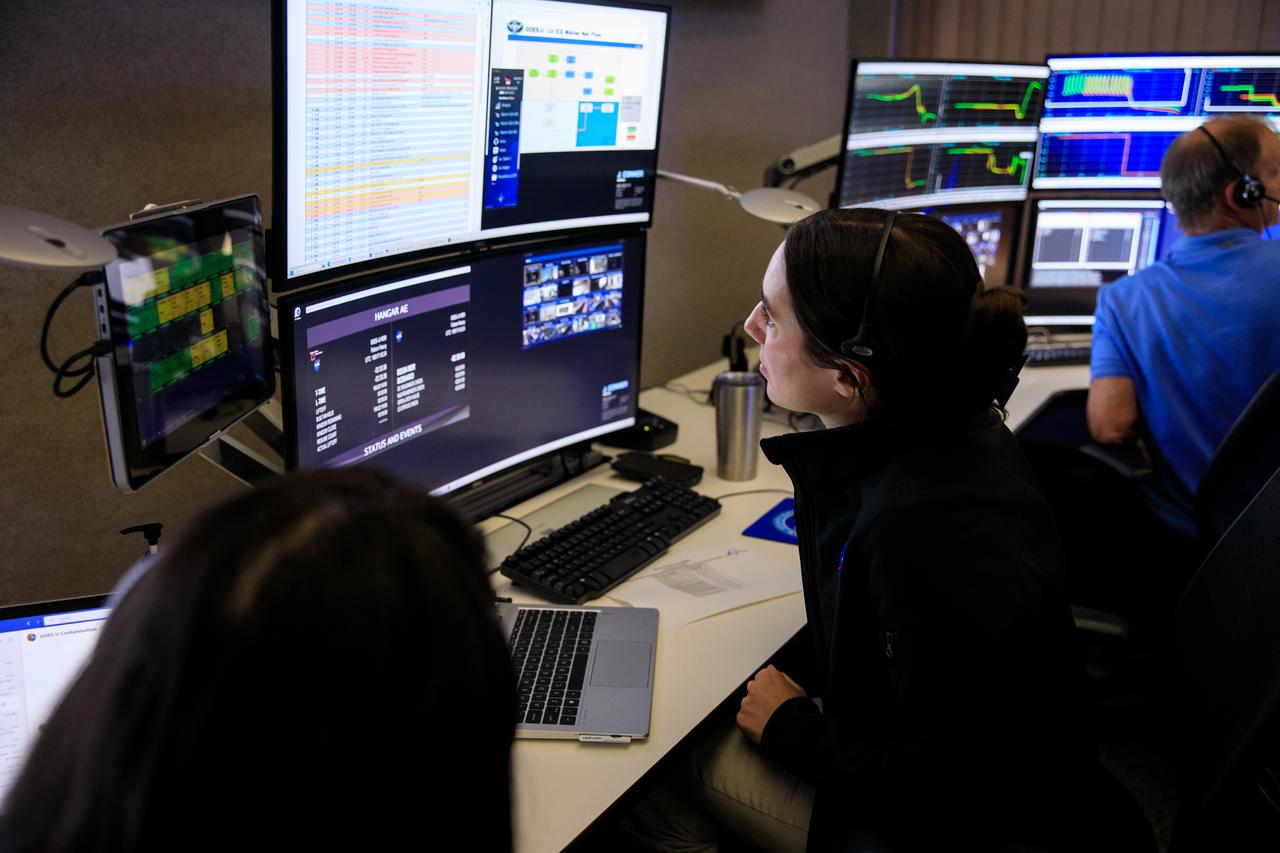
Jessica Conner, mission integration engineer at NASA’s Kennedy Space Center, participates in a mission dress rehearsal on Monday, June 17, 2024, inside Hangar AE at Cape Canaveral Space Force Station in Florida for the National Oceanic and Atmospheric Administration (NOAA) GOES-U (Geostationary Operational Environmental Satellite U) mission. The GOES-U satellite, the final addition to GOES-R series, will serve a critical role in providing continuous coverage of the Western Hemisphere, including monitoring tropical systems in the eastern Pacific and Atlantic oceans launched Tuesday, June 25, 2024.
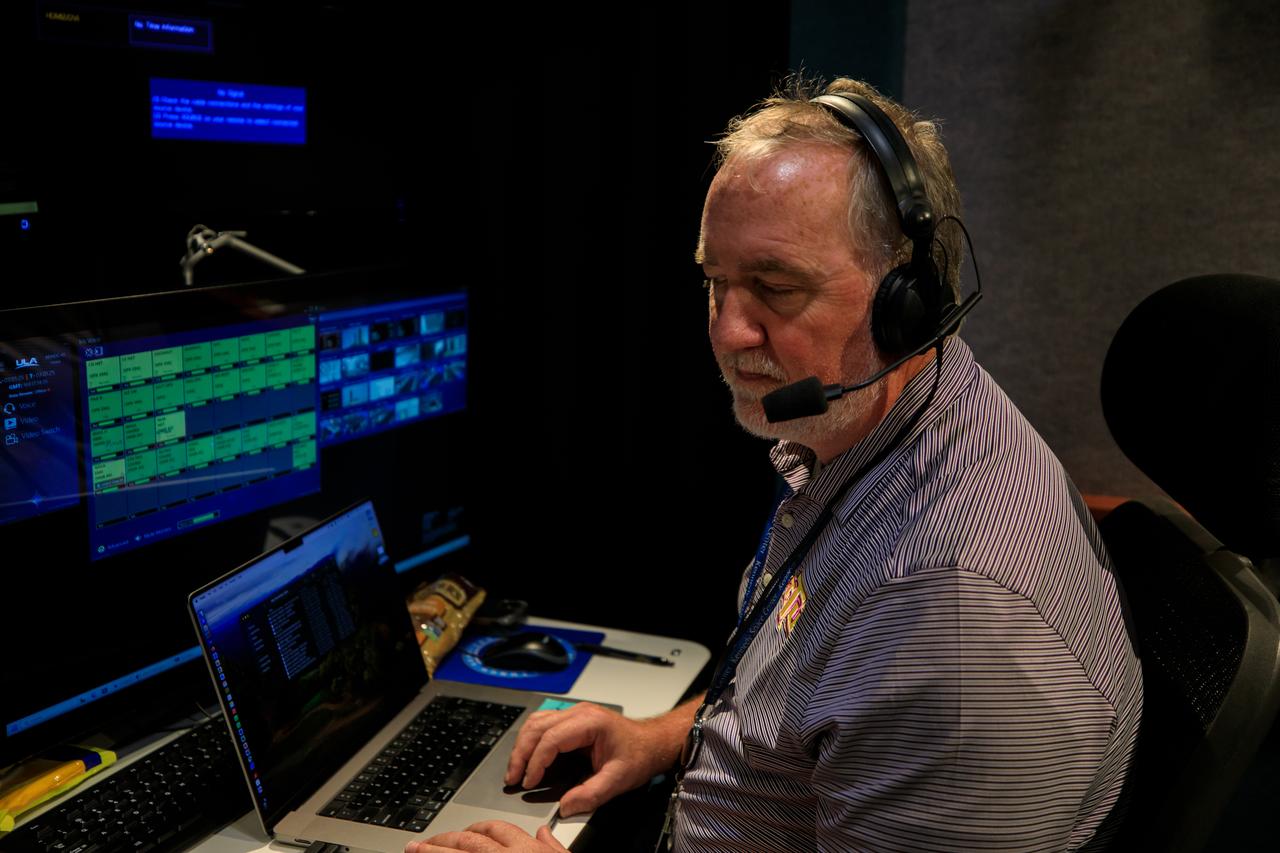
Mic Woltman, chief of Fleet Systems Integration for the Launch Services Program at NASA’s Kennedy Space Center participates in a mission dress rehearsal on Monday, June 17, 2024, inside Hangar AE at Cape Canaveral Space Force Station in Florida for the National Oceanic and Atmospheric Administration (NOAA) GOES-U (Geostationary Operational Environmental Satellite U) mission. The GOES-U satellite, the final addition to GOES-R series, will serve a critical role in providing continuous coverage of the Western Hemisphere, including monitoring tropical systems in the eastern Pacific and Atlantic oceans launched Tuesday, June 25, 2024.

Jessica Conner, mission integration engineer at NASA’s Kennedy Space Center, participates in a mission dress rehearsal on Monday, June 17, 2024, inside Hangar AE at Cape Canaveral Space Force Station in Florida for the National Oceanic and Atmospheric Administration (NOAA) GOES-U (Geostationary Operational Environmental Satellite U) mission. The GOES-U satellite, the final addition to GOES-R series, will serve a critical role in providing continuous coverage of the Western Hemisphere, including monitoring tropical systems in the eastern Pacific and Atlantic oceans launched Tuesday, June 25, 2024.
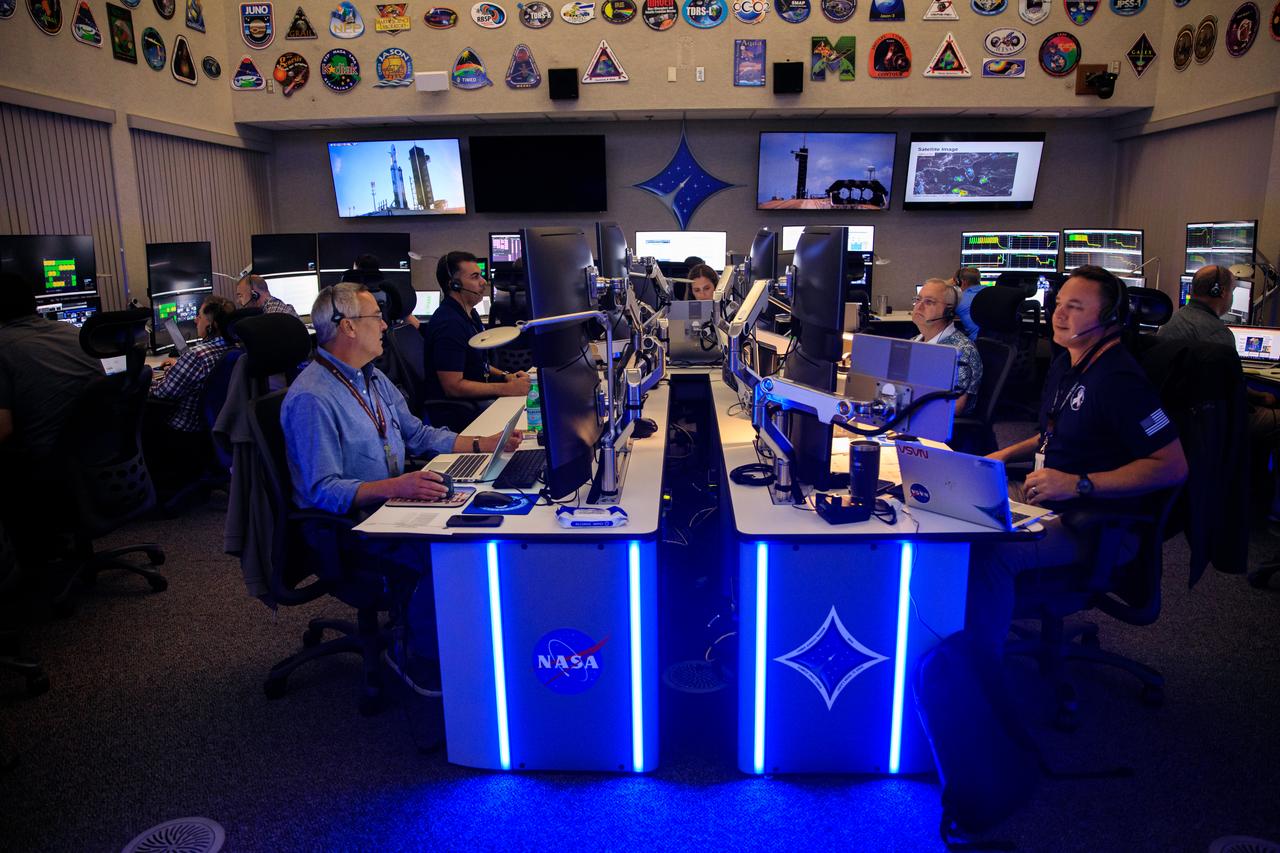
Engineers with the Launch Services Program at NASA’s Kennedy Space Center and mission managers participate in a mission dress rehearsal on Monday, June 17, 2024, inside Hangar AE at Cape Canaveral Space Force Station in Florida for the National Oceanic and Atmospheric Administration (NOAA) GOES-U (Geostationary Operational Environmental Satellite U) mission. The GOES-U satellite, the final addition to GOES-R series, will serve a critical role in providing continuous coverage of the Western Hemisphere, including monitoring tropical systems in the eastern Pacific and Atlantic oceans launched Tuesday, June 25, 2024.
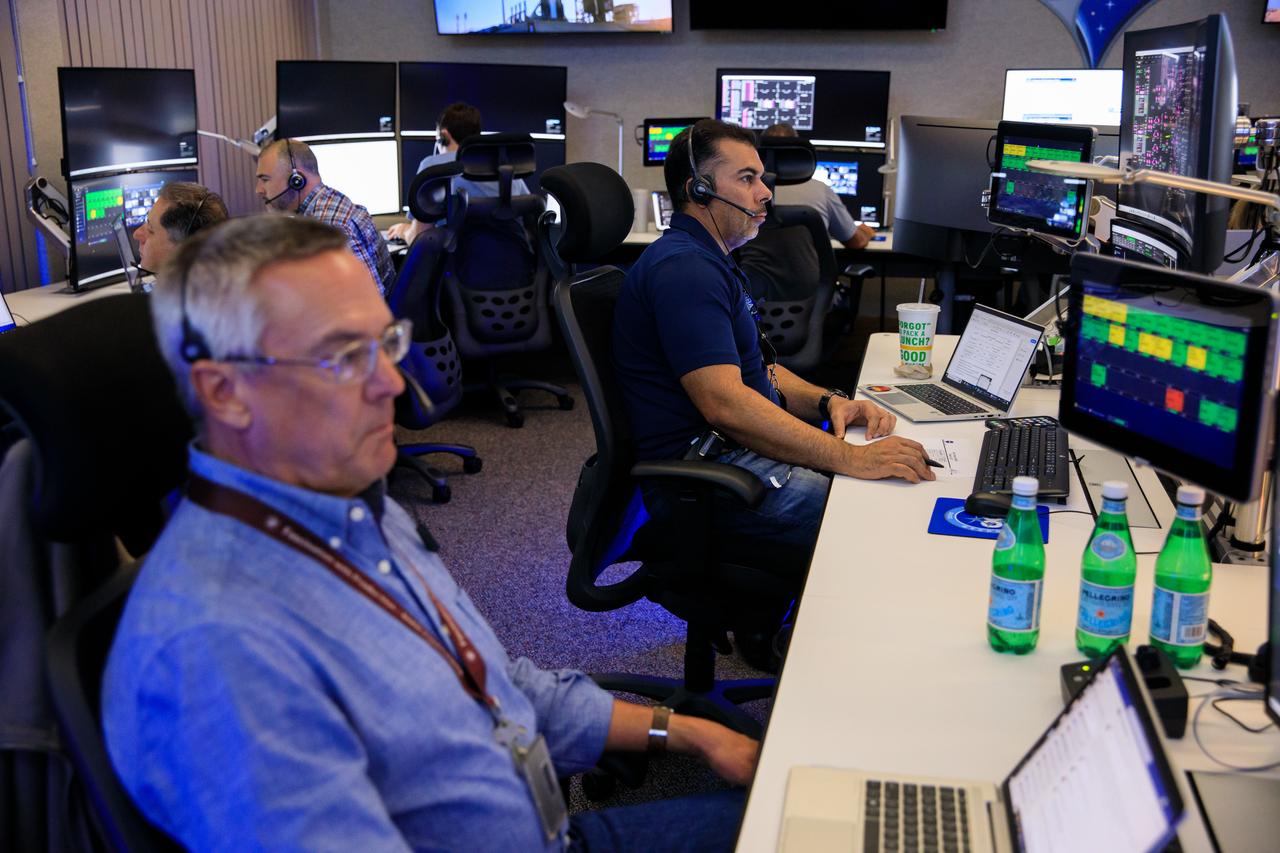
From left, James Wood, chief engineer and Akash Vangani, deputy chief engineer with the Launch Services Program at NASA’s Kennedy Space Center, participate in a mission dress rehearsal on Monday, June 17, 2024, inside Hangar AE at Cape Canaveral Space Force Station in Florida for the National Oceanic and Atmospheric Administration (NOAA) GOES-U (Geostationary Operational Environmental Satellite U) mission. The GOES-U satellite, the final addition to GOES-R series, will serve a critical role in providing continuous coverage of the Western Hemisphere, including monitoring tropical systems in the eastern Pacific and Atlantic oceans launched Tuesday, June 25, 2024.

Joan Misner, mission integration engineer with the Launch Services Program at NASA’s Kennedy Space Center, participates in a mission dress rehearsal on Monday, June 17, 2024, inside Hangar AE at Cape Canaveral Space Force Station in Florida for the National Oceanic and Atmospheric Administration (NOAA) GOES-U (Geostationary Operational Environmental Satellite U) mission. The GOES-U satellite, the final addition to GOES-R series, will serve a critical role in providing continuous coverage of the Western Hemisphere, including monitoring tropical systems in the eastern Pacific and Atlantic oceans launched Tuesday, June 25, 2024.
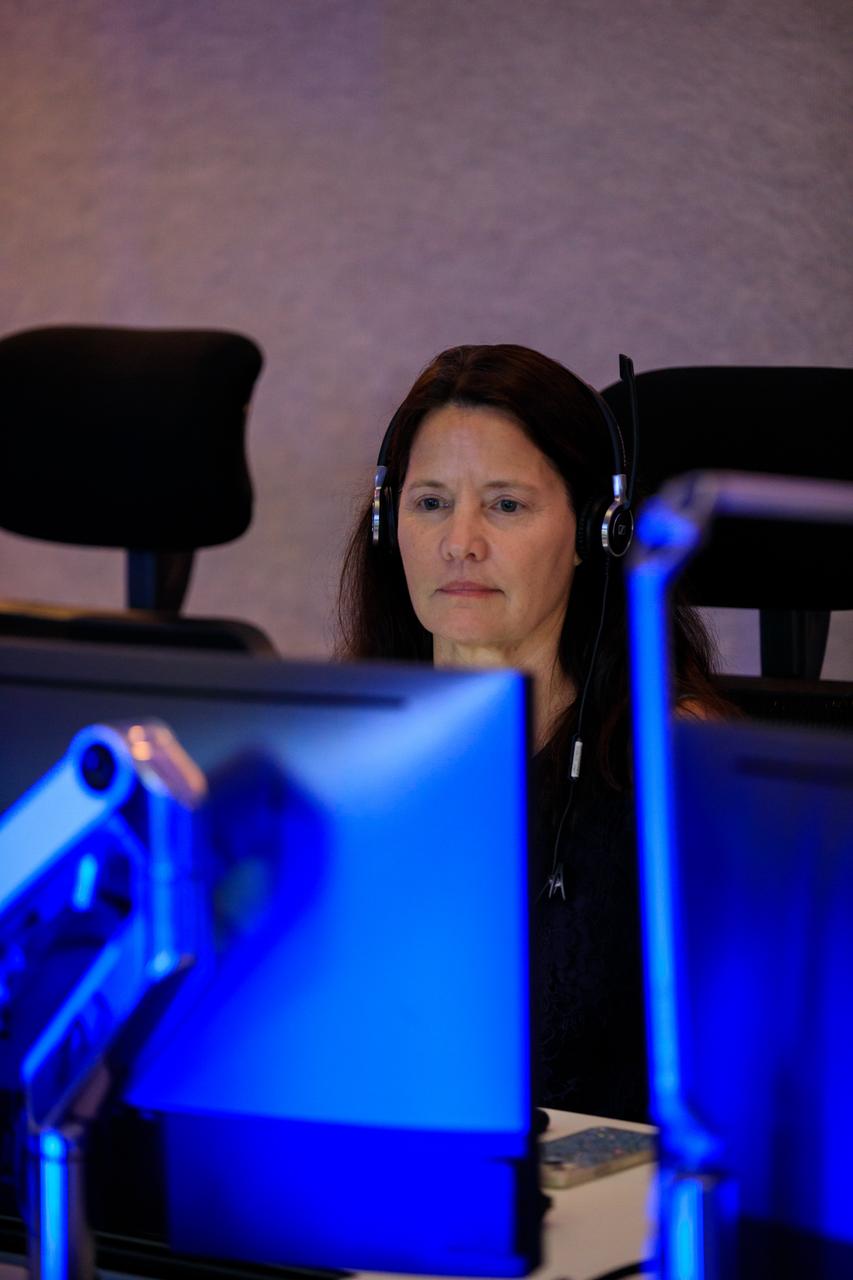
Lori Ulrich, deputy chief, Fleet and Systems Management Division with the Launch Services Program at NASA’s Kennedy Space Center, participates in a mission dress rehearsal on Monday, June 17, 2024, inside Hangar AE at Cape Canaveral Space Force Station in Florida for the National Oceanic and Atmospheric Administration (NOAA) GOES-U (Geostationary Operational Environmental Satellite U) mission. The GOES-U satellite, the final addition to GOES-R series, will serve a critical role in providing continuous coverage of the Western Hemisphere, including monitoring tropical systems in the eastern Pacific and Atlantic oceans launched Tuesday, June 25, 2024.

Akash Vangani, deputy chief engineer with the Launch Services Program at NASA’s Kennedy Space Center, participates in a mission dress rehearsal on Monday, June 17, 2024, inside Hangar AE at Cape Canaveral Space Force Station in Florida for the National Oceanic and Atmospheric Administration (NOAA) GOES-U (Geostationary Operational Environmental Satellite U) mission. The GOES-U satellite, the final addition to GOES-R series, will serve a critical role in providing continuous coverage of the Western Hemisphere, including monitoring tropical systems in the eastern Pacific and Atlantic oceans launched Tuesday, June 25, 2024.
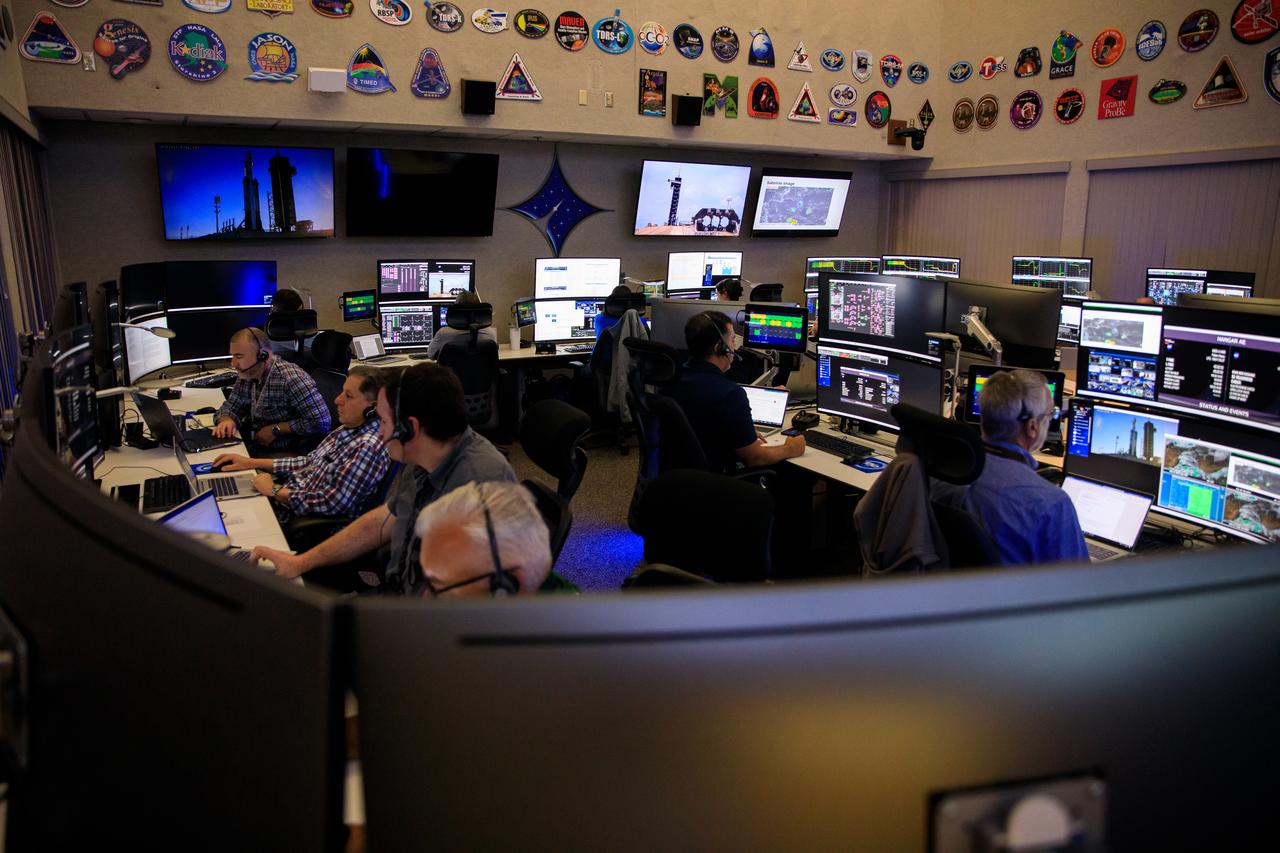
Engineers with the Launch Services Program at NASA’s Kennedy Space Center and mission managers participate in a mission dress rehearsal on Monday, June 17, 2024, inside Hangar AE at Cape Canaveral Space Force Station in Florida for the National Oceanic and Atmospheric Administration (NOAA) GOES-U (Geostationary Operational Environmental Satellite U) mission. The GOES-U satellite, the final addition to GOES-R series, will serve a critical role in providing continuous coverage of the Western Hemisphere, including monitoring tropical systems in the eastern Pacific and Atlantic oceans launched Tuesday, June 25, 2024.
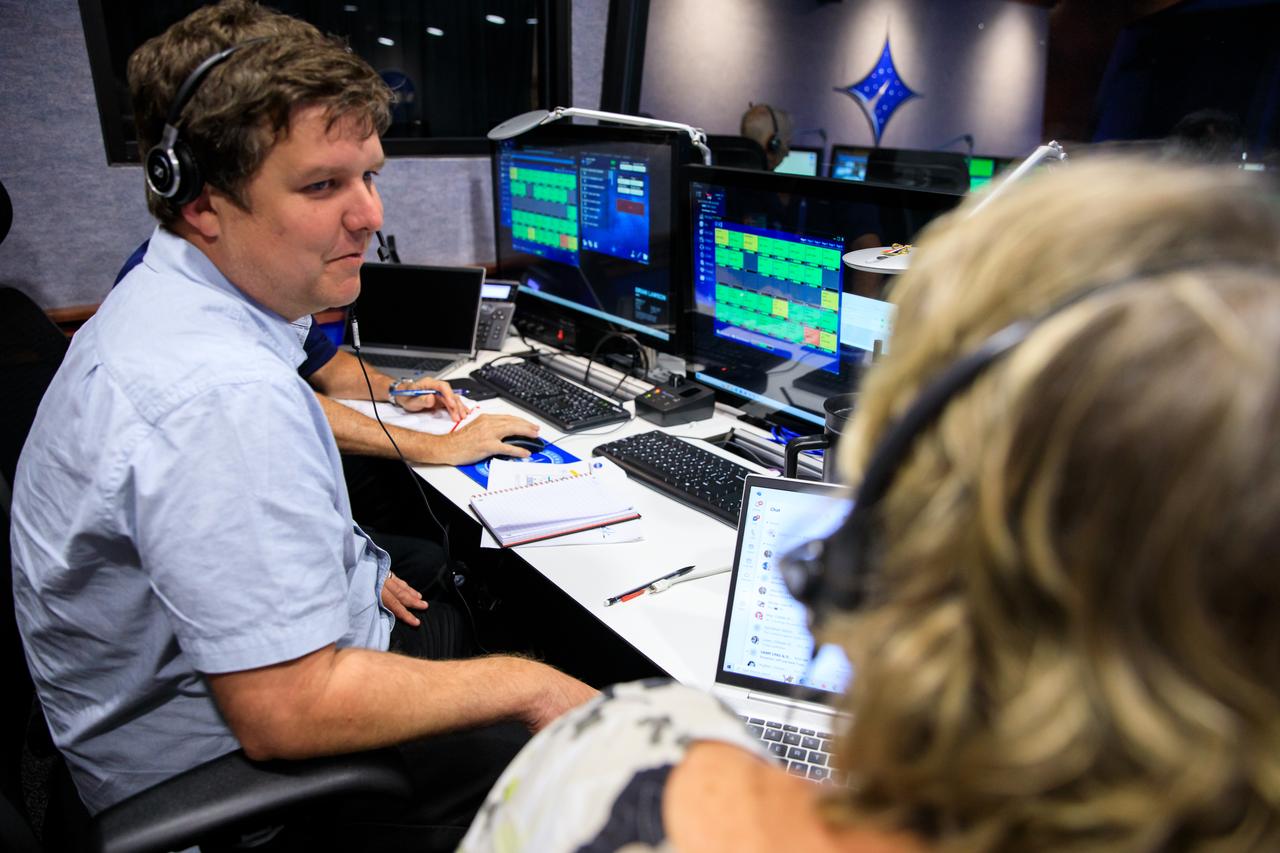
Reed Divertie, chief of Communications and Telemetry in the Ground System Integration Branch with the Launch Services Program at NASA’s Kennedy Space Center, participates in a mission dress rehearsal on Monday, June 17, 2024, inside Hangar AE at Cape Canaveral Space Force Station in Florida for the National Oceanic and Atmospheric Administration (NOAA) GOES-U (Geostationary Operational Environmental Satellite U) mission. The GOES-U satellite, the final addition to GOES-R series, will serve a critical role in providing continuous coverage of the Western Hemisphere, including monitoring tropical systems in the eastern Pacific and Atlantic oceans launched Tuesday, June 25, 2024.

Megan Cruz, NASA Communications at NASA’s Kennedy Space Center, participates in a mission dress rehearsal on Monday, June 17, 2024, inside Hangar AE at Cape Canaveral Space Force Station in Florida for the National Oceanic and Atmospheric Administration (NOAA) GOES-U (Geostationary Operational Environmental Satellite U) mission. The GOES-U satellite, the final addition to GOES-R series, will serve a critical role in providing continuous coverage of the Western Hemisphere, including monitoring tropical systems in the eastern Pacific and Atlantic oceans launched Tuesday, June 25, 2024.
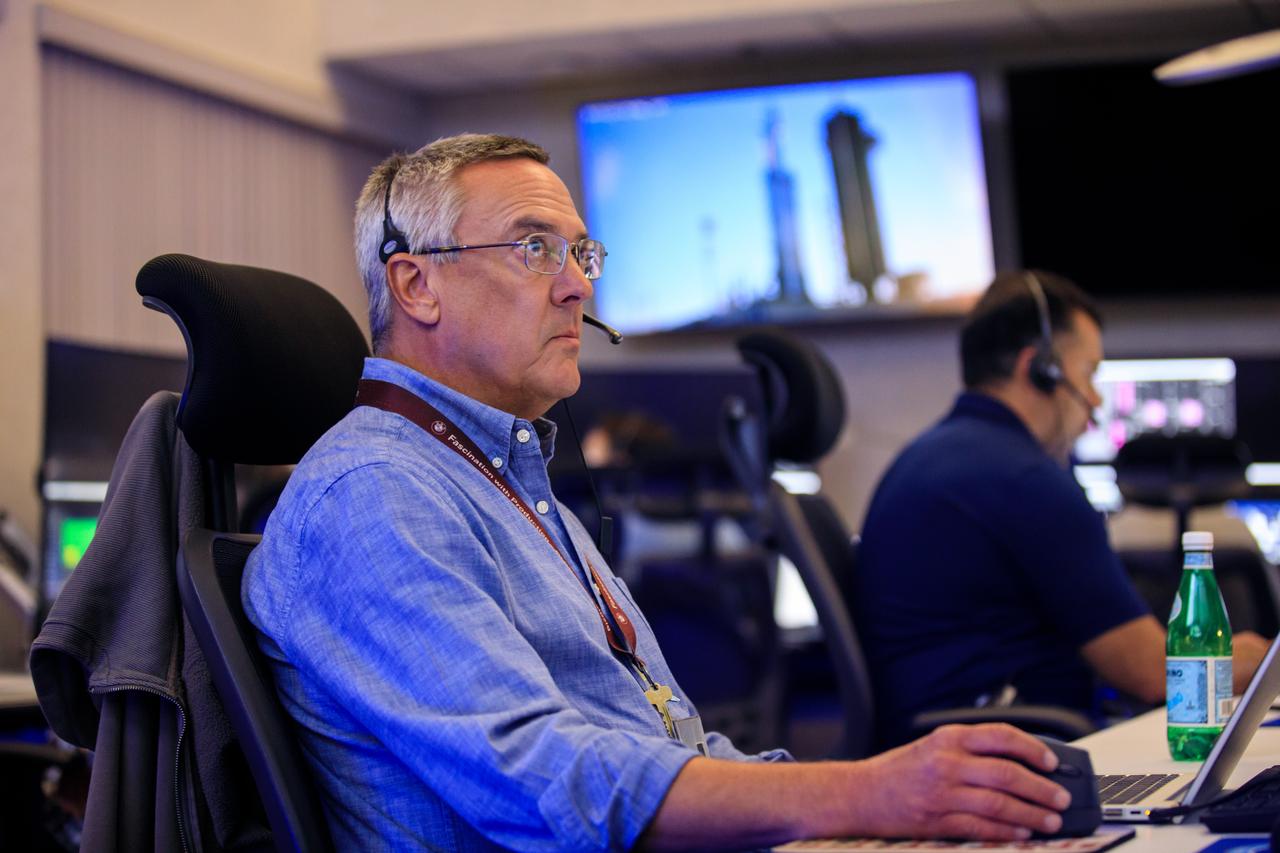
James Wood, chief engineer with the Launch Services Program at NASA’s Kennedy Space Center, participates in a mission dress rehearsal on Monday, June 17, 2024, inside Hangar AE at Cape Canaveral Space Force Station in Florida for the National Oceanic and Atmospheric Administration (NOAA) GOES-U (Geostationary Operational Environmental Satellite U) mission. The GOES-U satellite, the final addition to GOES-R series, will serve a critical role in providing continuous coverage of the Western Hemisphere, including monitoring tropical systems in the eastern Pacific and Atlantic oceans launched Tuesday, June 25, 2024.
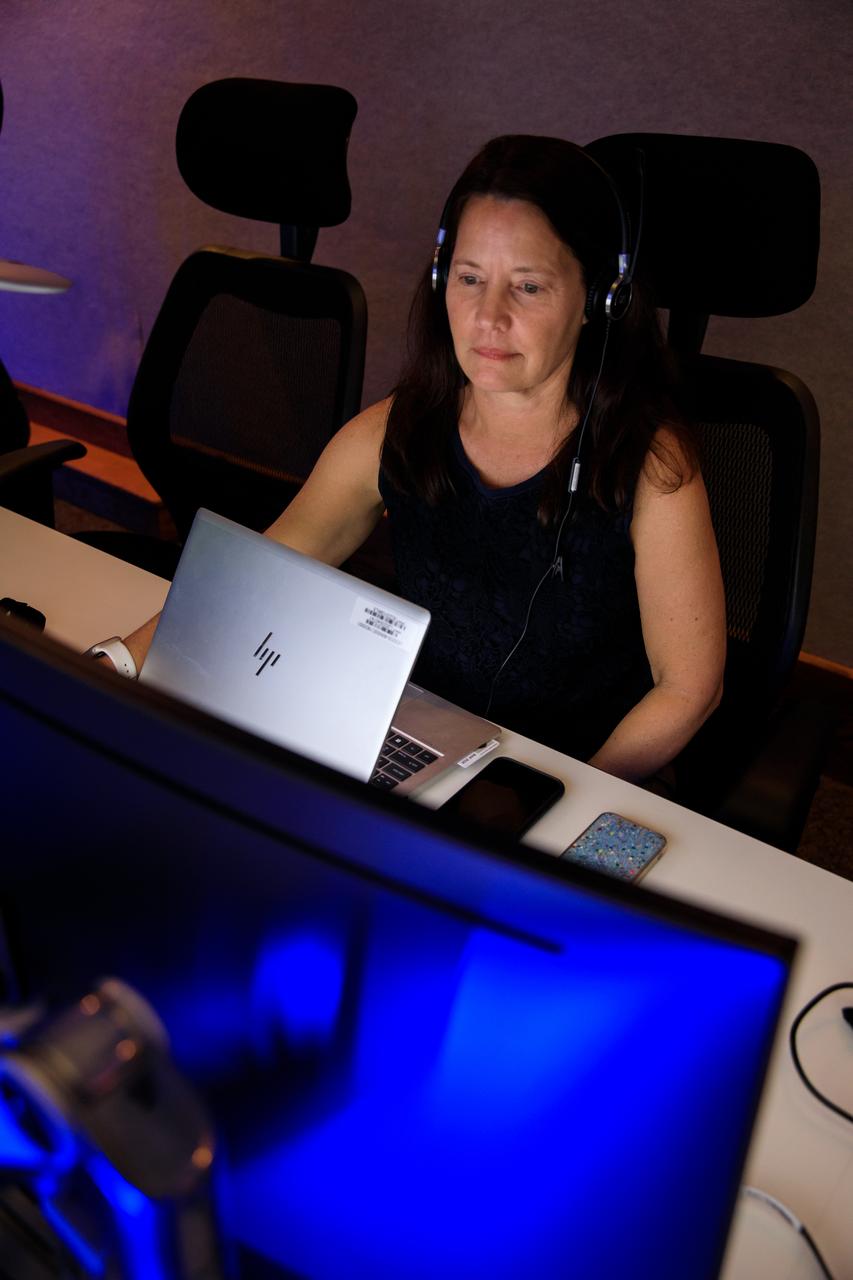
Lori Ulrich, deputy chief, Fleet and Systems Management Division with the Launch Services Program at NASA’s Kennedy Space Center, participates in a mission dress rehearsal on Monday, June 17, 2024, inside Hangar AE at Cape Canaveral Space Force Station in Florida for the National Oceanic and Atmospheric Administration (NOAA) GOES-U (Geostationary Operational Environmental Satellite U) mission. The GOES-U satellite, the final addition to GOES-R series, will serve a critical role in providing continuous coverage of the Western Hemisphere, including monitoring tropical systems in the eastern Pacific and Atlantic oceans launched Tuesday, June 25, 2024.
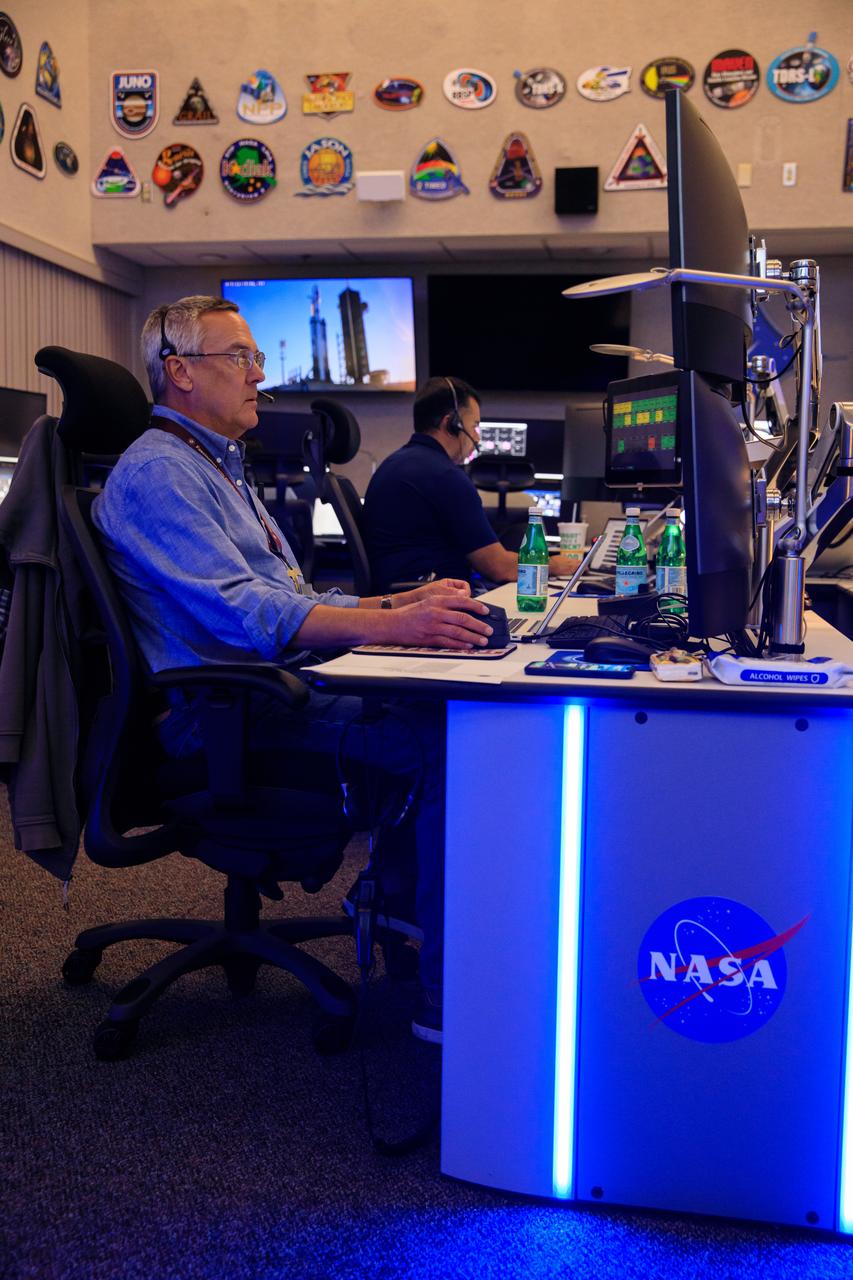
James Wood, chief engineer with the Launch Services Program at NASA’s Kennedy Space Center, participates in a mission dress rehearsal on Monday, June 17, 2024, inside Hangar AE at Cape Canaveral Space Force Station in Florida for the National Oceanic and Atmospheric Administration (NOAA) GOES-U (Geostationary Operational Environmental Satellite U) mission. The GOES-U satellite, the final addition to GOES-R series, will serve a critical role in providing continuous coverage of the Western Hemisphere, including monitoring tropical systems in the eastern Pacific and Atlantic oceans launched Tuesday, June 25, 2024.