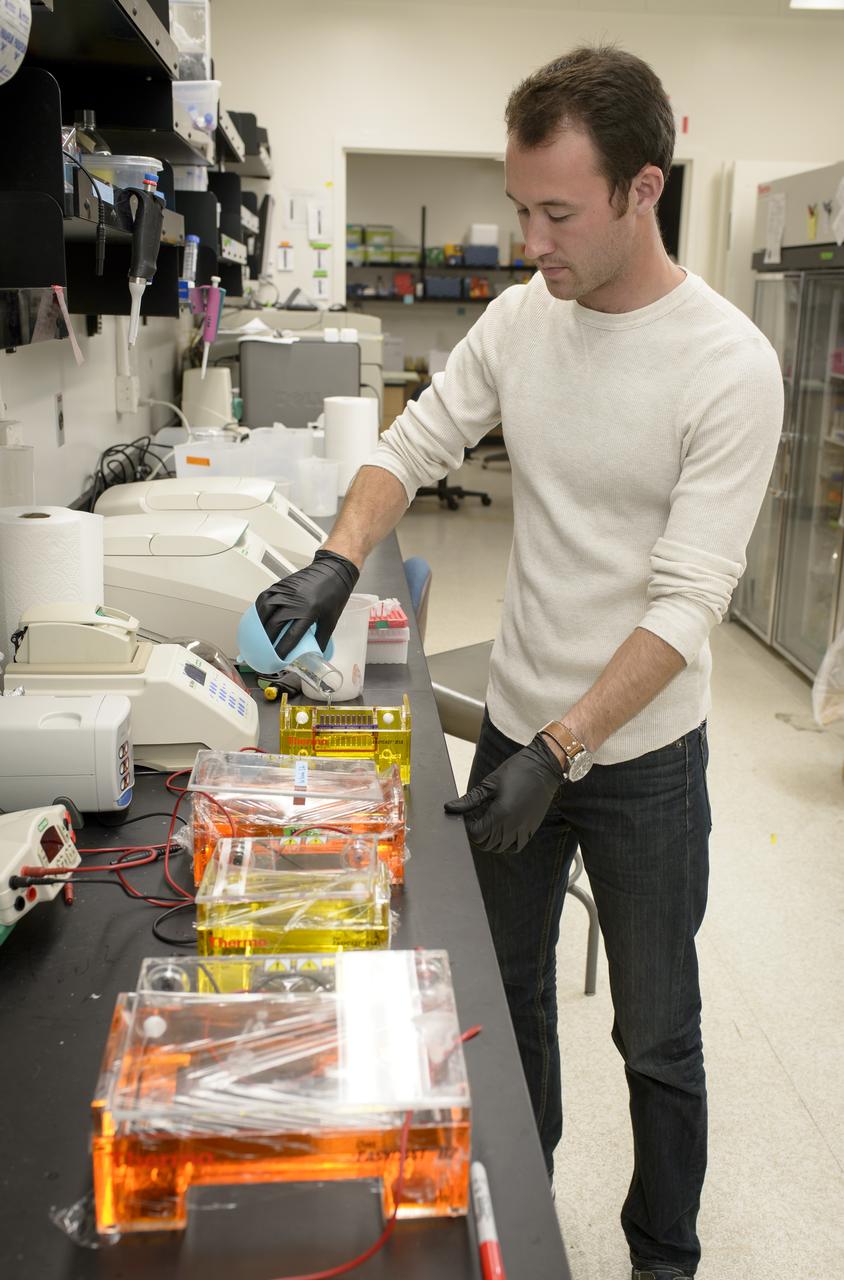
EuCROPIS EVT-2 Power Cell in N-239 Lab with Griffin McCutcheon
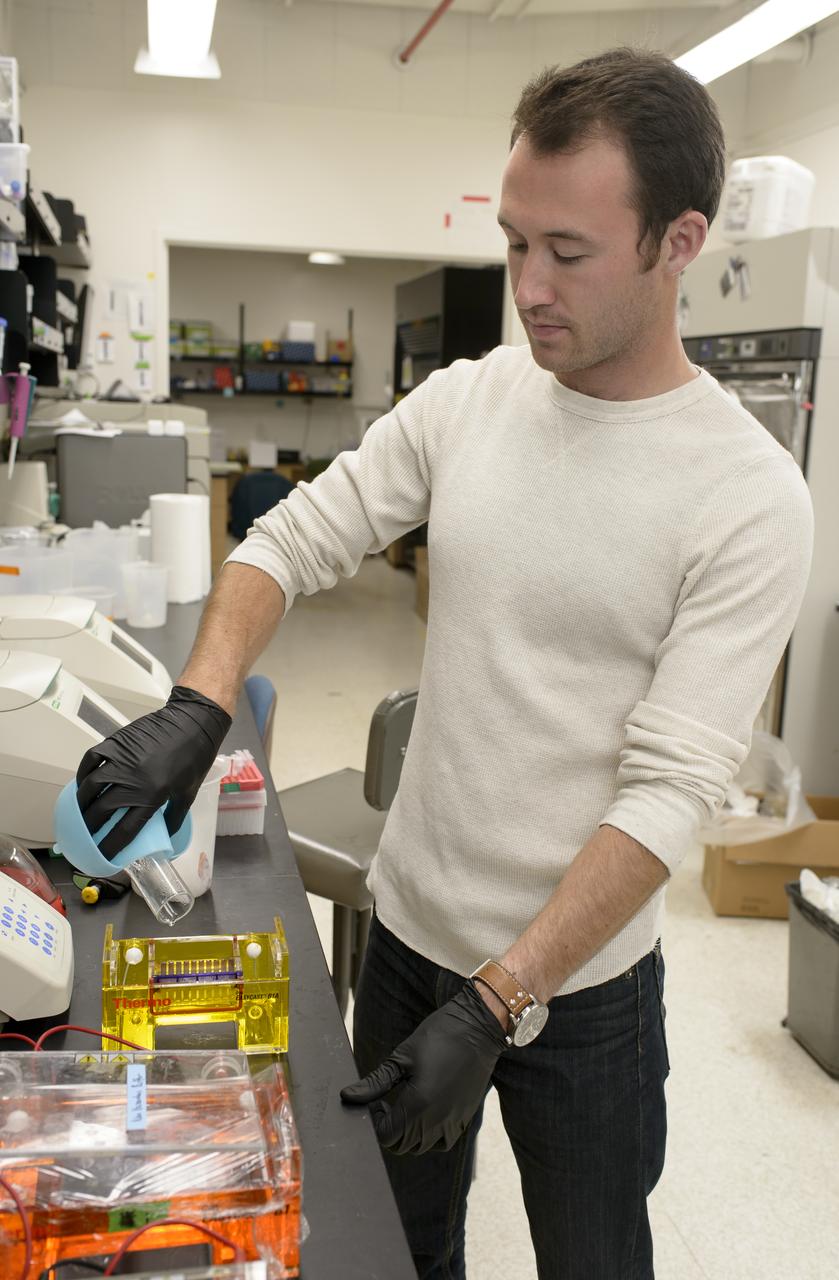
EuCROPIS EVT-2 Power Cell in N-239 Lab with Griffin McCutcheon
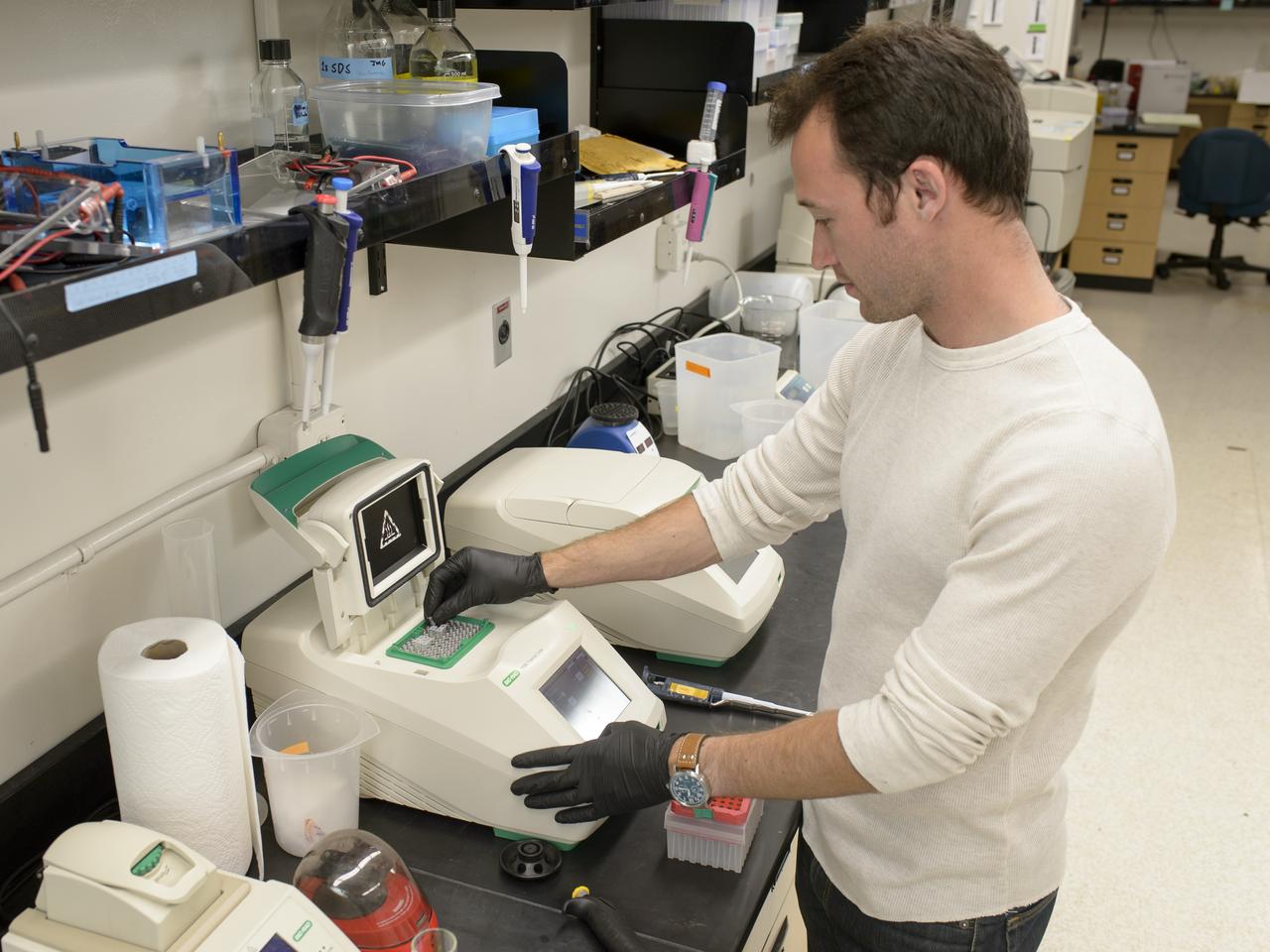
EuCROPIS EVT-2 Power Cell in N-239 Lab with Griffin McCutcheon
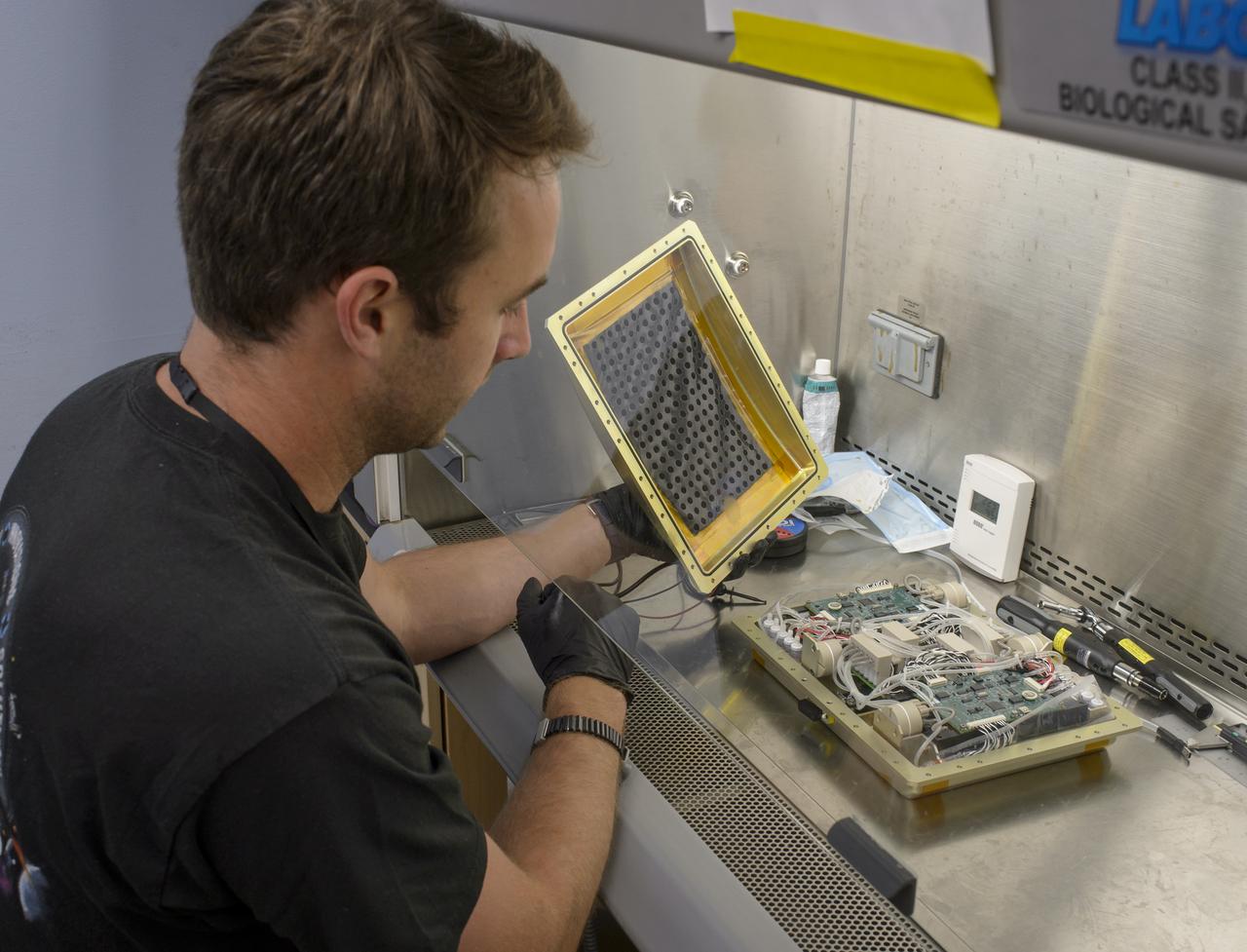
EuCROPIS EVT-2 Power Cell in N-239 Lab with Ryan Kent
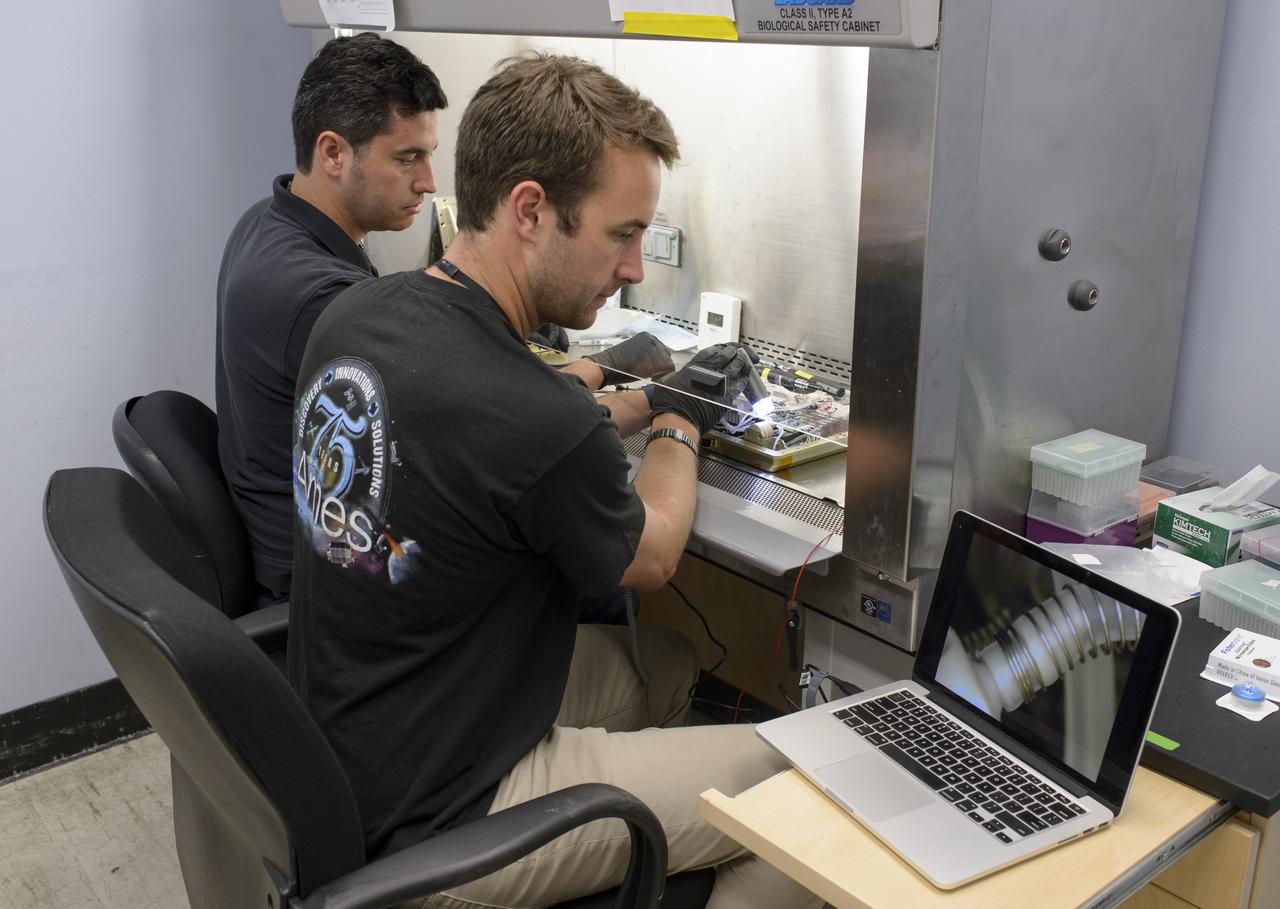
EuCROPIS EVT-2 Power Cell in N-239 Lab Ryan Kent with Flask containing Anabaena Culture
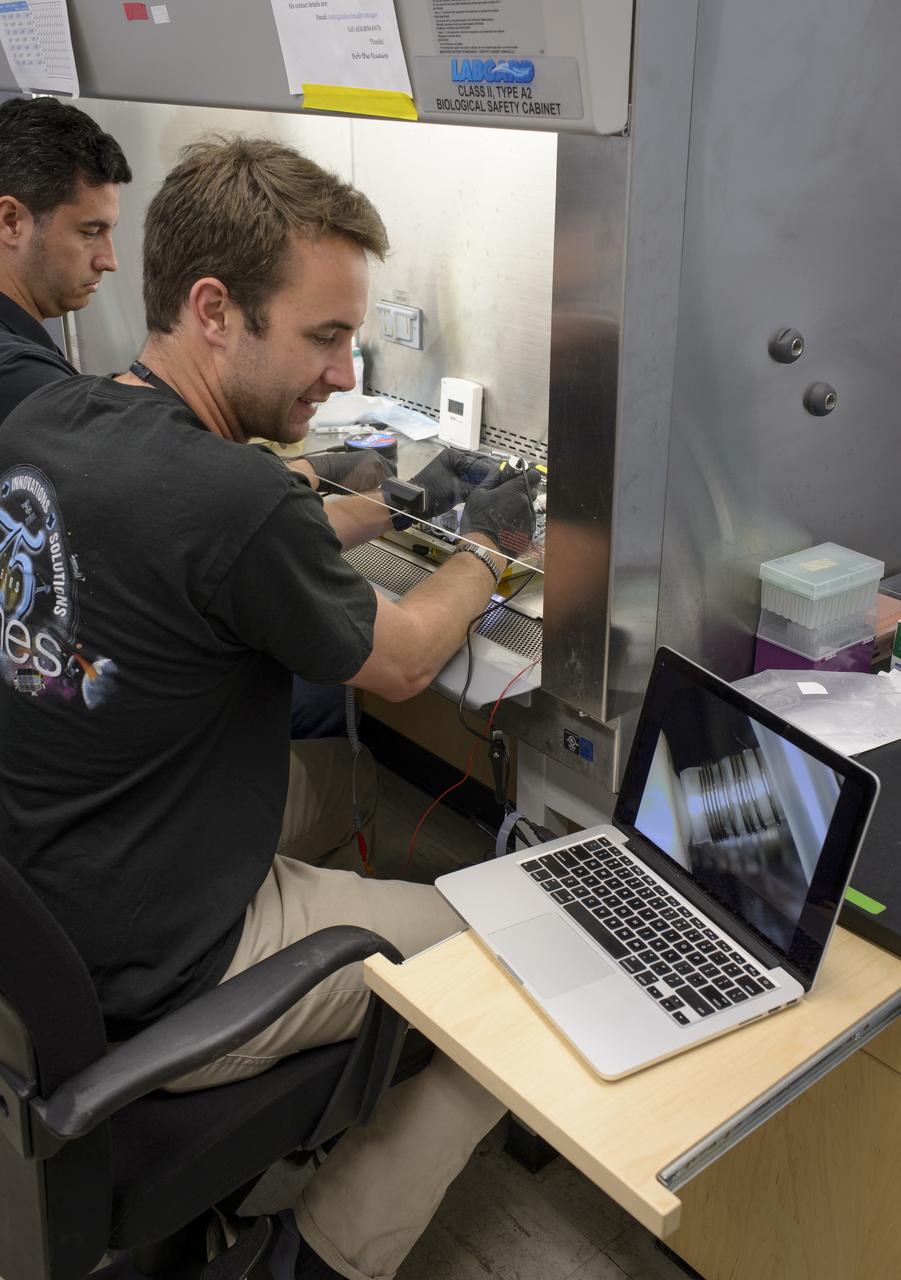
EuCROPIS EVT-2 Power Cell in N-239 Lab Ryan Kent with Flask containing Anabaena Culture
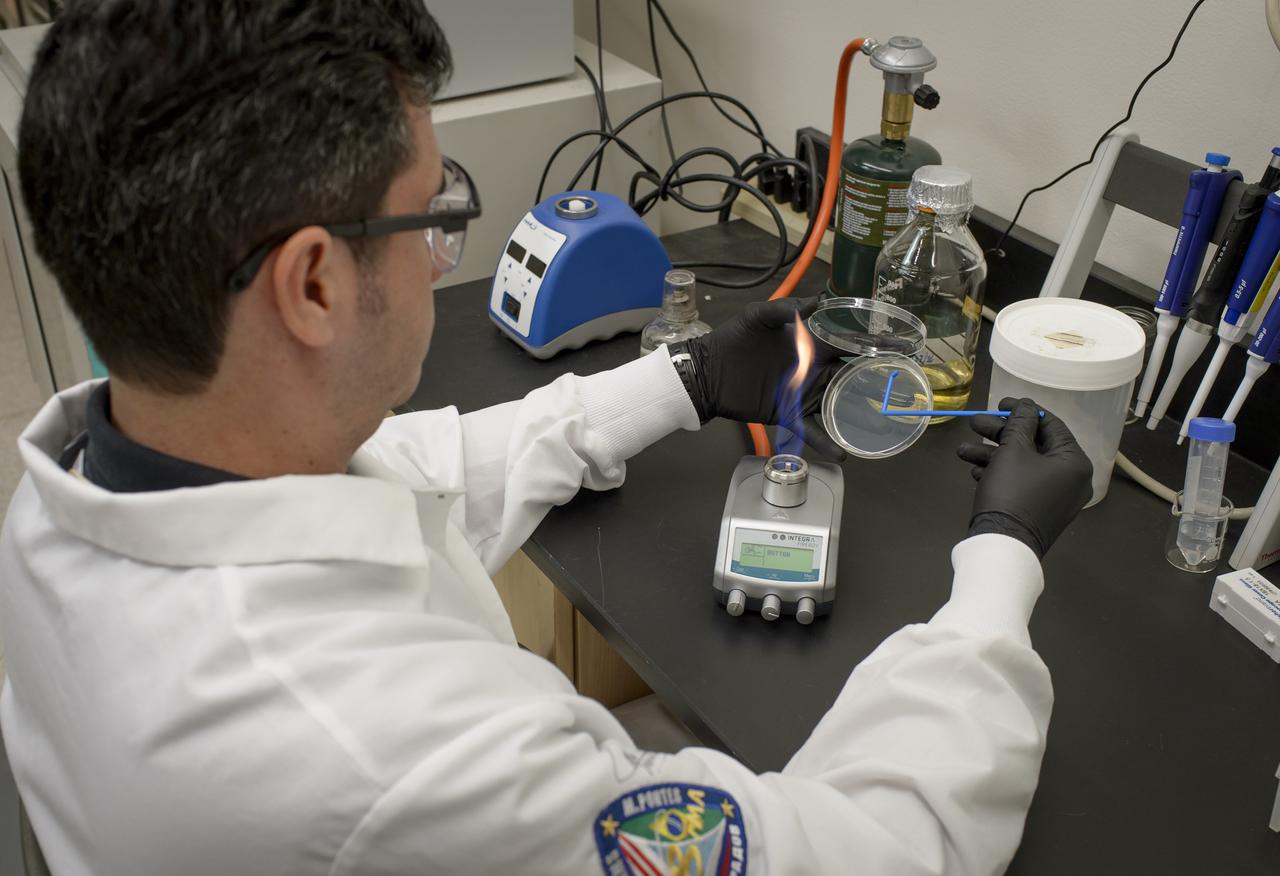
EuCROPIS EVT-2 Power Cell in N-239 Lab, Ivan Paulino-Lima with Petri dish and burner
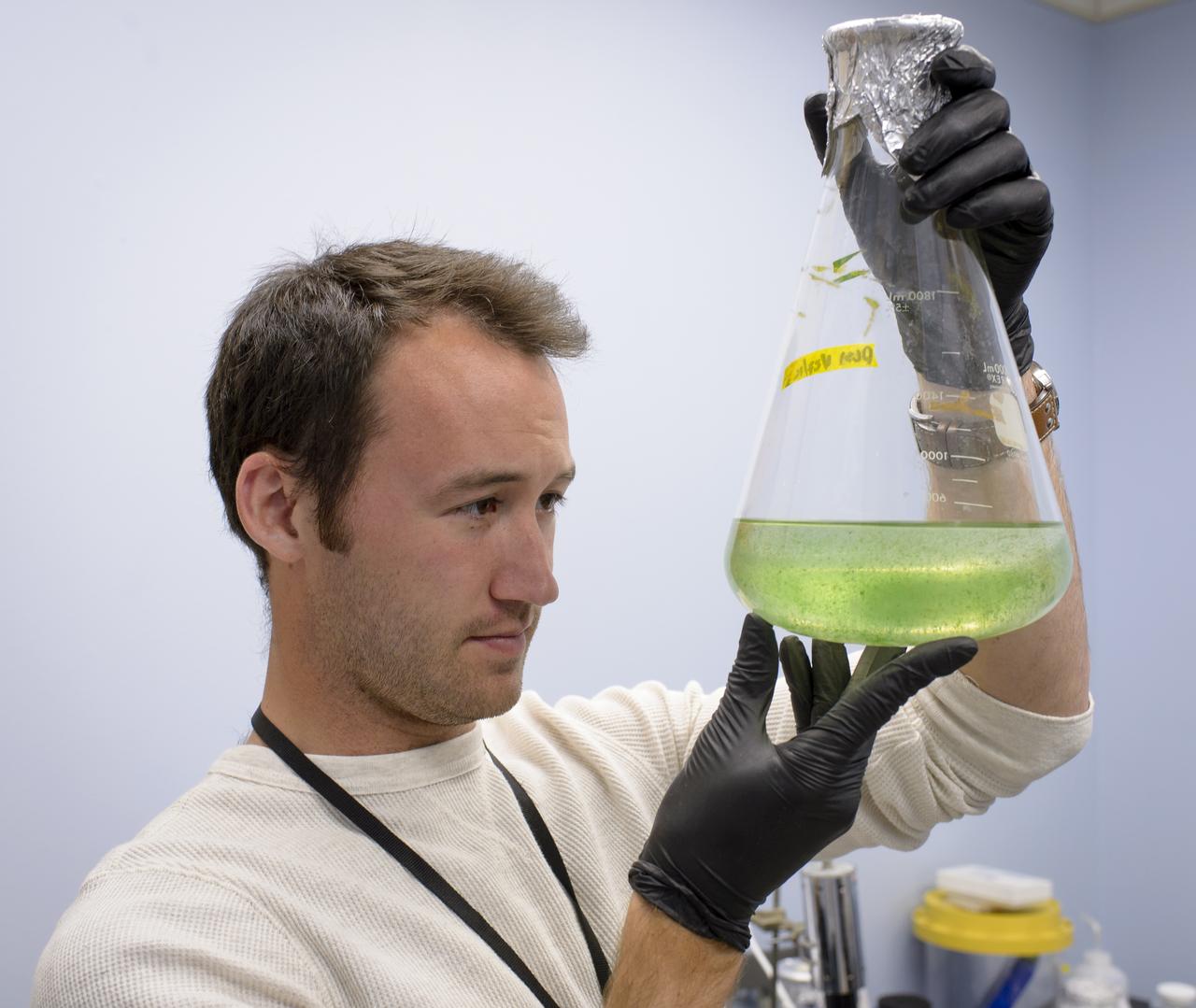
EuCROPIS EVT-2 Power Cell in N-239 Lab Griffin McCutcheon with flask of Anabaena culture
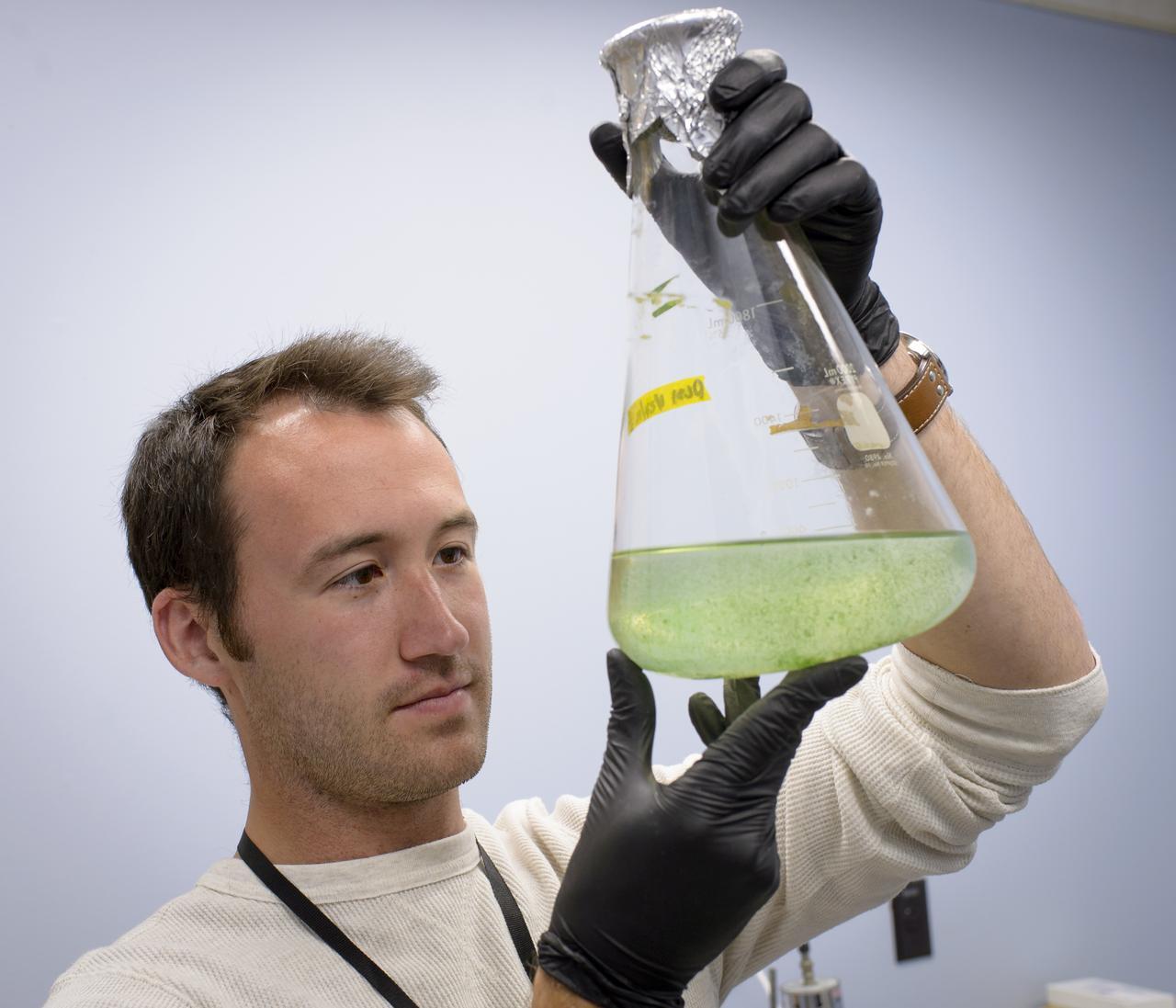
EuCROPIS EVT-2 Power Cell in N-239 Lab Griffin McCutcheon with flask of Anabaena culture
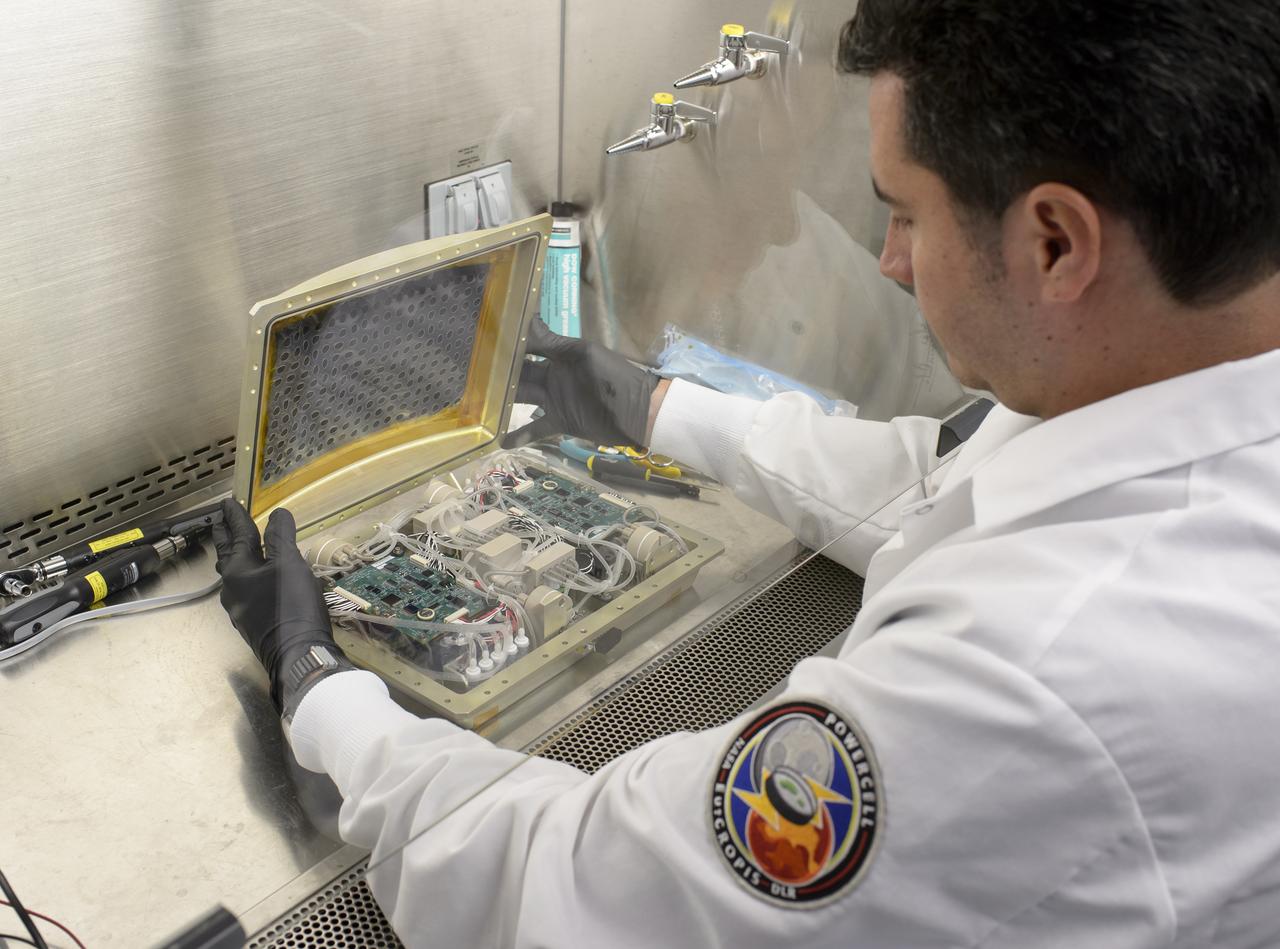
EuCROPIS EVT-2 Power Cell in N-239 Lab with Ivan Paulino-Lima
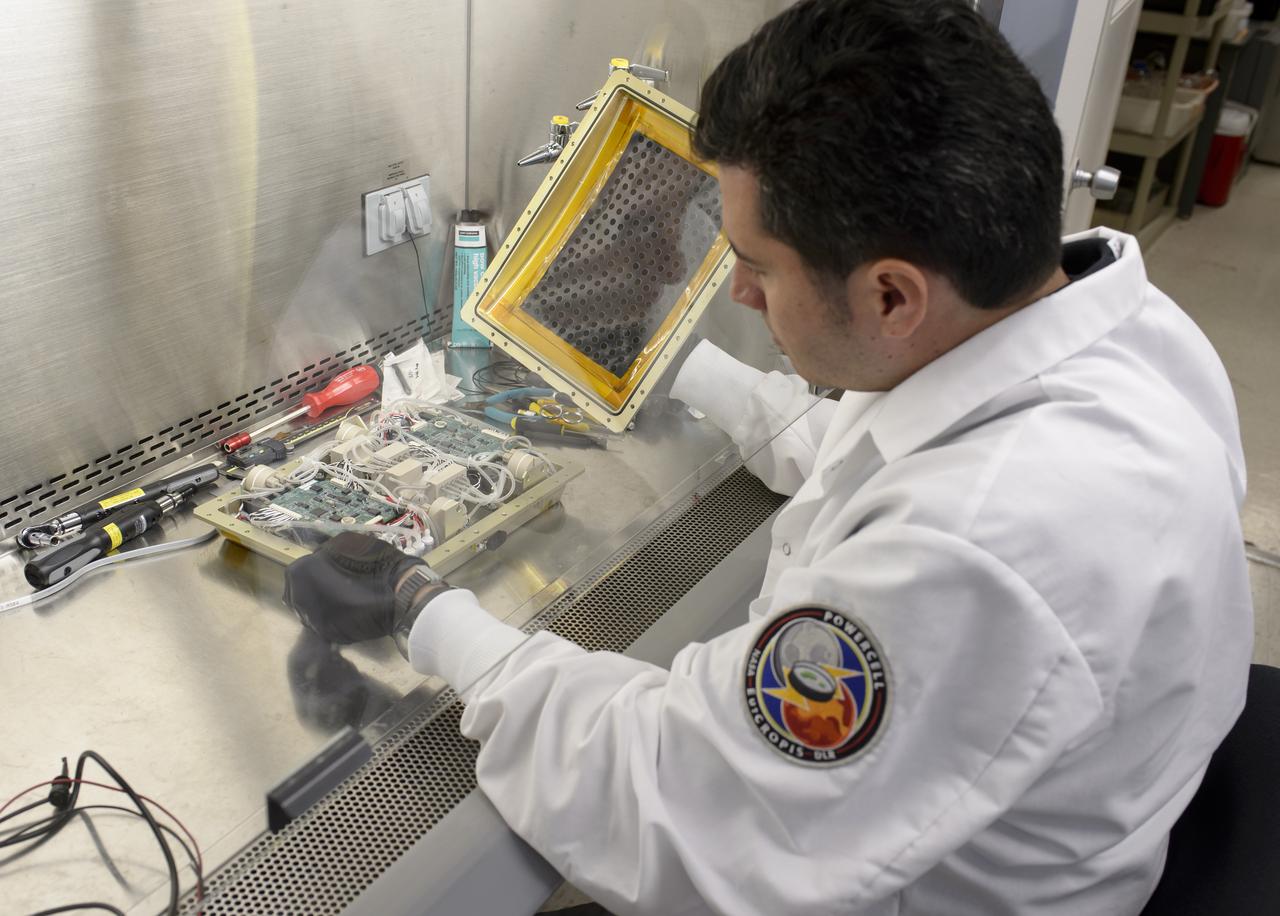
EuCROPIS EVT-2 Power Cell in N-239 Lab with Ivan Paulino-Lima
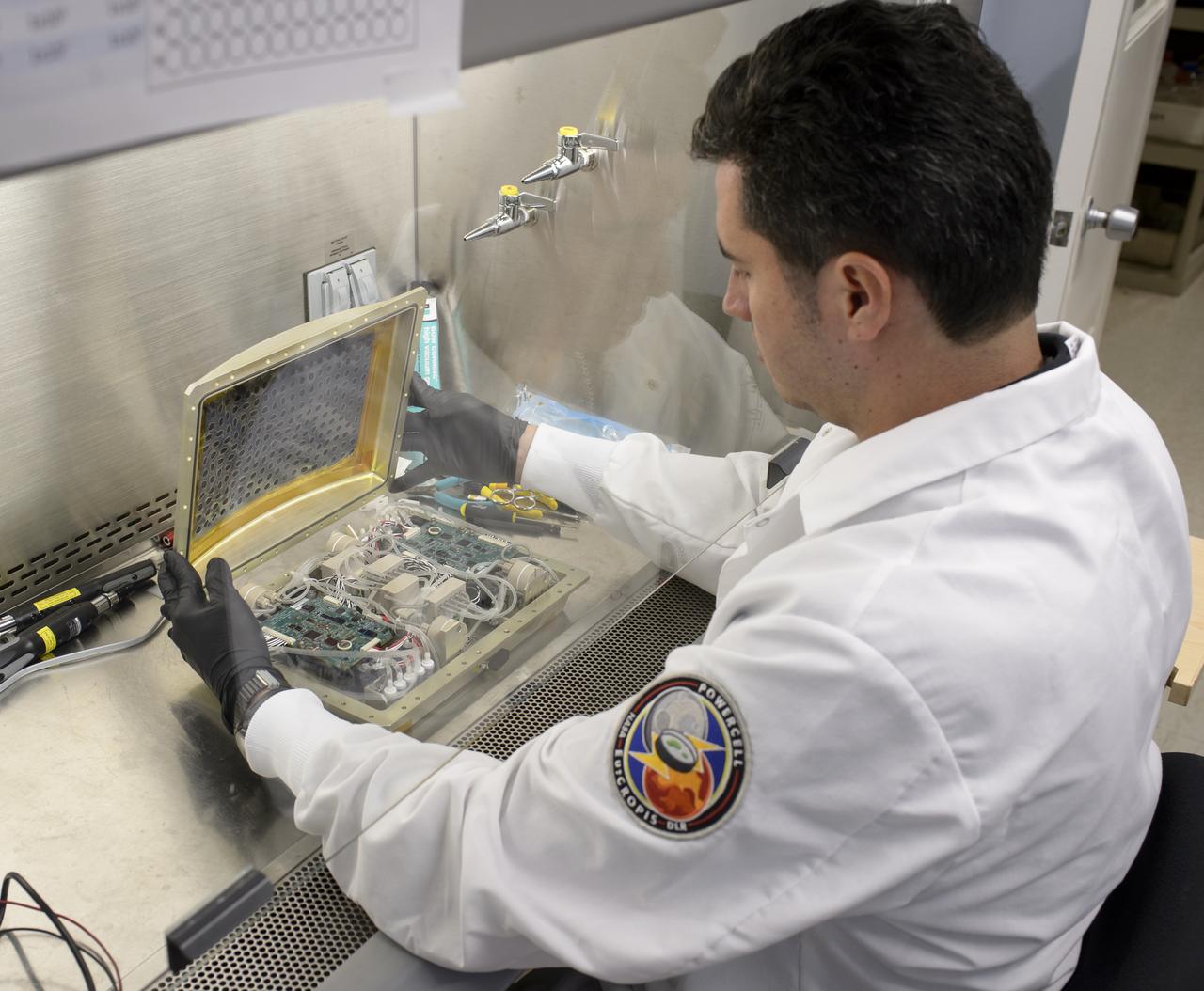
EuCROPIS EVT-2 Power Cell in N-239 Lab with Ivan Paulino-Lima
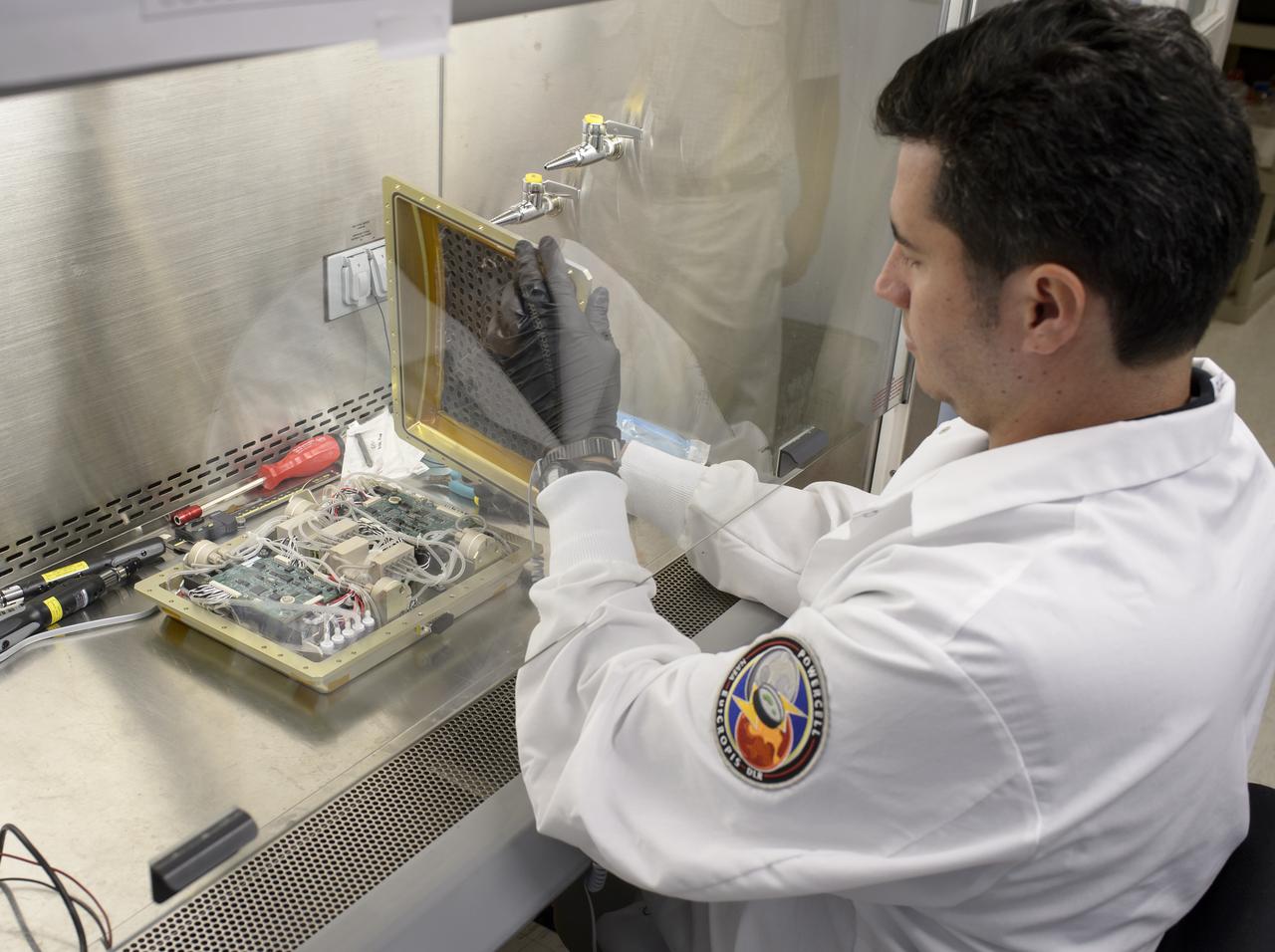
EuCROPIS EVT-2 Power Cell in N-239 Lab with Ivan Paulino-Lima
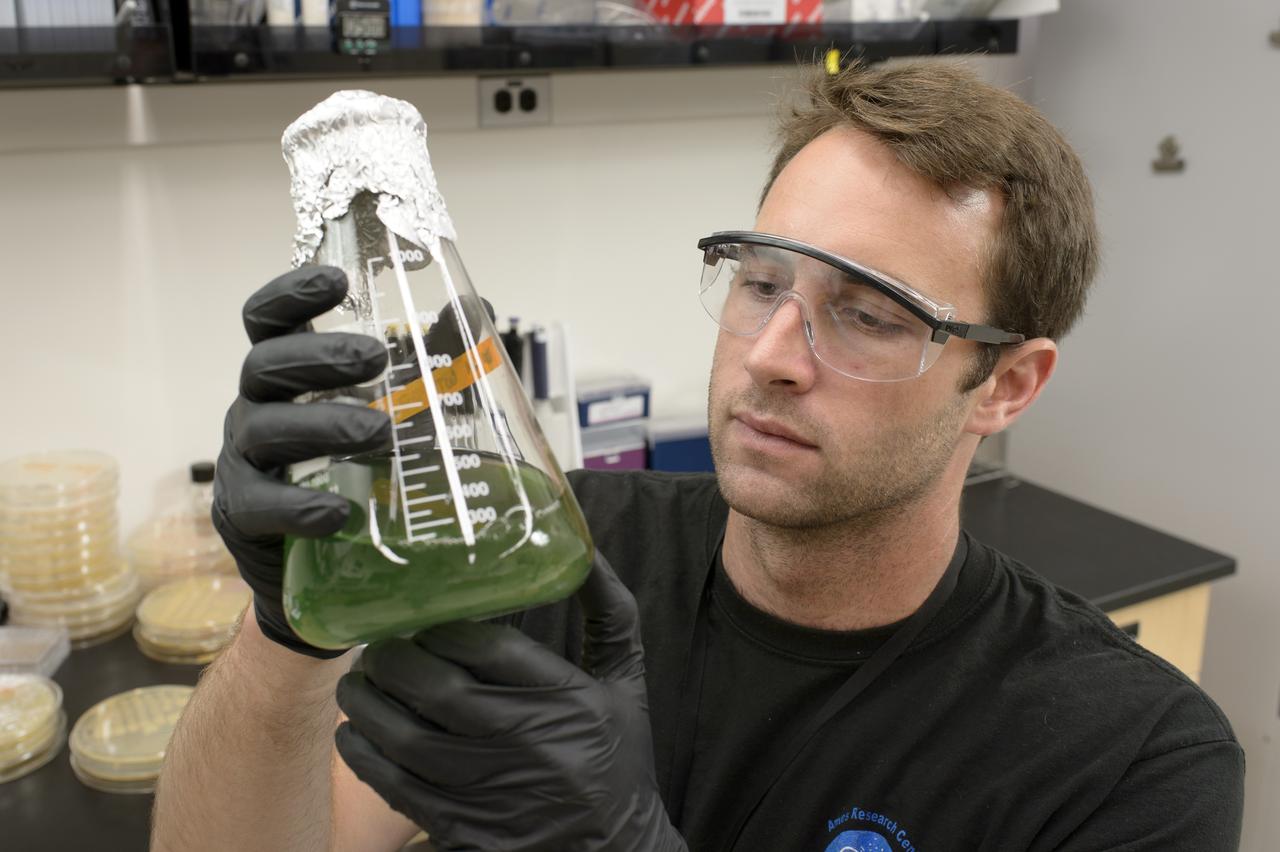
EuCROPIS EVT-2 Power Cell in N-239 Lab Ryan Kent with Flask containing Anabaena Culture
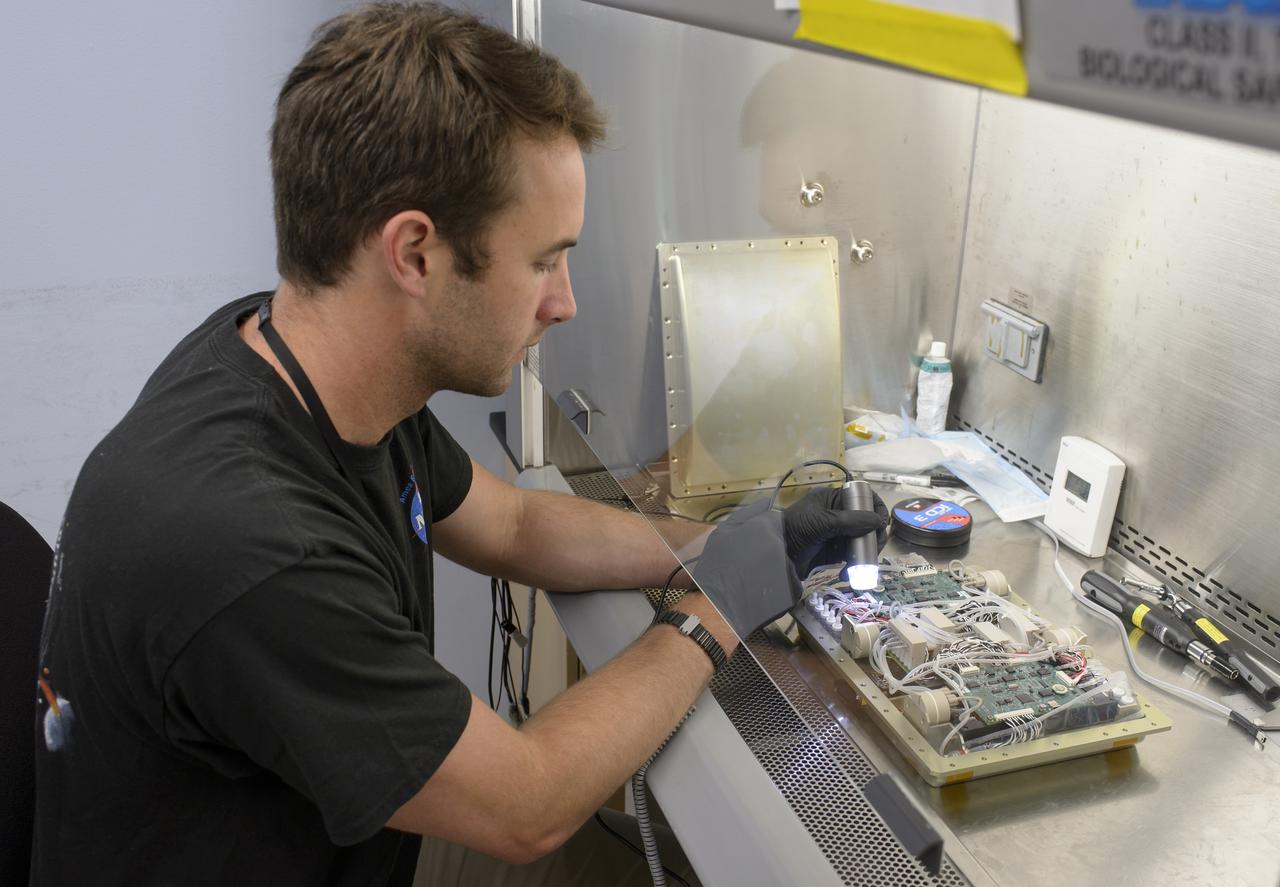
EuCROPIS EVT-2 Power Cell in N-239 Lab Ryan Kent with Flask containing Anabaena Culture
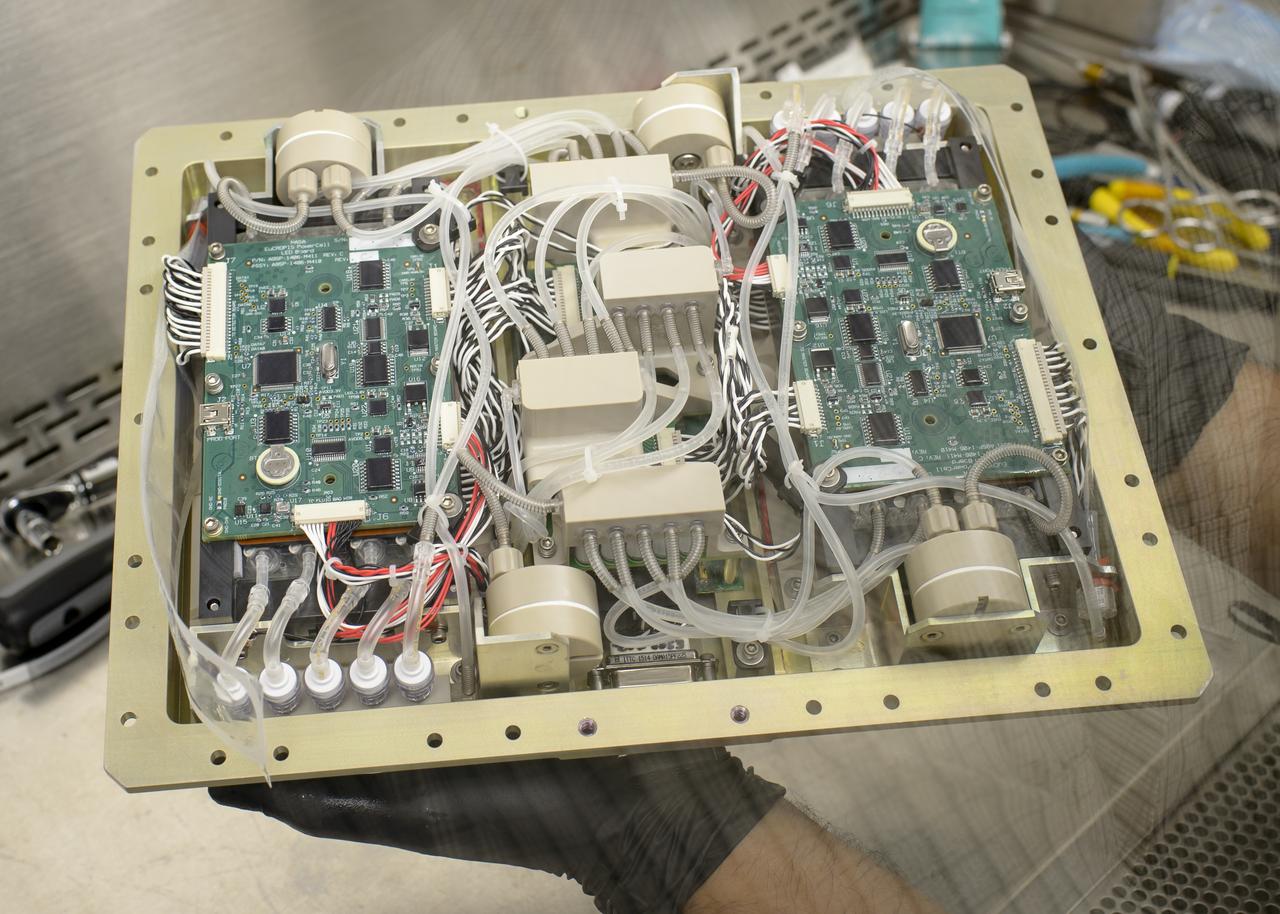
EuCROPIS EVT-2 Power Cell in N-239 Lab Ryan Kent with Flask containing Anabaena Culture
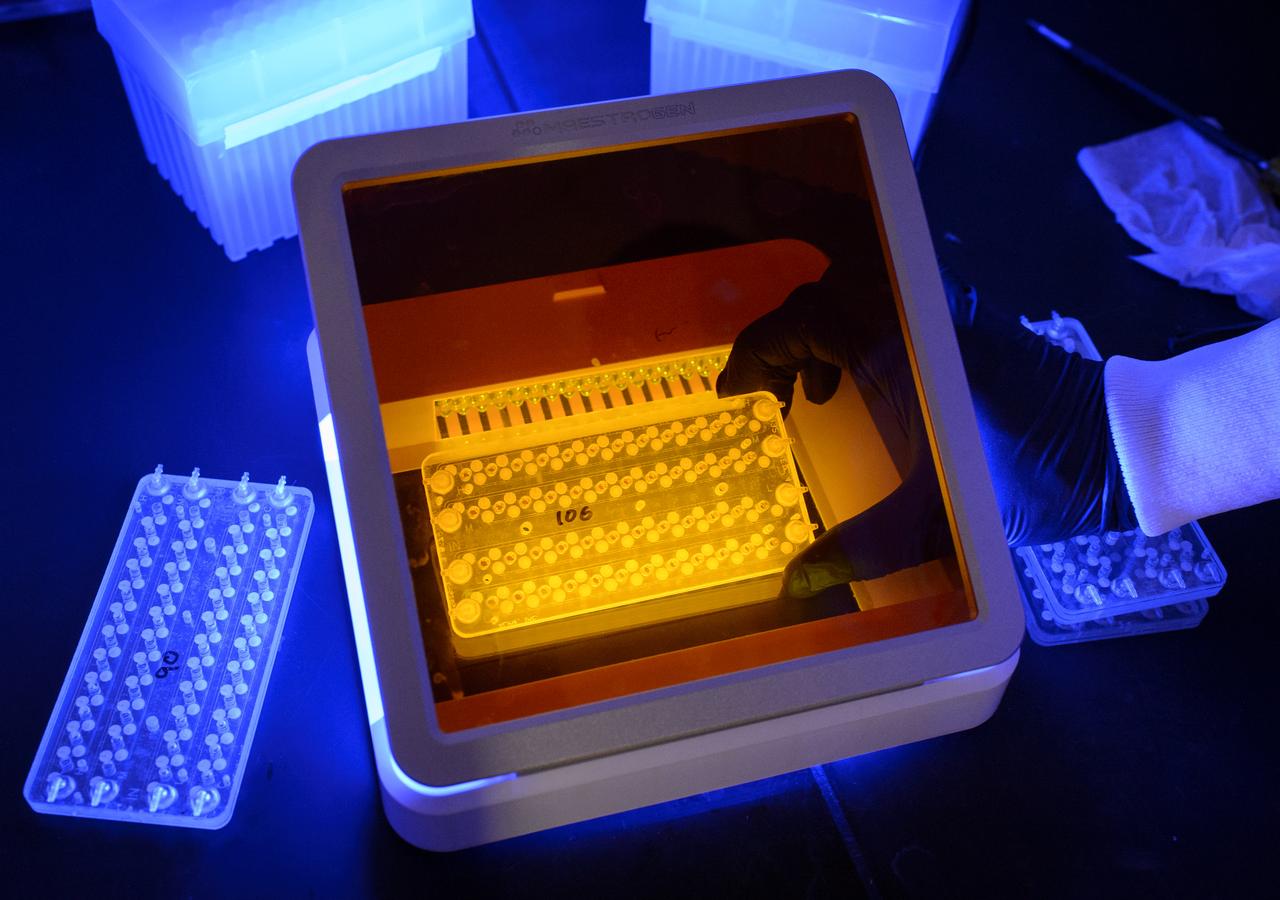
EuCROPIS EVT-2 Power Cell in N-239 Lab showing LED light viewing area
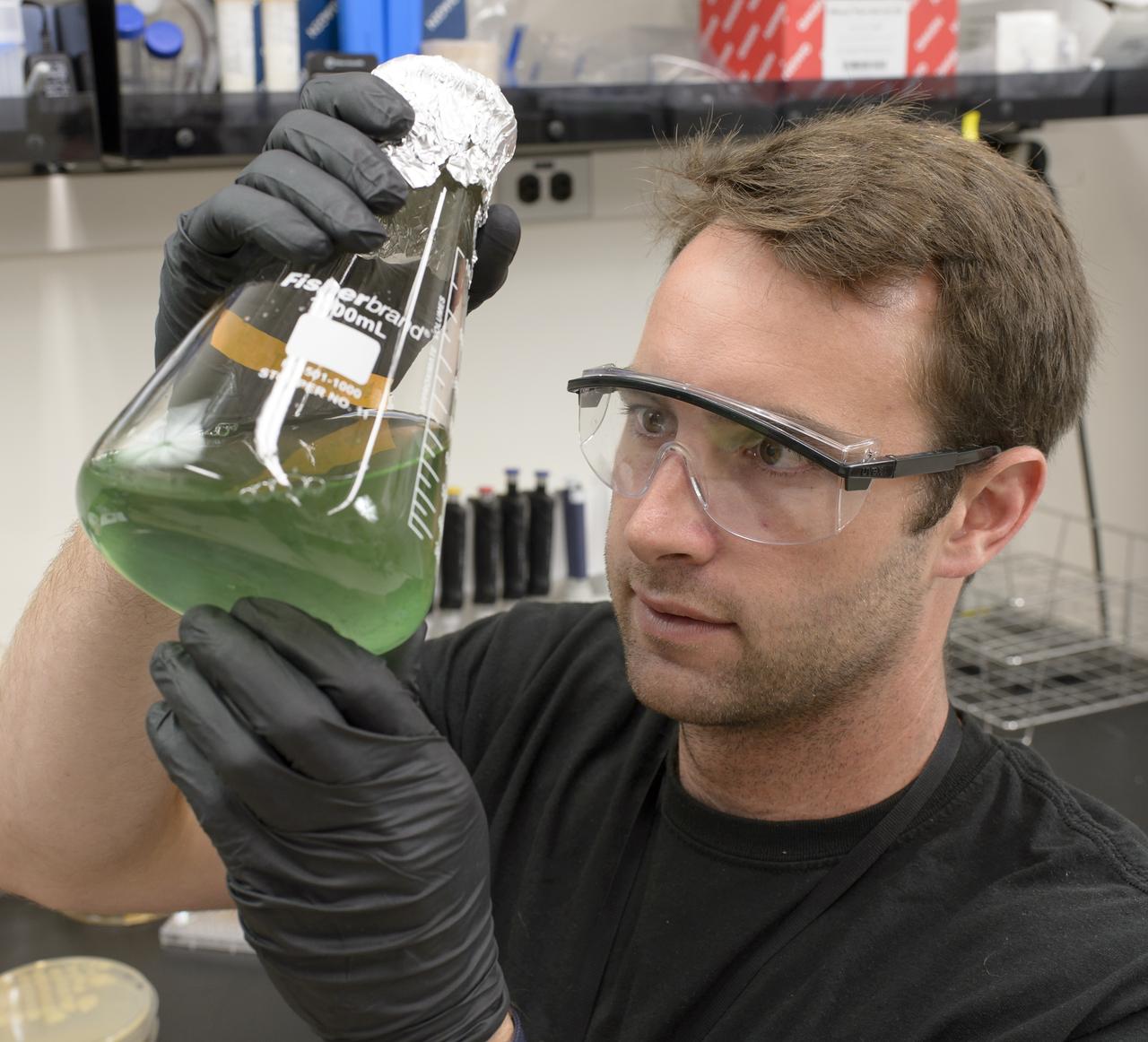
EuCROPIS EVT-2 Power Cell in N-239 Lab Ryan Kent with Flask containing Anabaena Culture
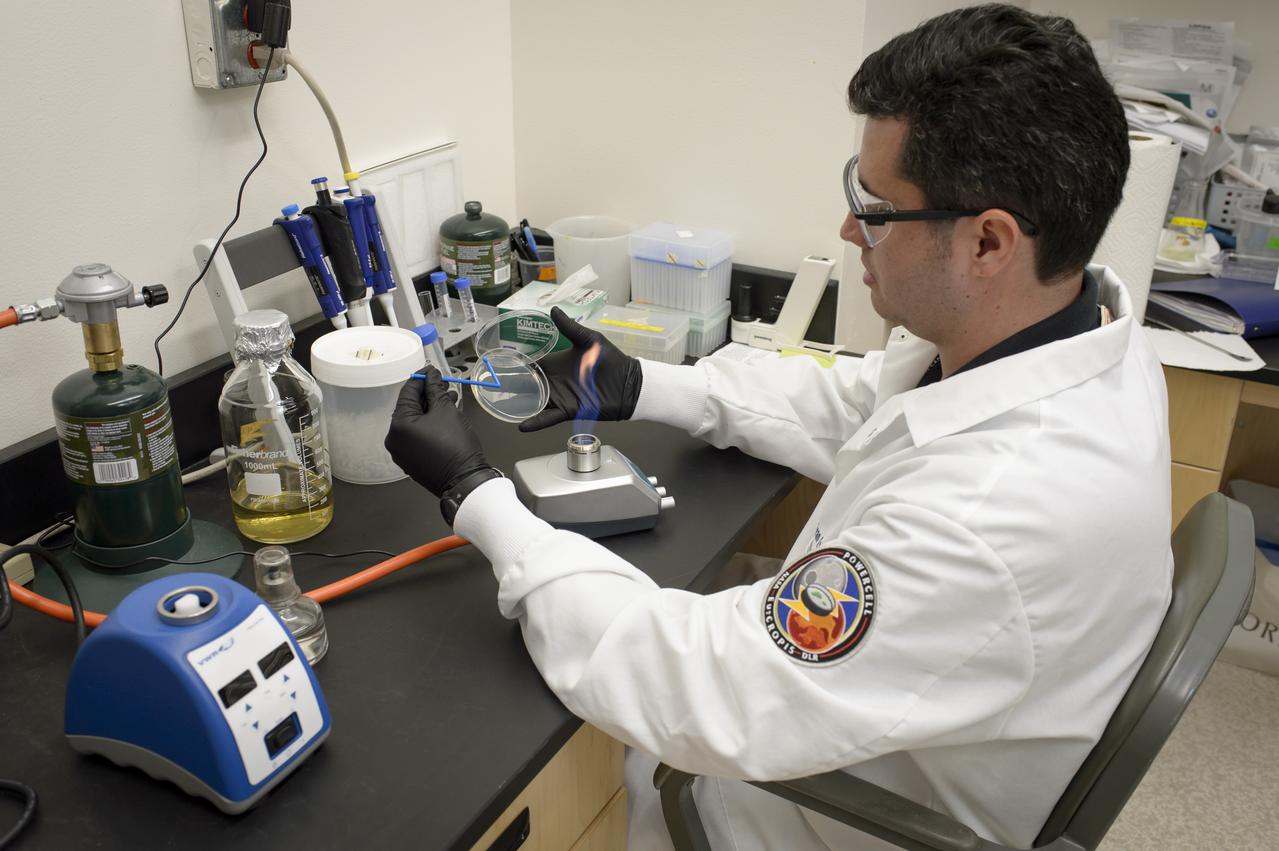
EuCROPIS EVT-2 Power Cell in N-239 Lab, Ivan Paulino-Lima with Petri dish and burner
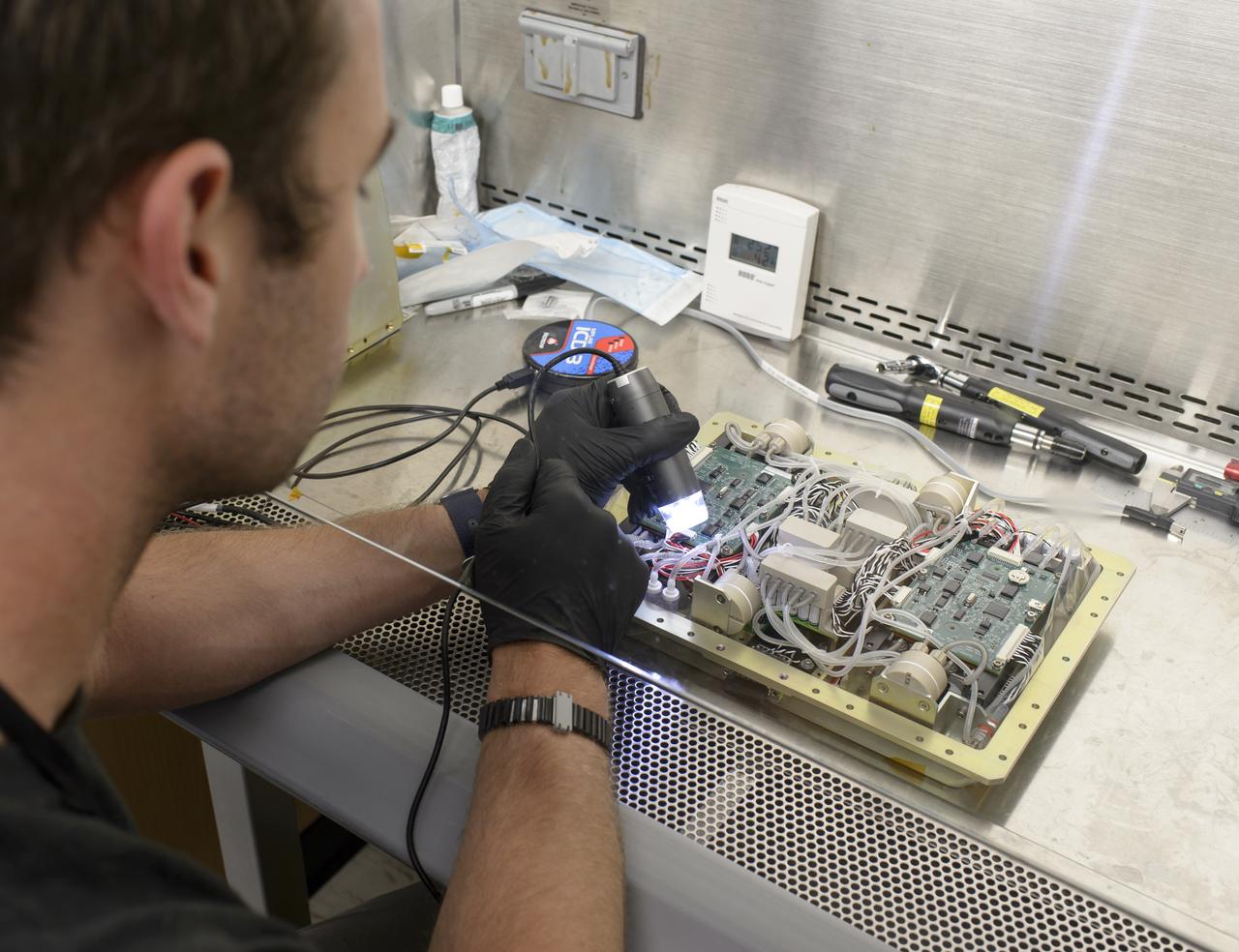
EuCROPIS EVT-2 Power Cell in N-239 Lab Ryan Kent with Flask containing Anabaena Culture
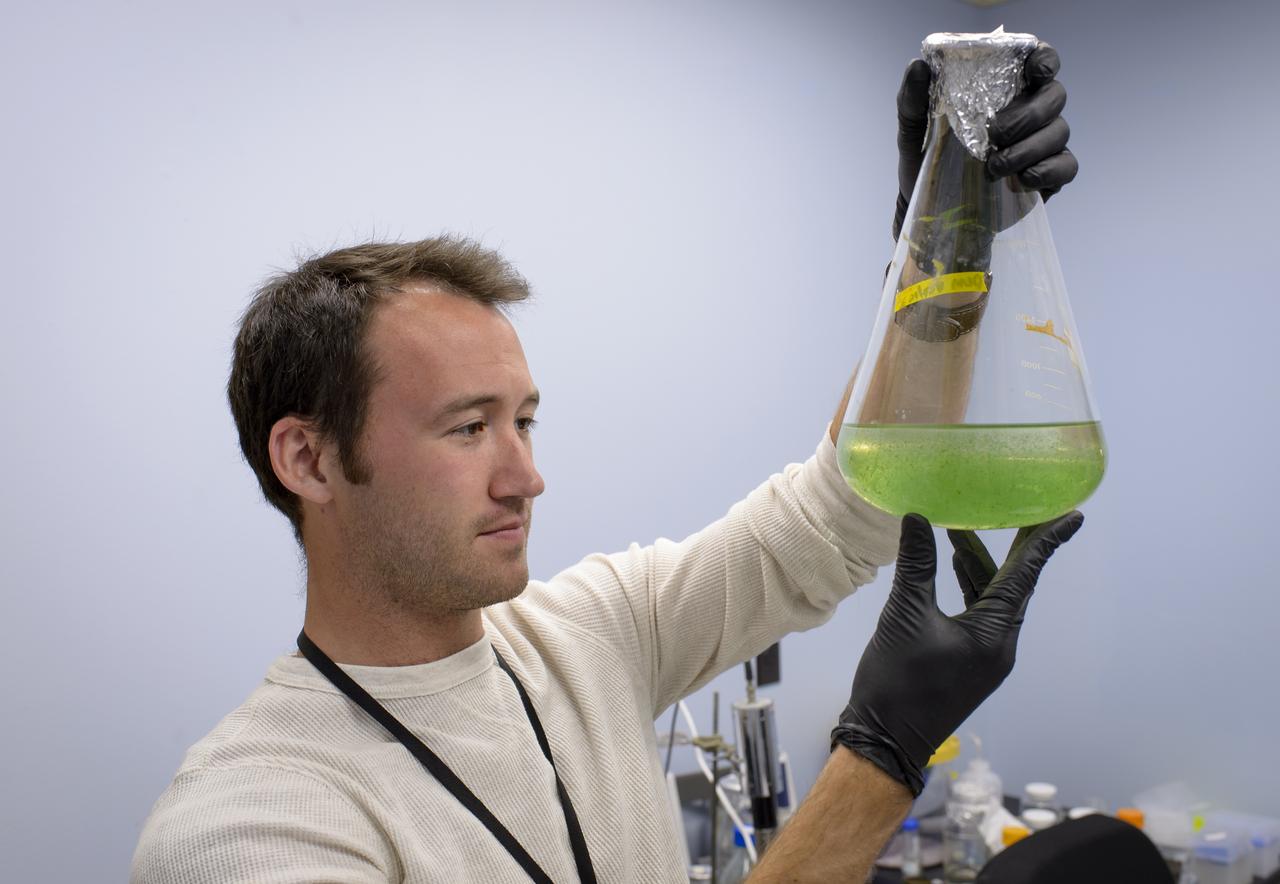
EuCROPIS EVT-2 Power Cell in N-239 Lab Griffin McCutcheon with flask of Anabaena culture
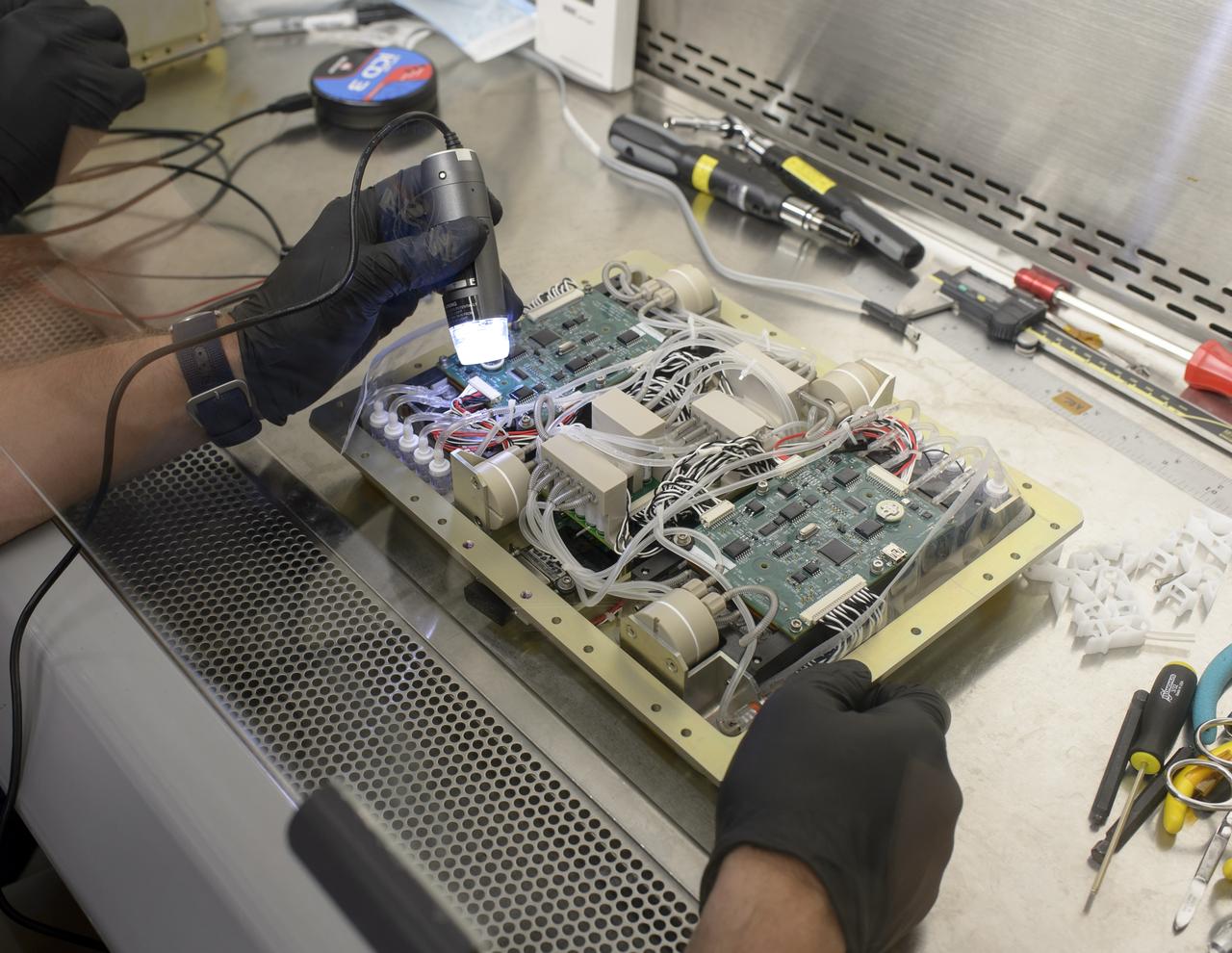
EuCROPIS EVT-2 Power Cell in N-239 Lab Ryan Kent with Flask containing Anabaena Culture
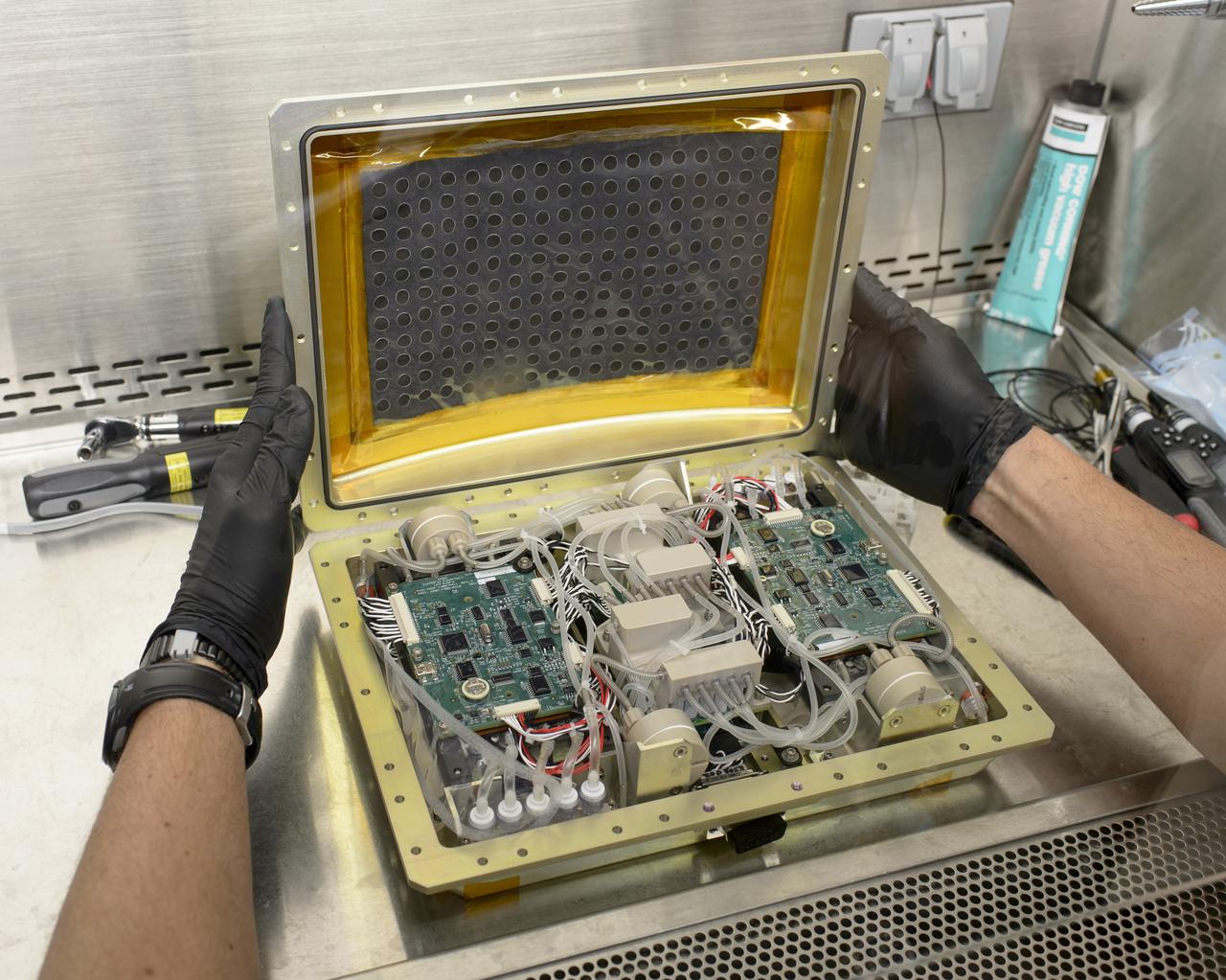
EuCROPIS EVT-2 Power Cell in N-239 Lab with Ivan Paulino-Lima
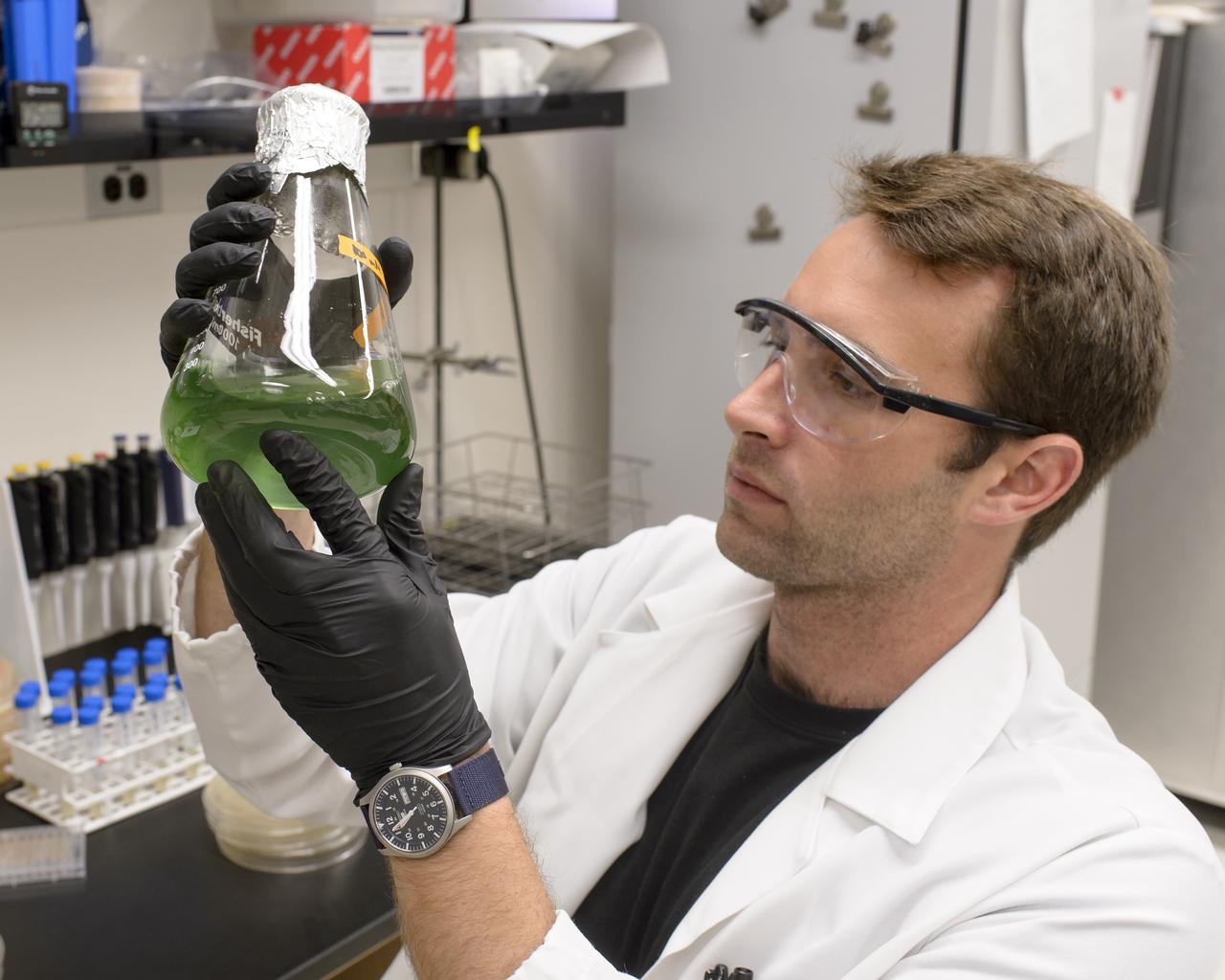
EuCROPIS EVT-2 Power Cell in N-239 Lab Ryan Kent with Flask containing Anabaena Culture
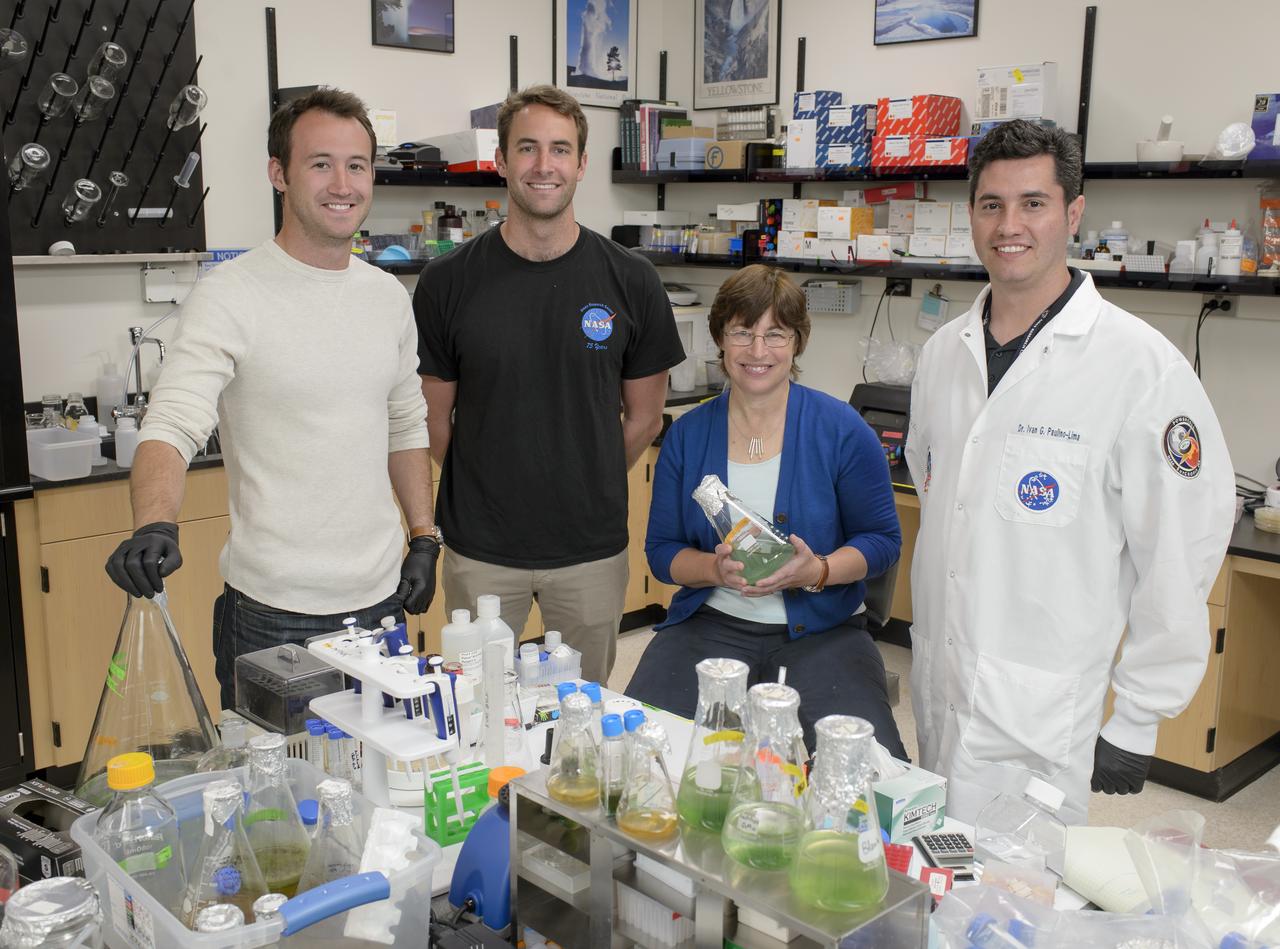
EuCROPIS EVT-2 Power Cell team in N-239 Lab from left to right Griffin McCutcheon, Ryan Kent, Lynn Rothchild project P.I. and Ivan Paulino-Lima
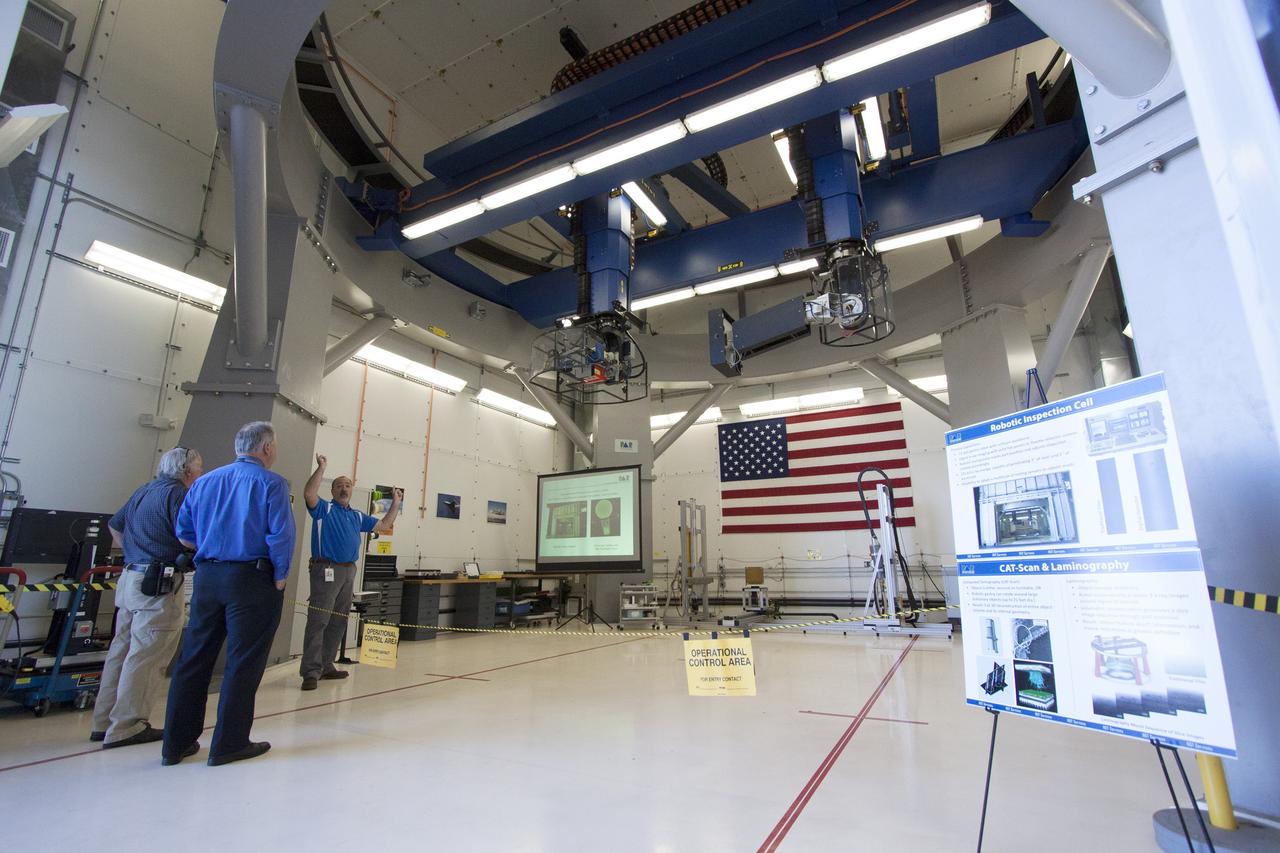
CAPE CANAVERAL, Fla. – Paul Vona, operations engineer, NDT Services, with PaR Systems Inc., demonstrates the automated X-ray system in the robotic inspection cell for members of the media at Hangar N at Cape Canaveral Air Force Station in Florida. PaR Systems held an Open House to celebrate the one-year anniversary of a lease agreement with Kennedy. Under a 15-year lease, PaR Systems is utilizing Hangar N and its unique nondestructive testing equipment. The partnership agreement was established by Kennedy's Center Planning and Development Directorate. The agreement is just one example of the types of partnerships that Kennedy is seeking to create a multi-user spaceport. Photo credit: NASA/Cory Huston
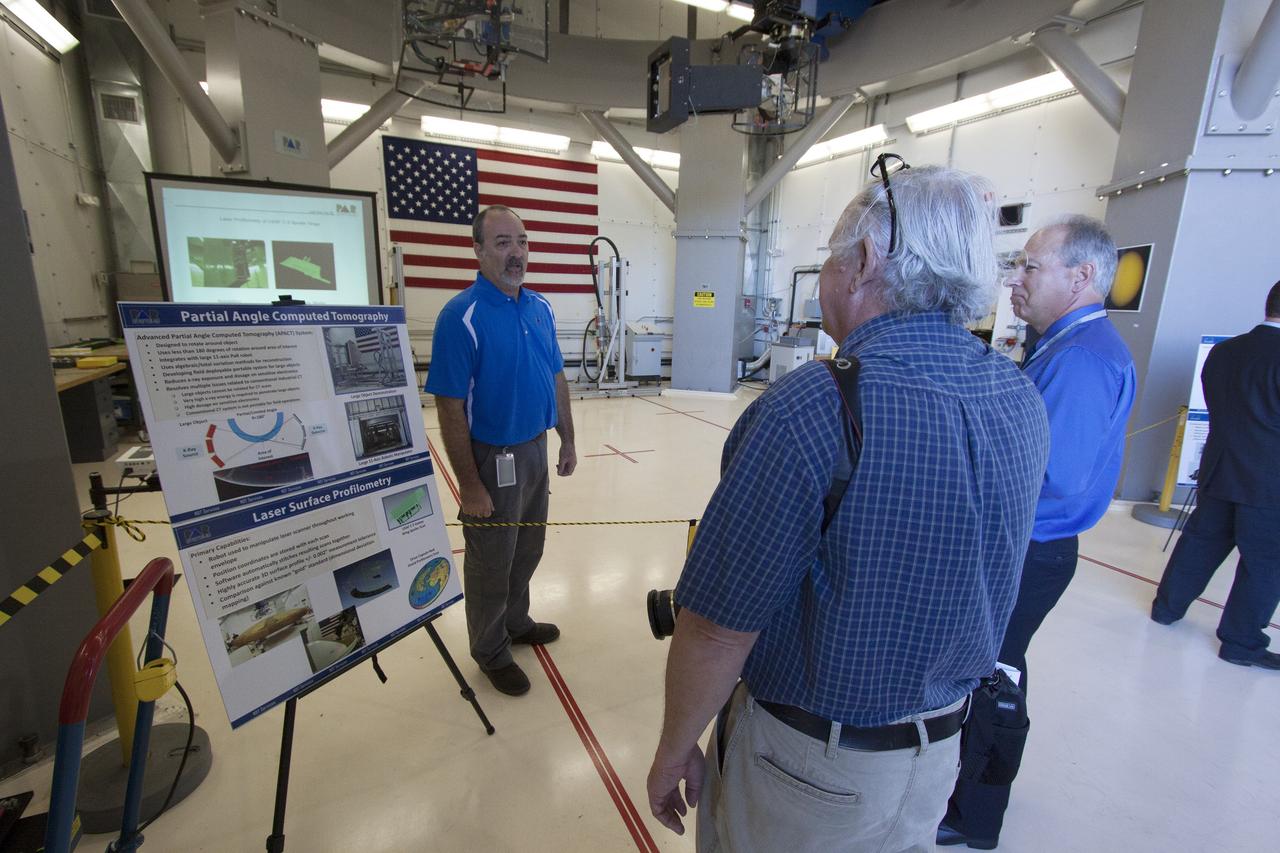
CAPE CANAVERAL, Fla. – Paul Vona, operations engineer, NDT Services, with PaR Systems Inc., talks with members of the media about the automated X-ray system in the robotic inspection cell at Hangar N at Cape Canaveral Air Force Station in Florida. PaR Systems held an Open House to celebrate the one-year anniversary of a lease agreement with Kennedy. Under a 15-year lease, PaR Systems is utilizing Hangar N and its unique nondestructive testing equipment. The partnership agreement was established by Kennedy's Center Planning and Development Directorate. The agreement is just one example of the types of partnerships that Kennedy is seeking to create a multi-user spaceport. Photo credit: NASA/Cory Huston
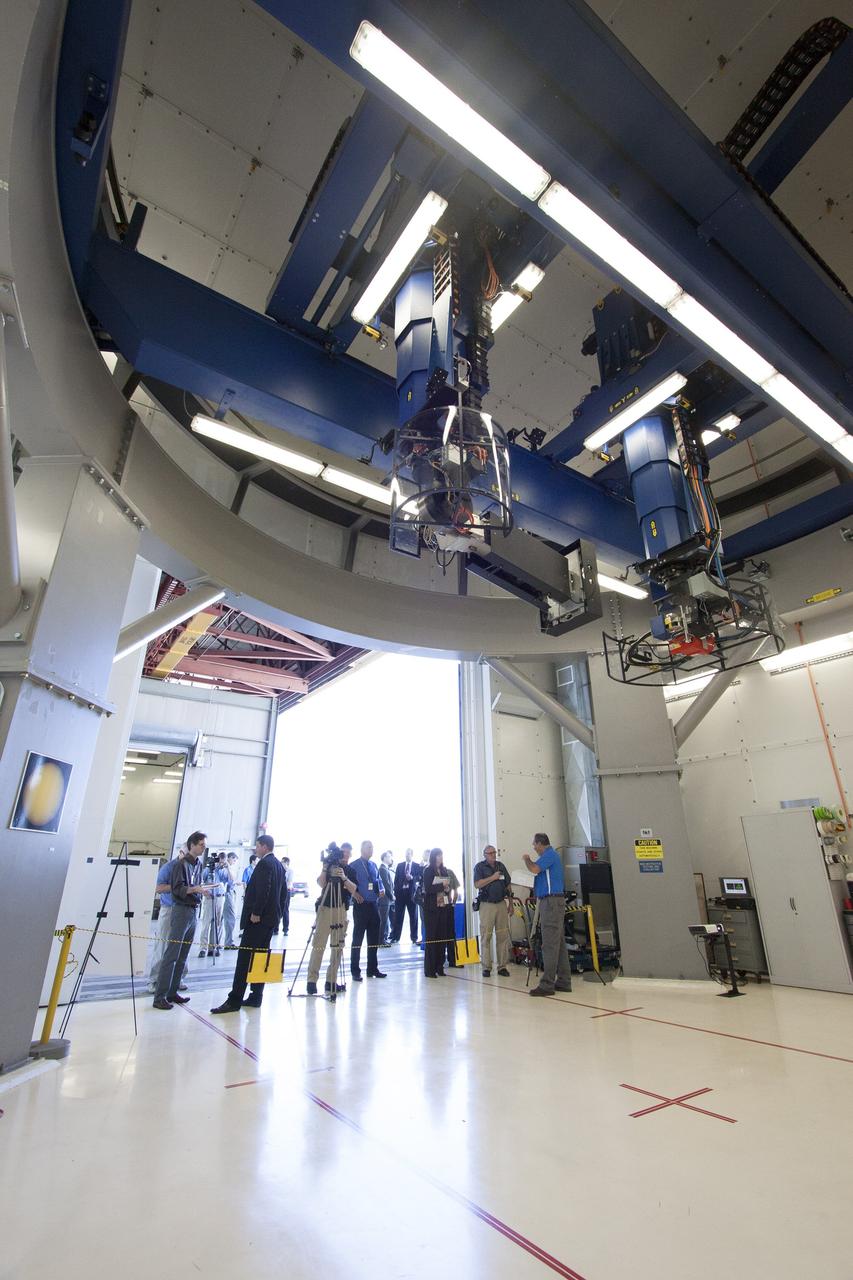
CAPE CANAVERAL, Fla. – Paul Vona, operations engineer, NDT Services, with PaR Systems Inc., demonstrates the automated X-ray system in the robotic inspection cell for members of the media at Hangar N at Cape Canaveral Air Force Station in Florida. PaR Systems held an Open House to celebrate the one-year anniversary of a lease agreement with Kennedy. Under a 15-year lease, PaR Systems is utilizing Hangar N and its unique nondestructive testing equipment. The partnership agreement was established by Kennedy's Center Planning and Development Directorate. The agreement is just one example of the types of partnerships that Kennedy is seeking to create a multi-user spaceport. Photo credit: NASA/Cory Huston
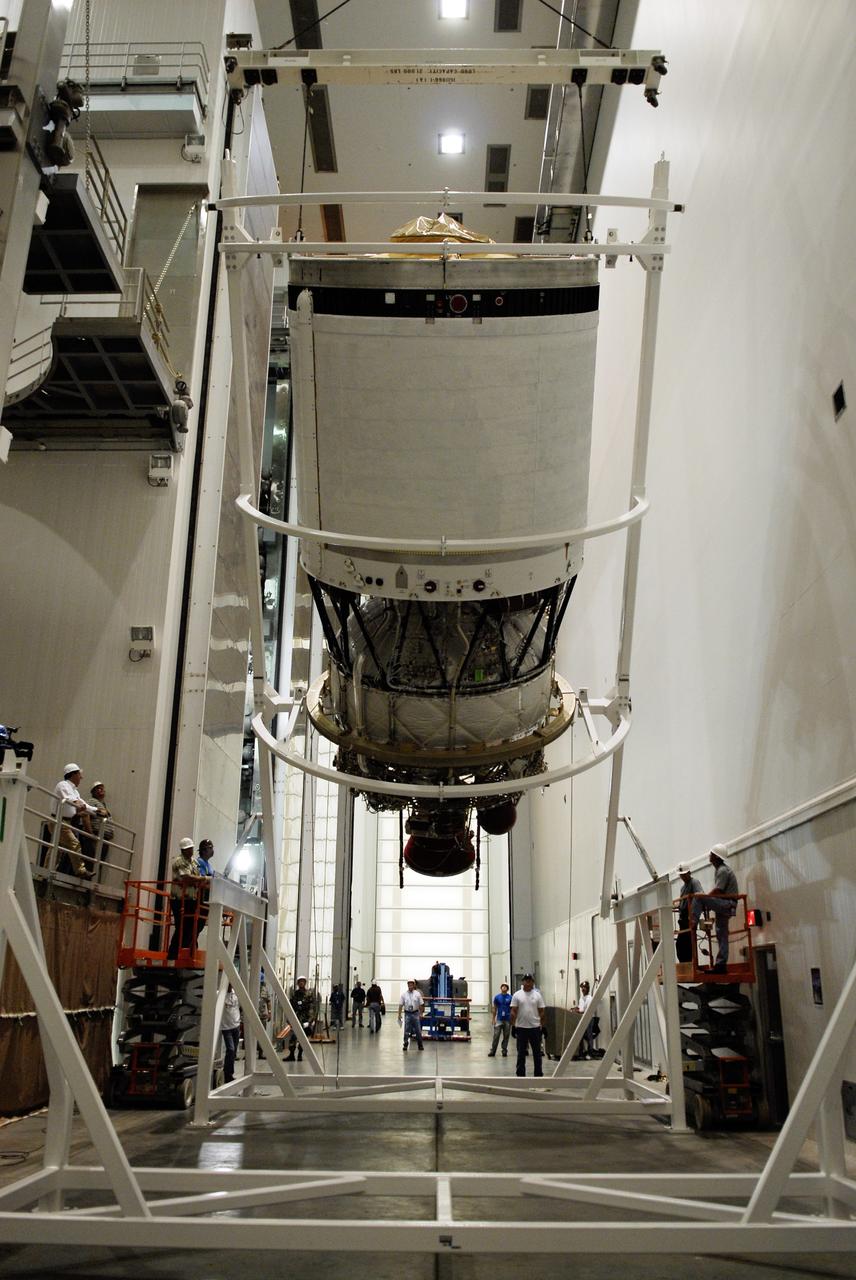
CAPE CANAVERAL, Fla. -- At Cape Canaveral Air Force Station, the second stage for the GOES-O Delta IV rocket is rotated vertically. Once upright, the second stage will be moved into a work cell for processing. GOES – O is one of a series of Geostationary Operational Environmental Satellites. The multimission GOES series N-P will be a vital contributor to weather, solar, and space operations and science. NASA and the National Oceanic and Atmospheric Administration, or NOAA, are actively engaged in a cooperative program to expand the existing GOES system with the launch of the GOES N-P satellites. Photo credit: NASA/Kim Shiflett
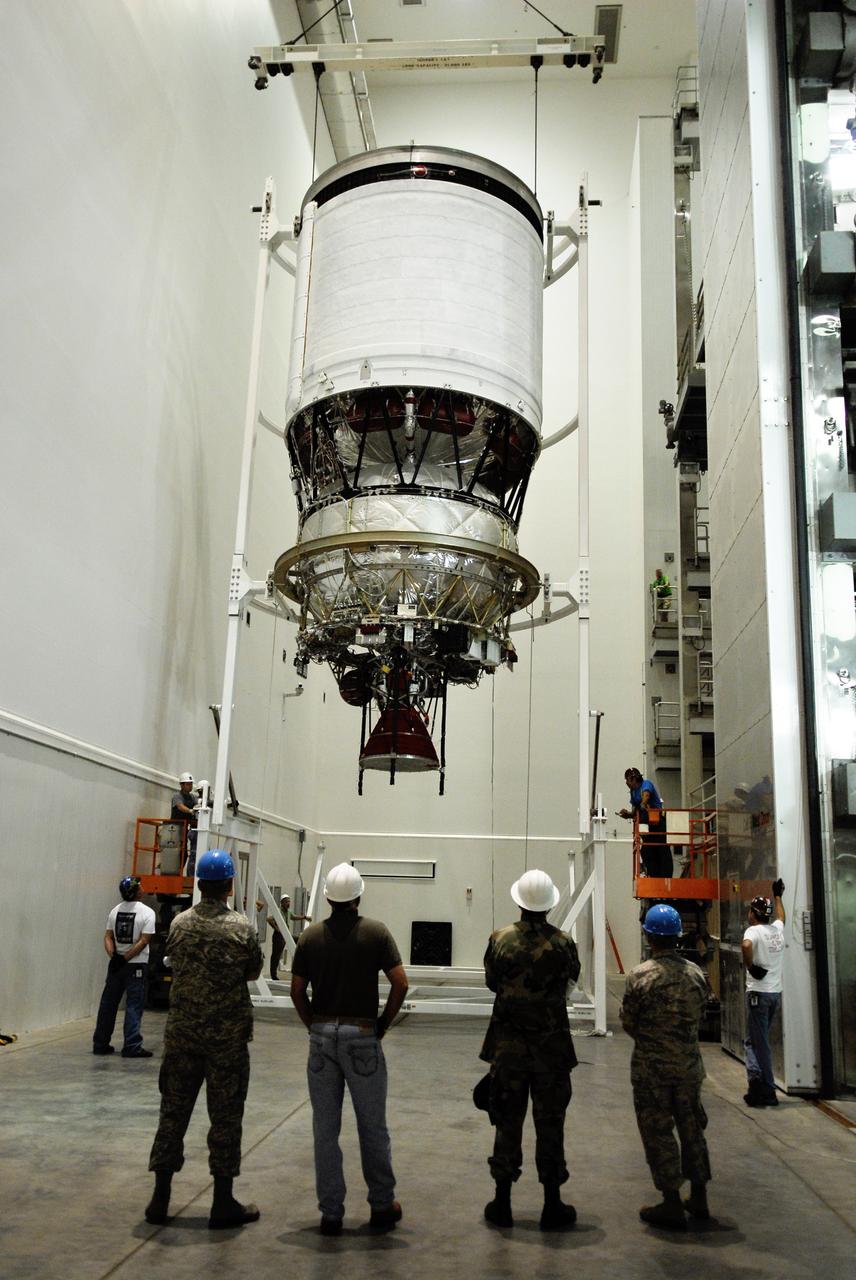
CAPE CANAVERAL, Fla. -- At Cape Canaveral Air Force Station, the second stage for the GOES-O Delta IV rocket is suspended vertically. It will be moved into a work cell for processing. GOES – O is one of a series of Geostationary Operational Environmental Satellites. The multimission GOES series N-P will be a vital contributor to weather, solar, and space operations and science. NASA and the National Oceanic and Atmospheric Administration, or NOAA, are actively engaged in a cooperative program to expand the existing GOES system with the launch of the GOES N-P satellites. Photo credit: NASA/Kim Shiflett
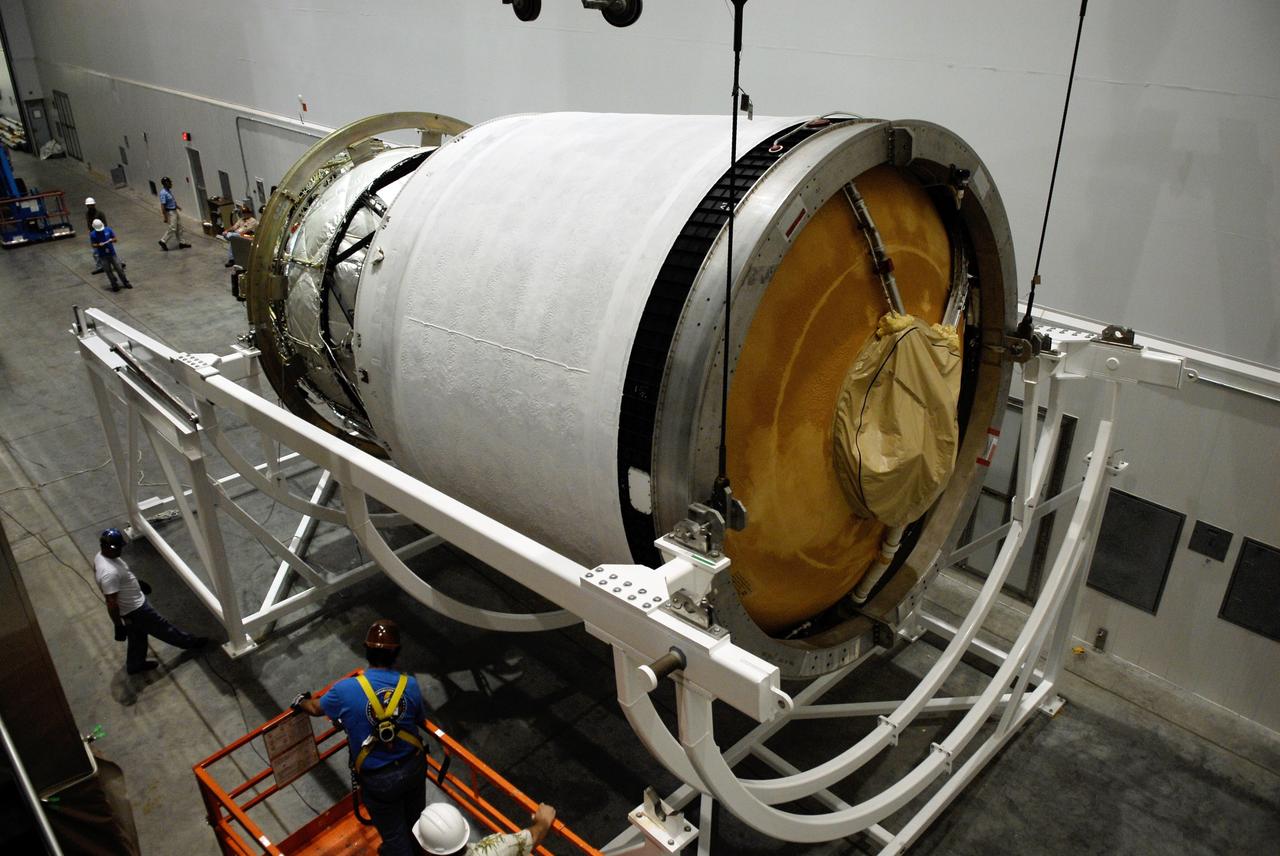
CAPE CANAVERAL, Fla. -- At Cape Canaveral Air Force Station, the second stage for the GOES-O Delta IV rocket rests in the rotation stand. The second stage will be rotated to vertical and moved into a work cell for processing. GOES – O is one of a series of Geostationary Operational Environmental Satellites. The multimission GOES series N-P will be a vital contributor to weather, solar, and space operations and science. NASA and the National Oceanic and Atmospheric Administration, or NOAA, are actively engaged in a cooperative program to expand the existing GOES system with the launch of the GOES N-P satellites. Photo credit: NASA/Kim Shiflett
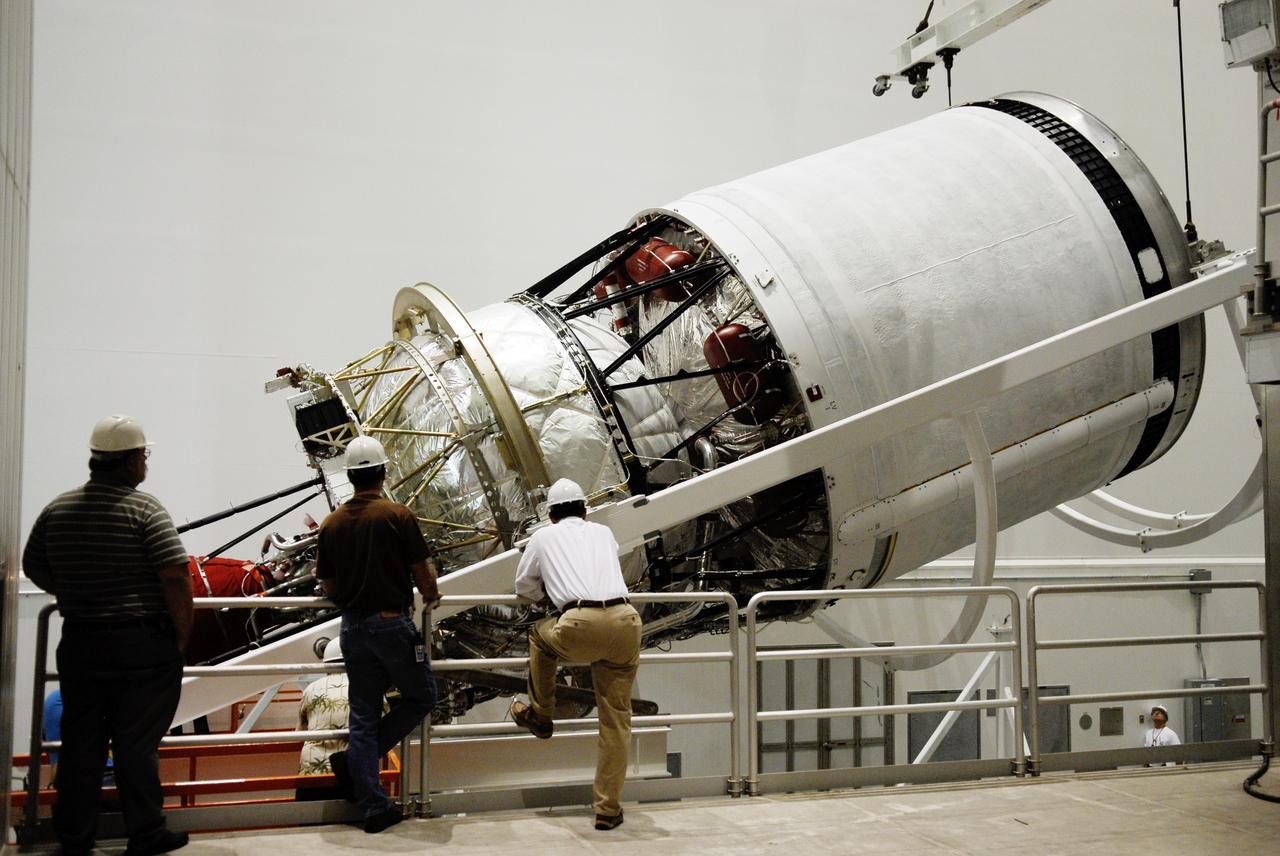
CAPE CANAVERAL, Fla. -- At Cape Canaveral Air Force Station, the second stage for the GOES-O Delta IV rocket is lifted from its horizontal position on the rotation stand. Once vertical, the second stage will be moved into a work cell for processing. GOES – O is one of a series of Geostationary Operational Environmental Satellites. The multimission GOES series N-P will be a vital contributor to weather, solar, and space operations and science. NASA and the National Oceanic and Atmospheric Administration, or NOAA, are actively engaged in a cooperative program to expand the existing GOES system with the launch of the GOES N-P satellites. Photo credit: NASA/Kim Shiflett
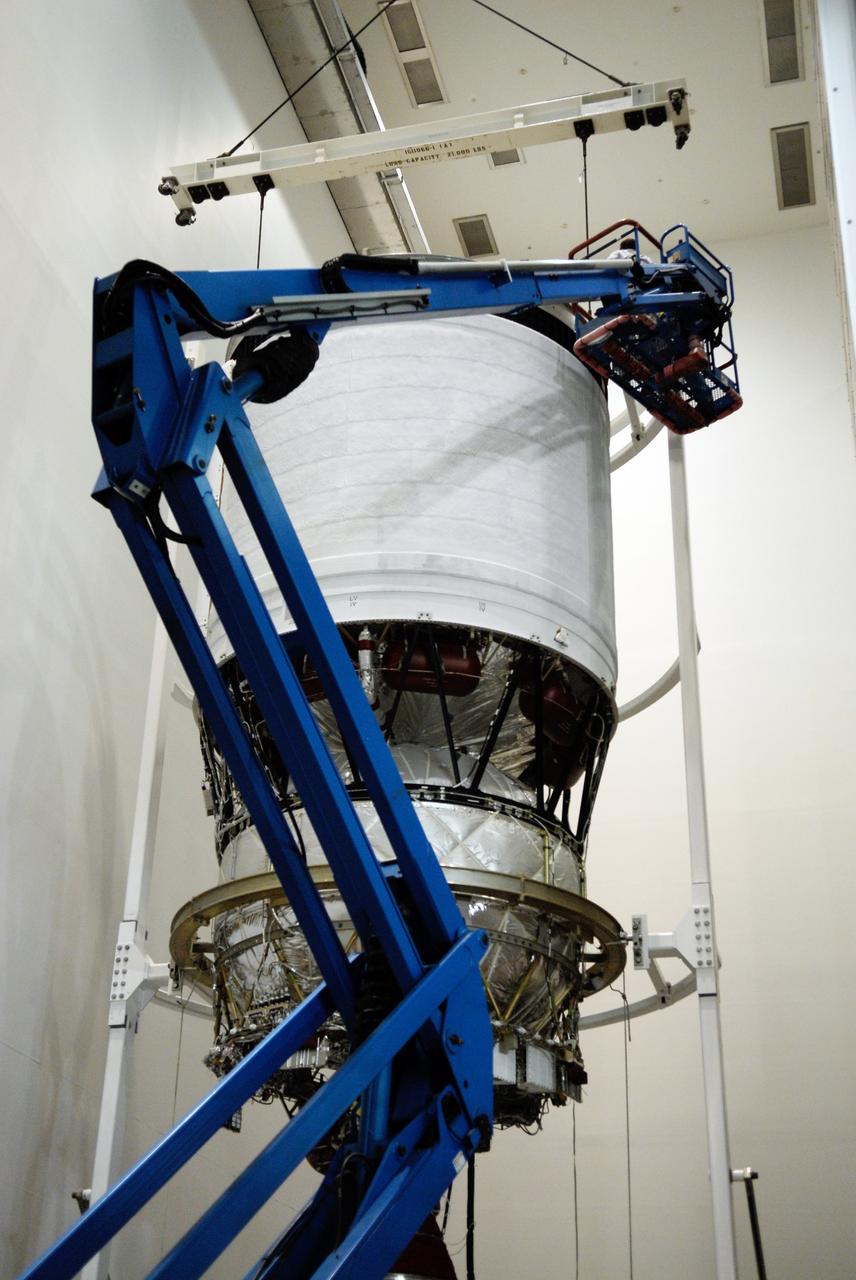
CAPE CANAVERAL, Fla. -- At Cape Canaveral Air Force Station, workers on a crane check the attachments of the sling suspending the second stage for the GOES-O Delta IV rocket. The second stage will be moved into a work cell for processing. GOES – O is one of a series of Geostationary Operational Environmental Satellites. The multimission GOES series N-P will be a vital contributor to weather, solar, and space operations and science. NASA and the National Oceanic and Atmospheric Administration, or NOAA, are actively engaged in a cooperative program to expand the existing GOES system with the launch of the GOES N-P satellites. Photo credit: NASA/Kim Shiflett
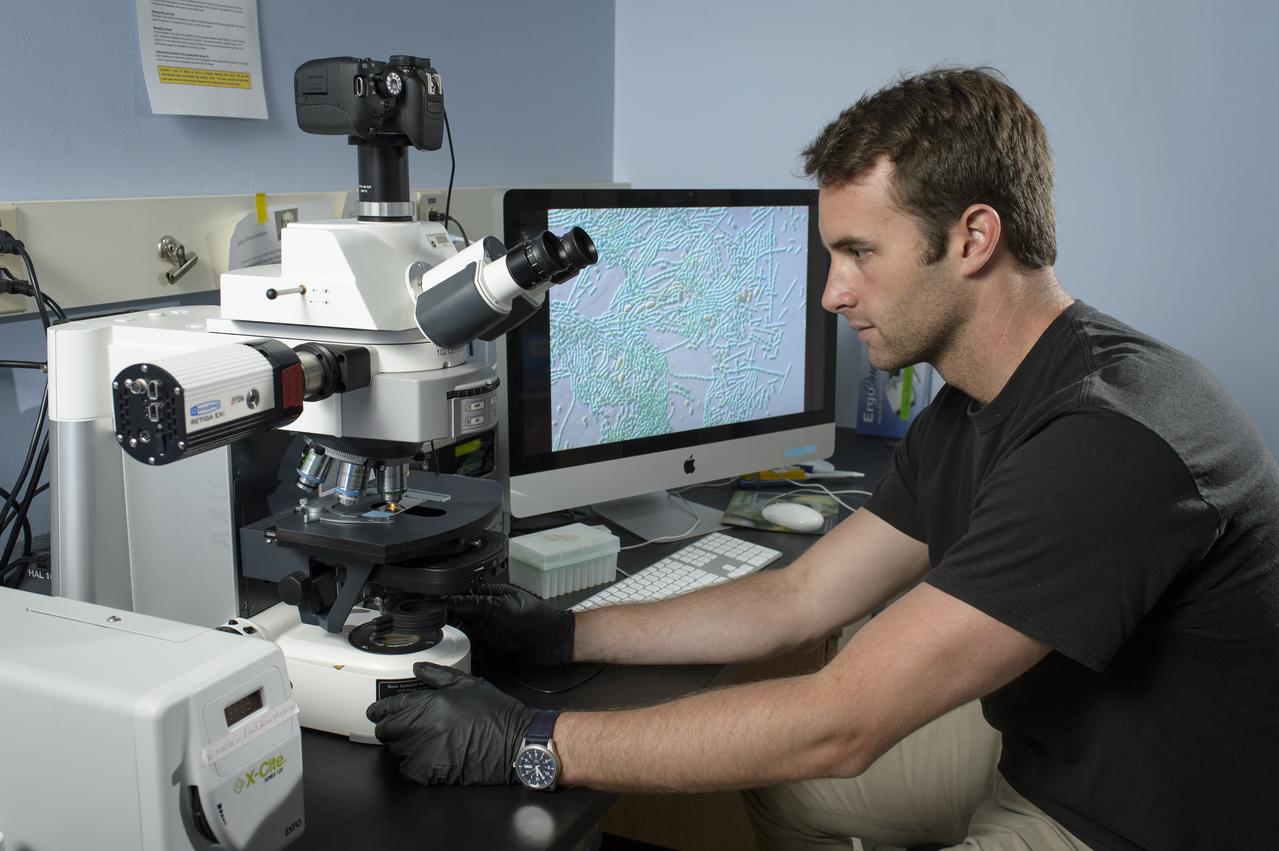
EuCROPIS EVT-2 Power Cell with Ryan Kent at microscope
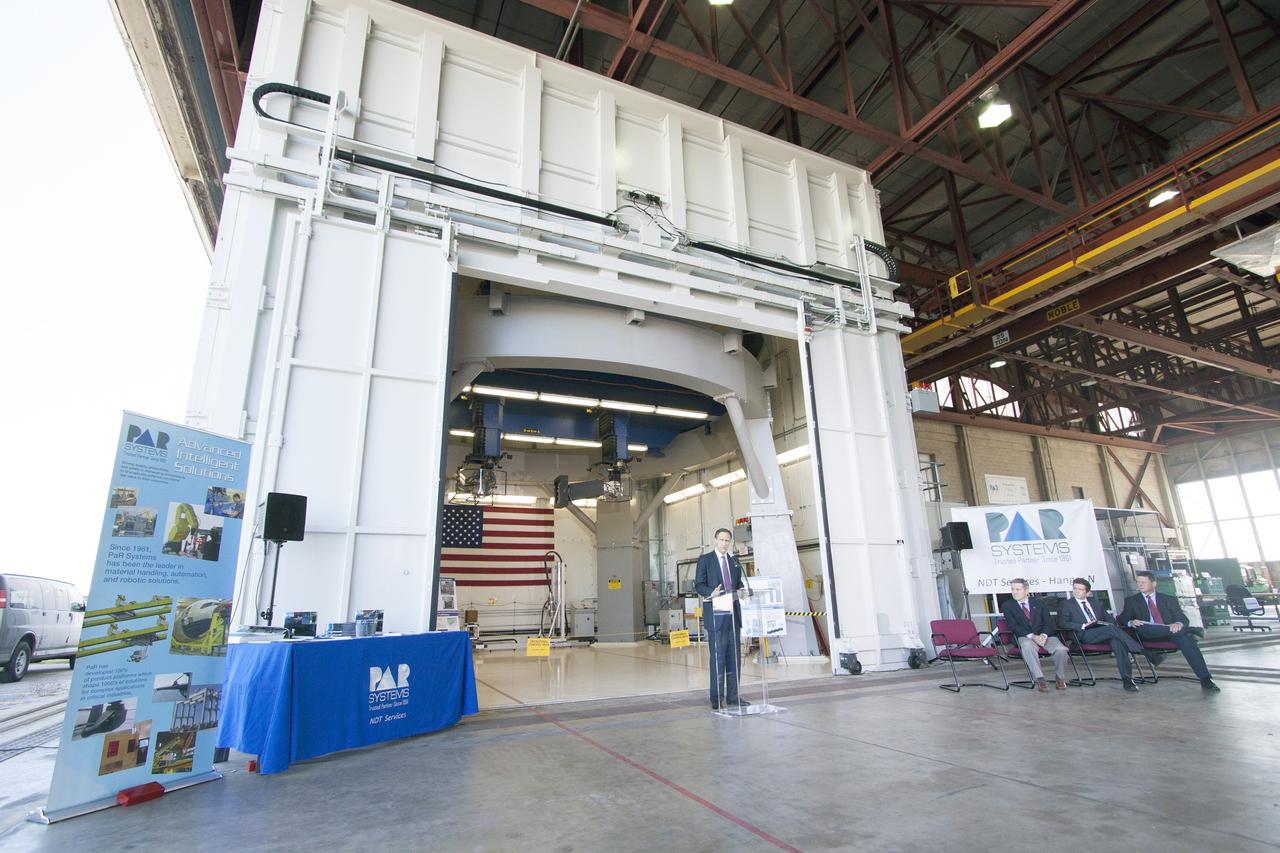
CAPE CANAVERAL, Fla. – Brian Behm, president, aerospace robotics, PaR Systems Inc., speaks during an Open House event at Hangar N at Cape Canaveral Air Force Station in Florida, to celebrate the one-year anniversary of a partnership with NASA Kennedy Space Center. Under a 15-year lease agreement, PaR Systems is utilizing Hangar N and its unique nondestructive testing equipment. Behind Behm is the robotic inspection cell that contains an automated X-ray system once used to scan the aft skirts of the solid rocket boosters for the space shuttle. The partnership agreement was established by Kennedy's Center Planning and Development Directorate. The agreement is just one example of the types of partnerships that Kennedy is seeking to create a multi-user spaceport. Photo credit: NASA/Cory Huston
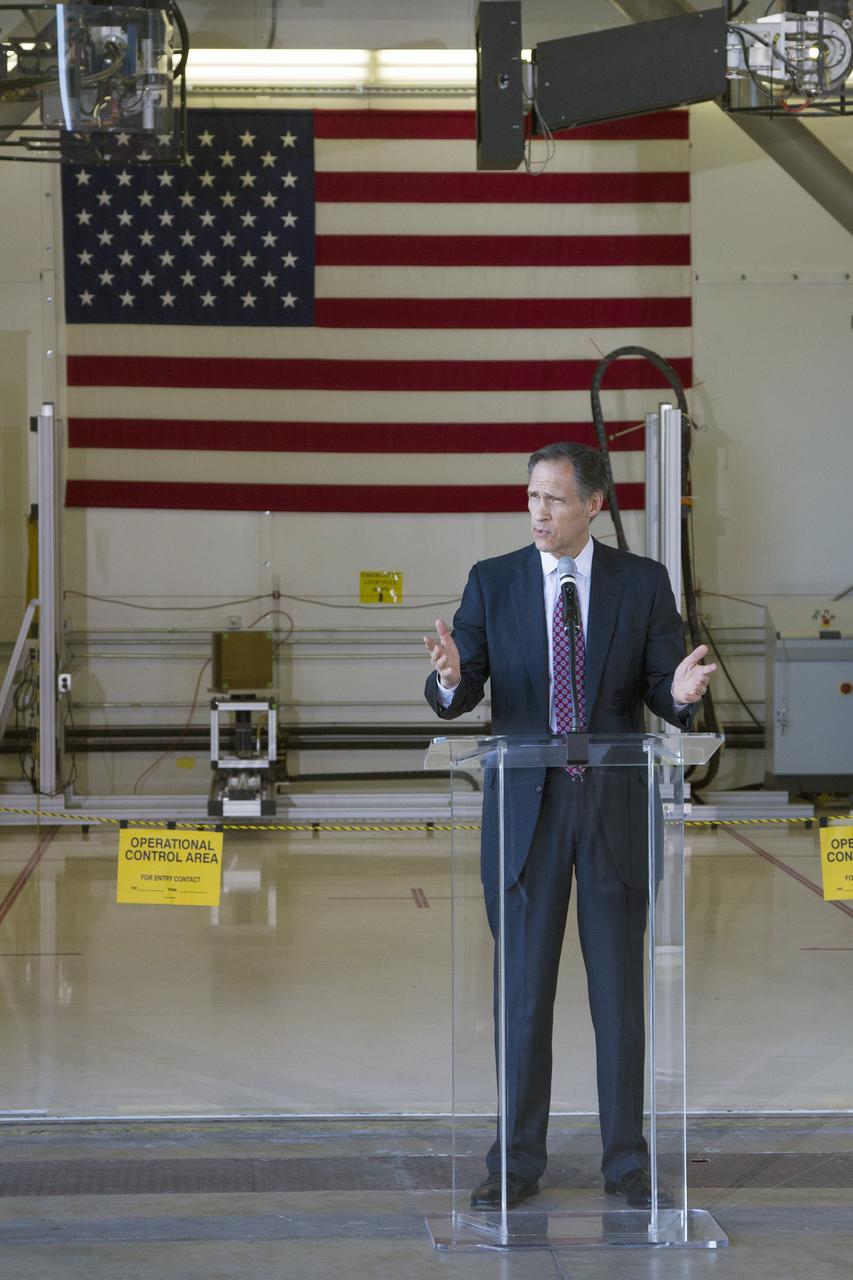
CAPE CANAVERAL, Fla. – Brian Behm, president, aerospace robotics, PaR Systems Inc., speaks during an Open House event at Hangar N at Cape Canaveral Air Force Station in Florida, to celebrate the one-year anniversary of a partnership with NASA Kennedy Space Center. Under a 15-year lease, PaR Systems is utilizing Hangar N and its unique nondestructive testing equipment. Behind Behm is the robotic inspection cell that contains an automated X-ray system once used to scan the aft skirts of the solid rocket boosters for the space shuttle. The partnership agreement was established by Kennedy's Center Planning and Development Directorate. The agreement is just one example of the types of partnerships that Kennedy is seeking to create a multi-user spaceport. Photo credit: NASA/Cory Huston
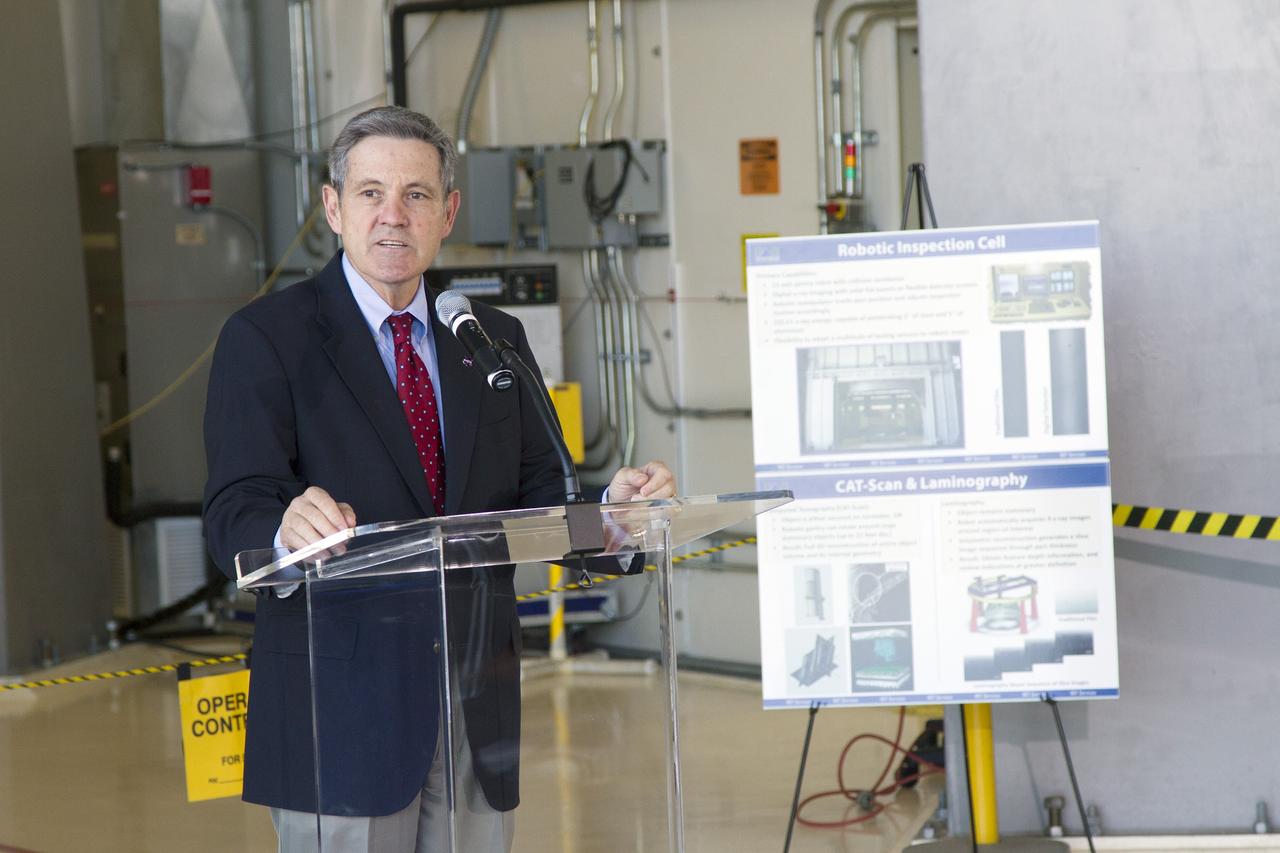
CAPE CANAVERAL, Fla. – Kennedy Space Center Director Bob Cabana speaks during an Open House event at Hangar N at Cape Canaveral Air Force Station in Florida, to celebrate the one-year anniversary of PaR Systems' partnership with Kennedy. Under a 15-year lease agreement, PaR Systems is utilizing Hangar N and its unique nondestructive testing equipment. Behind Cabana is the robotic inspection cell that contains an automated X-ray system once used to scan the aft skirts of the solid rocket boosters for the space shuttle. The partnership agreement was established by Kennedy's Center Planning and Development Directorate. The agreement is just one example of the types of partnerships that Kennedy is seeking to create a multi-user spaceport. Photo credit: NASA/Cory Huston
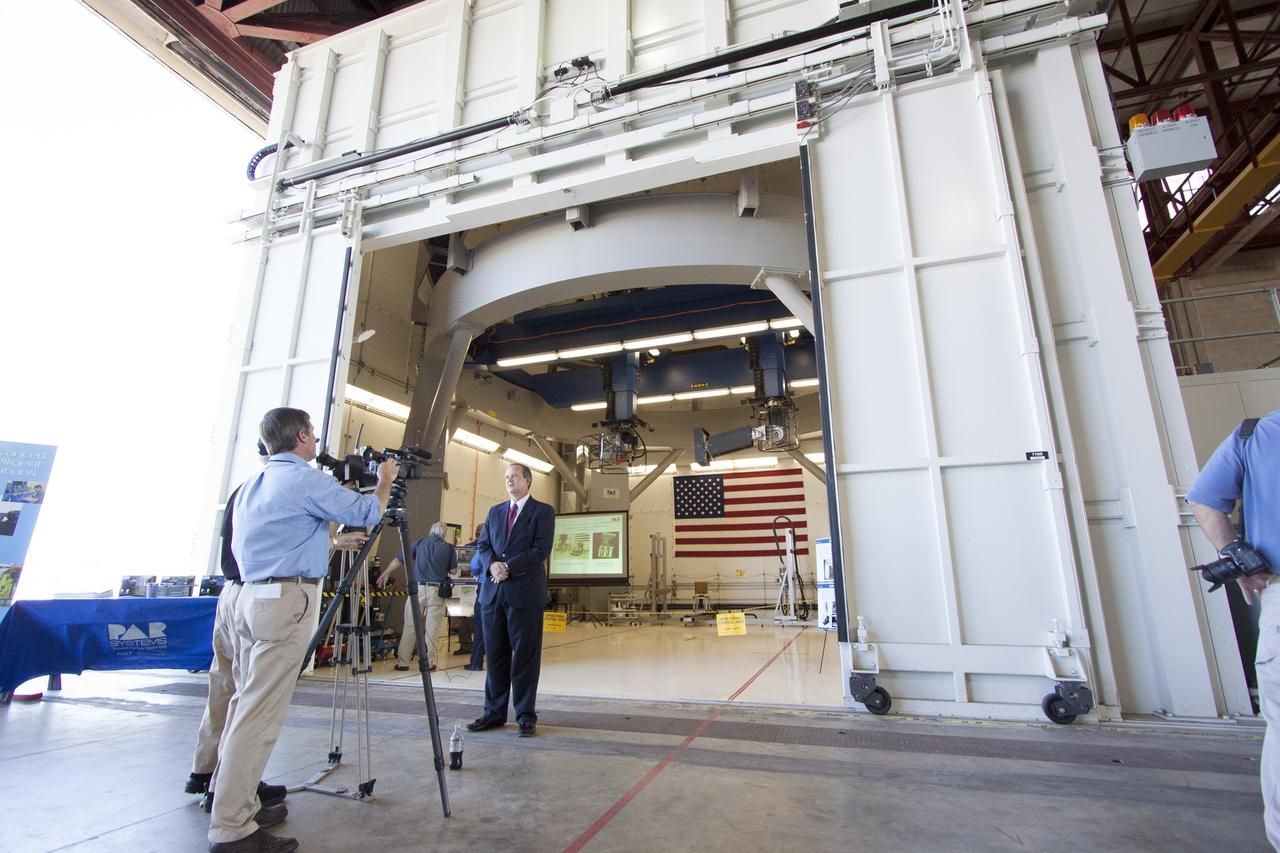
CAPE CANAVERAL, Fla. – Brian Behm partially hidden, president, aerospace robotics, PaR Systems Inc., speaks during an Open House event at Hangar N at Cape Canaveral Air Force Station in Florida, to celebrate the one-year anniversary of a partnership with NASA Kennedy Space Center. Under a 15-year lease agreement, PaR Systems is utilizing Hangar N and its unique nondestructive testing equipment. Behind Behm is the robotic inspection cell that contains an automated X-ray system once used to scan the aft skirts of the solid rocket boosters for the space shuttle. The partnership agreement was established by Kennedy's Center Planning and Development Directorate. The agreement is just one example of the types of partnerships that Kennedy is seeking to create a multi-user spaceport. Photo credit: NASA/Cory Huston
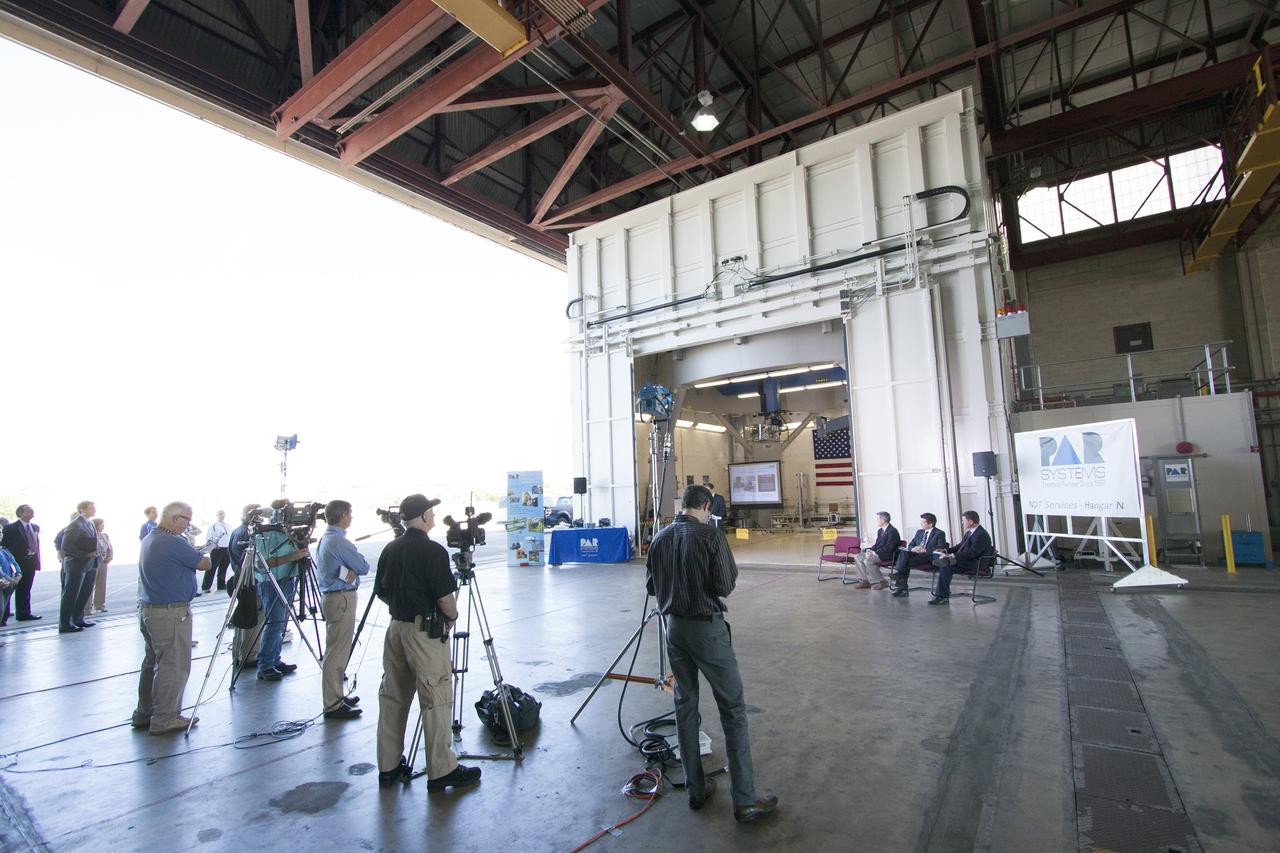
CAPE CANAVERAL, Fla. – Tom Engler, deputy director of the Center Planning and Development Directorate at Kennedy Space Center, speaks to members of the media during an Open House event at Hangar N at Cape Canaveral Air Force Station in Florida, to celebrate the one-year anniversary of PaR Systems' partnership with Kennedy. Under a 15-year lease agreement, PaR Systems is utilizing Hangar N and its unique nondestructive testing equipment. Behind Engler is the robotic inspection cell that contains an automated X-ray system once used to scan the aft skirts of the solid rocket boosters for the space shuttle. The partnership agreement was established by Kennedy's Center Planning and Development Directorate. The agreement is just one example of the types of partnerships that Kennedy is seeking to create a multi-user spaceport. Photo credit: NASA/Cory Huston
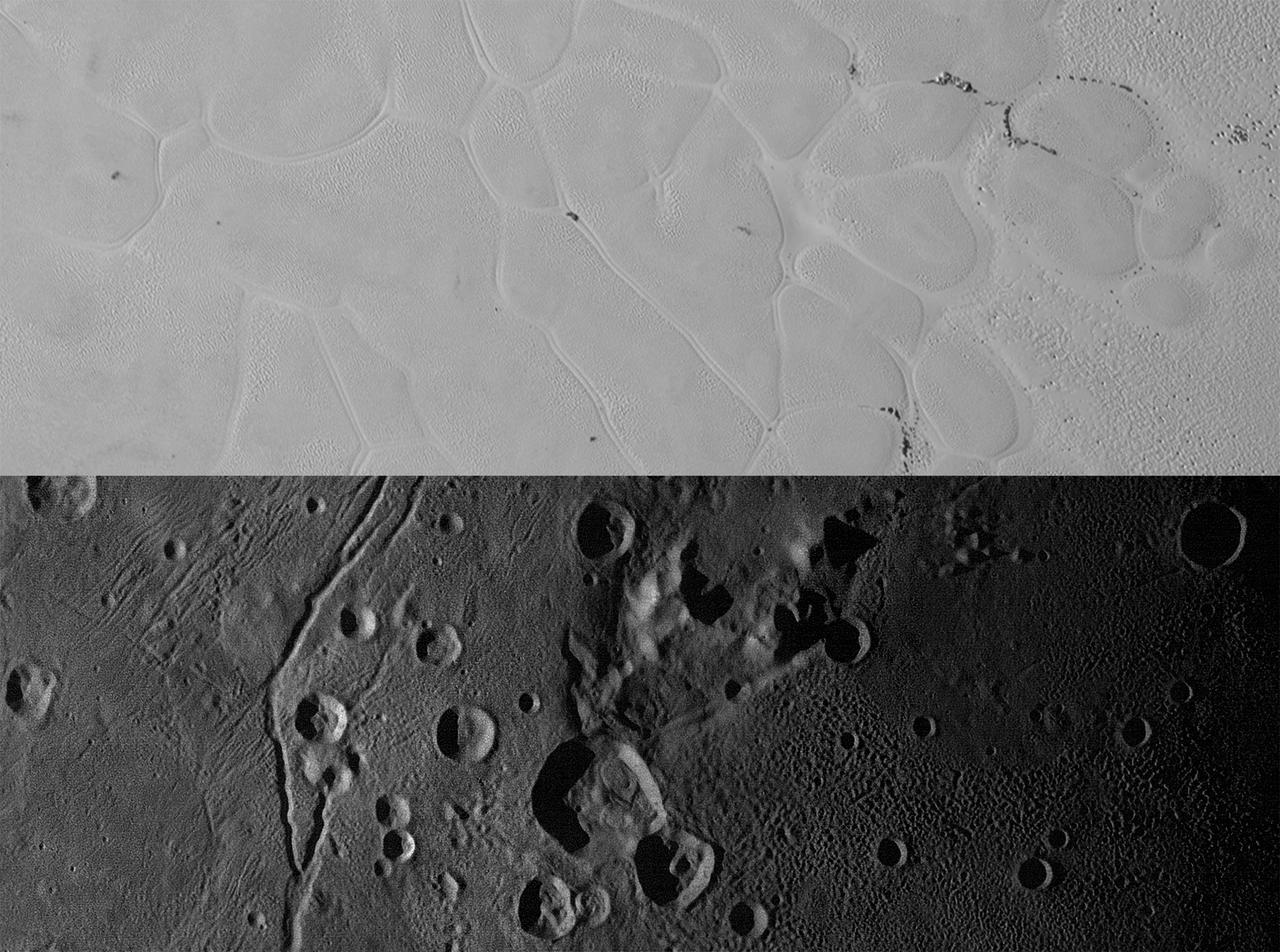
New Horizons views of the informally named Sputnik Planum on Pluto (top) and the informally named Vulcan Planum on Charon (bottom). Both scale bars measure 20 miles (32 kilometers) long; illumination is from the left in both instances. The Sputnik Planum view is centered at 11°N, 180°E, and covers the bright, icy, geologically cellular plains. Here, the cells are defined by a network of interconnected troughs that crisscross these nitrogen-ice plains. At right, in the upper image, the cellular plains yield to pitted plains of southern Sputnik Planum. This observation was obtained by the Ralph/Multispectral Visible Imaging Camera (MVIC) at a resolution of 1,050 feet (320 meters) per pixel. The Vulcan Planum view in the bottom panel is centered at 4°S, 4°E, and includes the "moated mountain" Clarke Mons just above the center of the image. As well as featuring impact craters and sinuous troughs, the water ice-rich plains display a range of surface textures, from smooth and grooved at left, to pitted and hummocky at right. This observation was obtained by the Long Range Reconnaissance Imager (LORRI) at a resolution of 525 feet (160 meters) per pixel. http://photojournal.jpl.nasa.gov/catalog/PIA20535
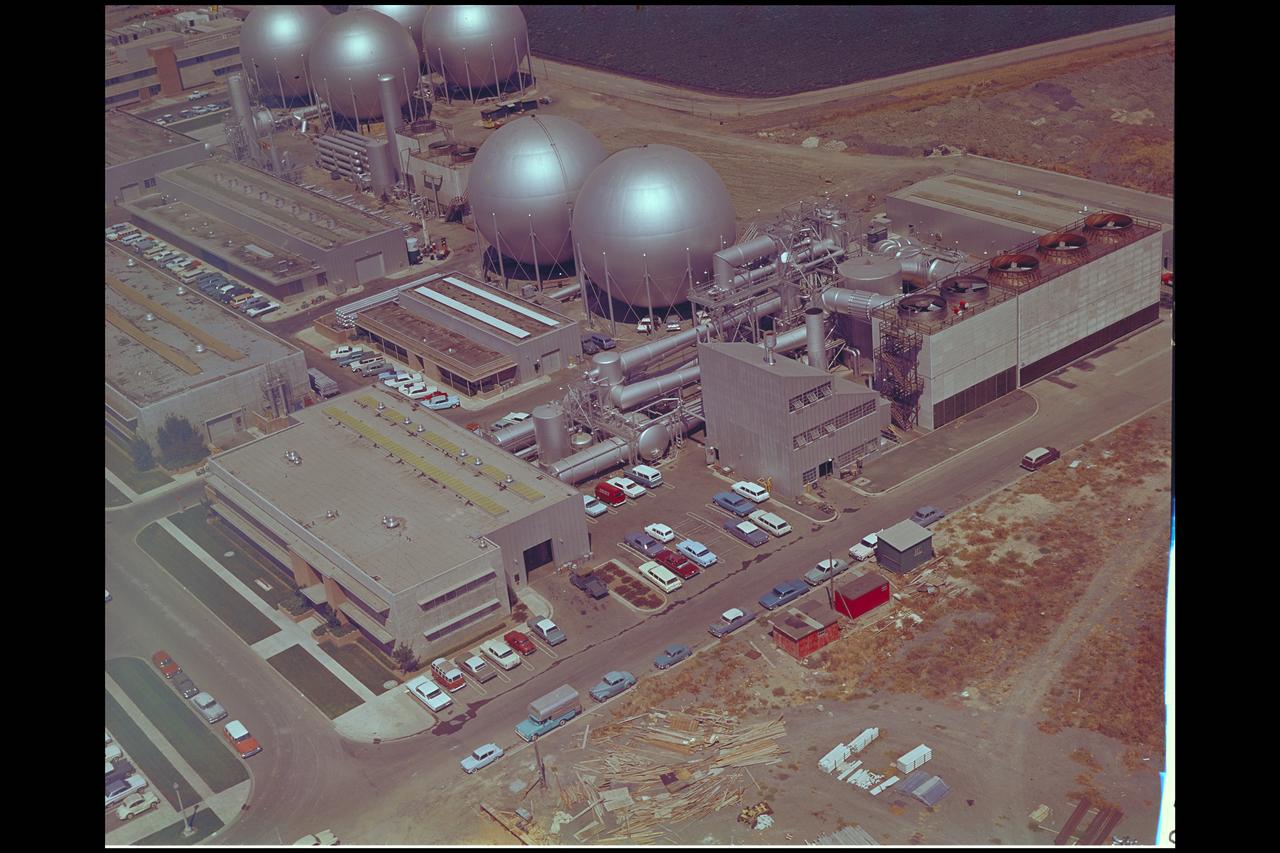
Aerial view of Gasdynamics facility in 1964 and the 20 inch helium tunnel Part of the Thermal Protection Laboratory used to research materials for heat shield applications and for aerodynamic heating and materials studies of vehicles in planetary atmospheres. This laboratory is comprised of five separate facilities: an Aerodynamic Heating Tunnel, a Heat Transfer Tunnel, two Supersonic Turbulent Ducts, and a High-Power CO2 Gasdynamic Laser. All these facilities are driven by arc-heaters, with the exception of the large, combustion-type laser. The arc-heated facilities are powered by a 20 Megawatt DC power supply. Their effluent gas stream (test gases; Air, N2, He, CO2 and mixtures; flow rates from 0.05 to 5.0 lbs/sec) discharges into a five-stage stream-ejector-driven vacuum system. The vacuum system and power supply are common to the test faciities in building N-238. All of the facilities have high pressure water available at flow rates up to 4, 000 gals/min. The data obtained from these facilities are recorded on magnetic tape or oscillographs. All forms of data can be handled whether from thermo-couples, pressure cells, pyrometers, or radiometers, etc. in addition, closed circuit T. V. monitors and various film cameras are available. (operational since 1962)
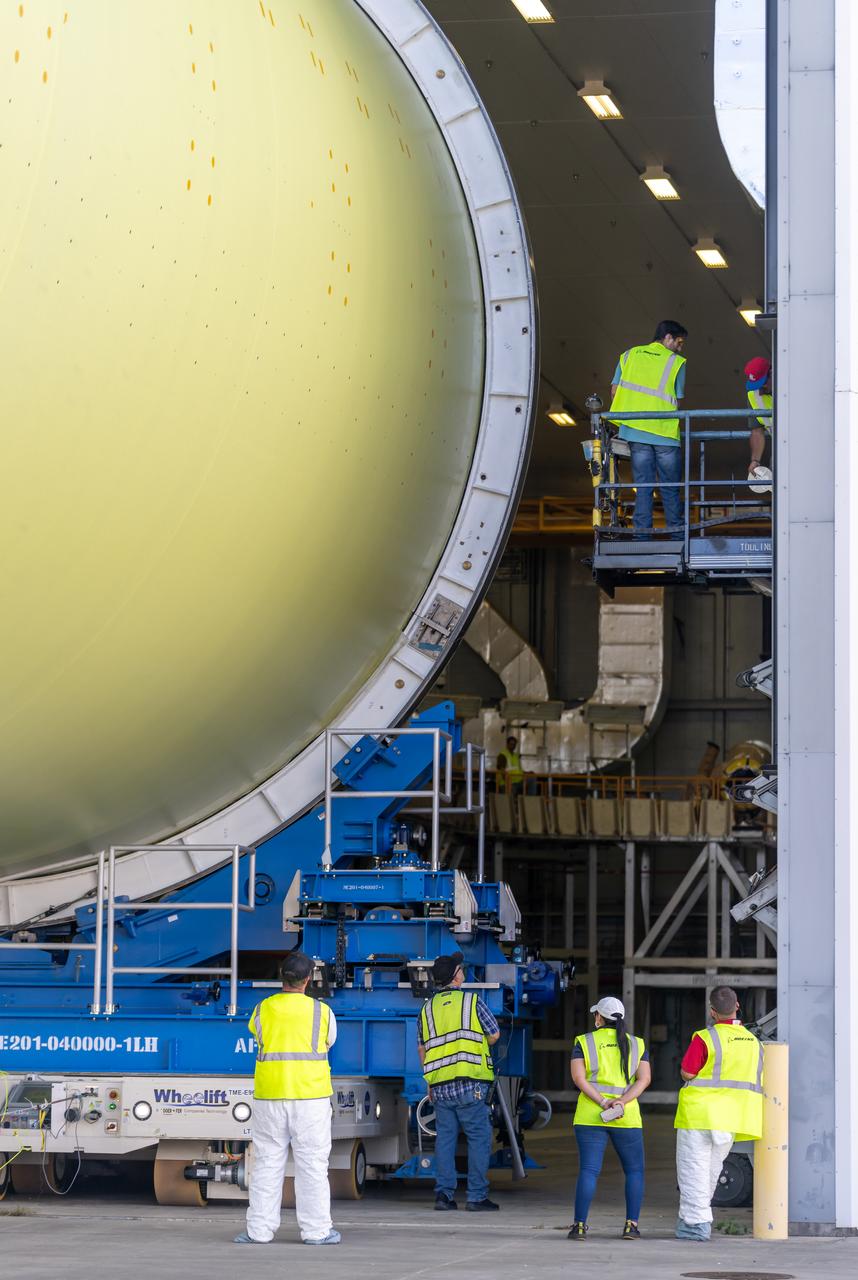
Teams move a liquid hydrogen tank for NASA’s SLS (Space Launch System) rocket out of a priming cell and into an adjacent cell on May 20 at the agency’s Michoud Assembly Facility in New Orleans. Inside the cell, the tank, which will be used on the core stage of NASA’s Artemis III mission, will receive its thermal protection system. The thermal protection system, or spray-on foam insulation, provides protection to the core stage during launch. It is flexible enough to move with the rocket yet can withstand the aerodynamic pressures as the SLS accelerates from 0 to 17,500 mph and soars to more than 100 miles above the Earth. This third-generation insulation is more environmentally friendly and keeps the cryogenic propellant, which powers the rocket’s four RS-25 engines, extremely cold (the liquid hydrogen must remain at minus 423 degrees Fahrenheit/253 degrees Celsius) to remain in its liquid state. When applied the thermal protection system is a light-yellow color, which “tans” once exposed to the Sun’s ultraviolet rays, giving the SLS core stage its signature orange color.
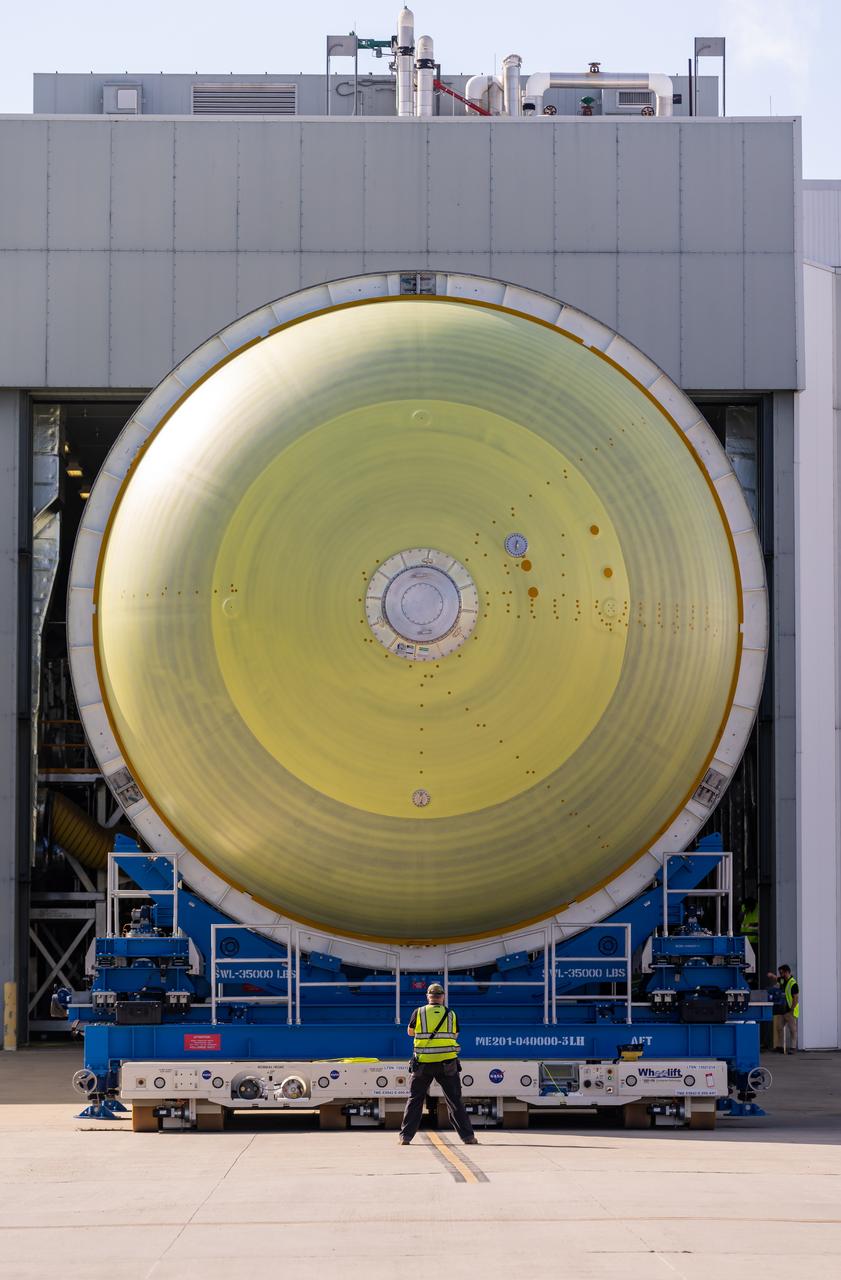
Teams move a liquid hydrogen tank for NASA’s SLS (Space Launch System) rocket out of a priming cell and into an adjacent cell on May 20 at the agency’s Michoud Assembly Facility in New Orleans. Inside the cell, the tank, which will be used on the core stage of NASA’s Artemis III mission, will receive its thermal protection system. The thermal protection system, or spray-on foam insulation, provides protection to the core stage during launch. It is flexible enough to move with the rocket yet can withstand the aerodynamic pressures as the SLS accelerates from 0 to 17,500 mph and soars to more than 100 miles above the Earth. This third-generation insulation is more environmentally friendly and keeps the cryogenic propellant, which powers the rocket’s four RS-25 engines, extremely cold (the liquid hydrogen must remain at minus 423 degrees Fahrenheit/253 degrees Celsius) to remain in its liquid state. When applied the thermal protection system is a light-yellow color, which “tans” once exposed to the Sun’s ultraviolet rays, giving the SLS core stage its signature orange color.
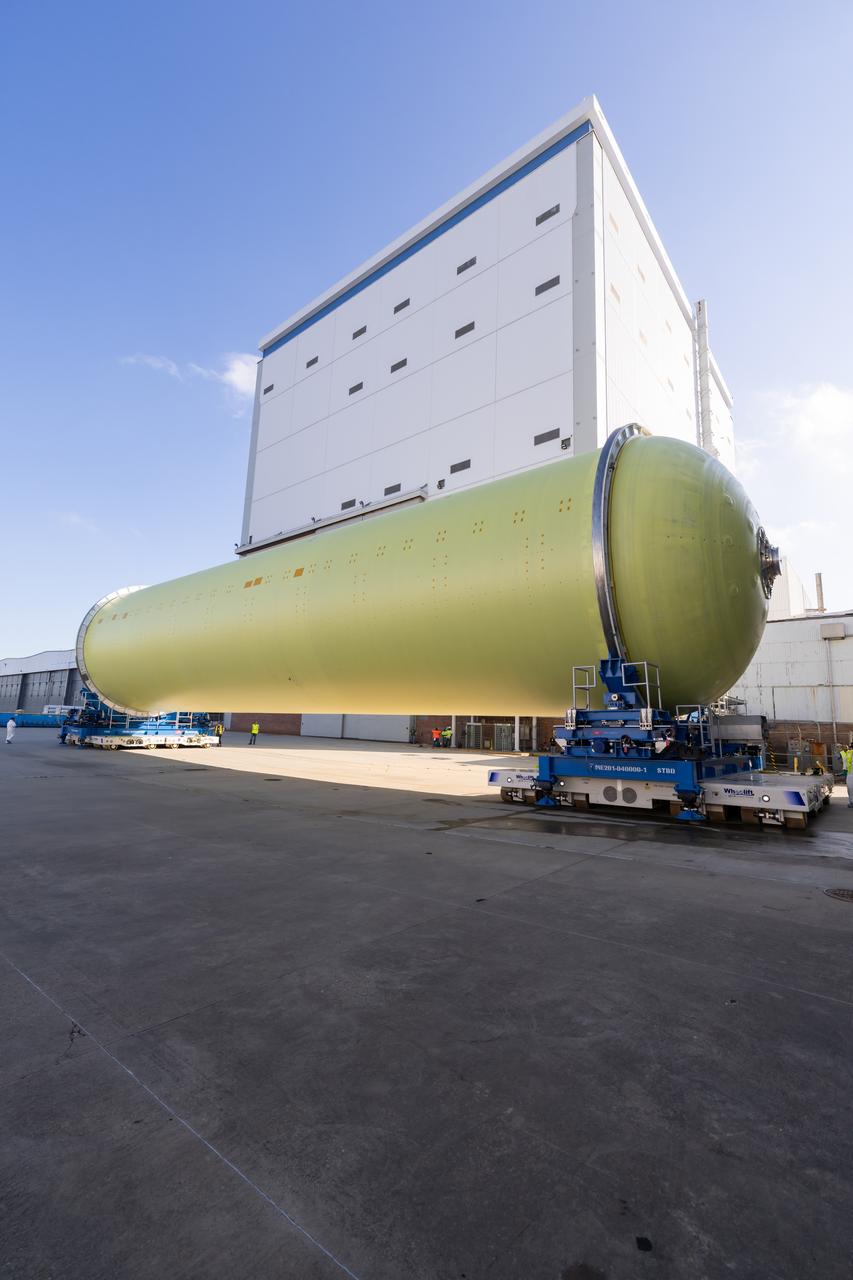
Teams move a liquid hydrogen tank for NASA’s SLS (Space Launch System) rocket out of a priming cell and into an adjacent cell on May 20 at the agency’s Michoud Assembly Facility in New Orleans. Inside the cell, the tank, which will be used on the core stage of NASA’s Artemis III mission, will receive its thermal protection system. The thermal protection system, or spray-on foam insulation, provides protection to the core stage during launch. It is flexible enough to move with the rocket yet can withstand the aerodynamic pressures as the SLS accelerates from 0 to 17,500 mph and soars to more than 100 miles above the Earth. This third-generation insulation is more environmentally friendly and keeps the cryogenic propellant, which powers the rocket’s four RS-25 engines, extremely cold (the liquid hydrogen must remain at minus 423 degrees Fahrenheit/253 degrees Celsius) to remain in its liquid state. When applied the thermal protection system is a light-yellow color, which “tans” once exposed to the Sun’s ultraviolet rays, giving the SLS core stage its signature orange color.
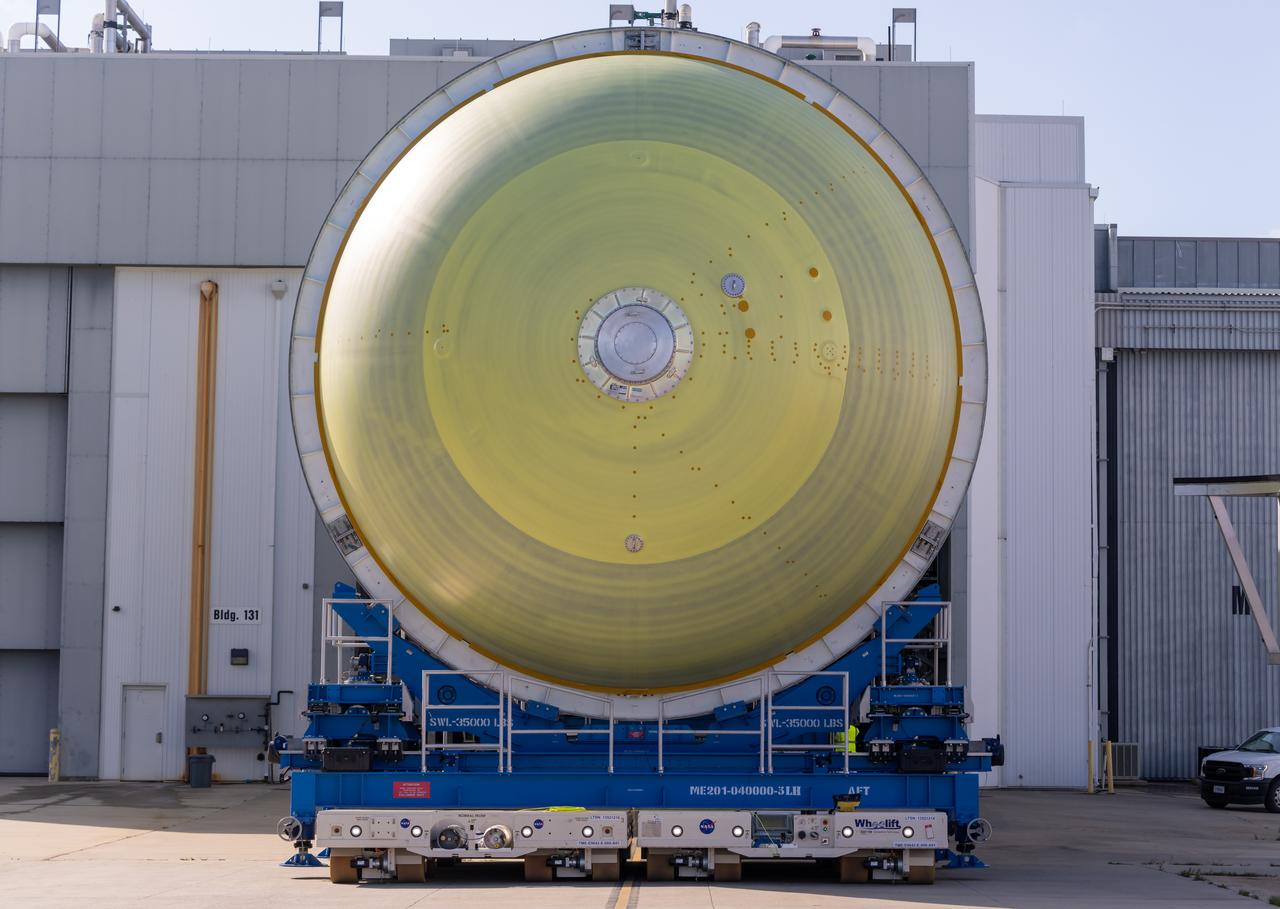
Teams move a liquid hydrogen tank for NASA’s SLS (Space Launch System) rocket out of a priming cell and into an adjacent cell on May 20 at the agency’s Michoud Assembly Facility in New Orleans. Inside the cell, the tank, which will be used on the core stage of NASA’s Artemis III mission, will receive its thermal protection system. The thermal protection system, or spray-on foam insulation, provides protection to the core stage during launch. It is flexible enough to move with the rocket yet can withstand the aerodynamic pressures as the SLS accelerates from 0 to 17,500 mph and soars to more than 100 miles above the Earth. This third-generation insulation is more environmentally friendly and keeps the cryogenic propellant, which powers the rocket’s four RS-25 engines, extremely cold (the liquid hydrogen must remain at minus 423 degrees Fahrenheit/253 degrees Celsius) to remain in its liquid state. When applied the thermal protection system is a light-yellow color, which “tans” once exposed to the Sun’s ultraviolet rays, giving the SLS core stage its signature orange color.
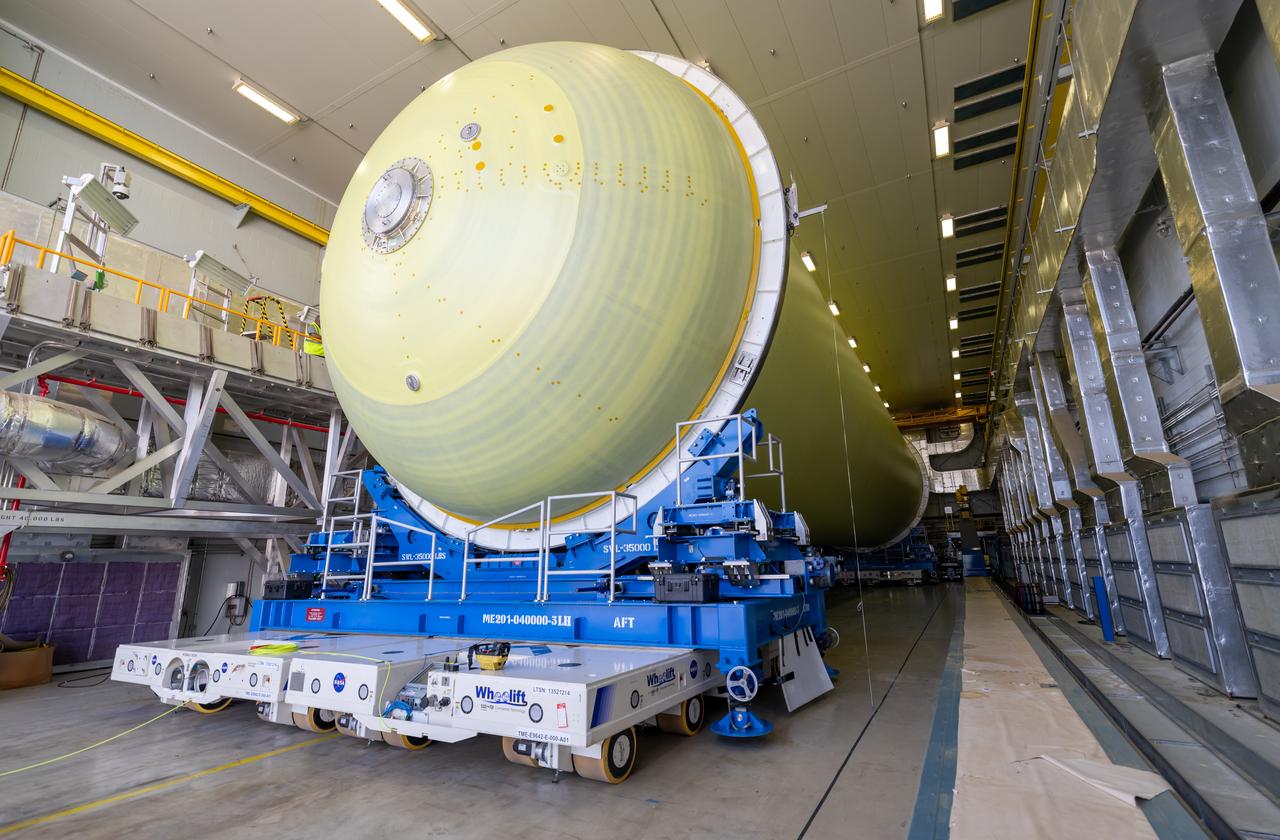
Teams move a liquid hydrogen tank for NASA’s SLS (Space Launch System) rocket out of a priming cell and into an adjacent cell on May 20 at the agency’s Michoud Assembly Facility in New Orleans. Inside the cell, the tank, which will be used on the core stage of NASA’s Artemis III mission, will receive its thermal protection system. The thermal protection system, or spray-on foam insulation, provides protection to the core stage during launch. It is flexible enough to move with the rocket yet can withstand the aerodynamic pressures as the SLS accelerates from 0 to 17,500 mph and soars to more than 100 miles above the Earth. This third-generation insulation is more environmentally friendly and keeps the cryogenic propellant, which powers the rocket’s four RS-25 engines, extremely cold (the liquid hydrogen must remain at minus 423 degrees Fahrenheit/253 degrees Celsius) to remain in its liquid state. When applied the thermal protection system is a light-yellow color, which “tans” once exposed to the Sun’s ultraviolet rays, giving the SLS core stage its signature orange color.
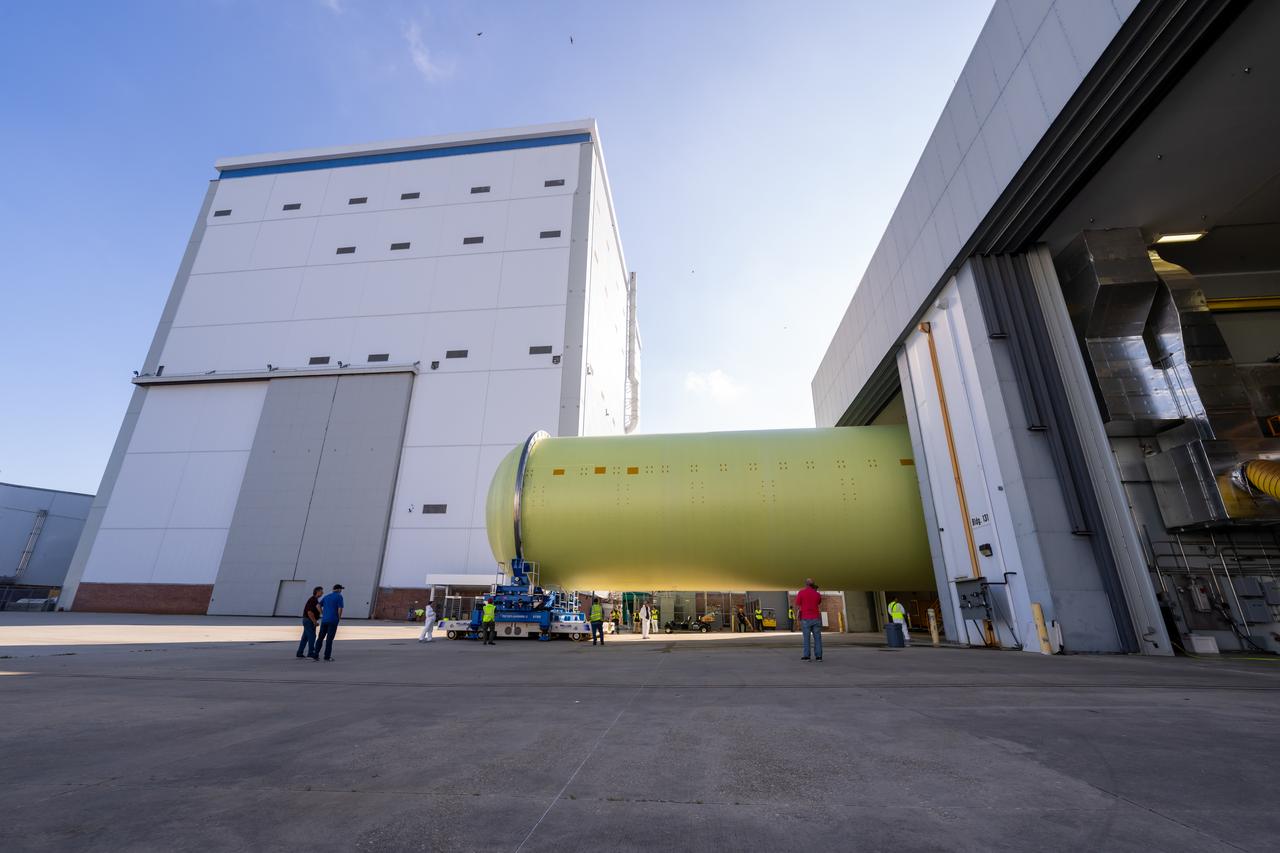
Teams move a liquid hydrogen tank for NASA’s SLS (Space Launch System) rocket out of a priming cell and into an adjacent cell on May 20 at the agency’s Michoud Assembly Facility in New Orleans. Inside the cell, the tank, which will be used on the core stage of NASA’s Artemis III mission, will receive its thermal protection system. The thermal protection system, or spray-on foam insulation, provides protection to the core stage during launch. It is flexible enough to move with the rocket yet can withstand the aerodynamic pressures as the SLS accelerates from 0 to 17,500 mph and soars to more than 100 miles above the Earth. This third-generation insulation is more environmentally friendly and keeps the cryogenic propellant, which powers the rocket’s four RS-25 engines, extremely cold (the liquid hydrogen must remain at minus 423 degrees Fahrenheit/253 degrees Celsius) to remain in its liquid state. When applied the thermal protection system is a light-yellow color, which “tans” once exposed to the Sun’s ultraviolet rays, giving the SLS core stage its signature orange color.
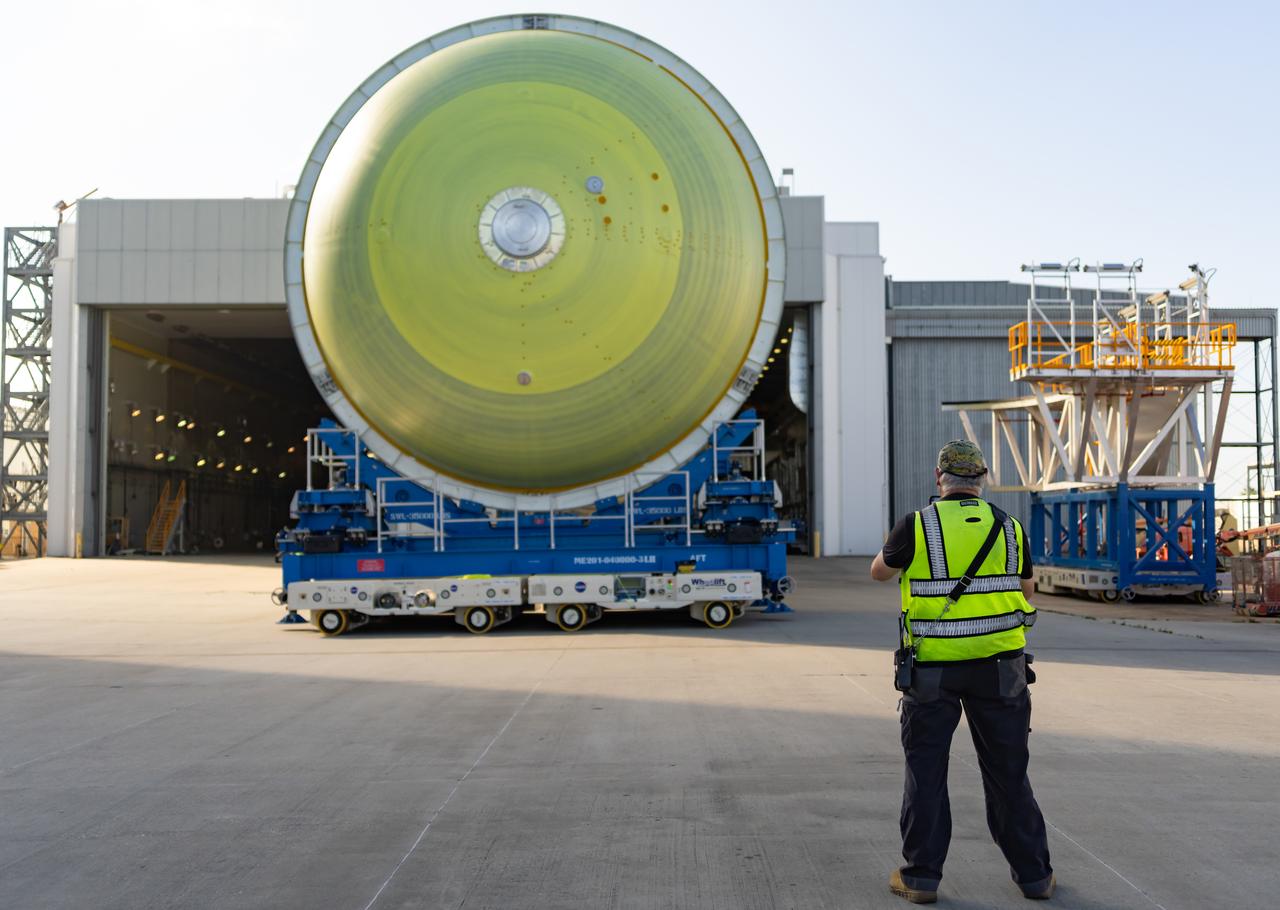
Teams move a liquid hydrogen tank for NASA’s SLS (Space Launch System) rocket out of a priming cell and into an adjacent cell on May 20 at the agency’s Michoud Assembly Facility in New Orleans. Inside the cell, the tank, which will be used on the core stage of NASA’s Artemis III mission, will receive its thermal protection system. The thermal protection system, or spray-on foam insulation, provides protection to the core stage during launch. It is flexible enough to move with the rocket yet can withstand the aerodynamic pressures as the SLS accelerates from 0 to 17,500 mph and soars to more than 100 miles above the Earth. This third-generation insulation is more environmentally friendly and keeps the cryogenic propellant, which powers the rocket’s four RS-25 engines, extremely cold (the liquid hydrogen must remain at minus 423 degrees Fahrenheit/253 degrees Celsius) to remain in its liquid state. When applied the thermal protection system is a light-yellow color, which “tans” once exposed to the Sun’s ultraviolet rays, giving the SLS core stage its signature orange color.
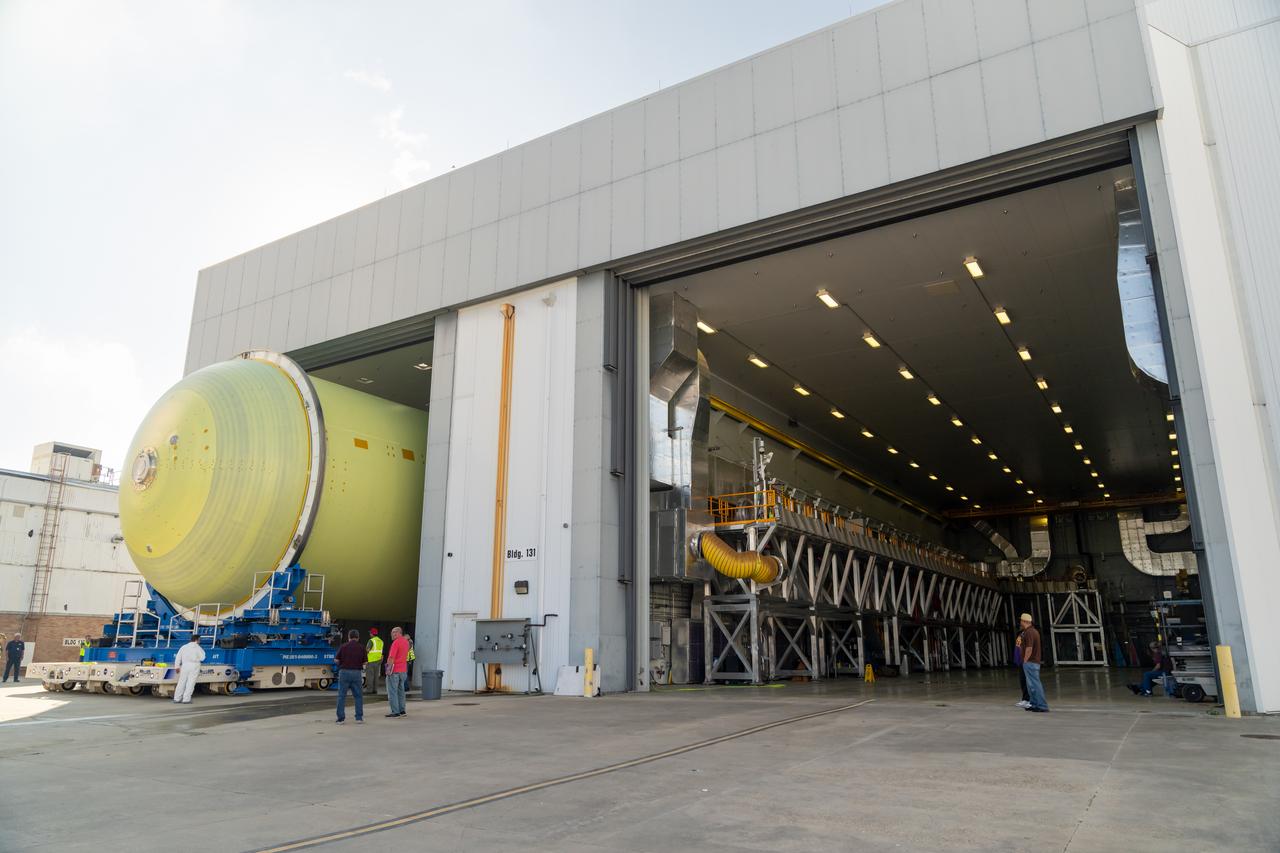
Teams move a liquid hydrogen tank for NASA’s SLS (Space Launch System) rocket out of a priming cell and into an adjacent cell on May 20 at the agency’s Michoud Assembly Facility in New Orleans. Inside the cell, the tank, which will be used on the core stage of NASA’s Artemis III mission, will receive its thermal protection system. The thermal protection system, or spray-on foam insulation, provides protection to the core stage during launch. It is flexible enough to move with the rocket yet can withstand the aerodynamic pressures as the SLS accelerates from 0 to 17,500 mph and soars to more than 100 miles above the Earth. This third-generation insulation is more environmentally friendly and keeps the cryogenic propellant, which powers the rocket’s four RS-25 engines, extremely cold (the liquid hydrogen must remain at minus 423 degrees Fahrenheit/253 degrees Celsius) to remain in its liquid state. When applied the thermal protection system is a light-yellow color, which “tans” once exposed to the Sun’s ultraviolet rays, giving the SLS core stage its signature orange color.

Teams at NASA’s Michoud Assembly Facility in New Orleans move a liquid hydrogen tank for the agency’s SLS (Space Launch System) rocket into the factory’s final assembly area on April 22. Having recently completed application of the thermal protection system, teams will now continue outfitting the 130-foot-tall tank with critical systems to ready it for its designated Artemis III mission. The propellant tank is one of five major elements that make up the 212-foot-tall rocket stage. The core stage, along with its four RS-25 engines, produce more than two million pounds of thrust to help launch NASA’s Orion spacecraft, astronauts, and supplies beyond Earth’s orbit and to the lunar surface for Artemis.
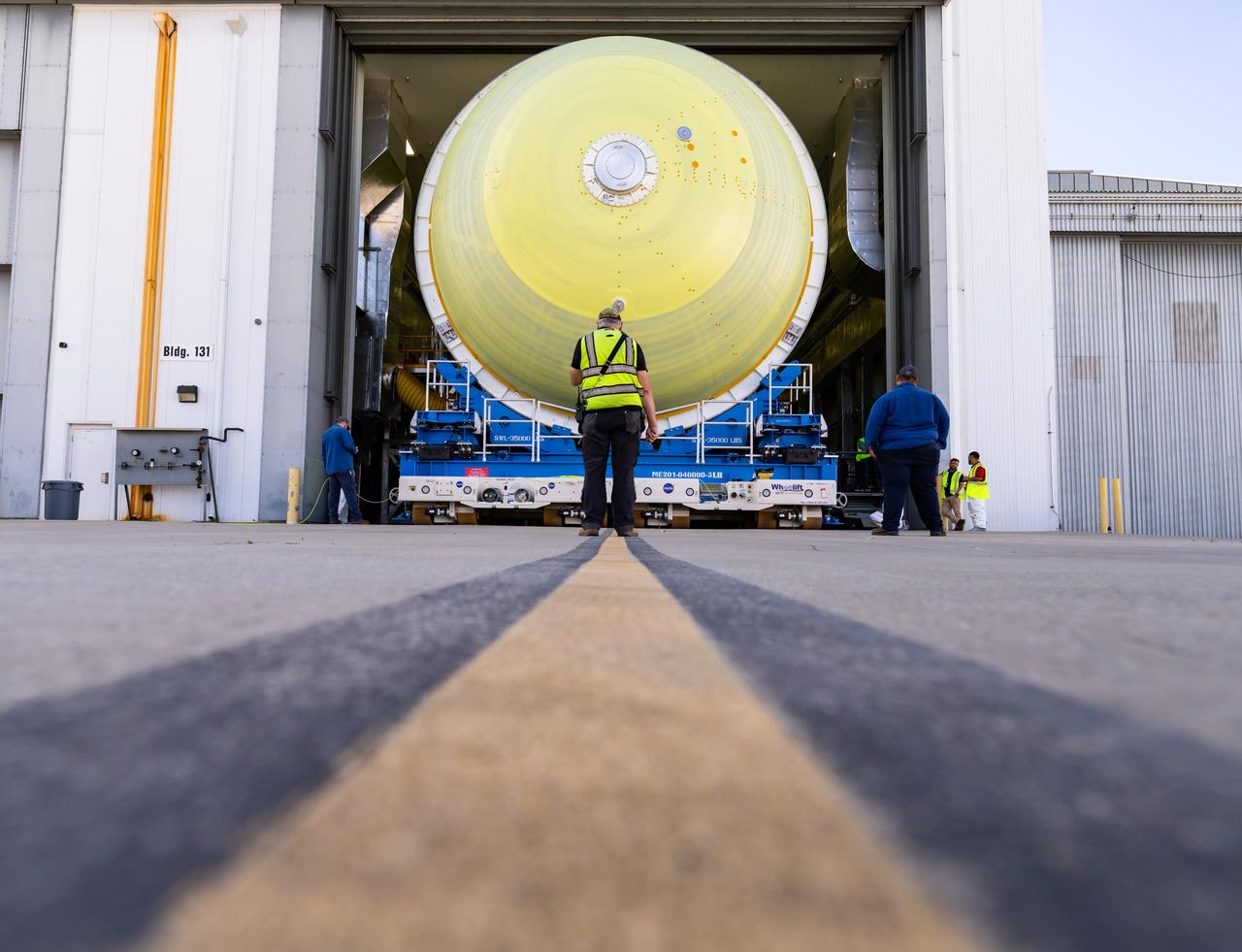
Teams move a liquid hydrogen tank for NASA’s SLS (Space Launch System) rocket out of a priming cell and into an adjacent cell on May 20 at the agency’s Michoud Assembly Facility in New Orleans. Inside the cell, the tank, which will be used on the core stage of NASA’s Artemis III mission, will receive its thermal protection system. The thermal protection system, or spray-on foam insulation, provides protection to the core stage during launch. It is flexible enough to move with the rocket yet can withstand the aerodynamic pressures as the SLS accelerates from 0 to 17,500 mph and soars to more than 100 miles above the Earth. This third-generation insulation is more environmentally friendly and keeps the cryogenic propellant, which powers the rocket’s four RS-25 engines, extremely cold (the liquid hydrogen must remain at minus 423 degrees Fahrenheit/253 degrees Celsius) to remain in its liquid state. When applied the thermal protection system is a light-yellow color, which “tans” once exposed to the Sun’s ultraviolet rays, giving the SLS core stage its signature orange color.
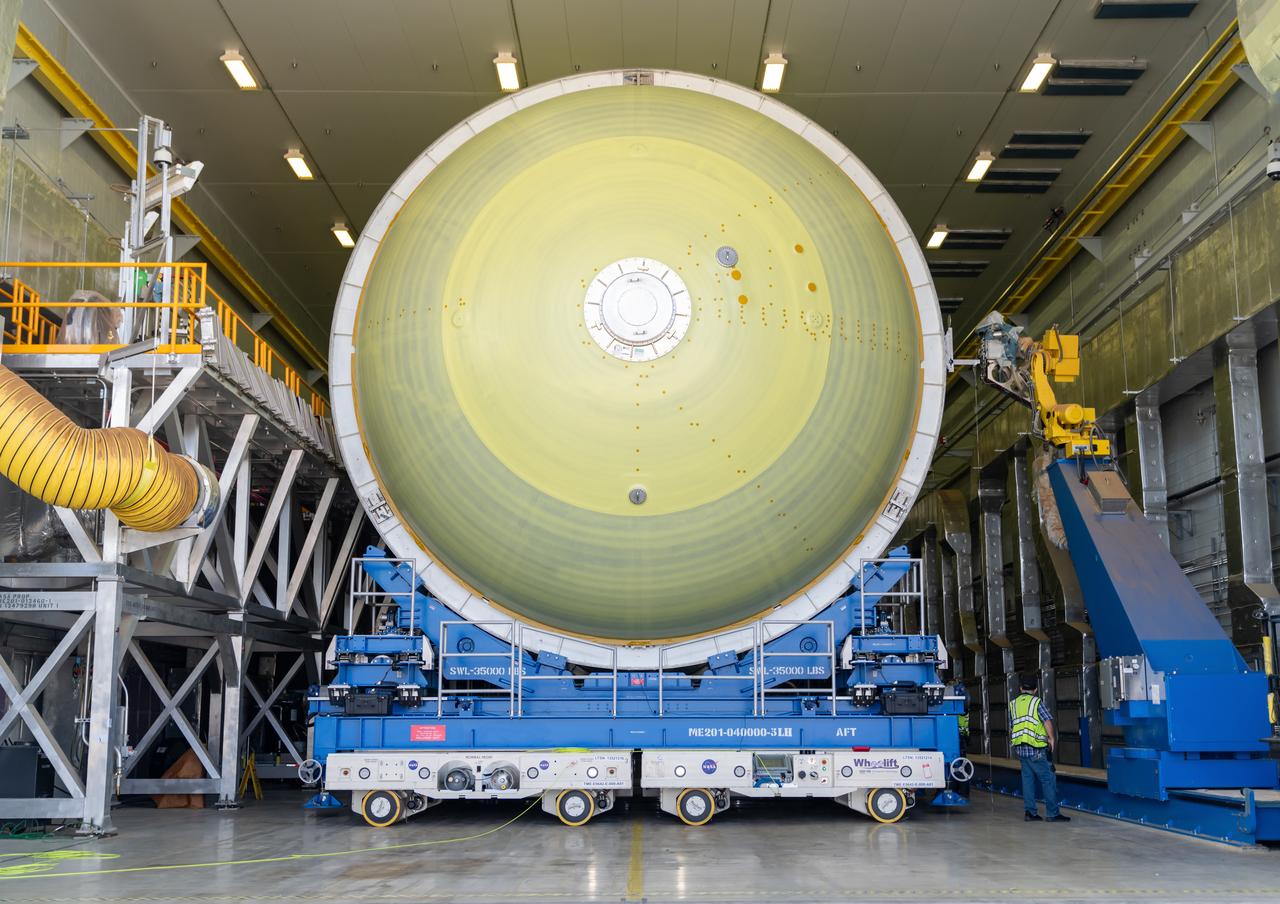
Teams move a liquid hydrogen tank for NASA’s SLS (Space Launch System) rocket out of a priming cell and into an adjacent cell on May 20 at the agency’s Michoud Assembly Facility in New Orleans. Inside the cell, the tank, which will be used on the core stage of NASA’s Artemis III mission, will receive its thermal protection system. The thermal protection system, or spray-on foam insulation, provides protection to the core stage during launch. It is flexible enough to move with the rocket yet can withstand the aerodynamic pressures as the SLS accelerates from 0 to 17,500 mph and soars to more than 100 miles above the Earth. This third-generation insulation is more environmentally friendly and keeps the cryogenic propellant, which powers the rocket’s four RS-25 engines, extremely cold (the liquid hydrogen must remain at minus 423 degrees Fahrenheit/253 degrees Celsius) to remain in its liquid state. When applied the thermal protection system is a light-yellow color, which “tans” once exposed to the Sun’s ultraviolet rays, giving the SLS core stage its signature orange color.
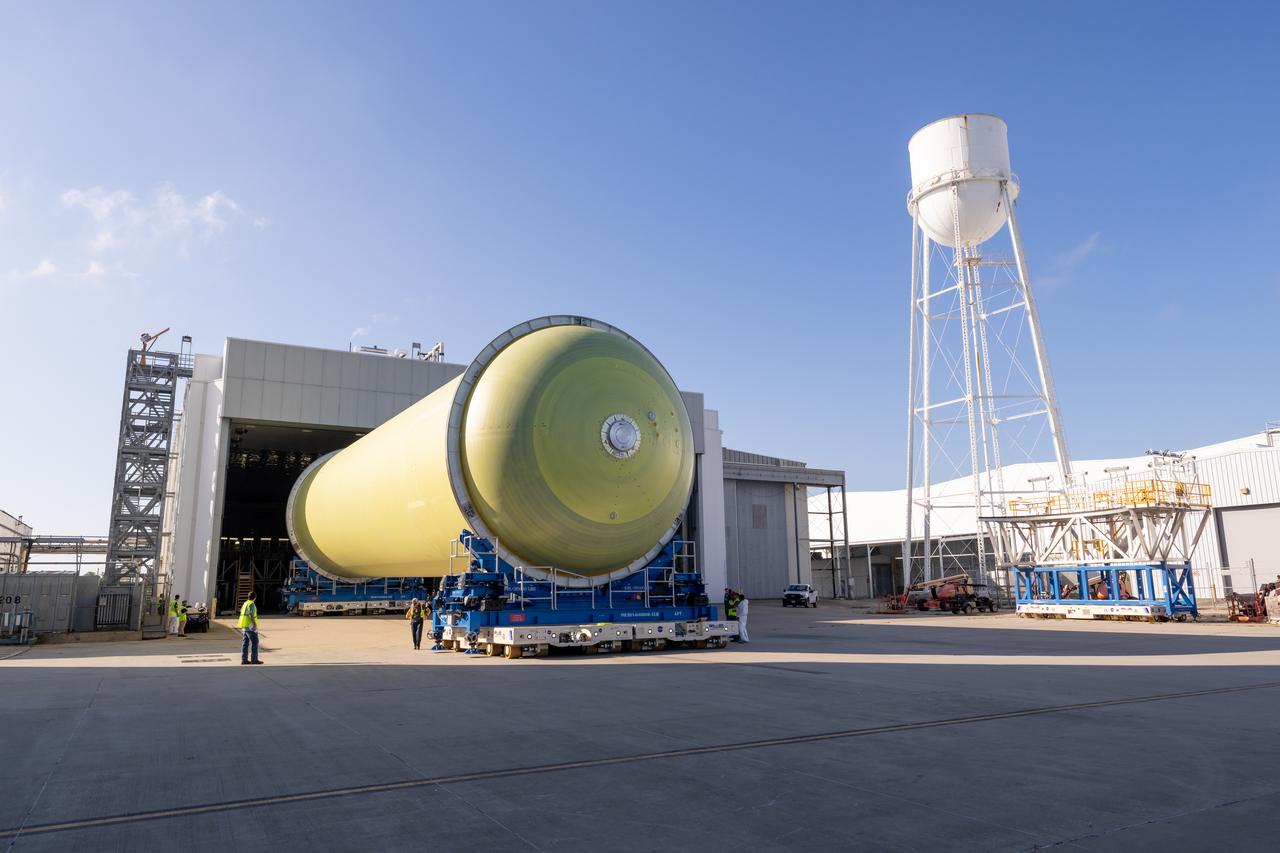
Teams move a liquid hydrogen tank for NASA’s SLS (Space Launch System) rocket out of a priming cell and into an adjacent cell on May 20 at the agency’s Michoud Assembly Facility in New Orleans. Inside the cell, the tank, which will be used on the core stage of NASA’s Artemis III mission, will receive its thermal protection system. The thermal protection system, or spray-on foam insulation, provides protection to the core stage during launch. It is flexible enough to move with the rocket yet can withstand the aerodynamic pressures as the SLS accelerates from 0 to 17,500 mph and soars to more than 100 miles above the Earth. This third-generation insulation is more environmentally friendly and keeps the cryogenic propellant, which powers the rocket’s four RS-25 engines, extremely cold (the liquid hydrogen must remain at minus 423 degrees Fahrenheit/253 degrees Celsius) to remain in its liquid state. When applied the thermal protection system is a light-yellow color, which “tans” once exposed to the Sun’s ultraviolet rays, giving the SLS core stage its signature orange color.